This sequence investigates the historical and geographical logic behind the selection of state capitals in the Northeastern and Southeastern United States, focusing on colonial settlements, the Fall Line, and trade routes.
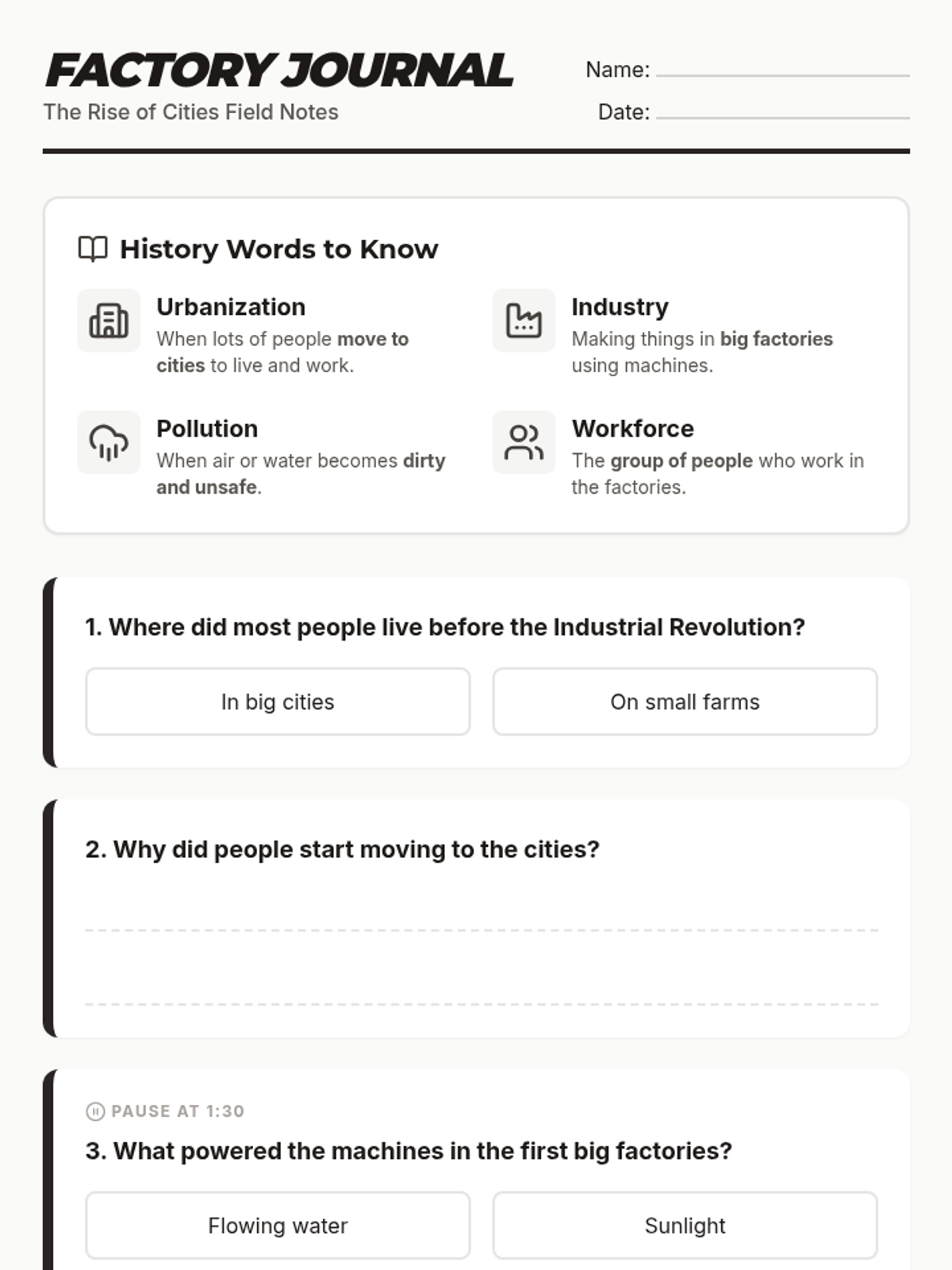
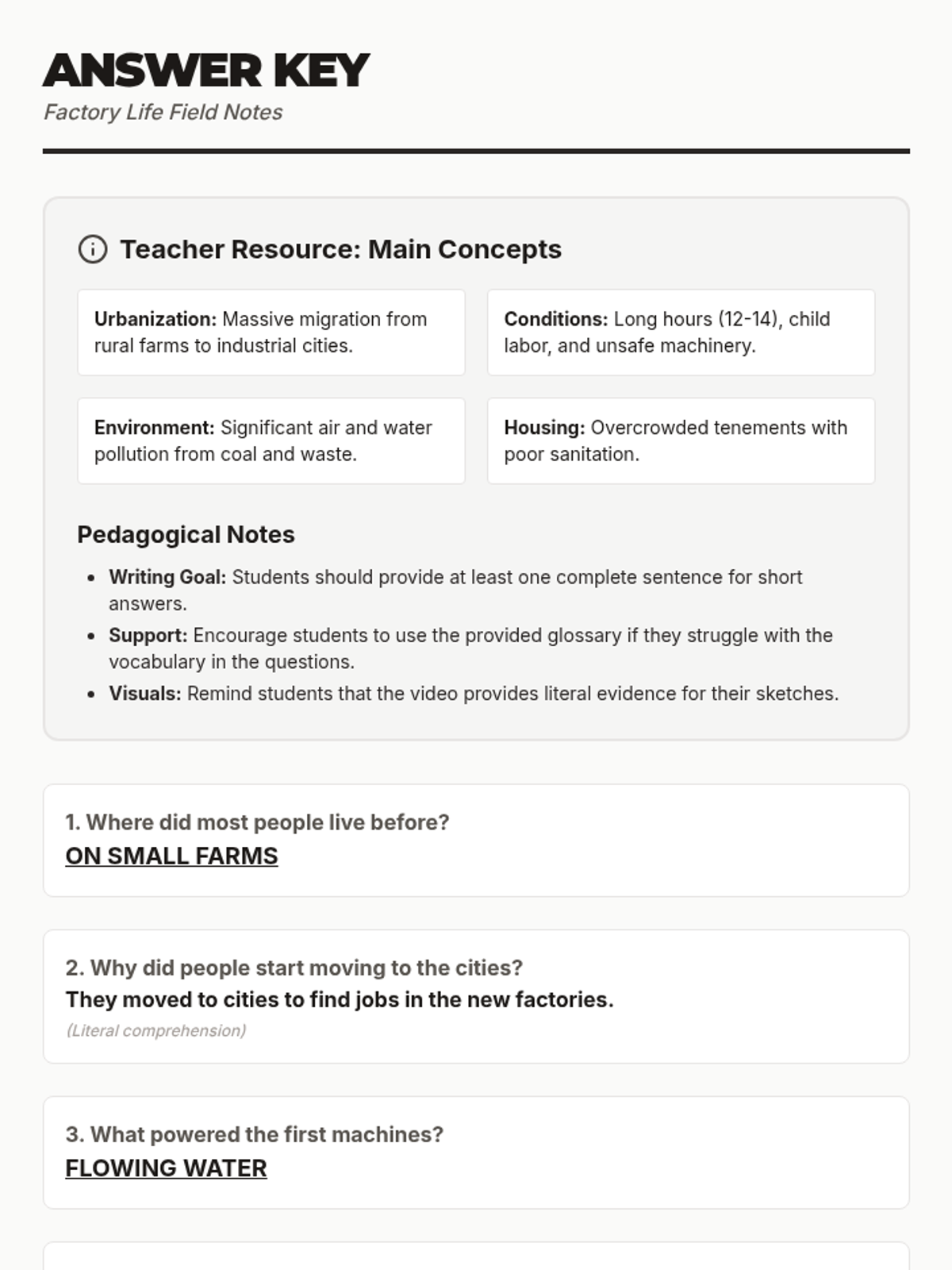
A series of activities exploring the rise of cities and factory life during the Industrial Revolution, designed for middle school students with very low reading levels. The materials focus on visual evidence and basic cause-and-effect relationships.
A bundle of essential resources for middle and high school, covering cellular biology and American history.
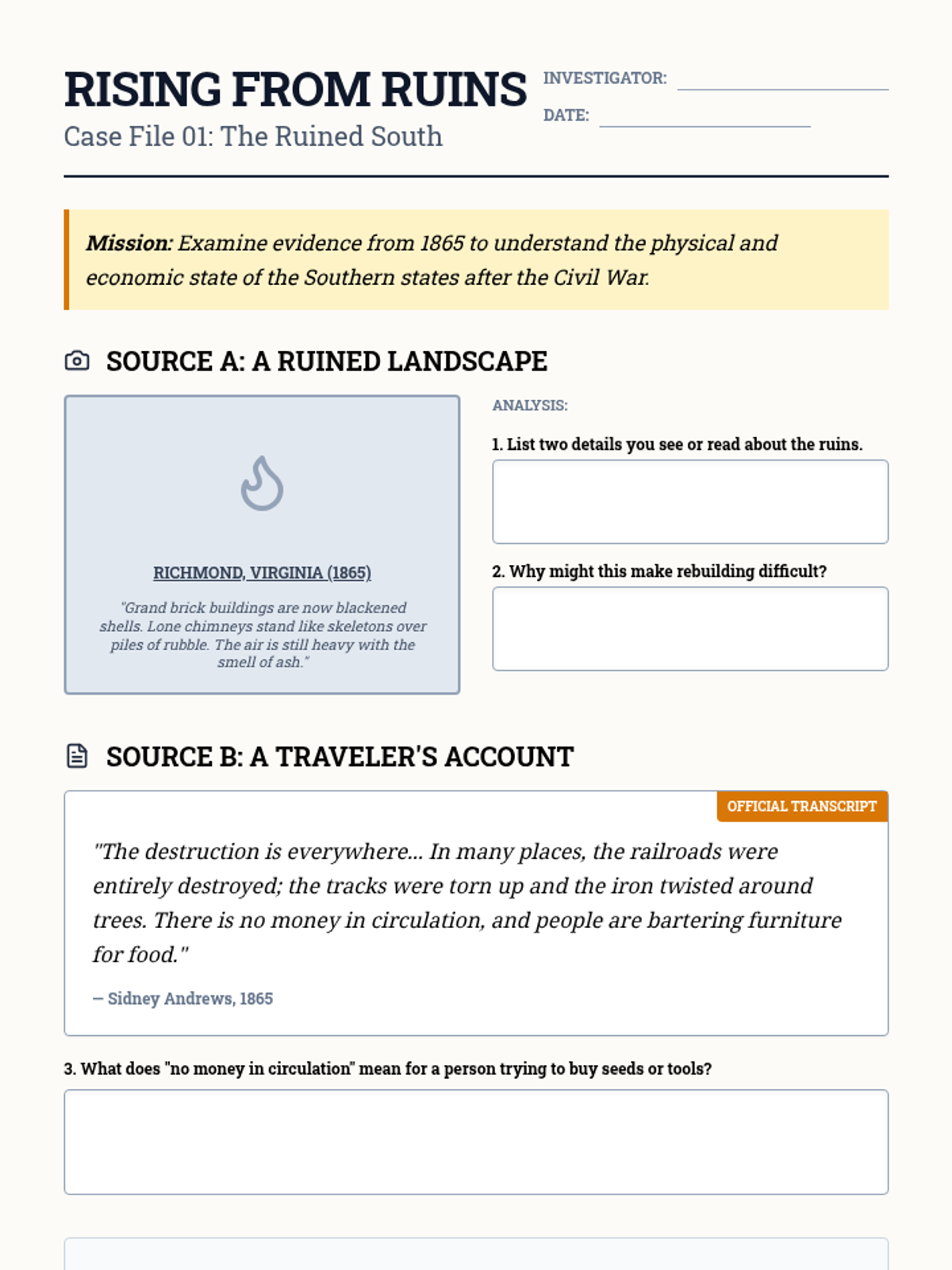
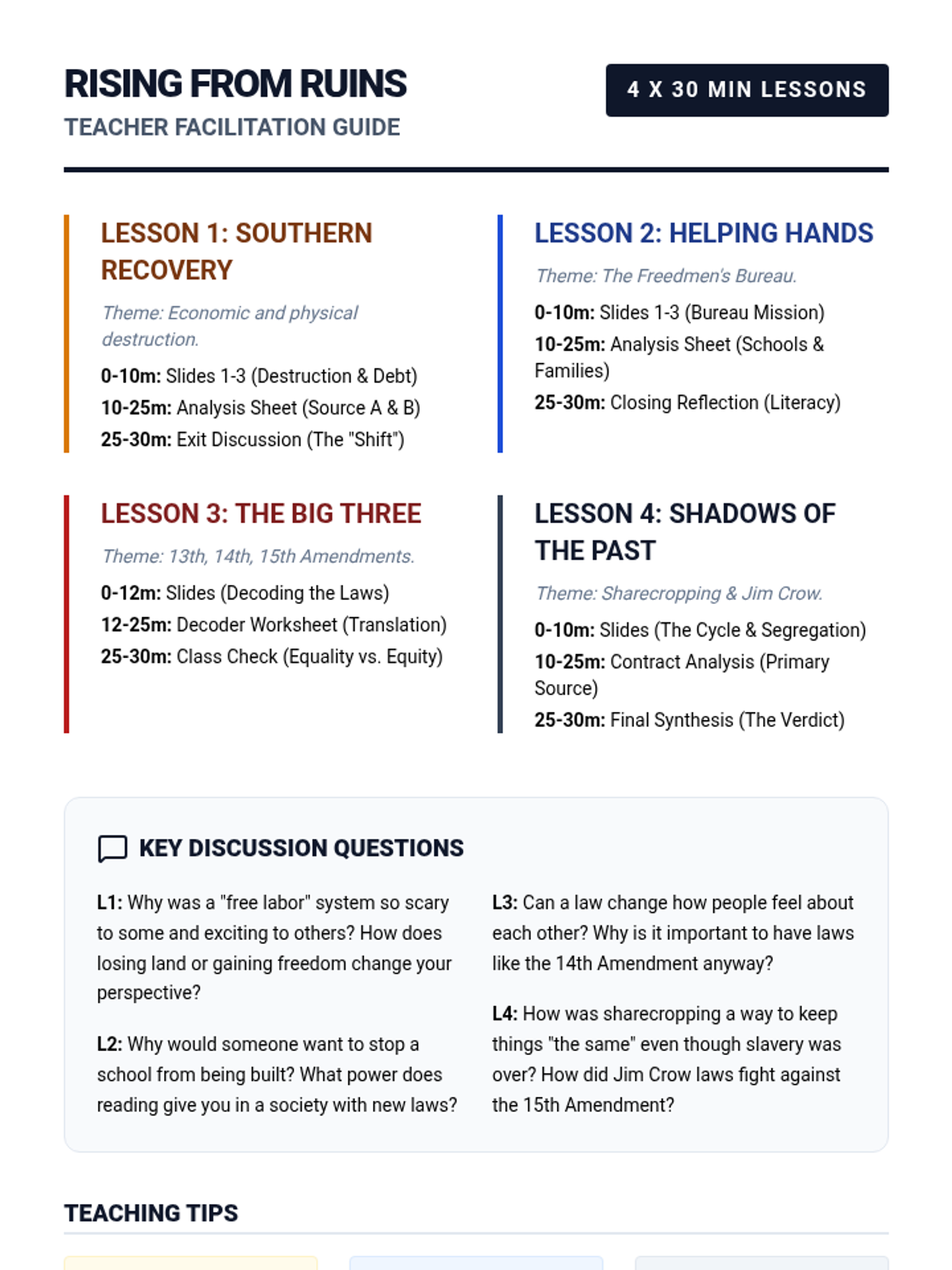
A four-part exploration of the Reconstruction era, focusing on the economic, social, and legal challenges of rebuilding the United States after the Civil War. Students analyze primary sources to understand the transition from slavery to freedom and the obstacles faced by formerly enslaved people.
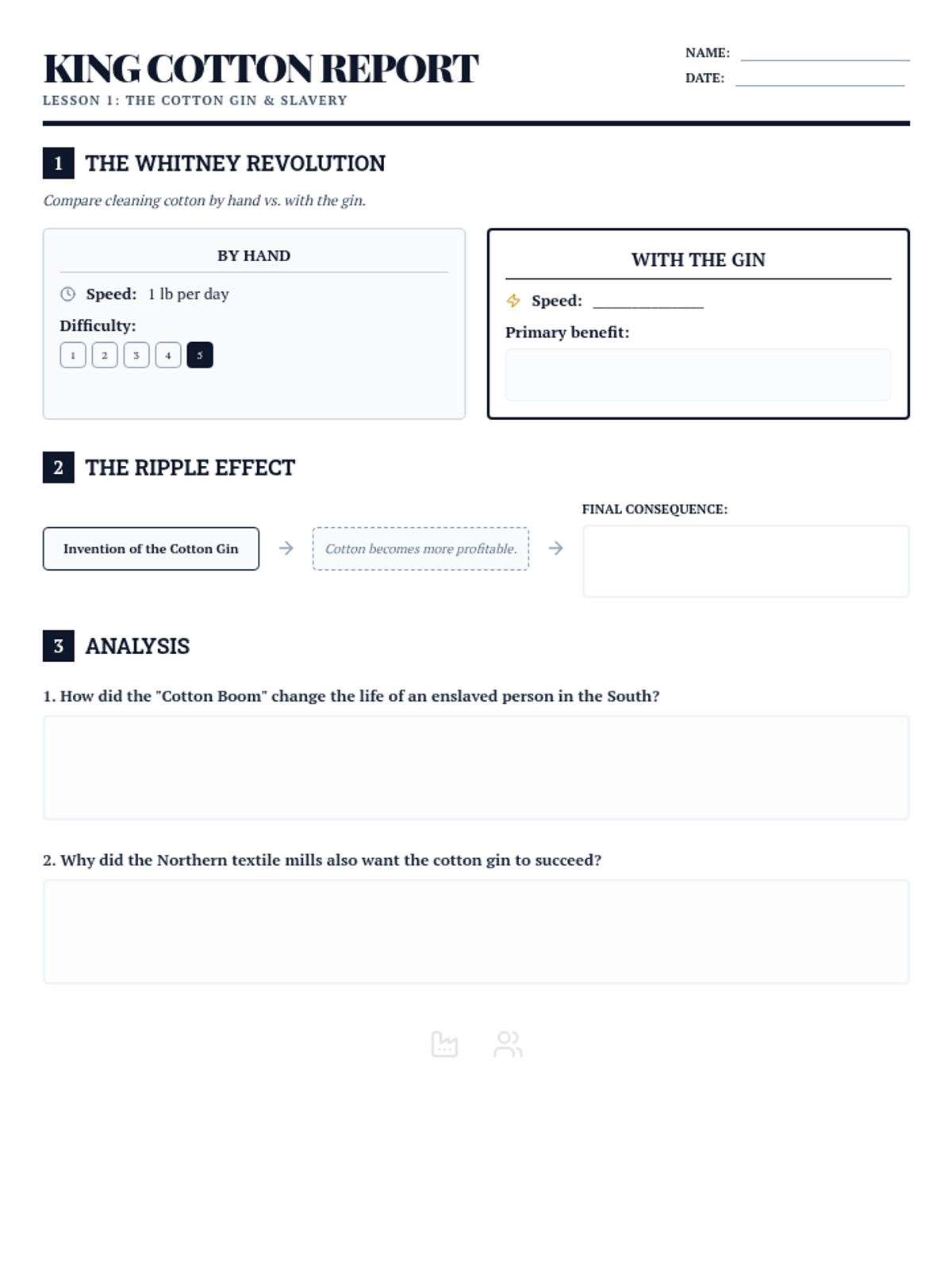
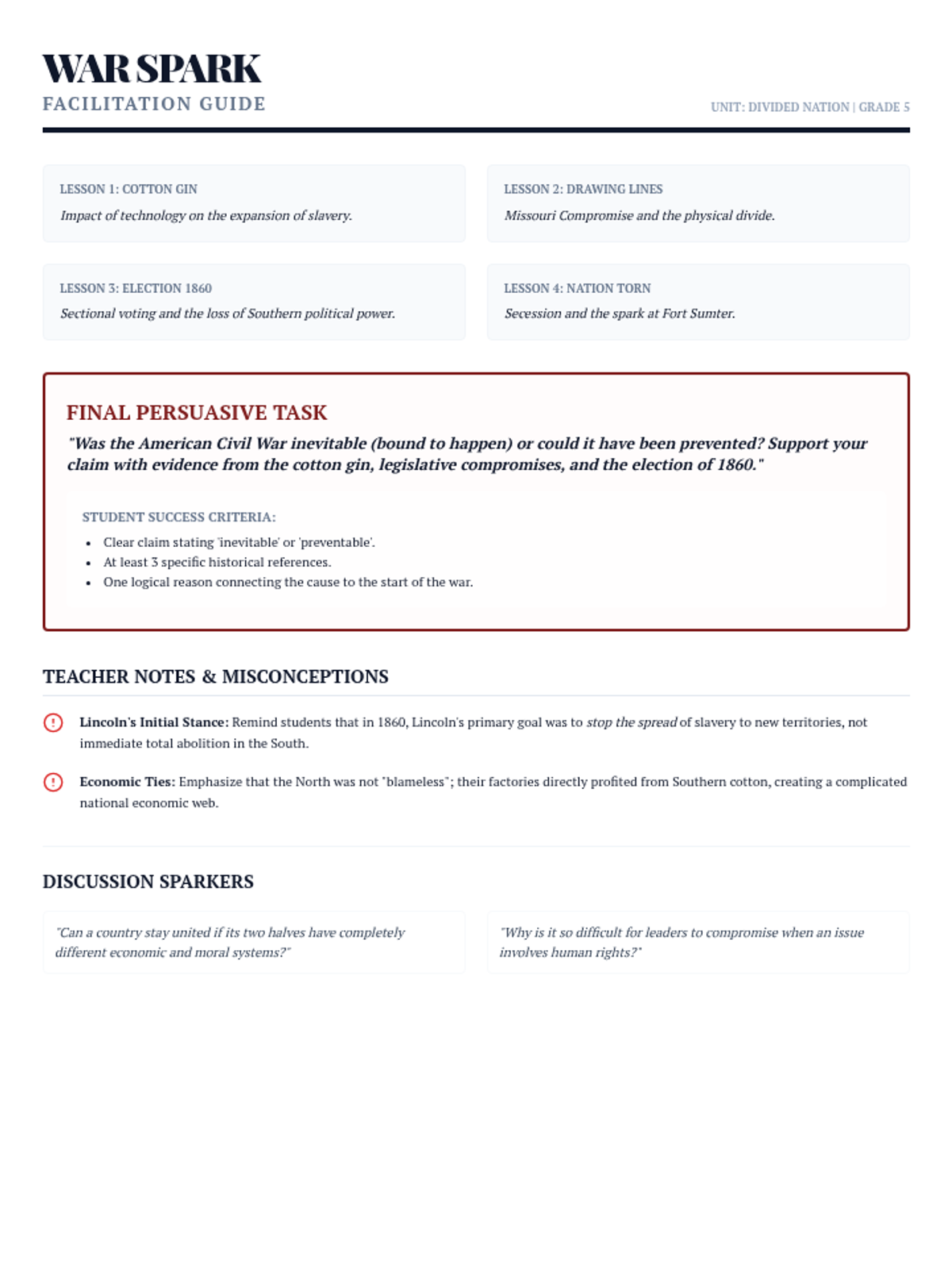
A 4-part exploration of the deep-seated tensions and pivotal events that led the United States to the brink of the Civil War, focusing on economic shifts, legislative compromises, and political flashpoints.
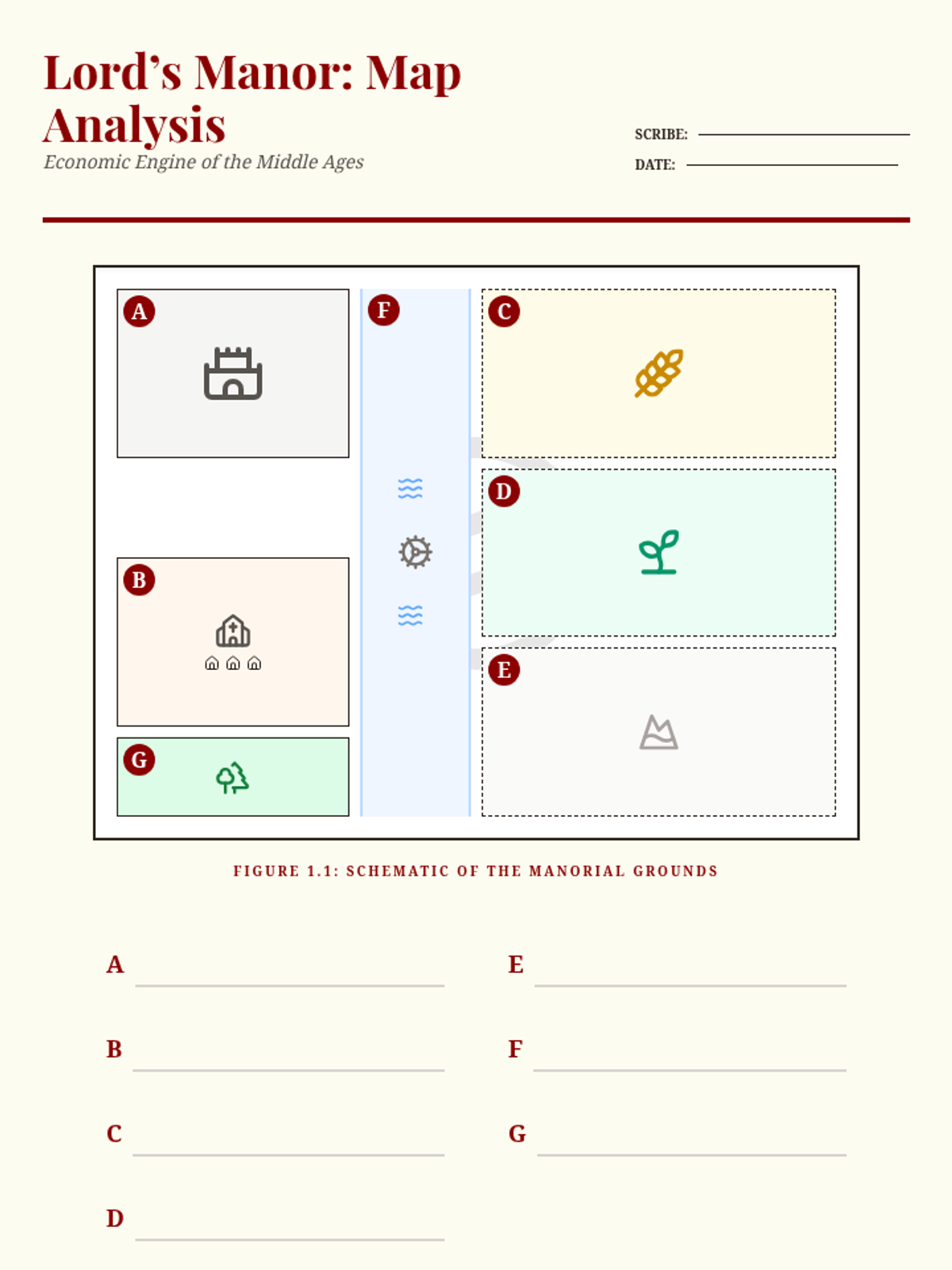
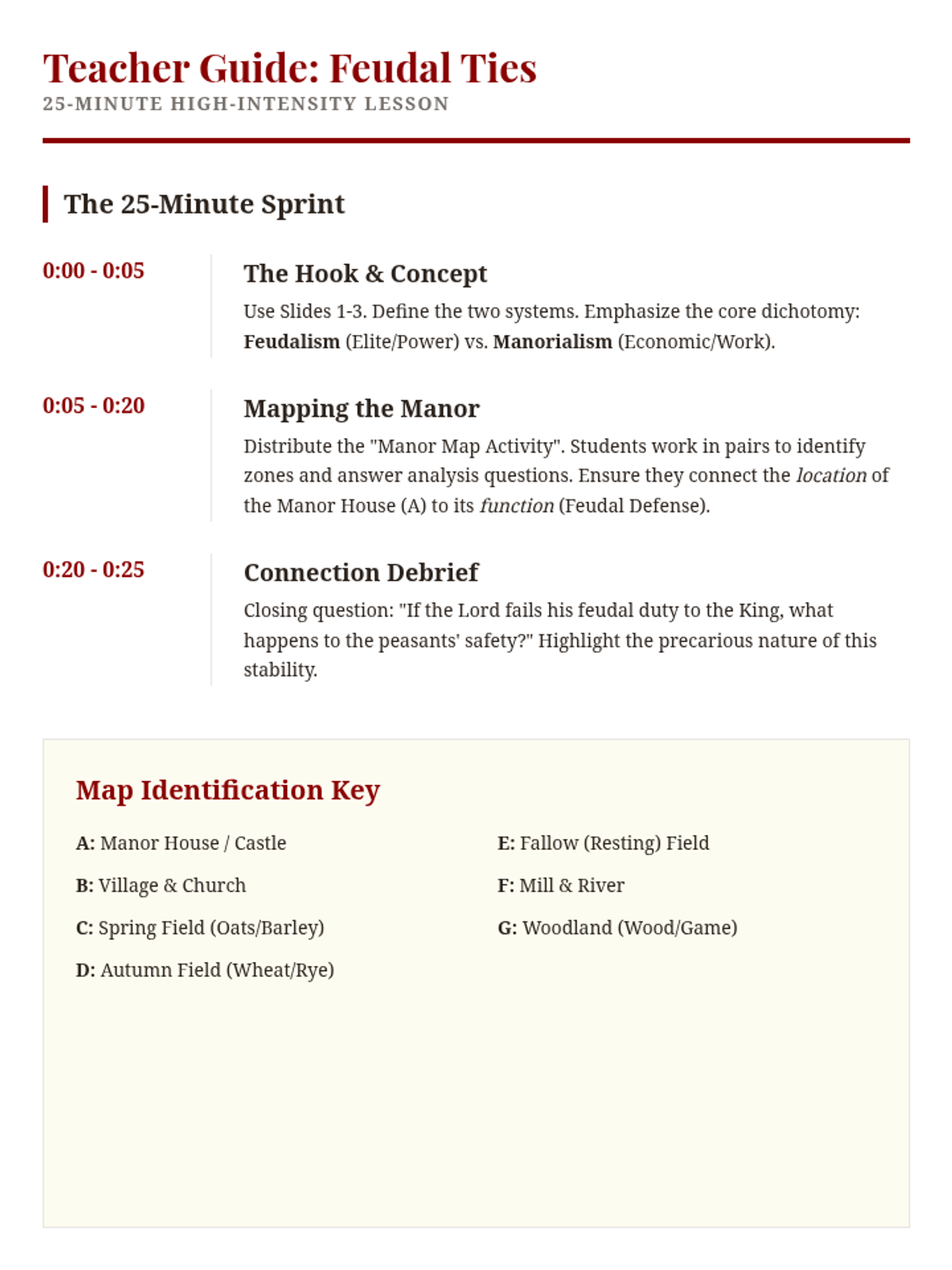
A focused exploration of medieval social and economic structures, specifically contrasting the political hierarchy of feudalism with the agricultural economy of manorialism.
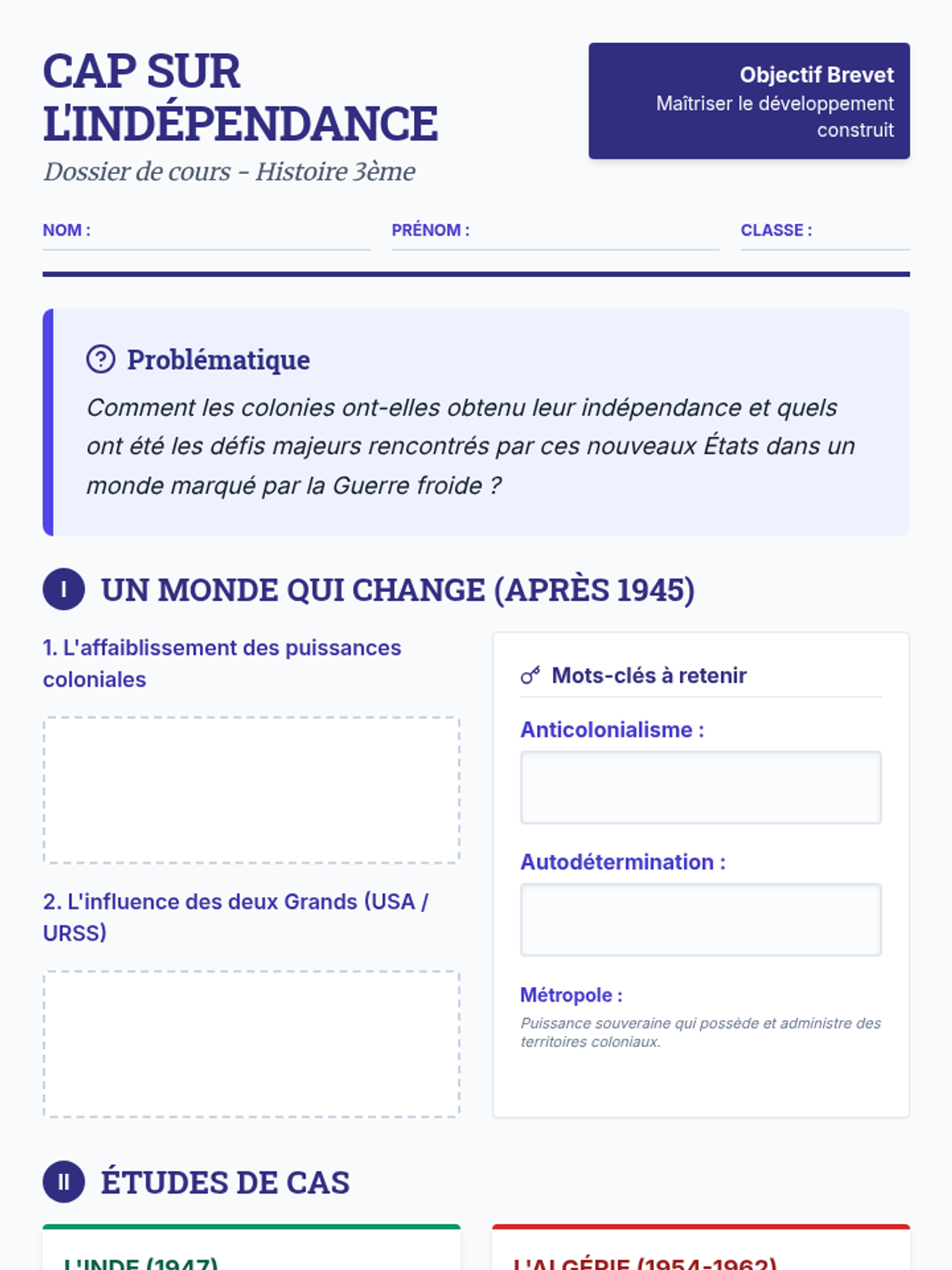
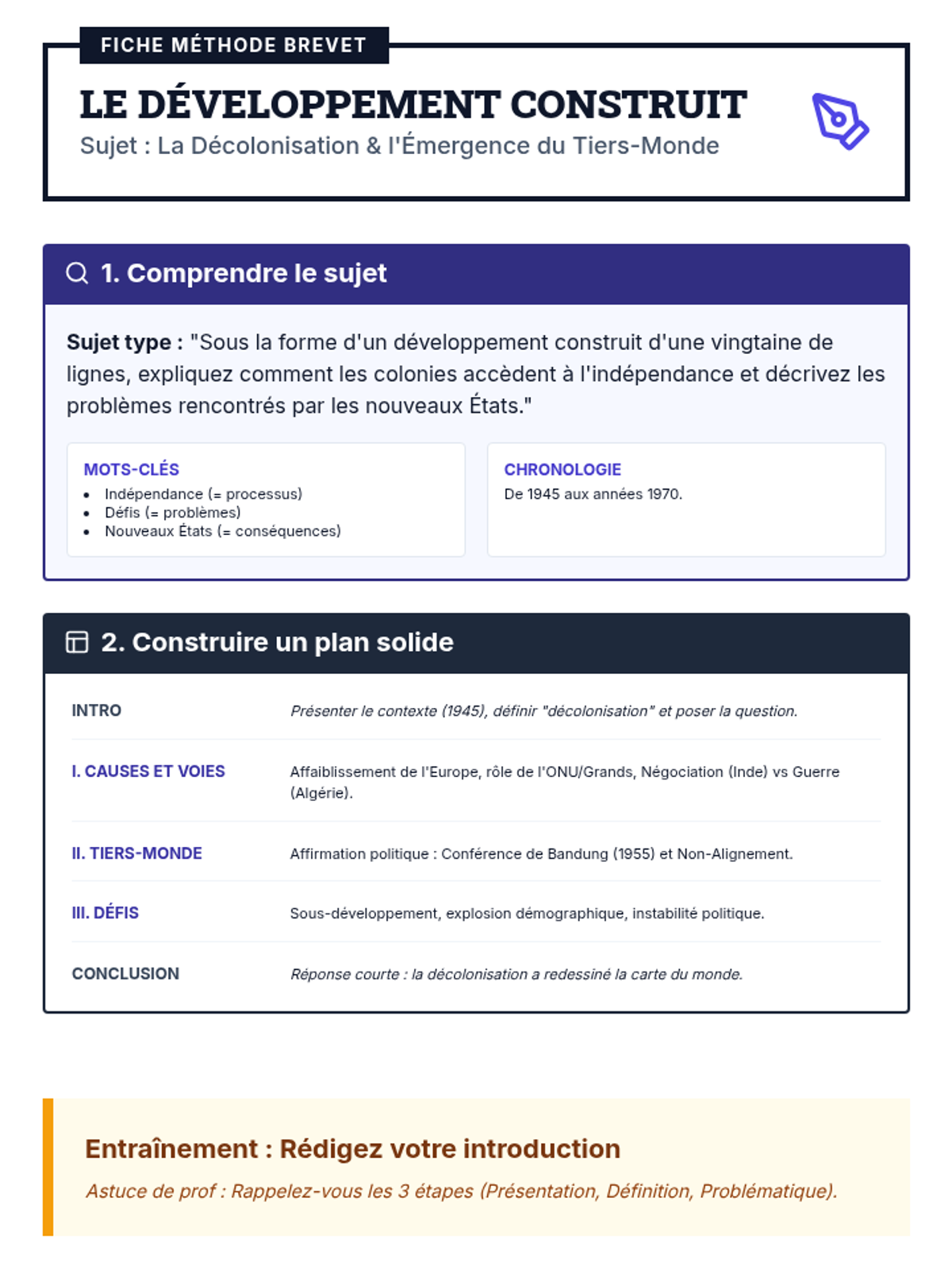
Une séquence complète sur le processus de décolonisation après la Seconde Guerre mondiale, l'émergence du Tiers-Monde et les défis des nouveaux États indépendants. Conçue pour une préparation optimale au Brevet.
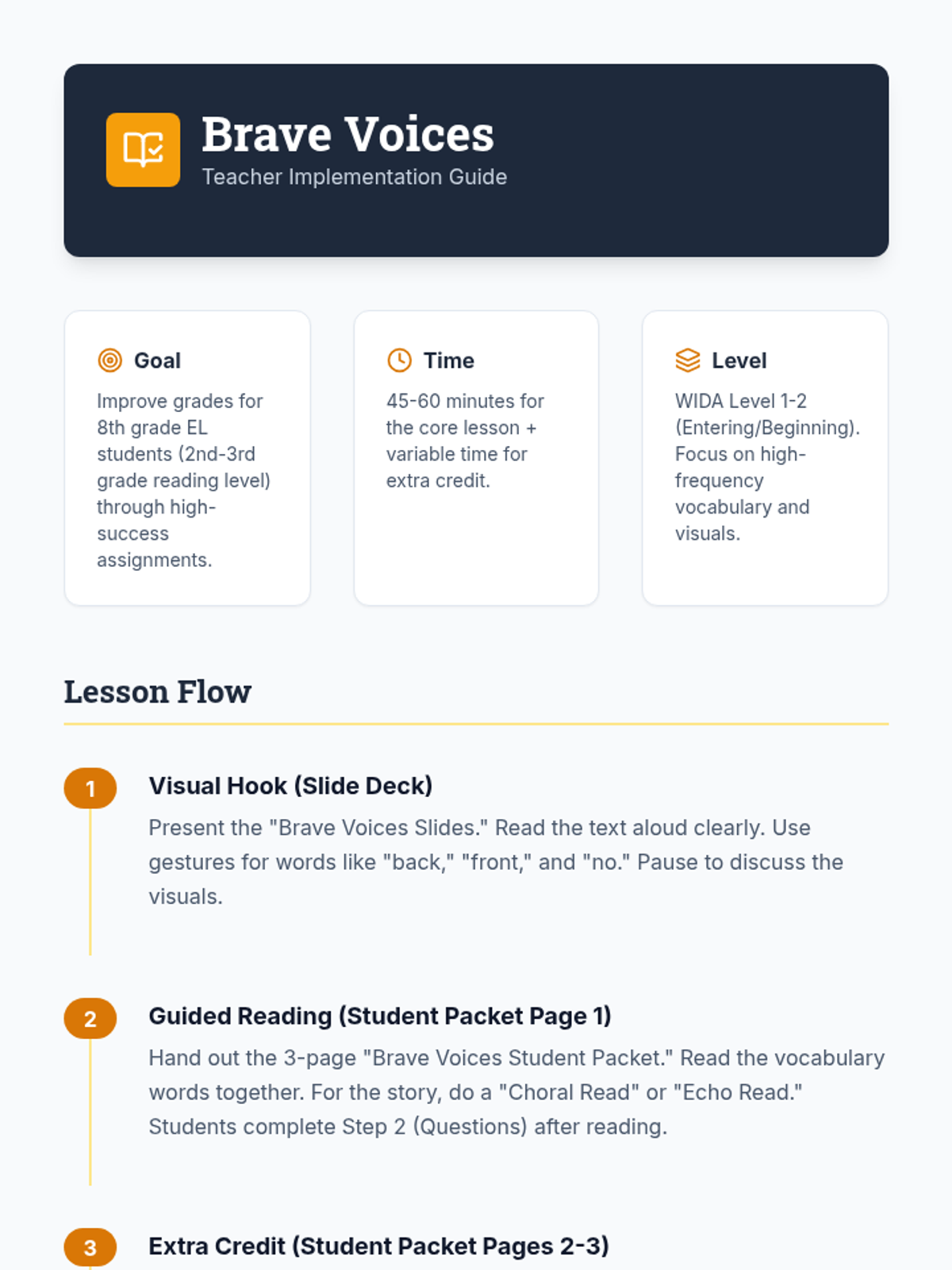
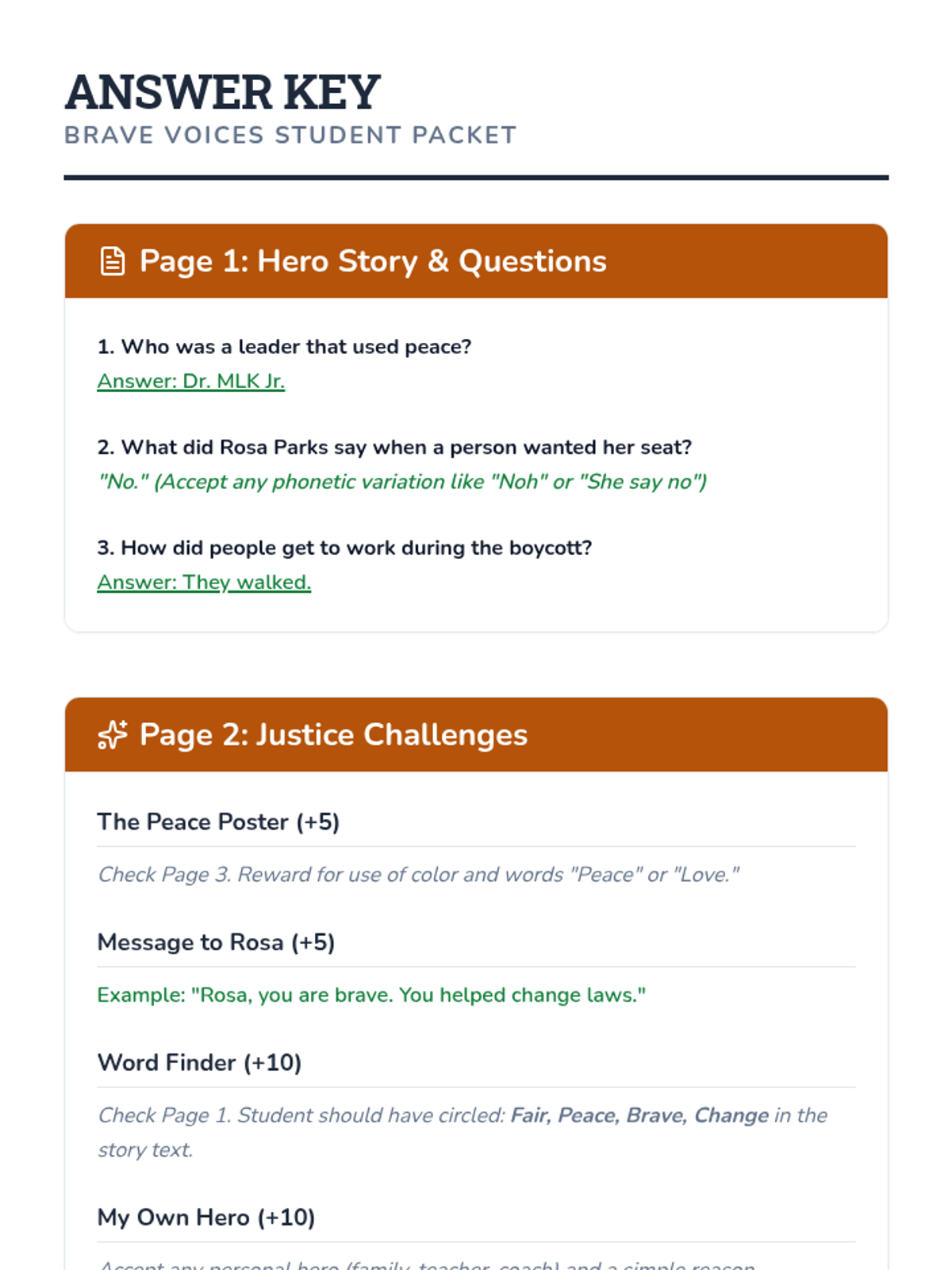
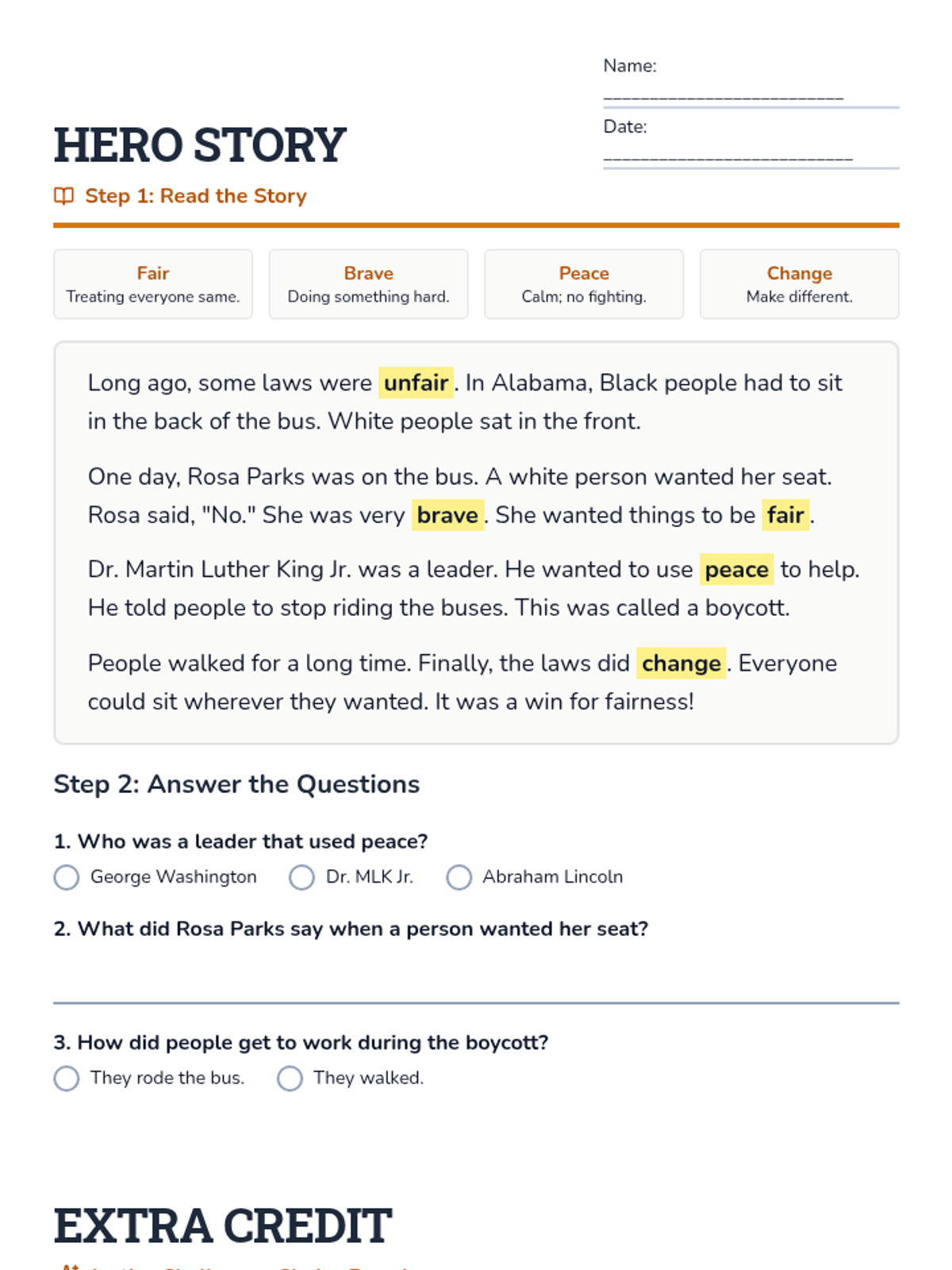
A series of accessible lessons on the Civil Rights Movement designed for middle school English Learners reading at an elementary level. This sequence focuses on key figures and events through simplified text and visual support.
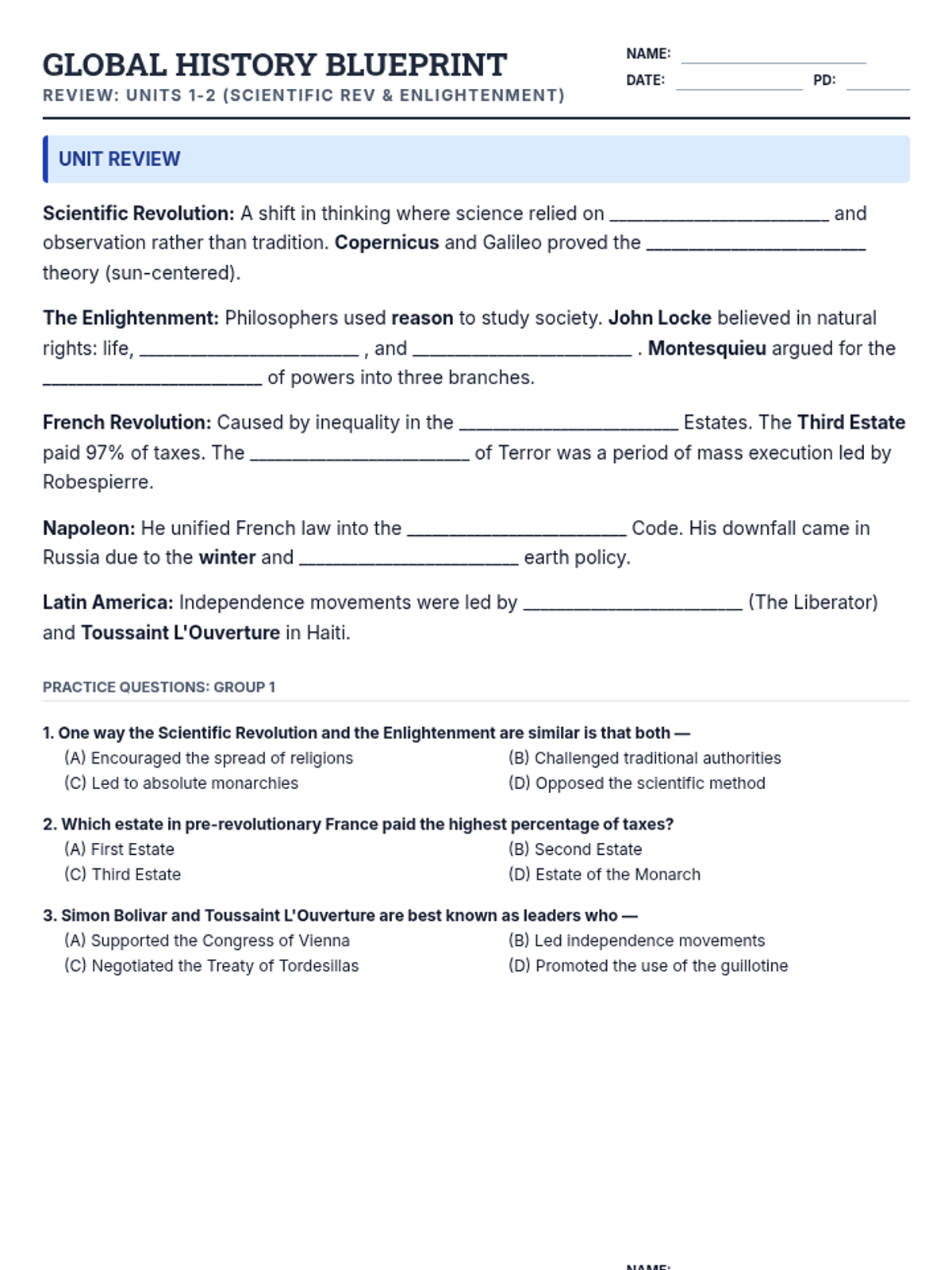
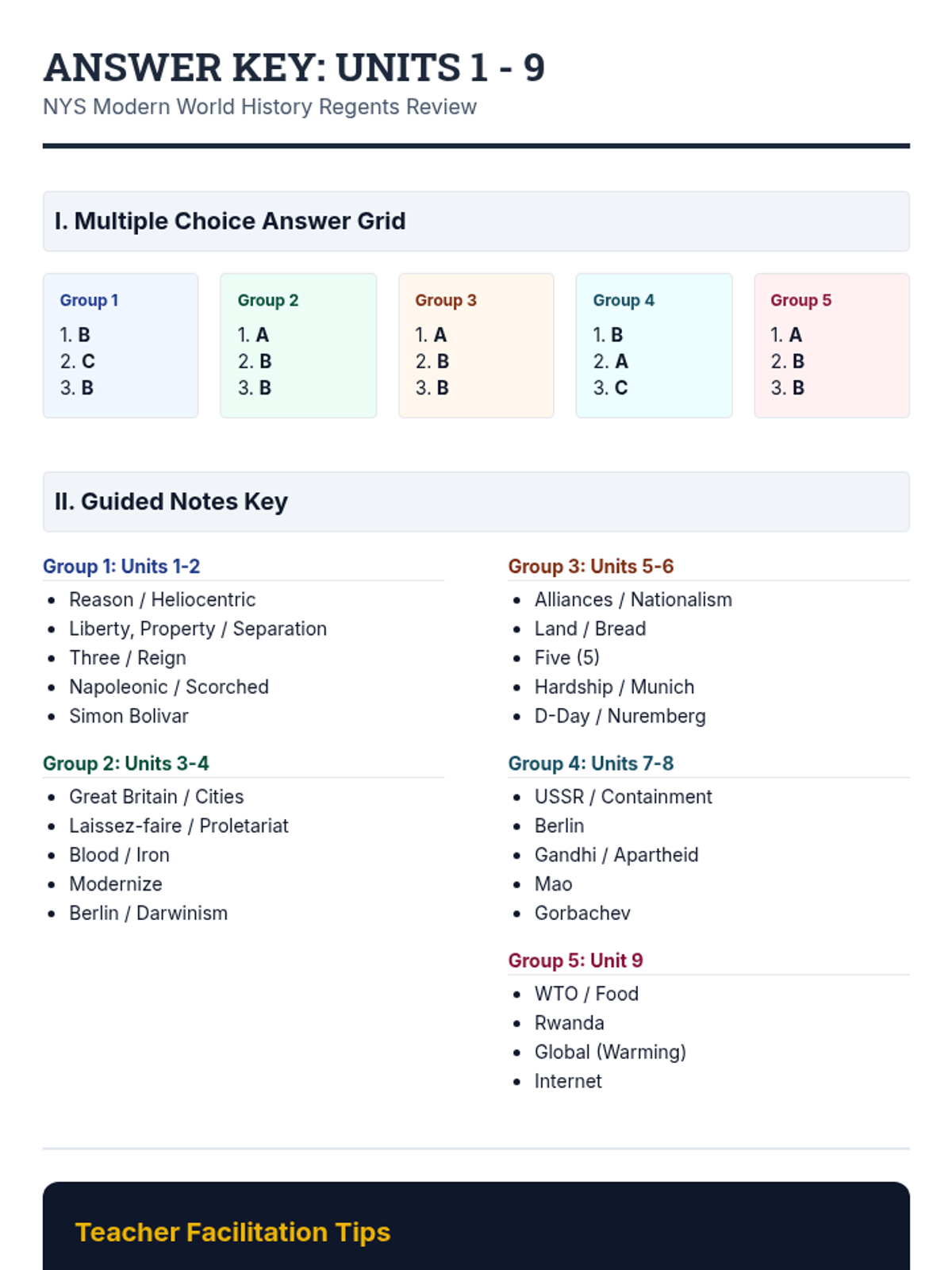
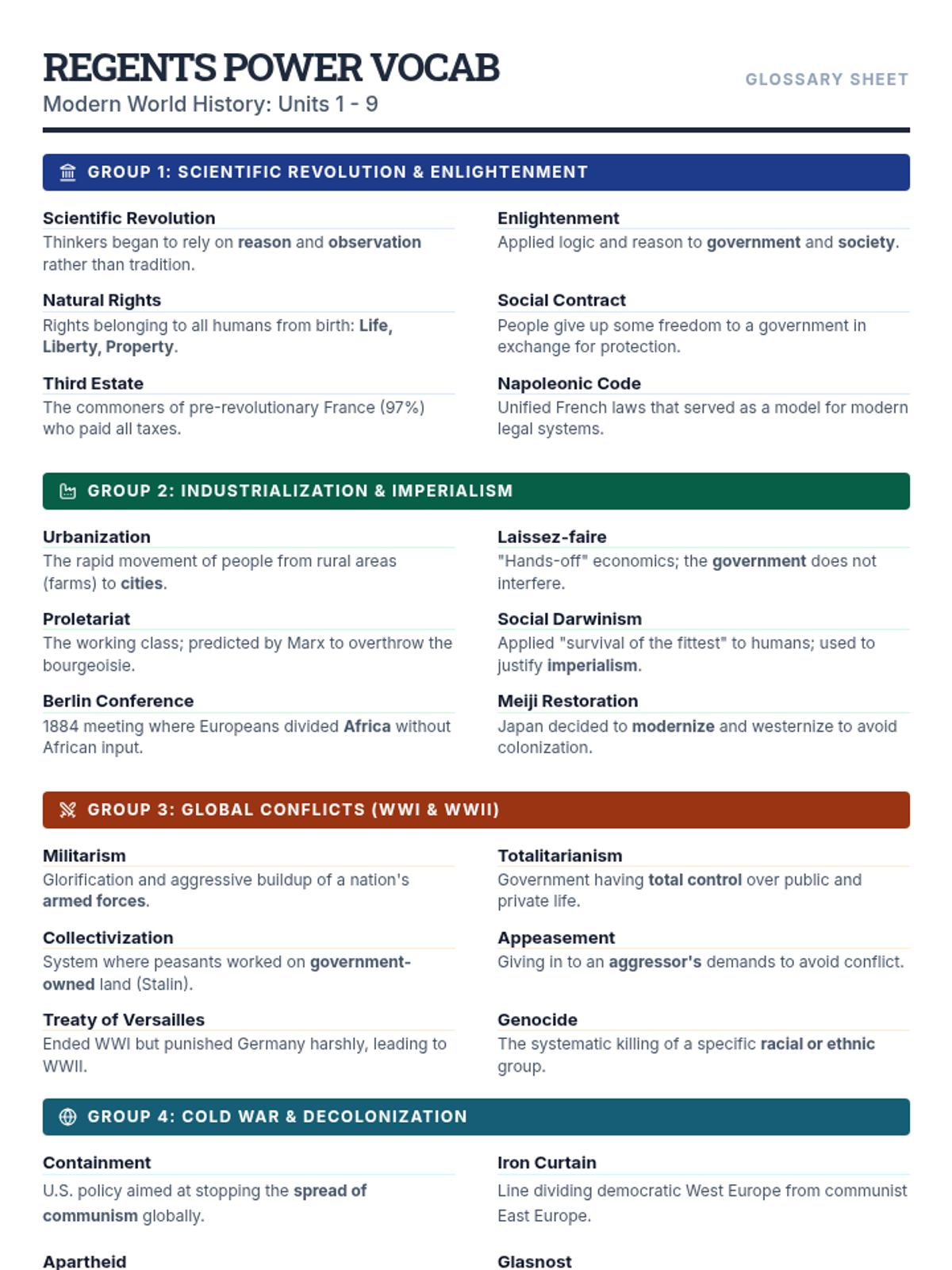
A comprehensive review series covering the New York State Modern World History Regents curriculum, focusing on Units 1 through 9.