This project-based sequence for 3rd graders explores structural and behavioral animal adaptations. Students investigate how physical traits and behaviors enable survival in specific habitats through simulations, data analysis, and creative design.
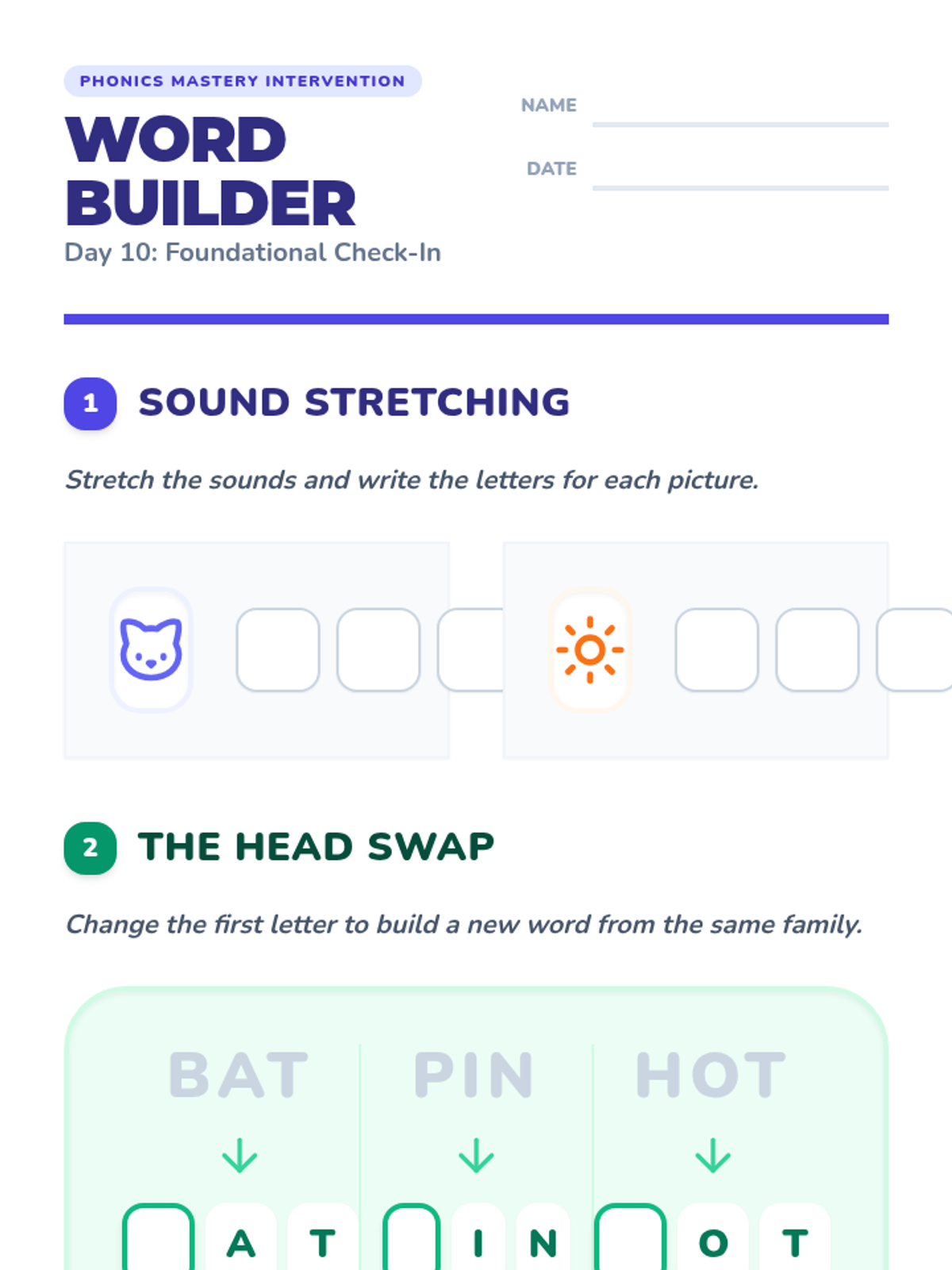
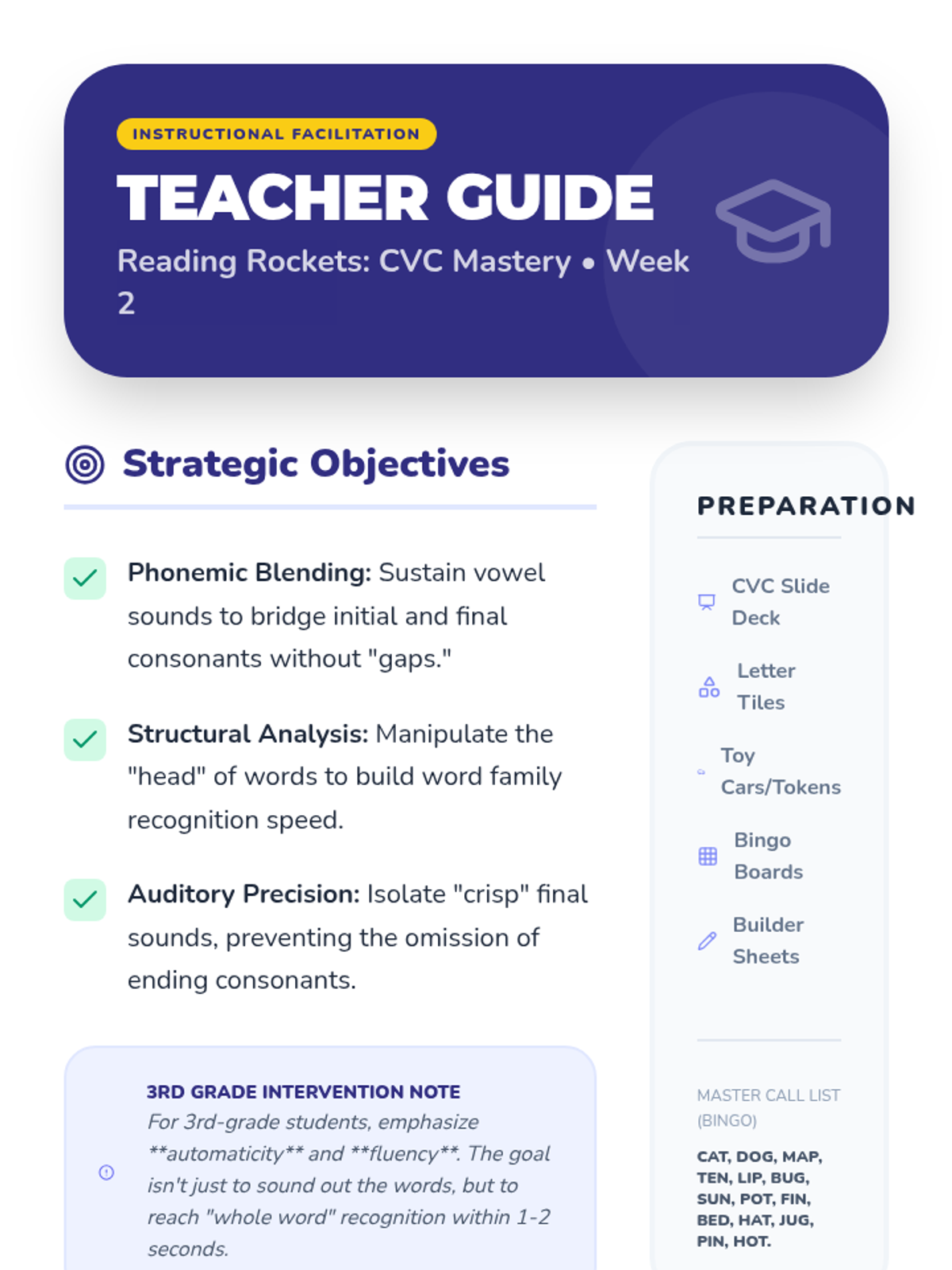
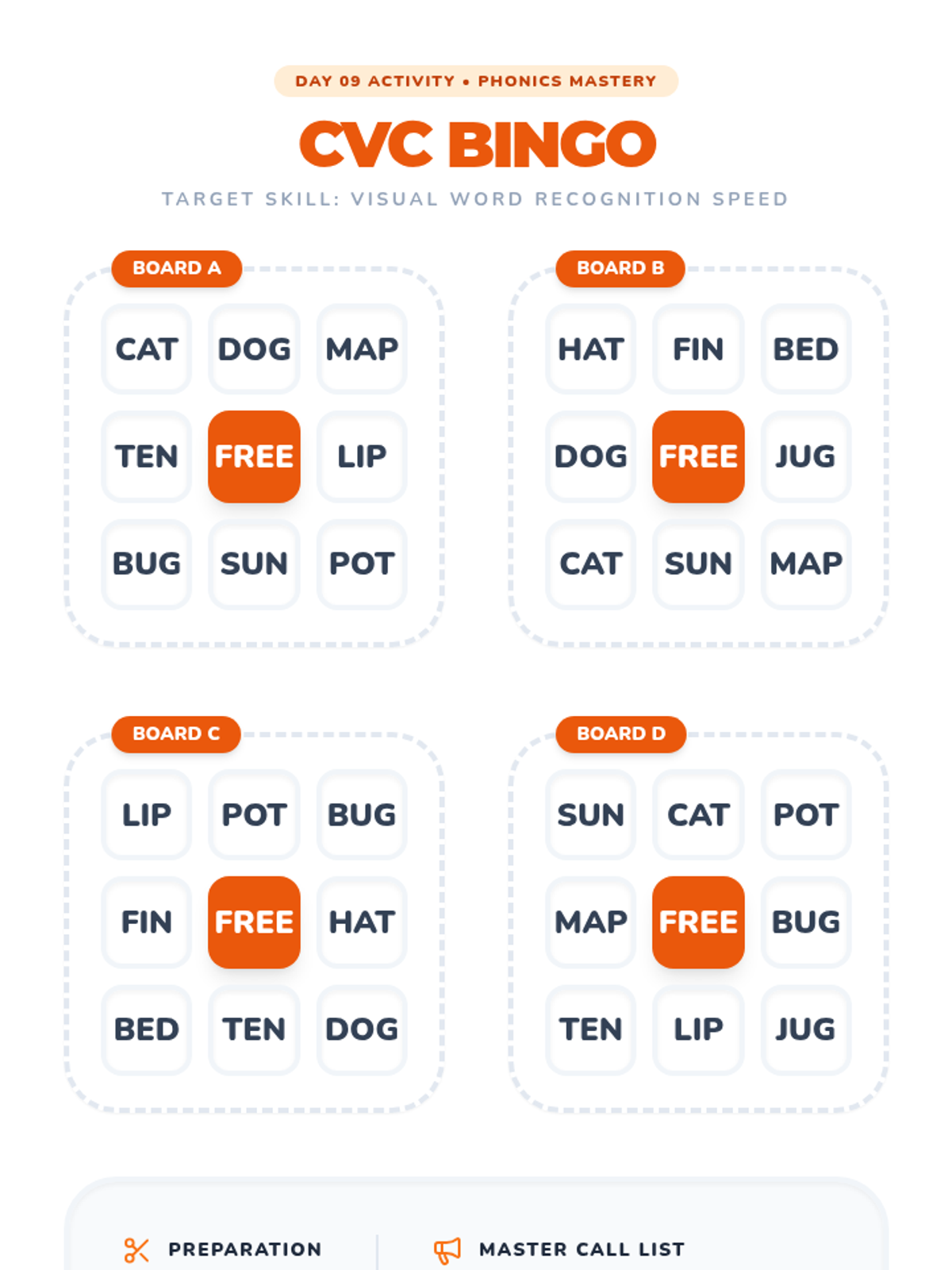
A comprehensive phonics and word study unit that progresses from foundational CVC mastery to multisyllabic word decoding and fluency.
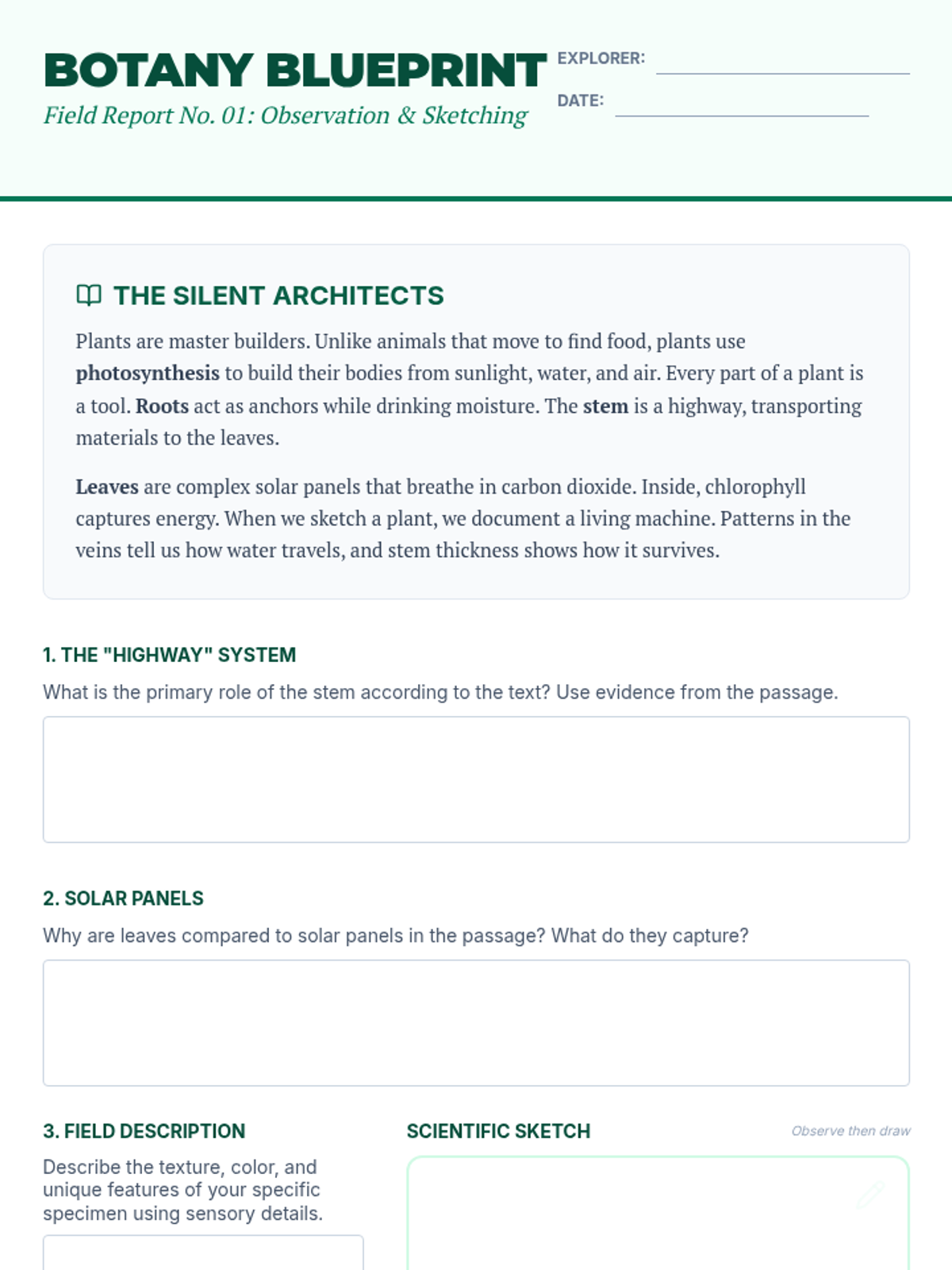
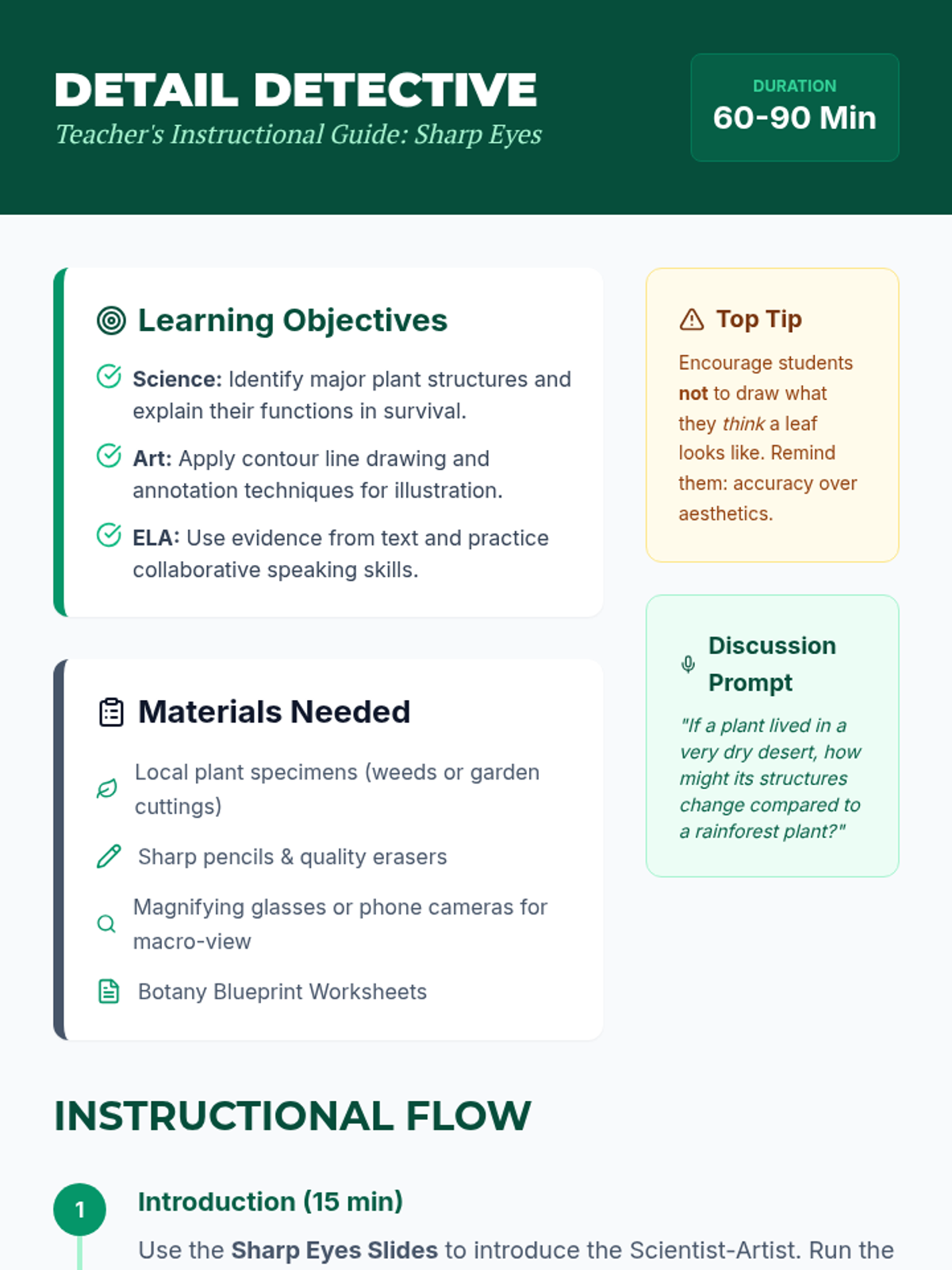
A cross-curricular journey where students blend scientific observation with artistic expression, developing ELA skills through field notes, procedural writing, and narrative storytelling.
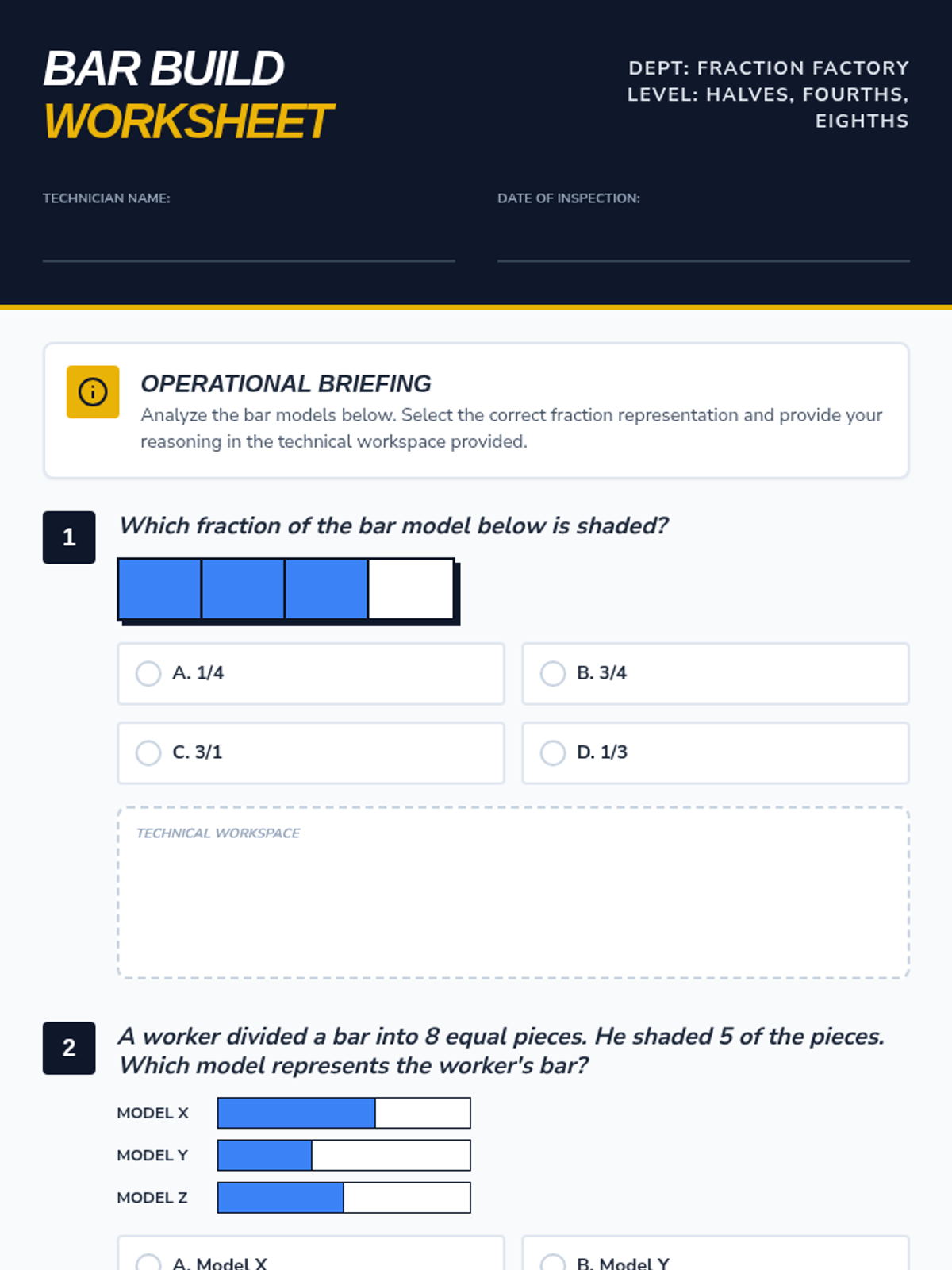
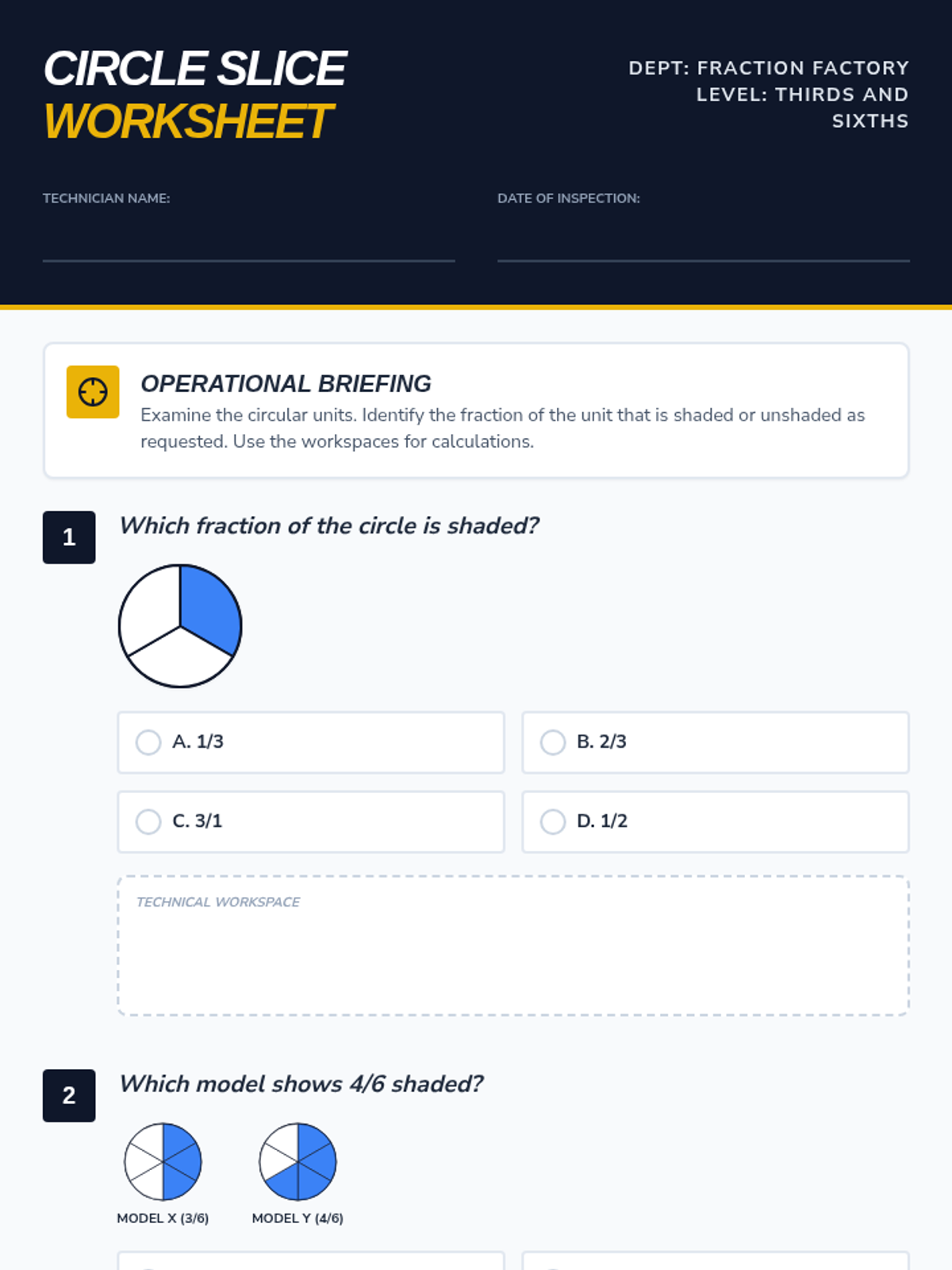
A comprehensive review sequence covering core 3rd-grade math and ELA standards, designed to prepare students for end-of-grade assessments through rigorous practice and analysis.
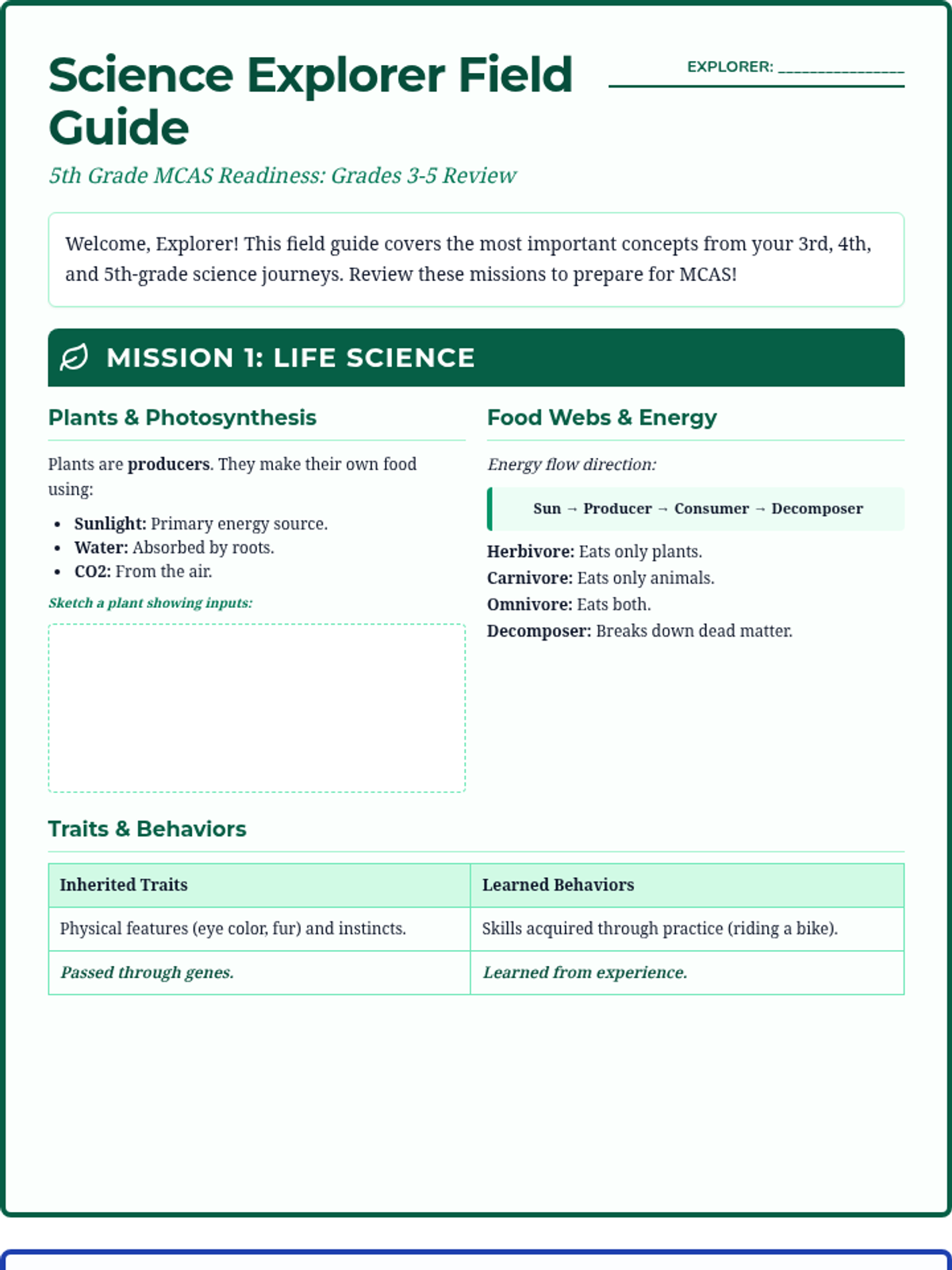
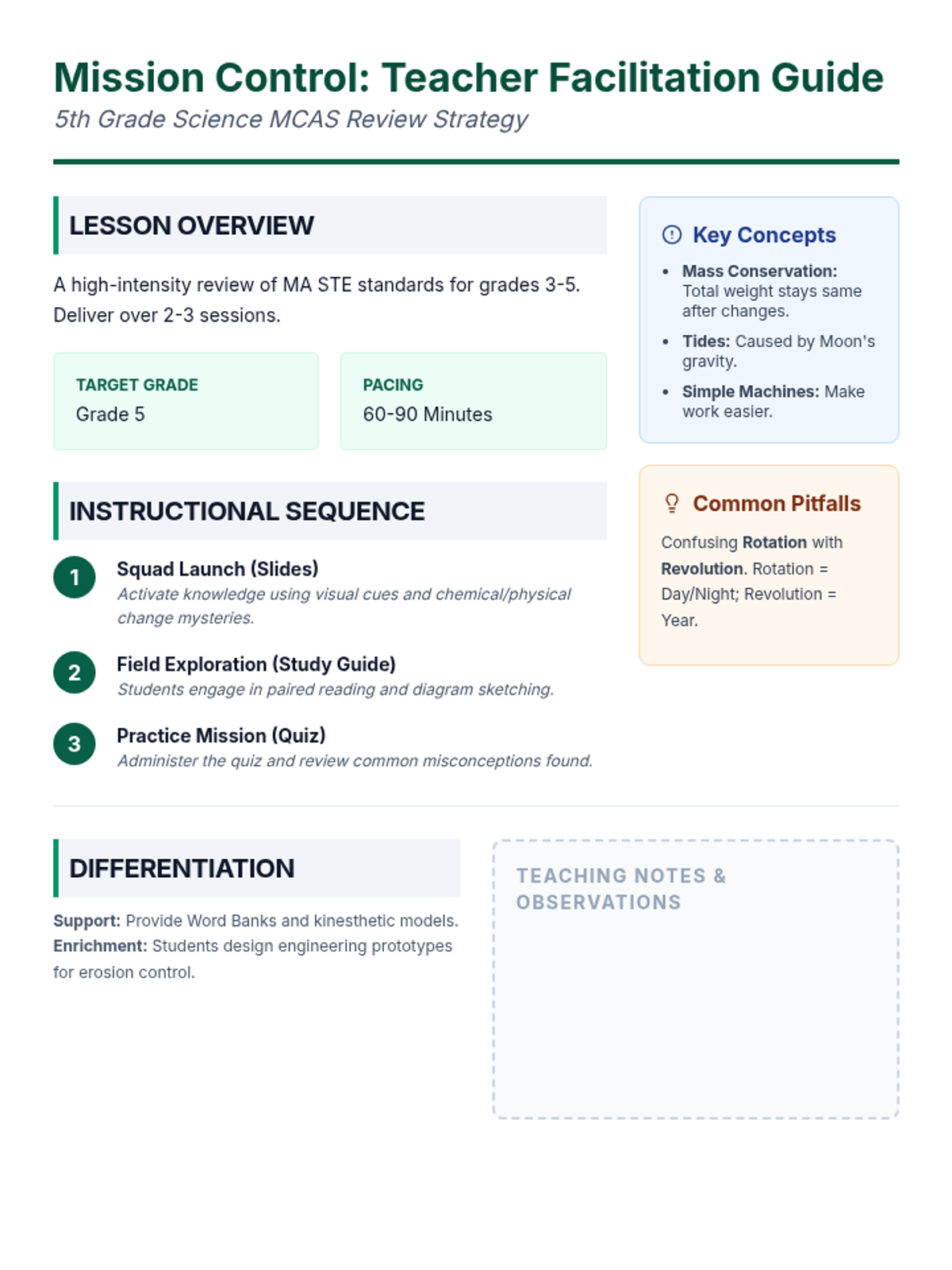
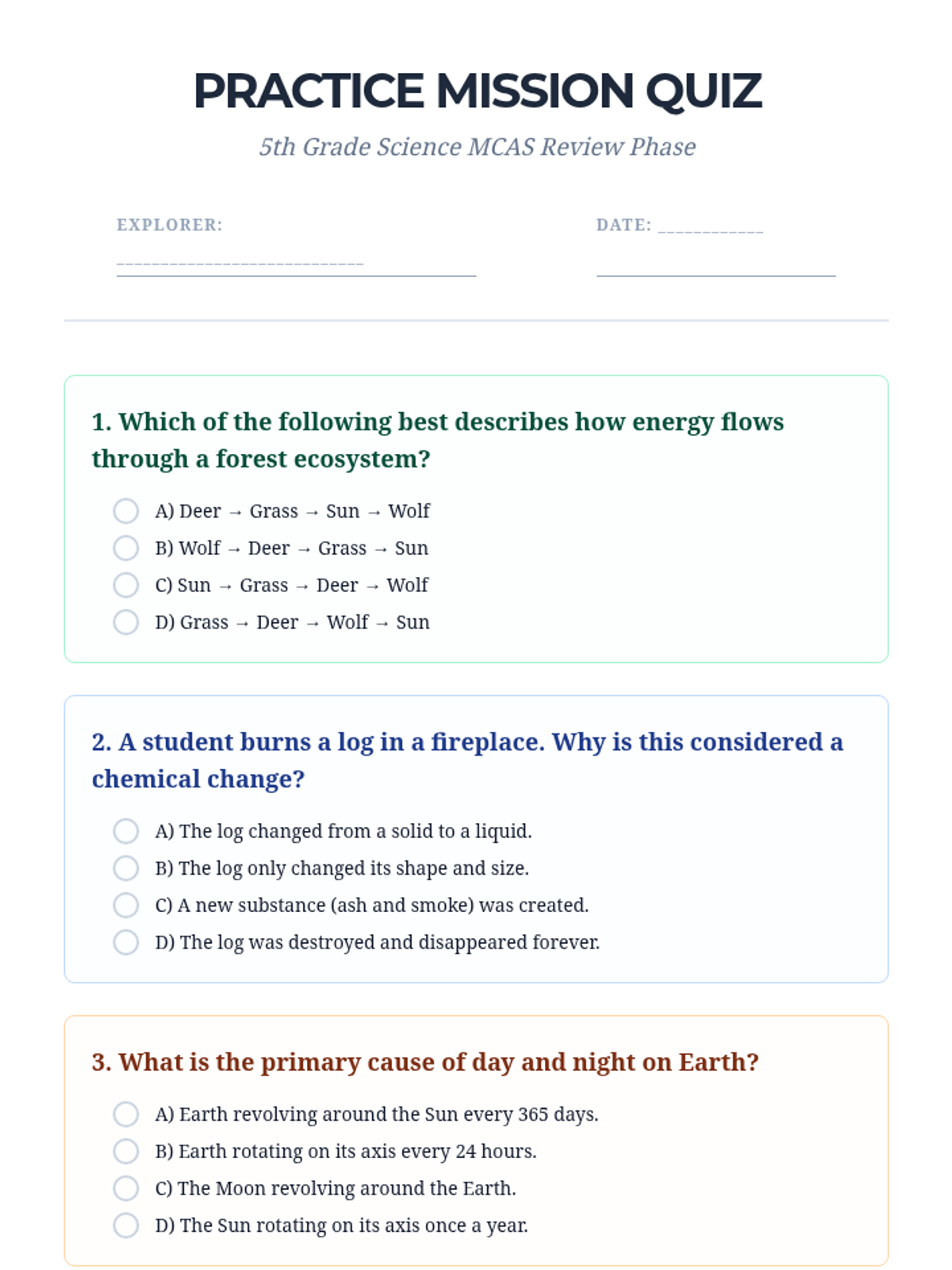
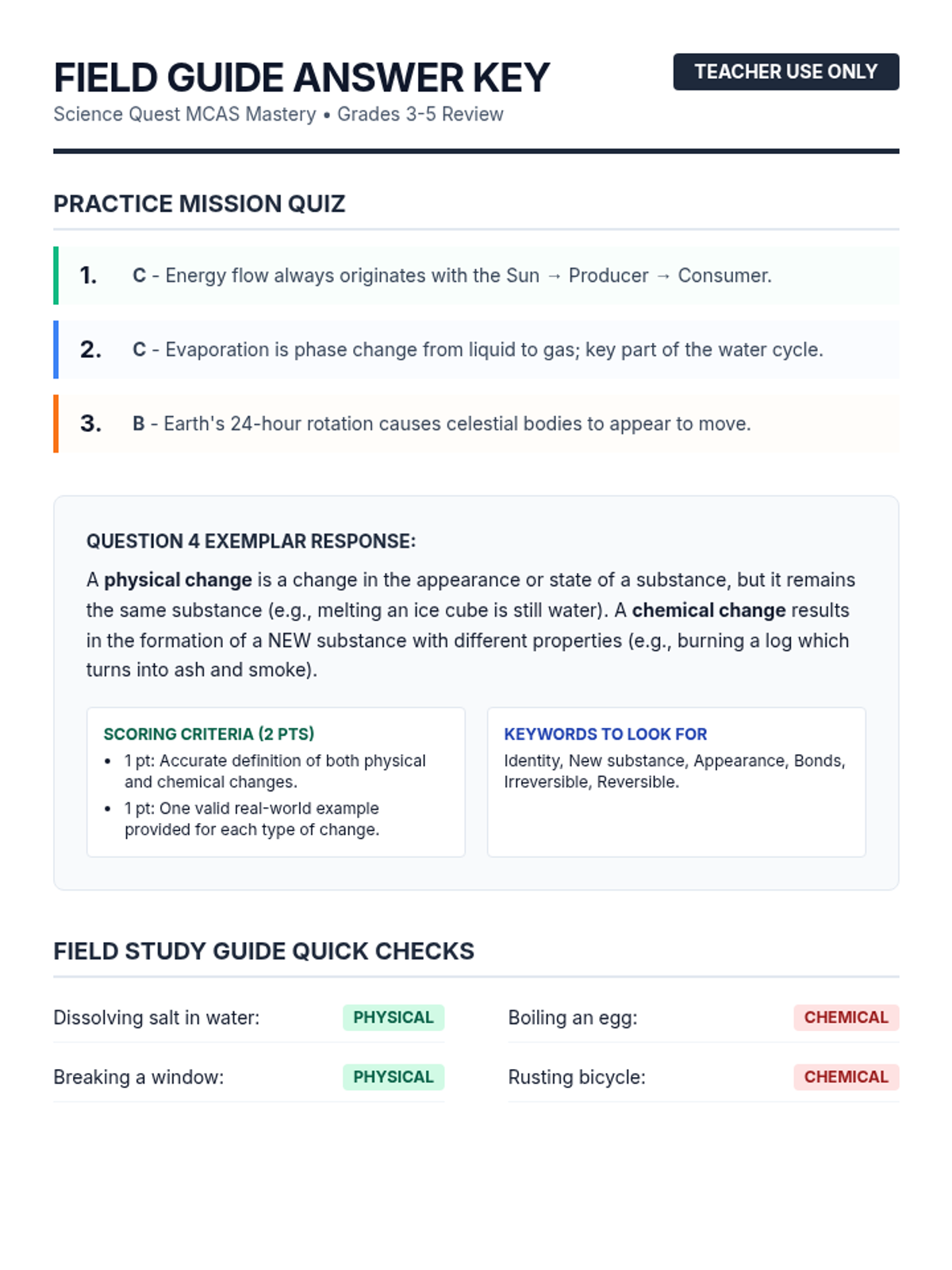
A comprehensive review of the 3rd-5th grade Massachusetts Science and Technology/Engineering (STE) standards to prepare students for the 5th grade MCAS. Includes a detailed study guide, instructional slides, and teacher support materials.
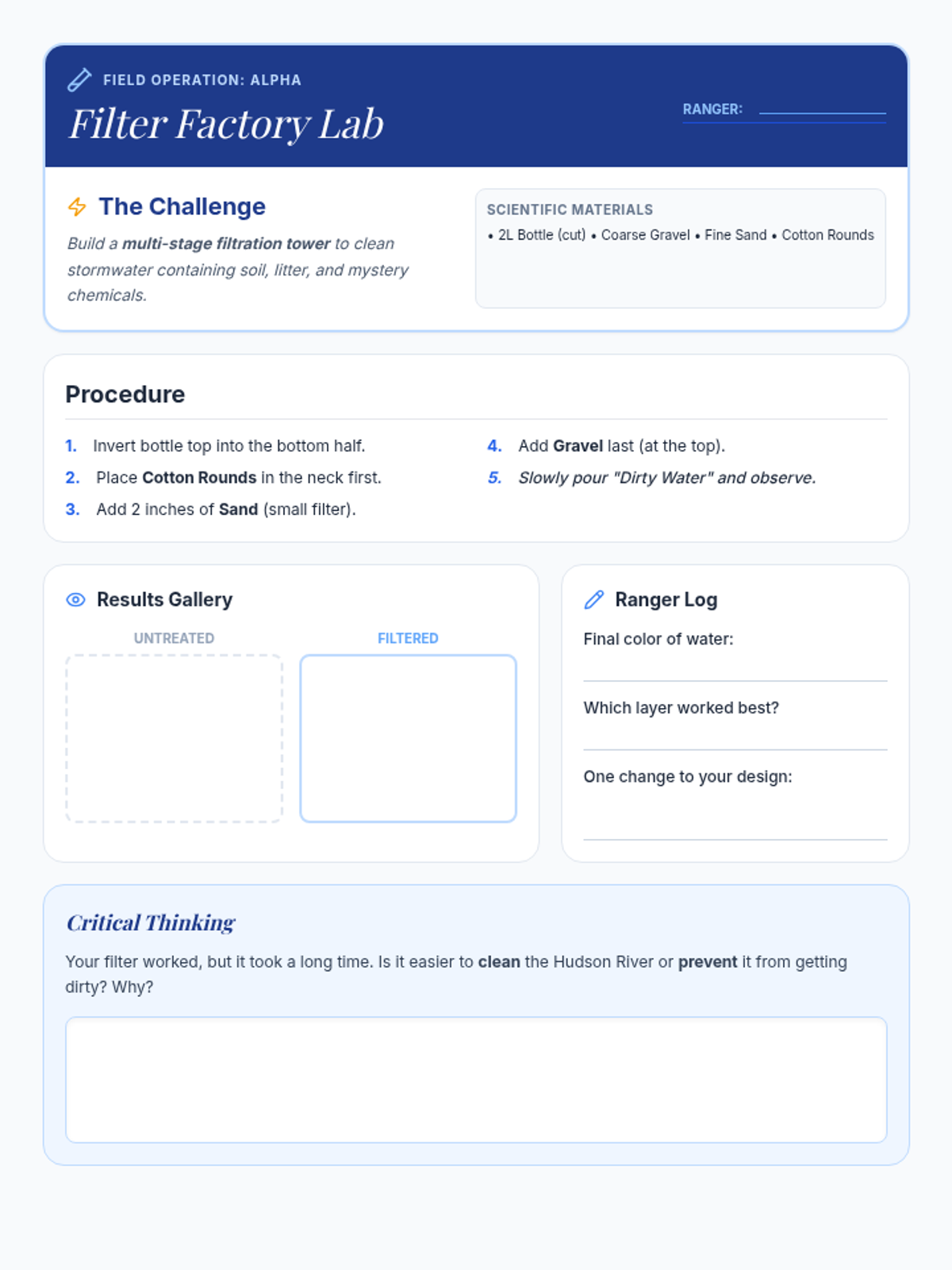
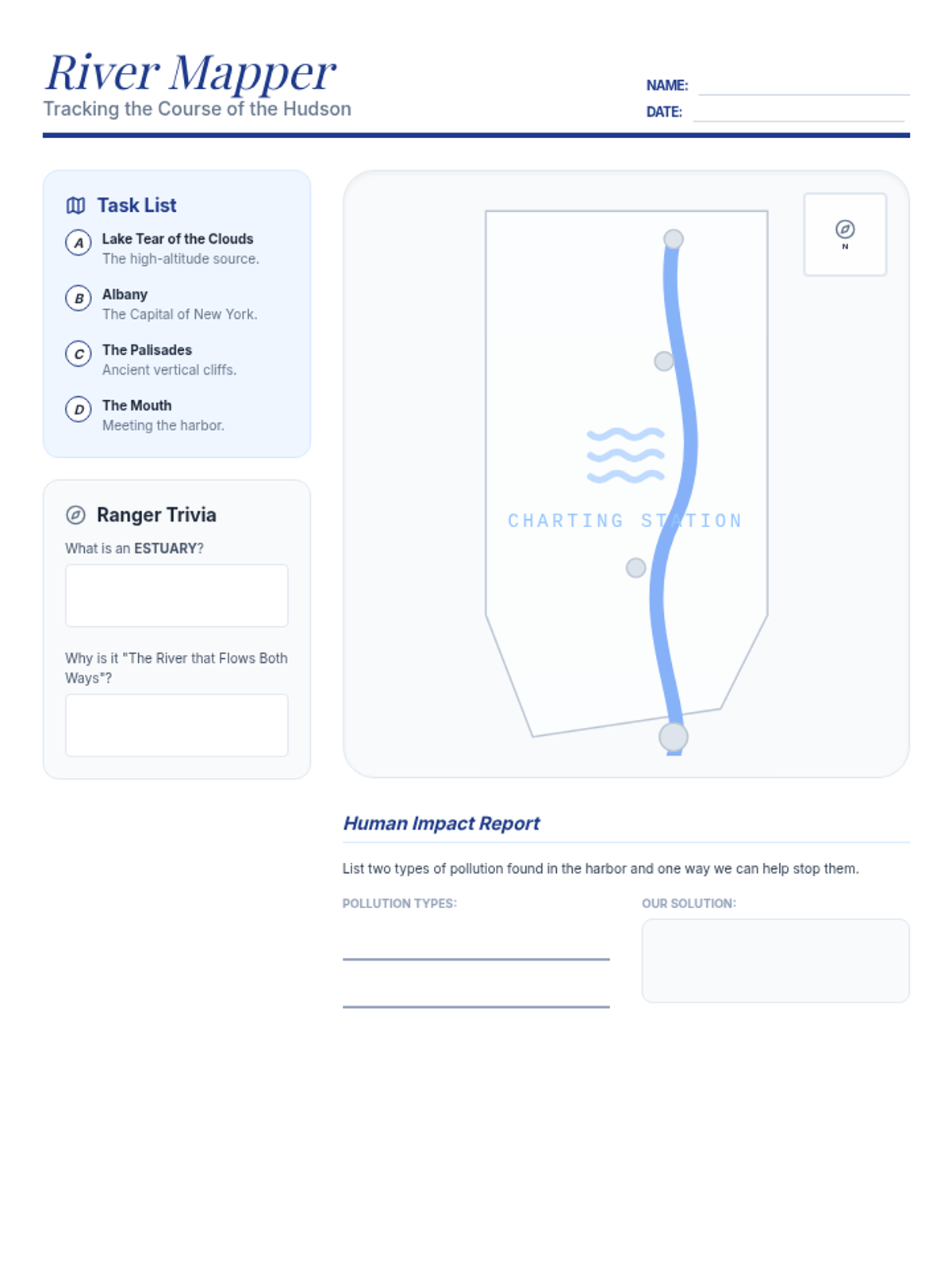
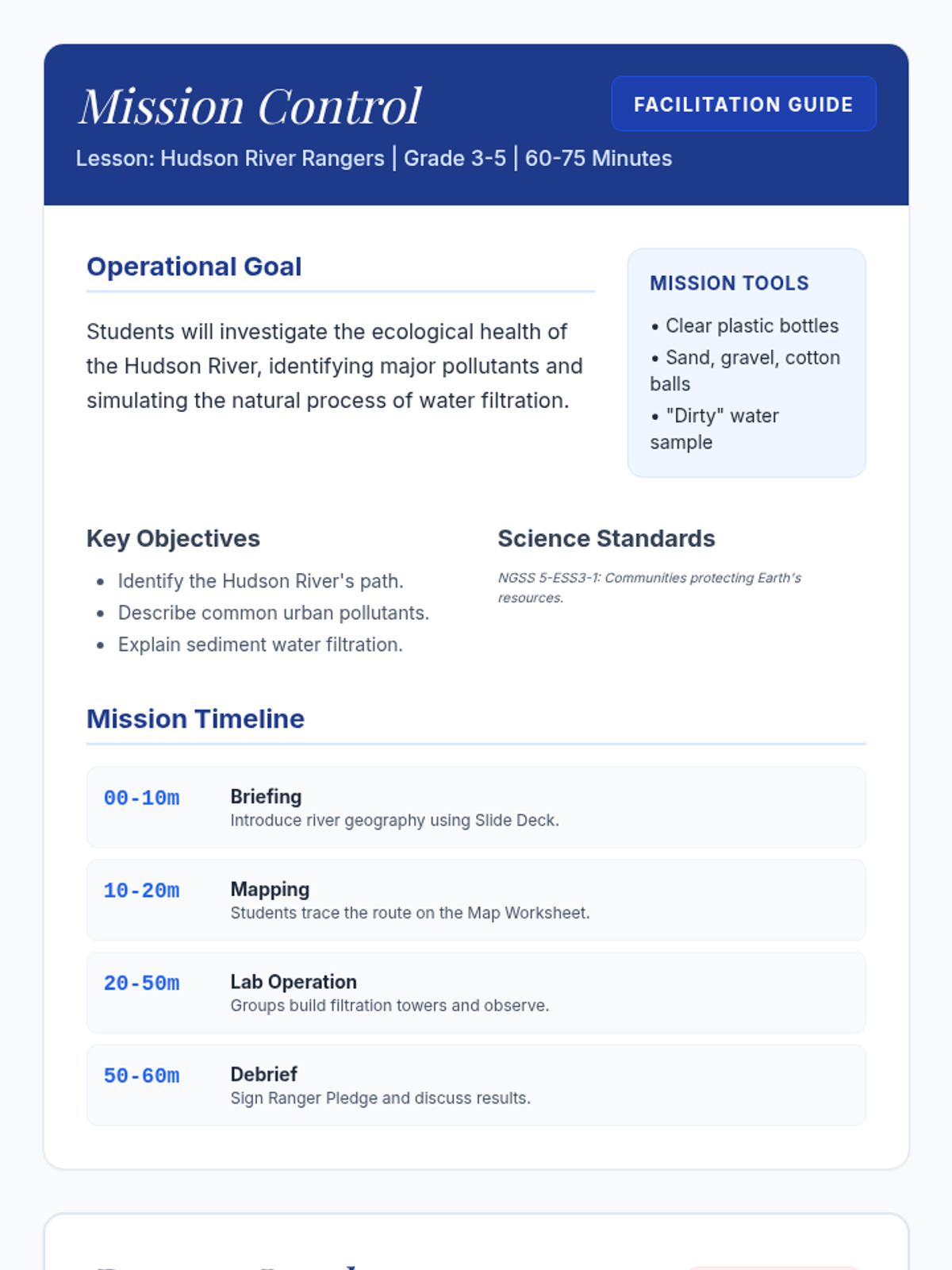
A hands-on environmental science unit exploring urban waterways, human impact, and conservation through the lens of New York City's iconic Hudson River.
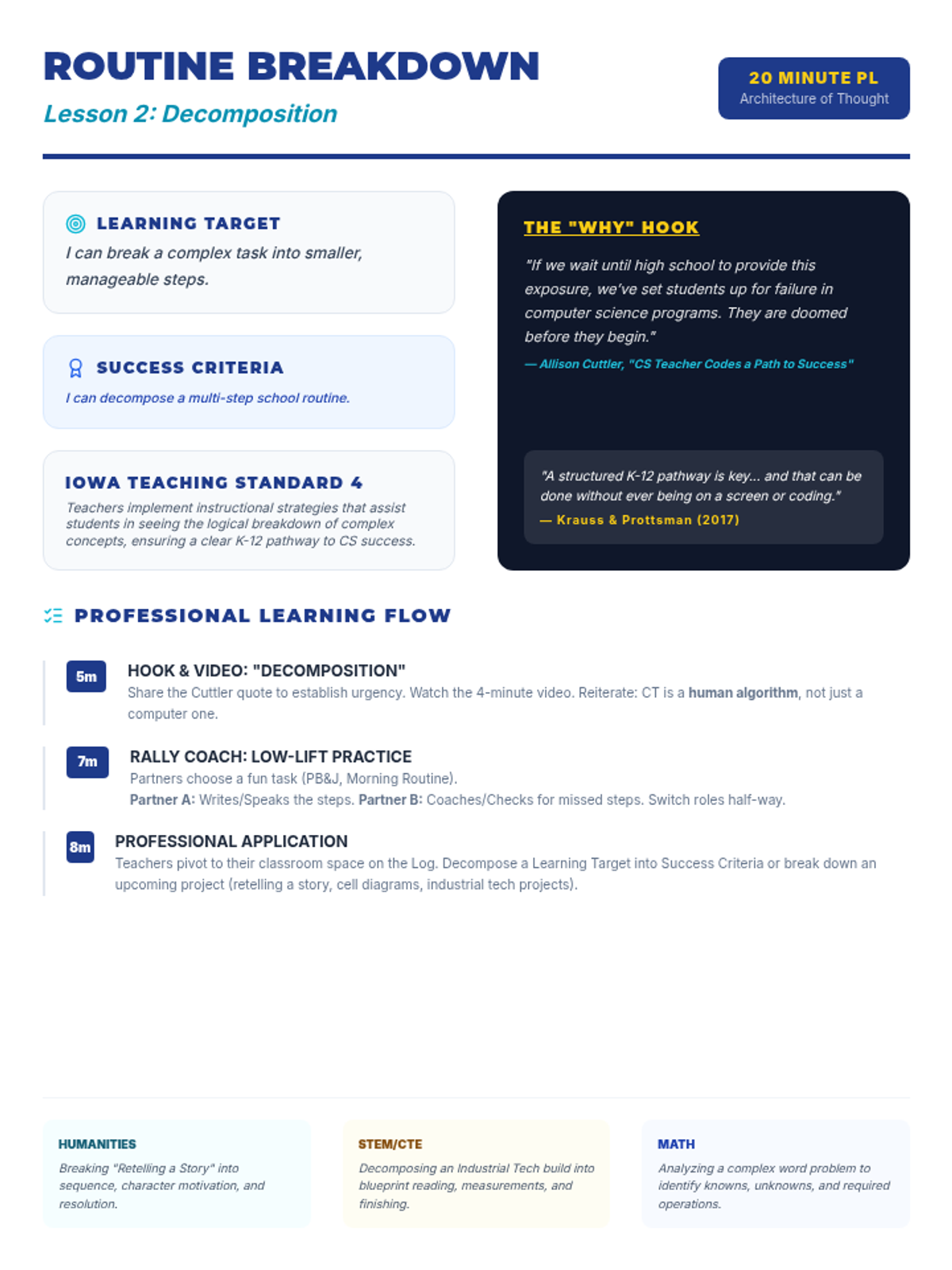
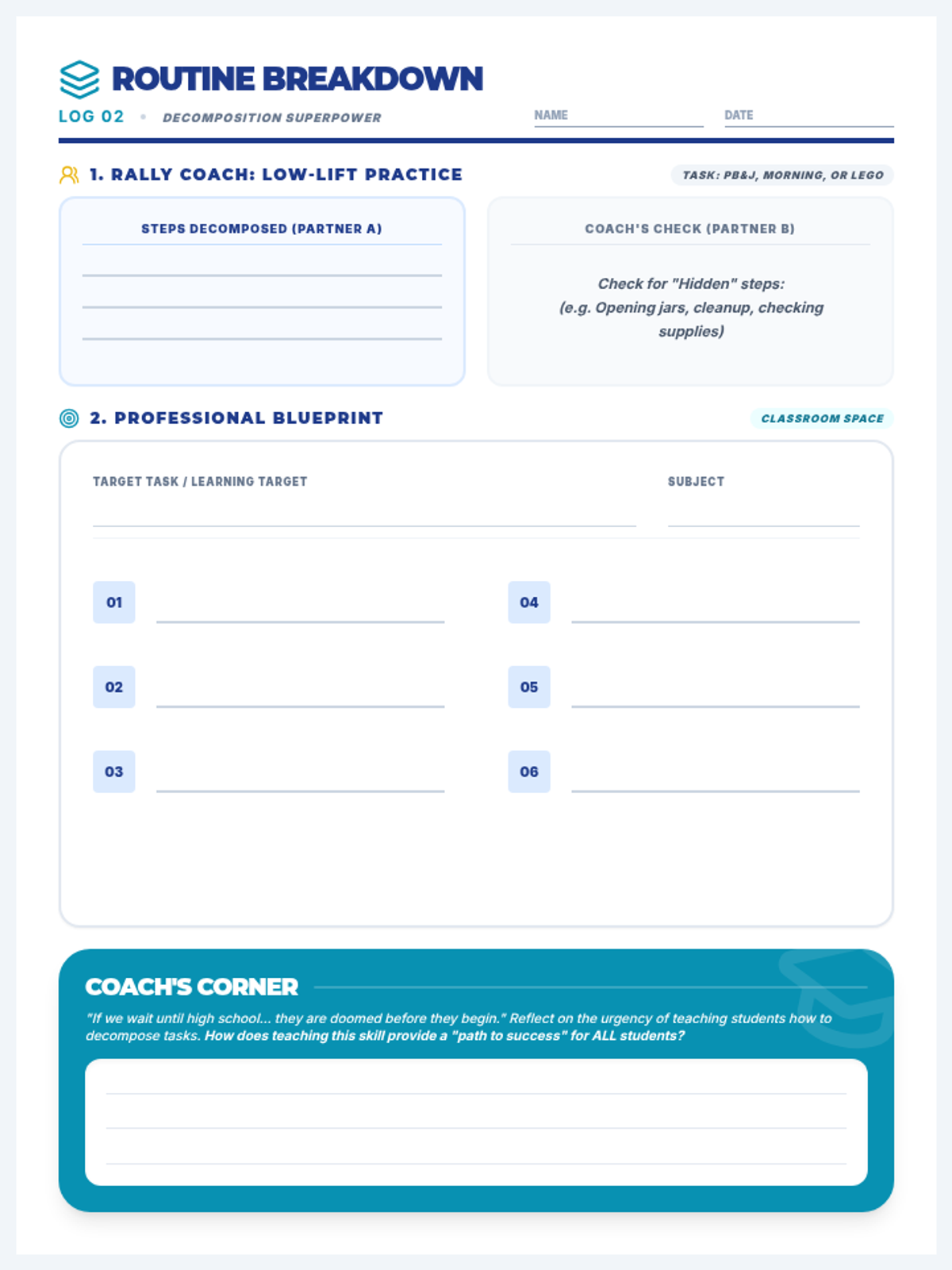
A professional development series for PreK-12 educators that reframes Computer Science as a "Superpower" through Computational Thinking. Teachers explore how CS concepts like decomposition, abstraction, and automation are already present in their daily instructional practices and Iowa Core content.
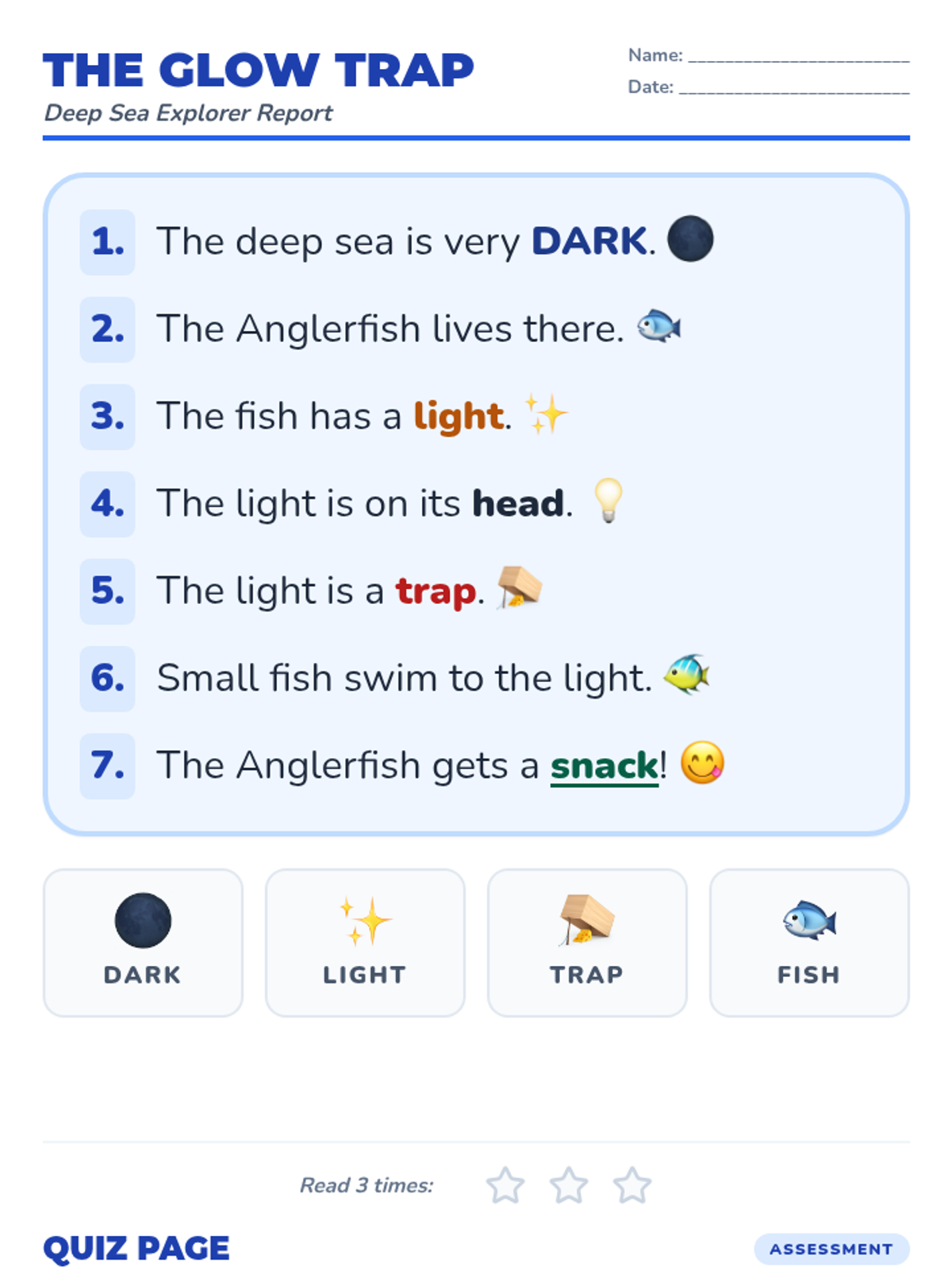
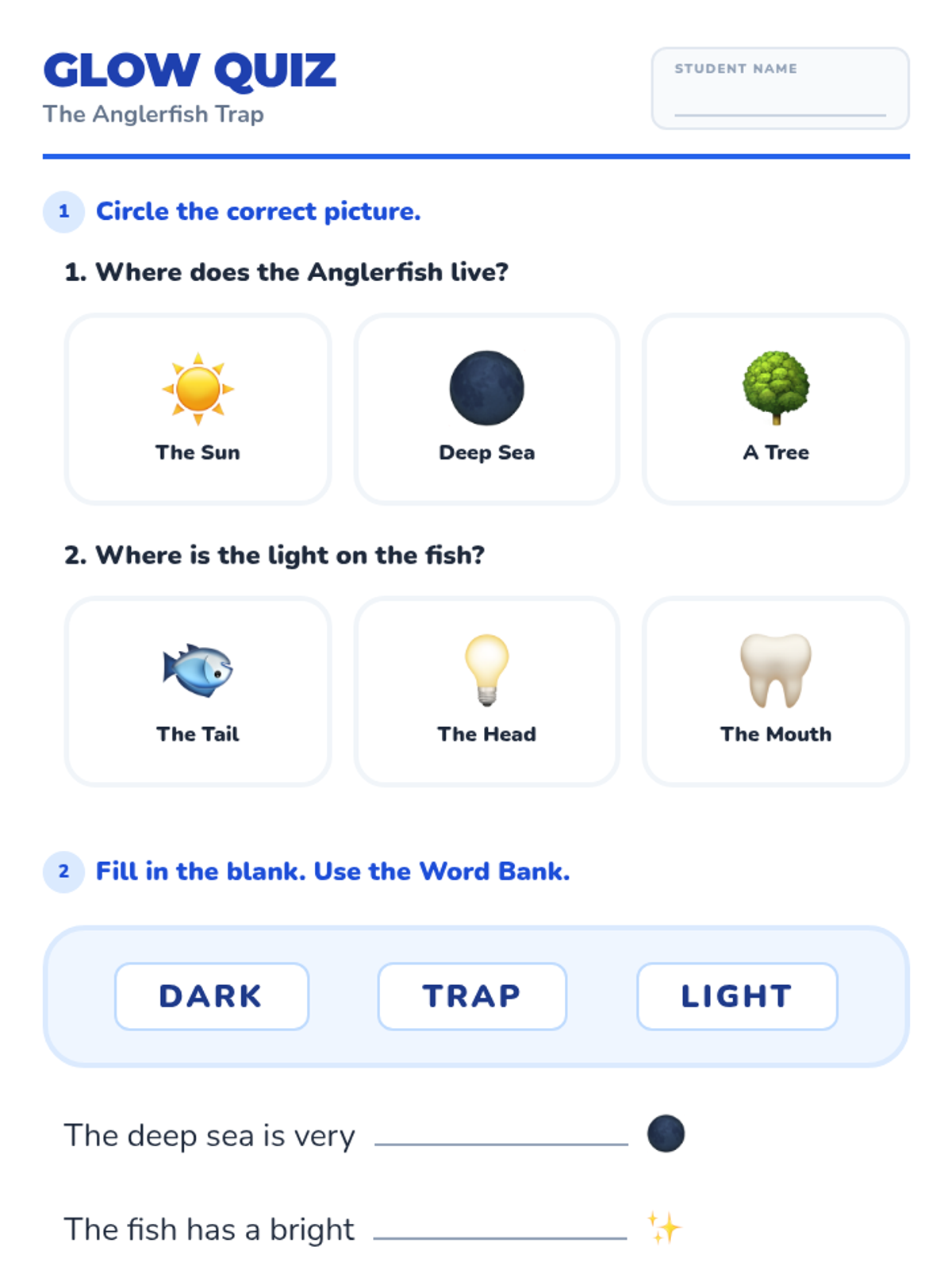
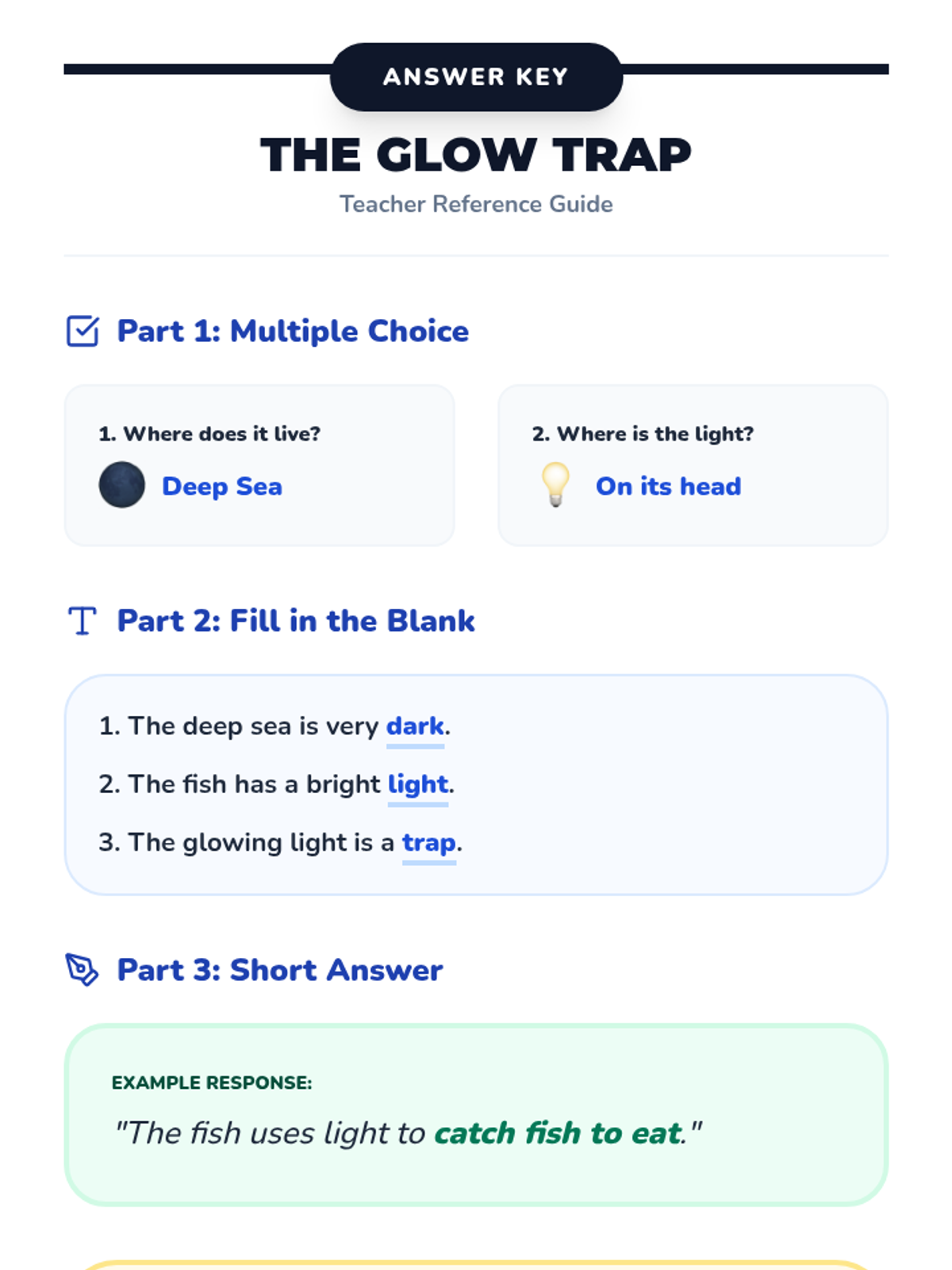
A series of lessons exploring the mysterious and dangerous creatures of the deep ocean, focusing on unique adaptations and survival strategies.
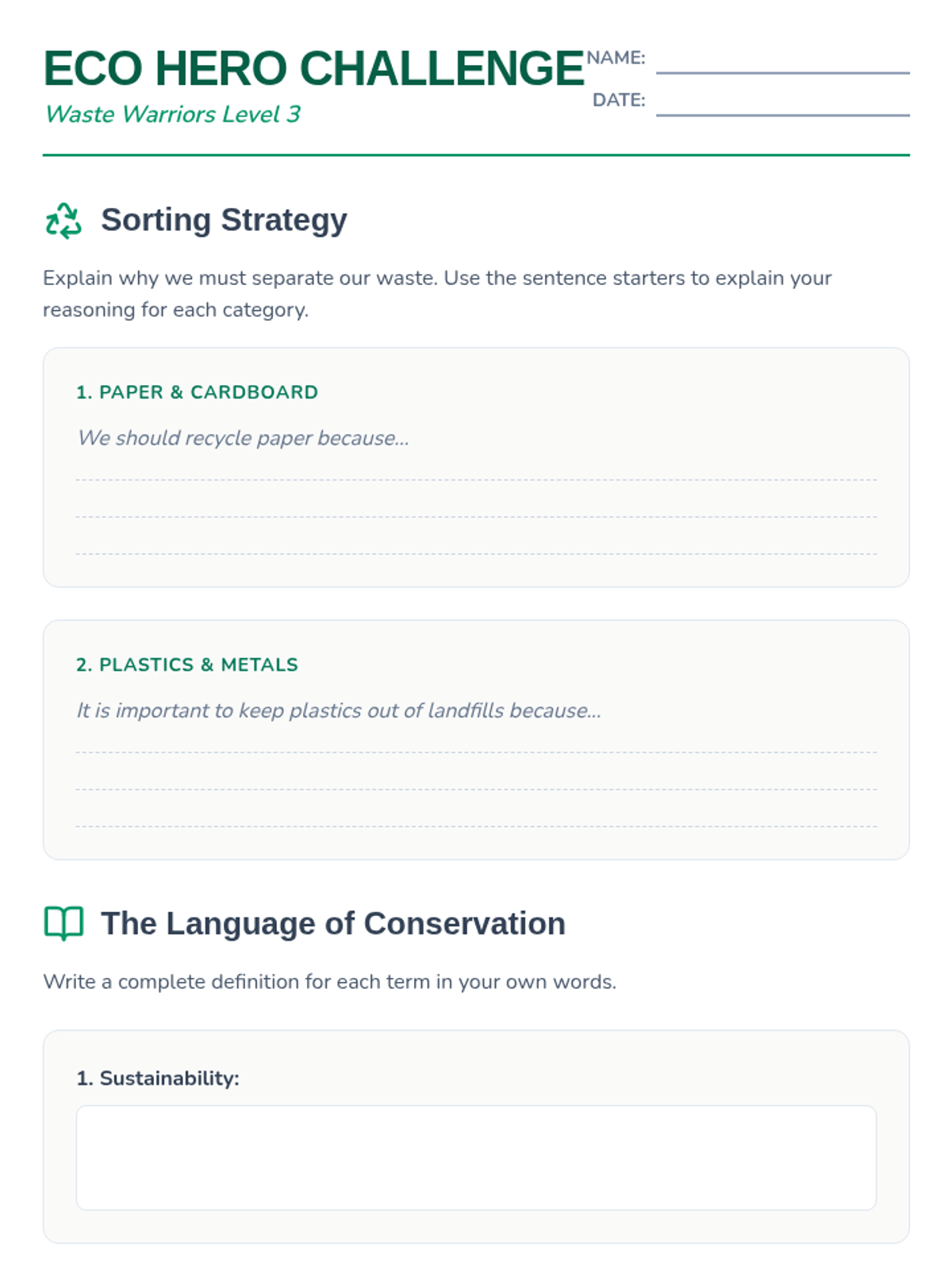
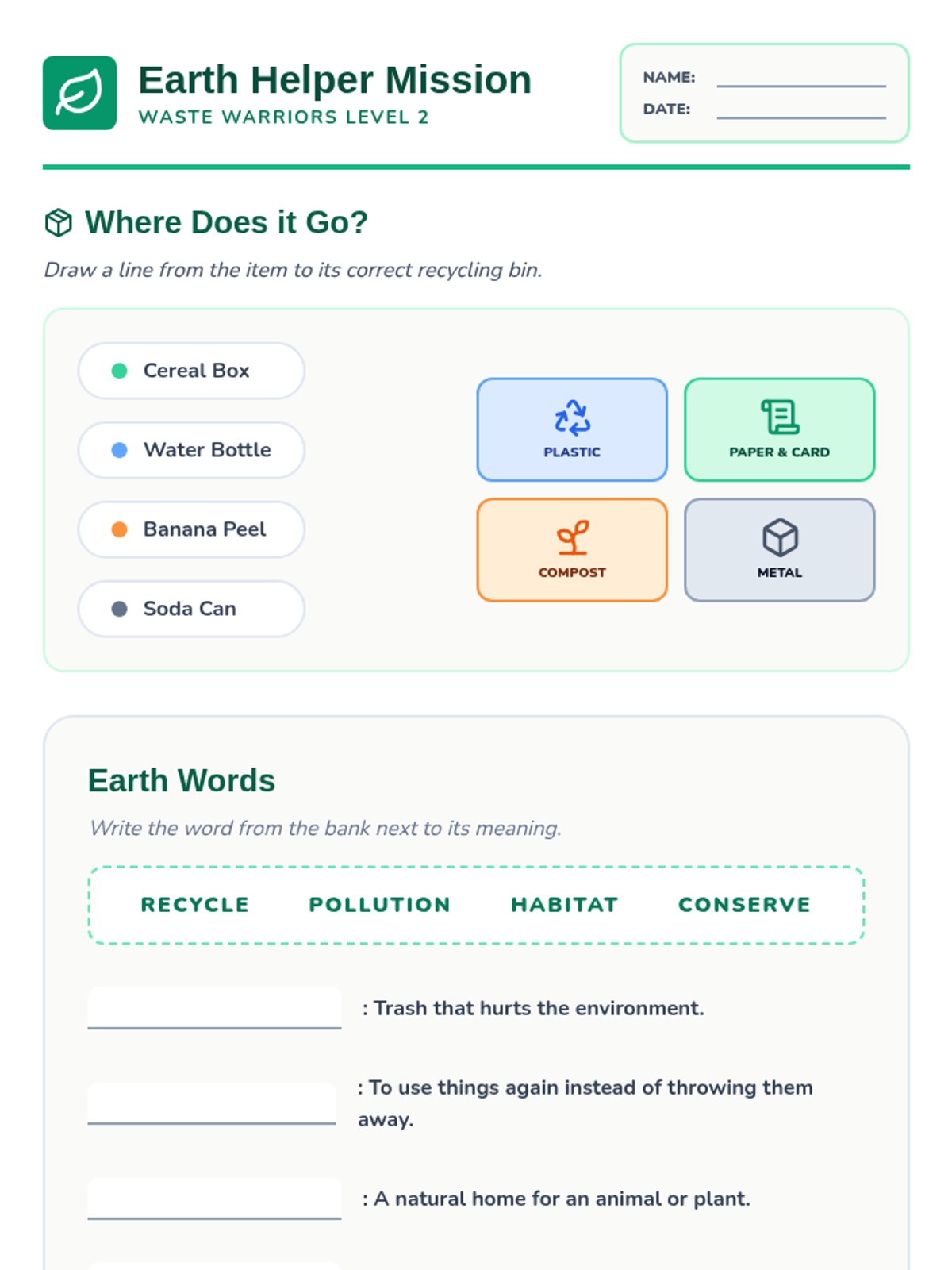
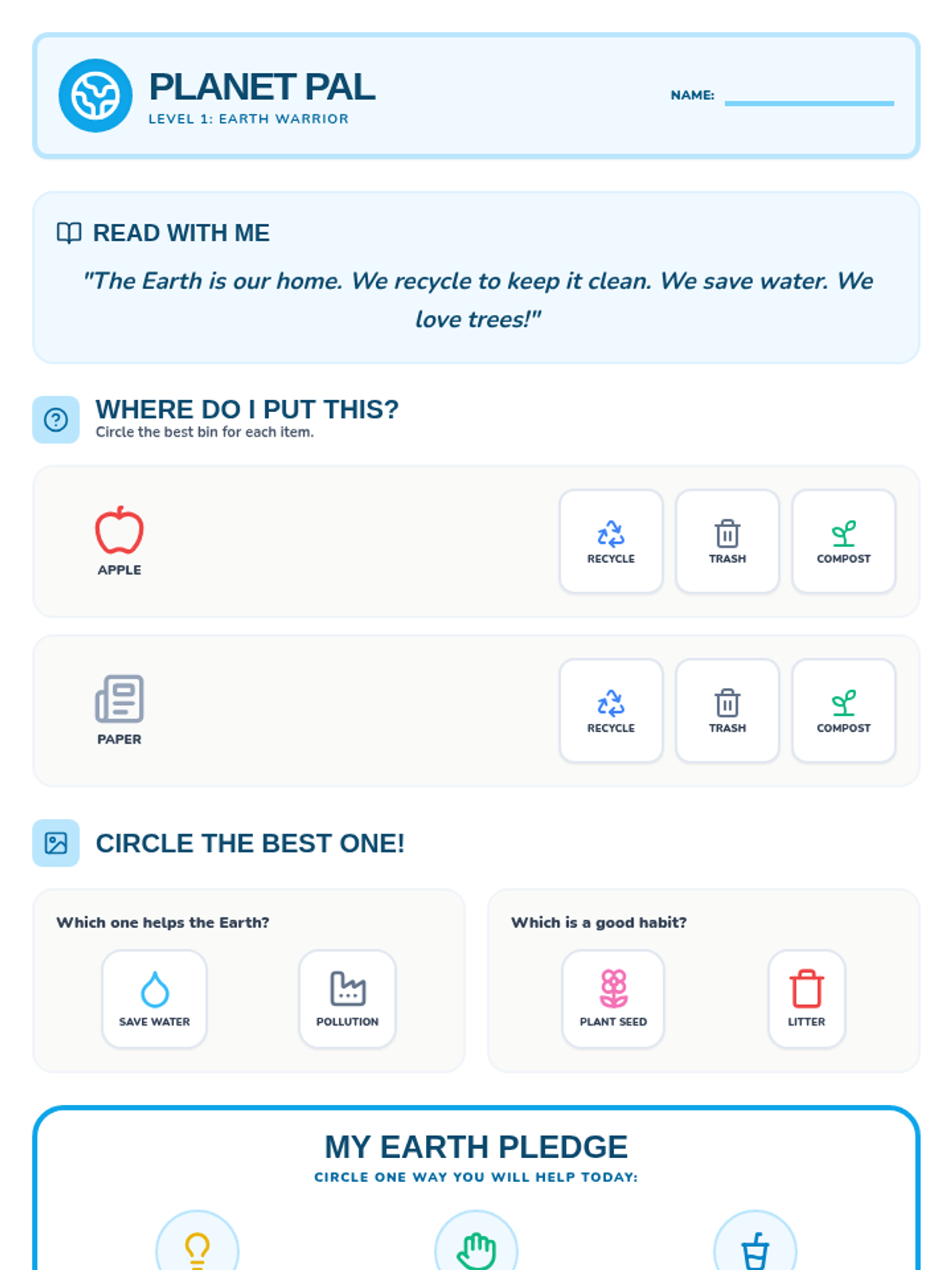
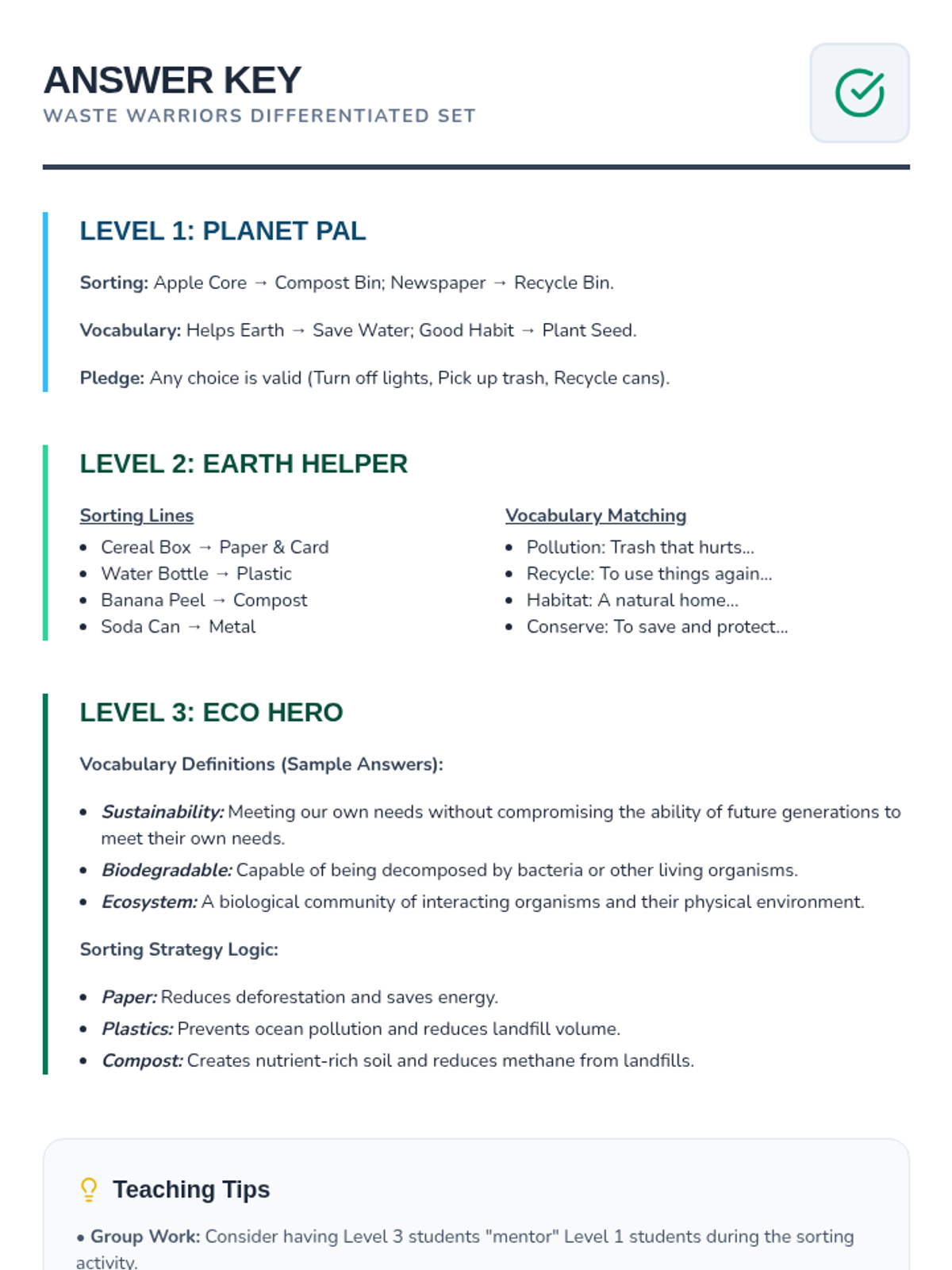
A comprehensive unit focused on environmental stewardship, exploring waste management, conservation, and sustainable living through hands-on activities.
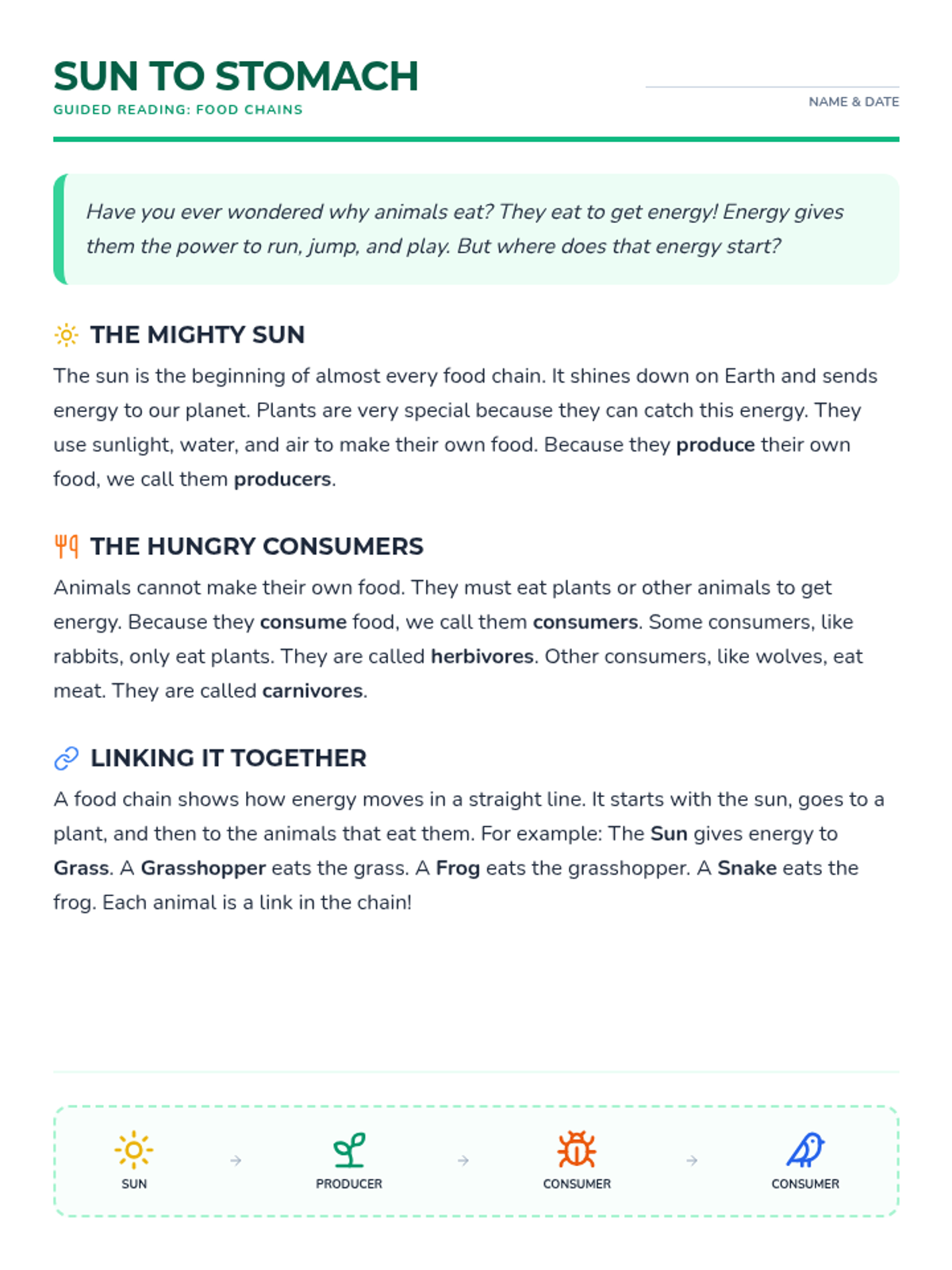
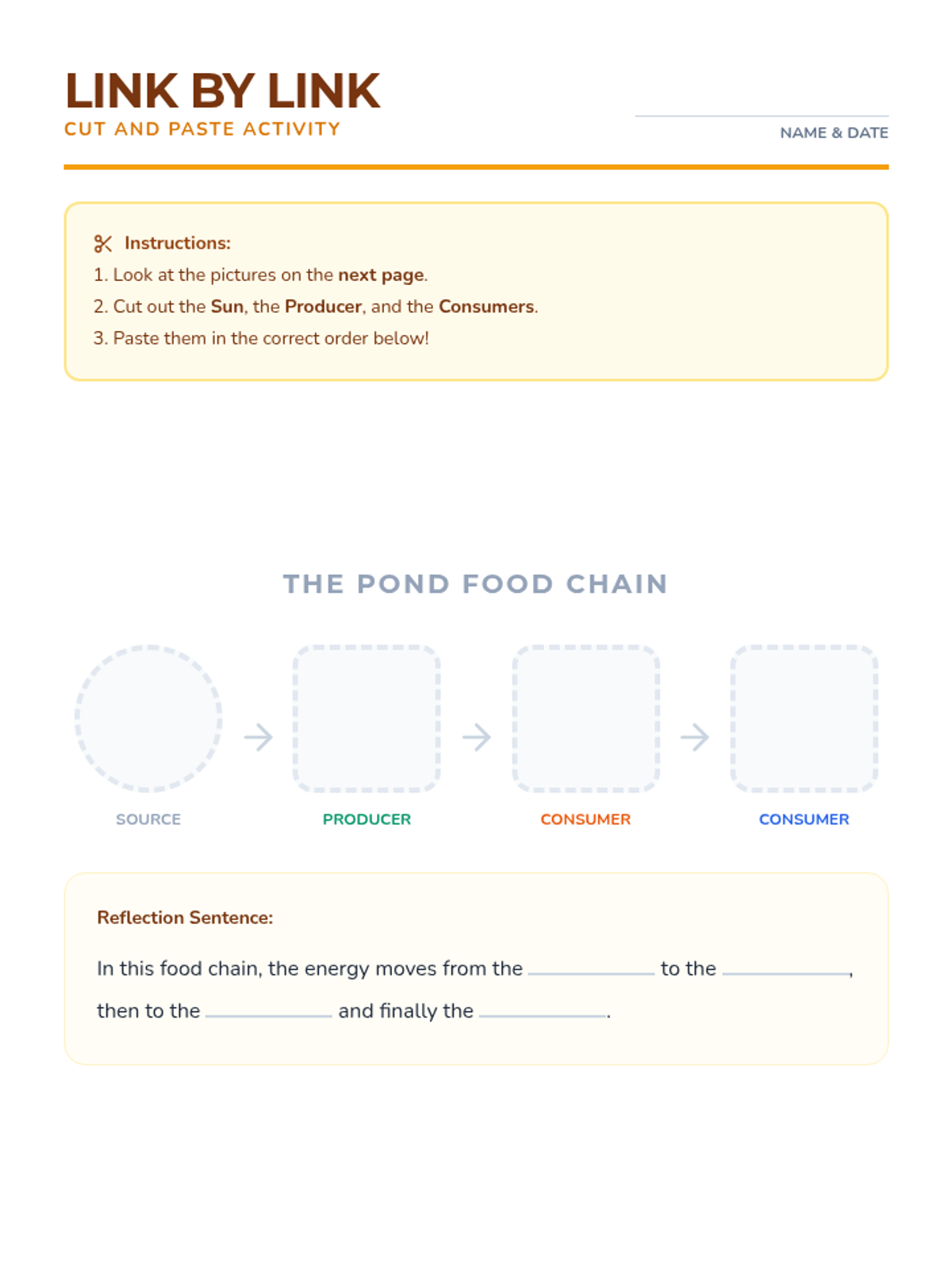
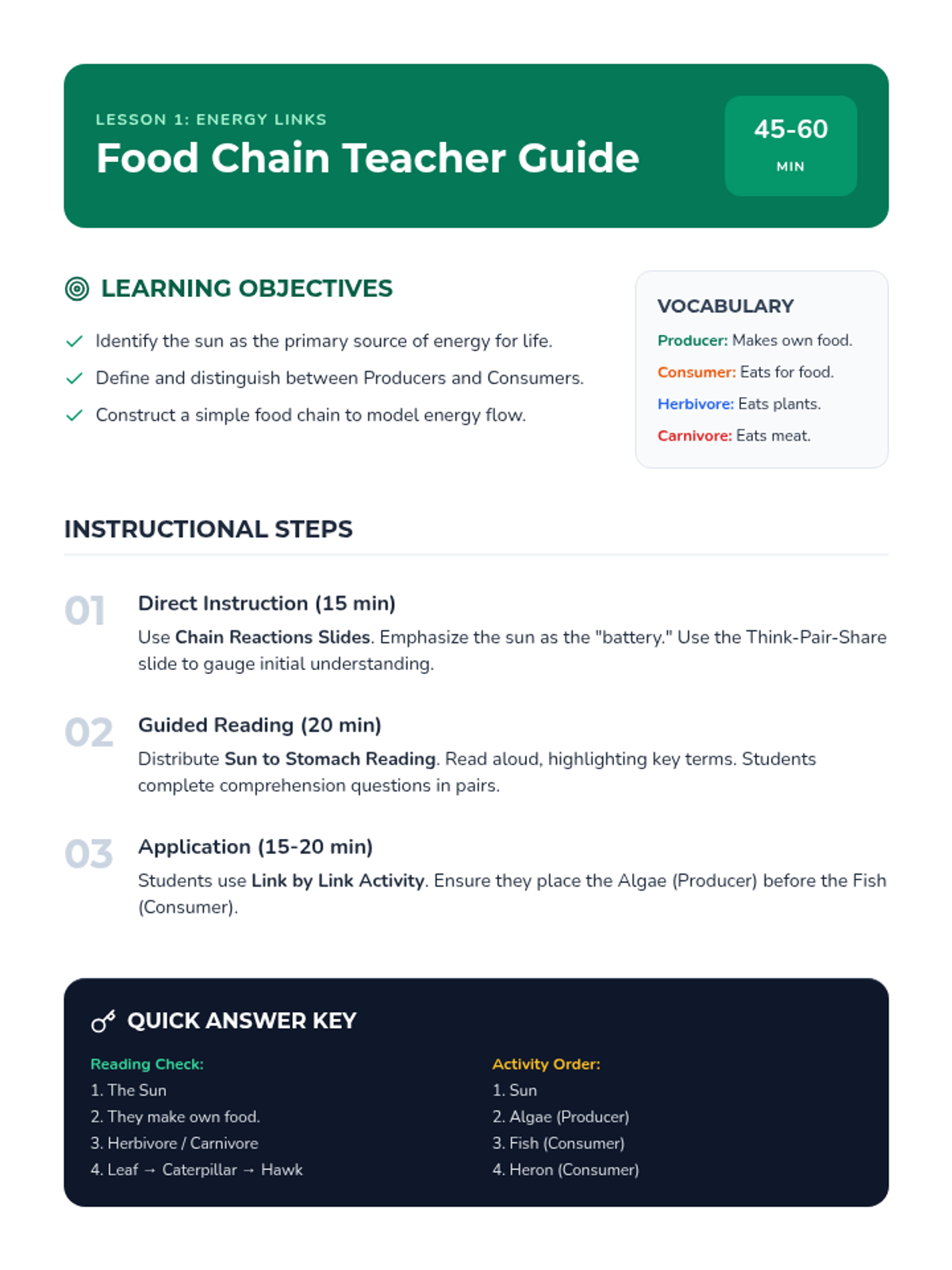
A two-day science unit for 2nd-3rd graders exploring how energy moves through nature. Students learn the basics of food chains on day one and expand their understanding to complex food webs on day two.
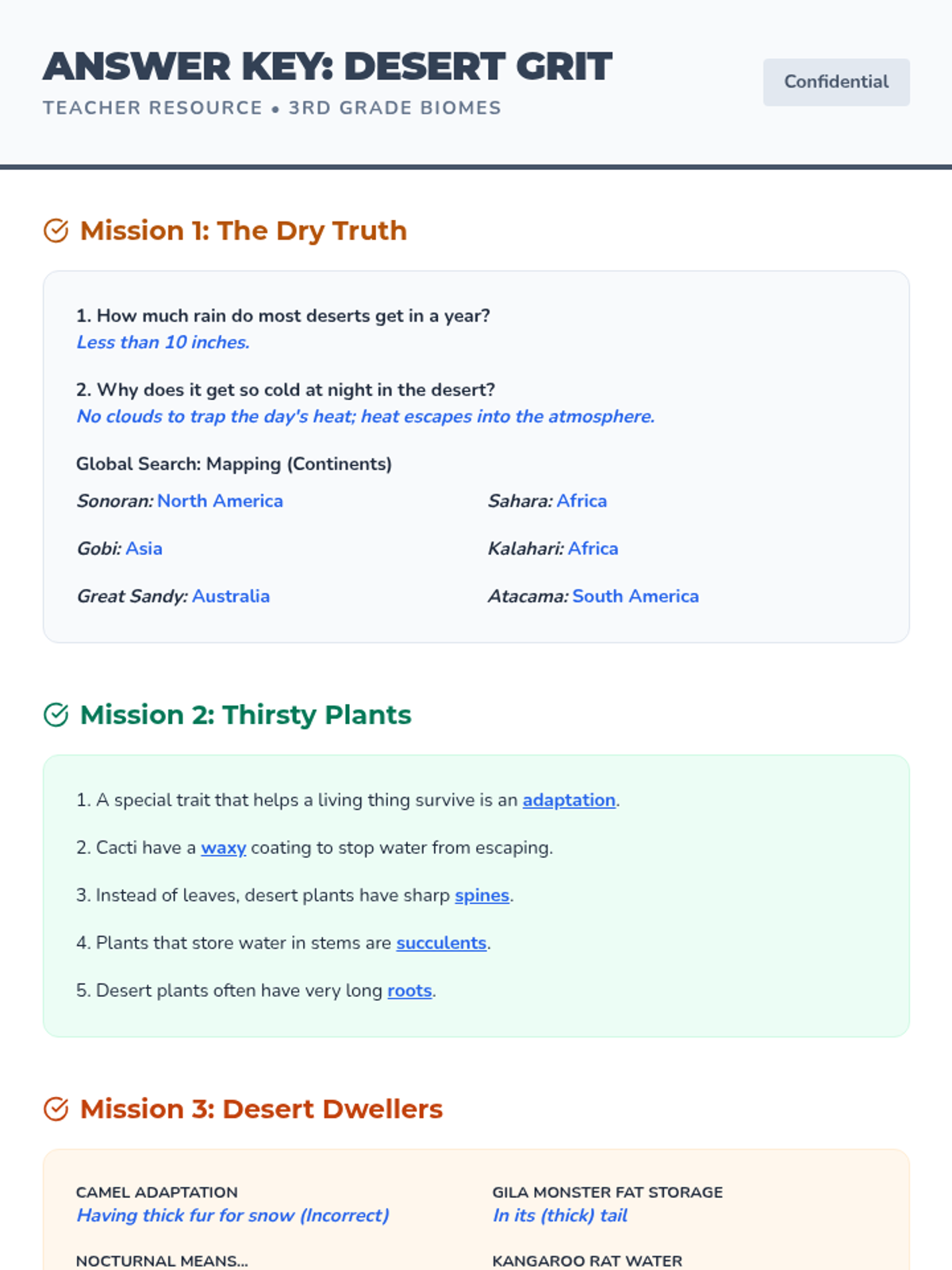
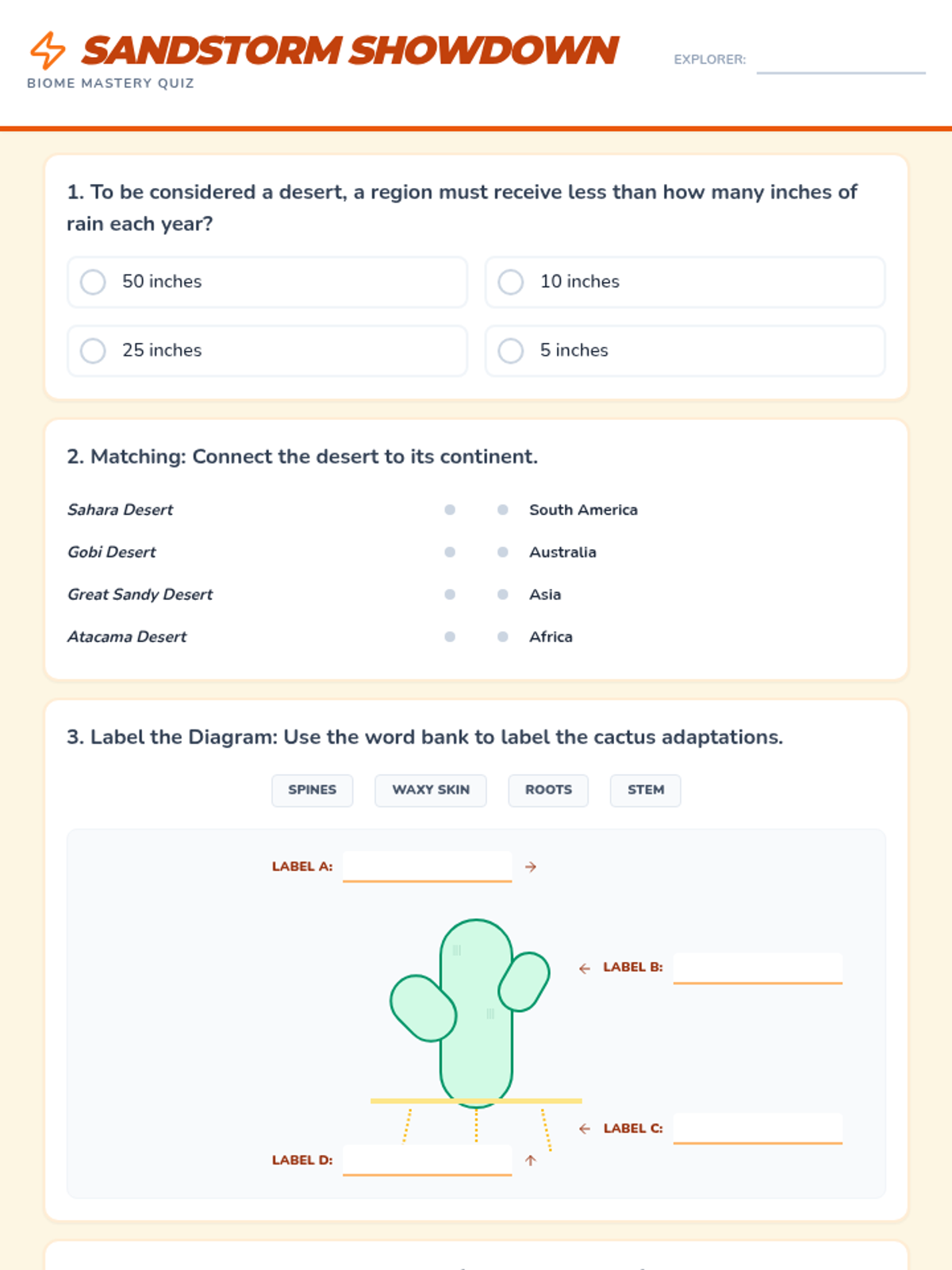
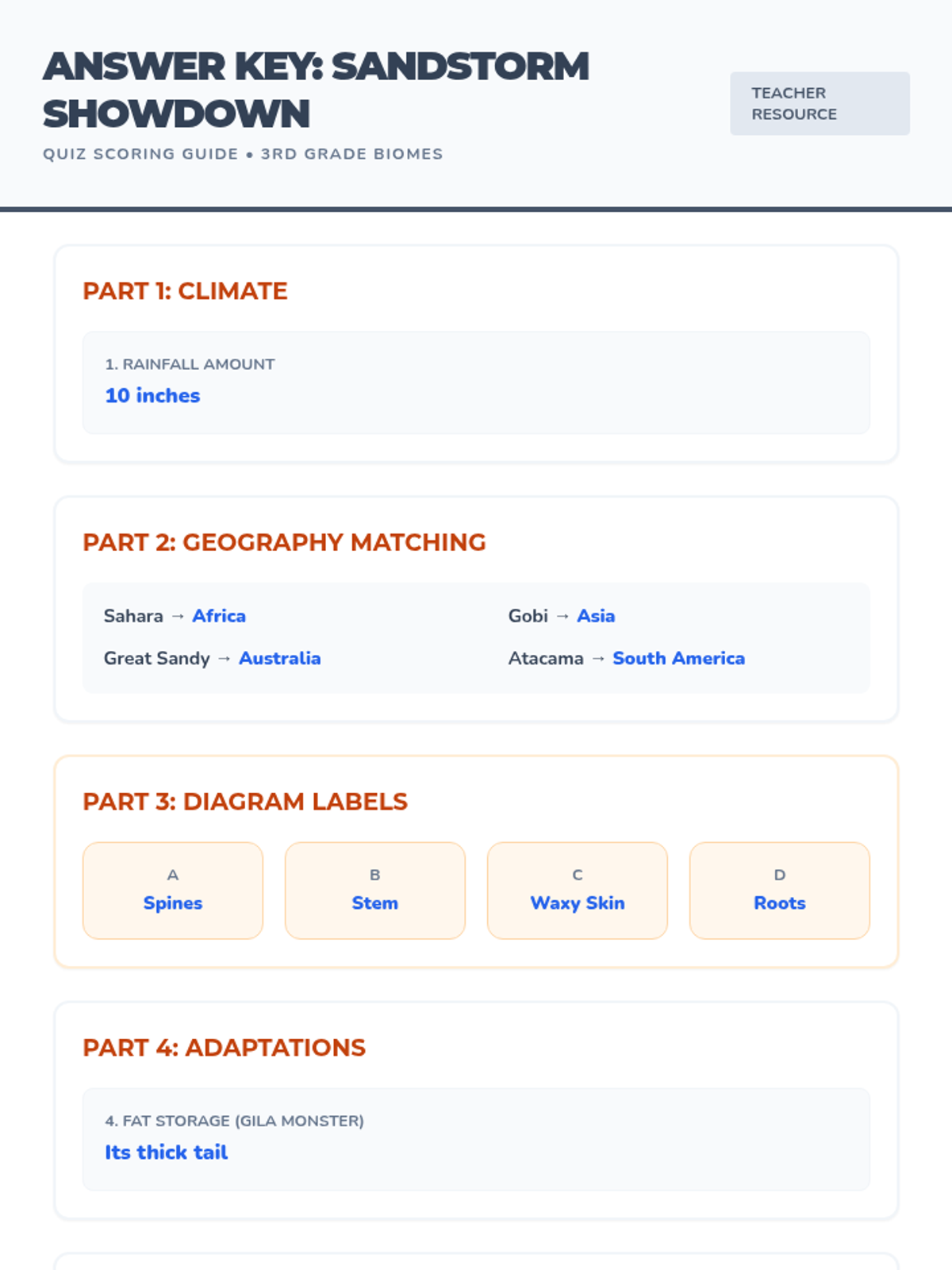
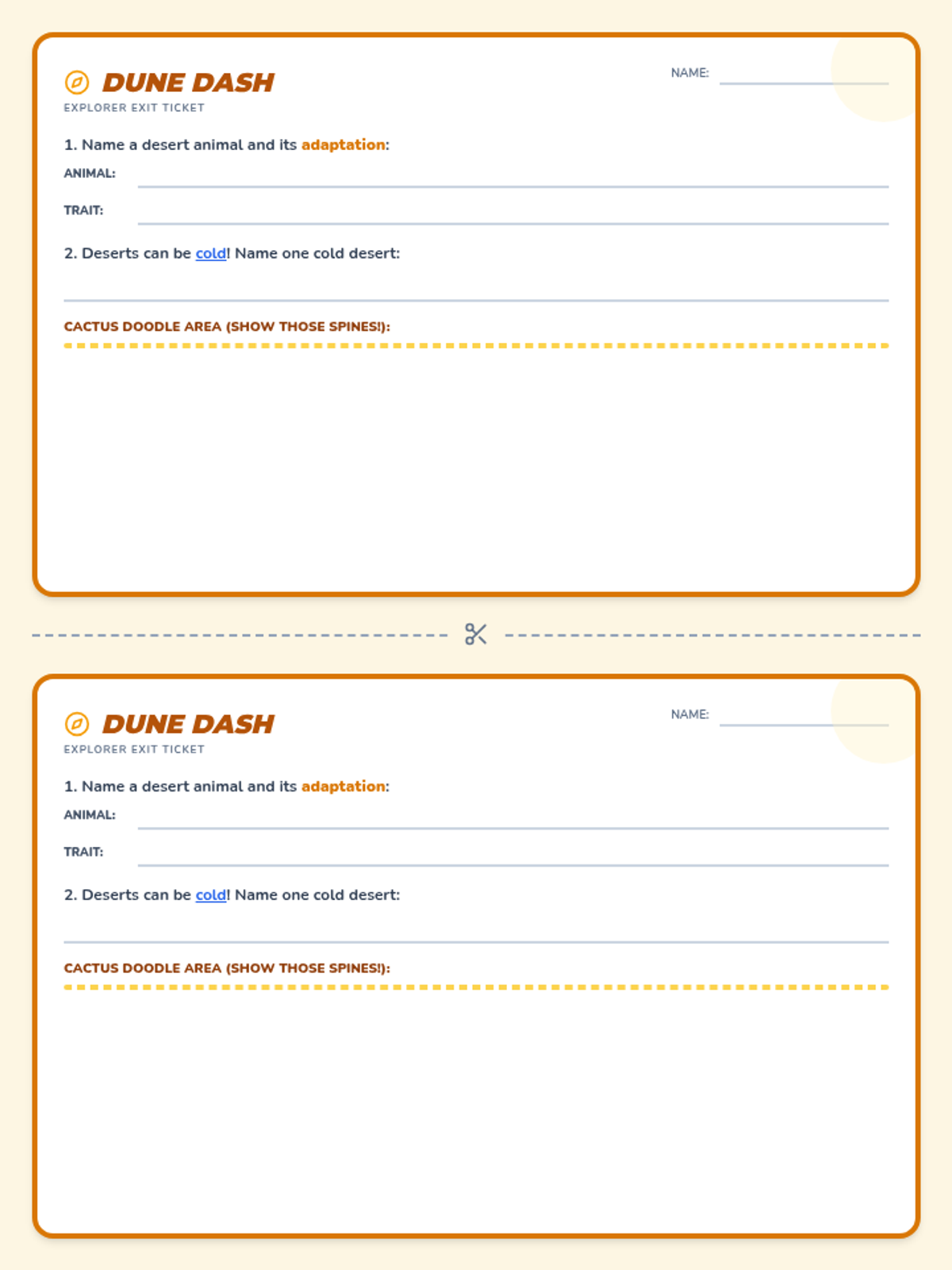
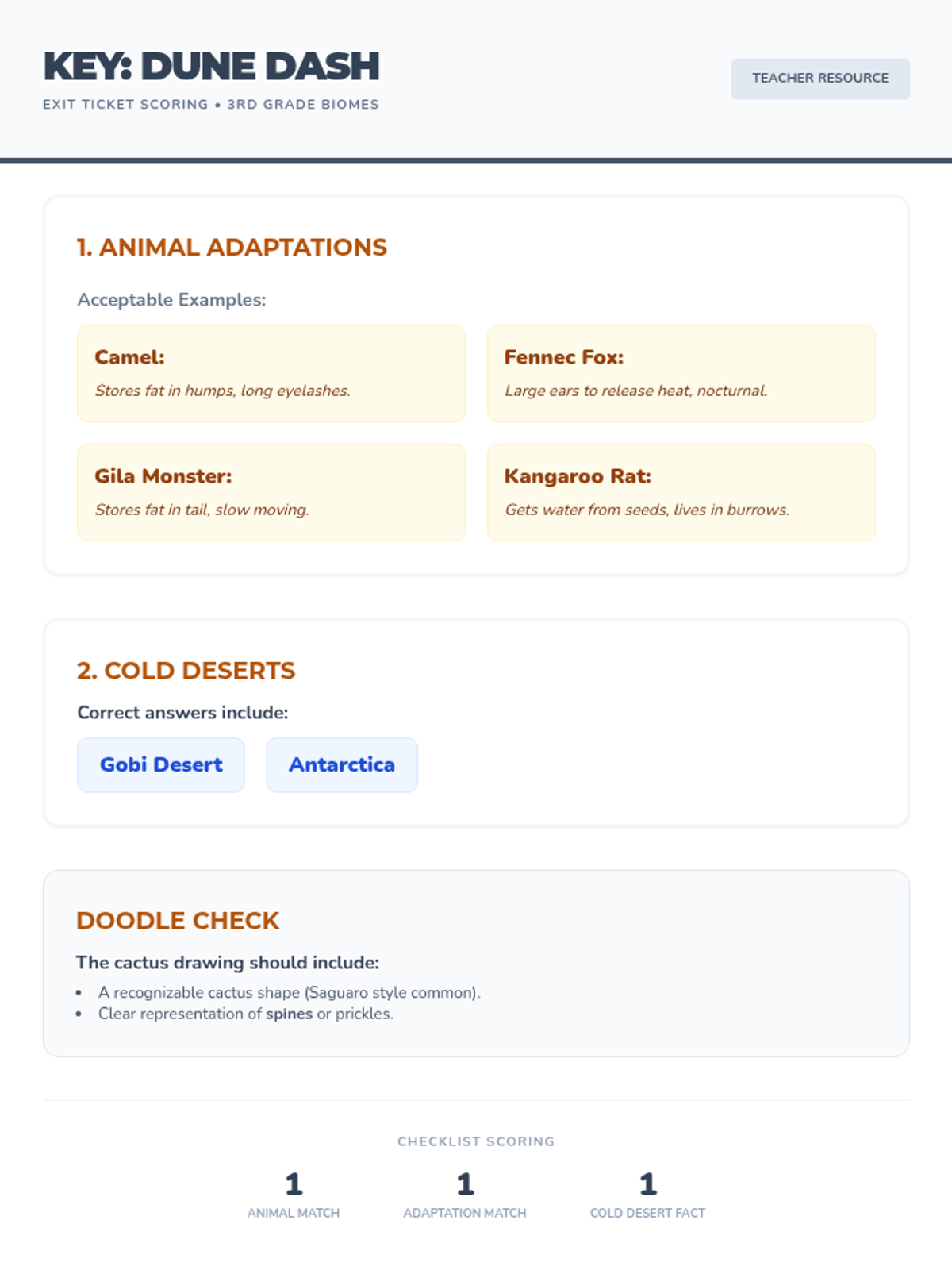
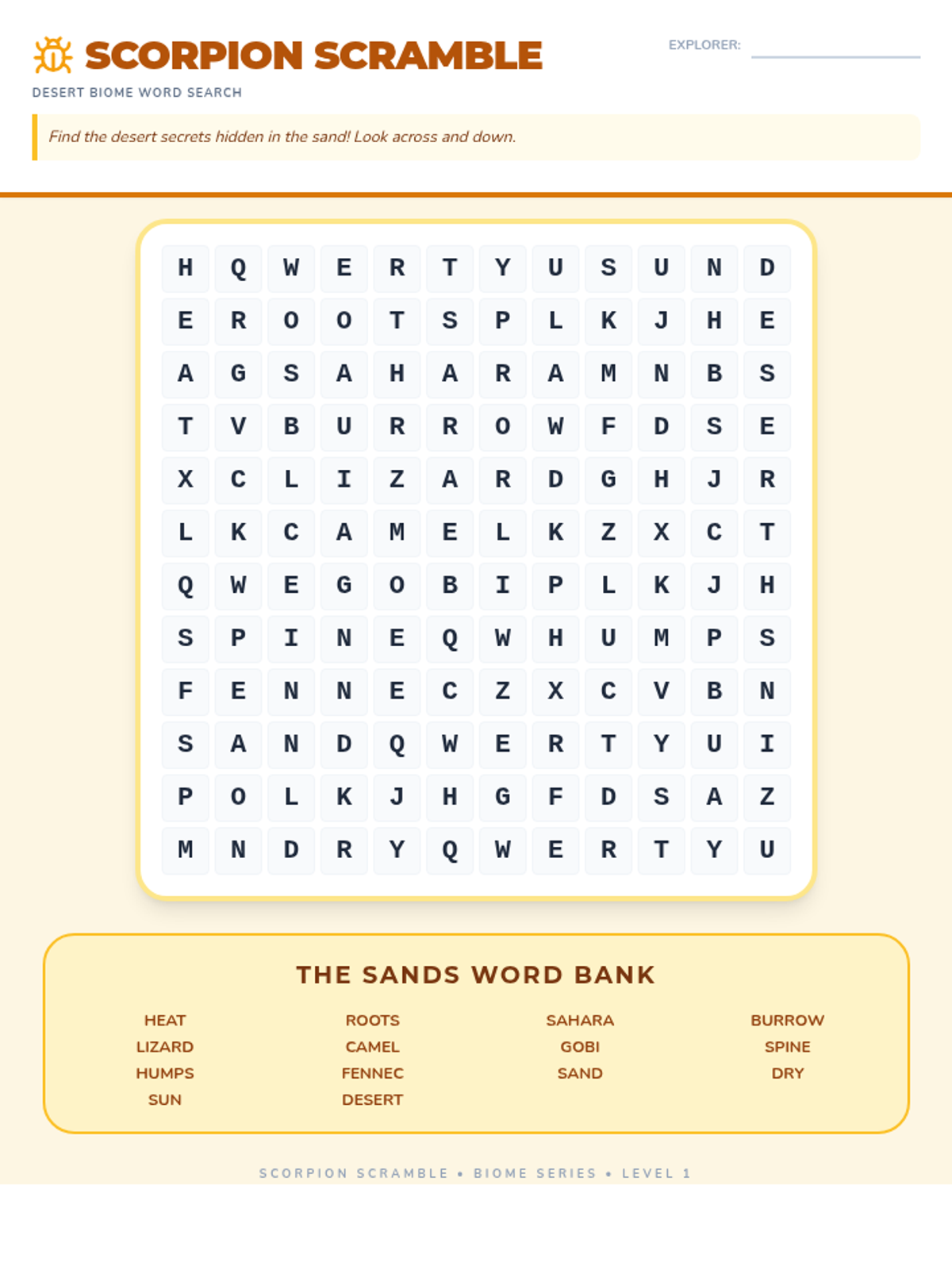
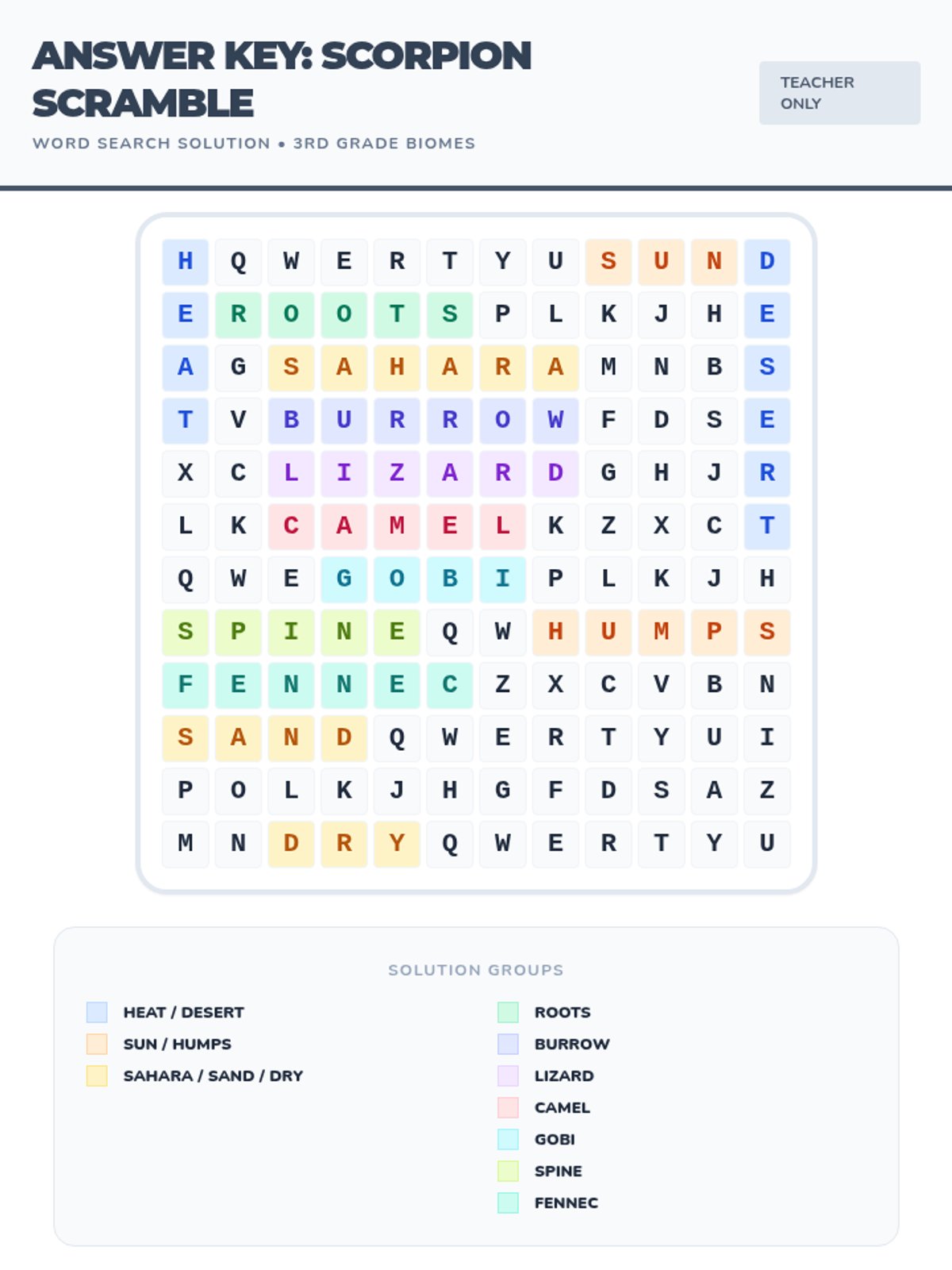
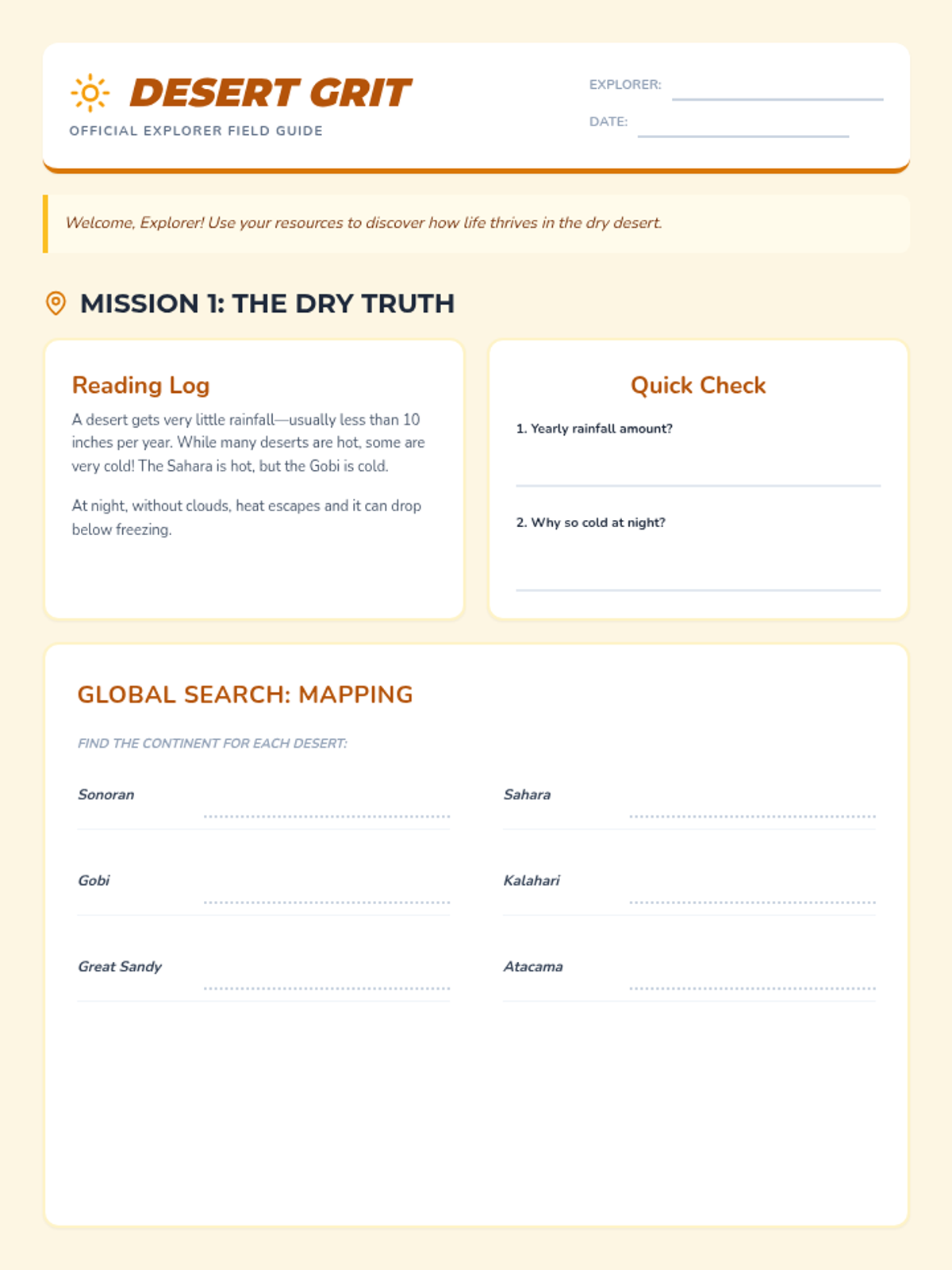
A comprehensive exploration of Earth's diverse biomes, covering climates, geography, and complex biological adaptations. Each lesson focuses on a different environment, starting with the arid world of deserts.
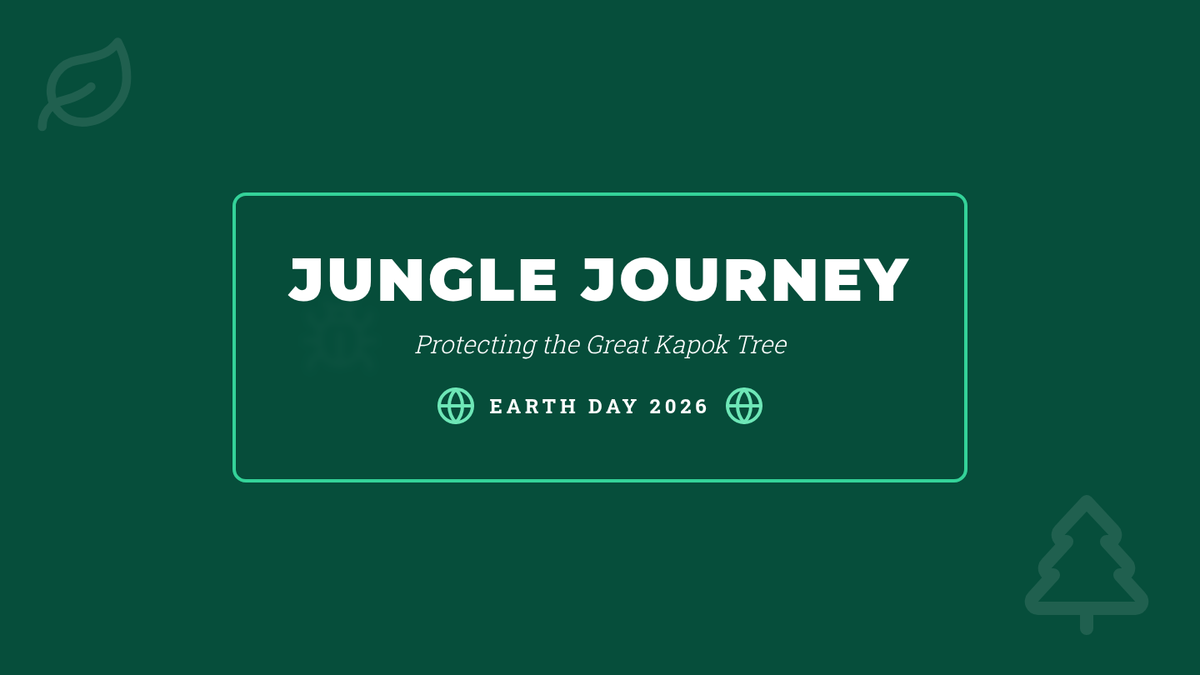
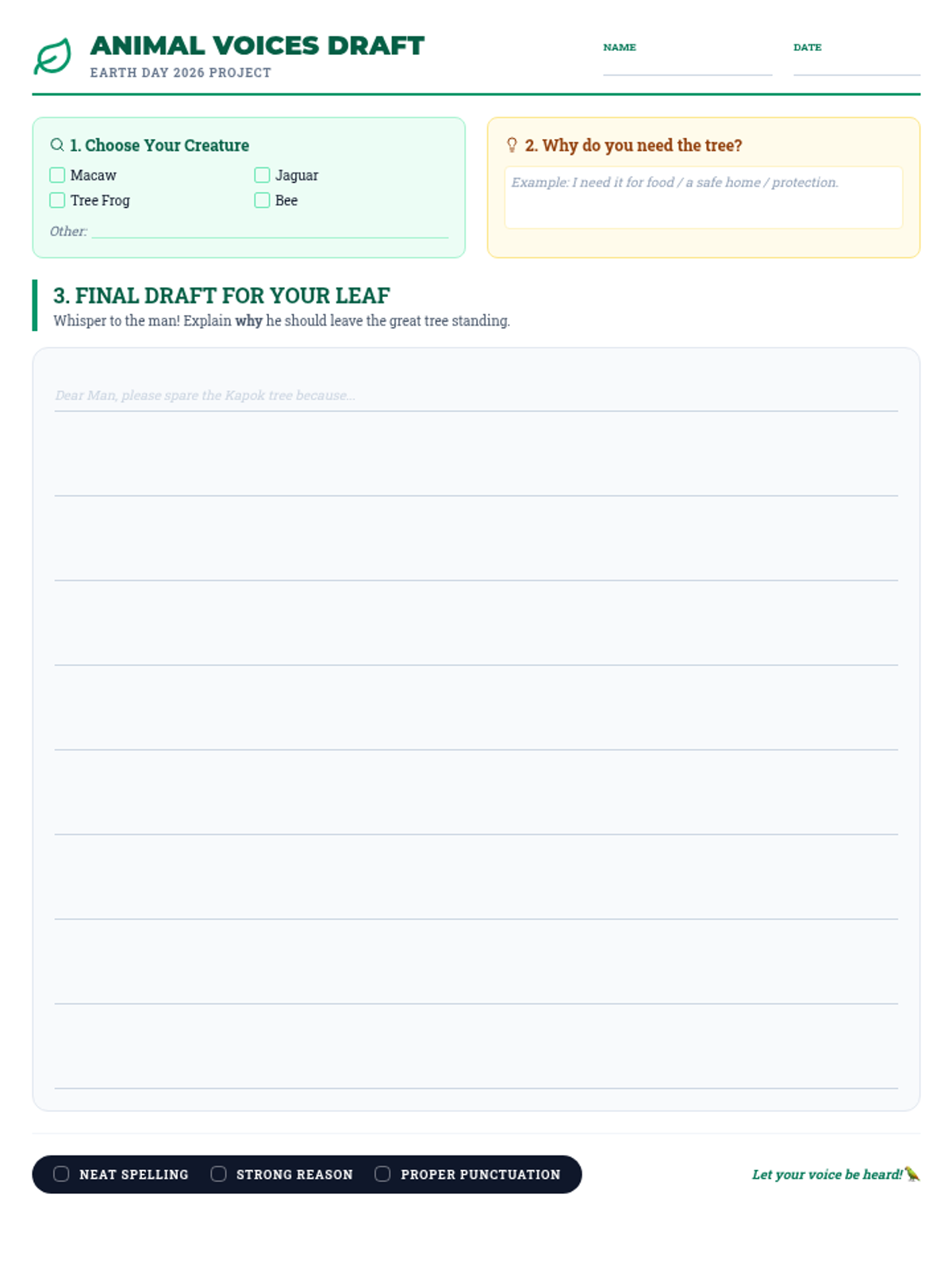
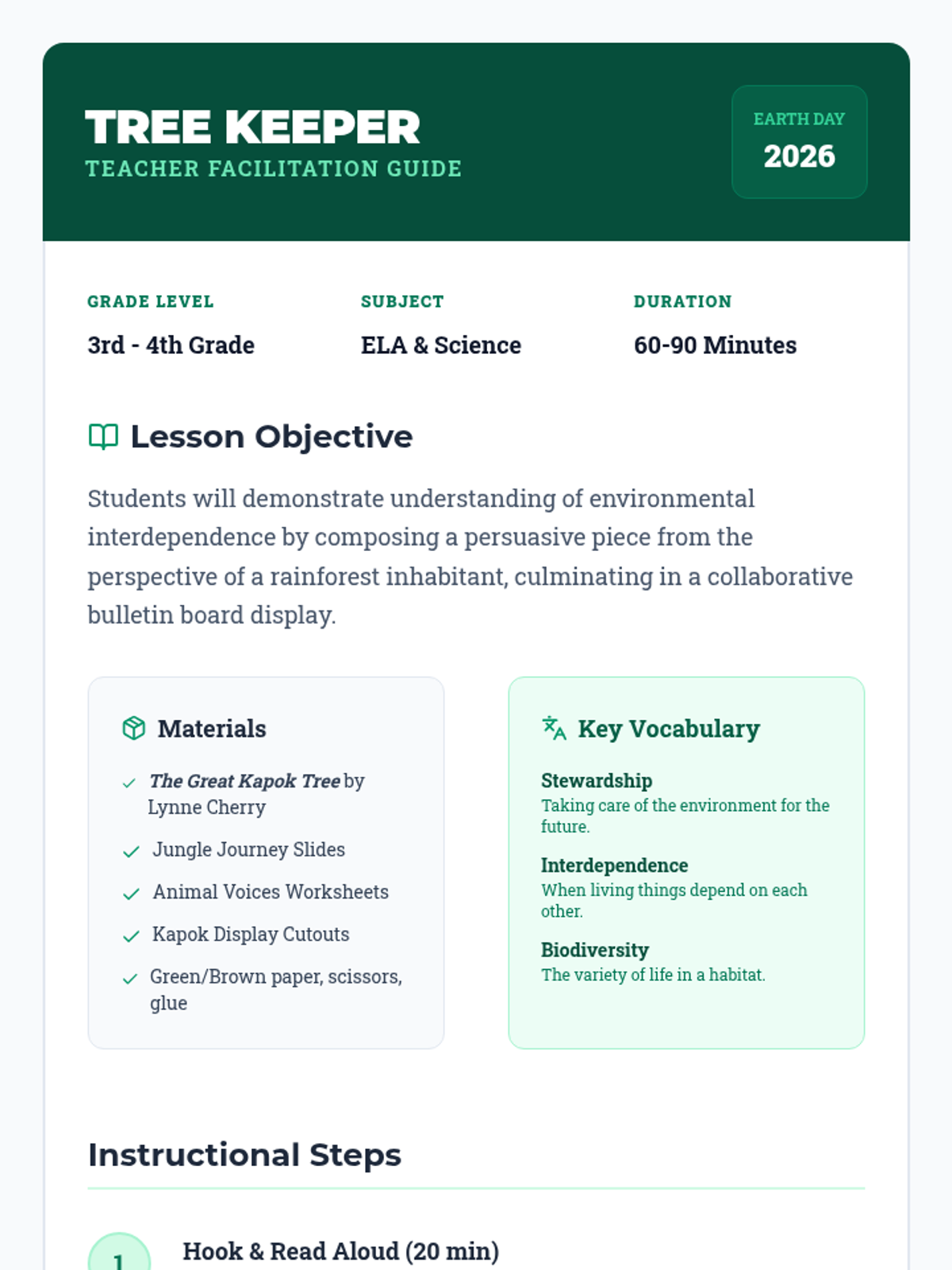
A celebratory Earth Day sequence focused on environmental stewardship and the interconnectedness of ecosystems, centered around the book 'The Great Kapok Tree' by Lynne Cherry. Students explore the perspectives of various rainforest inhabitants and create a collaborative bulletin board display.
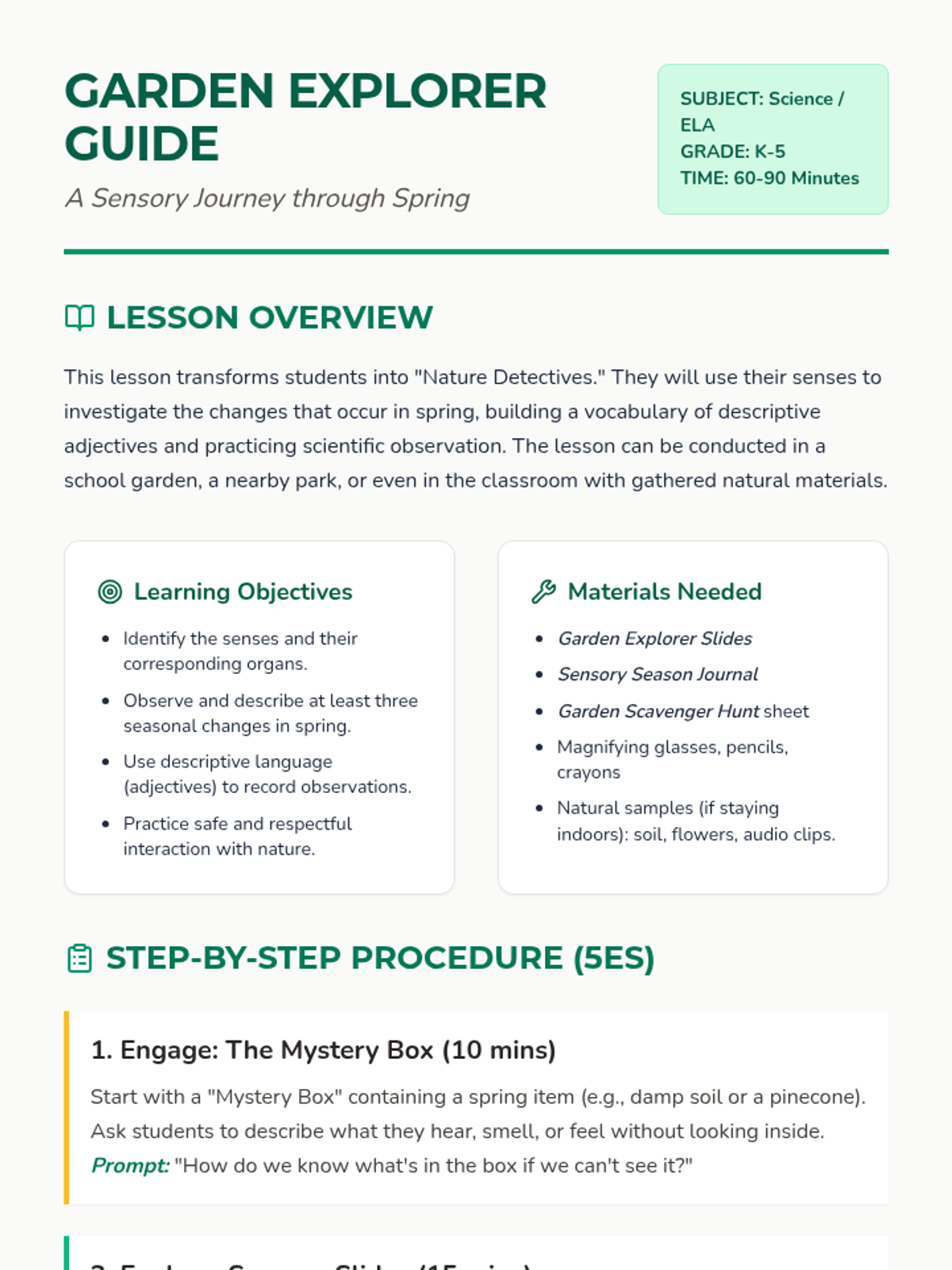
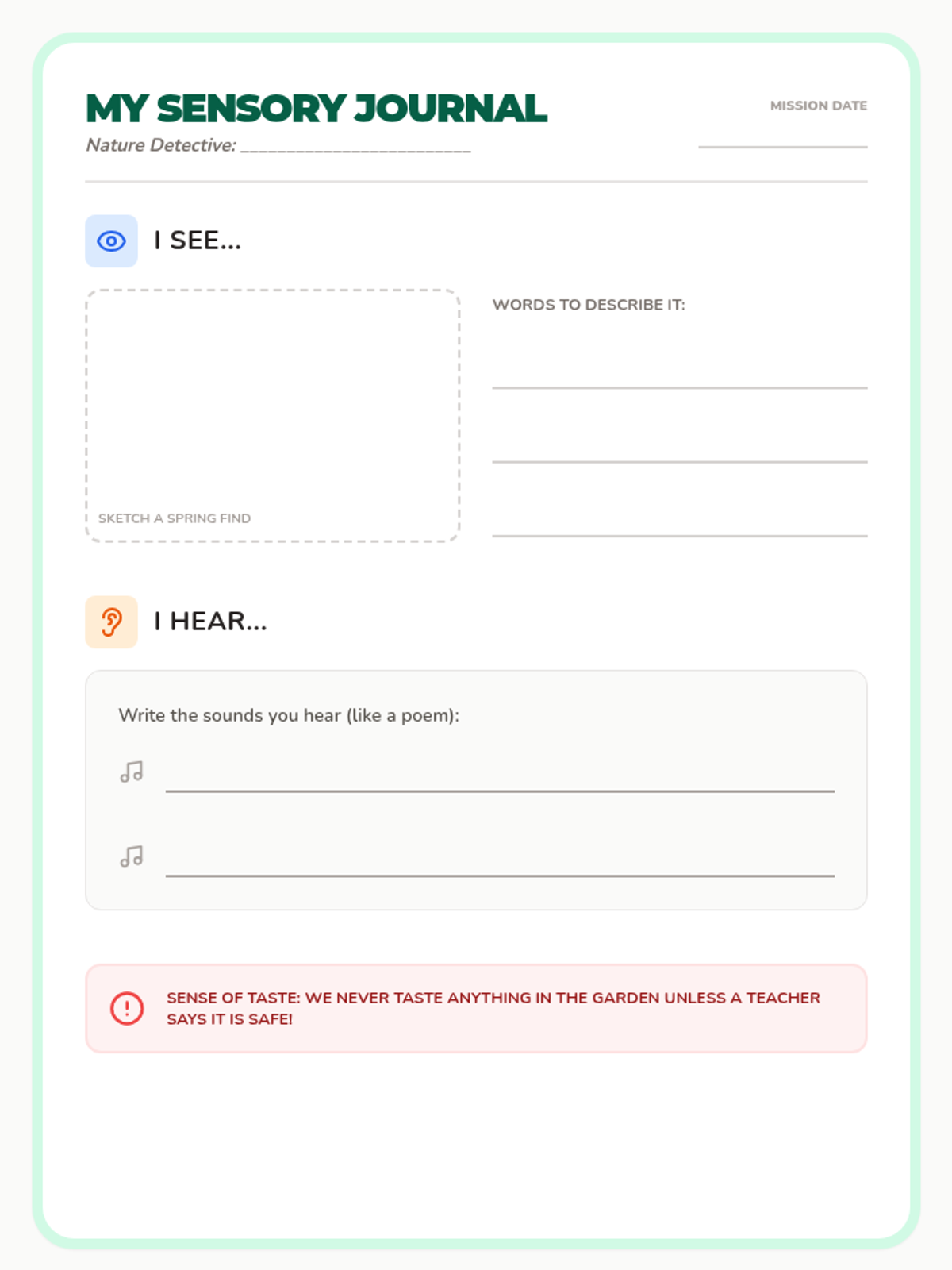
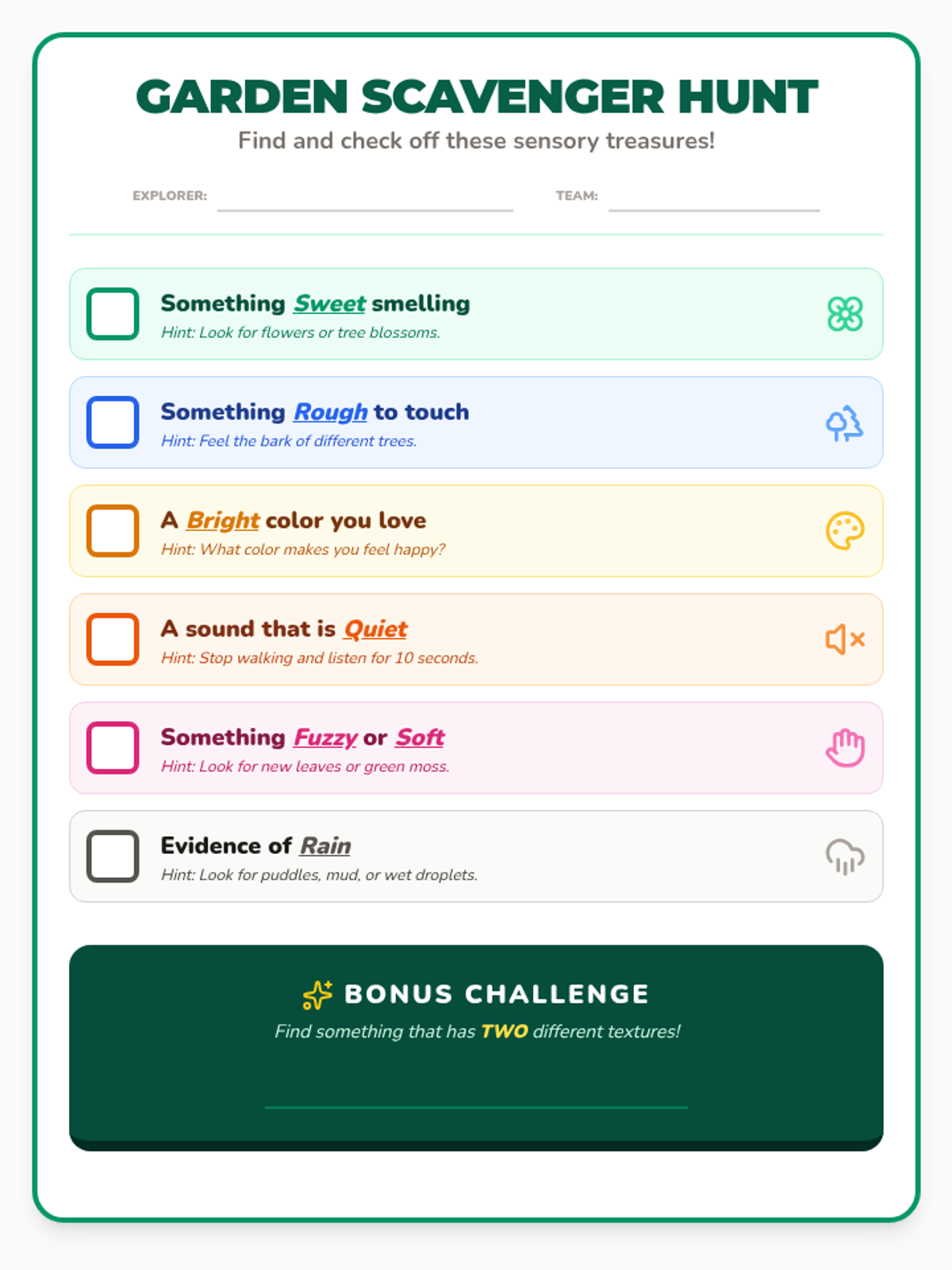
A series of nature-based investigations helping young learners connect with seasonal changes using their senses and scientific observation.
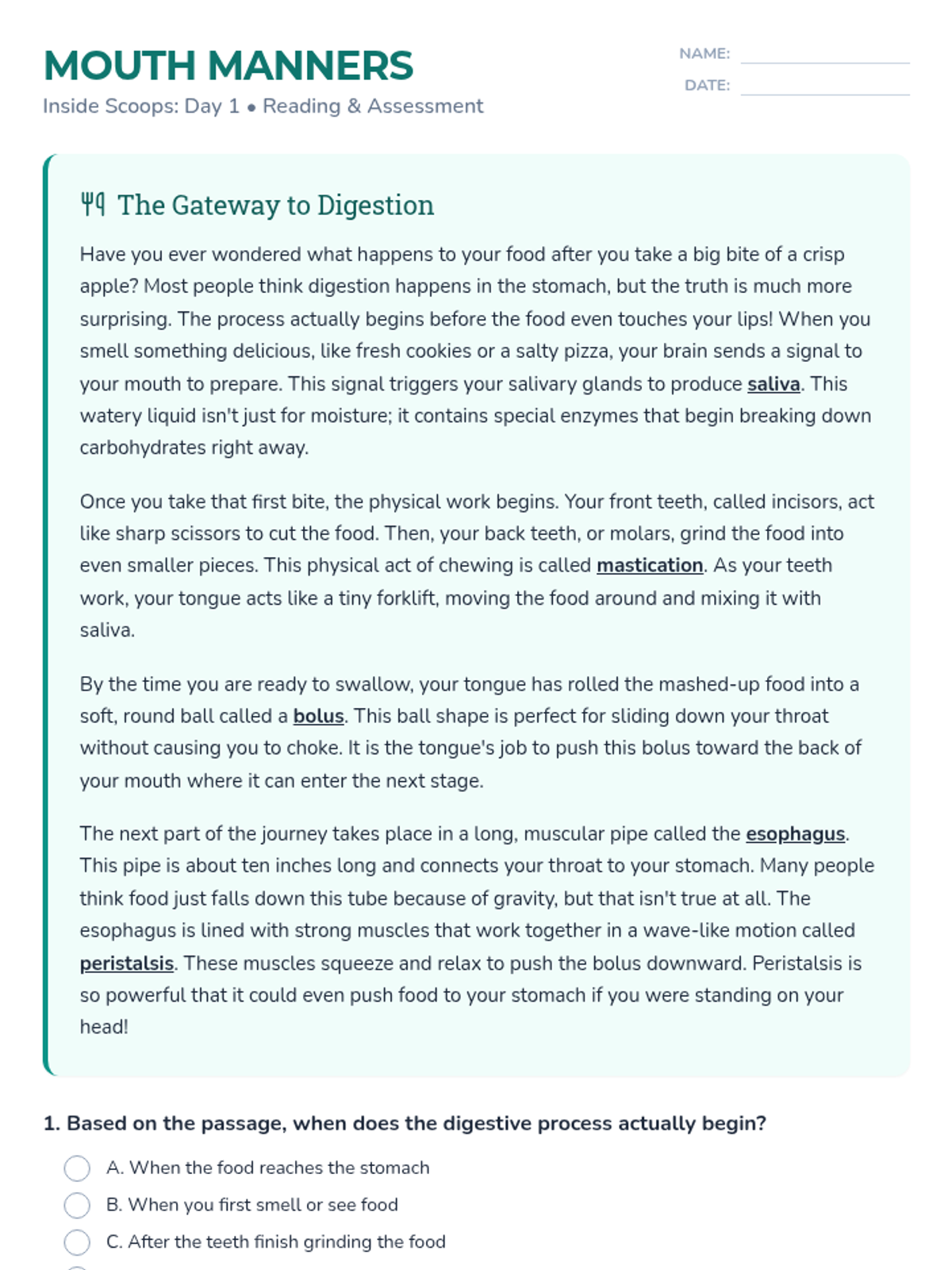
A 5-day comprehensive reading unit that explores the human digestive system while building critical literacy skills like using context clues, sequencing, identifying main ideas, and analyzing cause and effect.