Written and verbal communication standards for the workplace, including email etiquette, presentation delivery, and professional phone conduct. Develops collaborative skills for teamwork, constructive feedback, and efficient time management.
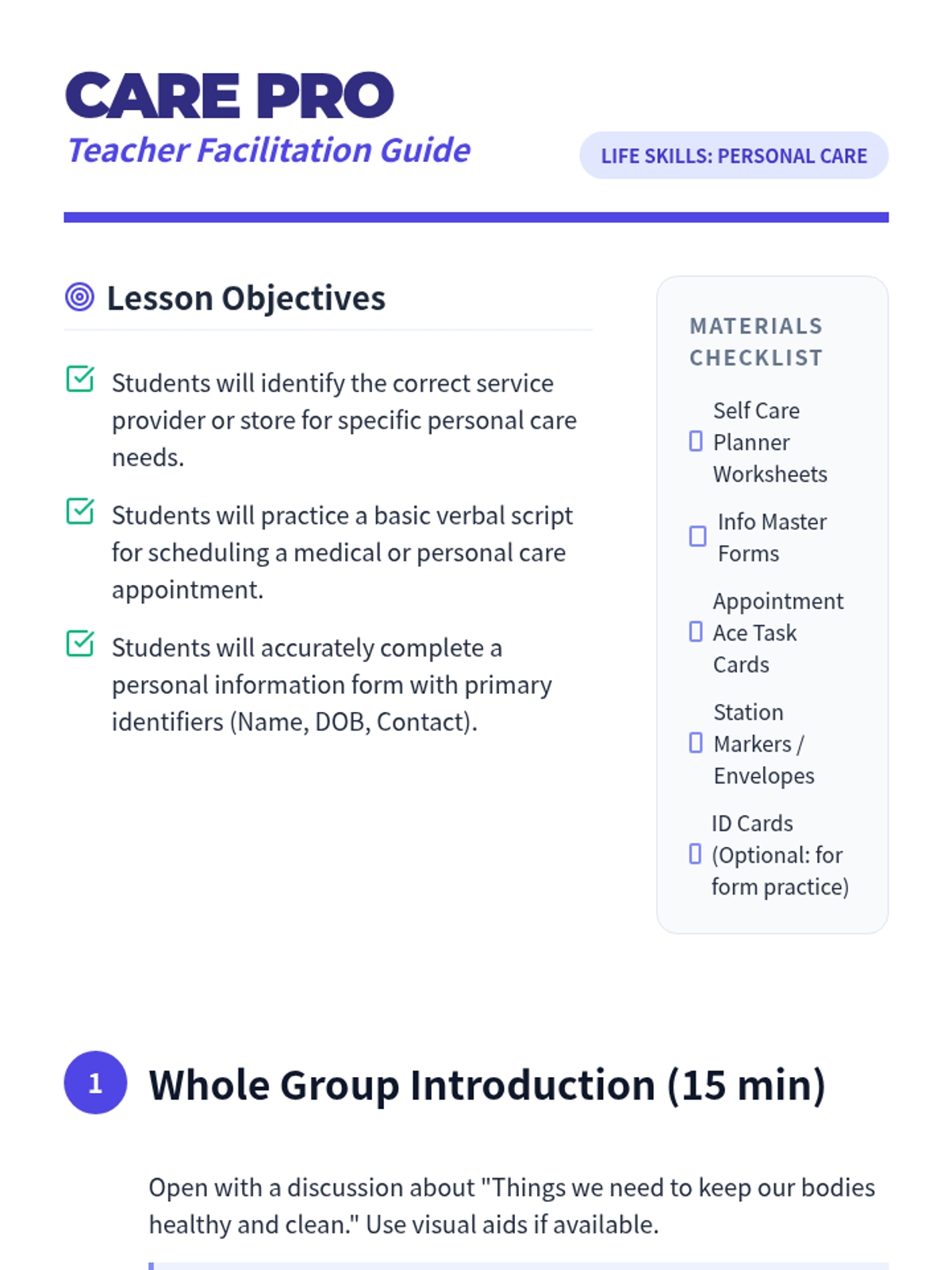
A comprehensive teacher's guide for the Self Care Pro lesson. Includes instructional sequences, station setup for task cards, and specific differentiation strategies for Level 2 learners.
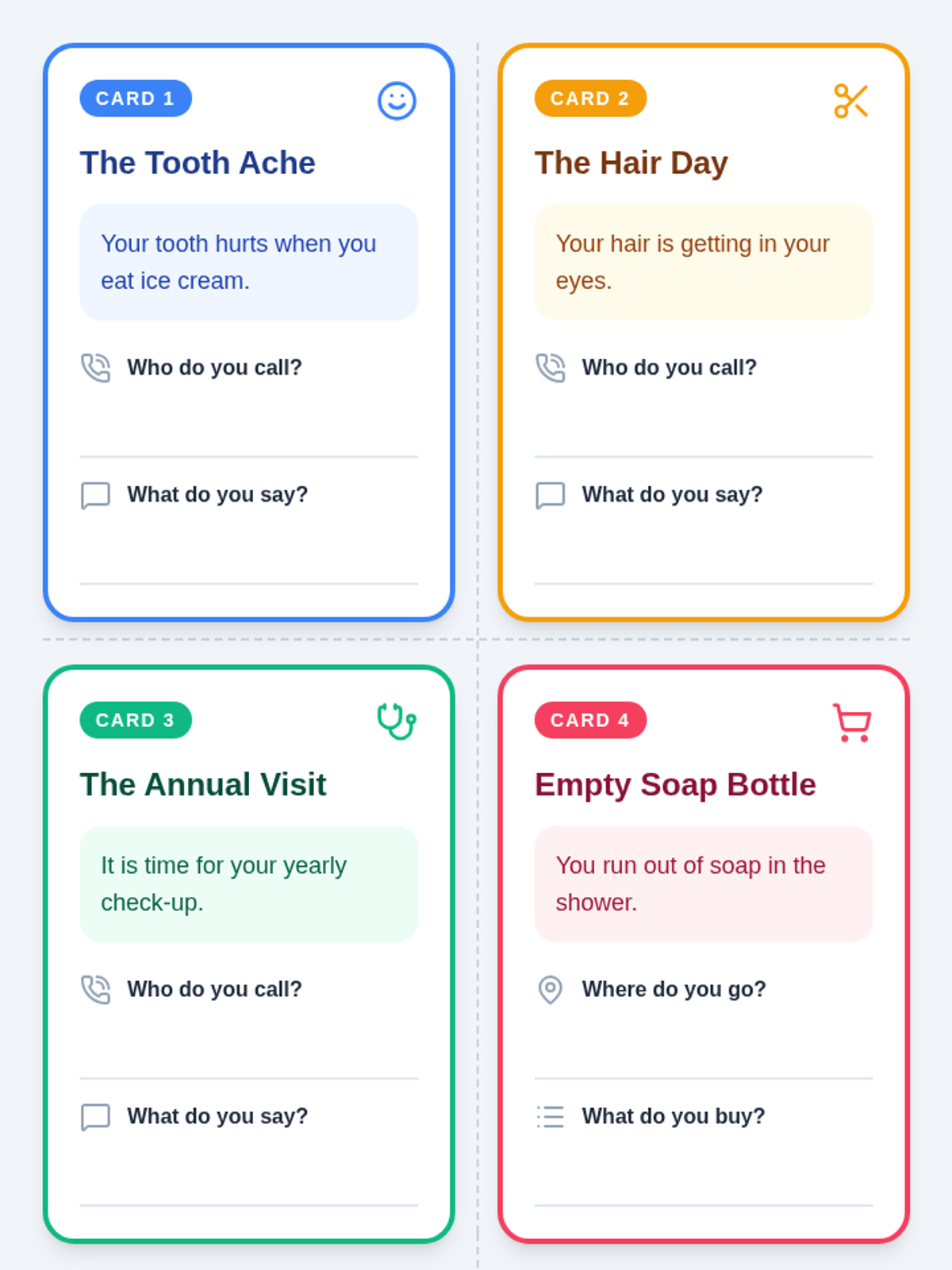
A set of scenario-based task cards for practicing identifying appropriate actions for personal care needs and scheduling various appointments. Includes 8 distinct scenarios with visual supports.
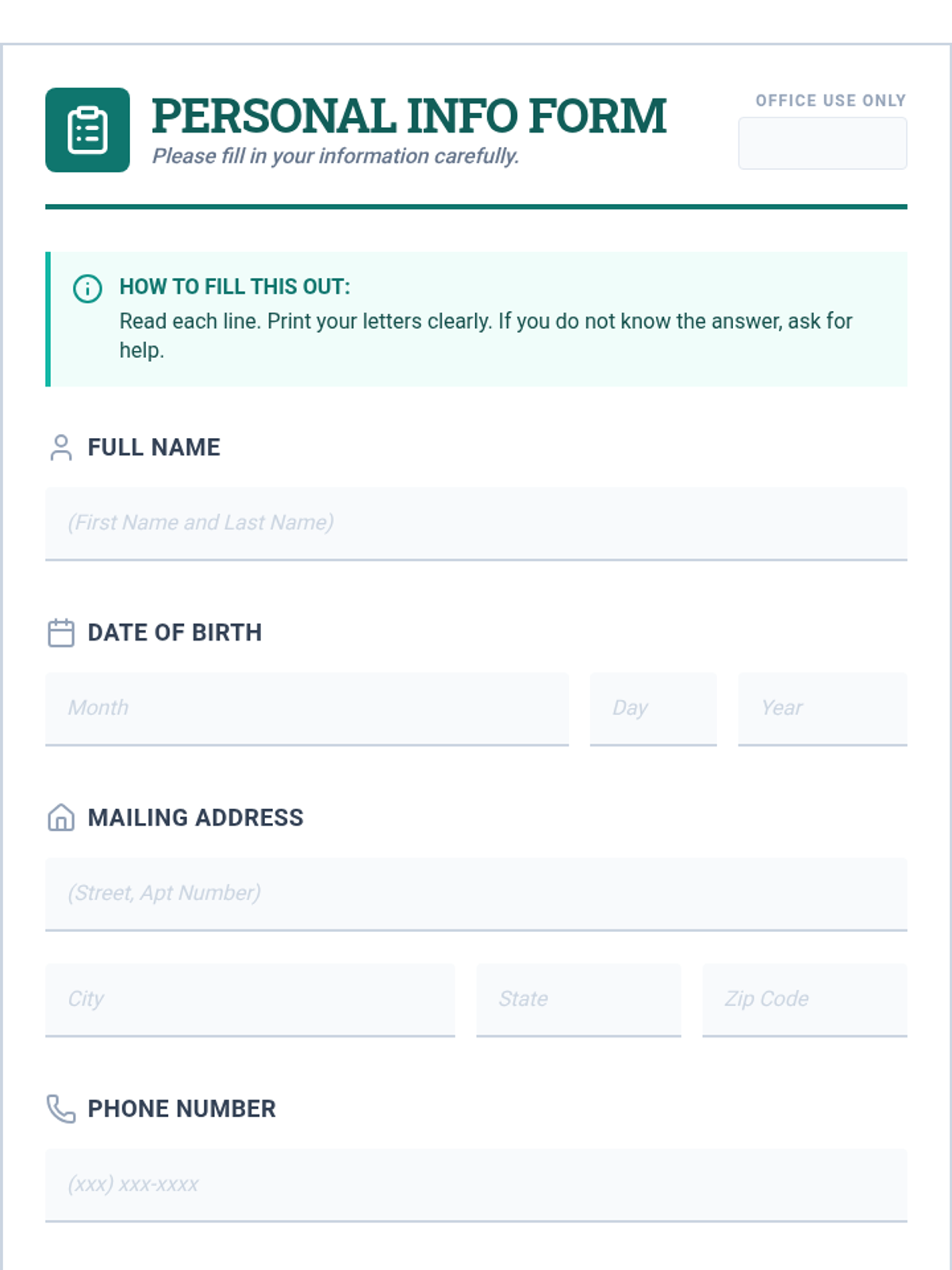
A practice personal information form designed to mimic real-world medical or service forms. Features simplified labels, visual icons, and large writing areas for Level 2 learners.
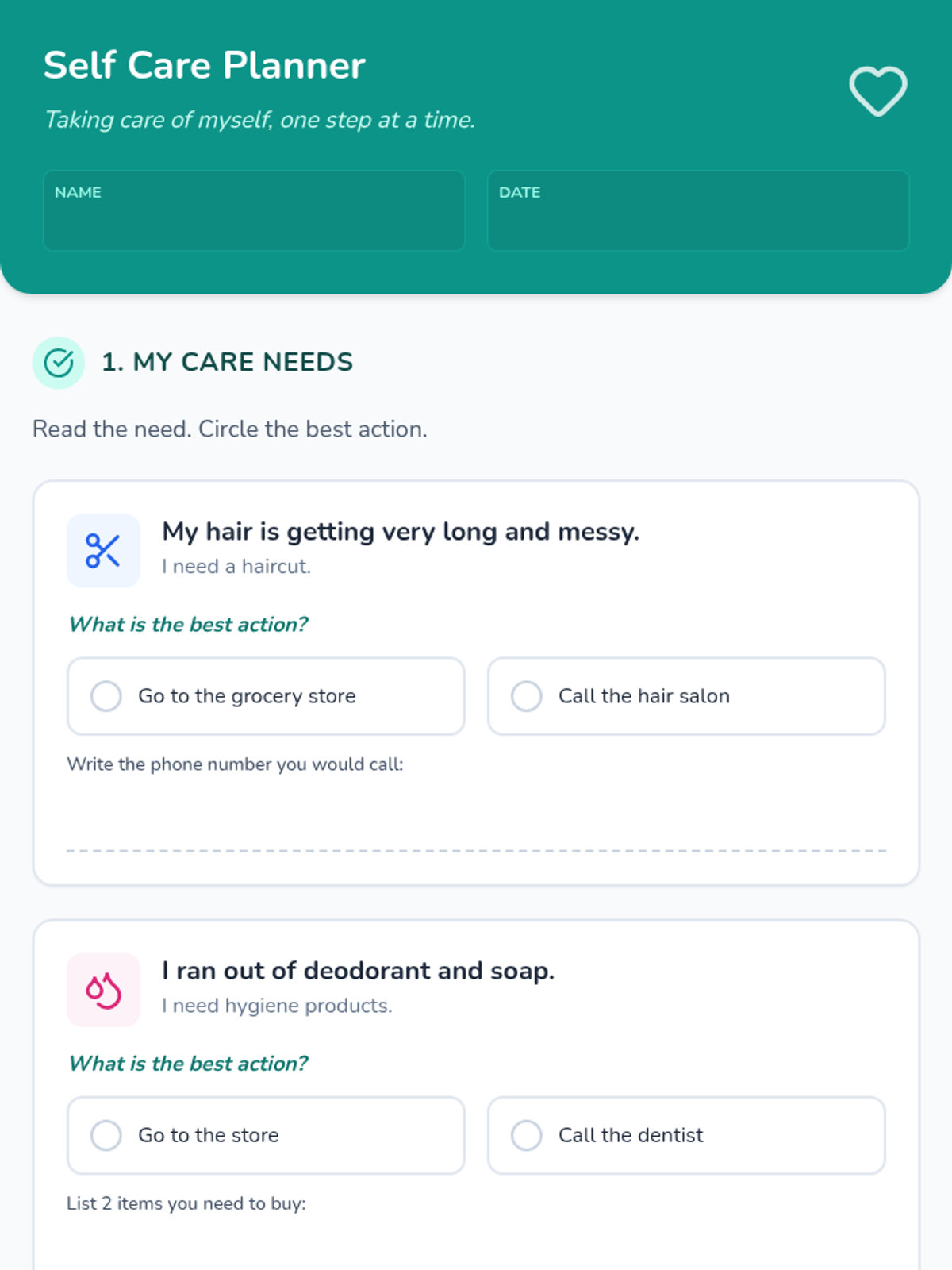
A guided worksheet for identifying personal care actions and practicing the script for scheduling a medical appointment. Includes visual supports and clear step-by-step instructions.
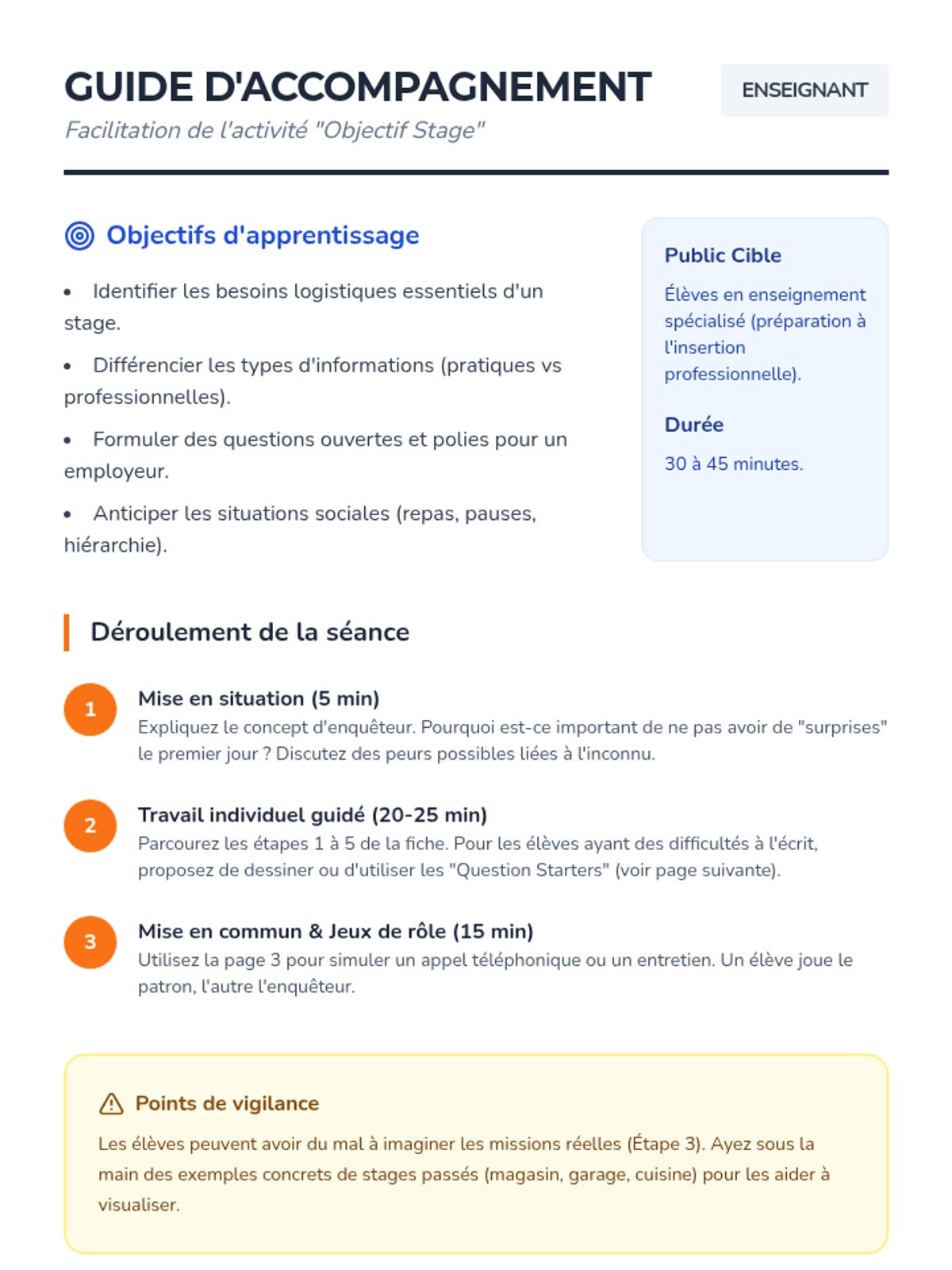
Un guide pour l'enseignant contenant les objectifs pédagogiques, le déroulement de la séance, des déclencheurs de phrases pour les élèves et des conseils d'adaptation pour l'enseignement spécialisé.
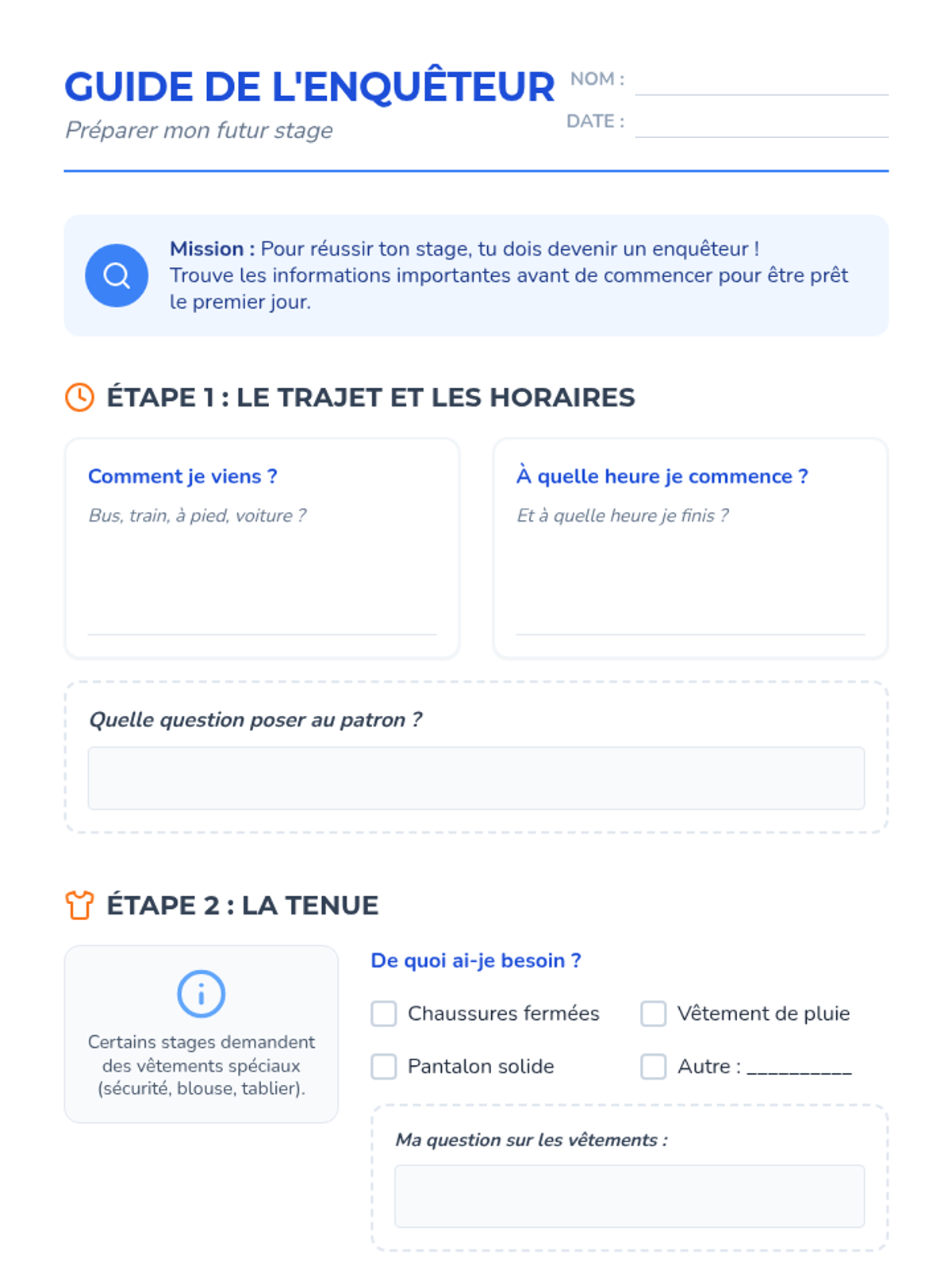
Une fiche d'activité structurée en plusieurs étapes pour aider les élèves à identifier et noter les questions essentielles avant un stage (logistique, tenue, missions, repas).
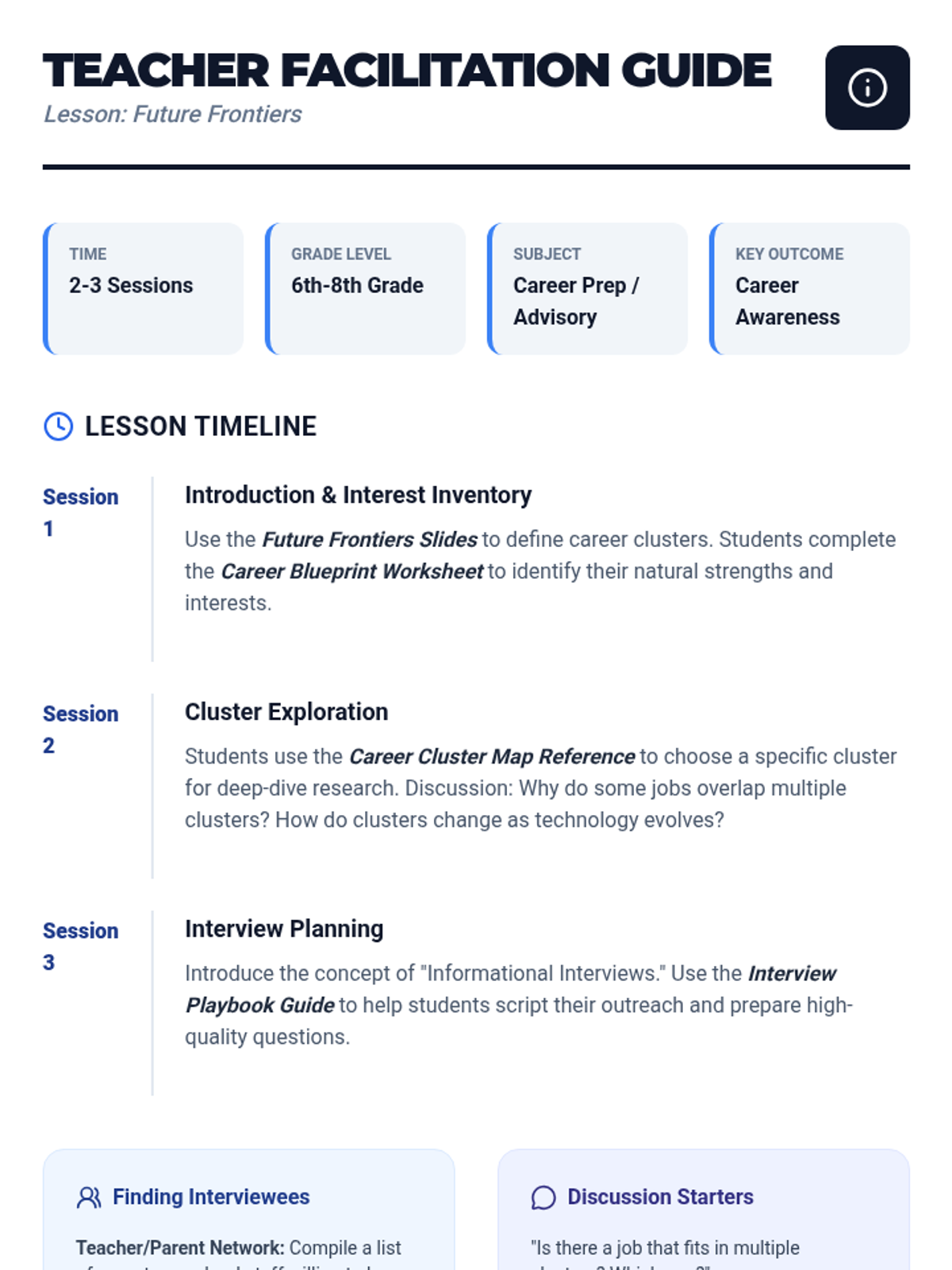
A guide for teachers to facilitate the Future Frontiers lesson, including timeline, discussion prompts, and interview sourcing tips.
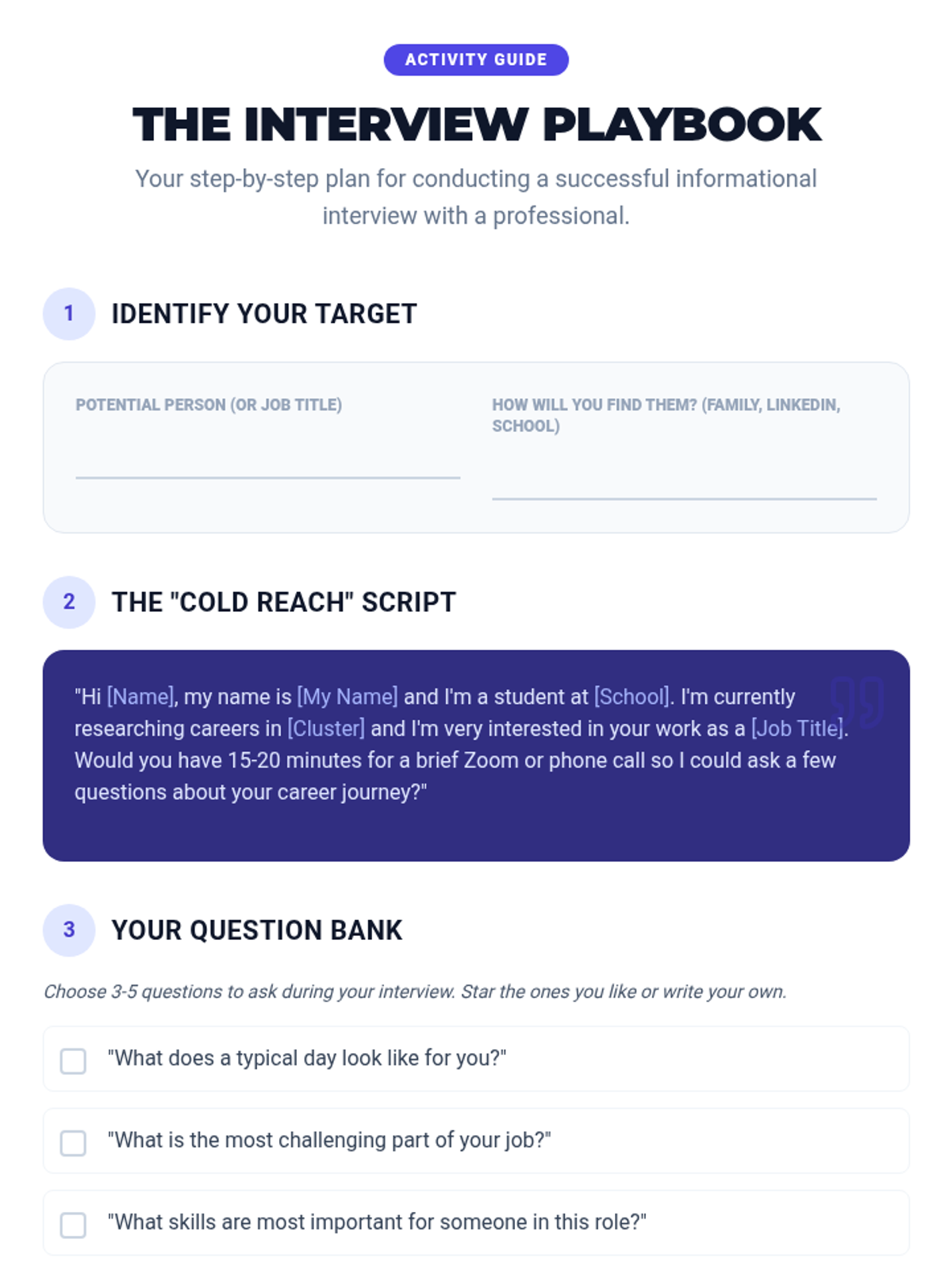
A step-by-step planning guide for students to identify, contact, and interview a professional in their field of interest.
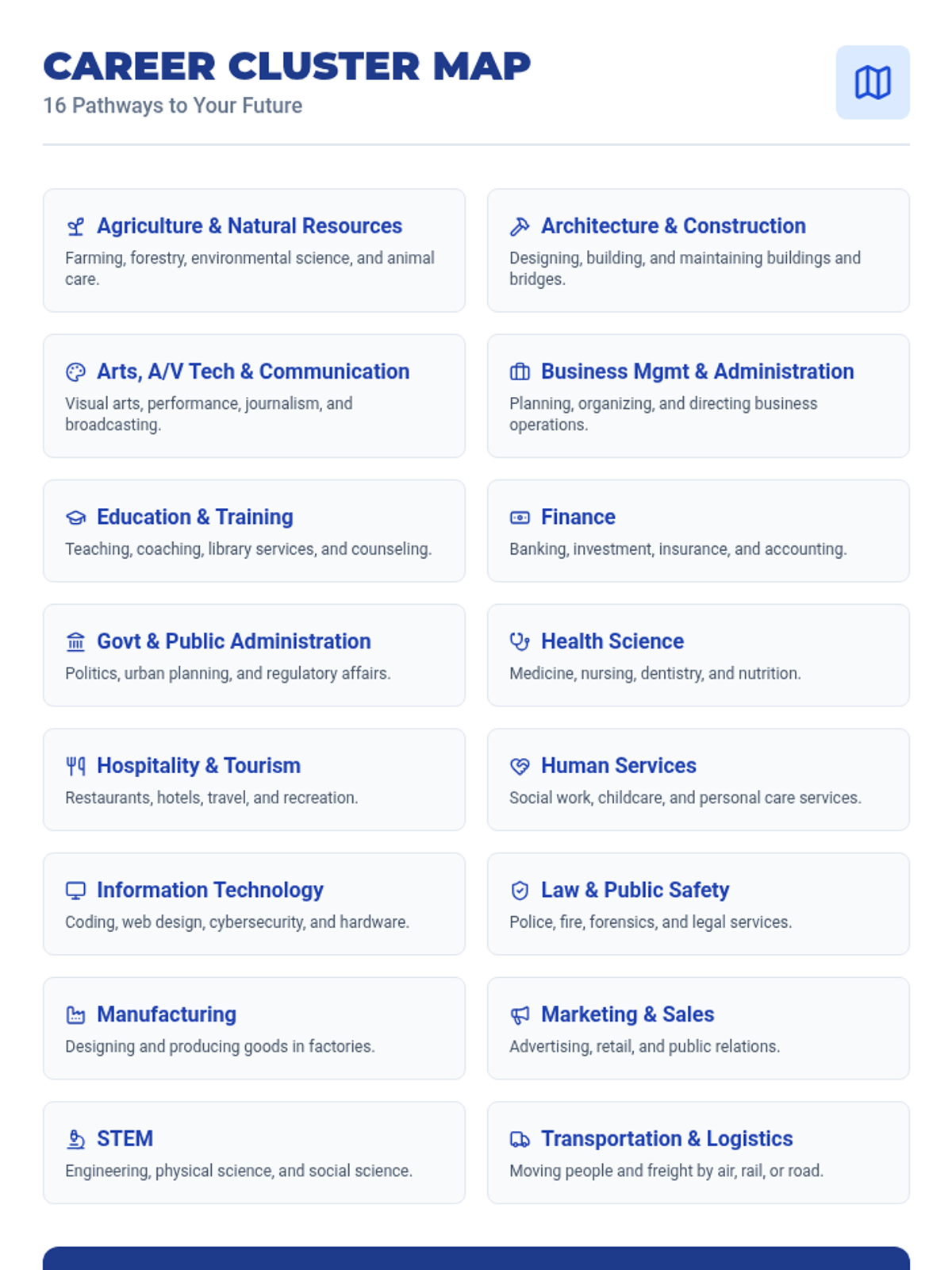
A comprehensive reference sheet defining the 16 national career clusters for student exploration.
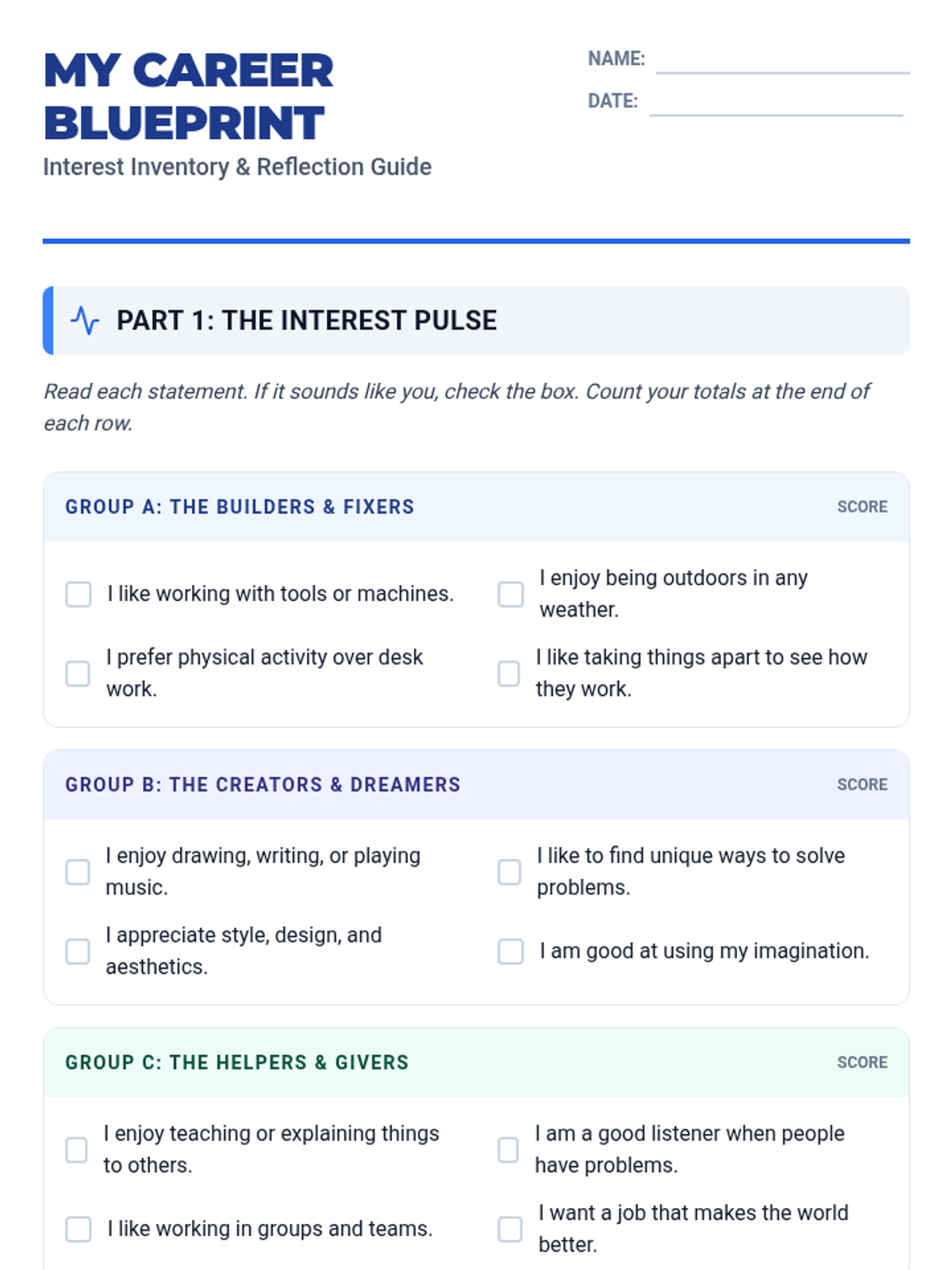
A career interest inventory and reflection worksheet designed to help middle school students identify their strengths and align them with career clusters.
A visual introduction to career clusters, the importance of exploration, and the concept of informational interviews for middle school students.
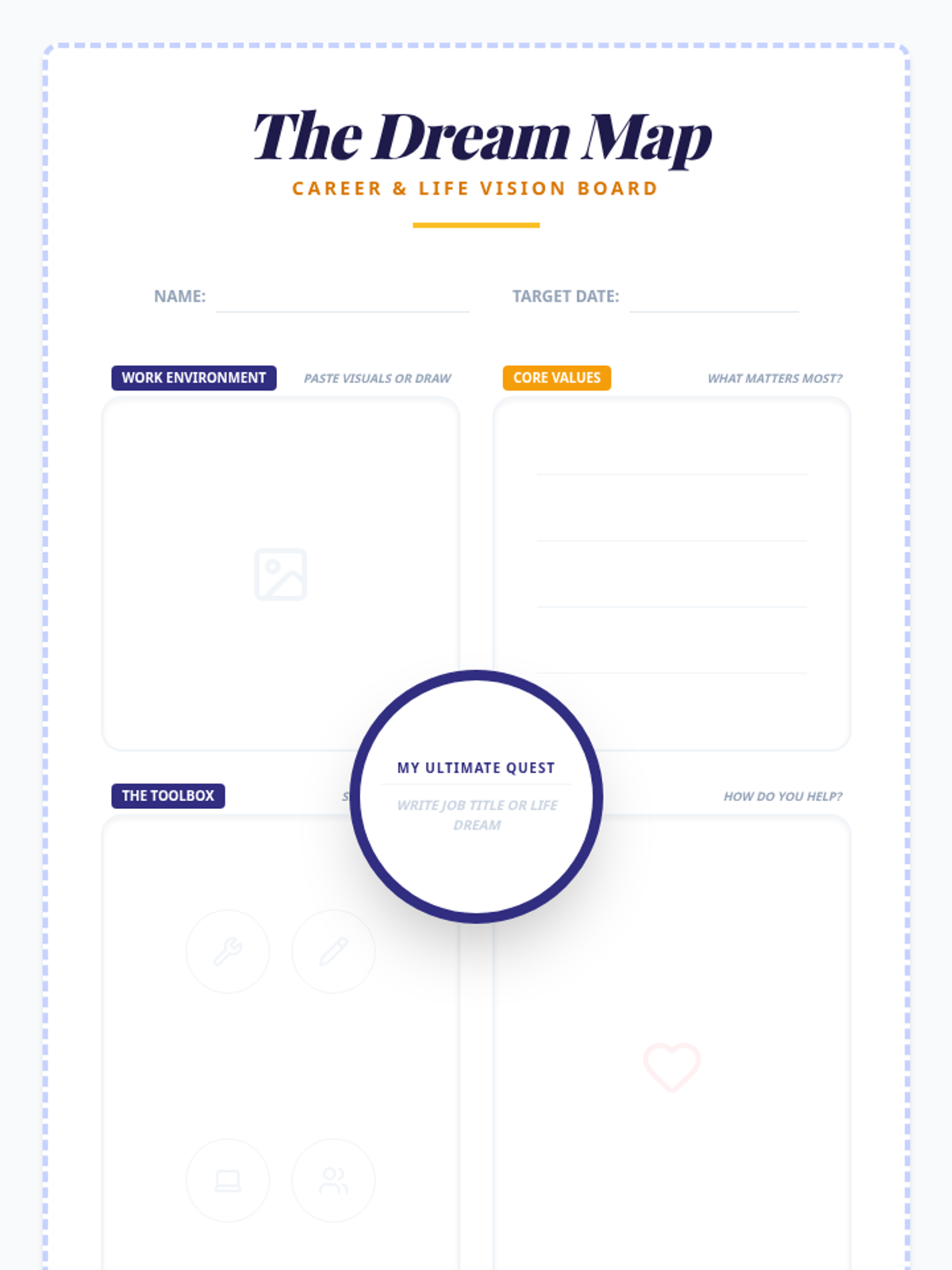
A visual "vision board" template for students to map out their future life and career. Features sections for work environment visuals, core values, desired skills, and personal legacy. Updated to ensure student work areas are completely blank.
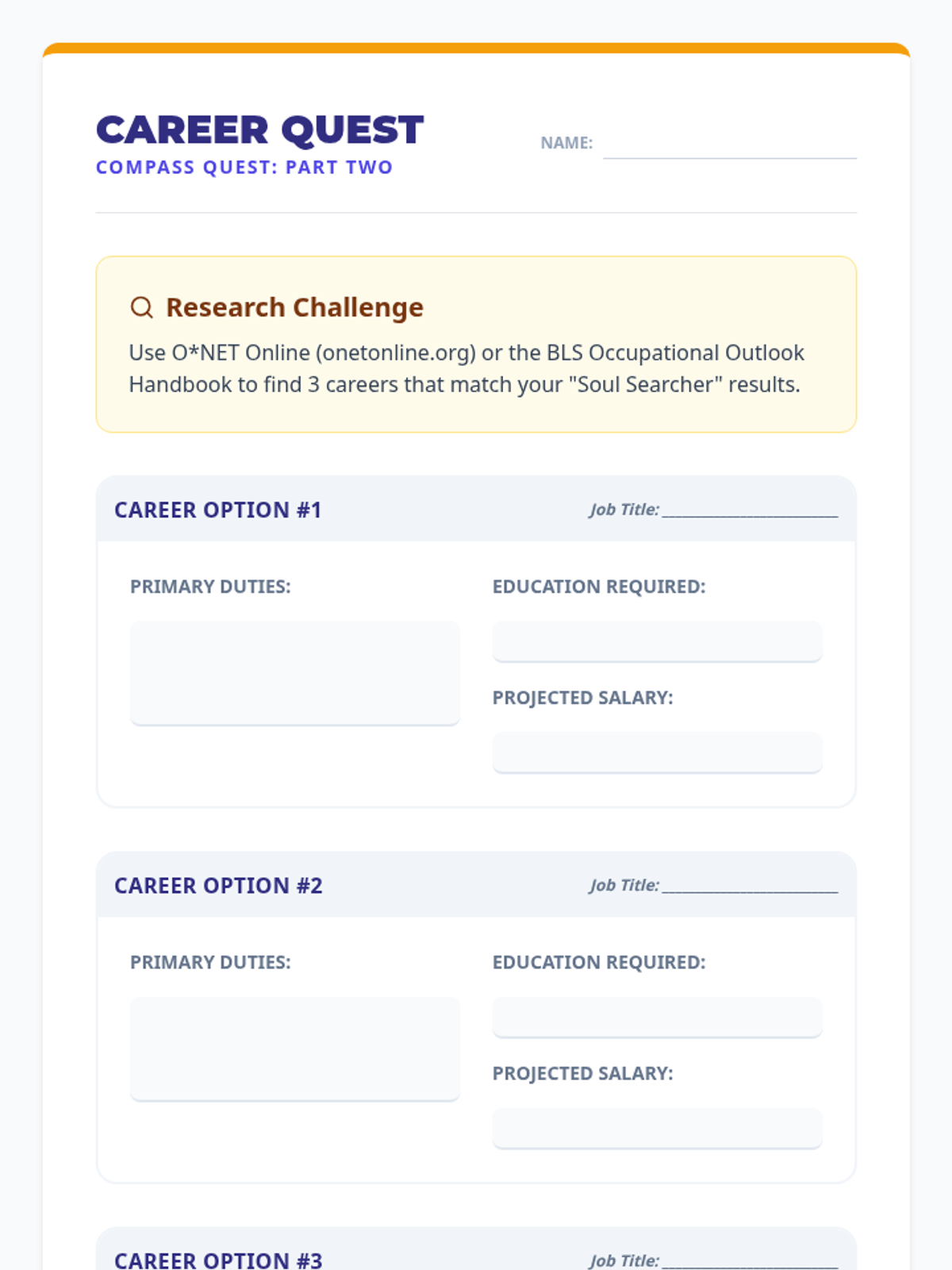
A 2-page student worksheet combining a career research log for identifying and analyzing three potential career paths, and a structured informational interview guide with scripts and question prompts.
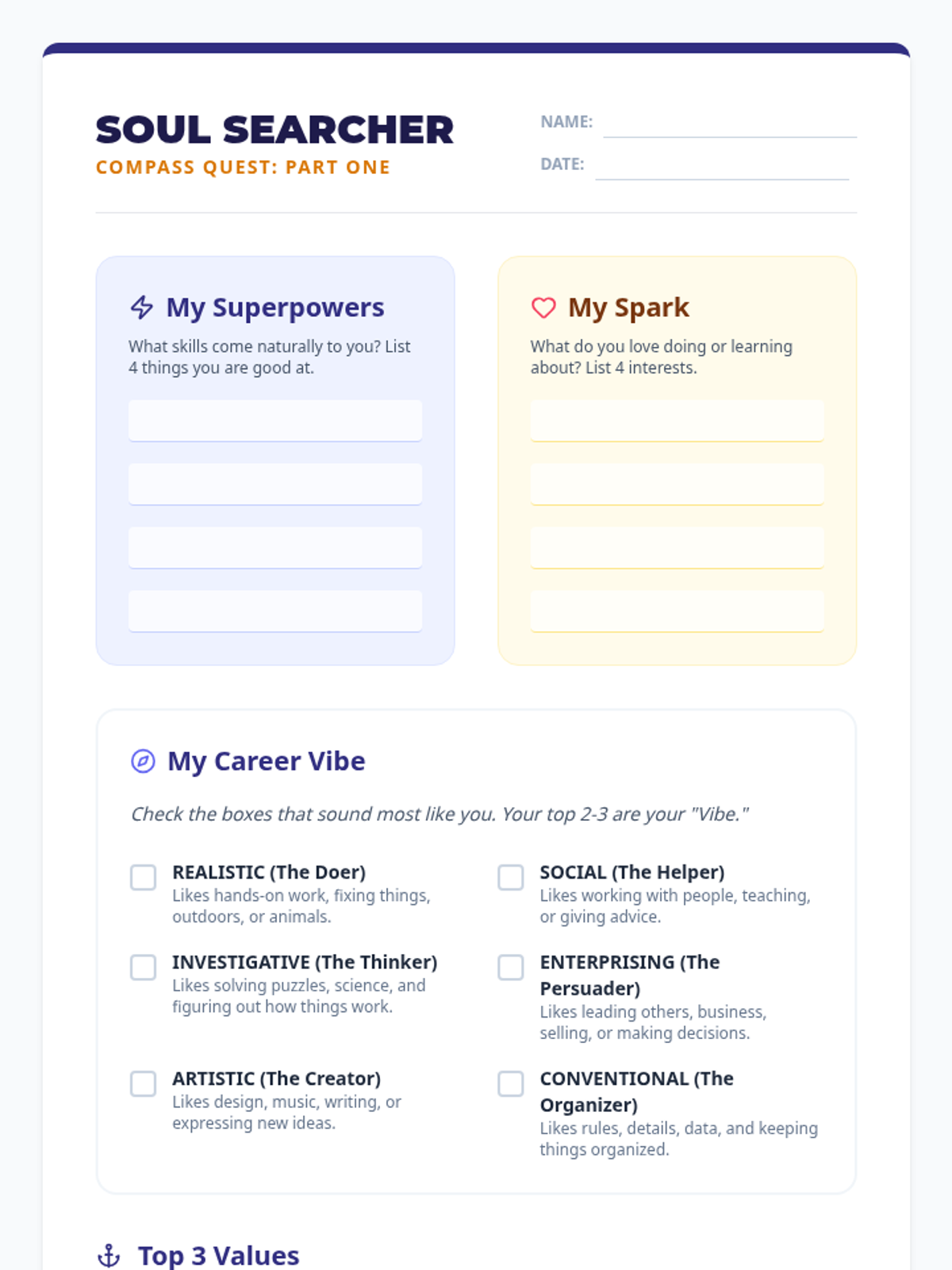
A student self-assessment worksheet for middle schoolers to identify their strengths, interests, and core values. Features a structured "Superpowers" list, an "Interests" brainstorm, a "Career Vibe" (RIASEC) self-assessment, and a values sort activity.
A 9-slide visual presentation for middle school career exploration. Features high-contrast designs, large text (28px+), and engaging visual metaphors to guide students through self-assessment, career research, and informational interviewing. Updated to ensure all text meets minimum size requirements.
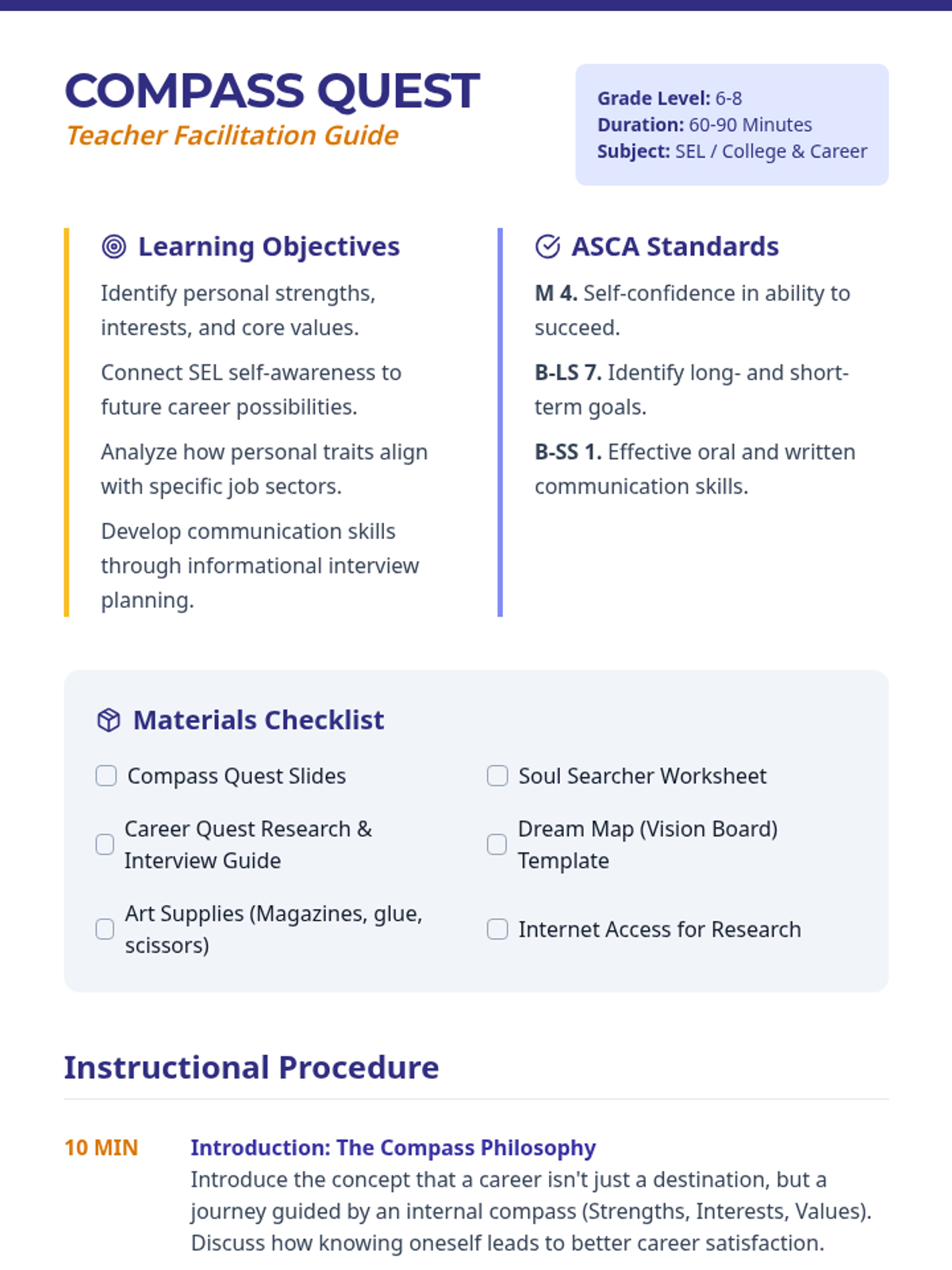
A 2-page facilitator guide for school counselors to lead a middle school career exploration lesson. Includes learning objectives, ASCA standards, detailed pacing, discussion prompts, and differentiation strategies.
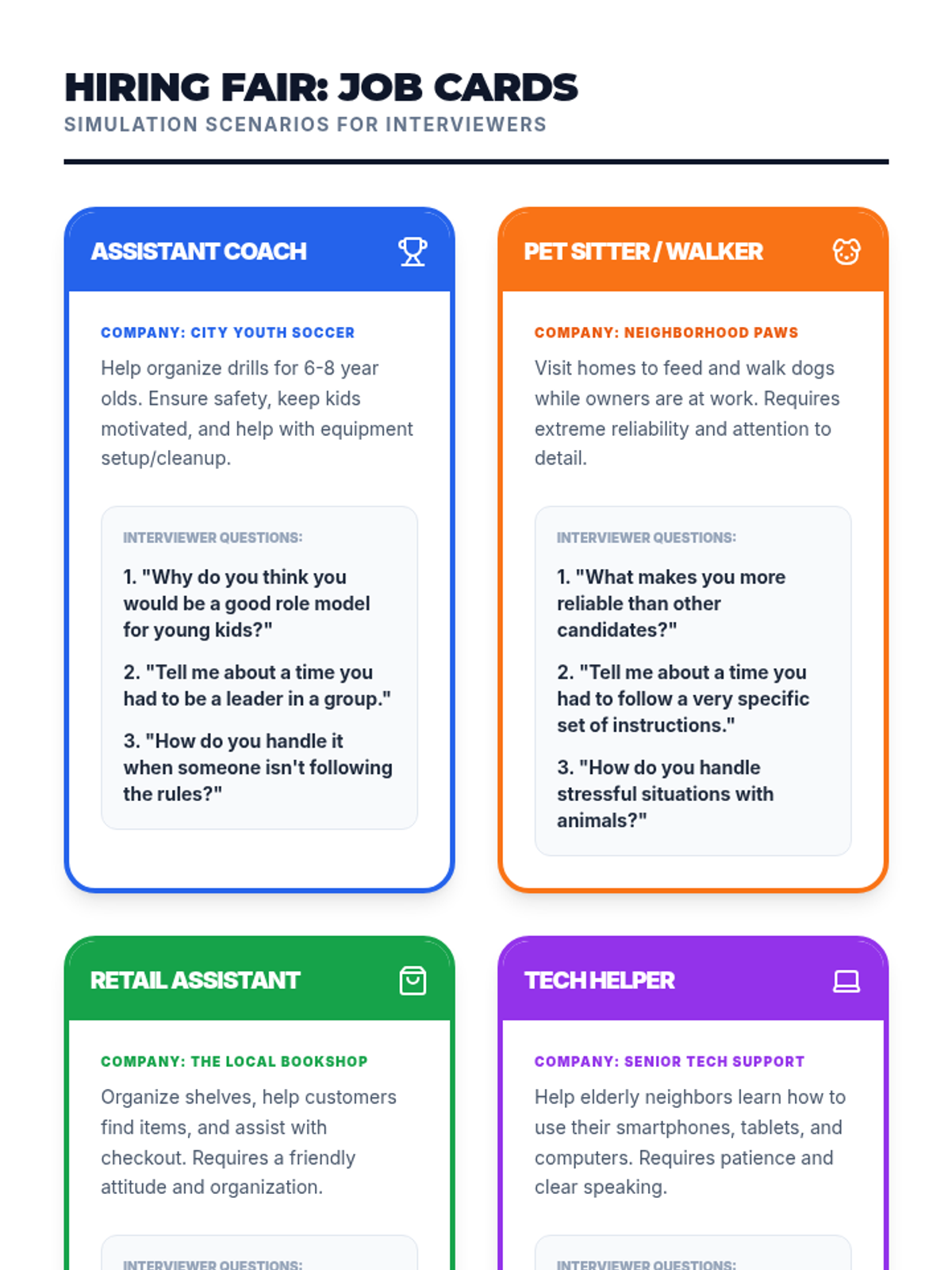
Job scenario cards for the mock interview simulation, providing specific job descriptions and targeted interview questions for the student interviewers to use.
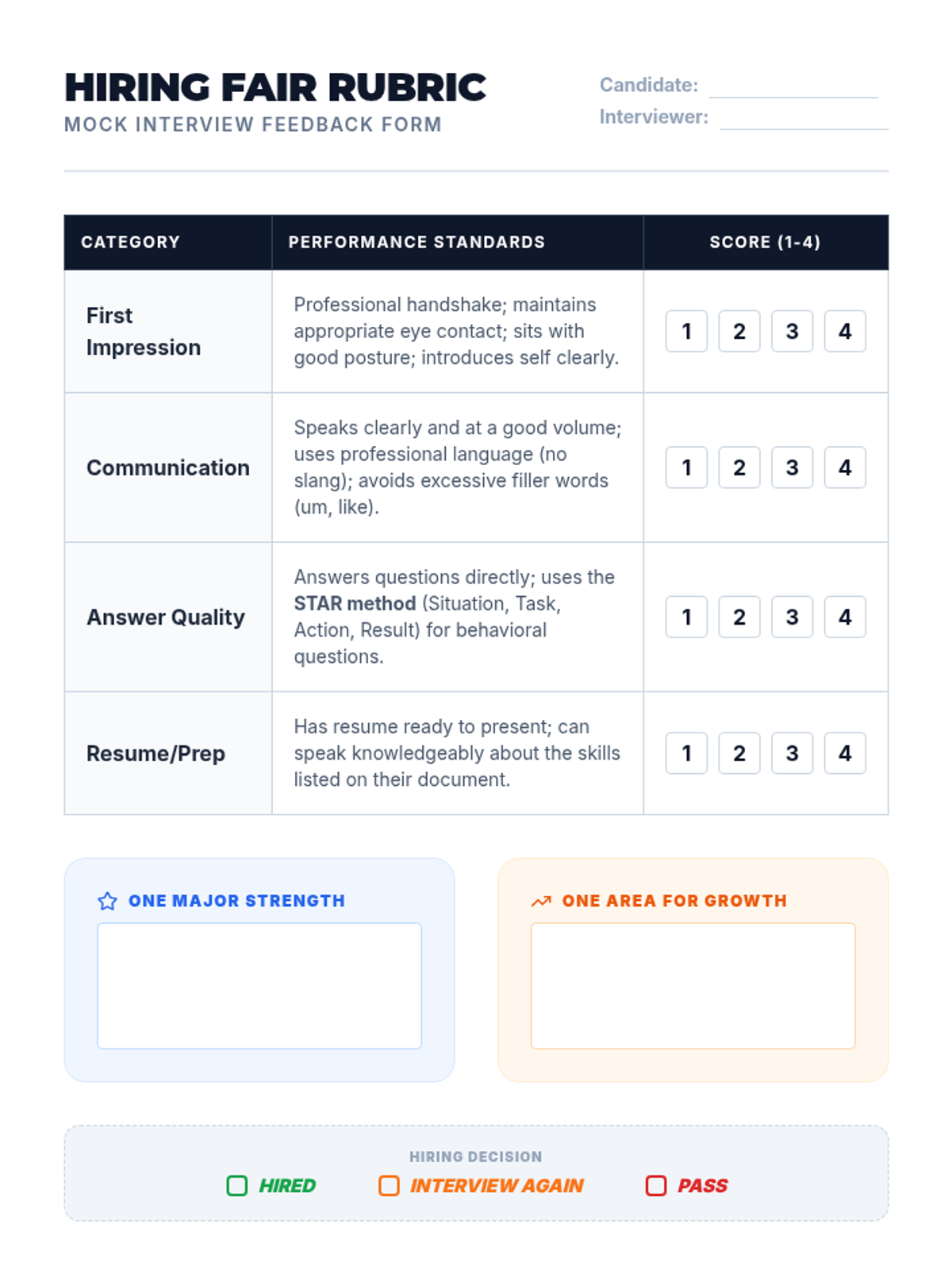
Interview rubric for the mock simulation, allowing students to provide structured feedback on non-verbal communication, answer quality using the STAR method, and overall professionalism.
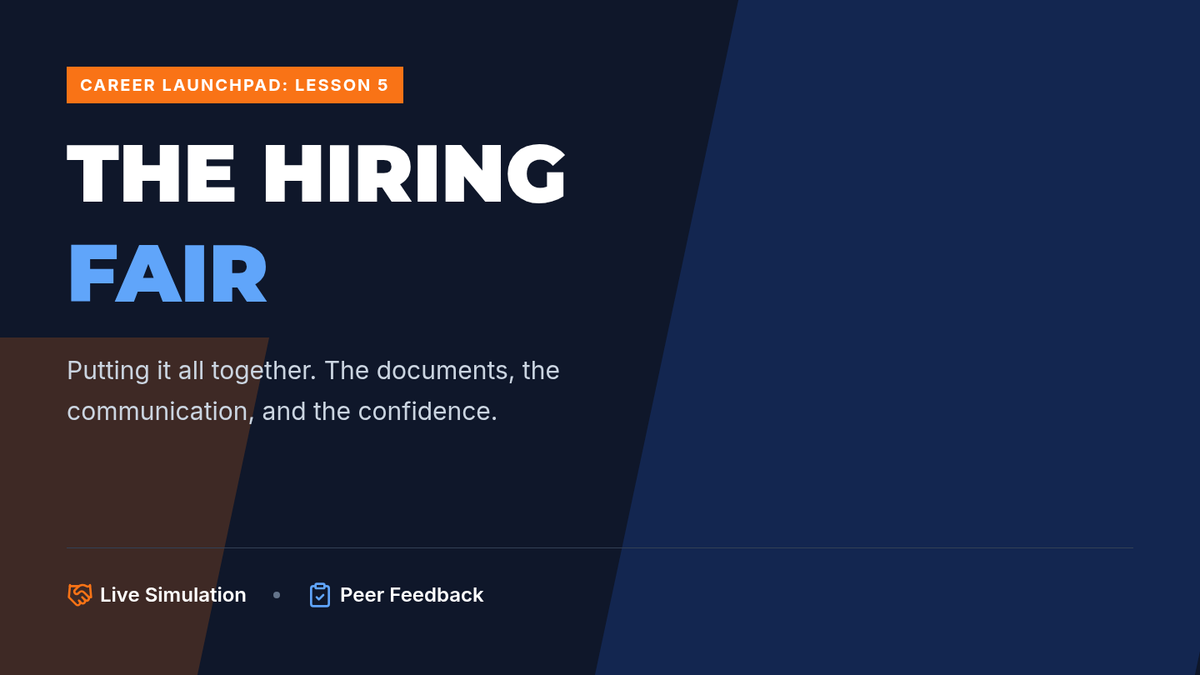
Visual presentation for Lesson 5, outlining the rules for the 'Hiring Fair' mock interview simulation and how to provide professional feedback.
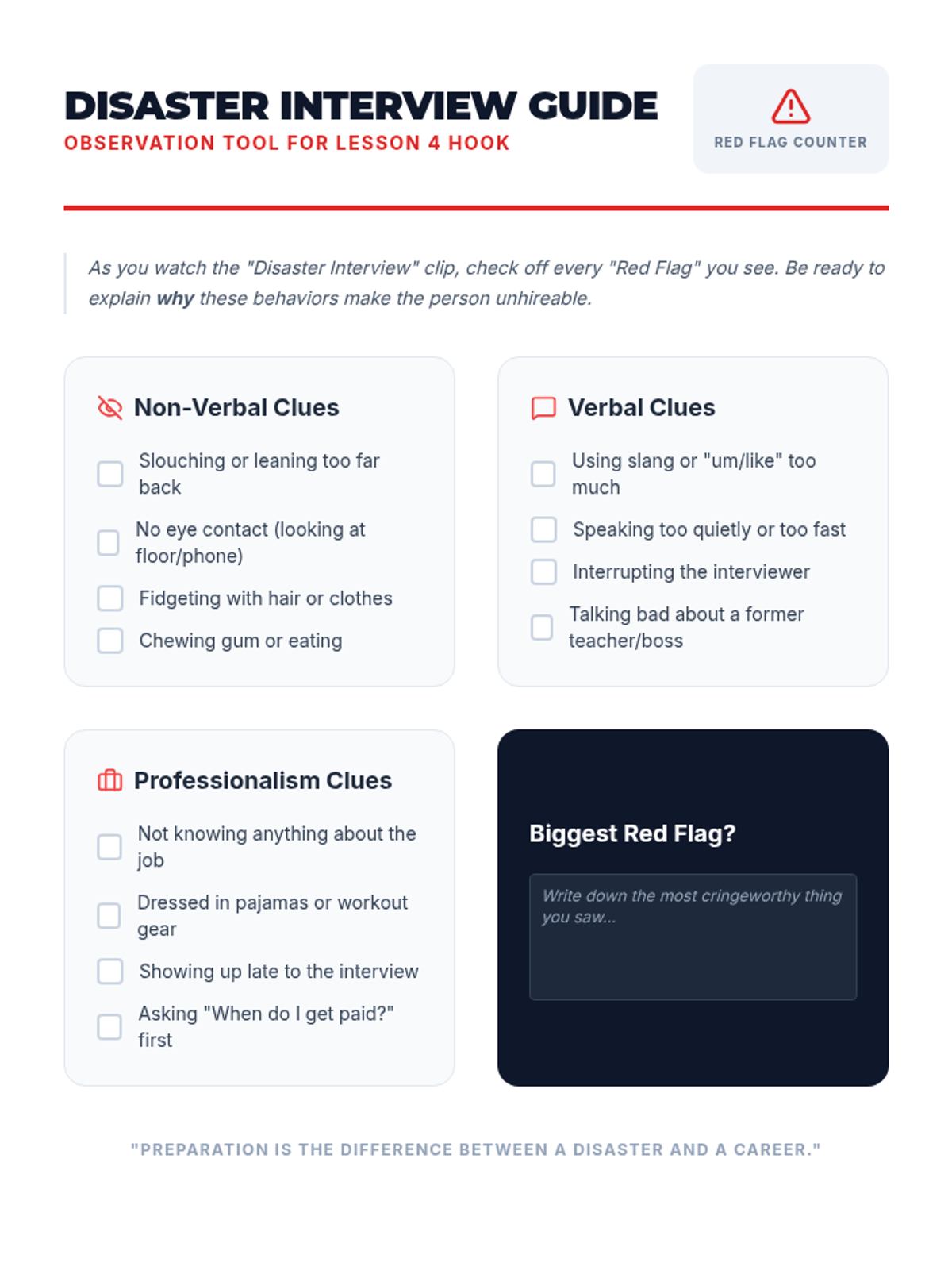
Observation sheet for students to use while watching an 'interview disaster' clip, helping them identify non-verbal and verbal red flags in a professional setting.
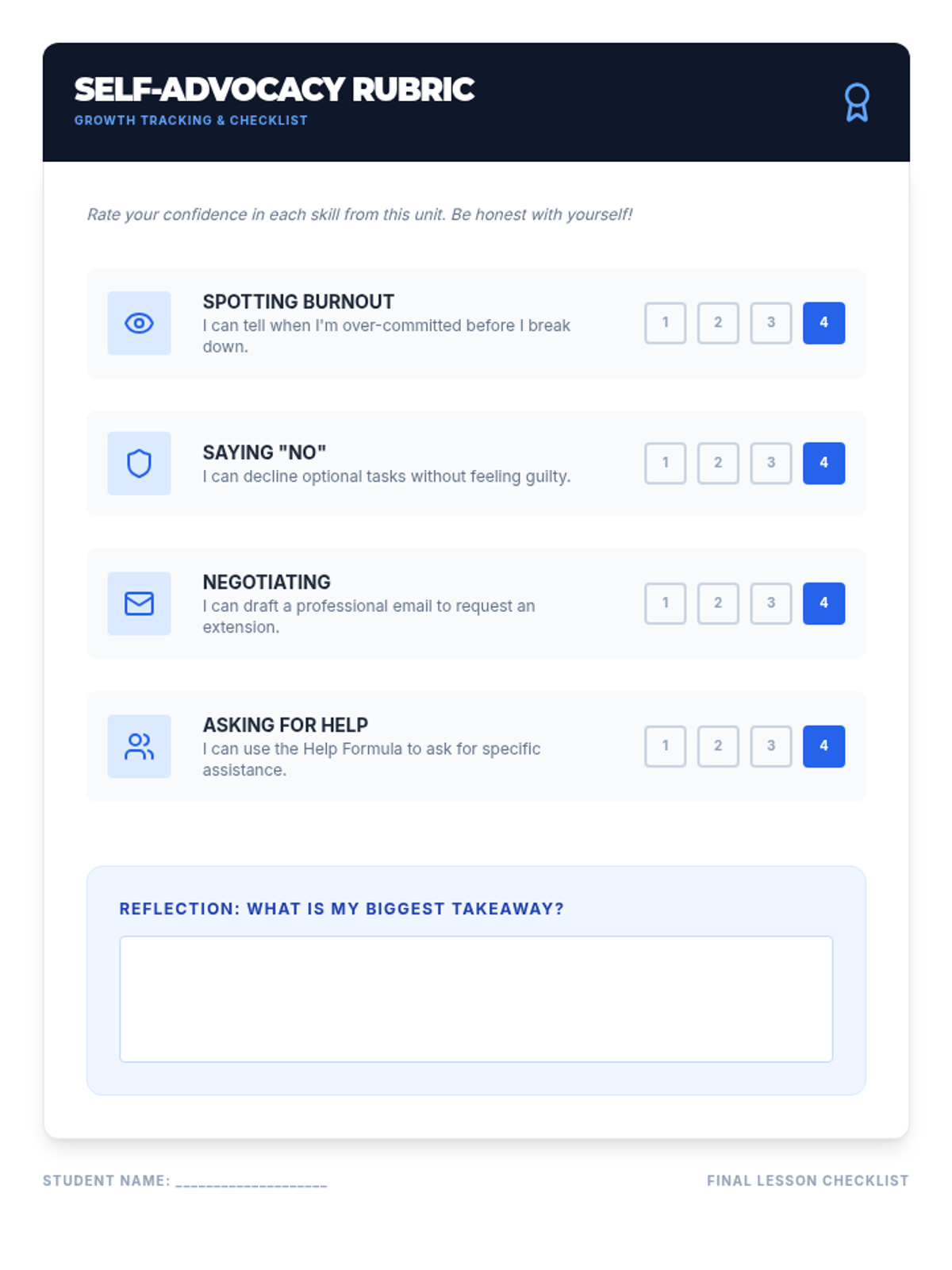
A self-assessment rubric for students to track their growth in identifying burnout, setting boundaries, negotiating deadlines, and asking for help.
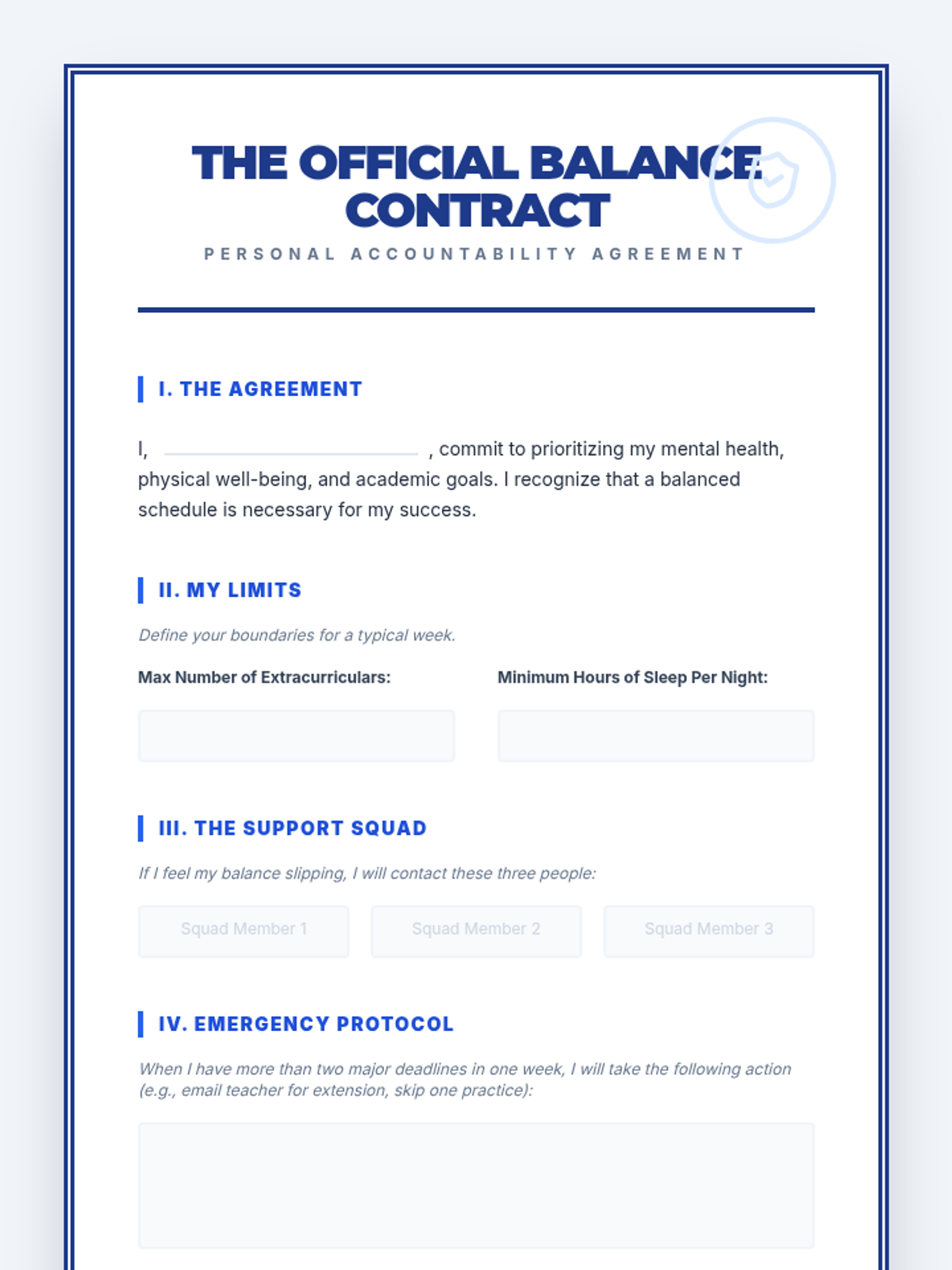
A personal 'Balance Contract' to outline their limits and establish a protocol for managing future stress.
Reviewing the unit and preparing for the final project: the personal Balance Contract.
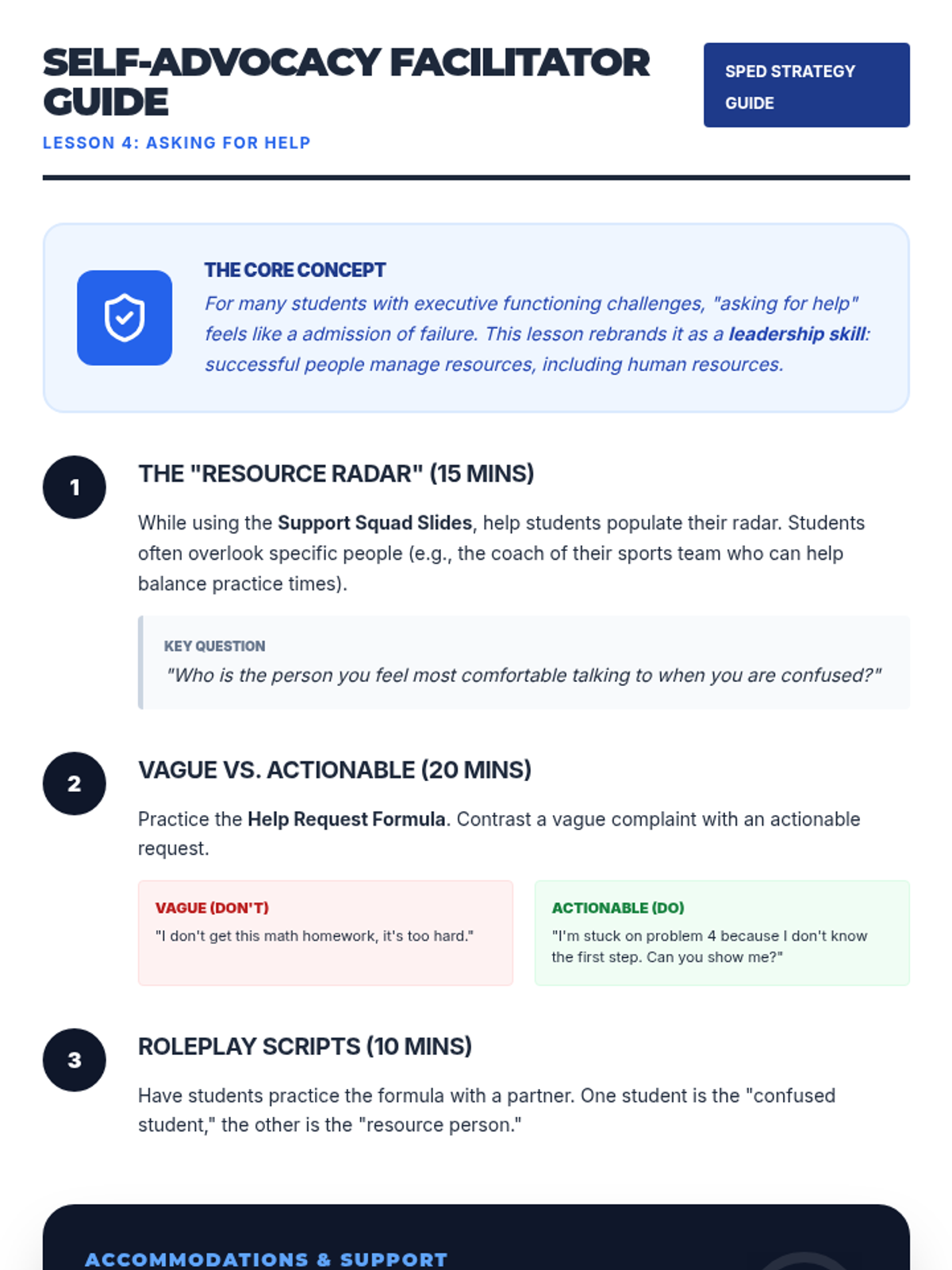
Strategies for teachers to teach self-advocacy and specific help-seeking behaviors to students, particularly those with Special Education needs.
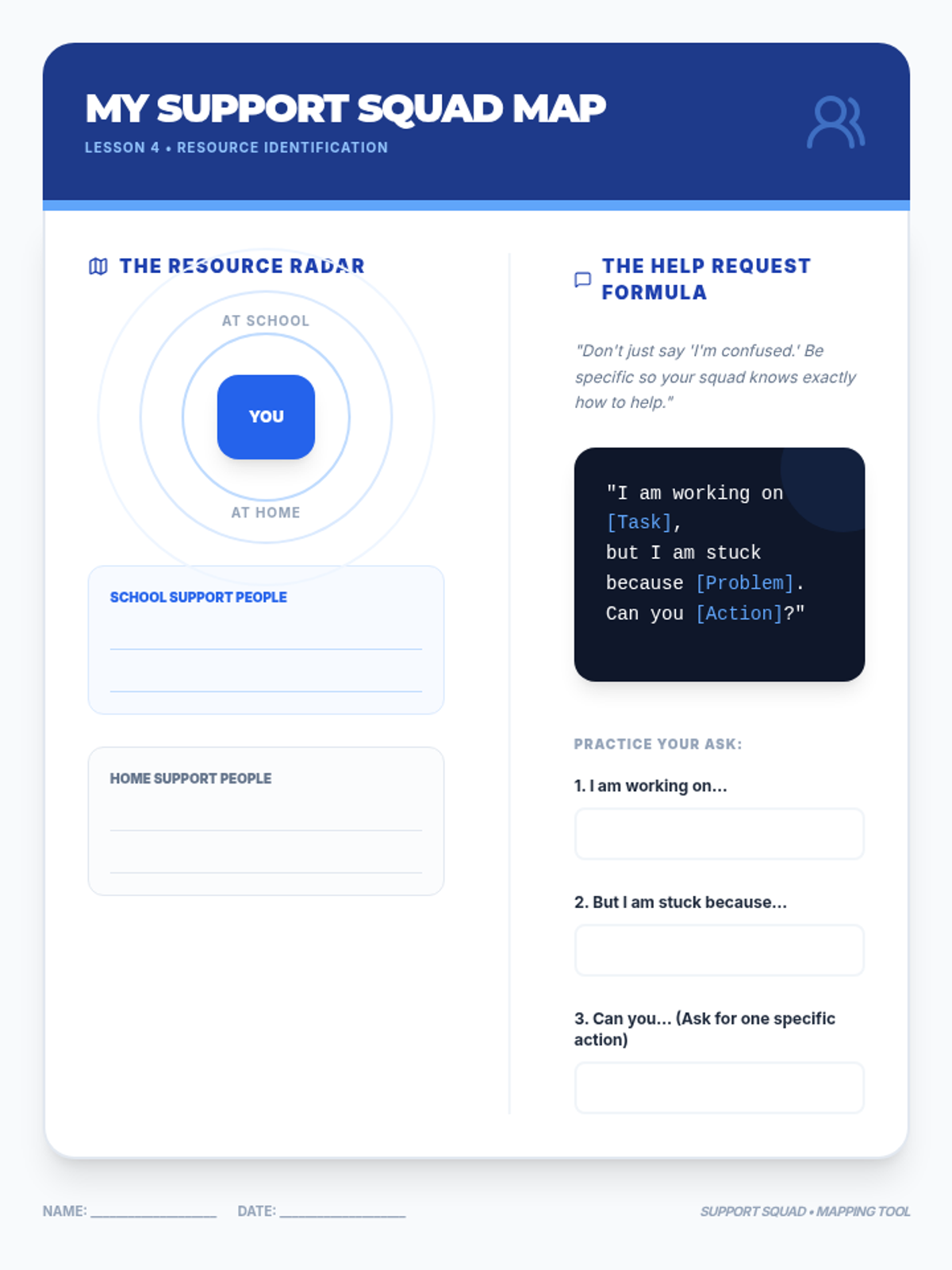
A visual organizer for resources and a help request formula to help students identify their support network and practice making specific help requests.
Identifying who is on the team and how to ask for specific, actionable help.
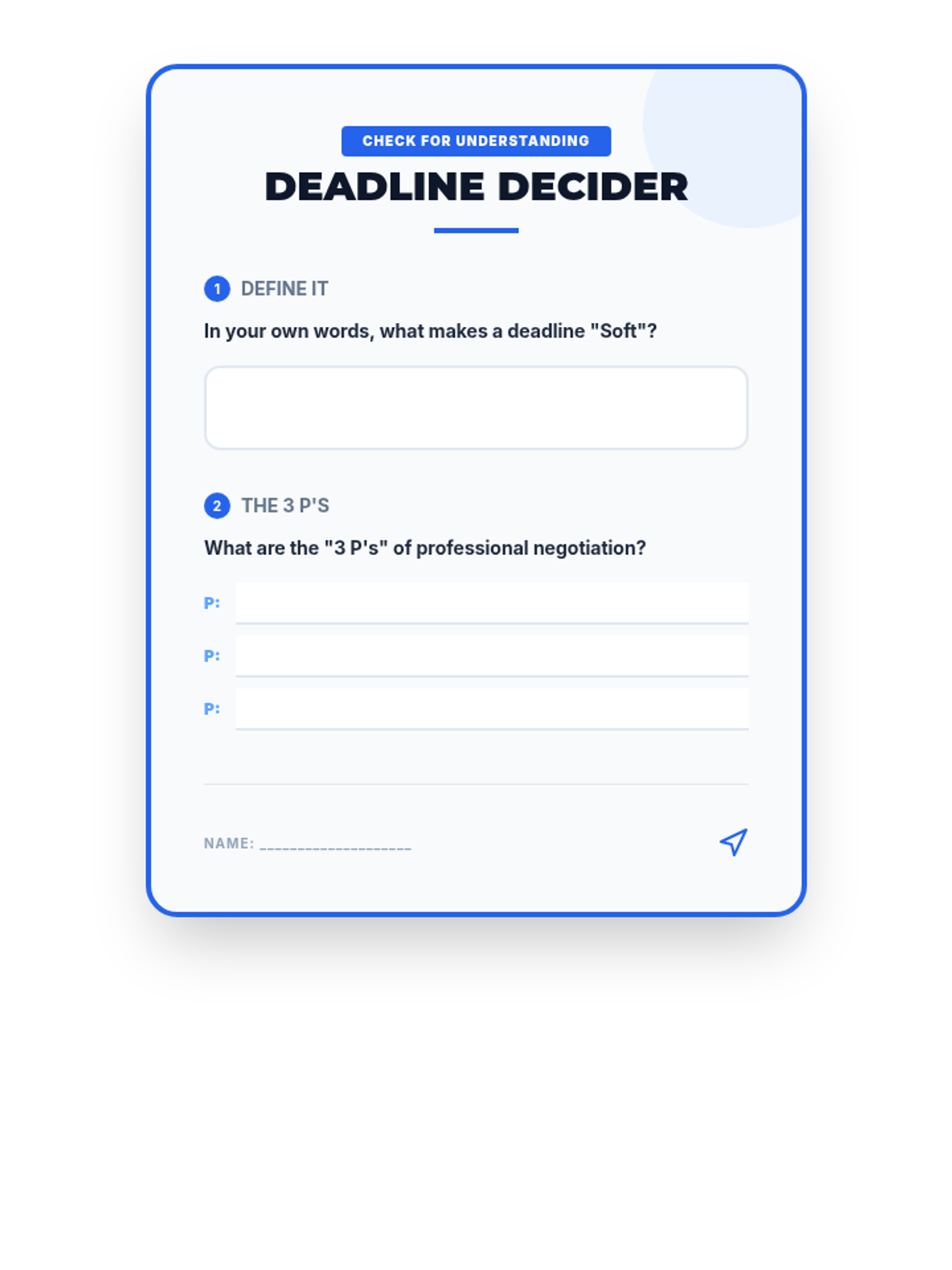
A quick exit ticket for Lesson 3 to assess student understanding of soft deadlines and the principles of professional negotiation.
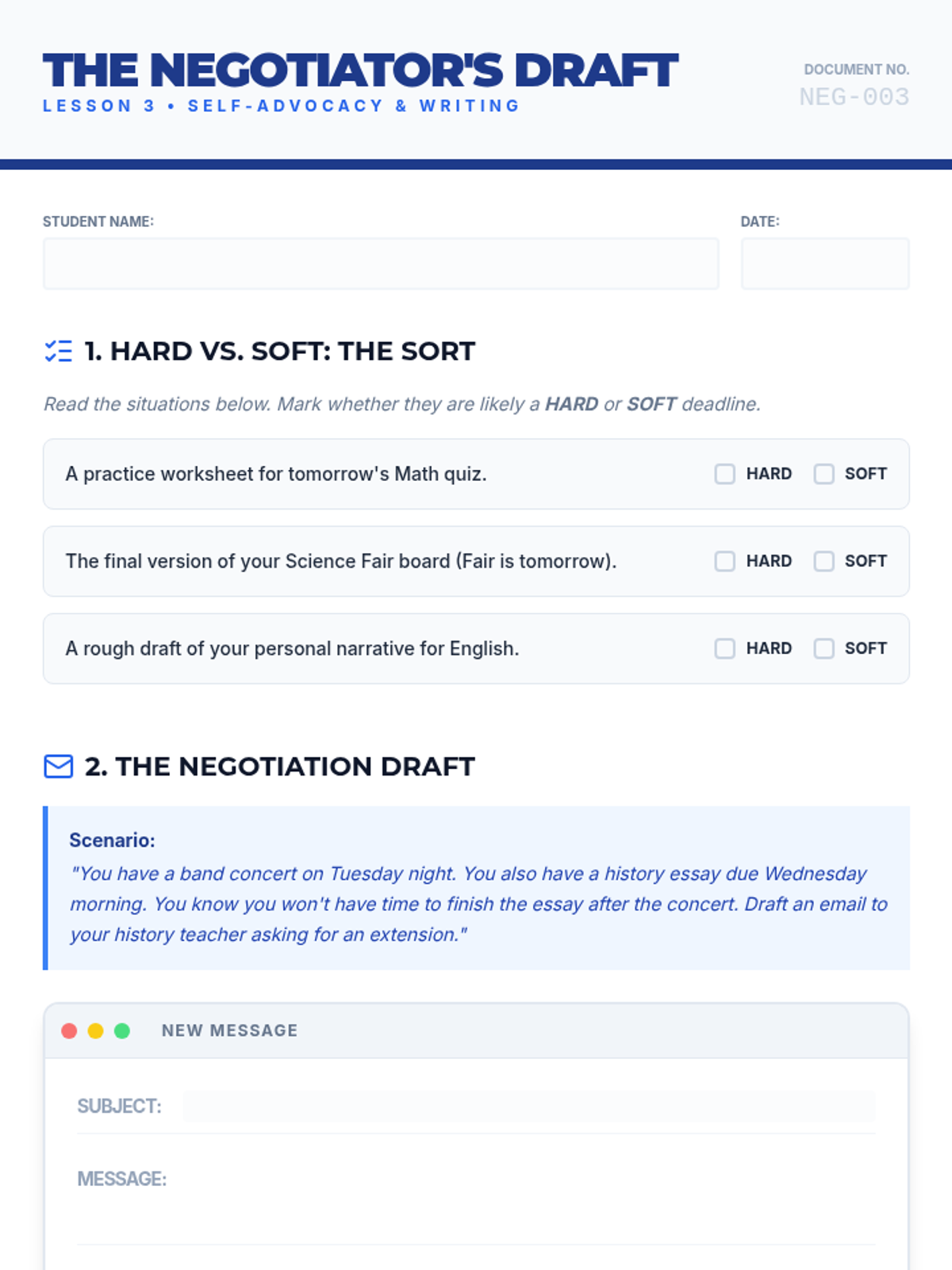
A worksheet for students to differentiate between hard and soft deadlines and practice drafting professional email requests for deadline extensions.
Slide deck for Lesson 3 covering the difference between hard and soft deadlines and the "3 P's" of professional email negotiation.
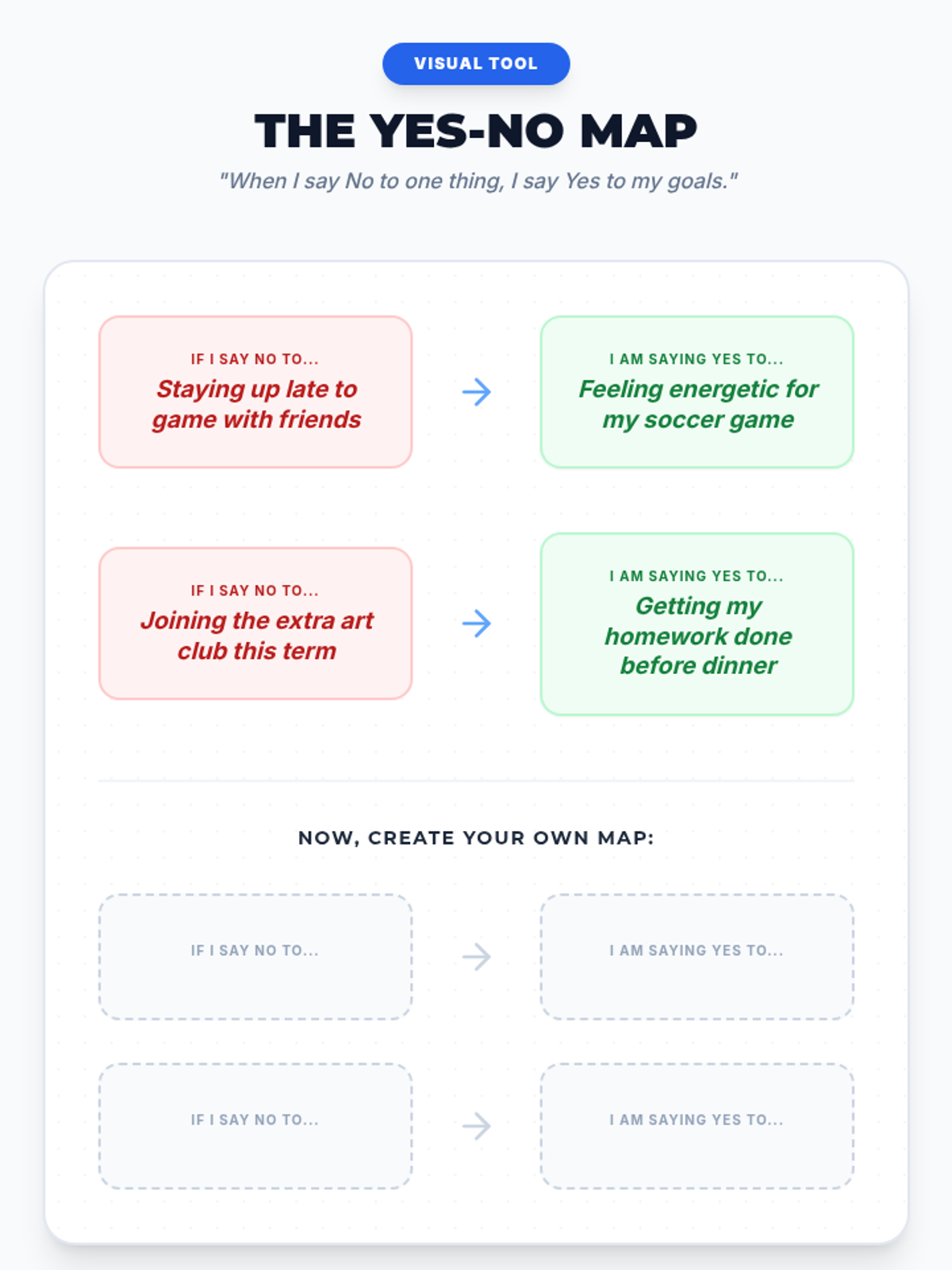
A visual tool to help students understand the trade-offs of their choices by mapping what they are saying "yes" to when they say "no" to a commitment.
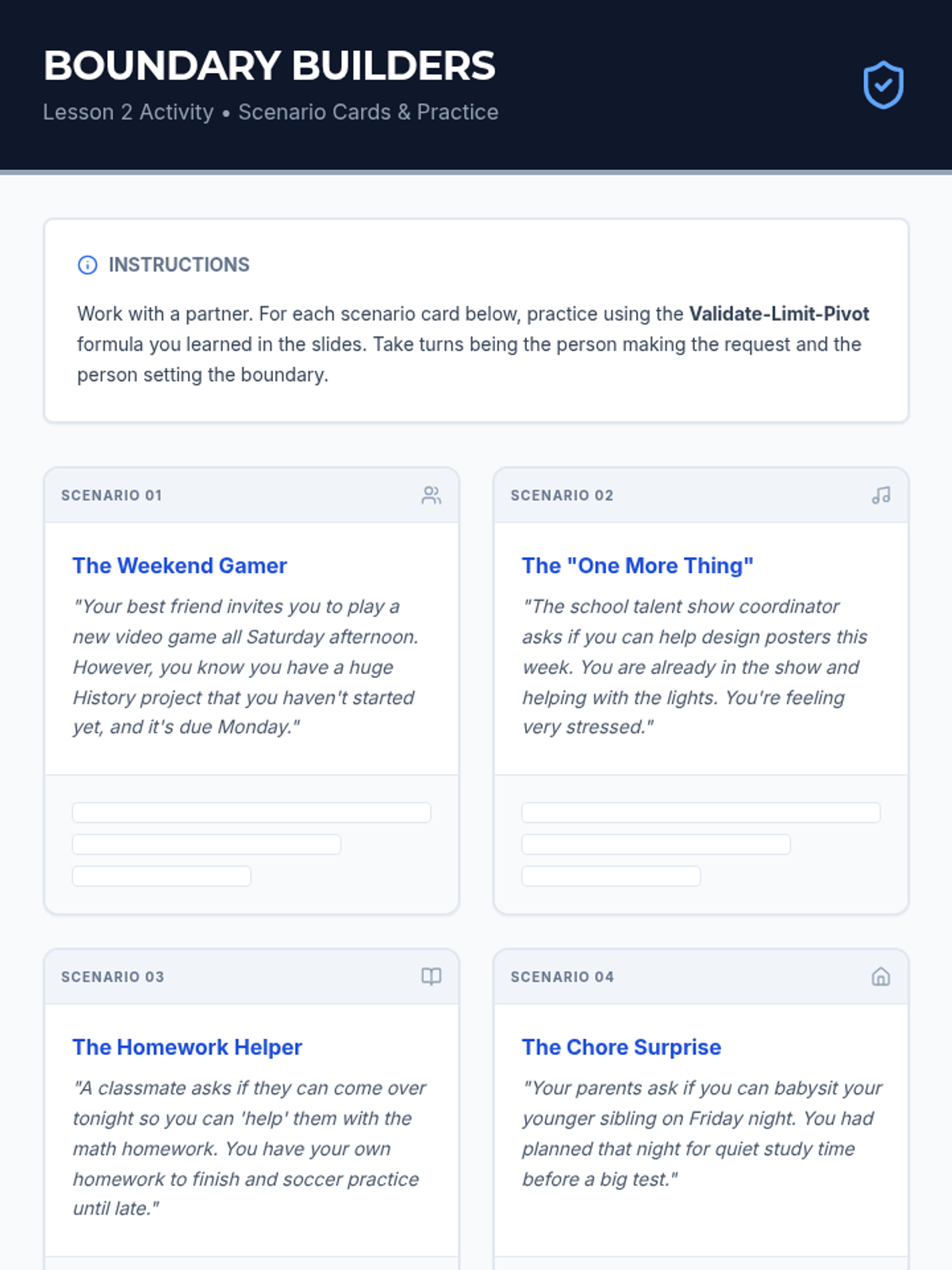
A role-playing activity featuring scenario cards that prompt students to practice declining commitments using professional communication scripts.
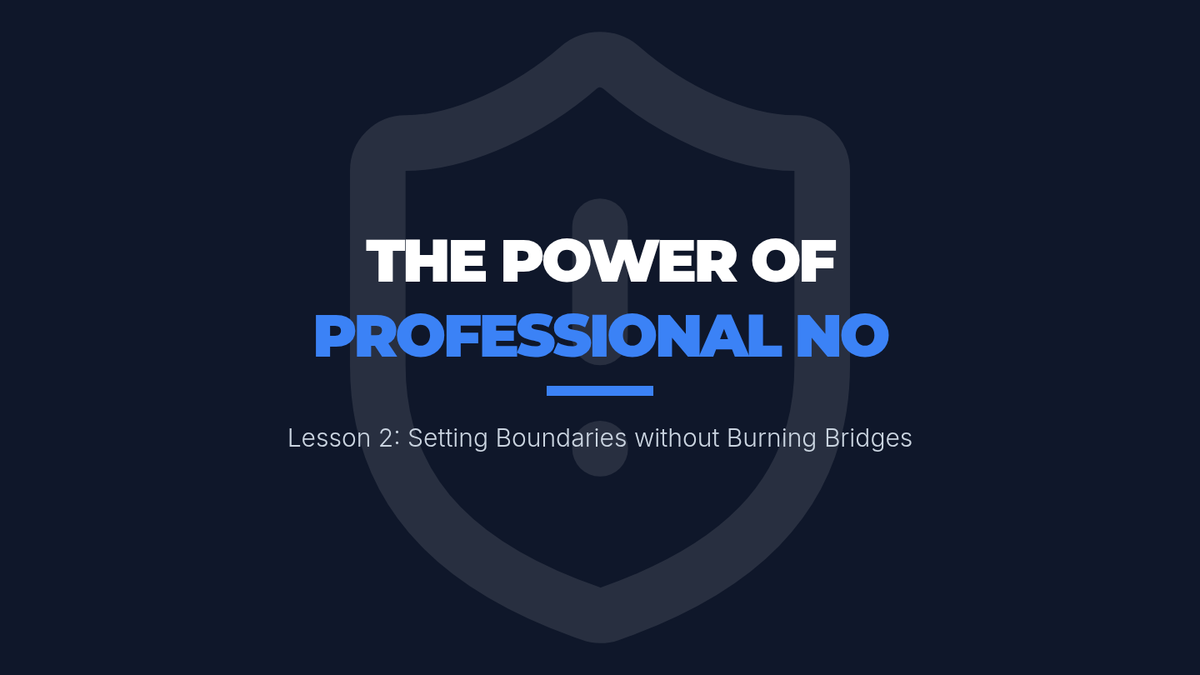
Slide deck for Lesson 2 covering the concept of trade-offs, the "Validation-Limit-Pivot" script formula, and real-world examples of saying no.
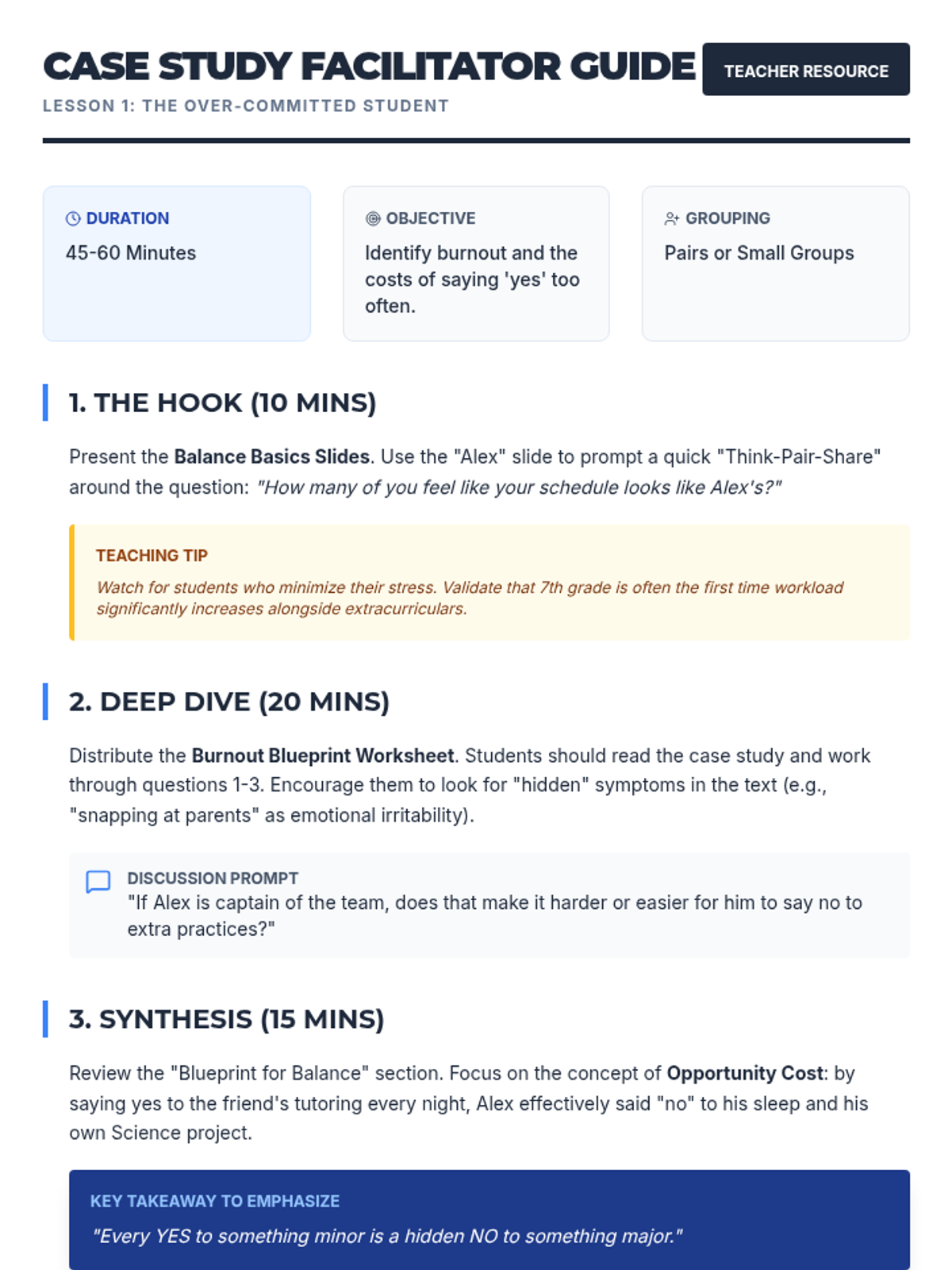
Instructional guide for teachers to facilitate the Lesson 1 case study discussion, including timing, discussion prompts, and differentiation strategies.
Introductory slide deck for Lesson 1 covering the "Yes" trap, burnout warning signs, and the psychological reasons behind over-commitment.
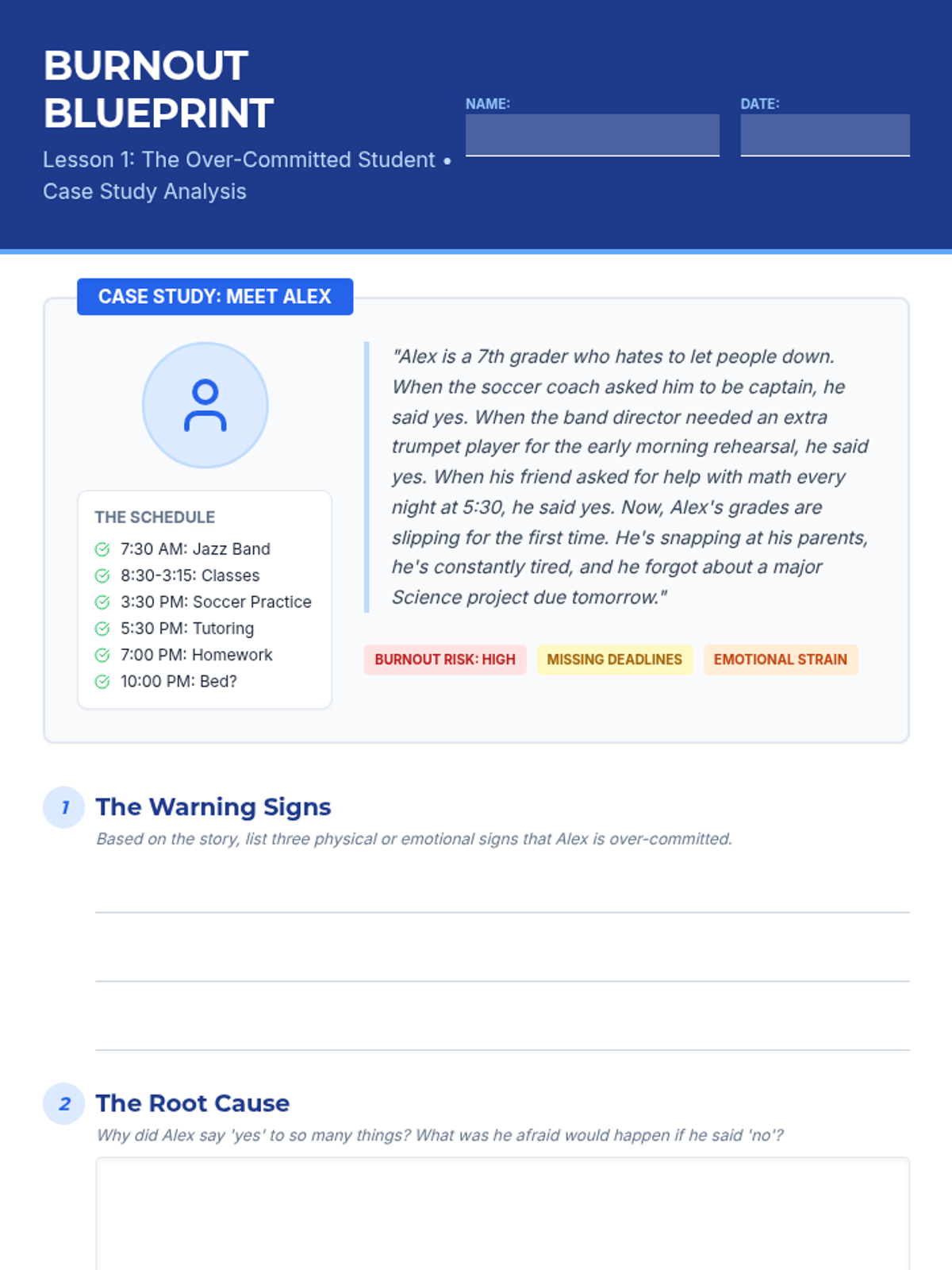
A case study worksheet analyzing a fictional student's struggle with over-commitment and burnout, featuring analysis questions and a reflection section.
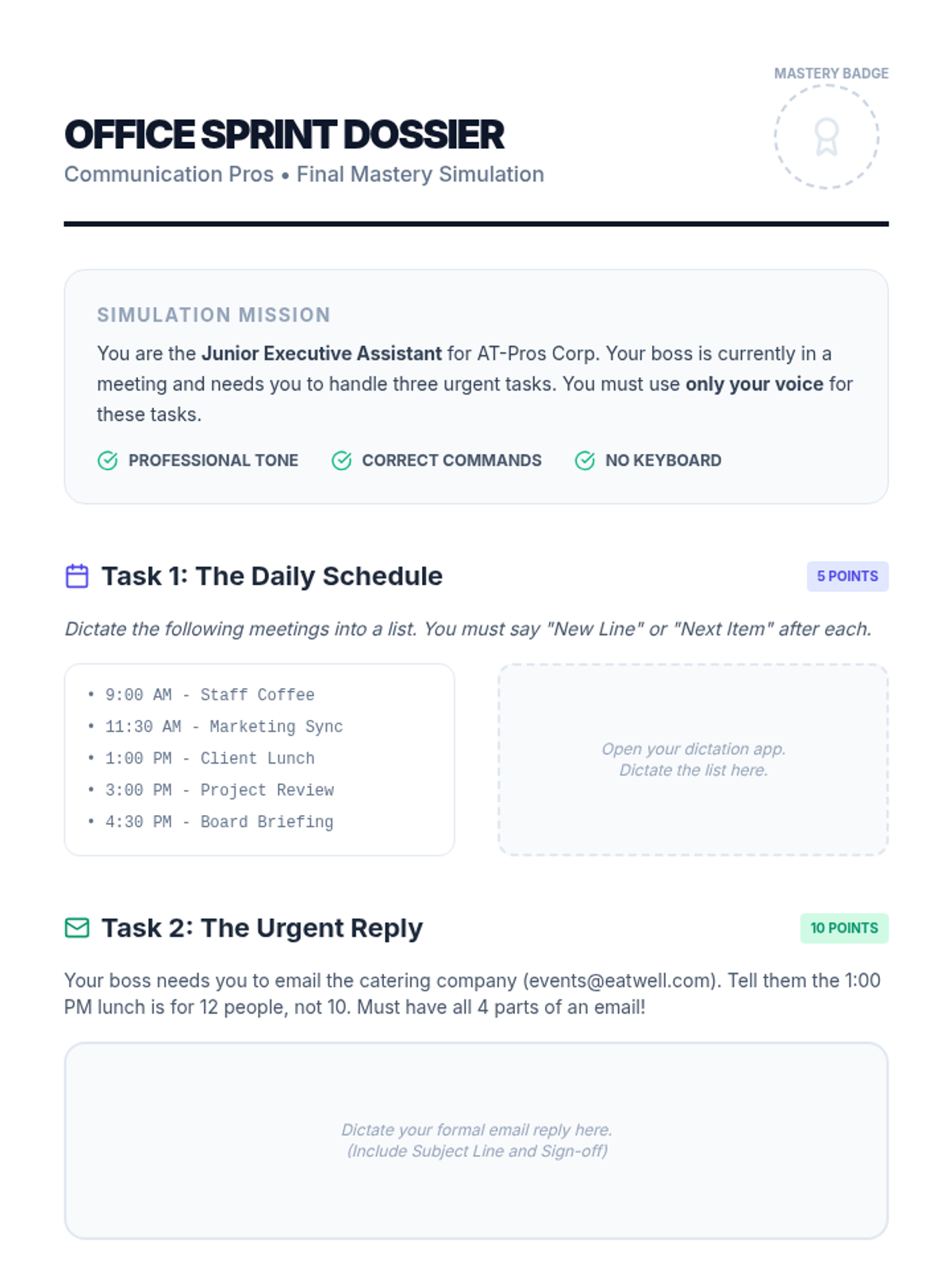
A student simulation worksheet for Lesson 5 where students act as executive assistants, using voice dictation to manage schedules and communication tasks in a final synthesis activity.
Visual presentation for Lesson 5, introducing the workplace simulation briefing and final synthesis tasks.
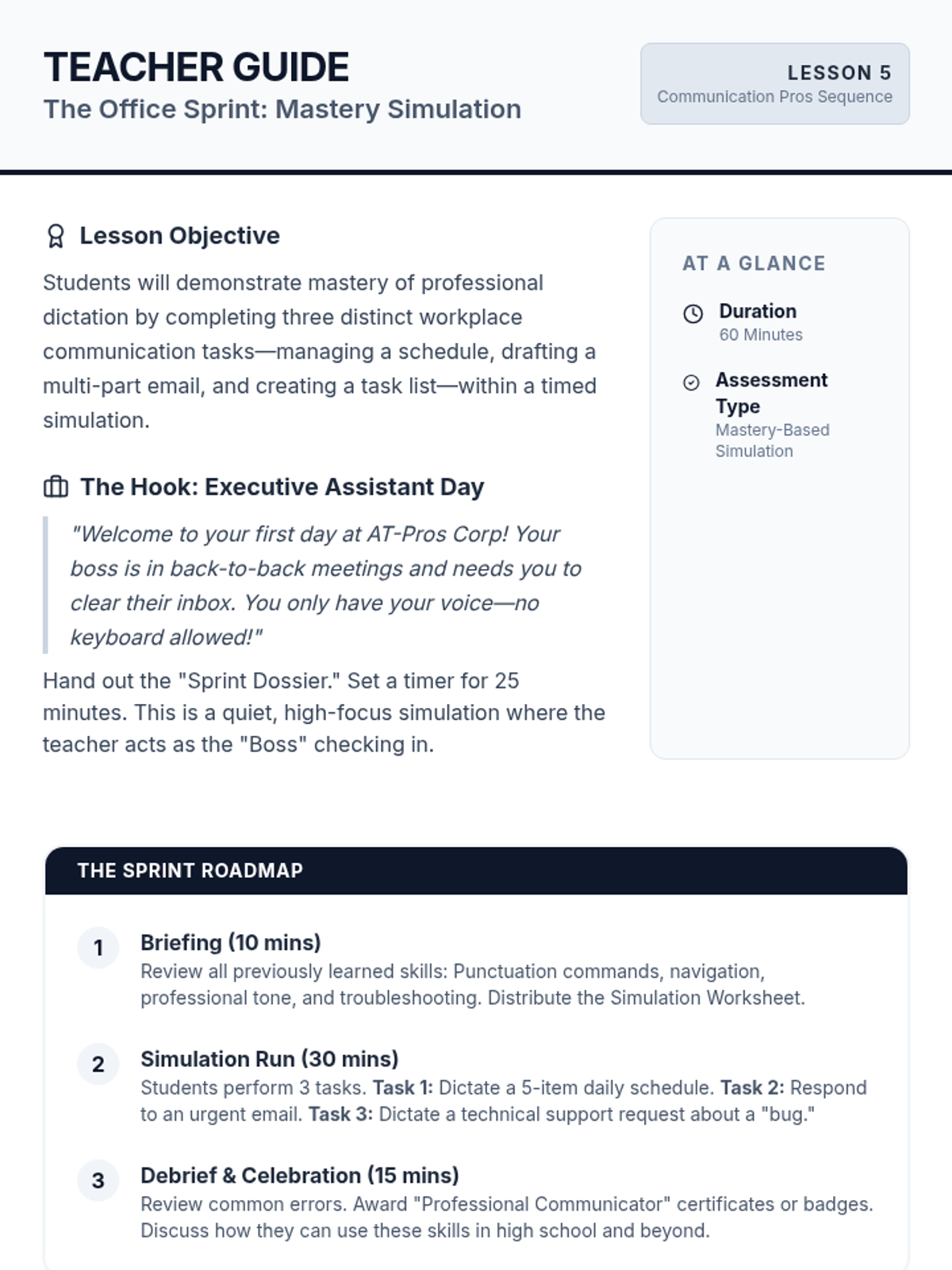
Teacher guide for Lesson 5, covering the workplace simulation setup, mastery rubric, and instructional flow for the final synthesis lesson.
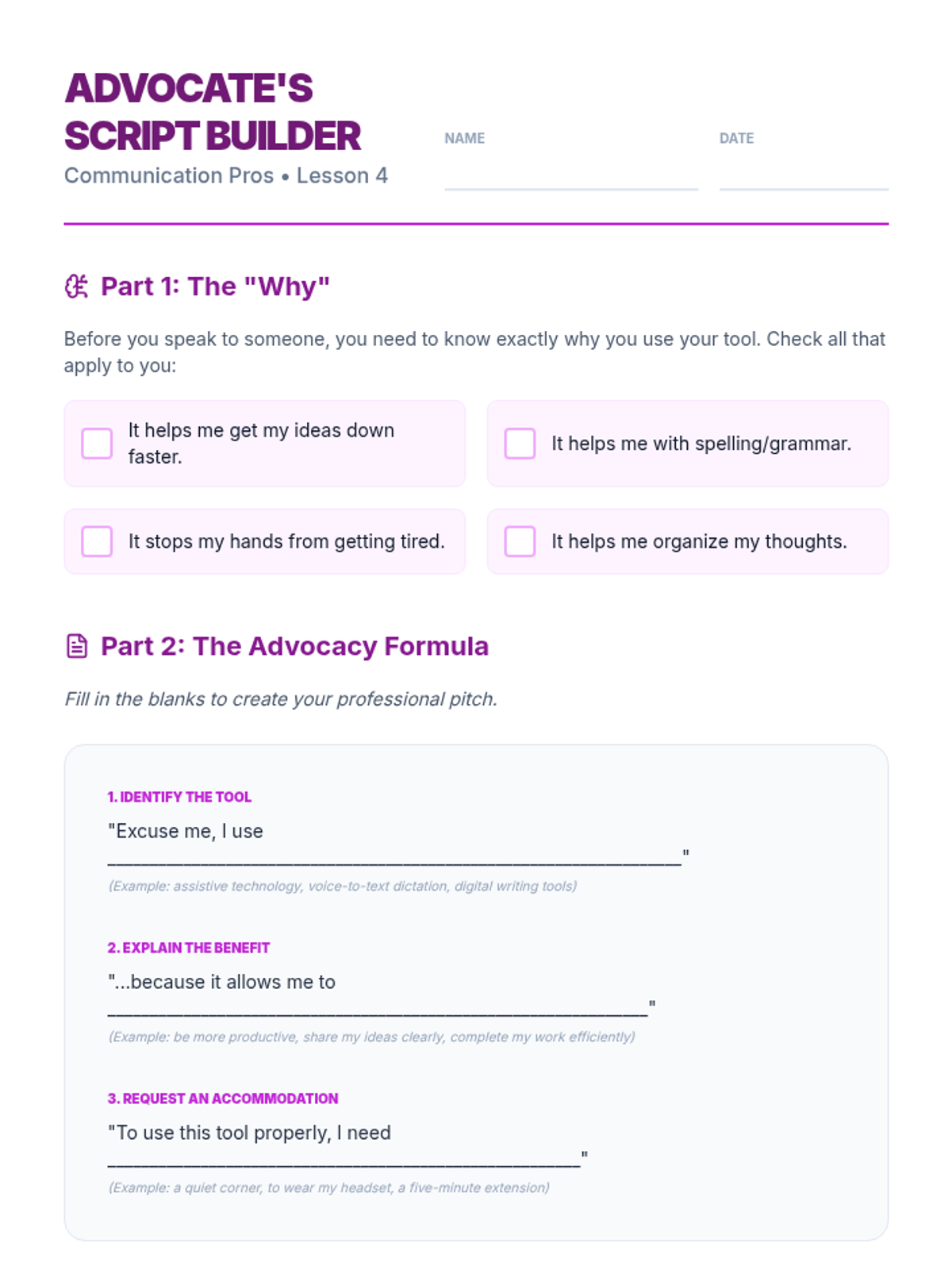
A student worksheet for Lesson 4 focusing on drafting an advocacy script and proposing professional solutions for using AT in various environments.
Visual presentation for Lesson 4, introducing self-advocacy, personal branding, and the "Advocacy Script" formula.
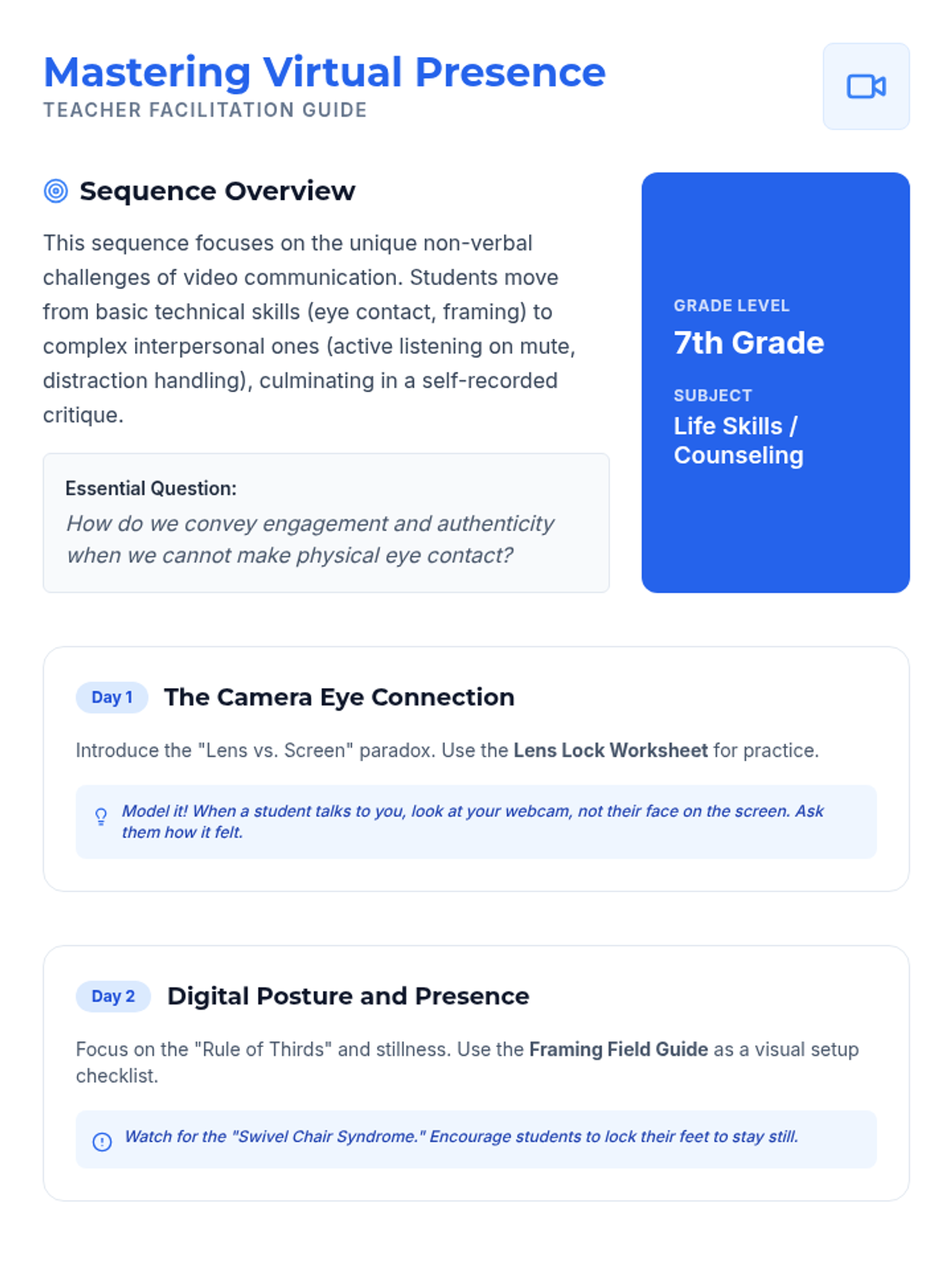
A comprehensive teacher facilitation guide for the "Mastering Virtual Presence" sequence, outlining goals, pro-tips, and instructional flow for all 5 lessons.
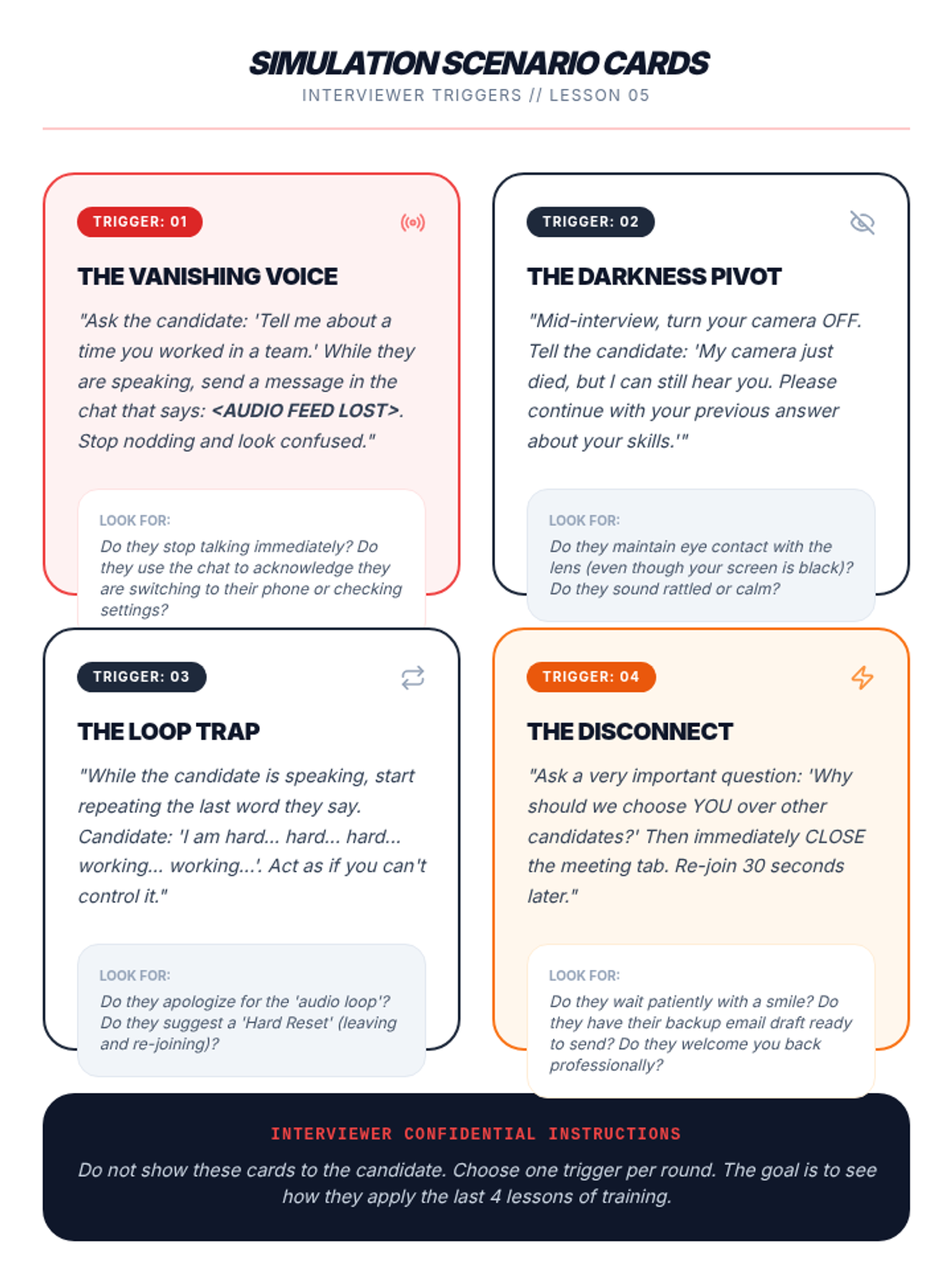
Interviewer-facing scenario cards used to trigger specific technical failures during the Lesson 5 capstone simulation.
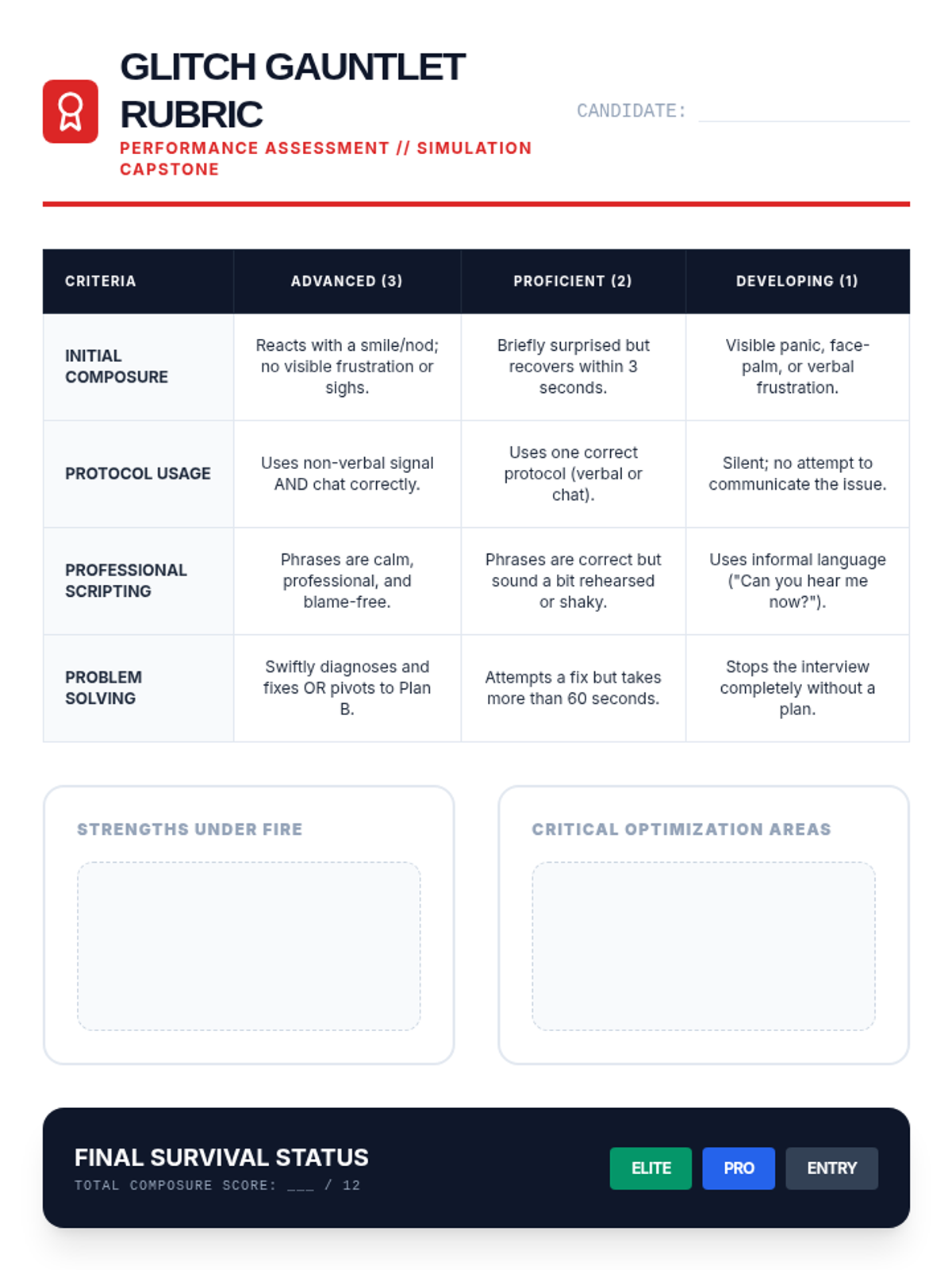
A comprehensive rubric for evaluating student performance during the capstone 'Glitch Simulation,' focusing on composure, protocol usage, and professional scripting.
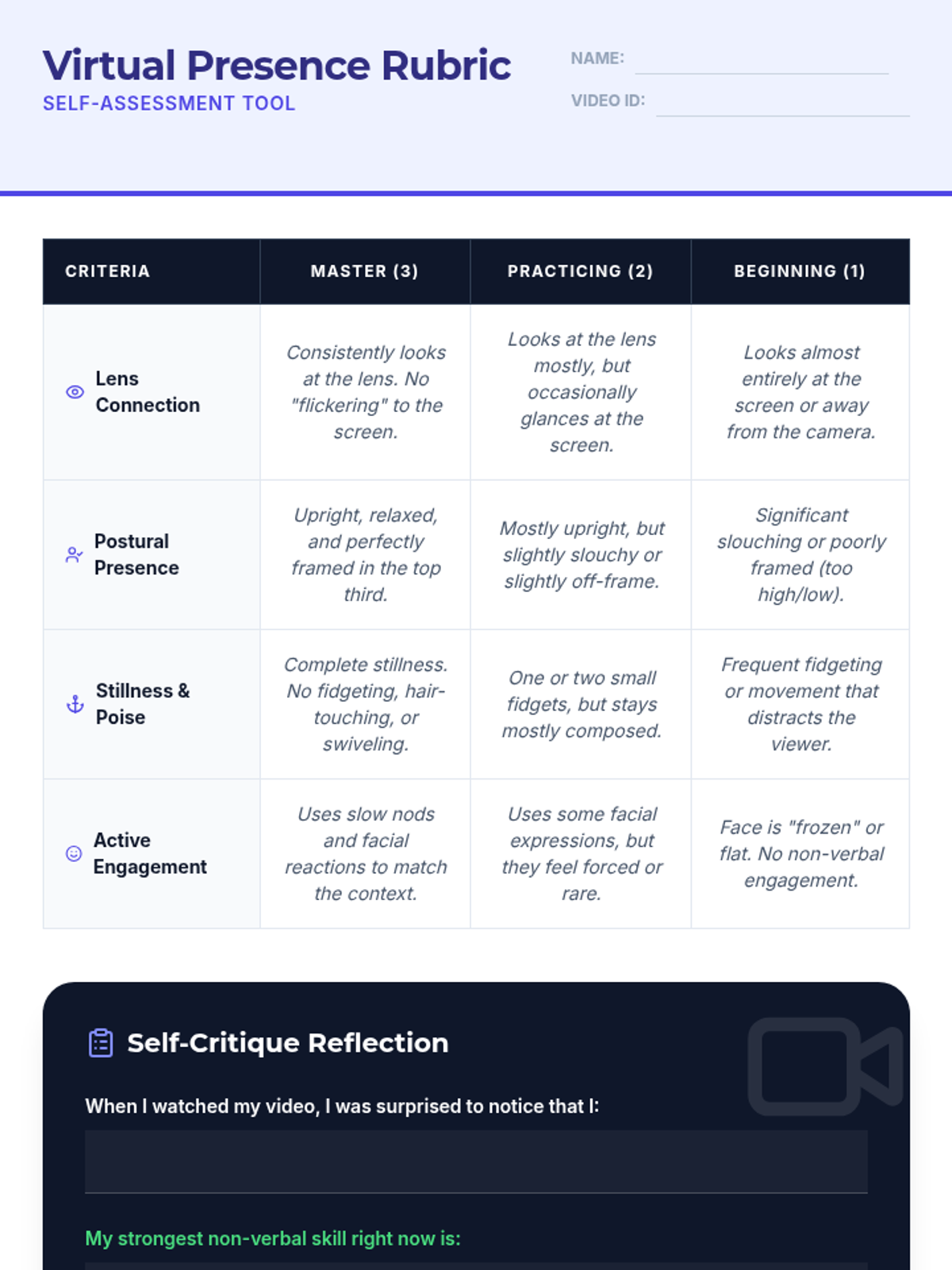
A comprehensive rubric and self-critique worksheet for Lesson 5, allowing students to assess their own eye contact, posture, stillness, and active listening.
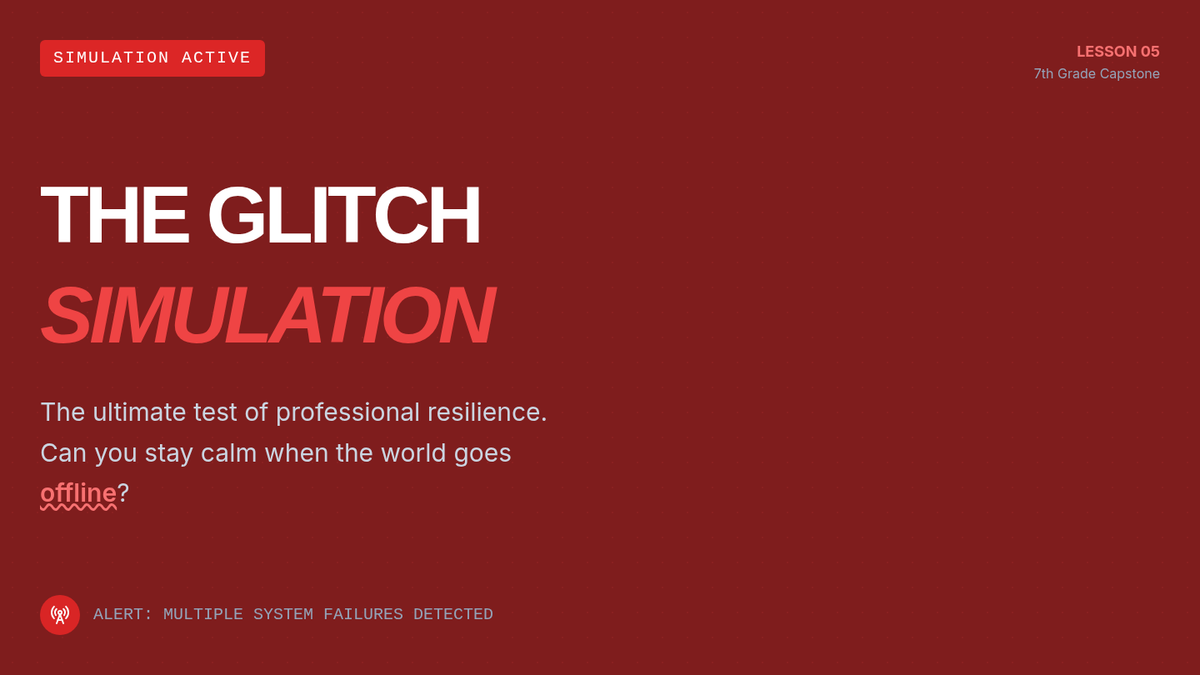
A visual presentation deck for Lesson 5 introducing students to the final capstone simulation instructions, rules, and the 'Kobayashi Maru' mindset.
Instructional slides for Lesson 5, guiding students through the process of recording, reviewing, and self-critiquing their virtual interview performance.
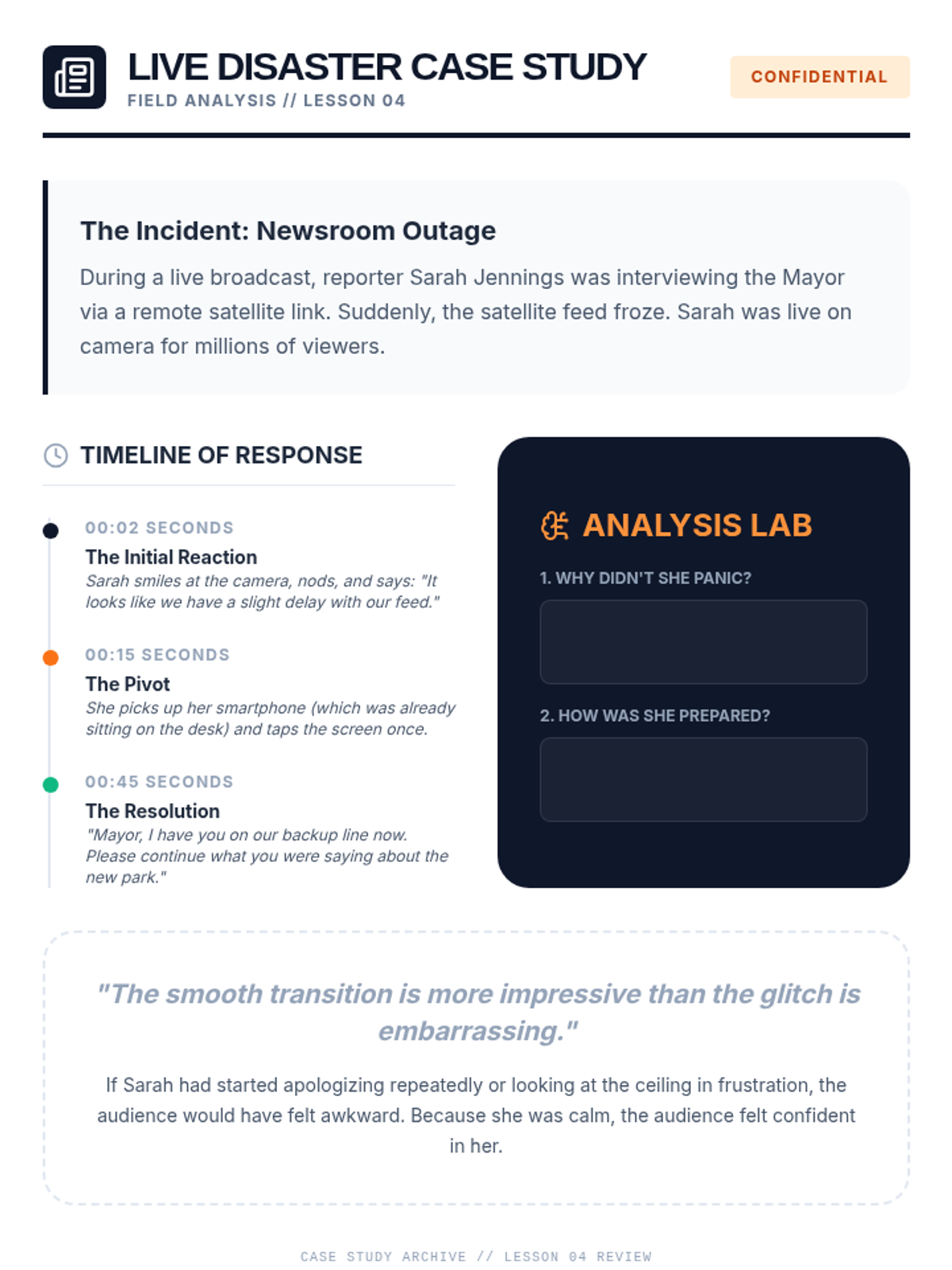
A case study analysis of a professional reporter's response to a live broadcast outage, focusing on their use of backup devices and composure.
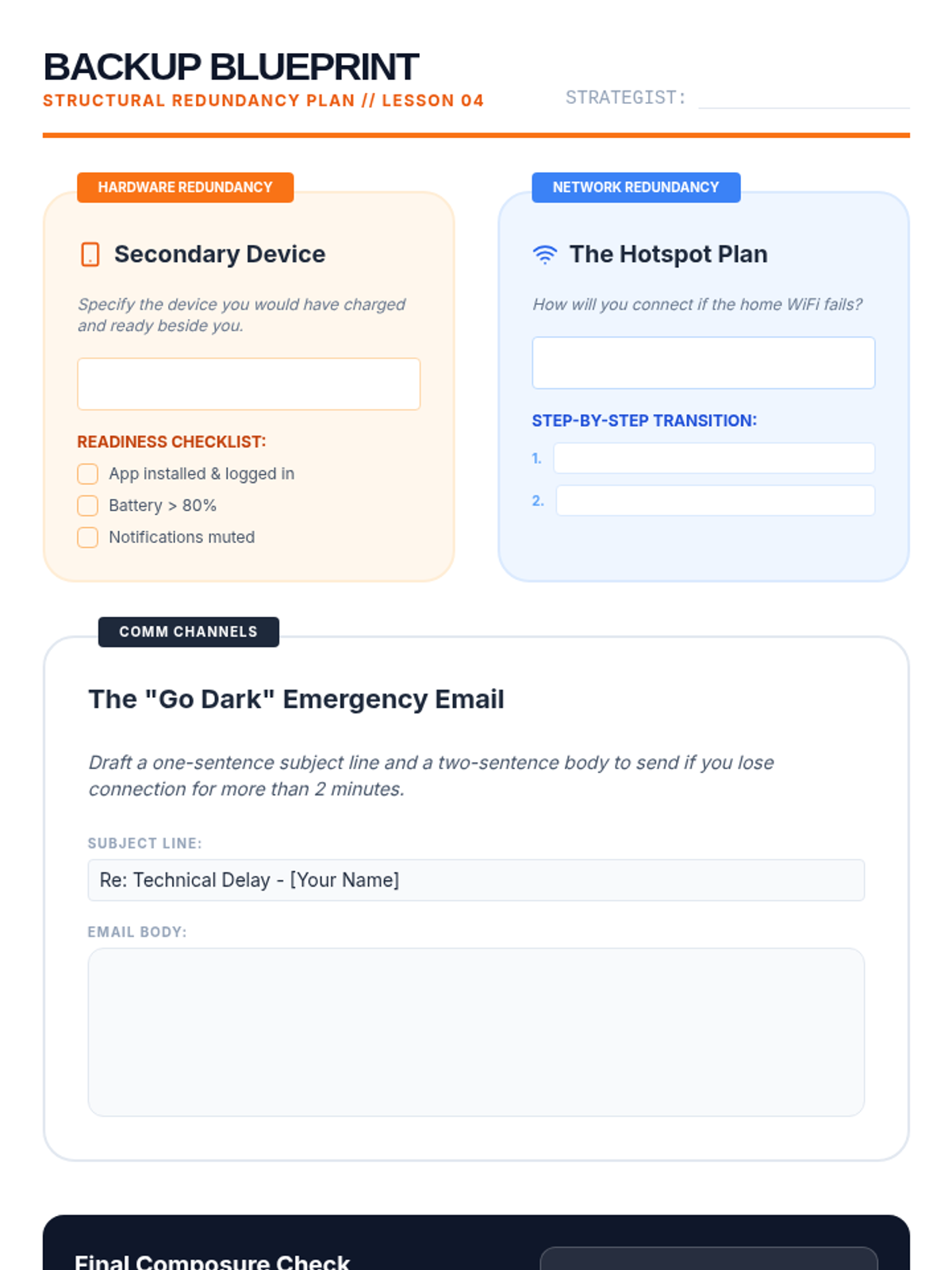
A student worksheet for creating comprehensive personal contingency plans, including secondary devices and alternate communication channels, for virtual meetings.
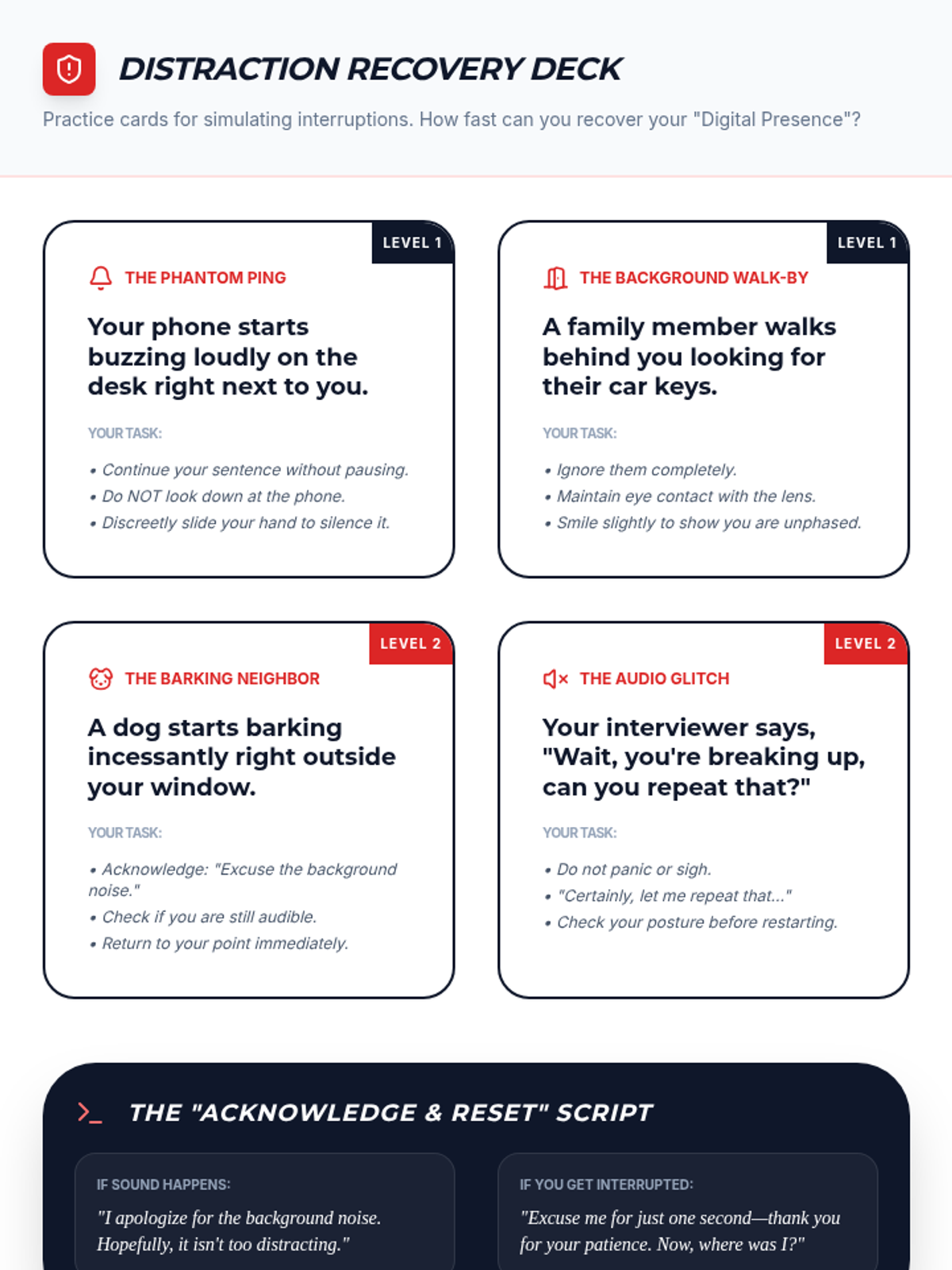
Scenario cards for role-playing environmental distractions during a virtual call, including recovery scripts and specific tasks for students to practice.
A visual presentation deck for Lesson 4 introducing students to alternate communication channels, hotspotting, and dial-in audio for virtual meeting contingencies.
Instructional slides for Lesson 4 teaching students how to maintain focus and professionally handle environmental distractions during virtual calls.
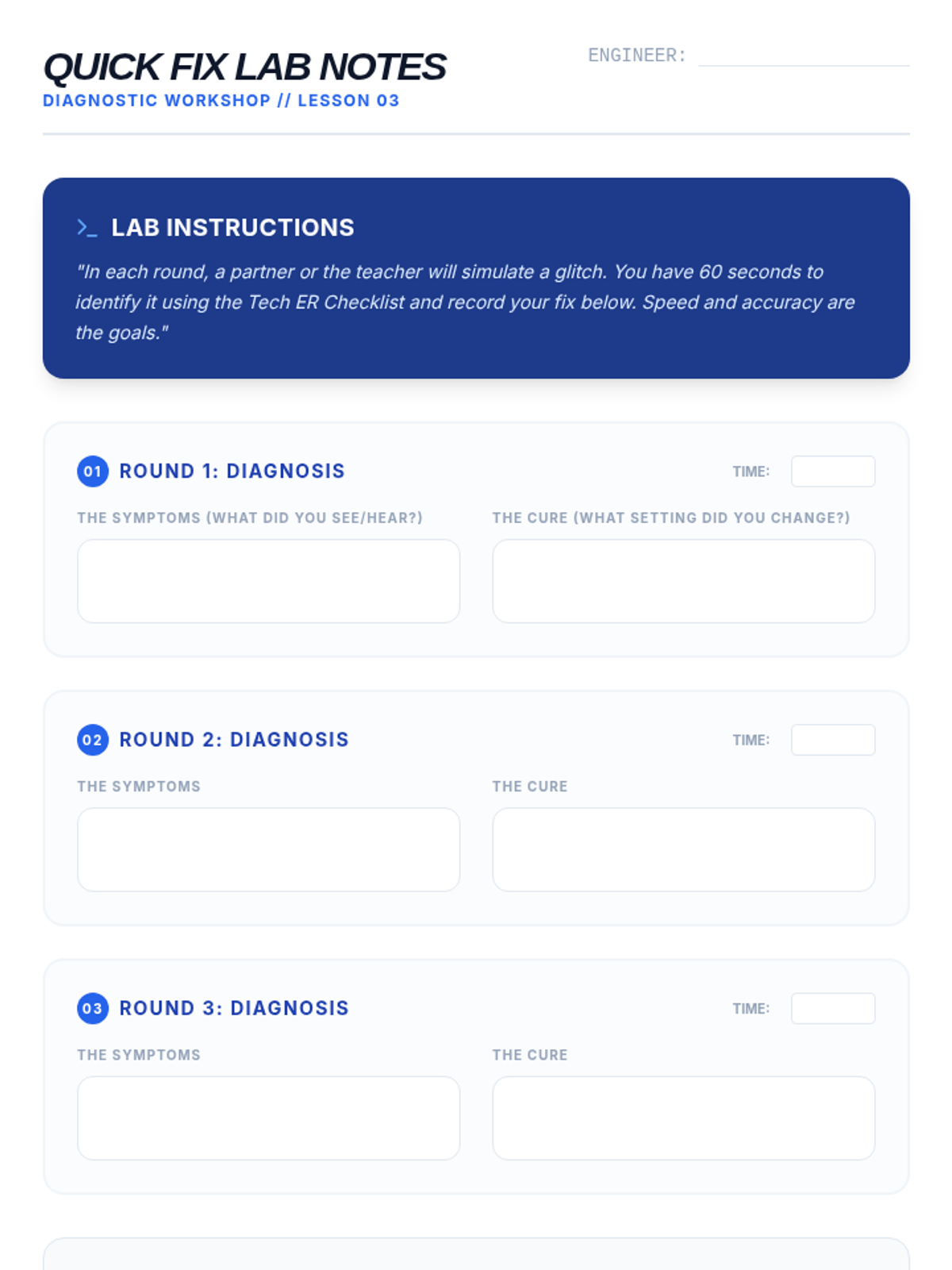
A student laboratory notebook for documenting symptoms and technical fixes during the real-time troubleshooting workshop.
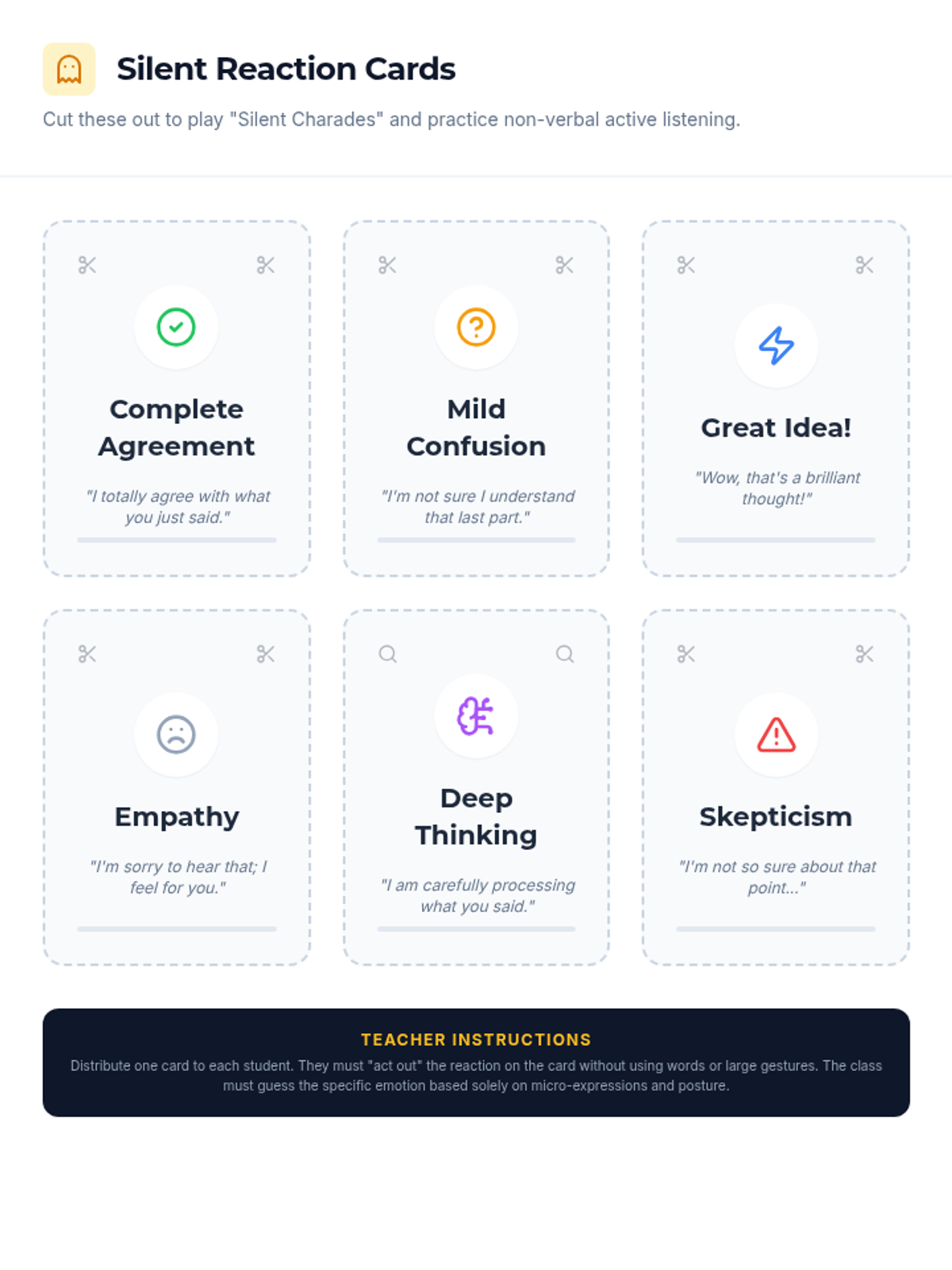
A set of printable reaction cards for a "Silent Charades" game, helping students practice specific non-verbal active listening cues.
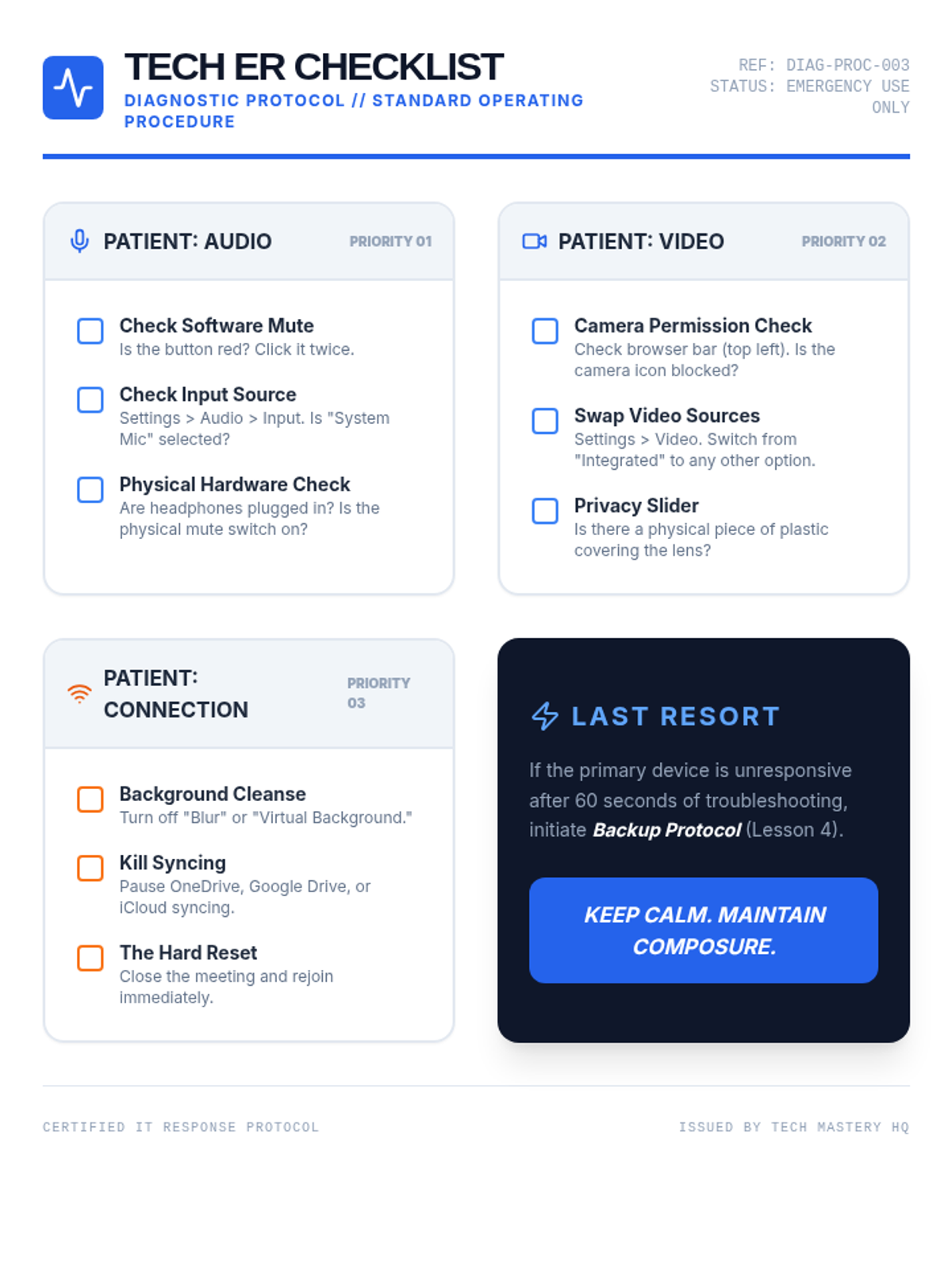
A professional diagnostic checklist for students to use when identifying and resolving common audio, video, and connection issues during virtual meetings.
Instructional slides for Lesson 3 teaching active listening non-verbal cues (nodding, smiling, leaning) for virtual calls.
A visual presentation deck for Lesson 3 introducing students to meeting software settings, bandwidth management, and the 'Tech ER' troubleshooting mindset.
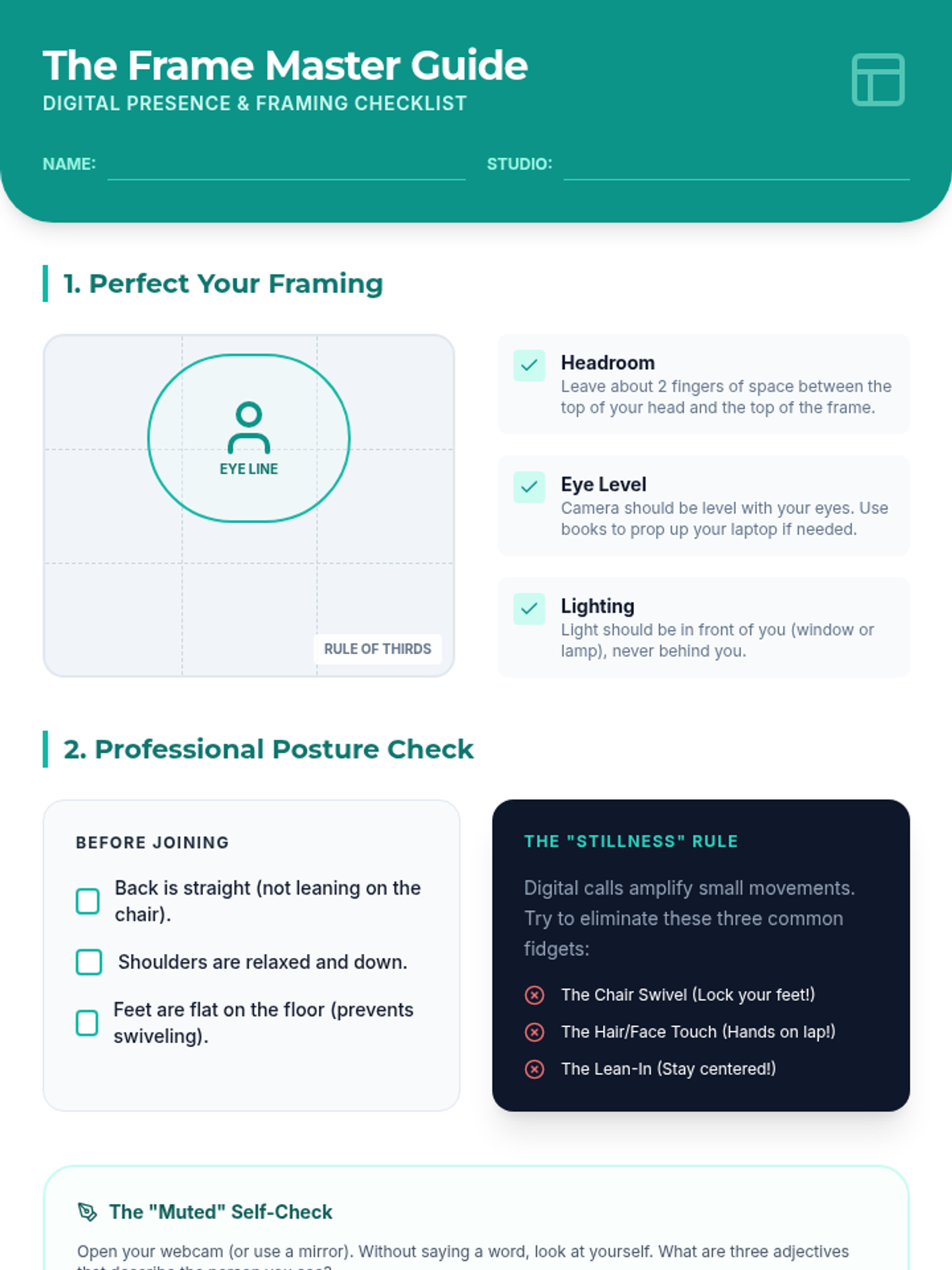
A student checklist and visual guide for Lesson 2, providing clear standards for digital framing, posture, and environmental setup.
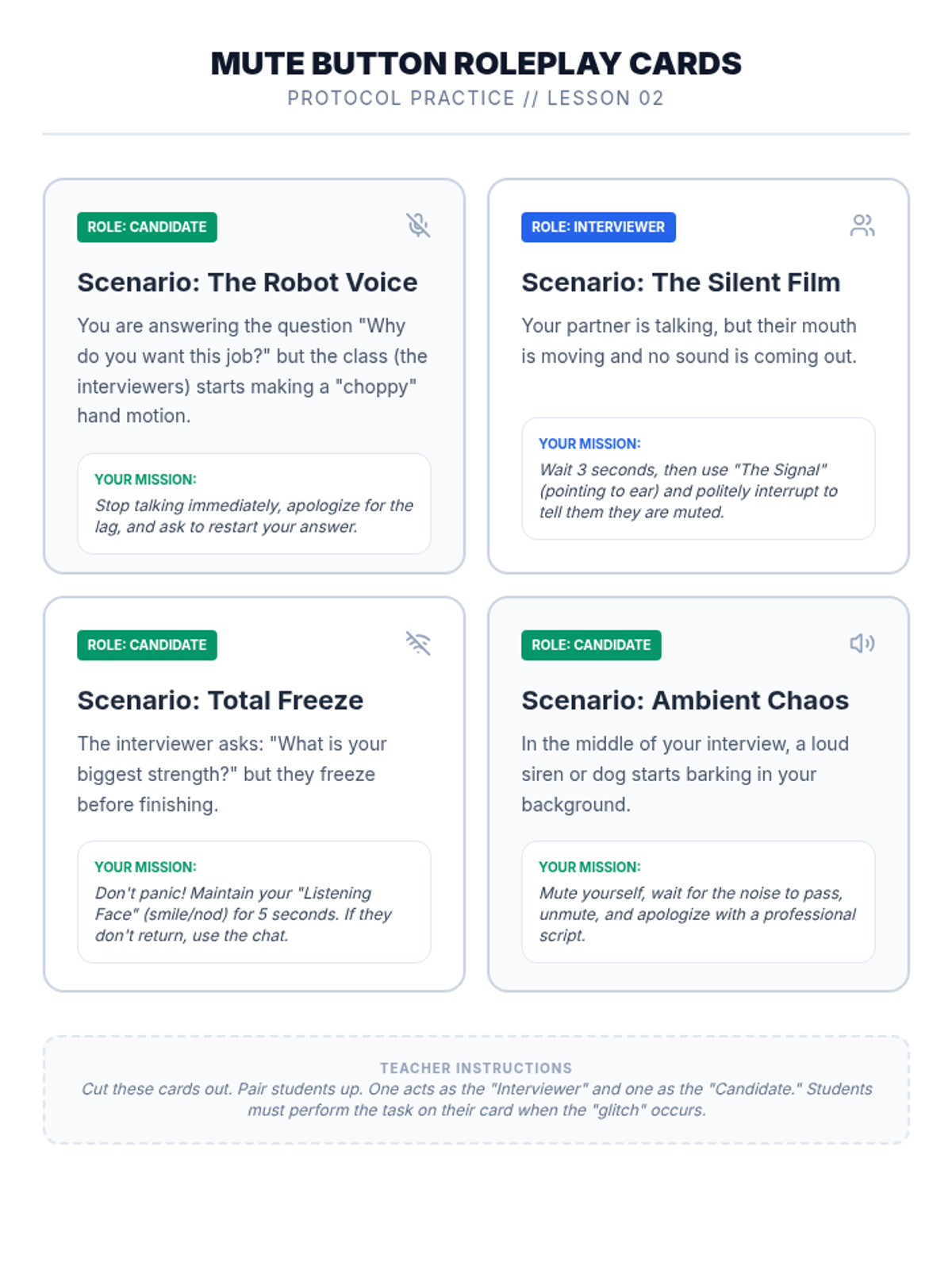
Scenario-based roleplay cards for students to practice professional responses to real-time technical glitches during a virtual interview simulation.
Instructional slides for Lesson 2 focusing on digital framing, posture, and minimizing fidgeting in a virtual setting.
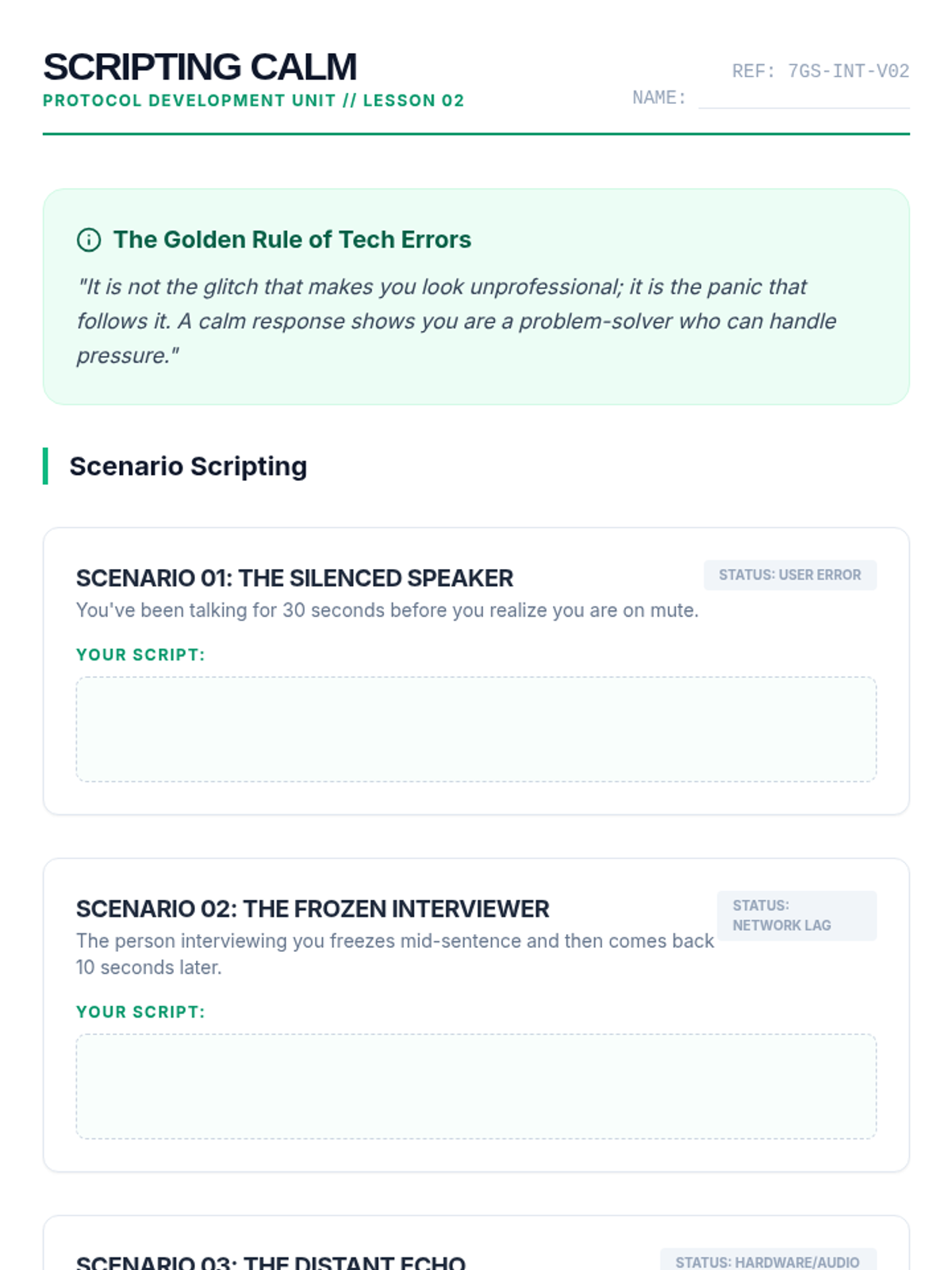
A student worksheet for developing professional scripts to handle common technical difficulties in virtual interviews, featuring scenario-based drafting and non-verbal protocol checklists.
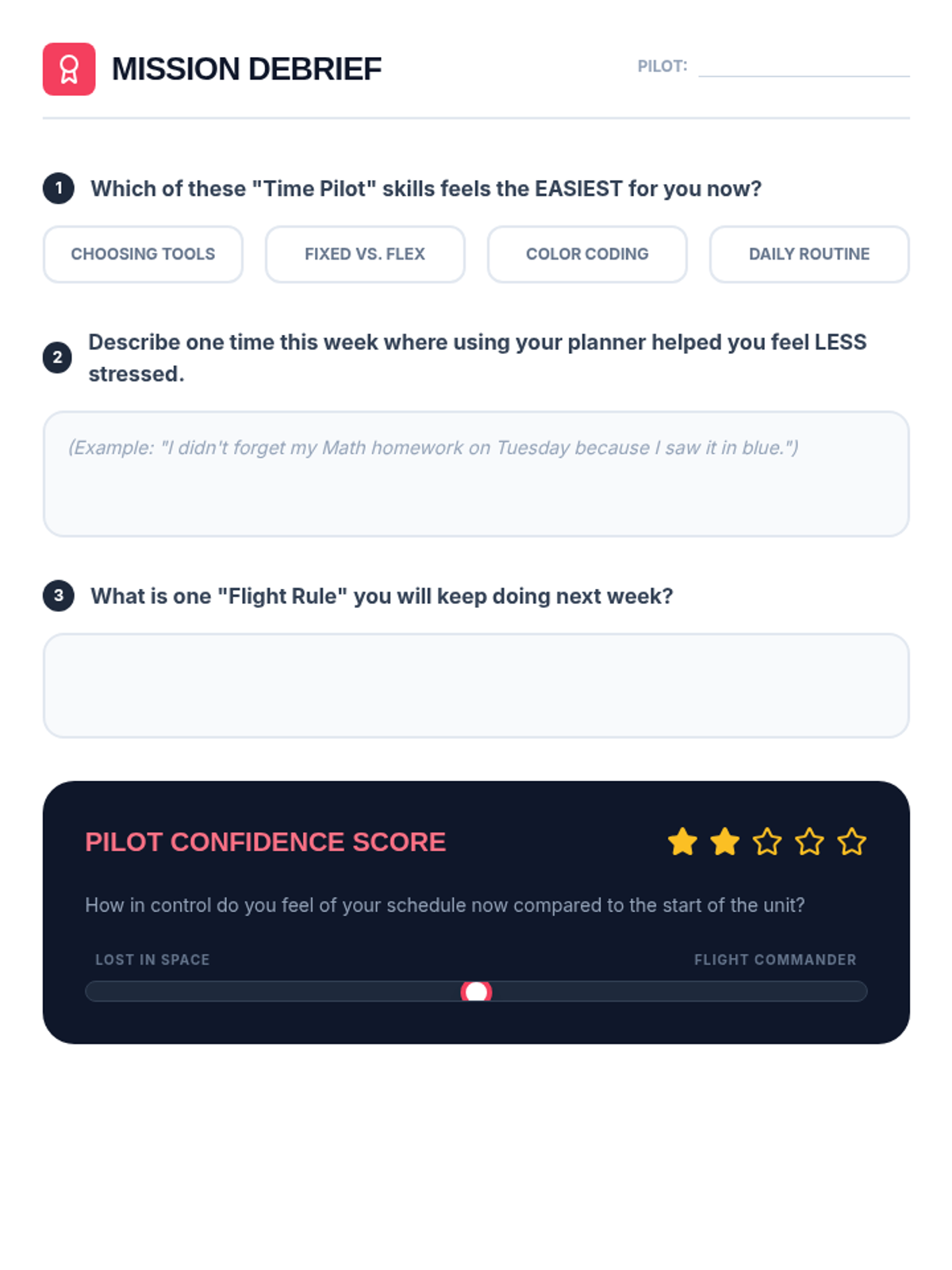
Reflection exit ticket for the end of the "Time Pilots" sequence. Students evaluate their own progress across the four key organizational skills and reflect on the impact of their new routines.
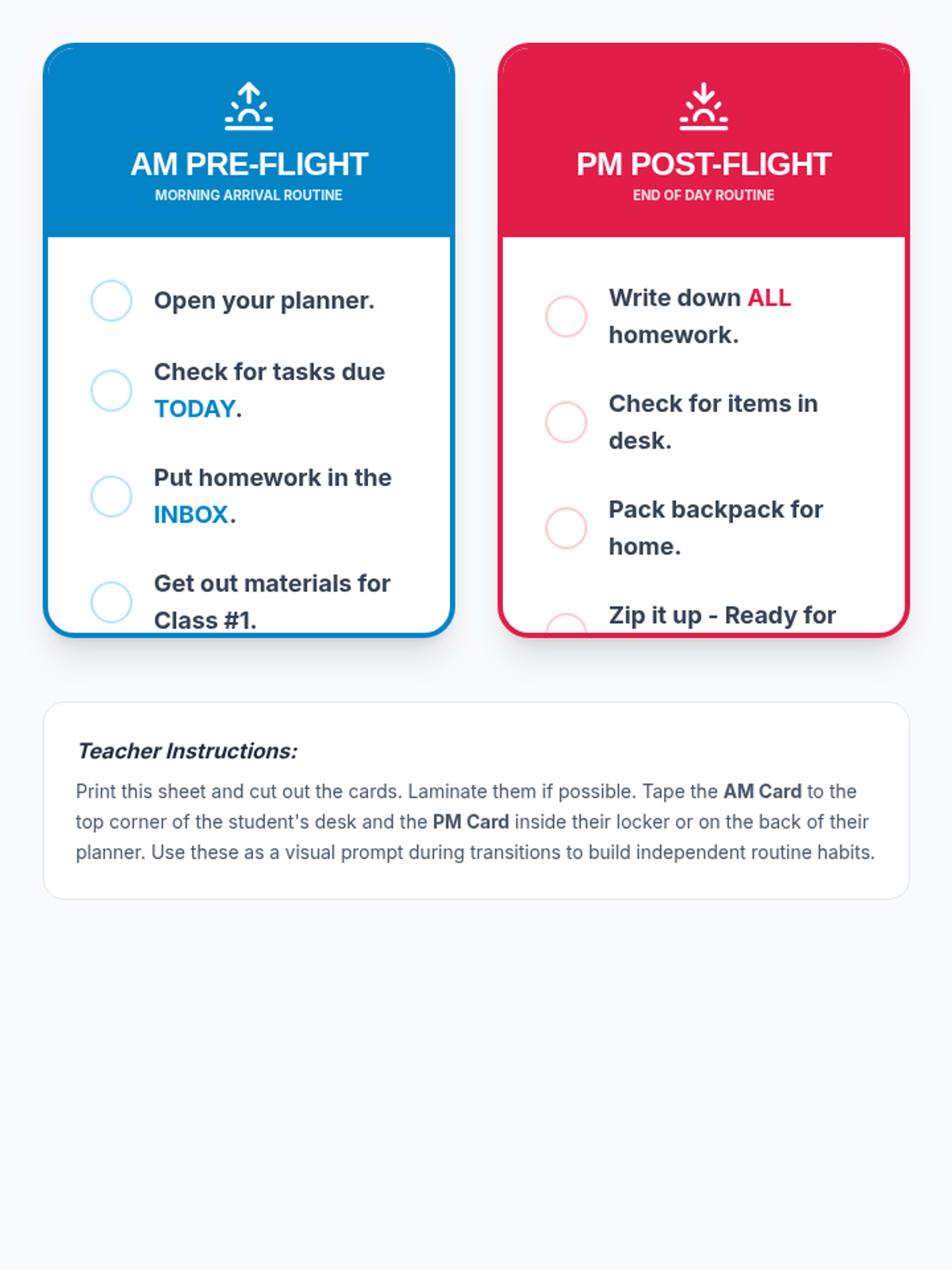
Visual checklist cards for Lesson 5. Includes a "Pre-Flight" morning routine and a "Post-Flight" evening routine to help students develop independent organizational habits.
Final slide deck for Lesson 5. Contrasts the "Guesser" vs. "Pilot" approach to preparedness and provides step-by-step Morning (Pre-Flight) and Evening (Post-Flight) routines.
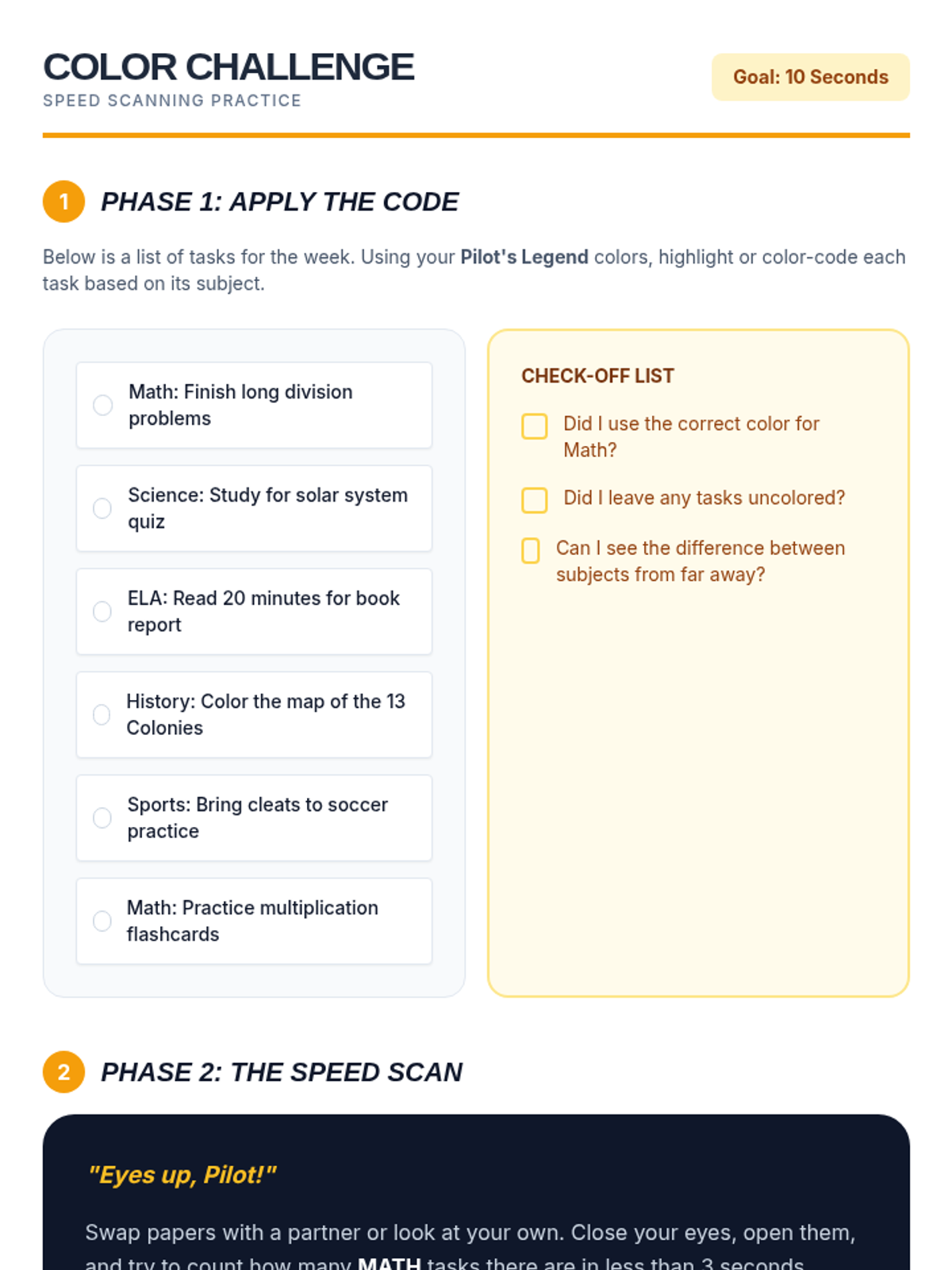
Practice worksheet for Lesson 4. Students apply their color-coding system to a list of uncoded tasks and then perform a "speed scan" to test the efficiency of their visual categorization.
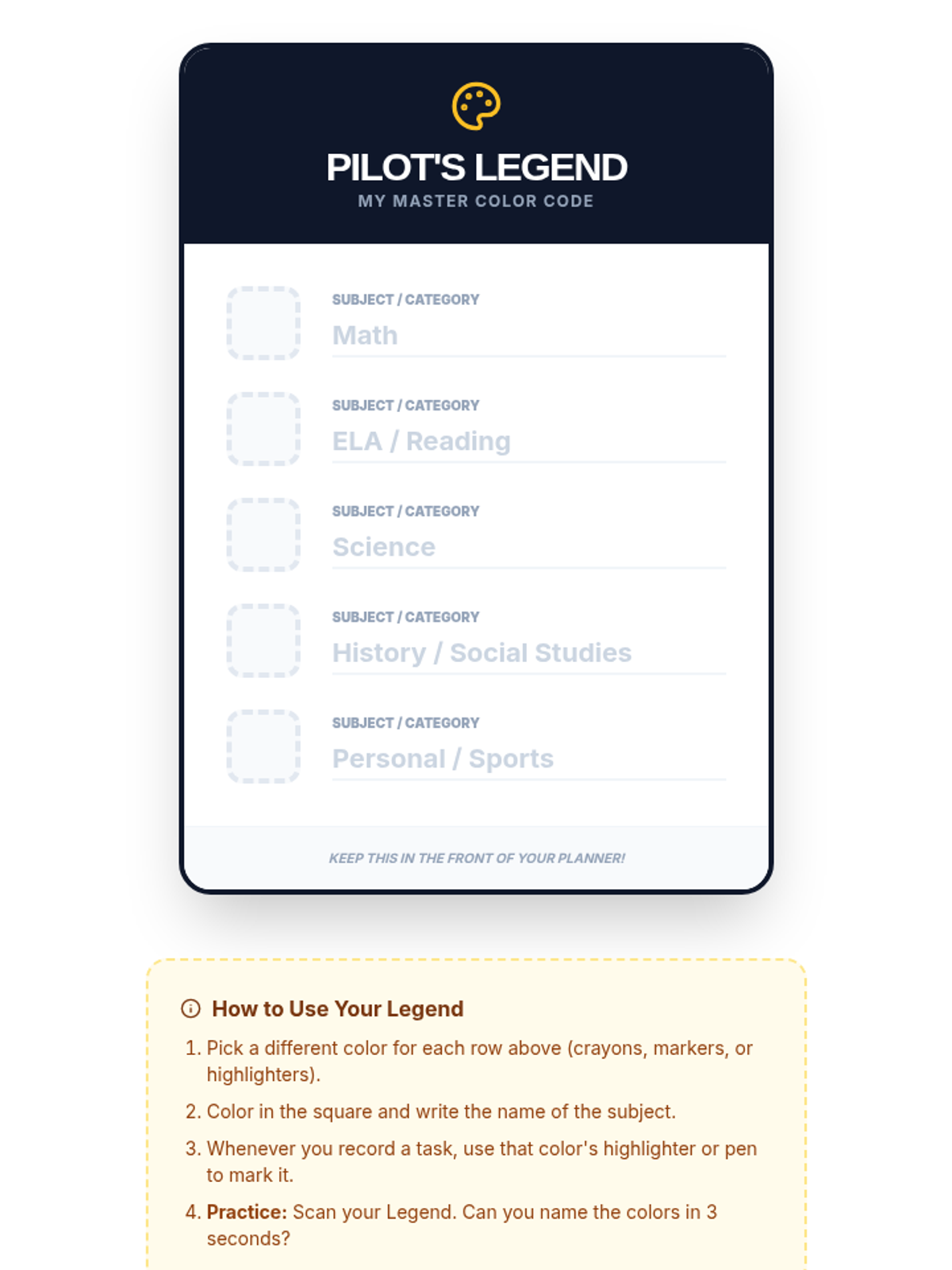
Personal reference sheet for students to create their own color-coding legend. This "Pilot's Legend" card helps them maintain consistency in their organizational system across all subjects.
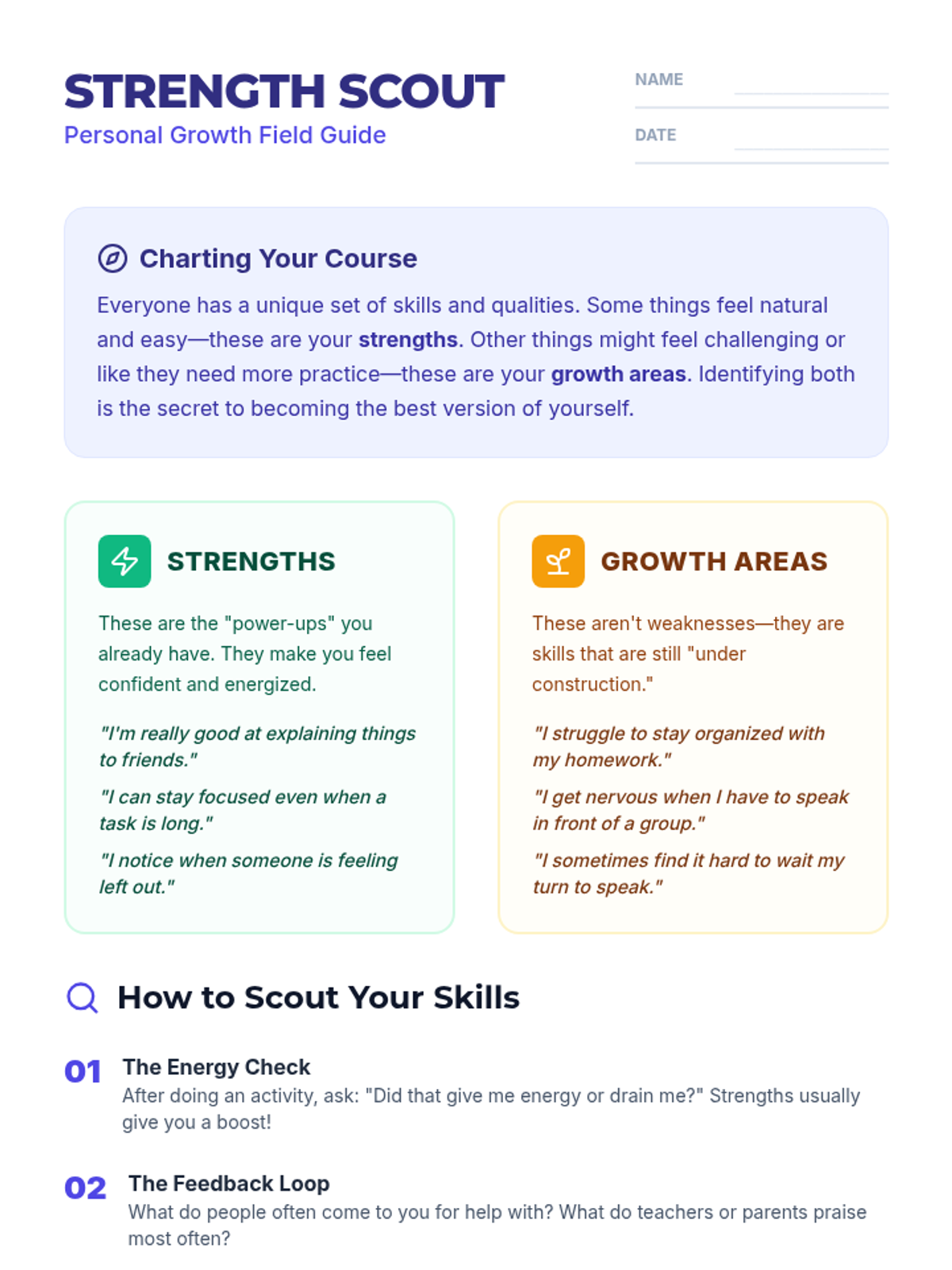
A two-page worksheet featuring an informational guide on identifying personal strengths and growth areas, followed by a scenario-based self-assessment with 1-5 rating scales and reflection spaces.
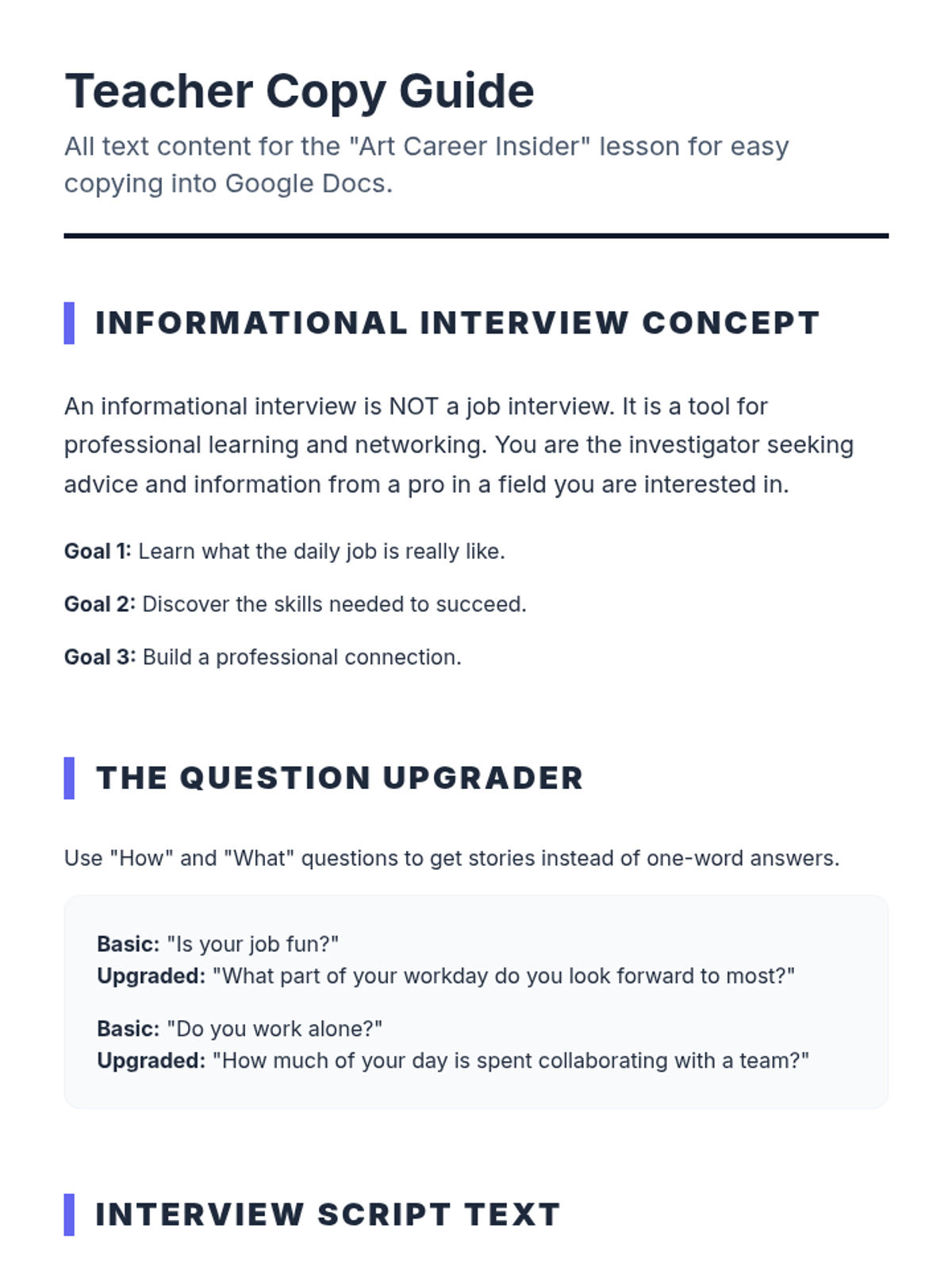
A text-only guide containing all lesson content, prompts, and templates in a simple format that is easy to copy and paste into Google Docs or other platforms.
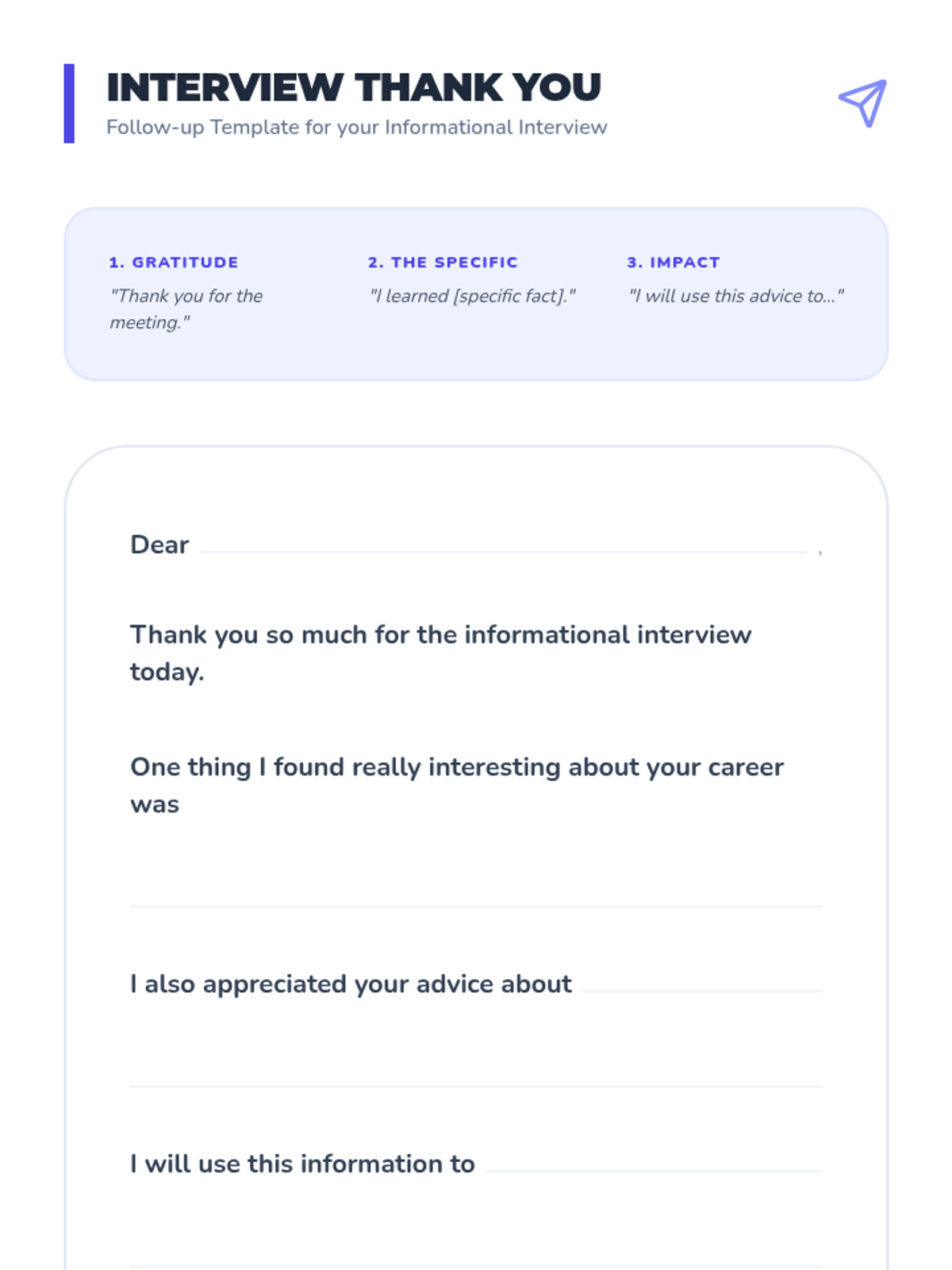
A professional thank-you note template for students to complete after an informational interview, emphasizing gratitude and learning.
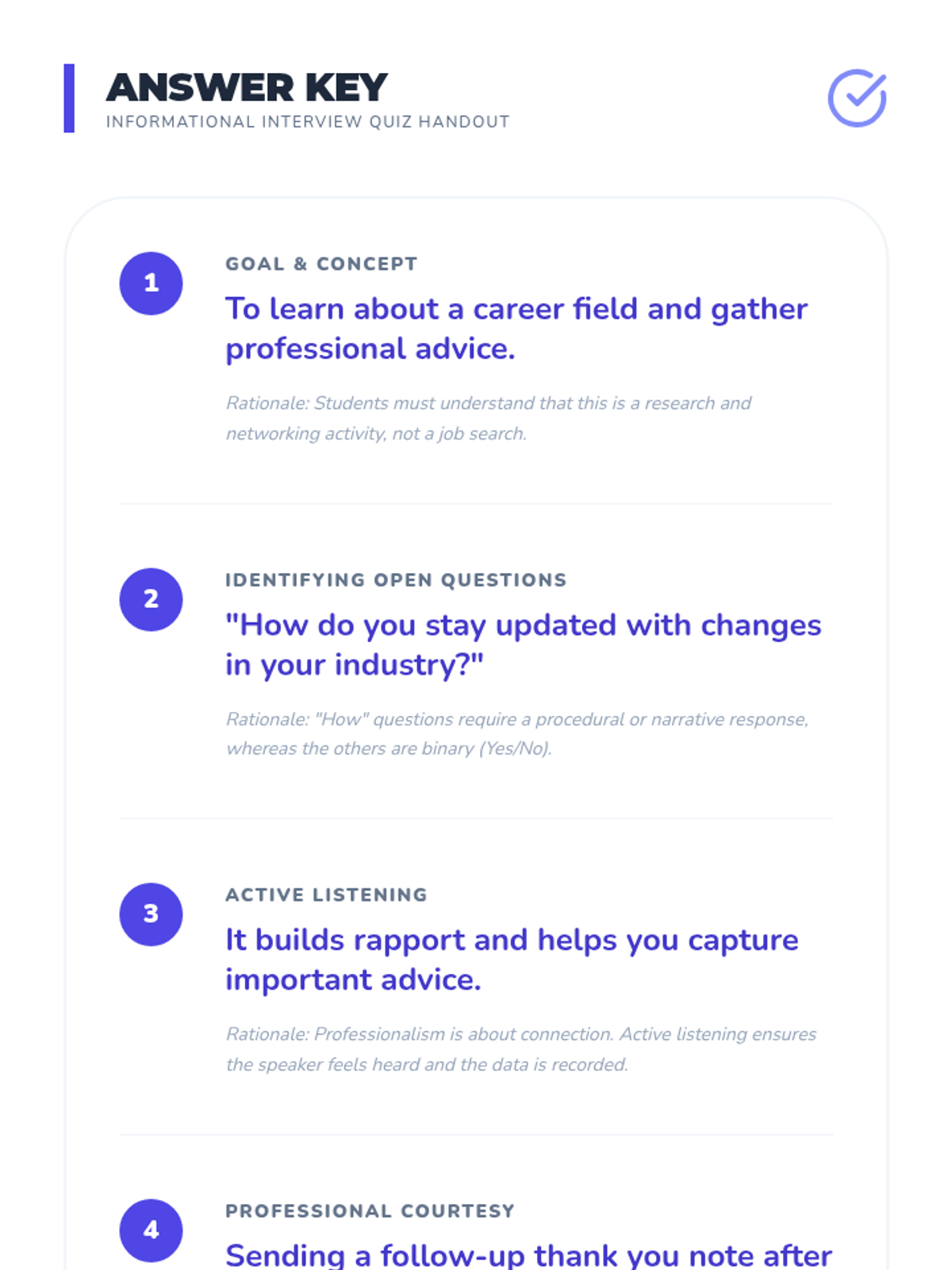
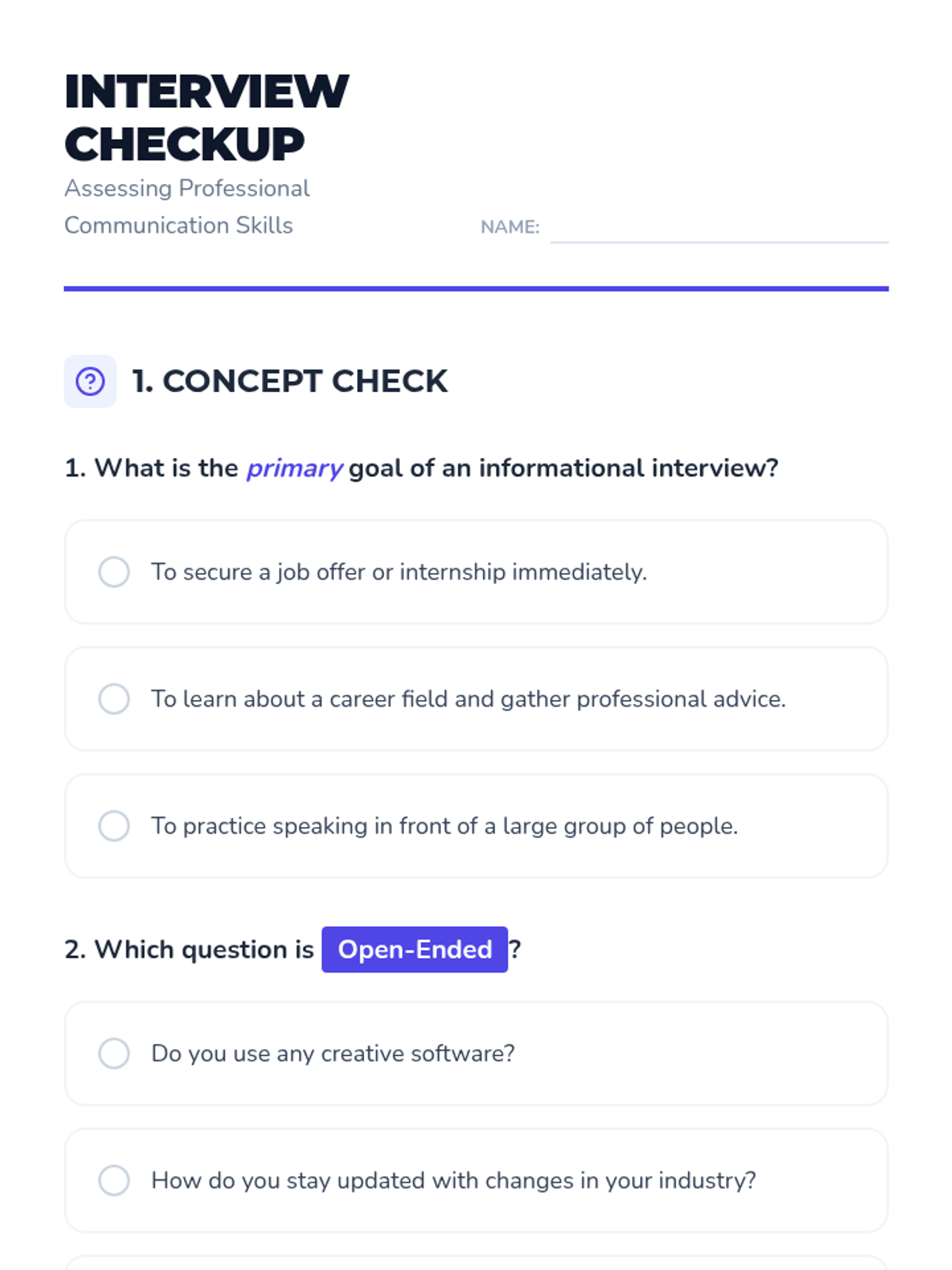
A teacher answer key and rationale guide for the Interview Checkup Quiz.
A high-quality, printable multiple-choice and short-answer assessment for informational interview skills.
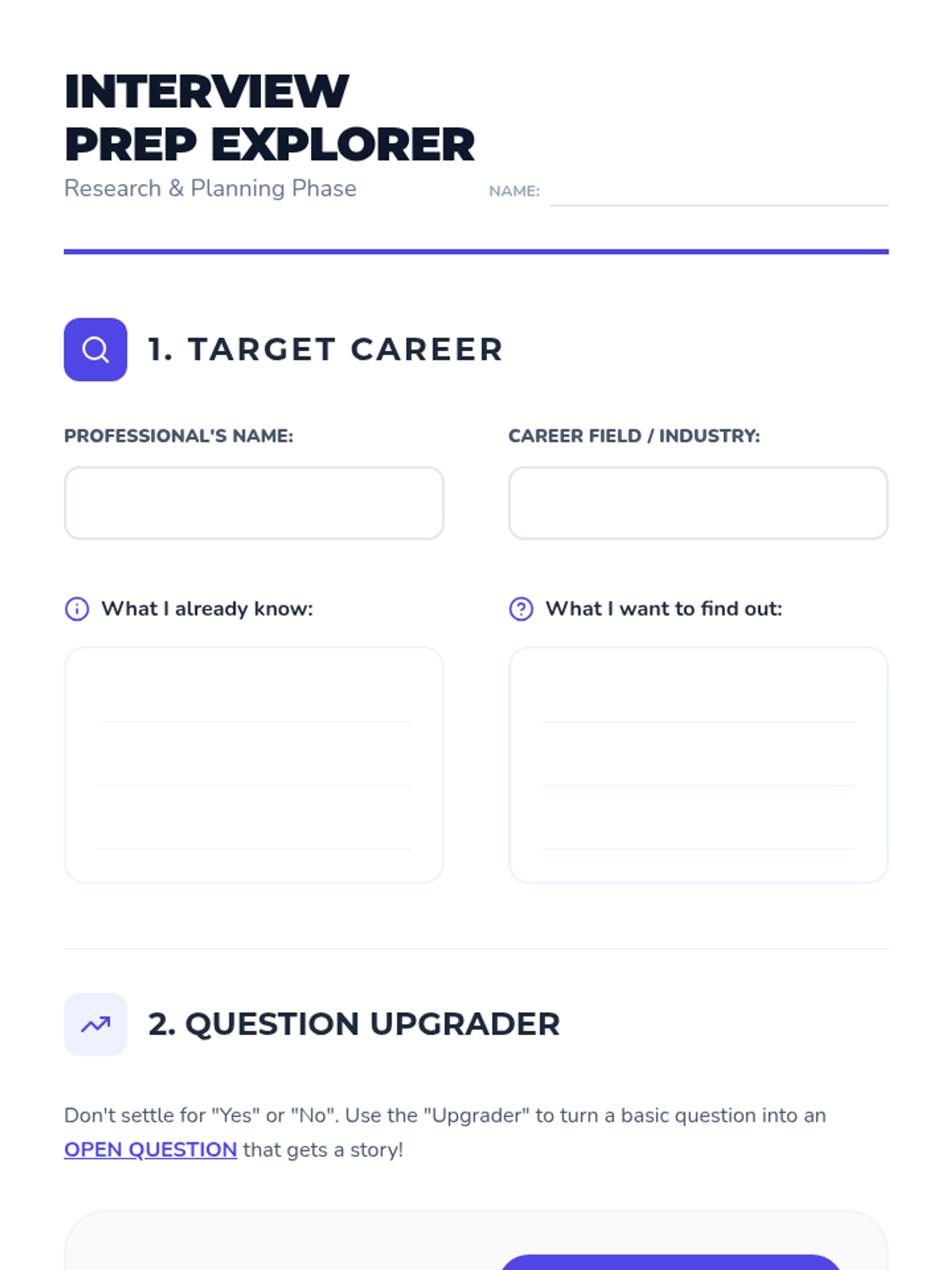
A printable research organizer that helps students prepare for their interview by researching the field and practicing question "upgrading".
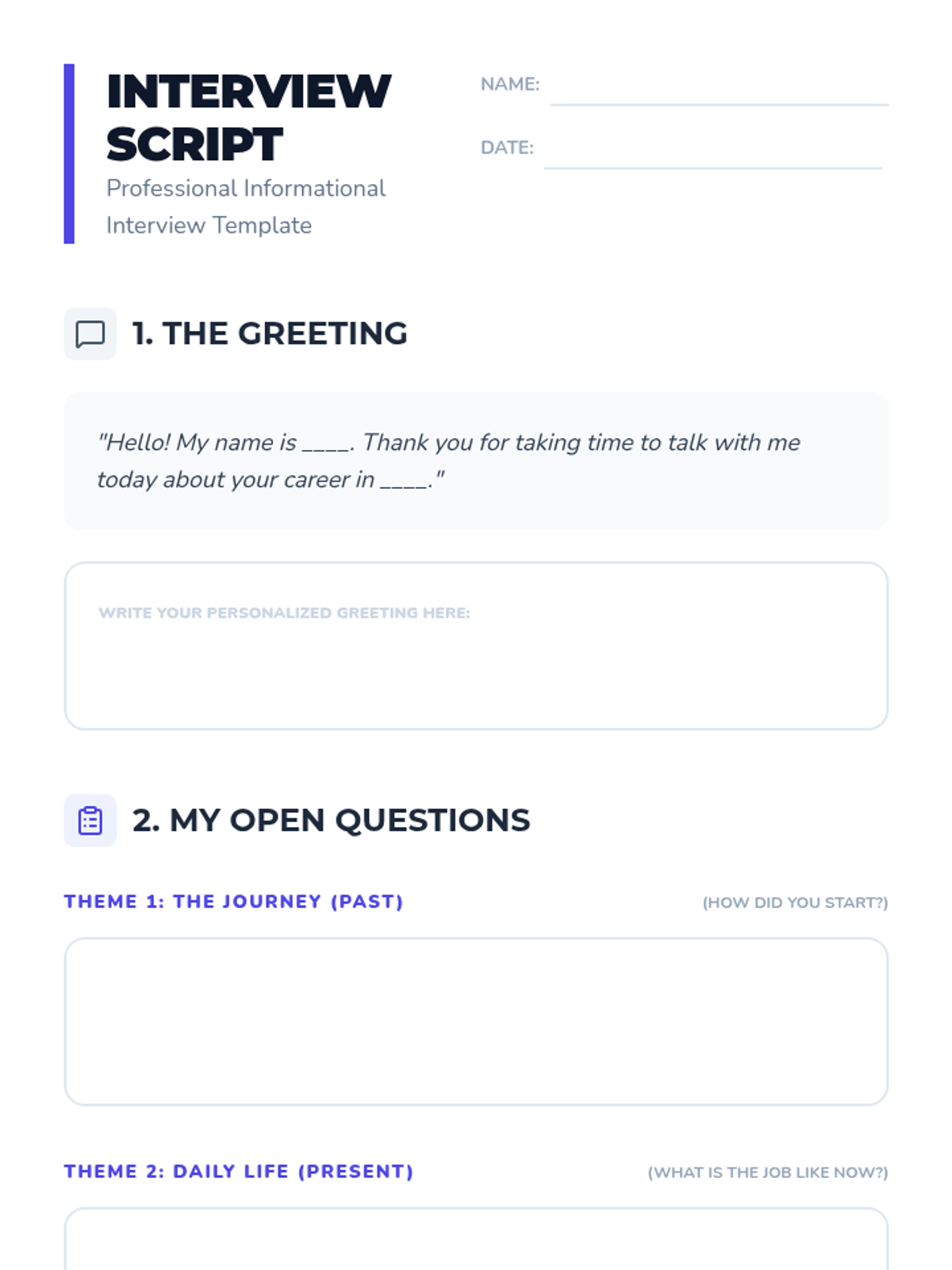
A high-quality, printable interview script template with ample white space for handwriting and structured sections for an informational interview.
A slide deck focused on the informational interview process, emphasizing the interviewer's role, etiquette, and the strategy for creating effective open-ended questions. Concludes with a question-writing workshop.
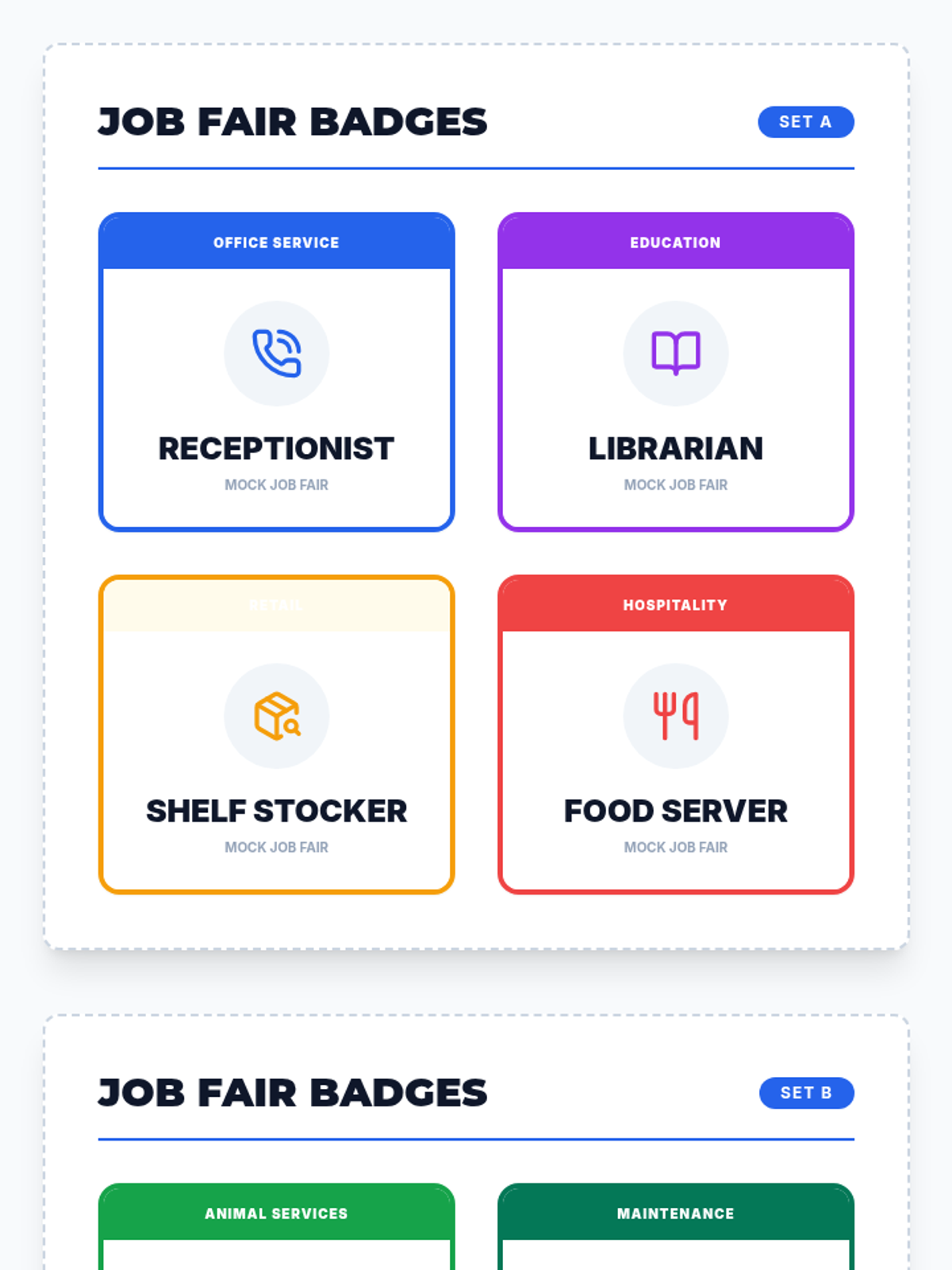
A comprehensive set of printable role badges for a Mock Job Fair simulation, now featuring 16 distinct job roles across 4 pages with icons and category headers.
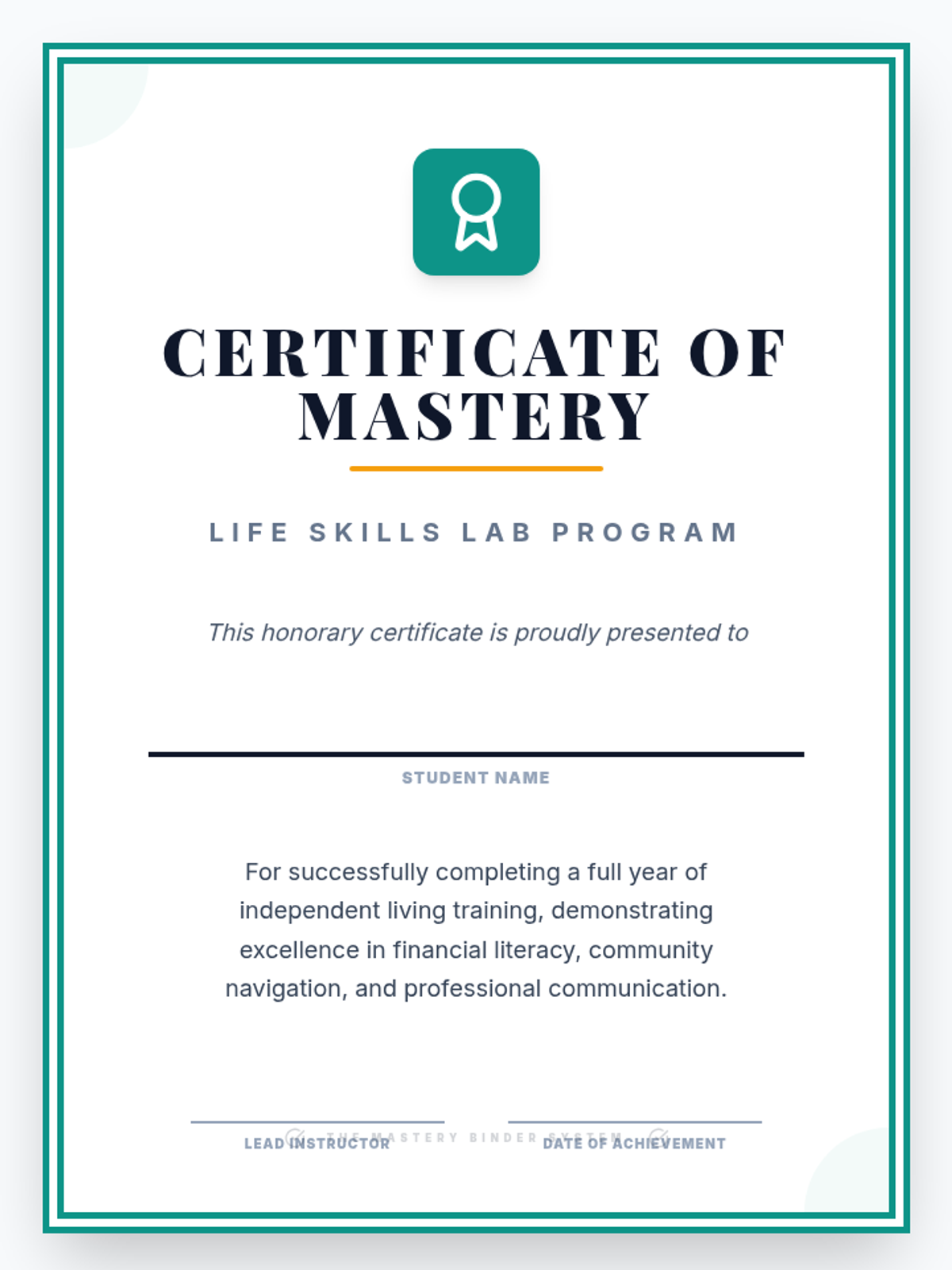
A professional graduation certificate to be awarded upon completion of the full-year Life Skills Lab curriculum.
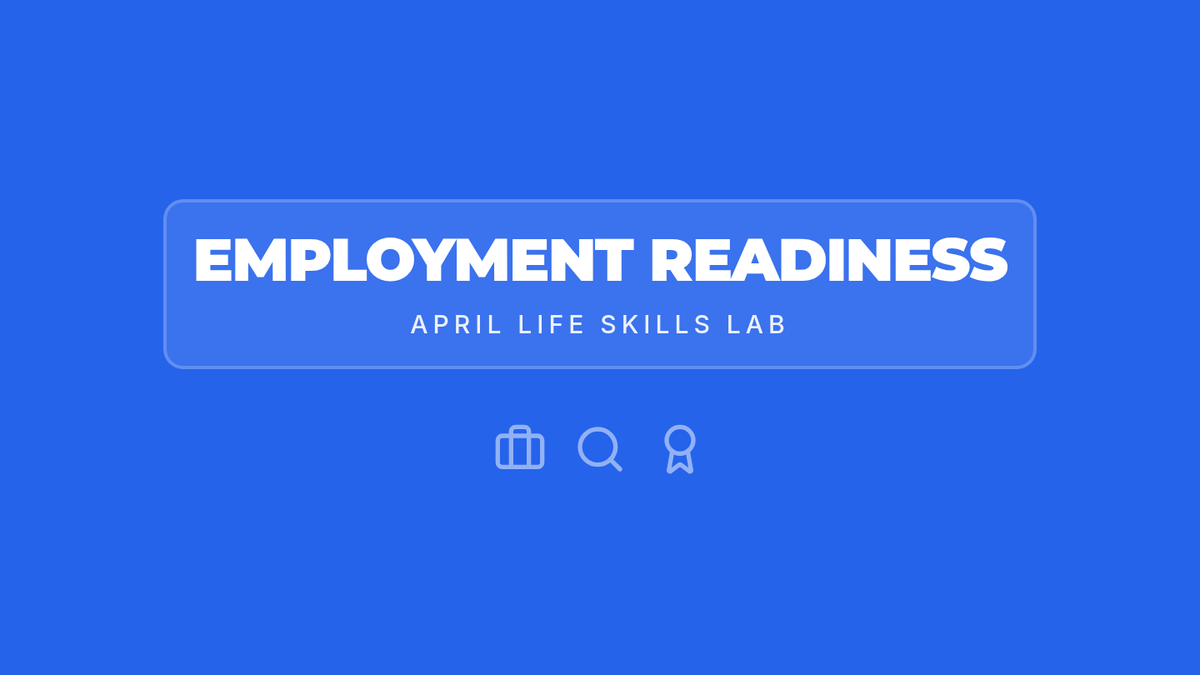
A visual slide deck for teaching foundational employment skills, interview etiquette, and preparing for a Mock Job Fair simulation.
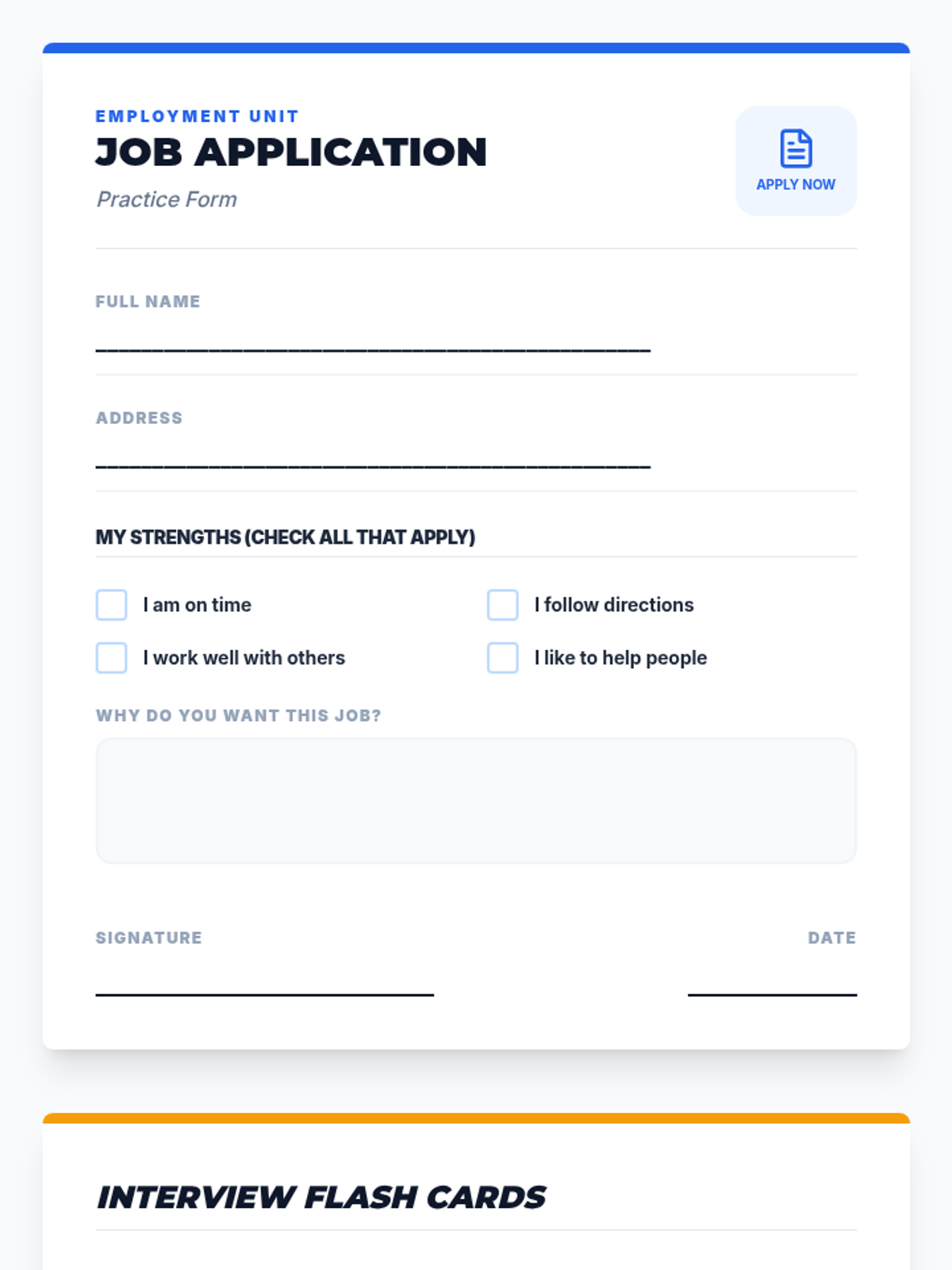
A student-facing employment kit featuring a simplified job application practice form and interview preparation cards with prompts.
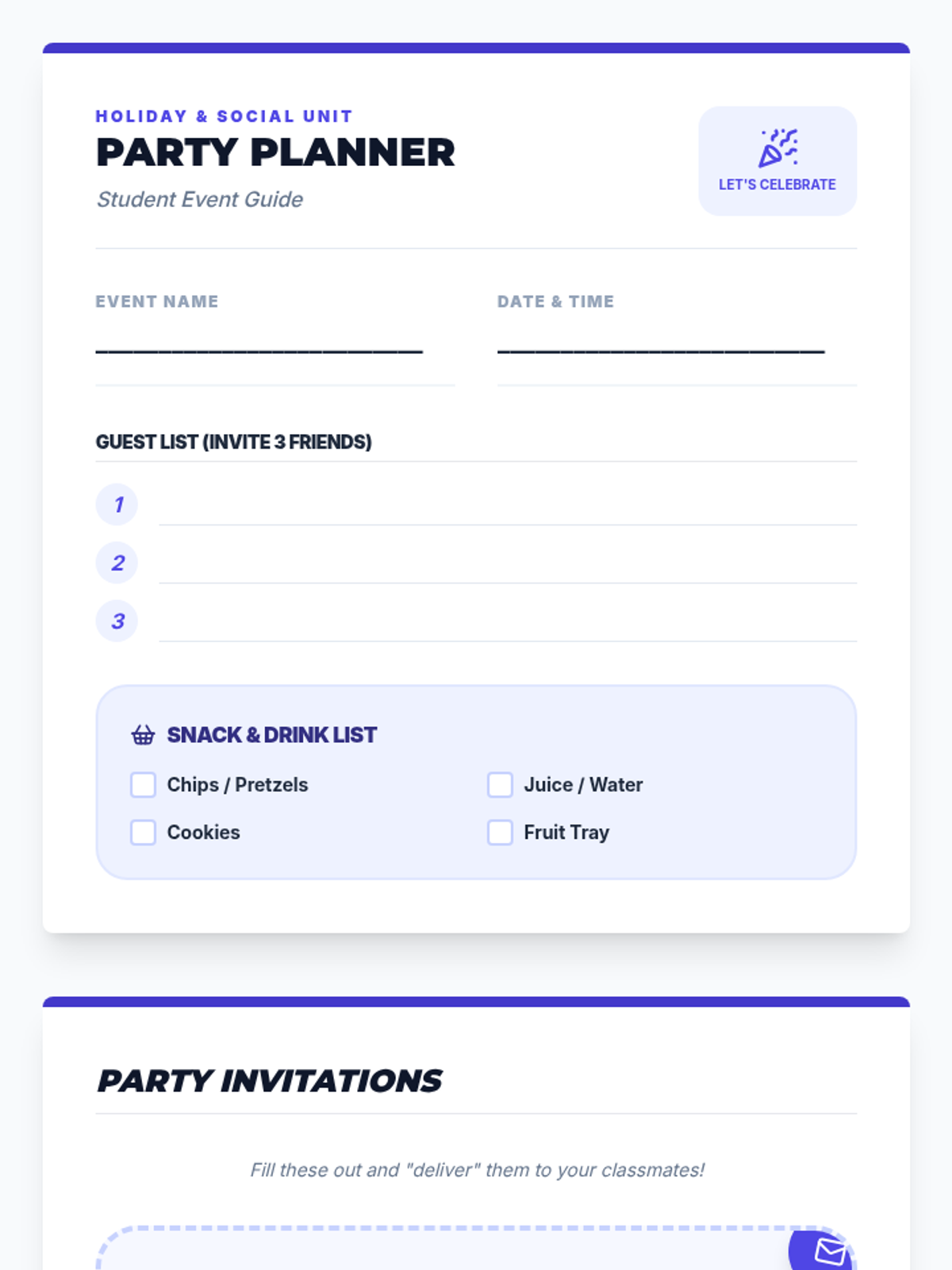
A student-facing event planning toolkit with a party checklist and printable fill-in-the-blank invitations for social simulation.
A visual slide deck for teaching event planning, hosting skills, and social etiquette for holiday gatherings.
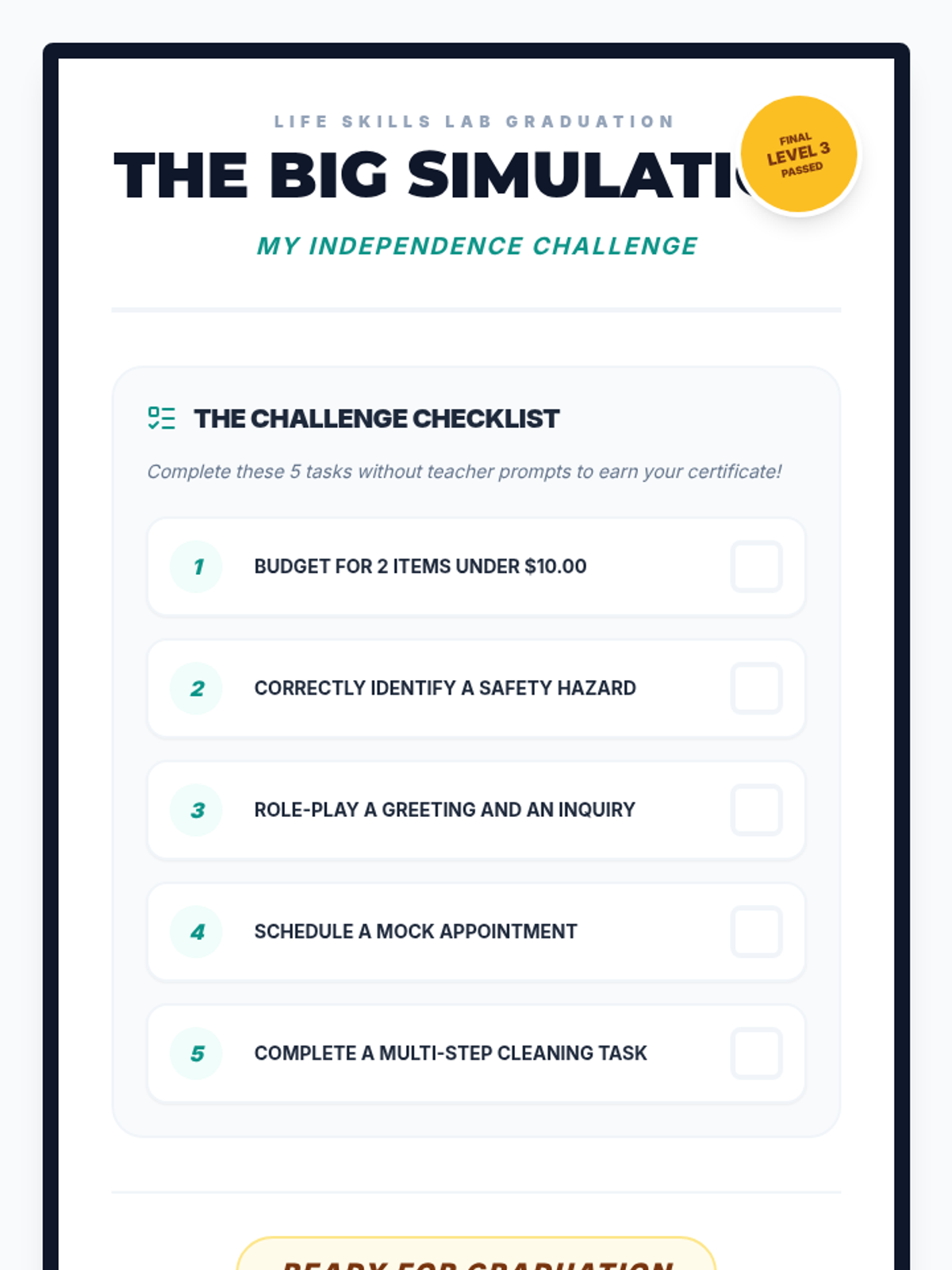
The capstone December simulation worksheet, featuring a multi-skill final challenge checklist for students to demonstrate their year-long learning.
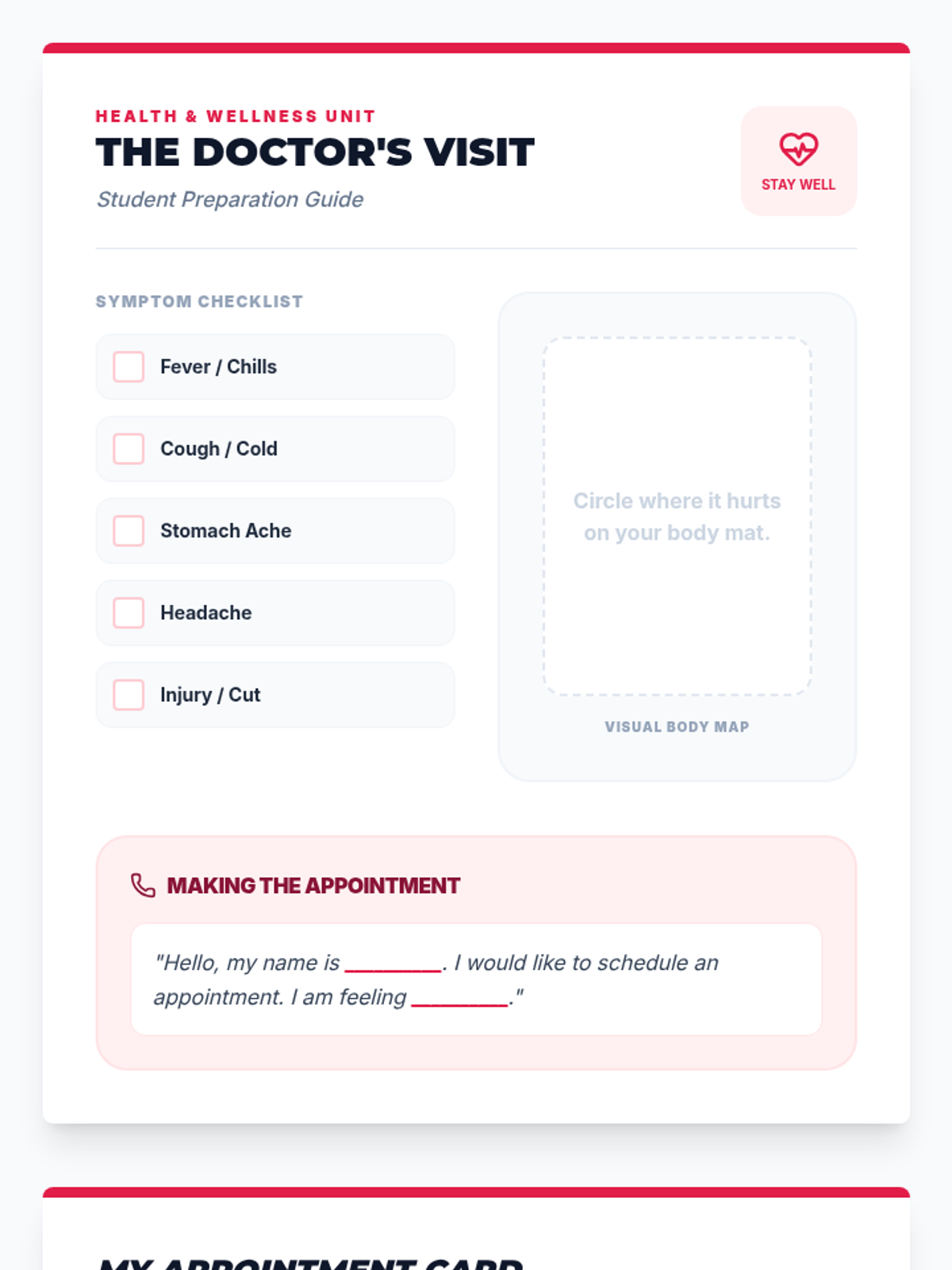
A student-facing health kit featuring a symptom checklist, body map visual, and a printable appointment reminder card.
A visual slide deck for teaching healthcare navigation, symptom identification, and medical appointment protocols.
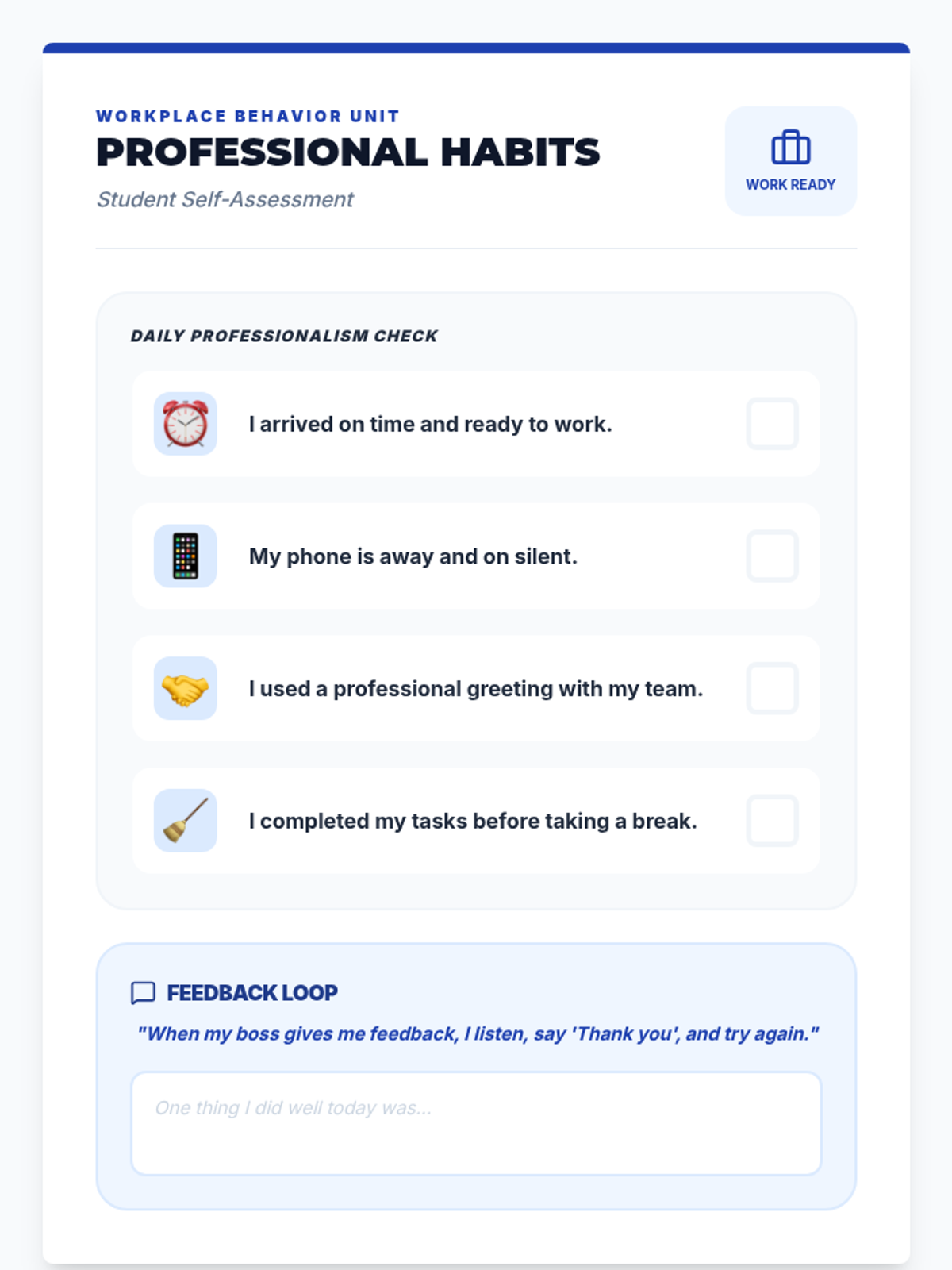
A student-facing workplace behavior kit featuring a professional habit self-assessment and social scenario practice for the breakroom.
A visual presentation for the capstone December unit, focusing on applying all learned skills and reflecting on a year of progress.
A visual slide deck for teaching workplace social cues, teamwork, and professional breakroom etiquette.
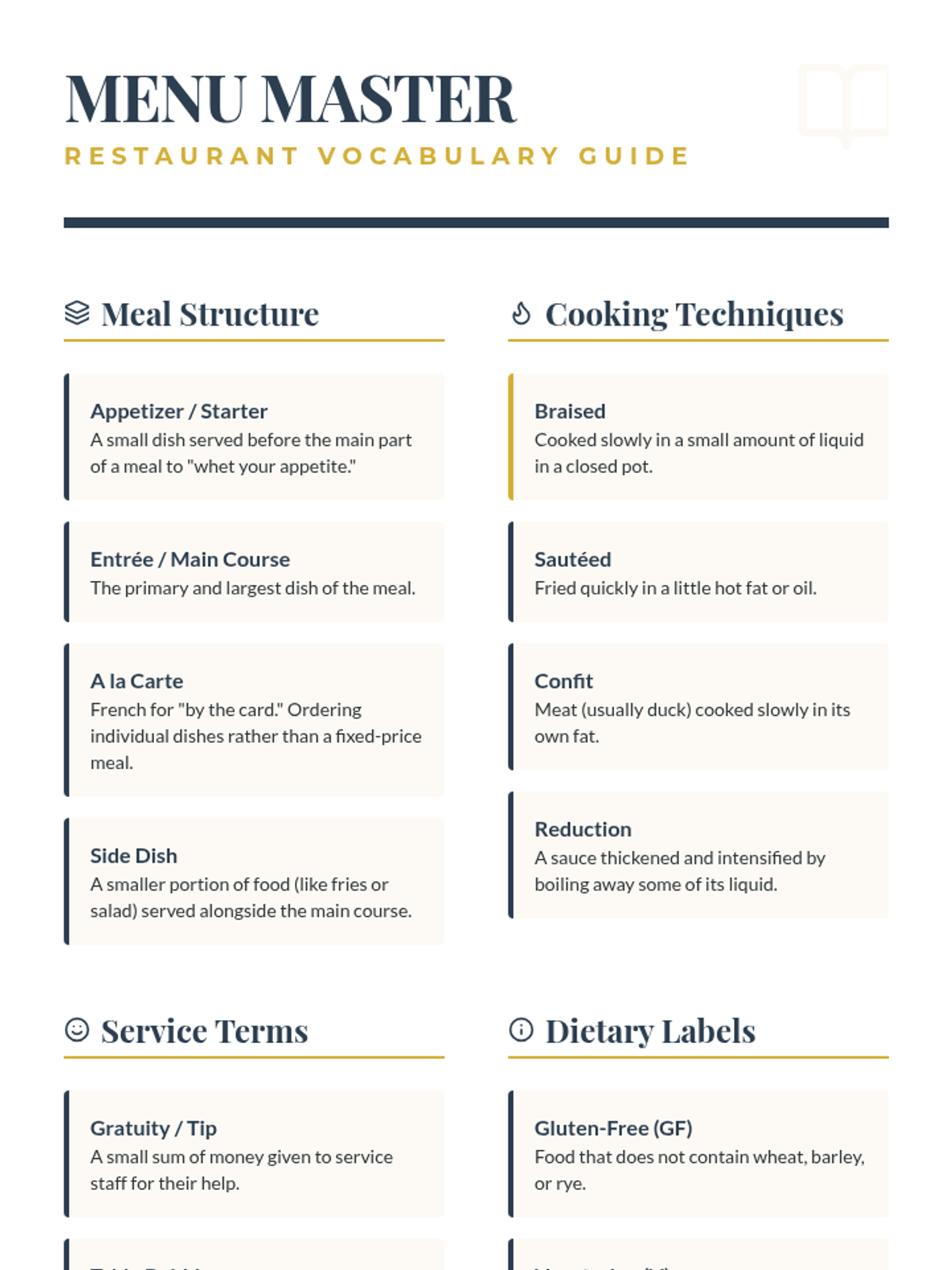
A vocabulary reference sheet for students to understand common restaurant terms, cooking styles, and dietary labels found on menus.
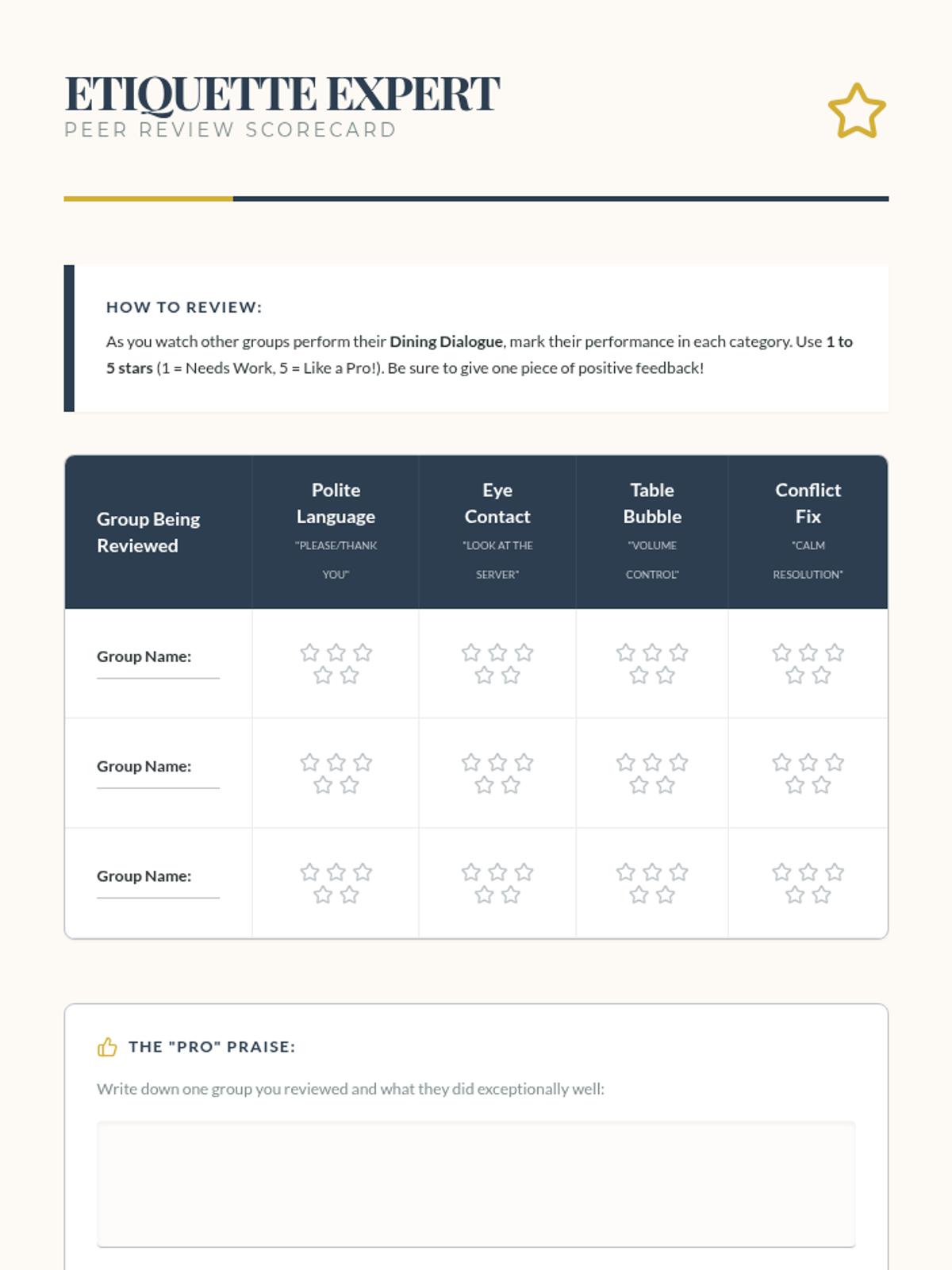
A peer review evaluation sheet for students to score each other's etiquette skills during the roleplay portion of the lesson.
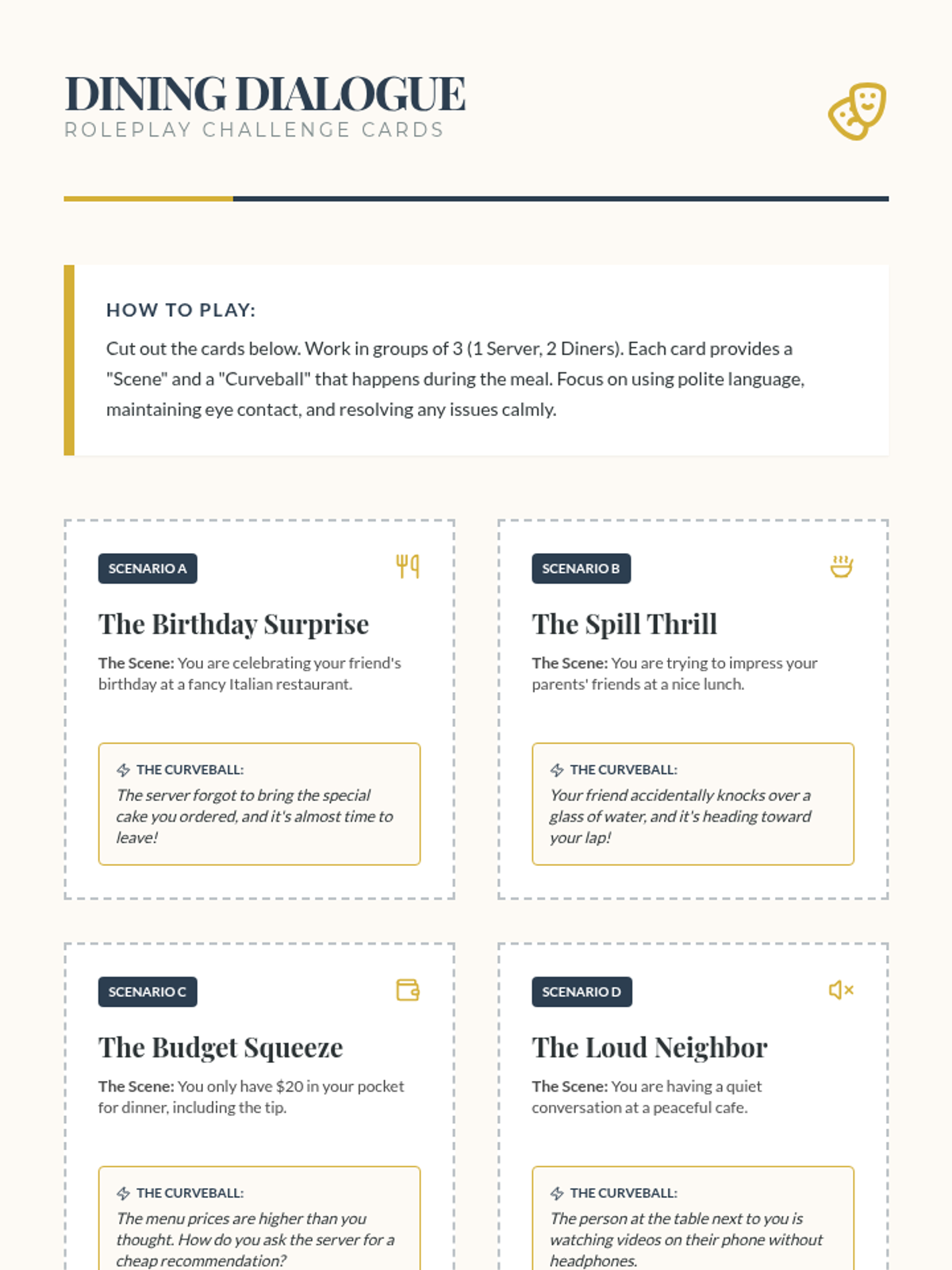
A set of four roleplay challenge cards for students to practice ordering, manners, and conflict resolution in various restaurant scenarios.
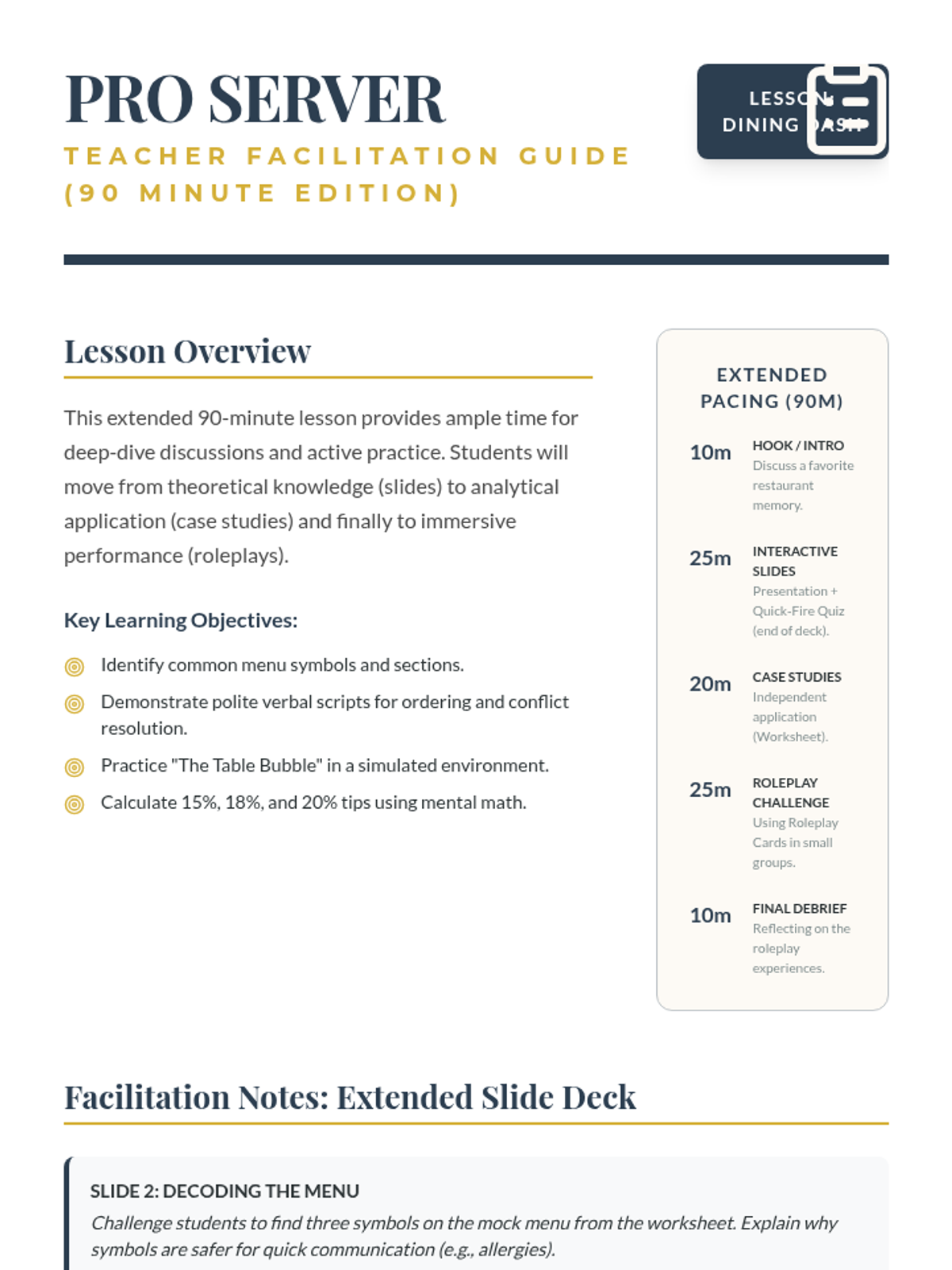
A teacher guide featuring lesson objectives, pacing suggestions, slide-by-slide discussion prompts, and a detailed answer key for the case studies.
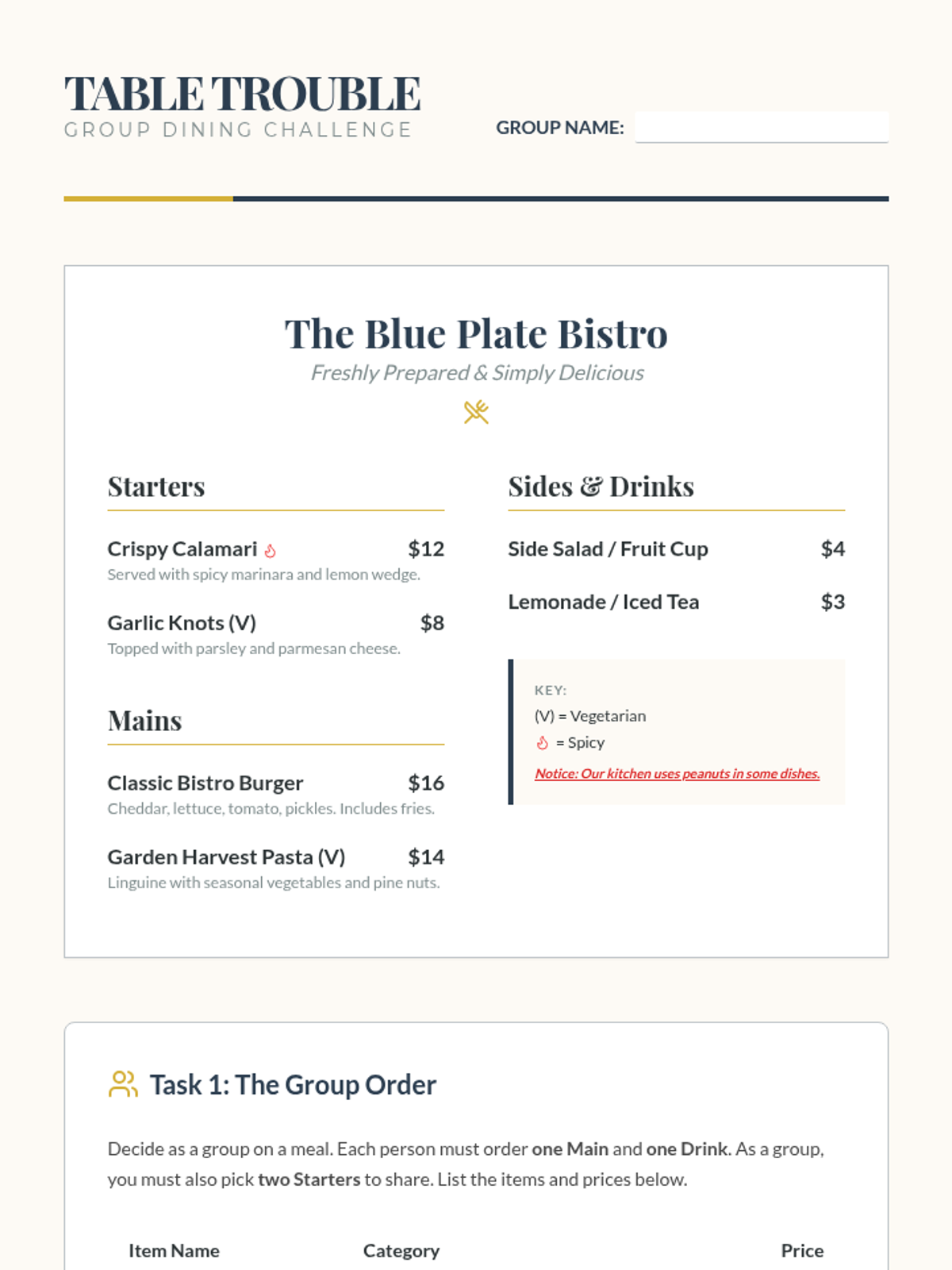
A group-focused student worksheet featuring a mock menu, a collective ordering challenge, group bill calculations, and collaborative restaurant scenarios.
A visual slide deck teaching restaurant etiquette, including menu reading, ordering scripts, table manners, volume control, tipping, and conflict resolution. Separates quiz questions and answers for better engagement.
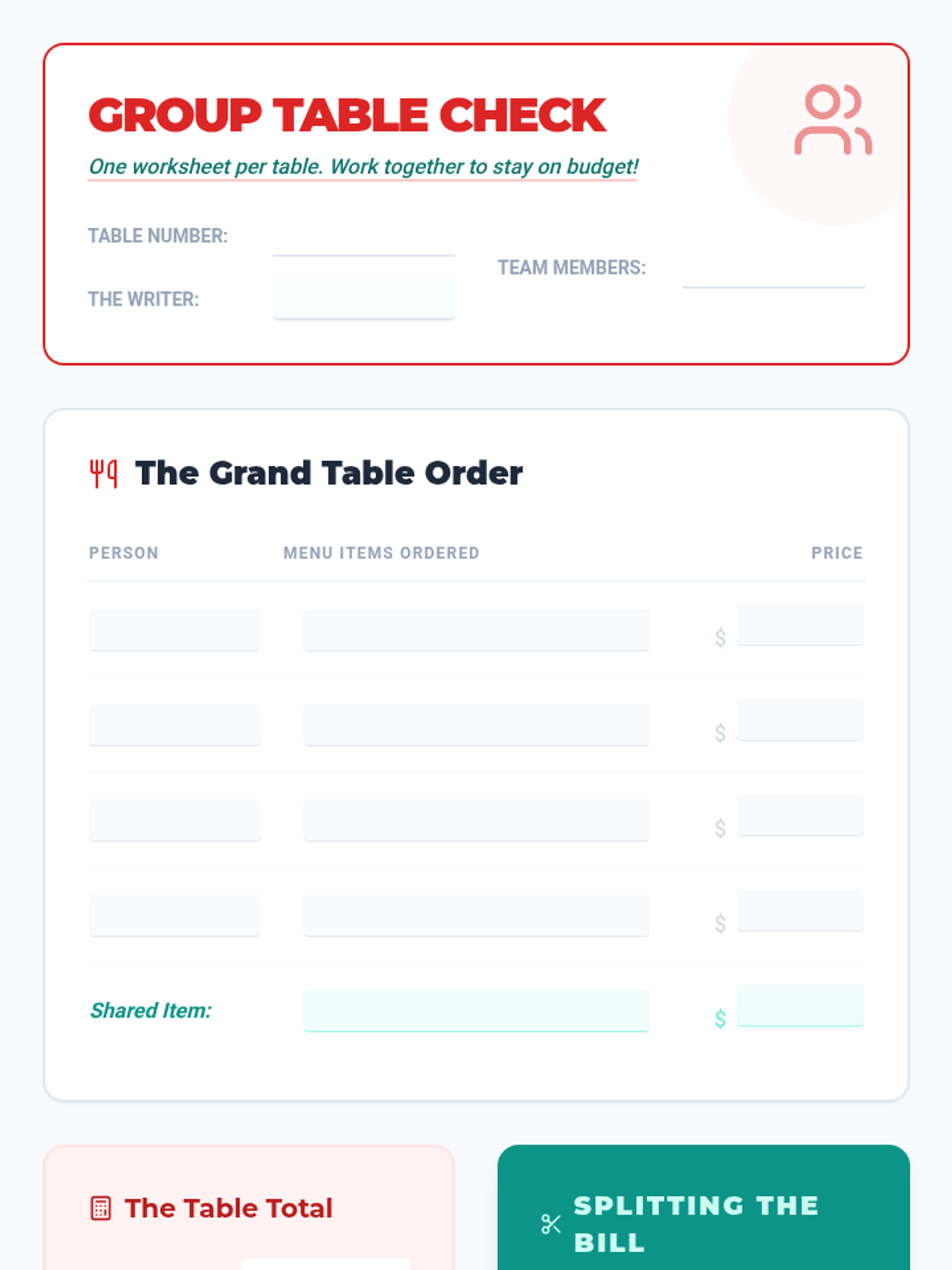
A comprehensive group worksheet that combines combined food order tracking, table total calculations (including tax and tip), group math challenges, and social etiquette reflections into a single multi-page document.
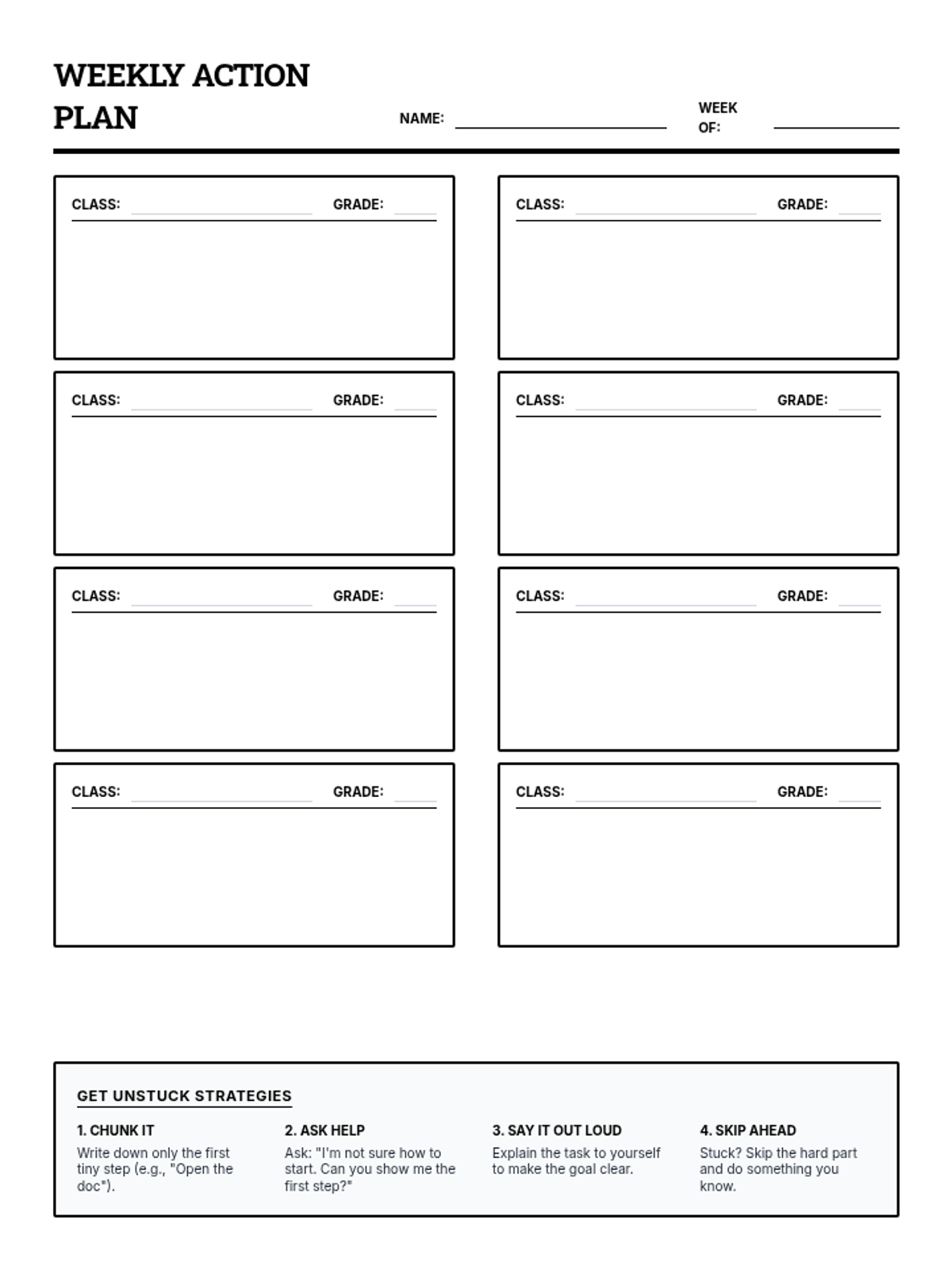
A highly efficient, single-page Weekly Action Plan designed for students with executive functioning needs. It features 8 streamlined class boxes with space for subjects and grades, plus a concise footer with 'Get Unstuck' strategies, all formatted to fit within a single printable page.
Instructional slide deck for the Budget Bites lesson, covering the 90-minute agenda, hidden costs (tax and tip), and restaurant social etiquette.
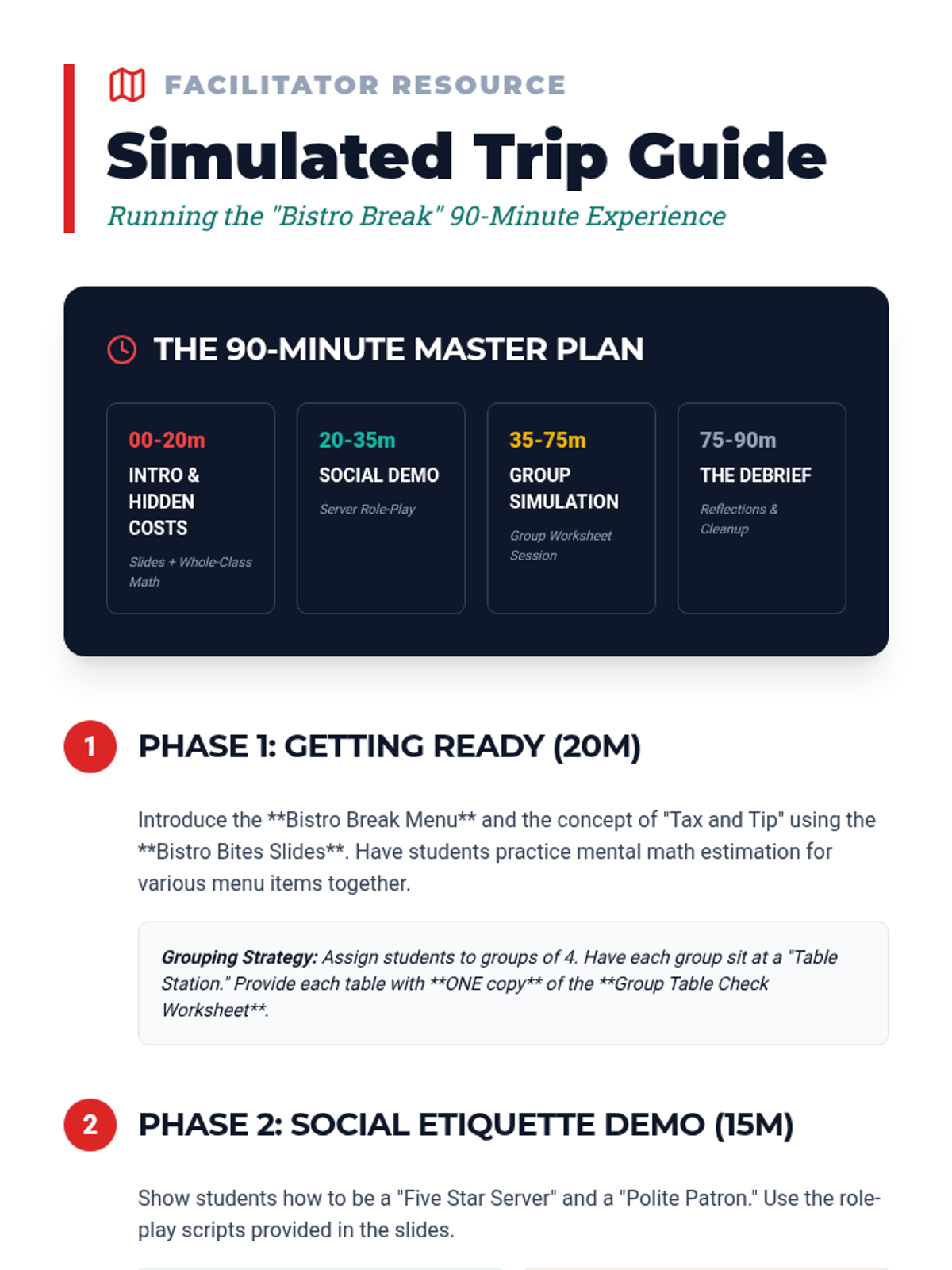
A facilitator's guide for conducting a simulated restaurant field trip in the classroom, including role-play scripts and setup instructions.
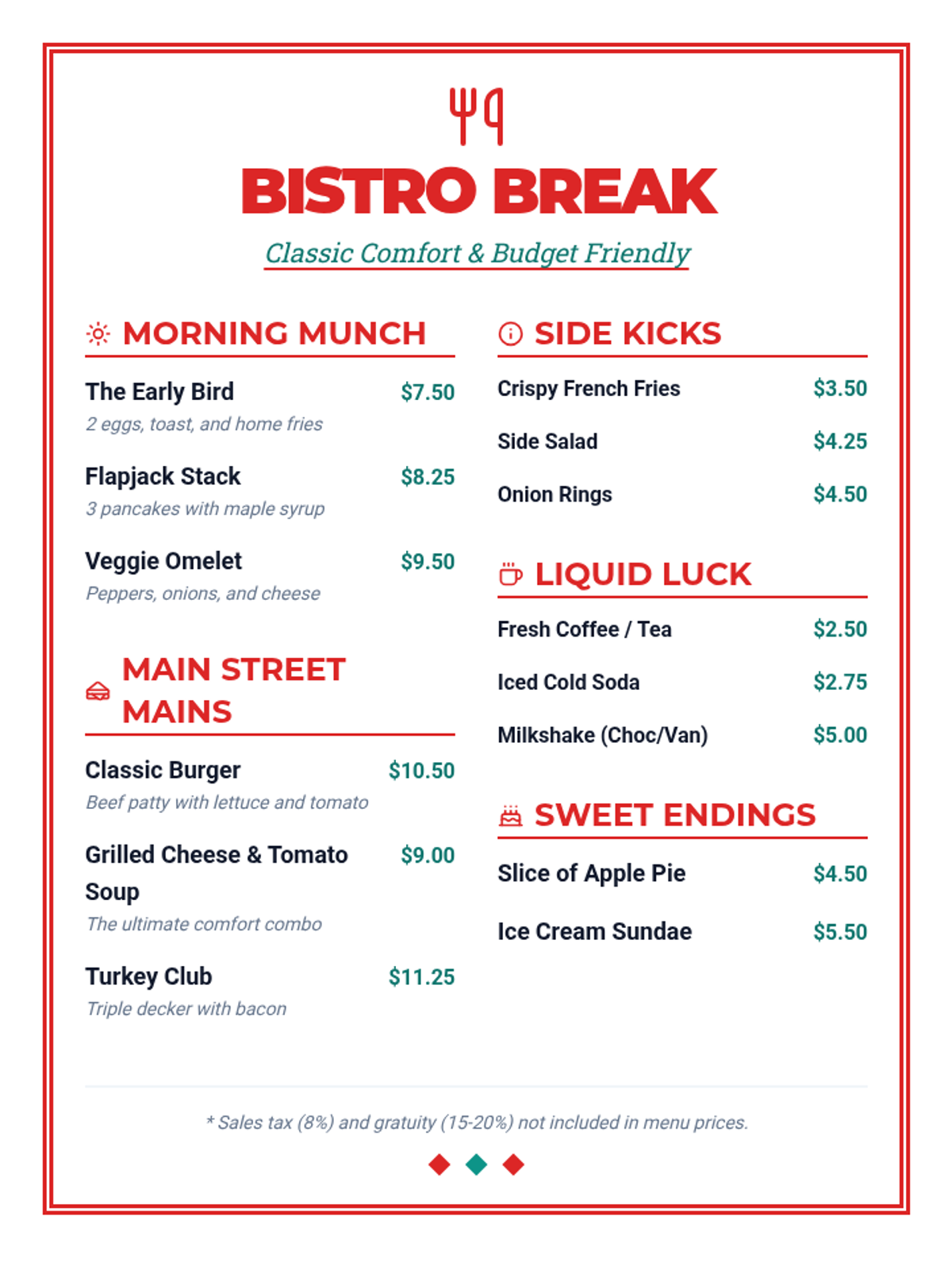
A retro-style bistro menu featuring breakfast, main courses, sides, drinks, and desserts with clear pricing for use in budget and math exercises.
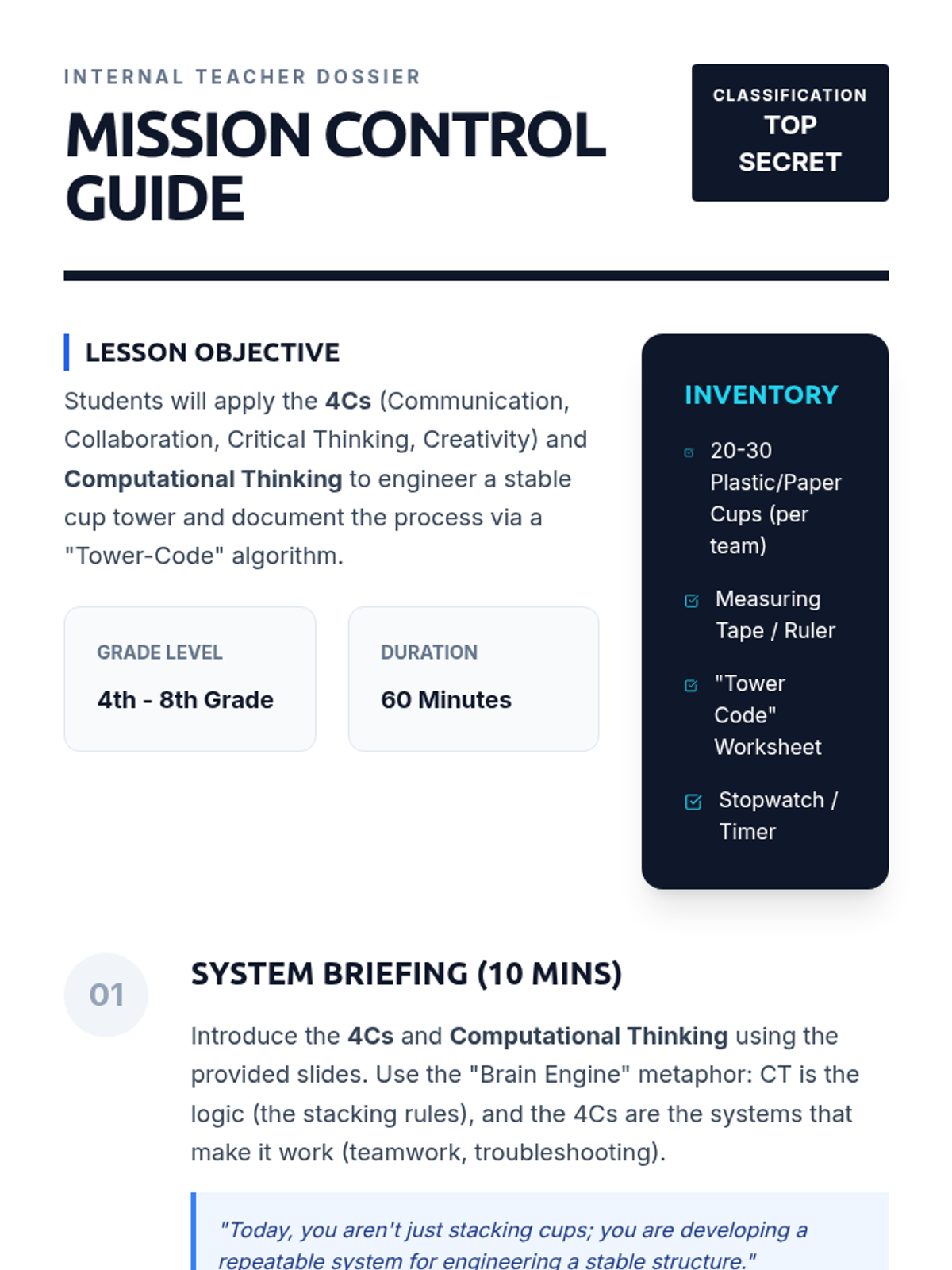
A detailed mission dossier for teachers, including lesson flow, materials list, and instructional strategies for teaching the 4Cs and Computational Thinking with a cup-tower challenge.
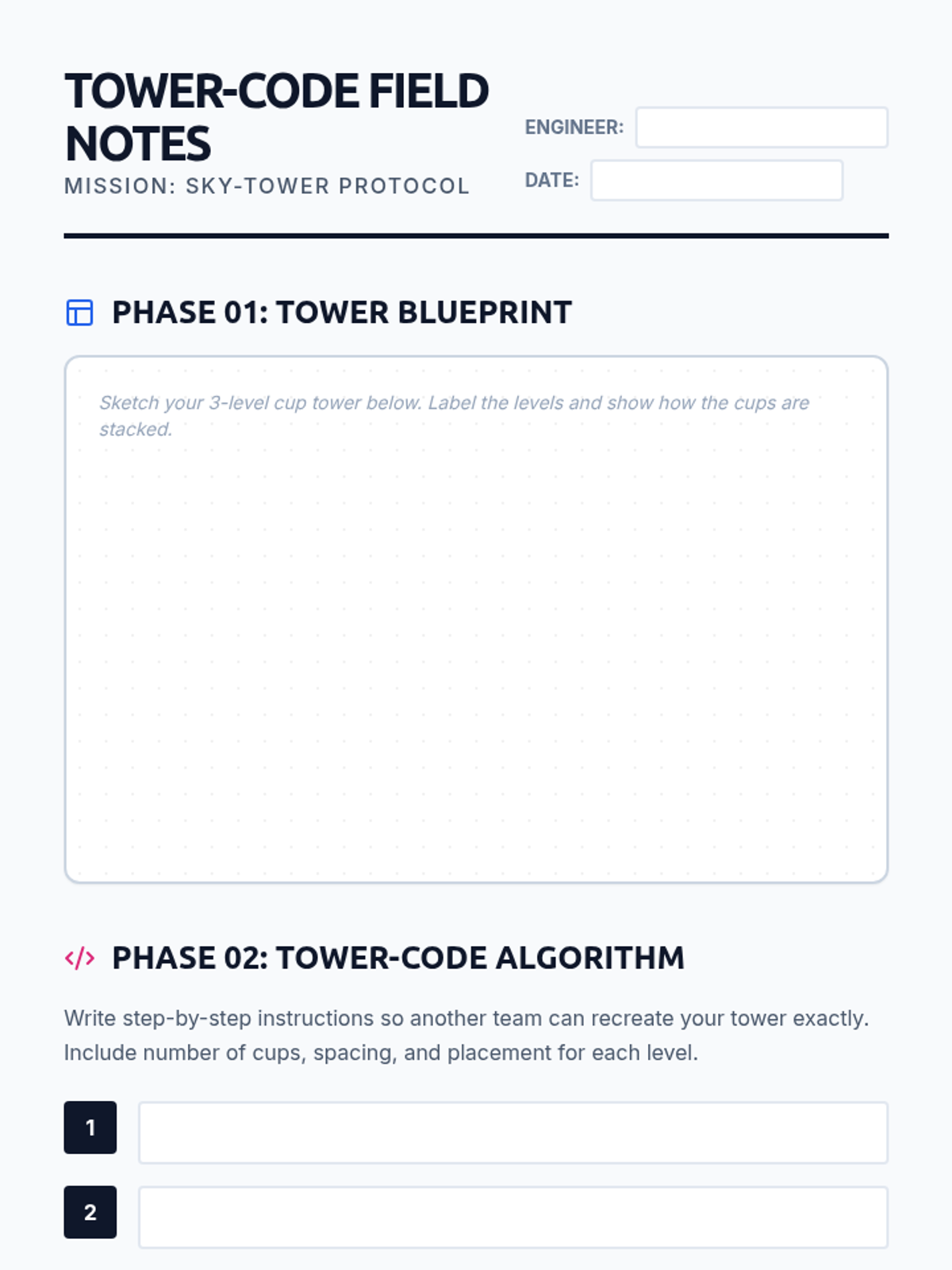
A mission-themed field guide for students to design their tower, write their "Tower-Code" algorithm, and reflect on their use of the 4Cs and Computational Thinking.
A high-energy, mission-themed slide deck that introduces the 4Cs and Computational Thinking with a focus on a cup-tower engineering challenge.
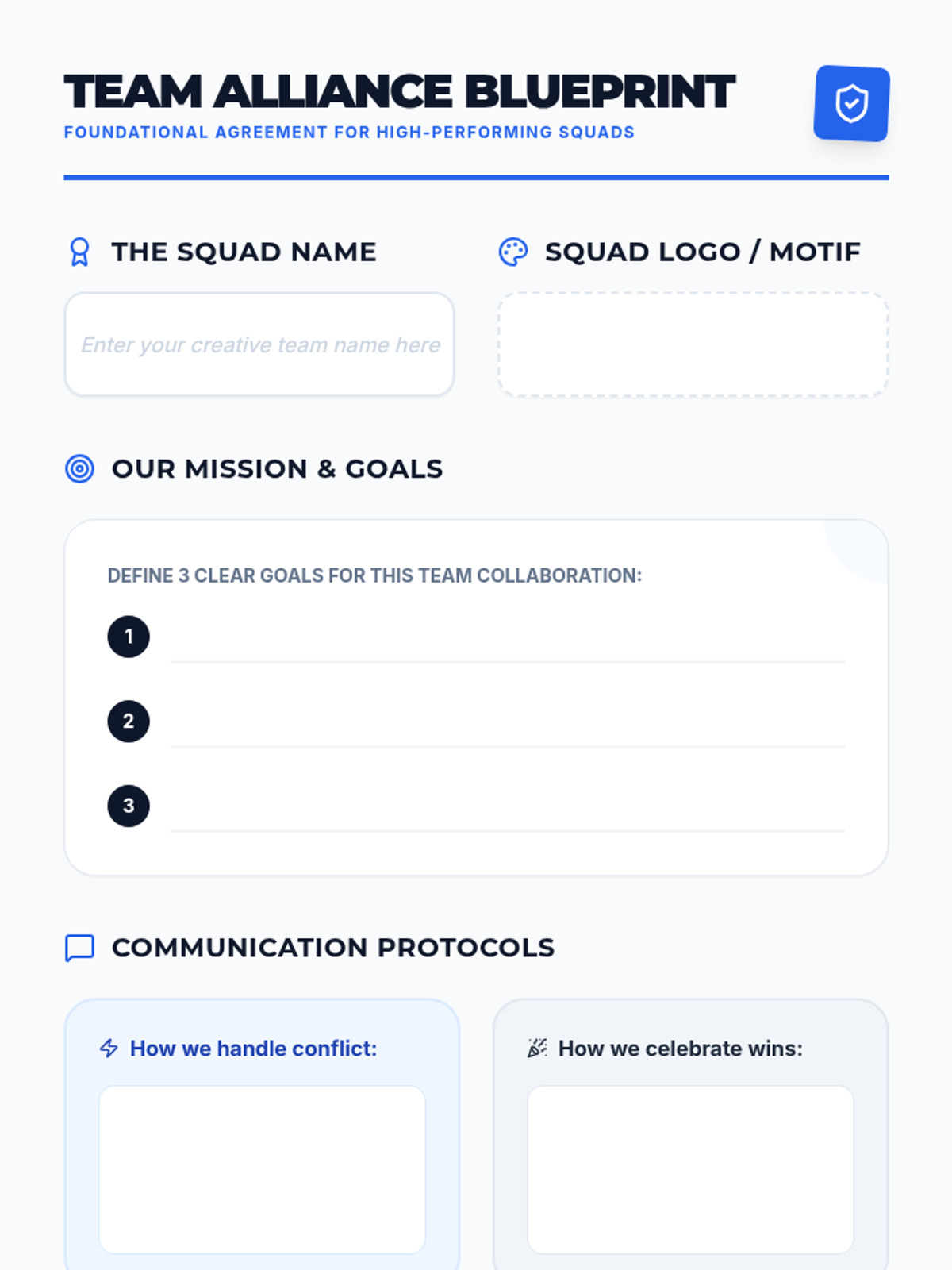
A team-building charter where student groups define their name, mission, communication norms, and shared commitments.
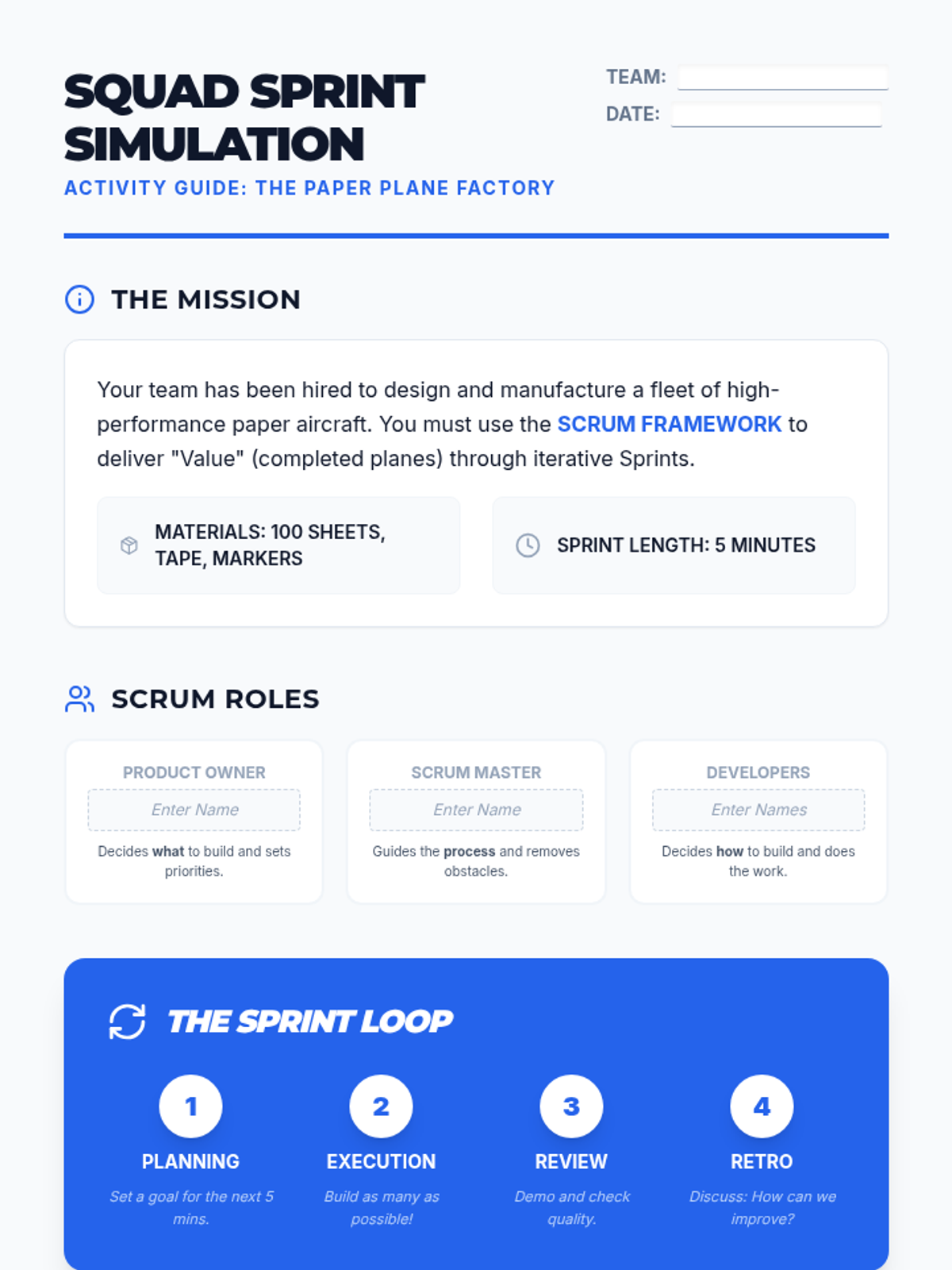
A detailed guide for a paper plane factory simulation activity, including role assignments, sprint trackers, and communication reflection questions.
A comprehensive slide deck covering Agile mindset, Scrum framework roles/events, and the importance of effective communication and psychological safety in teams.
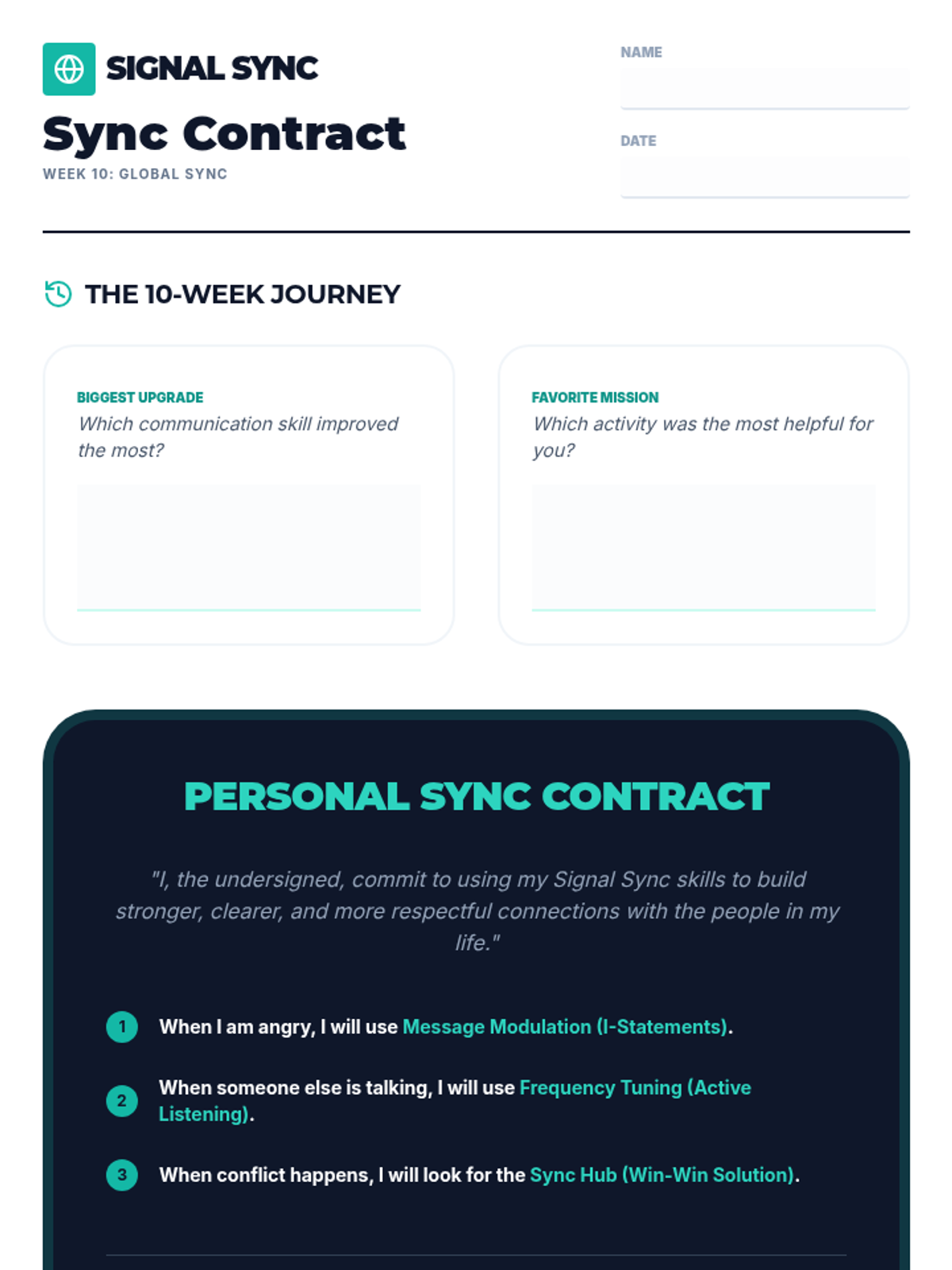
The final student activity sheet for the Signal Sync curriculum, featuring a reflection area and a formal communication commitment contract.
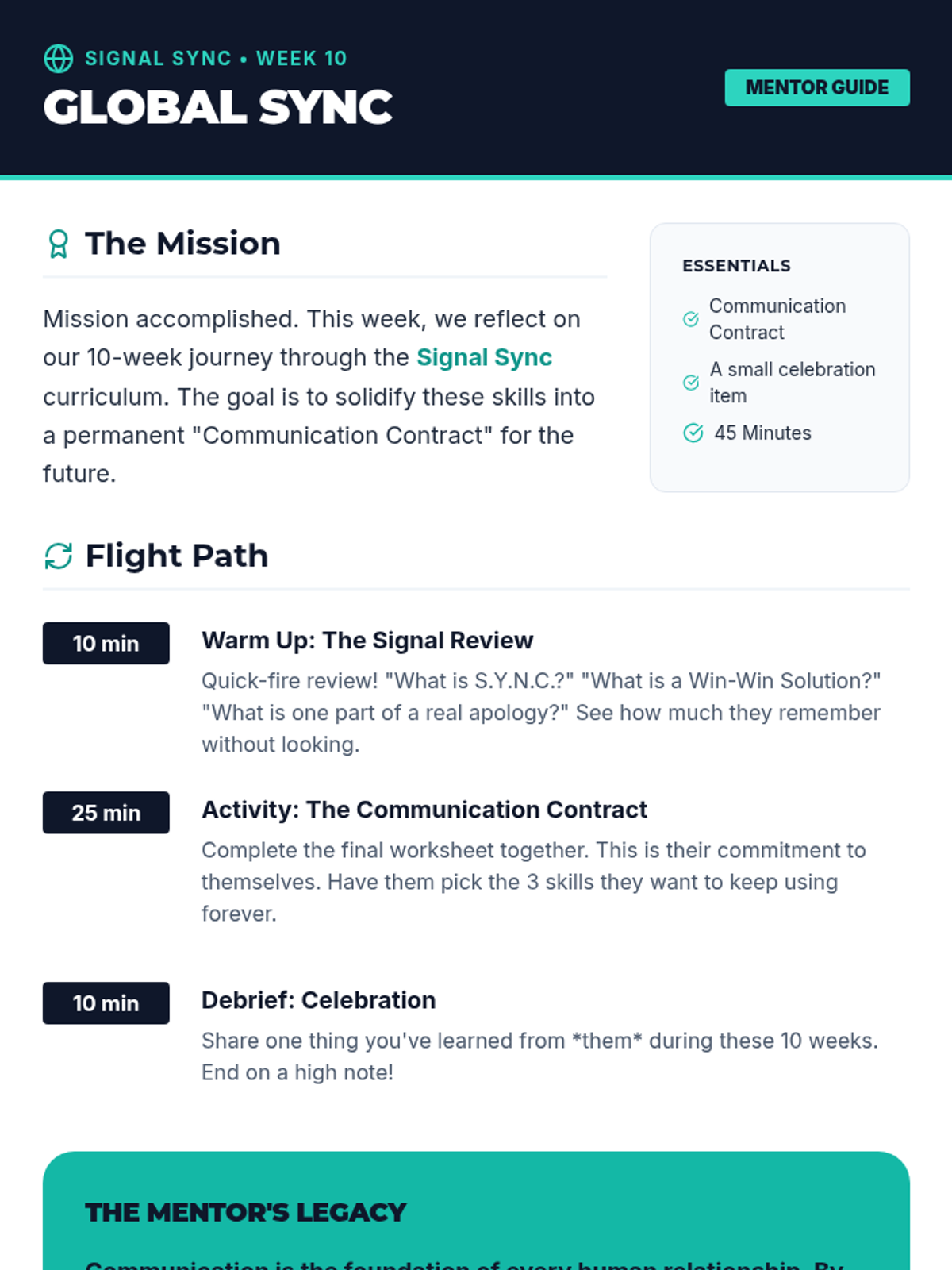
A mentor guide for the final week of the Signal Sync curriculum, focusing on reflection and the creation of a personal communication contract.
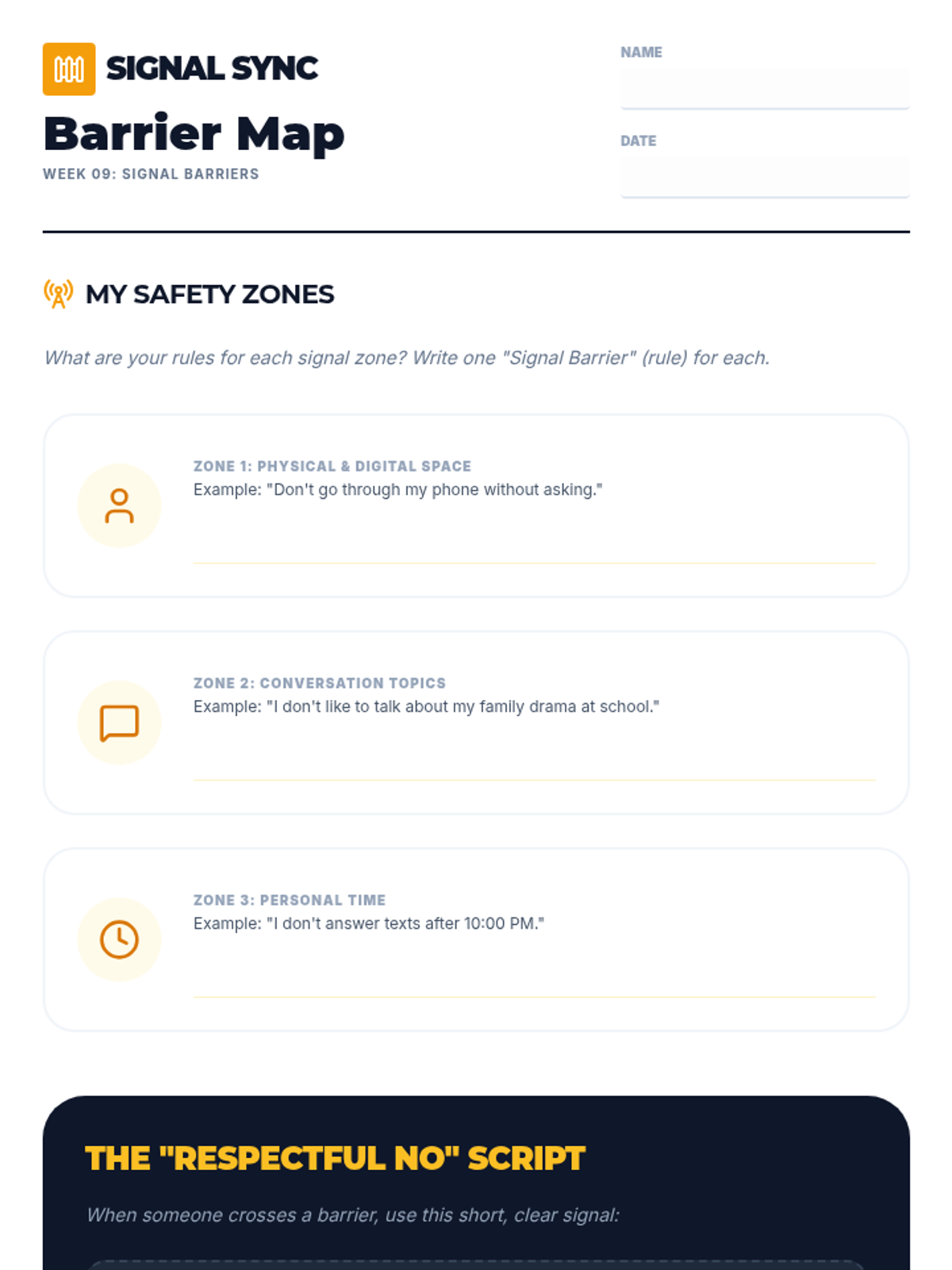
A student activity sheet for mapping personal boundaries and practicing assertive 'No' scripts.
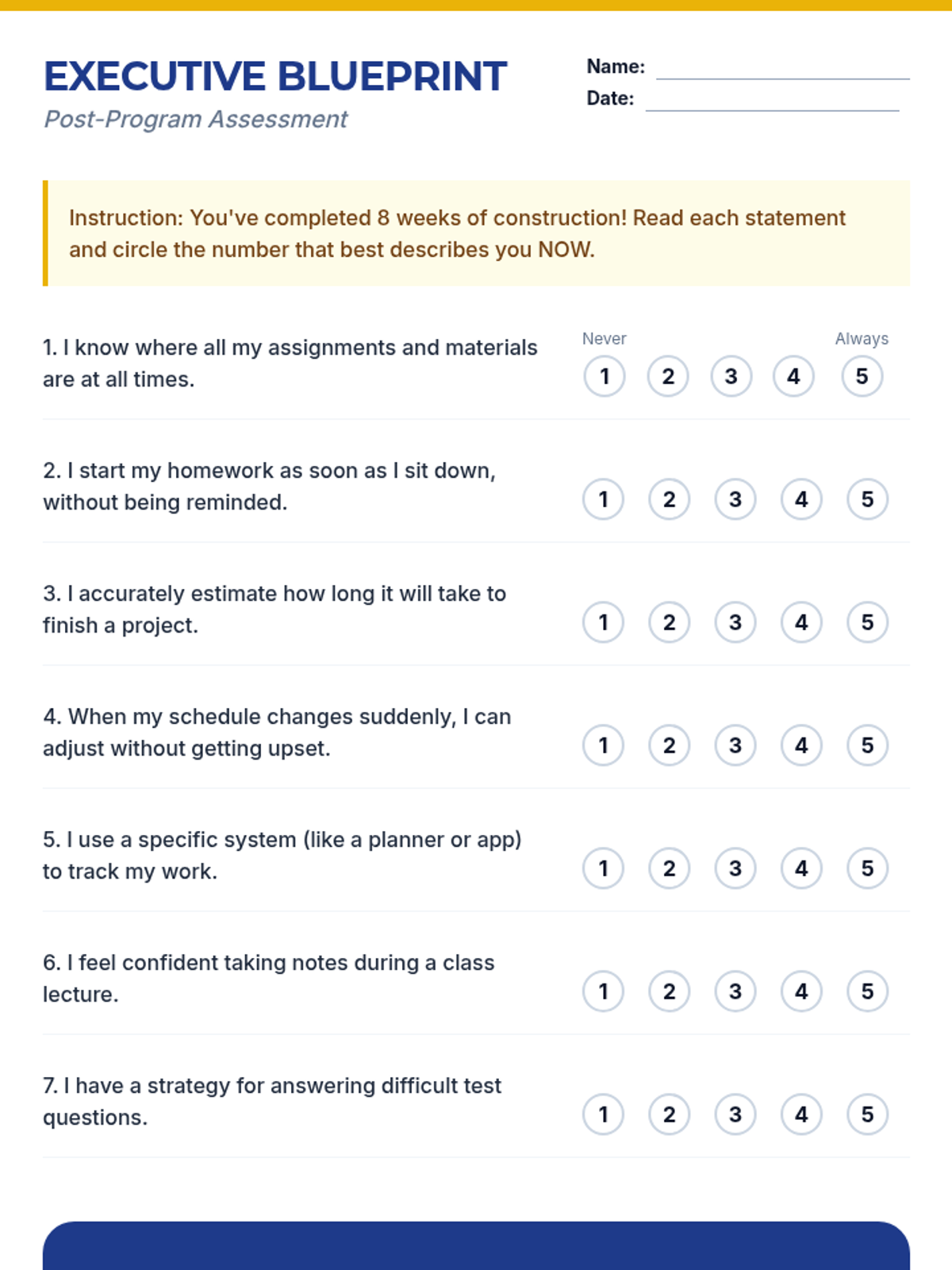
A two-page student document featuring an Executive Functioning Post-Assessment and a reflection section for the final session of the Executive Blueprint program.
Instructional slides for the final Lesson 8, celebrating growth and reviewing the core strategies learned throughout the 8-week Executive Blueprint program.
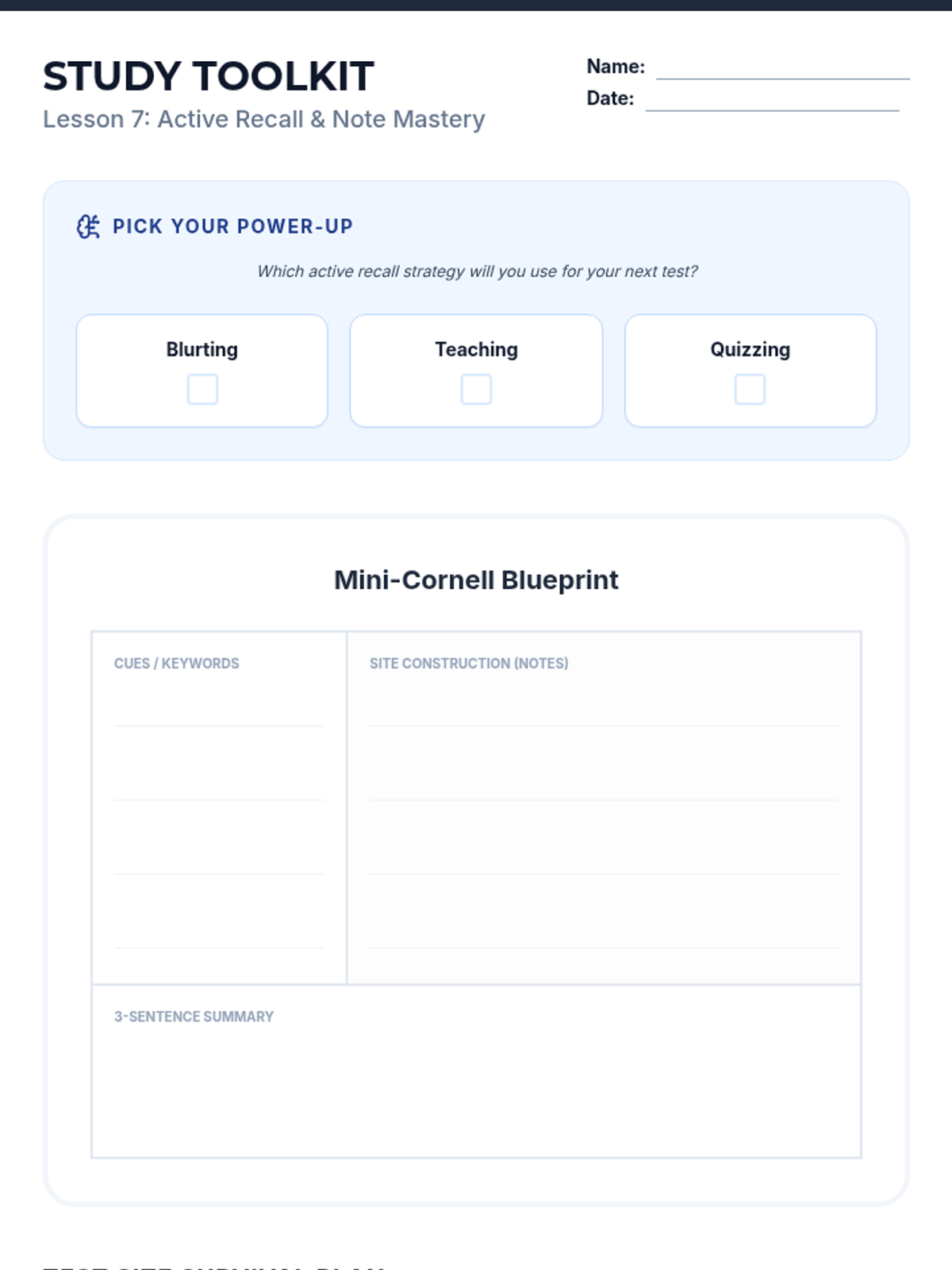
A student worksheet featuring a simplified Cornell note-taking template and a toolkit for active recall and test-taking strategies.
Instructional slides for Lesson 7 focusing on active recall study techniques, simplified Cornell note-taking, and test-taking "survival" strategies.
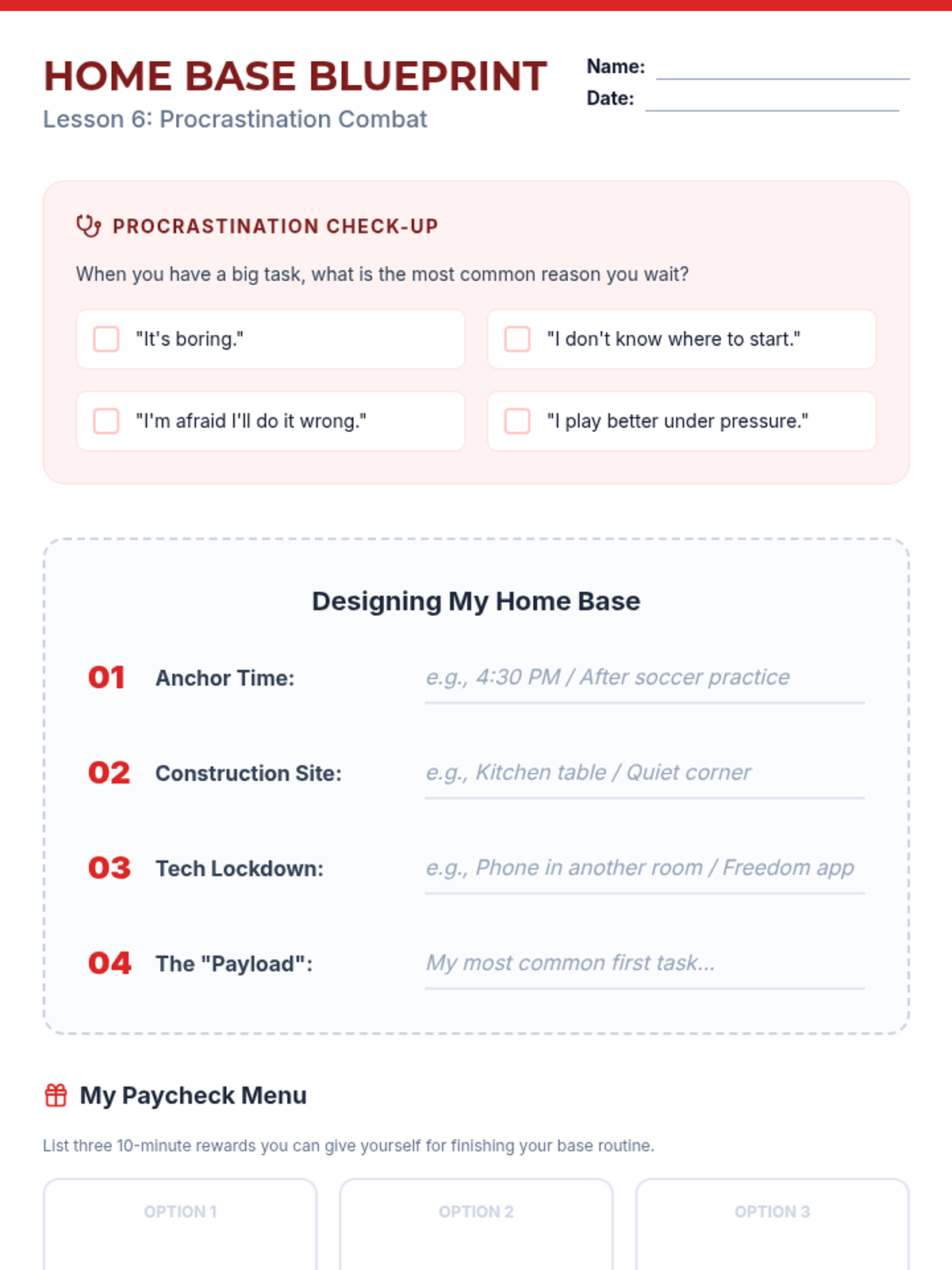
A student worksheet for designing a personalized "Home Base" homework routine, identifying personal procrastination triggers, and creating a "Reward Menu."
Instructional slides for Lesson 6 on overcoming procrastination, identifying procrastination types, and establishing a consistent "Home Base" routine.
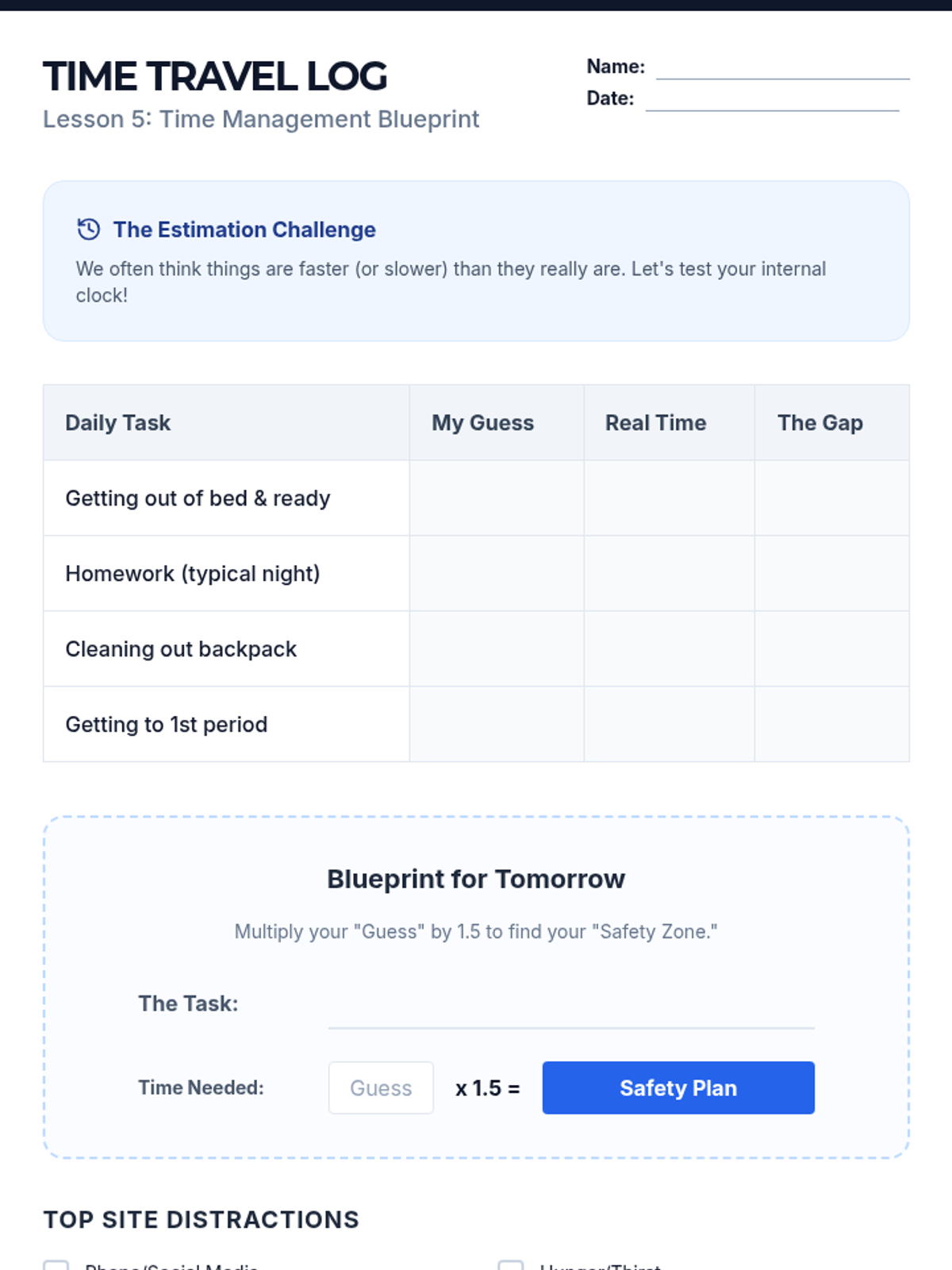
A student worksheet for tracking time estimation vs. reality and identifying "Time Thieves" that disrupt academic productivity.
Instructional slides for Lesson 5 on time management, defining "Time Blindness" and introducing the "Rule of 1.5x" for better task estimation.
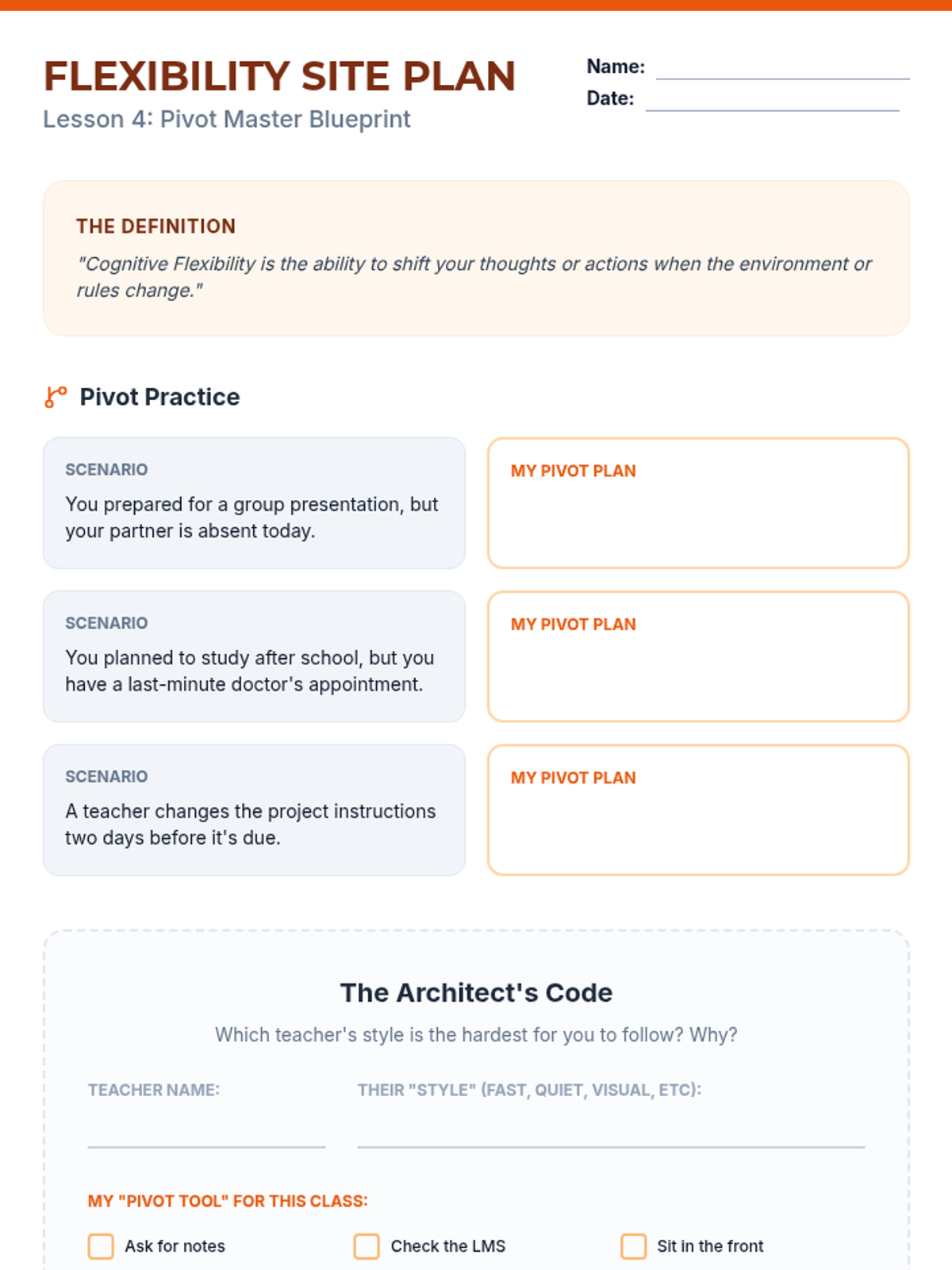
A student worksheet for practicing cognitive flexibility, including scenarios for "Pivoting" and an audit of teacher styles to help students adapt to different learning environments.
Instructional slides for Lesson 4 on cognitive flexibility, teaching students to adapt to schedule changes and different teaching styles using the "What Else?" strategy.
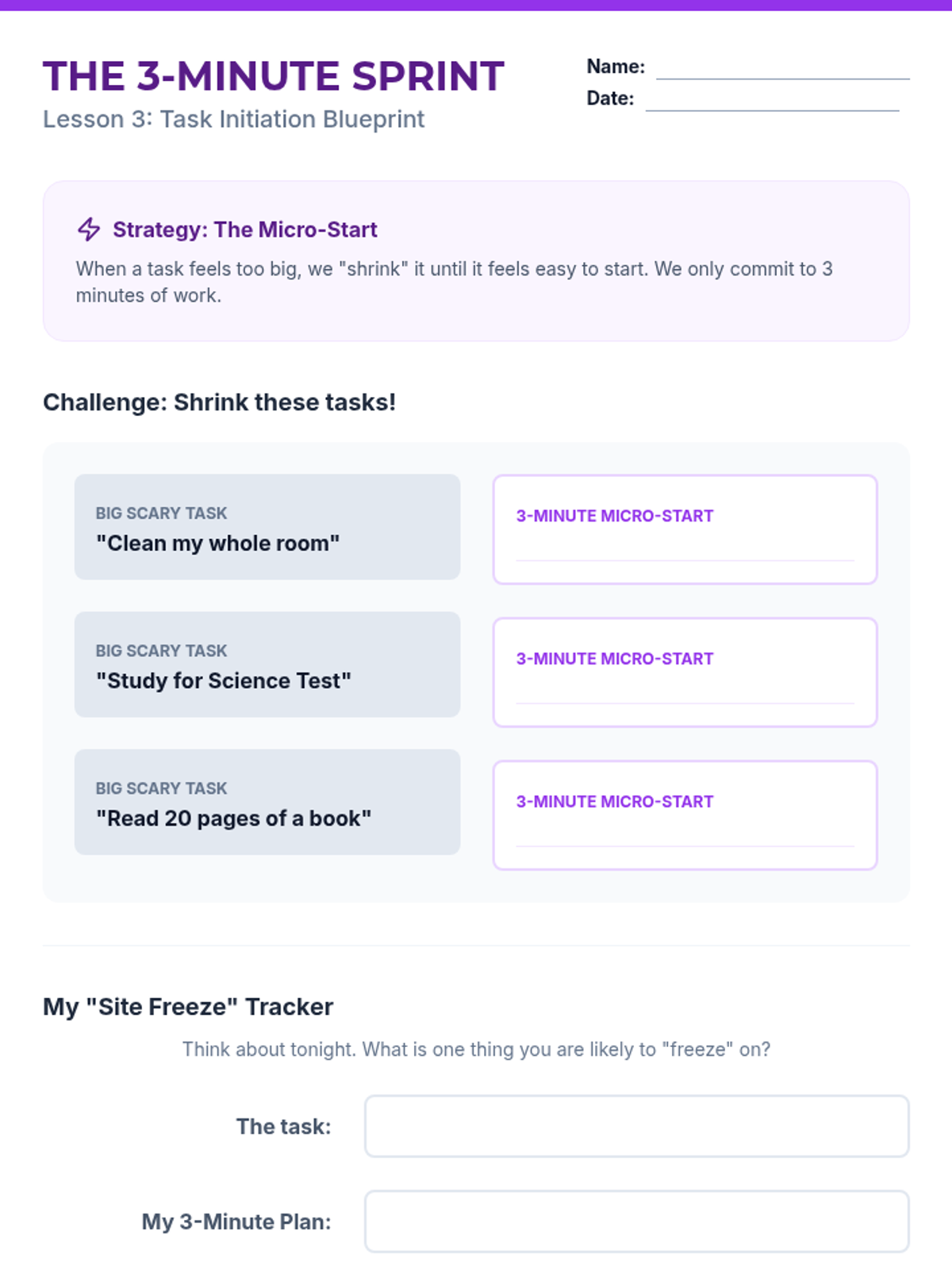
A student worksheet for practicing the "Micro-Start" strategy, breaking down large daunting tasks into 3-minute manageable sprints.
Instructional slides for Lesson 3 focusing on overcoming task initiation struggles using the "3-Minute Sprint" and "Micro-Start" strategies.
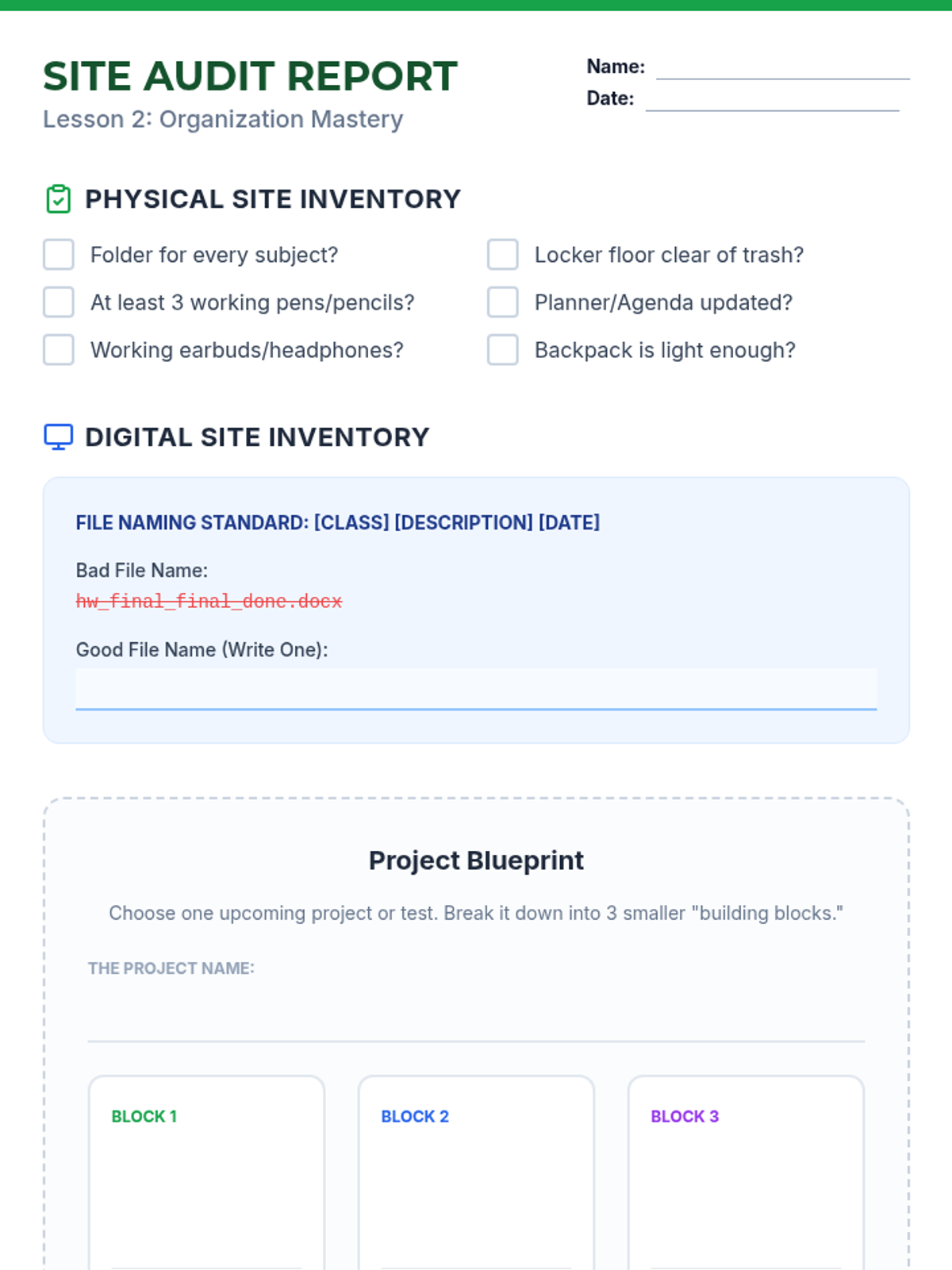
A student worksheet for auditing physical and digital organization, including an inventory checklist and a "building block" framework for long-term projects.
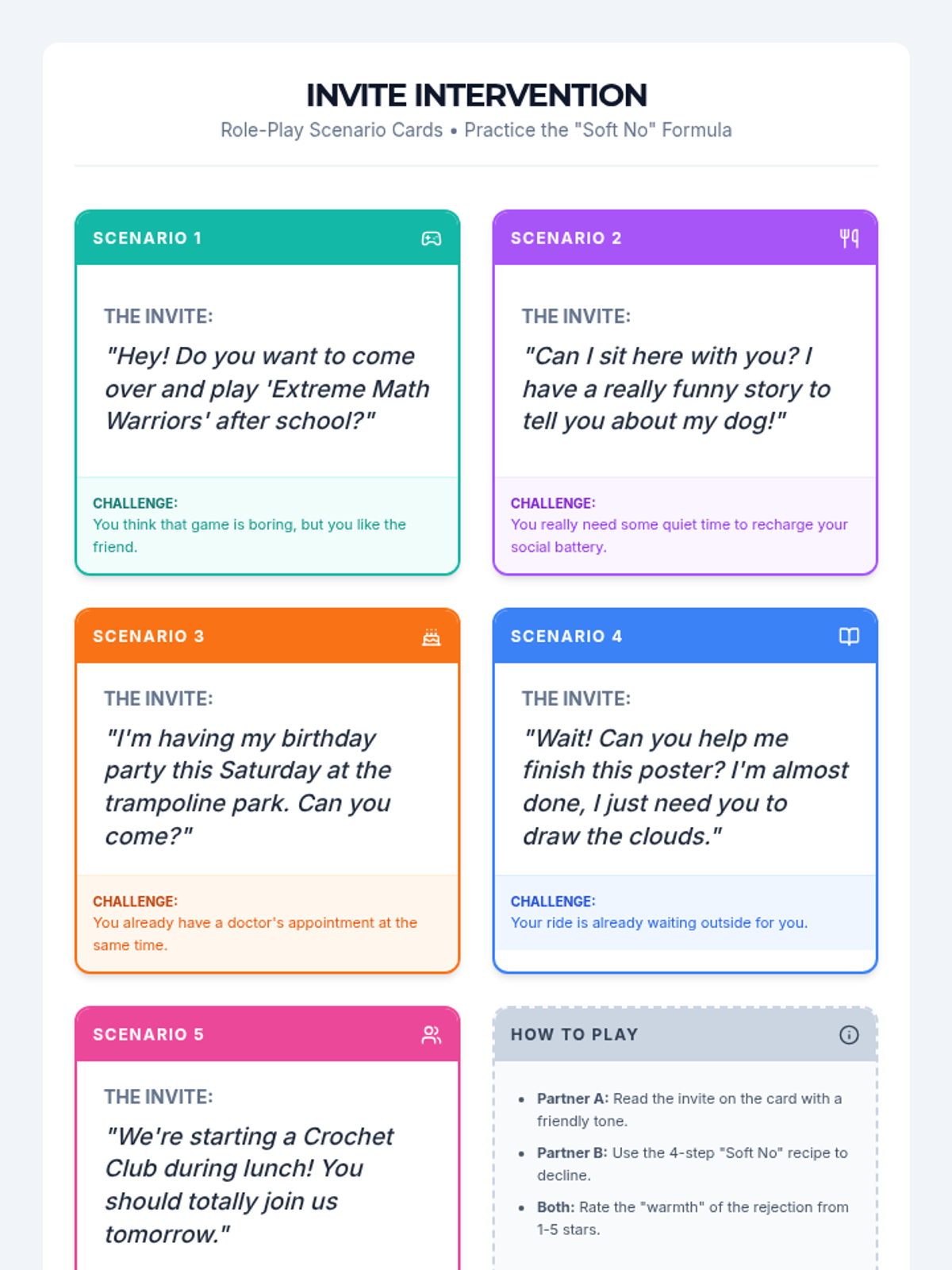
A set of five role-play task cards featuring common social scenarios where a student might need to decline an invitation. Includes a challenge for each scenario and brief instructions for partner practice.
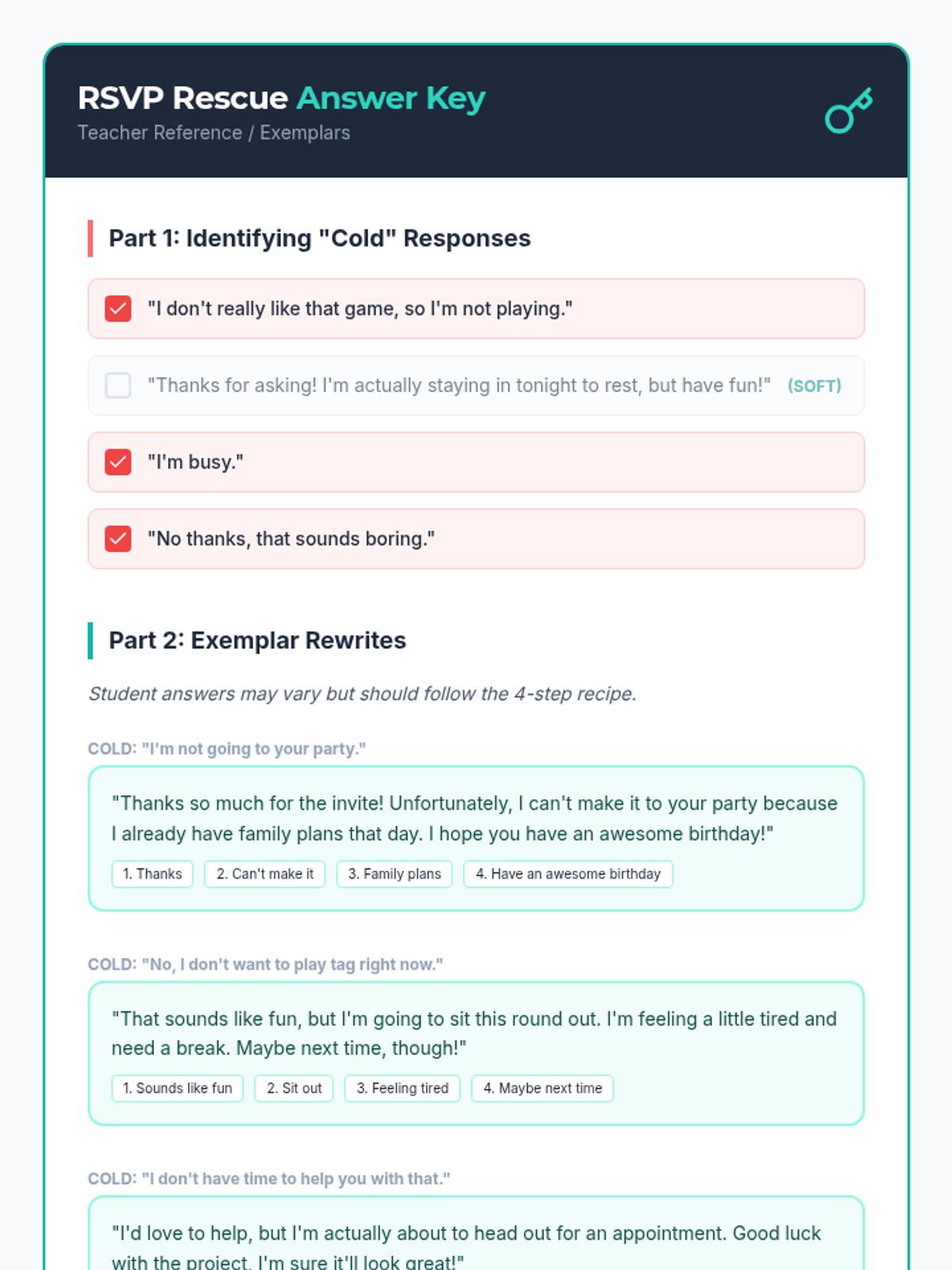
Teacher answer key for the RSVP Rescue worksheet, providing correctly identified 'cold' rejections and exemplar 'soft' rejection rewrites for classroom discussion and grading.
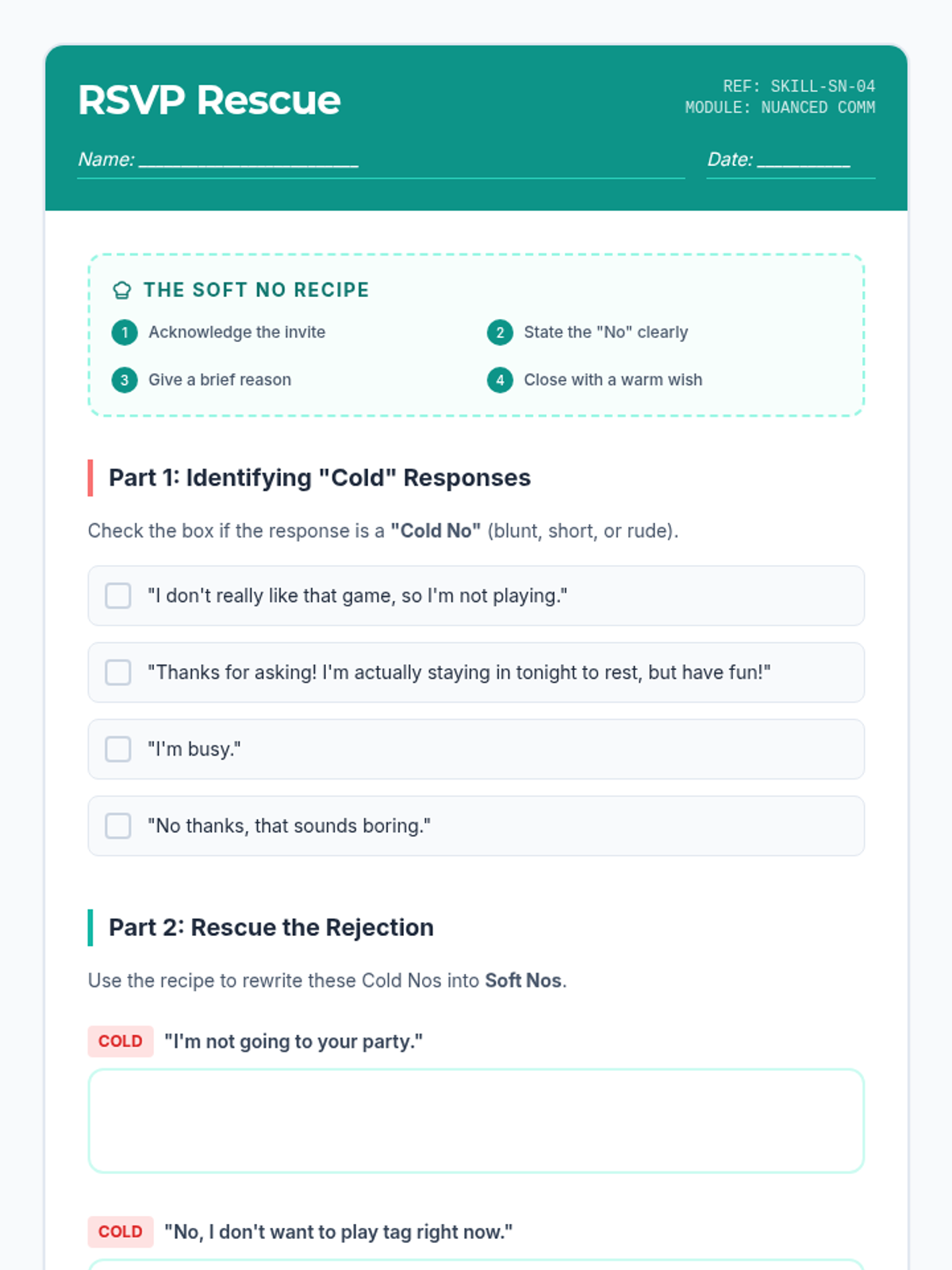
A student worksheet designed to practice declining invitations. It features a section for identifying 'cold' rejections and a guided practice area for rewriting blunt responses into 'soft' rejections using a 4-part social skill formula.
A presentation teaching the "Soft No" social skill. It defines the 'Cold No', introduces a 4-part recipe for polite rejection, and includes discussion prompts and a video model placeholder.
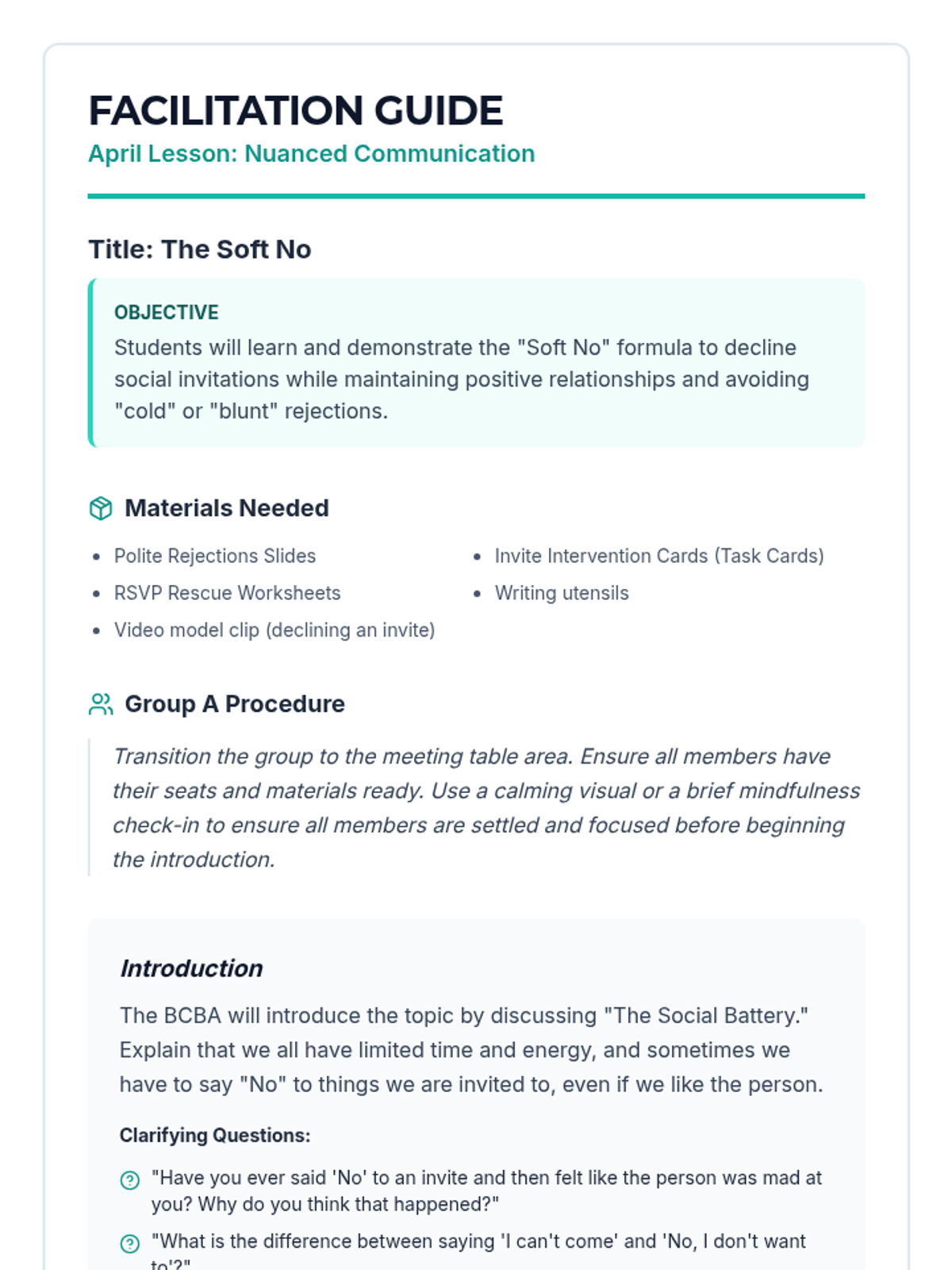
A comprehensive teacher facilitation guide for a social skills lesson on declining invitations politely. It includes an objective, step-by-step procedures, role-play scenarios, and closure reflection questions.
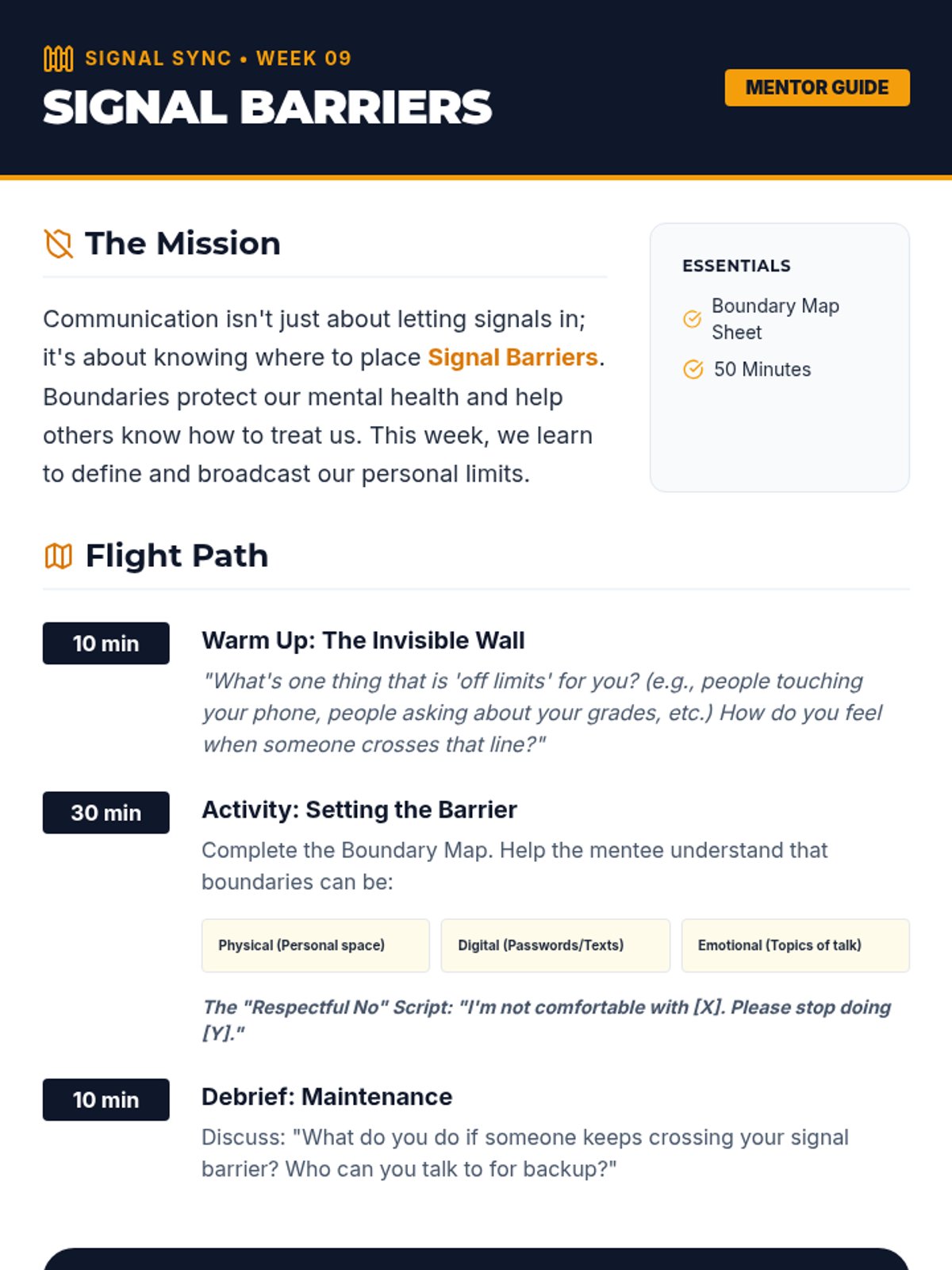
A mentor guide for the ninth week of the Signal Sync curriculum, focusing on establishing and communicating personal boundaries.
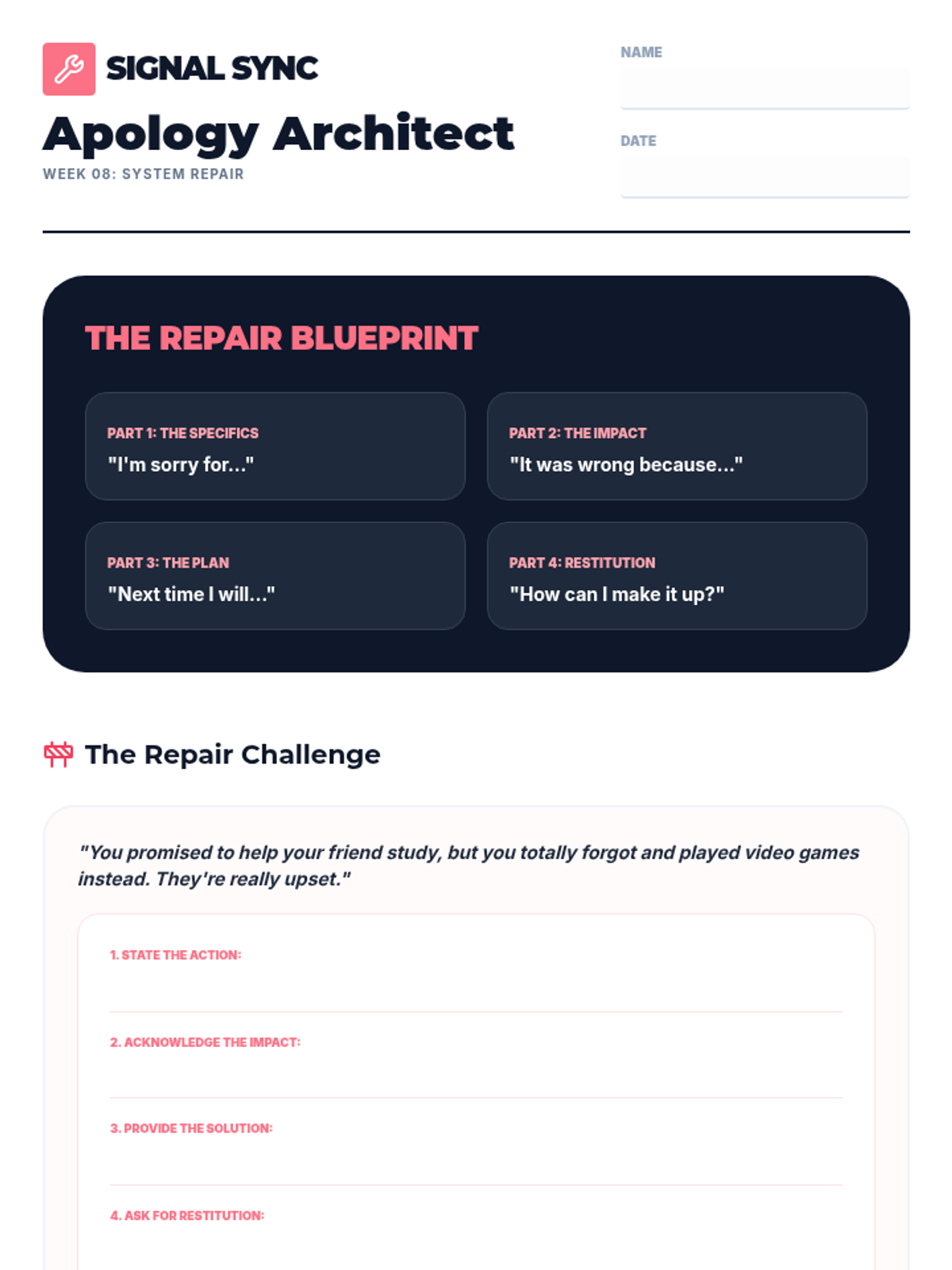
A student activity sheet for practicing the 4-part apology framework (Action, Impact, Solution, Restitution).
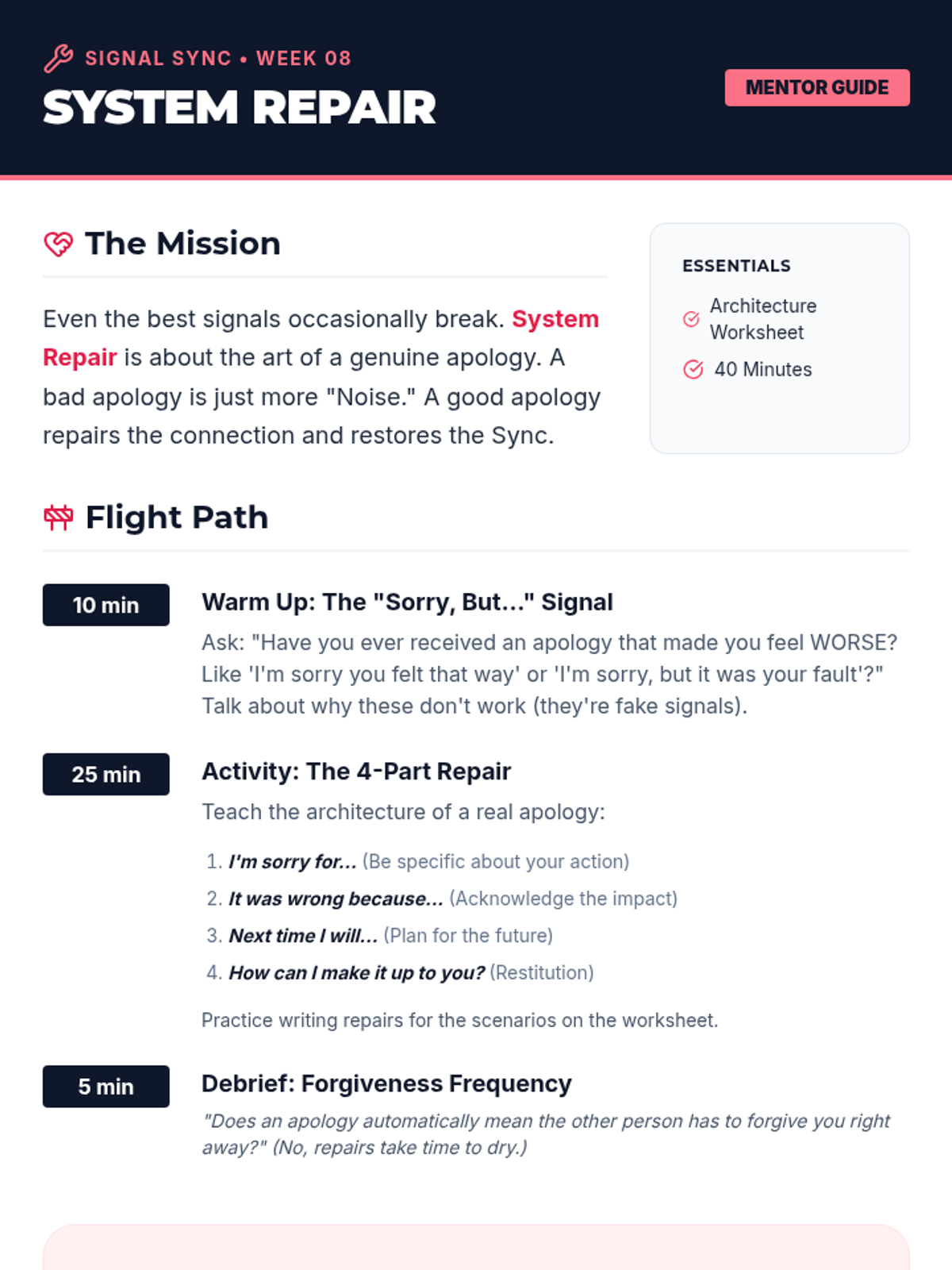
A mentor guide for the eighth week of the Signal Sync curriculum, teaching the 4-part framework for genuine apologies.
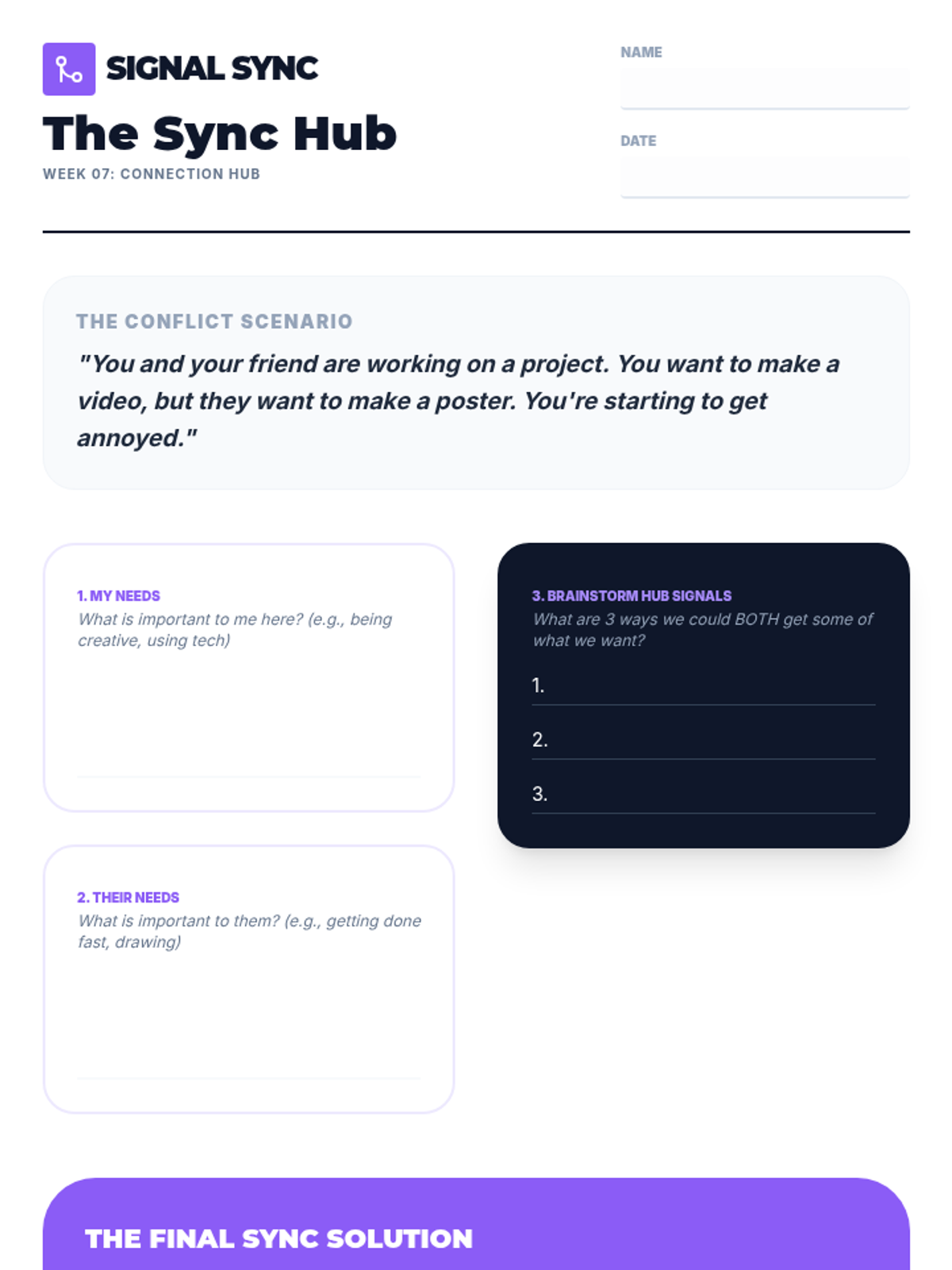
A student activity sheet for mapping out collaborative solutions to conflict using the Hub method.
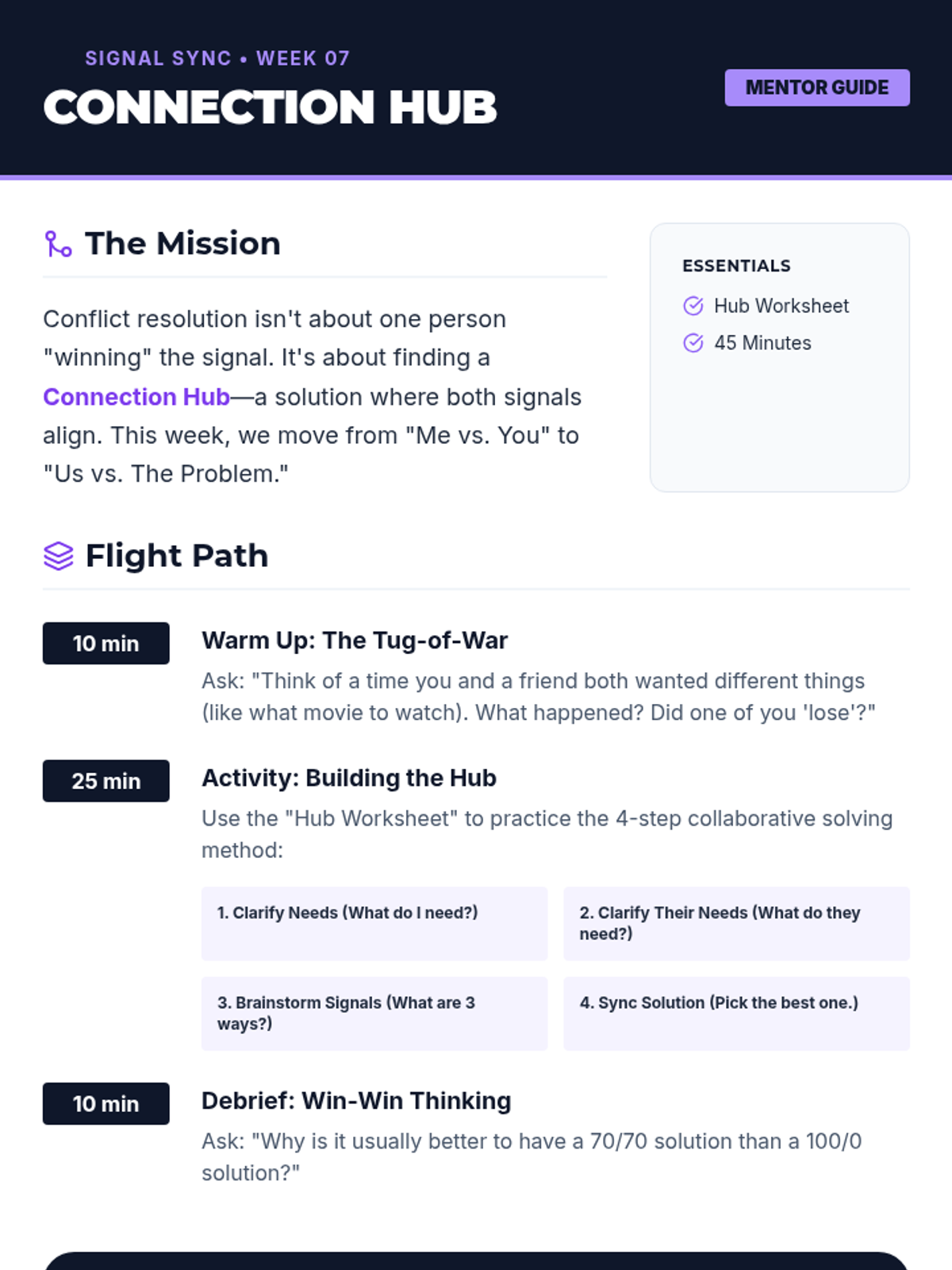
A mentor guide for the seventh week of the Signal Sync curriculum, focusing on collaborative problem-solving techniques.
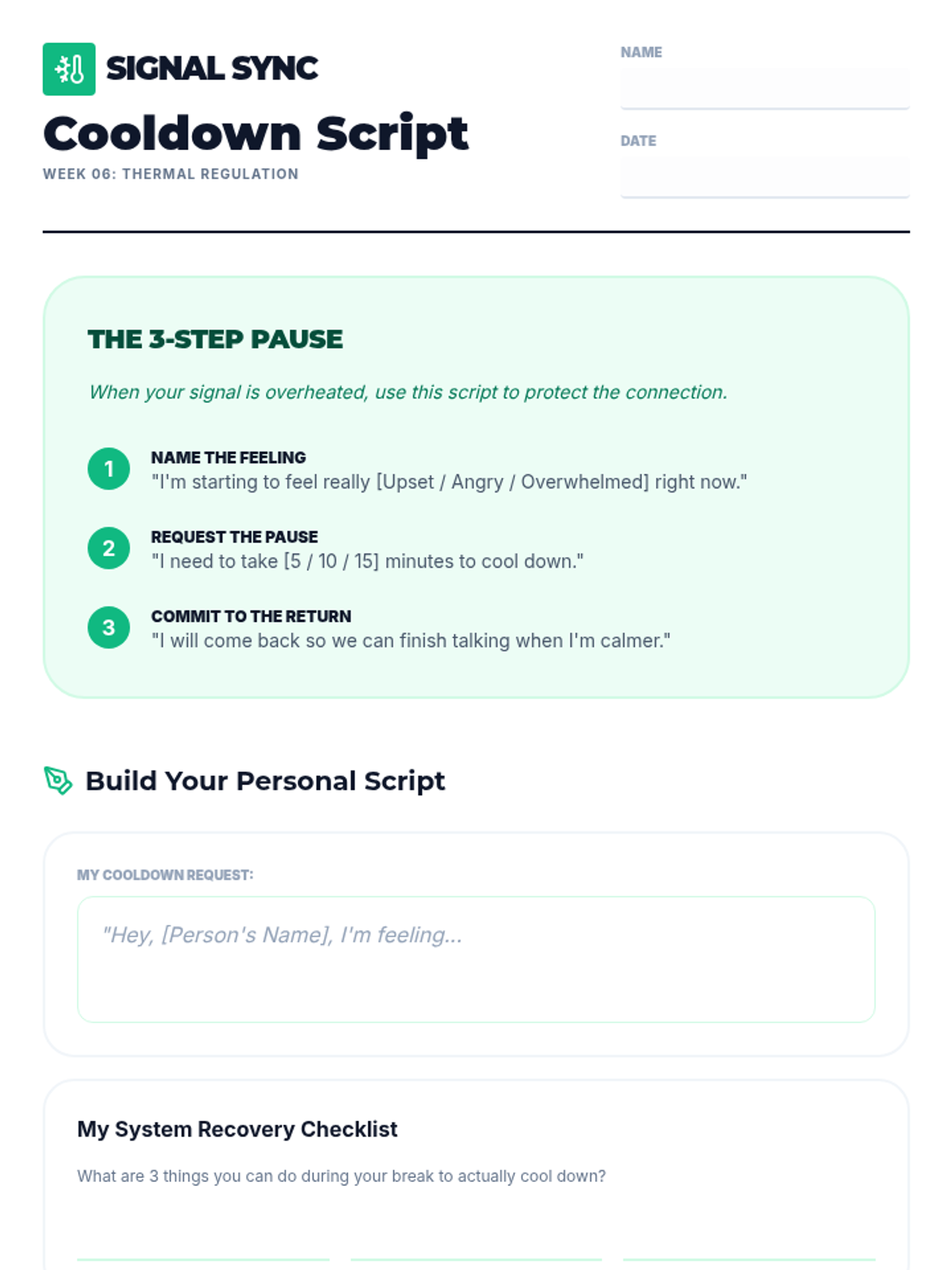
A student activity sheet for creating personalized emotional de-escalation scripts and recovery plans.
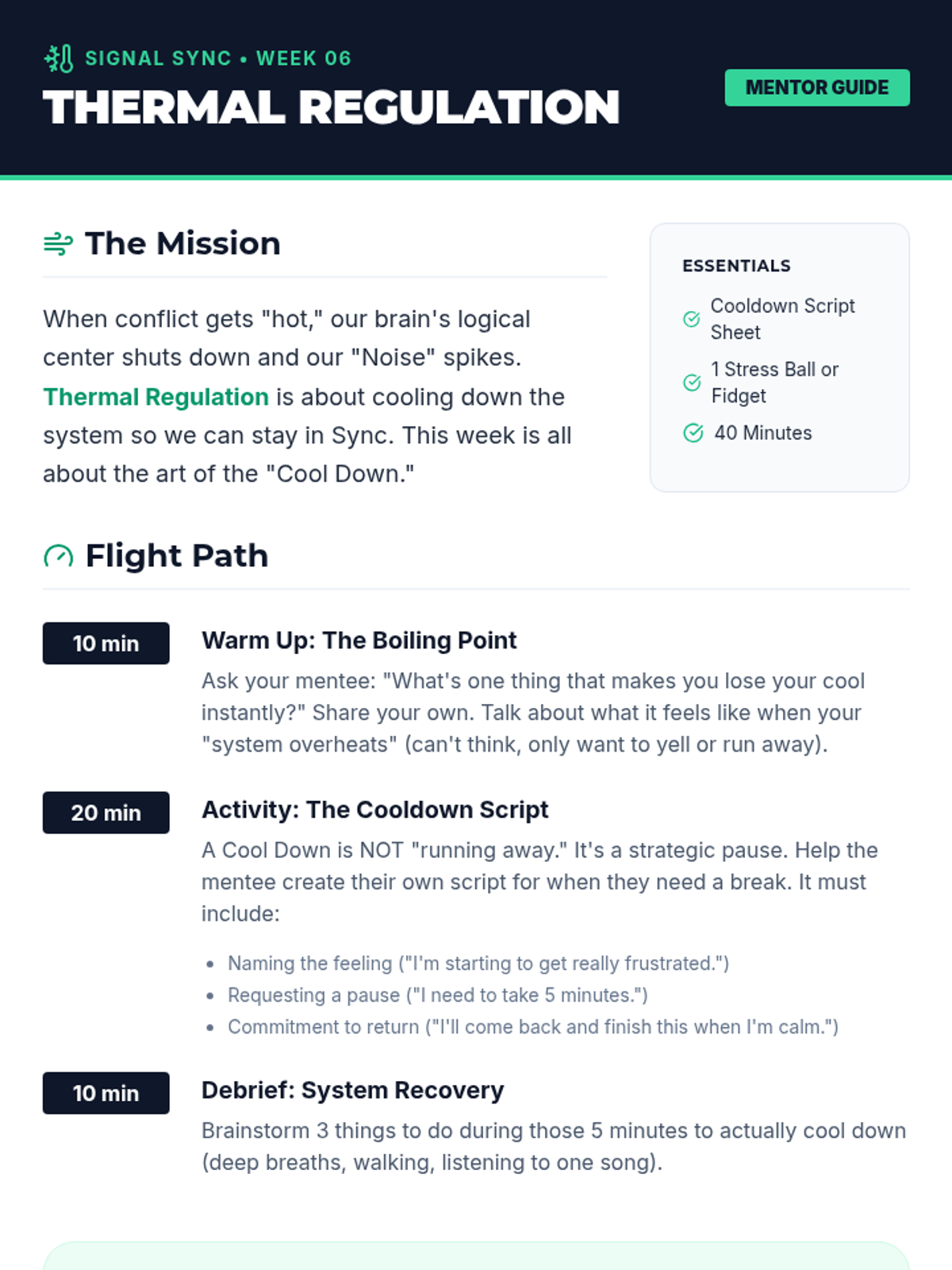
A mentor guide for the sixth week of the Signal Sync curriculum, focusing on emotional regulation and de-escalation scripts.
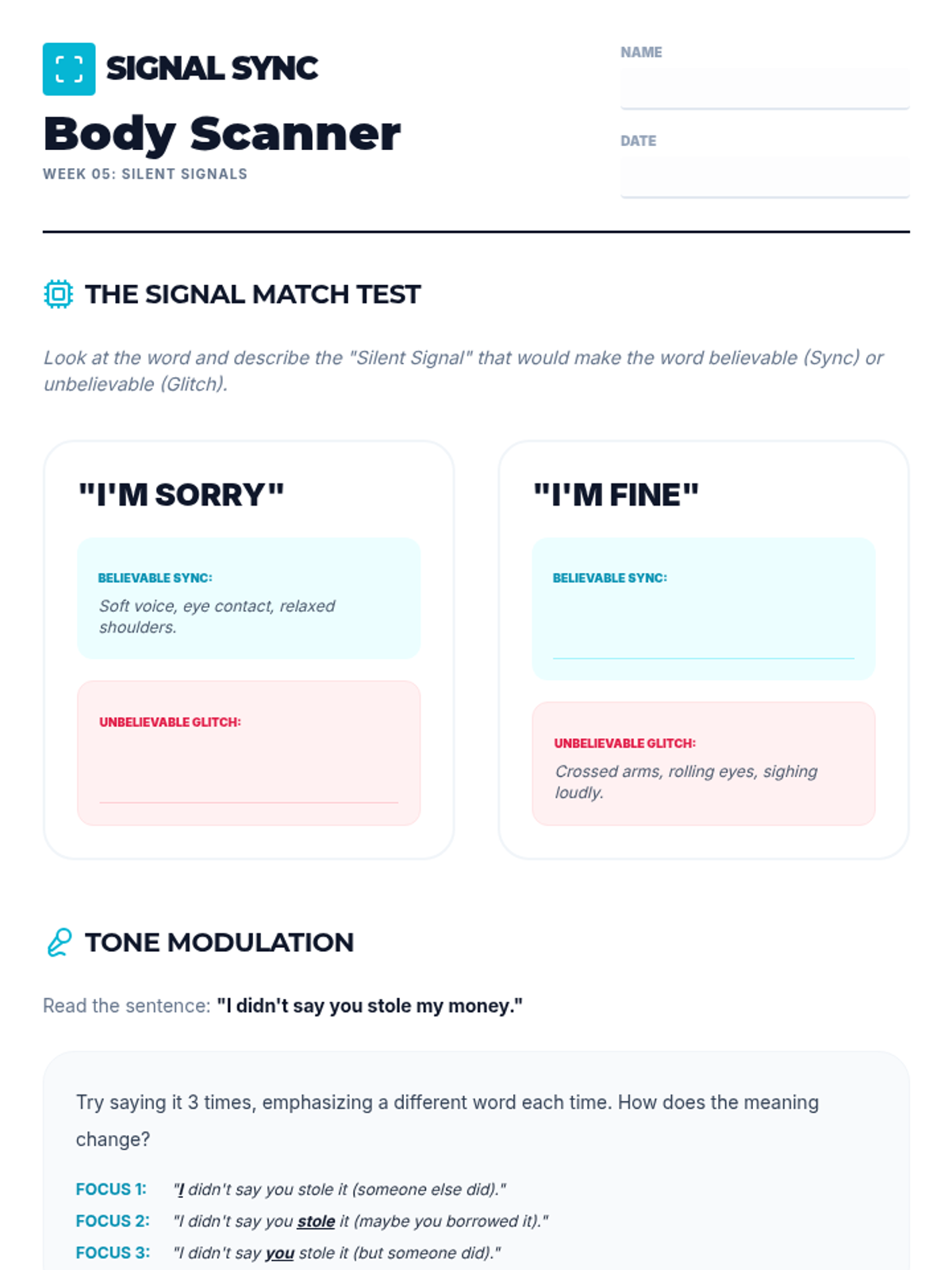
A student activity sheet for decoding non-verbal signals and practicing tone of voice modulation.
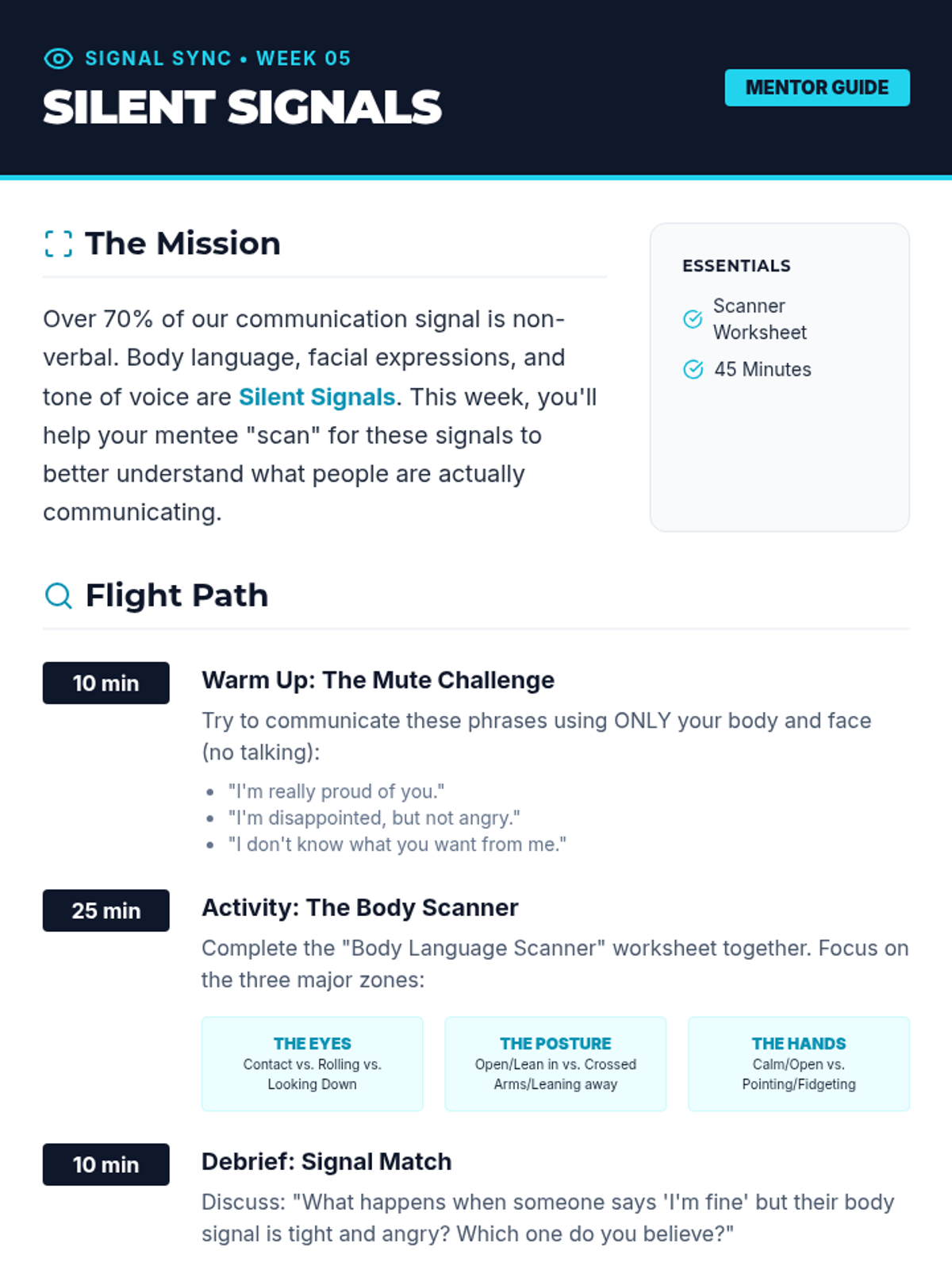
A mentor guide for the fifth week of the Signal Sync curriculum, exploring the importance of non-verbal communication.
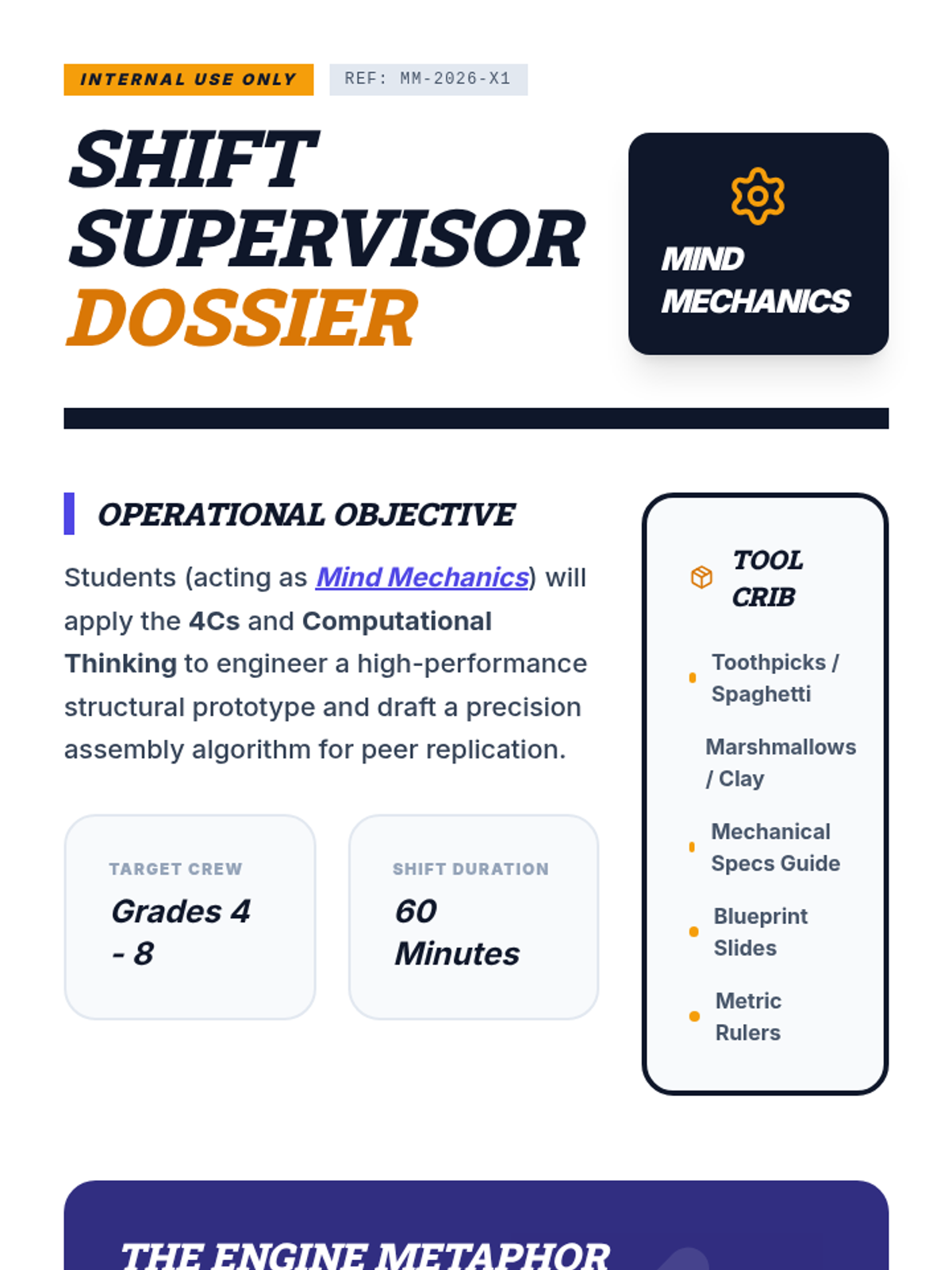
A detailed mission dossier for teachers, including lesson flow, materials list, and instructional strategies for teaching the 4Cs and Computational Thinking.
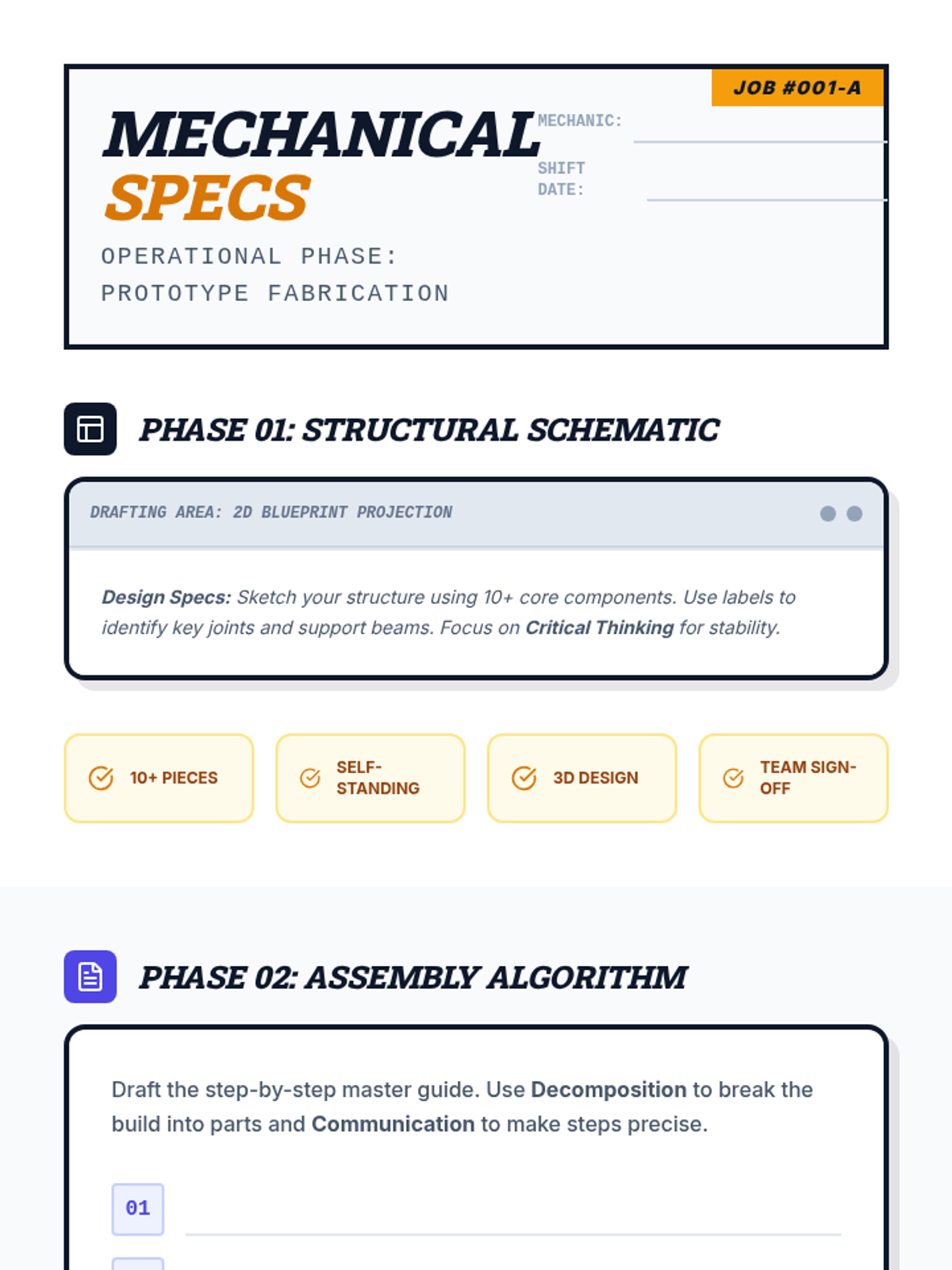
An industrial-themed field guide for students to design their structural prototype, write their assembly algorithm, and reflect on their use of the 4Cs and Computational Thinking.
A high-energy, industrial-themed slide deck that introduces the 4Cs and Computational Thinking with large, high-contrast text and a modern workshop aesthetic.
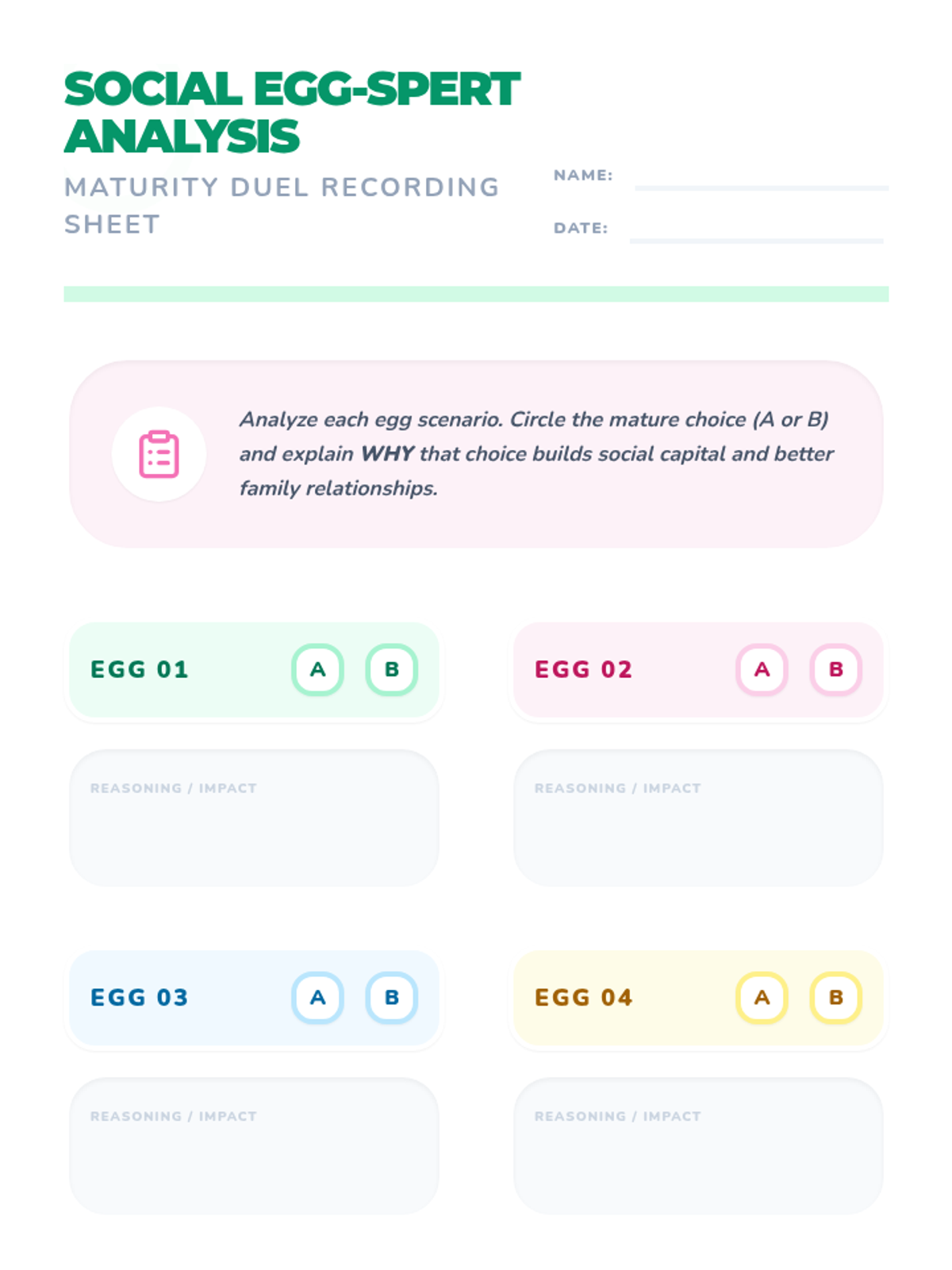
A student-facing recording sheet redesigned for middle school, emphasizing social analysis, reasoning, and reflection on maturity and perspective-taking. Now with an Easter-themed design.
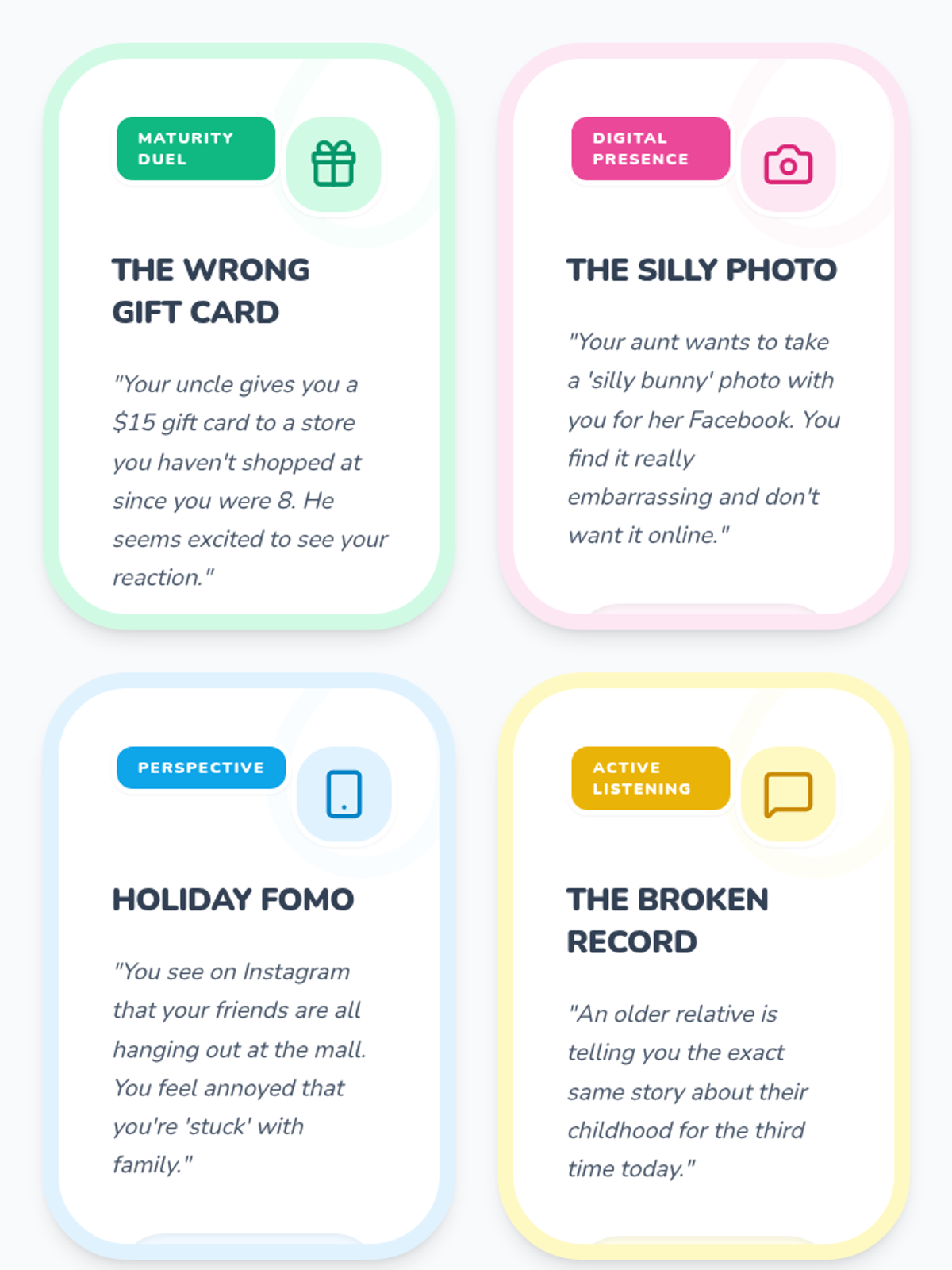
A set of 8 social skills task cards redesigned for middle school students, focusing on digital etiquette, social media boundaries, maturity, and complex family dynamics. Now featuring a heavy Easter theme with eggs and pastel borders.
An expanded slide deck that includes 8 scenario practice slides based on the task cards. Each practice slide features a tricky spring situation and two identical-looking choices for group discussion. Redesigned with a heavy Easter theme and optimized font sizes for visibility. All scenario prompts and options have been resized to ensure they fit correctly within the slides. All text is at least 24px (text-2xl).
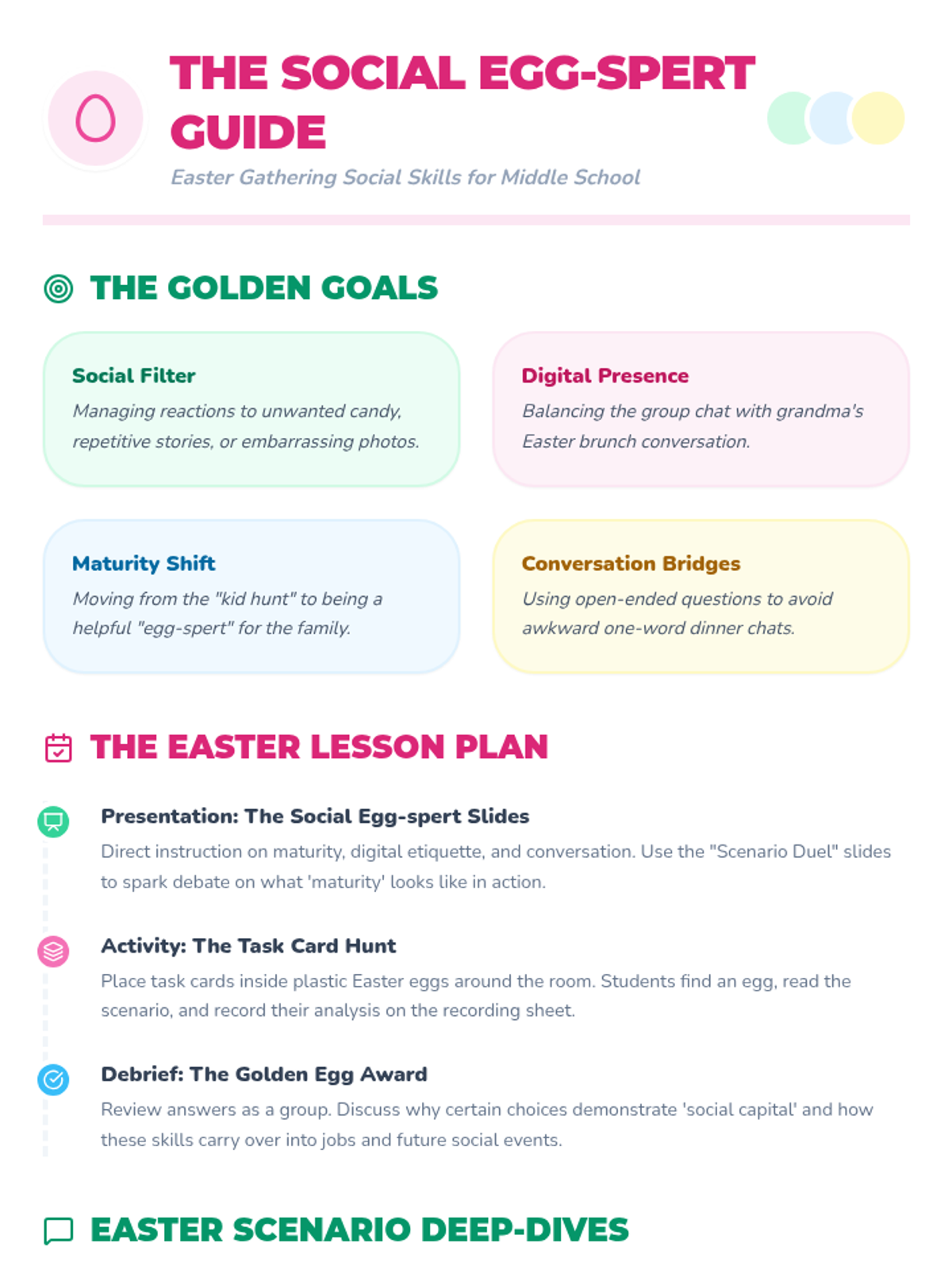
A teacher-facing guide outlining the learning objectives and facilitation strategies for the Spring Social Skills lesson. Redesigned with a heavy Easter theme (eggs, pastels, and terminology) for middle schoolers.
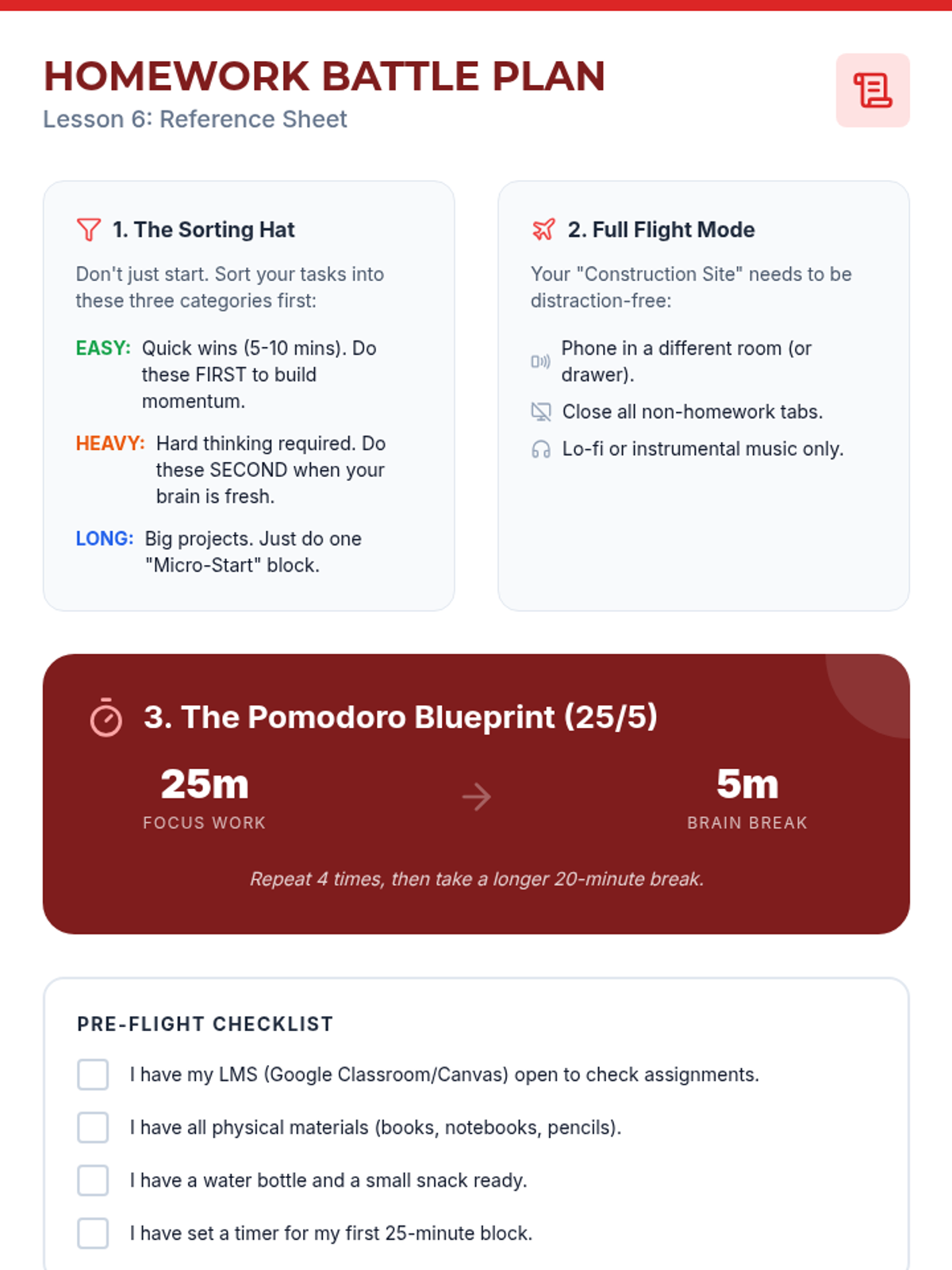
A comprehensive homework strategy guide featuring task sorting, distraction management, the Pomodoro method, and a pre-study checklist.