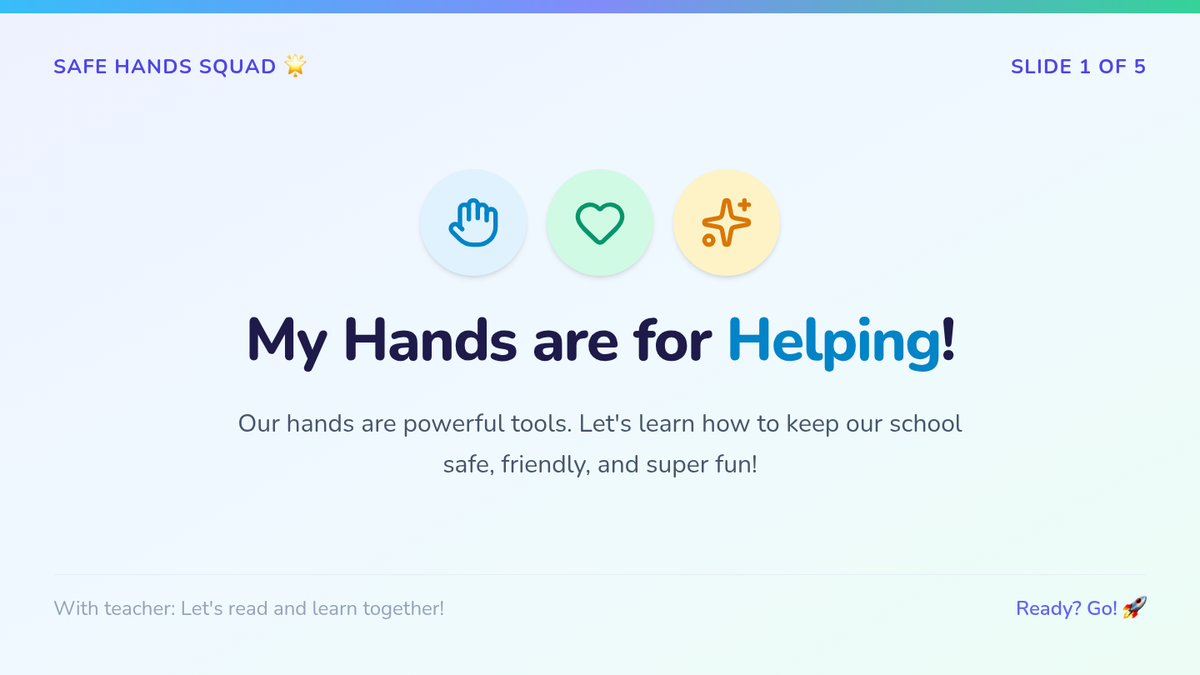
Functional behavior assessment, data tracking, and de-escalation strategies for managing classroom conduct. Addresses positive reinforcement, token economies, and individualized behavior contracts to support student self-regulation.
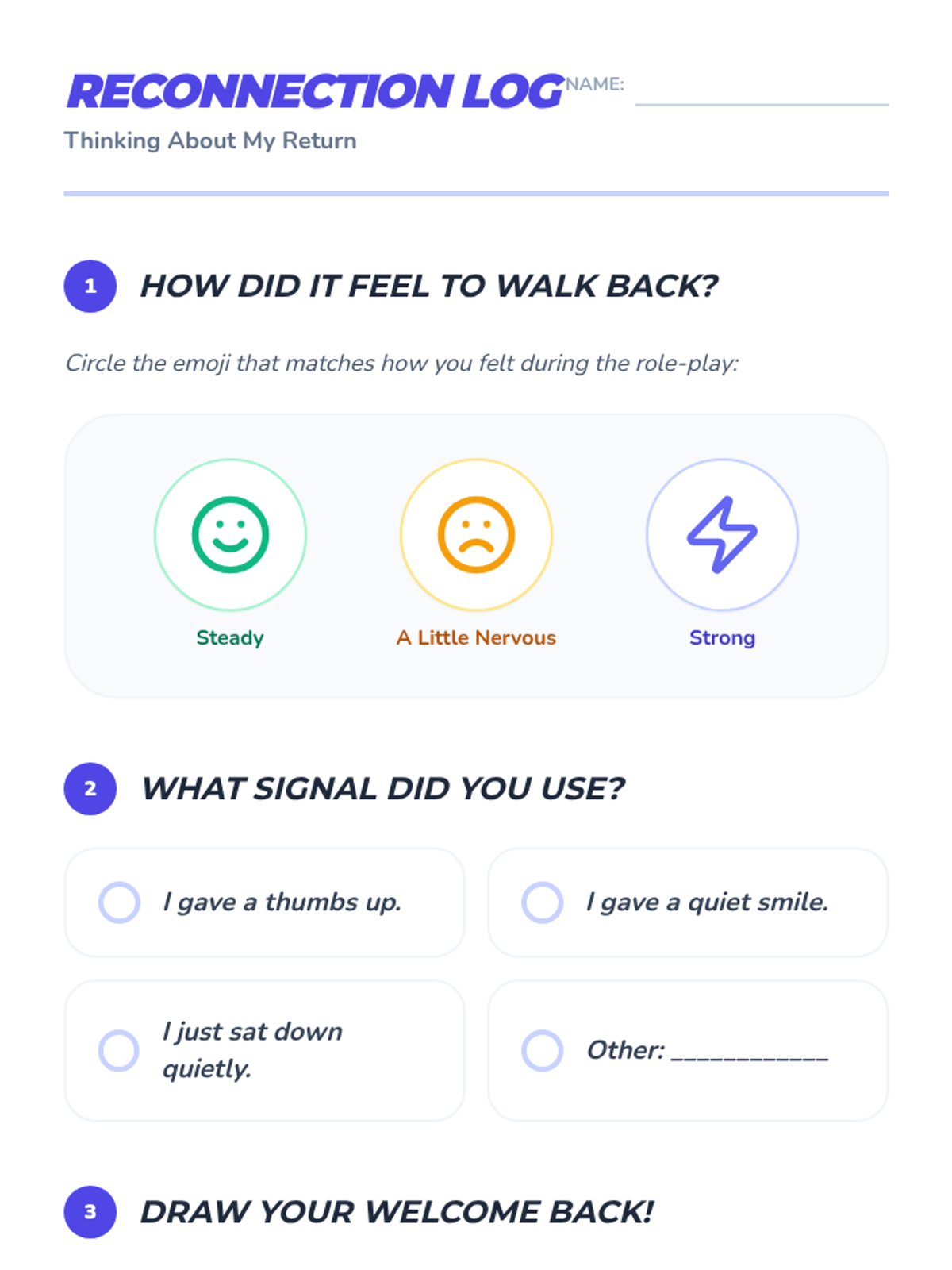
A student reflection worksheet for Lesson 5. It allows students to self-assess how they felt during the re-entry role-play and visualize a successful social reconnection with their peers.
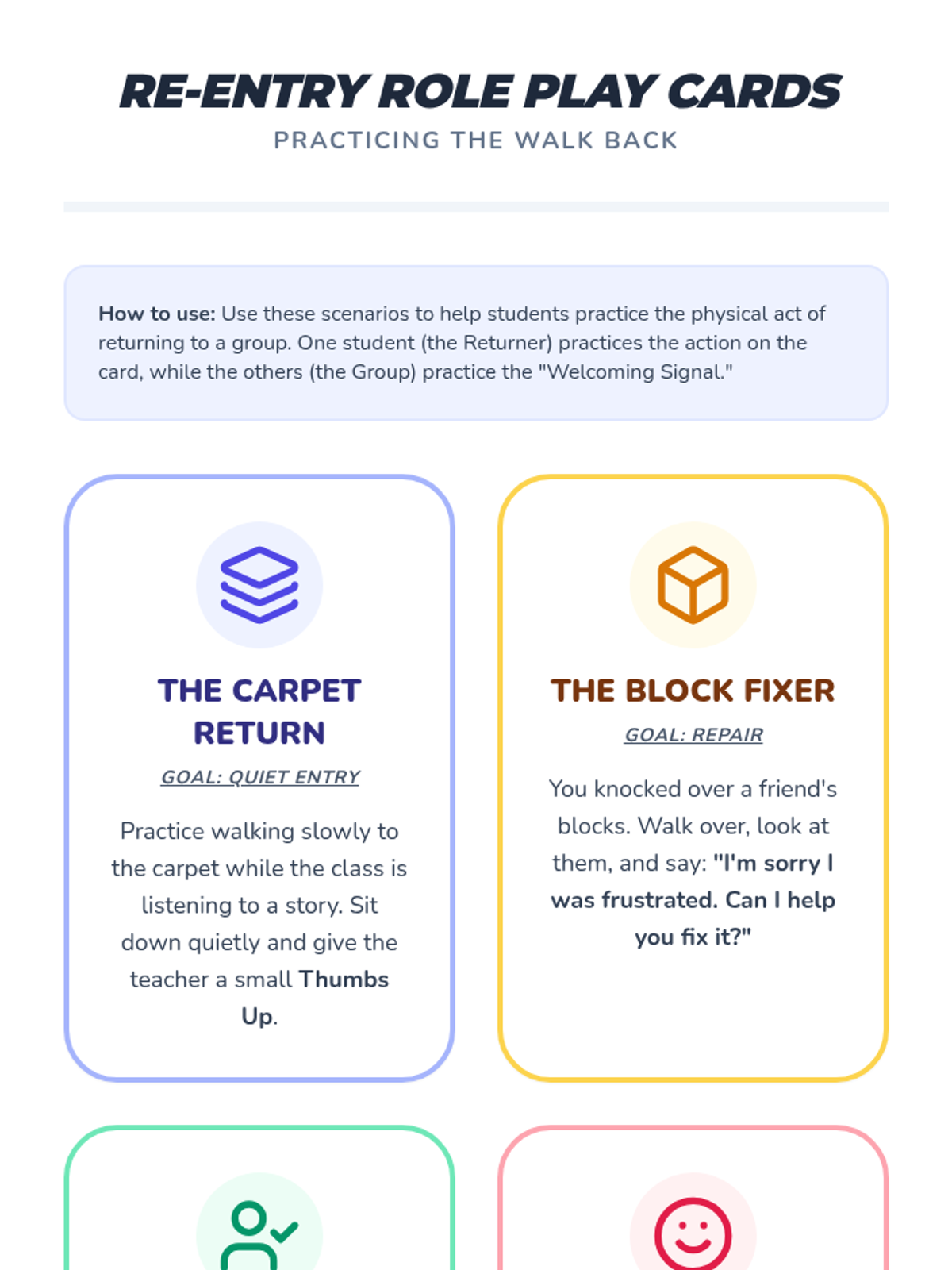
Role-play scenario cards for Lesson 5. These cards provide specific situations (returning to the carpet, fixing a mistake) and target behaviors for students to practice as they rejoin the classroom community.
A slide deck for Lesson 5 focusing on social reintegration and the 're-entry' process after dysregulation. It teaches students how to use non-verbal signals to show they are ready to return and emphasizes the 'no shame' aspect of repairing connections.
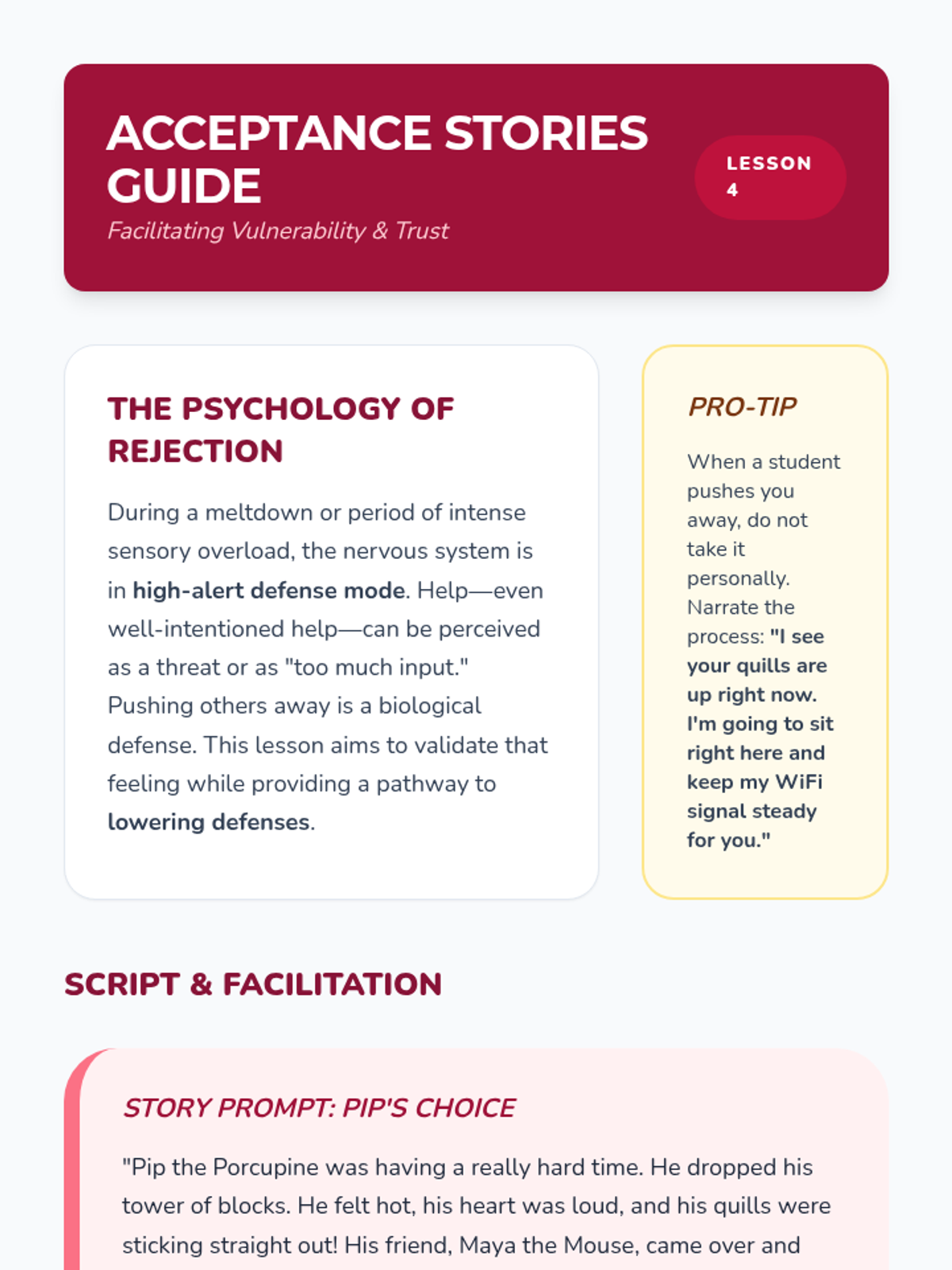
A teacher guide for Lesson 4 that includes a script for the 'Pip the Porcupine' story and specific discussion questions to help students understand the biology of defensive behavior and the importance of allowing co-regulation.
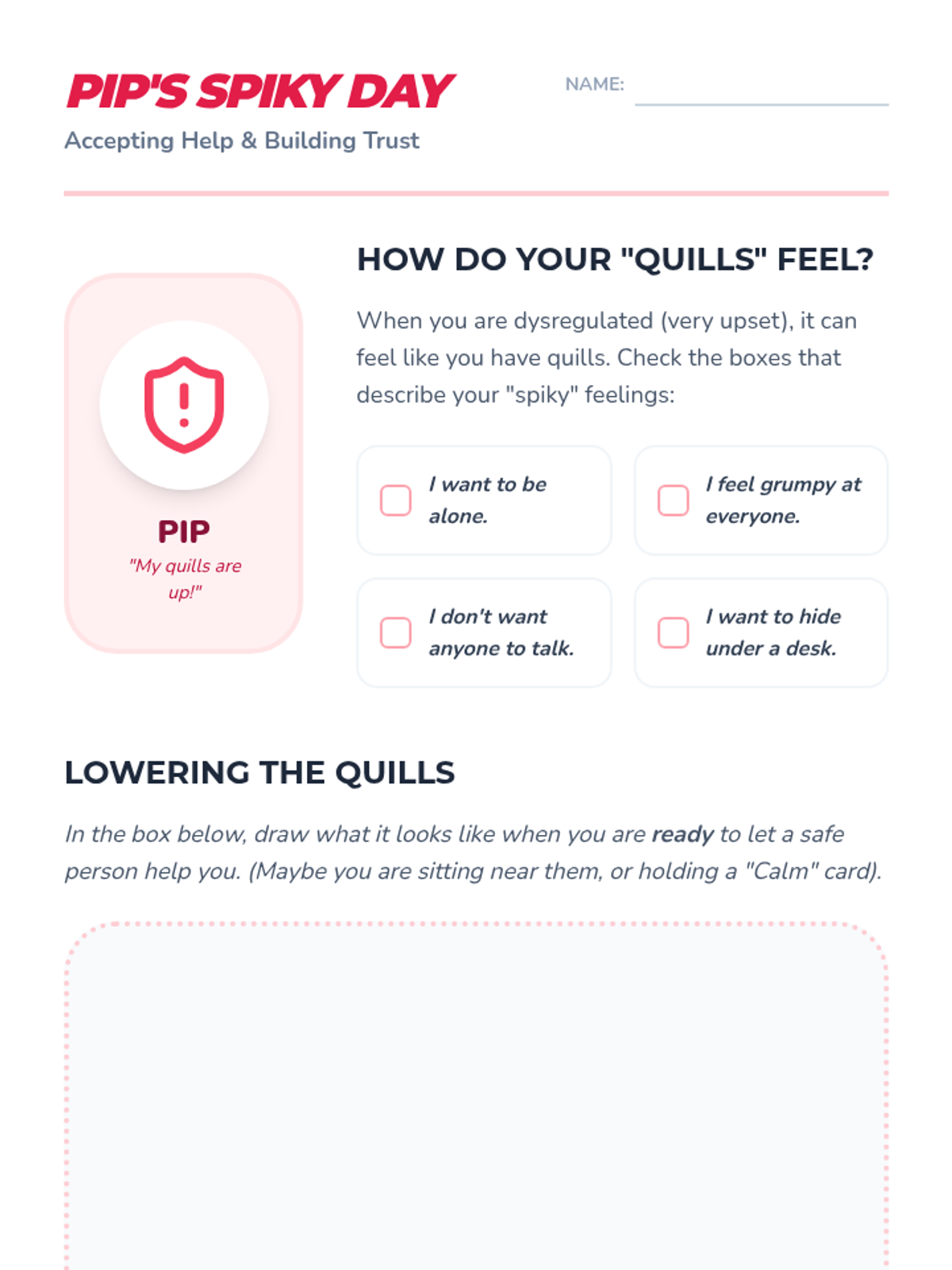
A student worksheet that uses the porcupine metaphor to help students identify their own 'spiky' behaviors during dysregulation and visualize what it looks like to lower their 'quills' and accept help.
A slide deck for Lesson 4 exploring the difficulty of accepting help during dysregulation. It uses the metaphor of a porcupine's quills to discuss vulnerability and provides students with phrases and strategies for letting safe adults in.
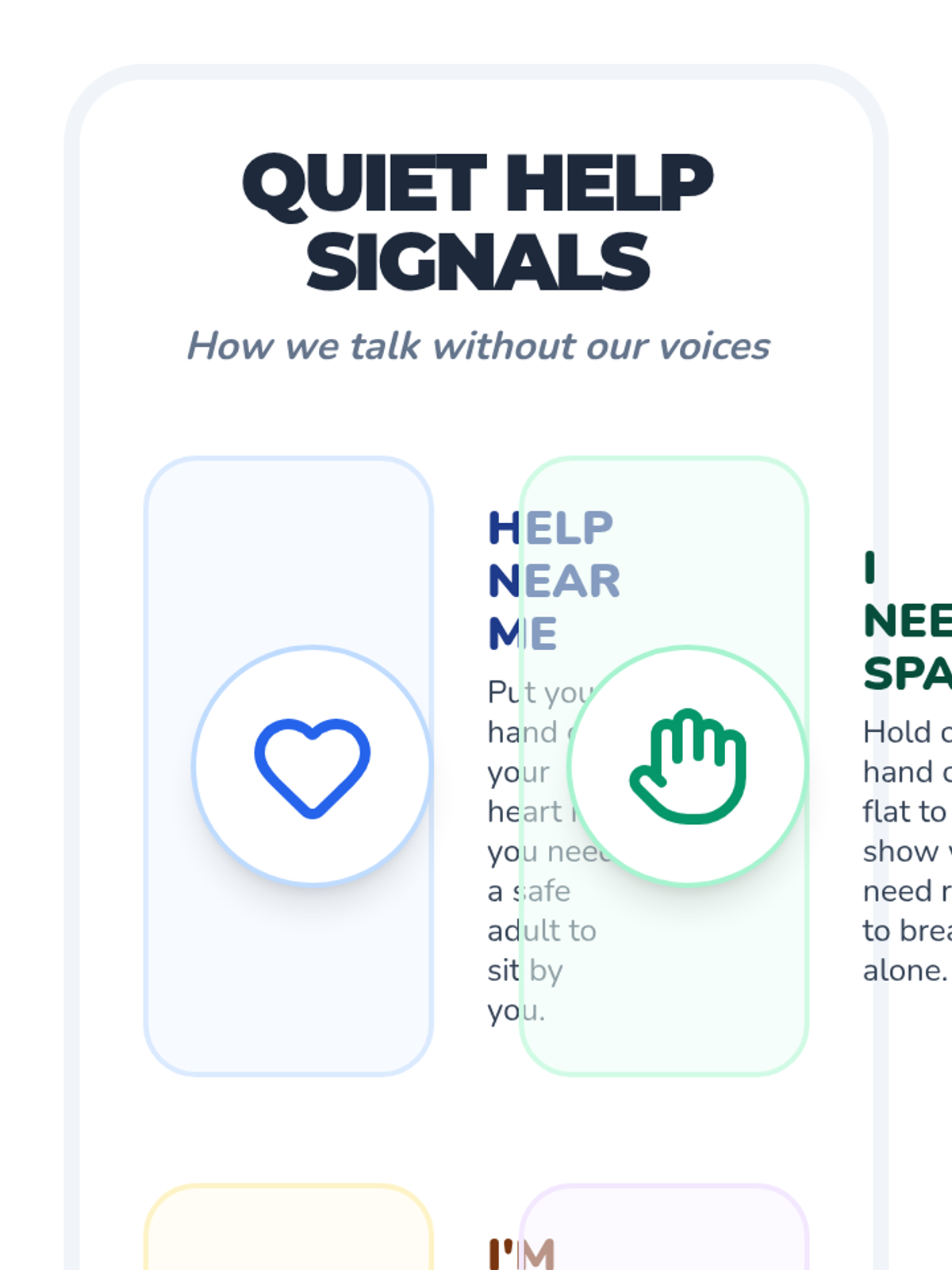
An anchor chart poster for the classroom wall illustrating the quiet signals students and teachers use during dysregulation recovery. Features large icons and simple descriptions for 2nd-grade legibility.
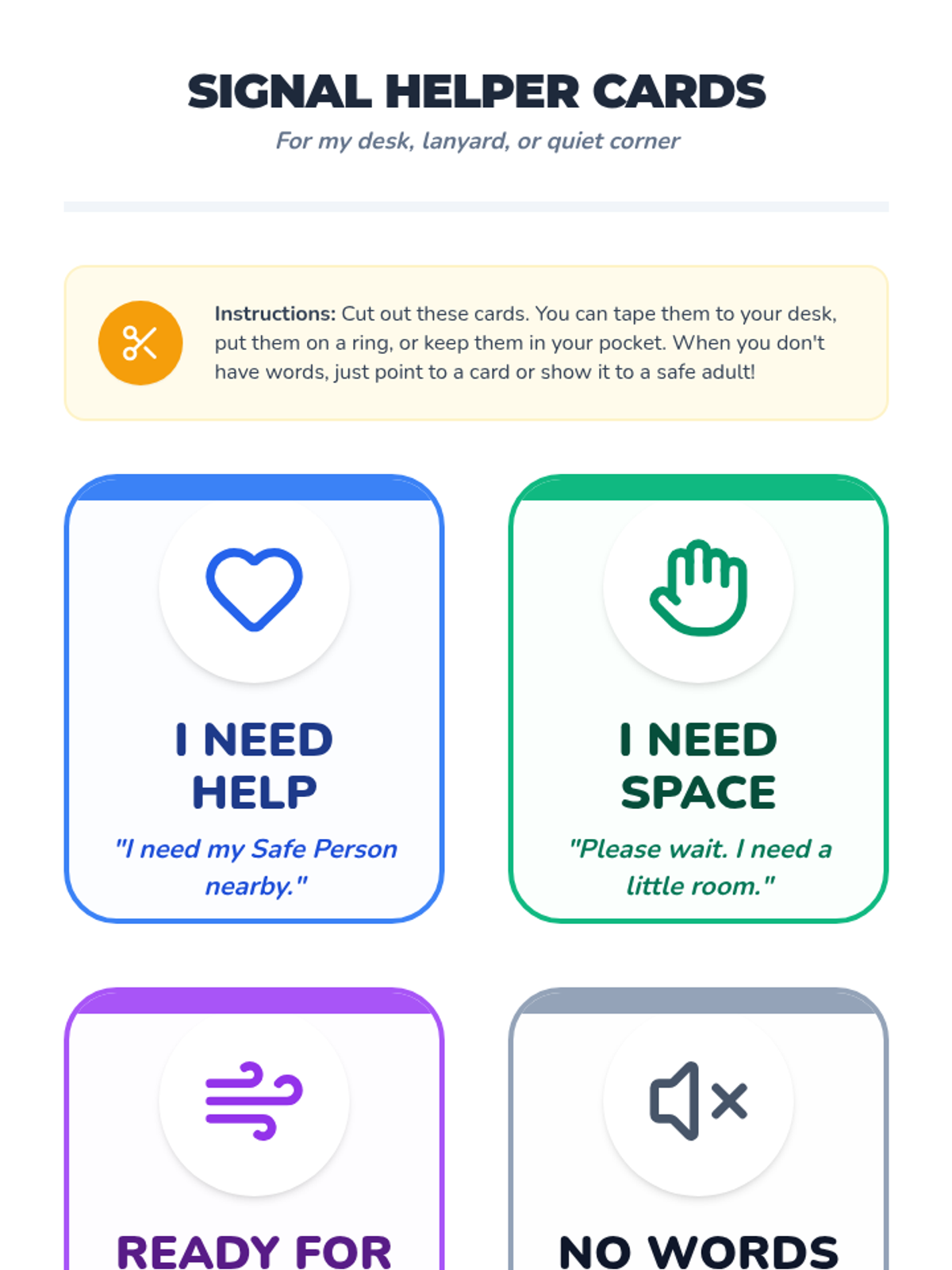
Printable non-verbal communication cards for students to use when they are dysregulated. These visual aids allow students to request help, space, or co-regulation activities without having to use verbal language.
A slide deck for Lesson 3 focusing on non-verbal communication during dysregulation. It explains why verbal language is difficult when upset and teaches students specific hand signals to request help, space, or co-regulation.
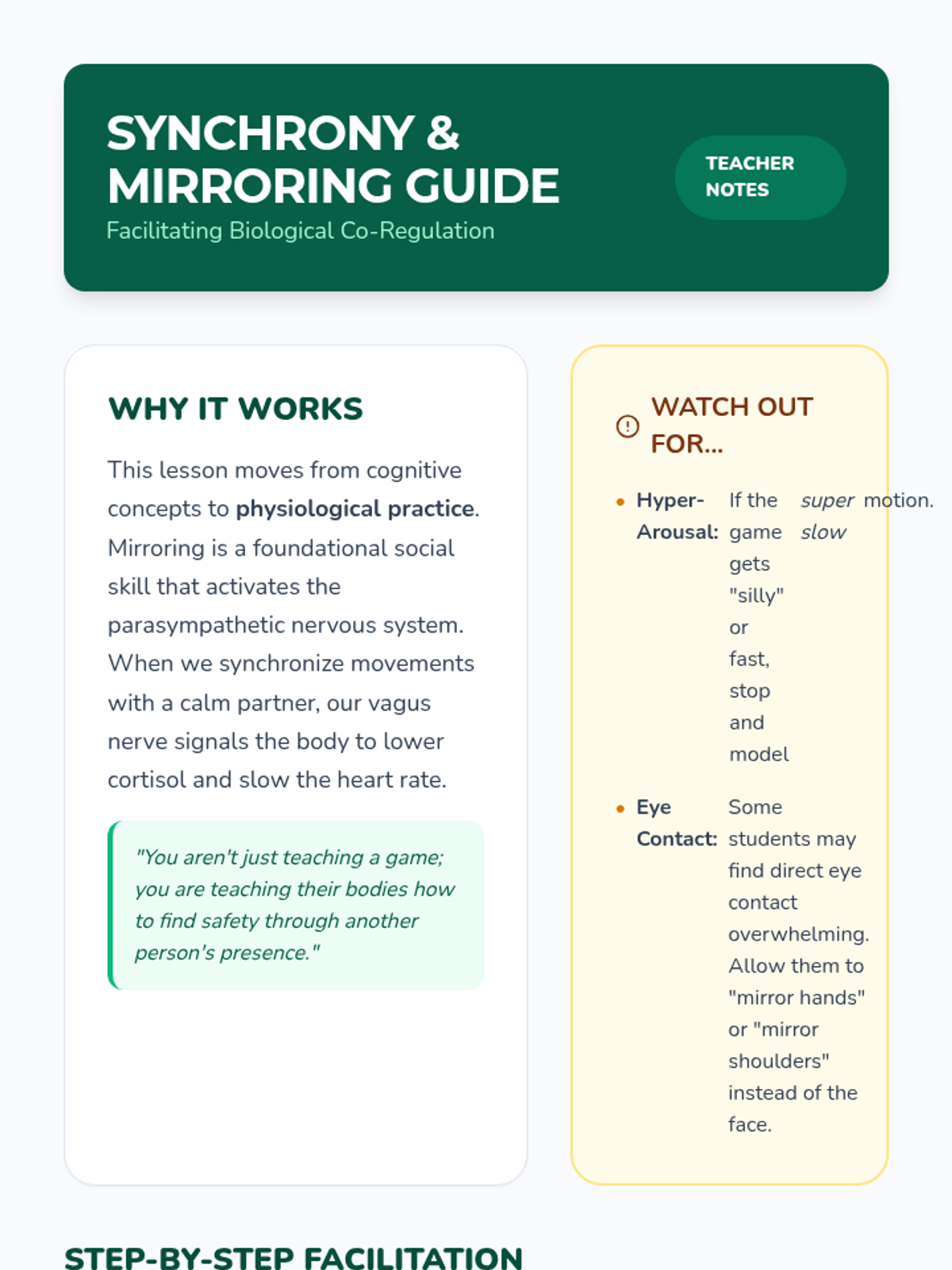
Teacher facilitation notes for the mirroring and synchrony lesson. Includes the biological rationale for mirroring, strategies for pairing students, and advice for managing high-arousal behavior during the activity.
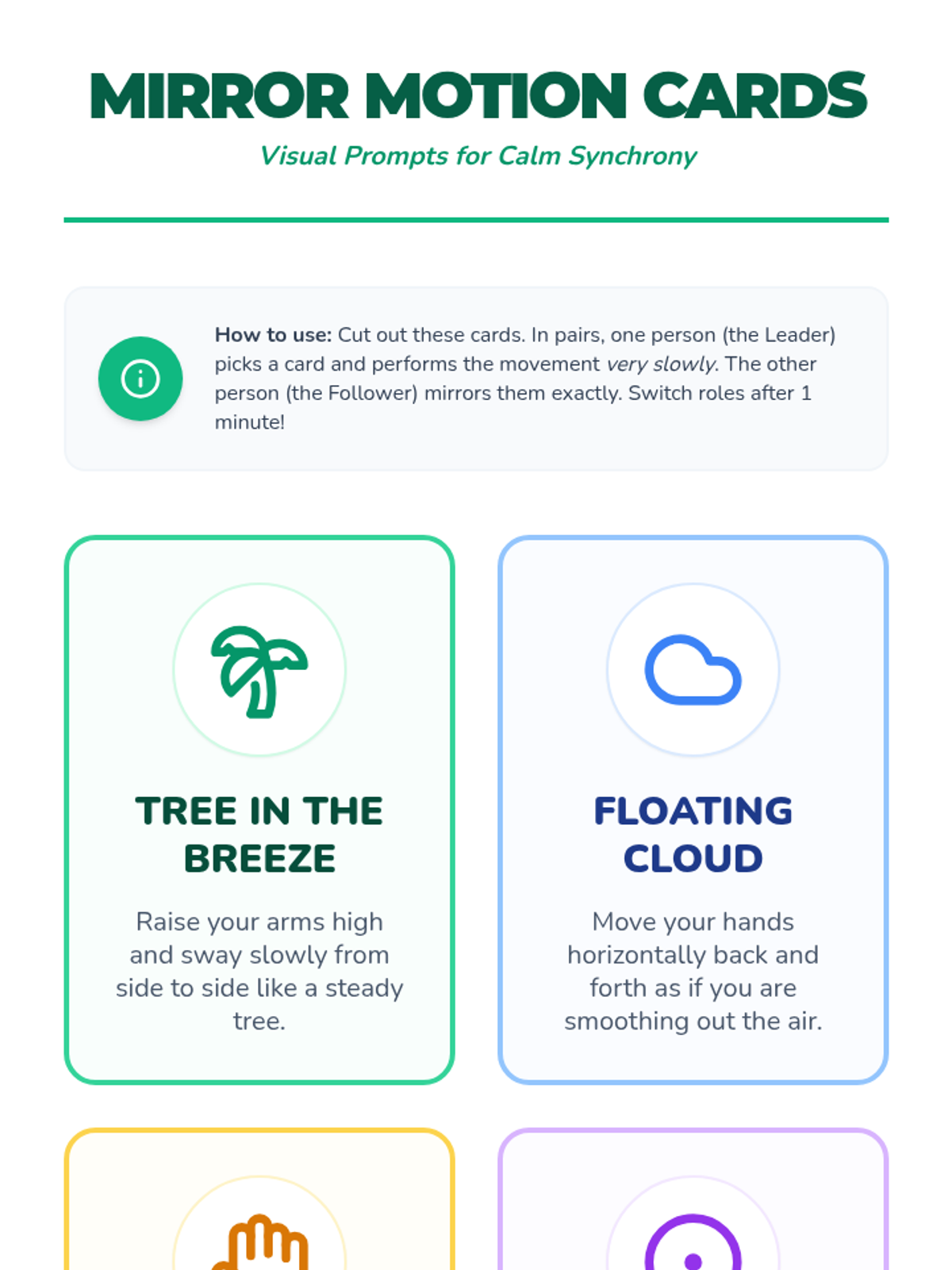
A set of six printable movement cards for a mirroring activity. Each card features a visual icon and instructions for a slow-motion movement designed to help students synchronize their physical state with a partner.
A slide deck for Lesson 2 focusing on mirroring movements and synchronizing breathing. It introduces the "Slow Motion Mirror" game and explains the biological benefits of matching a calm person's physical rhythm.
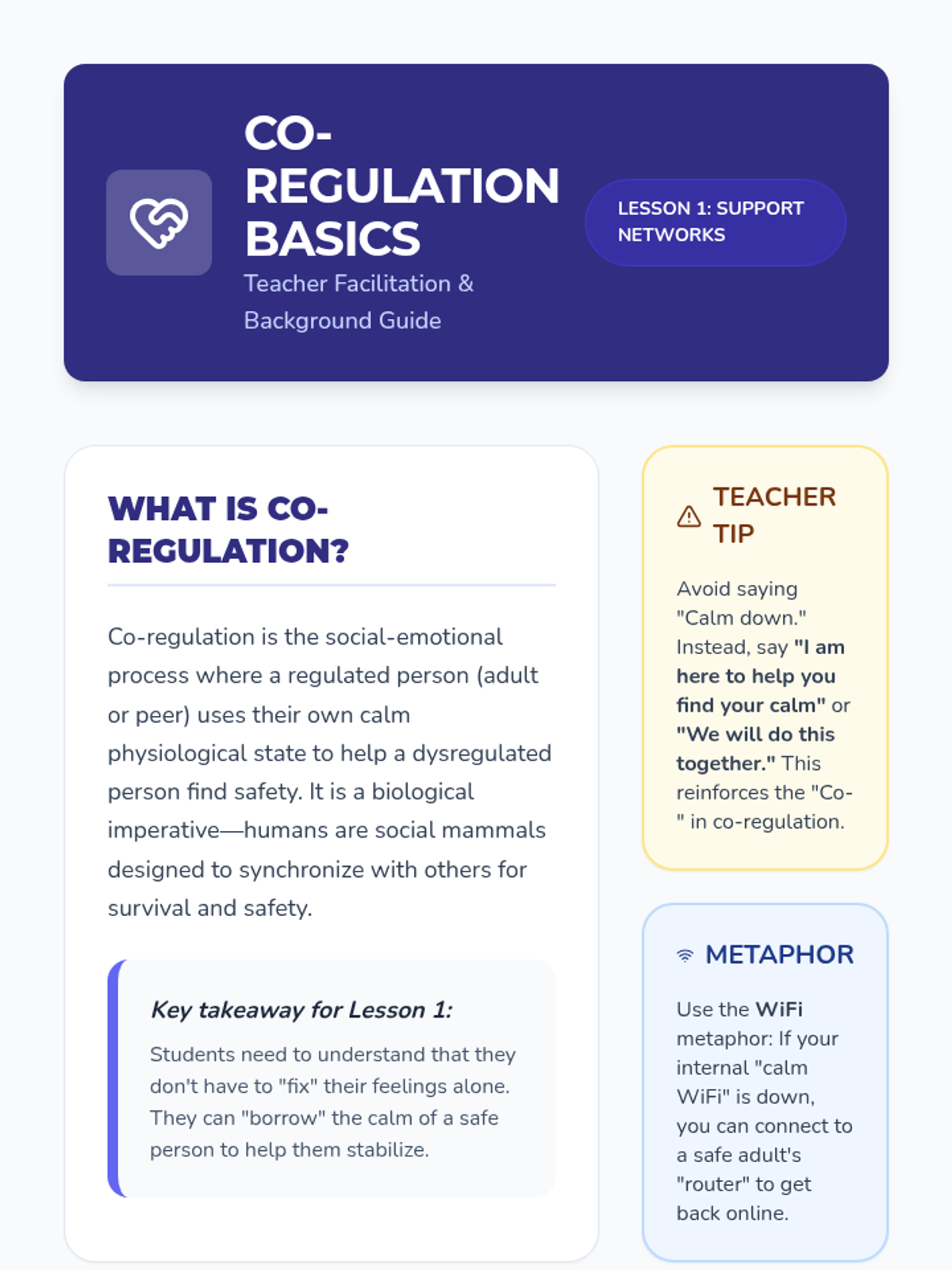
A teacher guide for Lesson 1 explaining the biological basis of co-regulation, tips for using the WiFi metaphor, and instructional steps for the Tangled Yarn activity.
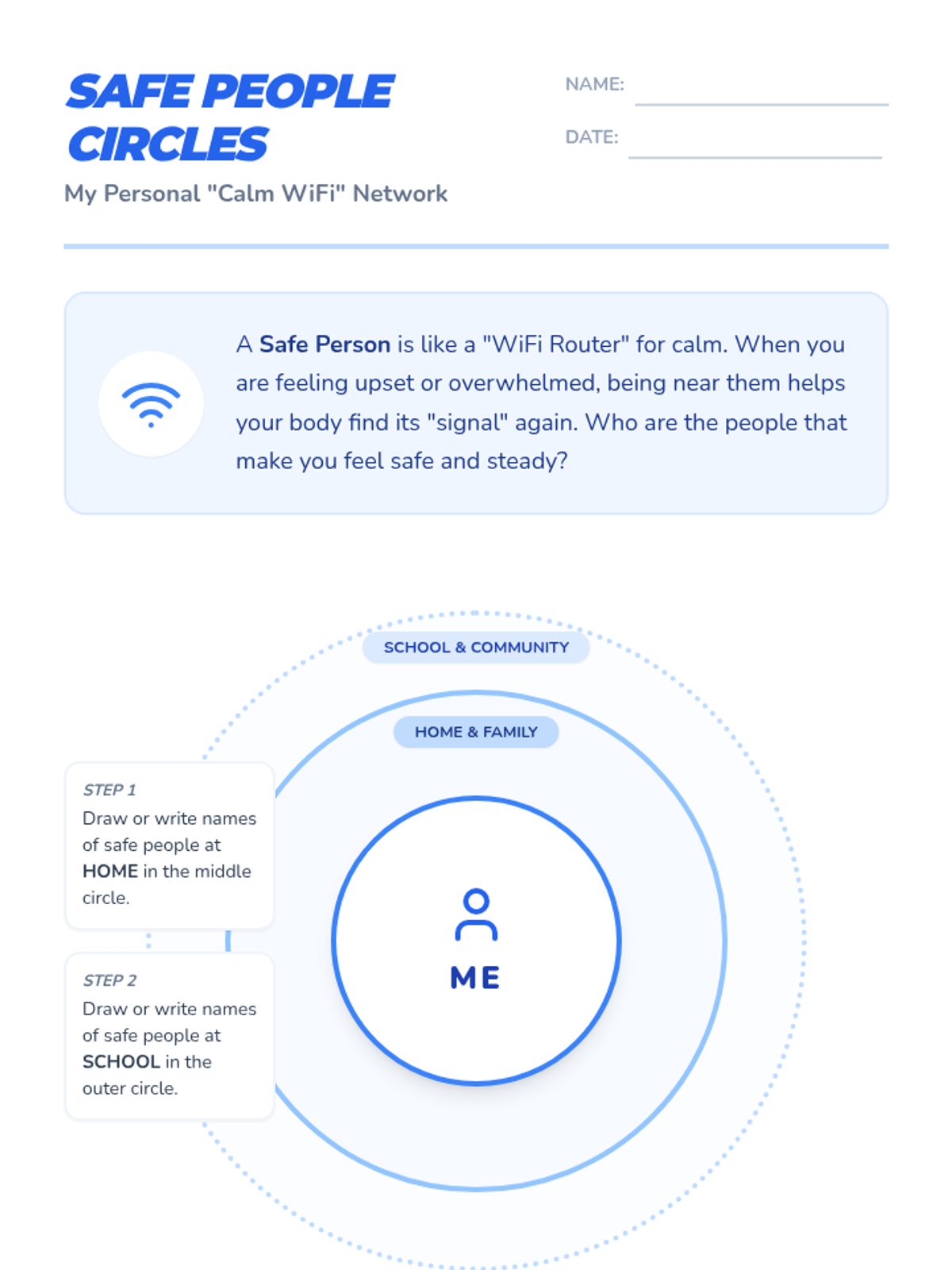
A student worksheet for identifying safe adults at home and school who can serve as co-regulation partners. It includes a target diagram for mapping relationships and a checklist of supportive behaviors.
A slide deck for 2nd graders that introduces the concept of co-regulation using the 'WiFi Signal' metaphor. It helps students identify safe adults (routers) and distinguishes between supportive and overwhelming help.
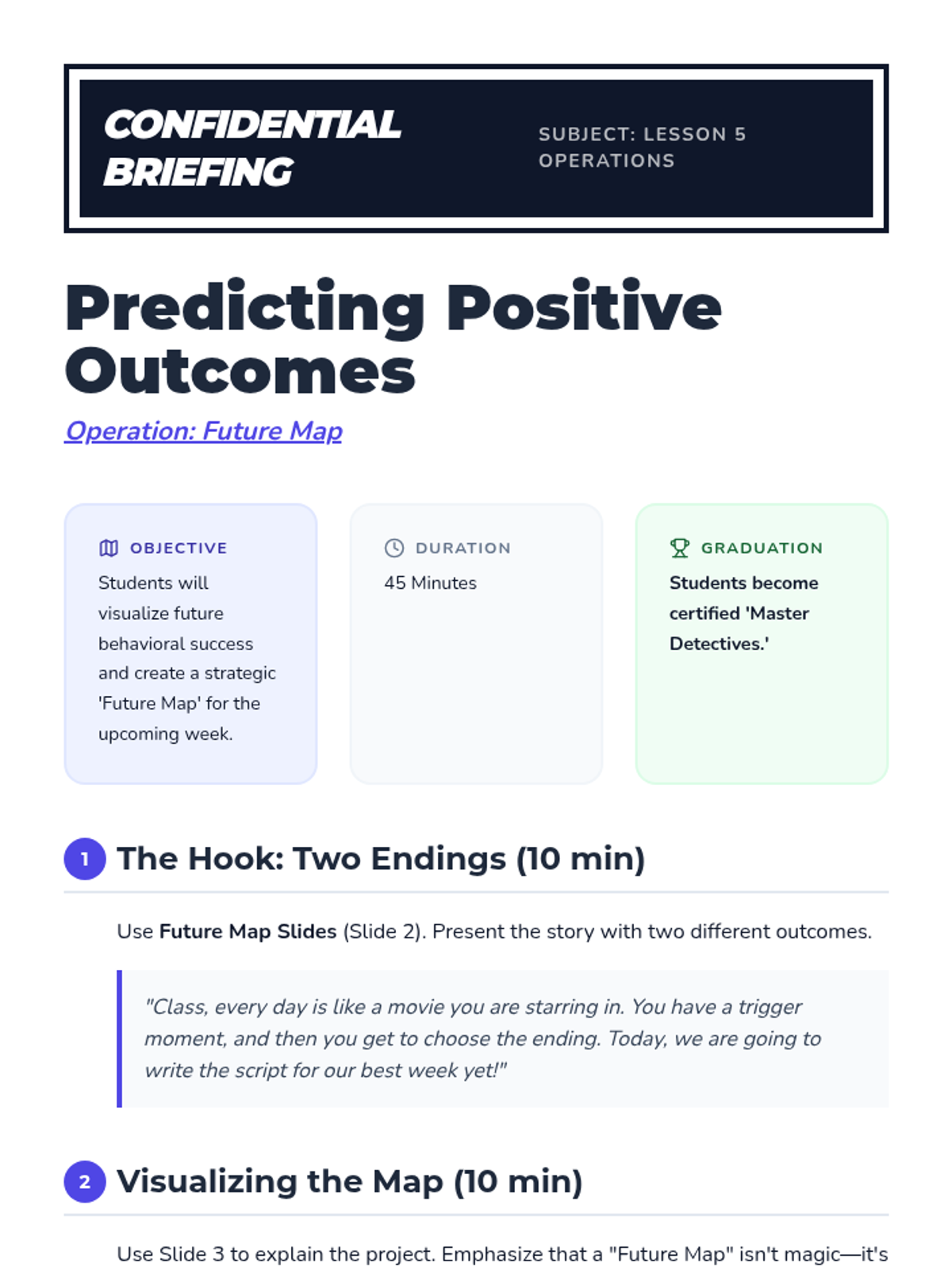
Teacher briefing guide for Lesson 5. Provides instructions for the 'Two Endings' hook, the comic project, and the graduation ceremony. Includes tips for maintaining these skills in the following weeks.
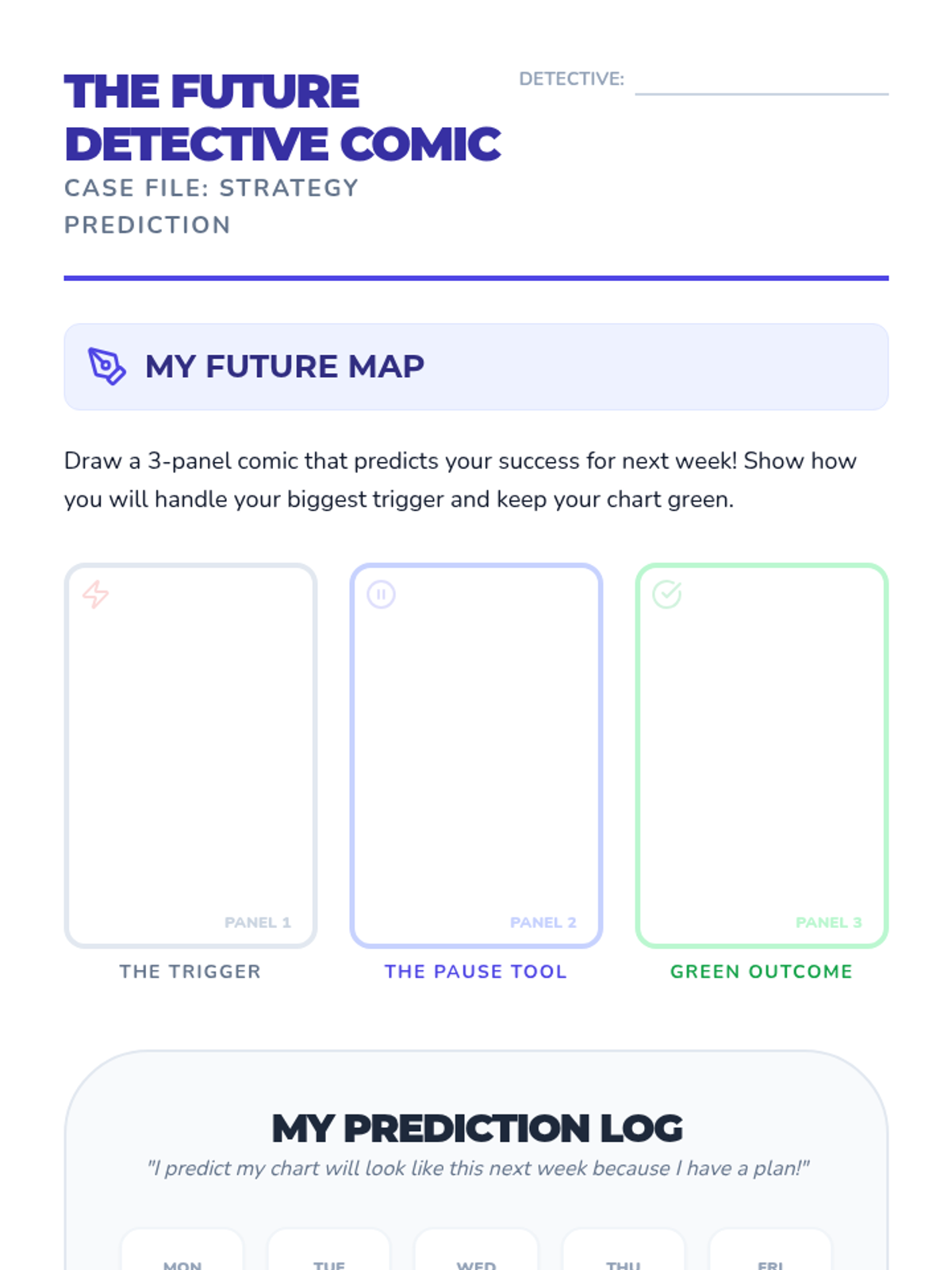
Student activity sheet for Lesson 5. Includes a 3-panel comic template for visualizing the use of self-regulation strategies and a 'Future Prediction' chart for next week's behavior goals.
Slides for Lesson 5 focusing on visualization and planning. Introduces the 'Future Map' concept, using a two-ending comic metaphor to show the impact of using self-regulation strategies on behavior outcomes.
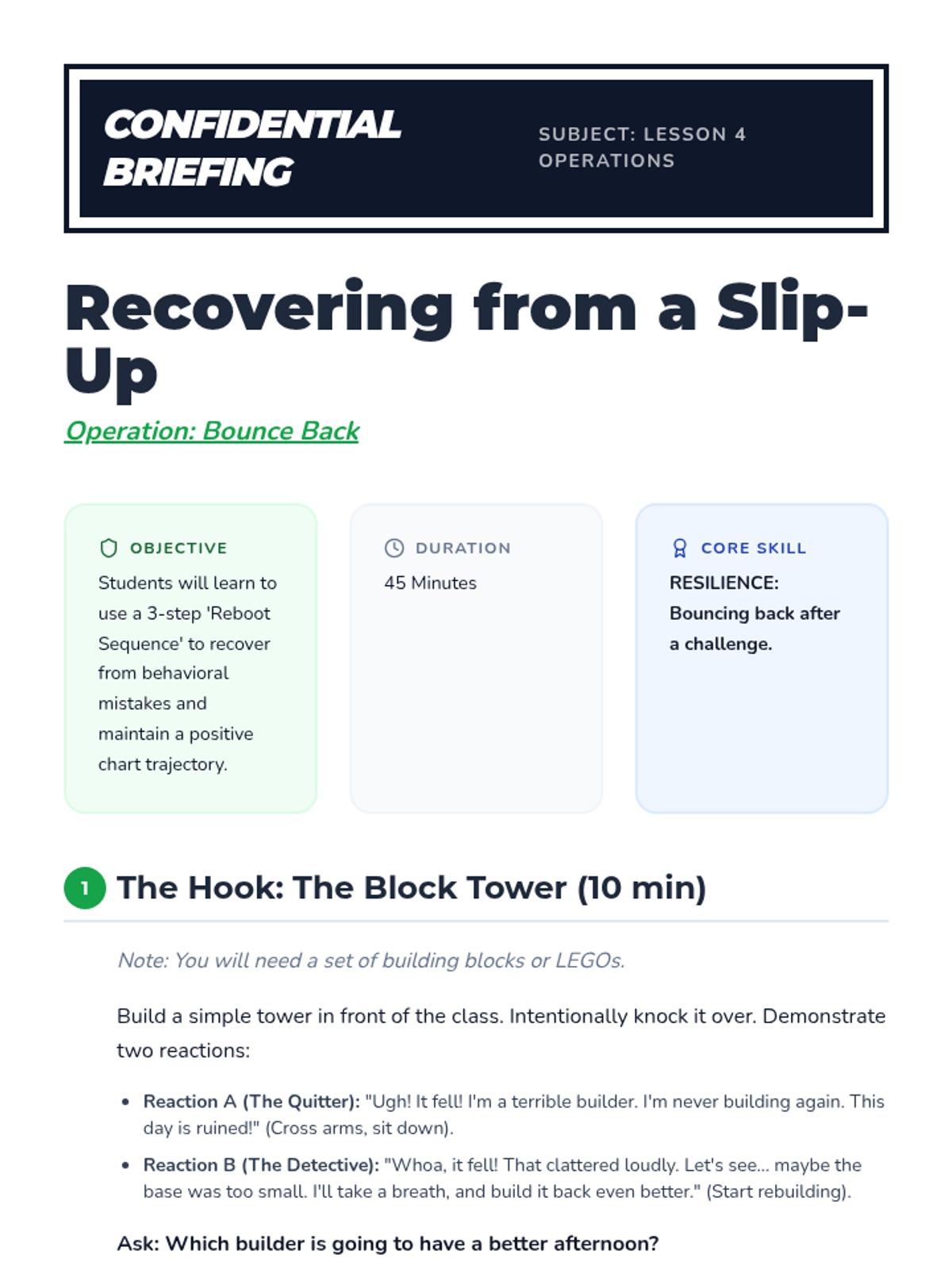
Teacher briefing guide for Lesson 4. Provides guidance on facilitating the block tower hook and the Reboot Sequence. Includes a call-and-response chant and advice on unlinking student identity from behavior data.
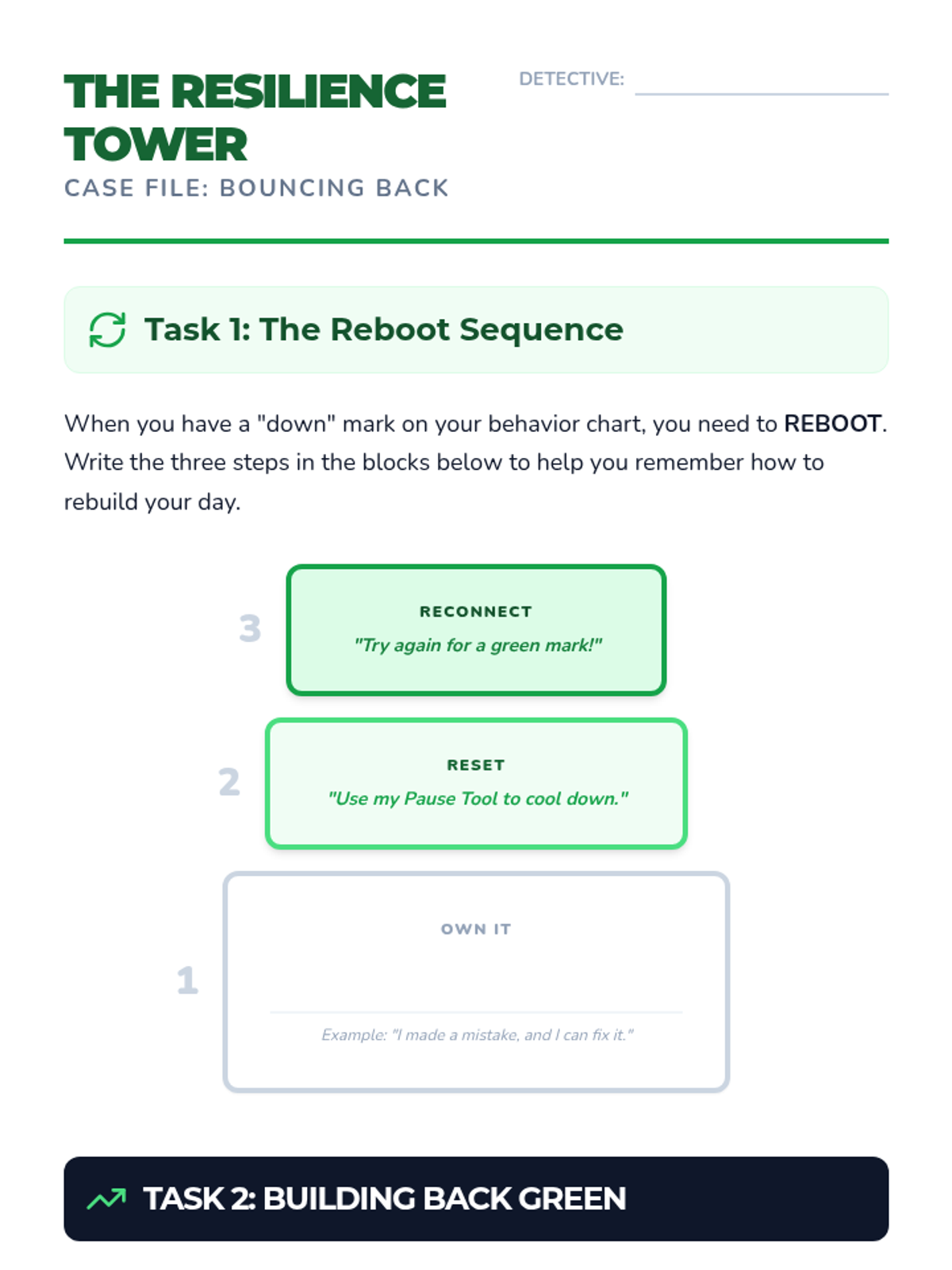
Student activity sheet for Lesson 4 focusing on internalizing the three-step 'Reboot Sequence'. Includes a block-building metaphor and a practice exercise for recovering from a warning mark to finish the day strong.
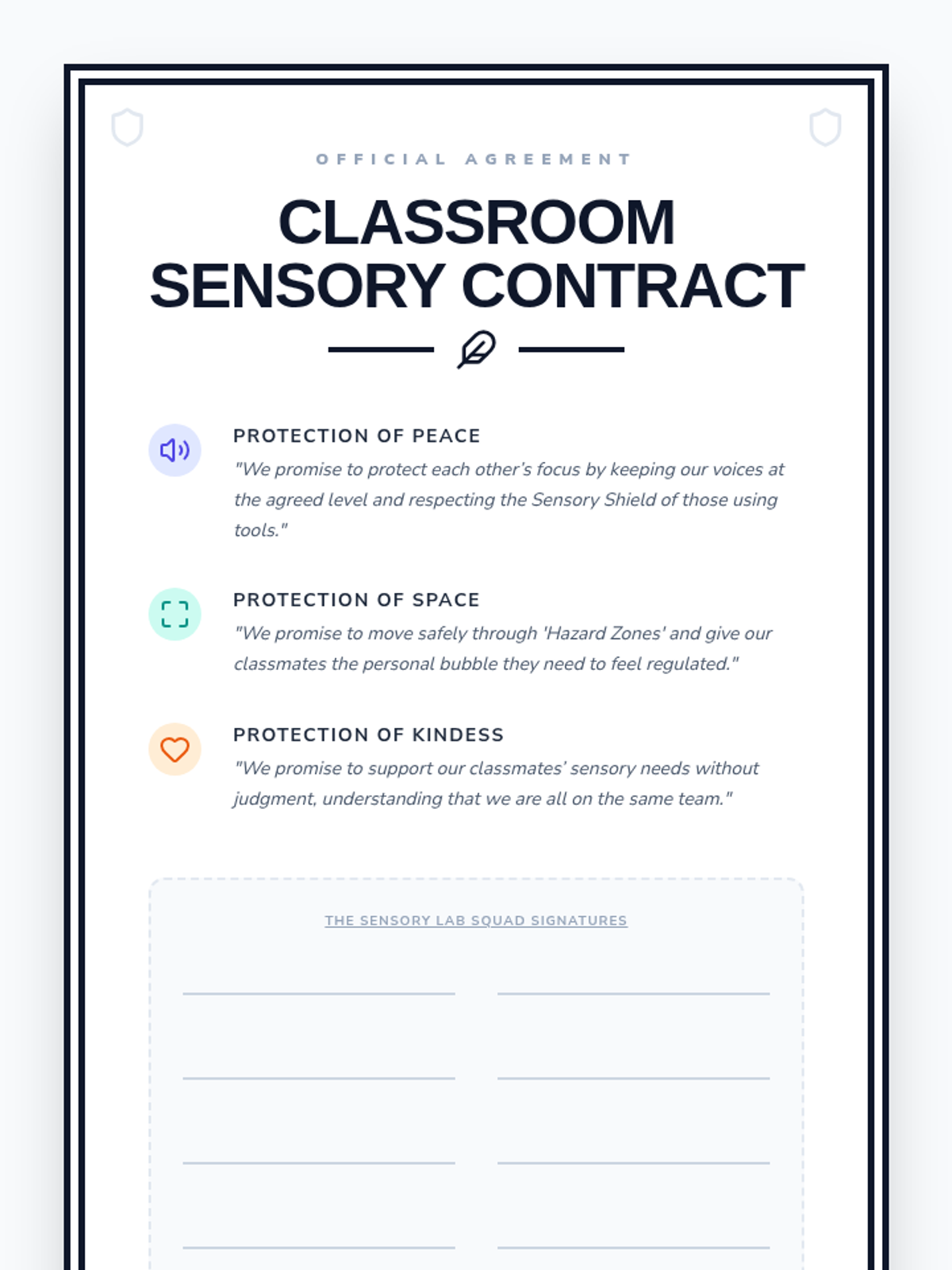
A formal classroom agreement document that establishes shared norms for noise, space, and sensory support, intended for all students to sign.
Slides for Lesson 5 consolidating learning into a classroom agreement on noise, space, and sensory support.
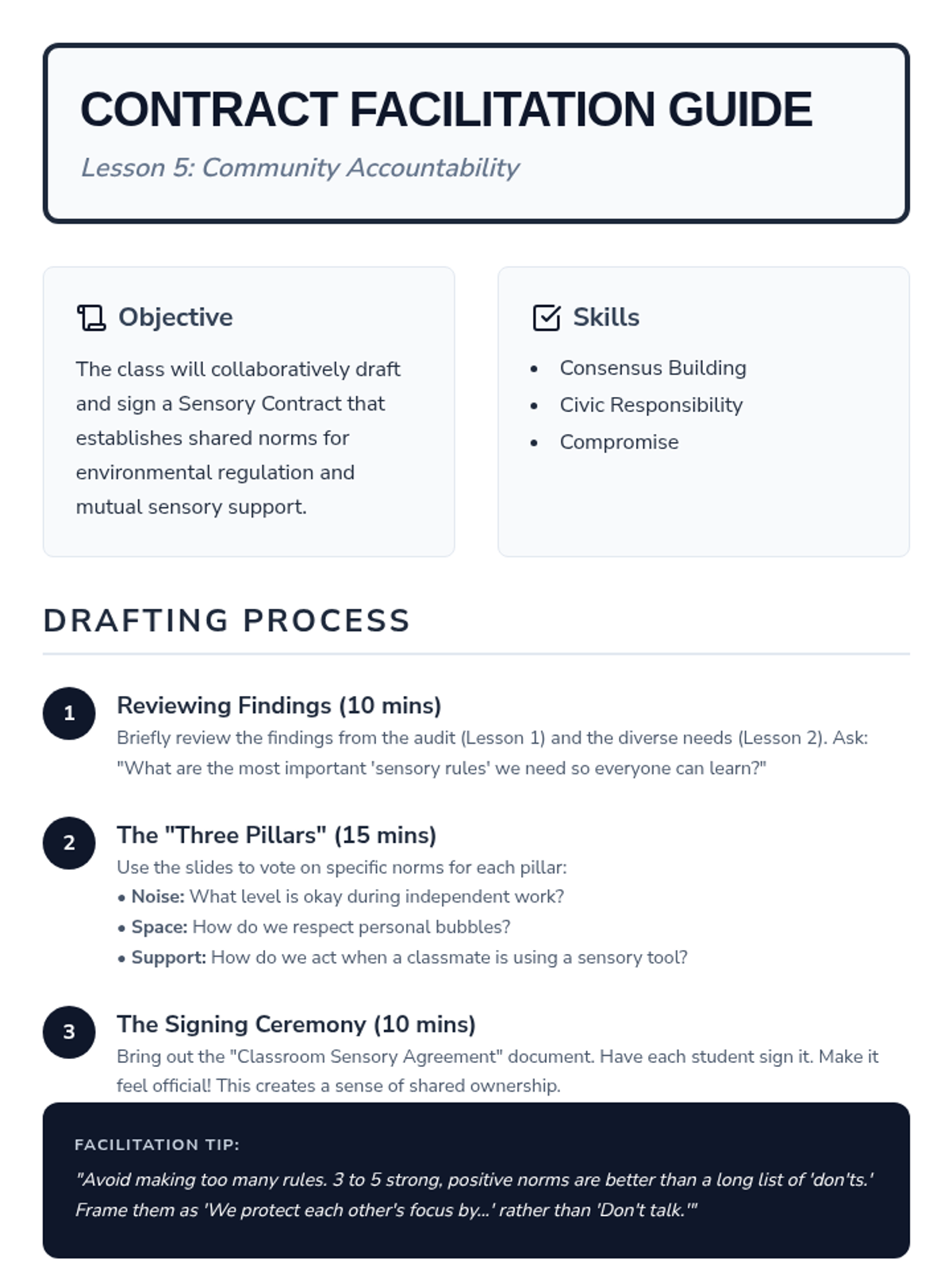
A teacher guide for the Classroom Sensory Contract lesson, featuring strategies for consensus building, signing ceremonies, and ongoing contract maintenance.
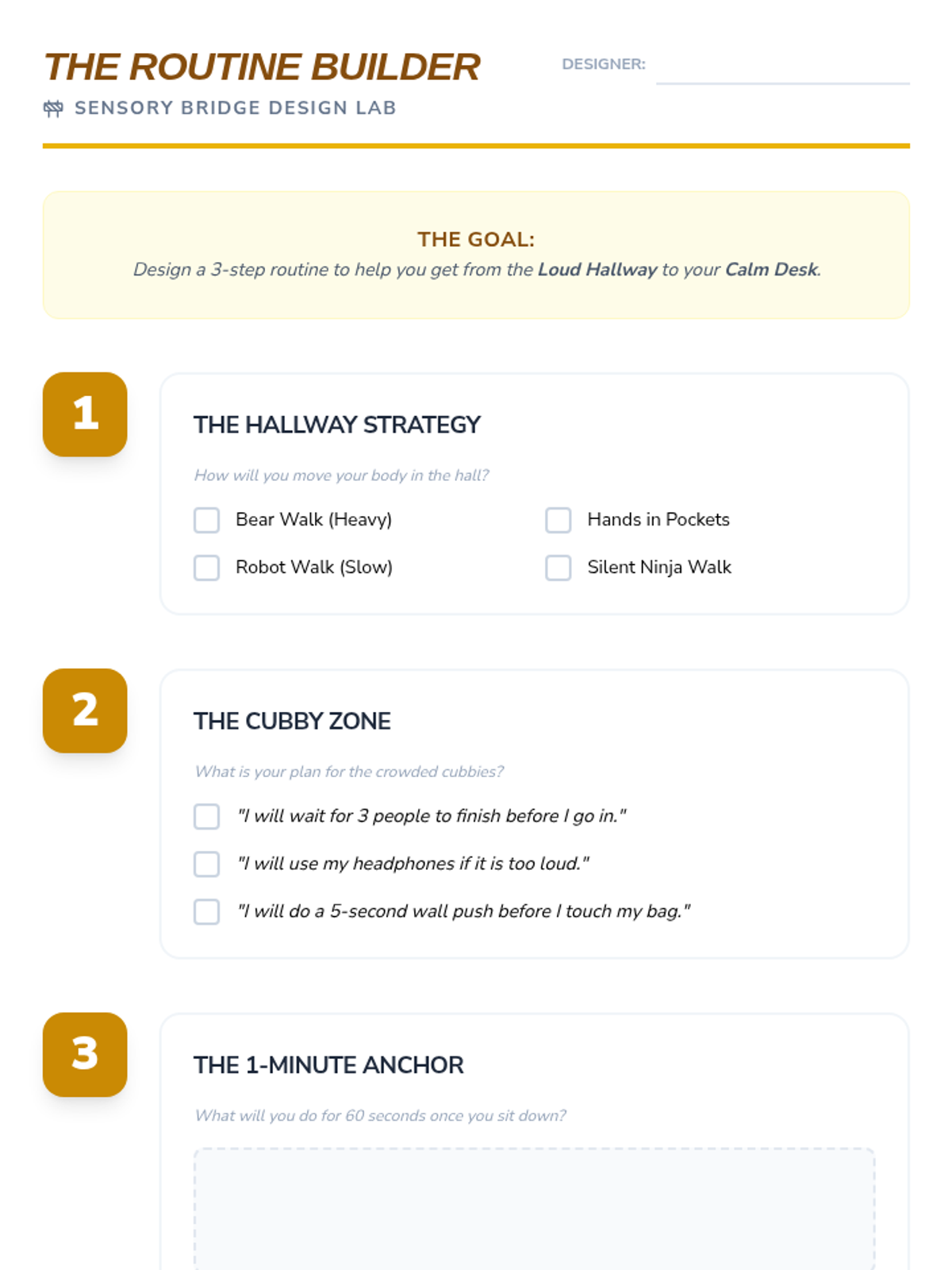
A student worksheet for building a personalized 3-step transition routine using sensory strategies.
Slides for Lesson 4 exploring the "Transition Bridge" concept and identifying sensory hazards during class changes.
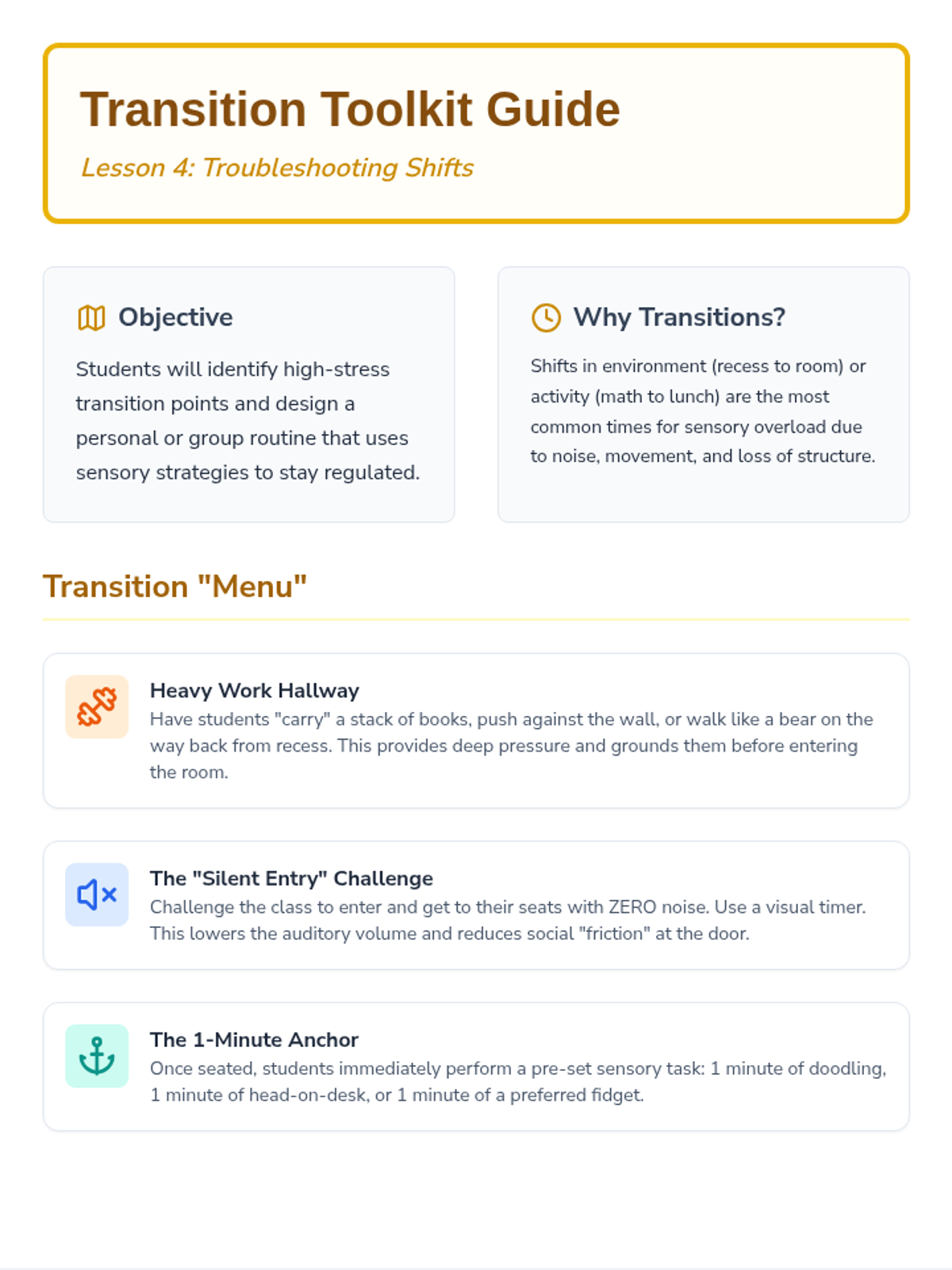
A teacher guide for the Transition Troubleshooting lesson, featuring specific strategies like "Heavy Work Hallway" and "The Buffer Zone".
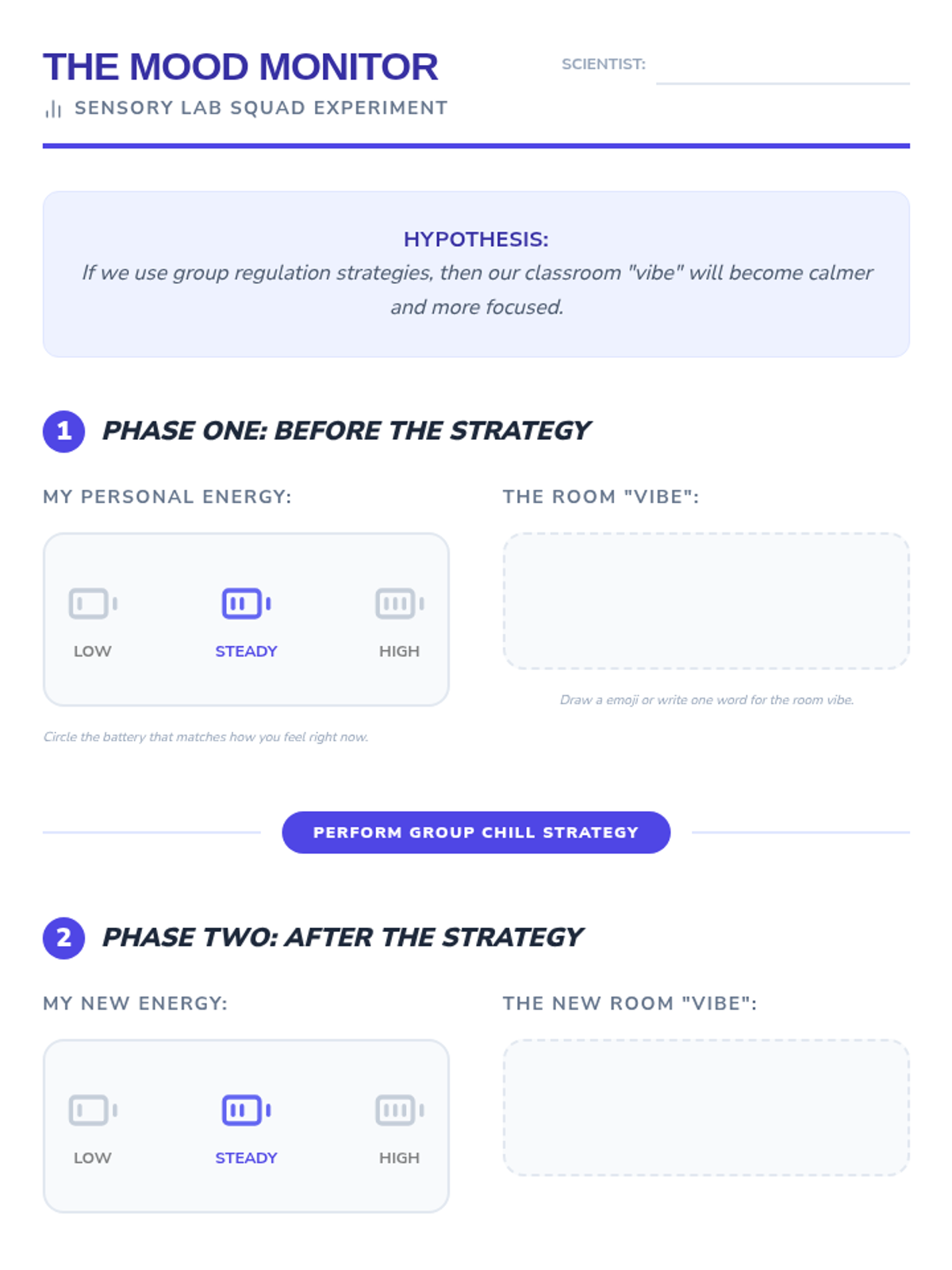
A student data sheet for tracking personal energy and classroom "vibe" before and after group regulation exercises.
Slides for Lesson 3 introducing collective regulation, "The Group Chill," and explaining the science of co-regulation and heavy work.
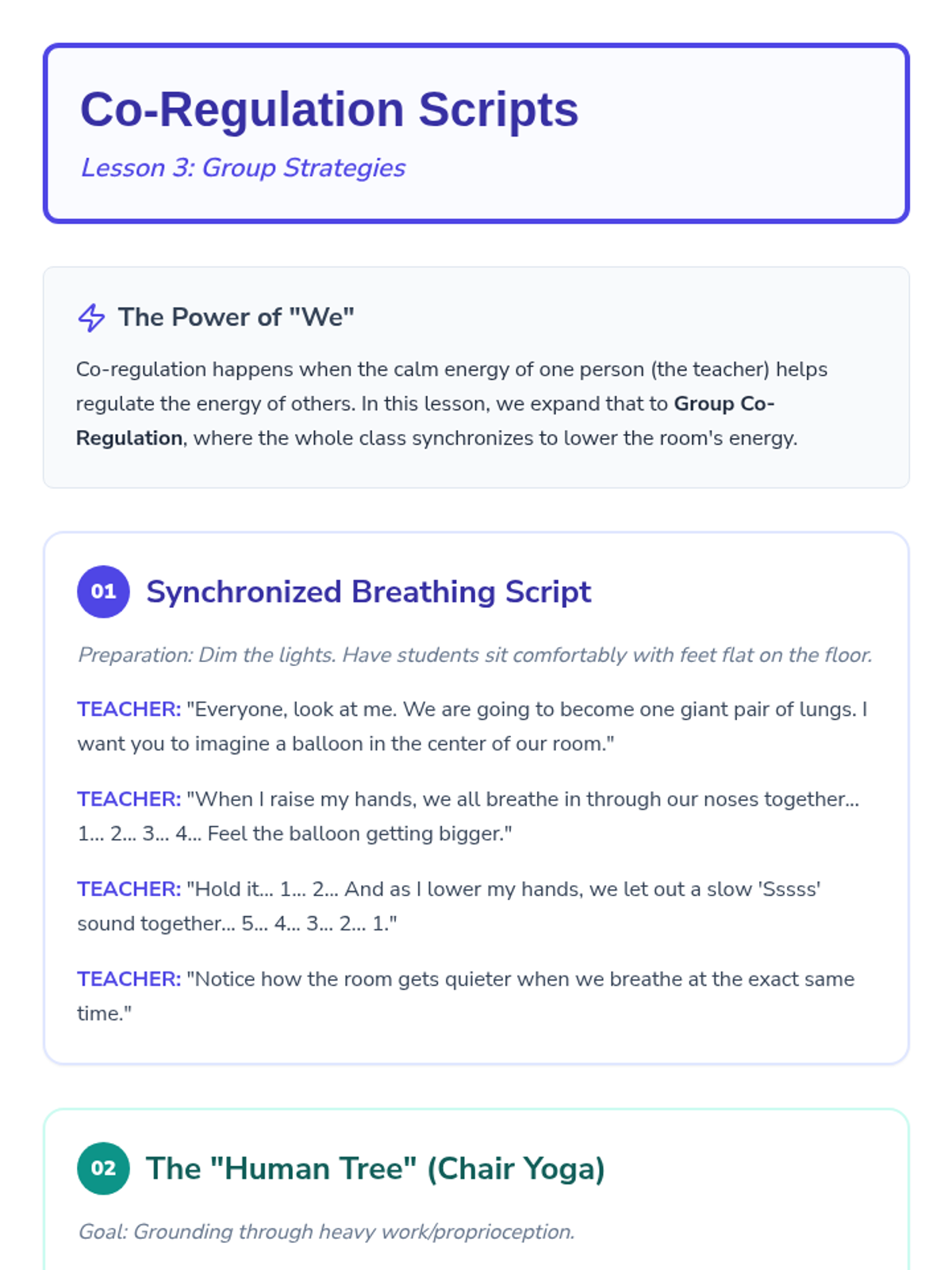
Teacher-facing co-regulation scripts and facilitation tips for synchronized breathing and chair yoga exercises.
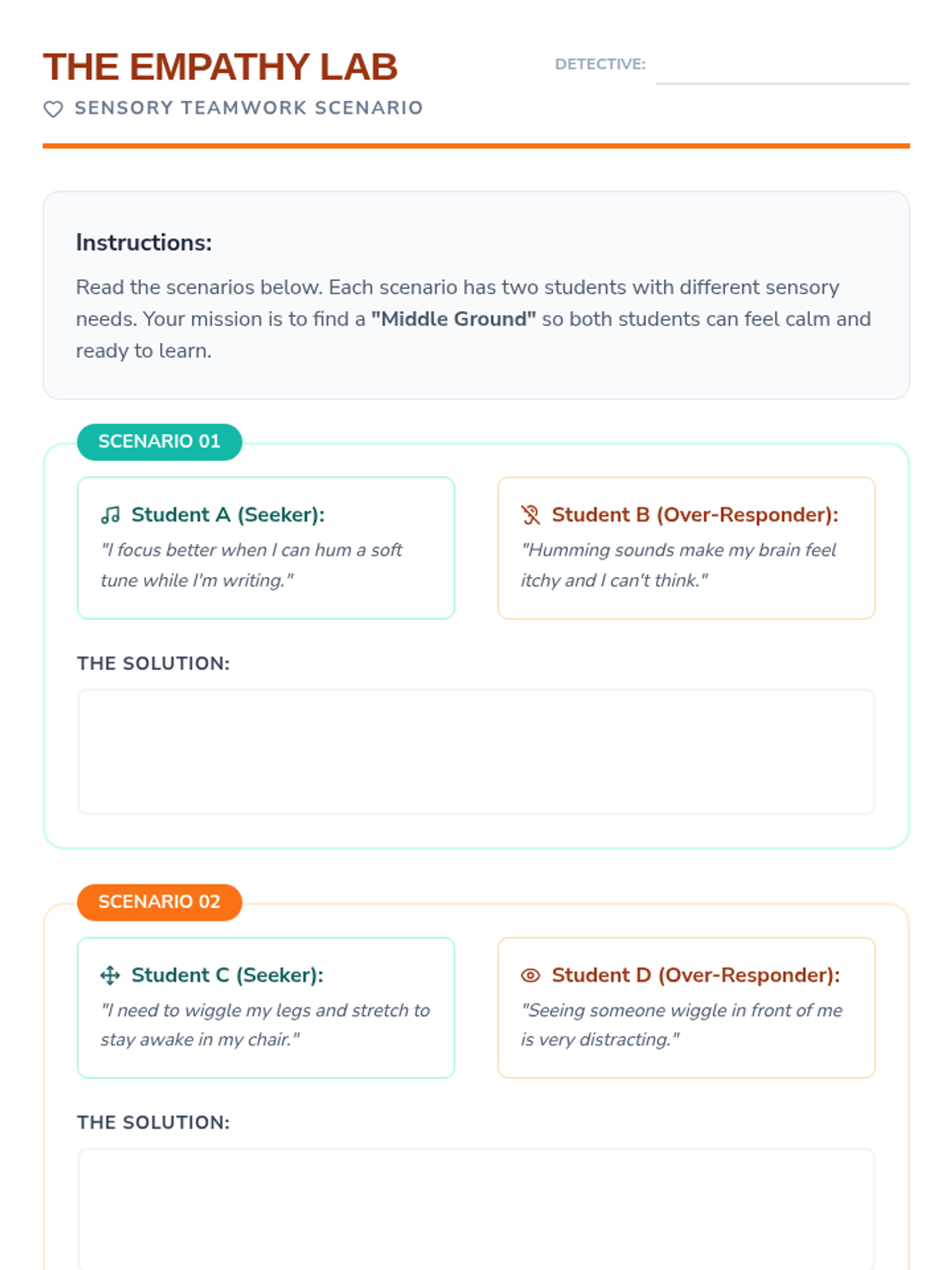
A student worksheet with scenarios featuring conflicting sensory needs, challenging students to find empathetic "Middle Ground" solutions.
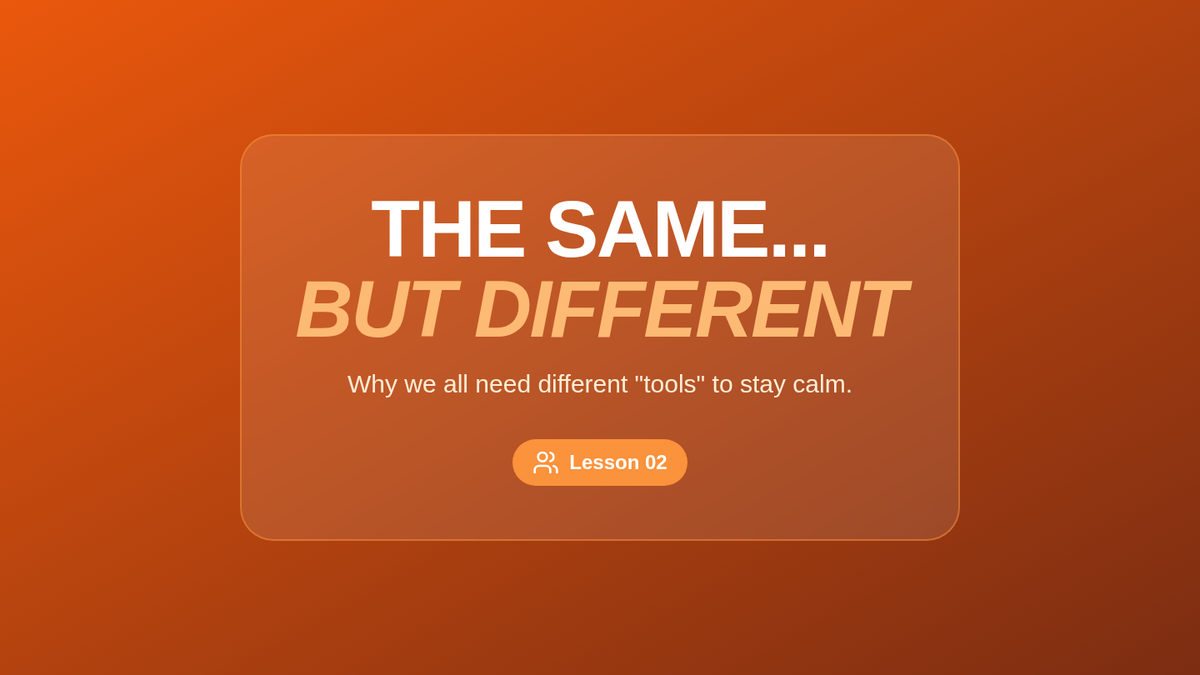
Slides for Lesson 2 introducing "Sam the Seeker" and "Olivia the Over-Responder" to explain diverse sensory needs and the concept of a sensory "Middle Ground."
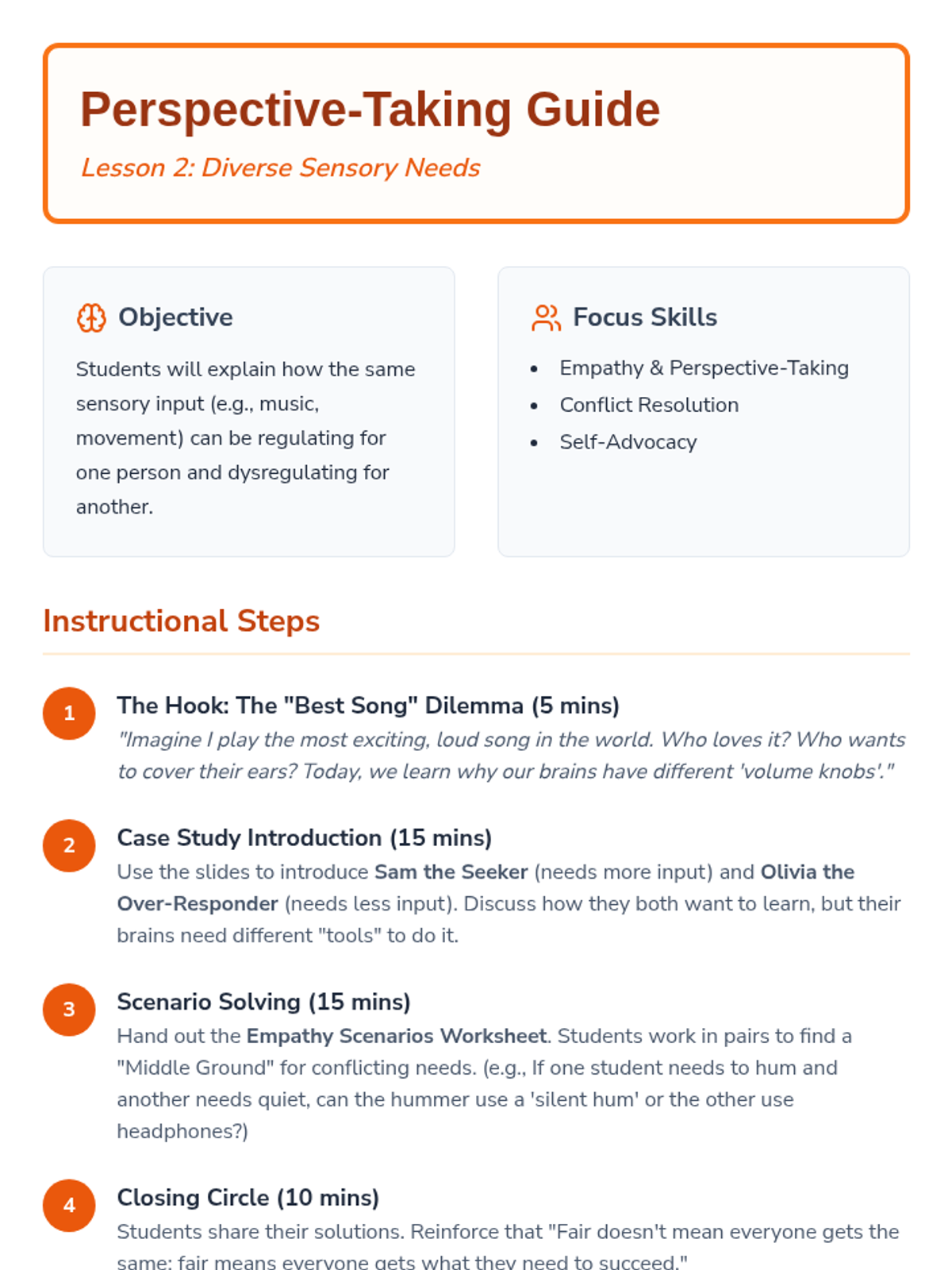
A teacher guide for the Respecting Diverse Sensory Needs lesson, focusing on perspective-taking, empathy, and the "Glasses Analogy" for sensory tools.
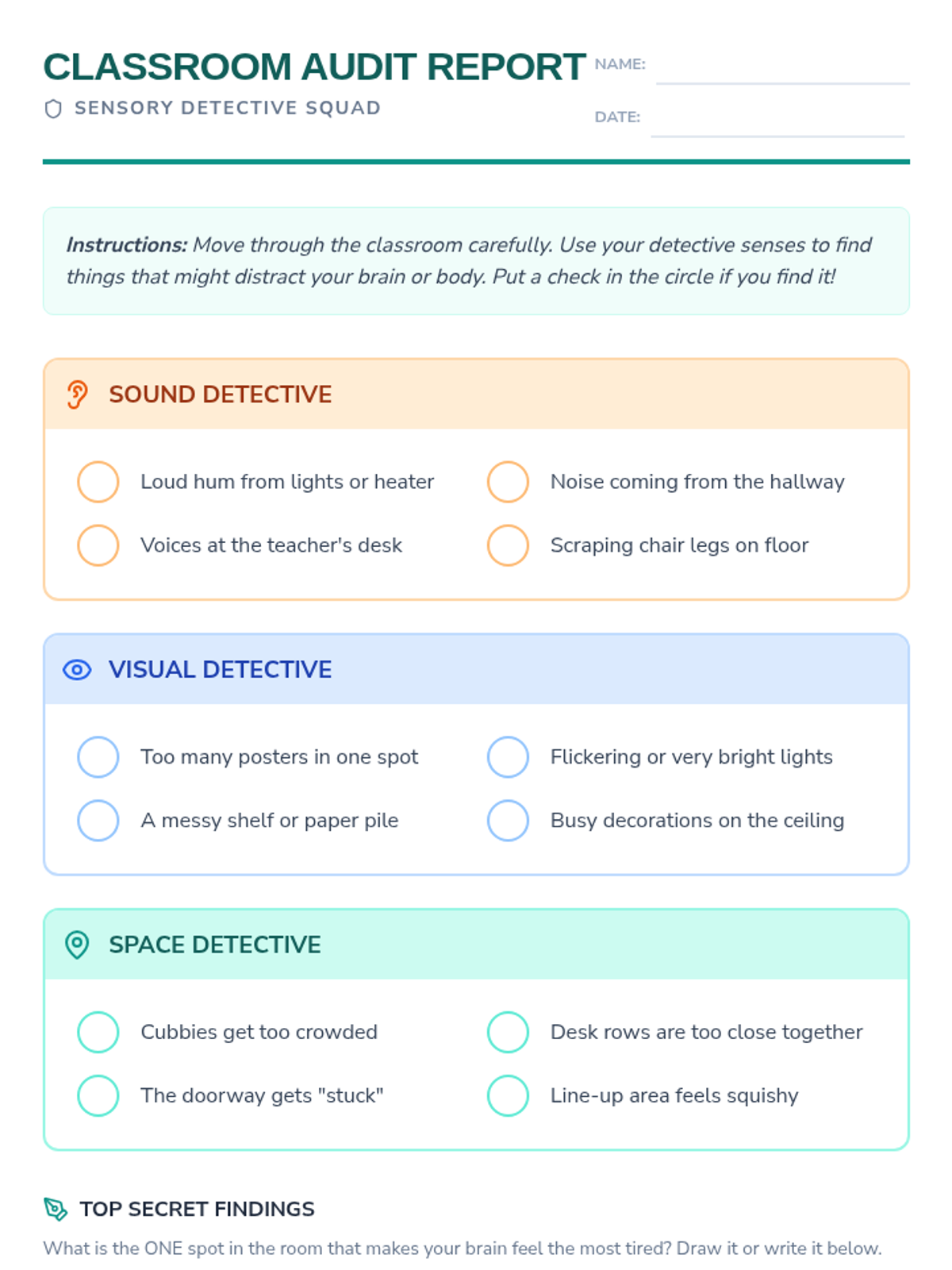
A student worksheet for the Sensory Detective Audit, featuring checklists for sound, visual, and spatial sensory triggers in the classroom.
Slides for Lesson 1: The Sensory Detective Audit. Introduces the concept of a sensory audit and identifies key areas like Noisy Zones, Clutter Corners, and Traffic Jams.
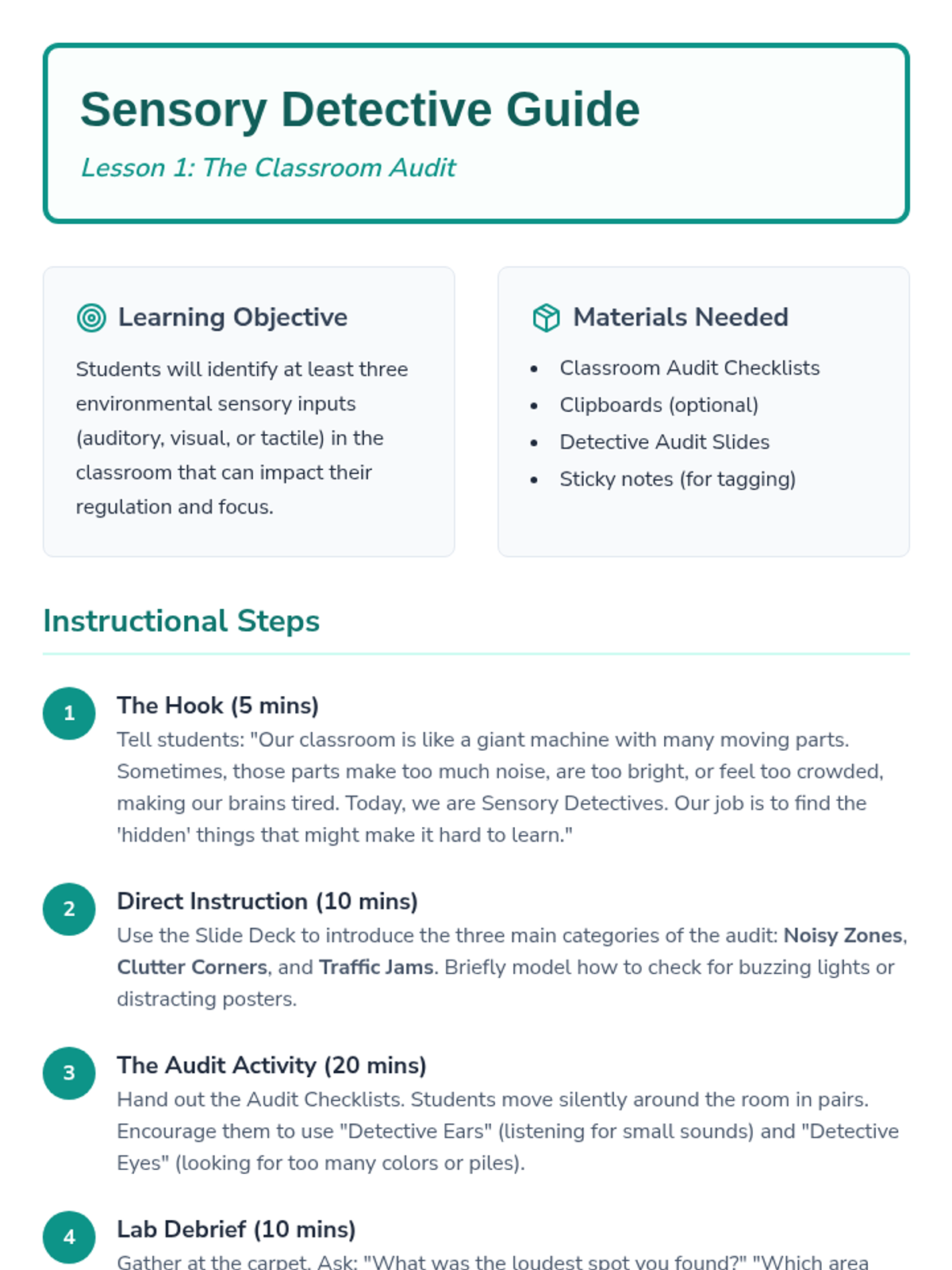
A teacher guide for the Sensory Detective Audit lesson, including objectives, step-by-step instructions, discussion prompts, and differentiation strategies.
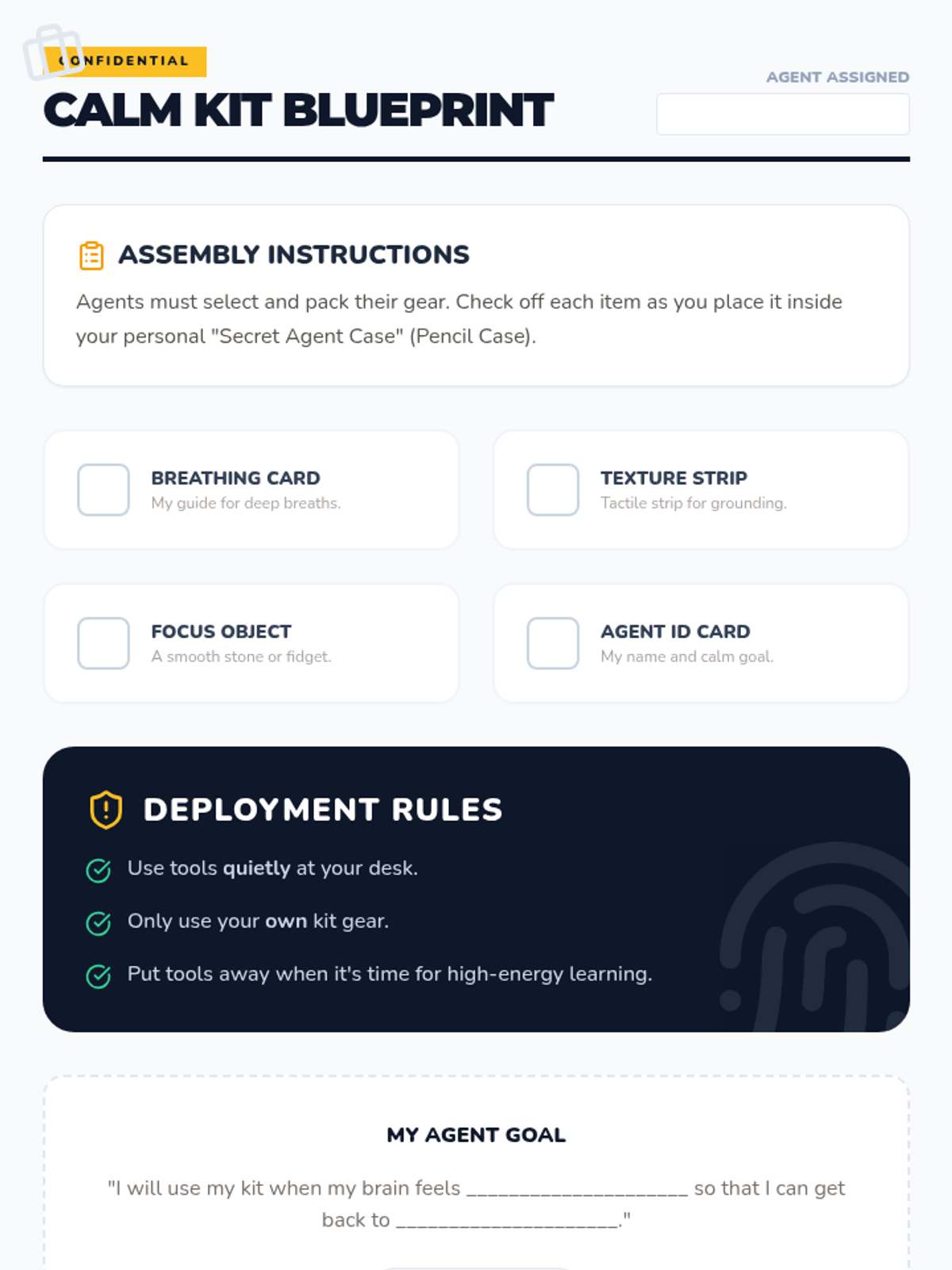
A student-facing assembly checklist and rule guide for building a personal "Calm Kit".
Visual presentation for Lesson 5, framing the assembly of personal calm kits as a "Secret Agent" mission to manage stress.
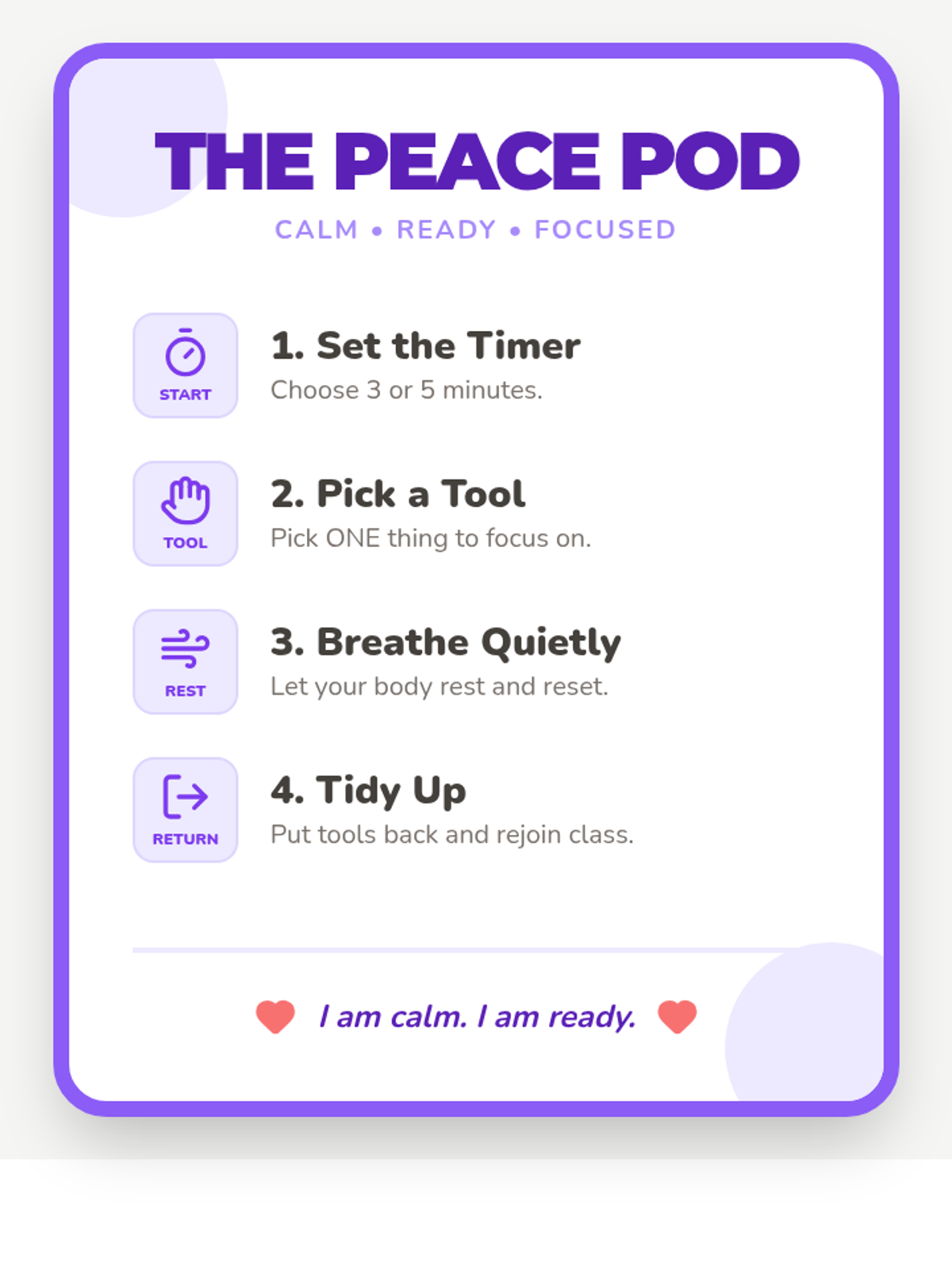
A visual anchor chart designed to be displayed in the classroom Calm Corner, detailing the four steps for effective use.
Visual presentation for Lesson 4, introducing the rules and purpose of the classroom Calm Corner (Peace Pod).
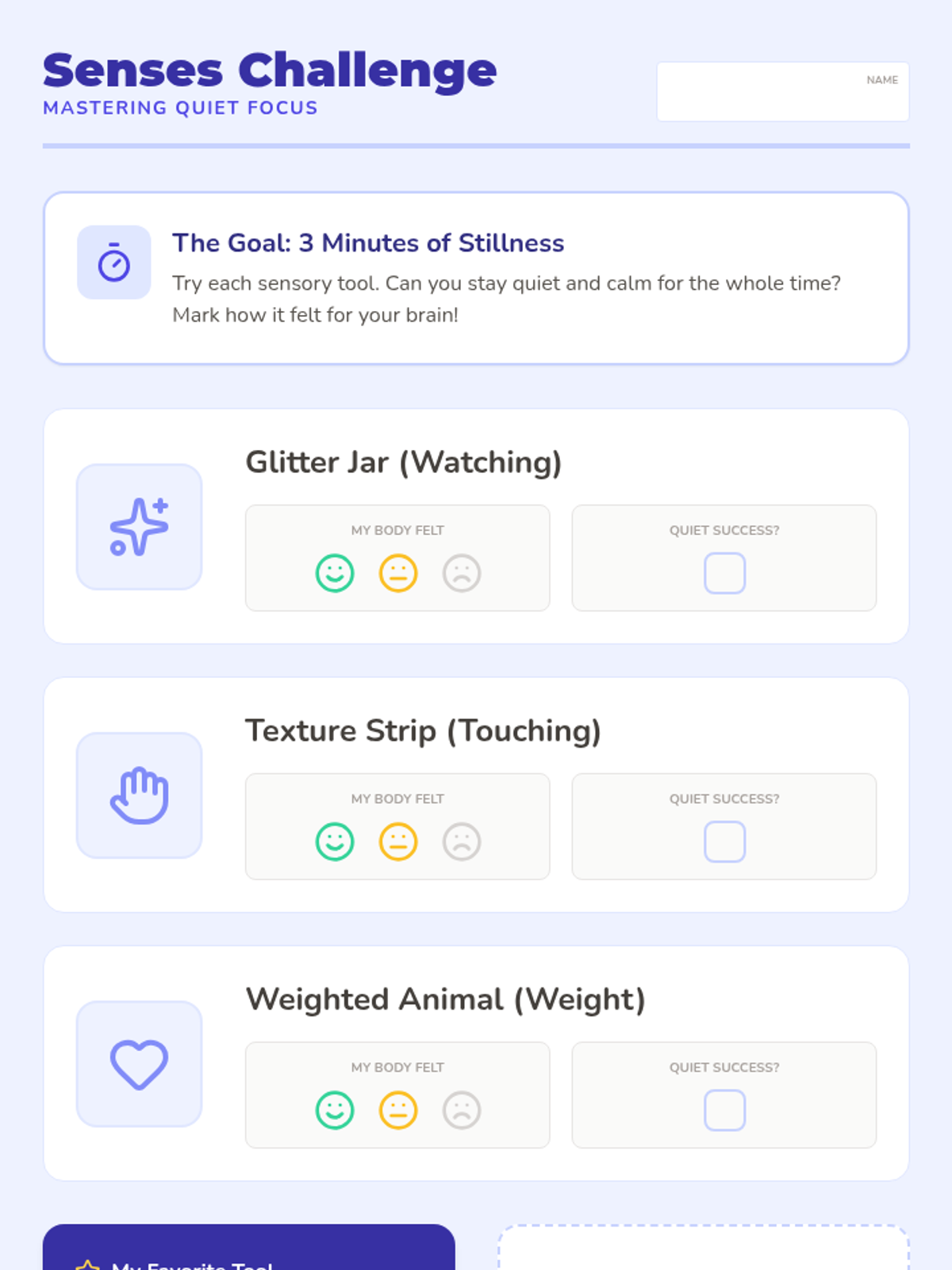
A student-facing challenge log for practicing with tactile and visual calming tools.
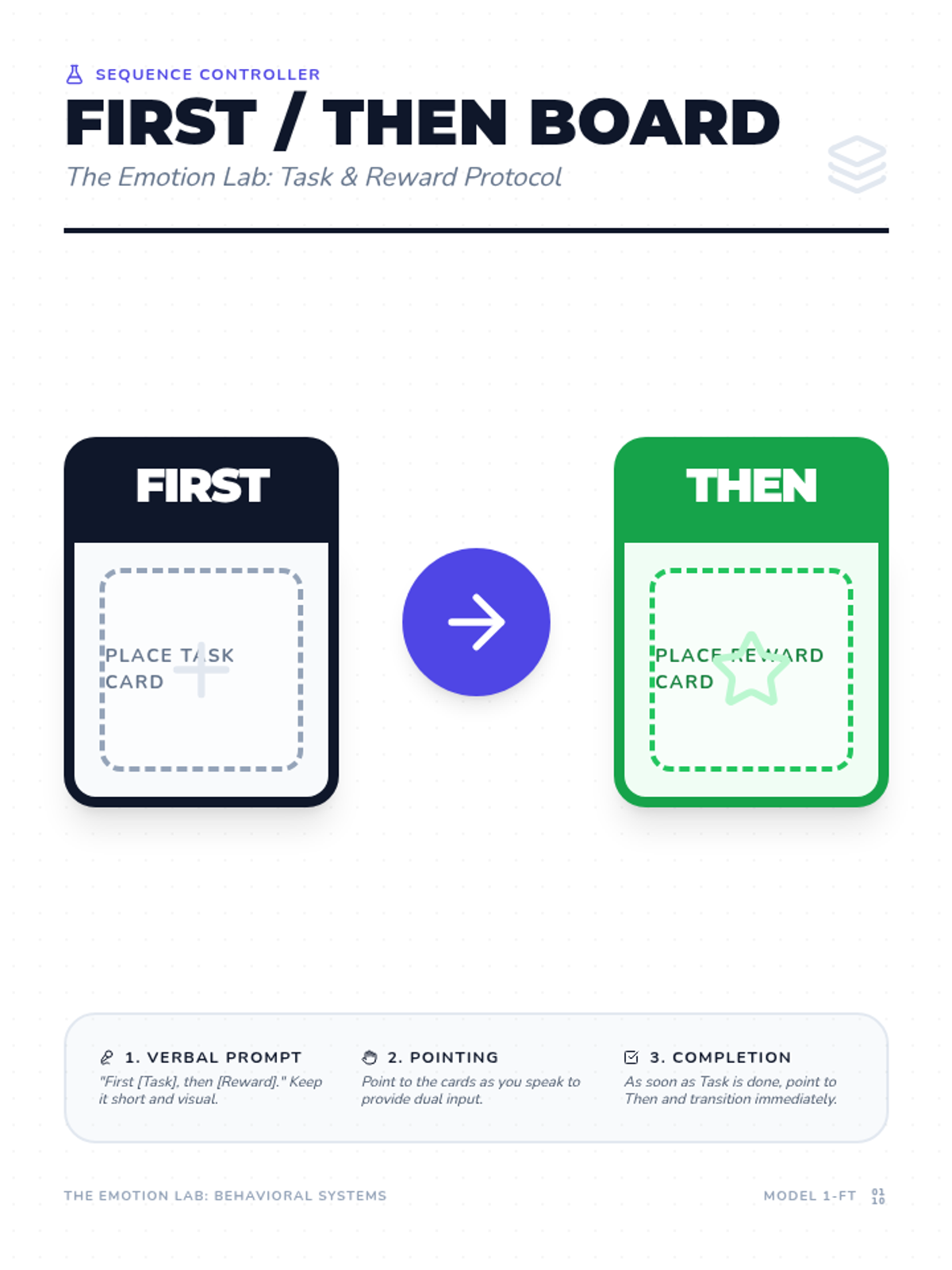
A themed First/Then visual board designed for structured behavioral support, including task and reward cards to help students navigate classroom transitions.
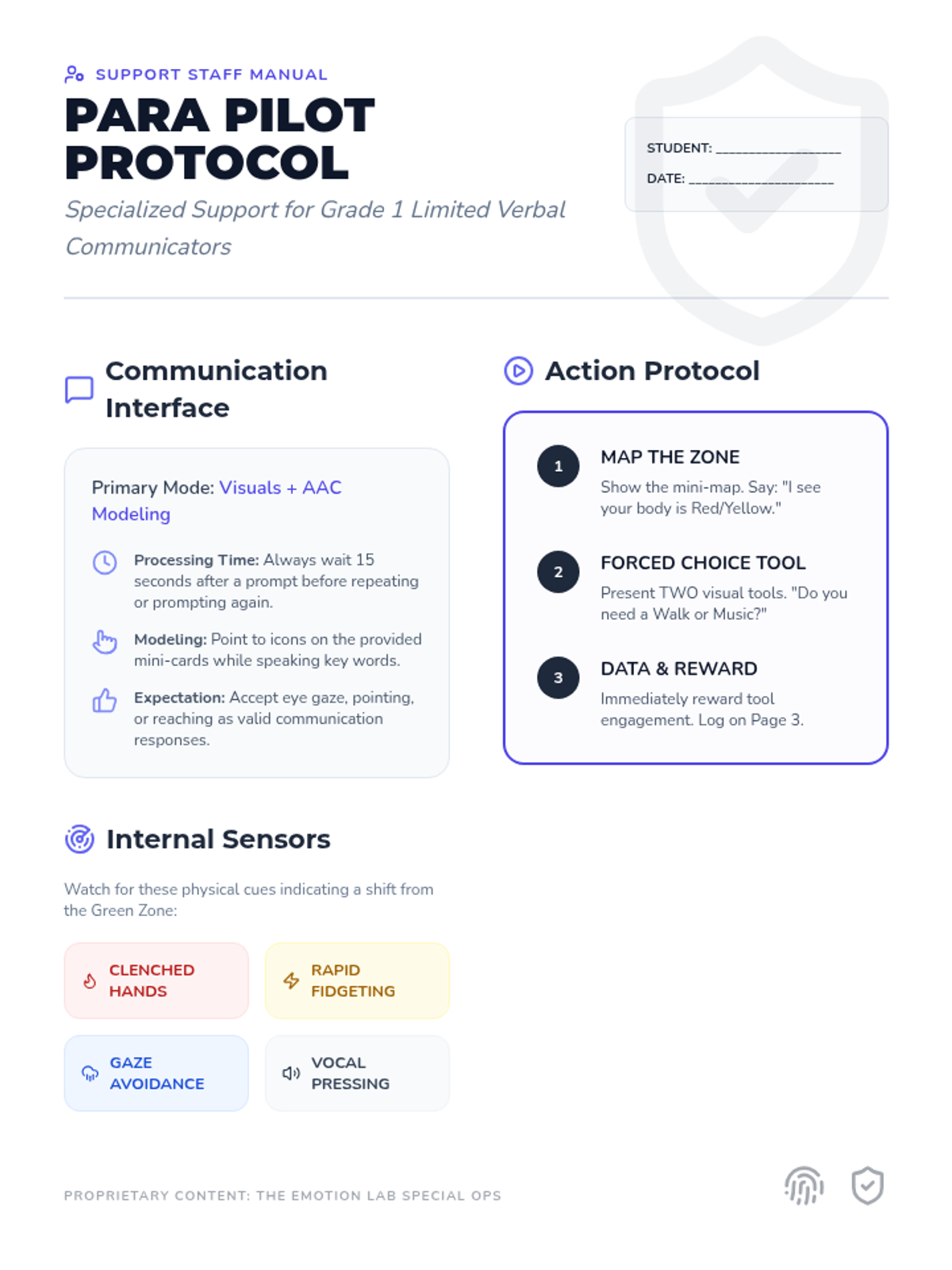
A comprehensive multi-page paraprofessional support pack featuring a specific action protocol, portable visual toolkit cards for non-verbal support, and an expanded daily data log.
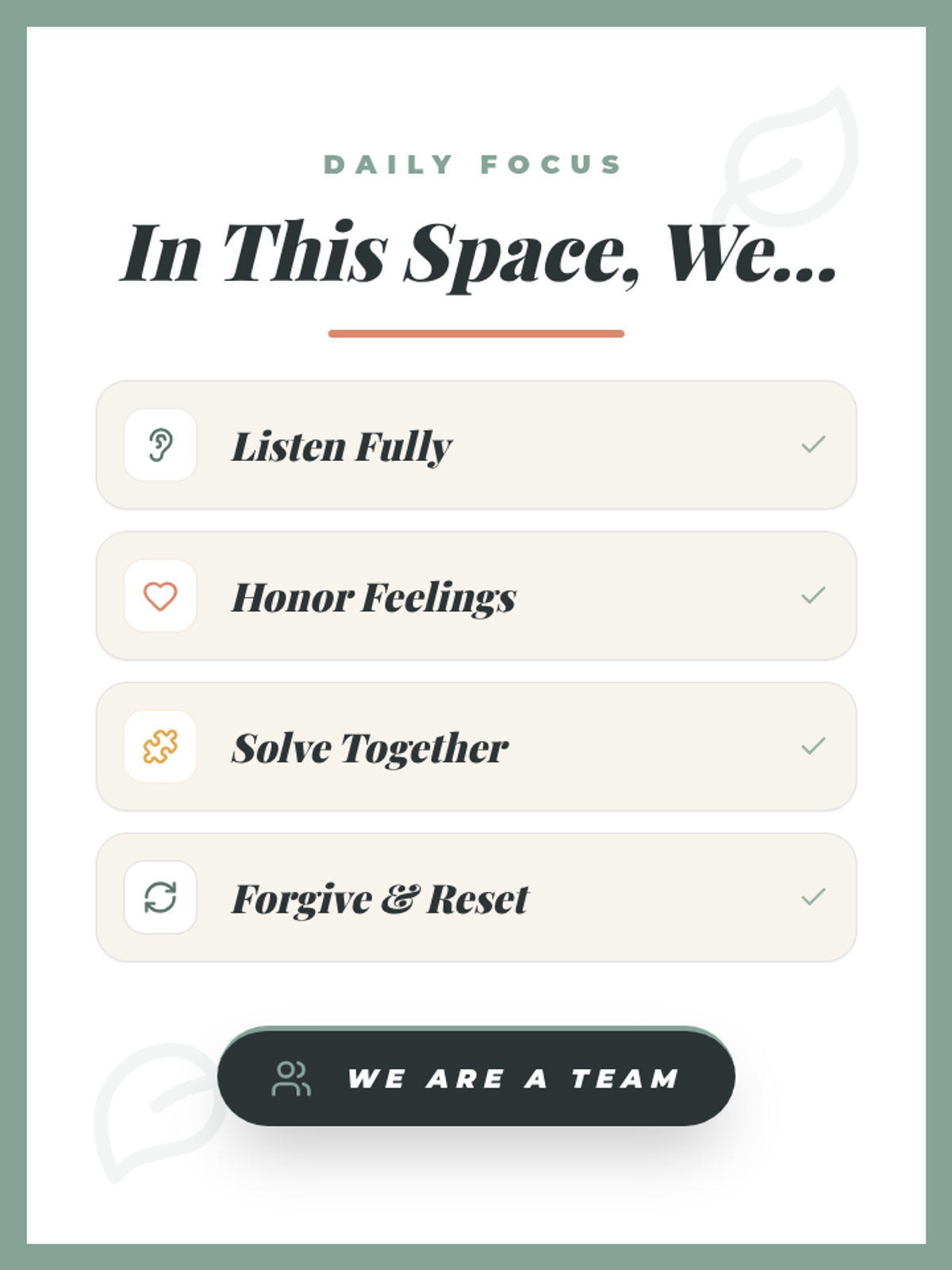
A dual-purpose community station resource featuring a 'Daily Focus' agreements poster and a 'Heart Check-In' station. The design uses botanical motifs and a sophisticated muted palette to encourage calm daily routines and emotional self-awareness.
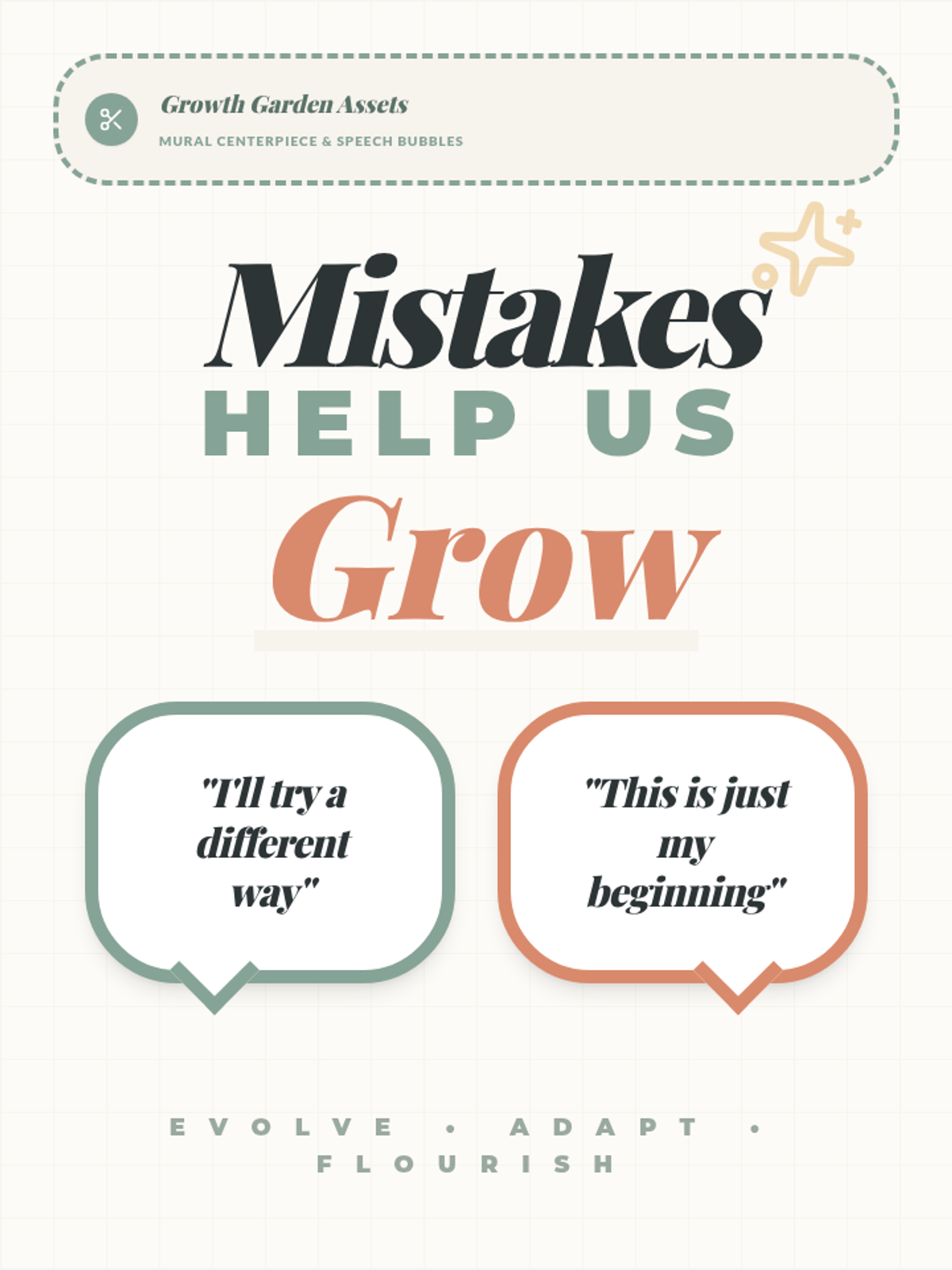
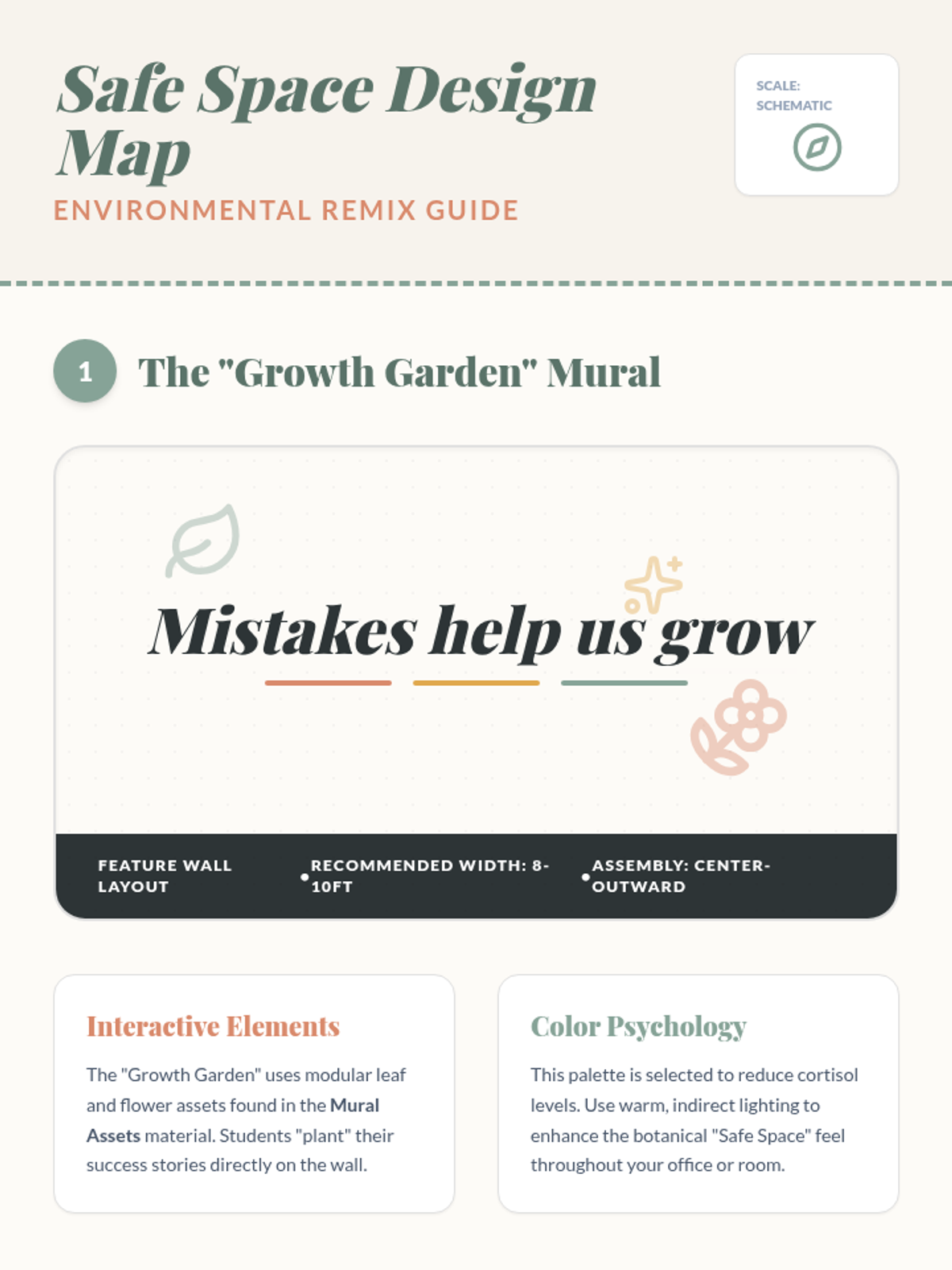
A collection of high-impact printable mural assets for a 'Growth Garden' display. Includes a stylized 'Mistakes Help Us Grow' centerpiece, botanical-framed affirmations, and a variety of interactive leaf and bloom templates for student recognition.
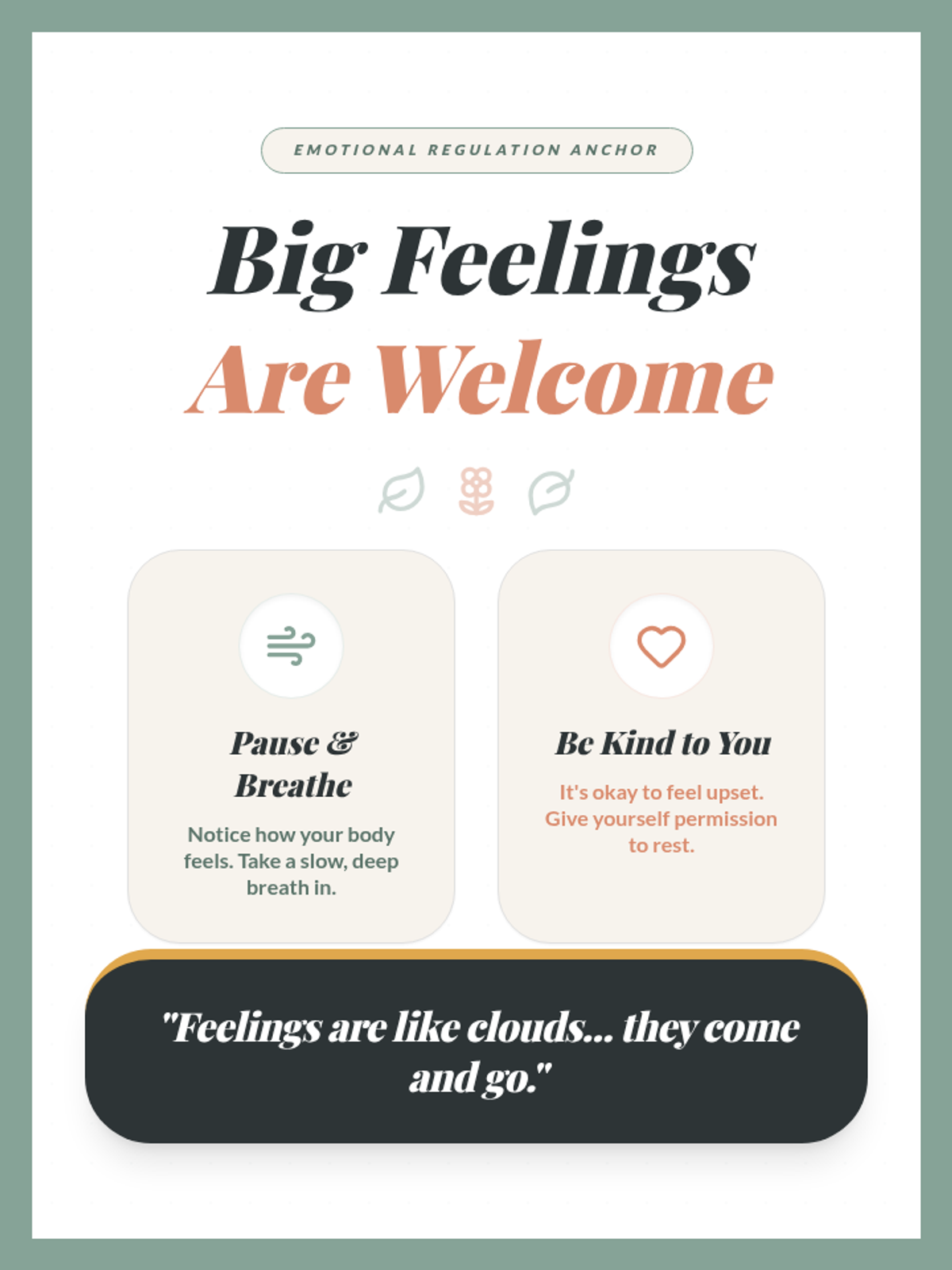
A set of calming sensory station visuals with a botanical aesthetic. Includes a large-format emotional regulation anchor poster and four modular strategy cards designed for hands-on student use in a calm-down corner.
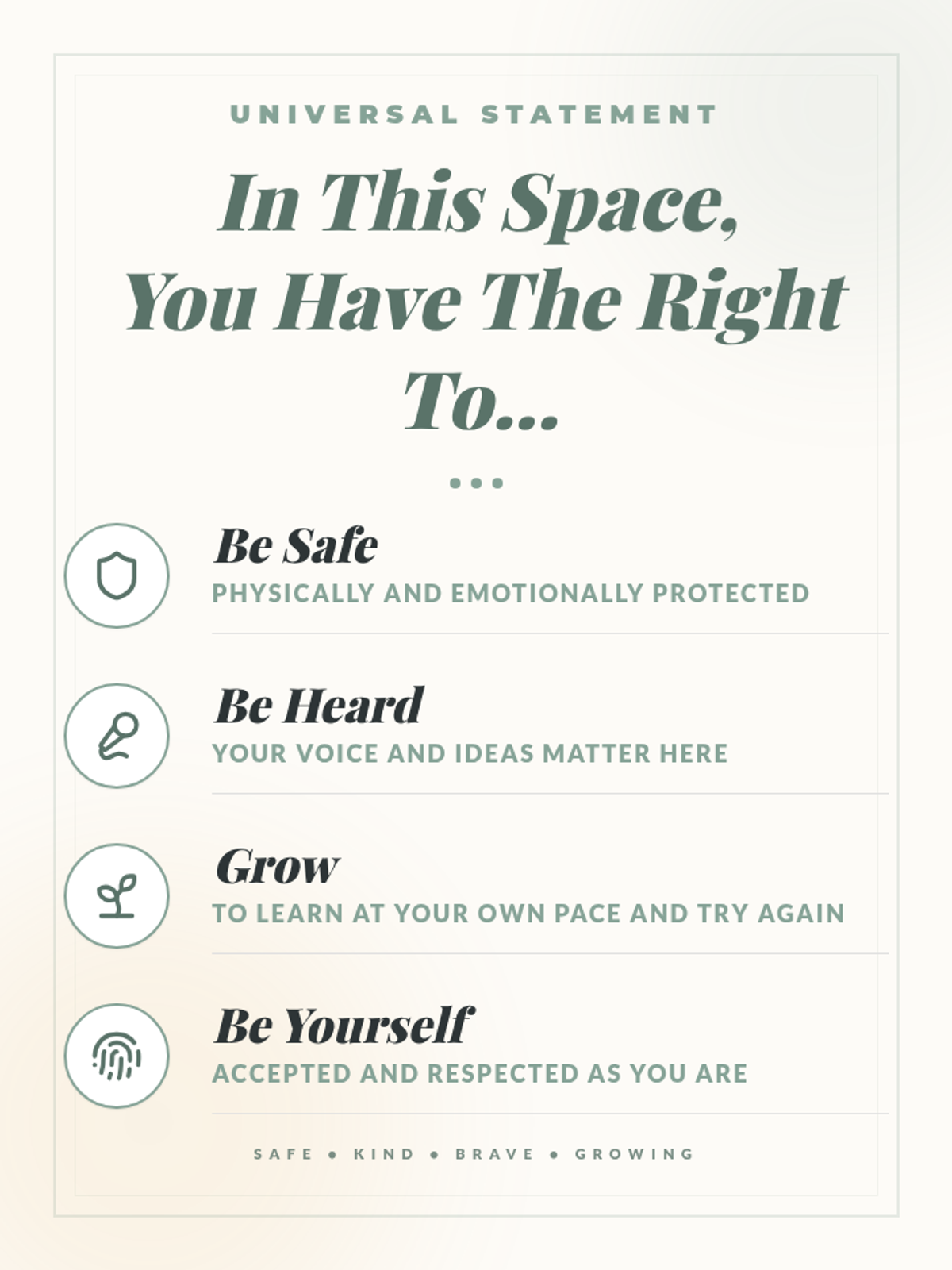
A pair of elegant botanical-themed posters defining student rights and responsibilities. The designs use a sophisticated palette of sage and terracotta to create a calming yet authoritative environmental statement for the classroom.
A botanical-themed space setup guide that provides a blueprint for creating a cohesive classroom environment. It features visual mockups for a 'Growth Garden' mural and a 'Community Station' bulletin board with installation tips.
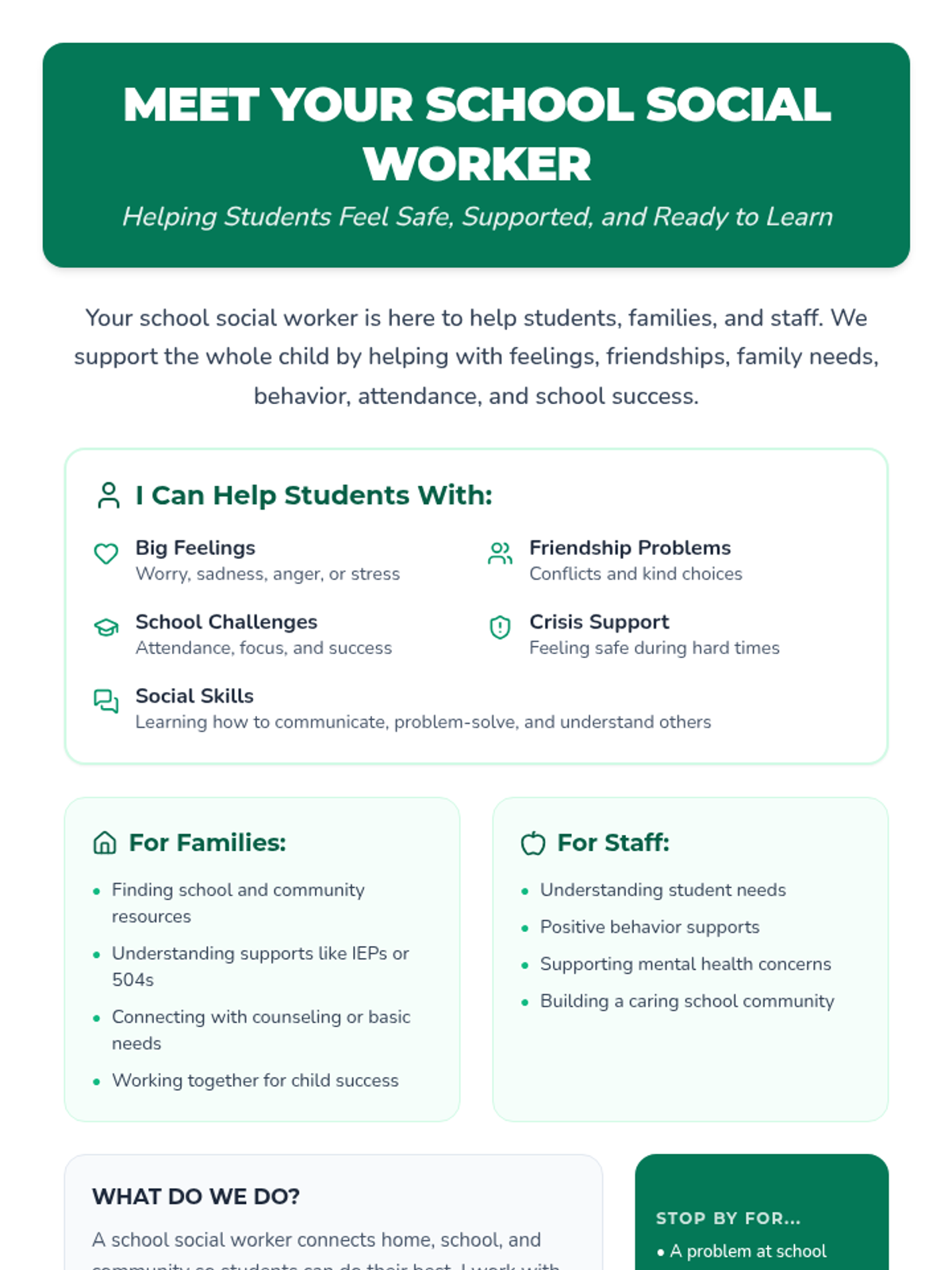
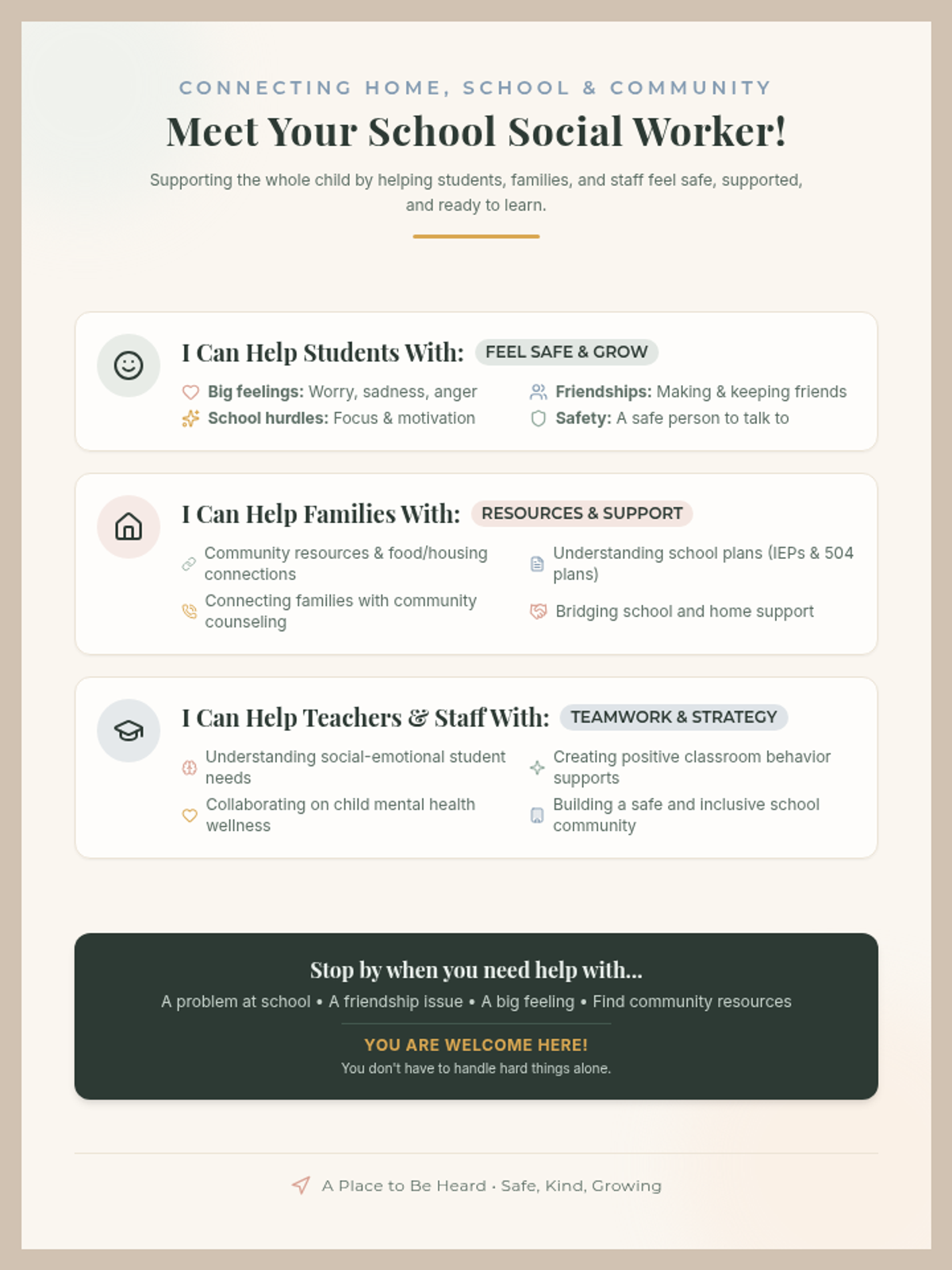
An informative 8.5x11 poster for a school social worker's office, detailing how they support students, families, and staff. Features a calming sage green palette and clear, icon-supported sections. Revised for better page fitting and layout alignment.
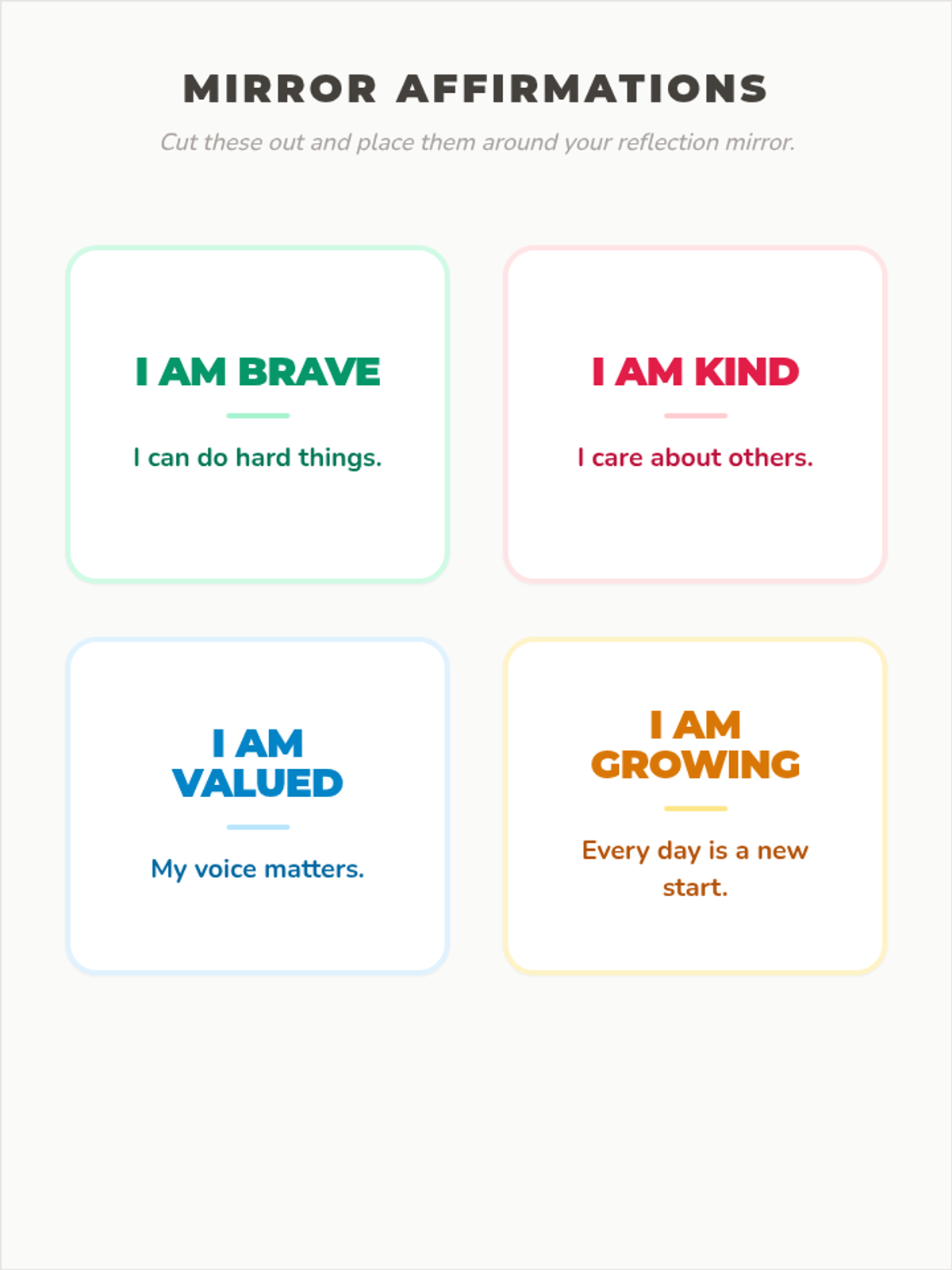
Affirmation cards for mirror placement and a set of smaller square prints for decorative bulletin boards. Revised for better contrast, alignment, and completeness.
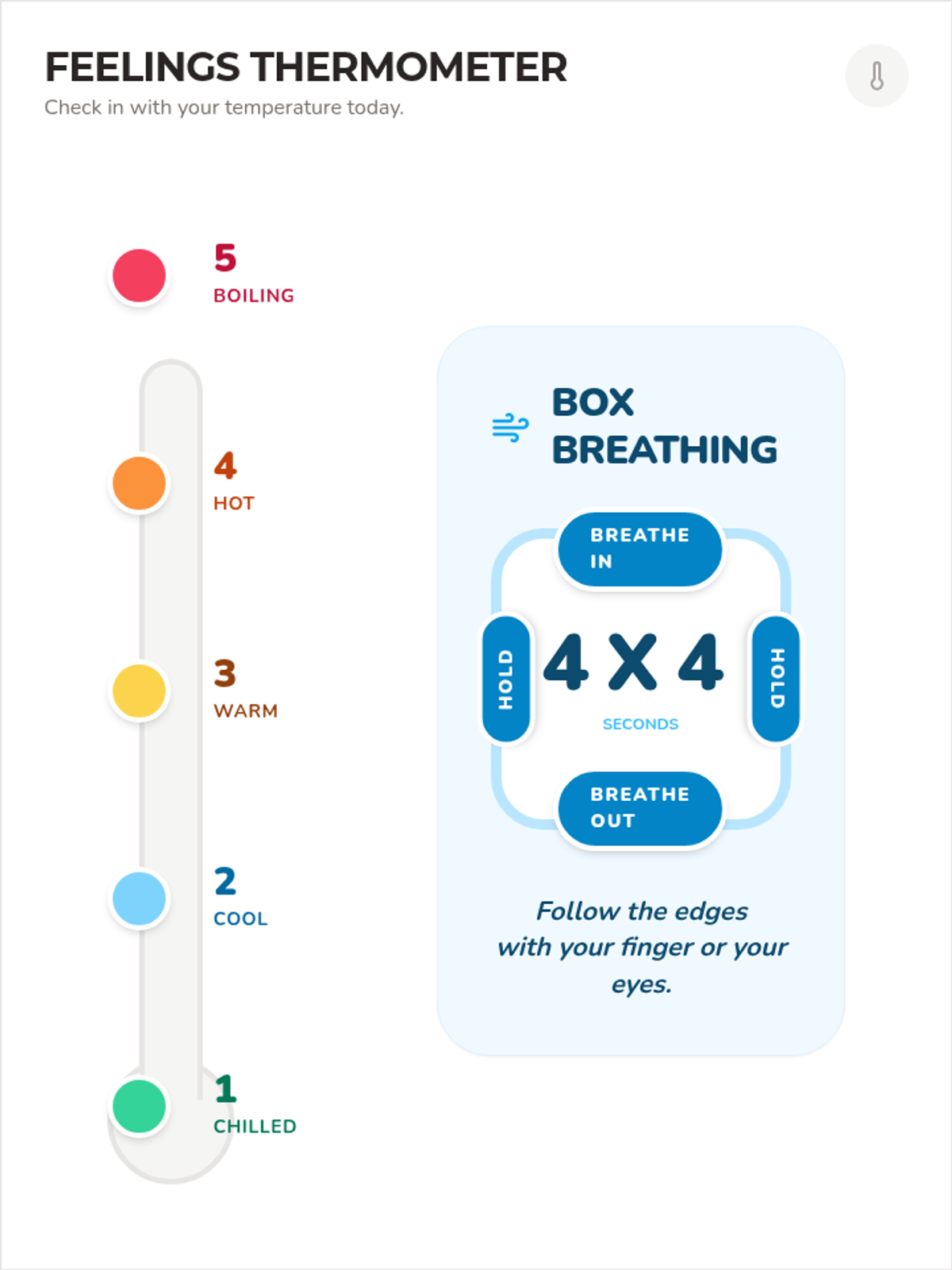
Interactive office tools including a feelings thermometer visual (revised for alignment), box breathing tool, and cut-out 'I Need' choice cards with improved cutting gutters.
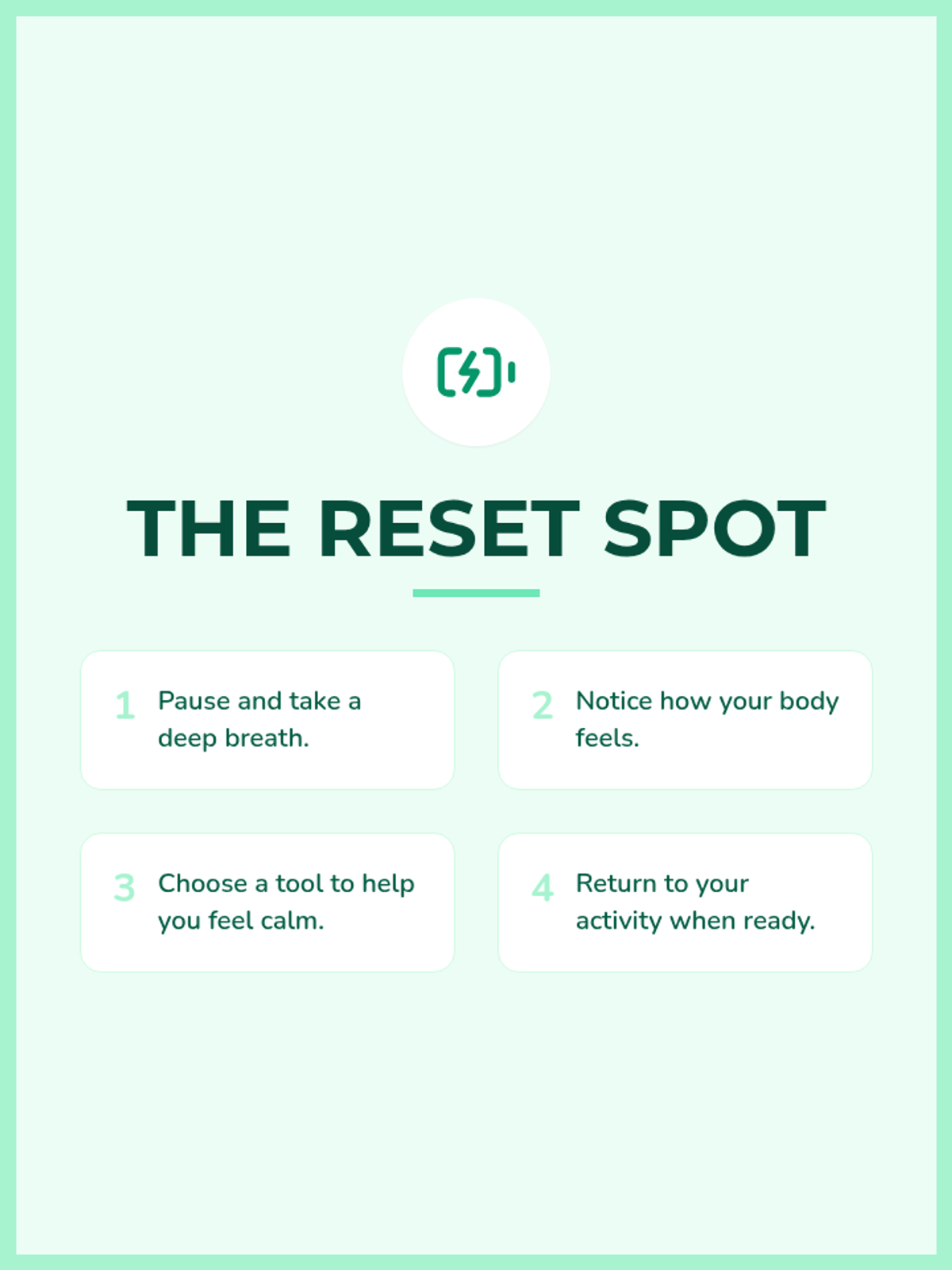
A pack of five zone-specific posters for 'The Reset Spot', 'Peace Pause', 'Connection Wall', 'Resource Nook', and 'Reflection Area'. Revised for visual balance, better text rendering, and increased contrast.
High-impact 18x24 scale posters for 'Brave Space', 'My Voice Matters', and the role of the School Social Worker. Revised for better icon alignment and sage green theme integration.
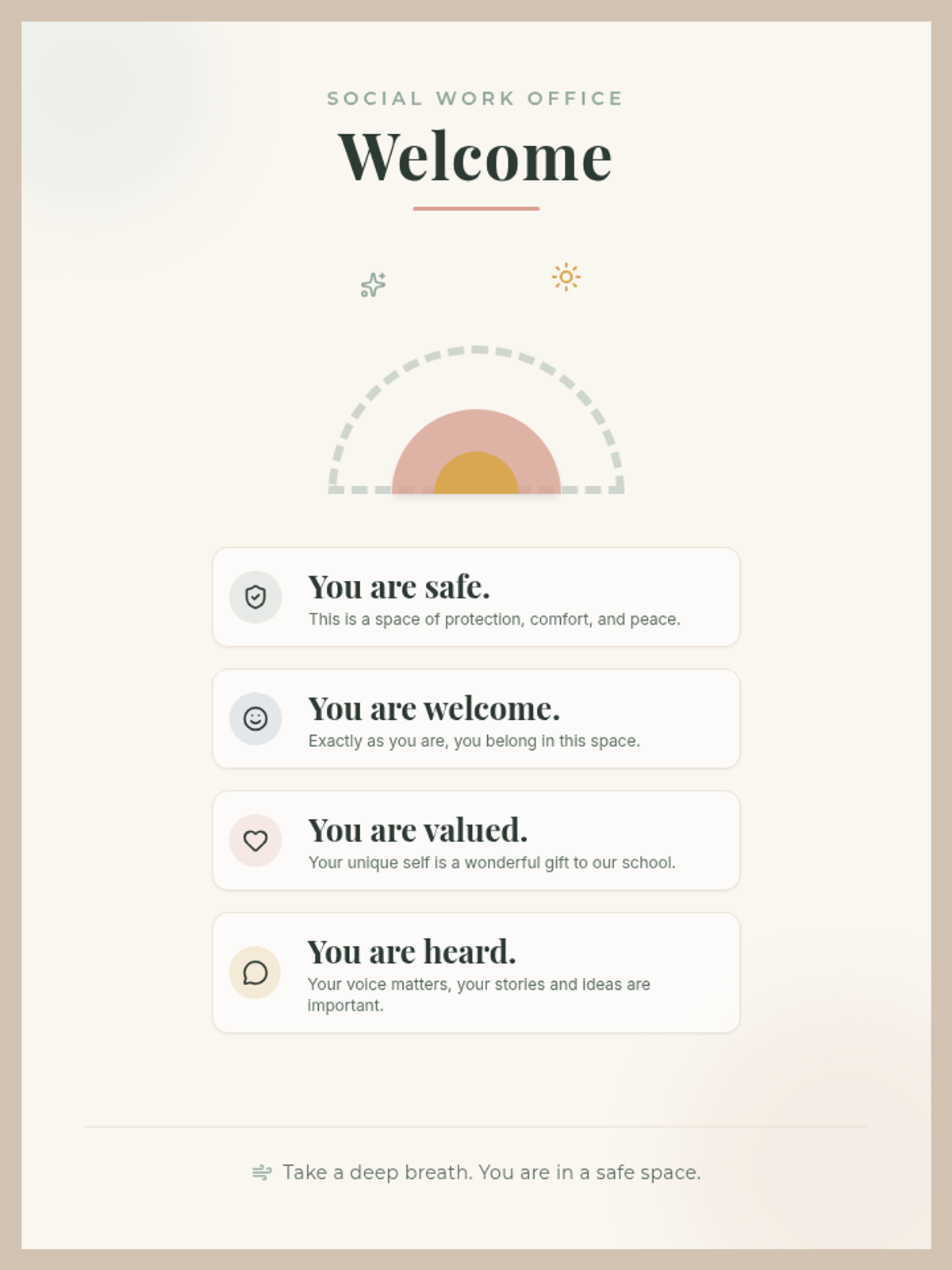
A set of three 8.5x11 desk and wall signs including a Welcome sign, Office Agreements, and a safety affirmation poster.
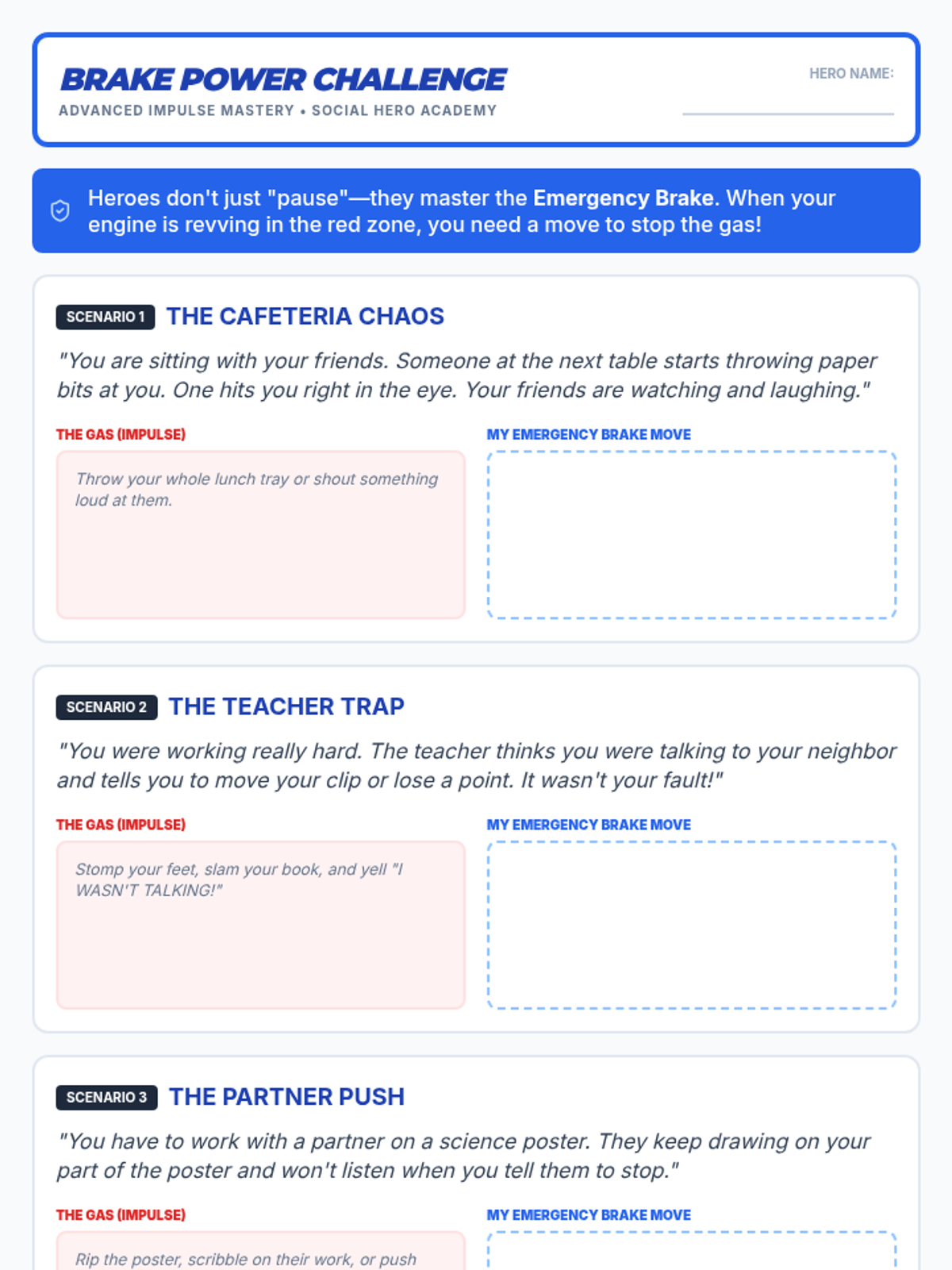
A student worksheet for Week 5 focusing on 'Brake Power'. Students analyze three high-stress social scenarios and document their specific 'Emergency Brake' moves. Fixed page breaks and optimized layout for 2 pages. Fixed alignment.
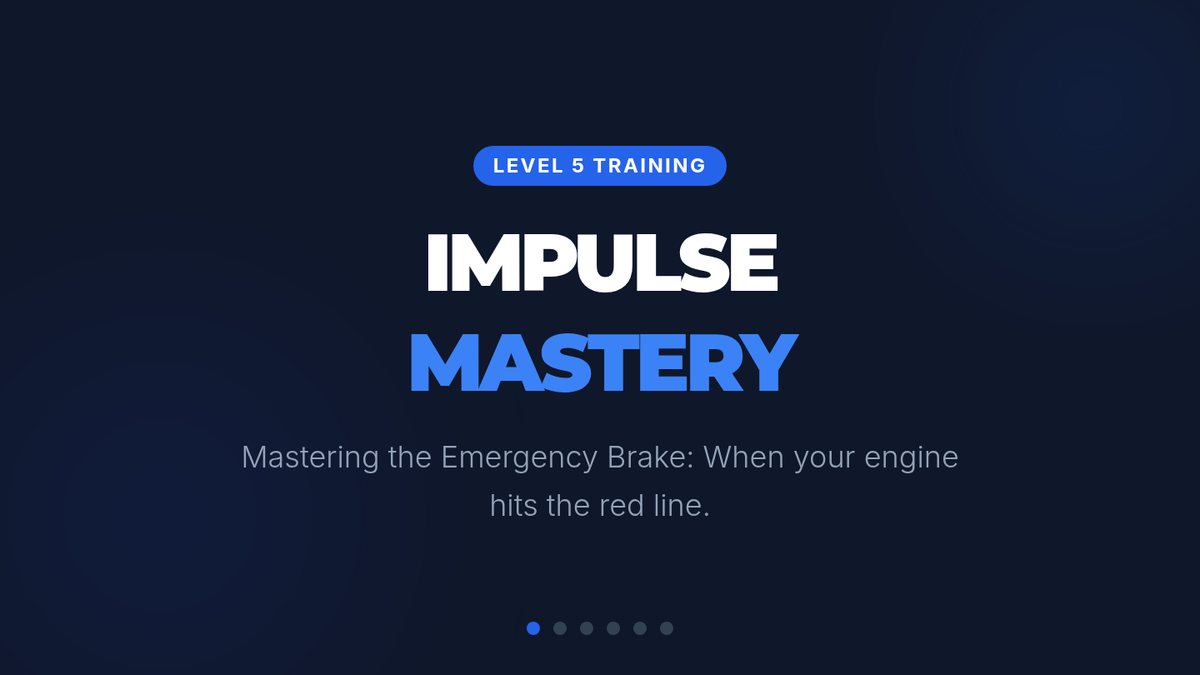
A visual slide deck for Week 5 focusing on 'Impulse Mastery'. It includes three mission scenarios (Cafeteria Chaos, Teacher Trap, Partner Push) that match the student worksheet.
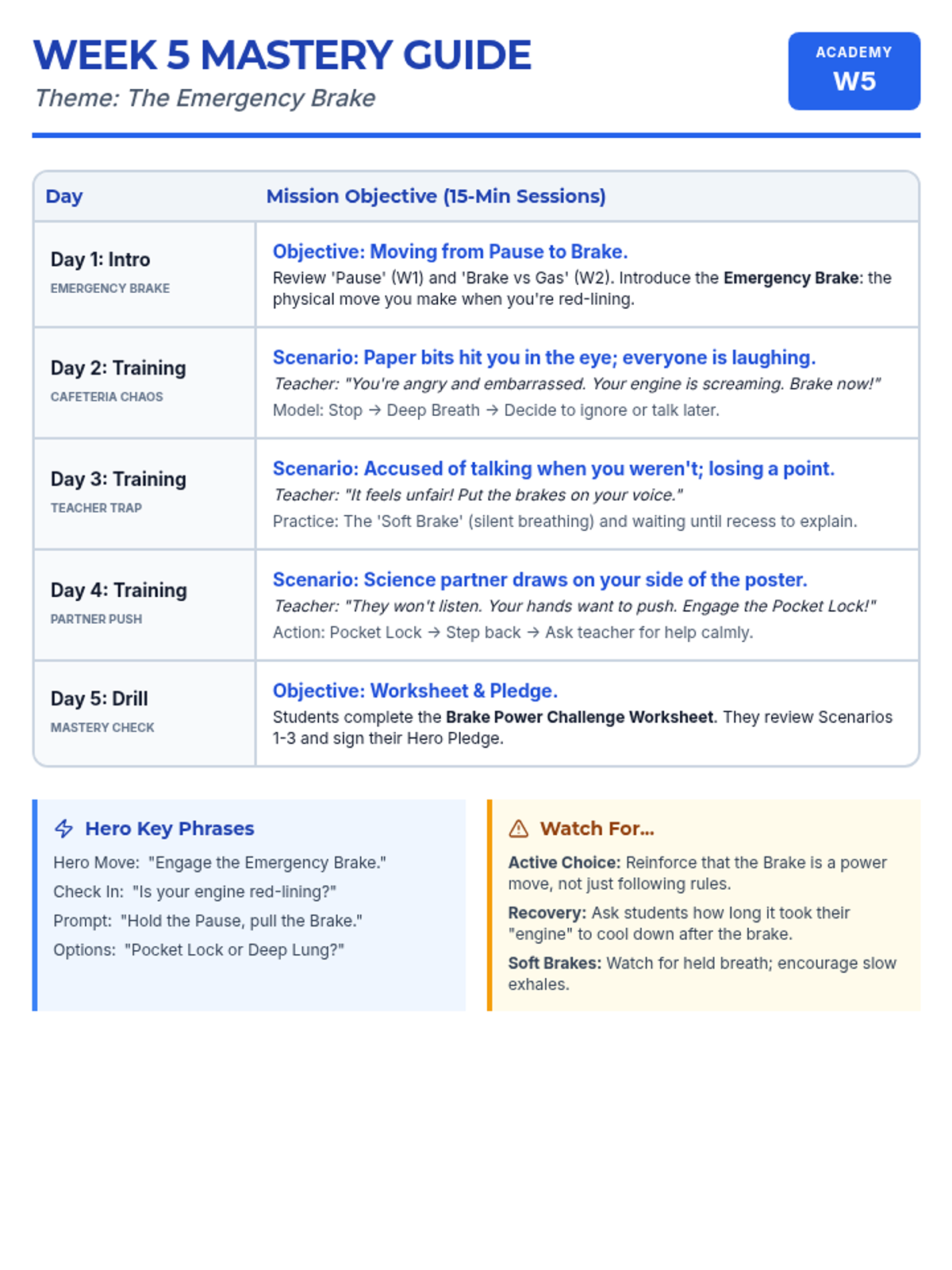
A daily 15-minute pacing guide for Week 5 of Social Hero Academy. Optimized for a single page with updated scenarios matching the worksheet and slides.
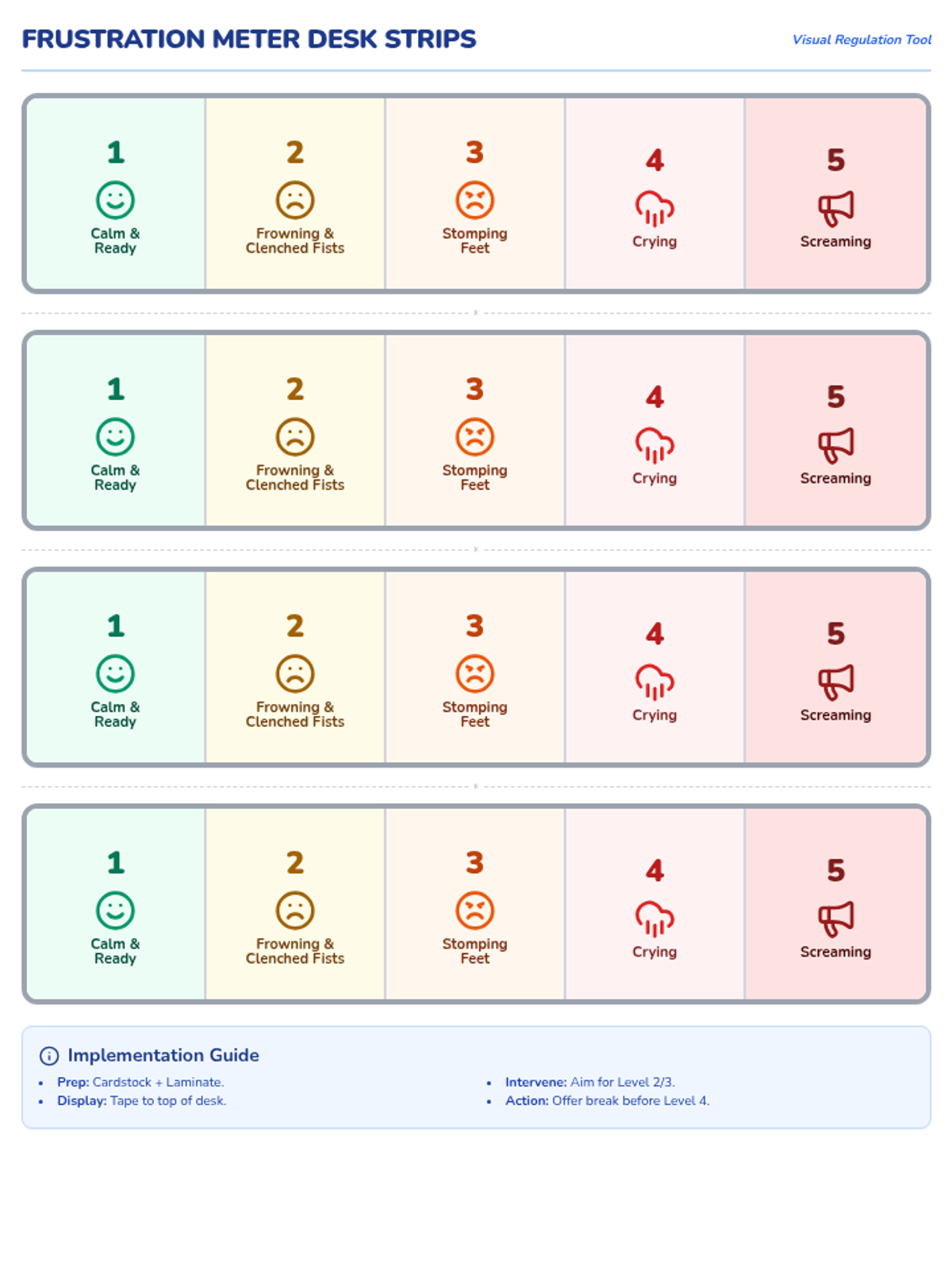
A kid-friendly, brightly colored set of desk strips featuring emoji-based emotional scales and heart motifs designed for young students to communicate their frustration levels.
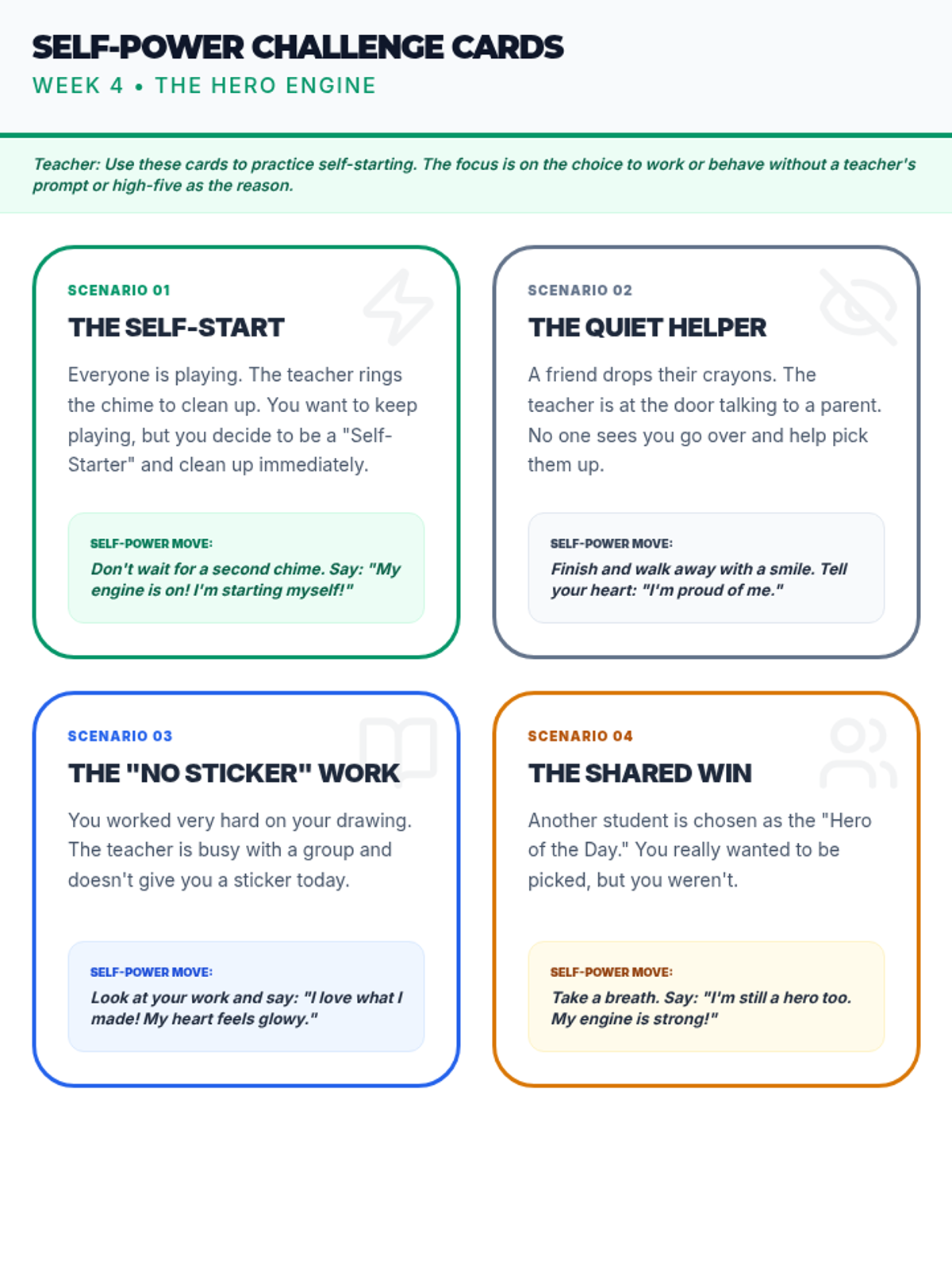
Practice scenario cards emphasizing self-motivation and internal drive. Each card focuses on the "Self-Power Move"—doing the right thing because of how it feels inside, not for a reward.
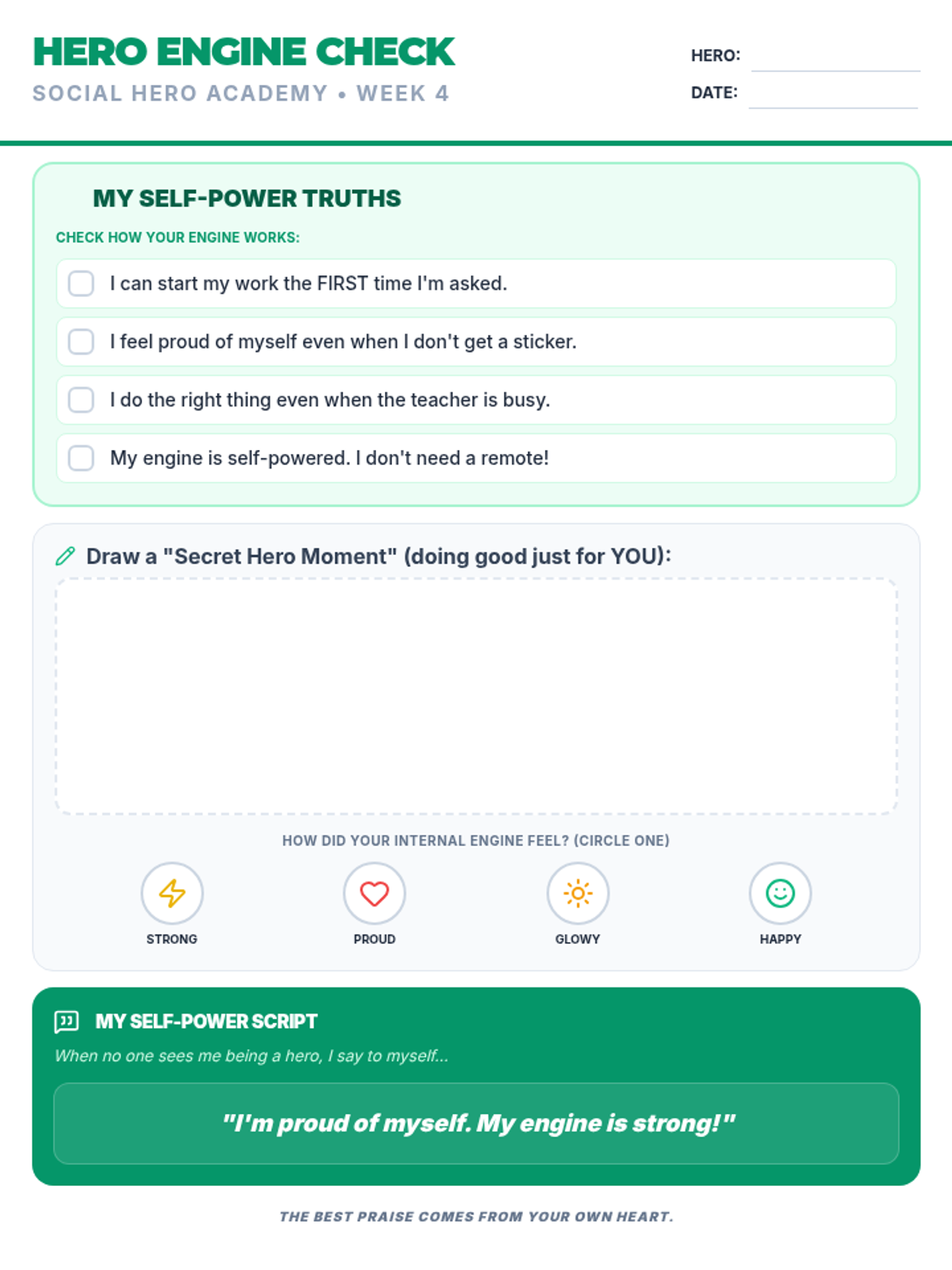
A student reflection worksheet focused on the "Hero Engine"—helping students move toward self-motivation and internal pride. Revised for single-page fit and better header spacing. Phrasing and contrast improved.
A visual presentation teaching students about the "Hero Engine"—shifting the focus from teacher-led motivation to internal self-start power. Highlights the concept of feeling proud without external praise. Revised for better kerning and word separation.
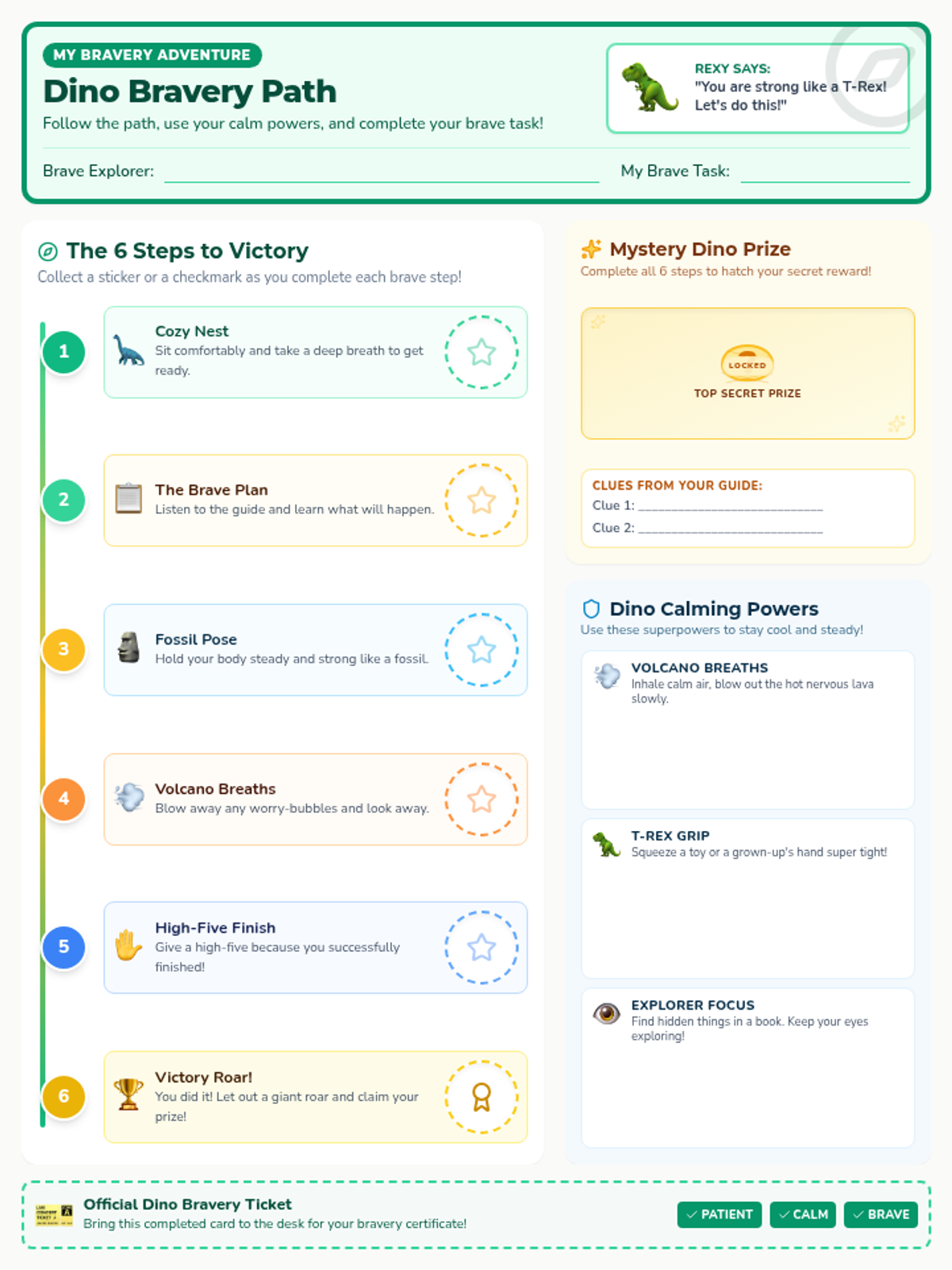
A progressive, dinosaur-themed bravery reward chart for children undergoing medical checkups, school tasks, or other scary activities. Features a step-by-step visual path mapping bravery stages, coping strategy cards, and a designated reward drawing space to make stressful experiences manageable.
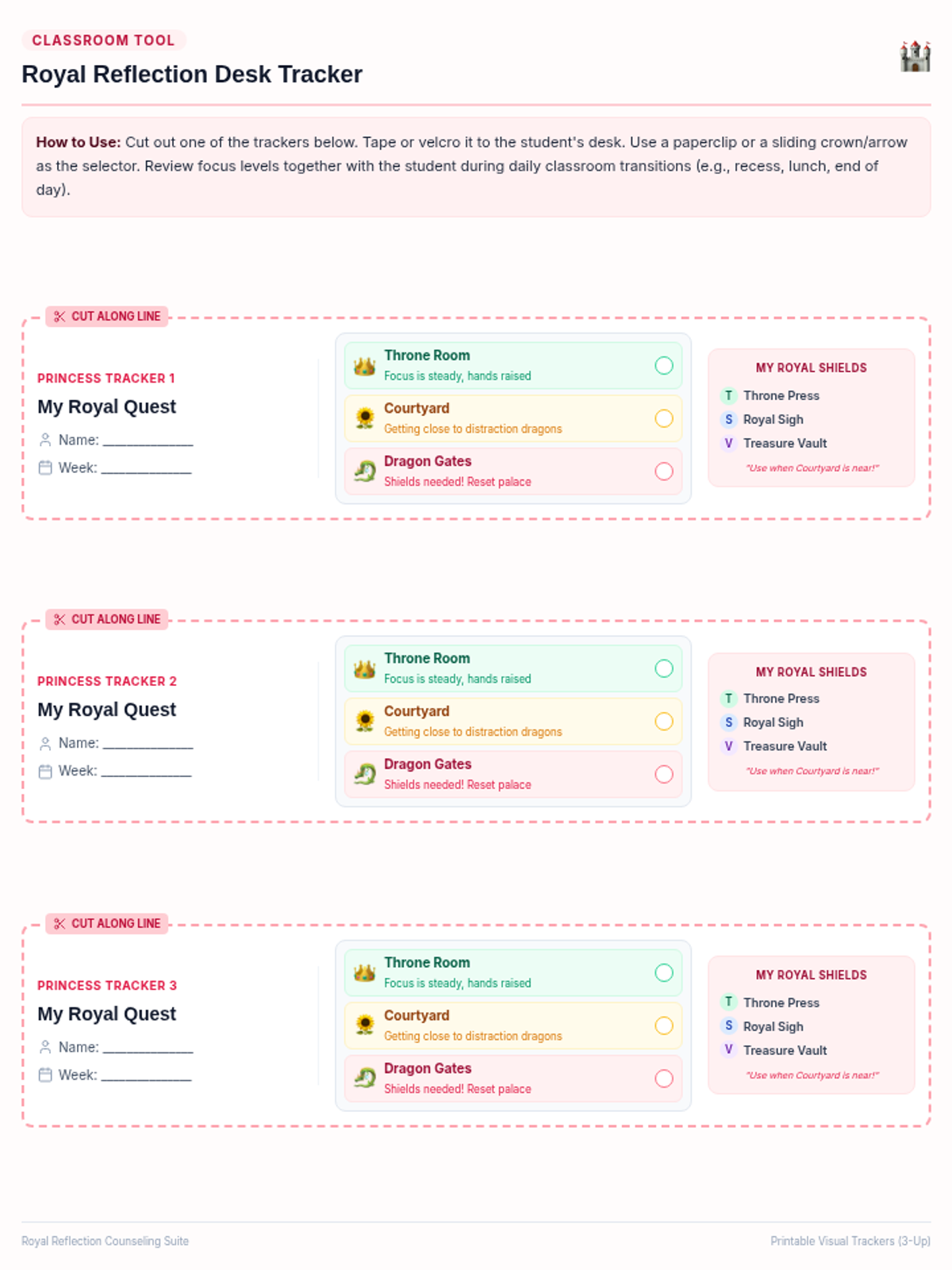
A 1-page printable containing 3 identical princess-themed, self-monitoring desk trackers with color-coded levels (Throne Room, Courtyard, Dragon Gates) and coping reminders.
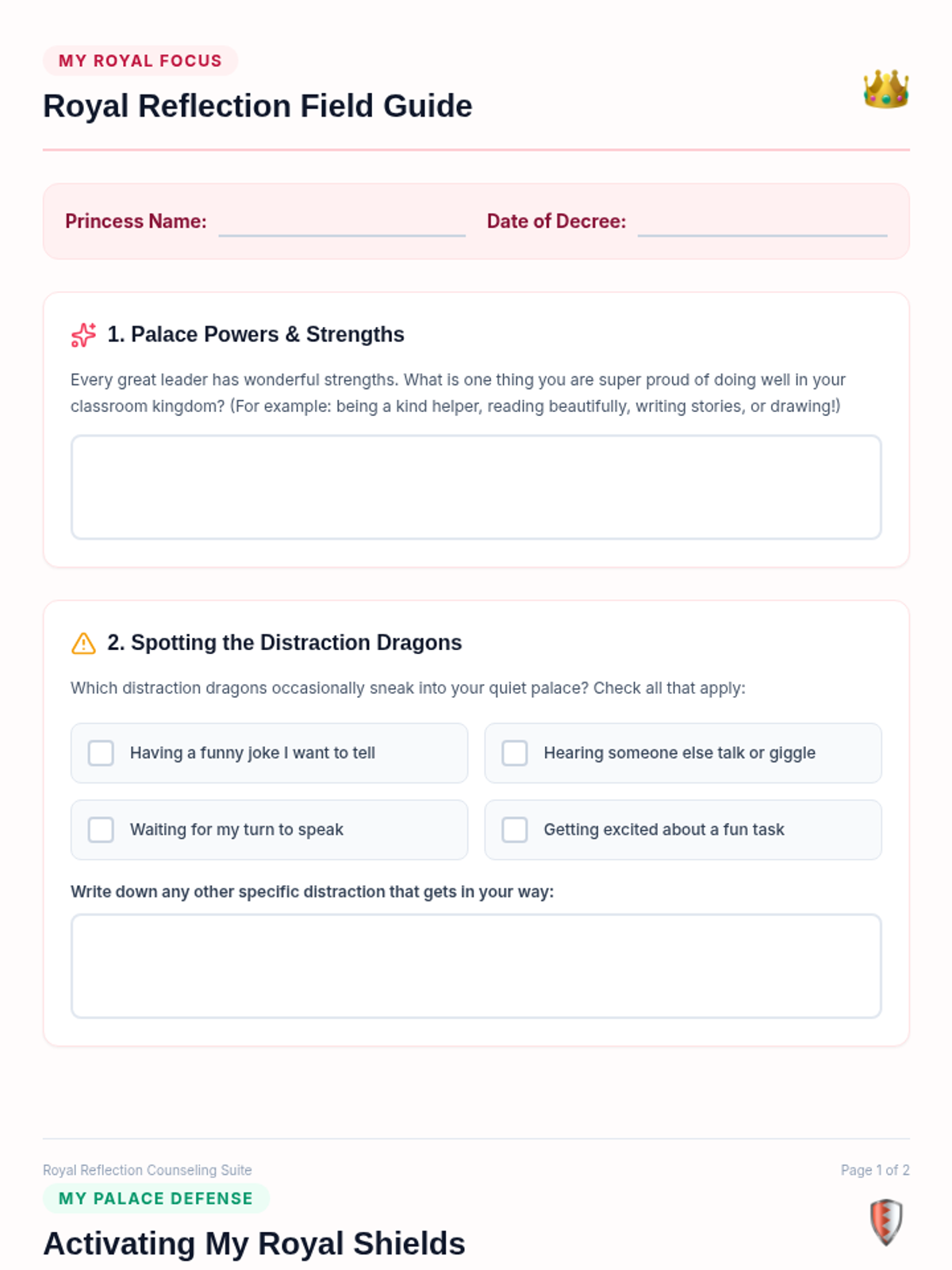
A 2-page printable student-facing workbook designed for self-reflection, identifying personal distraction triggers, choosing preferred 'Royal Shields', and signing the focus pact.
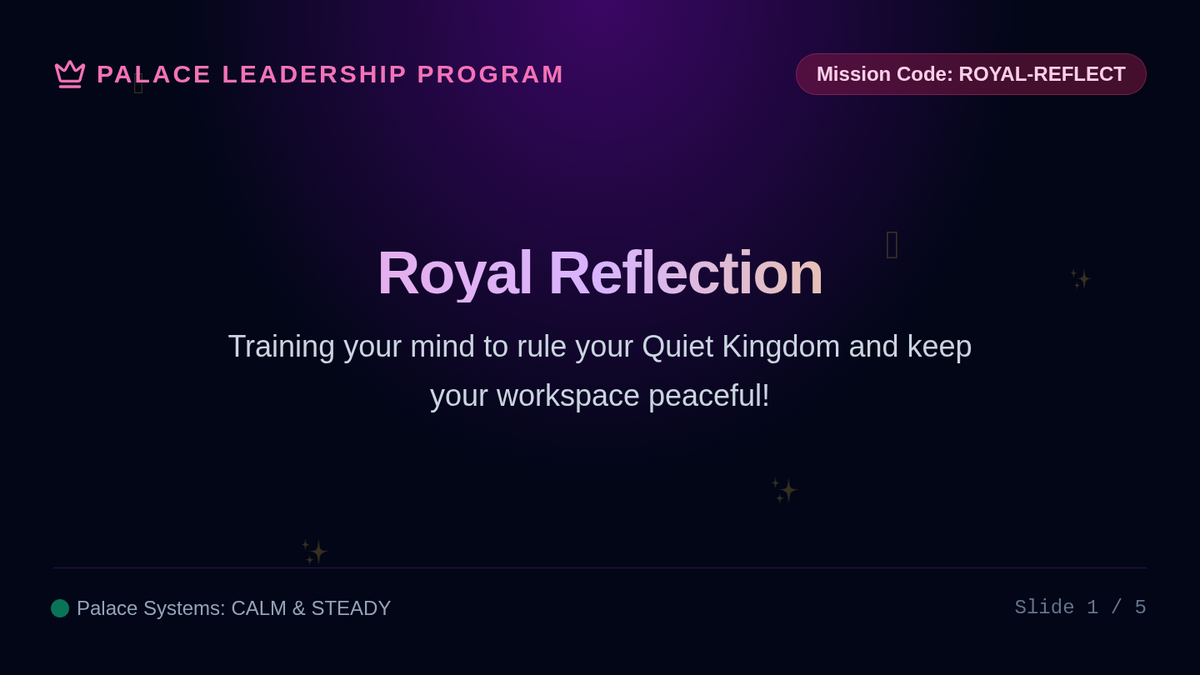
A 5-slide visual presentation guiding the counselor session, establishing the Quiet Kingdom metaphor, defining 'Chatter Dragons', and introducing 'Royal Shields'.
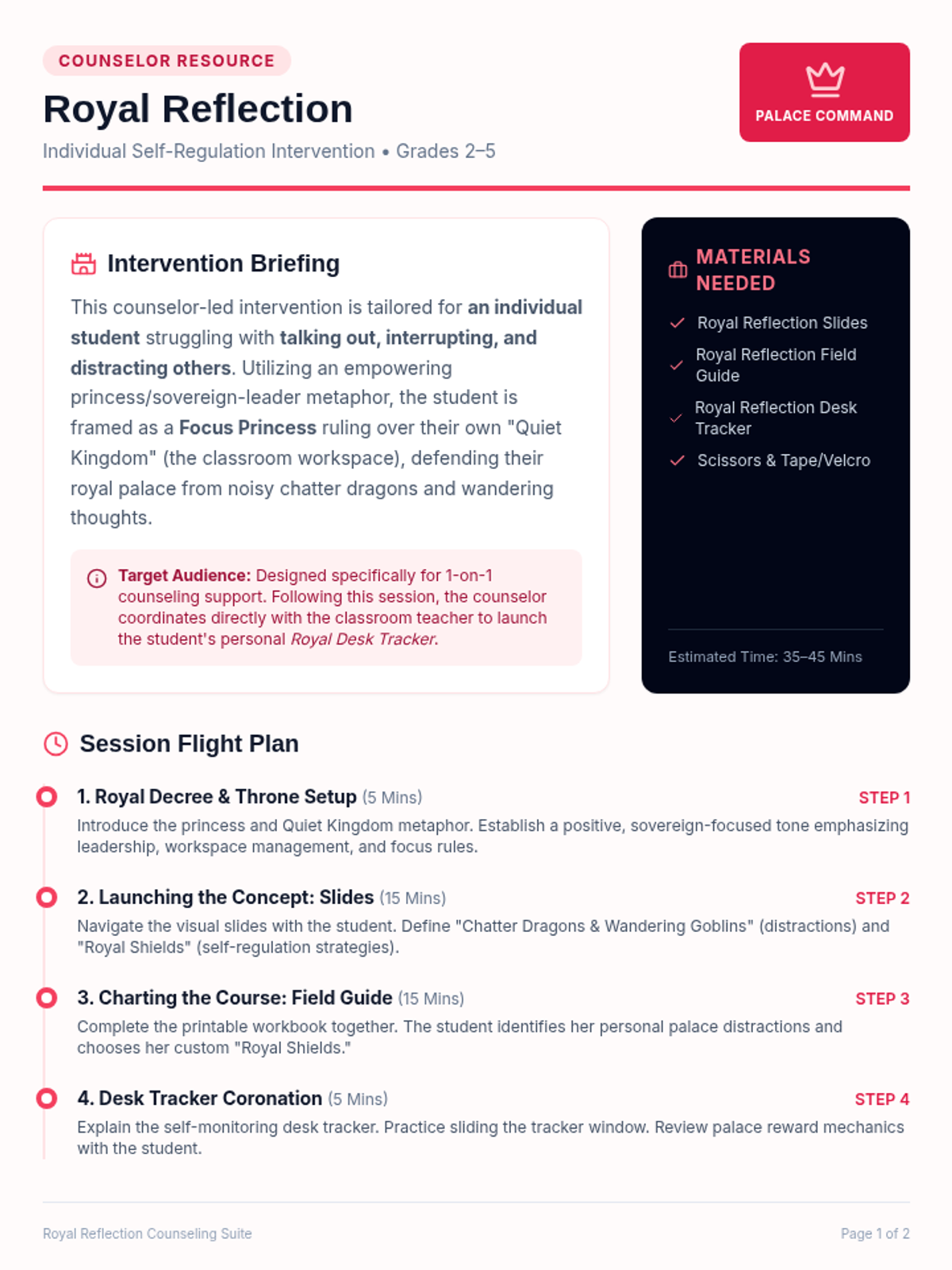
A 2-page teacher-facing intervention blueprint featuring counselor scripts, time pacing, role-play challenges, and coordinate procedures for integrating the princess self-regulation theme in the classroom.
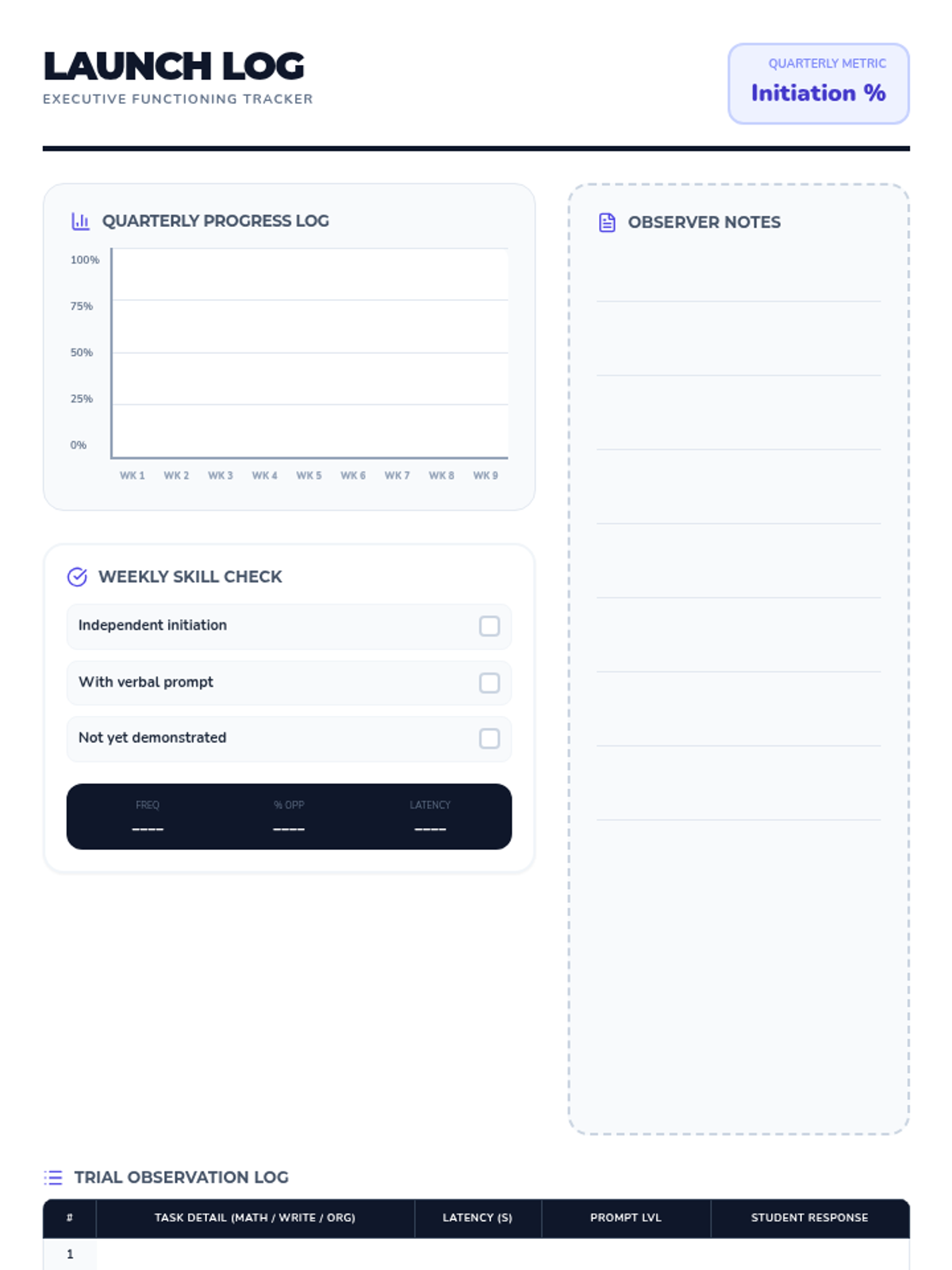
A comprehensive data tracking sheet for monitoring task initiation progress. Revised with an aligned graph, 12 trial rows, and improved page layout. Consolidated to a single-page view.
A space-themed workbook for a 2nd-grade student. Revised with a new dedicated multi-step math task page (Mission: Math Launch), larger drawing areas, and refined student work areas. Consolidated to 4 pages.
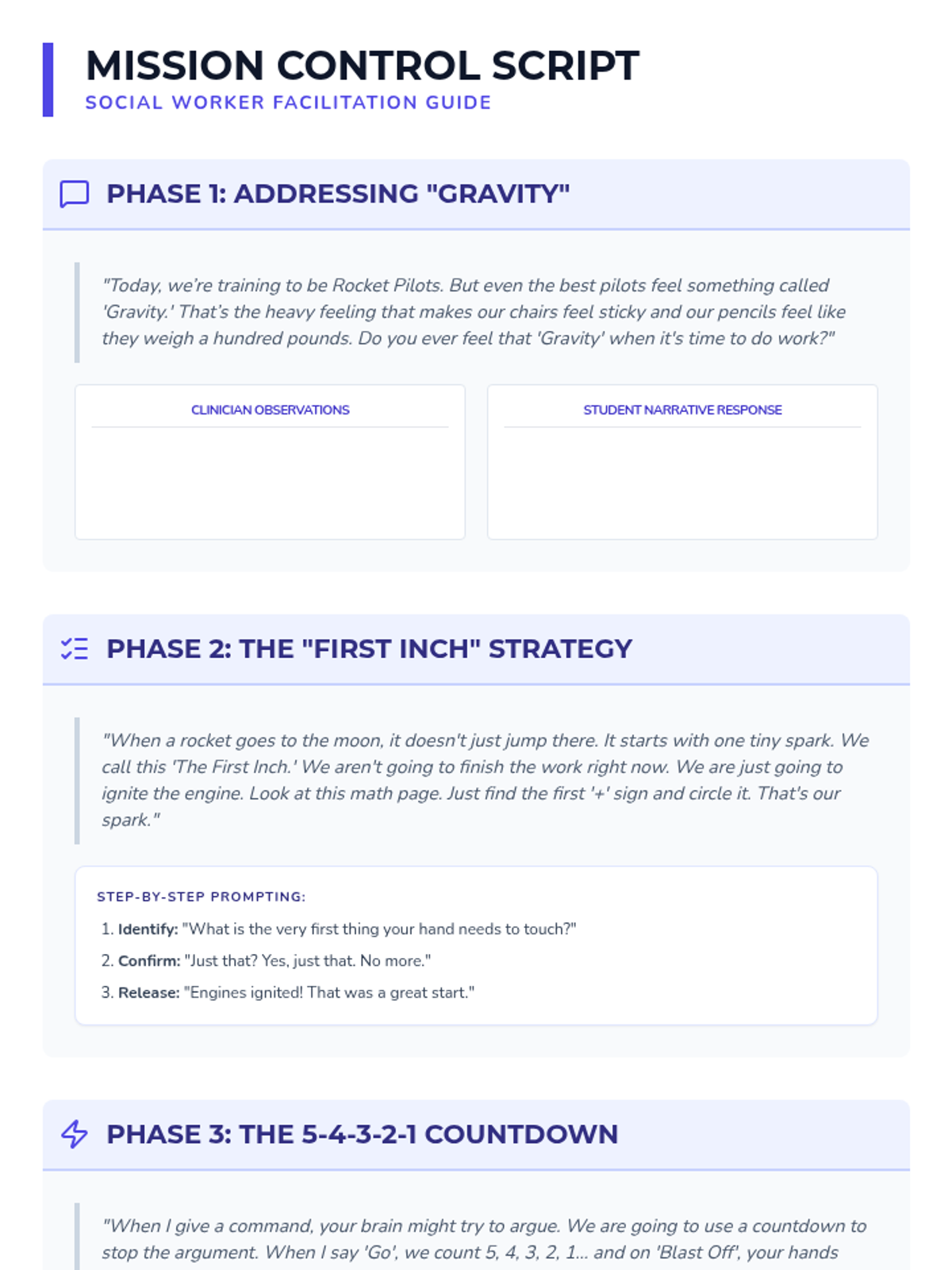
A detailed social worker guide providing specific scripts and prompting sequences. Revised with note-taking sidebars and clinical record-keeping instructions. Expanded observation boxes for easier handwriting.
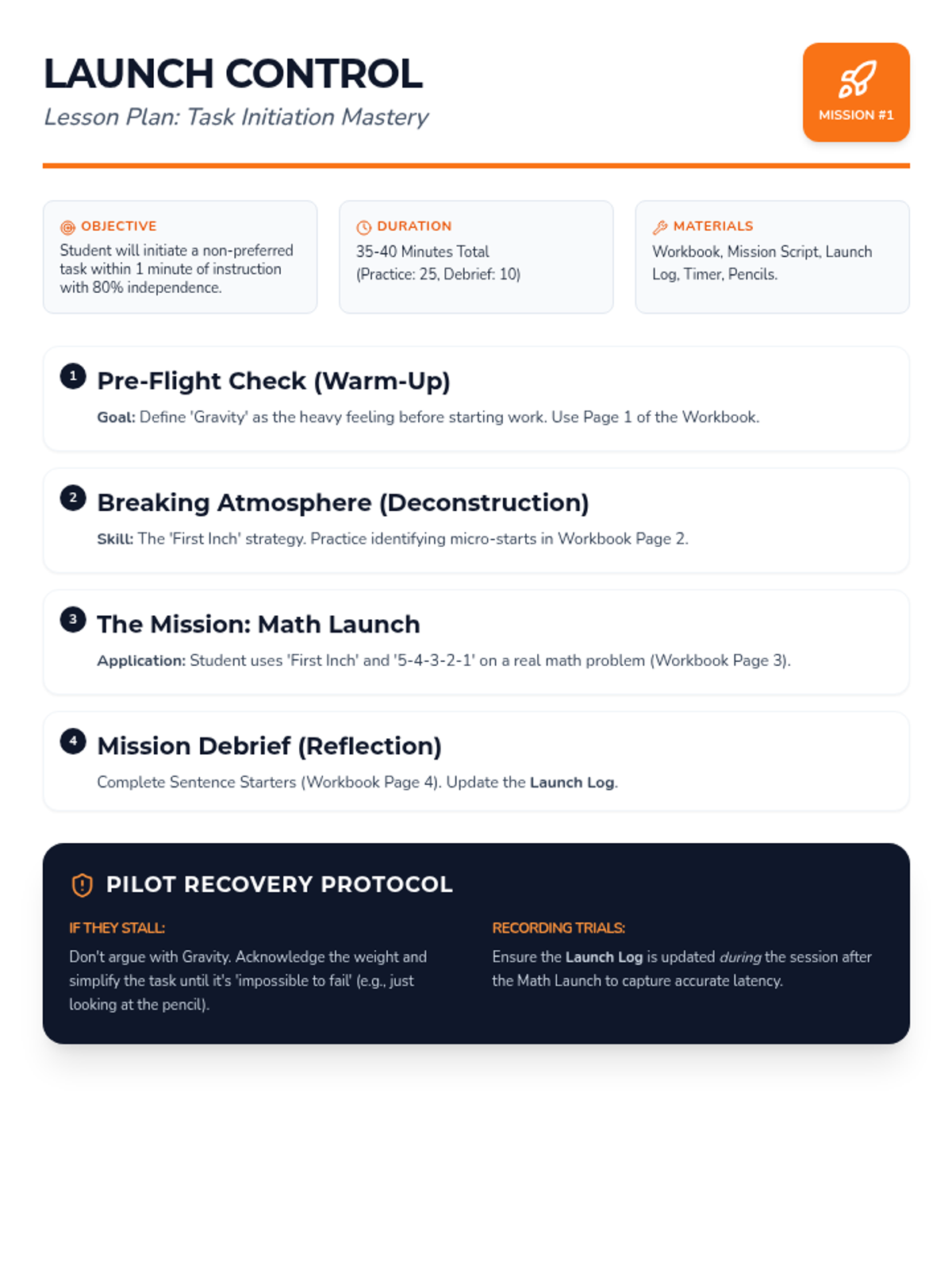
A comprehensive lesson plan for task initiation, using a 'Launch Control' theme. Revised to include a specific multi-step math task (Mission: Math Launch) as the primary skill application activity. Page breaks fixed.
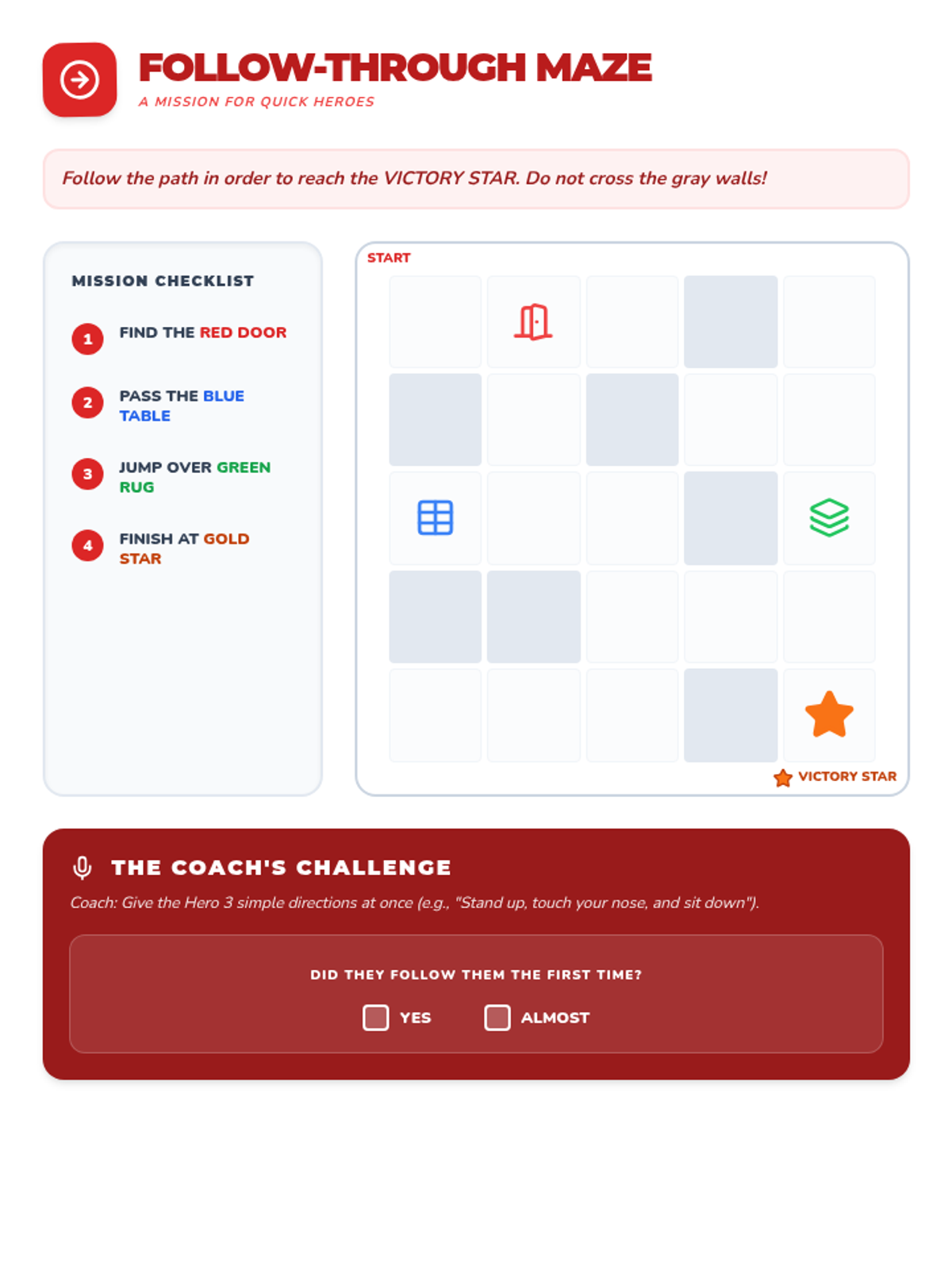
A direction-following worksheet featuring a maze and a "Coach's Challenge" to practice and reinforce first-time listening and follow-through skills.
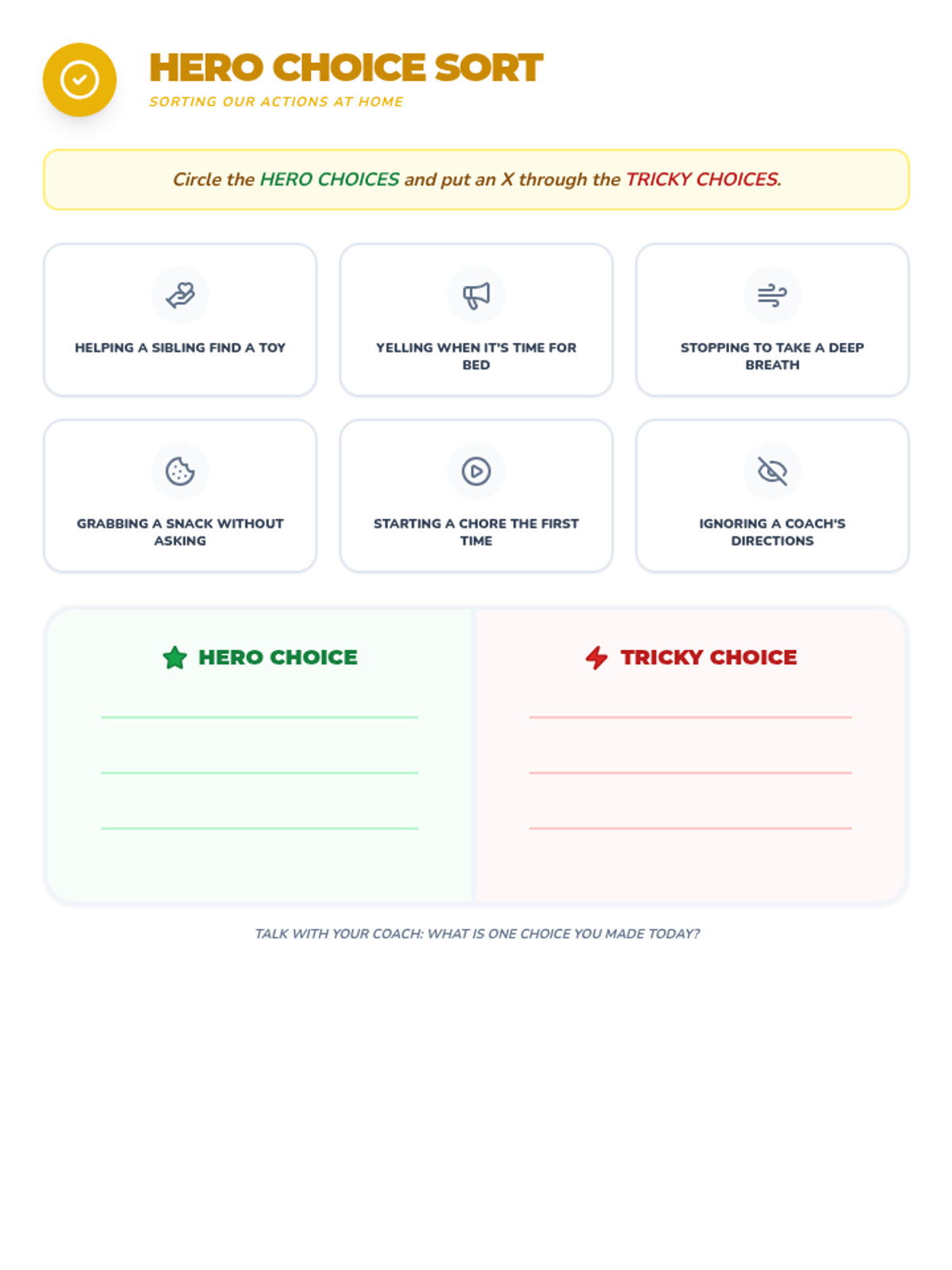
A sorting activity that helps children distinguish between positive behaviors ("Hero Choices") and negative behaviors ("Tricky Choices") in the home setting.
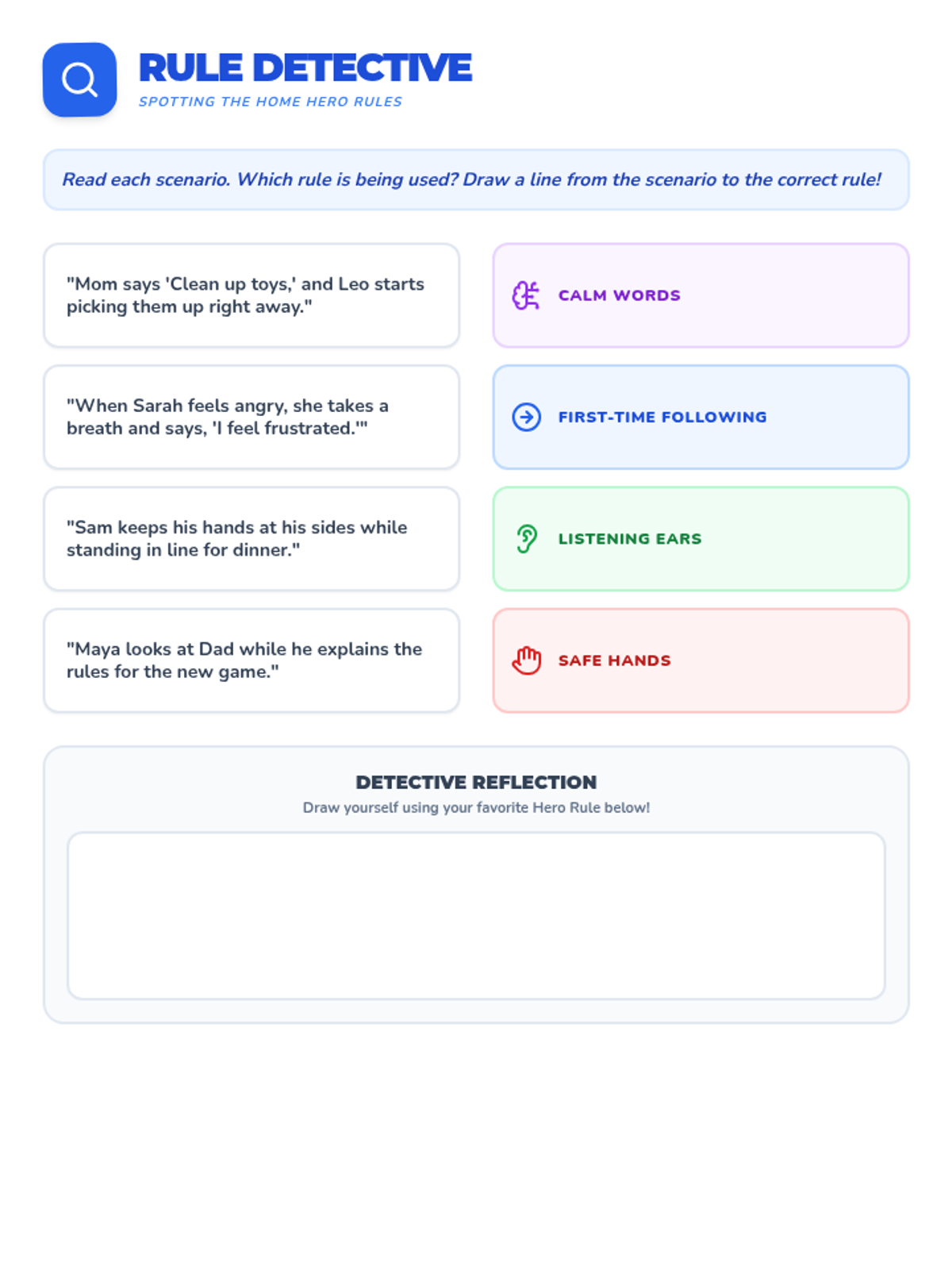
A matching activity for children to identify which "Home Hero" rules are being followed in various everyday scenarios, reinforcing behavioral expectations.
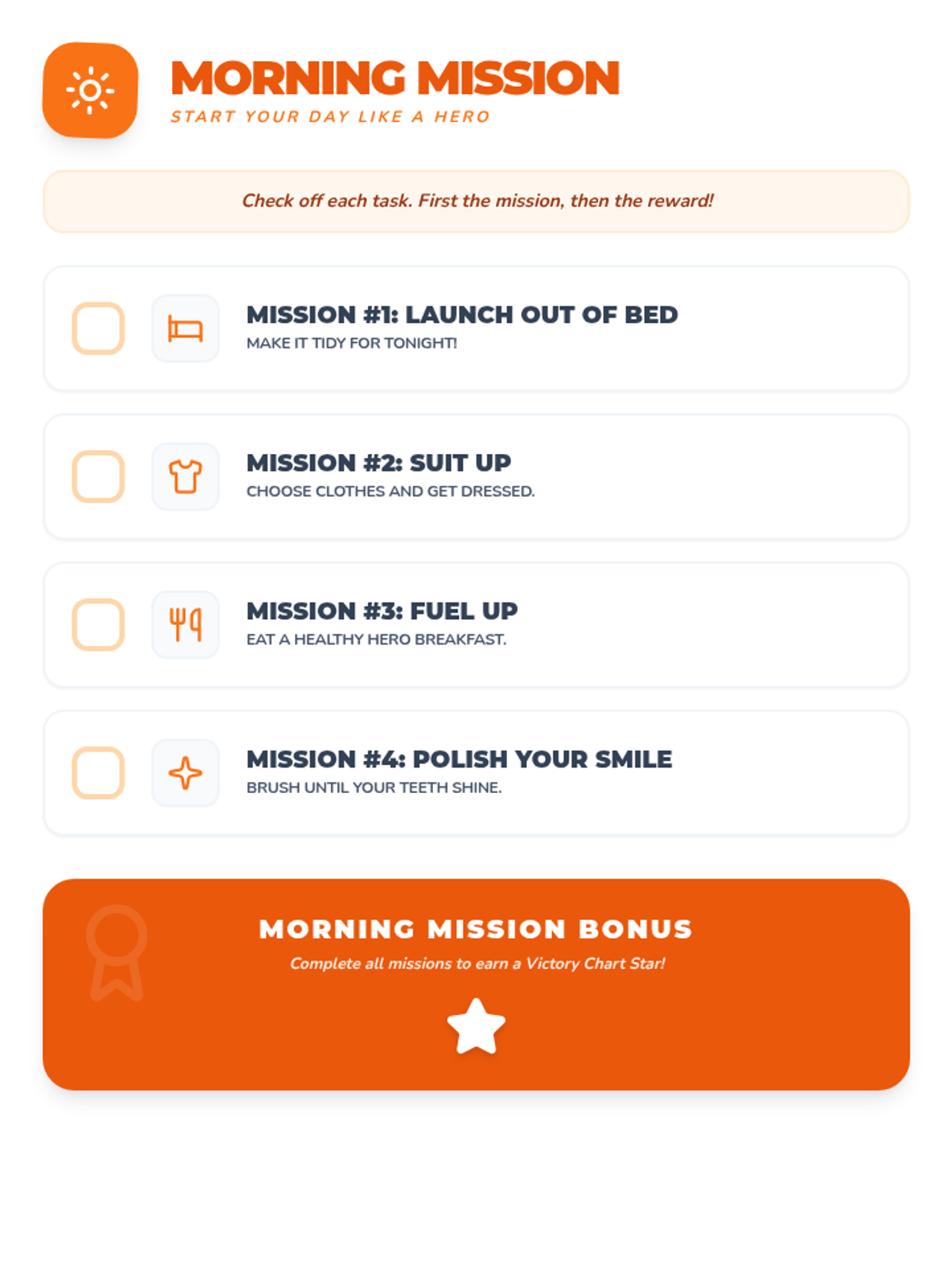
A visual morning routine checklist designed to help children follow directions independently and prepare for their day using the "Home Hero" theme.
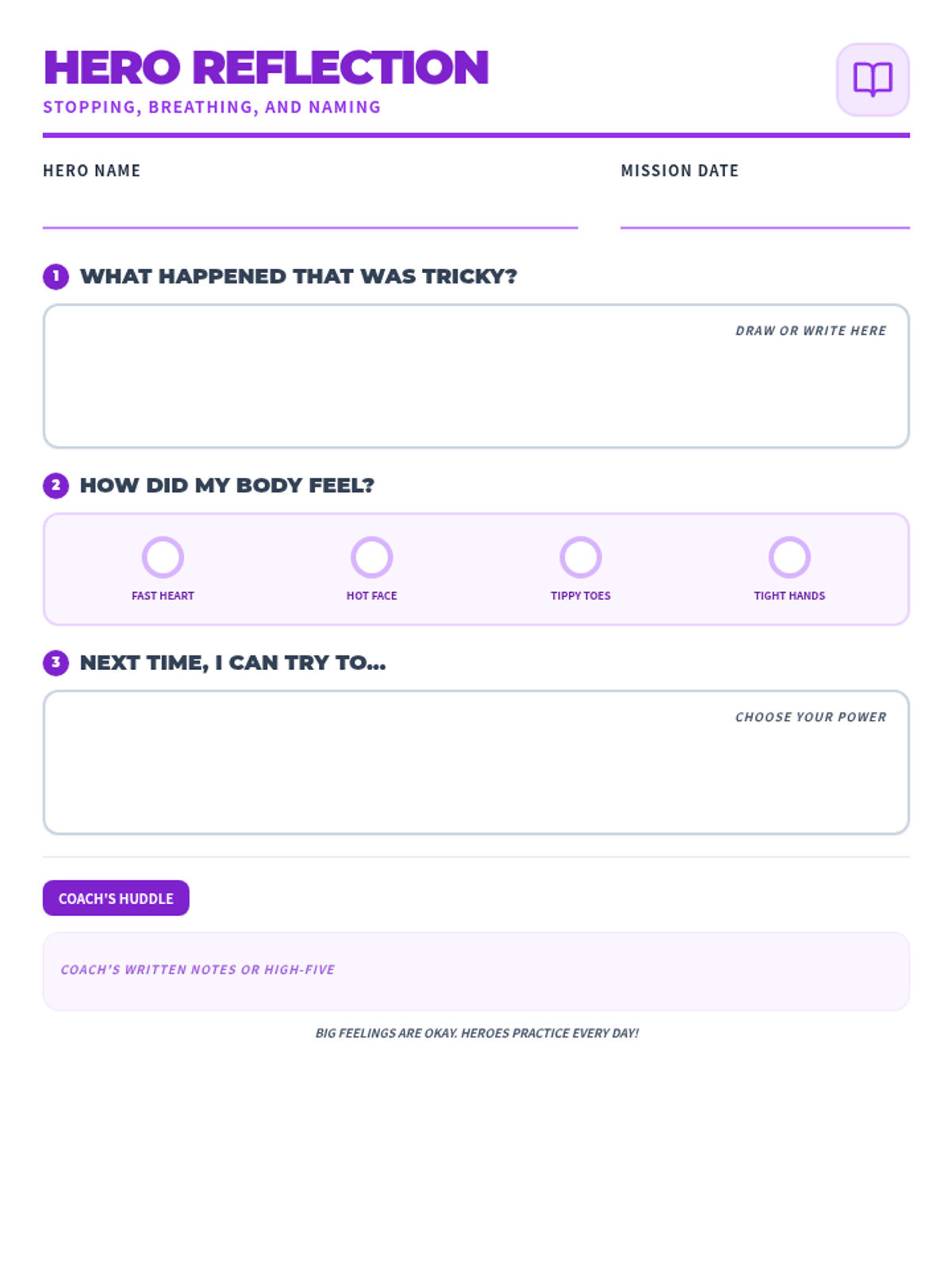
A guided reflection worksheet for children to use after a behavioral challenge, focusing on identifying physical sensations and planning better choices for the next time.
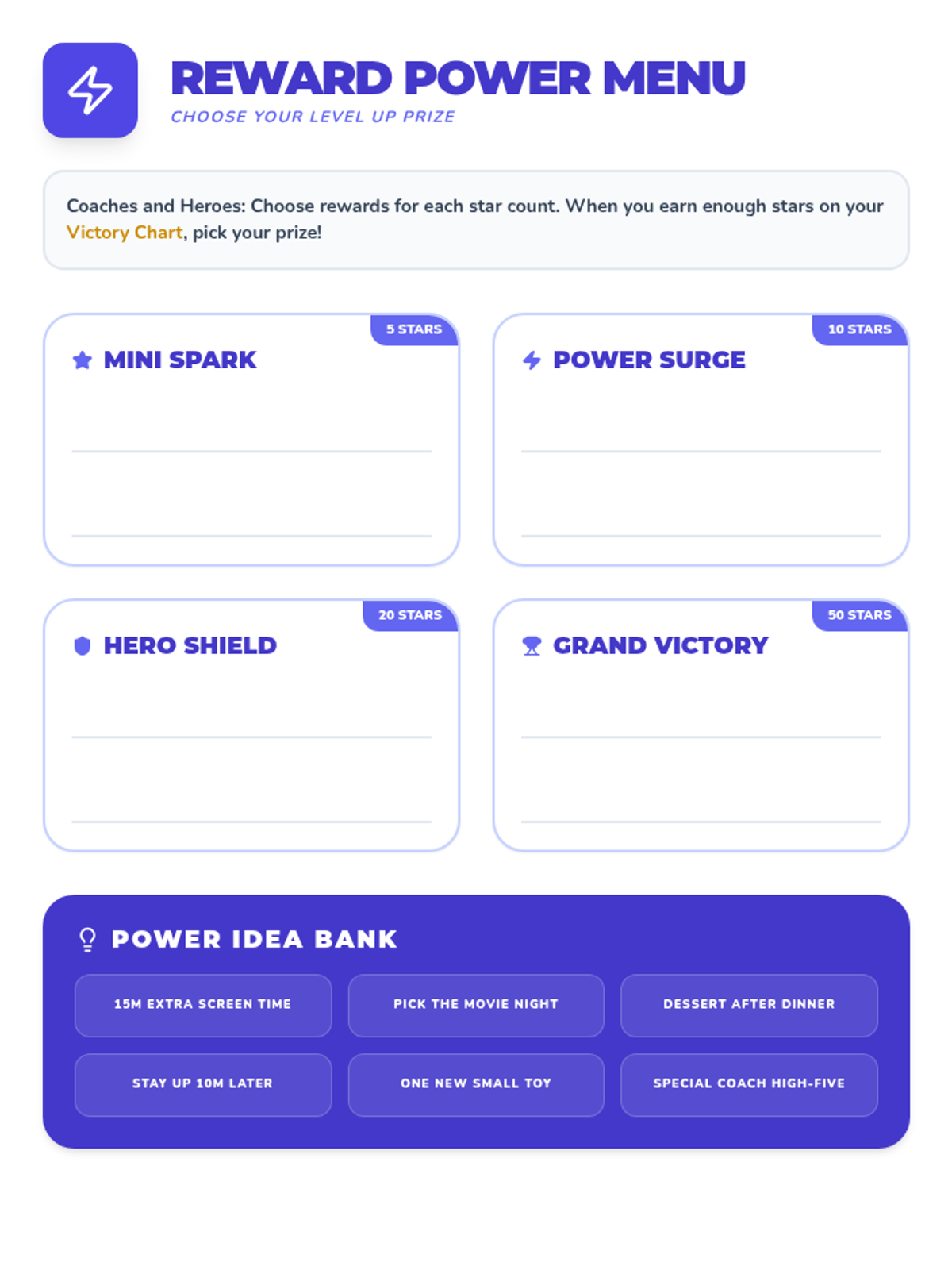
A customizable reward menu for the "Home Hero" system, allowing parents and children to collaborate on setting tiered rewards for positive behavior milestones.
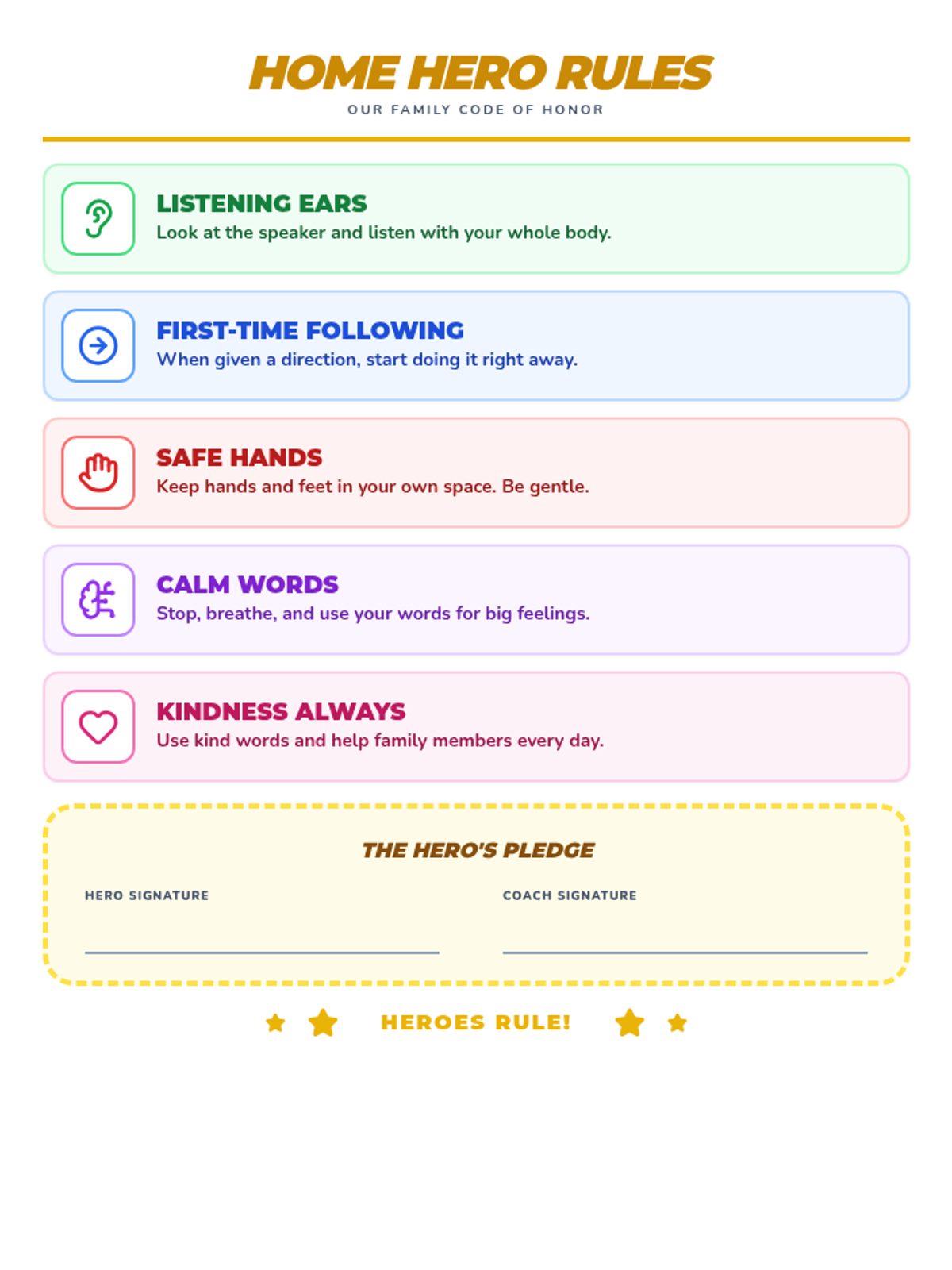
A bold, visual poster outlining the five core rules for a "Home Hero," designed to be printed and displayed as a daily reminder of behavioral expectations.
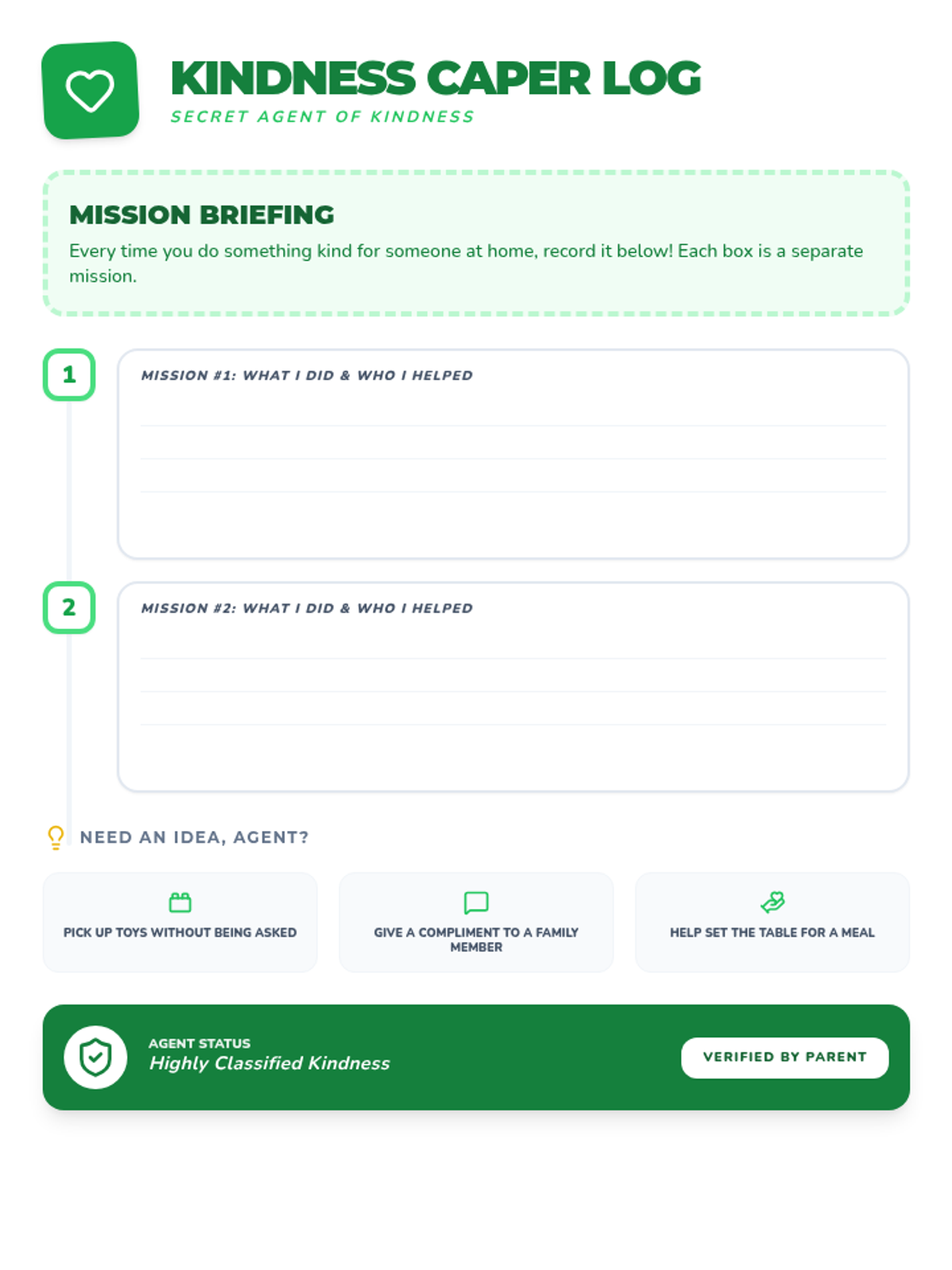
A creative activity log for tracking acts of kindness at home, designed as a "secret agent mission" to motivate children to engage in prosocial behaviors.
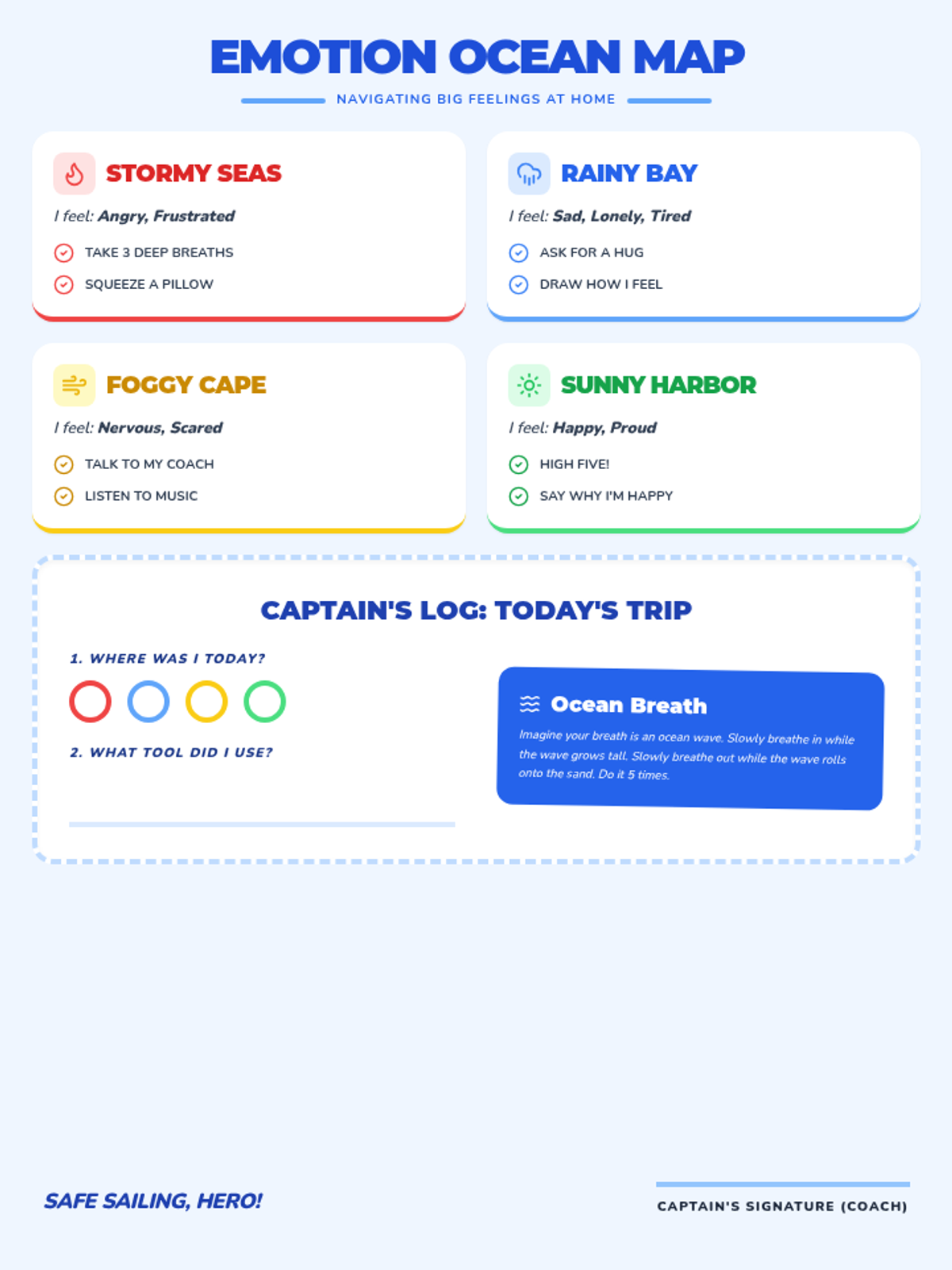
A visual emotional regulation tool that maps different feelings to nautical themes, providing children with specific coping strategies for anger, sadness, anxiety, and happiness.
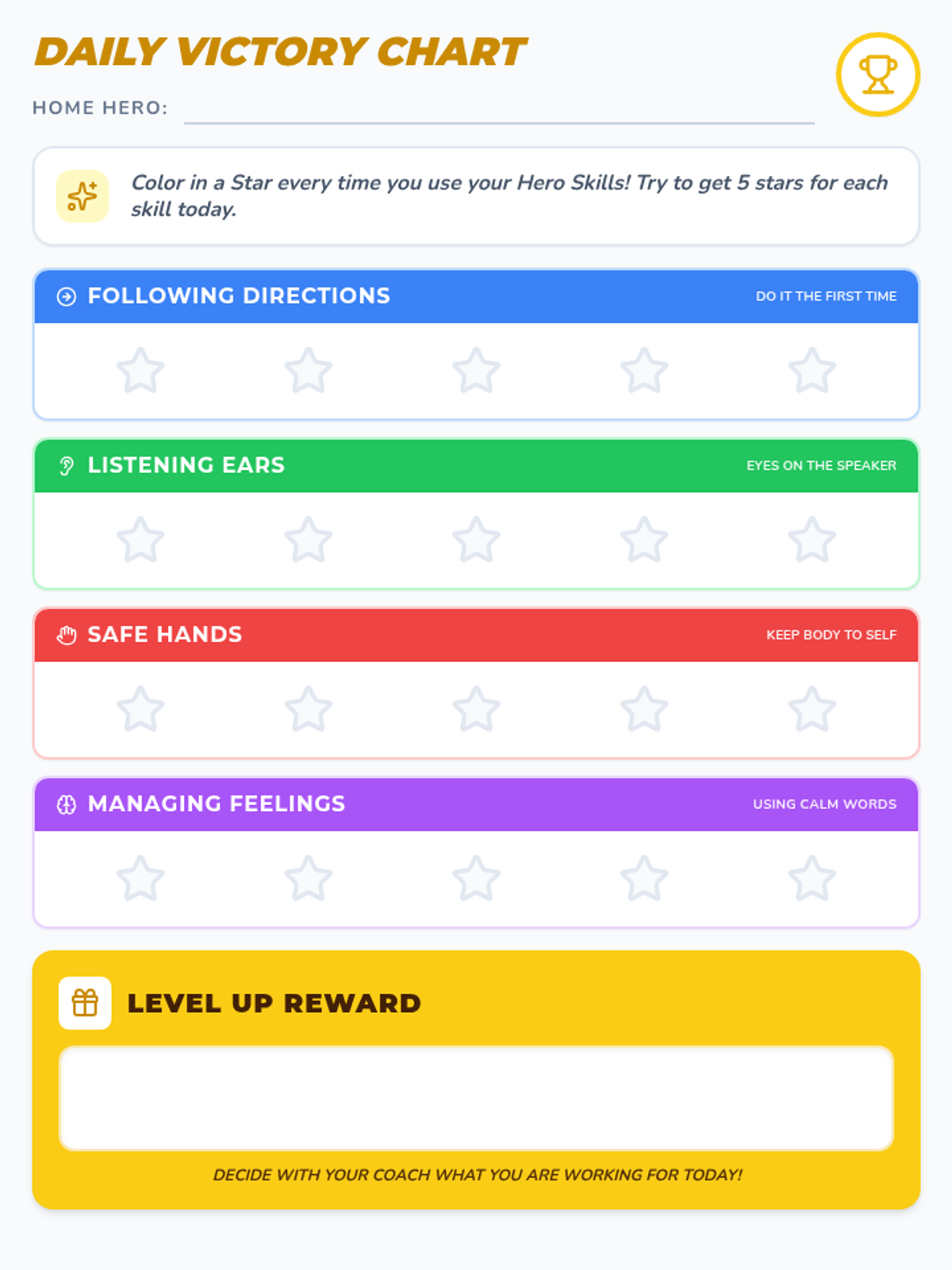
A student-facing behavior tracker that uses a gamified "Hero" theme to encourage positive behaviors like listening, following directions, and emotional regulation through visual stars and rewards.
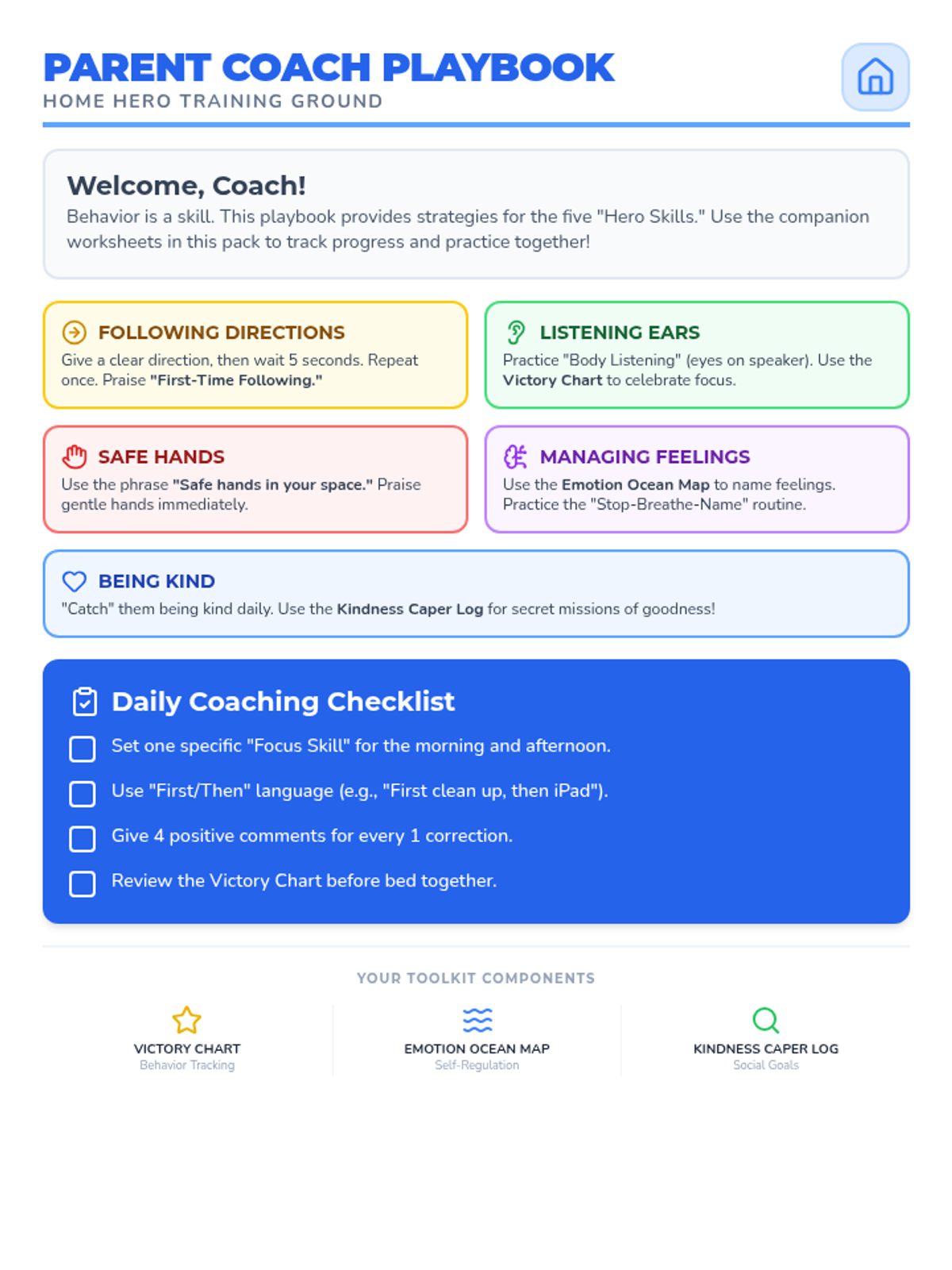
A detailed guide for parents that outlines strategies and checklists for managing behavioral challenges at home, focusing on positive reinforcement and consistent routines.
A presentation for the follow-up session focused on personal responsibility and control. It uses the "Only Remote" metaphor to clarify "Focus on Self" and provides interactive scenarios to discuss how individual choices affect the class "machine." Now featuring 5 challenging scenarios (Challenge 1: 2 options; Challenges 2-3: 4 options; Challenges 4-5: open-ended). No cafeteria references.
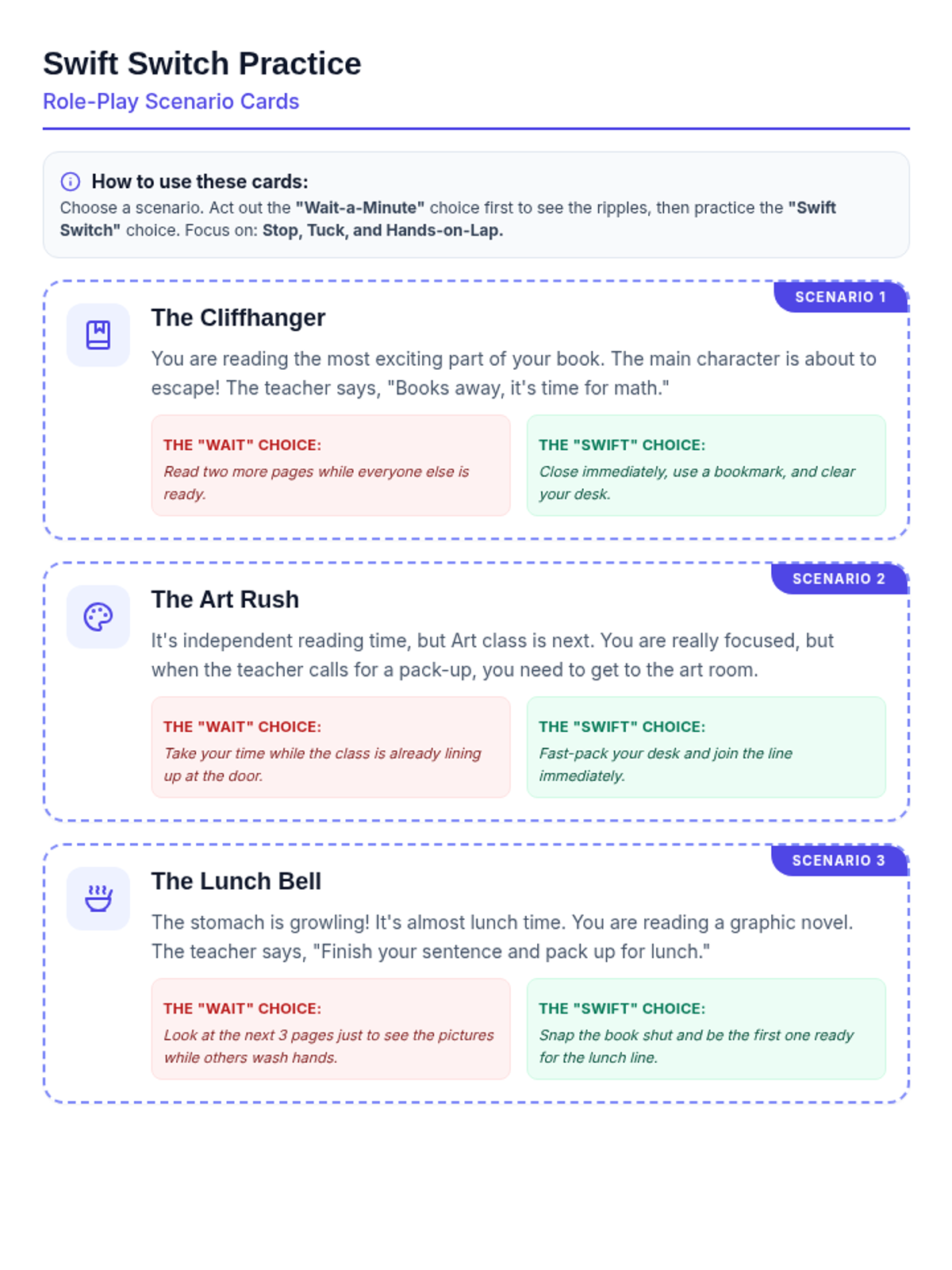
A set of 6 practice scenarios for role-playing transition skills across various activities like reading, art, tech, math, and science. Each scenario presents a "Wait" choice and a "Swift" choice to help students practice prompt packing routines.
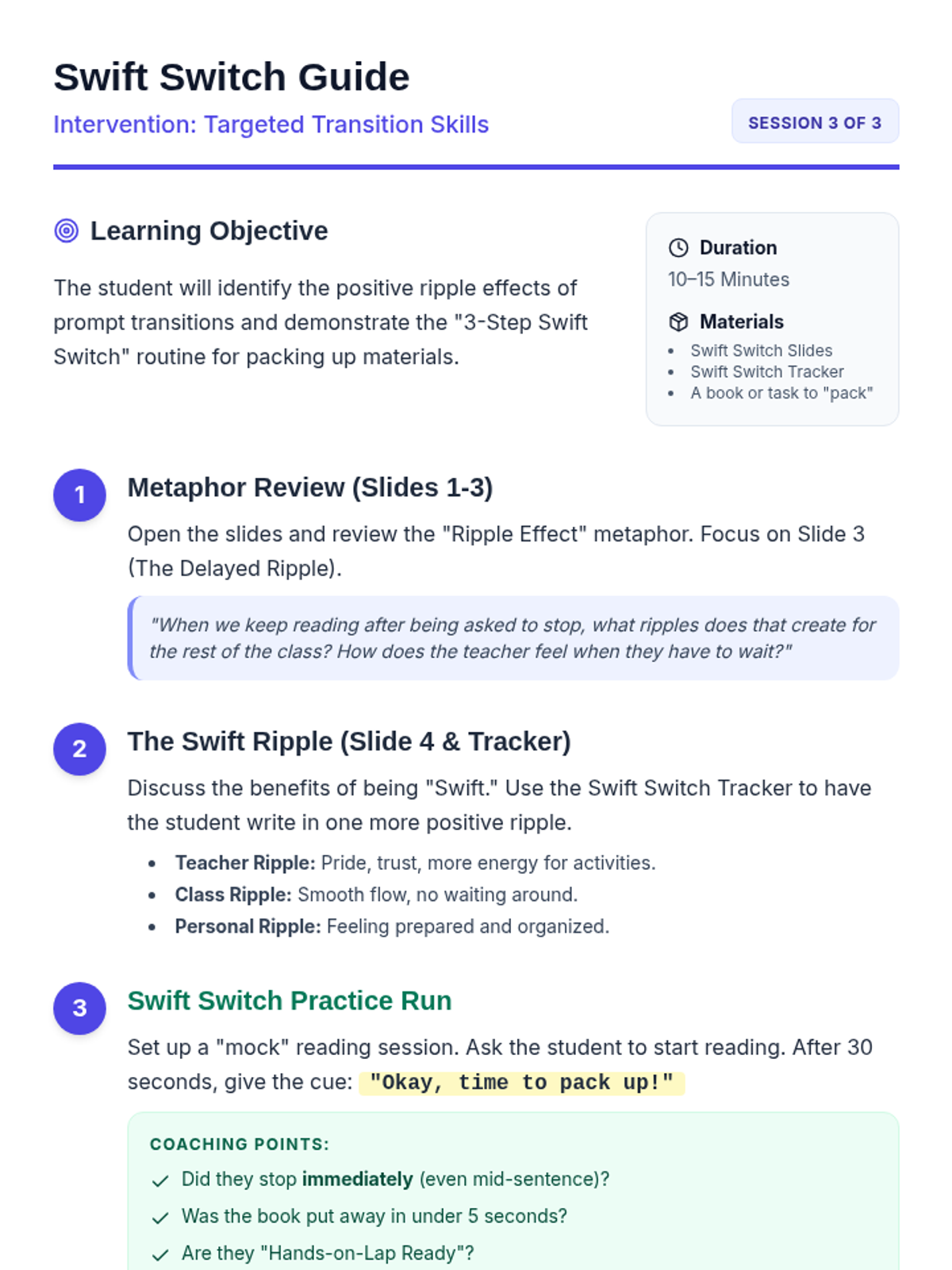
A facilitator guide for the "Swift Switch" intervention, providing structured steps for reviewing the ripple effect of transitions and conducting a "Swift Switch" practice drill. Updated to remove markdown artifacts and improve layout flow.
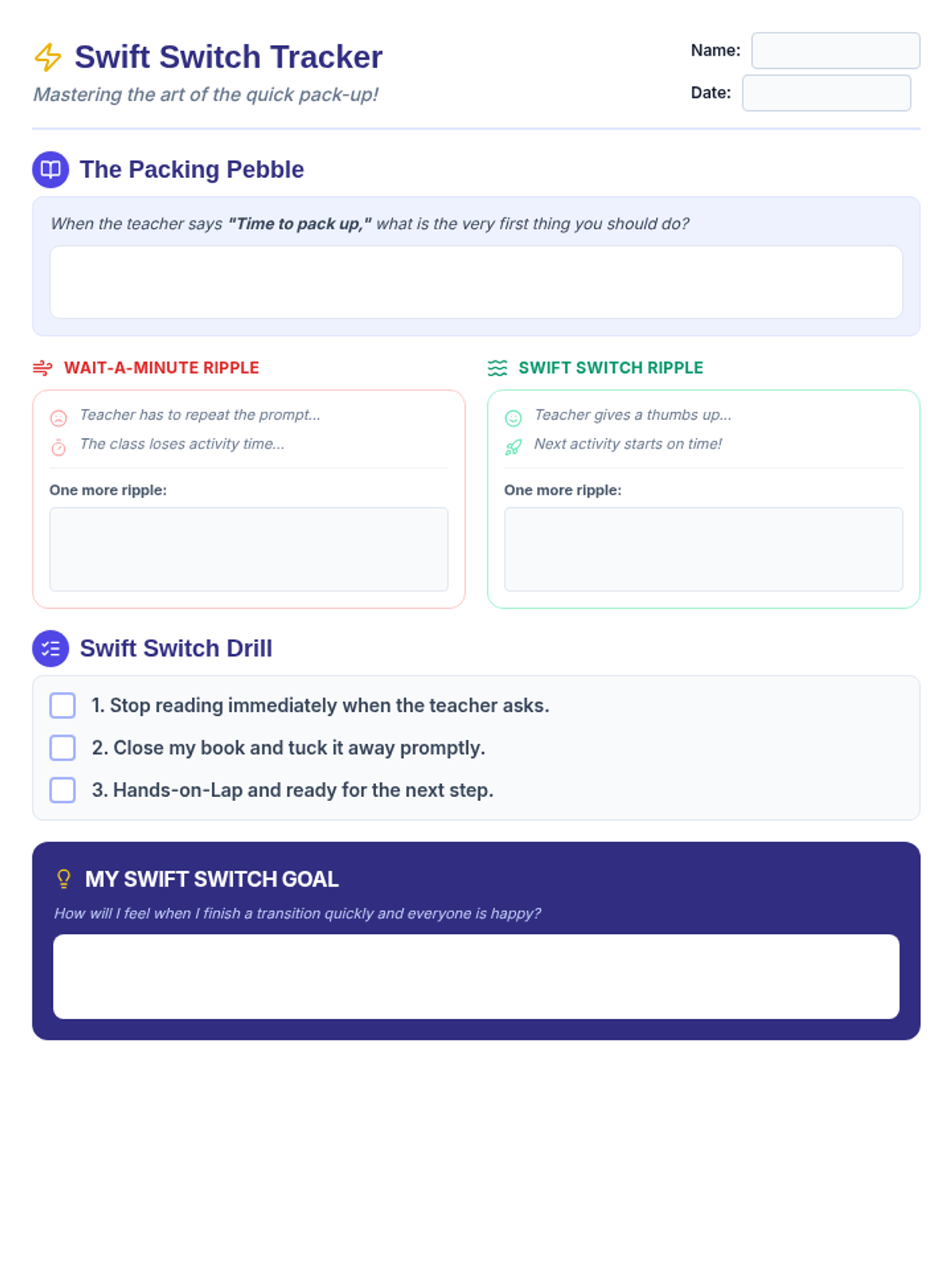
A student-facing worksheet to track the ripples of transition choices. Includes a comparison between "Slow" and "Swift" ripples and a 3-step practice checklist for packing up materials. Updated to ensure handwriting legibility and fit on one page.
A 6-slide presentation designed to teach students the "Swift Switch" transition skill. It compares the negative ripple effects of delayed packing with the positive benefits of prompt transitions, including a 3-step practice guide.
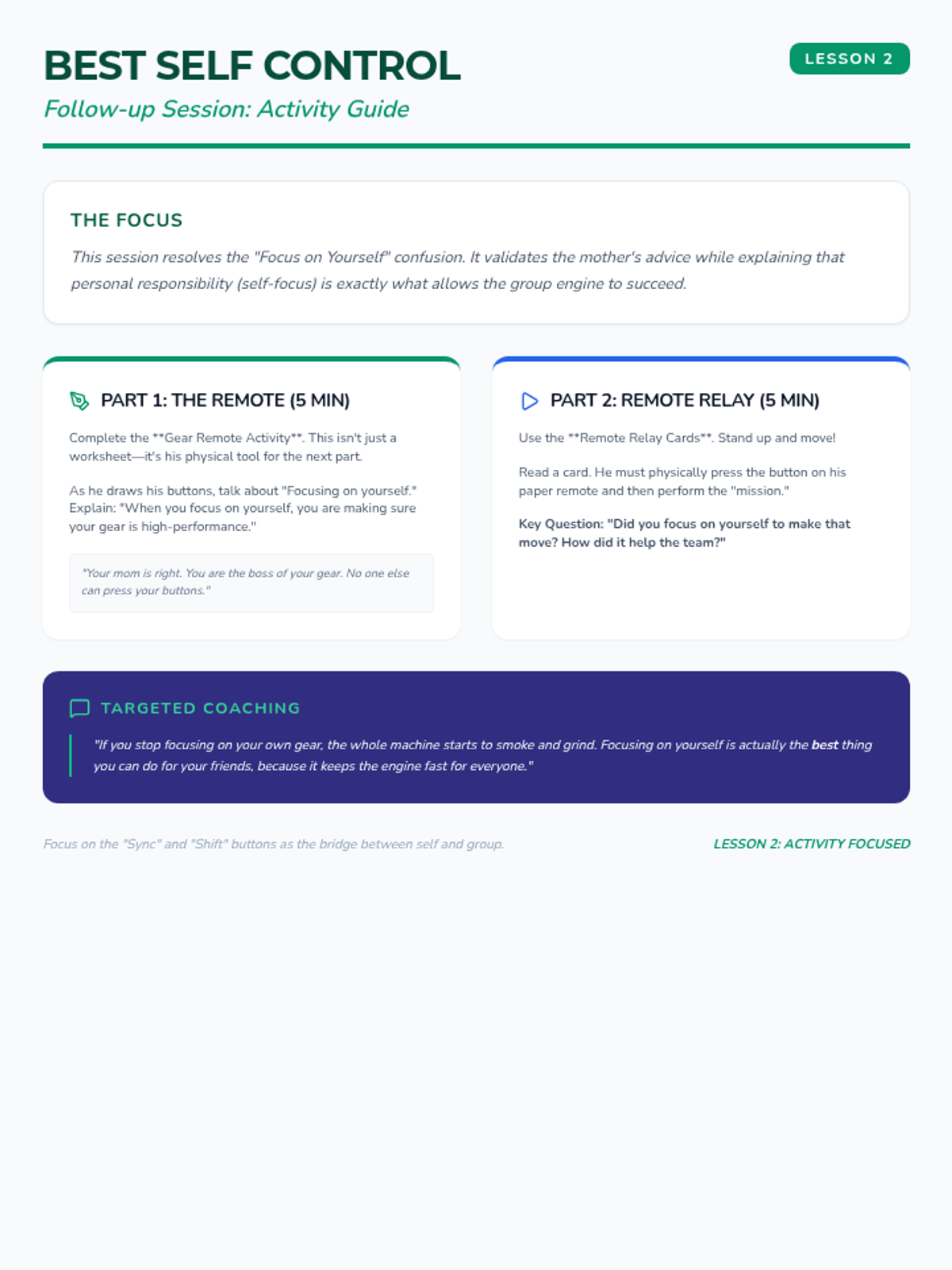
A teacher-facing facilitation guide for Lesson 2 of the Gear Switch series. Focuses on the "Remote Control" metaphor to clarify "Focus on Self" and provides specific coaching dialogue to handle parental advice confusion. Updated for the new 5-scenario slide deck.
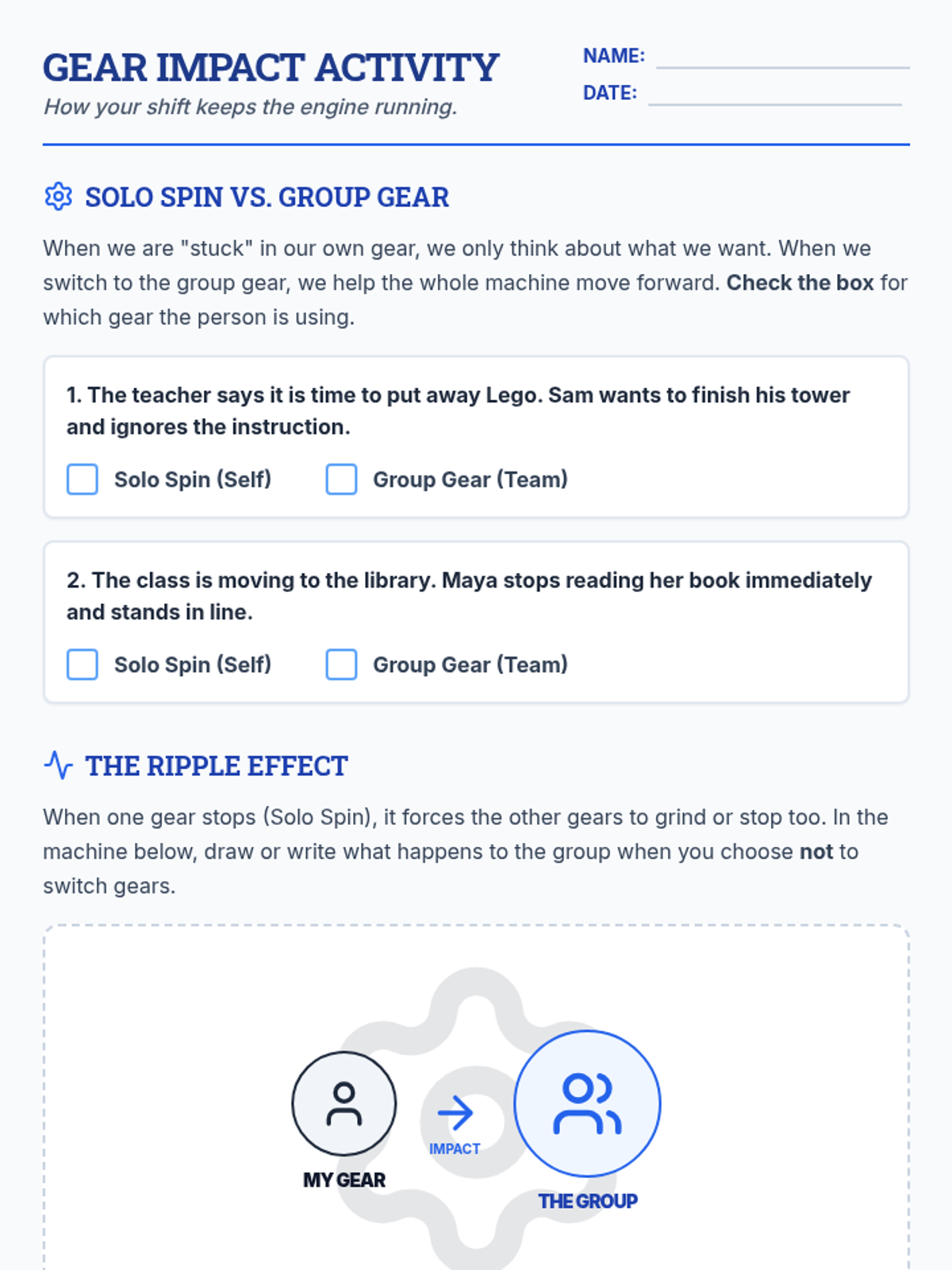
A student-facing activity worksheet that explores the difference between self-focused actions ("Solo Spin") and group-focused cooperation ("Group Gear"). It includes scenario analysis, a visual map of the "ripple effect" on others, and a personal strategy section for smoother transitions.
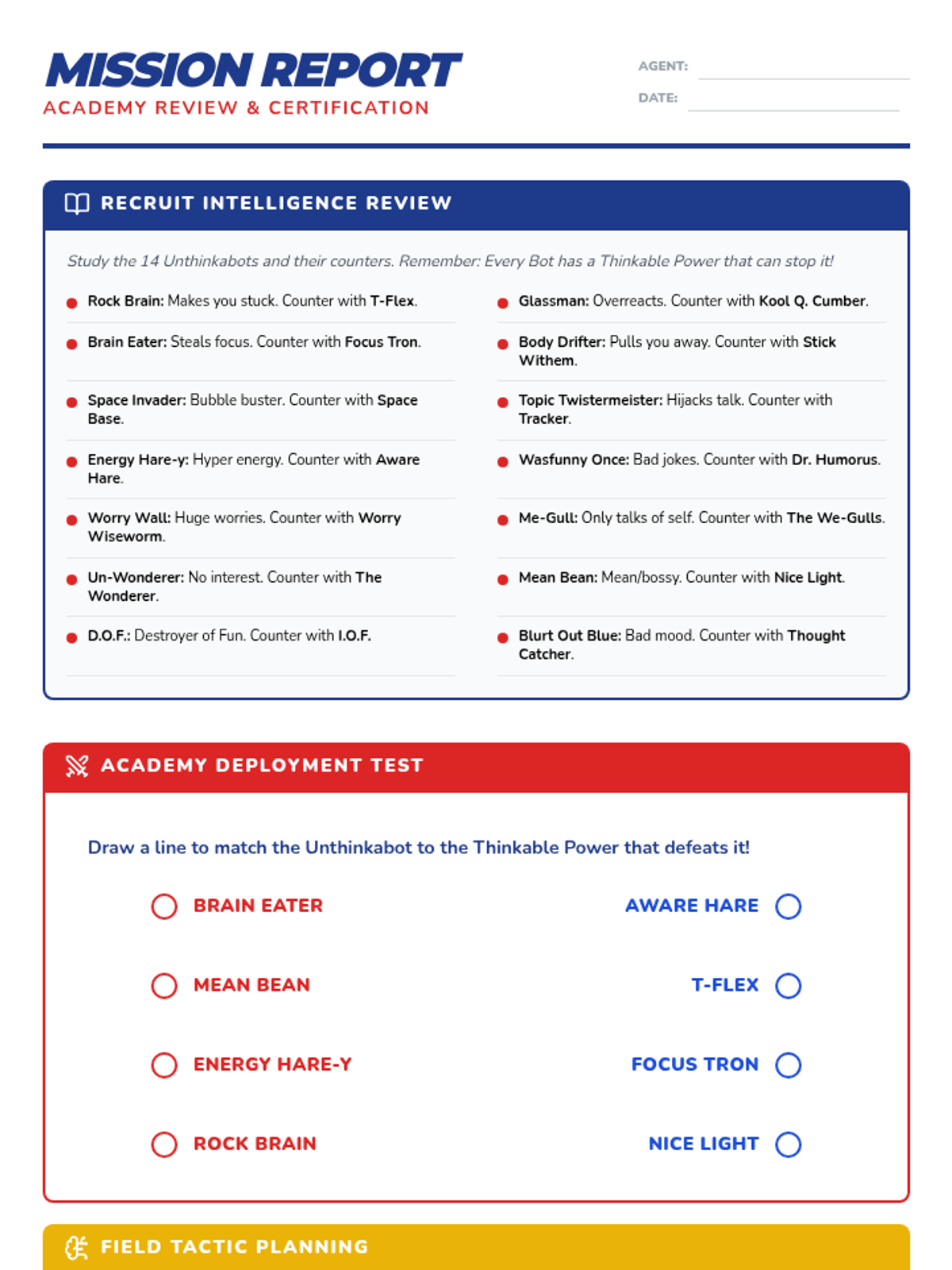
A 2-page Academy Mission Report worksheet for 2nd graders, including an 'Intel Review' summary of all 14 character sets and practical matching and writing exercises to test student knowledge. Optimized layout with break-inside-avoid to prevent content splitting.
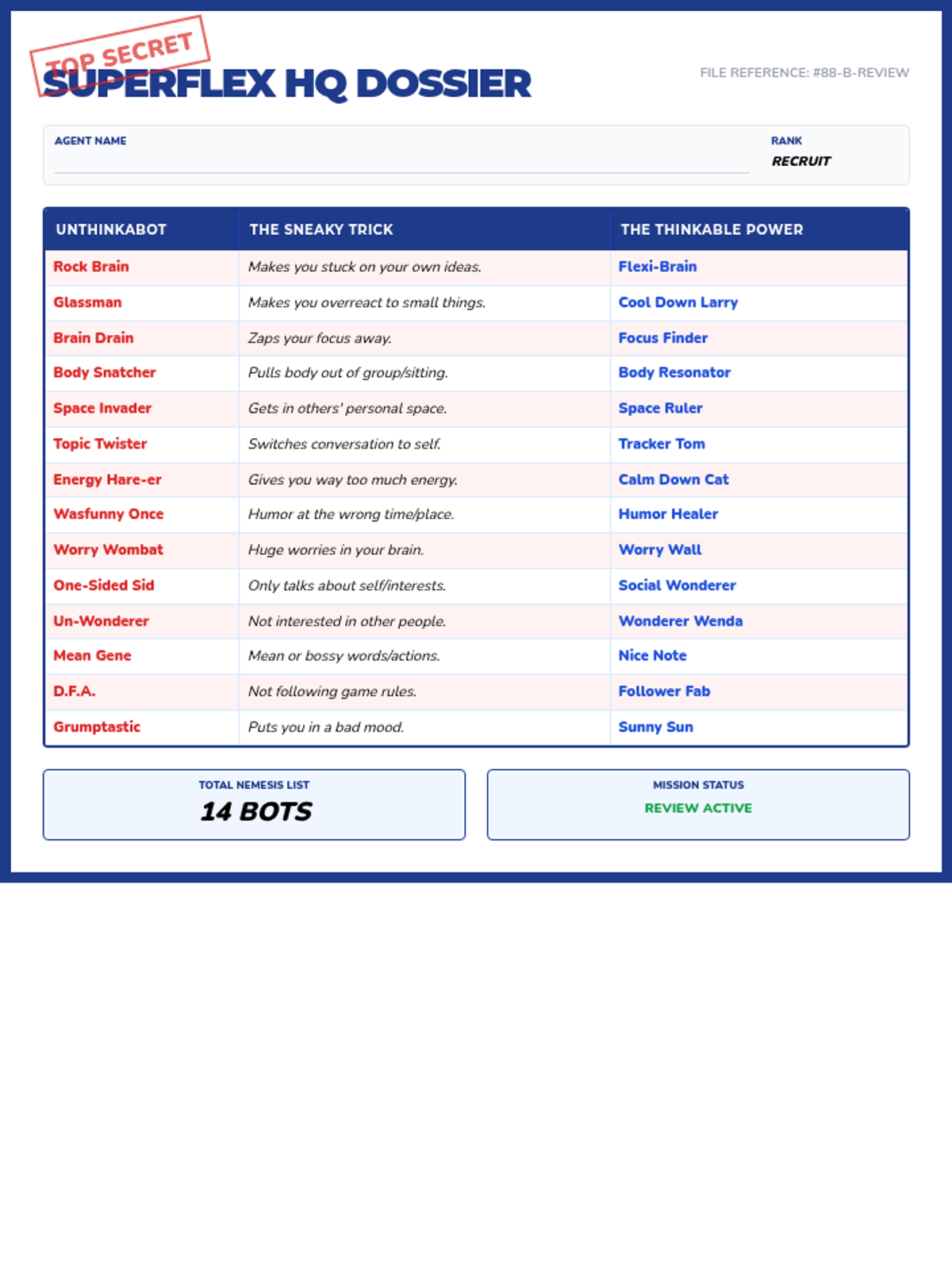
A 'top-secret' dossier reference sheet with updated names for the 14 sets of Unthinkabots and Thinkables, including T-Flex, Mean Bean, and the We-Gulls. Includes details on the specific mini-bots released by each Unthinkabot.
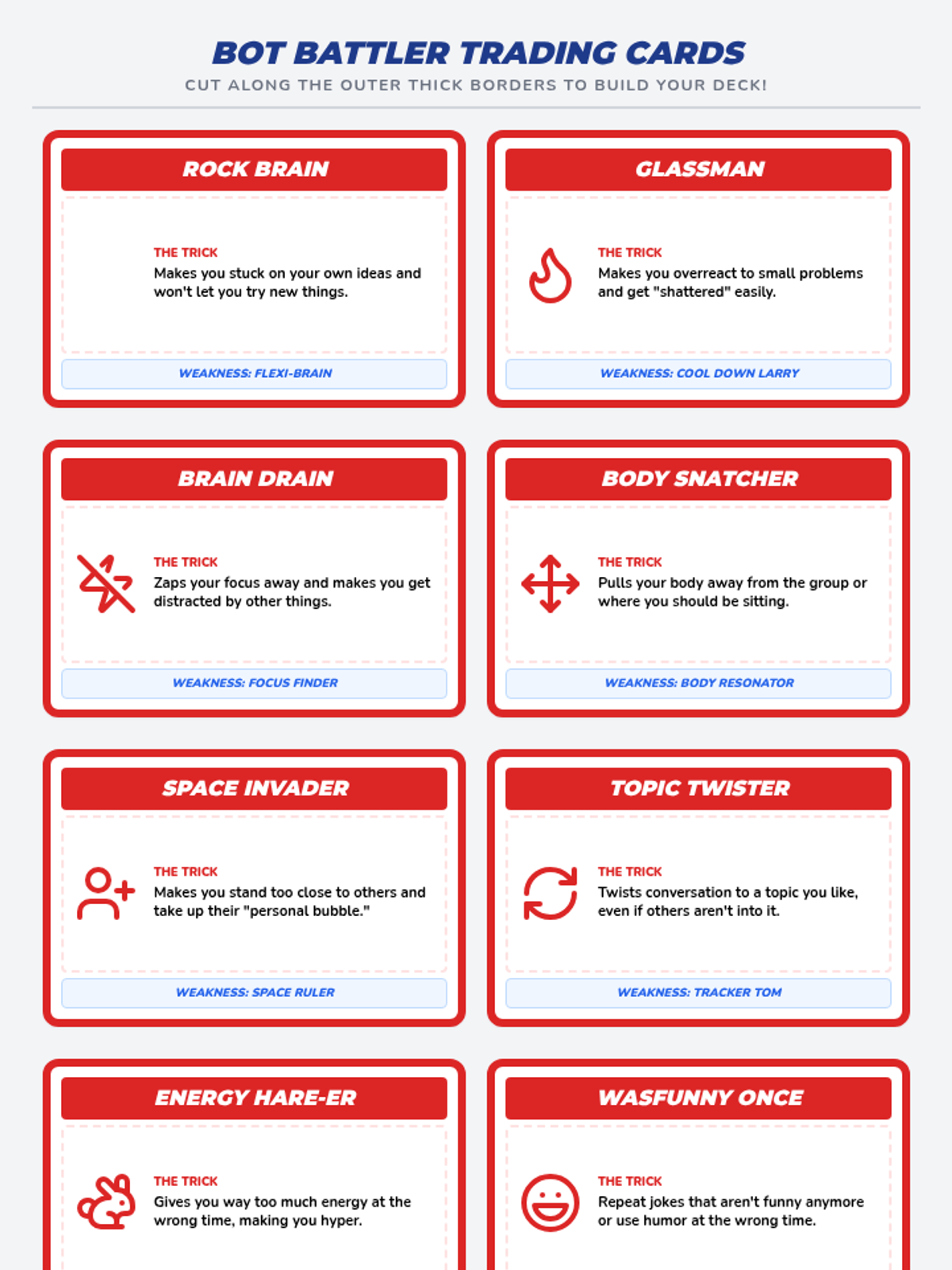
A set of 28 character trading cards featuring Unthinkabots and Thinkables with updated names like T-Flex, Brain Eater, and Focus Tron. Includes specific mini-bot releases and bonus blank cards for student creativity.
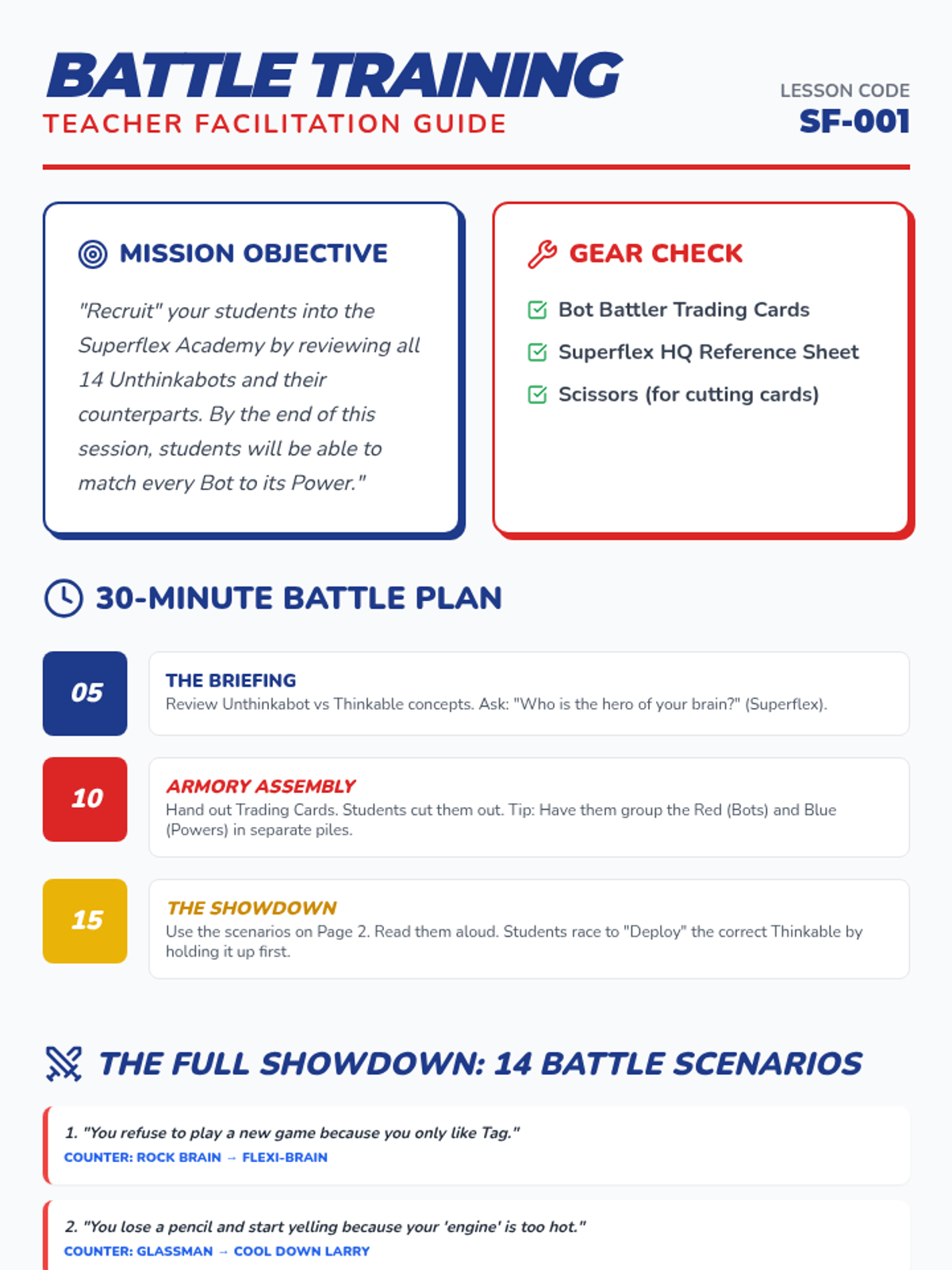
A comprehensive teacher guide for the Bot Battlers Showdown lesson, featuring a 30-minute pacing plan, scenario-based game prompts, and recruitment-themed facilitation tips with updated character names and optimized layout.
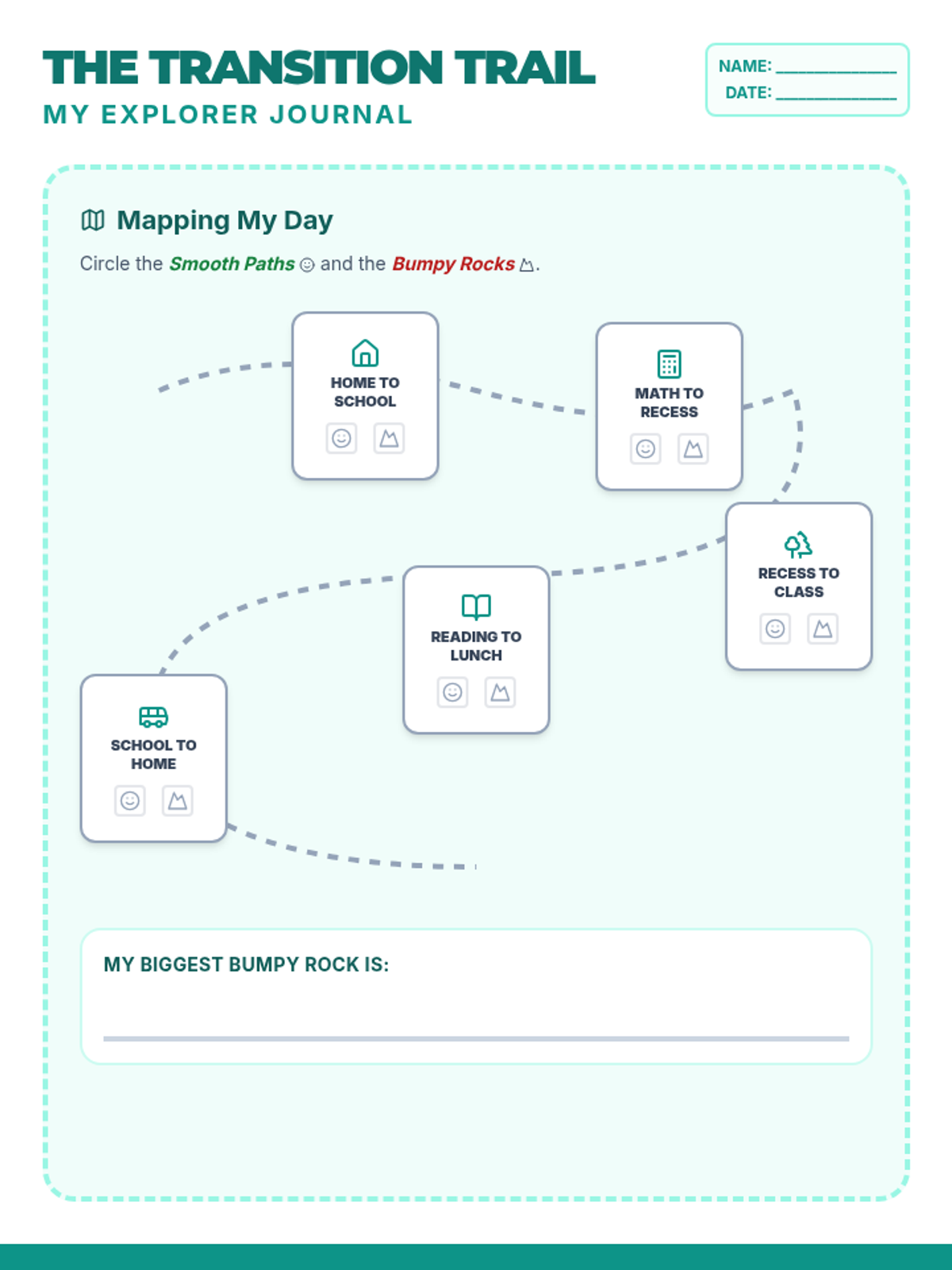
An expanded 5-page student workbook for the Transition Trail lesson, featuring a transition map, body signals checklist, role-play rehearsal bridge, tool selection guide, and final mastery check.
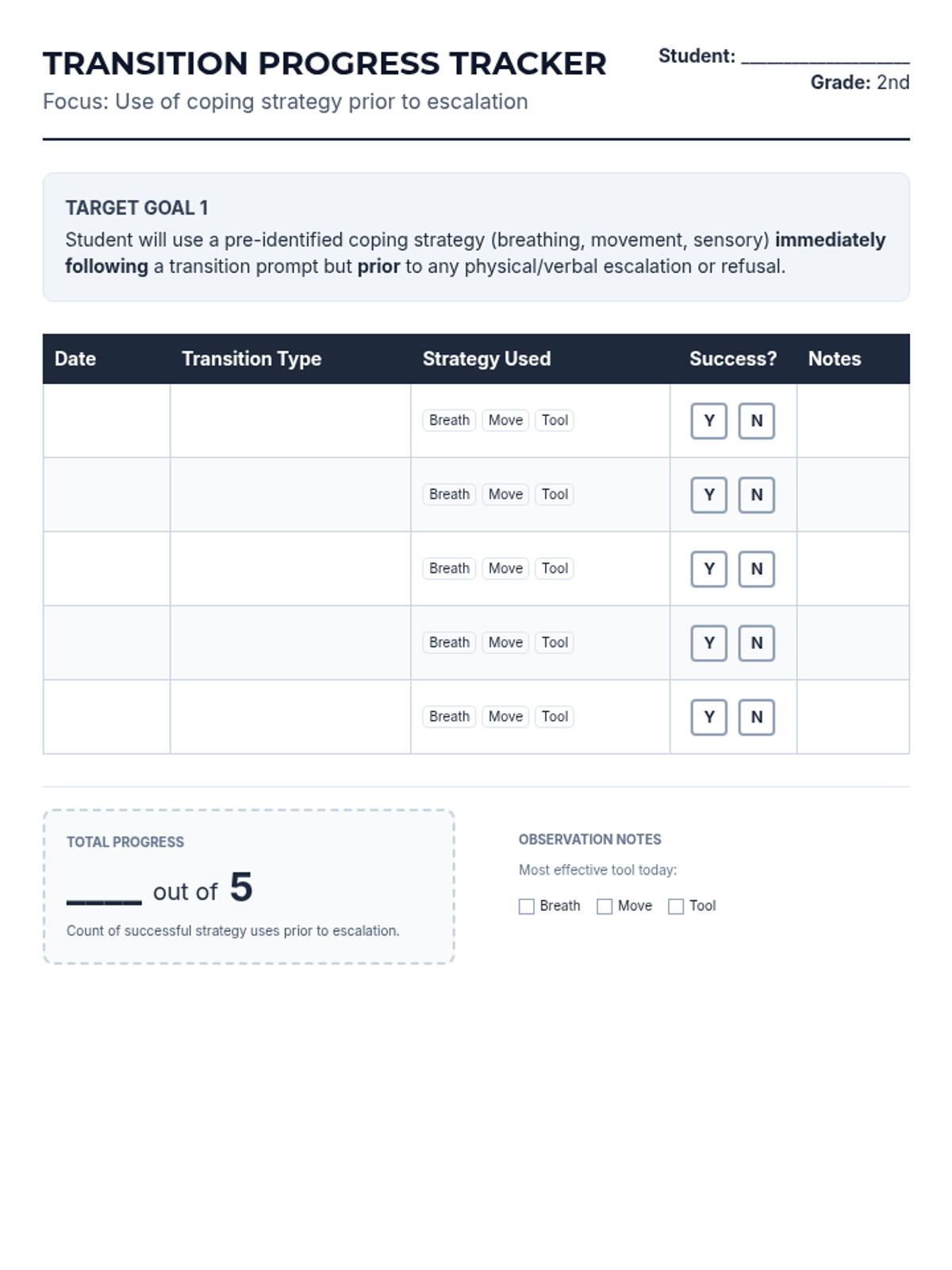
A structured data tracking sheet to monitor the student's success in using coping strategies during transitions.
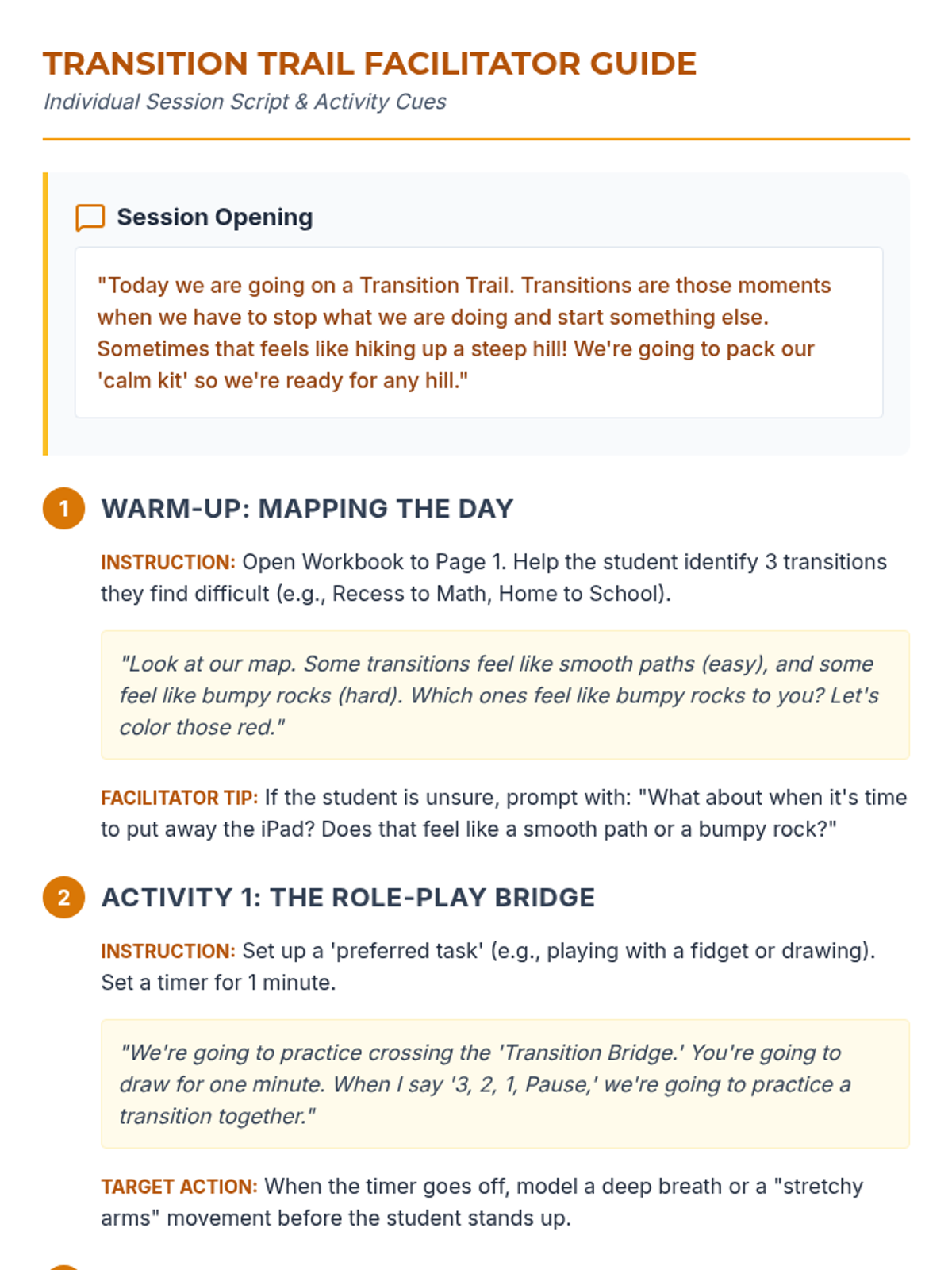
A detailed facilitator script for the Transition Trail lesson, providing specific dialogue and instructional cues.
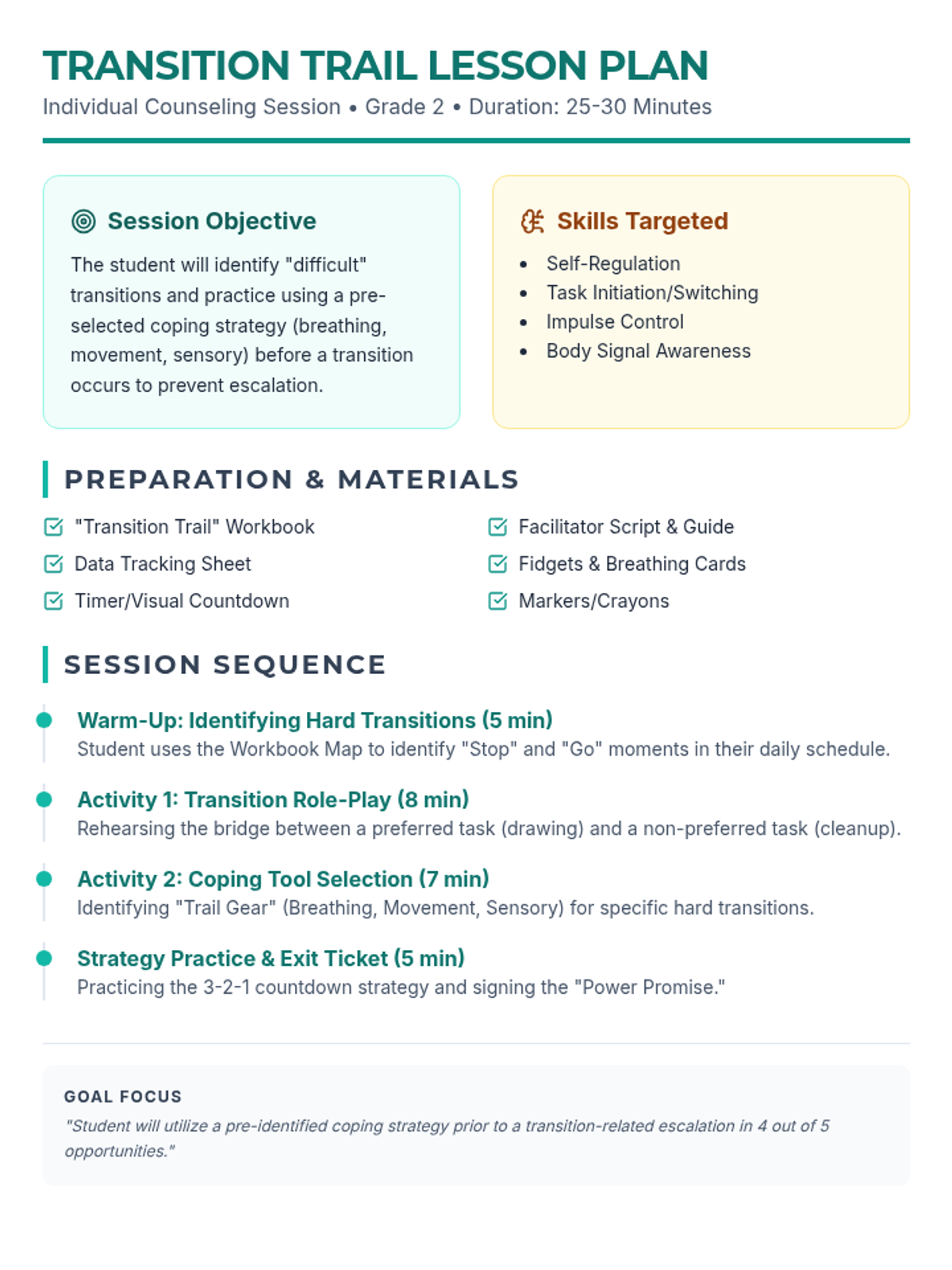
A detailed lesson plan for a 2nd-grade individual counseling session focused on transition regulation skills.
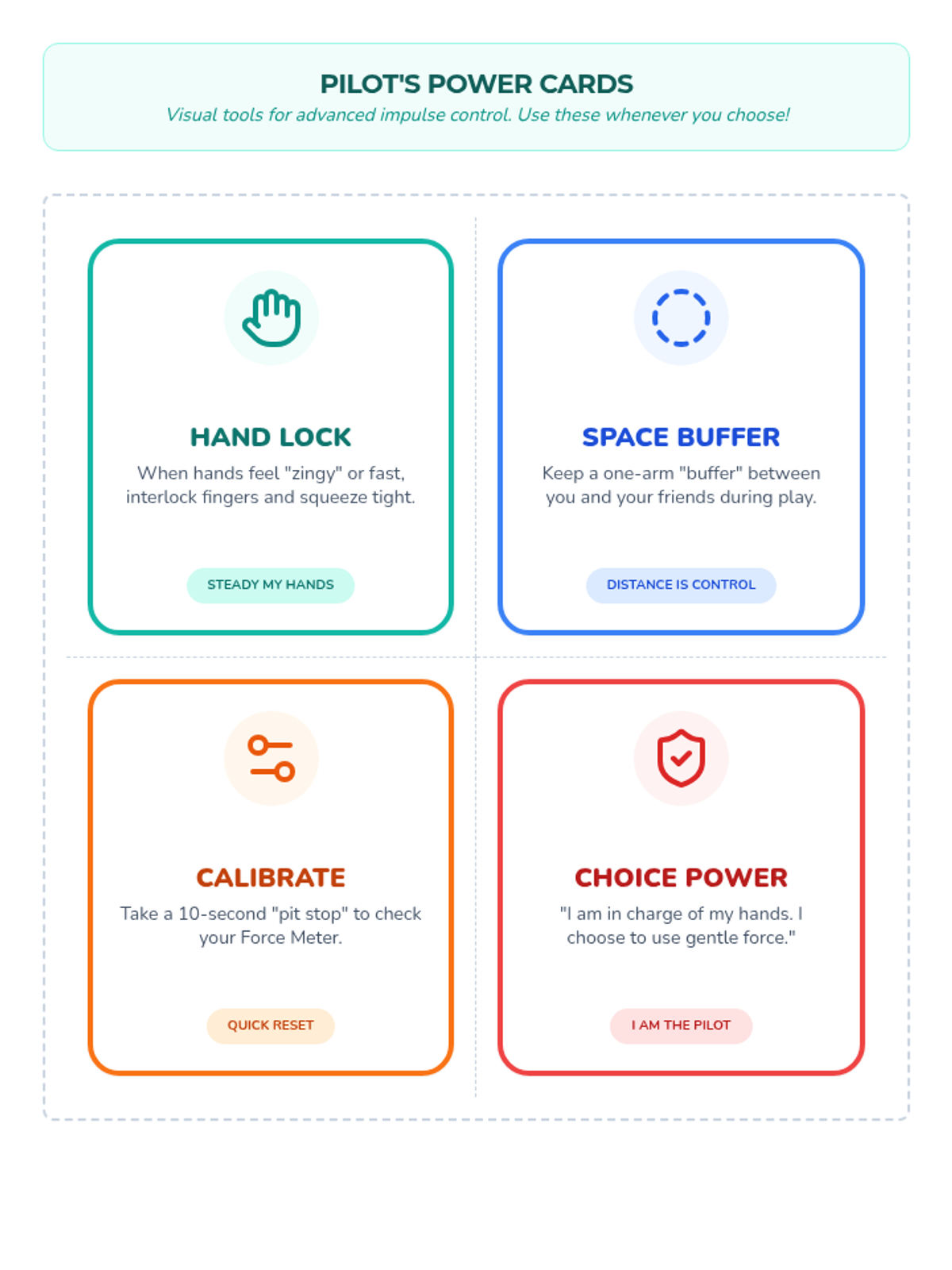
A set of four visual reminder cards for students to use as physical prompts for maintaining boundaries, asking for consent, and using self-regulation strategies.
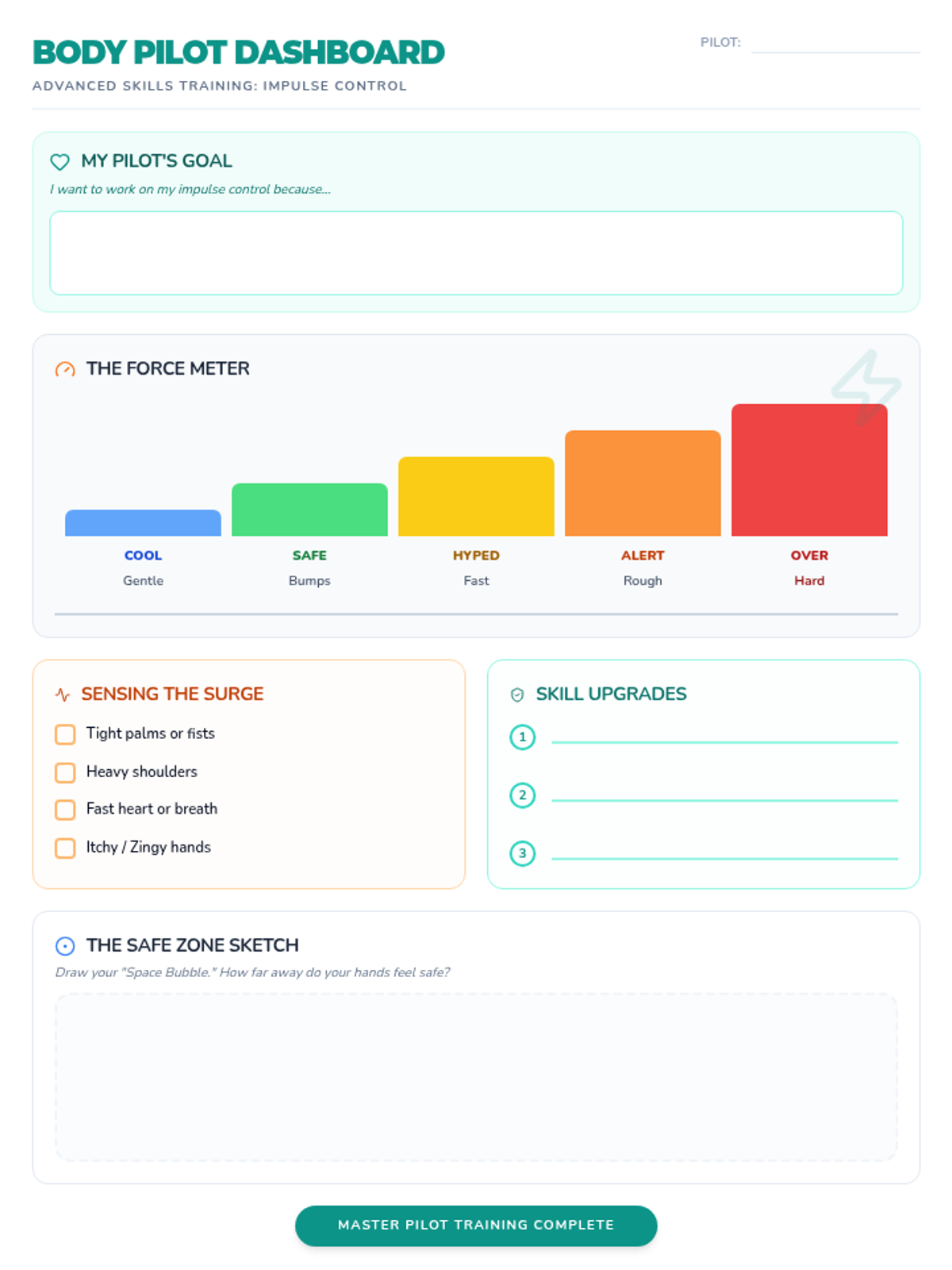
A student-facing activity worksheet focused on self-regulation. Includes a 'Force Meter' to identify energy levels, identification of physical impulse triggers, and space to brainstorm 'Body Brakes'.
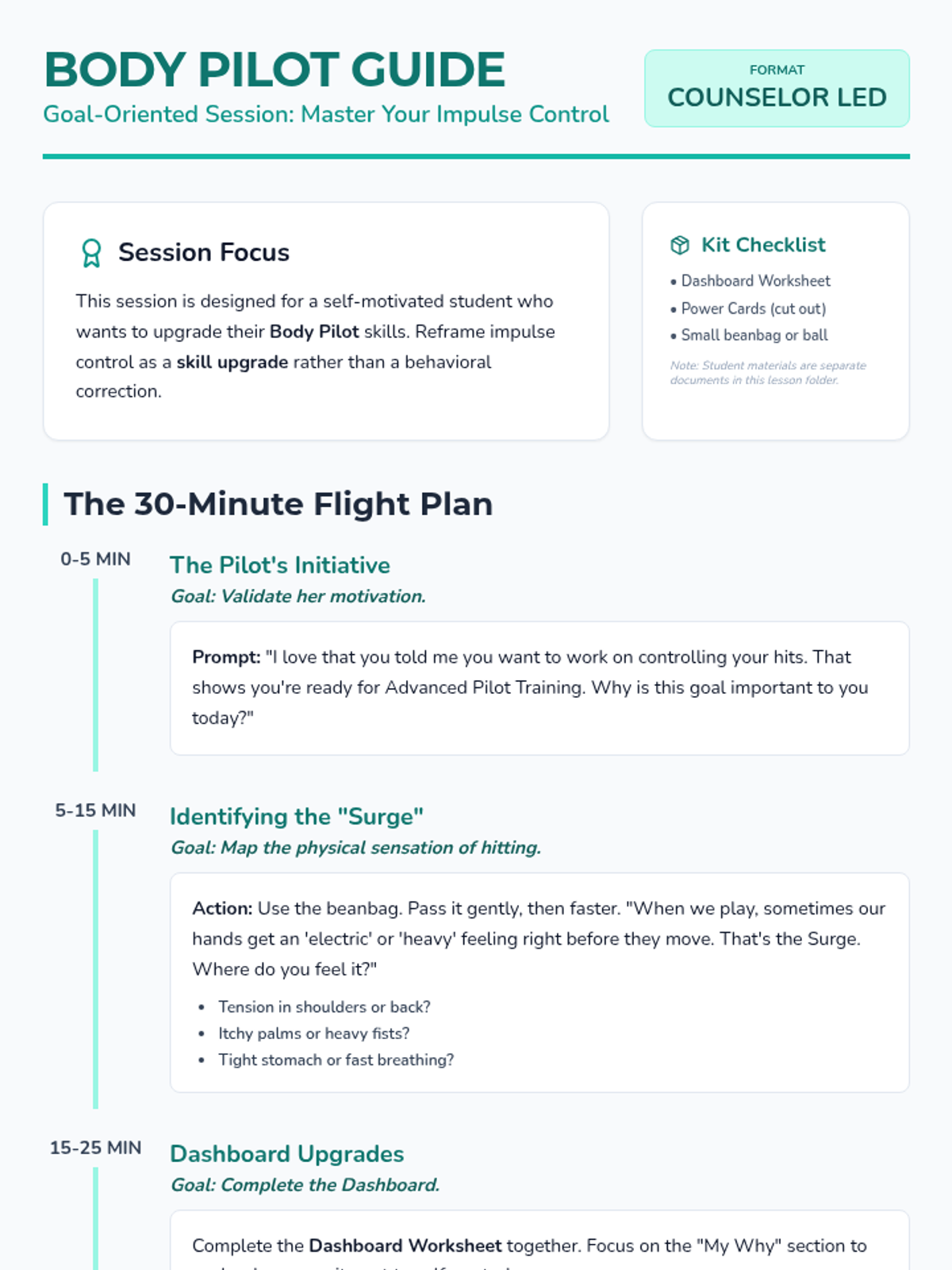
A comprehensive session guide for counselors to facilitate a 30-minute lesson on physical impulses and boundaries for students with autism, using the 'Body Pilot' metaphor.
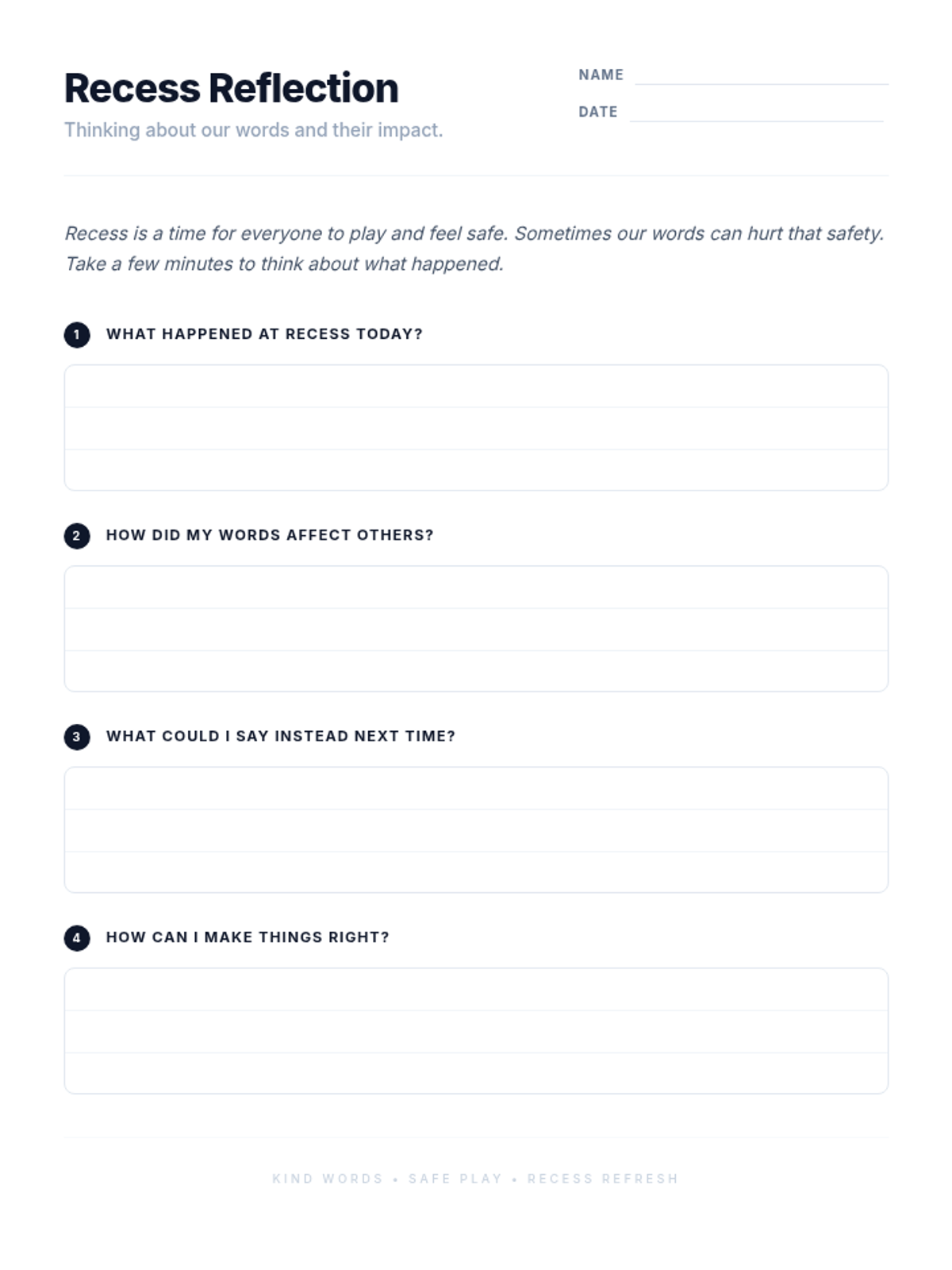
A student-facing reflection sheet to help children process their use of unkind language. Revised with a cleaner, more minimalist design and darker labels.
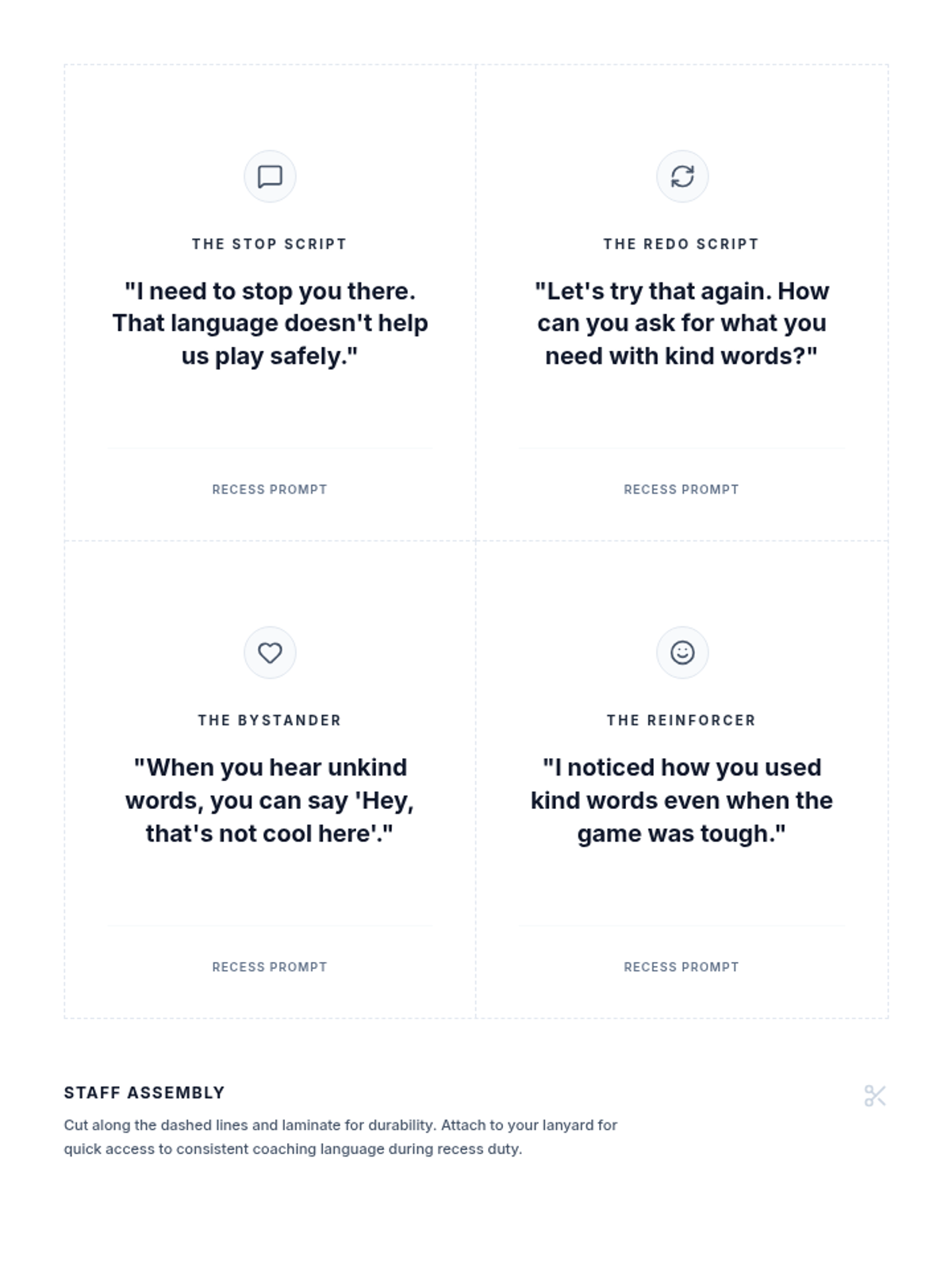
Pocket-sized reference cards for staff with pre-written scripts to handle unkind language. Revised with high-contrast text and cut lines.
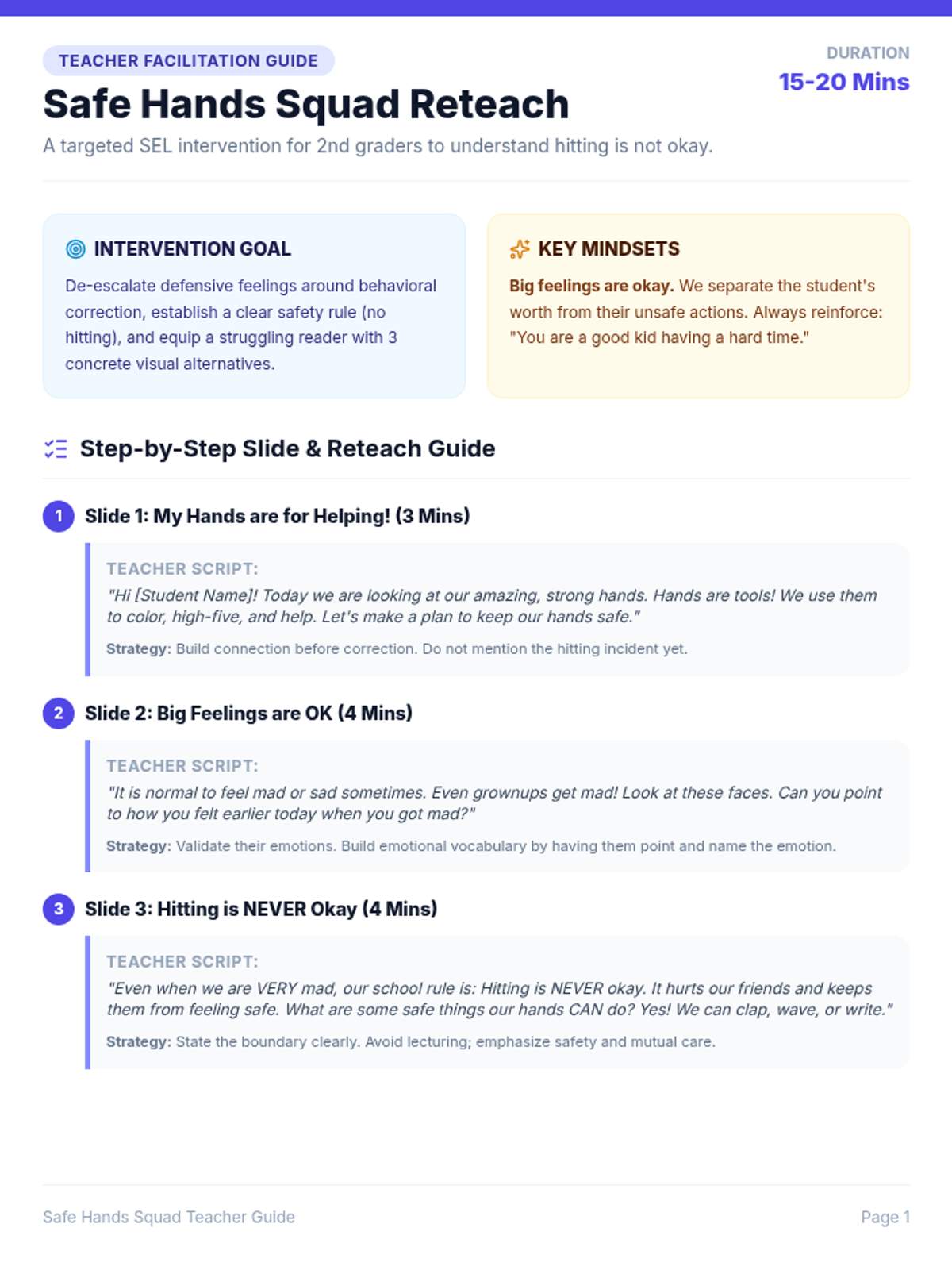
A detailed, actionable, 2-page teacher-facing facilitation and tracking guide for executing a targeted 15-minute SEL reteach lesson. Features concrete scripting, trauma-informed strategies, and an observation table.
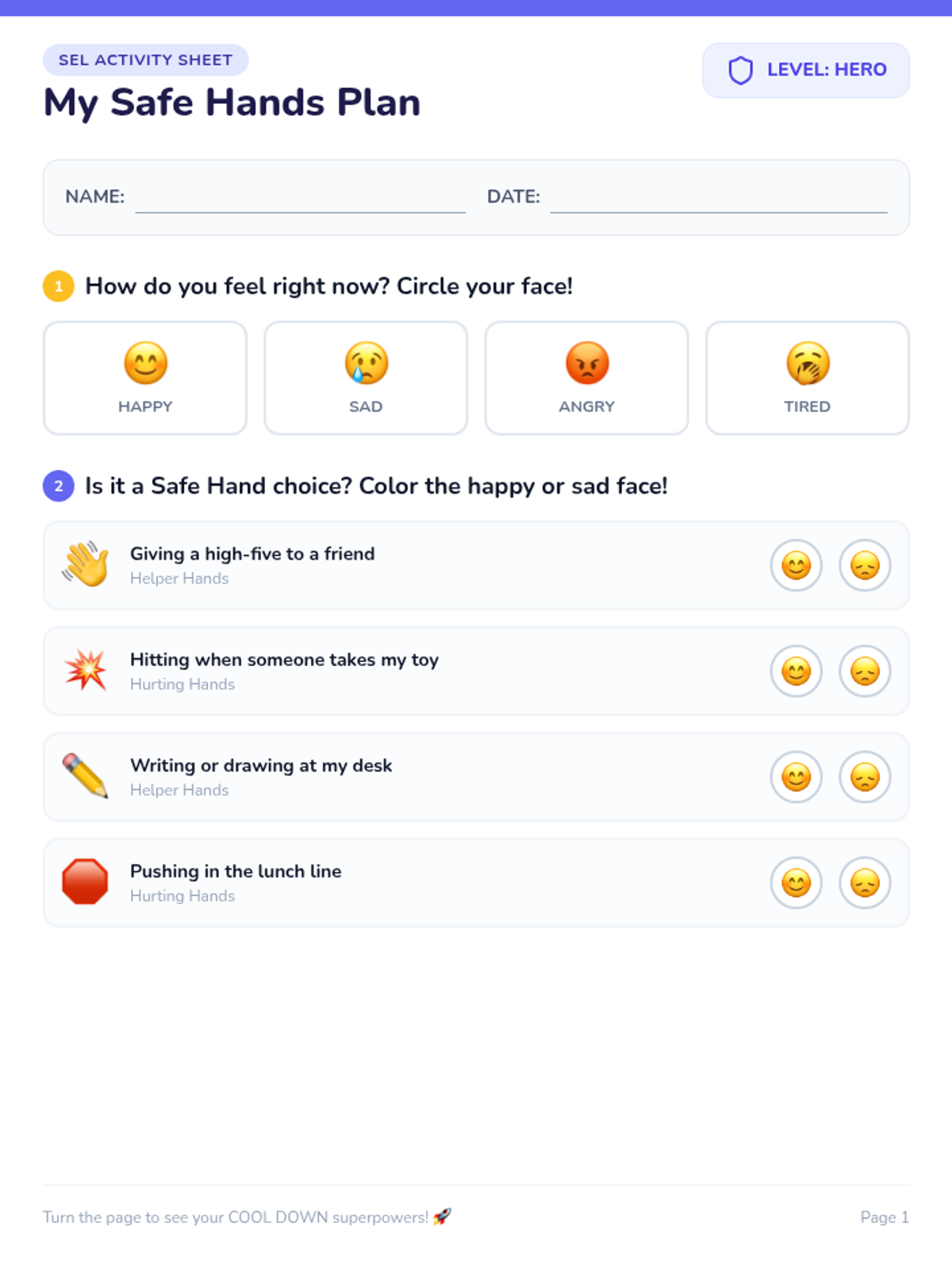
A 2-page highly visual worksheet for a struggling second-grade reader. Features clear visual supports, coloring-based choice tasks, large simulated tracing lines, and a dedicated signature area to reinforce safety commitments.
A highly visual 5-slide presentation designed for teacher-student collaboration during a SEL intervention. It uses simple words, large text, emojis, and clear contrast to teach that hitting is never okay and highlight 3 actionable self-regulation strategies.
A beautifully designed informational poster for elementary schools detailing the supportive role of a School Social Worker, featuring color-coded sections for students, families, and staff.
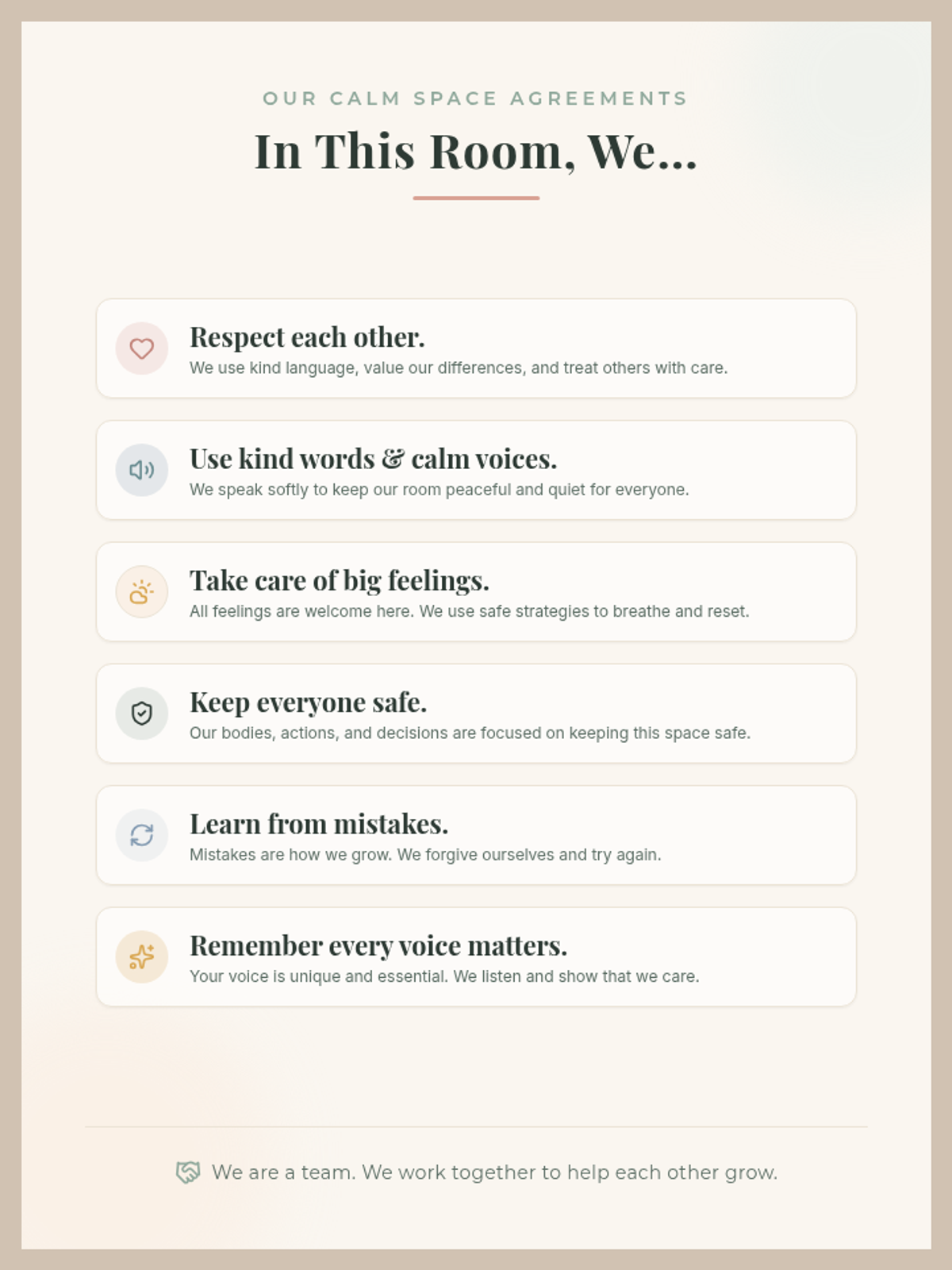
A beautifully redesigned 'Office Agreements' poster that transforms the uploaded grid-based design into the Calm Office Decor theme. Features offset grid cards in terracotta, sage, slate blue, and warm gold with delicate icons and clear, supportive language about respecting others, learning from mistakes, and building team spirit.
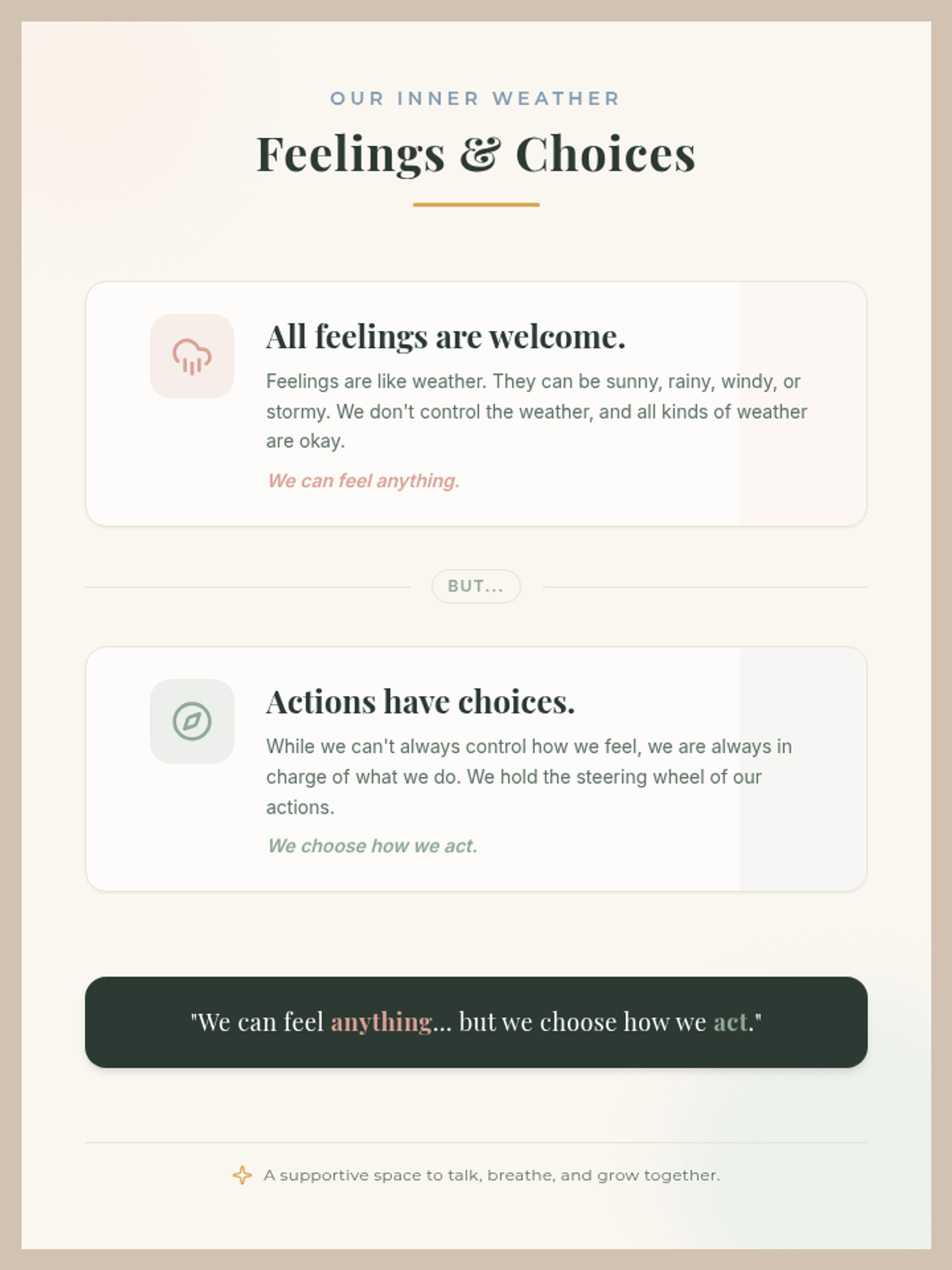
A beautiful poster emphasizing the connection between feelings and behavioral choices. Great for elementary social work offices or classrooms to teach self-regulation.
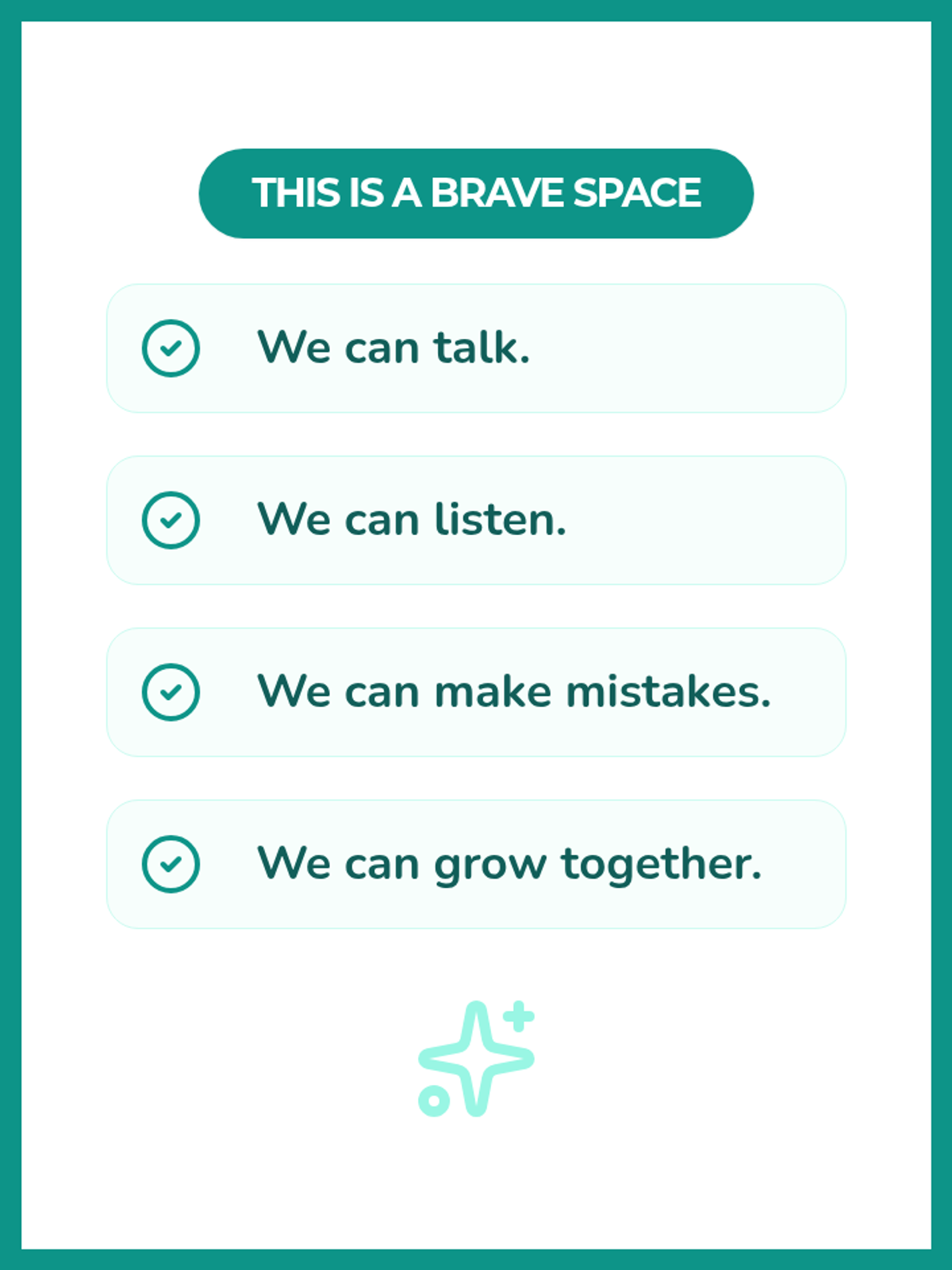
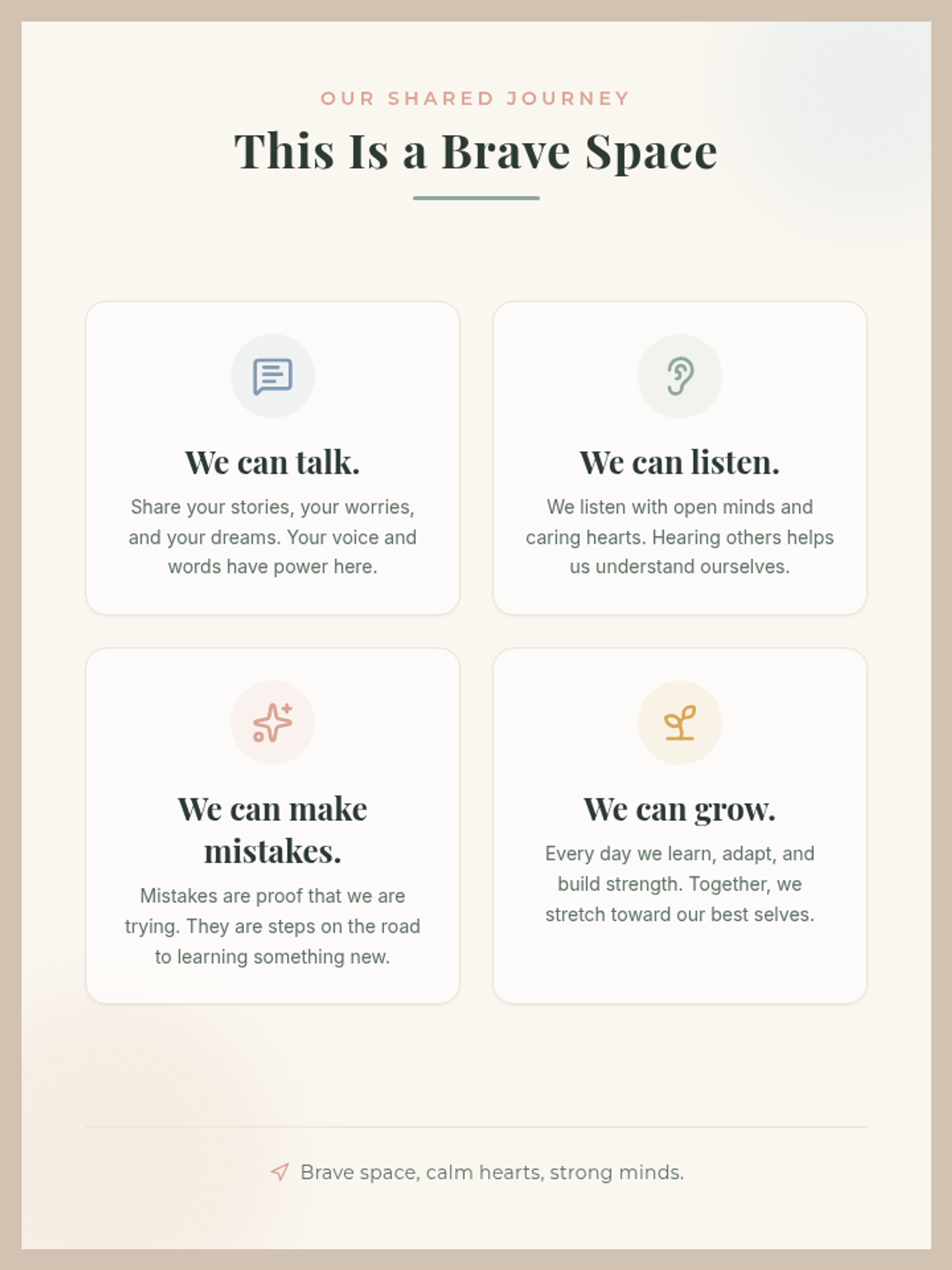
An empowering 'This Is a Brave Space' poster for a school social work office. Encourages healthy sharing, active listening, learning from mistakes, and personal growth using supportive symbols.
A stunning, two-page printable affirmation poster that remakes the uploaded 'You Are...' sheets. Page 1 contains the 'LOVED, VALUED, SPECIAL, WELCOME, SAFE here' block stack with beautiful earth tones, custom handwritten-style script headers, and delicate icons, while Page 2 features 'KIND, SMART, BRAVE, STRONG, AMAZING' styled identically for a perfectly cohesive and high-end look.
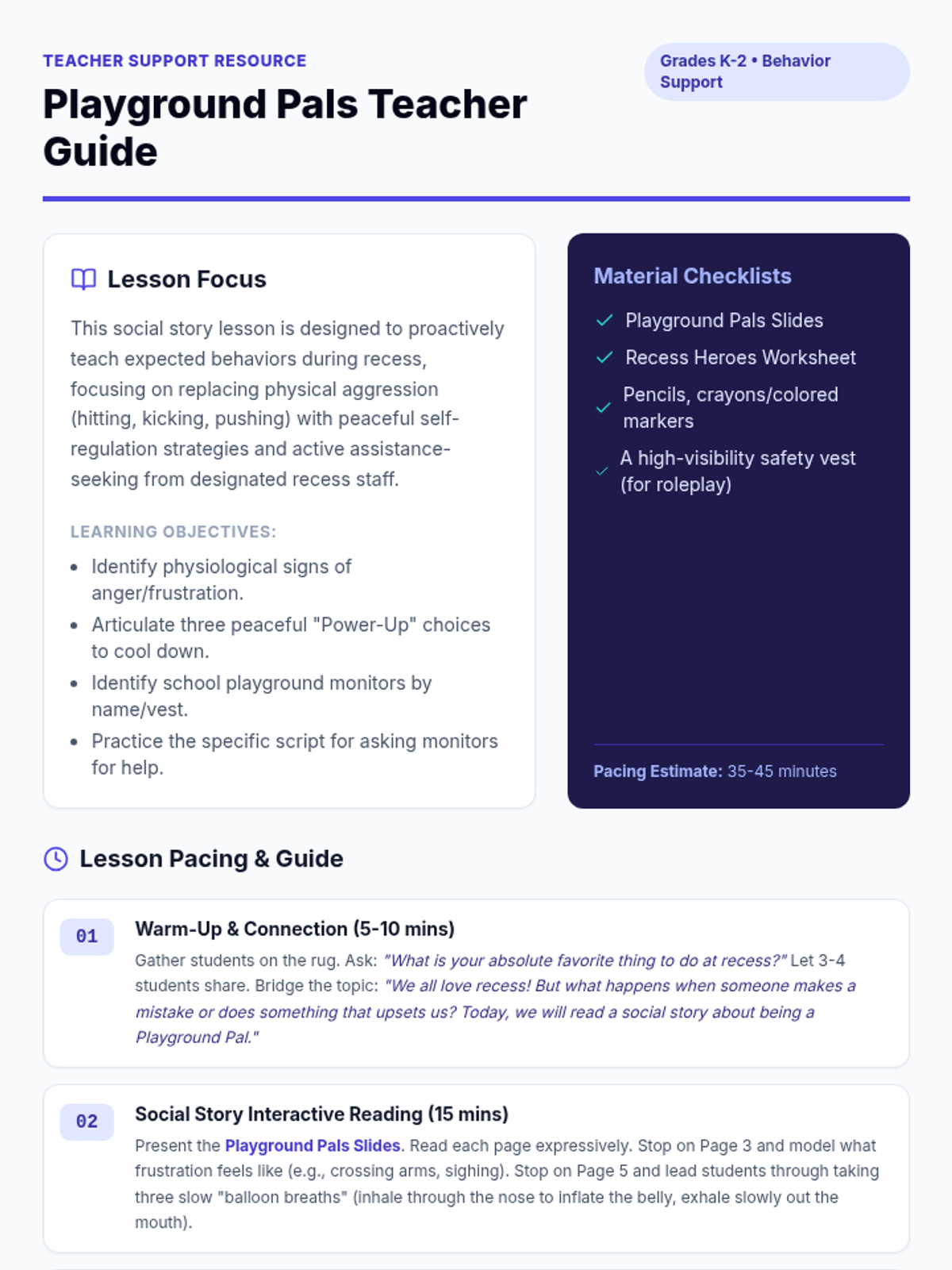
A teacher-facing lesson plan and facilitation guide for the social story. Includes detailed pacing, specific discussion prompts, roleplay scenario cards, and classroom management strategies.
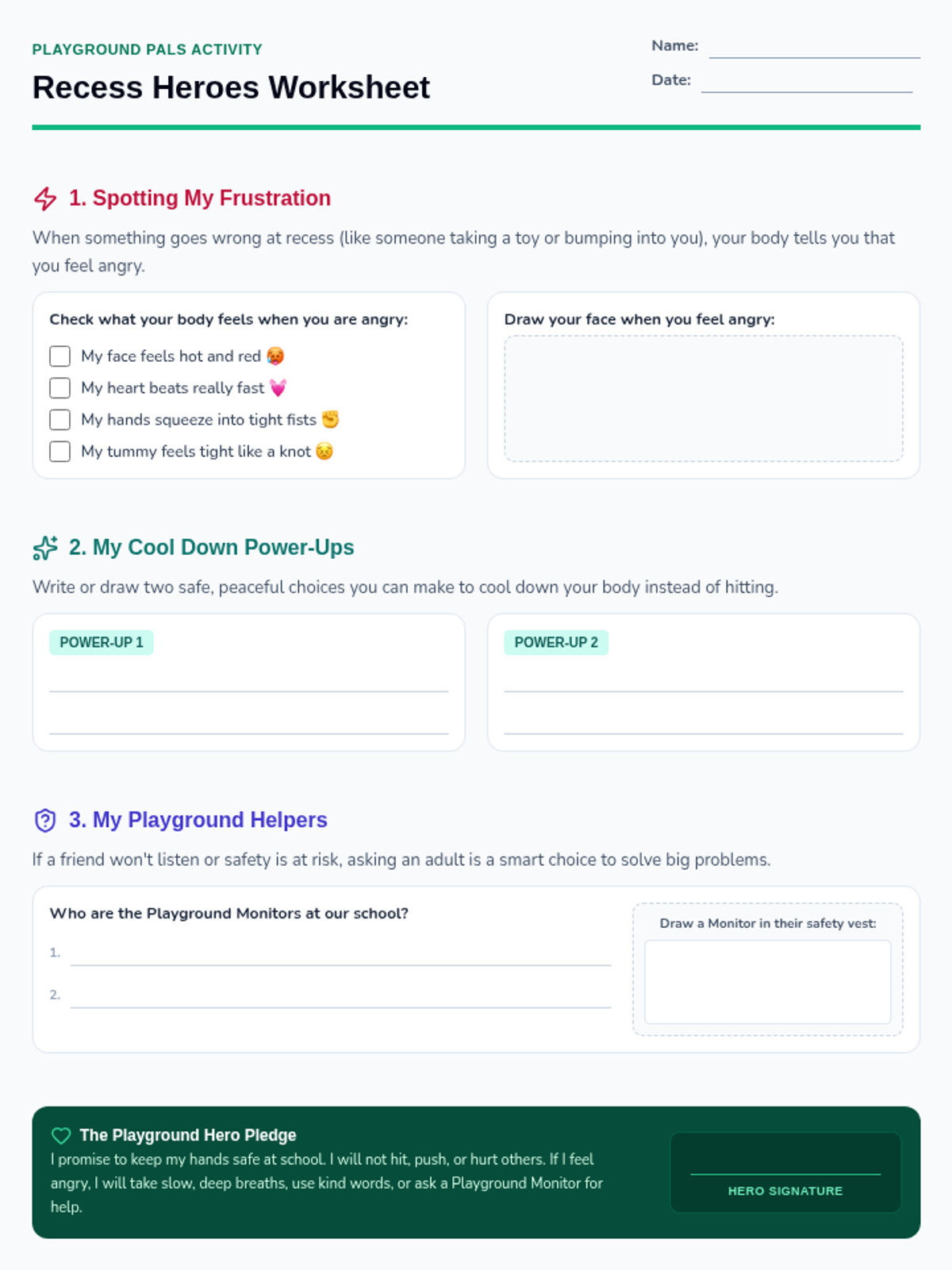
An interactive student-facing activity sheet reinforcing the social story. Includes frustration body mapping, cool down choice identification, names of school playground monitors, and a safe recess pledge.
Social story slide deck with read-aloud pages and highly descriptive illustration prompts. Empowers students to keep hands safe, cool down, and confidently seek help from playground monitors.
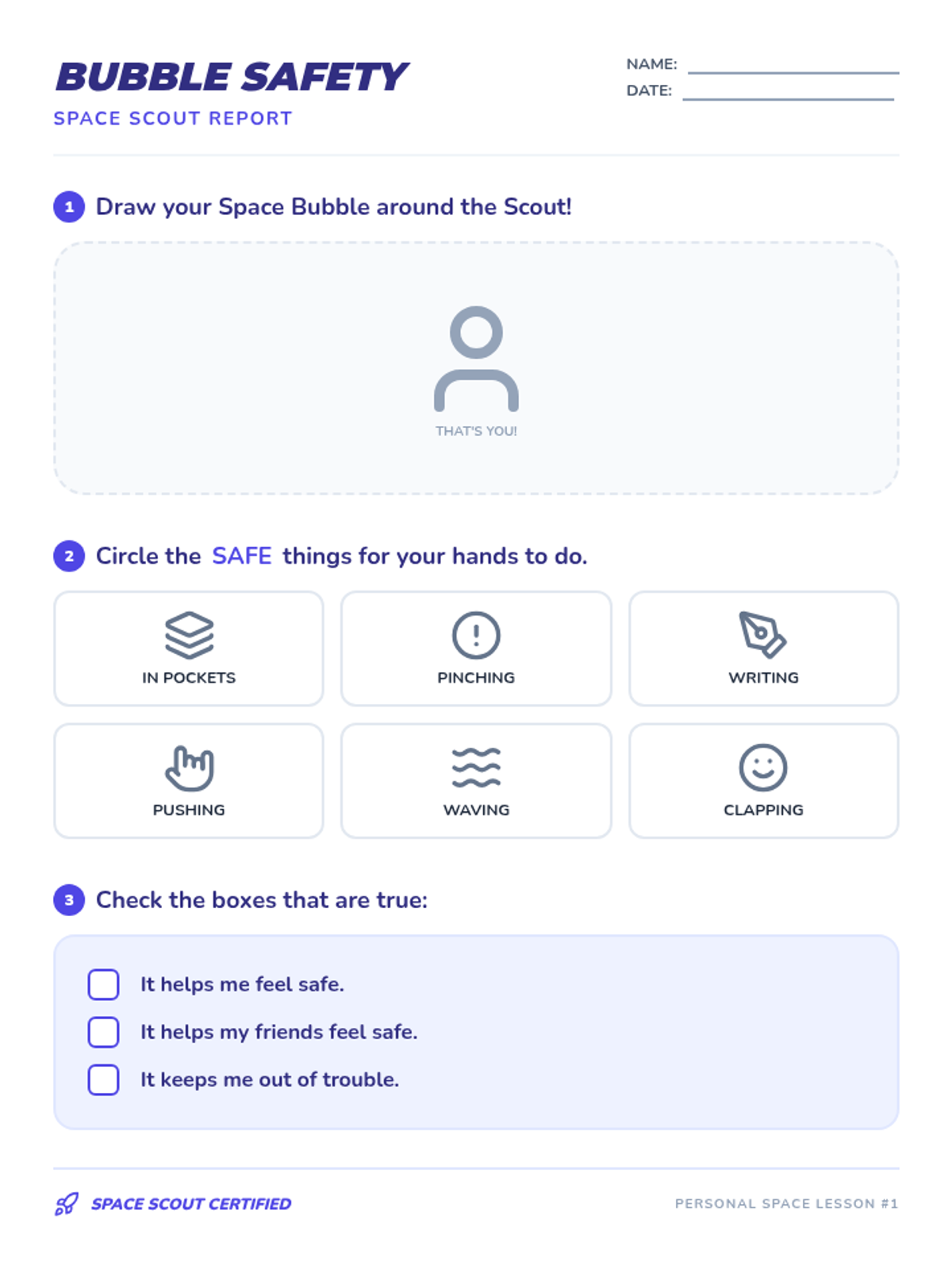
An advanced scenario-based worksheet for higher-cognition students, focusing on social evidence, relationship proximity mapping, and the logic of consent.
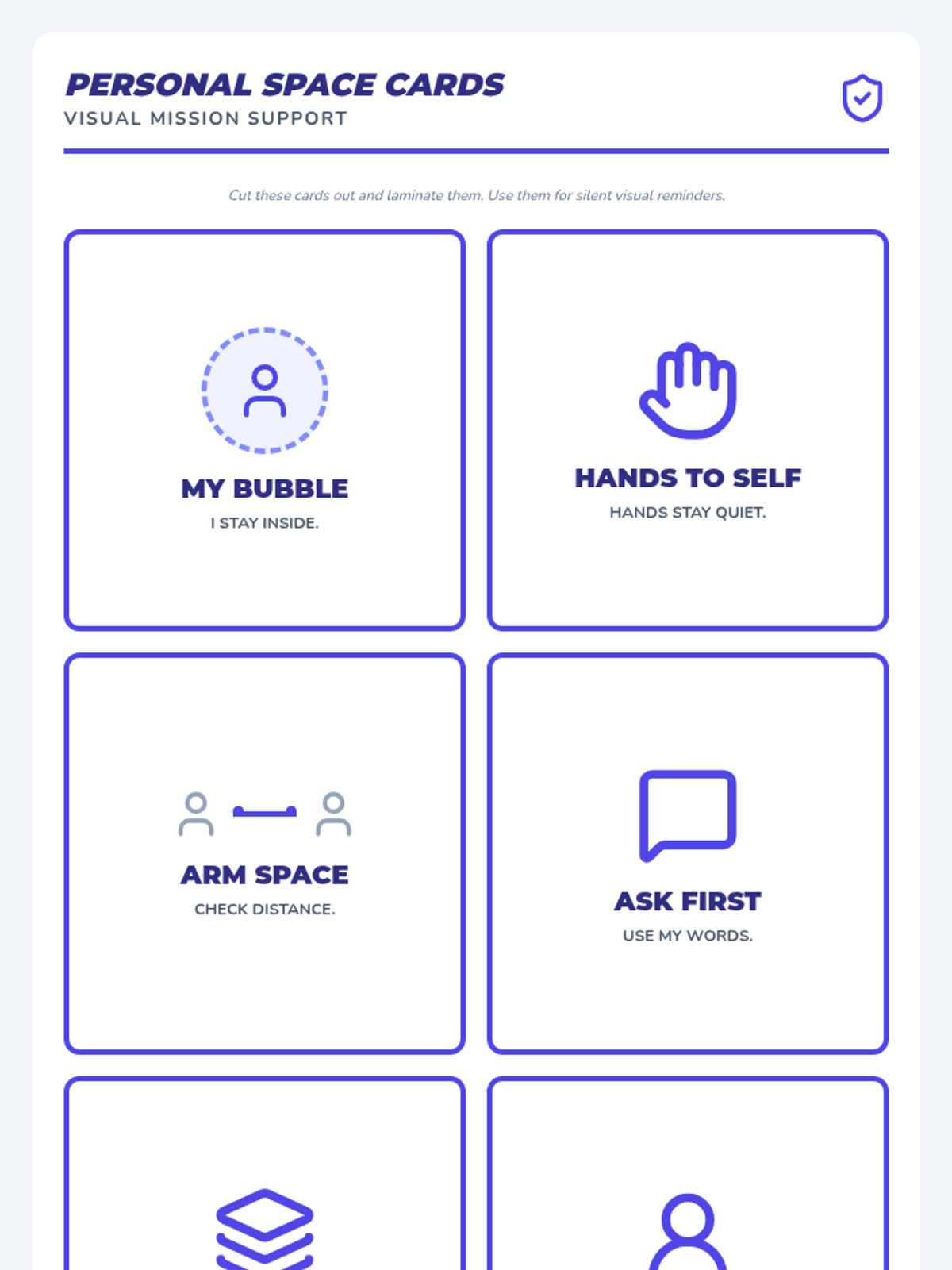
Advanced laminatable visual support cards for higher-cognition students, focusing on social mapping, reading body language, and environmental context.
Advanced visual presentation slides for higher-cognition students, introducing relationship-based proximity rules, non-verbal social cues, and the concept of consent.