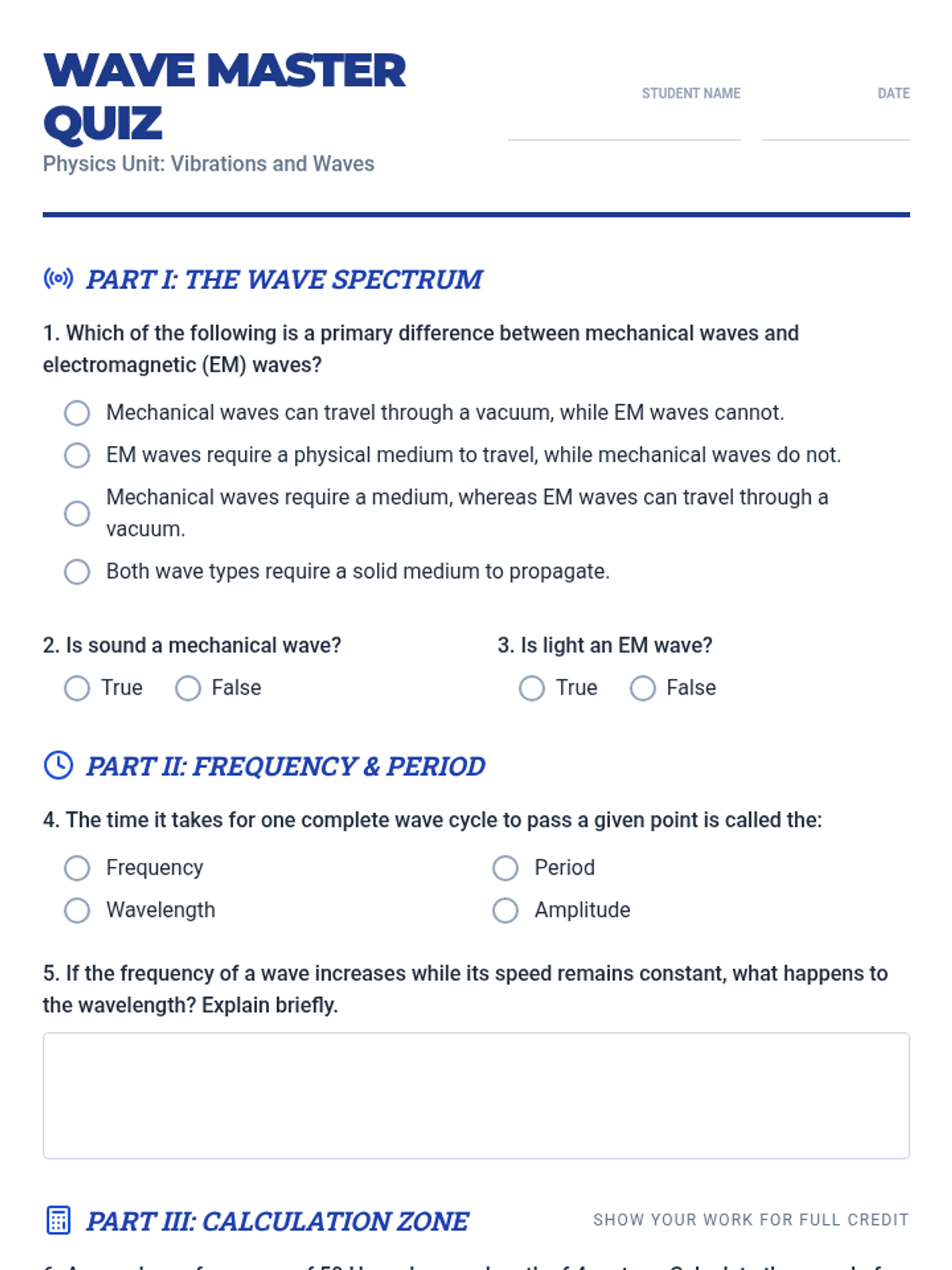
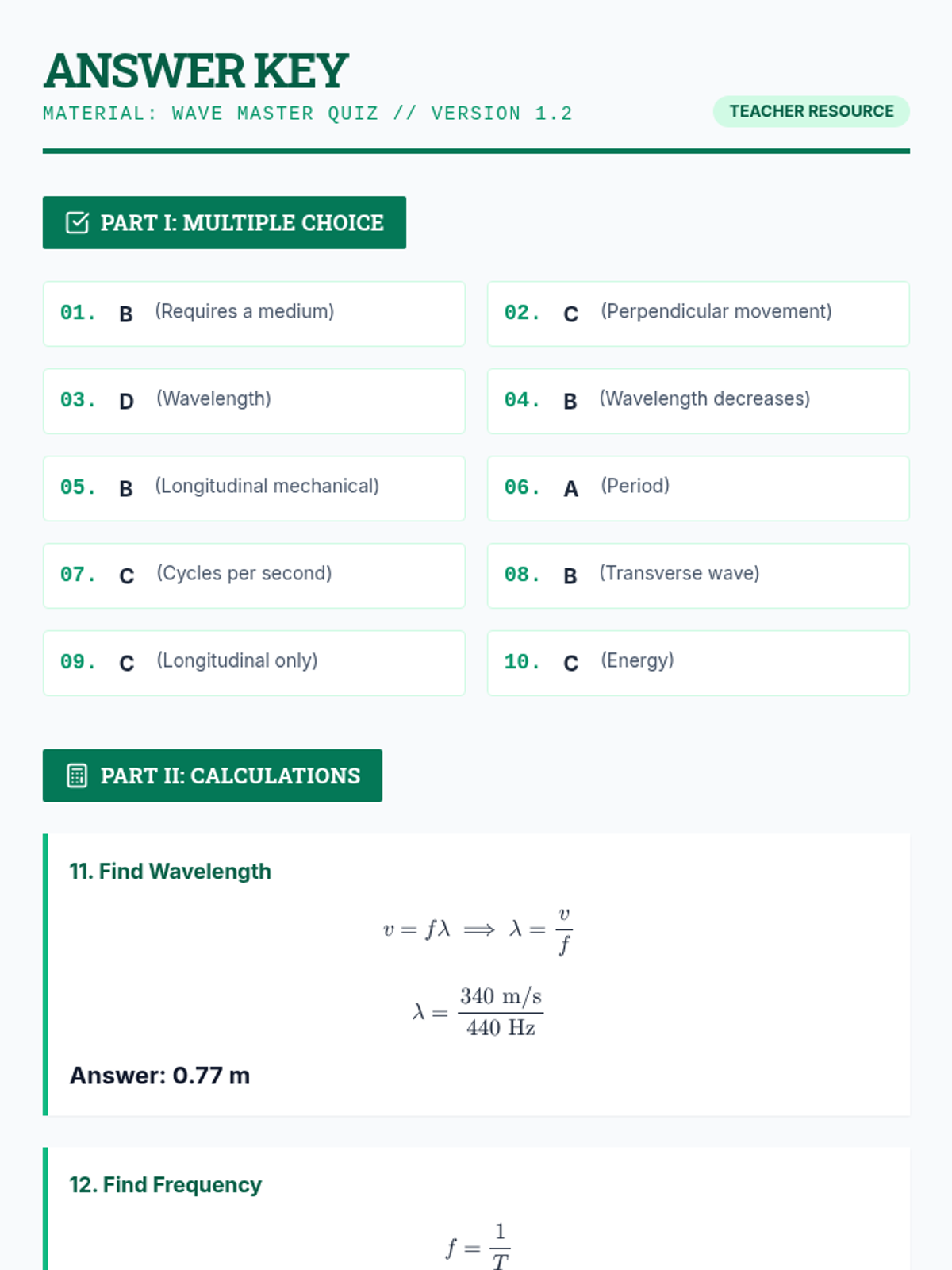
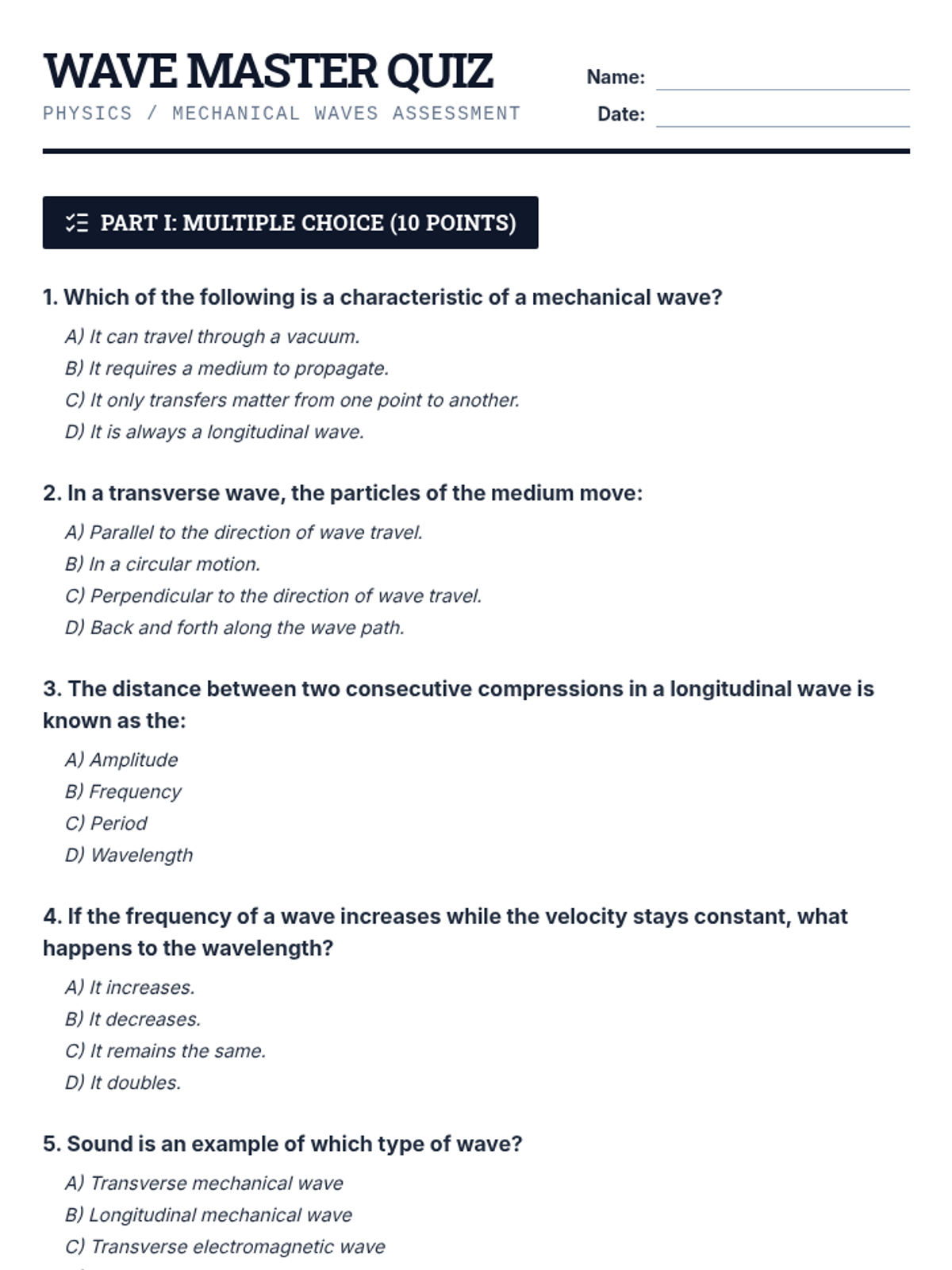
Updated Section III with a fixed and improved Rod-Clay System diagram. The new diagram features clear labeling of the pivot, the lever arm \(d\), and the clay's velocity vector, with a cleaner layout for better textbook-style clarity.
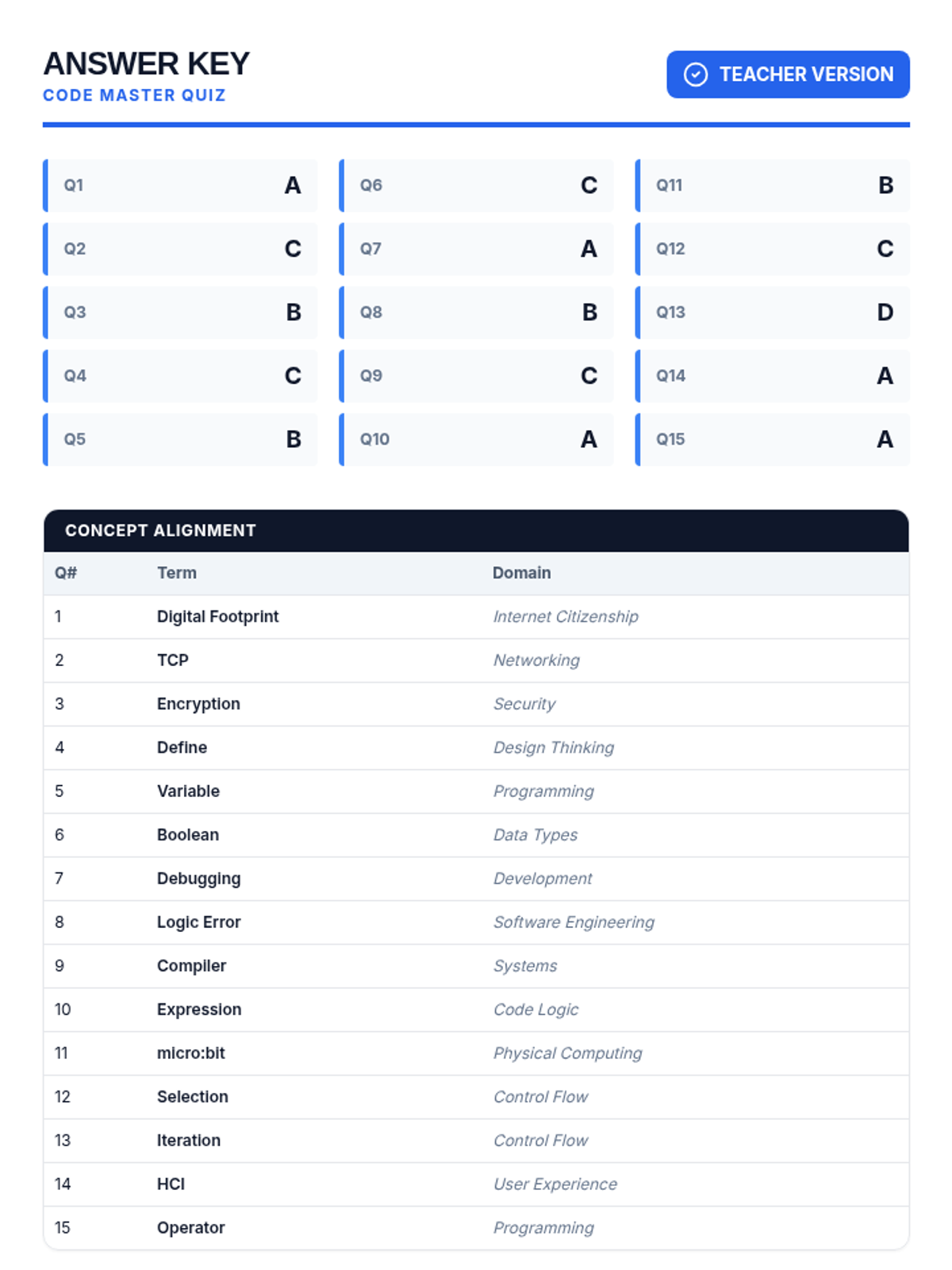
A teacher answer key for the Truffula Tragedy worksheet, providing correct responses, explanations, and a scoring guide for the short answer question.
A comprehensive video guide worksheet for high school environmental science students to complete while watching 'The Lorax', focusing on ecosystem services, biodiversity loss, and sustainability.
A comprehensive teacher professional development guide including essential AI concepts, facilitation strategies, and quick-reference prompt cheat sheets.
A high school activity sheet requiring students to apply the CO-STAR prompt engineering framework, map industry impacts, and draft ethical AI policies.
Advanced slide deck for high school students exploring generative AI paradigms, professional prompt engineering frameworks (CO-STAR), and the future of work.
A middle school activity sheet involving ethical analysis of recommendation engines, labeling neural network structures, and debating facial recognition bias.
A middle school slide deck focused on the technical basics of neural networks and the ethical challenges of recommendation engines and deepfakes.
A grade 3-5 worksheet focusing on analyzing AI bias scenarios and practicing prompt engineering using a structured 'Role + Task + Detail' framework.
Instructional slides for grades 3-5, focusing on 'Pattern Detectives' - understanding data, spotting bias, and learning the basics of effective prompting.
An activity sheet for grades 1-2 focusing on distinguishing between traditional machines and AI, and designing an AI solution for a simple problem.
Instructional slides for grades 1-2 focused on 'Smart Helpers' - identifying AI in the world and understanding simple machine learning patterns.
A comprehensive teacher guide for the 'Robot Brains' lesson, including a script, instructional sequence, and differentiation tips for Kindergarten.
A simple, visual worksheet for Kindergarten students to practice identifying AI and 'training' a robot.
Introductory slide deck for Kindergarten students exploring the difference between human brains and computer 'brains'.
The comprehensive K-12 AI literacy curriculum scope and implementation guidelines for district-wide alignment.
A visual presentation slide deck designed for EOC Biology review, covering evolution, natural selection, ecological flow, and succession with clear diagrams and STAAR-specific testing tips.
A comprehensive answer key for the Genetic Blueprint Mastery lesson. It provides solutions and explanations for the Division Decisions, Protein Factory, and Inheritance Impact worksheets, as well as the 10-question Genetics Mastery Quiz.
A comprehensive answer key for all student worksheets and the assessment quiz in the Survival Secrets lesson, including expected responses and common student misconceptions.
A 10-question multiple-choice assessment designed in the STAAR Biology EOC format, covering evolution, natural selection, taxonomy, and ecology. Includes diagrams and tables to mirror state testing standards.
A 10-question multiple-choice assessment modeled after the STAAR Biology EOC. It covers cell cycle regulation, DNA structure, protein synthesis, and Mendelian/non-Mendelian genetics, focusing on Reporting Categories 2 and 5.
A student worksheet focusing on Mendelian and non-Mendelian inheritance. It provides practice problems for monohybrid and dihybrid crosses, incomplete dominance, codominance, and sex-linked traits with dedicated spaces for Punnett squares and ratio analysis.
A student worksheet focusing on taxonomy, biological classification, dichotomous keys, and phylogenetic relationships within the context of the lizard case study.
A student worksheet for protein synthesis. It includes exercises for labeling DNA nucleotides, mapping the central dogma flow (DNA to RNA to protein), and practicing transcription and translation with mutation analysis.
A student worksheet focusing on ecosystem modeling, energy pyramids, and biogeochemical cycles within the Caribbean island context. Includes 10% rule calculations and succession analysis.
A student worksheet for the Genetic Blueprint Mastery lesson. It features activities to label the cell cycle, identify phases of mitosis through diagrams, and complete a detailed comparison table between mitosis and meiosis.
A student-facing simulation activity where students model natural selection using lizard limb length as a trait, analyzing population shifts and environmental pressures.
A visual presentation slide deck comparing mitosis and meiosis, explaining the cell cycle phases (Interphase and M-phase), detailing DNA replication during the S-phase, and illustrating the causes of uncontrolled cell growth (cancer).
A student worksheet for analyzing four key types of evidence for evolution (fossils, homology, DNA, and biogeography) using a lizard case study theme.
A detailed teacher's facilitator guide for a biology unit on evolution and ecology, featuring a case study approach, pacing suggestions, and collaborative learning strategies aligned with TEKS and STAAR standards.
A teacher-facing facilitator guide for the Genetic Blueprint Mastery lesson. It includes a unit overview, TEKS alignment, a detailed pacing plan, a laboratory protocol for strawberry DNA extraction, and strategies for addressing common student misconceptions in genetics.
A refined, one-page scenario-based worksheet where students audit three different password strategies, optimized for printing with clear writing lines and minimal white space gaps.
A teacher facilitation guide for the Microscope Observations microscope lab. Includes lesson objectives, materials checklists, suggested specimen sets, an organelle identification guide, and safety tips.
A multi-page laboratory worksheet for students to document microscope observations. It features large drawing circles, blank lines for specimen labels, and spaces for recording magnification levels for 5 different samples across 3 zoom levels. Includes a reflection question on identifying cell organelles.
A teacher resource including learning objectives, a detailed answer key for the student worksheet, and discussion prompts for classroom instruction on password entropy and length.
A scenario-based worksheet where students audit three different password strategies, evaluating entropy, length, and complexity to identify security vulnerabilities.
A presentation for high school students explaining the concepts of entropy, bits of randomness, and why password length is more critical than complexity using real-world cracking speed comparisons.
The updated printer-friendly answer key for the EXIT TICKET 2, reflecting the new questions and high-contrast design.
A condensed, printer-friendly 5-question exit ticket titled EXIT TICKET 2. Instructions have been removed and spacing reduced to ensure it fits easily on a single page for paper-saving printing. All multiple-choice questions have 4 options.
Answer key for the Atomic Model Review Worksheet, including scientist matching, visual identification, and modern model properties.
Comprehensive review worksheet featuring scientist-contribution matching, subatomic particle properties, and details on core vs. valence electrons and periodic table links.
Visual presentation covering the history of atomic models (from Democritus to the Modern Cloud) and detailed modern atomic theory including nucleons, electron shells, and periodic table links.
Comprehensive bilingual guided notes combining the historical development of atomic theory with detailed modern atomic model properties, including nucleons and electron shells.
Updated Atom Anatomy worksheet including core and valence electrons, nucleons, and mass comparison between subatomic particles.
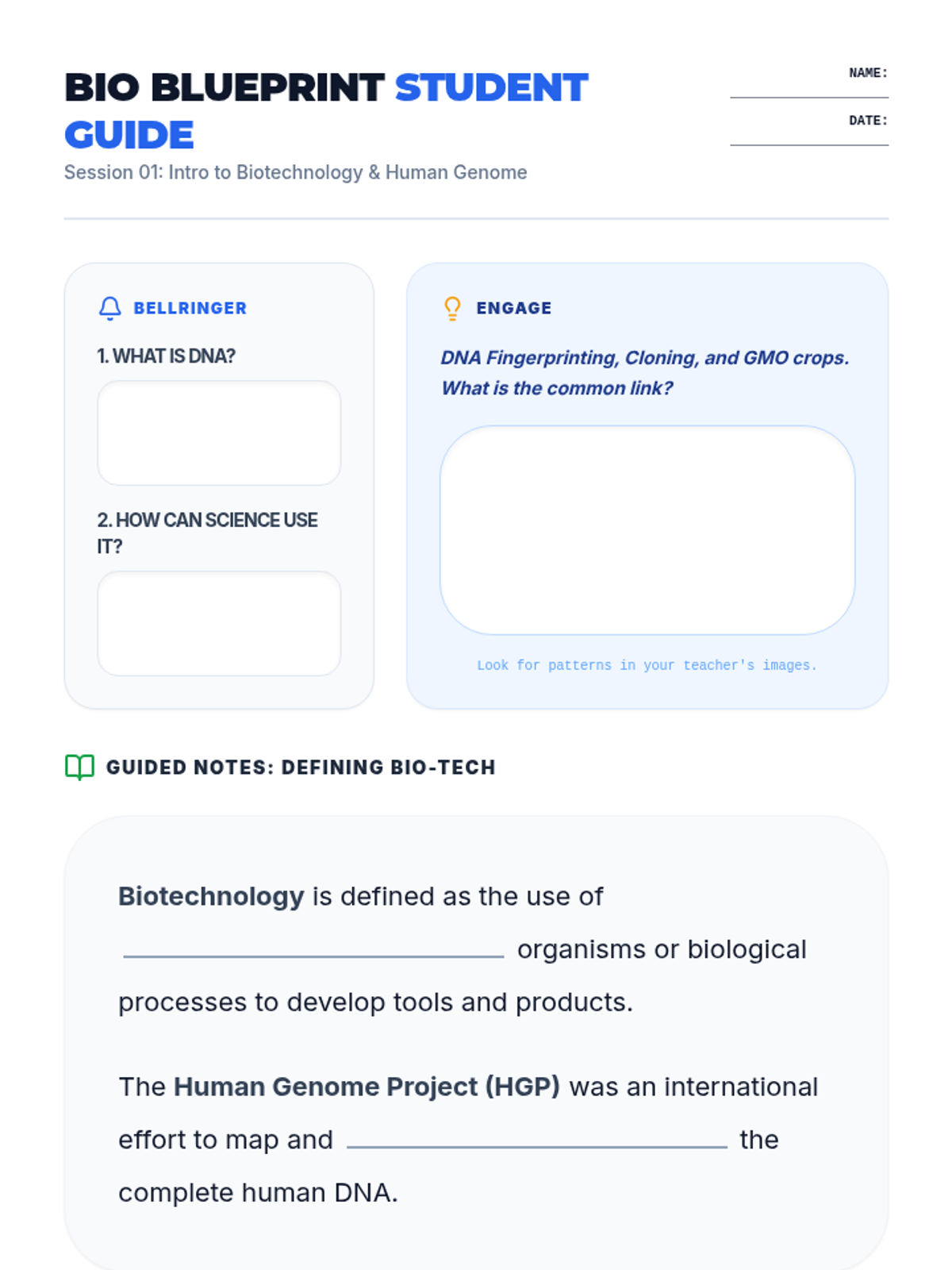
A set of three graphic organizers focusing on Macromolecules, Homeostasis feedback loops, and Body System interactions. Designed with a 'Bio-Blueprint' aesthetic to help students visualize and organize complex biological processes.
A unit quiz designed to assess student understanding of the 'Life's Architecture' unit, covering CHONPS elements, macromolecules, and homeostasis. Features a mix of multiple-choice, matching-style lists, and short-answer application questions.
A comprehensive review guide for the 'Life's Architecture' unit, covering CHONPS elements, the four macromolecules, and homeostasis/body system interactions. Designed with a clean blueprint theme to help students prepare for assessments.
A set of high-contrast, visually engaging anchor charts for key biology terms including Macromolecules, CHONPS elements, and Homeostasis. Designed with a 'Bio-Blueprint' aesthetic for classroom display.
A comprehensive set of guided notes and practice exercises covering organic macromolecules (CHONPS) and the principles of homeostasis and body system interactions. The material uses a 'Bio-Architect's Blueprint' theme to visualize structural biological concepts.
A student rotation handout for the Partial Pressure Parade stations. Provides structured spaces for particle modeling, step-by-step SCUBA pressure calculations, mole fraction derivation discovery, and water vapor correction math. Includes explicit scaffolds for unit conversions and mathematical pathways with all code-style comments and pipes removed.