A printable 2-page resource including a highly visual, high-impact classroom Anchor Chart for the Scientific Method, alongside a matching, structured Student Investigation Planner worksheet for grades 3-5.
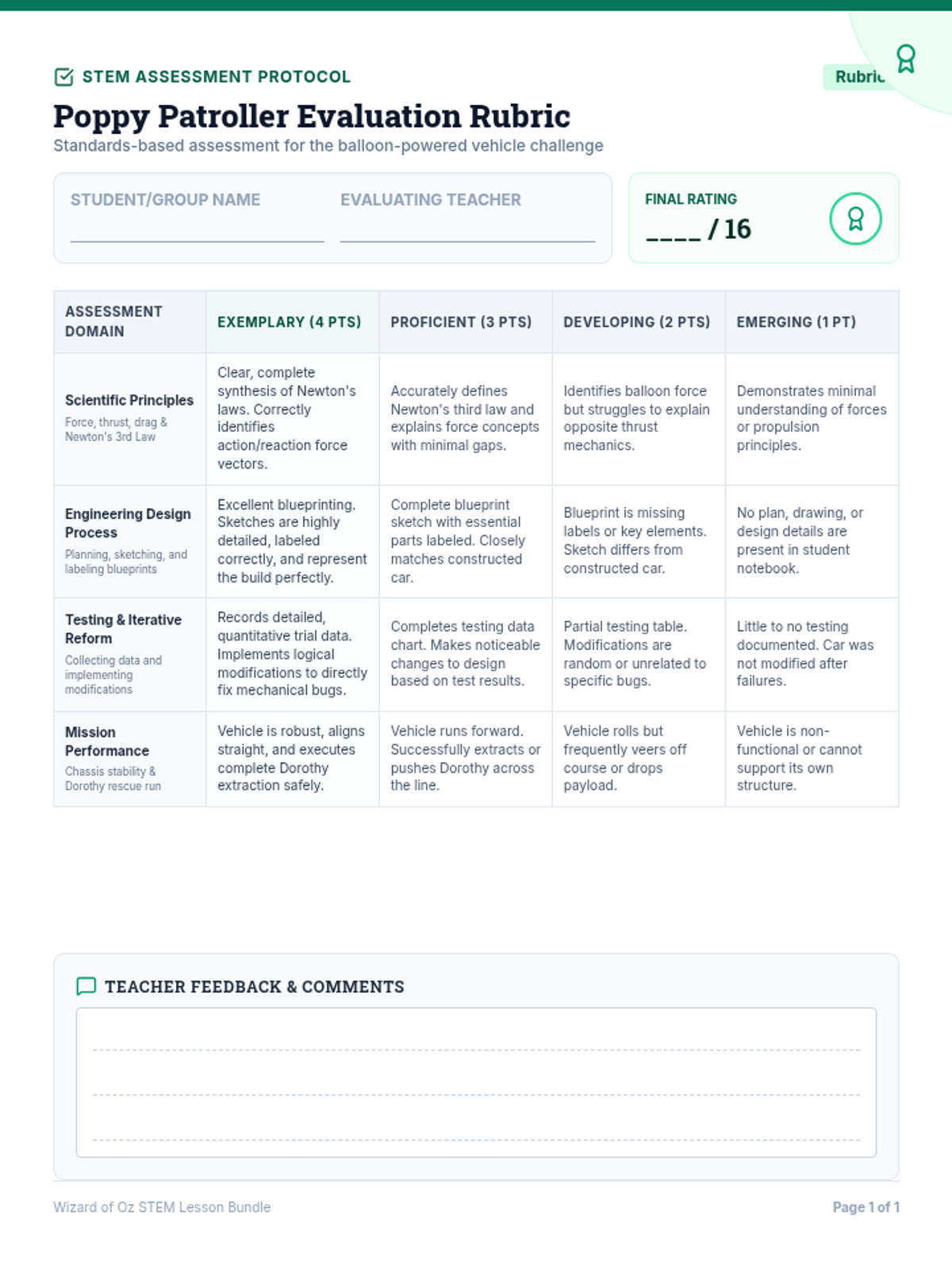
An alignment grading rubric to assess student success across physical science understanding, the engineering design process, team collaboration, and final prototype testing.
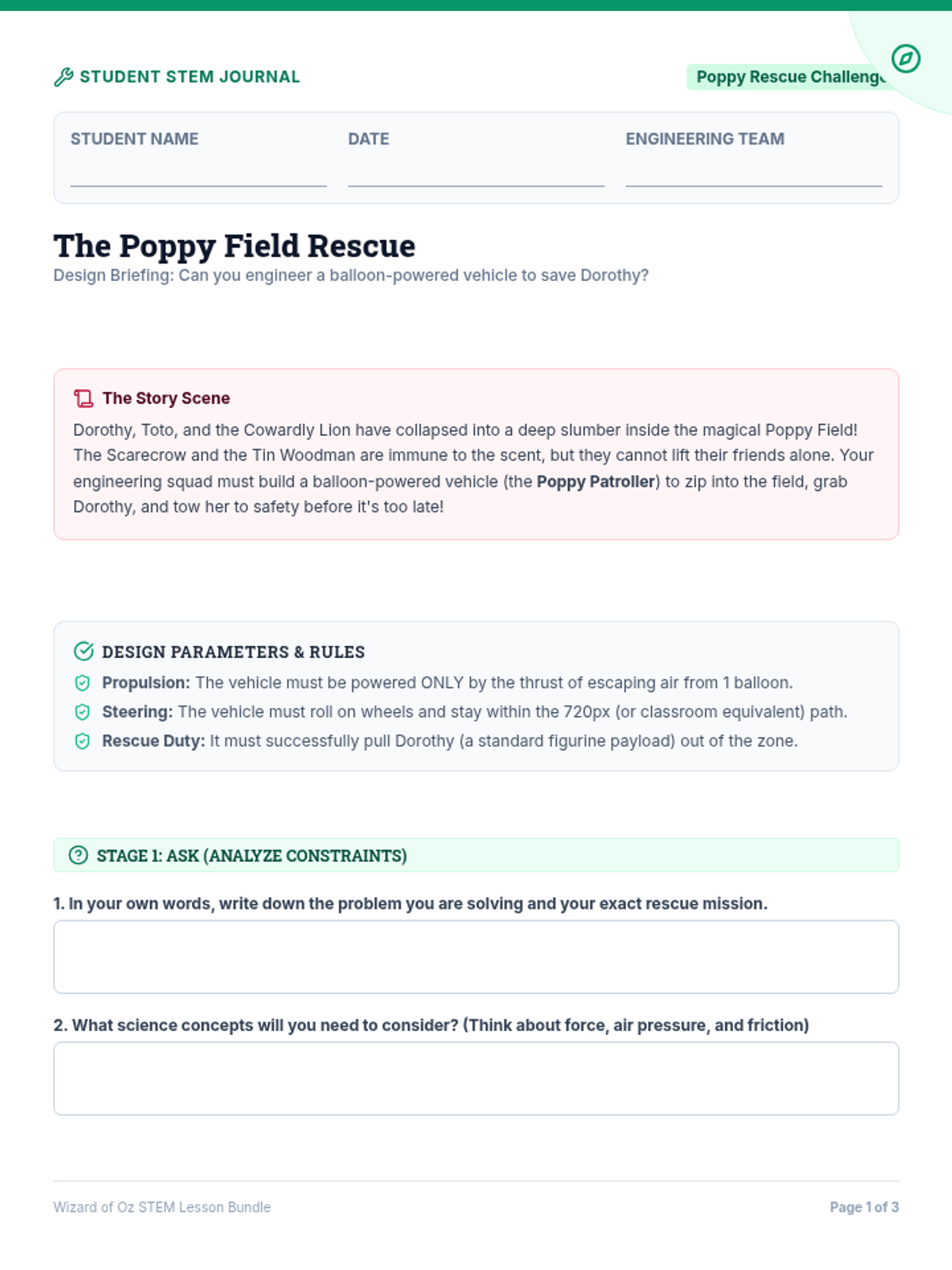
A hands-on student engineering notebook covering the five stages of the engineering design process (Ask, Imagine, Plan, Create, Test, Improve) to design a balloon-powered Poppy Patroller rescue vehicle.
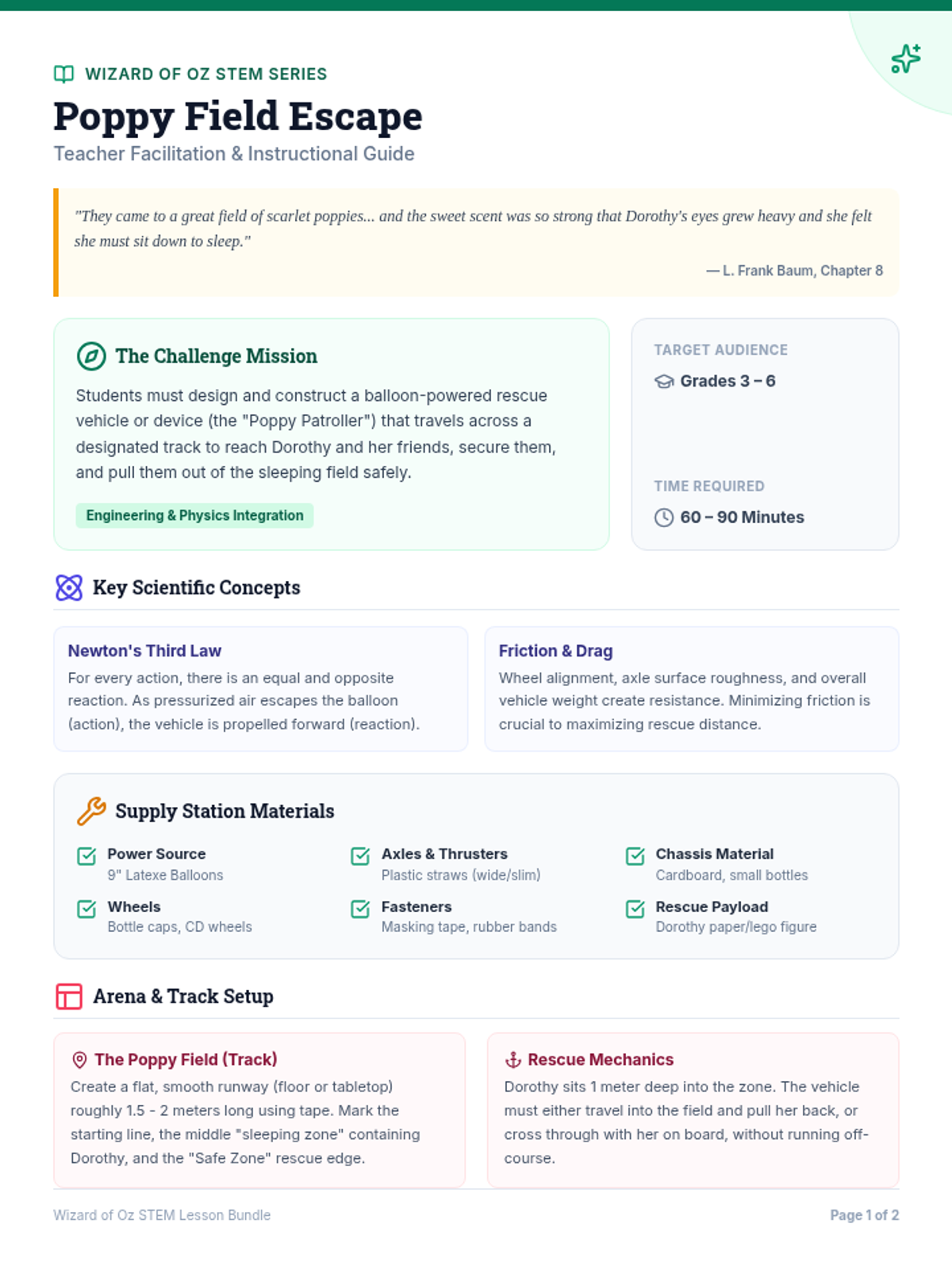
A comprehensive guide for teachers to facilitate the Poppy Field Escape STEM challenge, including classroom setup, materials list, scientific background, facilitation stages, and troubleshooting tips.
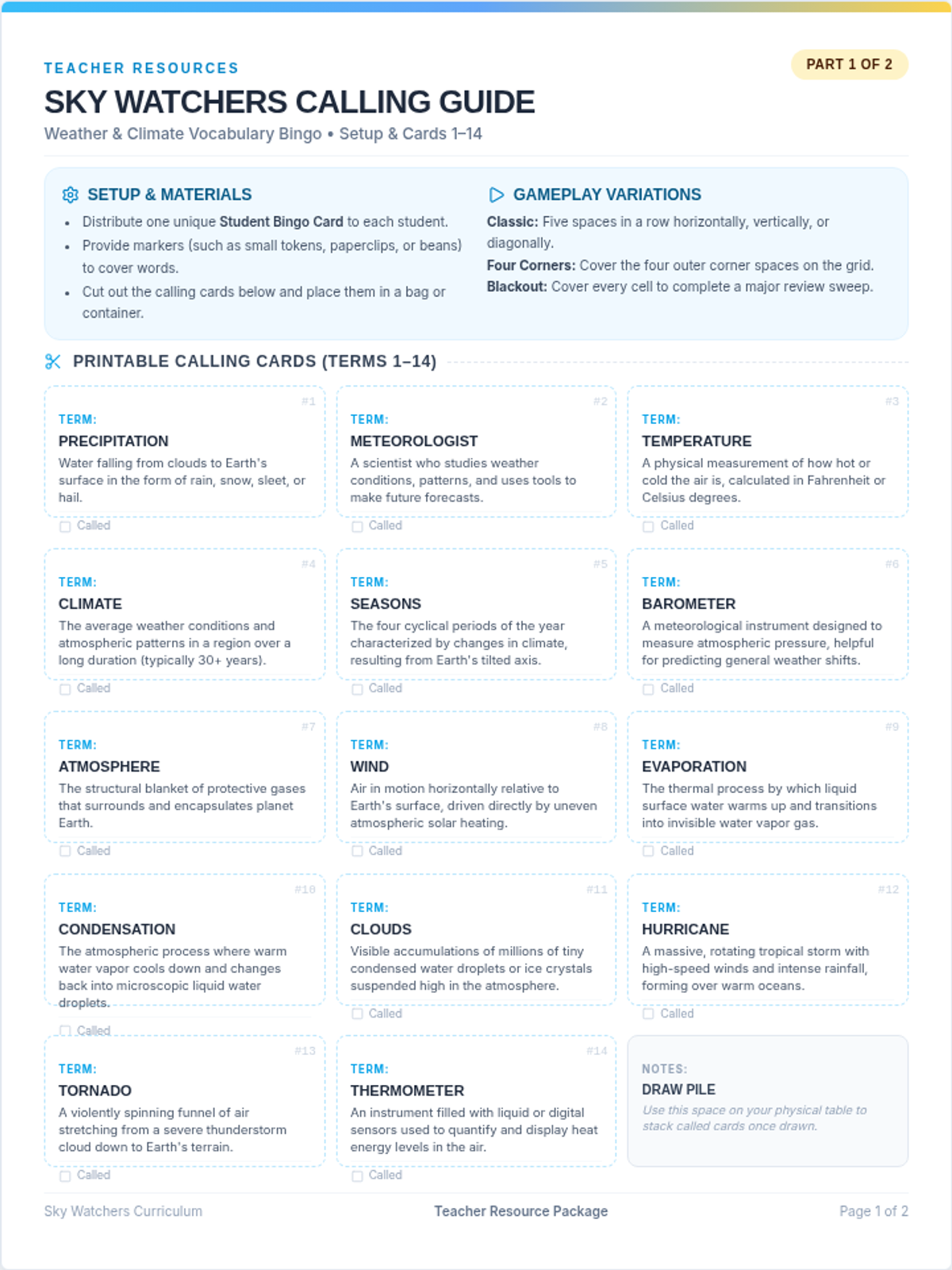
A detailed teacher calling sheet and tracking guide containing precise clues, vocabulary definitions, game guidelines, and a reproducible check-off table for managing the weather Bingo game.
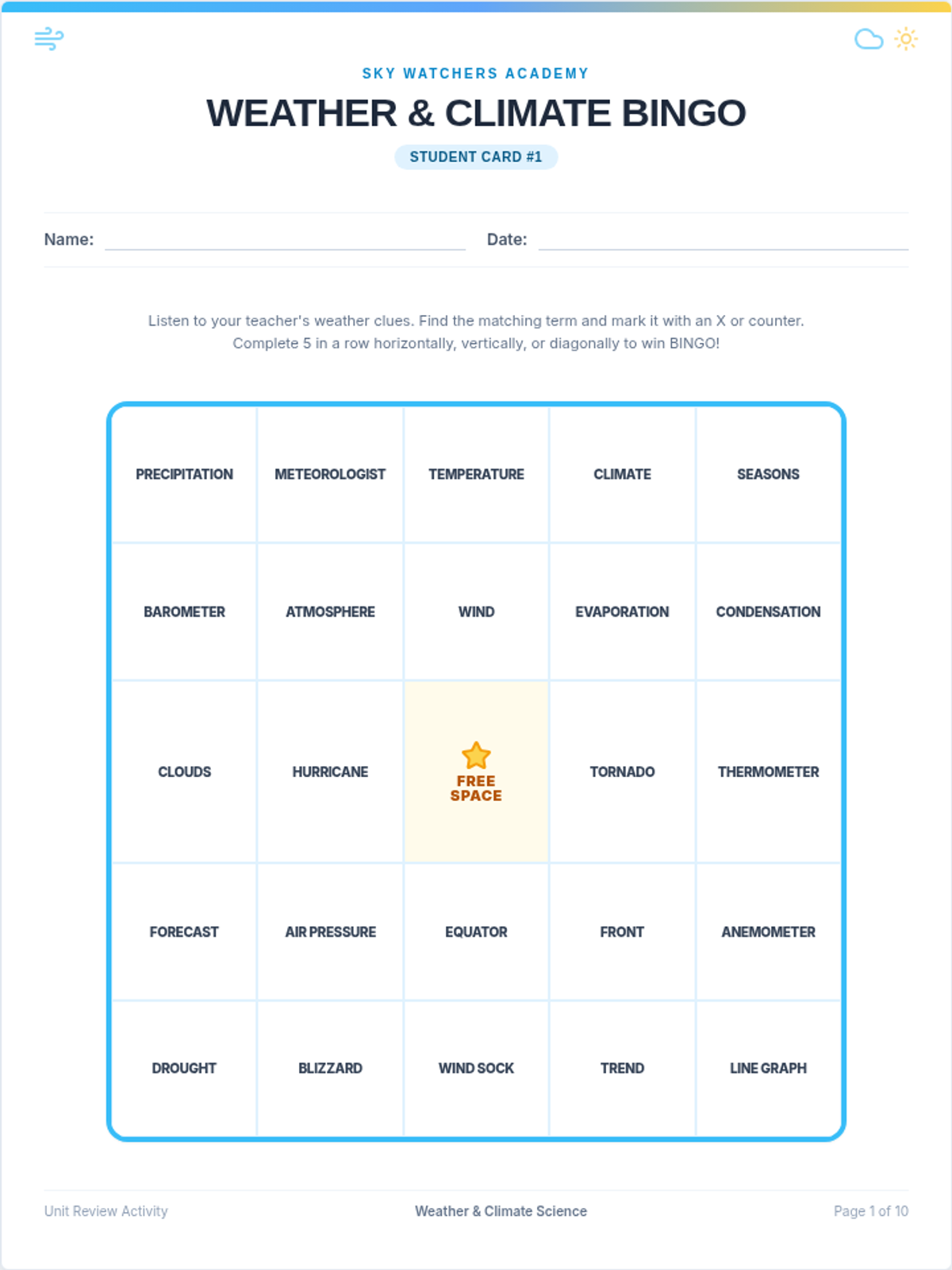
A printable pack of 10 unique, pre-filled student Bingo cards for reviewing weather and climate vocabulary. Features 24 essential terms and a gorgeous meteorology-inspired theme.
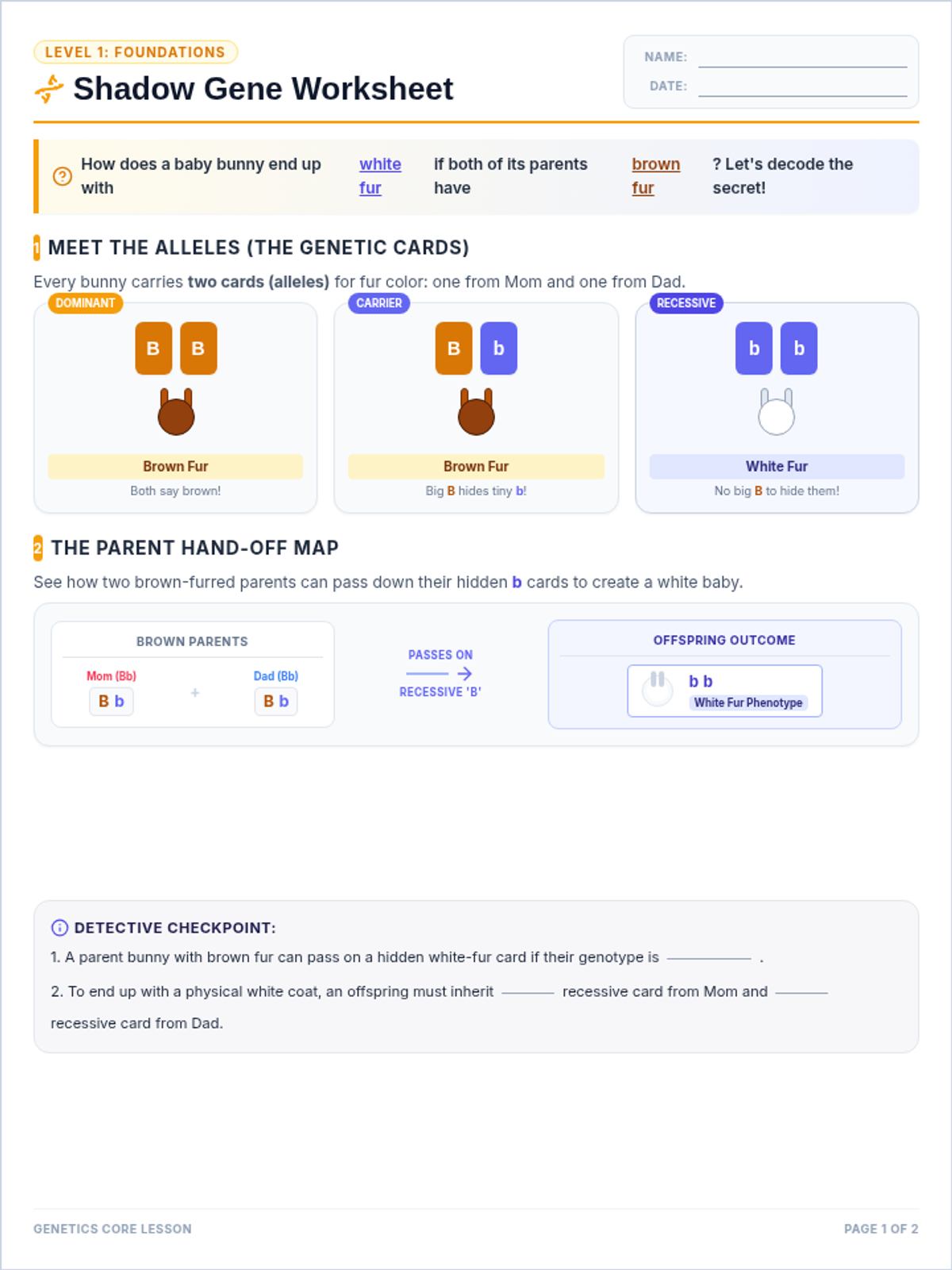
A highly visual, 2-page scaffolded worksheet that uses cute bunny fur traits to explain how recessive genes become physical phenotypes. Features guided visual paths, Punnett squares, and sentence frames.
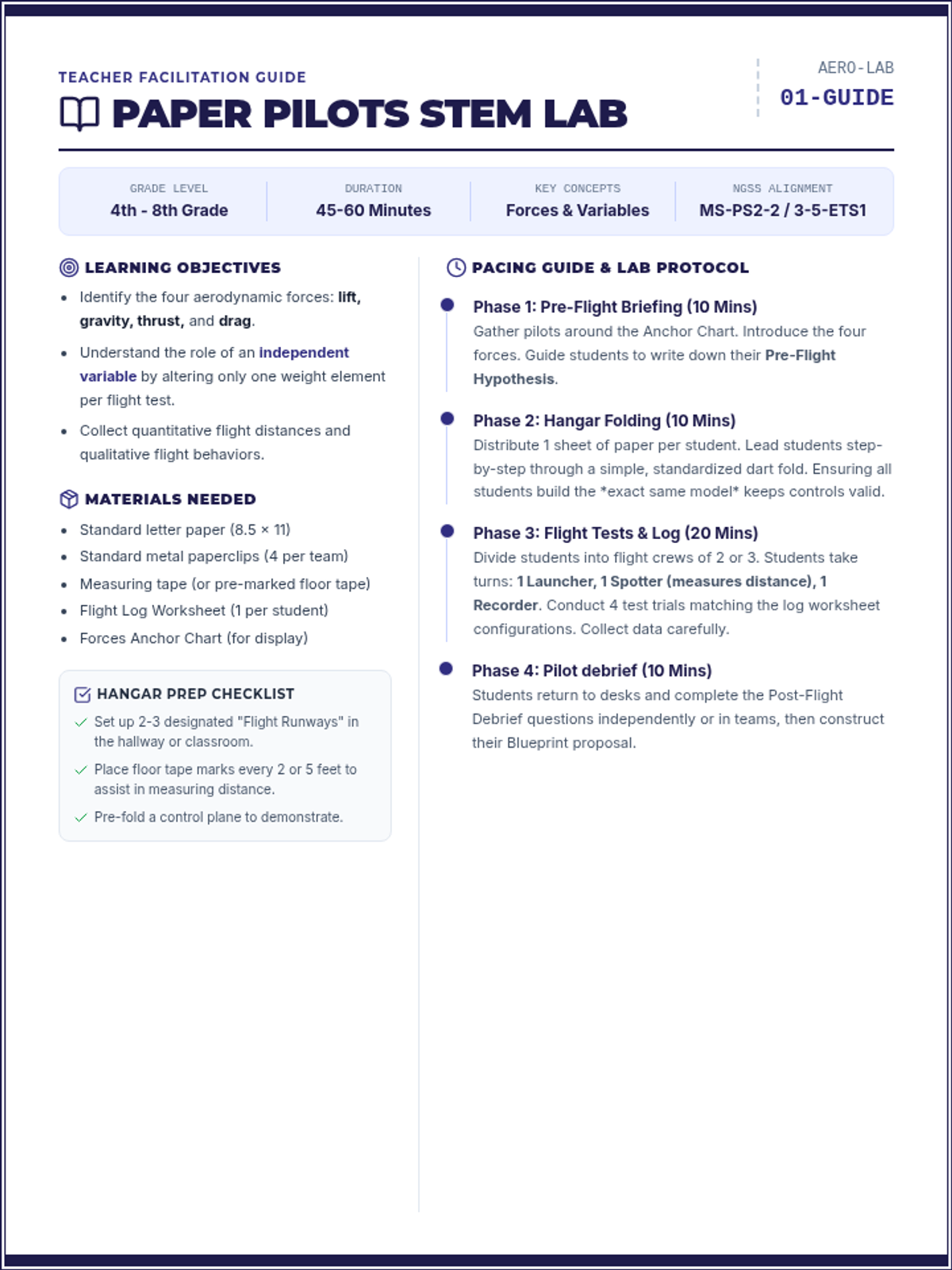
A comprehensive two-page teacher facilitation guide featuring a structured lesson plan, a classroom introduction script, common misconceptions, and expected experimental results.
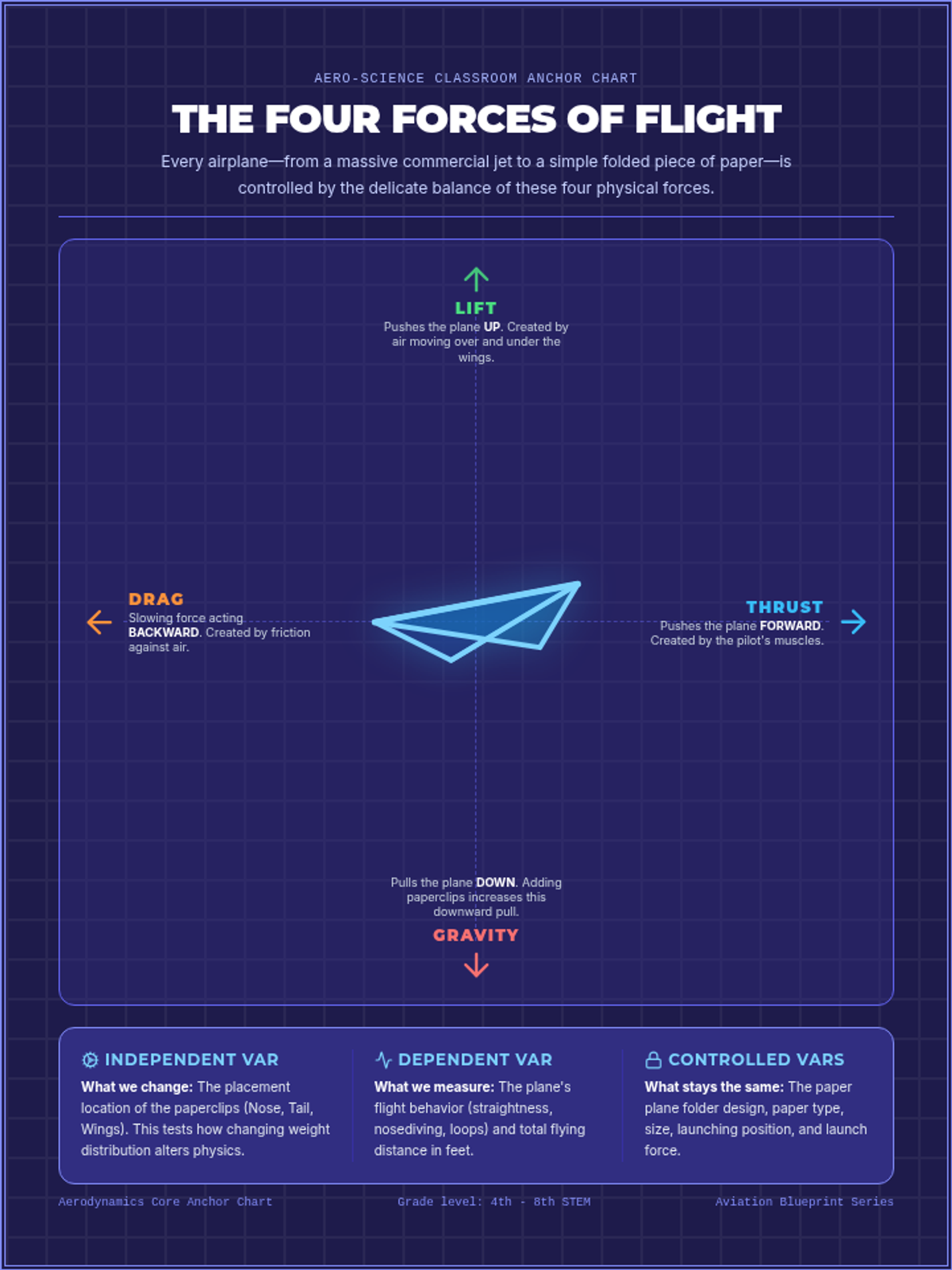
An educator and student reference material including a beautiful forces-of-flight anchor chart on page 1 and four printable classroom vocabulary cards on page 2.
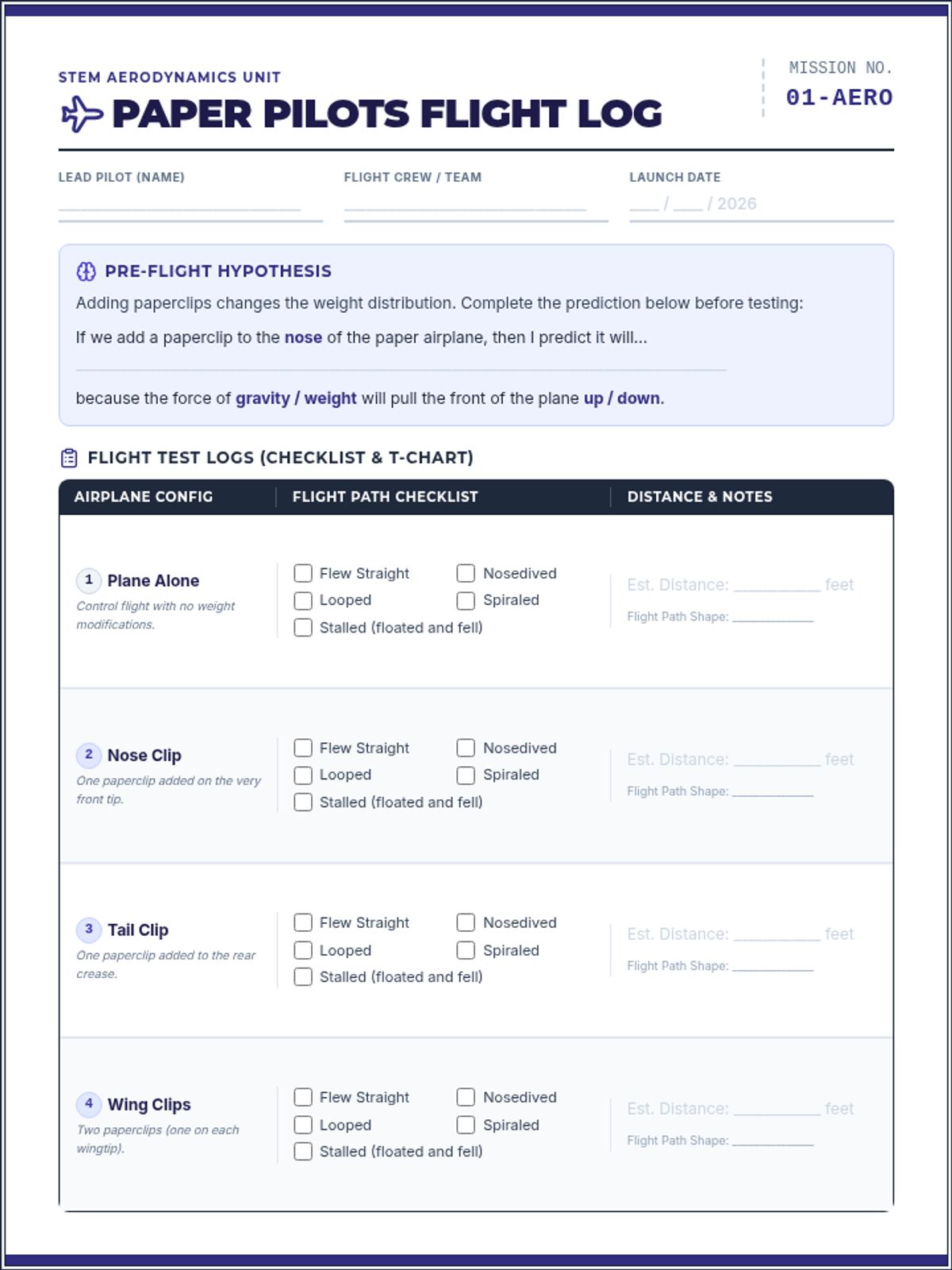
A two-page student flight log worksheet featuring a pre-flight hypothesis section, a checklist-style flight test grid for four plane configurations, and a 10-throw precision target point log and scoreboard on page 2.
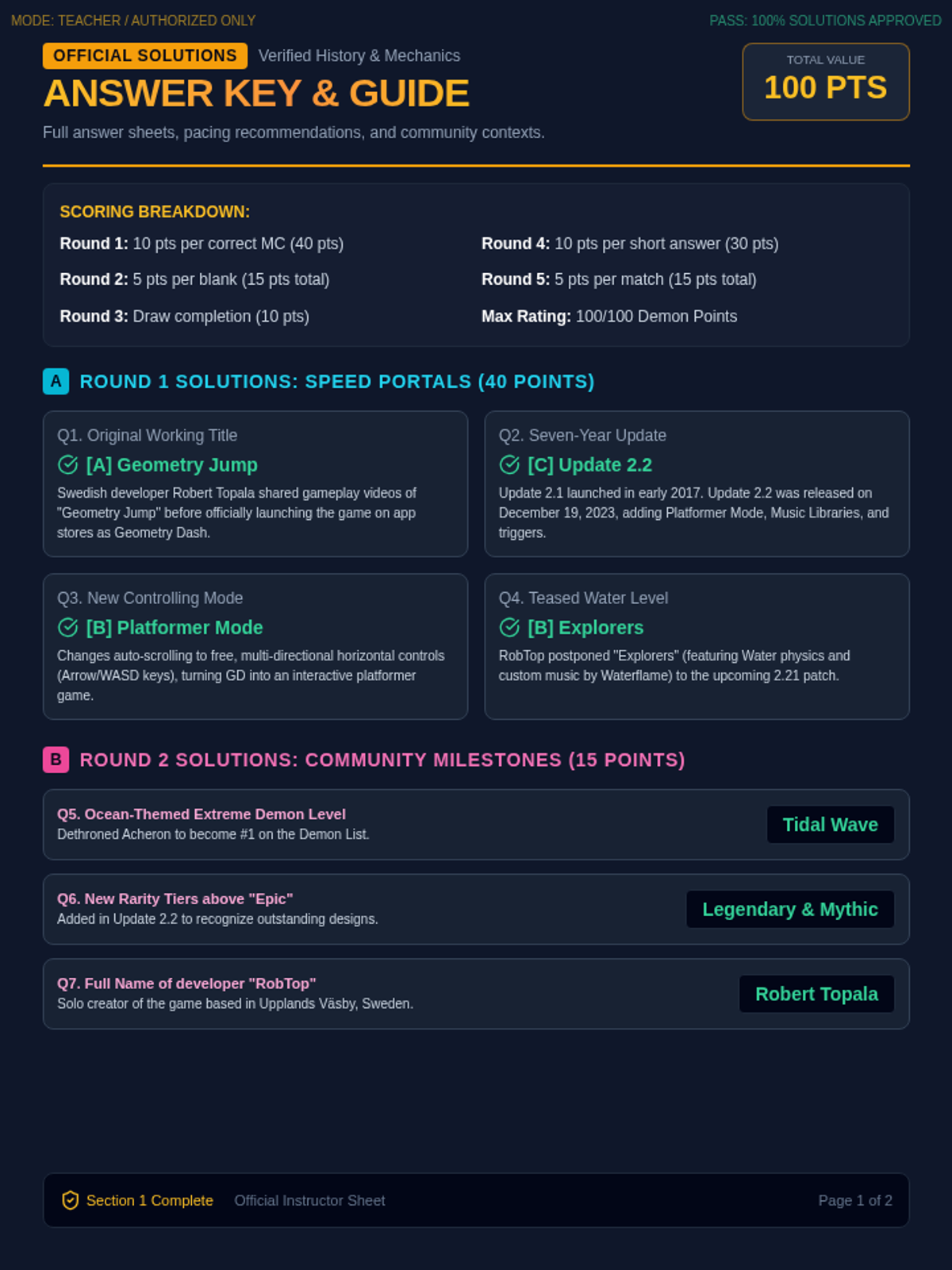
A detailed 2-page teacher answer key and grading guide for the Dash Masters Quiz. Provides clear solutions, historical background for each trivia point, and rubrics for the icon creator section.
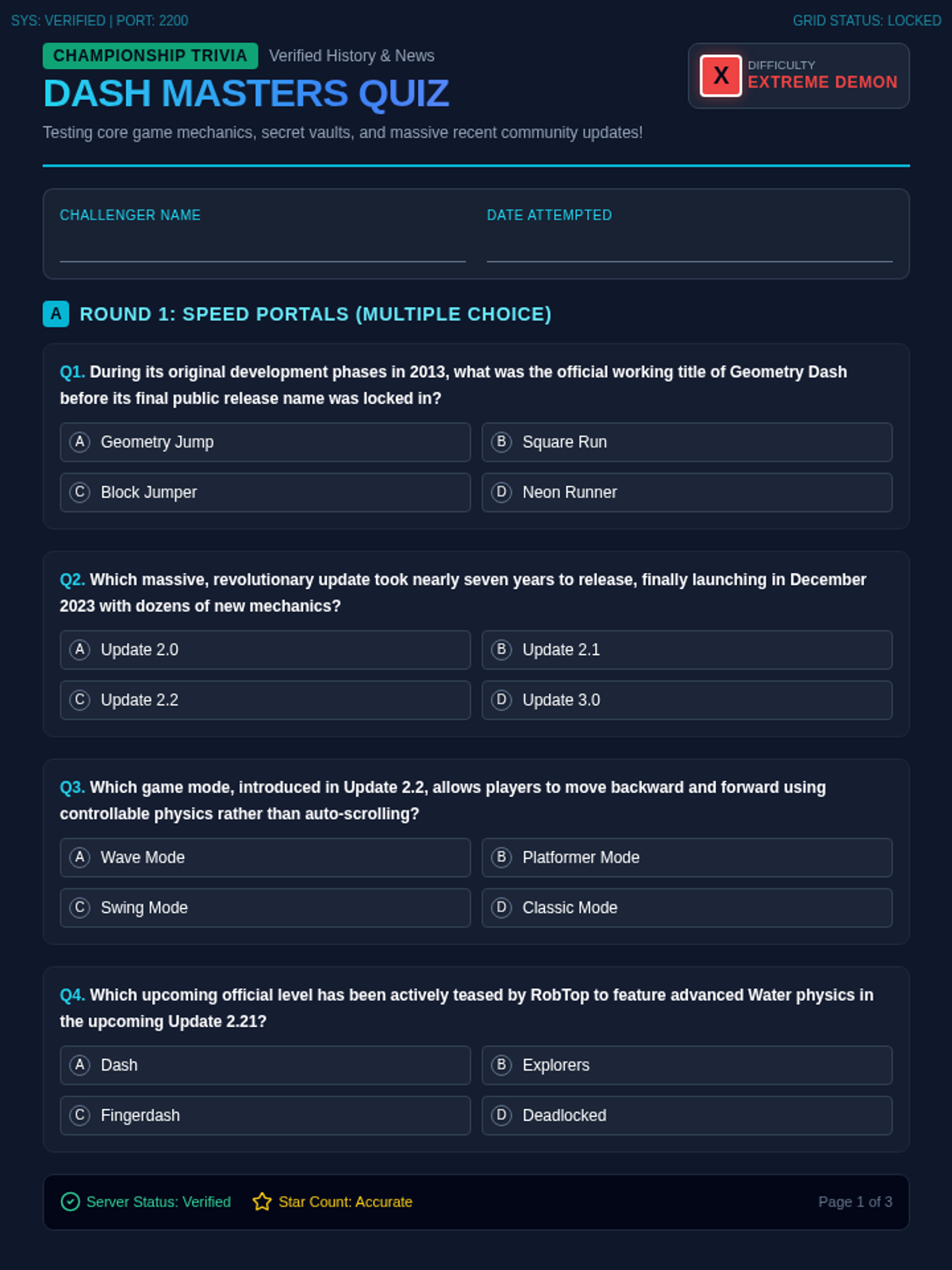
A revised 3-page printable Geometry Dash quiz highlighting highly accurate, well-known recent community news (Update 2.2, Tidal Wave, Legendary/Mythic ratings, Explorers teasers) and classic game trivia.
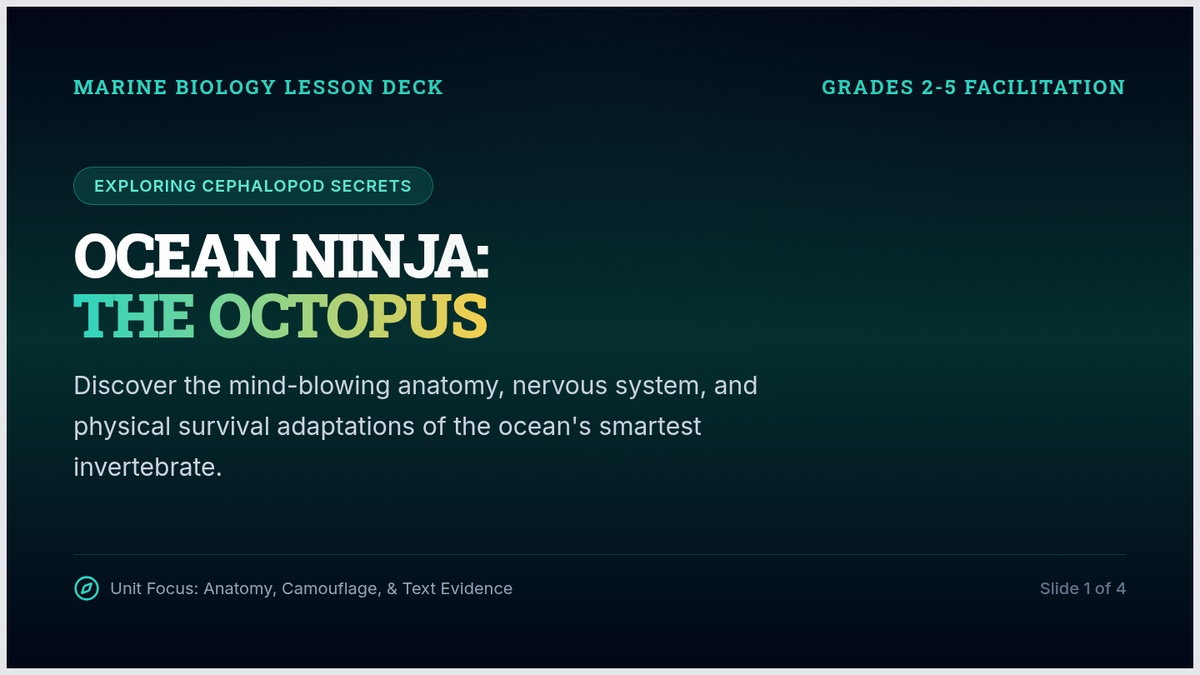
A highly engaging, deep-sea themed slide deck for classroom instruction, introducing students to the octopus's nine brains, camouflage abilities, and jet propulsion defense mechanism.
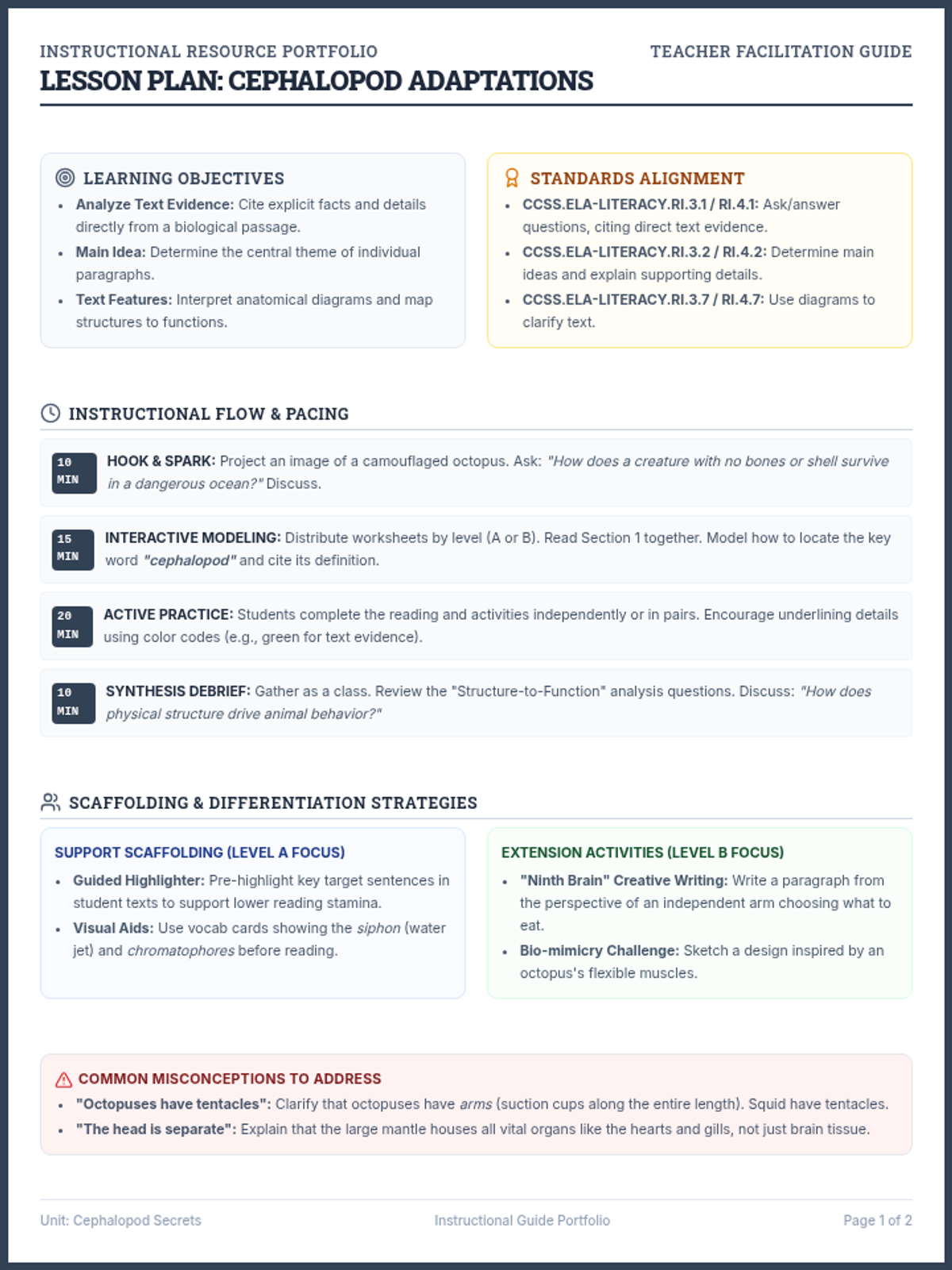
A professional lesson guide and answer key for teachers, including pacing suggestions, scaffolding techniques, and complete answer keys for both Level A and Level B student worksheets.
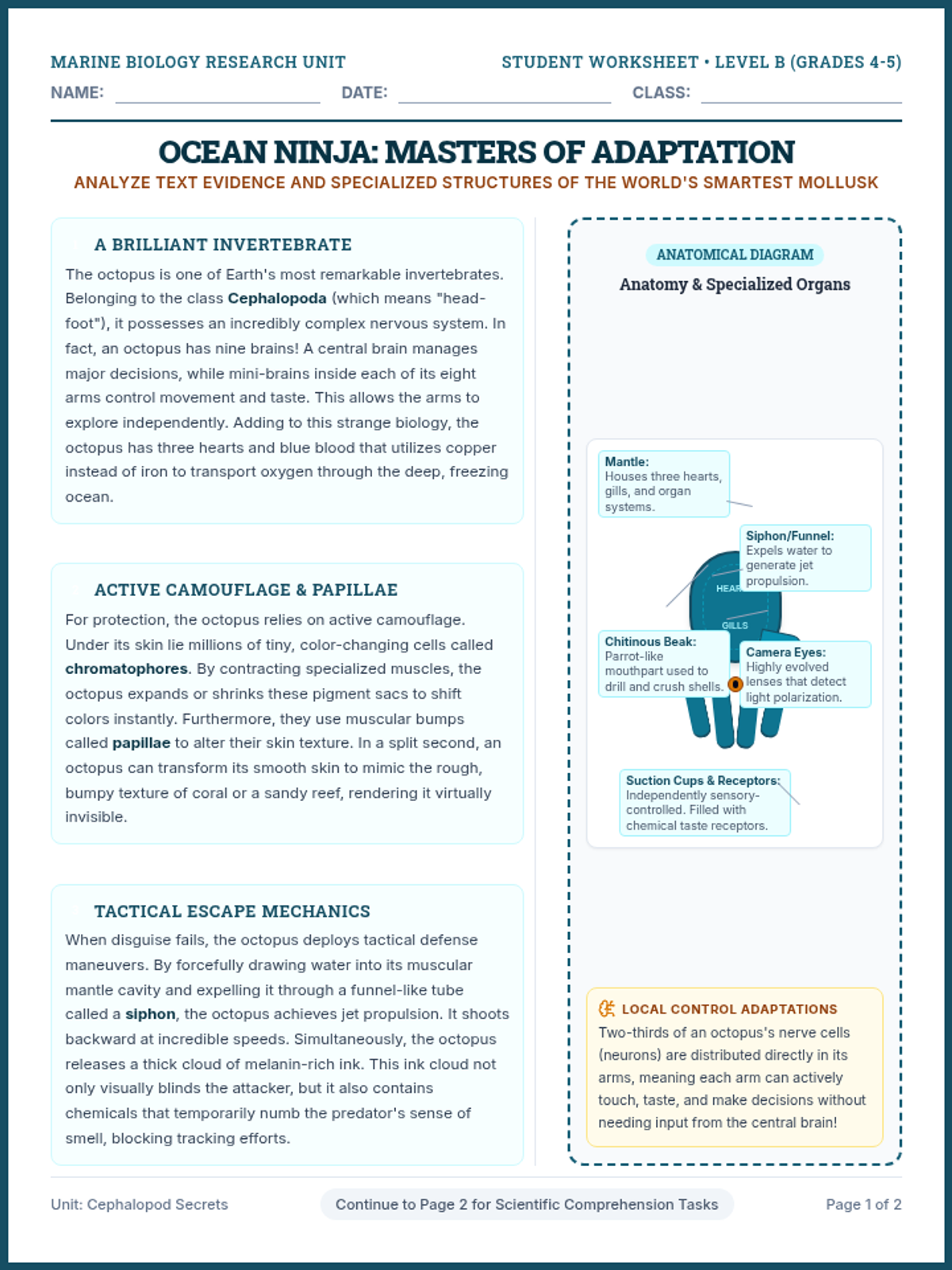
A Grade 4-5 reading passage with a specialized anatomical diagram, text-evidence matching, a main idea and supporting detail graphic organizer, and lined analysis questions.
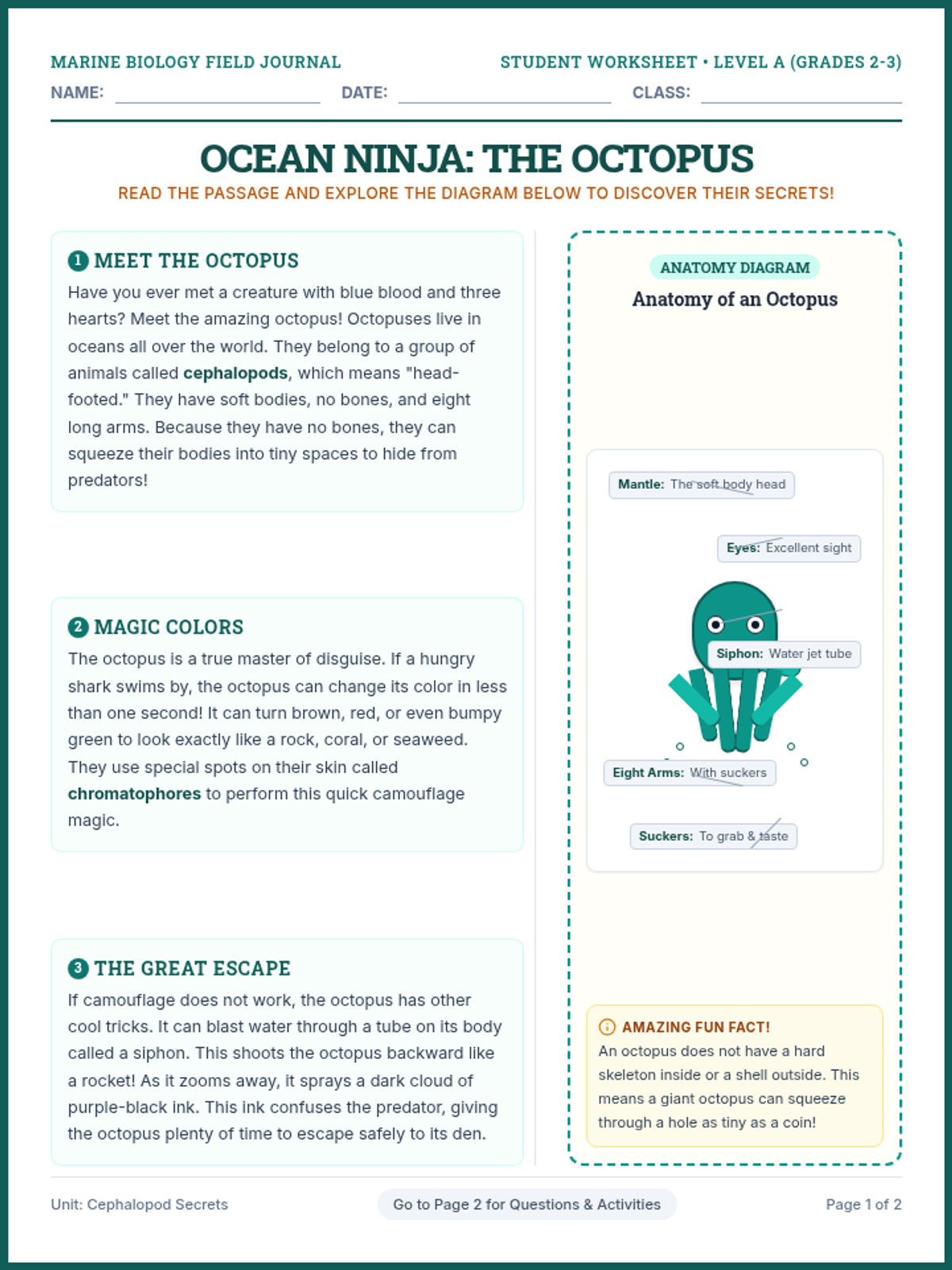
A Grade 2-3 reading passage with an integrated octopus anatomy diagram, text evidence comprehension questions, a main idea graphic organizer, and spacious short-answer writing lines.
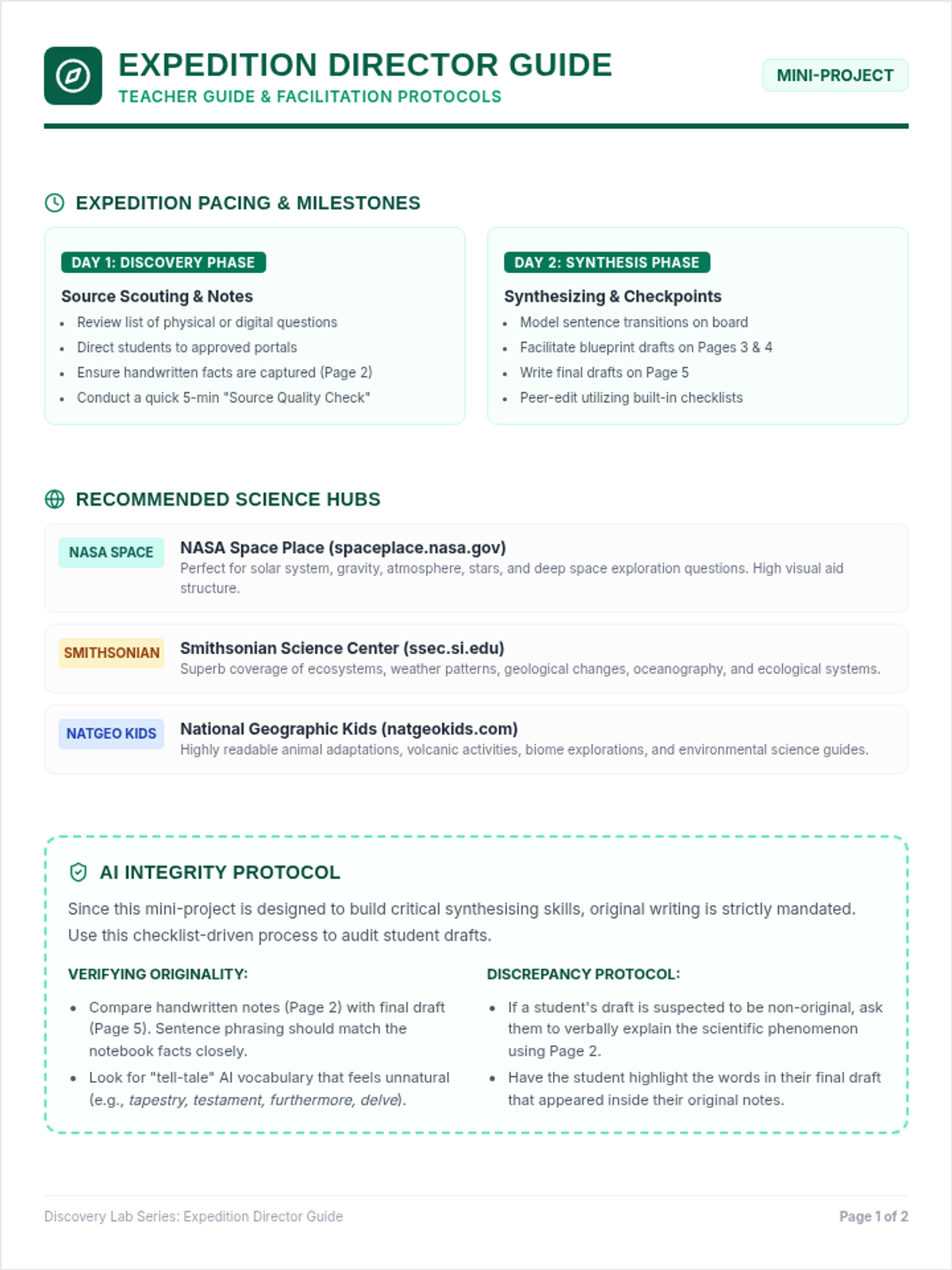
An essential 2-page teacher guide and grading framework for managing the Science Research Mini-Project. Features lesson pacing structures, verified digital science hub descriptions, an expanded 20-point scoring rubric with explicit performance indicators, and an AI integrity protocol with verification strategies.
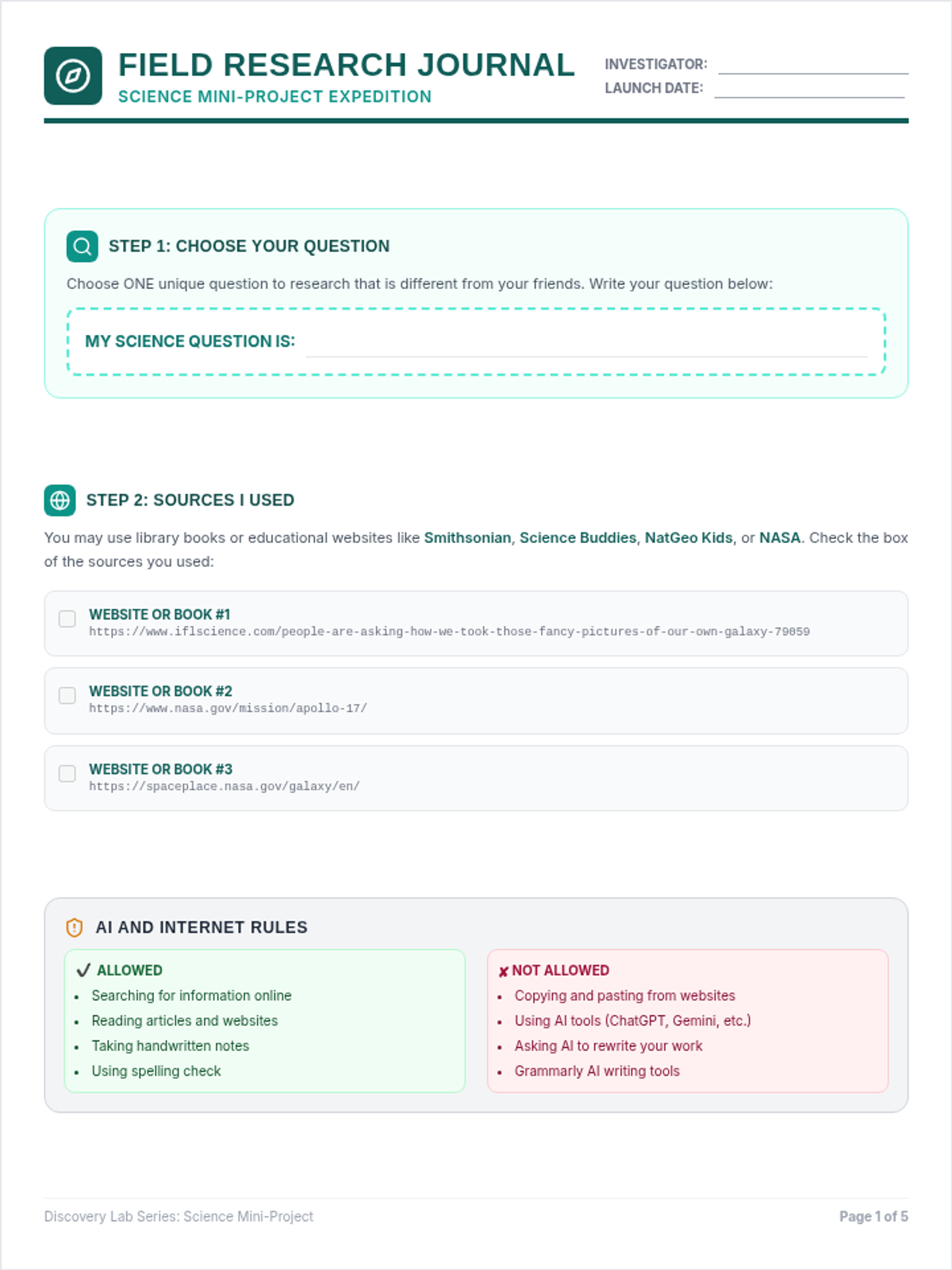
A highly scaffolded 5-page student research packet styled as a 'Field Research Journal'. Breaks Paragraph 1 (Introduction), Paragraph 2 (Facts & Explanations), Paragraph 3 (Evidence), and Paragraph 4 (Conclusion) down into explicit micro-step handwriting boxes with sentence-starter launchers ("One fact is...", "An example of this is...", "I have learned...") and structural guidance.
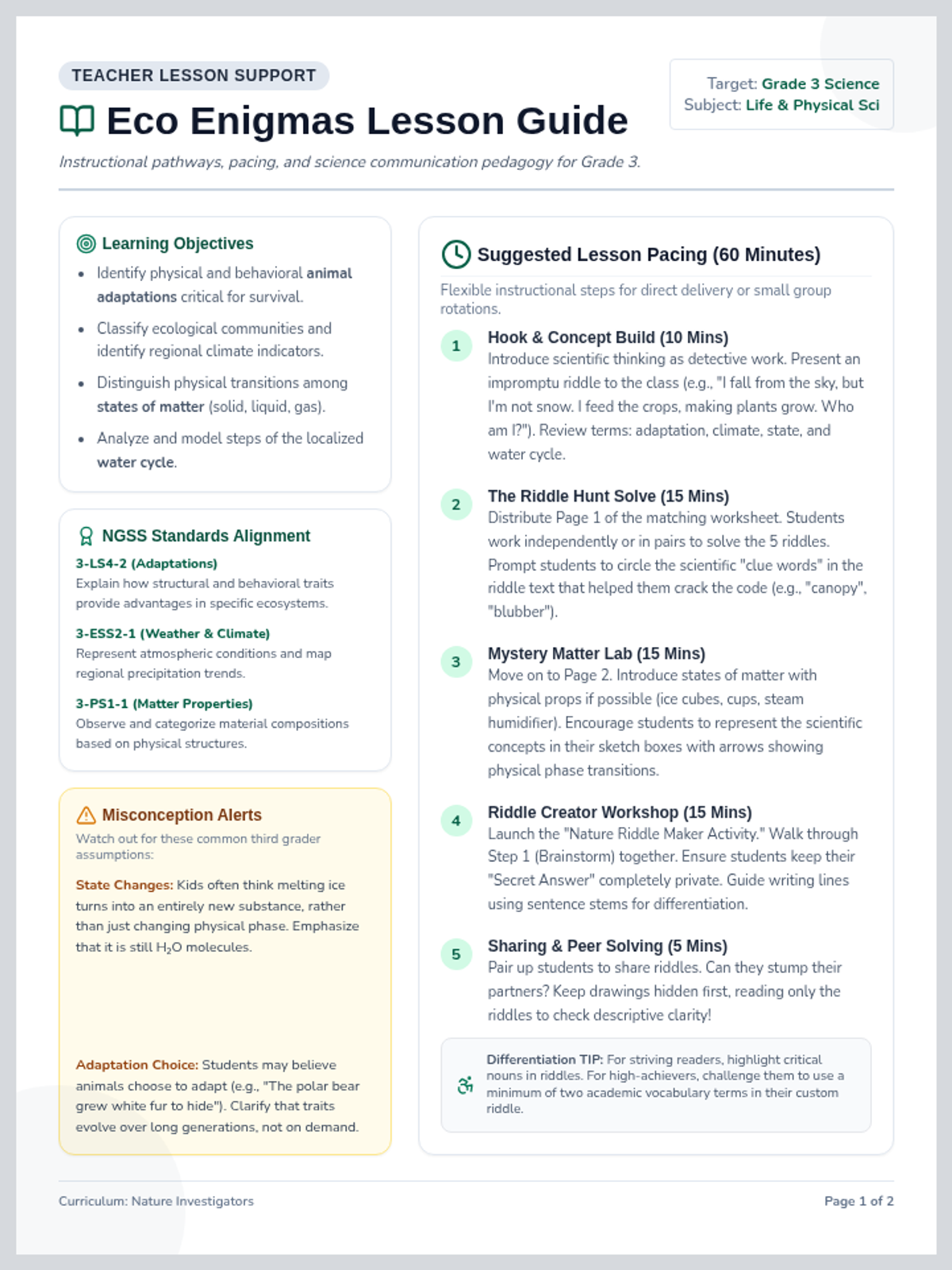
An invaluable, printable 2-page teacher guide and answer key. Page 1 outlines lesson pacing, learning objectives, NGSS standards, and student misconceptions. Page 2 provides detailed answers keys and an easy-to-use grading rubric for the riddle maker.
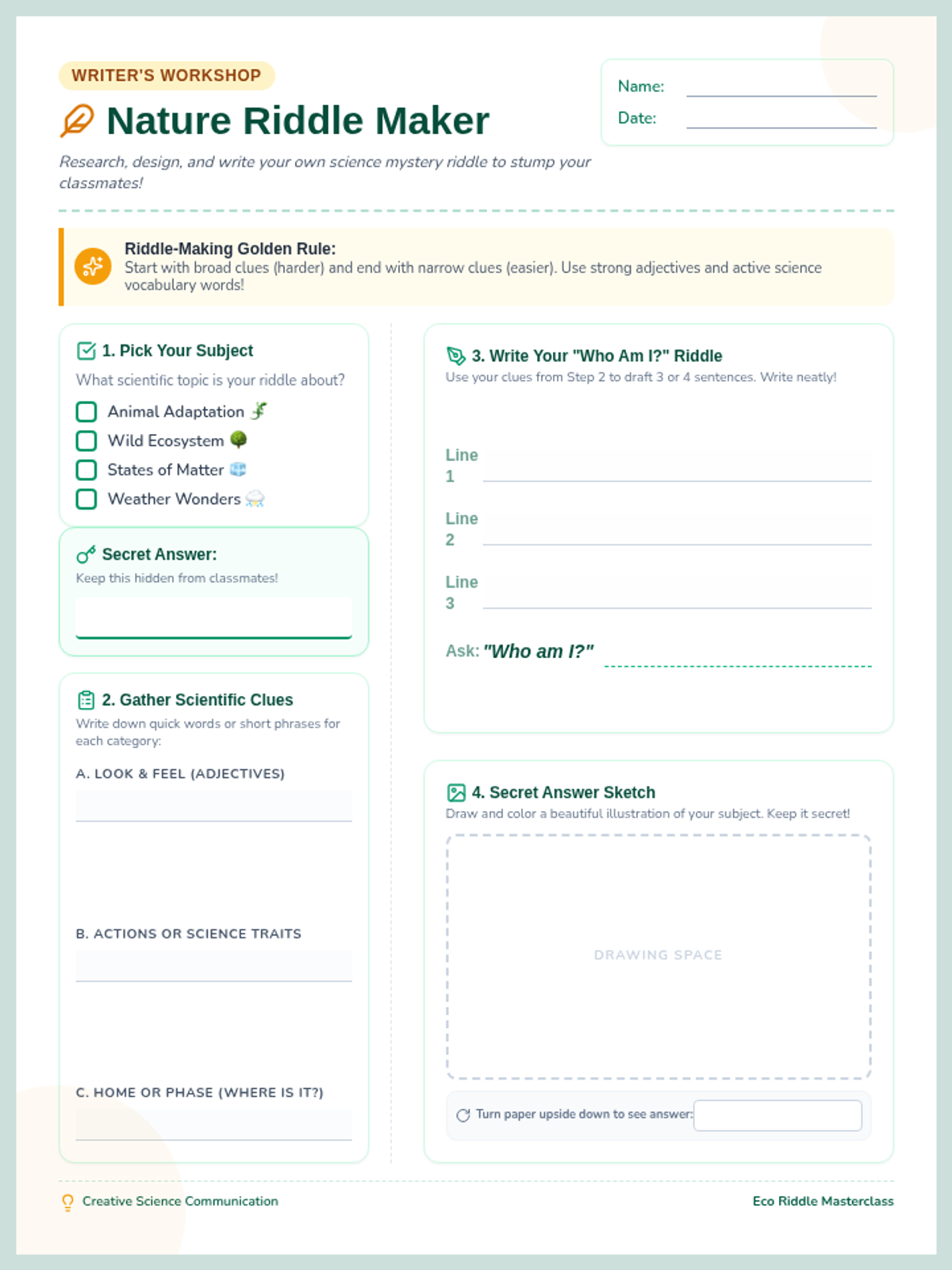
A creative 1-page writing and illustration template for 3rd graders. Guides students through brainstorming scientific clues (appearances, behaviors, habitats) and drafting their own "Who Am I?" riddles with a secret upside-down answer box and illustration pane.
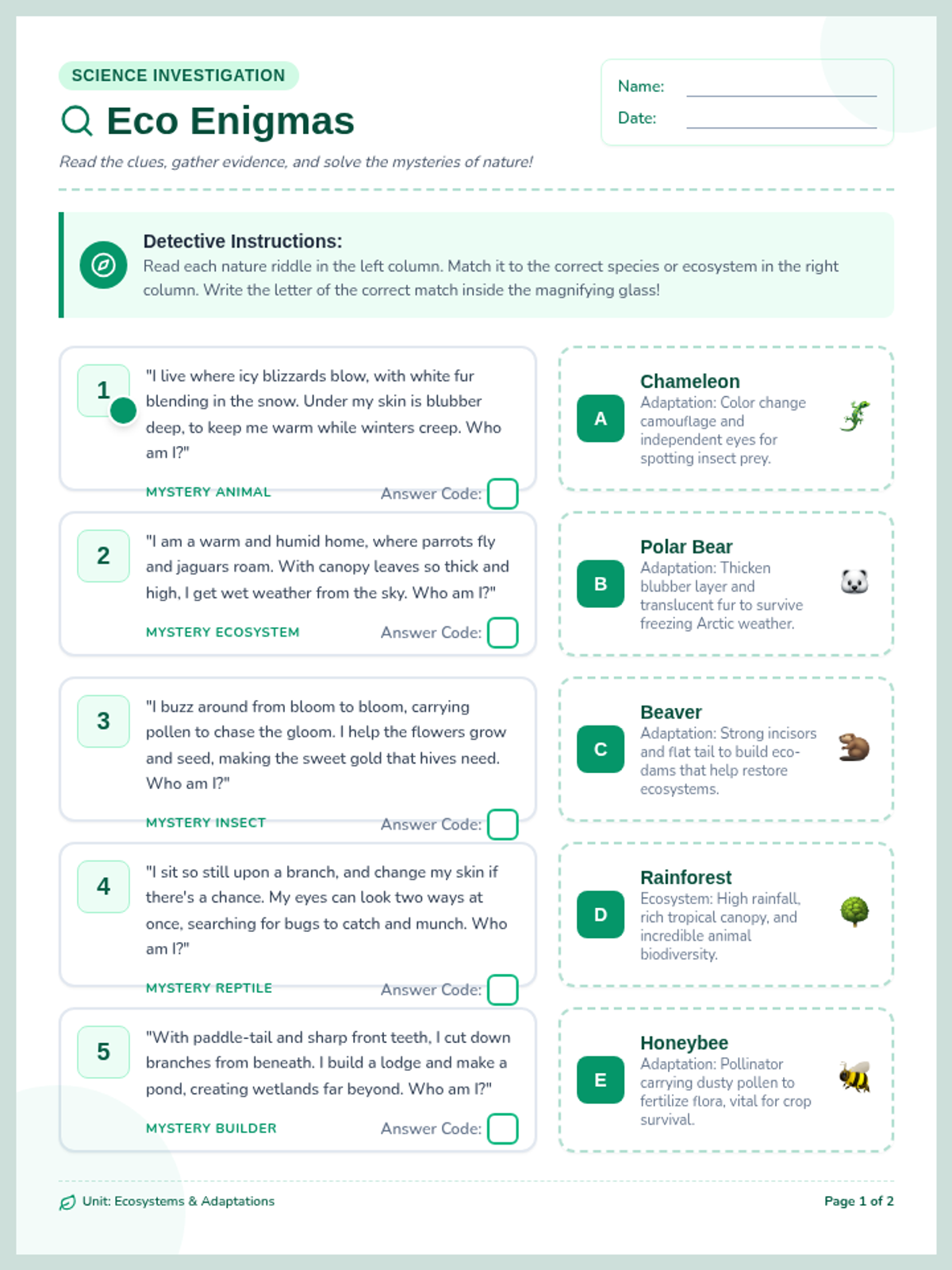
A highly engaging, printable 2-page science worksheet for 3rd graders. Page 1 features 5 animal and ecosystem riddles to match with answer cards. Page 2 covers states of matter and water cycle mysteries with handwriting lines and sketch boxes.
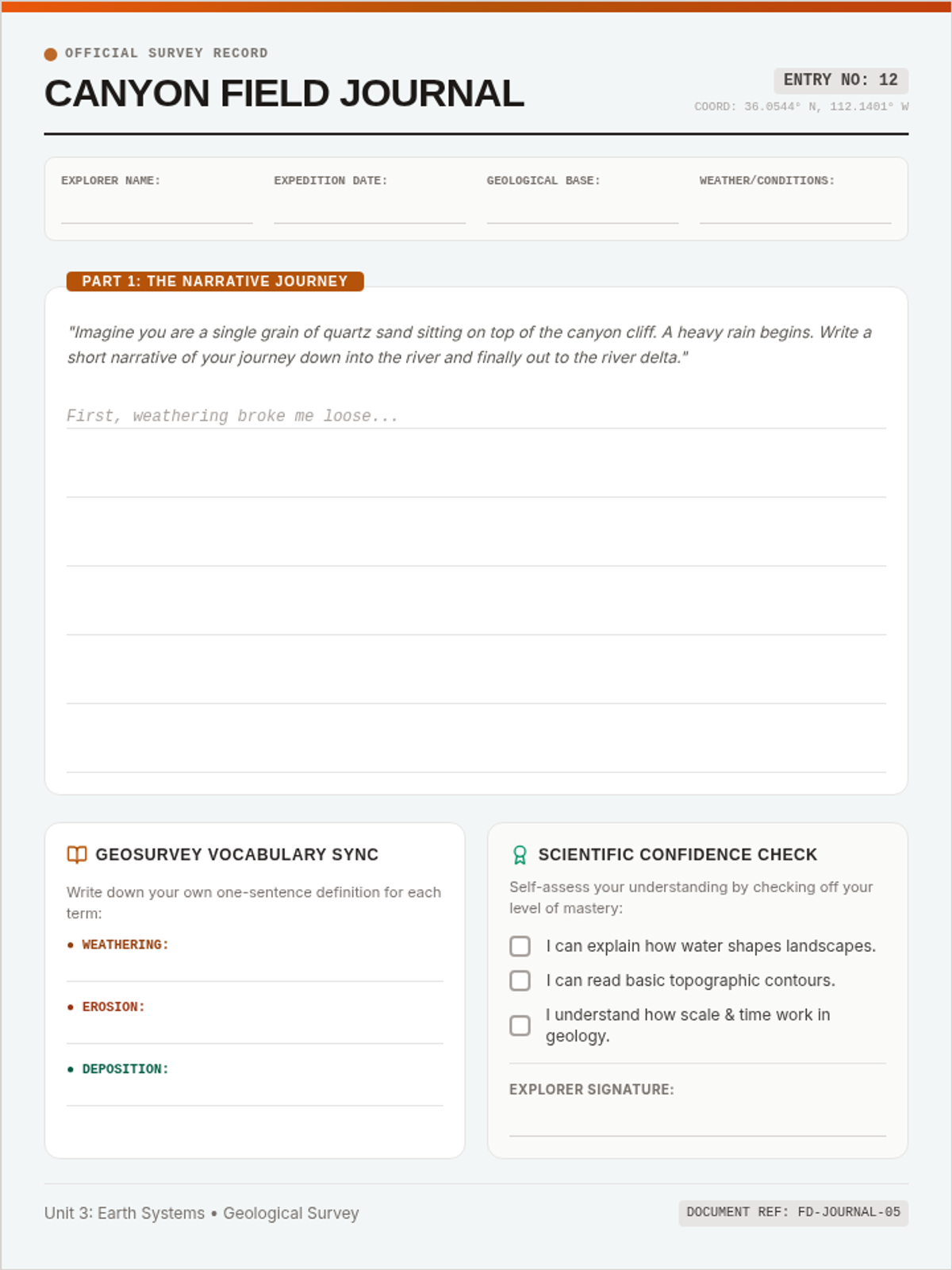
A printable single-page student reflection journal designed as an explorer's pocketbook. Features a creative writing prompt ("Journey of a Sand Grain"), key concept check-ins, and a self-assessment scientific confidence checklist.
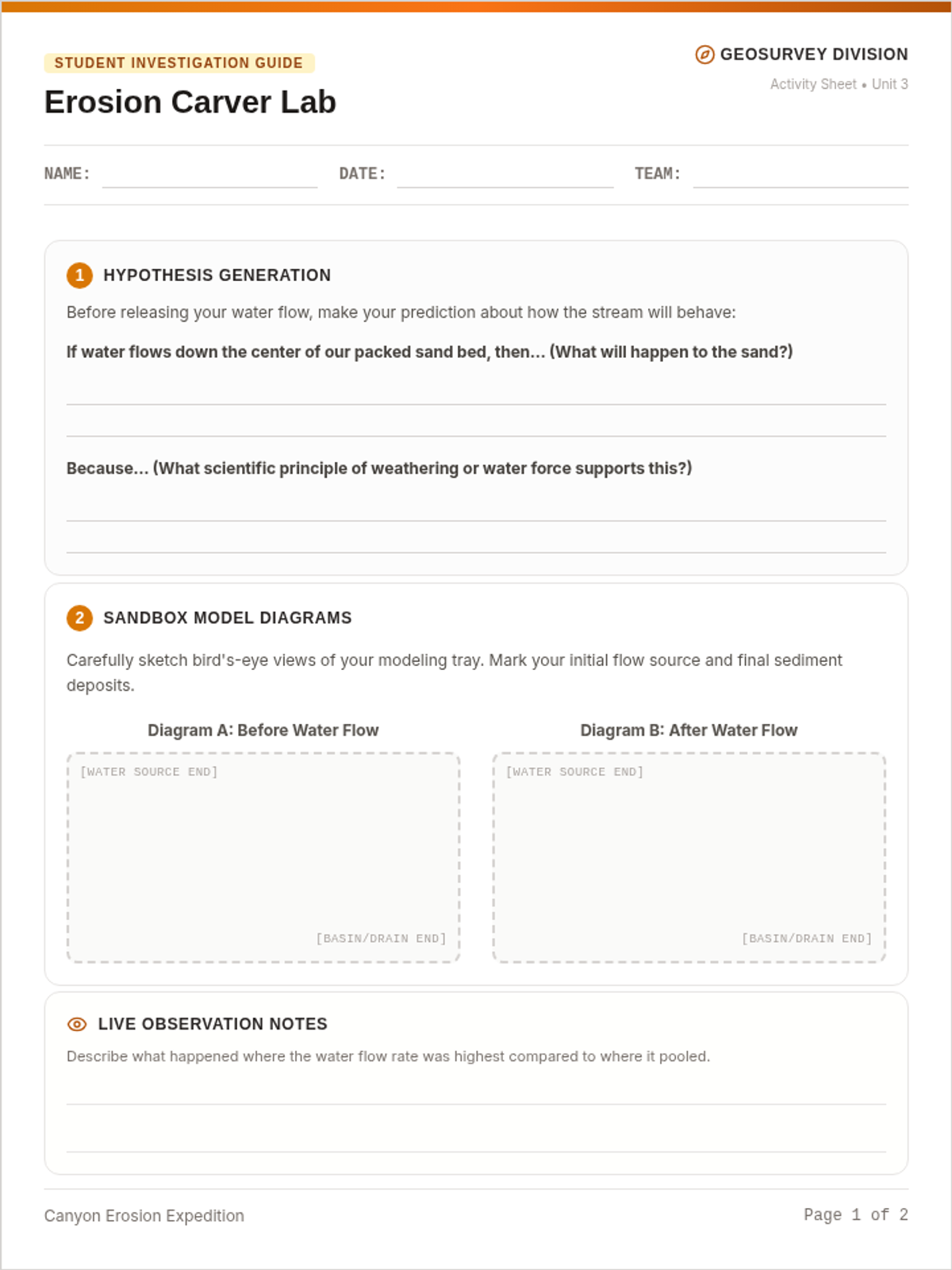
A 2-page print-ready student activity guide for the Canyon Erosion Sandbox Lab. Includes a student hypothesis section, a diagramming workspace to sketch canyon channels before and after water flow, and a topographical map analysis exercise.
A visually striking 4-slide presentation introducing the Canyon Erosion Expedition. Features large readable text (minimum 24px) outlining core concepts (weathering, erosion, deposition), sandbox modeling steps, and reflection prompts.
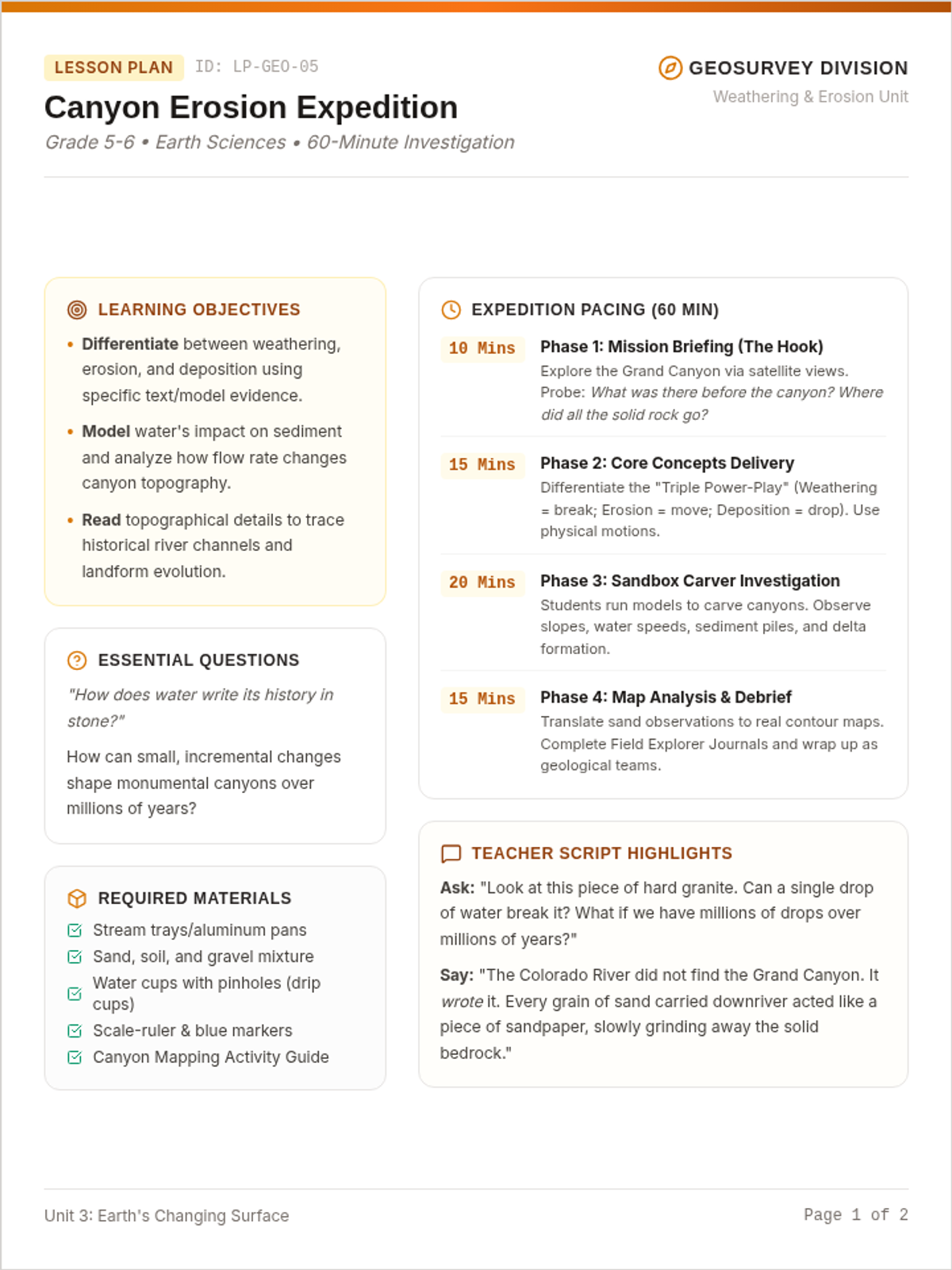
A comprehensive 2-page teacher's guide outlining the Canyon Erosion Expedition lesson. It includes lesson objectives, materials, a detailed pacing guide, instructional scripting, modeling activity instructions, and key vocabulary definitions.
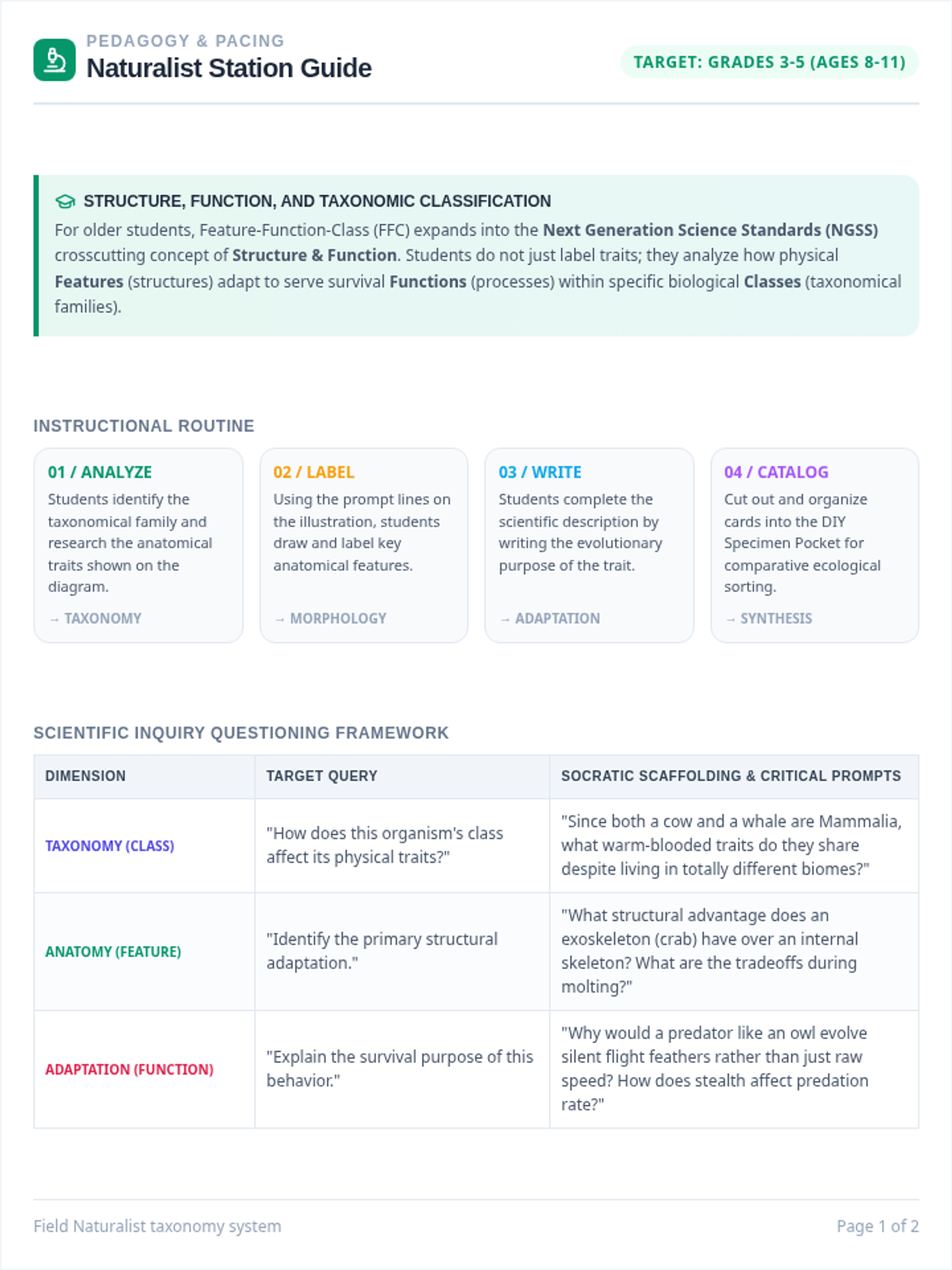
A comprehensive 2-page teacher facilitation guide and speech-language questioning framework for conducting Feature-Function-Class (FFC) sorting, handwriting practice, and diagnostic progress tracking.
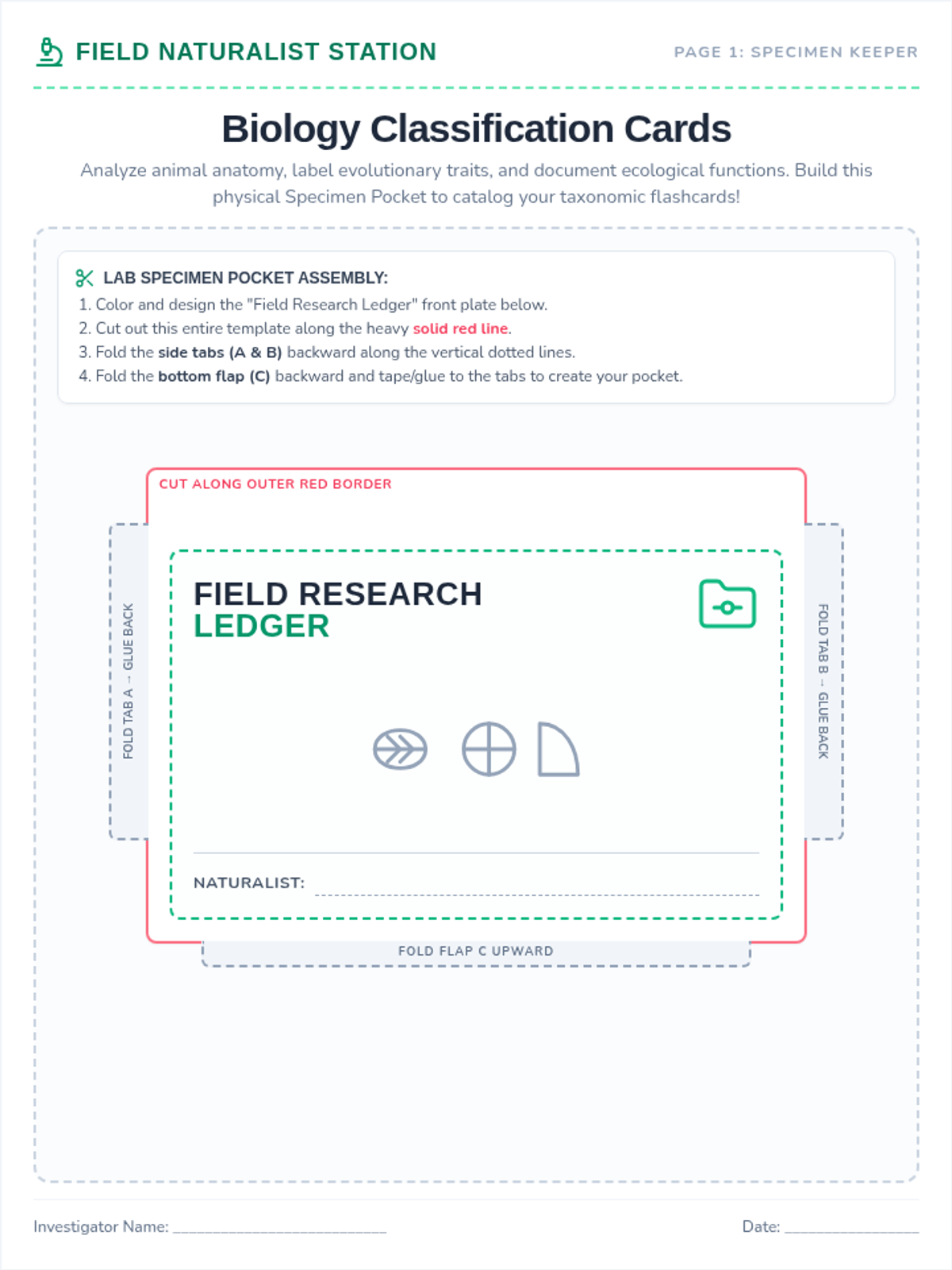
A 7-page print-and-cut packet for older kids (Grades 3-5) containing 12 advanced taxonomy flashcards with anatomical labeling tasks, adaptation writing exercises, and a DIY Field Naturalist storage pocket.
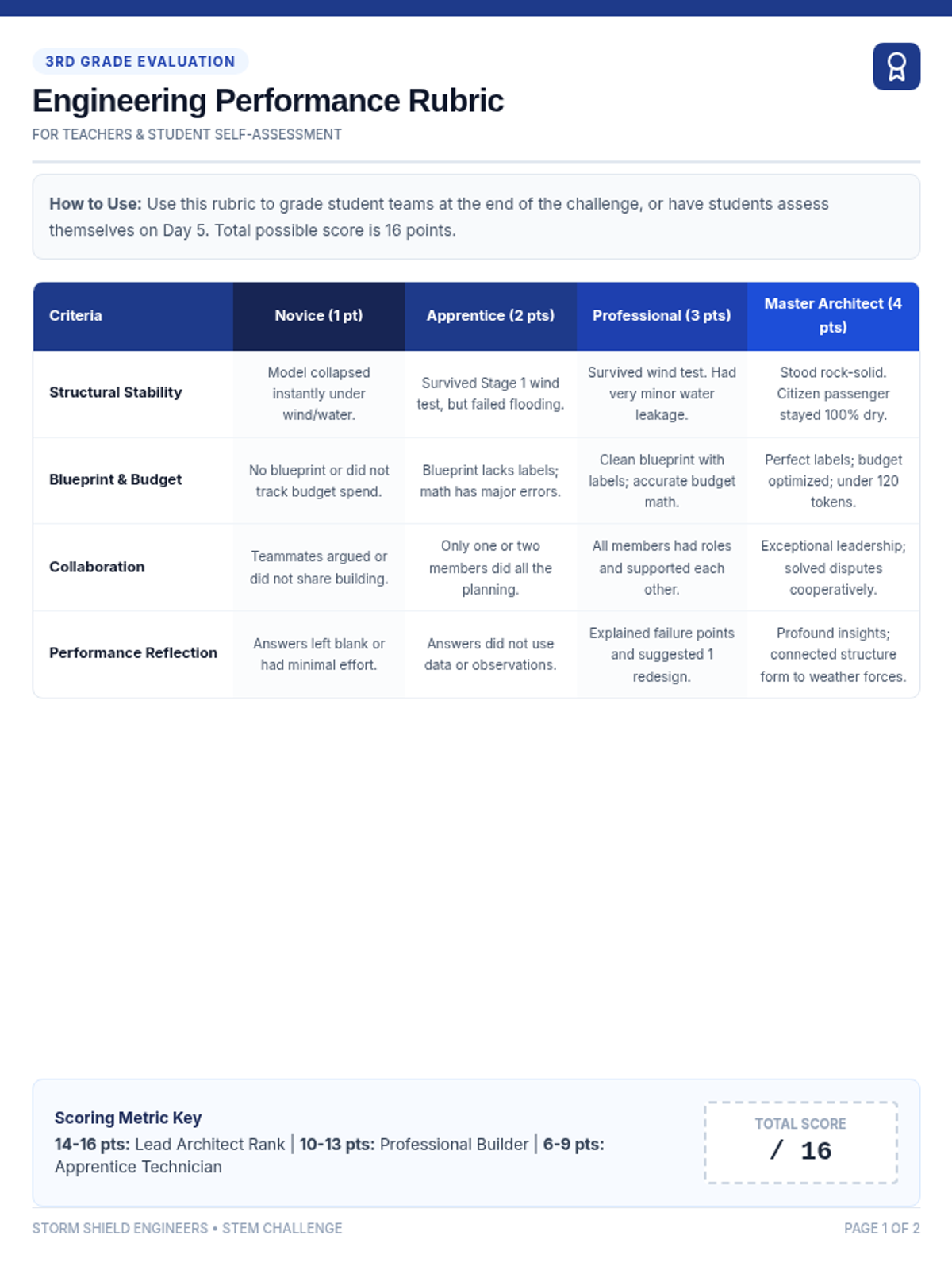
A 2-page assessment and celebration package. Page 1 contains a student-friendly engineering rubric. Page 2 provides printable and cut-ready engineering award certificates for the end-of-year ceremony.
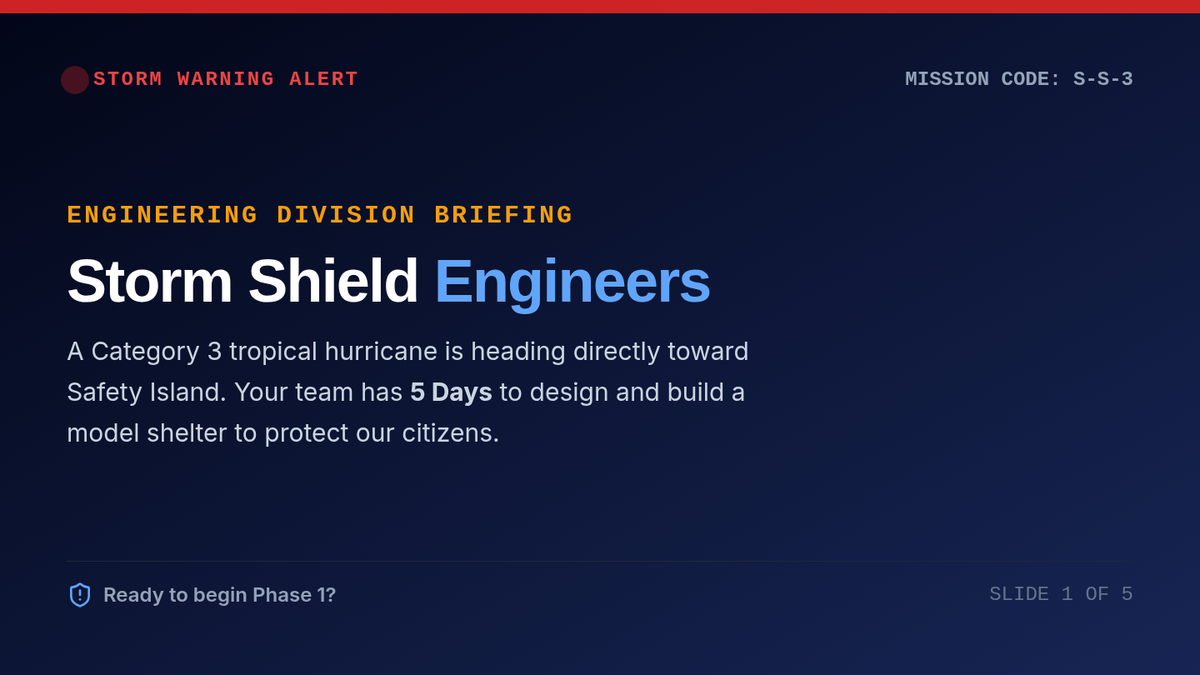
A highly visual 5-slide introductory presentation to hook students into the Storm Shield crisis, outline design constraints, detail the budget supply shop rules, and establish testing protocols. All text is designed at 24px minimum size.
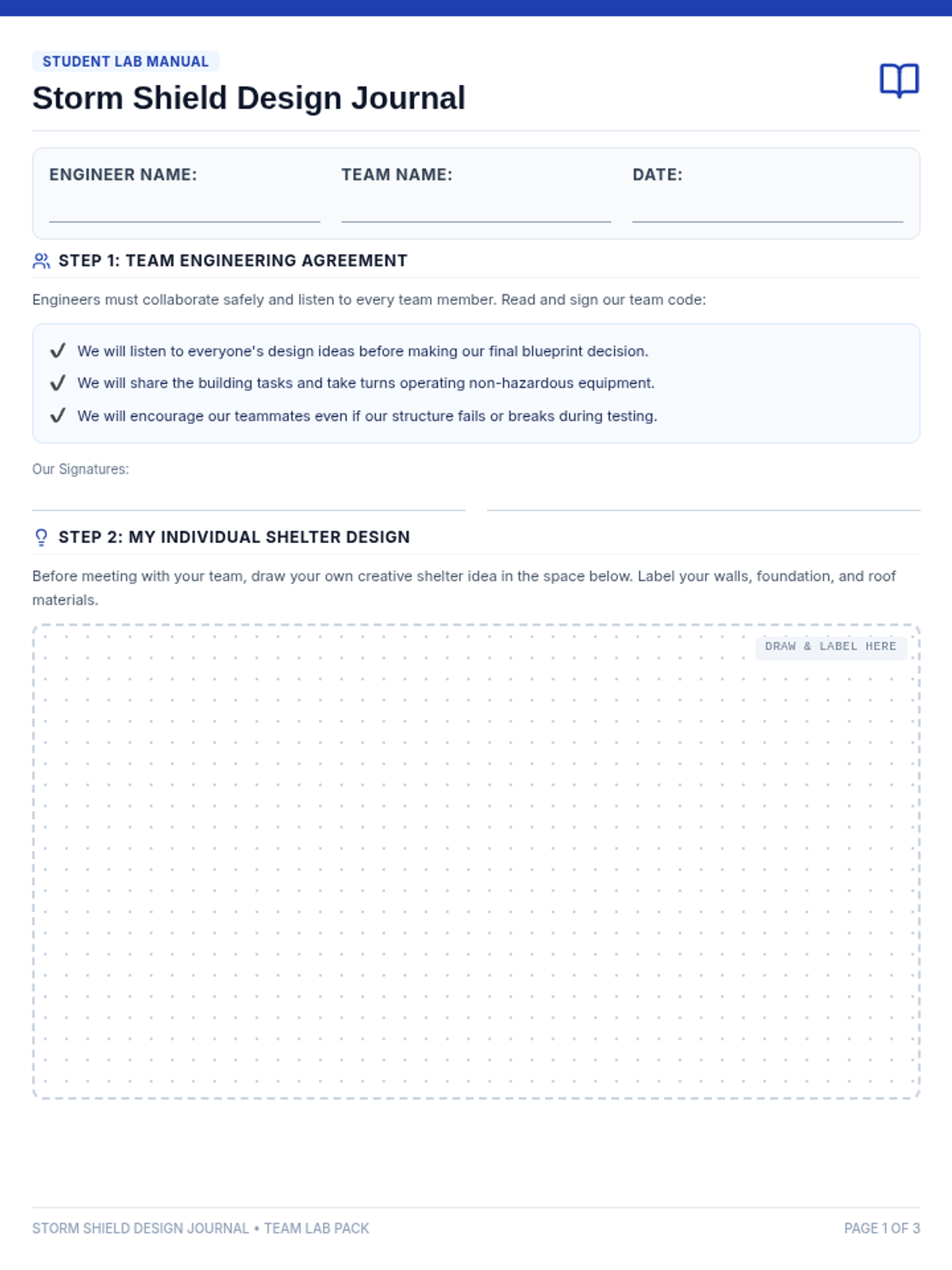
A 3-page printable Student Design Journal for the Storm Shield Engineers challenge. It includes the Team Agreement, individual design brainstorming, group blueprinting, budget calculation sheets, and final testing logs.
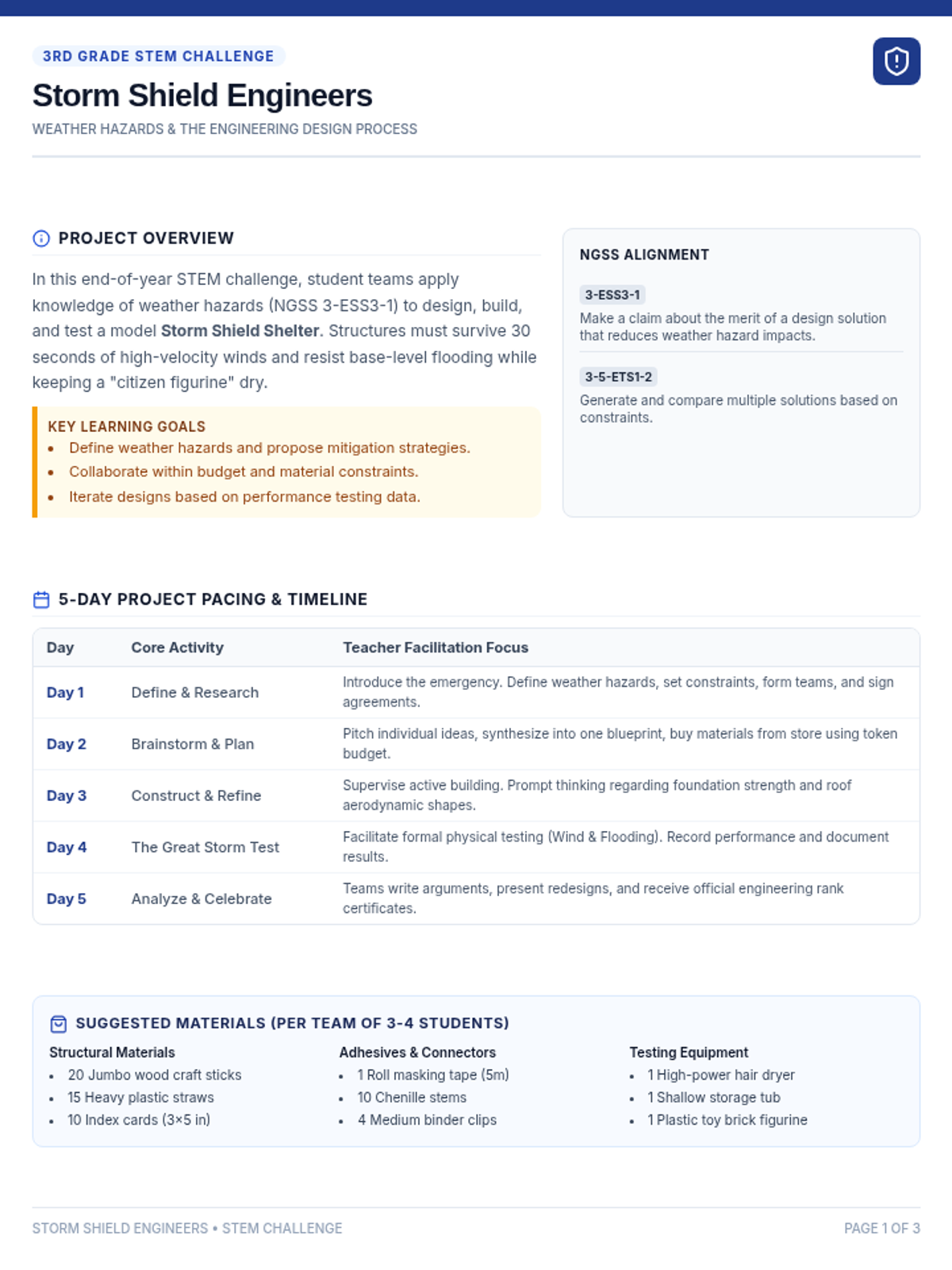
A comprehensive, 3-page teacher guide and pacing timeline for the Storm Shield Engineers STEM challenge. It includes lesson planning, materials setup, daily facilitation guides, and differentiated support.
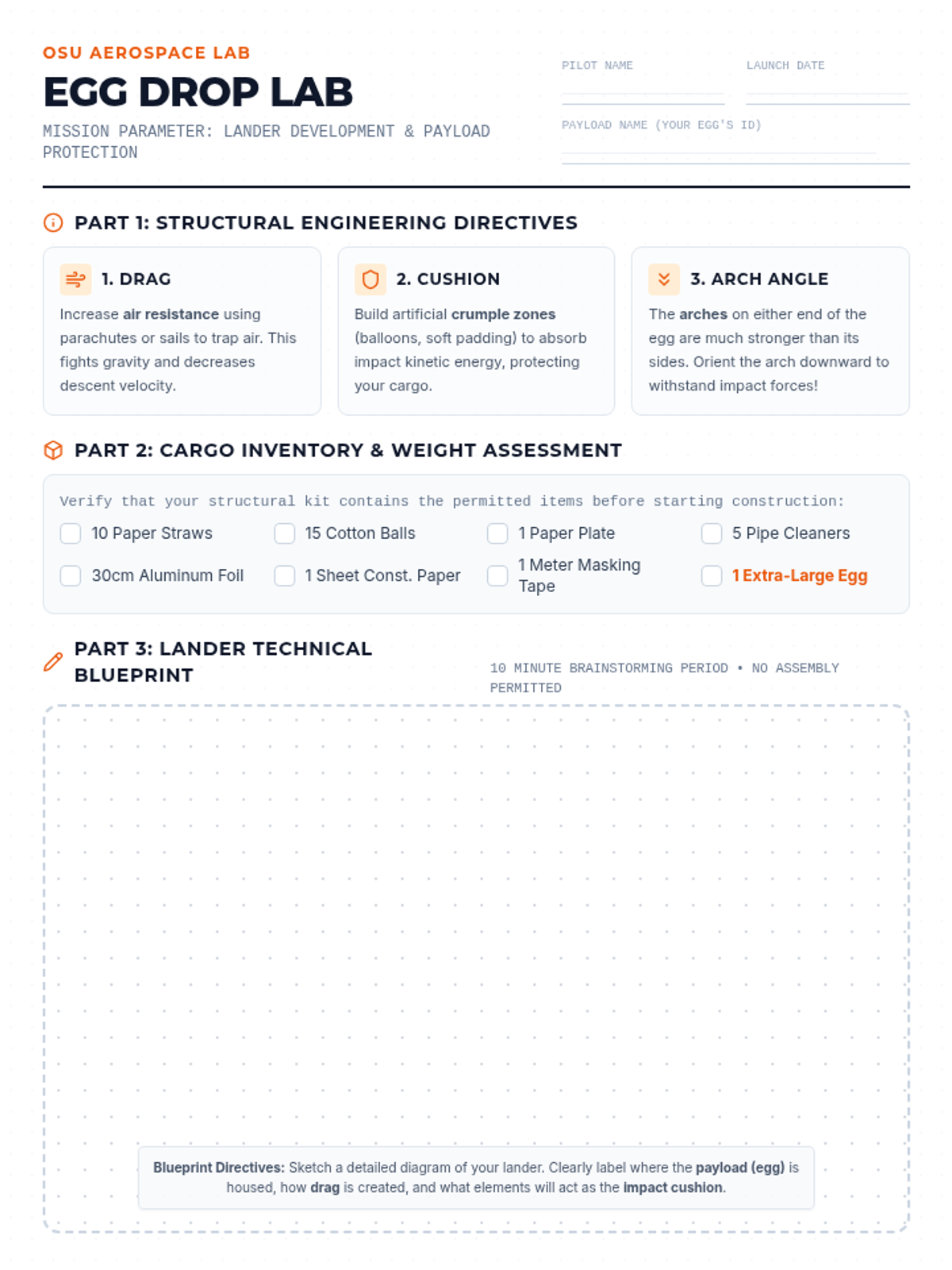
A student-facing lab manual and design guide for the OSU Egg Drop Lab, featuring visual physics directives, an updated materials checklist (straws, cotton balls, paper plate, pipe cleaners, foil, construction paper, and tape), a blueprint drafting section, a landing log, class data tracker, and scaffolded engineering reflections.
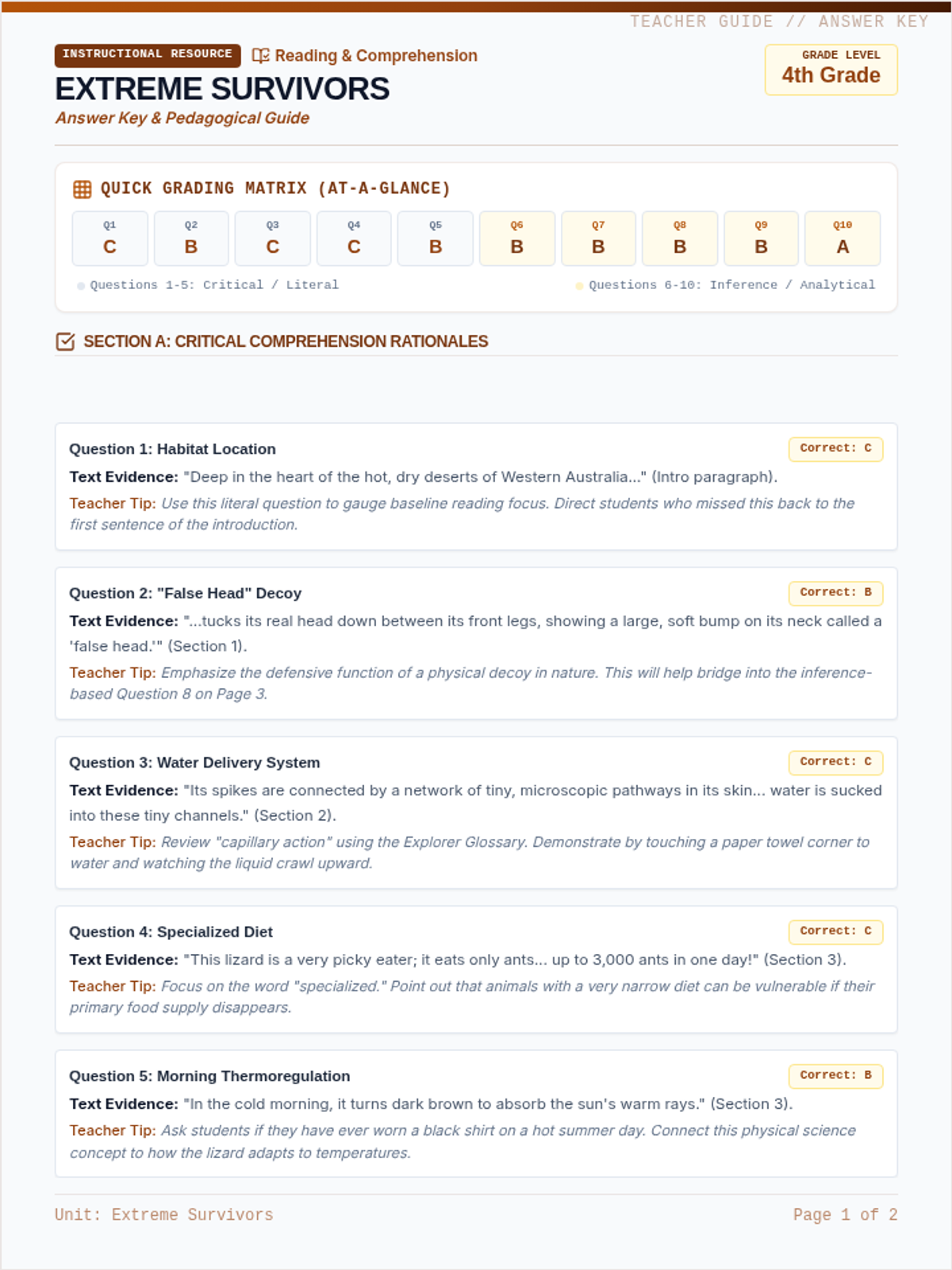
A comprehensive teacher's answer key and pedagogical guide for 'Extreme Survivors'. Features an at-a-glance quick grading matrix, in-depth text evidence and rationales for all 10 comprehension questions, classroom discussion frameworks, and common student misconceptions.
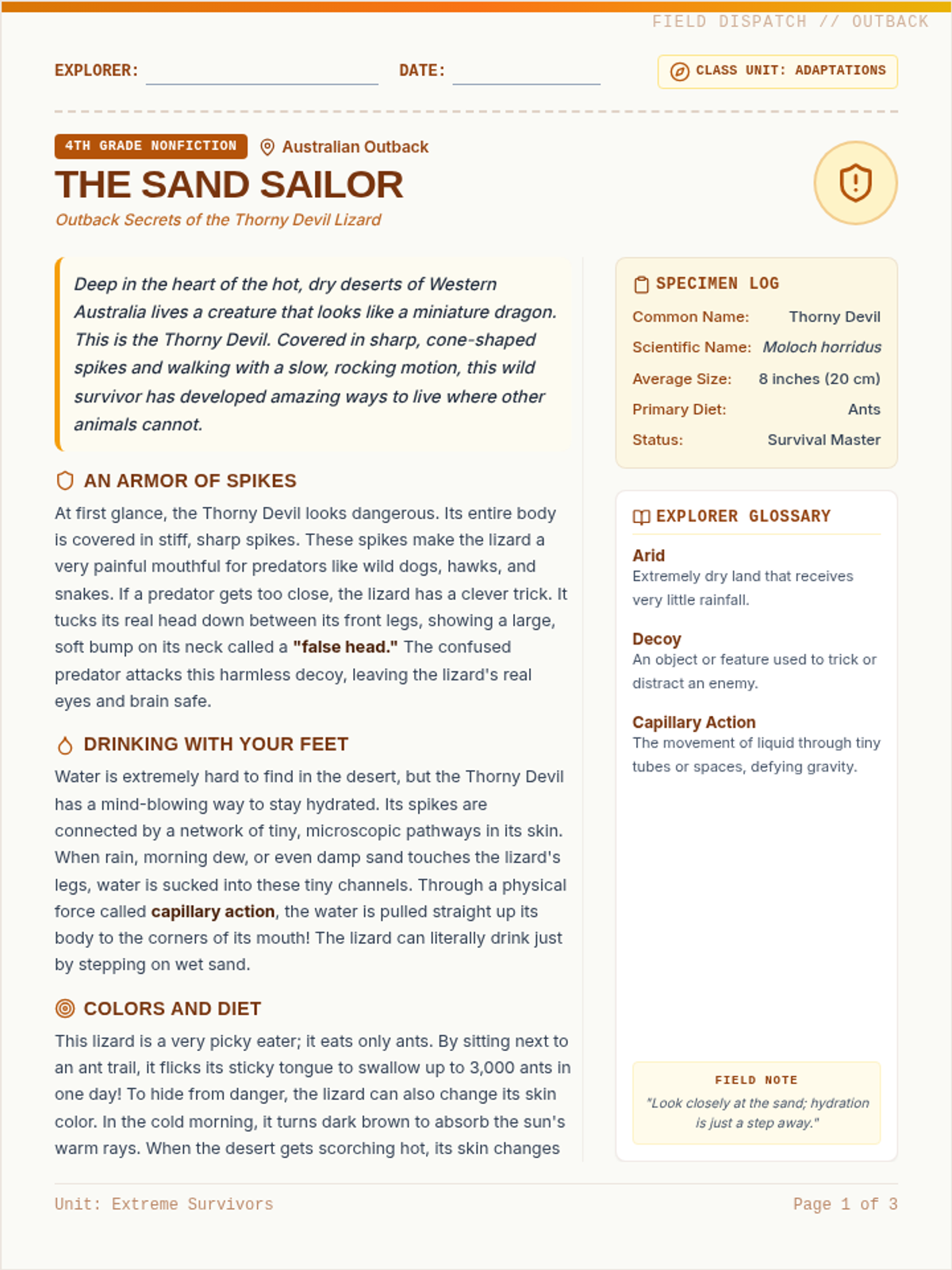
An engaging fourth-grade reading comprehension worksheet featuring a high-interest nonfiction passage about the Thorny Devil's incredible survival adaptations in the Australian Outback. Includes Name/Date fields, a field-guide styled passage on Page 1, 5 critical comprehension questions on Page 2, and 5 inference comprehension questions on Page 3, complete with a student self-reflection scale.
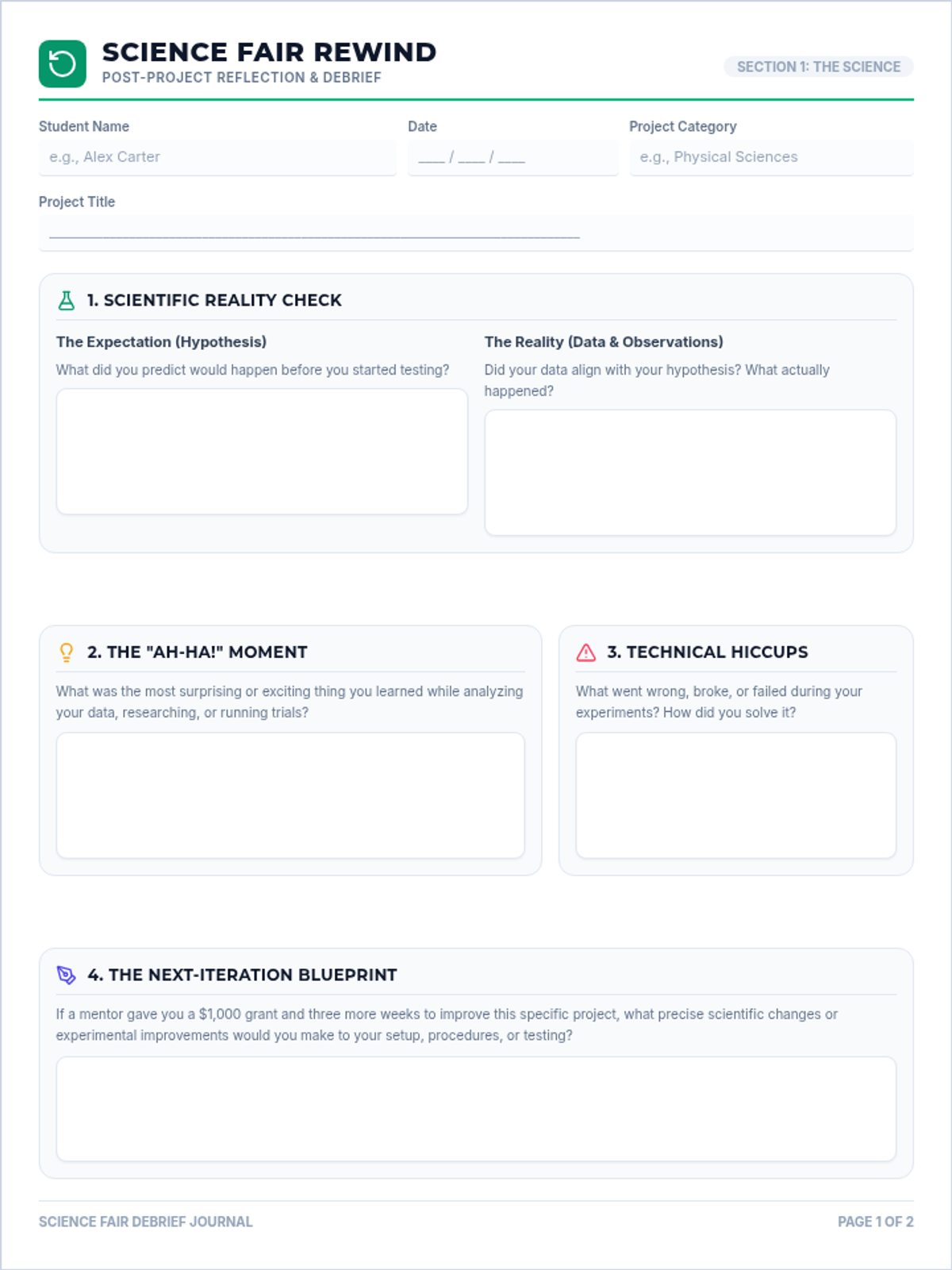
A high-quality 2-page individual reflection worksheet designed for students to debrief after a science fair. It covers the science, the presentation, personal growth, and future work with spacious, handwriting-friendly writing areas and a modern lab-notebook design.
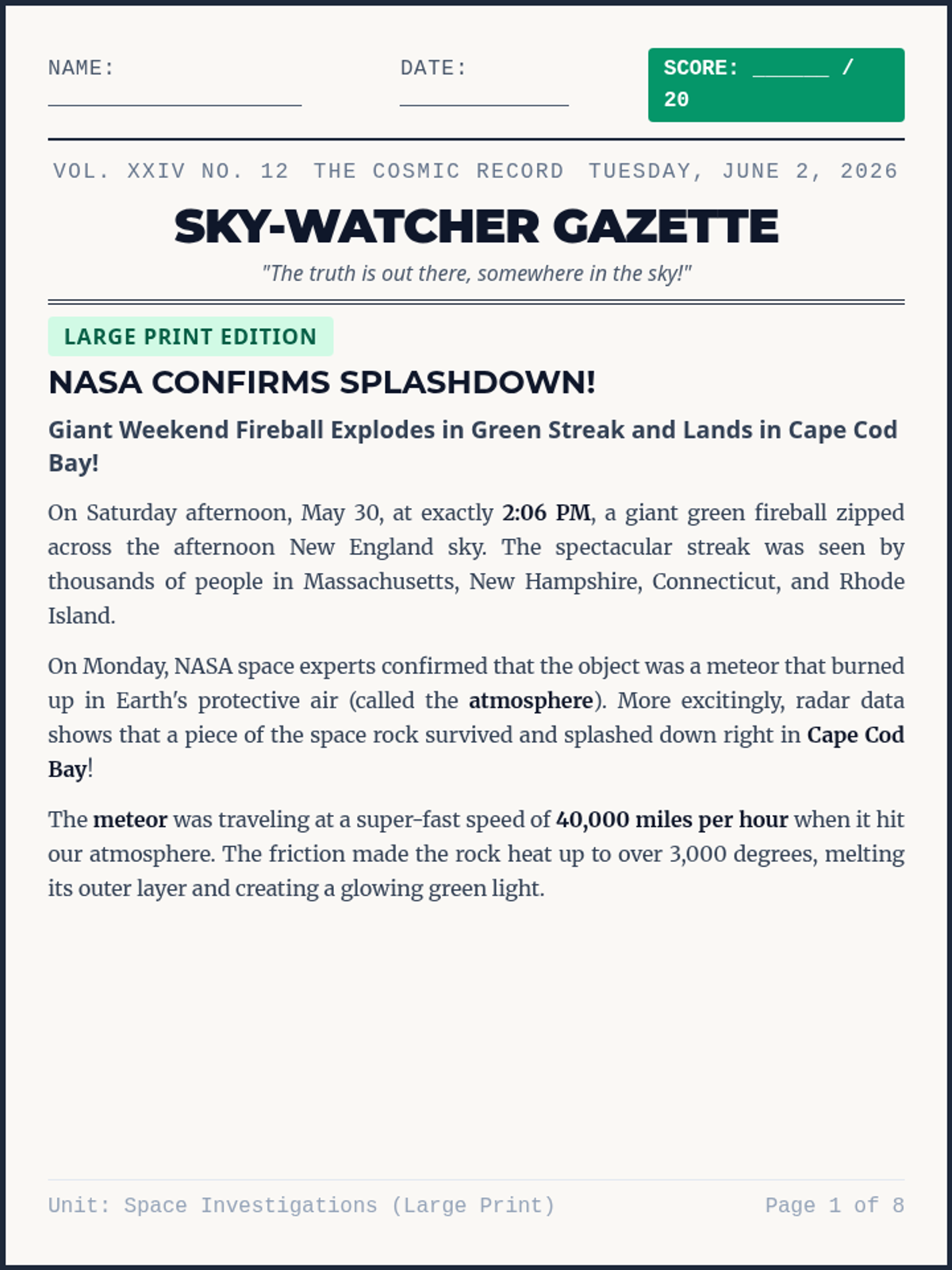
An accessible, large-print (minimum 16px font size) 8-page version of the student worksheet. Features spacious reading blocks, larger handwriting lines, and enhanced accessibility for early elementary writers.
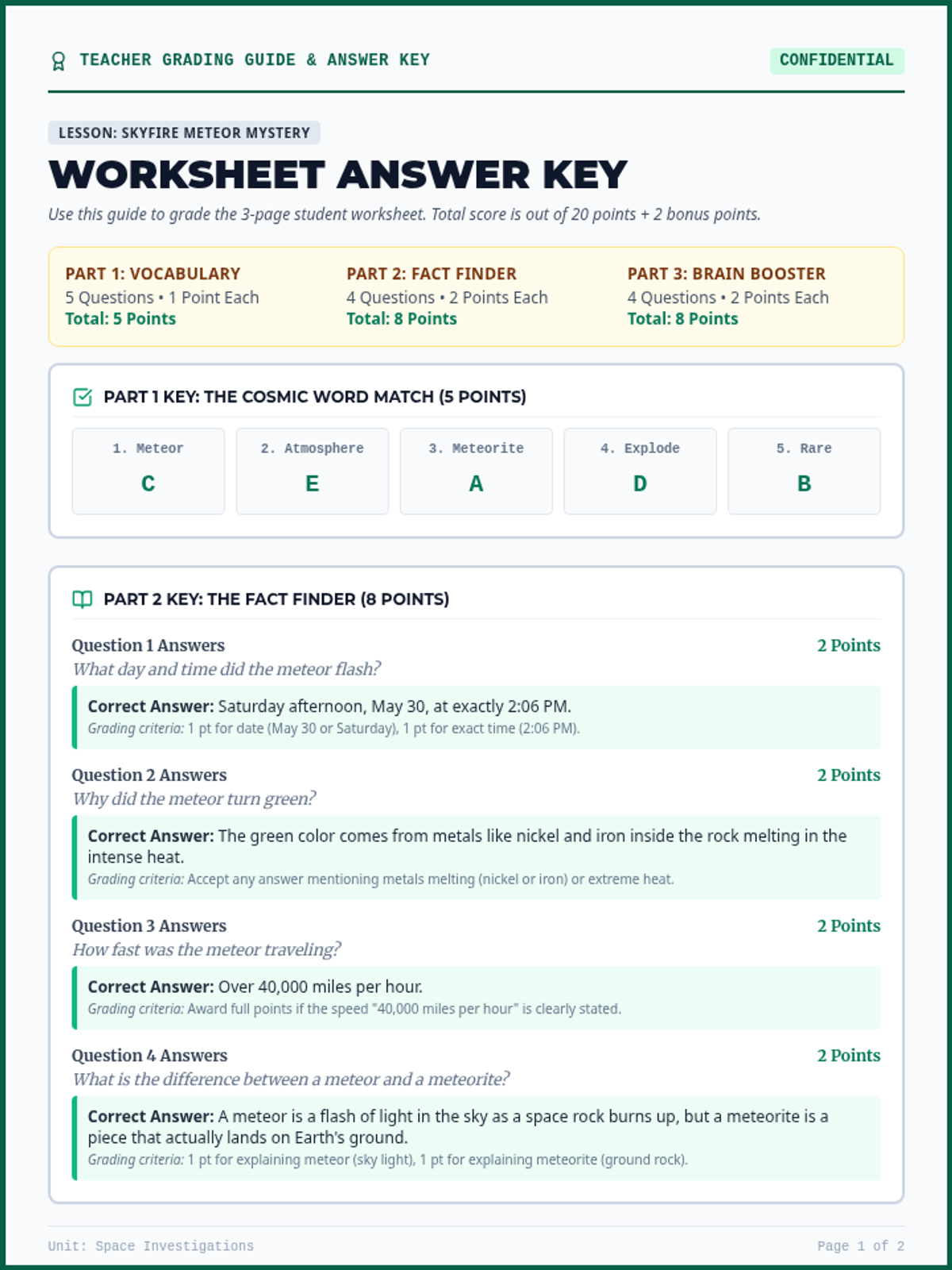
A comprehensive teacher answer key and grading guide for the Skyfire Meteor Worksheet. Includes specific answers, sample student responses, grading point breakdowns, and helpful teacher tips.
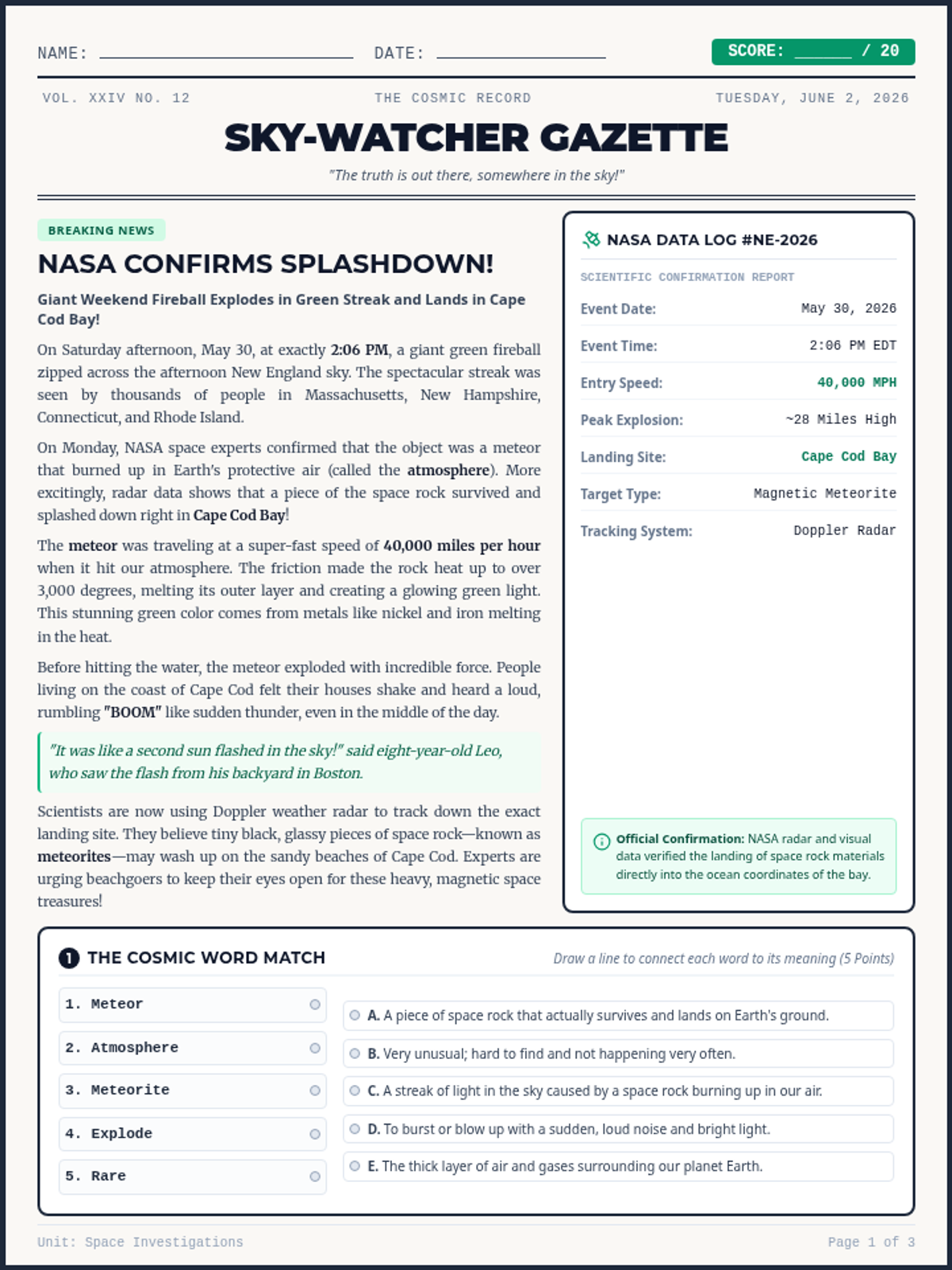
A beautiful, updated 3-page student worksheet featuring a highly factual, newspaper-style article about the NASA-confirmed meteor that landed in Cape Cod Bay, a vocabulary matching challenge, 4 factual questions, 4 inferential questions, and a creative space badge design activity.
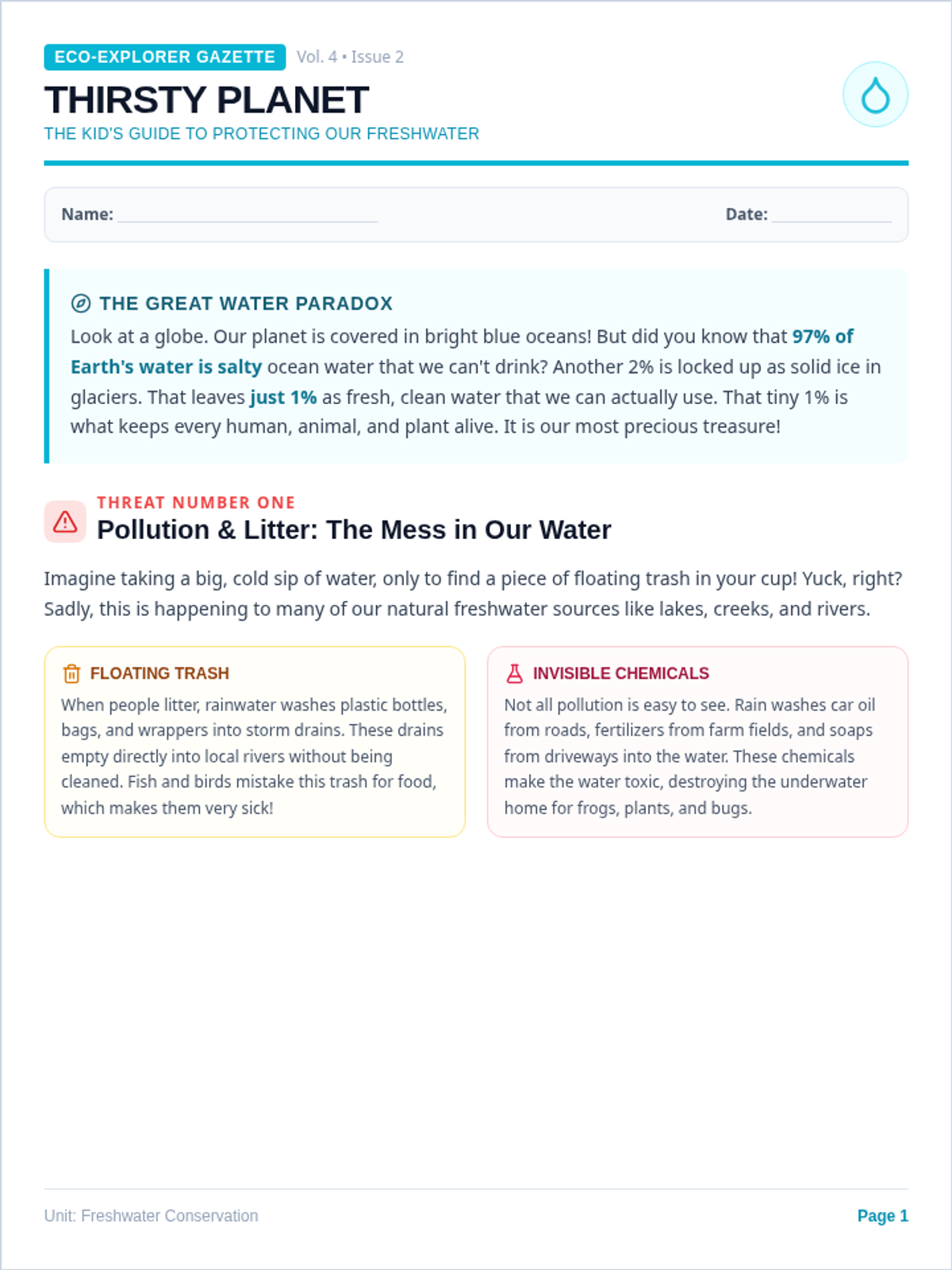
An engaging, visually stunning 4-page educational article for 3rd-grade students about the key threats to our global freshwater supply. Features custom layouts for topics including pollution, home water waste, drought, and overpopulation, complete with an explorer newsletter theme and a student water pledge page.
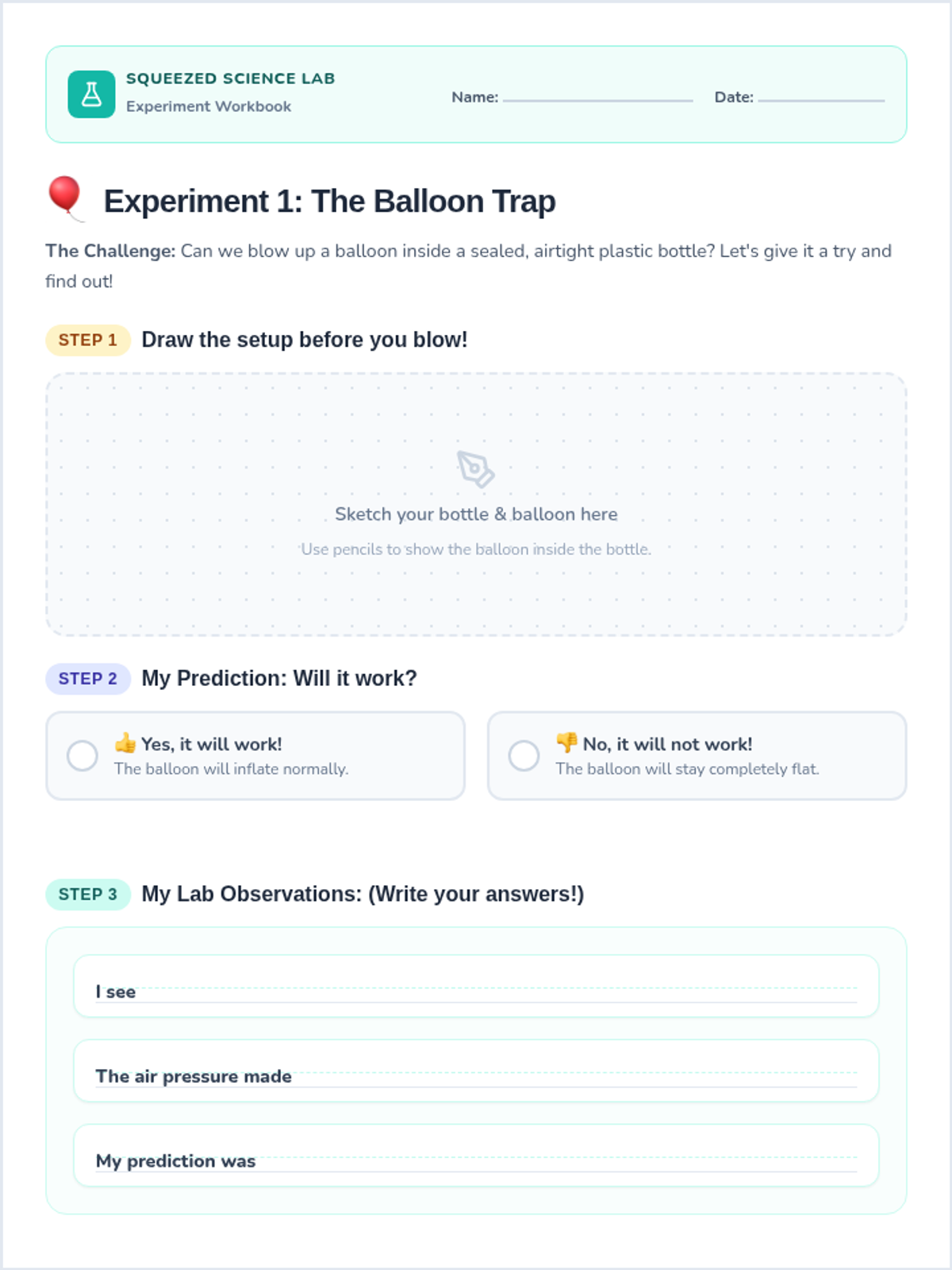
A 3-page, highly visual printable student workbook for a hands-on air pressure science lesson. Contains individual experiment pages for the Balloon in a Bottle, Egg in a Bottle, and Water Glass Trick experiments, each featuring customized primary school style dashed handwriting lines.
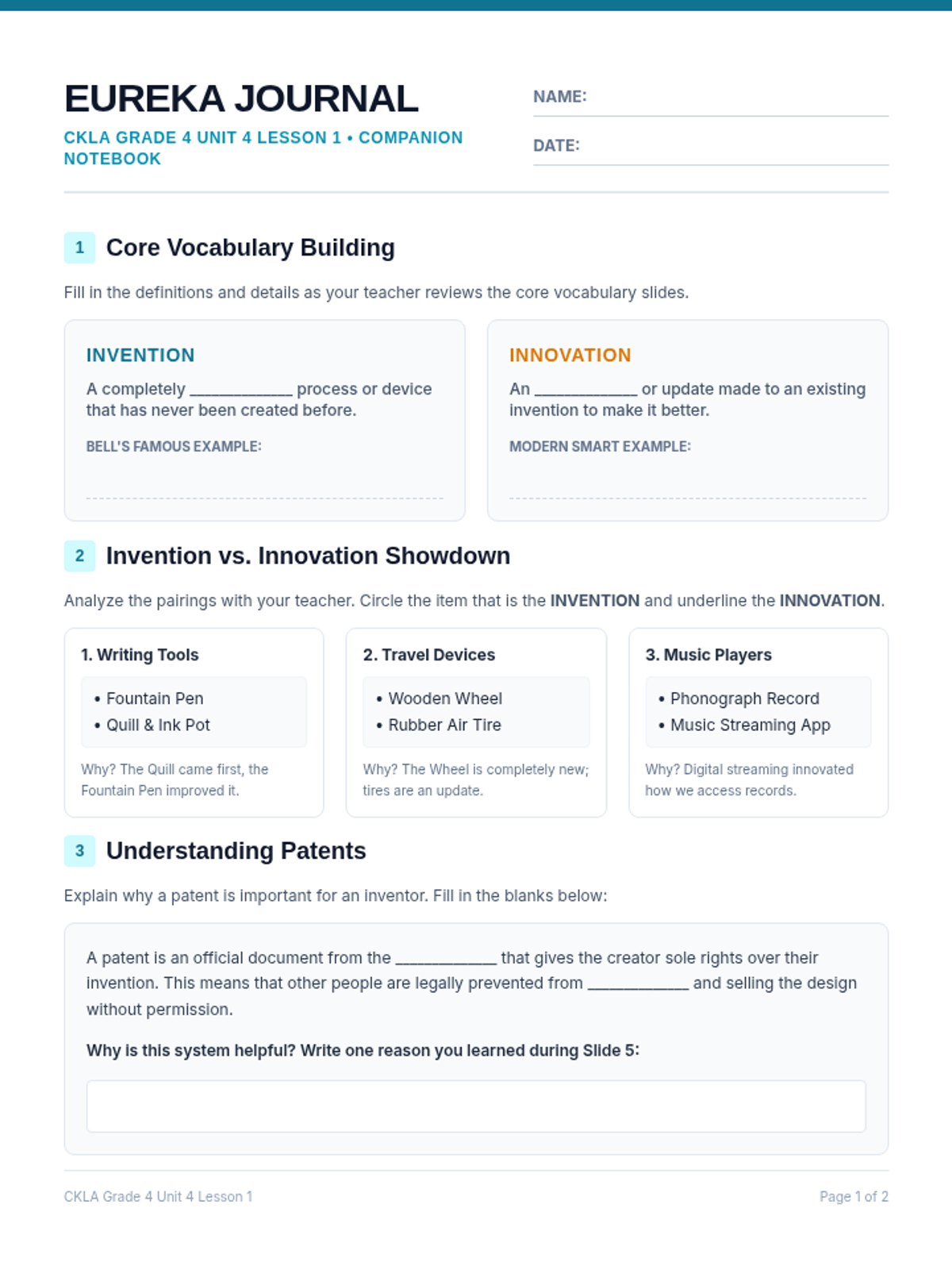
A printable student guided-notes notebook and assessment worksheet designed to accompany the Eureka Inventors Slide Deck. It includes structured sections for guided vocabulary notes, invention analysis practice, drafting blueprints for their own invention, and exit ticket questions.
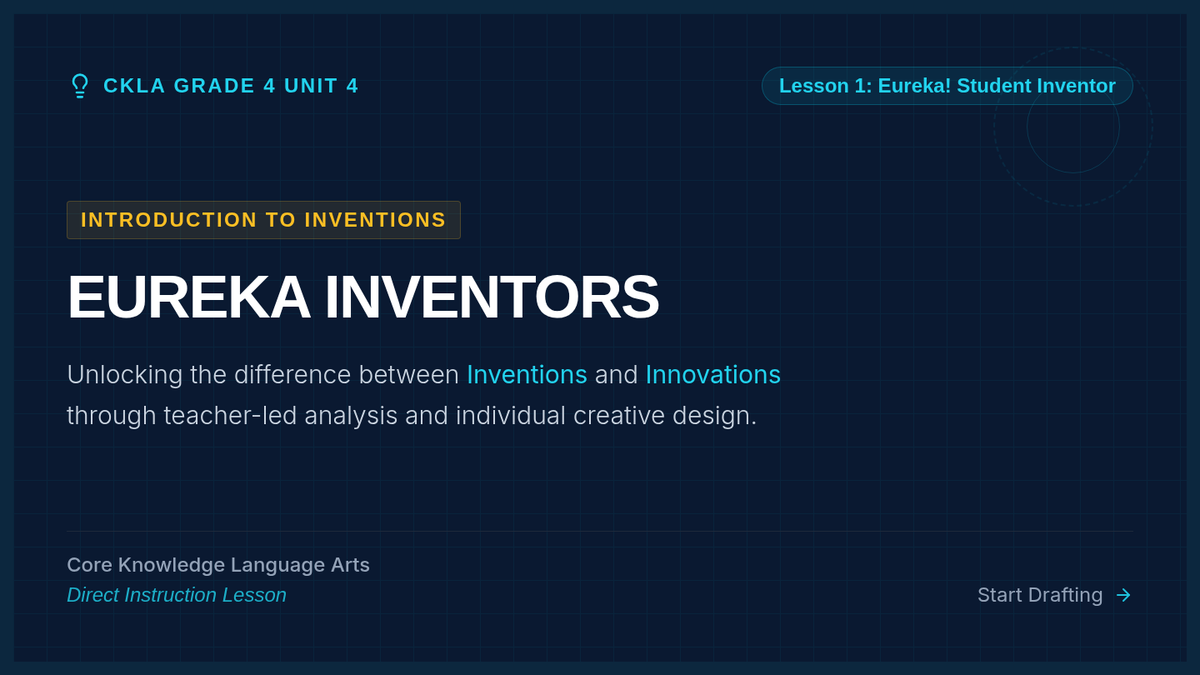
An interactive slide deck designed for direct, teacher-led instruction on CKLA Grade 4 Unit 4 Lesson 1 (Eureka! Student Inventor). It introduces inventions, innovations, and the patent process through visual modeling and structured student prompt checks.
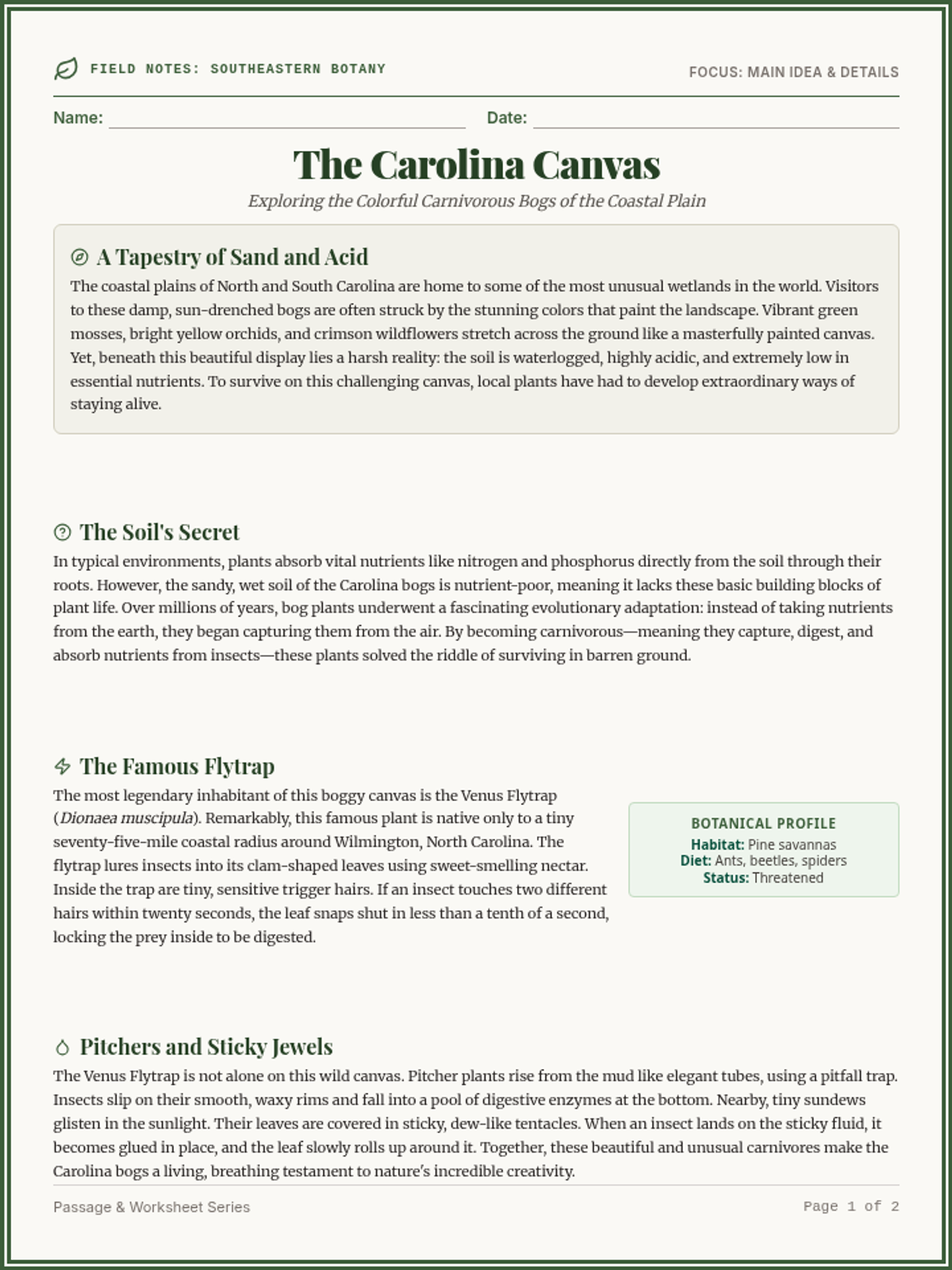
A premium, botanical field-guide themed reading comprehension passage and worksheet about the carnivorous plants of the Carolina bogs. Designed for upper elementary or middle school students to practice identifying main ideas, extracting key details, and interpreting scientific vocabulary.
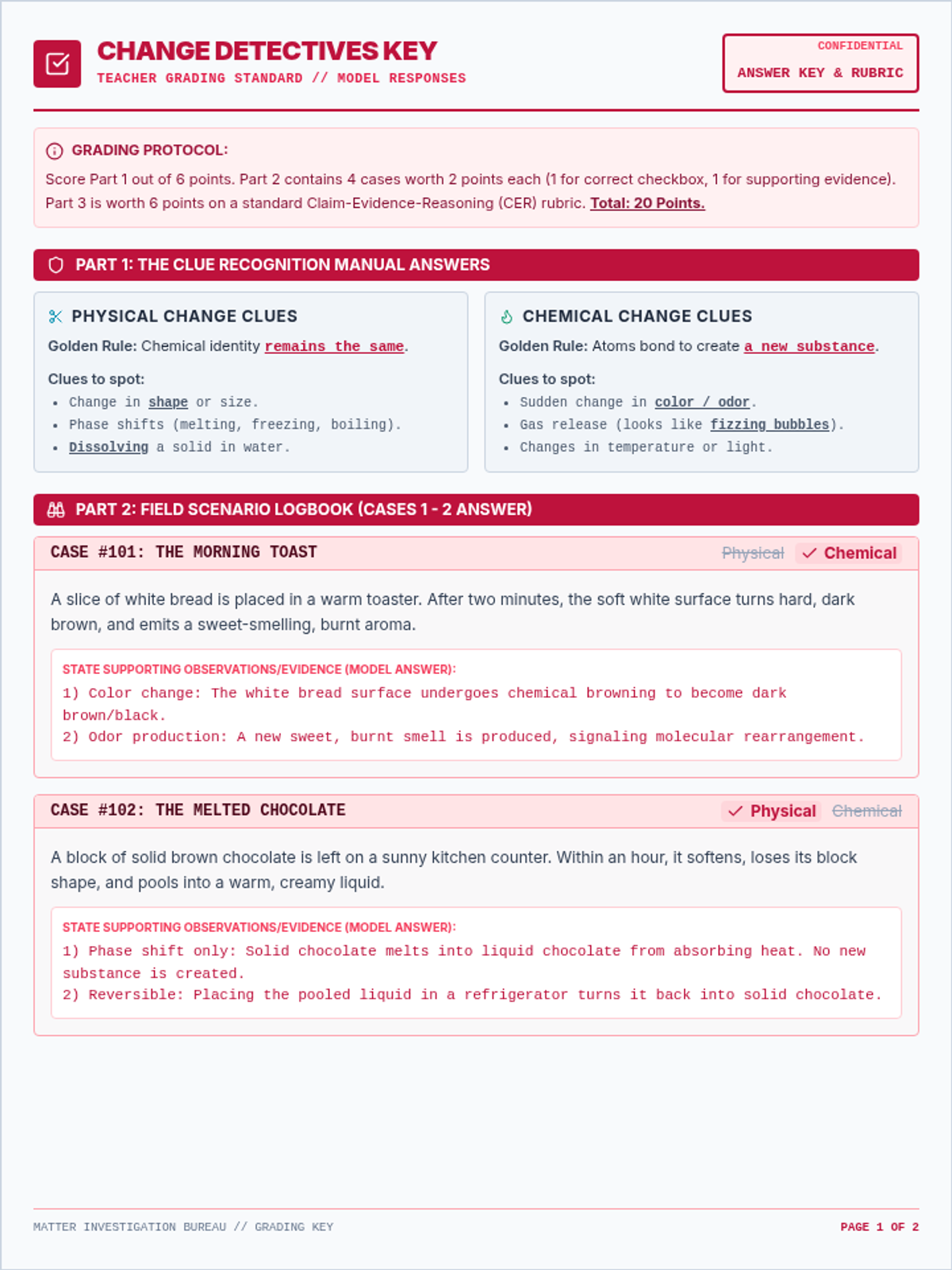
A comprehensive, print-ready 2-page teacher answer key and grading guide for the 'Change Detectives Lab Guide'. It features exact replica layouts of the student worksheet with filled-out model student responses, clear scoring benchmarks, and pedagogical tips.
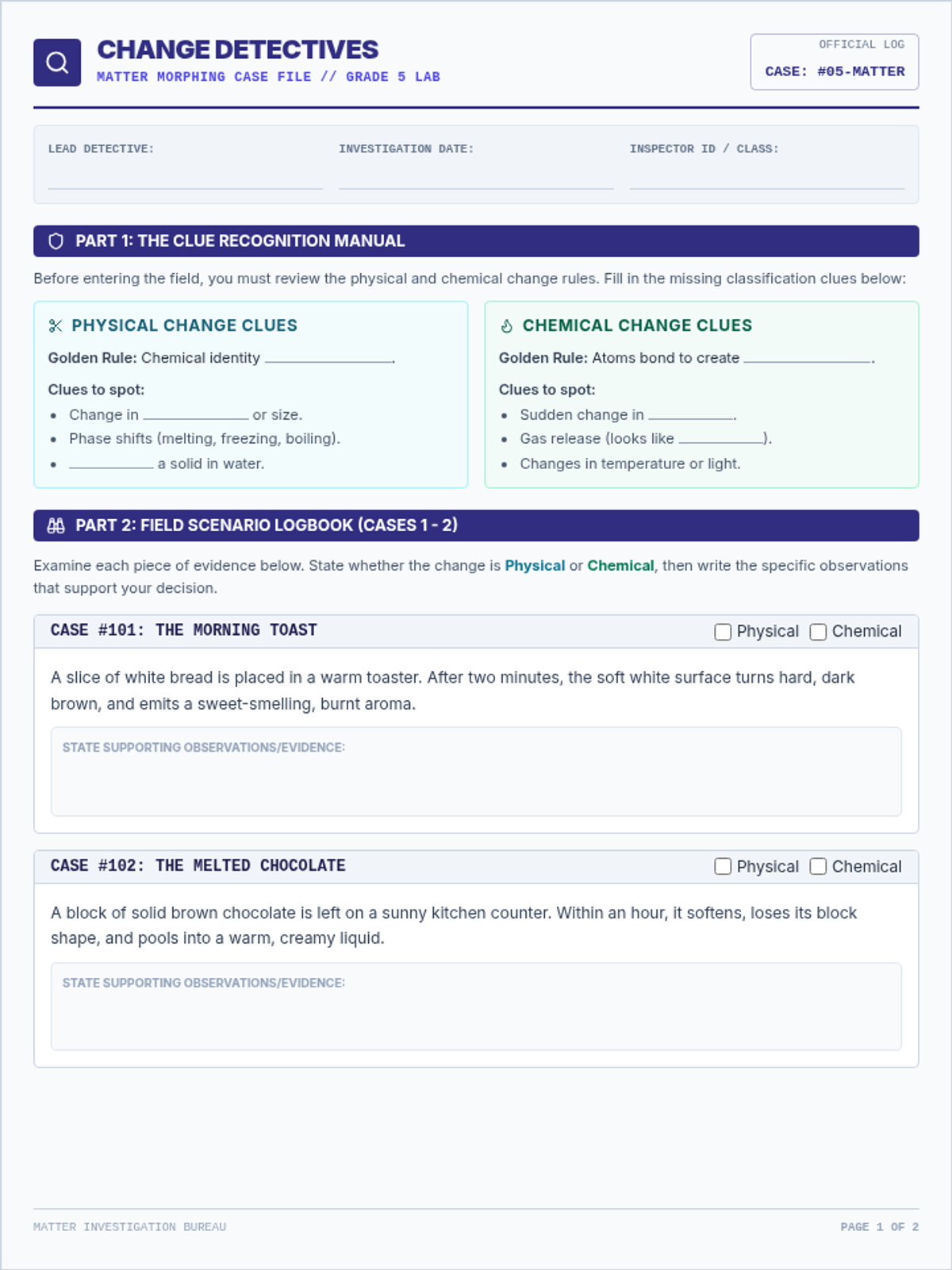
A highly structured, thematic 2-page printable worksheet for 5th graders. Students apply their 'Change Detective' skills to define physical and chemical transformations, analyze 4 real-world cases (2 physical, 2 chemical), and complete a final evidence-based scientific verdict with ample handwriting space.
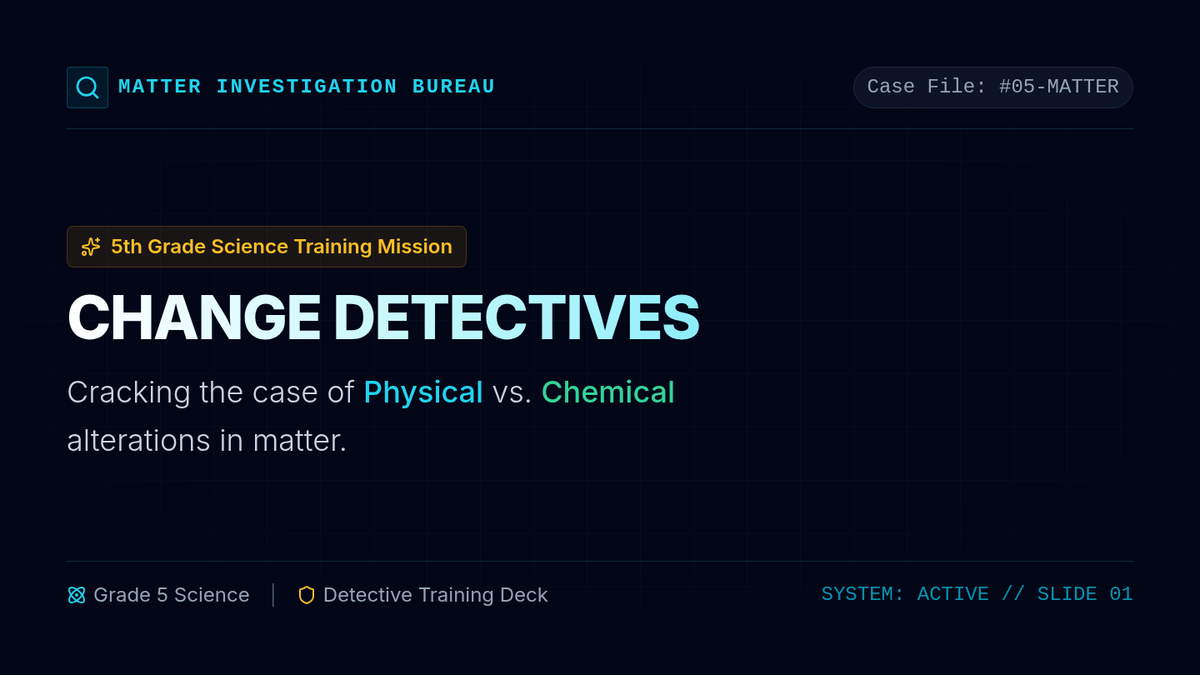
An engaging 16:9 presentation designed for 5th graders introducing the concepts of physical and chemical changes. Using a high-tech "Change Detectives" theme, the slides explain molecular transformations, clue detection (color change, bubbles, temp shifts), and feature real-world examples with rich visuals.
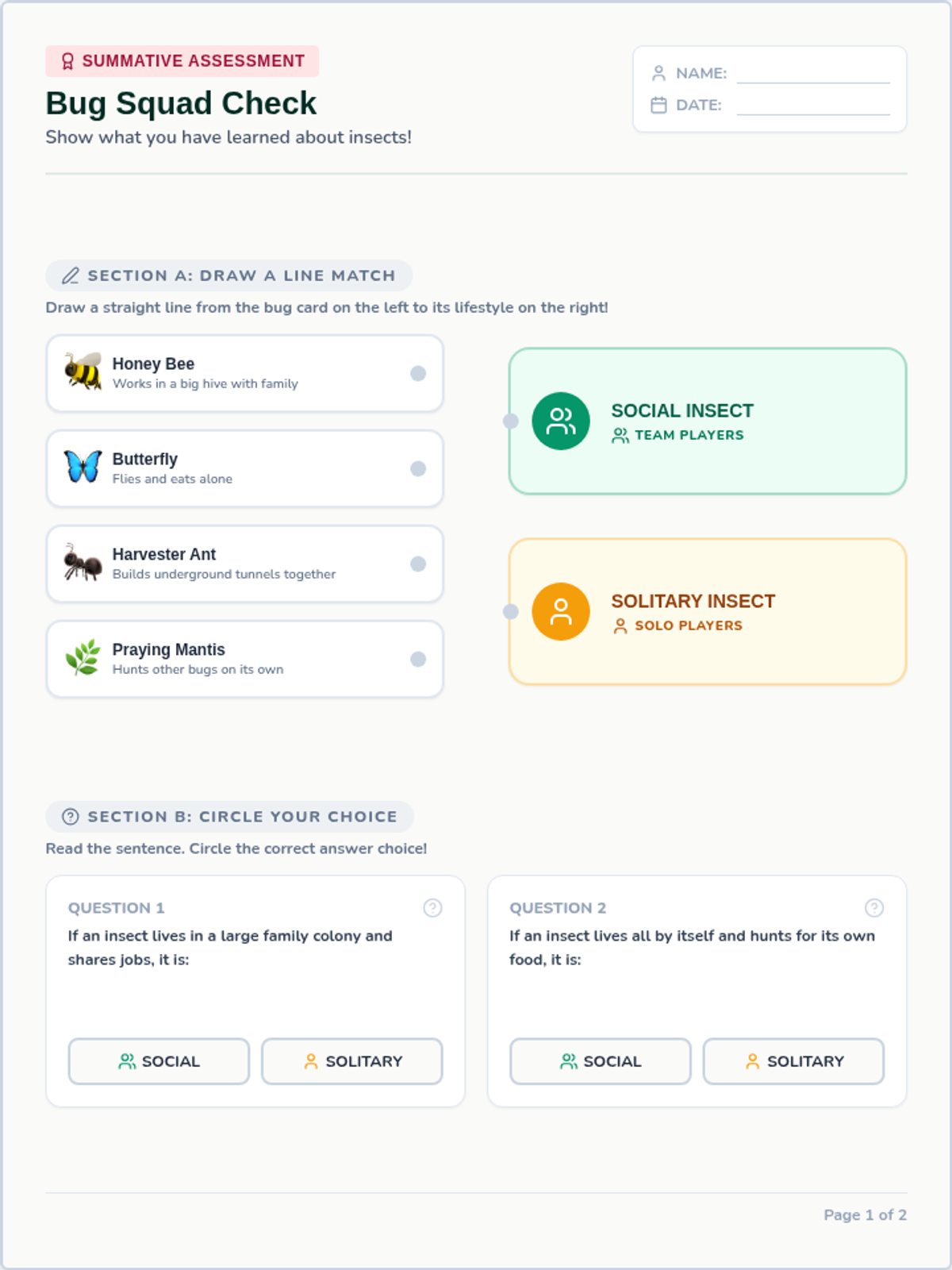
A beautifully scaffolded 2-page summative assessment for low-literacy fifth graders. Features matching, simplified multiple-choice questions with visual supports, and a scenario-based performance task where students draw or write their evidence.
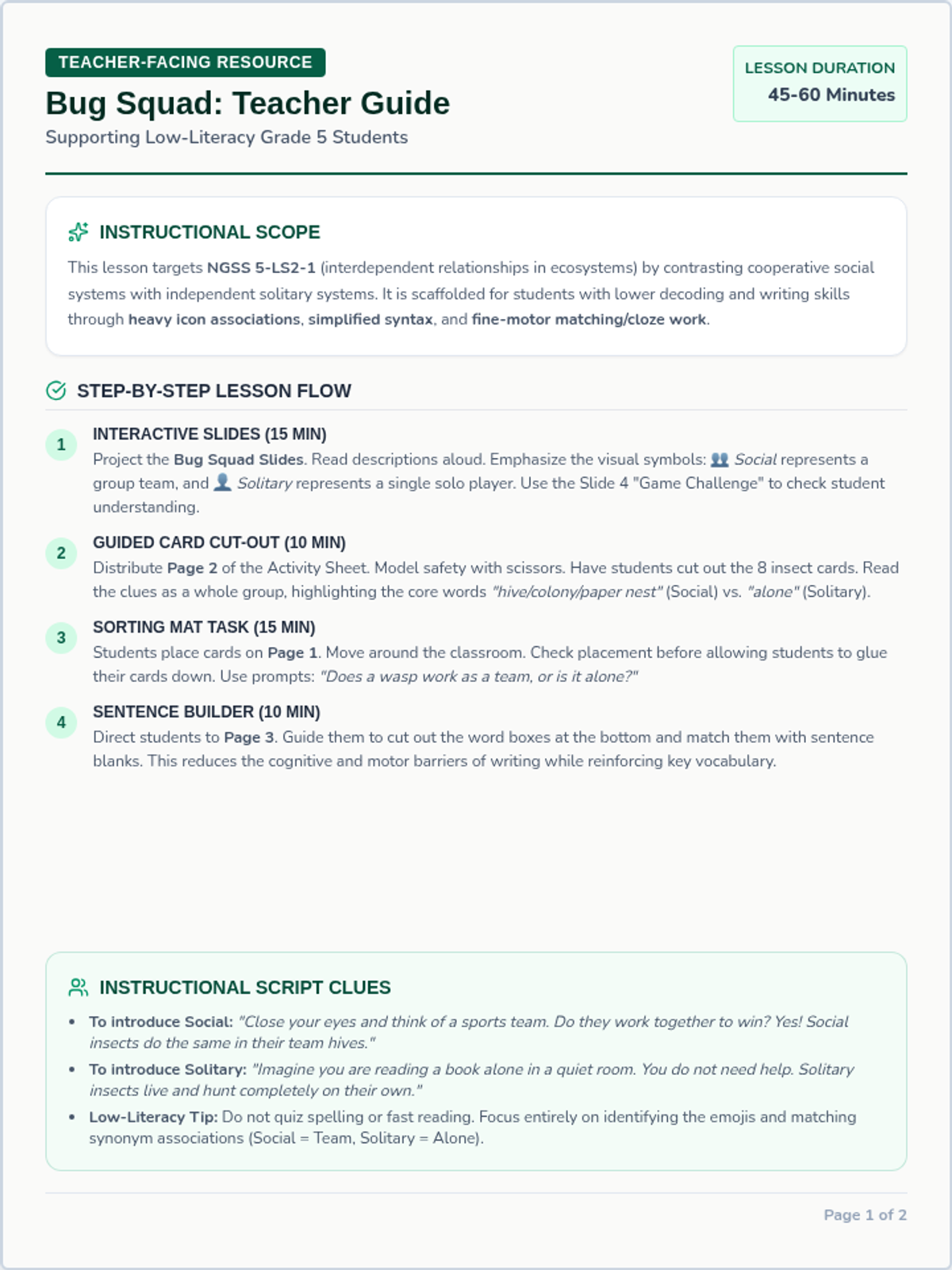
An essential 2-page teacher guide and answer key for the Bug Squad lesson. Includes instructional scripting, tips for supporting low-literacy students, and visual keys for the sorting mat and sentence frames.
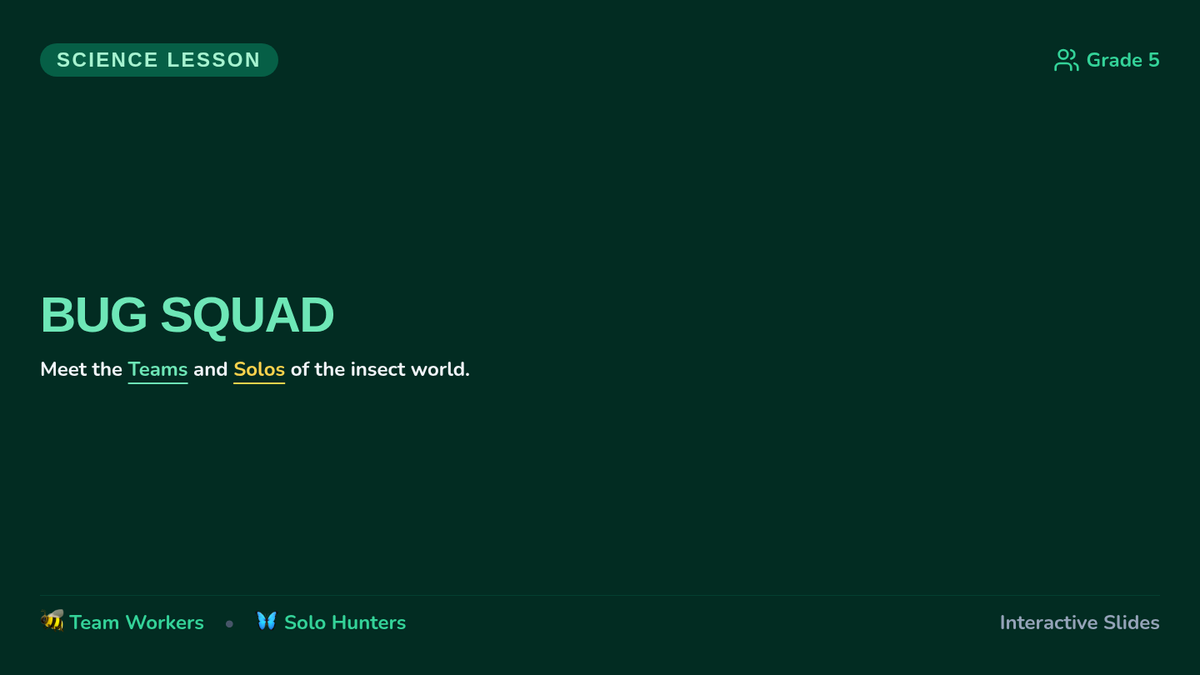
A visually rich 6-slide presentation designed for the interactive introduction of social and solitary insects. Uses bold, clear graphics and large text (minimum 24px) suitable for supporting low-literacy fifth-grade students during classroom instruction. Includes two active participation challenge slides.
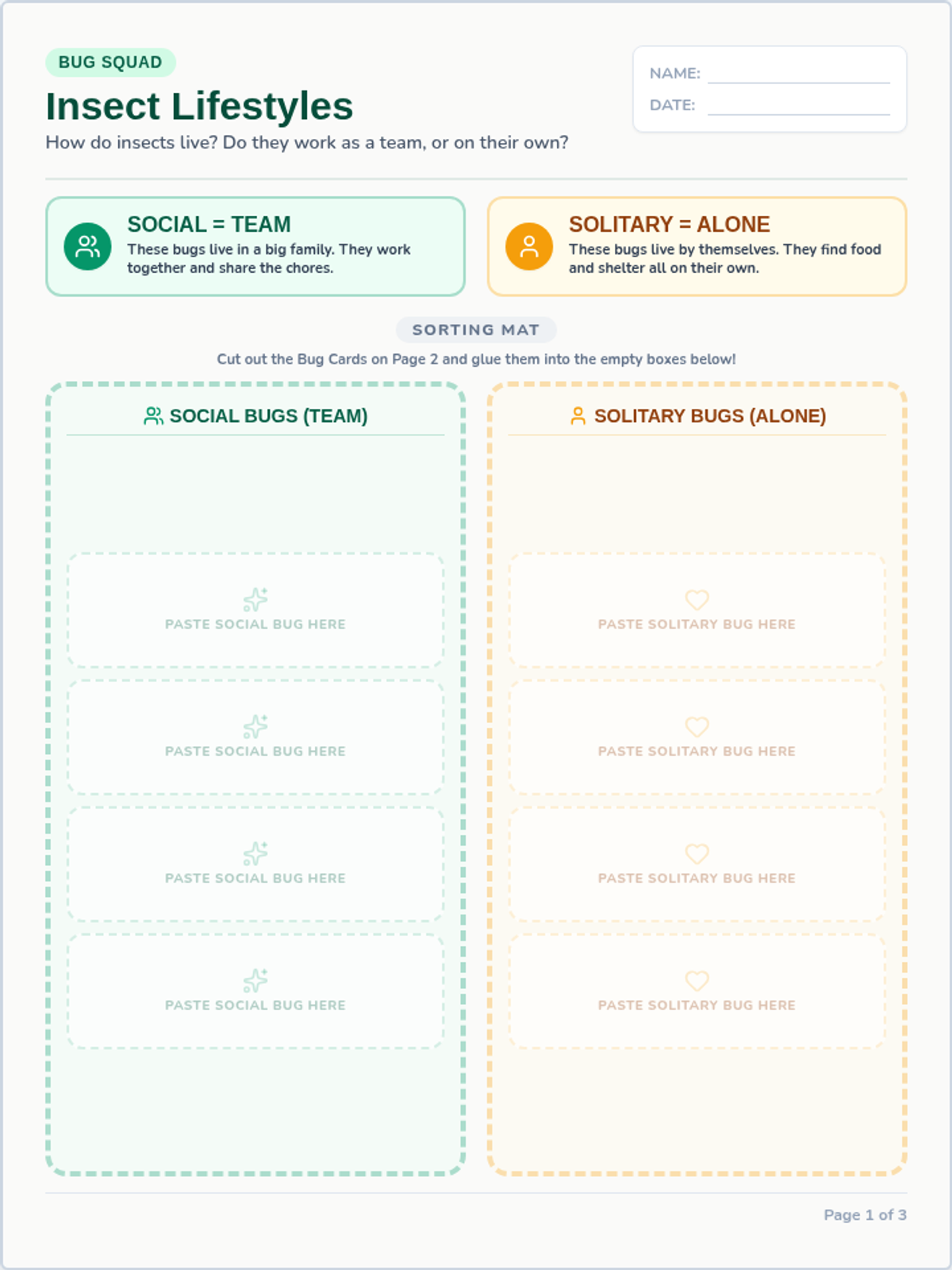
A beautifully scaffolded 3-page hands-on activity sheet for low-literacy fifth graders. Page 1 contains a visual anchor chart and a two-column sorting mat. Page 2 provides six illustrated cut-out insect cards with clear clues. Page 3 provides sentence frames with visual support and a cut-and-paste word bank at the bottom.
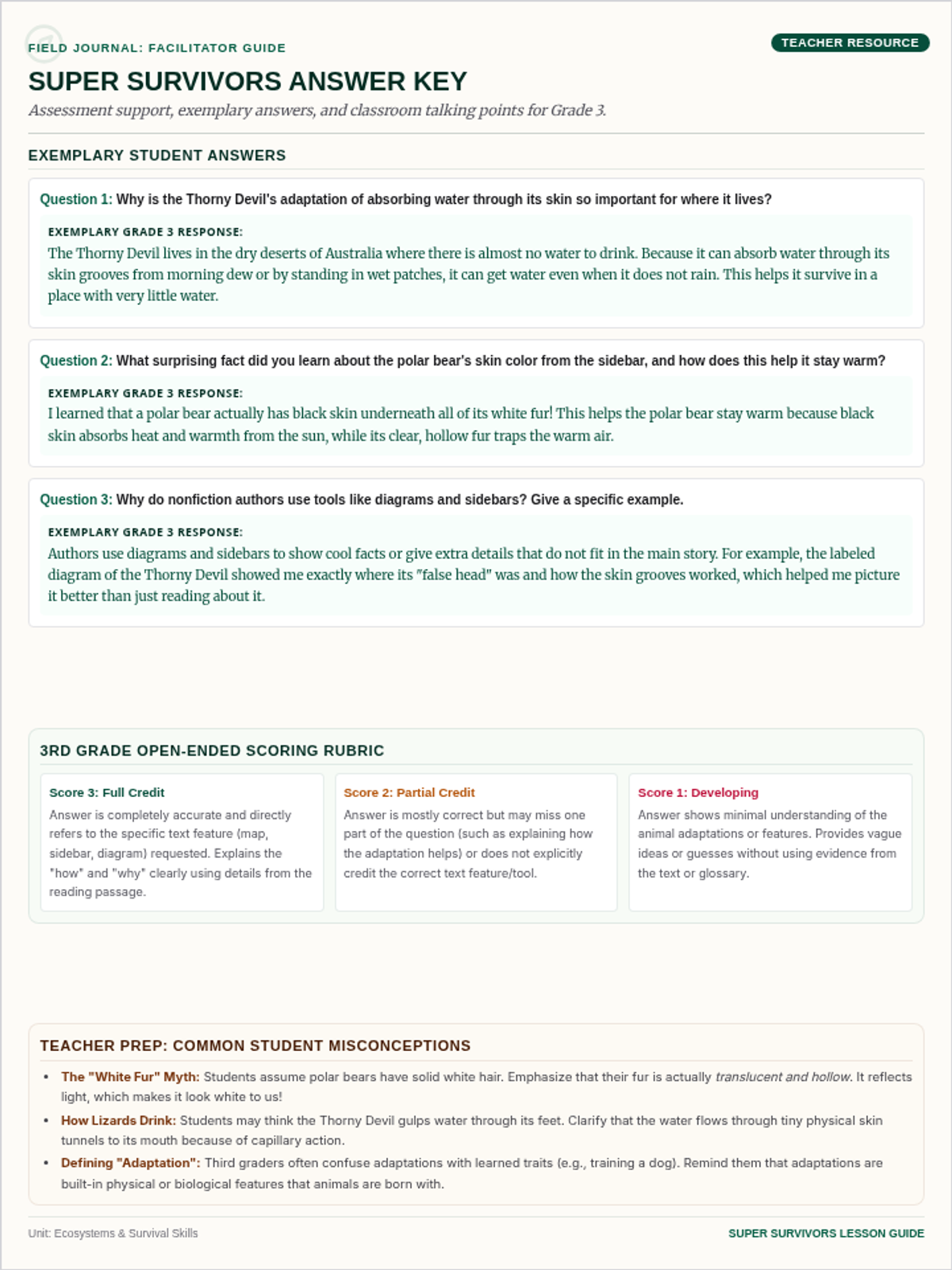
A 1-page print-ready teacher answer key and discussion guide for the Super Survivors lesson. It includes exemplary student answers, a detailed 3-point rubric for grading third-grade open-ended responses, and a section on addressing common student misconceptions about animal adaptations.