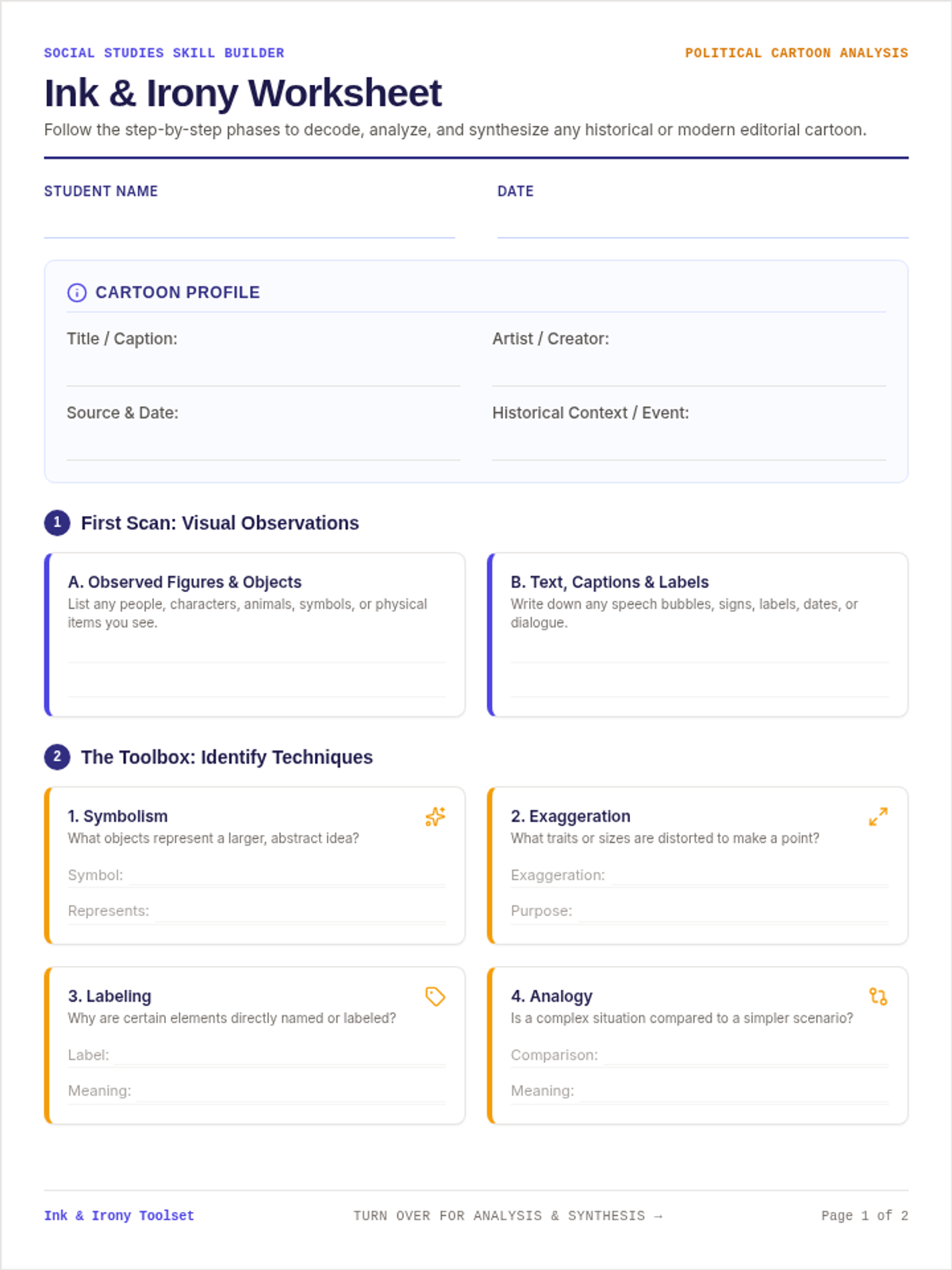
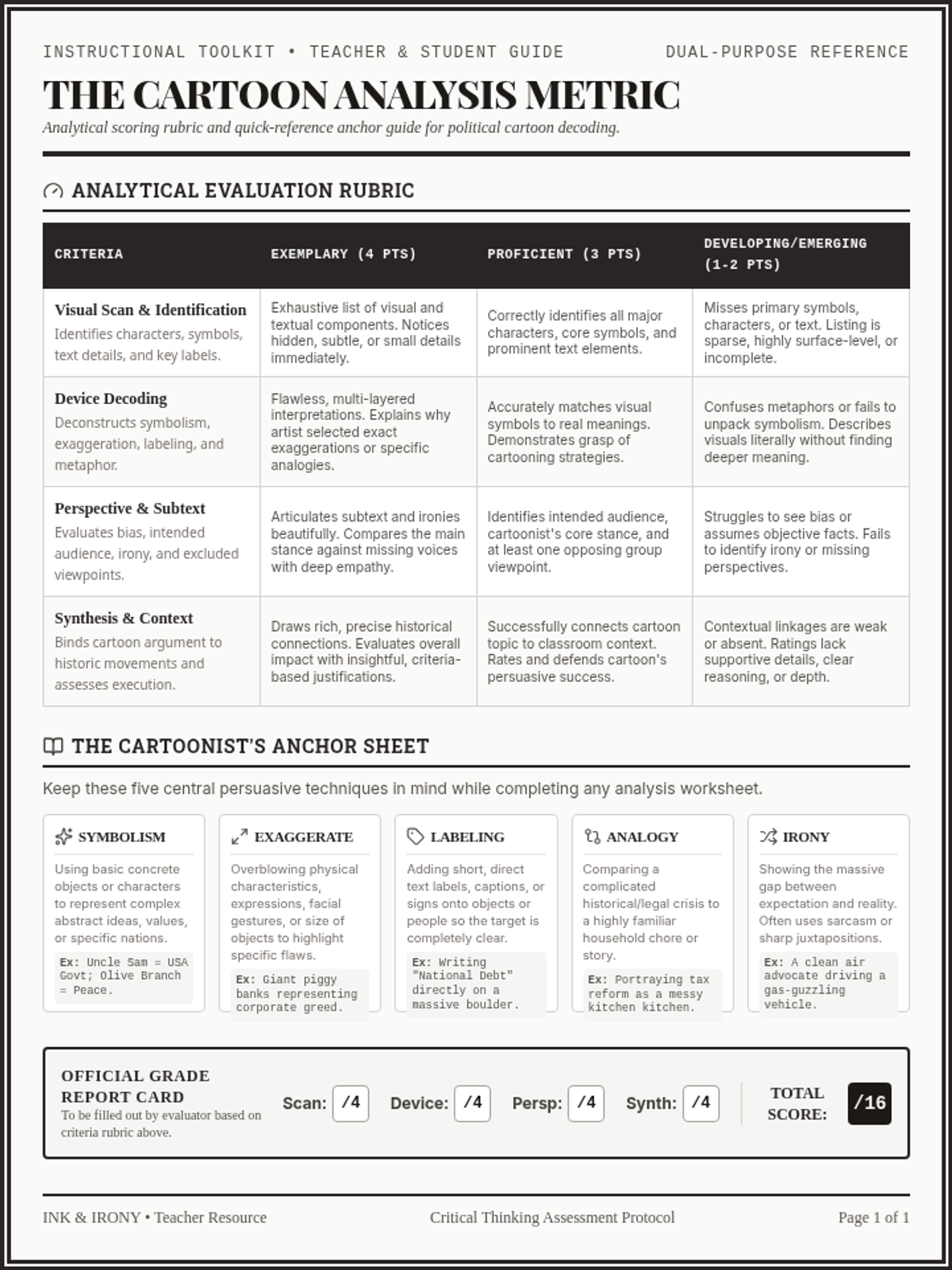
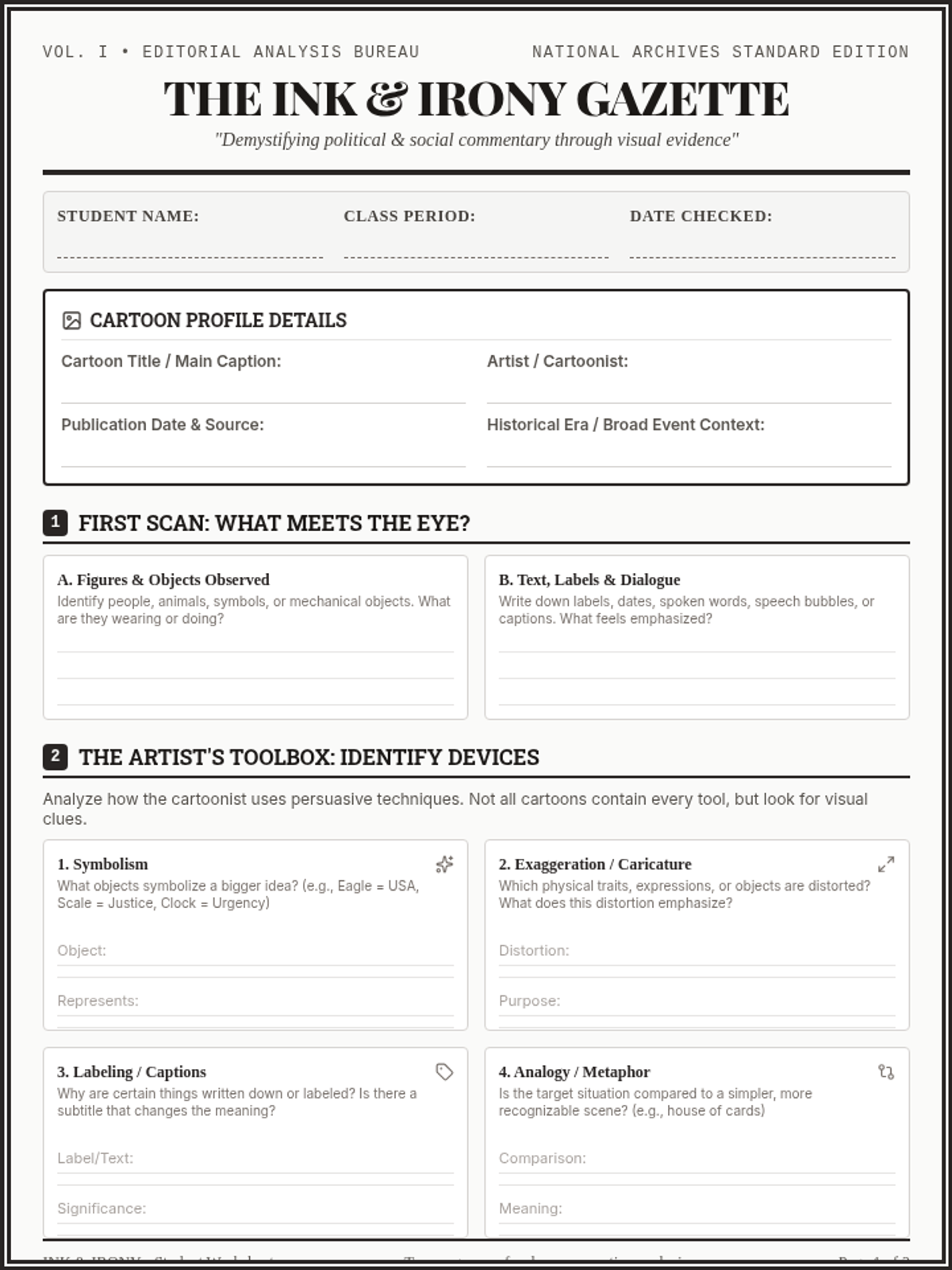
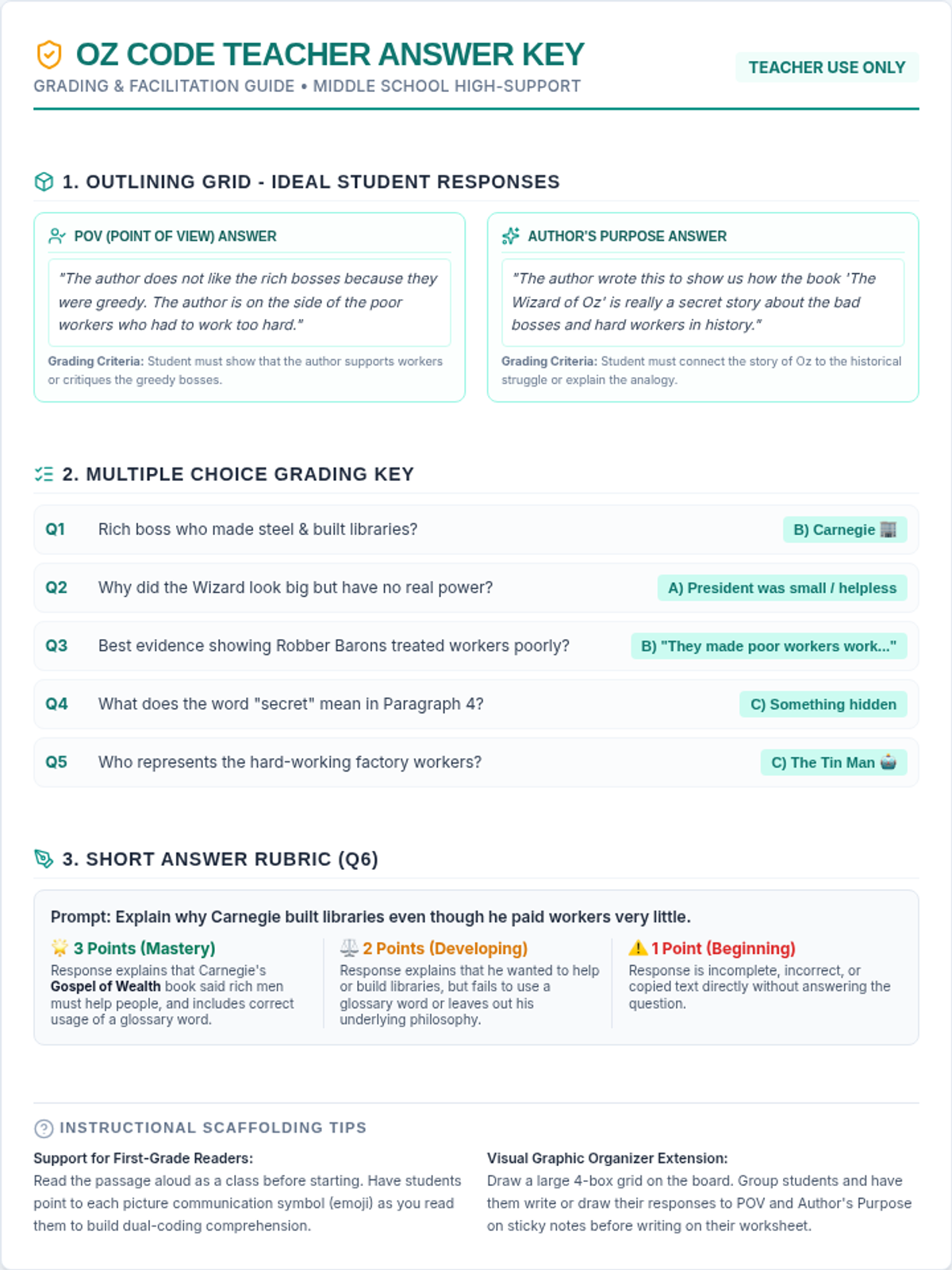
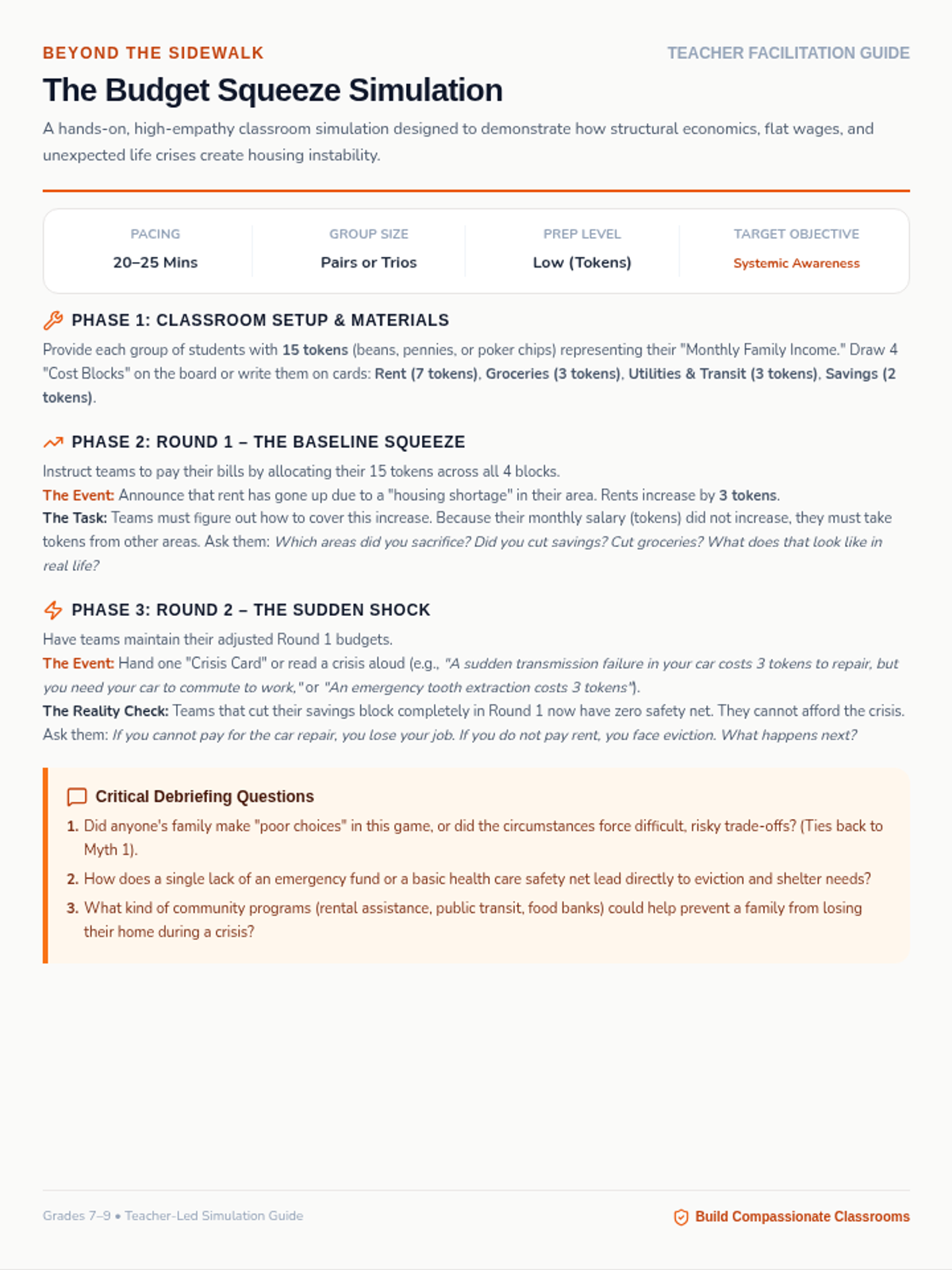
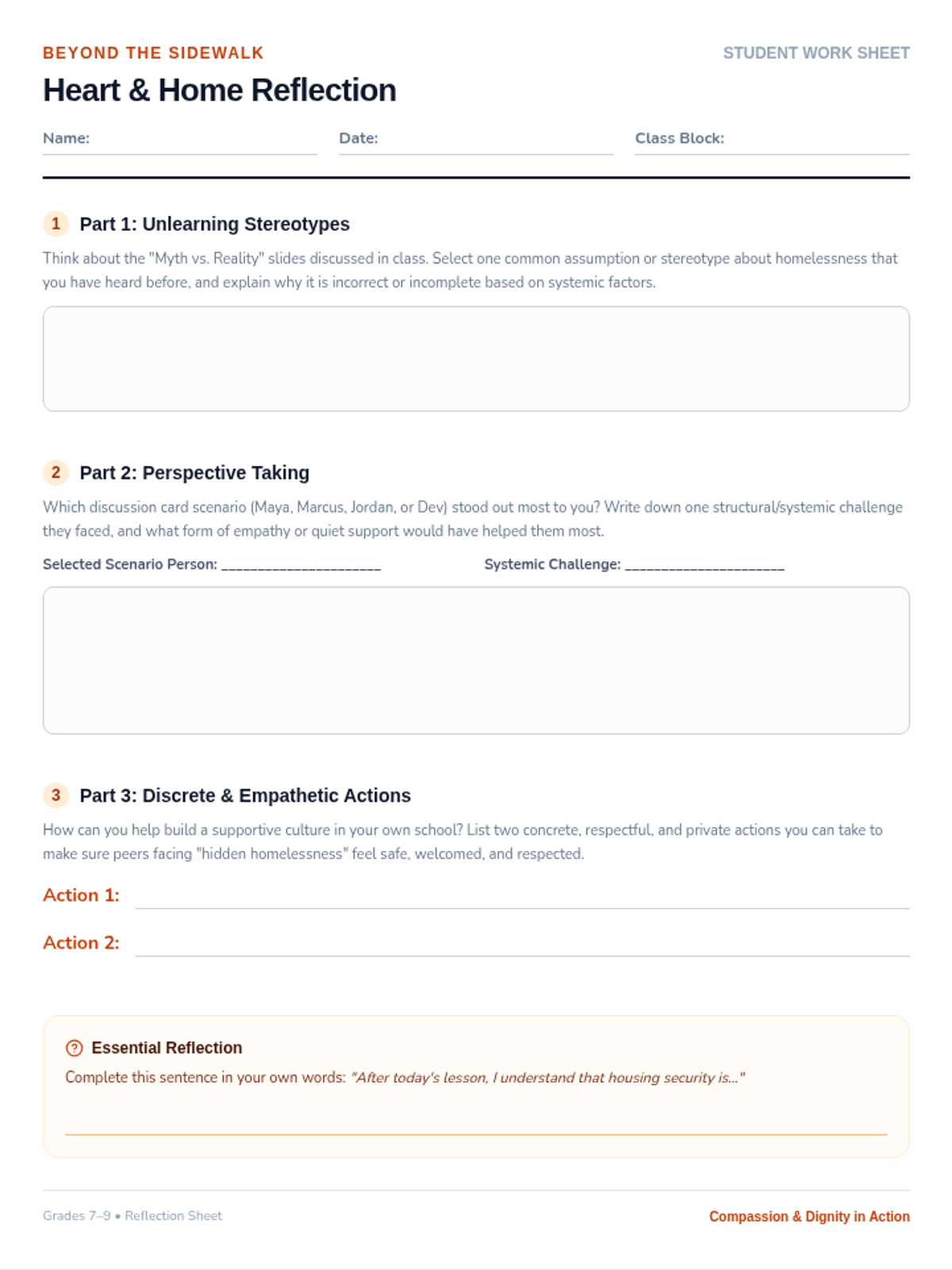
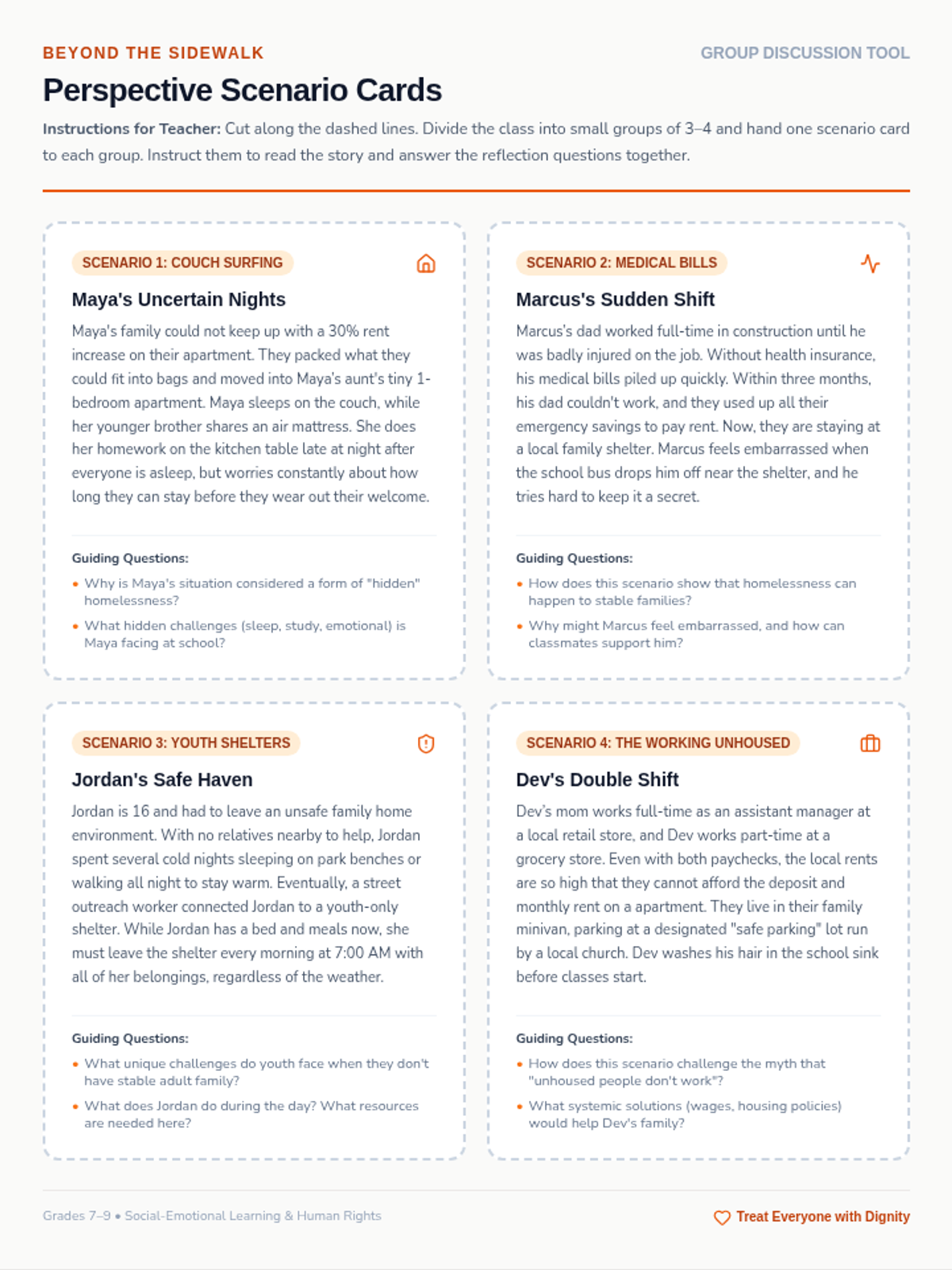
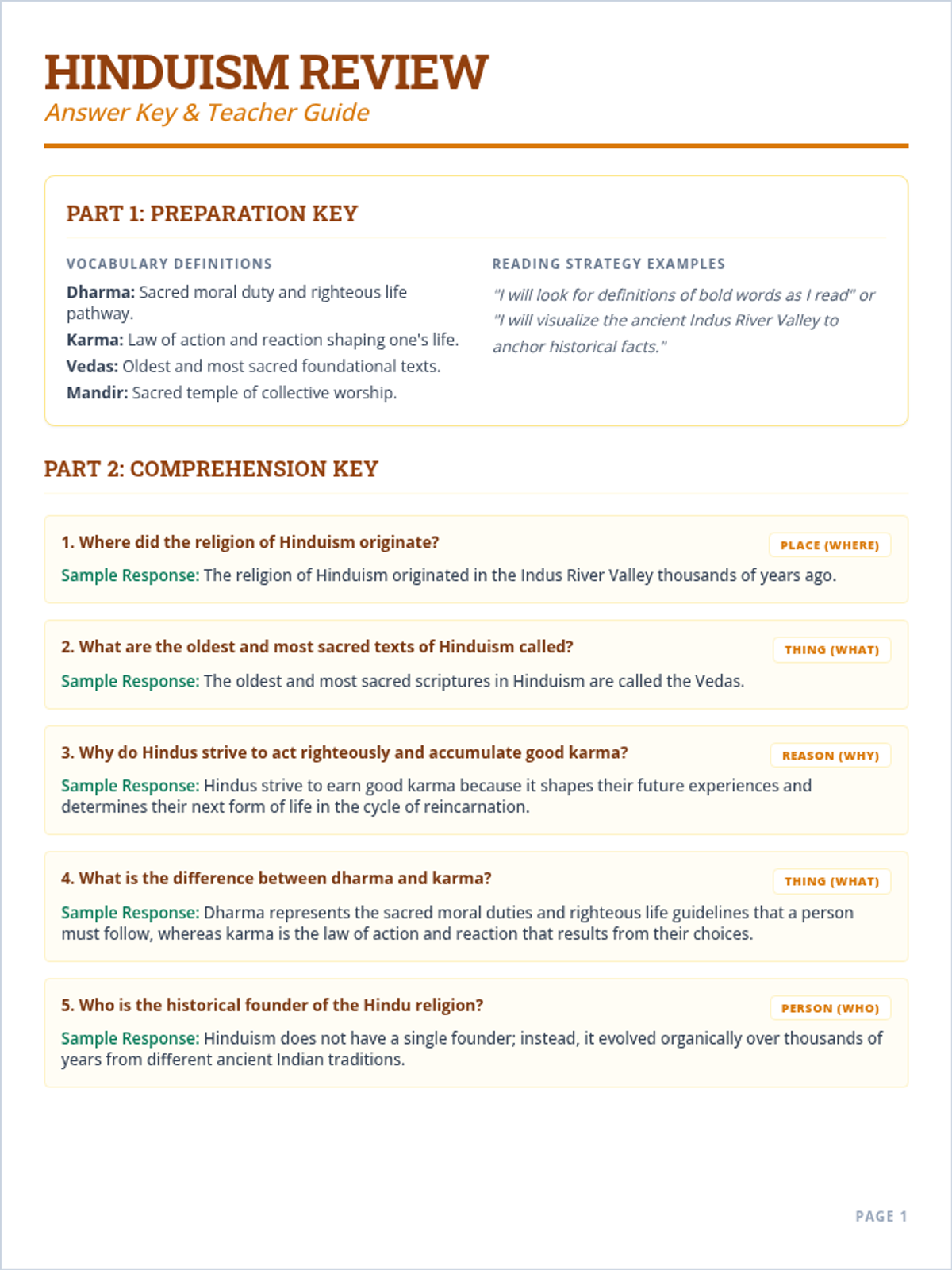
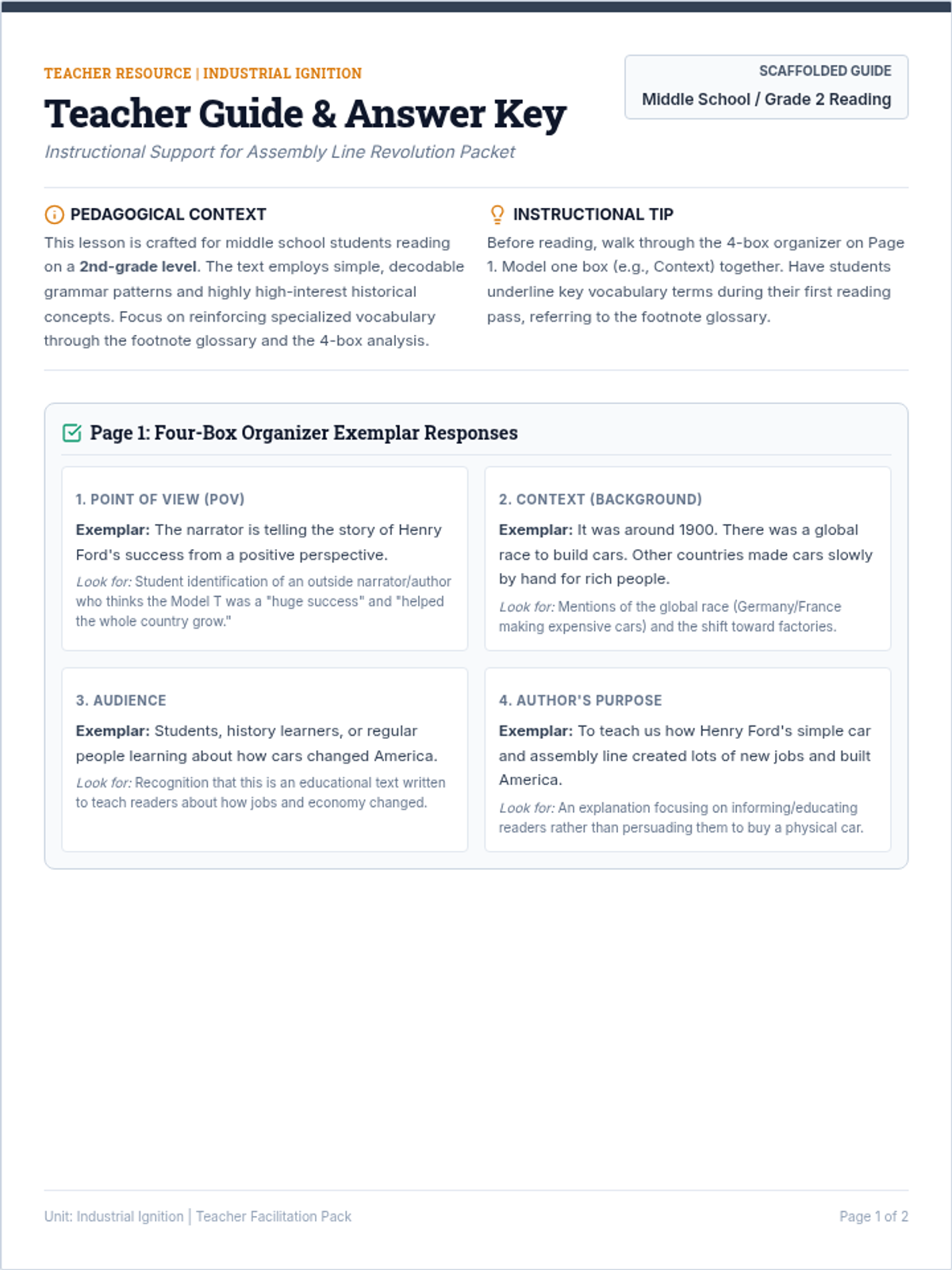
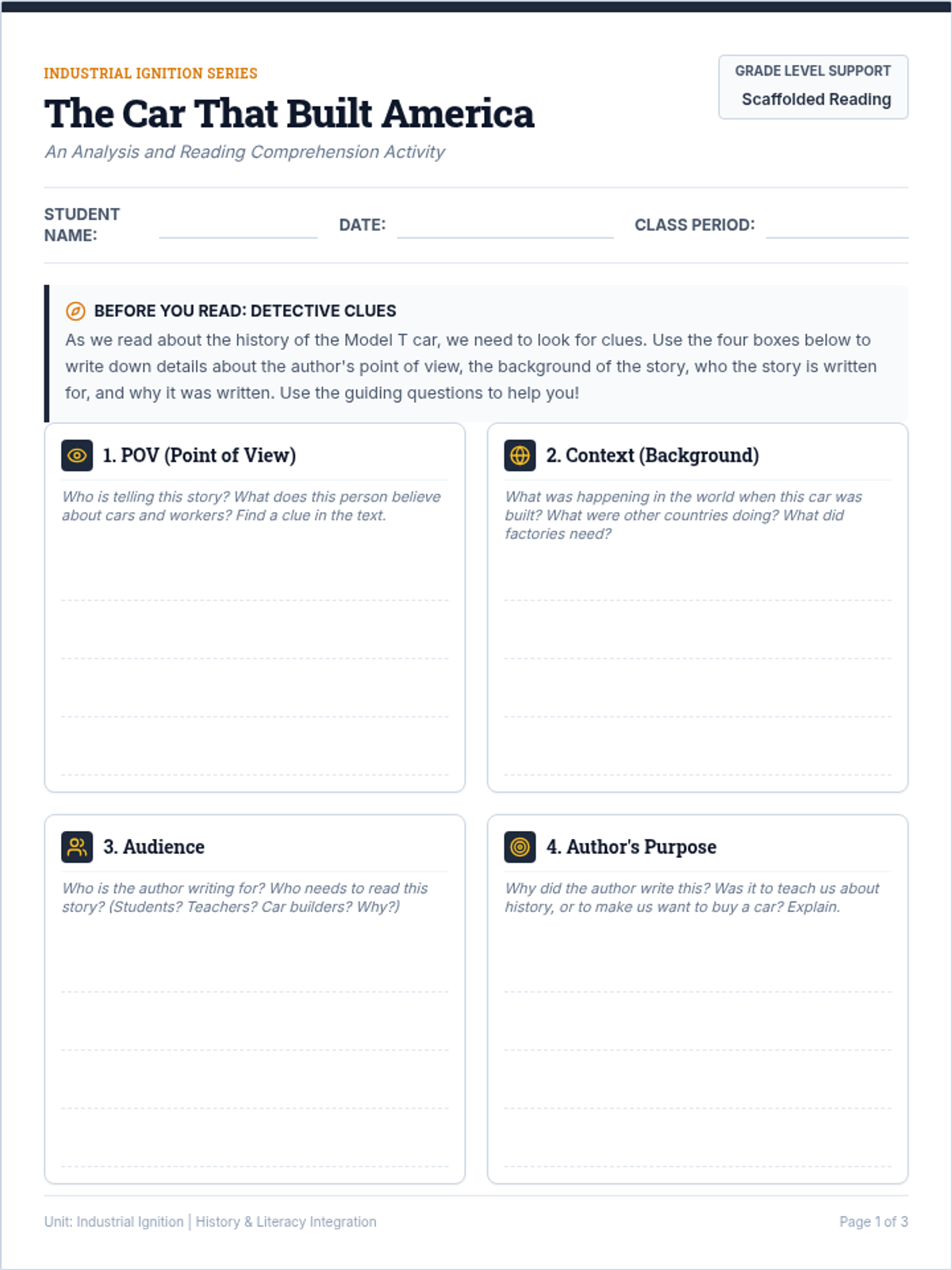
A cause-and-effect graphic organizer for students to map out the mechanics of scapegoating in a totalitarian regime, using the robot island allegory from the lesson video.
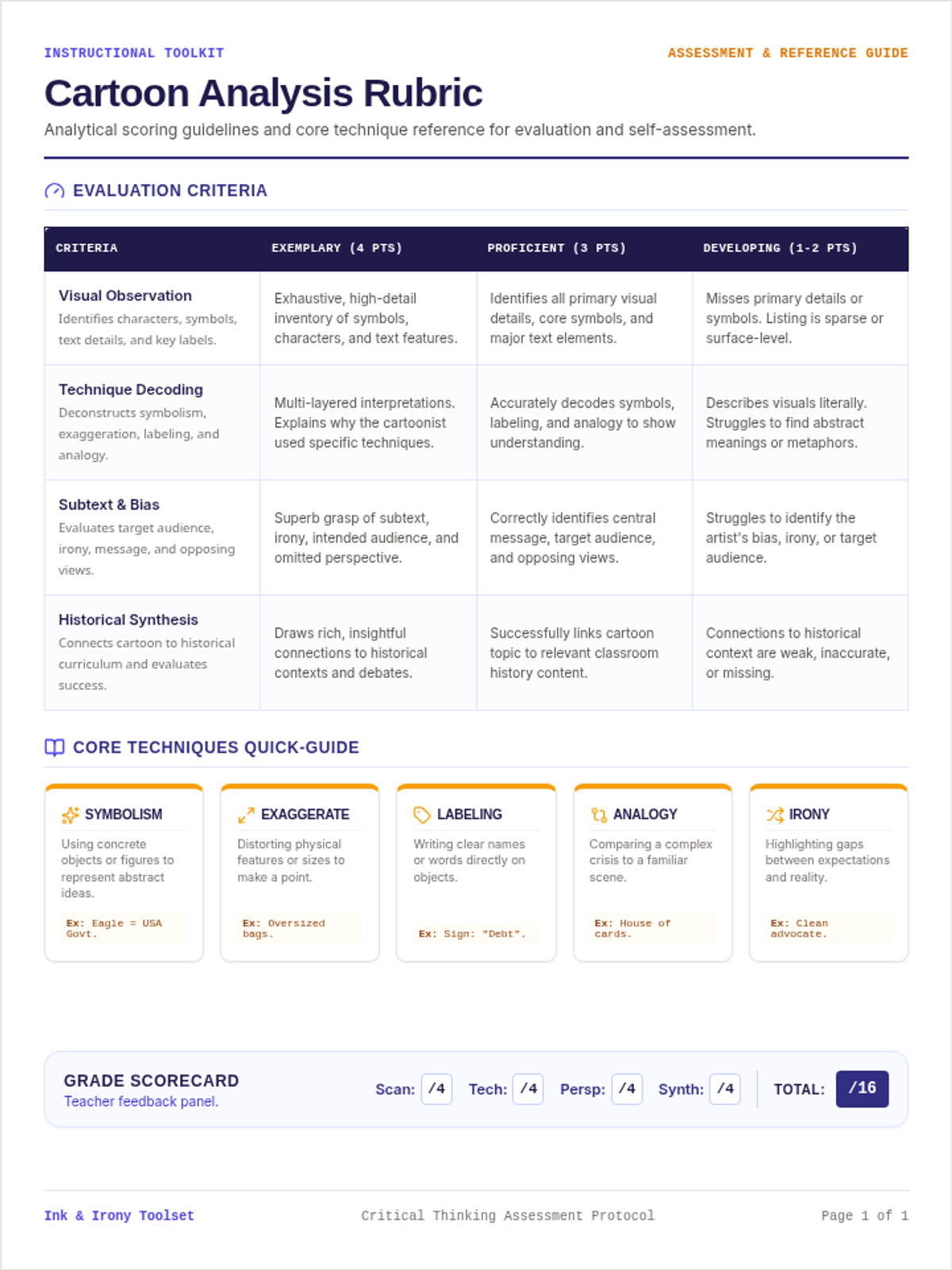
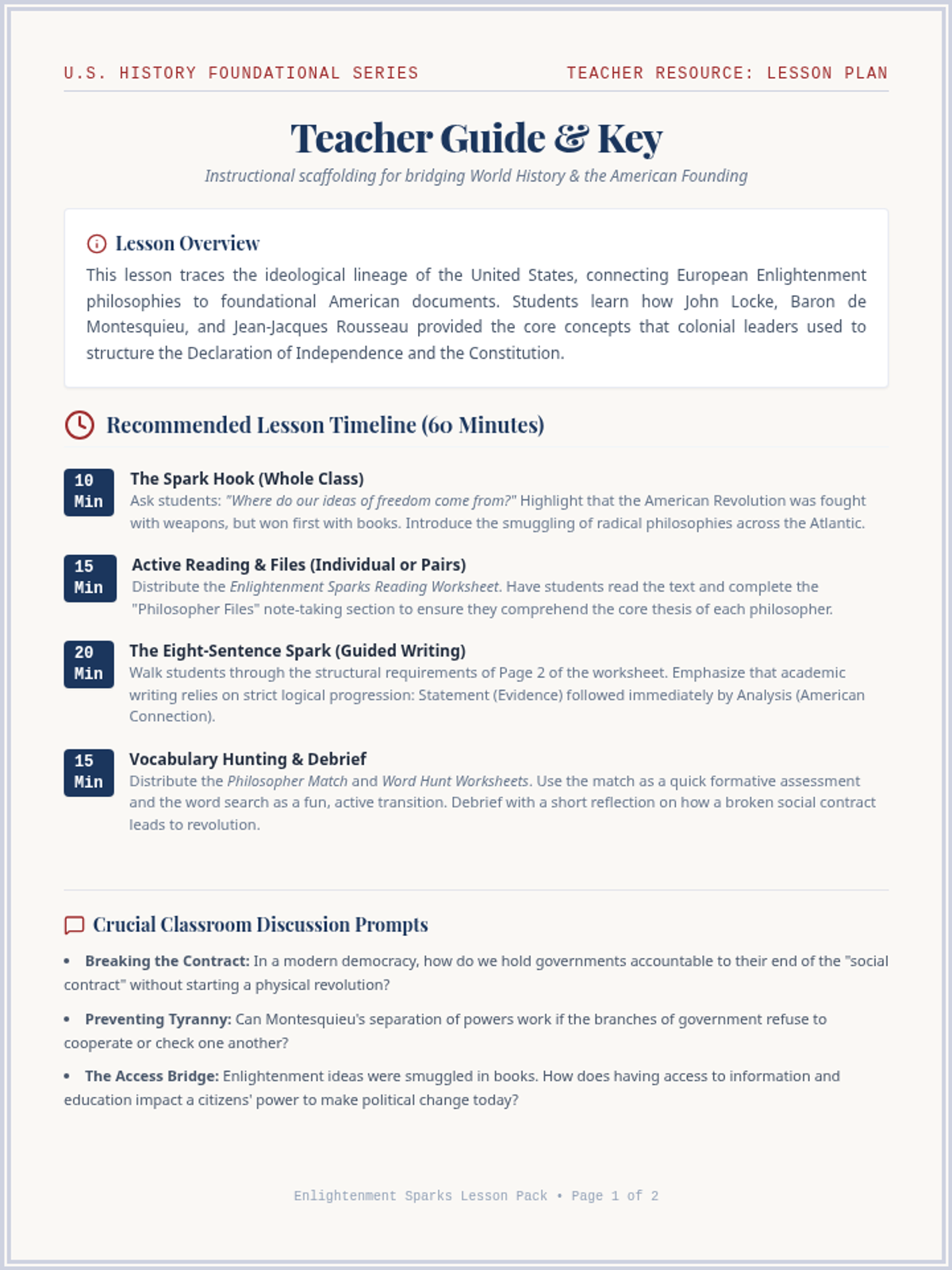
A facilitation guide for teachers including lesson objectives, pacing suggestions, key vocabulary, and a detailed answer key for the 'Backroom Deal' student worksheet.
A document-based analysis worksheet for students to investigate the terms of the Compromise of 1877. It includes critical thinking questions on the 1876 election deadlock and tasks for analyzing the long-term impact on civil rights and Southern politics.
A comprehensive slide deck covering the 1876 election deadlock, the backroom negotiations at the Wormley House Hotel, the terms of the Compromise, and its devastating impact on Reconstruction and African American civil rights.
A 10-question multiple-choice quiz formatted to match the Grade 8 Social Studies STAAR assessment. It covers high-stakes TEKS including government principles, geographic factors, and economic systems, designed to test student mastery of challenging concepts.
An activity sheet connecting physical geography to economic systems and settlement patterns. Students analyze how land and resources dictated the development of colonial regions, the transition from mercantilism to free enterprise, and the impact of industrial innovations.
A primary source analysis worksheet based on James Madison's Federalist No. 51. Using the SHEG 'Reading Like a Historian' methodology, students practice sourcing, contextualization, and close reading to understand the principles of checks and balances and separation of powers.
An engaging slide deck for the Power and Progress lesson, visually explaining the 7 principles of government, the relationship between geography and economic development, and the transition from mercantilism to free enterprise. Designed for Grade 8 STAAR social studies preparation with high-visibility text and graphics.
A comprehensive facilitator guide for the Power and Progress lesson, providing document-based question (DBQ) strategies, TEKS alignment, and a guide for historical thinking through primary source analysis. Includes a detailed answer key and common student misconceptions for STAAR preparation.
A simplified map-based activity where students identify the regions liberated by Simón Bolívar and José de San Martín using a color-coding system.
Picture-supported vocabulary flashcards for key terms related to Latin American independence, designed for diverse learners with clear icons and simple definitions.
An adapted reading passage about Latin American independence movements, featuring simplified text, visual icons, and a comprehension check.
A highly visual graphic organizer worksheet focusing on the Creole power ladder, the sparks of revolution, and a simplified map of the liberators in South America.
A visual slide deck for the teacher to use during the marketplace simulation, featuring high-impact slides for event cards like storms, pirate raids, and silver strikes.
A teacher facilitation guide for the Creole Catalyst lesson, providing instructional strategies, slide-by-slide discussion prompts, differentiation tips, and a full answer key for the visual timeline.
A scaffolded visual timeline worksheet for students to identify the roles and events of the Latin American independence movement, featuring a modified social hierarchy activity and key historical milestones.
A 5-slide visual presentation introducing the social hierarchy (Casta system), the motivations of Creoles (Enlightenment, other revolutions, Napoleon), and a broad timeline of the independence movements in Latin America.