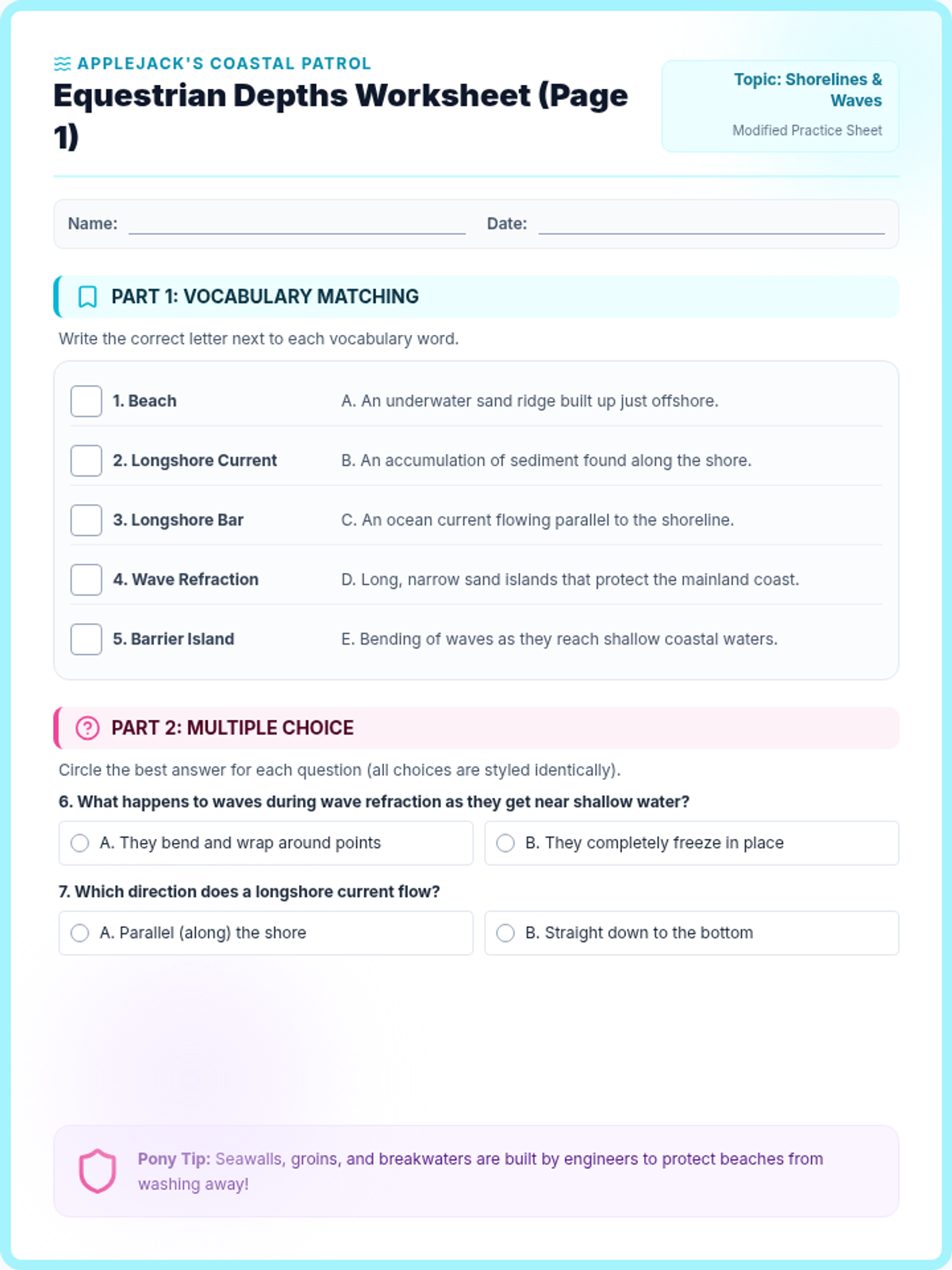
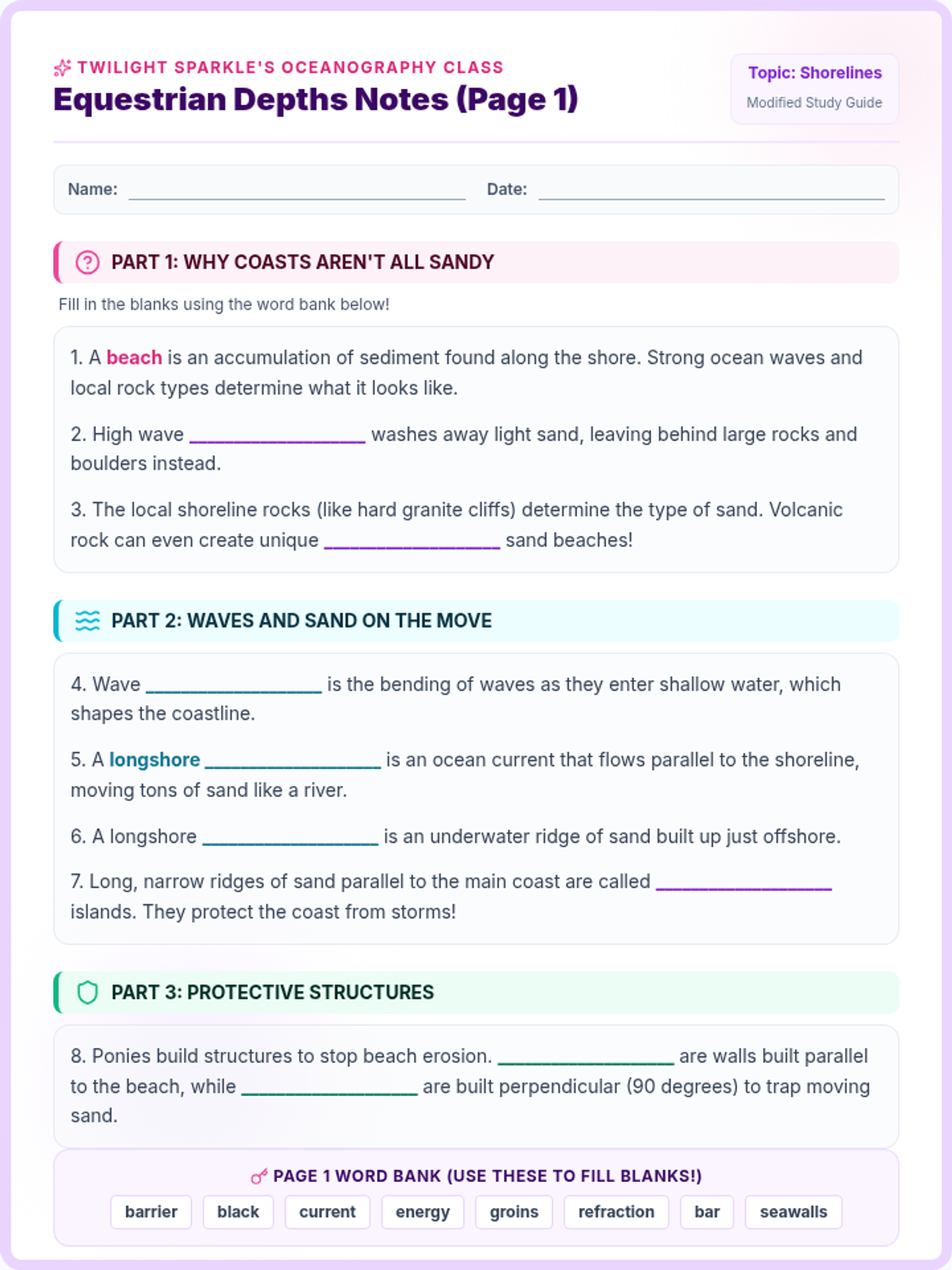
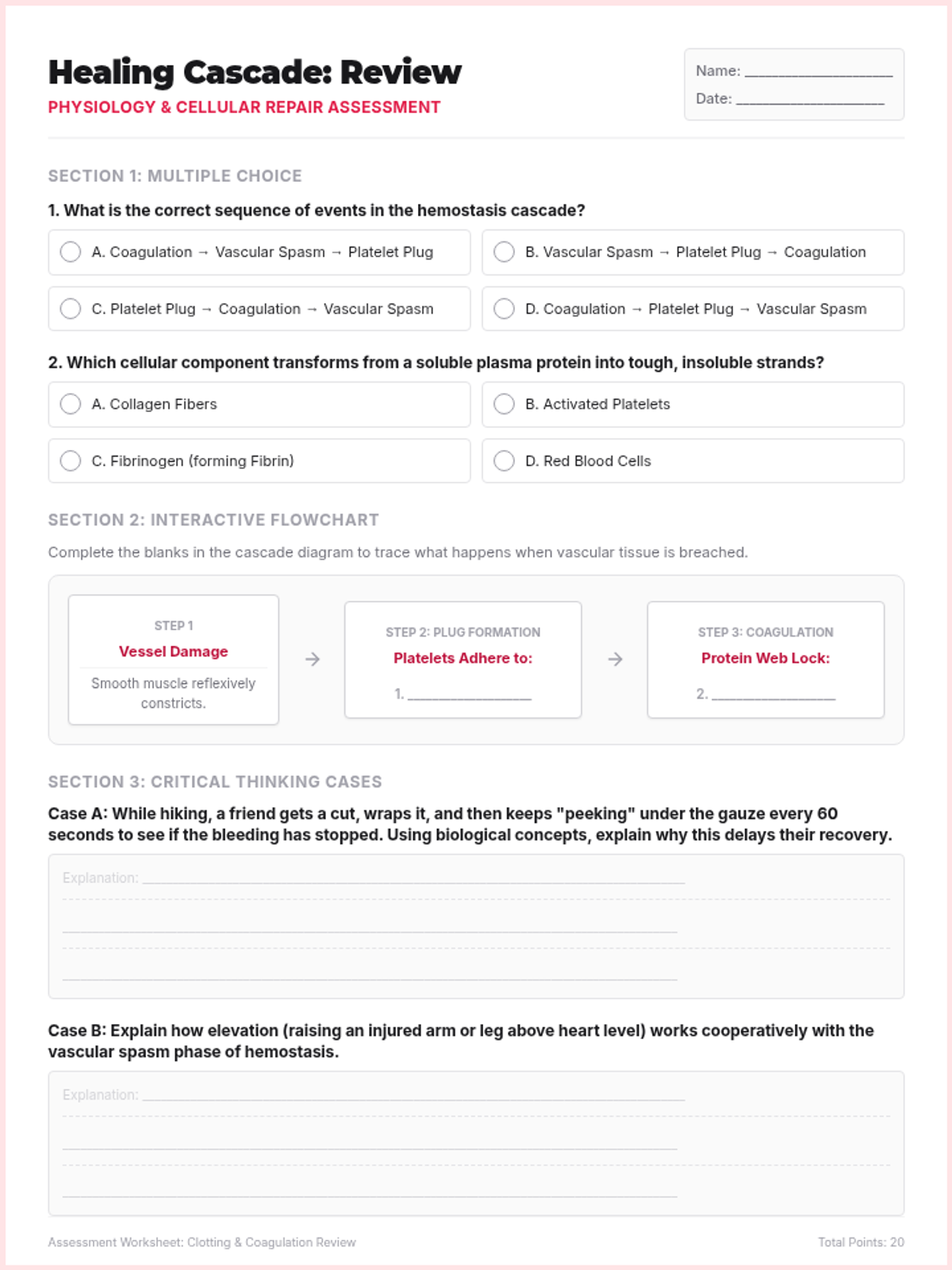
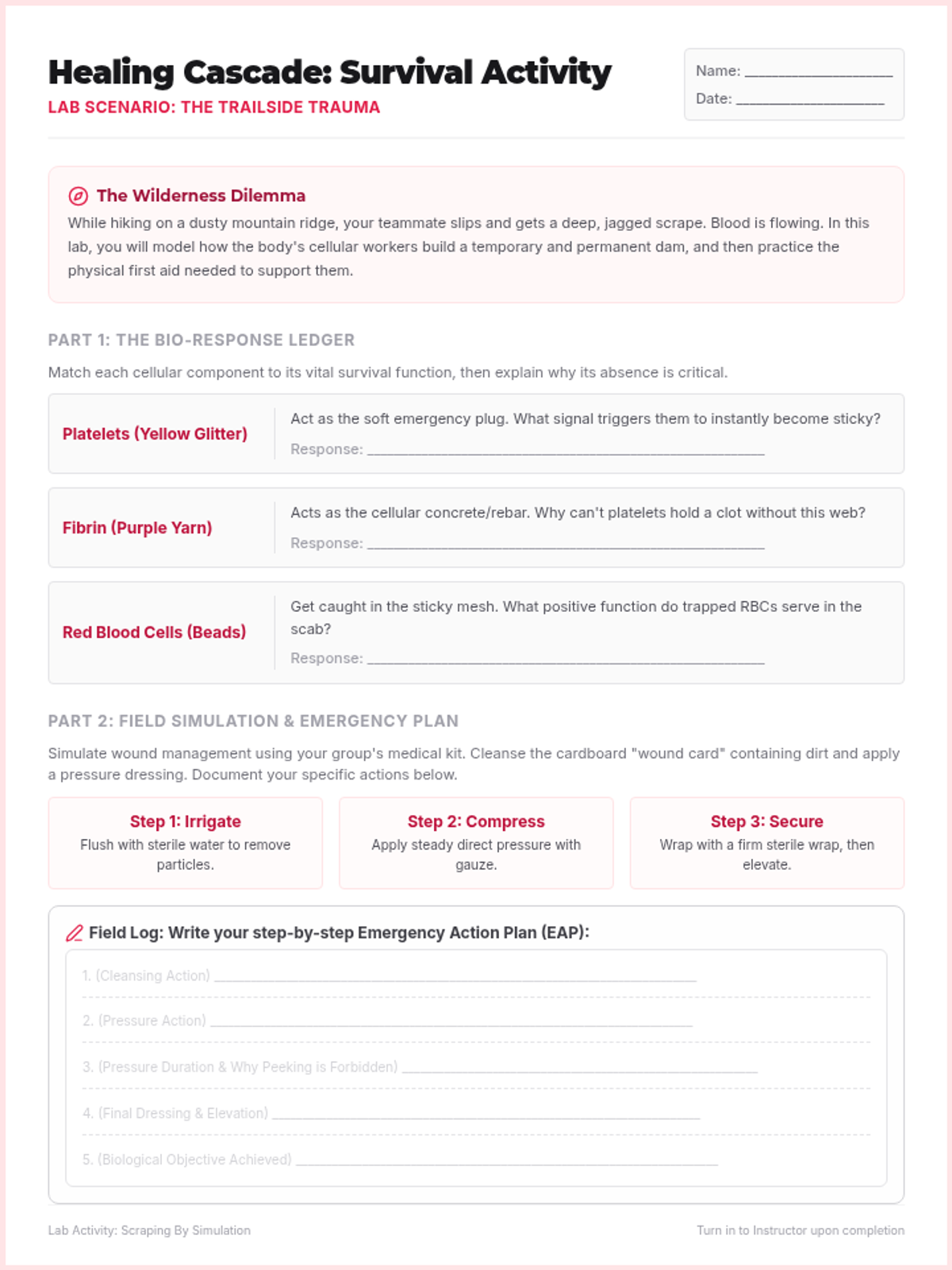
A 2-page student design workshop activity where students create high-impact, particle-level word wall cards for Dalton's Law concepts. Includes a planning 'blueprint' phase and a large-format 'Design Canvas' for the final concept card.
A 5-minute knowledge check post-test for students to demonstrate their understanding of passive data collection, metadata, and the ways they are tracked online.
A worksheet for 9th graders to match technical vocabulary (Metadata, Cookies, IP Address) to real-world data tracking scenarios like location sensing and device profiling.
A colorful 8-slide presentation for 9th graders exploring passive data collection. Includes visual breakdowns of search history, location tracking, and device metadata with interactive discussion prompts. Revised to ensure all text is at least 24px.
A 5-minute diagnostic pre-test designed to assess student's baseline knowledge of digital tracking, location data, and passive data collection before the main lesson.
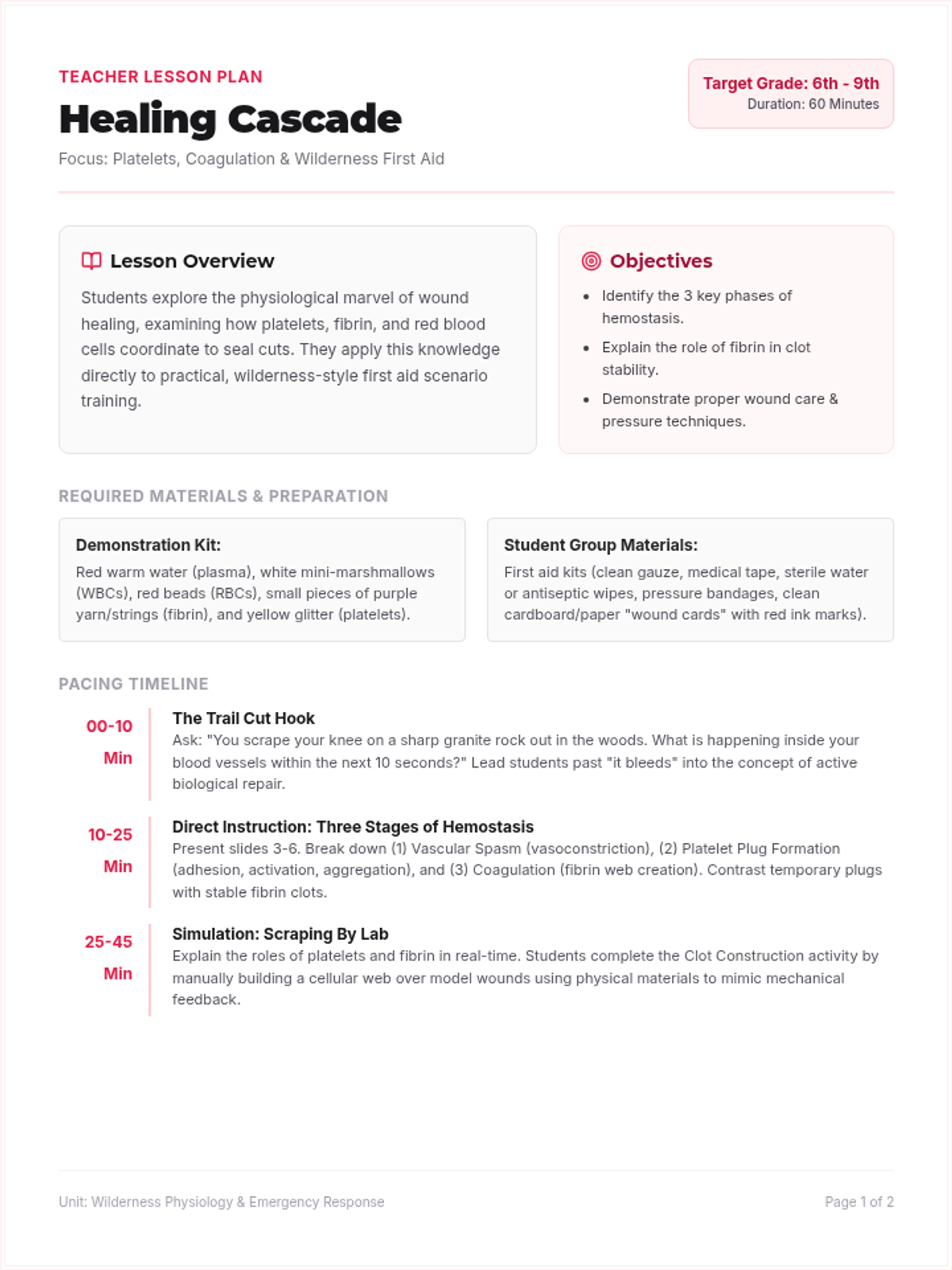
A comprehensive facilitator guide for the 'Breadcrumbs in the Browser' lesson, featuring a 30-minute instructional timeline, learning objectives, and key vocabulary for tracking digital footprints.
Teacher answer key for the Rock Density Virtual Lab. Provides the expected mass, volume, and density values for Granite and Basalt, along with model answers for the analysis questions regarding crustal composition.
A modified rock density lab worksheet for absent students. It features virtual measurement stations with visual representations of digital scales, graduated cylinders, and the rock samples themselves (Granite and Basalt) to allow students to gather data without physical materials.
A strictly 2-page reading guide optimized for print. Page 1 contains the detailed symbol key. Page 2 features the integrated circuit with a fixed, closed switch and updated text describing a functional closed circuit.
A comprehensive 2-page reading guide. Page 1 features a detailed Master Key with symbols and deep-dive explanations. Page 2 features a large Integrated Circuit schematic with extended reading on current flow and the "Golden Rule" of closed loops.
Guided notes for students to complete while reading the Circuit Symbols Guide. Includes fill-in-the-blank definitions, drawing practice for symbols, and an integrated circuit sketching area. Optimized for 1-page fit.
A teacher guide and answer key for the 'Survival Loop' game, featuring the full card sequence, gameplay tips, and classroom variations.
A complete 'I Have, Who Has' printable card set featuring 14 key evolution and reproduction vocabulary terms with clear definitions and visual icons.
Optimized 1-page introductory reading guide for students that explains schematic diagrams and provides a visual symbol key plus a large labeled integrated circuit example containing all four components. Designed to fit perfectly on a single page.
A visual slide deck teaching the process of photosynthesis, the chemical equation, cellular respiration, and the continuous energy cycle between the two.
An answer key for the Solar Kitchen Worksheet, providing correct labels, definitions, comparison table entries, and matching solutions.
A comprehensive photosynthesis worksheet featuring a plant diagram for labeling, key term definitions, a comparison table with cellular respiration, and a chemical formula matching section.
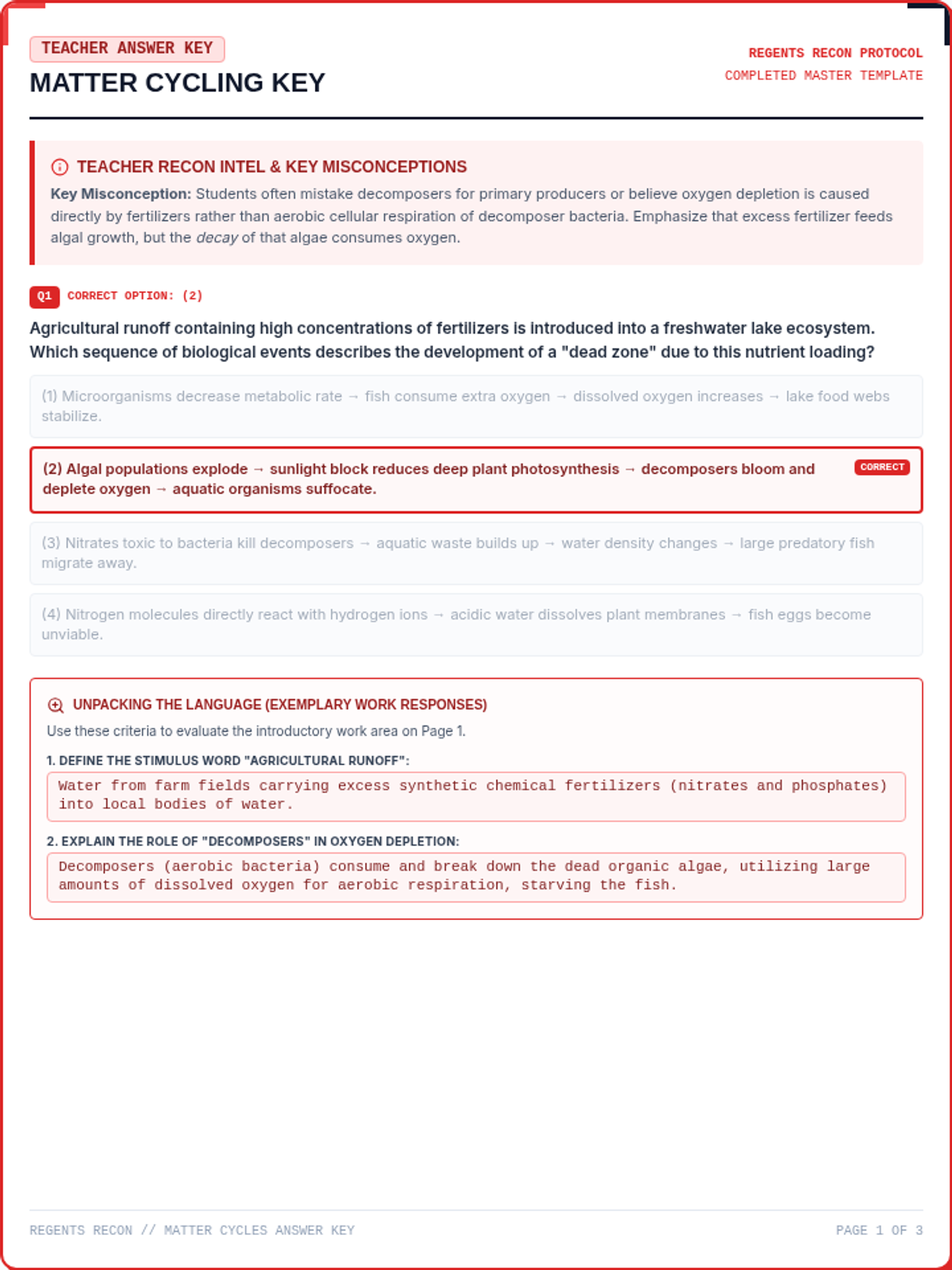
An updated answer key reflecting the new problem order, with the easiest problems solved first followed by more advanced analysis solutions.
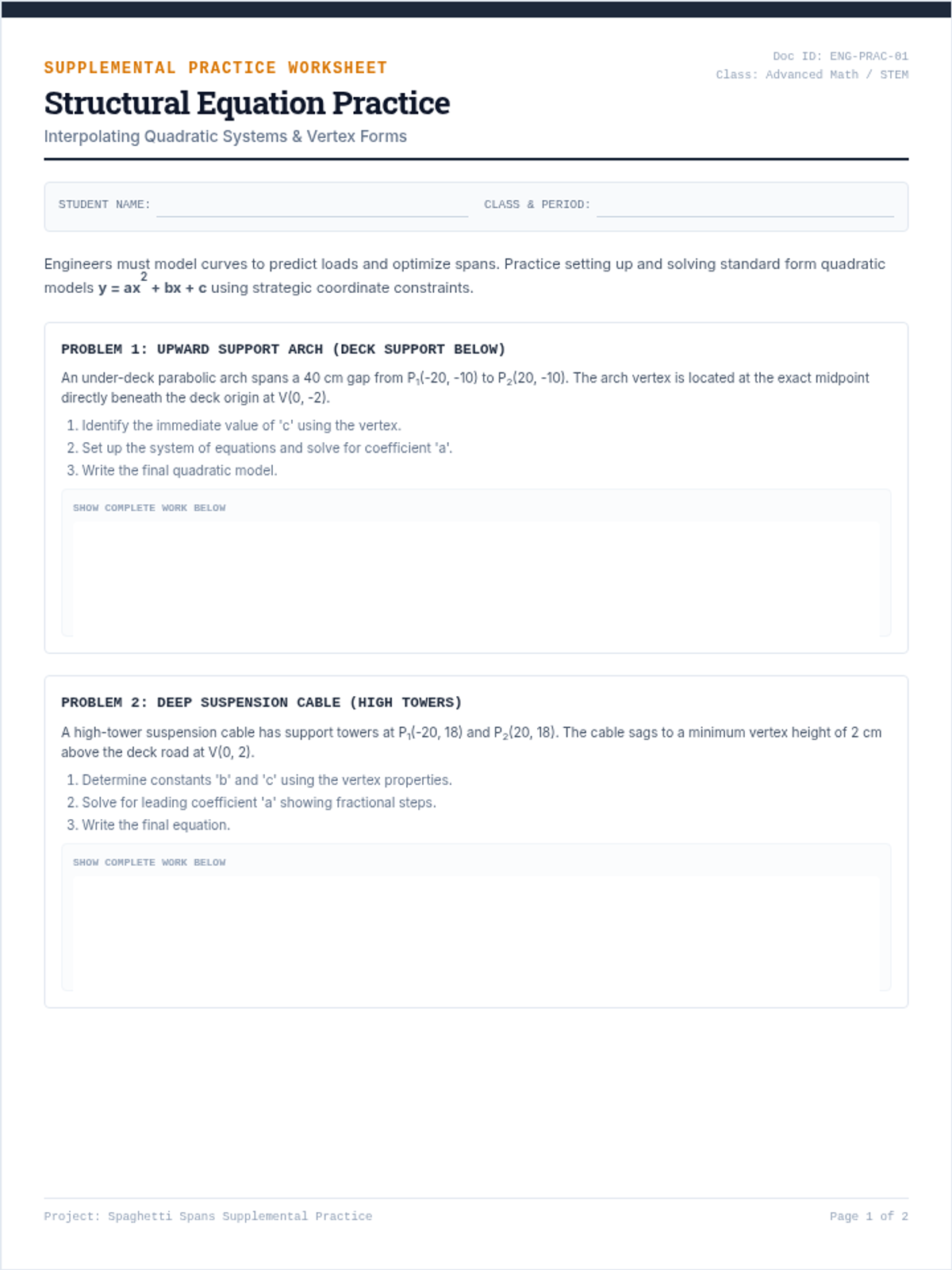
An updated worksheet where the easier problems (formerly 3 and 4) are now presented first as "Warm-up Trials," with the harder problems moved to the second page.
A graphic organizer for students to map out their monster's genotypes and phenotypes, plan their project traits, and run a genetic cross simulation.
A comprehensive project guide and rubric for the Monster Maker final project, outlining requirements for a slide presentation on monster genetics.
A slide deck for Lesson 3 explaining complex inheritance patterns like incomplete dominance and codominance, designed to help students add unique features to their monster projects.
A practice worksheet for Punnett squares where students calculate probabilities for various monster traits, including a challenge problem about determining parent genotypes.
A slide presentation explaining how to use Punnett squares to predict genetic probabilities, including a step-by-step guide and calculations for the Monster Maker unit.
A practice worksheet for Lesson 1 of the Monster Maker unit, requiring students to identify genotypes, phenotypes, and homozygous/heterozygous allele pairs in a lab-themed context.
An introductory slide presentation for the Monster Maker unit, covering fundamental genetics concepts like alleles, genotype, phenotype, and dominance within a lab-themed project context.
A one-page daily lesson plan agenda based on CMR 248 Section 10, specifically focusing on the regulations for sleeving plumbing pipes. Features a cleaned-up header with name and date removed.
An updated 2-page study guide that now includes a dedicated "Series & Parallel Architectures" section. This section compares current, voltage, and resistance calculation rules for both circuit types, alongside existing sections on Ohm's Law, Kirchhoff's Rules, Superposition, and Electric Potential.
A comprehensive 2-page student study guide summarizing Ohm's Law, Kirchhoff's Junction and Loop Rules, the Principle of Superposition, and Electric Potential. Features visual analogies, simplified formulas, and step-by-step analysis procedures.
A comprehensive answer key for the Circuit Logic Review Worksheet, providing final answers, formula derivations, and brief explanations for both multiple-choice and structured questions.
A 20-question review worksheet featuring 10 original multiple-choice questions and 10 new structured problems focusing on Ohm's Law, Kirchhoff's Rules, Superposition, and Electric Potential. Includes ample work space for calculations and visual diagrams for circuit analysis.
The teacher answer key for the Hole Saw Components Worksheet, featuring correct labeling and detailed safety explanations. Component labels match the worksheet layout to ensure no visual details are obscured.
A student labeling worksheet focusing on the specific parts of a hole saw assembly and essential safety protocols, featuring an updated realistic illustration of the Milwaukee Hole Hawg and Hole Dozer. Component labels are positioned at the periphery to avoid obscuring technical details.
Updated Right Angle Power Slides with refined component labeling that ensures images of the Milwaukee Hole Hawg and Hole Dozer are not obscured. Labels are positioned at the periphery with clear leader lines pointing to specific features.
An illustrated slide deck reviewing fundamental circuit concepts: Ohm's Law, Kirchhoff's Junction and Loop Rules, the Principle of Superposition, and Electric Potential. Includes visual diagrams, analogies, and key formulas for exam preparation.
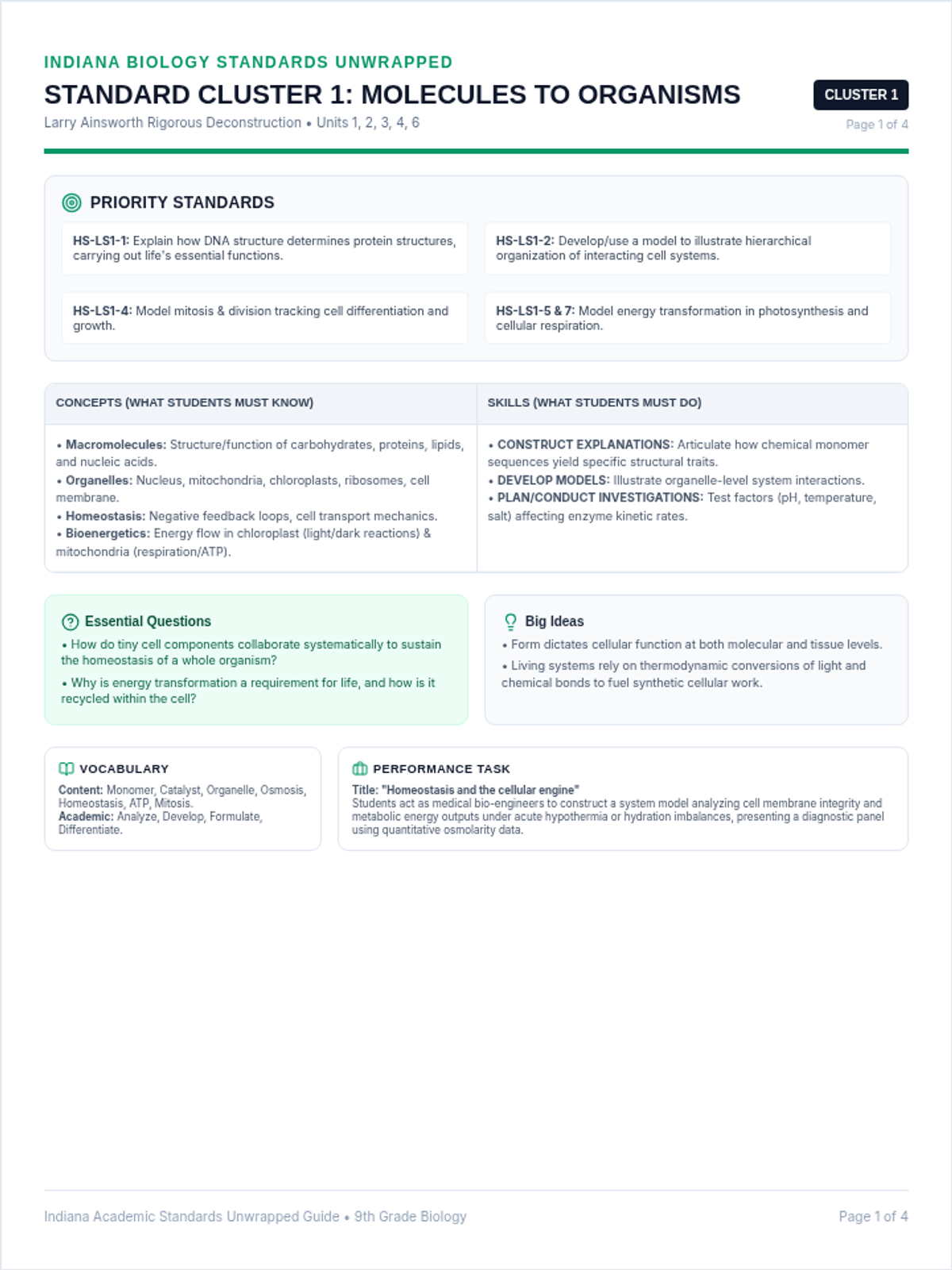
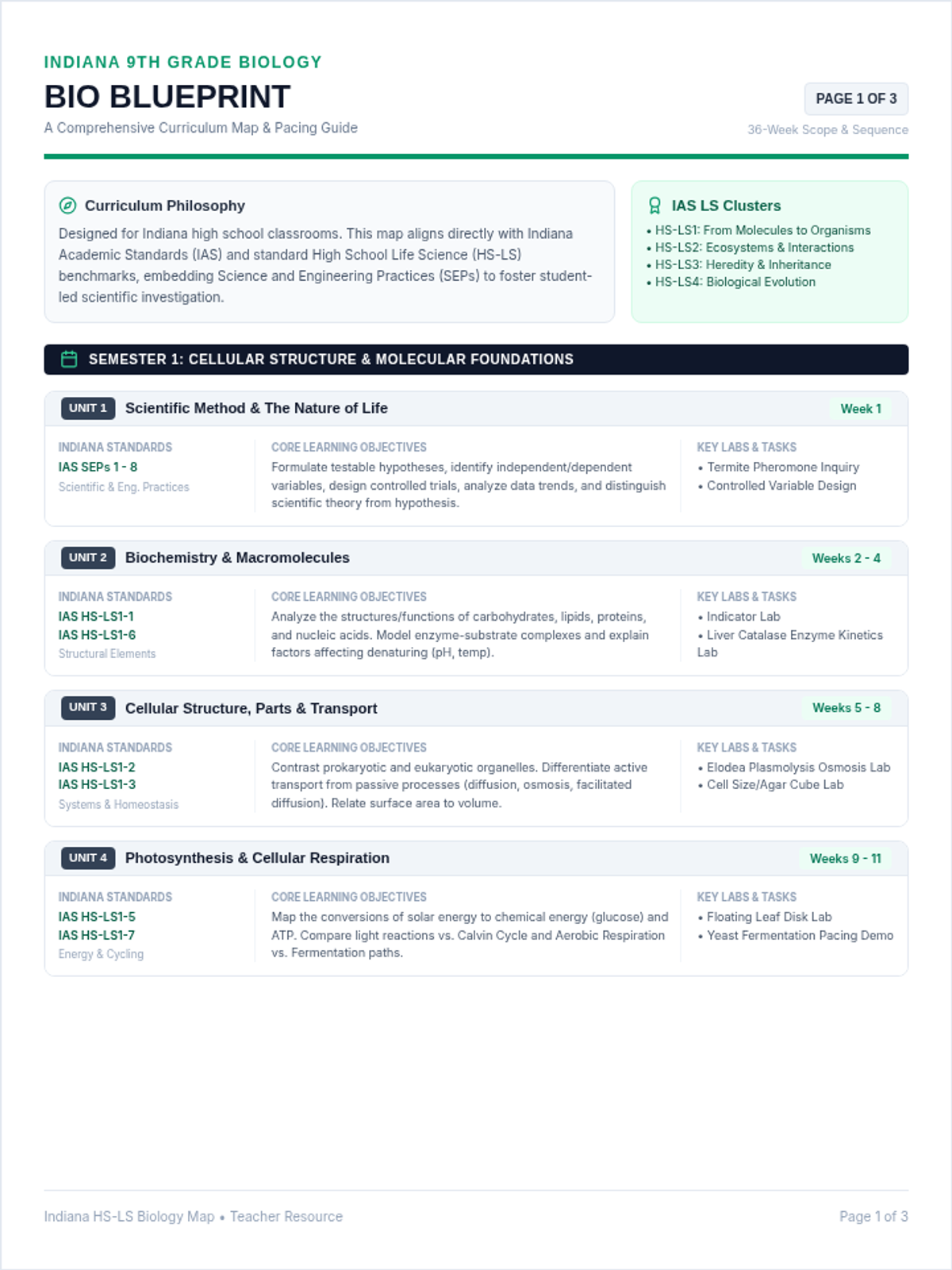
Updated one-page lesson plan for the Milwaukee Hole Hawg, now focusing on manual keyed chuck operation and safety. Agenda and objectives have been condensed to fit properly within their layout containers.
Le corrigé détaillé du test de cinématique avec barème et explications pour chaque question. Idéal pour une correction rapide en classe ou en autonomie.
Un test de 10 minutes sur la cinématique pour étudiants L1. Il comprend une analyse de graphe v(t) (MRU/MRUV) et une application directe sur le mouvement circulaire en coordonnées polaires.
A clean, single-page standalone station card for Station 1 of the Partial Pressure Parade. Features clear sections for Dalton's Law concept, environment parameters, and two scaffolded calculation sandboxes for finding partial and total pressures.
A student rotation handout for the Partial Pressure Parade stations. Provides structured spaces for particle modeling, step-by-step SCUBA pressure calculations, mole fraction derivation discovery, and water vapor correction math. Includes explicit scaffolds for unit conversions and mathematical pathways with all code-style comments and pipes removed.
A teacher active monitoring checklist designed for the Pressure Parade chunked reading. Includes specific labels for "STOP AND JOT" and "THINK PAIR AND SHARE" look-fors, with a focus on student use of "SENTENCE STEMS" and conceptual accuracy.