Instructional slides for the final lesson, setting up the "Logical Defense" summative assessment where students defend their argumentative chains against a panel.
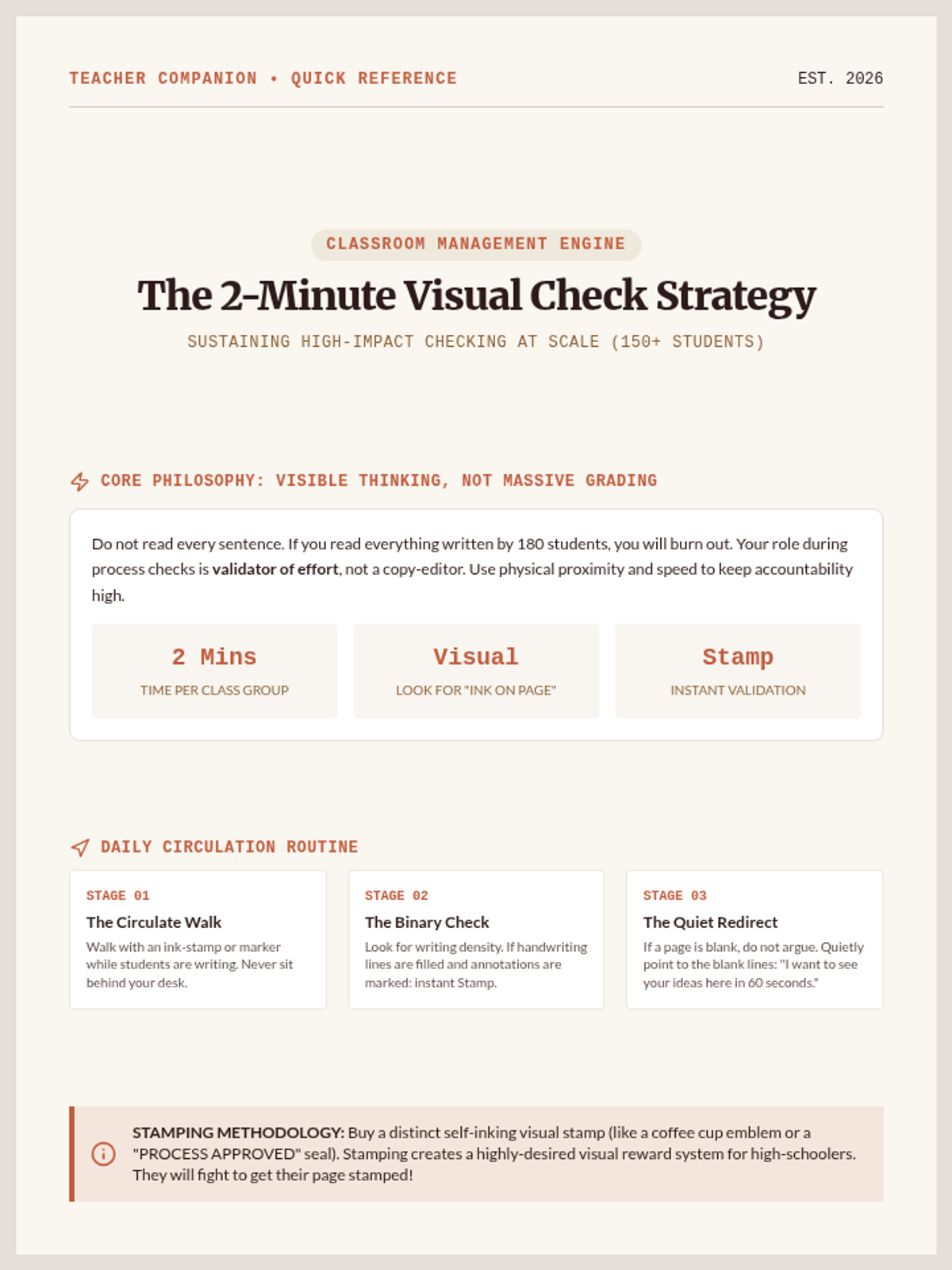
A teacher quick-reference guide detailed on how to conduct rapid 2-minute visual check-ins, implement the classroom crate storage system, and manage sustainable grading.
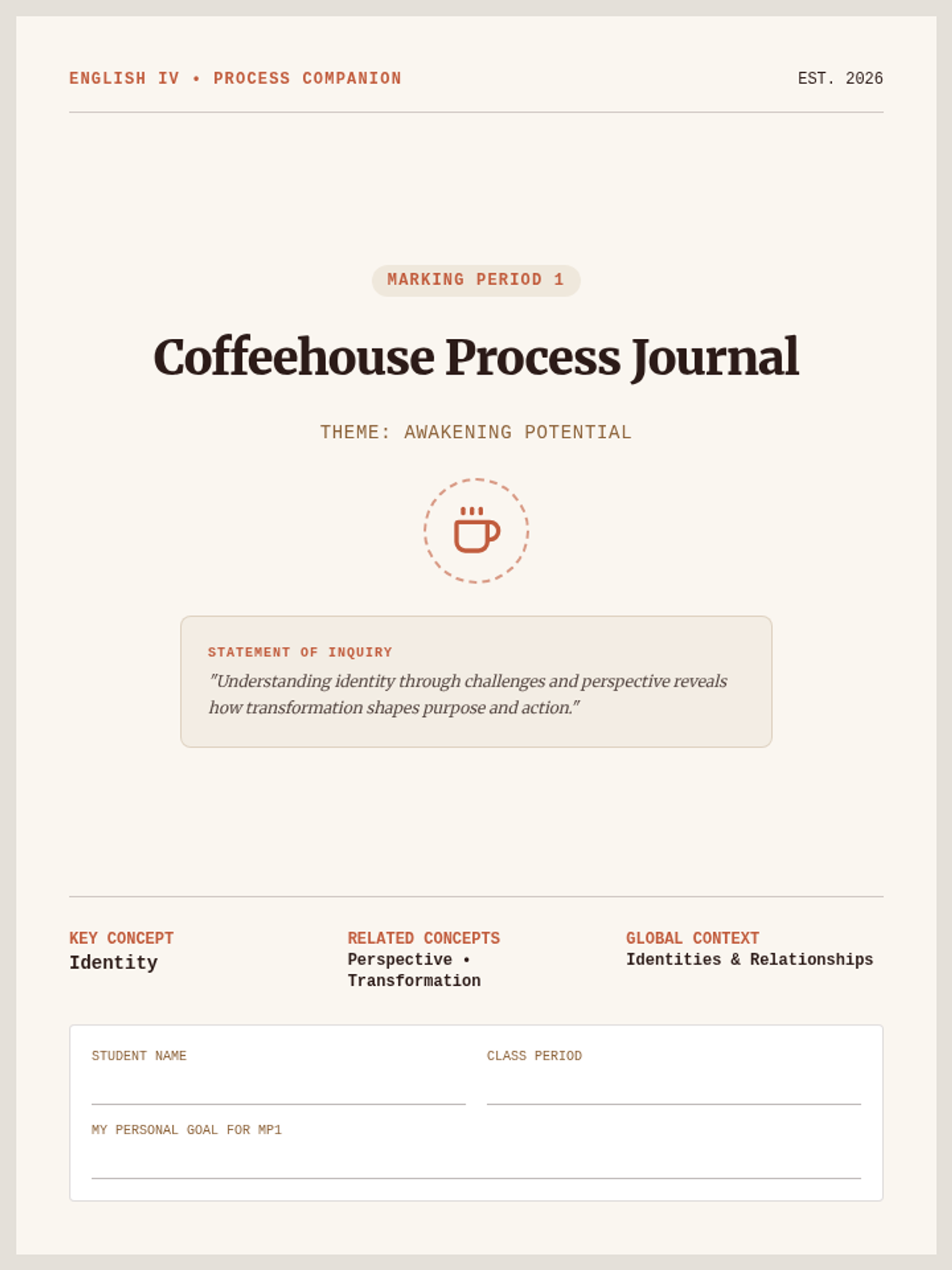
A 12-page highly-structured, visual student work booklet with cozy cafe tones, clean grids, and typewriter-style fonts for an artistic journal vibe. Stored in crates, it is designed for 2-minute visual check-ins.
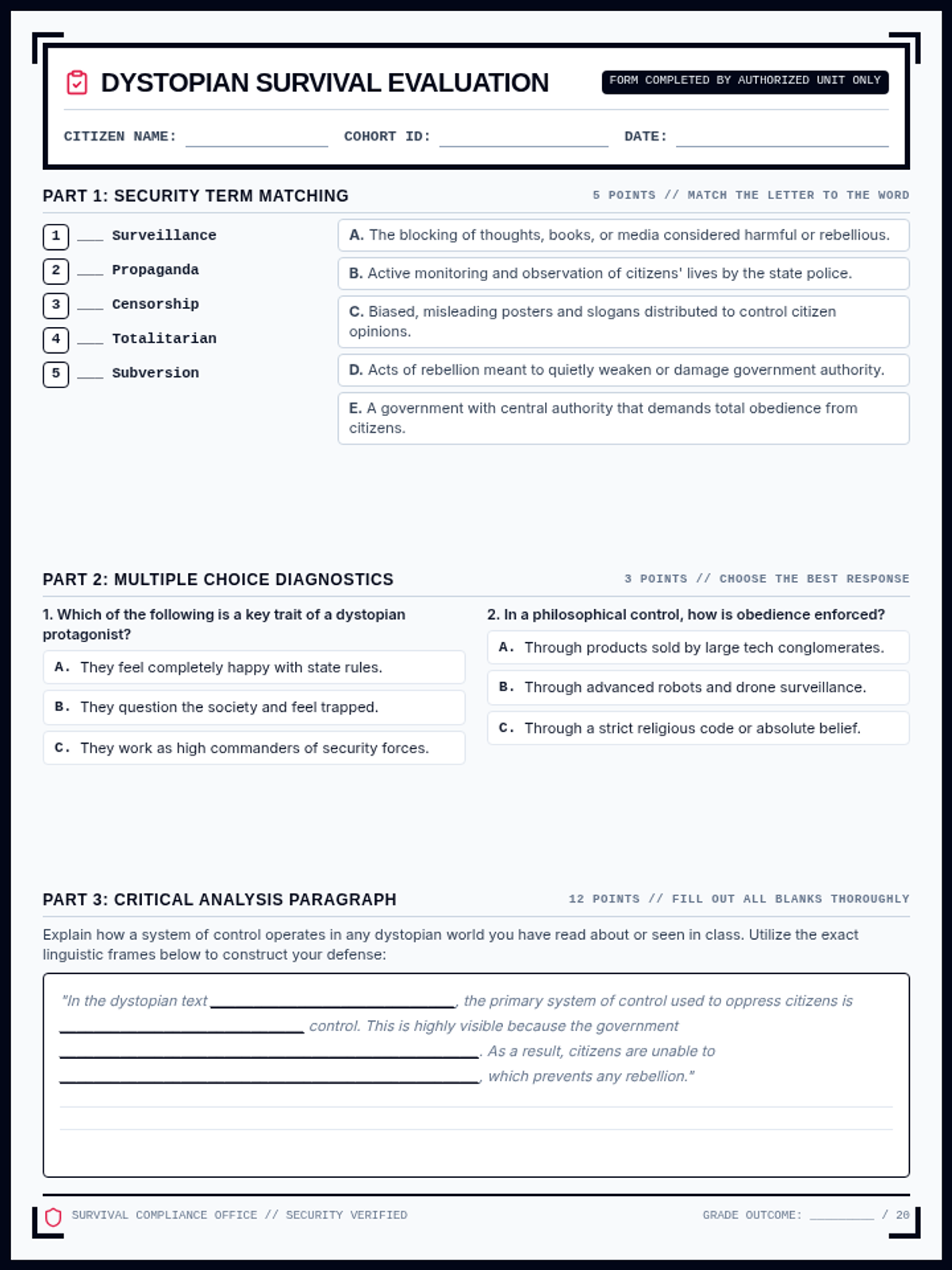
A highly structured and modified vocabulary matching assessment and short answer quiz featuring comprehensive sentence frame writing supports.
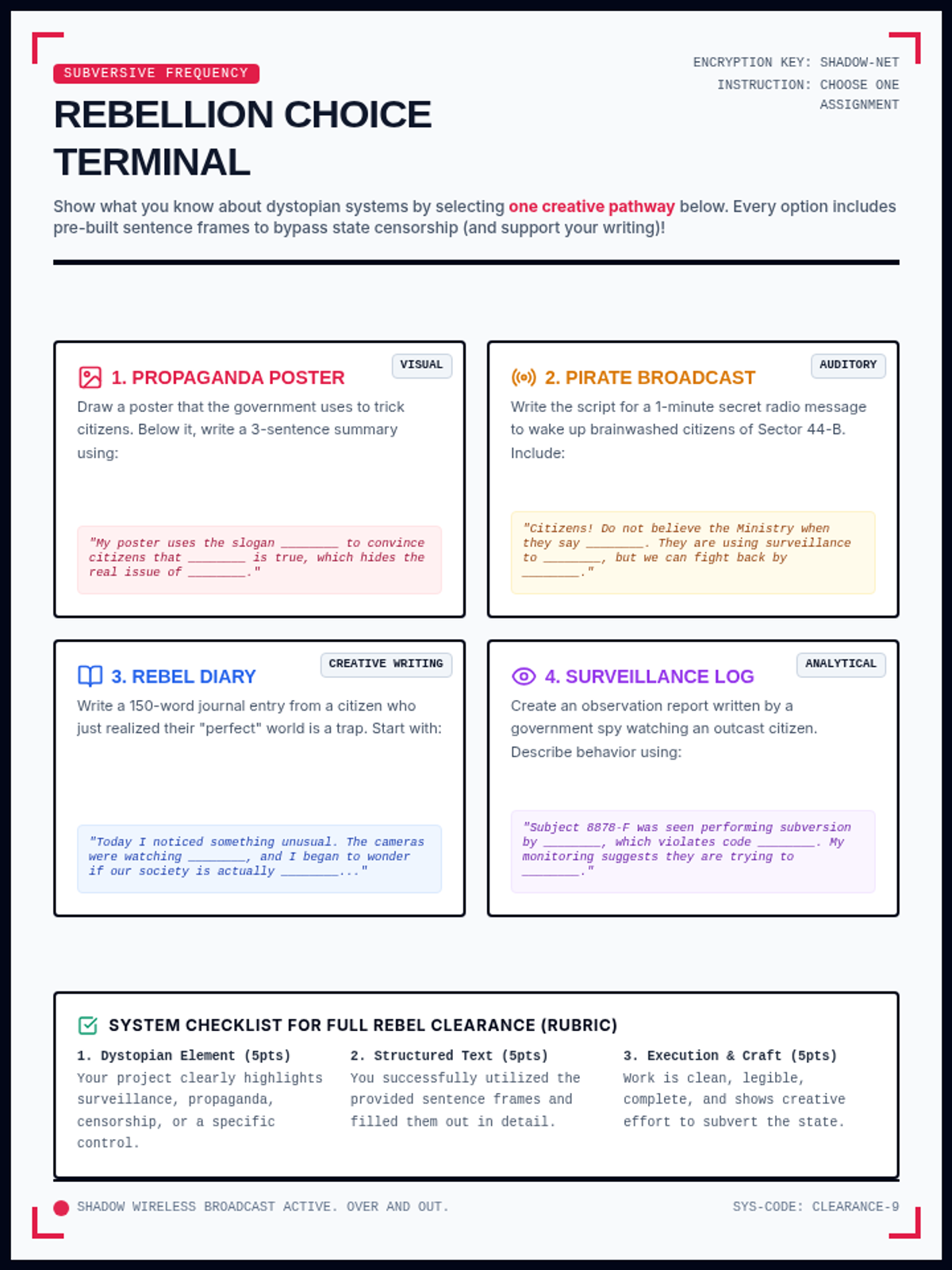
A multi-modal creative project choice board styled as a resistance terminal interface, presenting 6 diverse task cards with embedded support and grading guidelines.
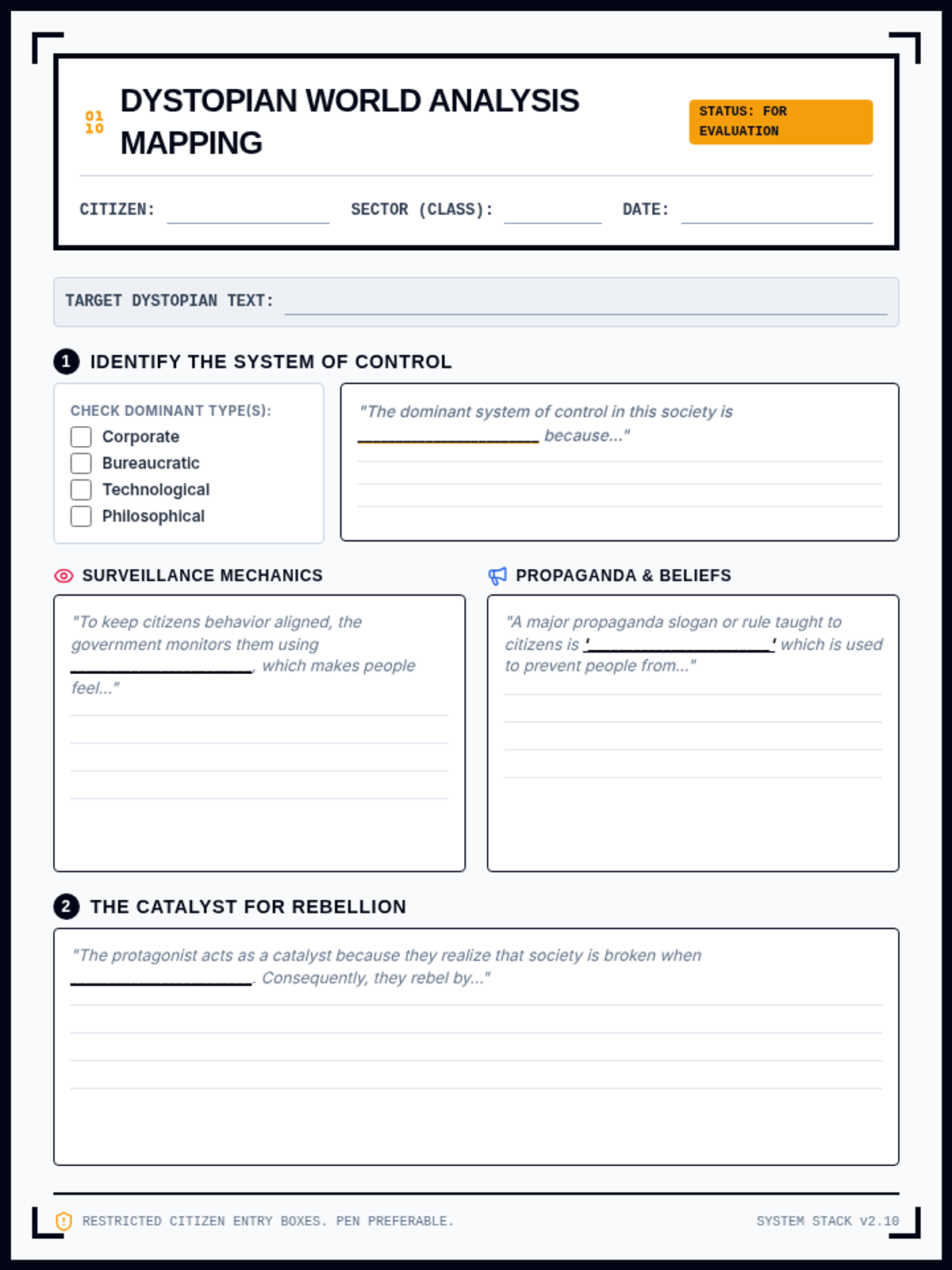
A structured analysis graphic organizer for mapping dystopian systems of control, incorporating extensive sentence starters and handwriting support.
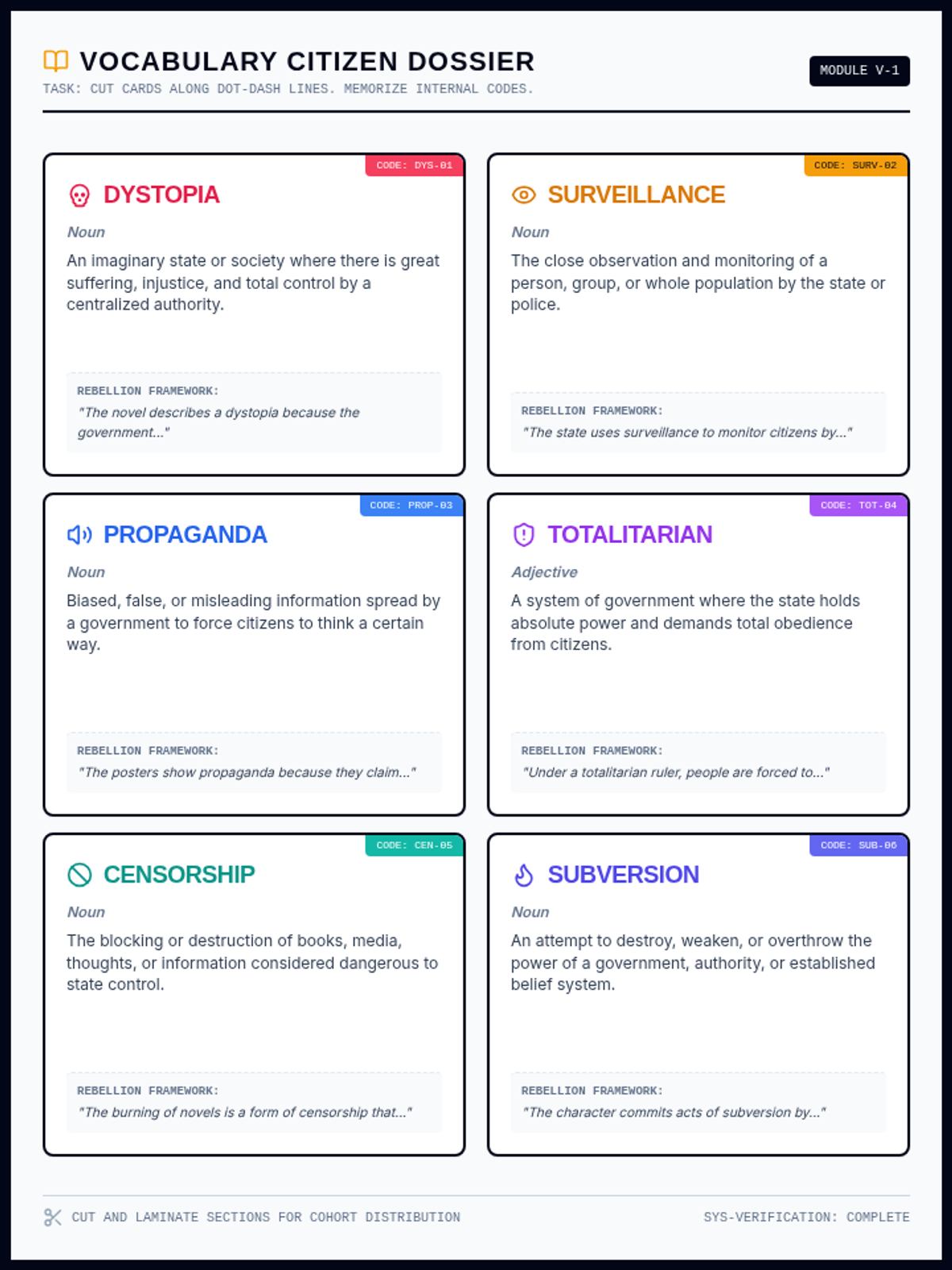
Printable, high-contrast, bureaucratic-styled vocabulary flashcards containing crucial terms, definitions, and sentence starters for easy cut-out.
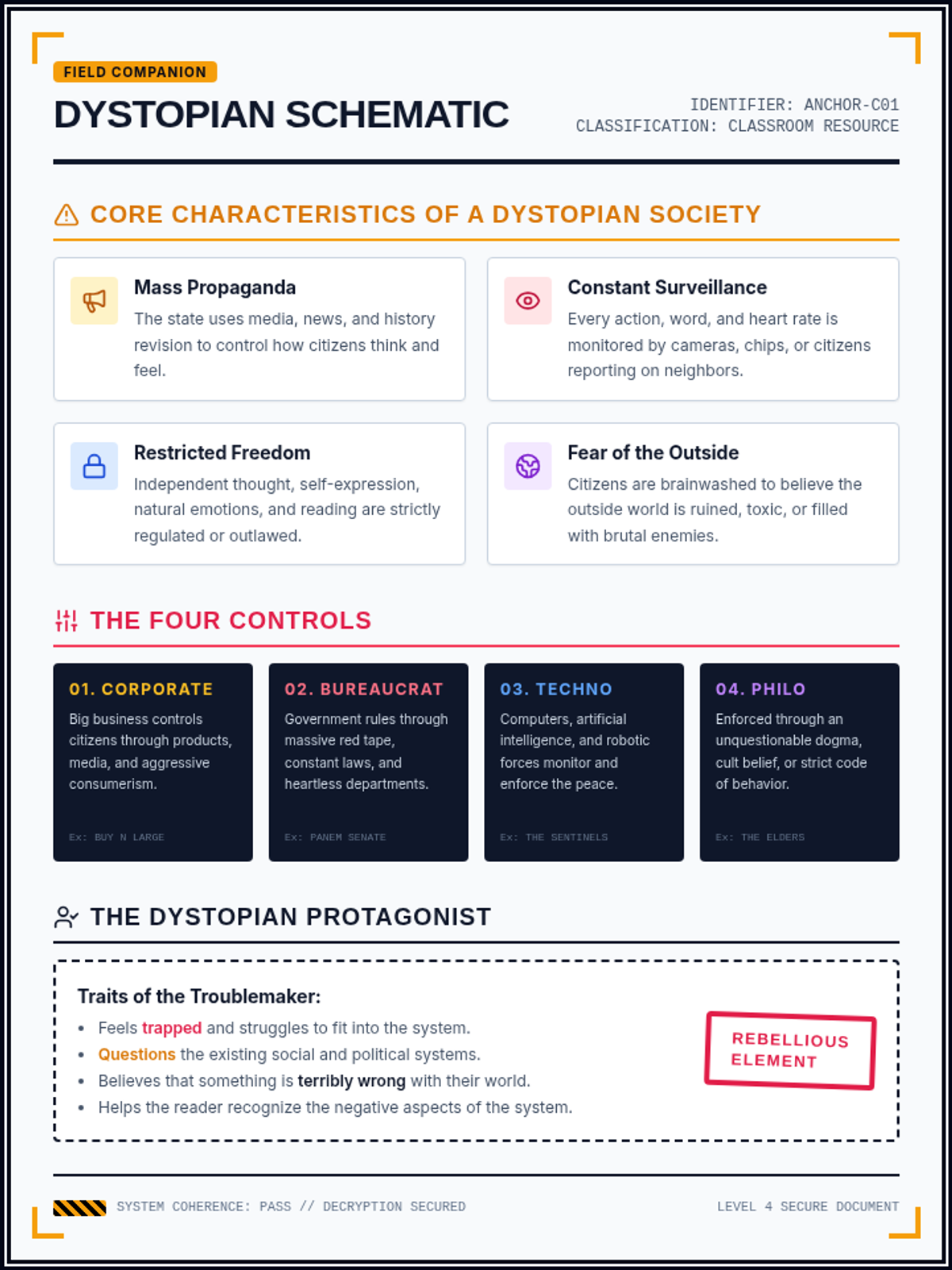
A highly visual, retro-bureaucratic classroom anchor chart detailing dystopian traits, control methods, and protagonist behaviors.
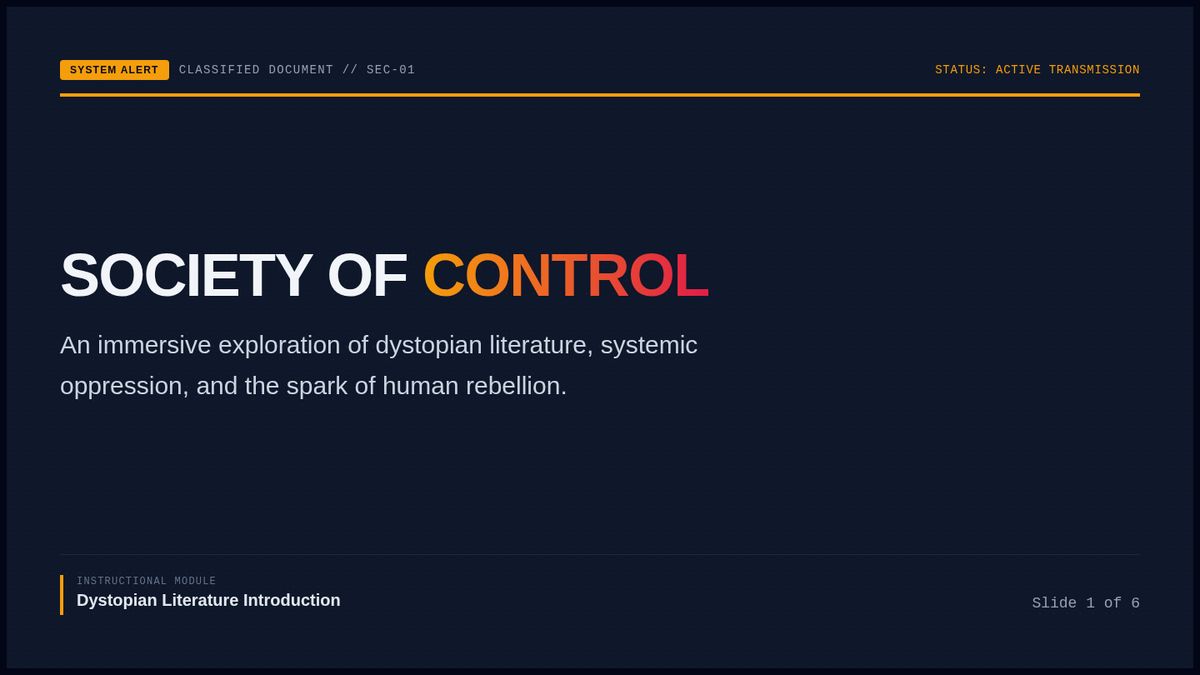
An immersive 16:9 presentation slide deck introducing students to the core concepts of dystopian literature, including systems of control, common tropes, and guided practice.
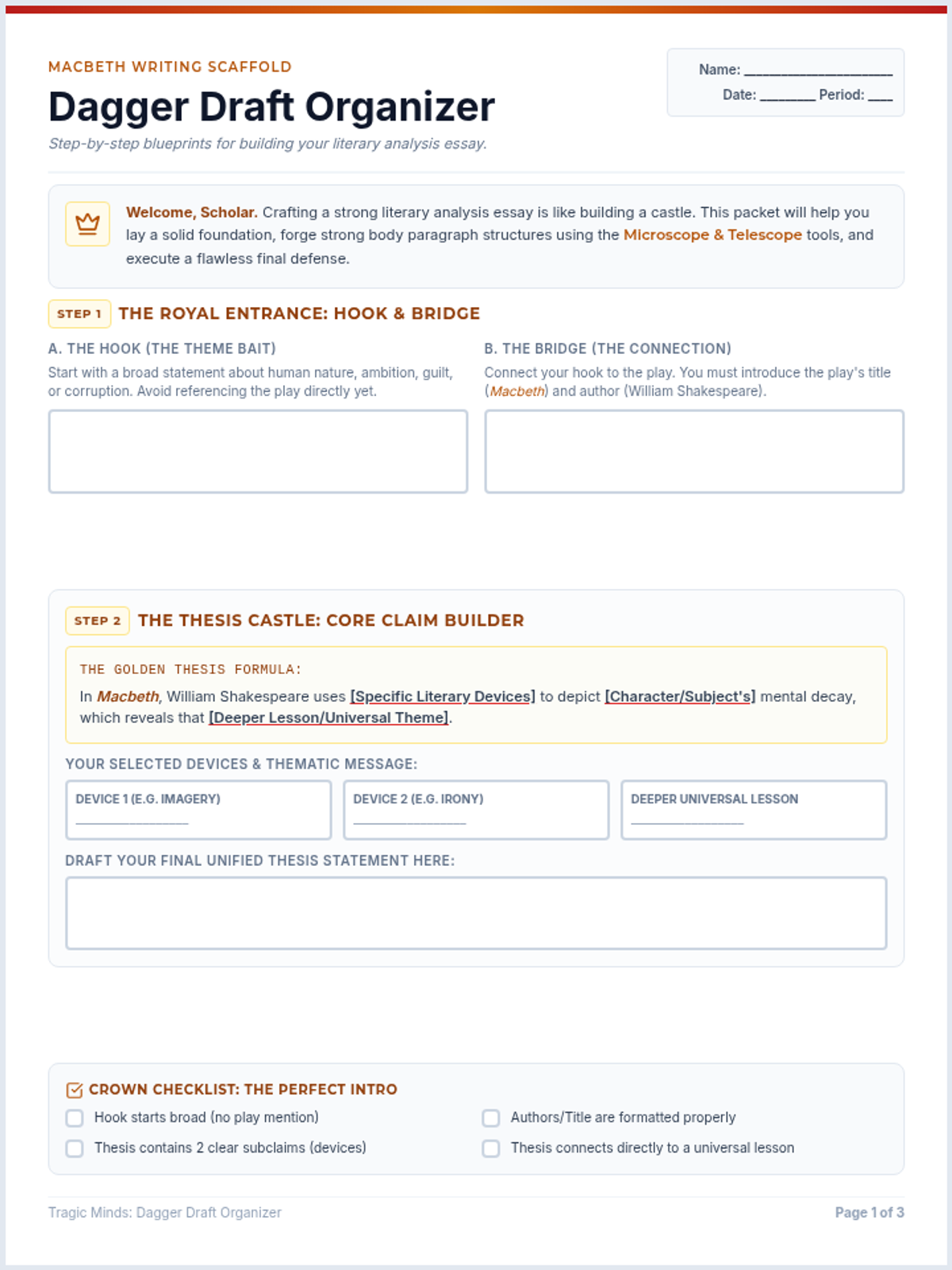
A highly scaffolded, 3-page student planning packet for the Macbeth literary analysis essay. Aligning perfectly with the Crown and Dagger Rubric, it walks students step-by-step through crafting a sophisticated thesis statement, structuring body paragraphs with the 'Microscope' (zoom-in) and 'Telescope' (zoom-out) methods, and building a powerful conclusion. Fully printer-friendly with high-contrast layouts.
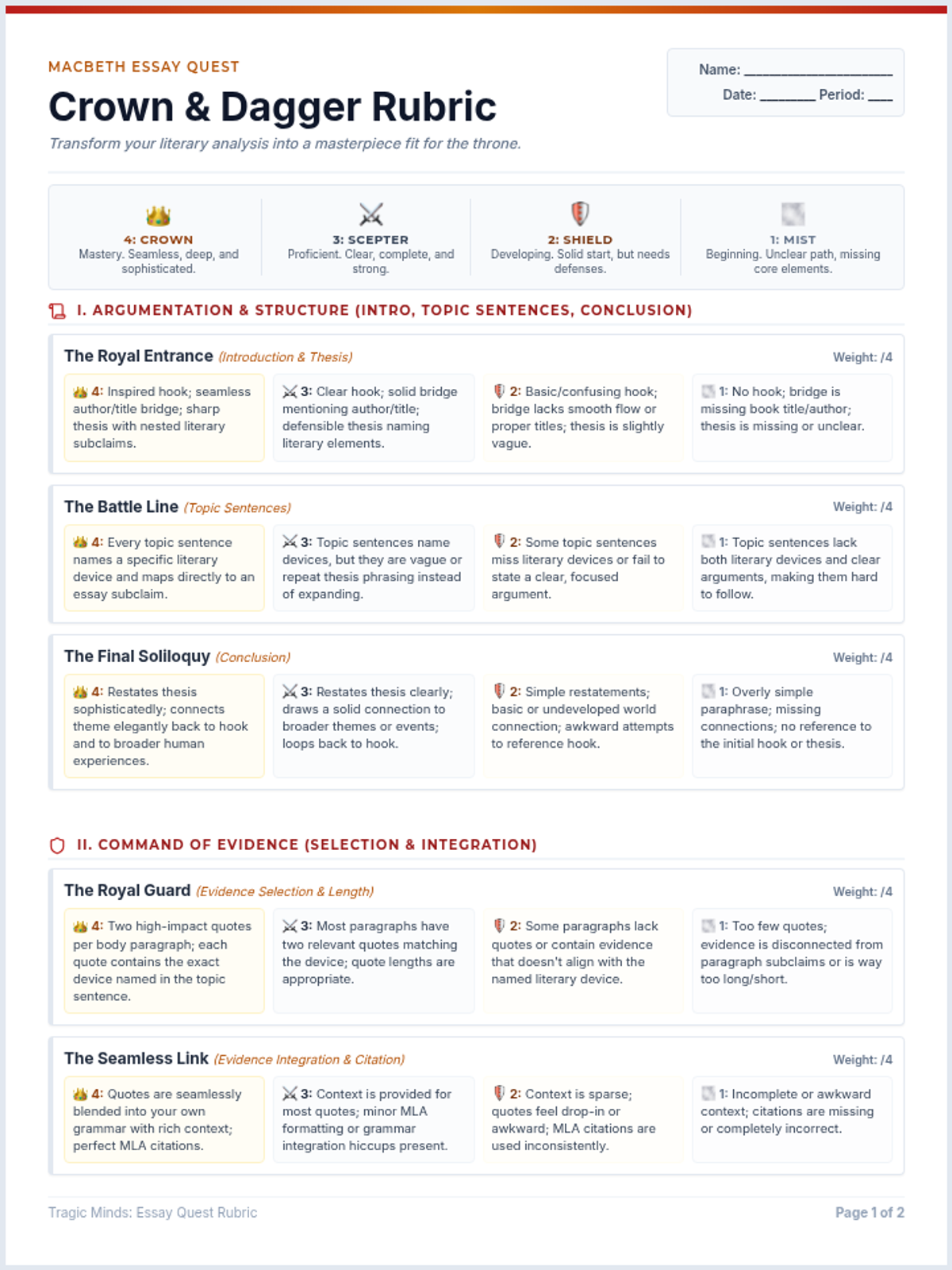
A student-friendly literary analysis rubric styled after Shakespeare's Macbeth. Framed as the 'Crown and Dagger' writing quest, this 2-page rubric is fully printer-friendly, translating complex academic criteria into thematic levels of mastery (Crown, Scepter, Shield, Mist) with clear student-facing checklists and a grade translation table.
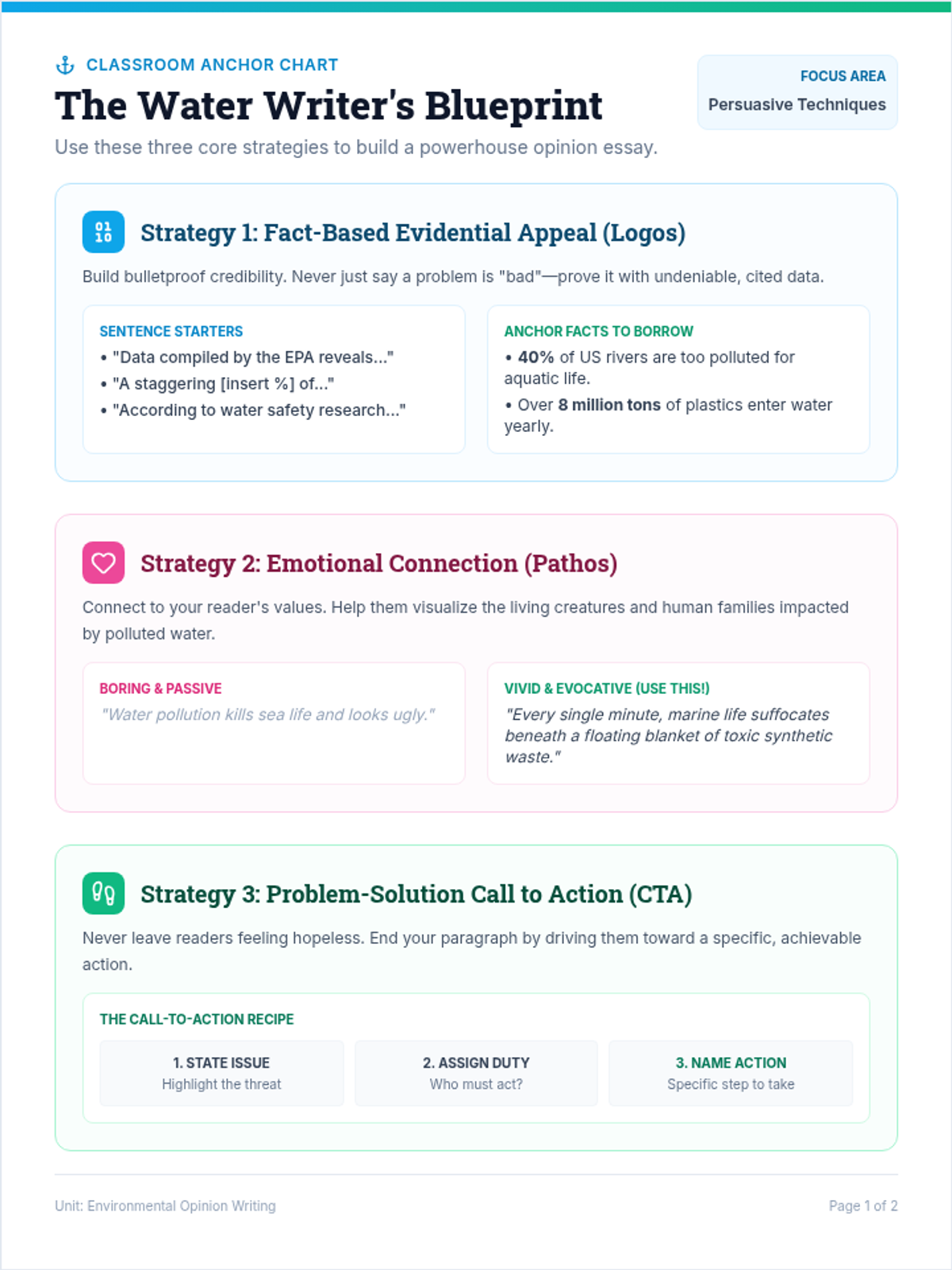
Printable, classroom-ready anchor charts and mentor text exemplars outlining the three pillars of environmental persuasion with concrete examples and sentence starters.
A highly visual, 16:9 interactive slide deck designed to teach the three pillars of environmental persuasion: fact-based evidential appeals, emotional connections, and structured problem-solution calls to action.