A comprehensive slide deck for presenting the core concepts of electric flux, Gauss's Law, and the power of symmetry in calculating electric fields.

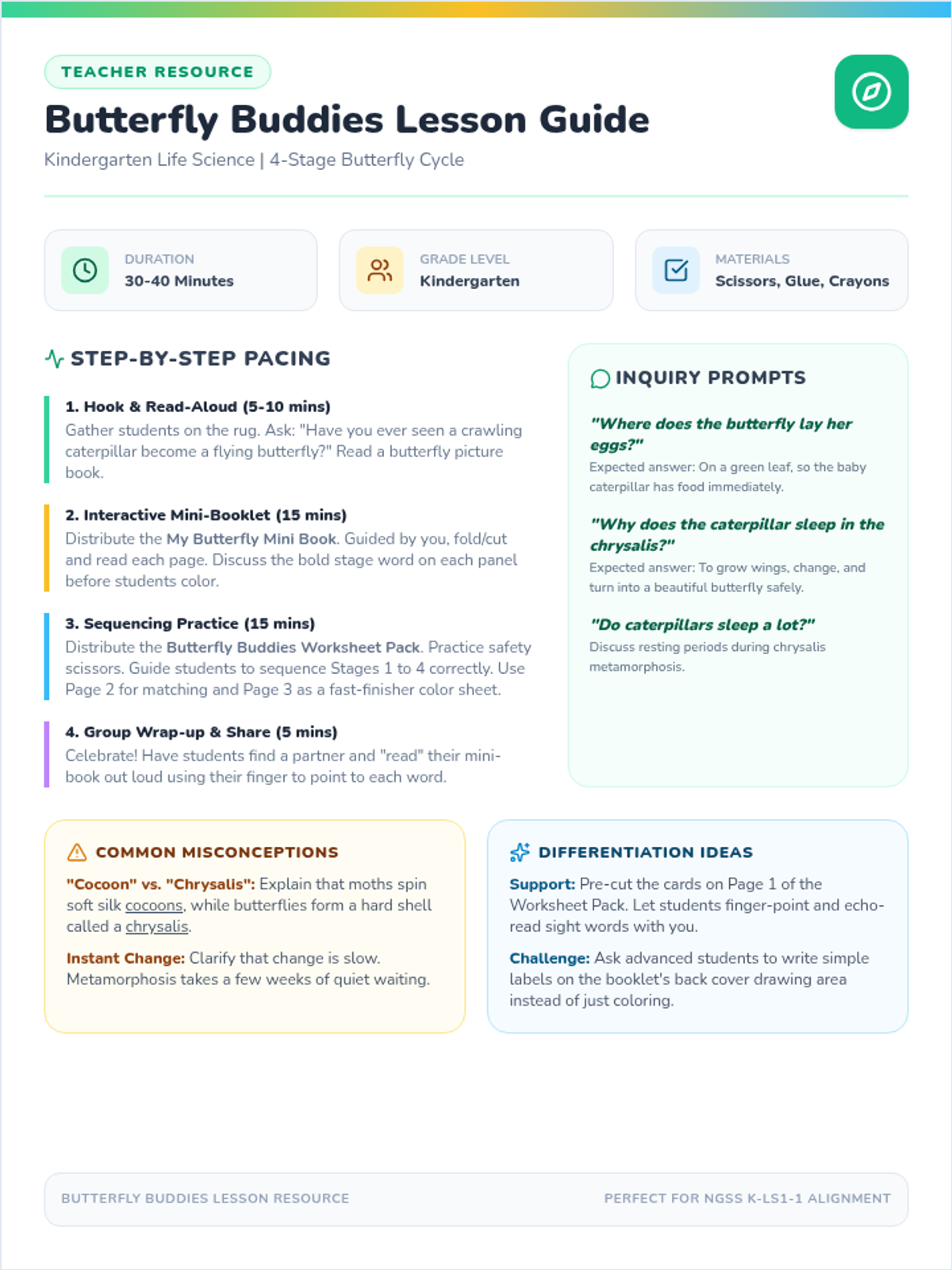
A quick assessment tool for students to sequence the butterfly life cycle and reflect on the value of categorizing information.
A teacher-facing answer key for the Cycle Scientist Notes Worksheet, providing expected responses for the Frog Life Cycle stages.
A worksheet where students read a passage about the Frog Life Cycle and practice note-taking by categorizing information into four stages.

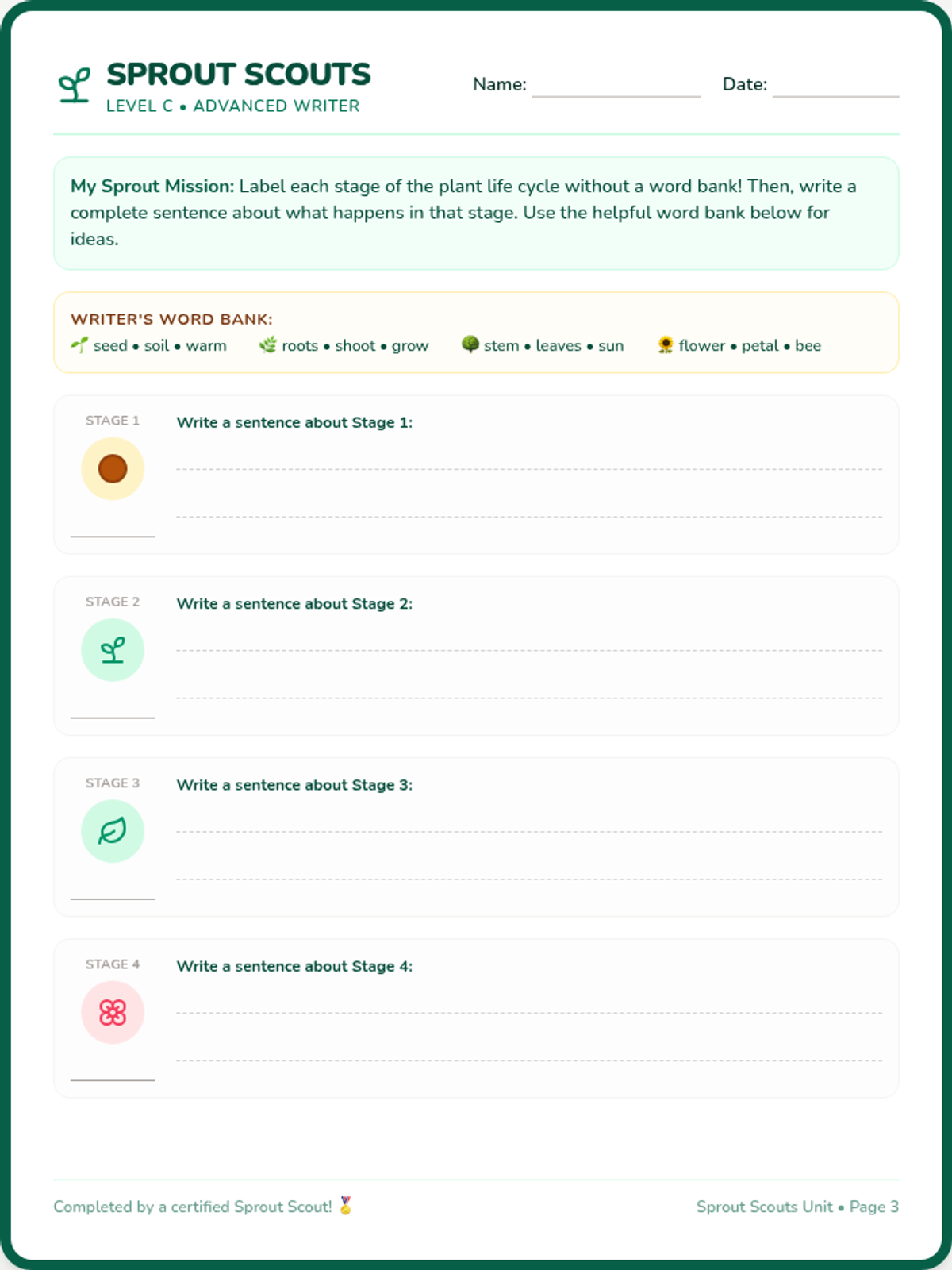
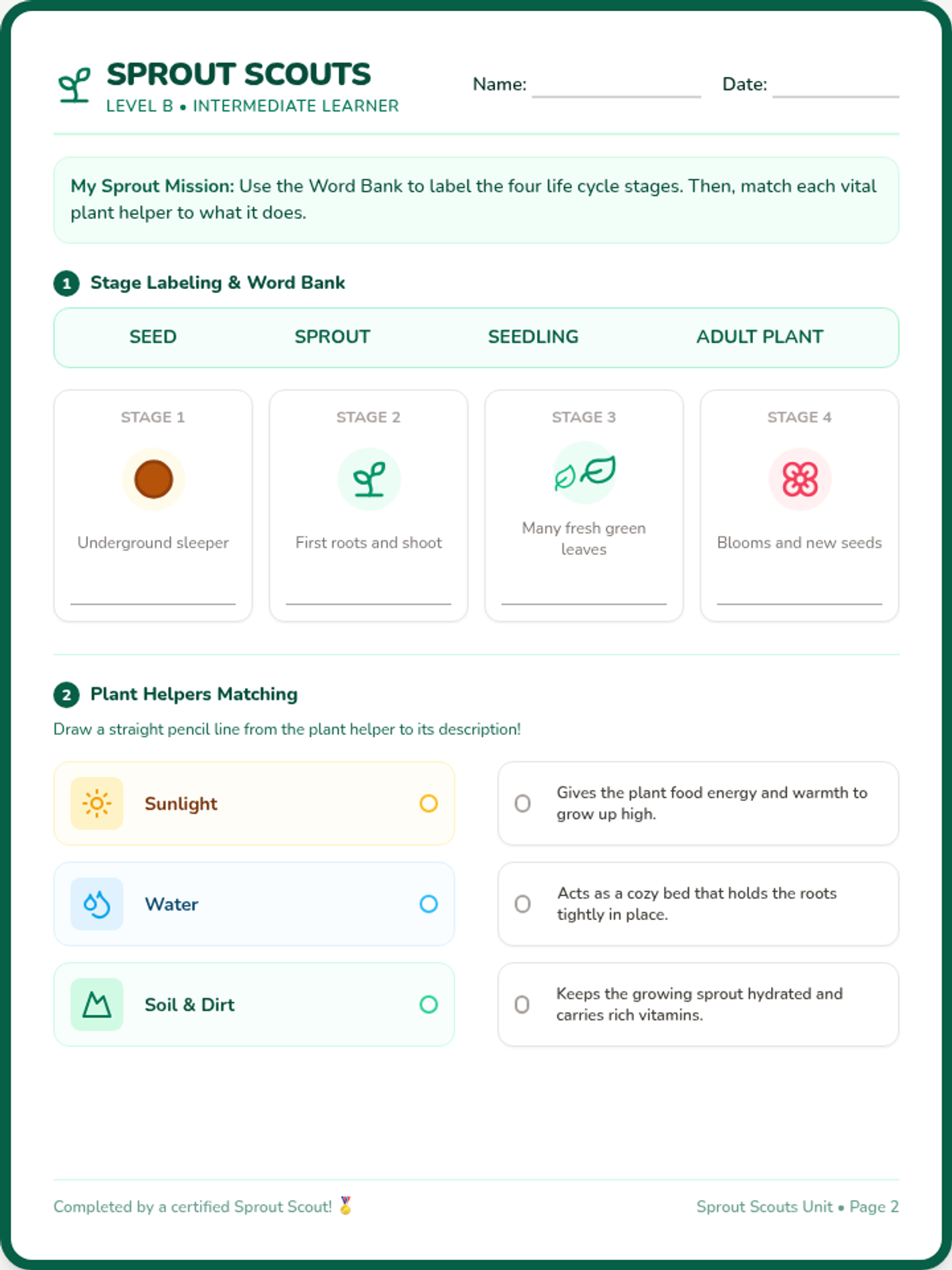
A dynamic slide deck for instruction on life cycles, focusing on vocabulary, transition words, and guided practice for note-taking.
A comprehensive lesson plan for teachers, detailing the 45-minute flow of activities, vocabulary, and differentiation strategies for teaching life cycles and note-taking to Grade 4 ESL students.
Gabarito detalhado para a folha de atividades "Exploradores do Tempo", fornecendo respostas corretas e explicações adicionais para o professor.
Folha de atividades para estudantes sobre a origem da vida, incluindo questões de múltipla escolha, verdadeiro ou falso, análise de experimentos e espaço para escrita.
Uma apresentação de slides visualmente impactante sobre a origem da vida, cobrindo abiogênese, biogênese, Terra primitiva e o experimento de Miller-Urey.
Um plano de aula detalhado para o professor, incluindo objetivos de aprendizagem, alinhamento com a BNCC, materiais necessários e uma sequência didática para duas aulas sobre a origem da vida.
An extension worksheet for early finishers featuring three 'Missions' that apply Newton's Laws to complex scenarios like semi-truck acceleration, deep space motion, and rocket propulsion.
A teacher facilitation guide for the 15-minute Newton intervention. It includes a pacing timeline, specific probing questions for each phase, and a list of common 8th-grade misconceptions regarding force and motion.
A two-page student activity sheet featuring a quick 'Inertia Snap' lab and a high-impact visual graphic organizer. It includes a word bank and simplified instructions for students requiring reading support.
A daily operation report for engineering squads to track their design progress, material usage, and cleanup compliance.
A formal safety contract for students to sign, establishing clear expectations for tool use, lab safety, and professional conduct in the makerspace.
A comprehensive facilitation guide for teachers on how to implement the engineering roles, layout the classroom, and manage daily routines.
A high-impact classroom poster outlining the fundamental norms and cultural expectations for a collaborative engineering makerspace.
Handy role cards for engineering squads, defining the specific responsibilities for Lead Engineer, Materials Specialist, Safety Officer, and Communications Lead.
A visual slide deck outlining the physical layout, safety zones, and cleanup routines for an engineering makerspace.
An answer key for the Grassland Firepower Assessment, including detailed explanations for multiple choice and true/false questions, and the completed comparison table.
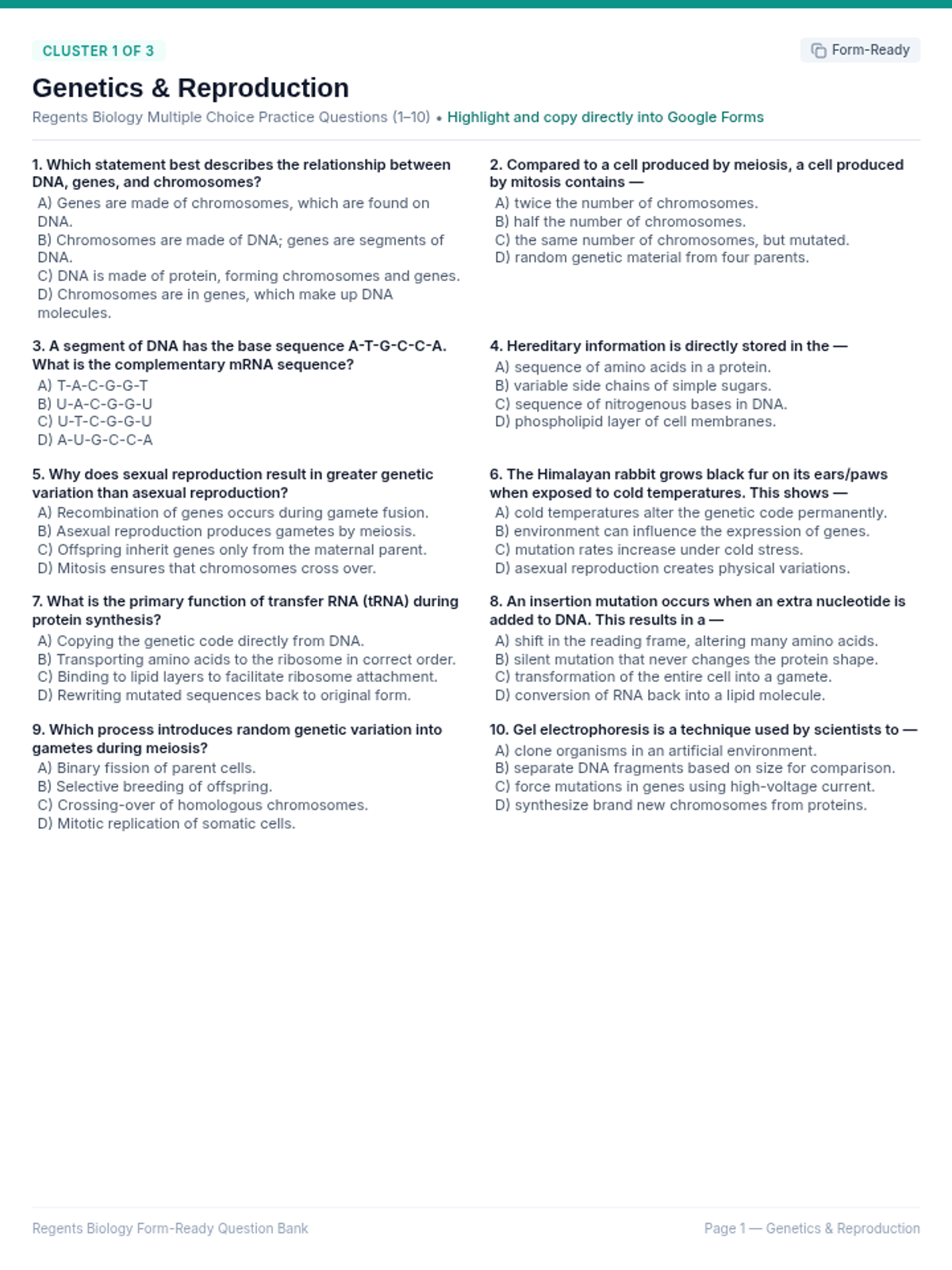
A student assessment covering fuel dynamics, fire behavior, and two case studies. Includes multiple choice, true/false questions, and a comparative table to check understanding of native versus invasive fuel types.
A set of instructional slides exploring the differences in fire behavior between native and invasive grasses, including two case studies: the Tallgrass Prairie and the Great Basin. The slides feature high-contrast visuals, comparative data tables, and key fire ecology terminology.
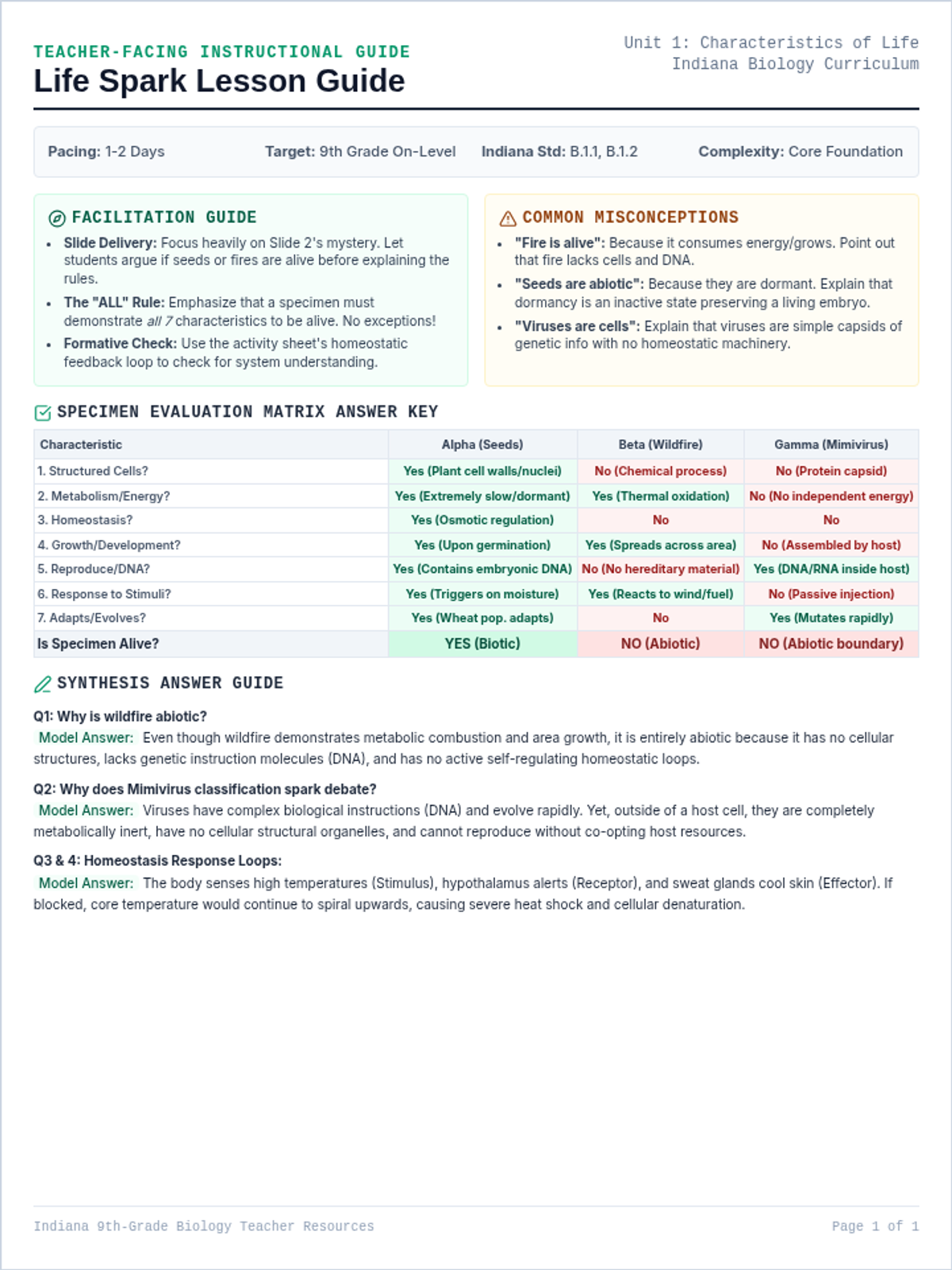
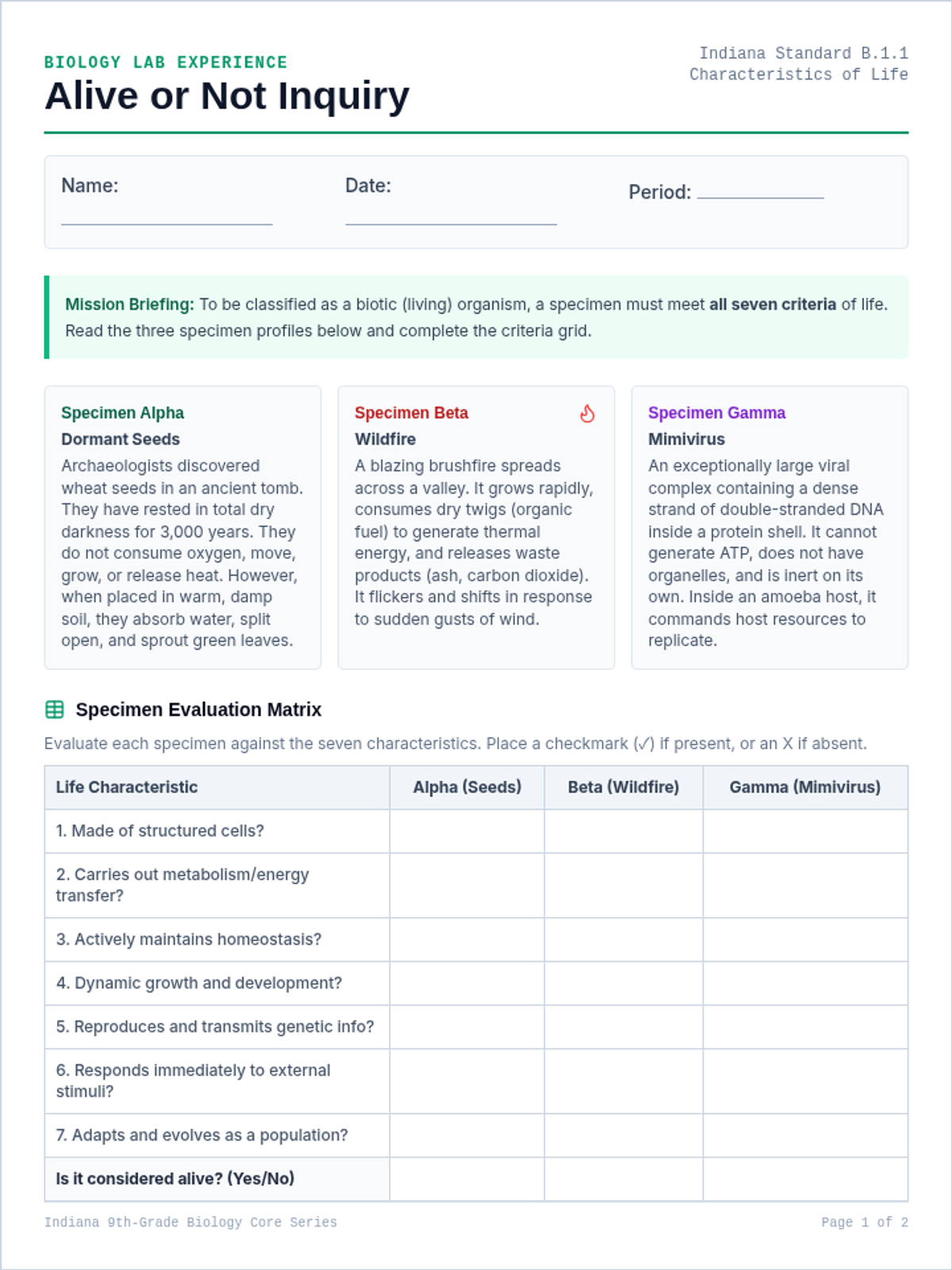
A comprehensive facilitator's guide for the wildland fuels lesson, including pacing, detailed answer keys for all student materials, and teaching tips for addressing common misconceptions.
A final formative assessment for the wildland fuels lesson, featuring multiple choice and short response questions in a field-voucher style format.
Real-world fire behavior scenarios requiring students to analyze incident reports based on fuel types, loading, and arrangement. Includes open-ended response sections for predicting rate of spread and ladder fuel risks.
A field guide-themed guided notes worksheet for students to complete during instruction. Includes a Do Now, fill-in-the-blank conceptual notes, and a ladder fuel diagramming activity.
Visual slide deck for a wildland fire behavior lesson, covering fuel classification, grass/shrub dynamics, timber/understory layers, ladder fuels, and regional variations.
An extensively polished one-page "cheat sheet" reference for gas laws, specifically tailored to help students succeed on their unit assessment. Features high-impact visual sections for KMT behavior, formula modeling, and an expanded "Mission Stoichiometry" section with a circular roadmap and detailed railroad-track set-up guide.
An exit ticket assessment for the 'Future Proofing Earth' lesson, providing students with space to reflect on personal sustainable practices with the help of supportive sentence frames.
A student worksheet for the 'Future Proofing Earth' lesson, including a Do Now space, a visual graphic organizer for the three pillars, and a scenario sorting activity.
A visual presentation deck for the 'Future Proofing Earth' lesson, featuring learning targets, the three pillars diagram, and real-world examples of sustainable and unsustainable practices.
A comprehensive teacher guide for the 'Future Proofing Earth' lesson, featuring learning objectives, key vocabulary definitions, a detailed pacing guide, and an answer key for all student activities.
A comprehensive 9-page reading assignment detailing magnetic forces on rectangular loops. The layout has been optimized to prevent section overlap, with a clear 3D perspective diagram on Page 2 and derivations using physical intuition rather than unit vectors.
A teacher answer key for the Torque Tussle Worksheet with full solutions and instructional notes.
A practice worksheet for students to calculate magnetic forces on various segments of a loop and derive the net force and torque, emphasizing RHR application.
A visually engaging presentation explaining the principles of magnetic force and torque on a rectangular wire loop, including Right-Hand Rule applications and derivations. Updated with dark black magnetic field lines for consistency.