An expanded slide deck for the "Source Sleuths" lesson, now including deep dives into domain extensions, identifying bias, and the technique of lateral reading.
A comprehensive teacher's guide and answer key for the Empire Archivists lesson. Includes explanations for why each card belongs in its category and instructional tips for teaching the differences between summarizing, paraphrasing, and patchwriting.
The cut-out cards for the Empire Archivists activity. Contains eight distinct examples of summaries and paraphrases, designed to challenge students to identify accuracy, plagiarism, and appropriate detail levels.
A student-facing sorting board for categorizing paraphrases and summaries. Includes distinct zones for 'Good' and 'Bad' examples and a reflection question to deepen understanding of effective writing techniques.
A foundational reading passage for 6th grade students detailing the locations and key achievements of the Maya, Aztec, and Inca civilizations. This text serves as the source material for the subsequent paraphrasing and summarizing activity.
A parent-facing handout that explains the 'System Optimization' metaphor used in the lesson. It provides practical tips for parents to support their son's self-care using the same tech-inspired language to reduce conflict and increase engagement.
A high-tech student tracking sheet for monitoring sleep, gaming time, nutrition, and self-talk updates over a 7-day period. Designed to look like a system performance dashboard. It features large handwriting areas and clear, readable text.
A sleek, tech-inspired student workbook that guides teenage boys through reframing their self-talk as an 'Internal OS' and auditing their digital wellness and sleep habits. Features specialized work areas for system optimization protocols and now includes a video game performance audit and tilt management page.
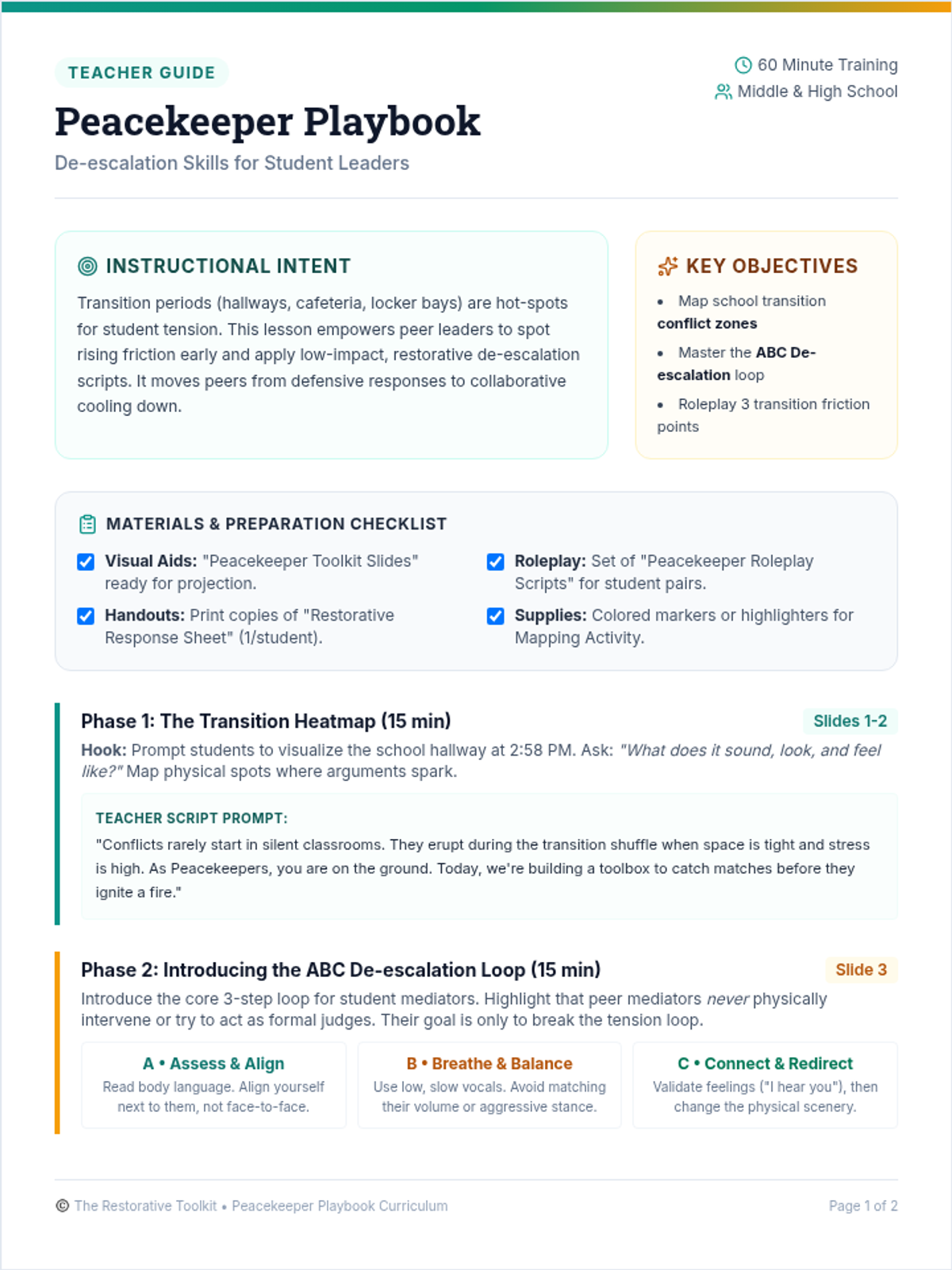
A professional facilitation guide for counselors that frames self-care and positive self-talk through a 'system optimization' metaphor designed to engage 14-year-old boys. It includes discussion prompts, key vocabulary, and psychological reframing strategies.
A reorganized visual guide for food storage and safety, featuring a clear tabular storage chart, the '2-4-2' rule, discard criteria, and a labeling tutorial with significantly increased font sizes for maximum readability.
A comprehensive teacher's guide for the Kitchen Hacks lesson, including a 50-minute pacing guide, discussion prompts, and strategies for neurodiverse learners and students in temporary housing.
A student practice sheet for applying kitchen safety skills, including labeling exercises and a transformation flowchart activity.
A visually-driven slide deck for a 50-minute session on kitchen safety and food transformation, featuring the 2-4-2 rule and leftover flowcharts.
A reorganized visual guide for food storage and safety, featuring a clear tabular storage chart, the '2-4-2' rule, discard criteria, and a labeling tutorial with increased font sizes for readability.
A student-facing step-by-step instruction sheet for creating a 5-slide Greek Mythology project using Google Slides, including technical tips and standard alignments.
A 10-slide presentation deck introducing figurative language concepts (Simile, Metaphor, Personification, etc.) with scrambled review questions on each slide to reinforce learning.
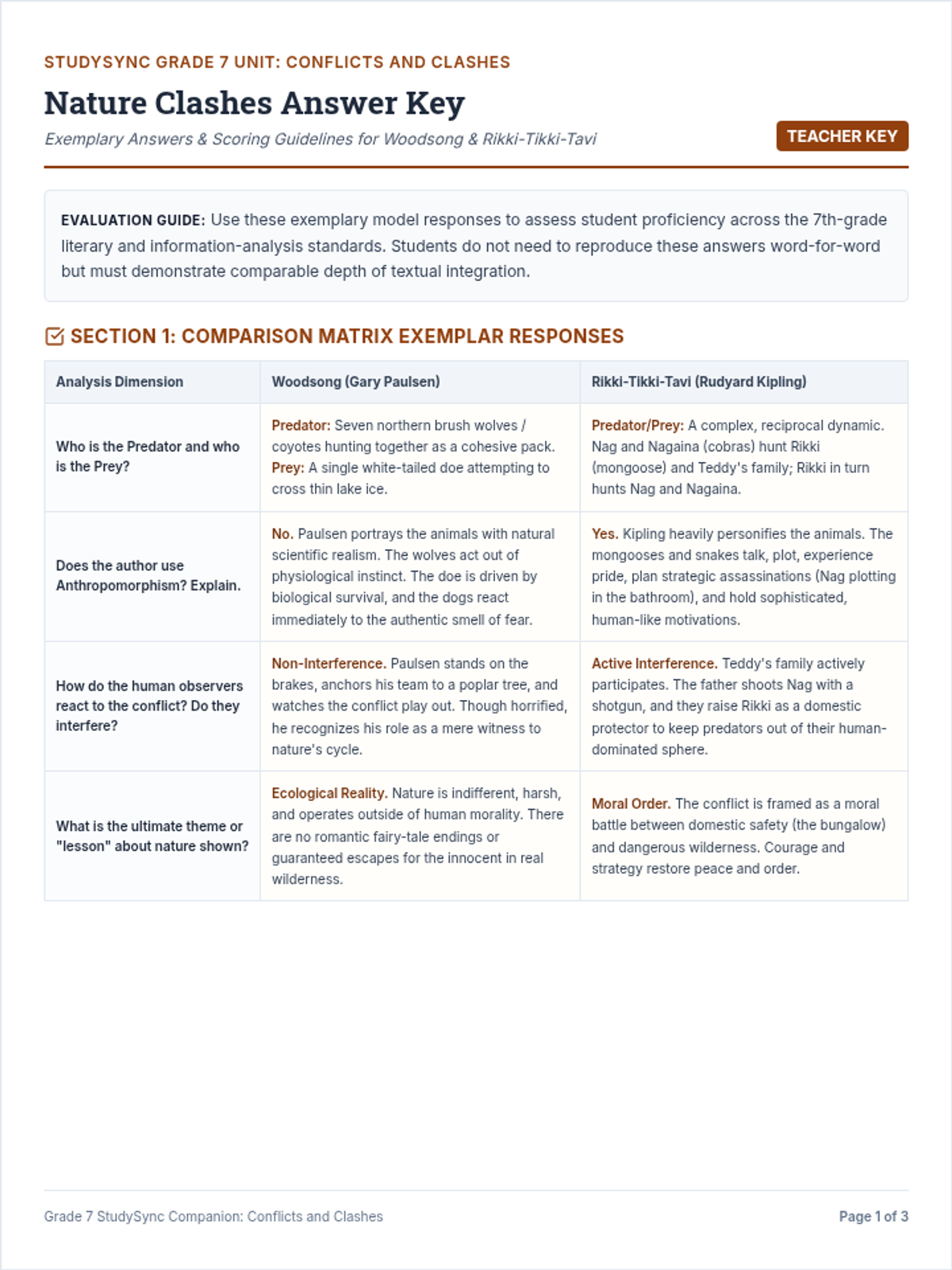
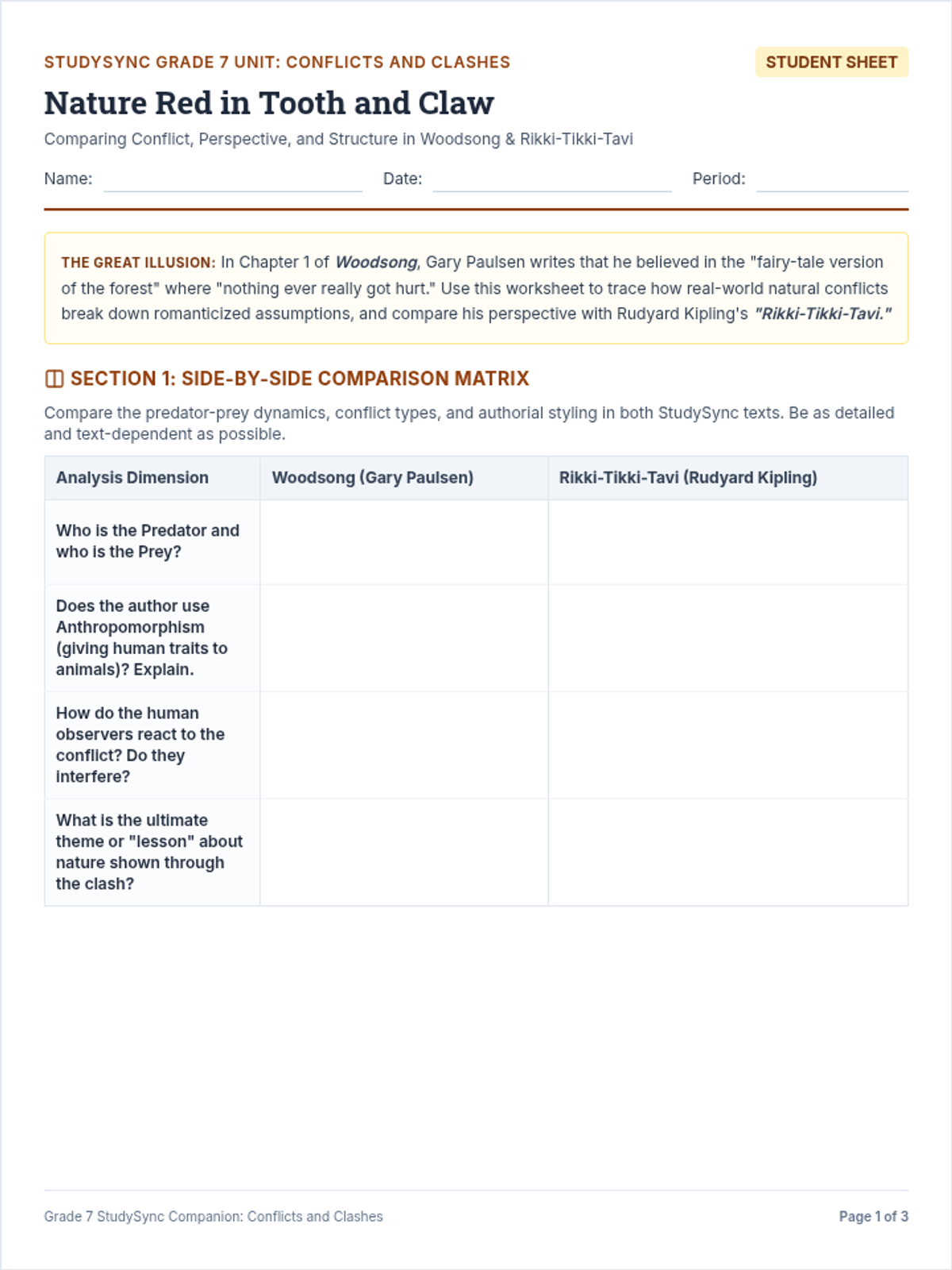
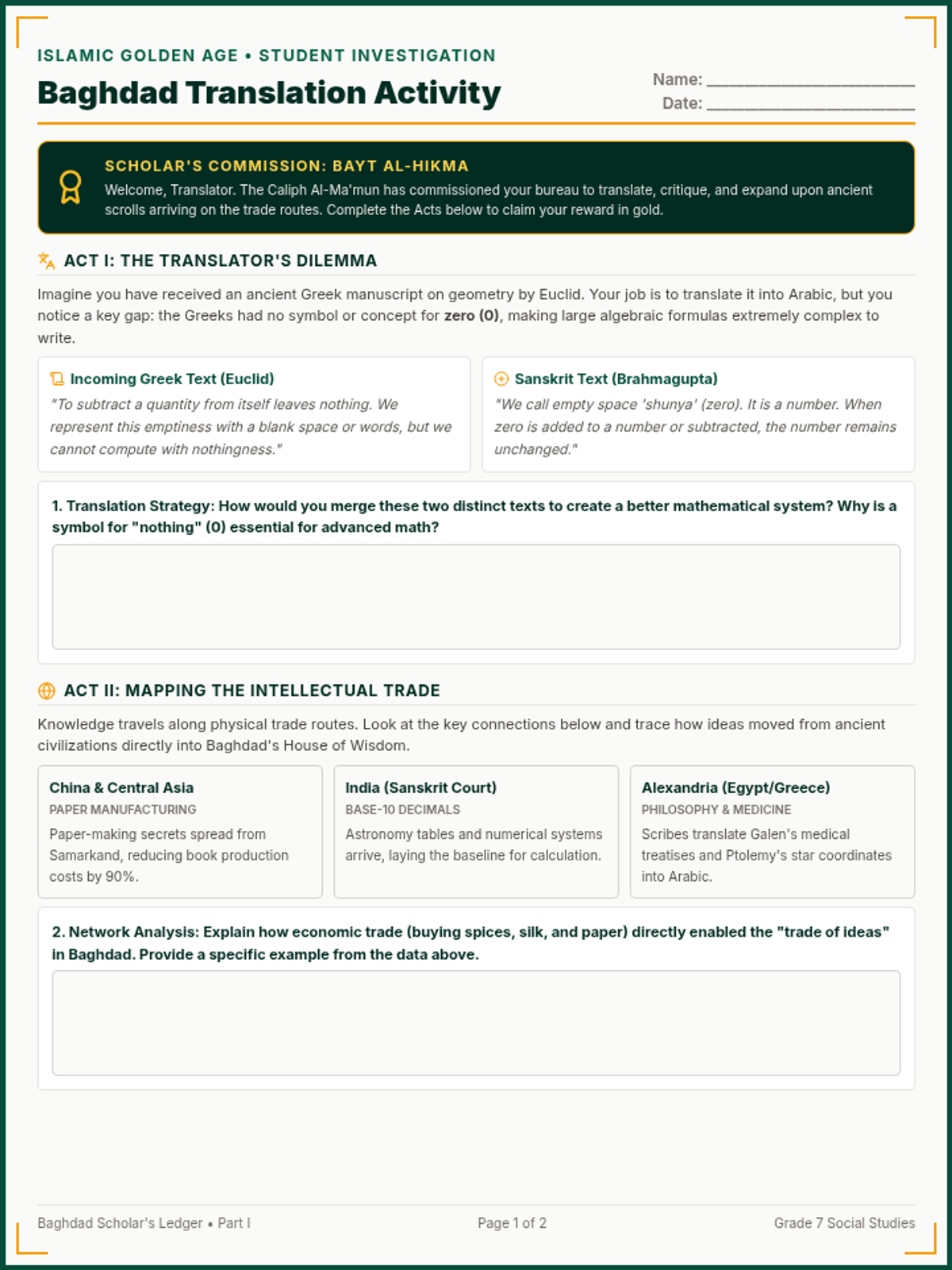
A 2-page student worksheet designed to accompany the Language Lab slides. It features dedicated sections for each figurative language device, providing space for students to record their original examples and respond to flashback review questions.