A coloring and labeling worksheet for 1st graders to identify the three main parts of the brain: Cerebrum, Cerebellum, and Brain Stem.
A comprehensive teacher professional development guide including essential AI concepts, facilitation strategies, and quick-reference prompt cheat sheets.
A high school activity sheet requiring students to apply the CO-STAR prompt engineering framework, map industry impacts, and draft ethical AI policies.
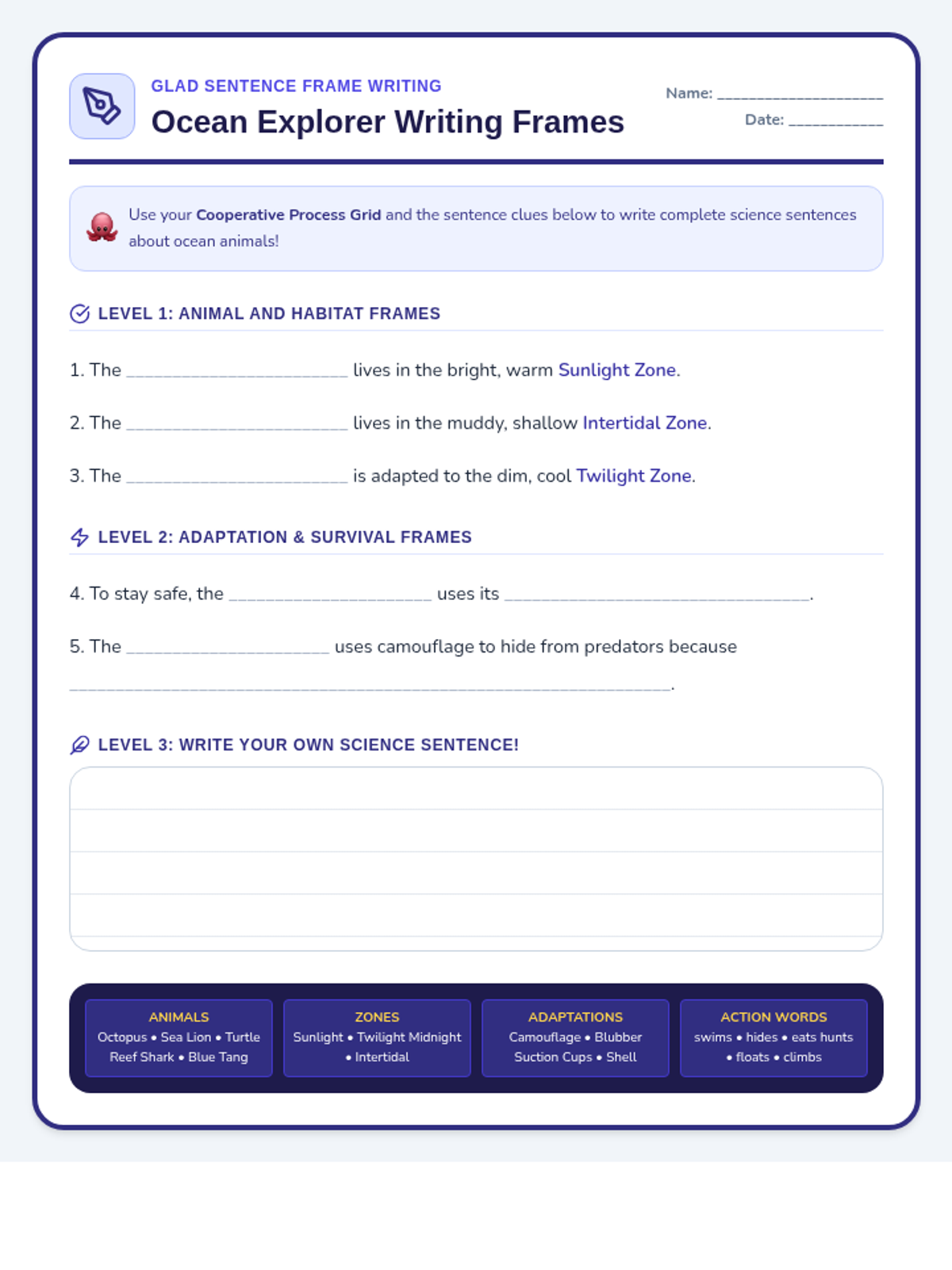
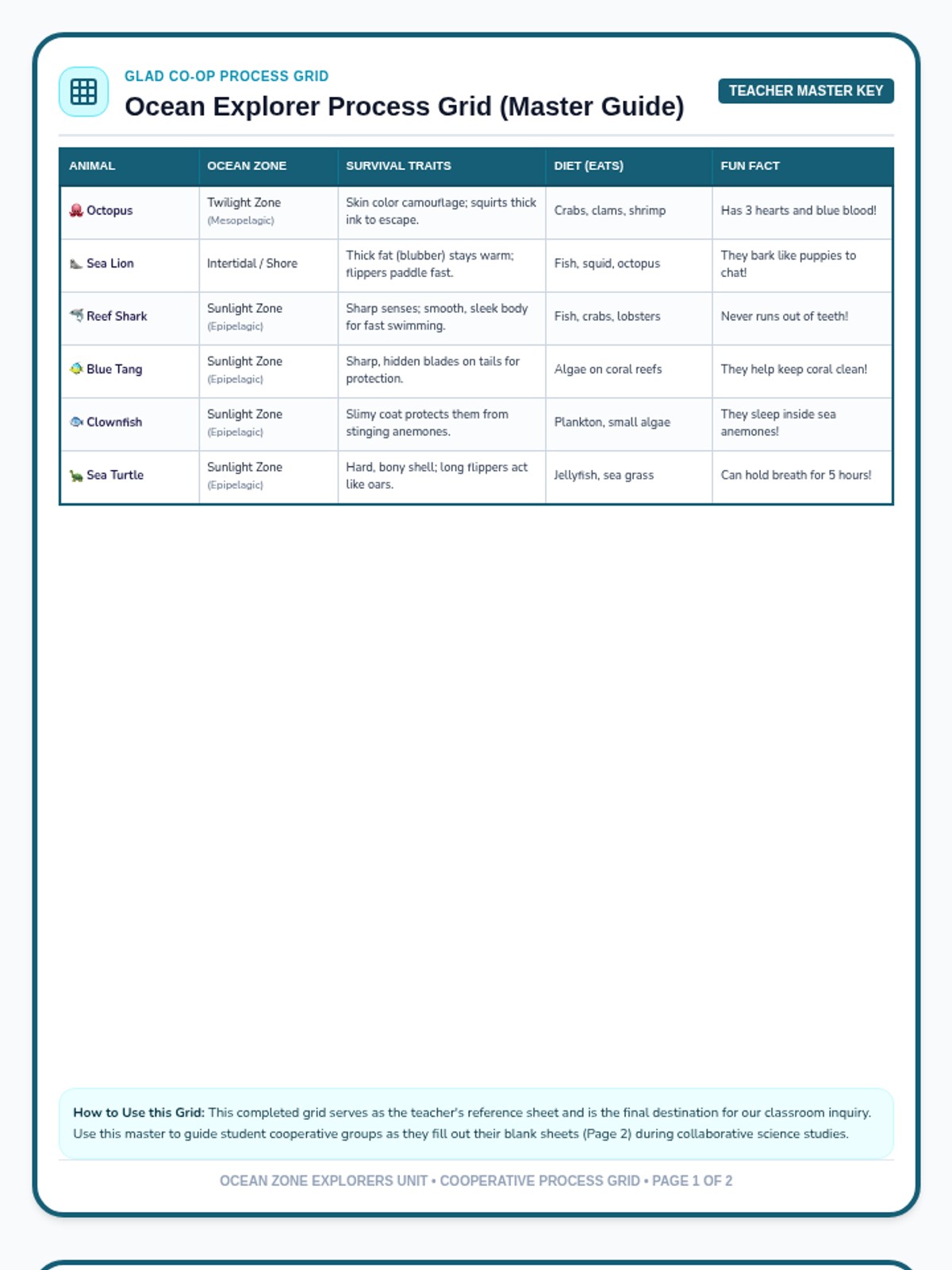
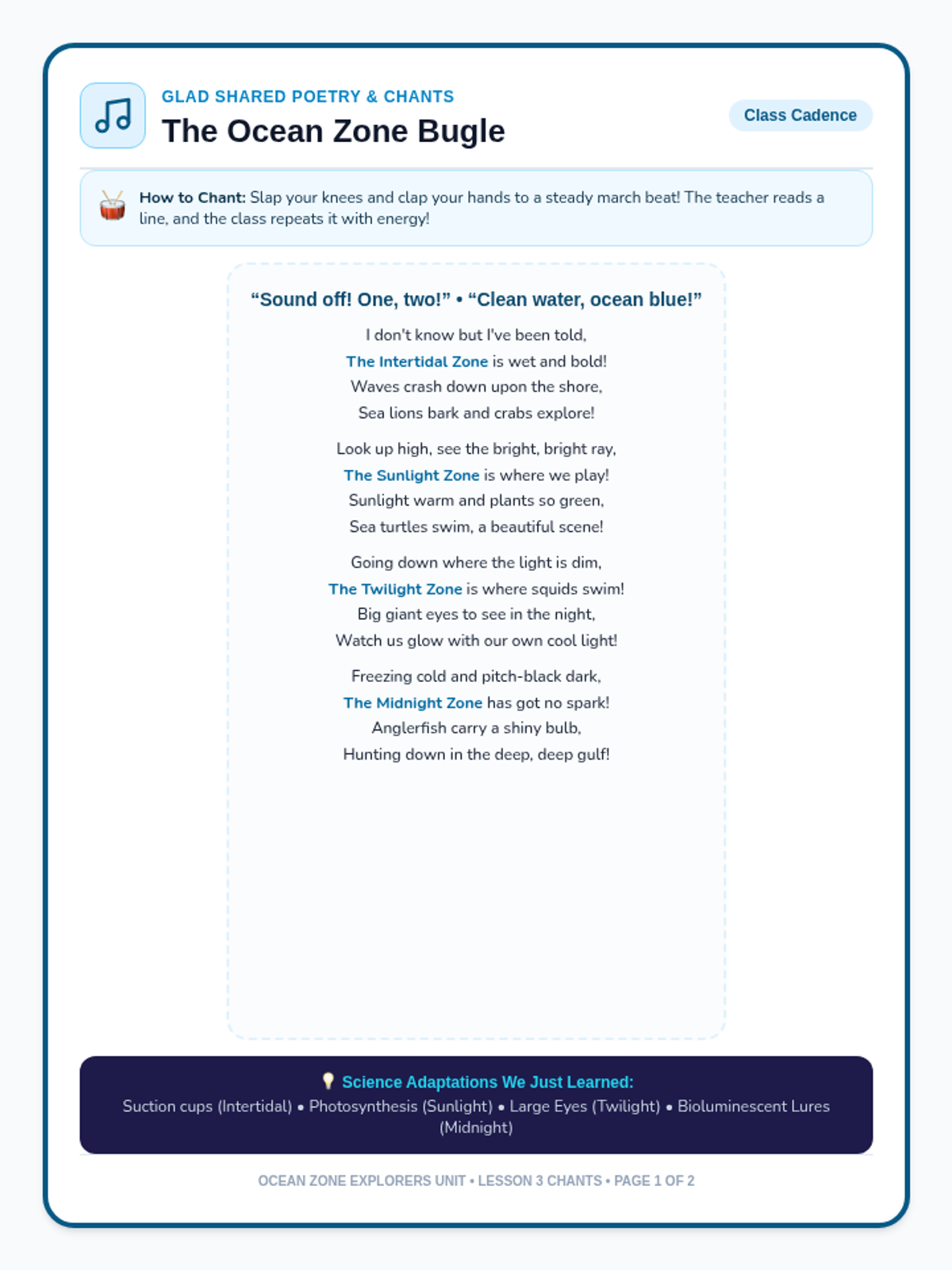
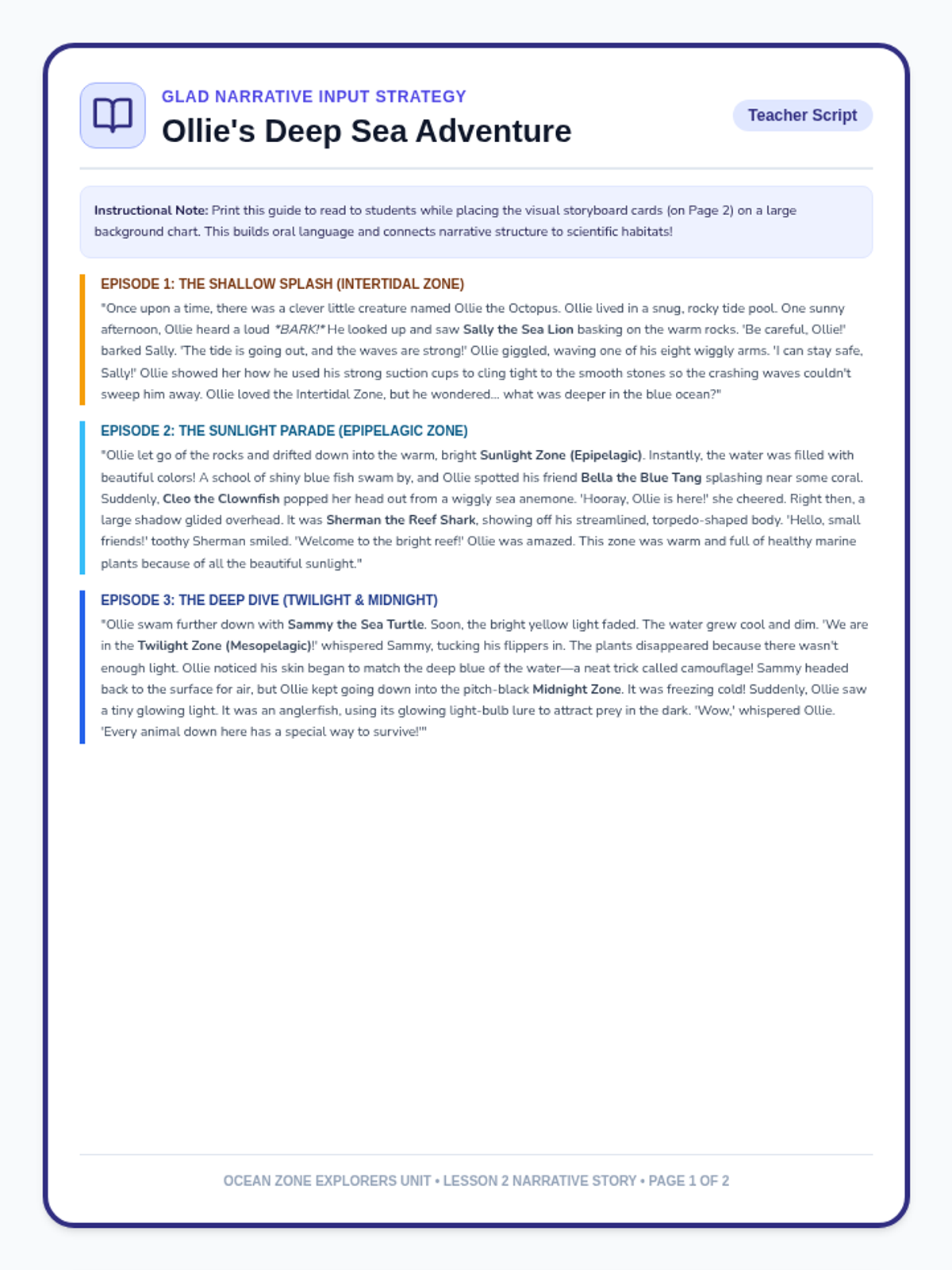
Advanced slide deck for high school students exploring generative AI paradigms, professional prompt engineering frameworks (CO-STAR), and the future of work.
A middle school activity sheet involving ethical analysis of recommendation engines, labeling neural network structures, and debating facial recognition bias.
A middle school slide deck focused on the technical basics of neural networks and the ethical challenges of recommendation engines and deepfakes.
A grade 3-5 worksheet focusing on analyzing AI bias scenarios and practicing prompt engineering using a structured 'Role + Task + Detail' framework.
Instructional slides for grades 3-5, focusing on 'Pattern Detectives' - understanding data, spotting bias, and learning the basics of effective prompting.
An activity sheet for grades 1-2 focusing on distinguishing between traditional machines and AI, and designing an AI solution for a simple problem.
Instructional slides for grades 1-2 focused on 'Smart Helpers' - identifying AI in the world and understanding simple machine learning patterns.
A comprehensive teacher guide for the 'Robot Brains' lesson, including a script, instructional sequence, and differentiation tips for Kindergarten.
A simple, visual worksheet for Kindergarten students to practice identifying AI and 'training' a robot.
Introductory slide deck for Kindergarten students exploring the difference between human brains and computer 'brains'.
The comprehensive K-12 AI literacy curriculum scope and implementation guidelines for district-wide alignment.
A summative assessment for the Signal Seekers lesson, featuring multiple choice, true/false, and a drawing section to evaluate student understanding of light and sound.
A quick assessment tool with four tickets per page, evaluating student understanding of light signals, vibrations, and shadows.
A comprehensive answer key for the Signal Seekers lesson, covering the matchup worksheet, graphic organizers, lab activity, social story, quiz, and exit ticket.
A 10-slide visual presentation covering community light and sound signals, the science of vibrations and shadows, and a preview of the lab activity.
A comprehensive teacher guide for the Signal Seekers lesson, featuring learning objectives, material lists, discussion prompts, and a step-by-step instructional flow.
An adapted text about a character noticing light and sound signals (crosswalk light, siren, school bell) during their walk to school, followed by comprehension questions.
A step-by-step lab activity for investigating sound vibrations with rubber bands and light/shadows with flashlights.
Graphic organizers including a T-chart for identifying light and sound sources and a Venn diagram with a word bank for comparing their properties.
A matching activity where students connect community signals (fire alarm, traffic light, siren) to their meanings, plus a critical thinking question.
A set of 6 visual vocabulary cards with definitions and icons covering key light and sound concepts like vibration, reflection, and signals.
A teacher's guide for the 30-minute Brain Boss lesson, featuring a timed lesson plan, discussion prompts, and differentiation strategies for 1st grade.
A cut-and-paste sorting activity for 1st graders to differentiate between voluntary actions (choosing) and automatic body functions controlled by the brain.
A colorful slide deck for 1st graders introducing the brain as the body's control center, covering voluntary actions and automatic functions.
A student worksheet for the Sprouting Scientists lesson, including plant life cycle sequencing, a drawing area for seasonal plants, and sensory observation prompts.
A hands-on seed sorting mat for students to categorize different seeds by size, texture, and color during the Sprouting Scientists activity.
Visual slide deck for the Sprouting Scientists lesson, covering seed anatomy, the plant life cycle, and guided prompts for the seed sorting activity.
A comprehensive teacher facilitation guide for the Sprouting Scientists lesson, including learning objectives, a detailed instructional sequence, materials list, and inquiry questions.
A half-page exit ticket (2 per page) for first graders to reflect on what they learned about habitats, featuring a quick writing prompt and a drawing area.
An engaging slide deck to introduce first graders to various animal habitats, featuring large visuals, clear definitions, and geographic location information for each habitat type.
A two-page unit opener worksheet for first graders exploring animals and habitats. Includes primary writing lines for sentences and drawing boxes for visualizing different habitat types.
An engaging guessing game slide deck where a student sits with their back to the screen while classmates describe the mystery objects using physical property vocabulary.
A comprehensive teacher facilitation guide with learning objectives, material lists, pacing suggestions, and strategies for addressing common student misconceptions about physical properties.
A high-impact slide deck for introducing physical properties of matter, including a digital anchor chart, scavenger hunt mission brief, and interactive notebook instructions.
An interactive notebook foldable template with cut-lines and tabs for students to define and illustrate the six physical properties of matter.