A comprehensive teacher facilitation guide for the Argument Architect lesson, detailing the instructional flow, standards alignment, and differentiation strategies for Grade 9-10 argument writing.
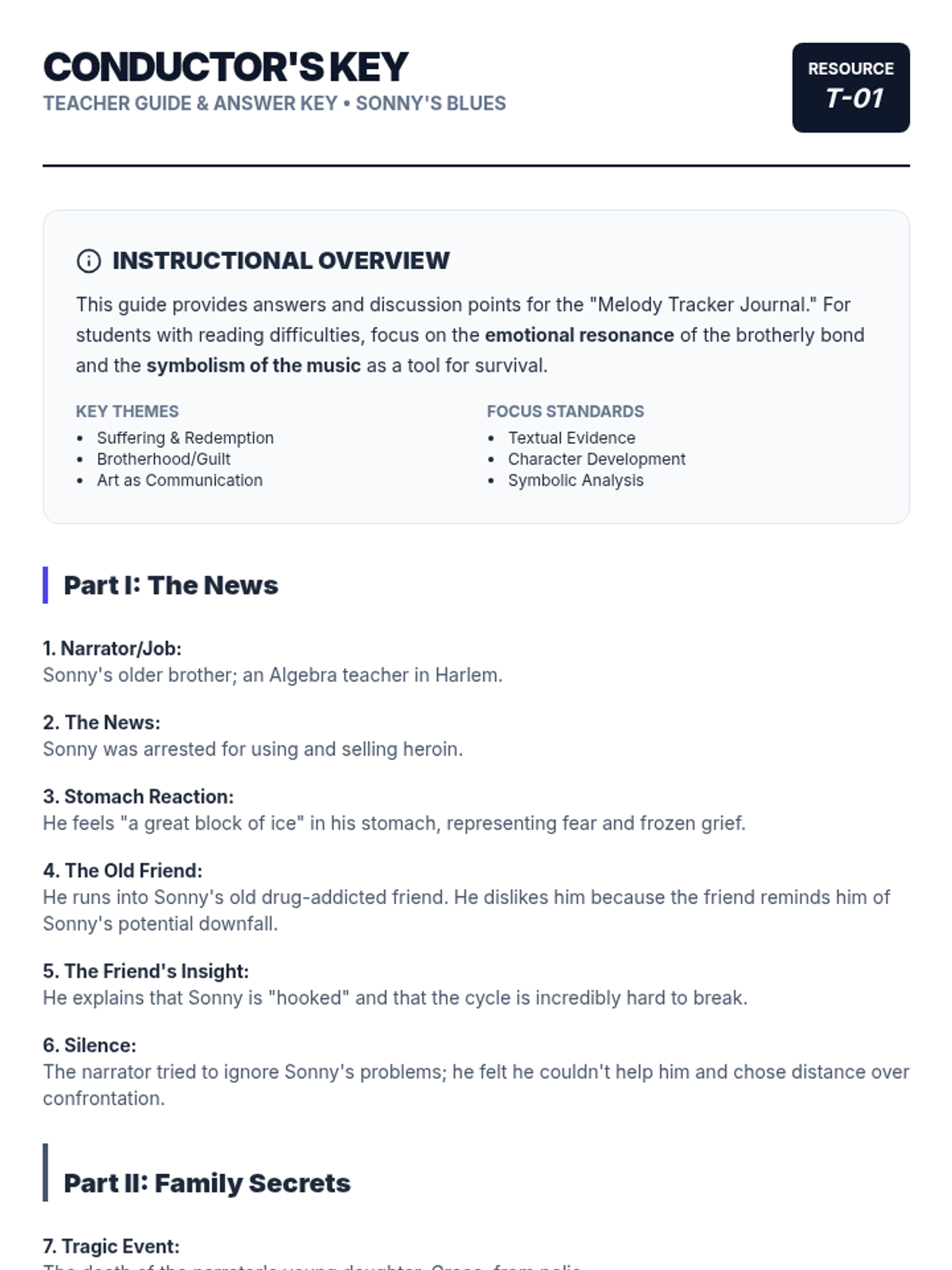
A detailed teacher resource and answer key for the Melody Tracker Journal, including instructional insights, thematic breakdowns, and complete answers for all 25 questions in 'Sonny's Blues.'
A visually striking 5-slide presentation designed to introduce the key themes, characters, and historical context of 'Sonny's Blues,' using high-contrast design and evocative jazz motifs.
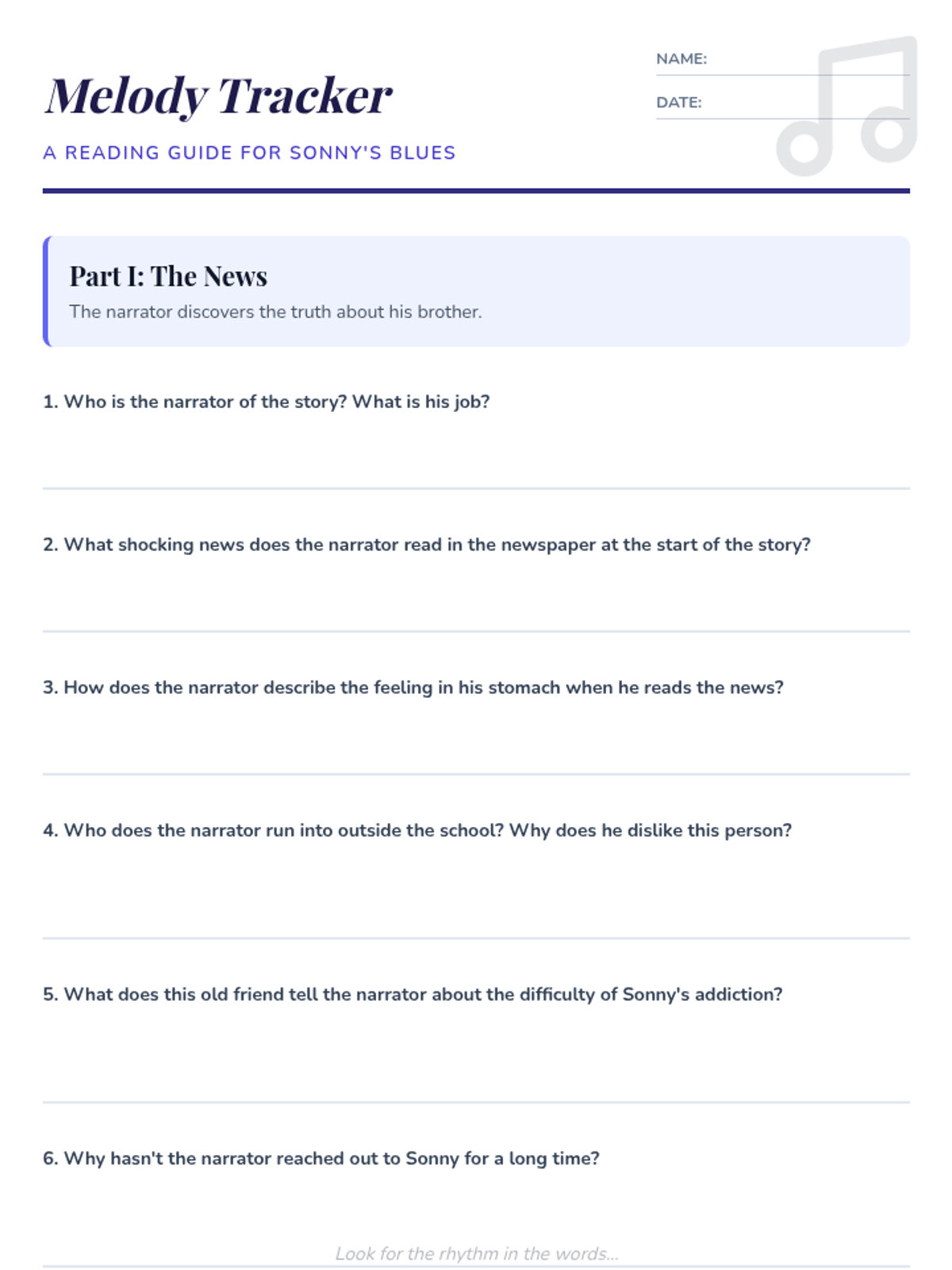
A comprehensive 4-page reading guide and graphic organizer for James Baldwin's 'Sonny's Blues,' featuring 25 detailed comprehension and analysis questions designed for deep engagement with the text.
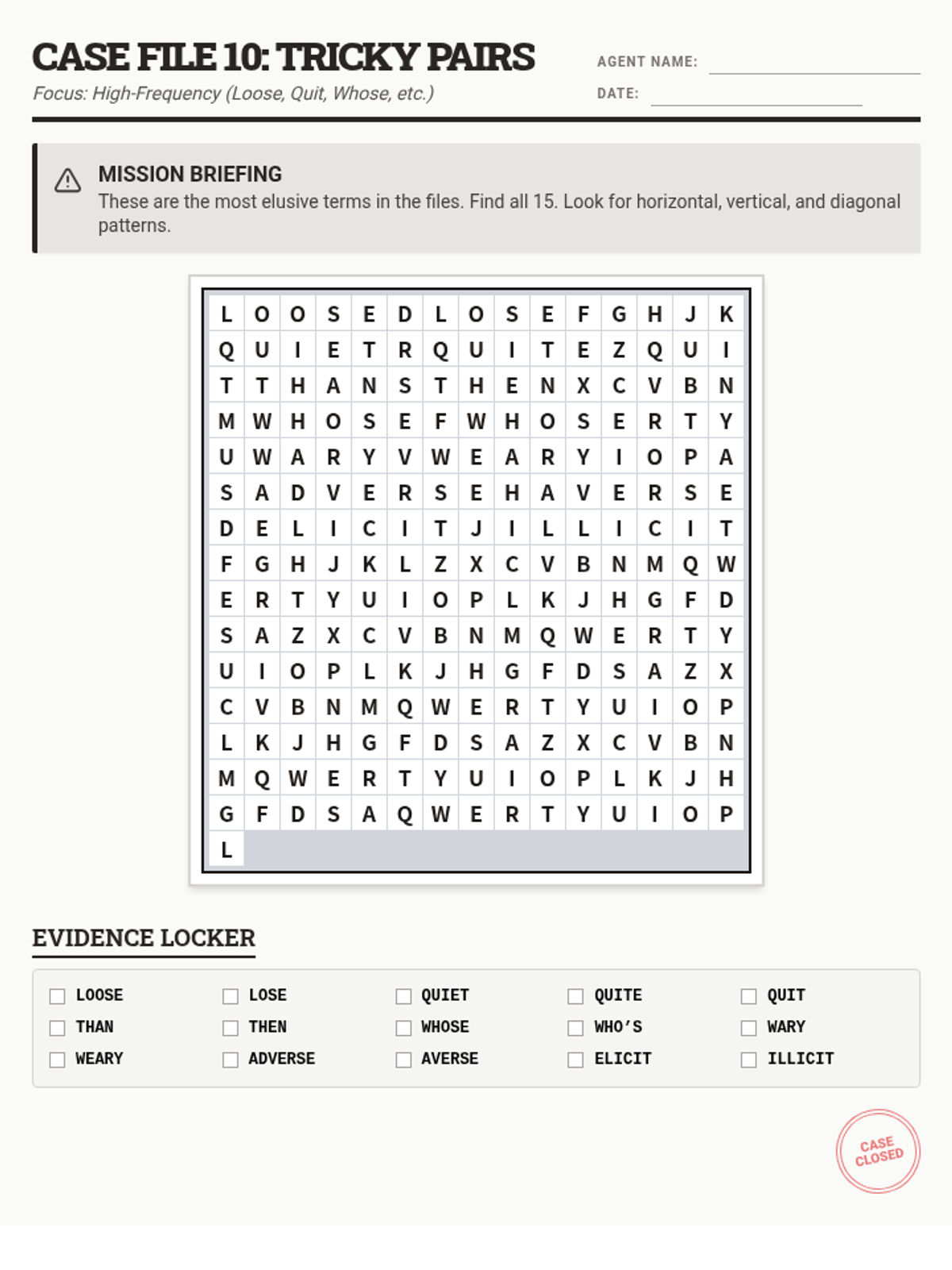
The final word search worksheet focusing on the most difficult commonly confused word pairs like loose/lose and than/then. Closes the detective case theme.
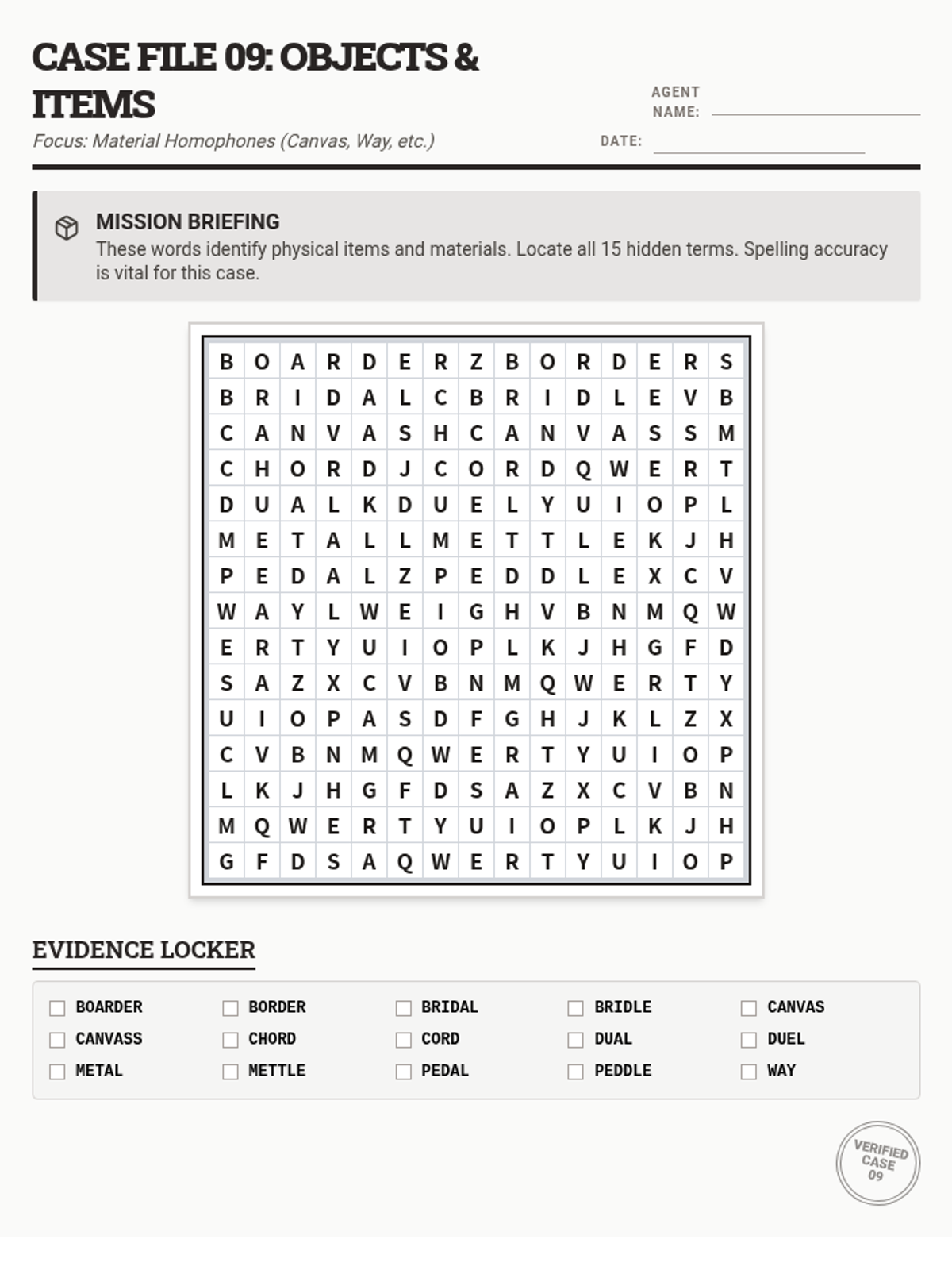
A word search focused on object-based homophones like metal/mettle and canvas/canvass. Features an industrial materials case theme.
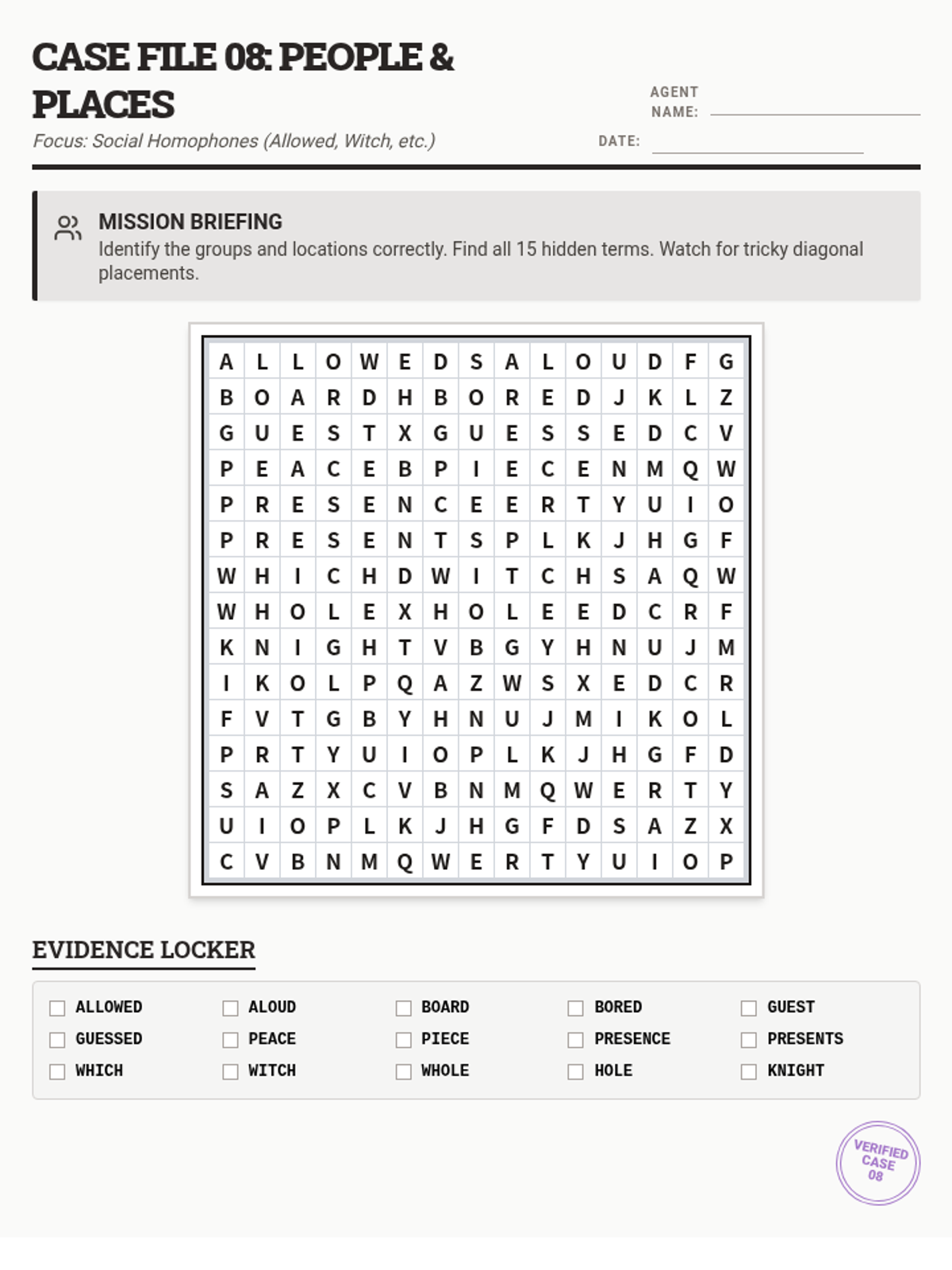
A word search worksheet covering social and location-based homophones like allowed/aloud and which/witch. Community case file theme.
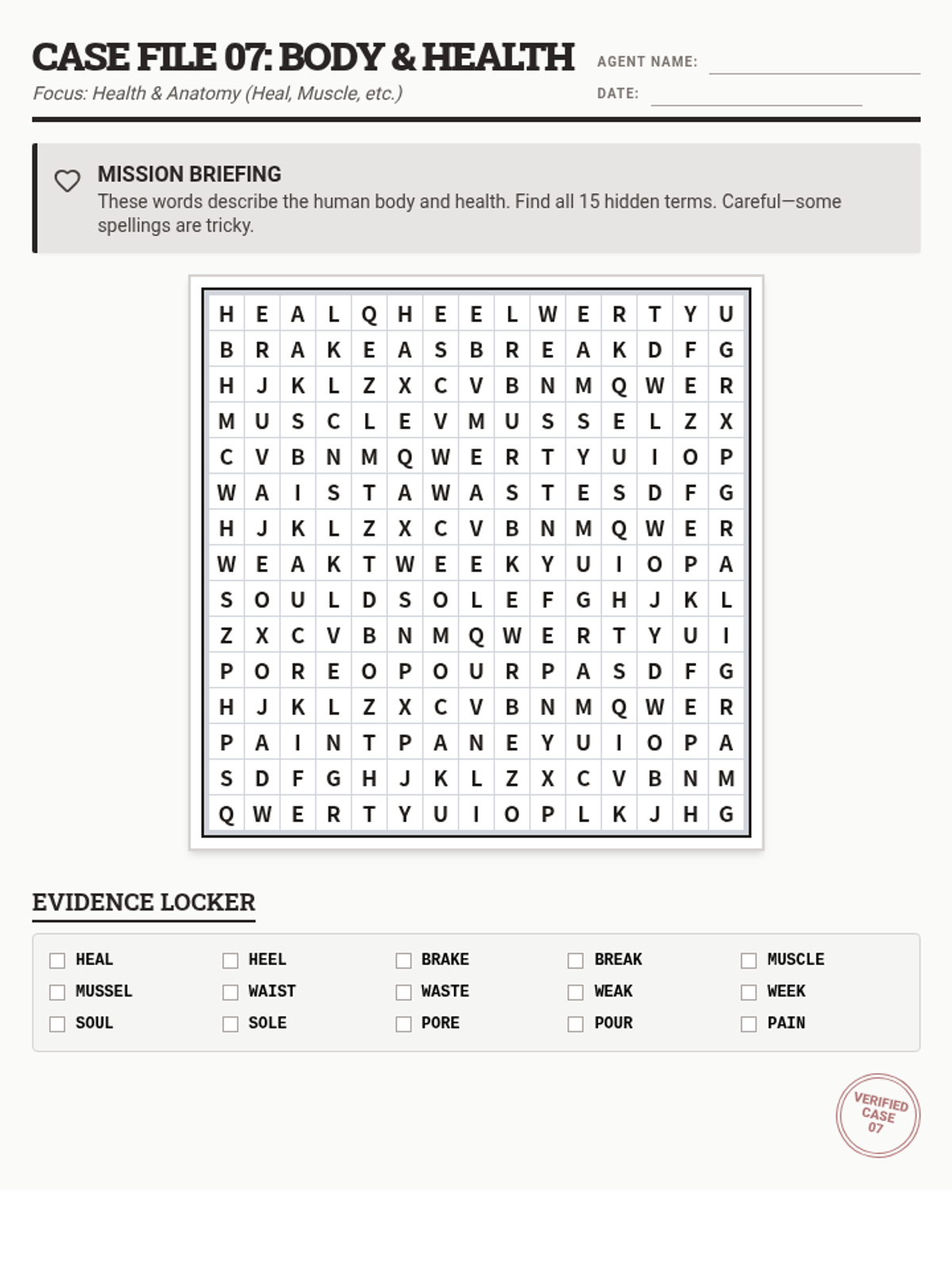
A word search worksheet exploring homophones related to health and anatomy, like heal/heel and muscle/mussel. Professional medical case theme.
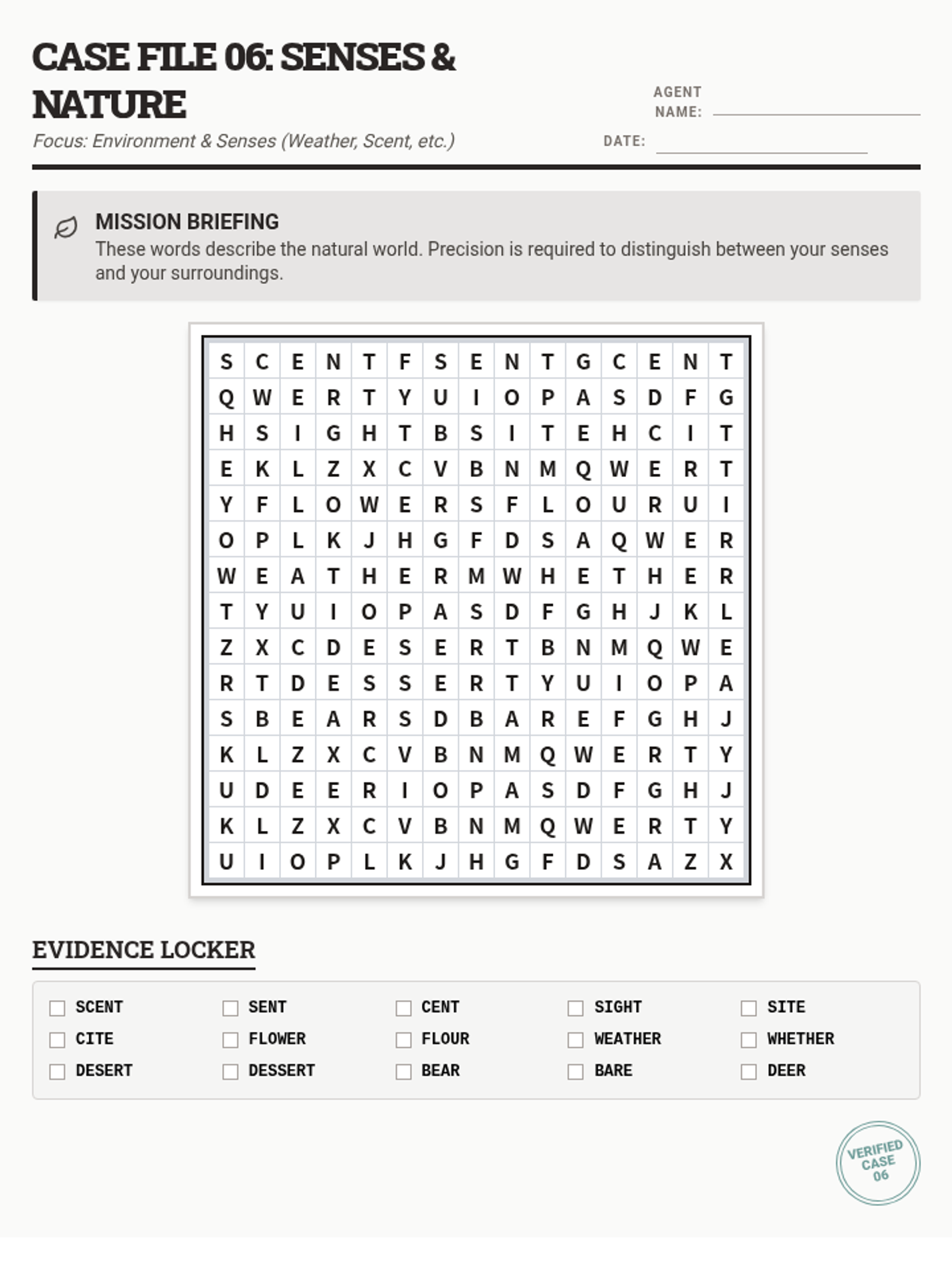
A word search targeting nature and sensory homophones like scent/sent/cent and desert/dessert. Designed with a natural science case theme.
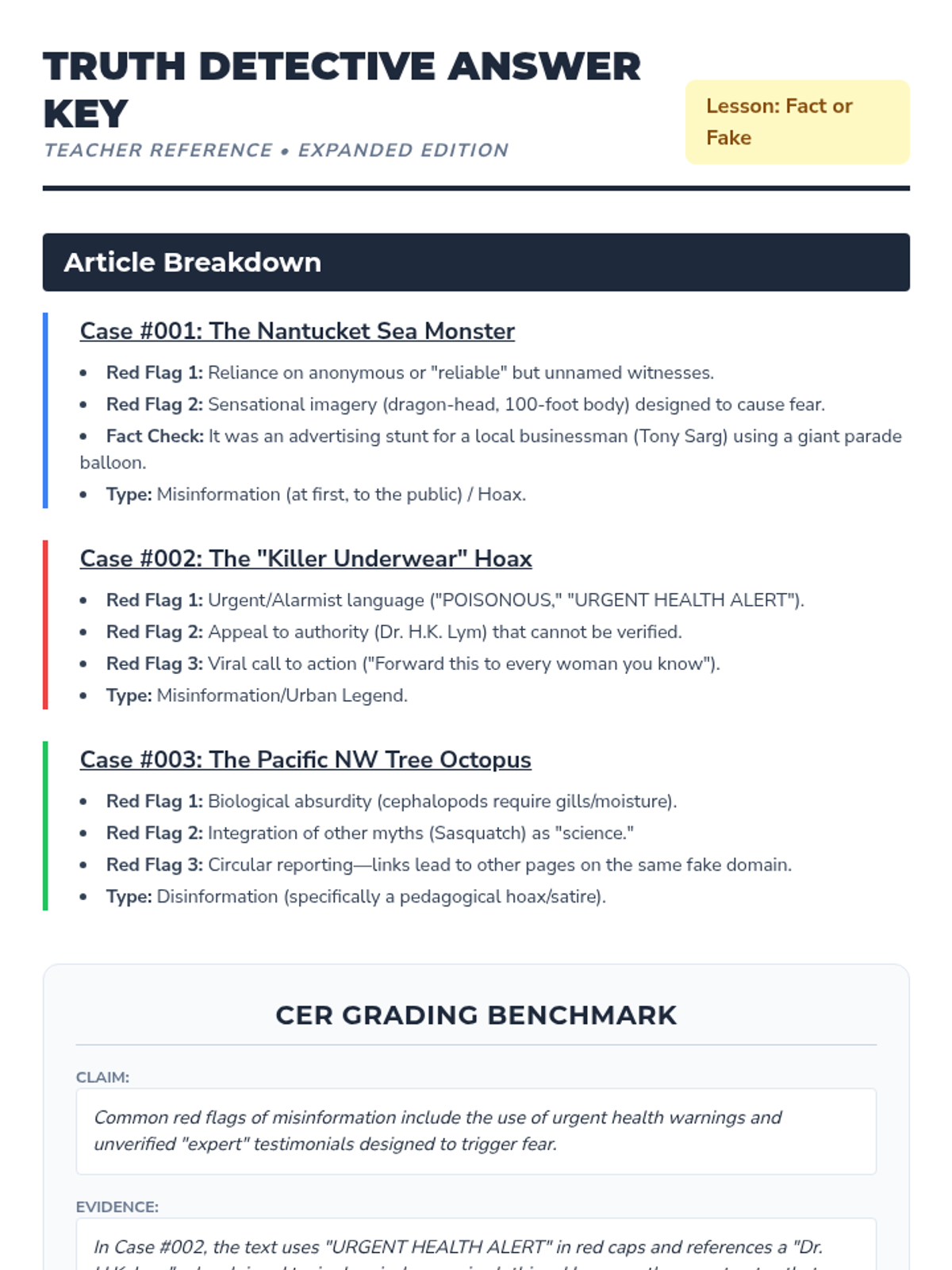
A teacher's answer key for the Truth Detective lesson, providing breakdown of the case studies and a sample CER response for grading and discussion.
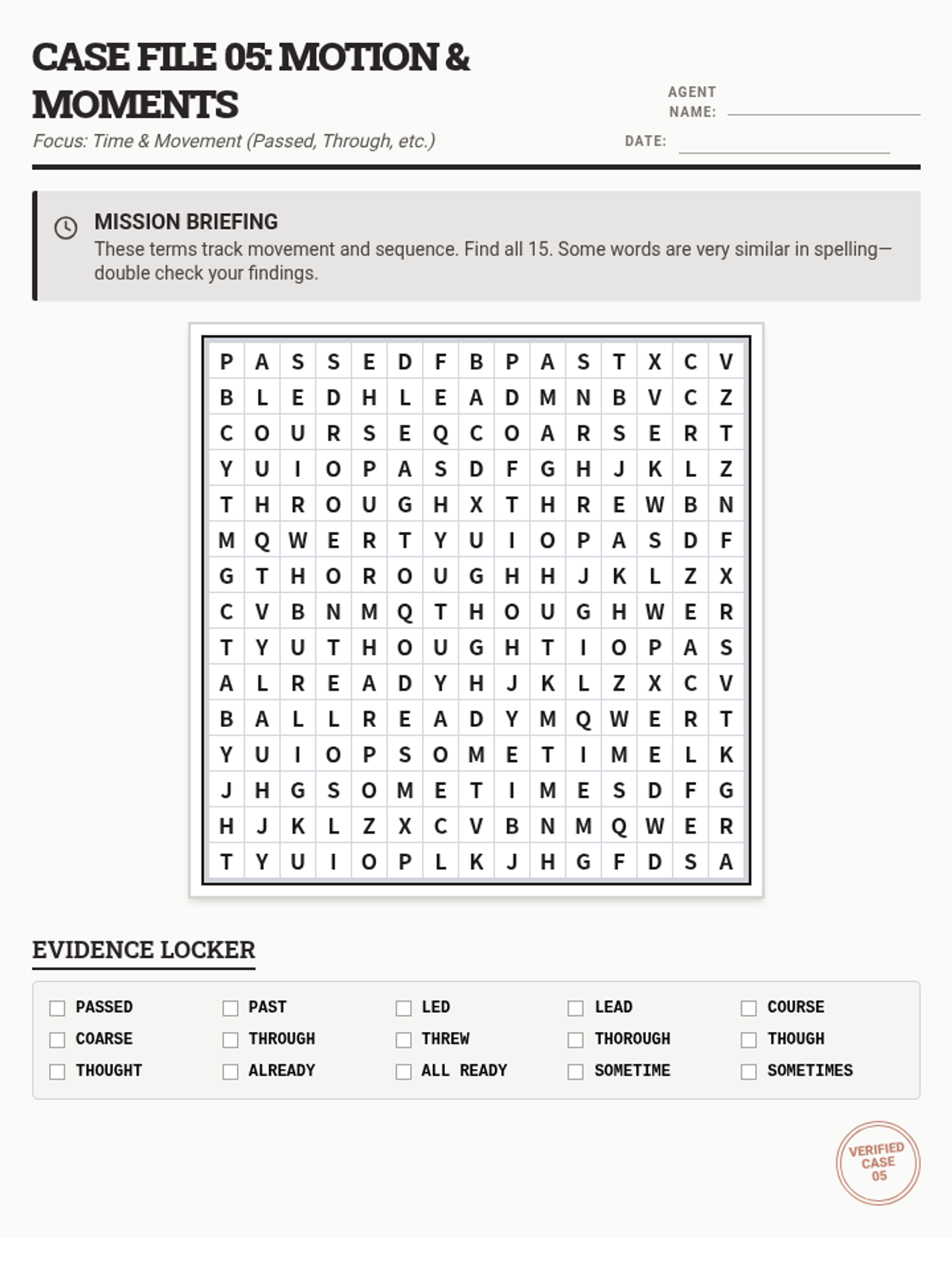
A word search focused on movement and time-related confusions such as passed/past and through/threw/thorough. Features a "case file" investigative design.
Visual presentation to accompany the Truth Detective lesson, explaining the difference between misinformation and disinformation and highlighting digital red flags.
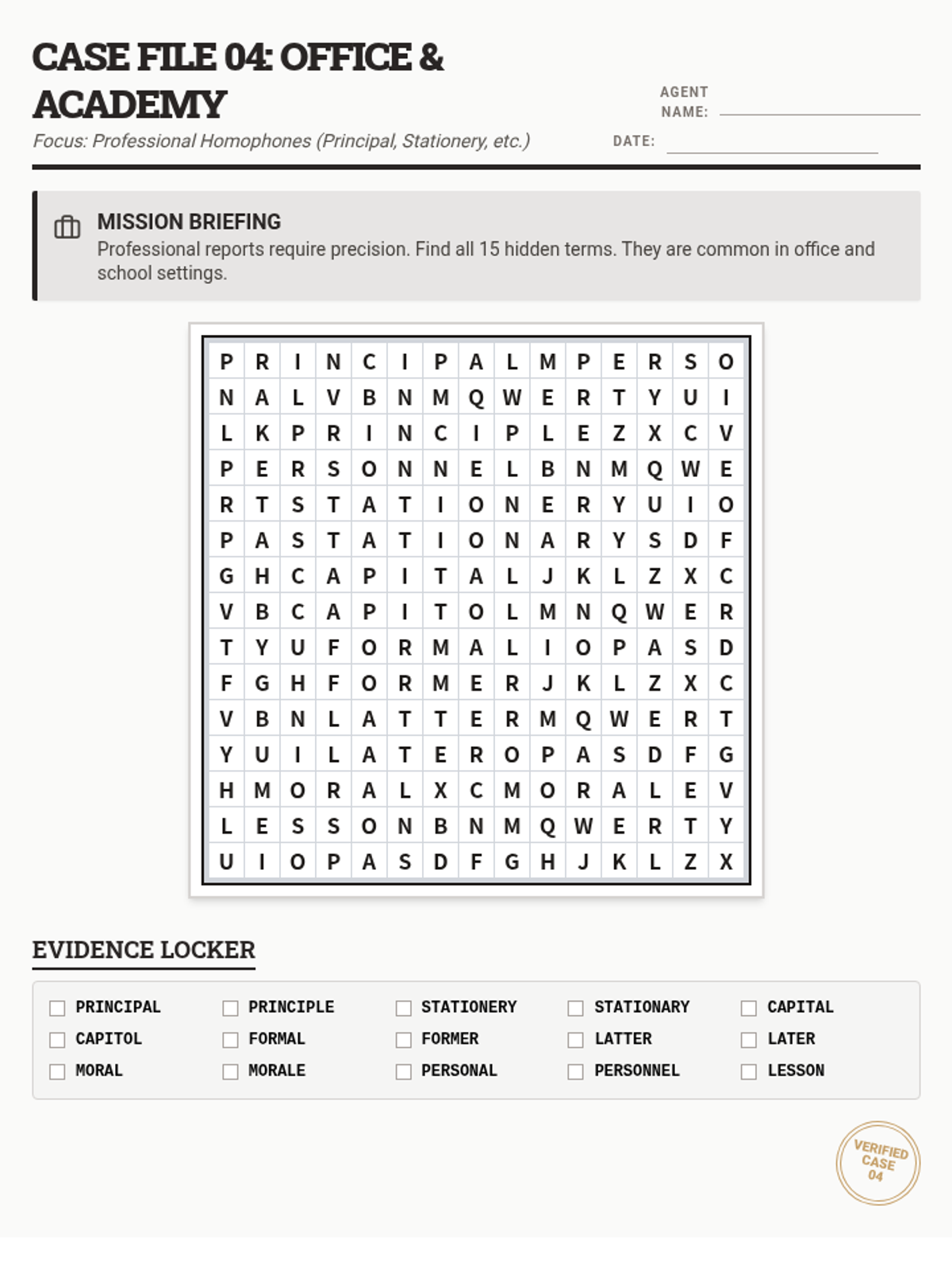
A word search worksheet covering professional and academic homophones like principal/principle and personnel/personal. Features a business case theme.
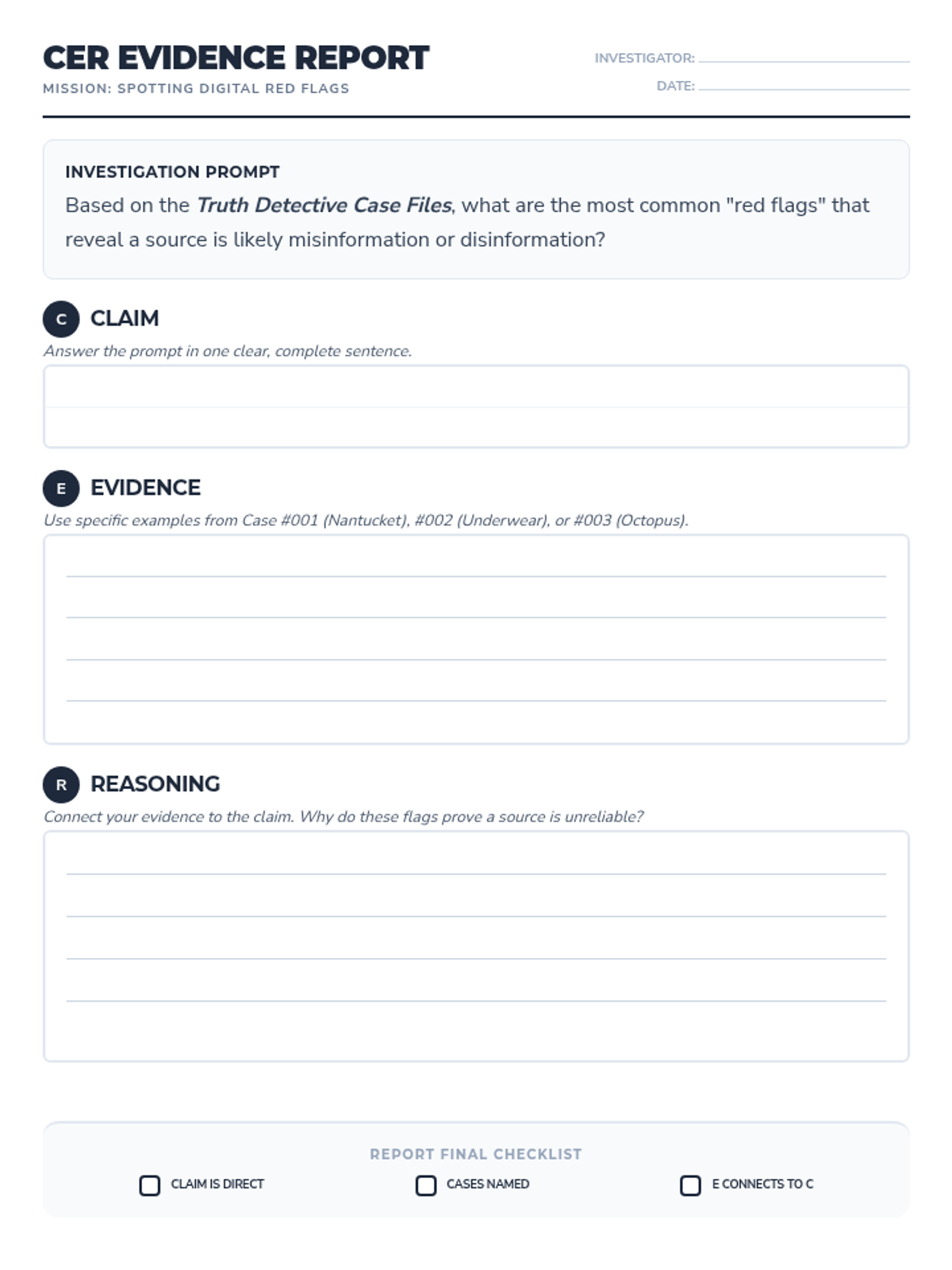
A graphic organizer for students to write a CER (Claim, Evidence, Reasoning) paragraph based on the Truth Detective Case Files, focusing on identifying red flags of fake information.
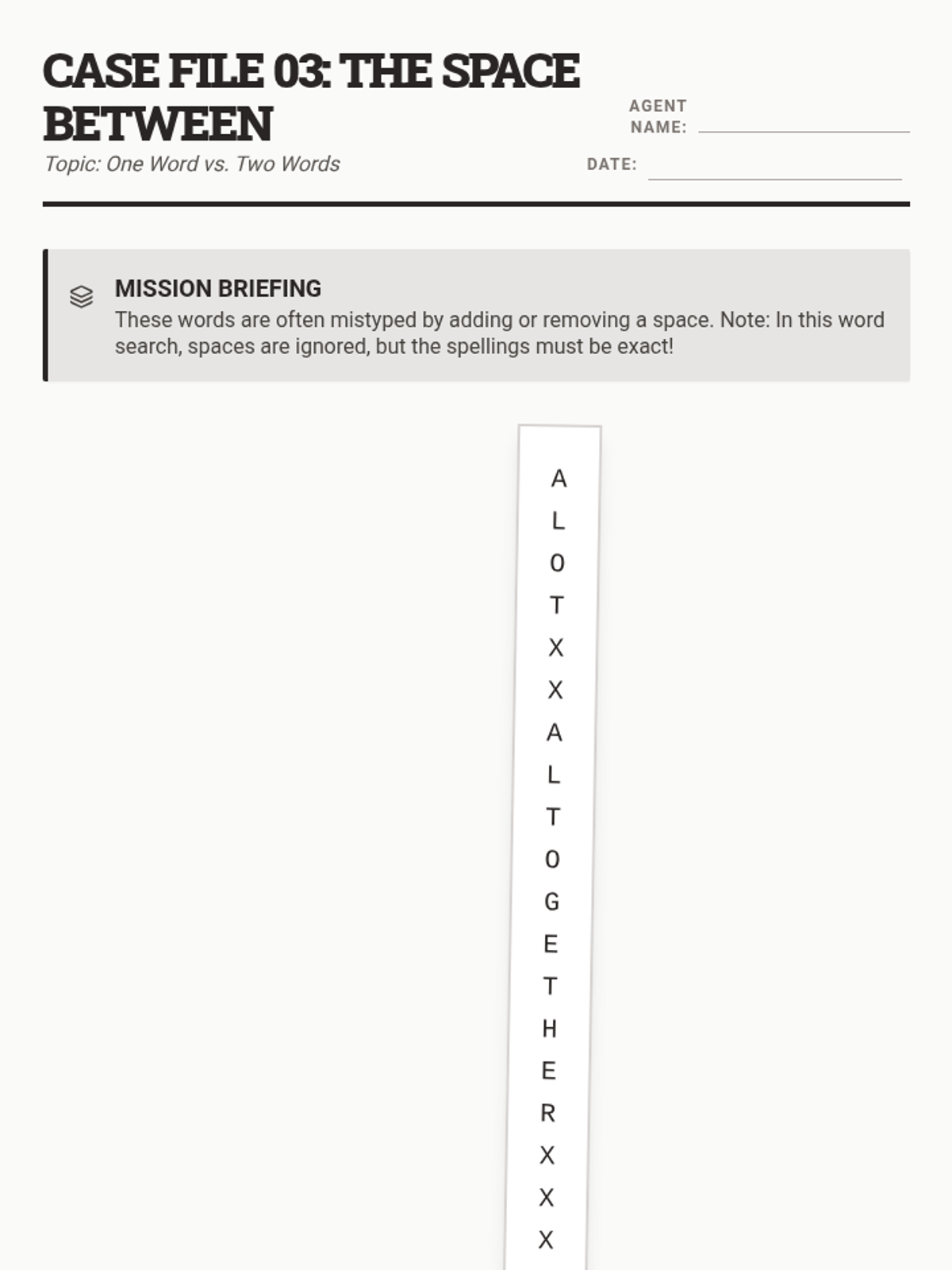
A word search focusing on one-word vs. two-word confusions like everyday/every day and into/in to. Encourages attention to spelling and usage.
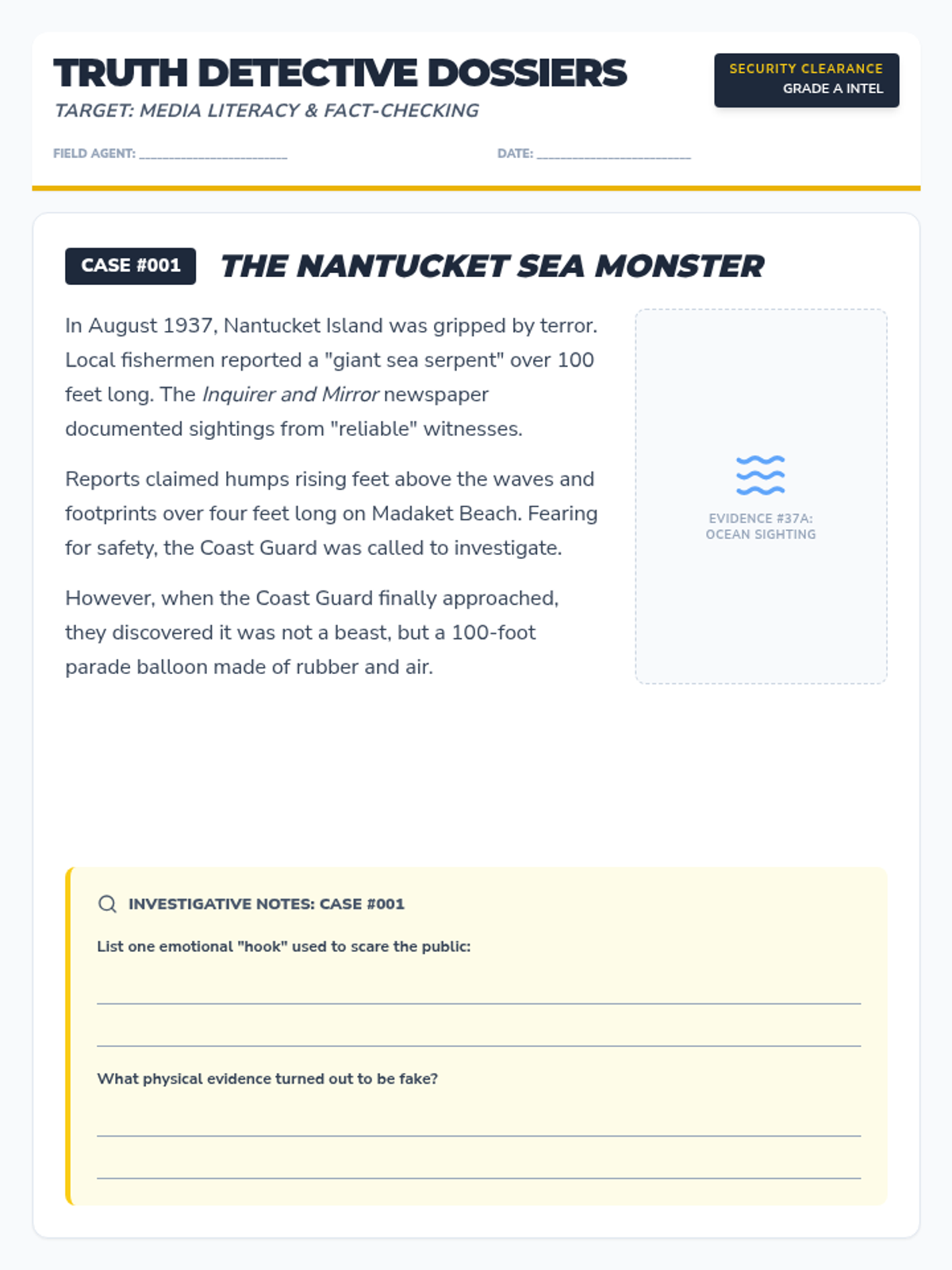
A collection of three short case studies—The Banana Shortage, The Tree Octopus, and Miracle Glow-Water—designed for students to practice identifying red flags of misinformation and disinformation.
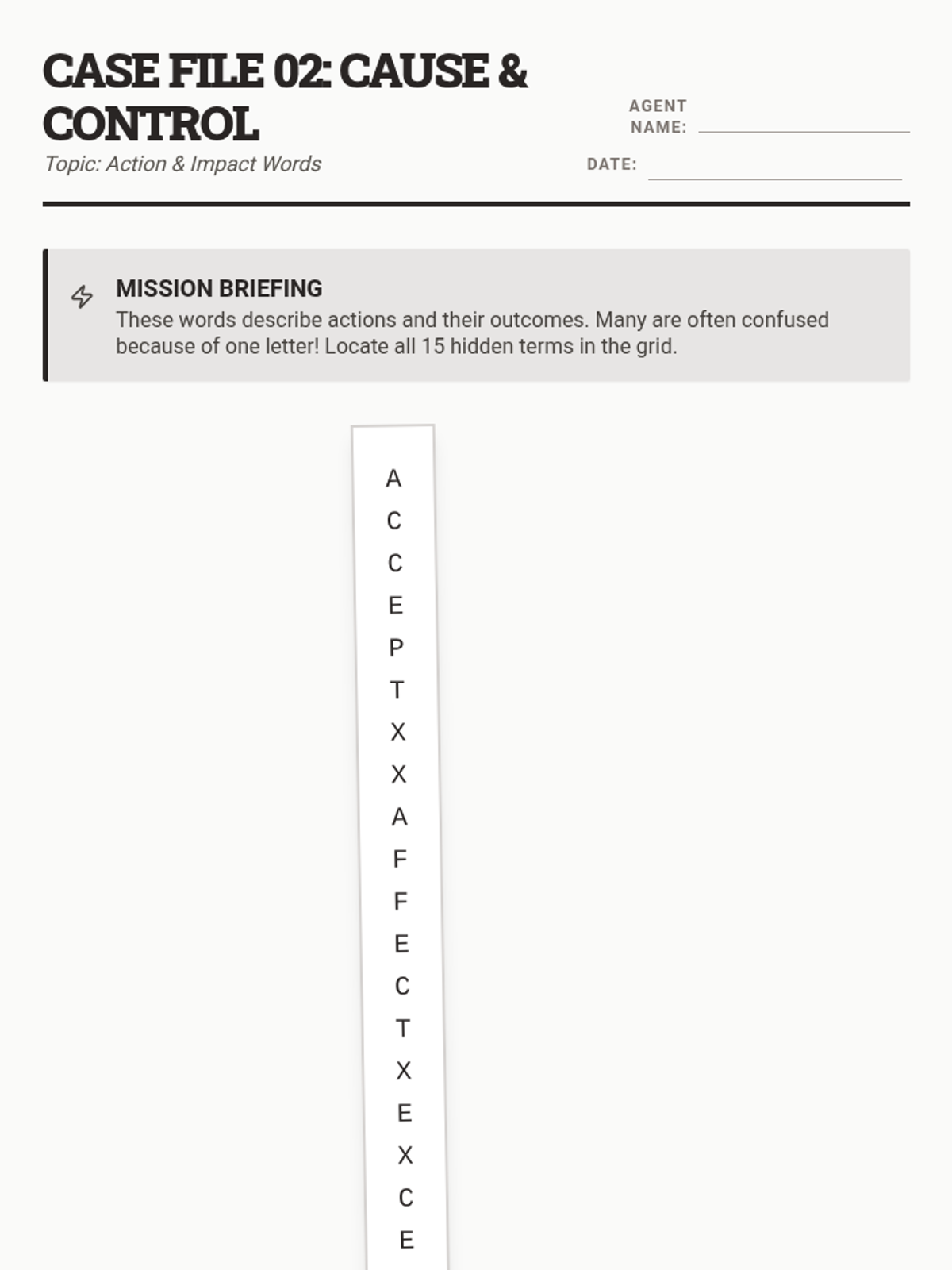
A second word search worksheet targeting verbs and nouns that are frequently confused, such as affect/effect and advice/advise. Uses a detective notebook style.
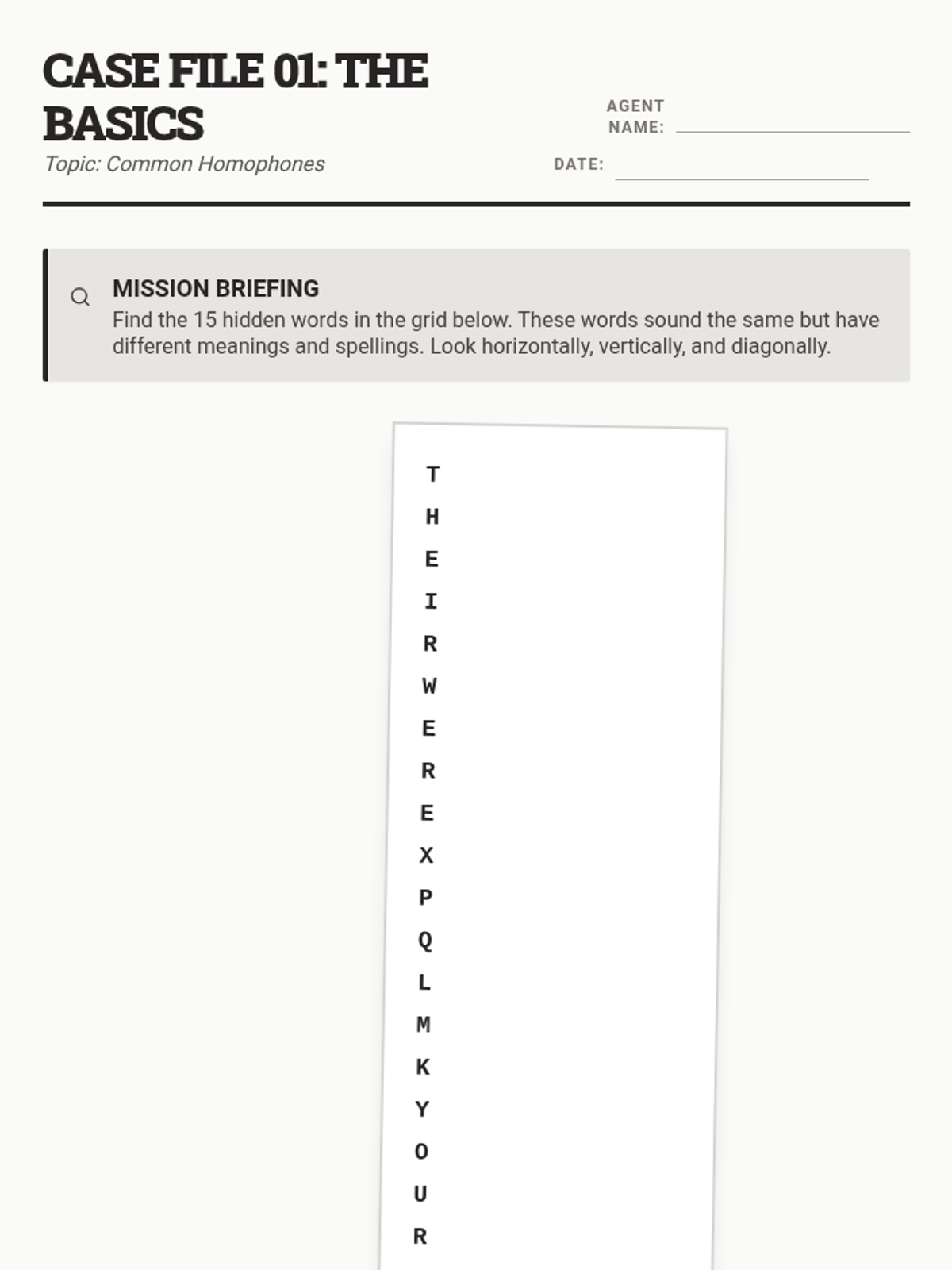
A word search worksheet focusing on basic homophones like to/too/two and their/there/they're. Features a detective case file theme with a 15x15 grid and word bank.
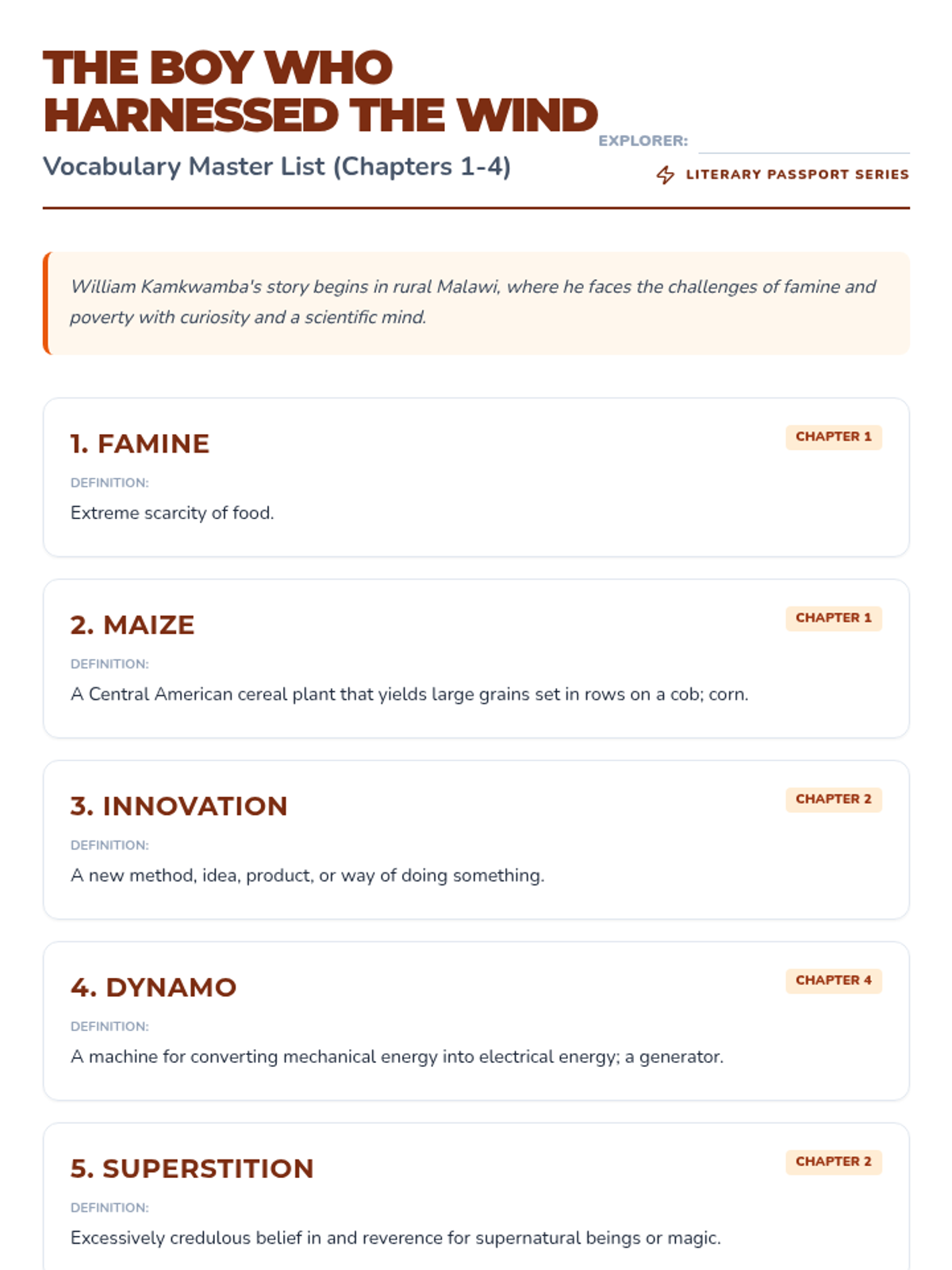
A vocabulary list for the first four chapters of The Boy Who Harnessed the Wind. Key terms include famine, dynamo, and innovation, reflecting the environmental and technical aspects of the memoir.
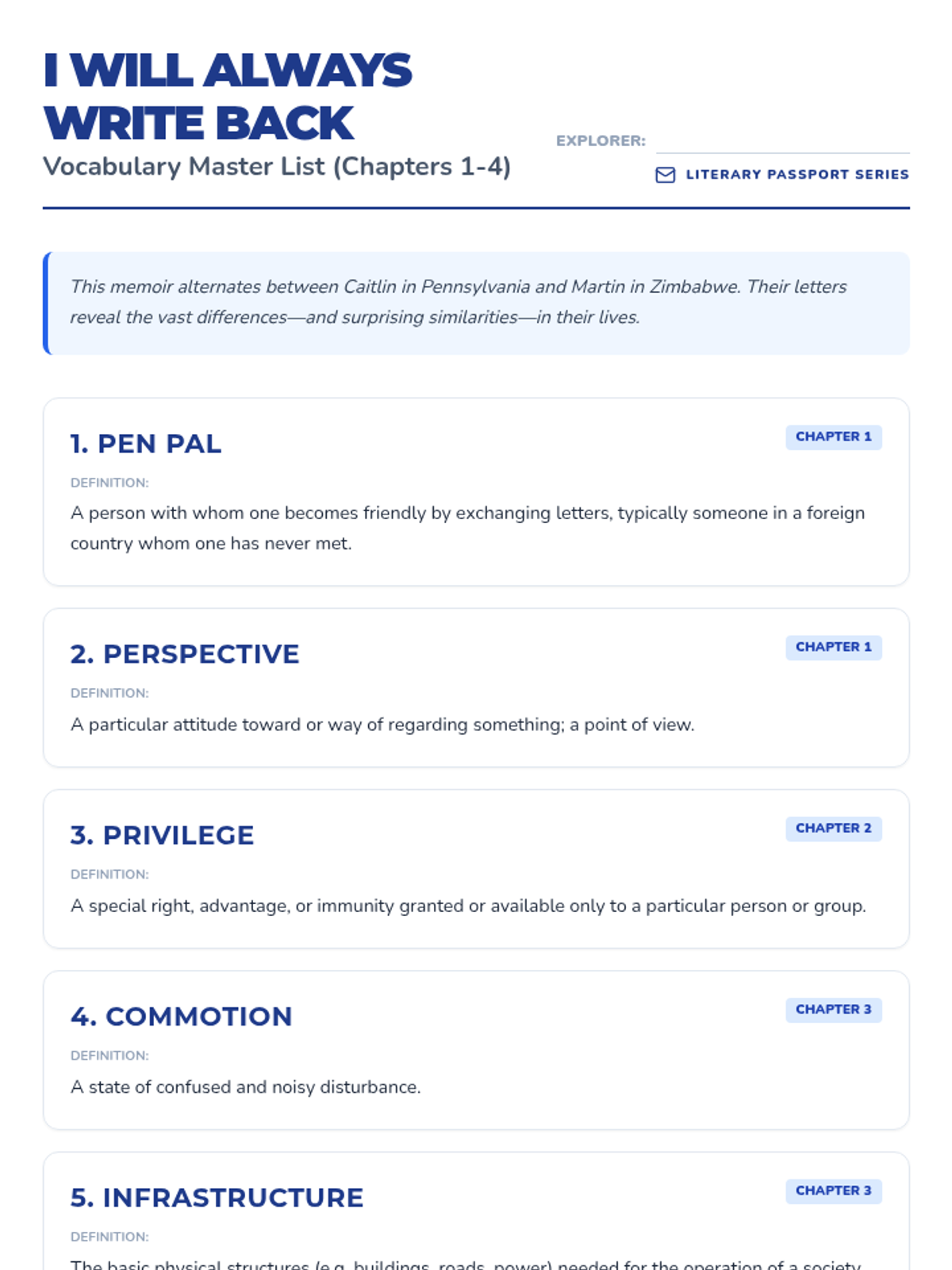
A vocabulary list for the first four chapters of I Will Always Write Back. Focuses on terms like perspective, privilege, and infrastructure to highlight the contrast between the two main characters' environments.
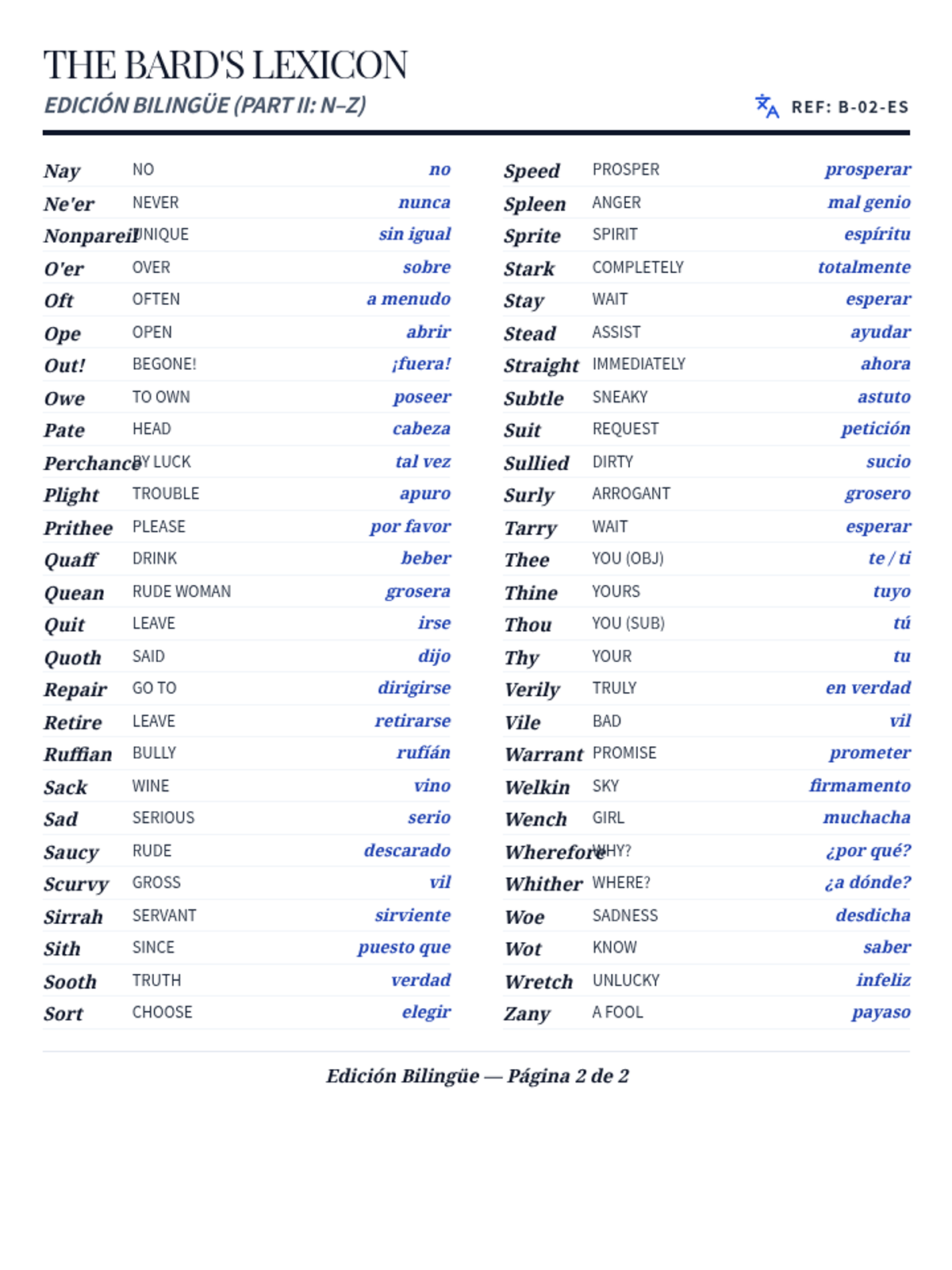
Part 2 of the bilingual (English/Spanish) visual word bank for the Shakespearean encoding activity, completing the alphabet with common Elizabethan words and their modern translations in pt. 10.5 font. Updated for layout and contrast issues.