Develops proficiency in estimating and measuring length, area, volume, and mass using standard units and unit conversions. Integrates time, money, angle measurement, and data classification through counting and arithmetic applications.
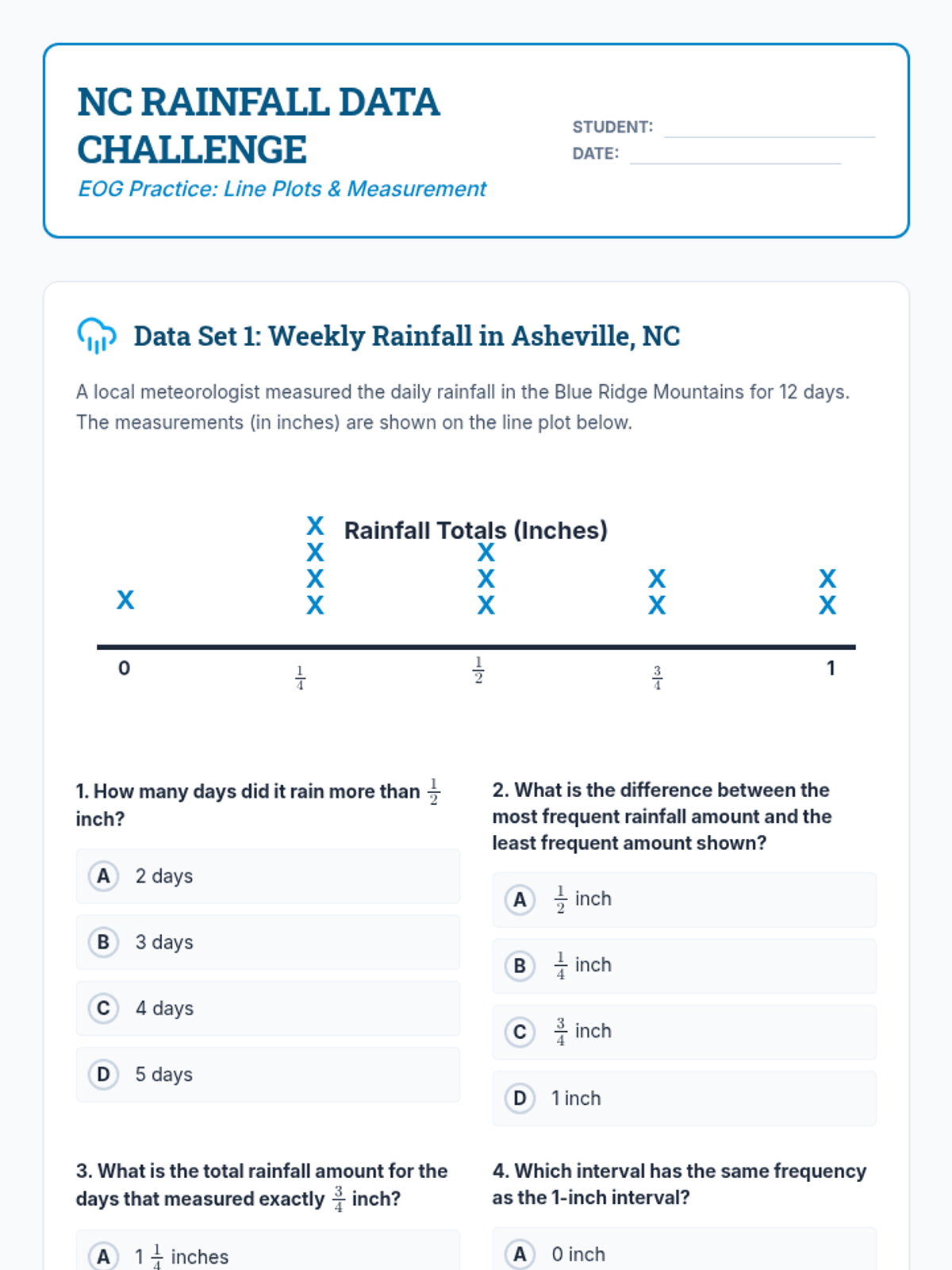
Students interpret and create line plots using measurement data involving fractions.
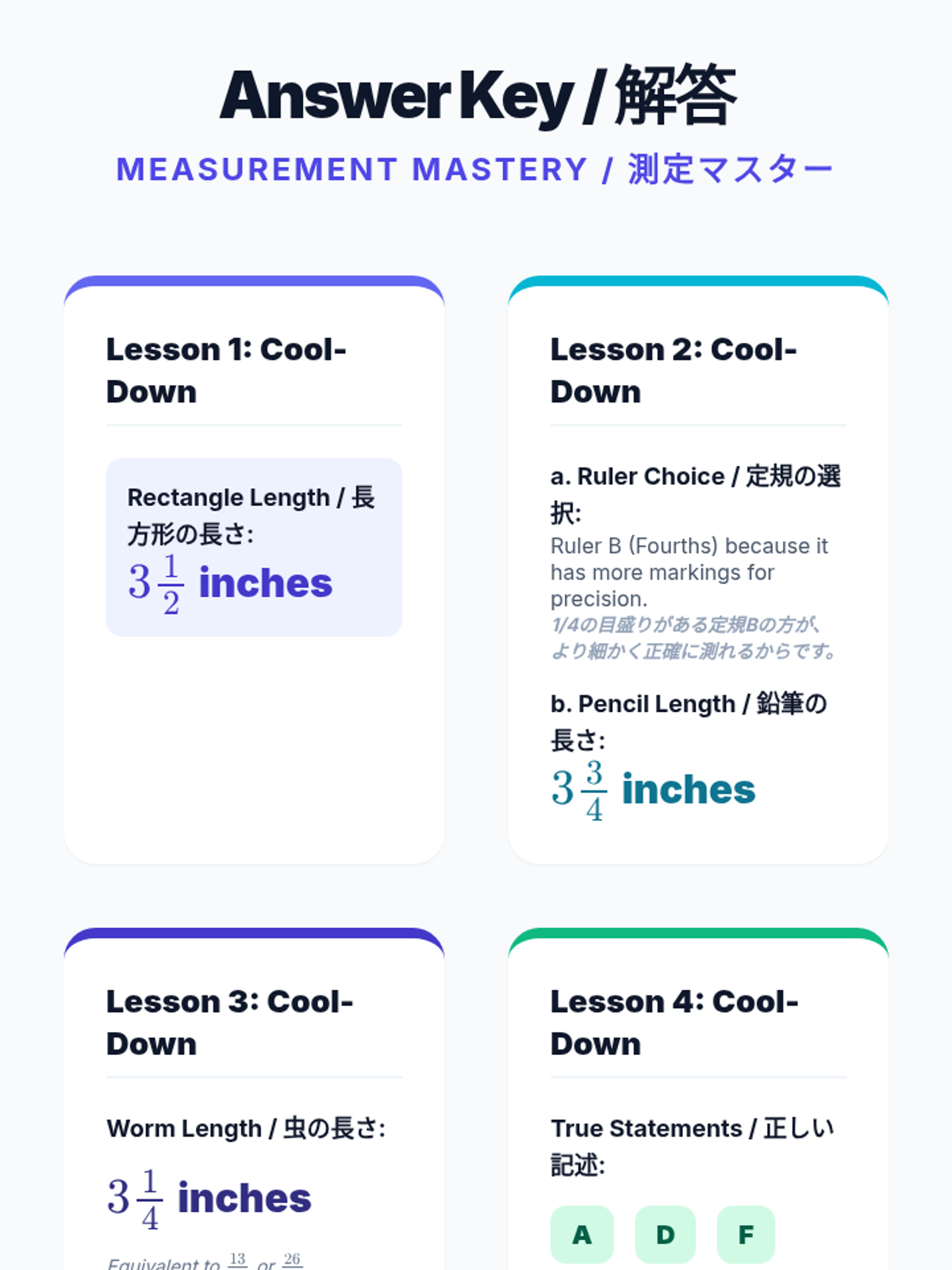
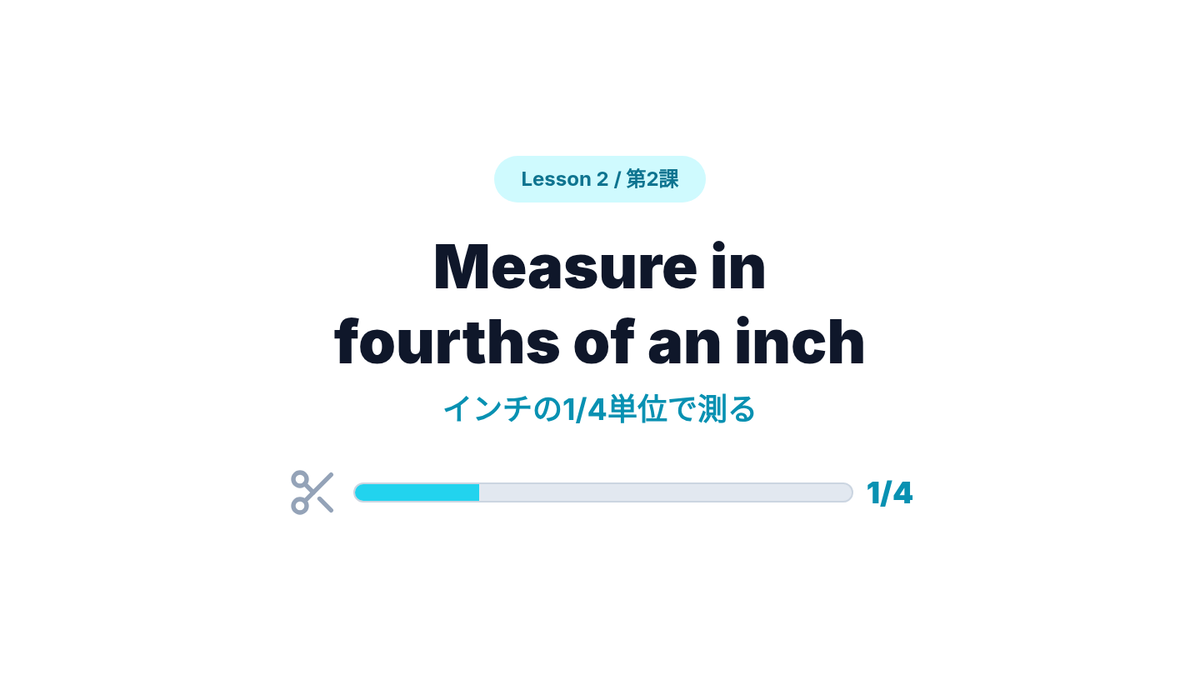
Students learn to measure objects to the nearest fourth of an inch and explore partition logic.
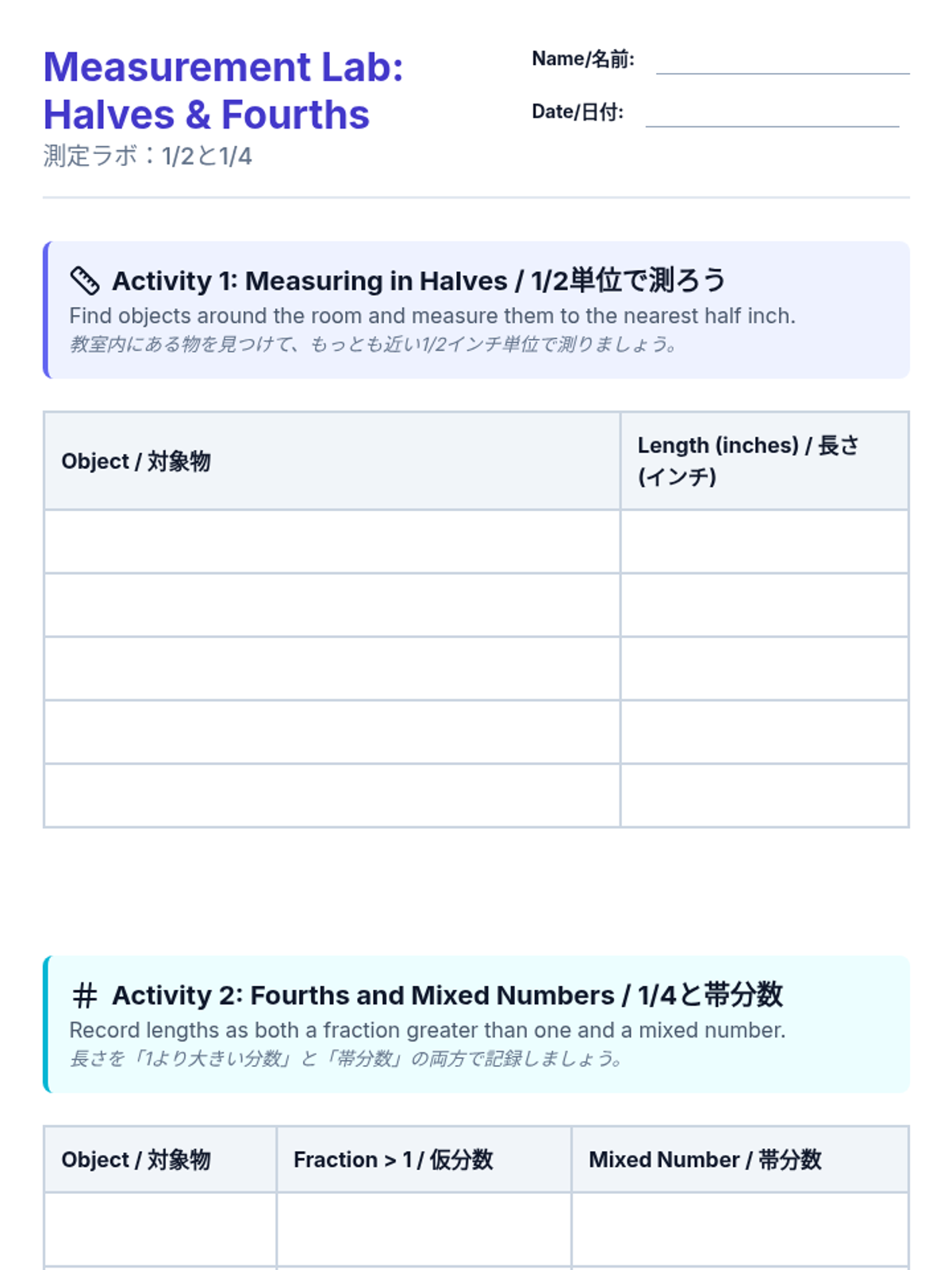
Students learn to measure objects to the nearest half-inch and are introduced to mixed numbers.
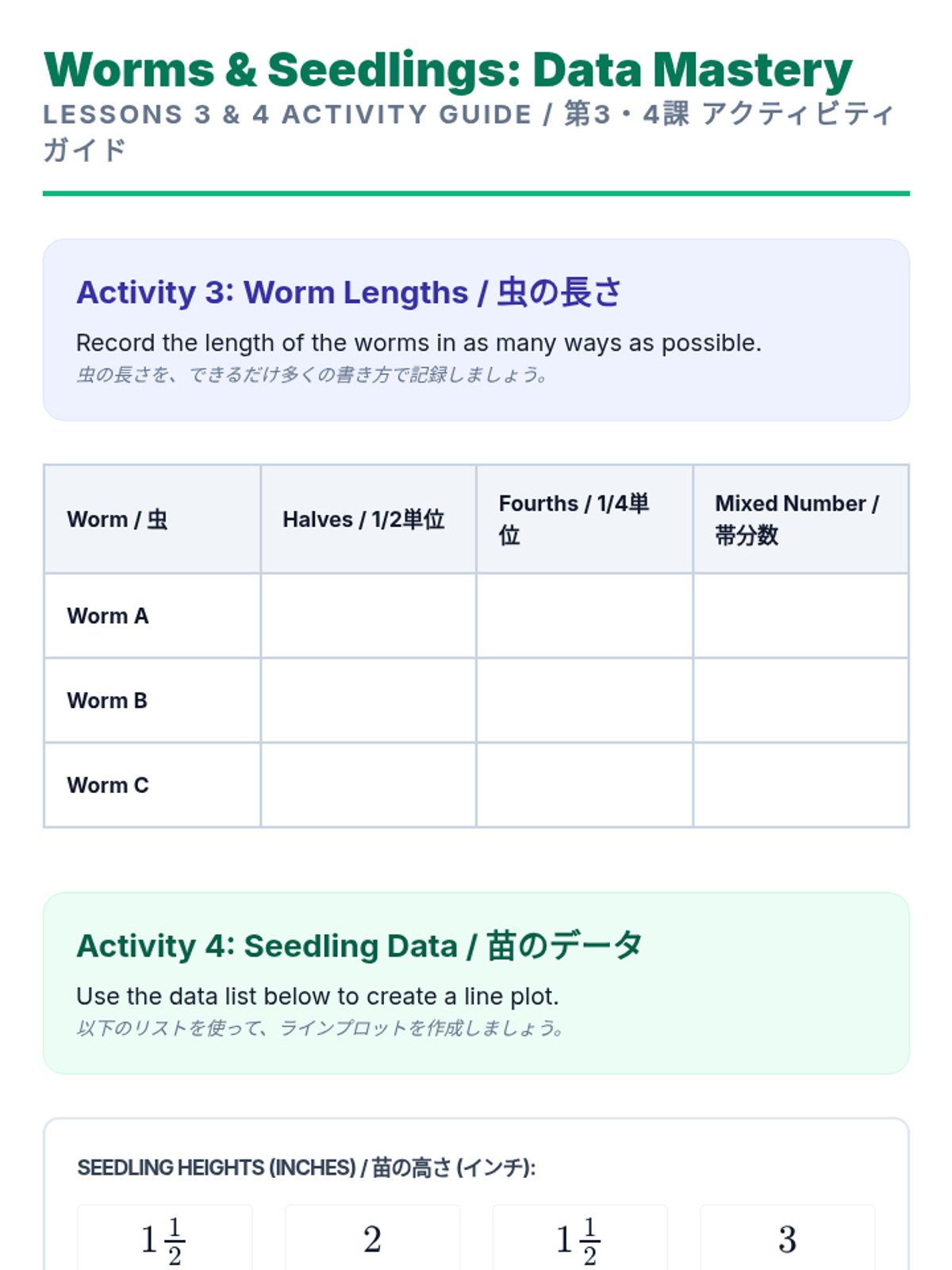
Analyzing and creating line plots to represent measurement data.
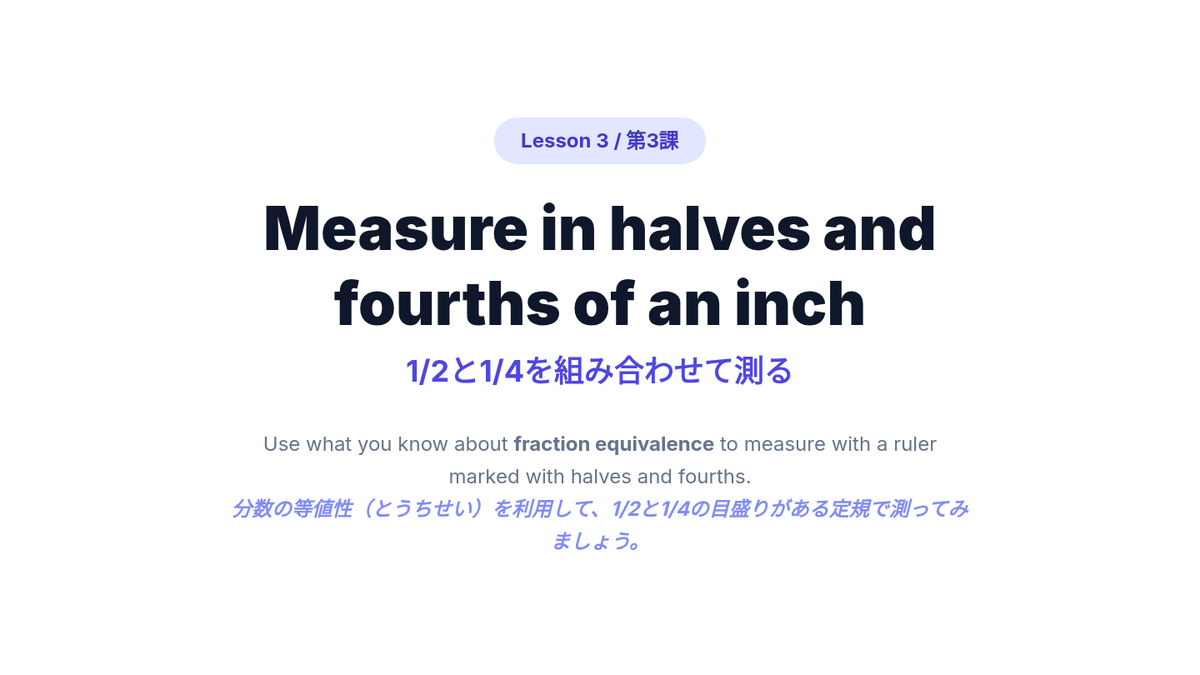
Using fraction equivalence to measure and record lengths accurately.
Expanding measurement skills to fourths of an inch and practicing with mixed numbers.
Introduction to measuring length in halves of an inch and understanding mixed numbers.
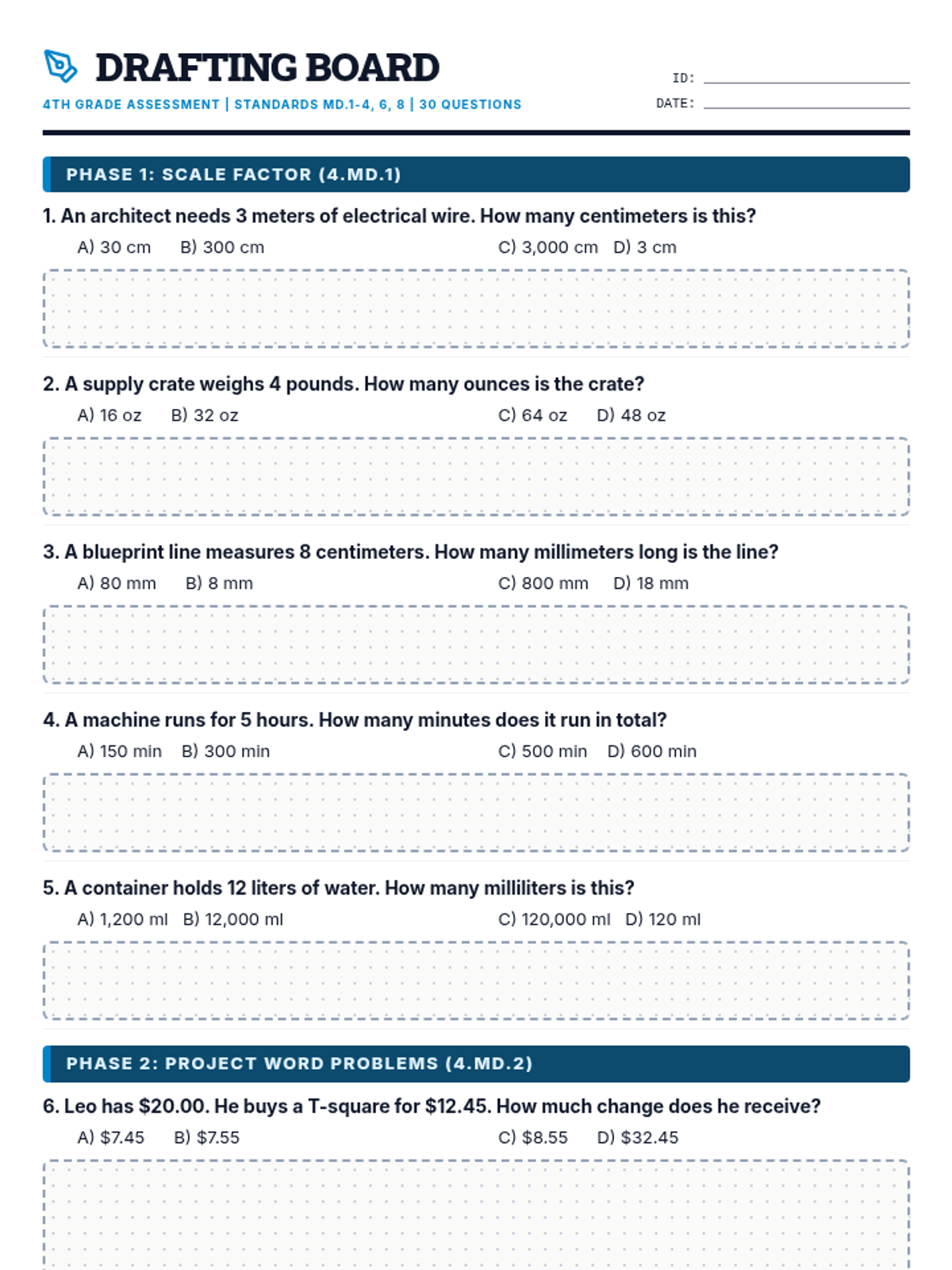
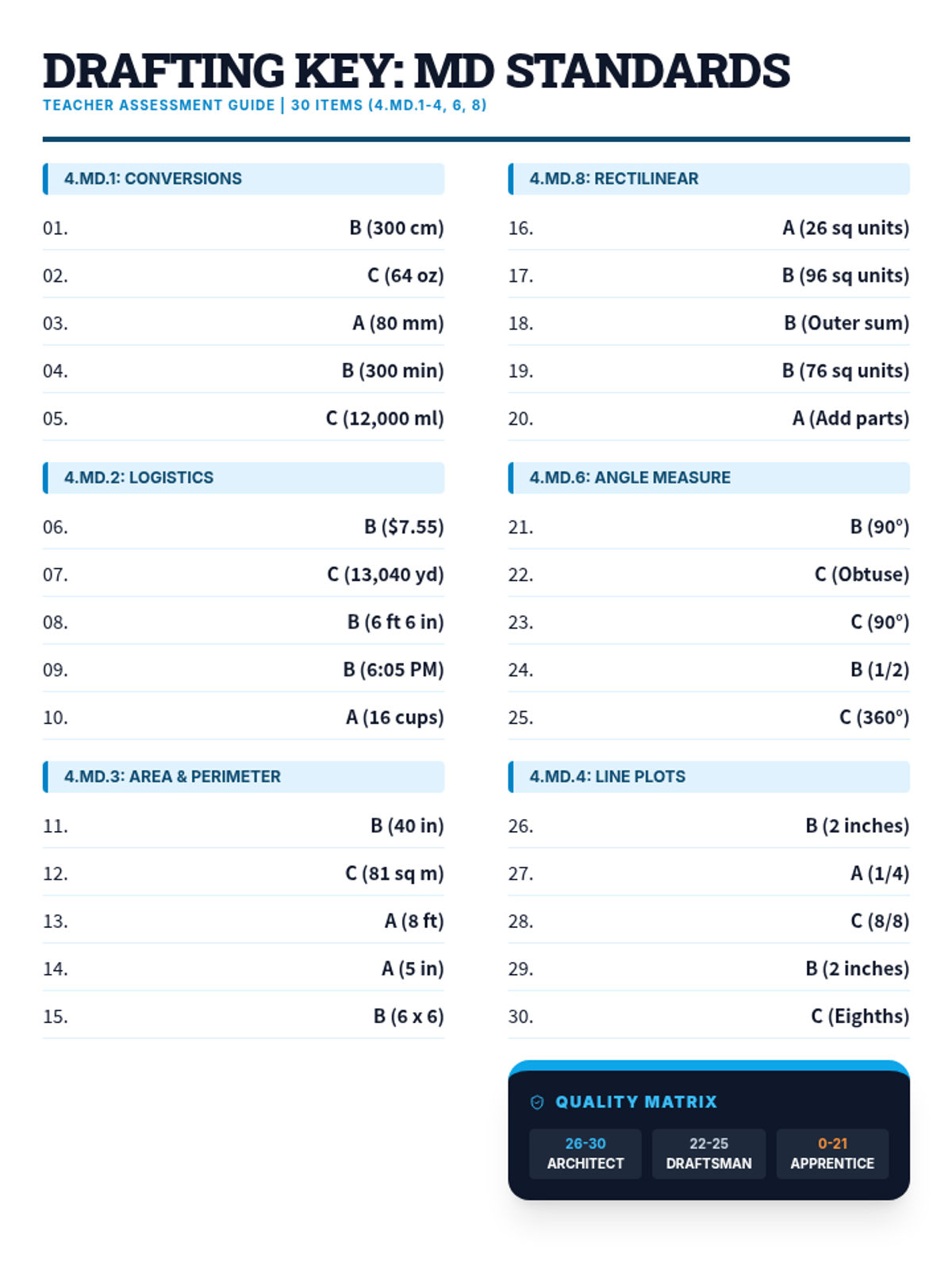
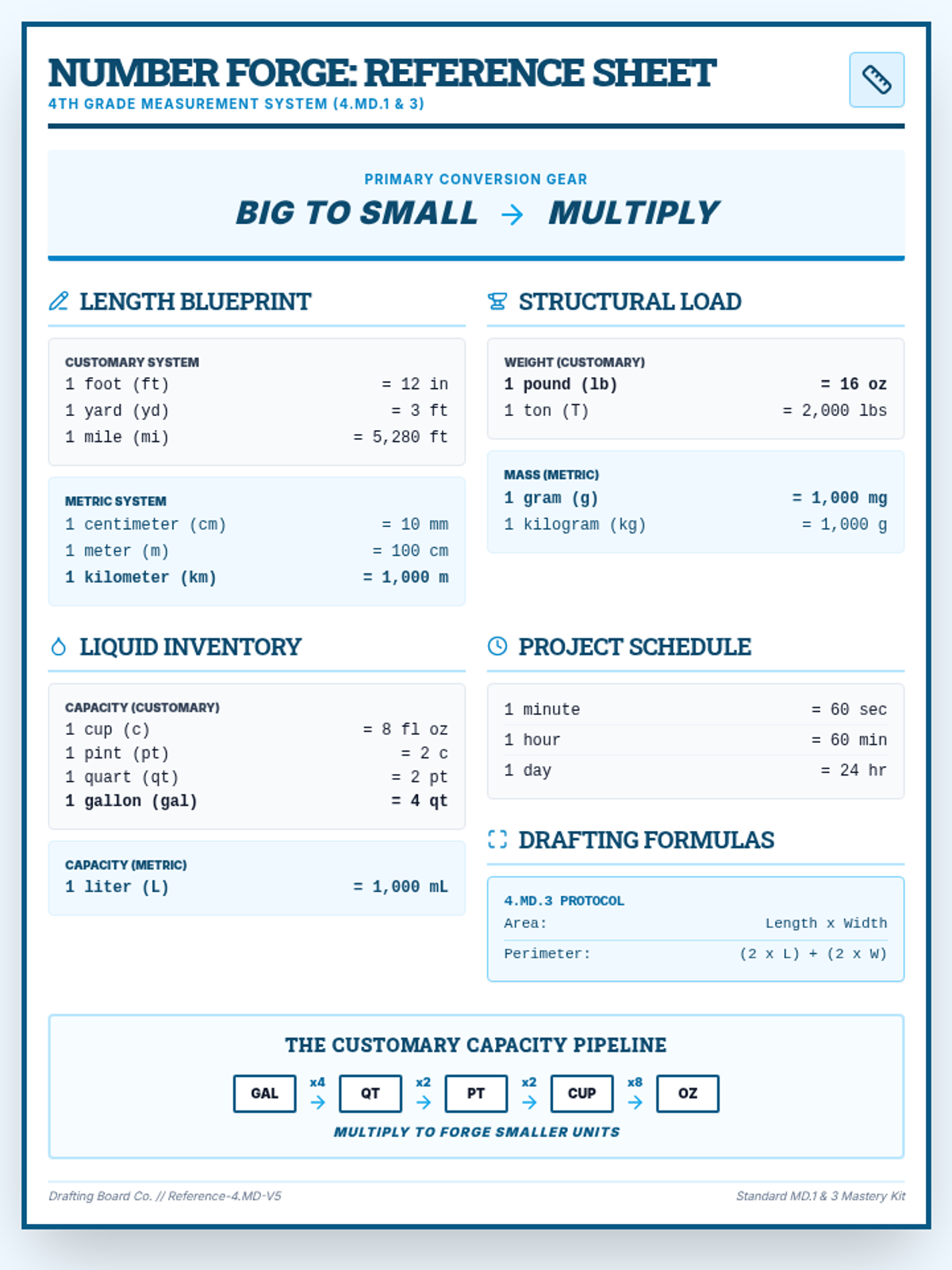
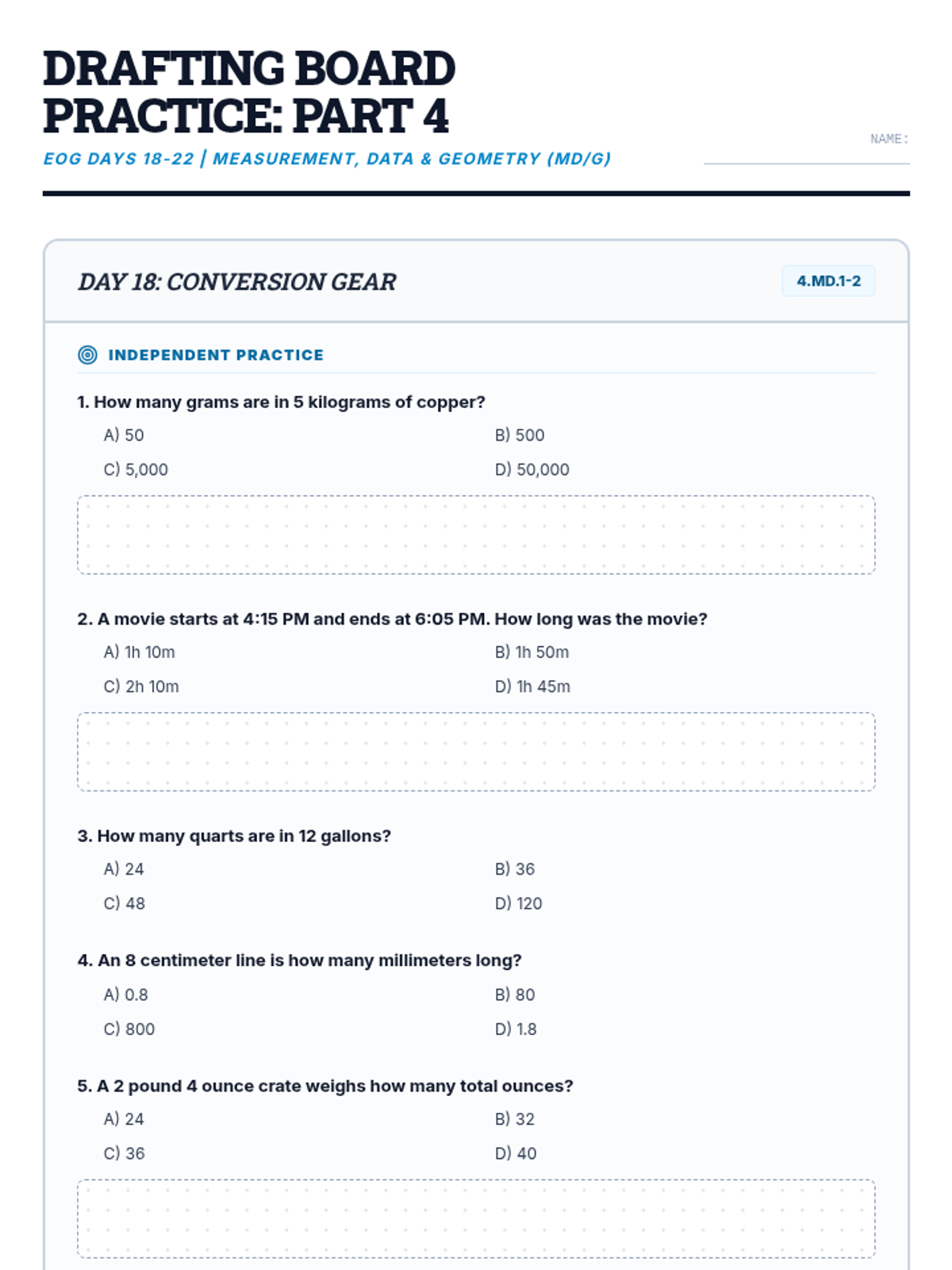
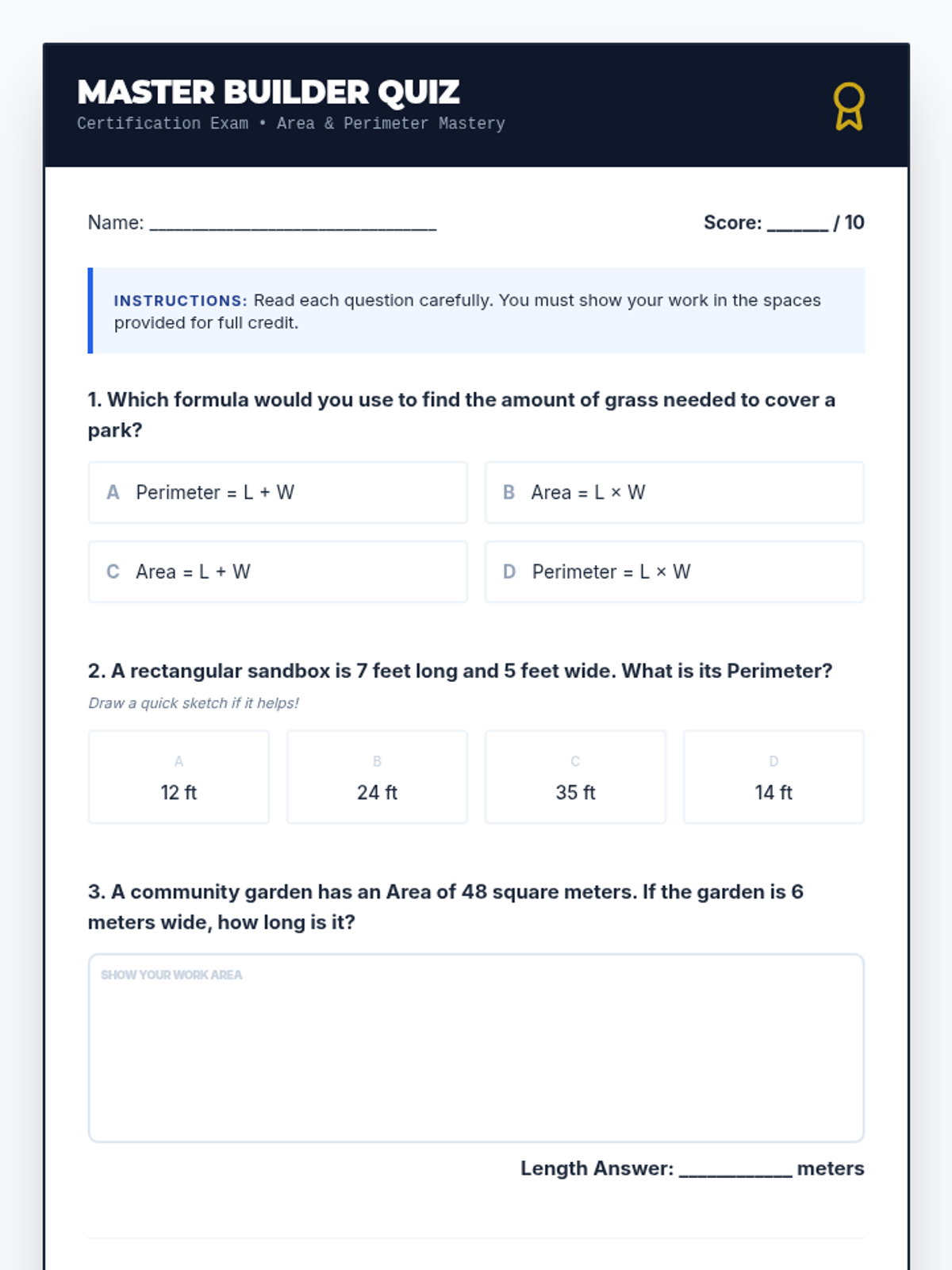
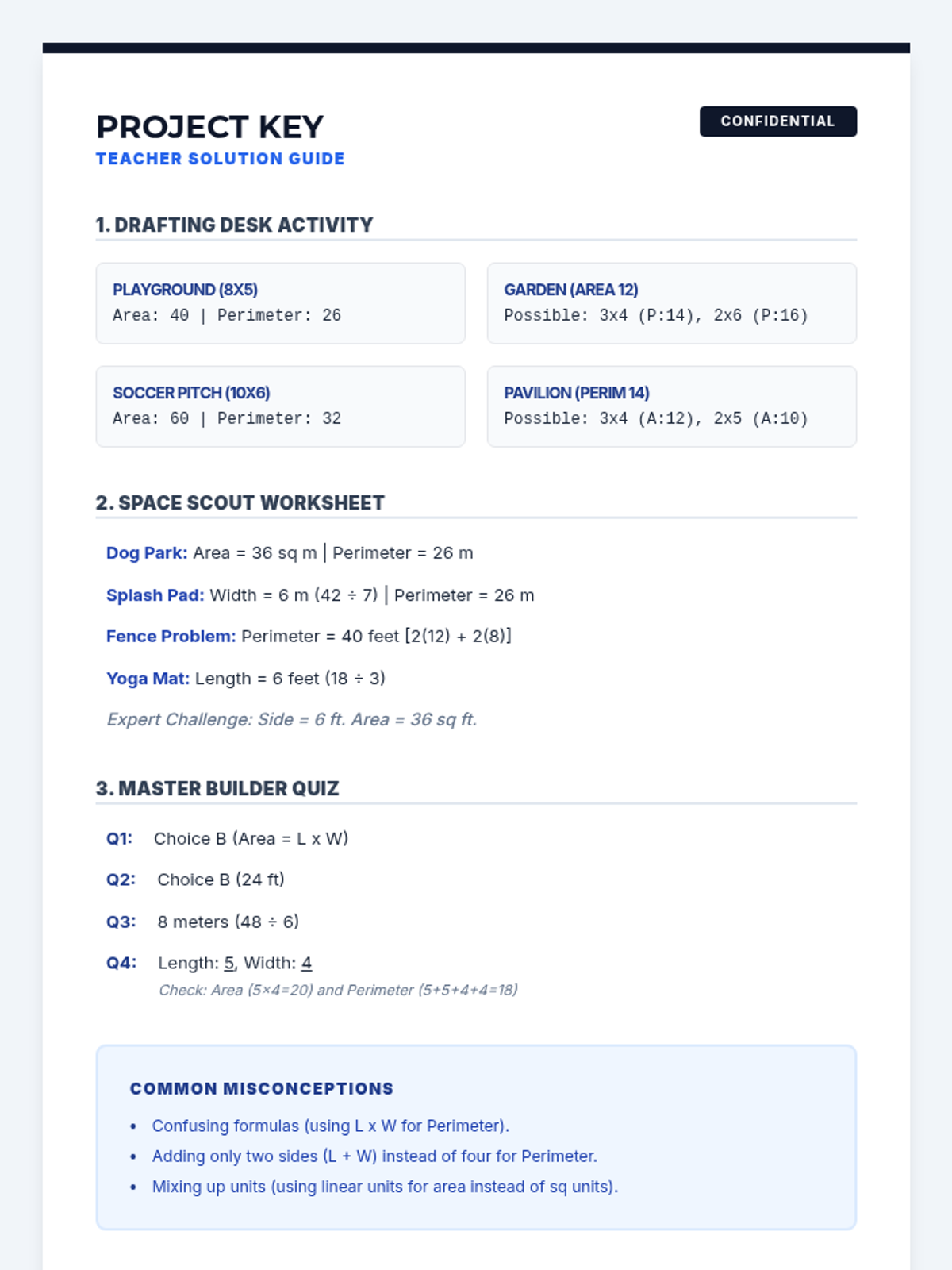
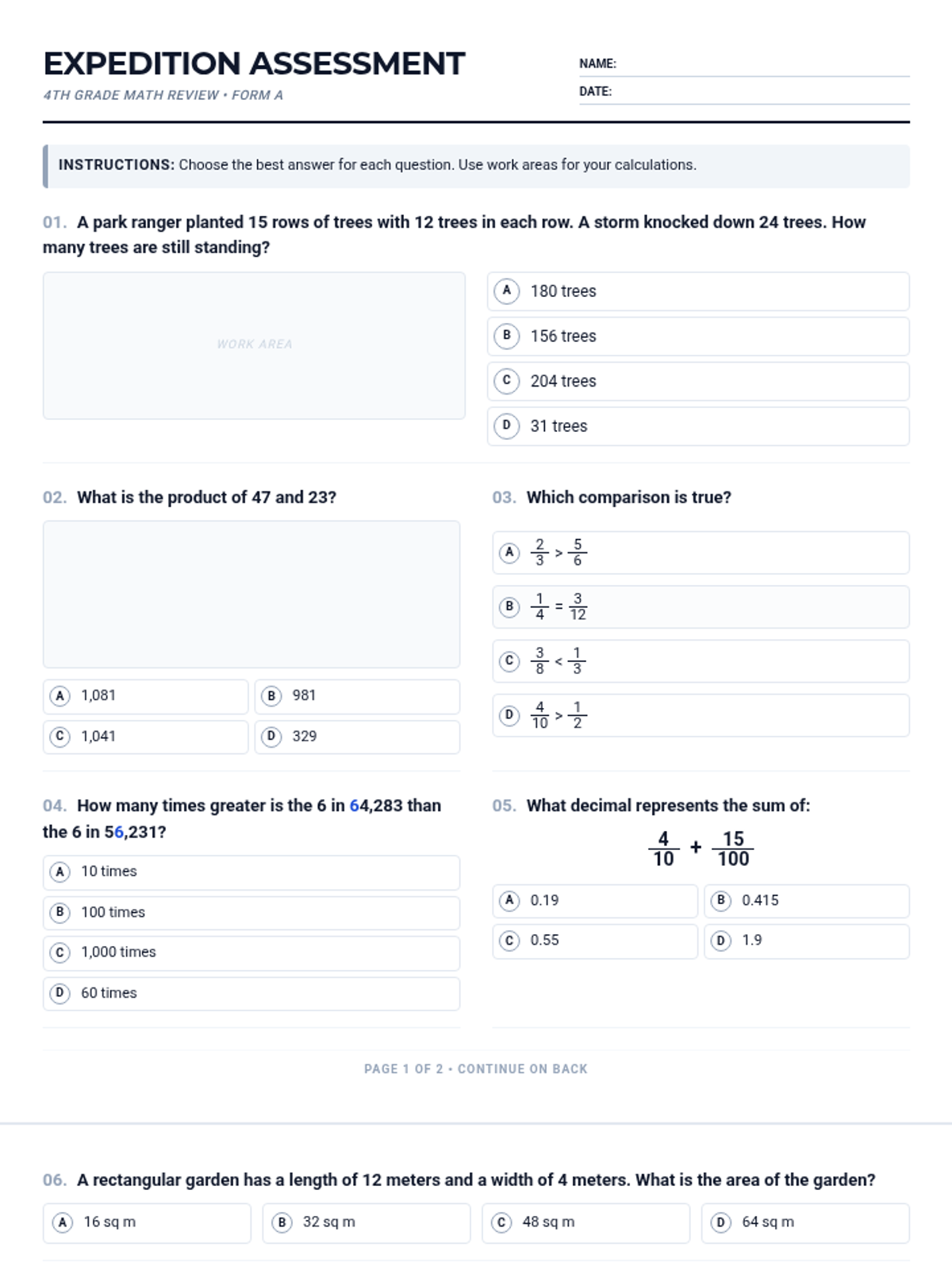
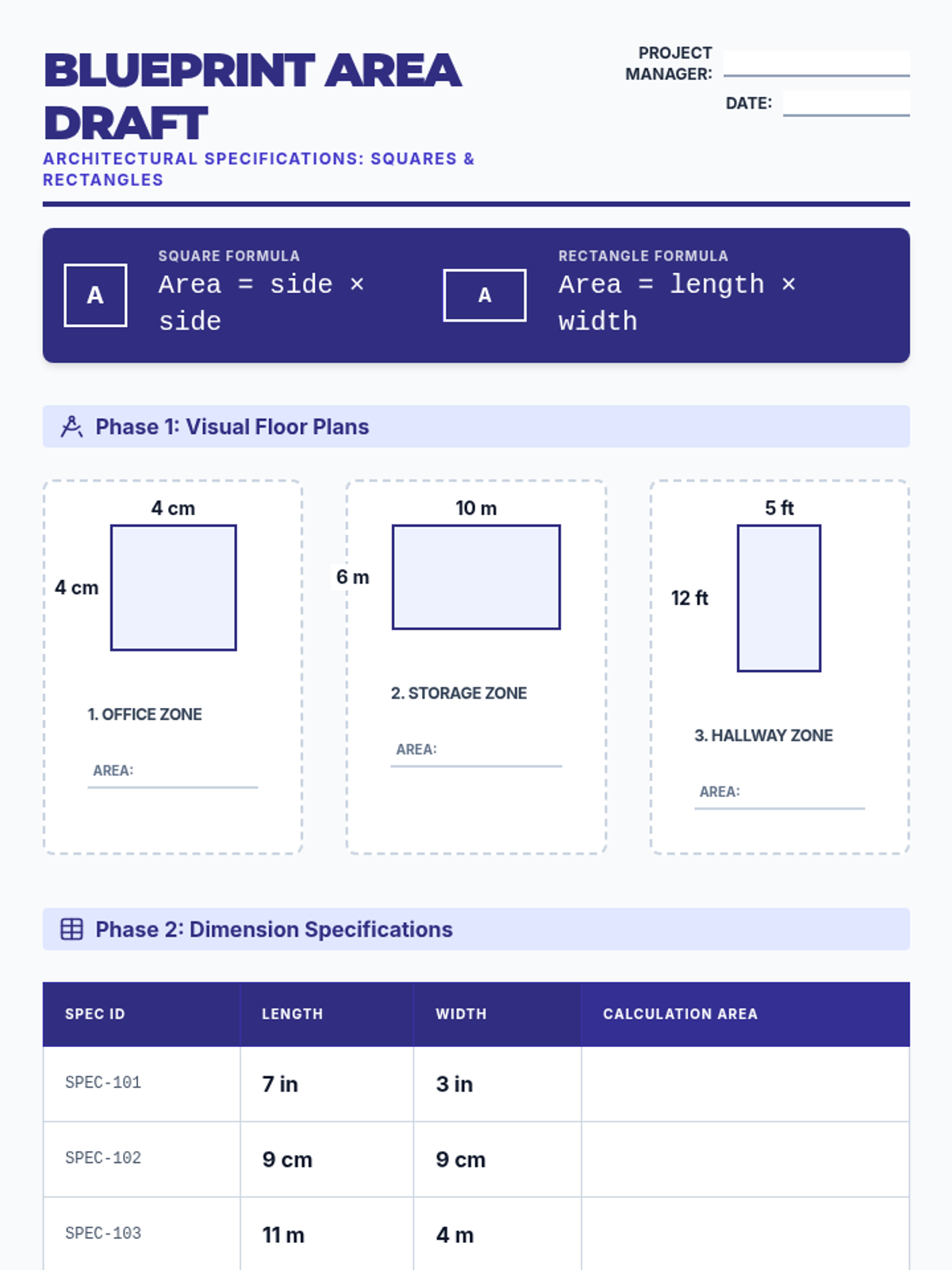
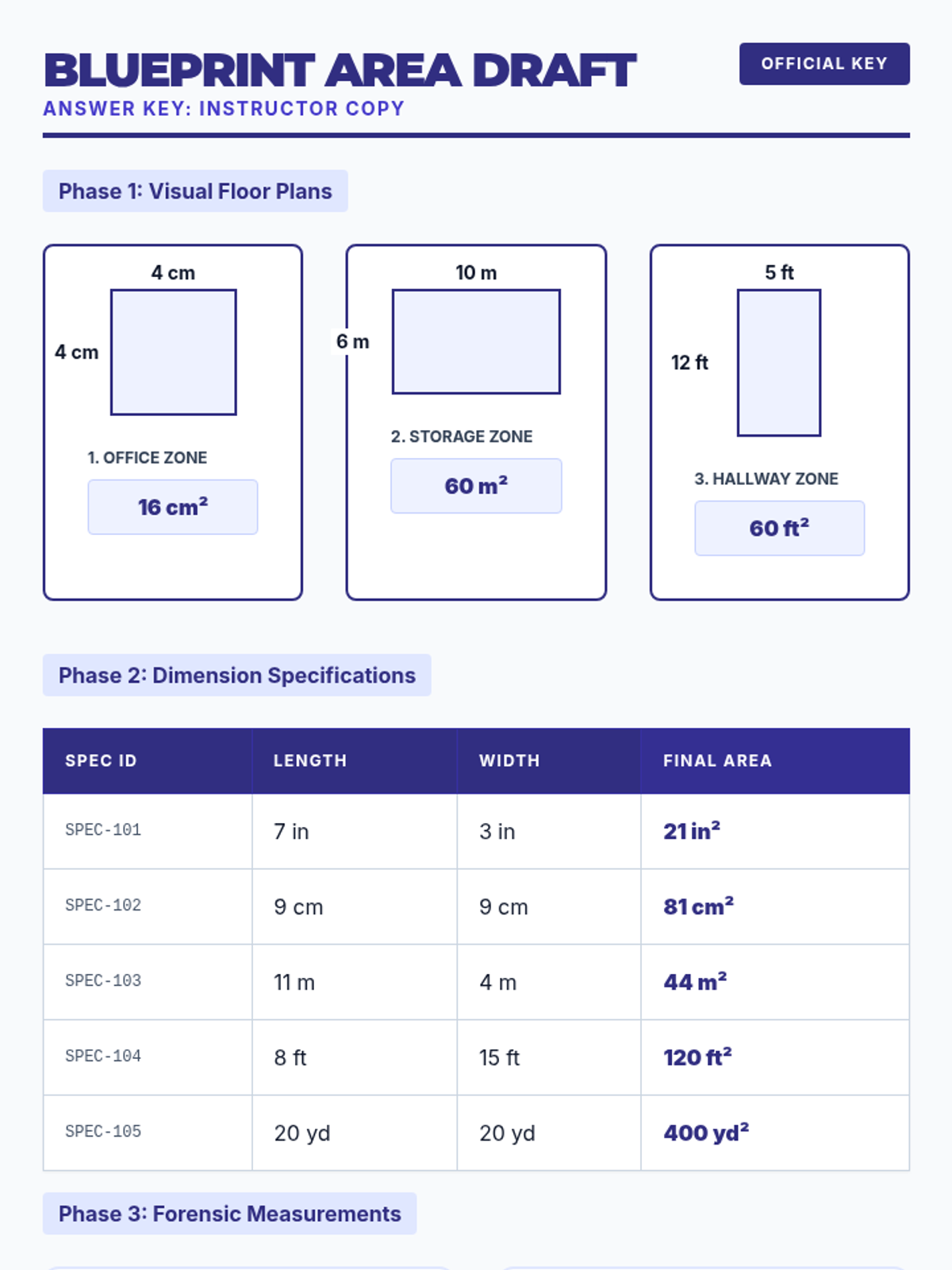
A precision-focused drafting-themed review of 4th grade Measurement and Data (MD) standards. Covers units and conversions (MD.1), measurement word problems (MD.2), area and perimeter (MD.3), line plots (MD.4), and angle measurement and addition (MD.6-7). Division has been removed from the curriculum.
A comprehensive slide deck covering measurement in inches (halves and fourths) and interpreting data on line plots, provided in both English and Japanese.
A foundational lesson on measurement, specifically focusing on inches and half-inches, translated into Japanese. Students learn to partition rulers and record data.
A comprehensive introduction to measurement, focusing on length, using inches and halves of an inch. Students learn to use rulers, collect data, and represent it on line plots while developing precision in their measurements.
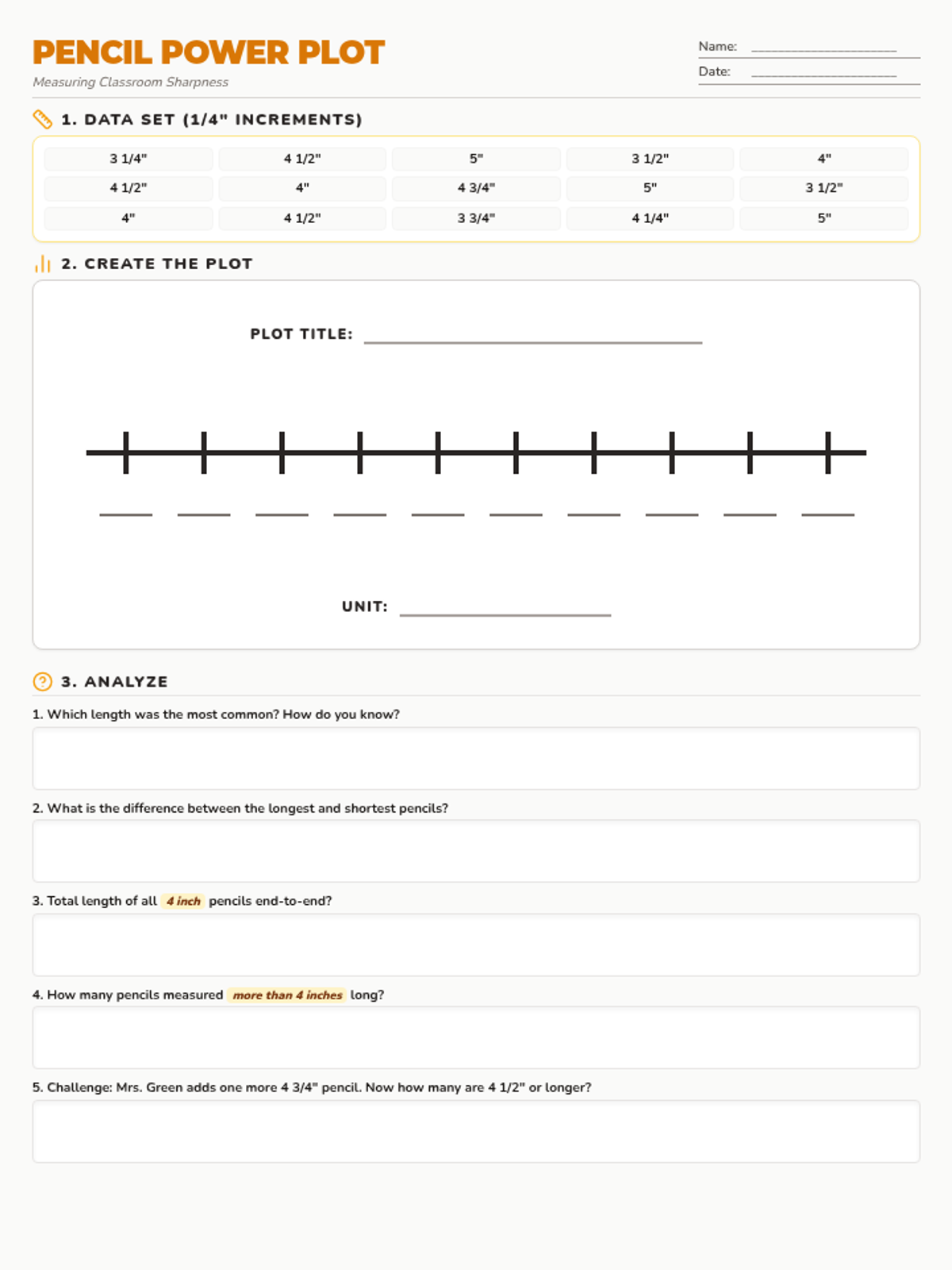
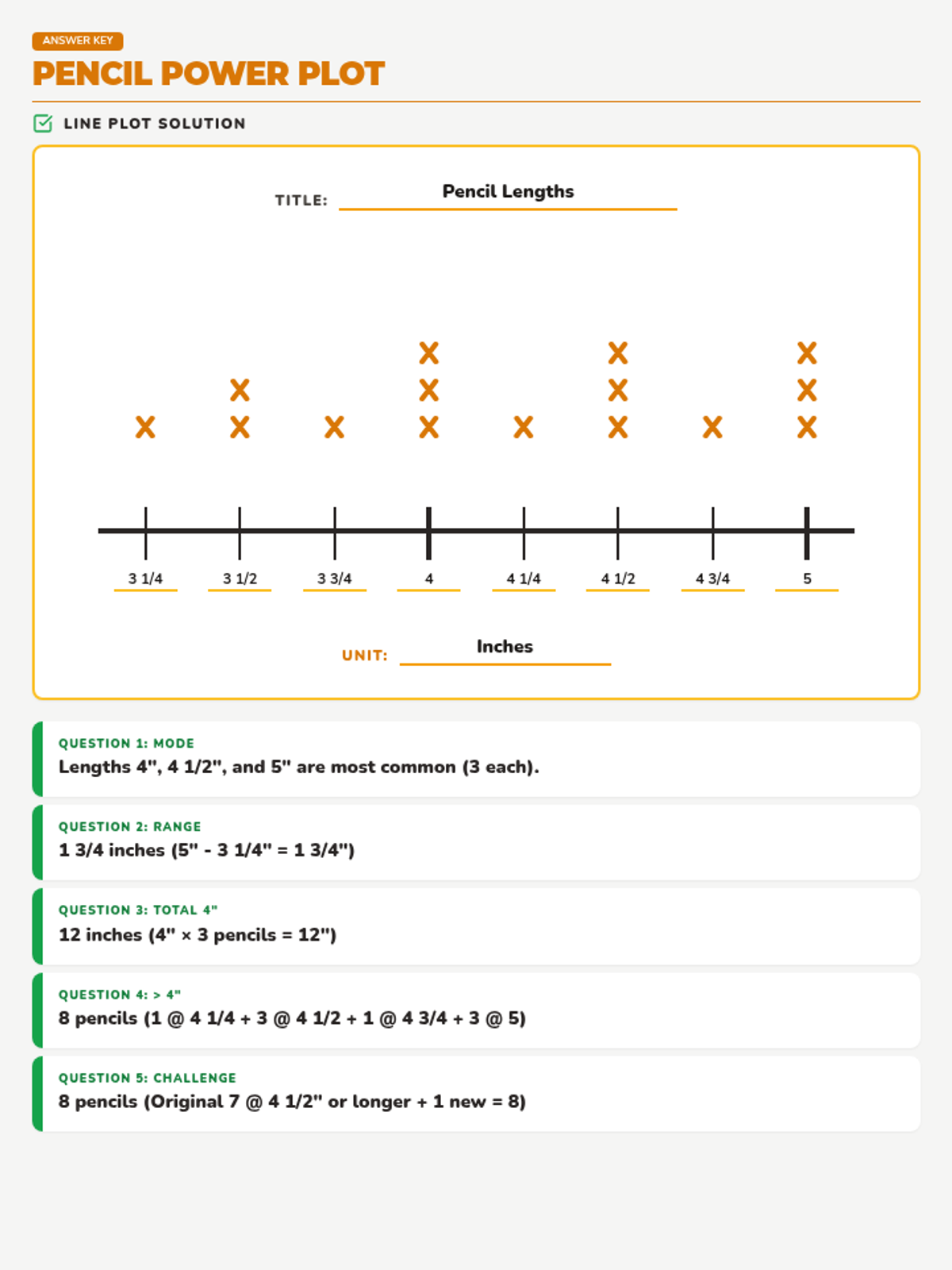
A lesson focused on creating and interpreting line plots using fractional data in 1/4 inch increments, specifically looking at pencil lengths in a classroom.
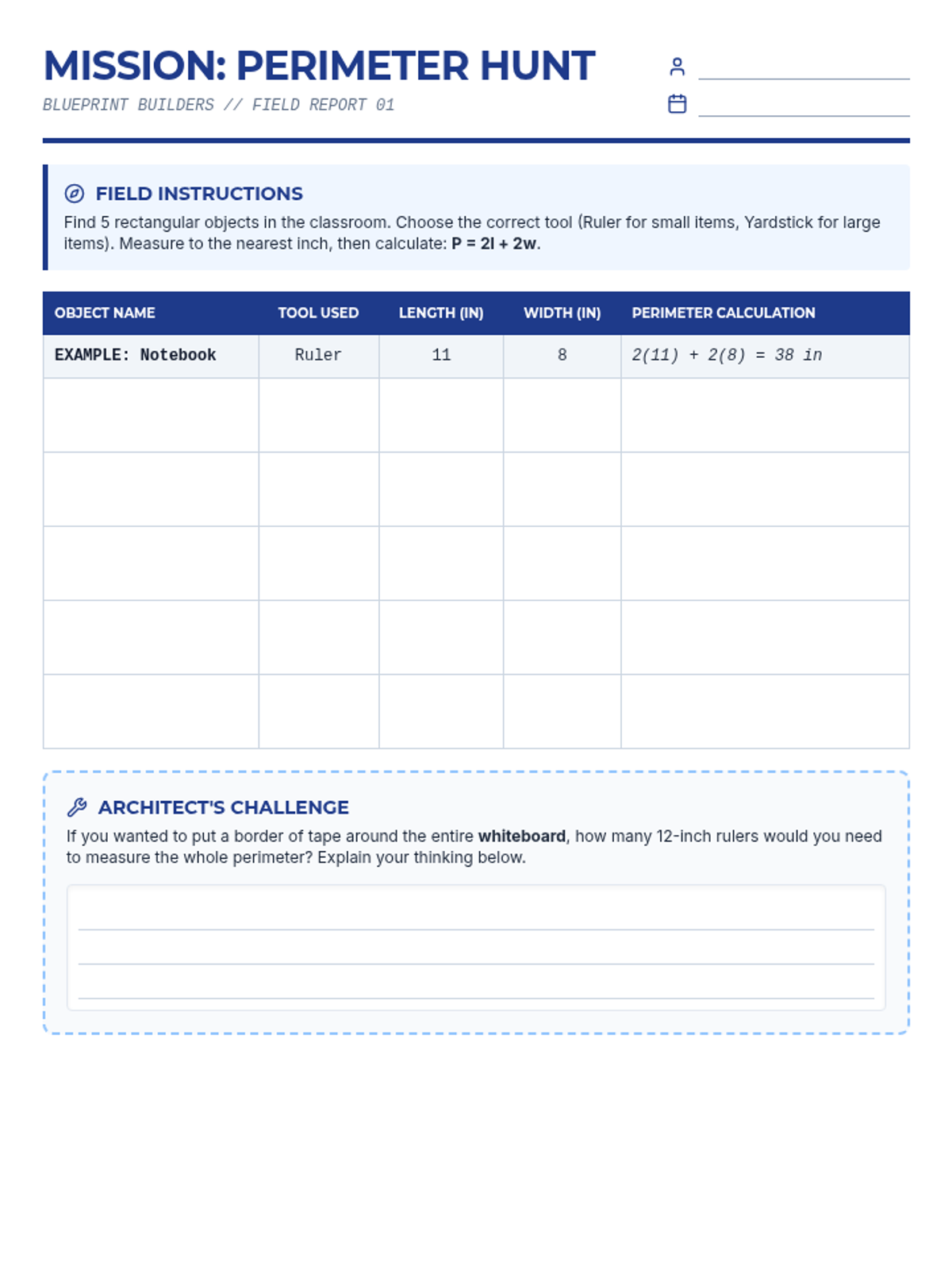
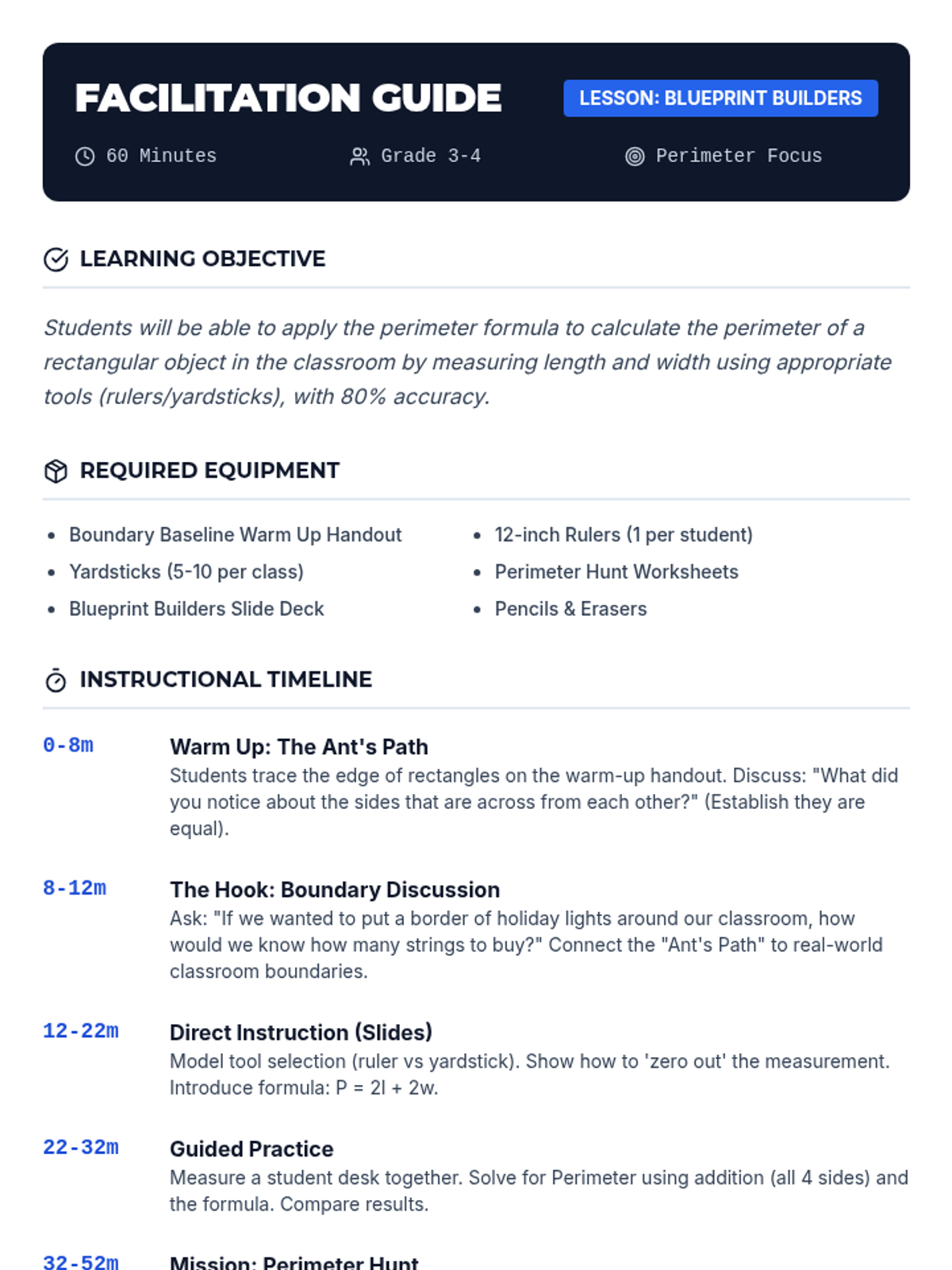
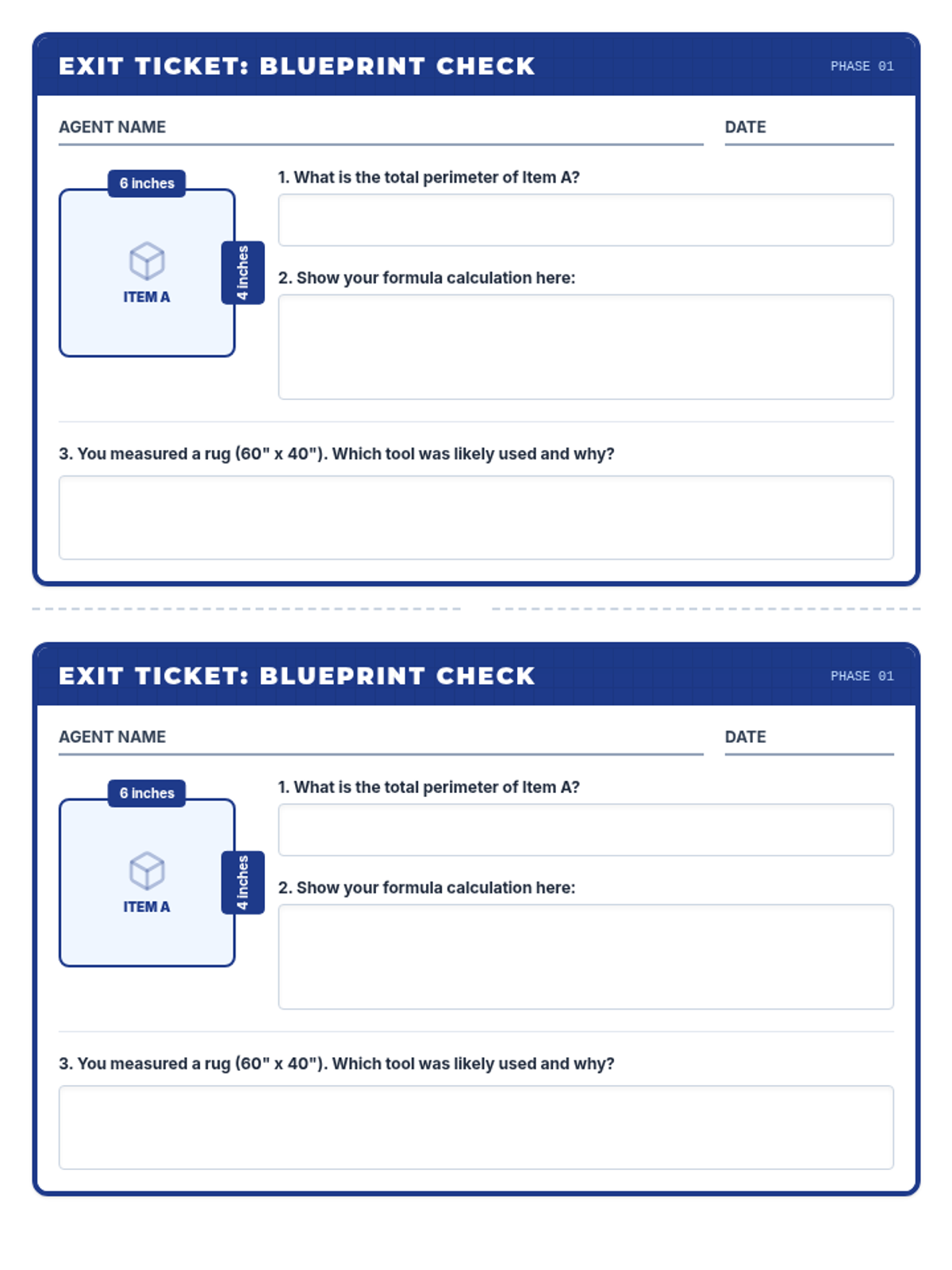
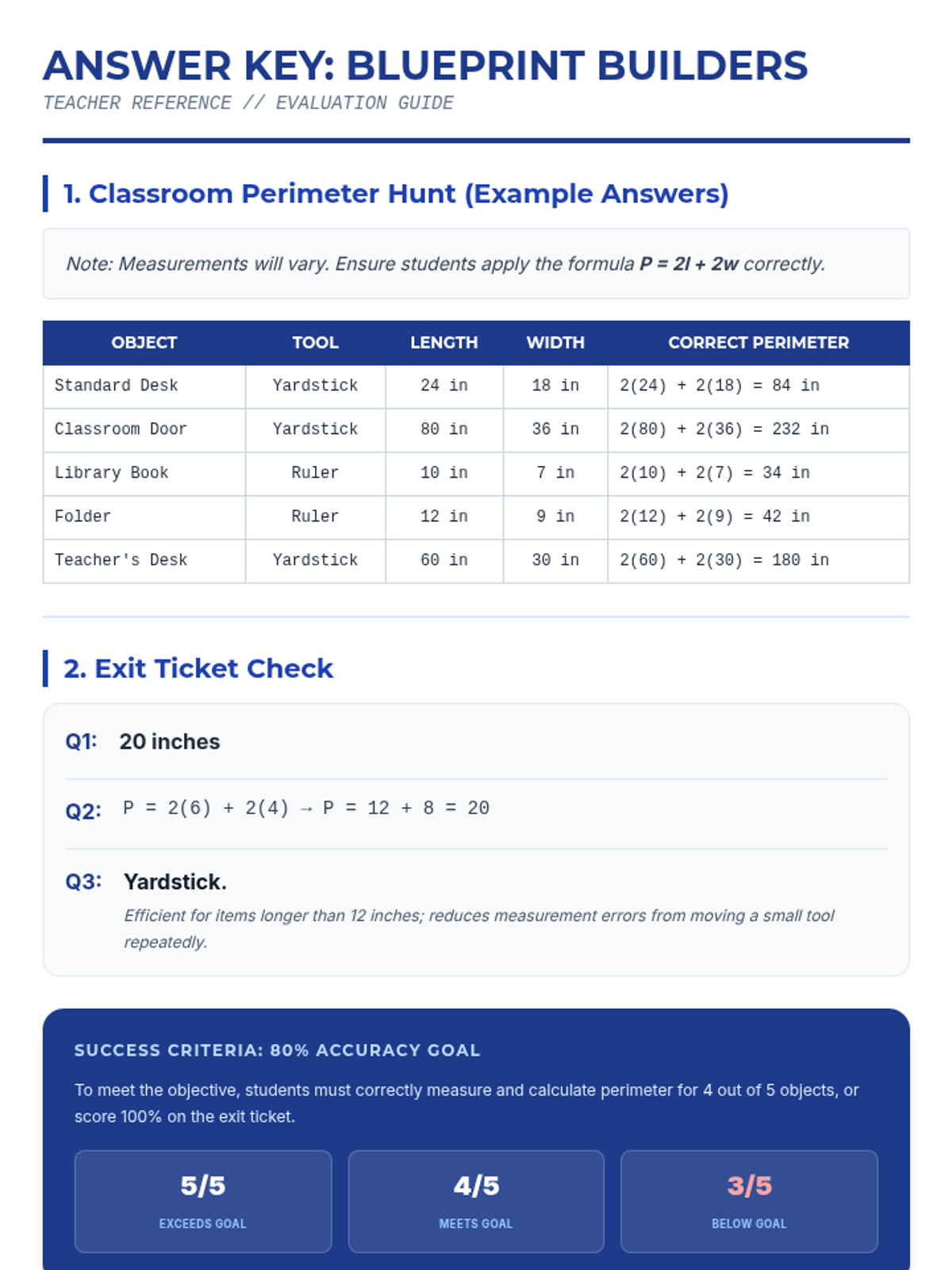
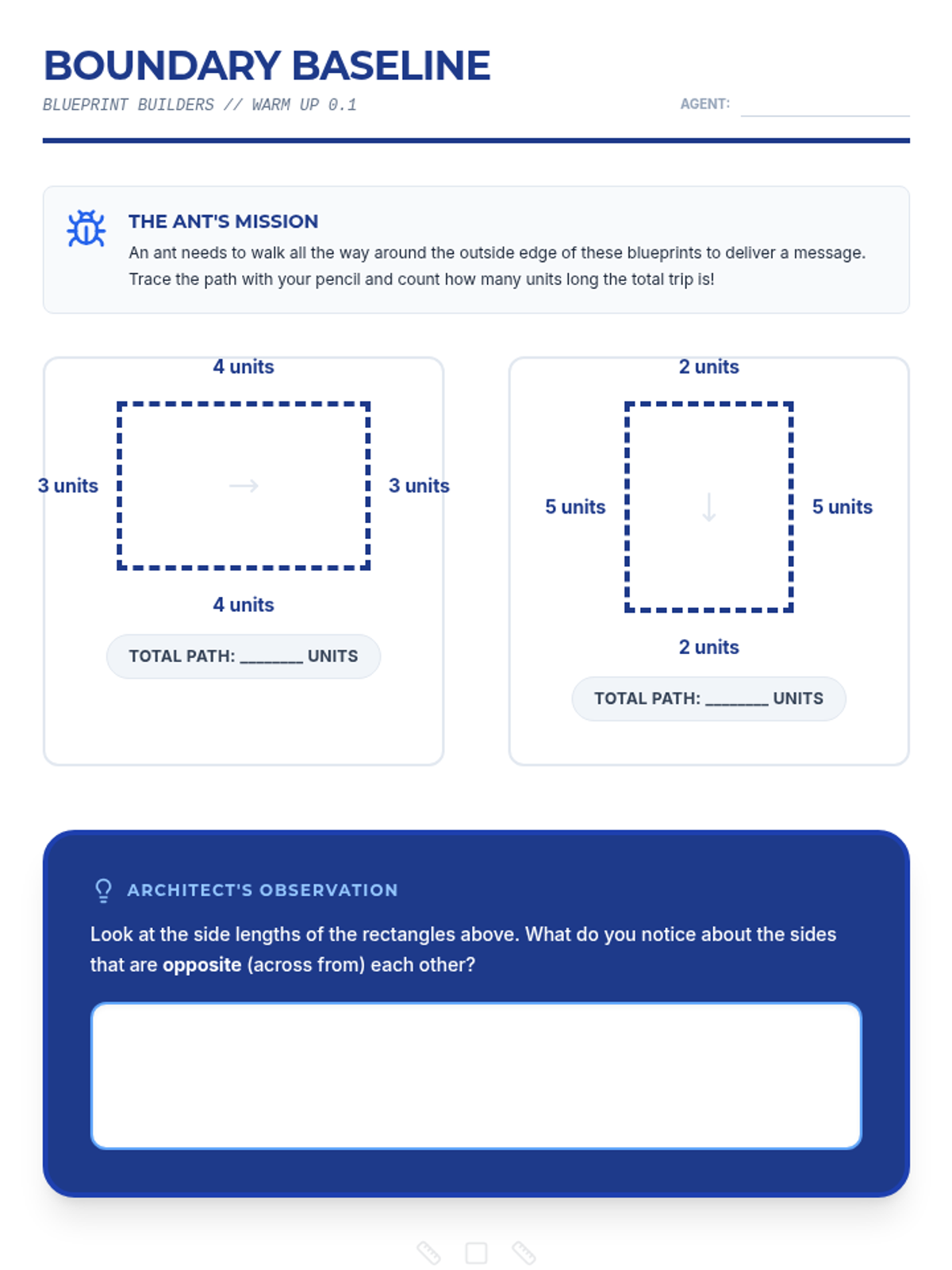
A hands-on geometry lesson where students measure classroom objects and apply the perimeter formula as architect-apprentices.
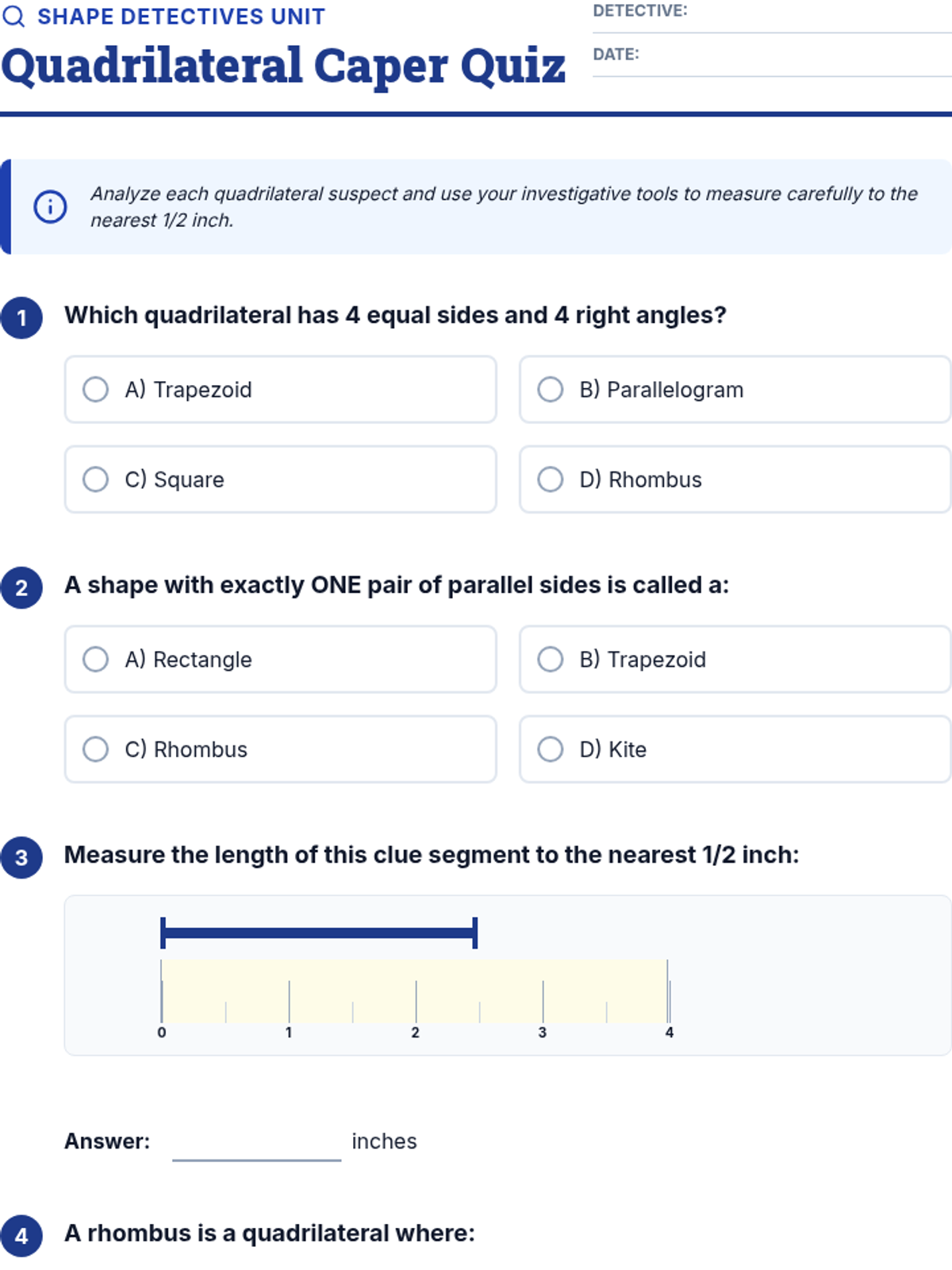
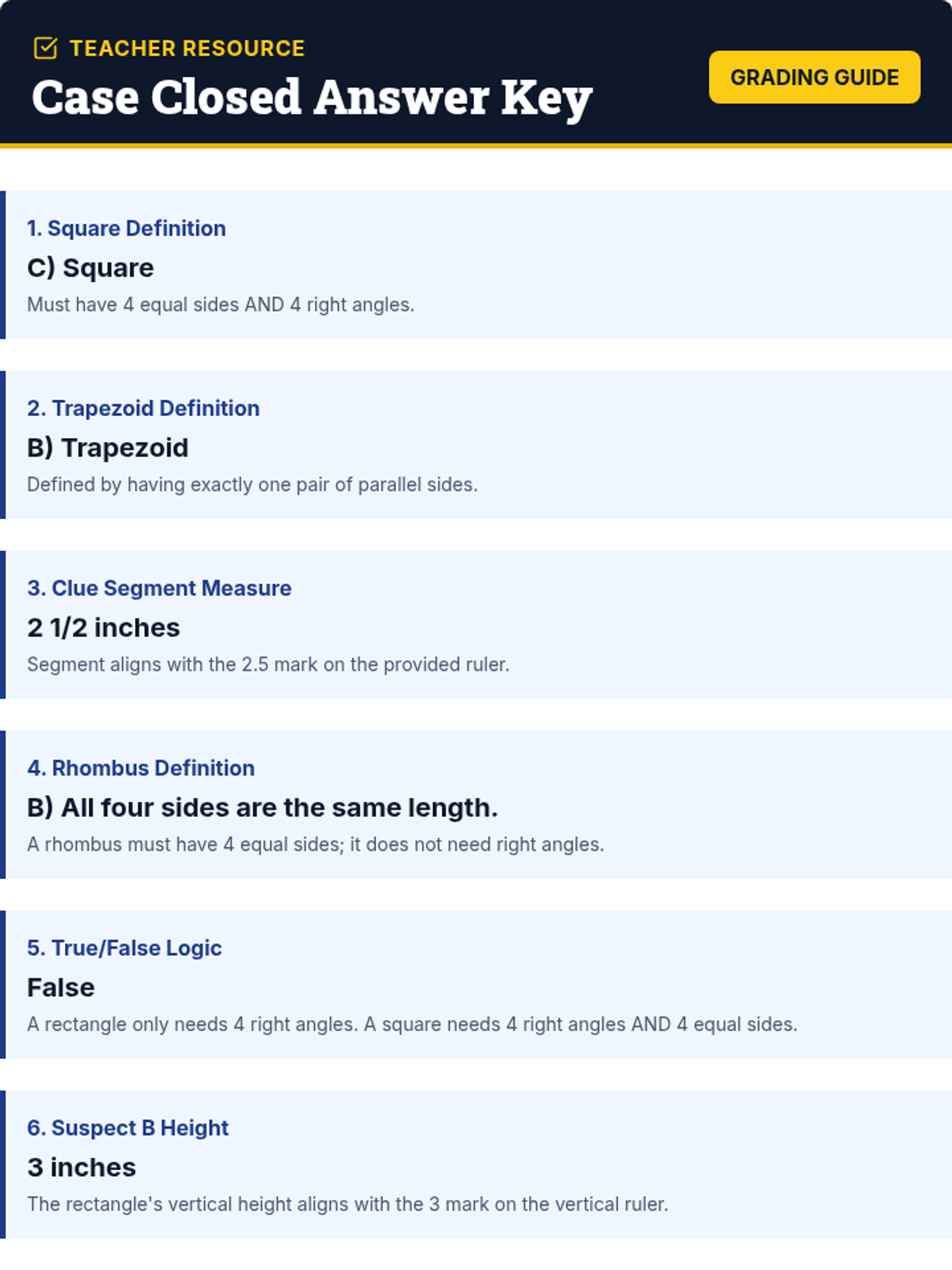
Students will identify various quadrilaterals by their attributes and practice measuring lengths to the nearest half-inch in this detective-themed lesson.
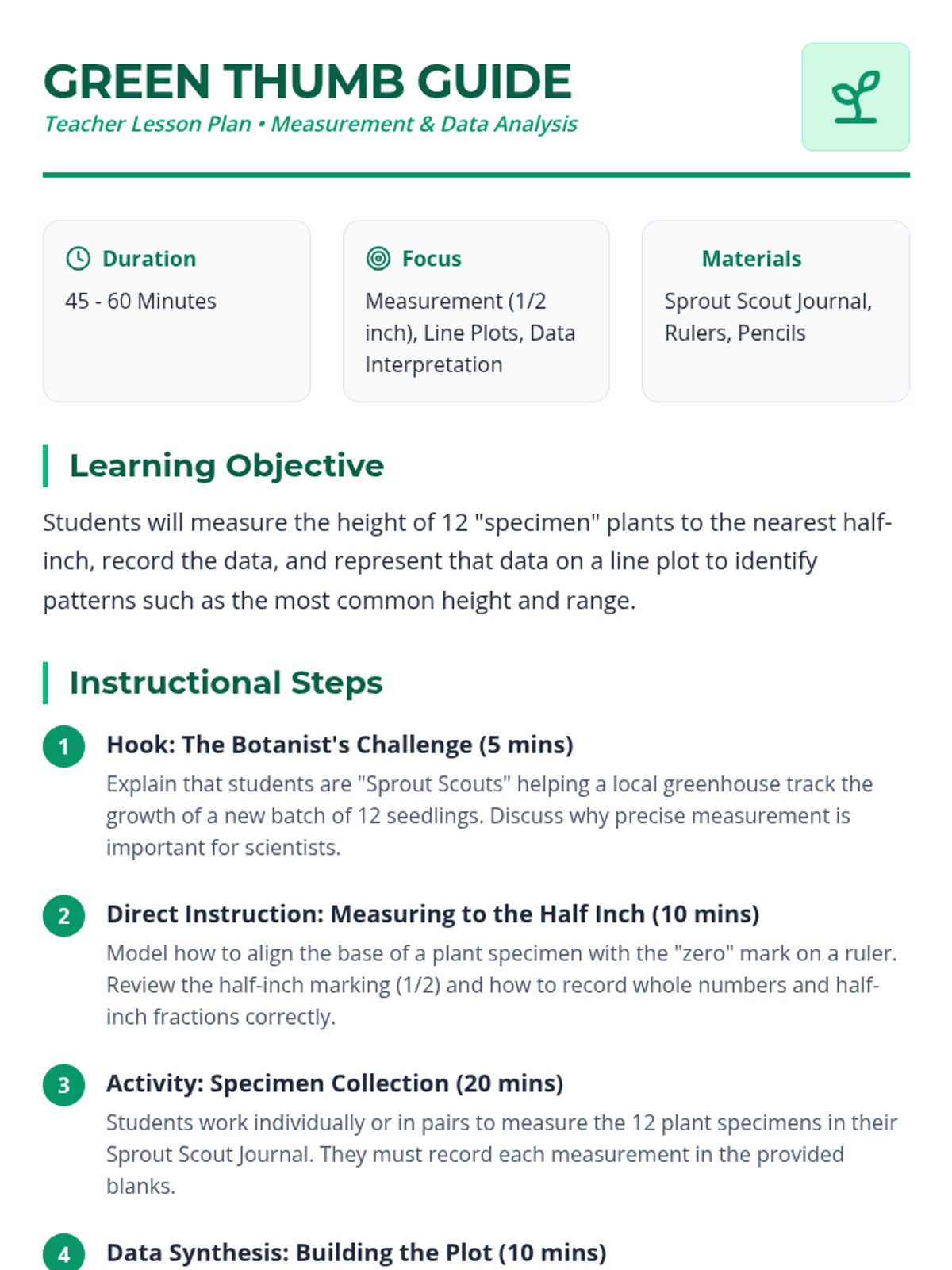
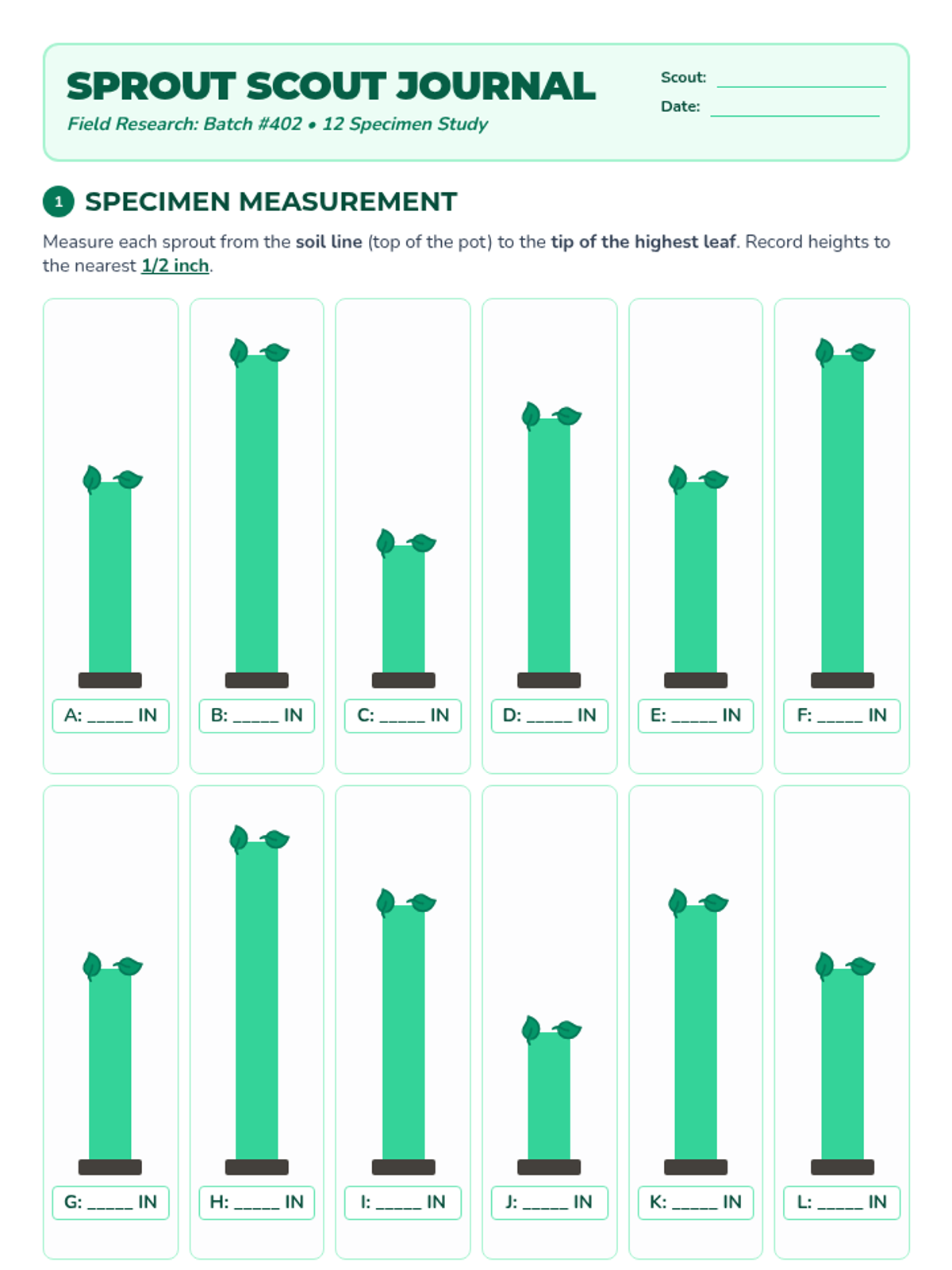
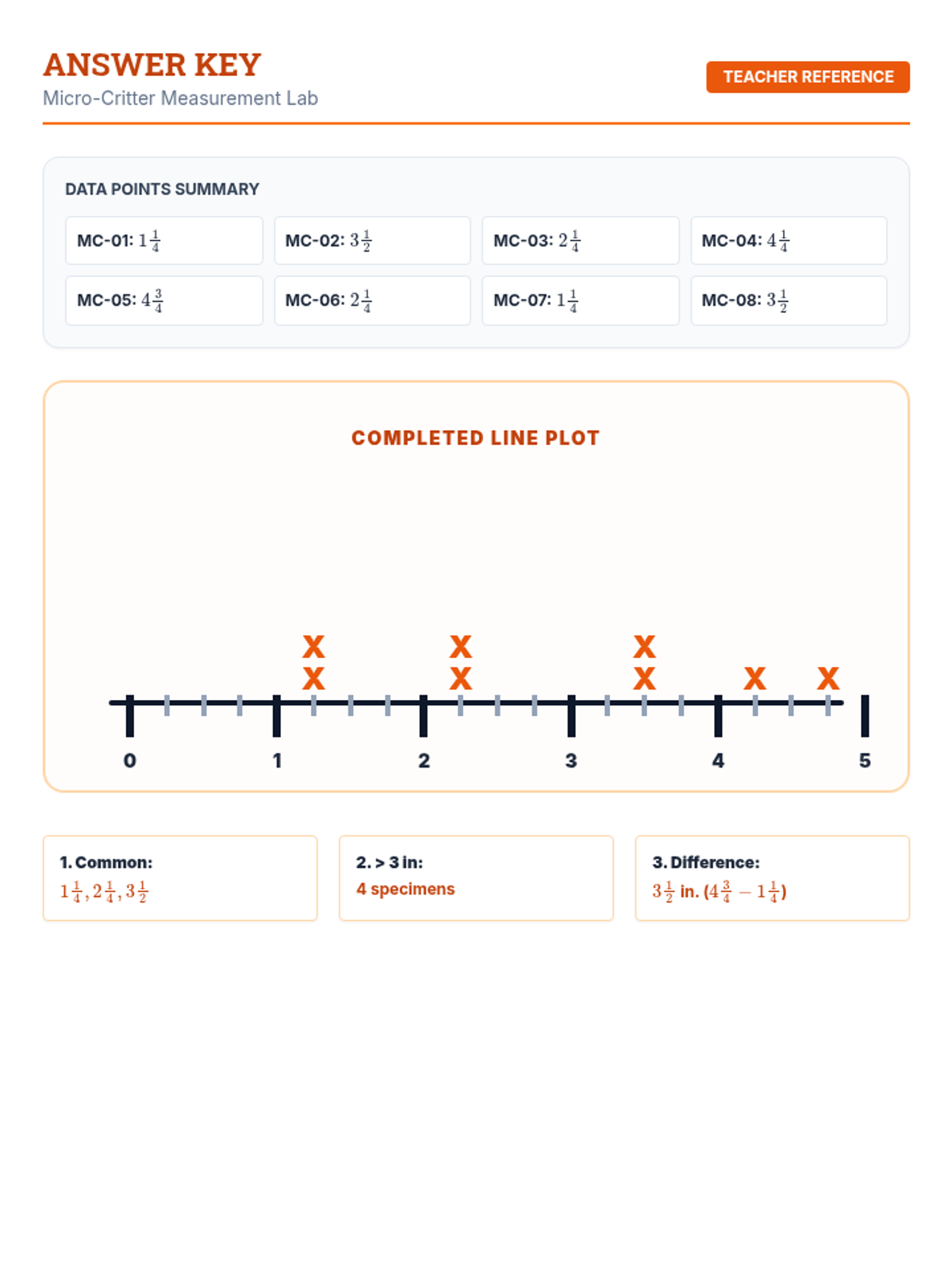
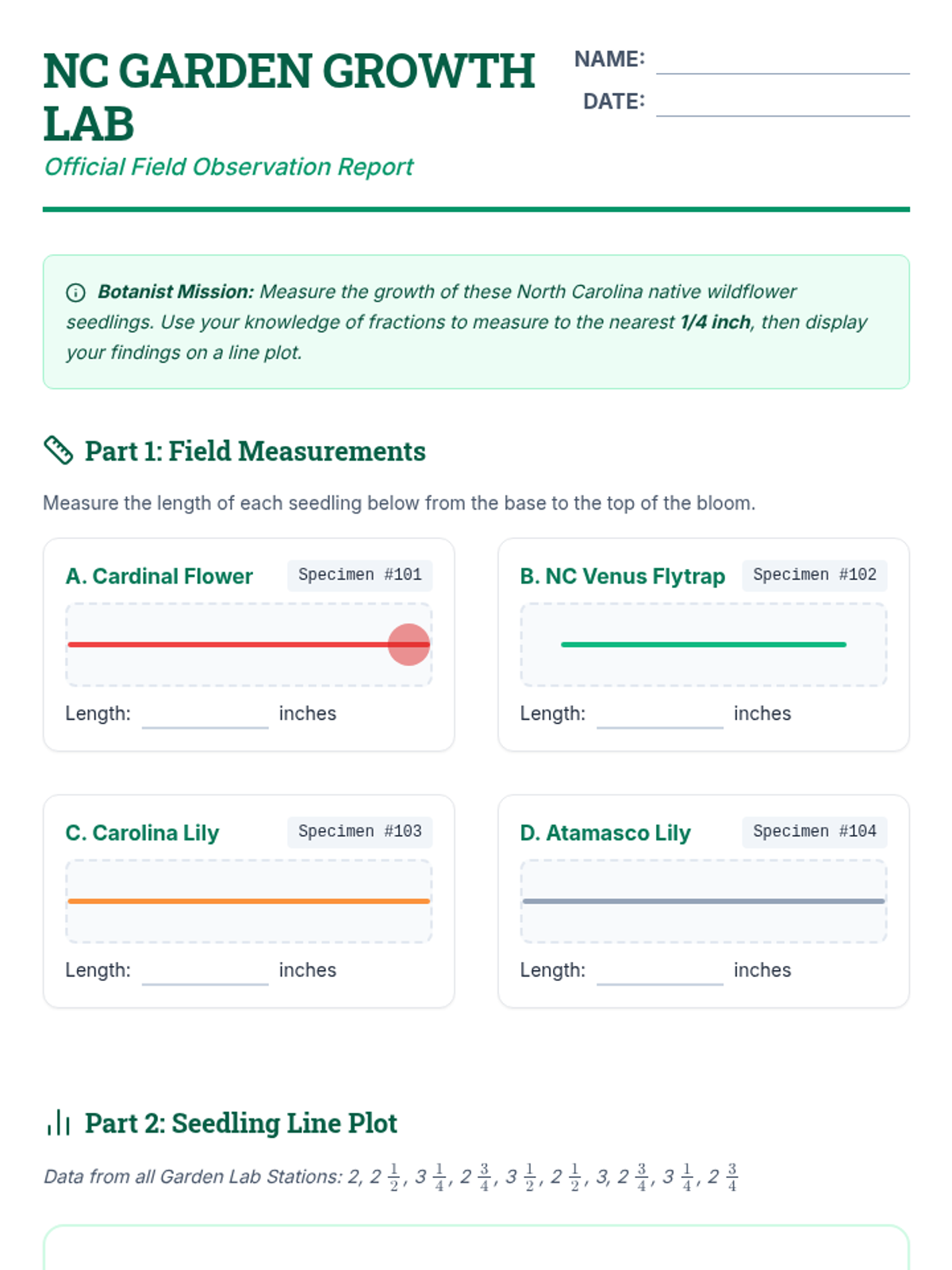
A hands-on measurement activity where students measure plant growth specimens, record data, and create a line plot to analyze their findings.
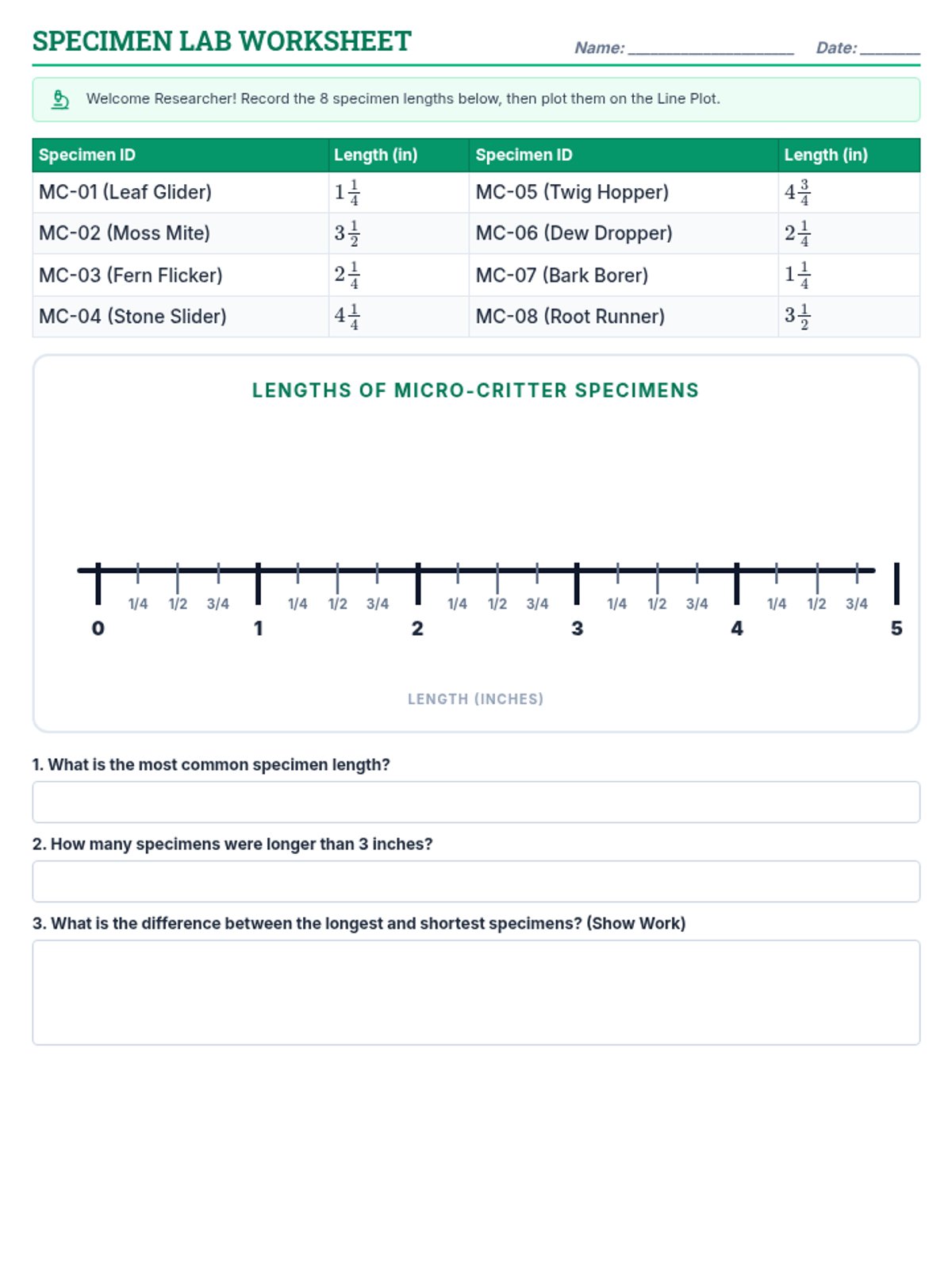
A lesson focused on measuring objects to the nearest quarter inch and displaying that data on a line plot scaled from 0 to 5. Students will collect 'specimen' data and analyze the distribution of lengths.
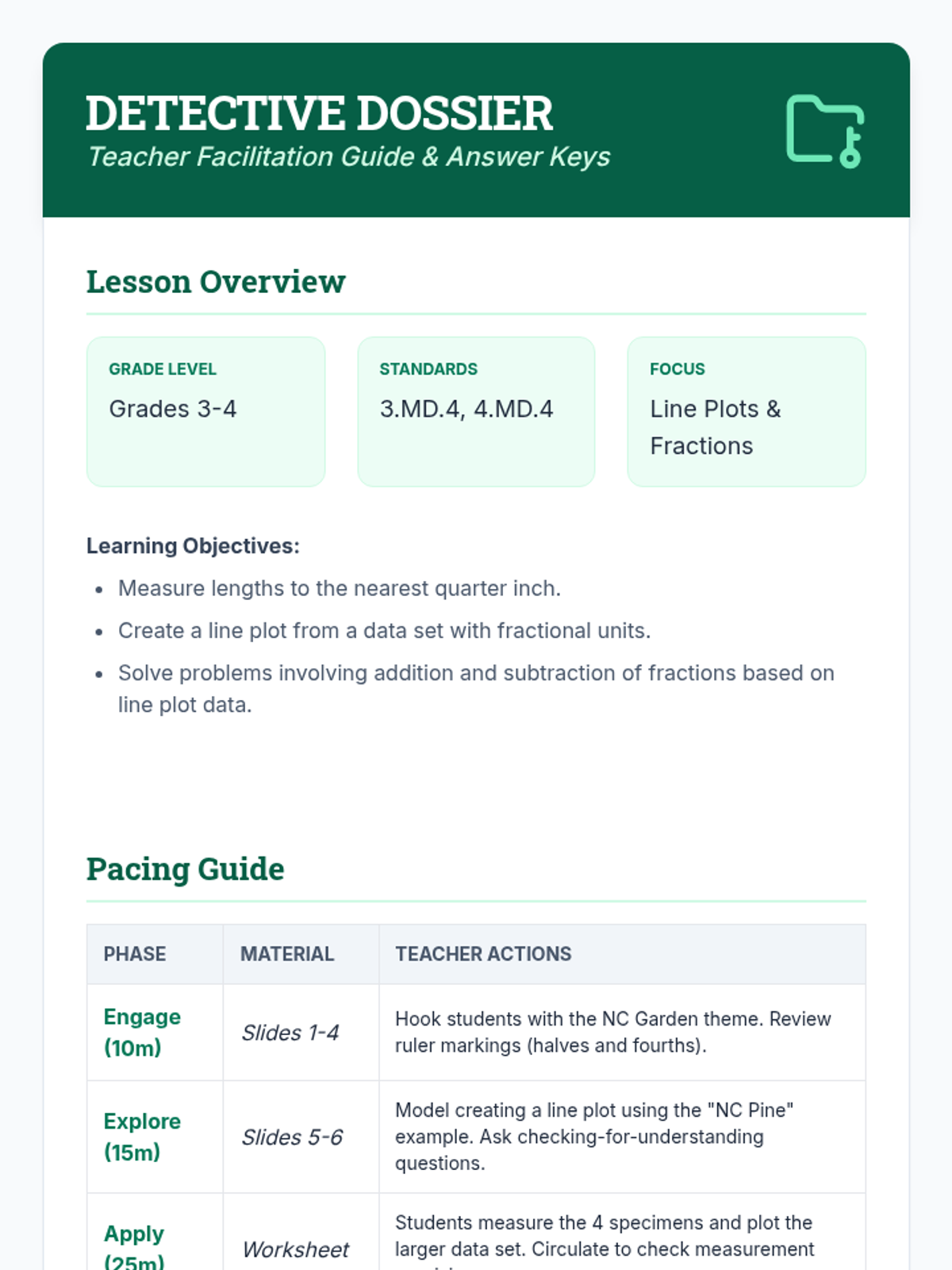
A Grade 3-4 math lesson where students measure, plot, and analyze data using line plots with fractional units, centered around North Carolina's natural beauty.
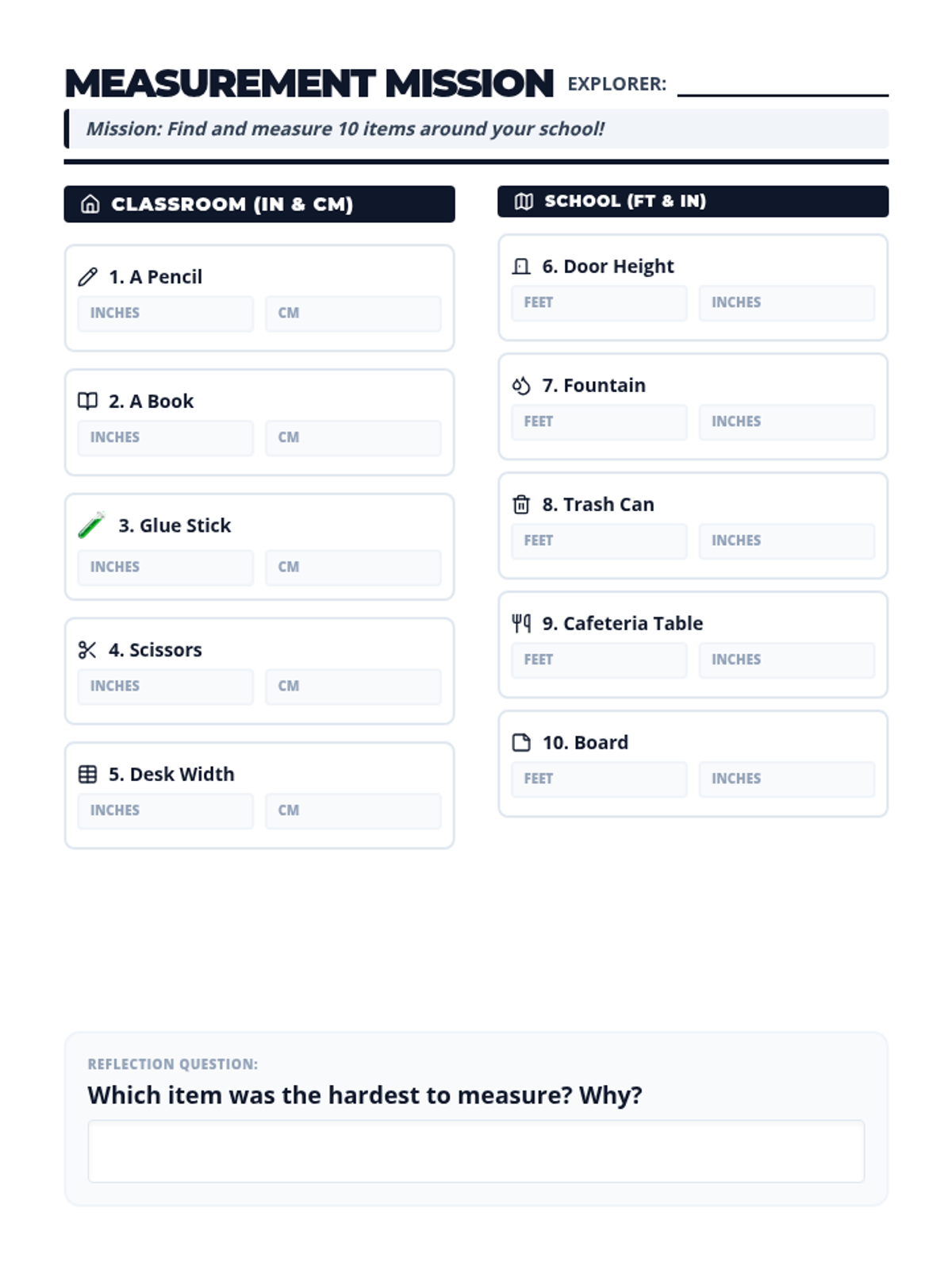
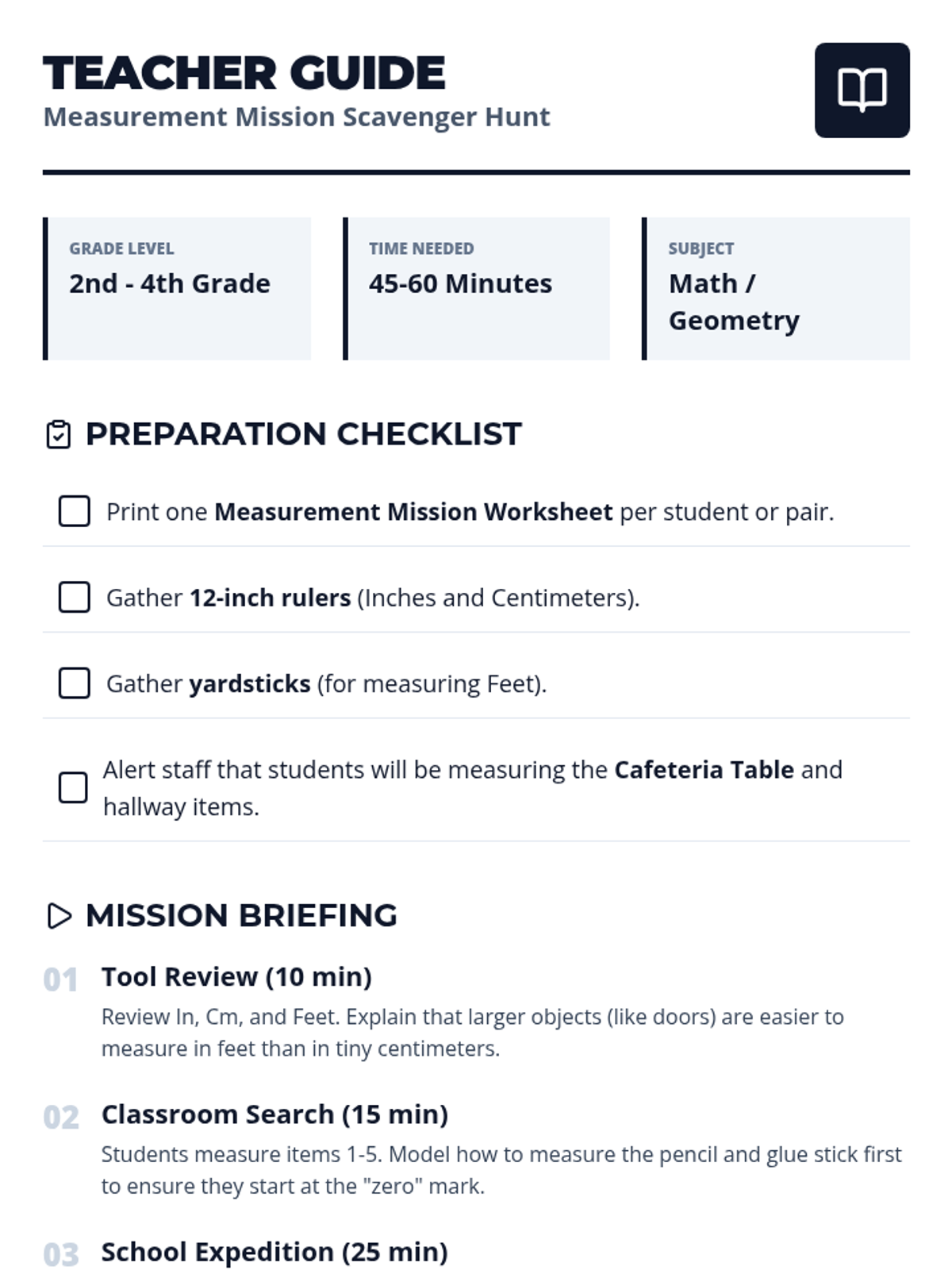
A hands-on measurement activity where students explore their classroom and school environments using rulers and yardsticks. Students practice measuring in inches, centimeters, and yards while developing spatial awareness and estimation skills.
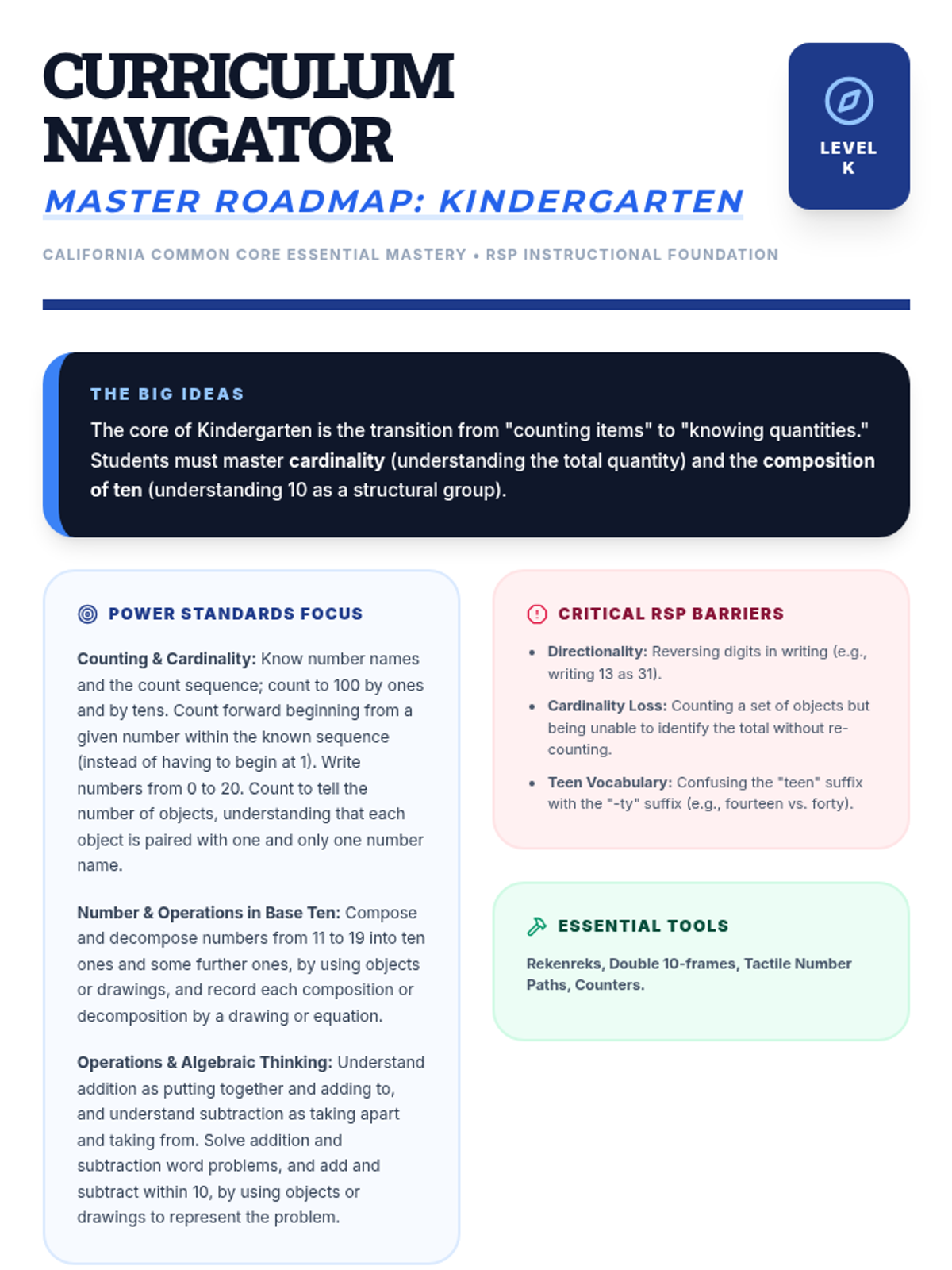
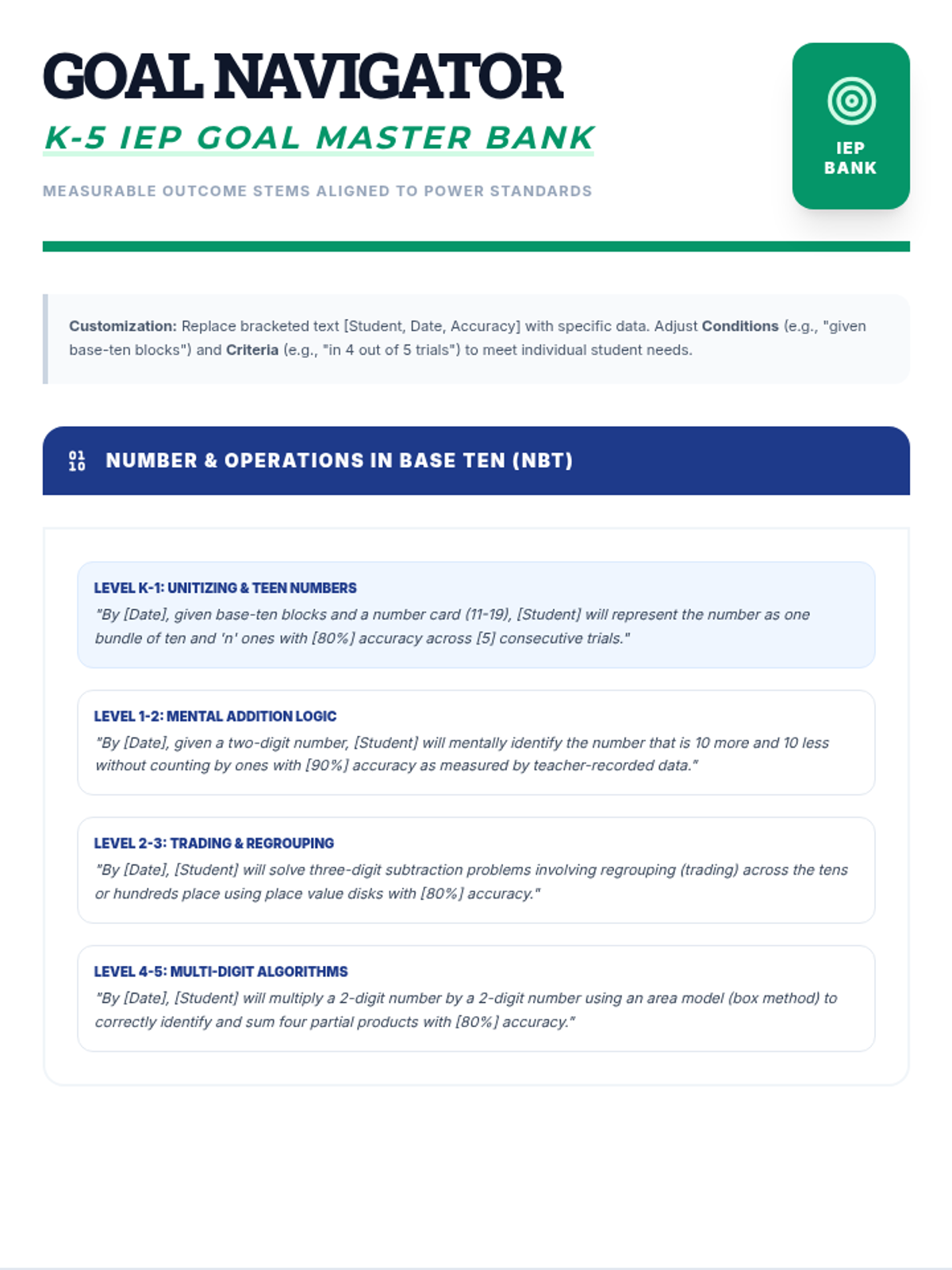
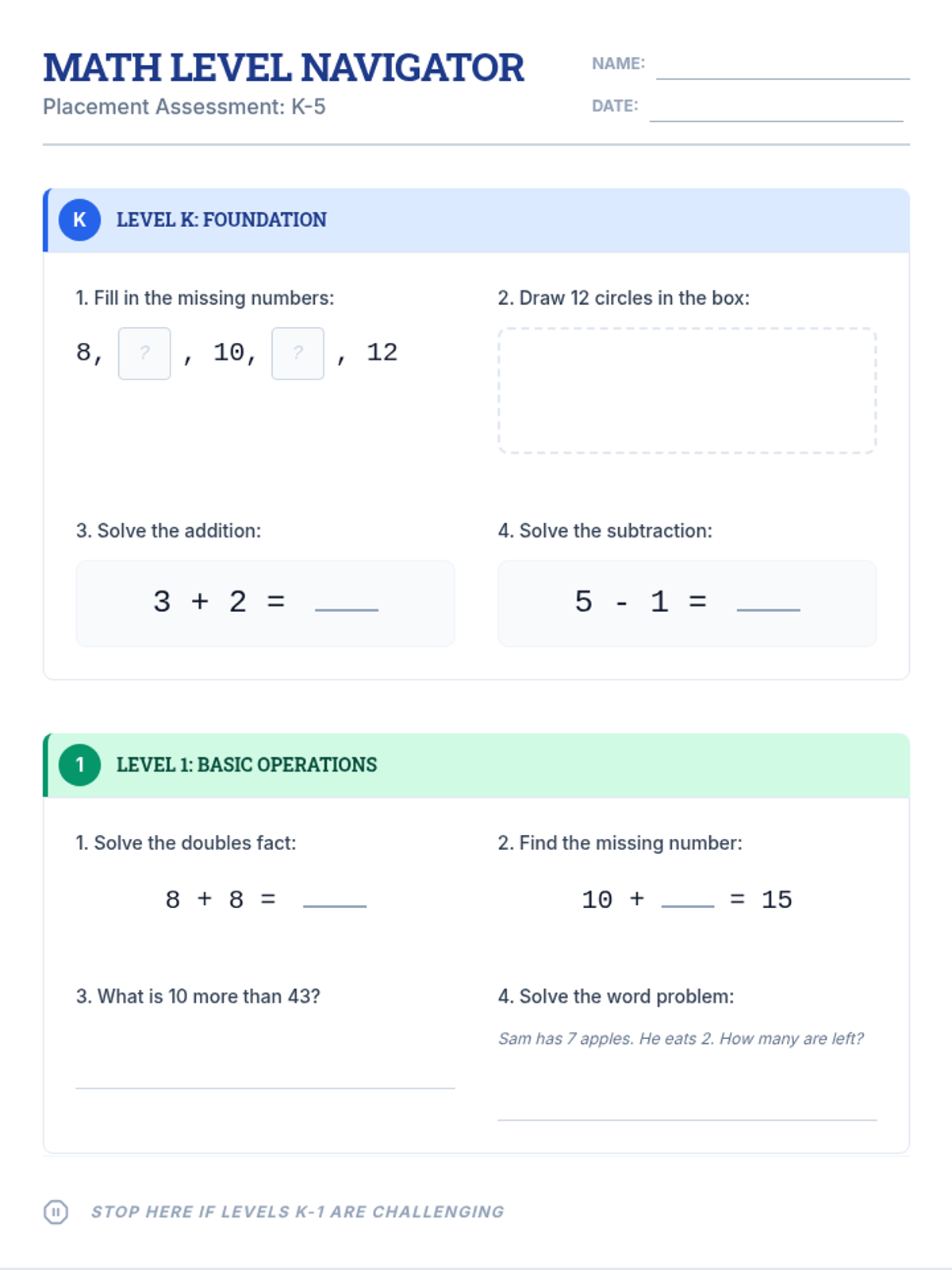
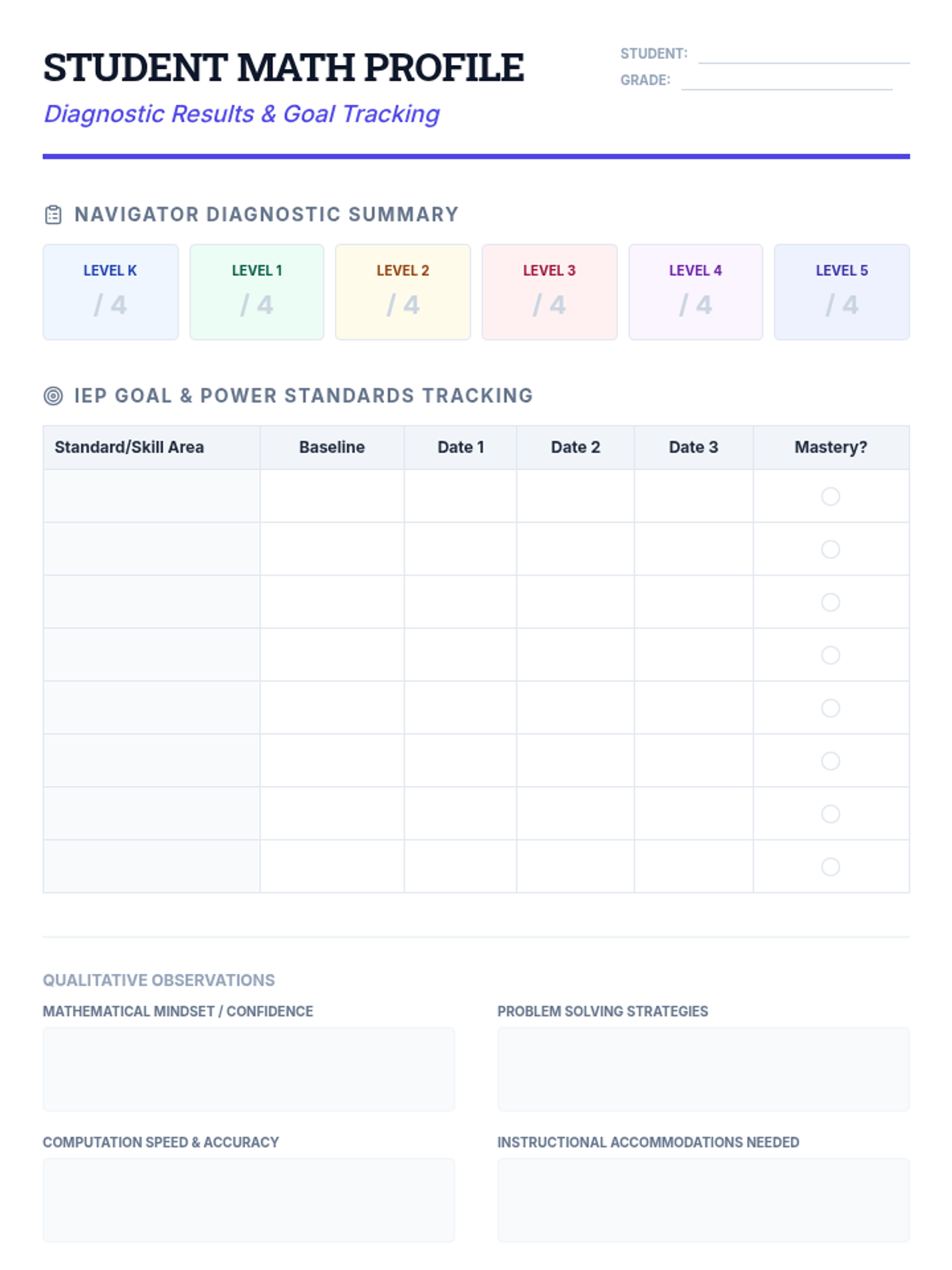
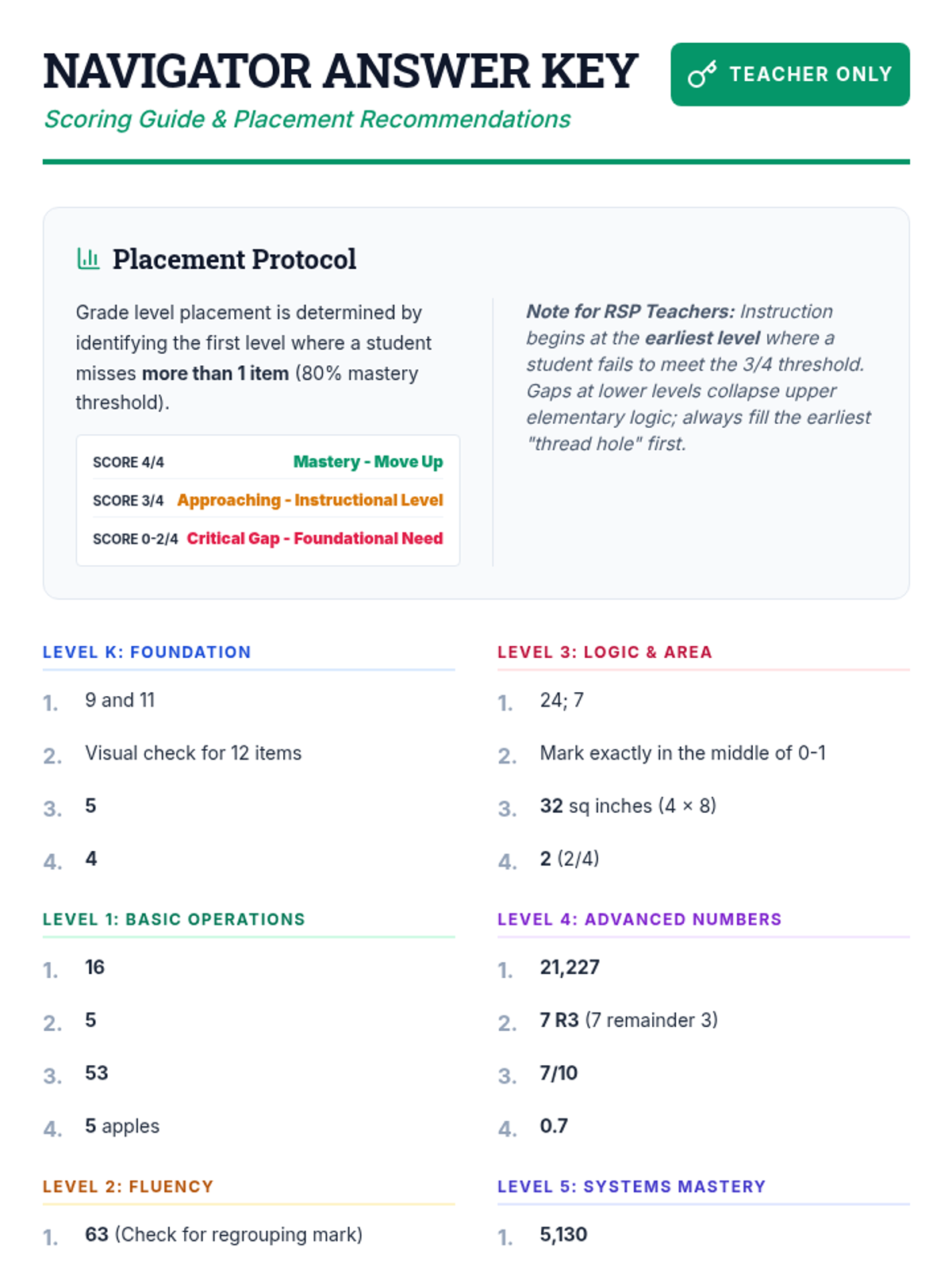
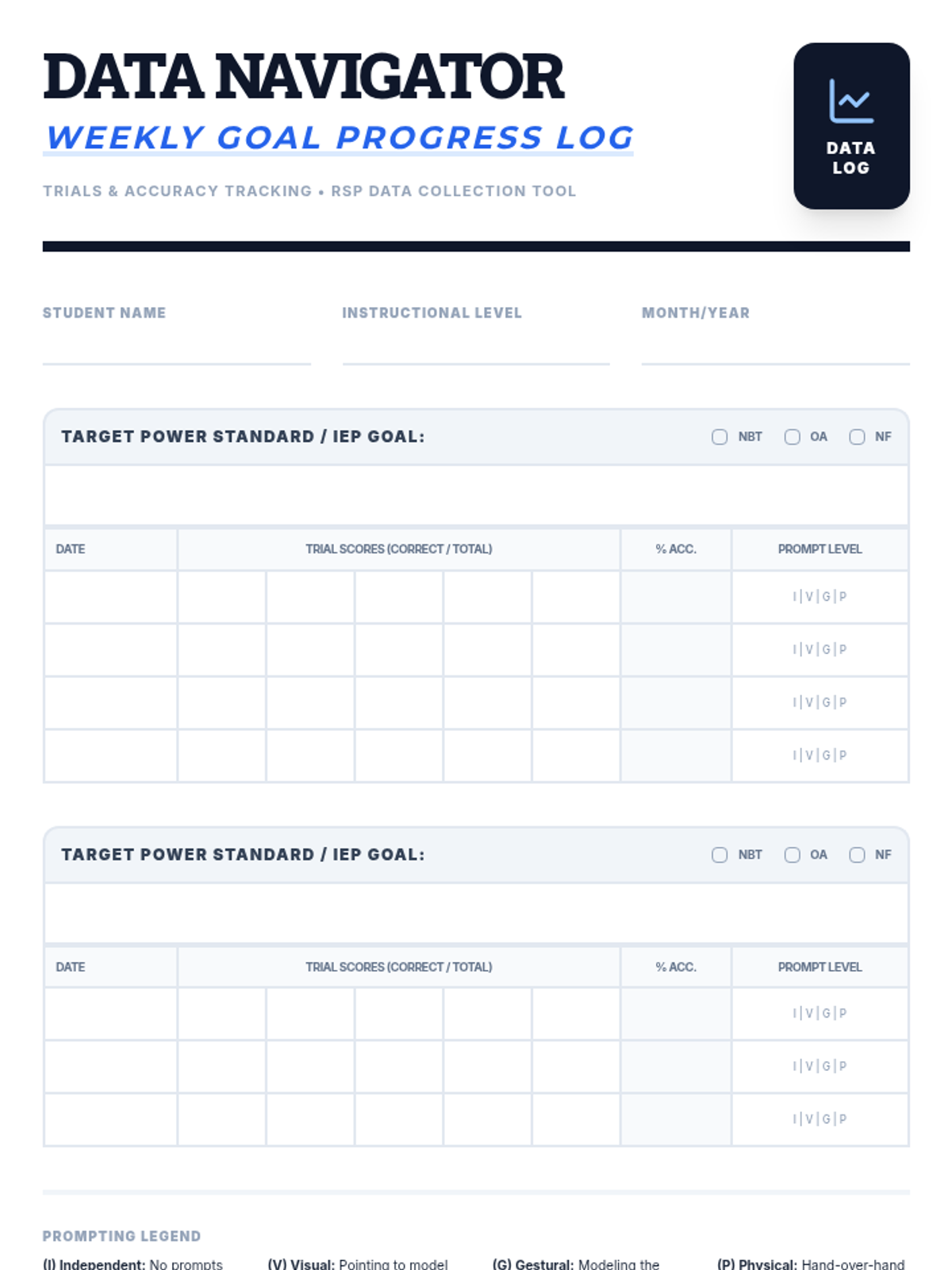
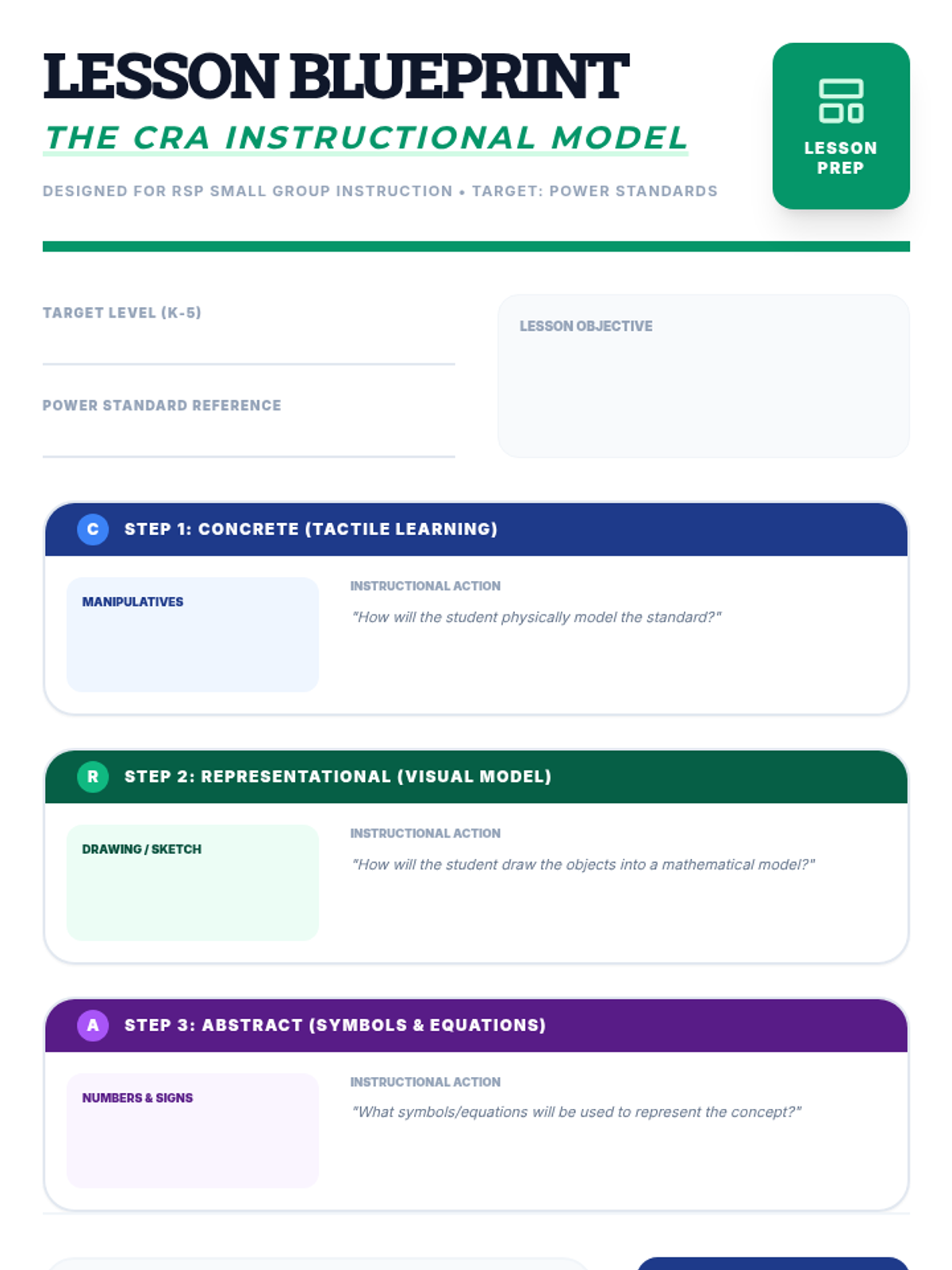
Foundational tools for assessing student levels and planning instruction based on California Power Standards across grades K-5.
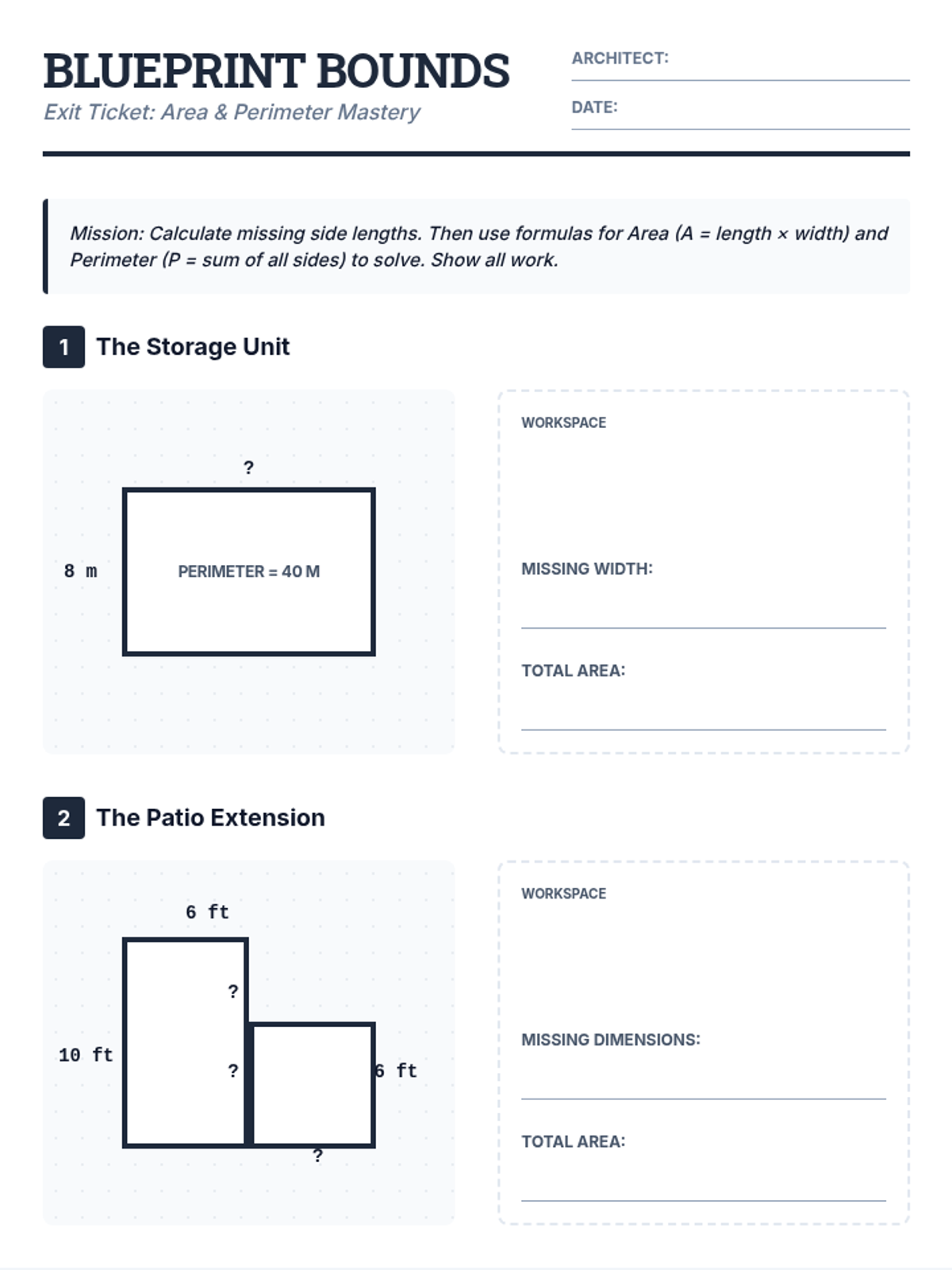
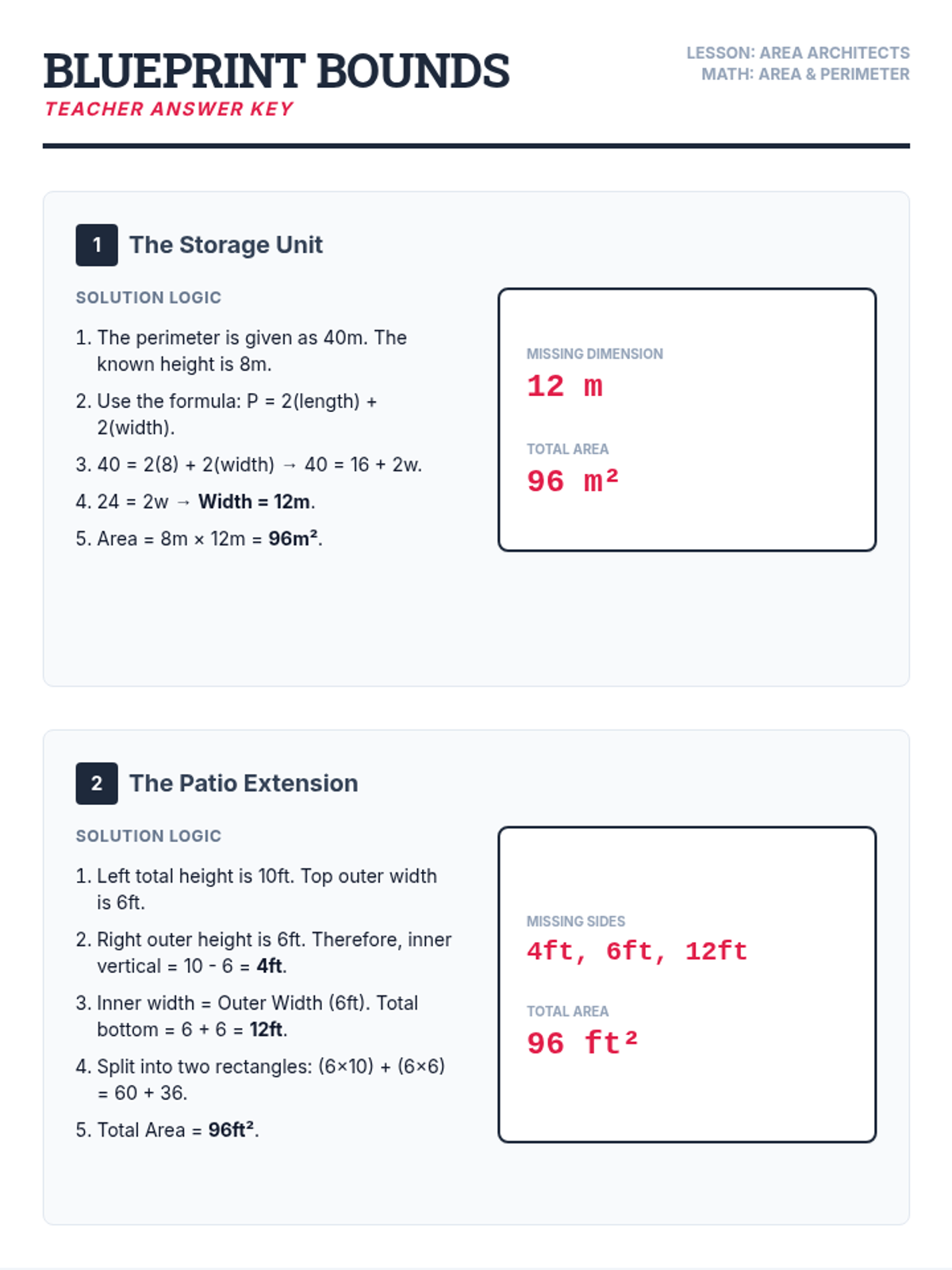
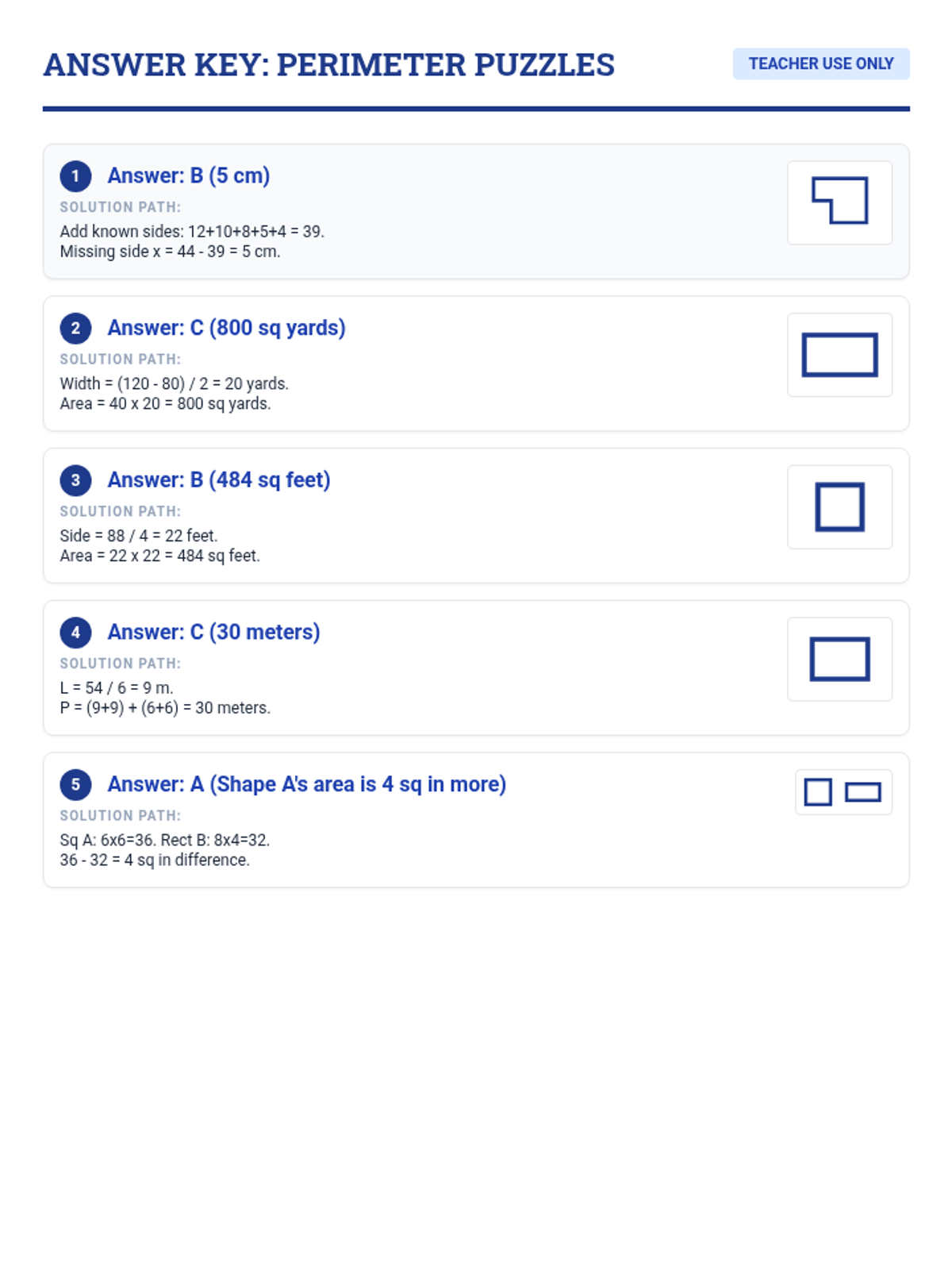
A focused lesson on calculating area and perimeter of complex rectilinear shapes by determining missing side lengths and applying geometric formulas.
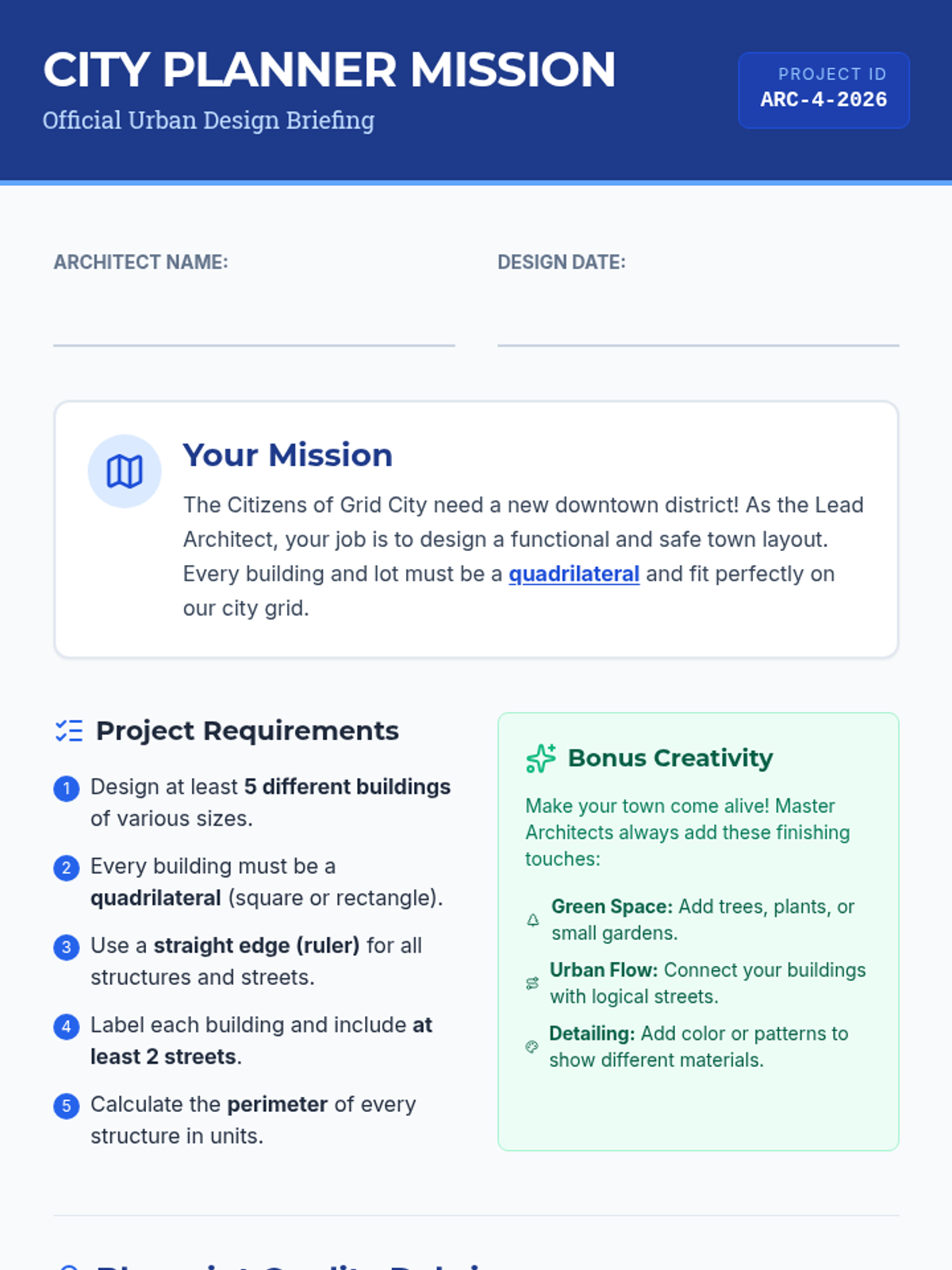
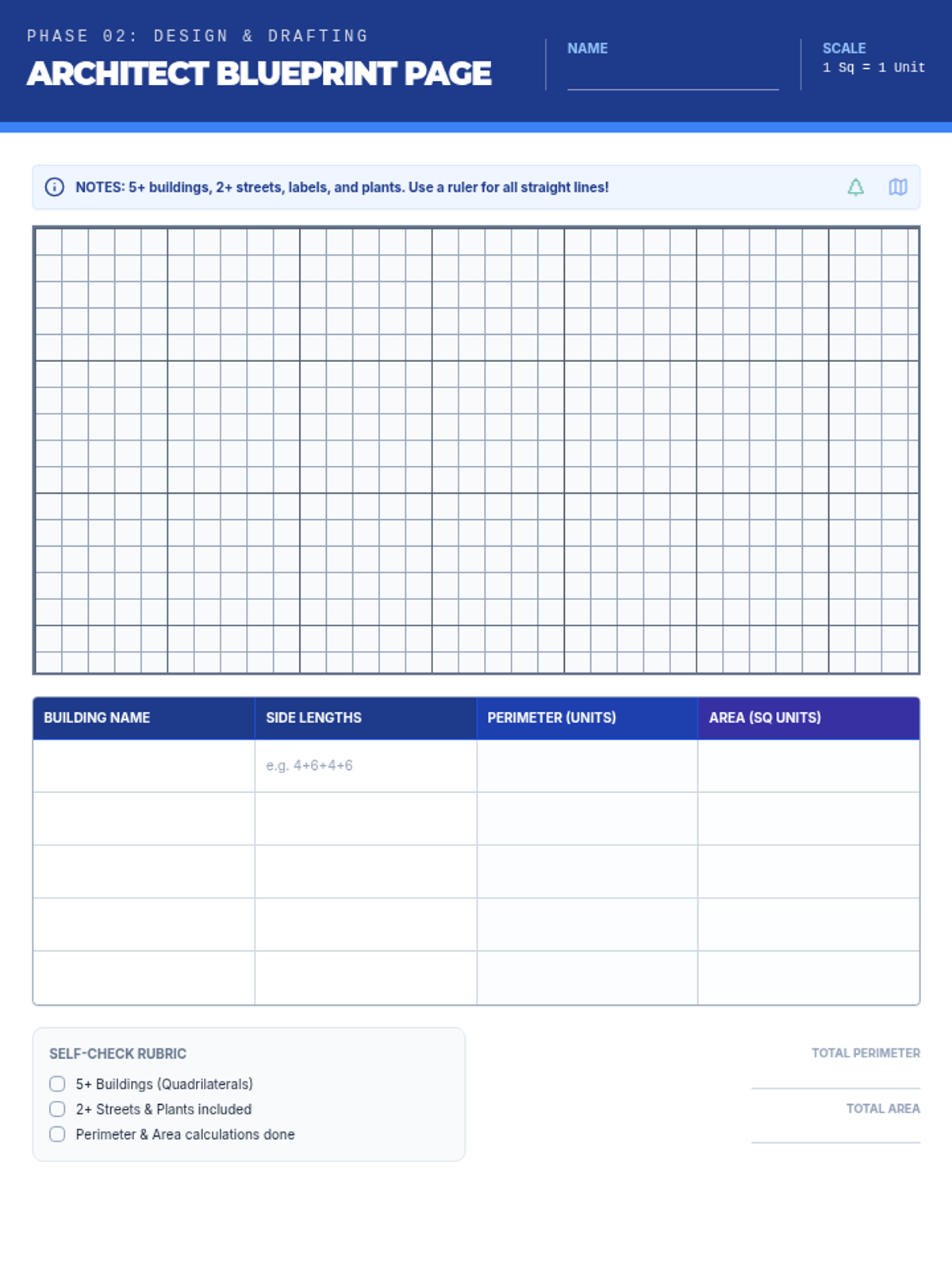
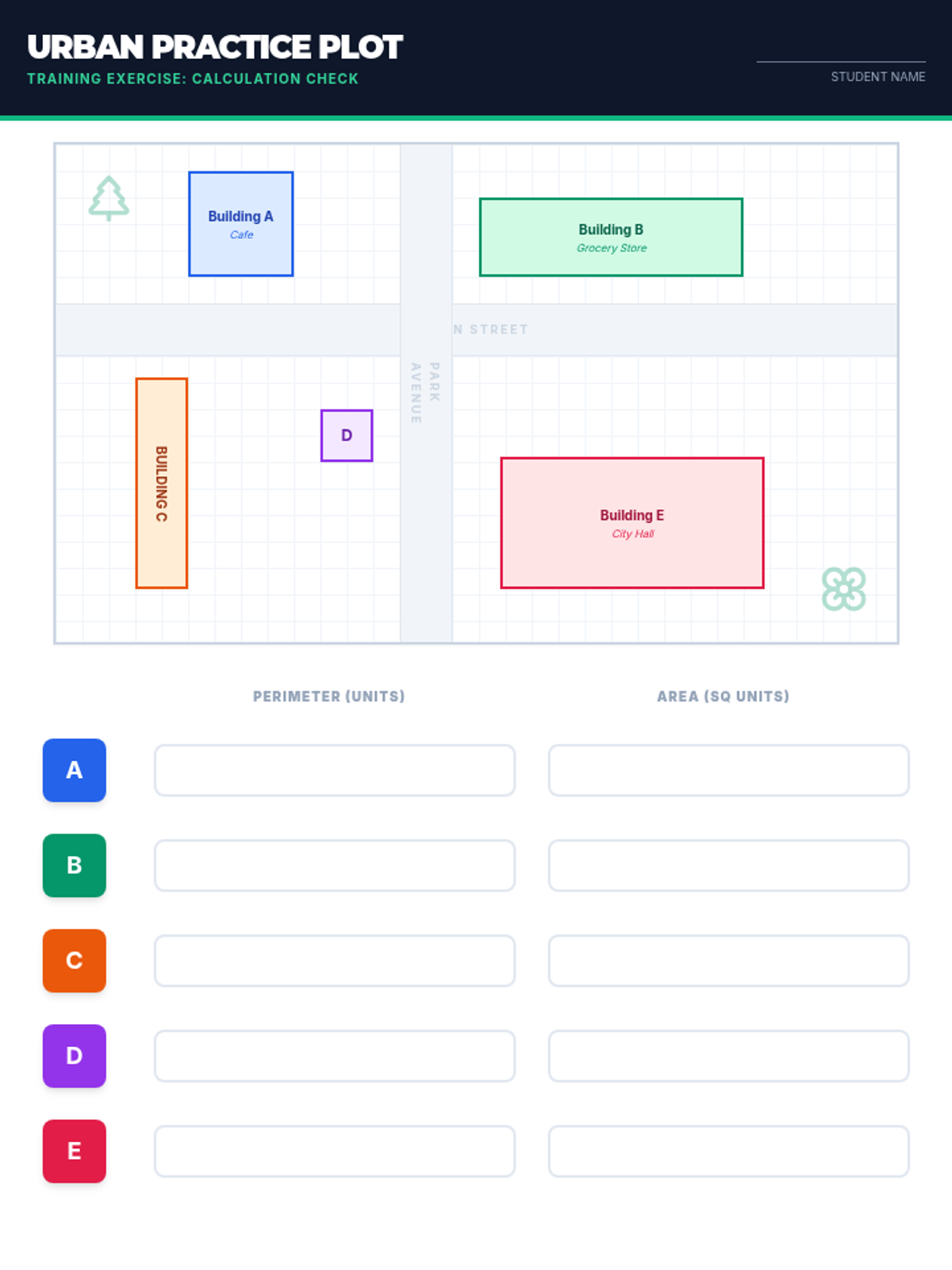
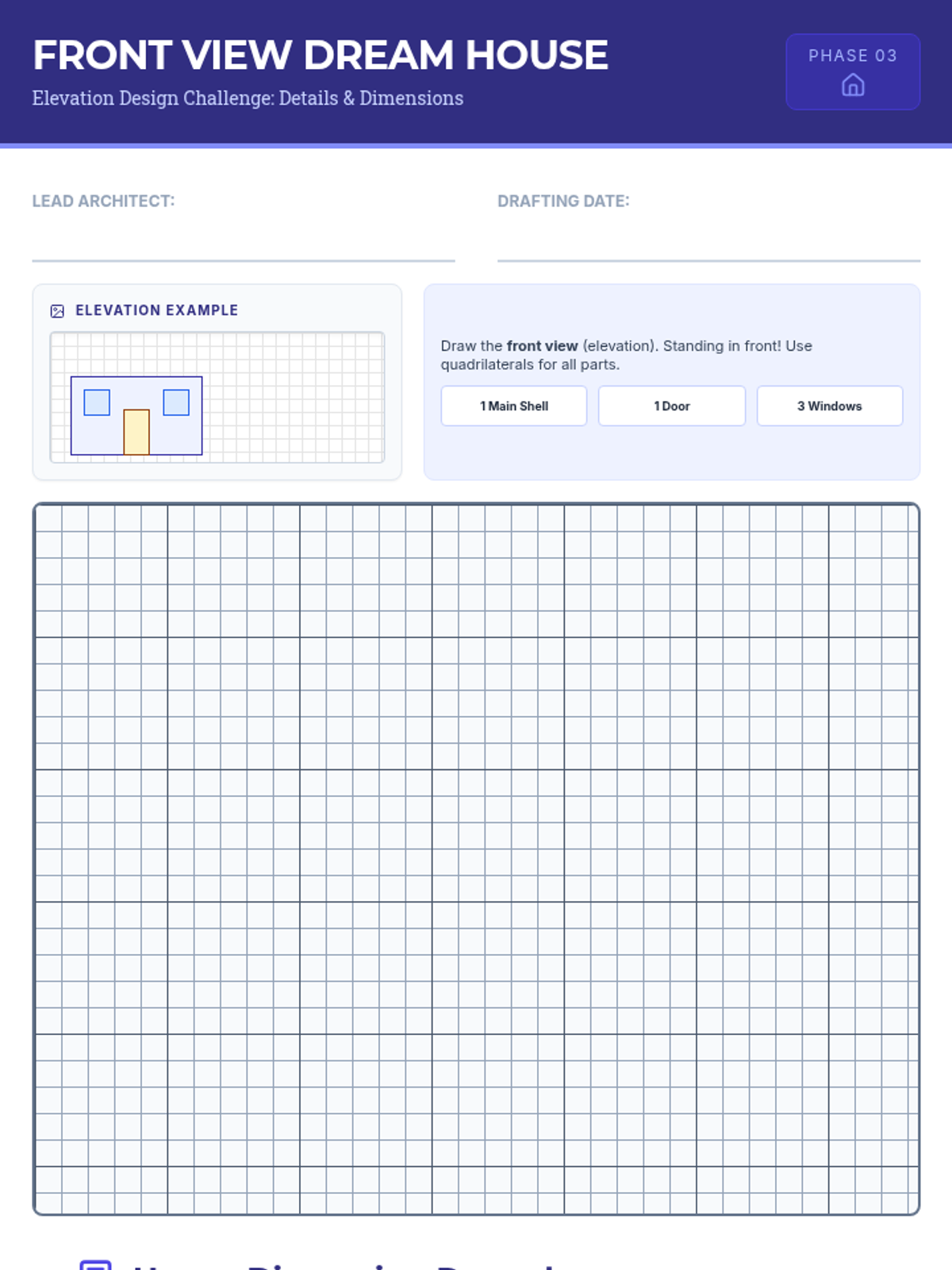
Students act as urban architects to design a town using quadrilaterals on a grid, calculating perimeter and area for their structures.
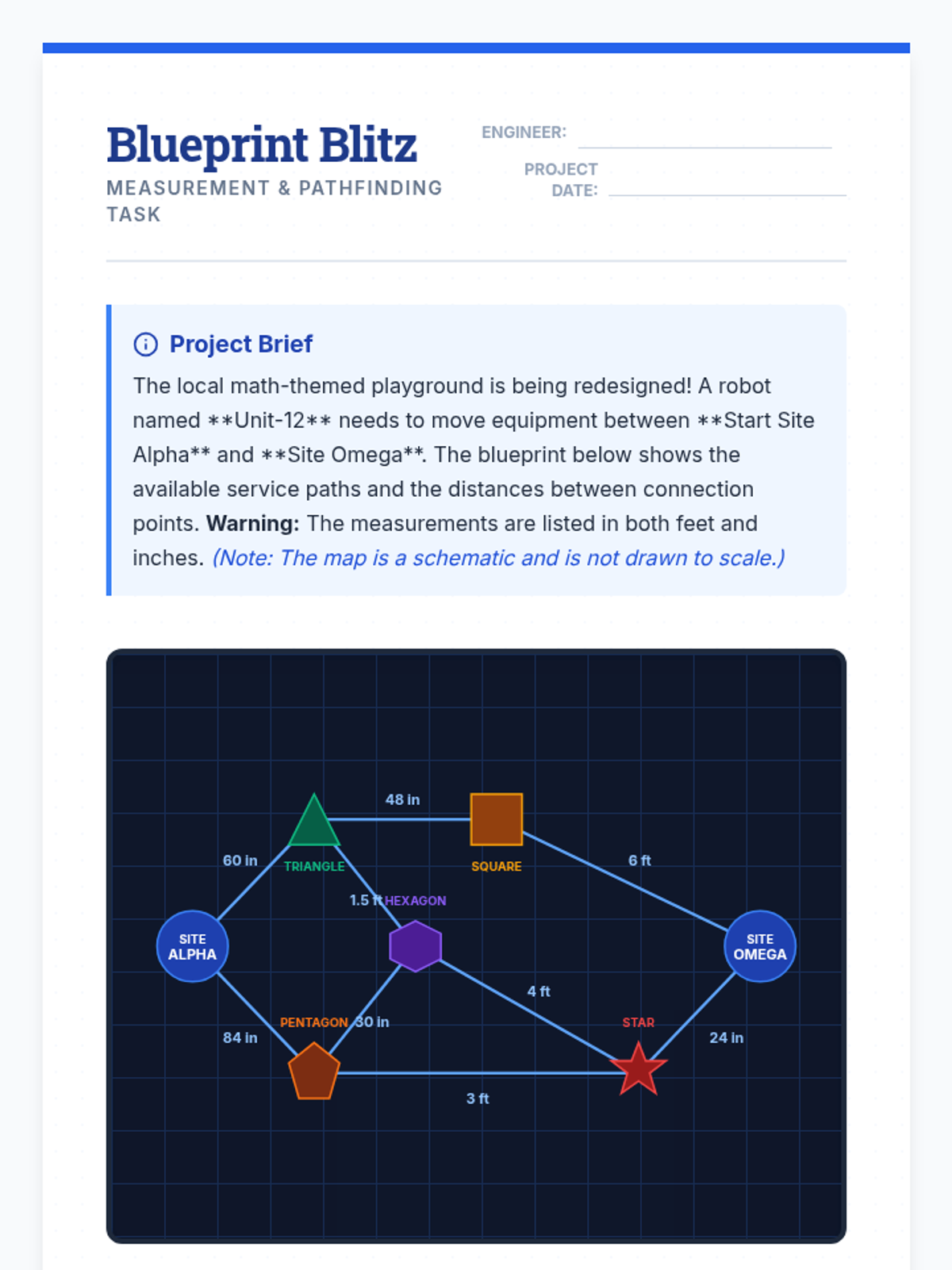
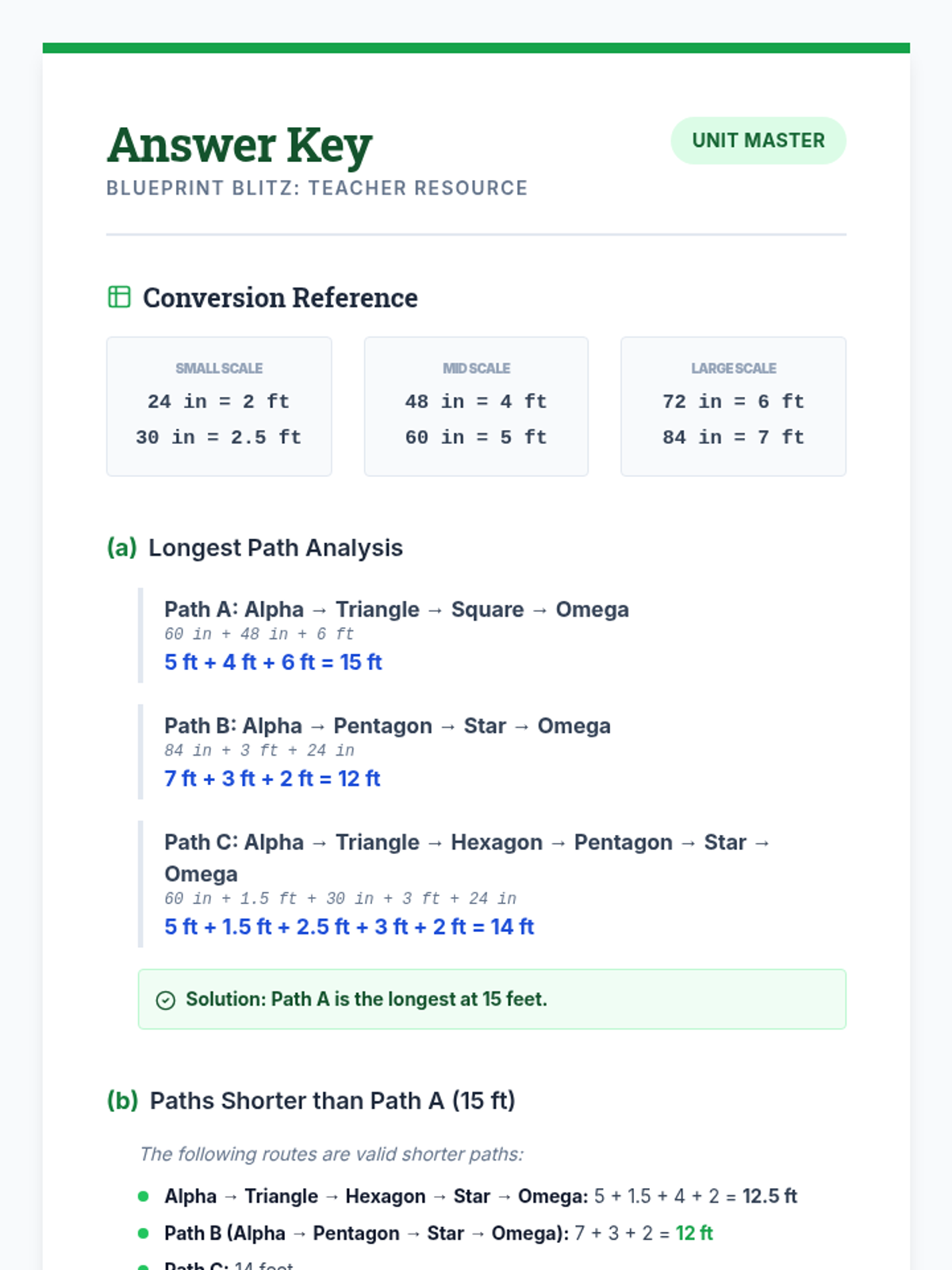
A lesson focused on unit conversion (feet and inches) through the lens of navigating a complex blueprint map. Students will calculate total distances of various paths and find the most efficient route.
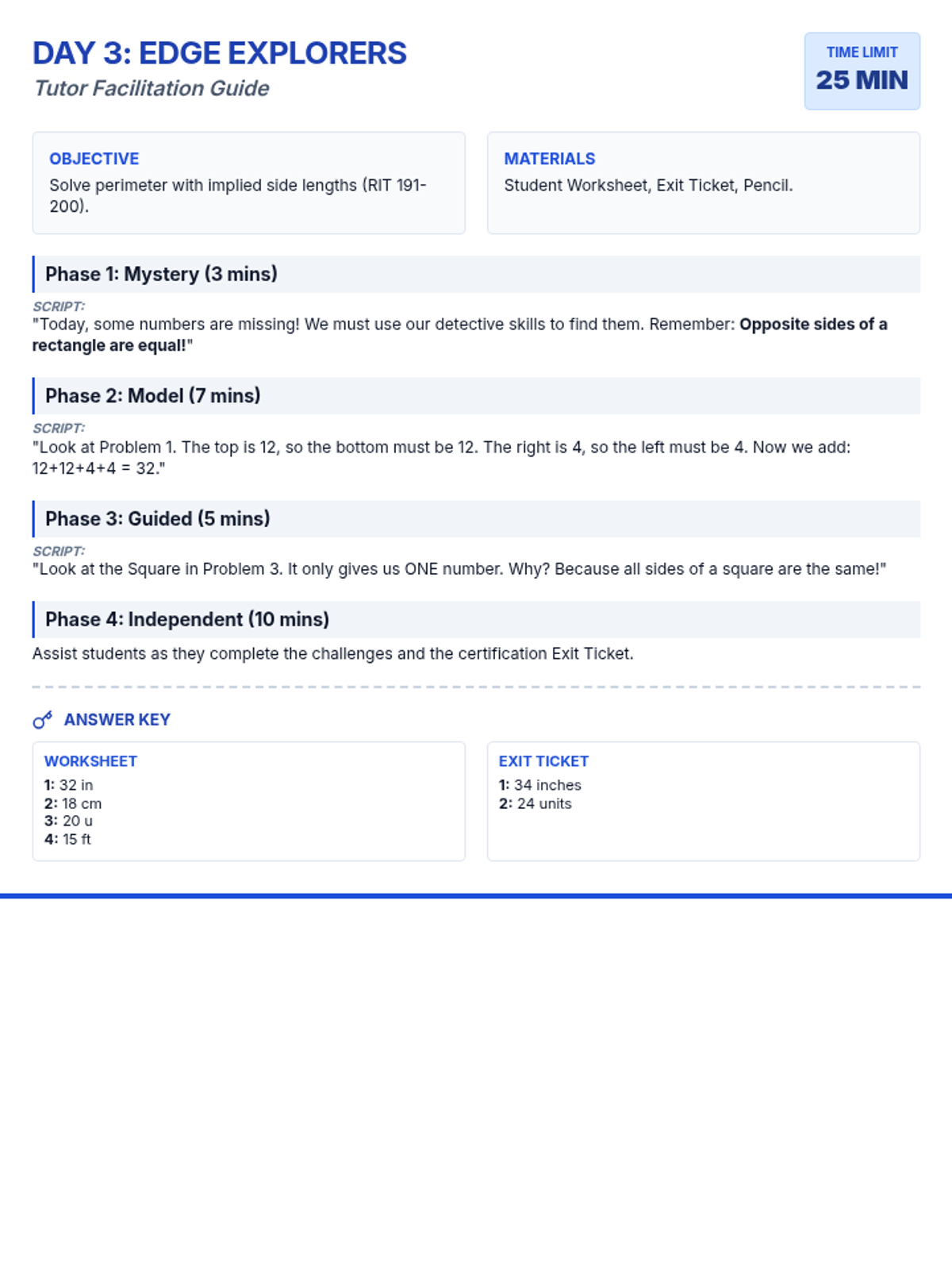
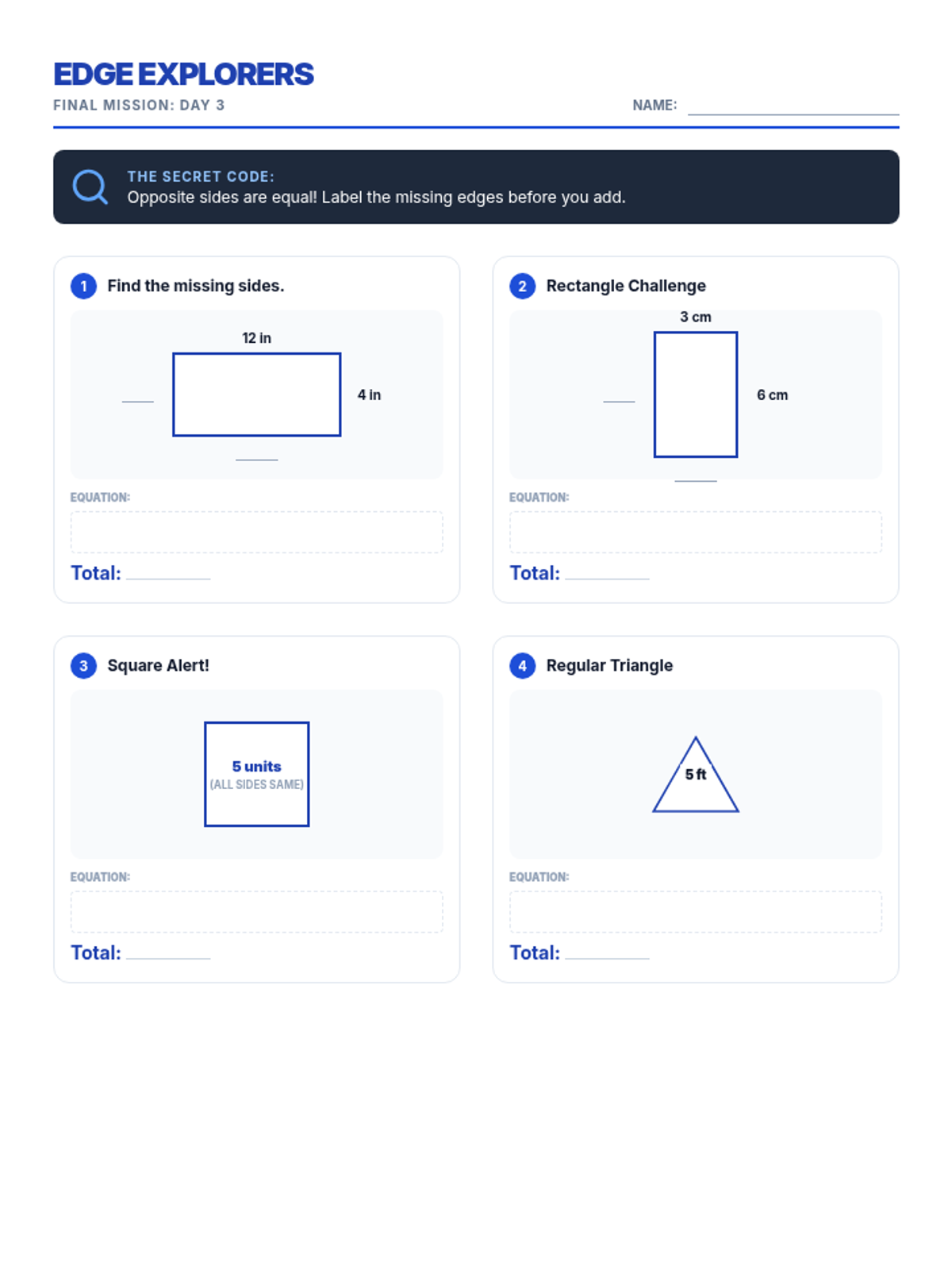
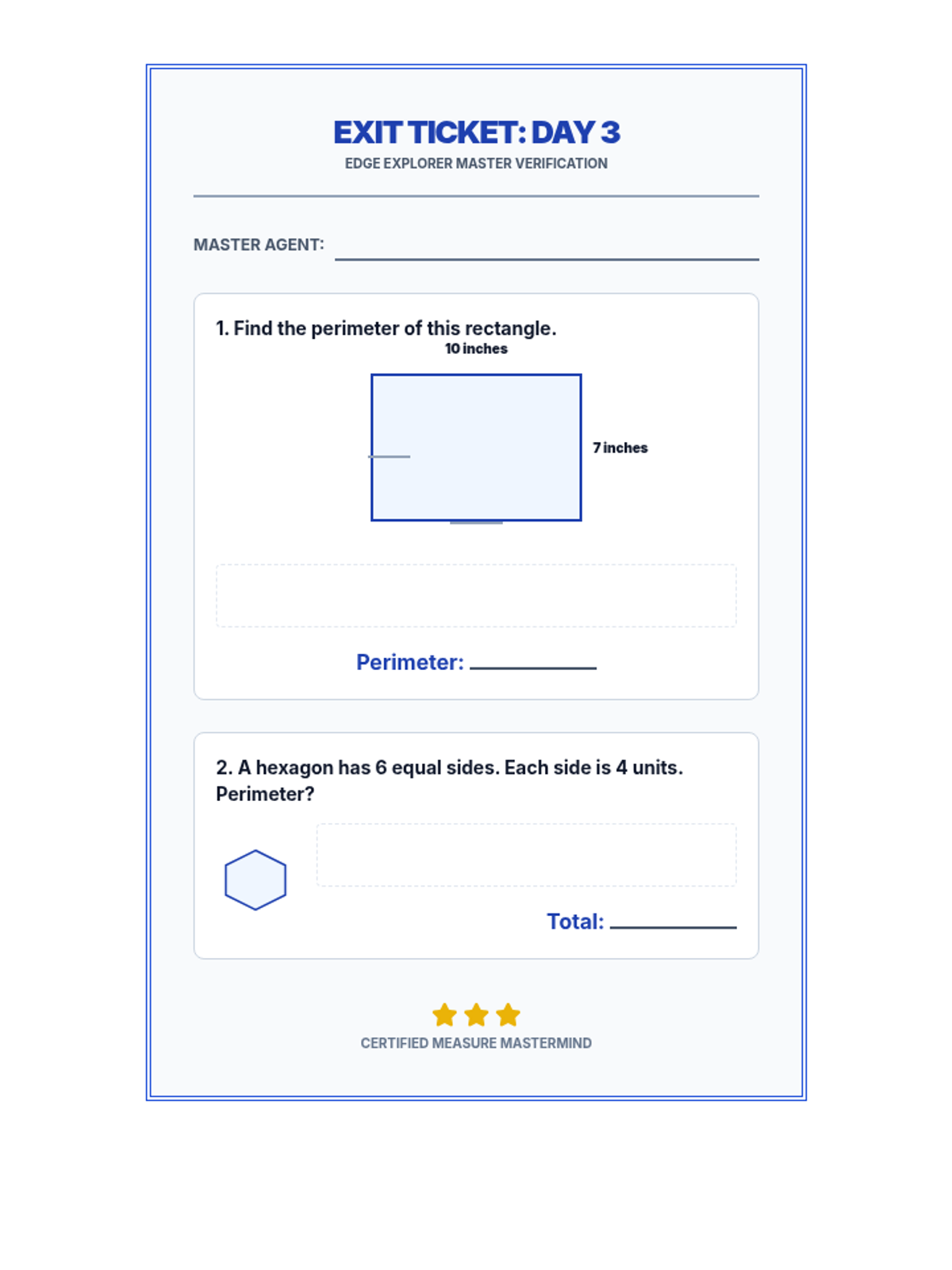
Students solve perimeter problems where some side lengths are implied or shapes are complex (191-200 focus).
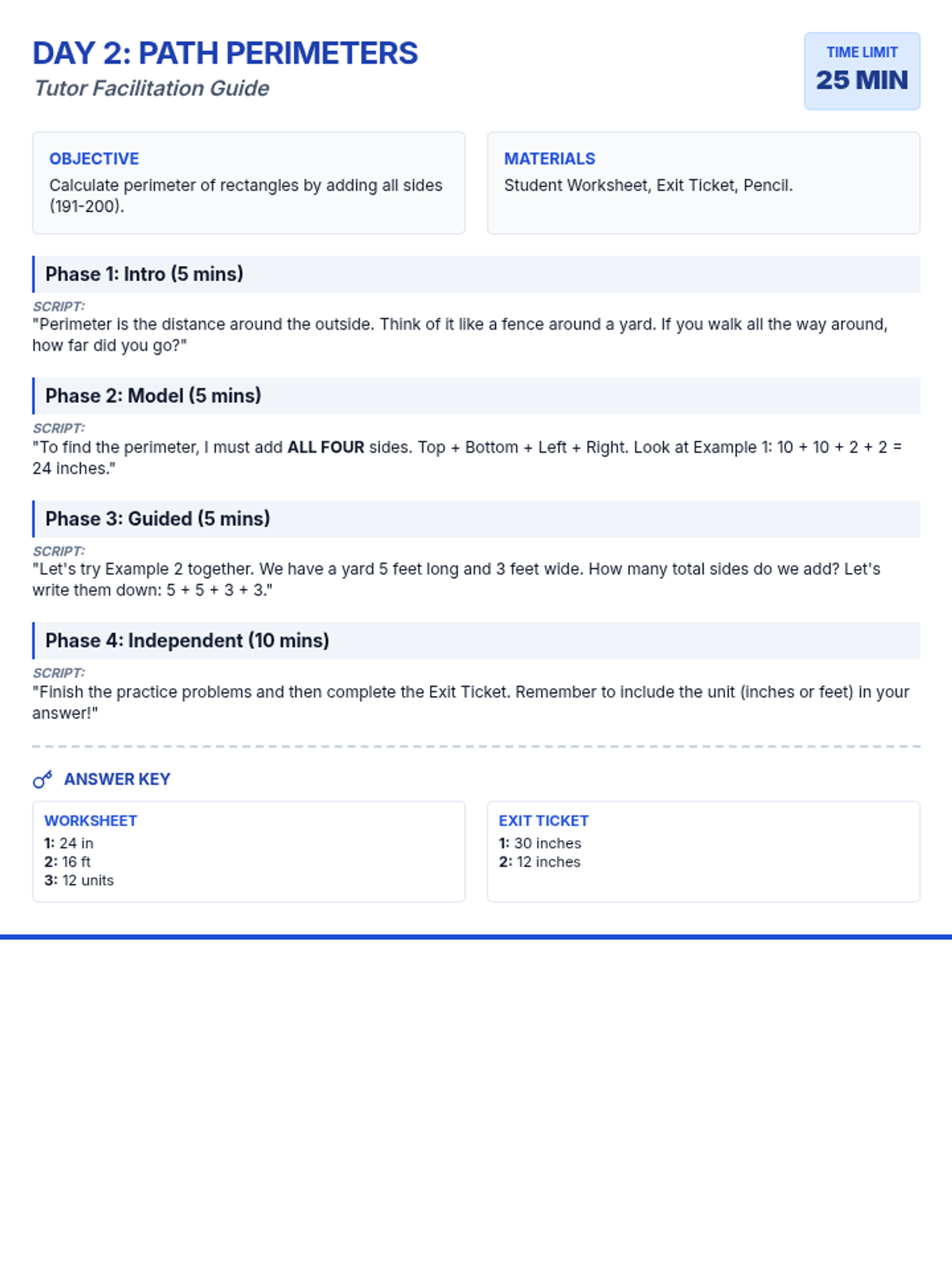
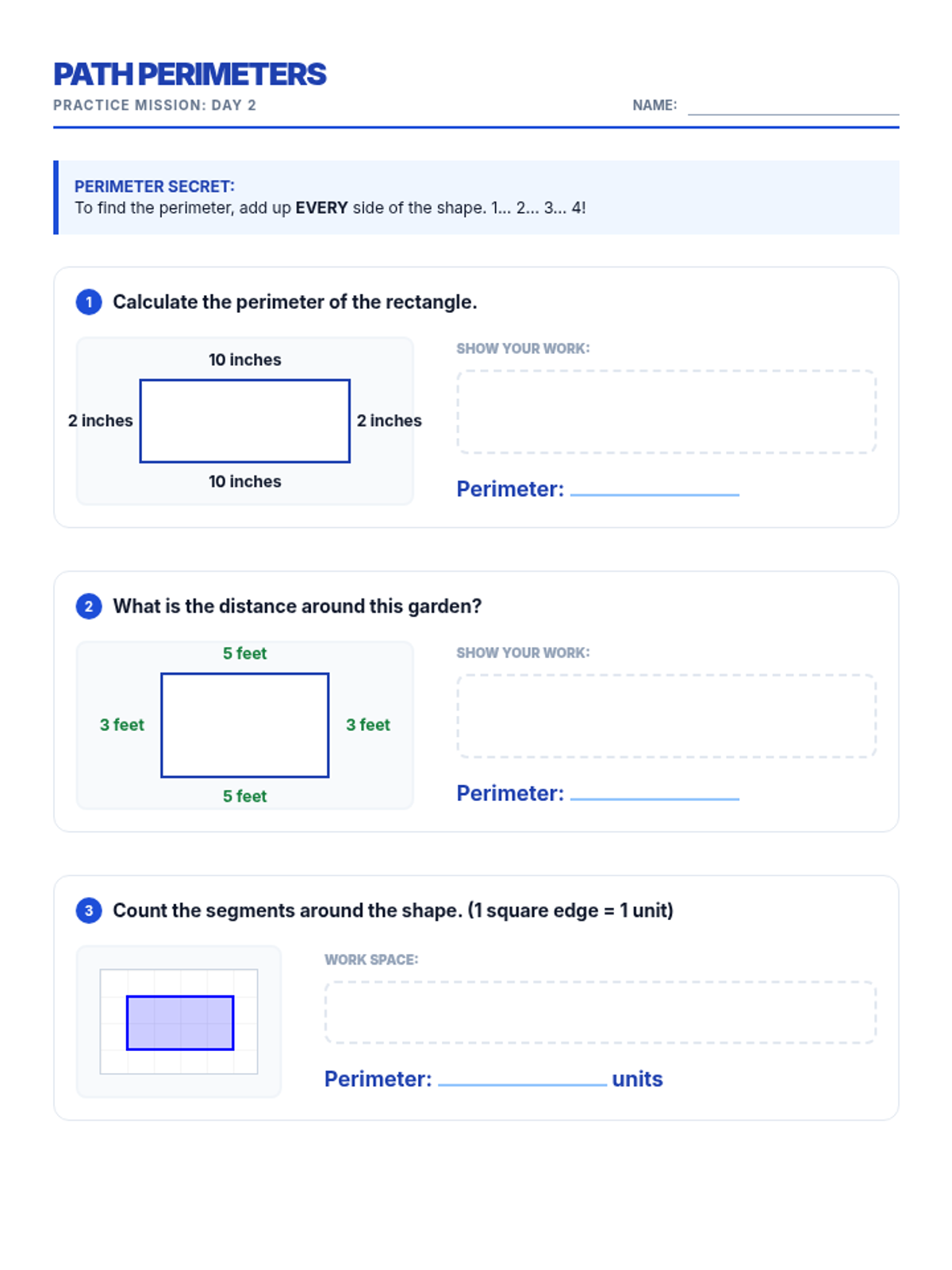
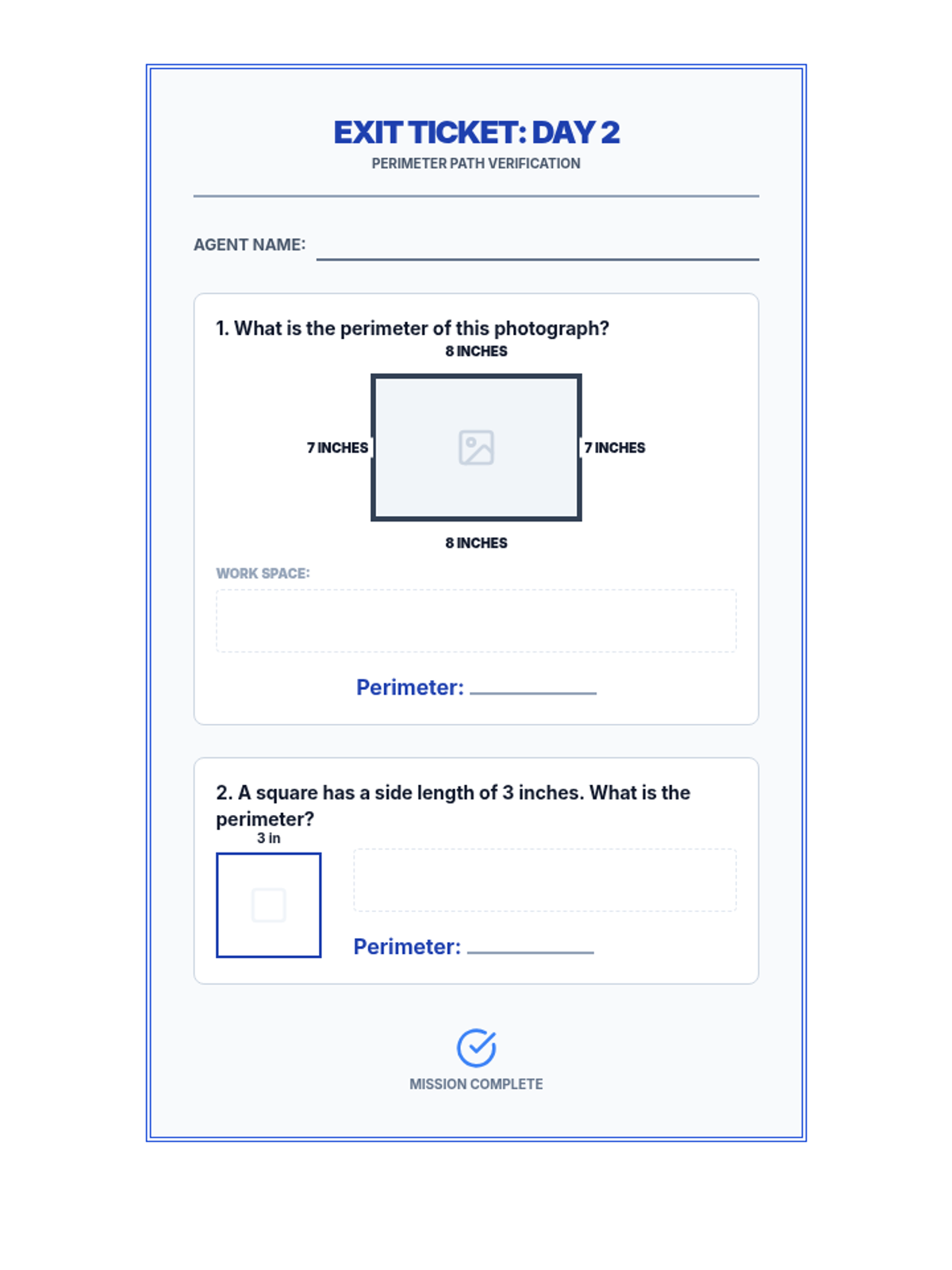
Students transition from basic counting and addition to calculating the perimeter of rectangles (191-200).
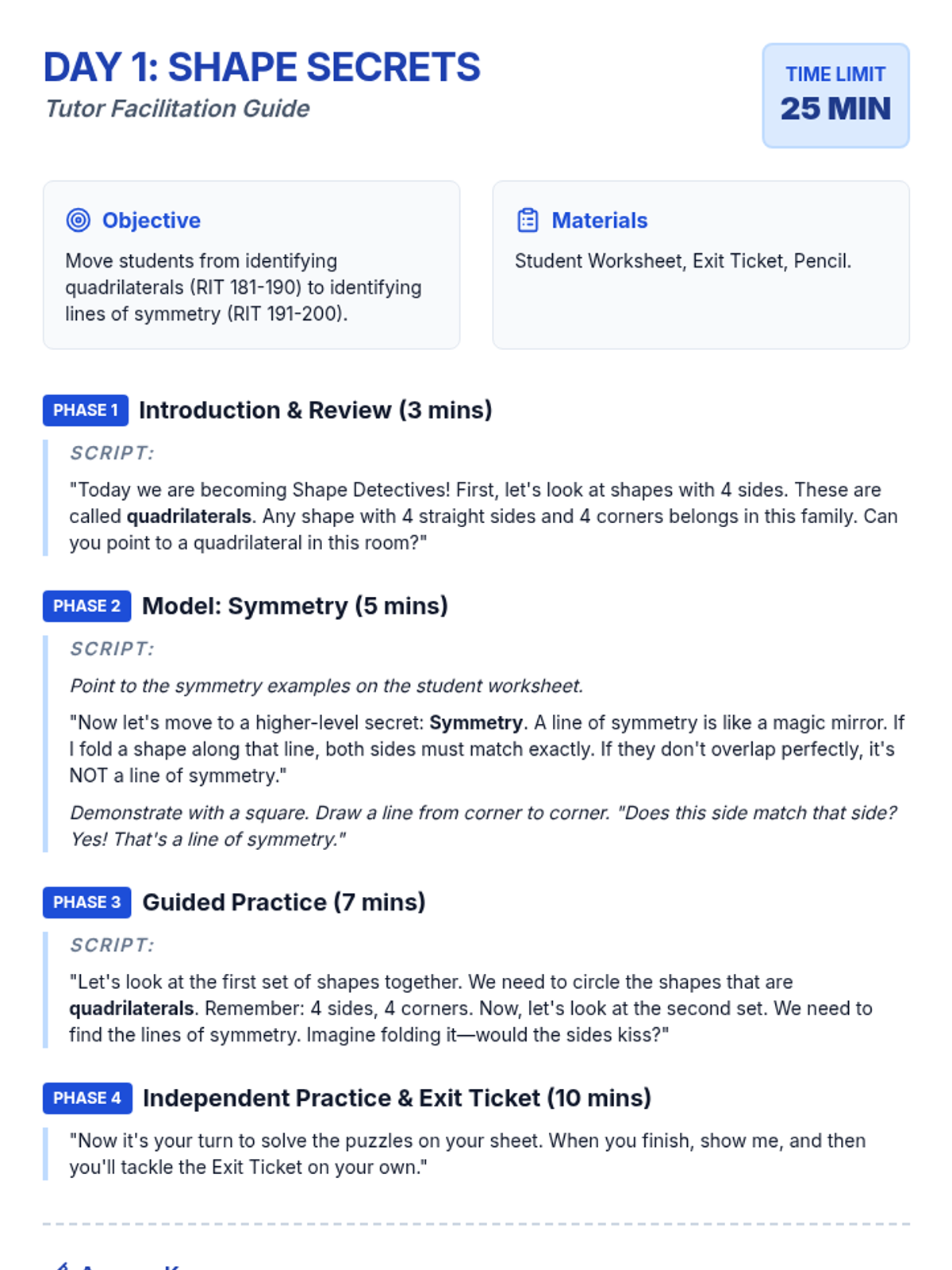
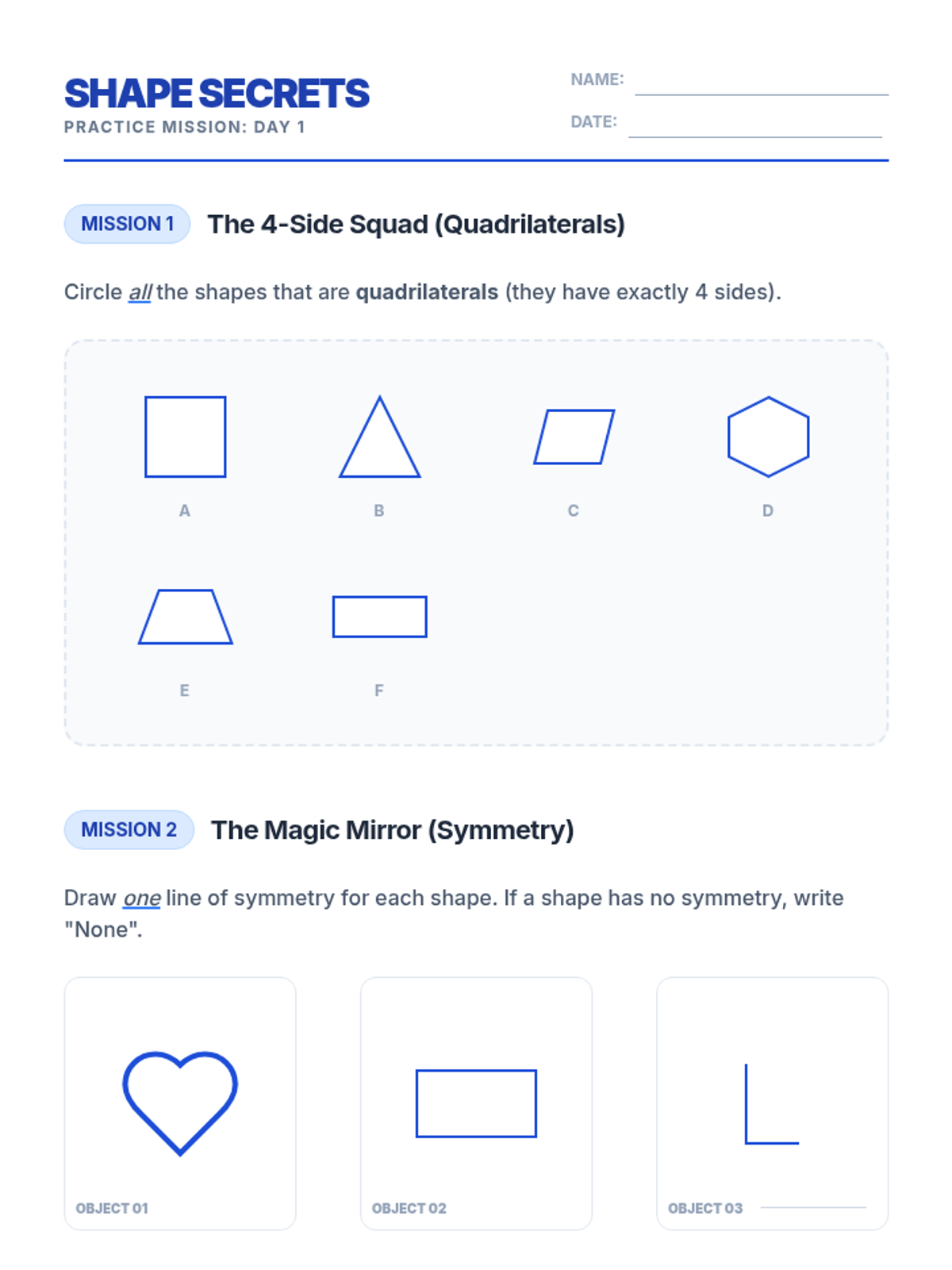
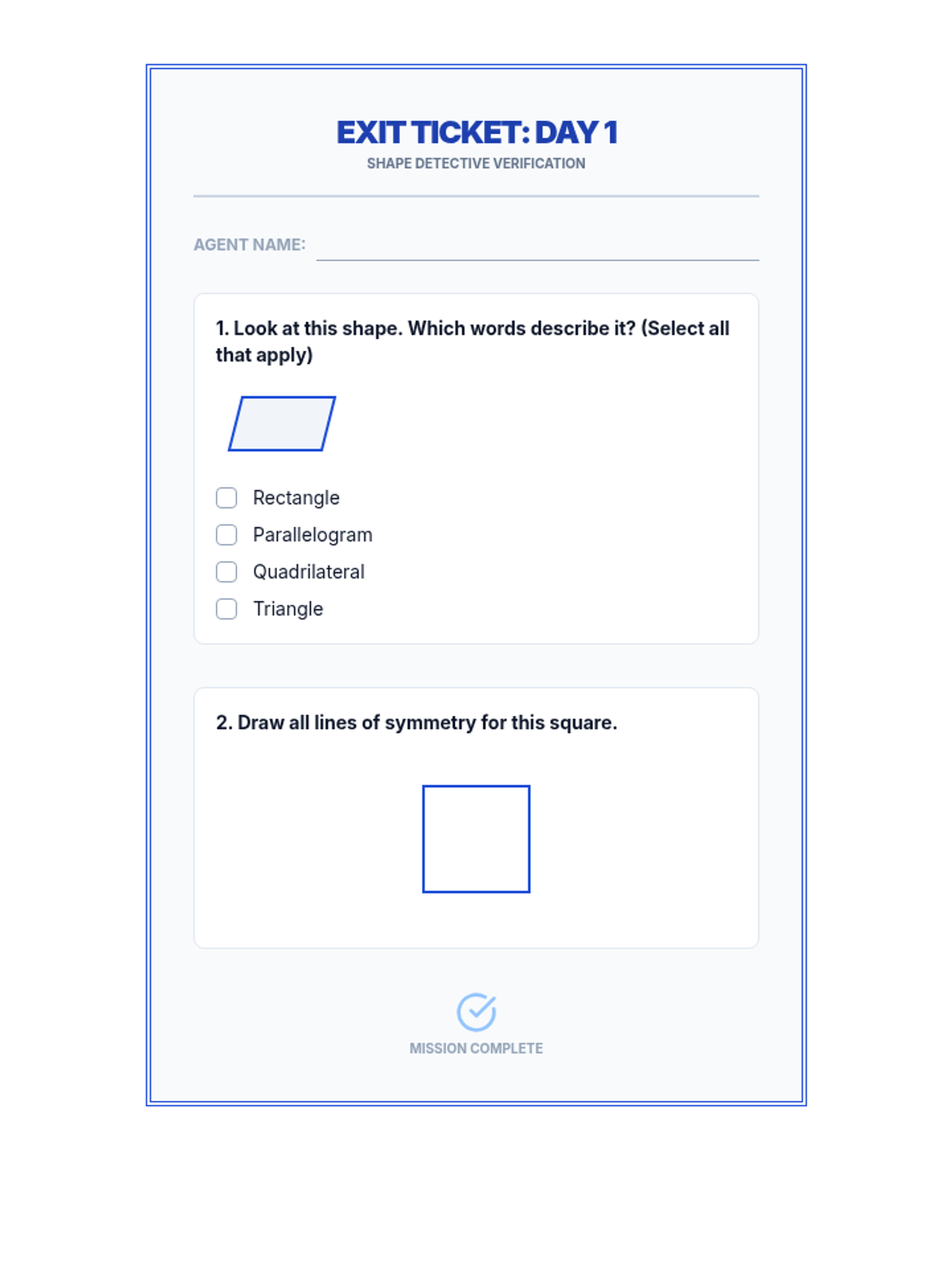
Students identify attributes of quadrilaterals (181-190) and explore lines of symmetry in 2D shapes (191-200).
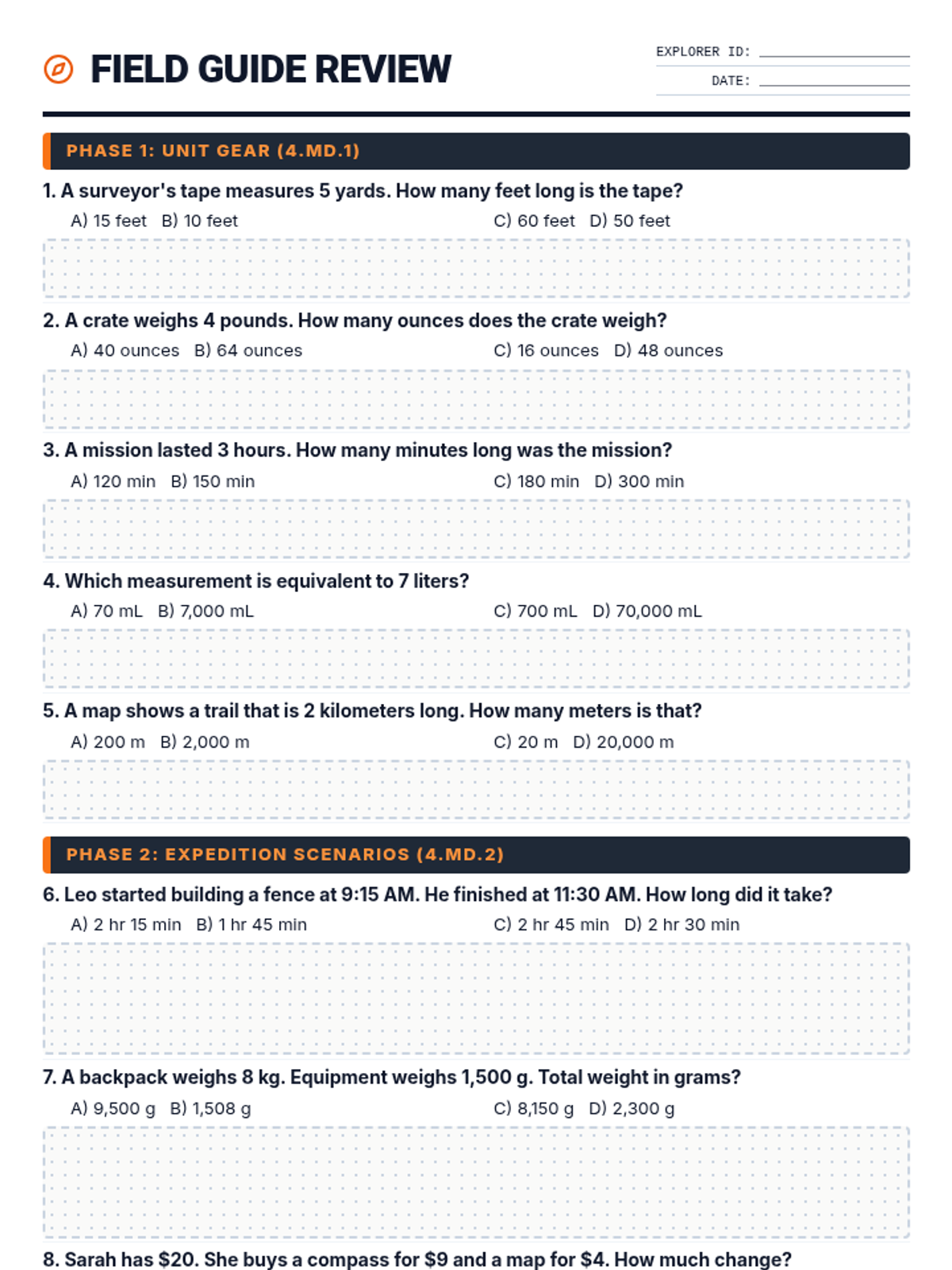
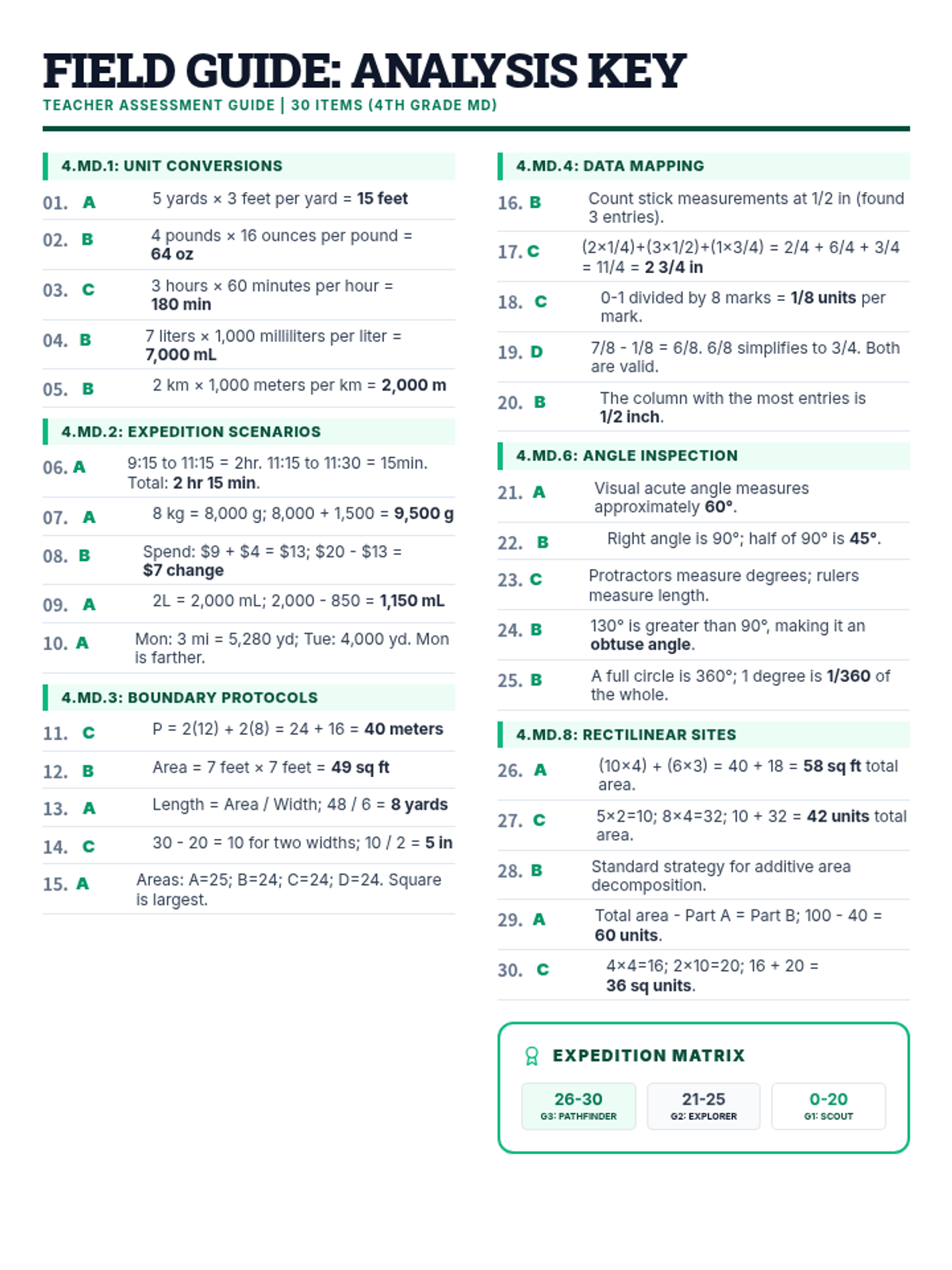
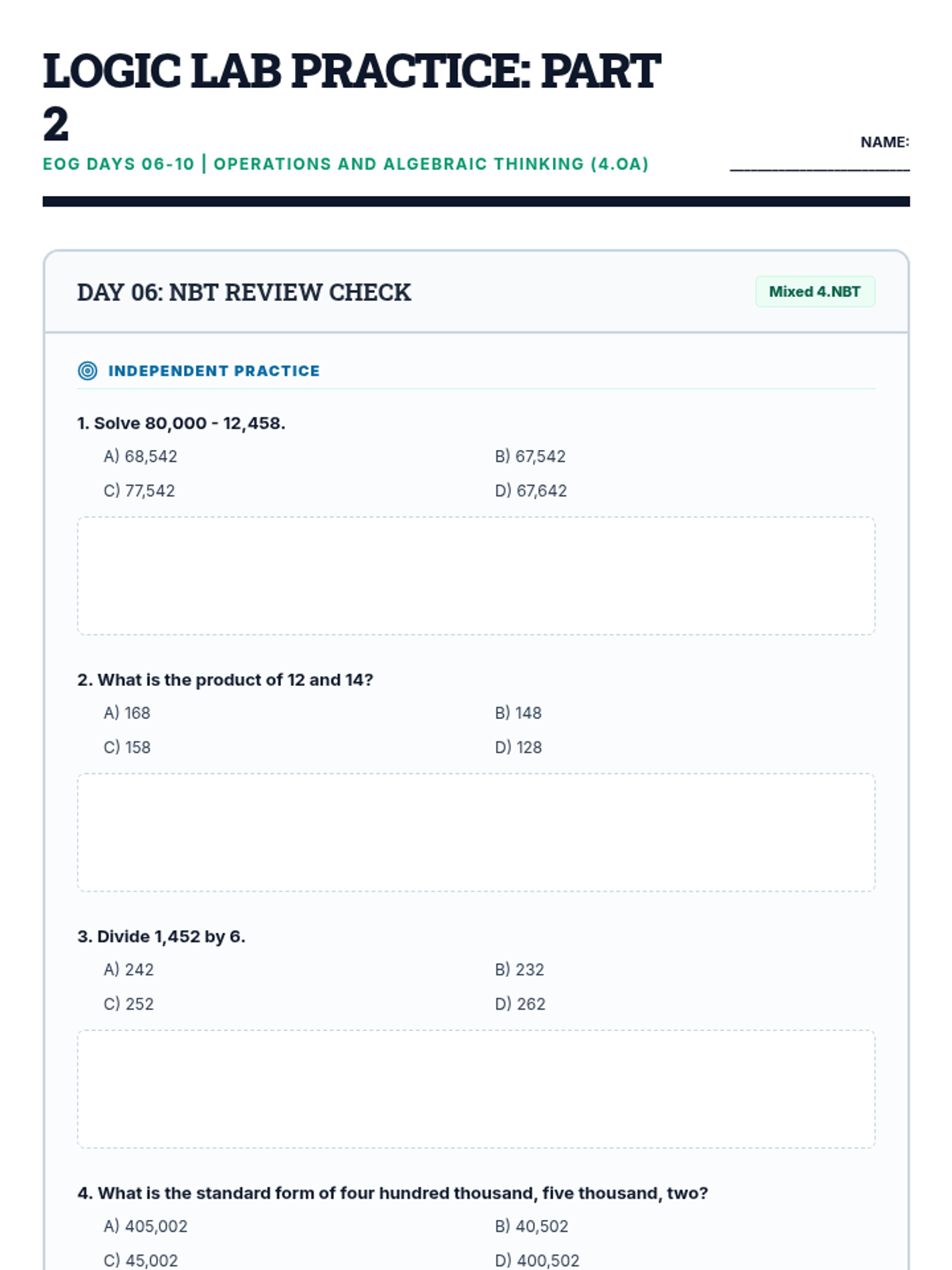
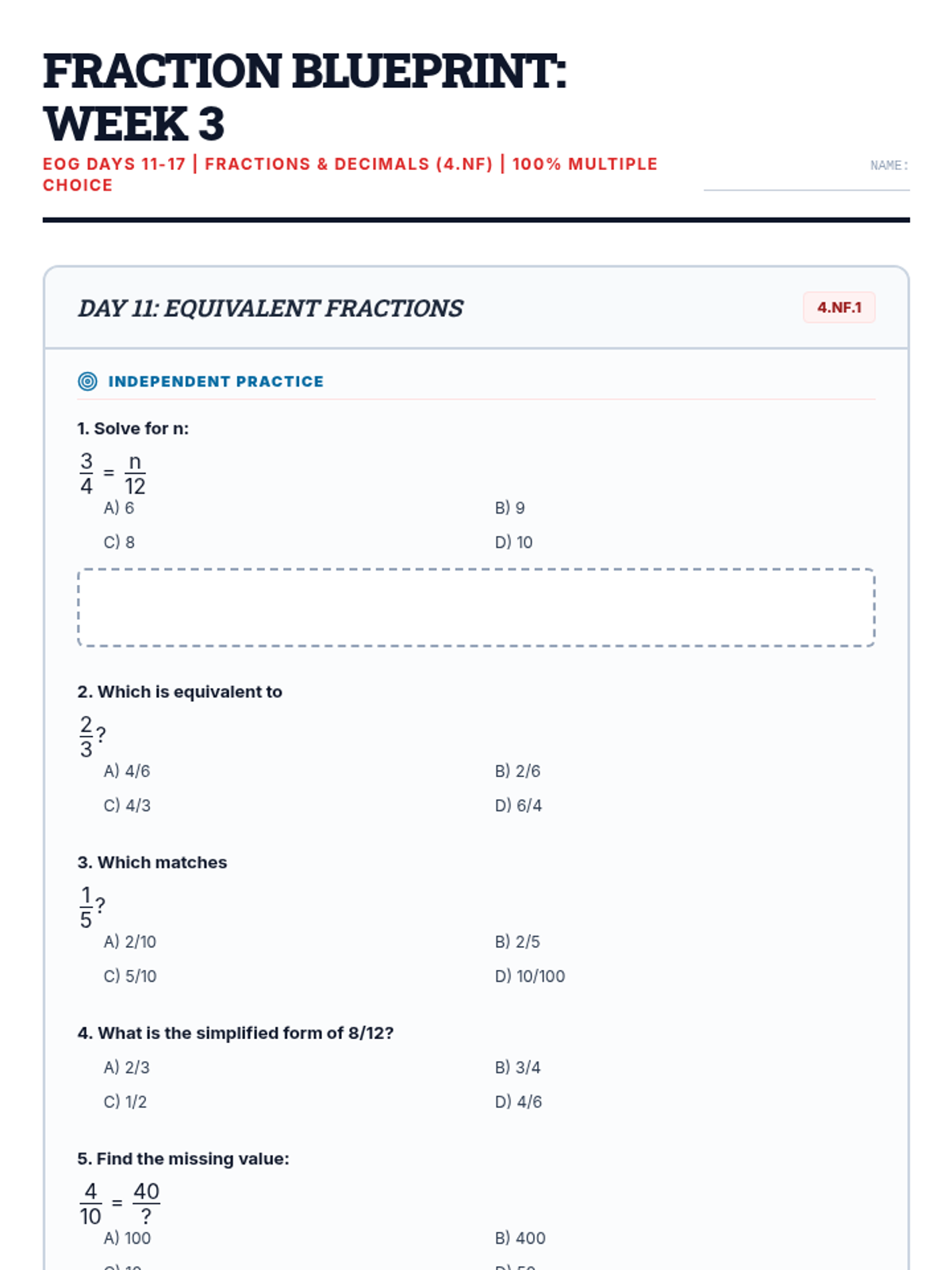
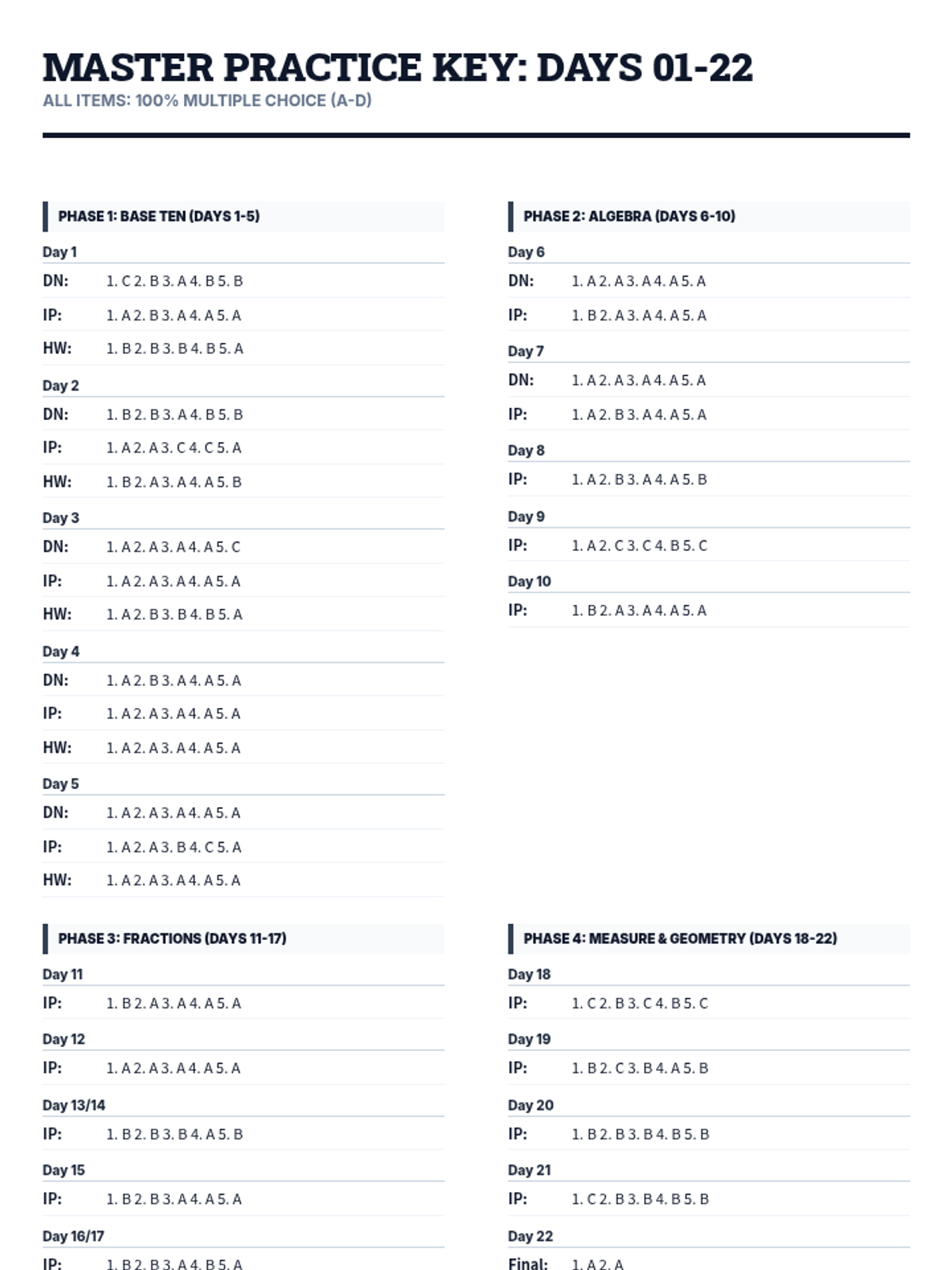
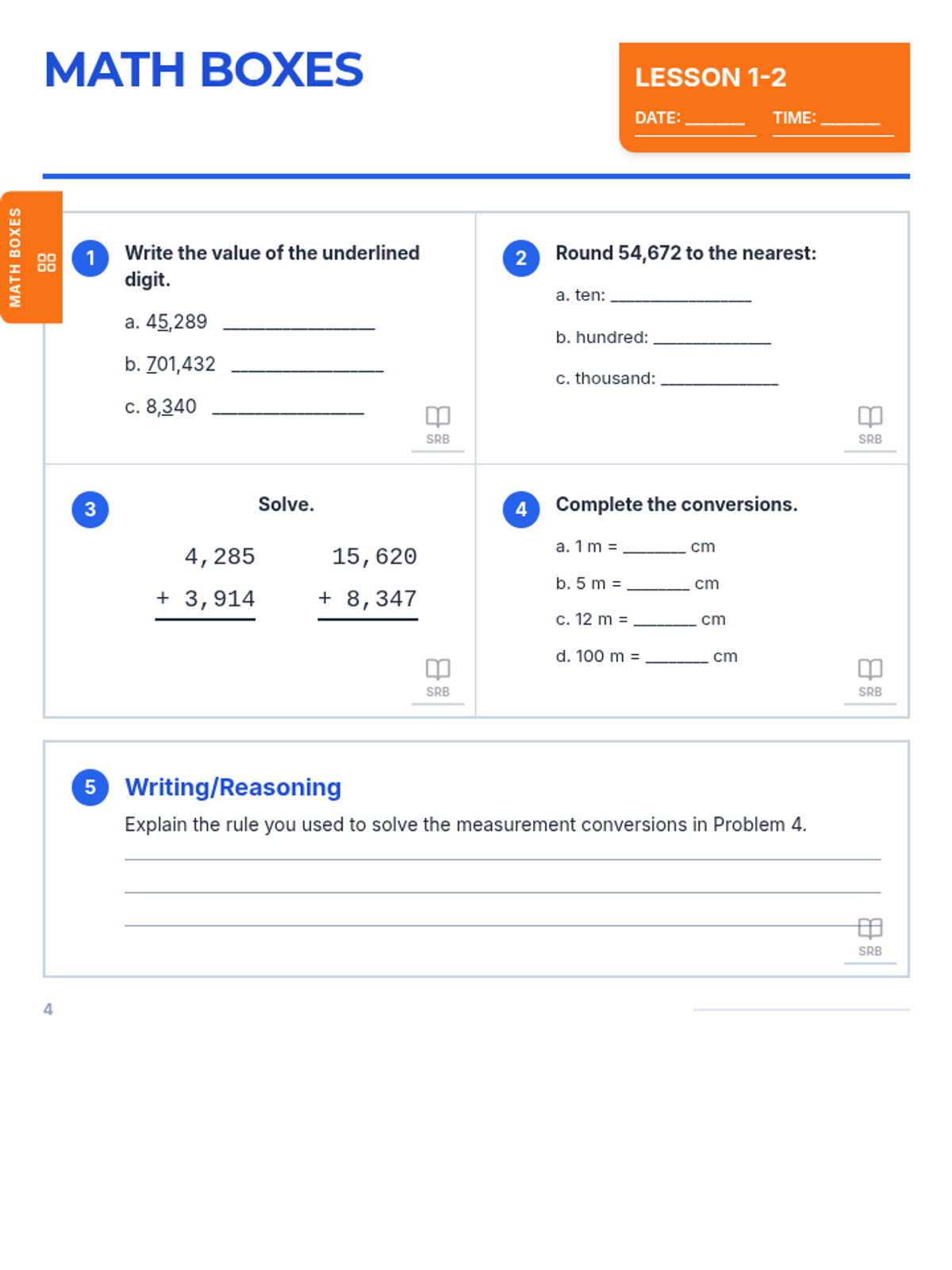
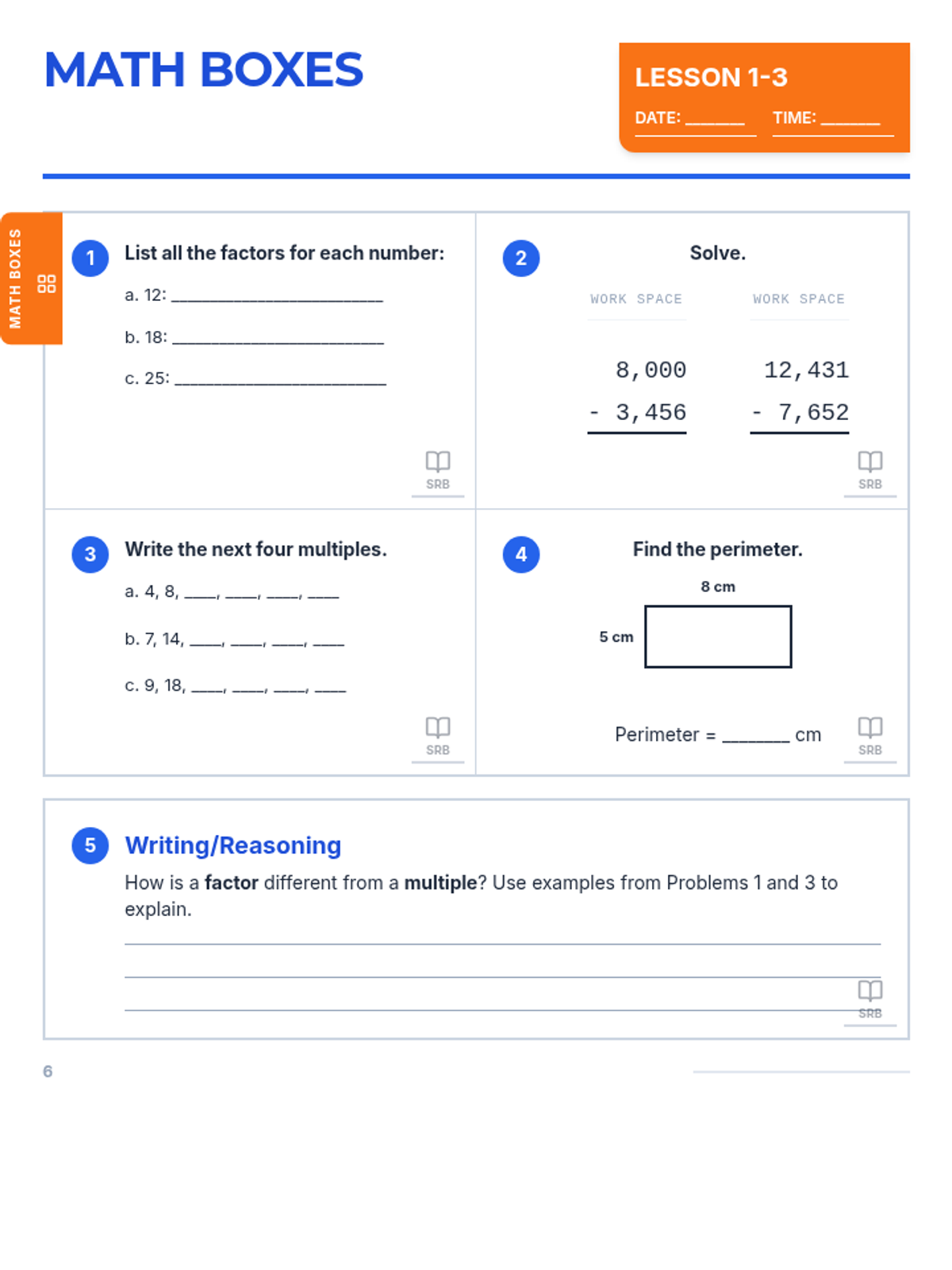
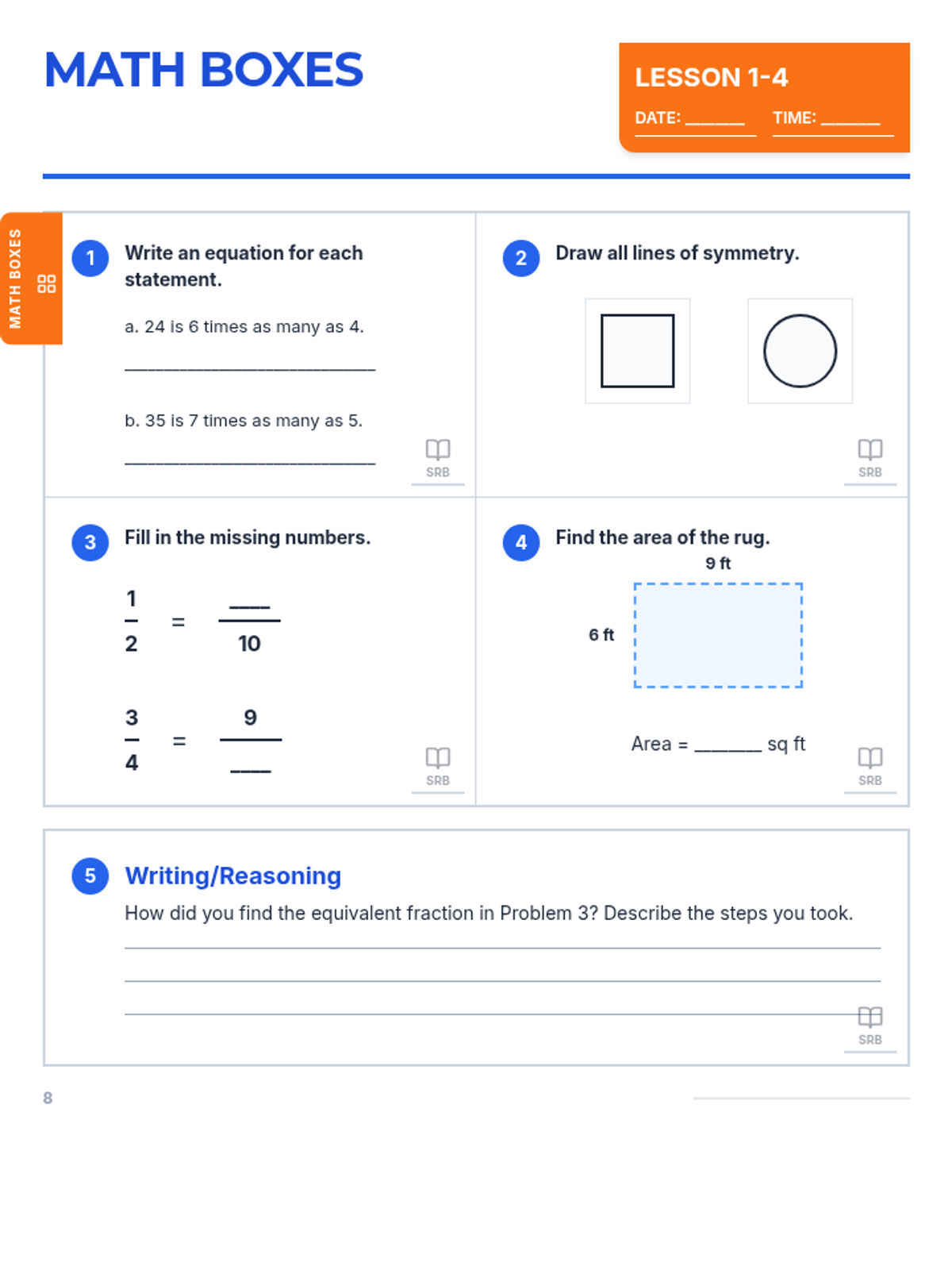
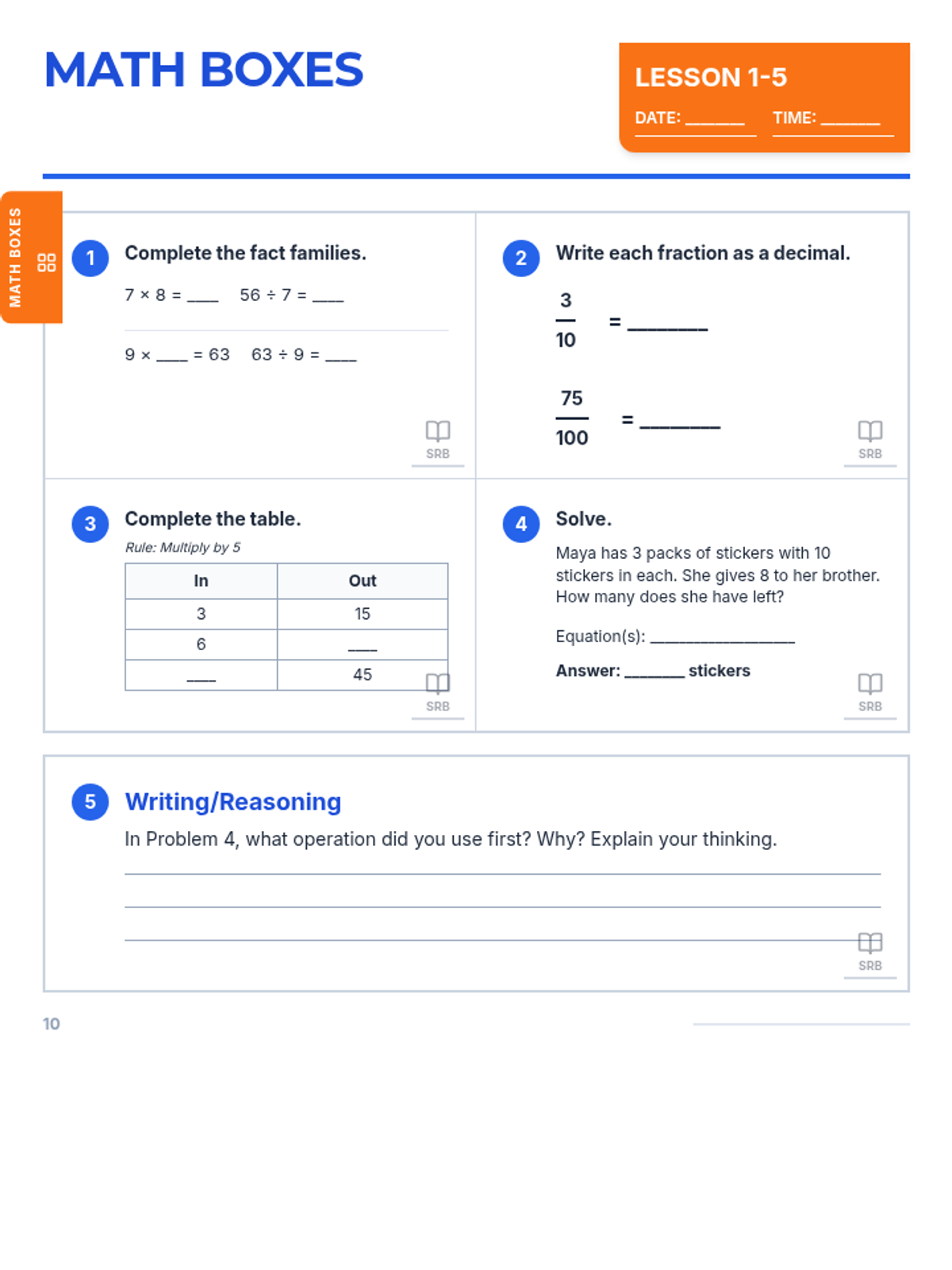
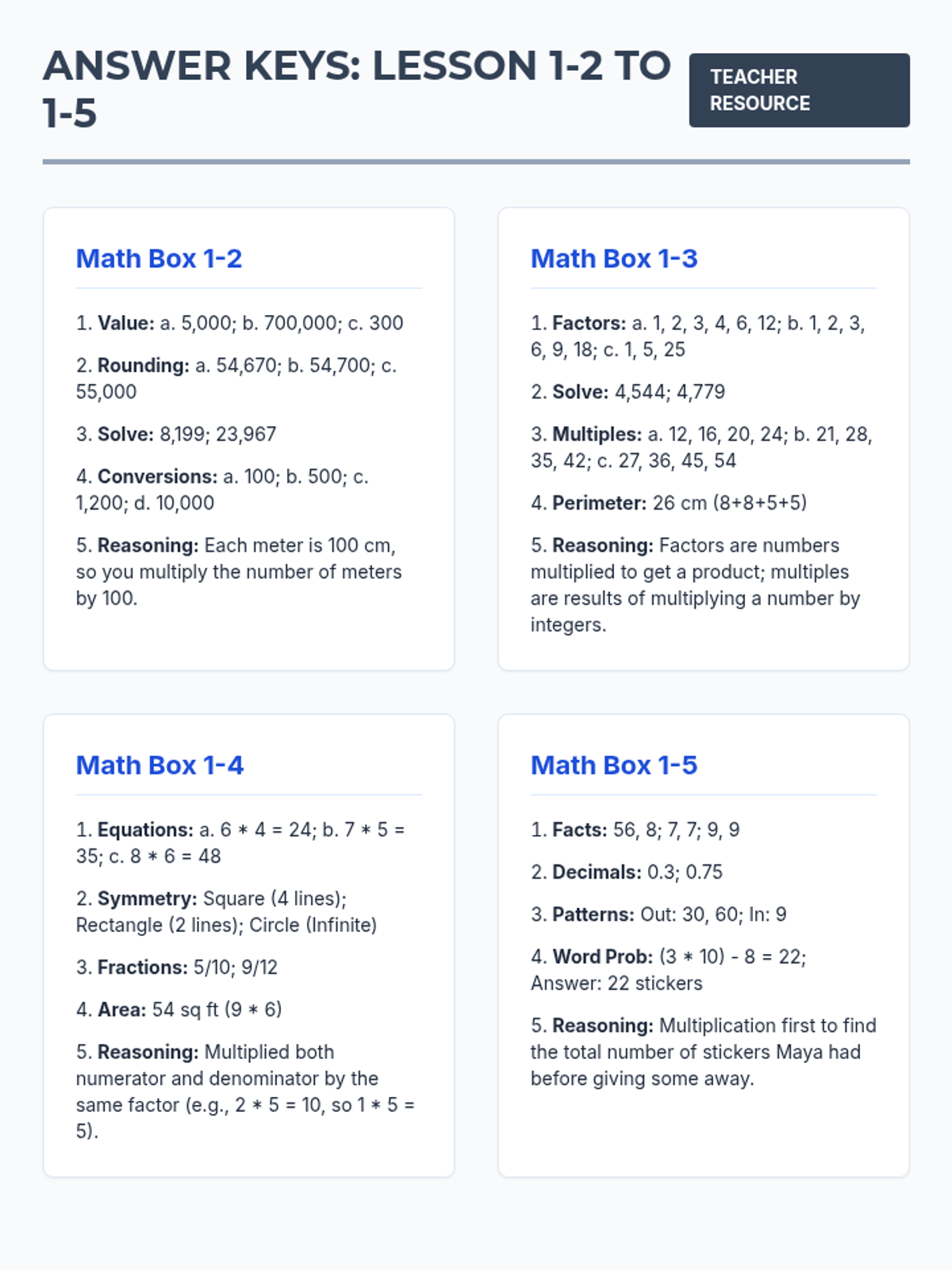
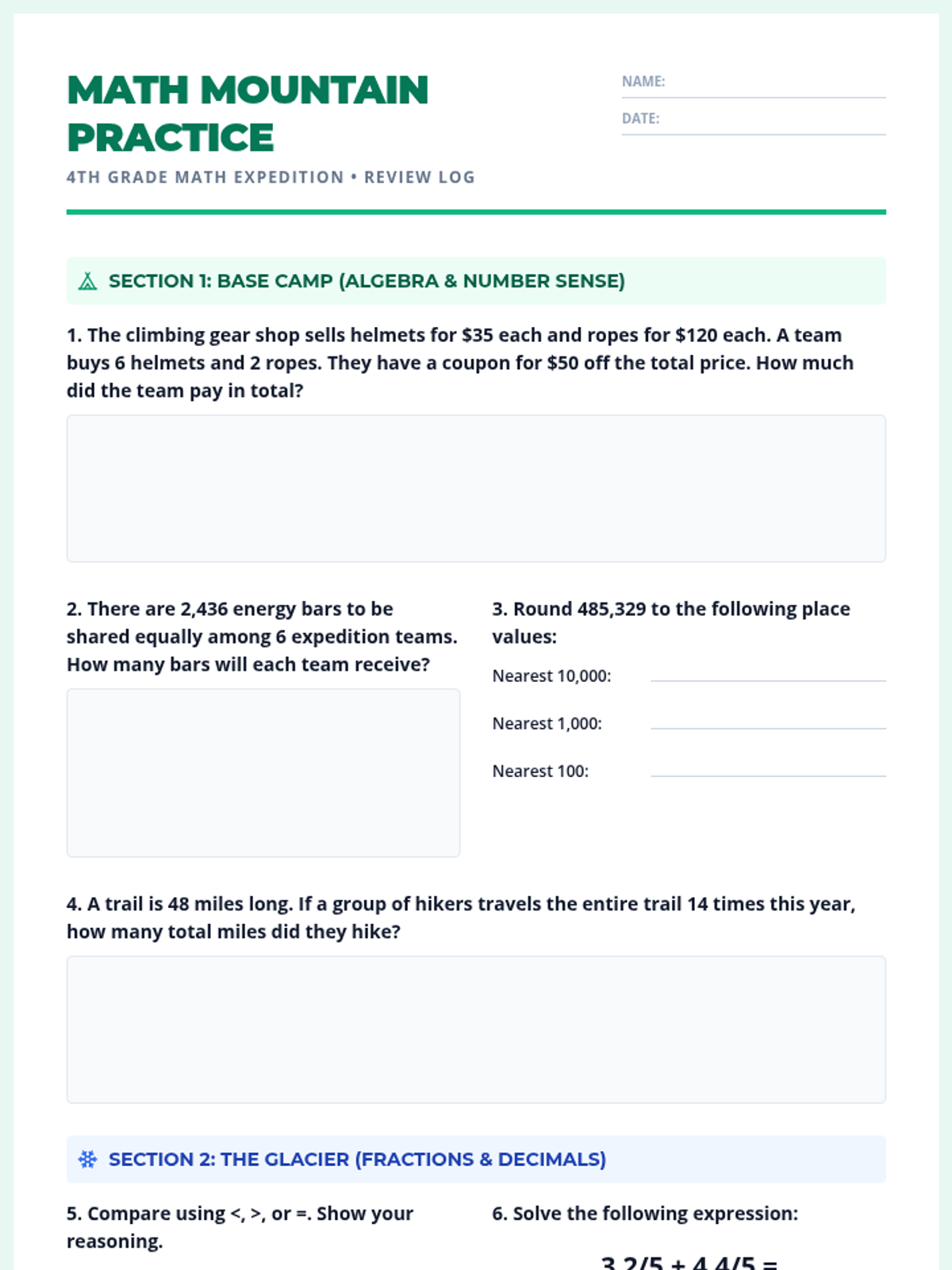
A series of mixed-review math worksheets designed for daily practice or formative assessment, covering key 4th-grade standards.
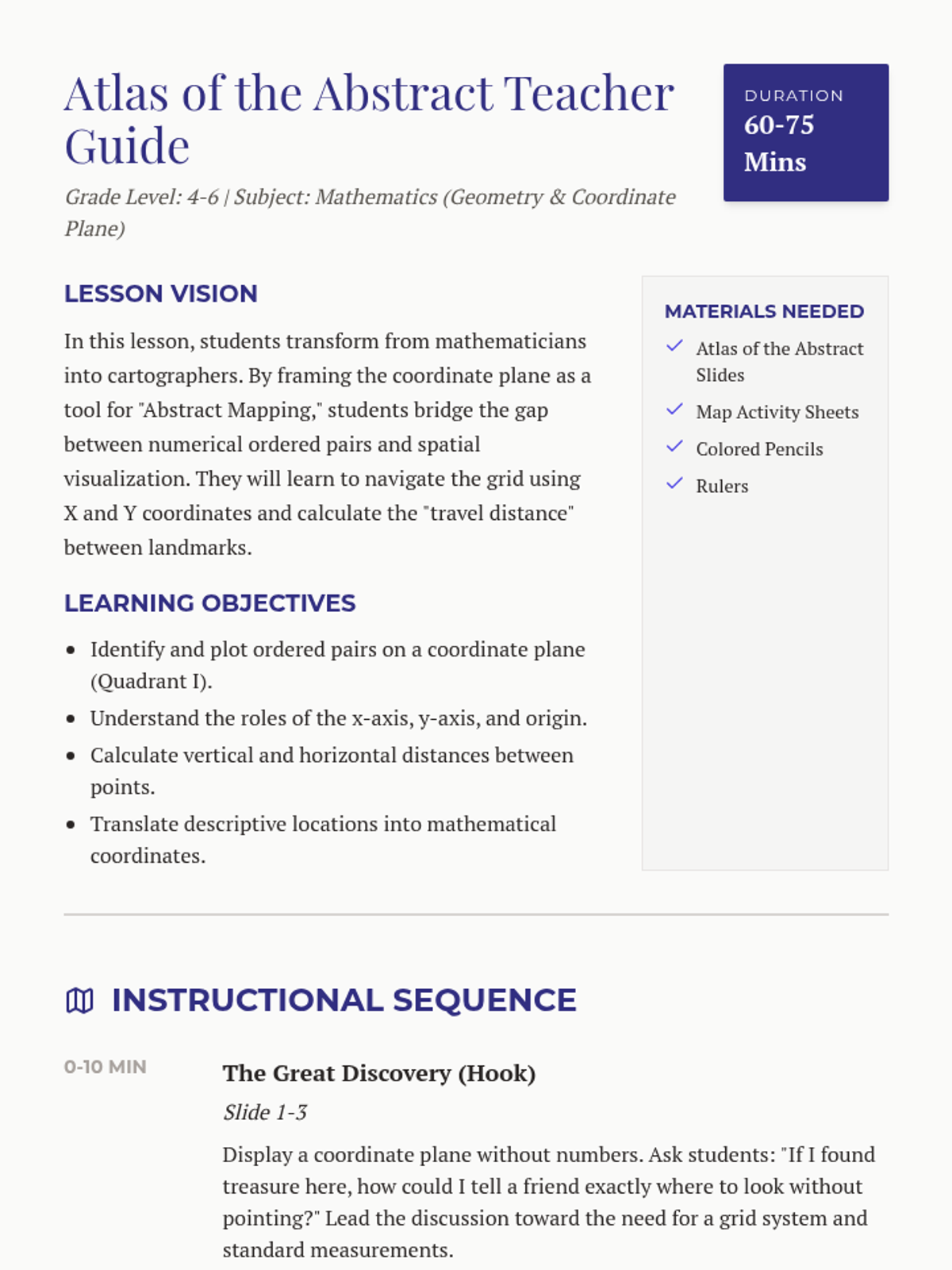
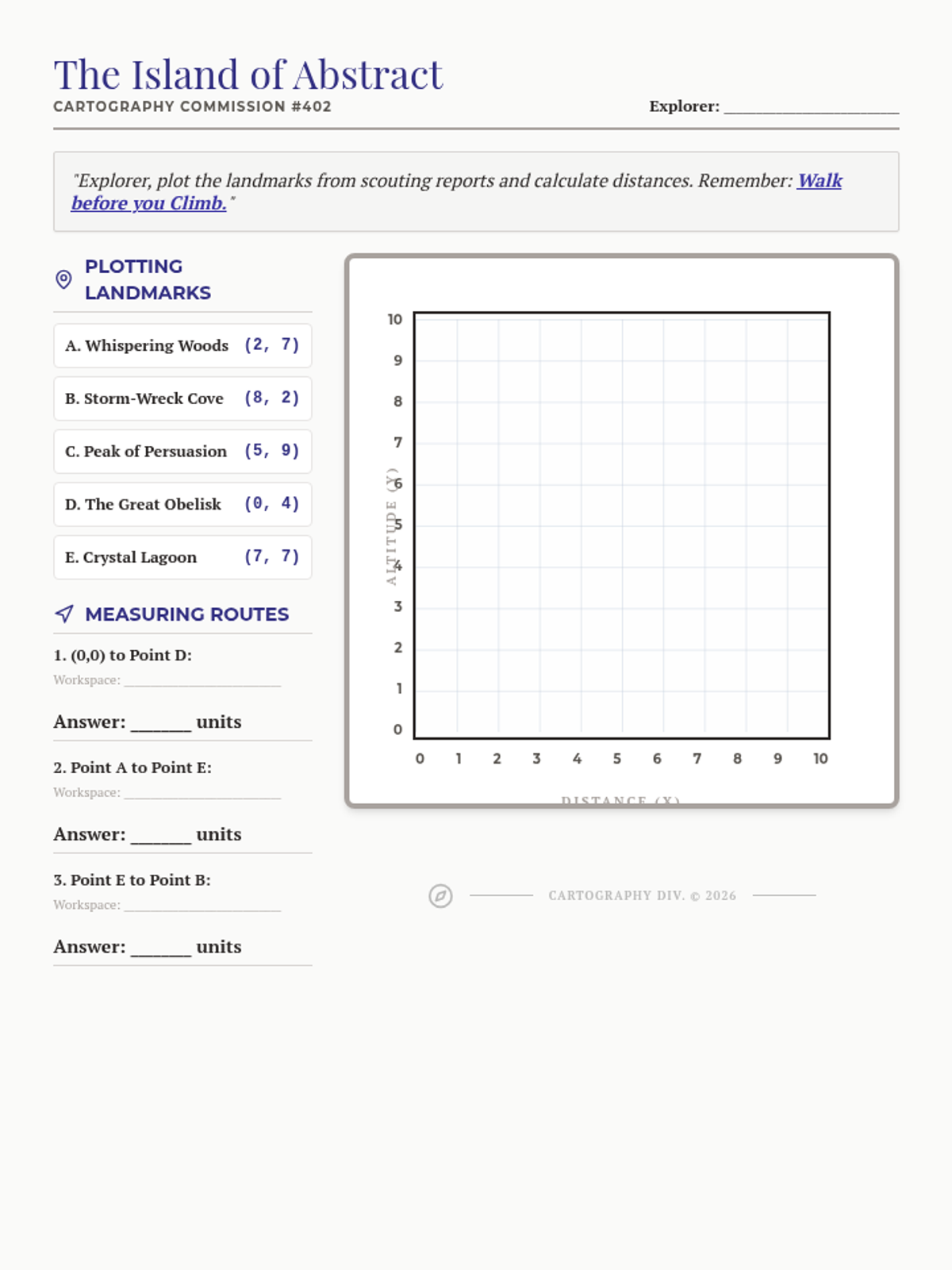
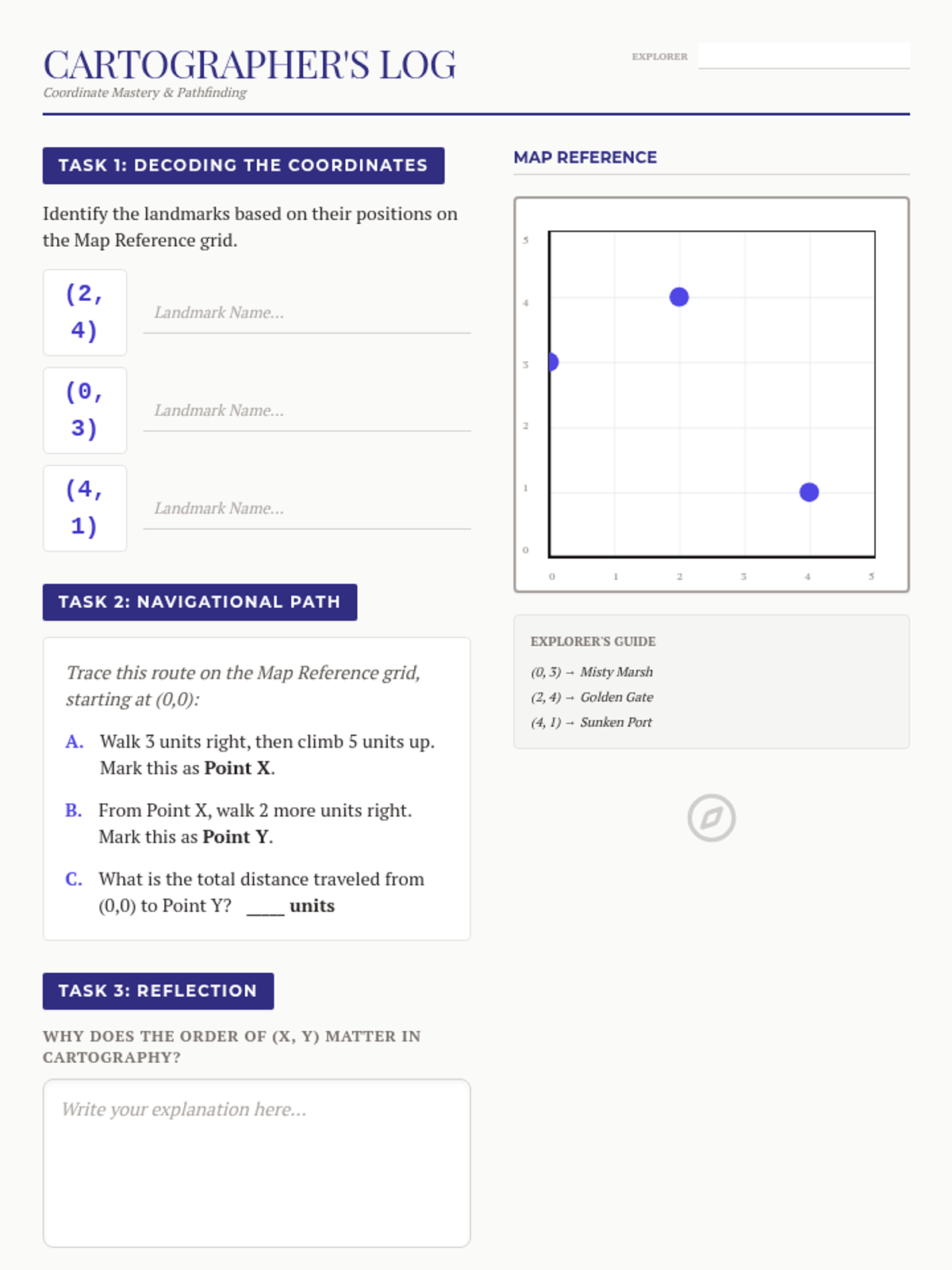
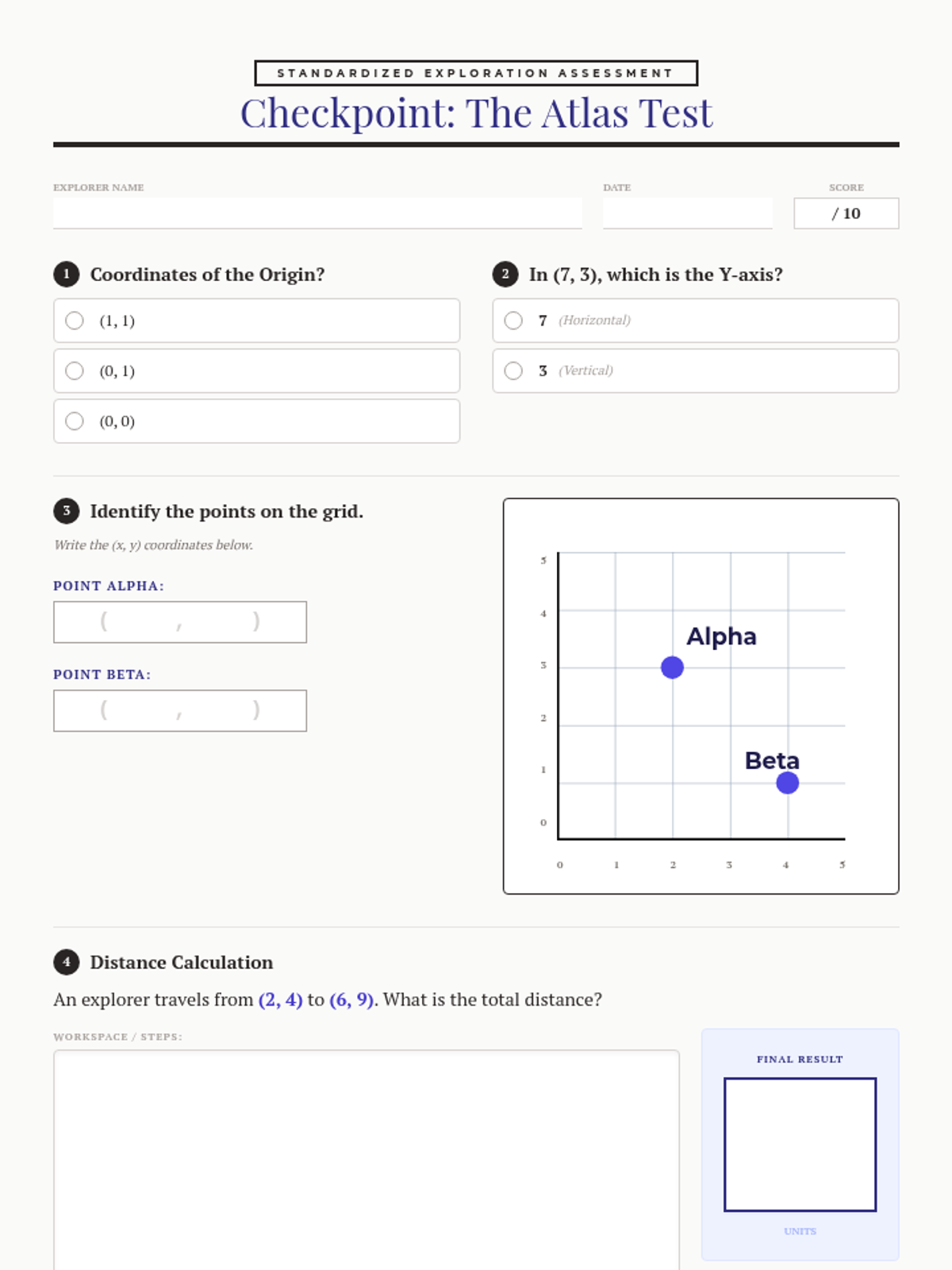
Students explore the coordinate plane through the lens of cartography, mapping imaginary landscapes using ordered pairs and calculating distances between landmarks.
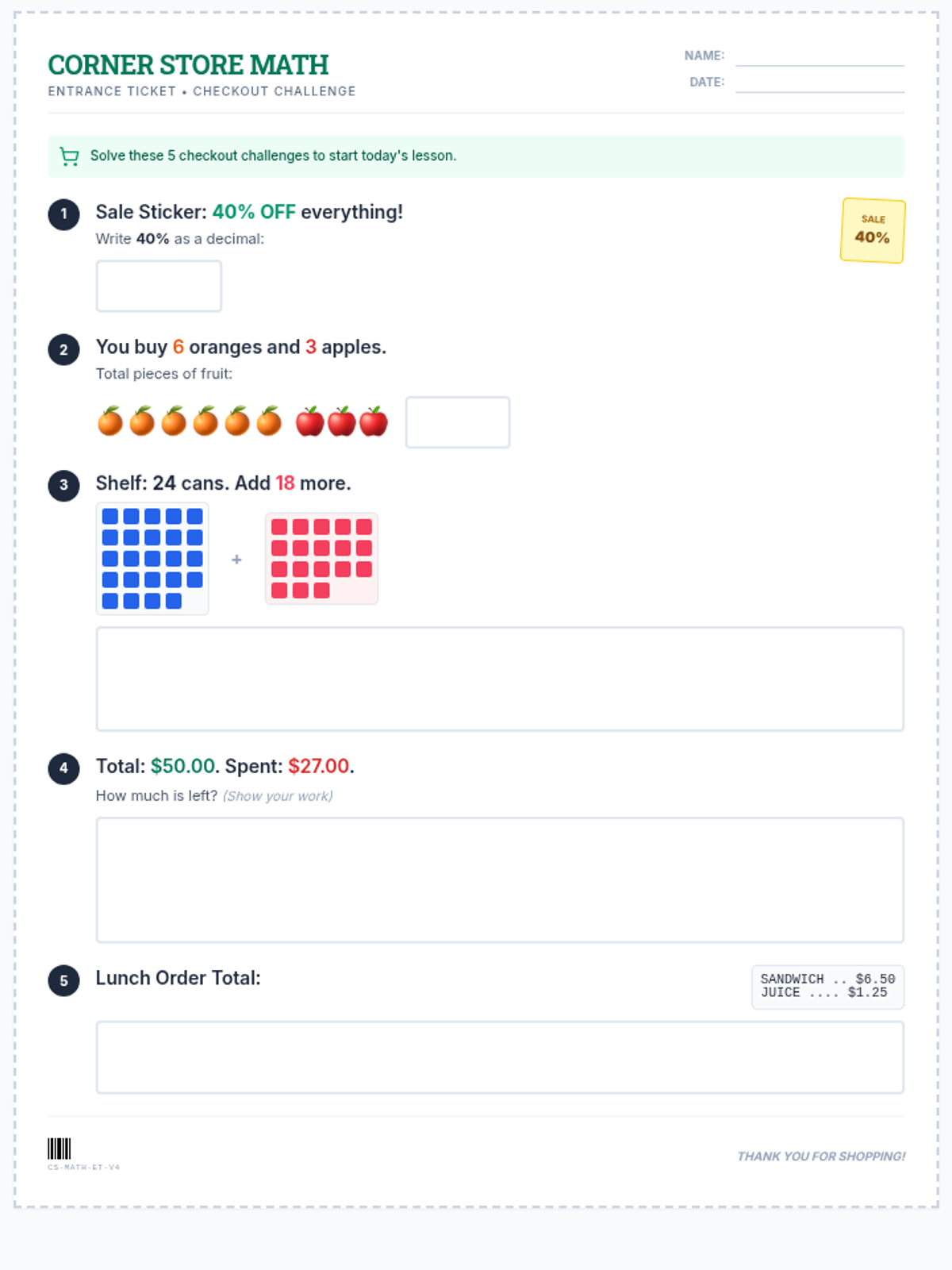
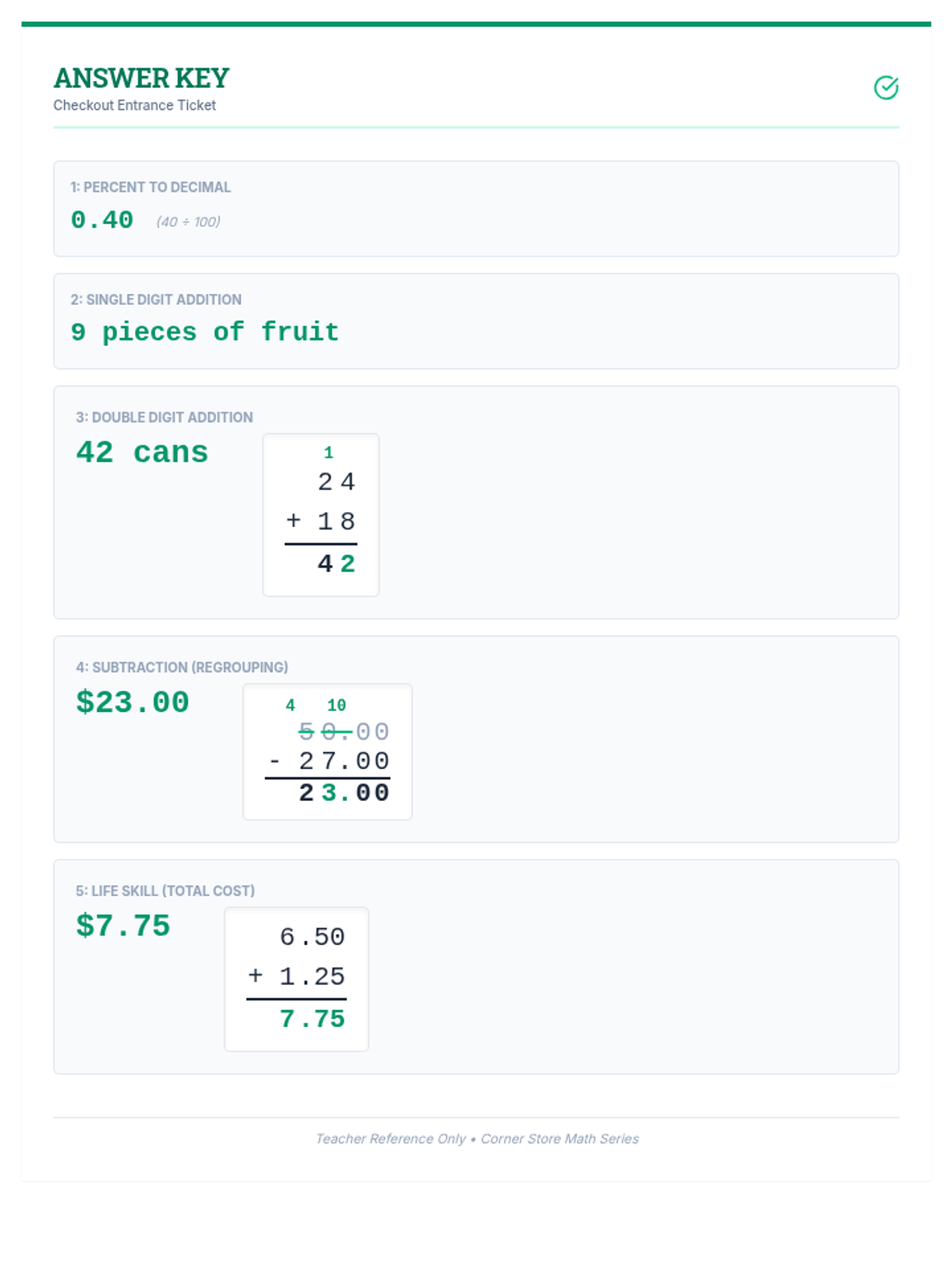
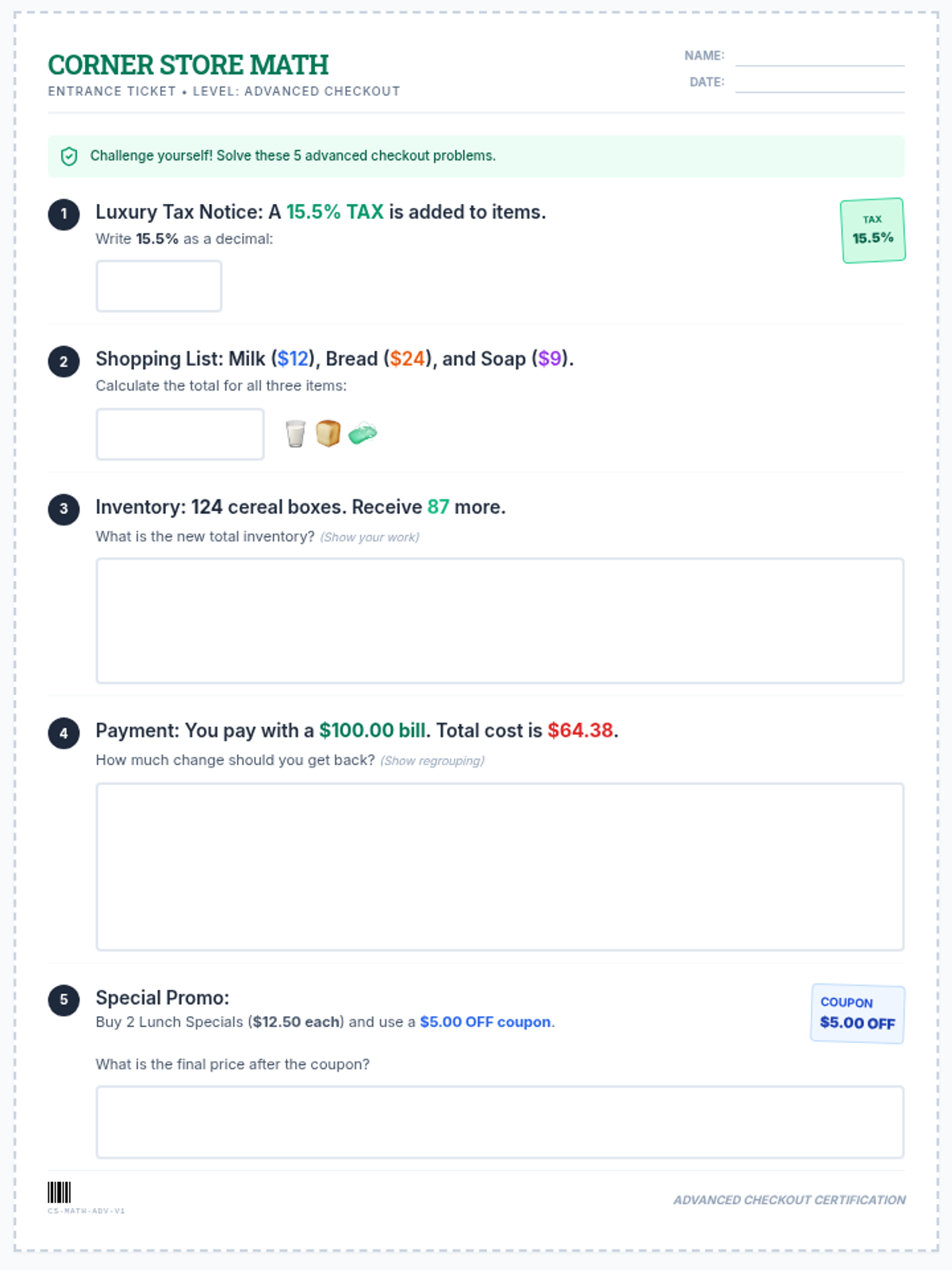
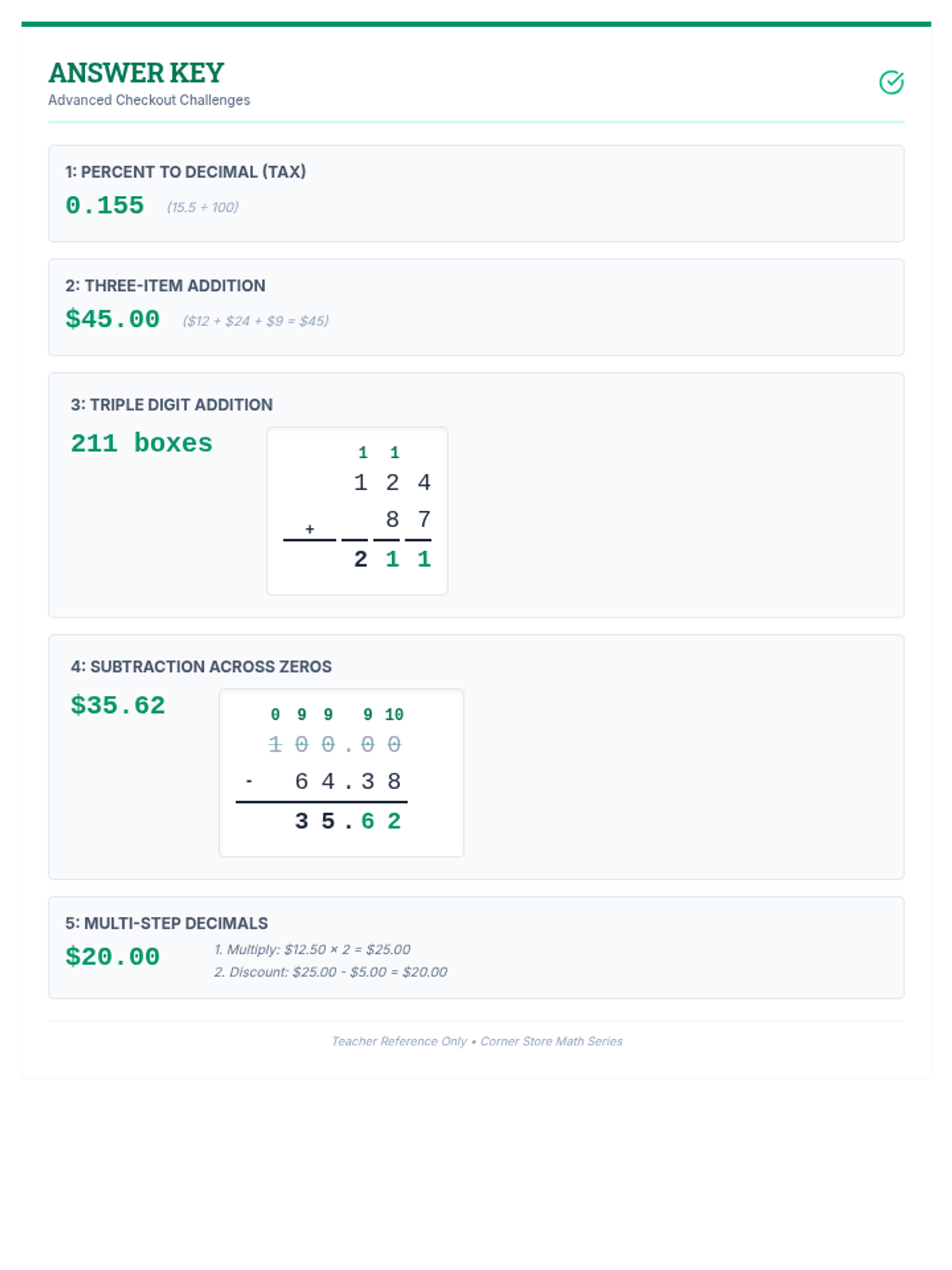
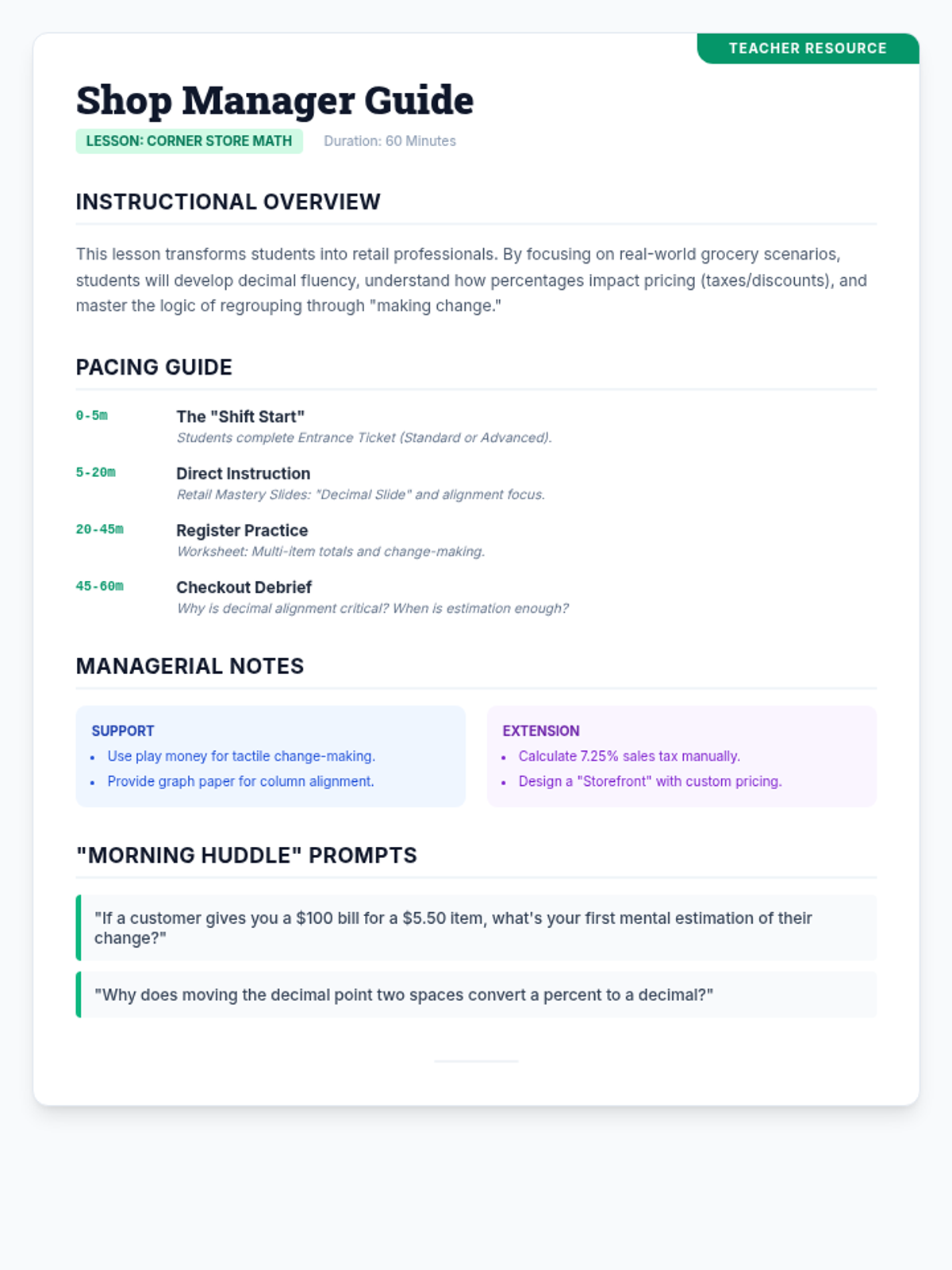
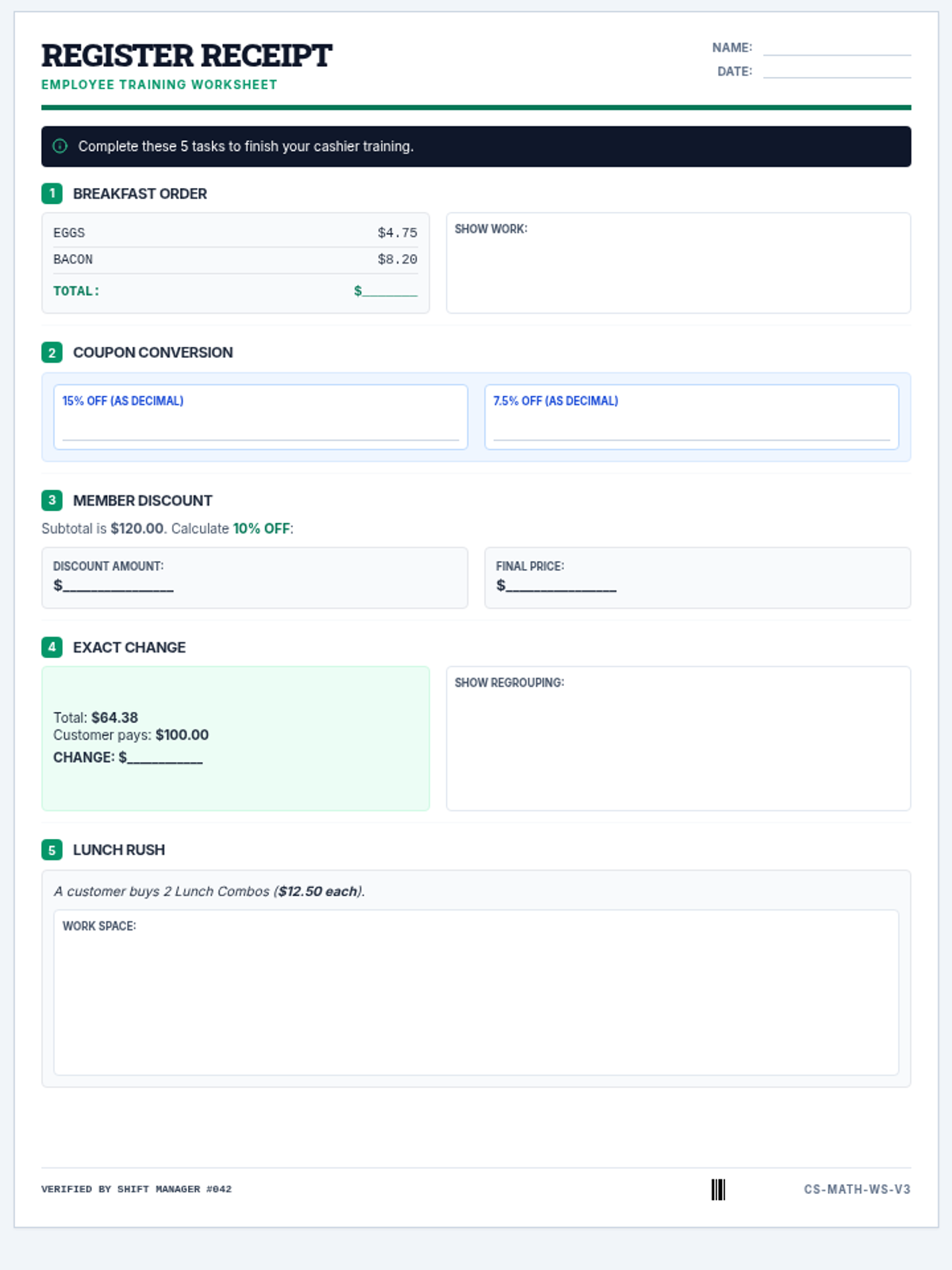
This lesson focuses on practical math applications in a retail setting, covering decimals, percentages, and basic arithmetic with a focus on money management.
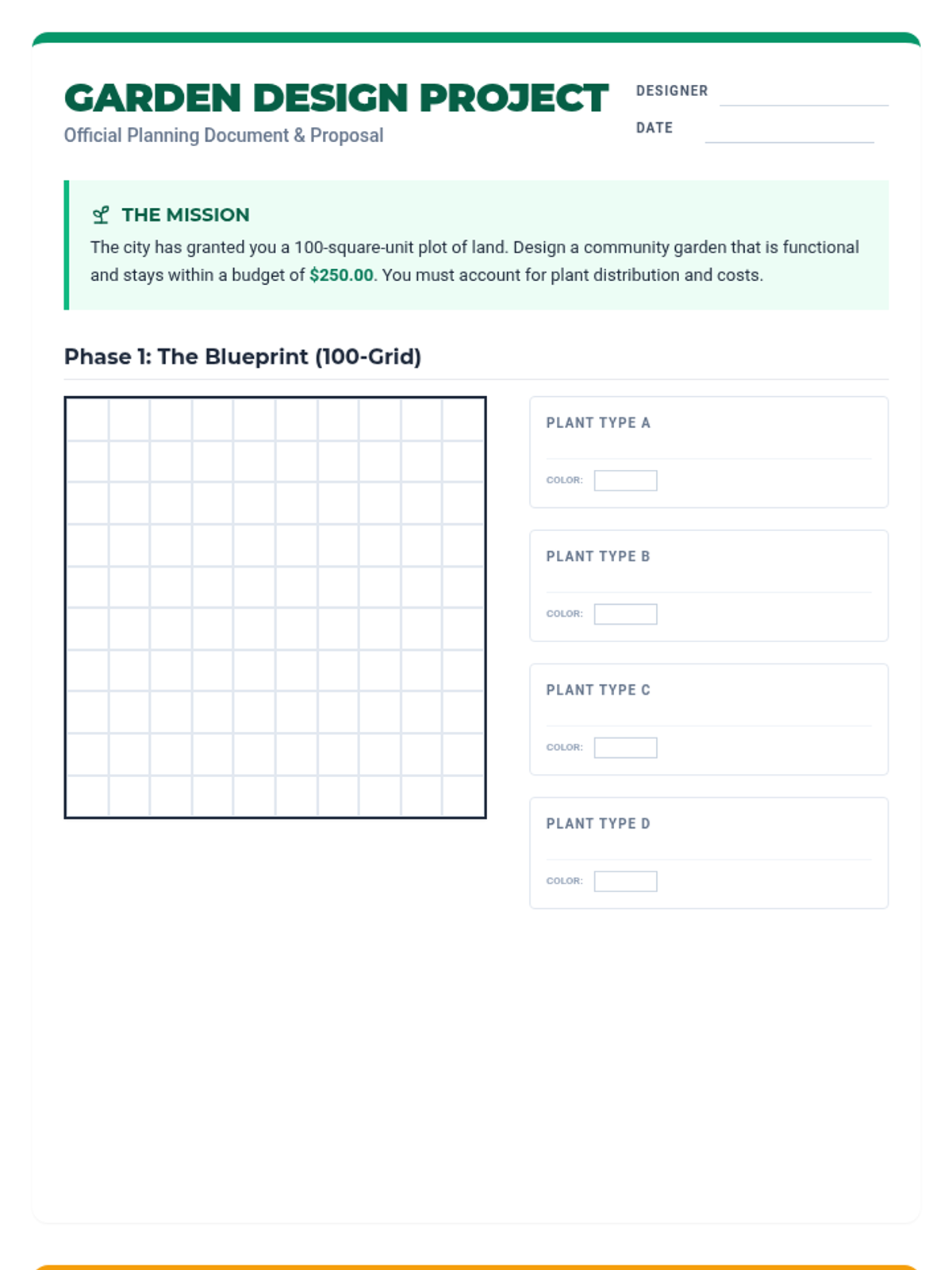
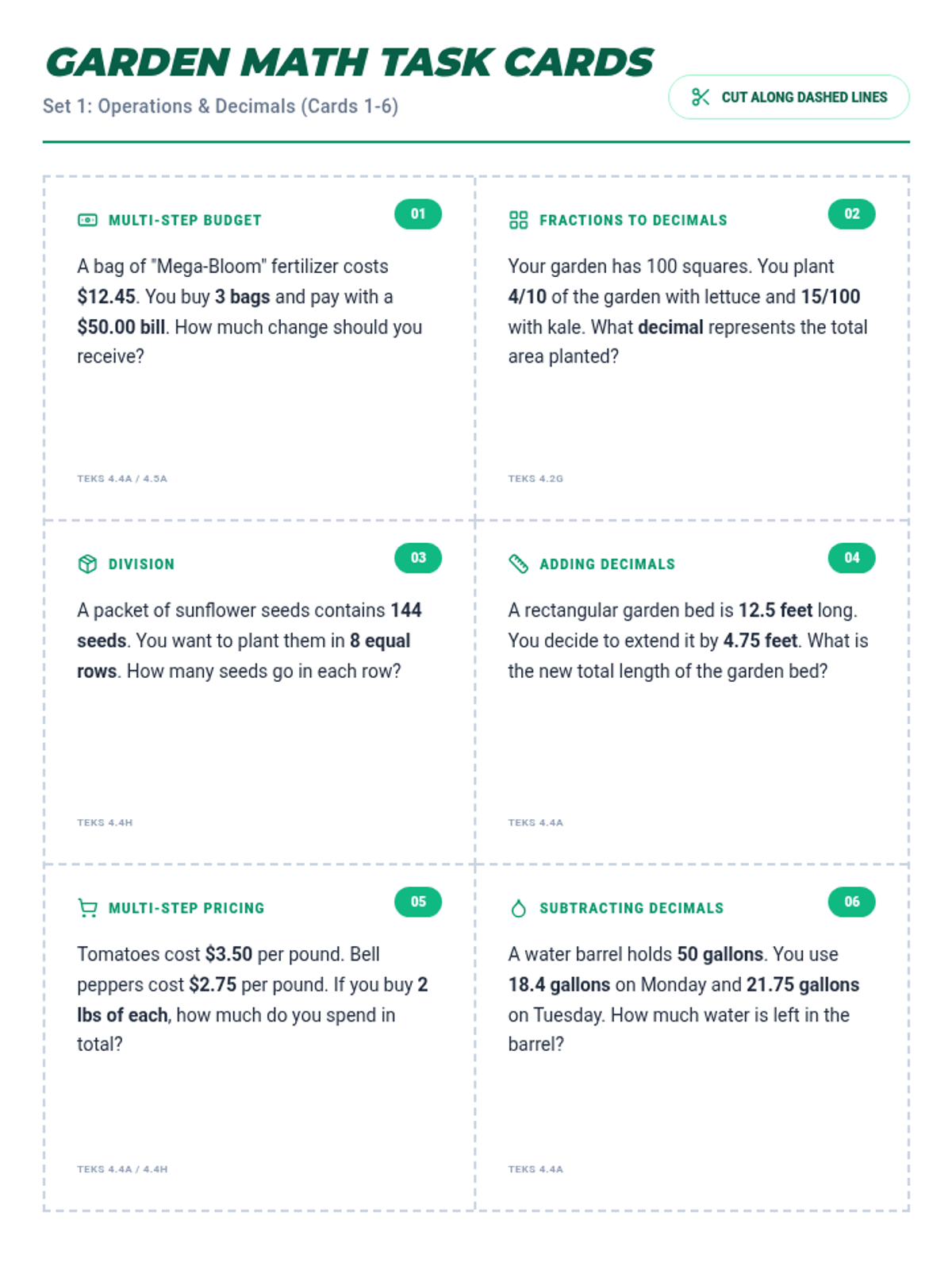
A math-focused project where students step into the role of garden designers to plan a community space while mastering multi-step word problems, decimal operations, and the relationship between fractions and decimals.
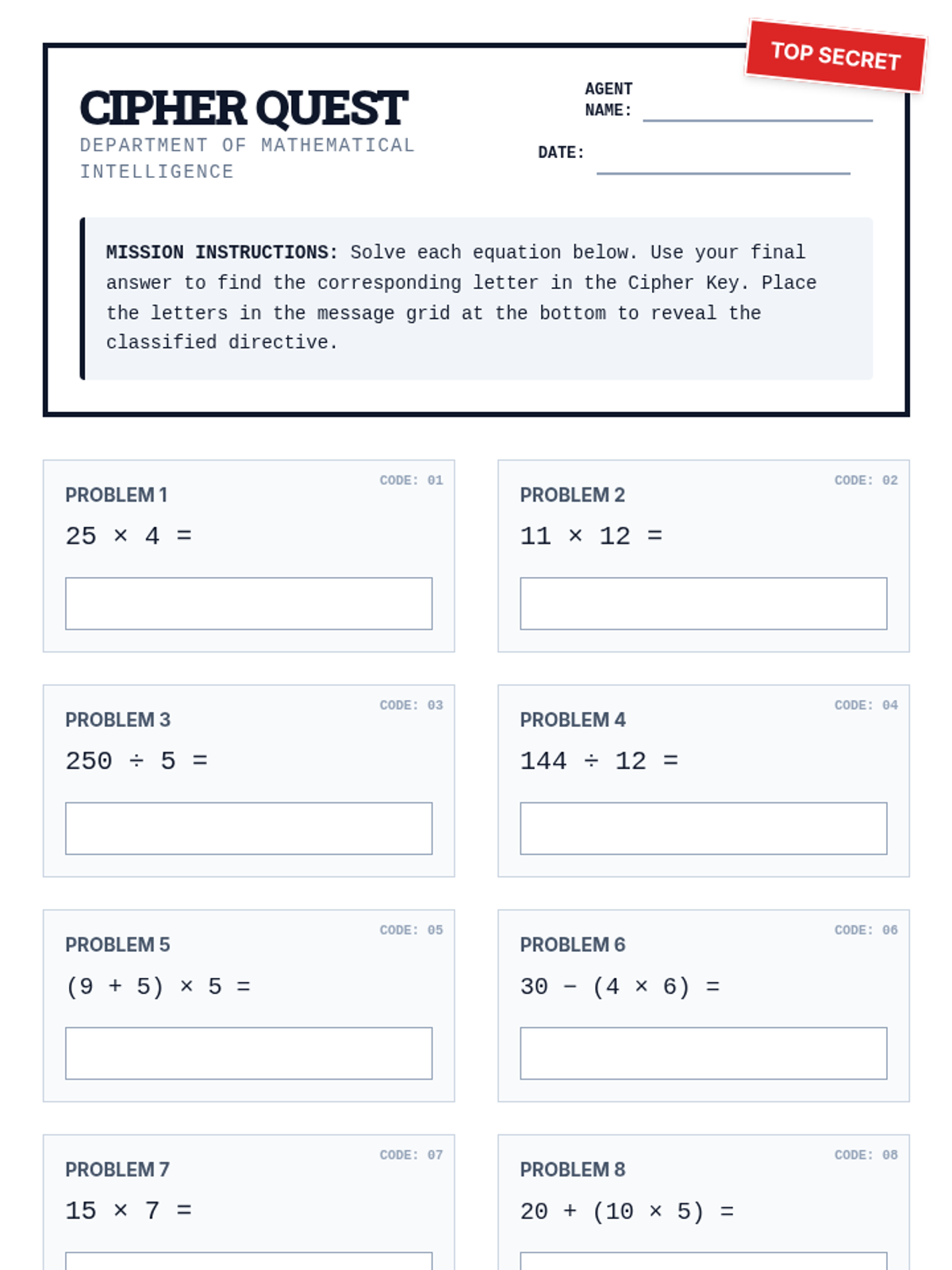
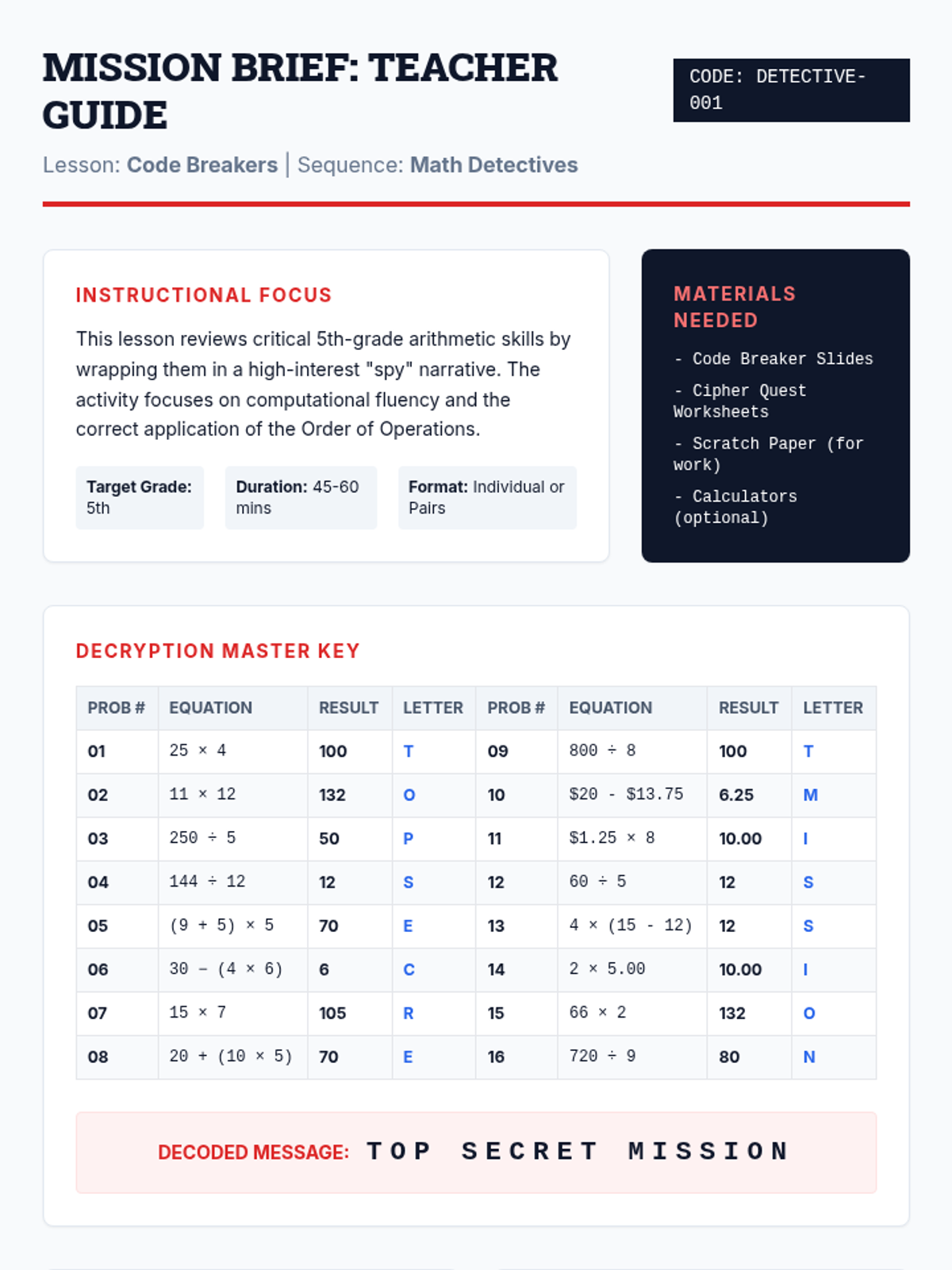
An engaging introduction to multi-digit multiplication, division, and order of operations through a spy-themed decoding challenge. Students act as 'Math Detectives' to solve a series of problems and reveal a hidden message.
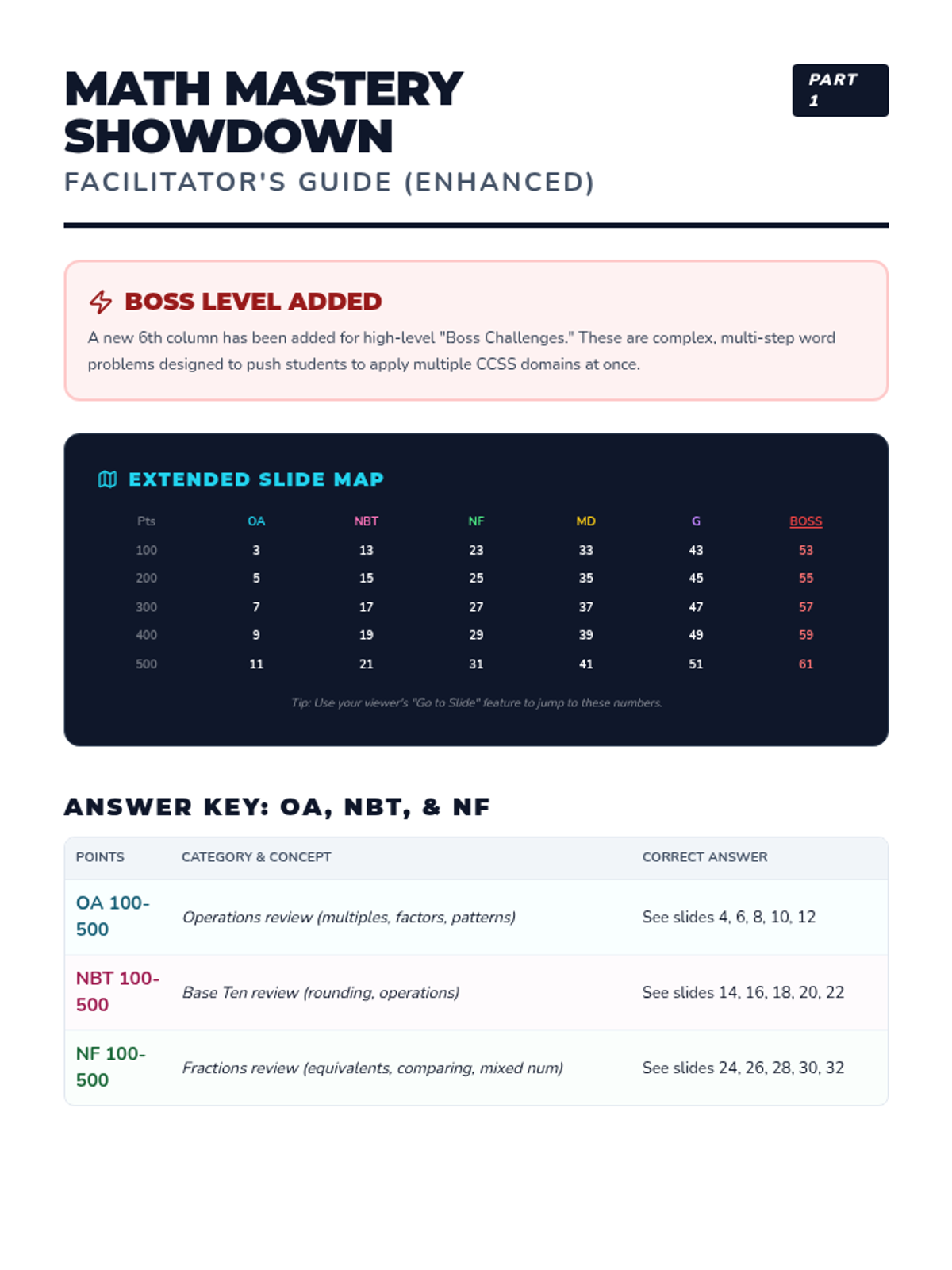
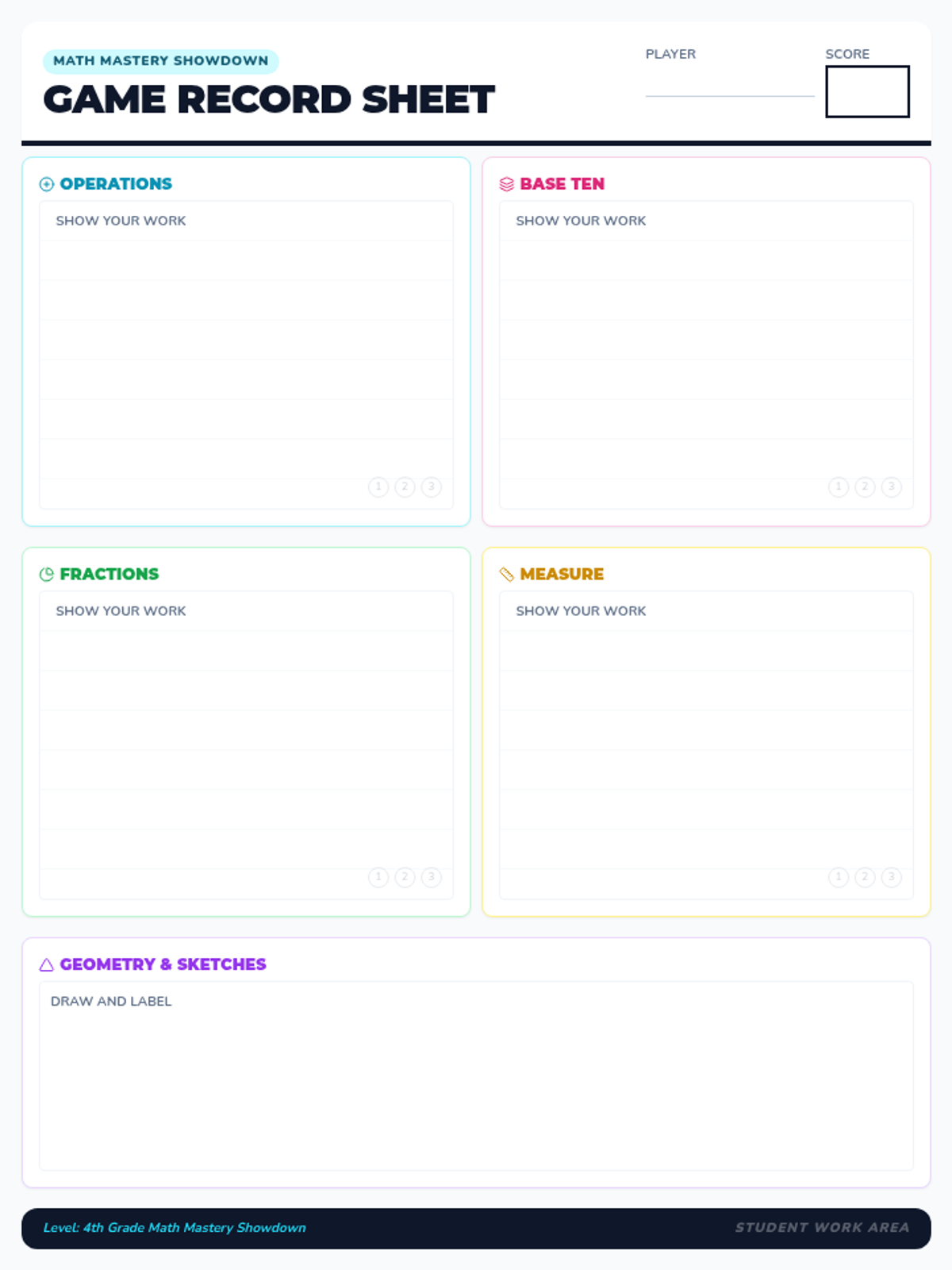
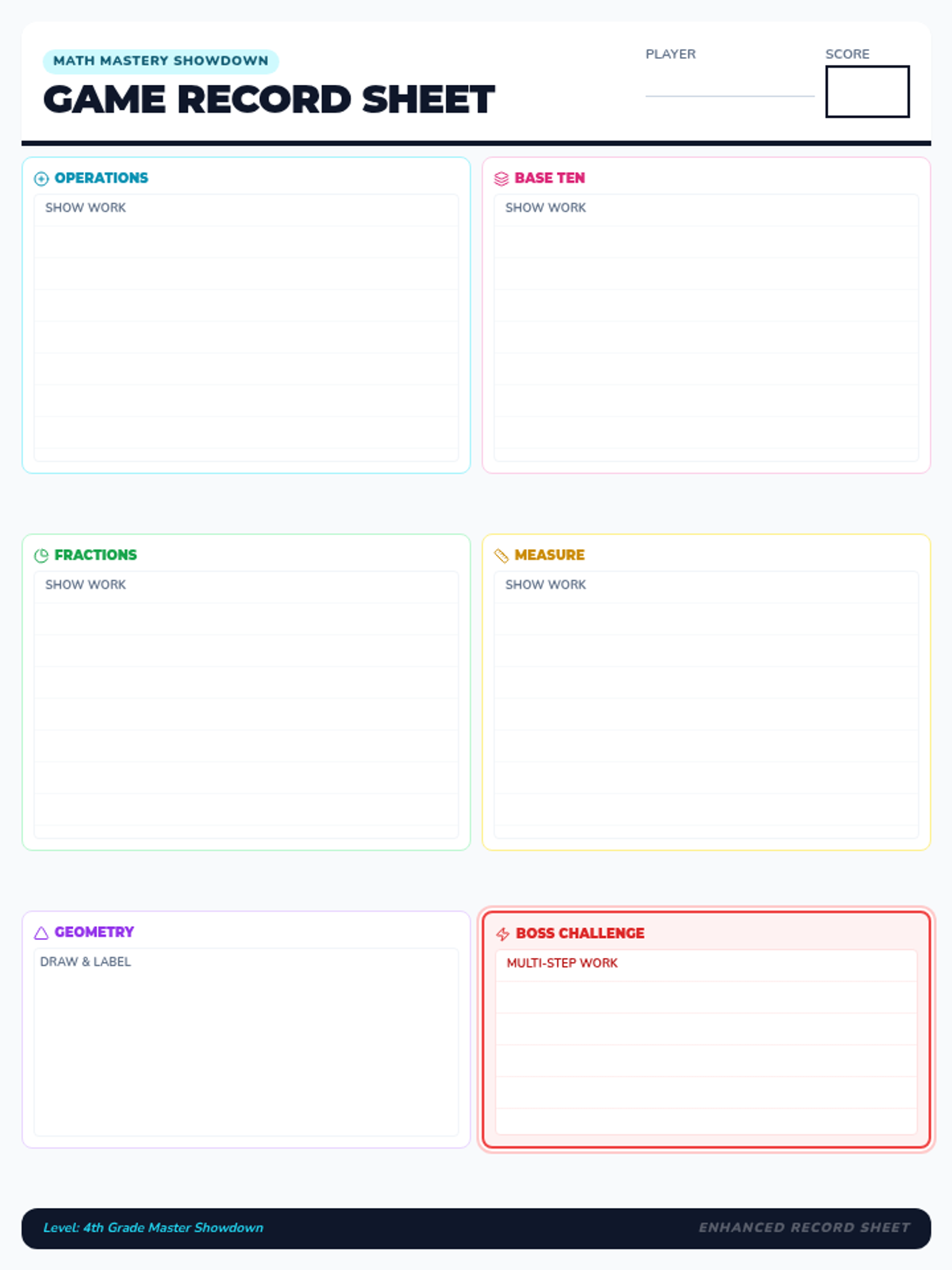
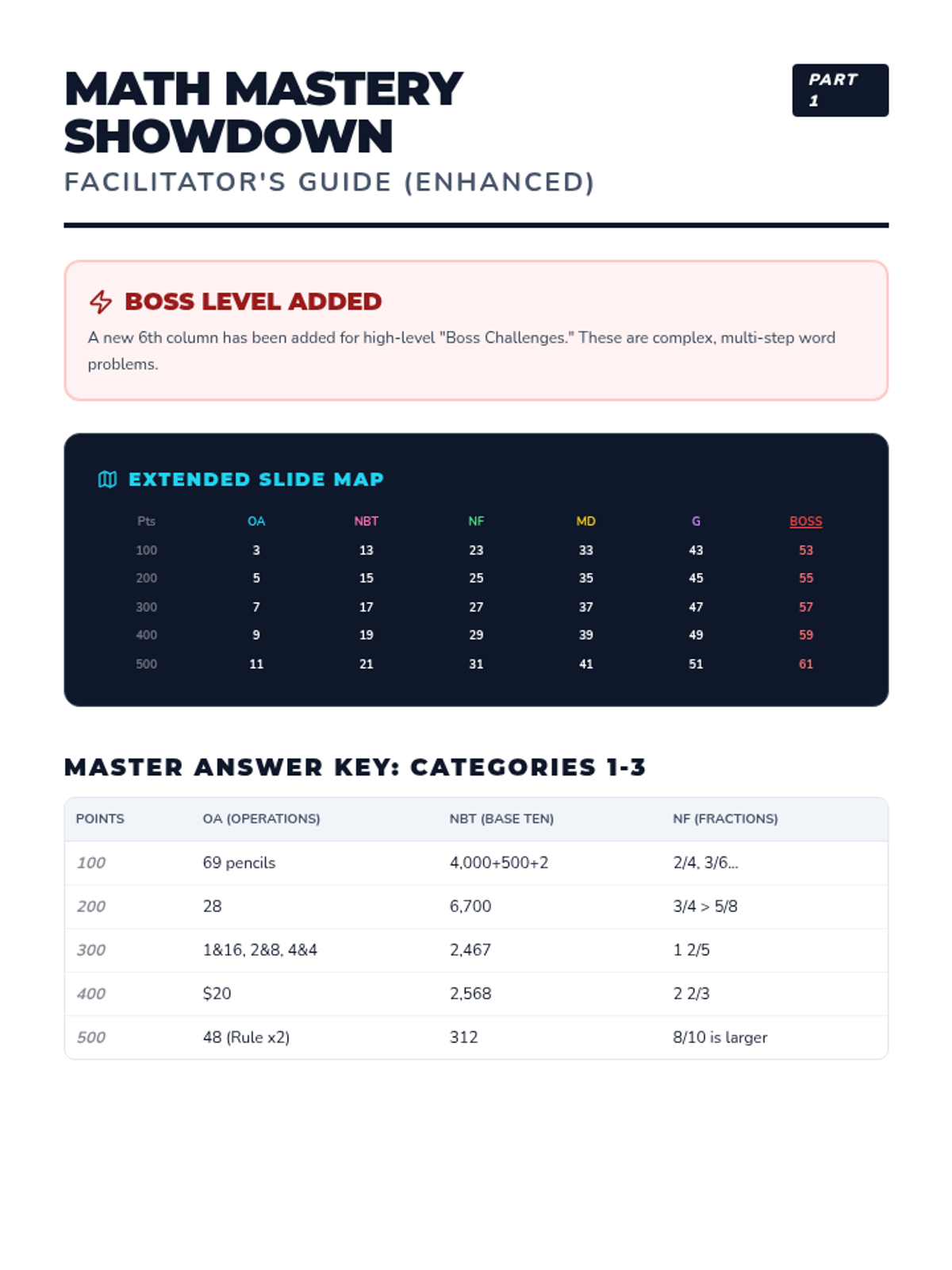
A comprehensive 4th-grade math review using a Jeopardy-style game format covering all Common Core domains: Operations, Base Ten, Fractions, Measurement, and Geometry.
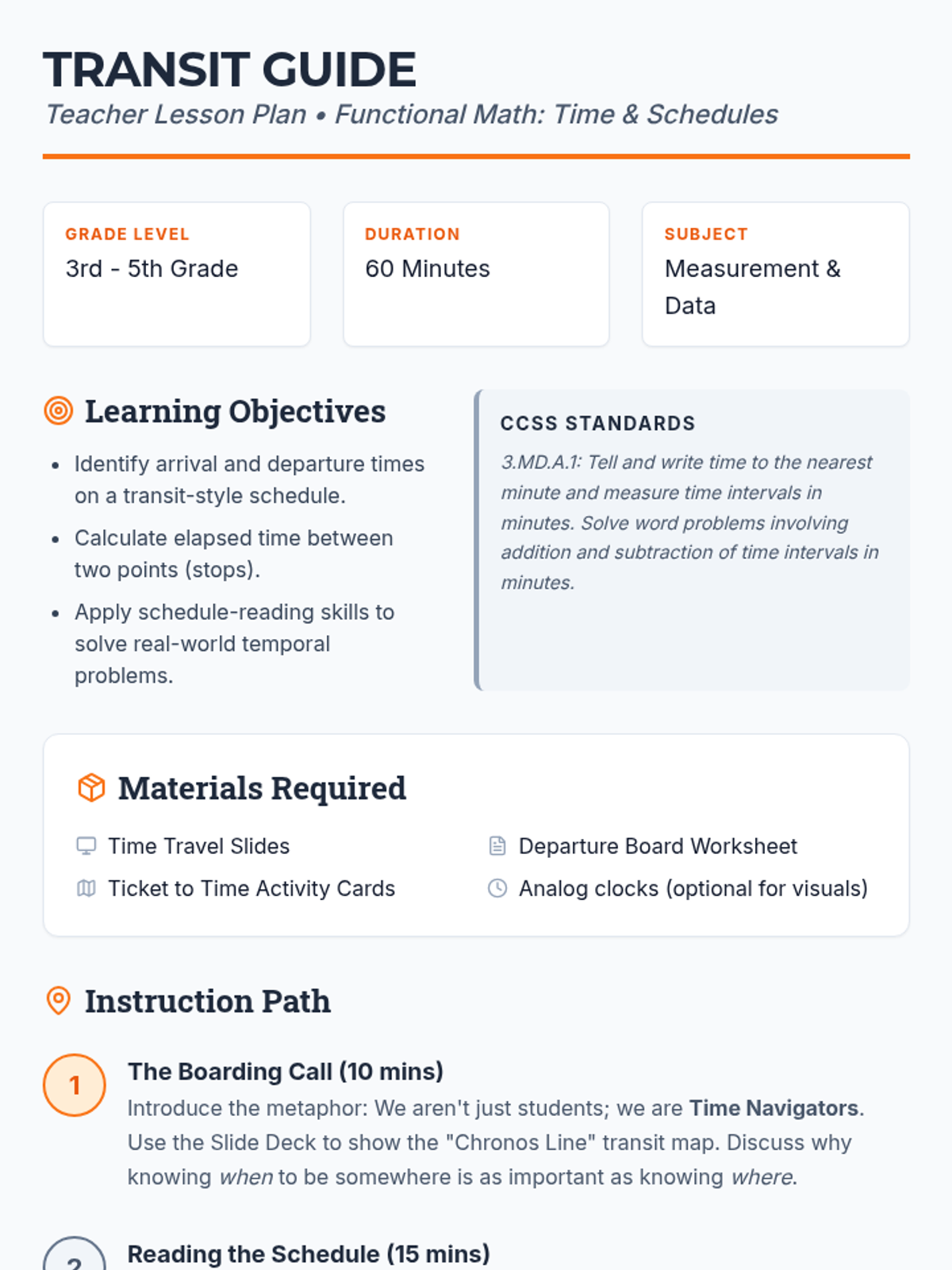
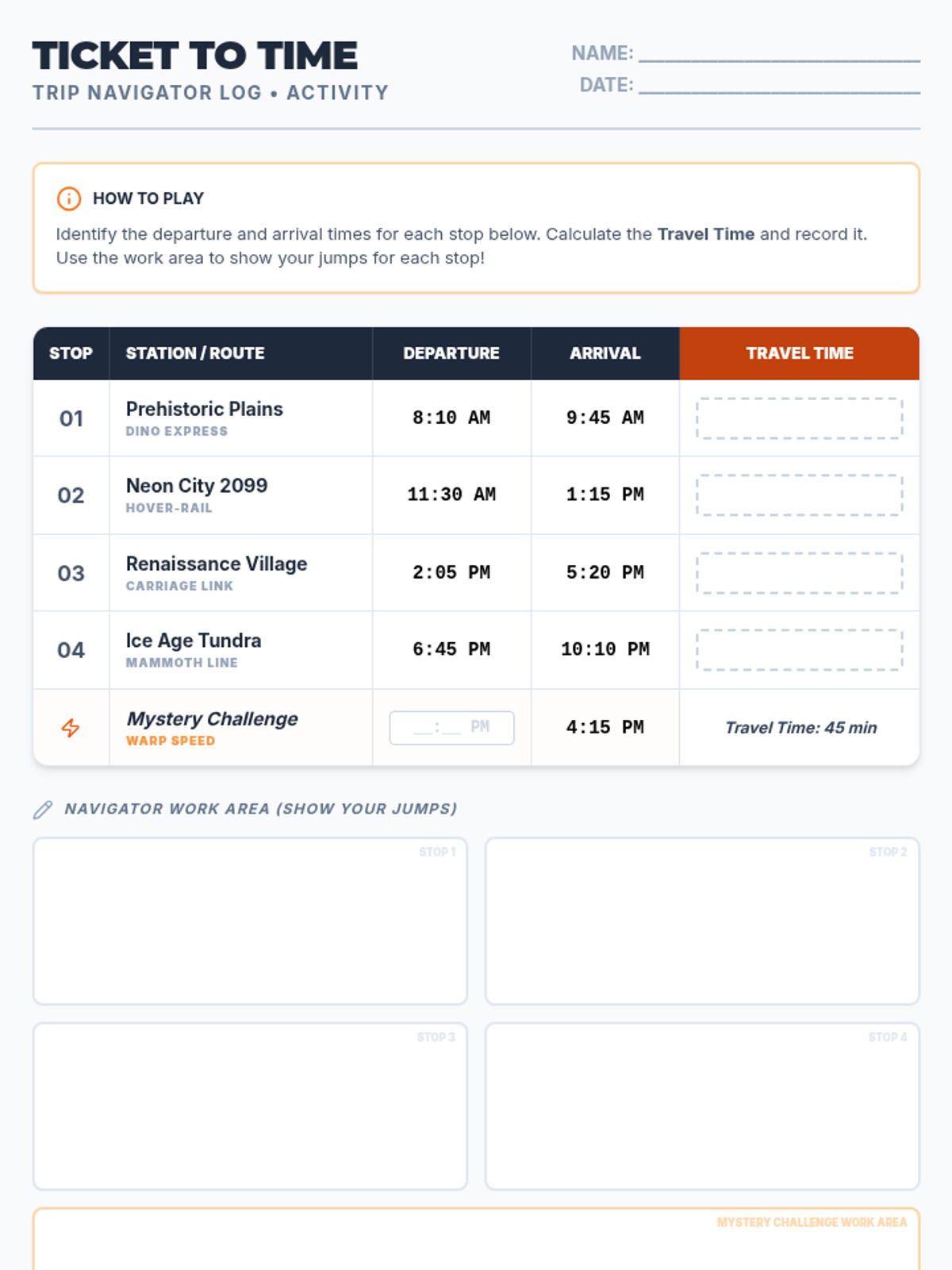
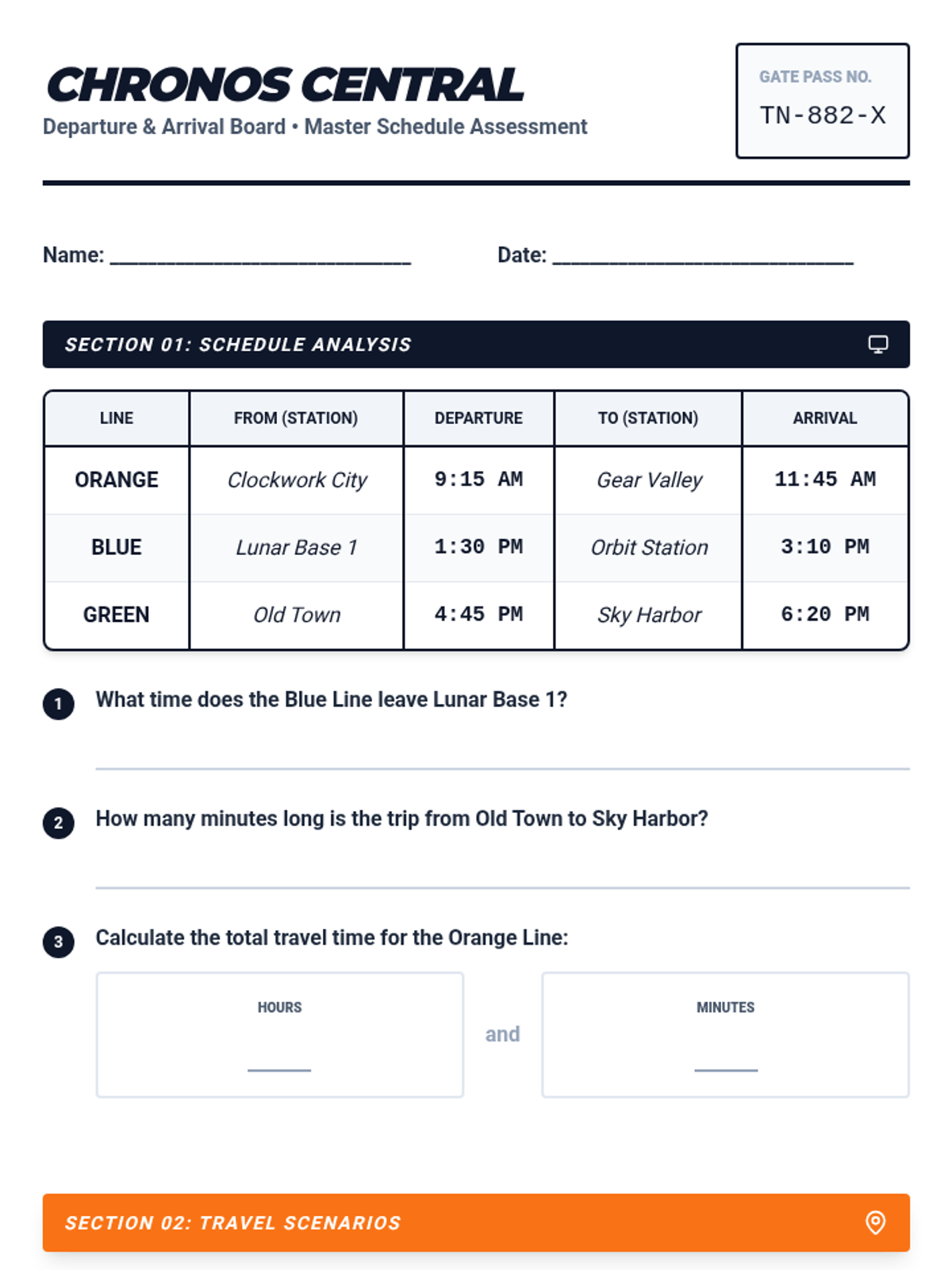
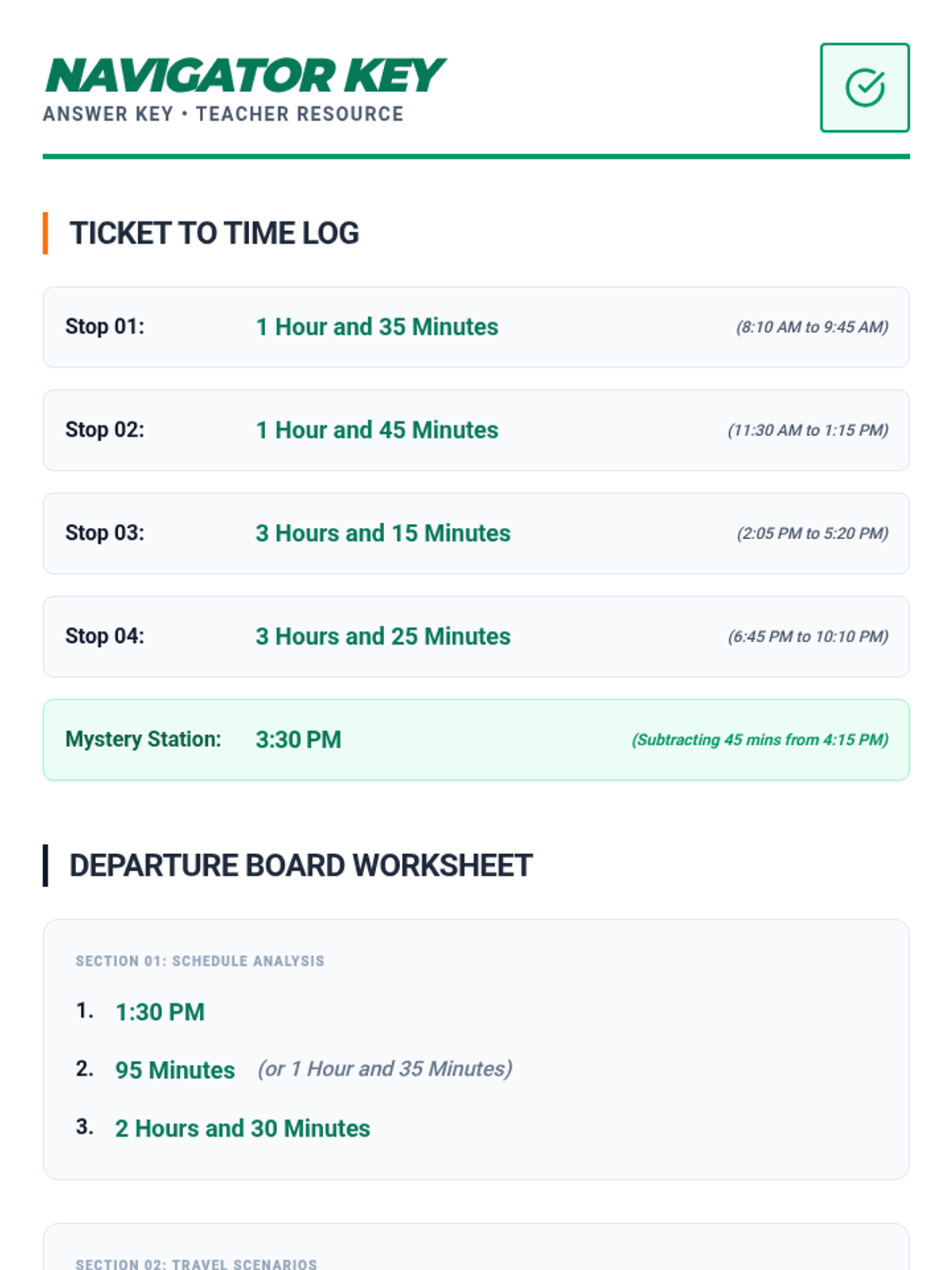
A functional math lesson using a transit map metaphor to teach students how to read schedules and calculate elapsed time, designed for grades 3-5.
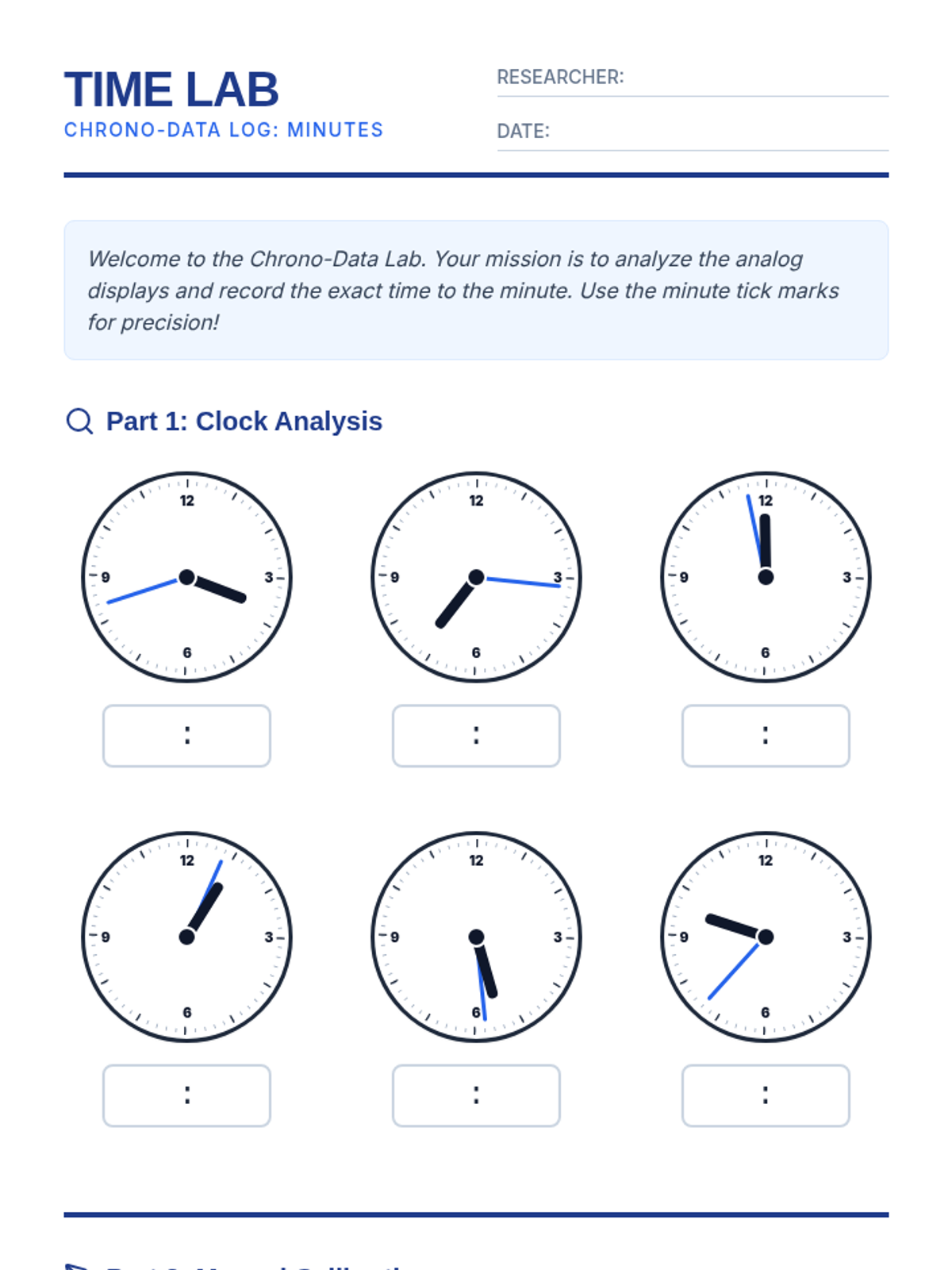
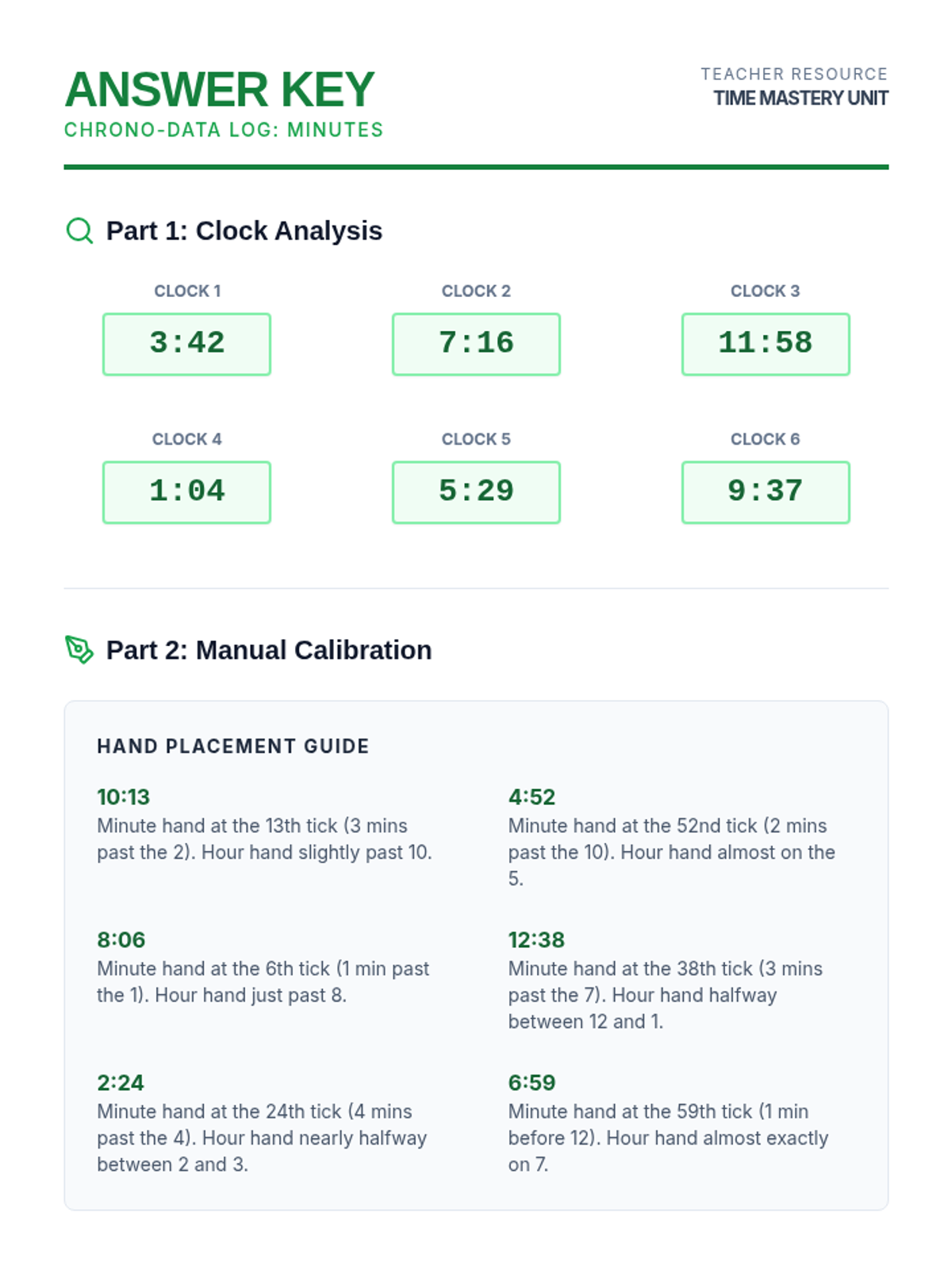
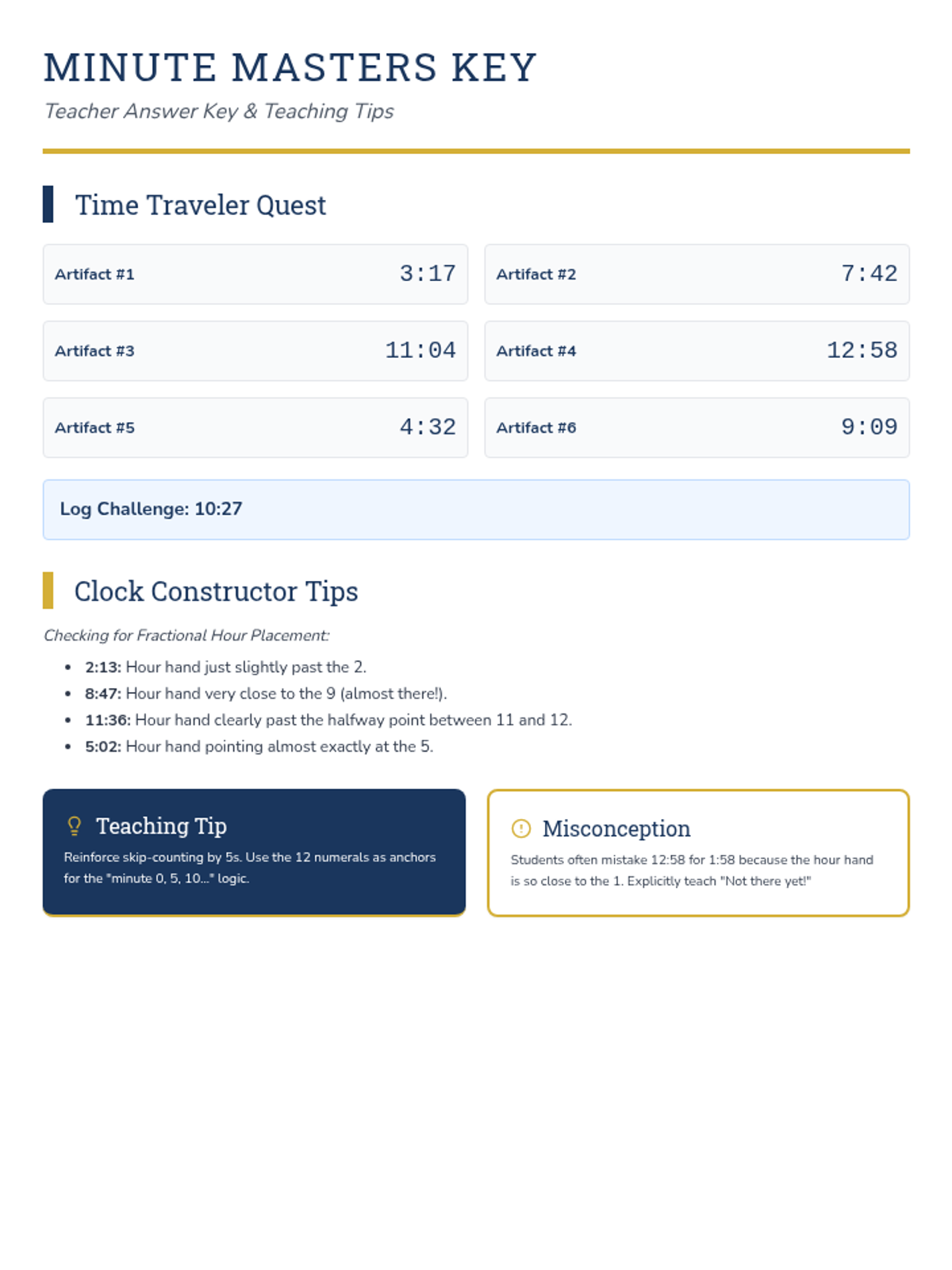
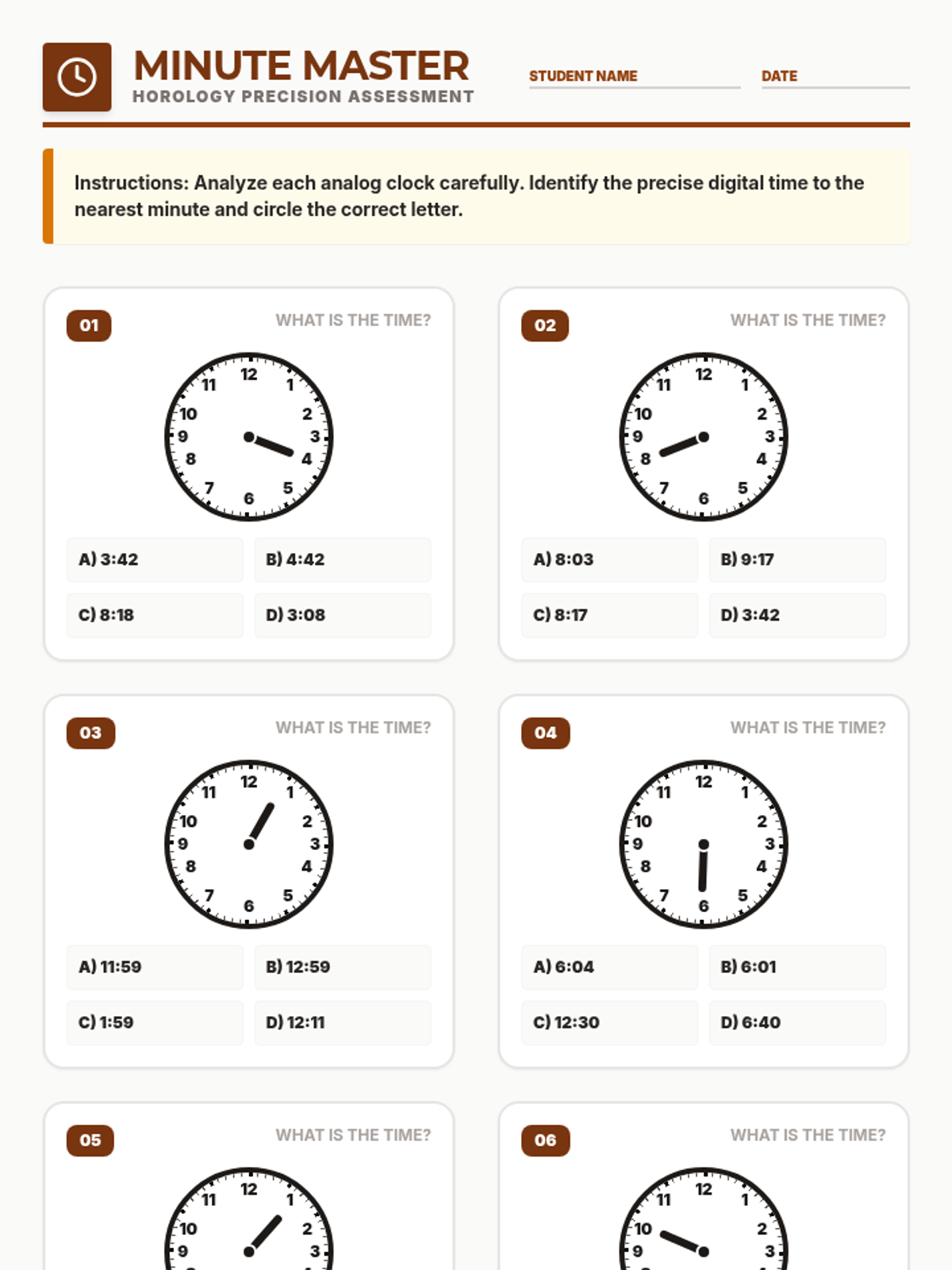
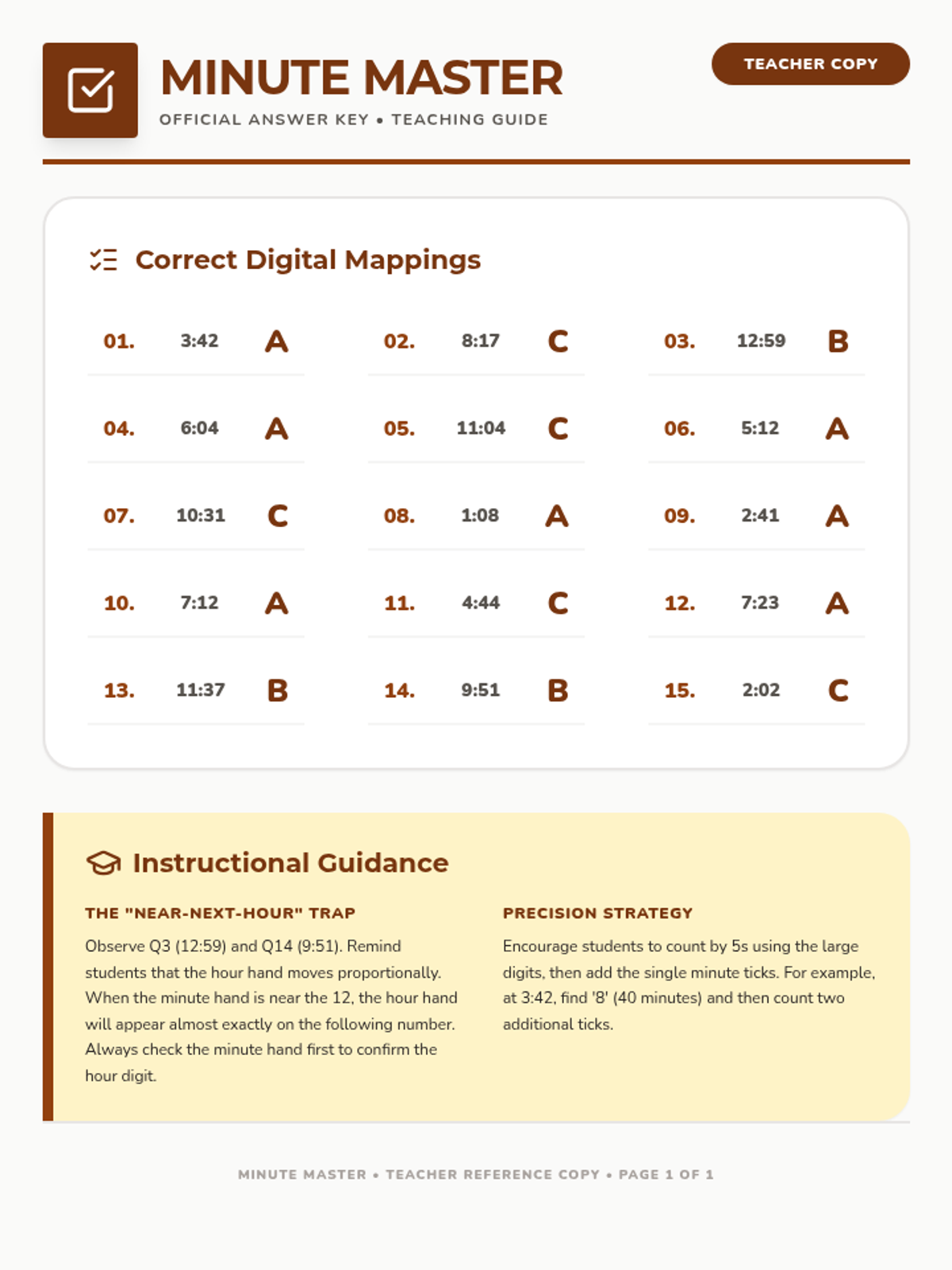
Students will master reading and drawing time on analog clocks to the exact minute through visual analysis and manual practice.
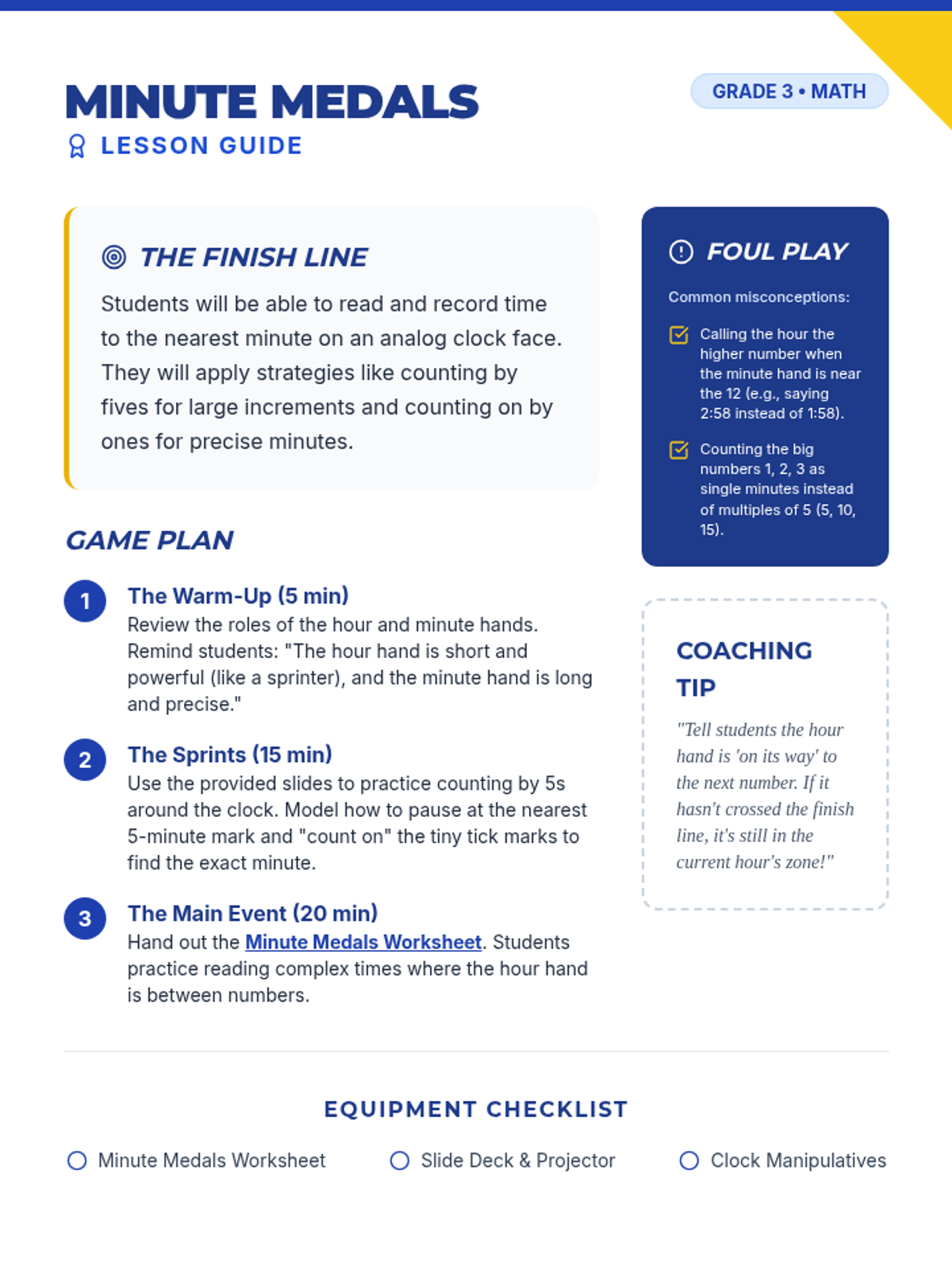
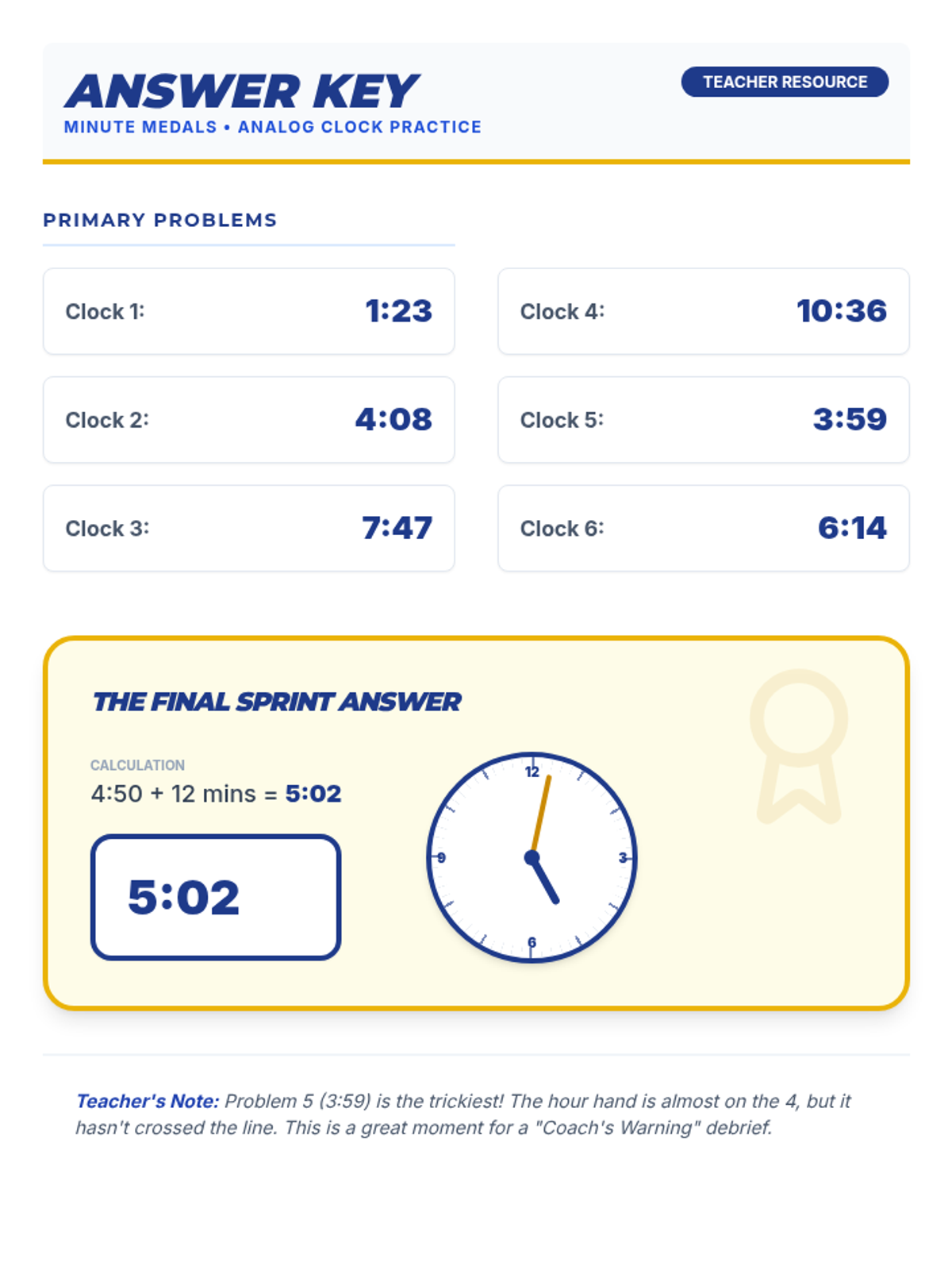
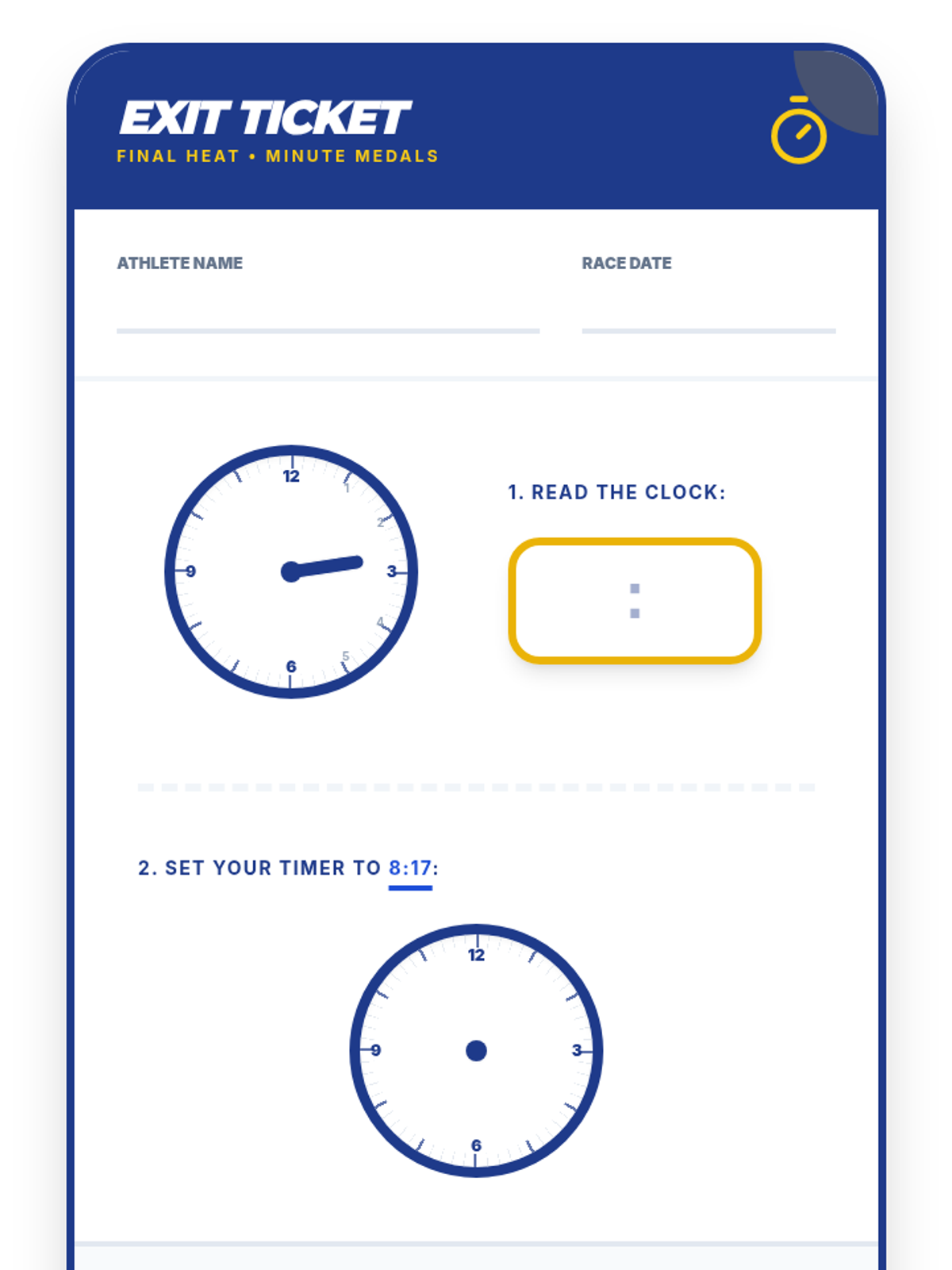
A high-energy, sports-themed lesson focused on mastering the skill of reading analog clocks to the exact minute. Students learn to navigate the clock face like a track, using landmarks and counting on to reach the finish line.
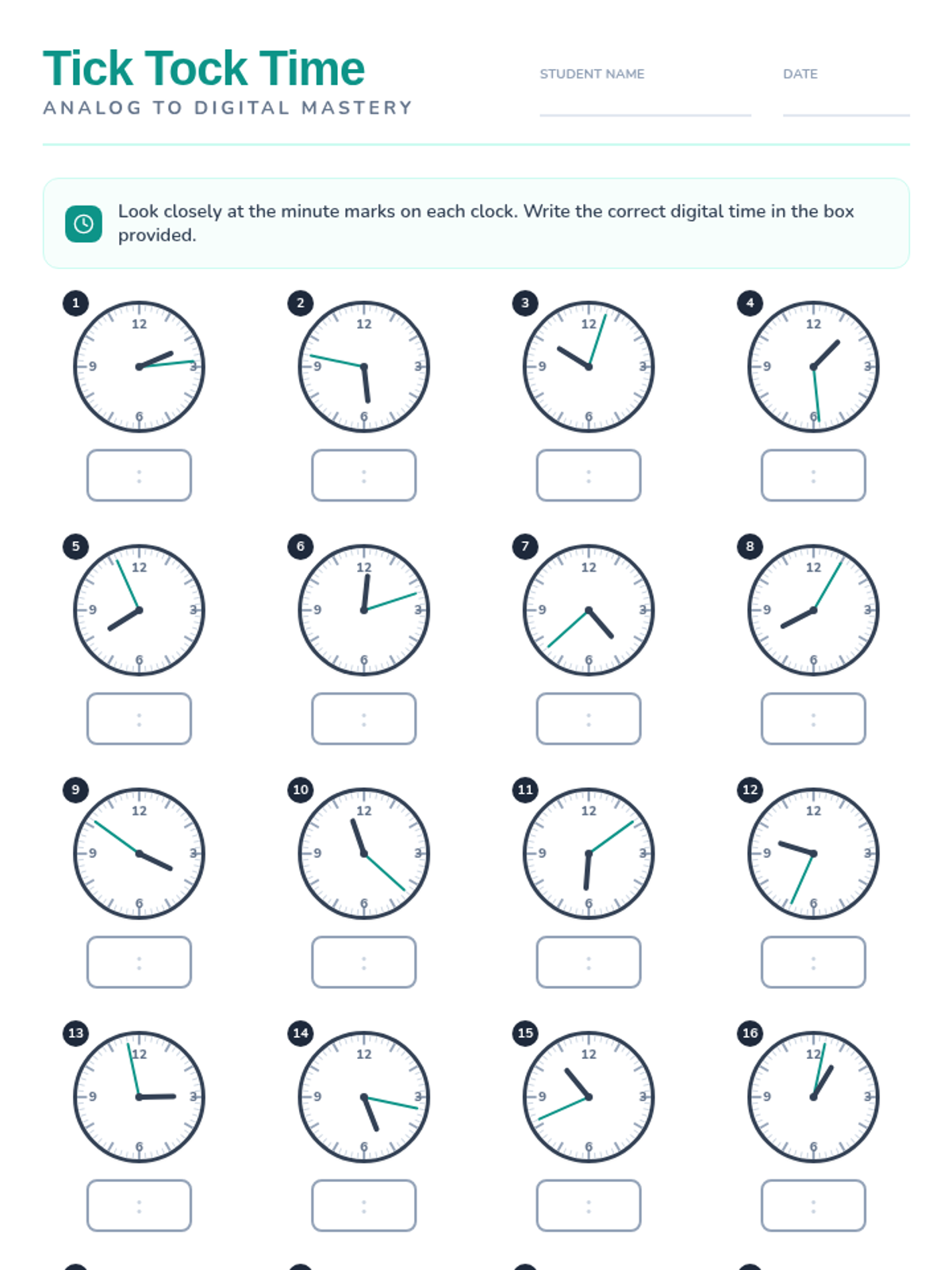
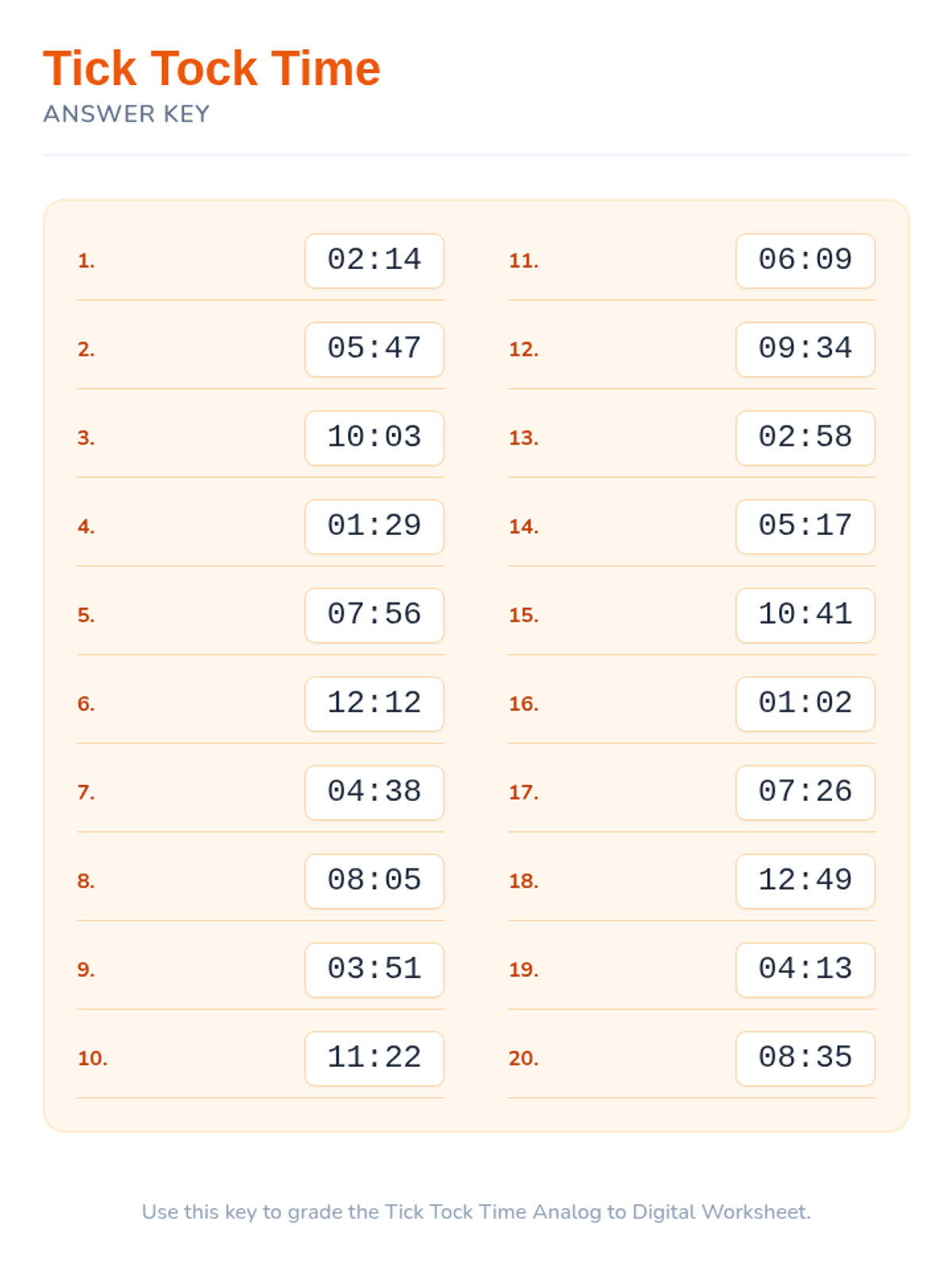
A focused lesson on reading analog clocks to the precise minute and converting them to digital format.
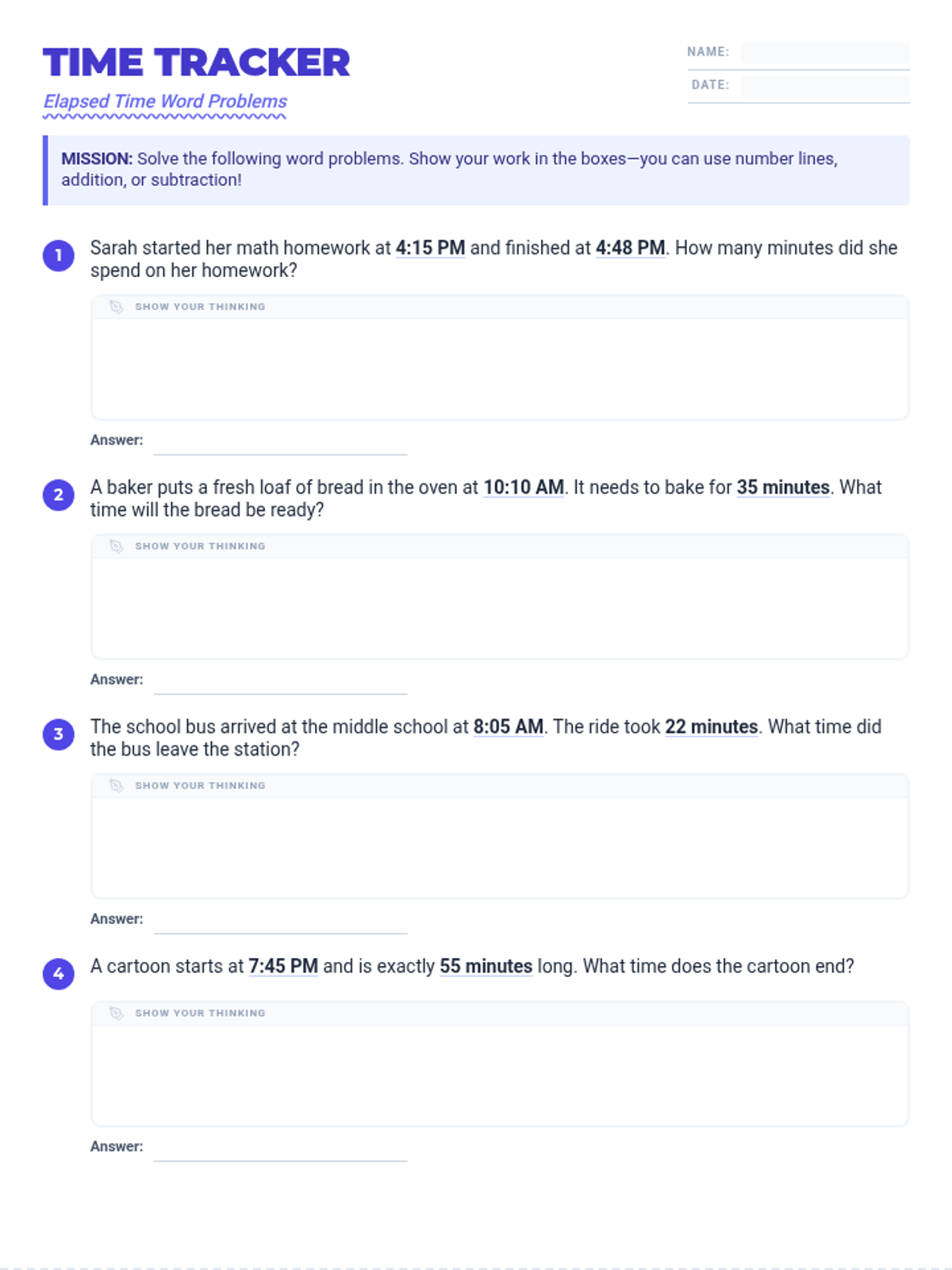
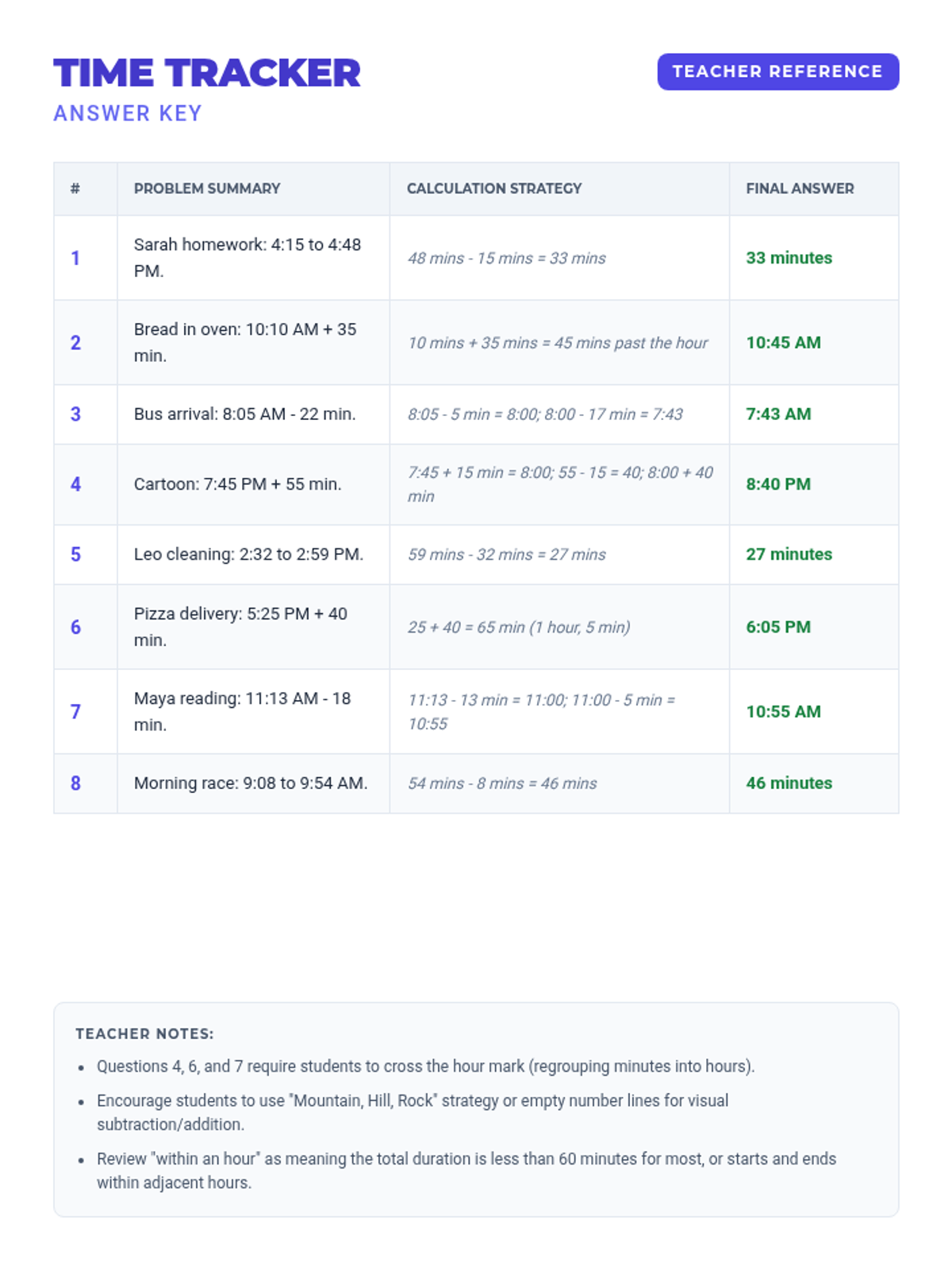
A practice-focused lesson on calculating elapsed time within a single hour, including word problems that cover finding start times, end times, and durations.
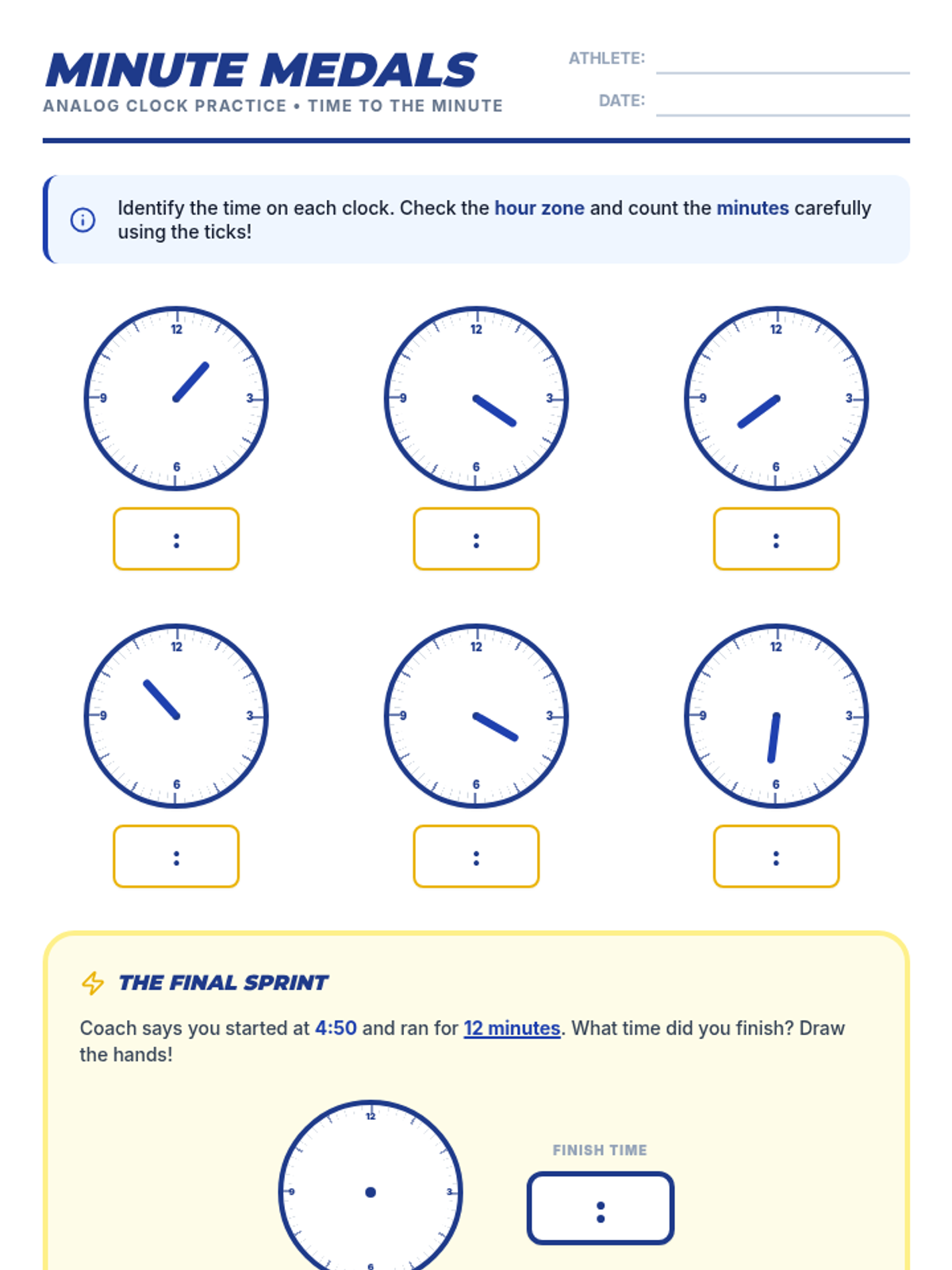
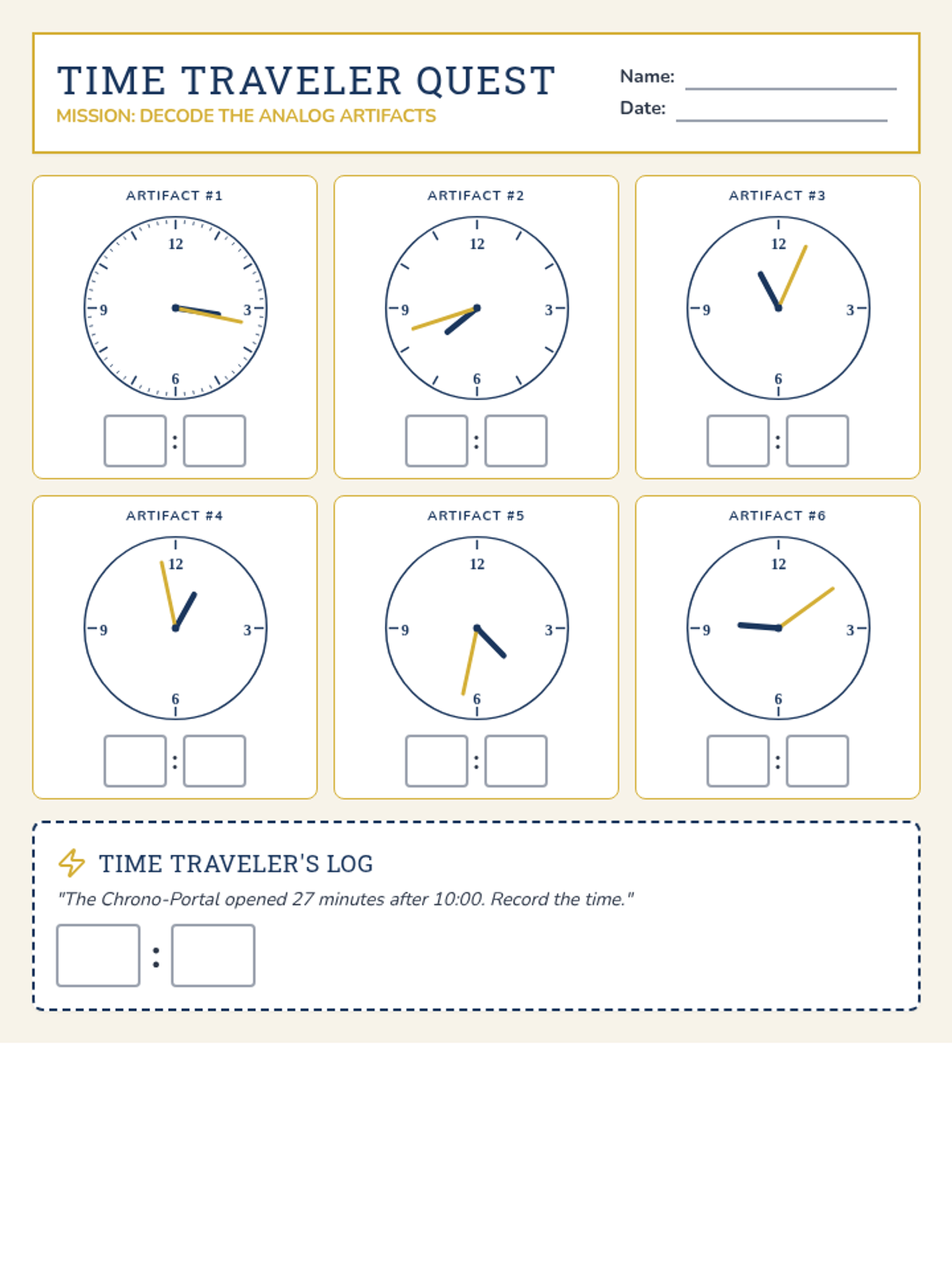
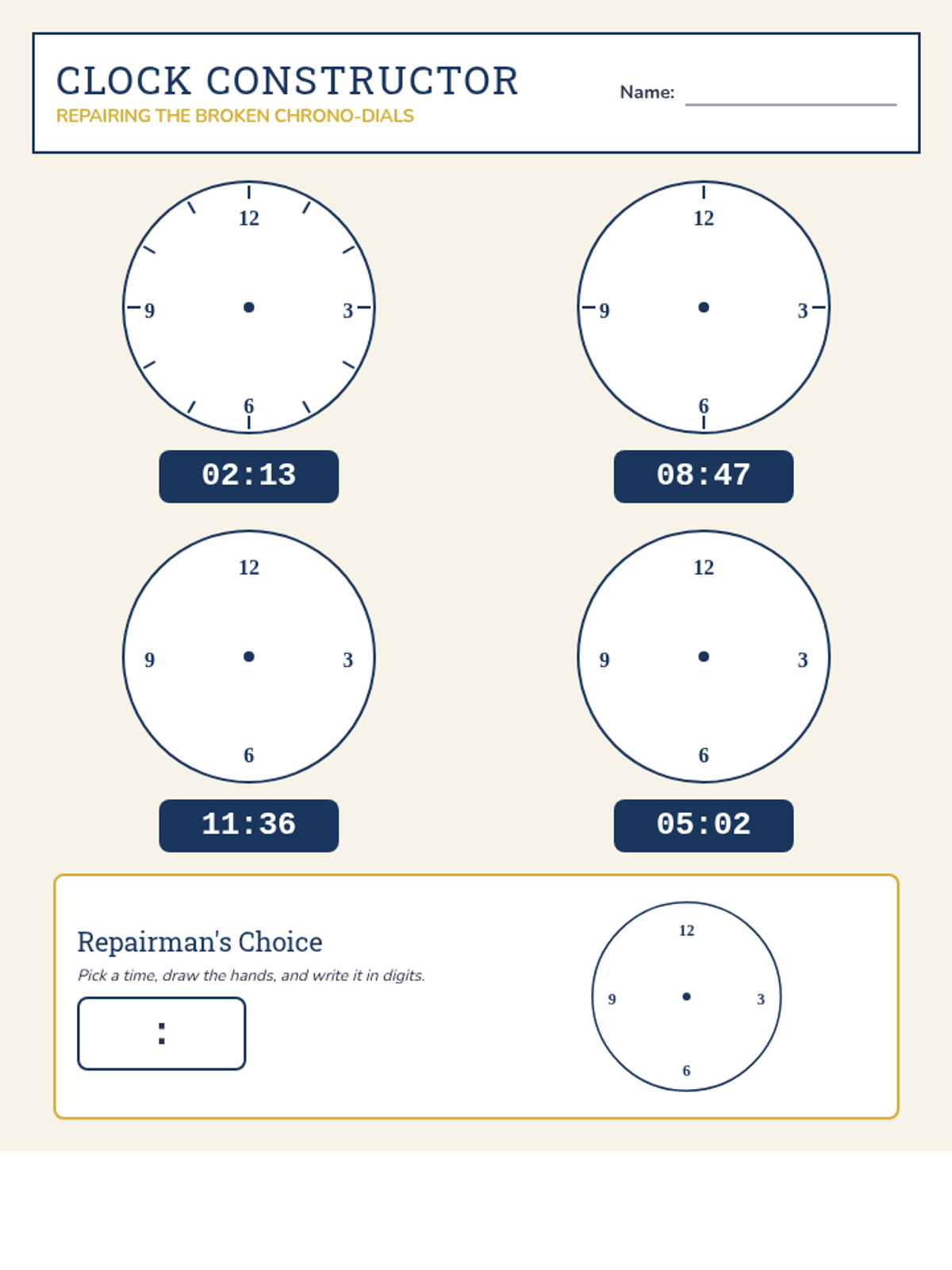
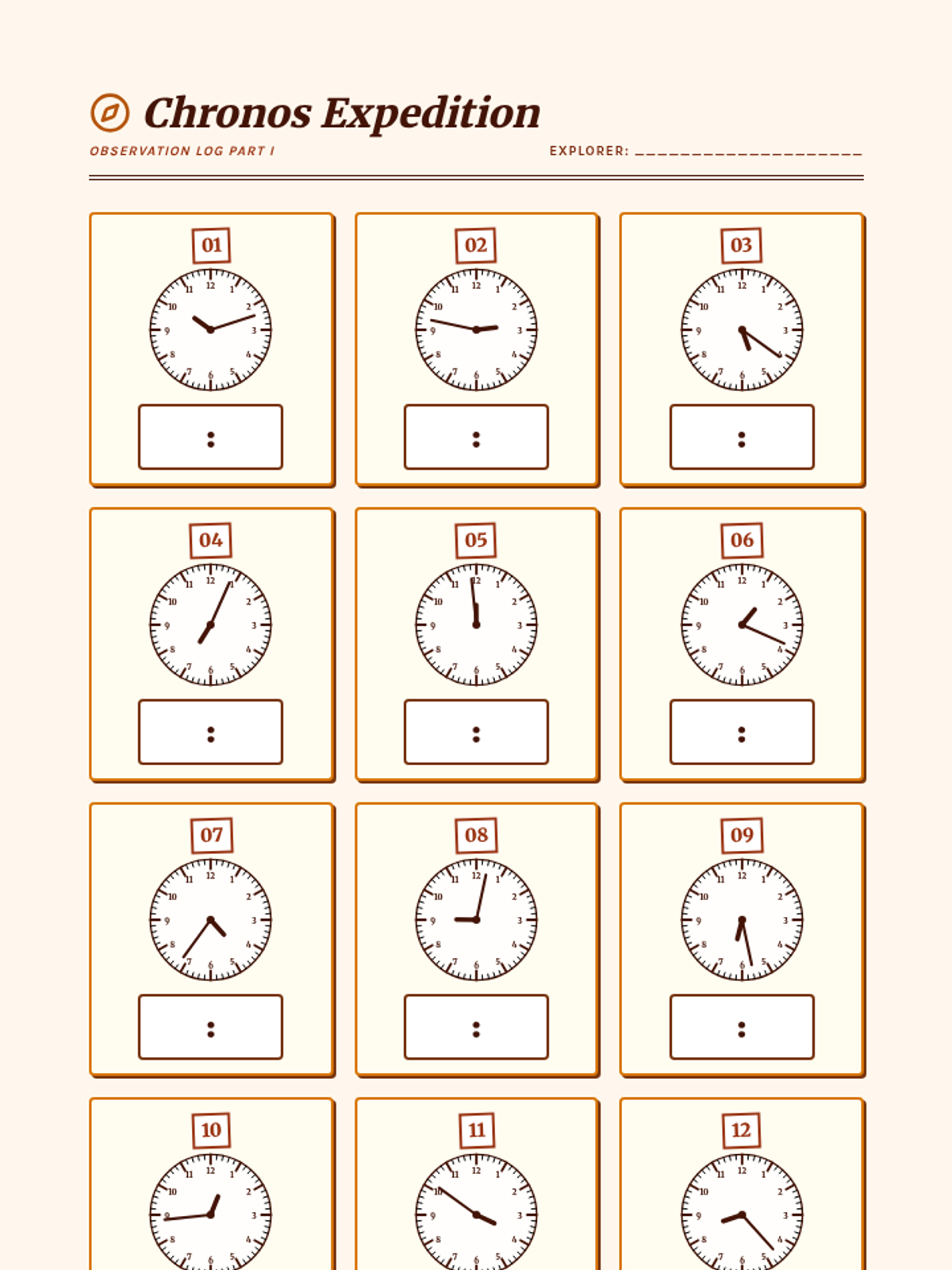
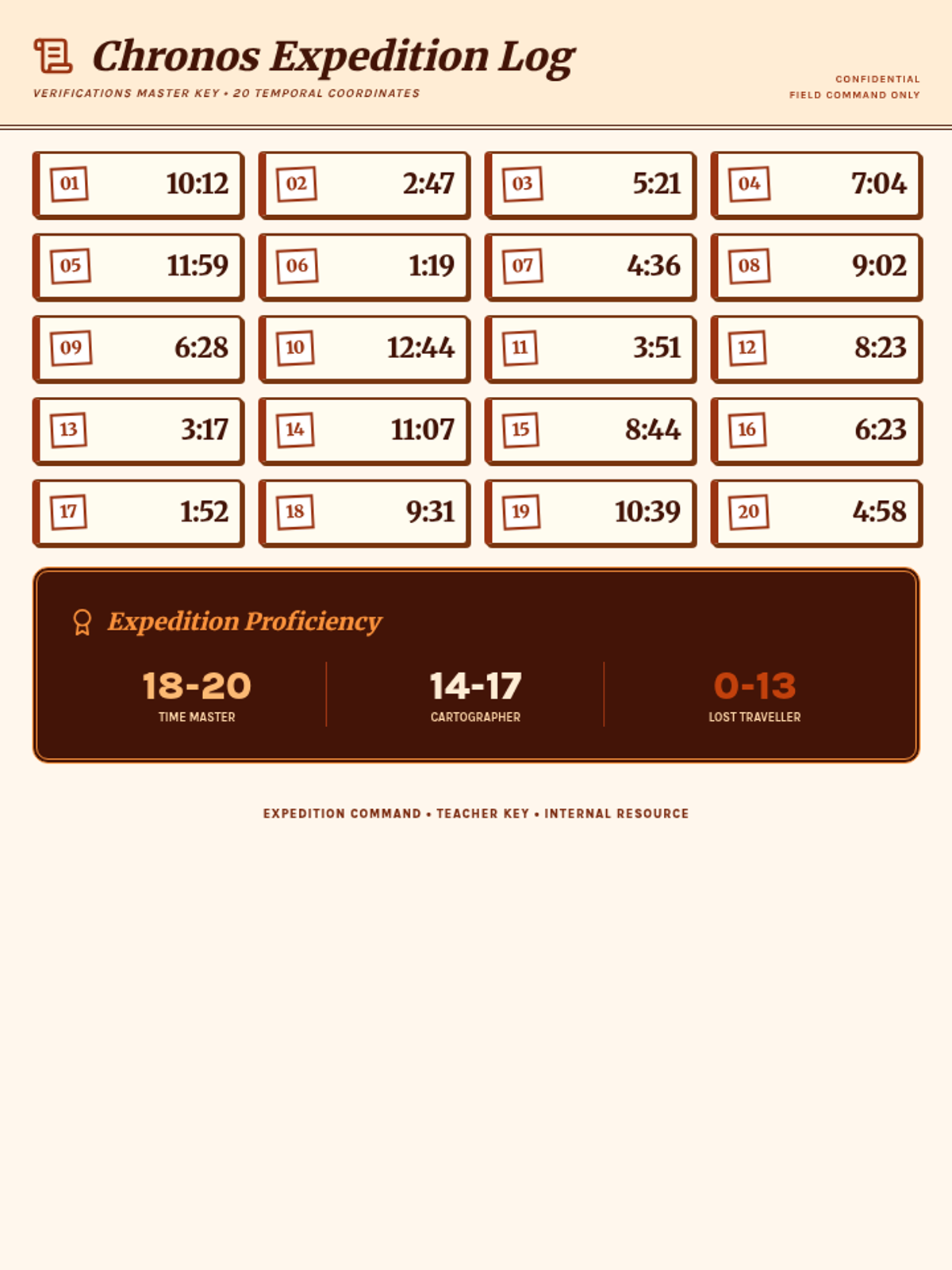
A comprehensive lesson on telling time to the minute, focusing on reading analog clocks and representing time accurately. Students will practice reading intricate clock faces and drawing hands to represent specific times.
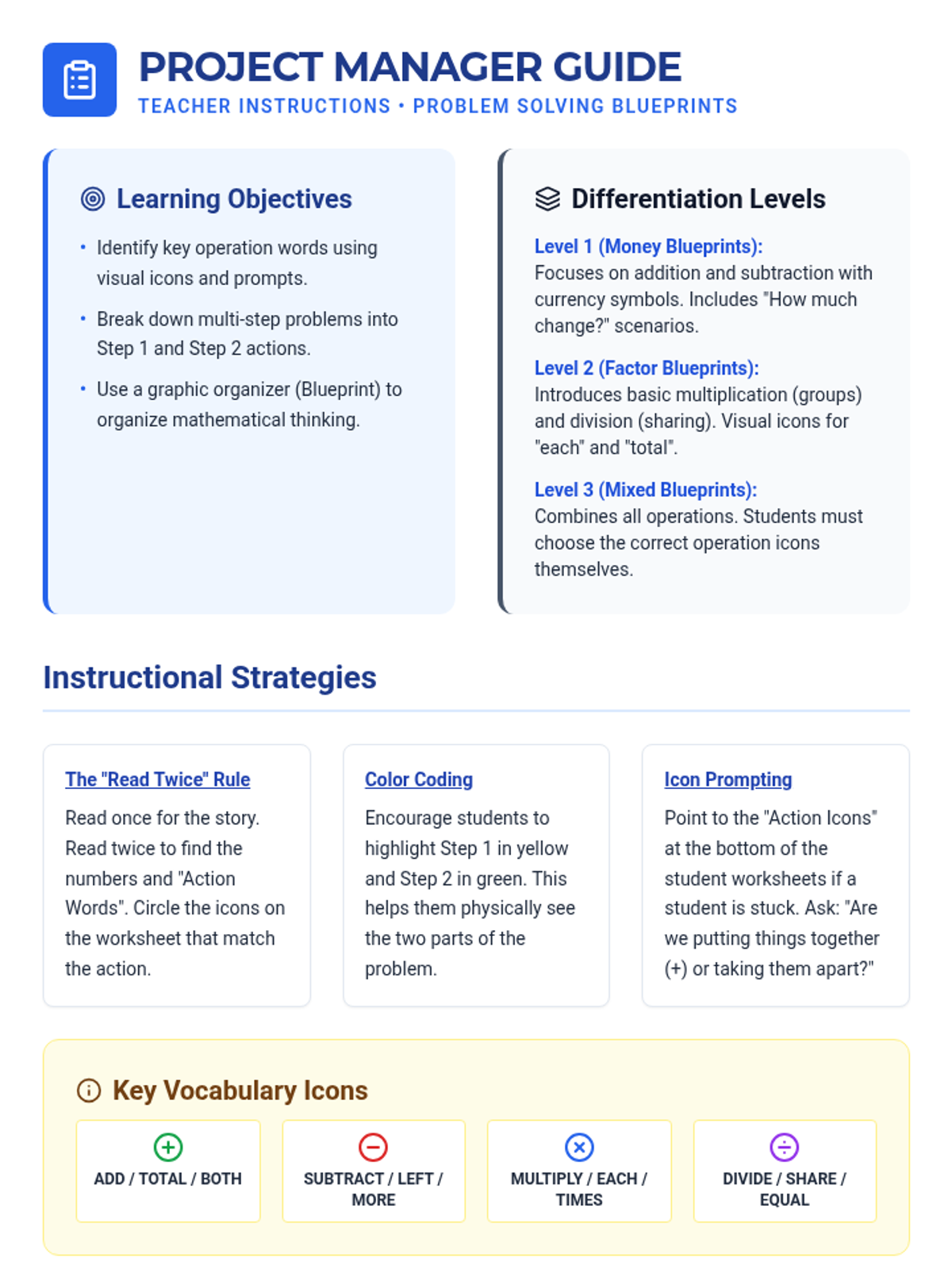
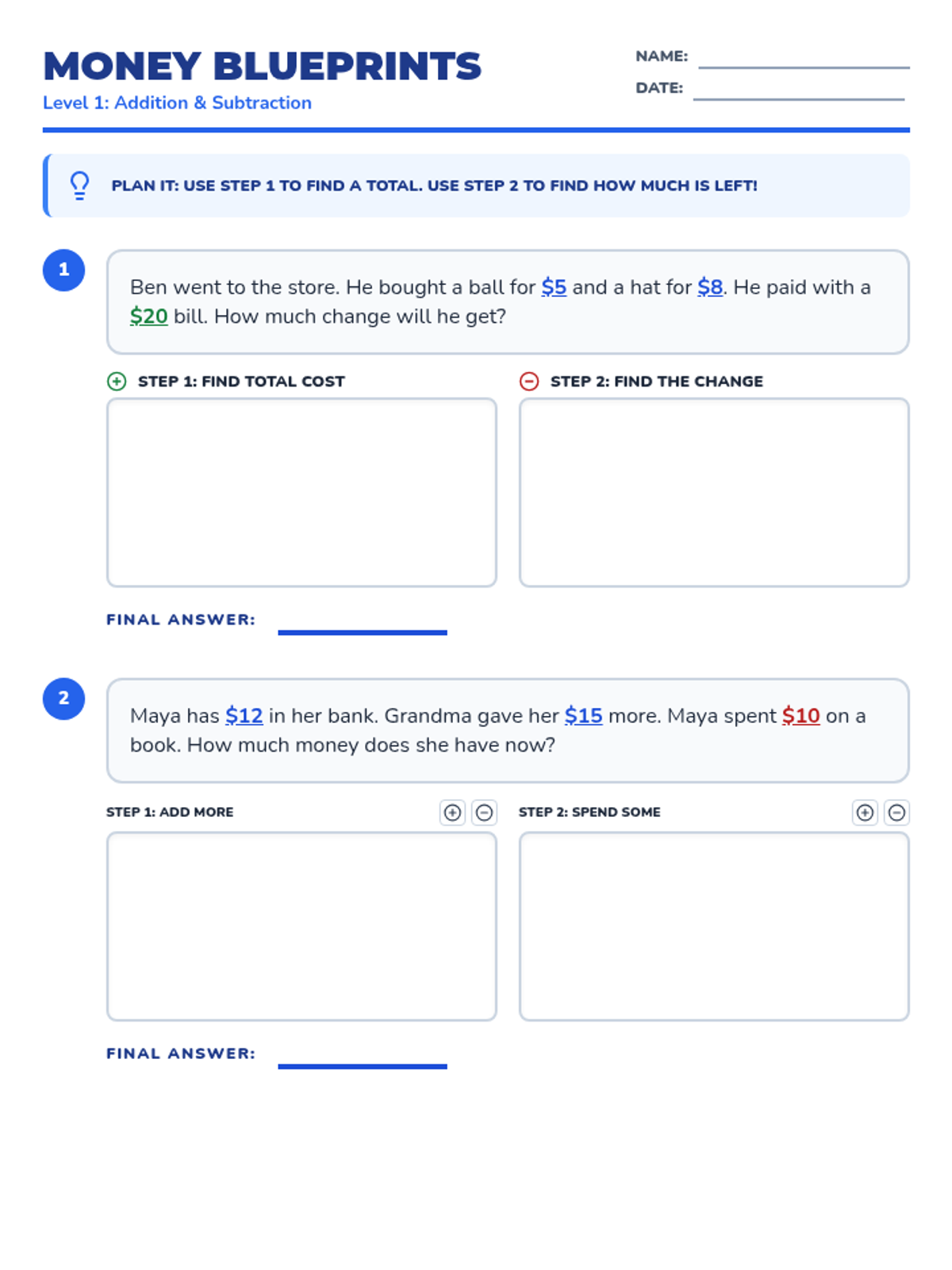
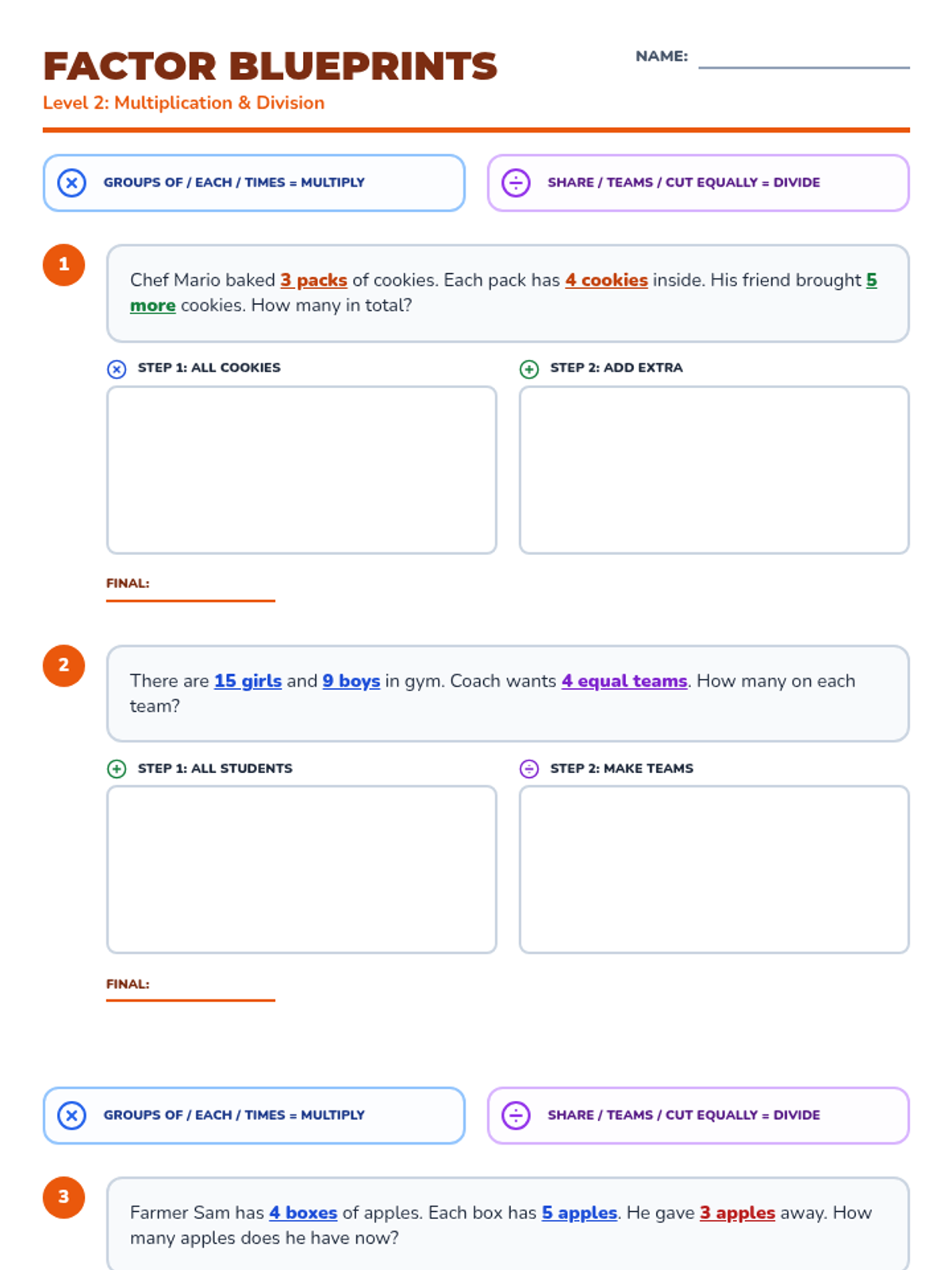
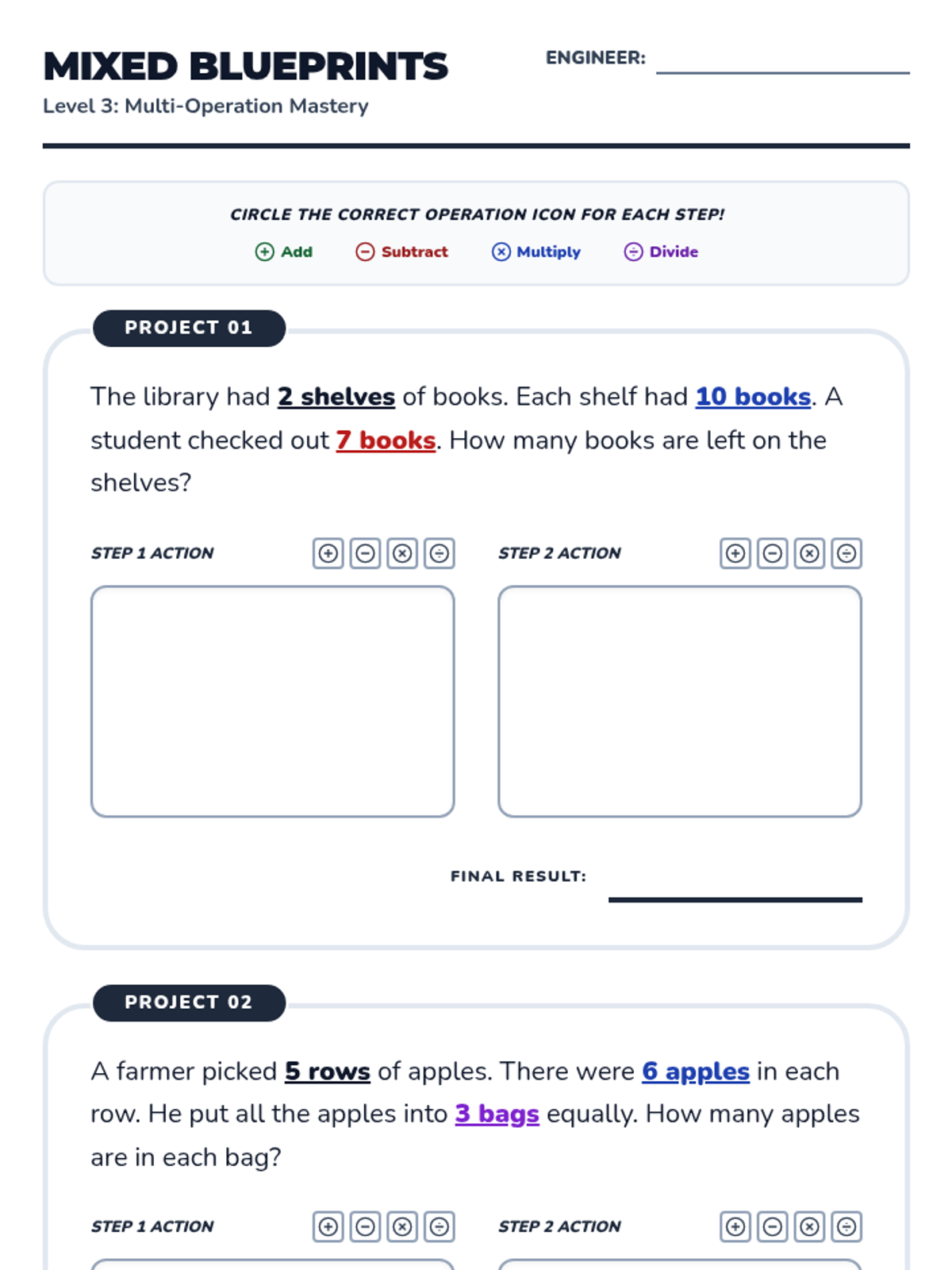
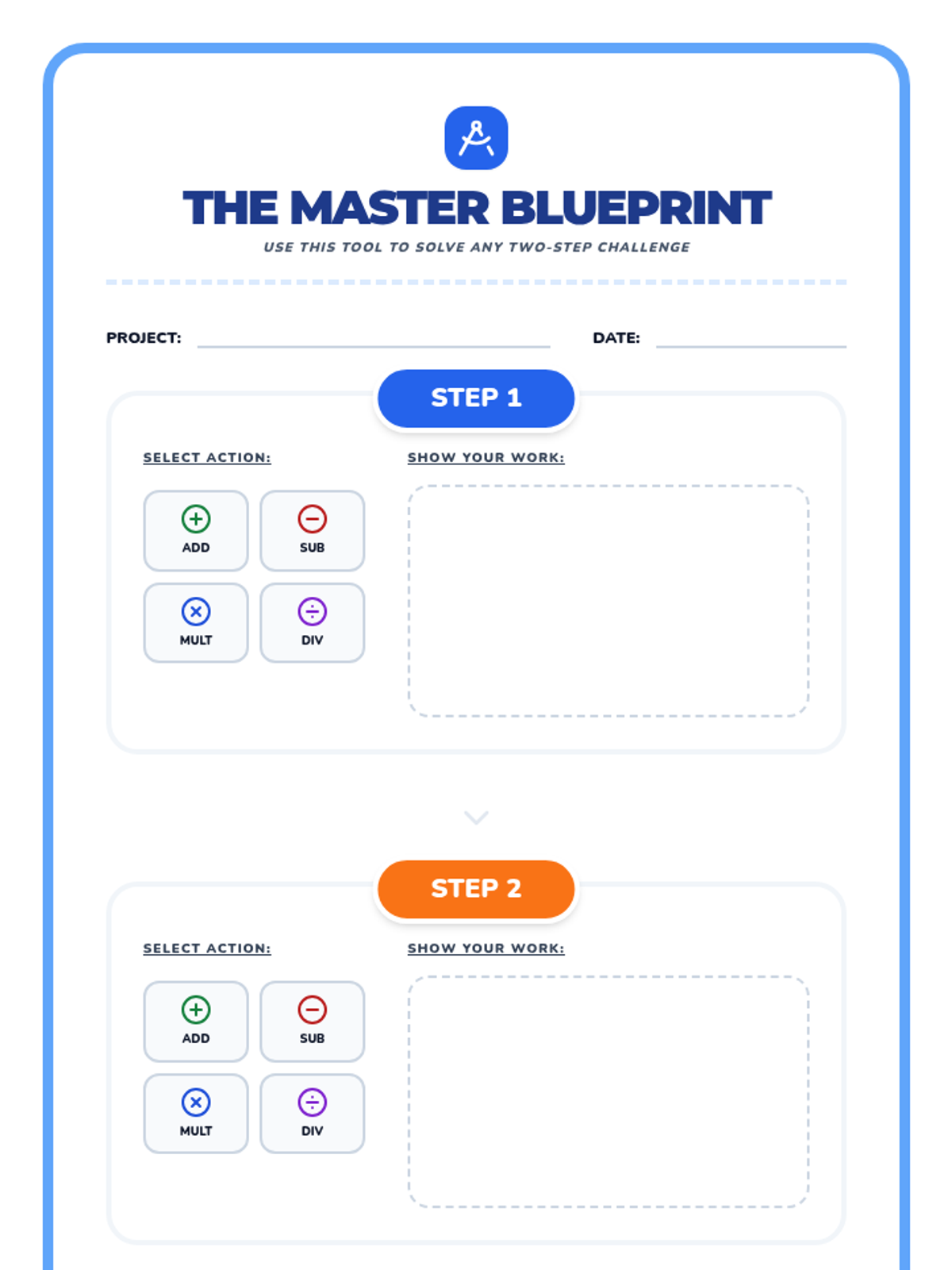
This lesson introduces students to multi-step word problems using a consistent graphic organizer (the Blueprint). It includes differentiated materials for various skill levels and operational focuses.
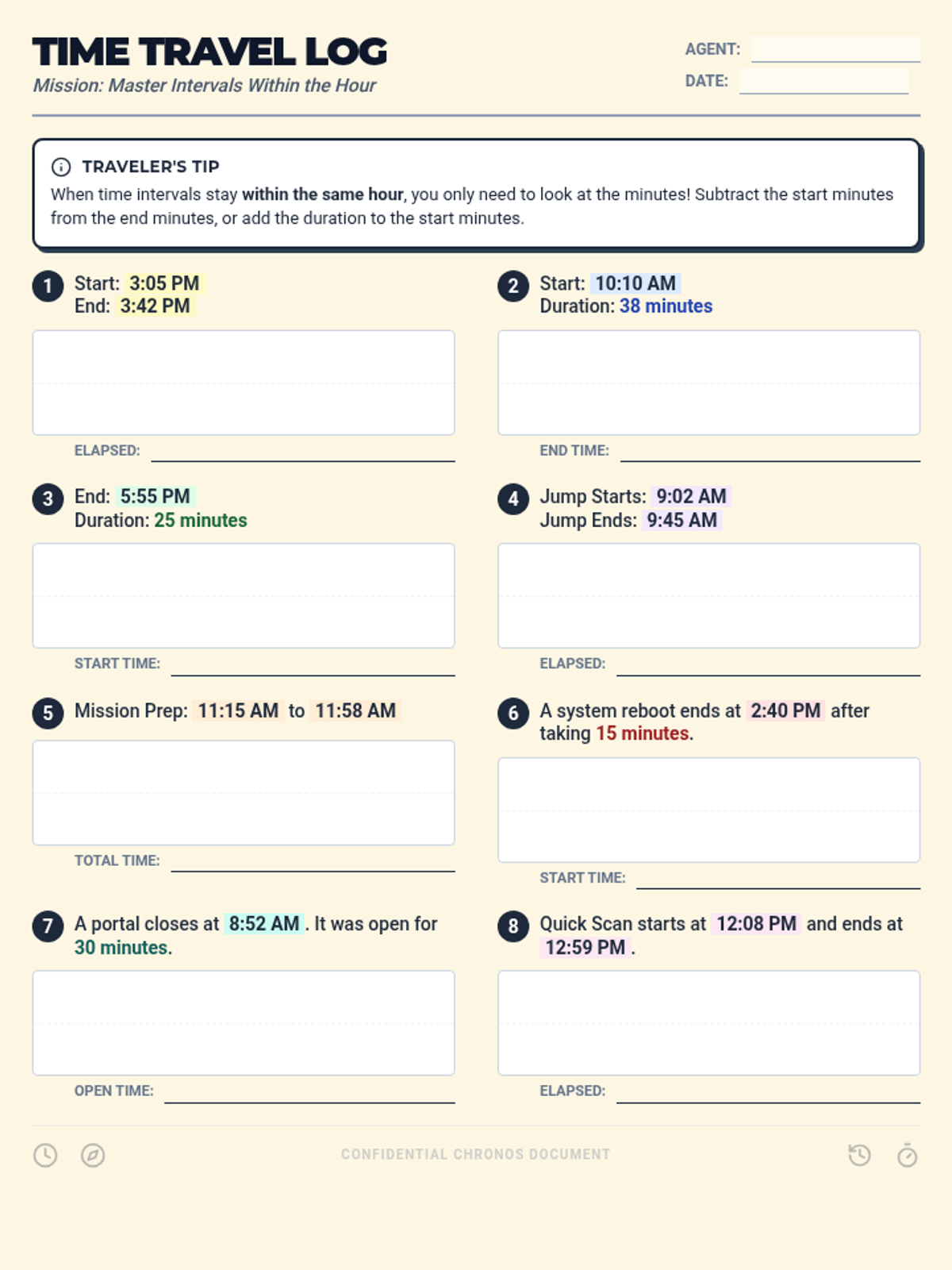
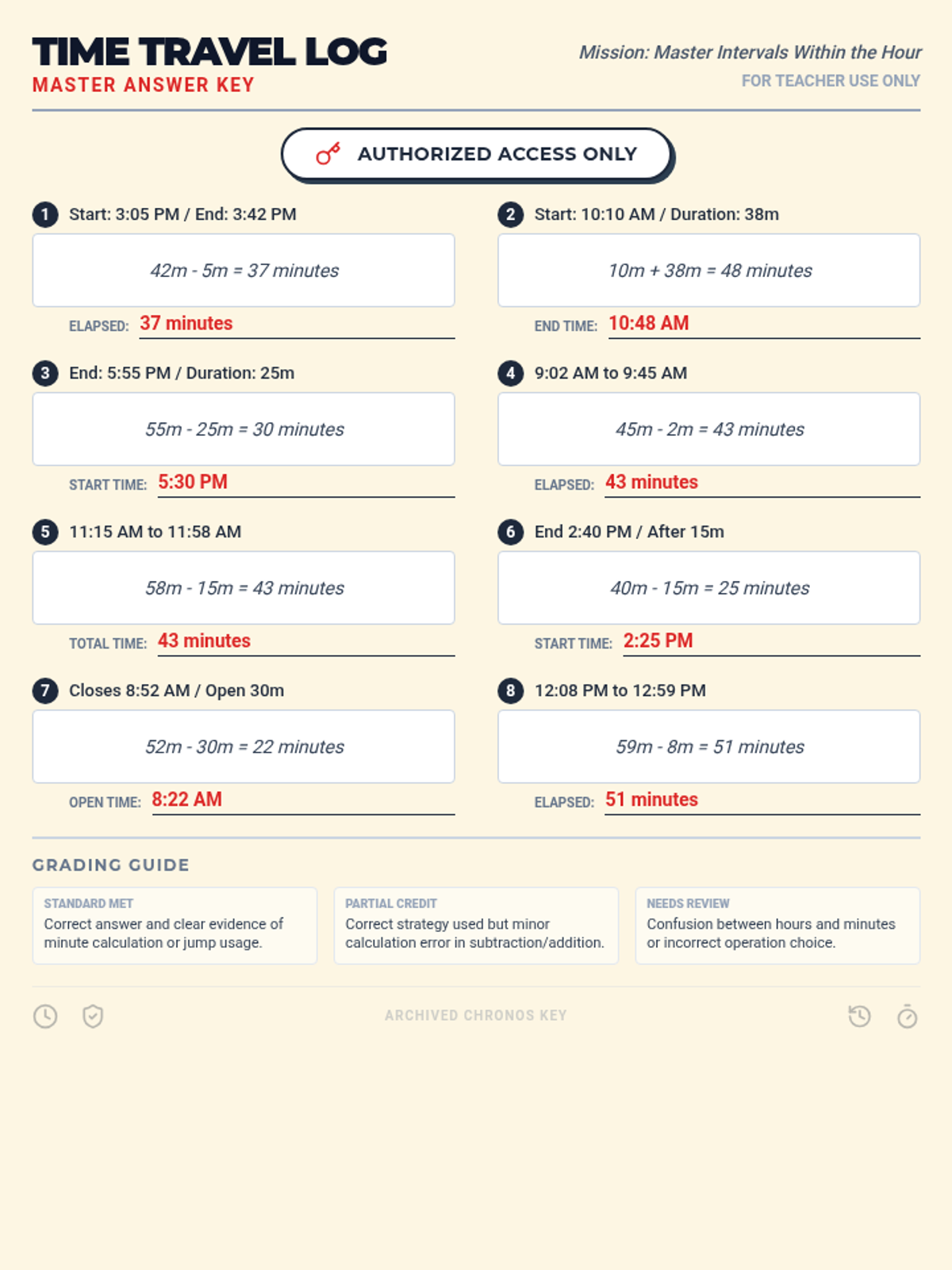
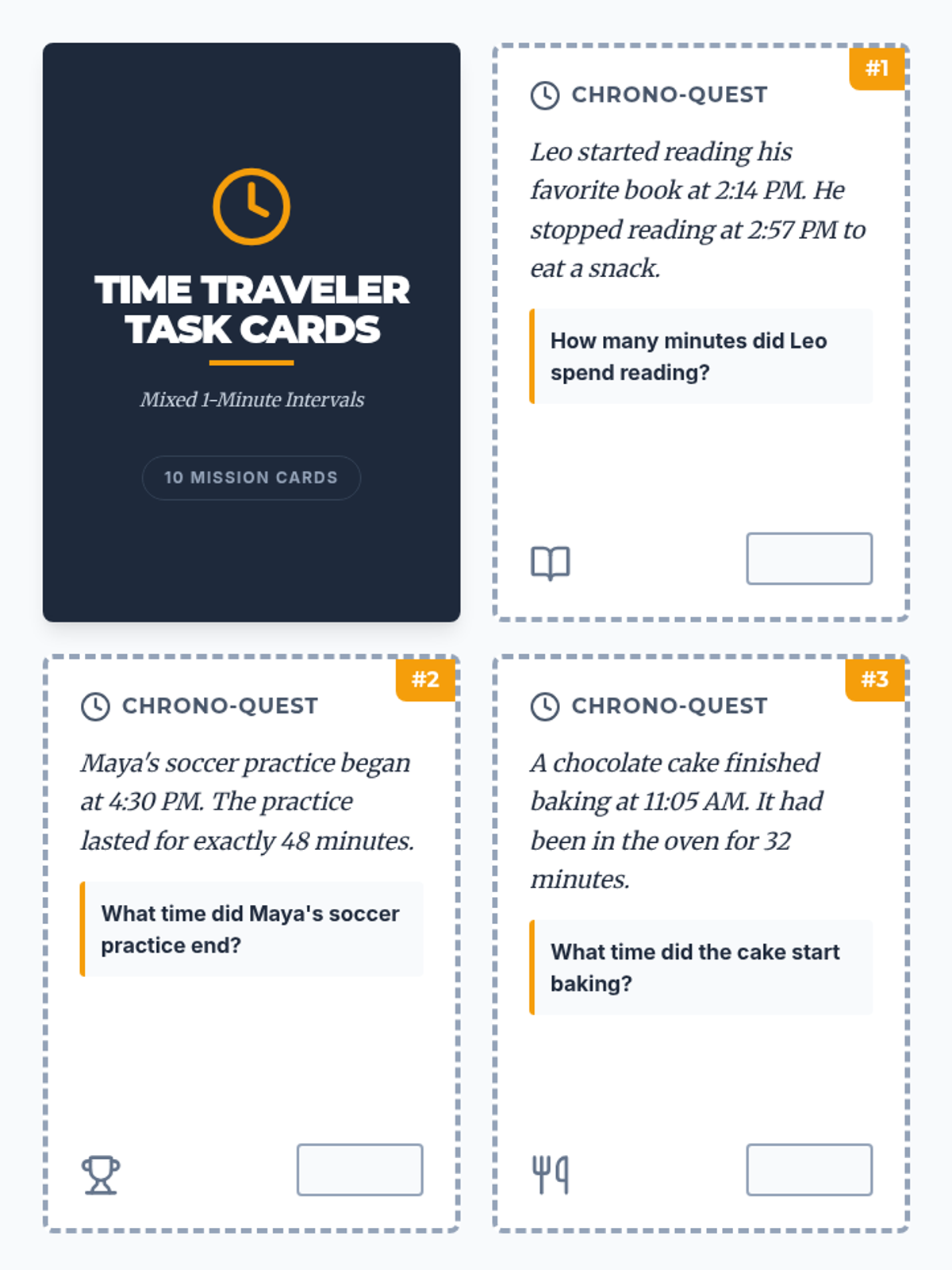
A lesson focused on solving word problems involving addition and subtraction of time intervals within the same hour, using a time-travel theme.
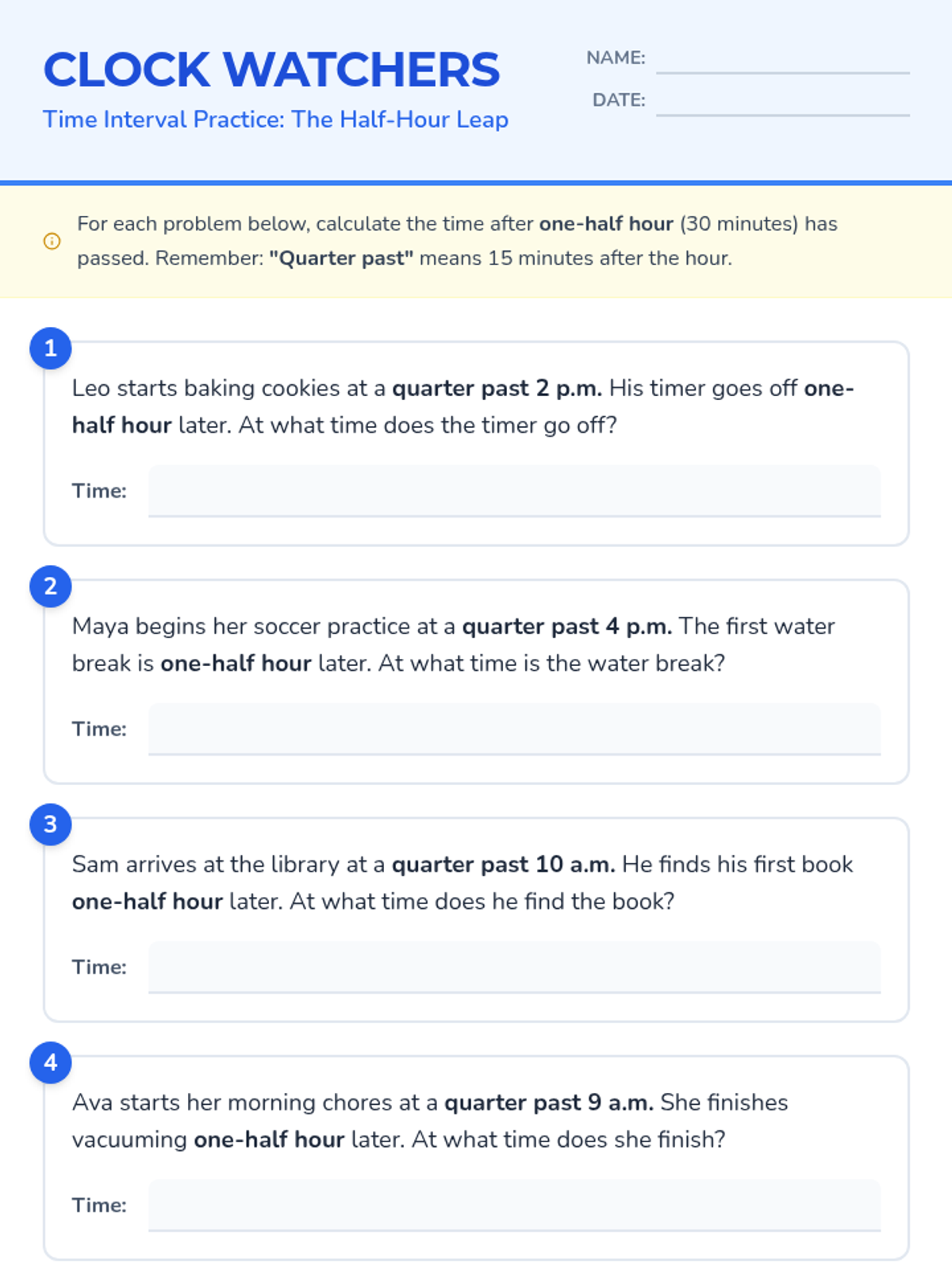
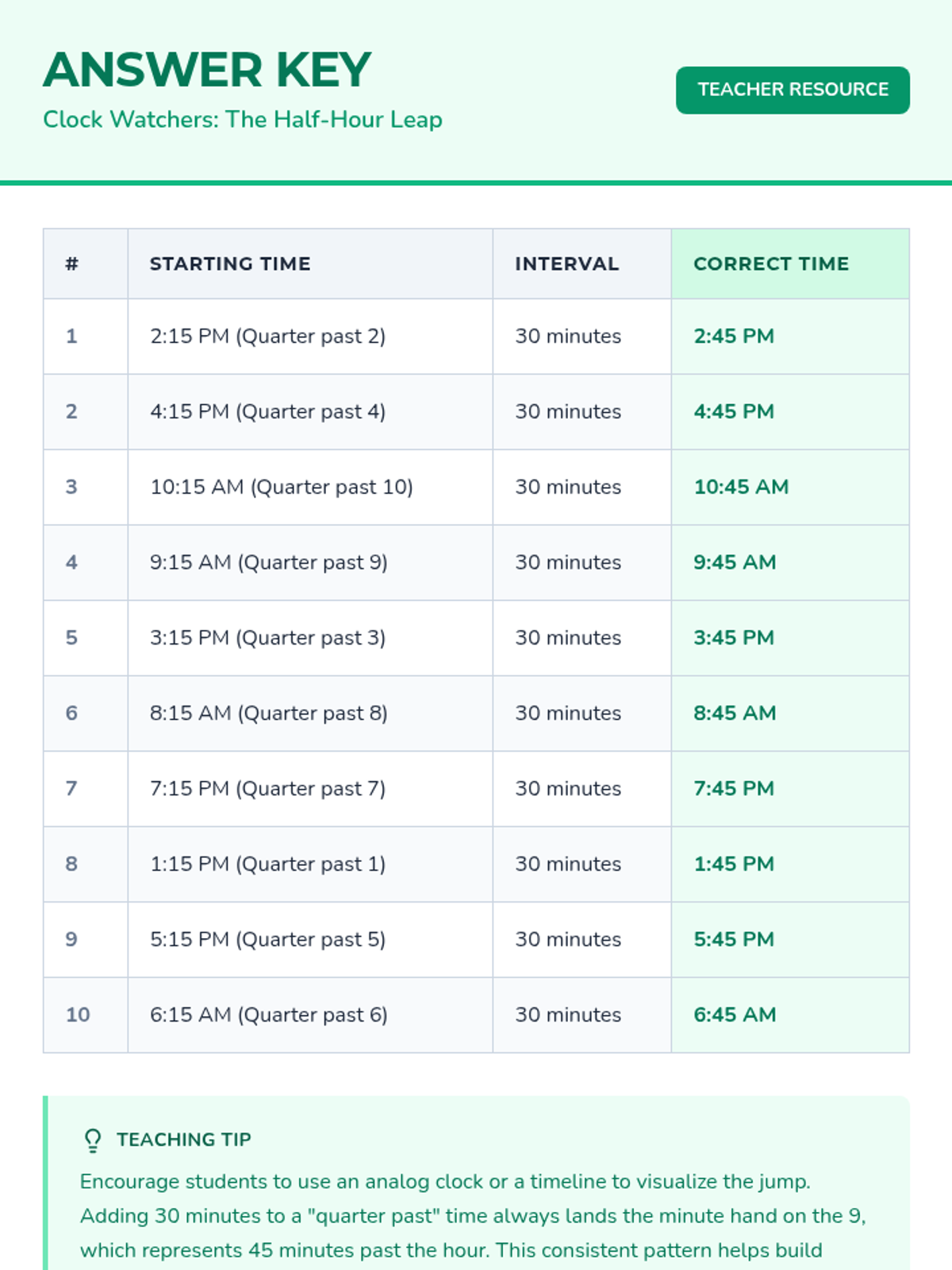
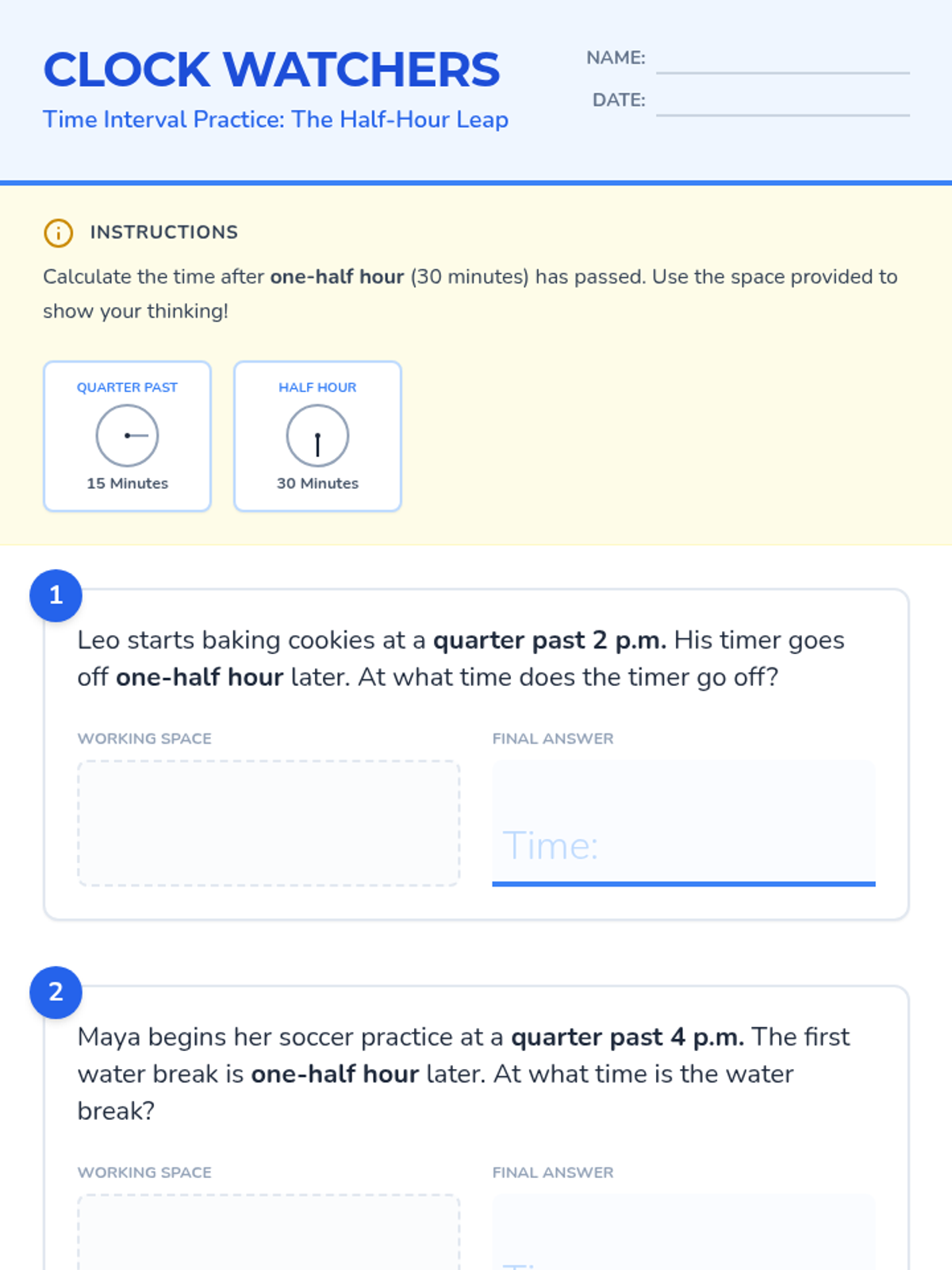
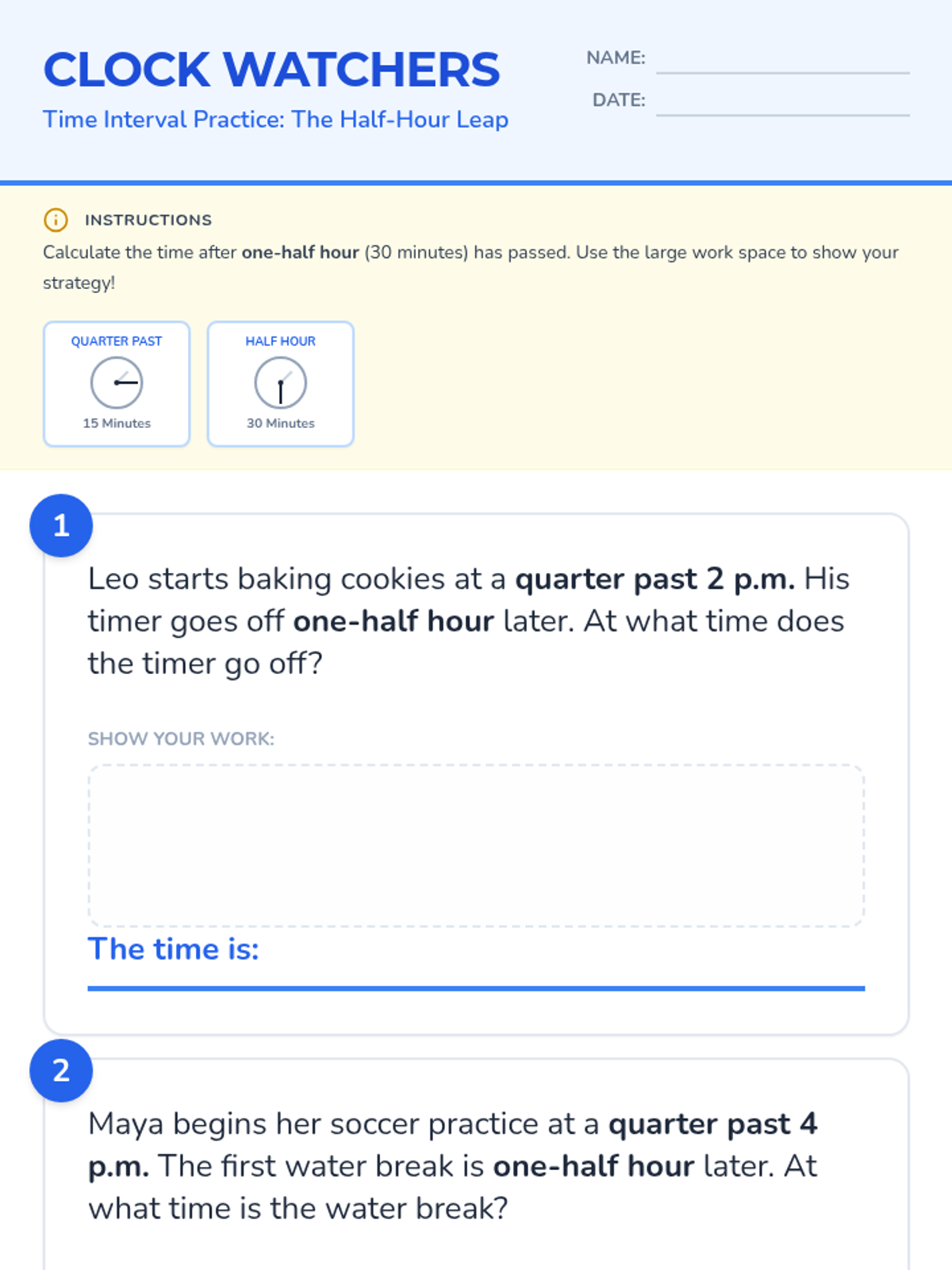
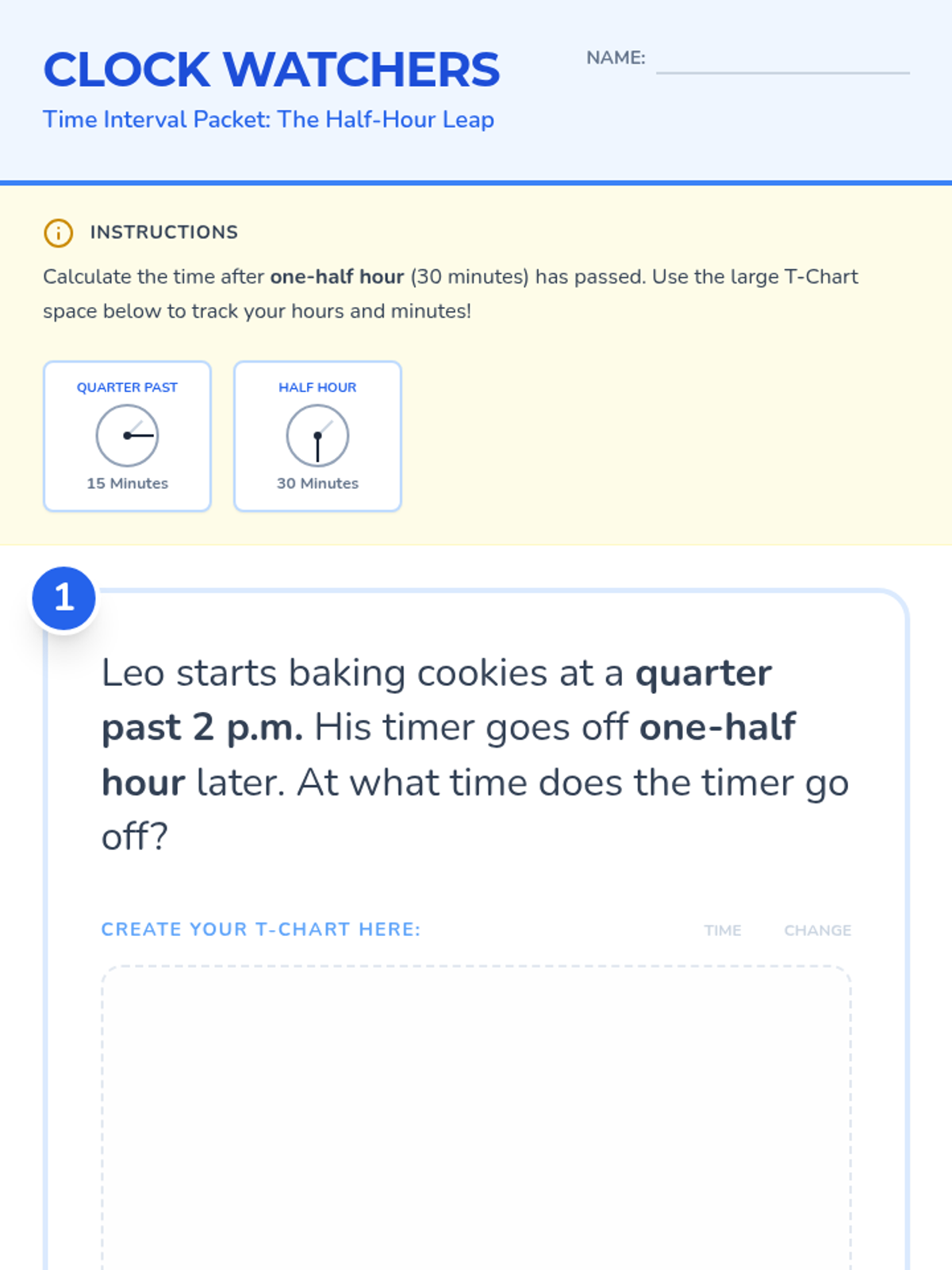
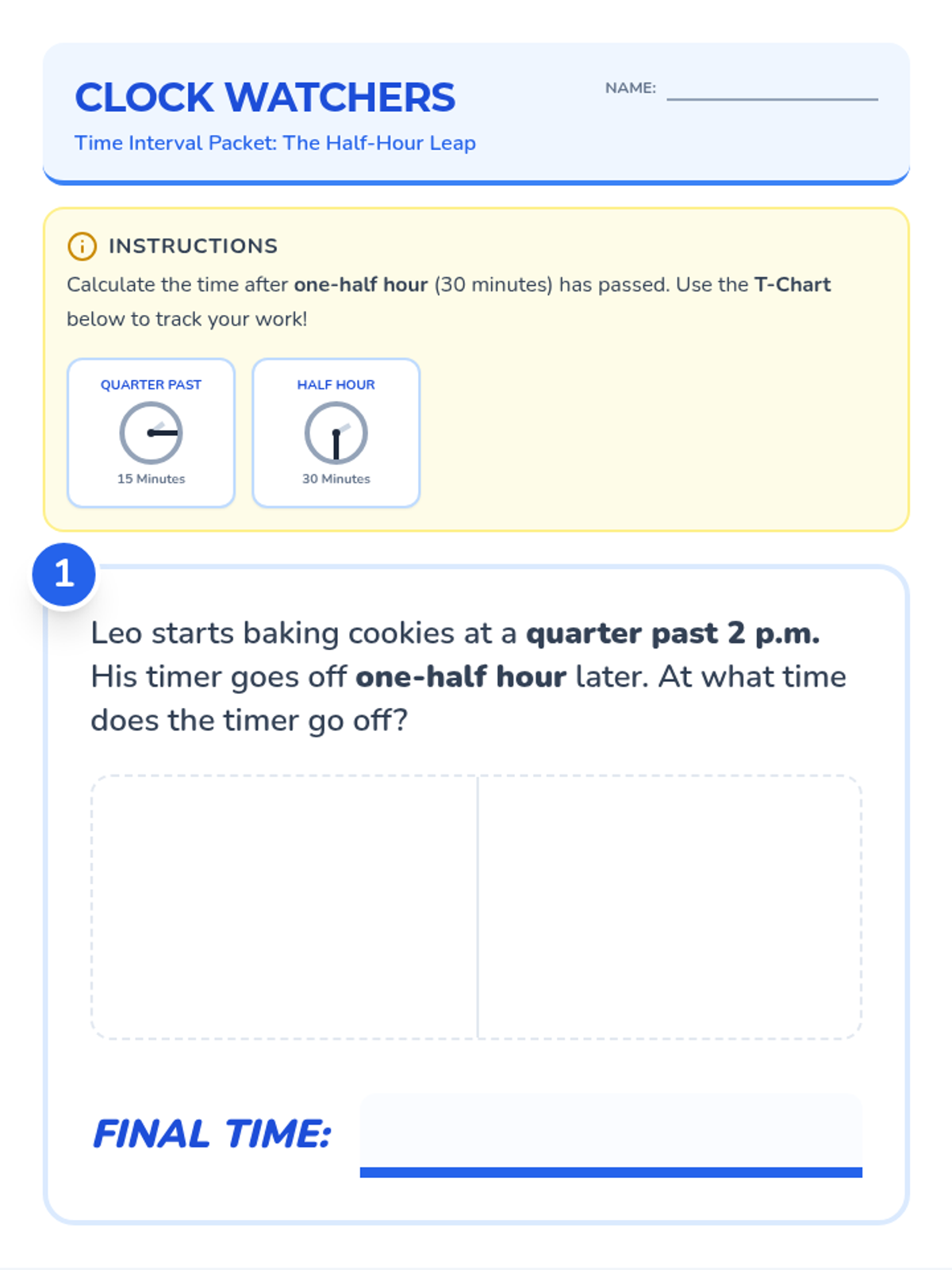
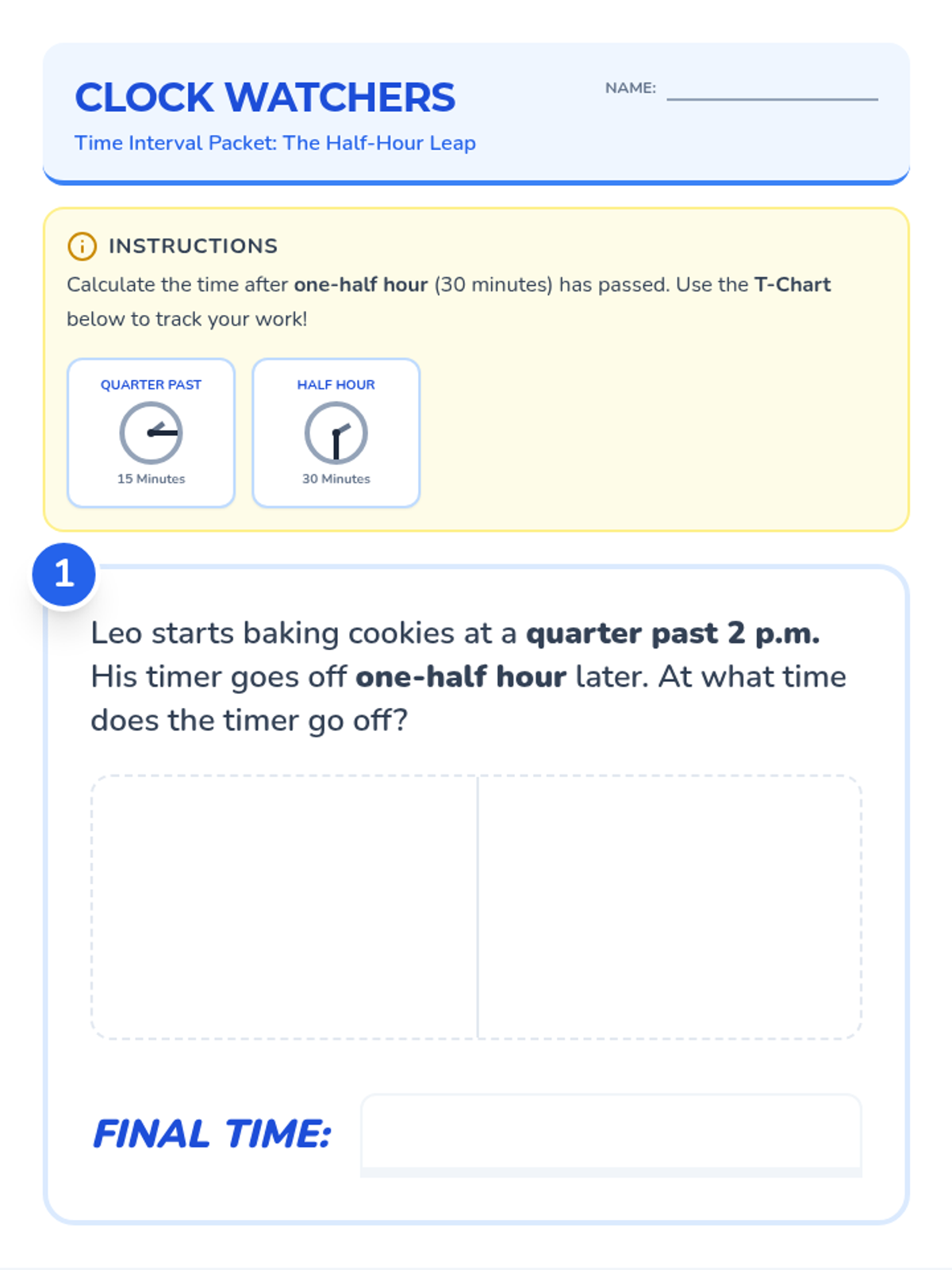
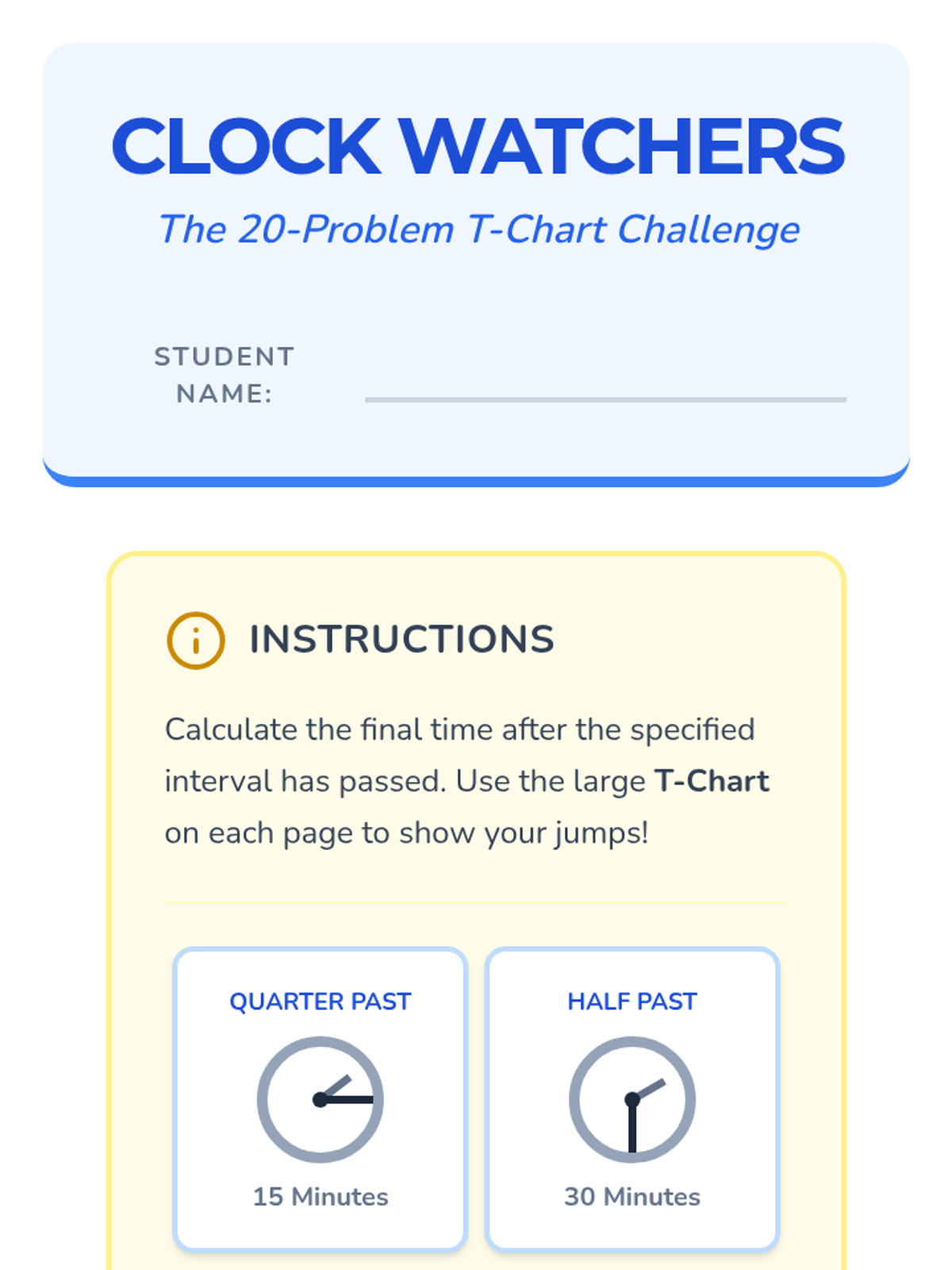
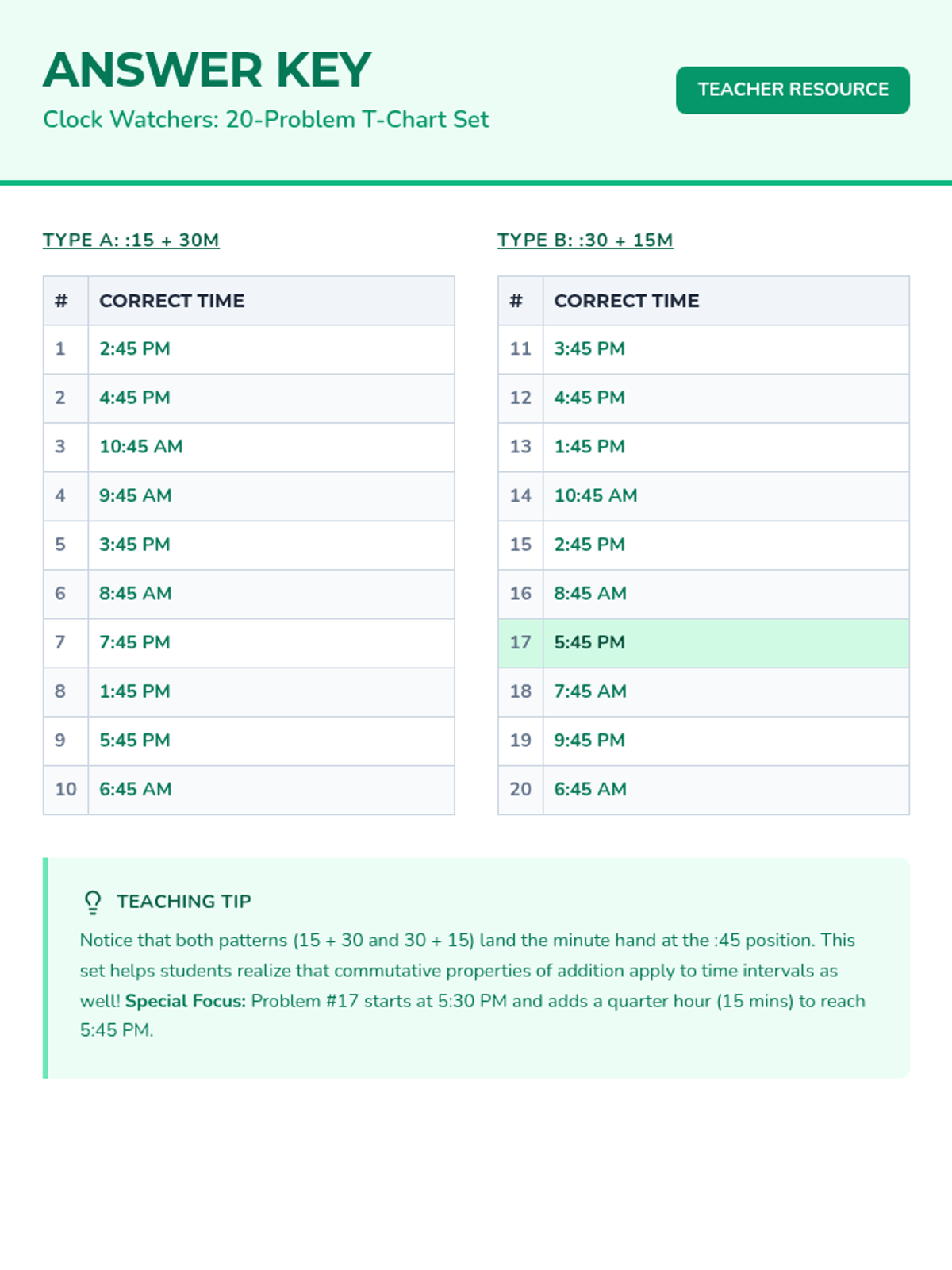
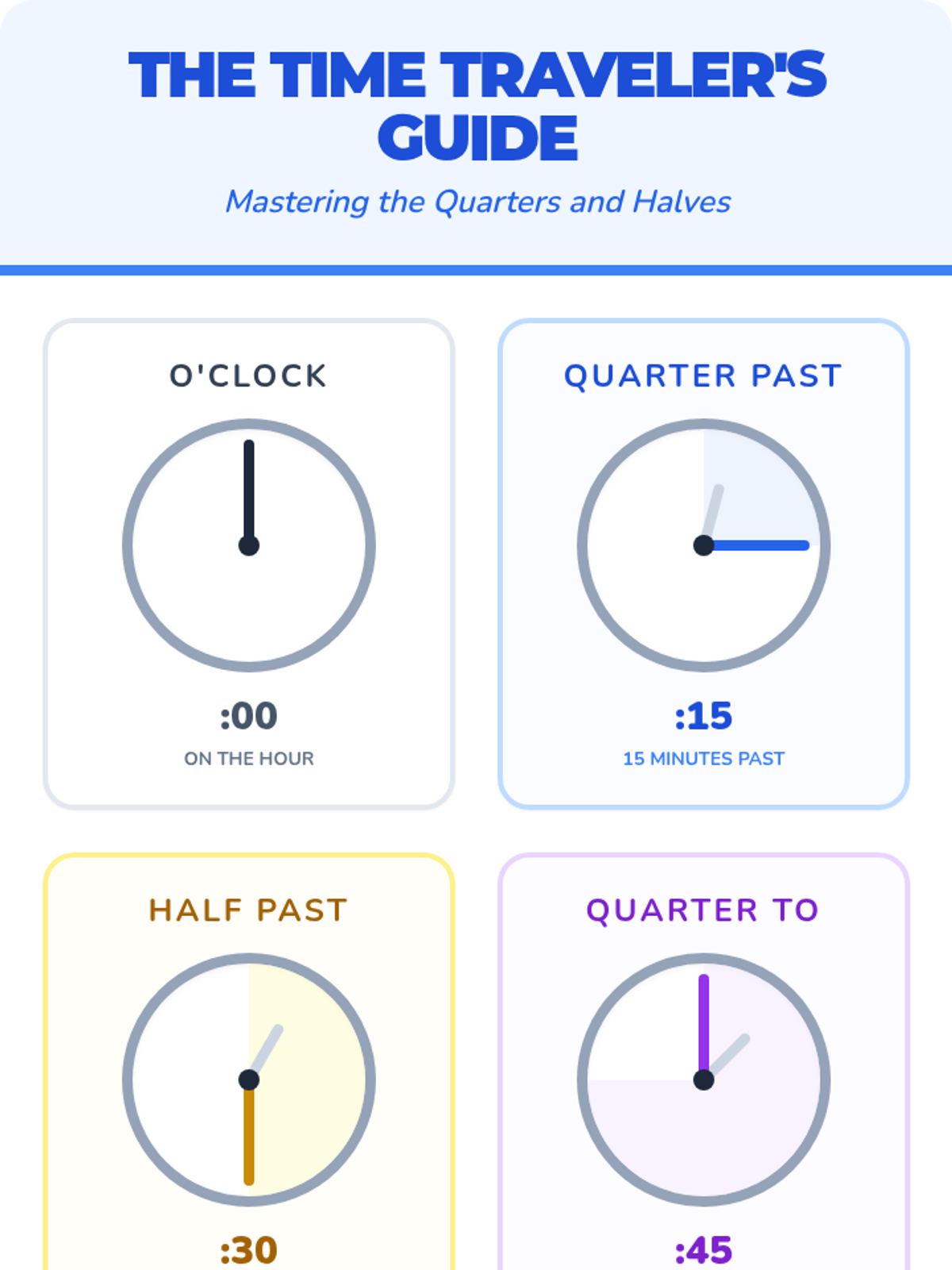
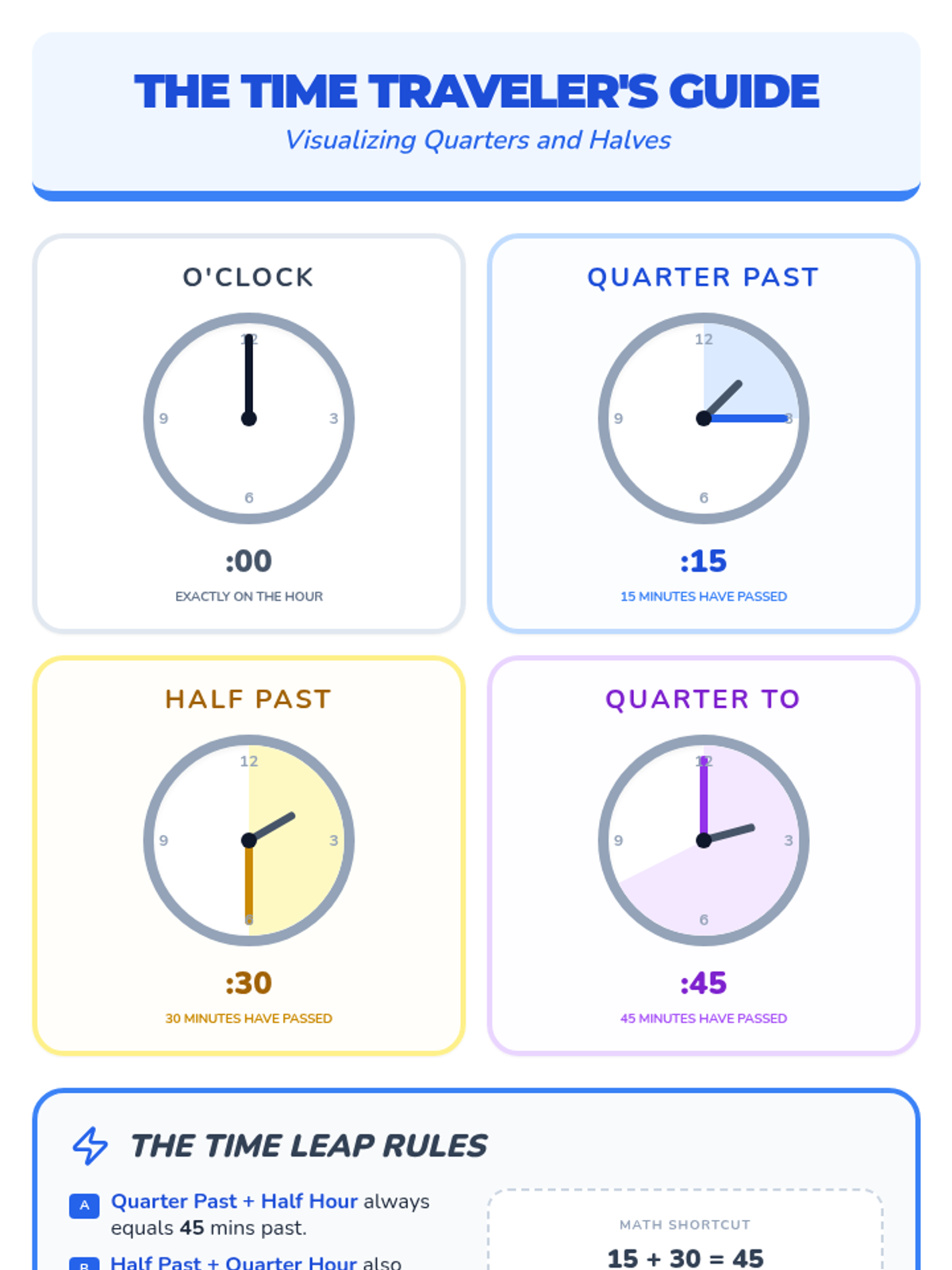
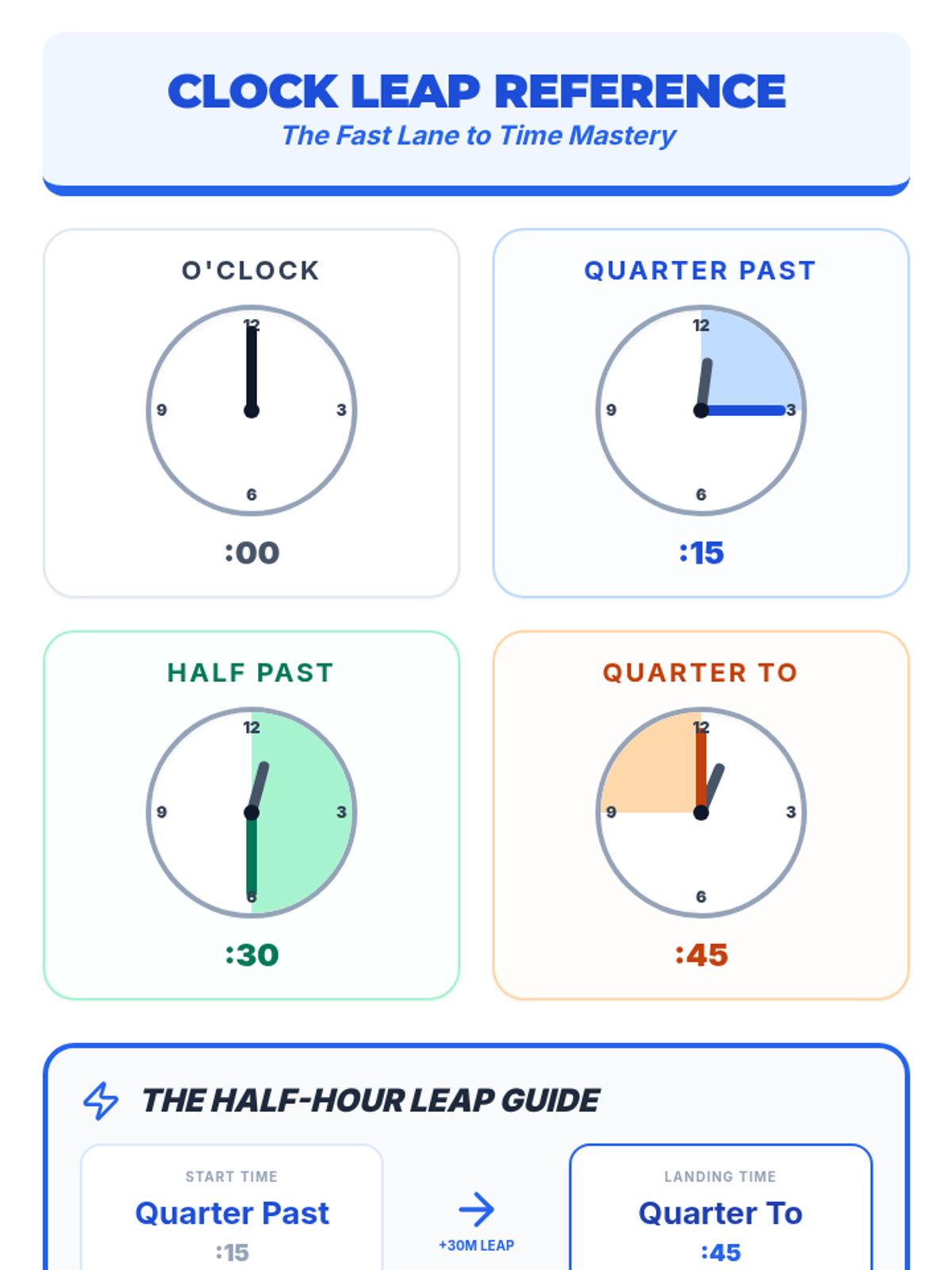
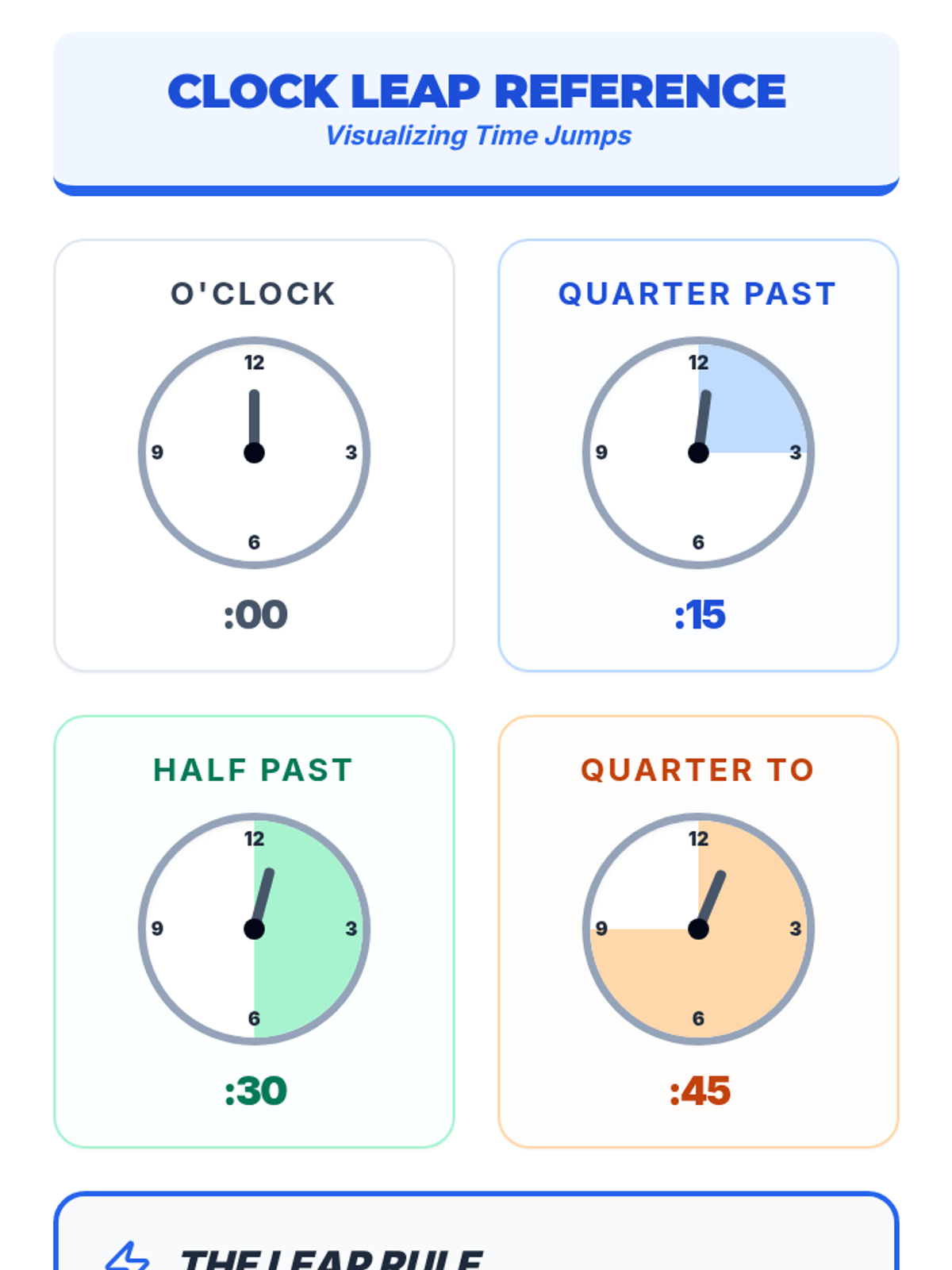
A practice set focused on calculating time intervals of thirty minutes starting from fifteen minutes past the hour. Students will apply their understanding of 'quarter past' and 'half hour' to solve real-world word problems.
A comprehensive lesson on telling time to the exact minute, focusing on reading precise analog clocks and identifying correct digital representations.
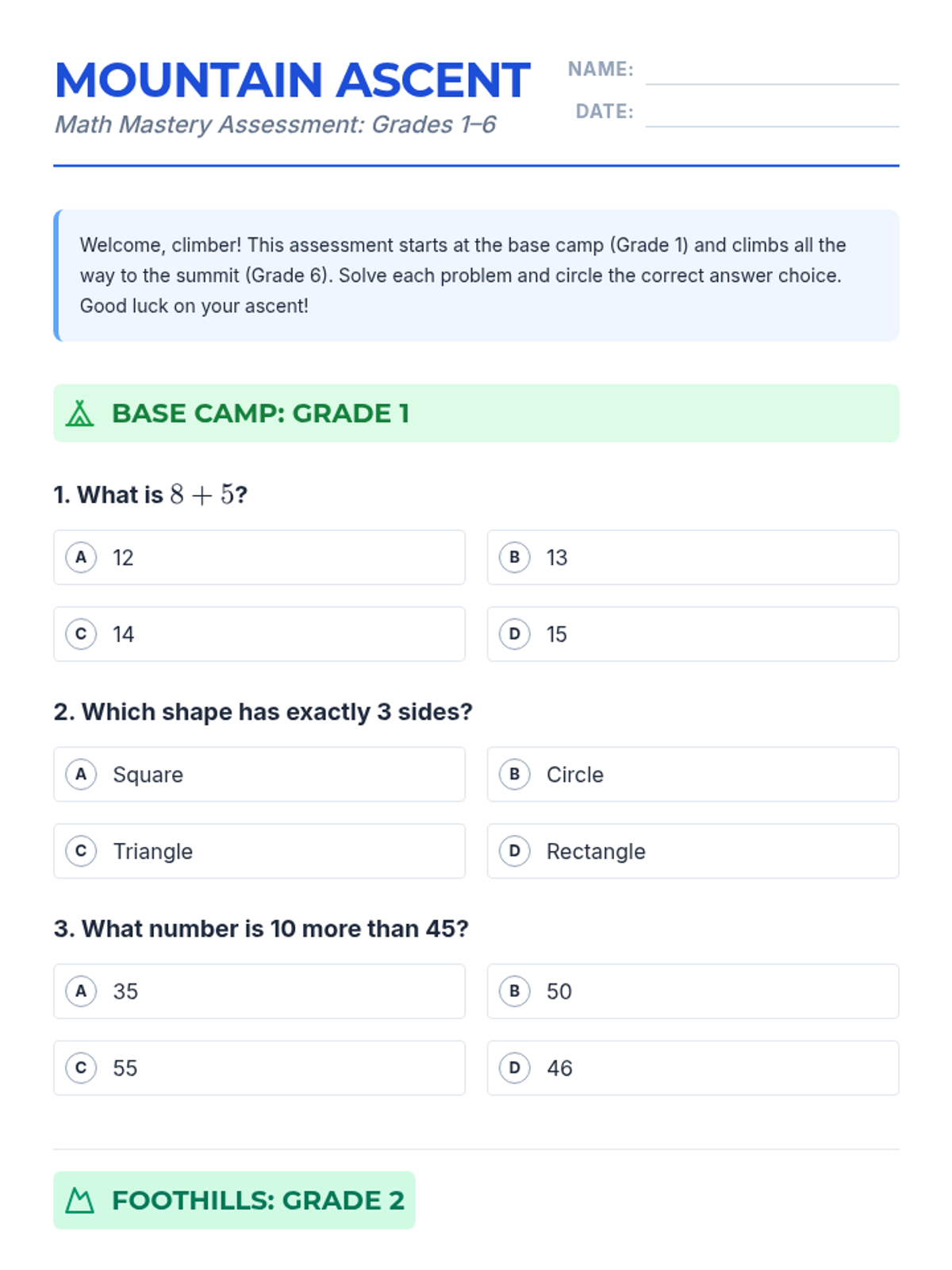
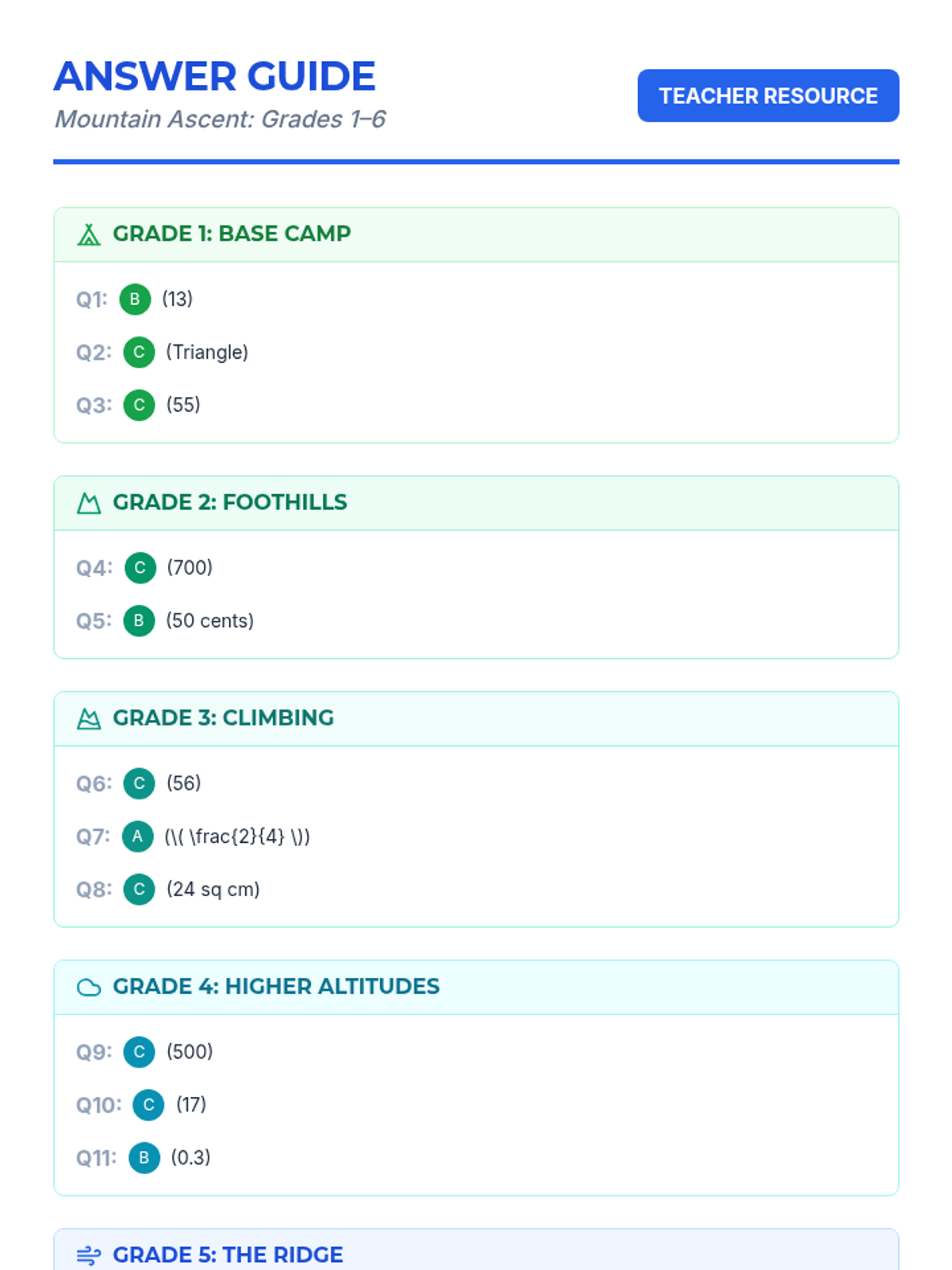
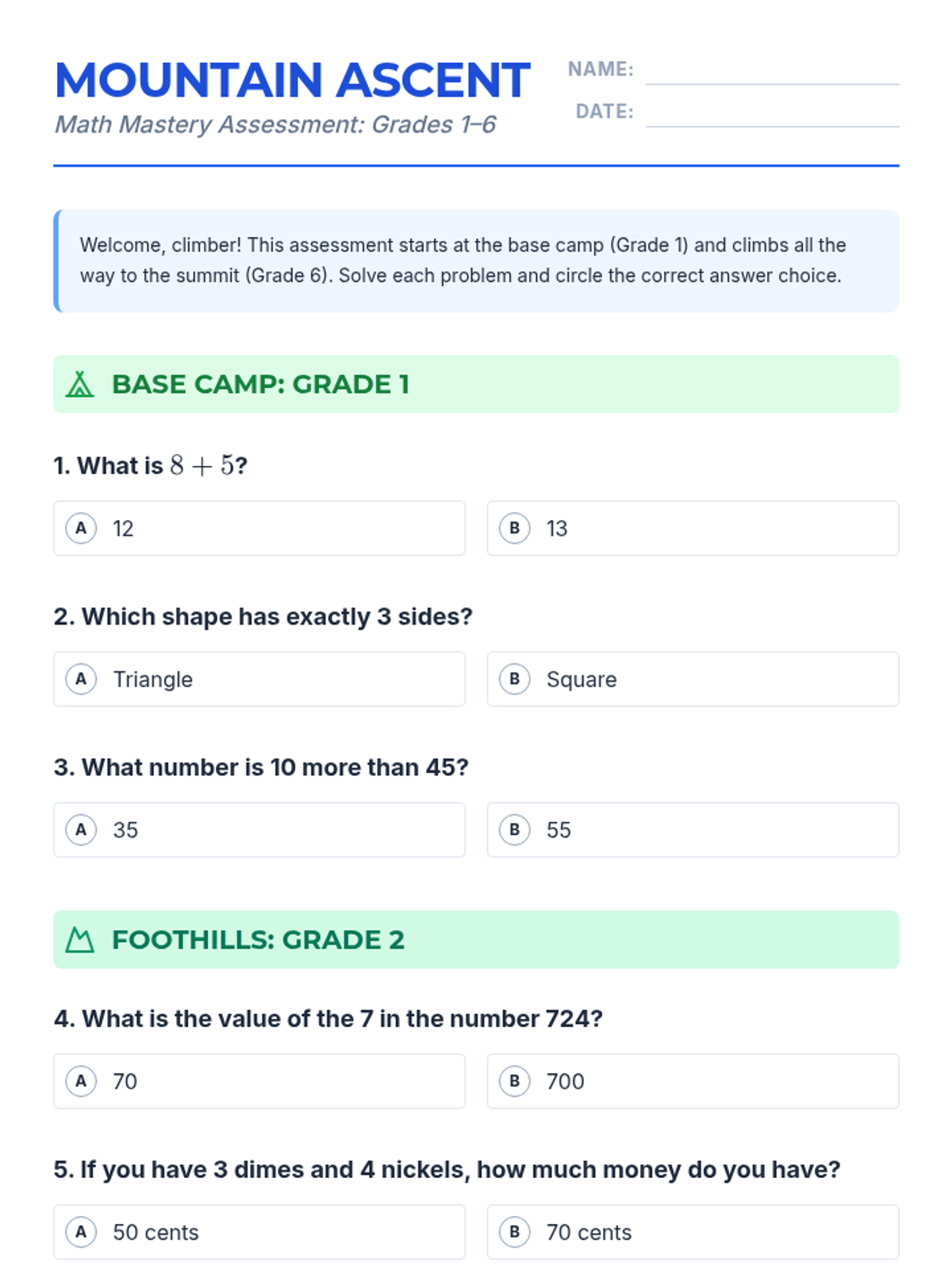
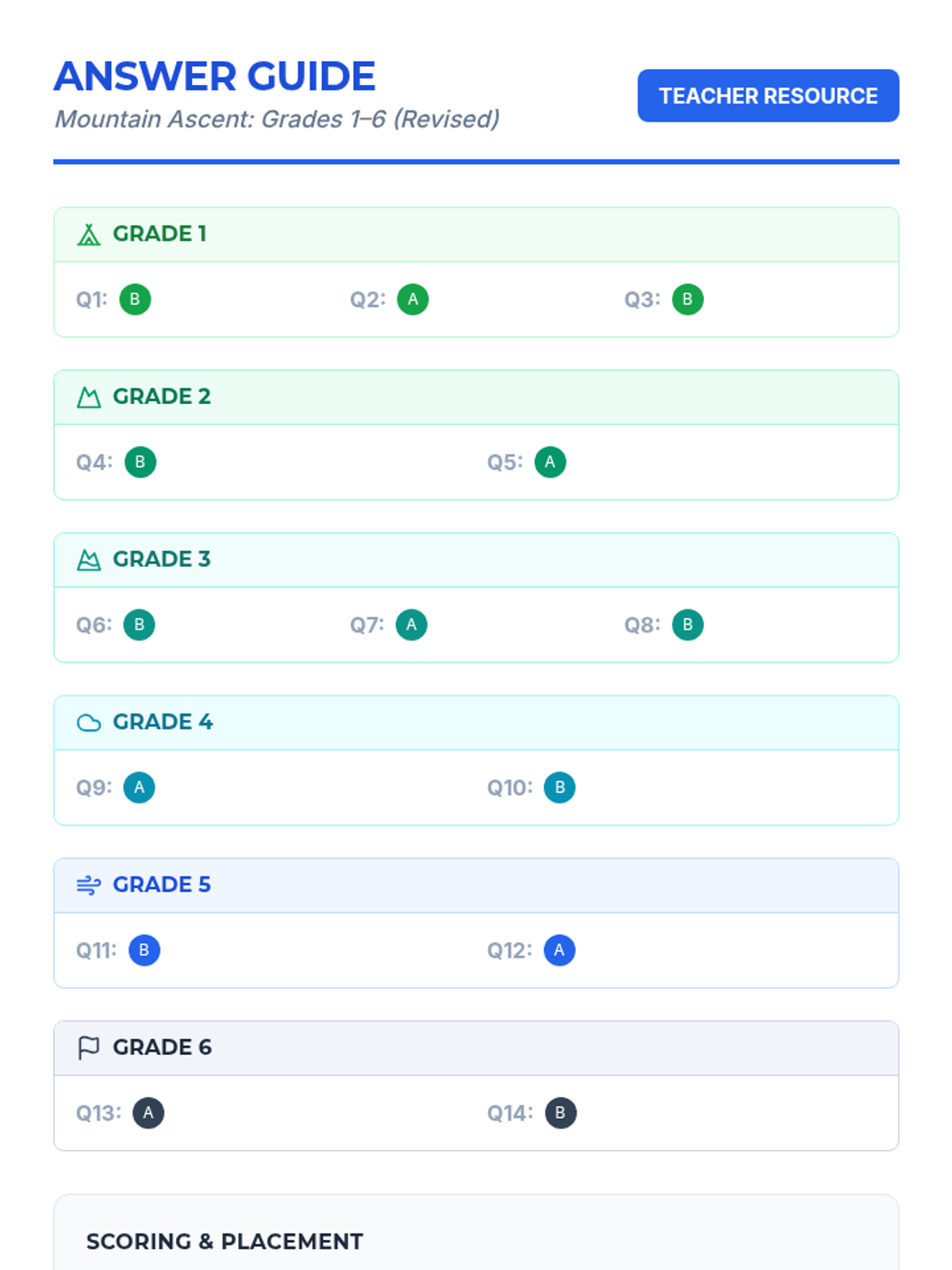
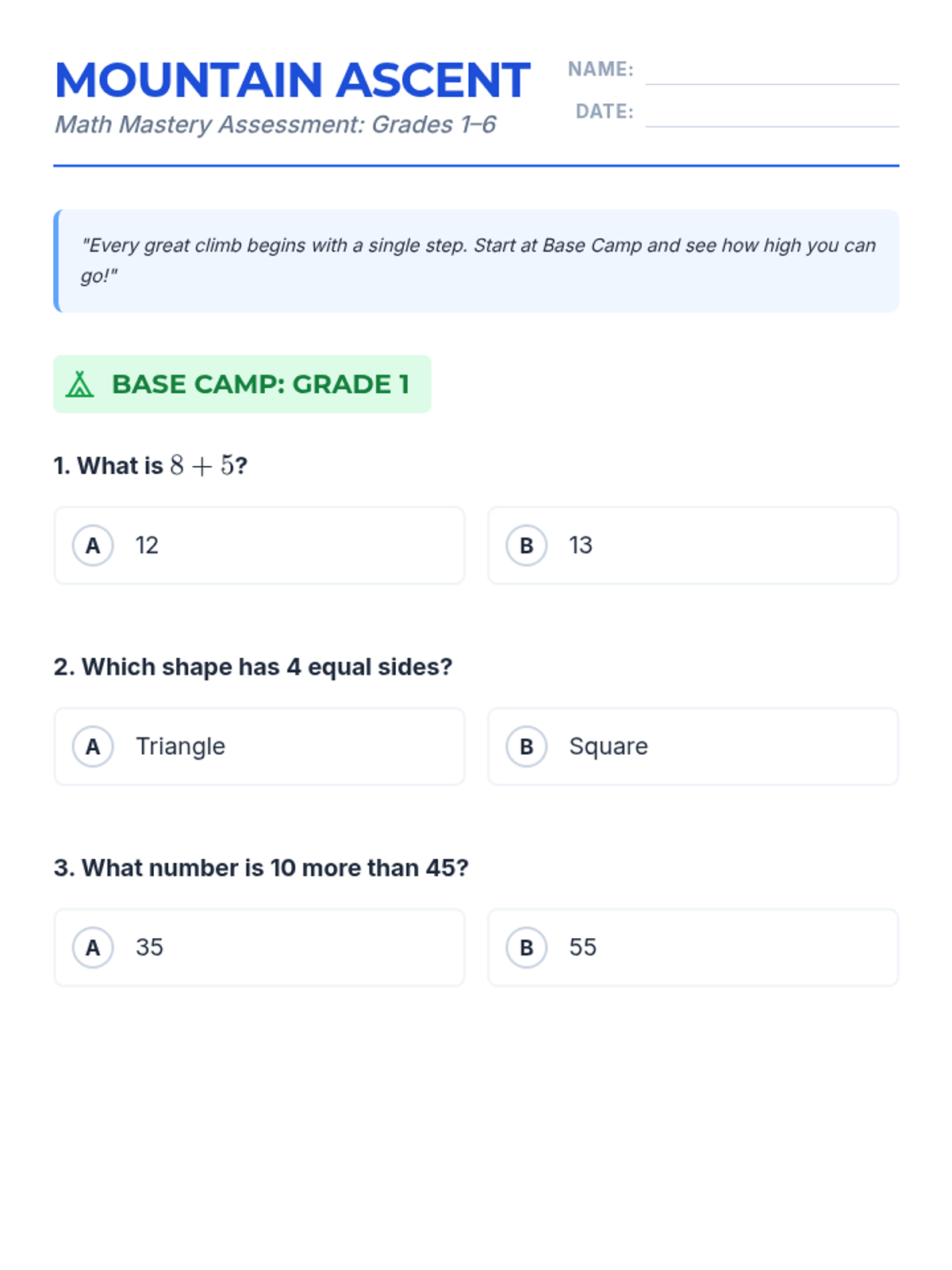
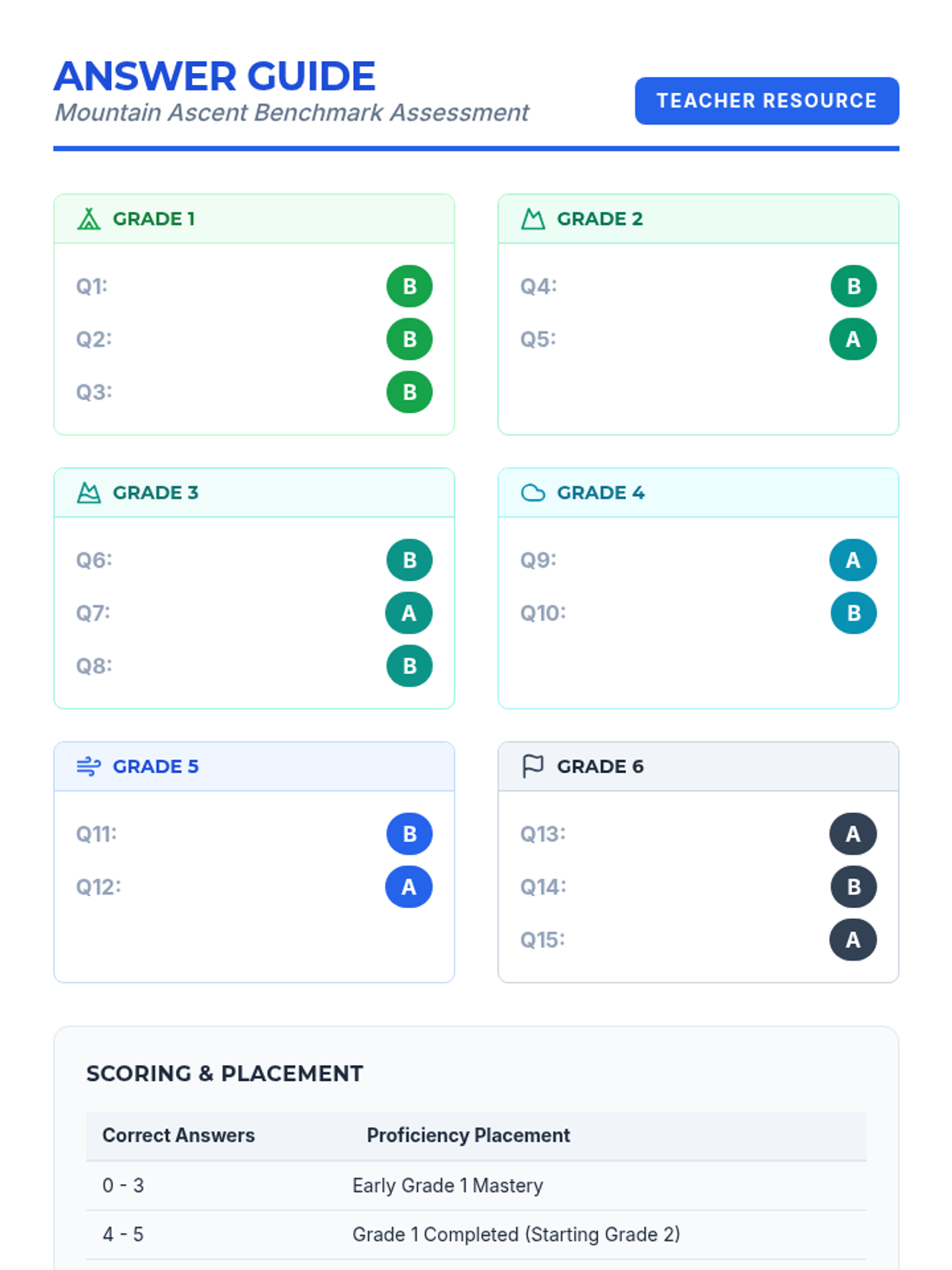
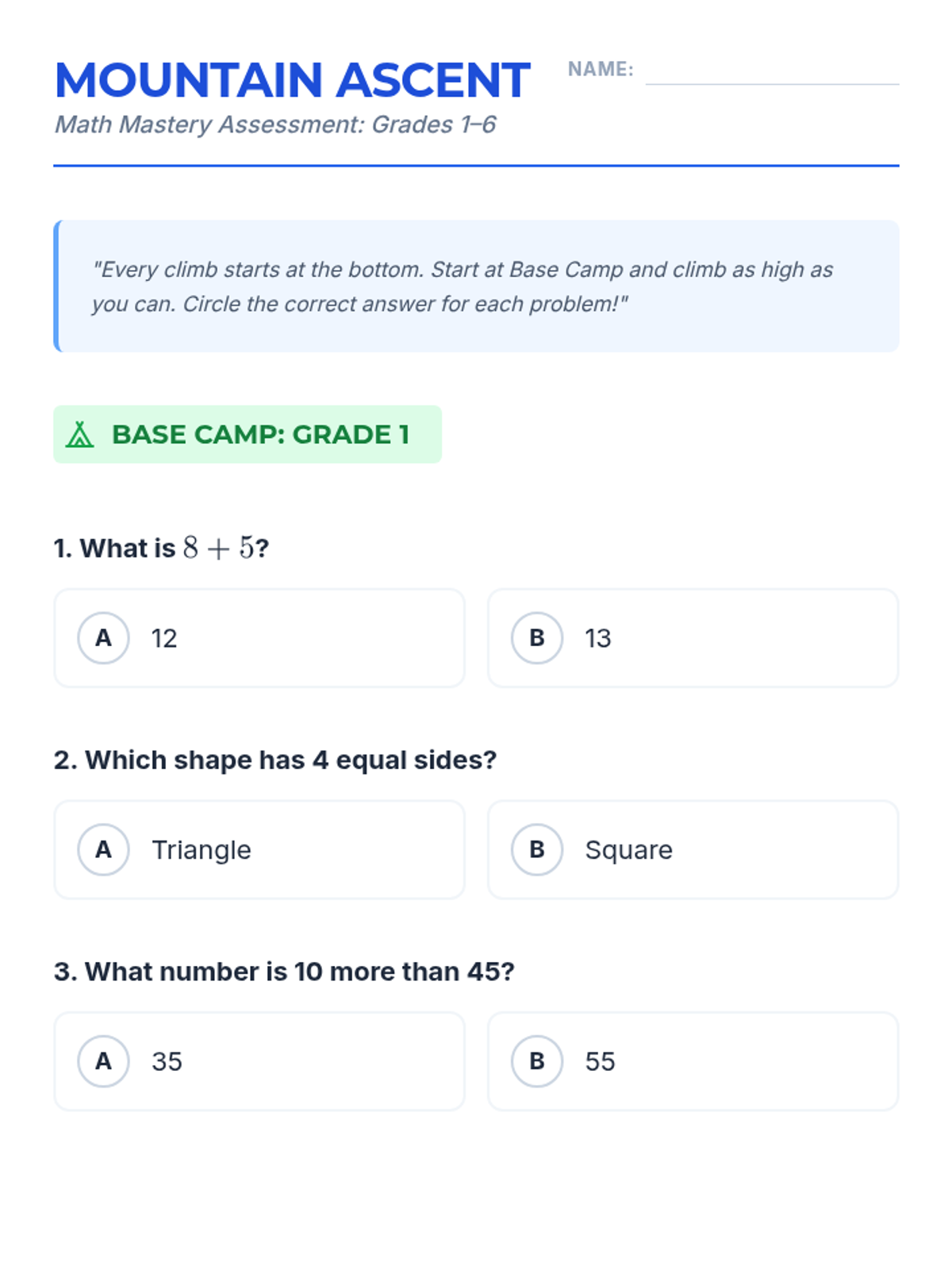
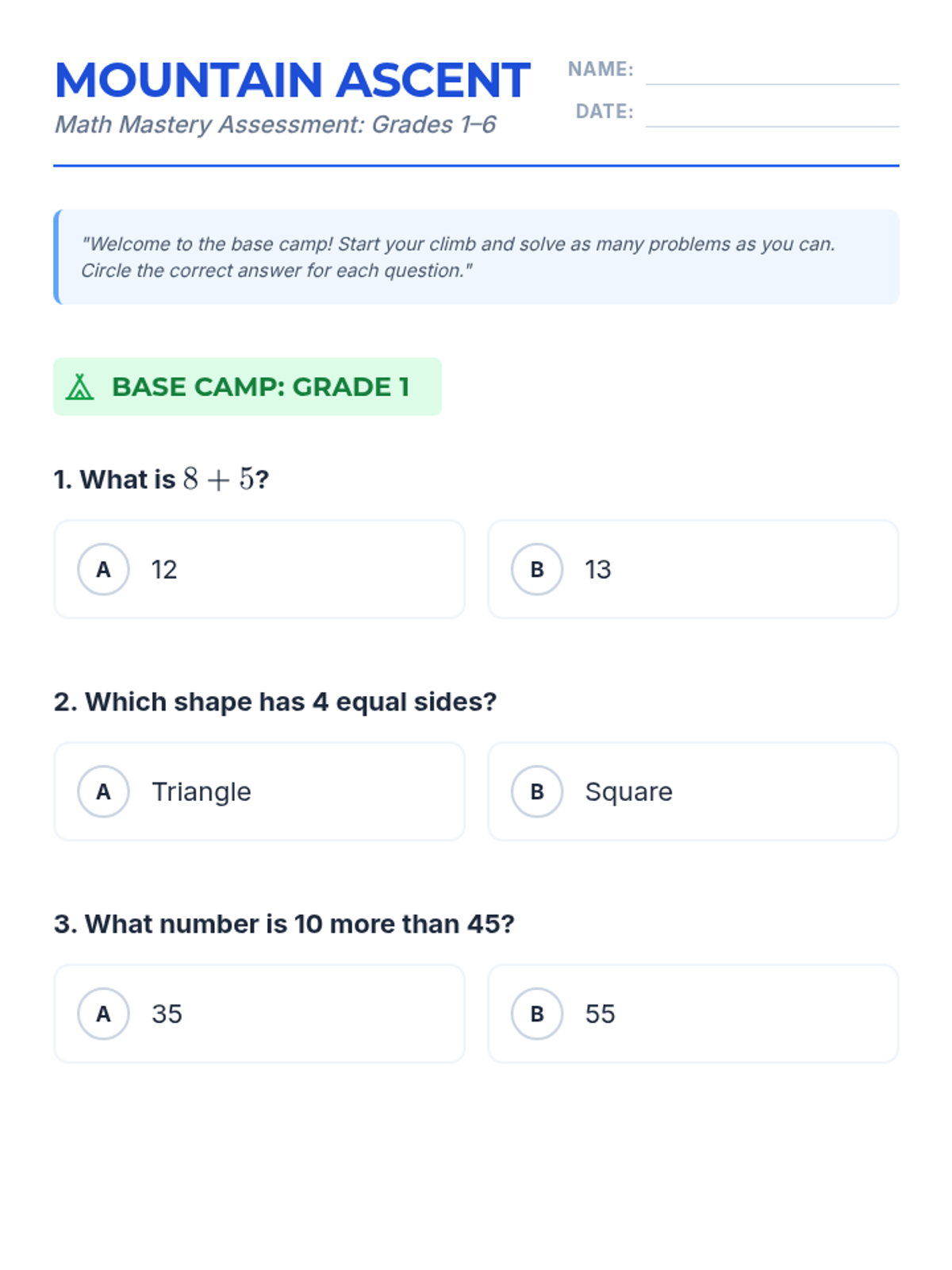
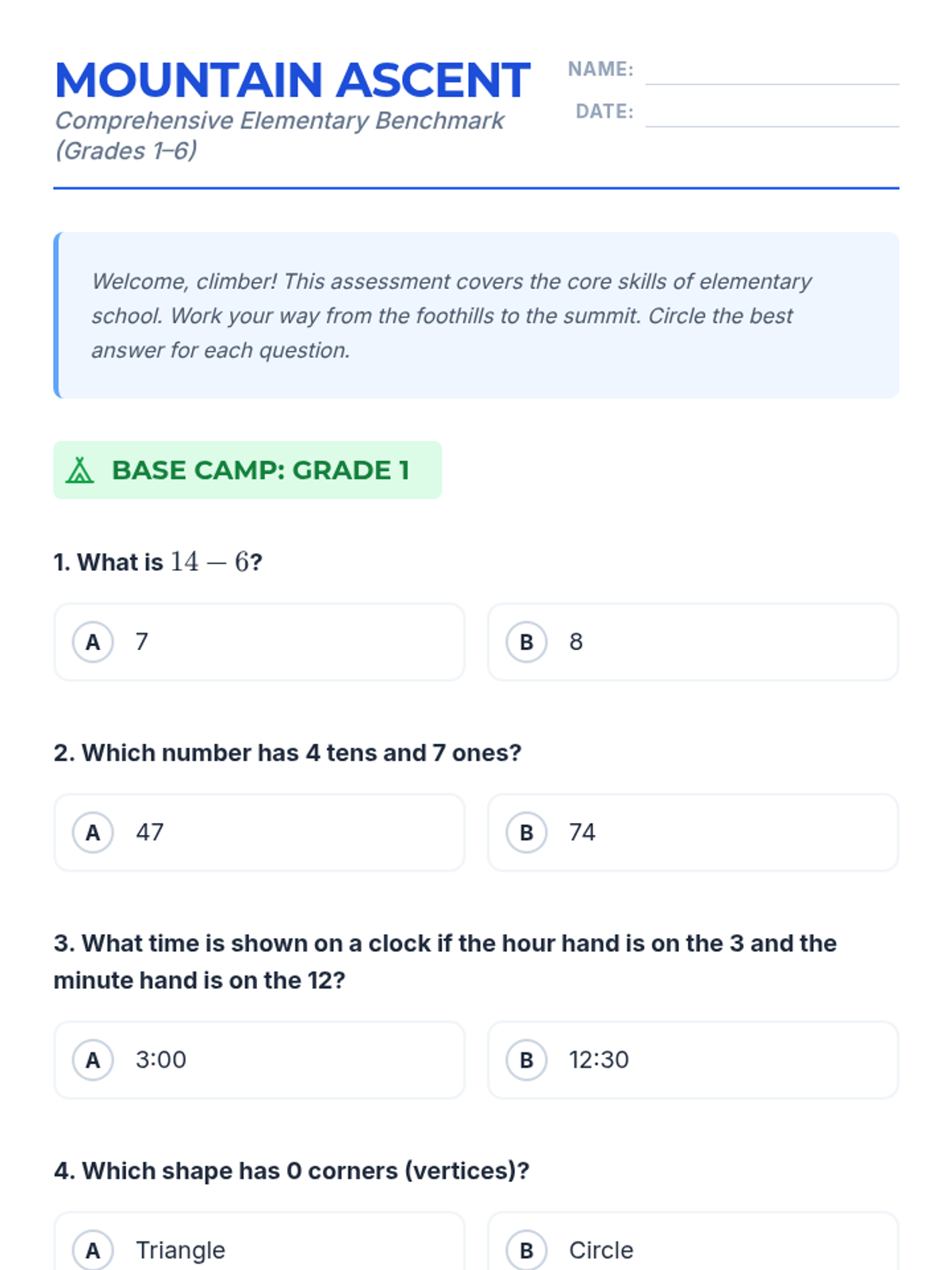
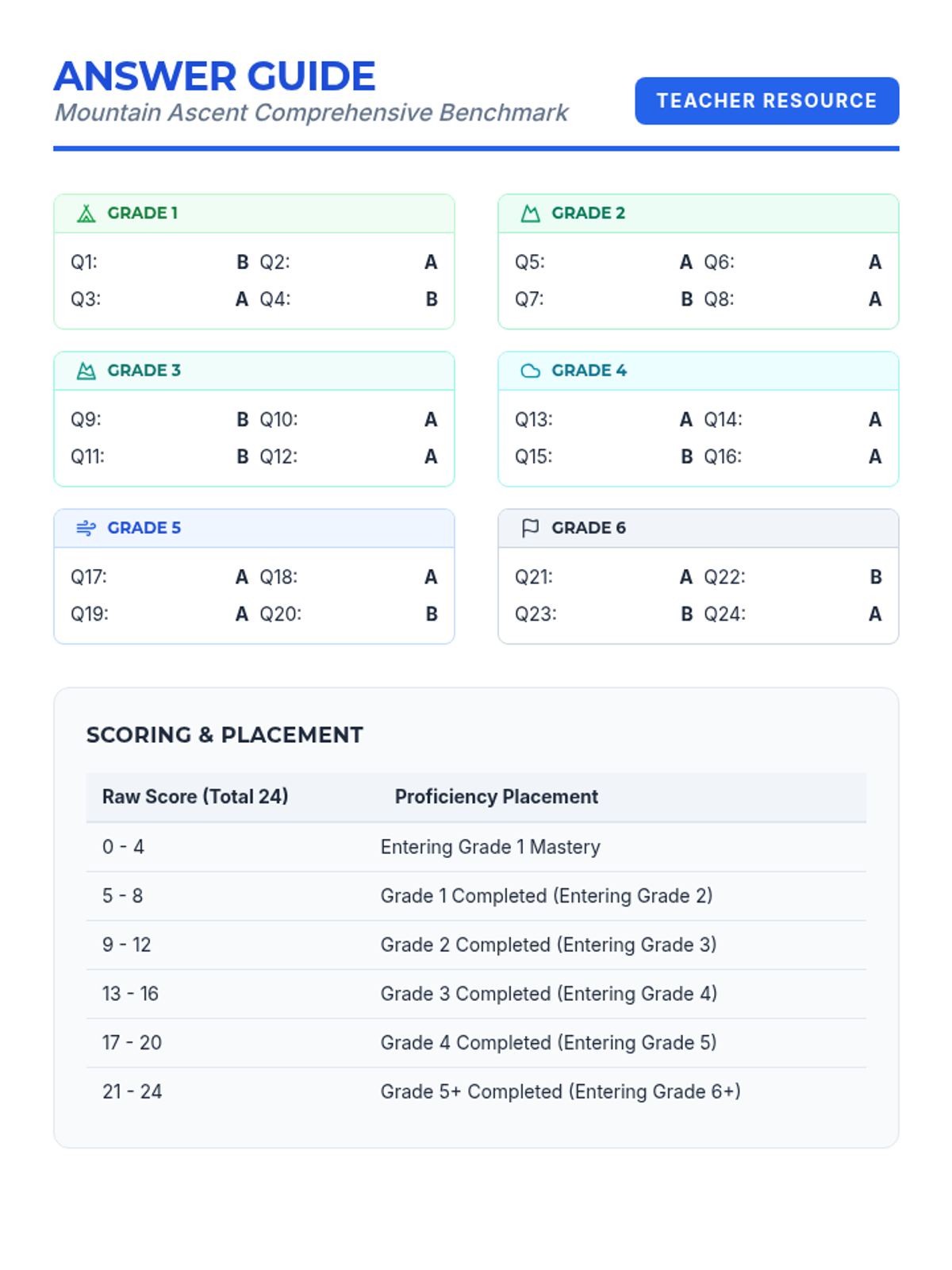
A comprehensive math benchmark assessment covering key standards from Grade 1 through Grade 6, designed to track student progress and identify skill gaps.
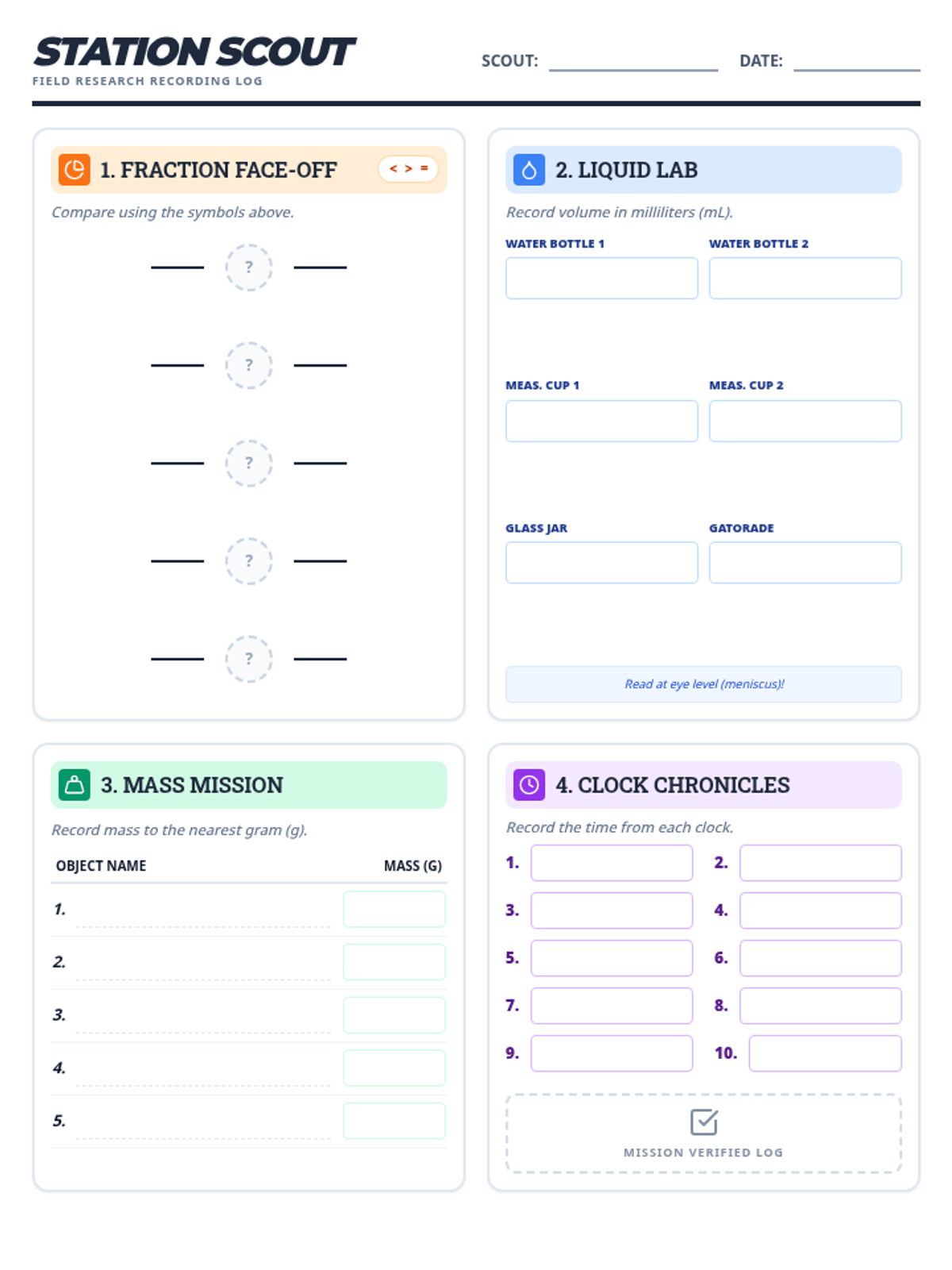
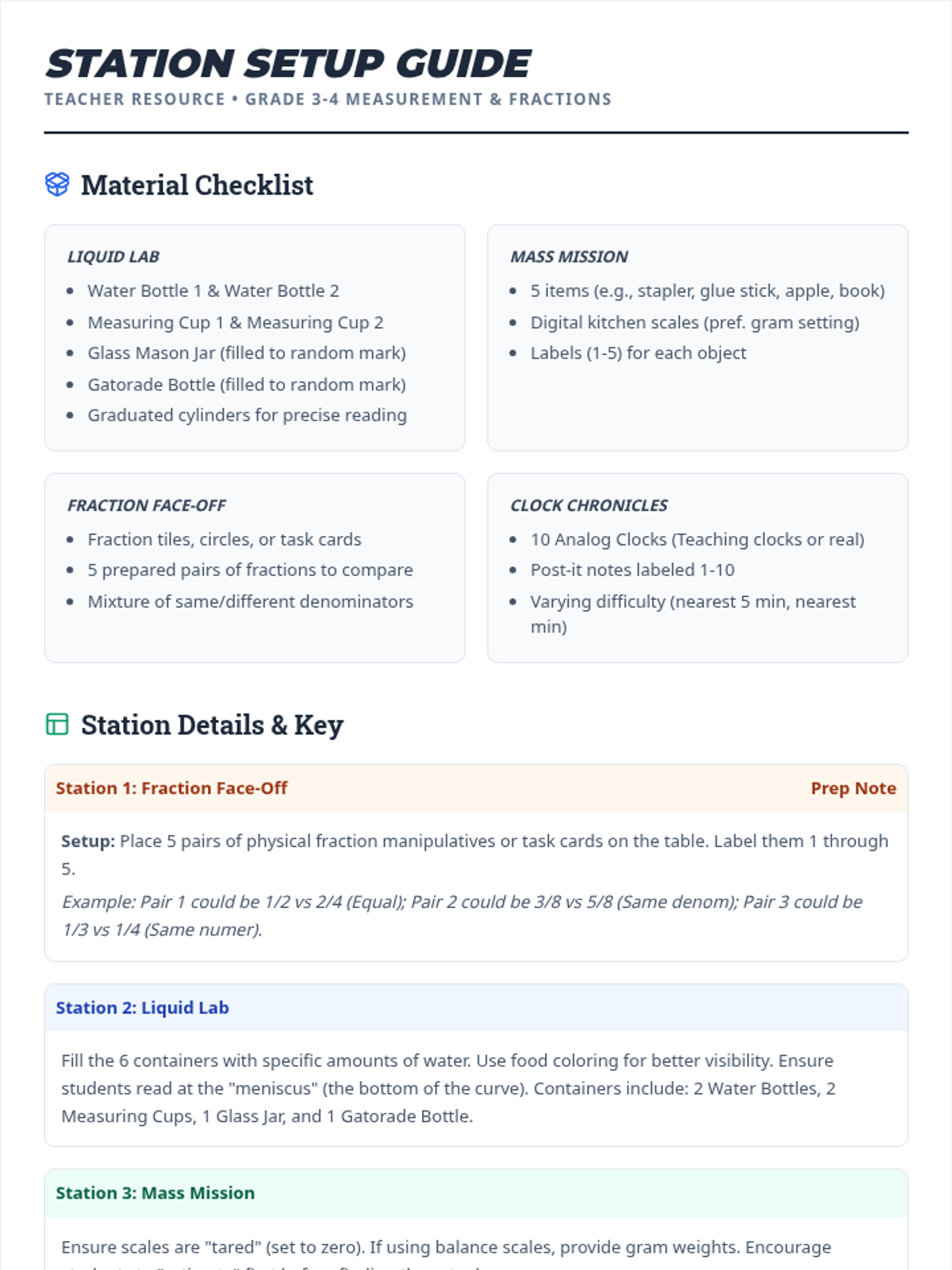
A hands-on measurement and fractions lesson where students rotate through four distinct stations to practice real-world math skills.
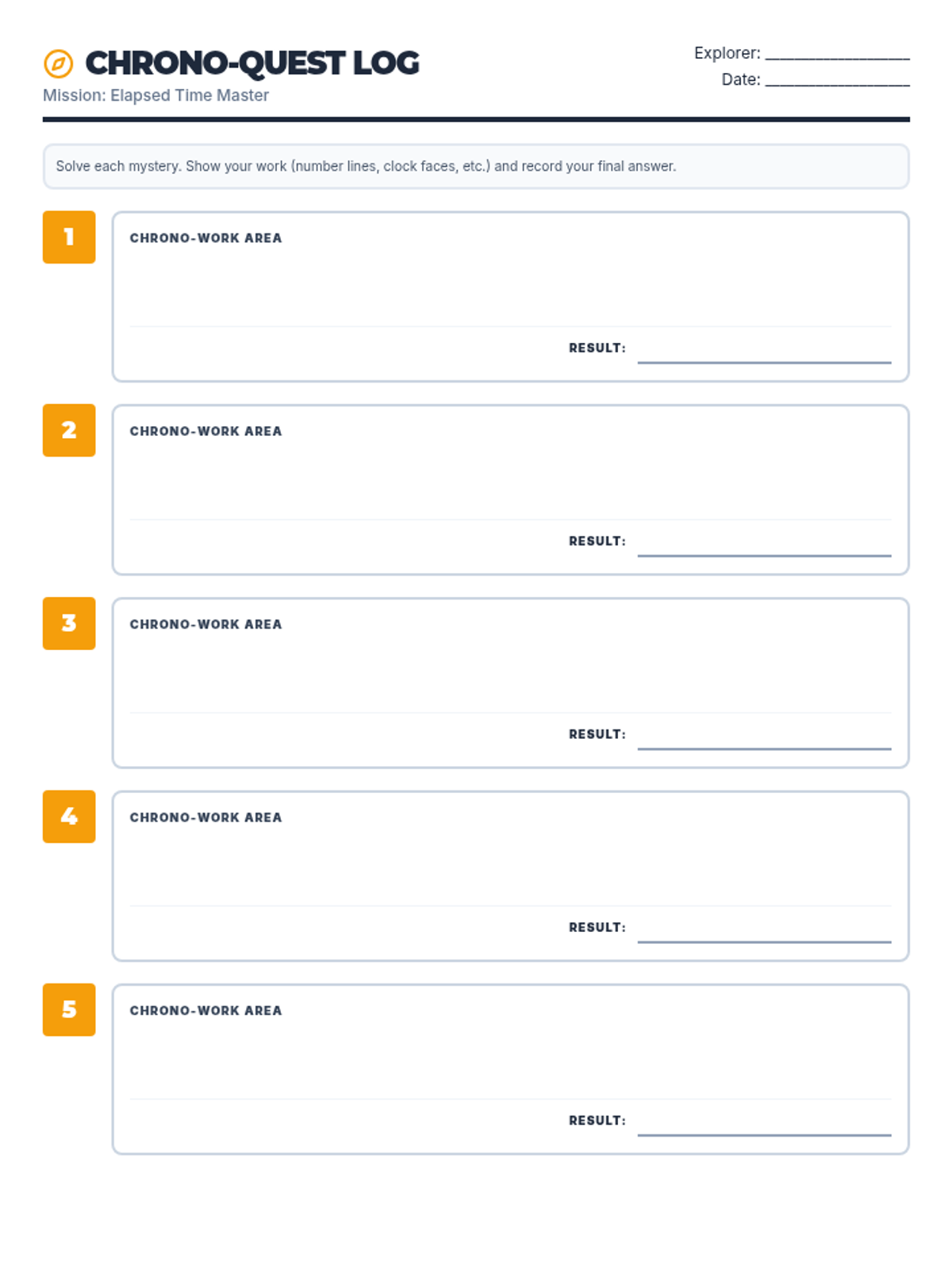
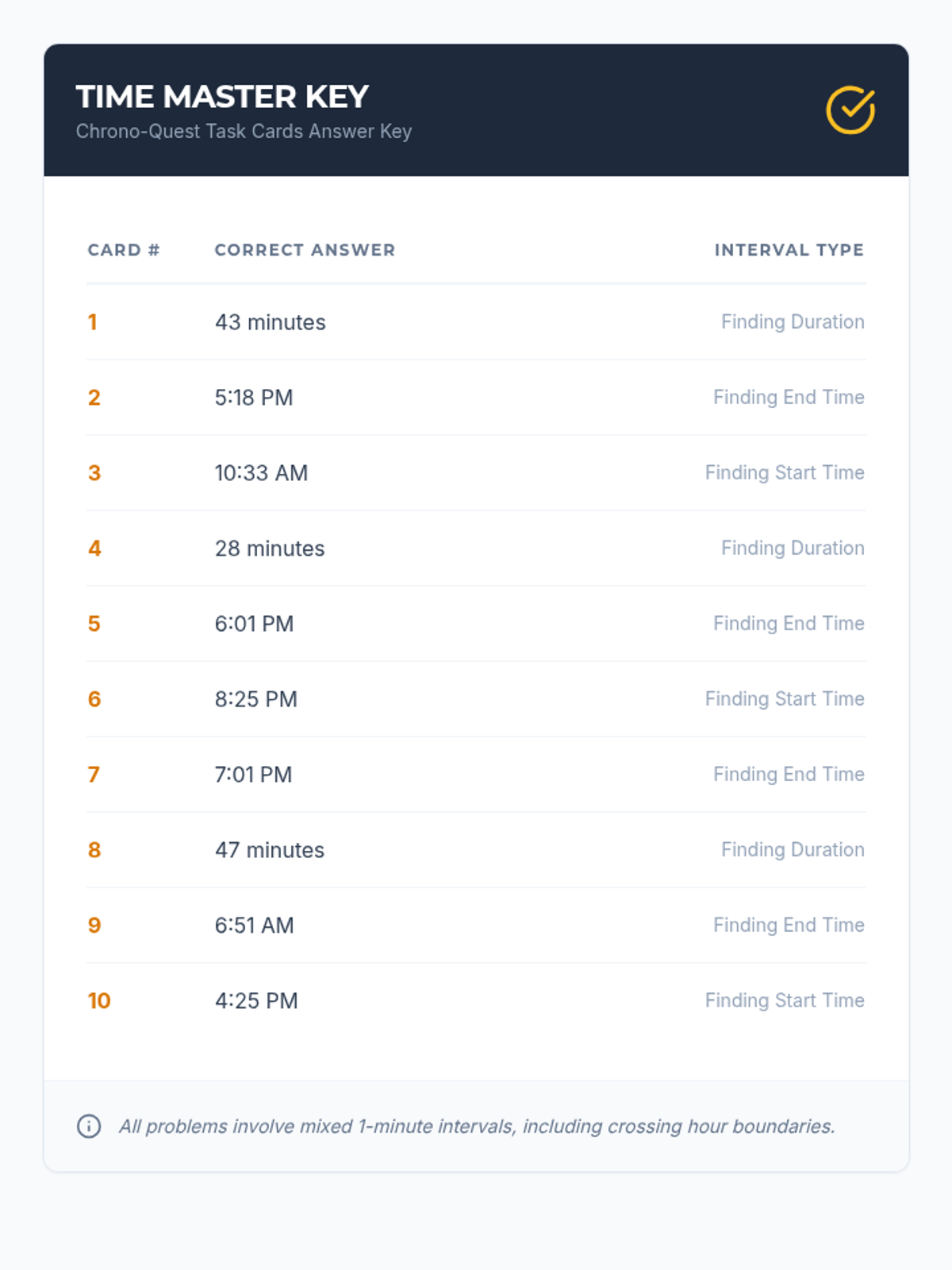
A lesson focused on solving word problems involving elapsed time using 1-minute intervals, themed around a 'Time Travel' adventure.
A comprehensive lesson focused on telling time to the exact minute, featuring visual clock identification and word problems.
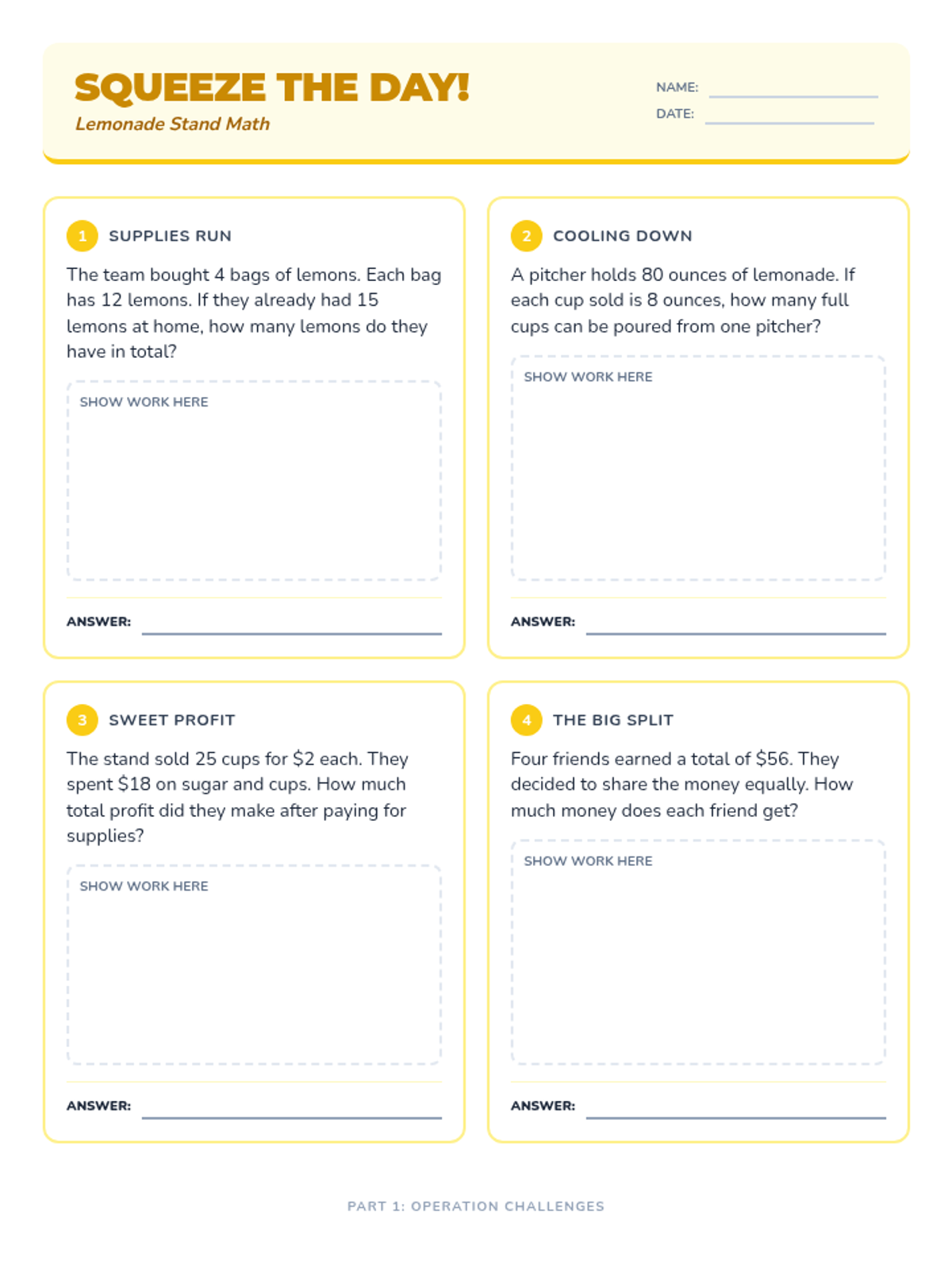
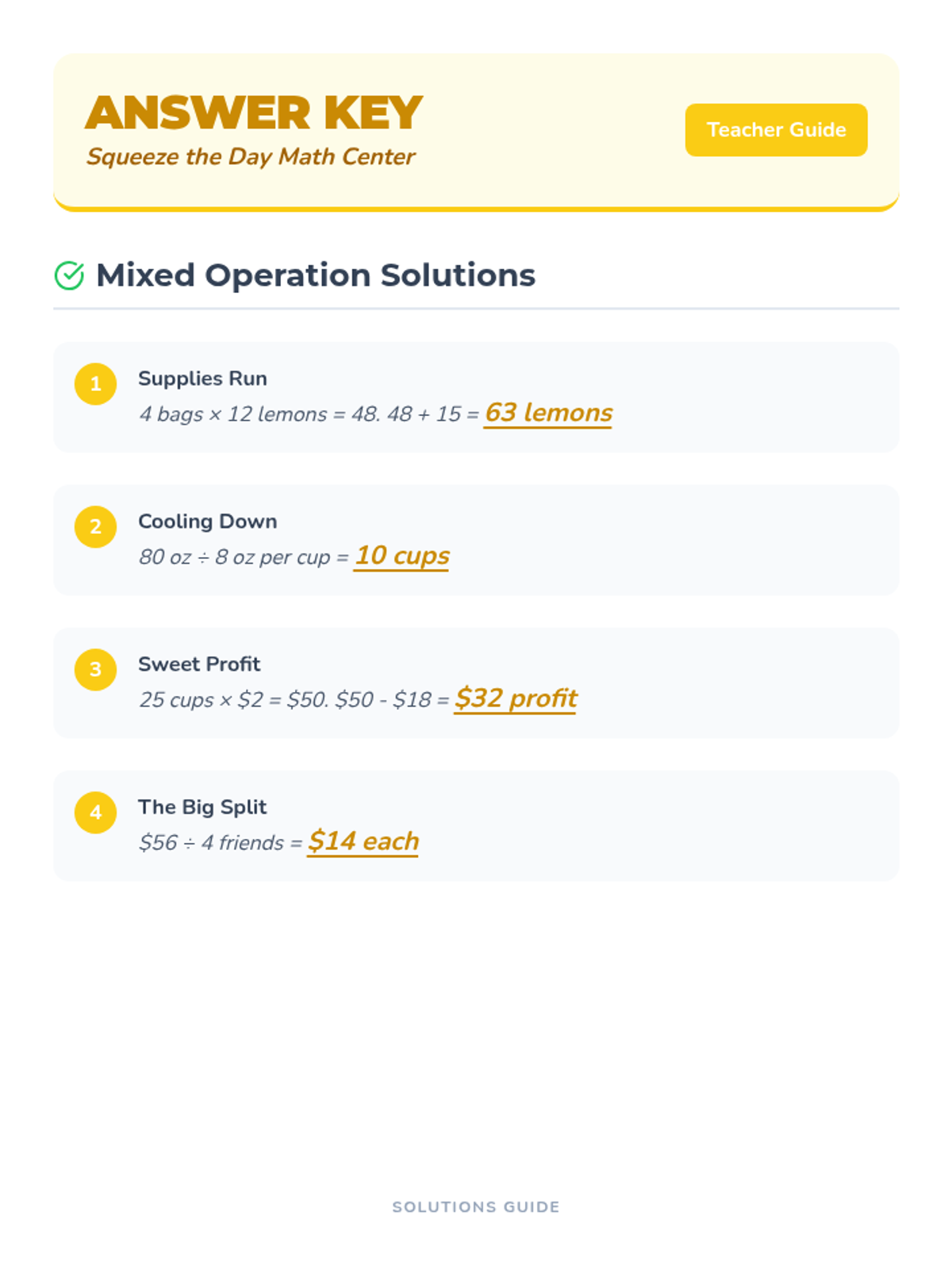
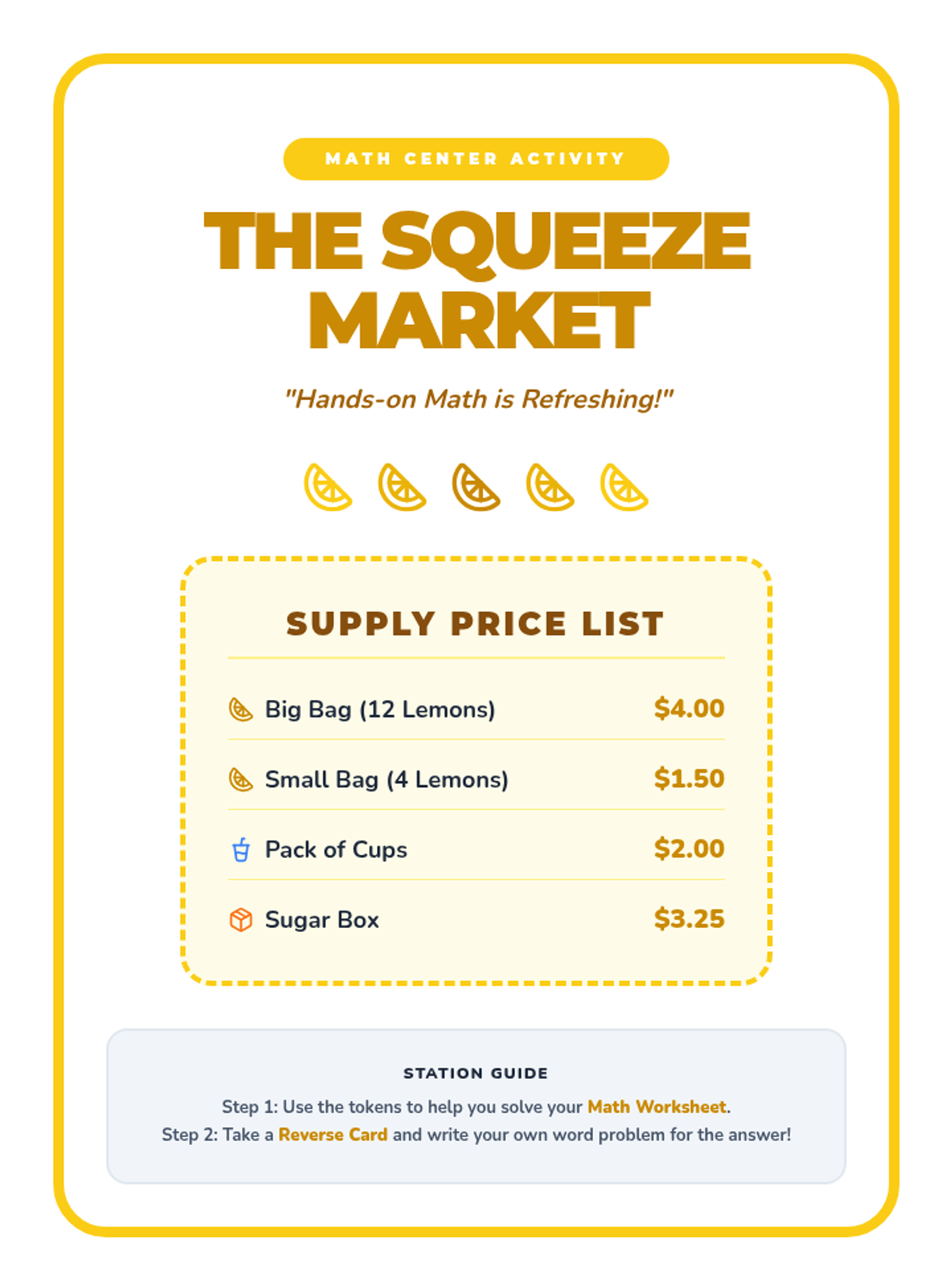
A high-energy math center rotation where students solve lemon-themed word problems and practice reverse-engineering math scenarios.
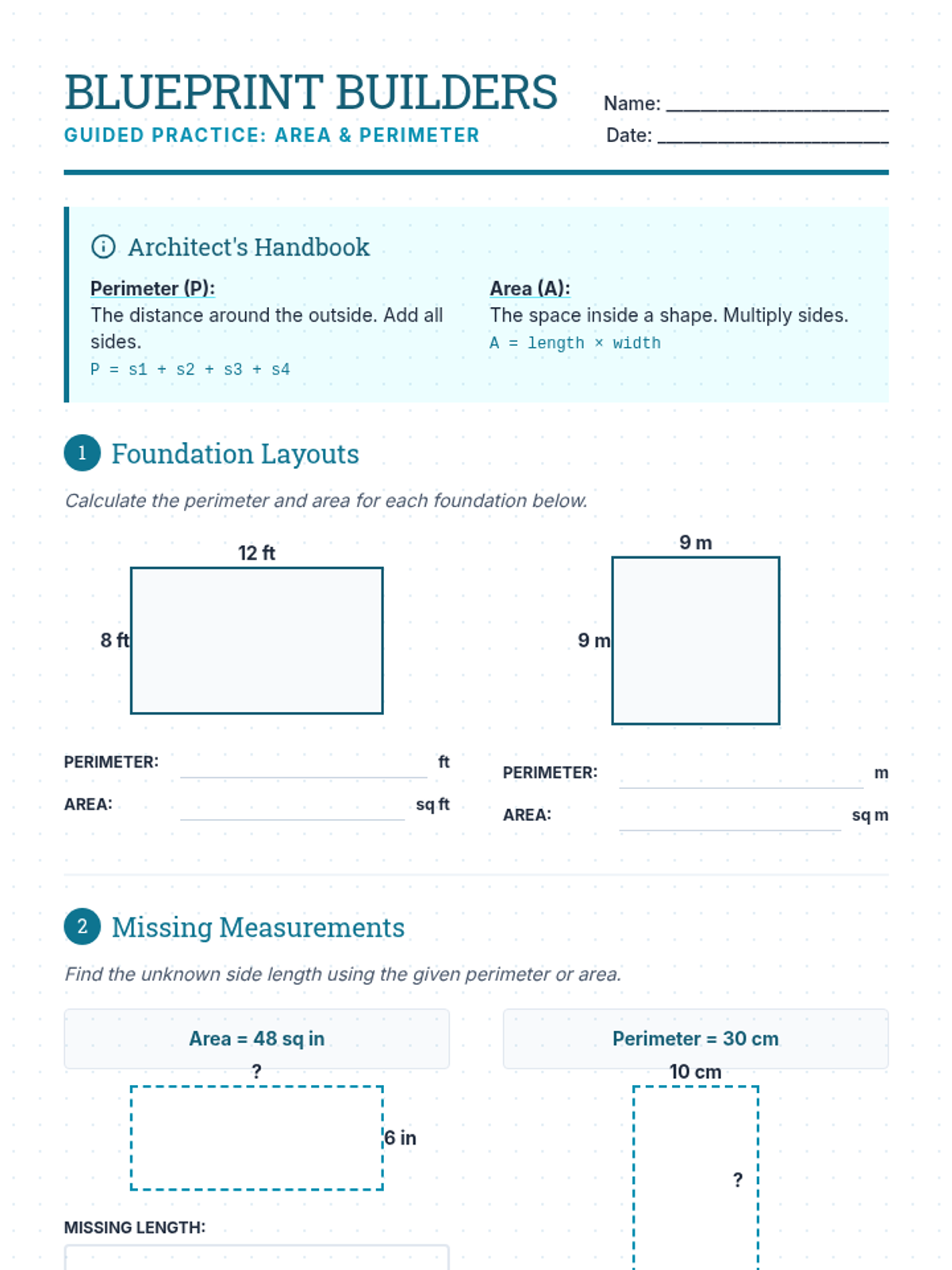
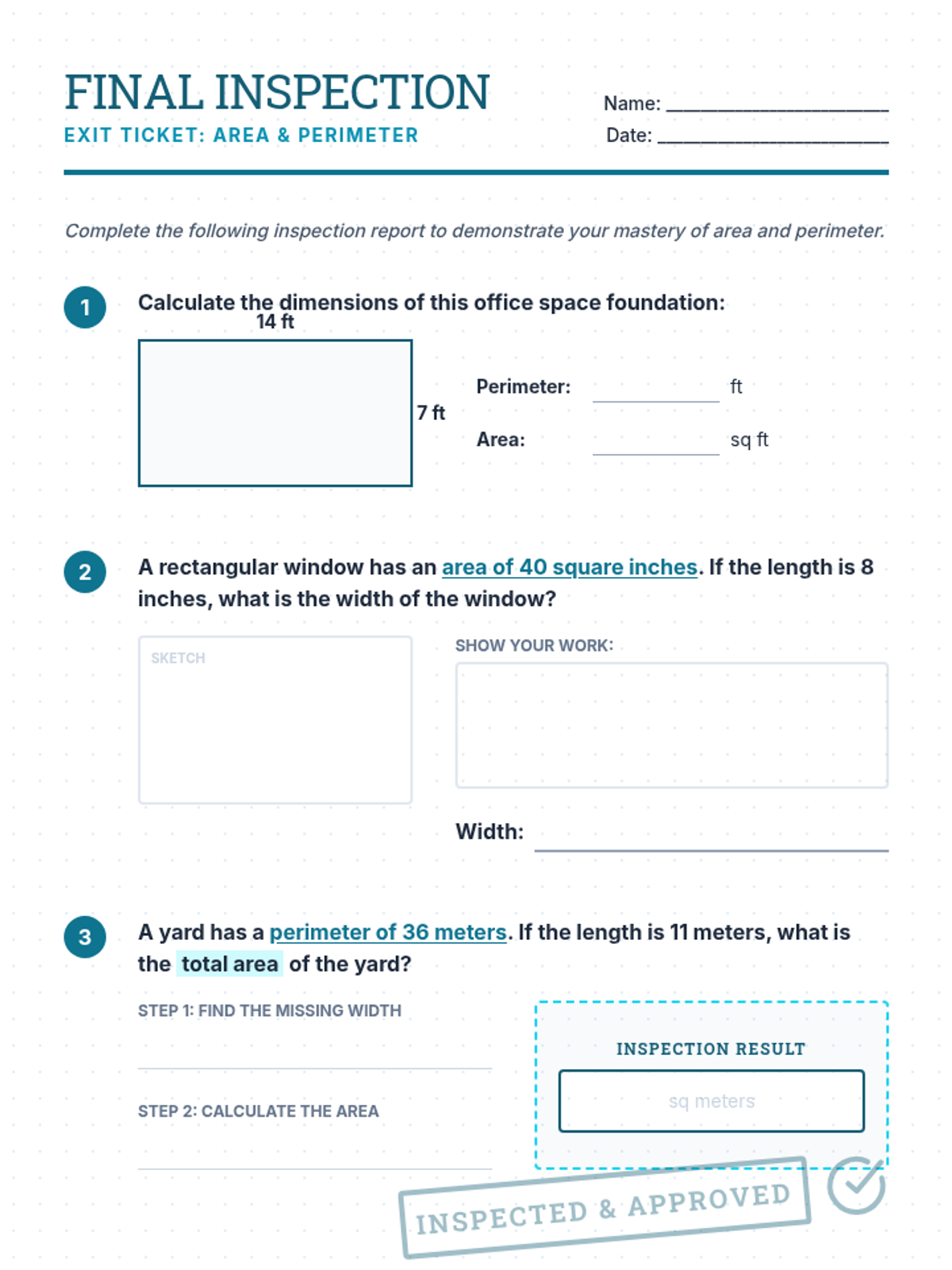
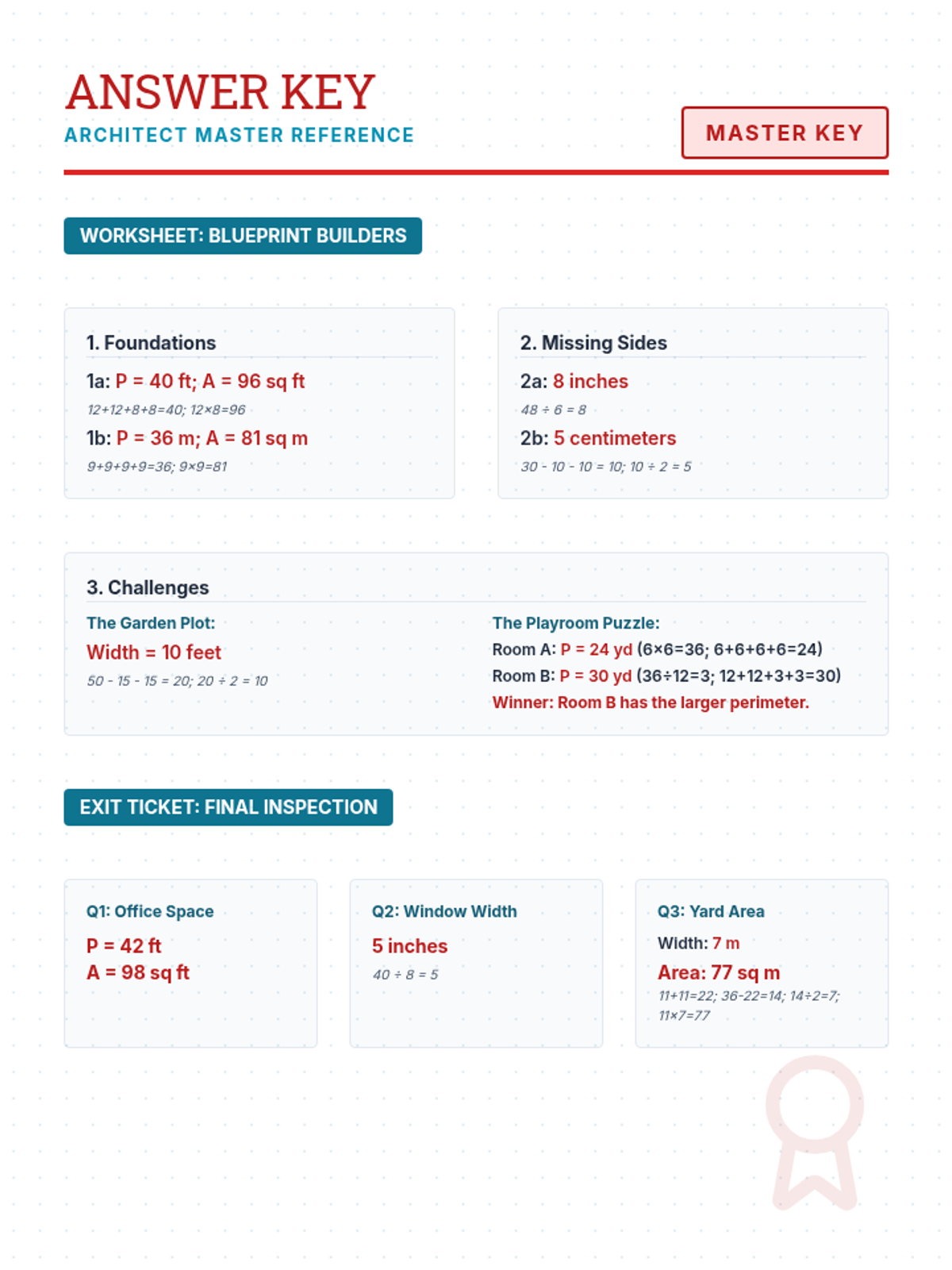
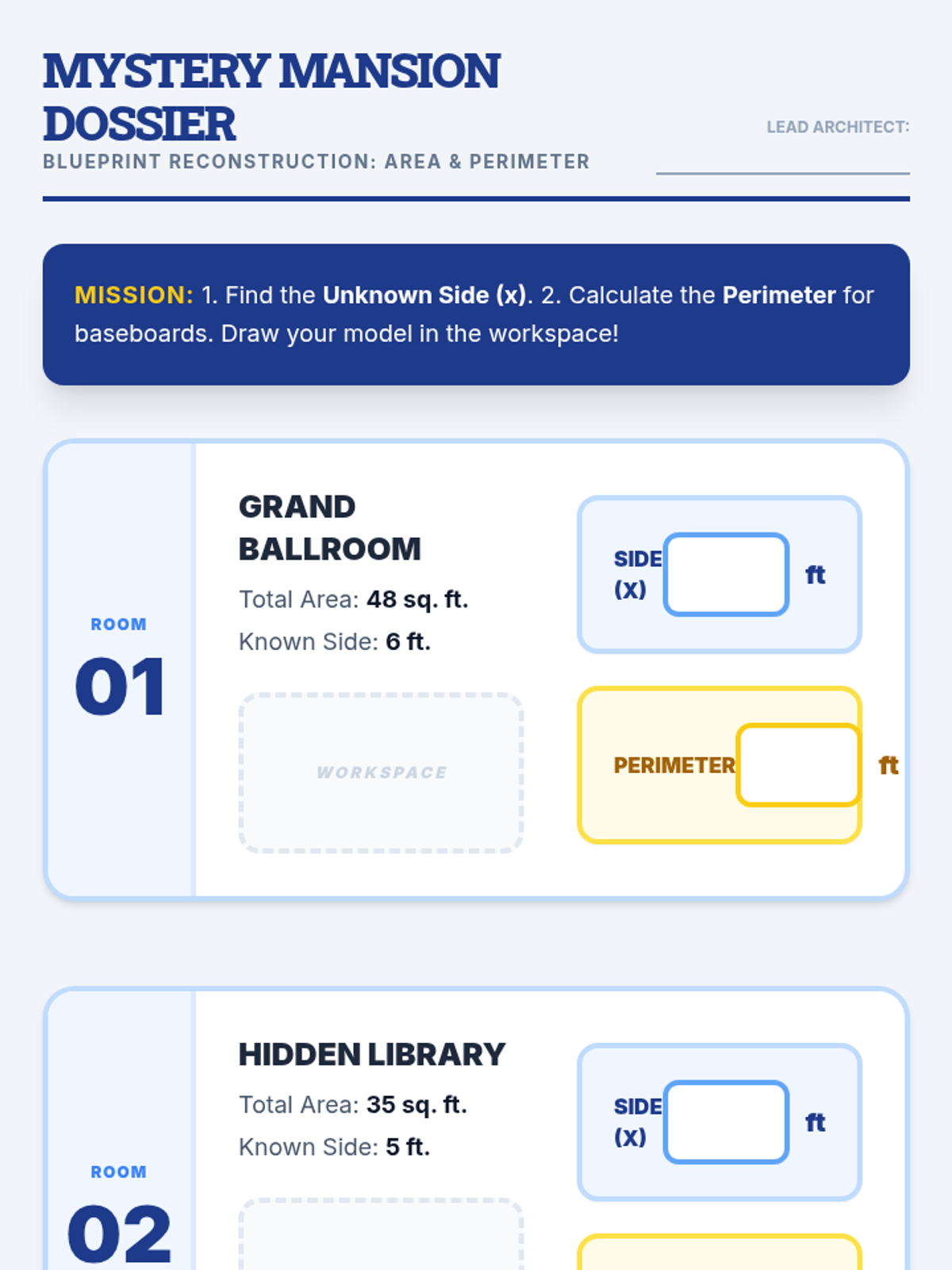
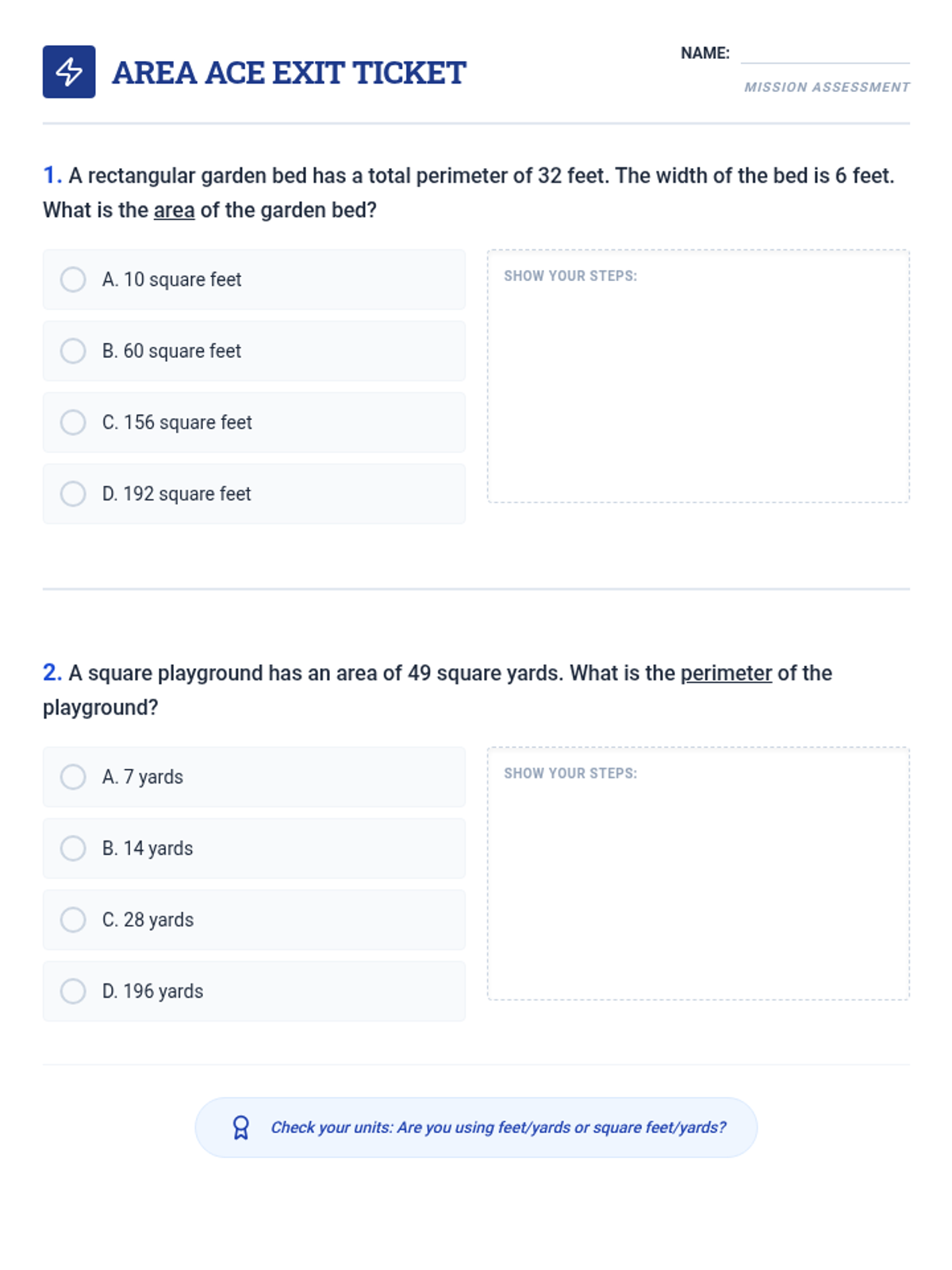
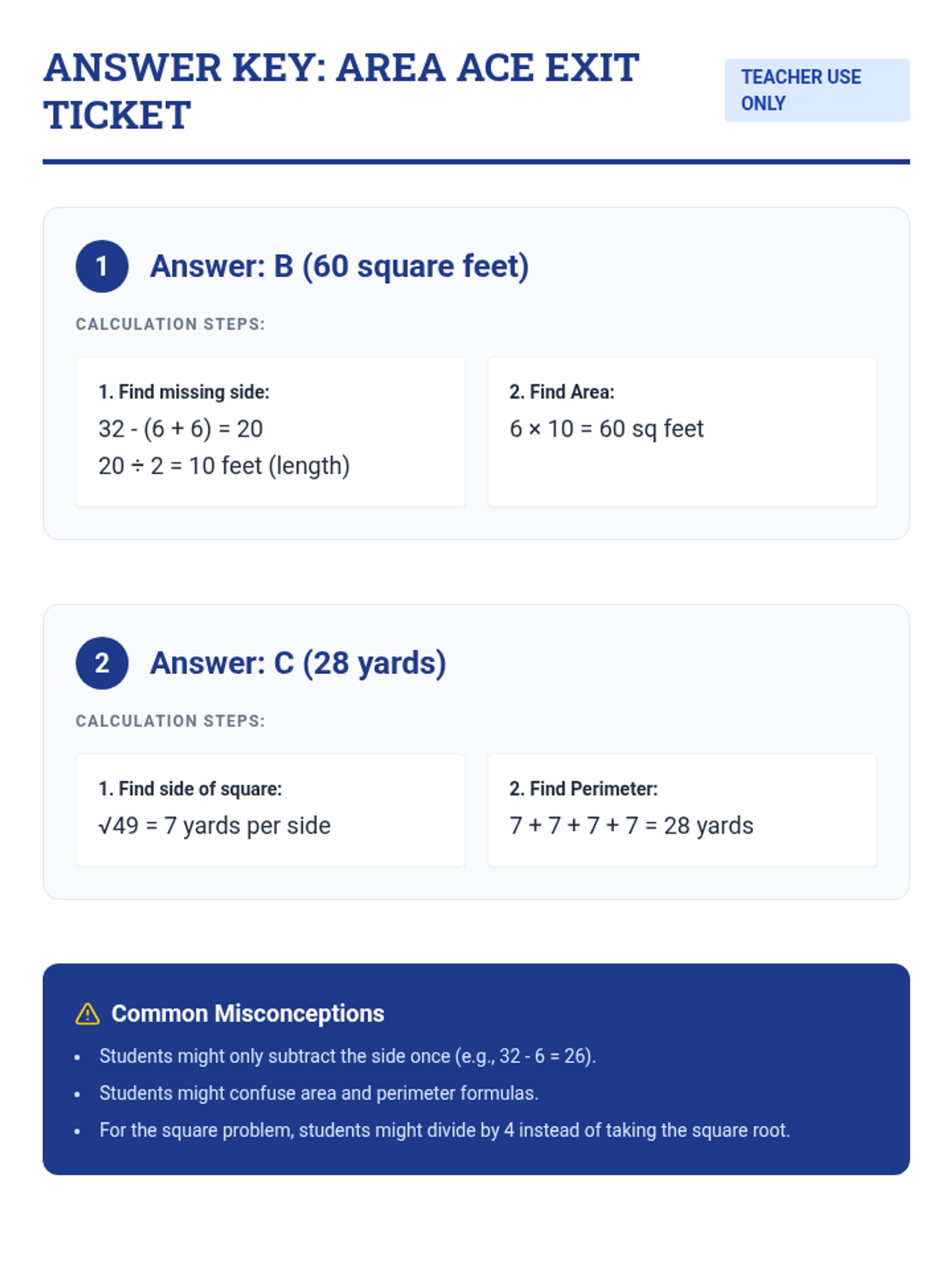
A lesson focused on solving real-world area and perimeter problems, including finding unknown side lengths and comparing rectangles with different dimensions but shared properties. Students act as junior architects to design and analyze blueprints.
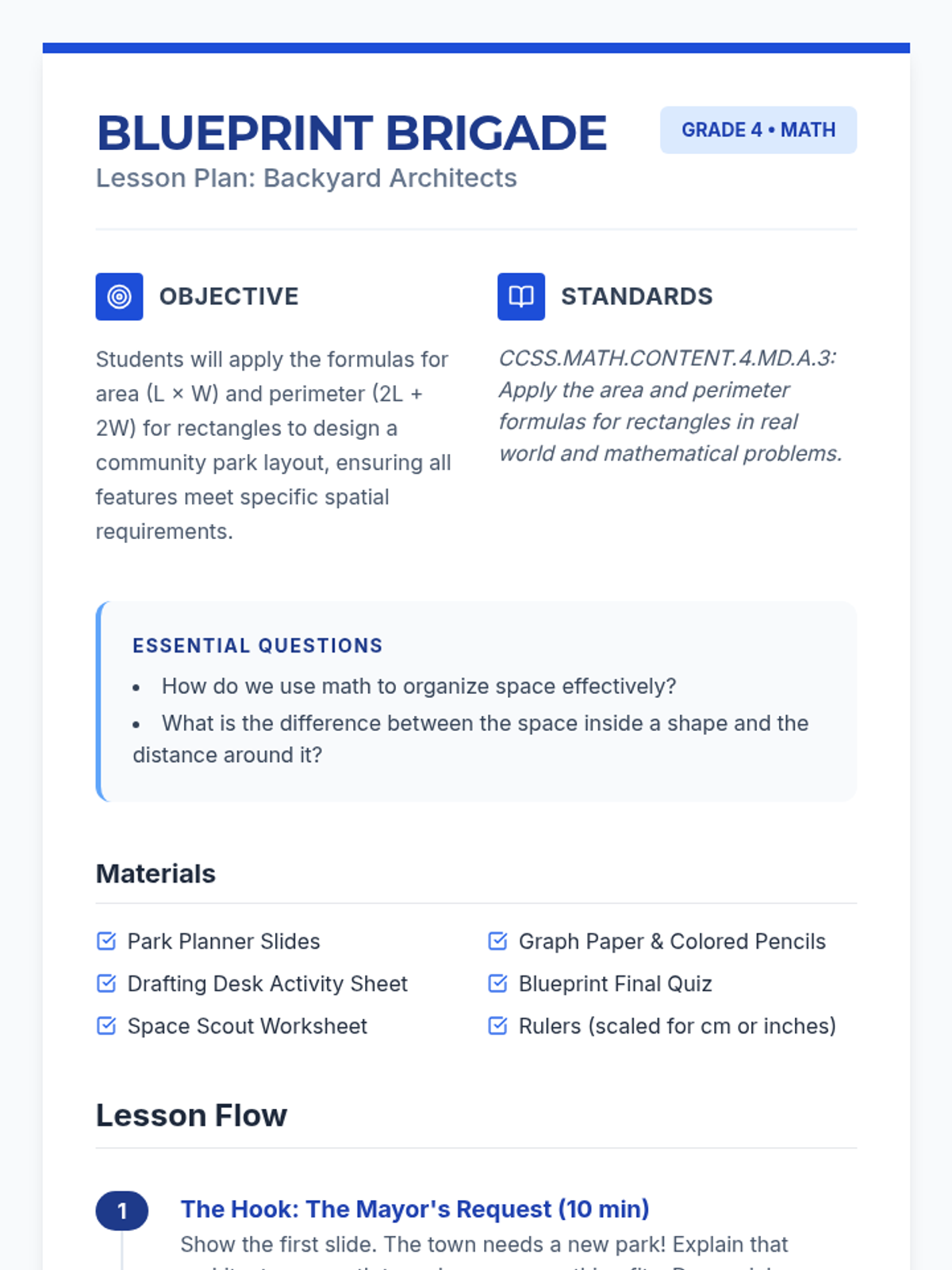
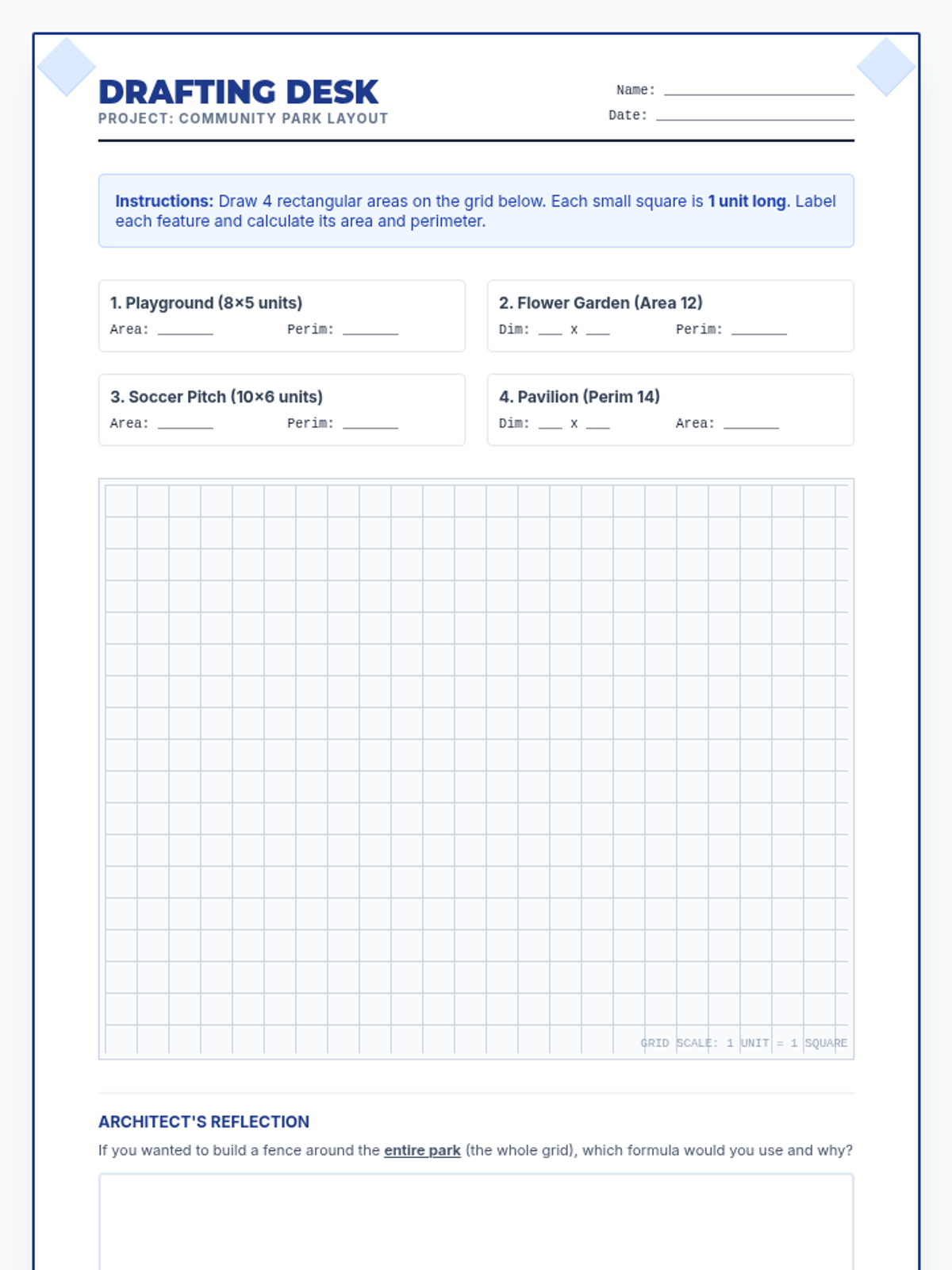
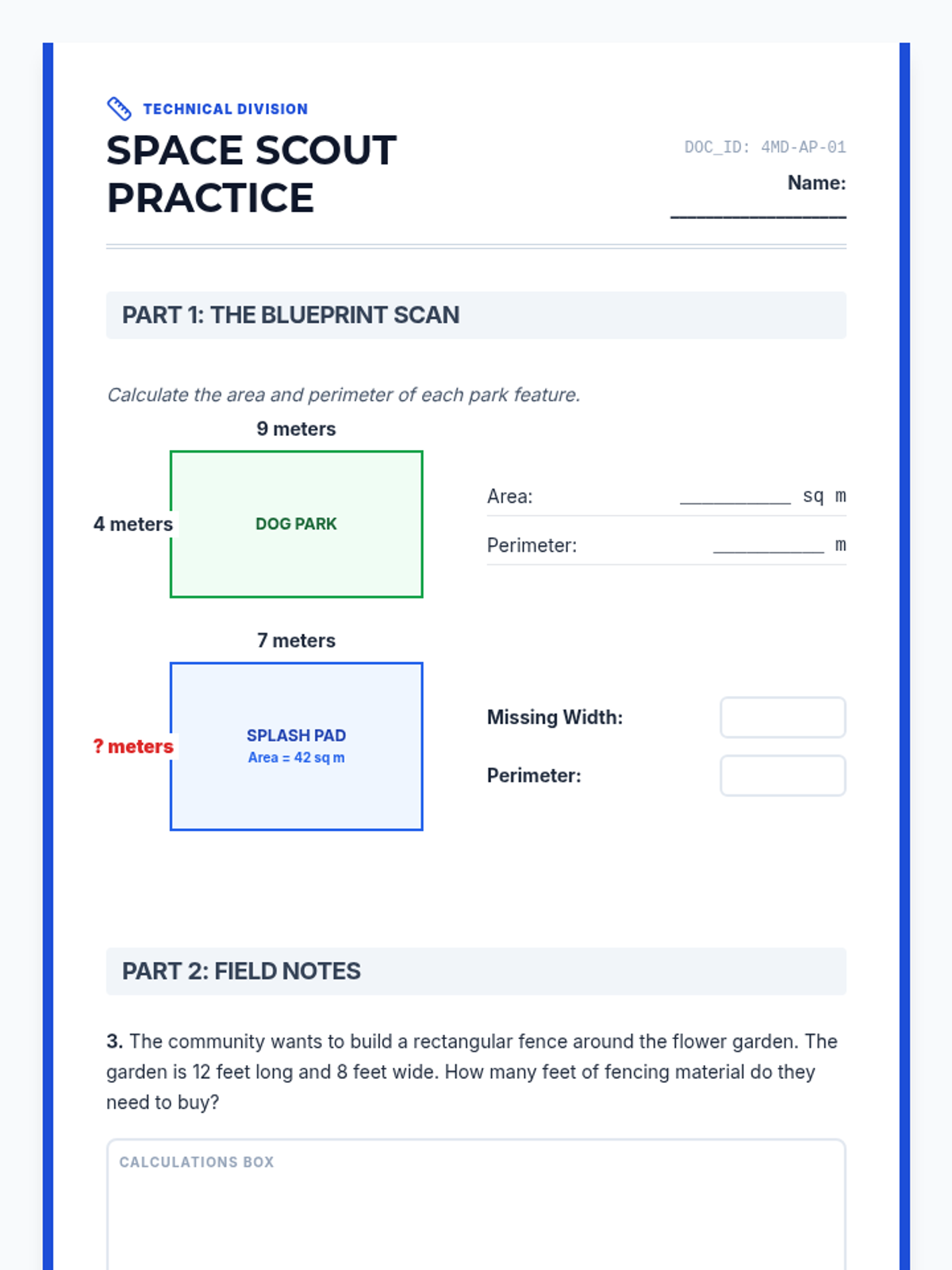
Students become backyard architects, designing a community park by calculating area and perimeter of rectangular features. This lesson bridges multiplicative thinking with real-world spatial planning for 4th graders.
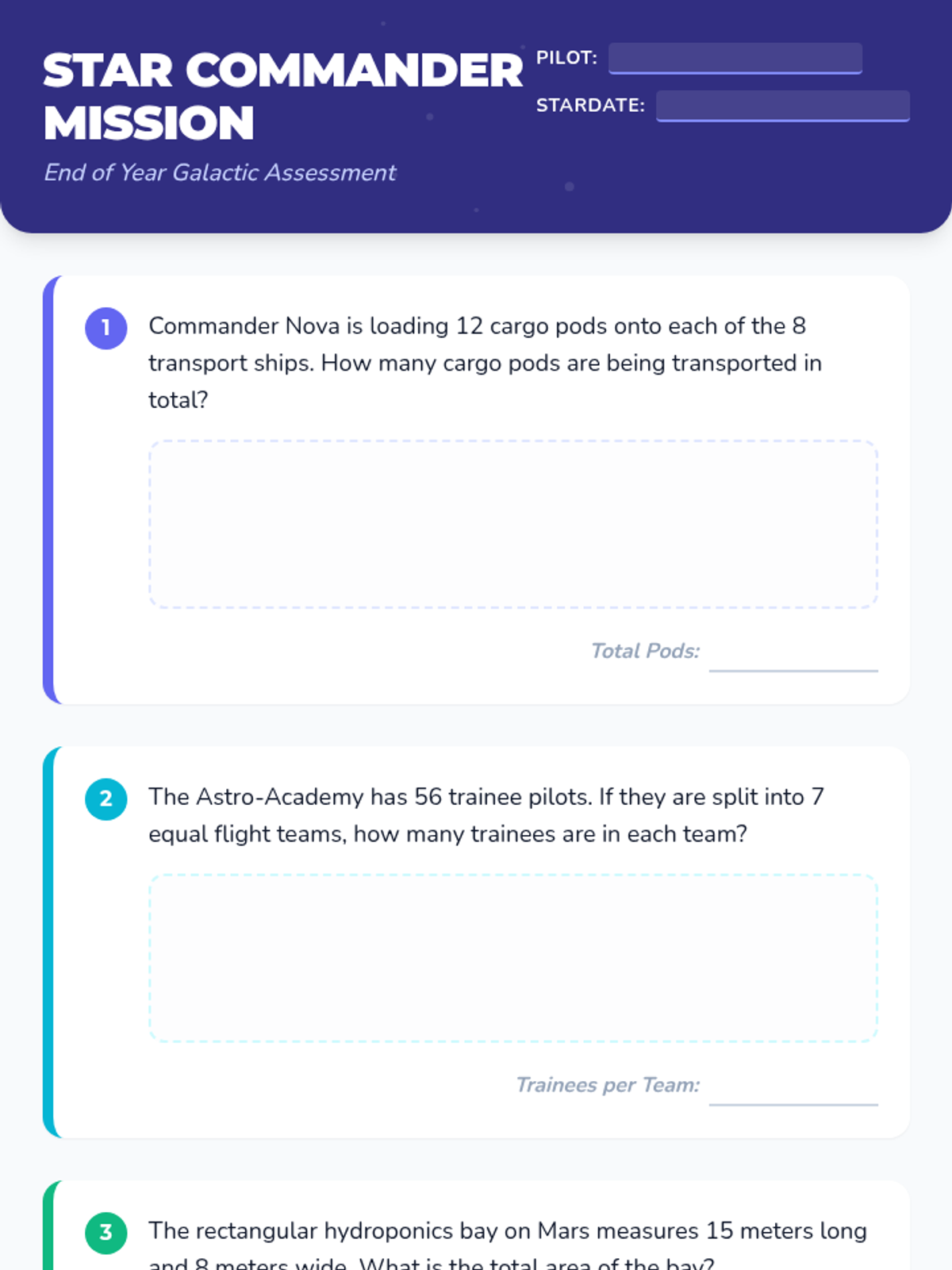
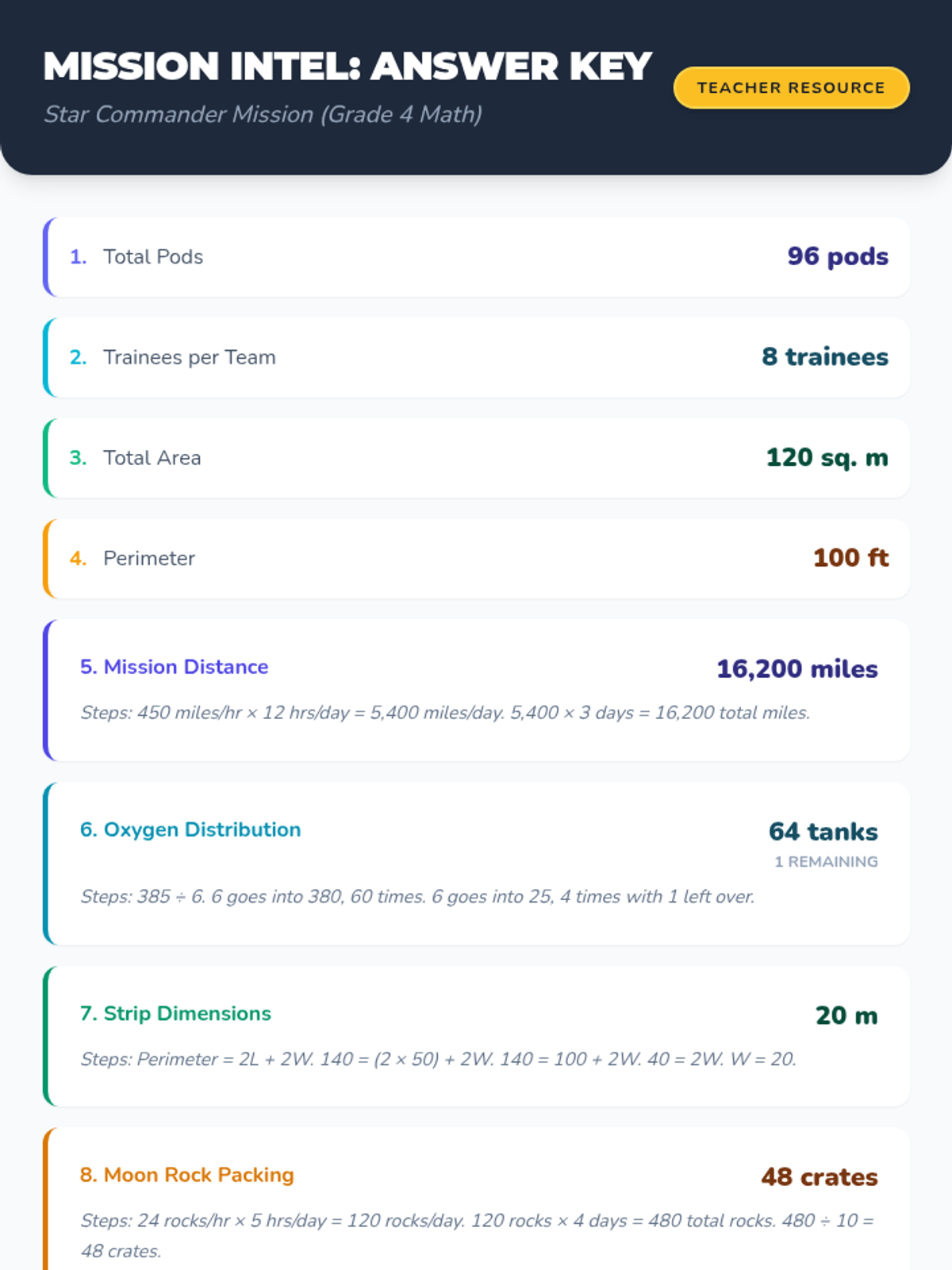
A comprehensive wrap-up lesson for 4th-grade math, focusing on applying multiplication, division, area, and perimeter skills to real-world word problems through a galactic exploration theme.
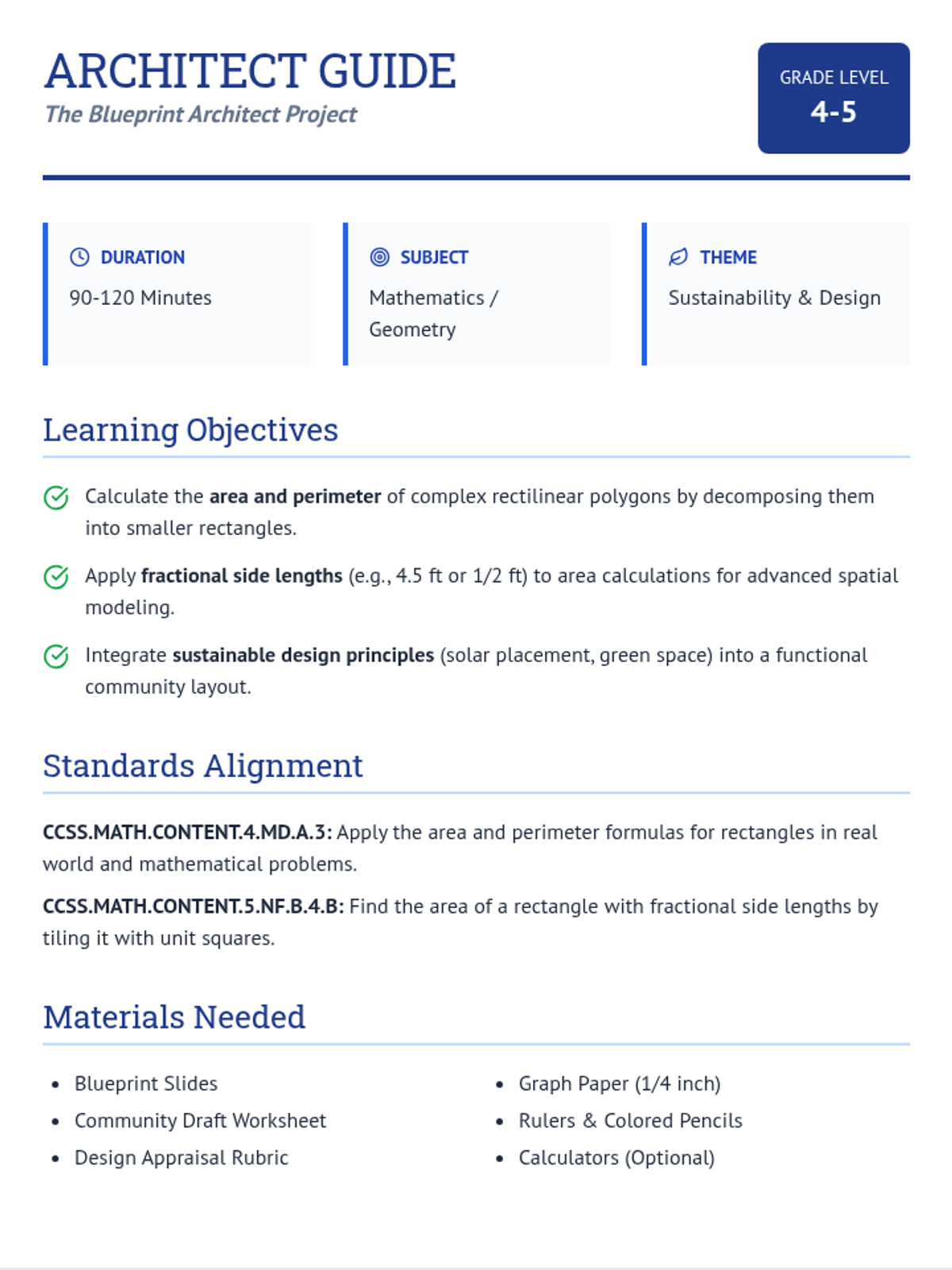
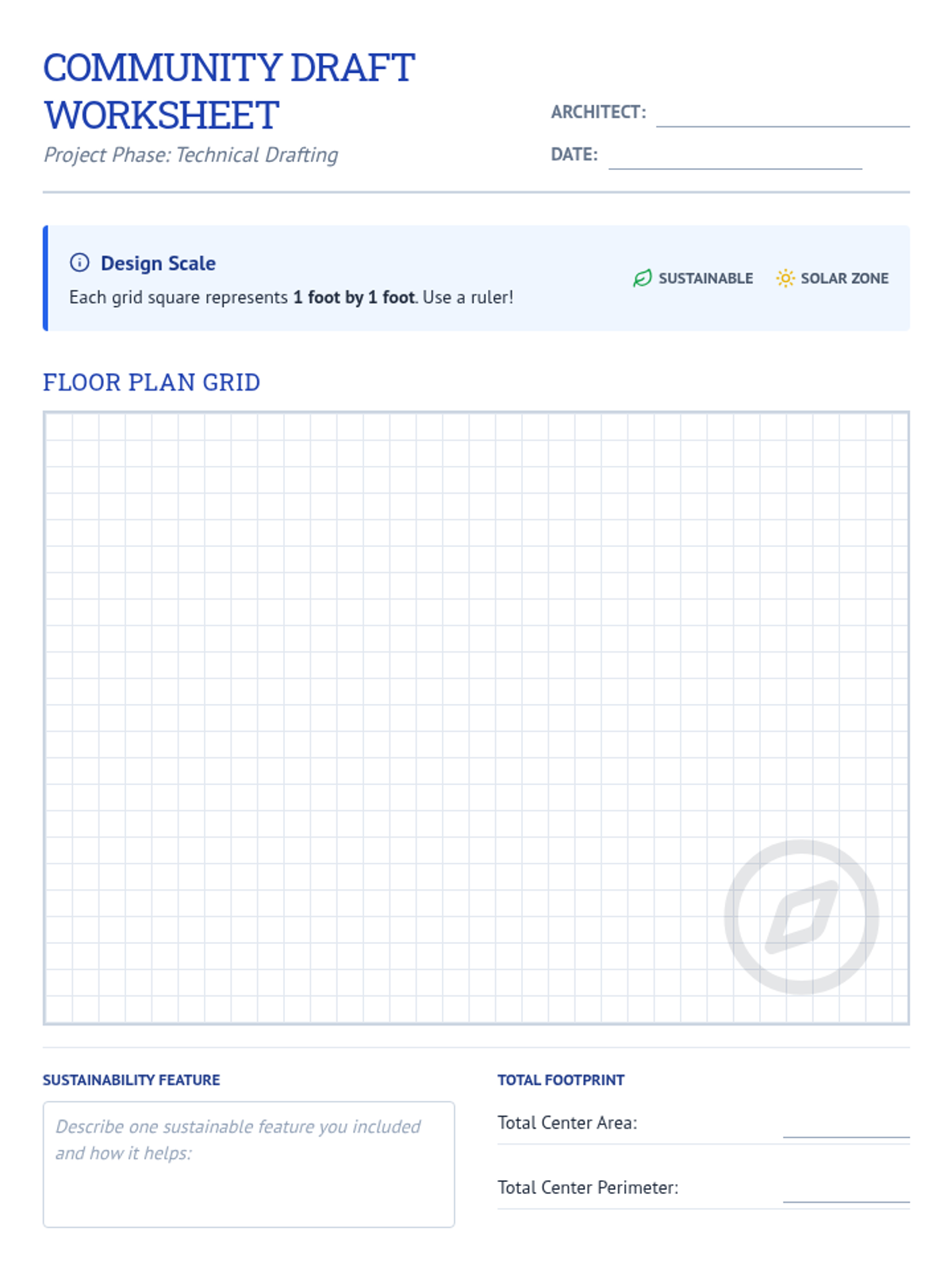
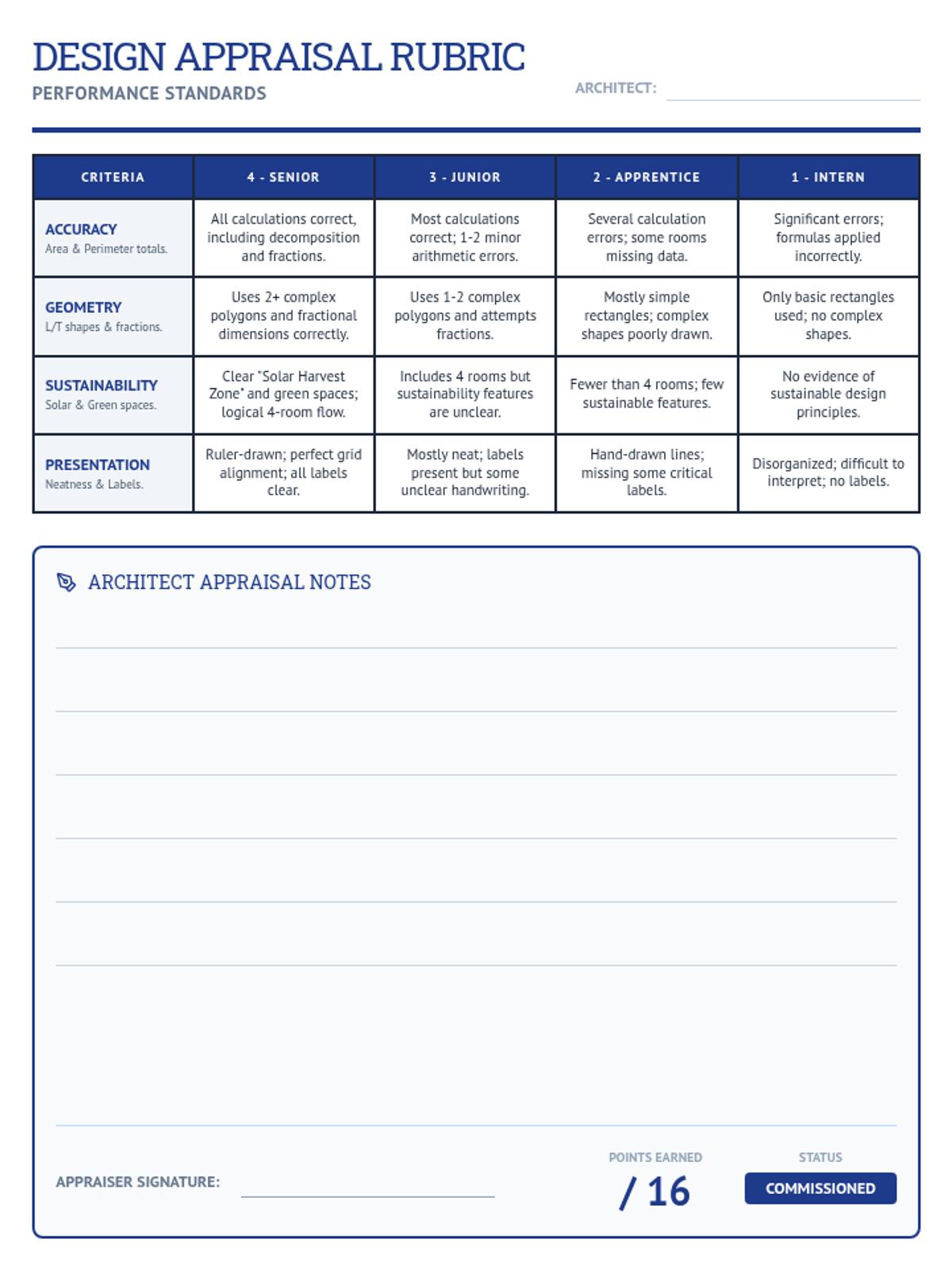
A project-based lesson where students design a sustainable community center, applying area and perimeter calculations to complex polygonal floor plans with fractional dimensions.
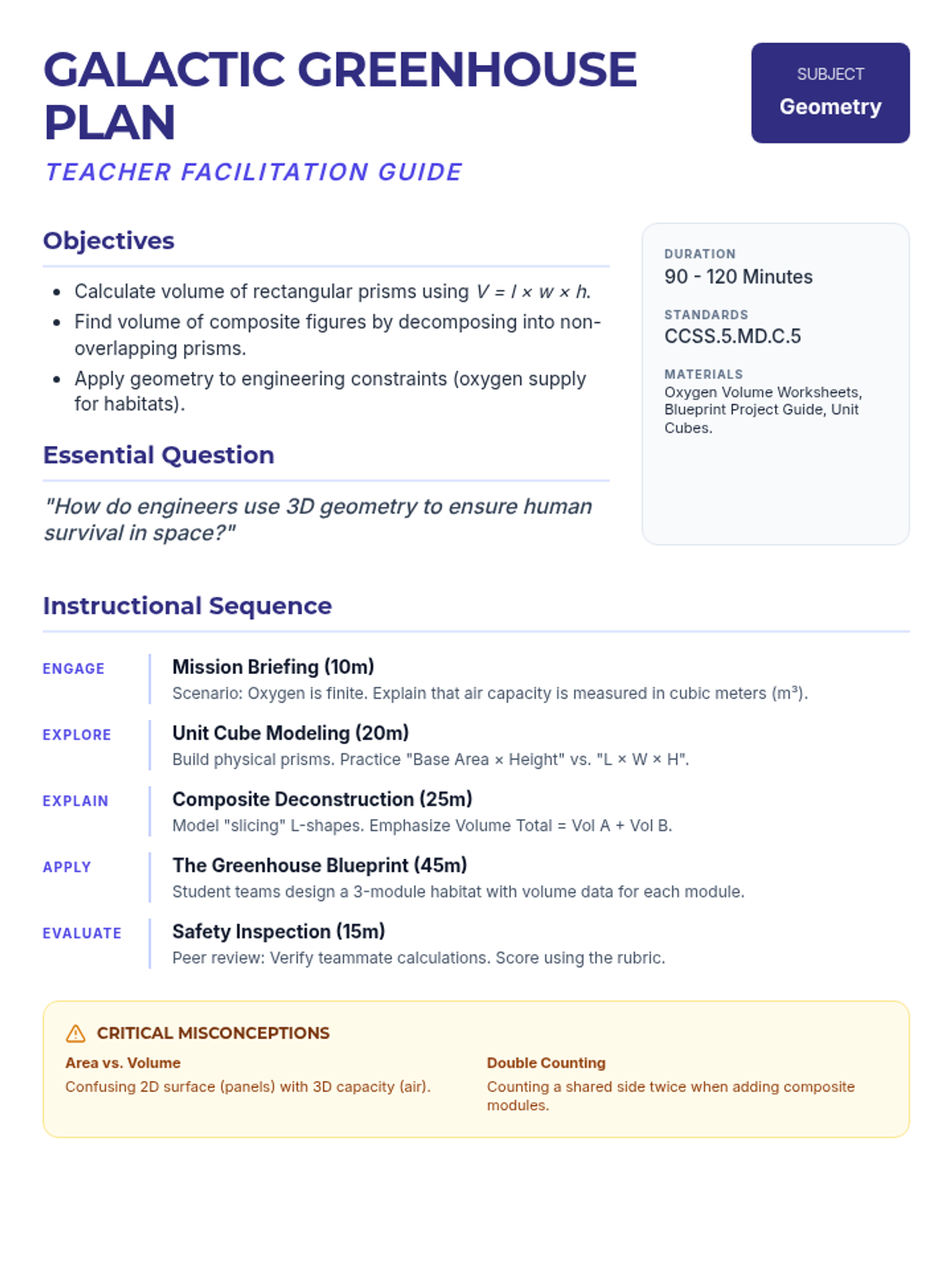
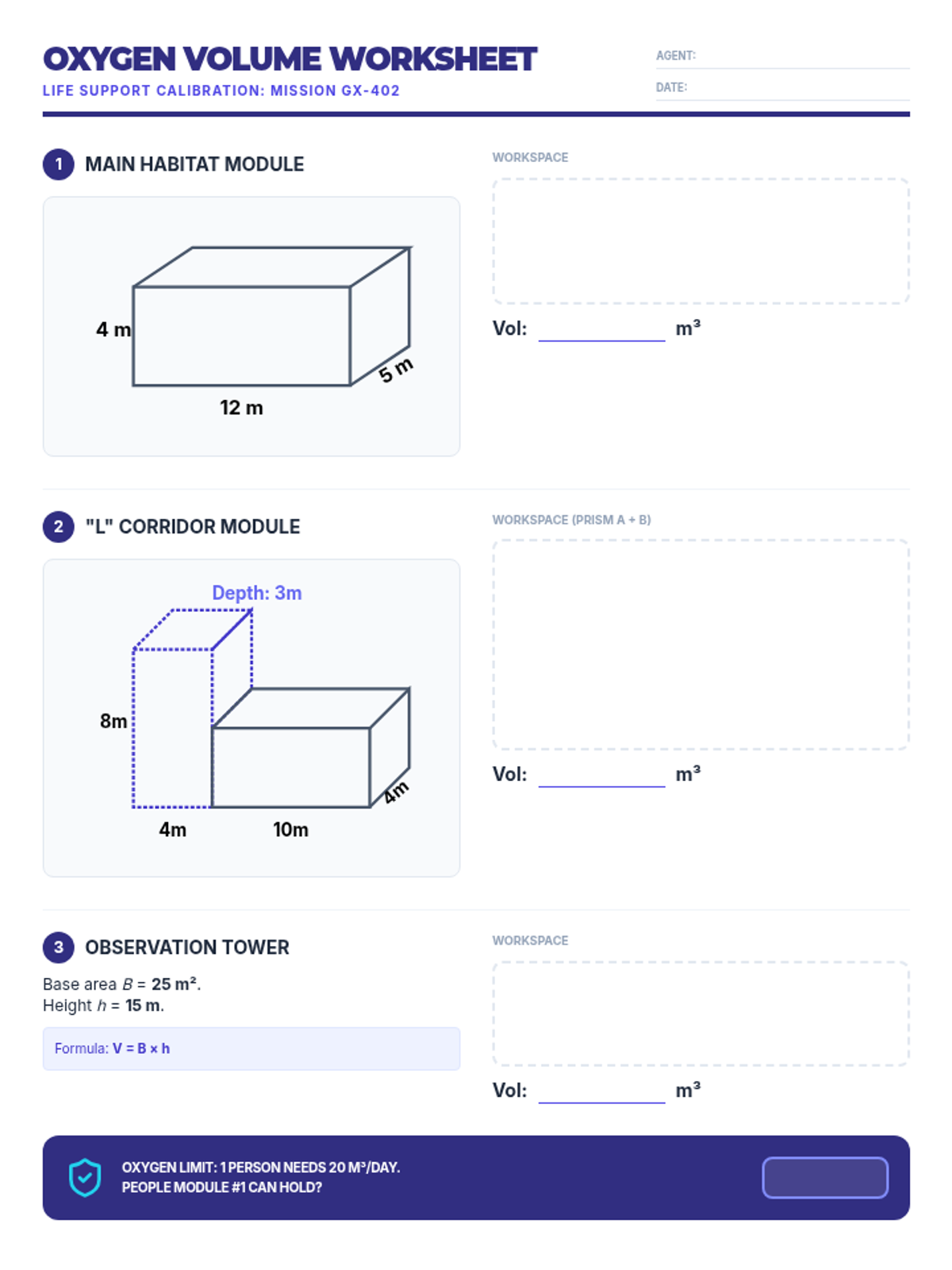
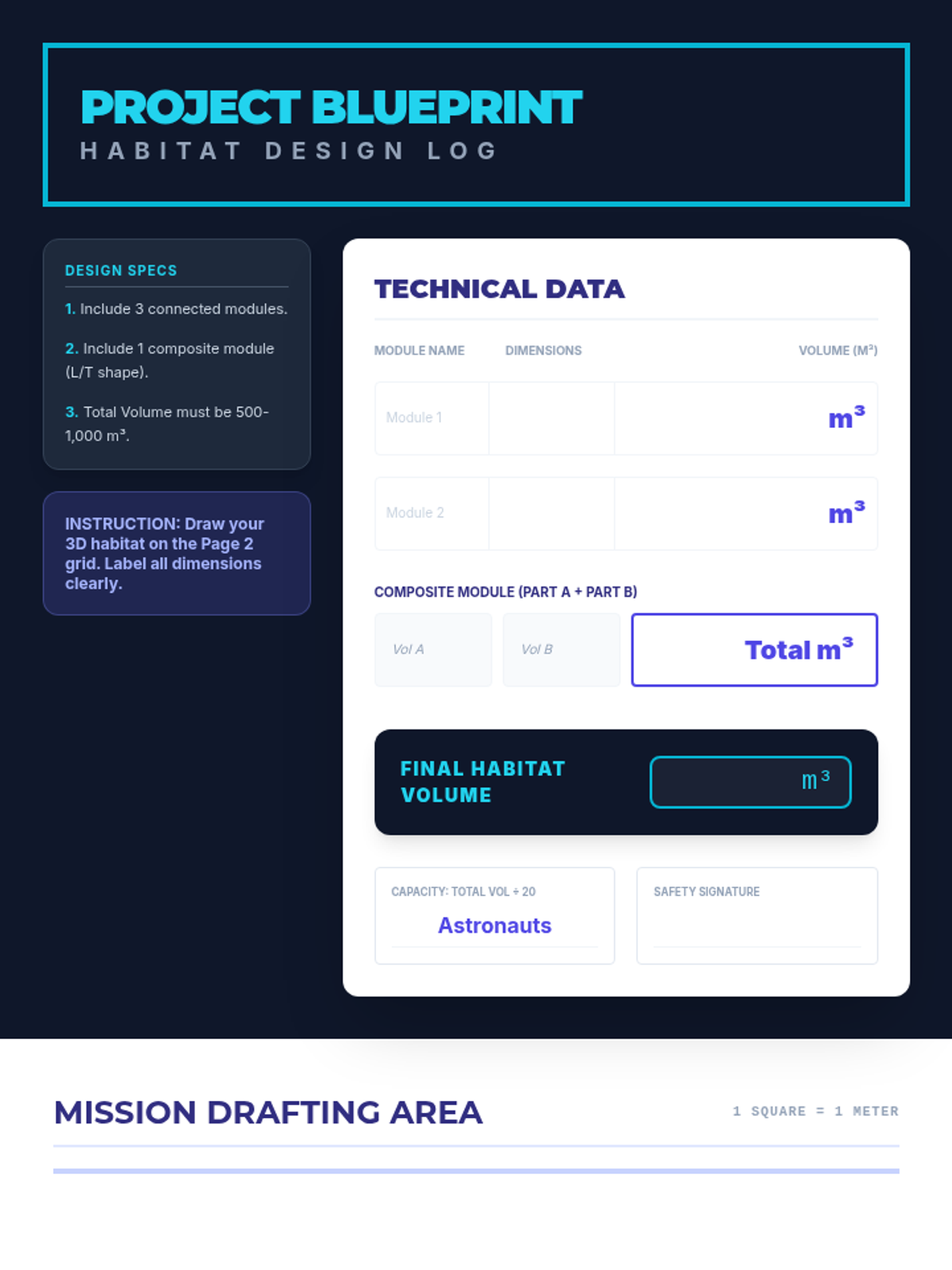
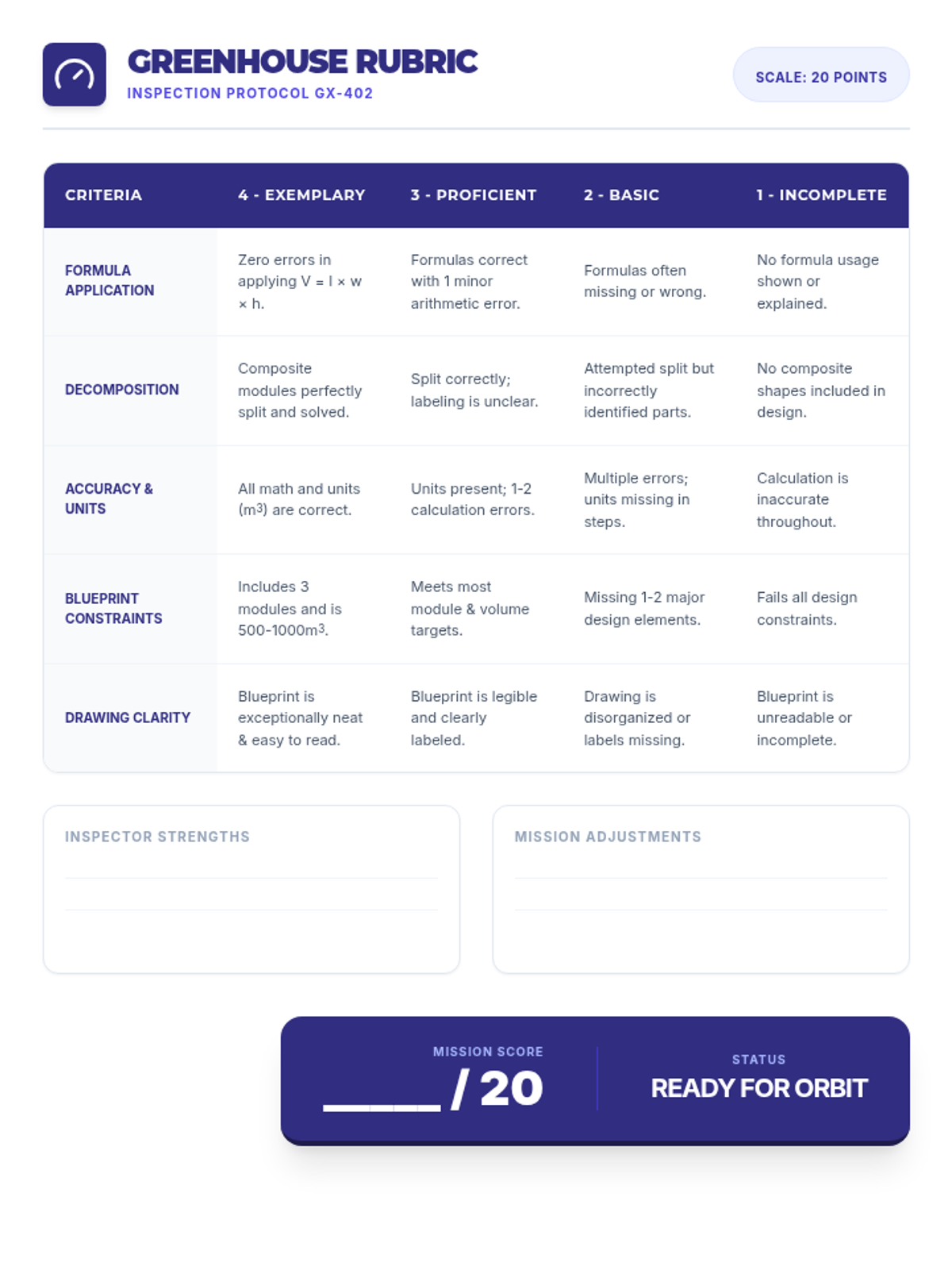
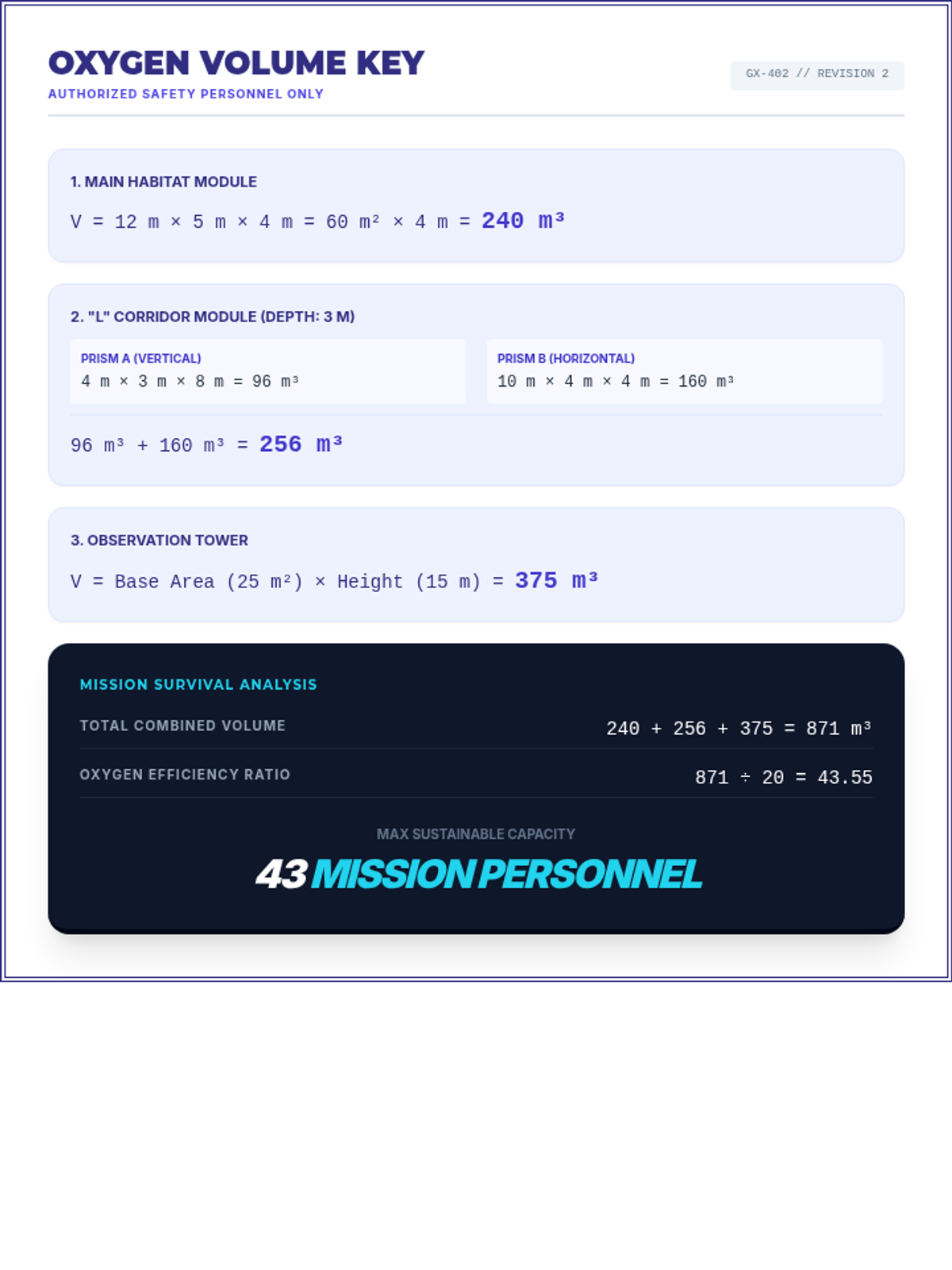
Students design futuristic space habitats by calculating the volume of rectangular prisms and composite figures to determine oxygen requirements. This lesson blends geometry with space exploration concepts for 4th and 5th grade students.
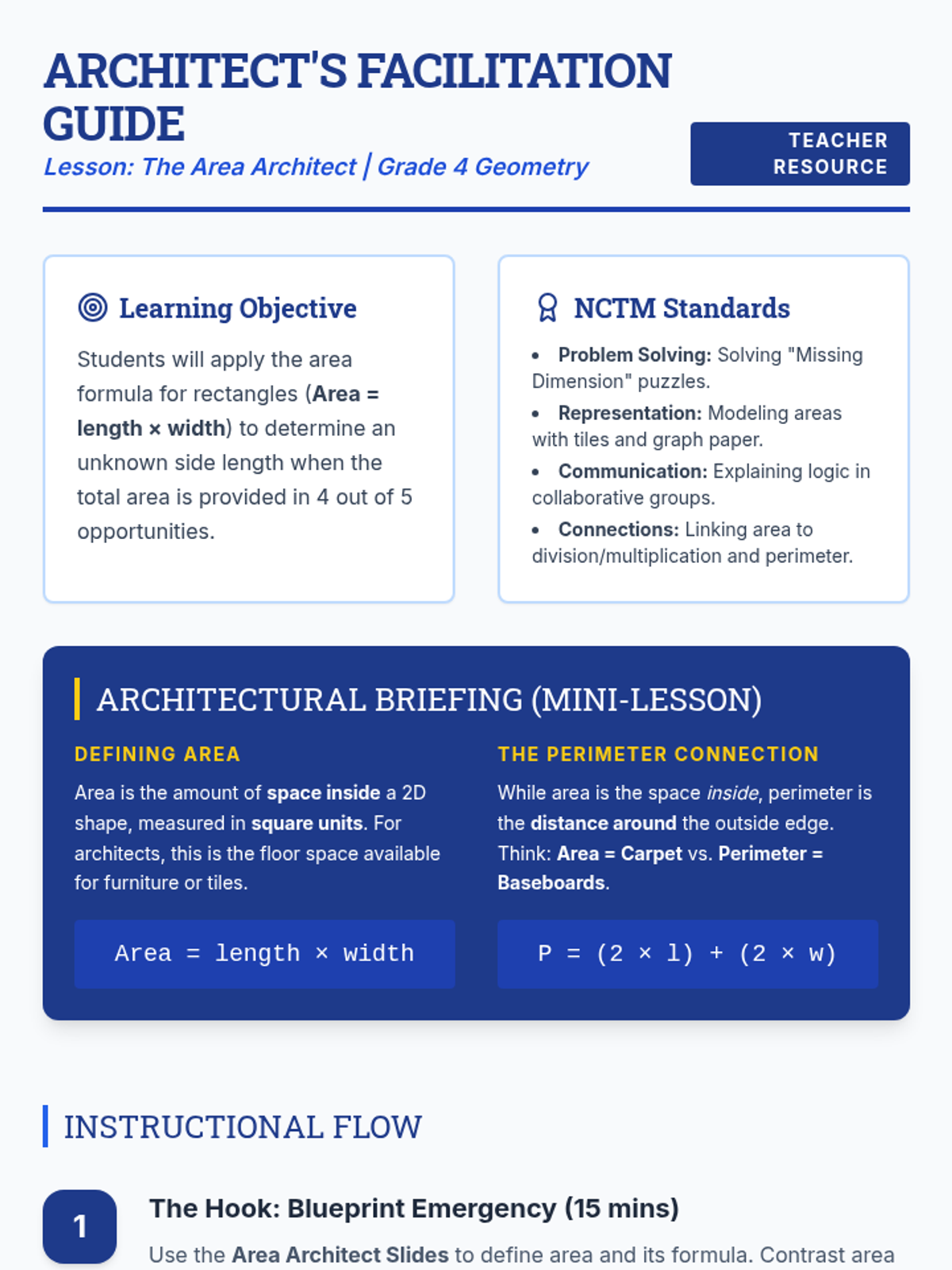
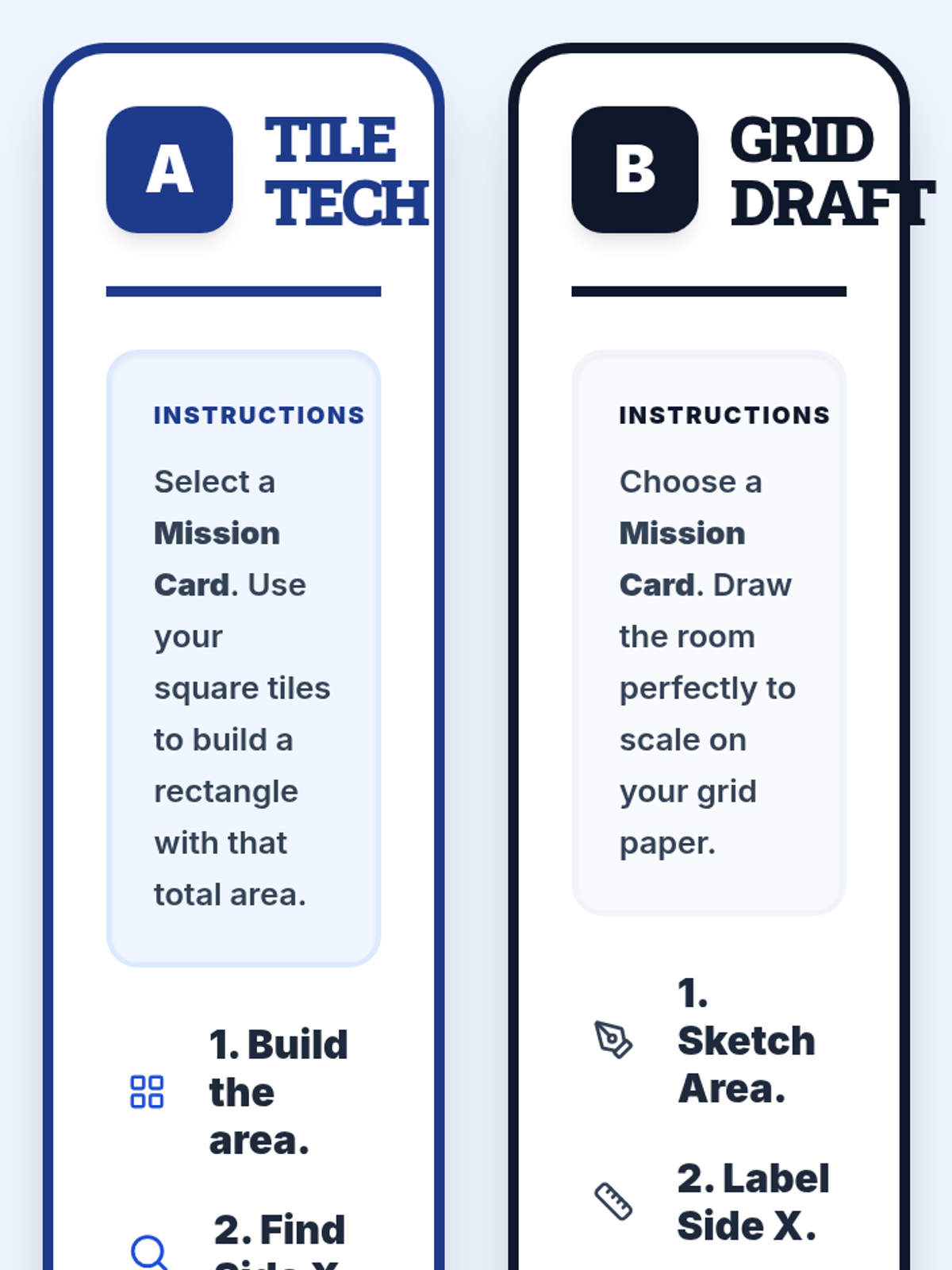
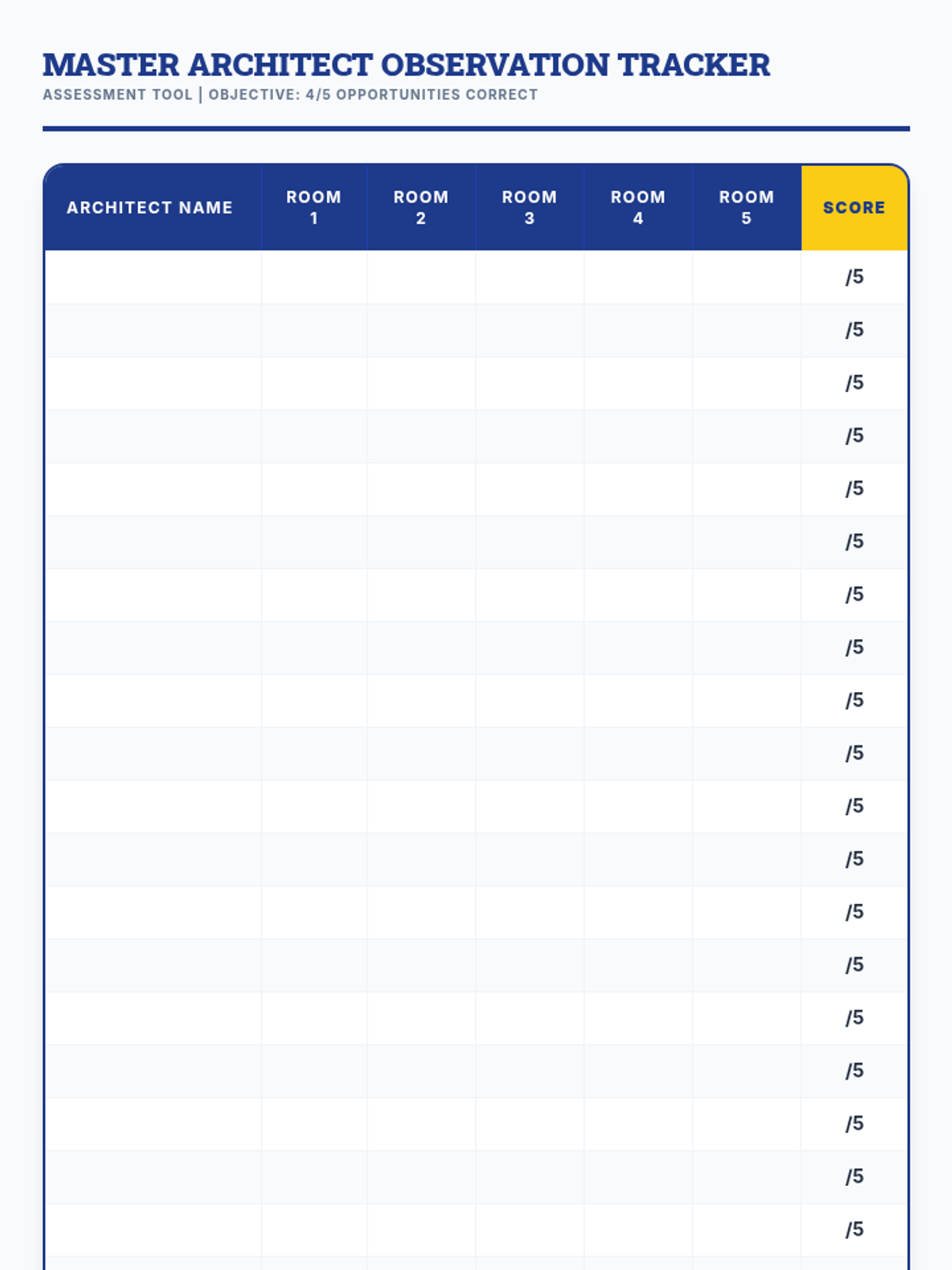
A hands-on, activity-based lesson where 4th graders act as architects to solve area mysteries. Students rotate through stations using tiles and graph paper before collaborating on an 'Escape the Blueprint' challenge to find unknown side lengths.
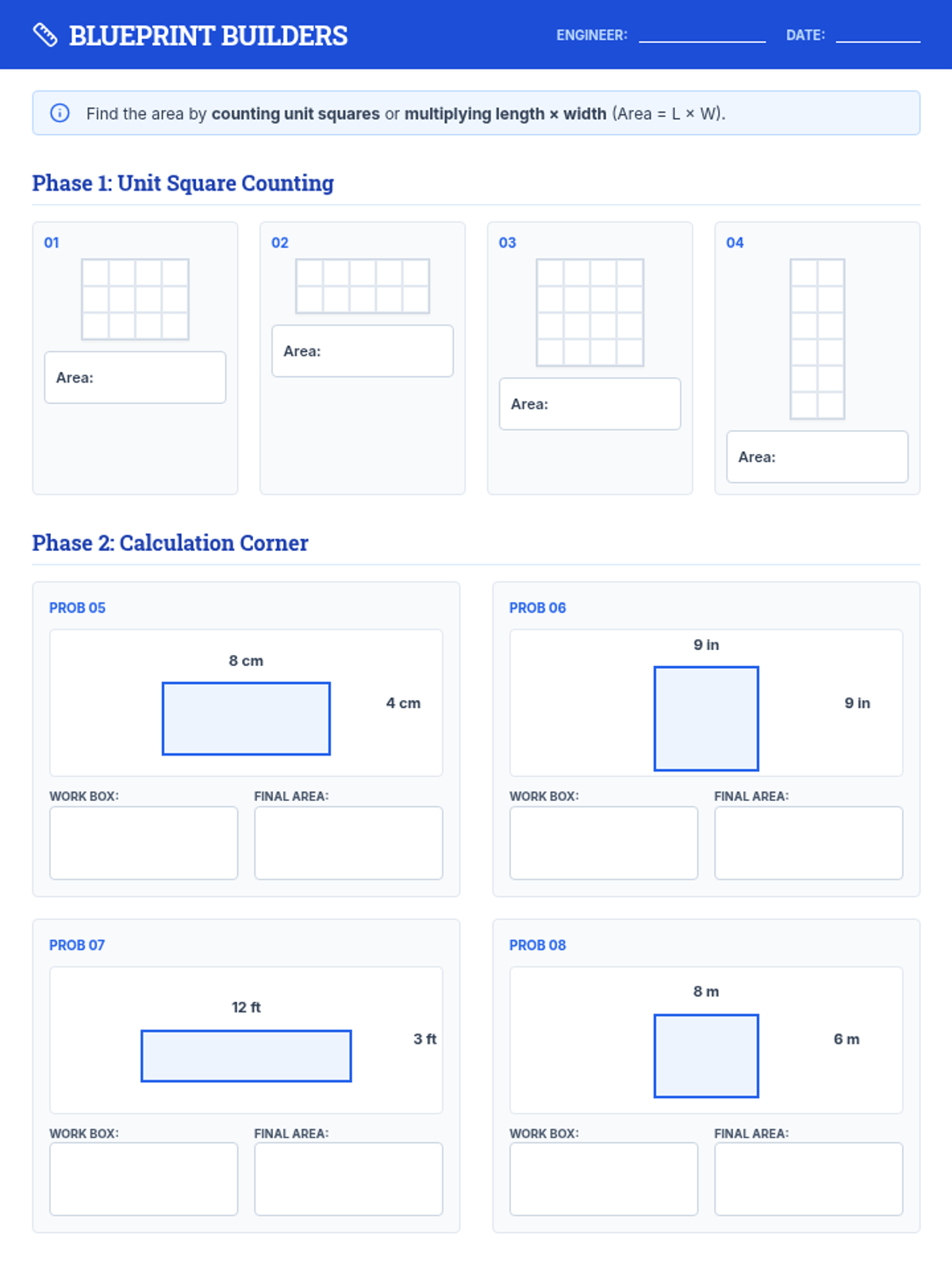
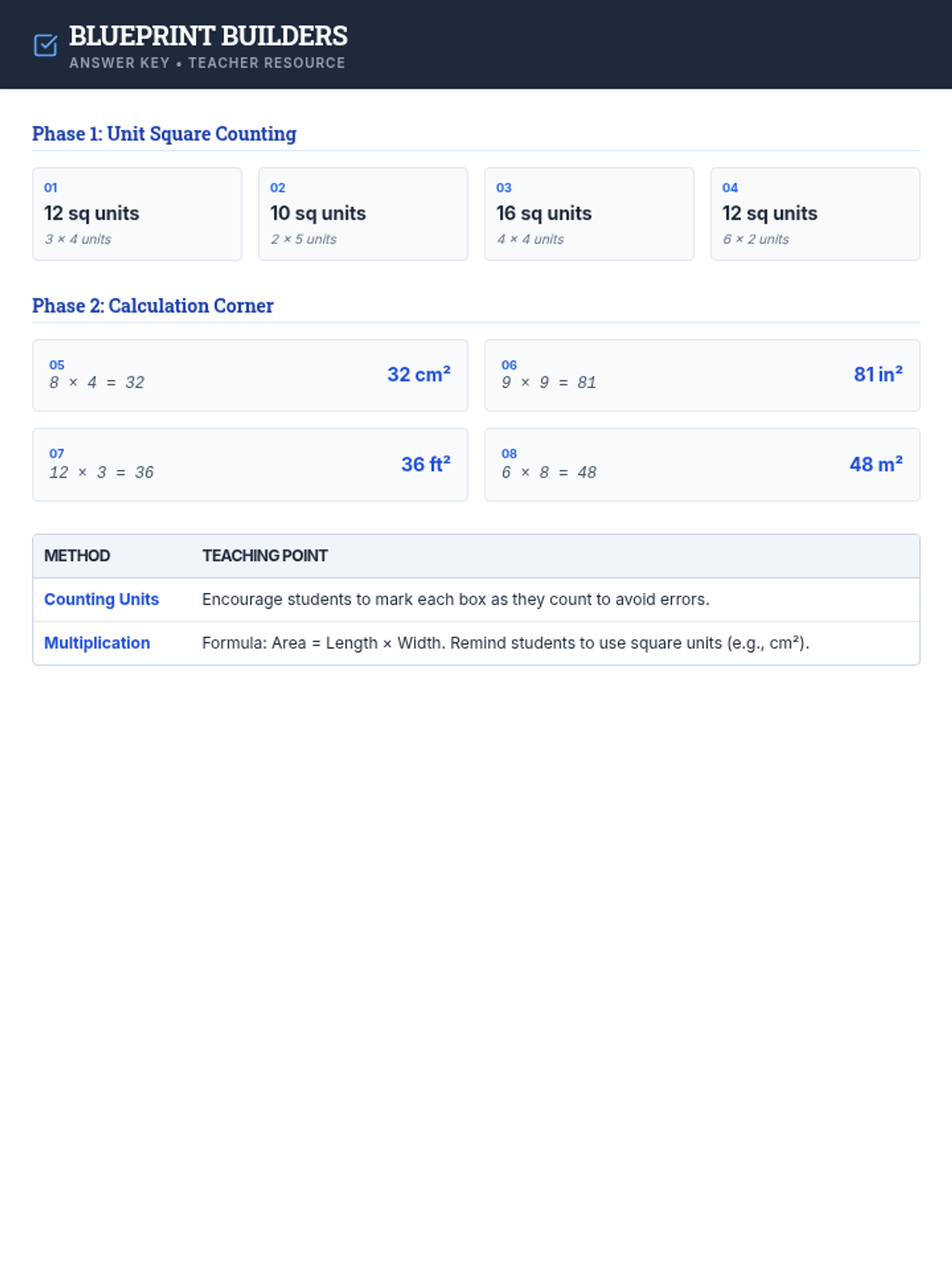
Students learn to calculate the area of rectangles and squares using two methods: counting unit squares on a grid and multiplying side lengths. This lesson provides hands-on practice with whole number measurements to build a solid foundation in geometry.
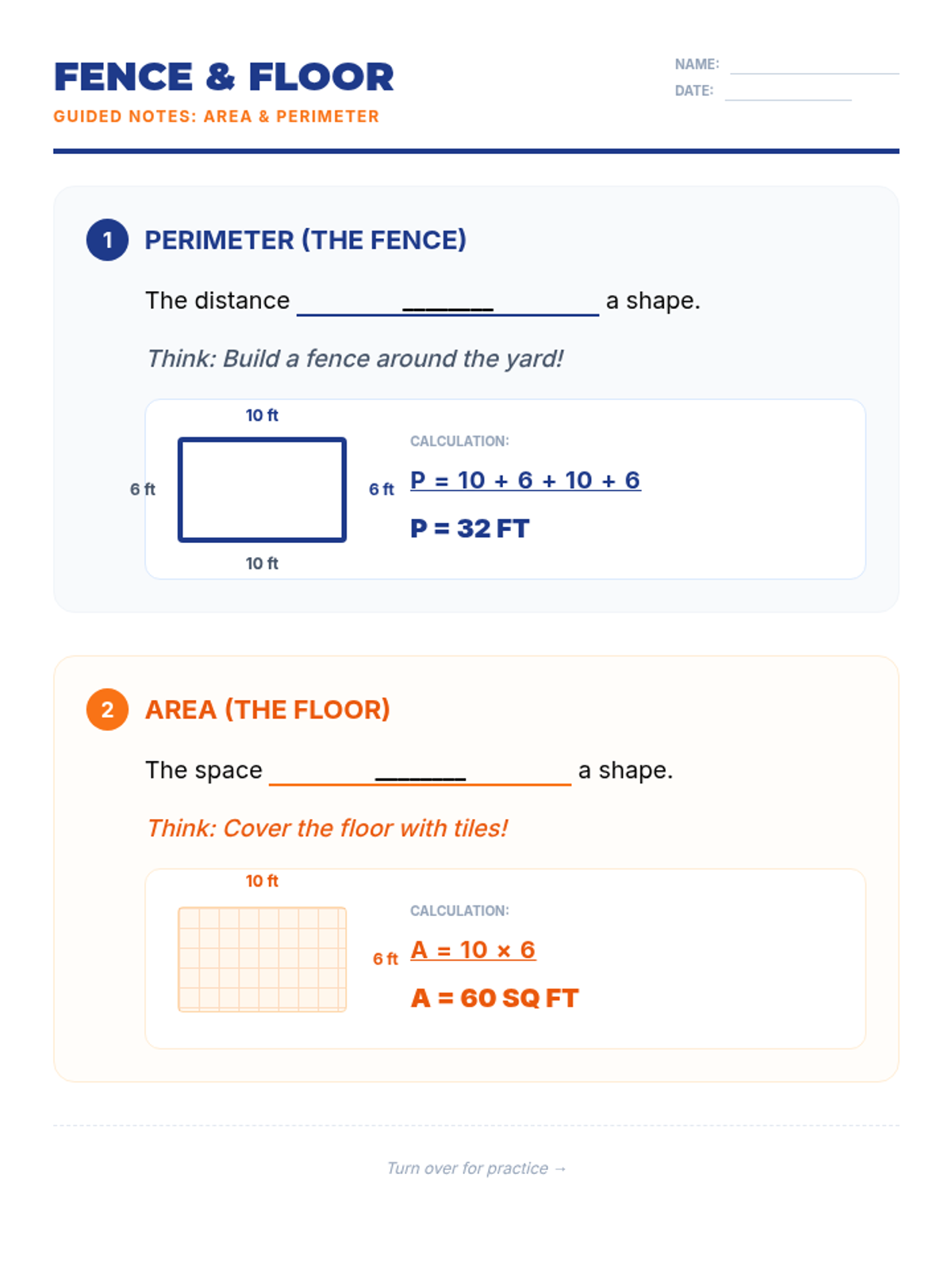
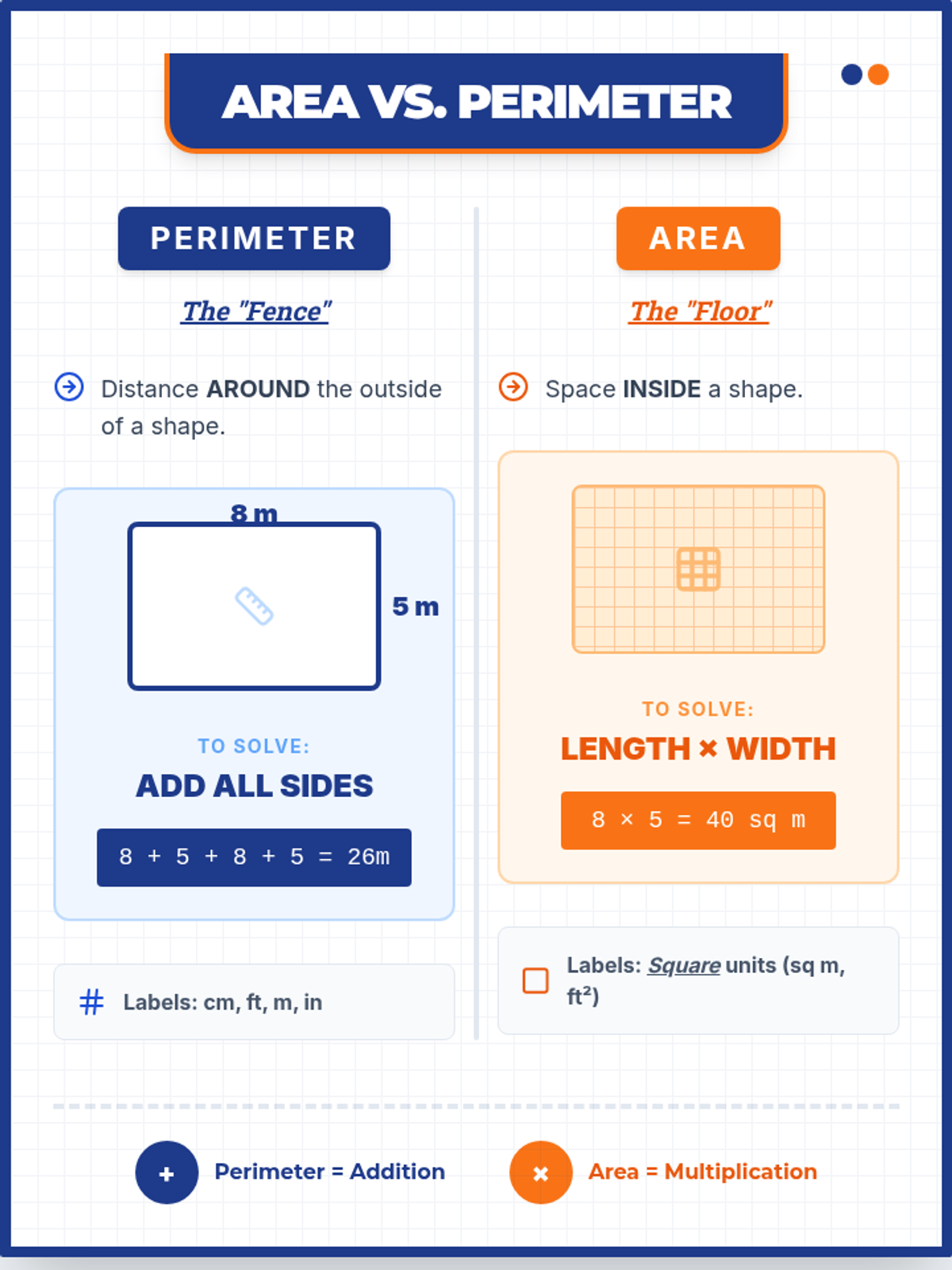
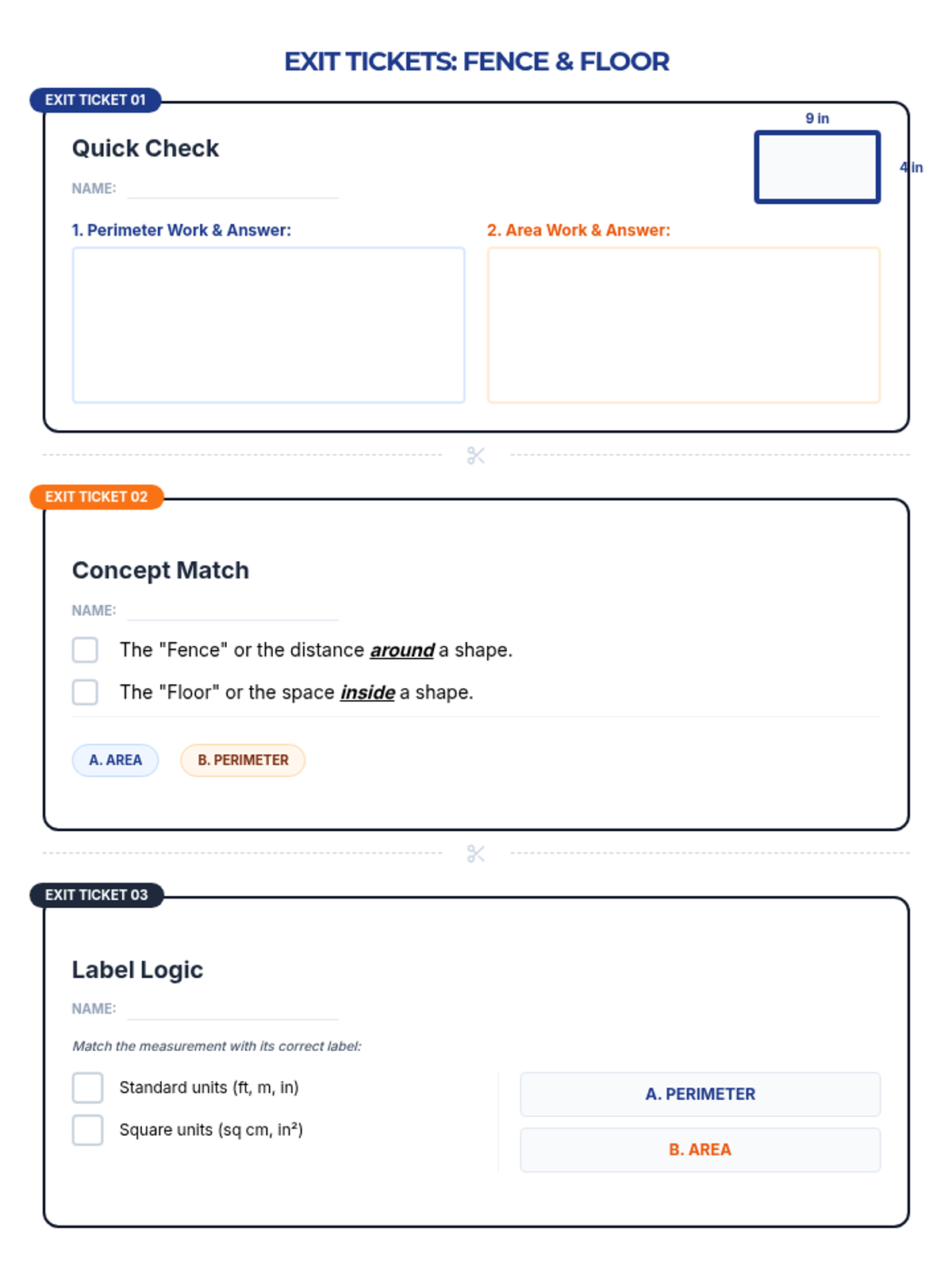
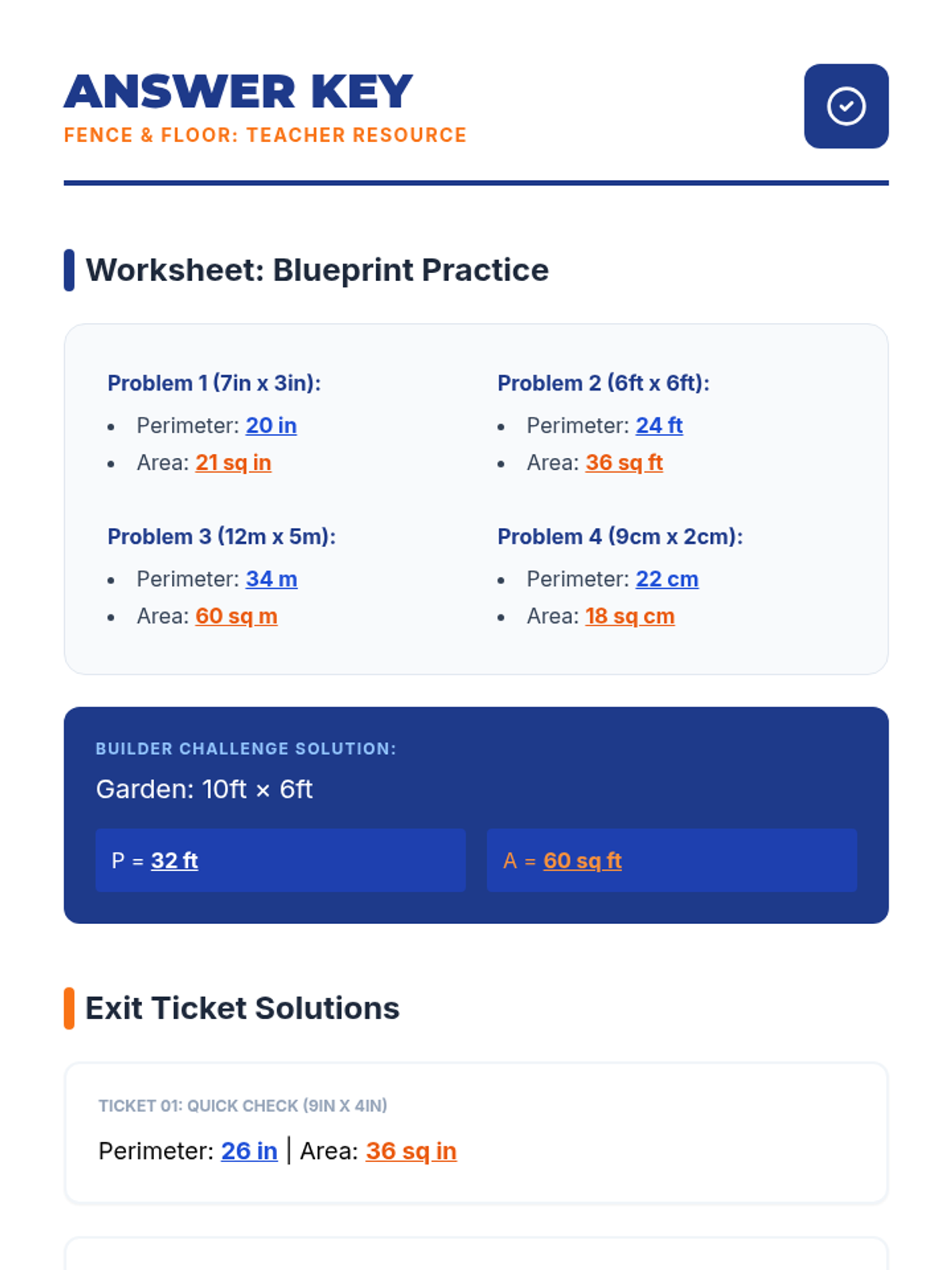
An introductory lesson on area and perimeter using the 'Fence and Floor' analogy. Students will learn the definitions, formulas, and real-world applications through visual aids and practice.
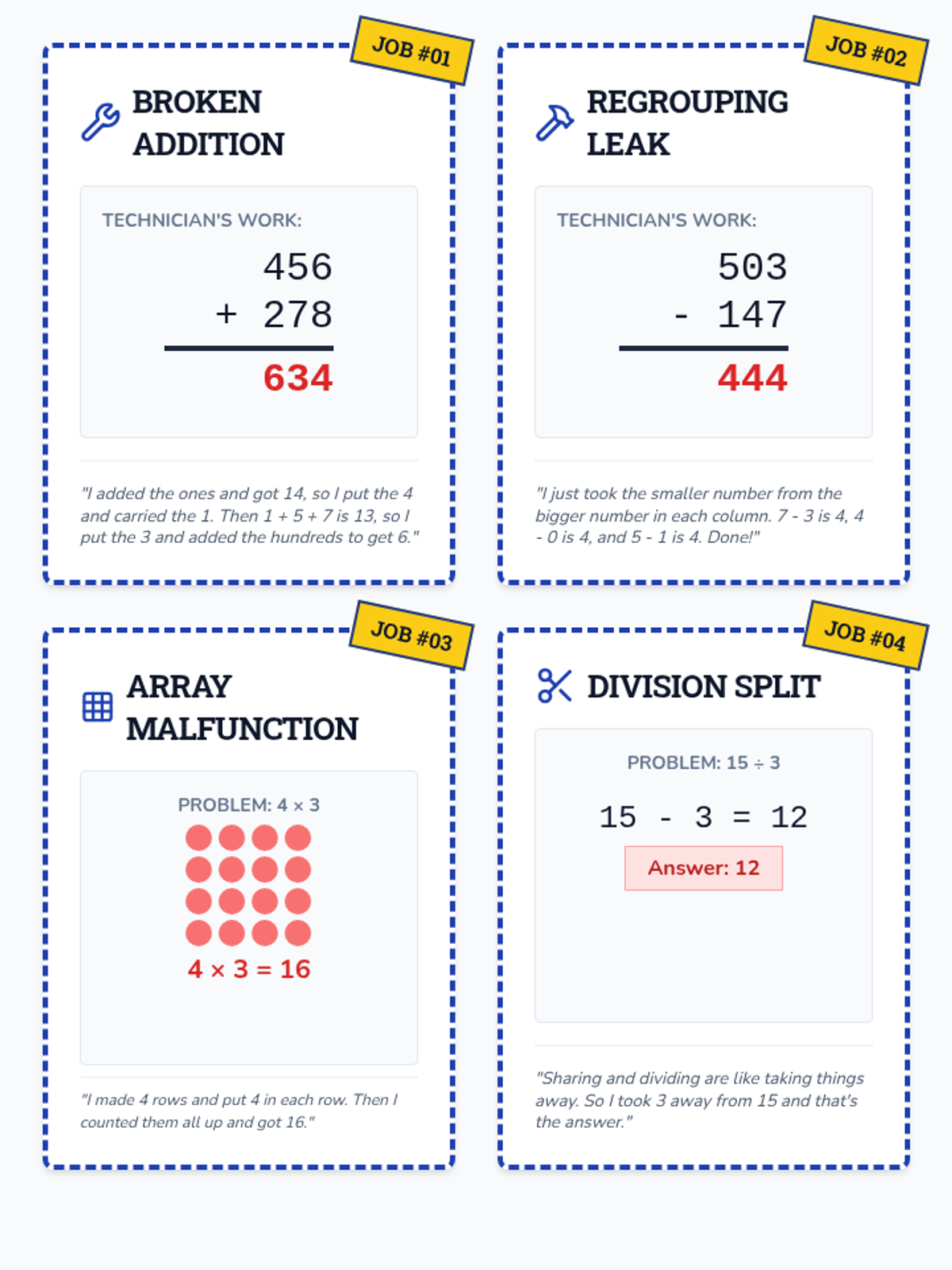
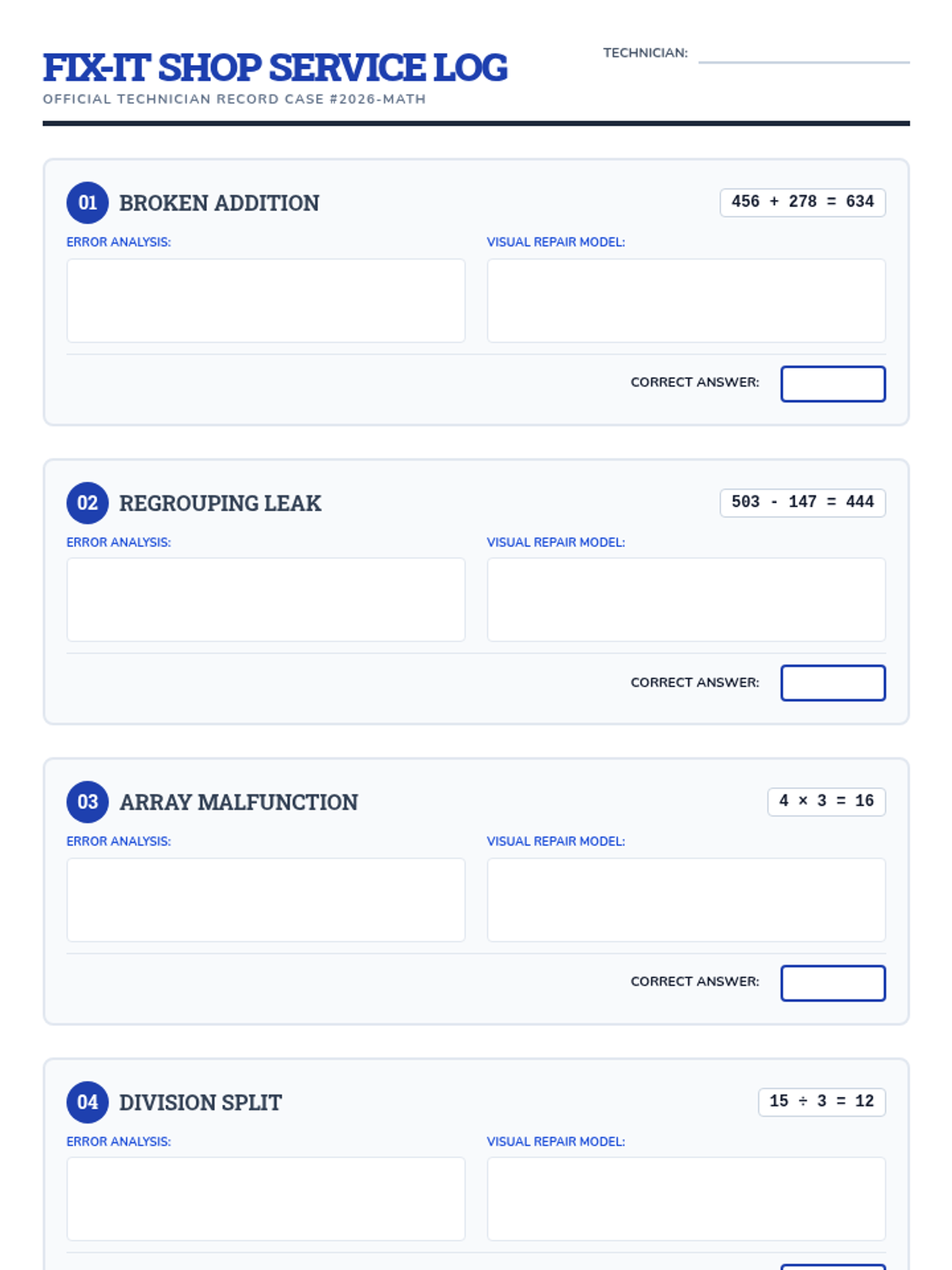
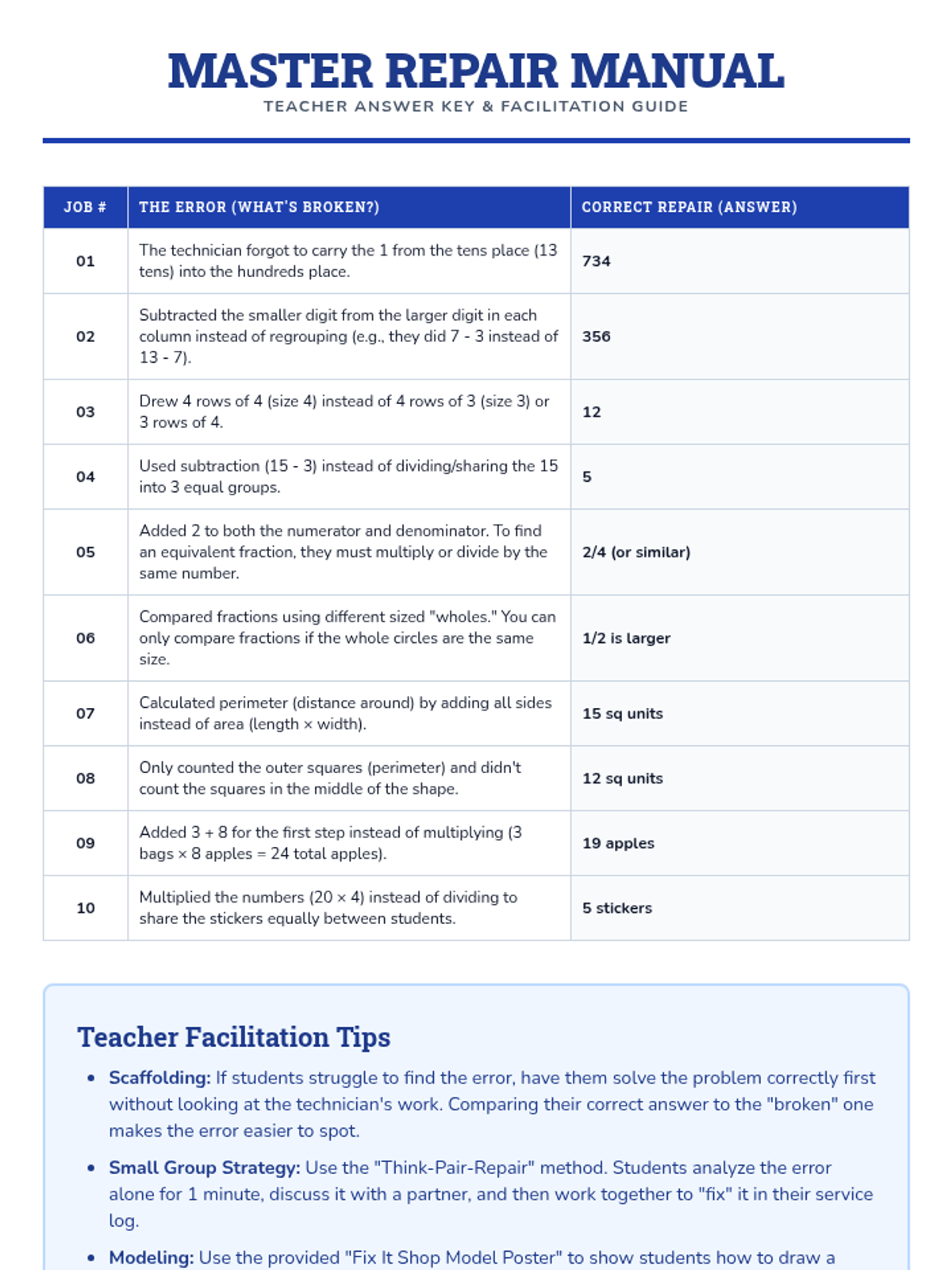
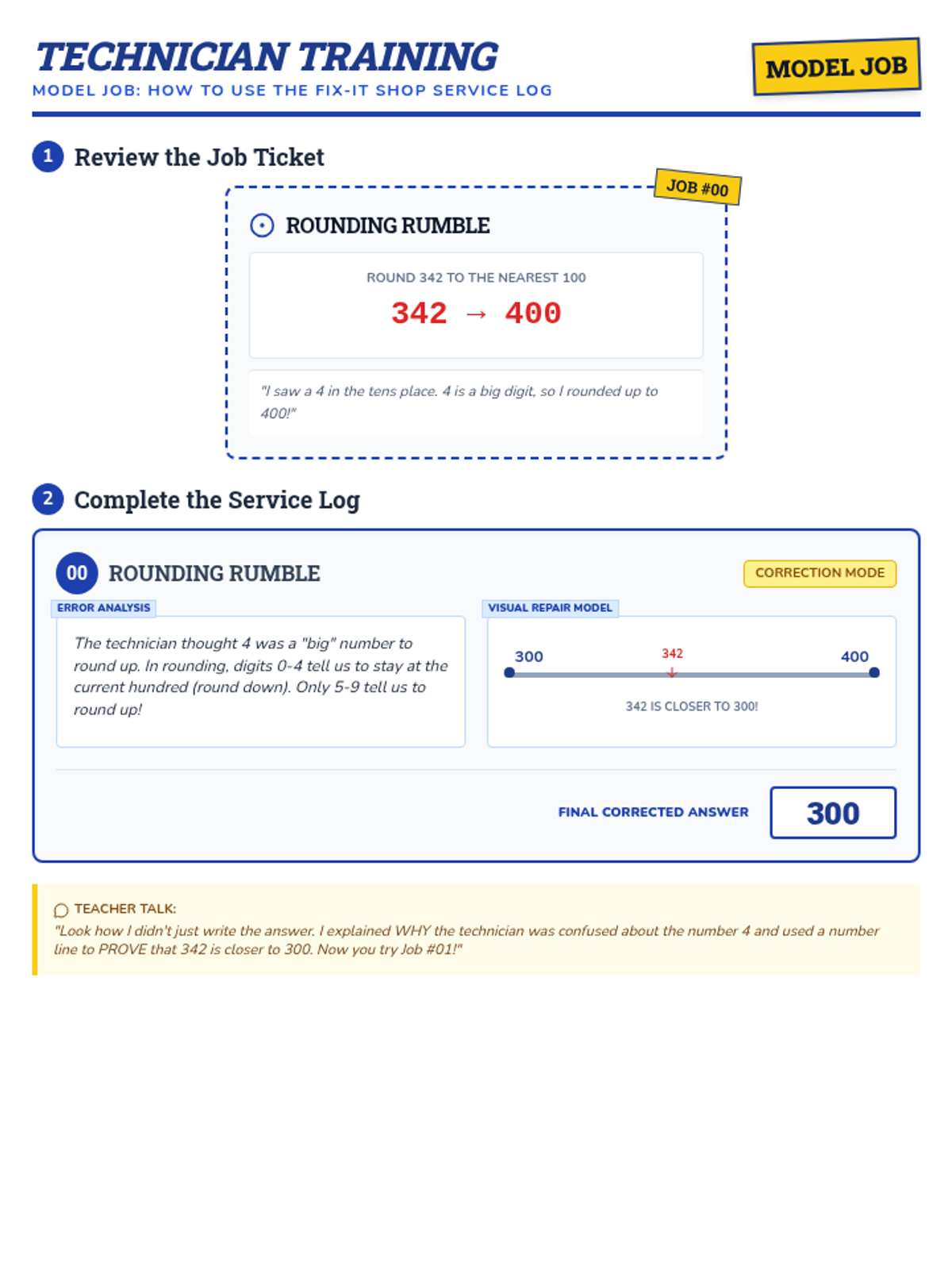
A math center focused on identifying, explaining, and correcting common 3rd-grade mathematical errors using visual models and written explanations.
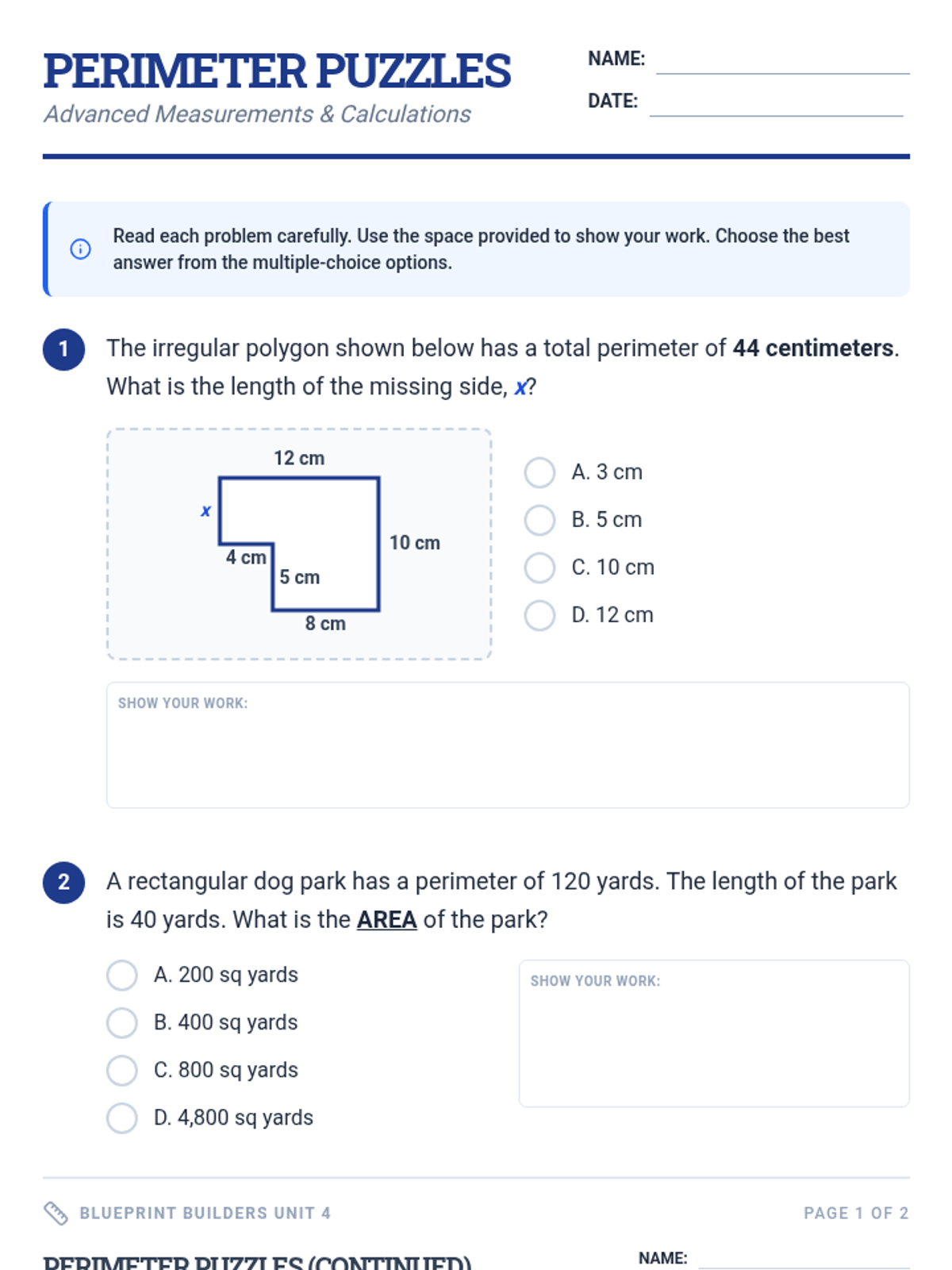
A rigorous math lesson focused on solving complex area and perimeter problems, including multi-step calculations to find area from perimeter and identifying missing side lengths in polygons.
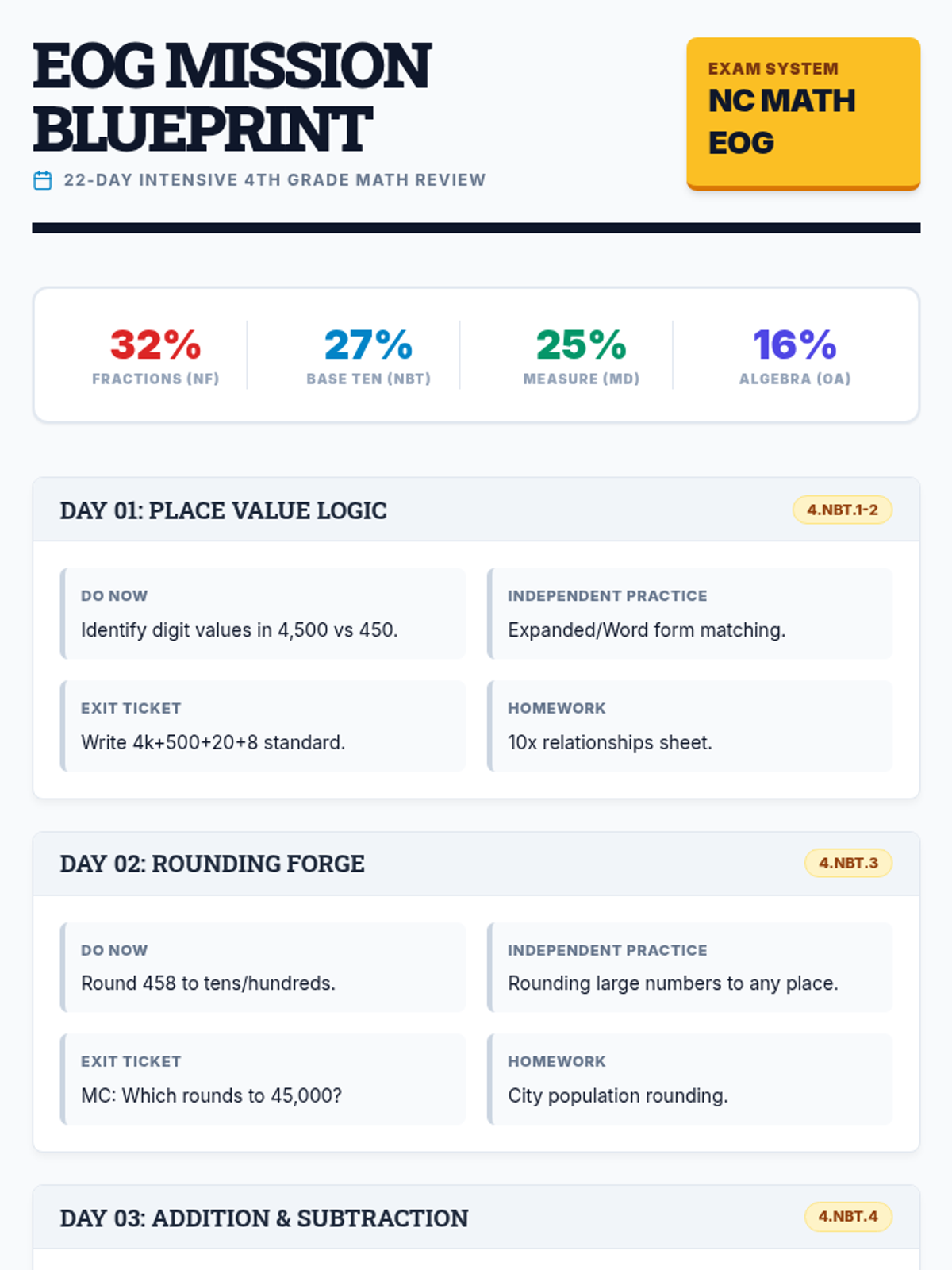
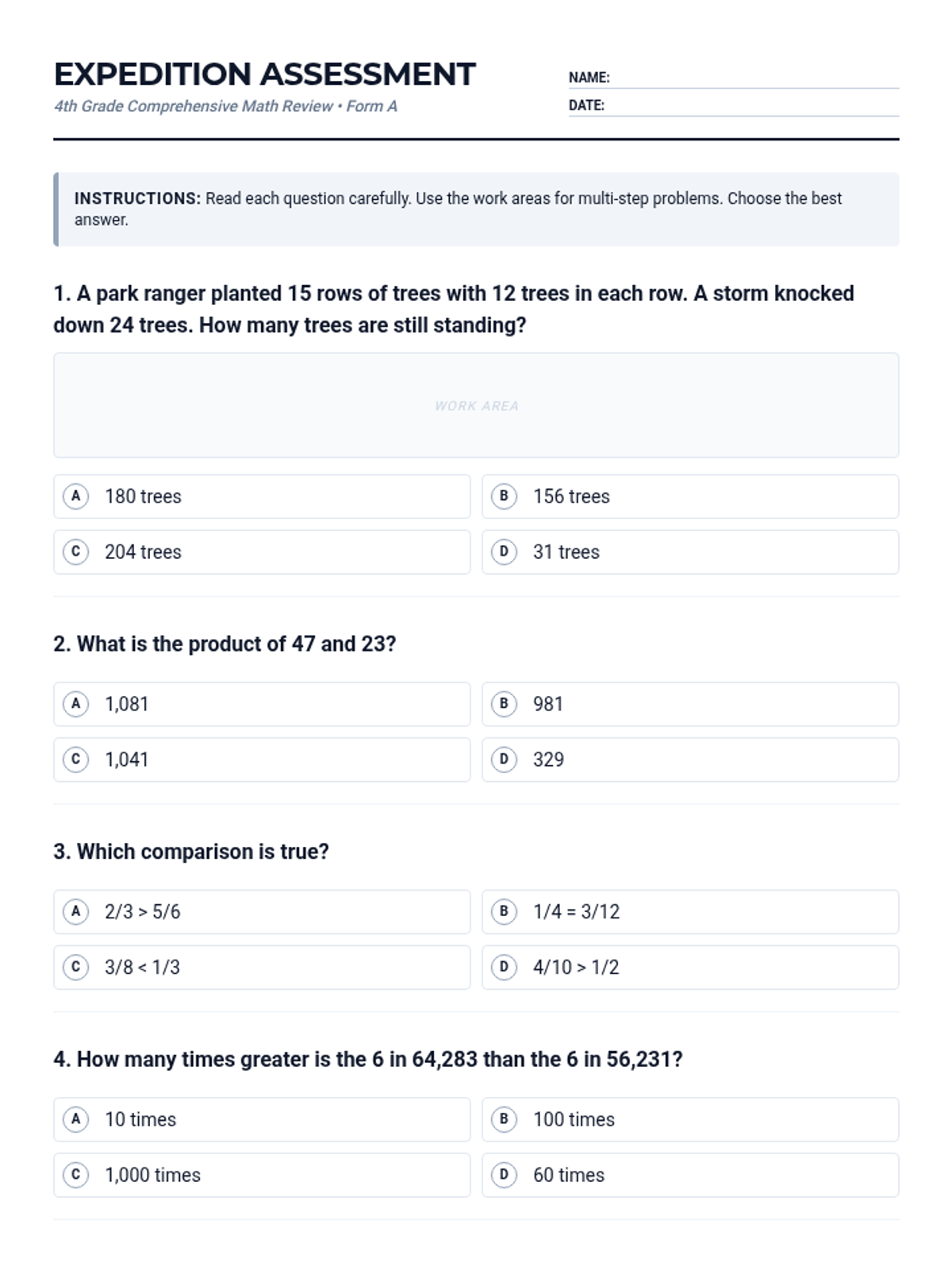
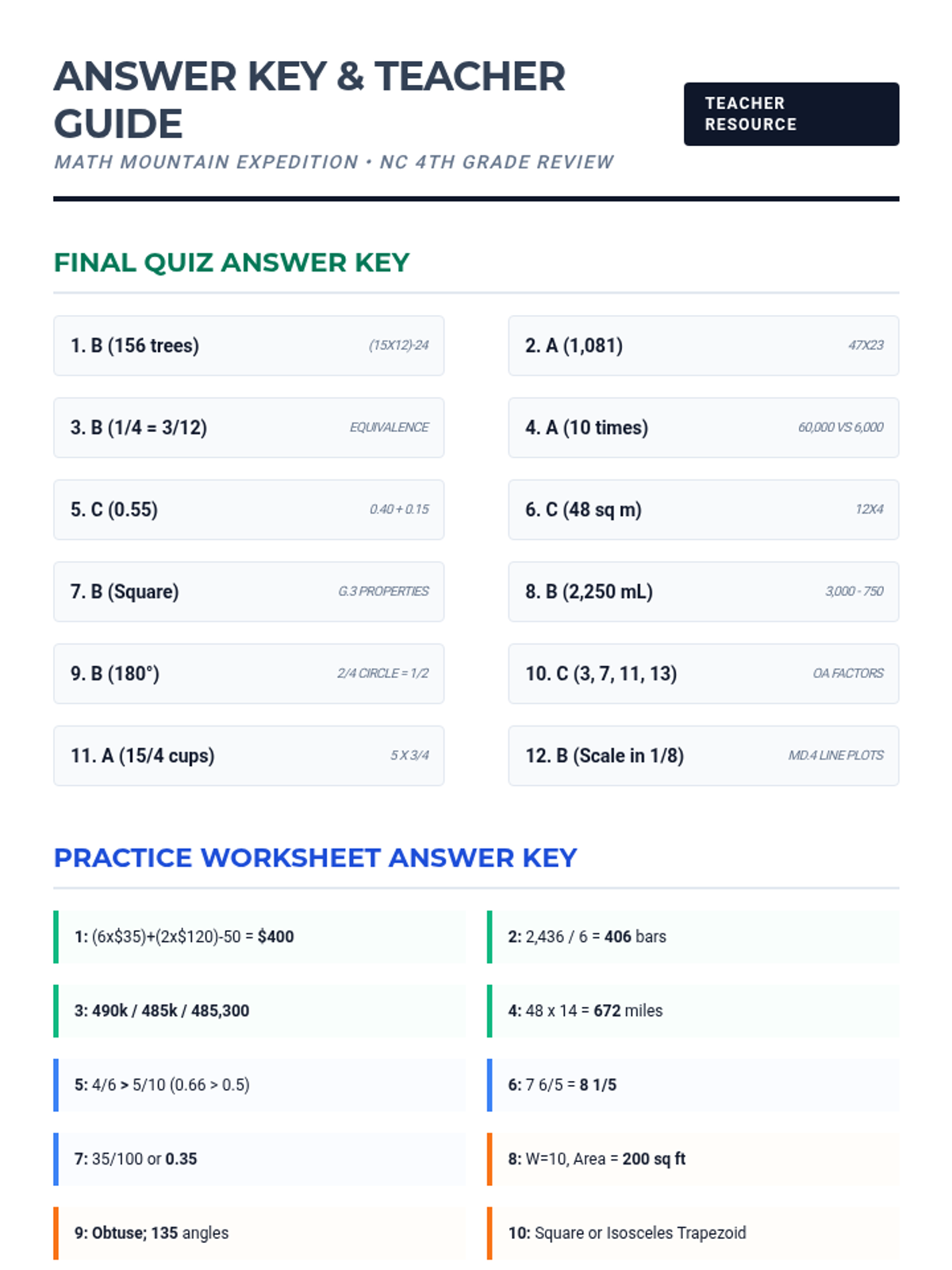
A high-stakes review lesson covering all 4th-grade math domains (OA, NBT, NF, MD, G) with a focus on multi-step problem solving and EOG-style questions.
A lesson focused on calculating the area of squares and rectangles using whole numbers, themed around architectural blueprints.
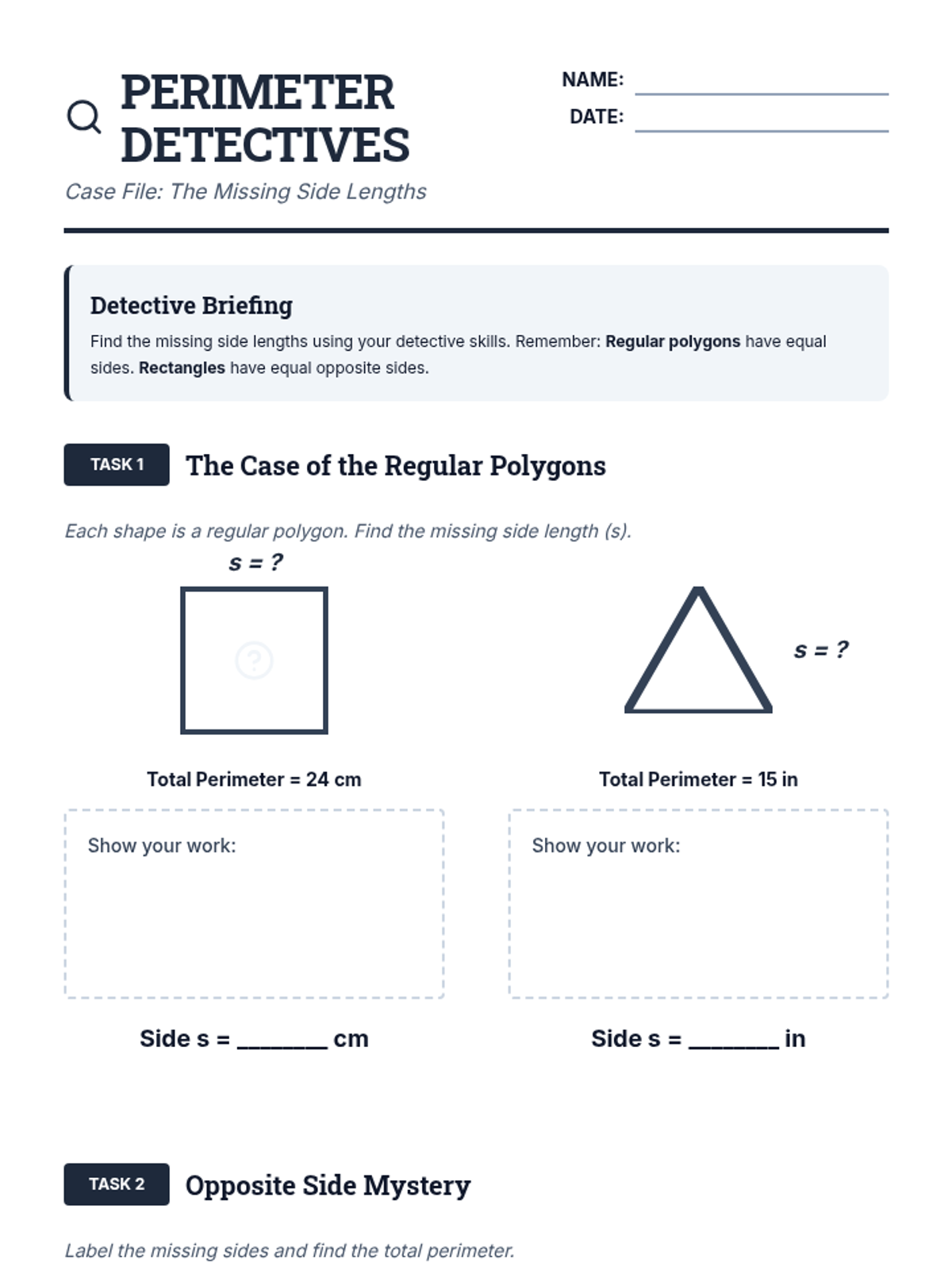
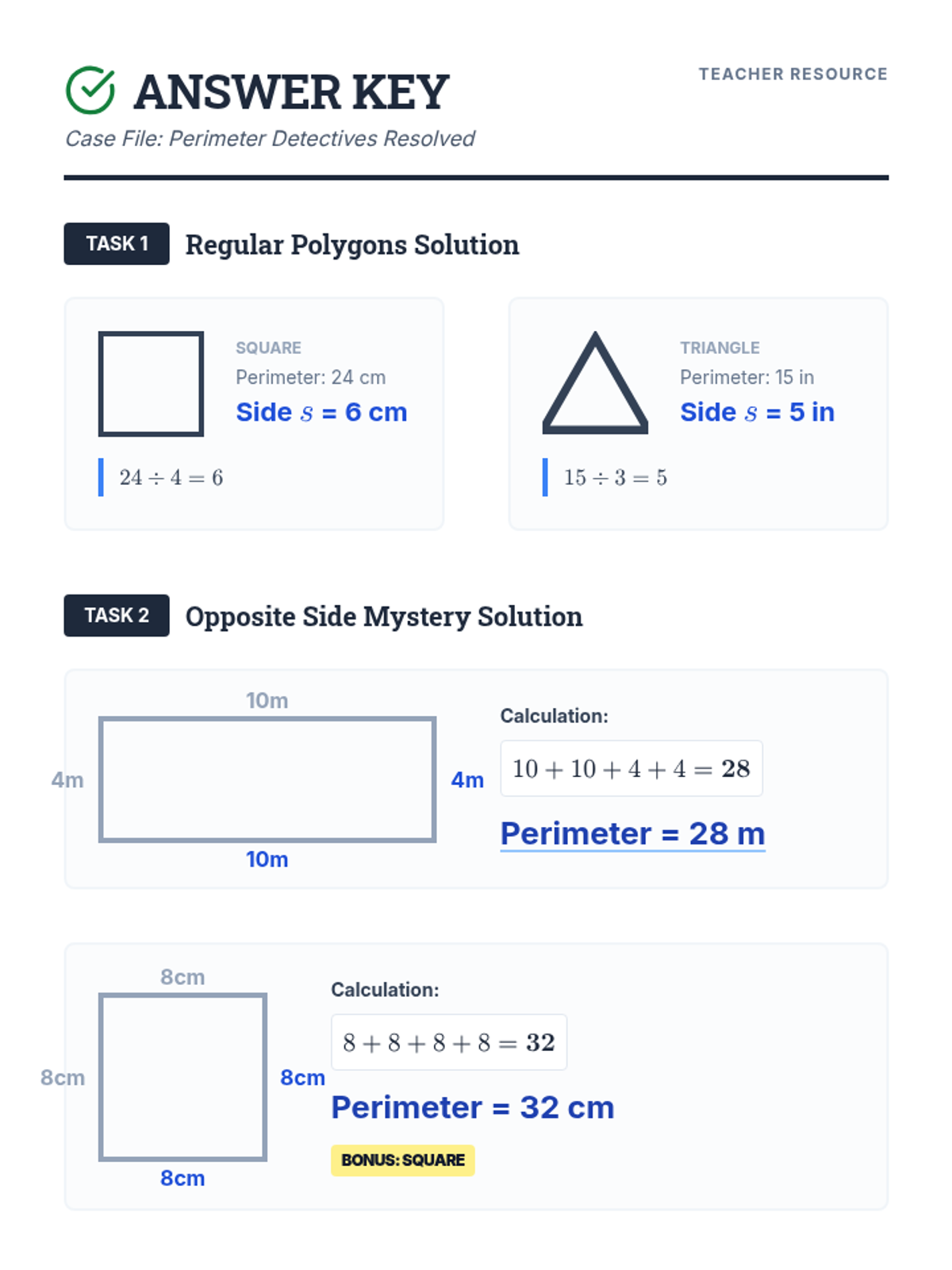
In this lesson, students become 'Perimeter Detectives' to solve for missing side lengths in regular polygons and rectangles. They use their knowledge of polygon properties and addition/subtraction to calculate perimeters and individual side measurements.
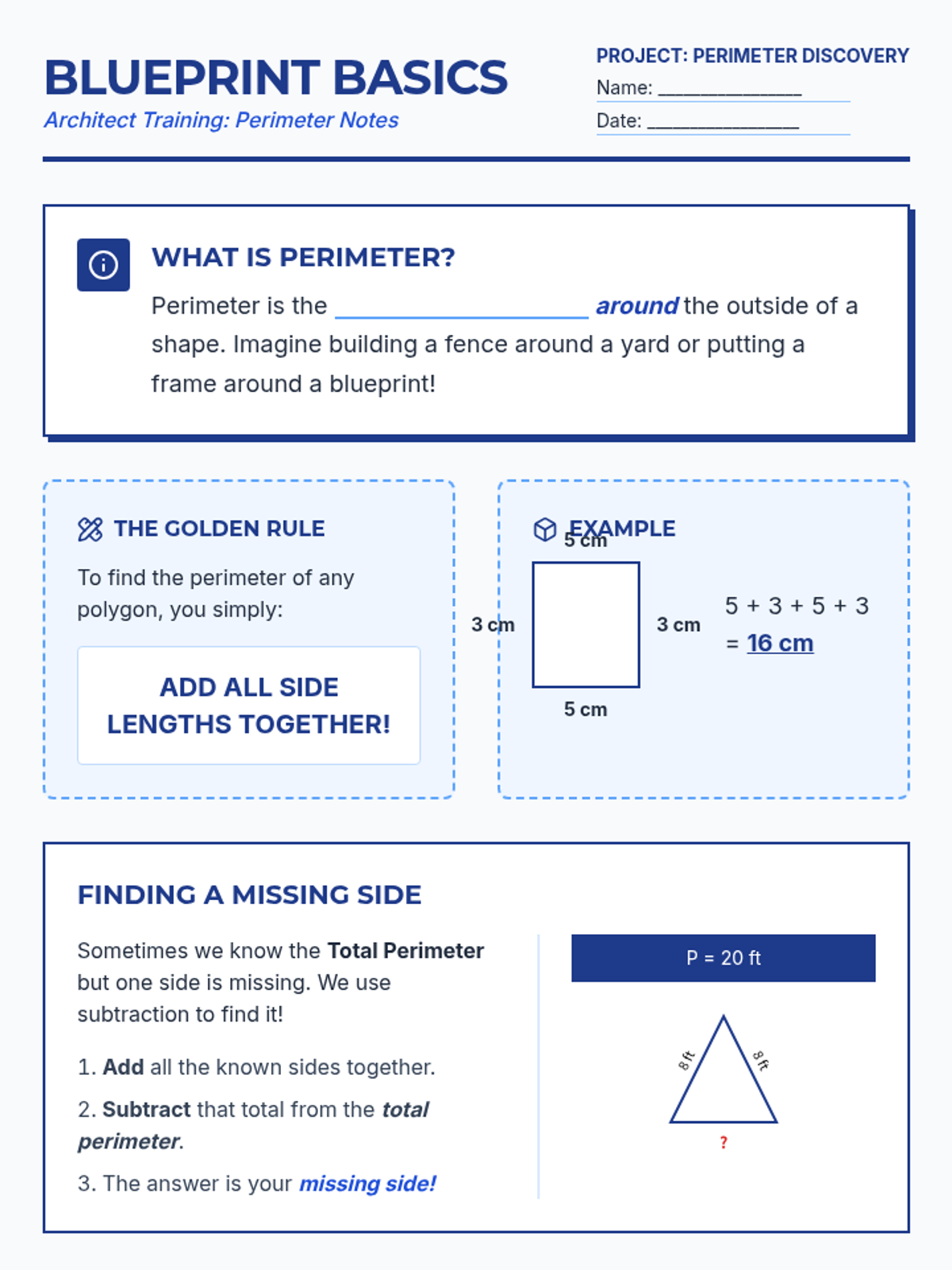
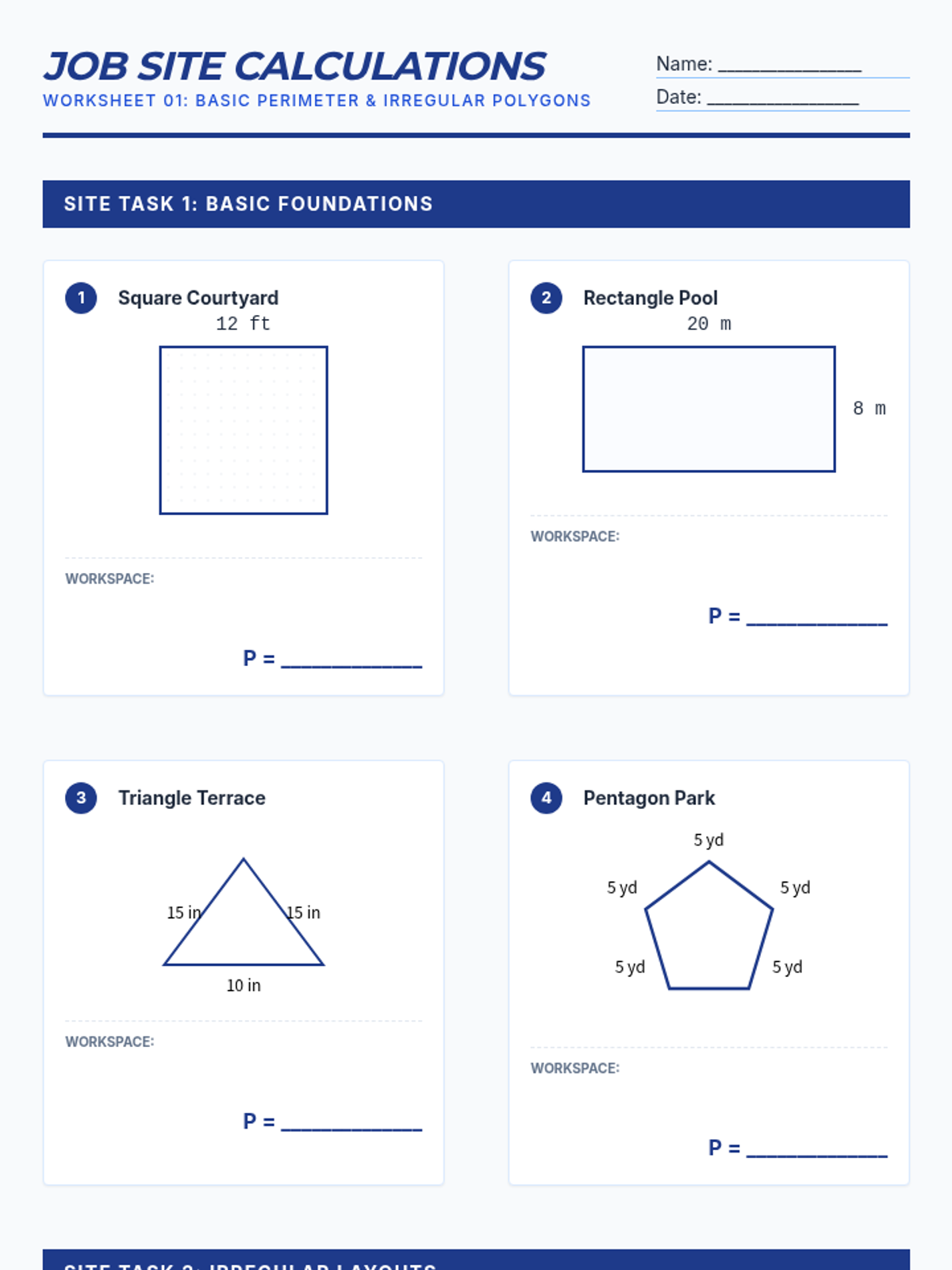
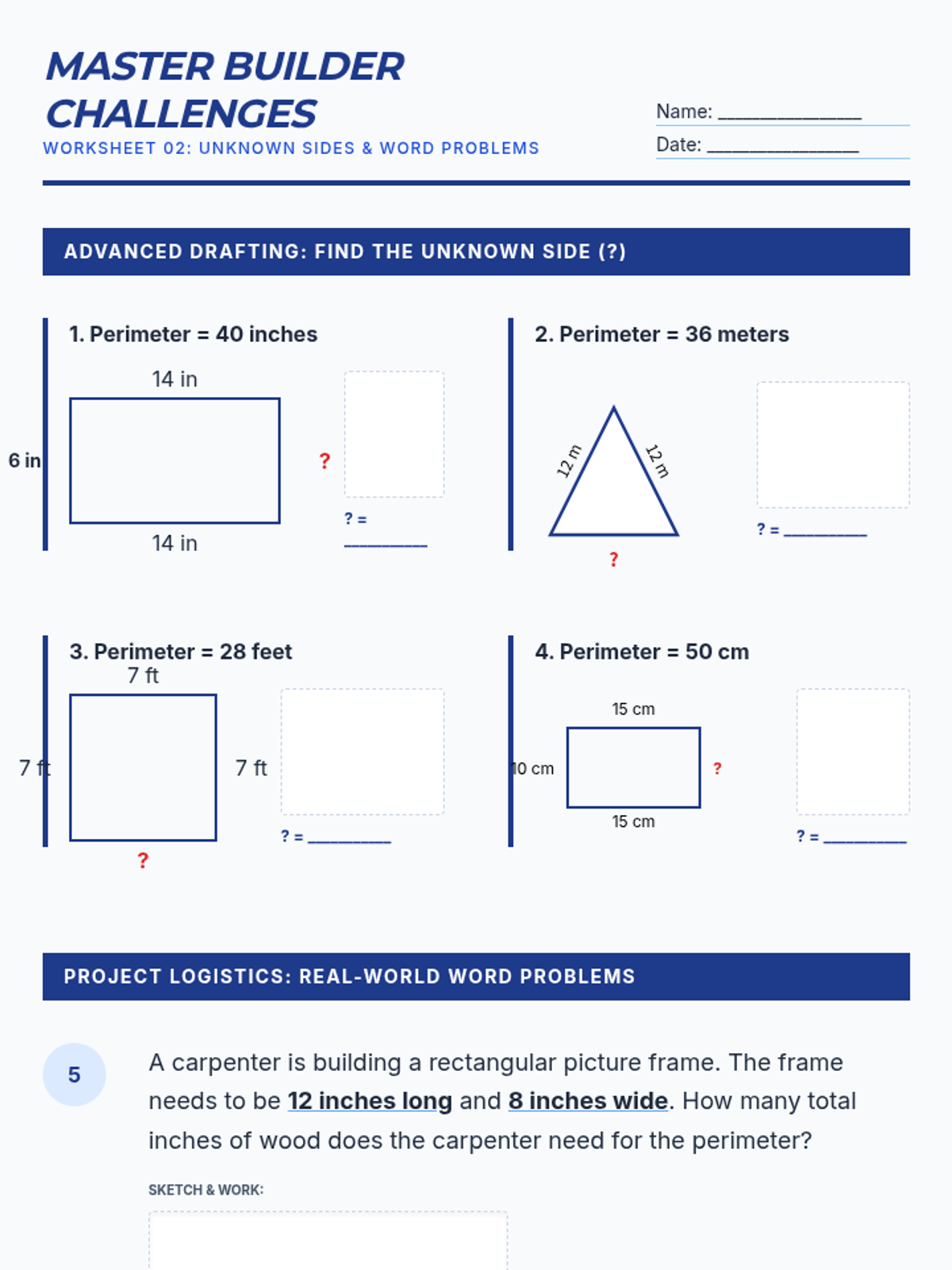
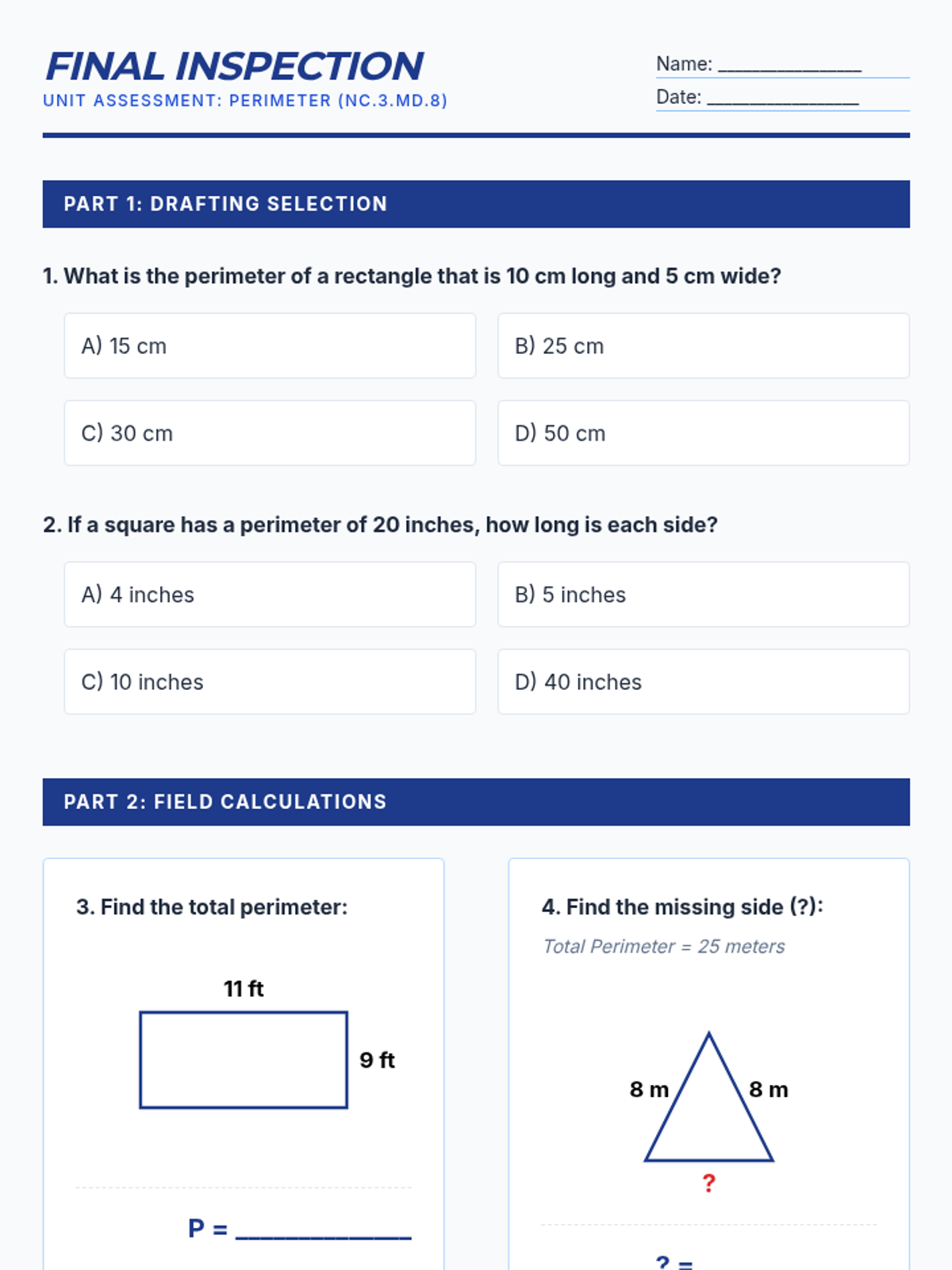
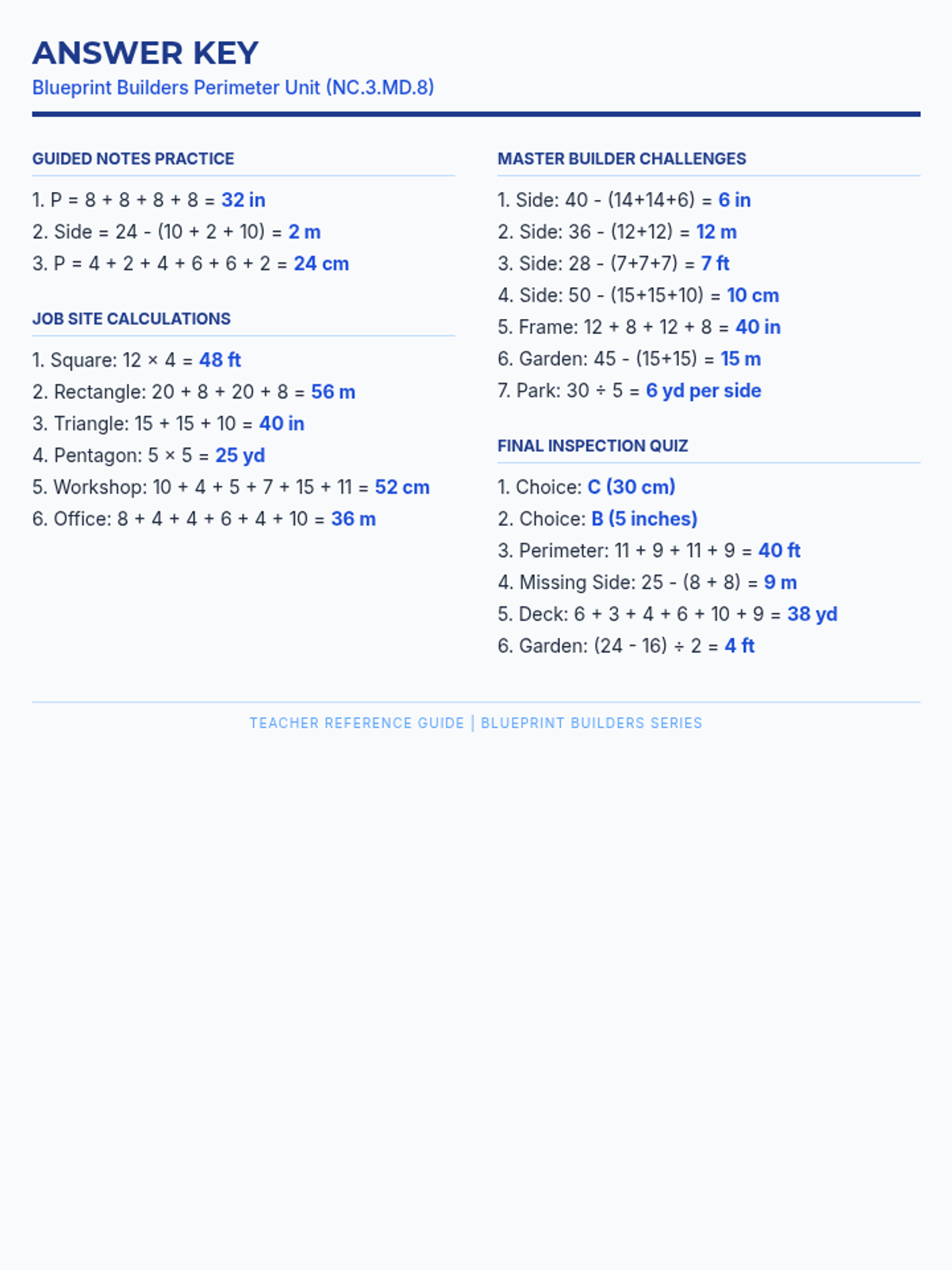
A comprehensive unit on finding the perimeter of various polygons, including unknown side lengths and real-world word problems, themed around architectural blueprints.
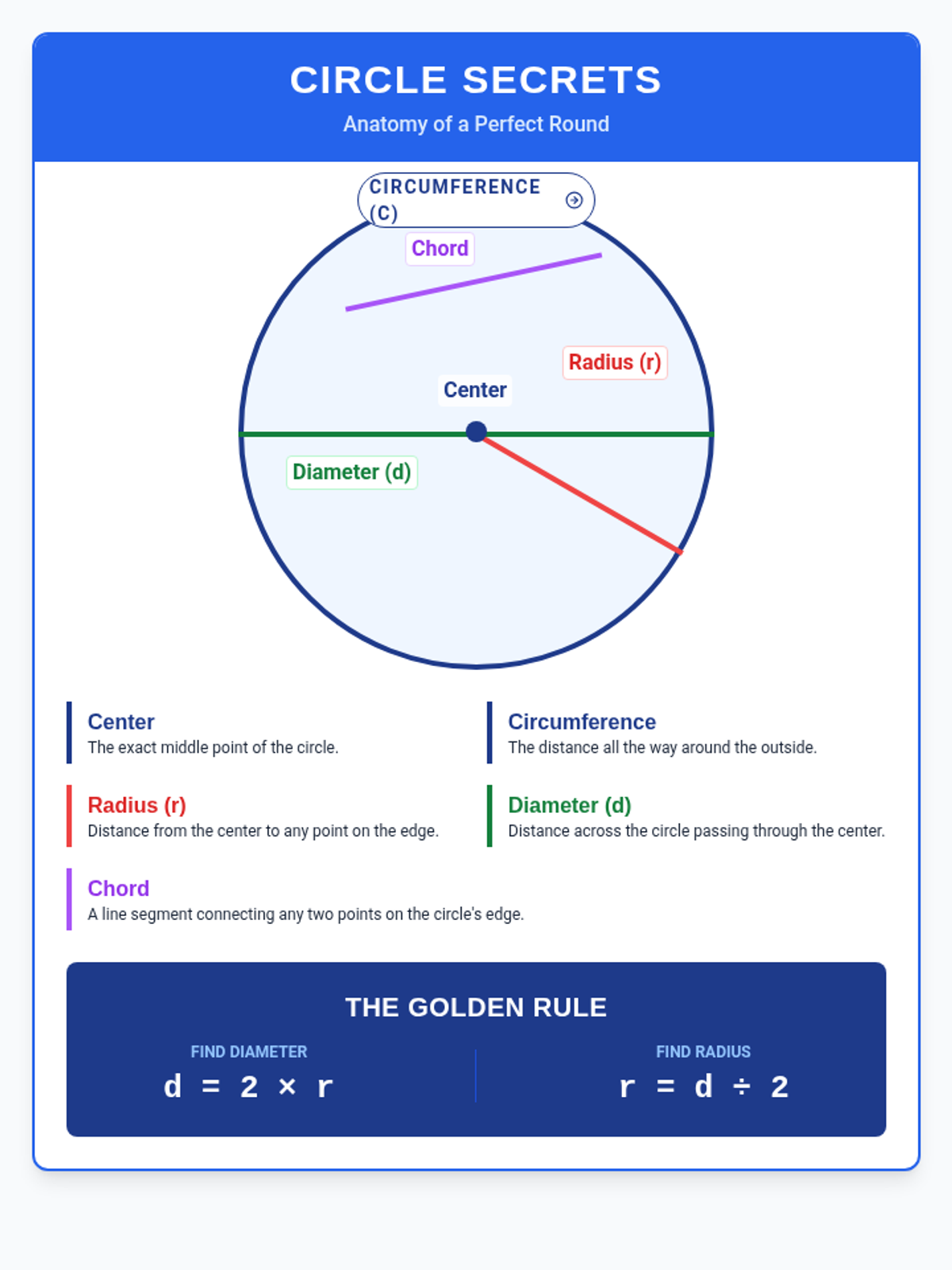
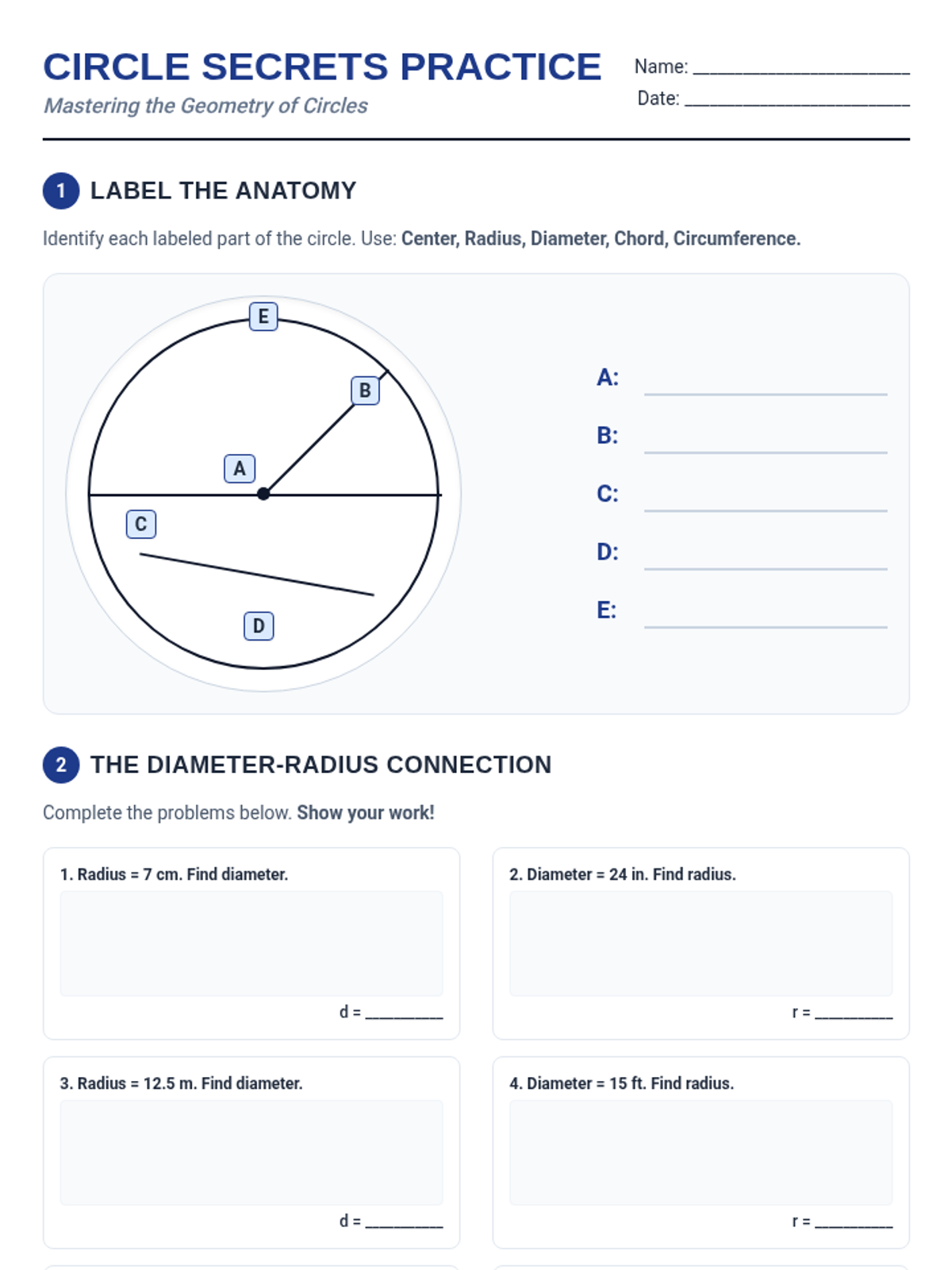
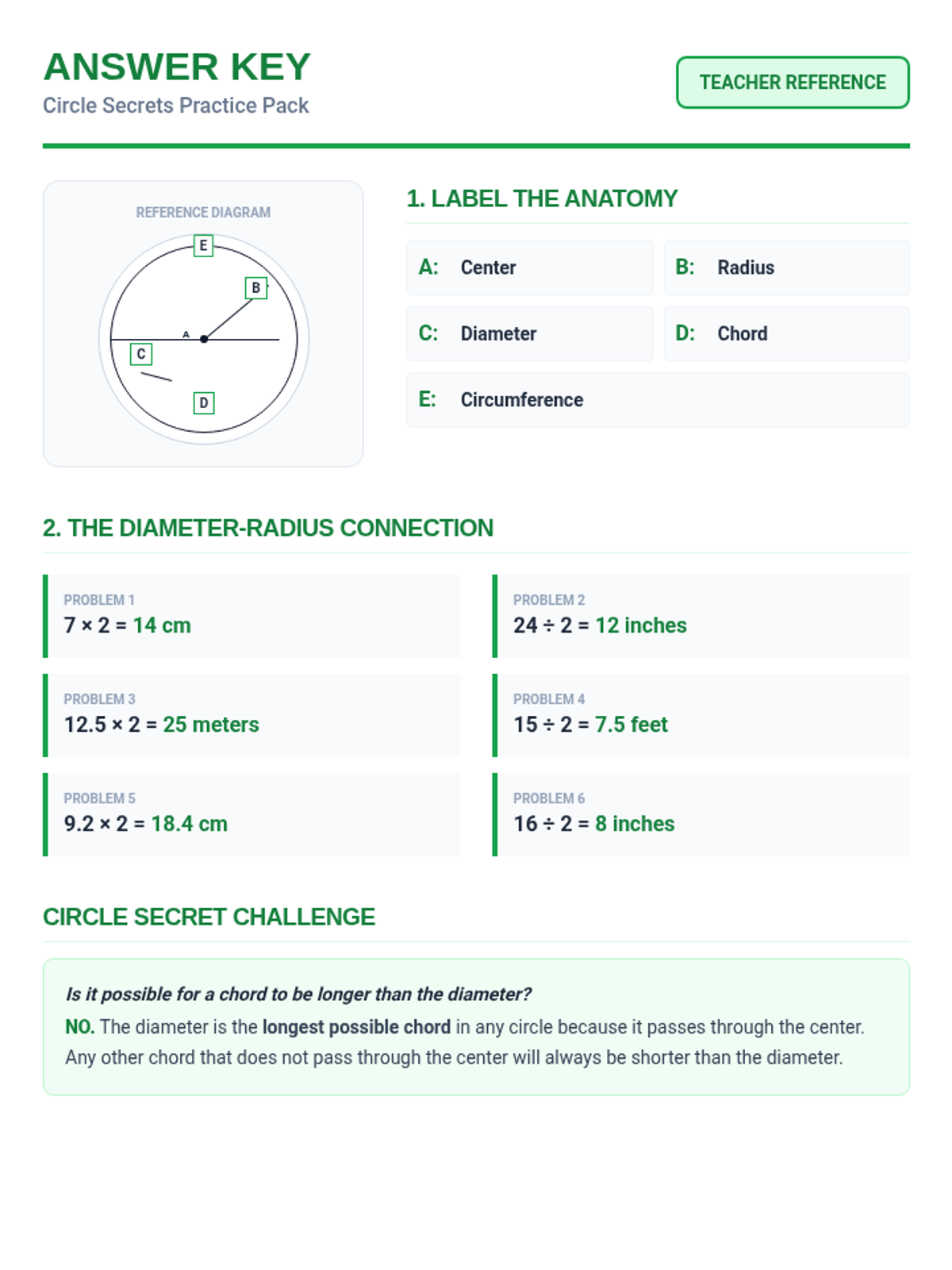
A 30-minute mini-lesson focusing on identifying the parts of a circle (radius, diameter, chord, center, and circumference) and calculating measurements between radius and diameter.
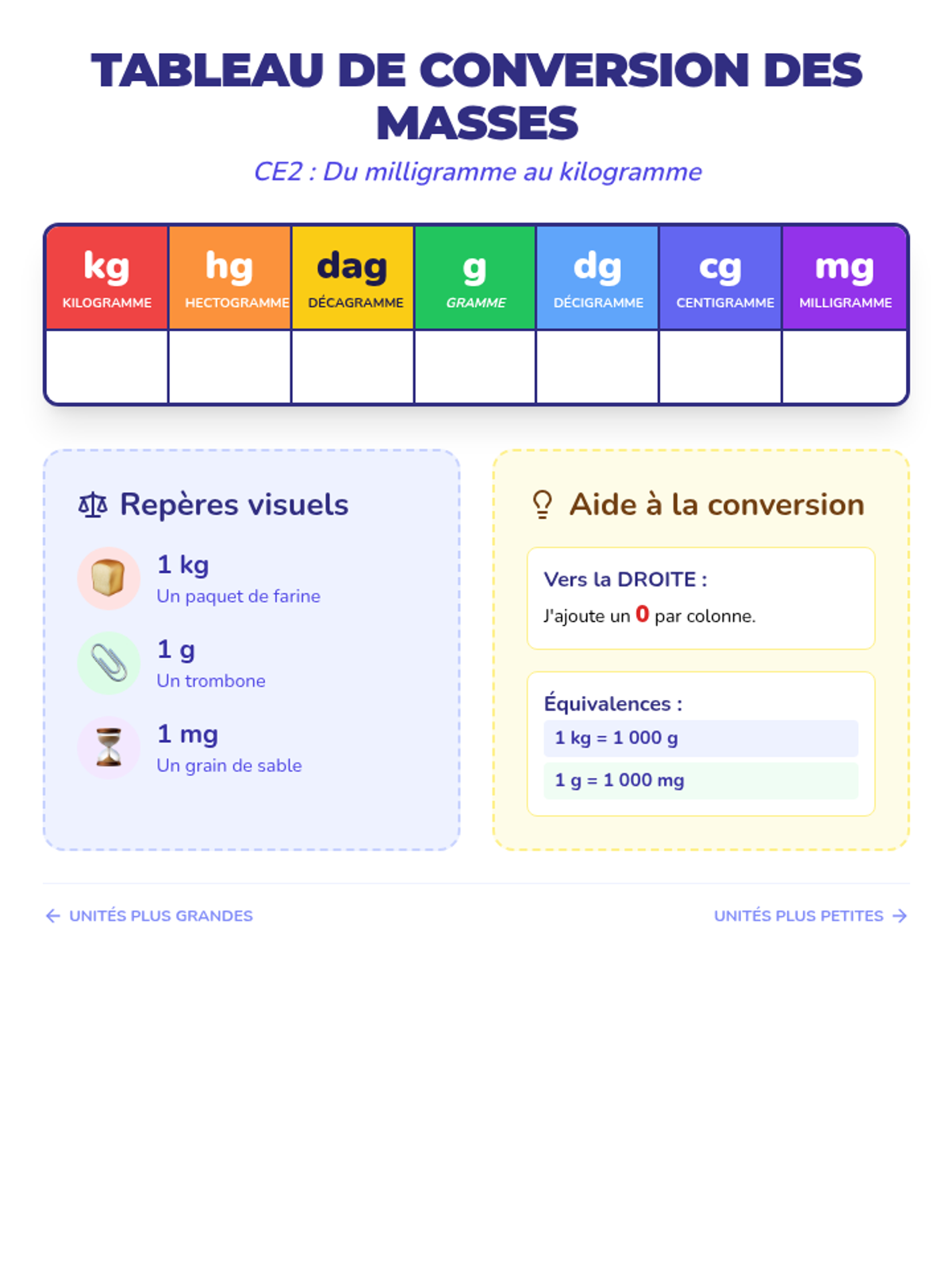
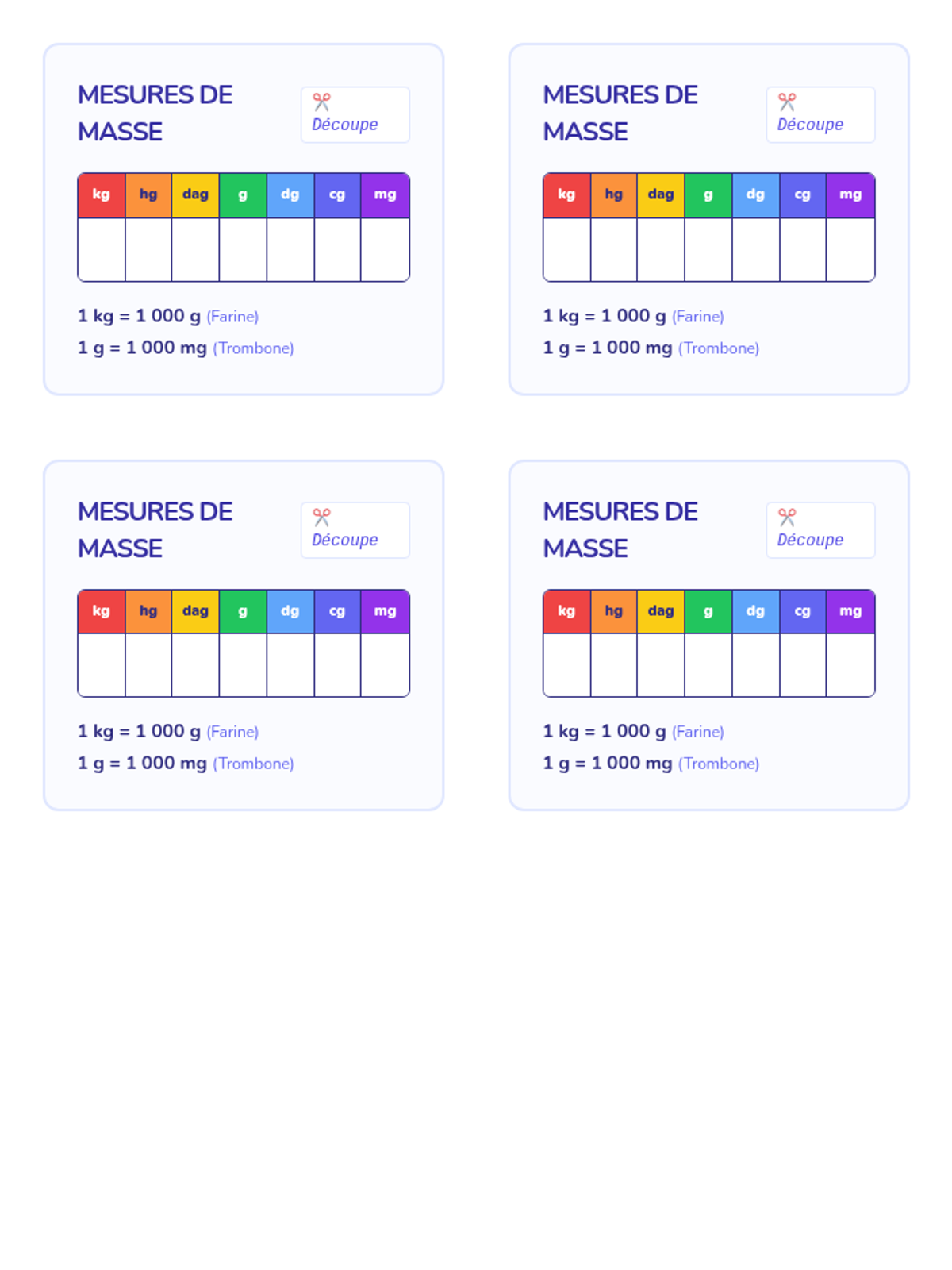
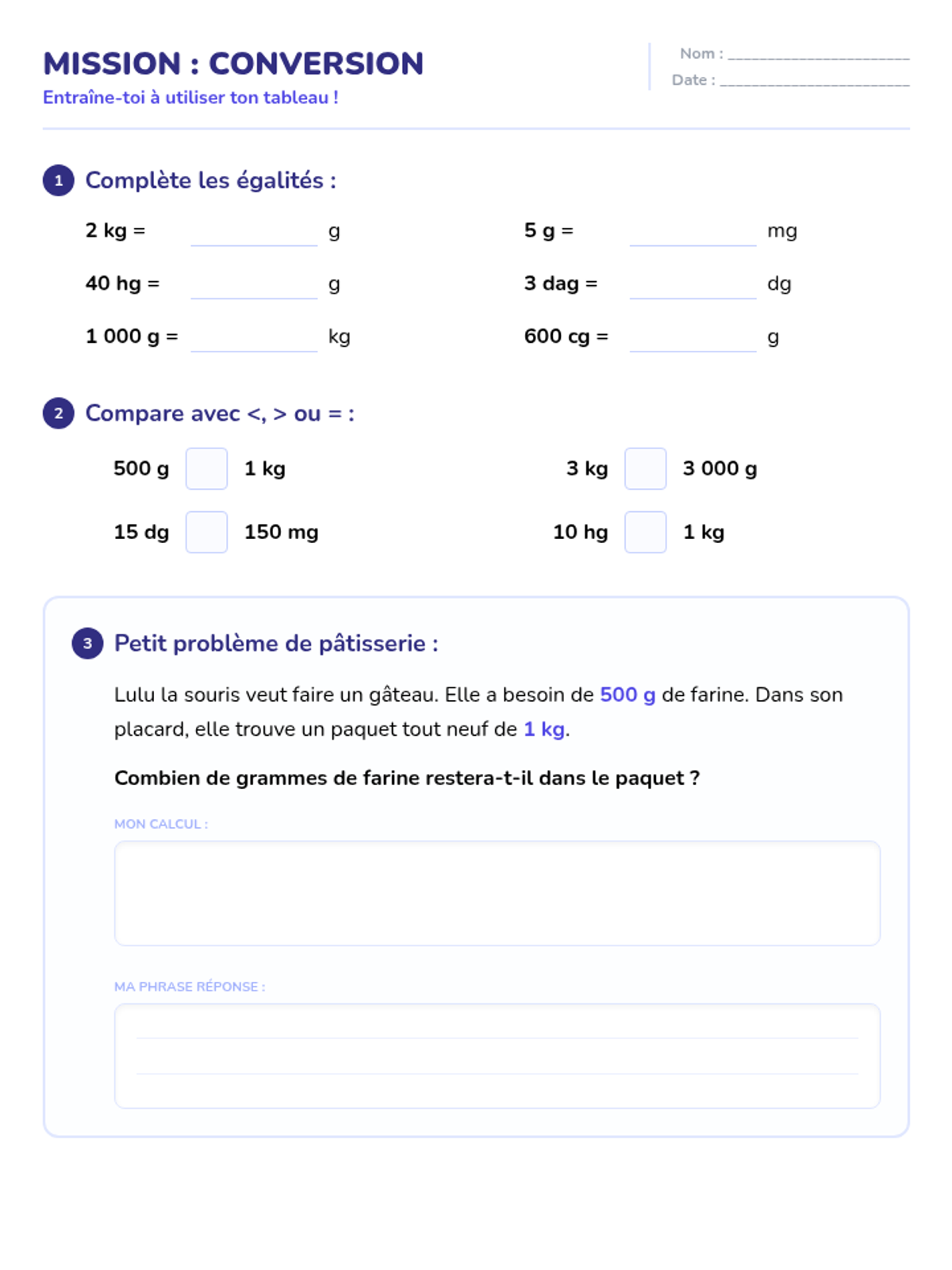
Une leçon pour apprendre à convertir les masses avec un tableau de conversion coloré et des exemples concrets pour les élèves de CE2.
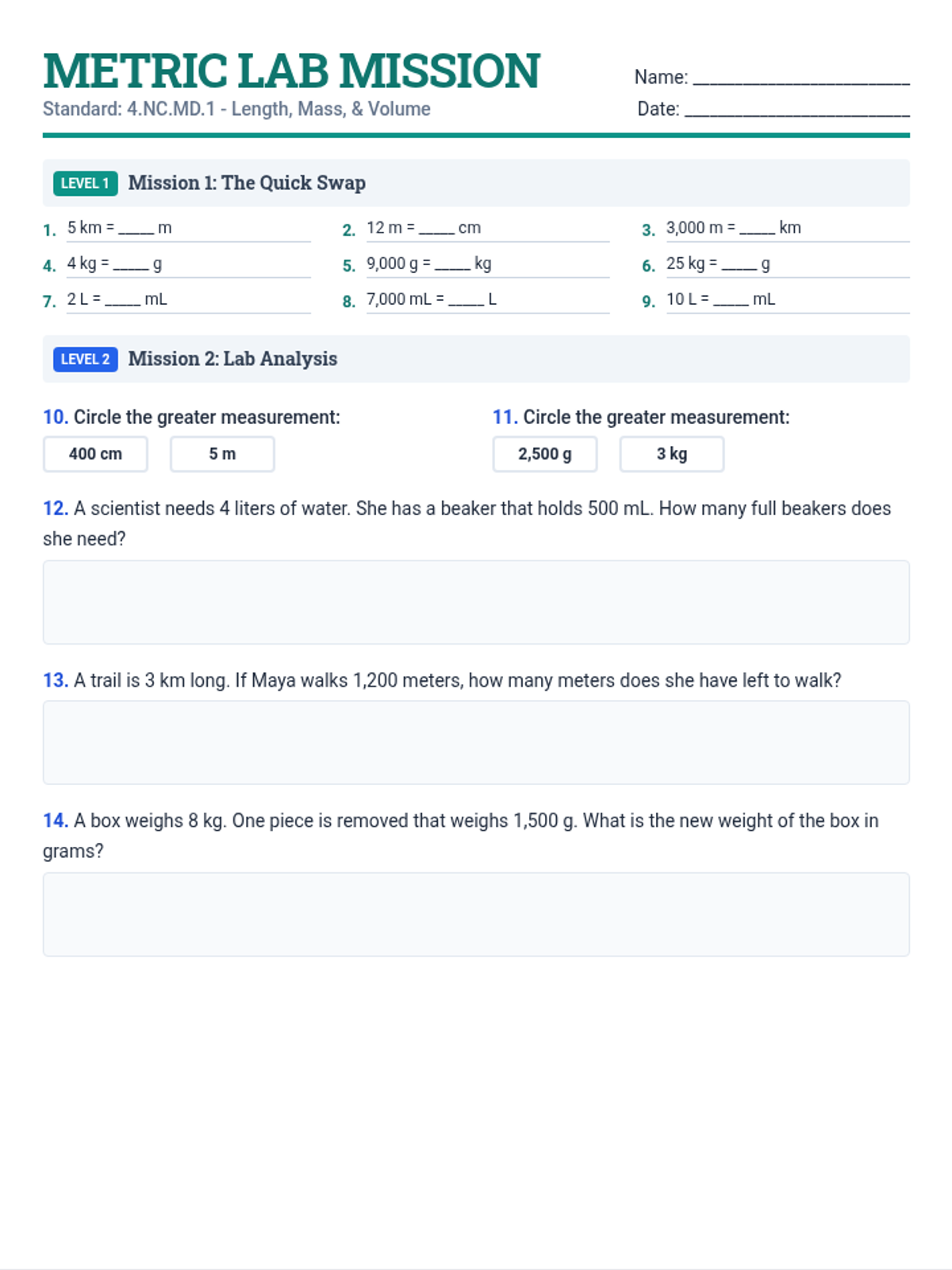
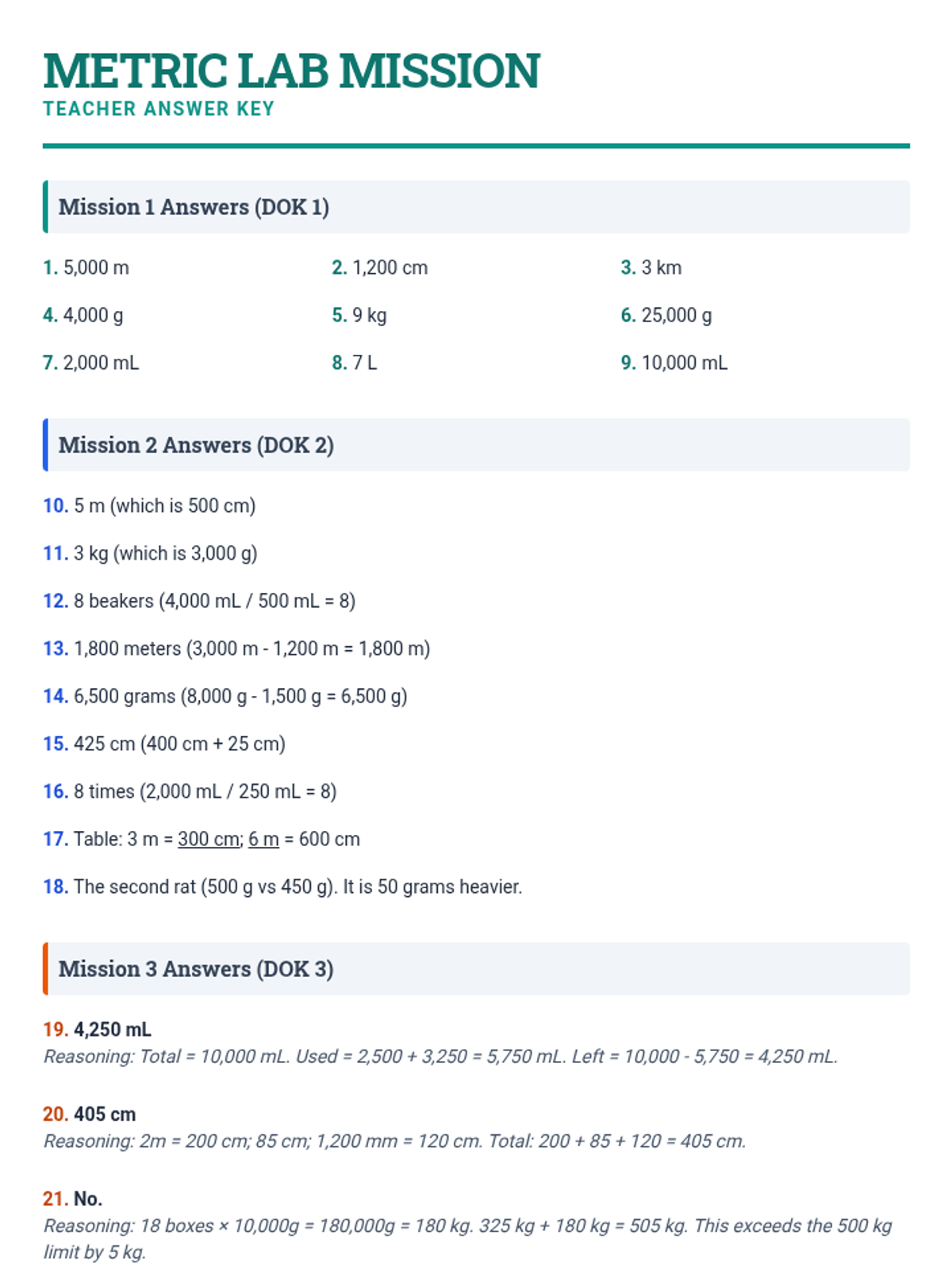
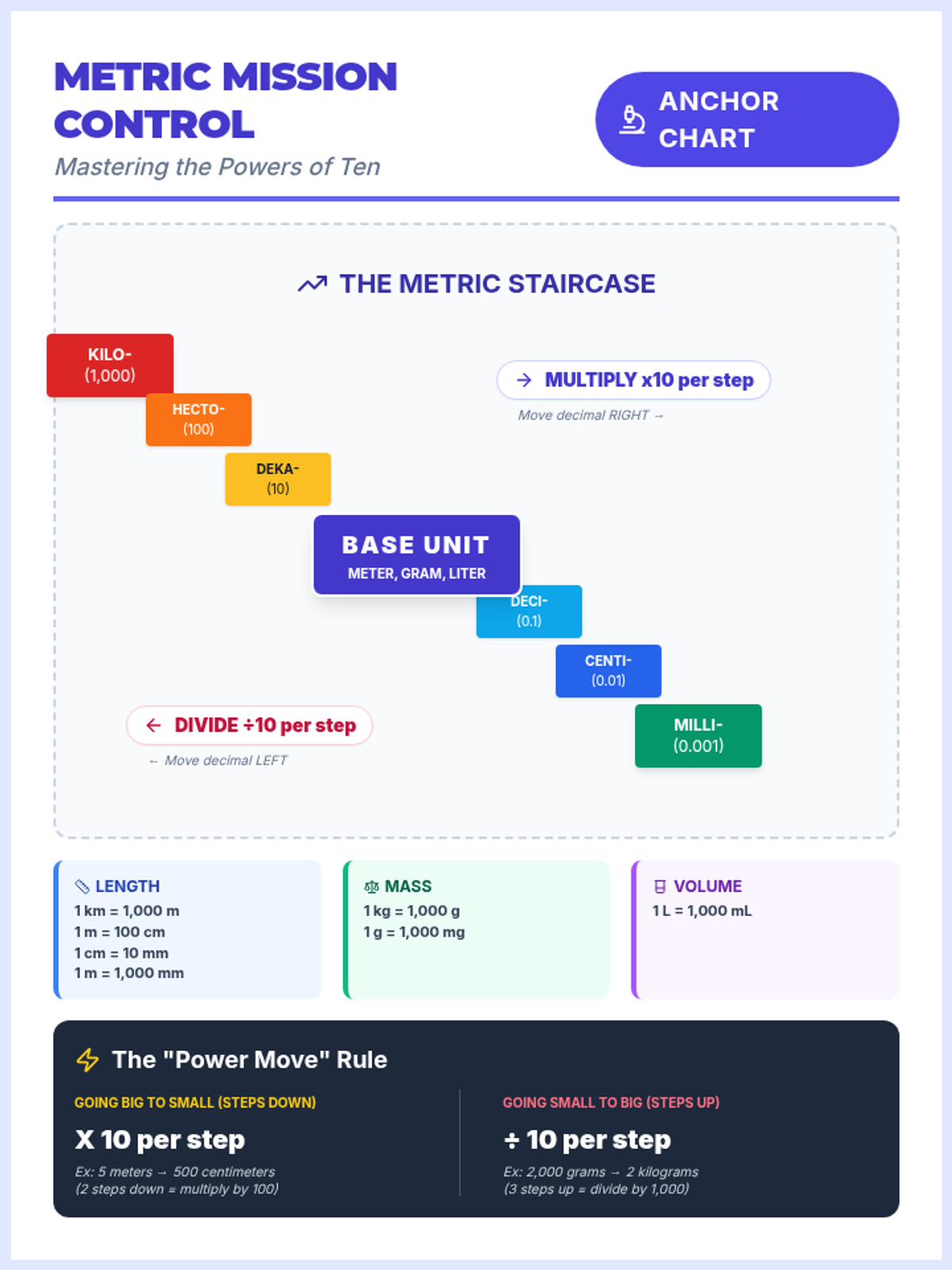
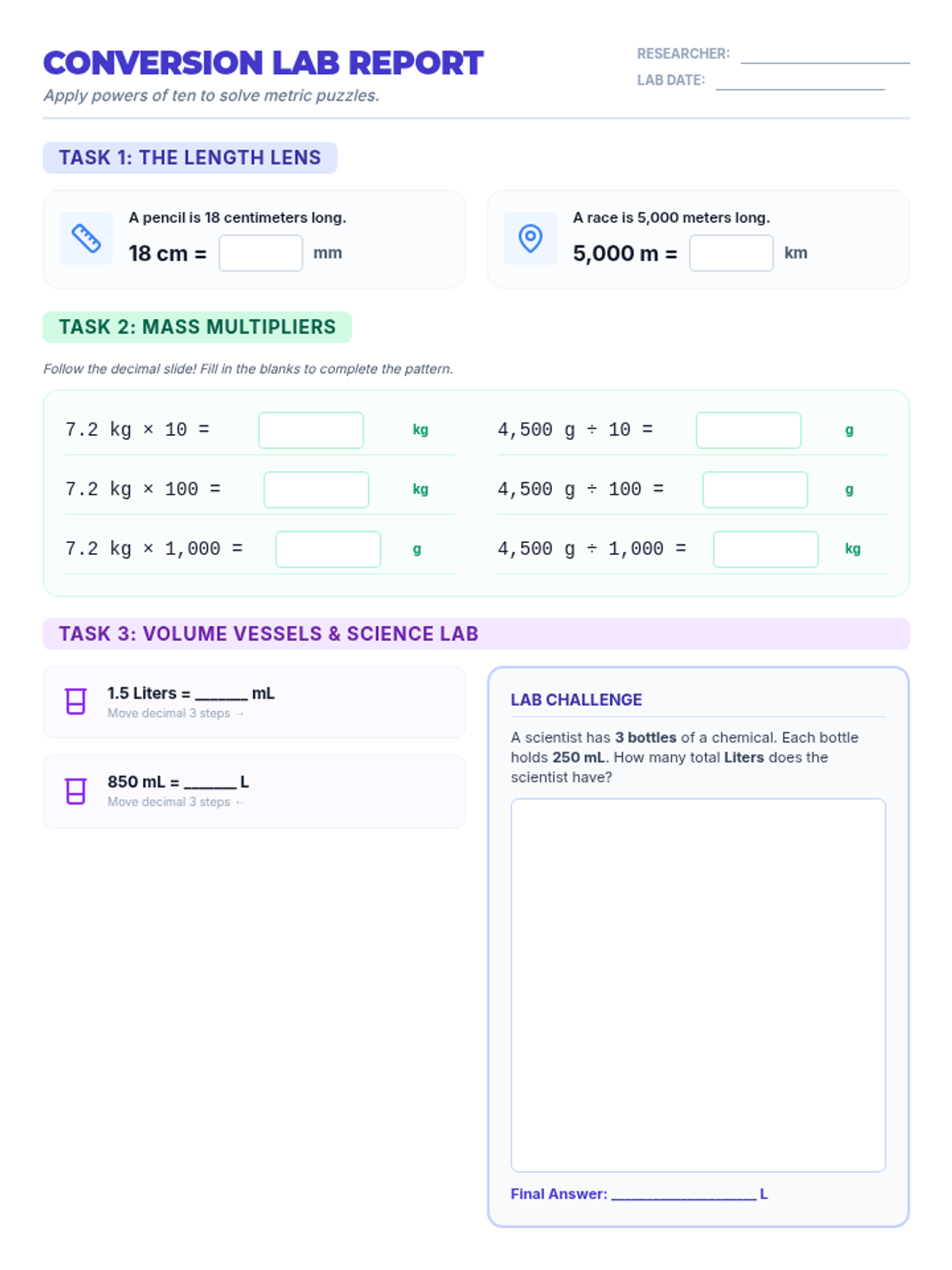
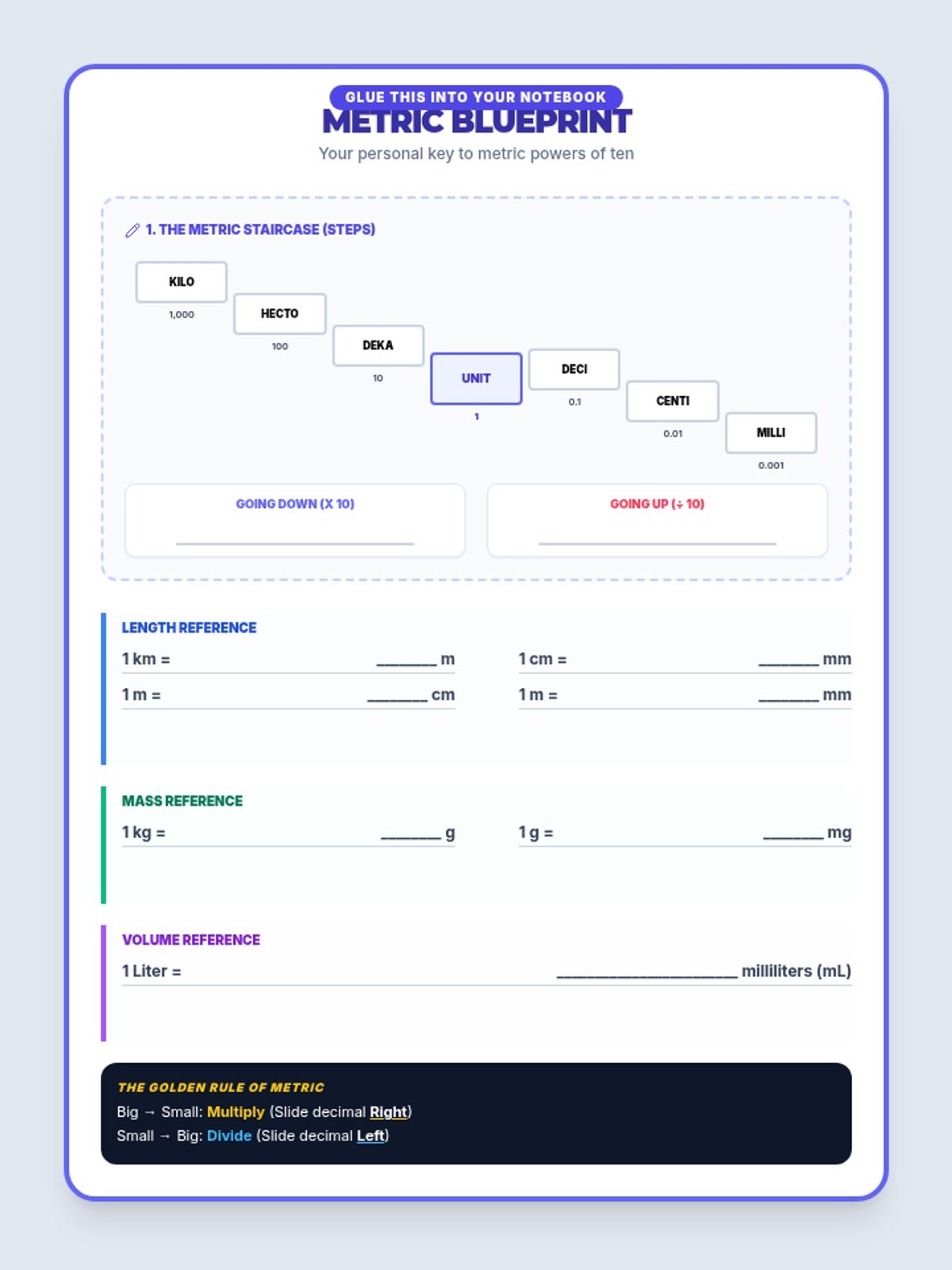
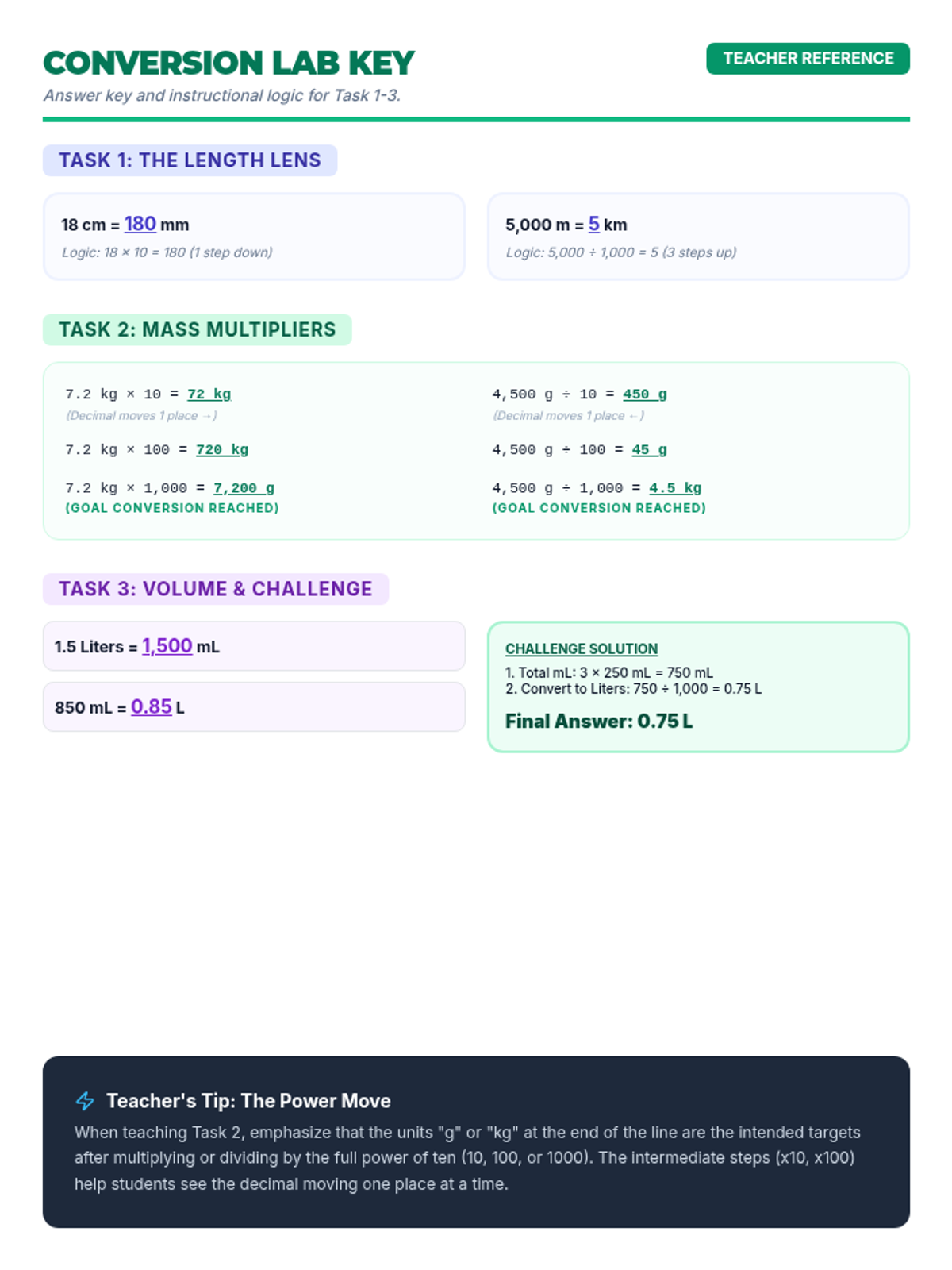
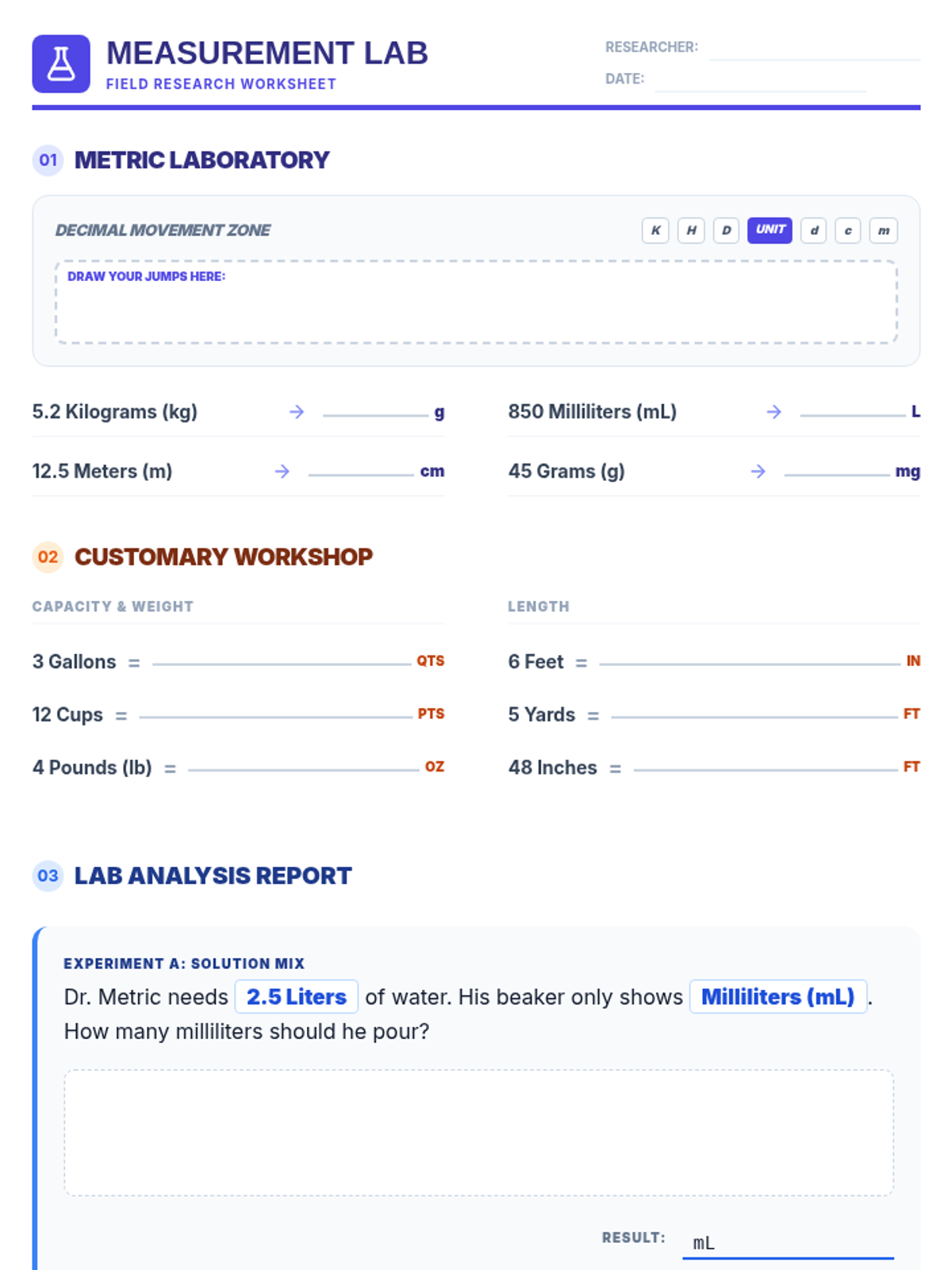
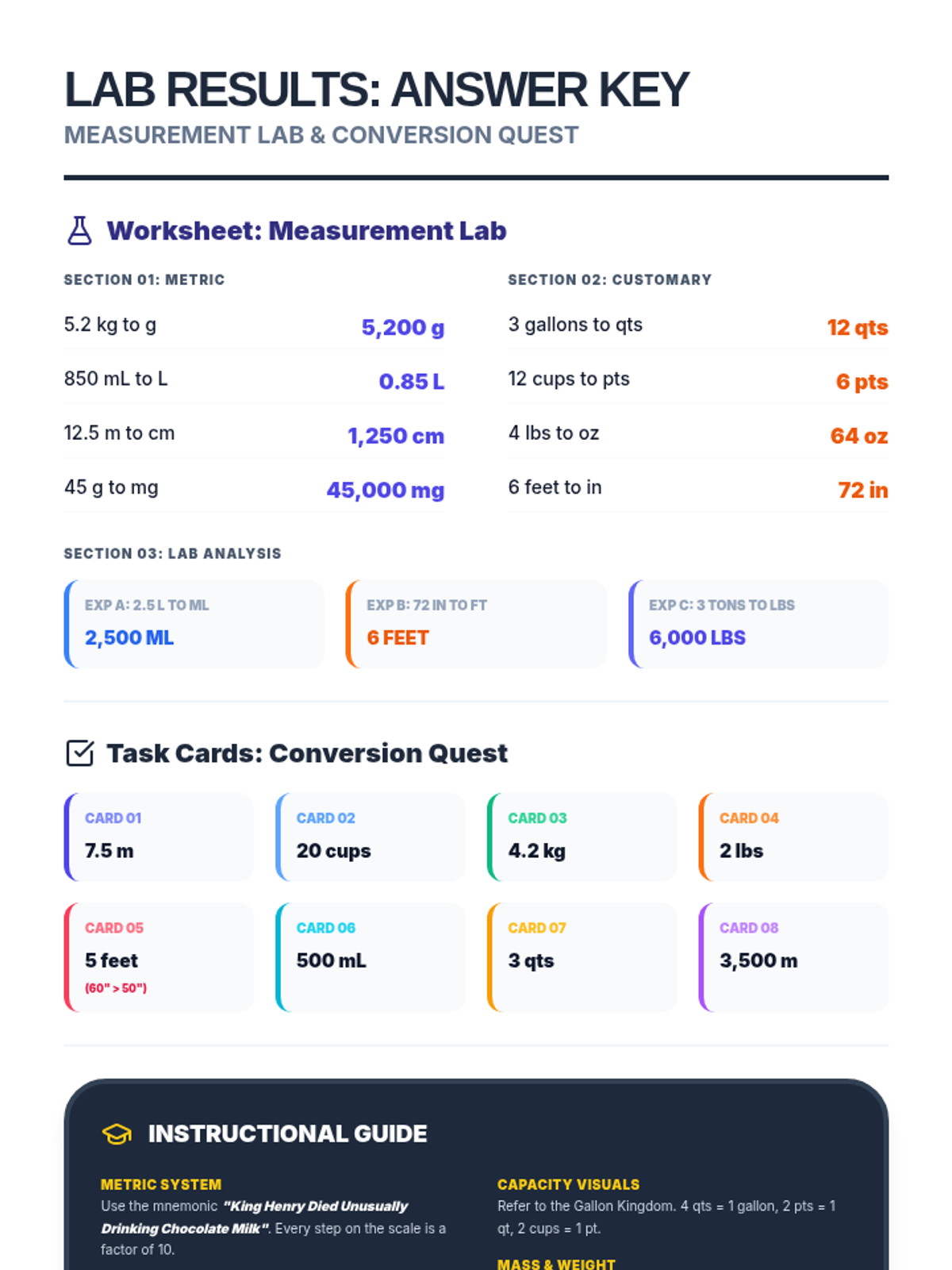
A comprehensive lesson on metric measurement conversions and application for length, mass, and volume, aligned with standard 4.NC.MD.1.
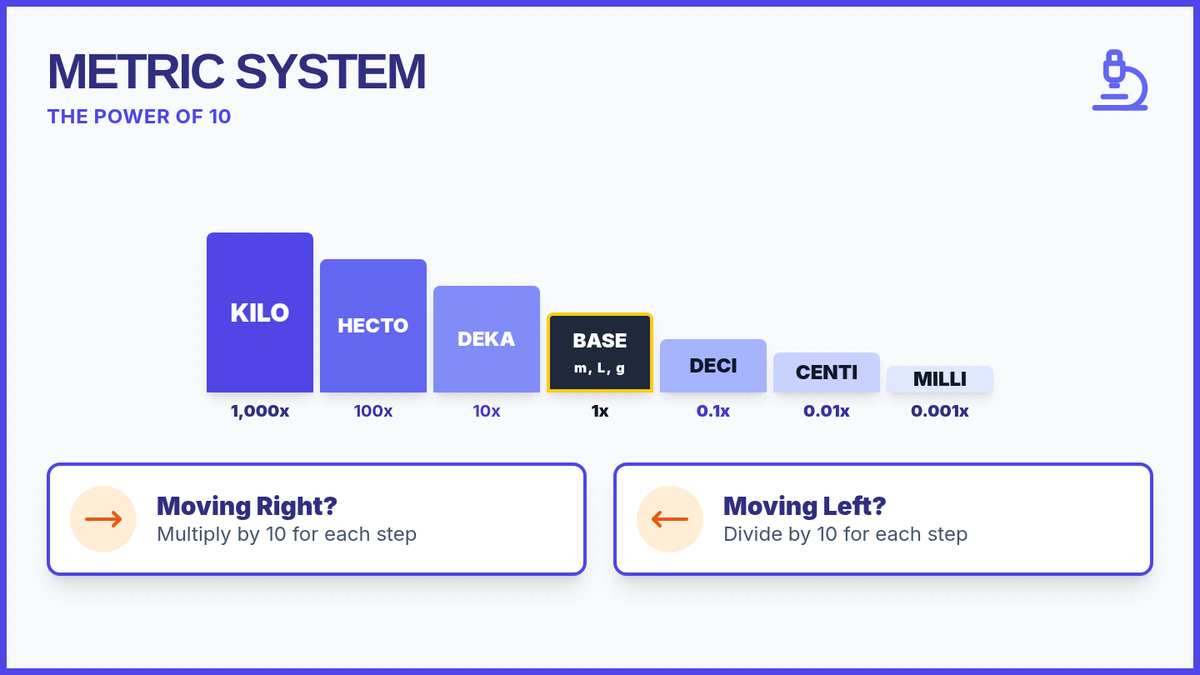
Students explore the relationship between metric units and powers of ten, using visual staircases and laboratory 'blueprints' to master conversions.
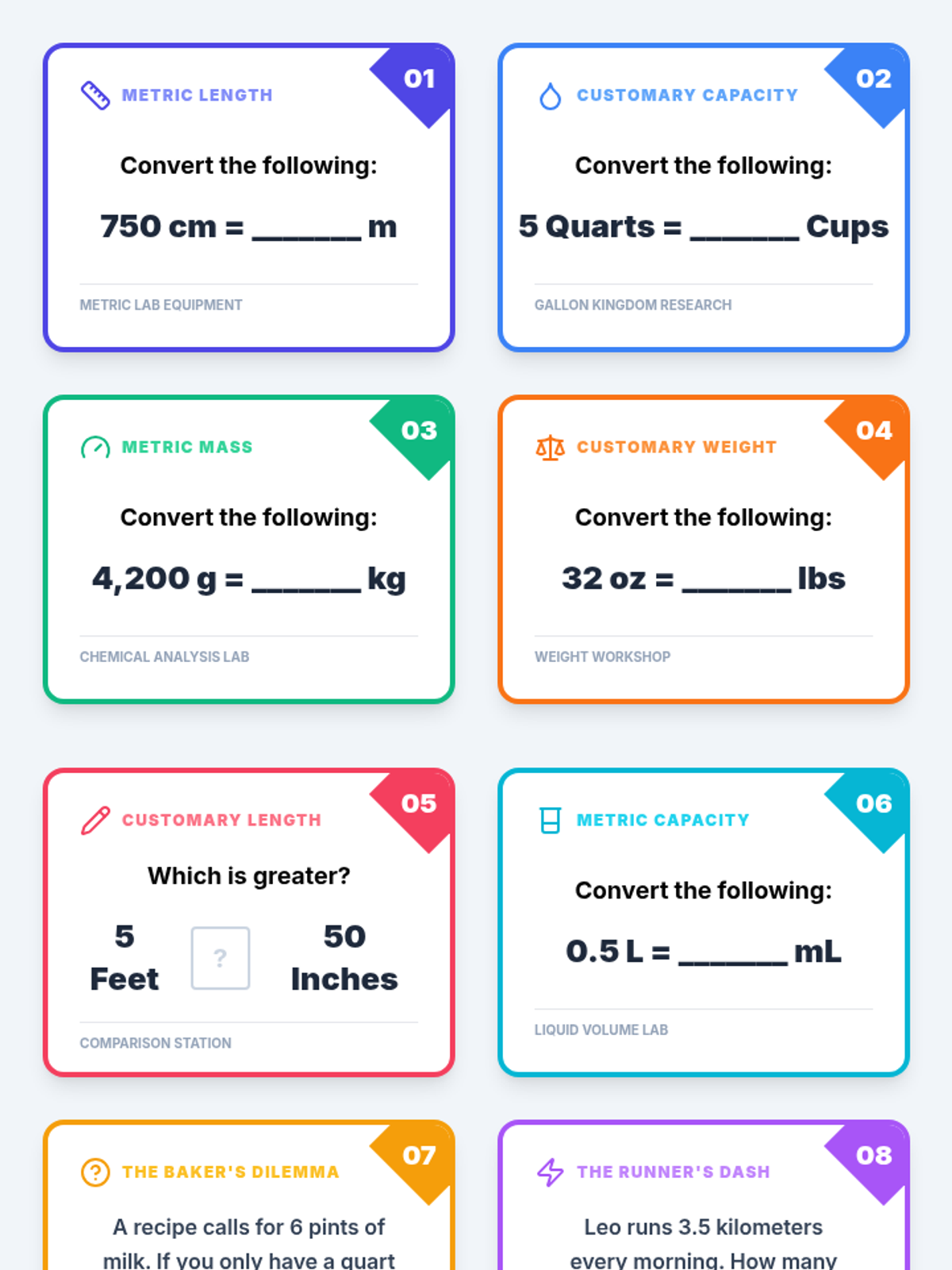
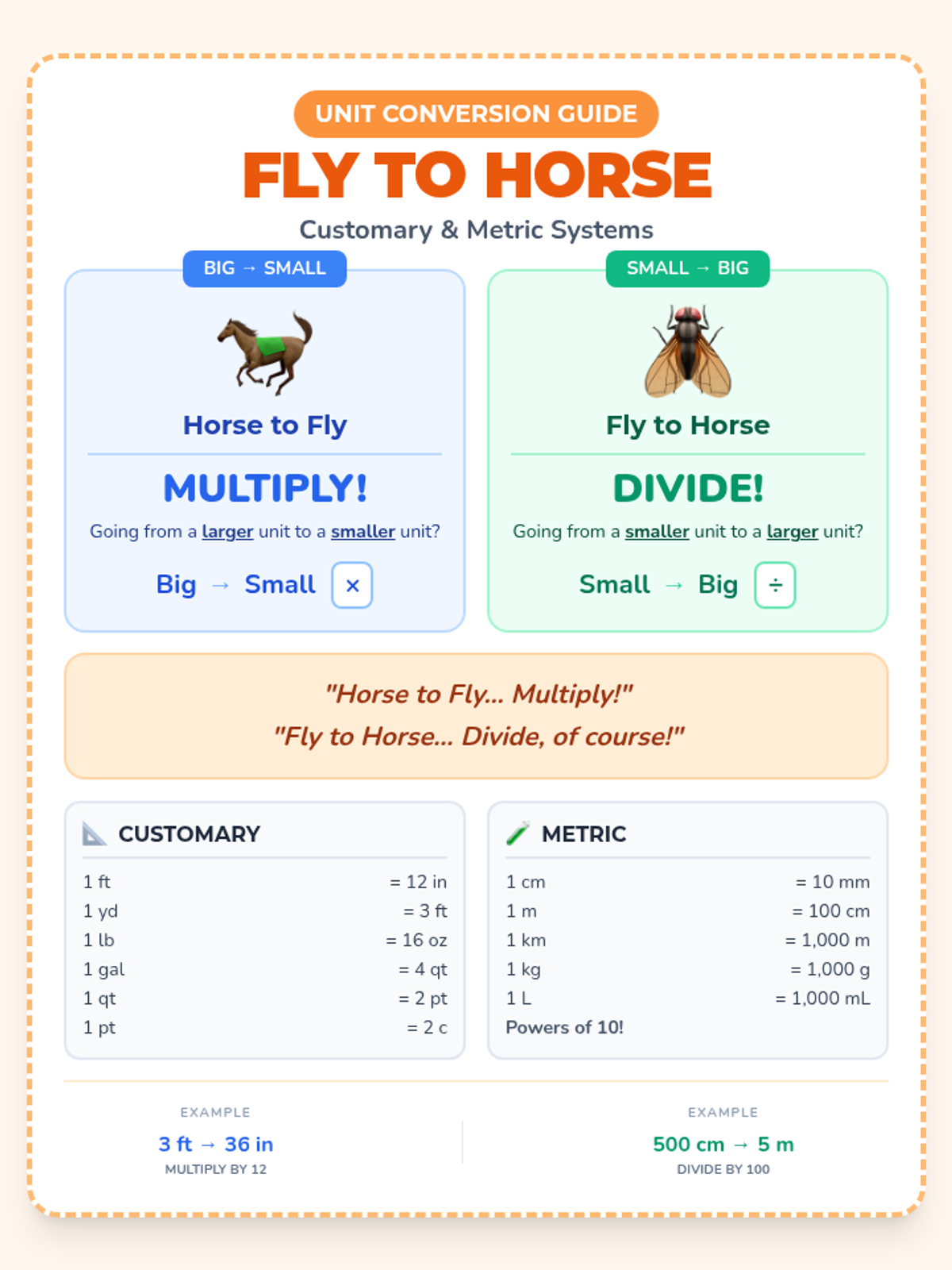
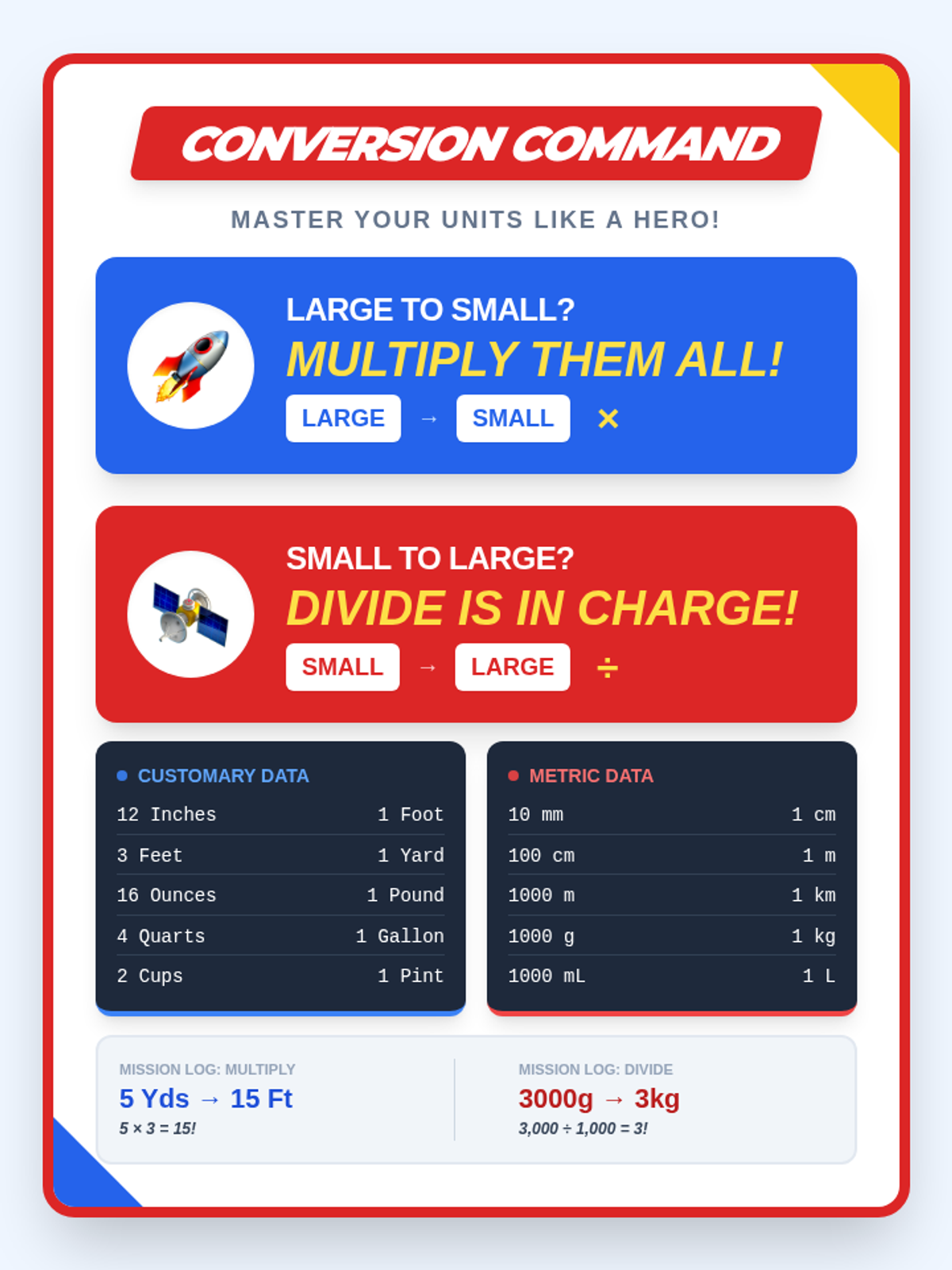
A comprehensive lesson on converting units within the Metric and US Customary systems using visual models, anchor charts, and hands-on task cards.
A collection of visual aids and tools to help students master unit conversions across Customary and Metric systems using various mnemonic strategies.
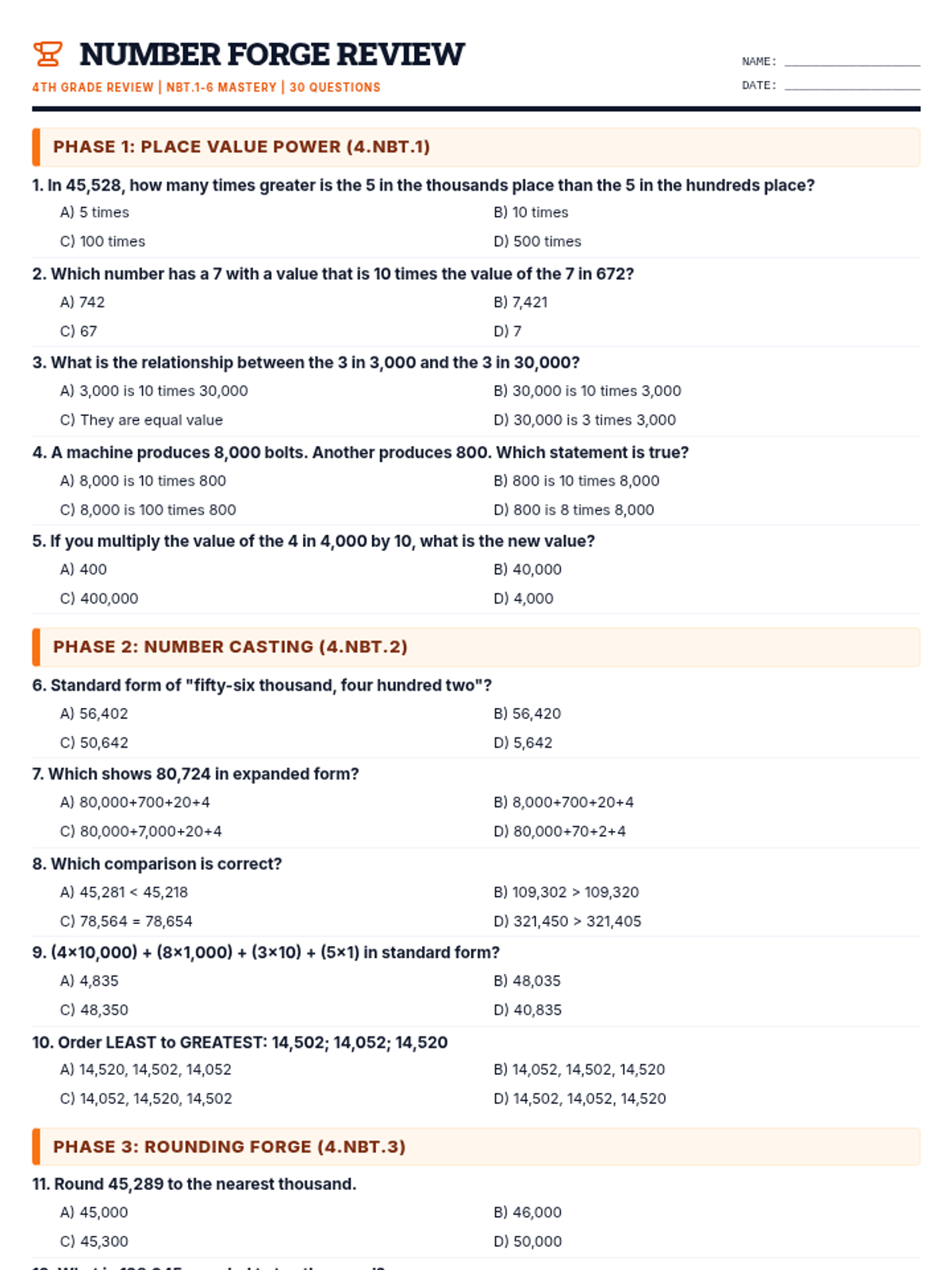
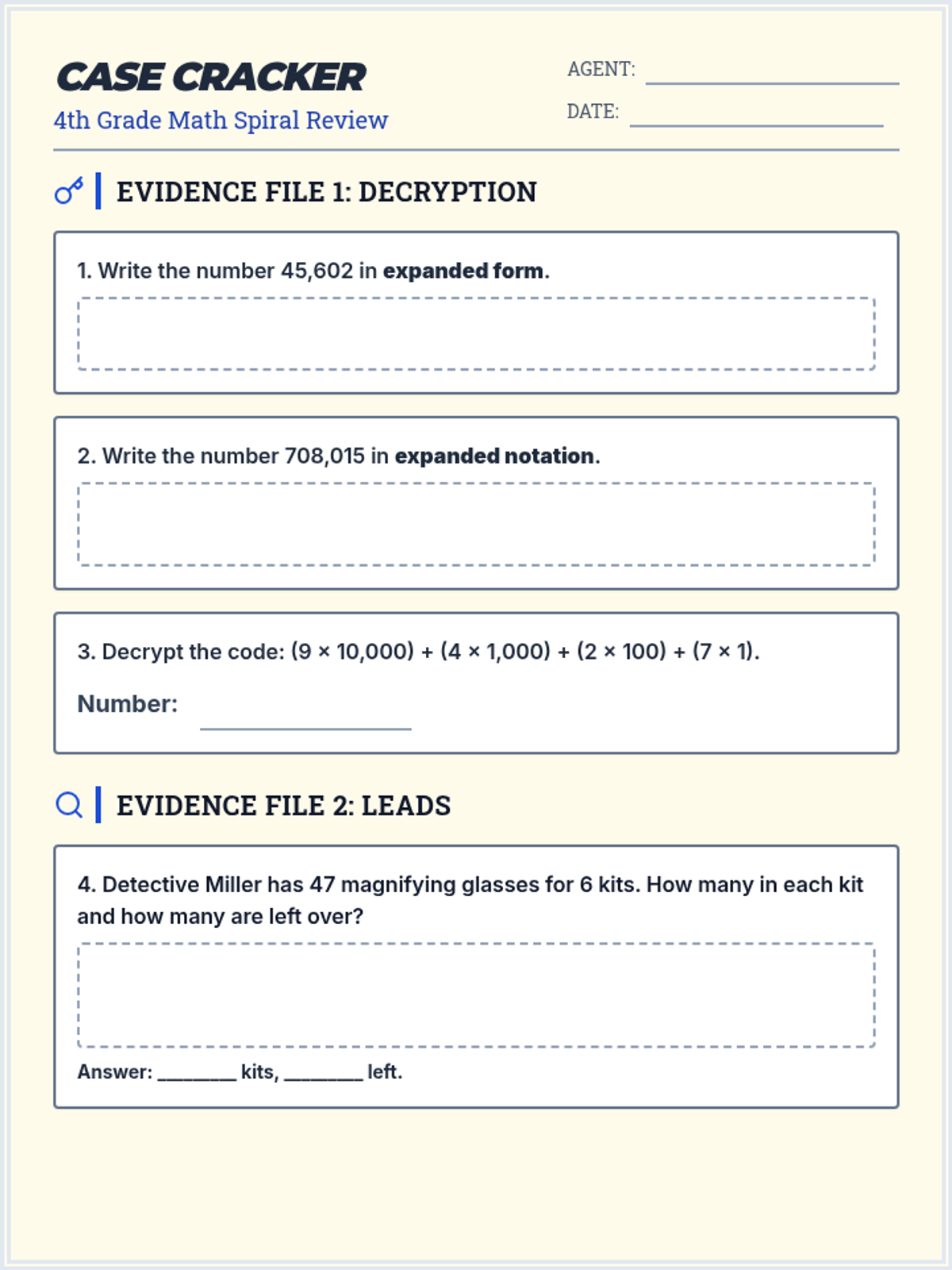
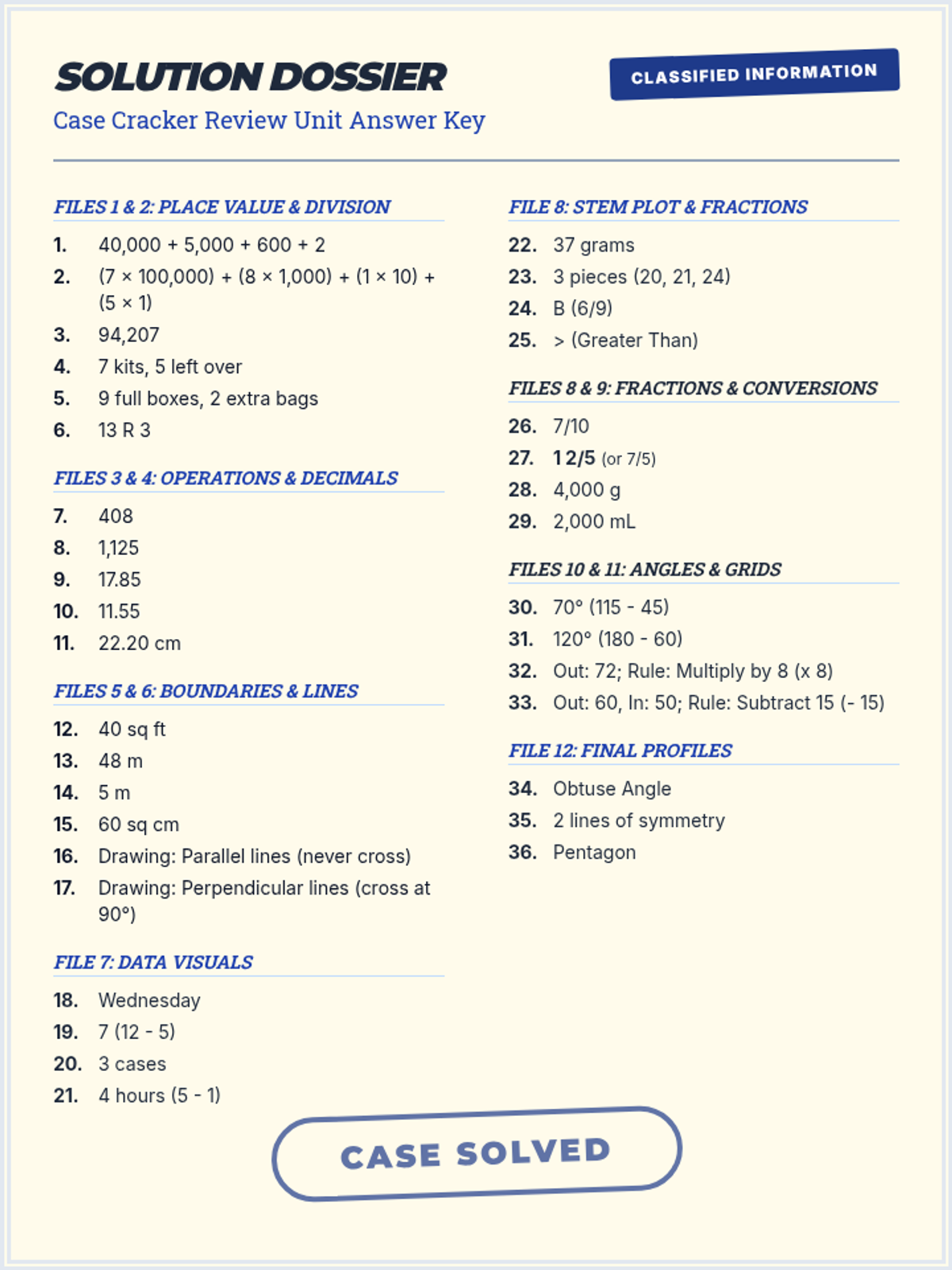
A comprehensive spiral review of 4th-grade math standards presented as a detective mystery. Students solve place value, operations, fractions, measurement, and geometry problems to crack the cases.
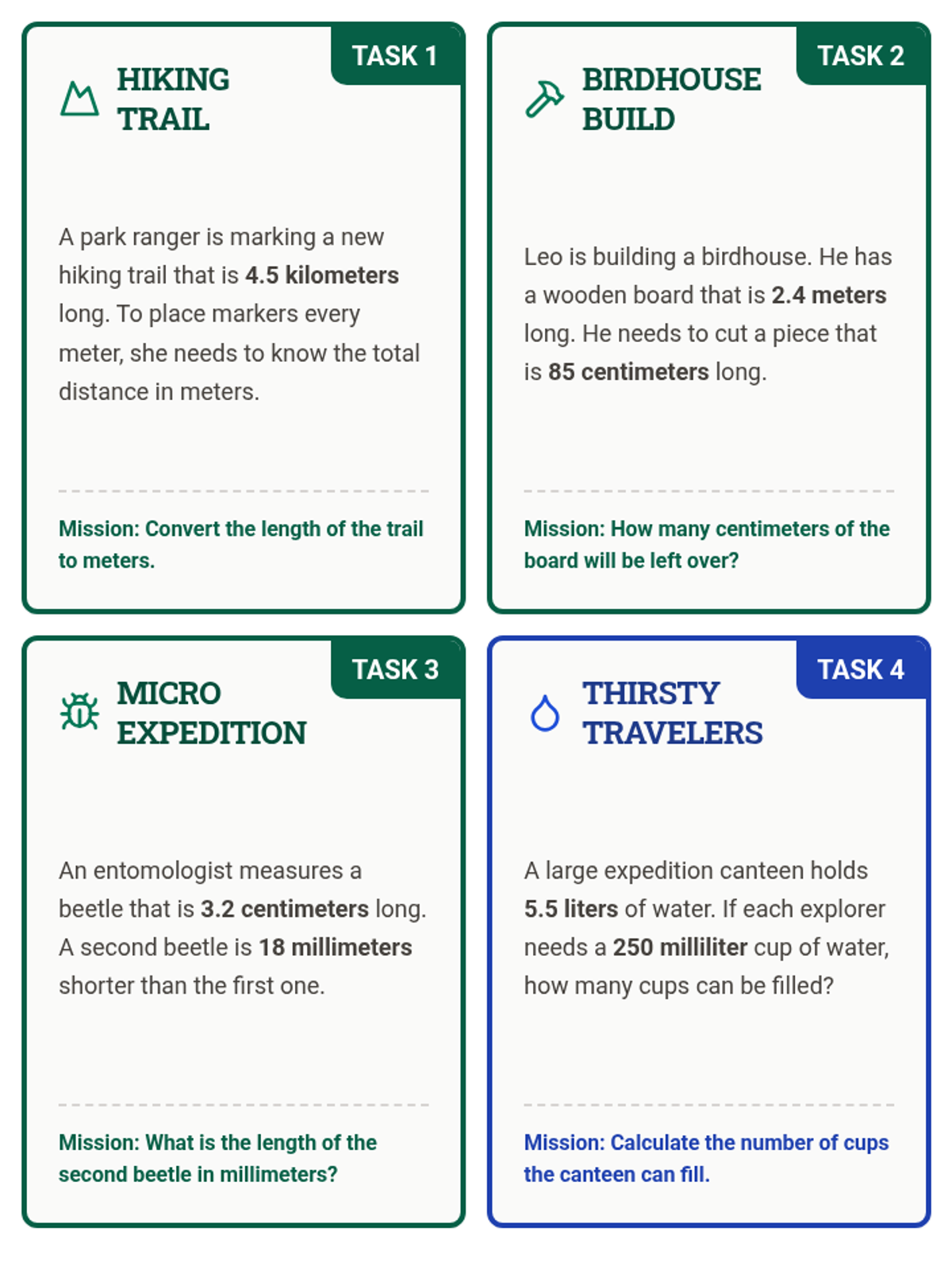
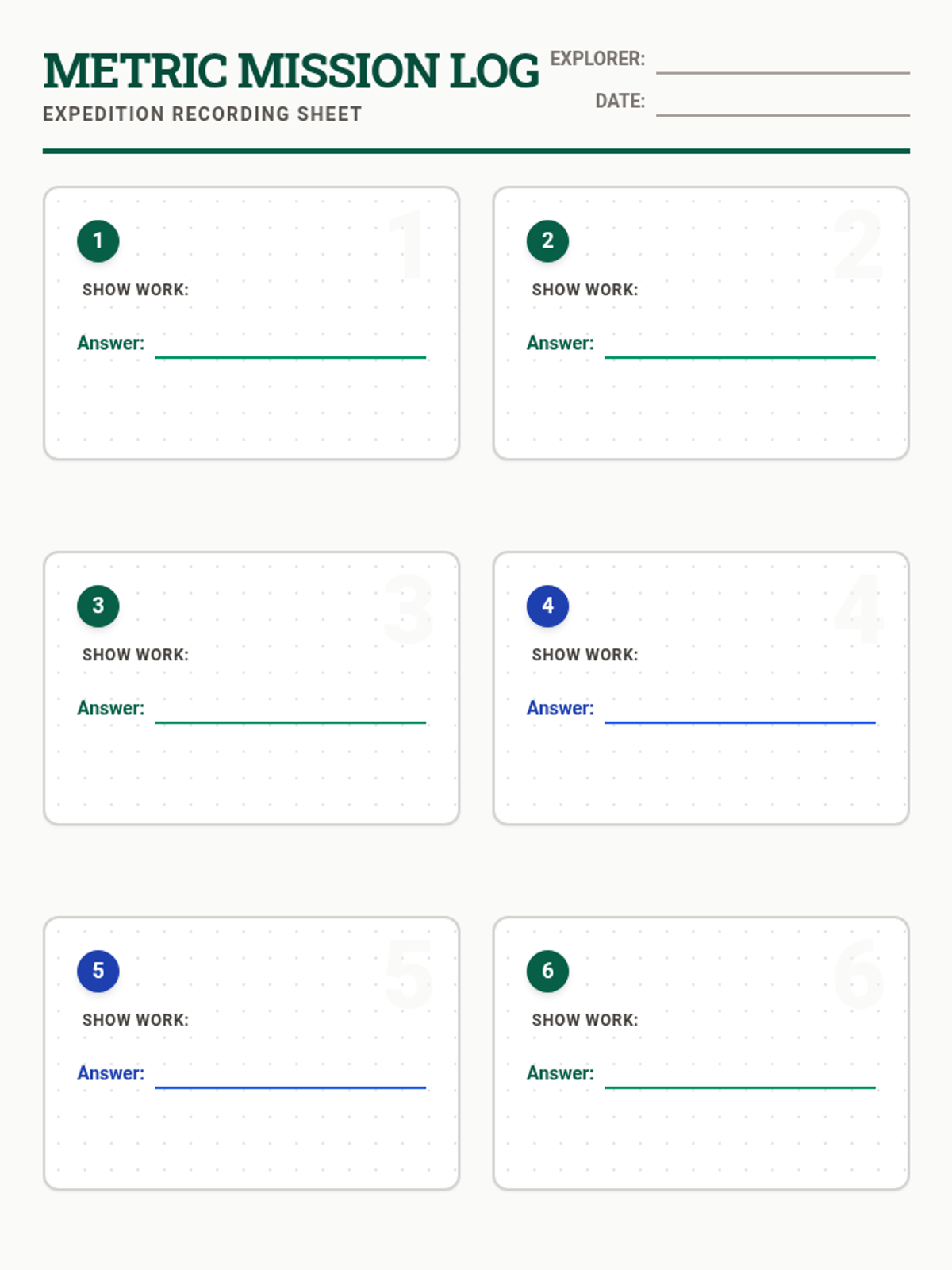
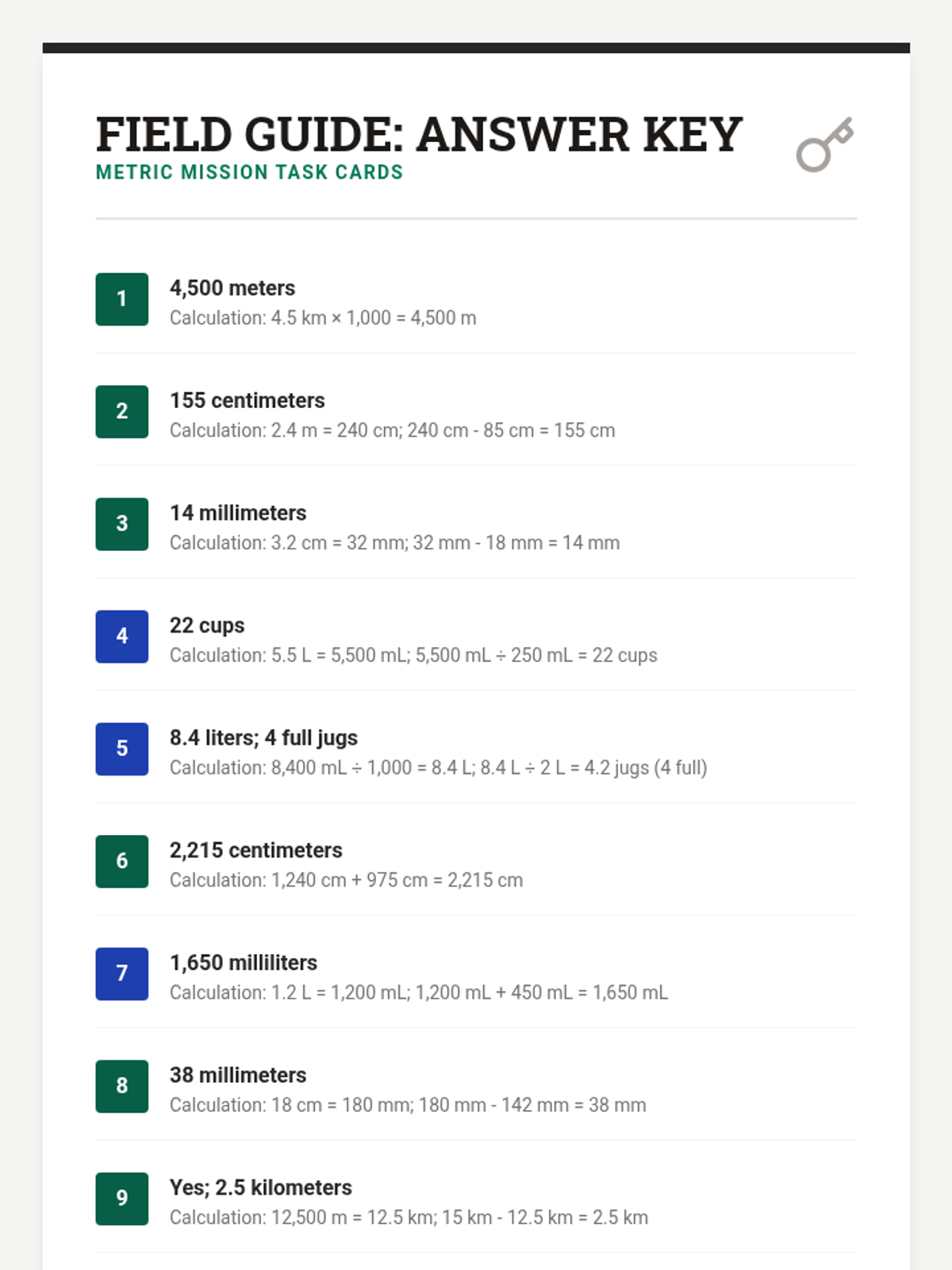
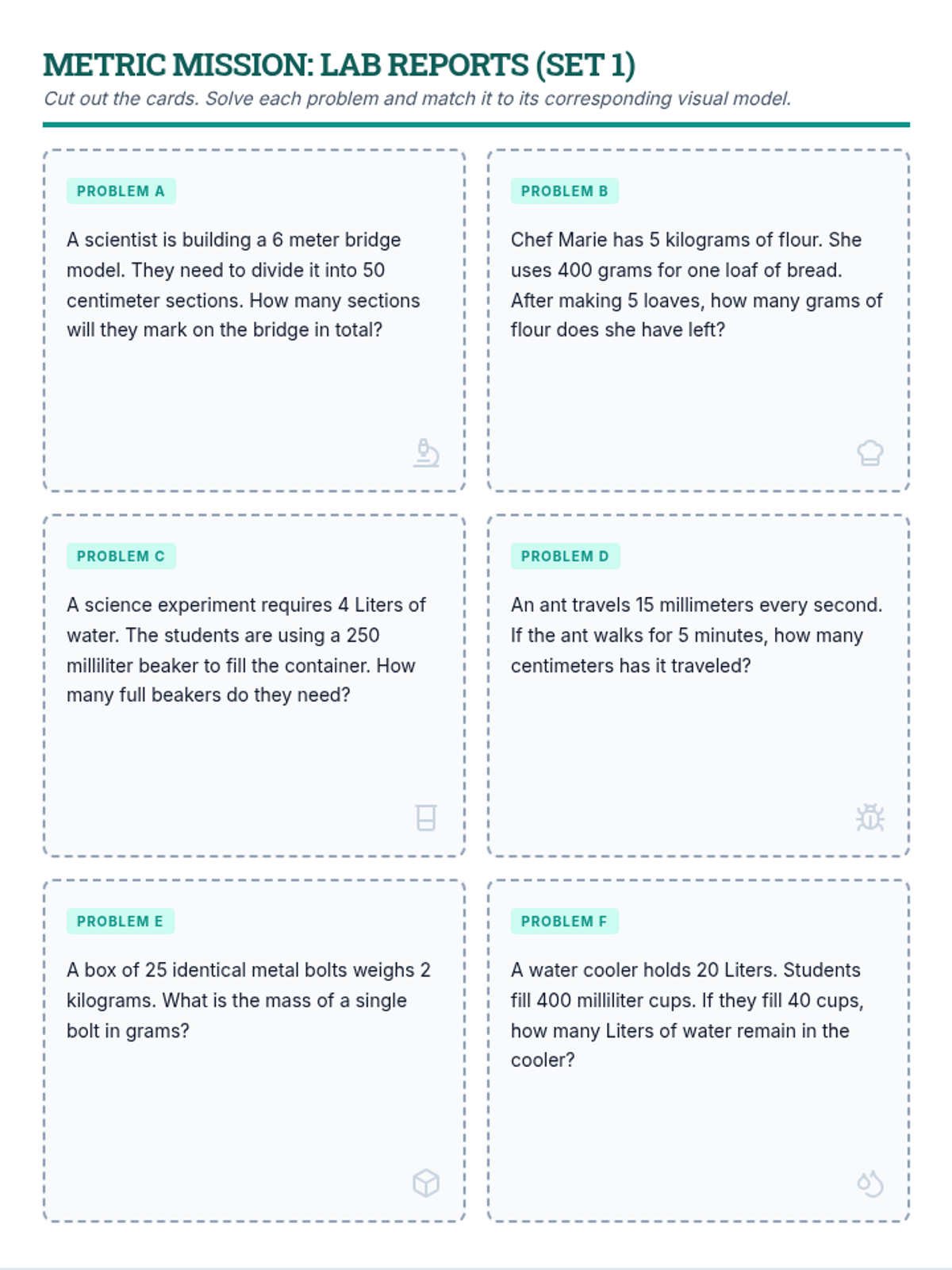
A hands-on lesson where students apply metric conversion skills for length and volume to solve real-world word problems using station-based task cards.
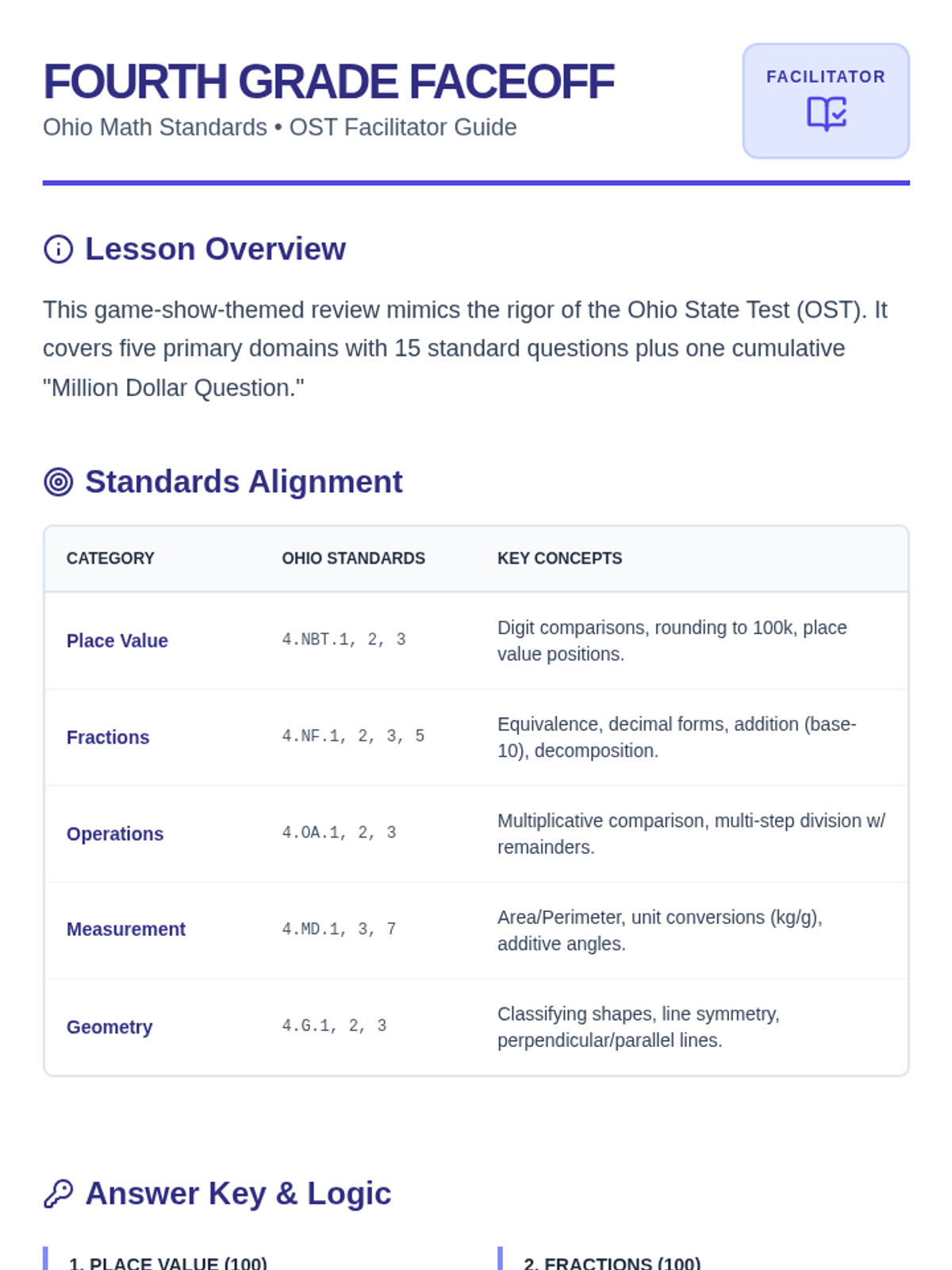
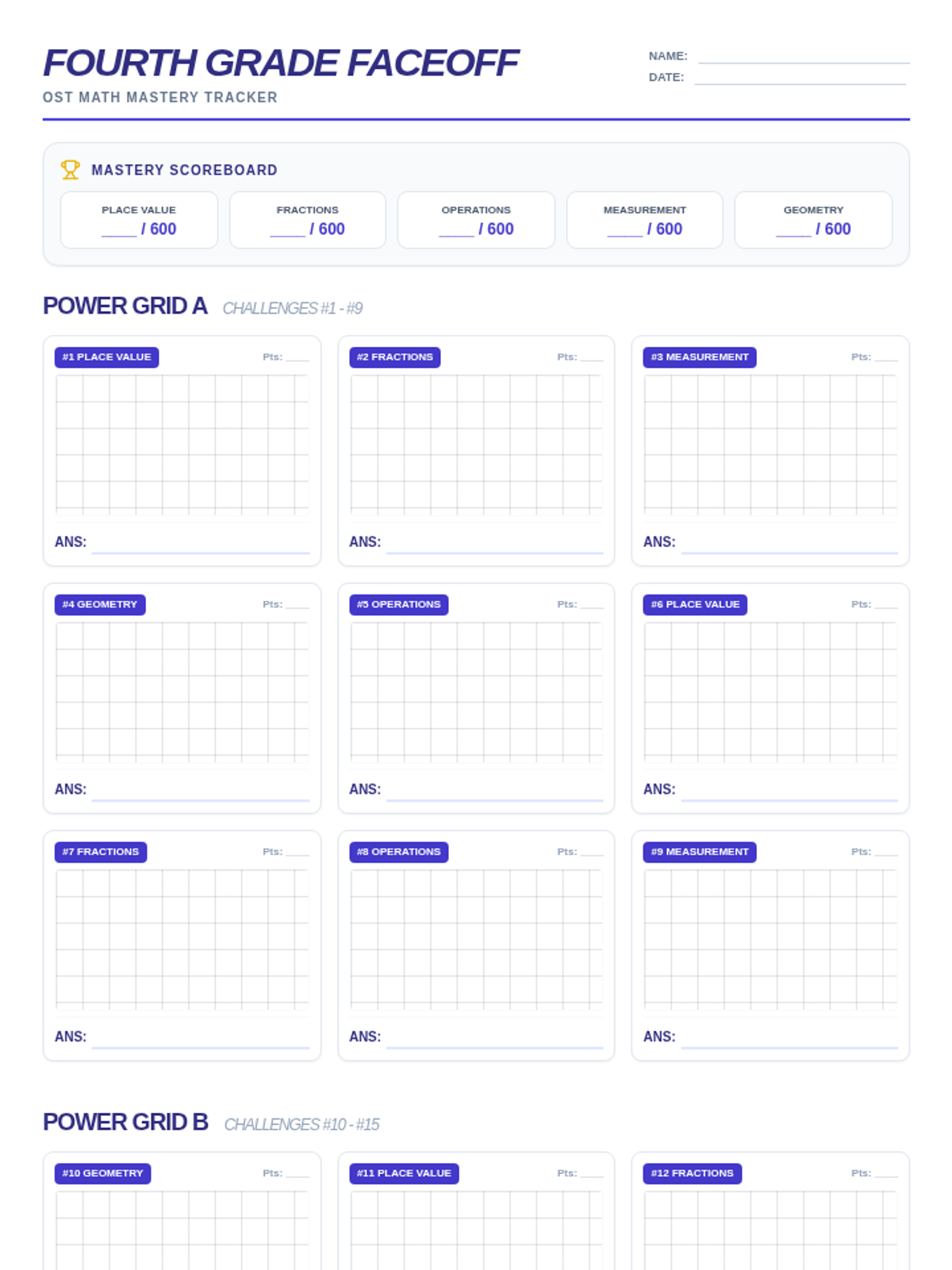
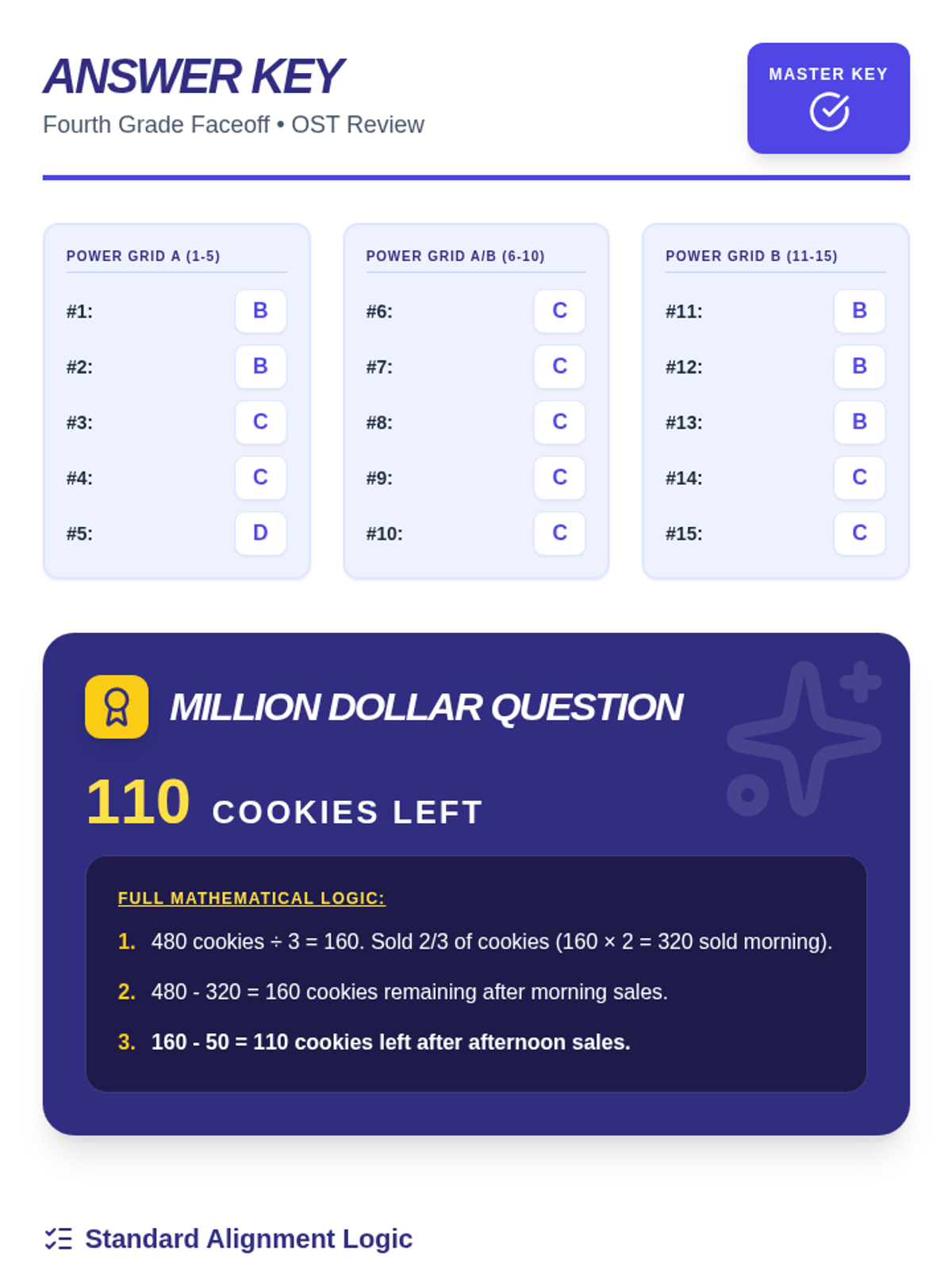
A high-energy, game-show-themed review session covering the full spectrum of 4th Grade Ohio Math Standards to prepare students for the OST.
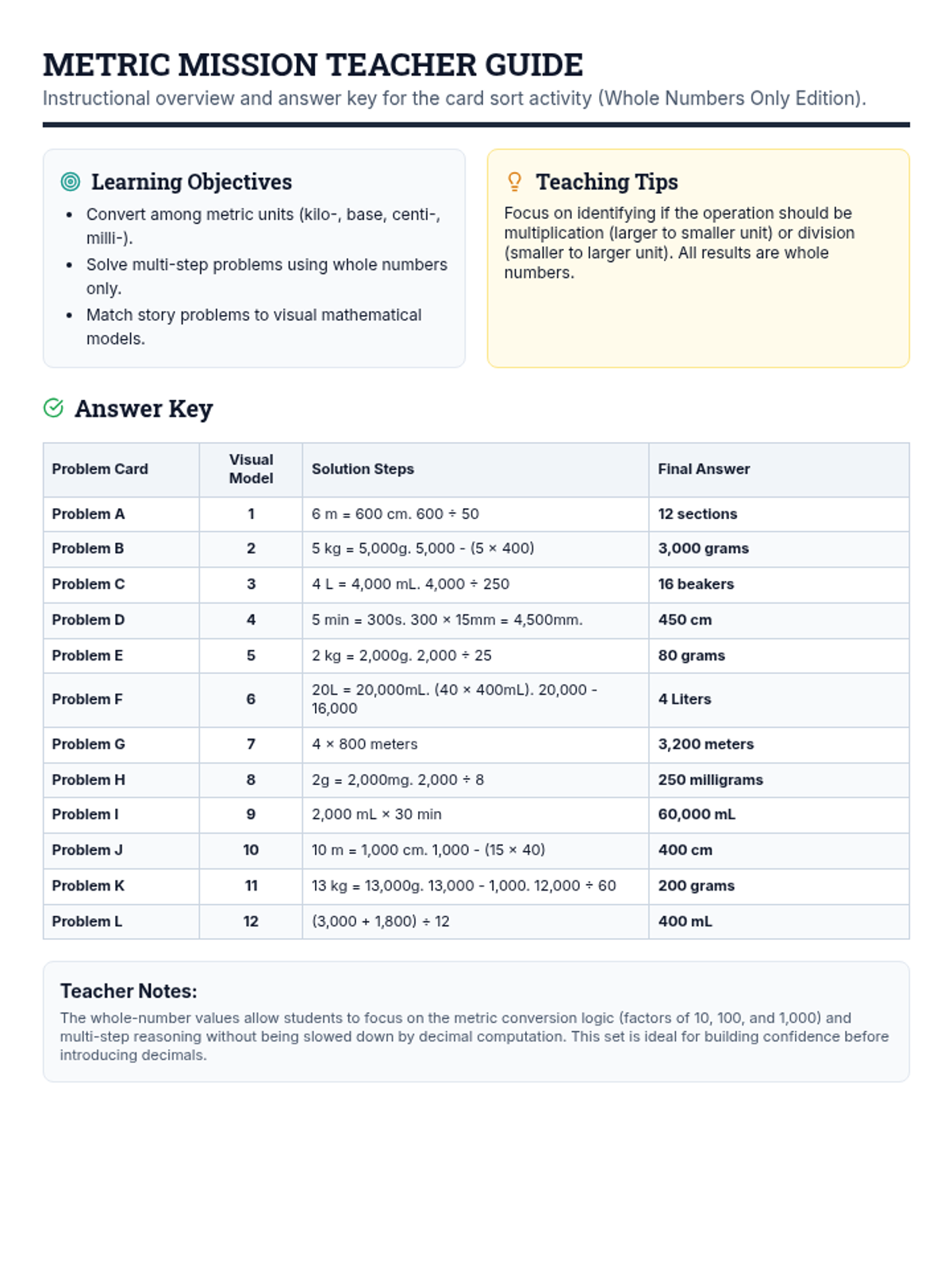
A hands-on lesson where students solve real-world metric conversion problems and match them with visual models. students will apply multiplication and division strategies to convert between units of length, mass, and capacity.
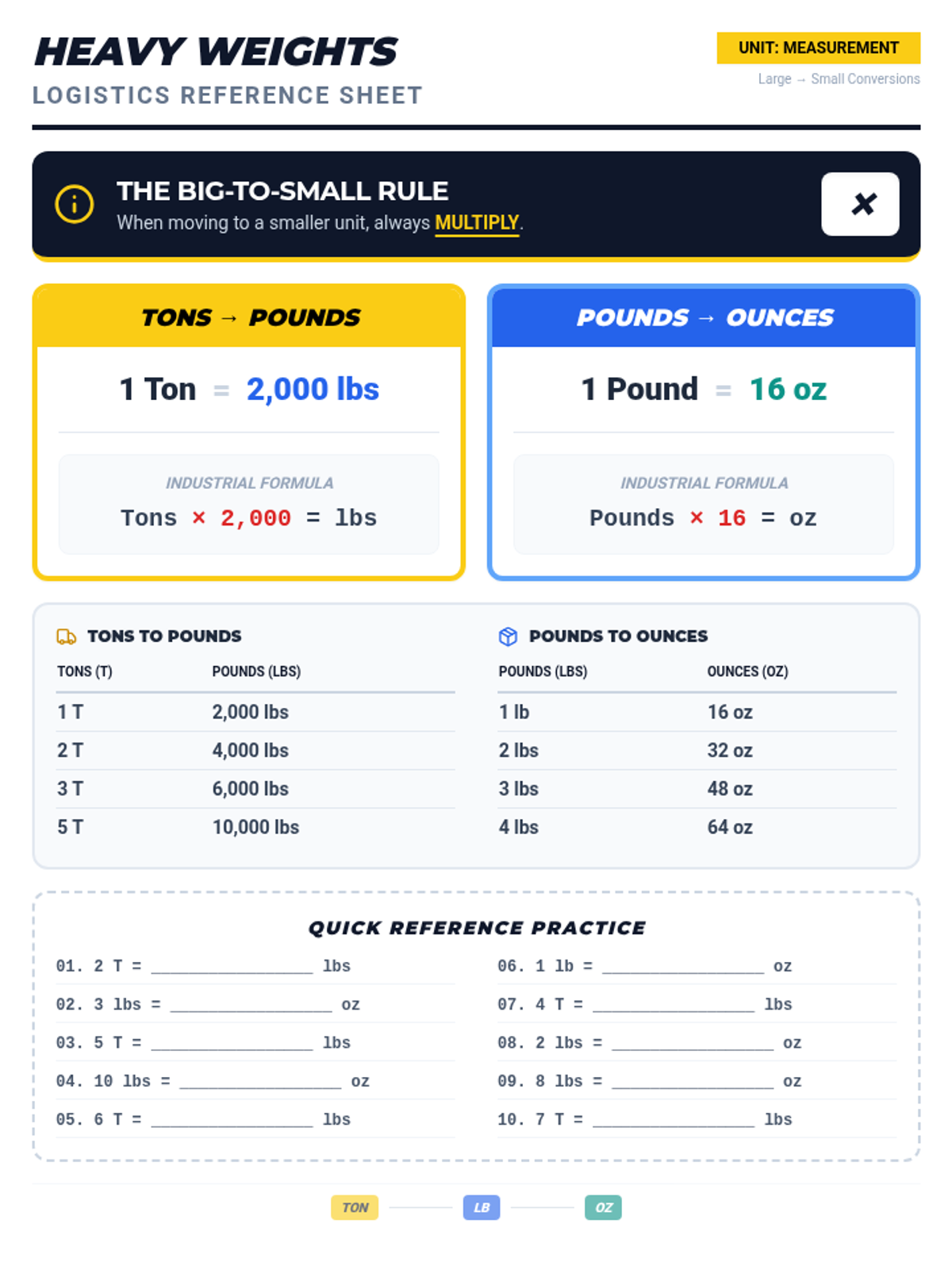
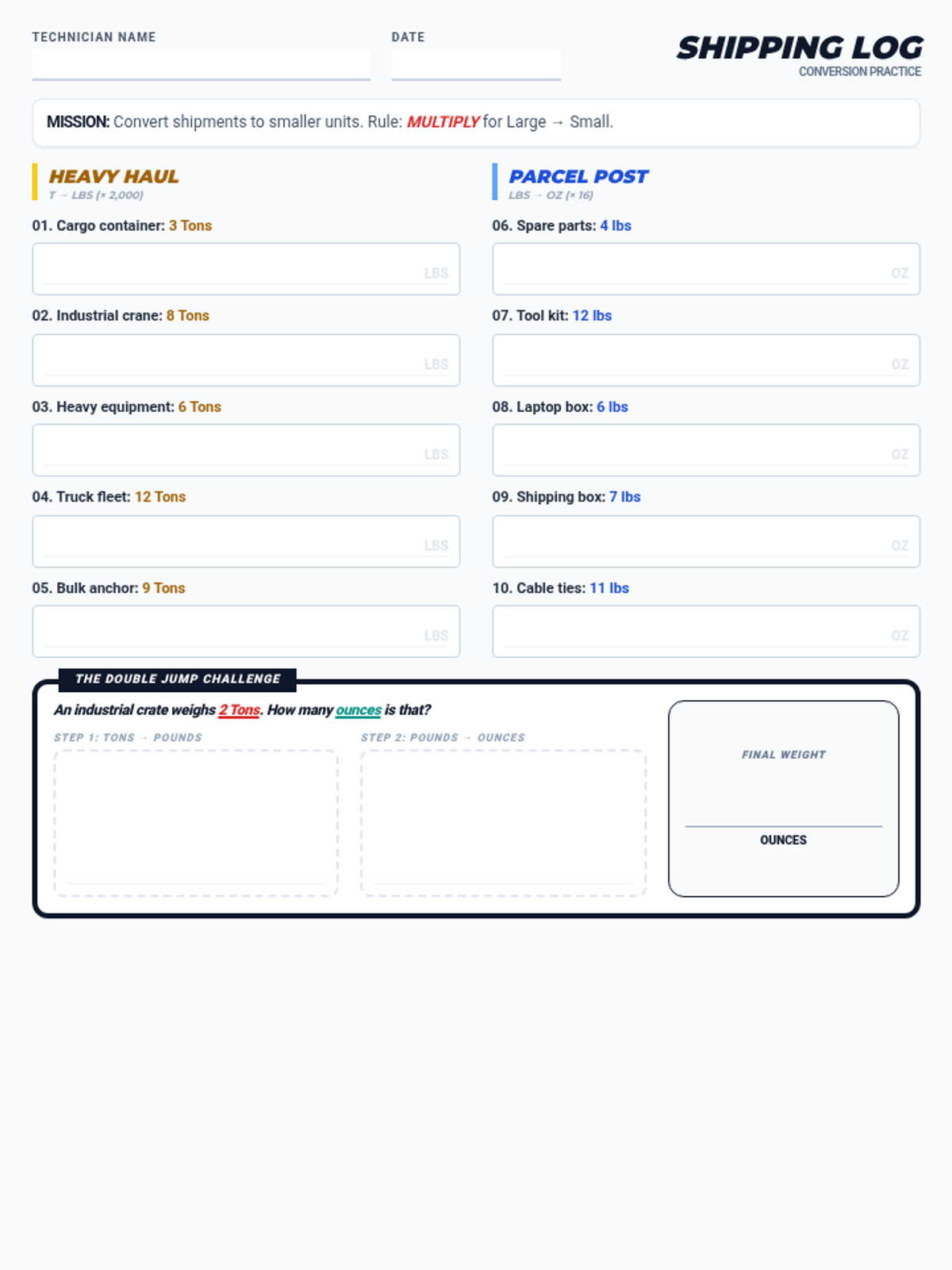
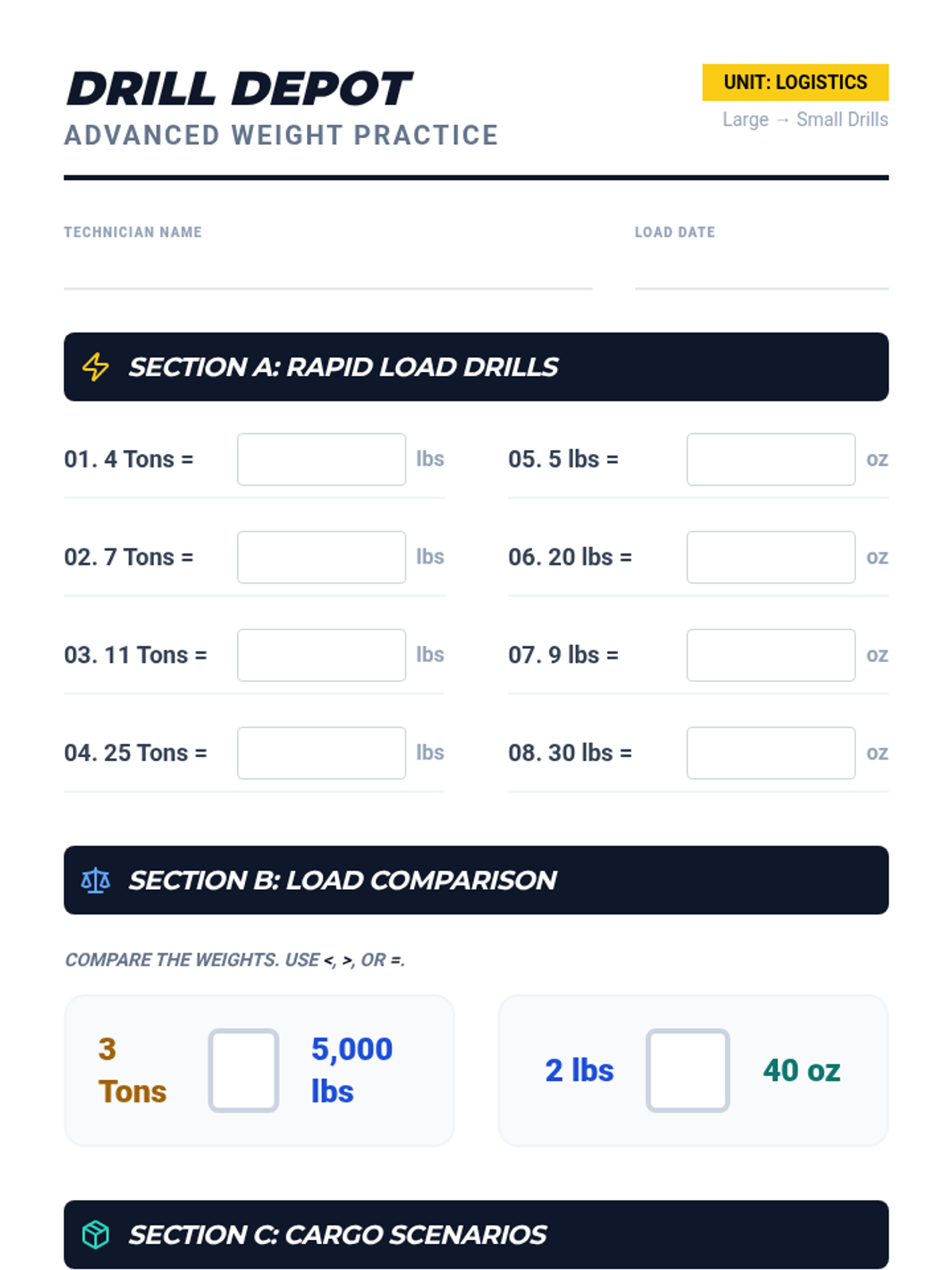
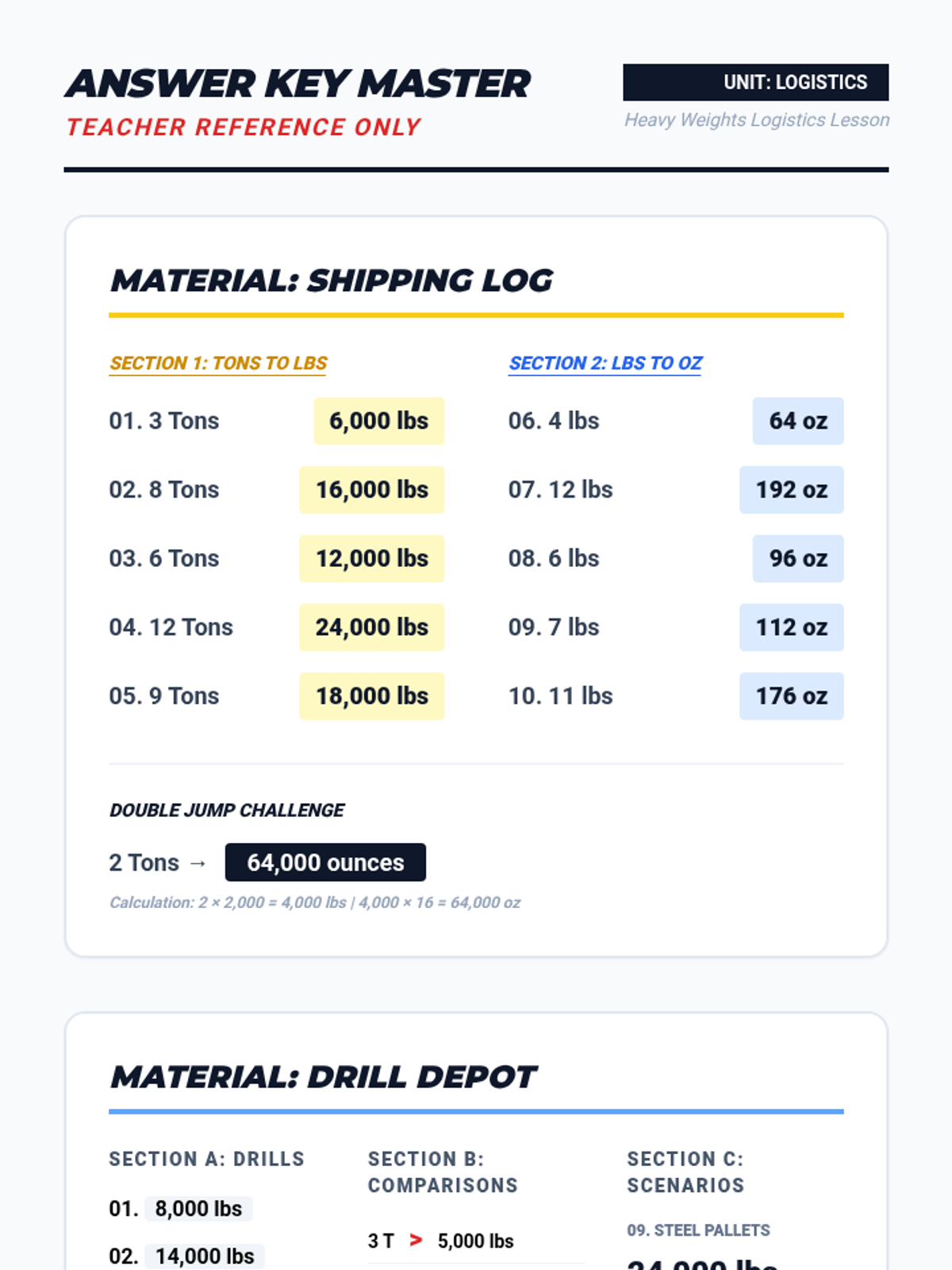
A focused lesson on converting weight units (tons, pounds, and ounces) from larger to smaller units using multiplication, featuring industrial-themed visuals and color-coded conversion guides.
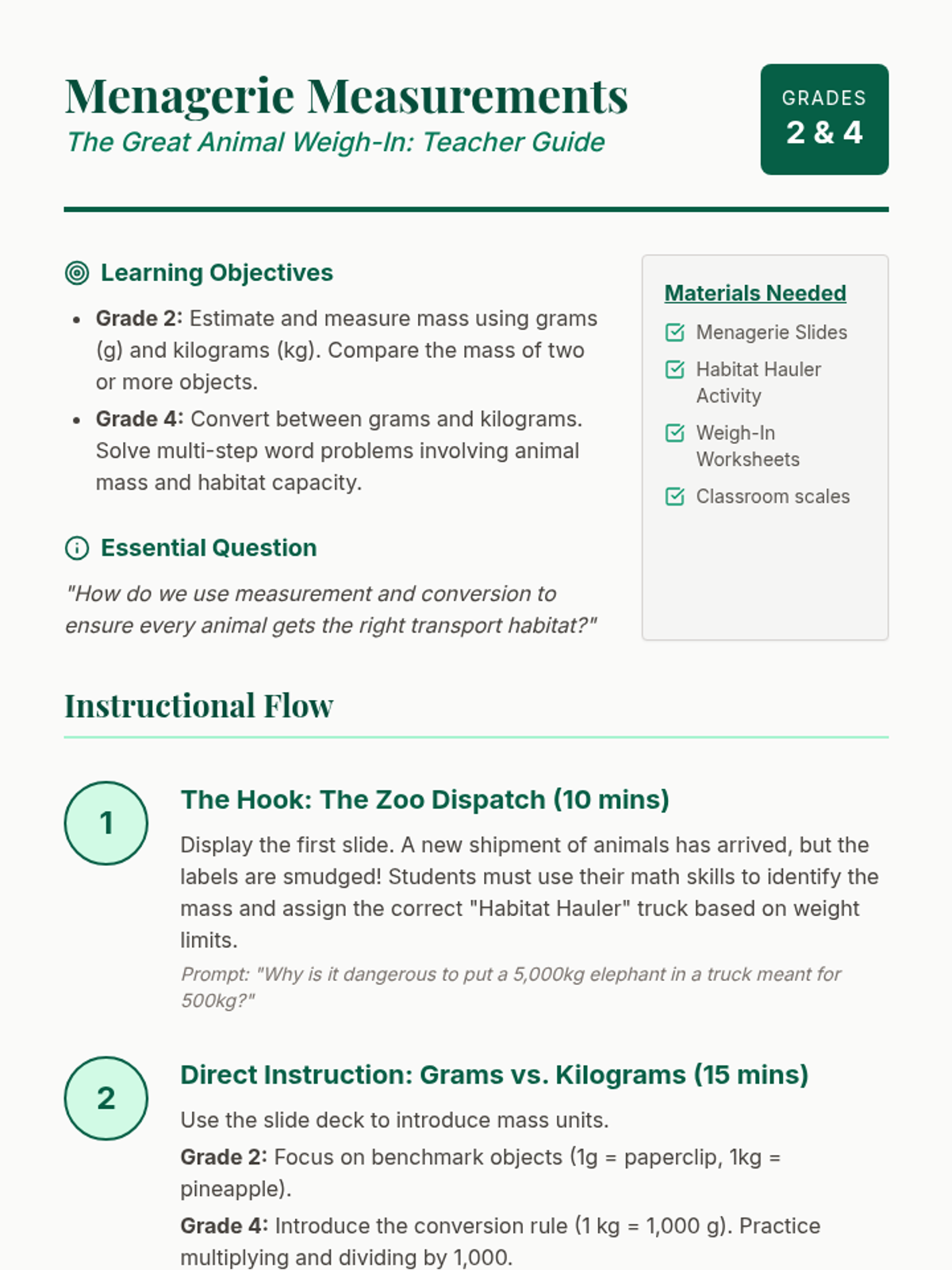
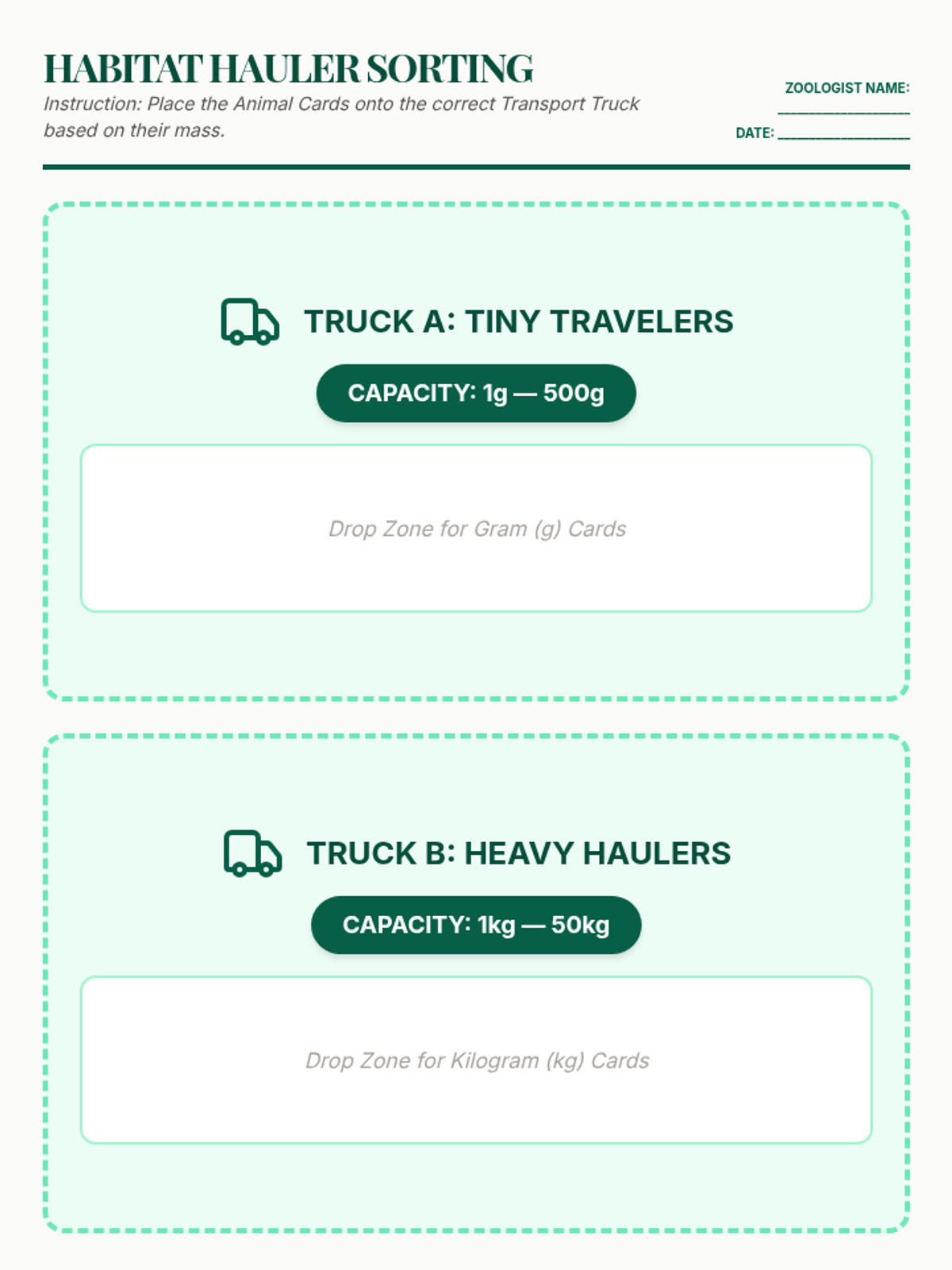
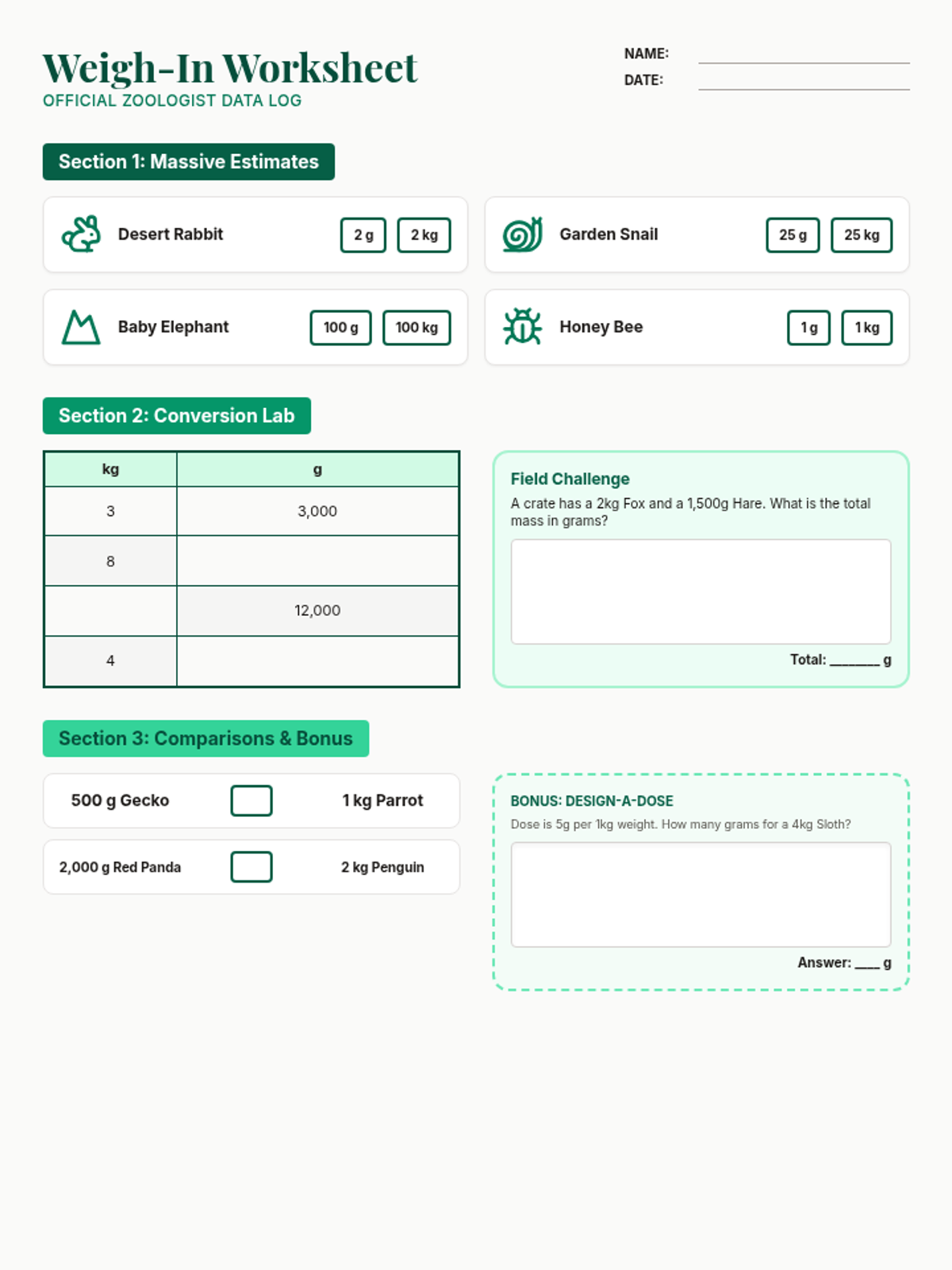
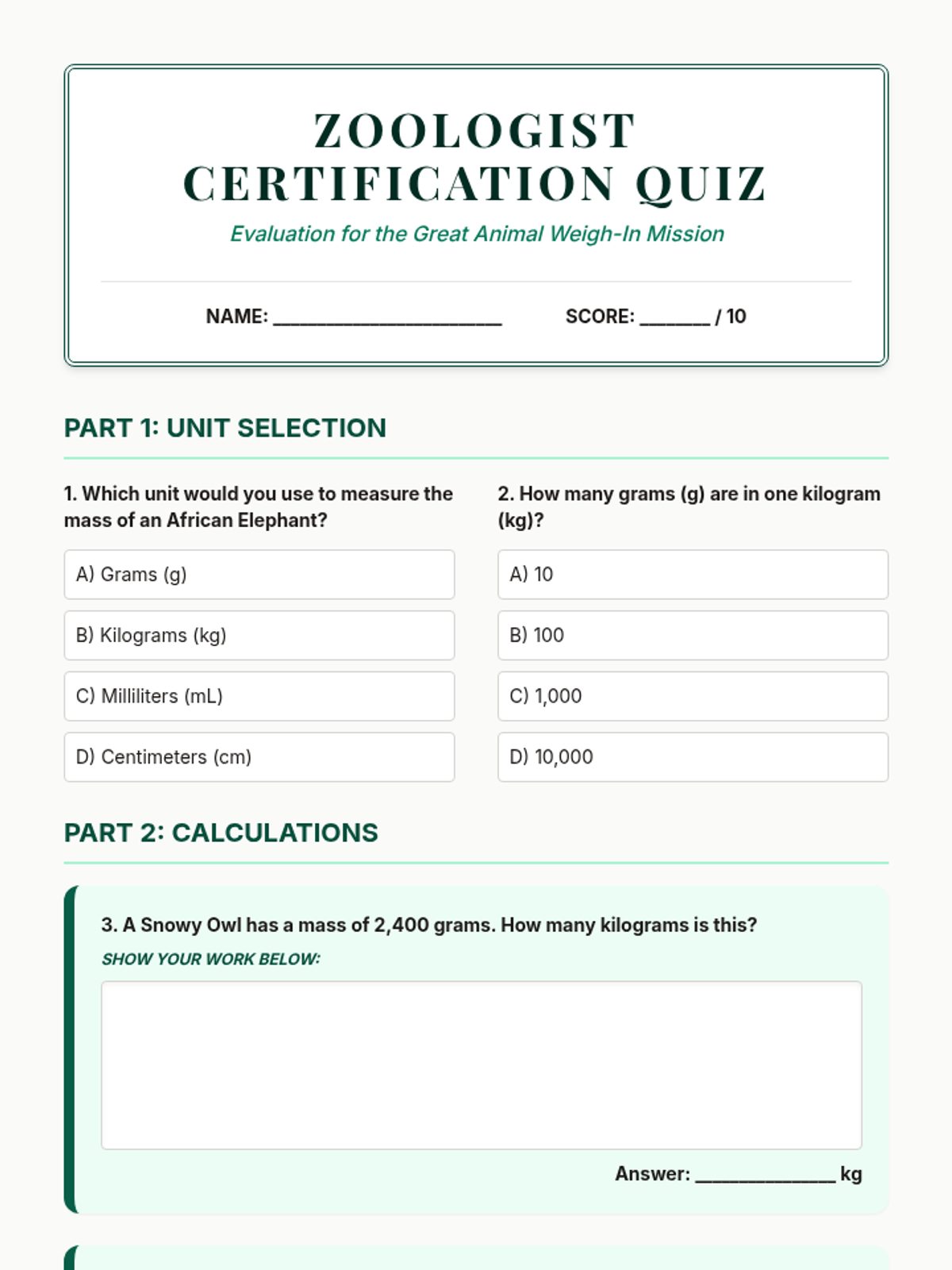
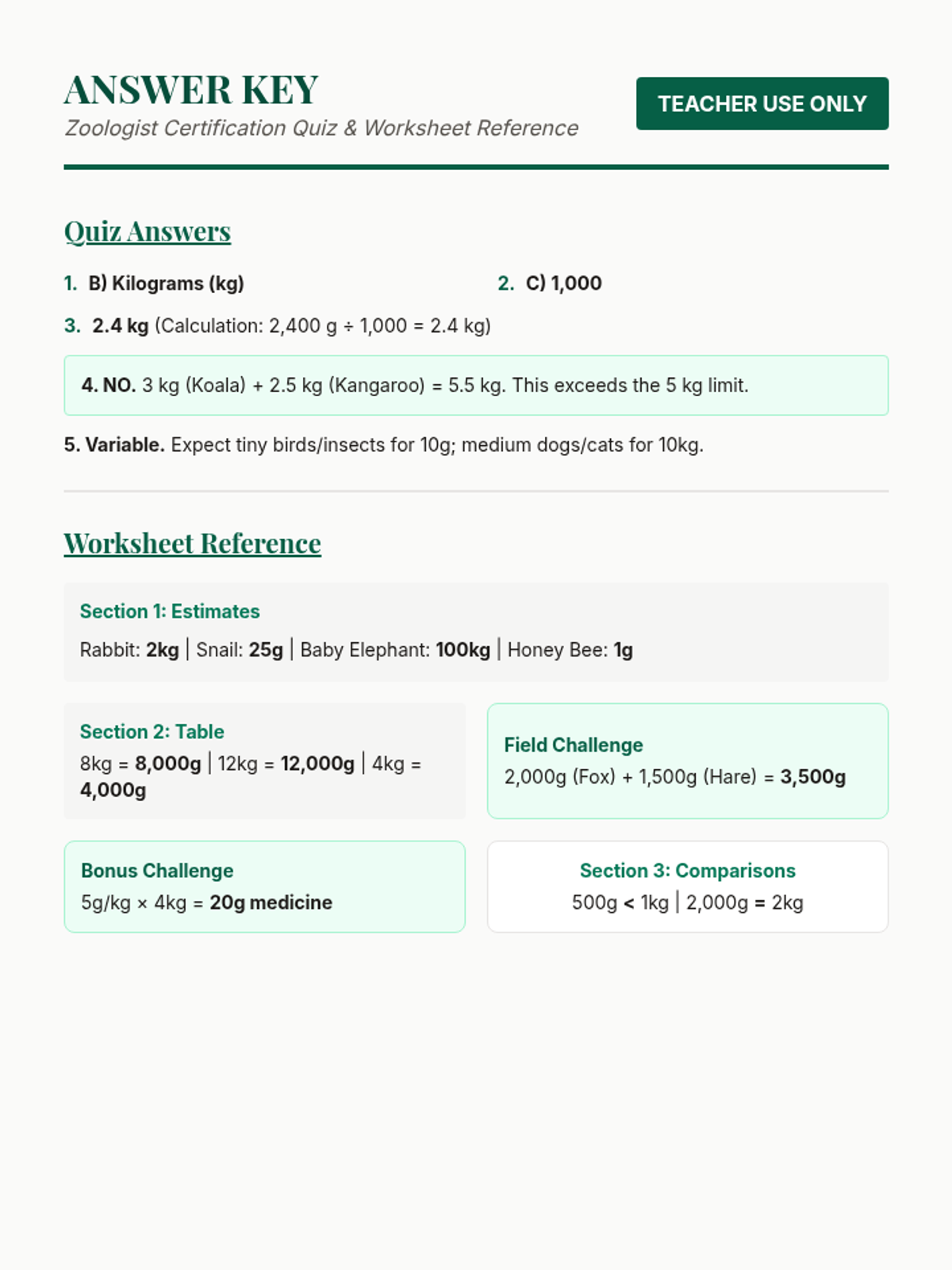
A math and science integrated lesson where students become zoologists, measuring and comparing the mass of animals to ensure safe transport. This lesson covers grams and kilograms with metric conversions for differentiated 2nd and 4th-grade learning.
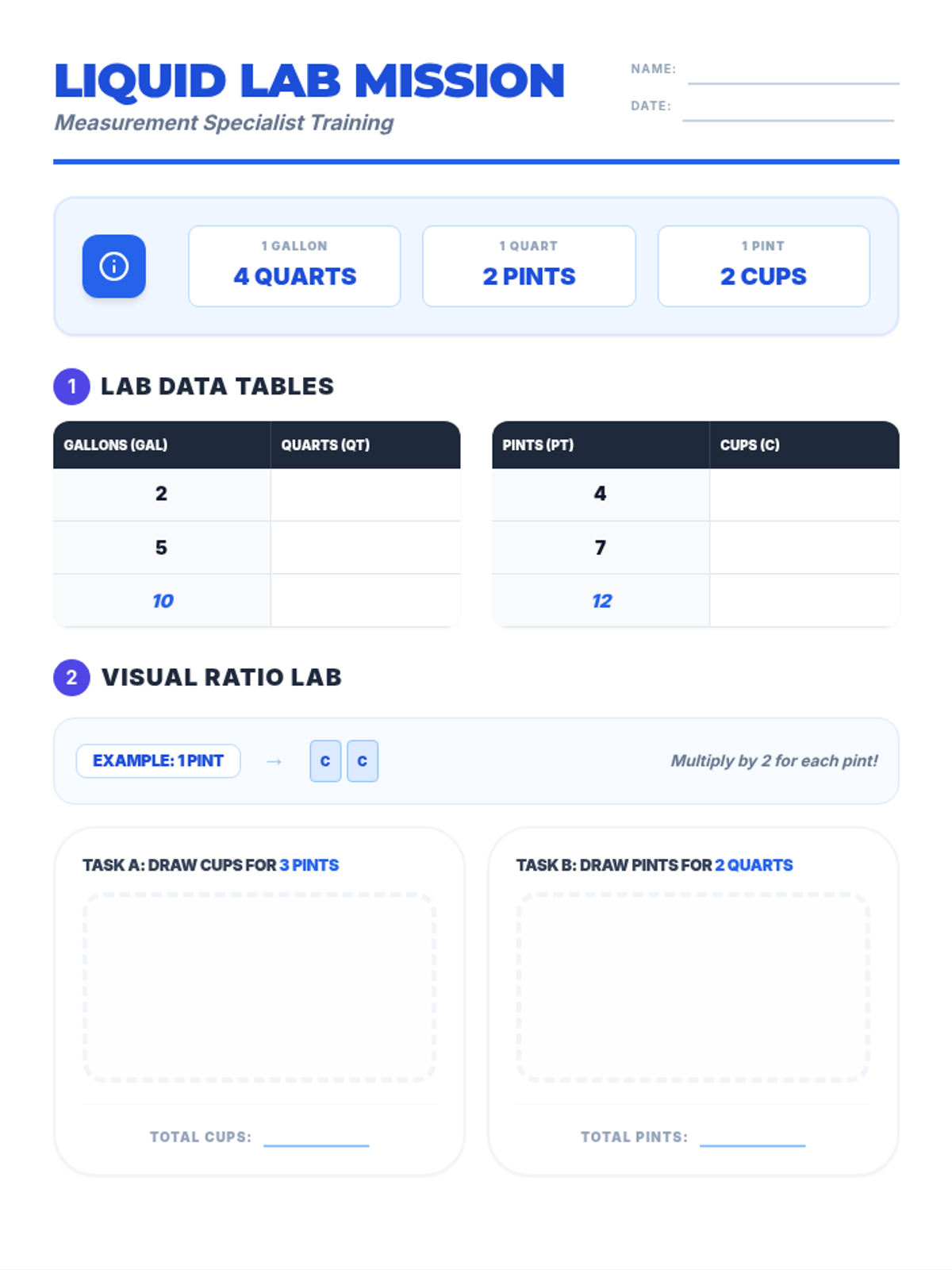
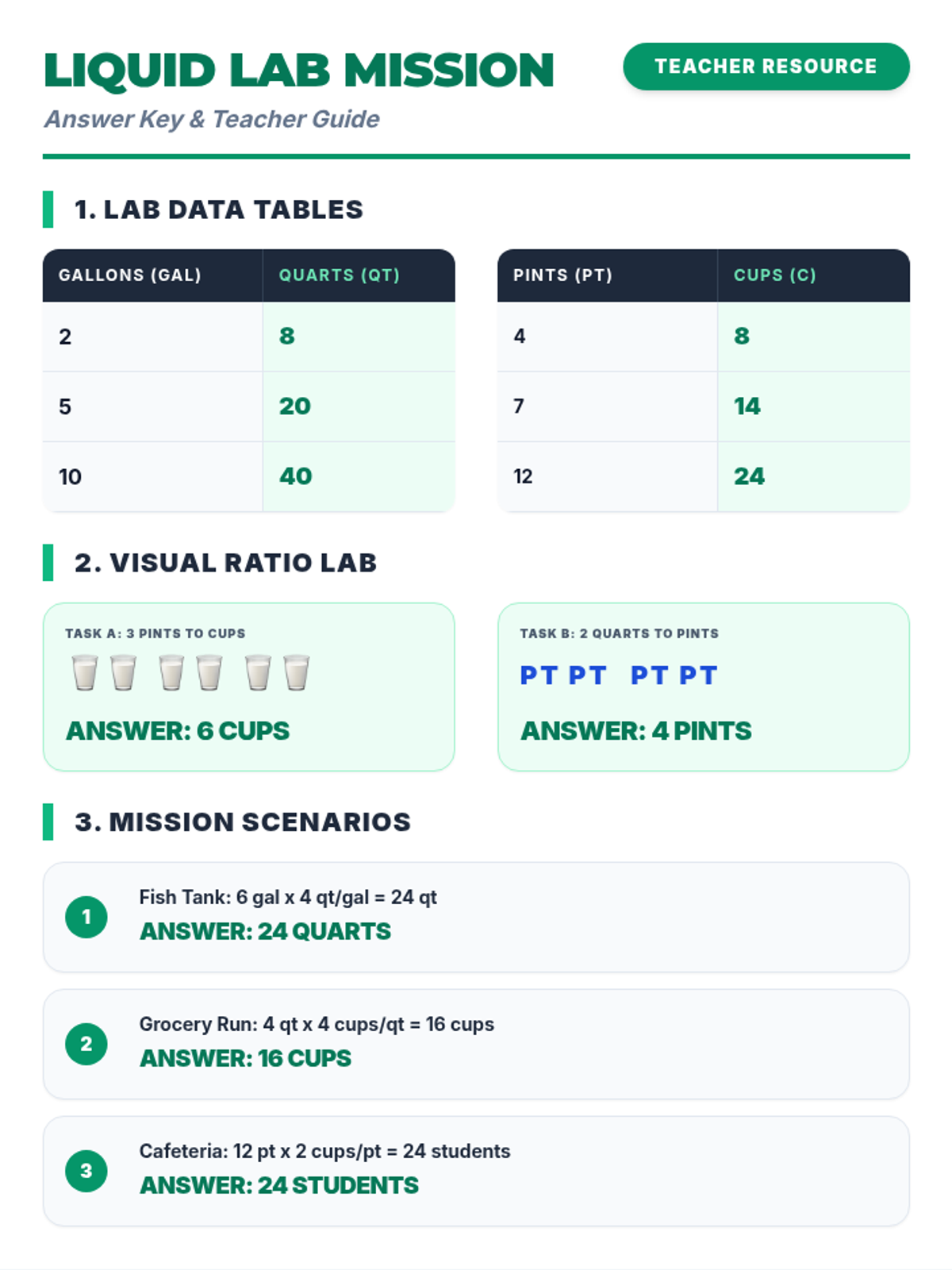
A lesson focused on converting liquid volume units (gallons, quarts, pints, cups) from larger to smaller units using visual ratios and step-by-step conversion tables. Students will apply these skills to real-world scenarios like cooking, grocery shopping, and school life.
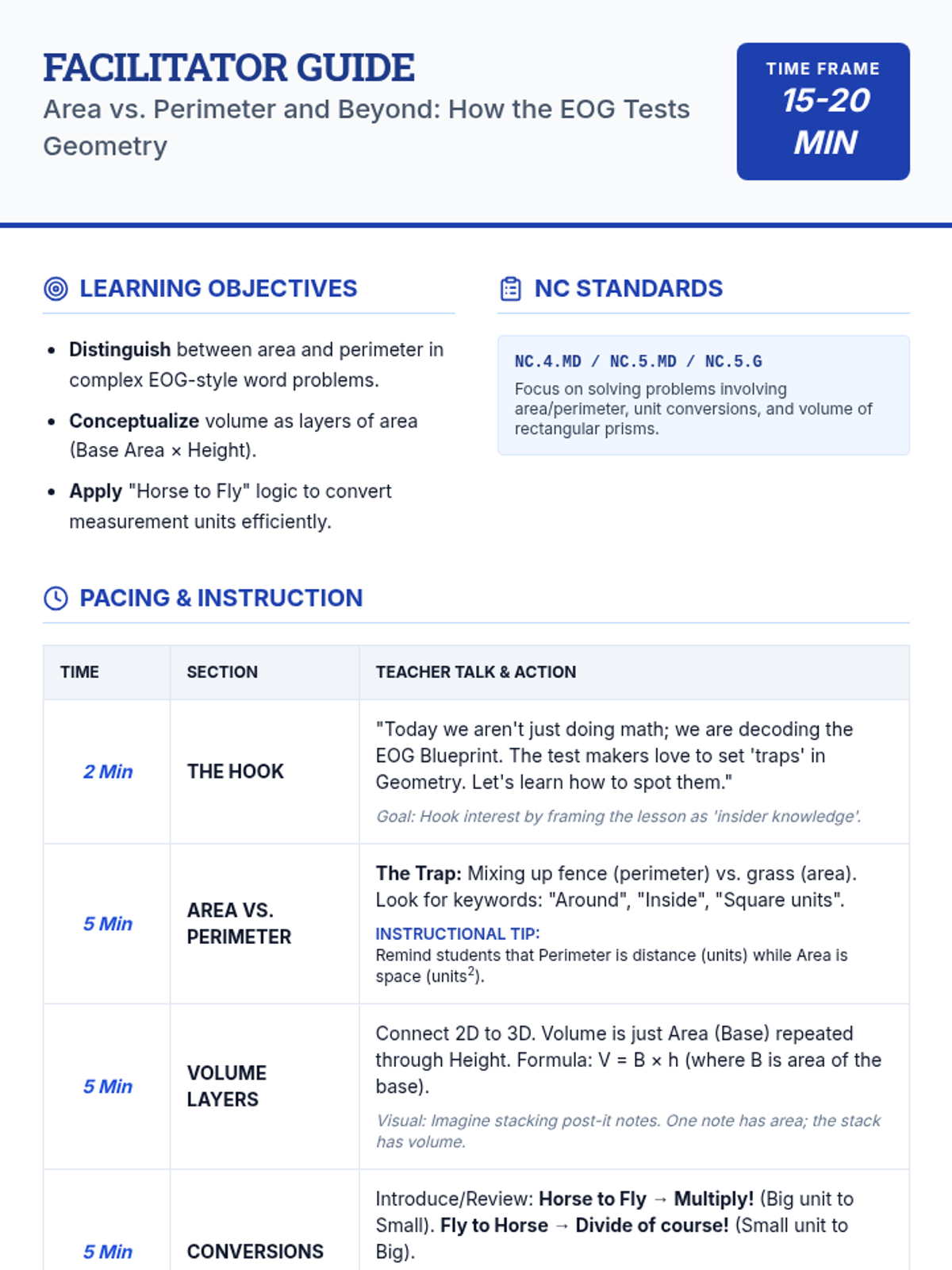
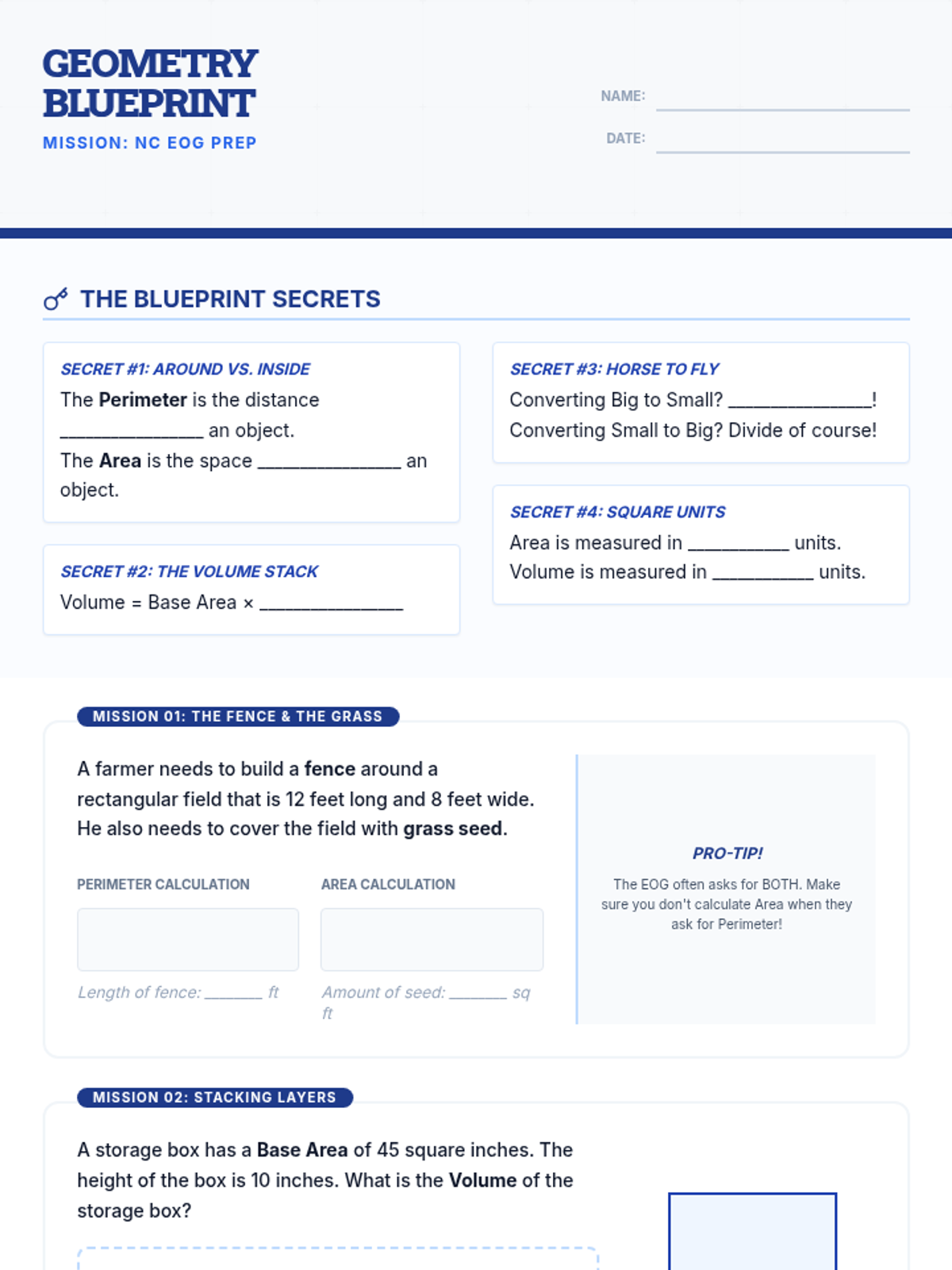
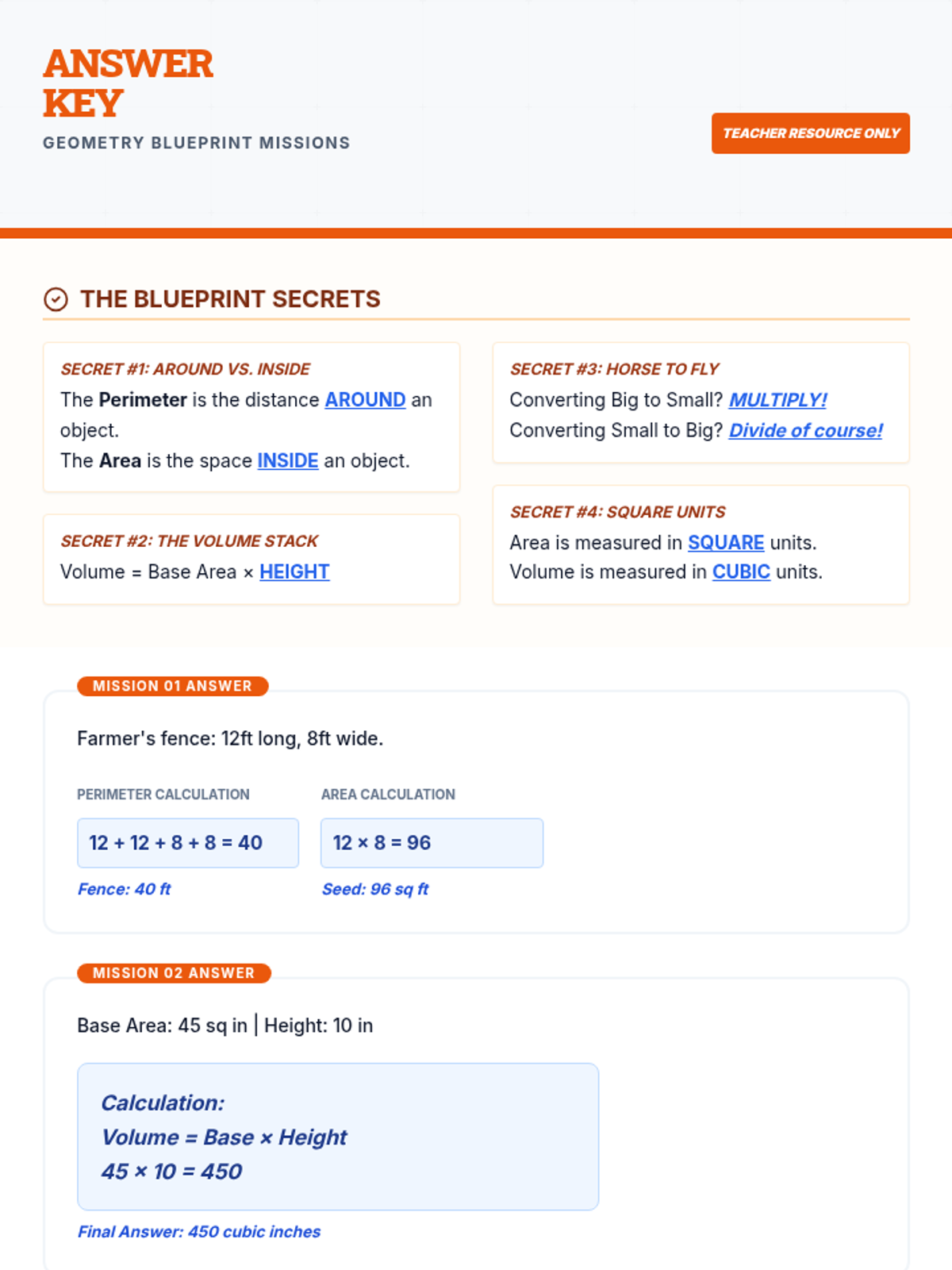
A high-impact mini-lesson focusing on common NC EOG traps in geometry and measurement, covering area vs. perimeter, volume concepts, and unit conversions.
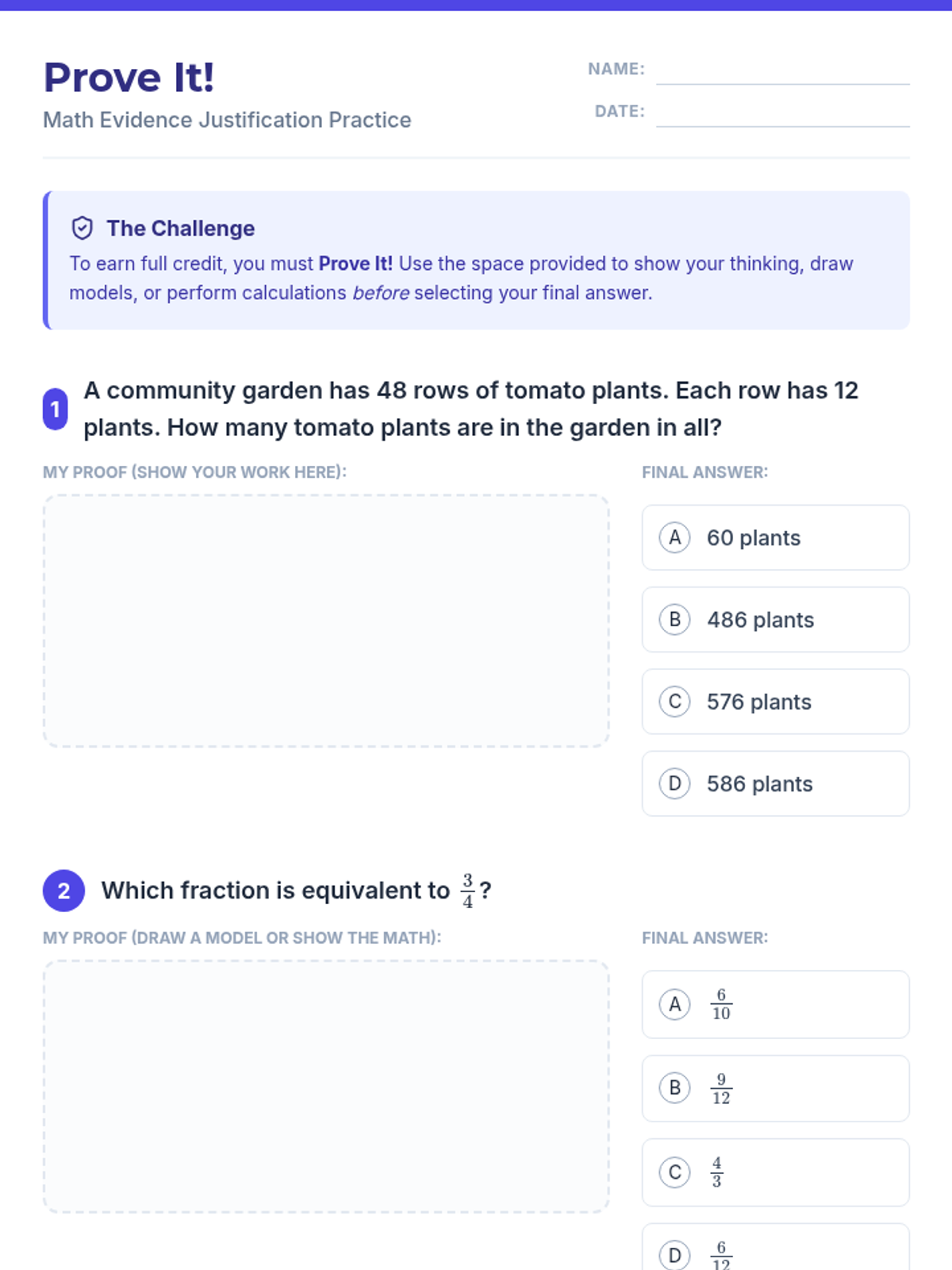
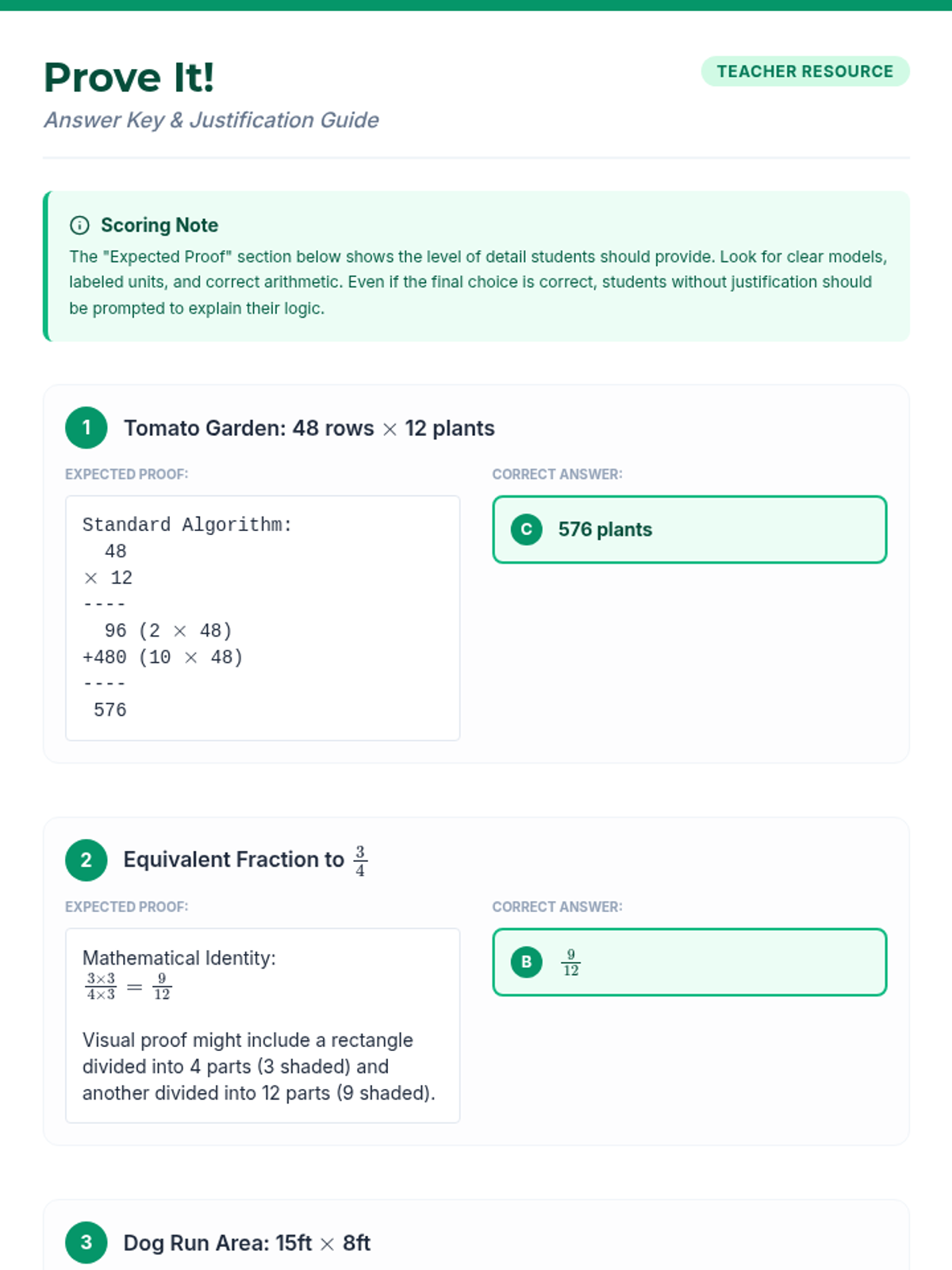
A math practice set focused on justifying answers with evidence and shown work, specifically designed for NC EOG preparation for grades 3-5.
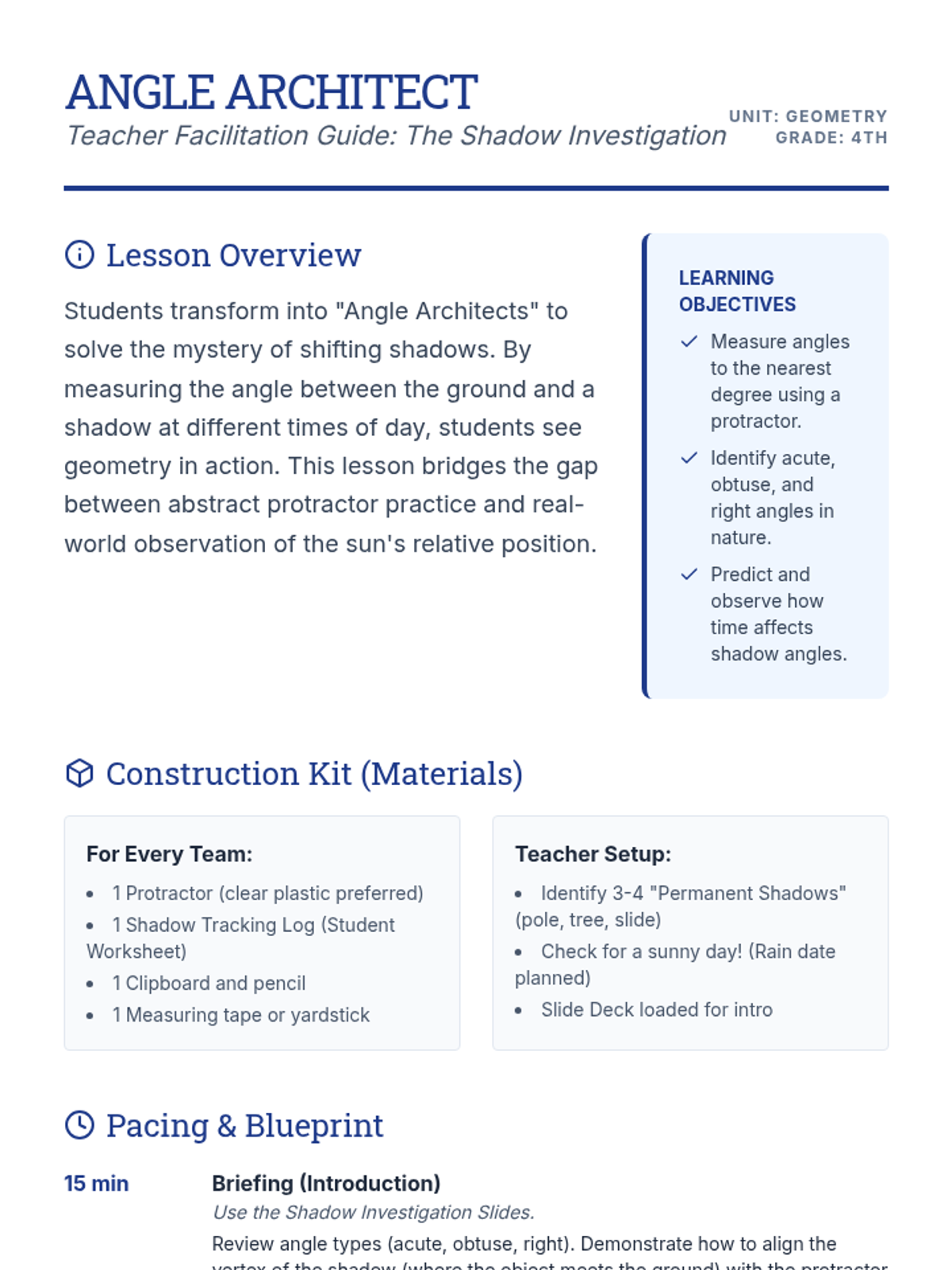
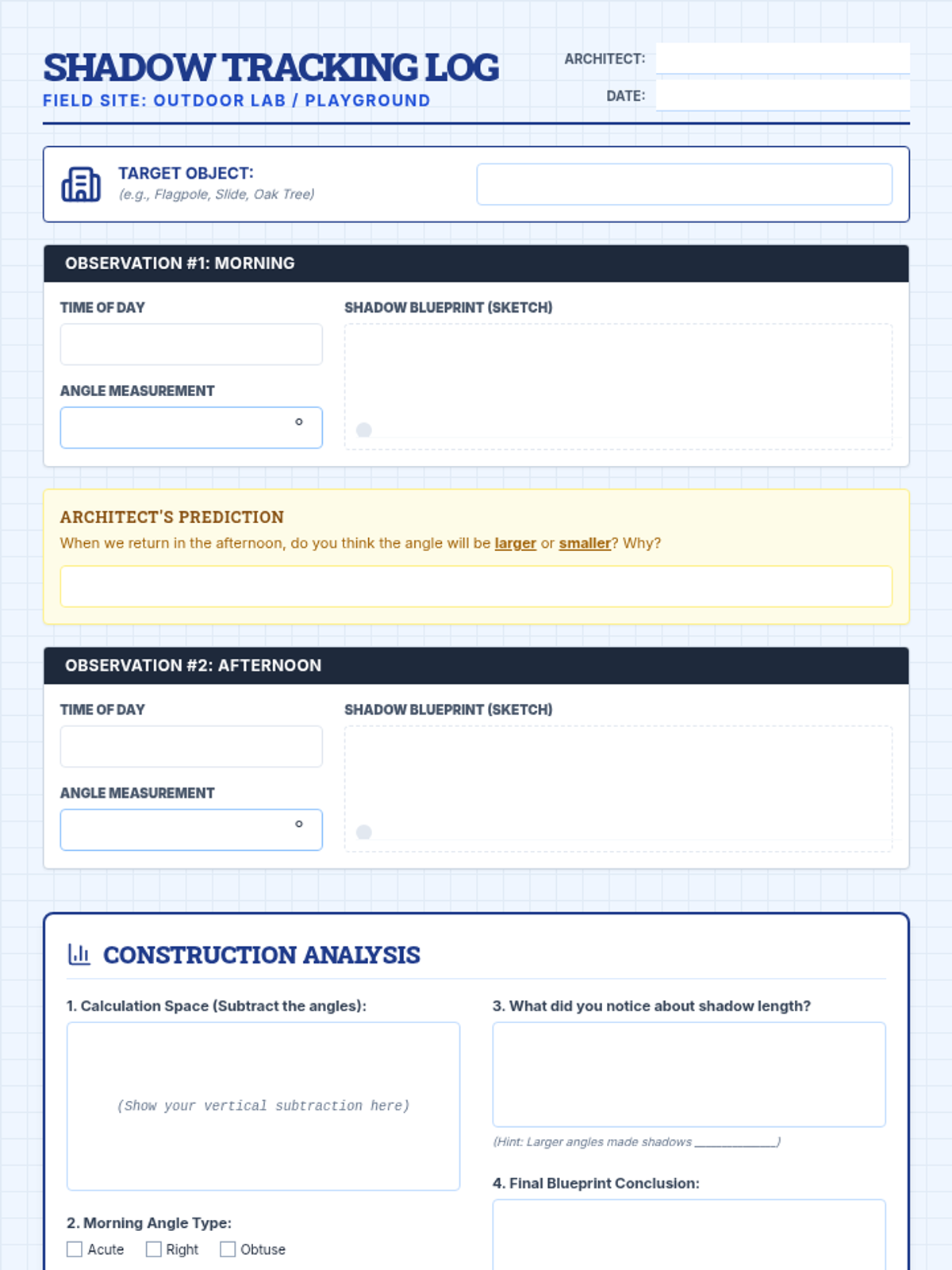
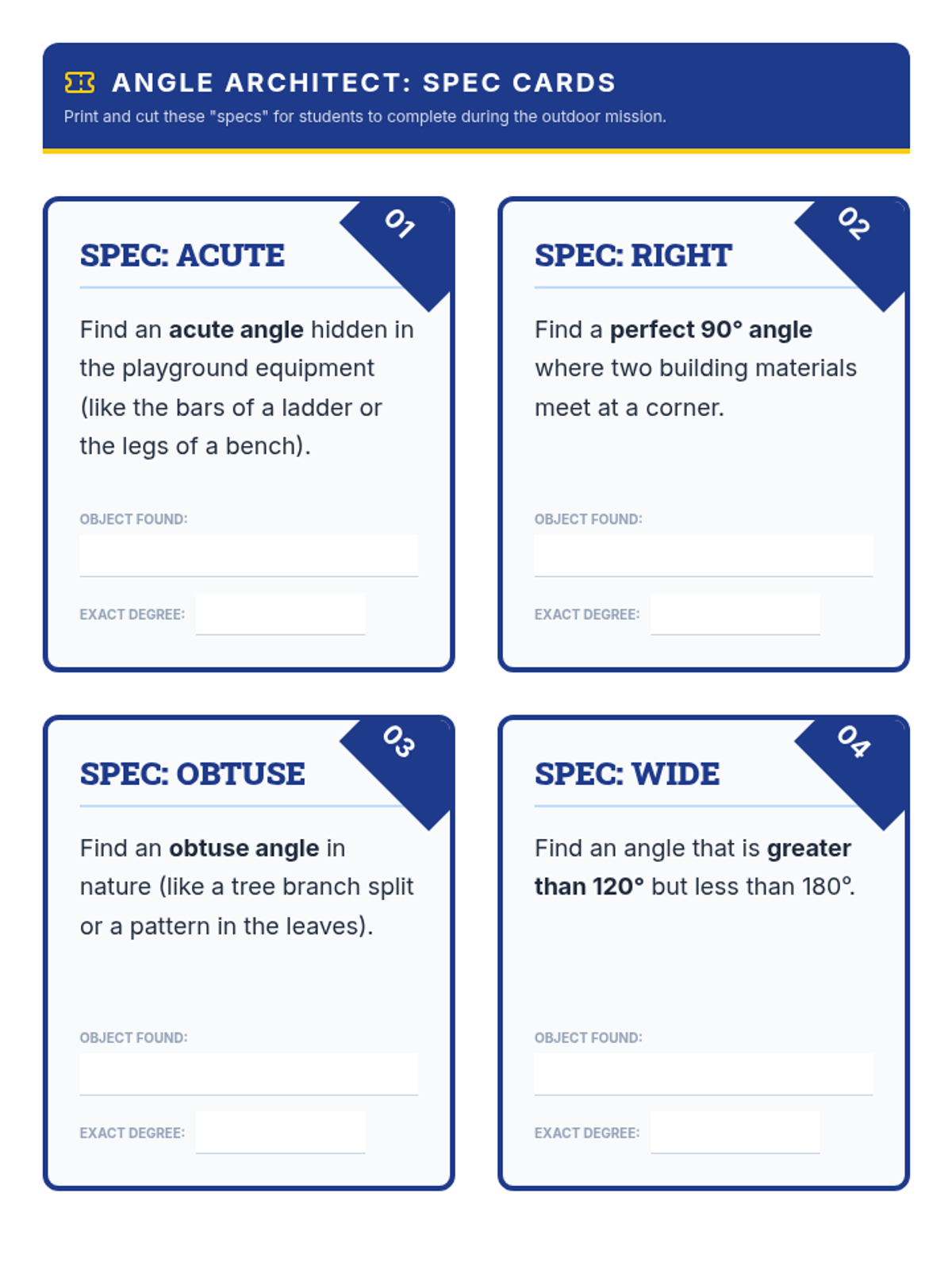
In this hands-on geometry exploration, students venture outside to measure the angles of shadows cast by playground equipment and trees at different times of day. They apply their protractor skills to record data and analyze how the sun's position changes angle measurements.
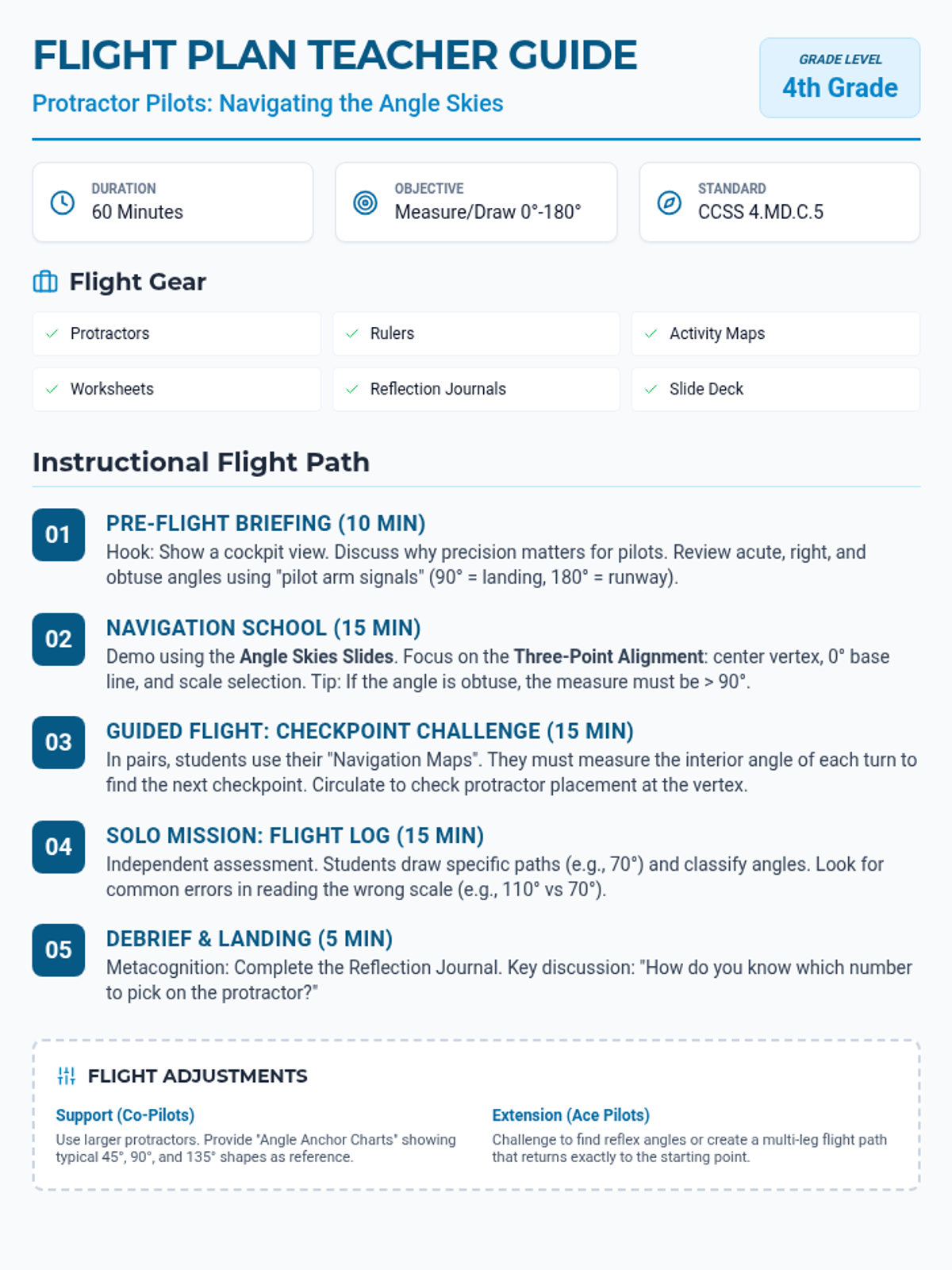
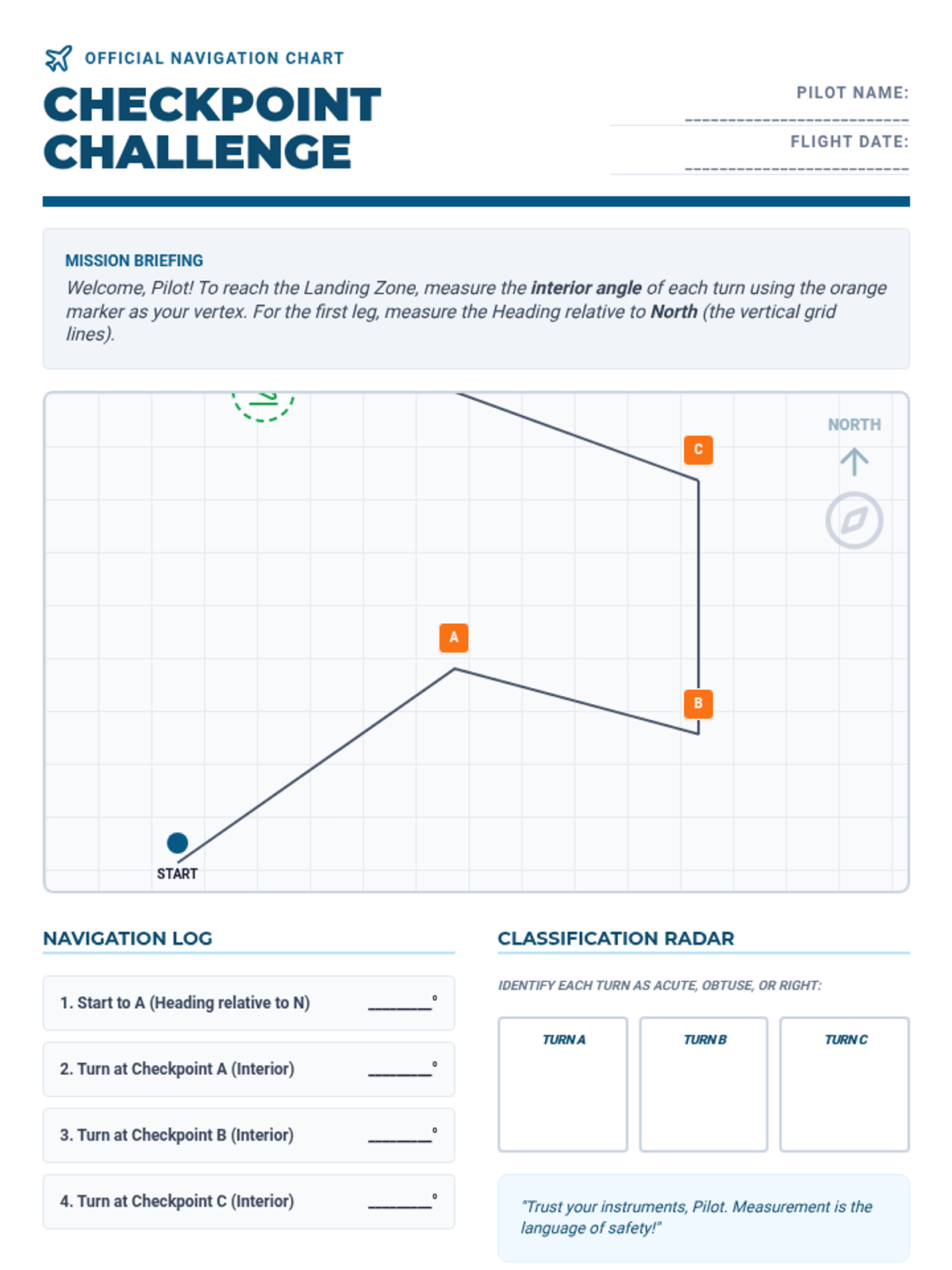
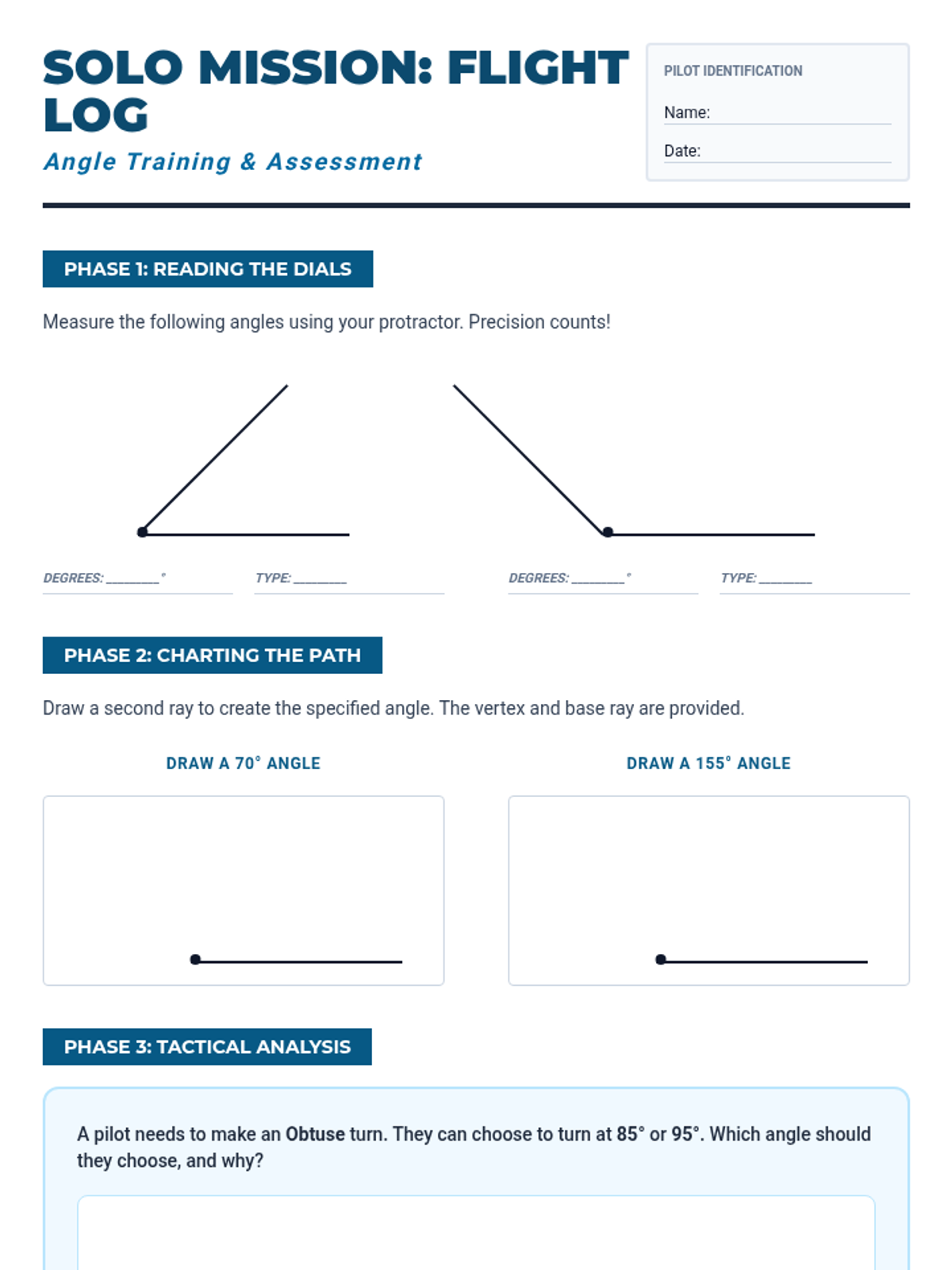
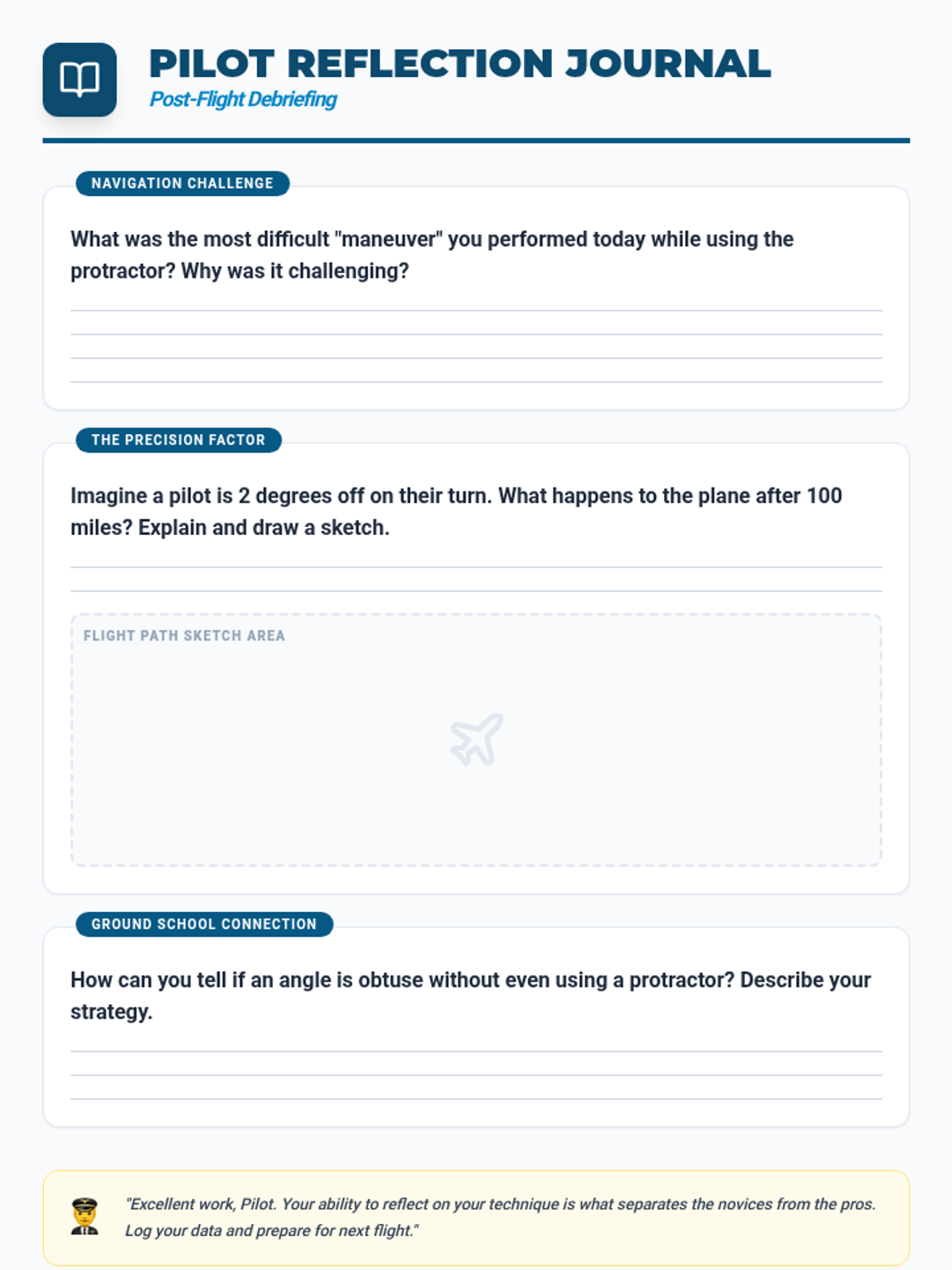
Students take to the skies as 'Protractor Pilots' to master measuring and drawing angles. This aviation-themed lesson focuses on precision, classifying angles, and spatial reasoning through a flight navigation simulation.
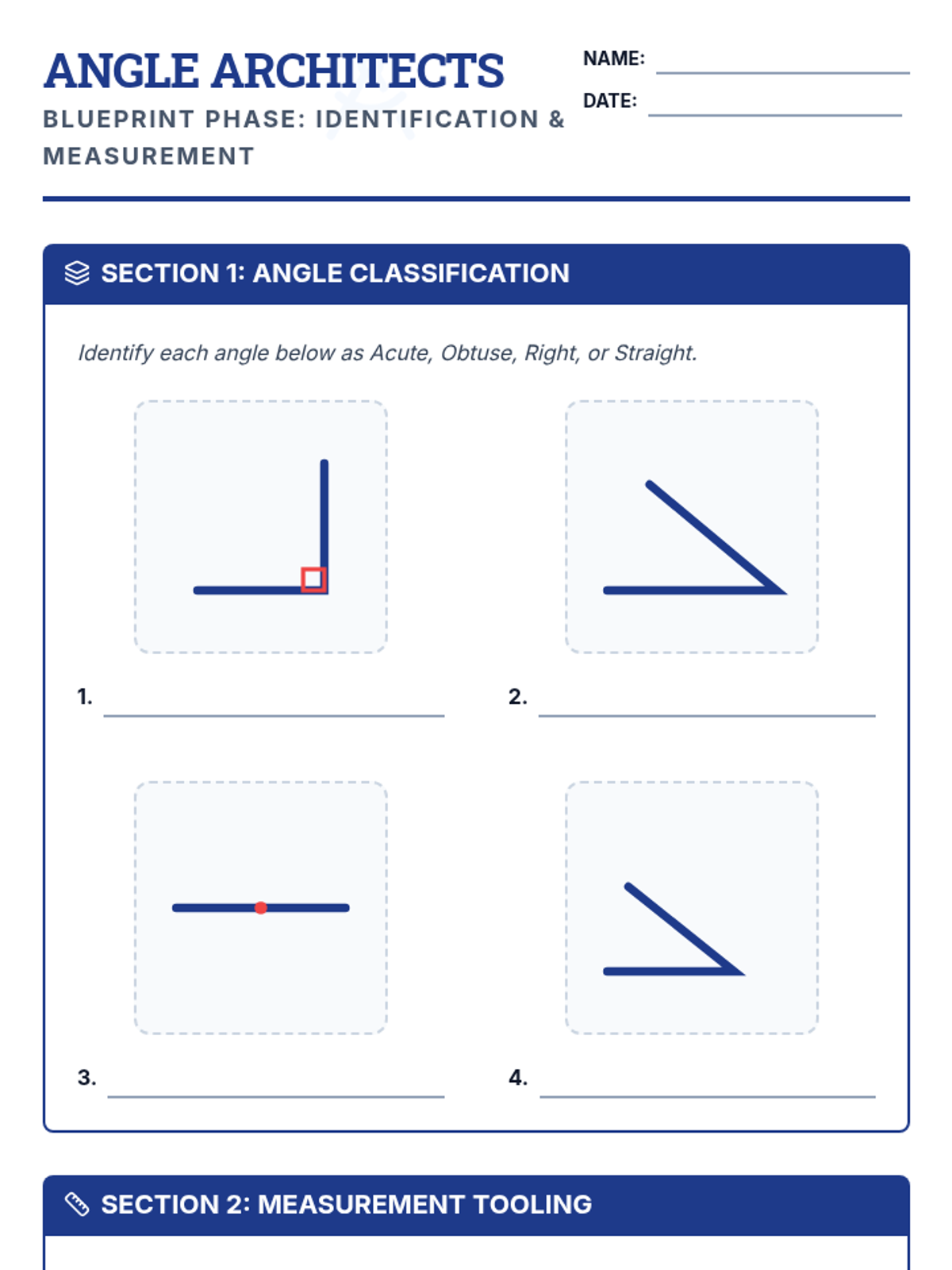
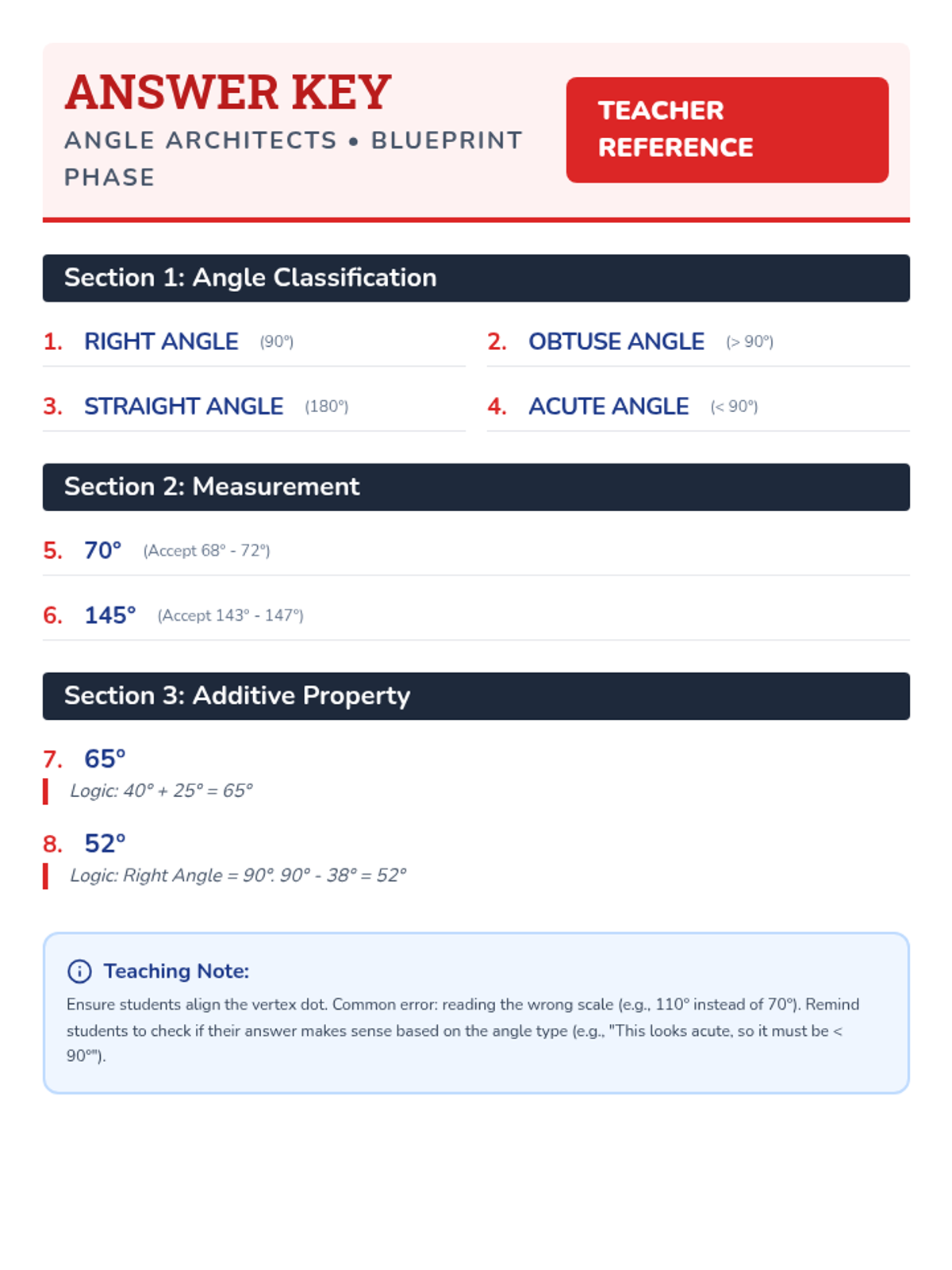
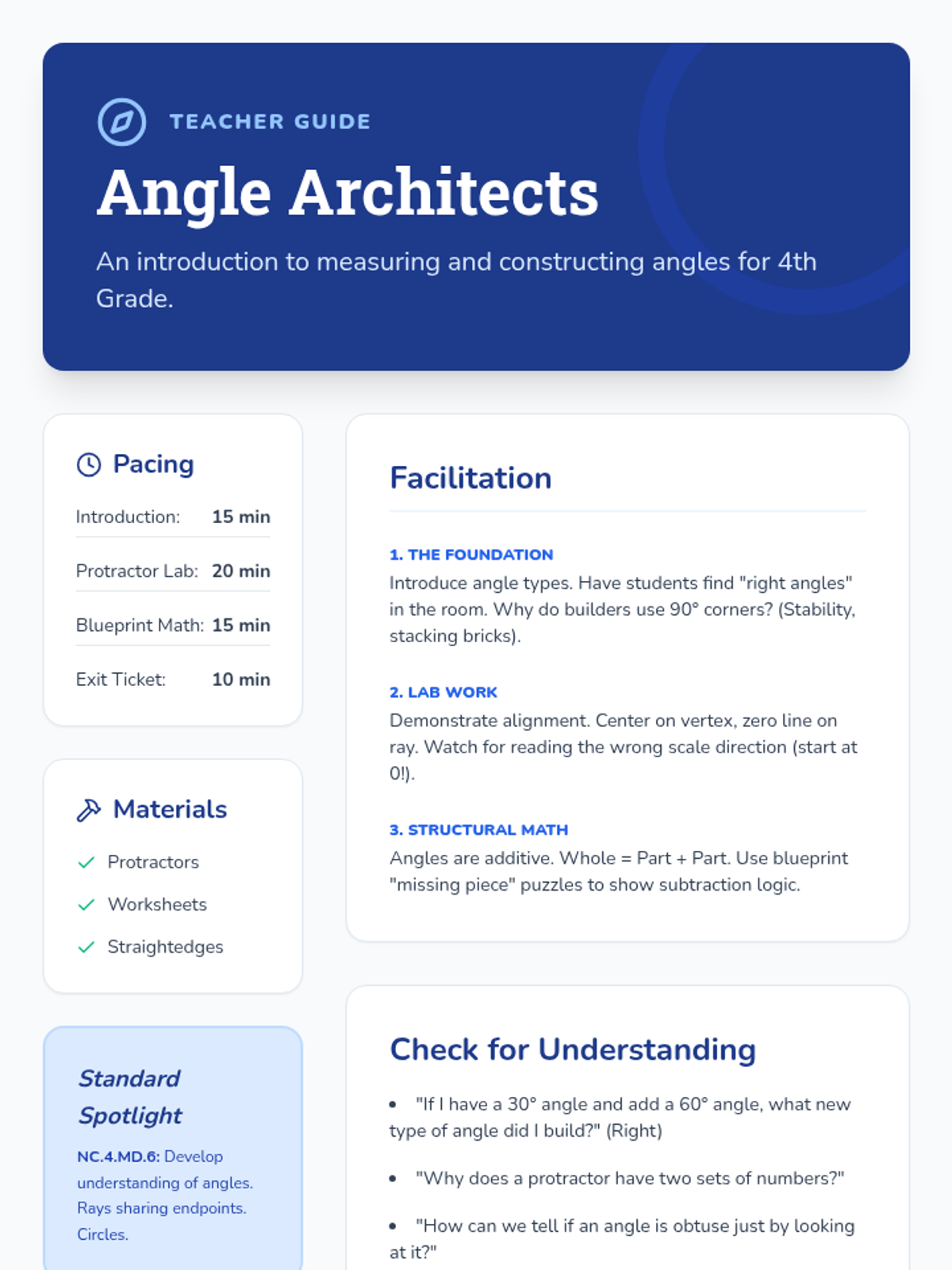
A comprehensive introduction to angles, protractor usage, and the additive property of angles, designed for 4th-grade students with a blueprint construction theme.
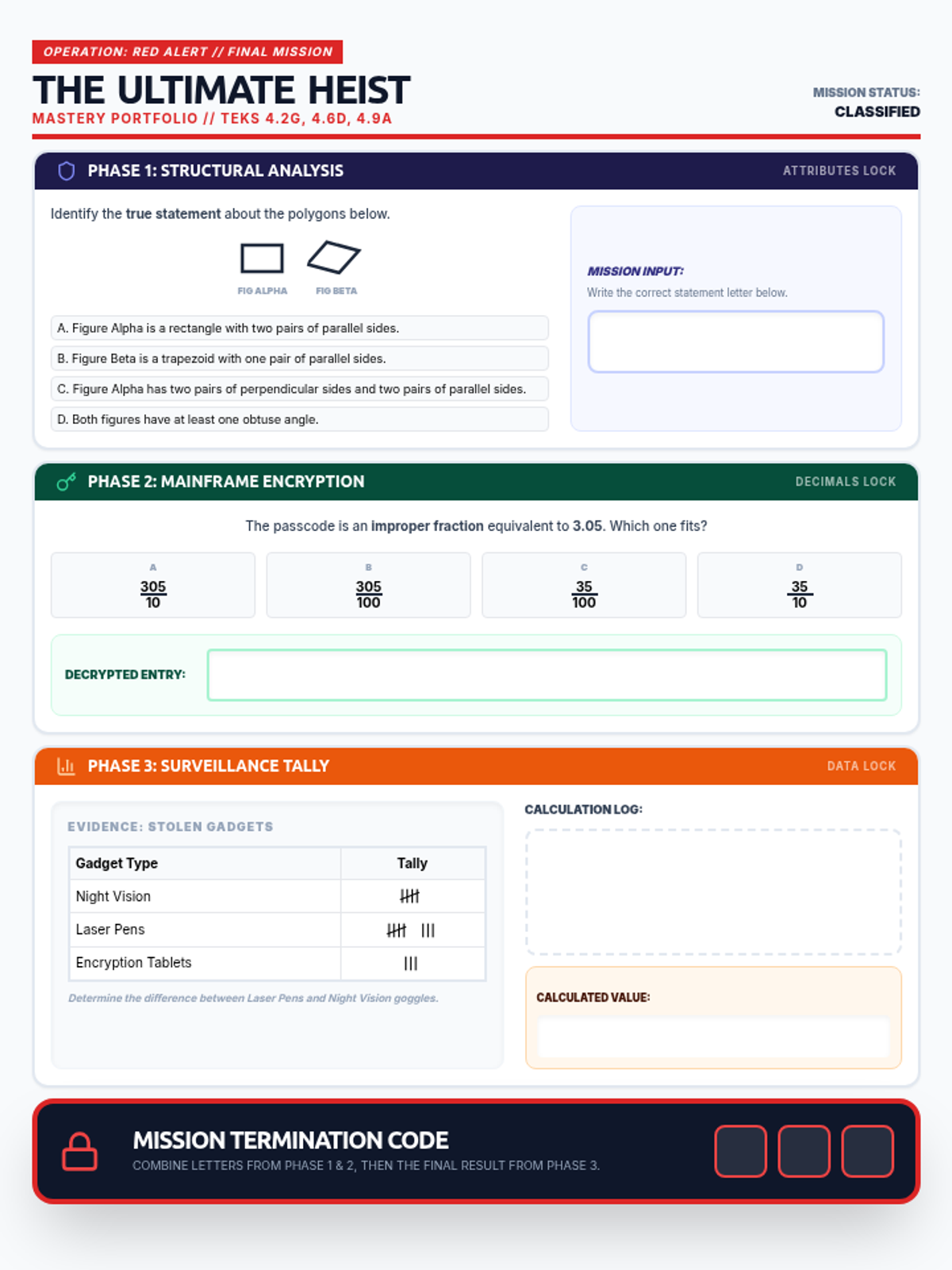
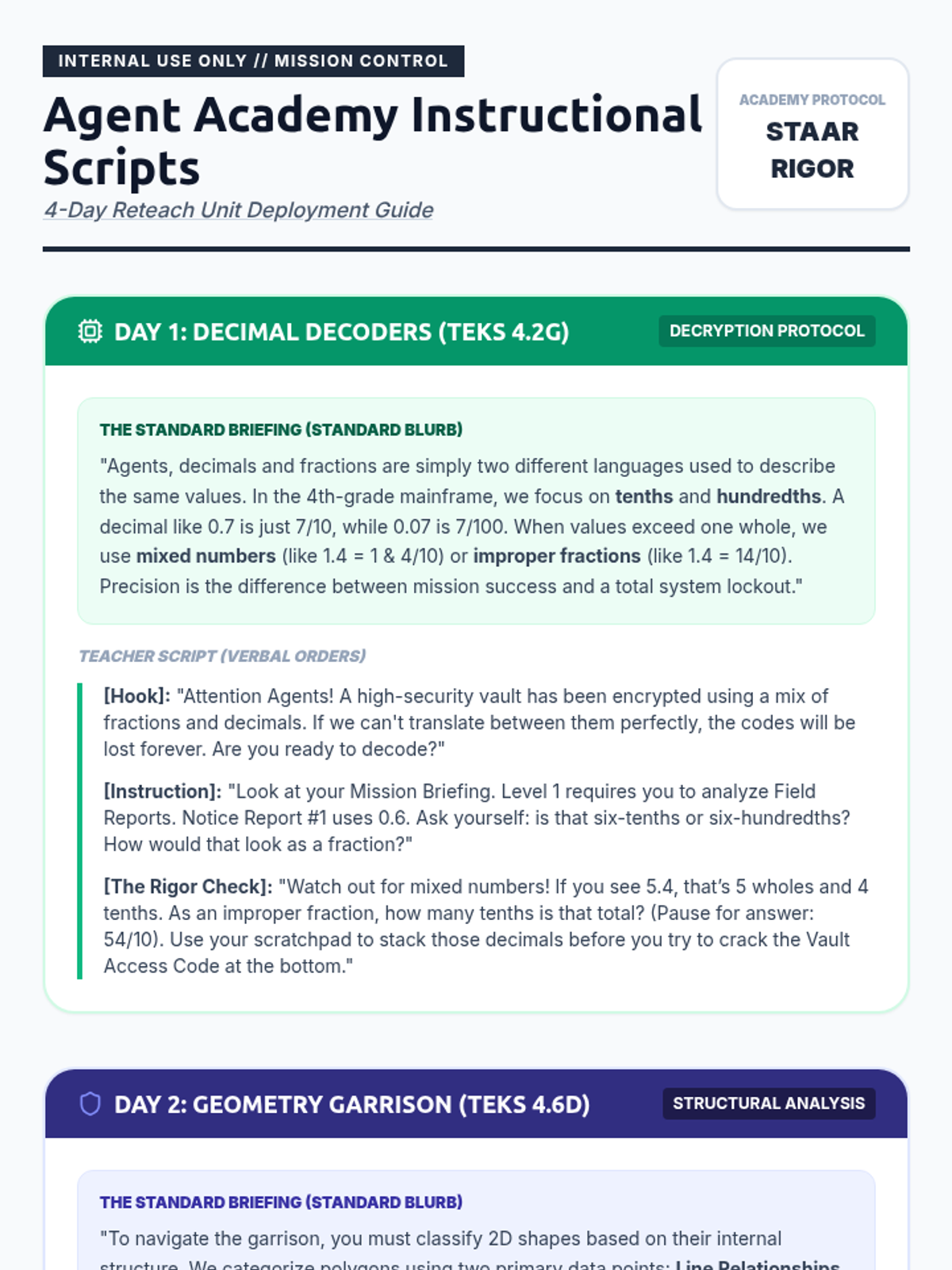
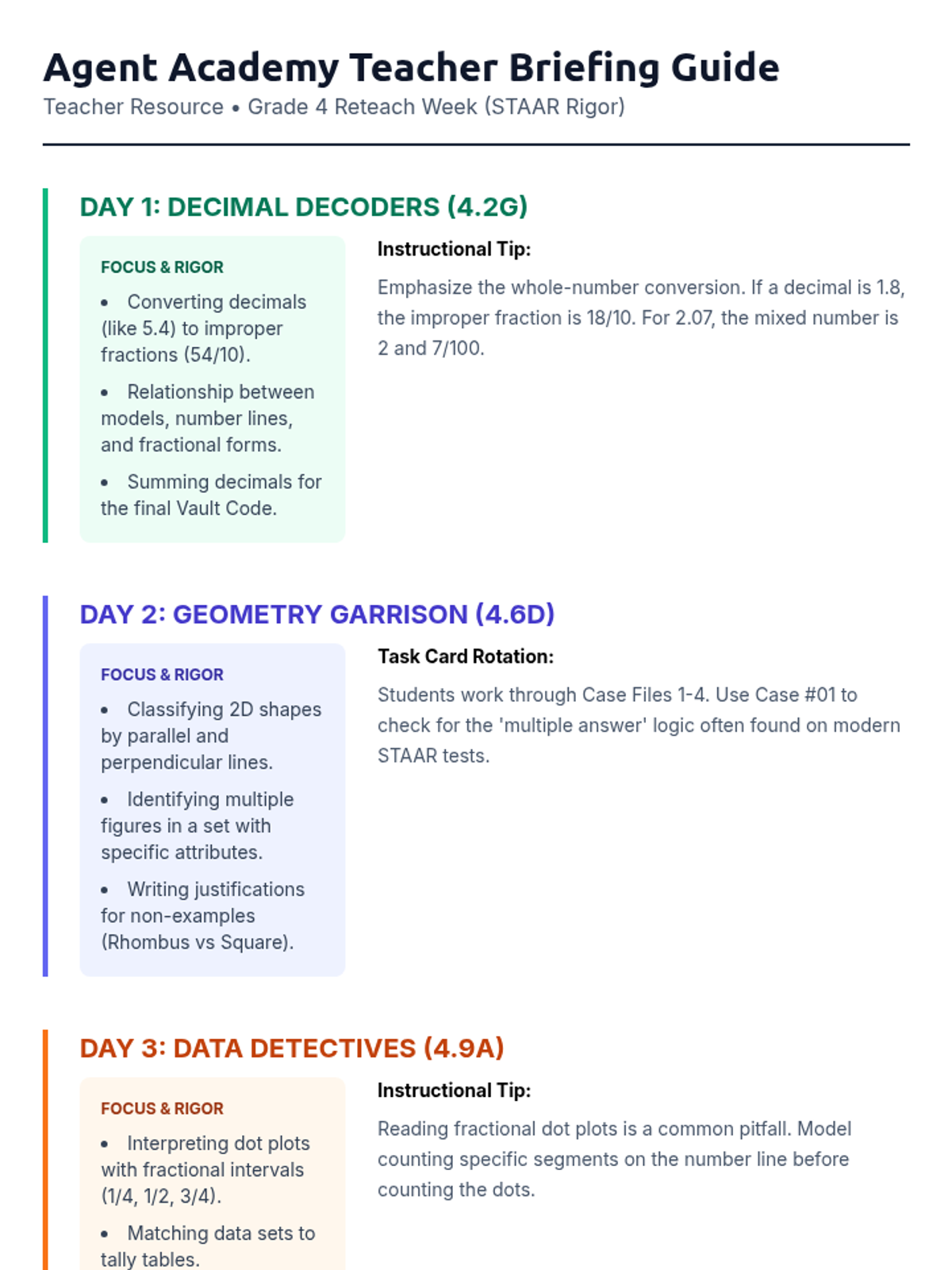
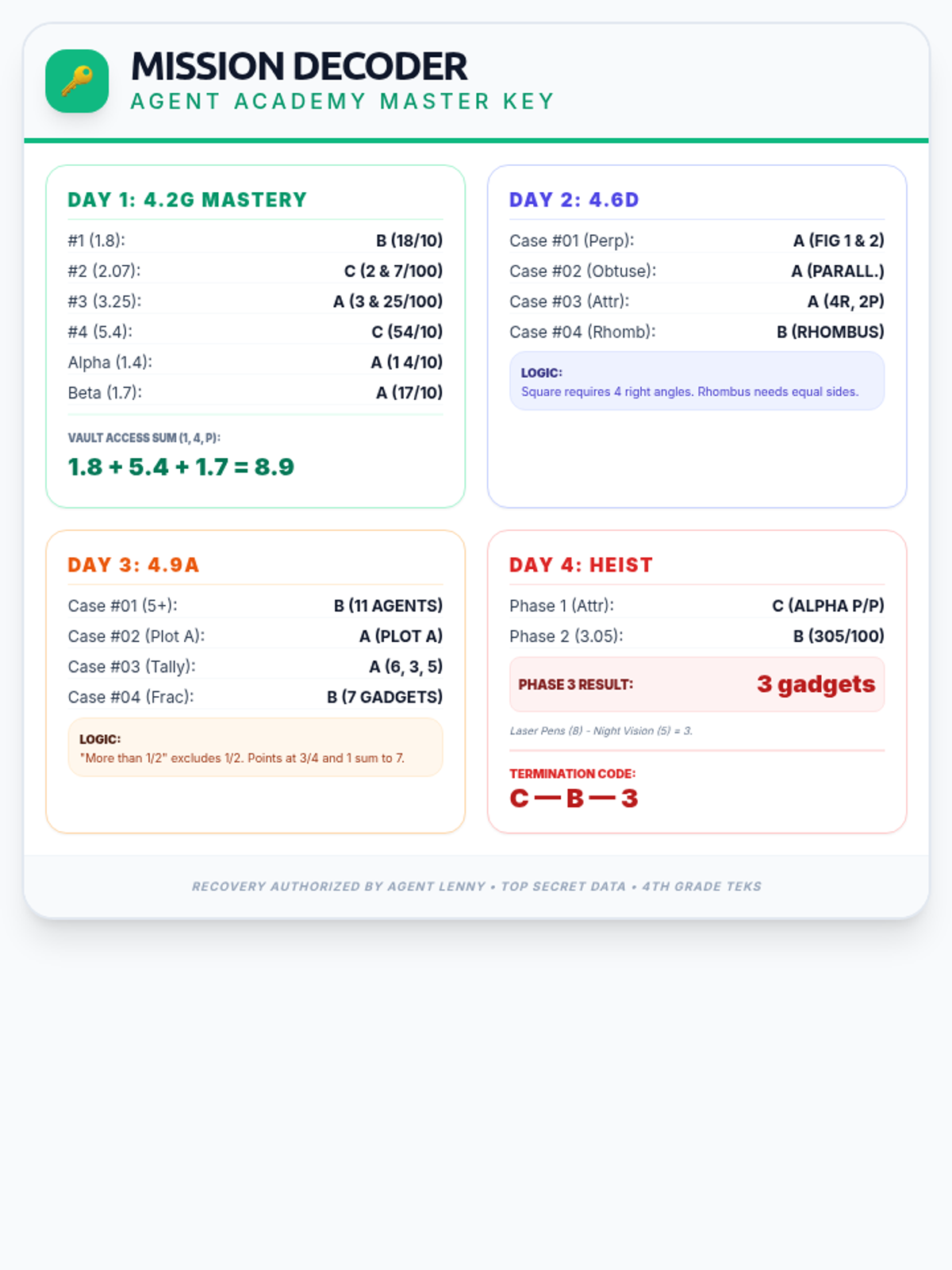
A comprehensive review of 4.2G, 4.6D, and 4.9A through a final mission. This lesson integrates all three standards into a culminating "Ultimate Heist" escape room challenge.
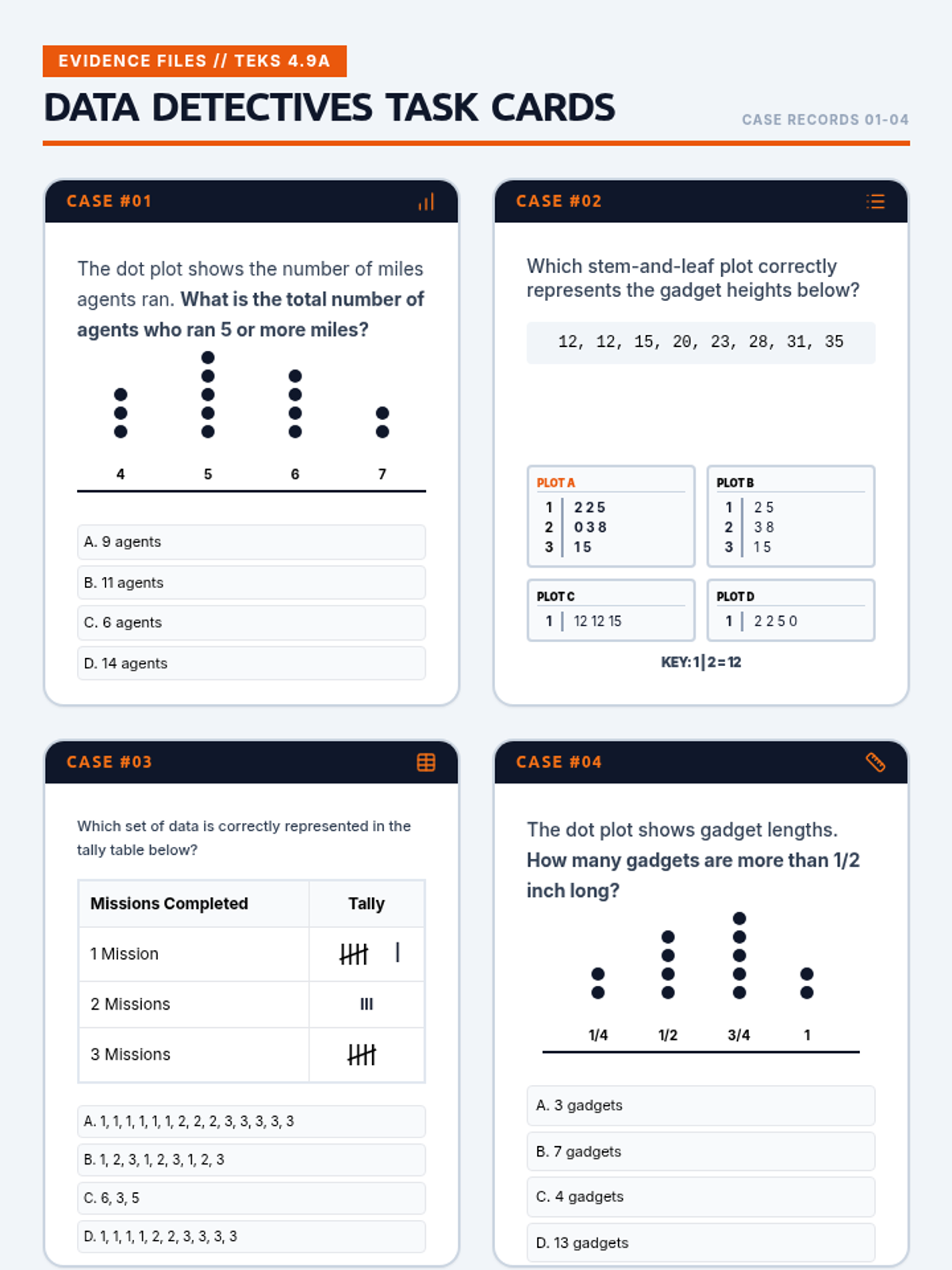
Focuses on TEKS 4.9A: Representing data on frequency tables, dot plots, and stem-and-leaf plots. Students act as investigators analyzing evidence files to solve a data-driven mystery.
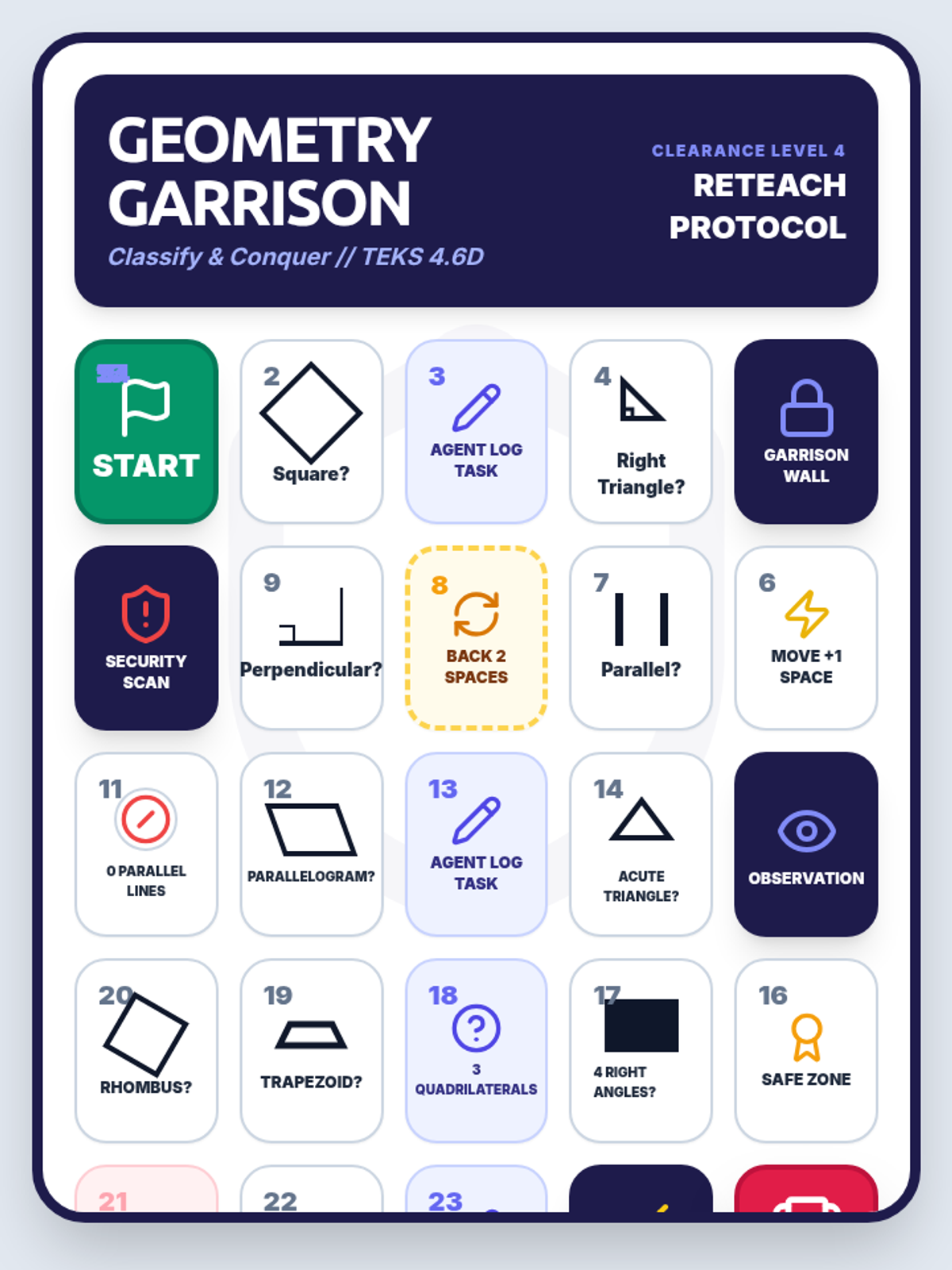
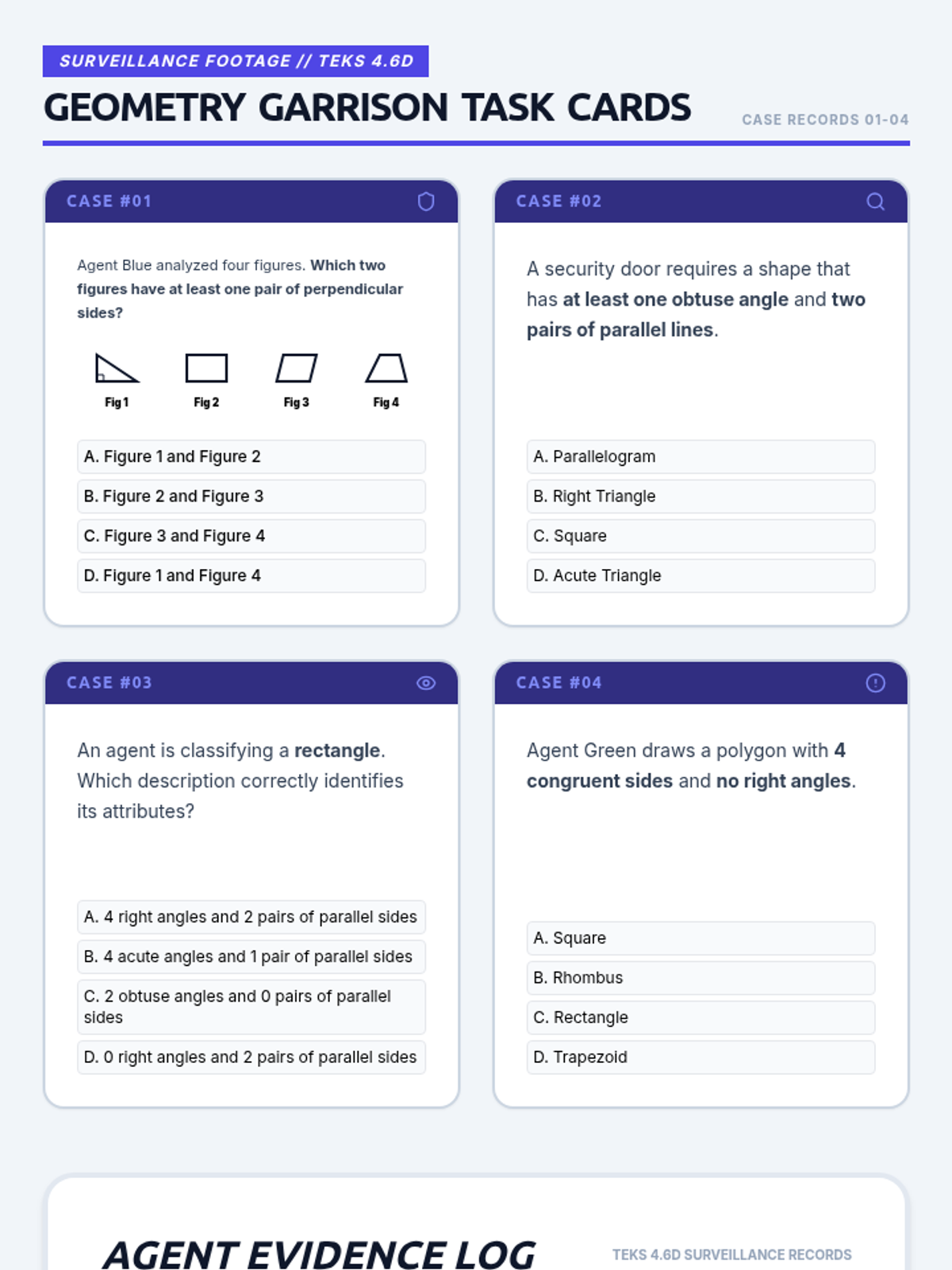
Focuses on TEKS 4.6D: Classifying two-dimensional figures based on parallel and perpendicular lines and angle types. Students analyze evidence files (Task Cards) to identify high-security shapes.
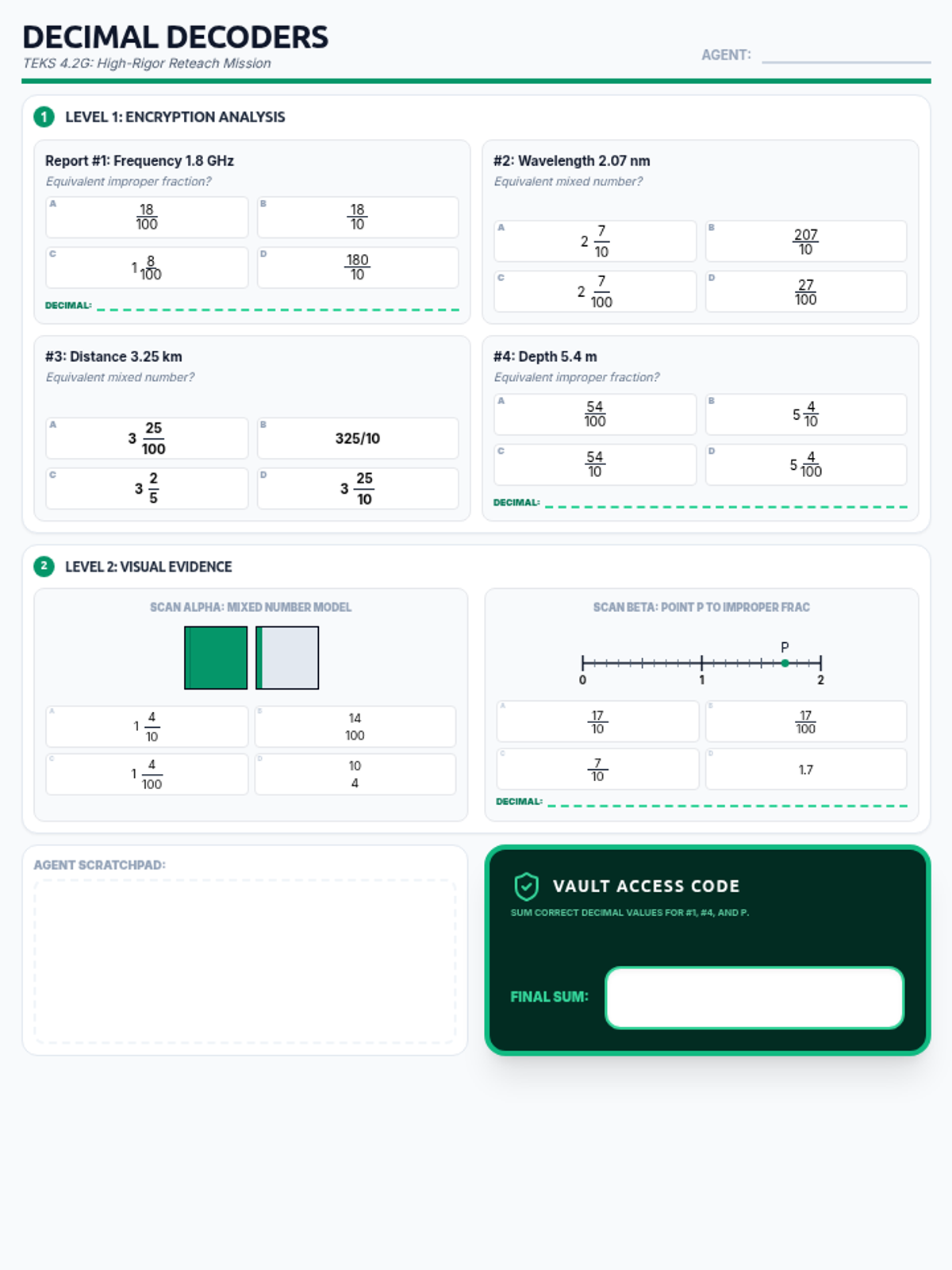
Focuses on TEKS 4.2G: Relating decimals to fractions that name tenths and hundredths. Students take on the role of codebreakers to unlock a digital vault by matching values across different representations.
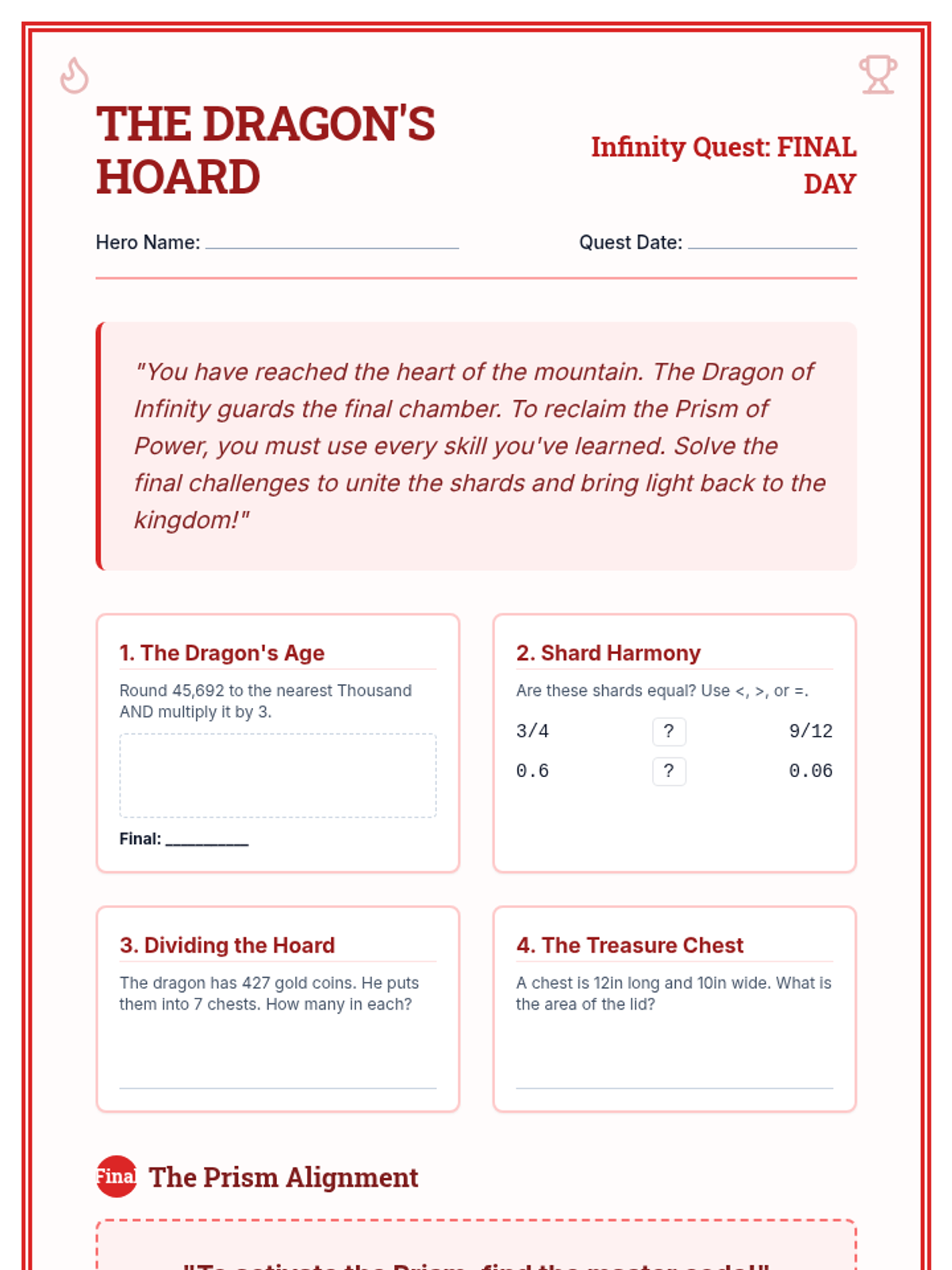
The final confrontation in the Dragon's Hoard using all skills learned to reclaim the complete Prism of Power.
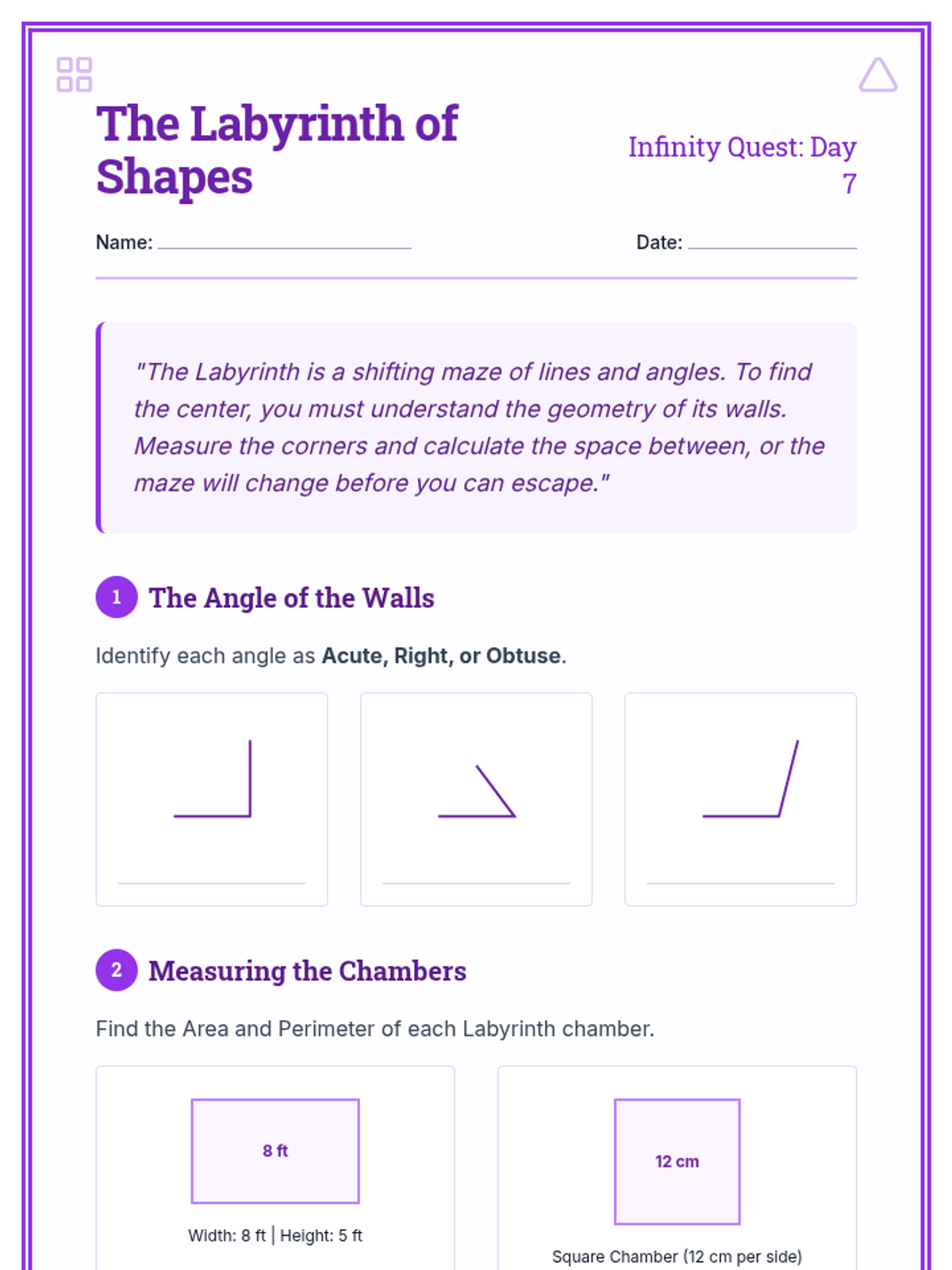
Solving the mysteries of the Labyrinth using geometry, angles, and area/perimeter calculations.
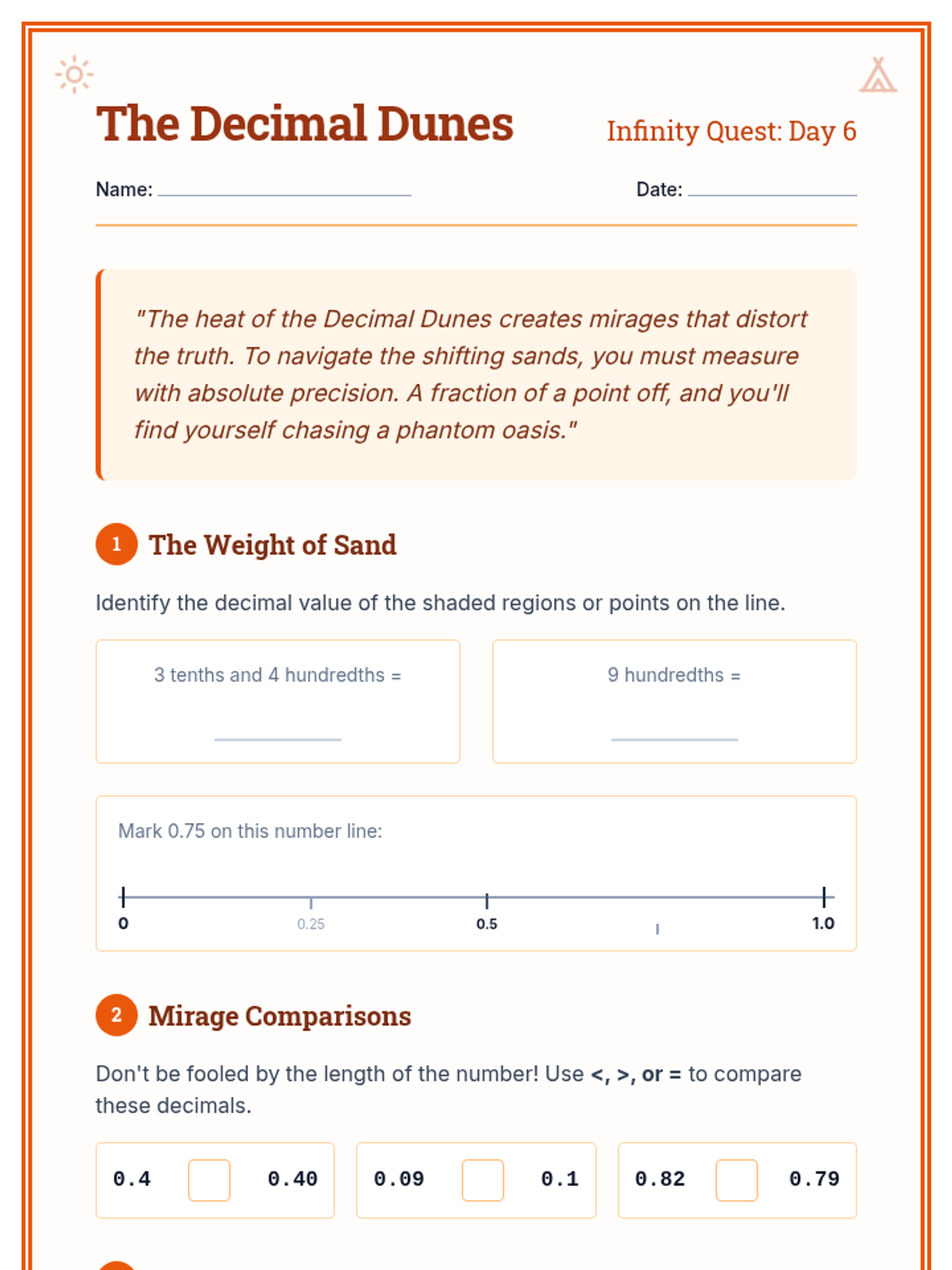
Navigating the Desert of Decimals by comparing, ordering, and adding decimal values in the shifting sands.
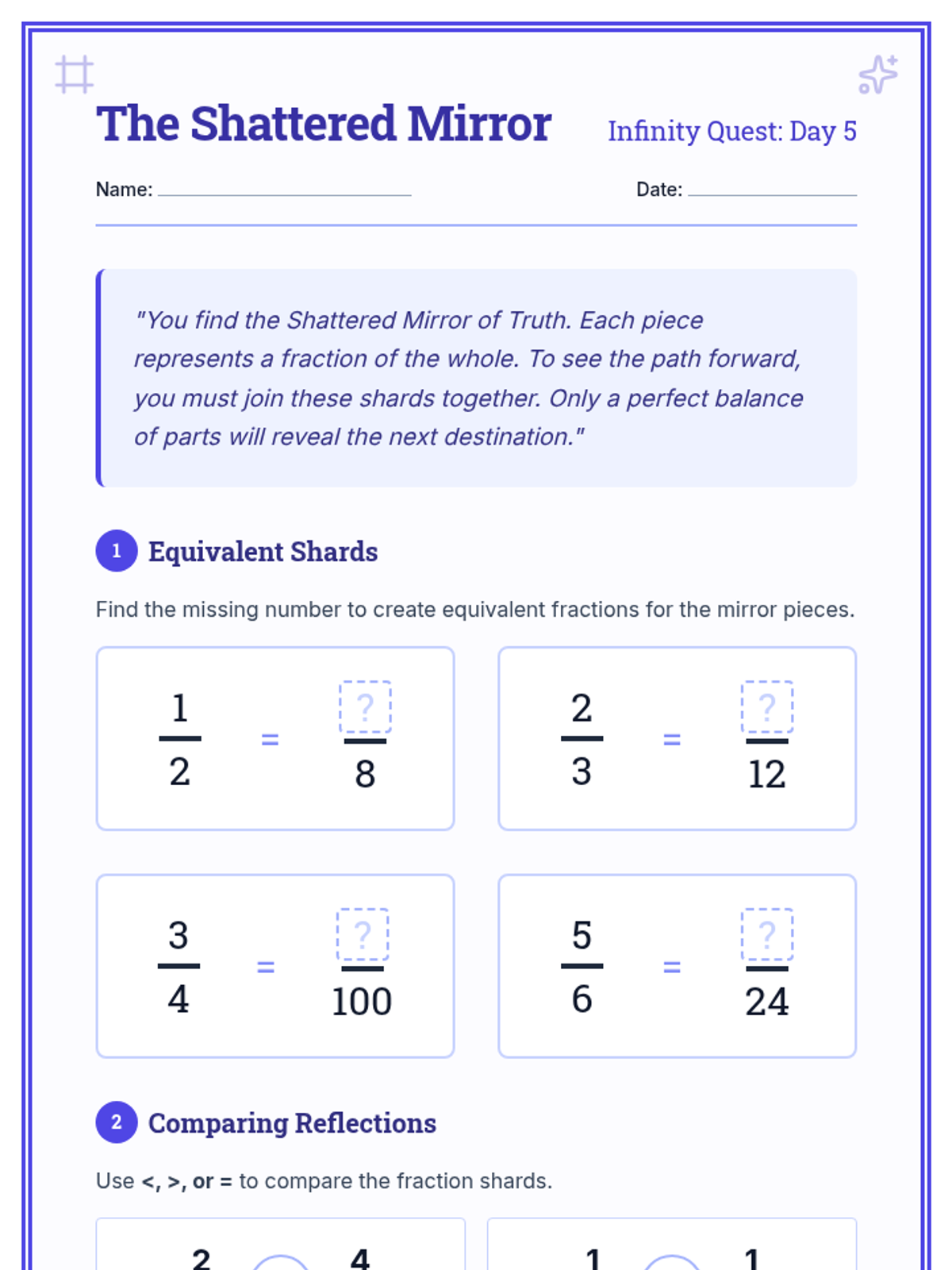
Piecing together the Shattered Mirror using fractions, mixed numbers, and common denominators.
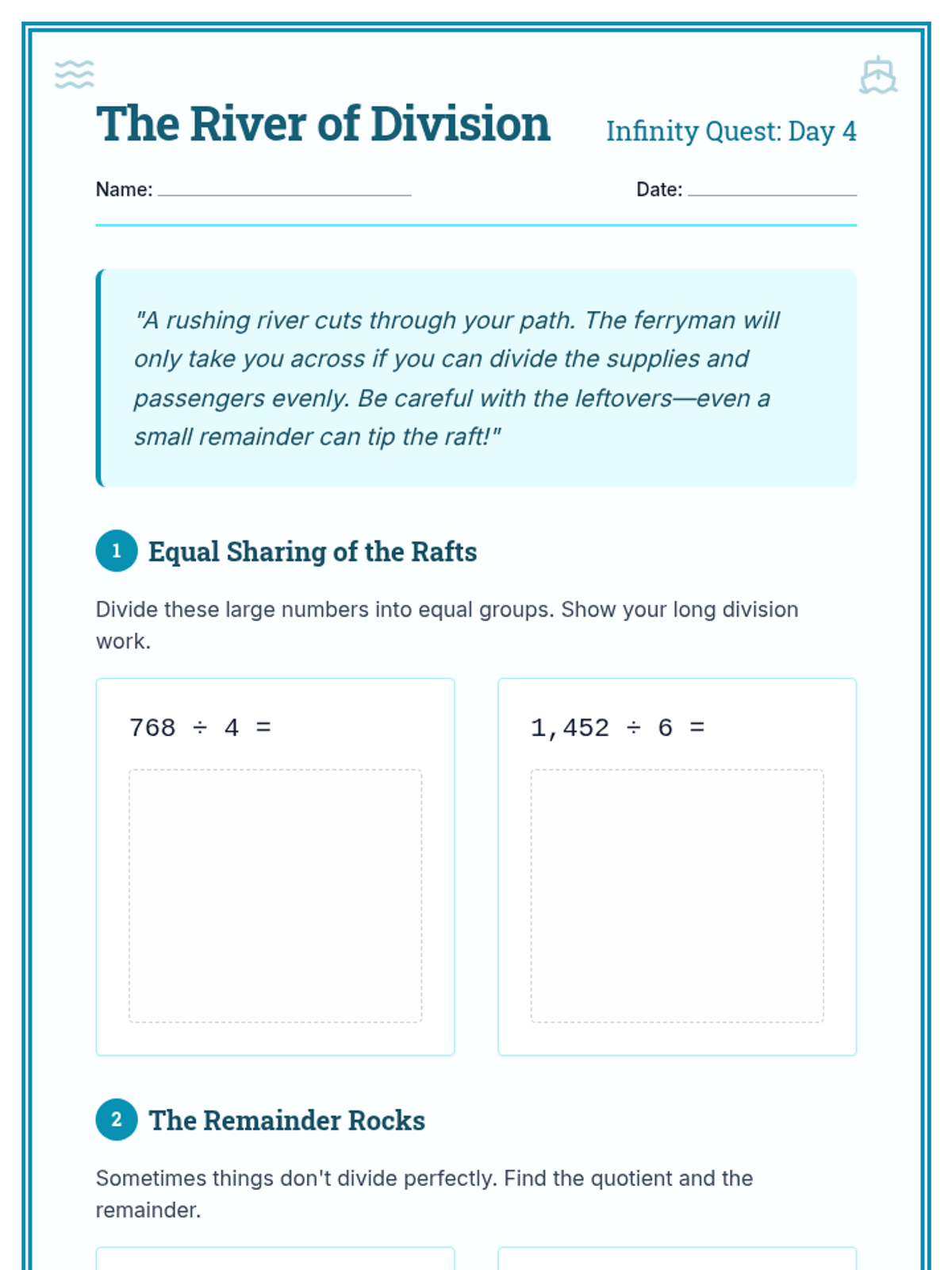
Crossing the River of Division involves solving sharing and grouping problems to reach the other side.
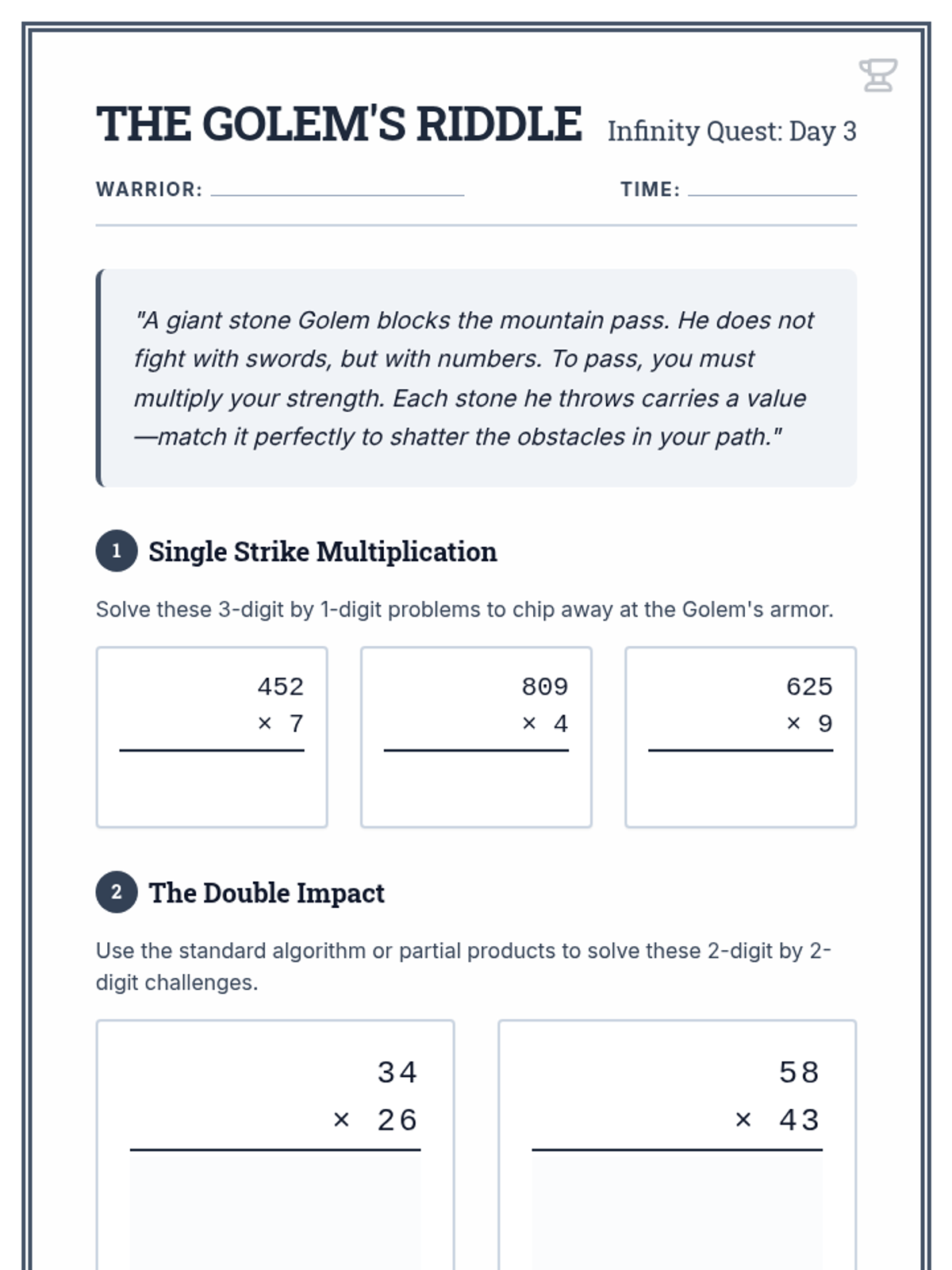
Defeating the Multiplication Golem requires solving complex arrays and multi-digit multiplication problems.