Data representation, distributions, and statistical variability using sampling and inference techniques. Integrates probability models, compound events, bivariate patterns, and linear models to guide data-driven decision making.
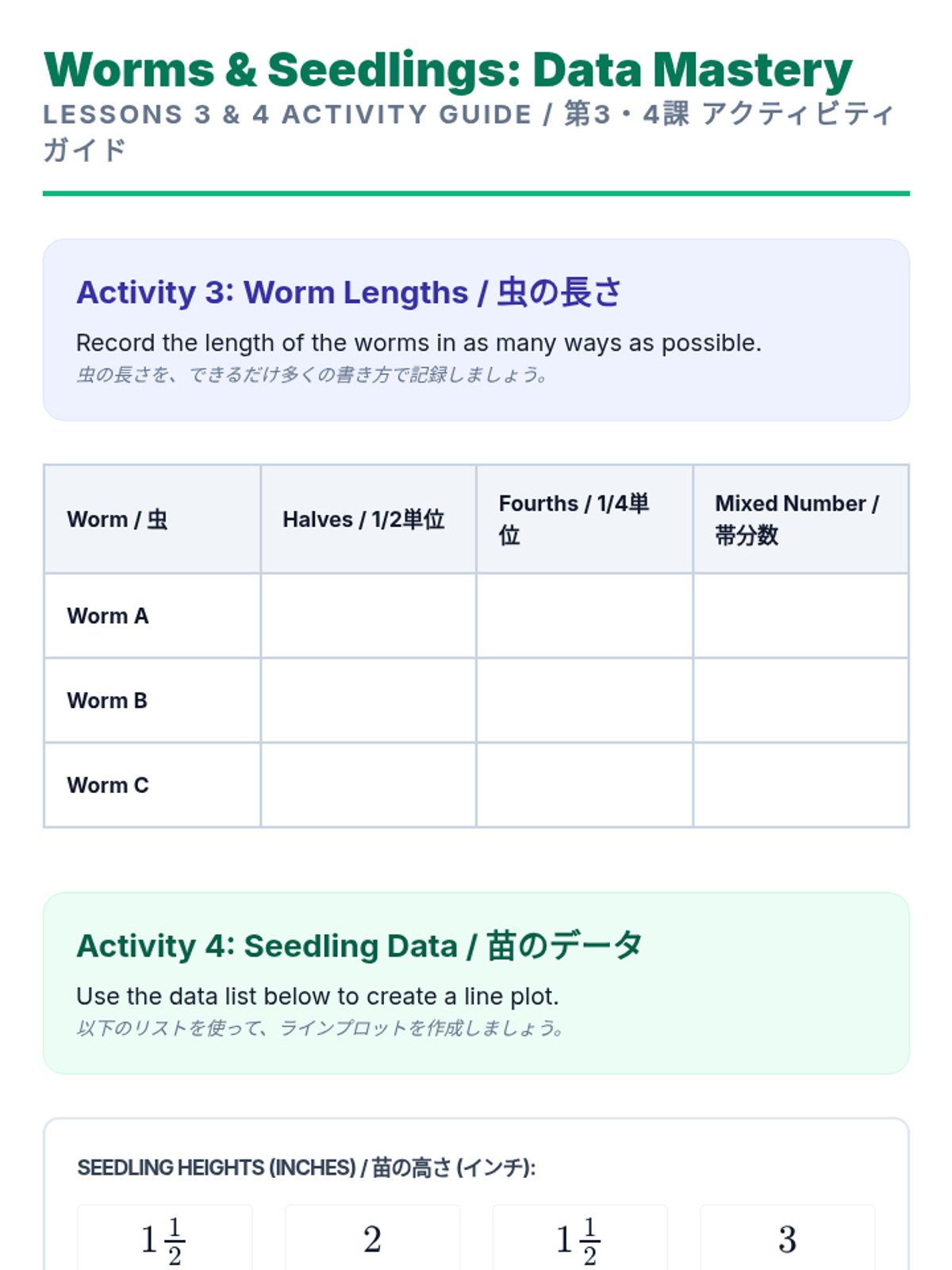
Students interpret and create line plots using measurement data involving fractions.
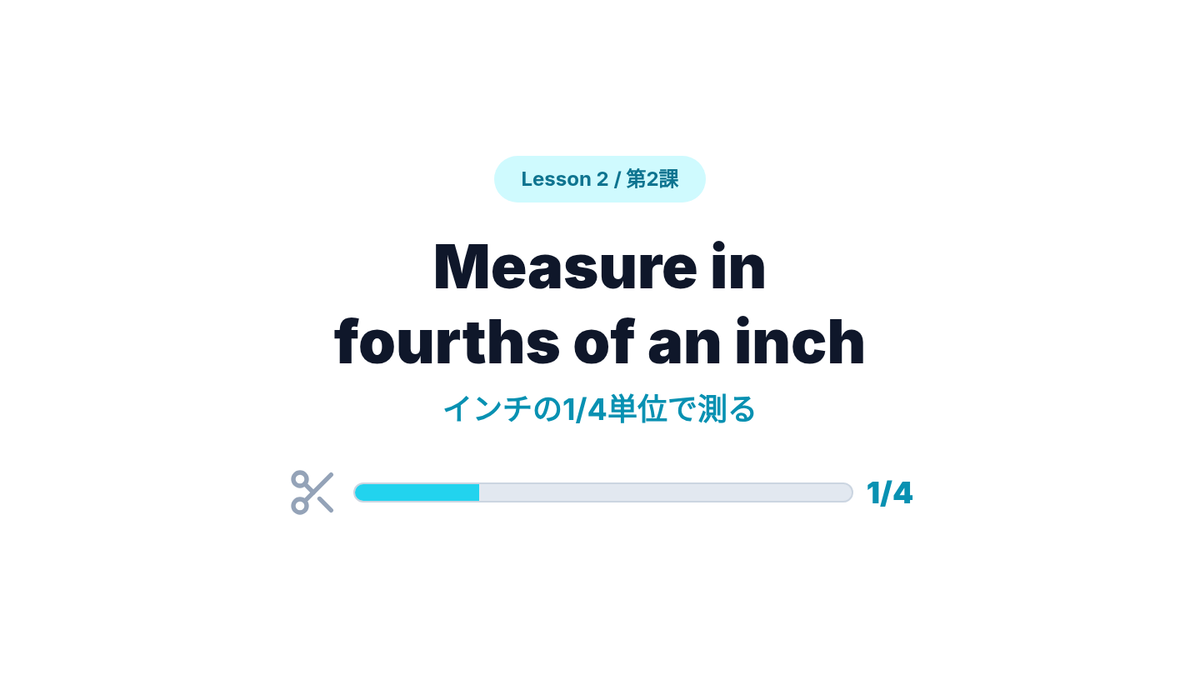
Students learn to measure objects to the nearest fourth of an inch and explore partition logic.
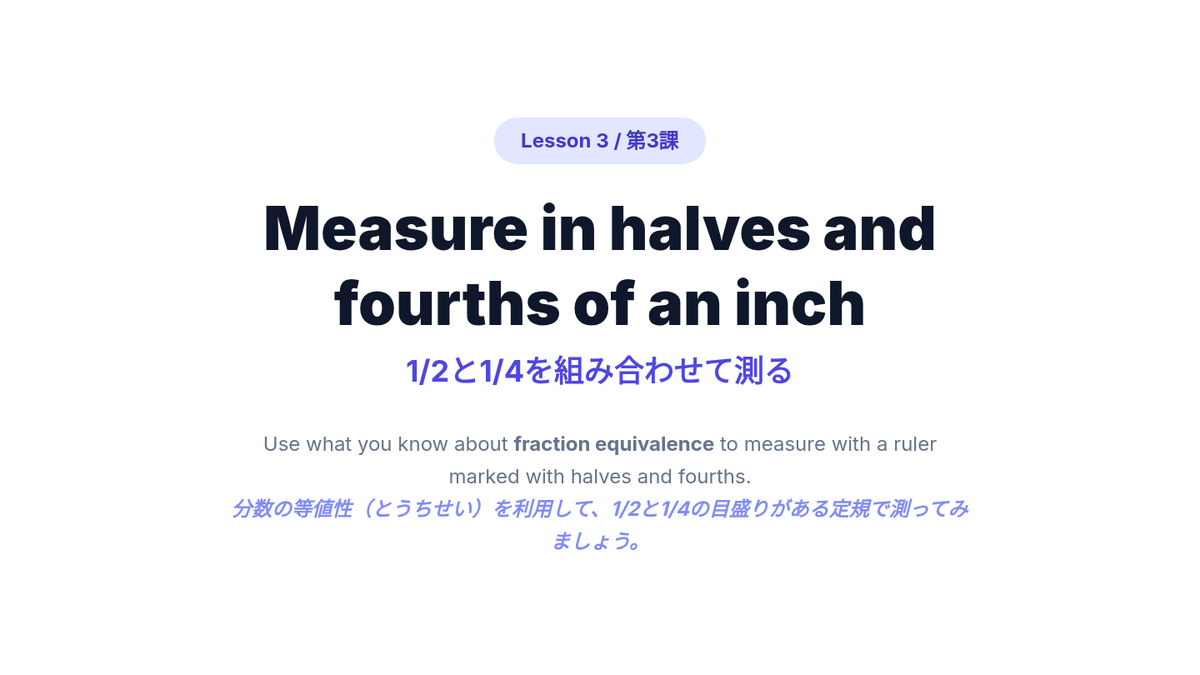
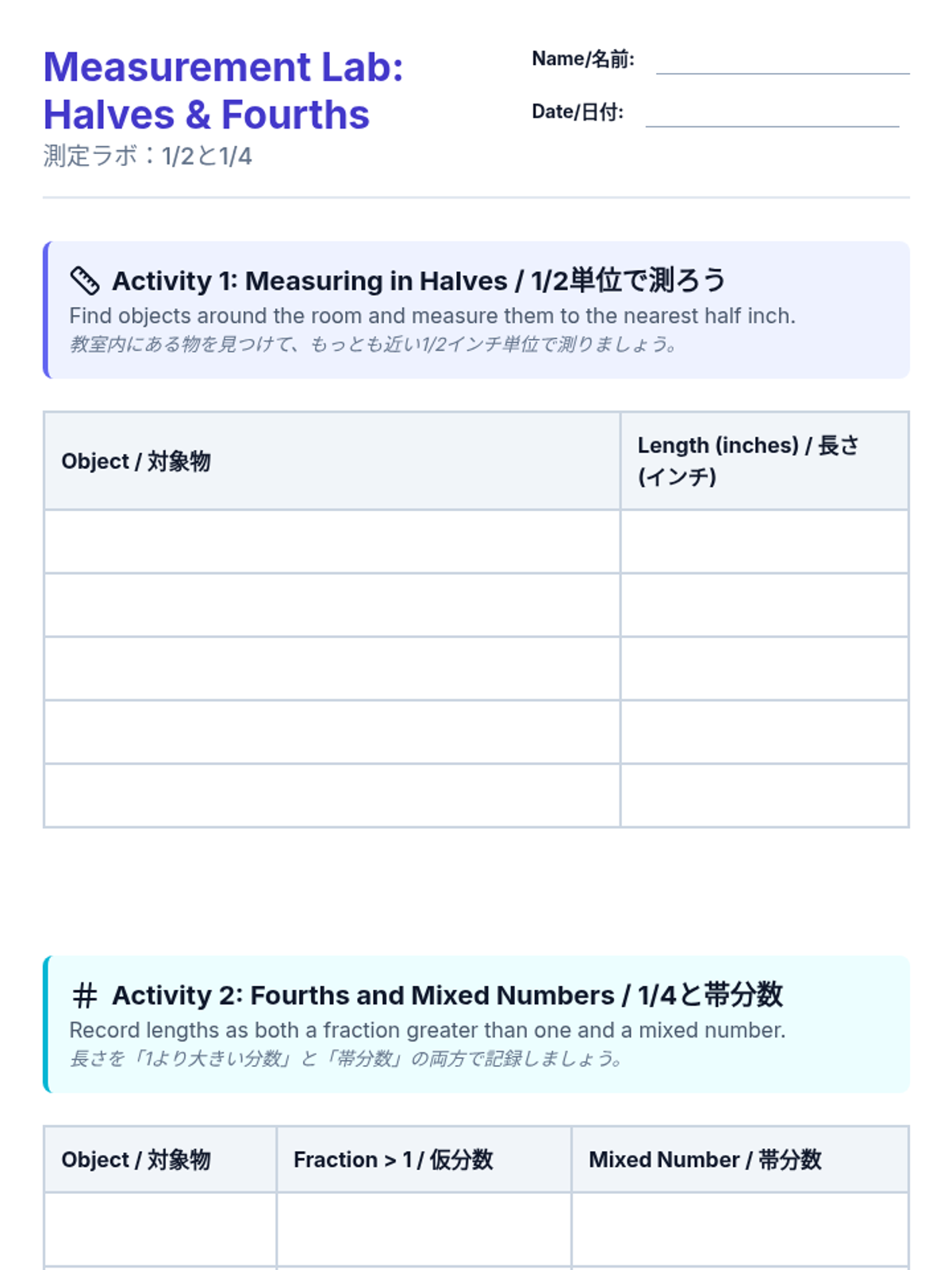
Students learn to measure objects to the nearest half-inch and are introduced to mixed numbers.
Analyzing and creating line plots to represent measurement data.
Using fraction equivalence to measure and record lengths accurately.
Expanding measurement skills to fourths of an inch and practicing with mixed numbers.
Introduction to measuring length in halves of an inch and understanding mixed numbers.
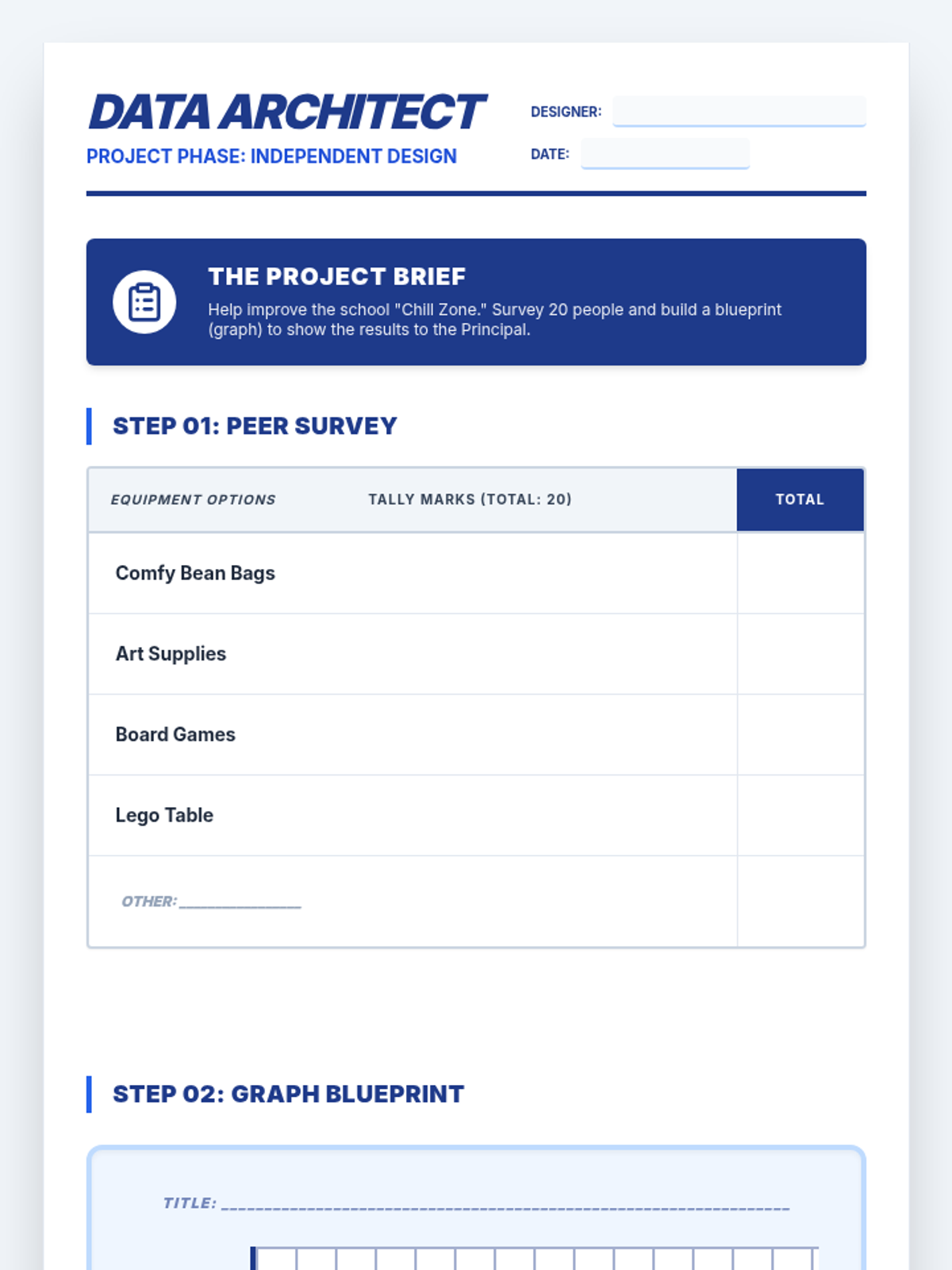
A comprehensive lesson on data interpretation and graphing, moving from foundational skill practice to an independent data collection and design project.
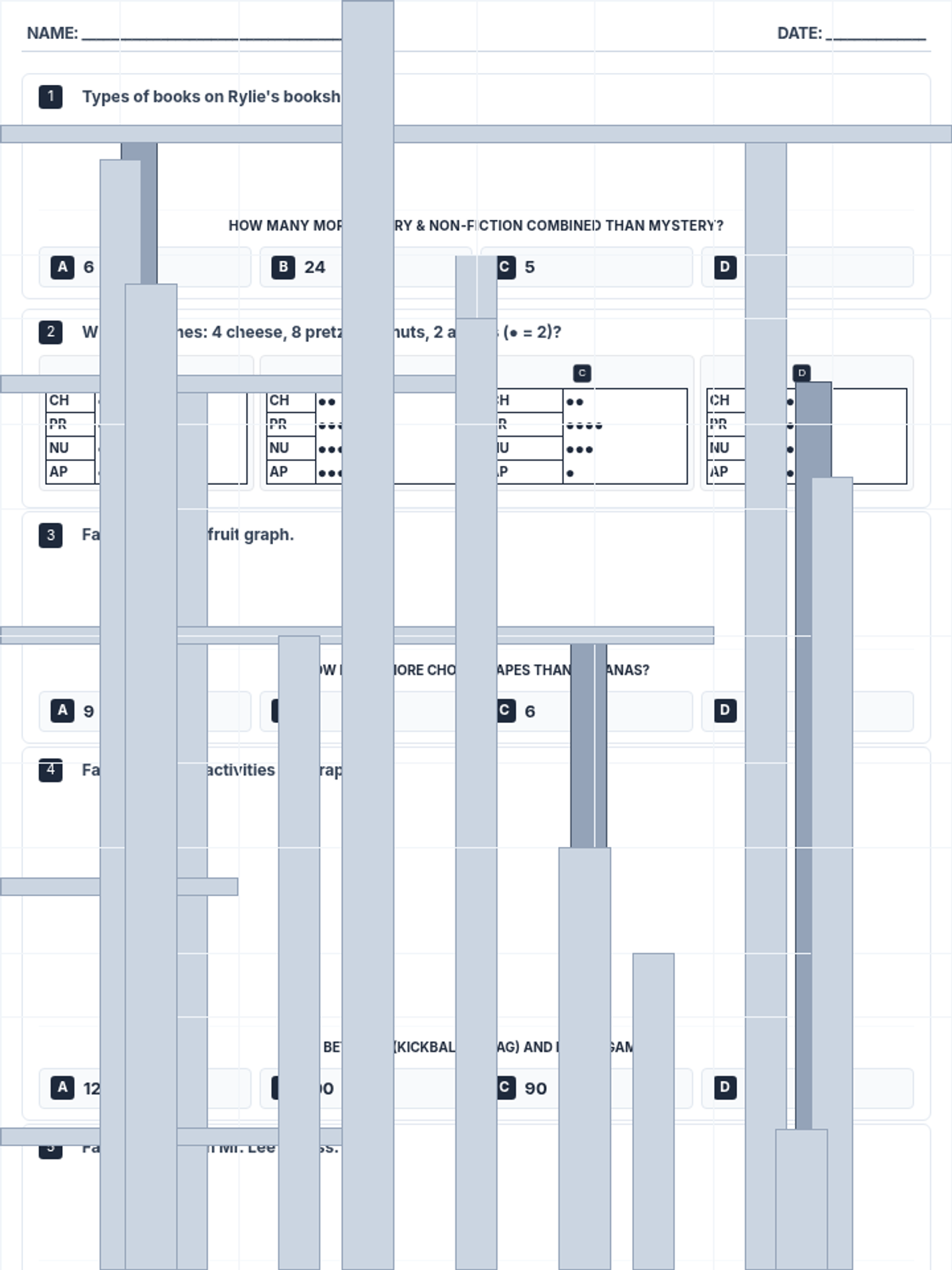
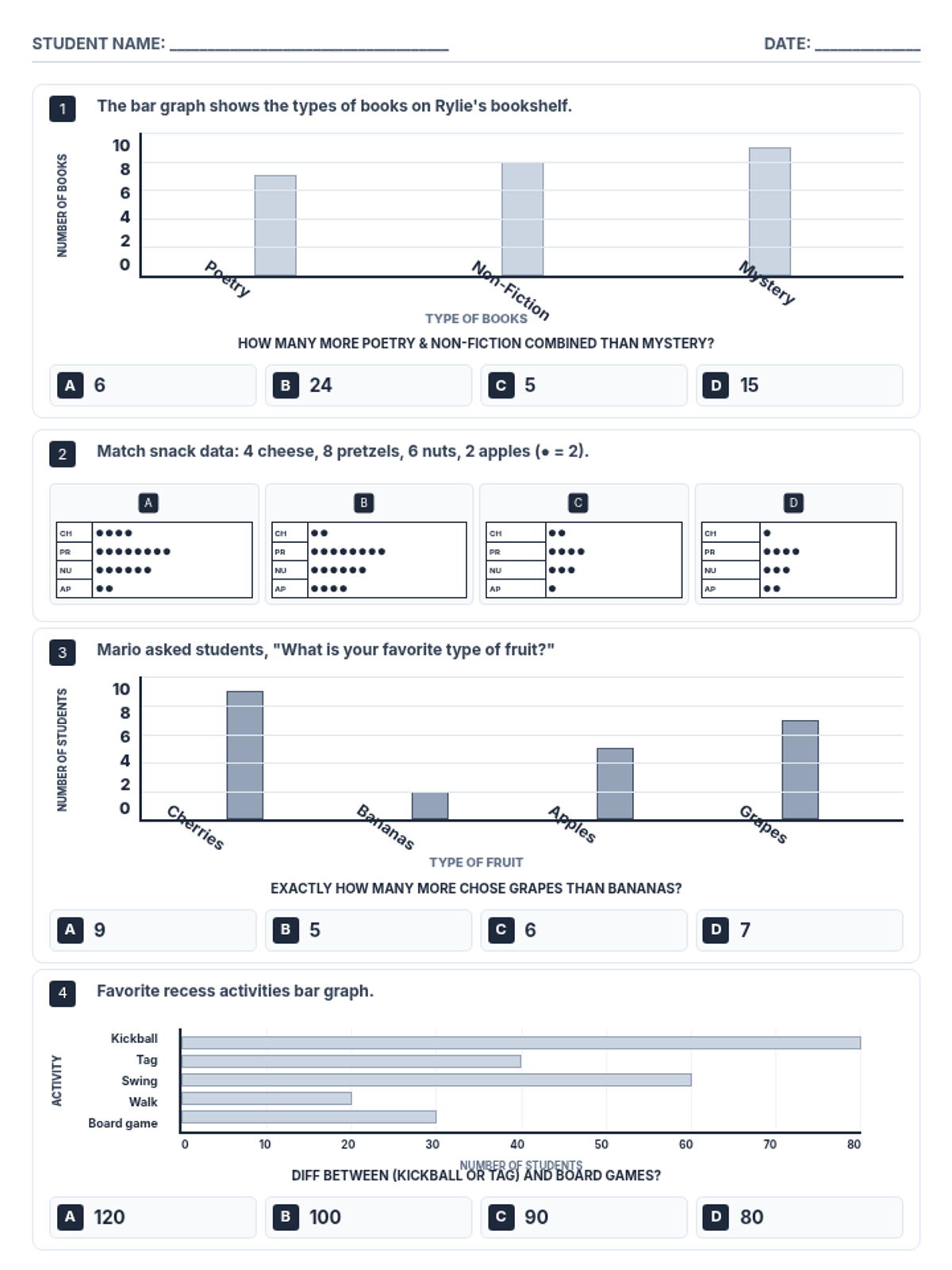
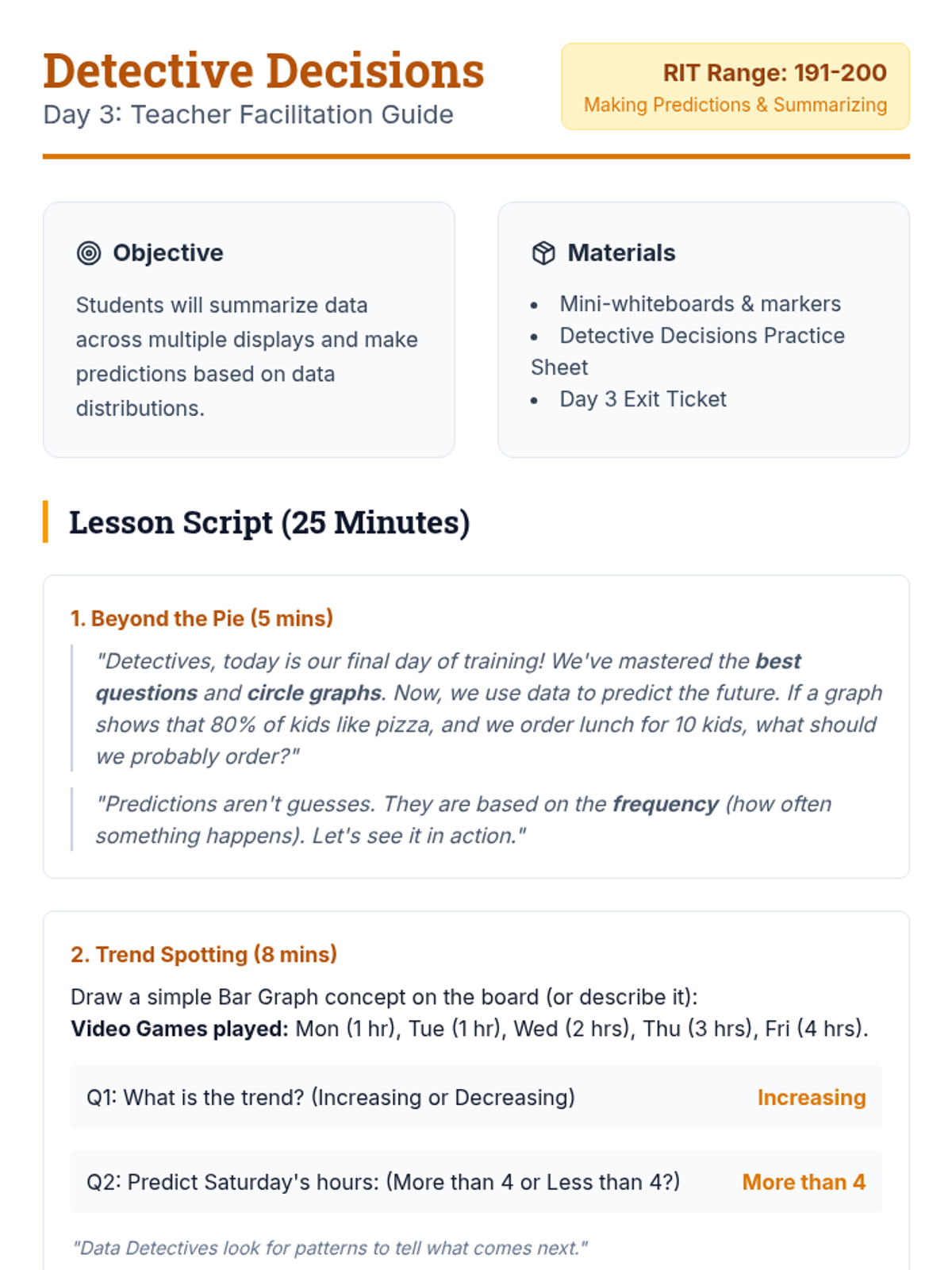
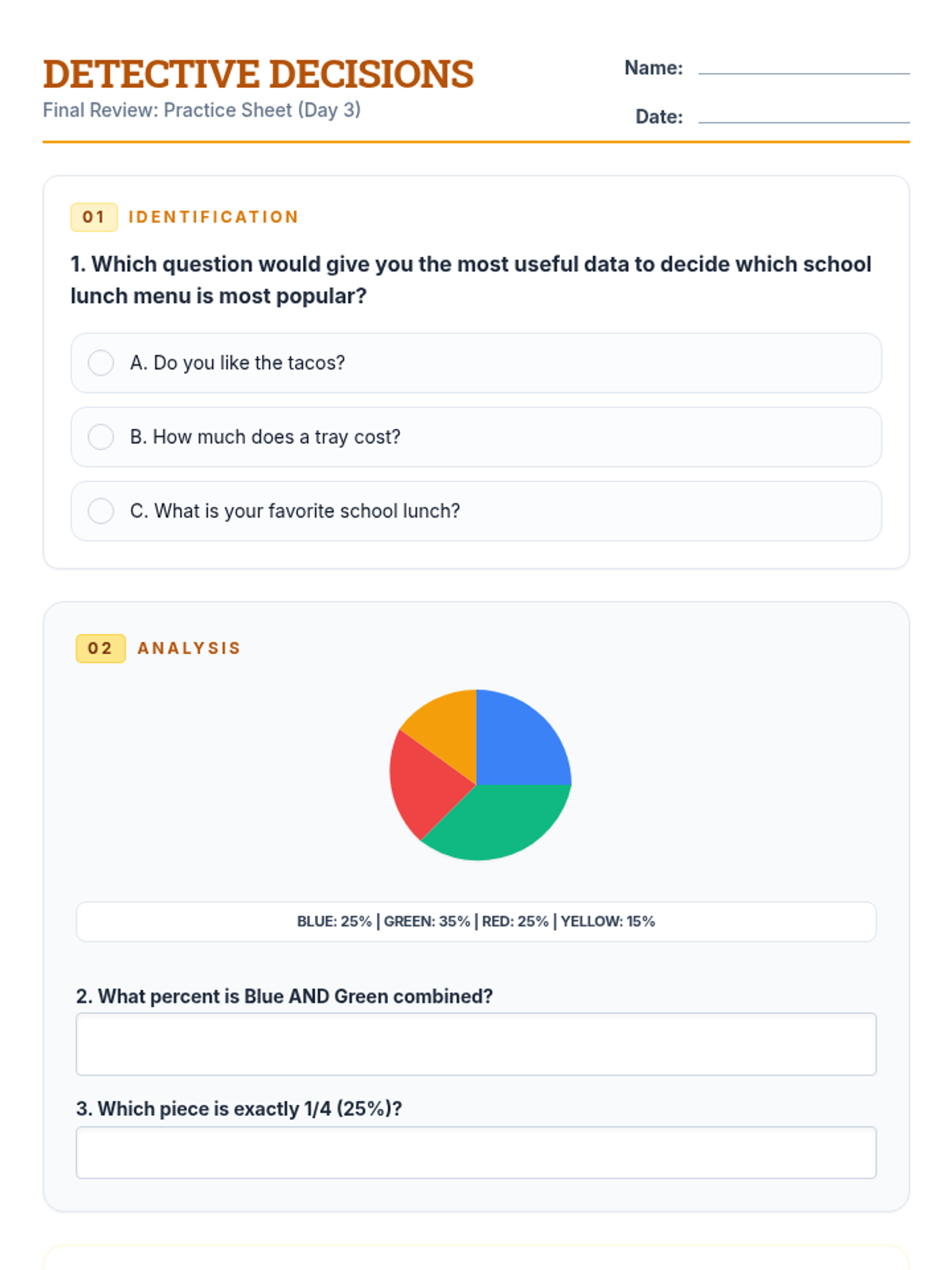
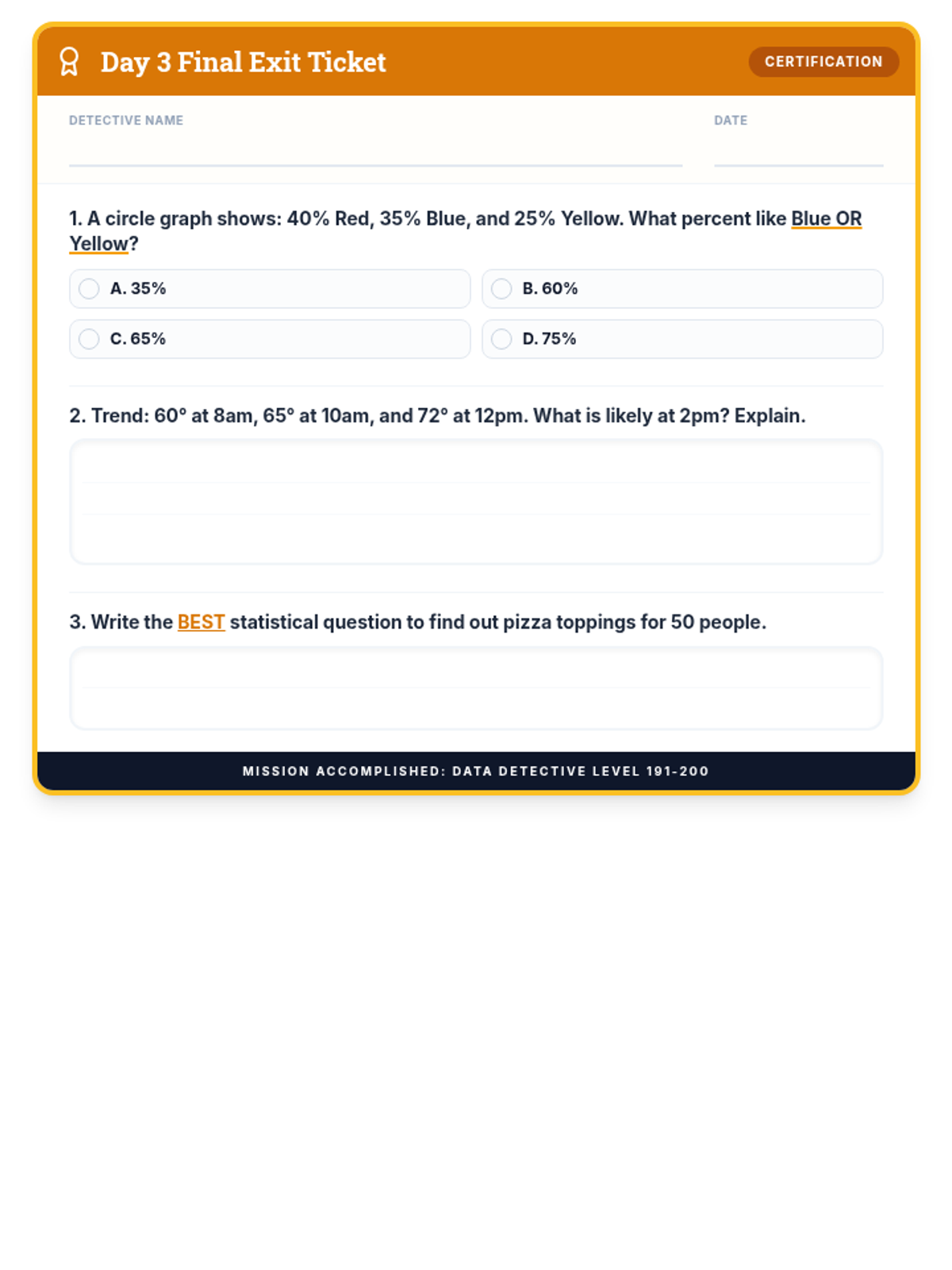
Students will use data from various displays to make predictions and solve multi-step problems.
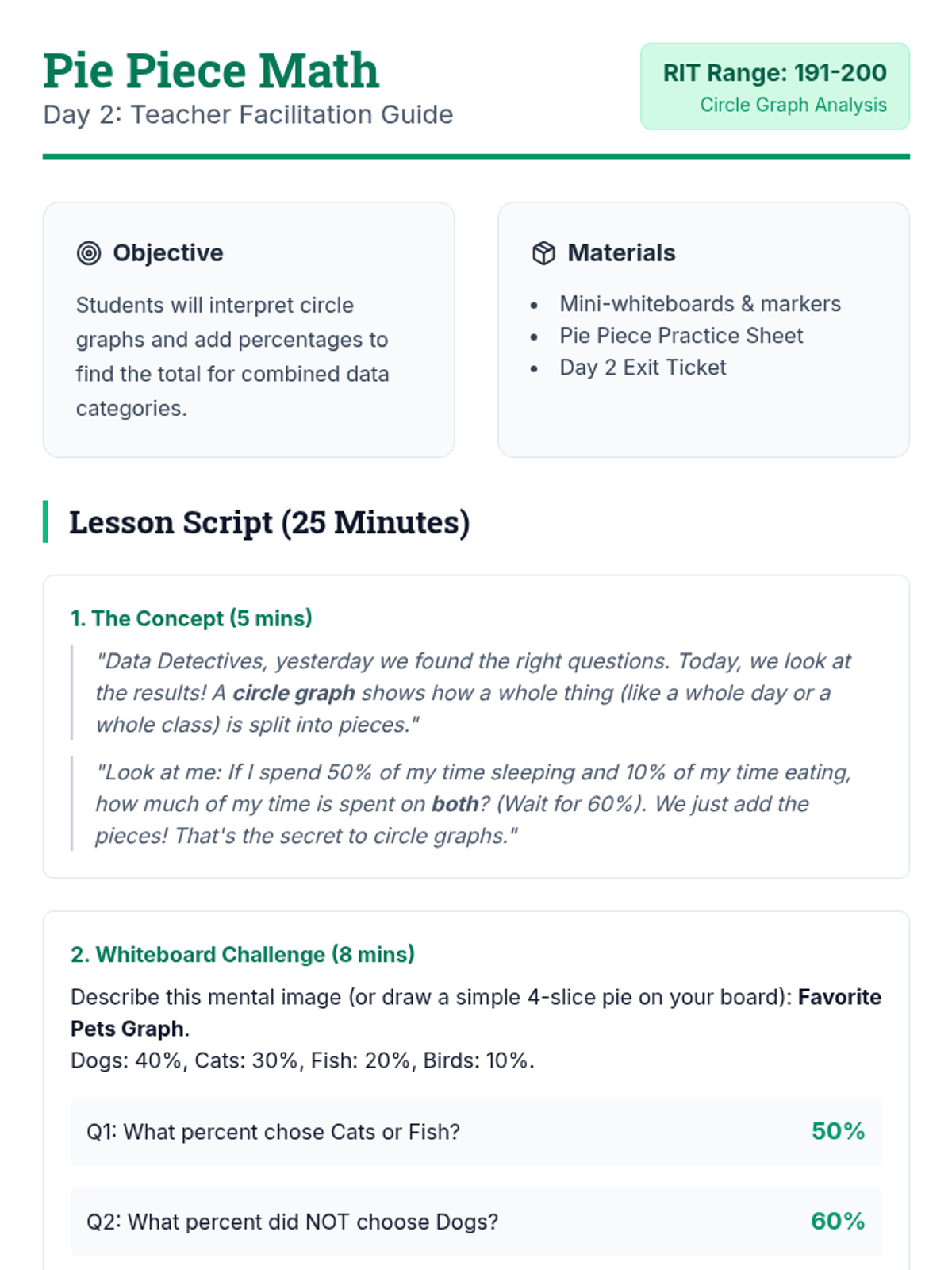
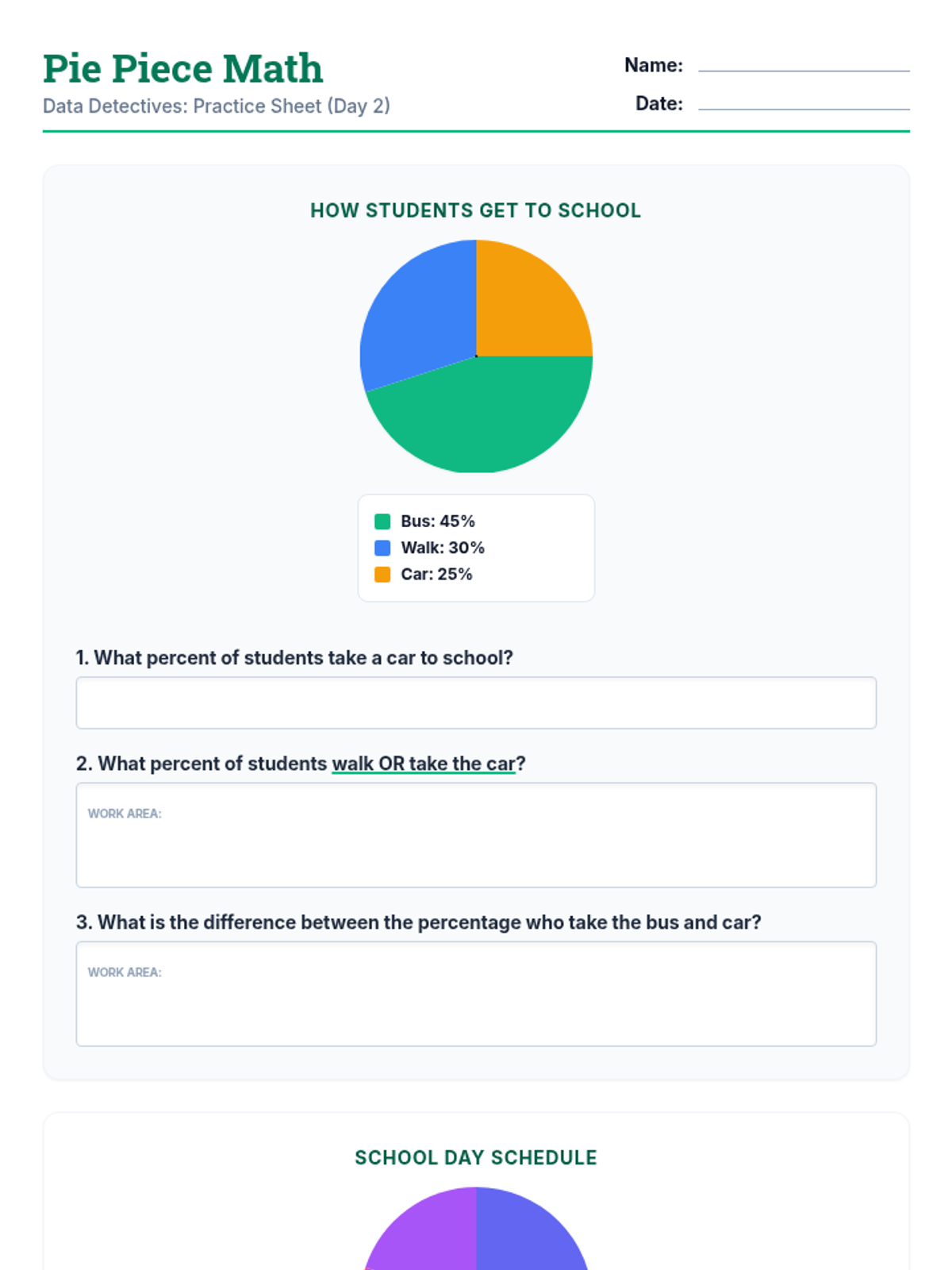
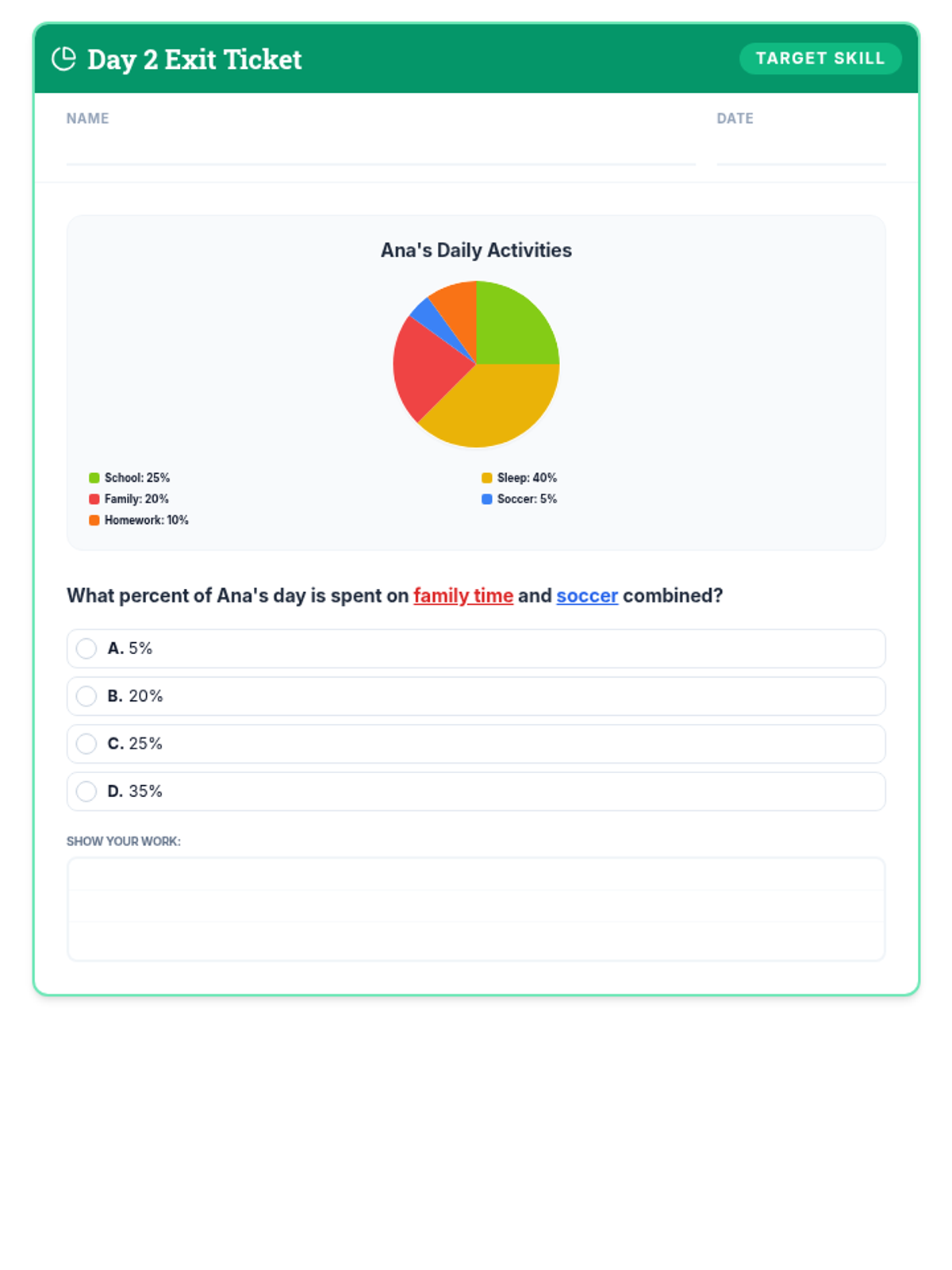
Students will interpret circle graphs and solve problems involving combining data categories, targeting RIT 191-200 skills.
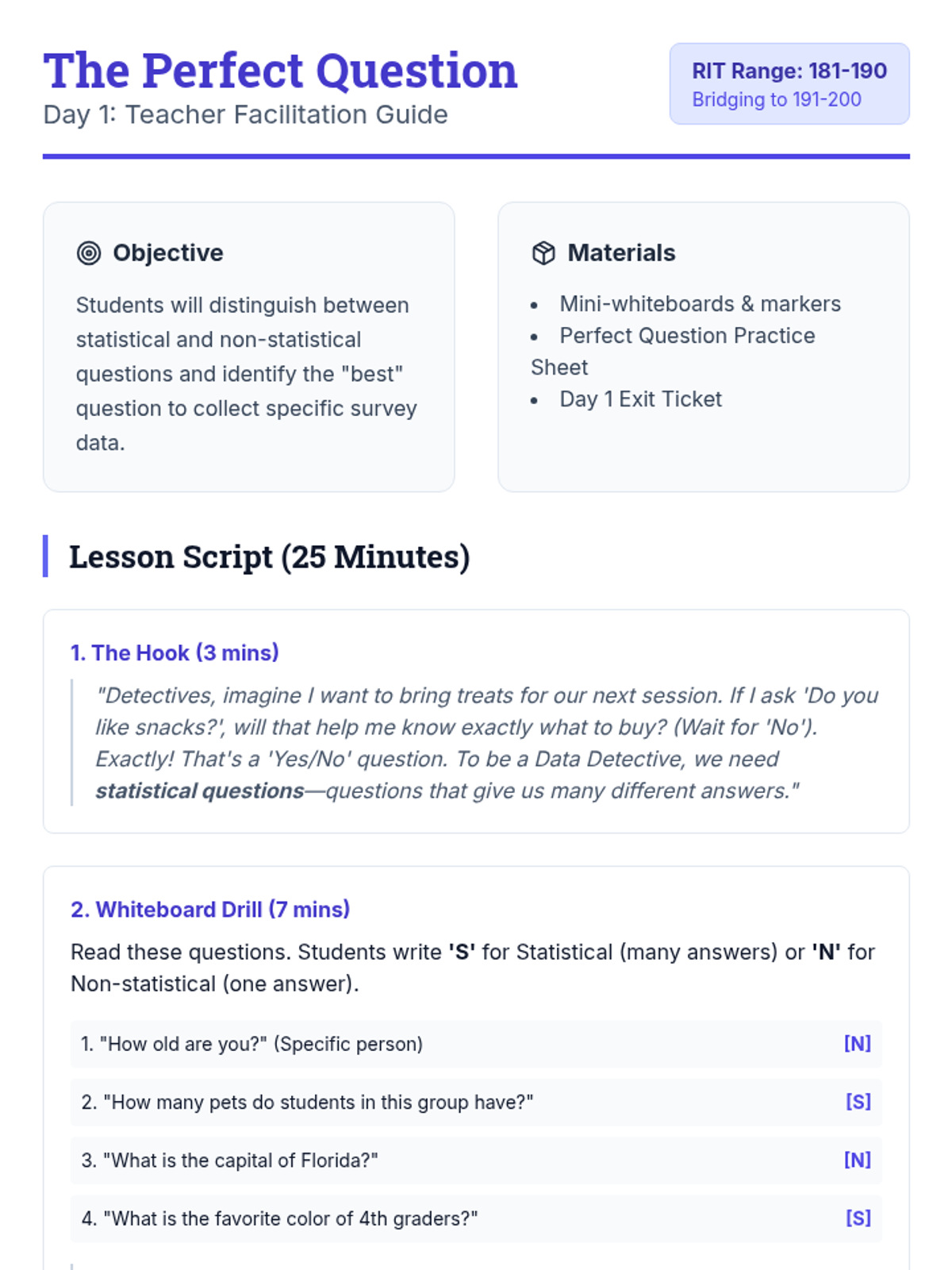
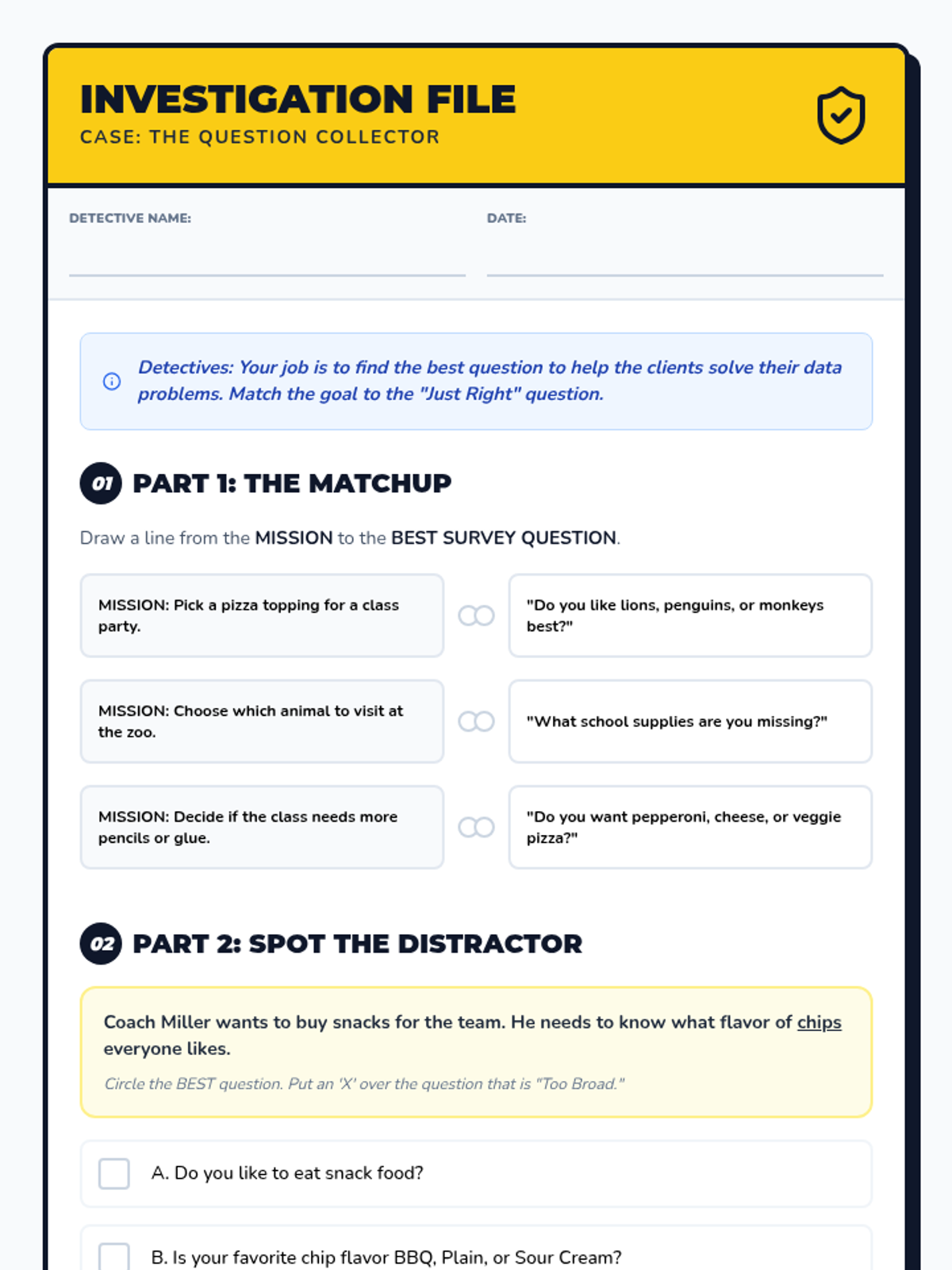
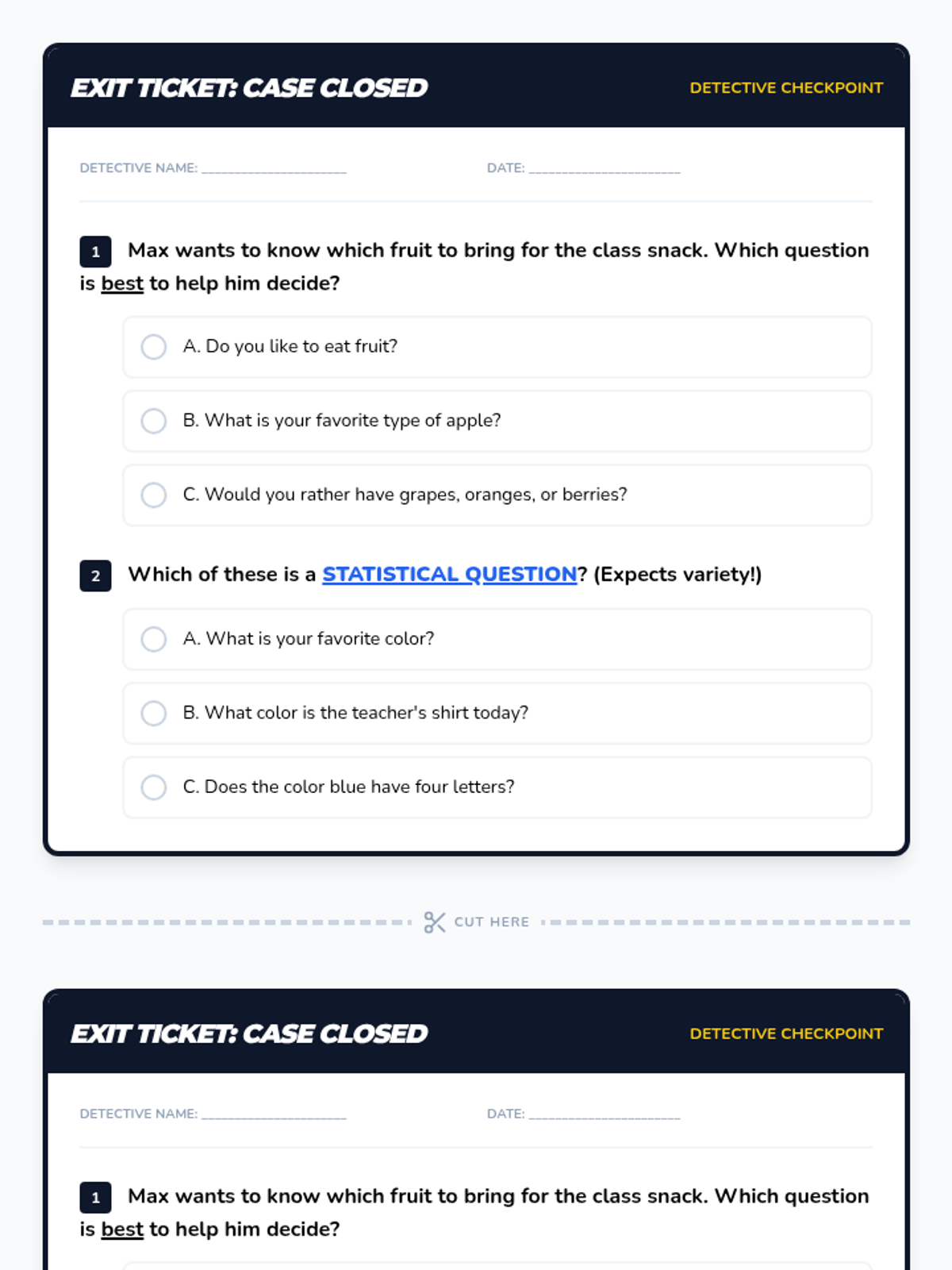
Students will learn to identify and formulate statistical questions that yield variable data, bridging the gap from RIT 181-190.
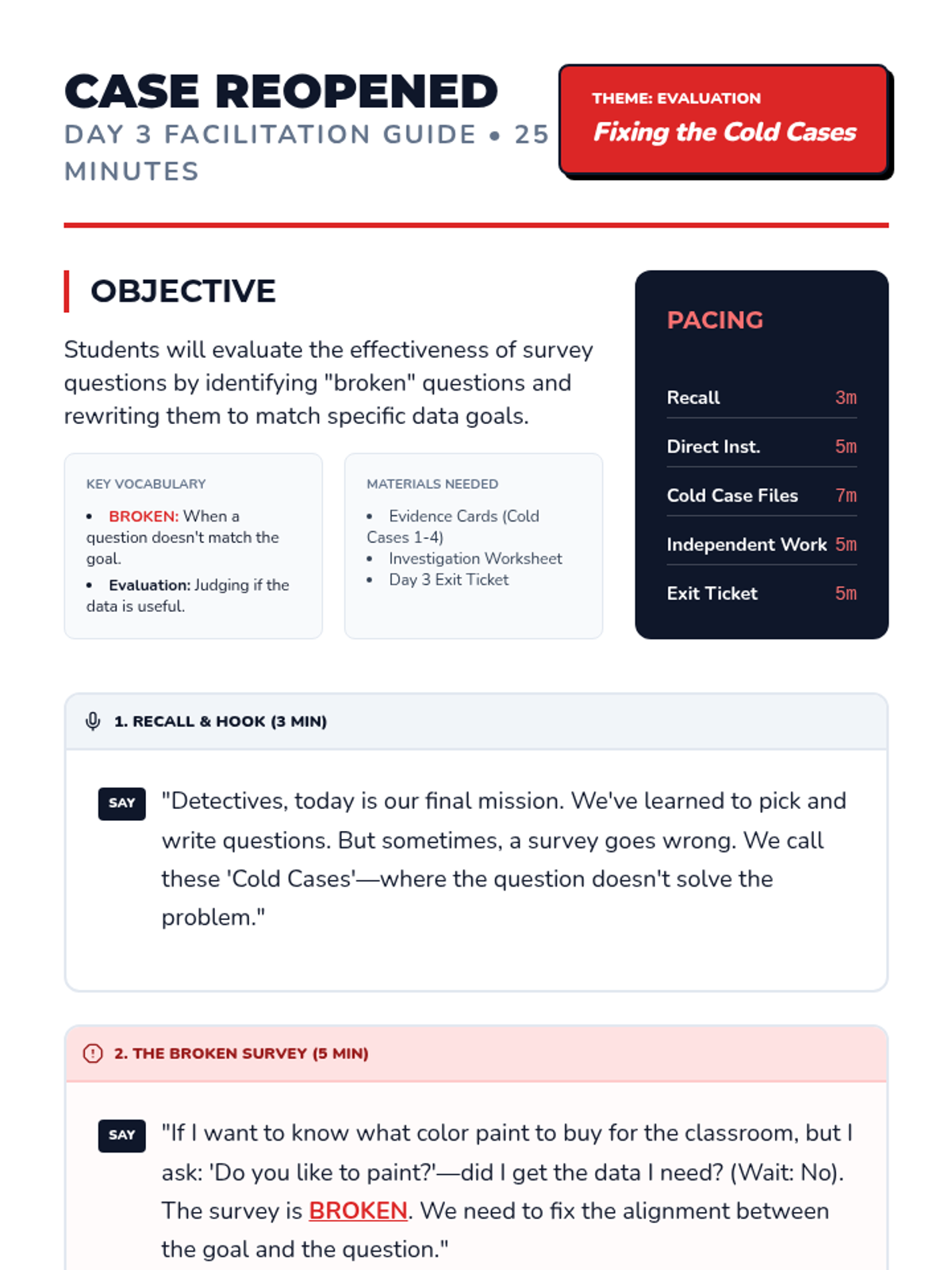
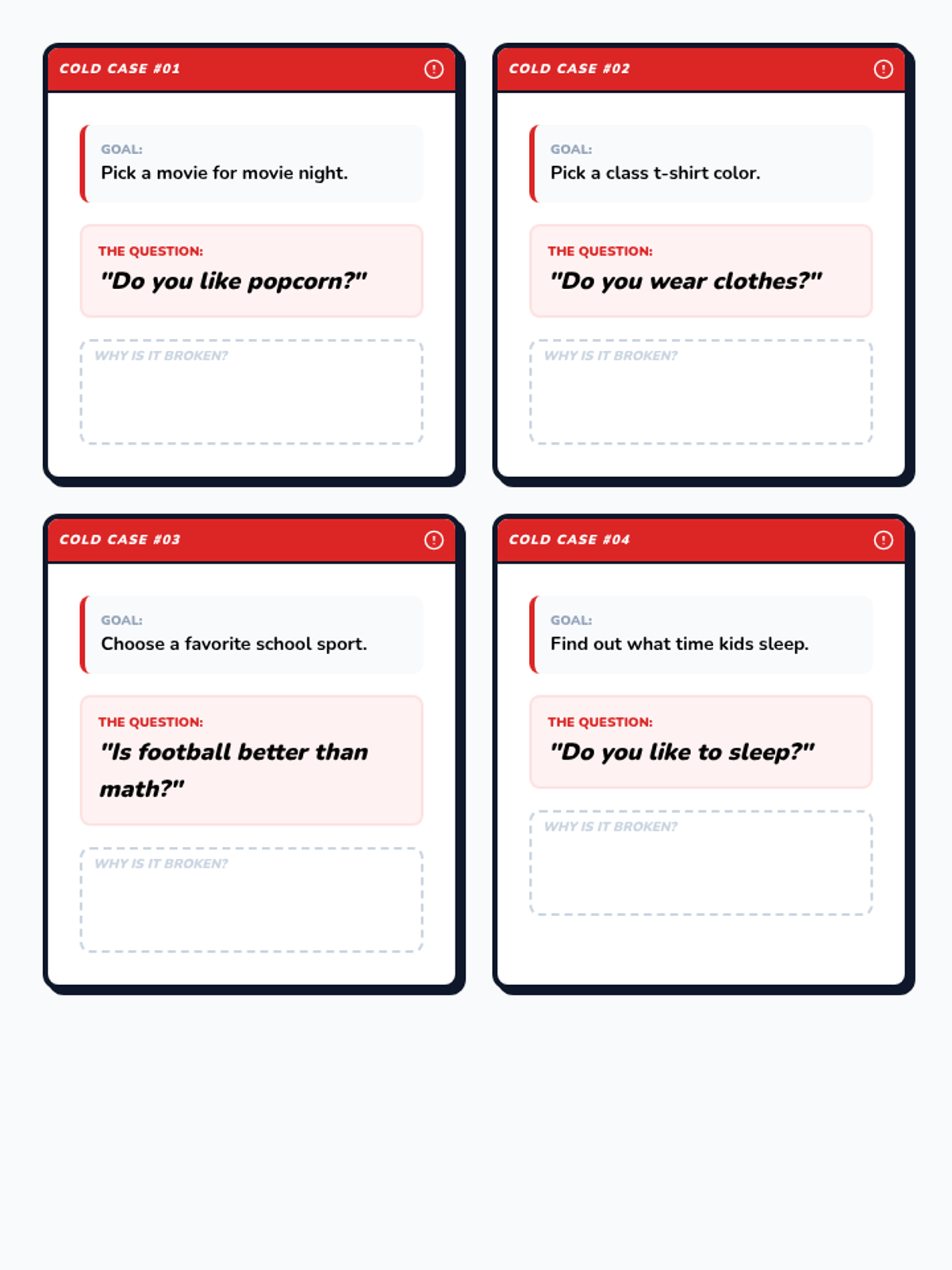
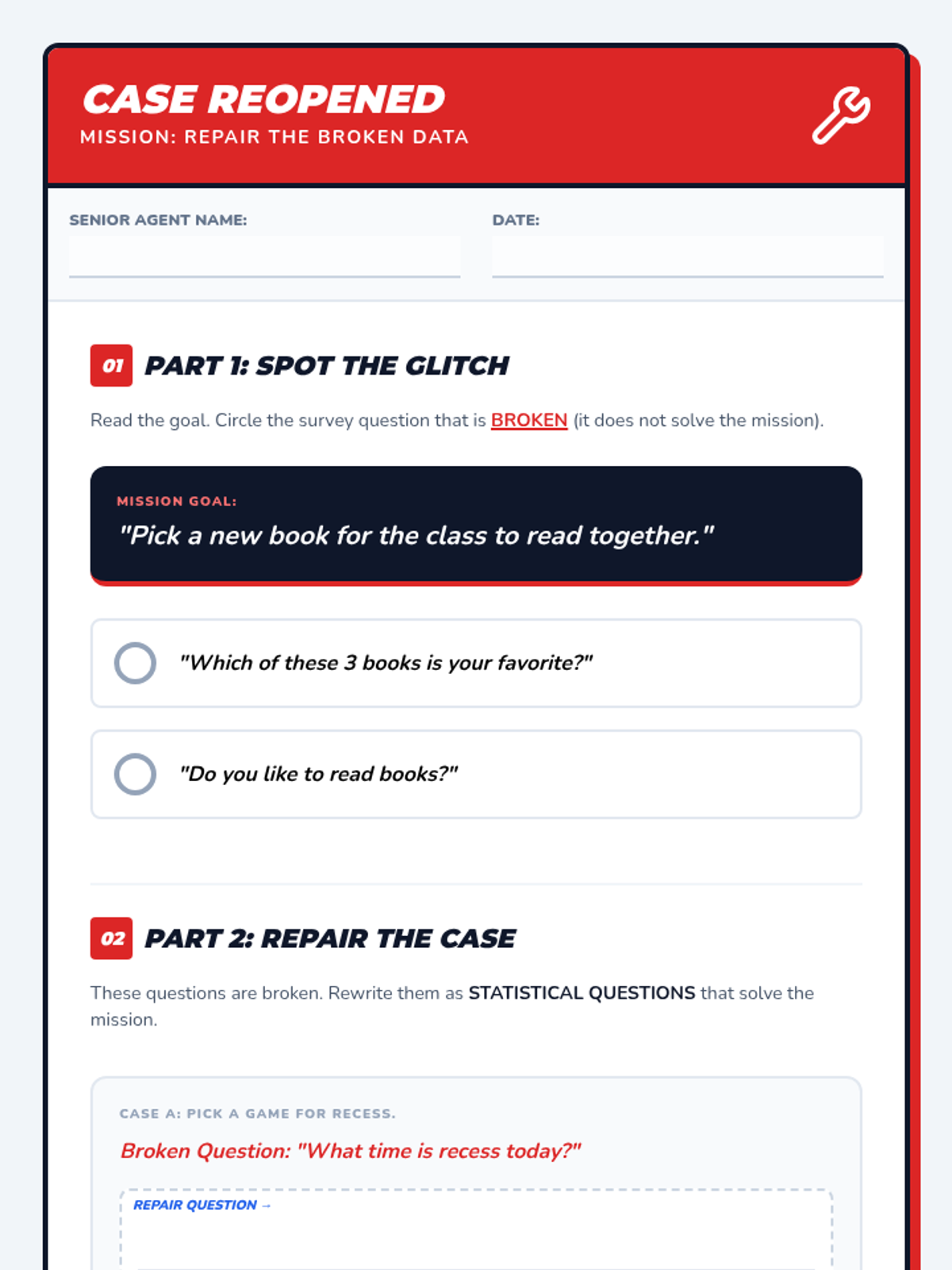
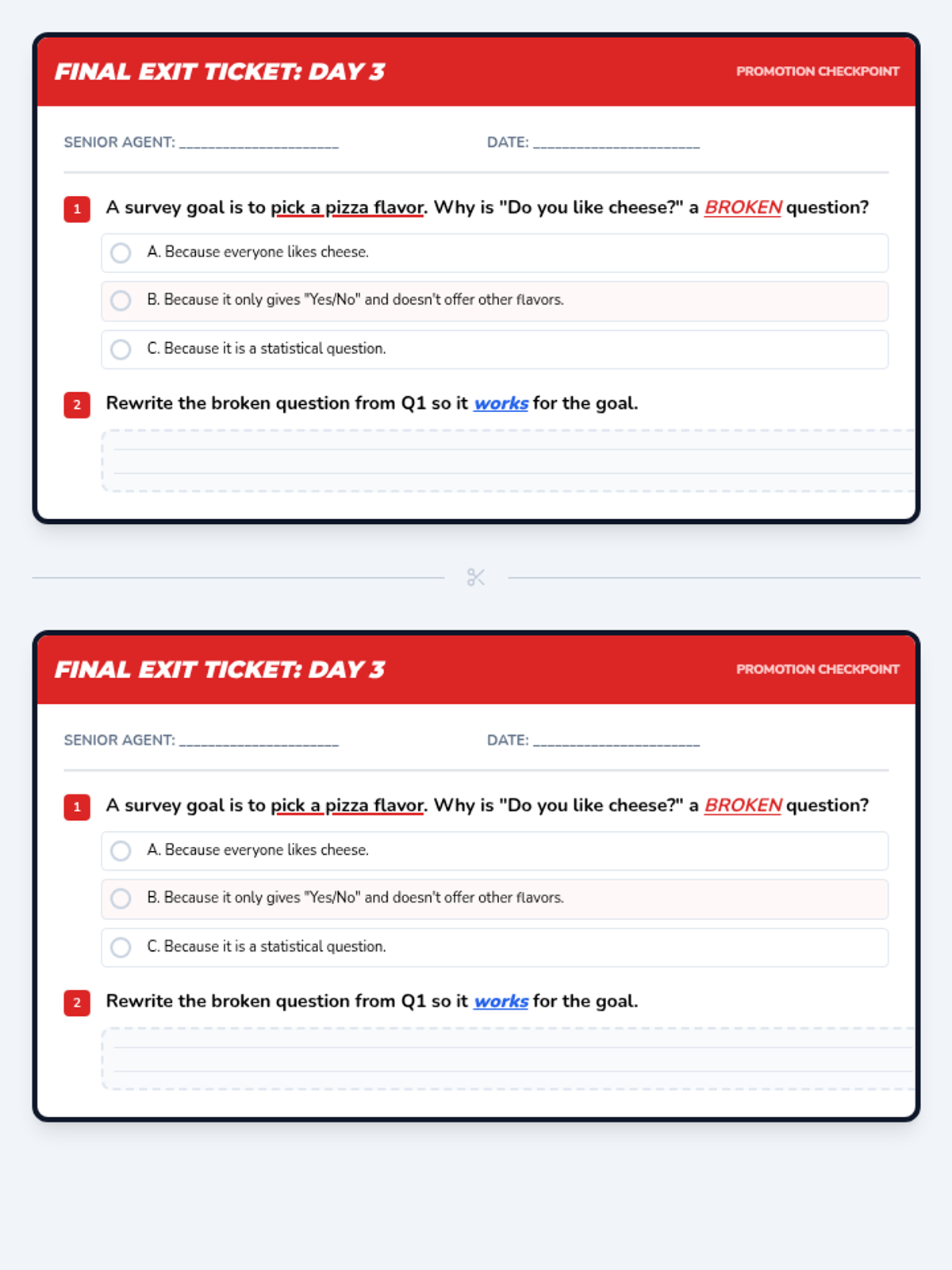
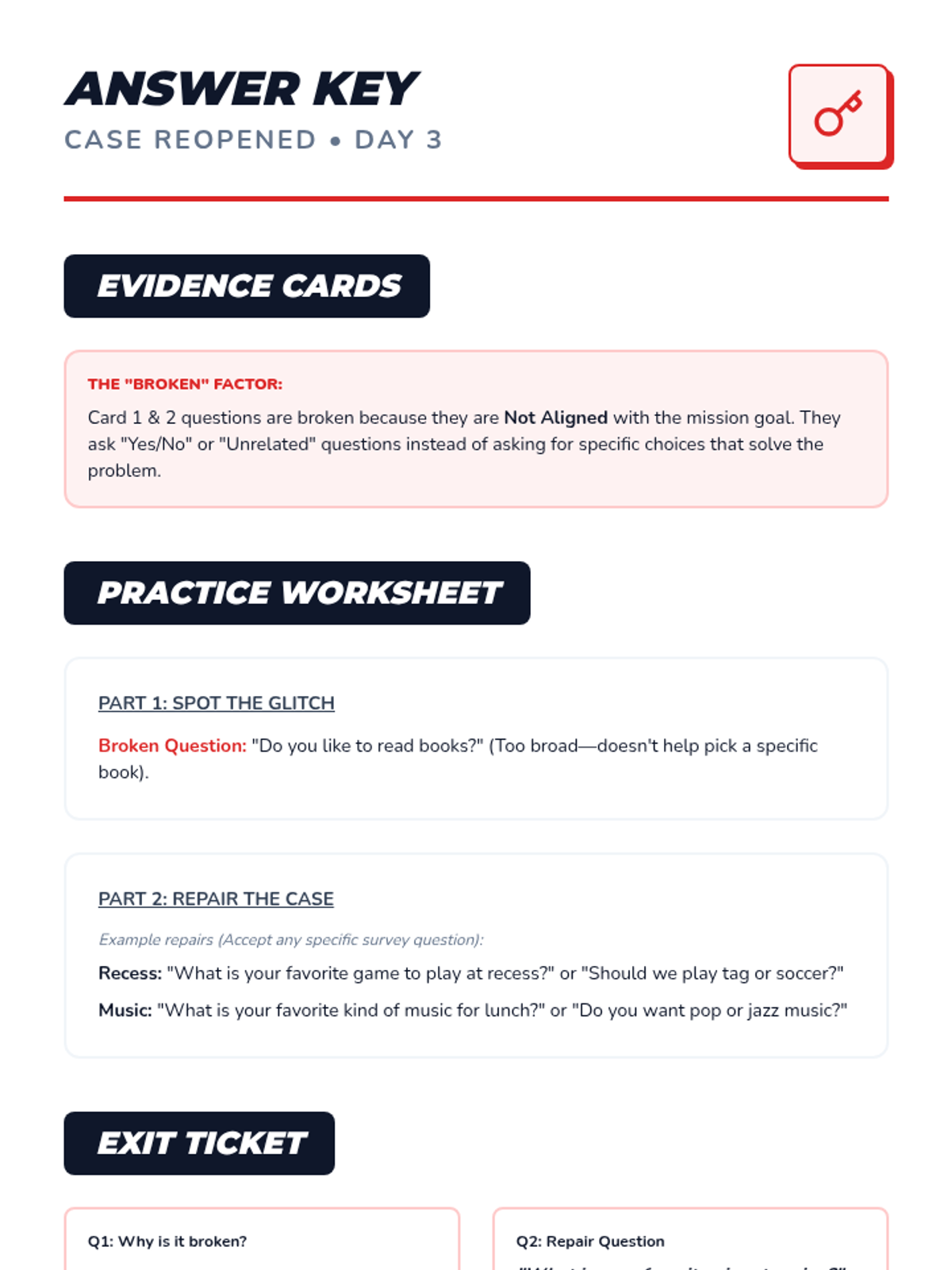
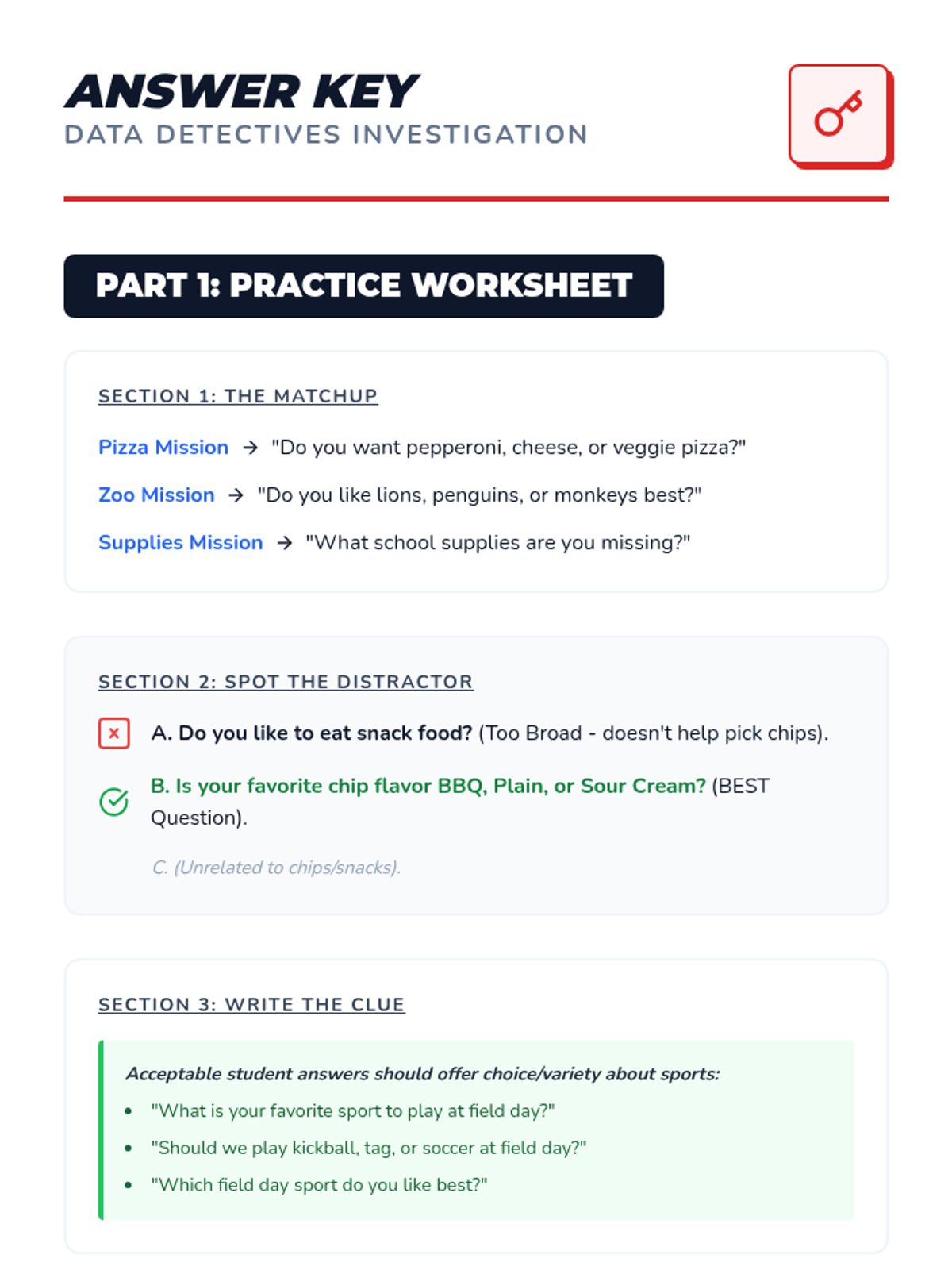
The final mission where students evaluate the effectiveness of data collection. They analyze "broken" surveys where the question didn't match the goal and practice rewriting them for accuracy.
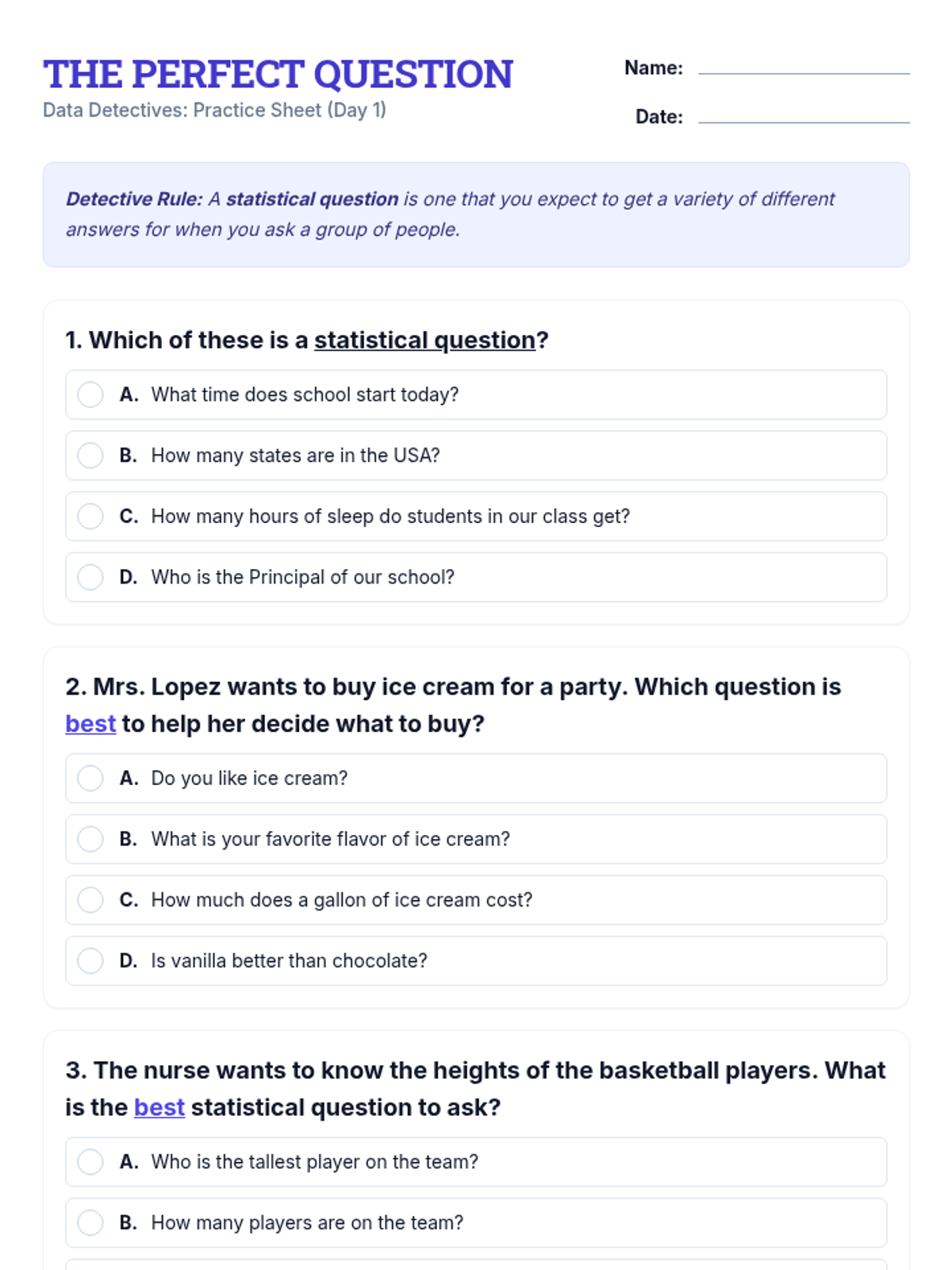
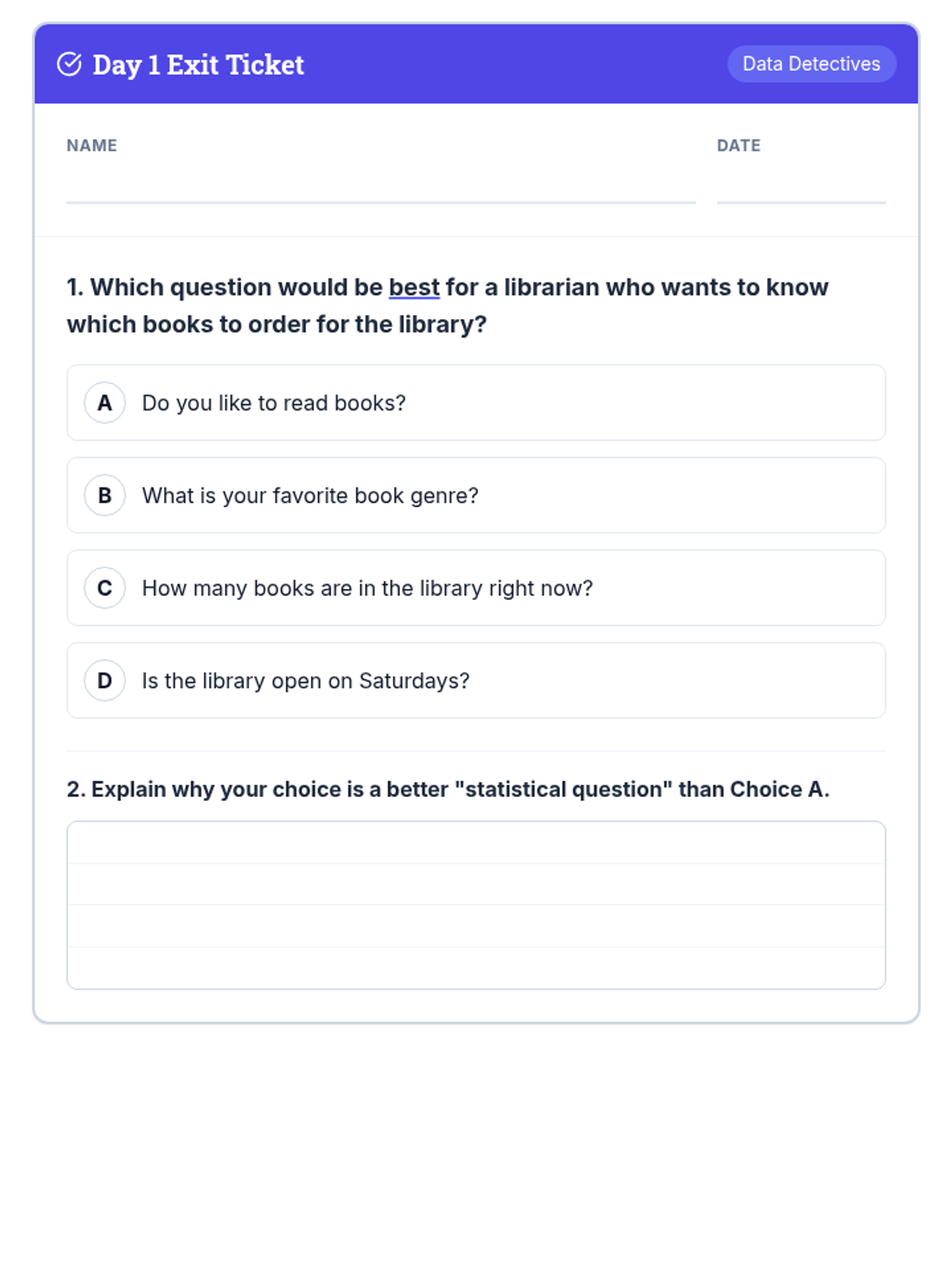
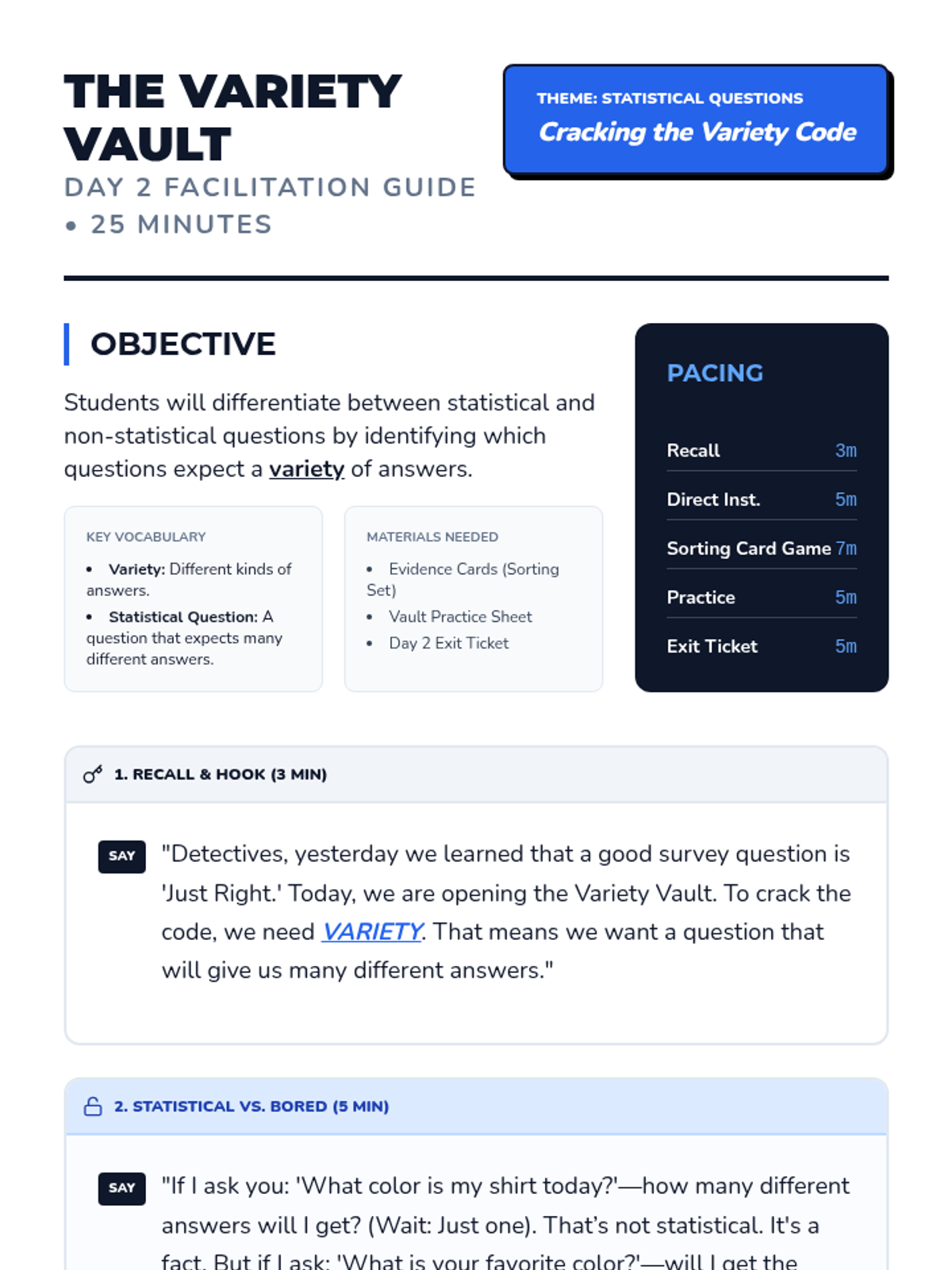
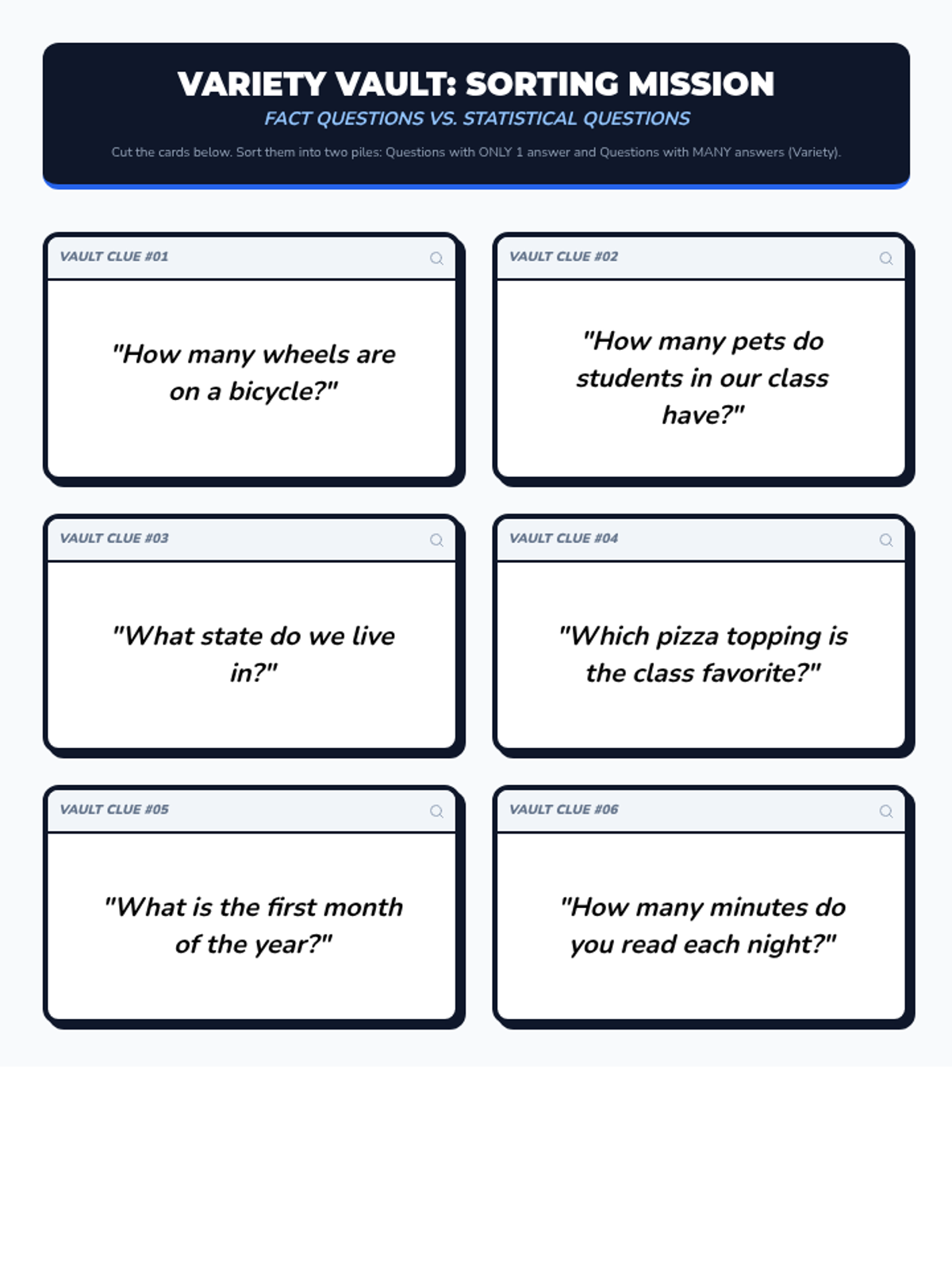
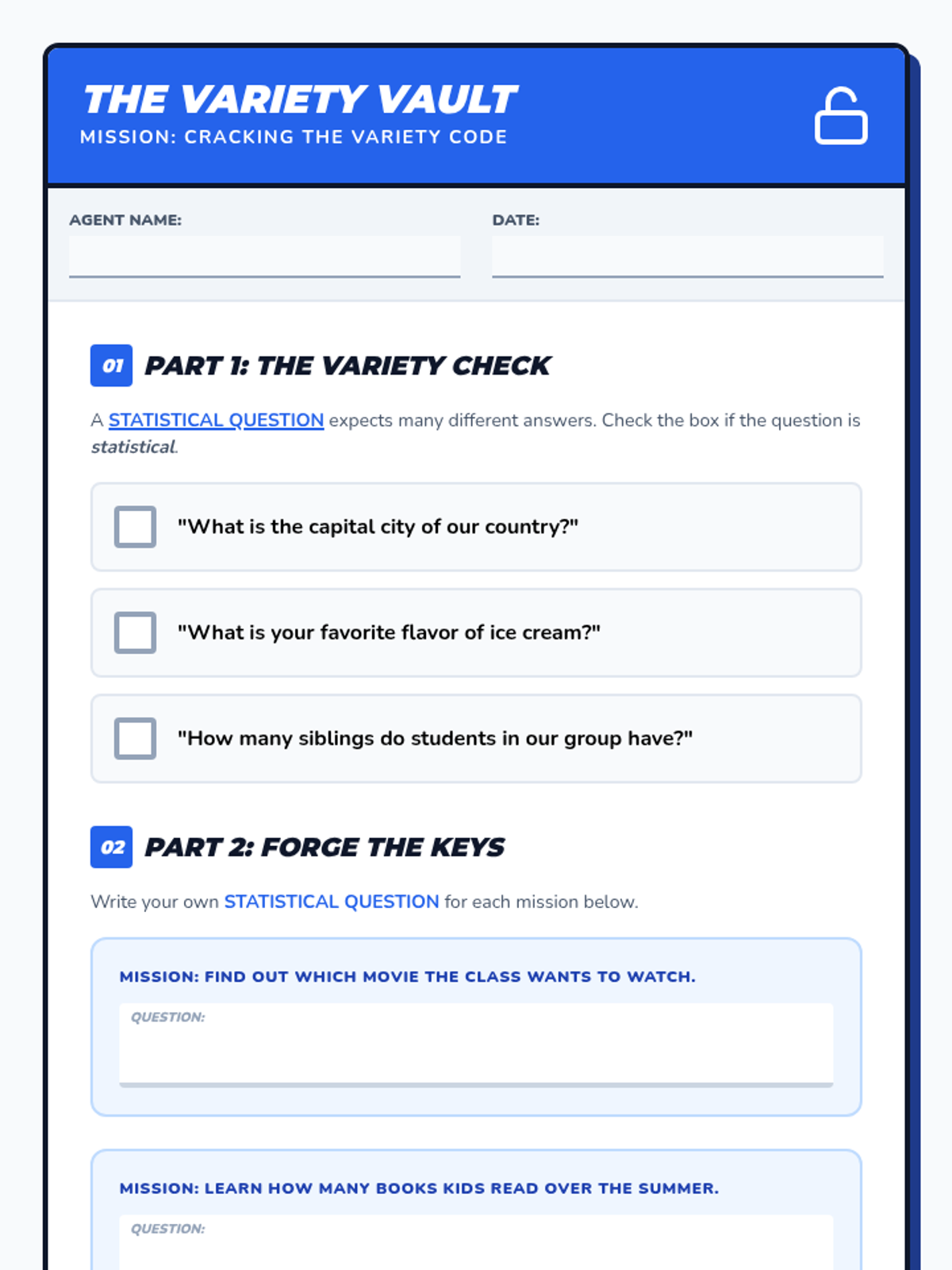
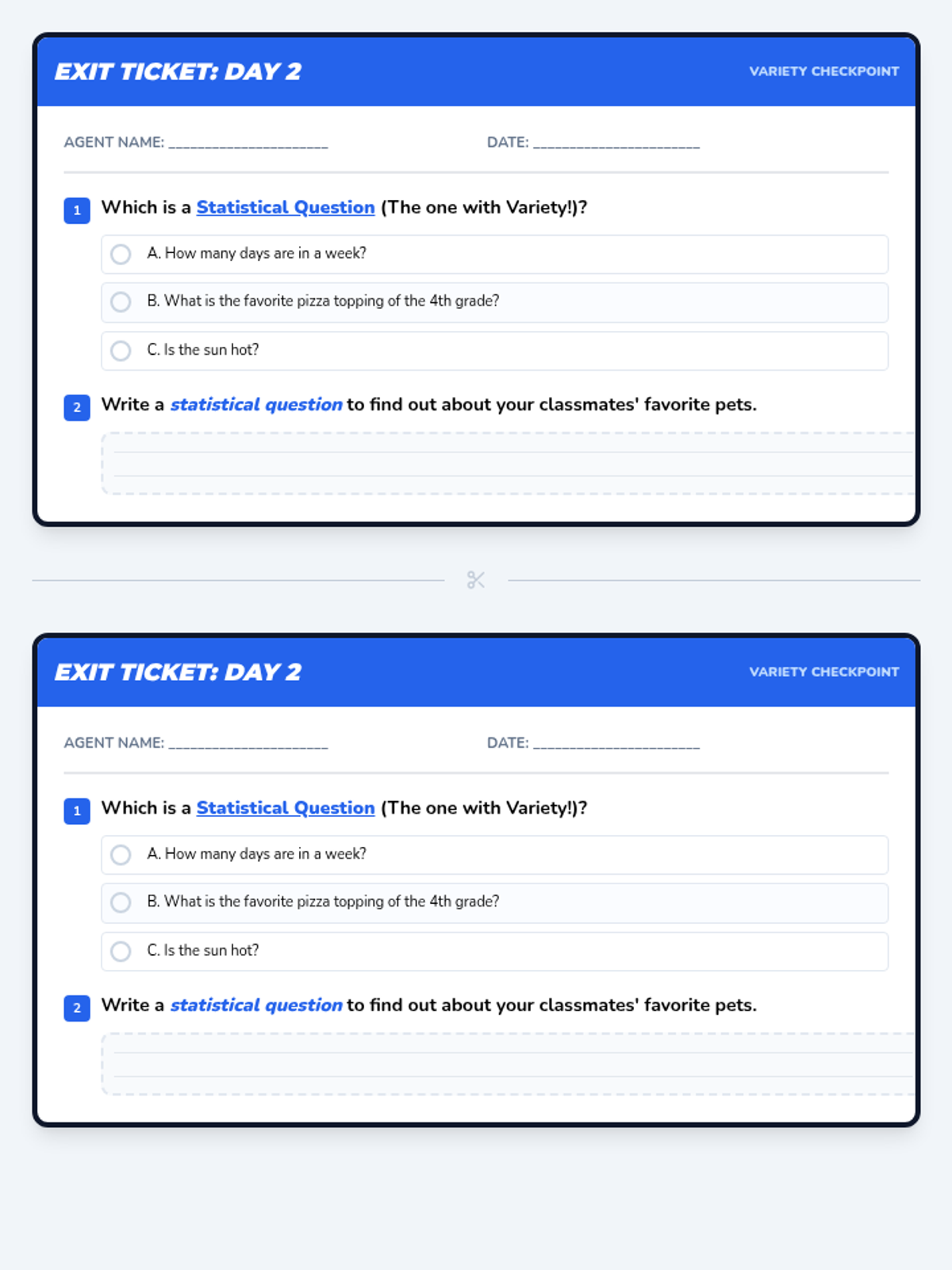
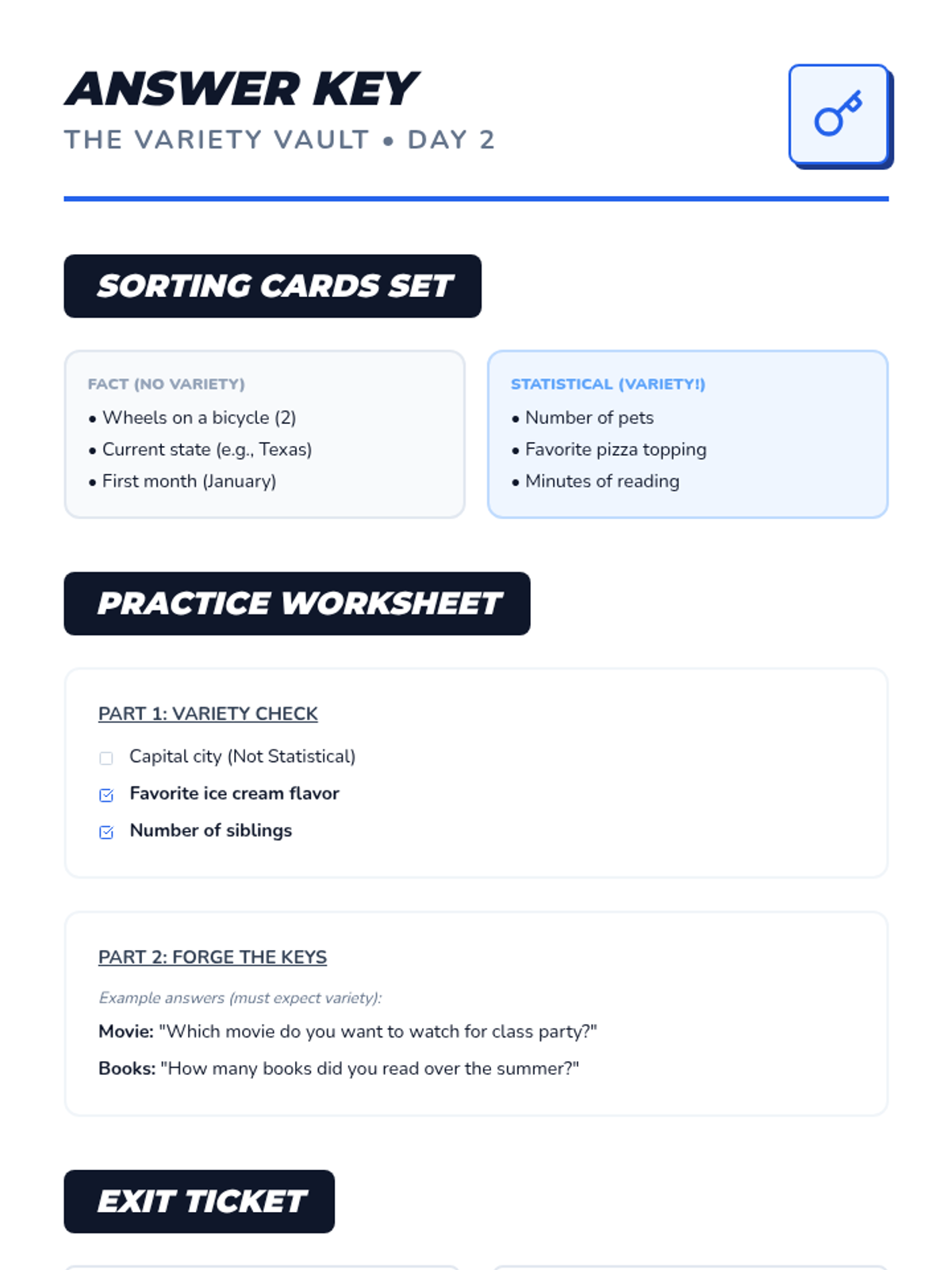
Focuses on differentiating between statistical and non-statistical questions. Students learn that a good survey question must expect a variety of answers to be useful for data collection.
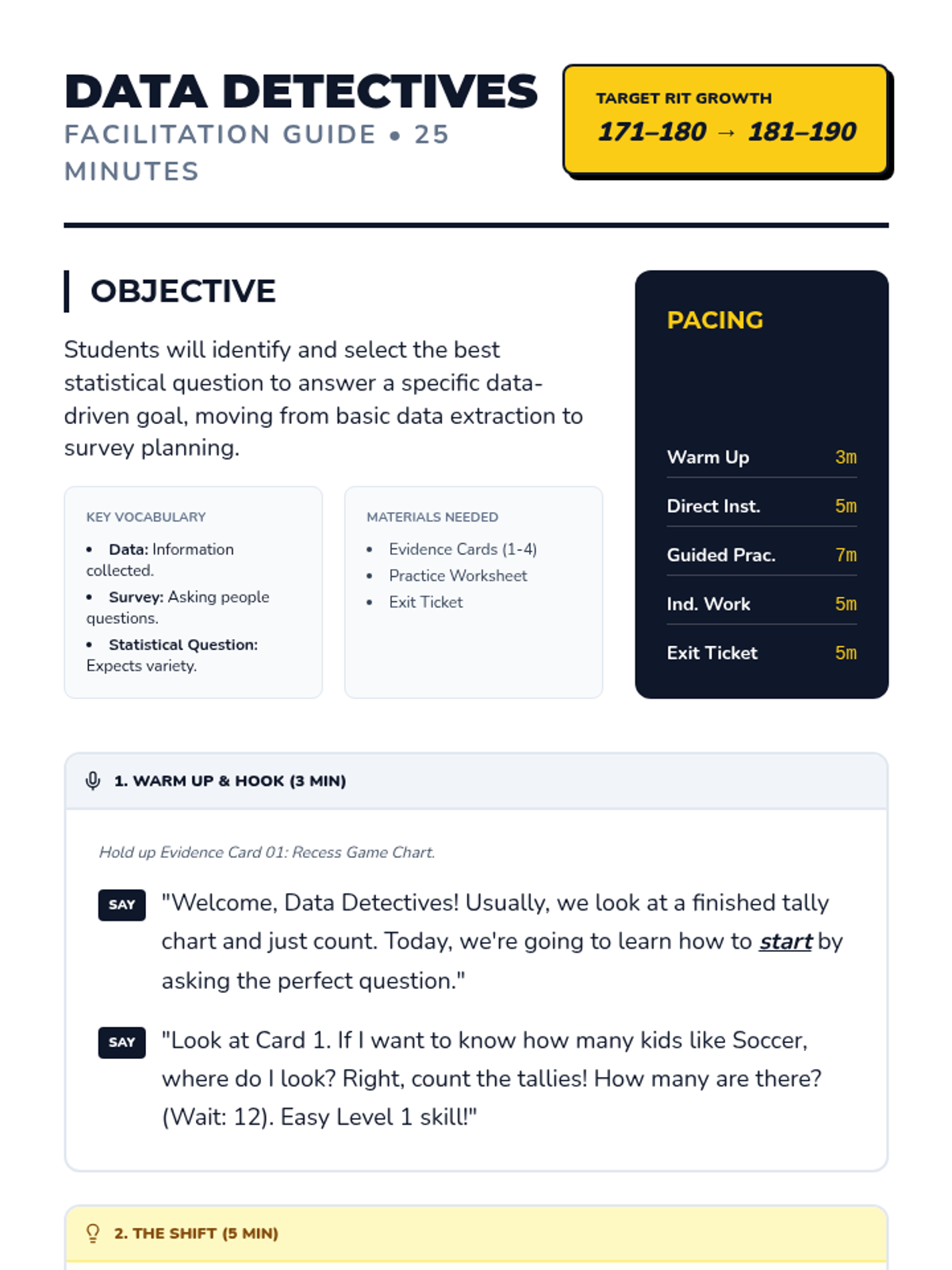
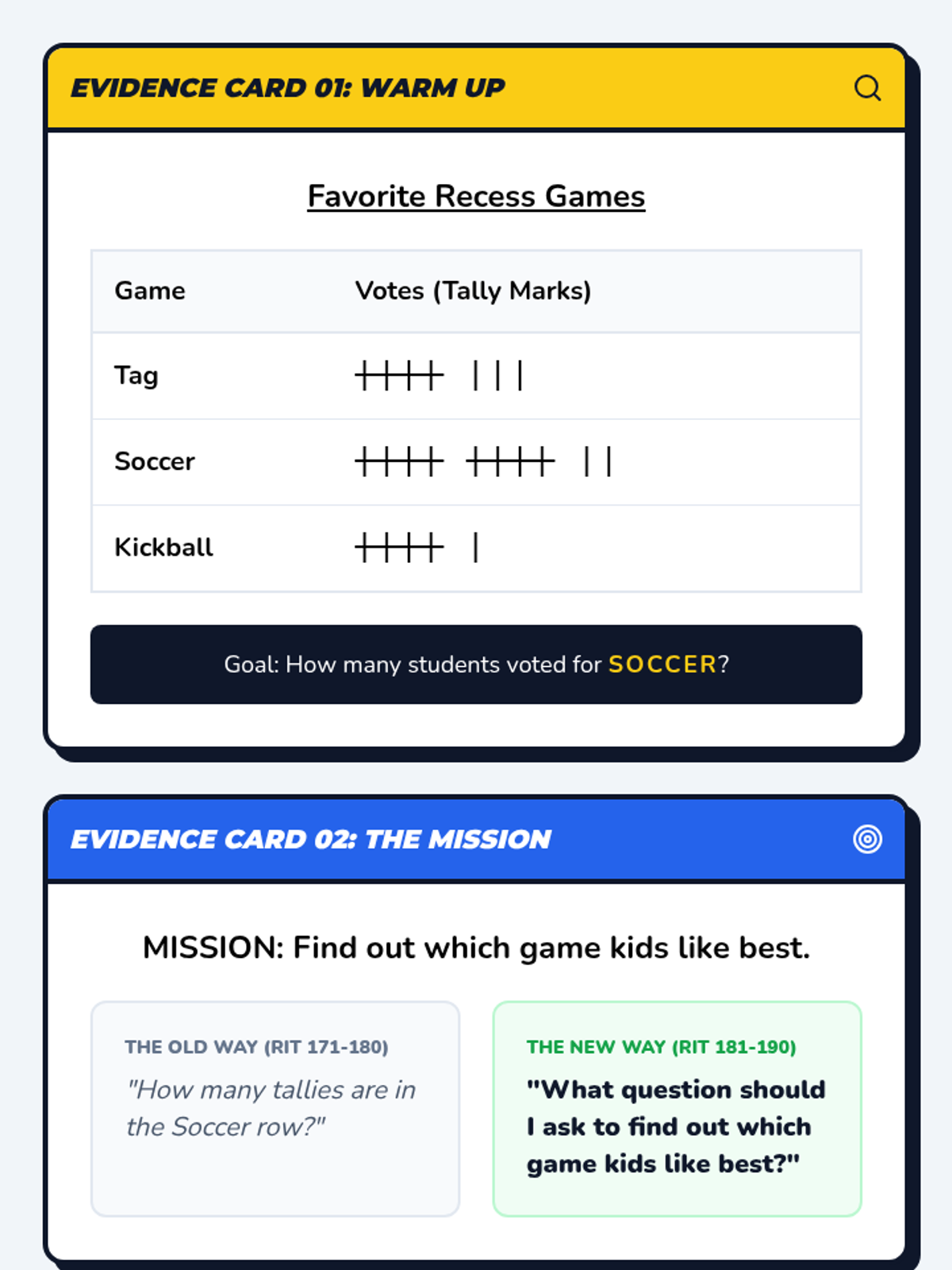
A 25-minute small group lesson designed to move students from RIT 171-180 to 181-190 by shifting from basic data interpretation to formulating and selecting effective statistical questions.
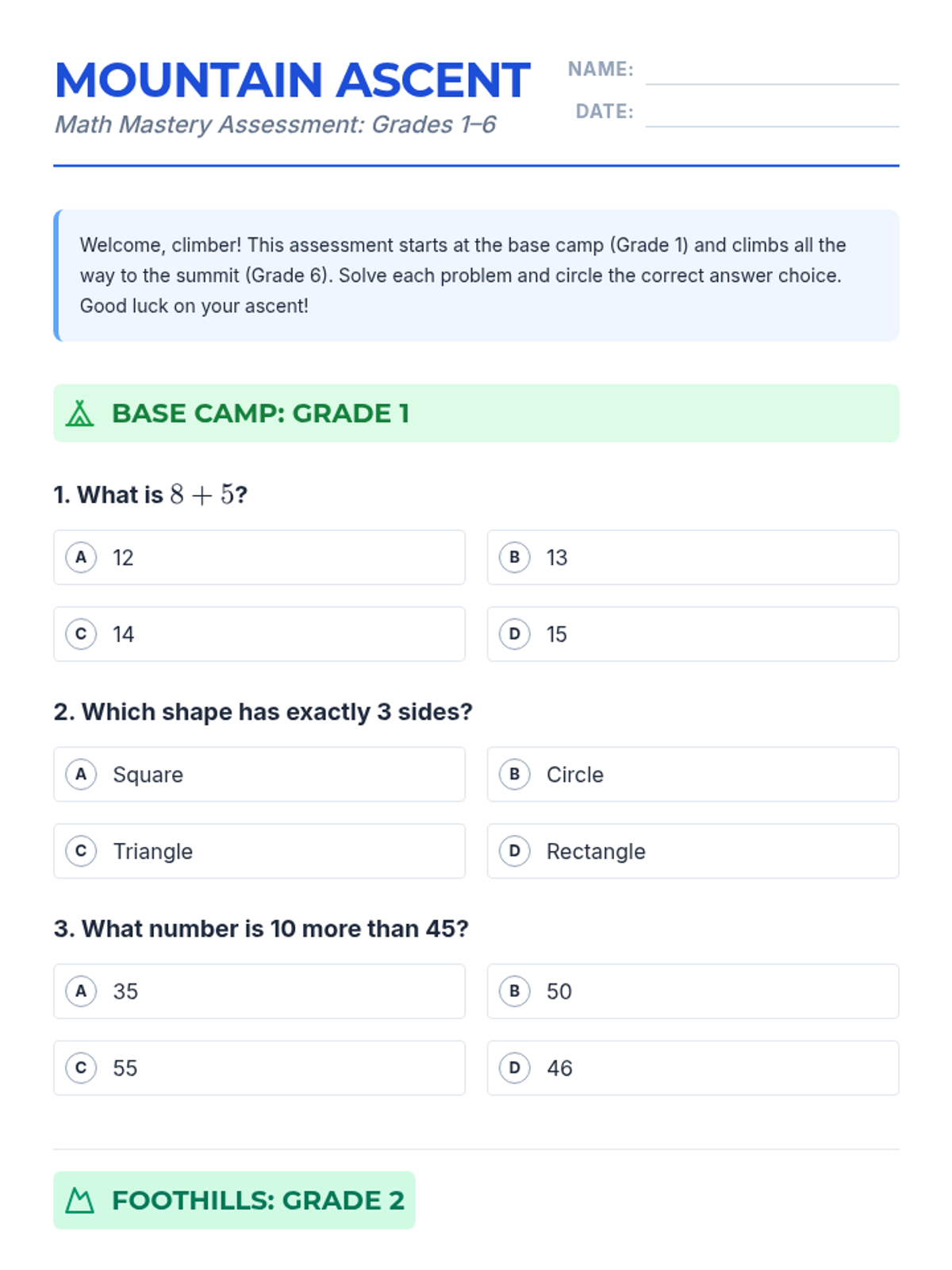
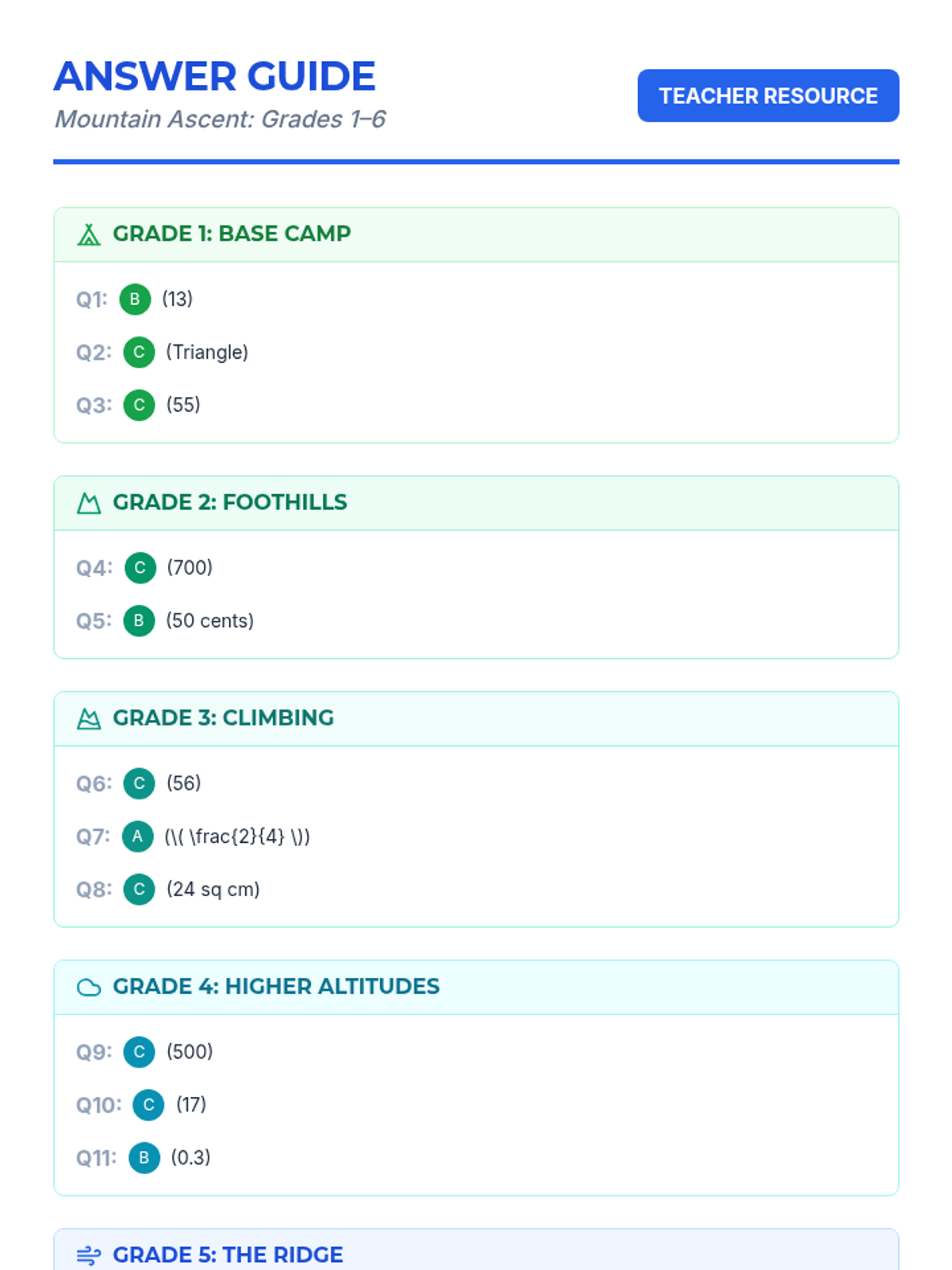
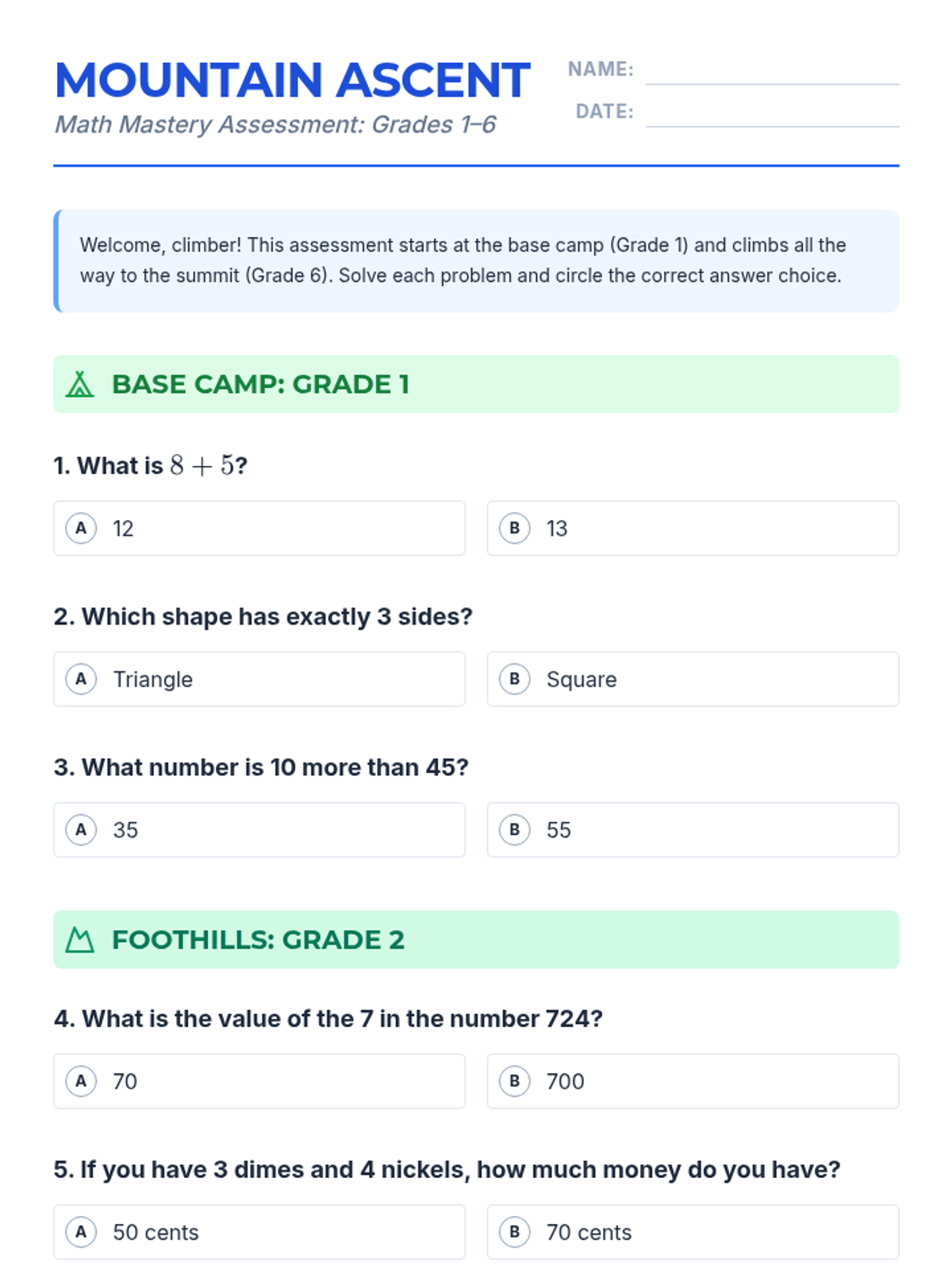
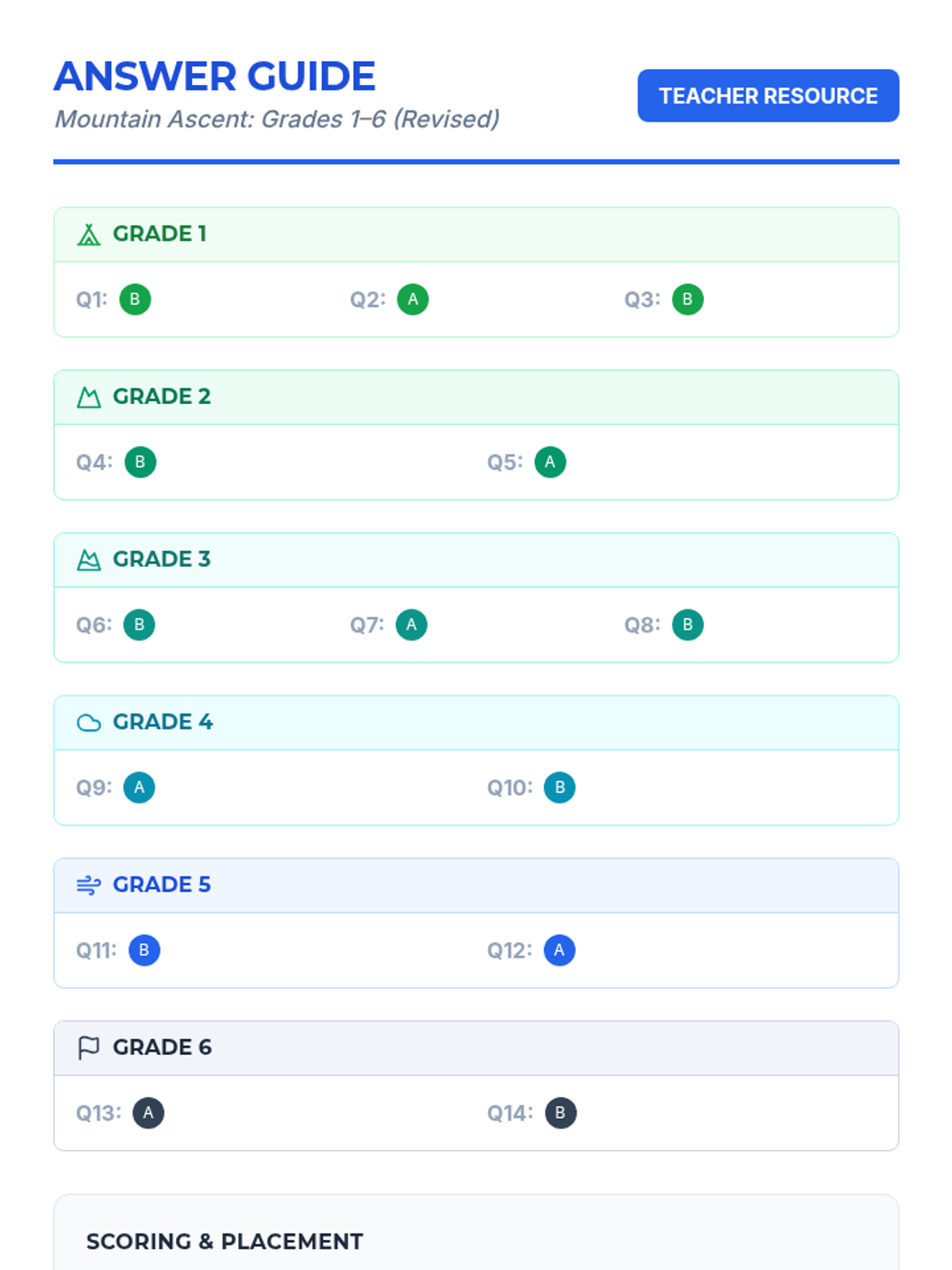
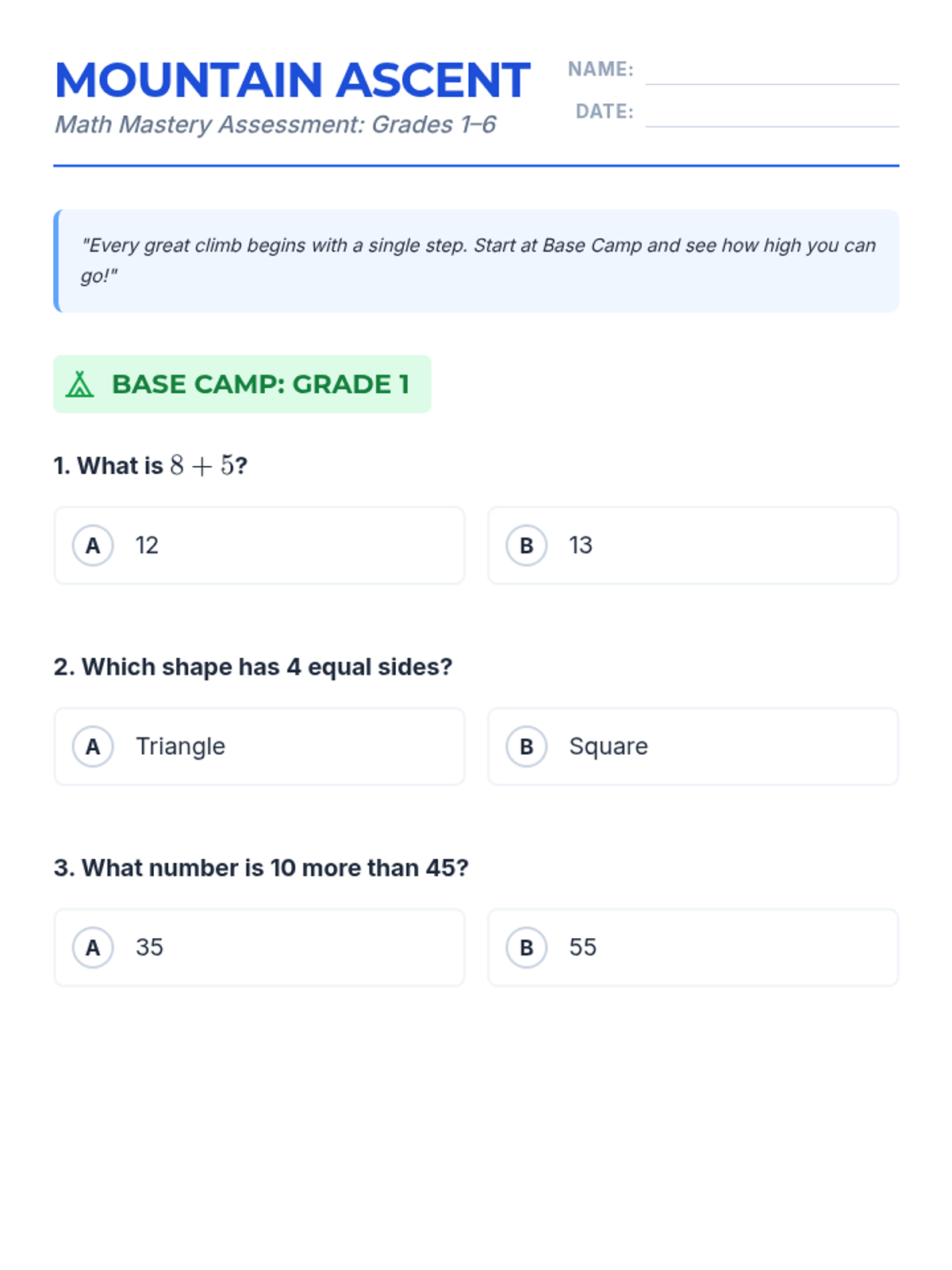
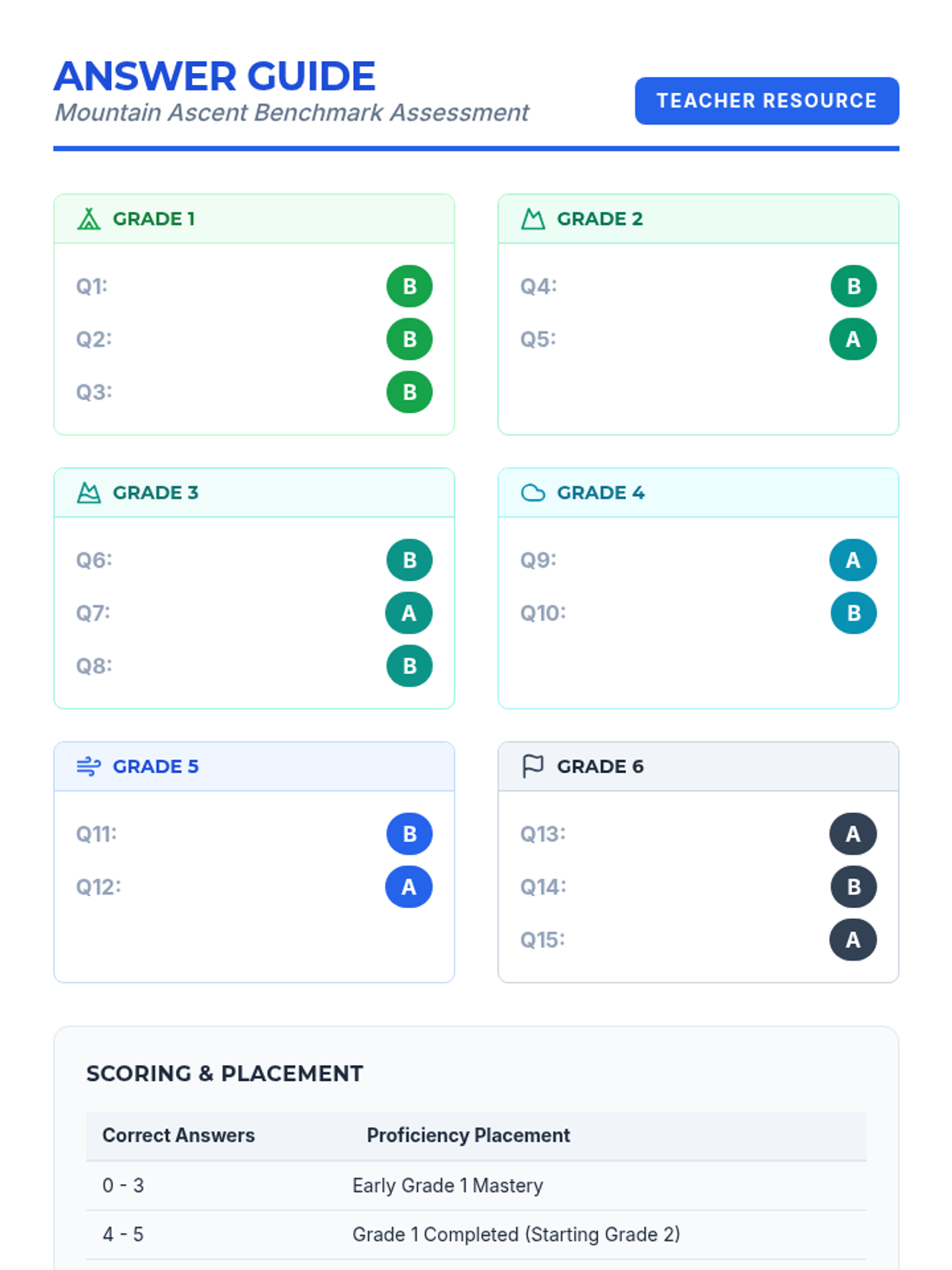
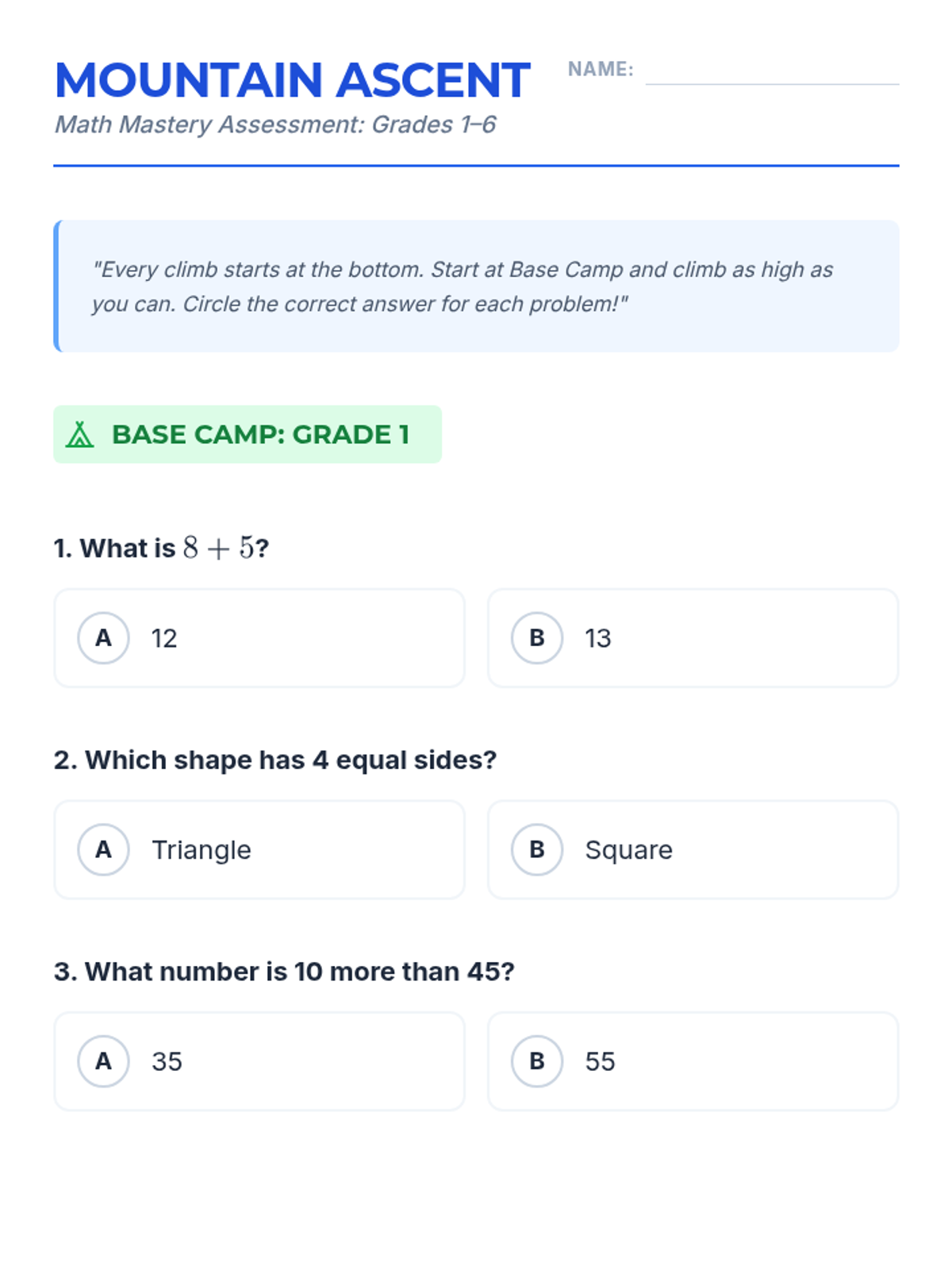
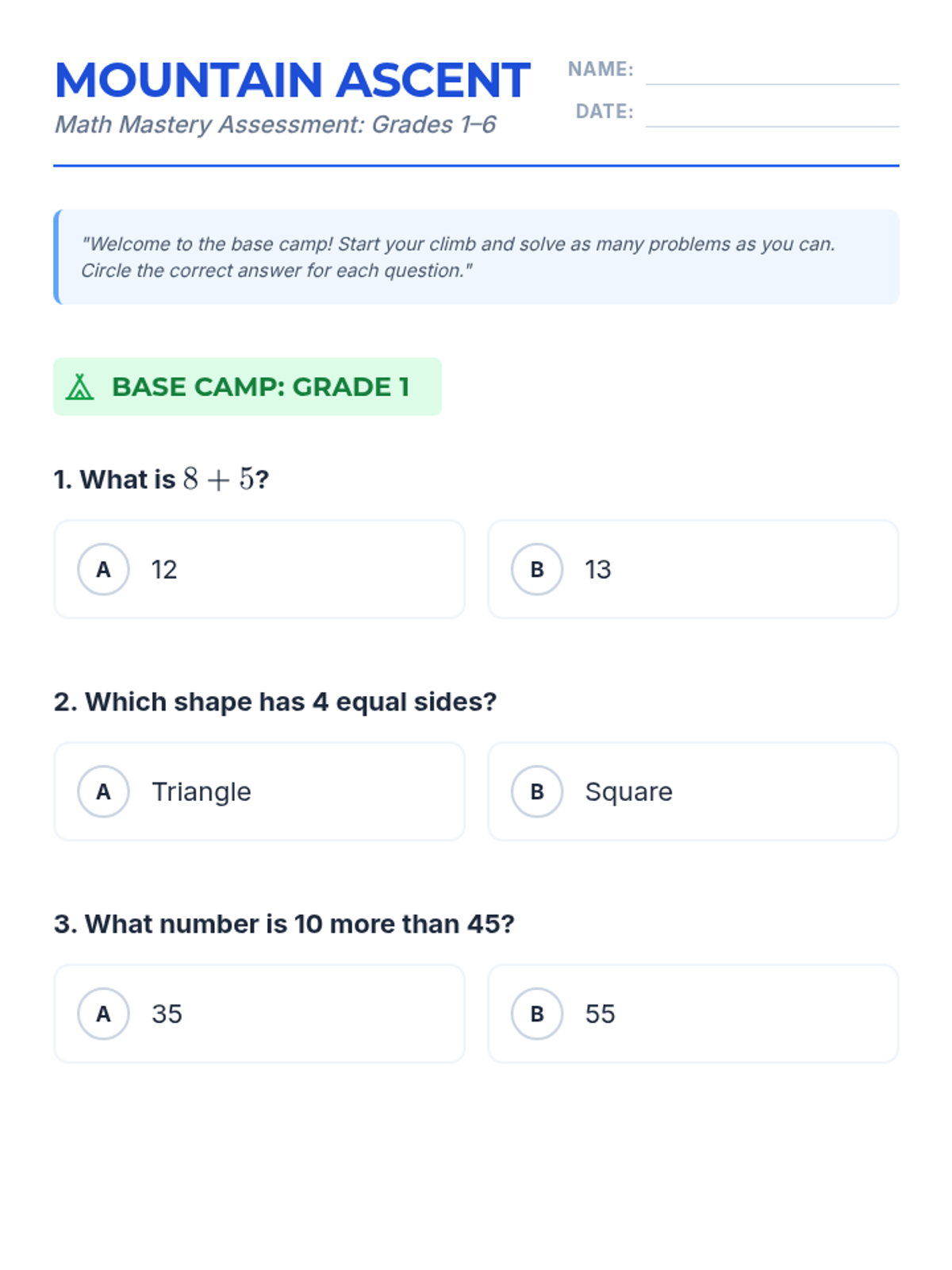
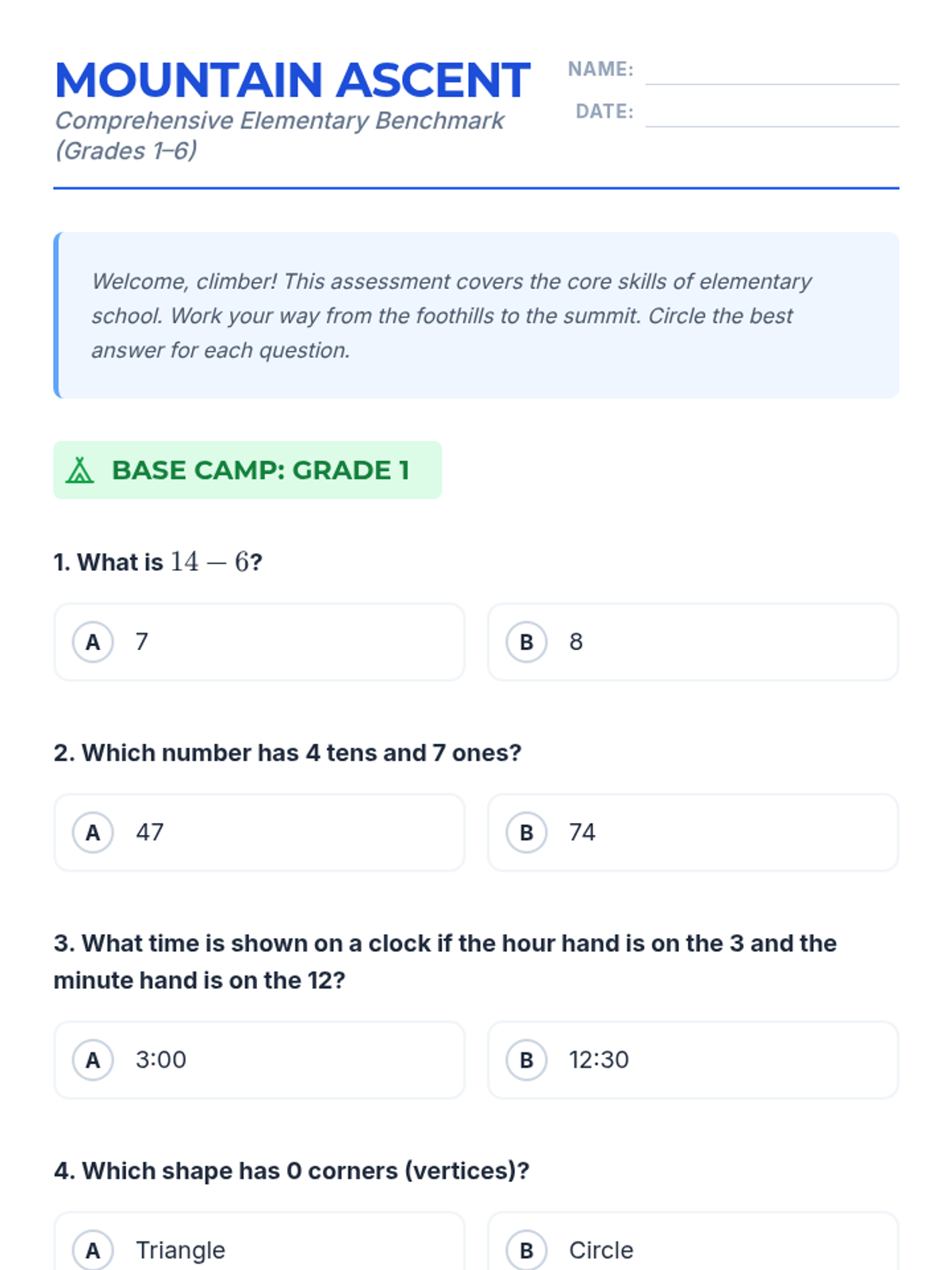
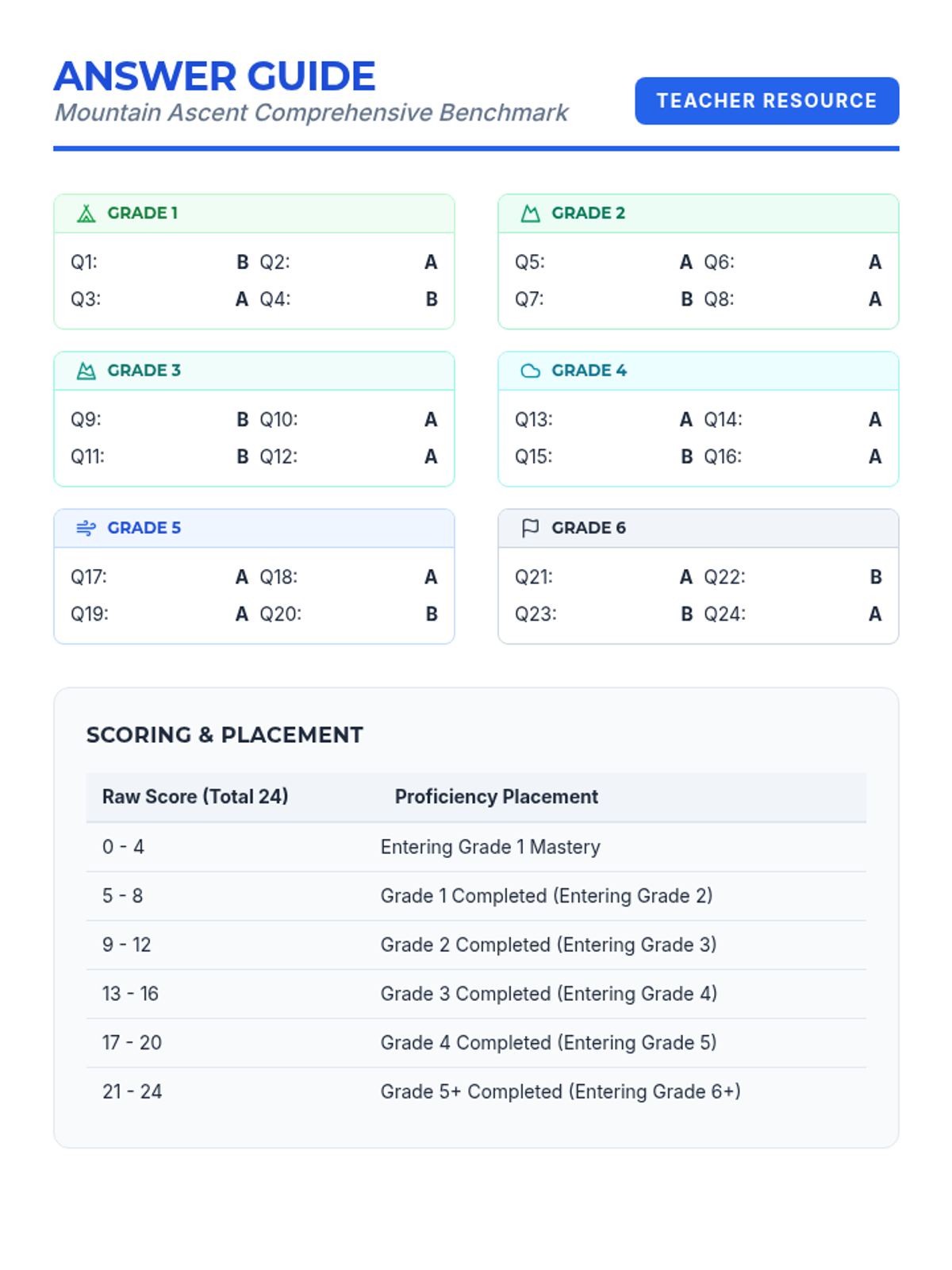
A comprehensive math benchmark assessment covering key standards from Grade 1 through Grade 6, designed to track student progress and identify skill gaps.
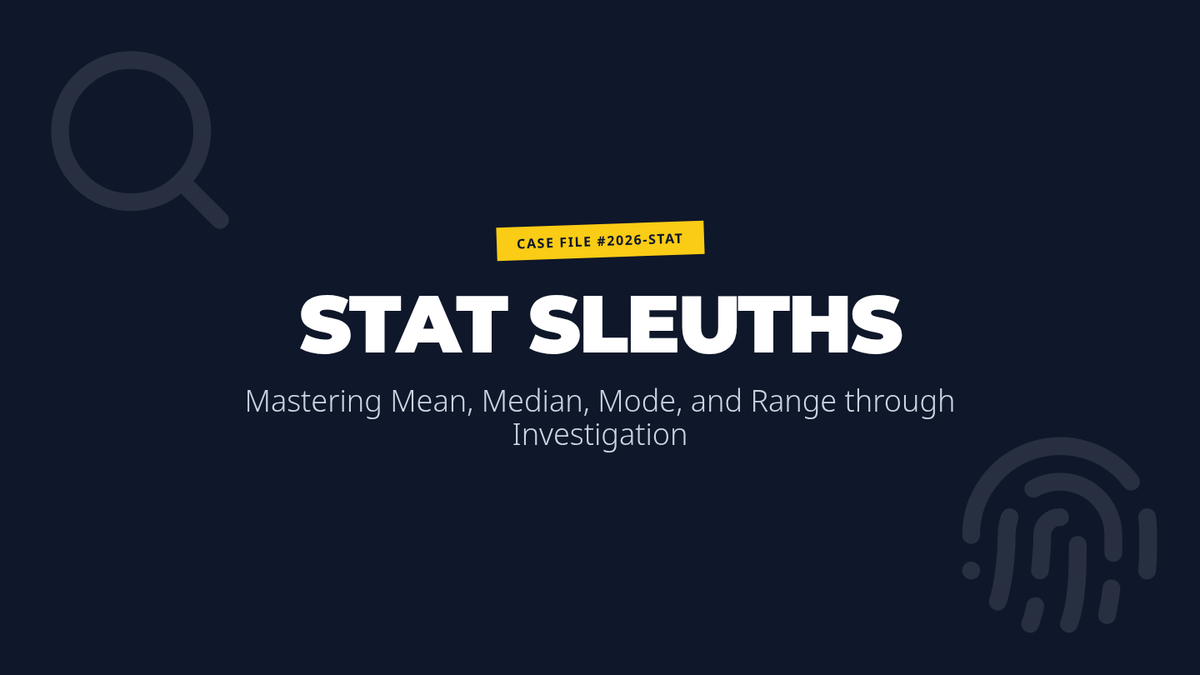
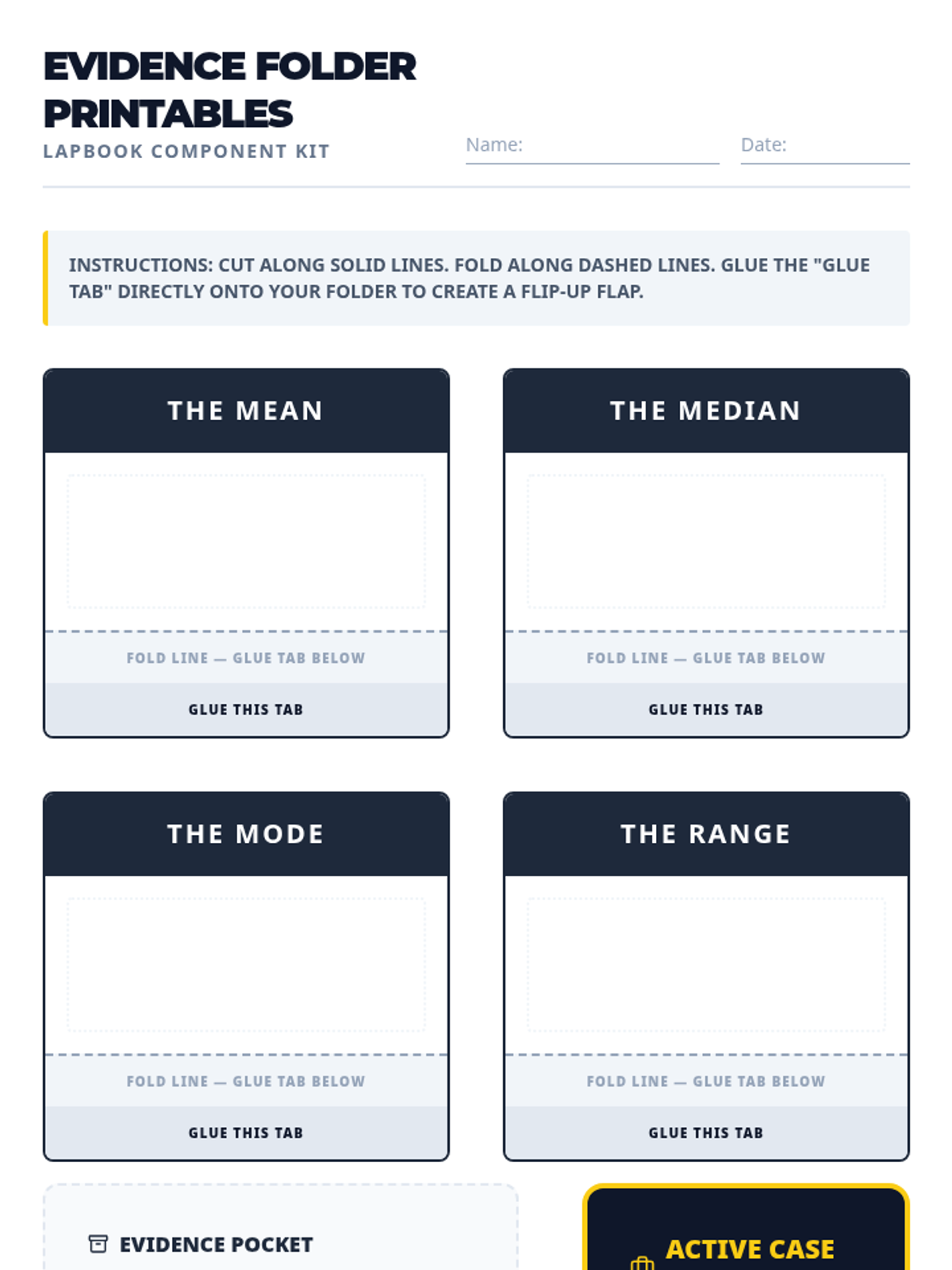
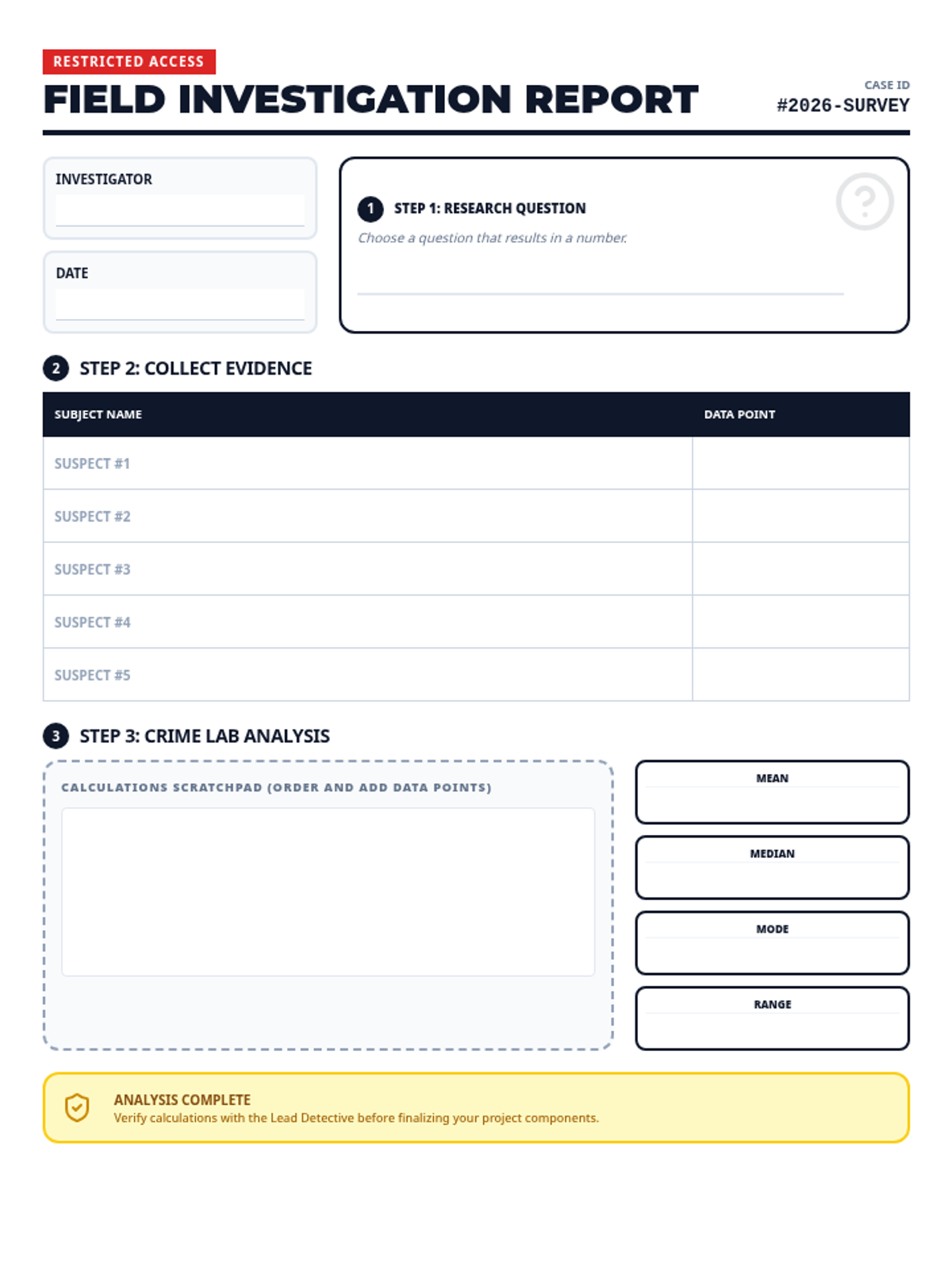
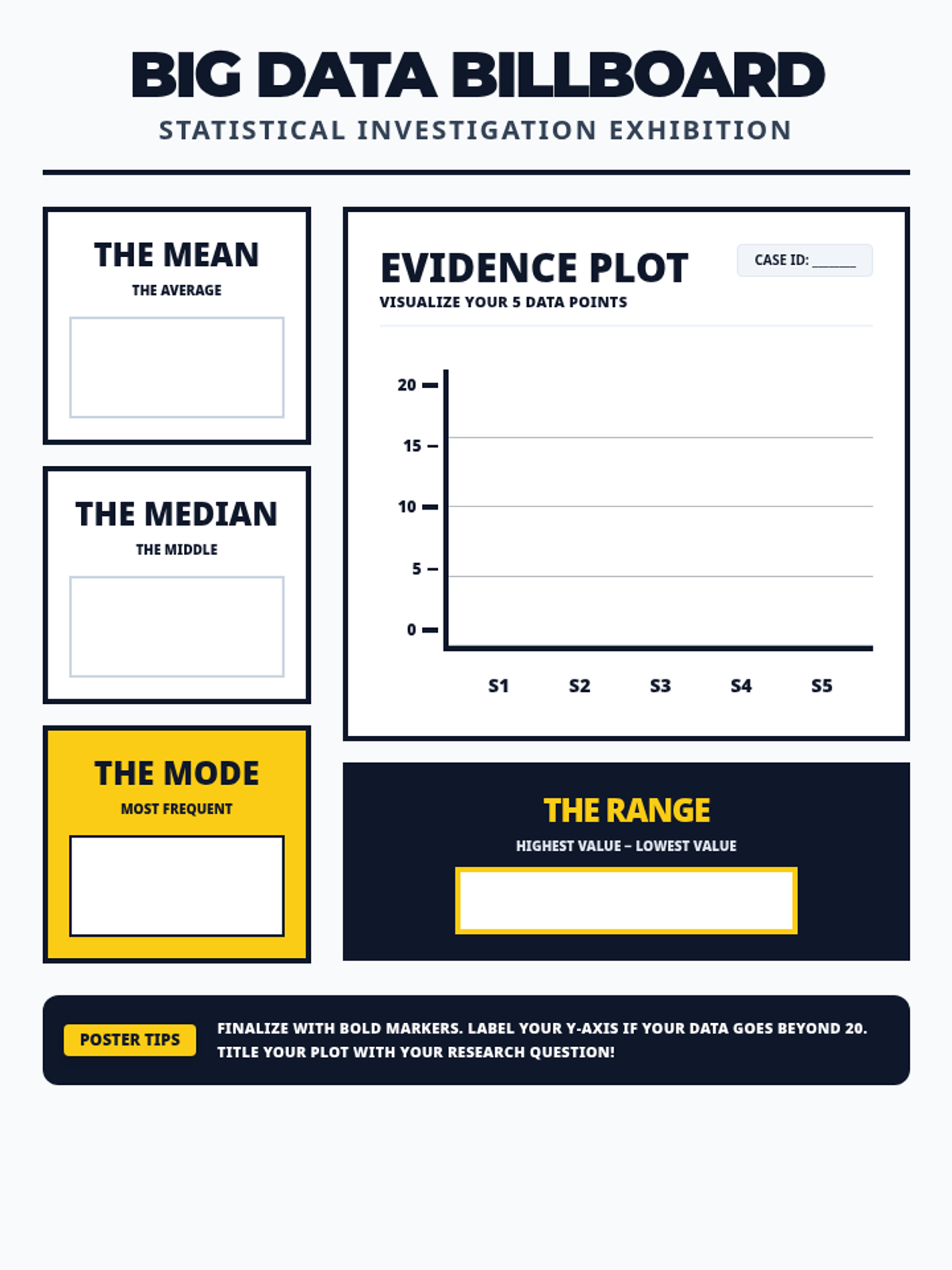
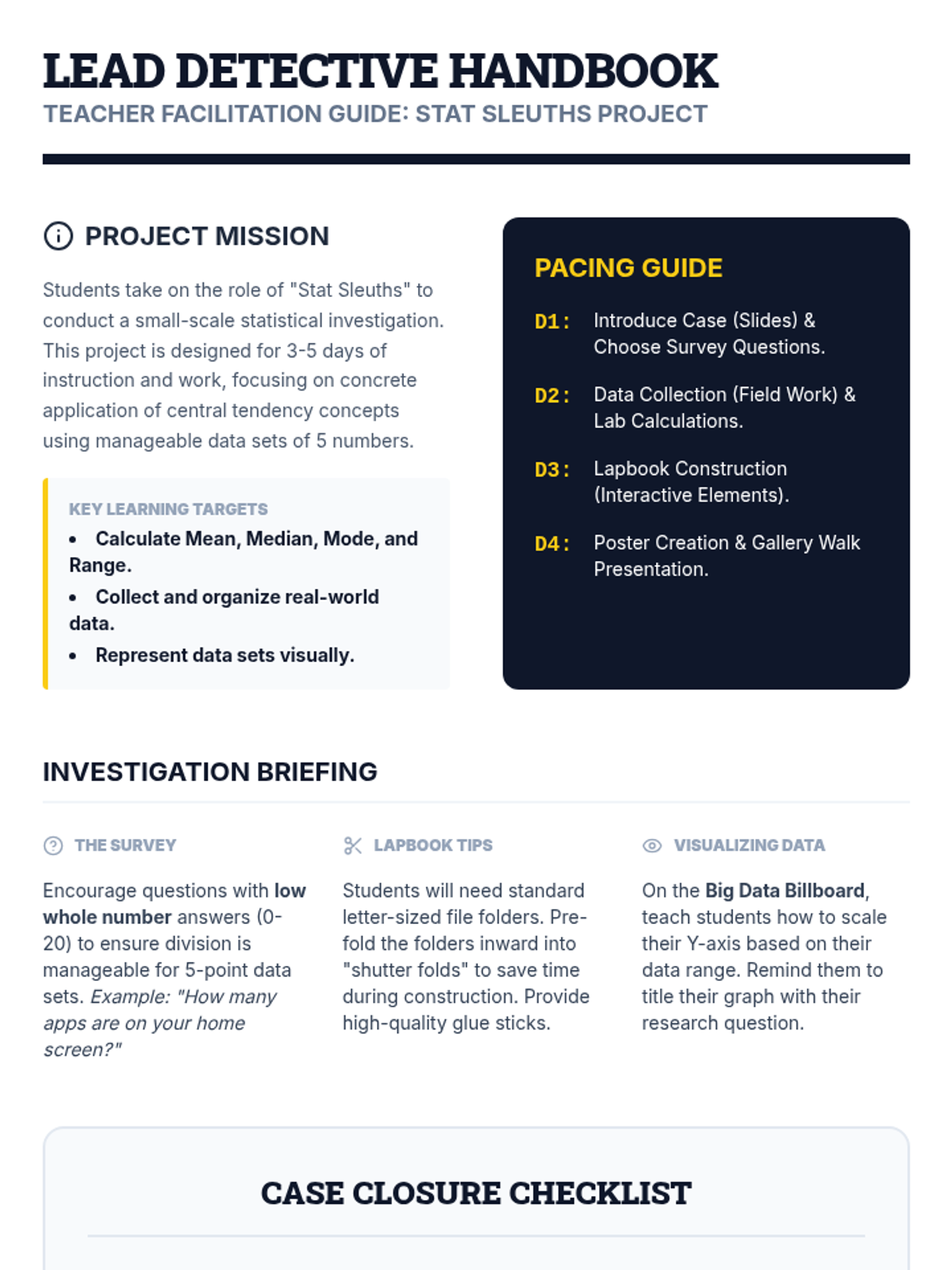
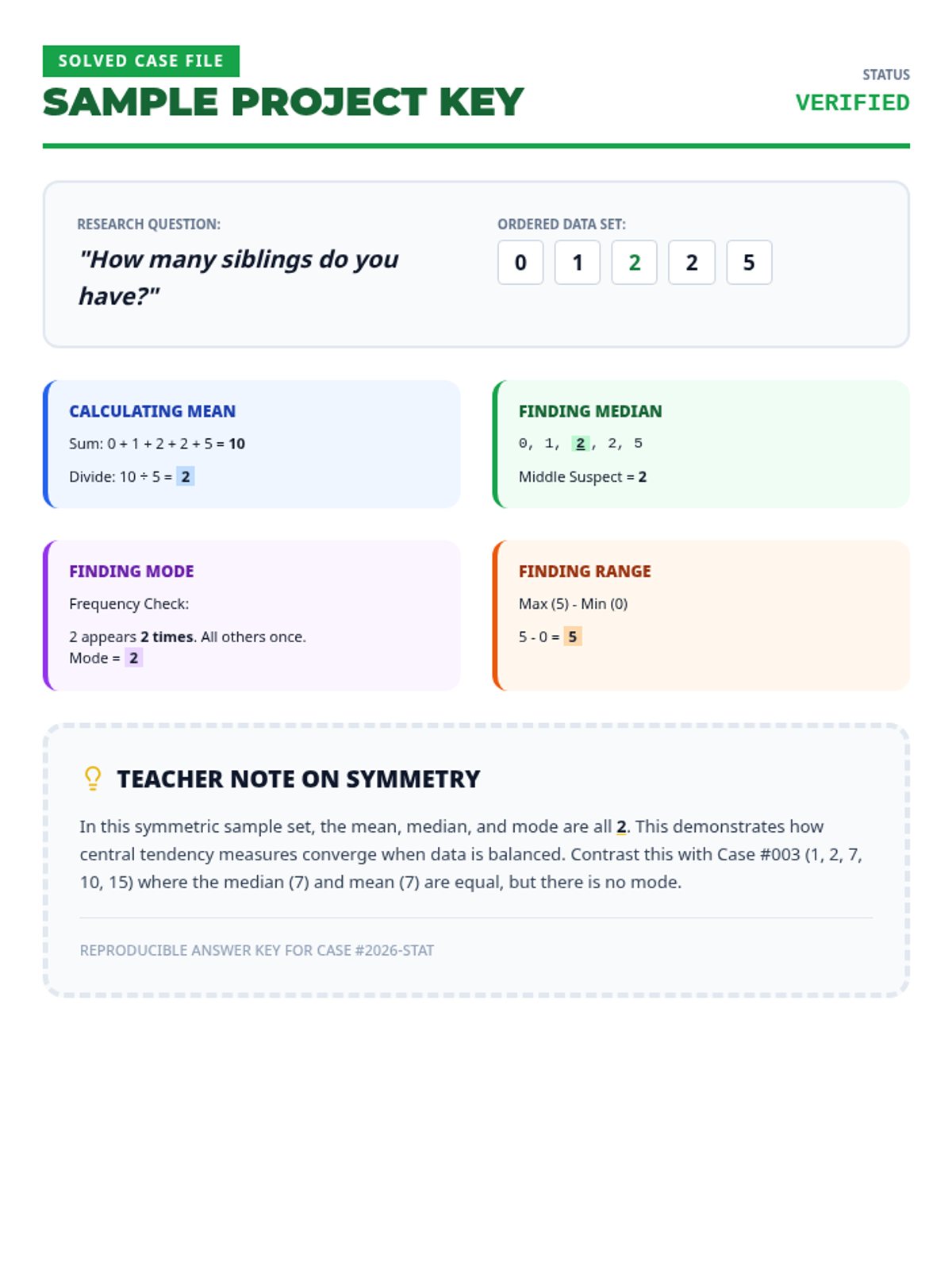
A comprehensive hands-on project where students become 'Stat Sleuths' to collect real-world data, calculate central tendencies, and present their findings through an interactive lapbook and poster.
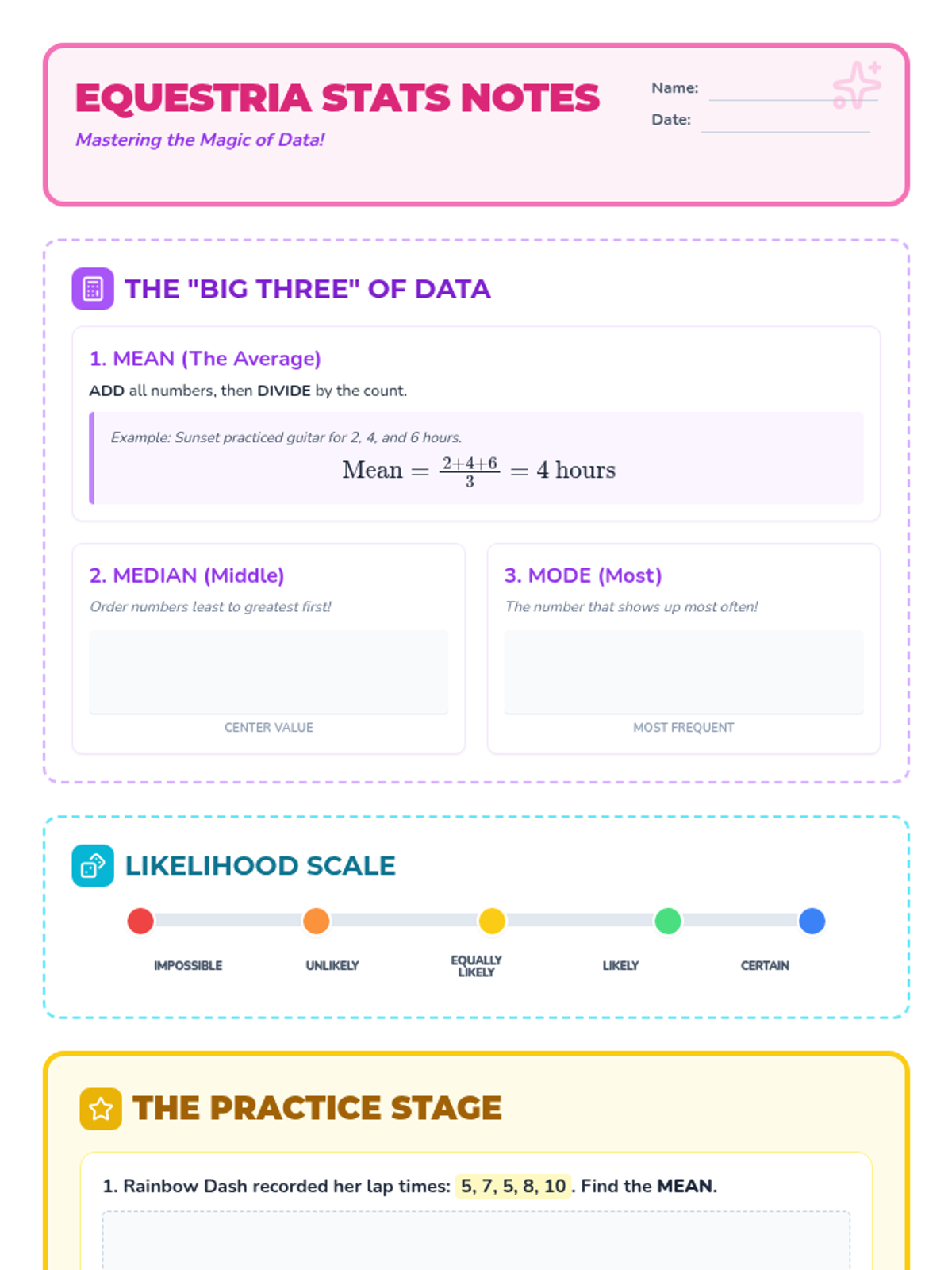
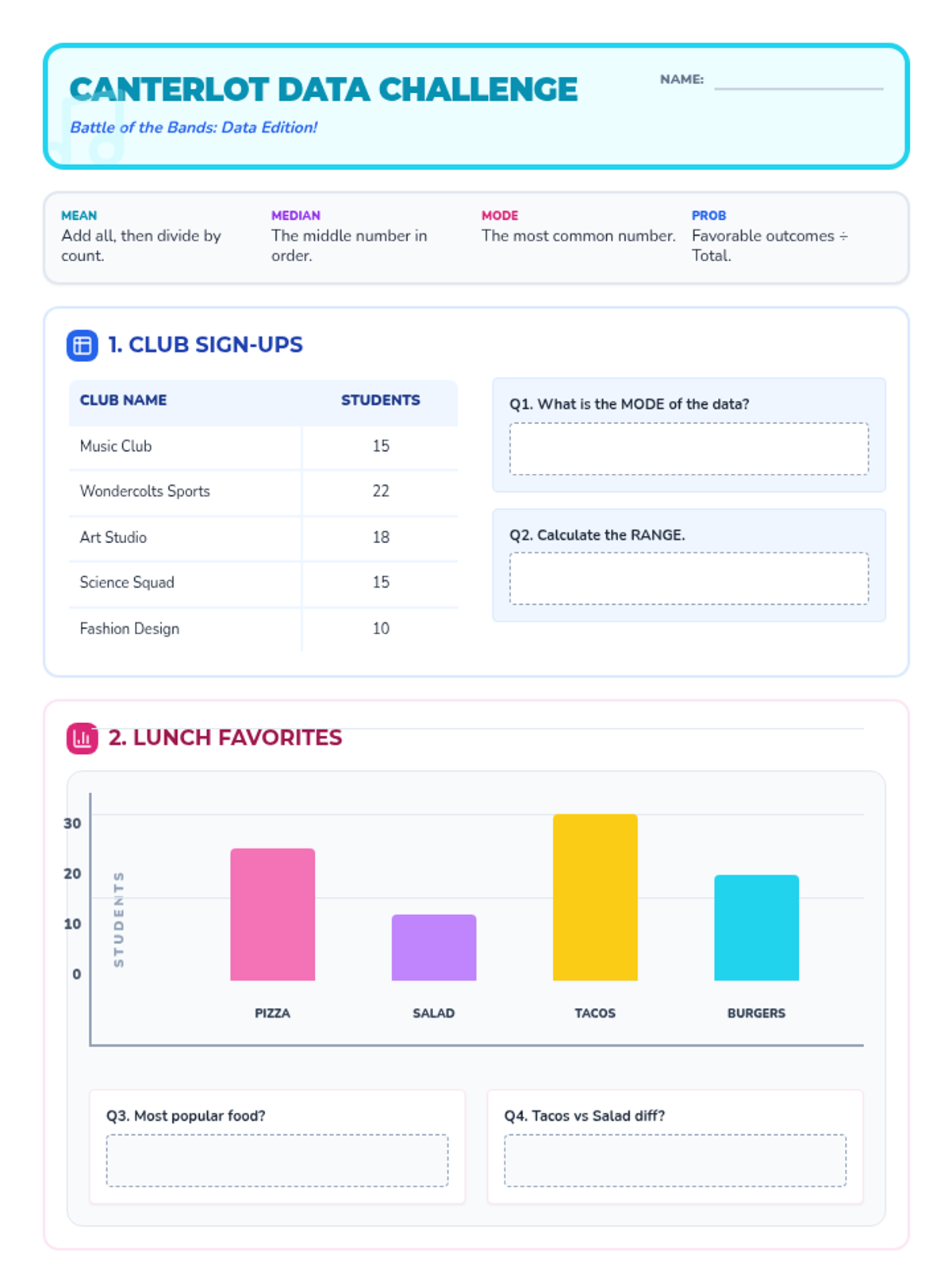
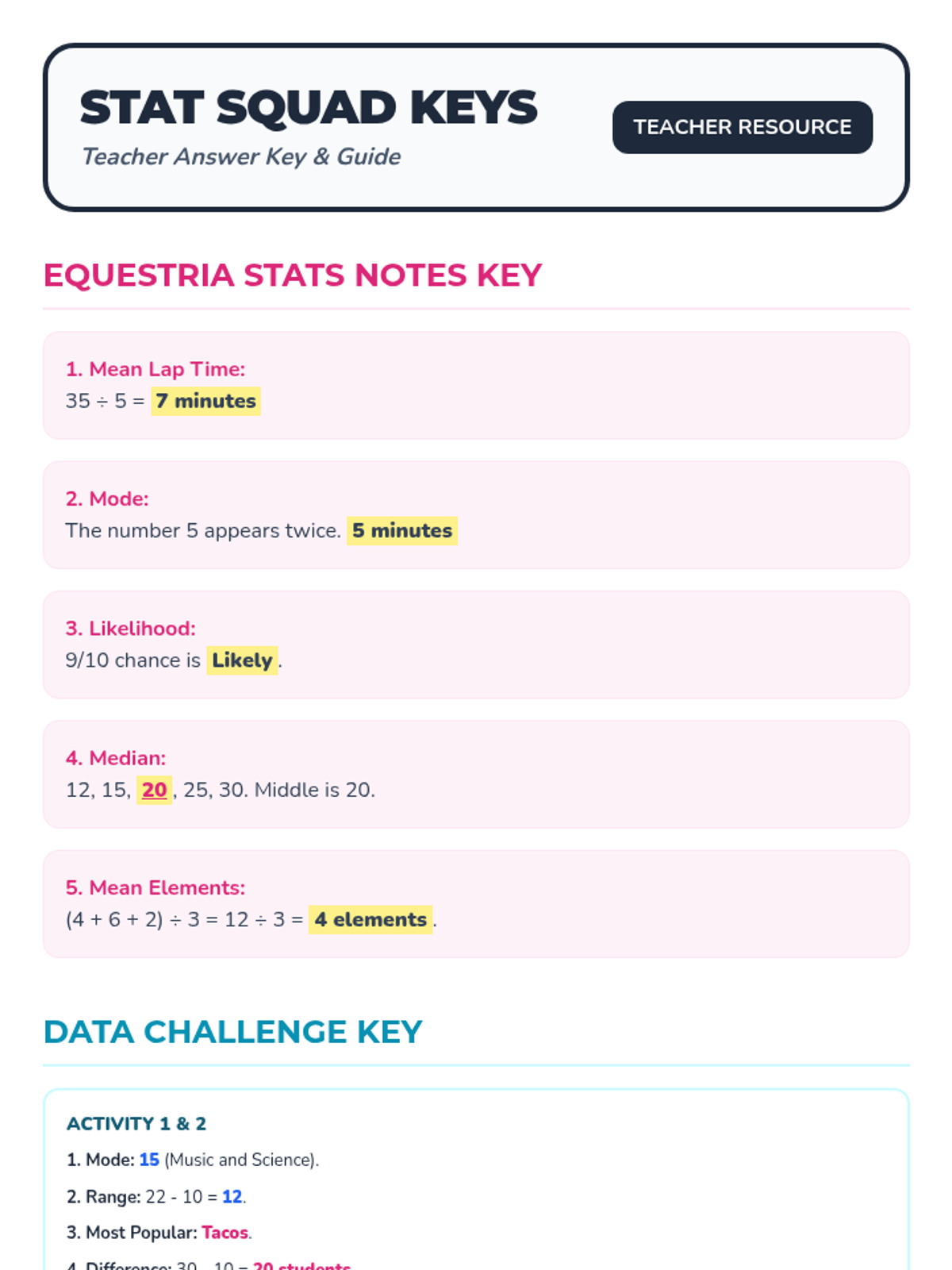
A fun, themed introduction to statistics covering central tendency, probability, and data visualization using the world of My Little Pony: Equestria Girls.
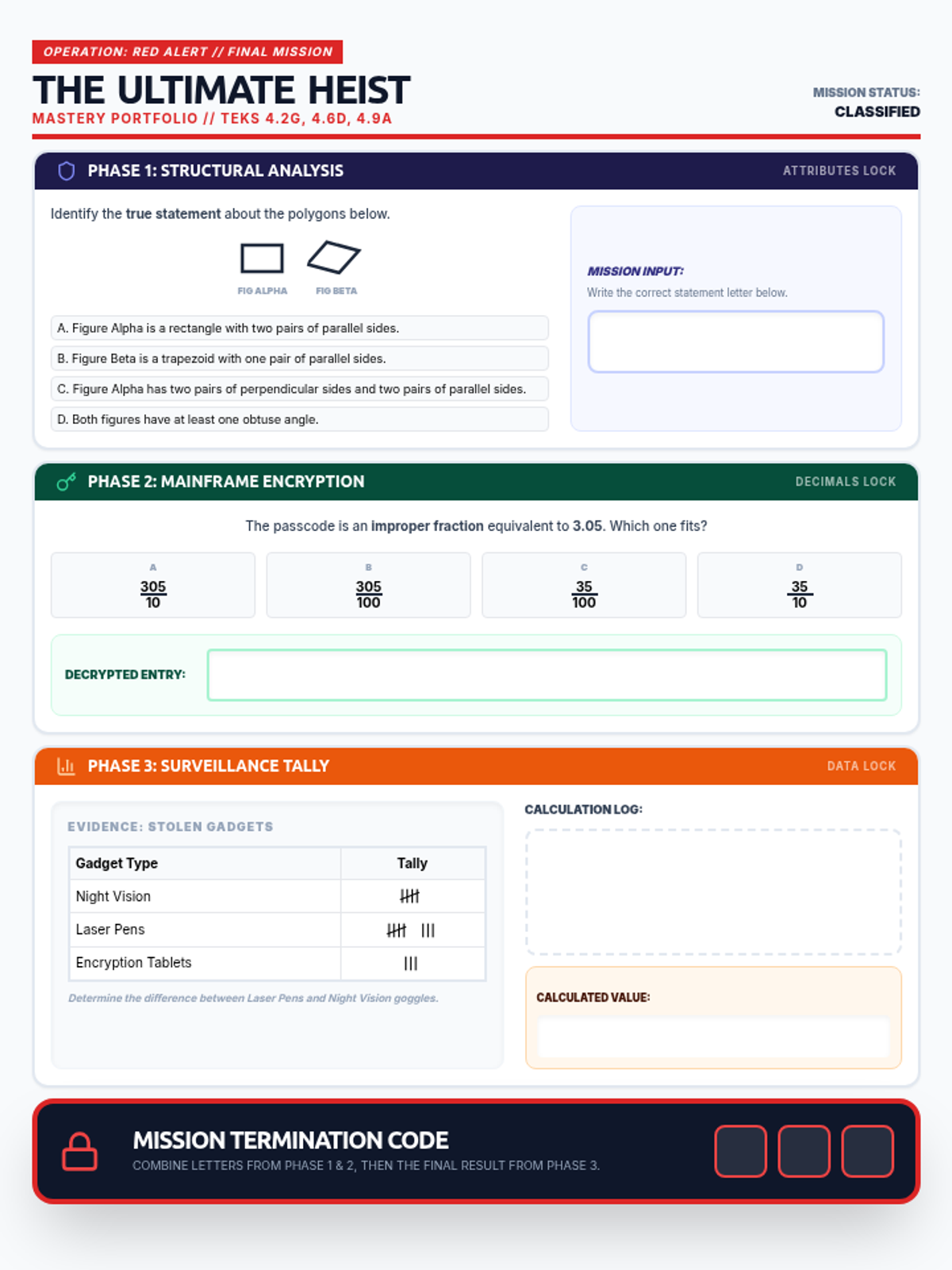
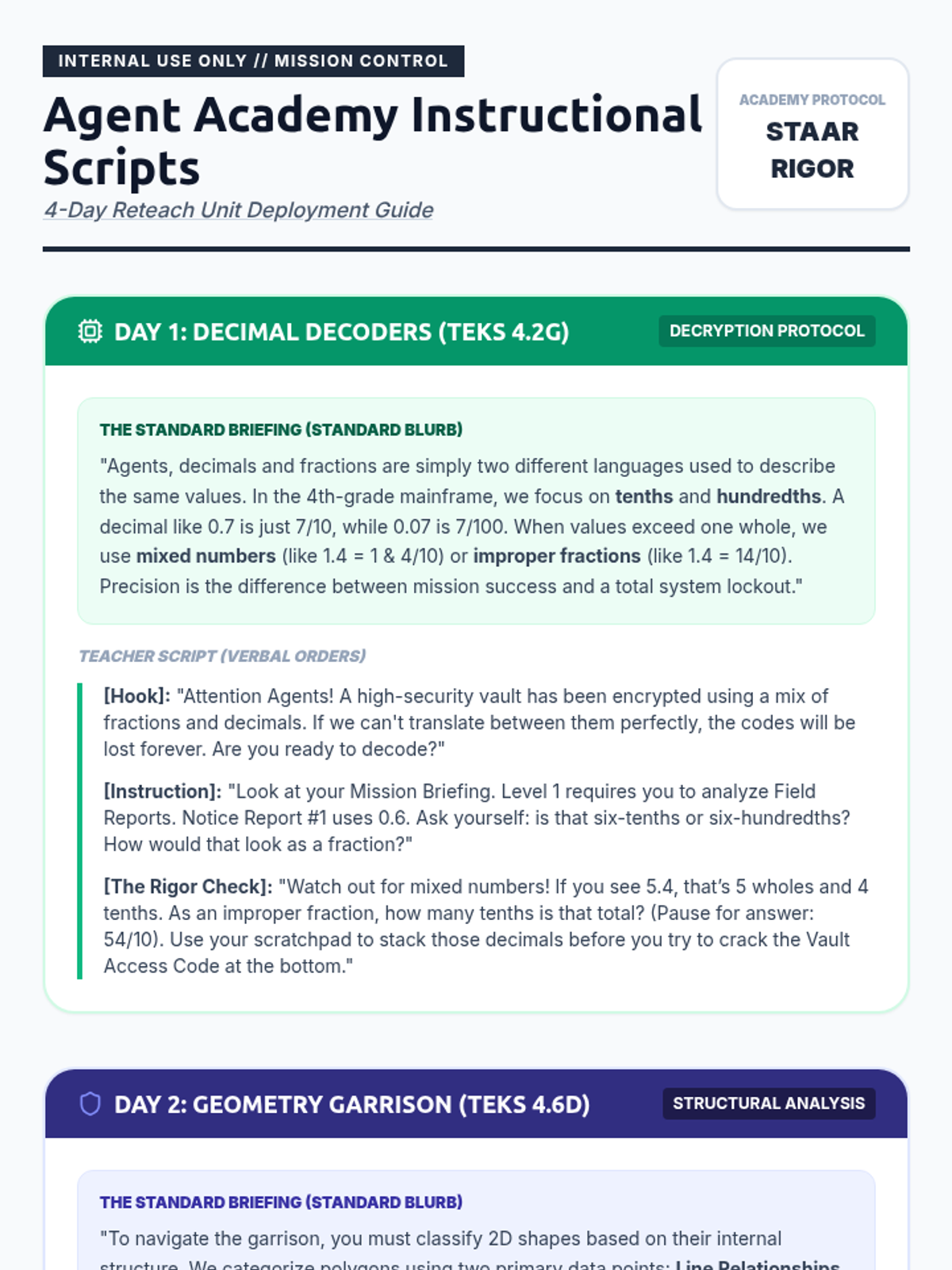
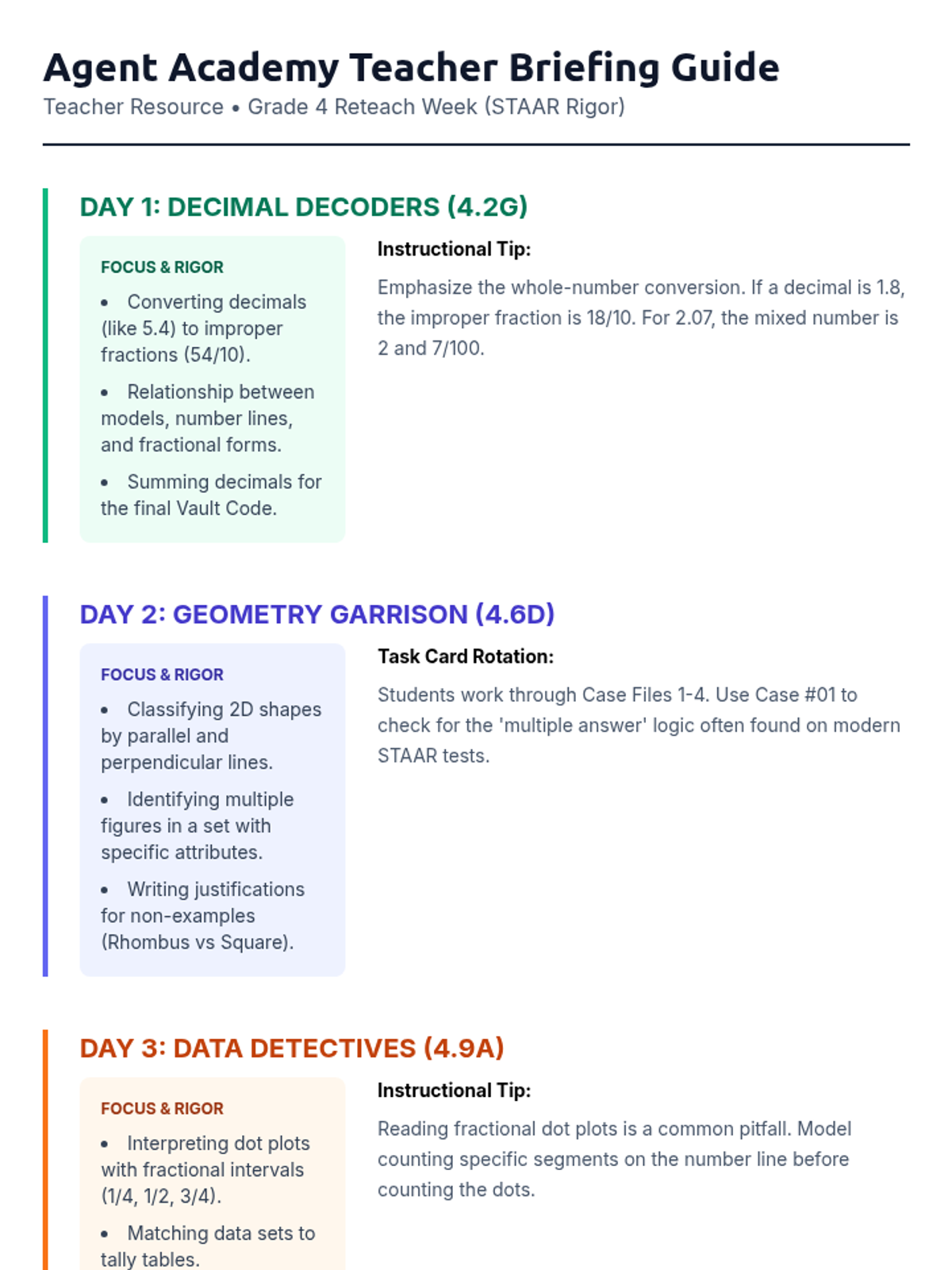
A comprehensive review of 4.2G, 4.6D, and 4.9A through a final mission. This lesson integrates all three standards into a culminating "Ultimate Heist" escape room challenge.
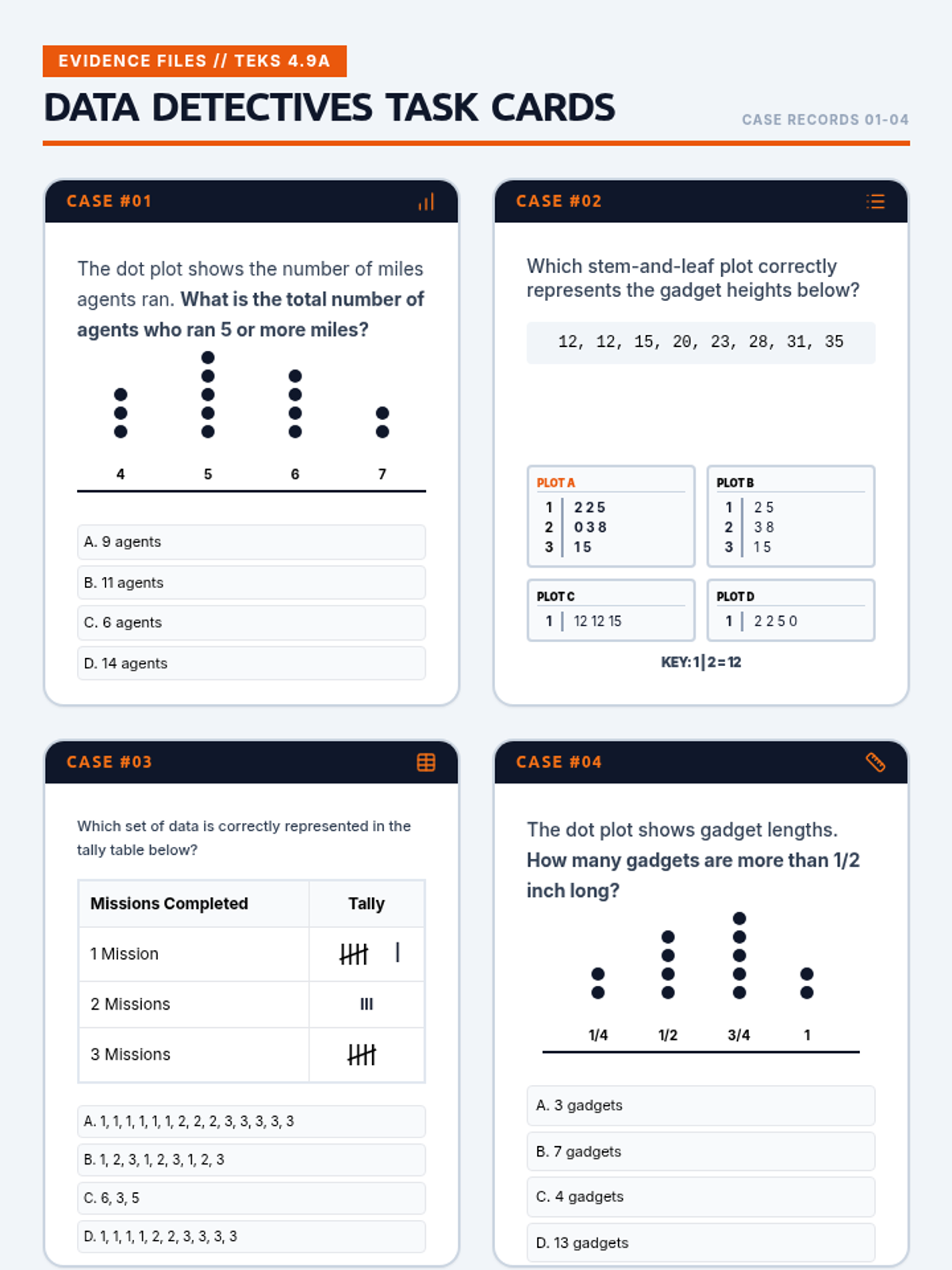
Focuses on TEKS 4.9A: Representing data on frequency tables, dot plots, and stem-and-leaf plots. Students act as investigators analyzing evidence files to solve a data-driven mystery.