Foundational fraction equivalence, ordering, and operations across the rational number system. Addresses multi-digit computation, decimal conversions, and the distinction between rational and irrational numbers.
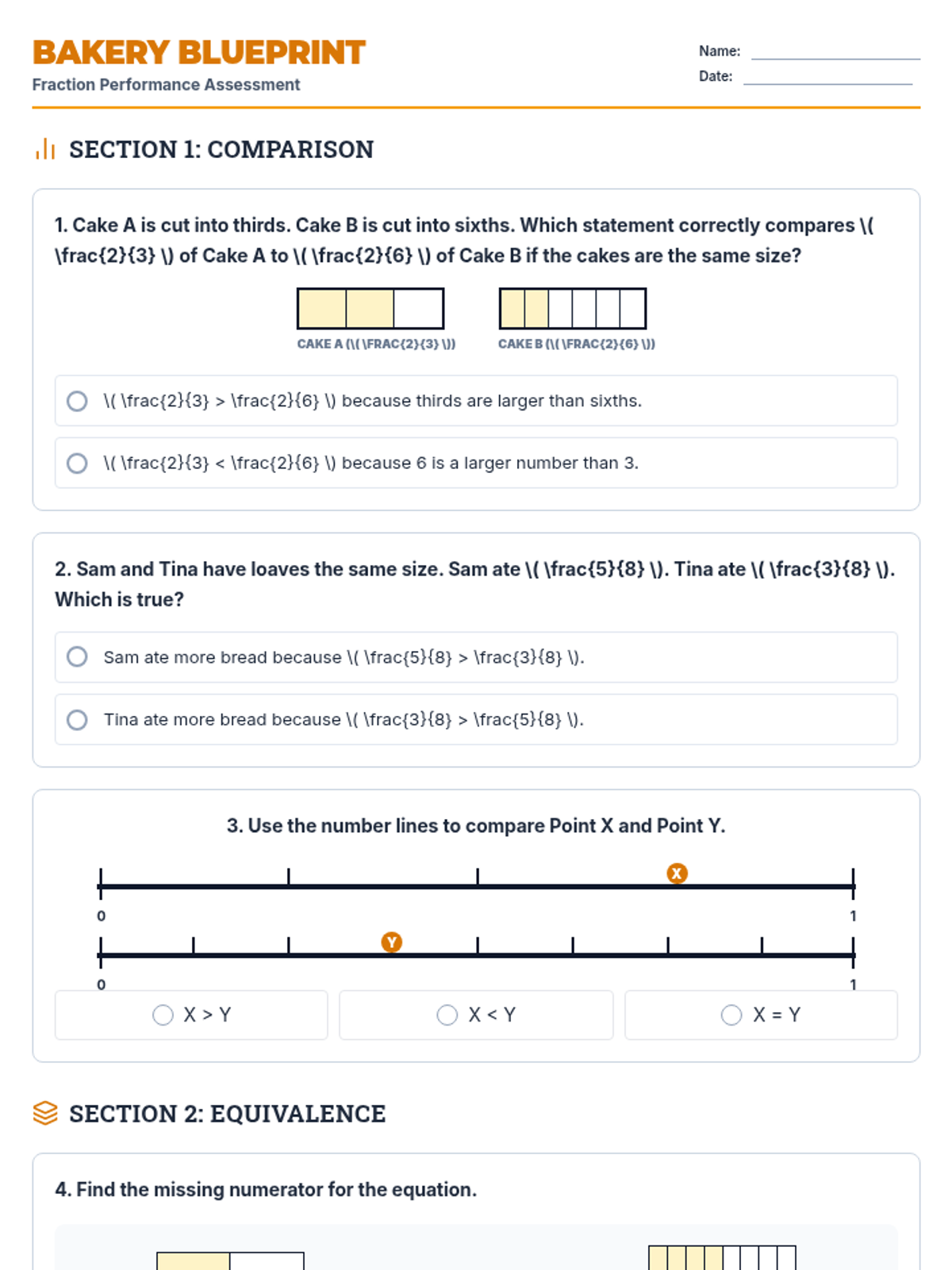
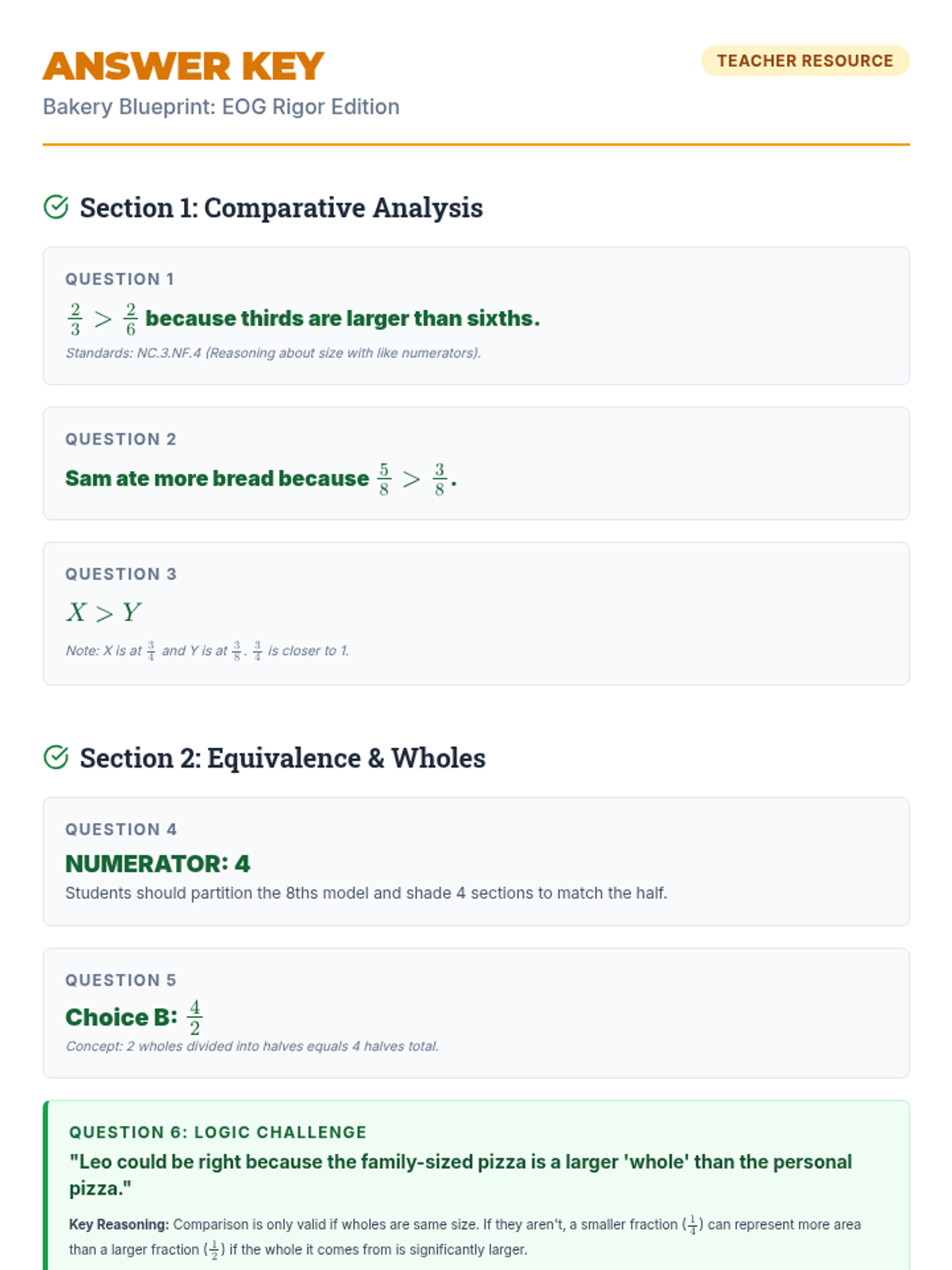
A comprehensive lesson on comparing and representing fractions using area and length models within a bakery-themed context. Students will practice comparing fractions with like numerators or denominators and identifying equivalent fractions and whole numbers.
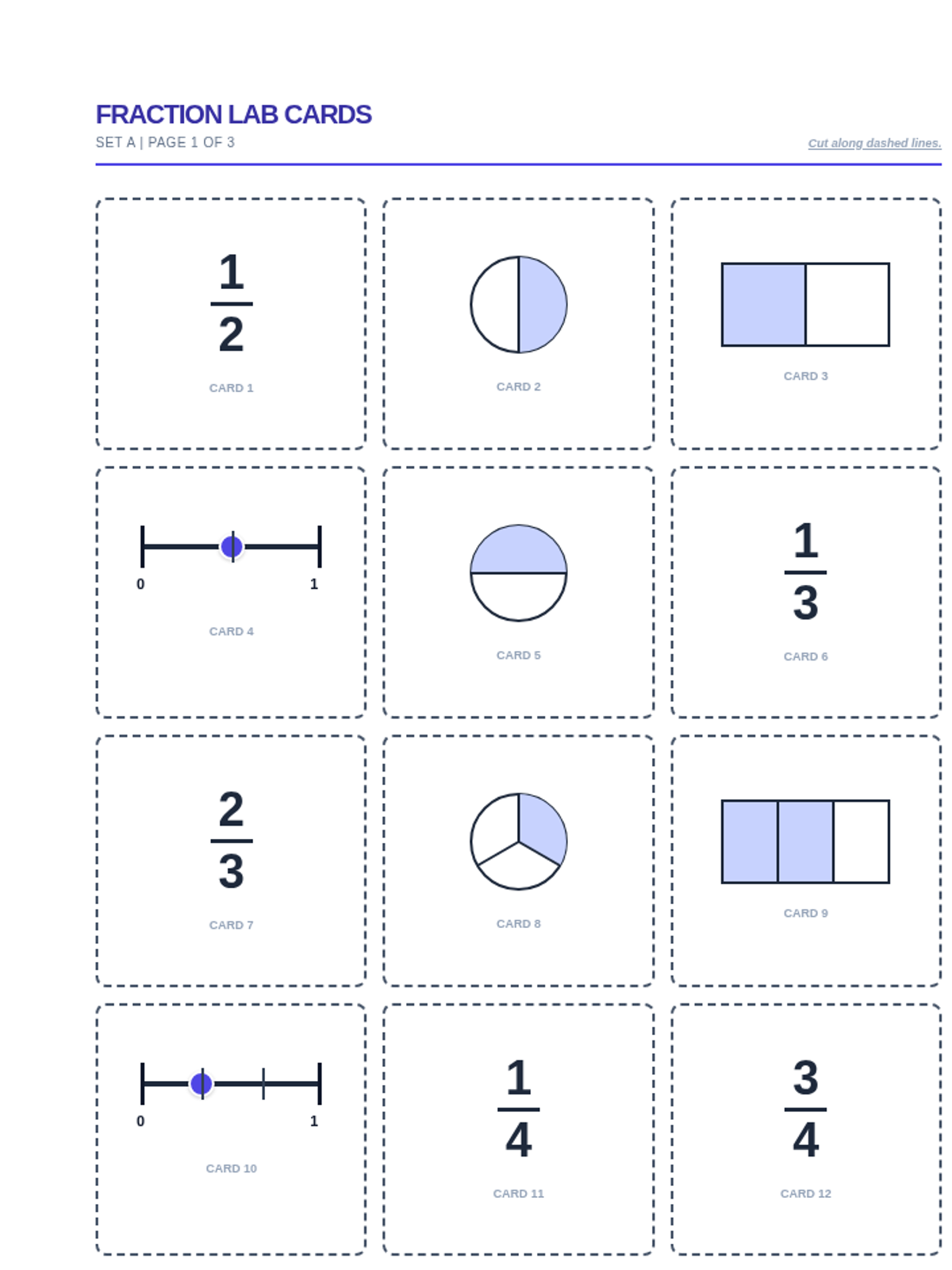
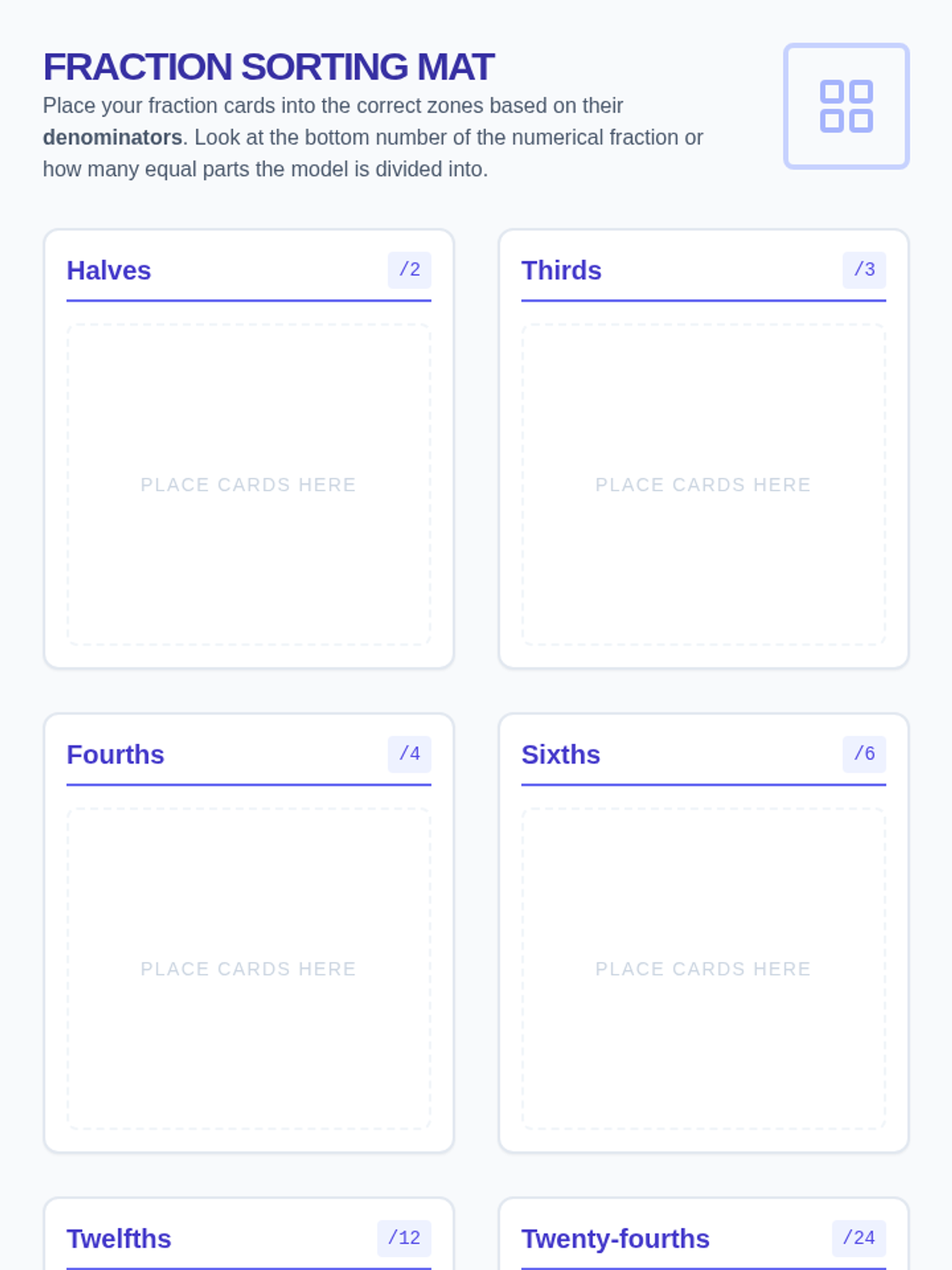
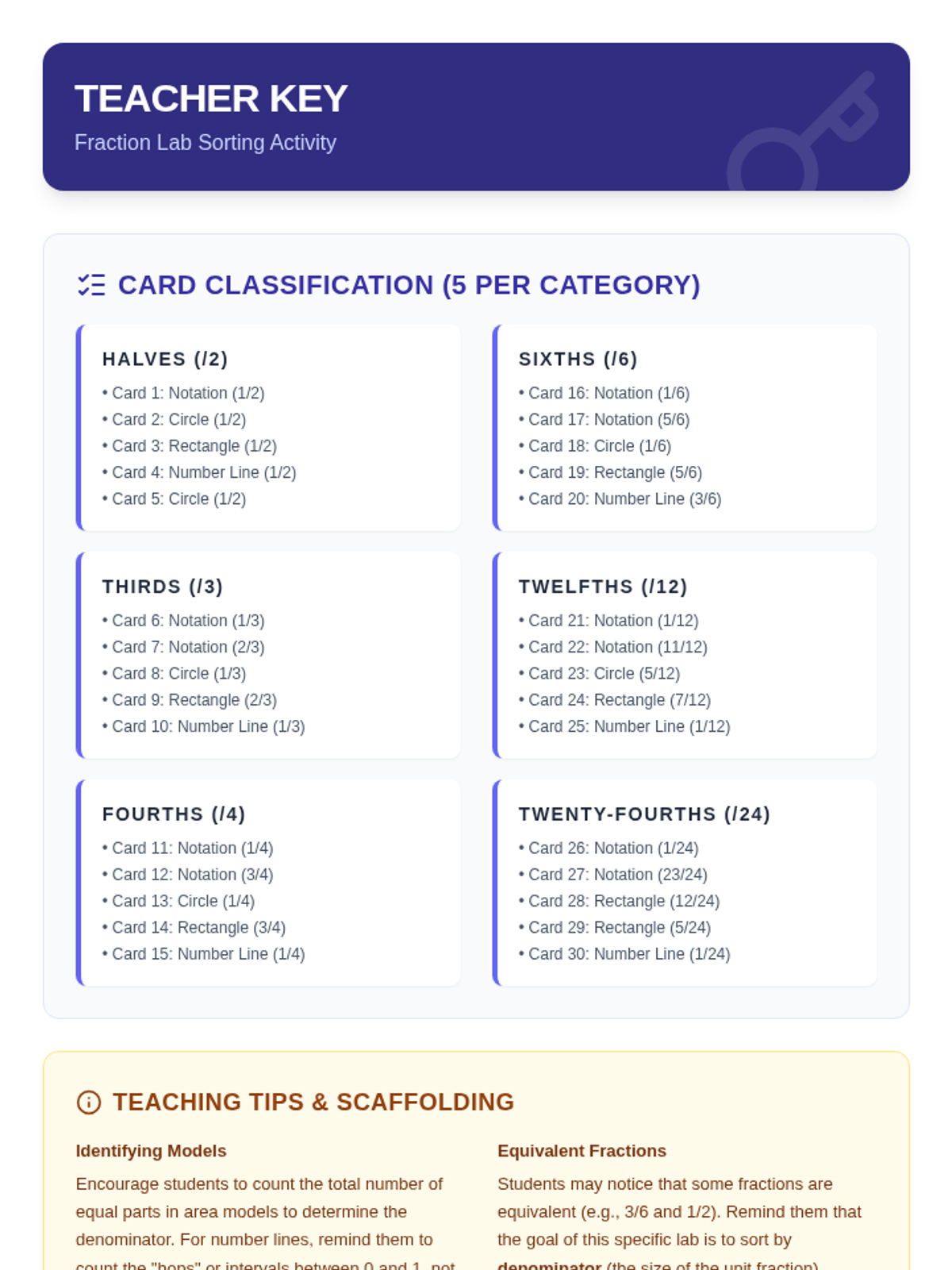
A hands-on exploration of fractions where students identify and sort fractions based on their denominators using various representations including number lines, area models, and numerical forms.
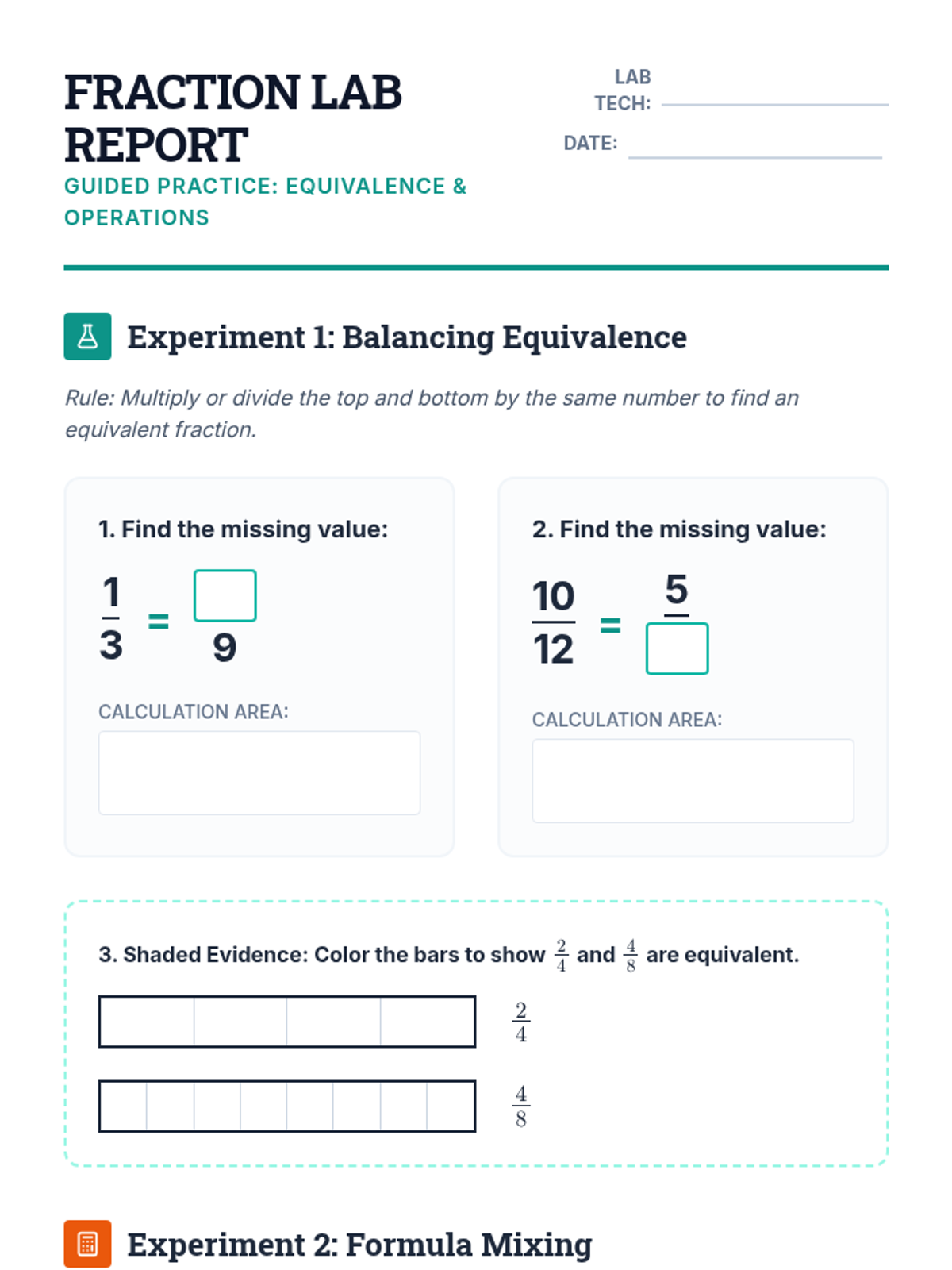
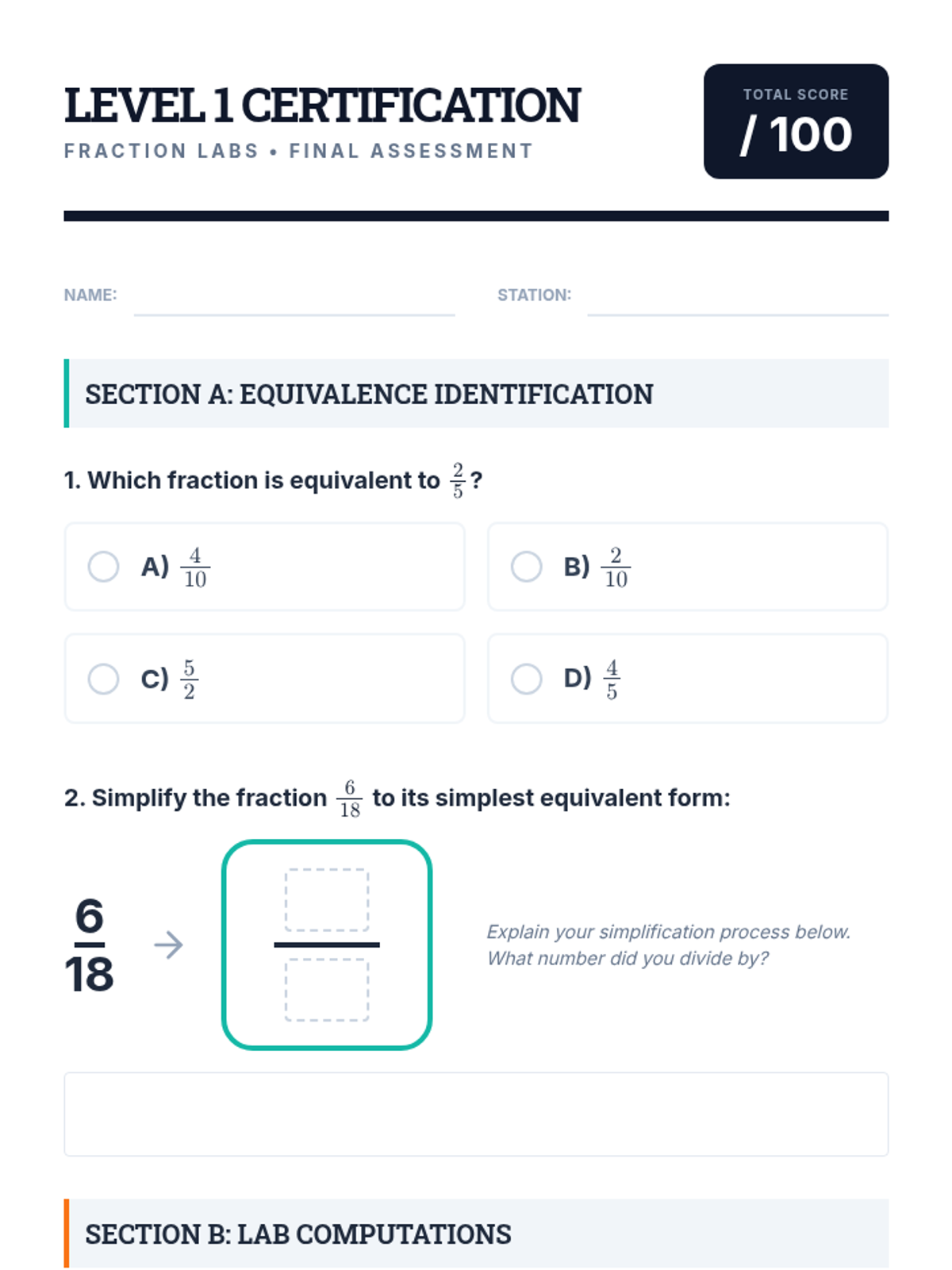
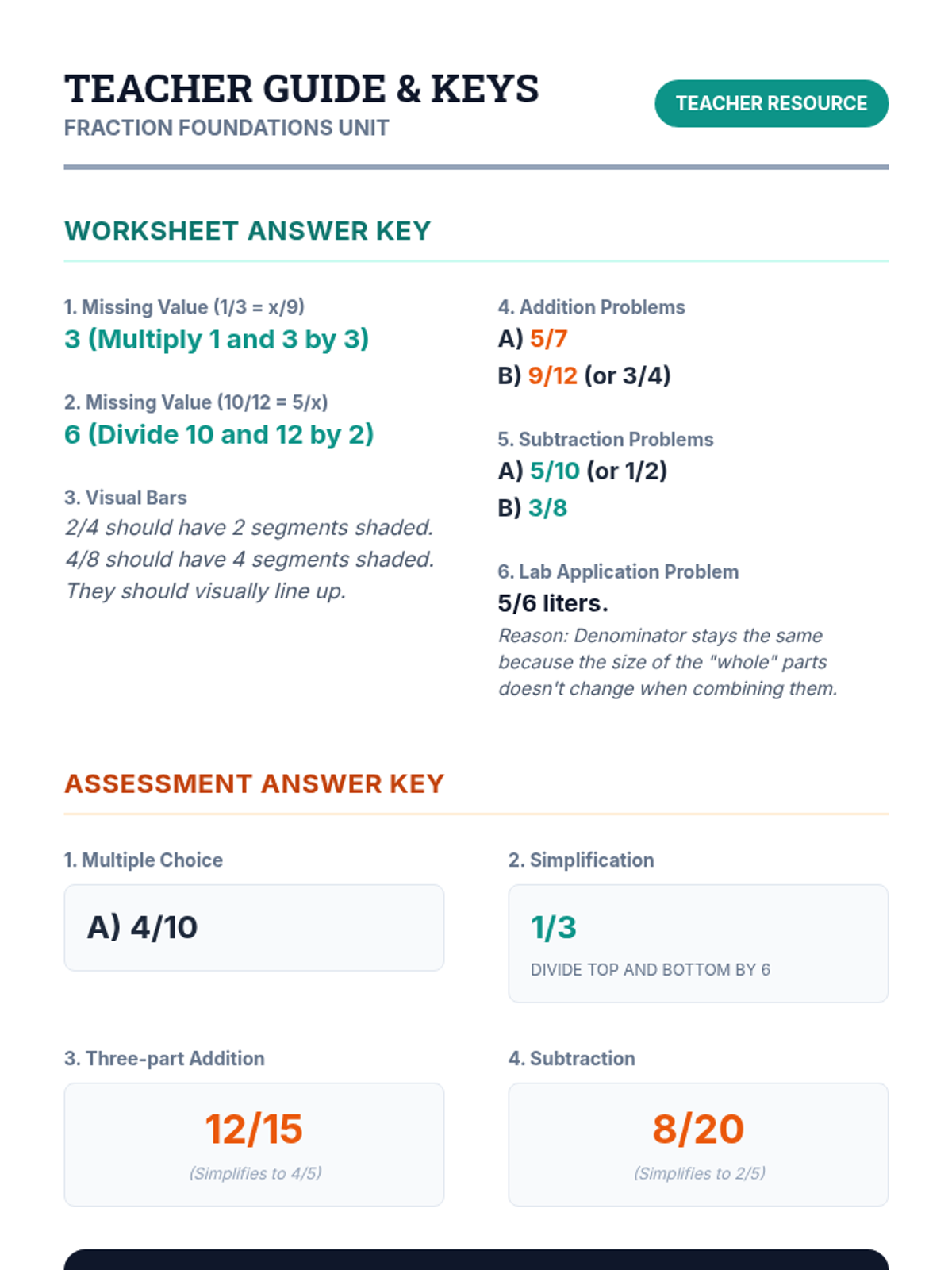
A comprehensive lesson on equivalent fractions and adding/subtracting fractions with like denominators, featuring a science lab theme.
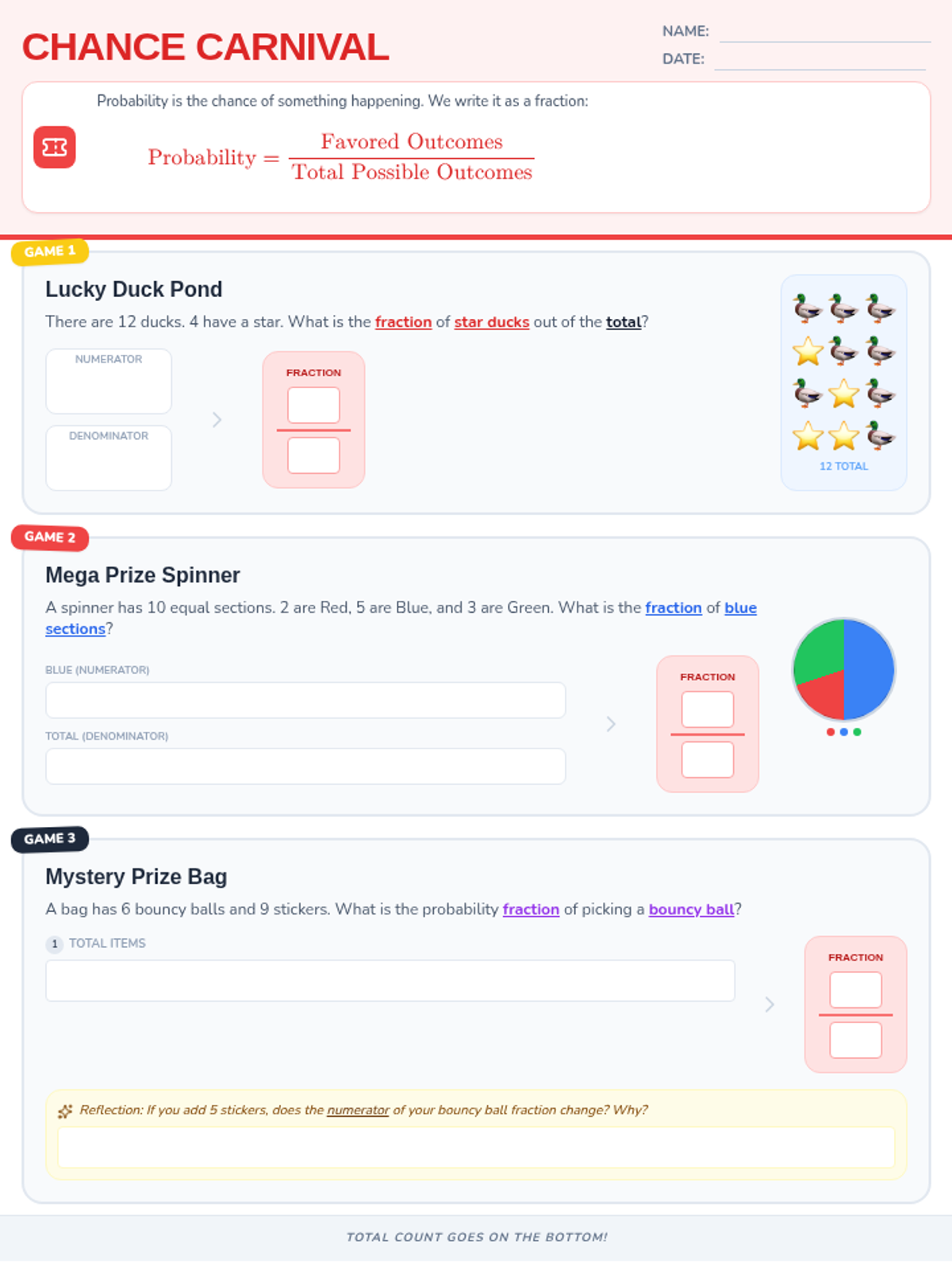
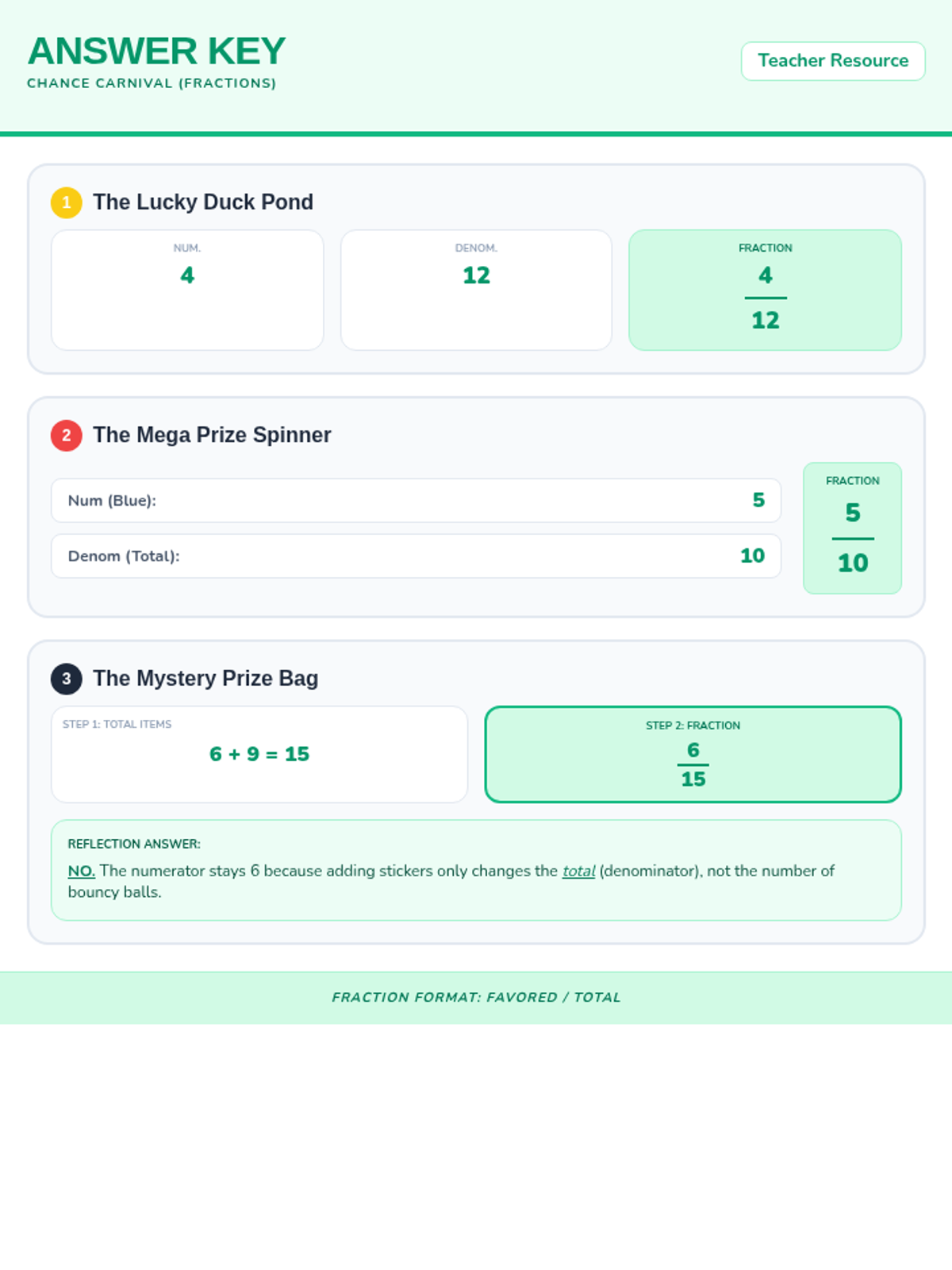
A quick introductory lesson focusing on the fundamental concept of probability as a ratio of favored outcomes to total possible outcomes.
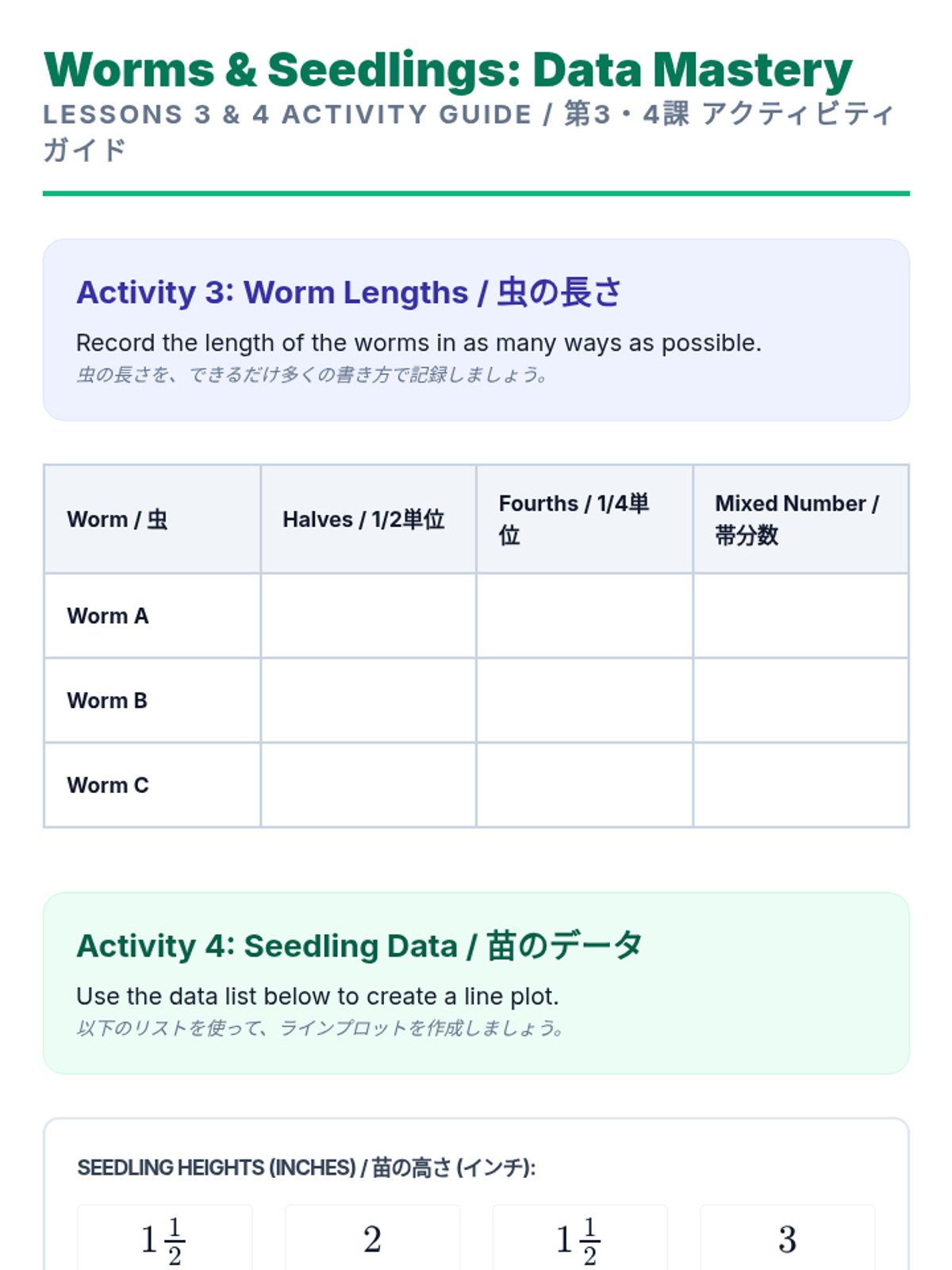
Students interpret and create line plots using measurement data involving fractions.
Students learn to measure objects to the nearest fourth of an inch and explore partition logic.
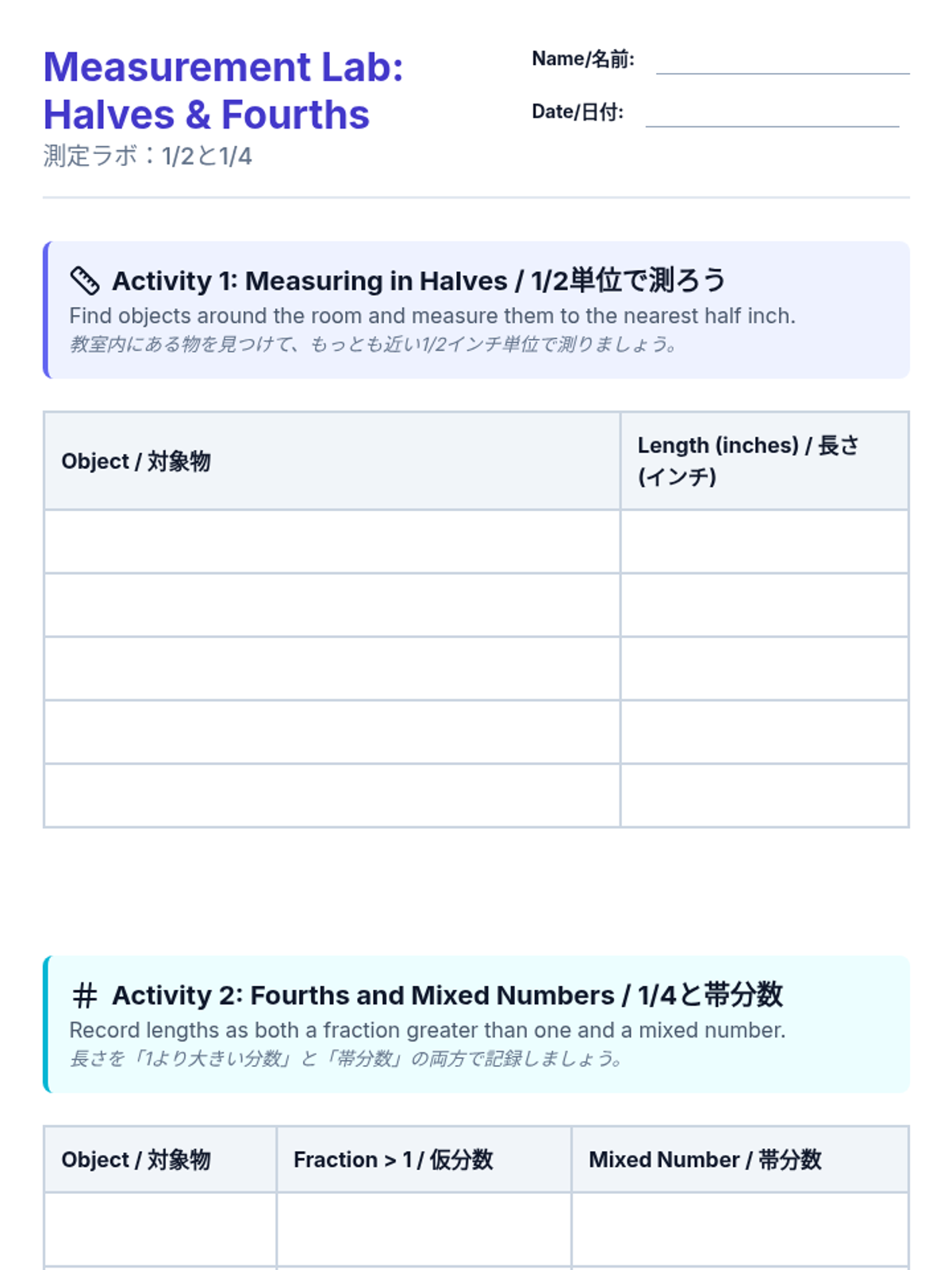
Students learn to measure objects to the nearest half-inch and are introduced to mixed numbers.
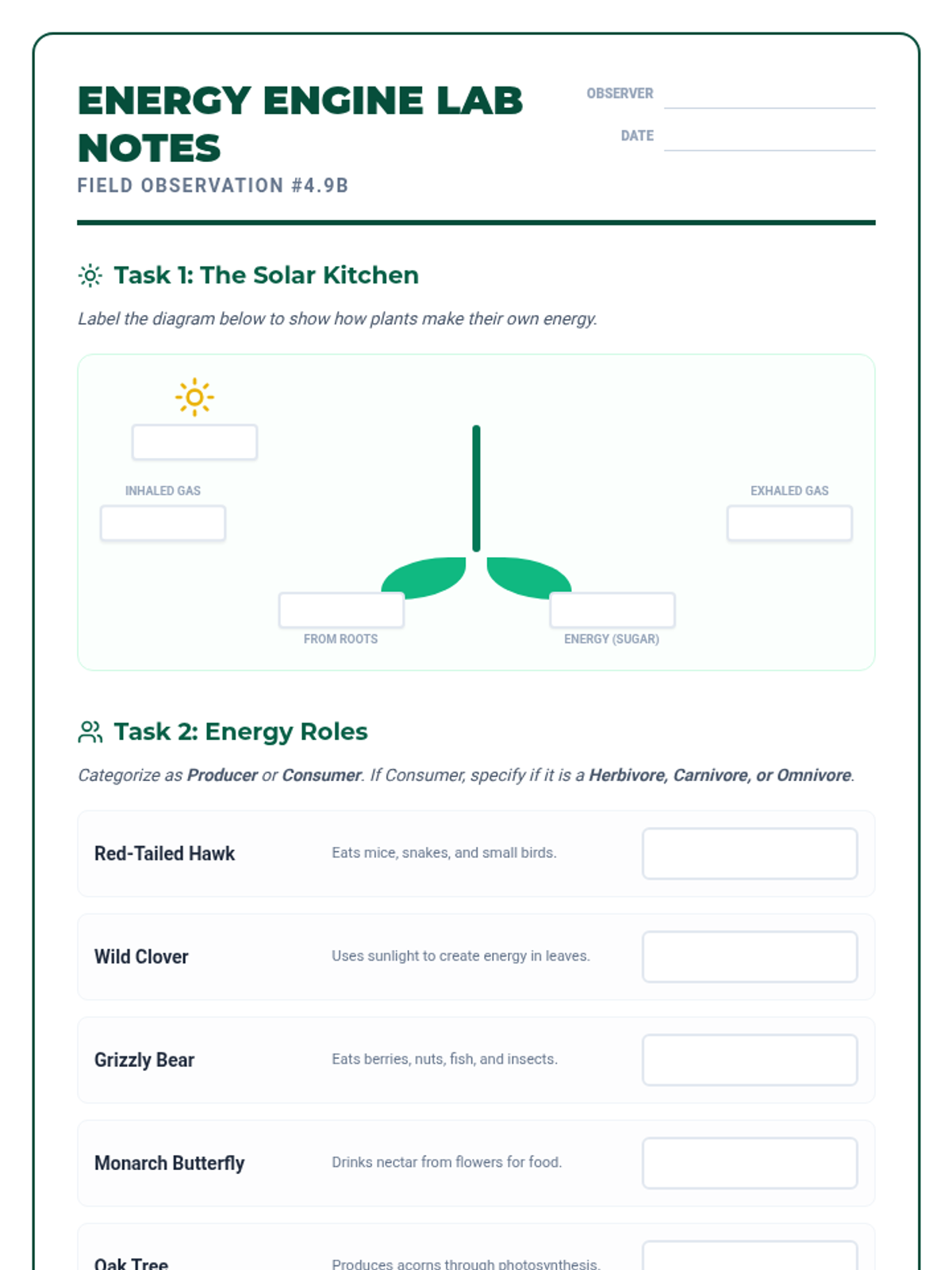
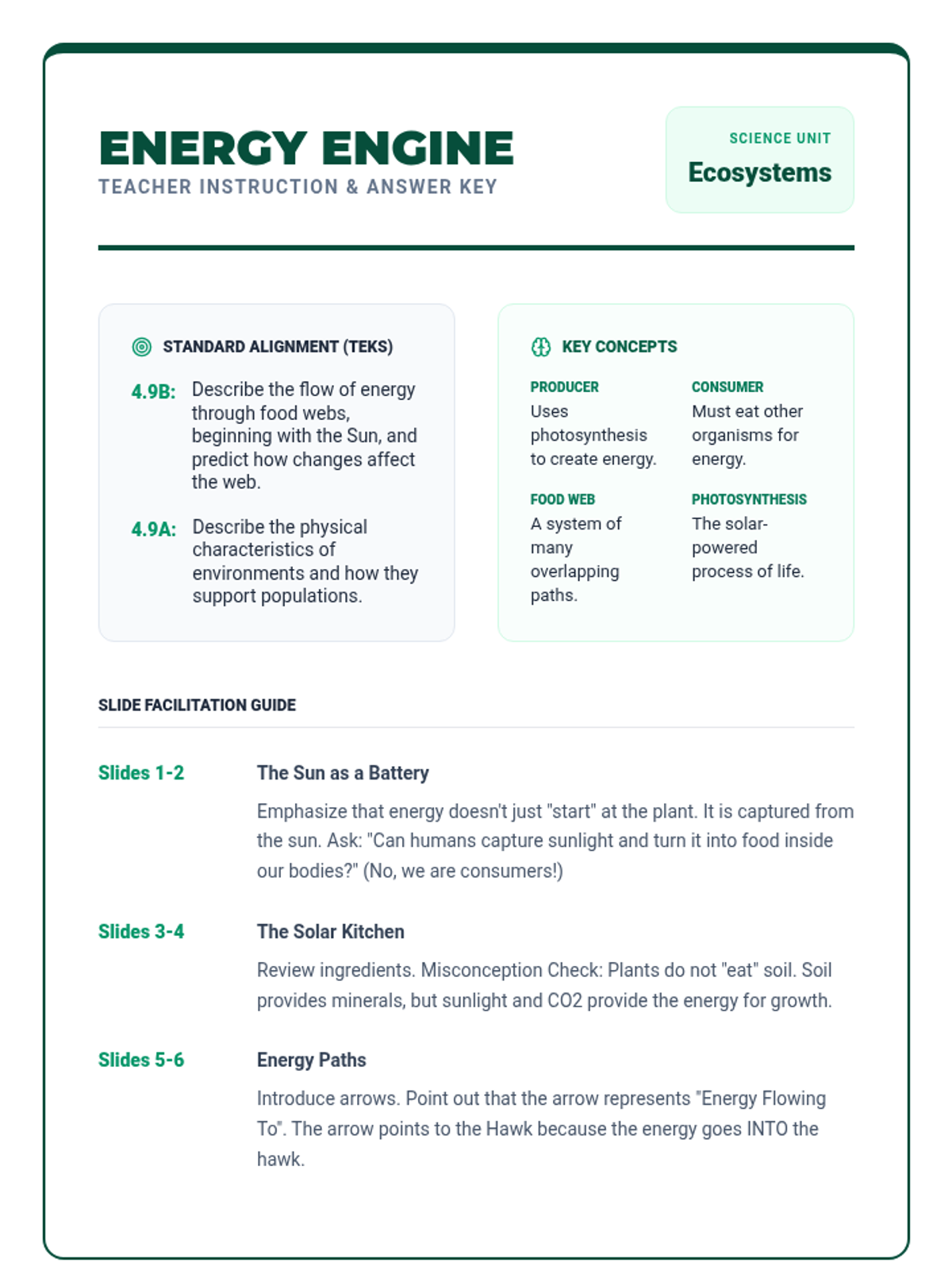
Discover how the Sun powers life on Earth through producers and the amazing process of photosynthesis.
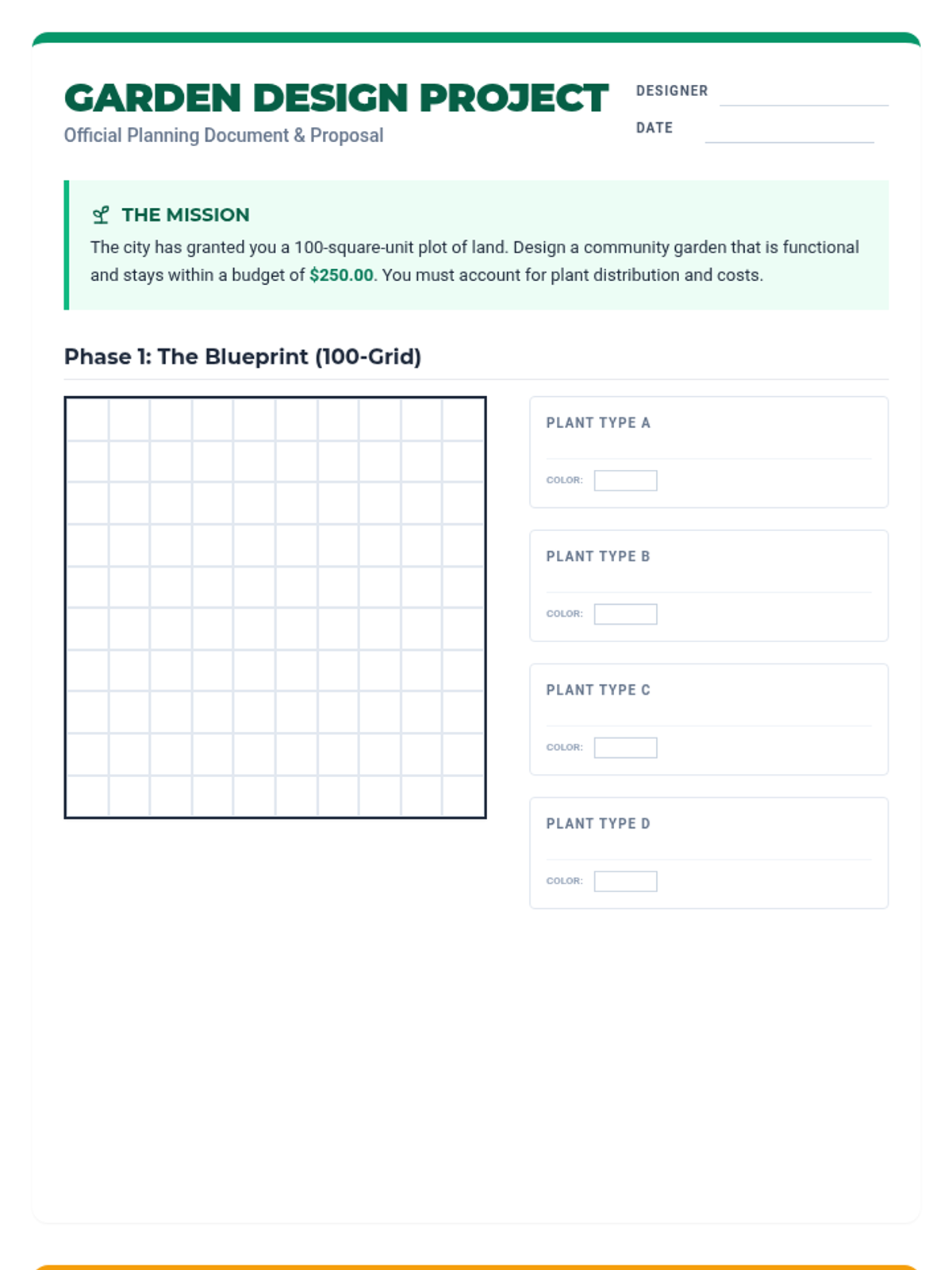
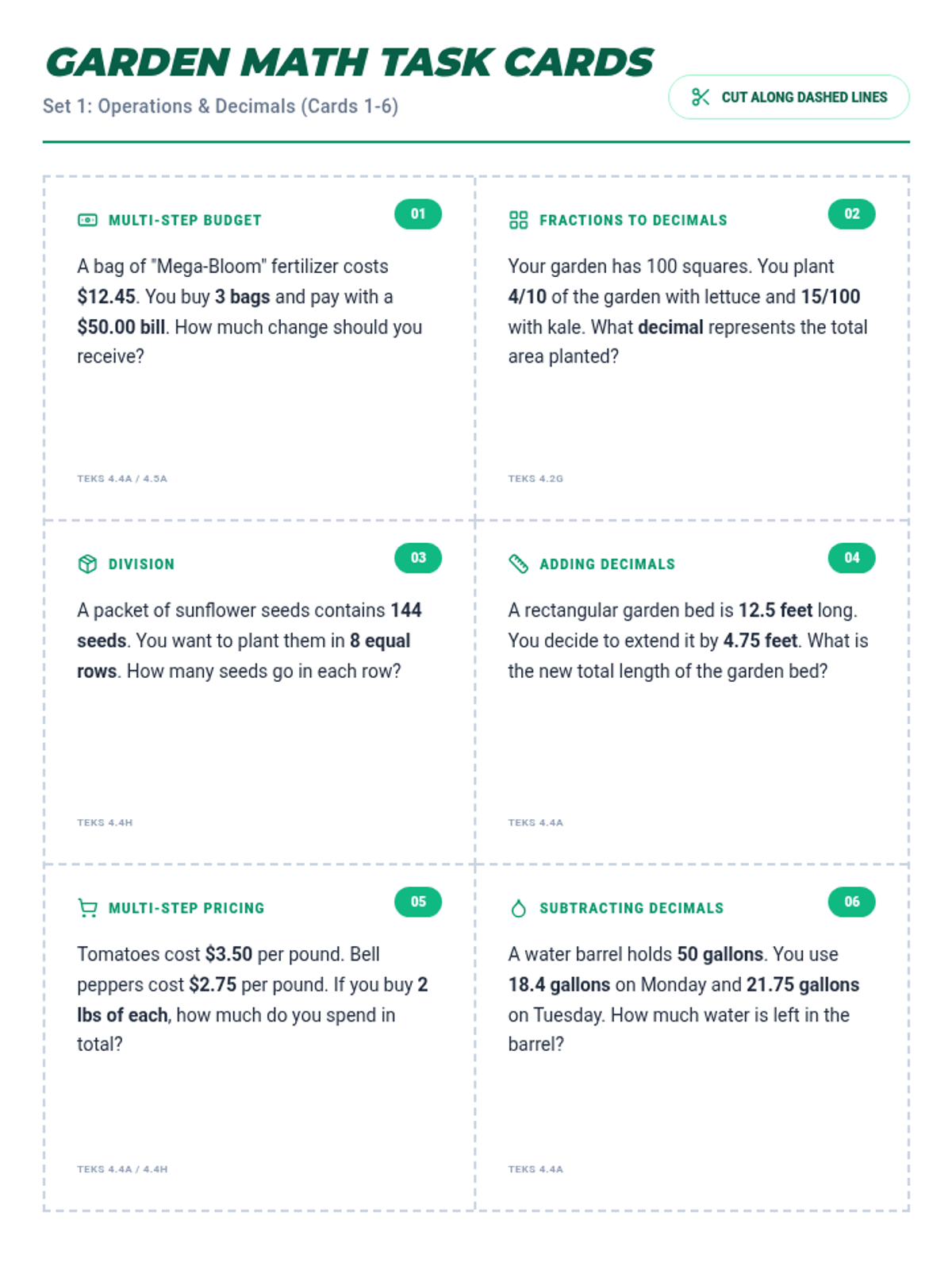
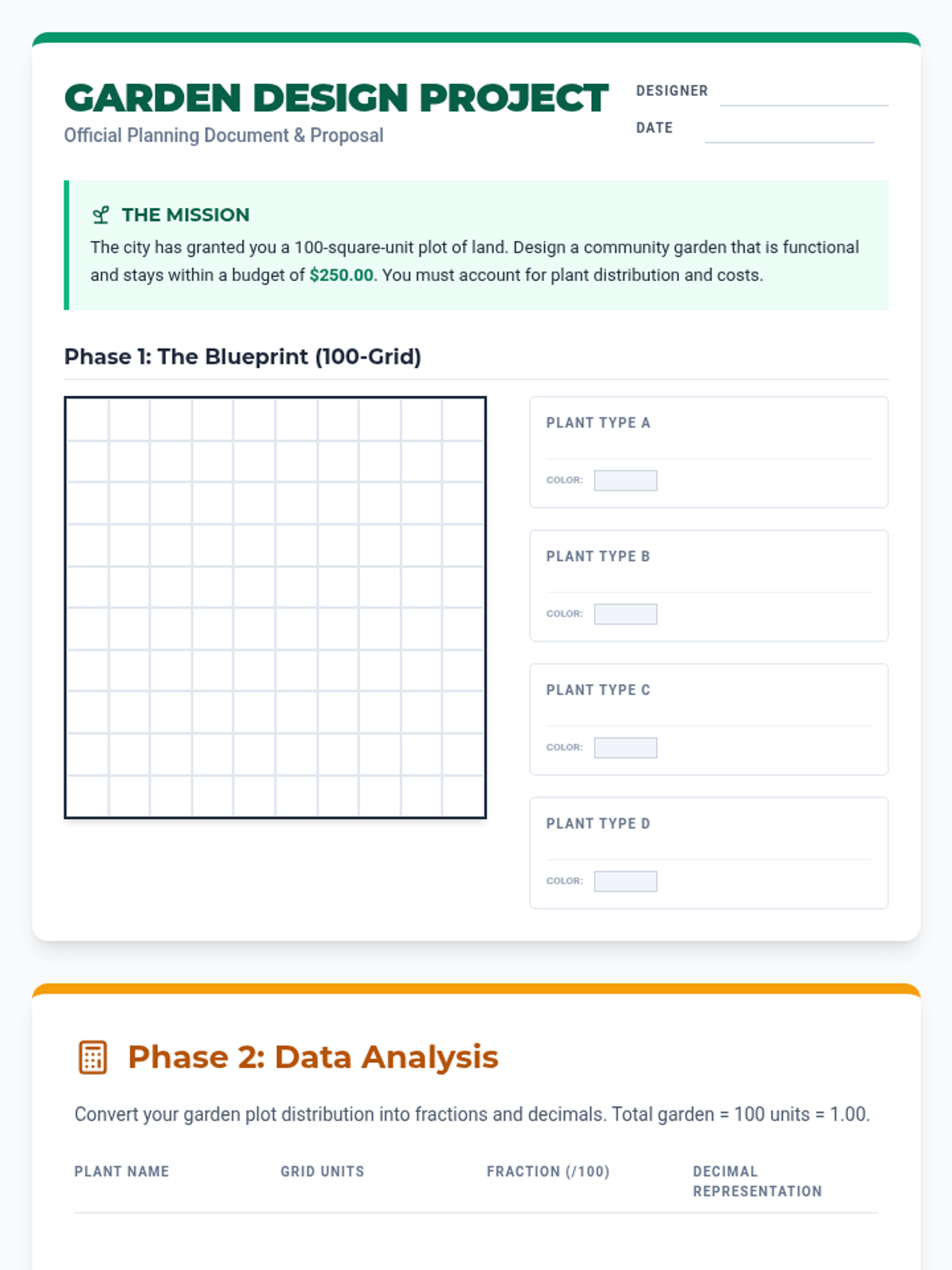
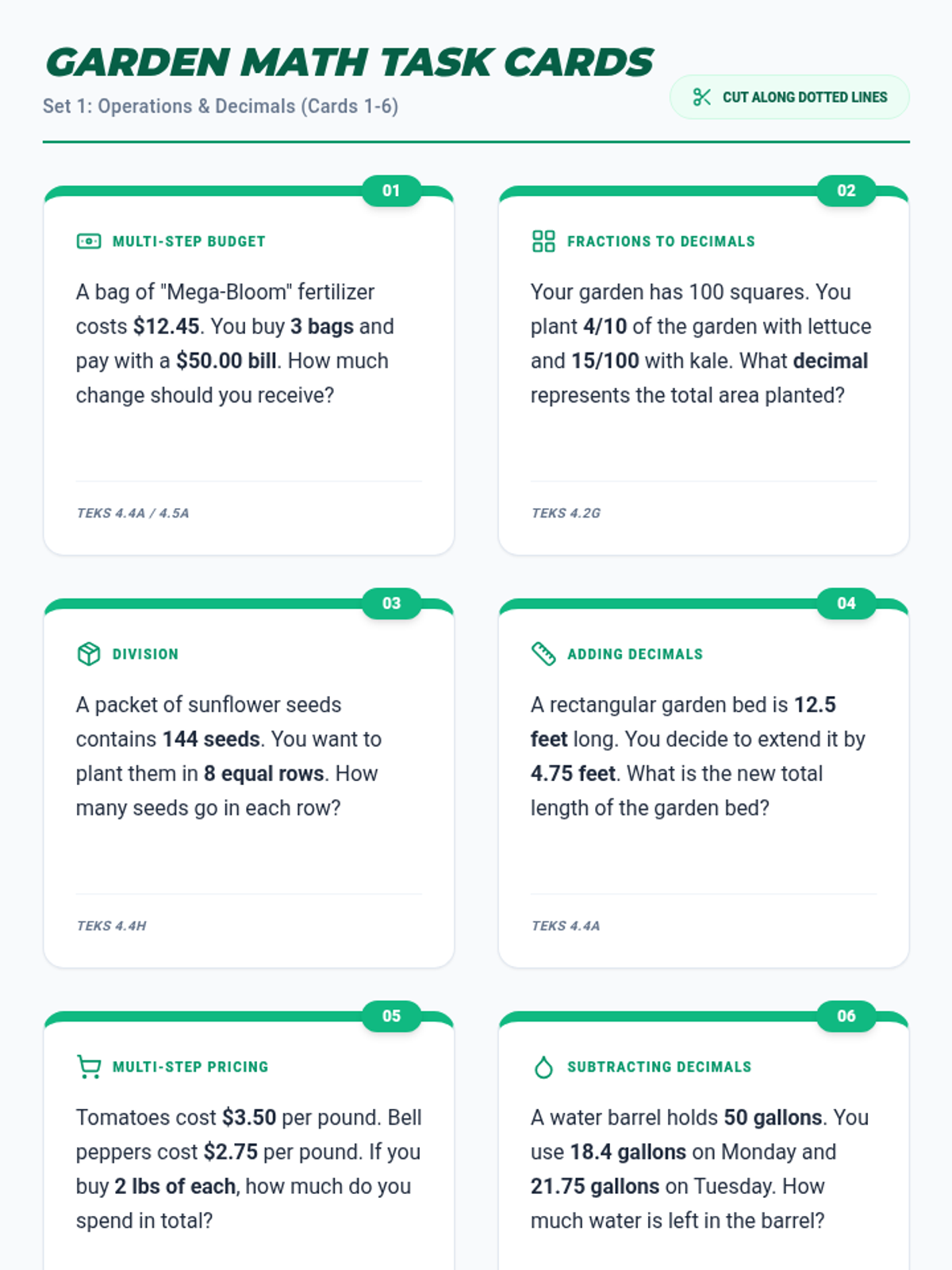
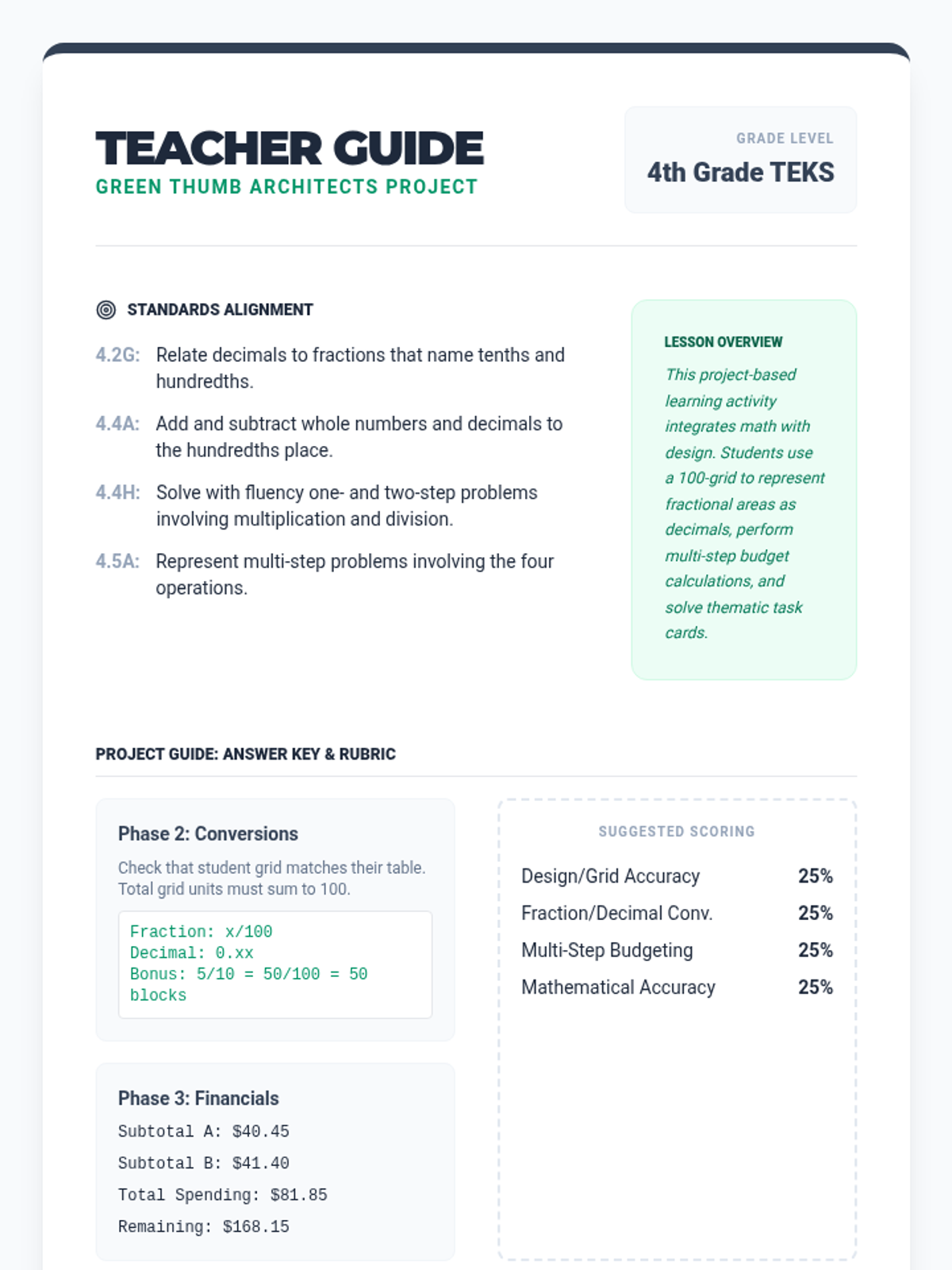
A math-focused project where students step into the role of garden designers to plan a community space while mastering multi-step word problems, decimal operations, and the relationship between fractions and decimals.
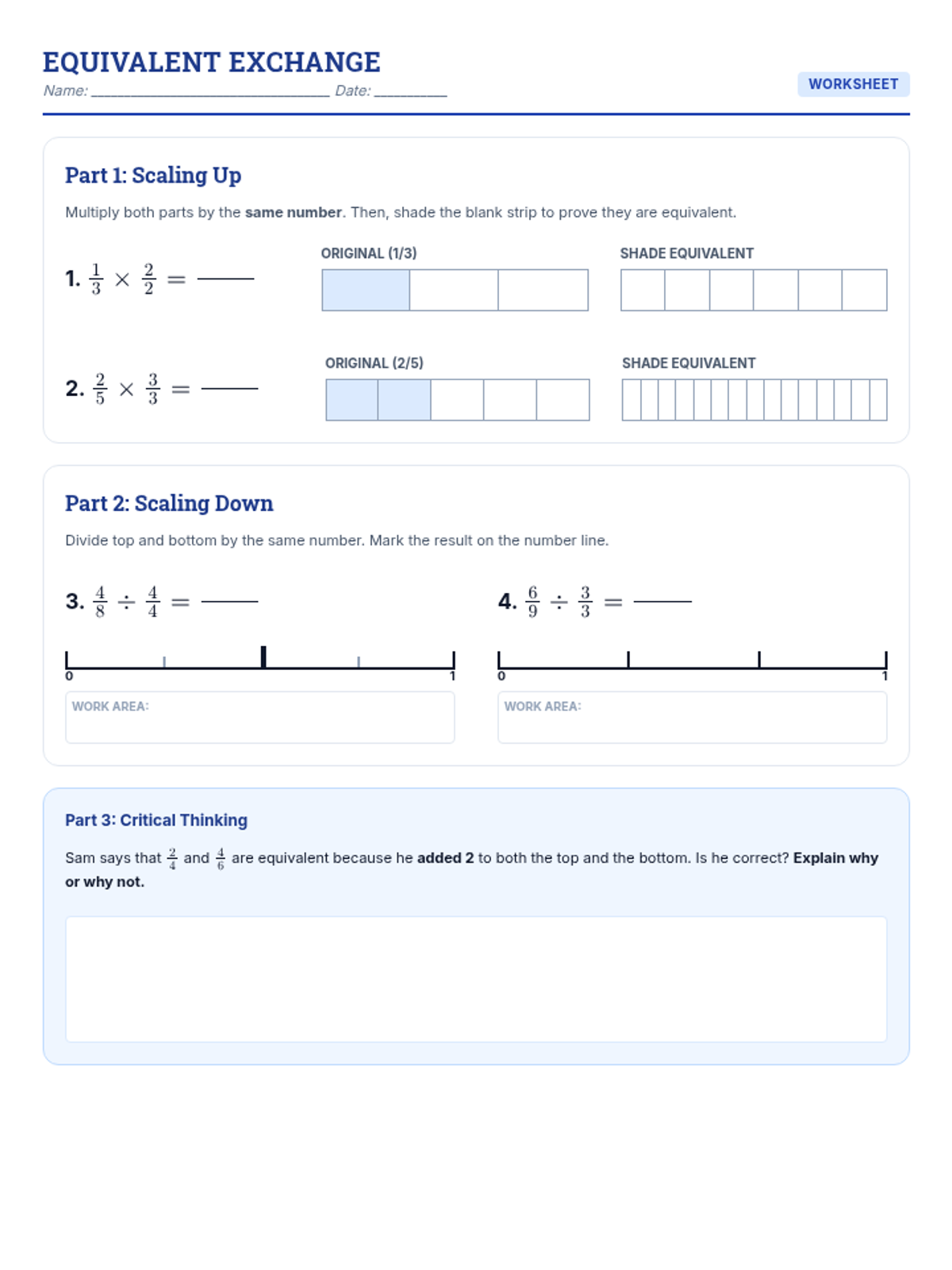
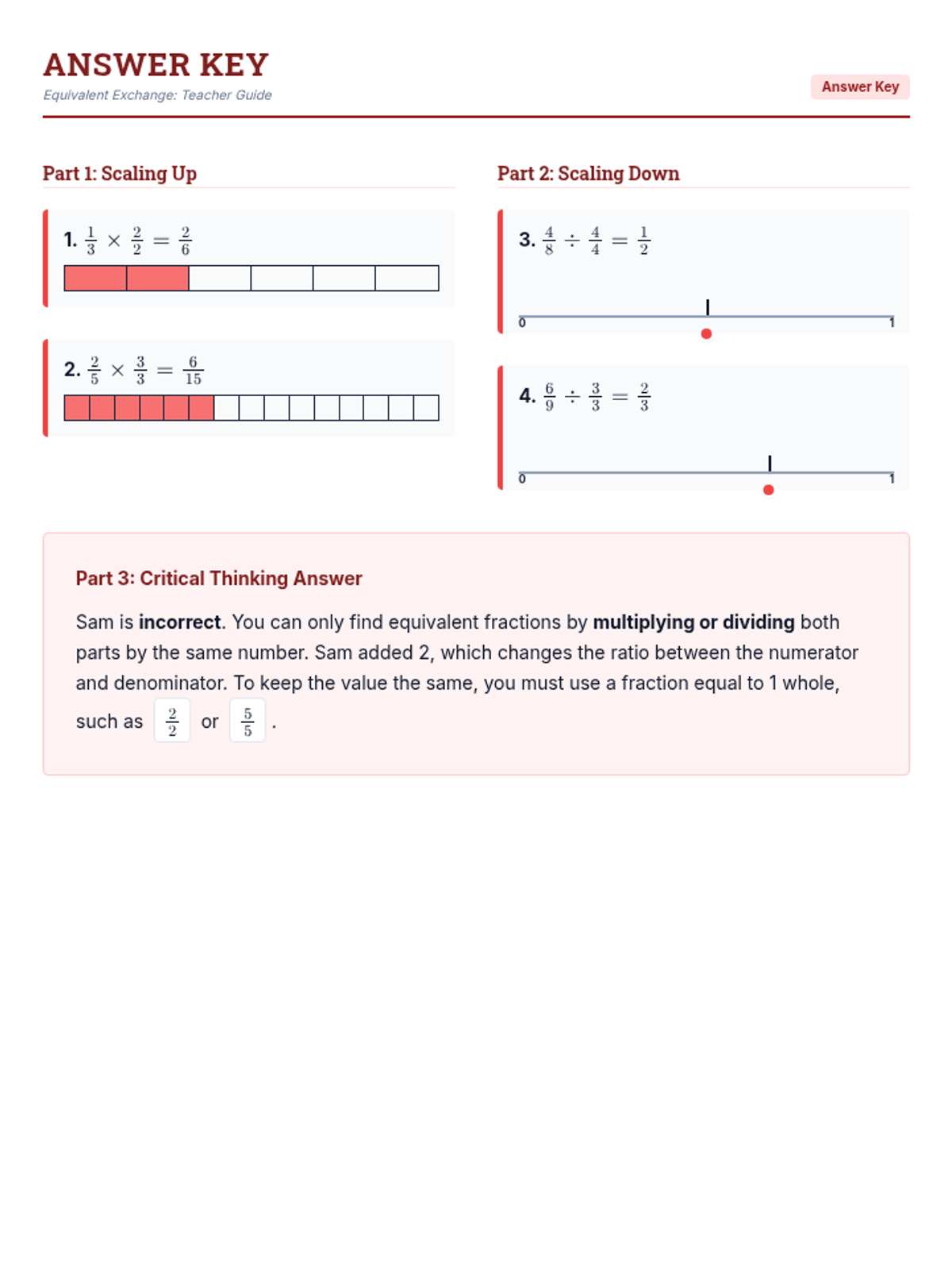
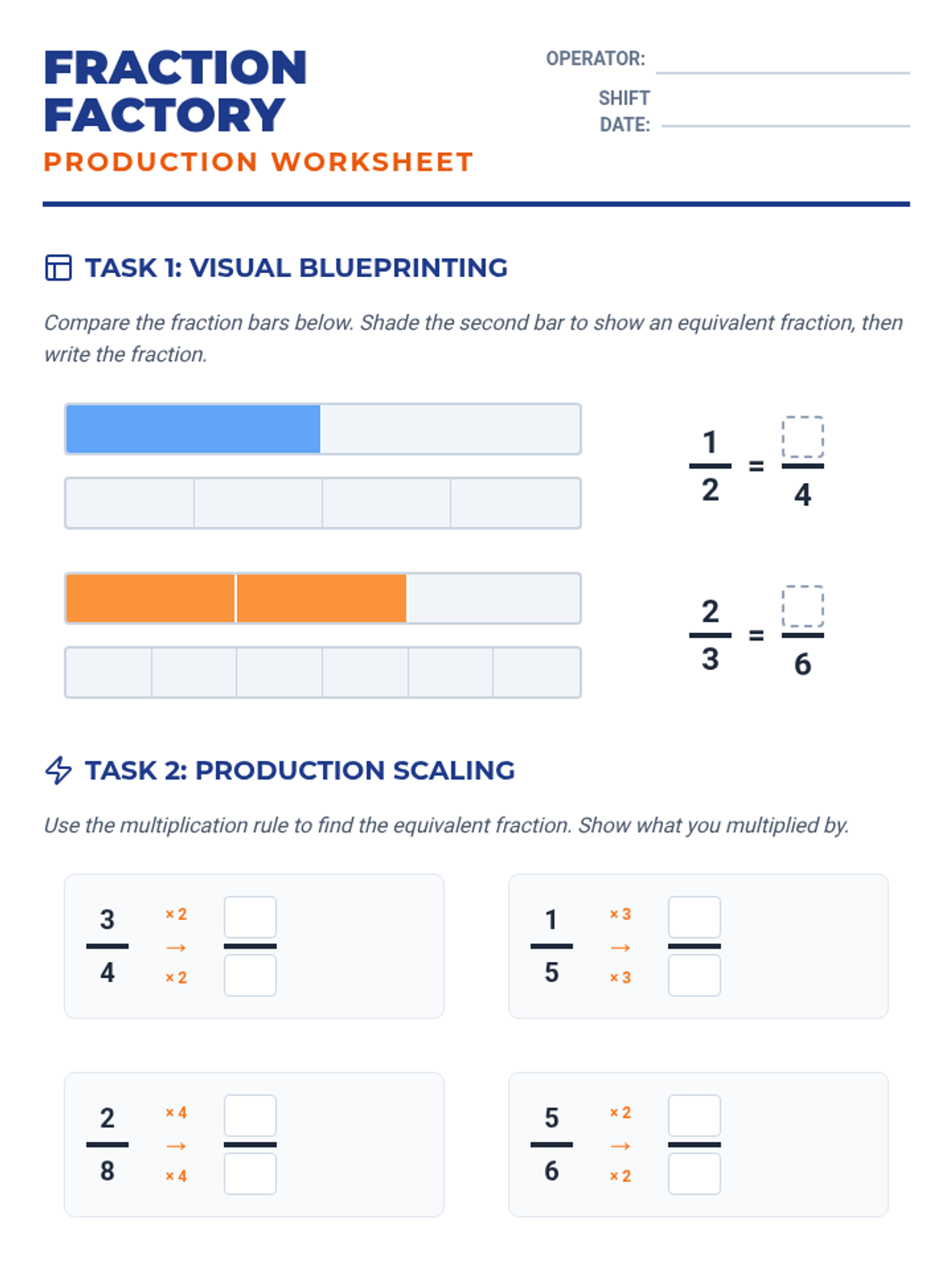
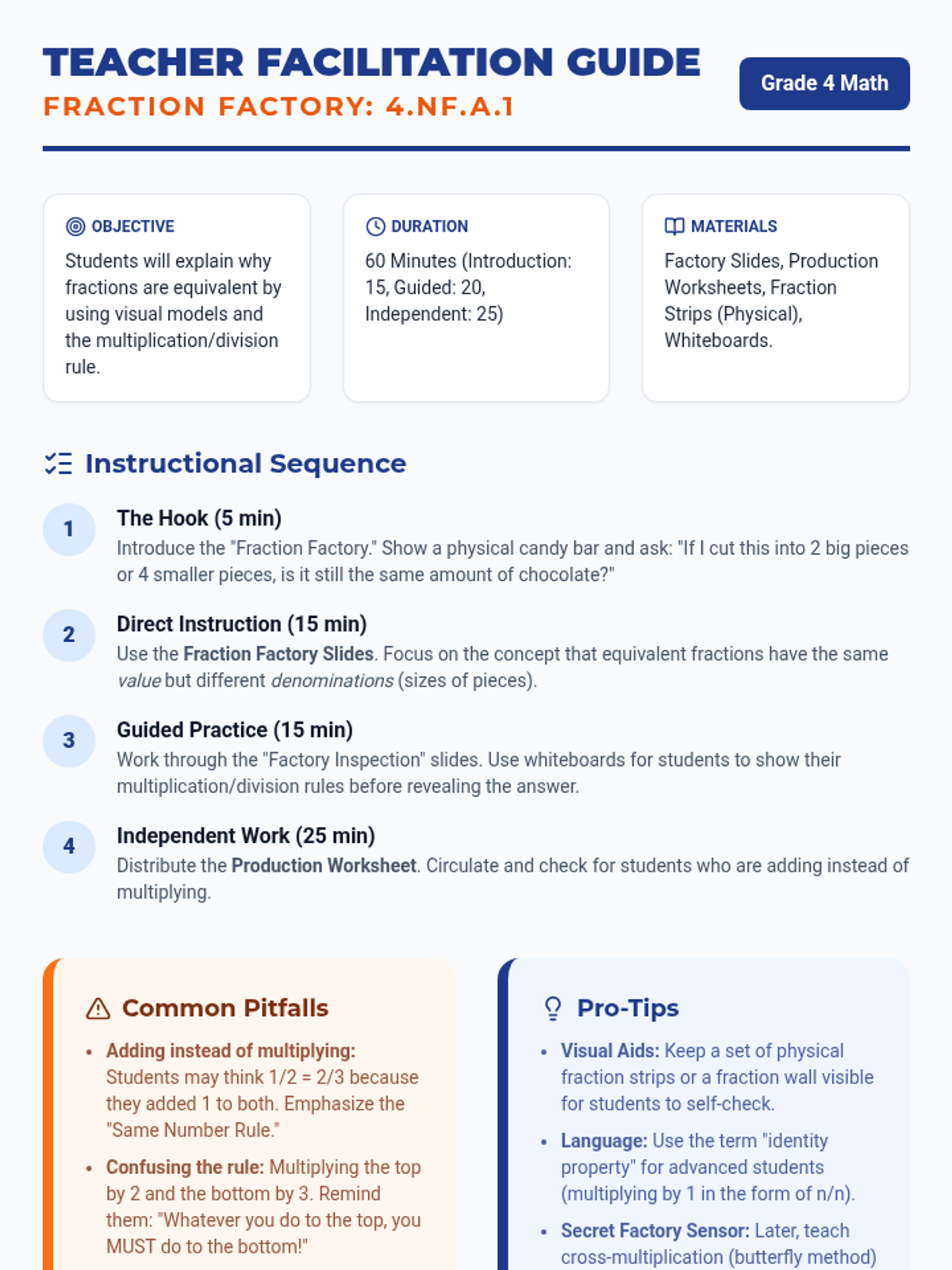
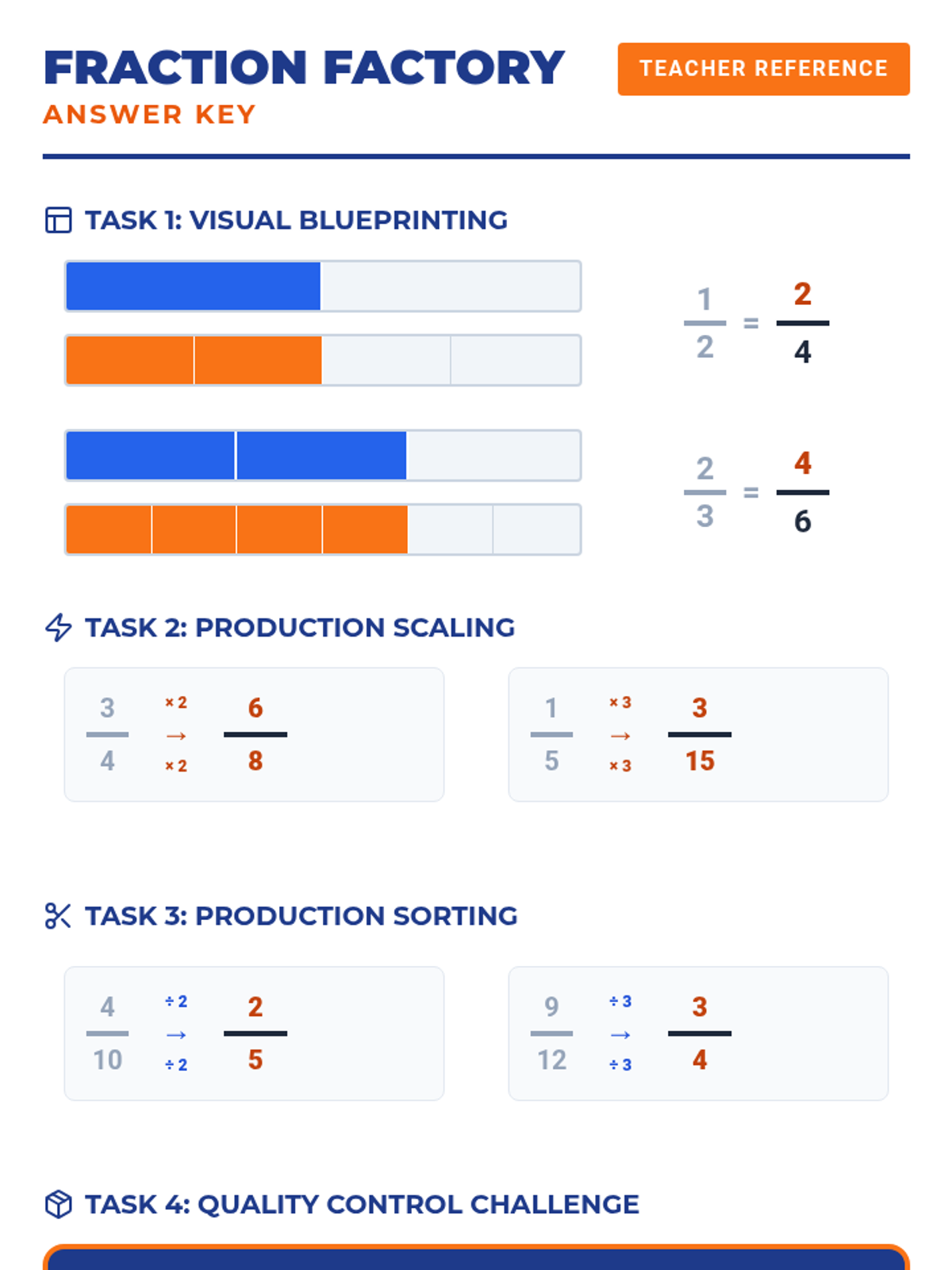
A comprehensive lesson on finding equivalent fractions using multiplication and division, supported by fraction strips and number line models. Students explore how to scale fractions up and down while maintaining the same value.
A 4th-grade math lesson on identifying and generating equivalent fractions using visual models like fraction strips and bars, and applying multiplication and division rules.
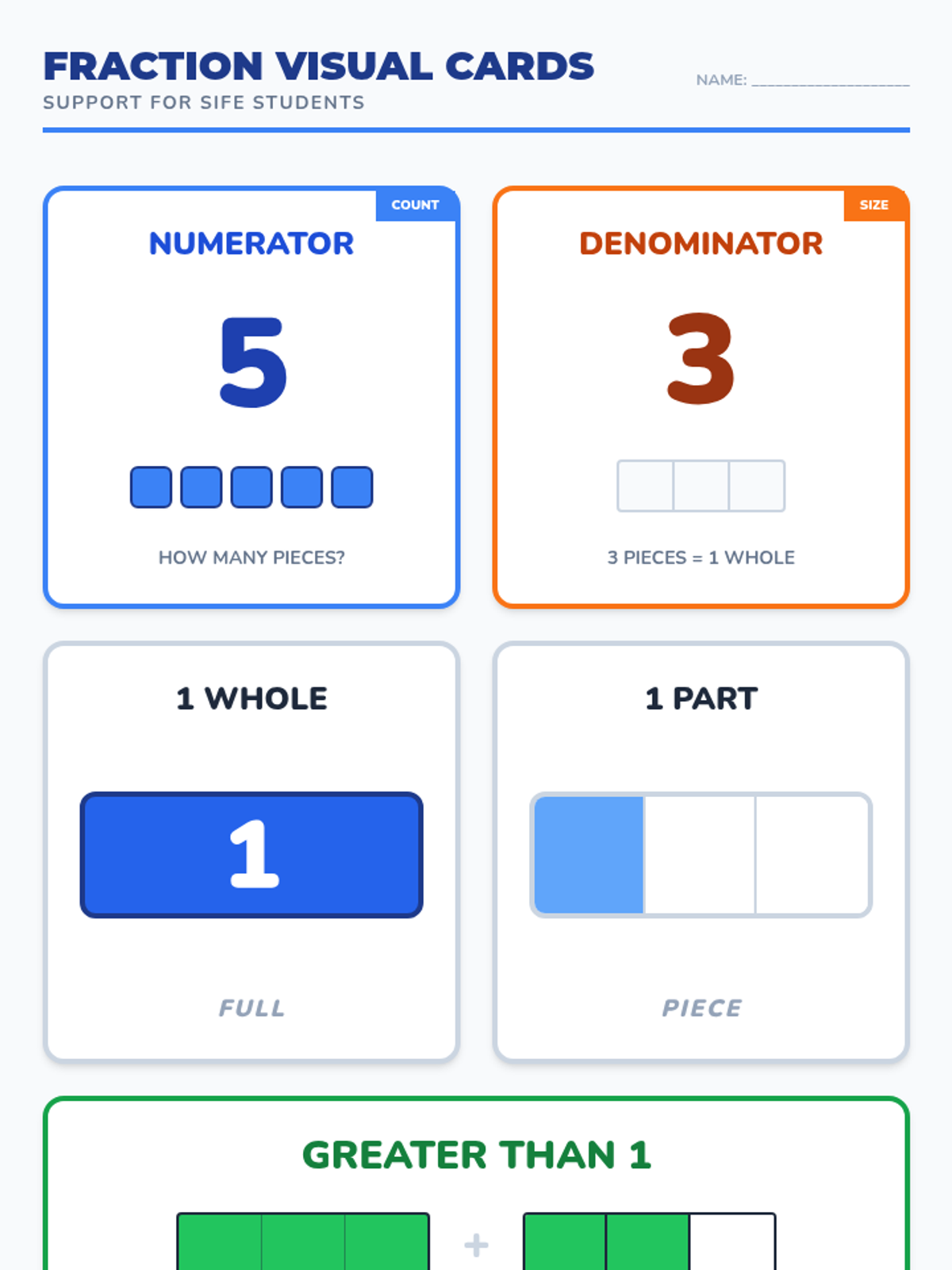
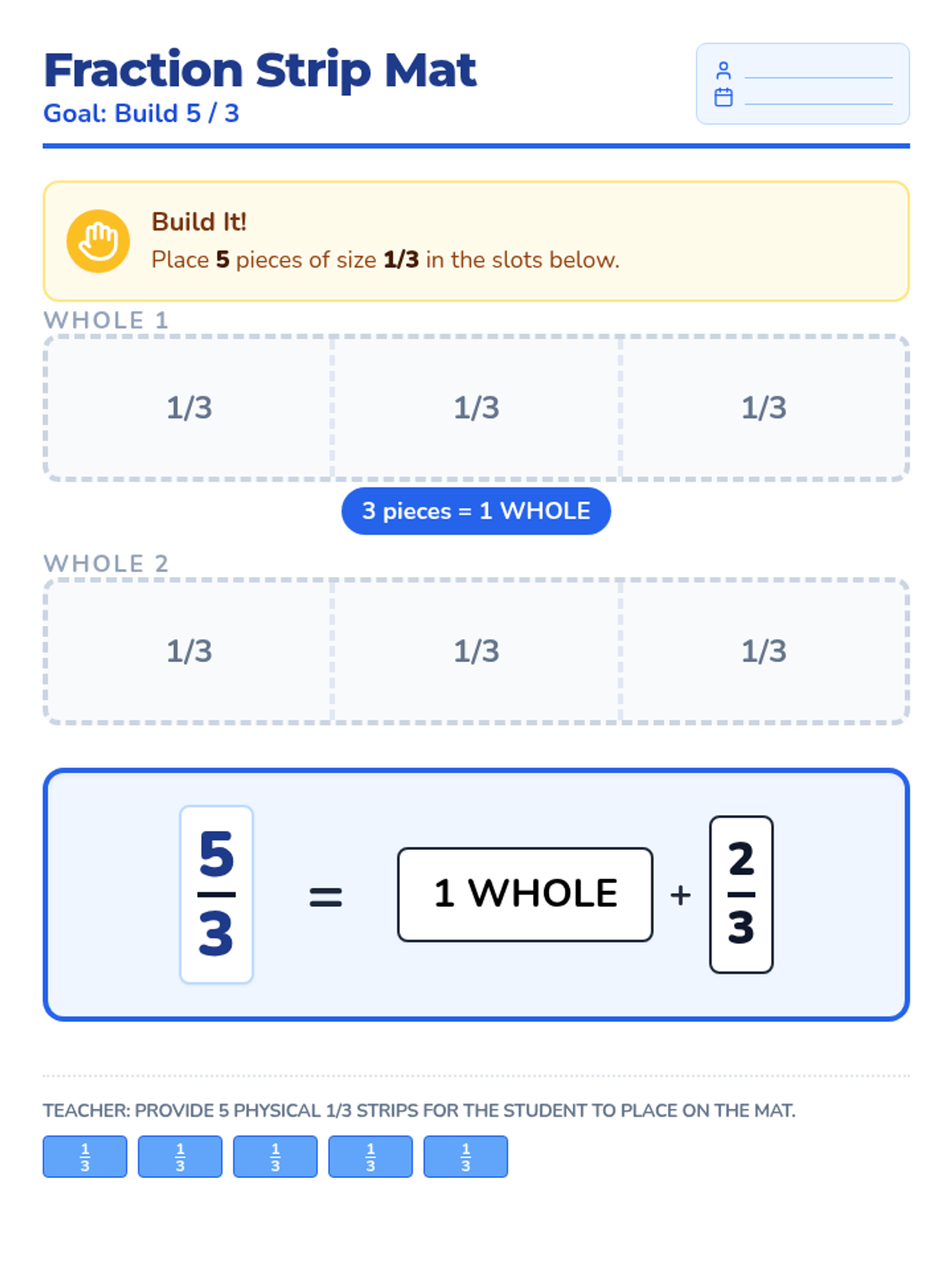
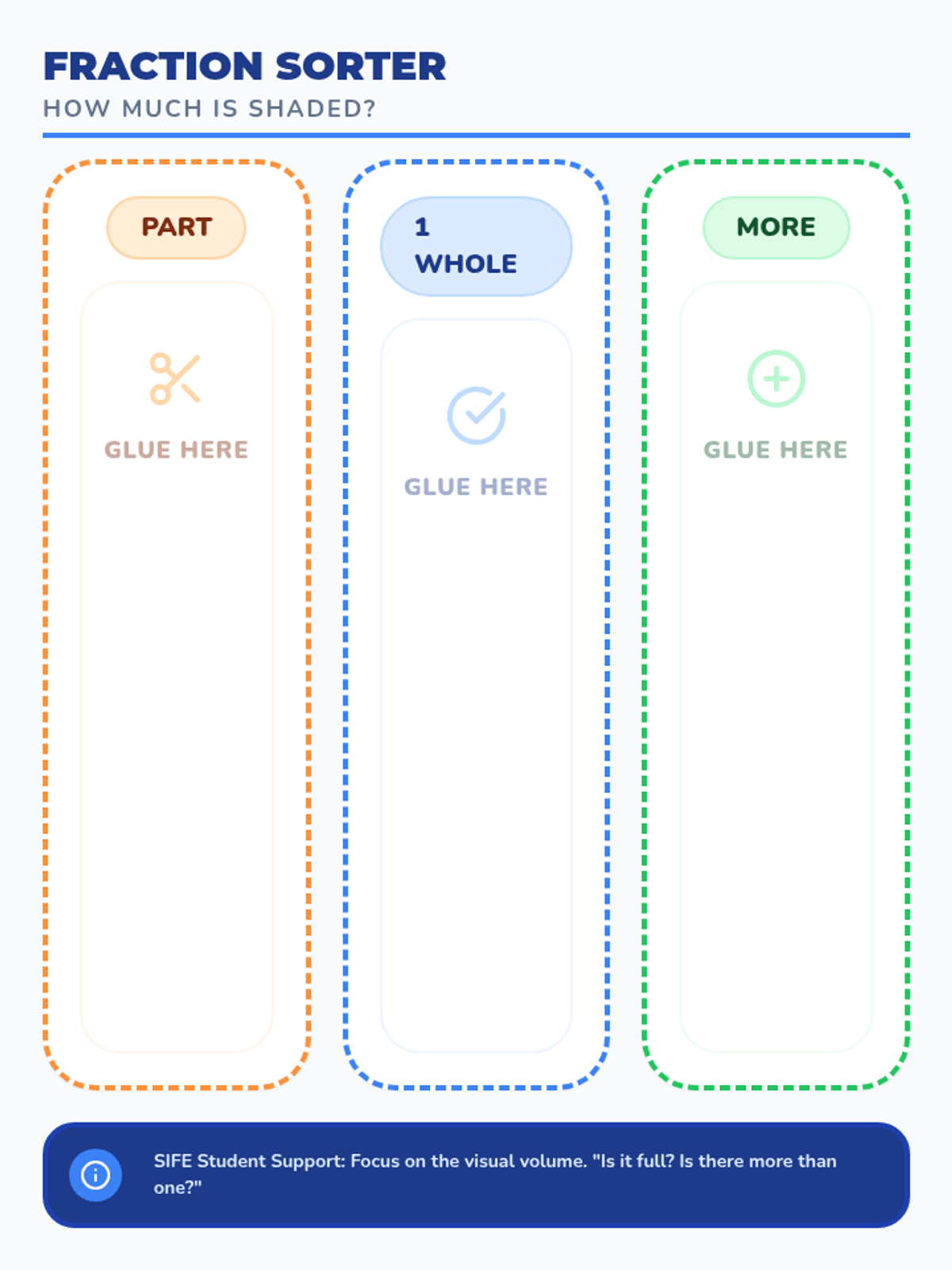
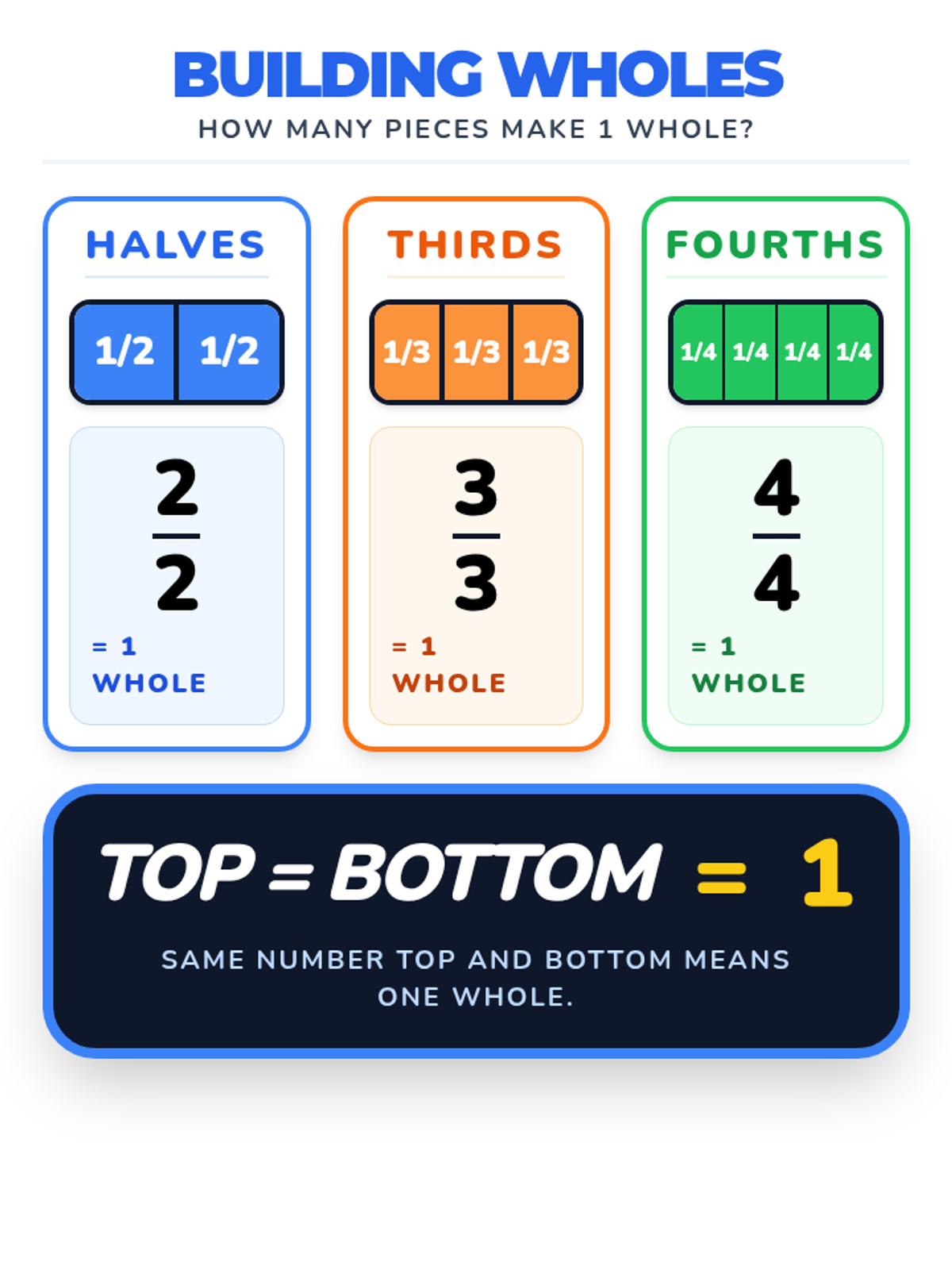
A foundational lesson designed for SIFE students to understand fractions greater than one using visual models and fraction strips. Focuses on bridging concrete models to number lines with minimal text reliance.
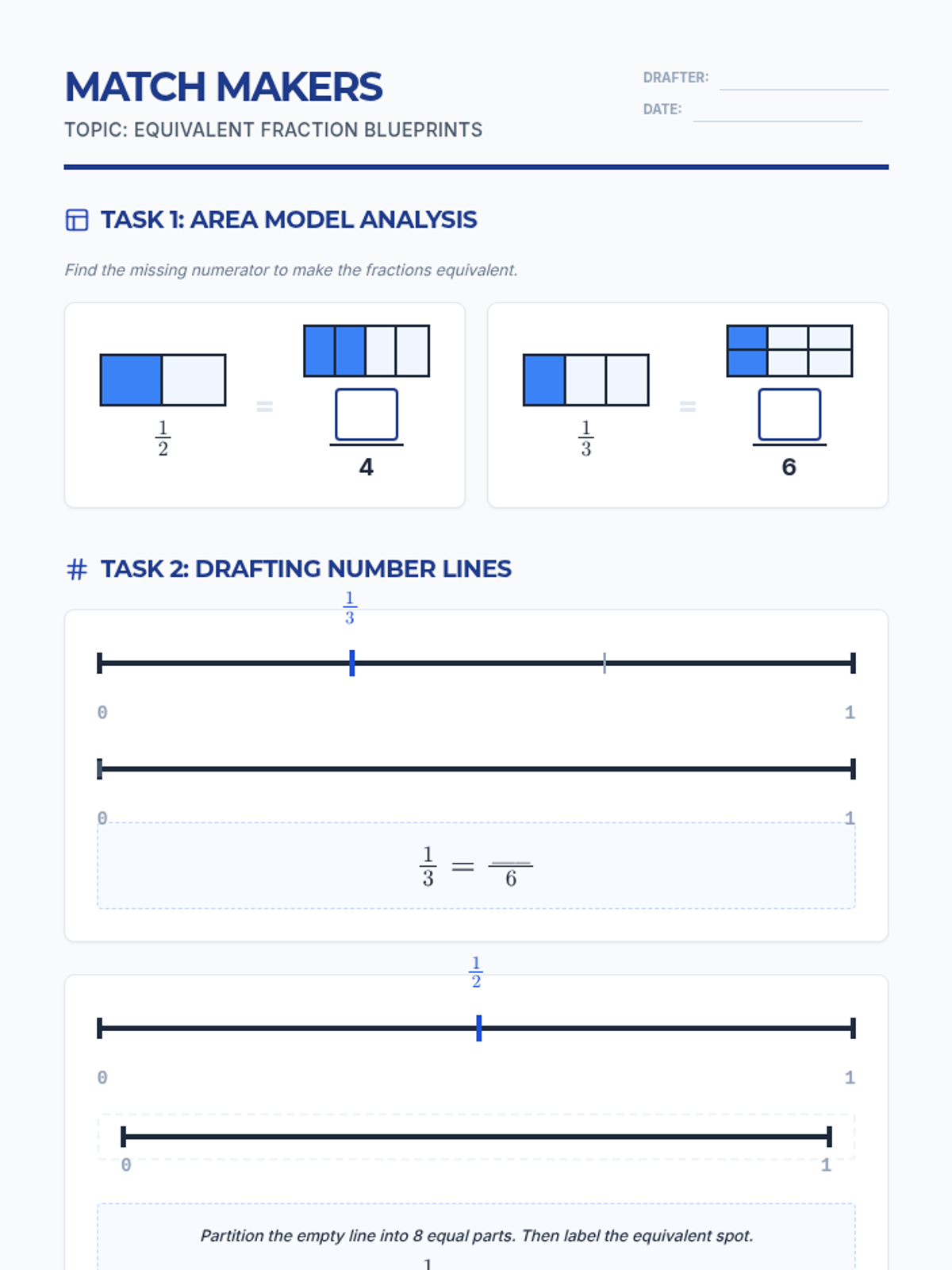
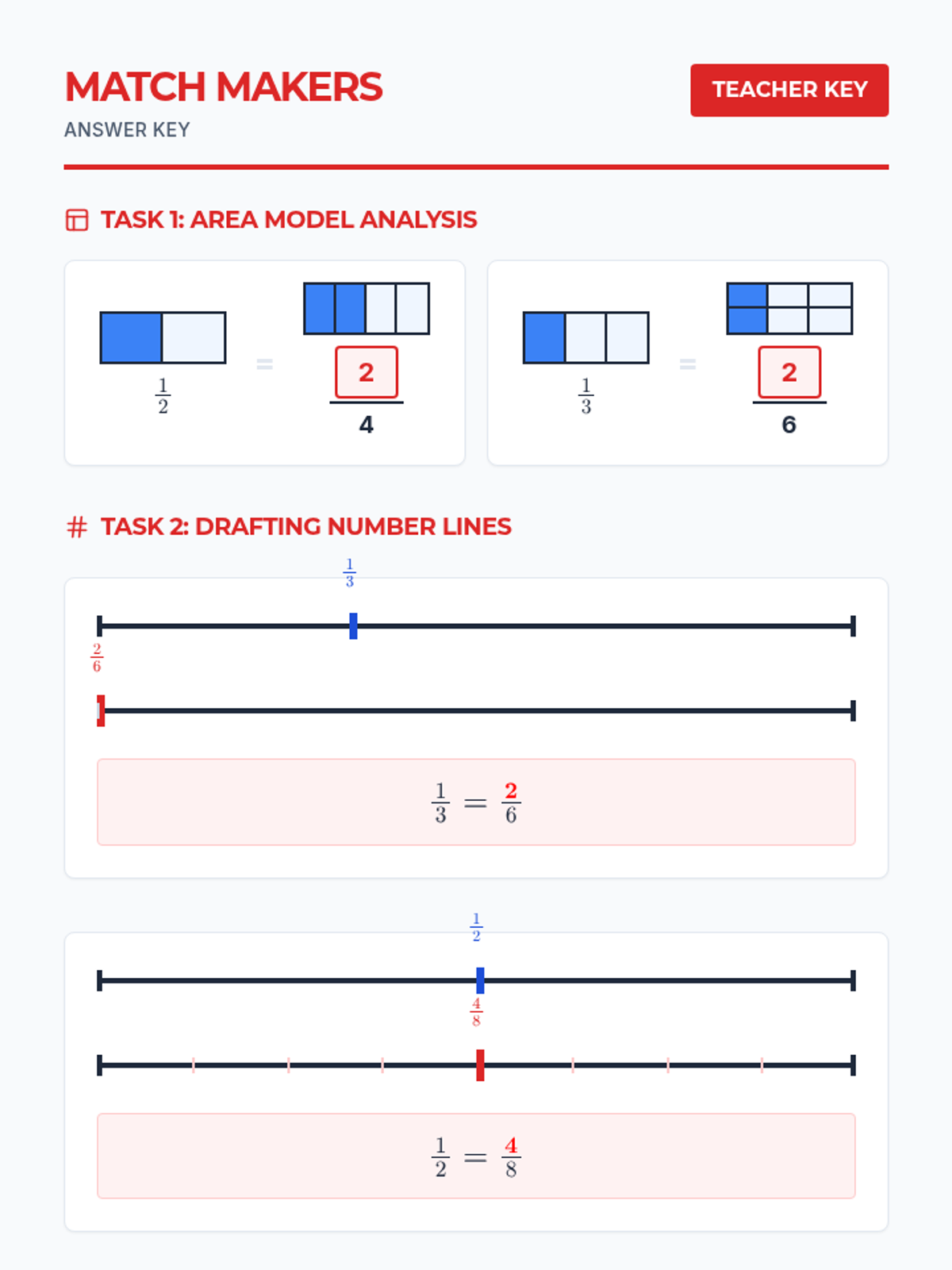
A foundational lesson on equivalent fractions using area models and number lines, styled as architectural blueprints to emphasize precision and measurement.
Analyzing and creating line plots to represent measurement data.
Using fraction equivalence to measure and record lengths accurately.
Expanding measurement skills to fourths of an inch and practicing with mixed numbers.
Introduction to measuring length in halves of an inch and understanding mixed numbers.
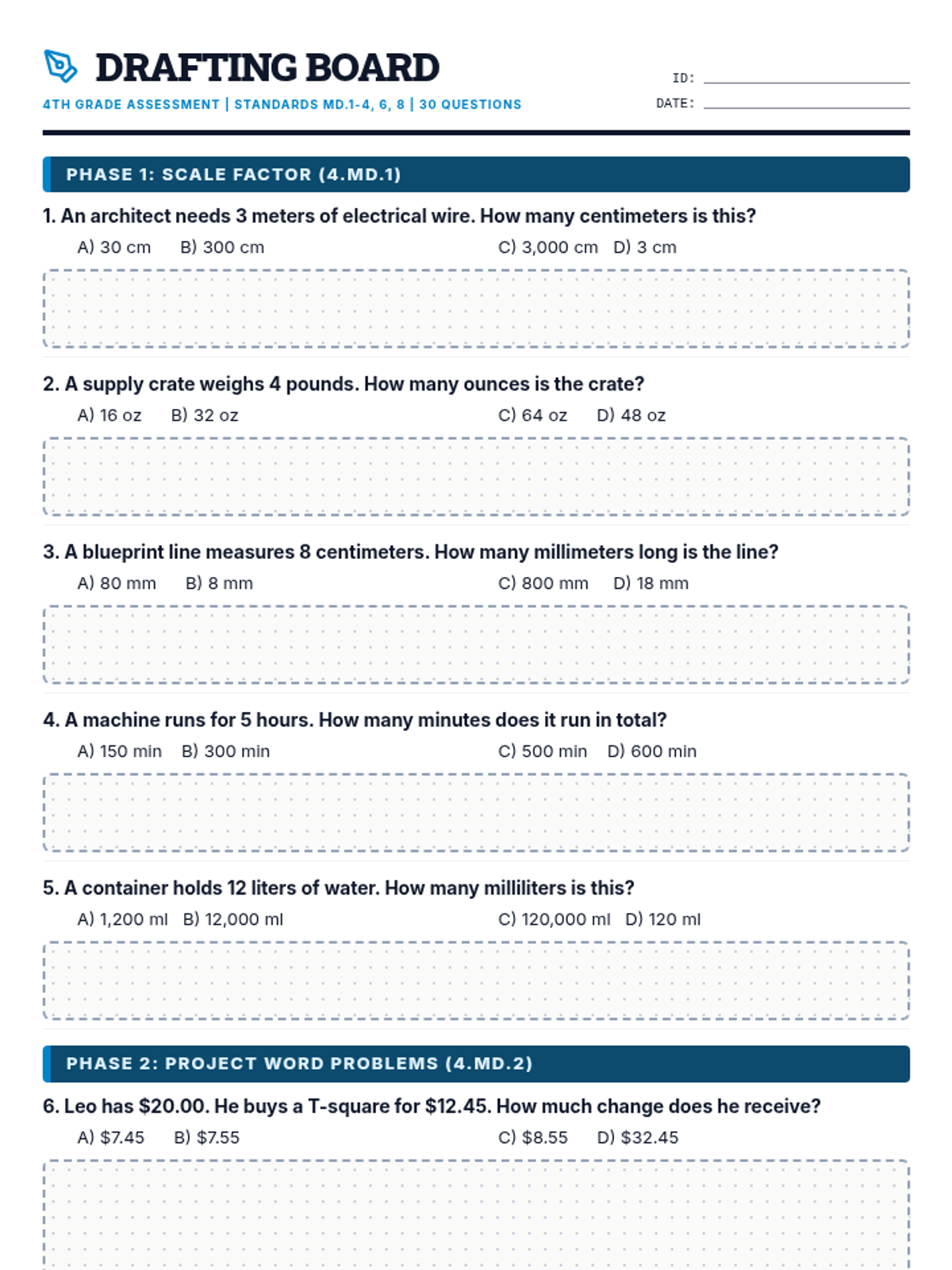
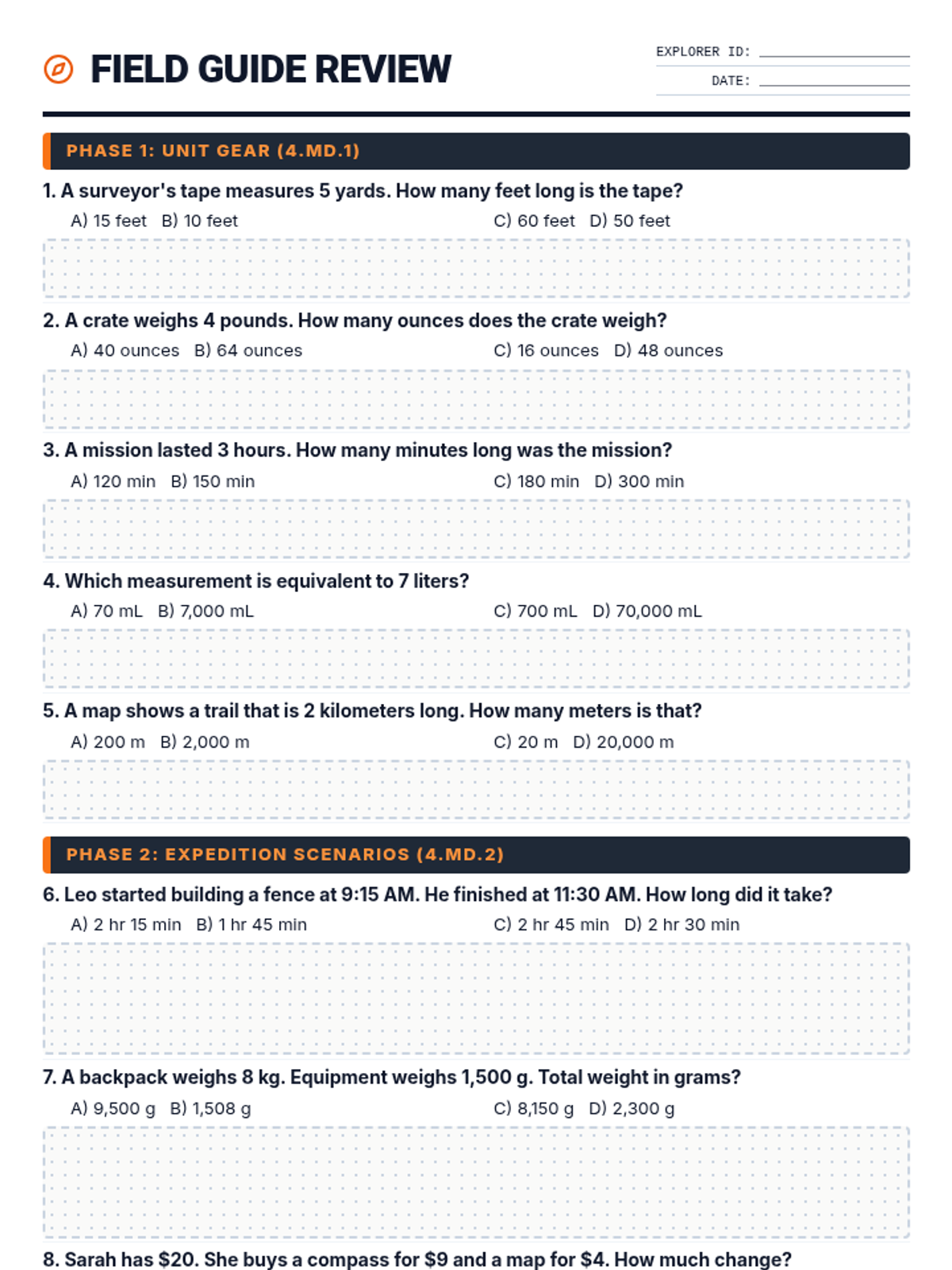
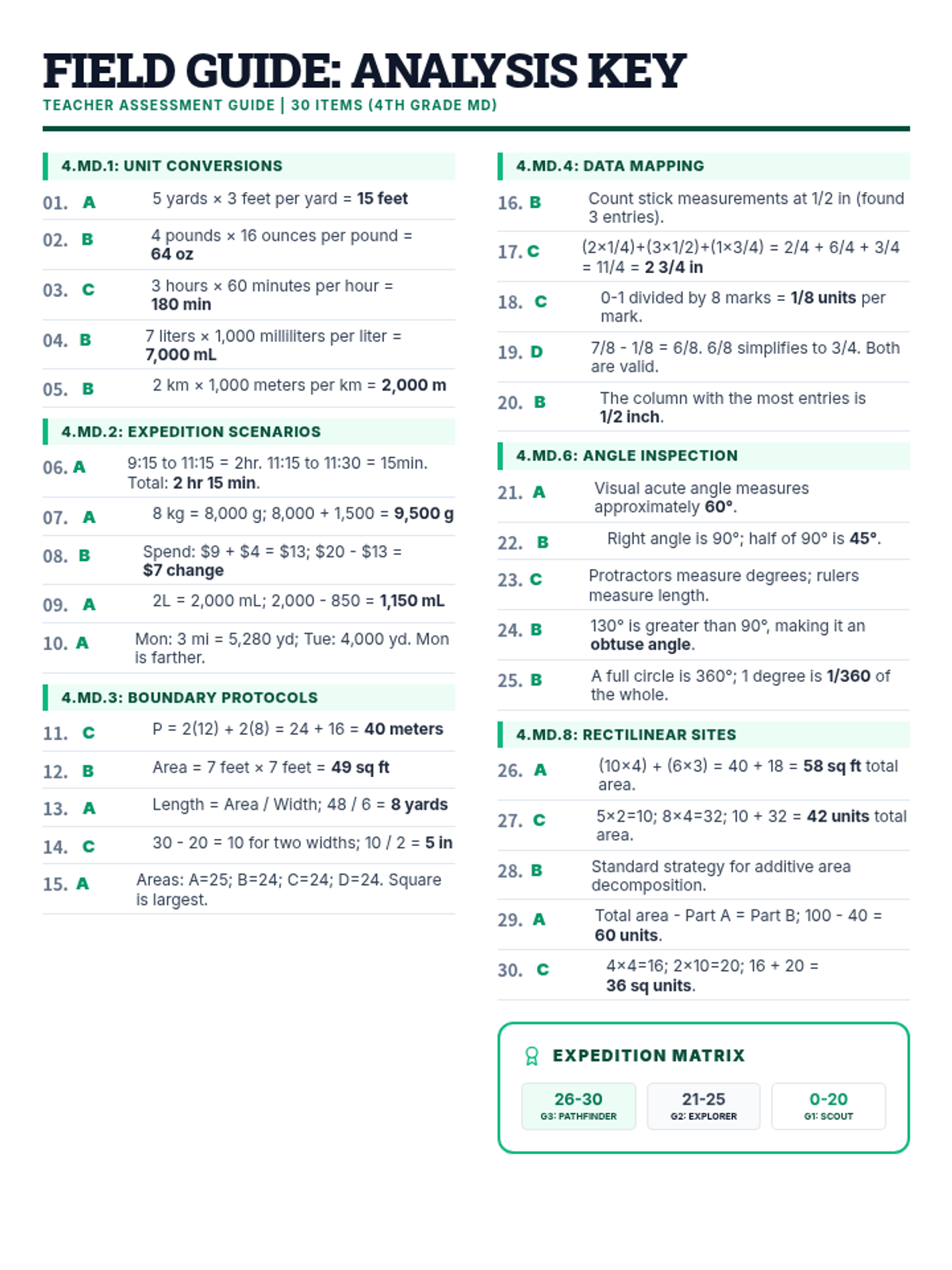
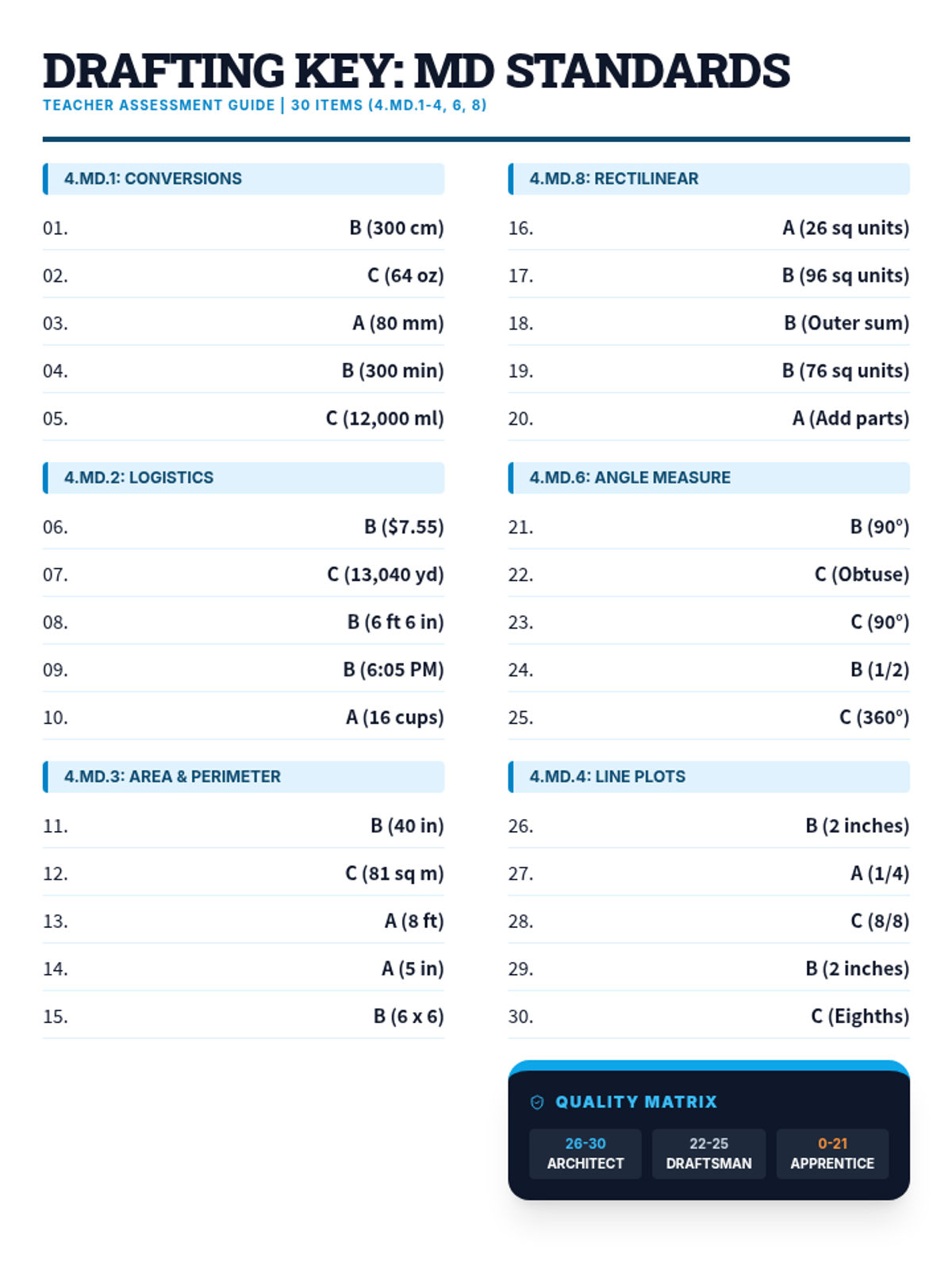
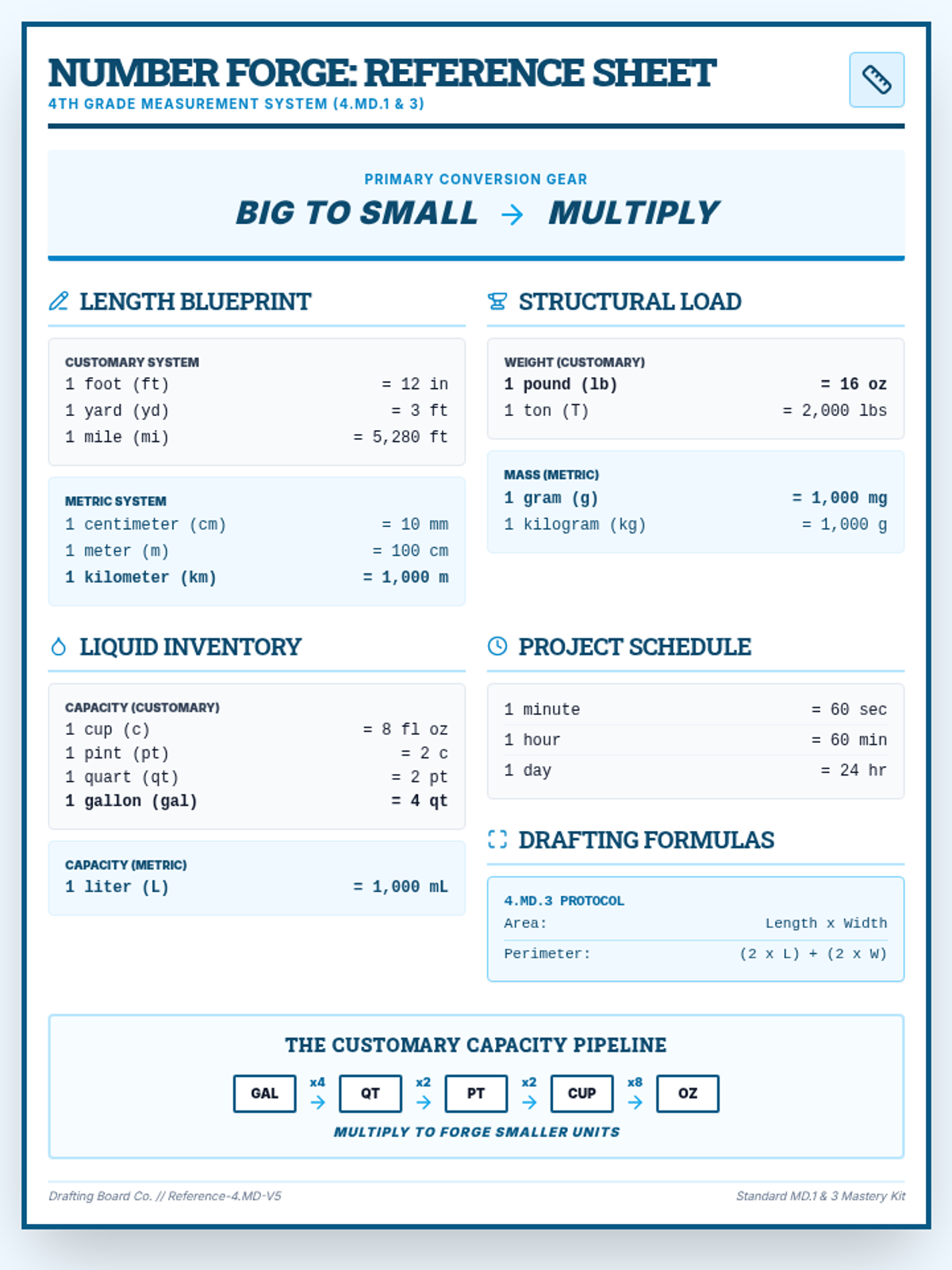
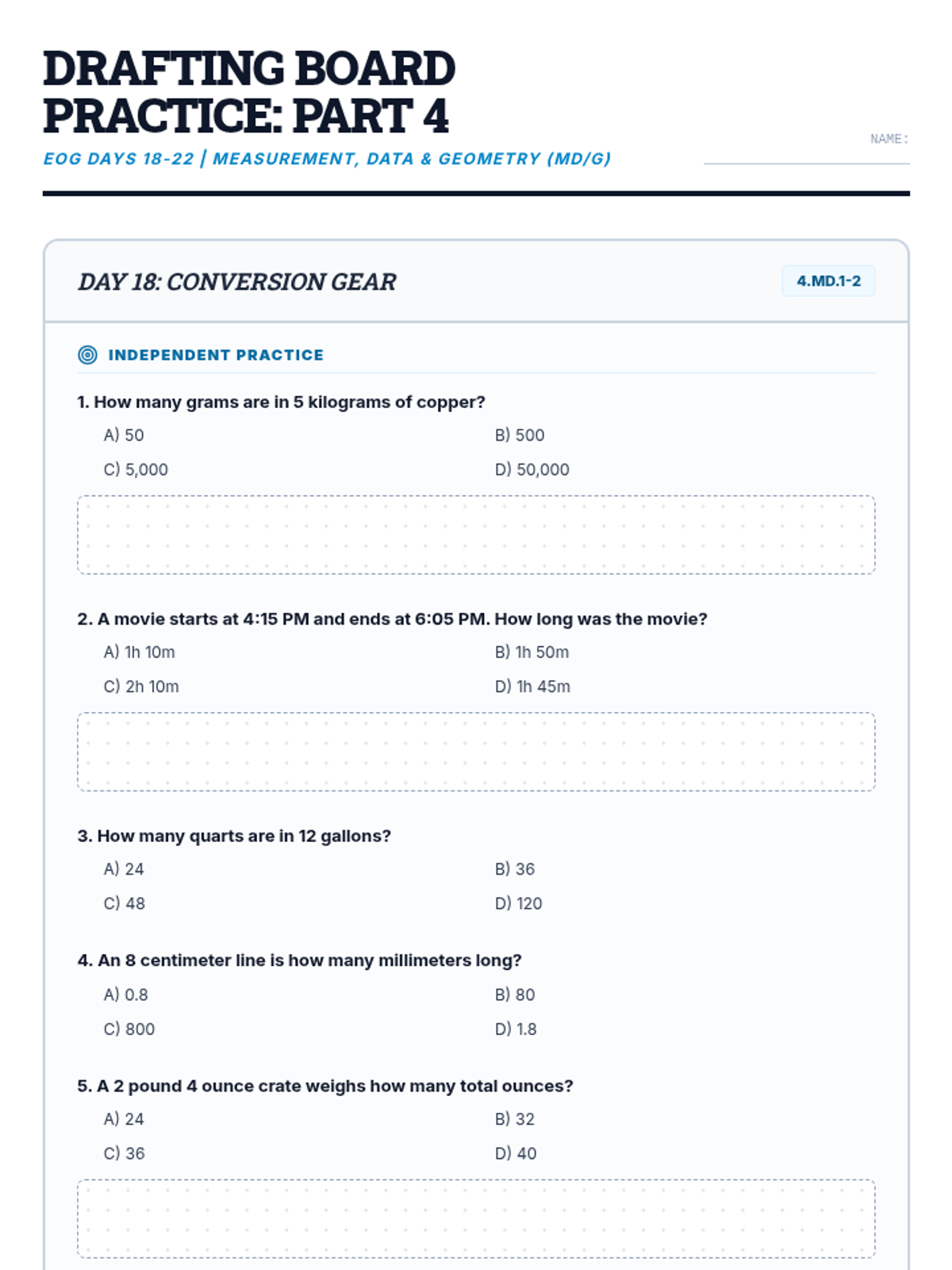
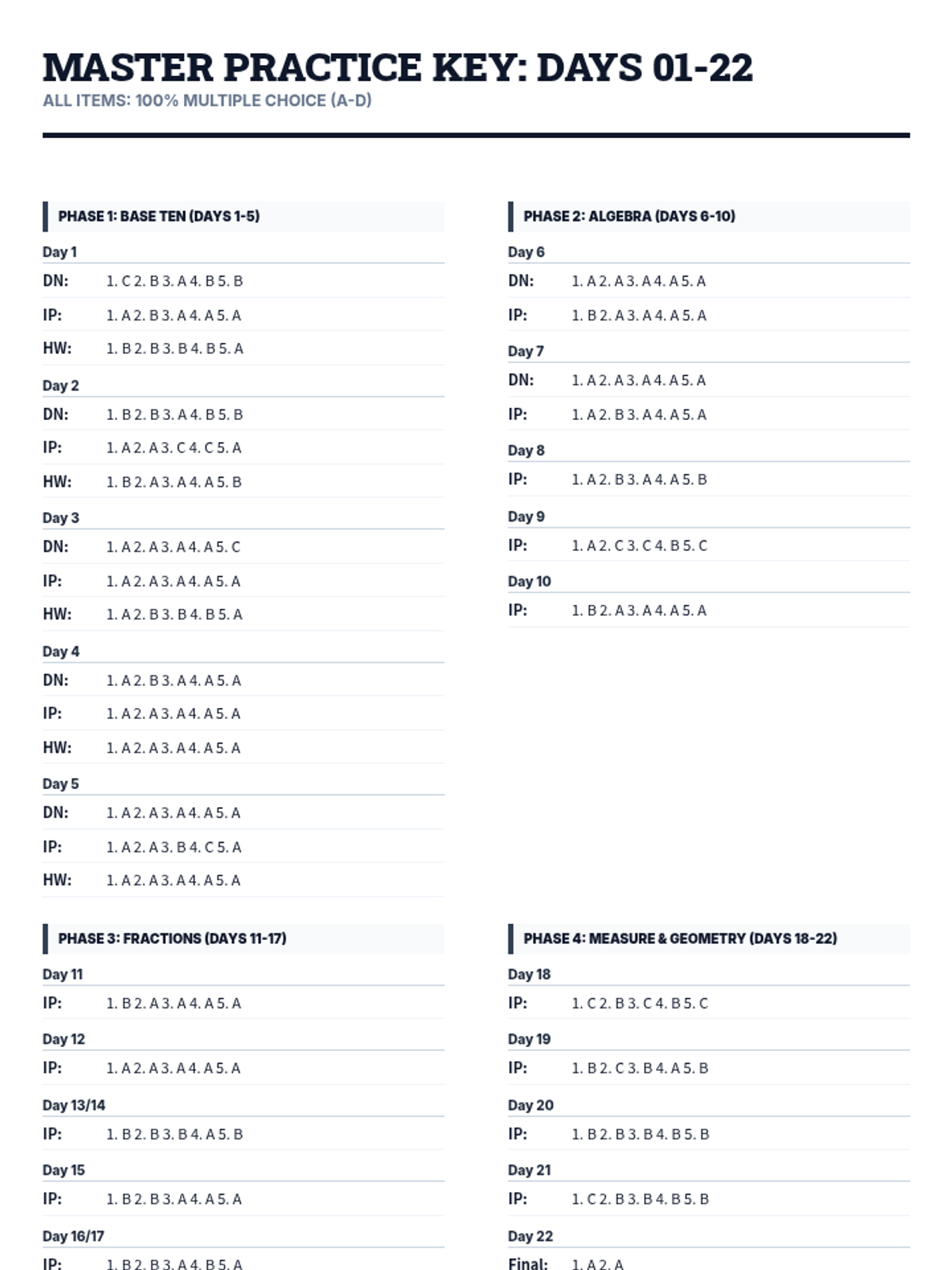
A precision-focused drafting-themed review of 4th grade Measurement and Data (MD) standards. Covers units and conversions (MD.1), measurement word problems (MD.2), area and perimeter (MD.3), line plots (MD.4), and angle measurement and addition (MD.6-7). Division has been removed from the curriculum.
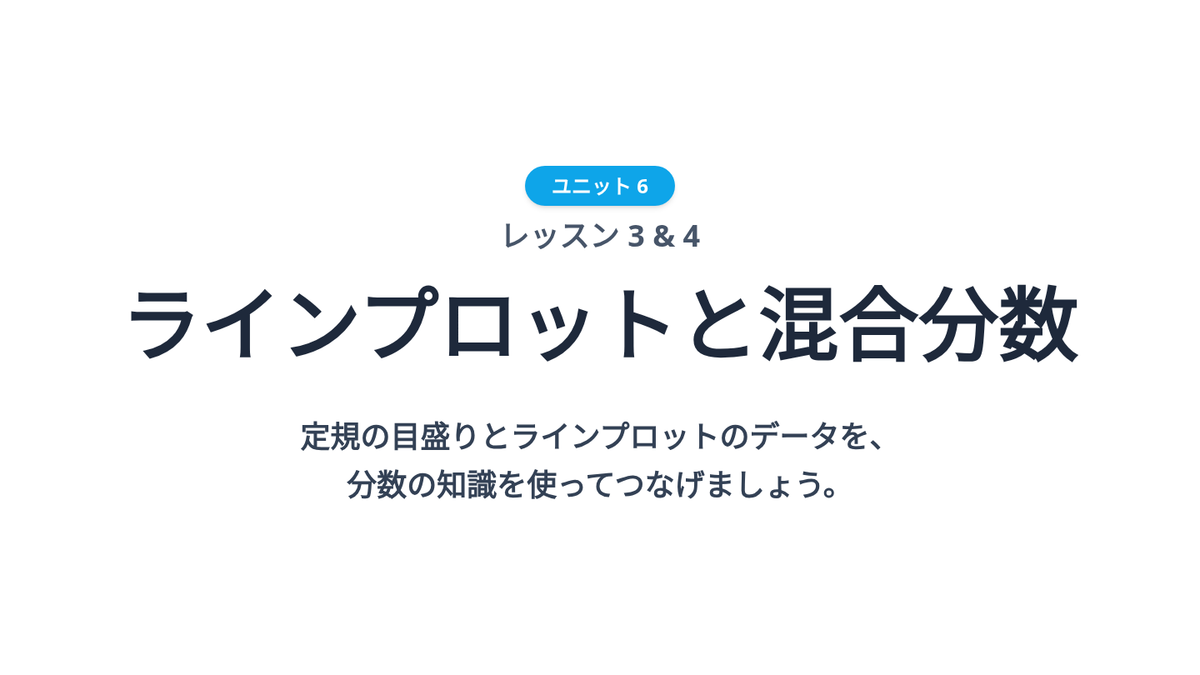
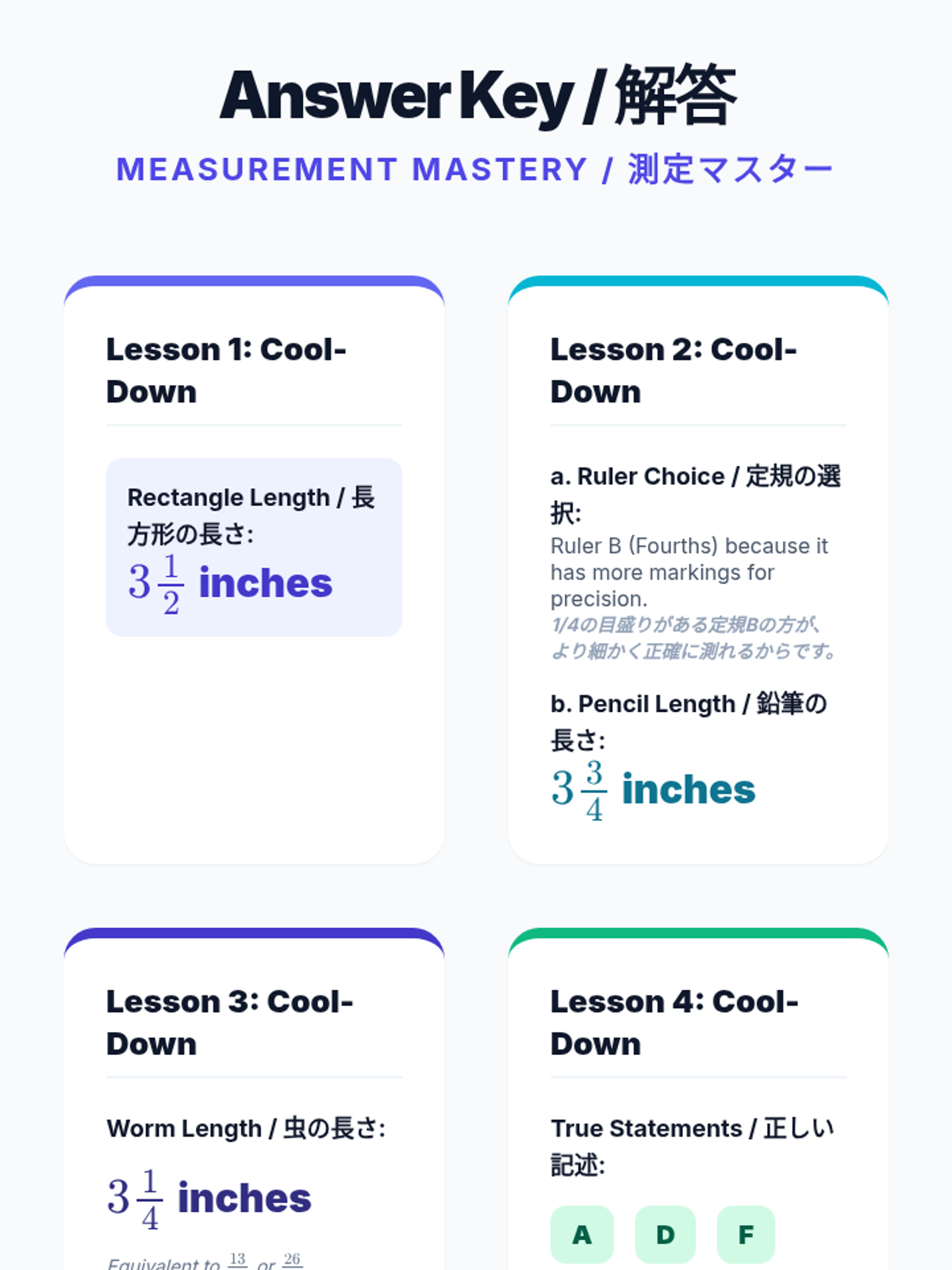
A comprehensive slide deck covering measurement in inches (halves and fourths) and interpreting data on line plots, provided in both English and Japanese.
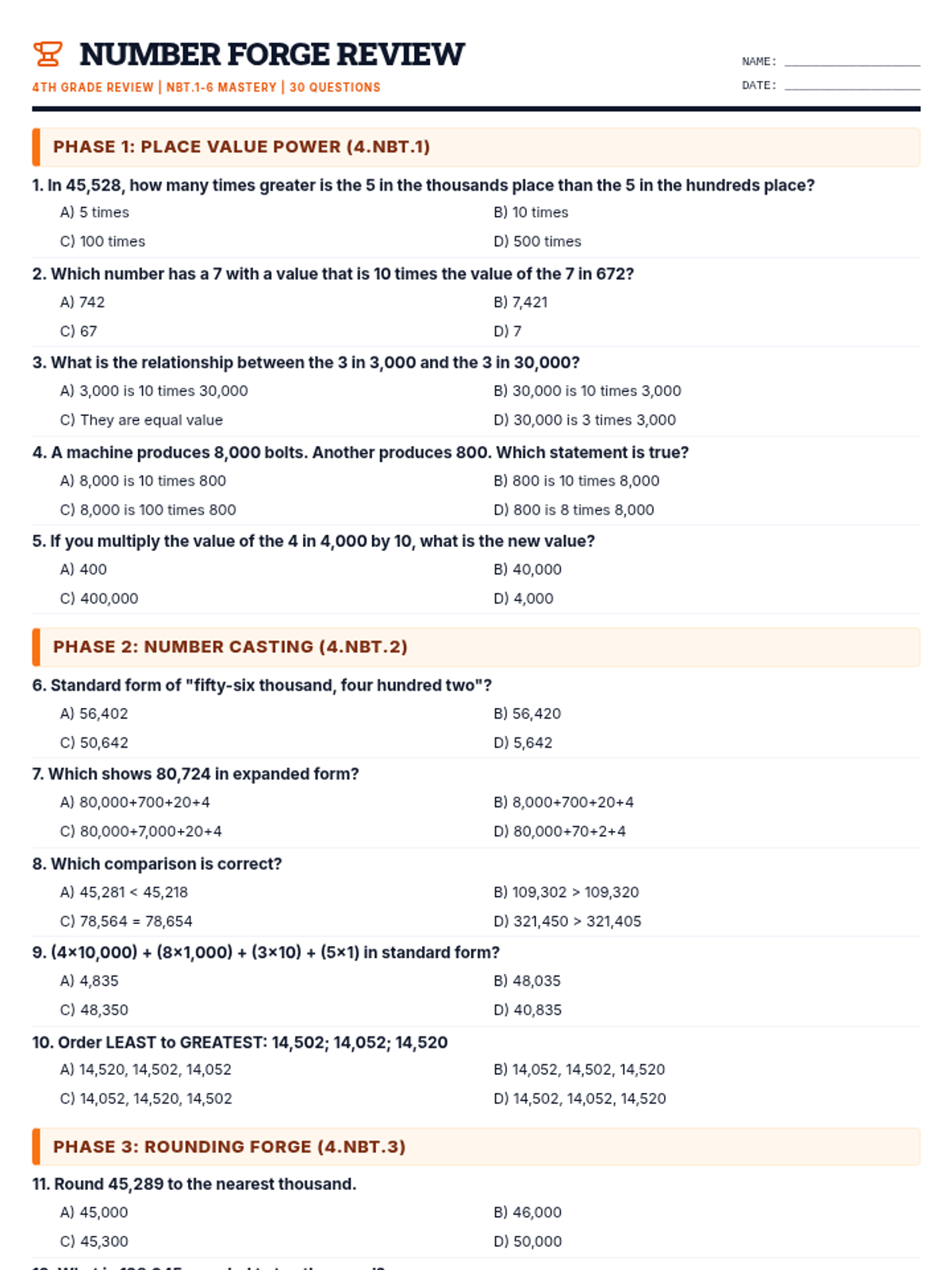
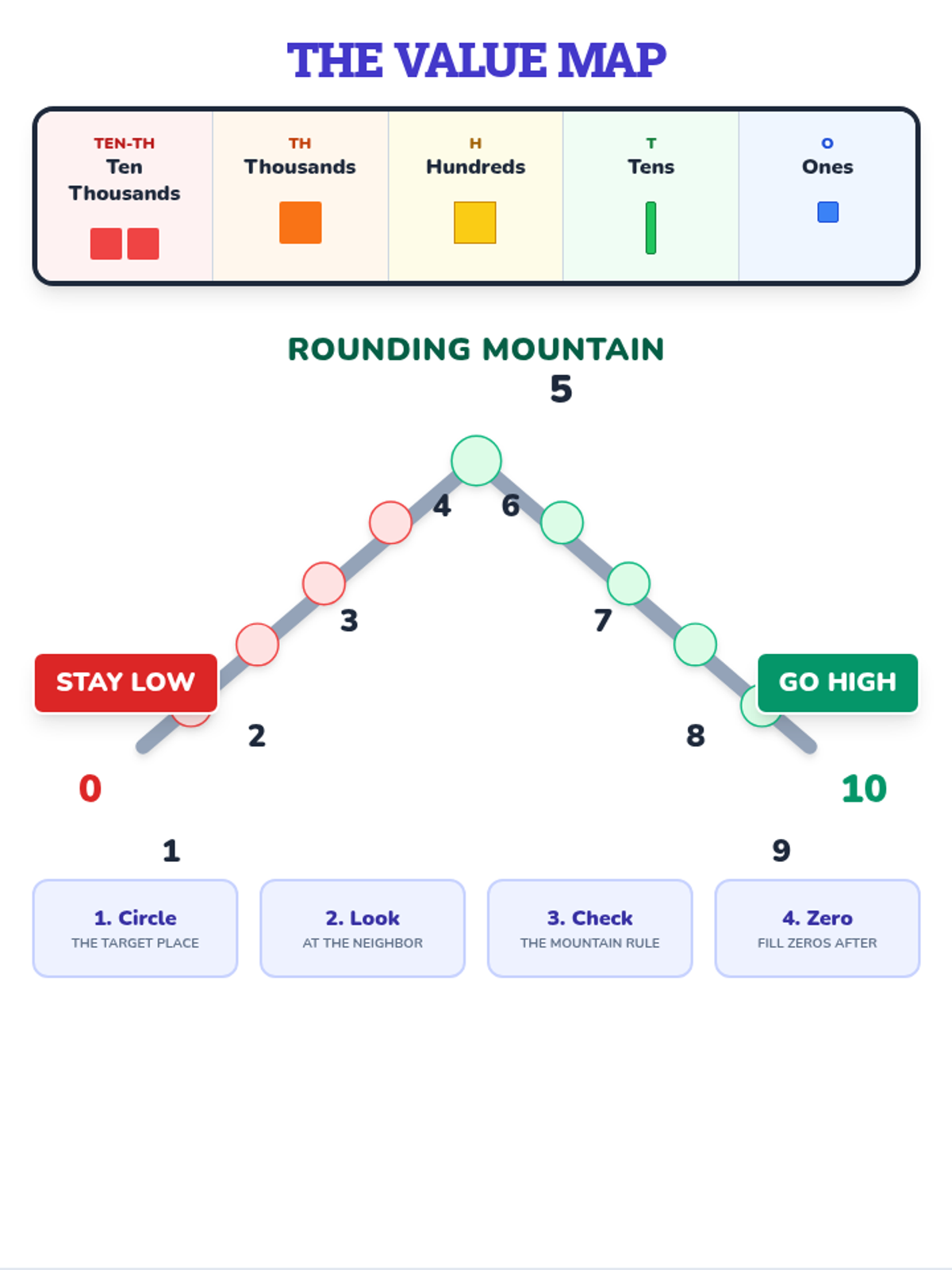
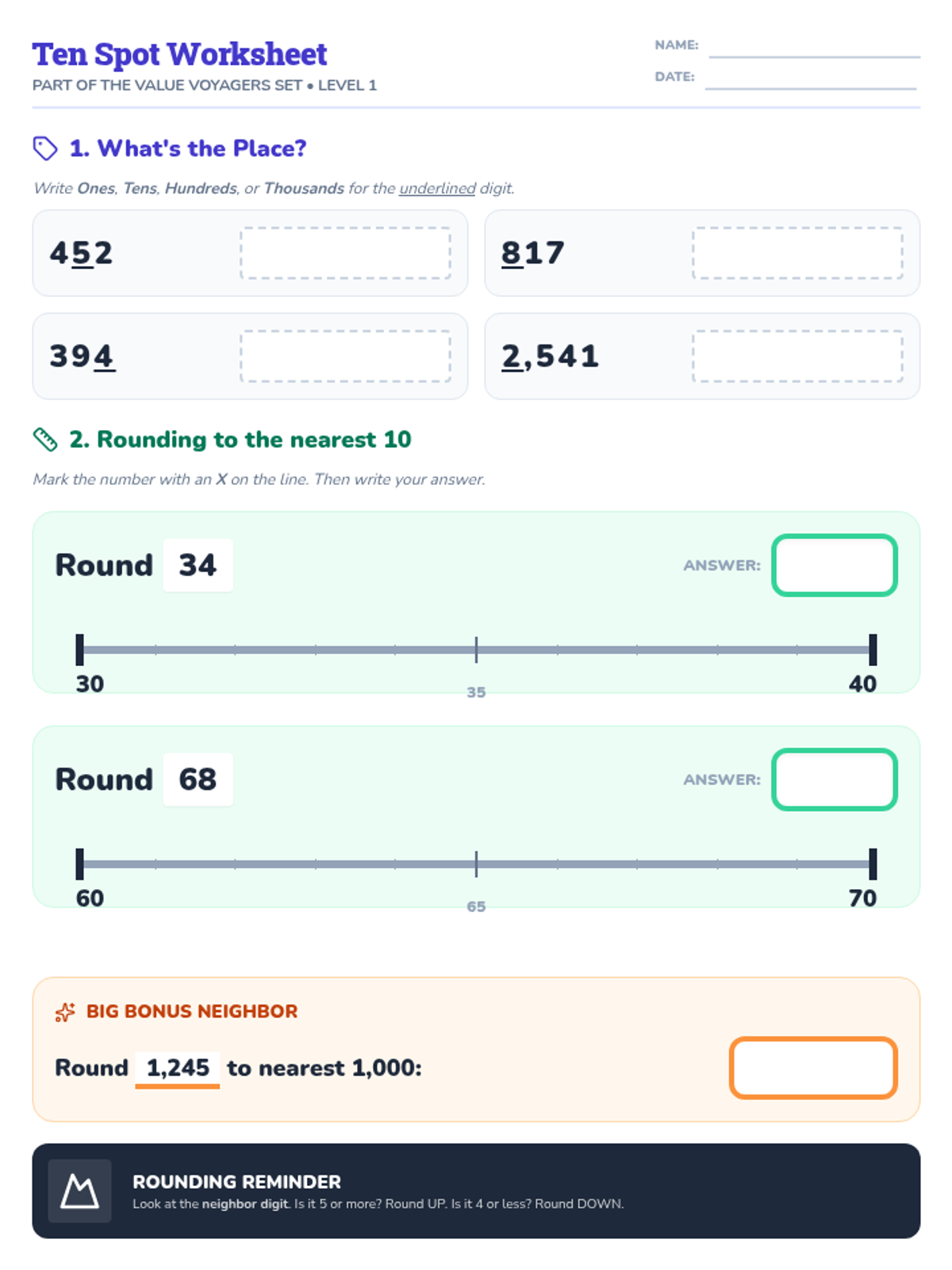
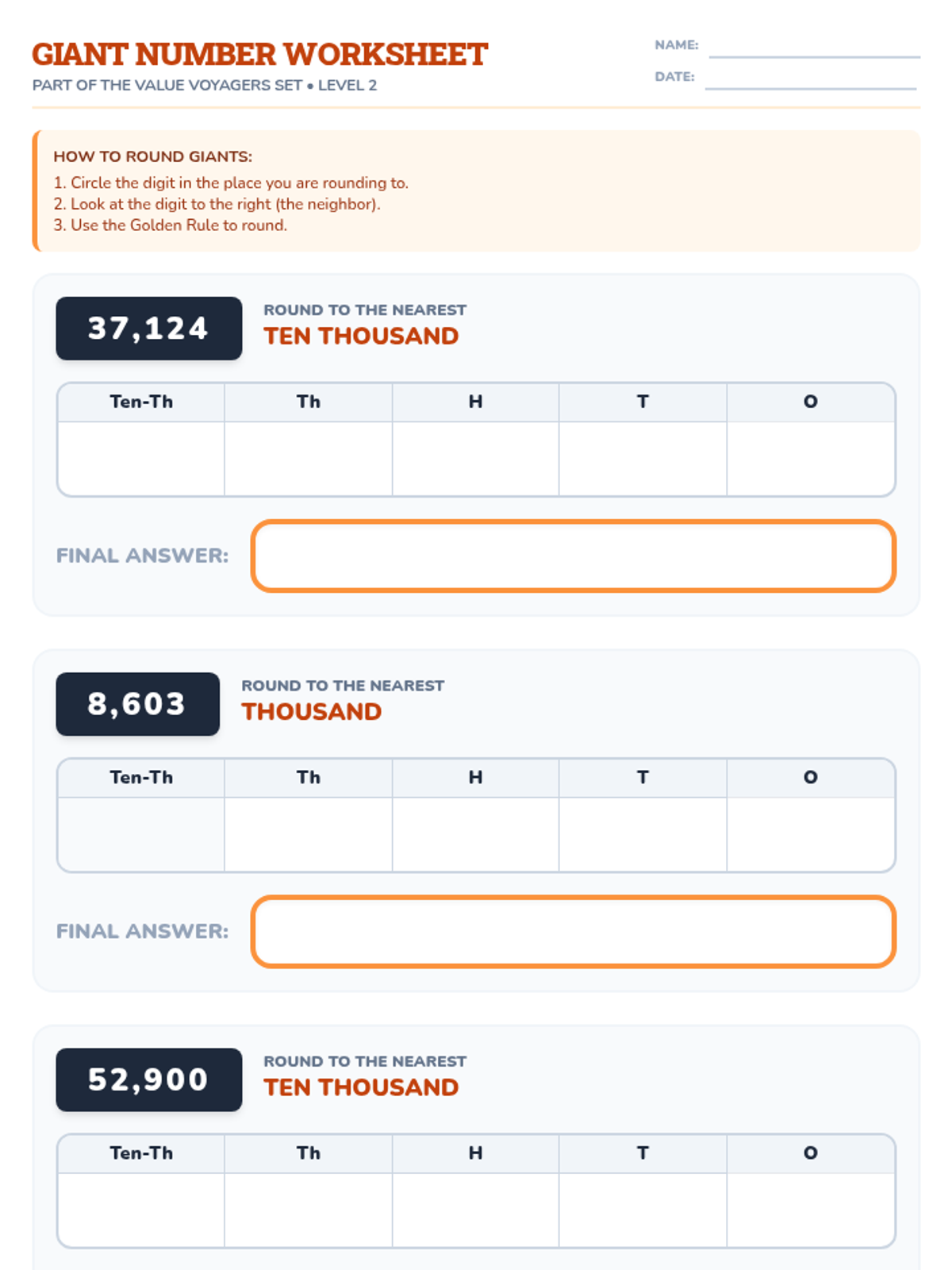
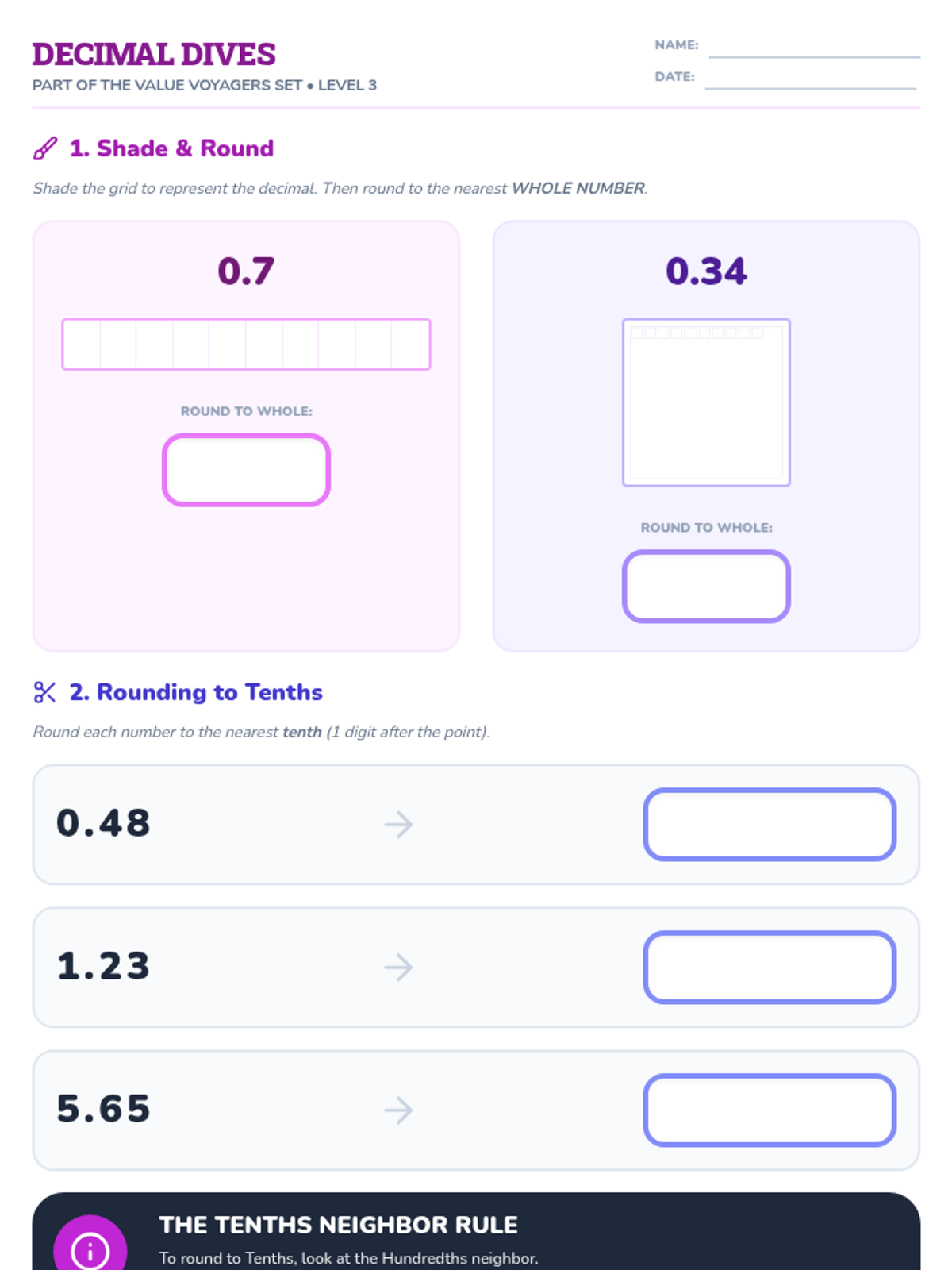
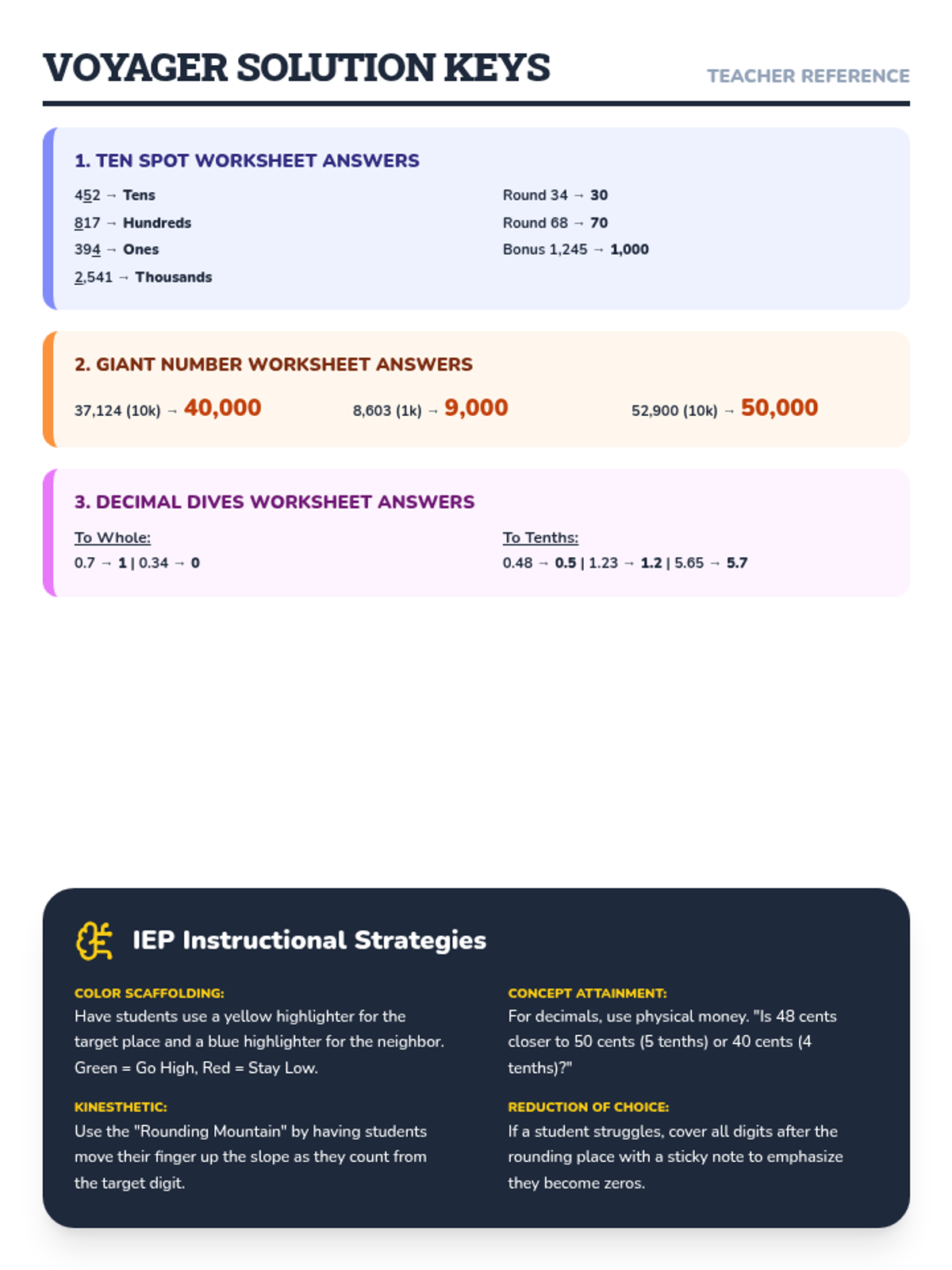
A comprehensive guide to understanding place value from single digits to ten-thousands and decimals, featuring visual scaffolding for rounding.
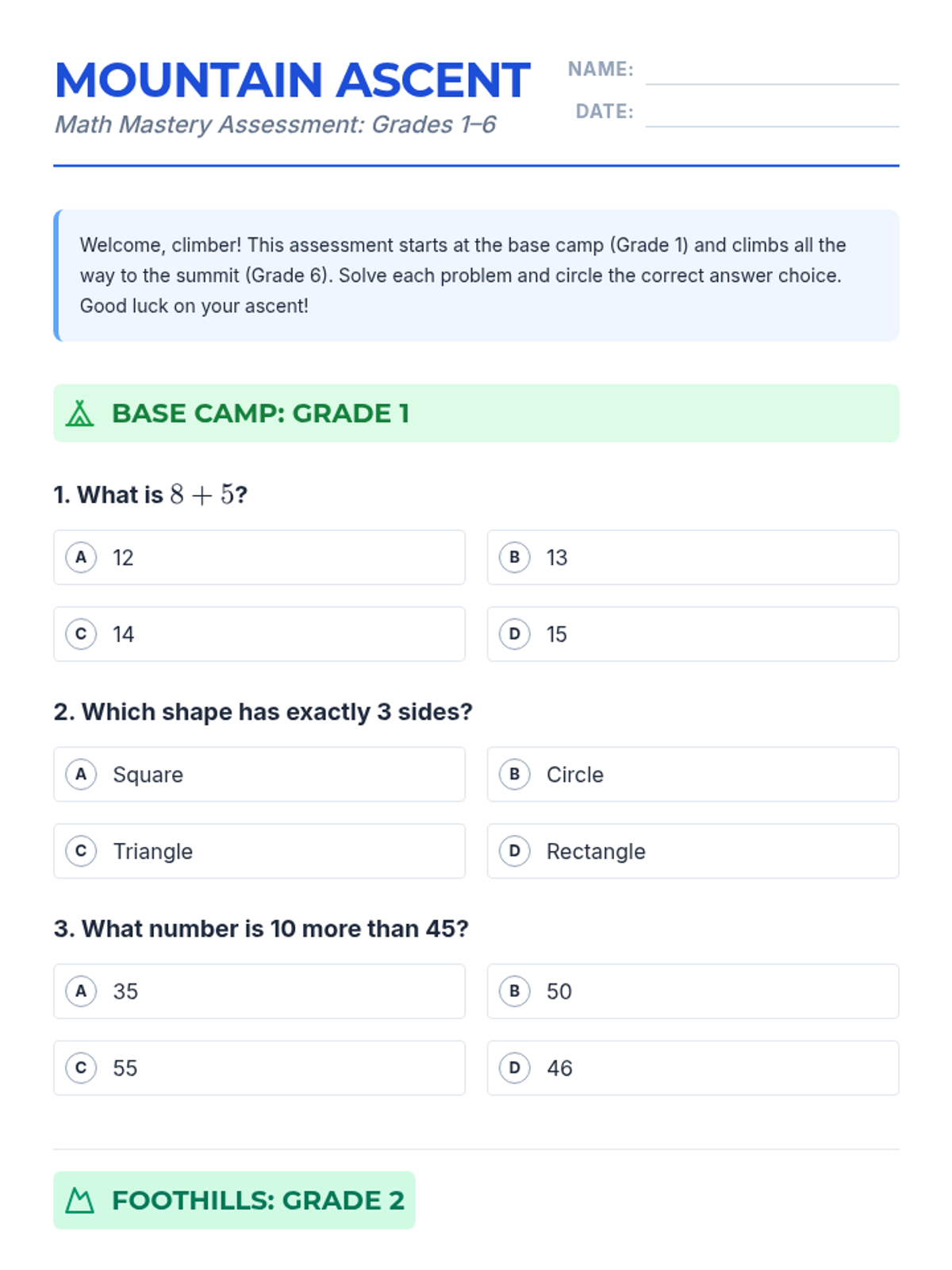
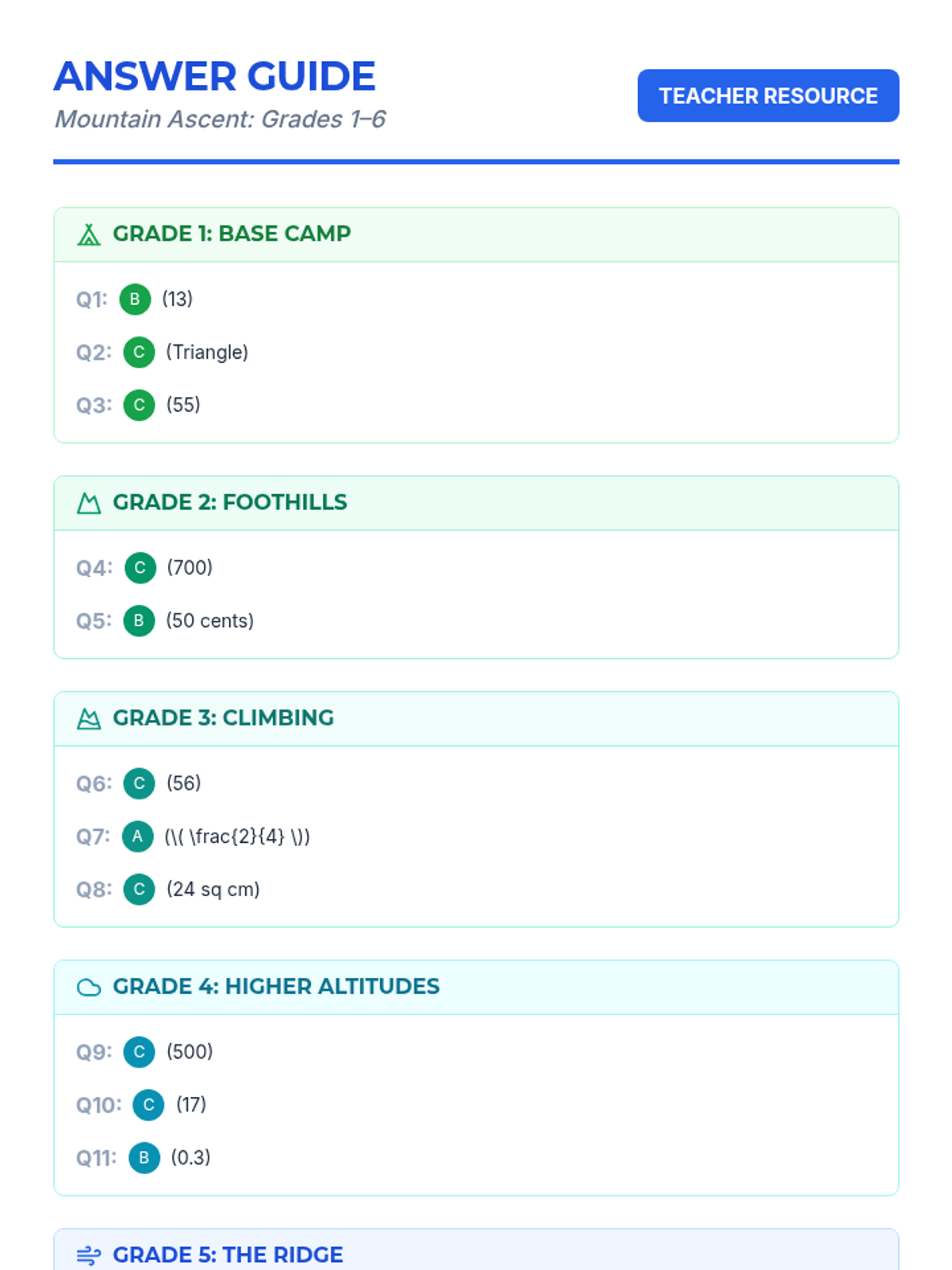
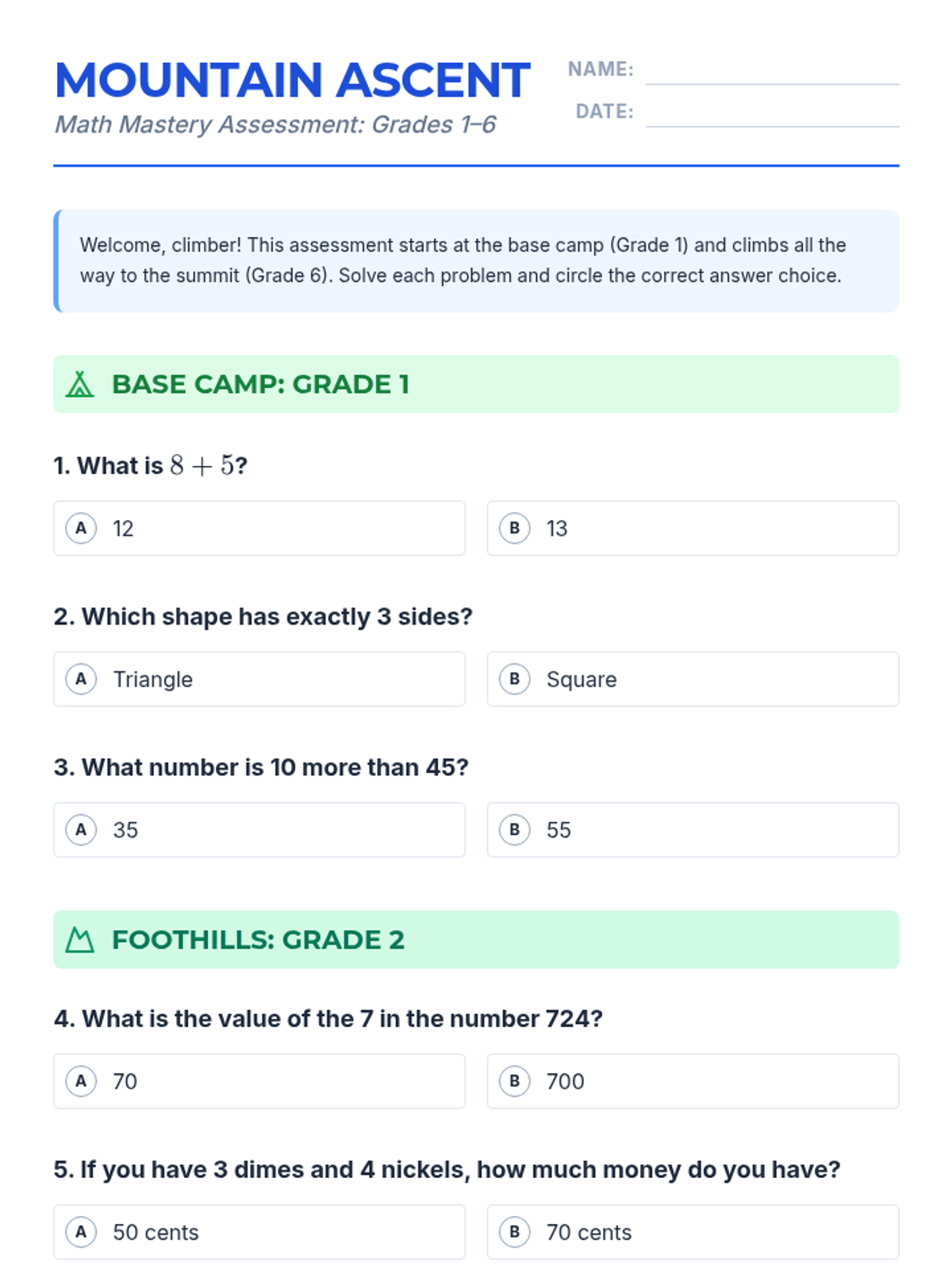
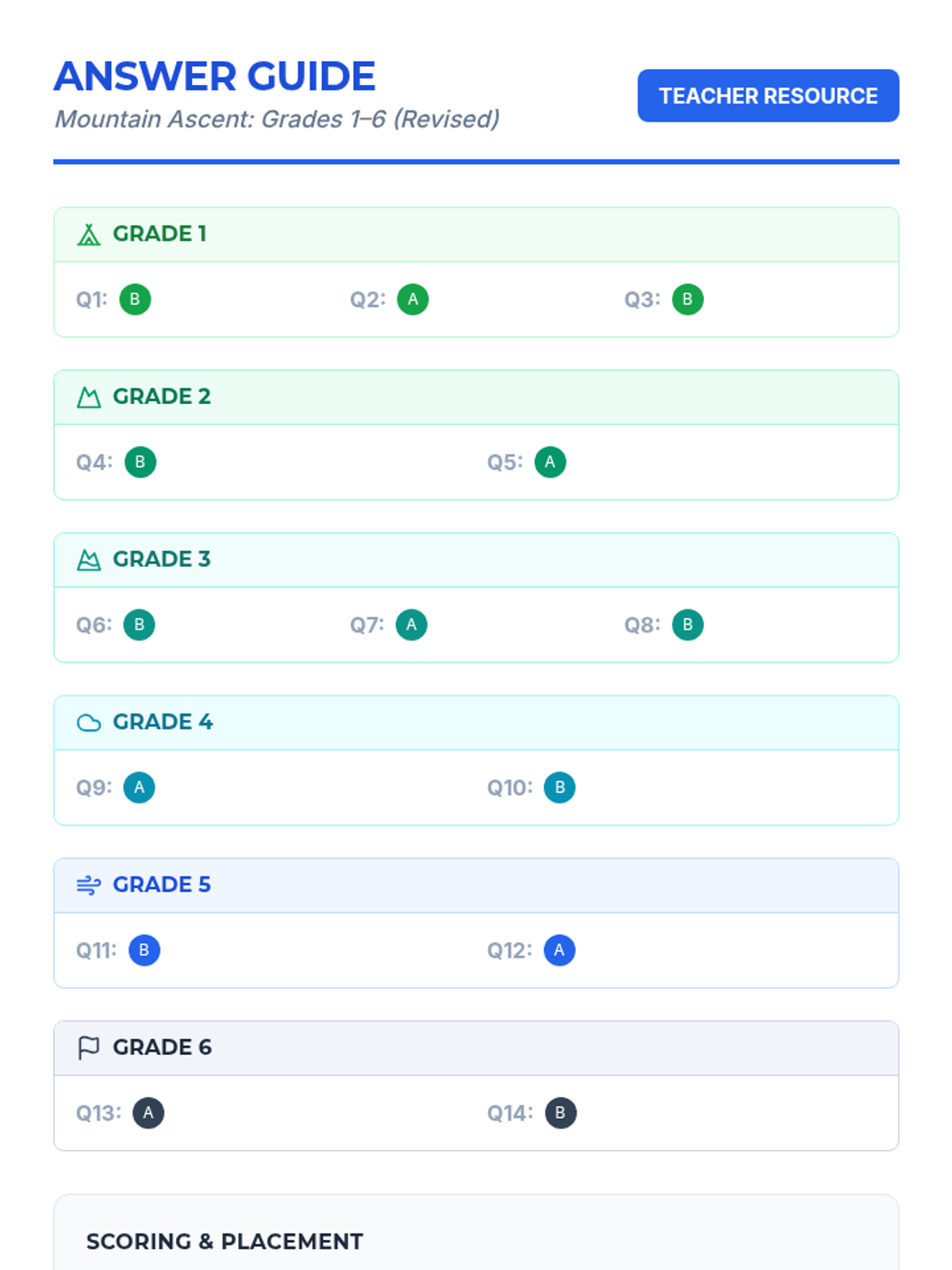
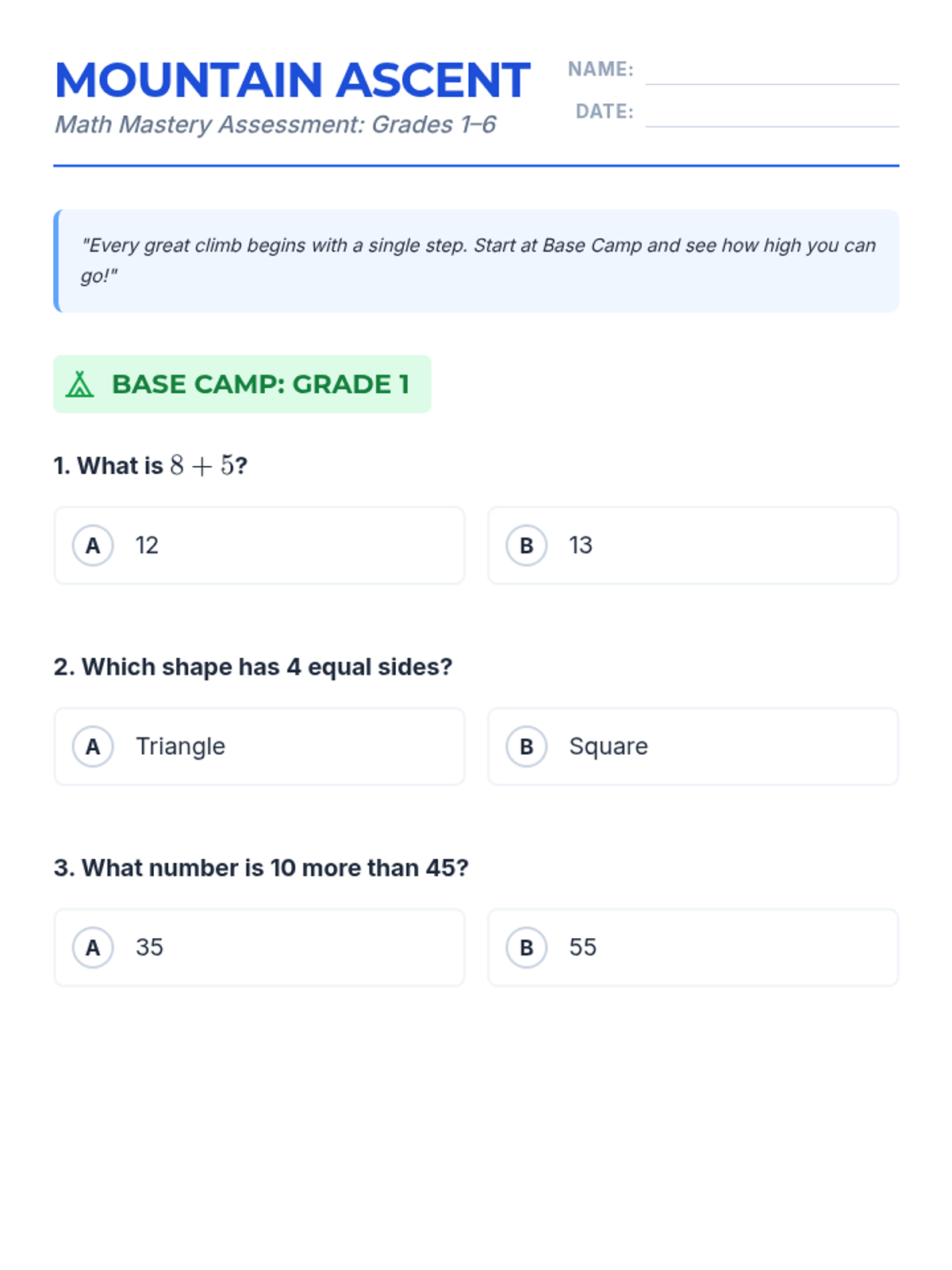
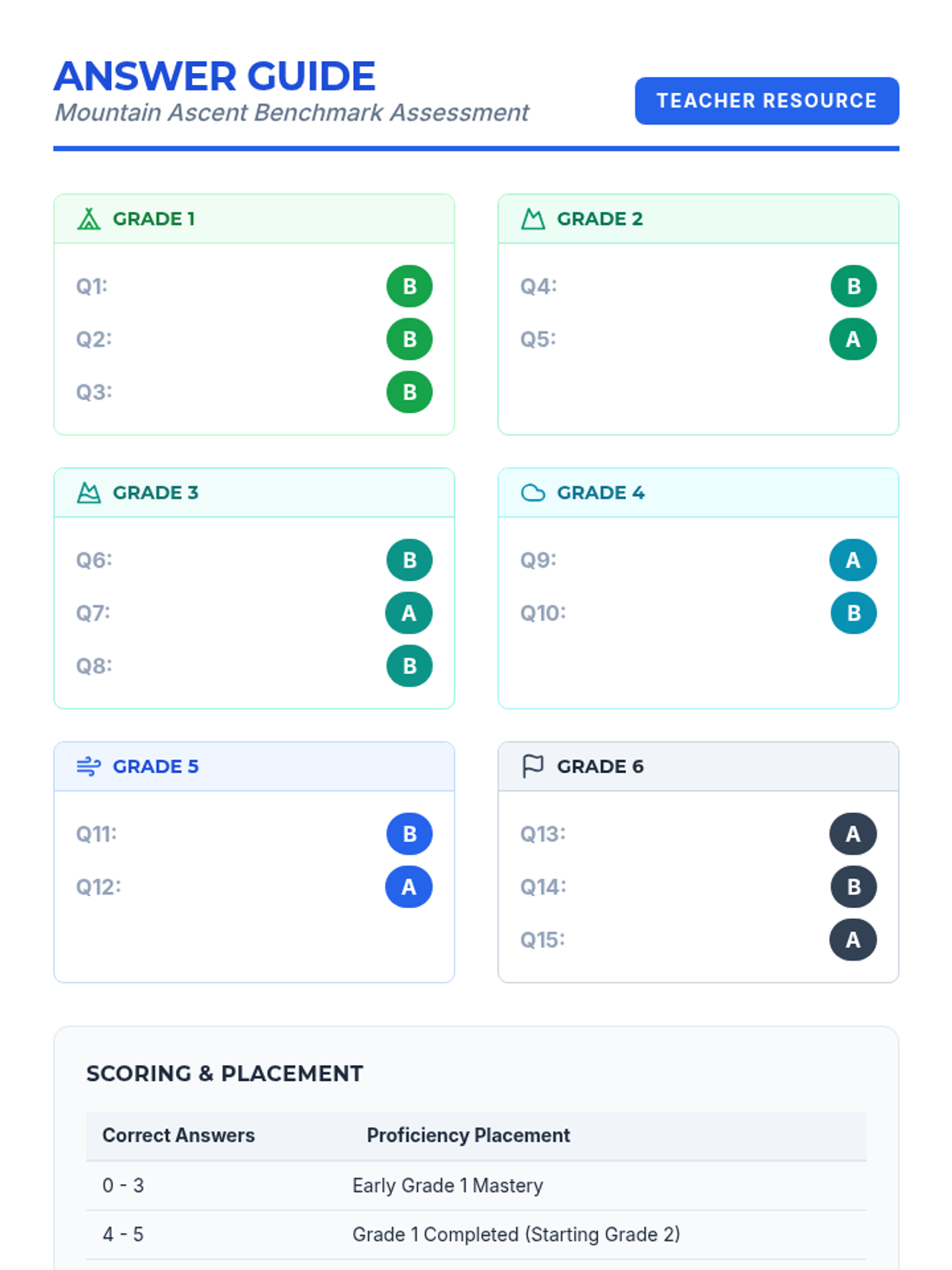
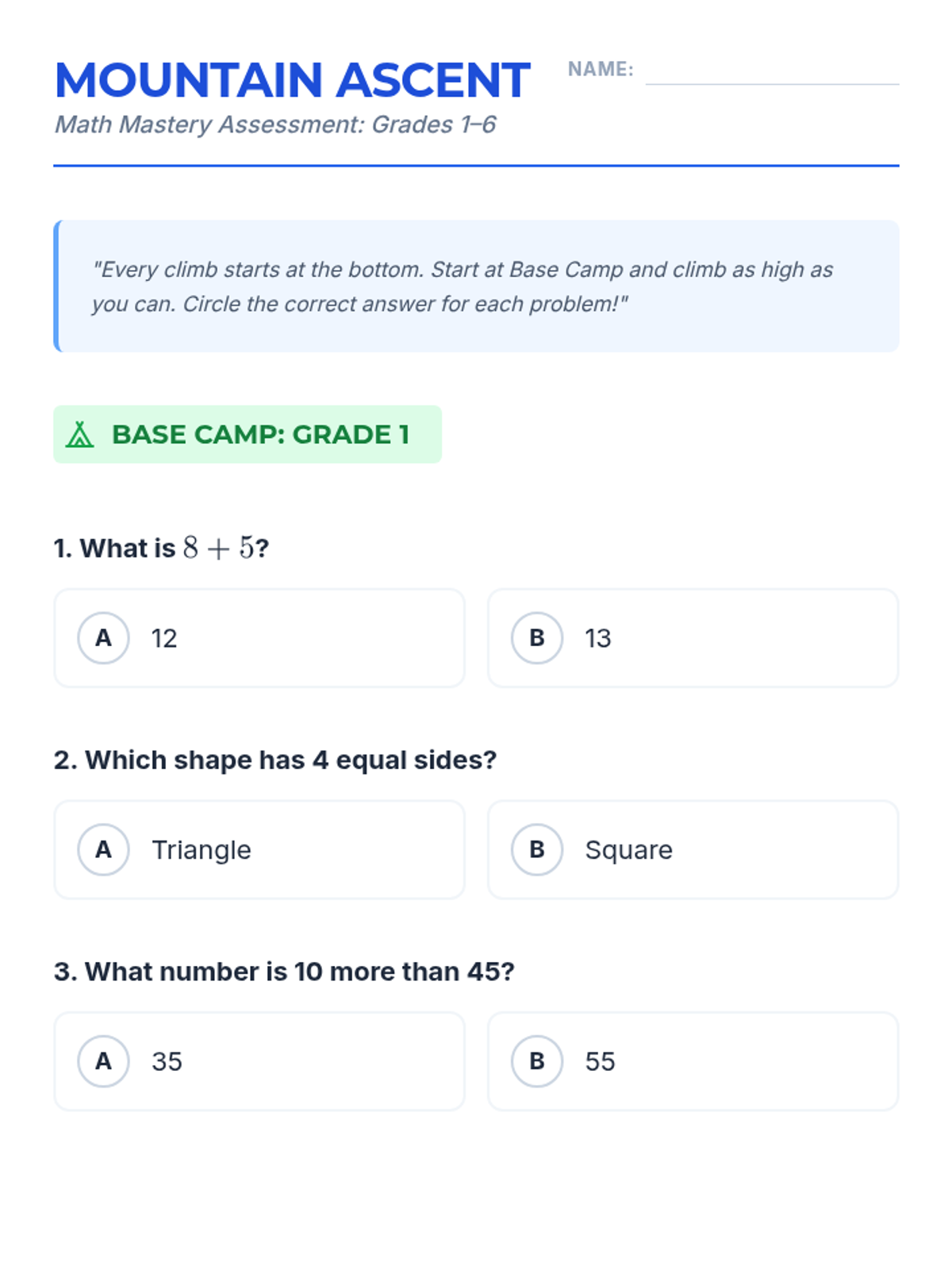
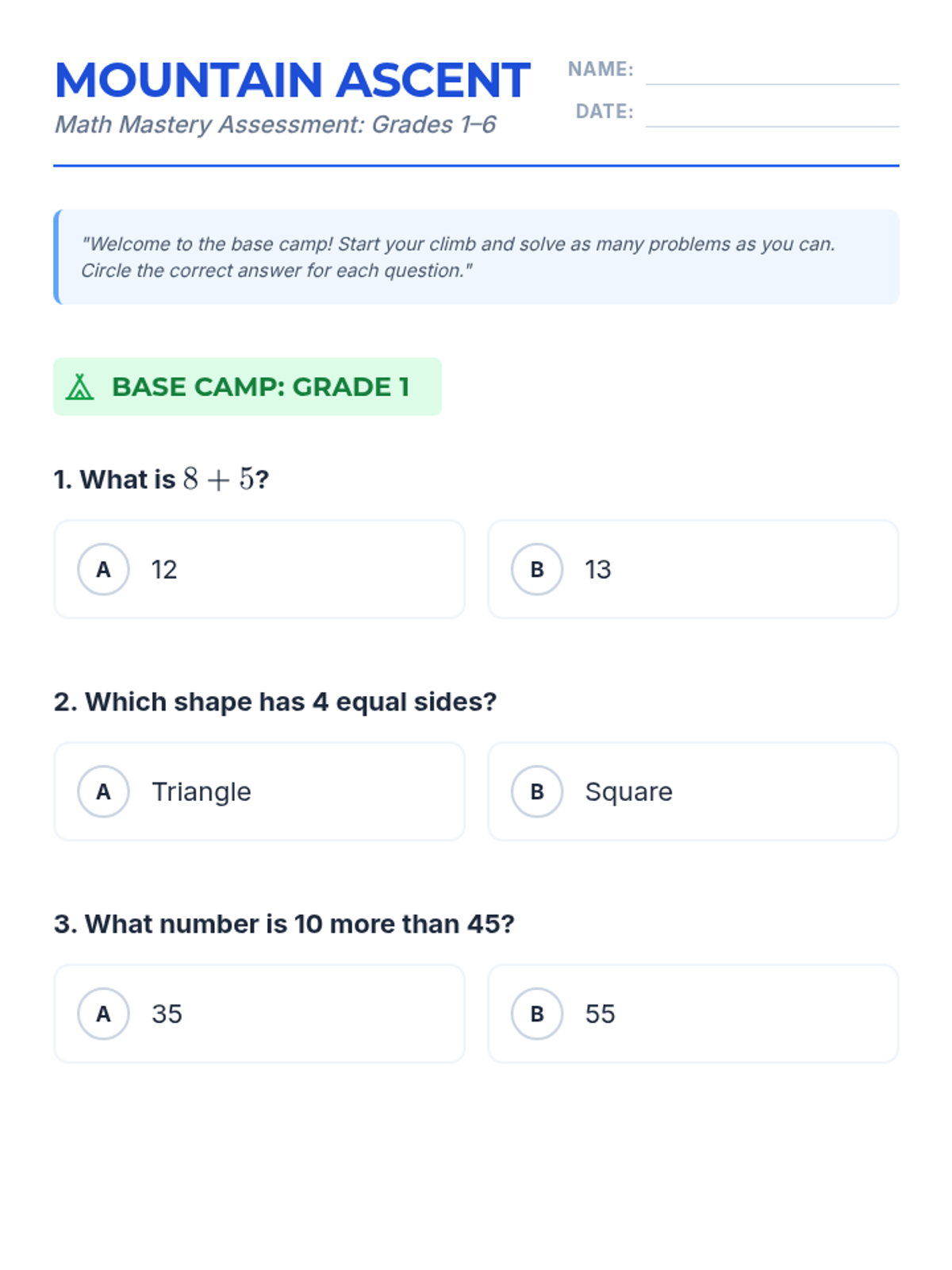
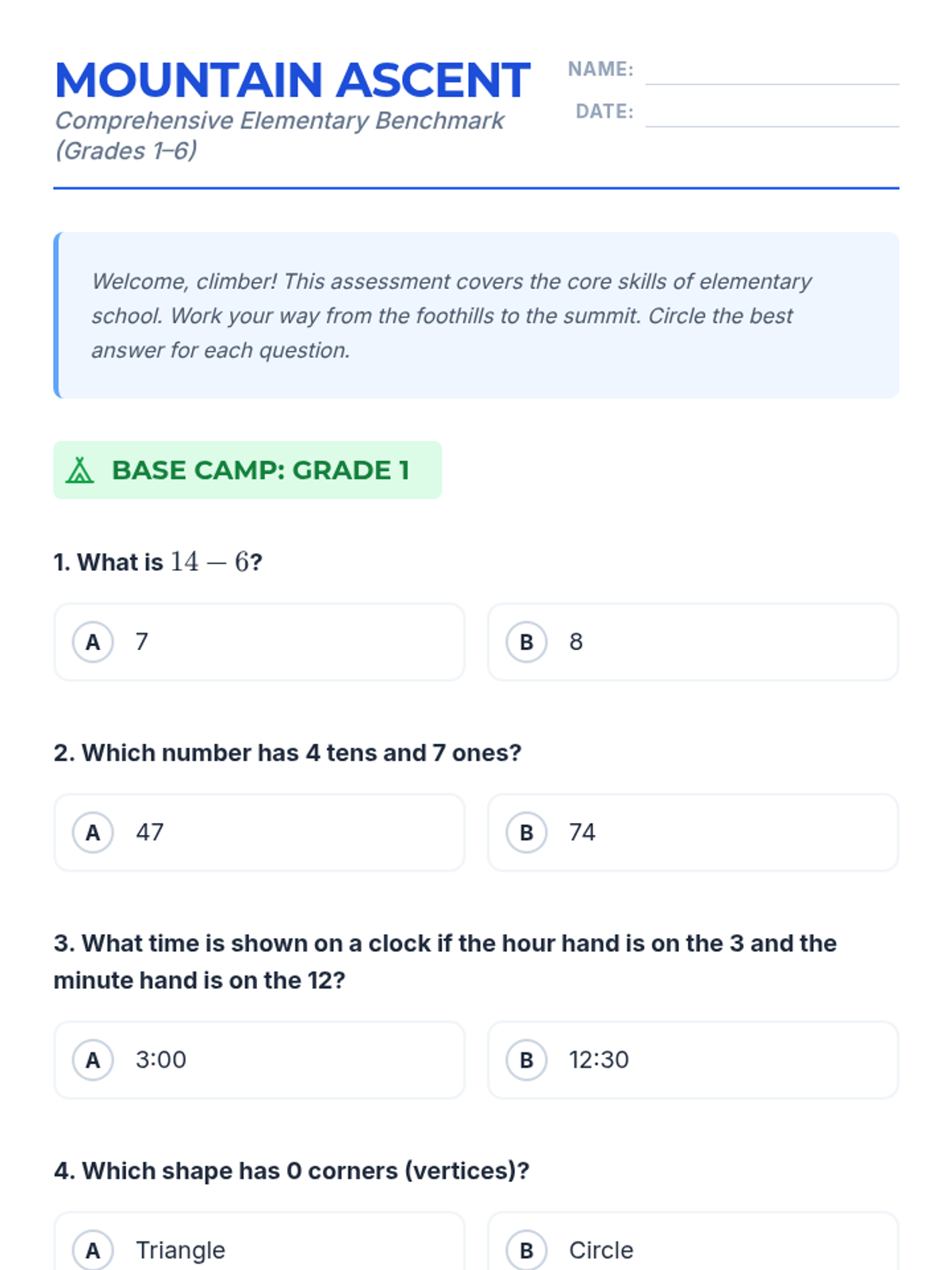
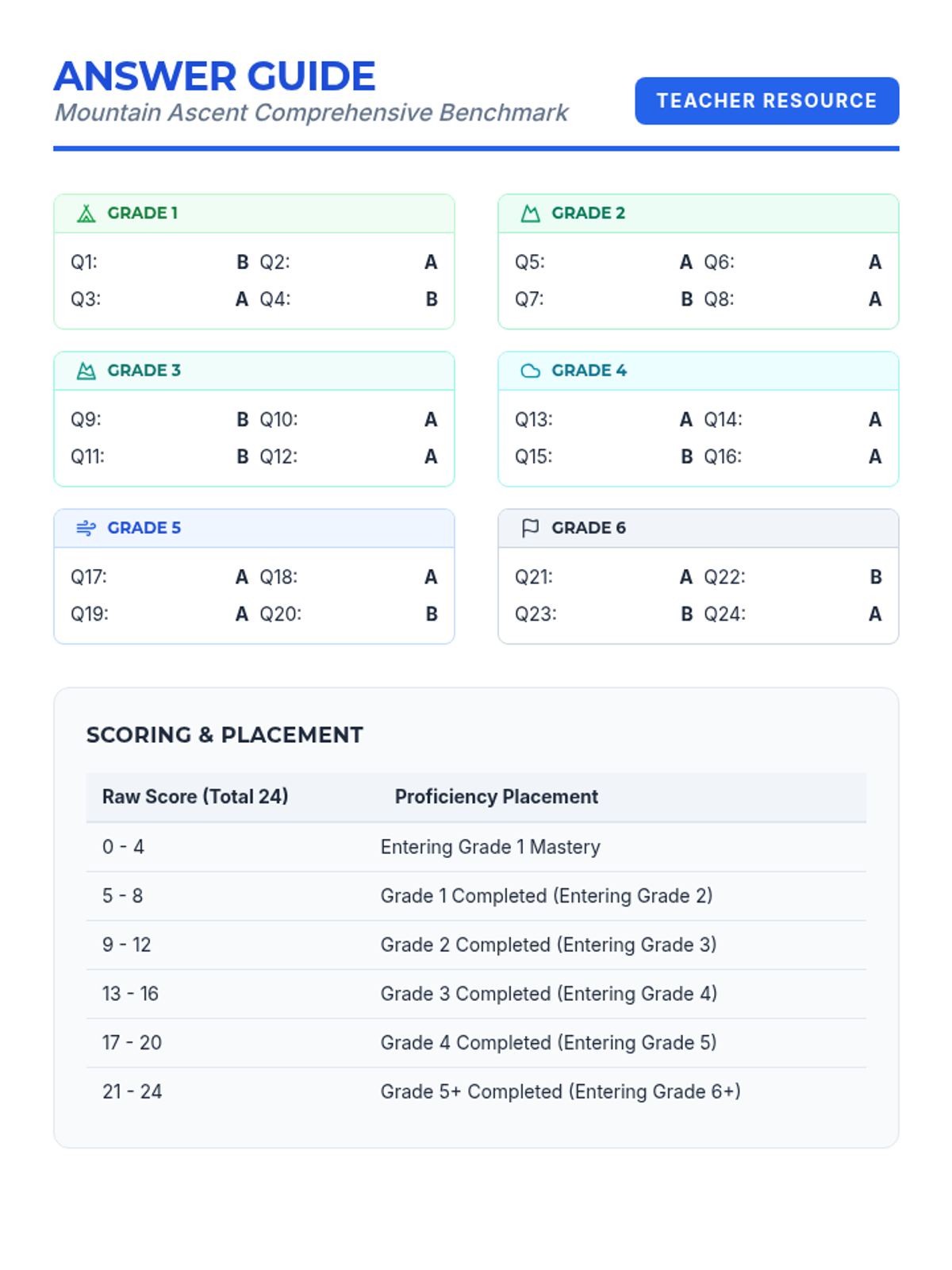
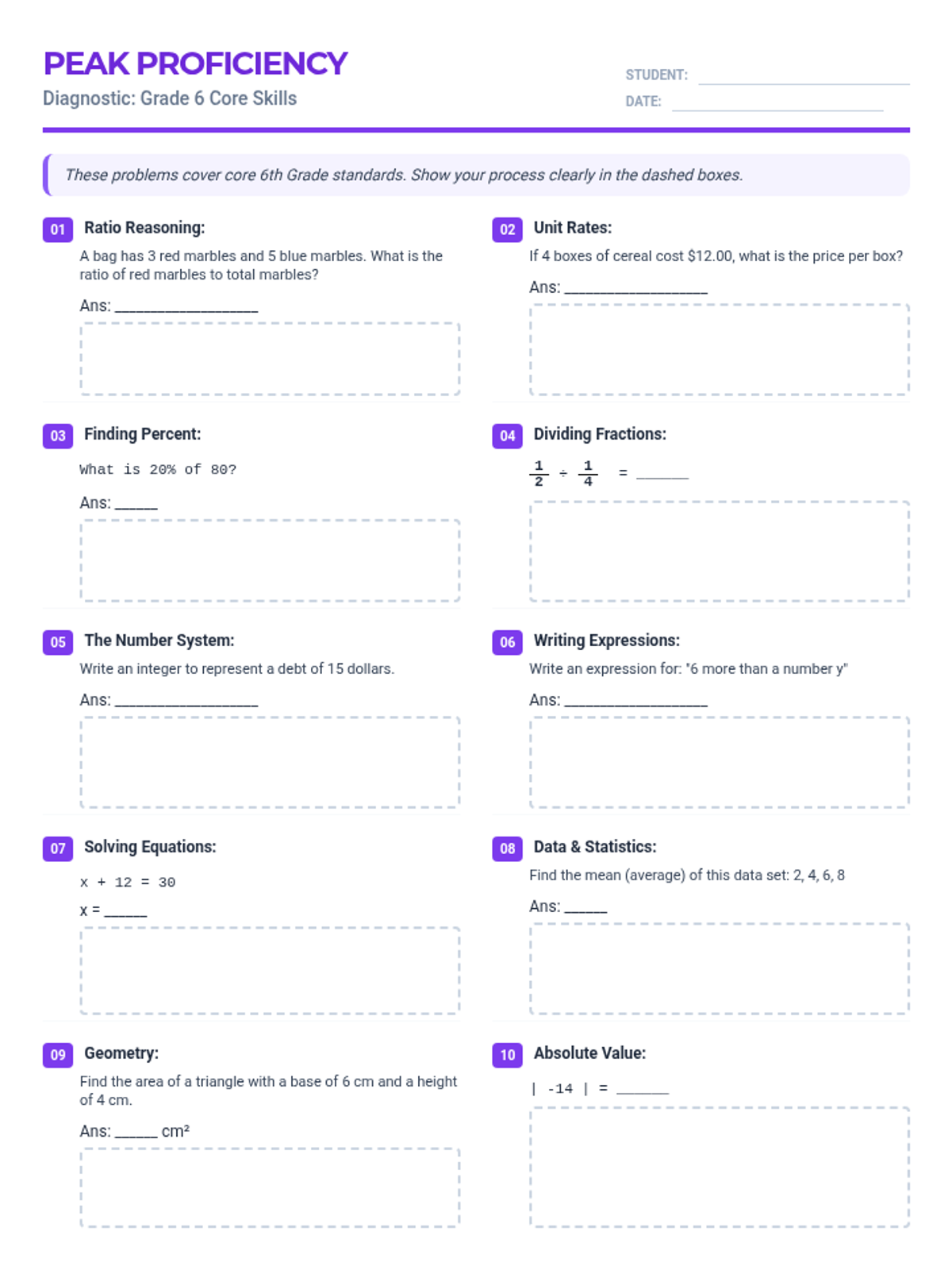
A comprehensive math benchmark assessment covering key standards from Grade 1 through Grade 6, designed to track student progress and identify skill gaps.
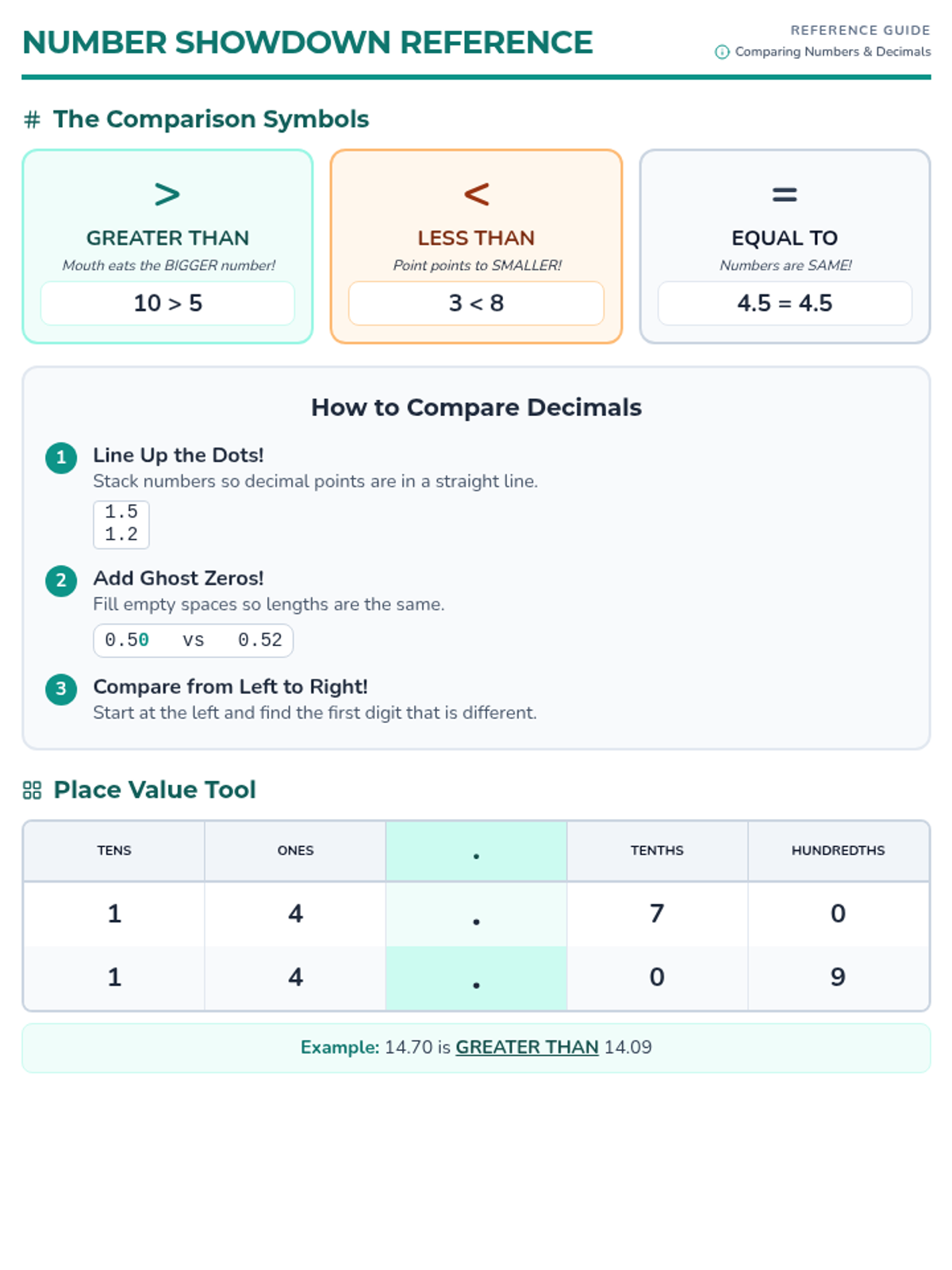
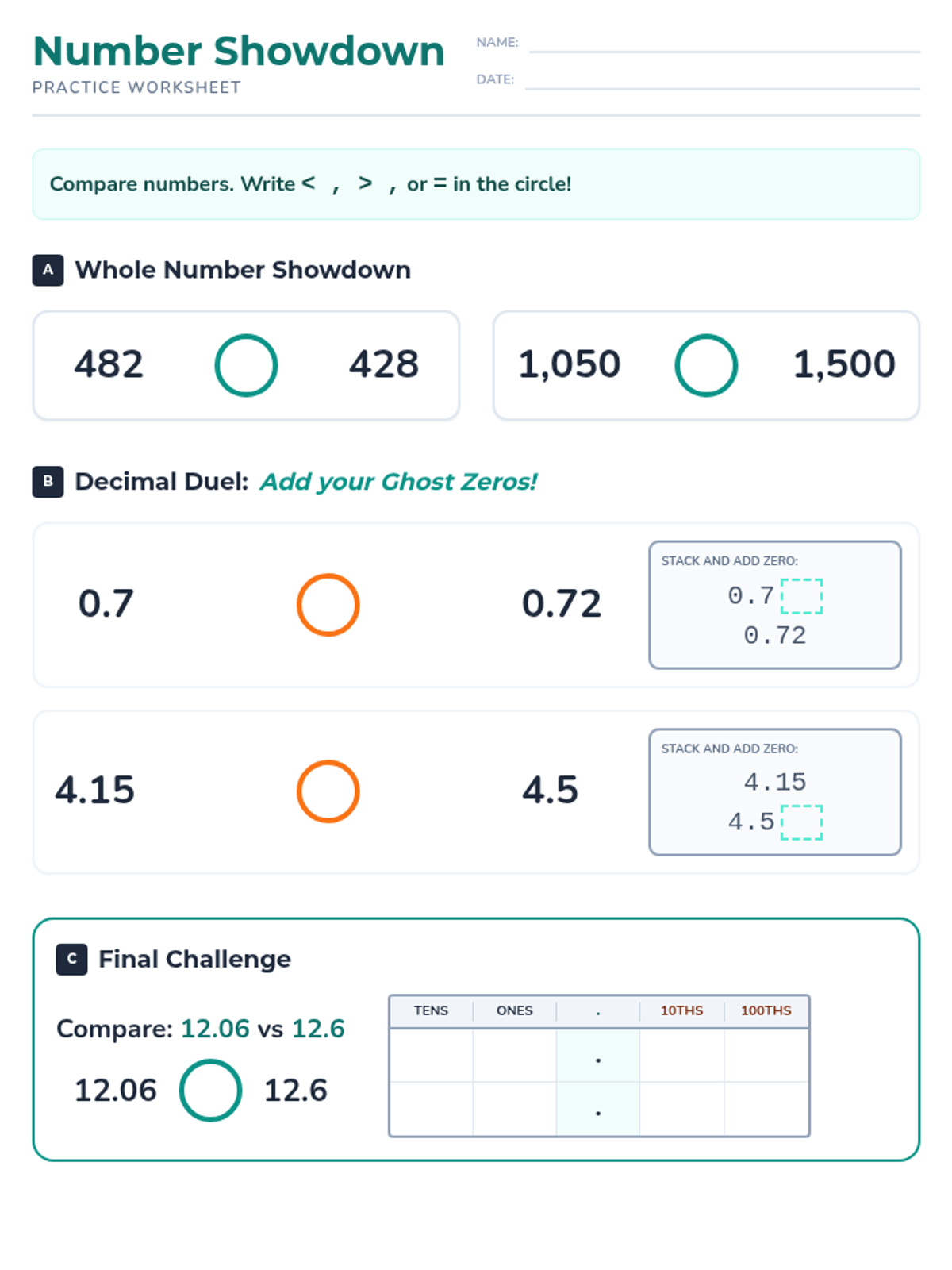
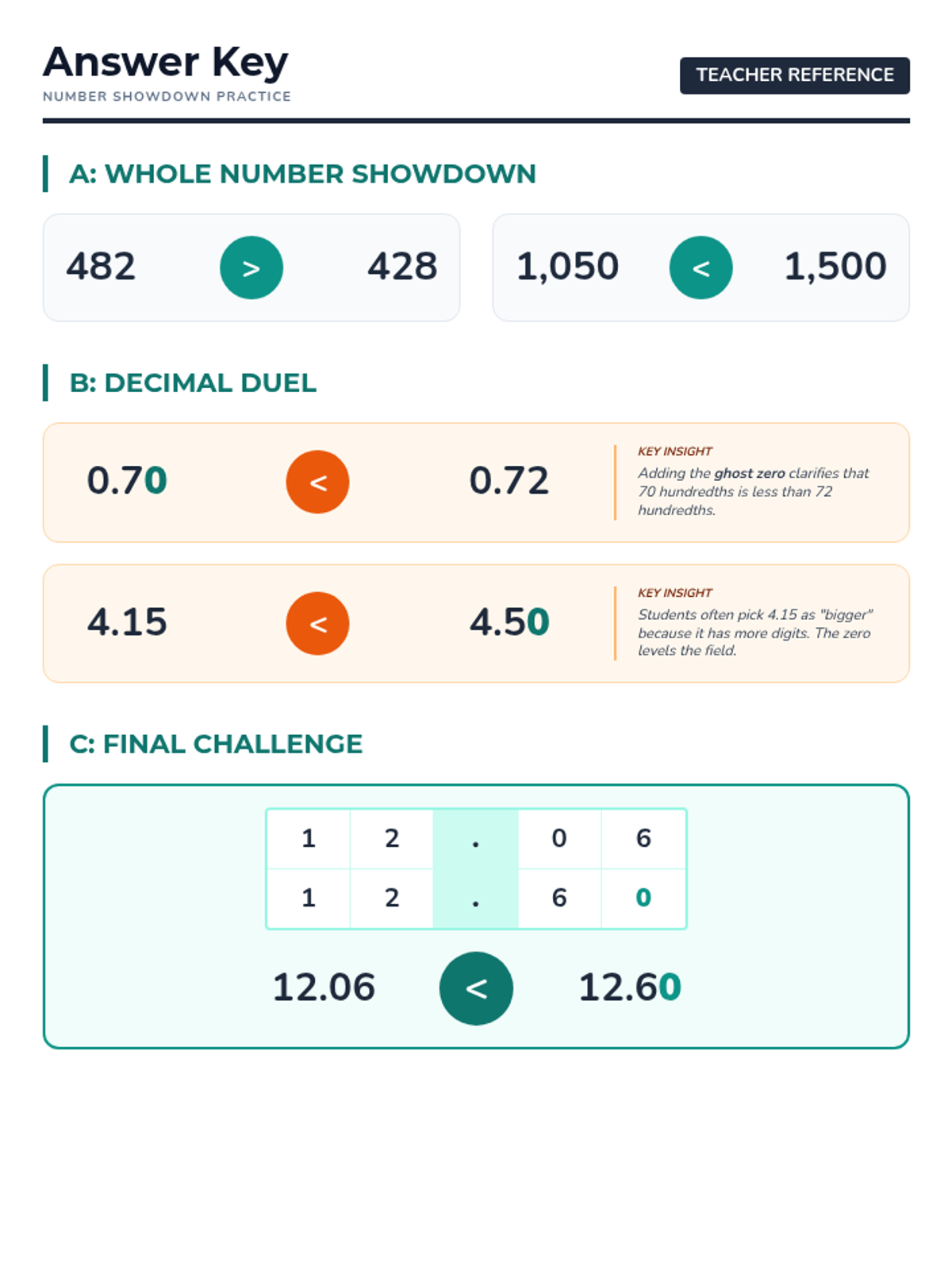
A guided lesson on comparing and ordering whole numbers and decimals, designed specifically for learners who benefit from visual scaffolding and structured place value support.
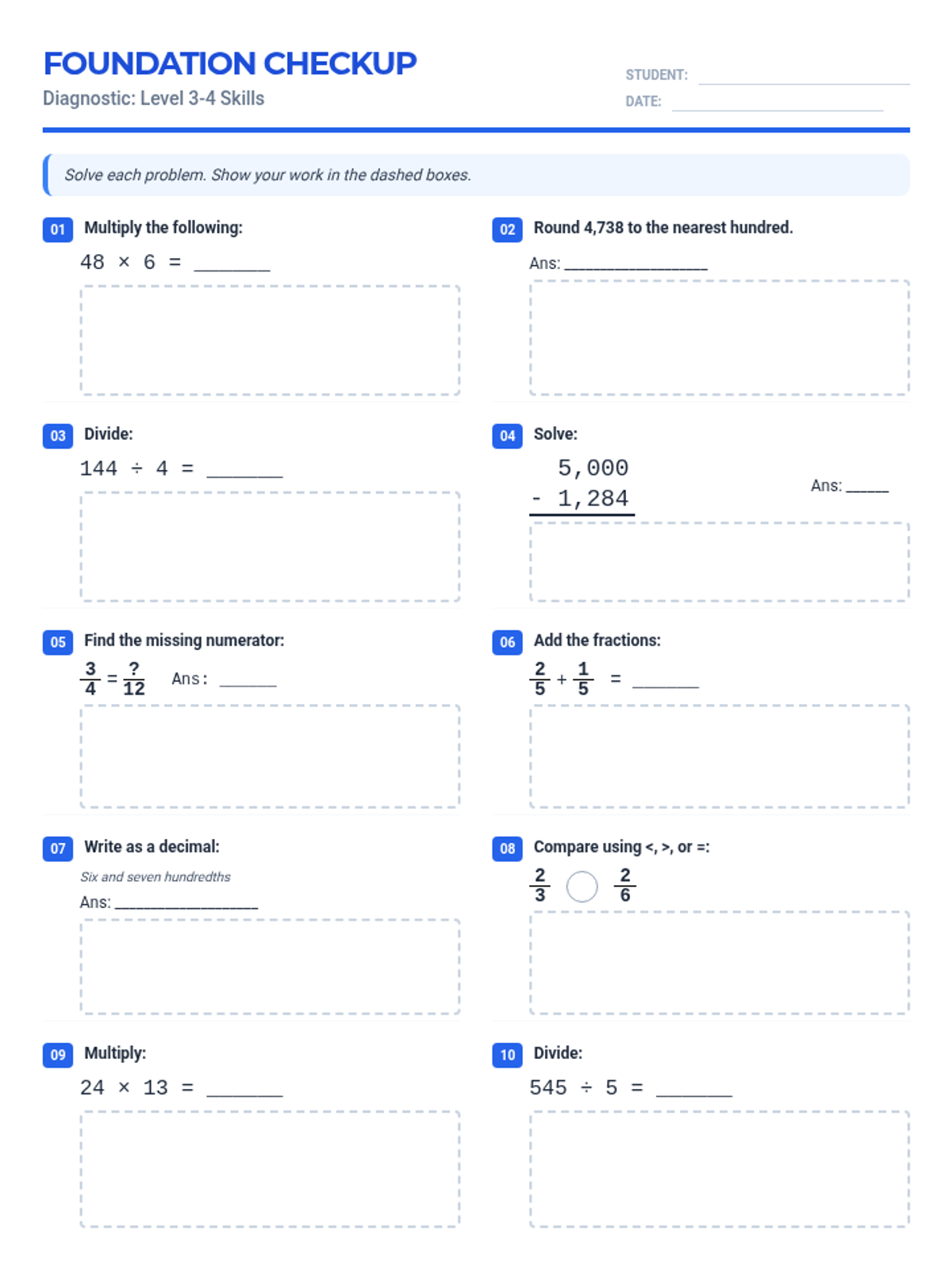
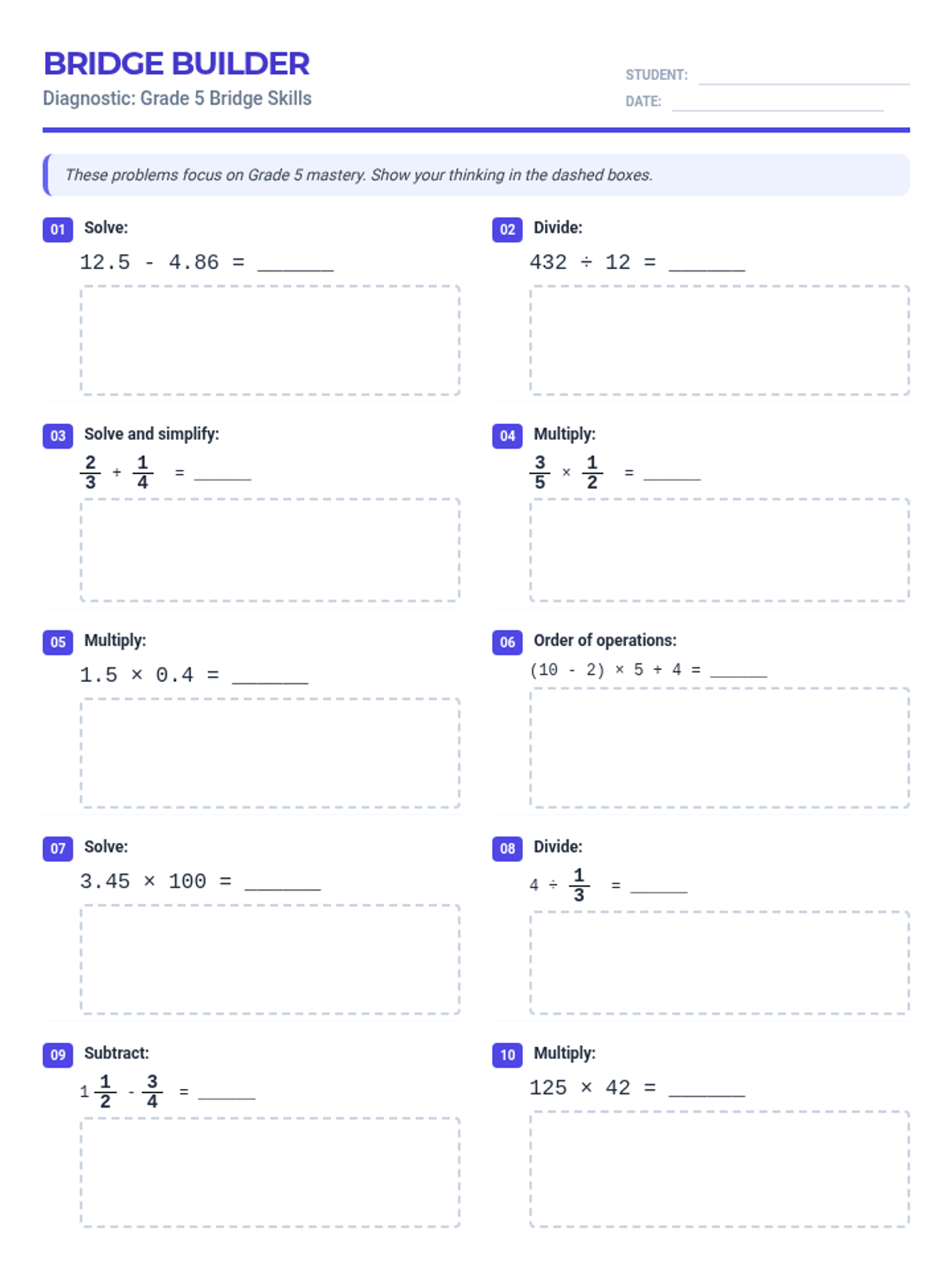
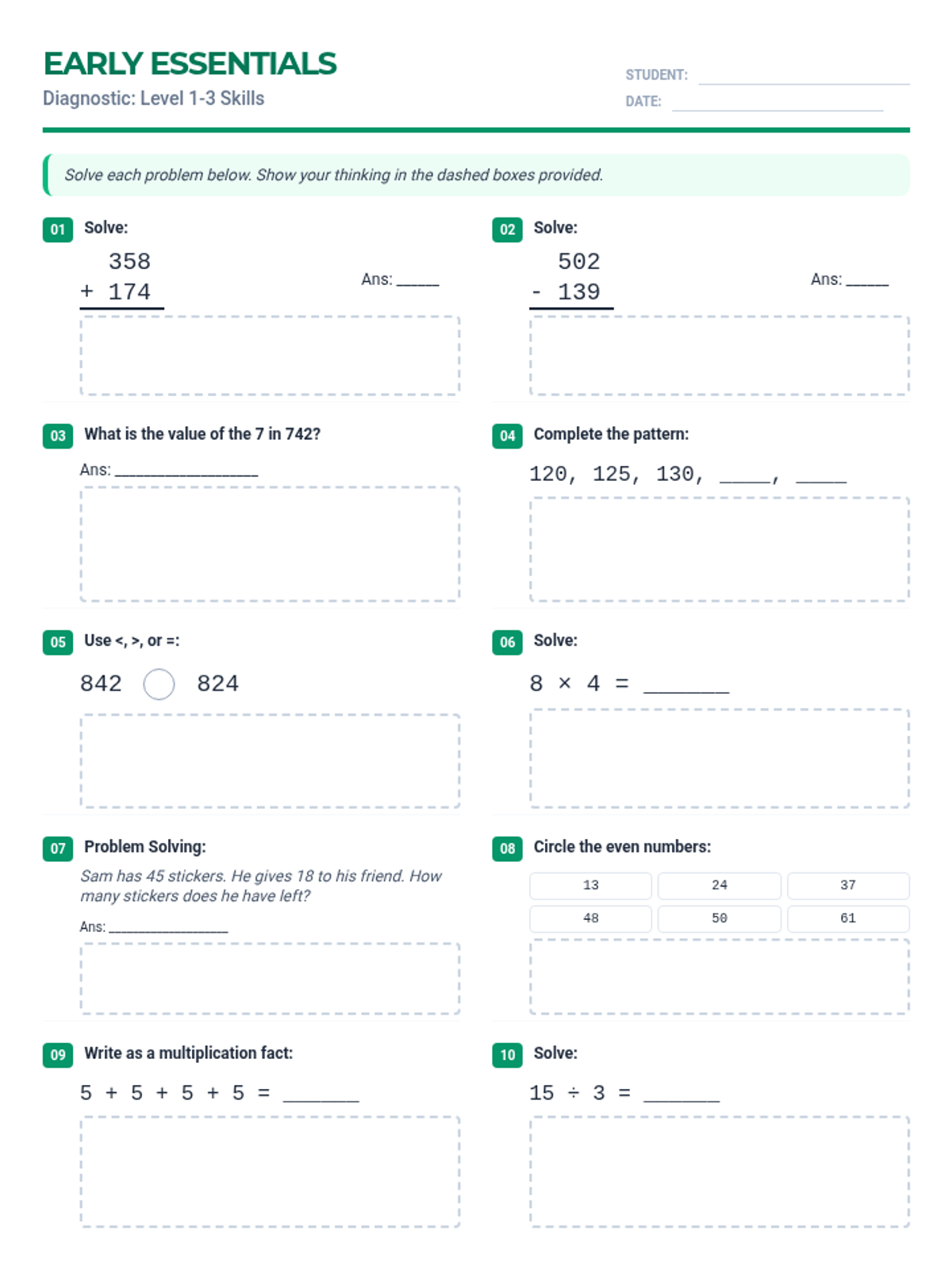
A pair of diagnostic assessments designed to pinpoint gaps in foundational number sense, fractions, and decimals, bridging 3rd-4th grade concepts to 5th grade mastery in preparation for 6th grade math.
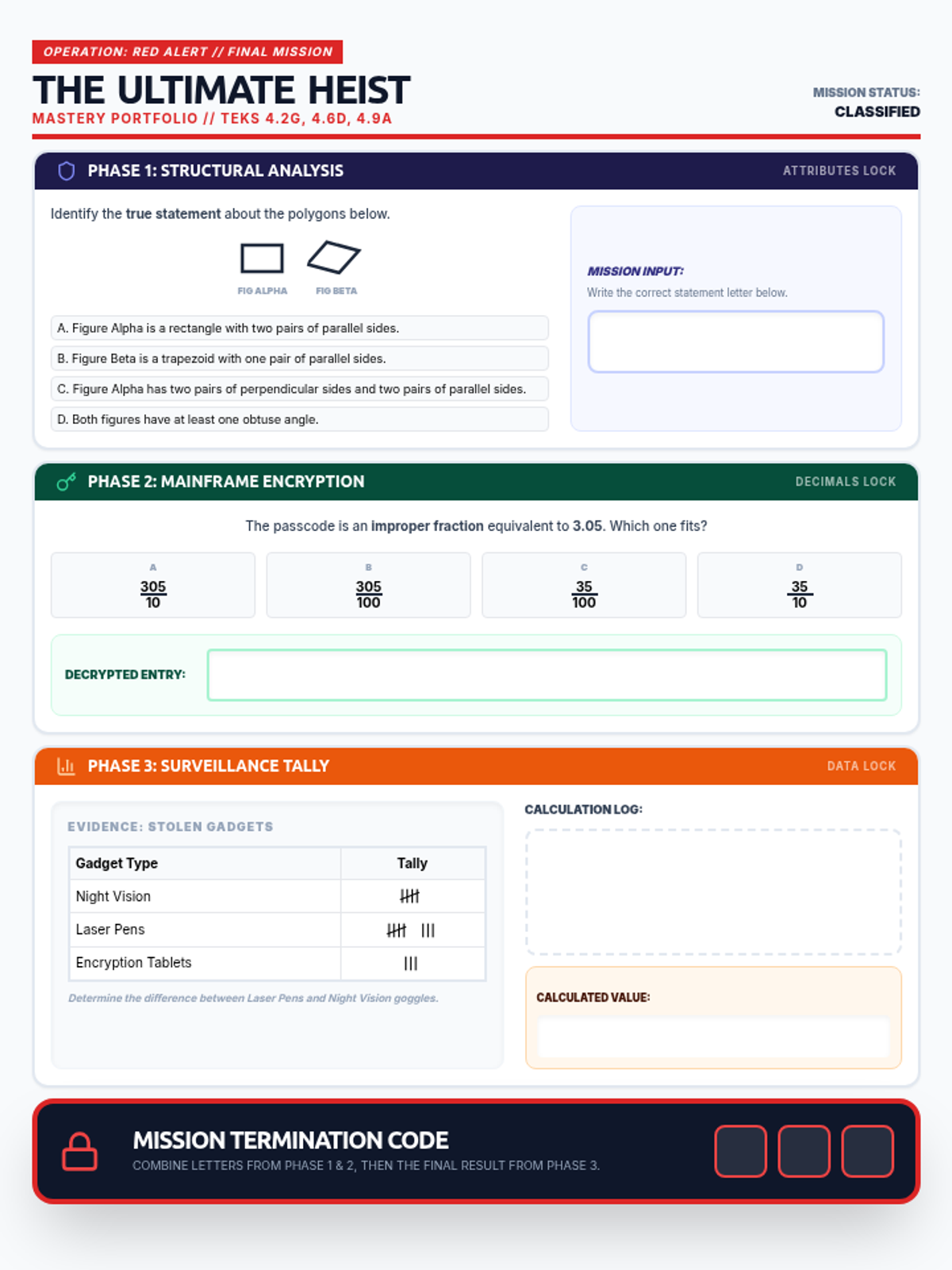
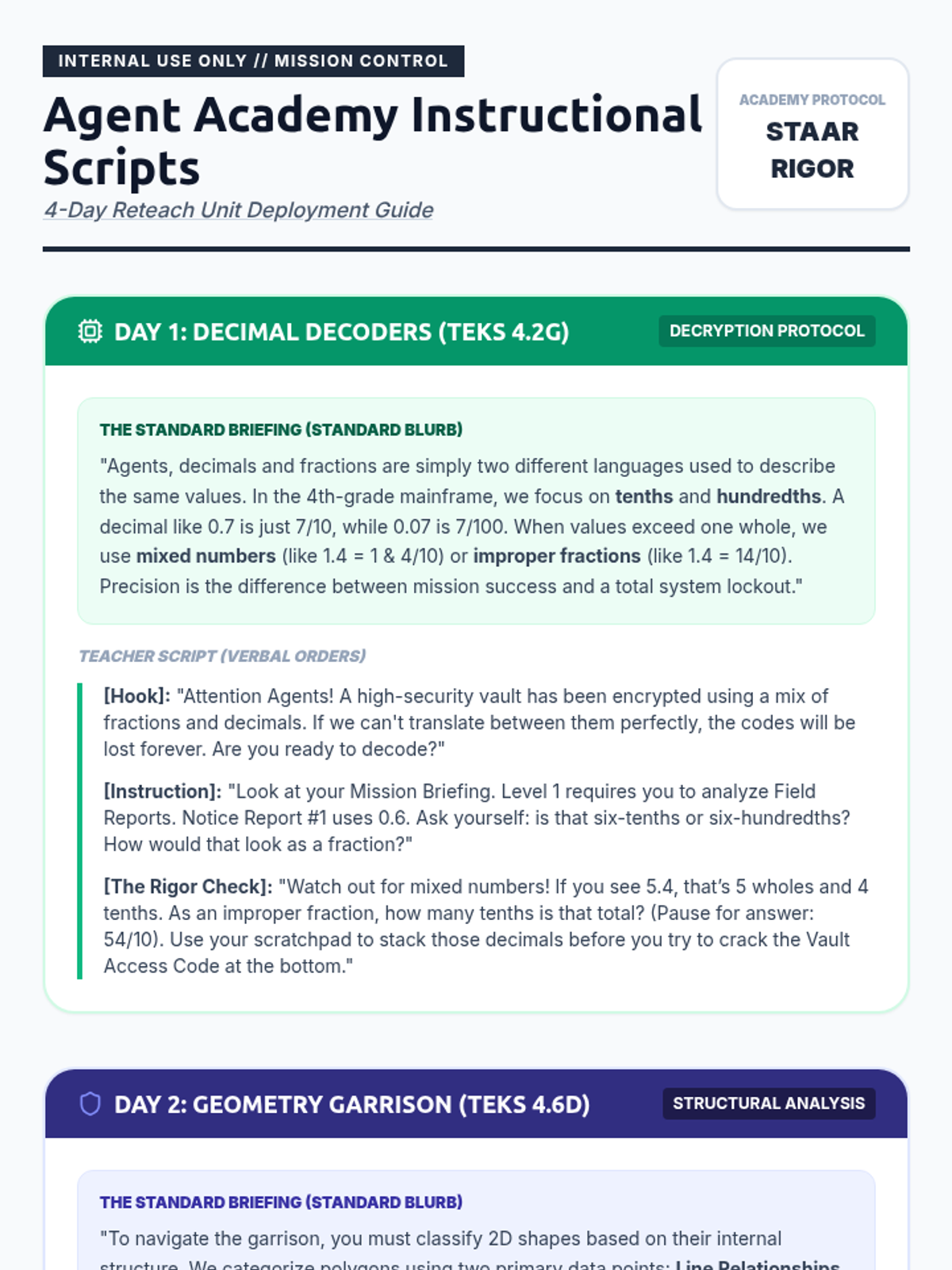
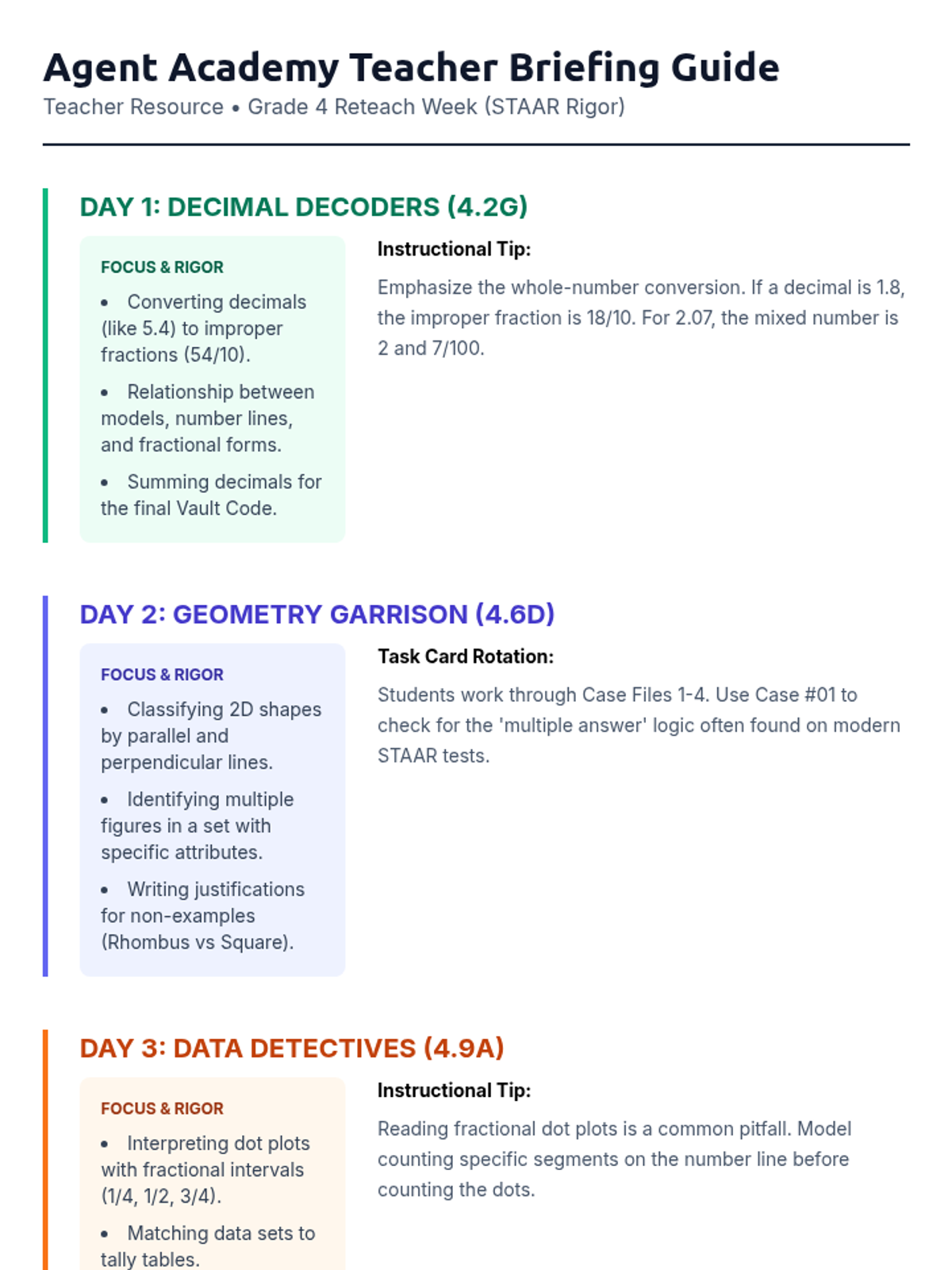
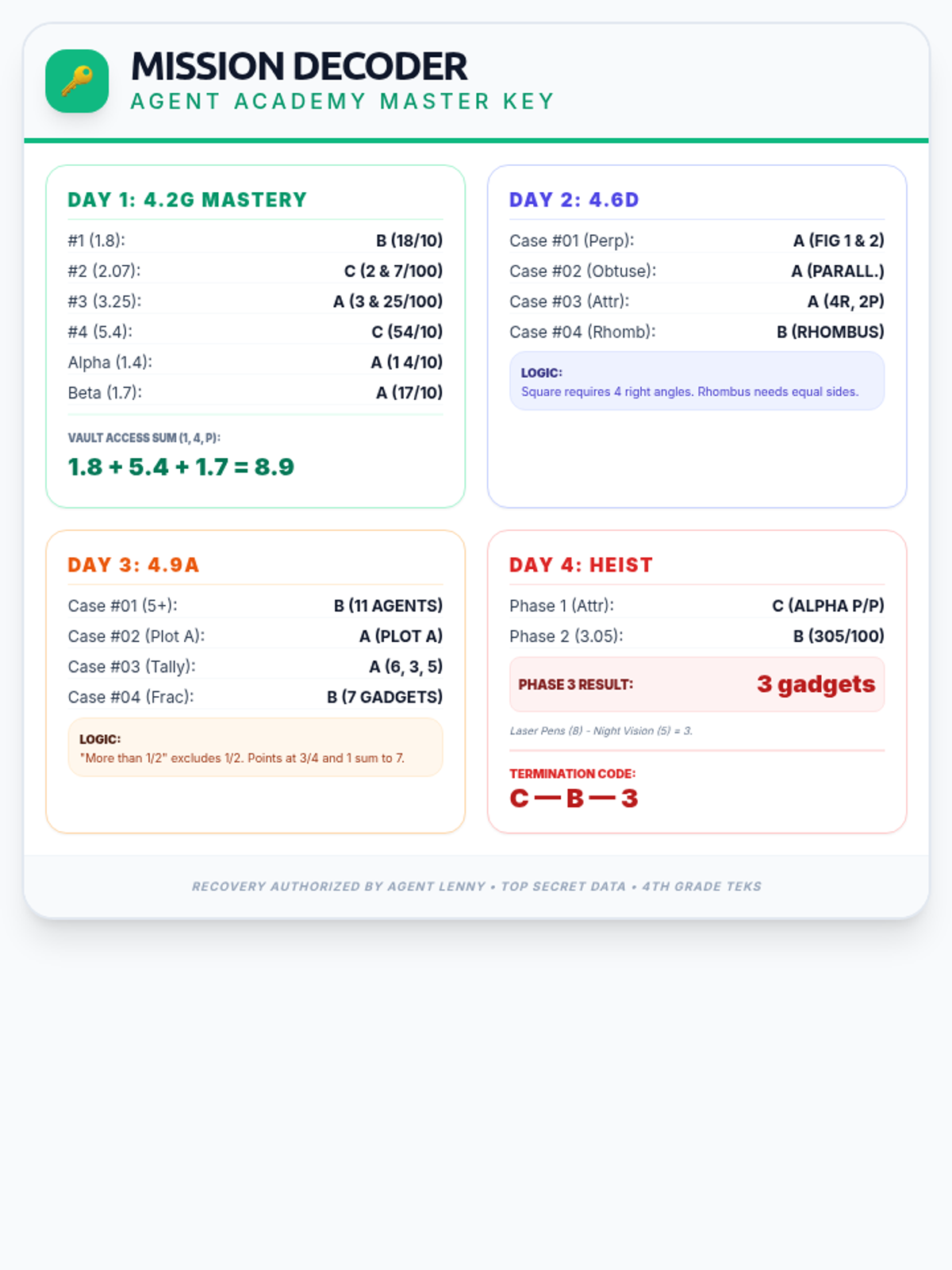
A comprehensive review of 4.2G, 4.6D, and 4.9A through a final mission. This lesson integrates all three standards into a culminating "Ultimate Heist" escape room challenge.
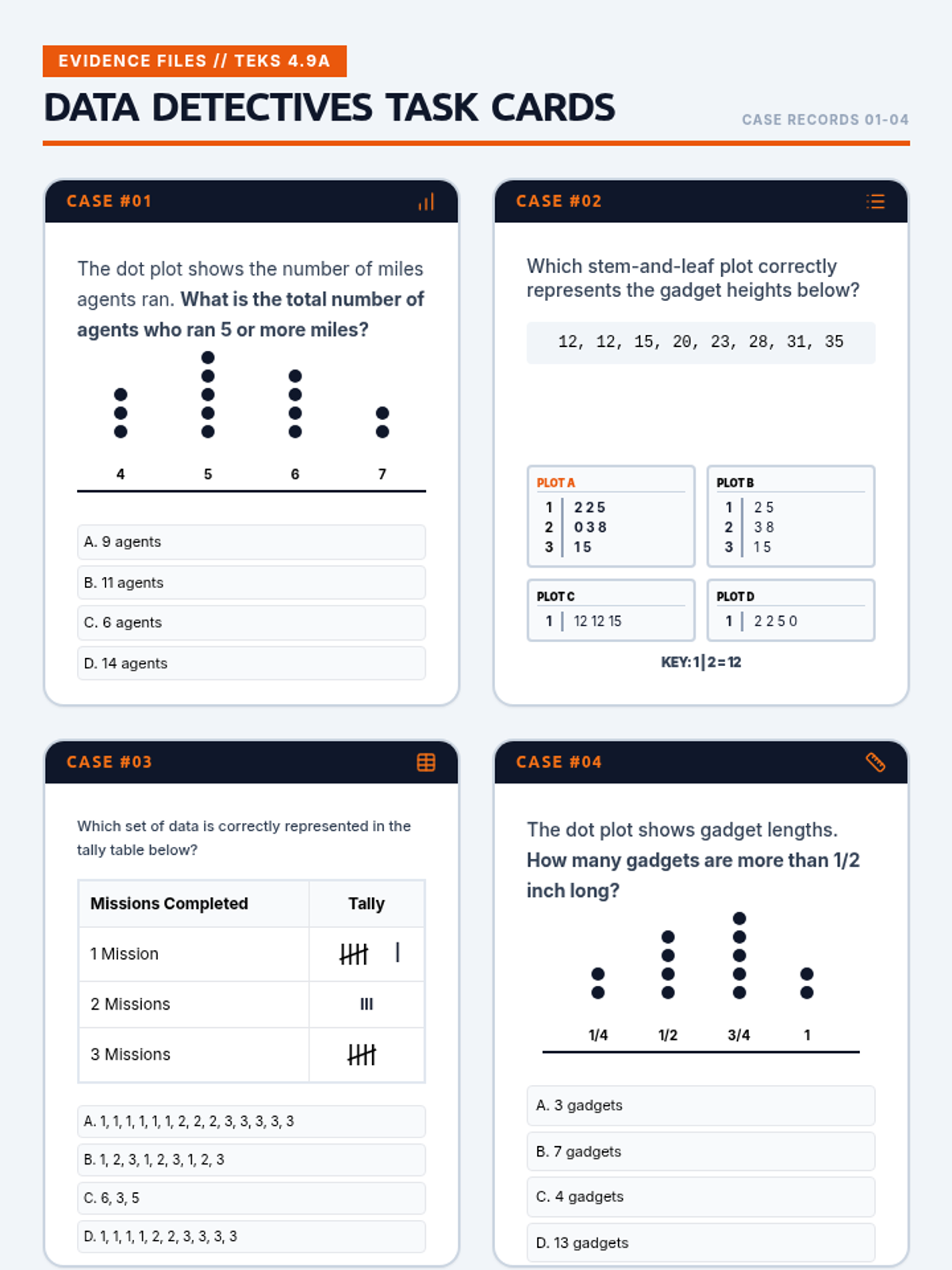
Focuses on TEKS 4.9A: Representing data on frequency tables, dot plots, and stem-and-leaf plots. Students act as investigators analyzing evidence files to solve a data-driven mystery.
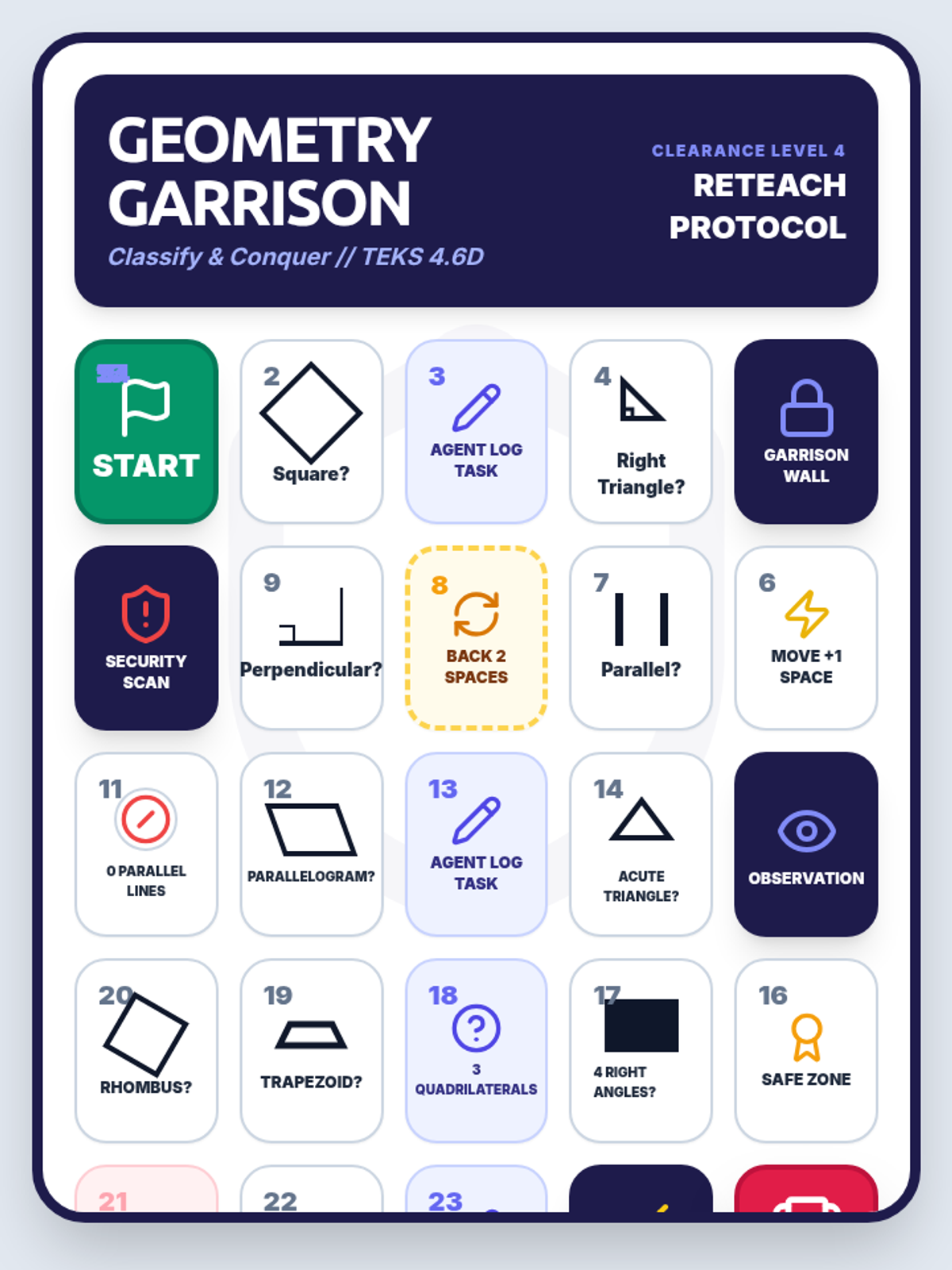
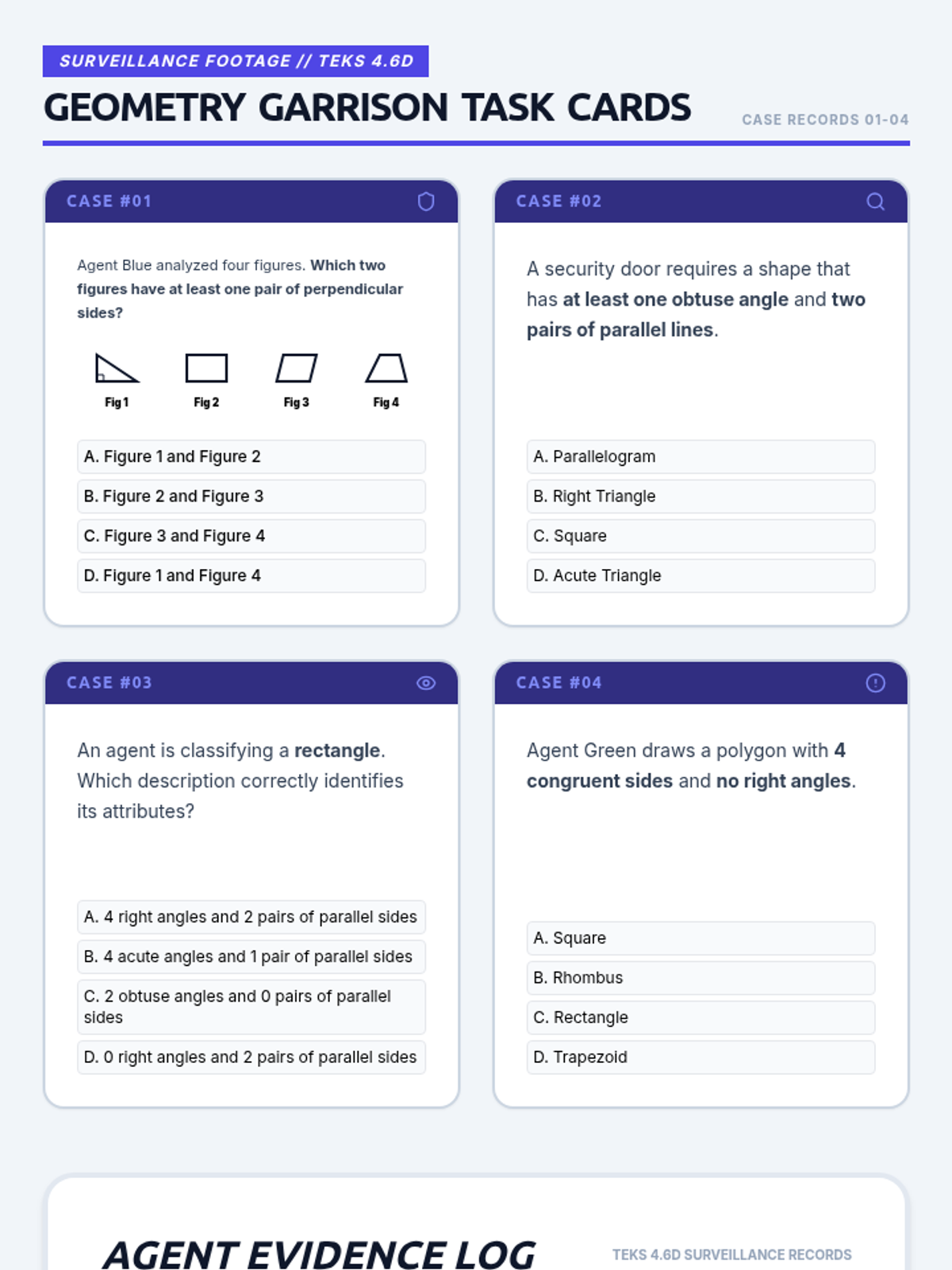
Focuses on TEKS 4.6D: Classifying two-dimensional figures based on parallel and perpendicular lines and angle types. Students analyze evidence files (Task Cards) to identify high-security shapes.
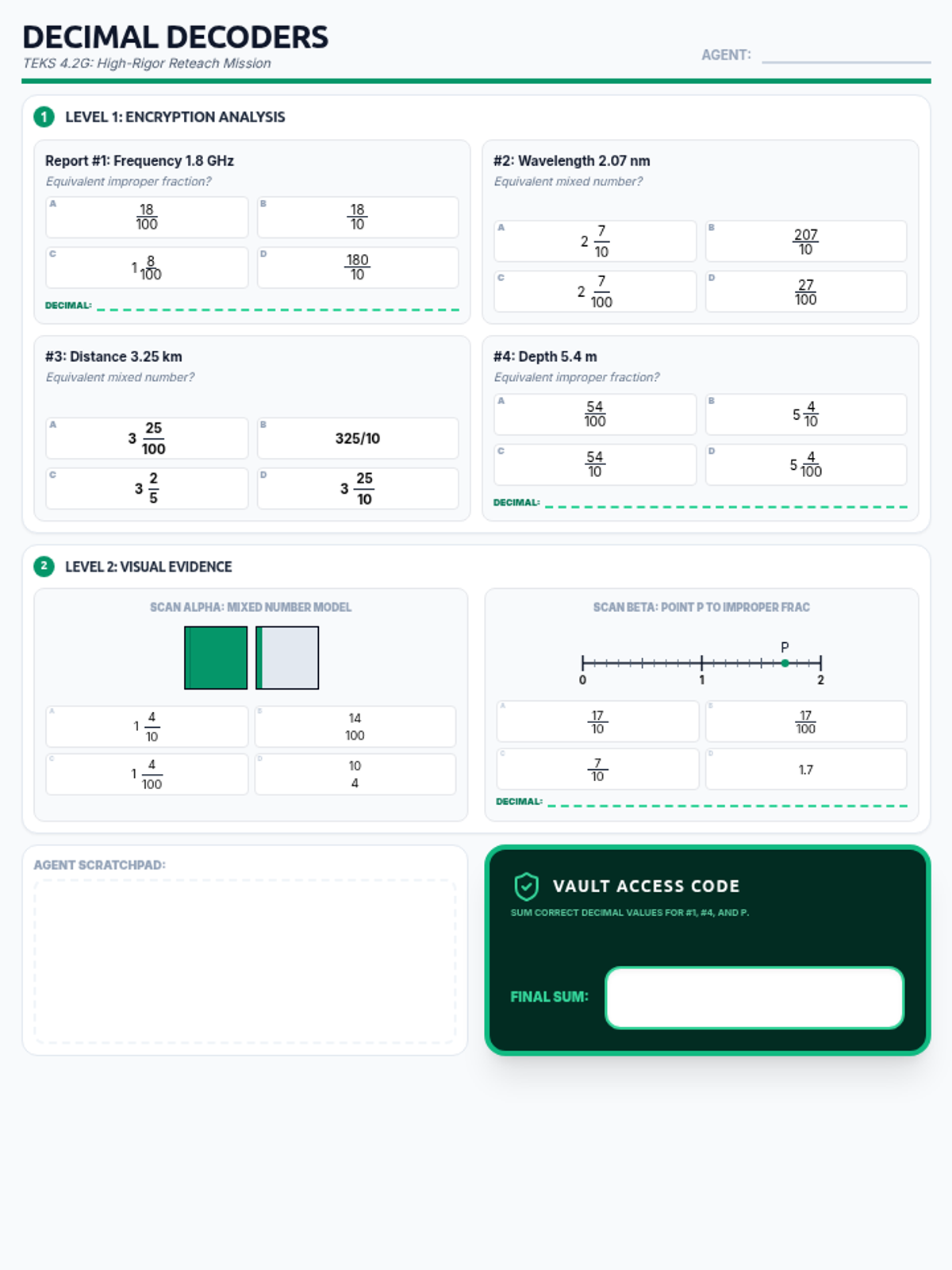
Focuses on TEKS 4.2G: Relating decimals to fractions that name tenths and hundredths. Students take on the role of codebreakers to unlock a digital vault by matching values across different representations.
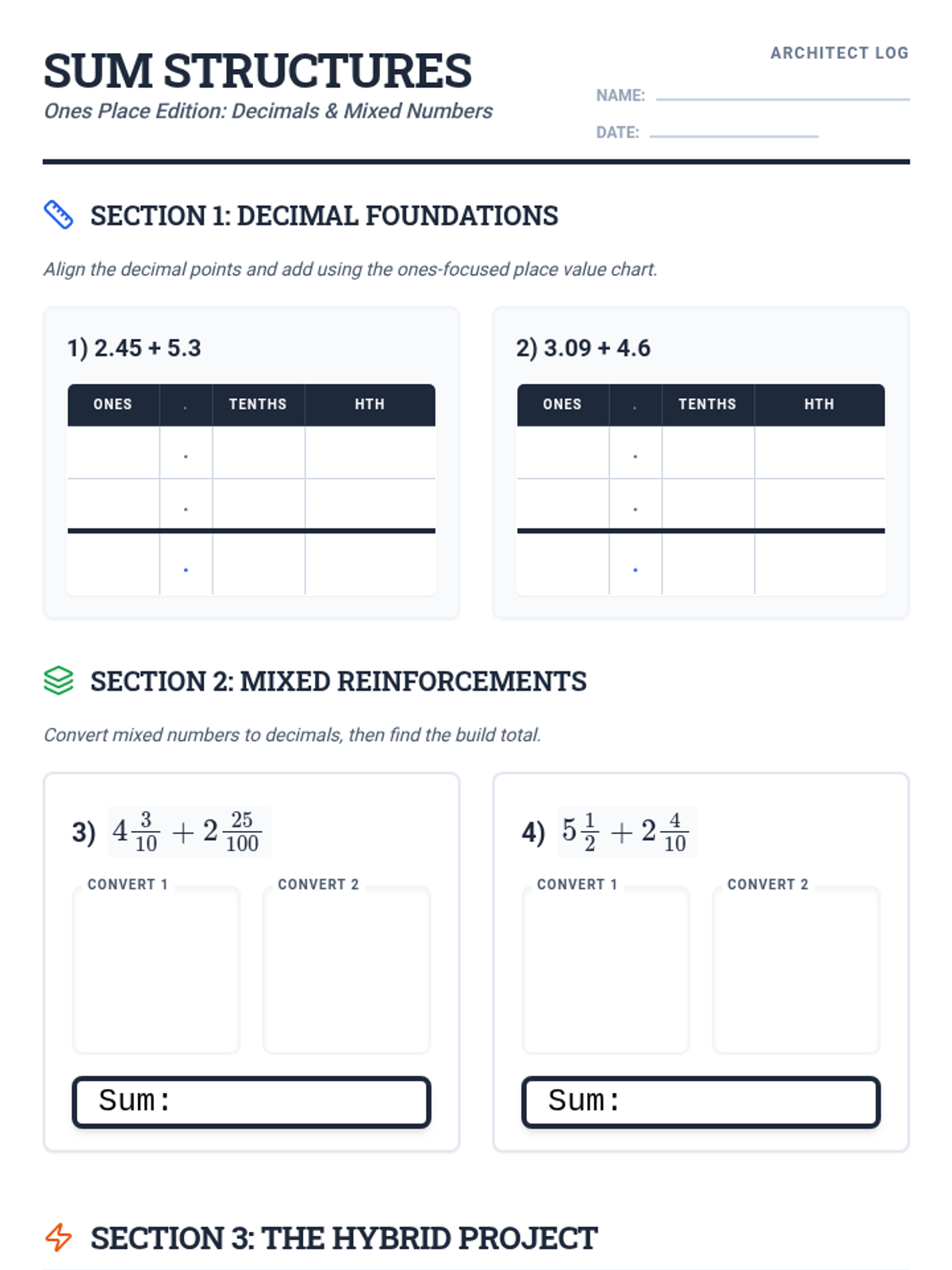
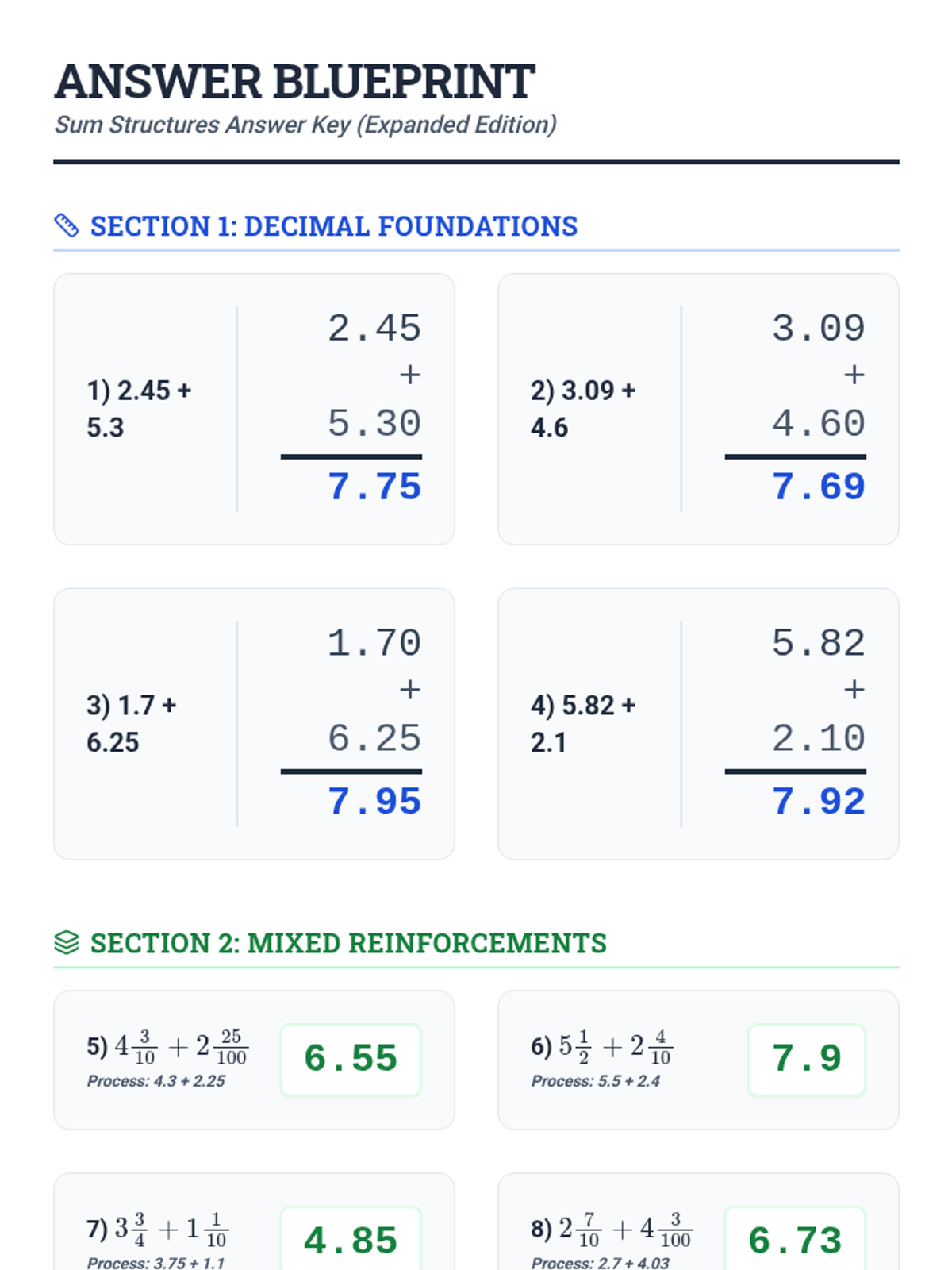
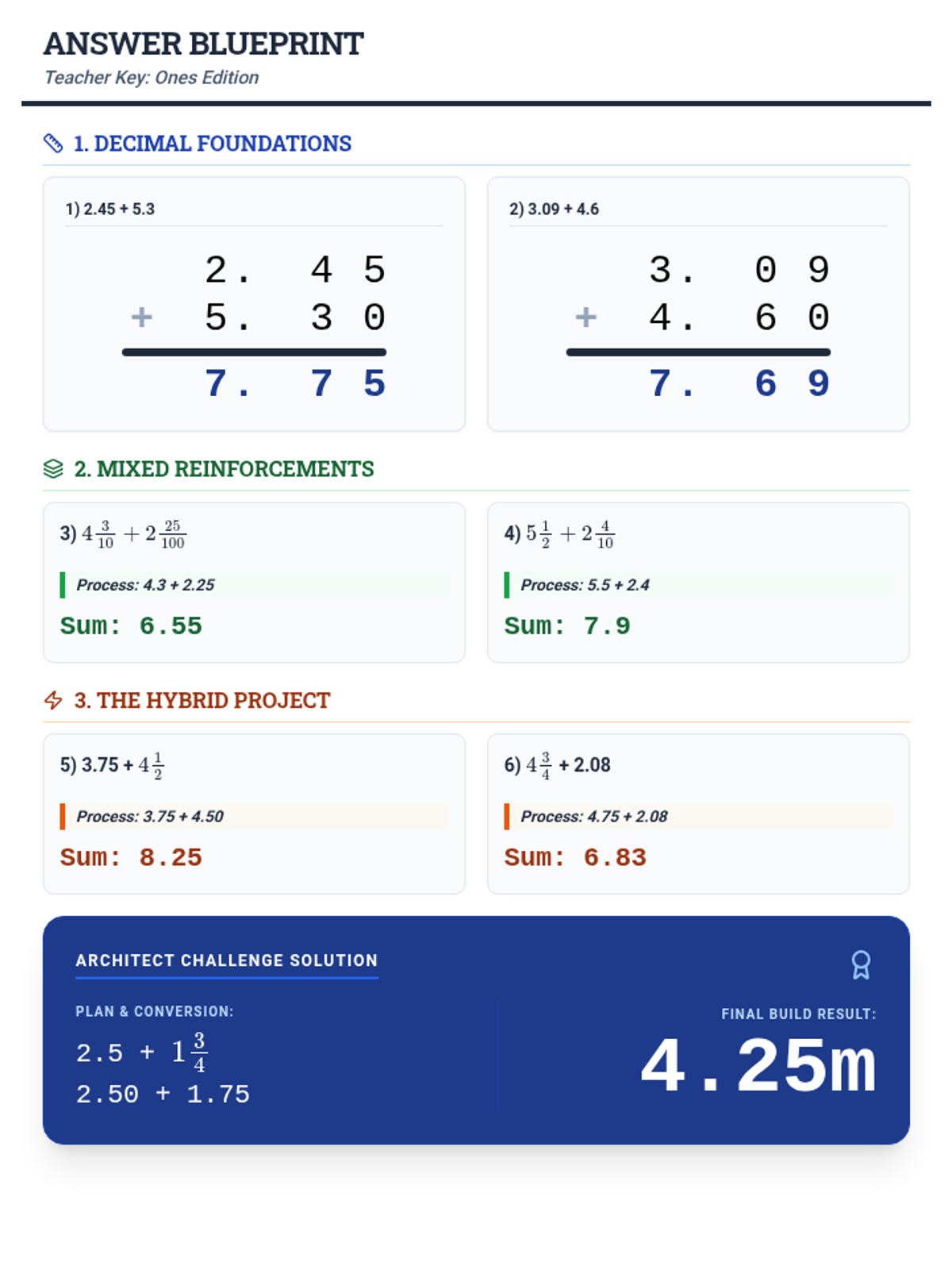
A comprehensive lesson on adding decimals, mixed numbers, and their combinations using place value strategies and 'blueprint' visualizations.
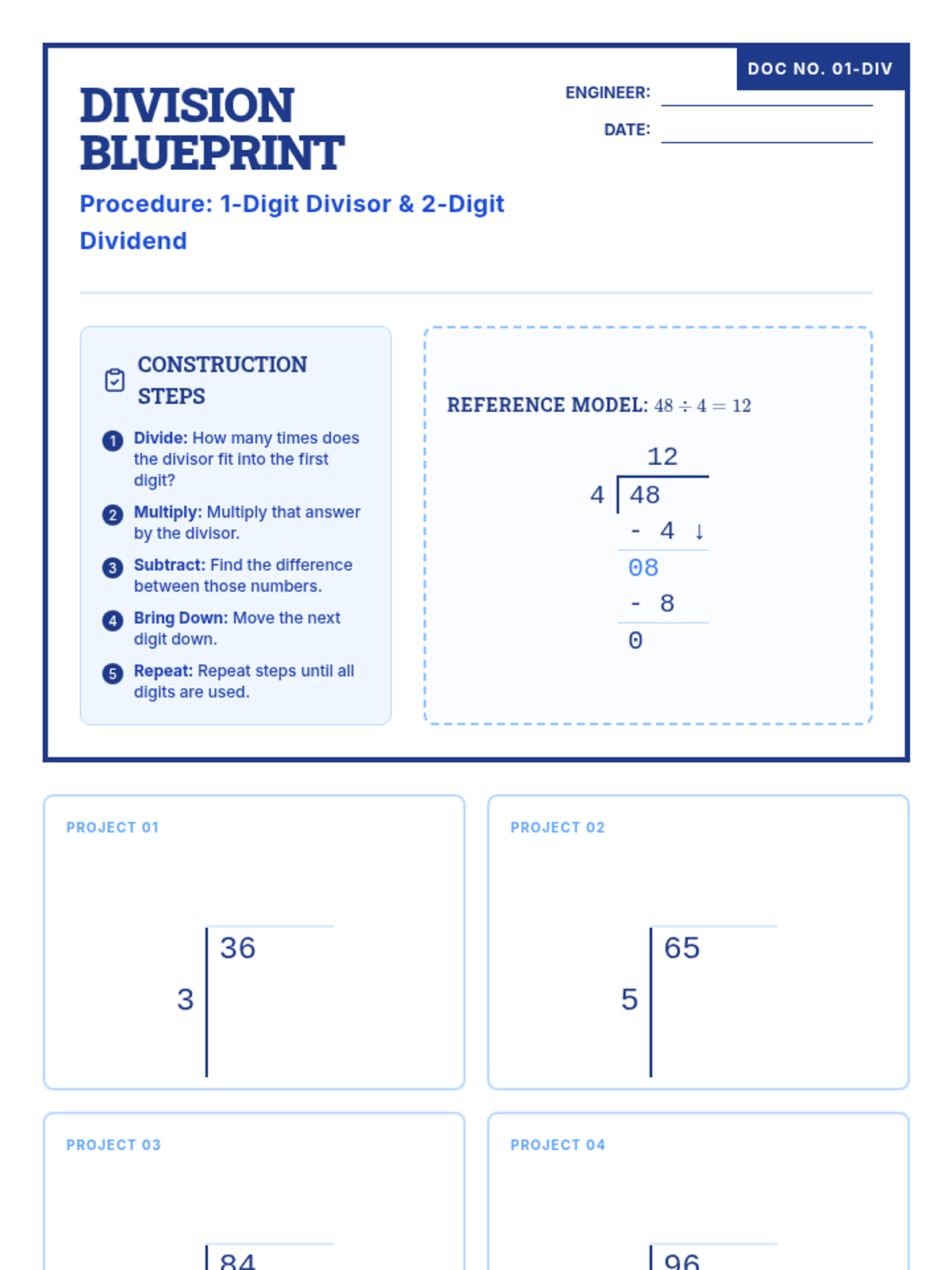
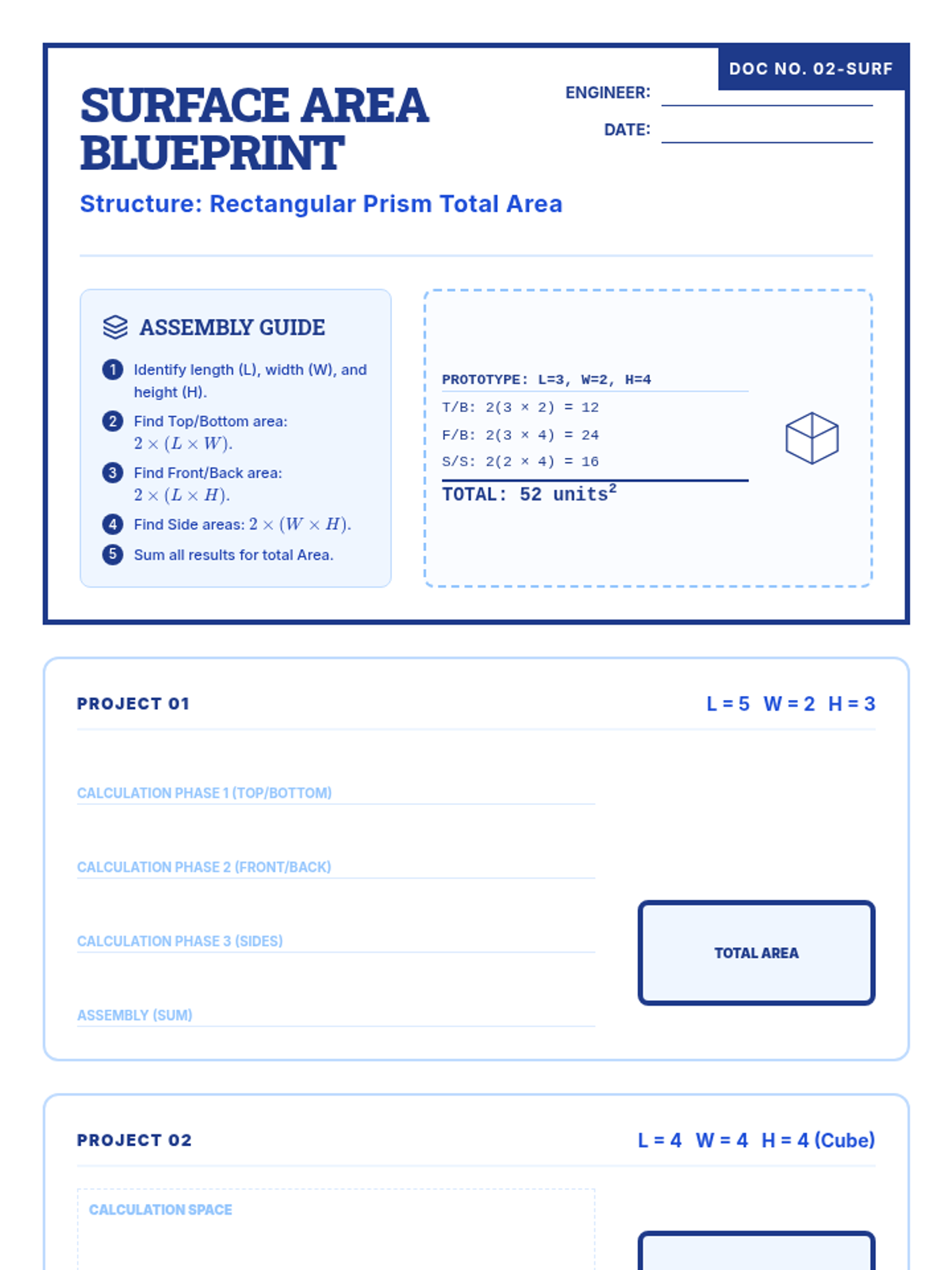
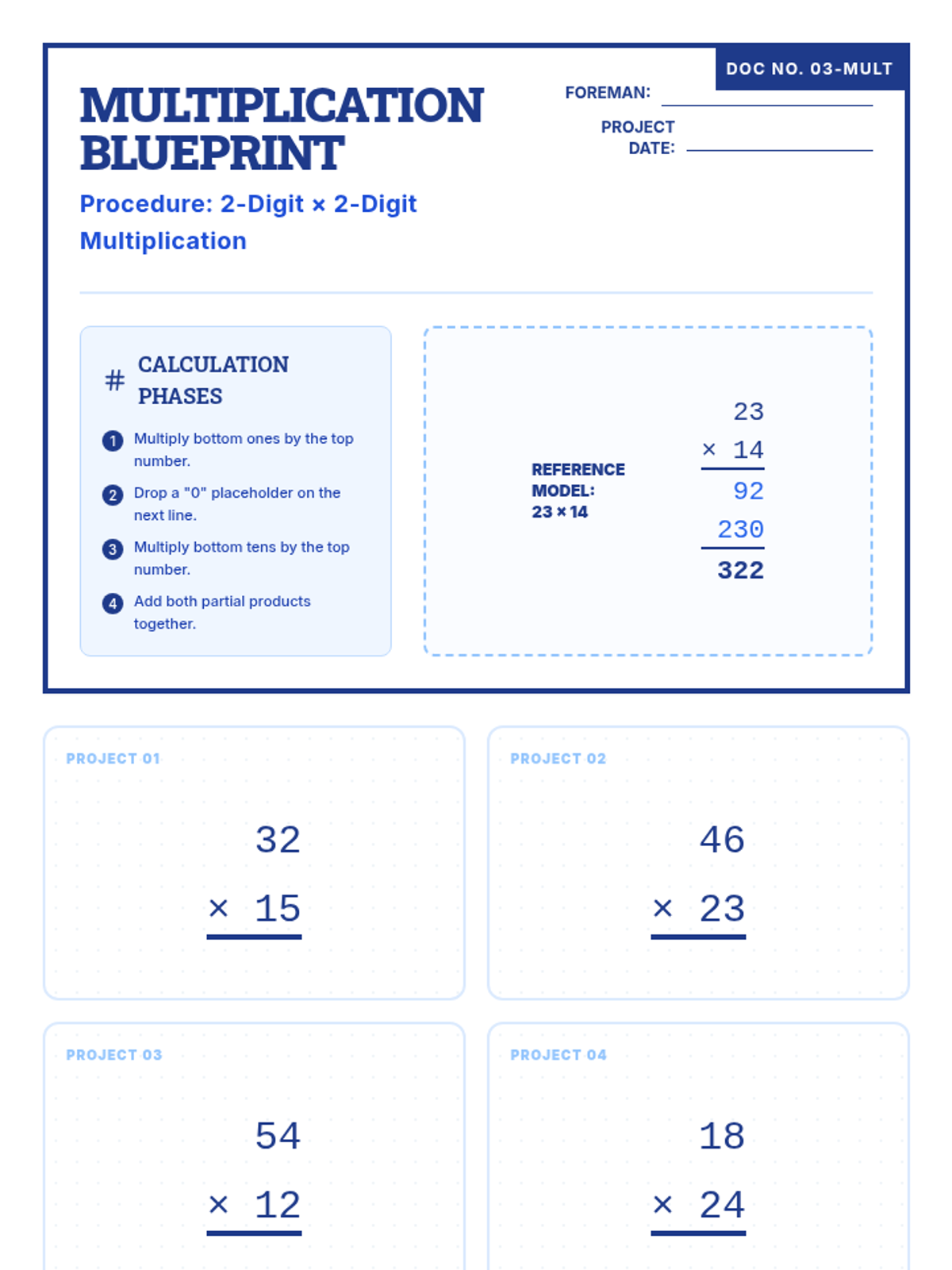
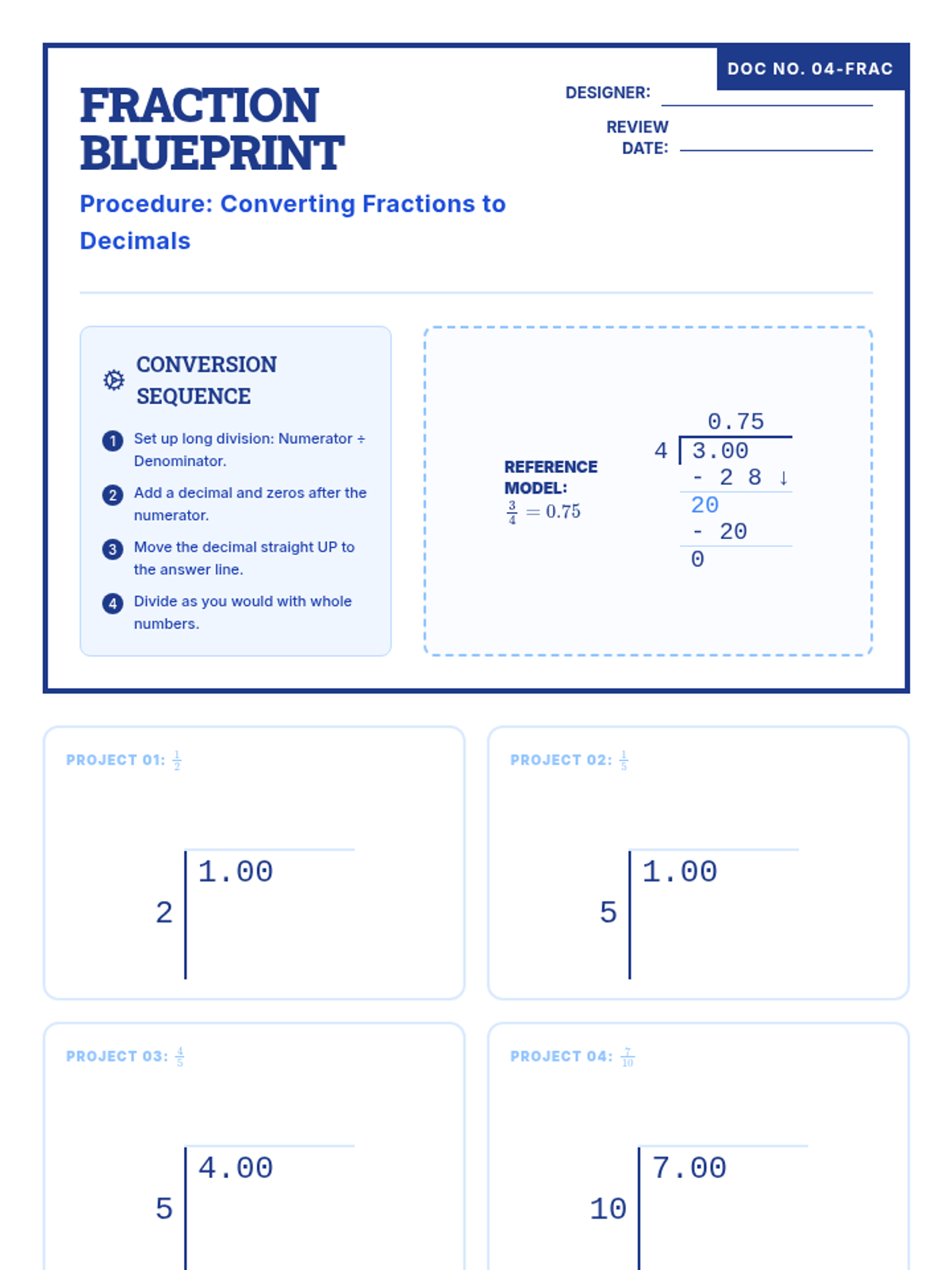
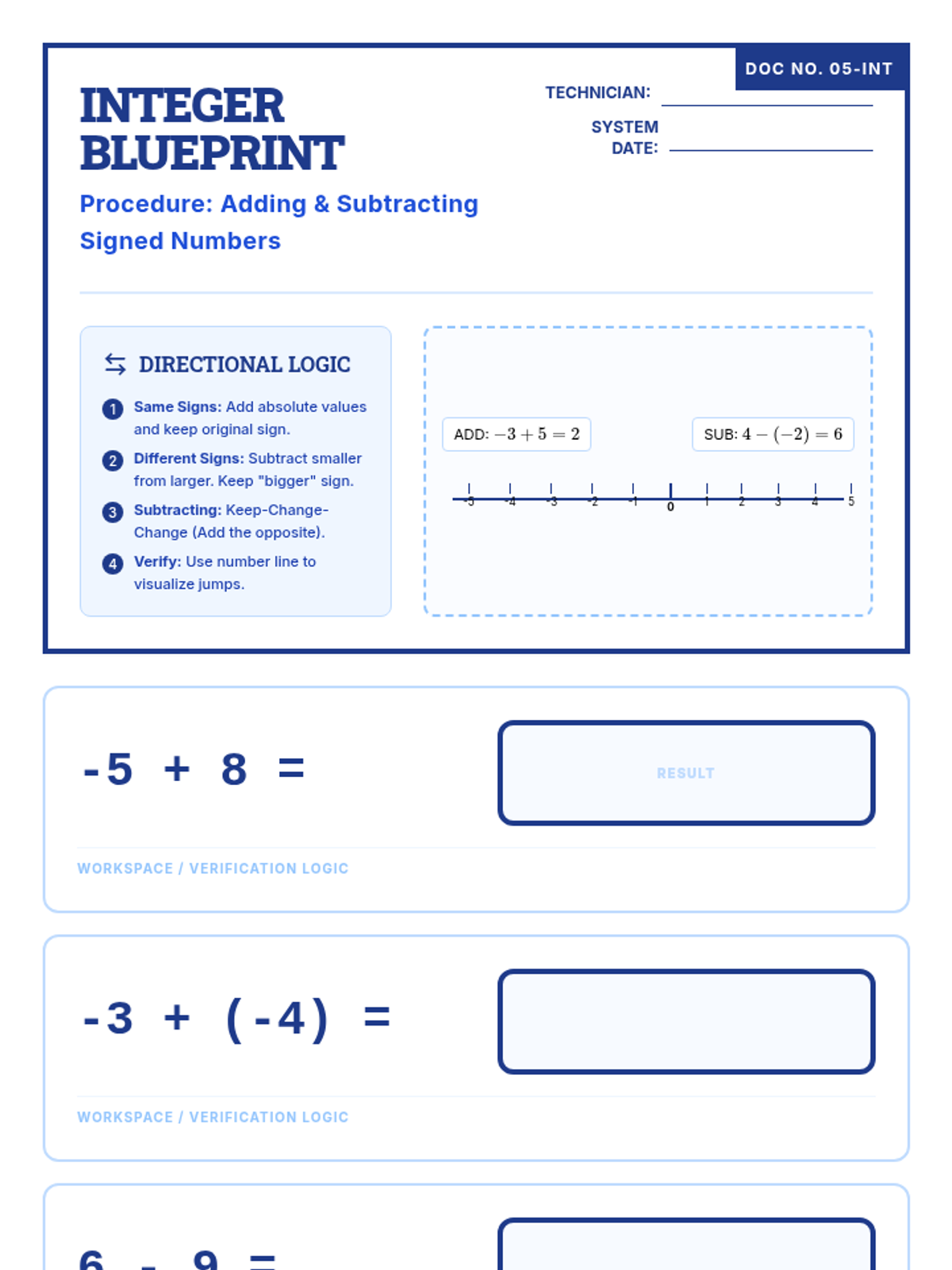
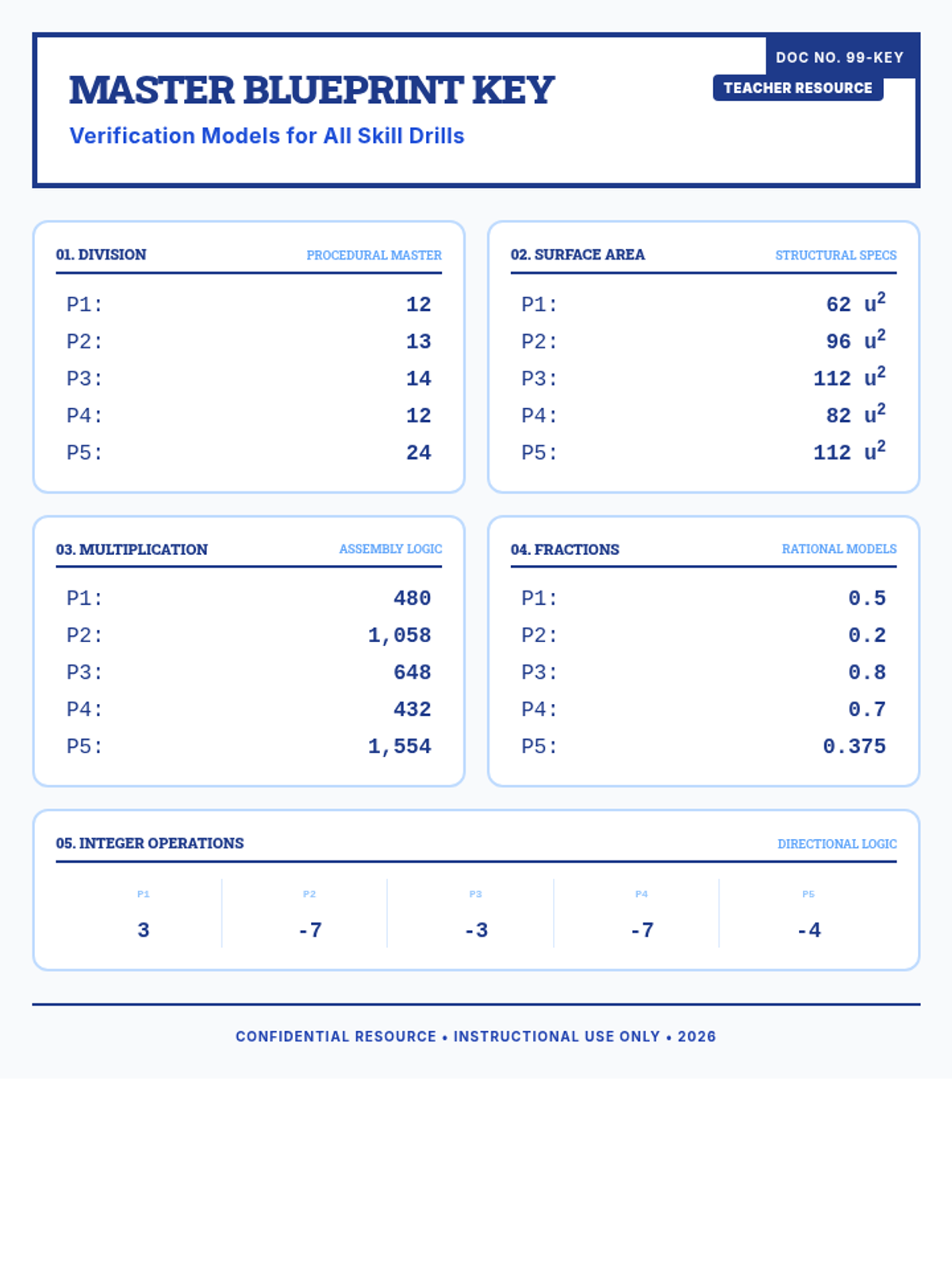
A collection of 5 foundational math worksheets focused on procedural mastery in division, surface area, multi-digit multiplication, fraction-decimal conversion, and integer arithmetic. Each sheet includes a step-by-step checklist and a worked example.
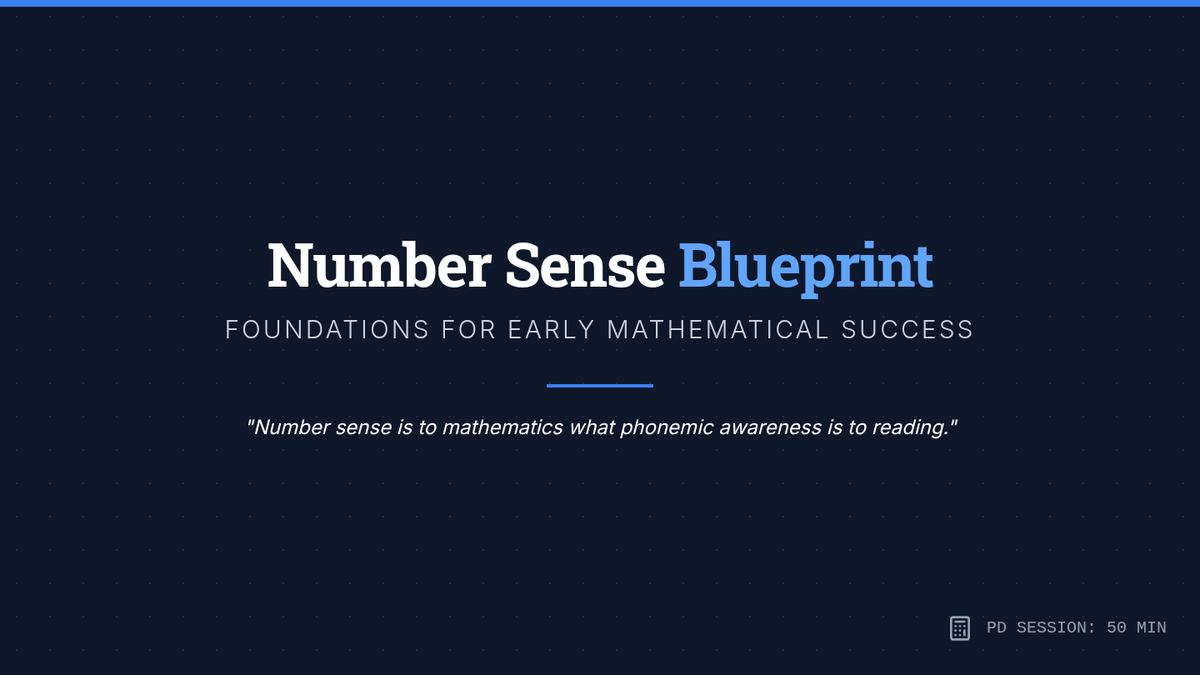
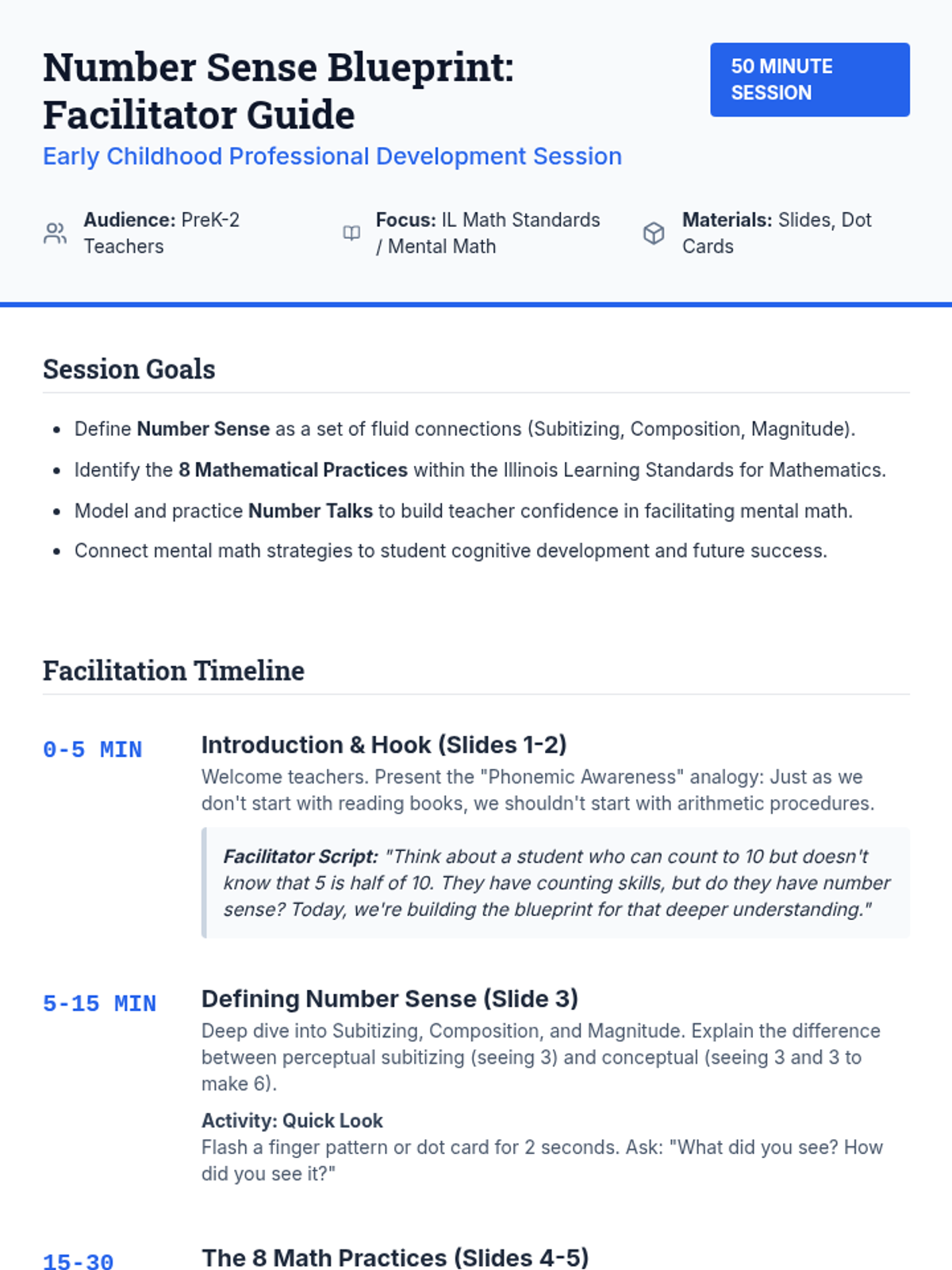
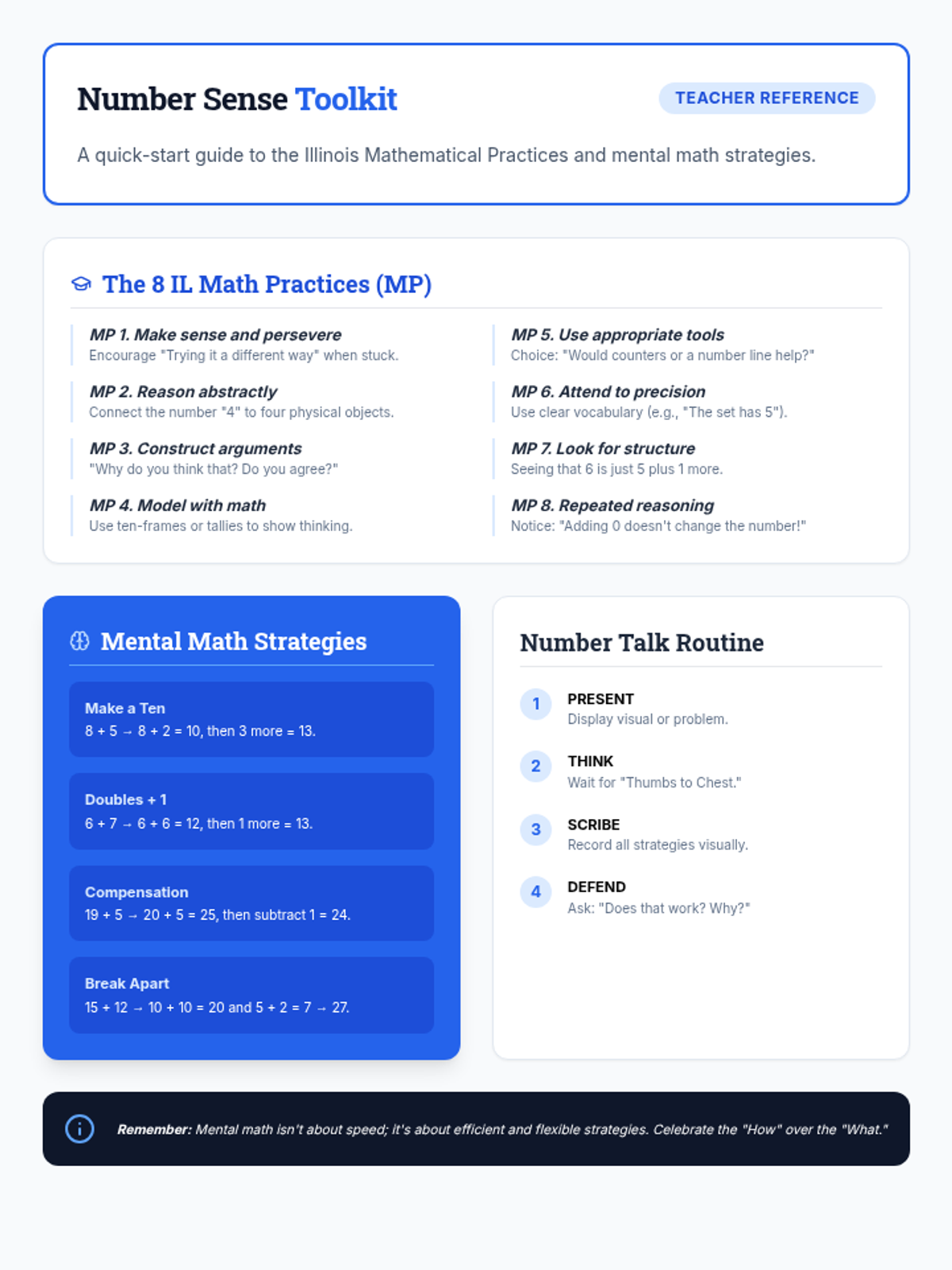
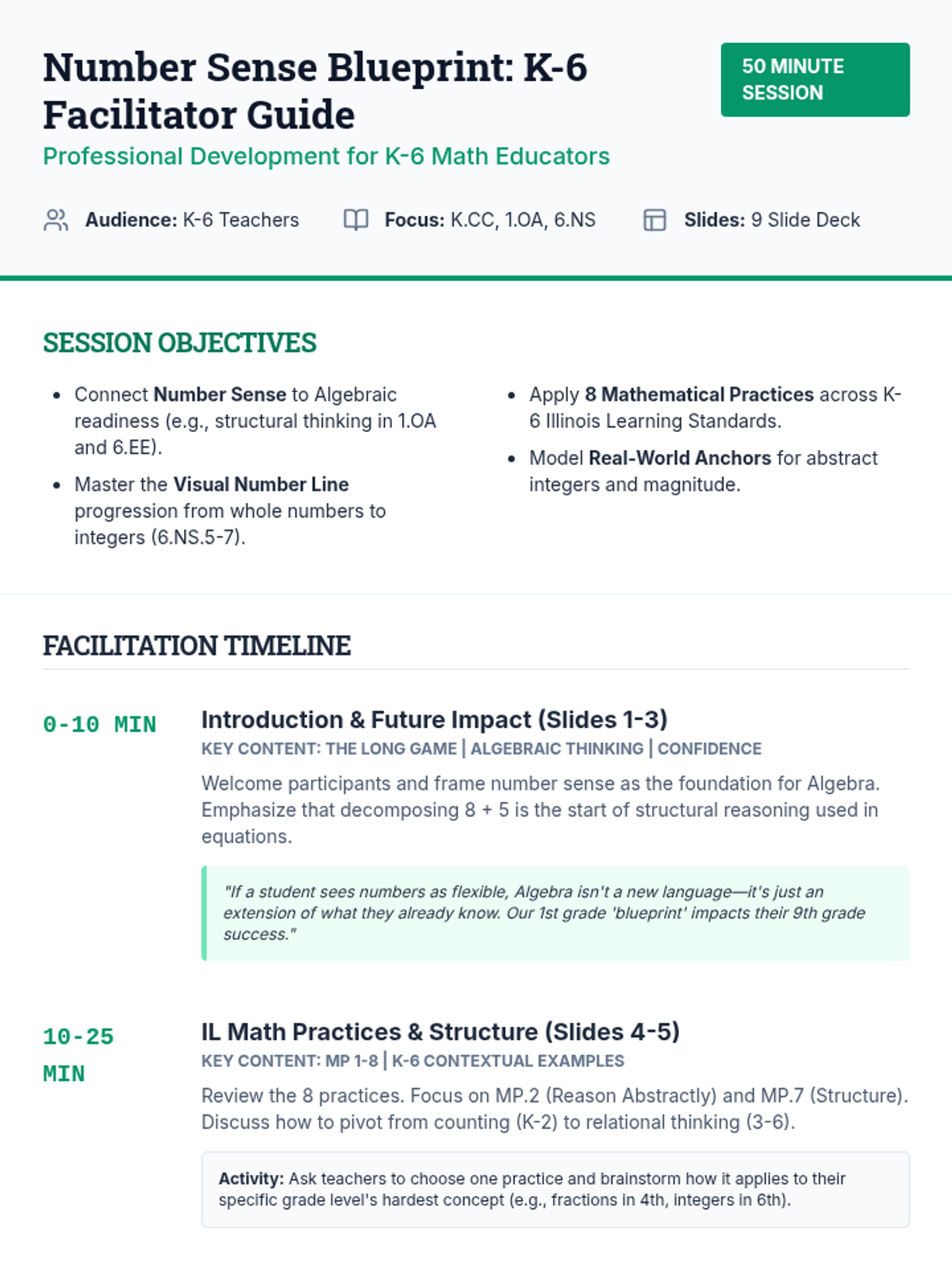
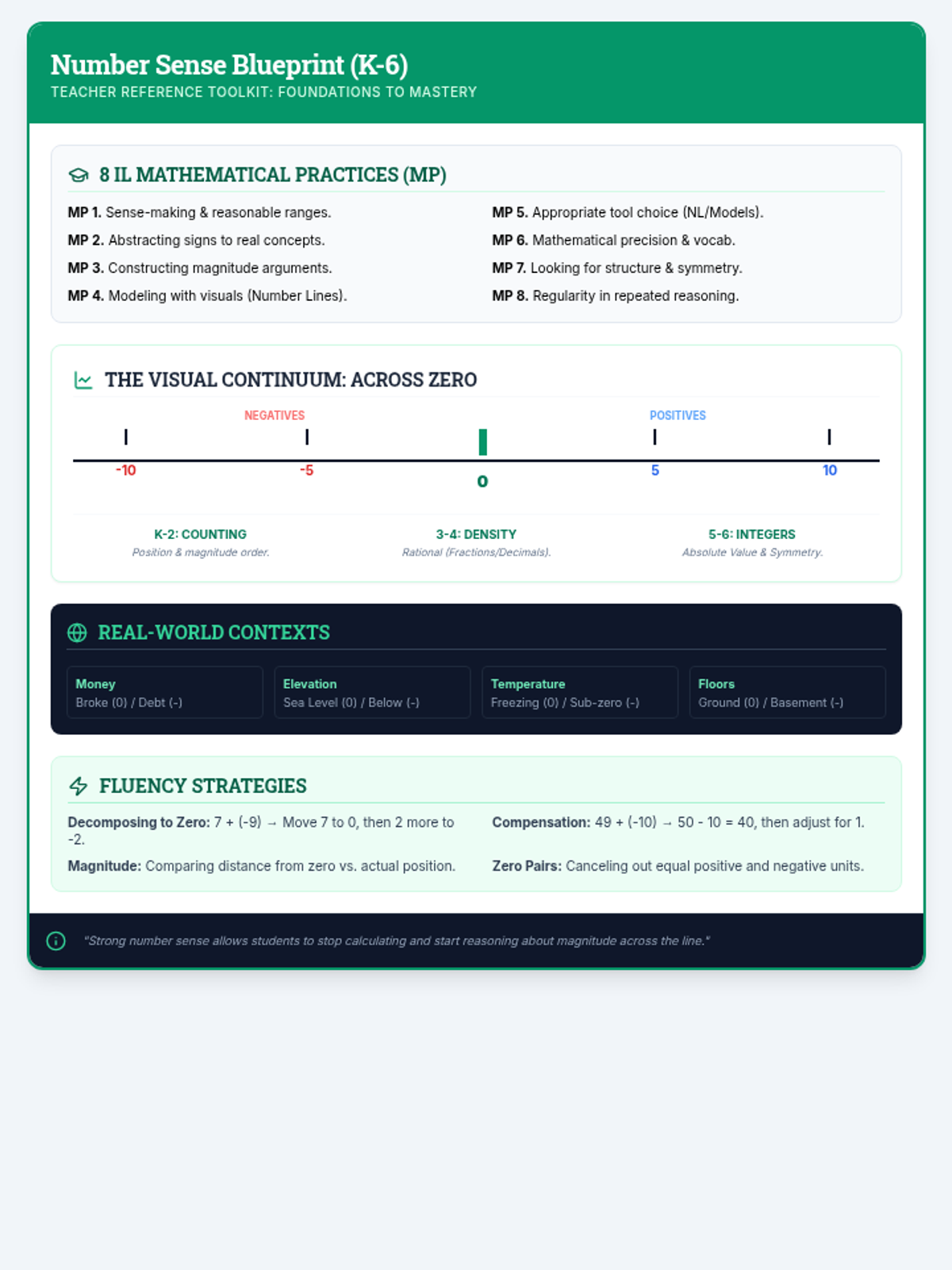
A 50-minute professional development session for K-6 educators focusing on number sense, the visual number line (positive and negative), real-world applications, and the 8 IL Mathematical Practices.
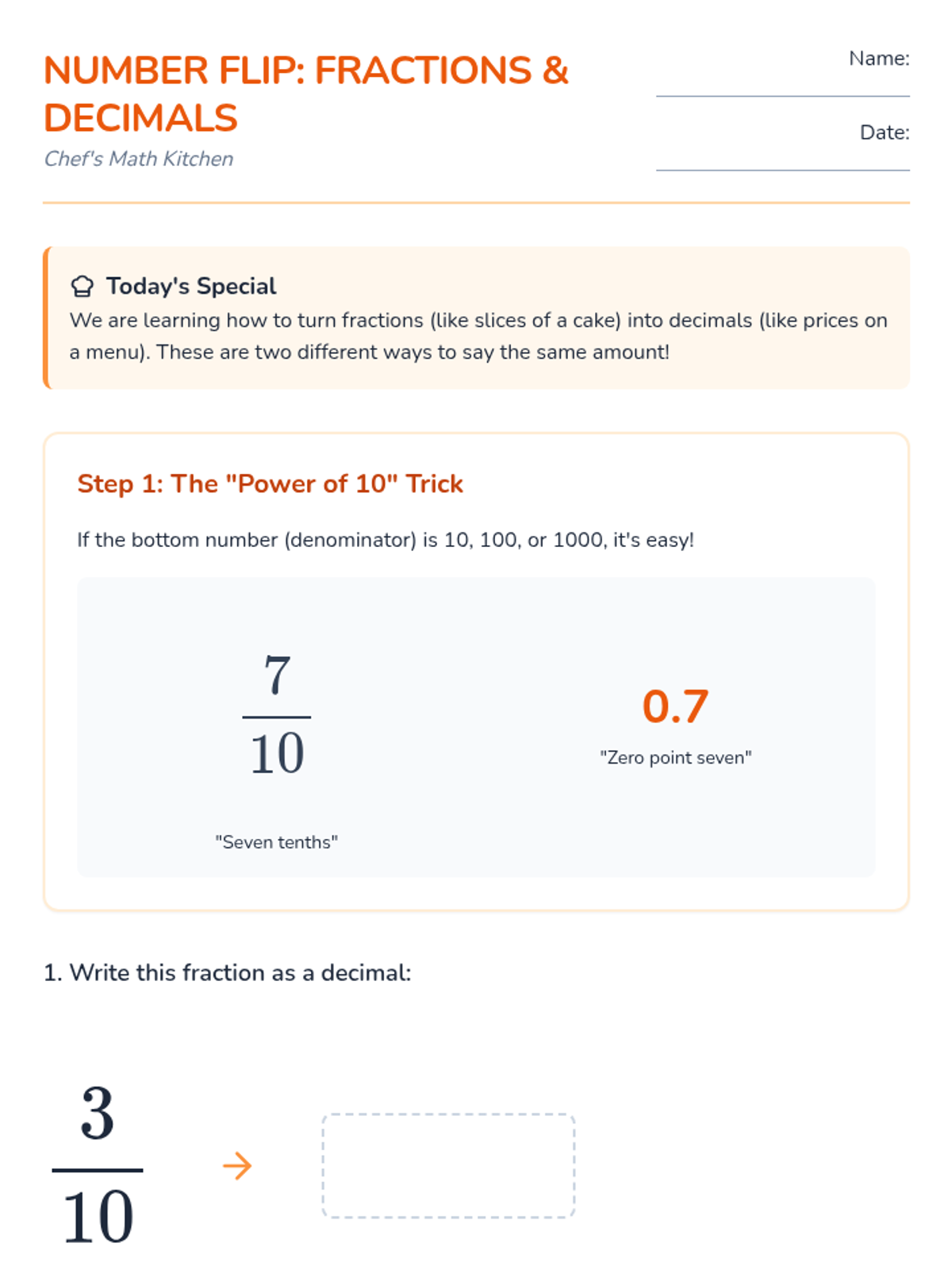
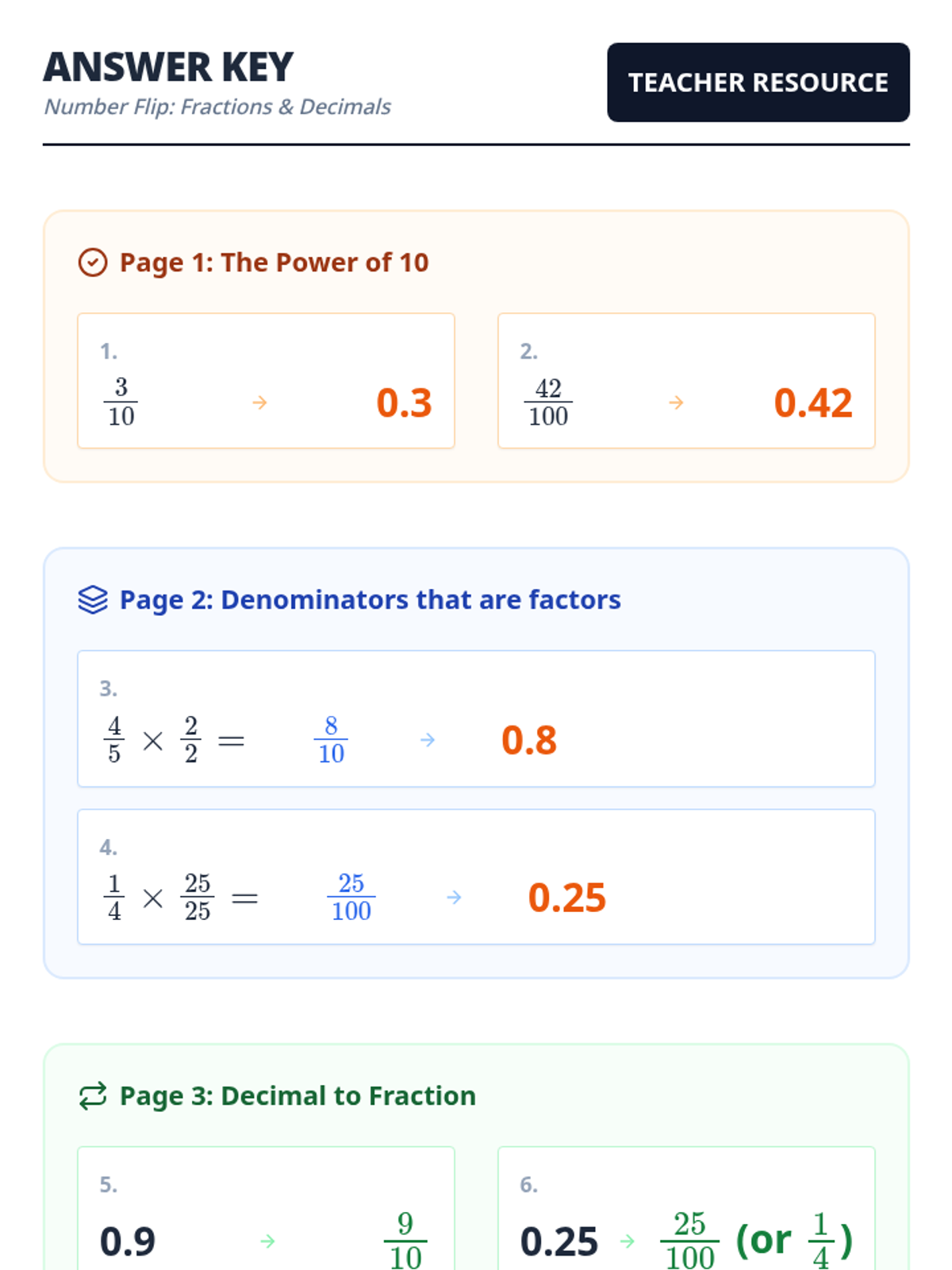
A lesson focused on understanding and converting between fractions and decimals using visual models and step-by-step procedures. Designed for students needing scaffolded support and reduced visual clutter.
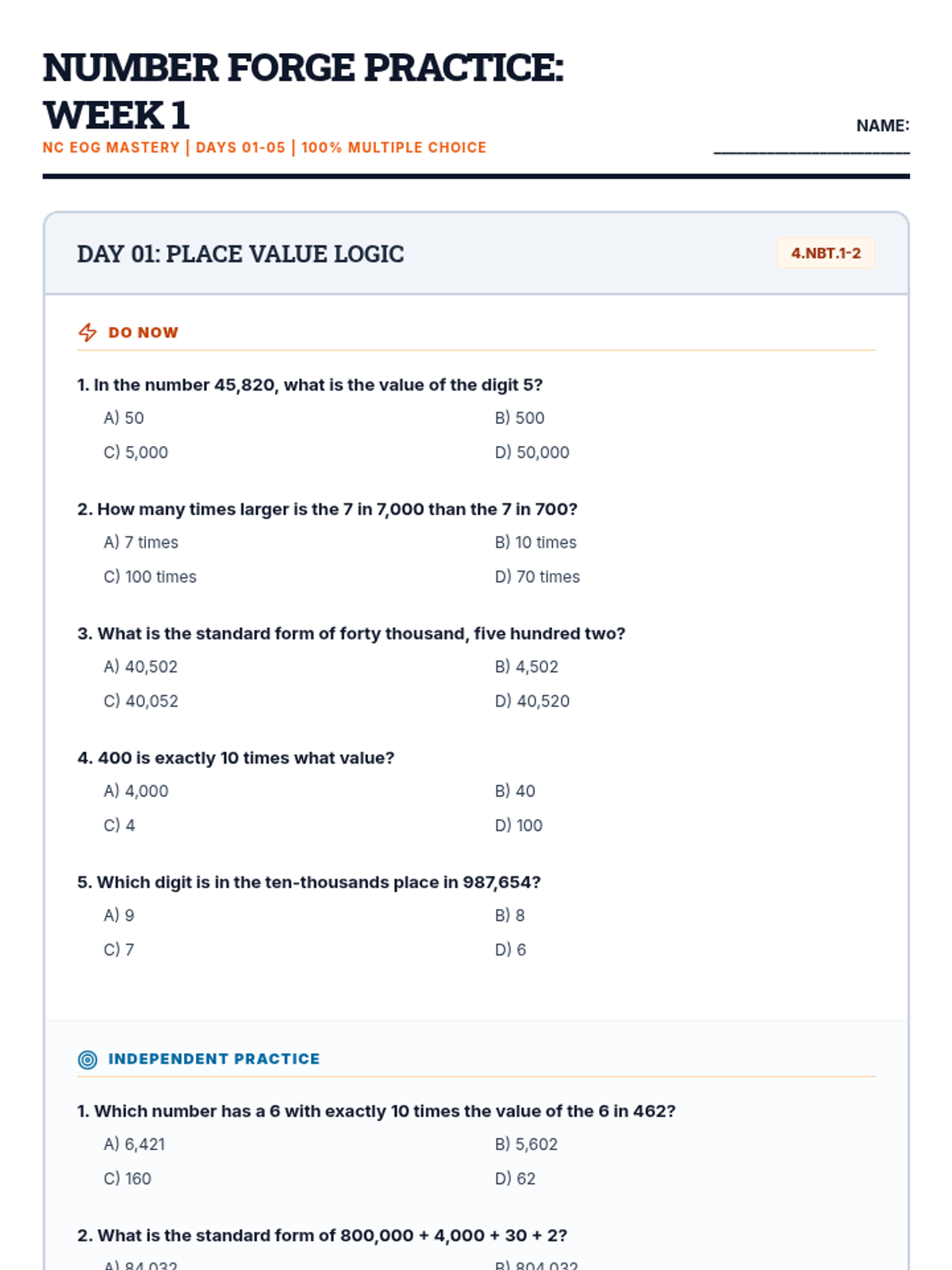
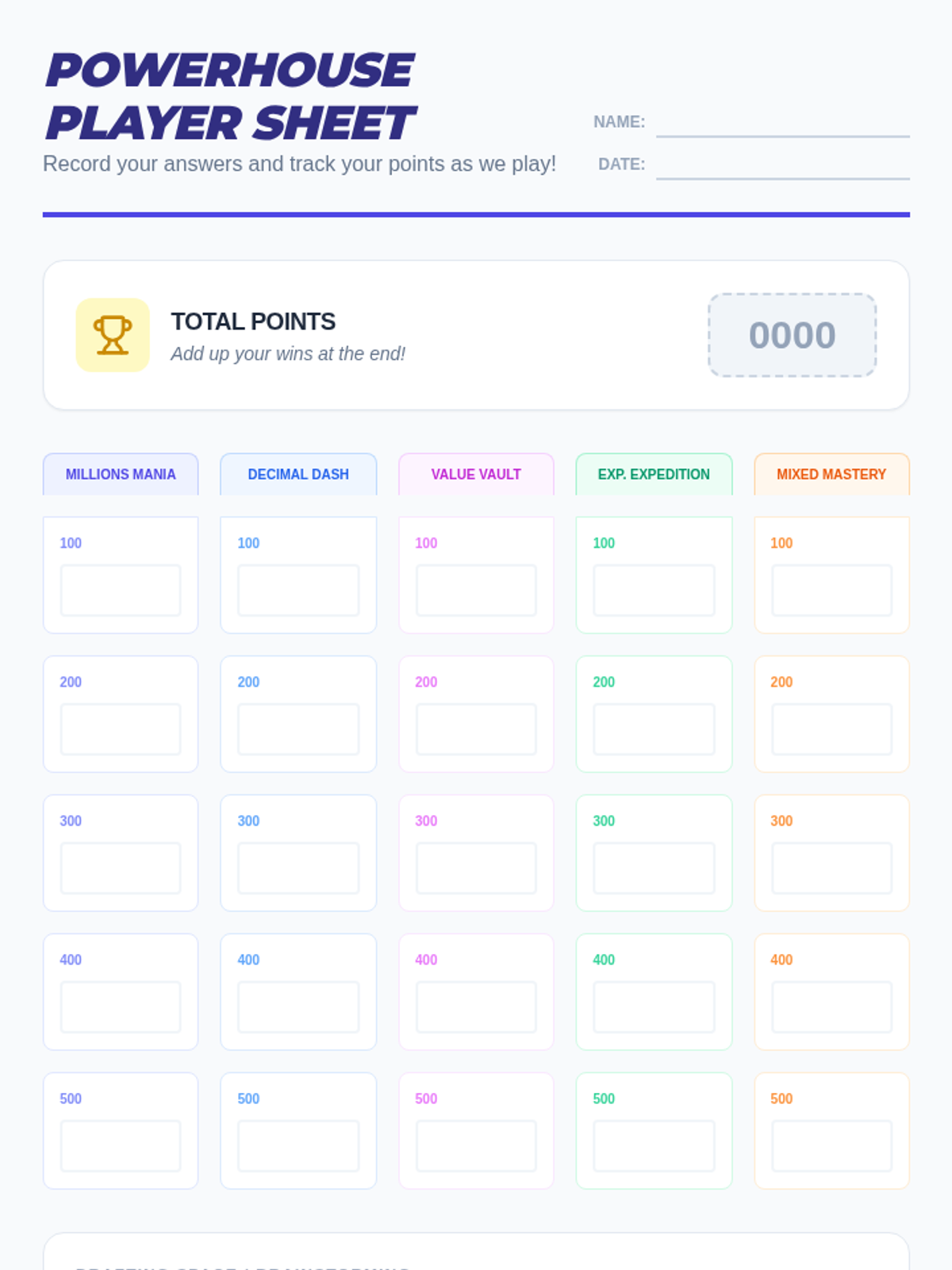
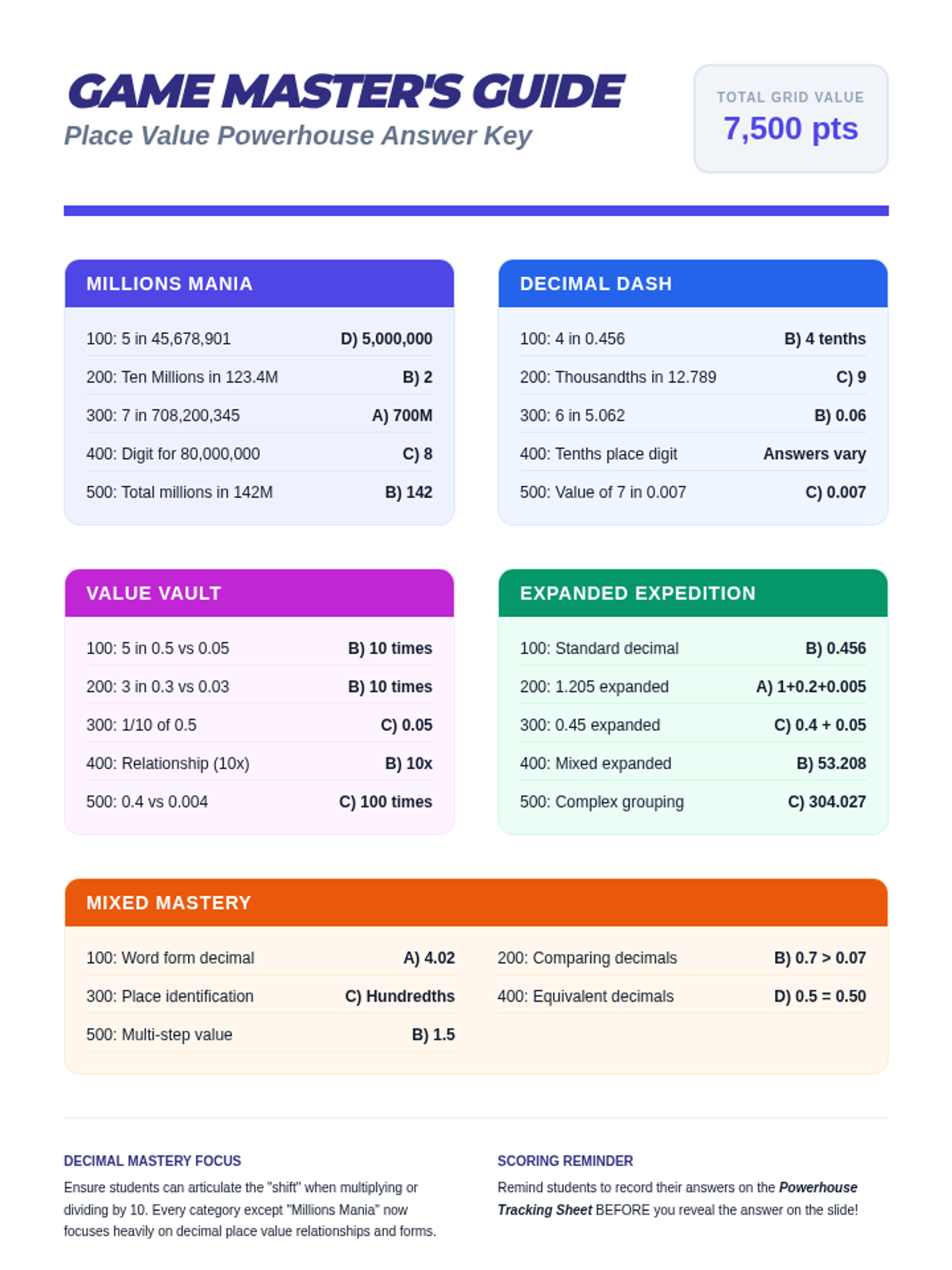
A high-energy, game-show themed lesson where students master place value from hundred millions to thousandths through identifying digit values and expanded form.
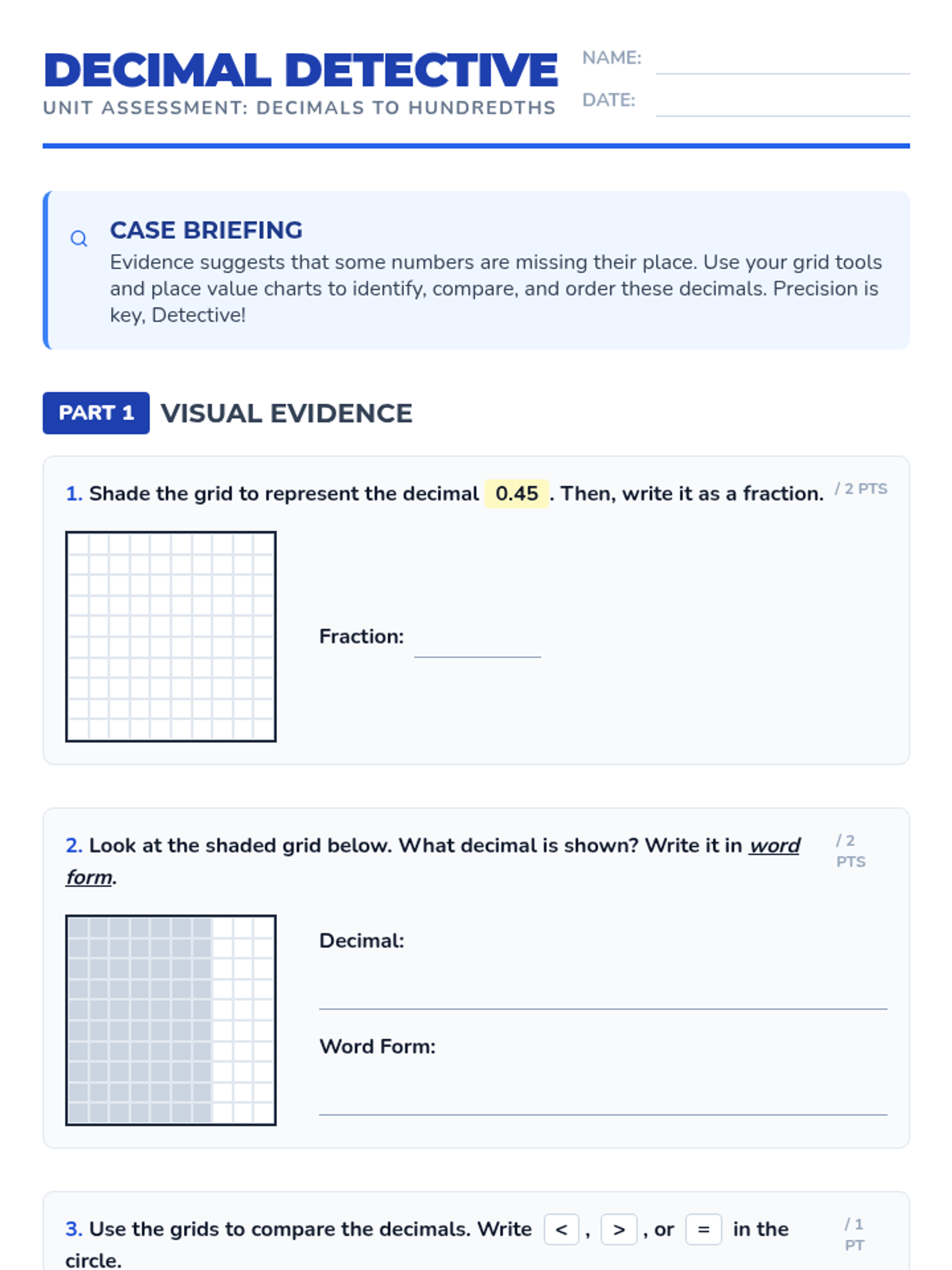
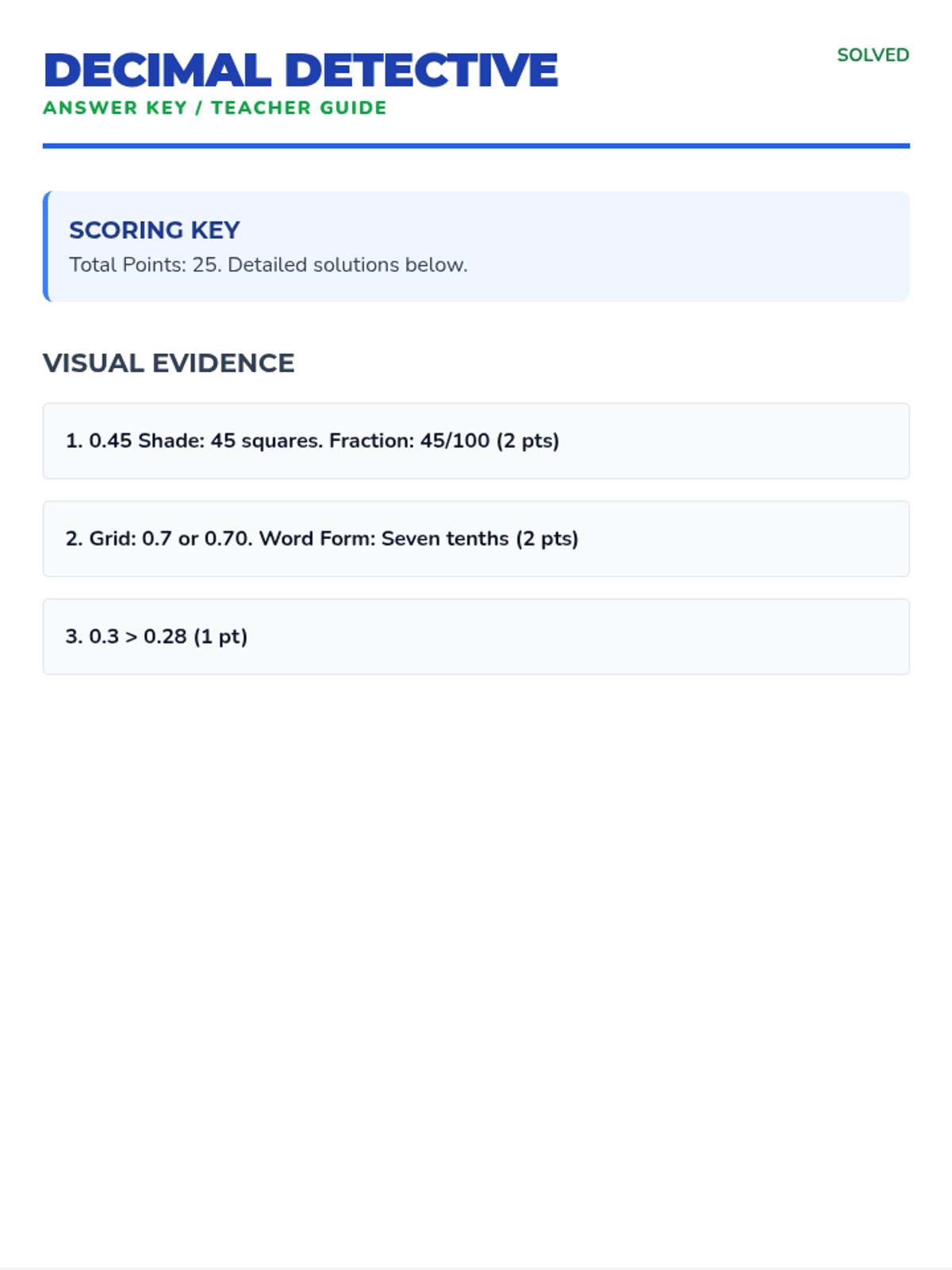
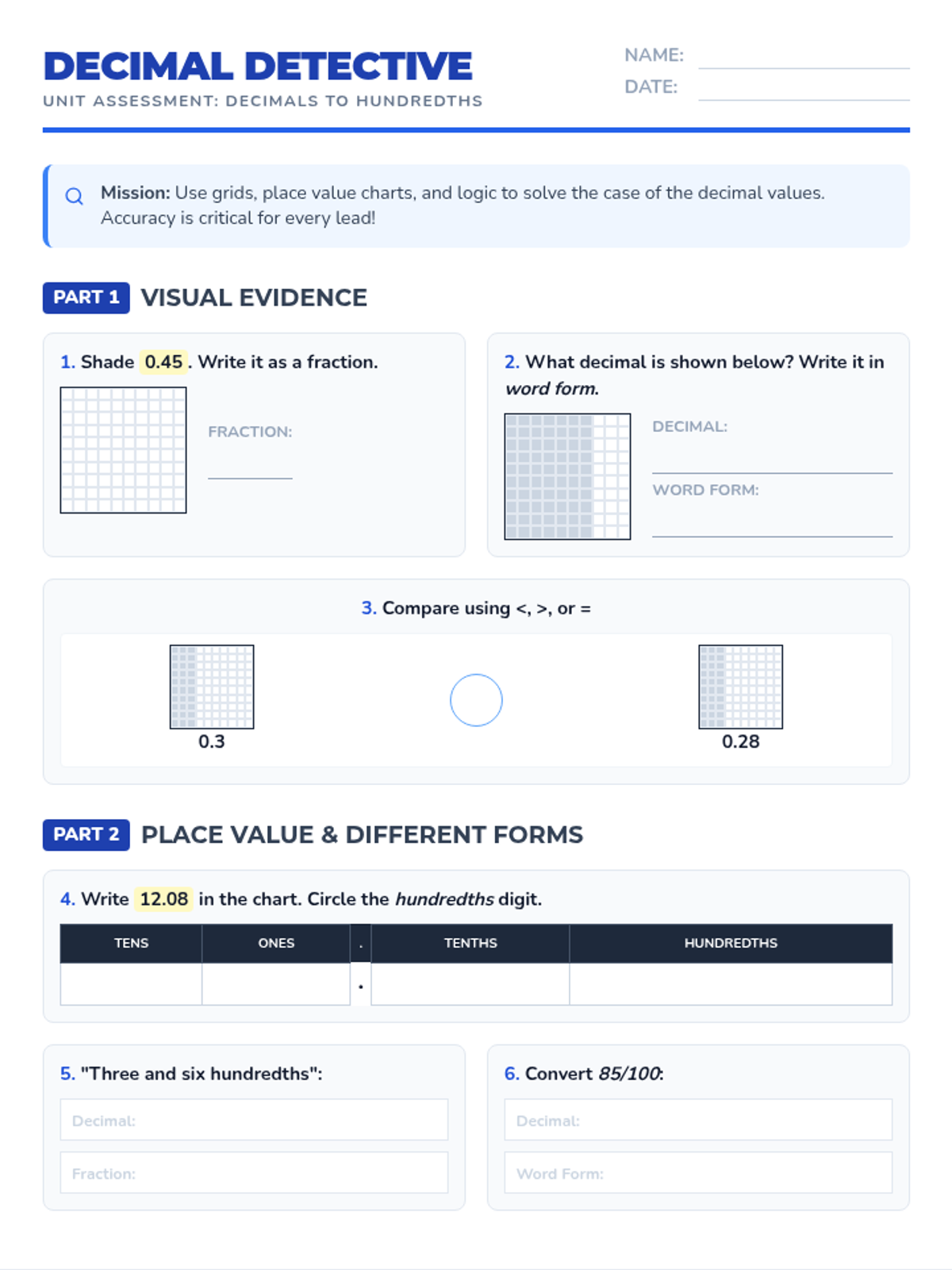
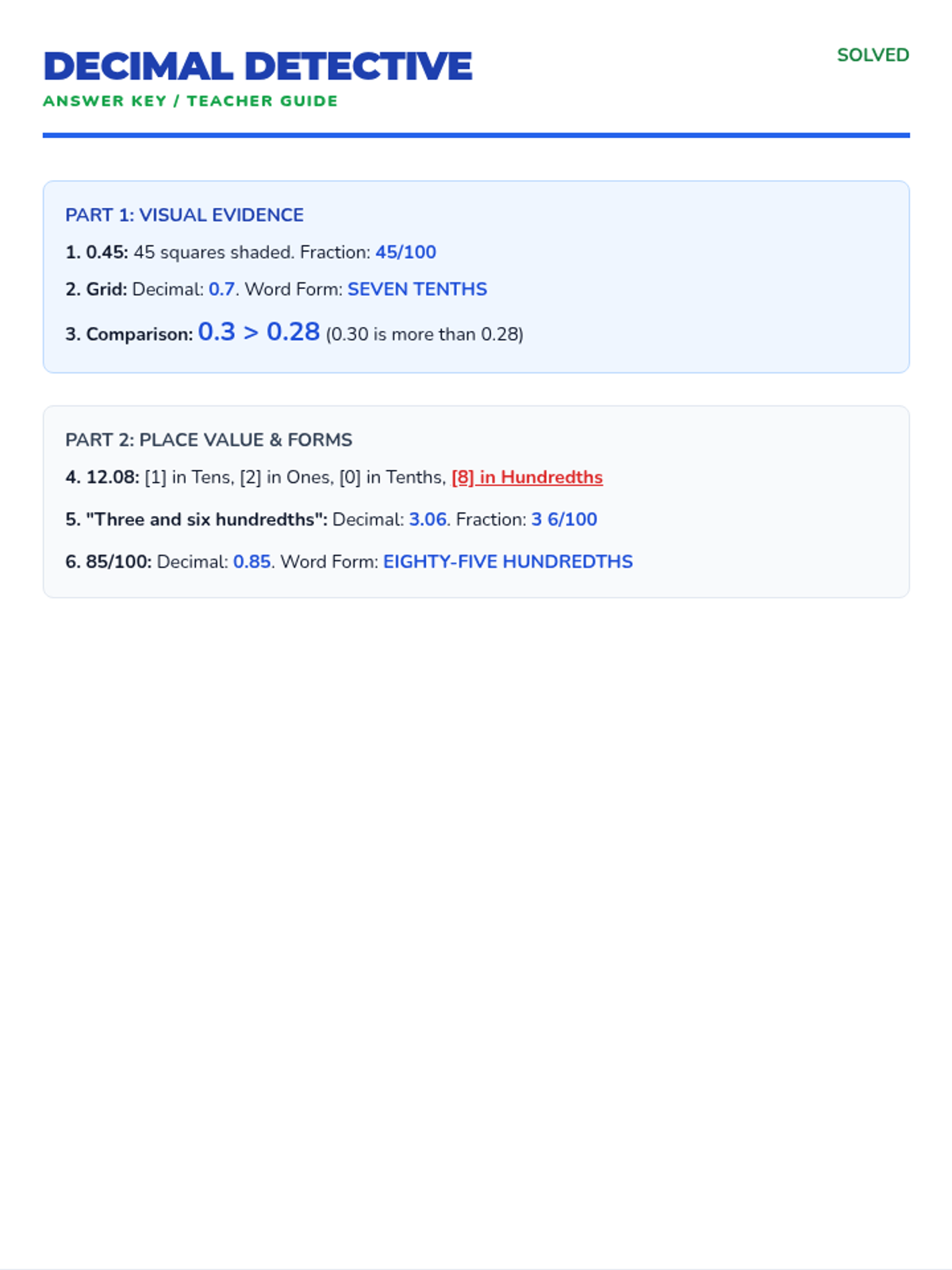
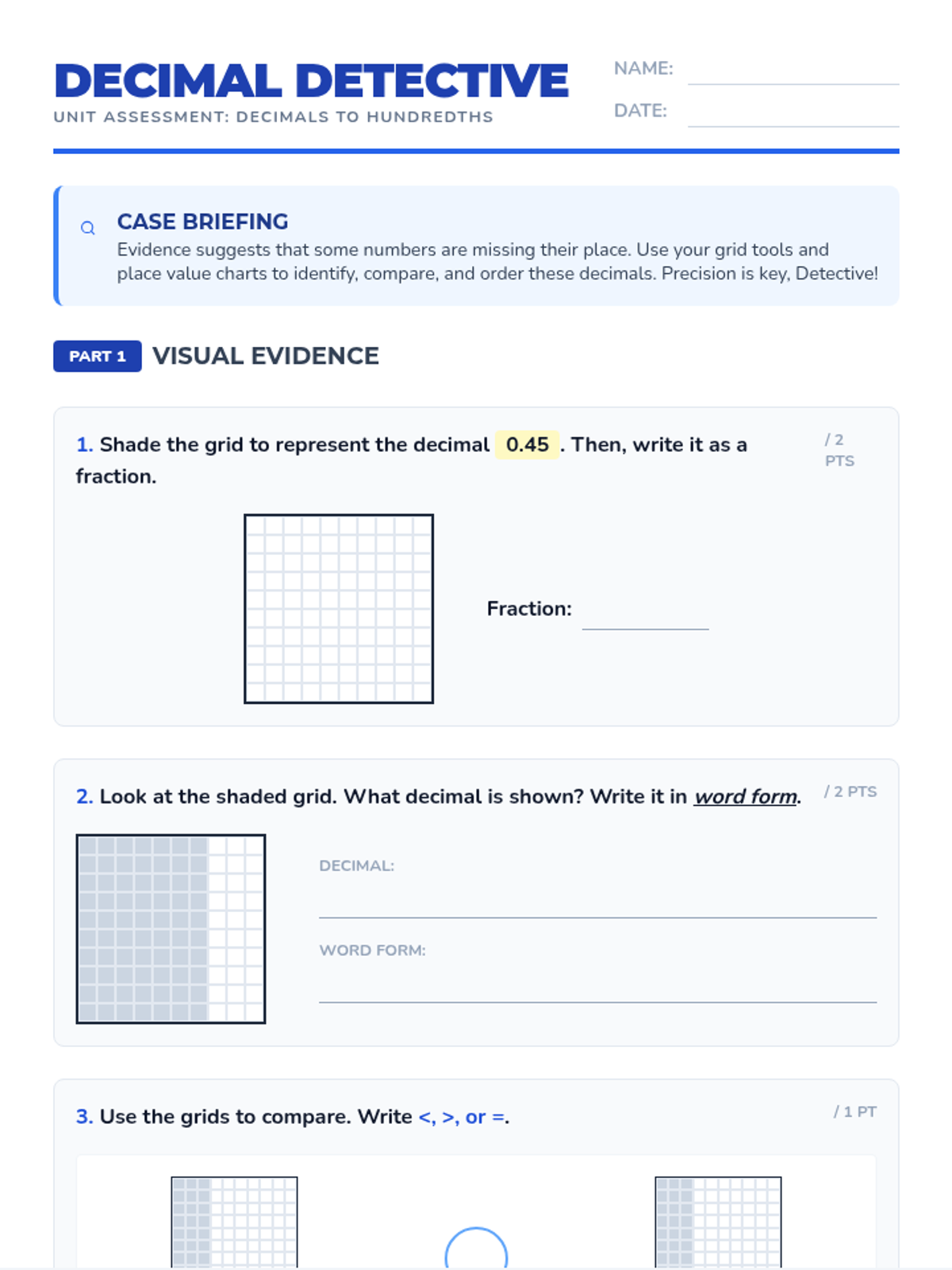
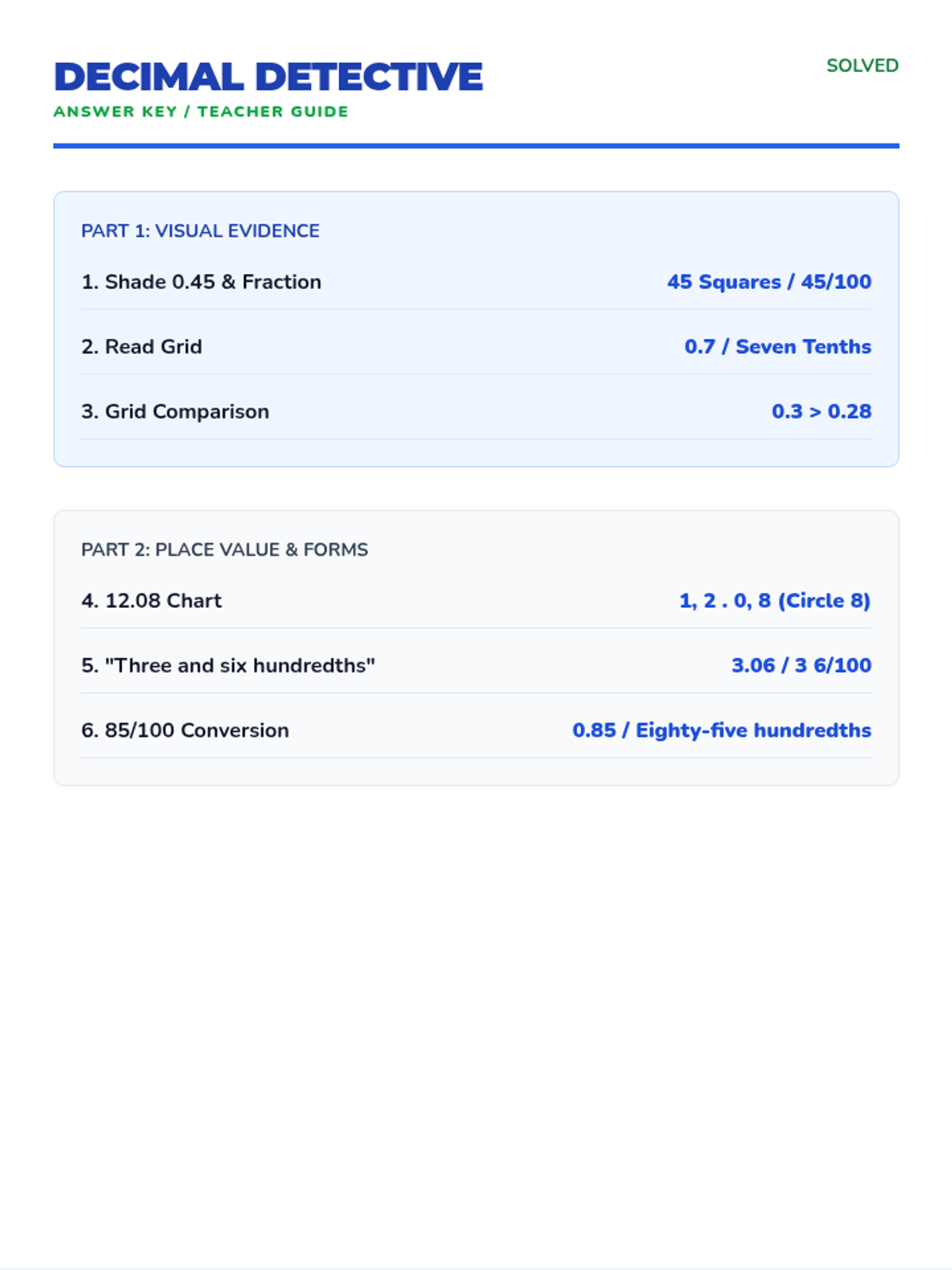
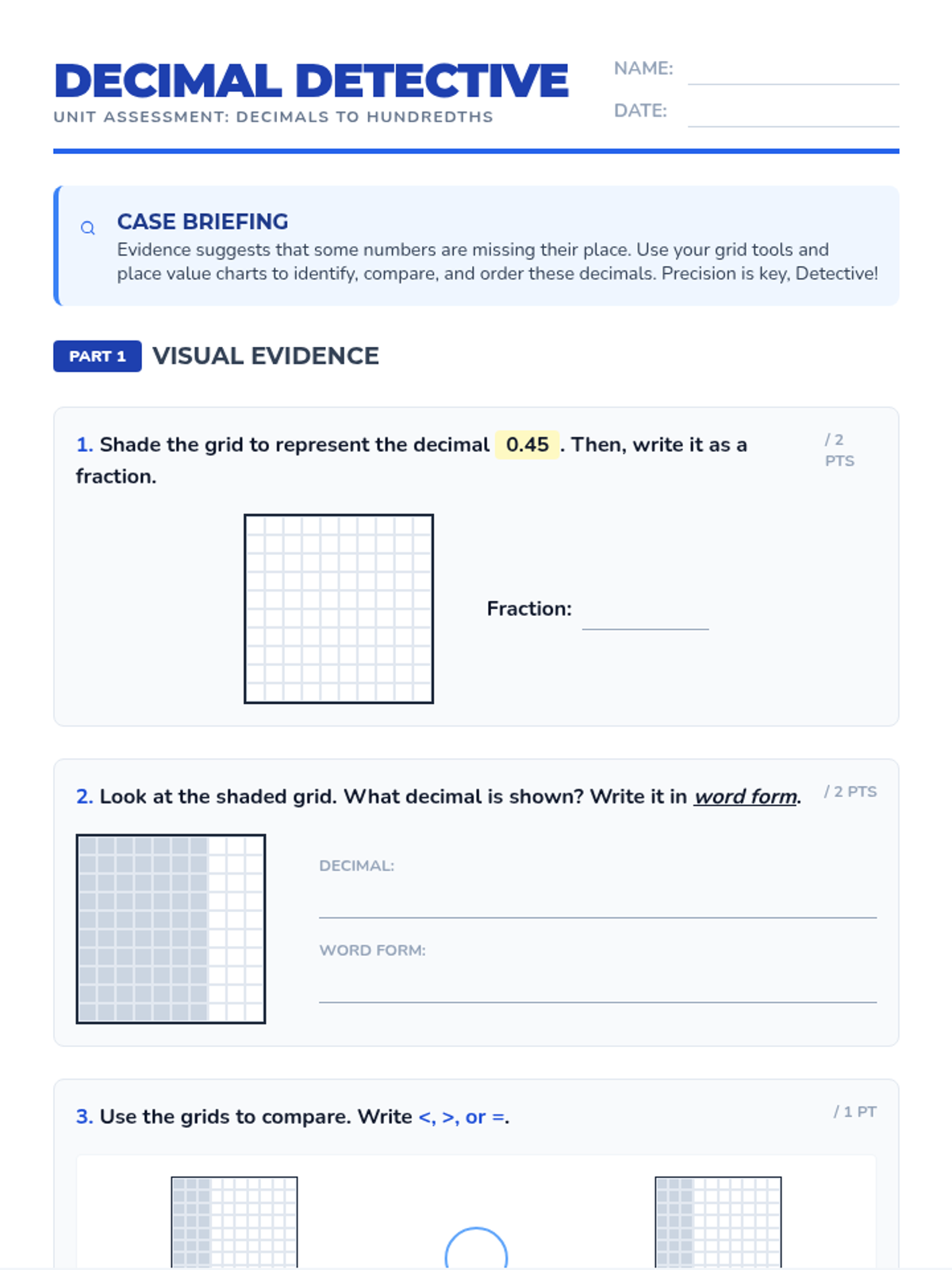
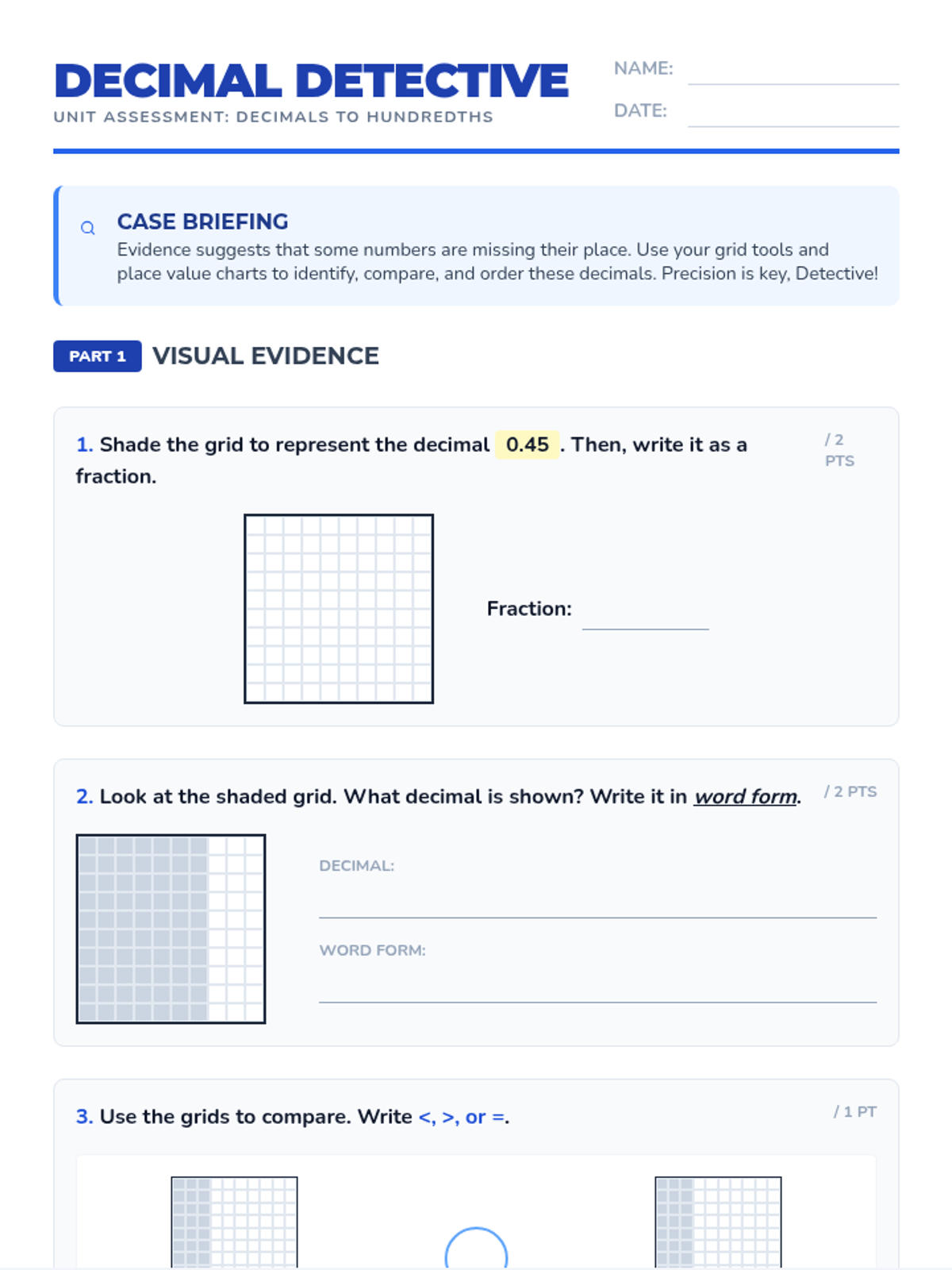
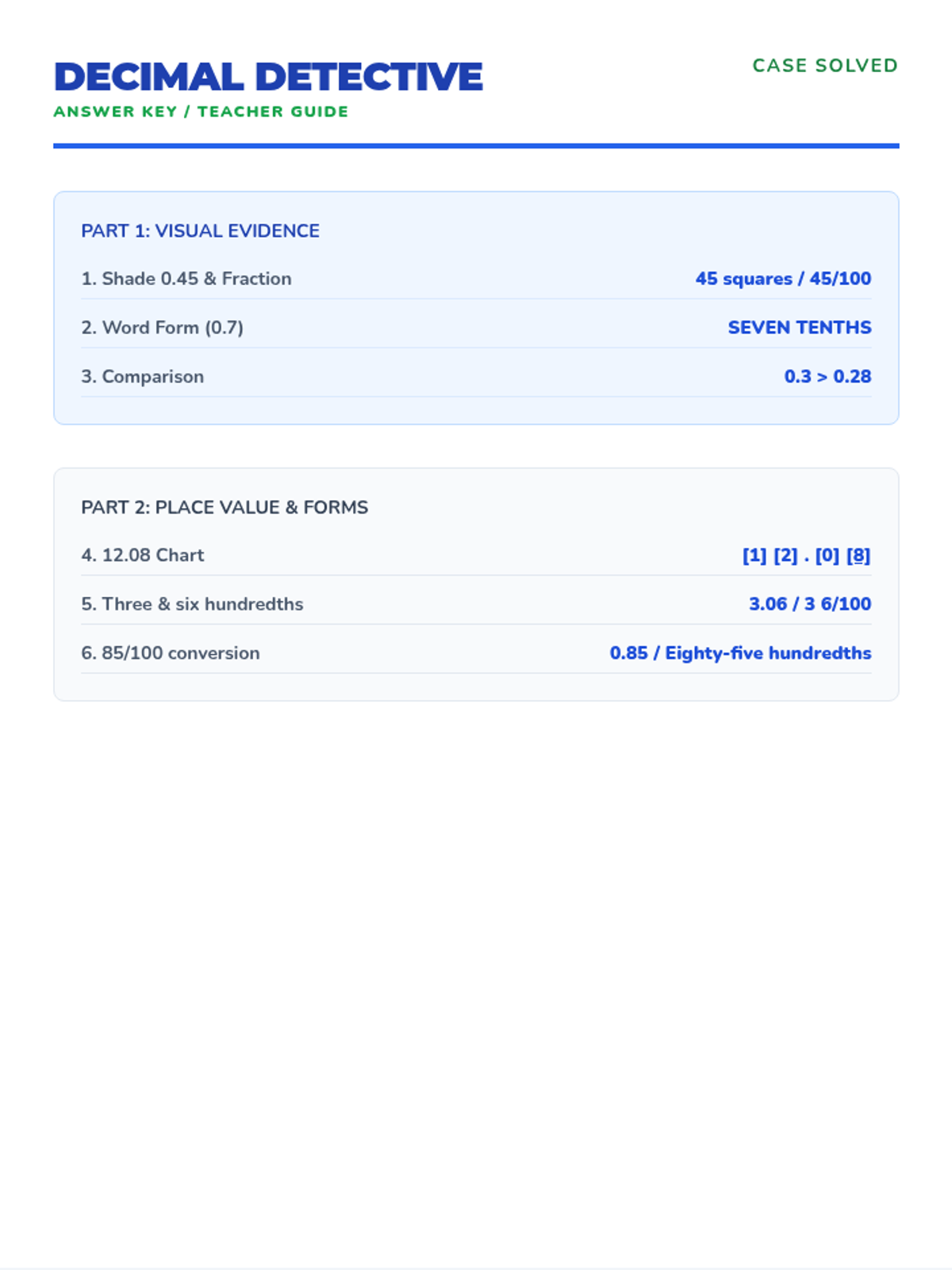
A comprehensive assessment covering 4th-grade decimal standards including comparing, ordering, and representing decimals to the hundredths place. Students will use visual models like grids and place value charts to demonstrate their understanding.
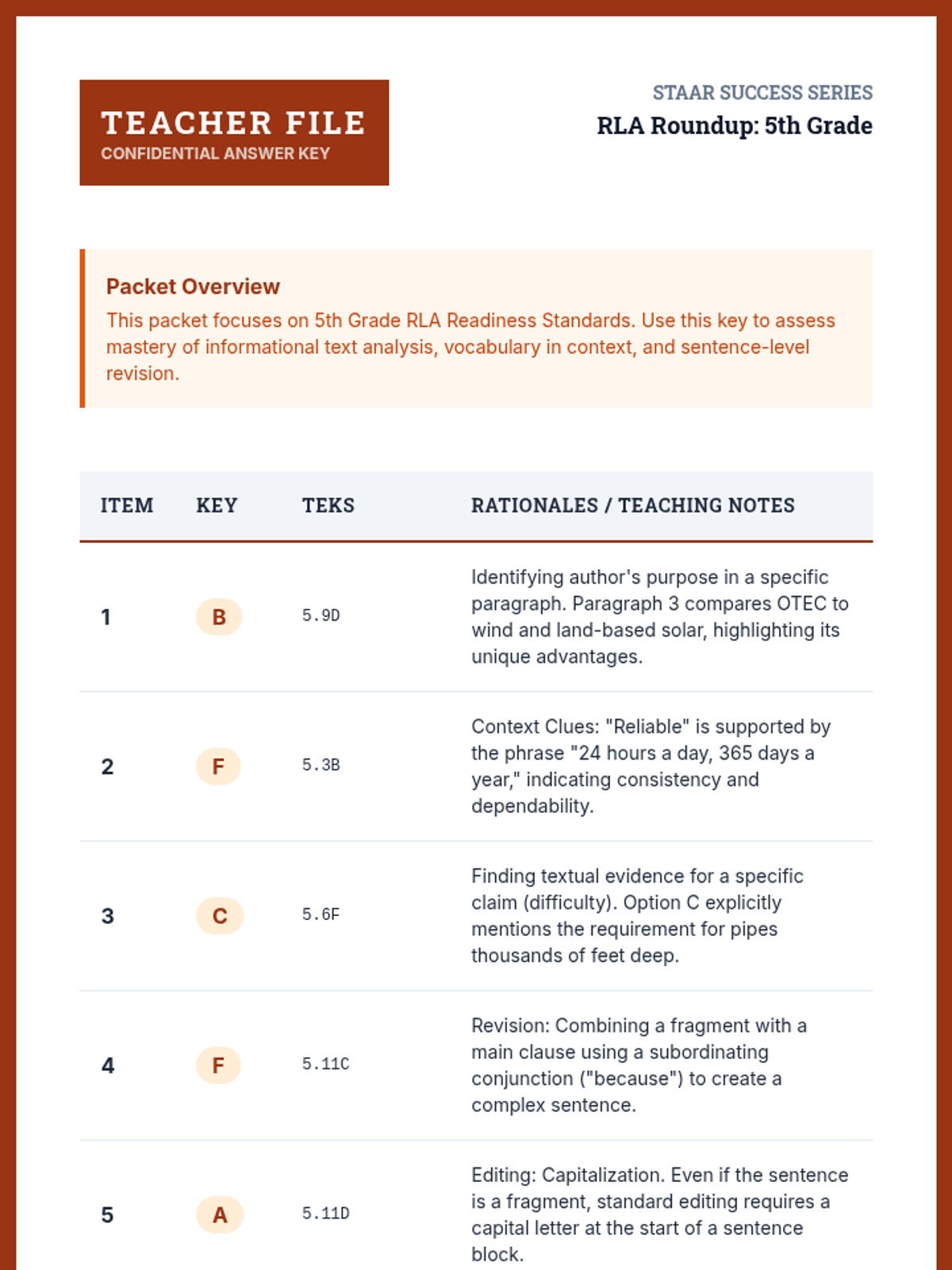
5th grade RLA review emphasizing theme, author's purpose, synthesis of information, and polished expository writing.
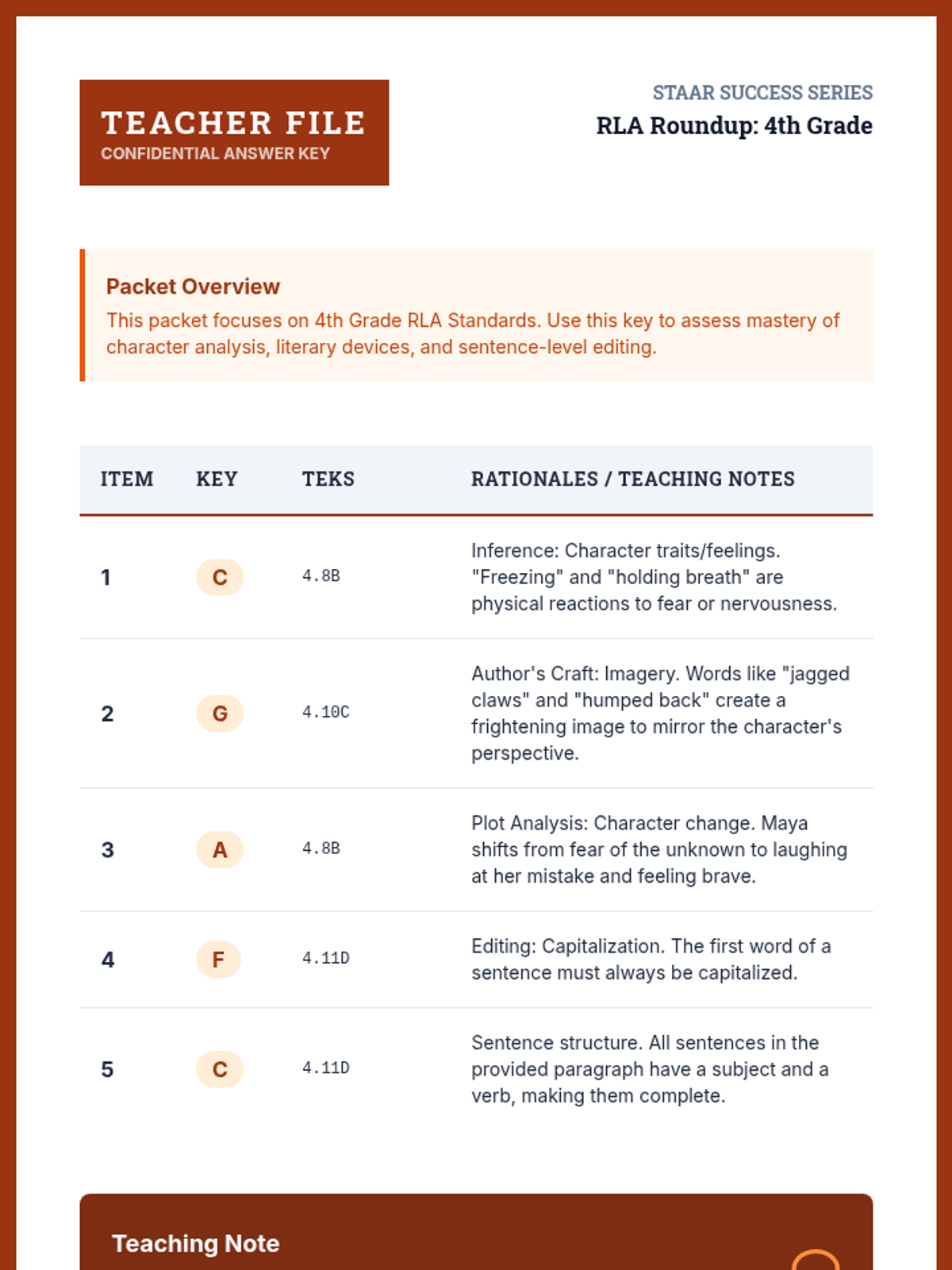
4th grade RLA mastery practice including complex text analysis, context clues, and multi-paragraph writing prompts.
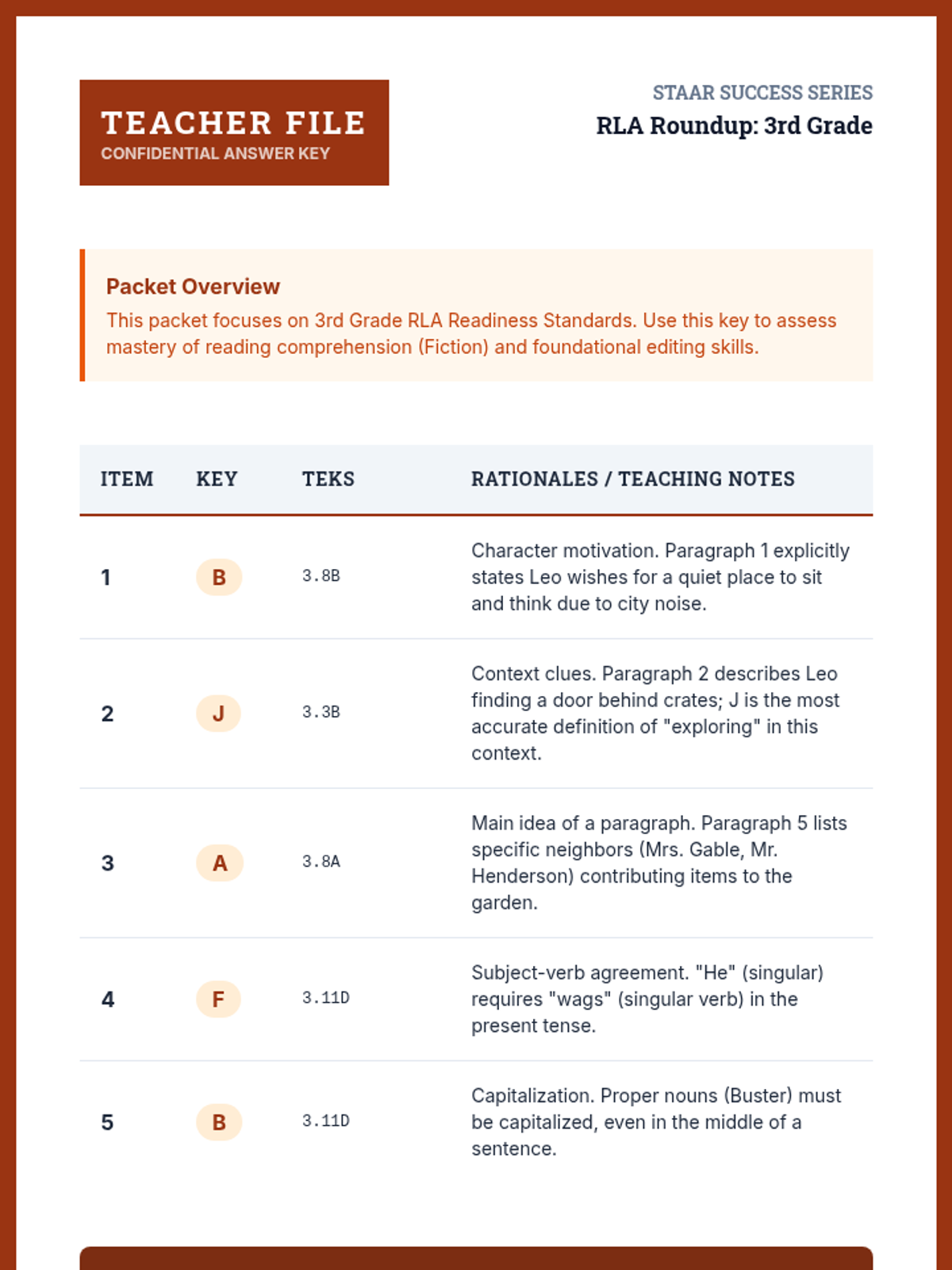
3rd grade RLA practice focusing on reading comprehension of fiction and non-fiction, as well as basic editing and revising skills.
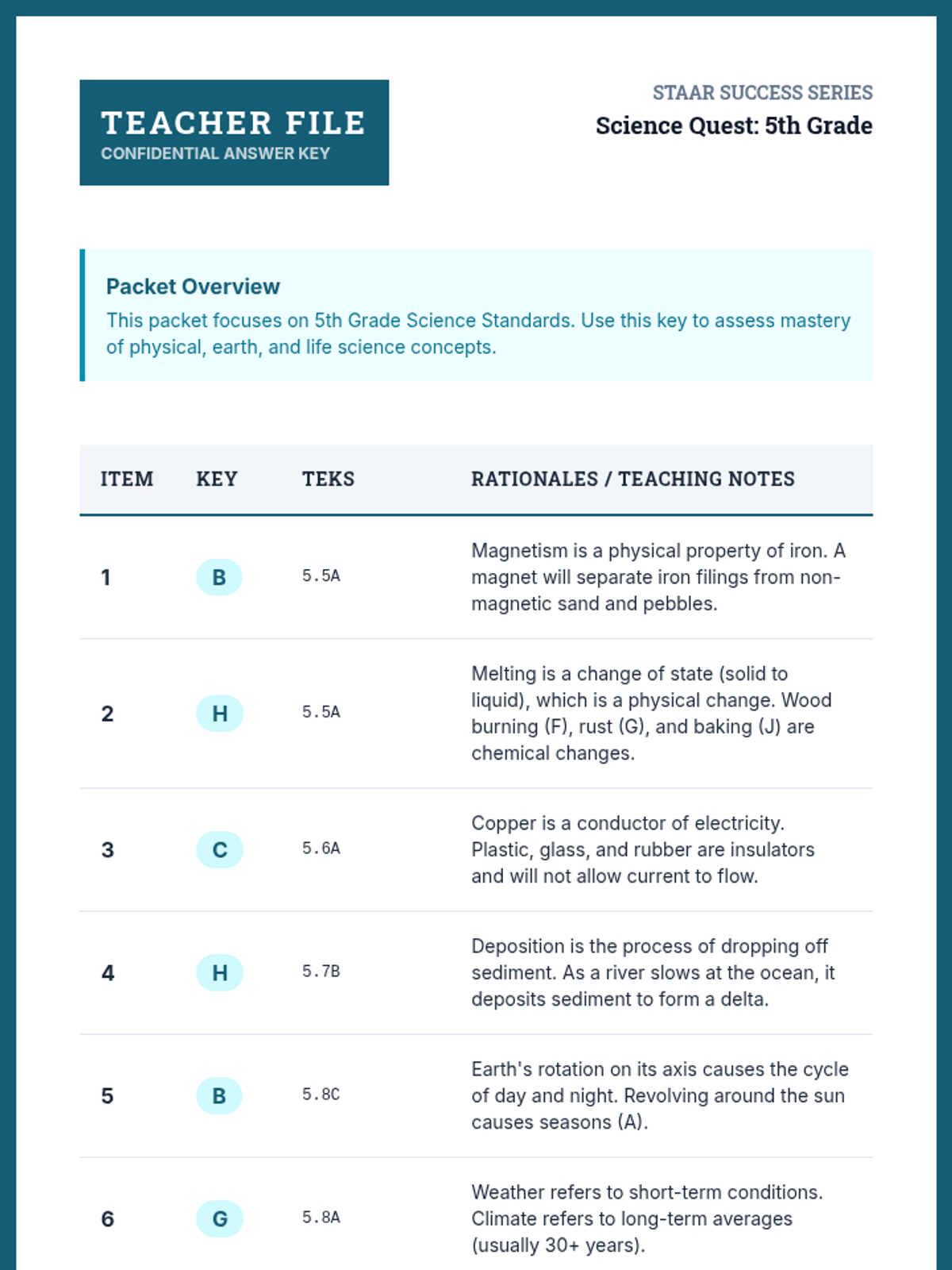
Comprehensive 5th grade science review of life, earth, and physical science topics from the TEKS curriculum.
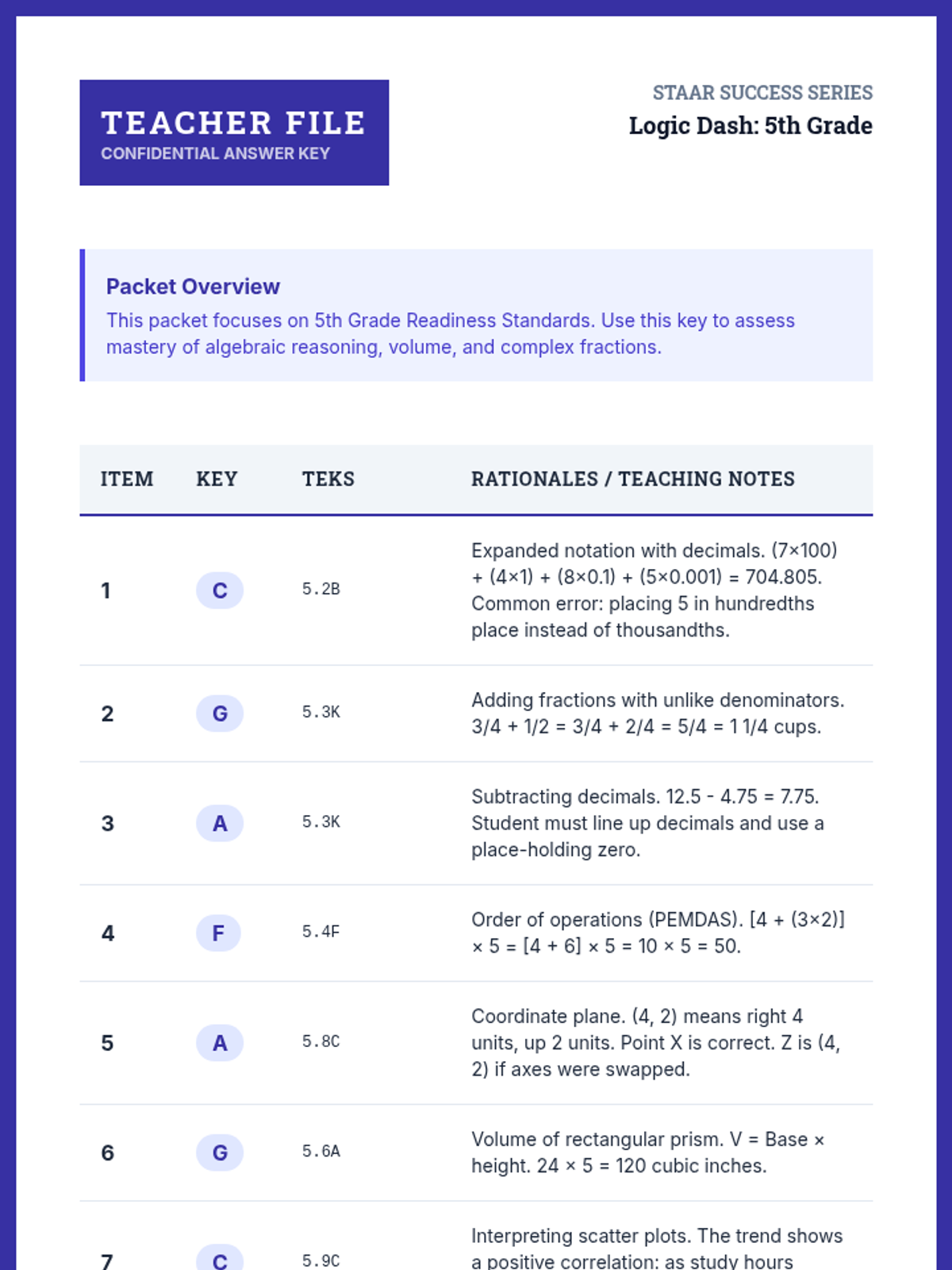
Rigorous 5th grade math review including coordinate planes, volume, order of operations, and adding/subtracting fractions.
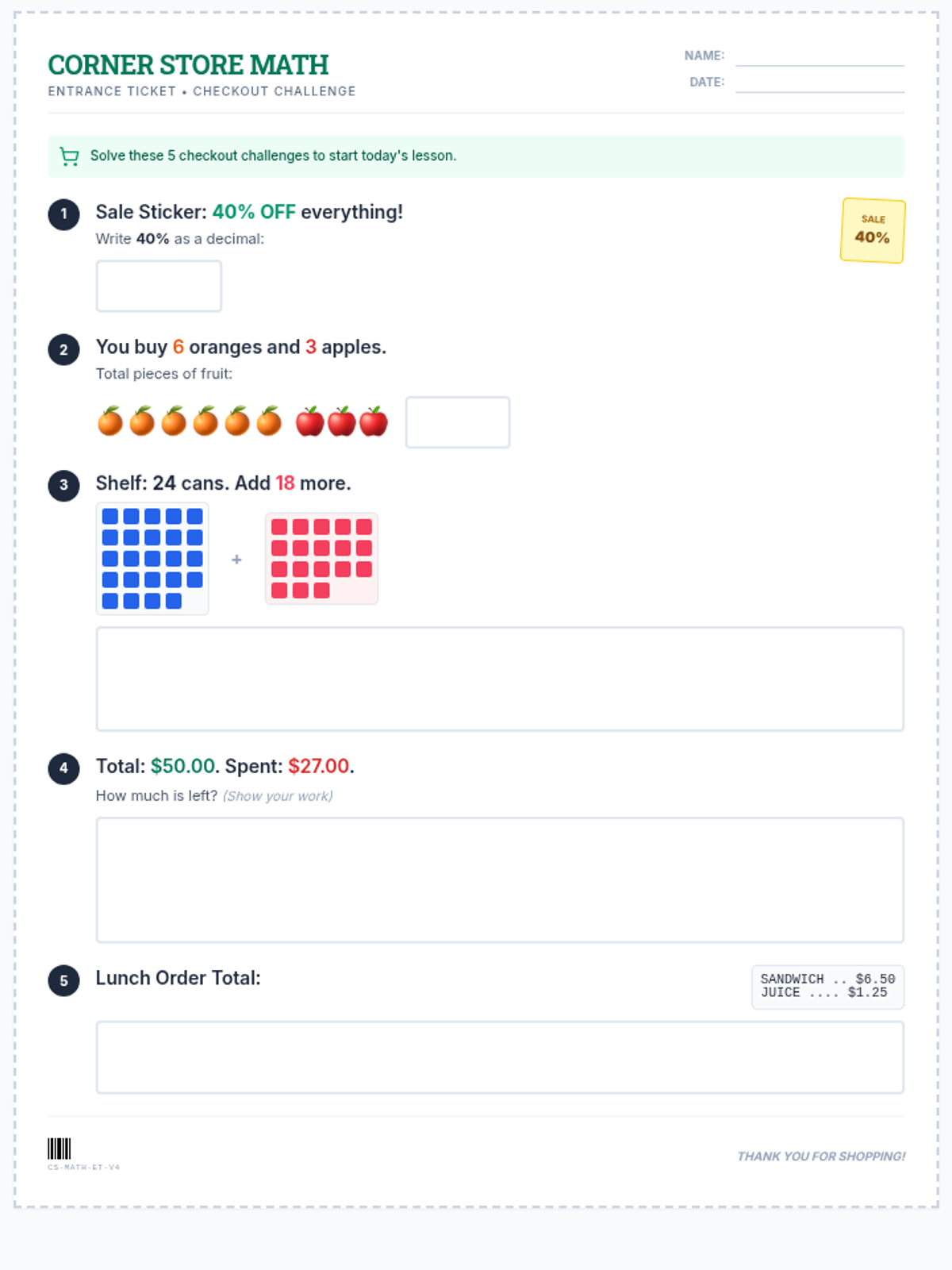
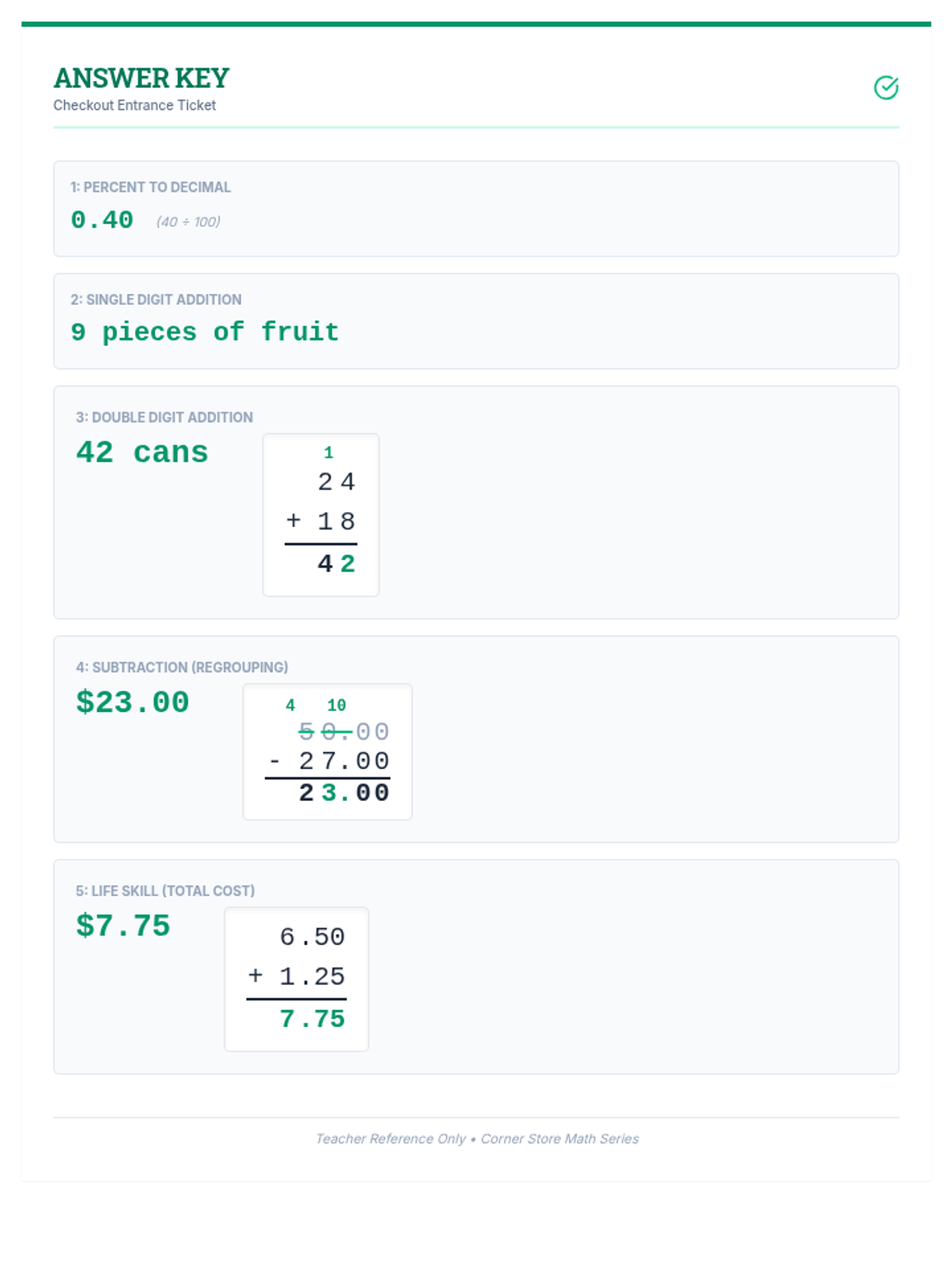
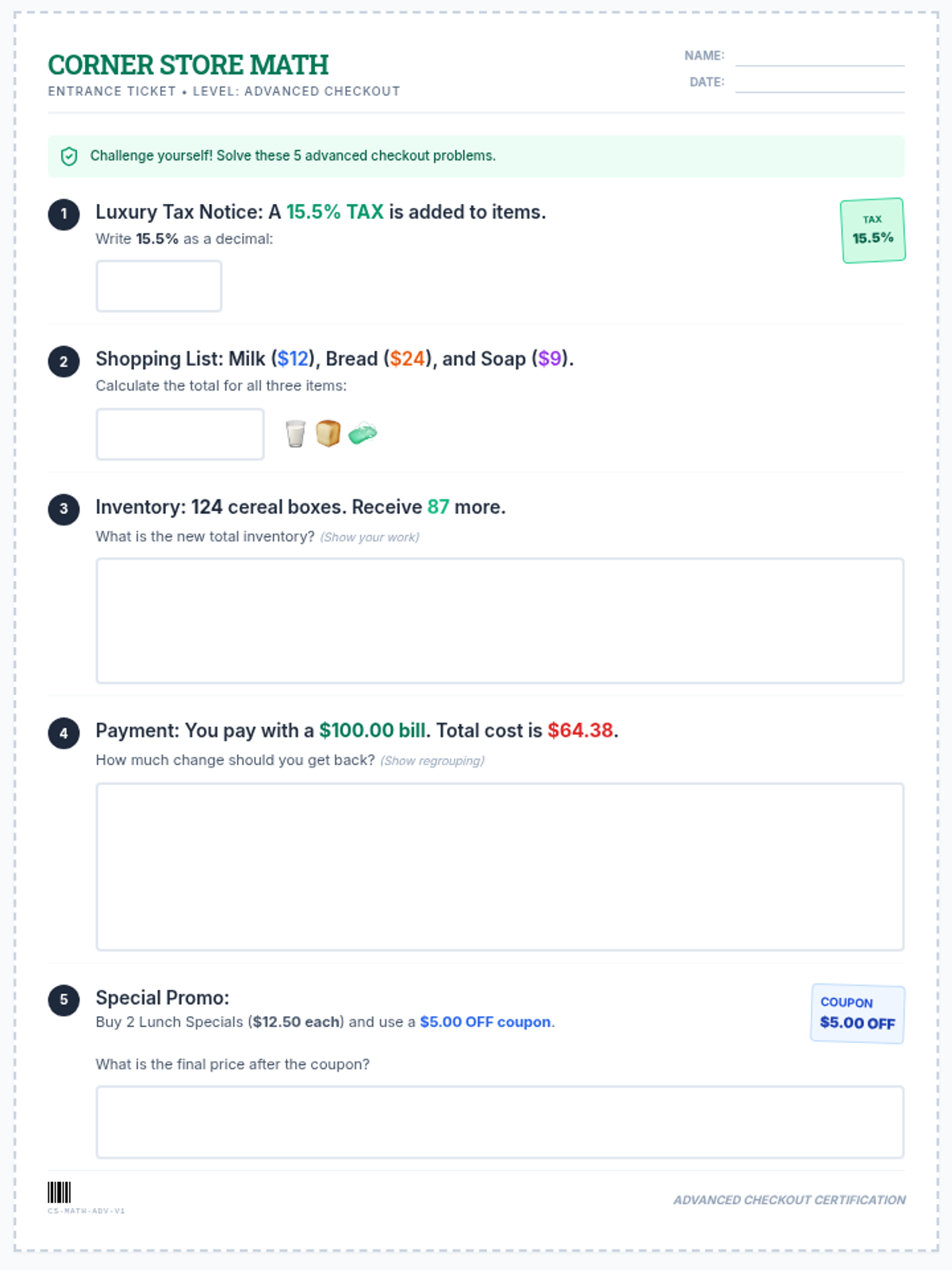
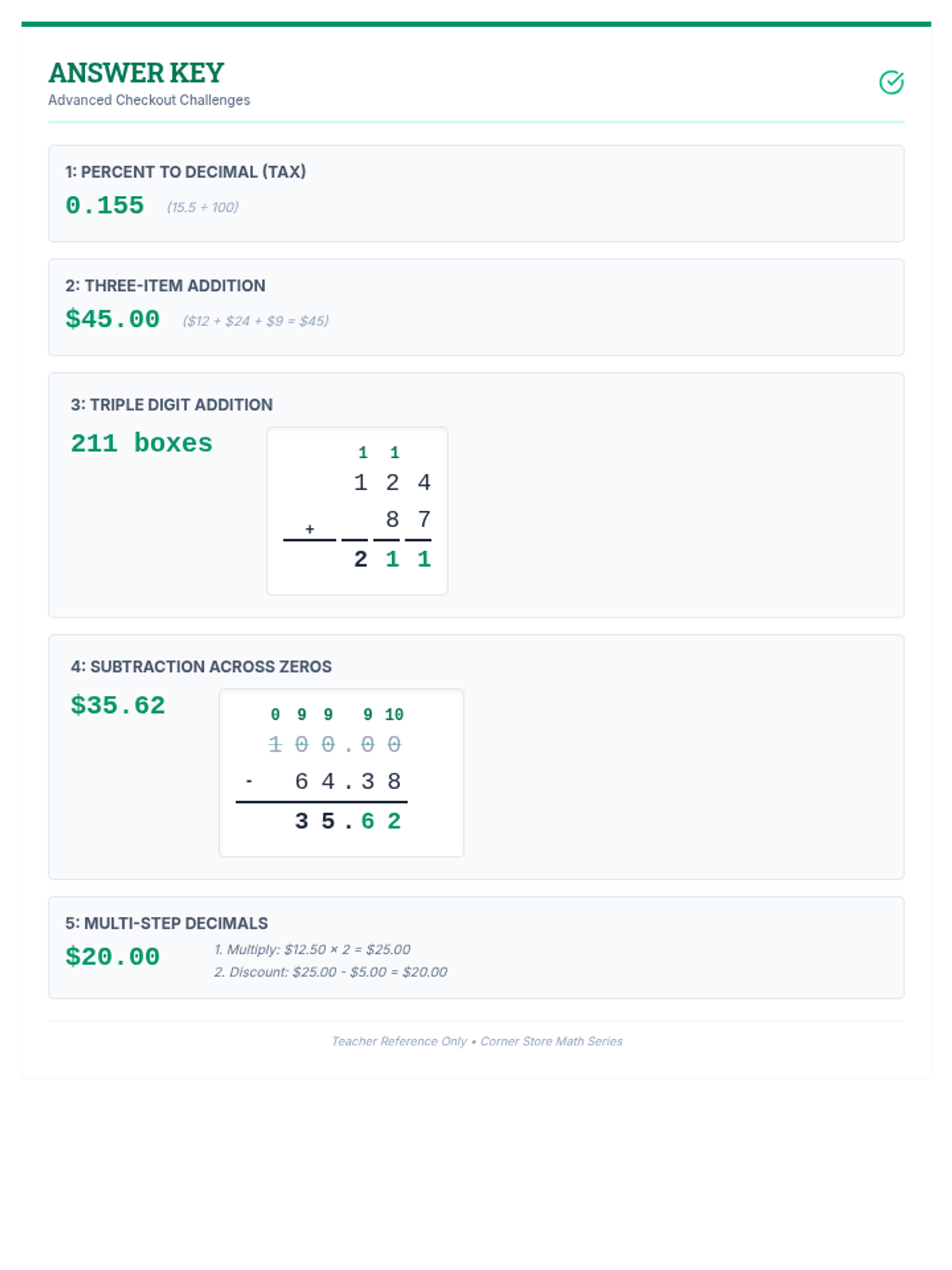
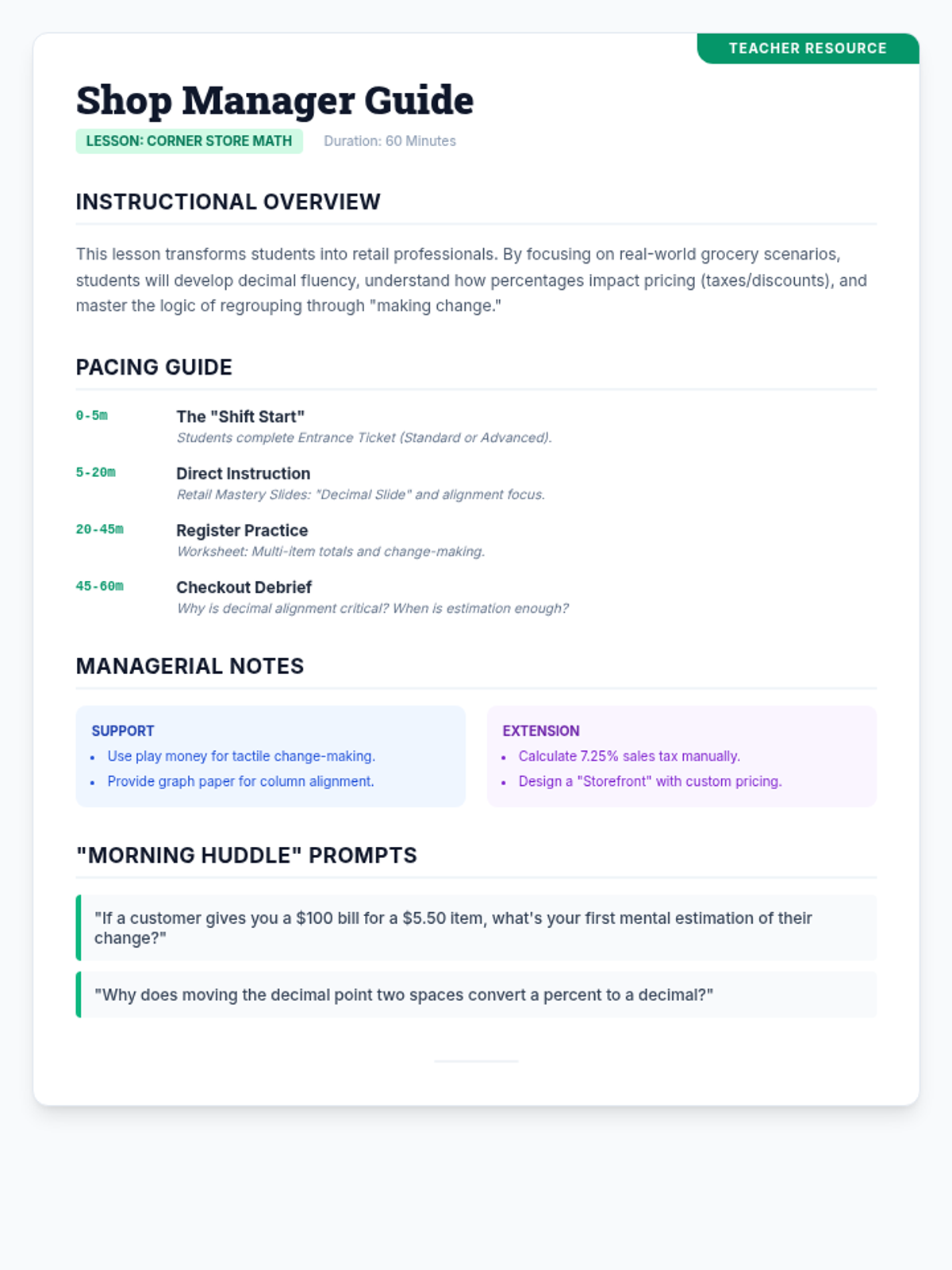
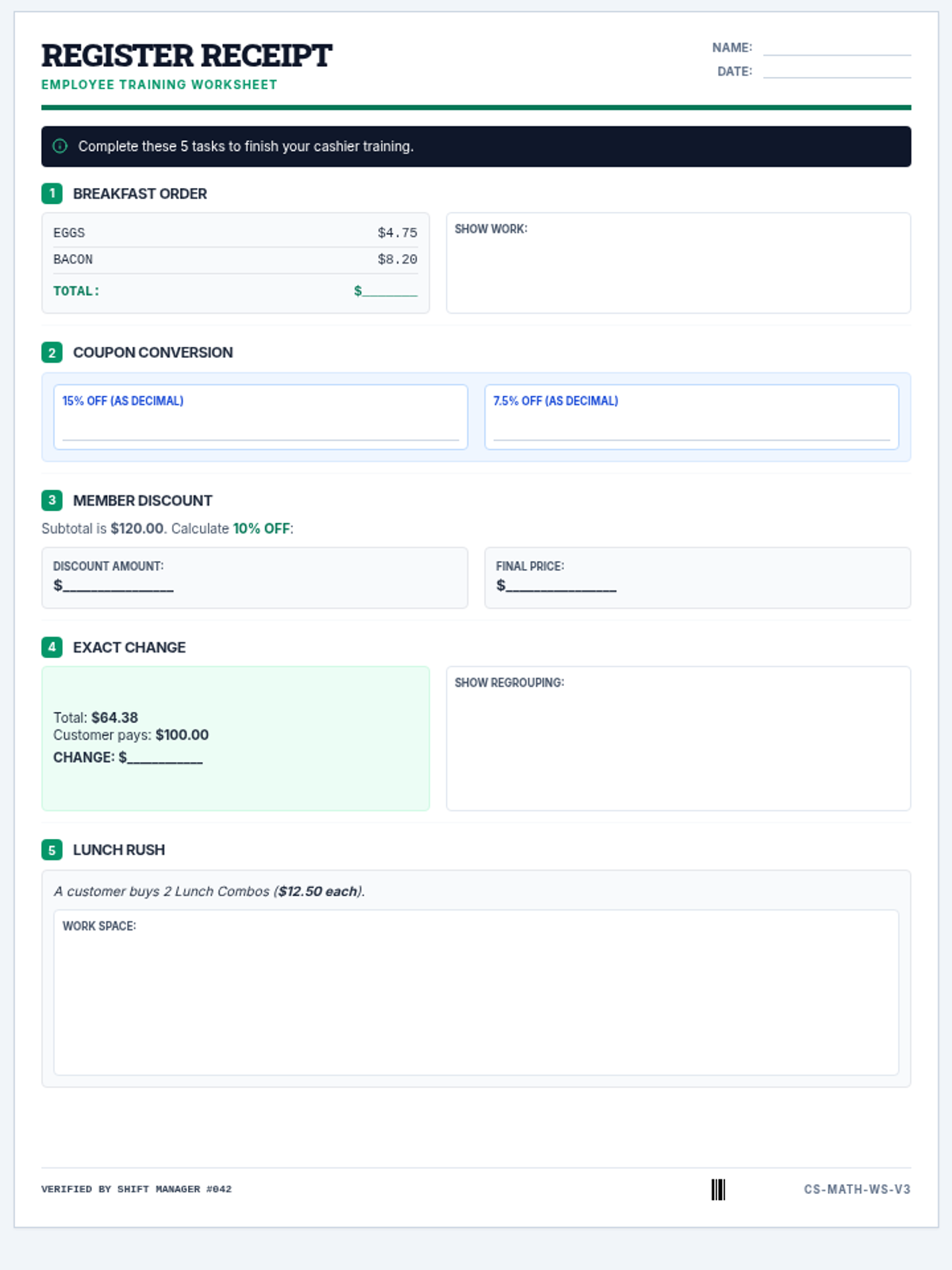
This lesson focuses on practical math applications in a retail setting, covering decimals, percentages, and basic arithmetic with a focus on money management.
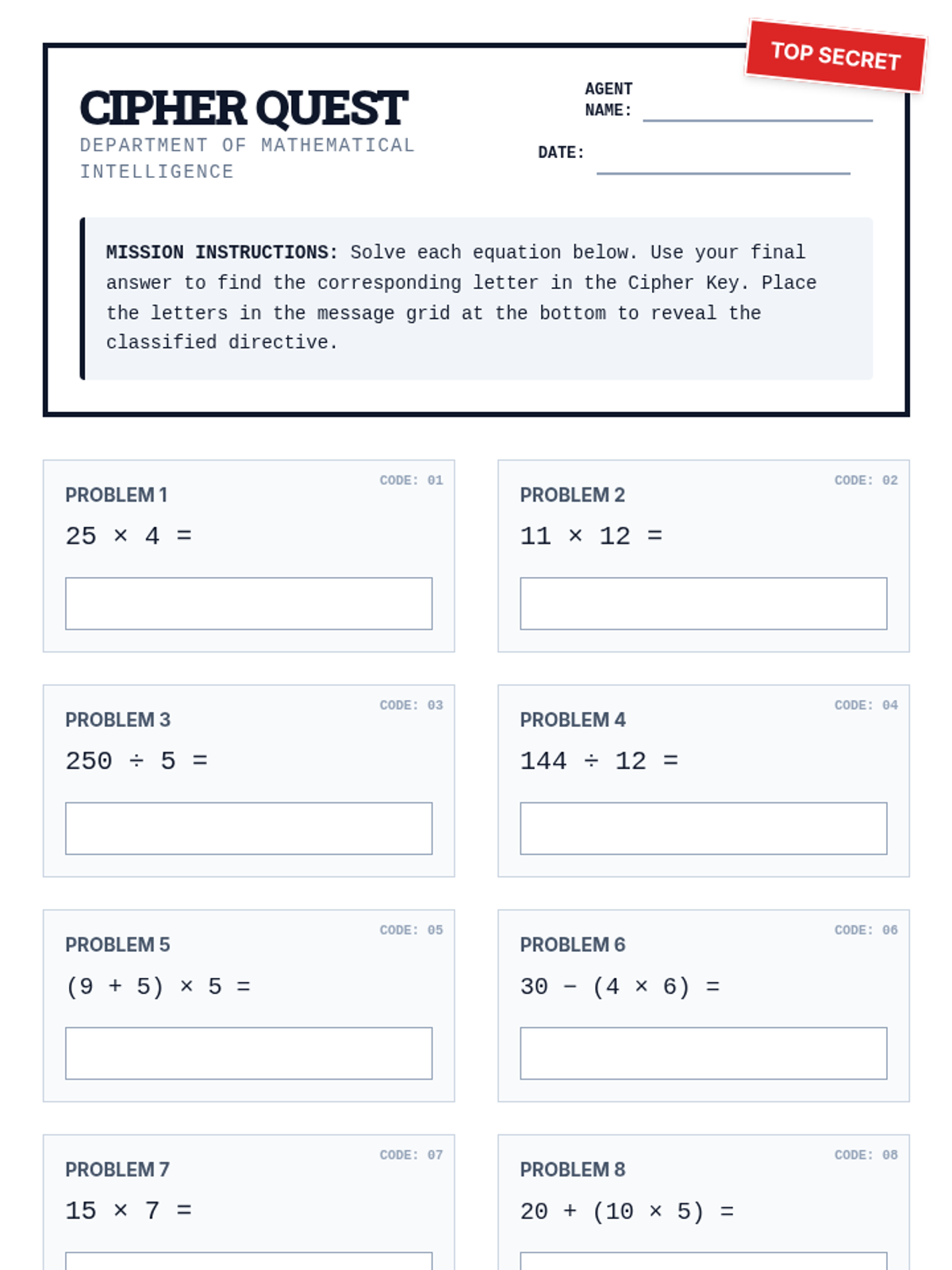
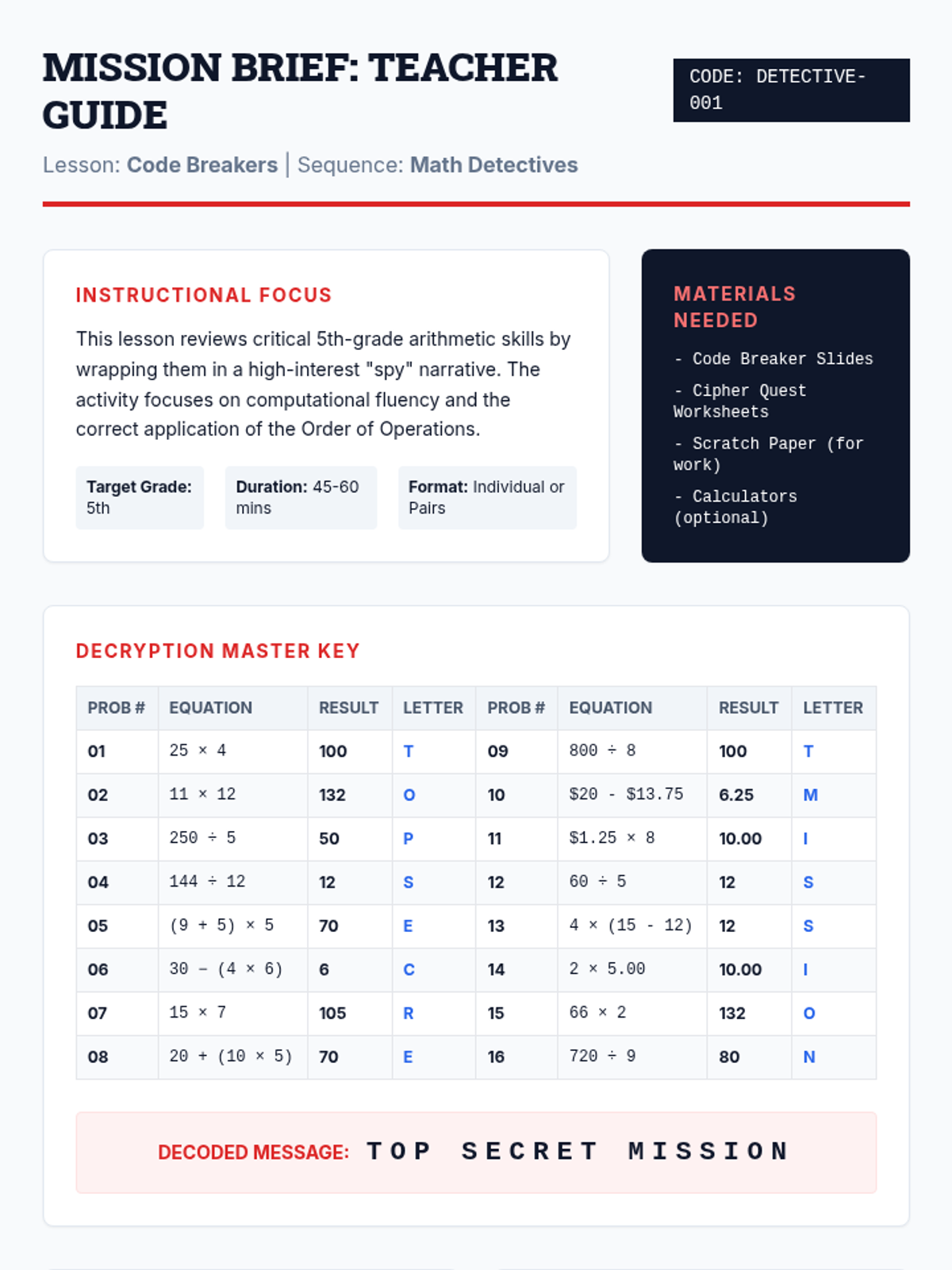
An engaging introduction to multi-digit multiplication, division, and order of operations through a spy-themed decoding challenge. Students act as 'Math Detectives' to solve a series of problems and reveal a hidden message.
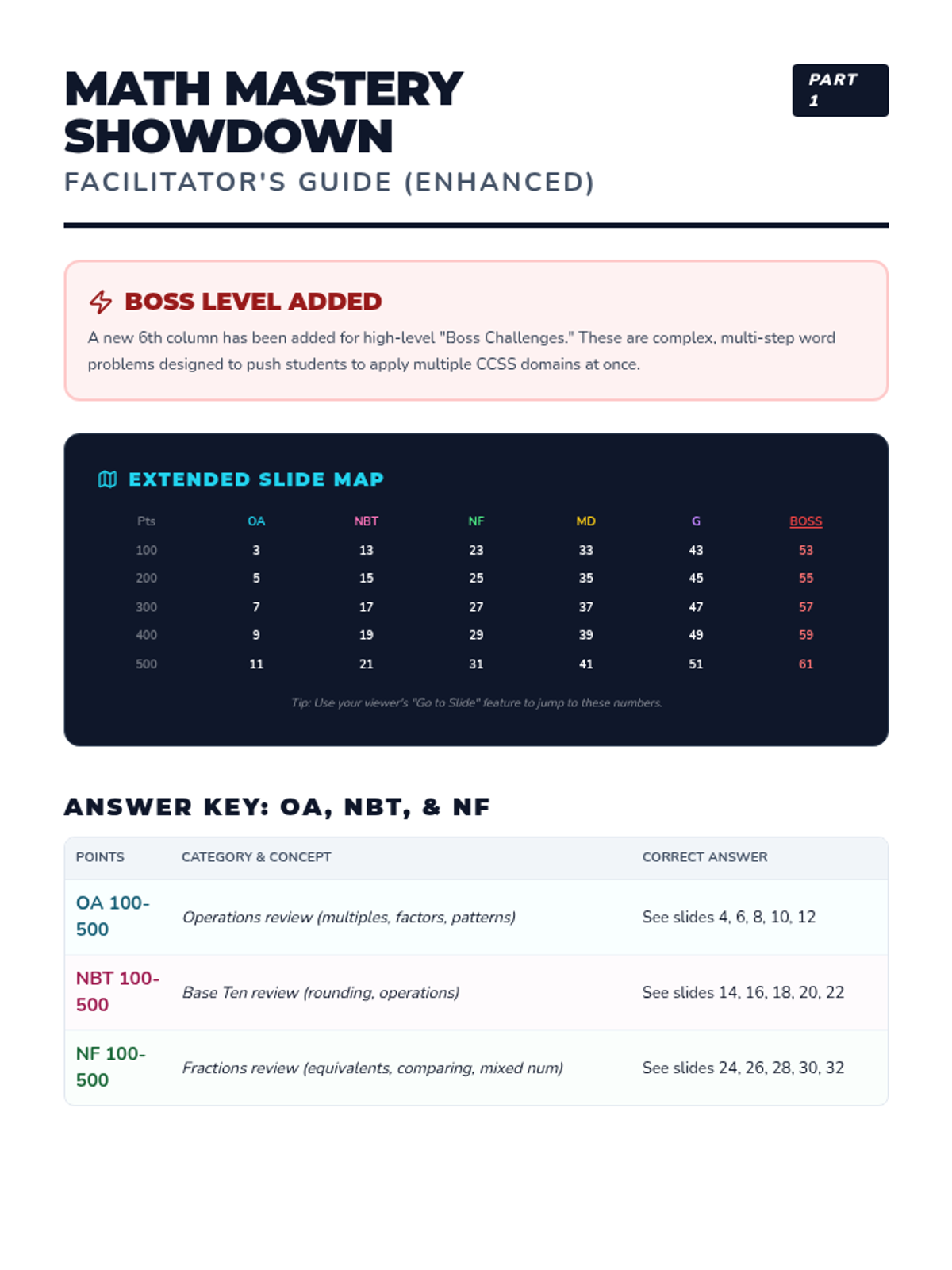
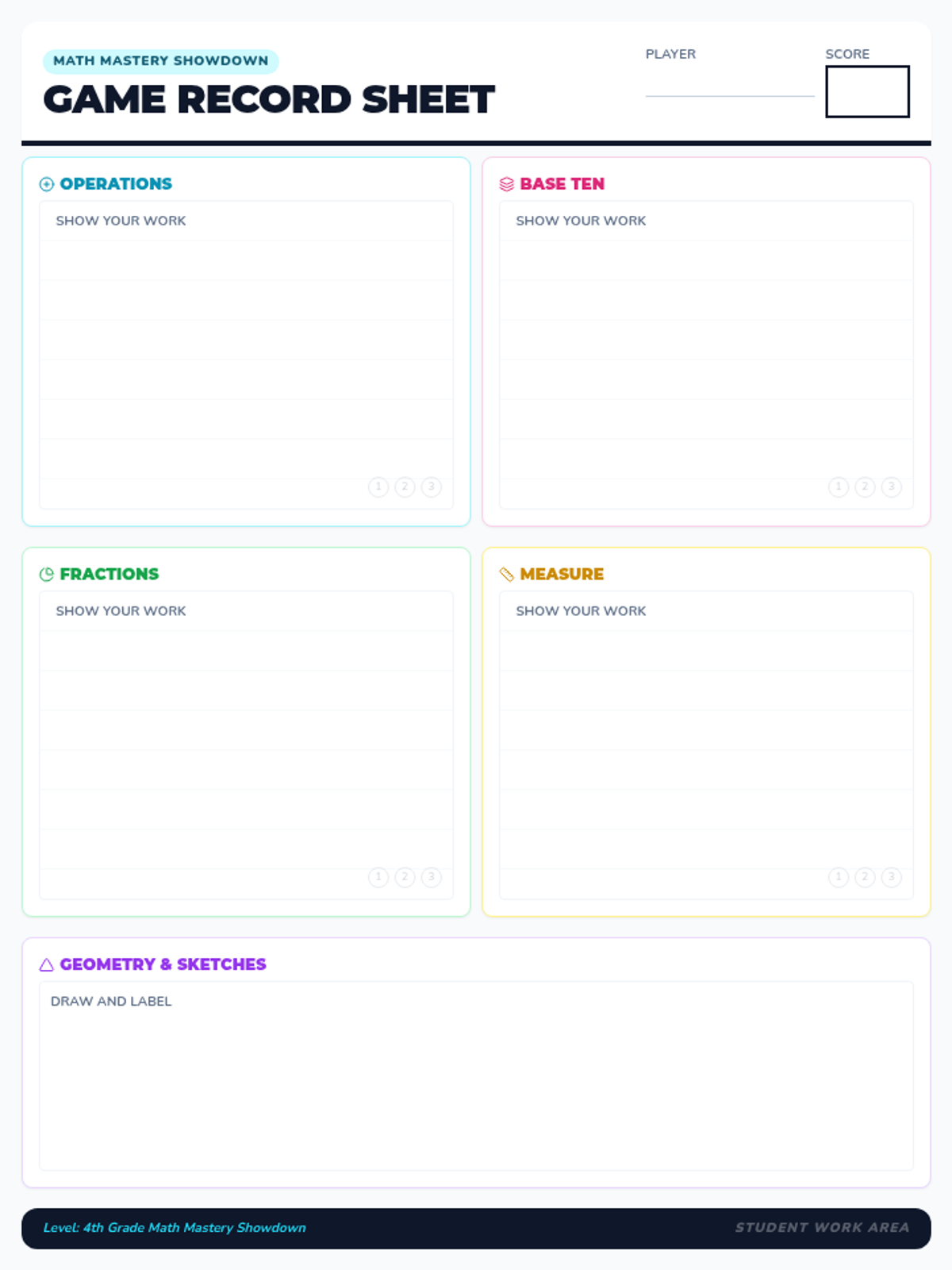
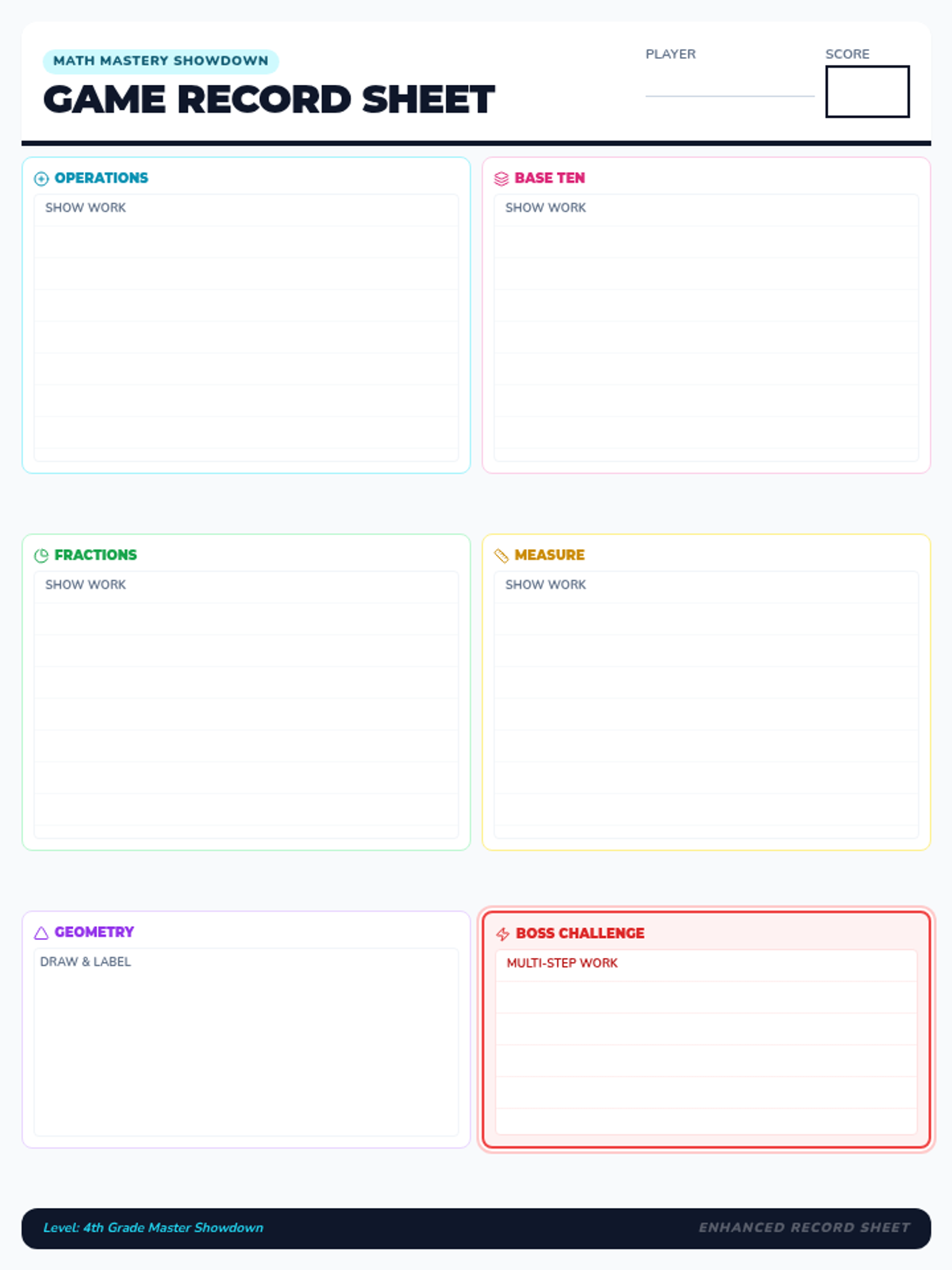
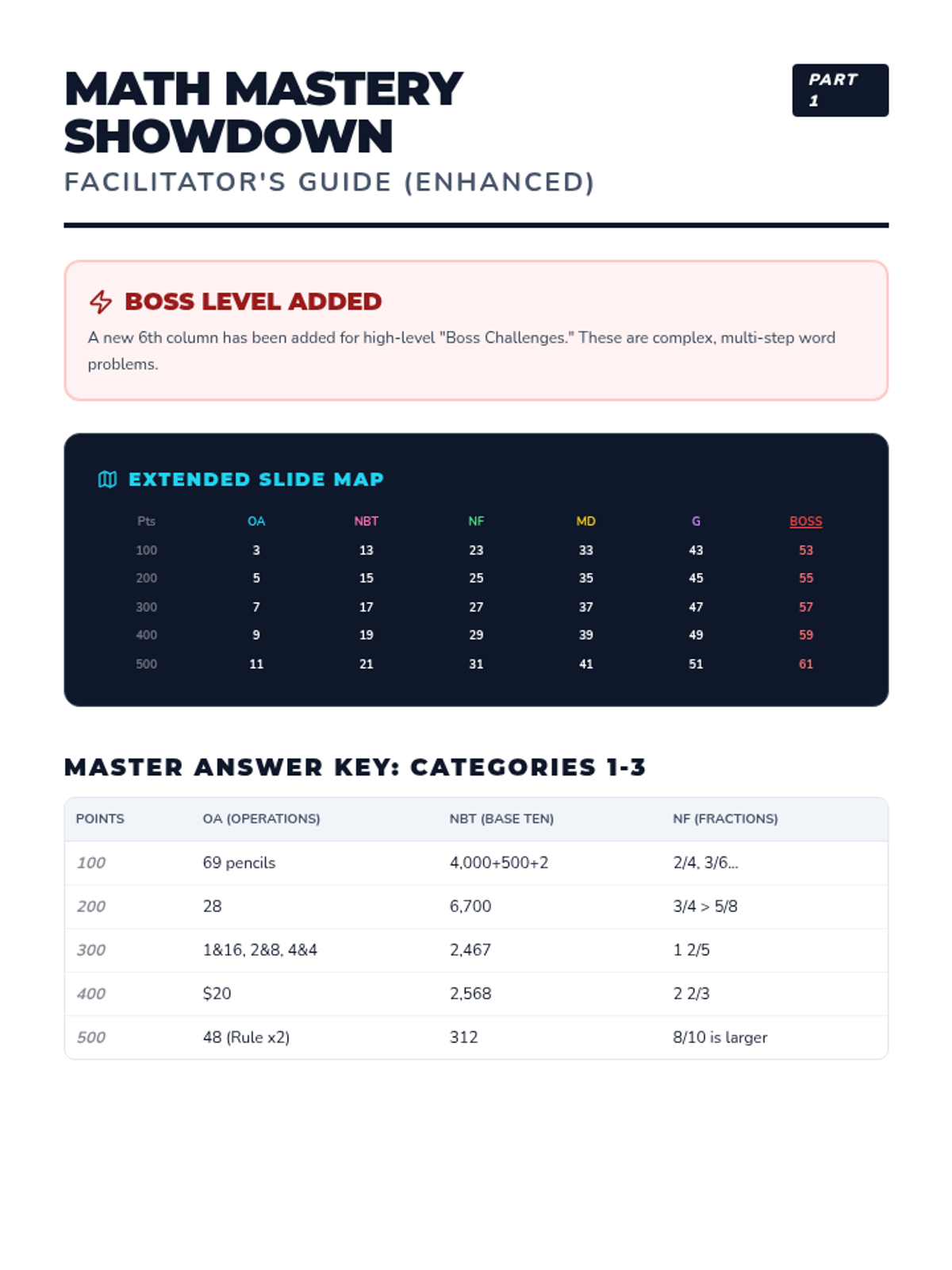
A comprehensive 4th-grade math review using a Jeopardy-style game format covering all Common Core domains: Operations, Base Ten, Fractions, Measurement, and Geometry.
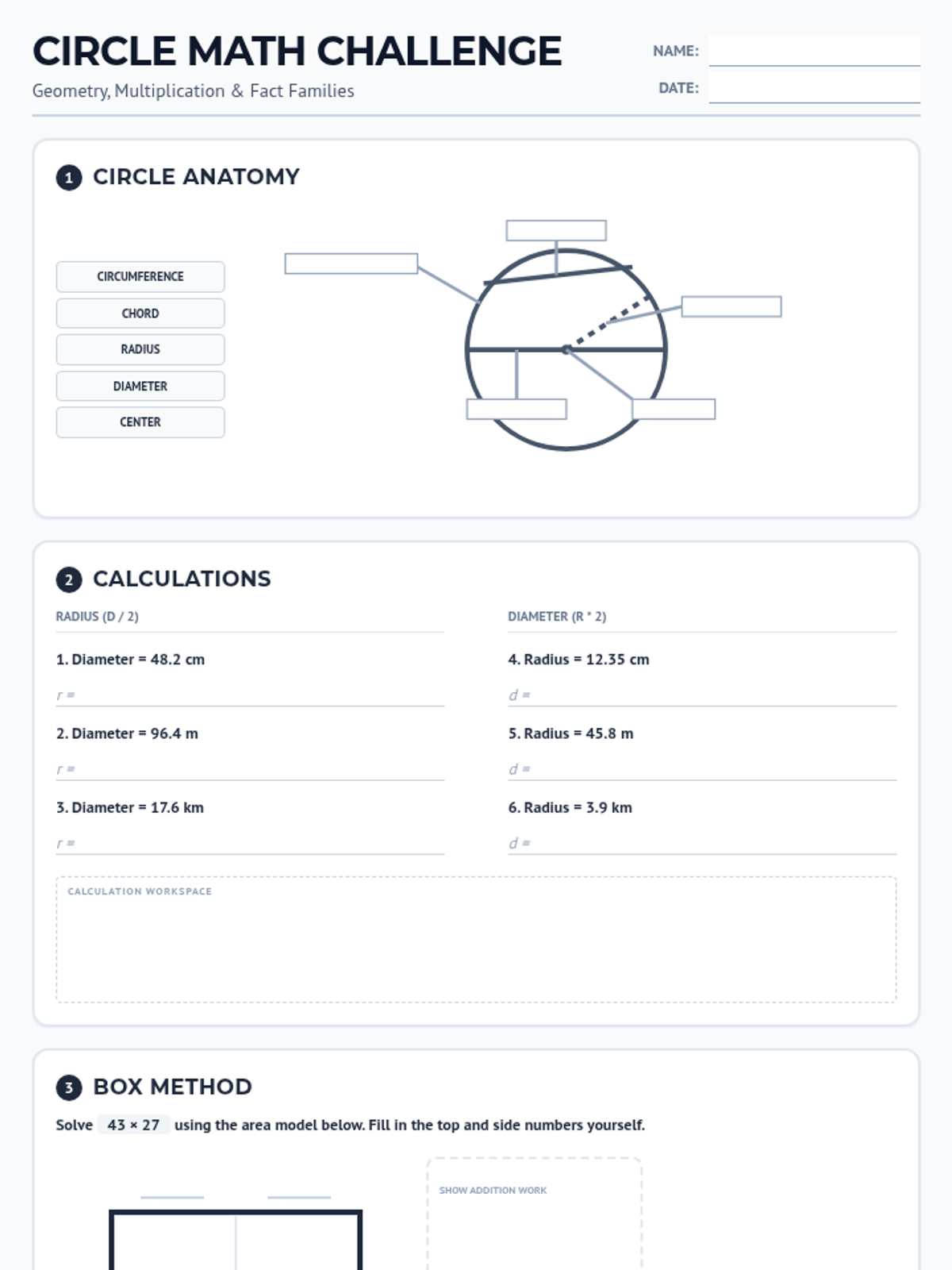
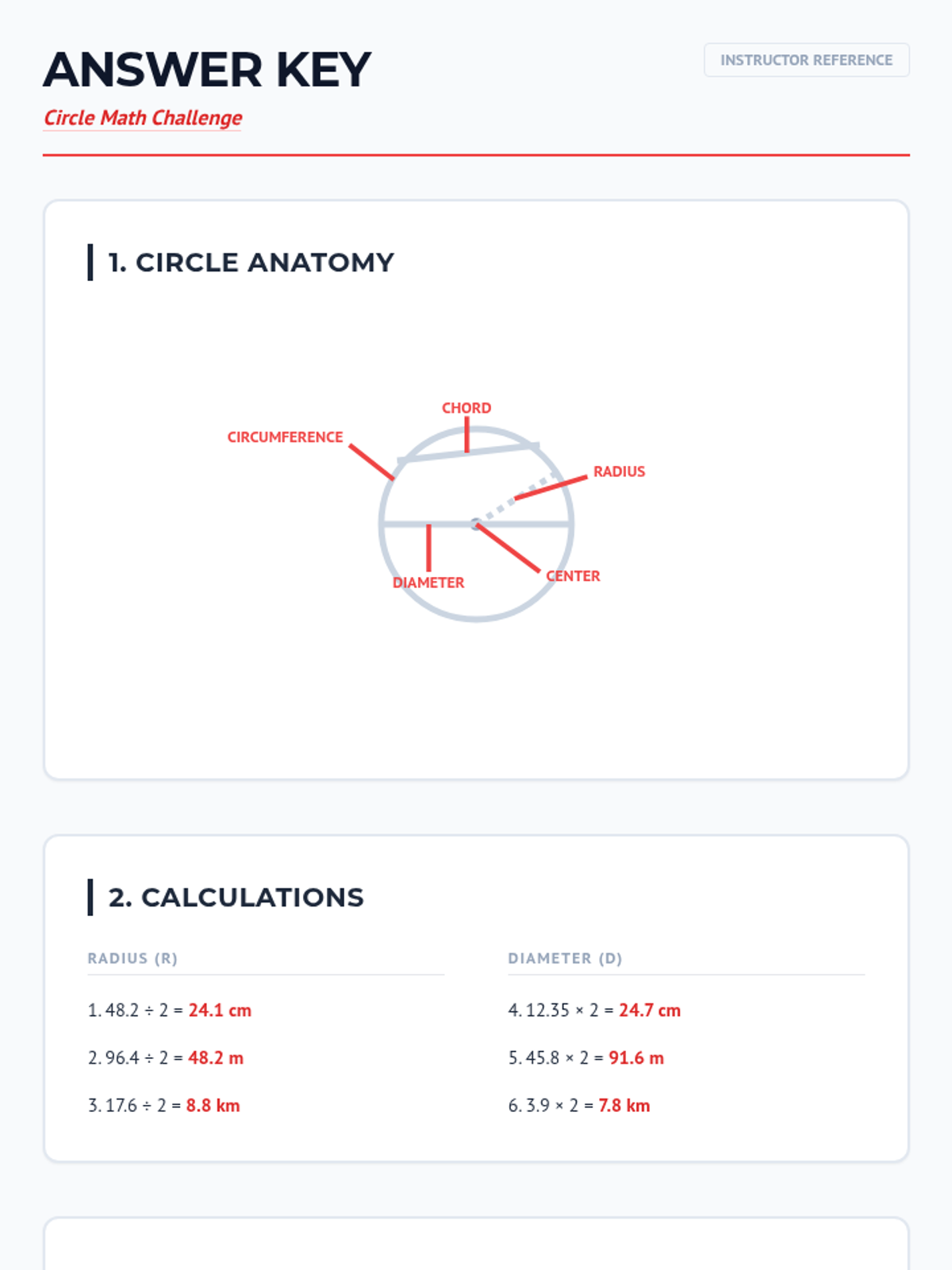
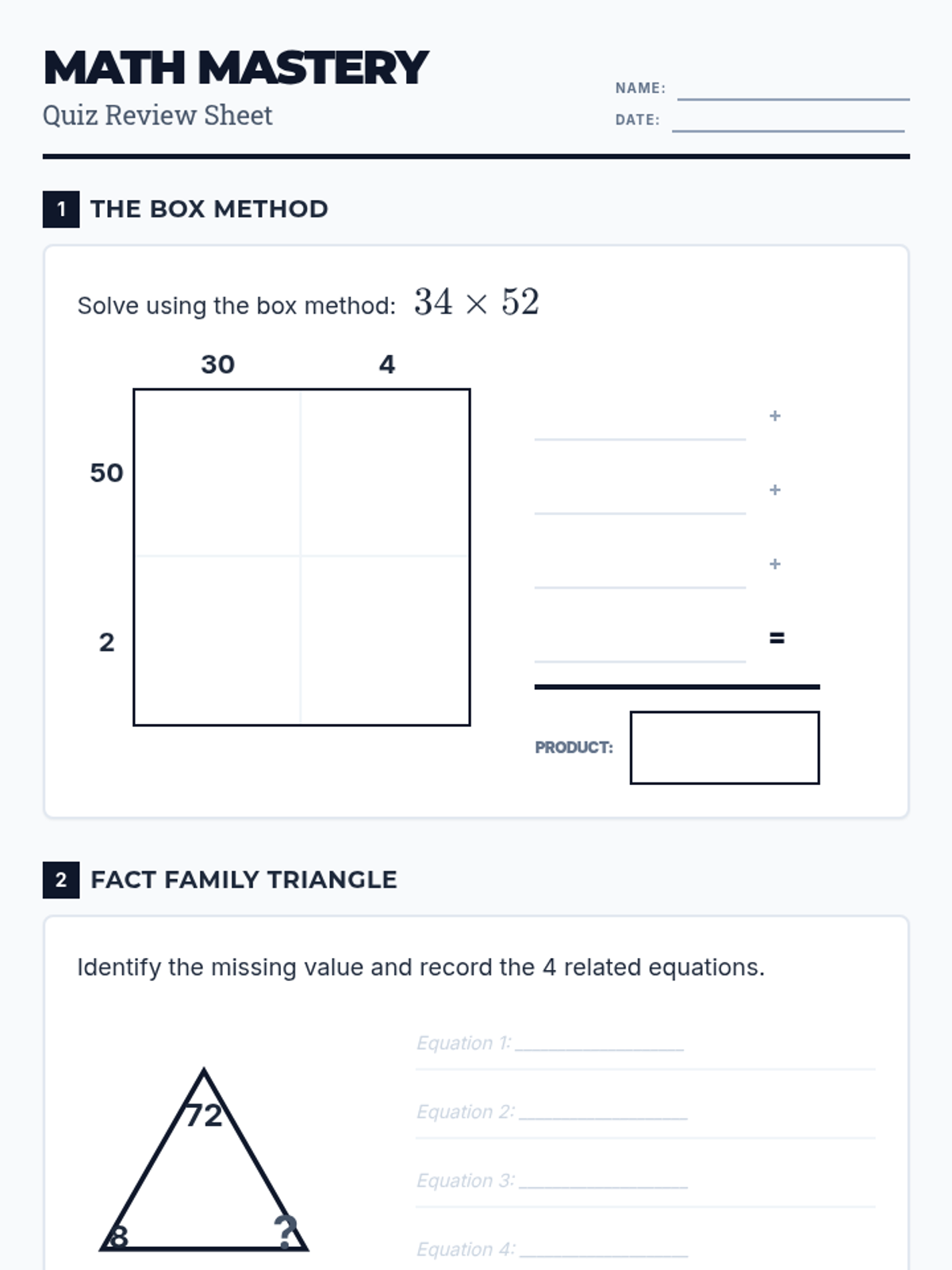
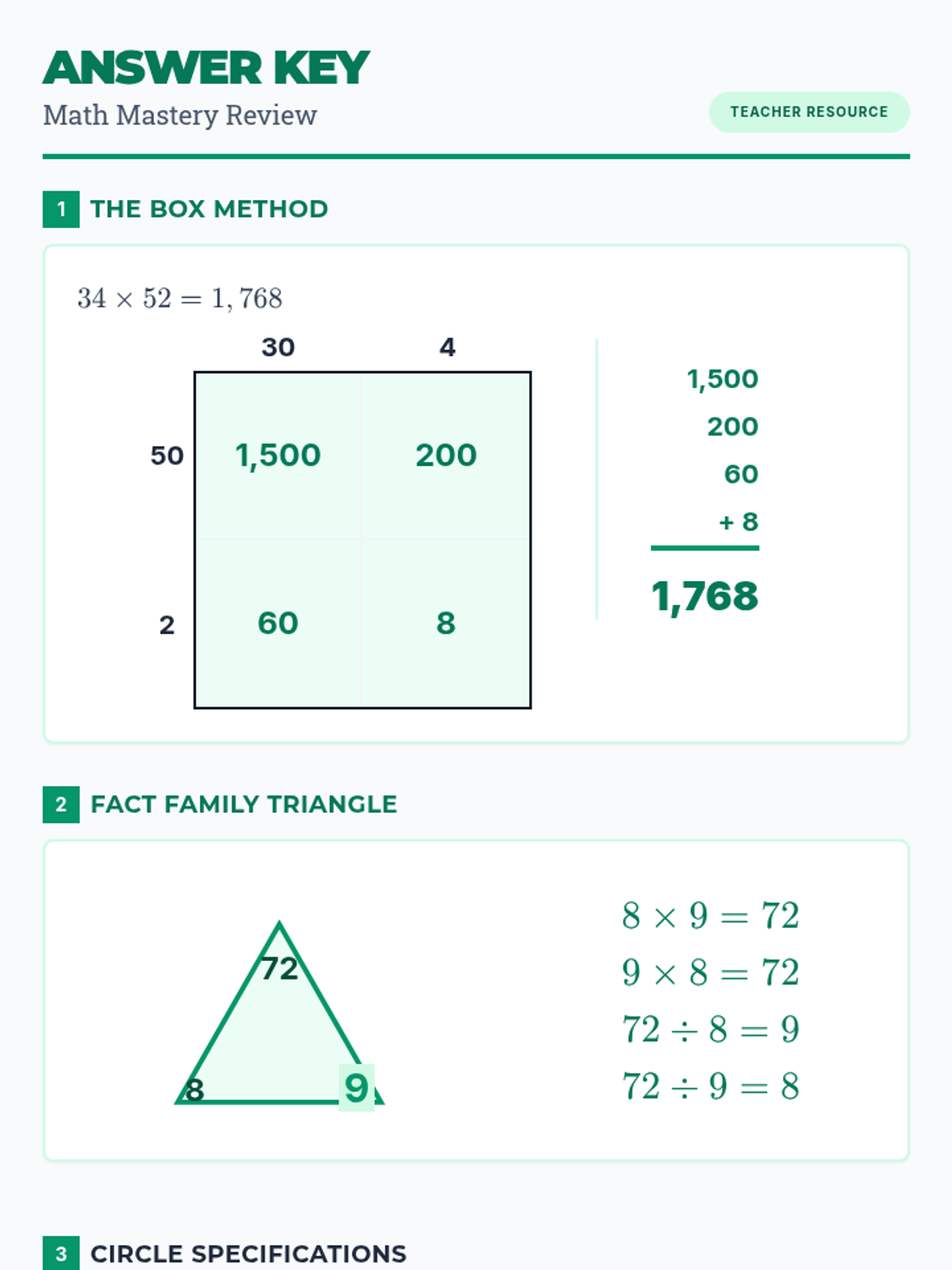
A comprehensive assessment covering circle geometry, area model multiplication, and multiplication/division fact families. Students will demonstrate their understanding of geometric parts, calculation skills, and algebraic relationships.
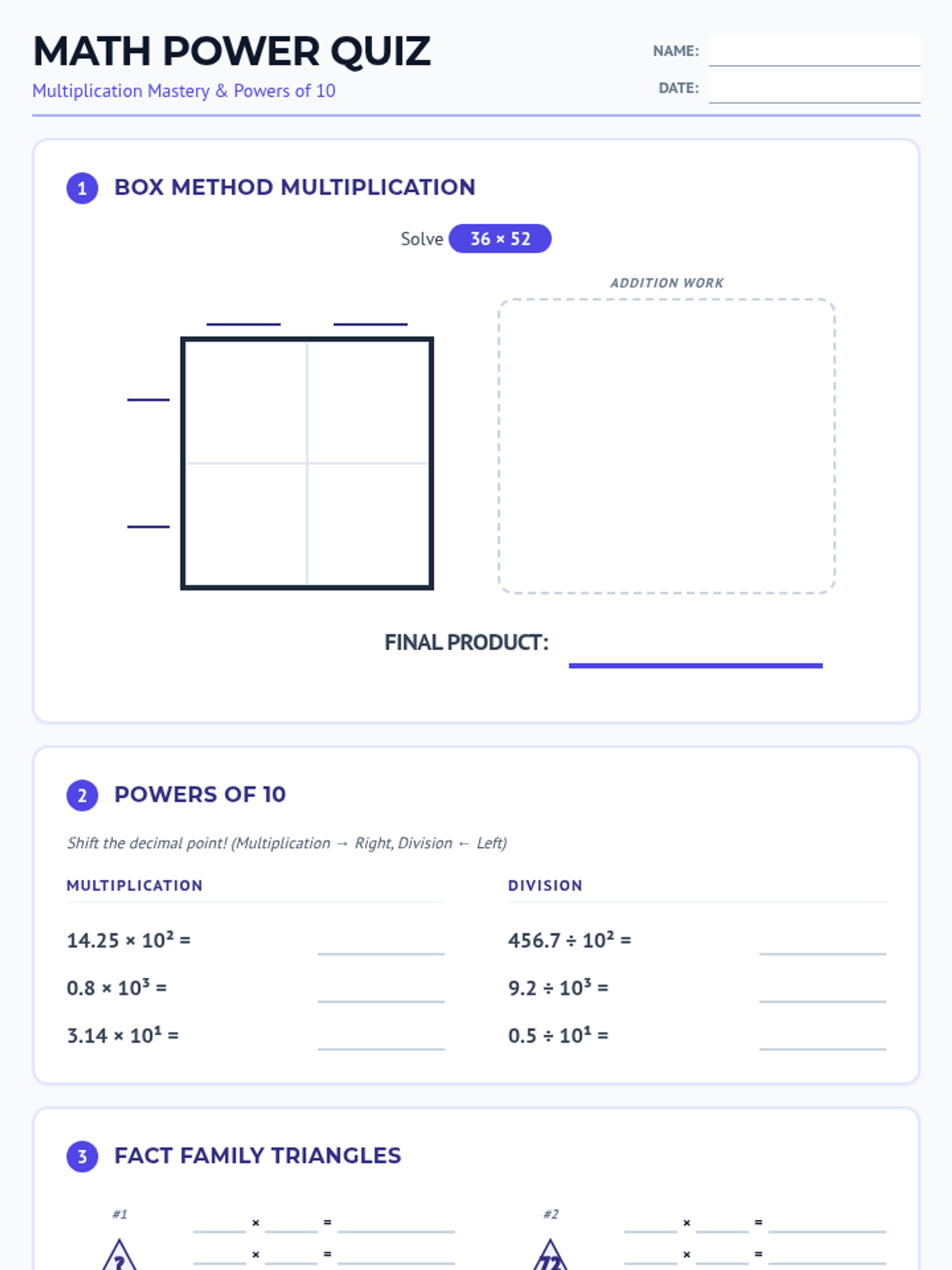
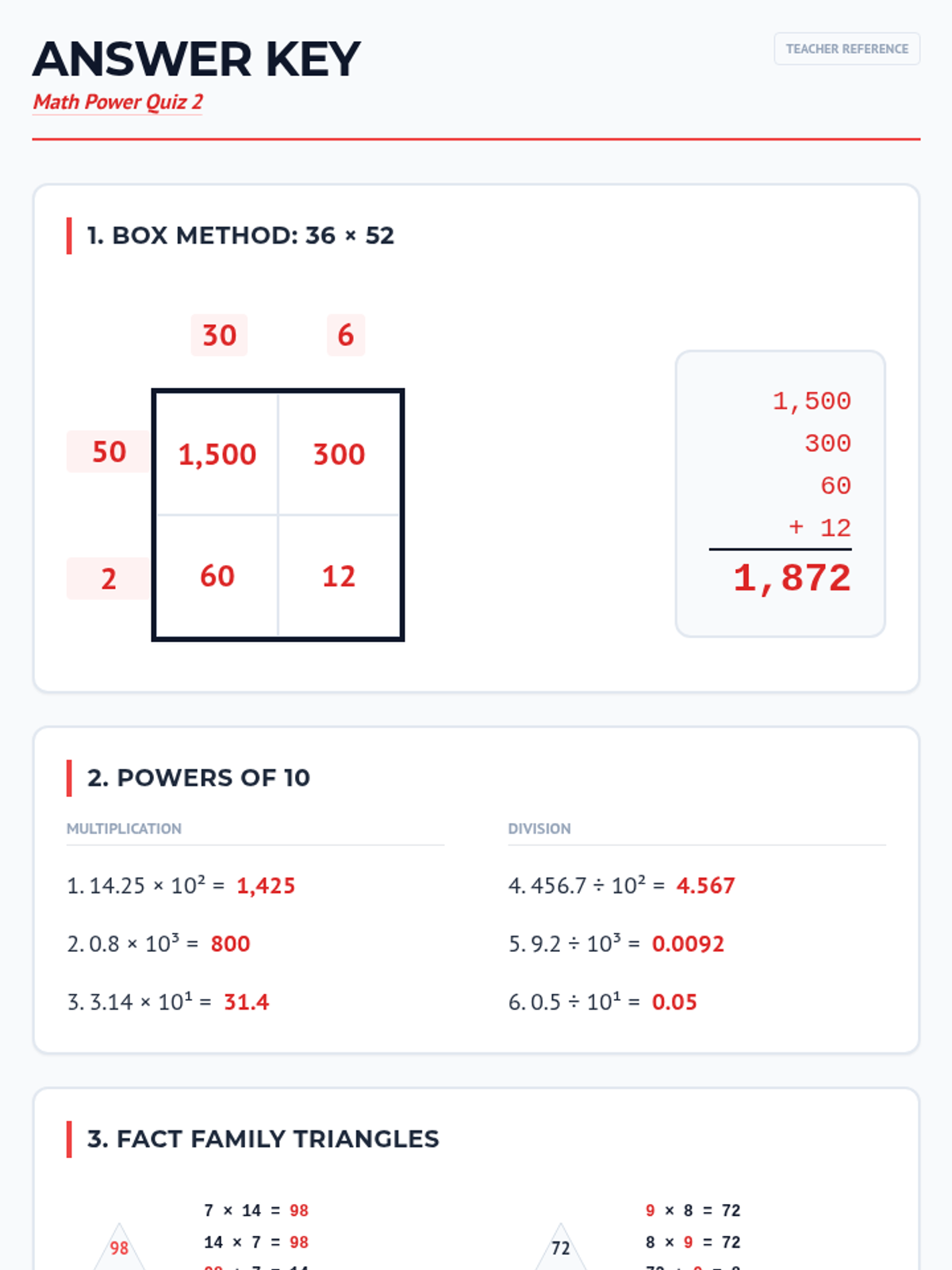
A comprehensive review lesson covering multi-digit multiplication, circle geometry, fact families, and decimal operations with powers of ten.
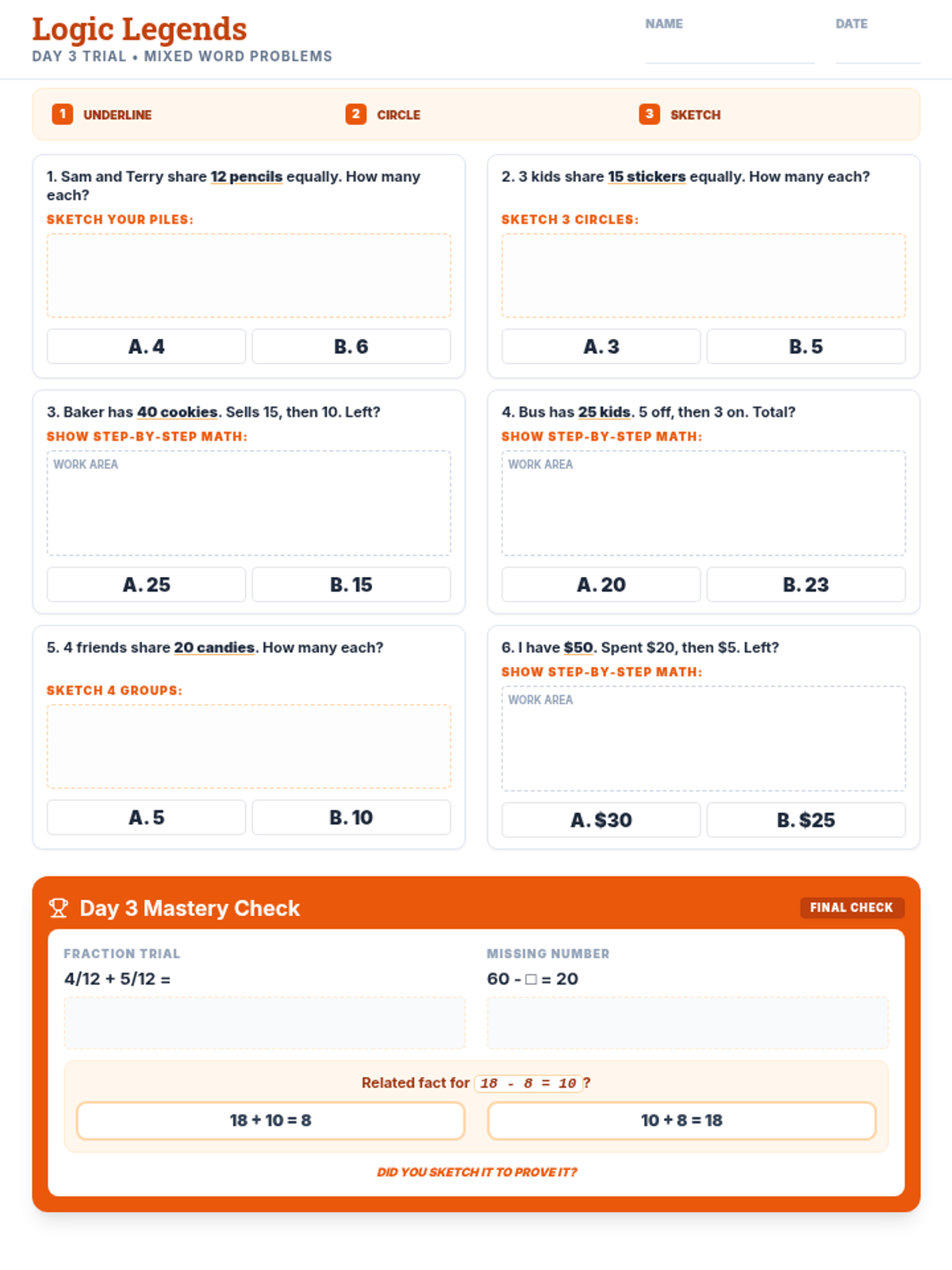
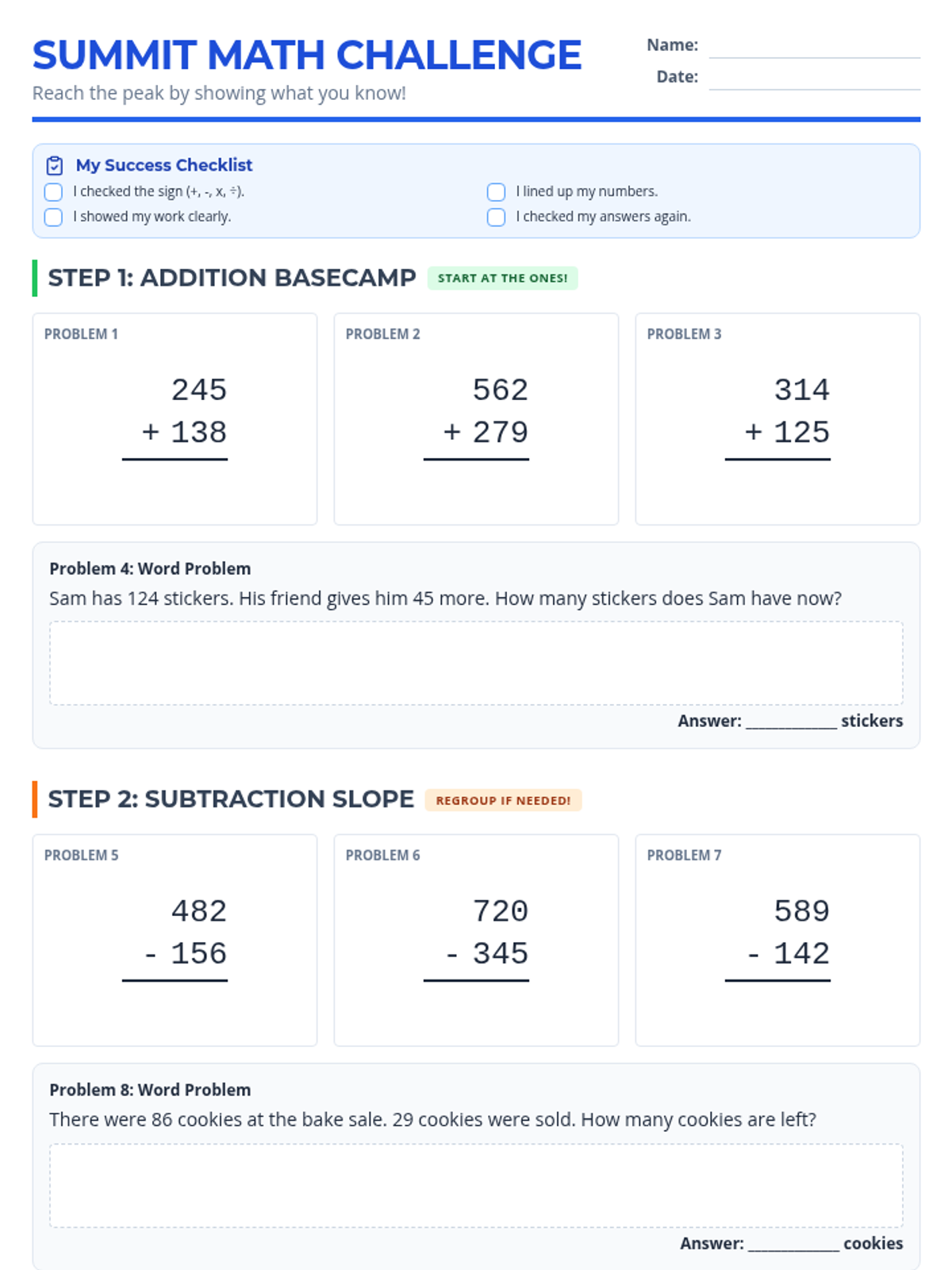
Students apply computation skills to solve real-world word problems involving equal groups and multi-step addition and subtraction.
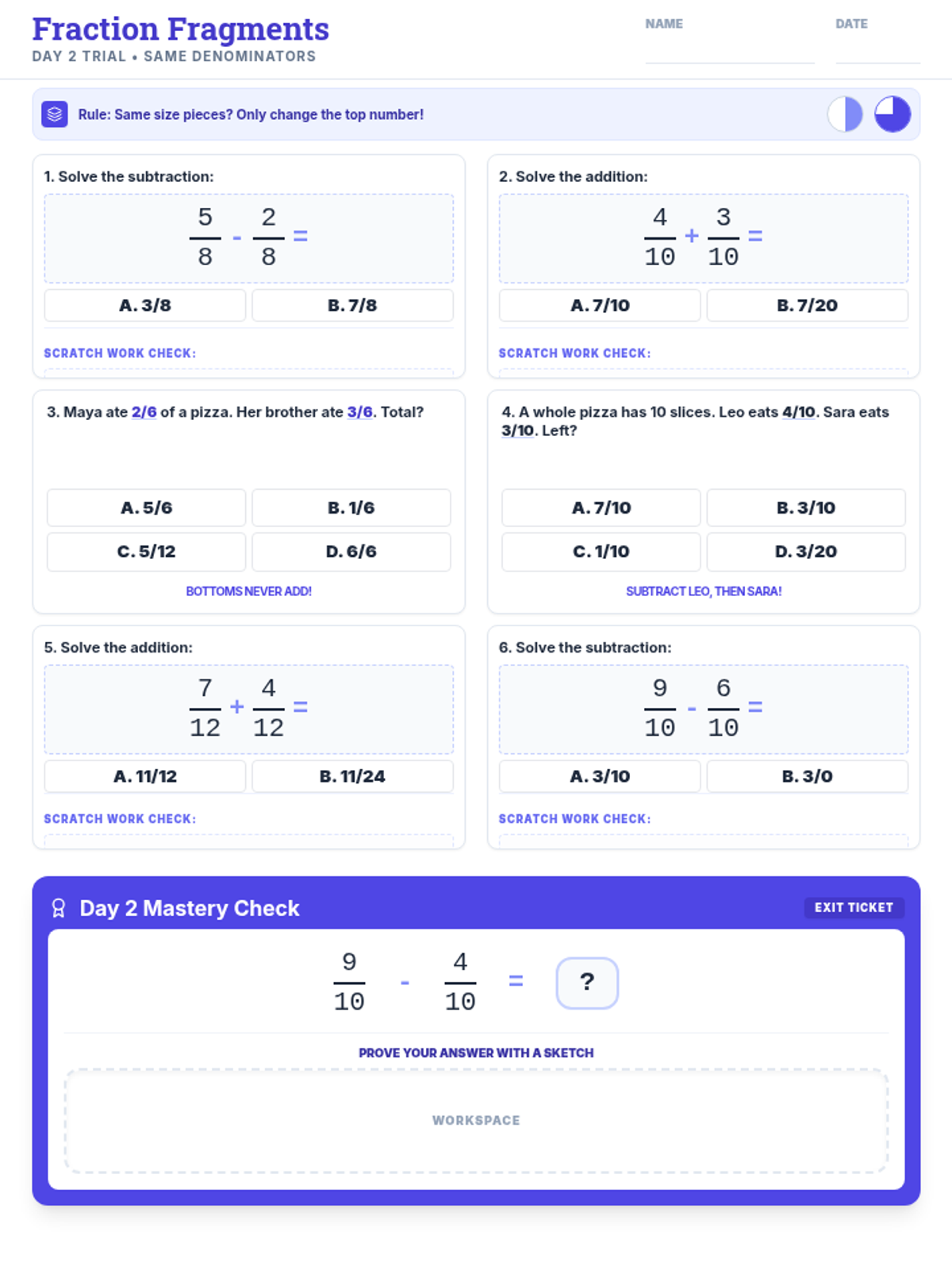
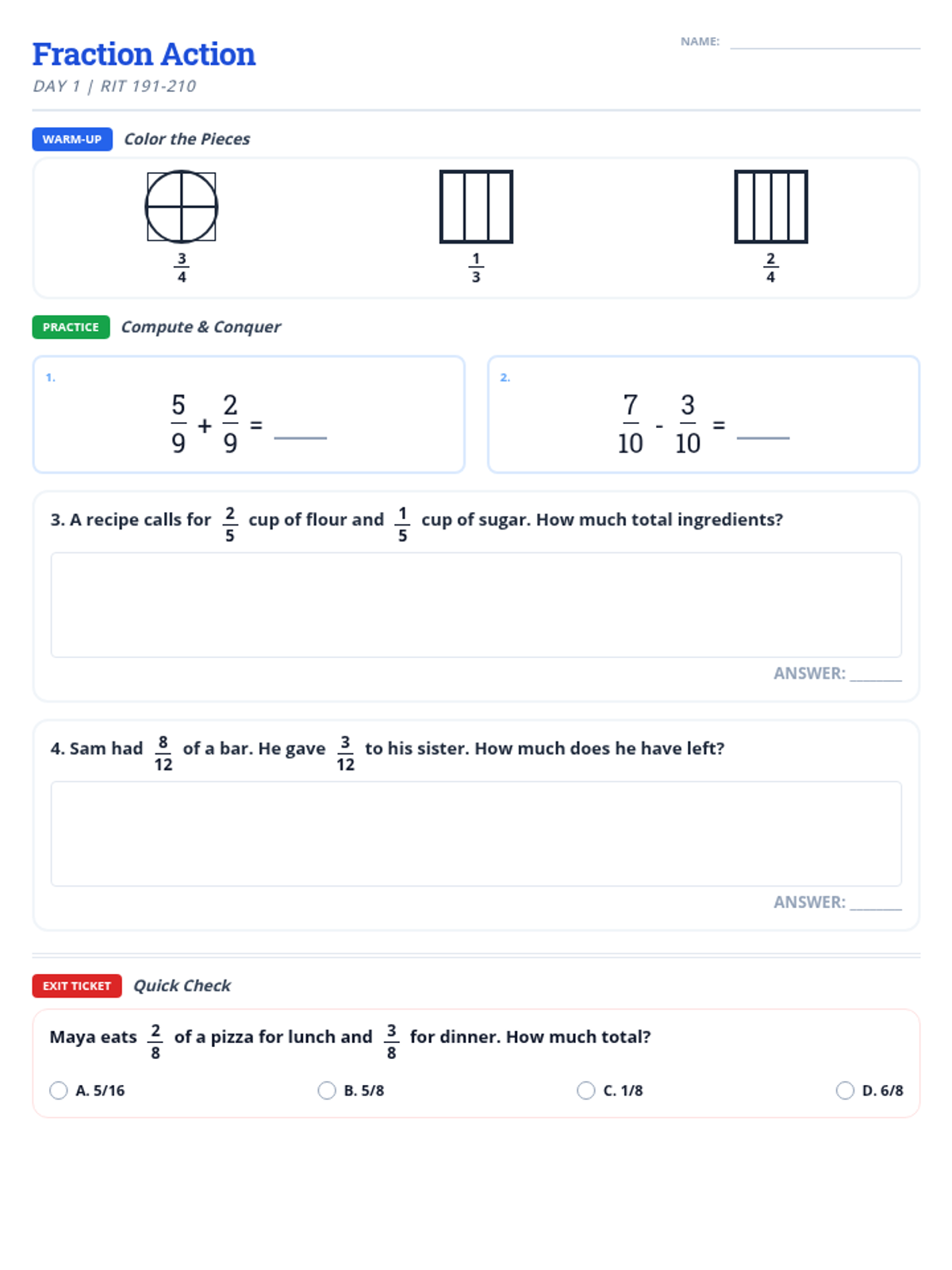
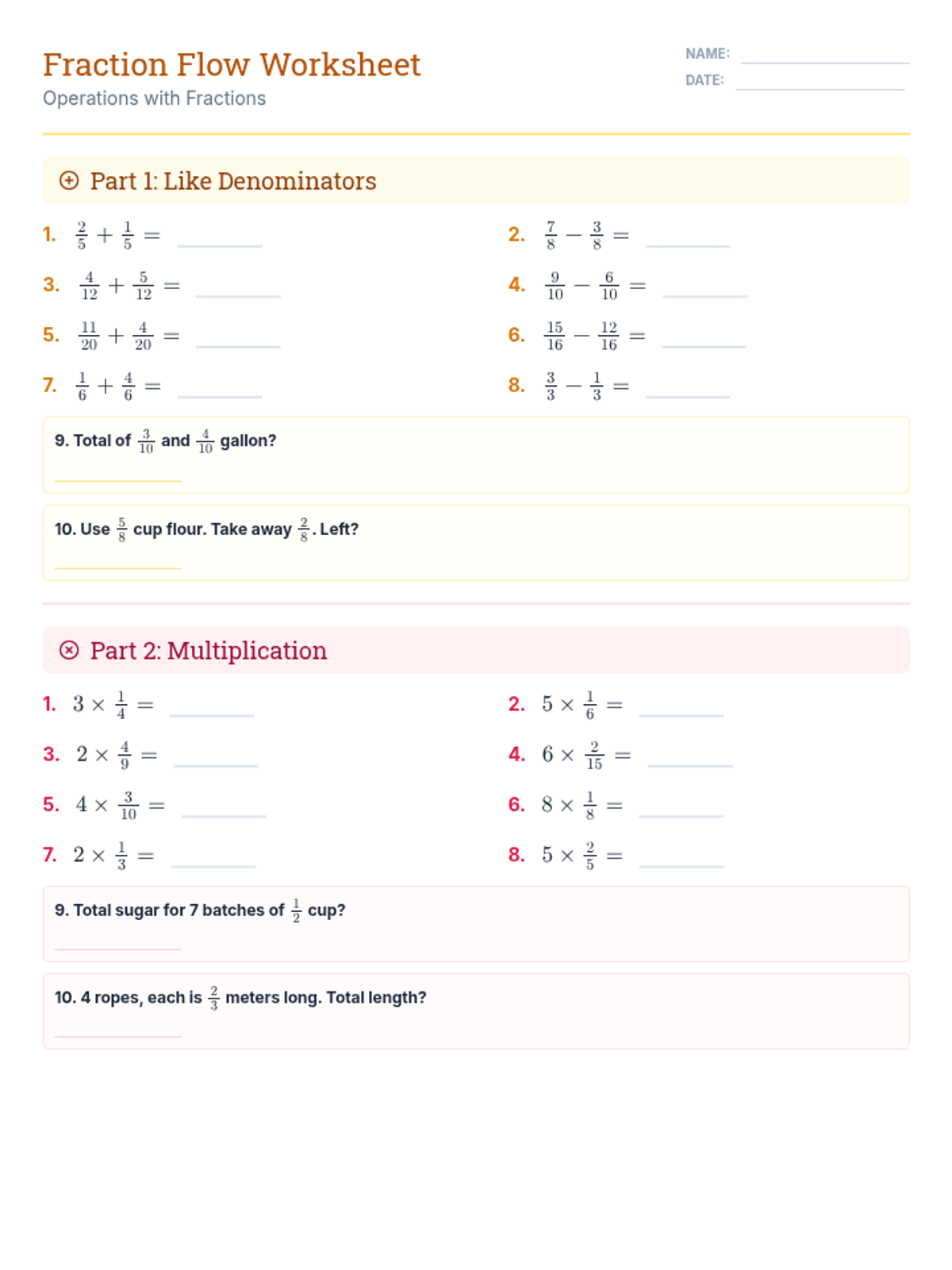
Students explore adding and subtracting fractions with common denominators using visual models and symbolic computation.
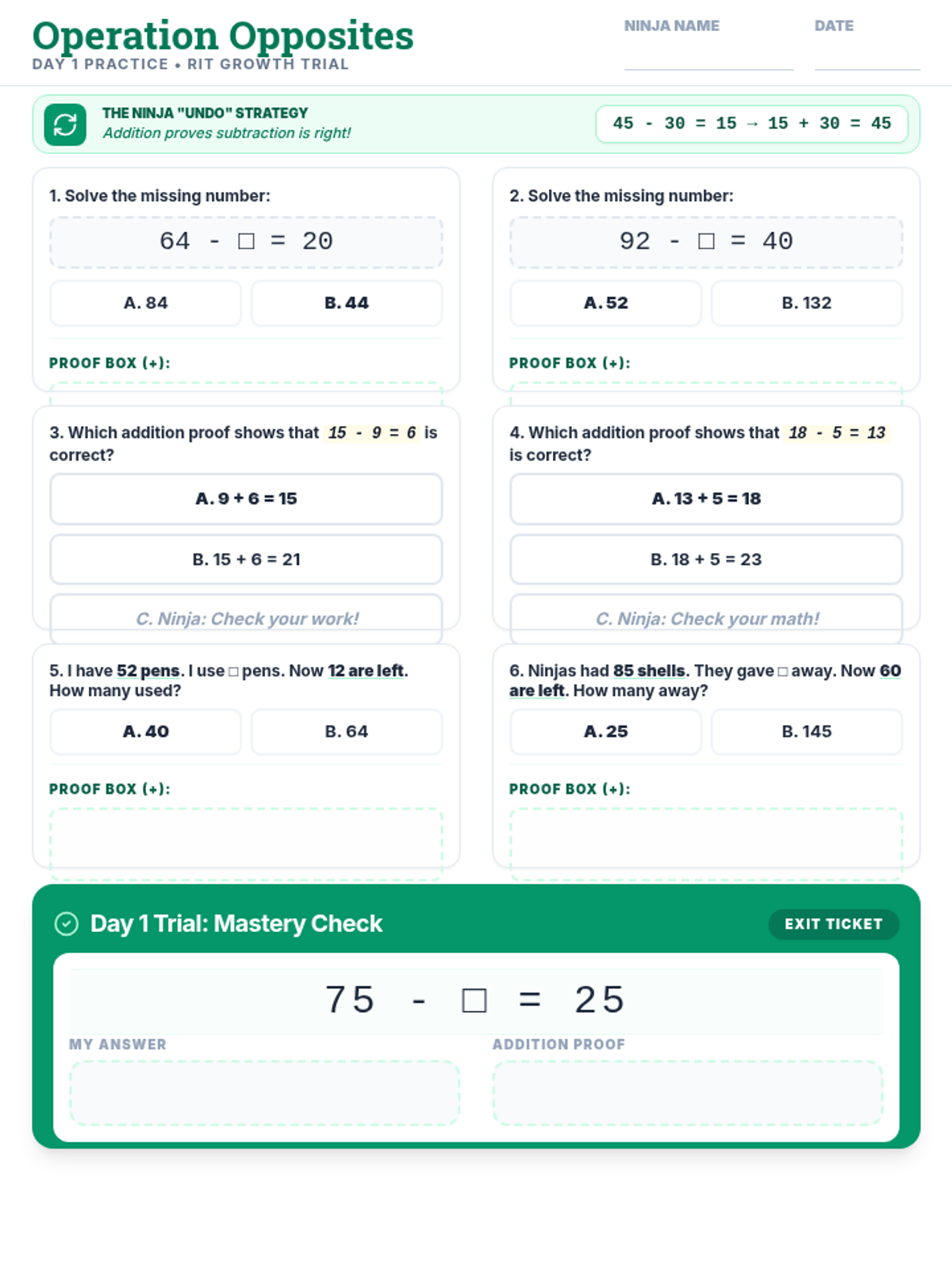
Students learn to use the relationship between addition and subtraction to solve for missing numbers and check their work, bridging the gap from simple subtraction to algebraic thinking.
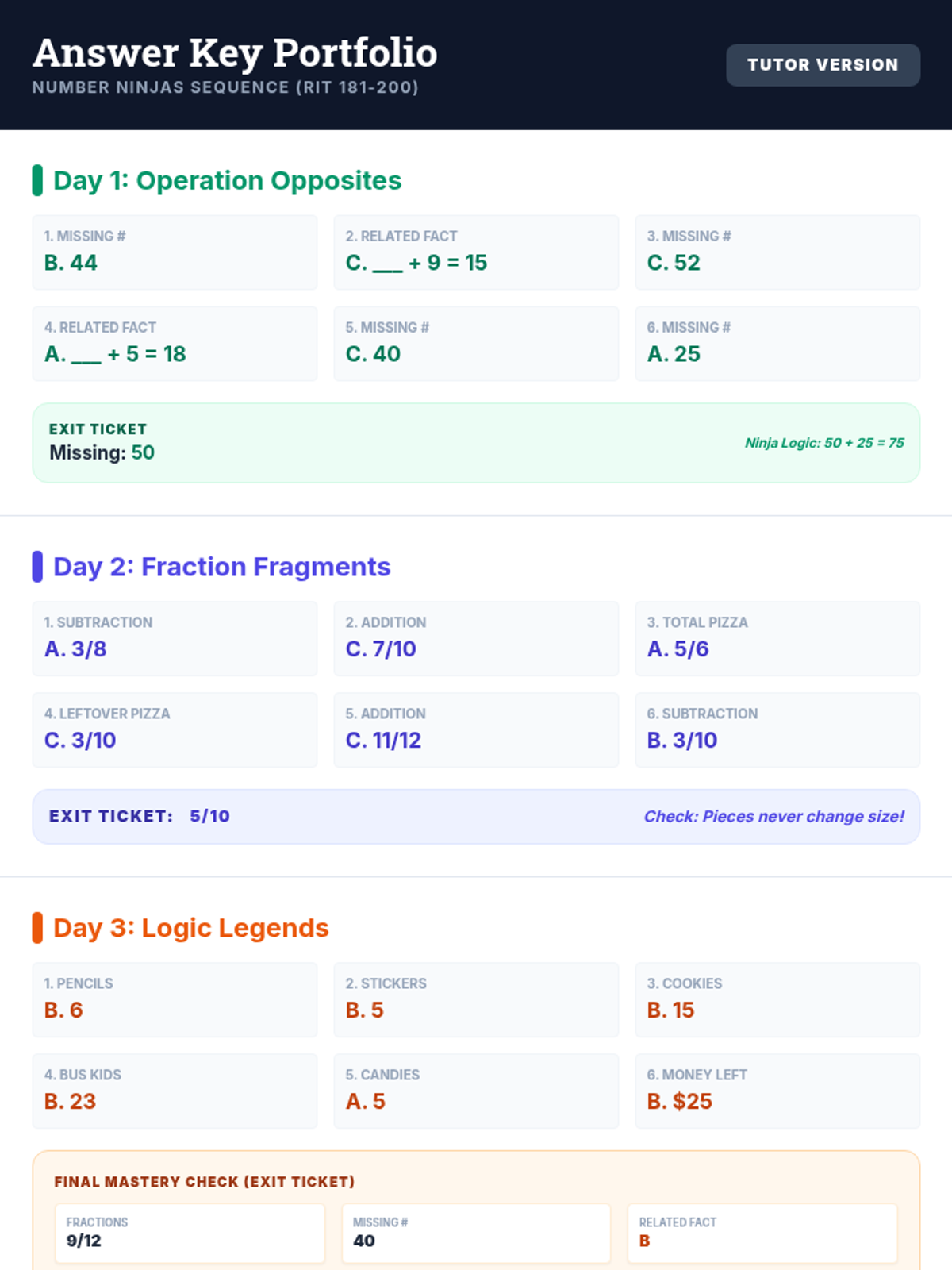
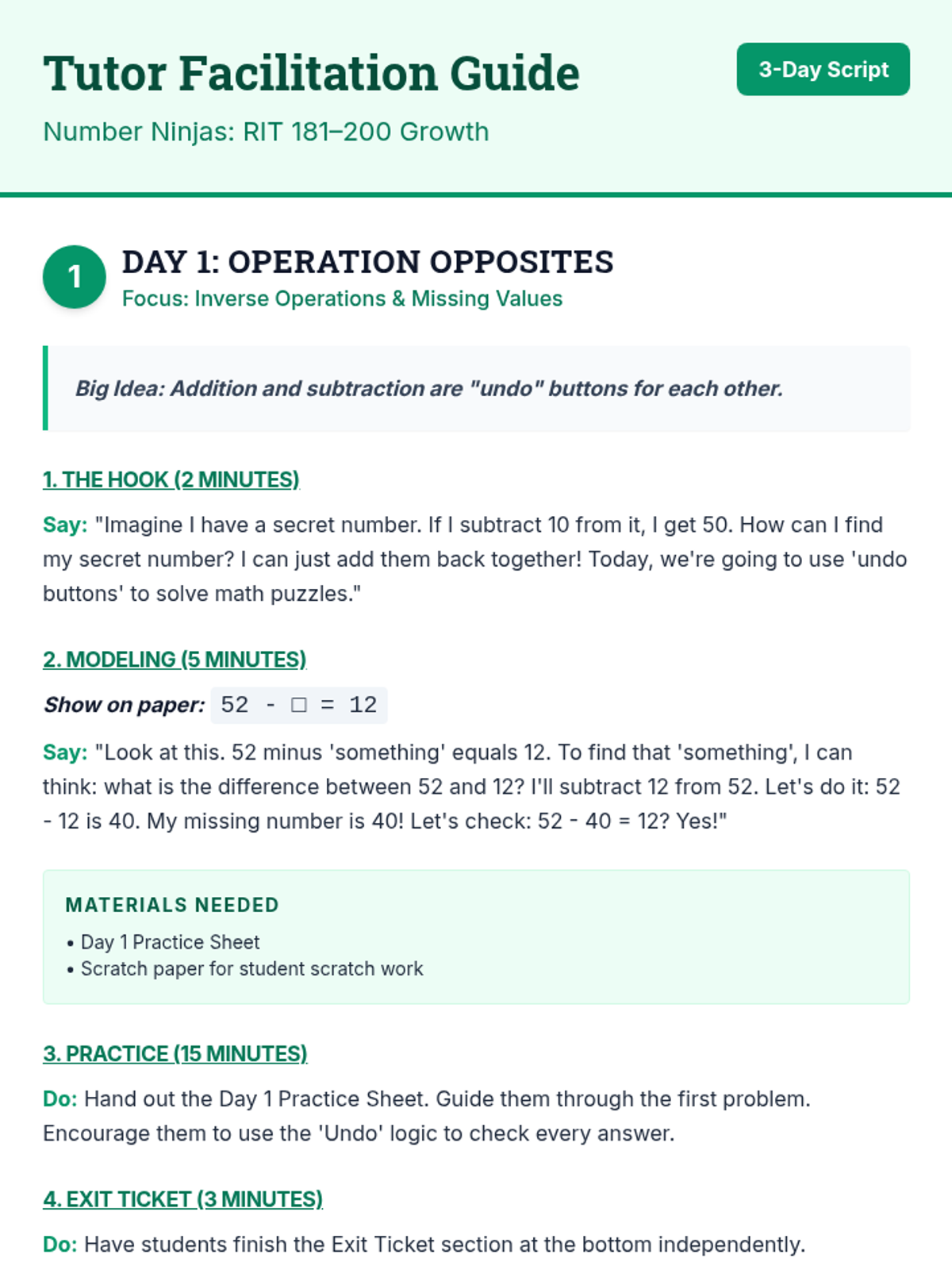
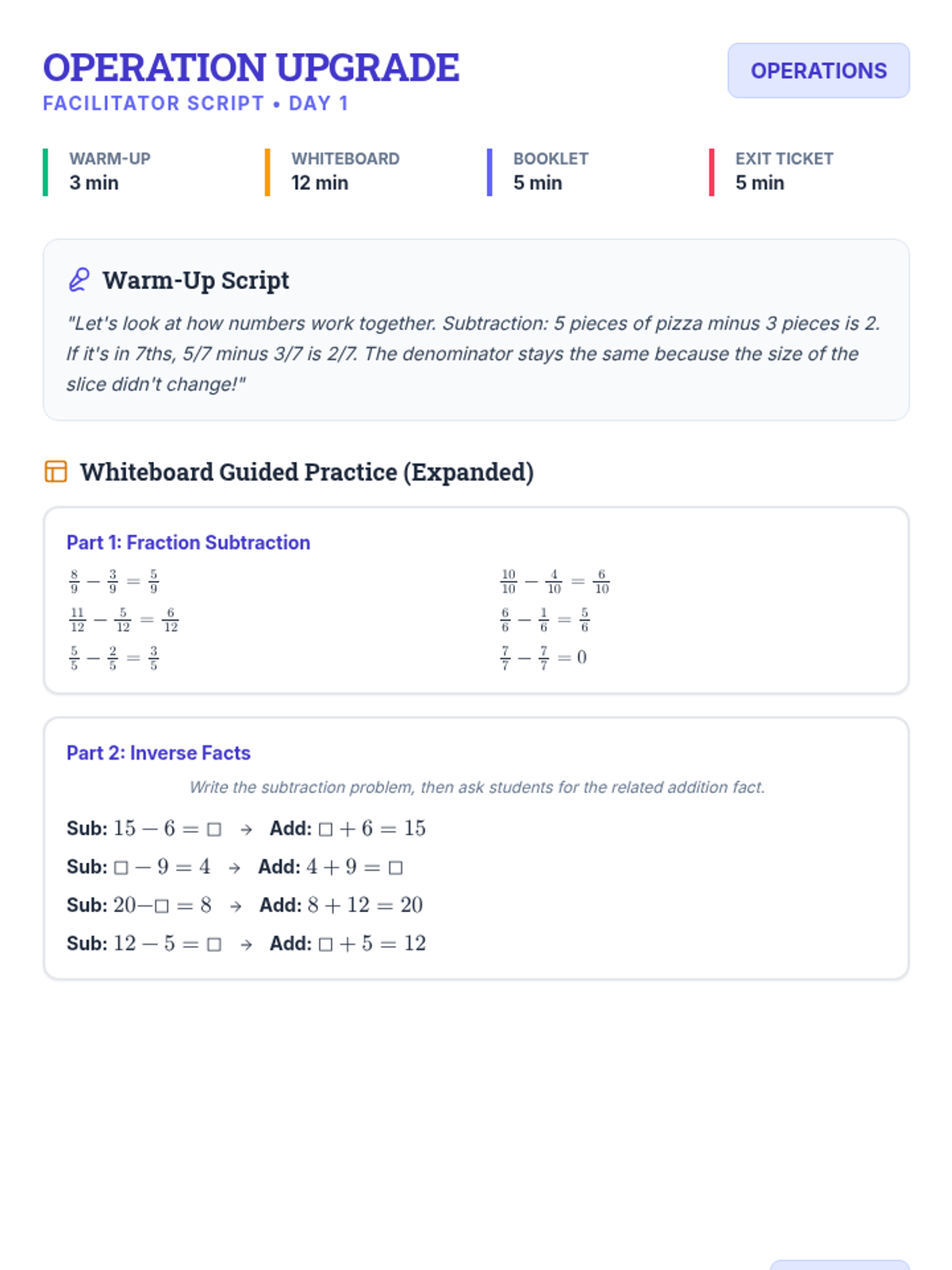
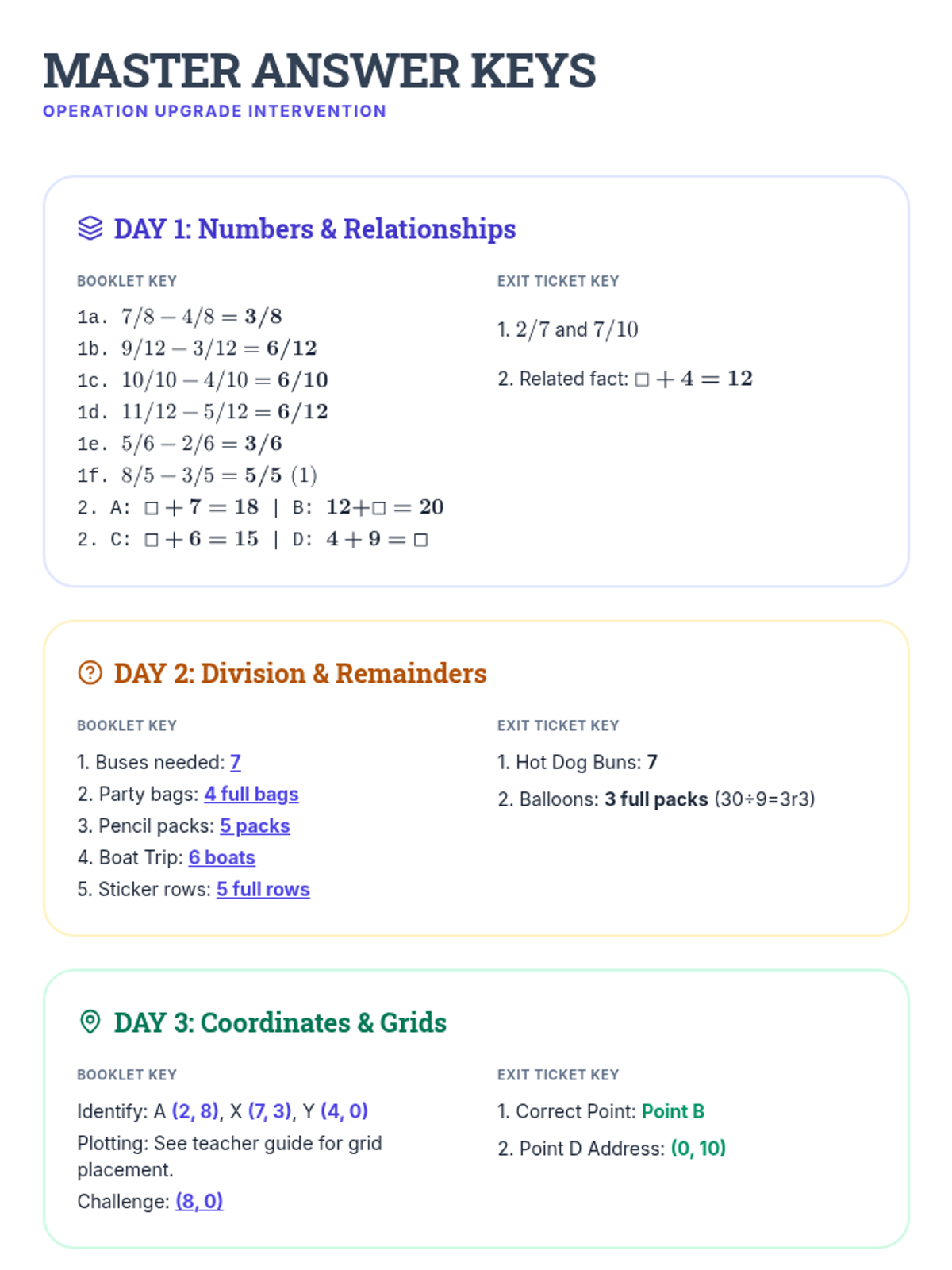
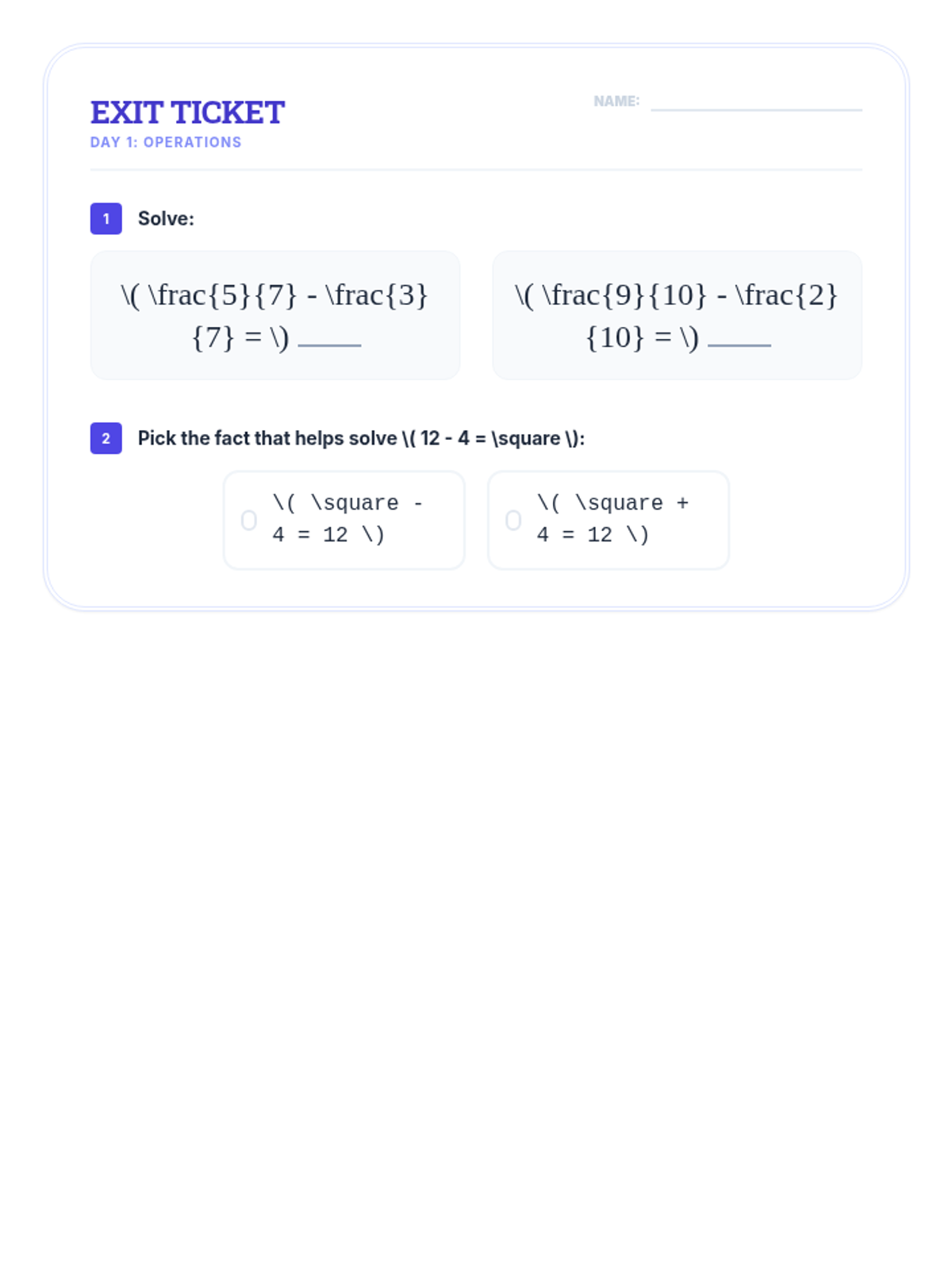
A 3-day small group intervention focused on RIT 191-210 skills: fraction subtraction, inverse operations, interpreting remainders, and coordinate plane graphing. Includes teacher scripts and student workbooks designed for 25-minute sessions without technology.
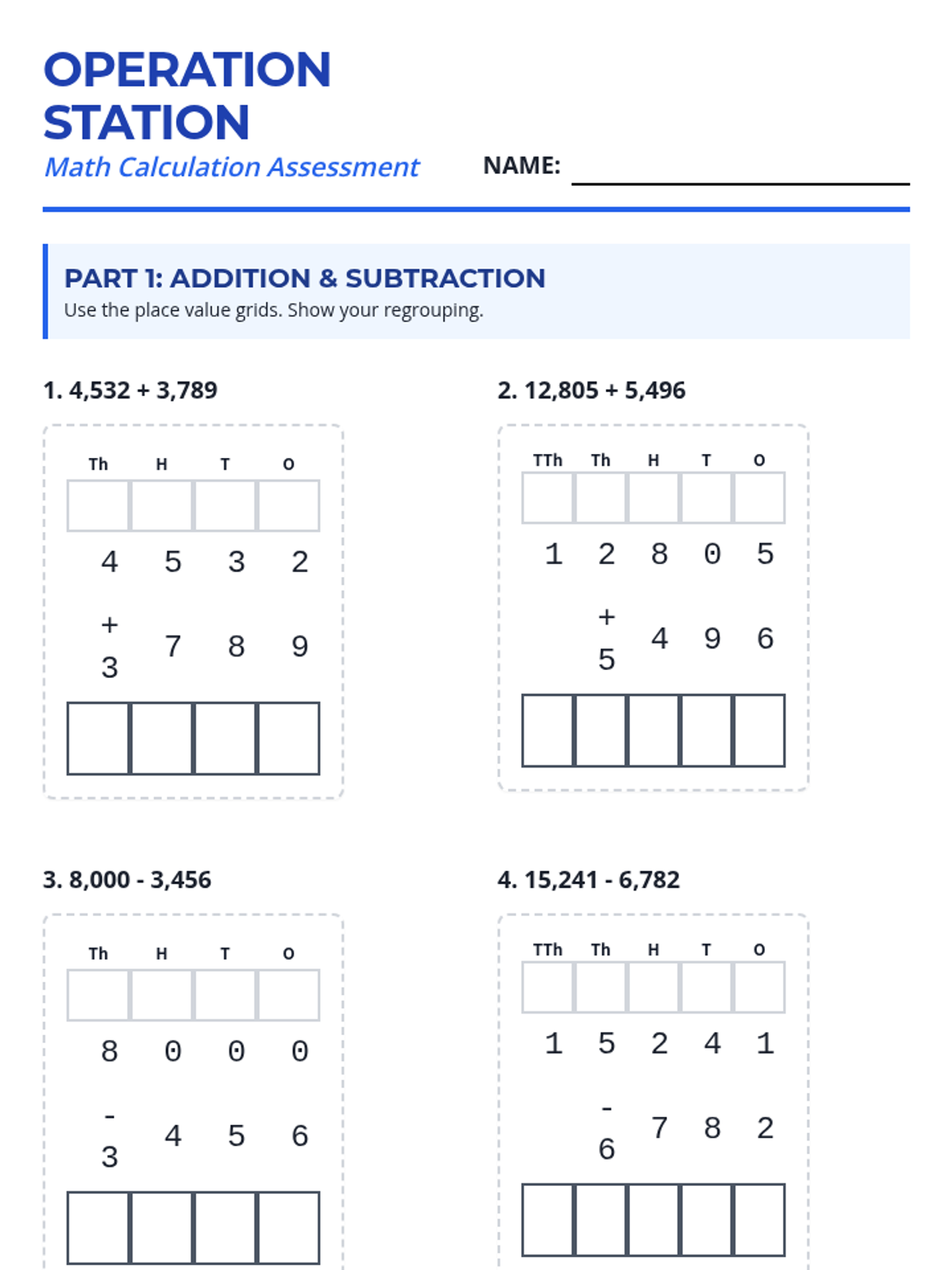
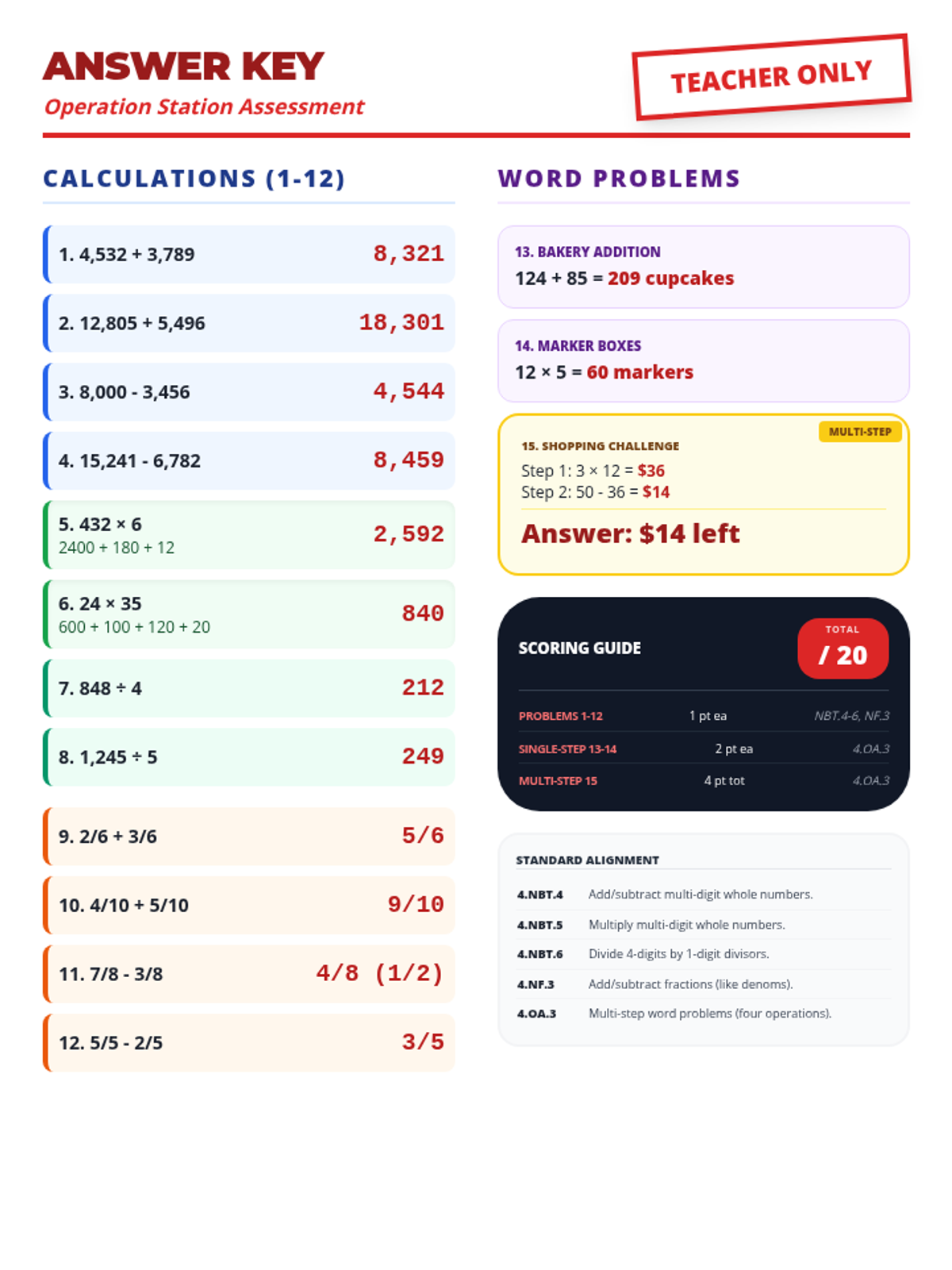
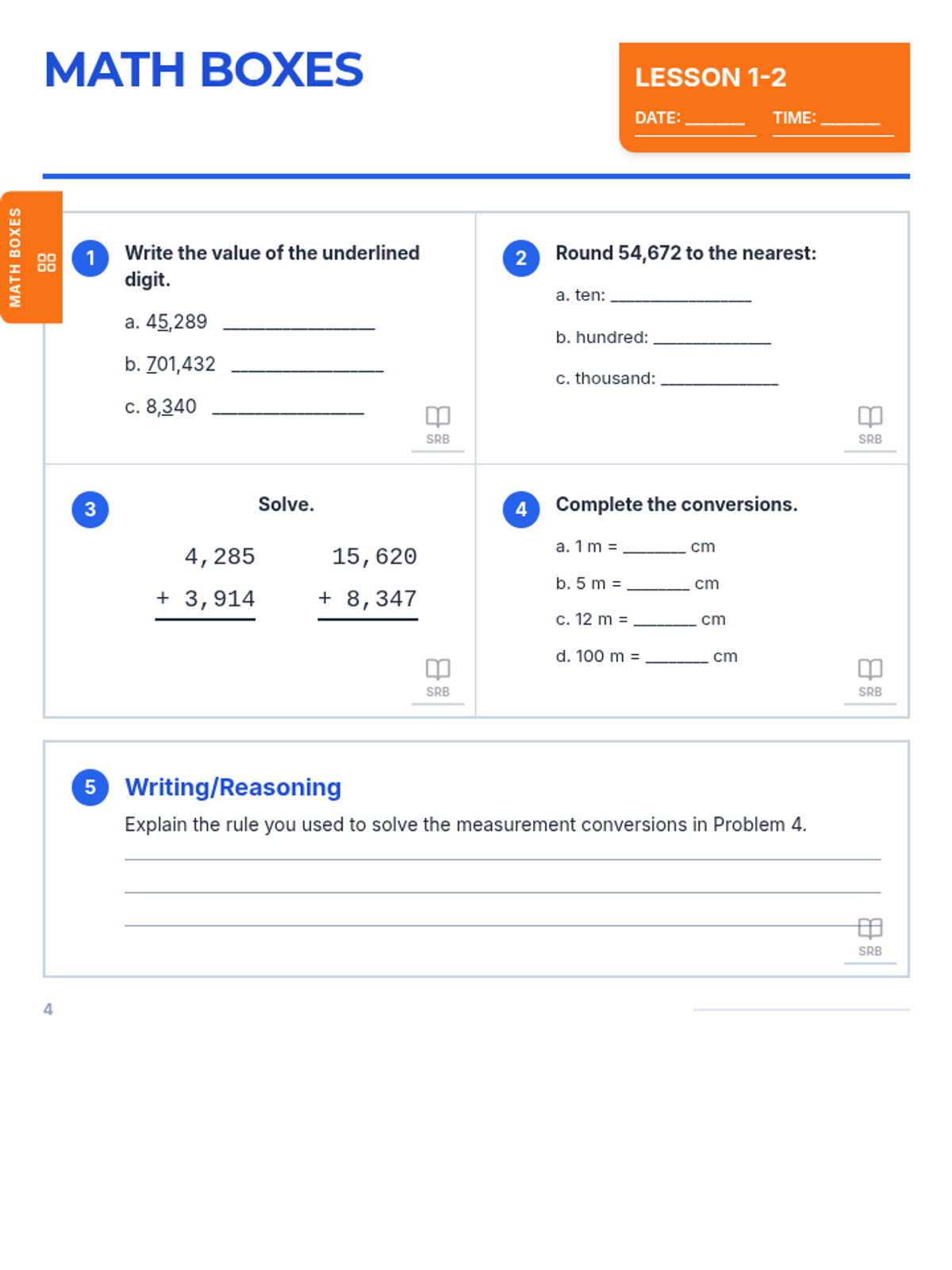
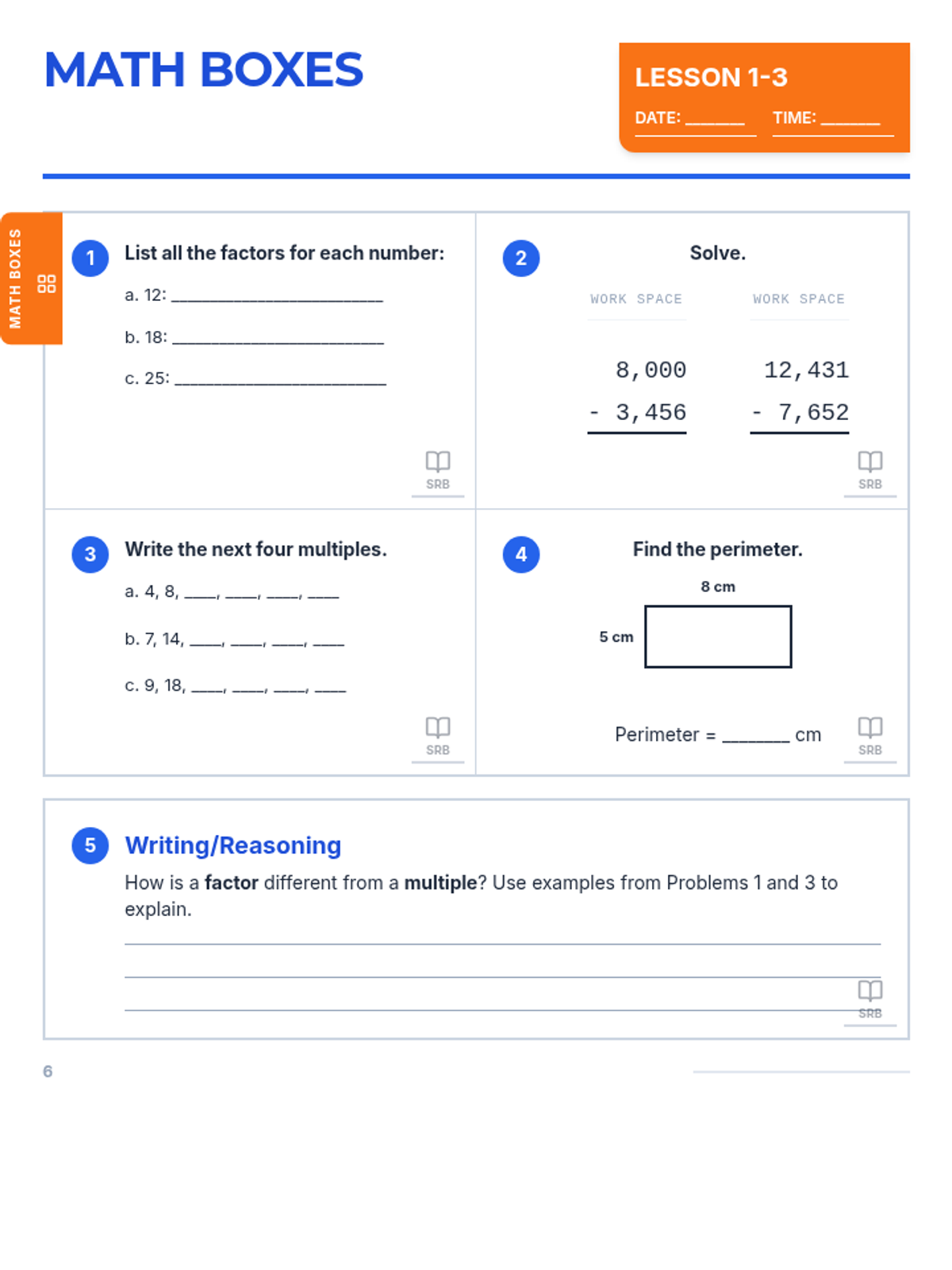
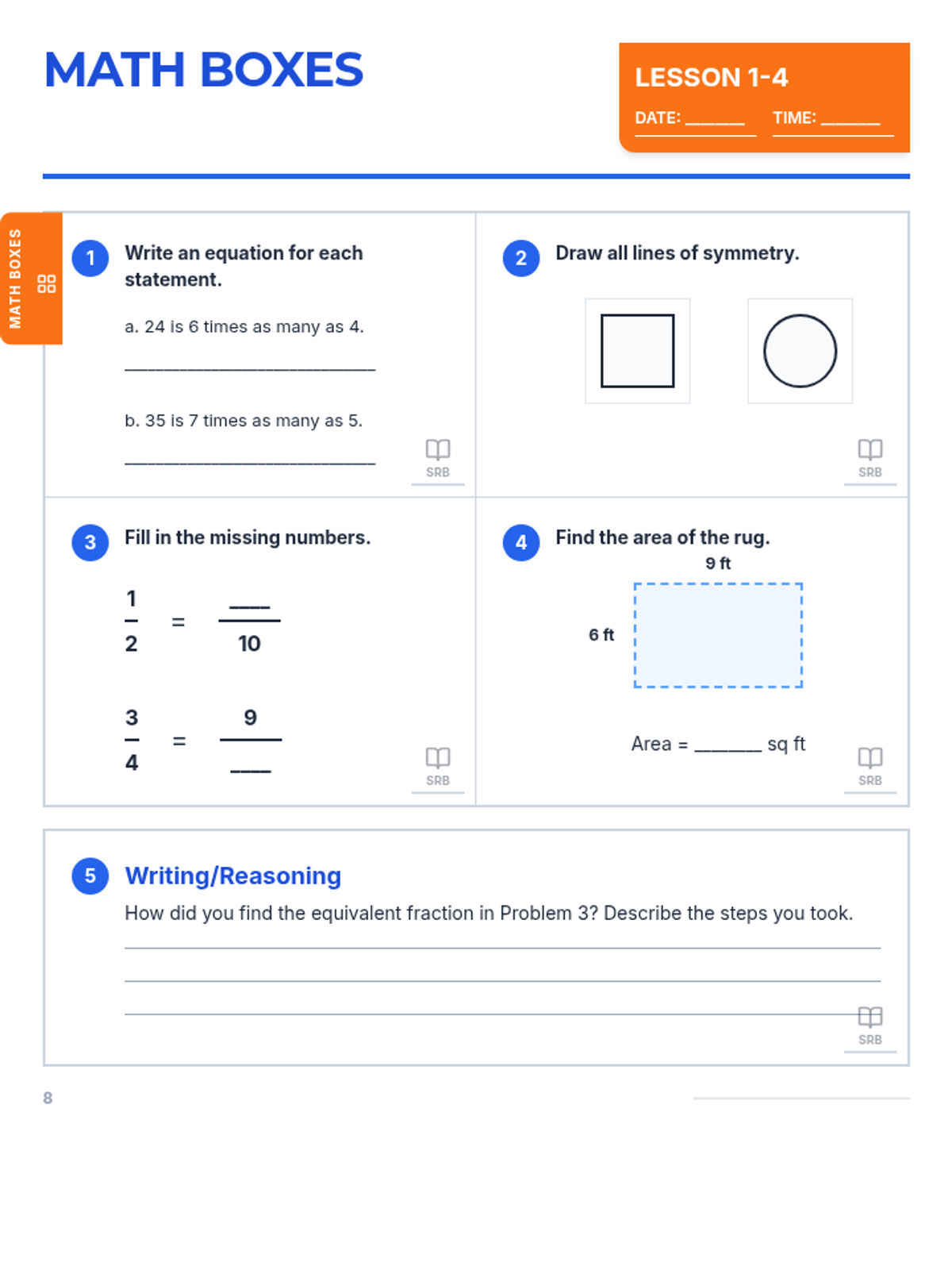
A comprehensive 4th-grade math assessment covering whole number and fraction operations with built-in graphic organizers and large-print accessibility features.
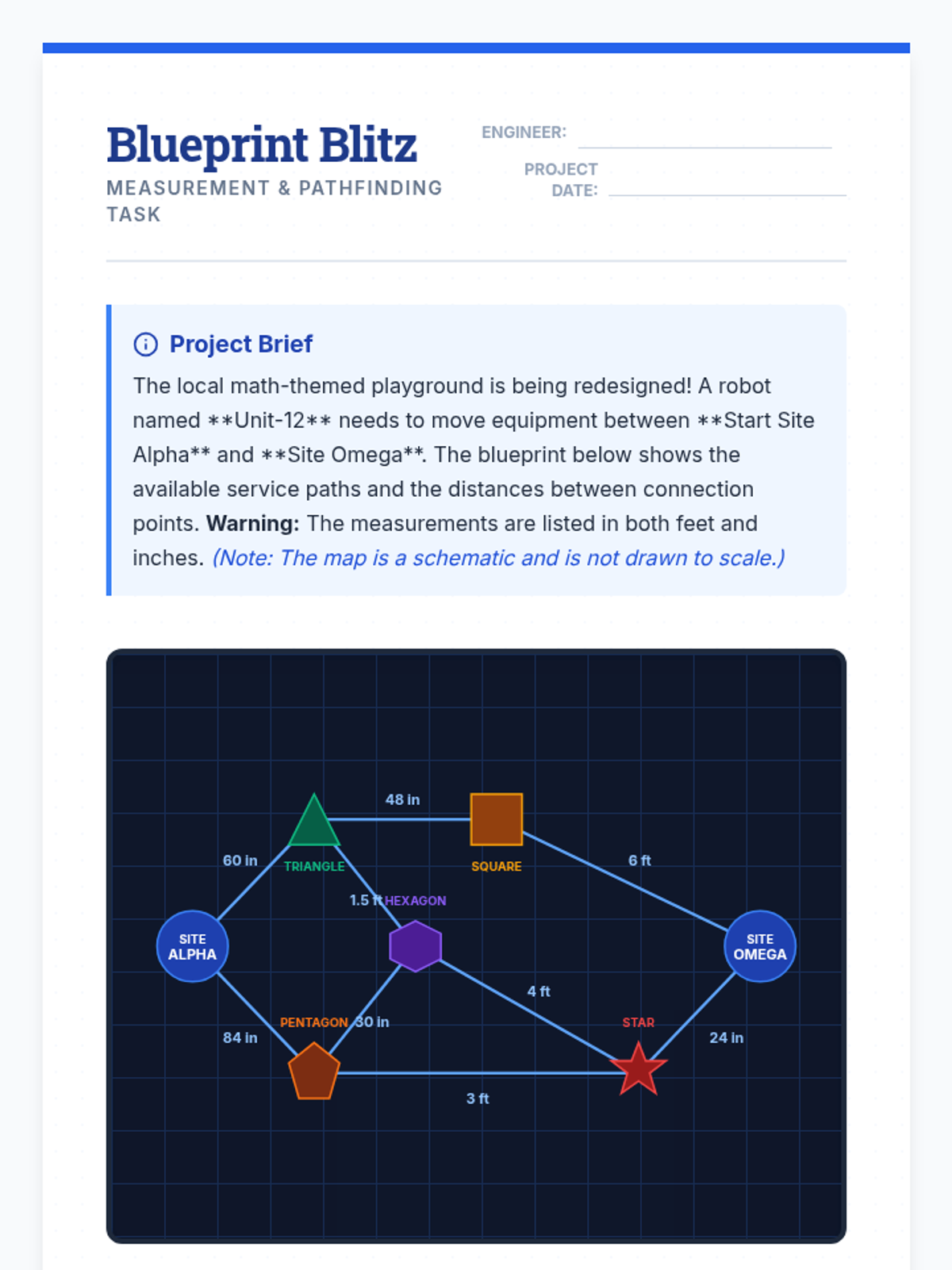
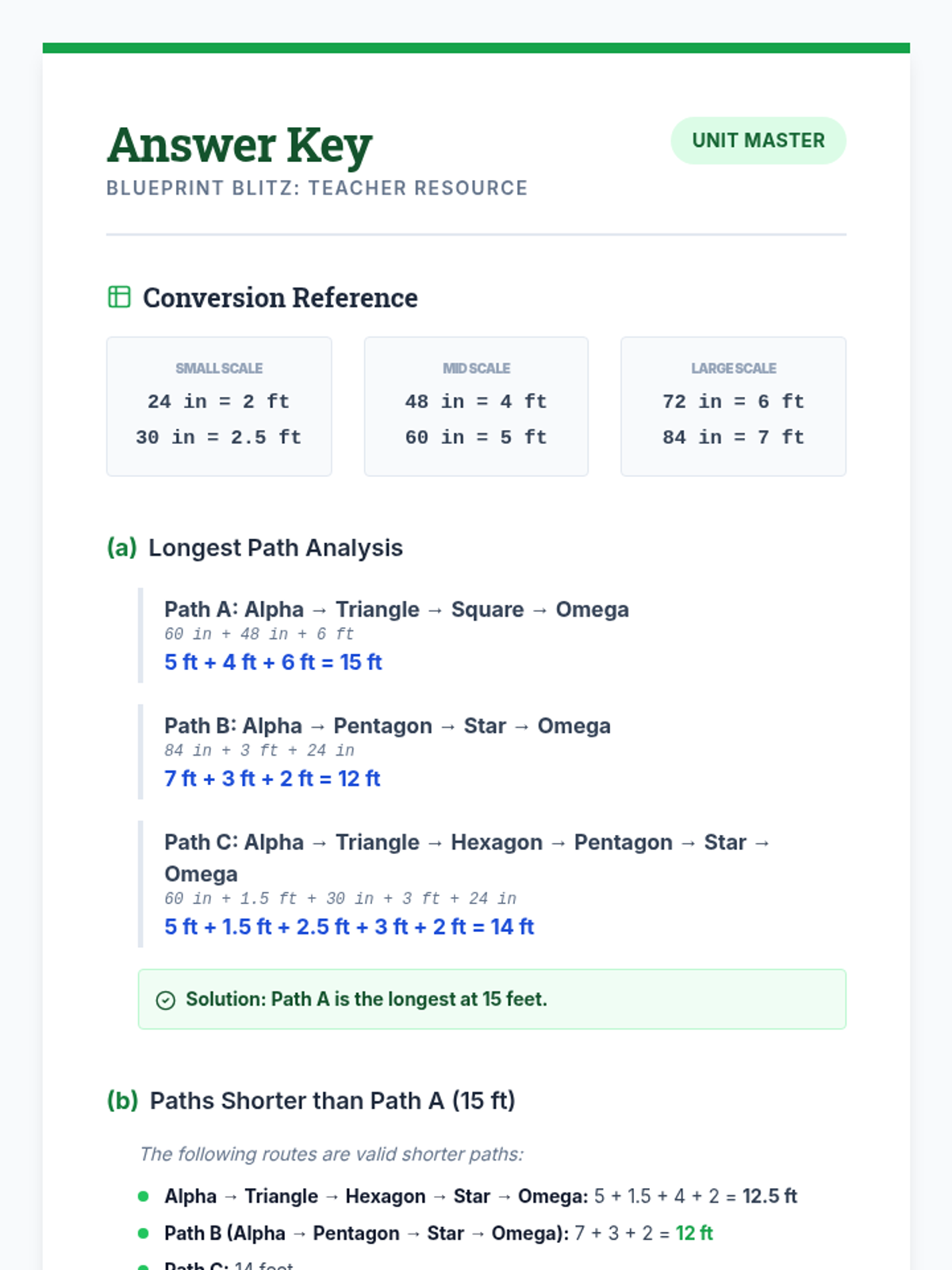
A lesson focused on unit conversion (feet and inches) through the lens of navigating a complex blueprint map. Students will calculate total distances of various paths and find the most efficient route.
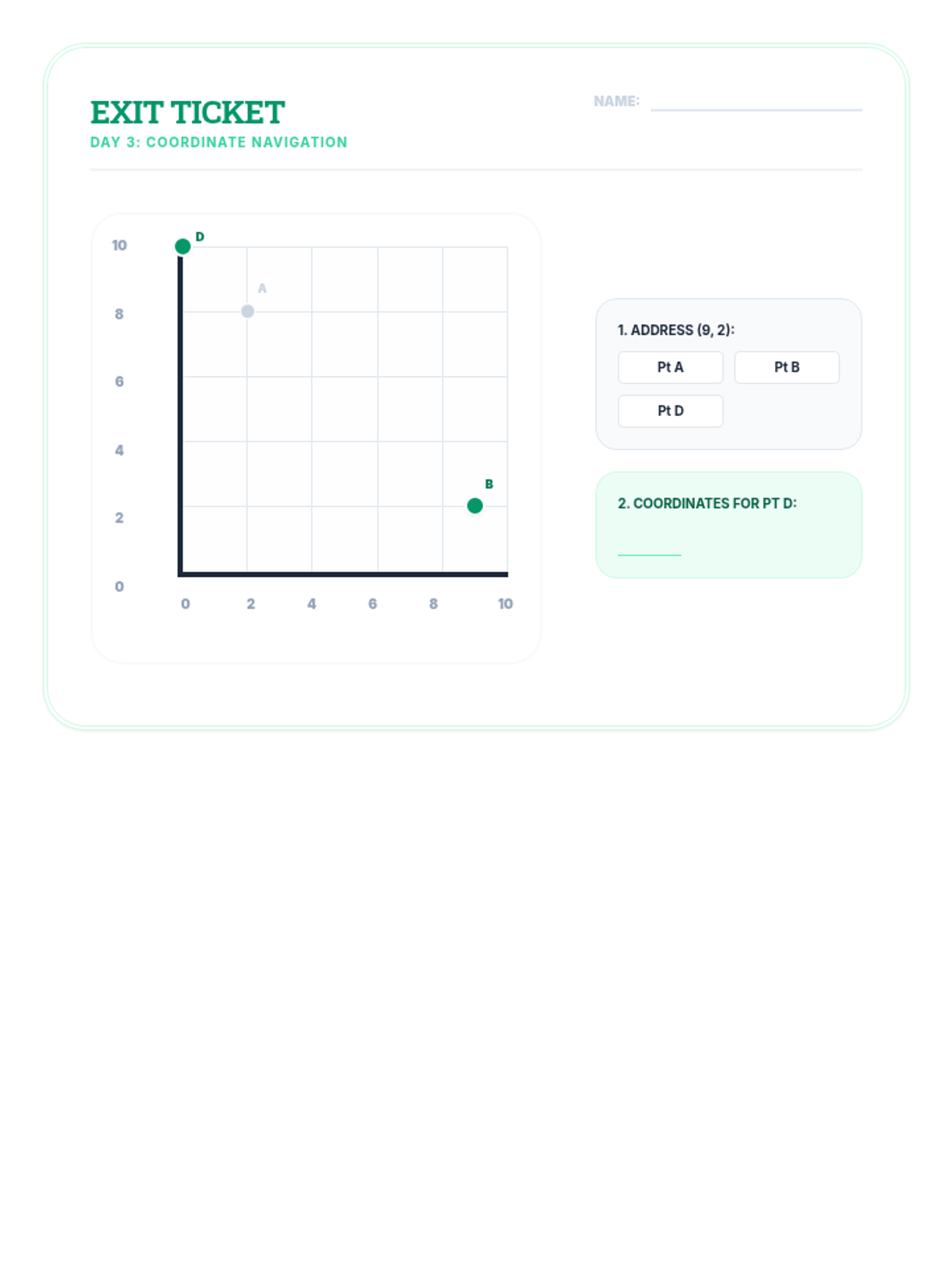
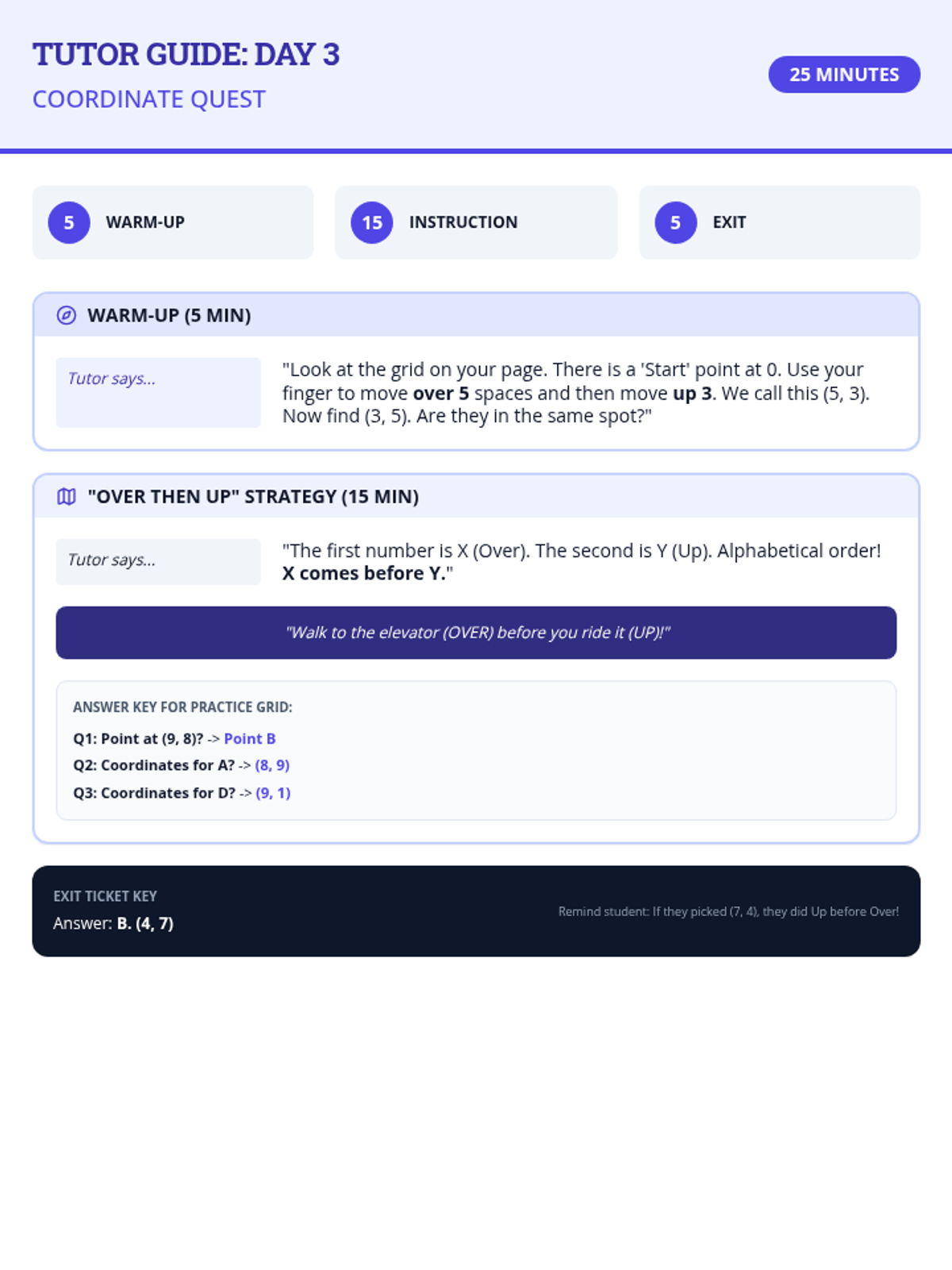
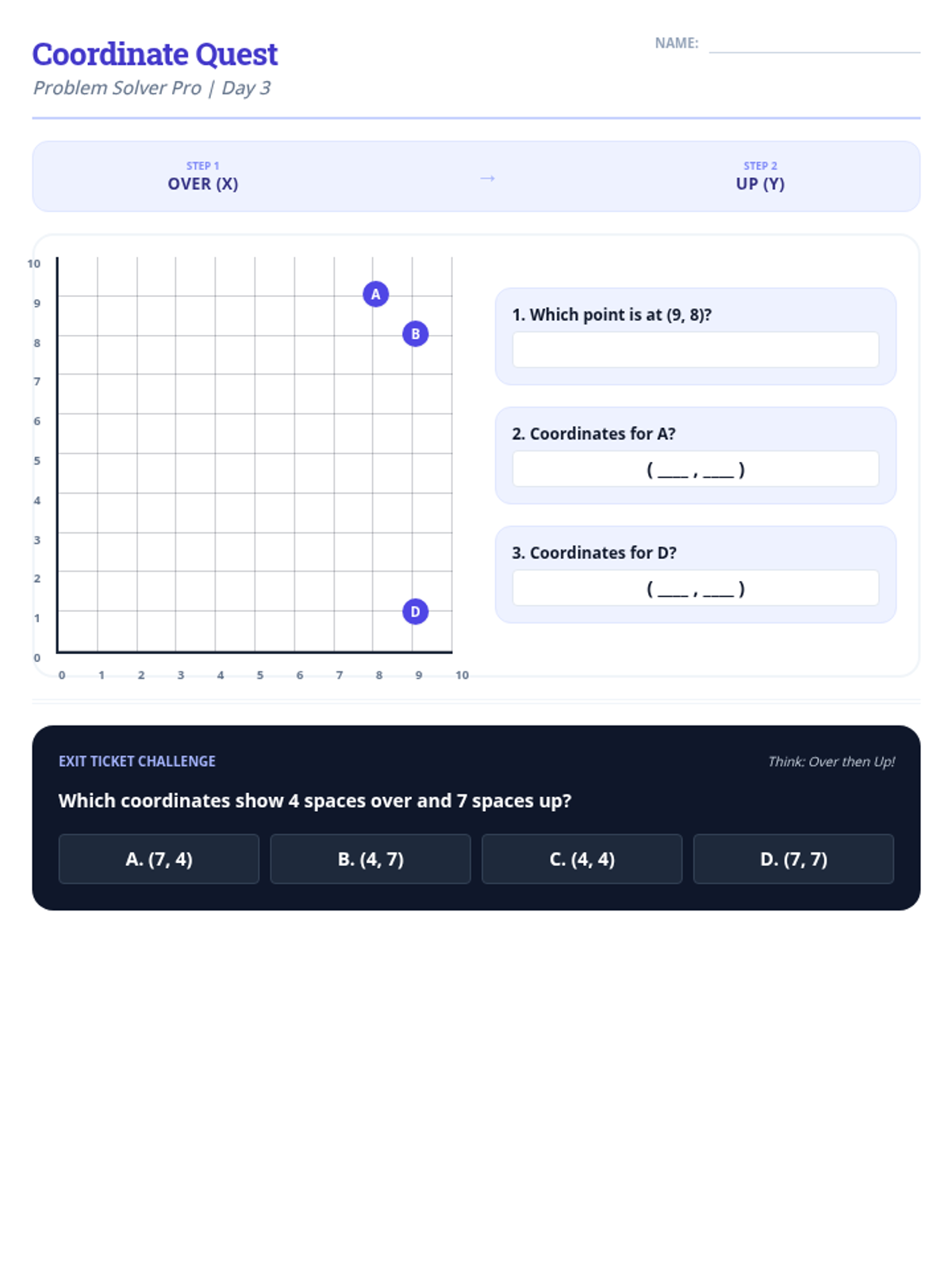
Introduces and reinforces the use of coordinate planes, focusing on identifying (x, y) coordinates using the 'over then up' strategy.
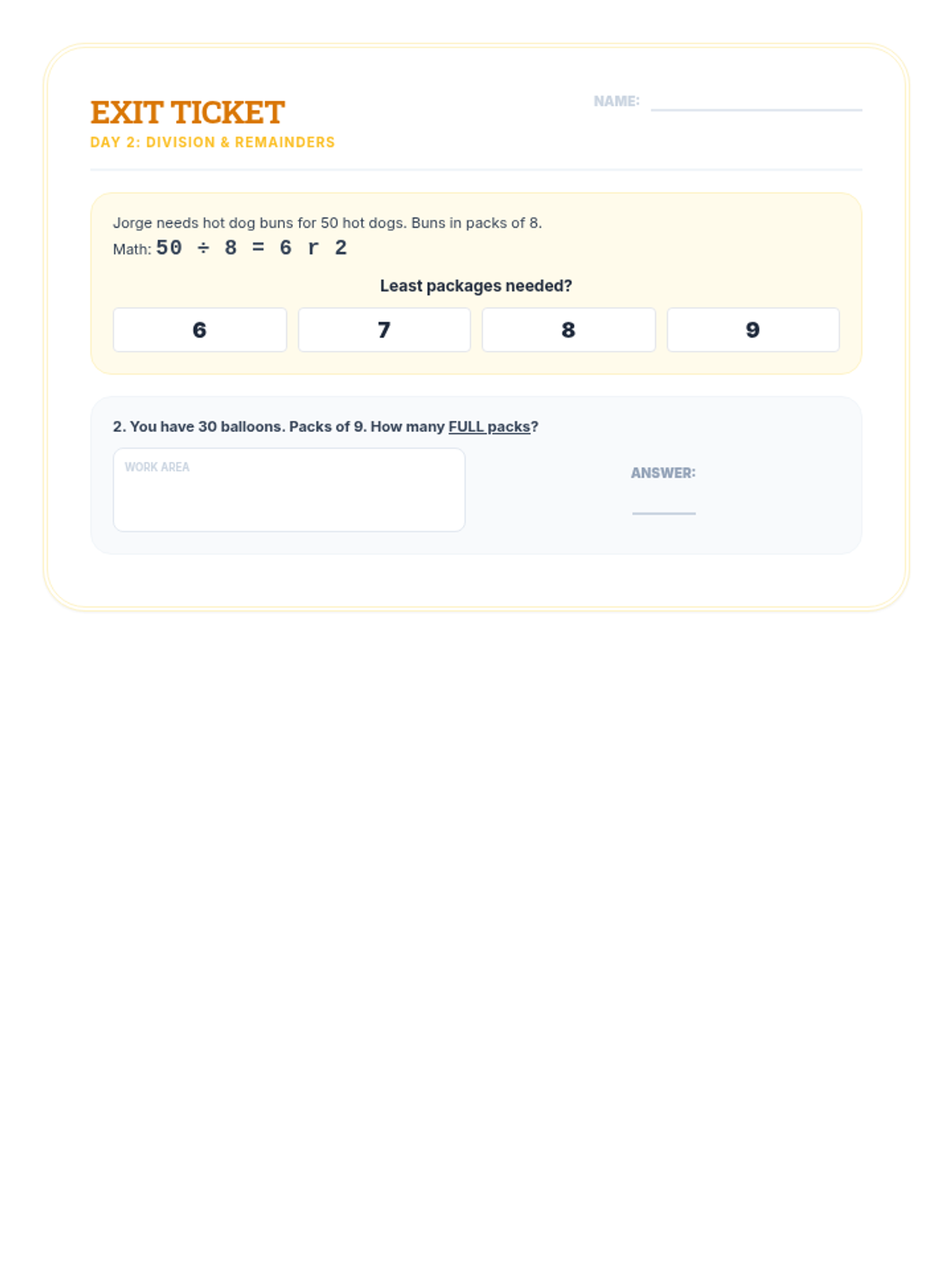
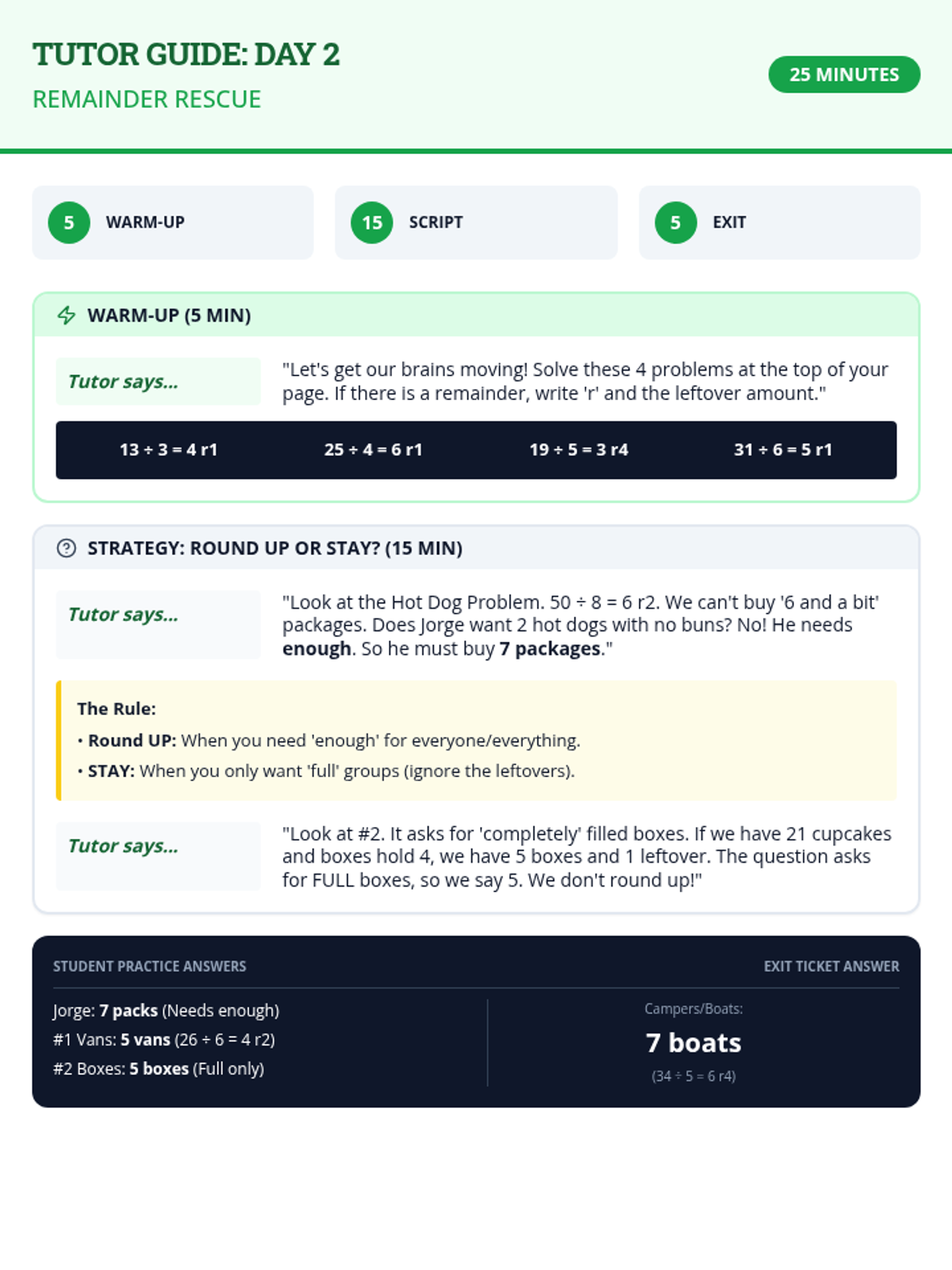
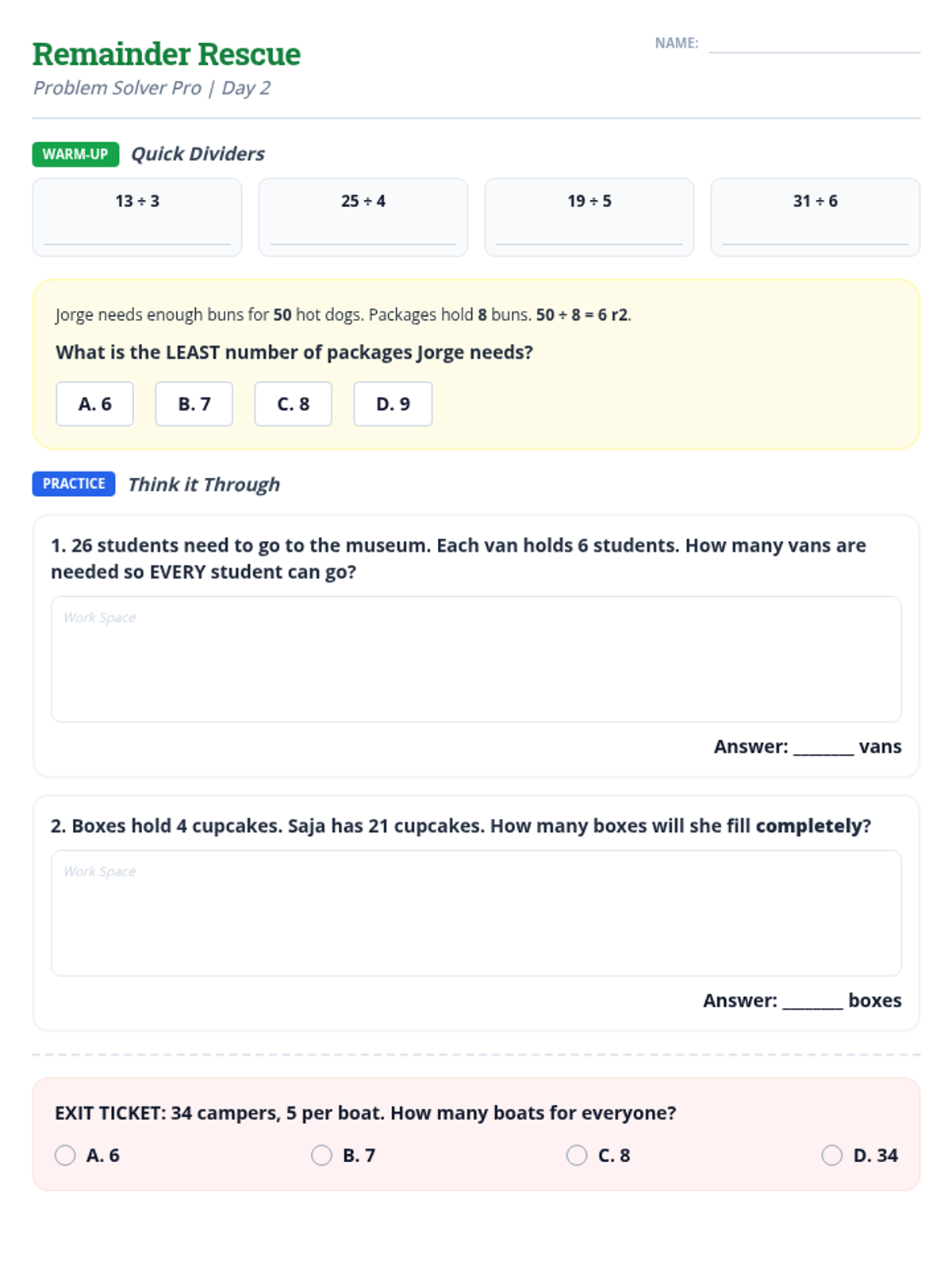
Teaches students how to interpret remainders in real-world division problems, specifically deciding when to 'round up' to ensure everyone or everything is included.
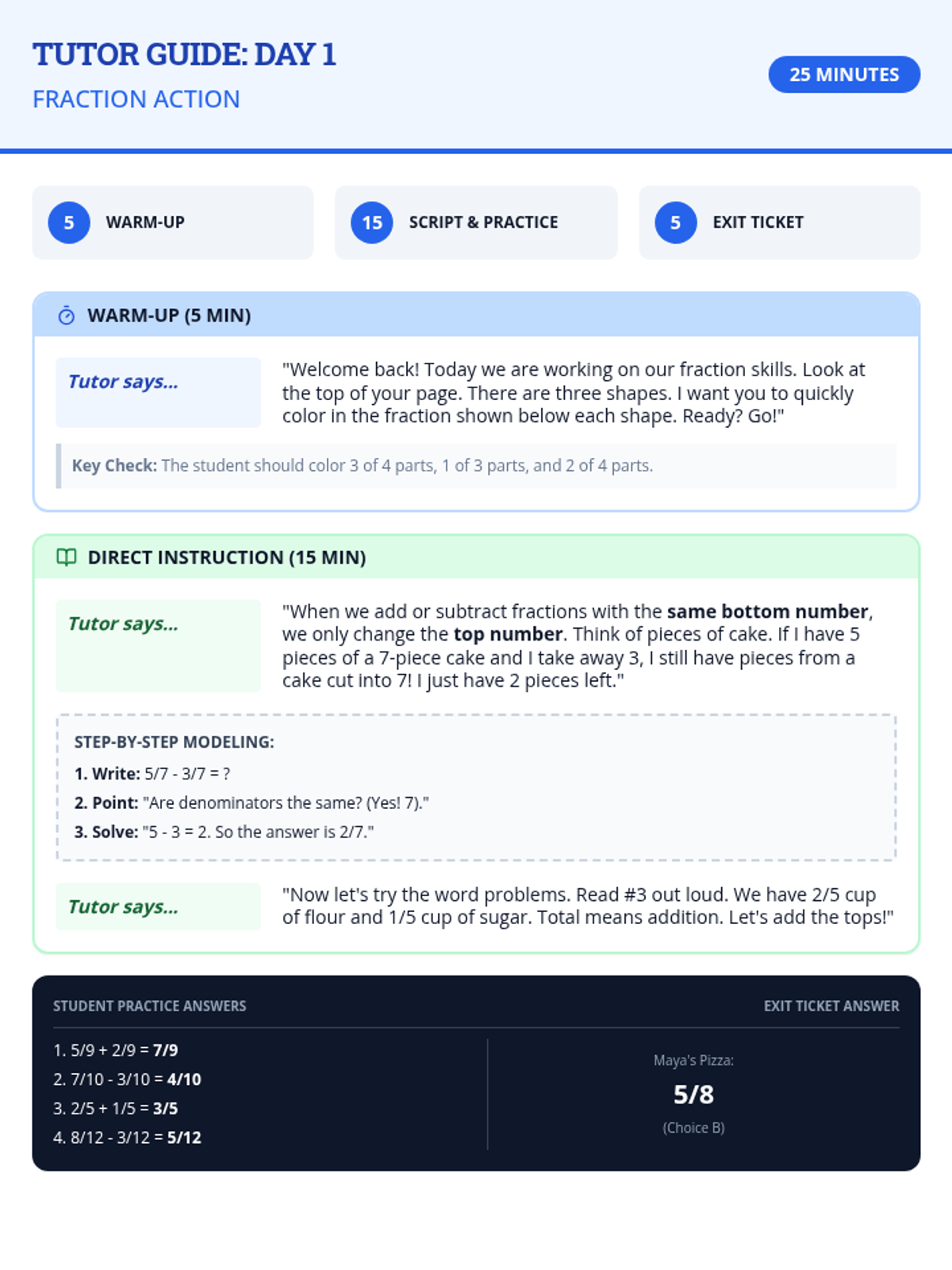
Focuses on adding and subtracting fractions with like denominators, emphasizing that the denominator represents the size of the piece and remains constant.
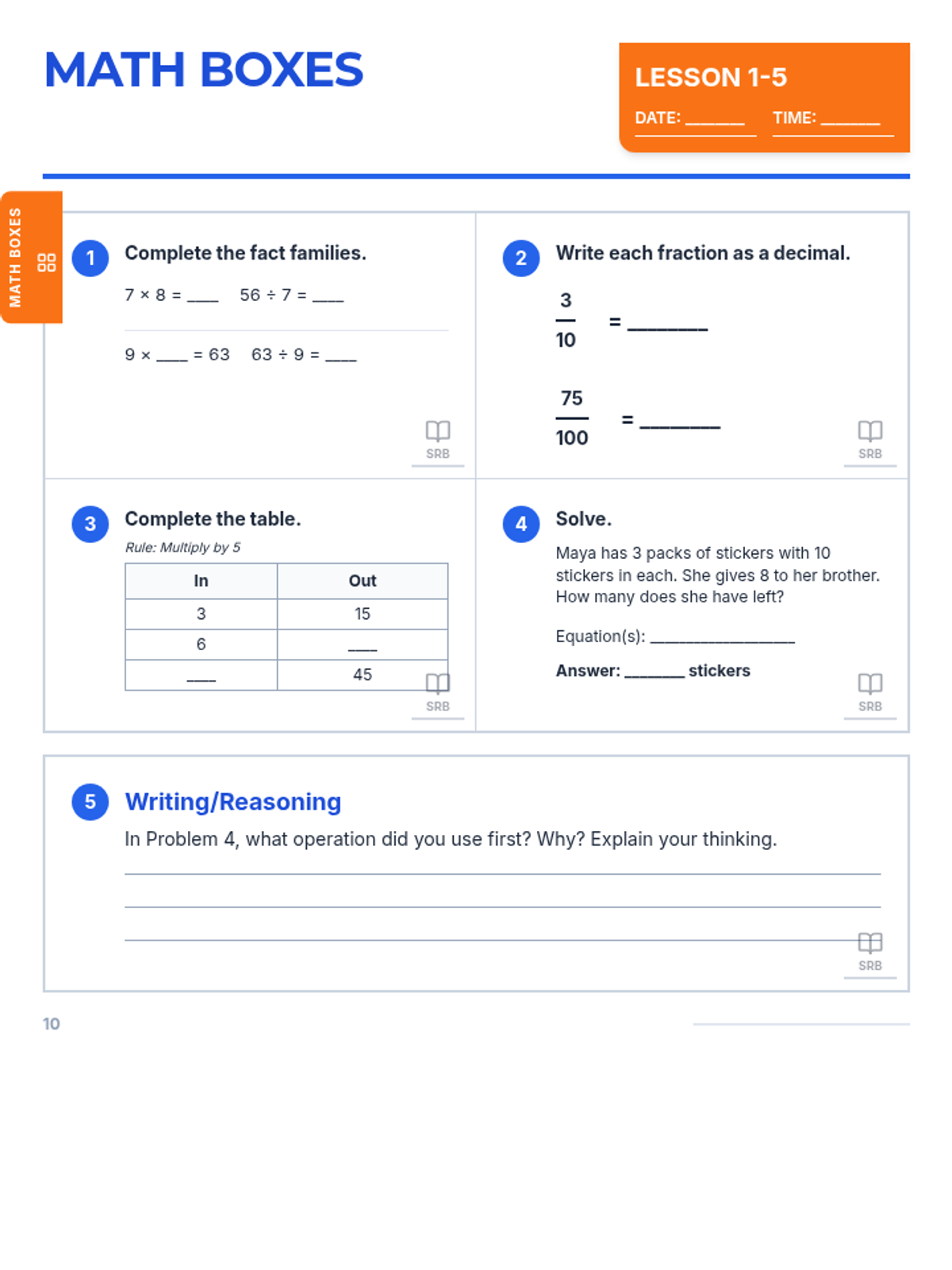
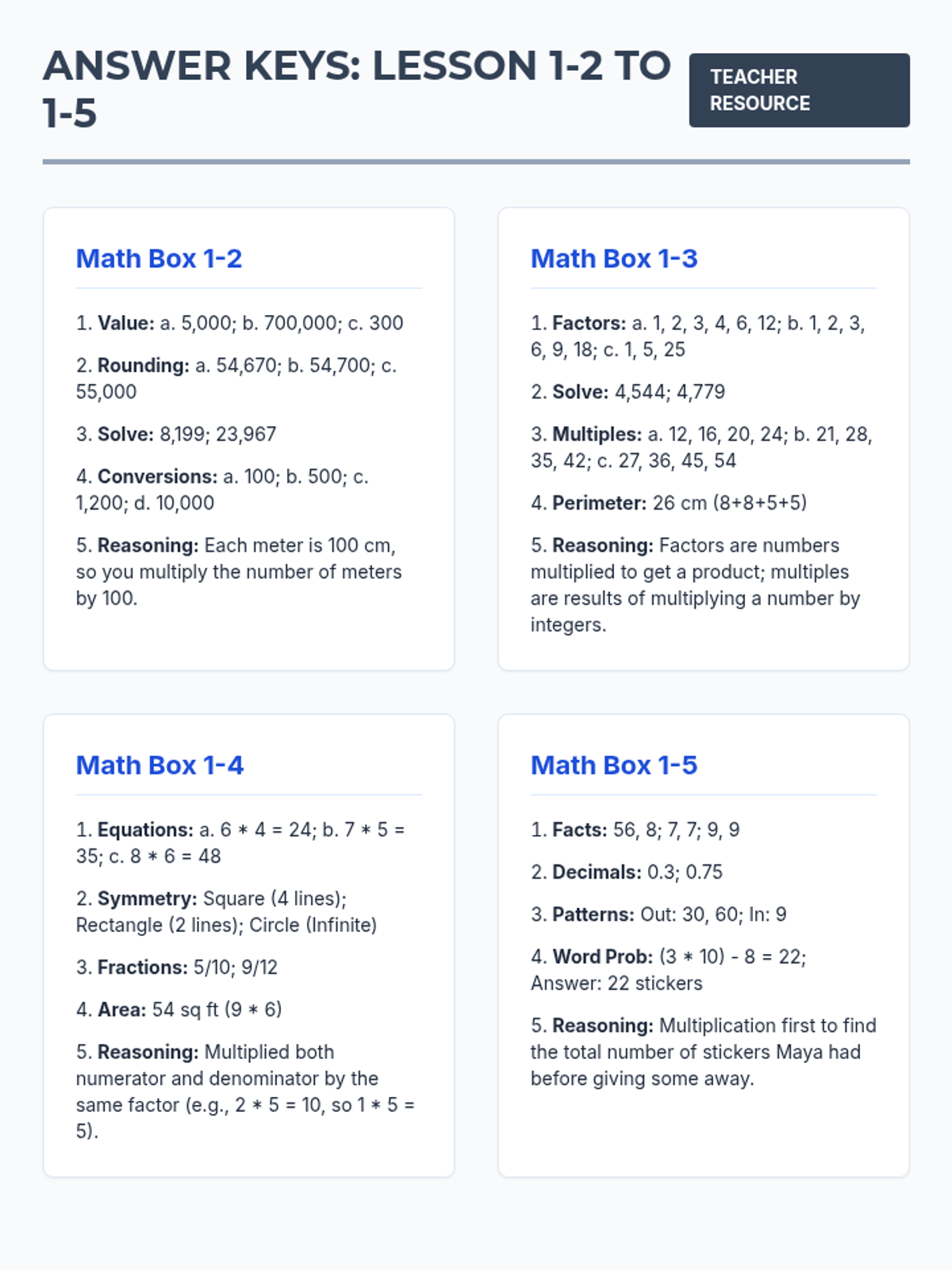
A series of mixed-review math worksheets designed for daily practice or formative assessment, covering key 4th-grade standards.
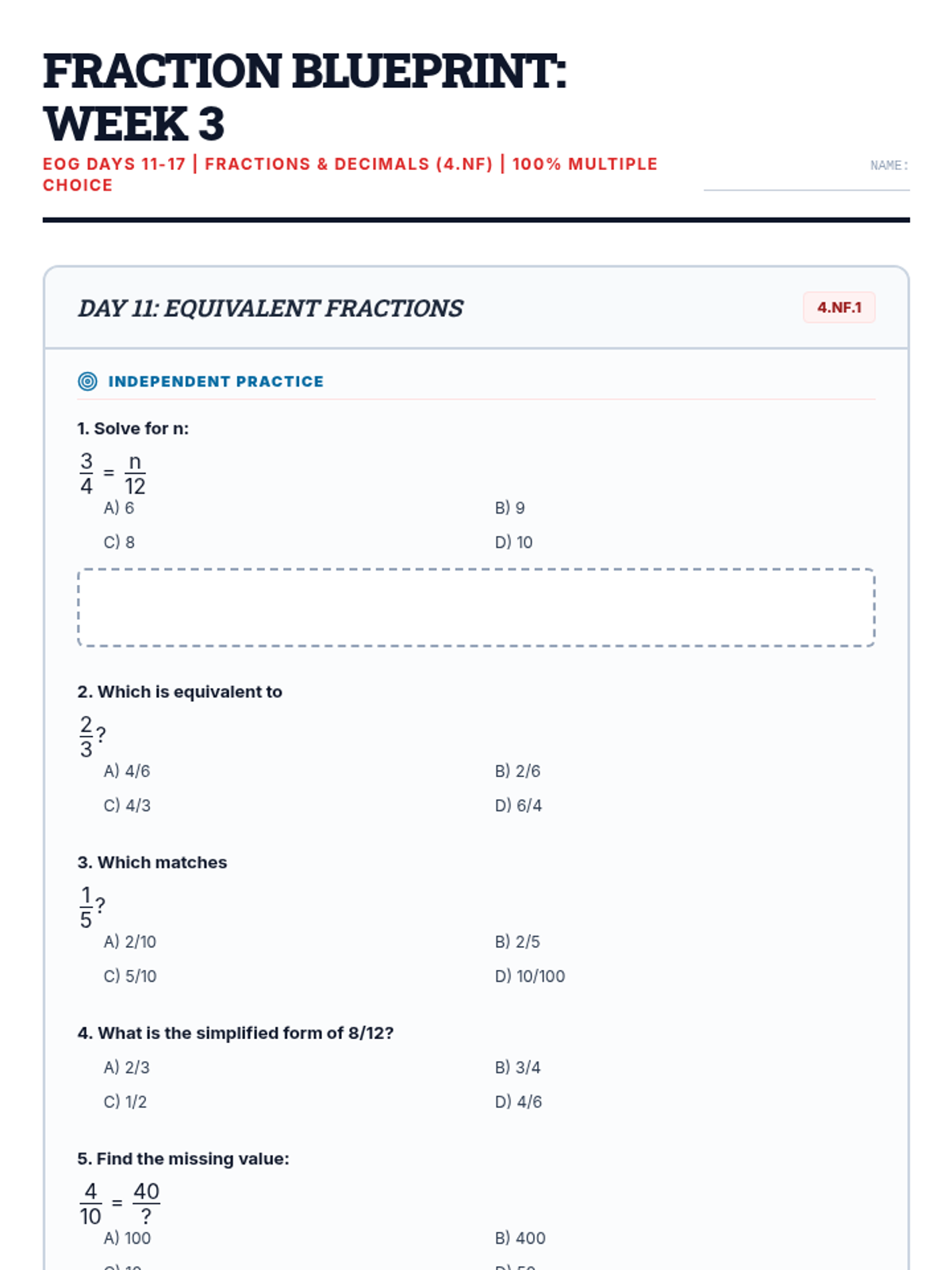
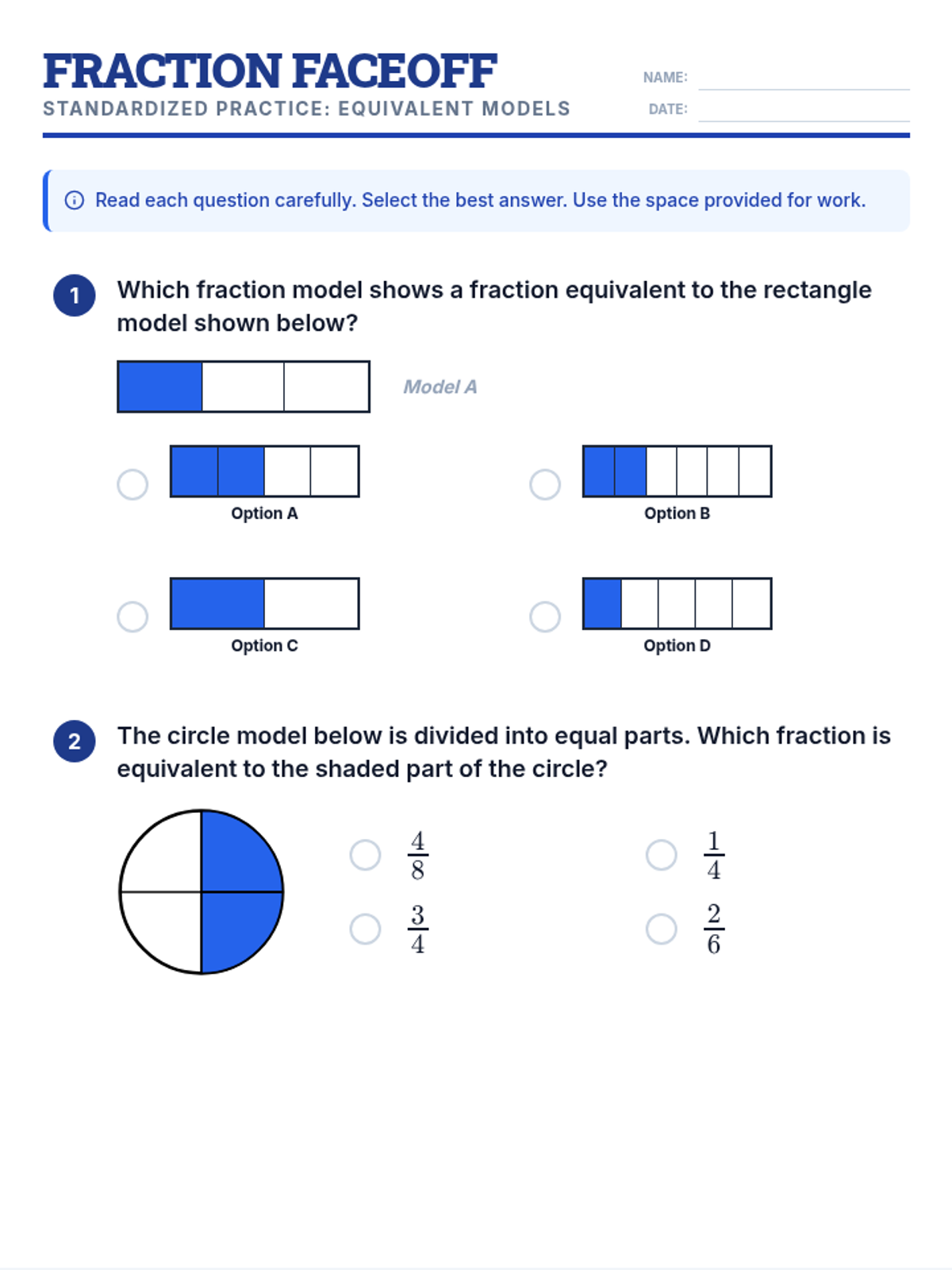
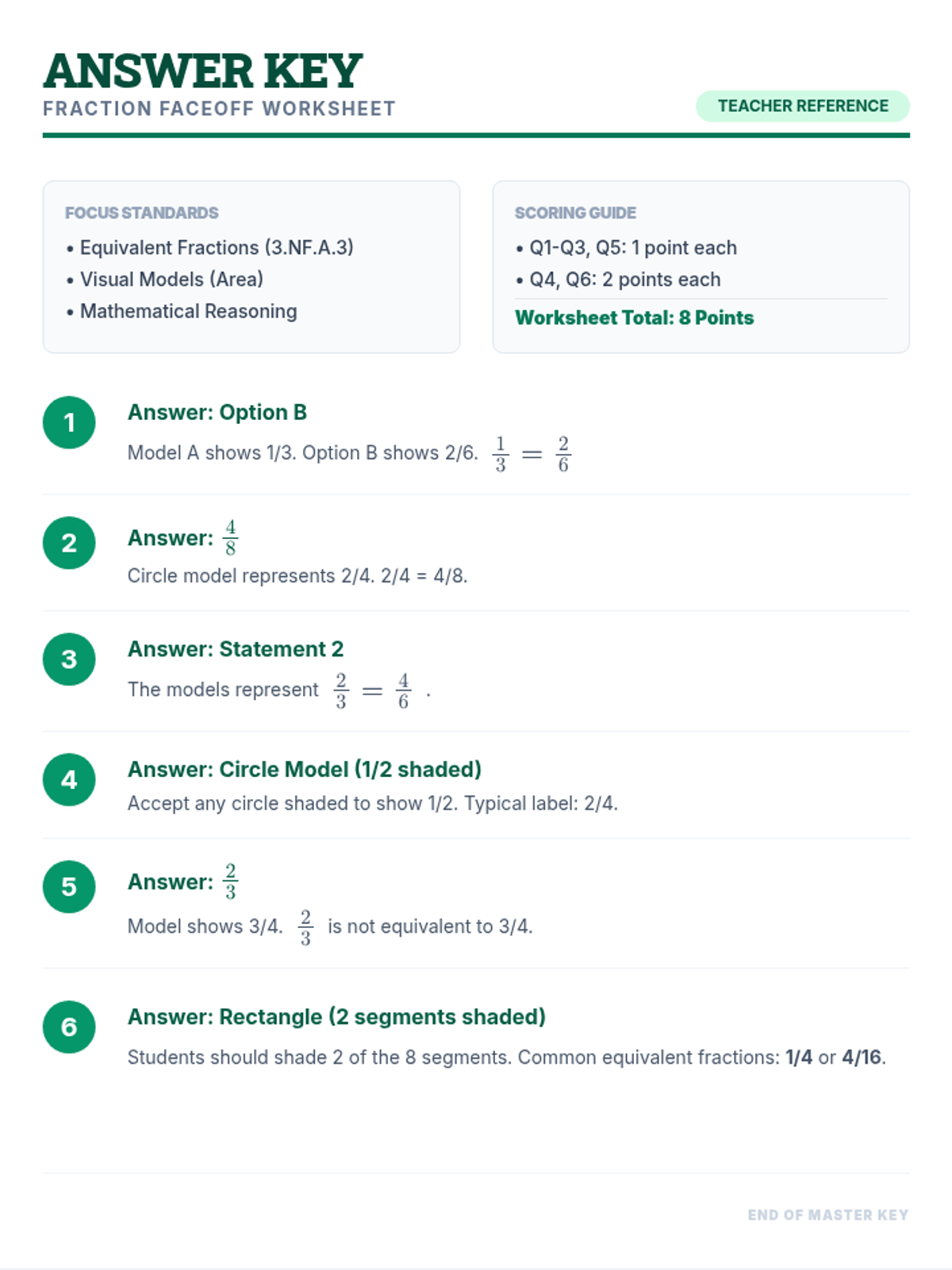
A focused practice session on identifying and creating equivalent fractions using visual area models, designed to mimic standardized testing formats.
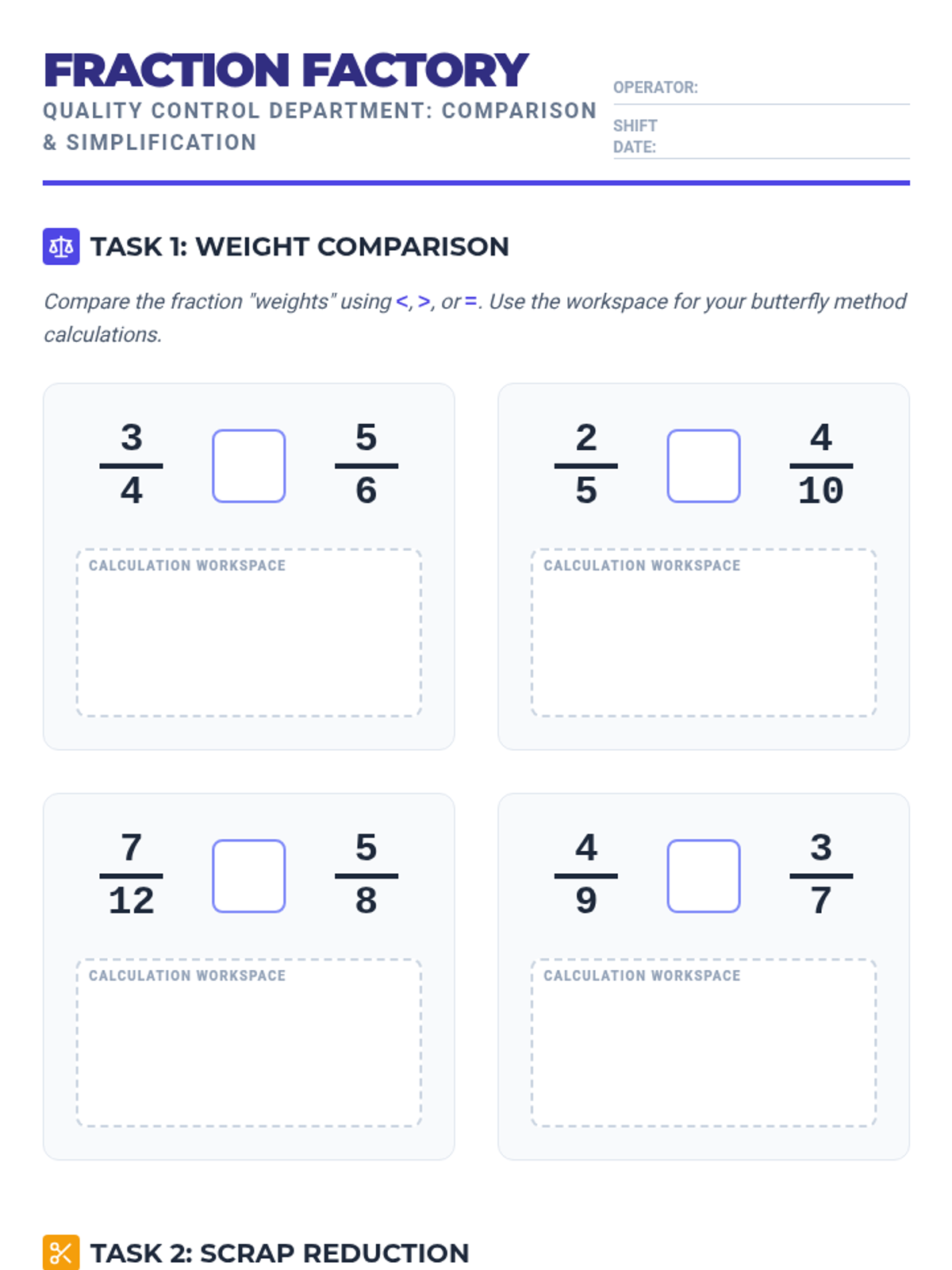
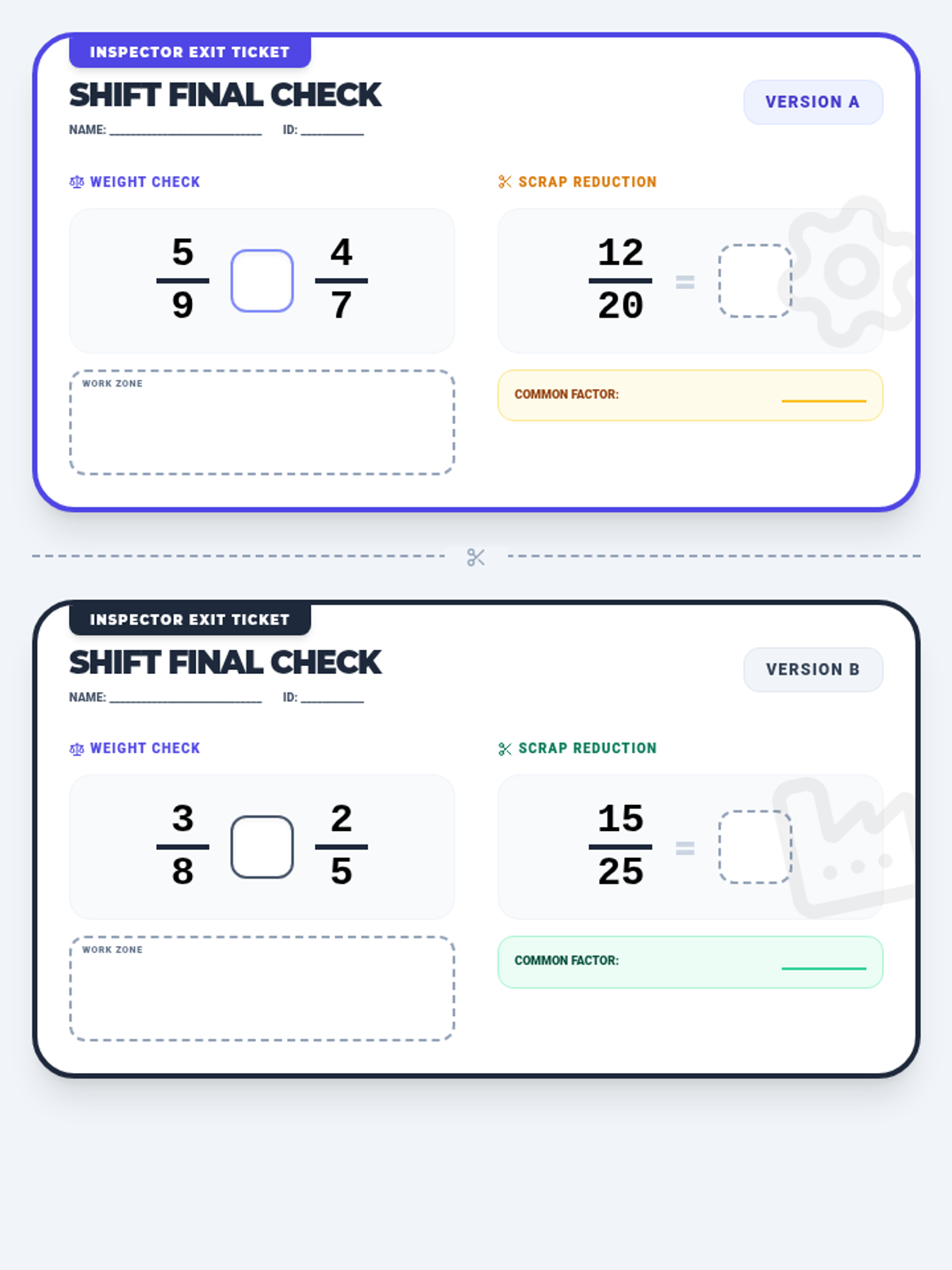
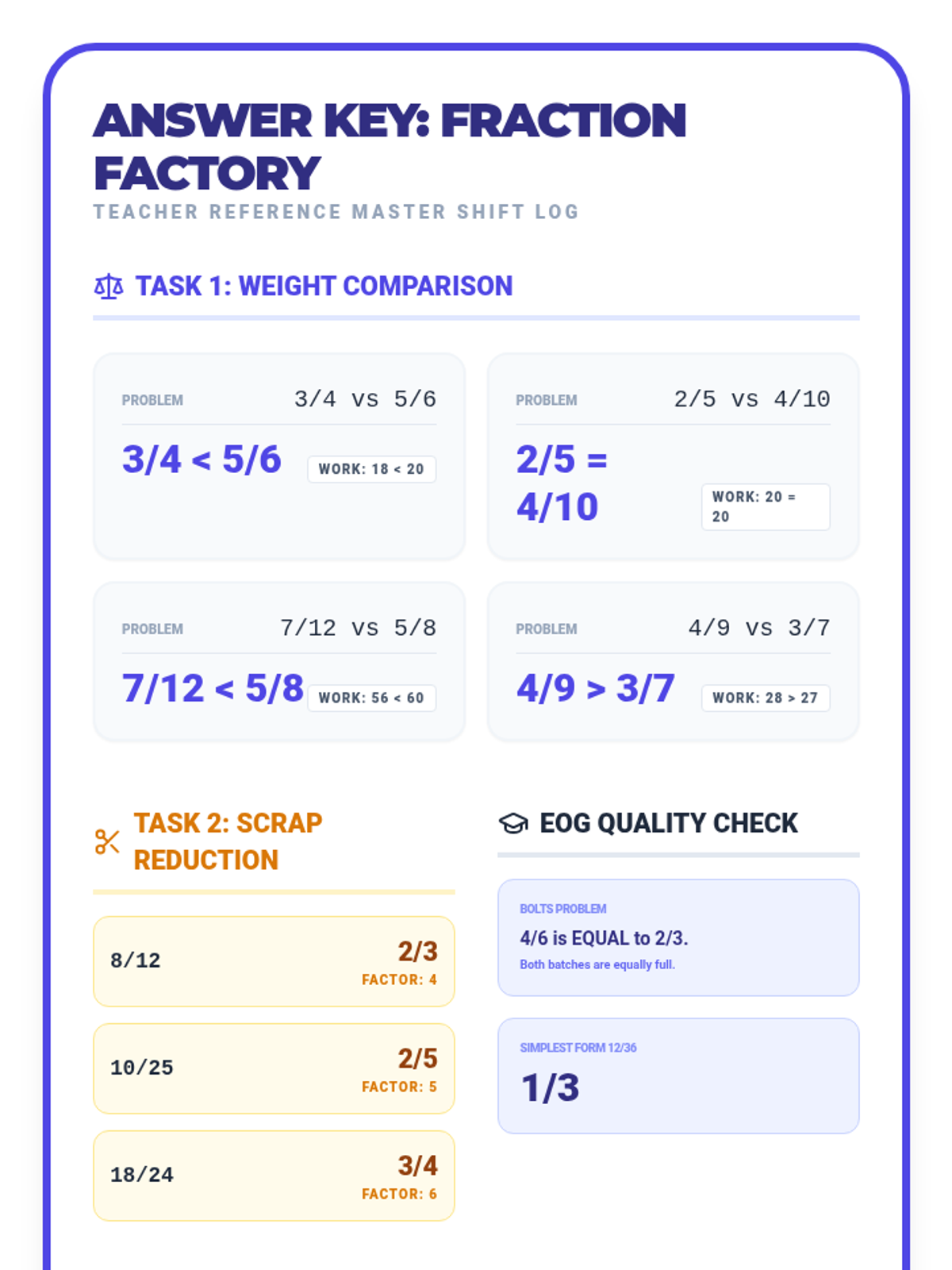
This lesson covers the fundamentals of comparing fractions with like and unlike denominators and the basics of simplifying fractions using common factors.
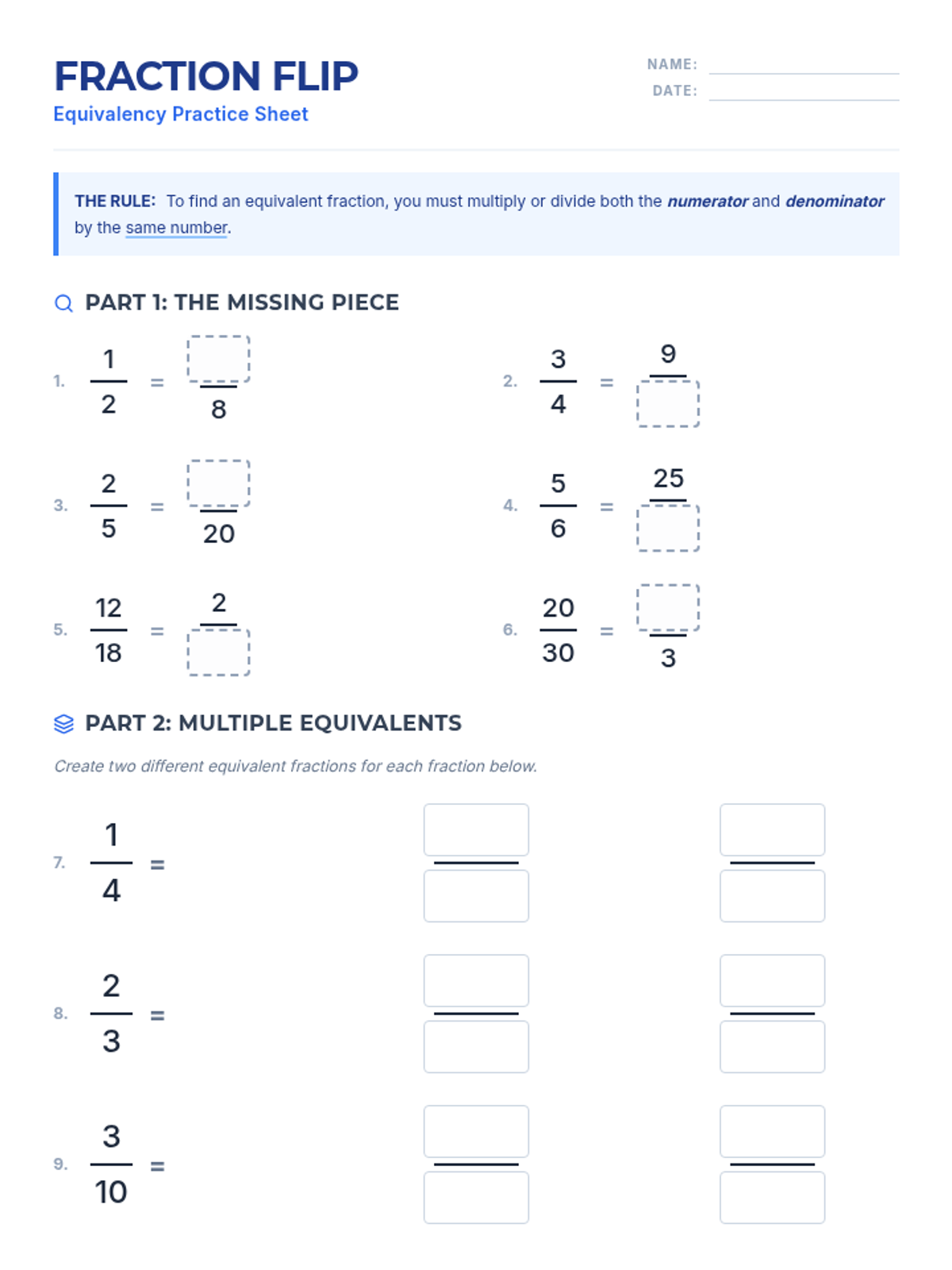
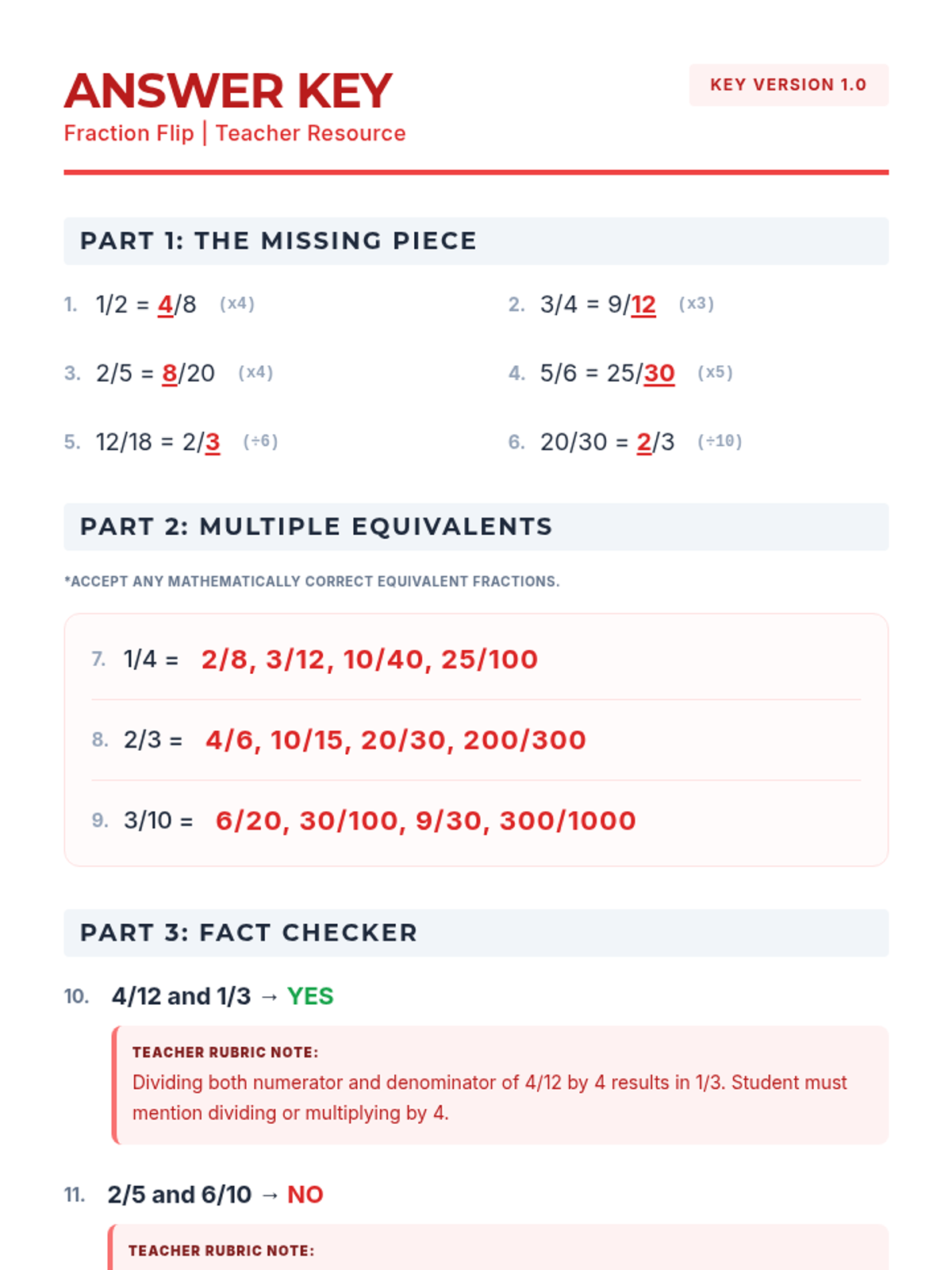
A practice-focused lesson on identifying and creating equivalent fractions using multiplication and division strategies without visual aids.
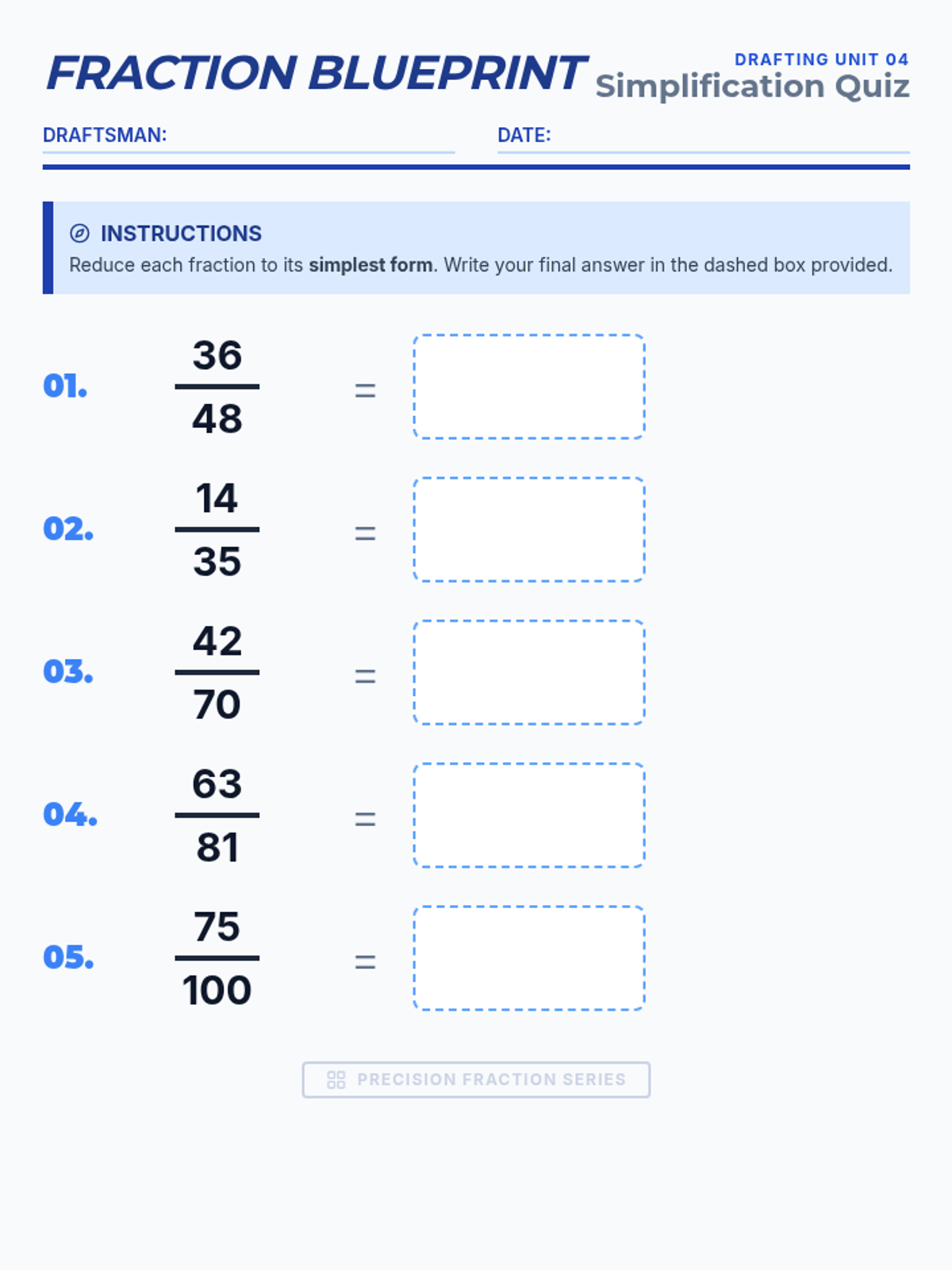
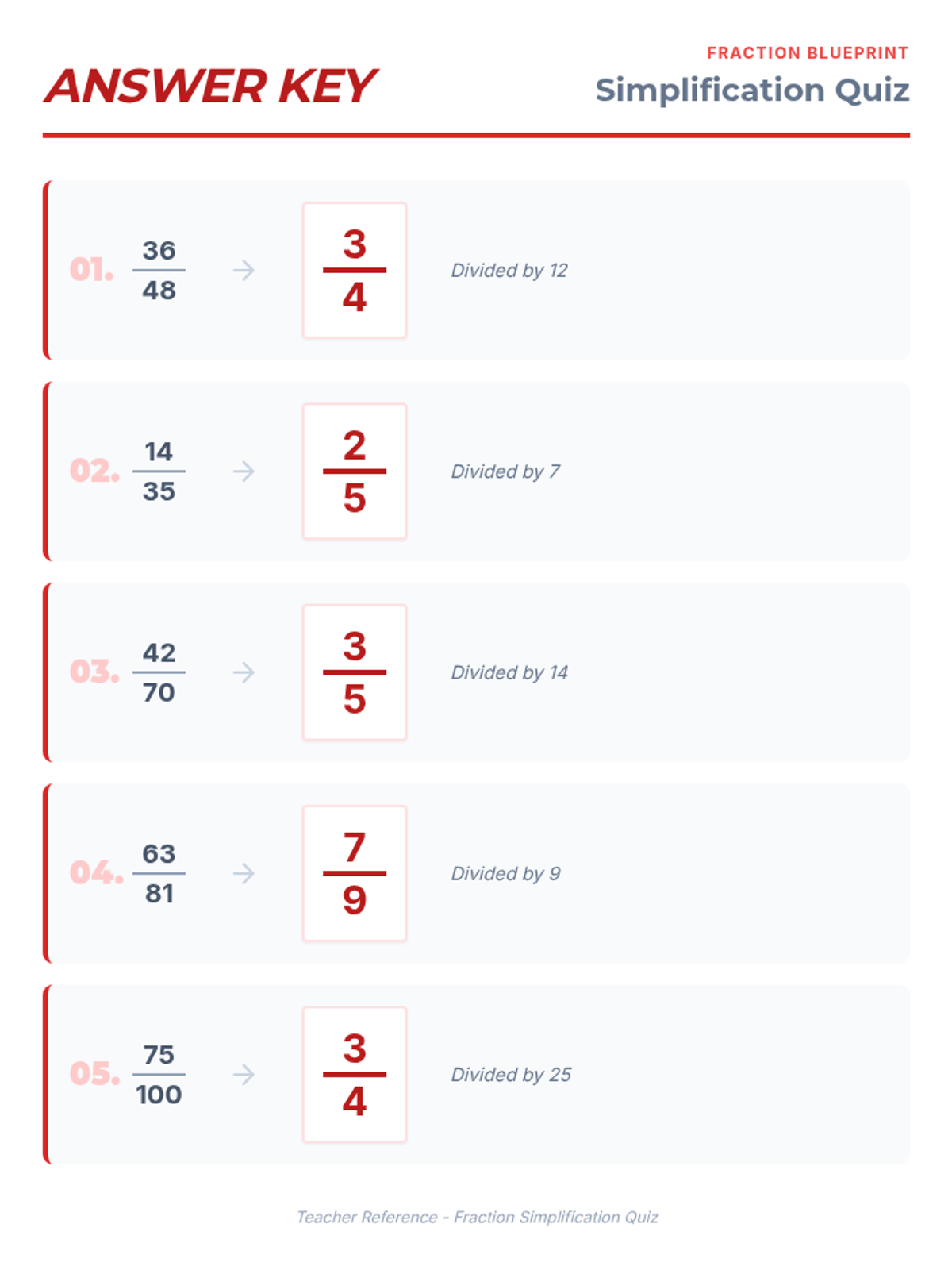
A quick assessment focusing on simplifying fractions with numerators and denominators up to 100 into their simplest form.
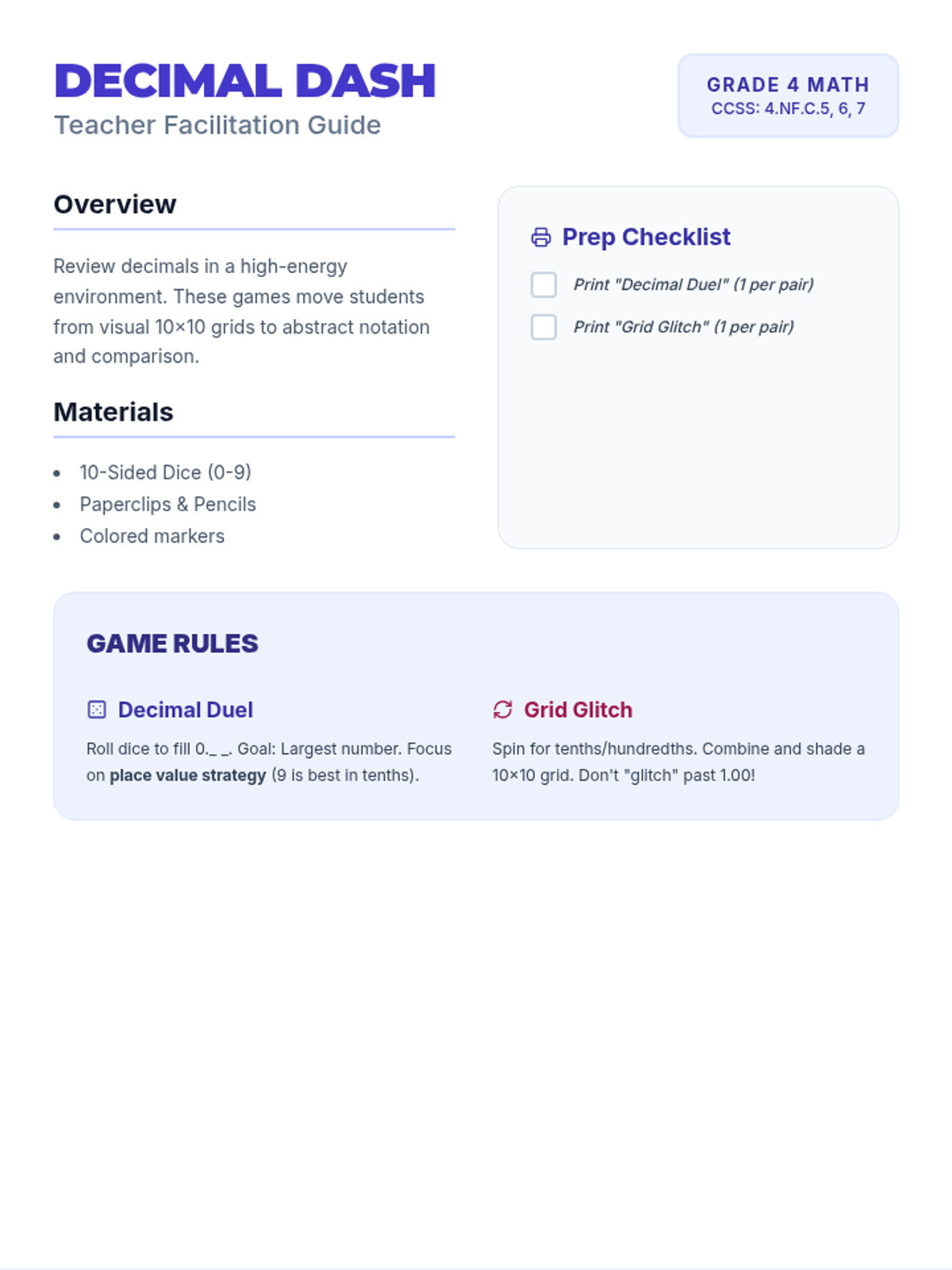
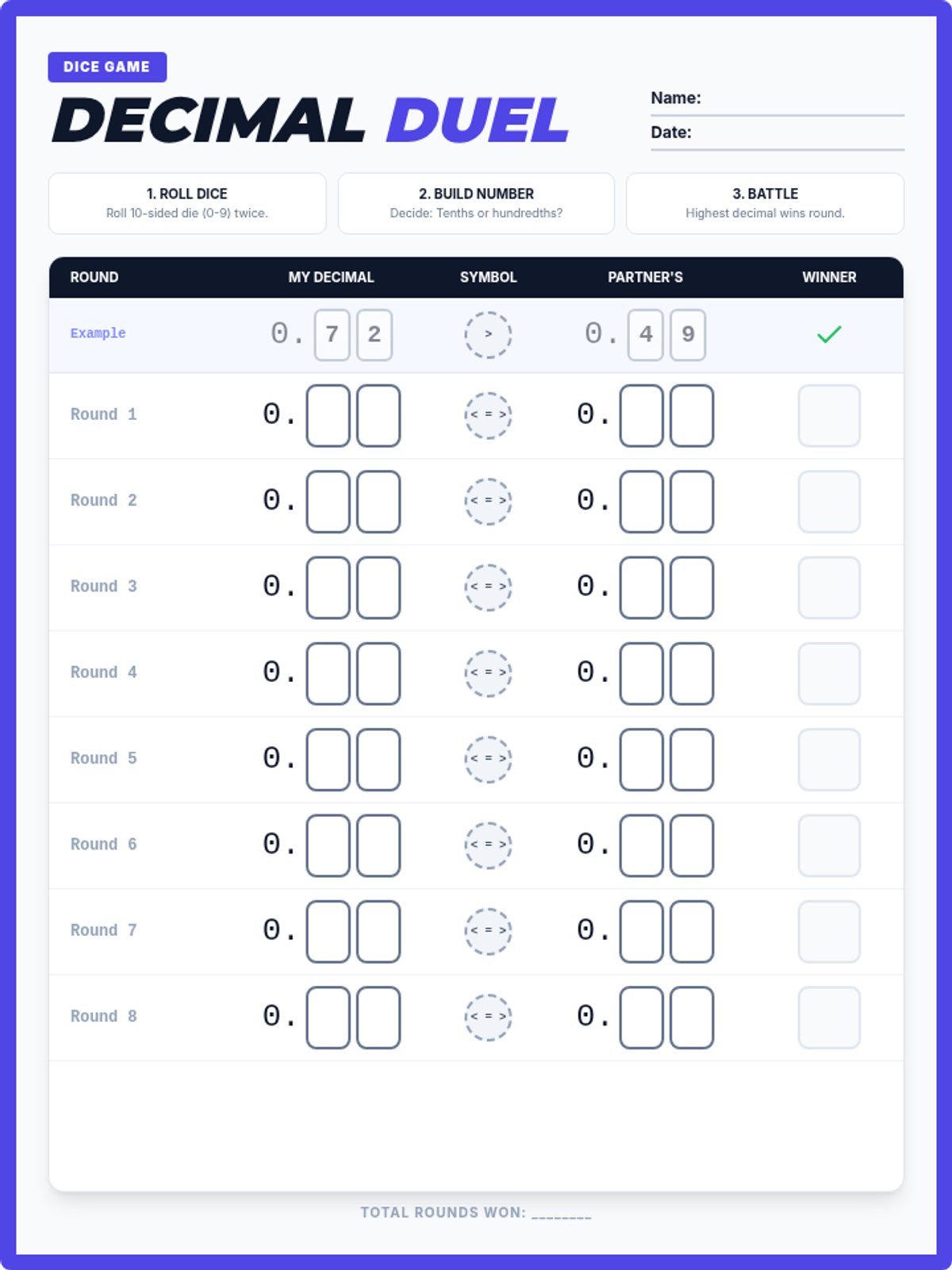
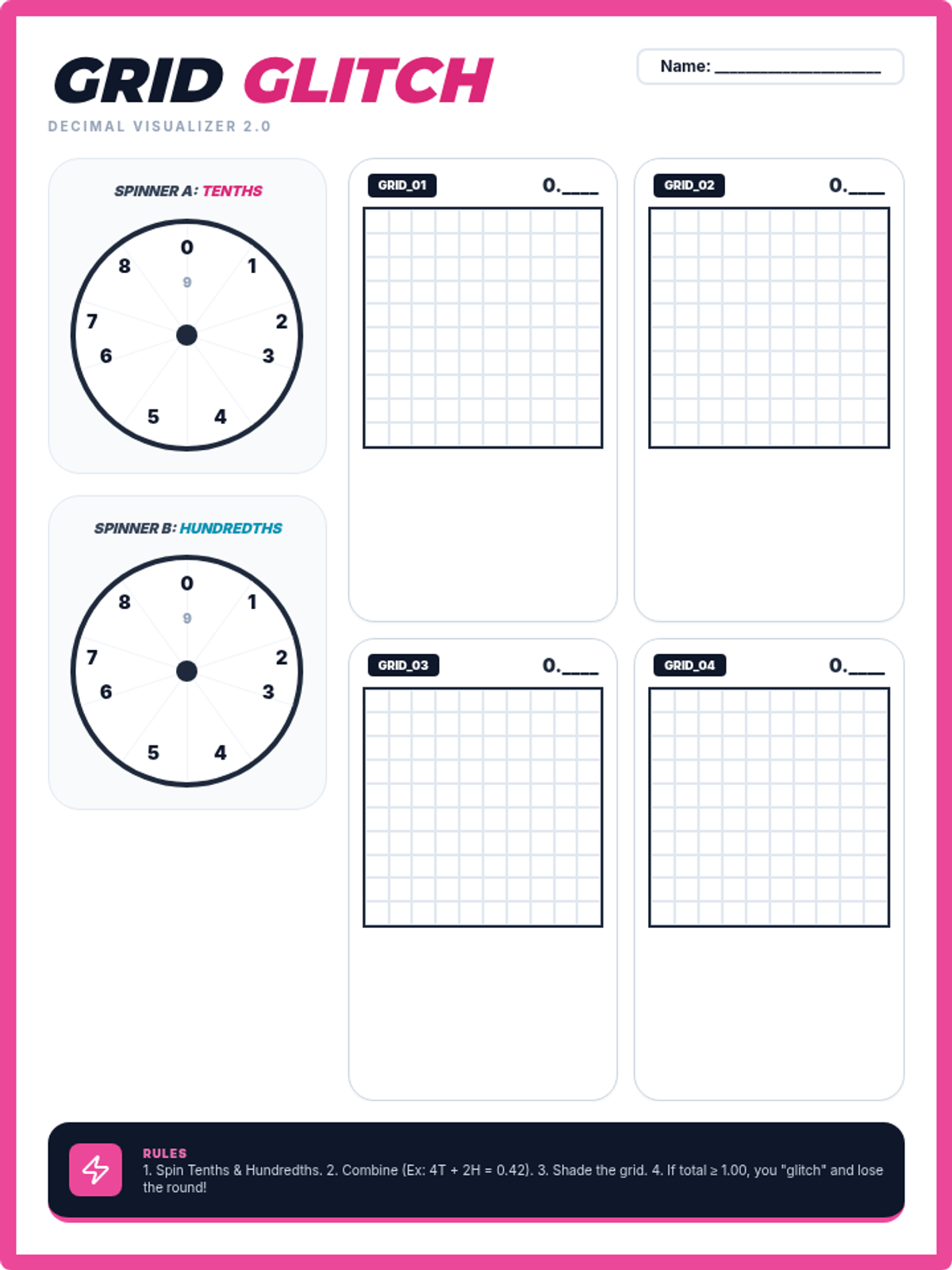
A collection of high-energy 4th-grade math games focused on decimal place value, comparison, and equivalent fractions. These games utilize 10-sided dice and spinners to make reviewing tenths and hundredths engaging and hands-on.
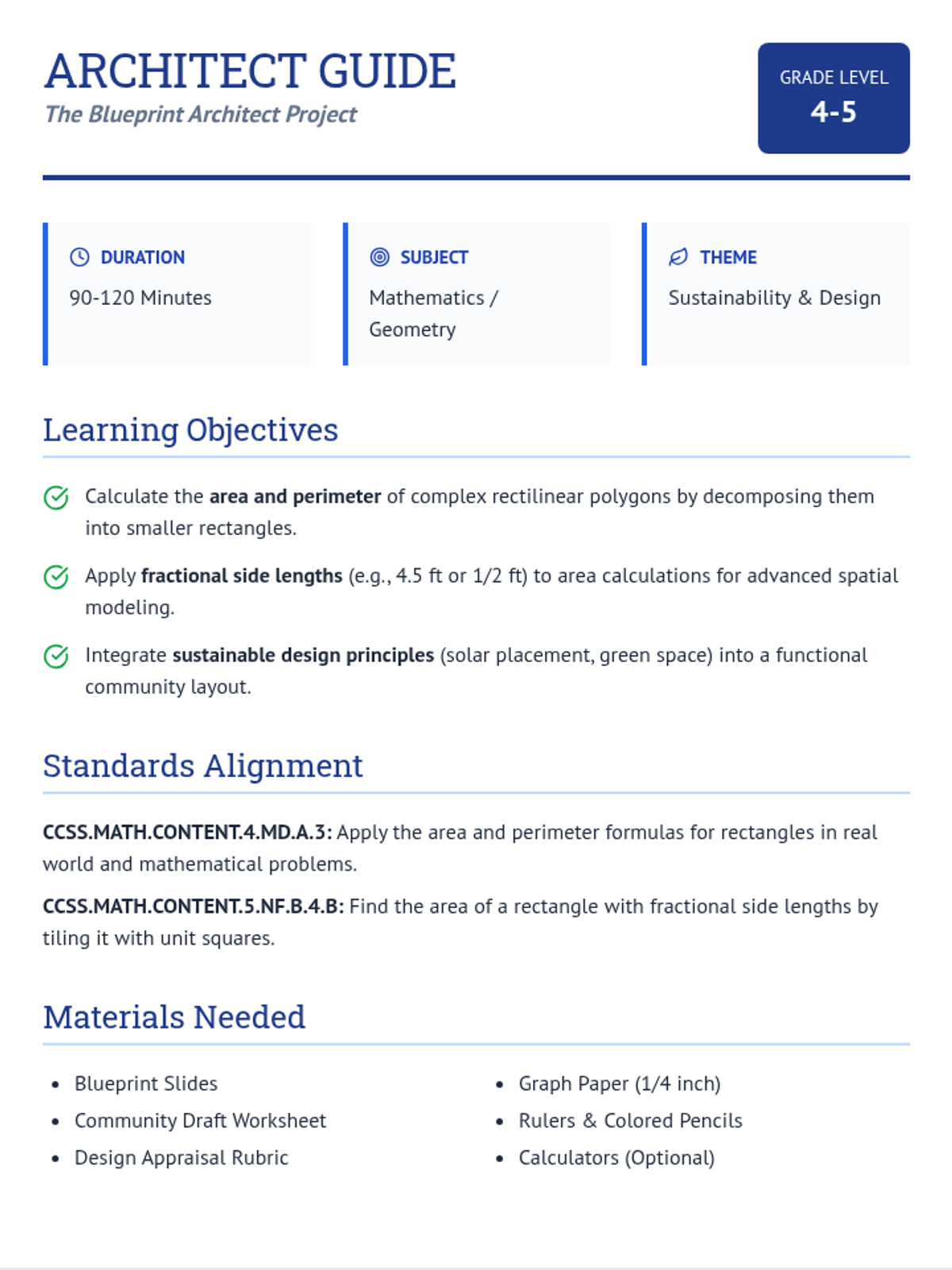
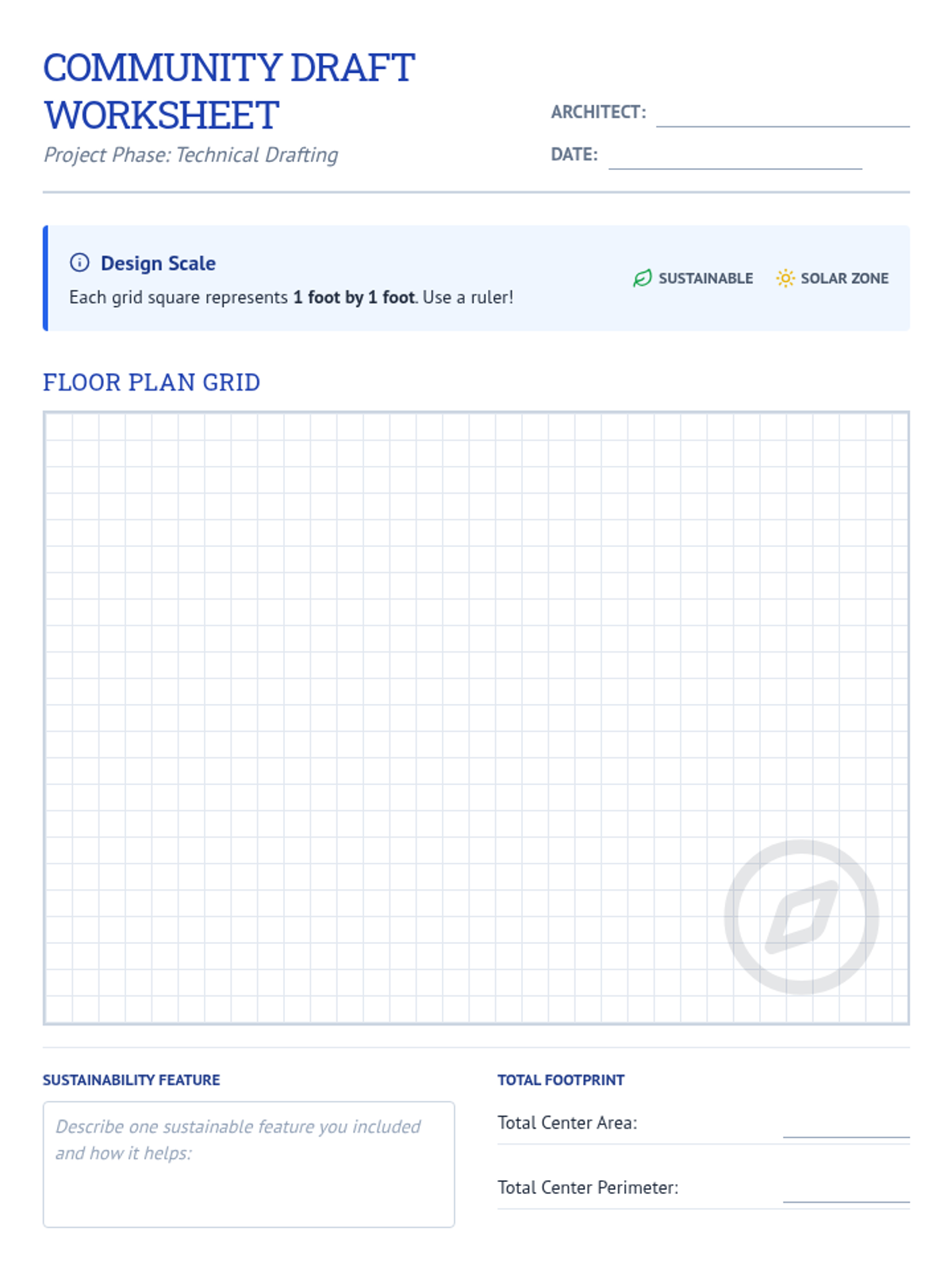
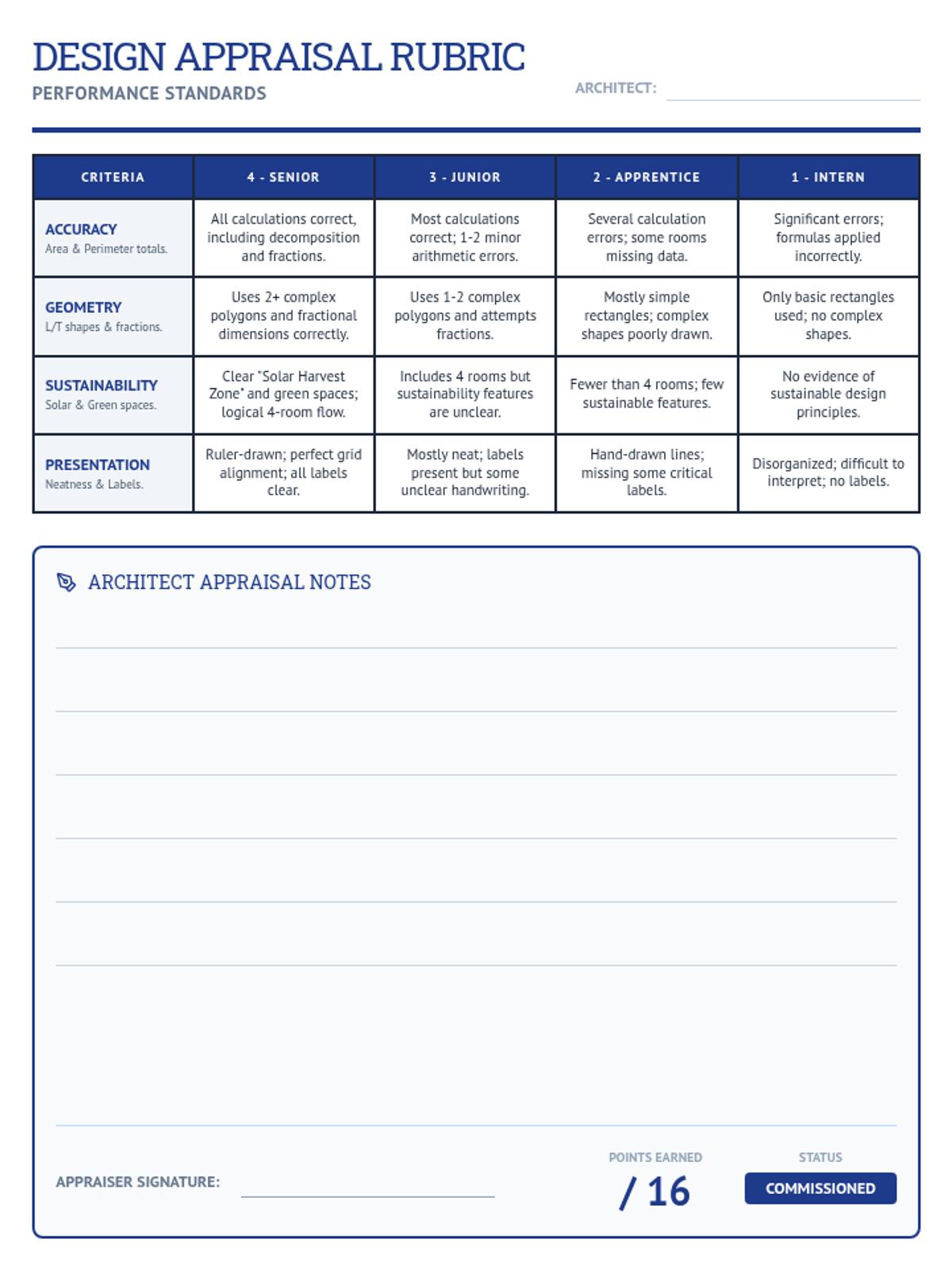
A project-based lesson where students design a sustainable community center, applying area and perimeter calculations to complex polygonal floor plans with fractional dimensions.
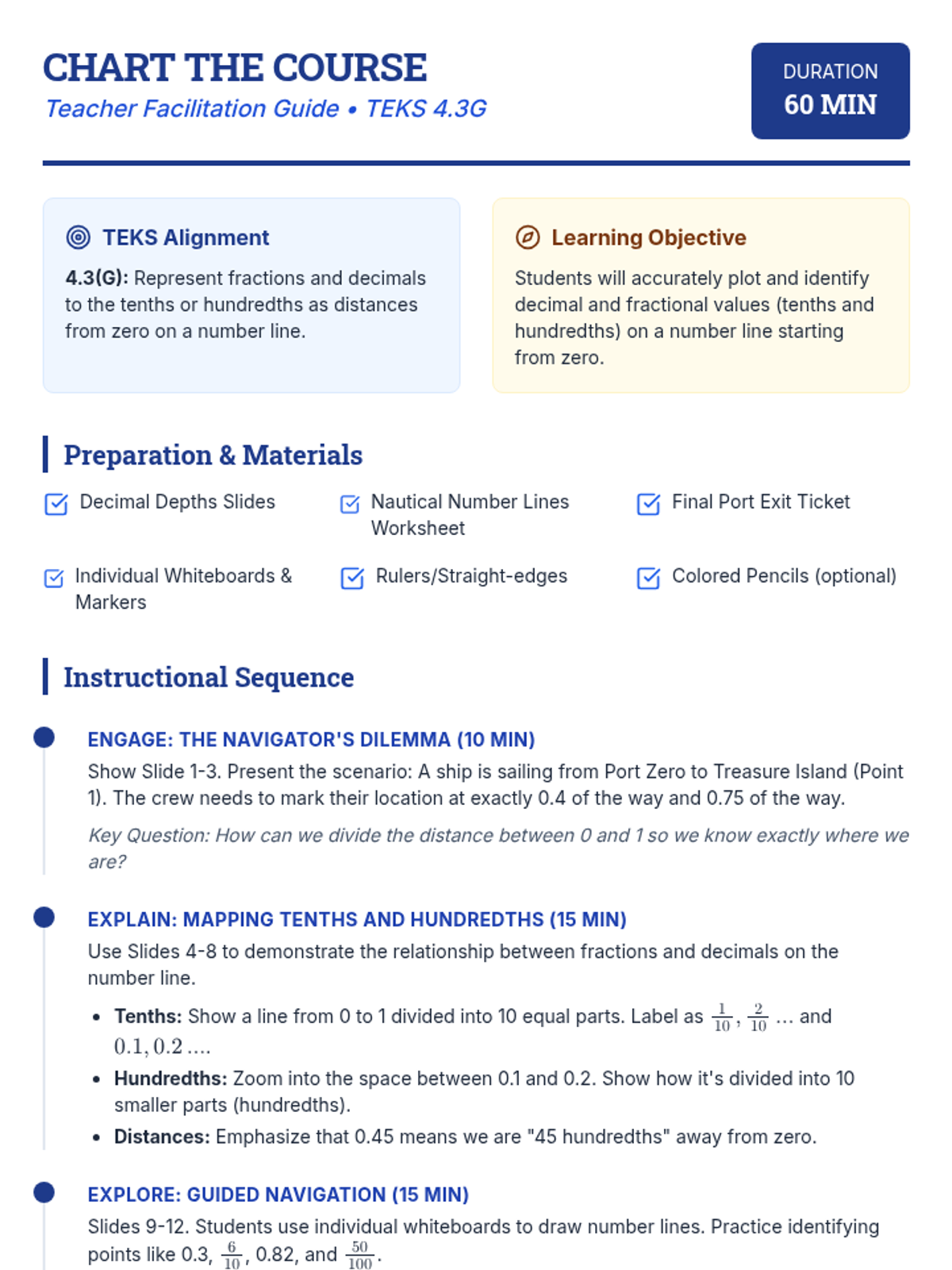
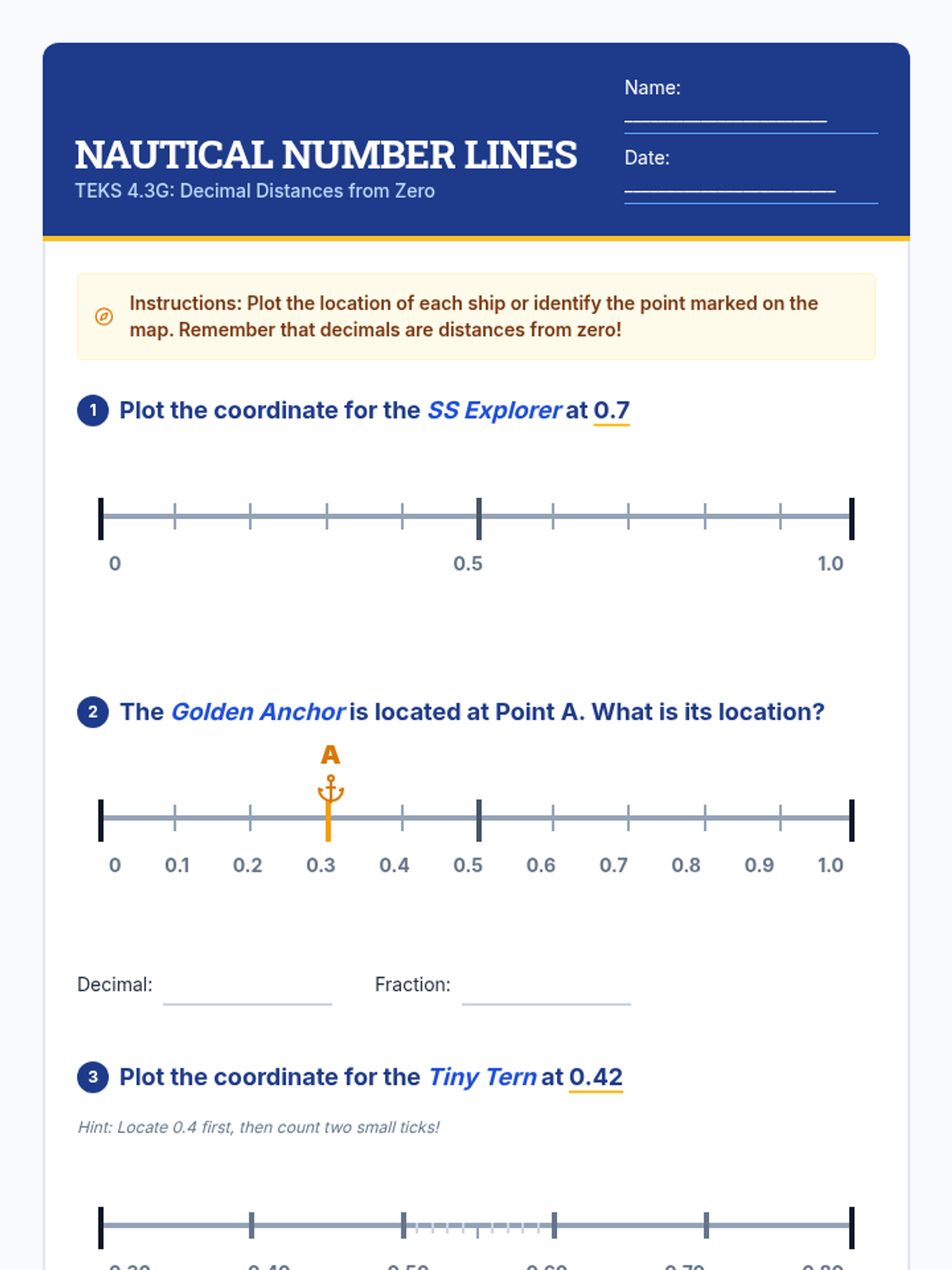
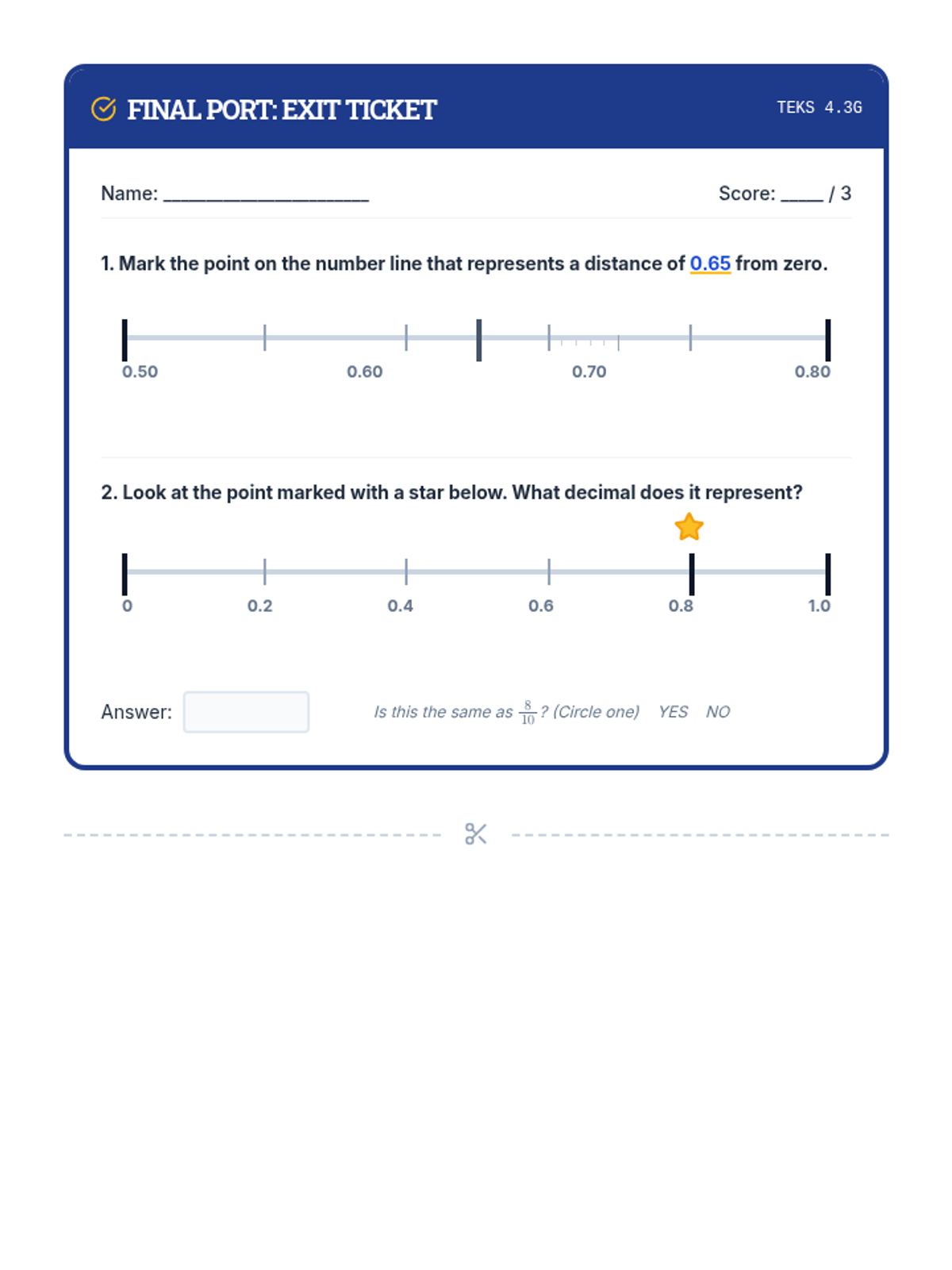
A comprehensive math lesson focused on TEKS 4.3G, helping students represent and locate fractions and decimals on a number line using a nautical navigation theme.
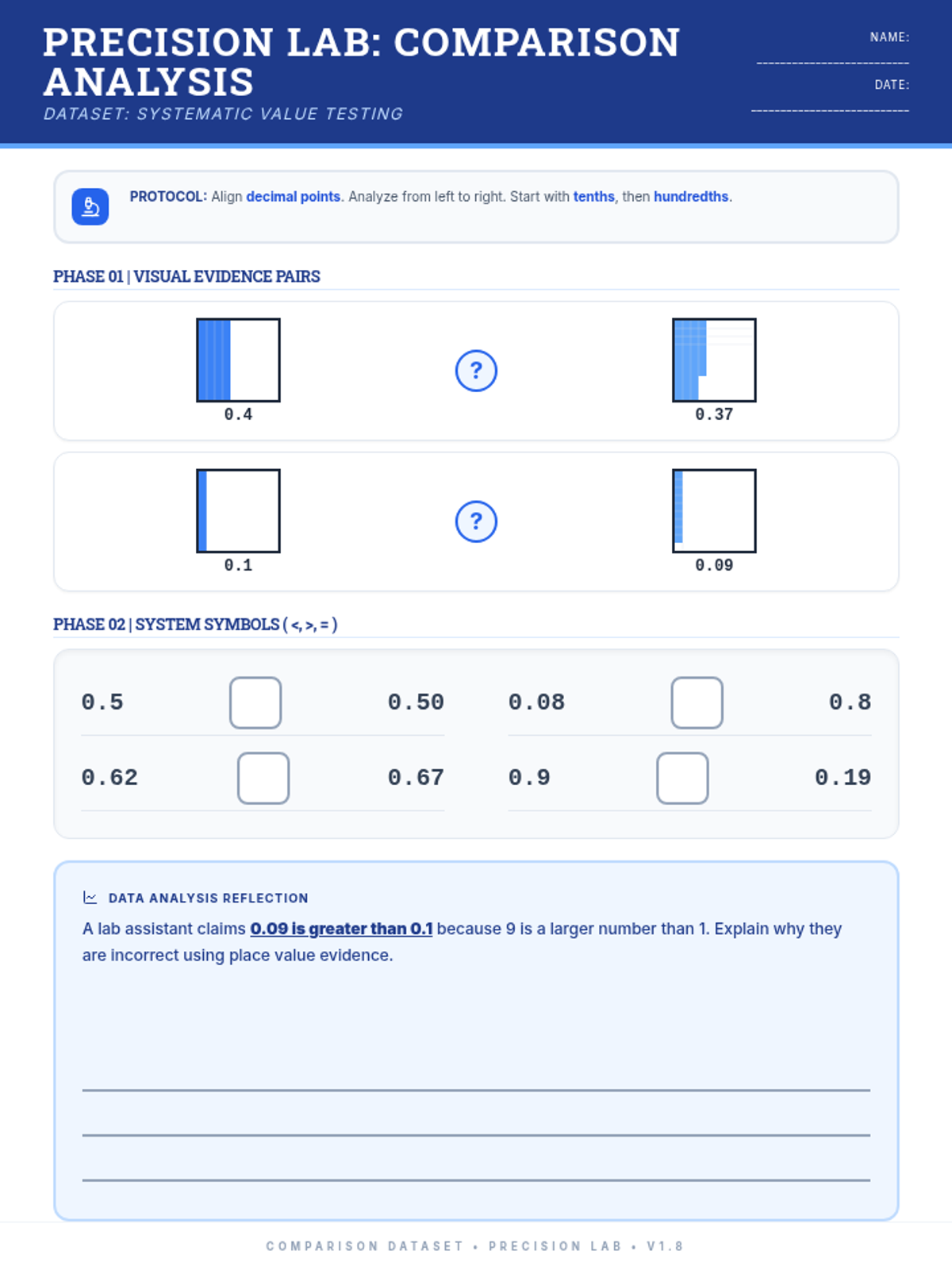
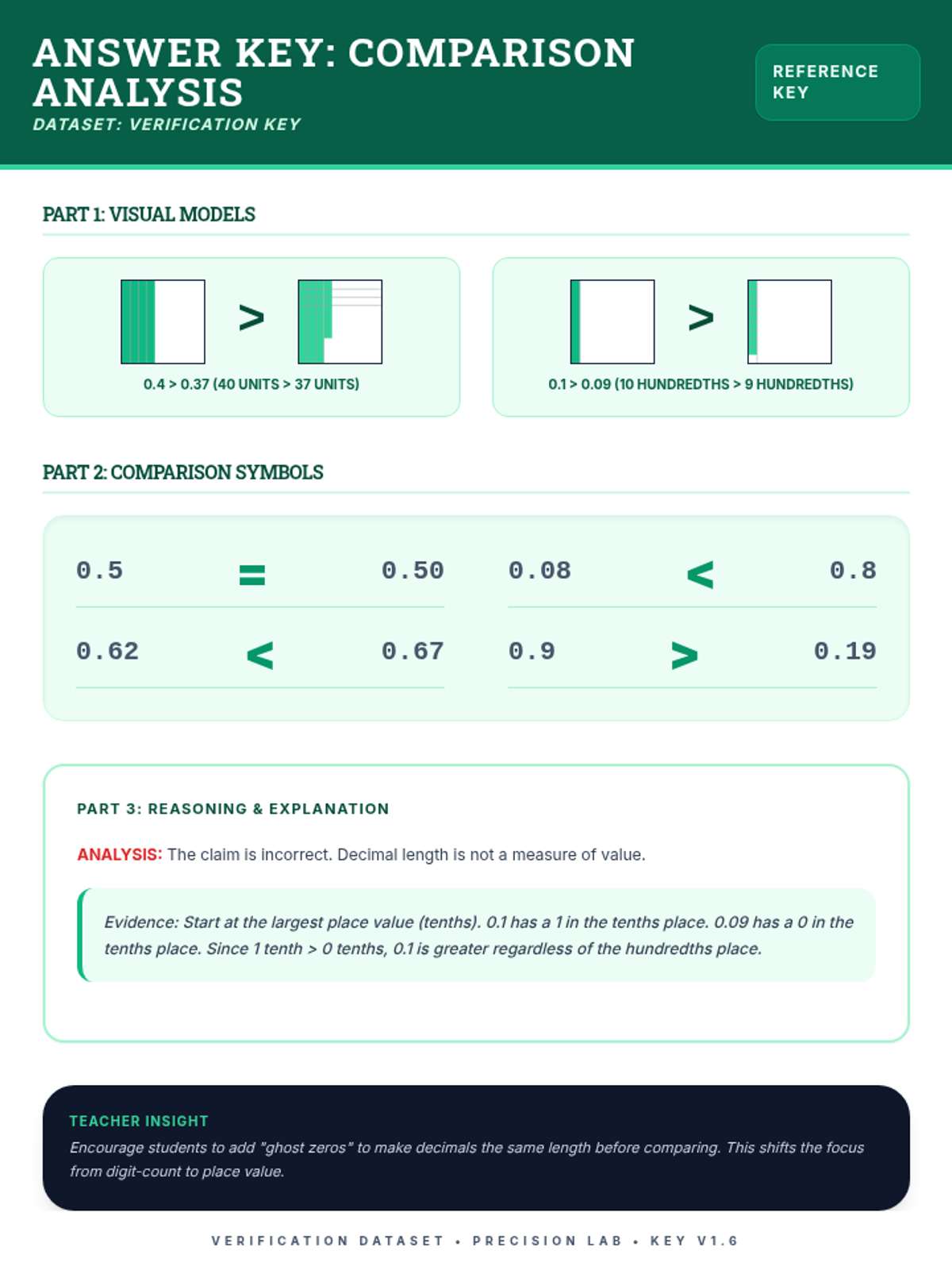
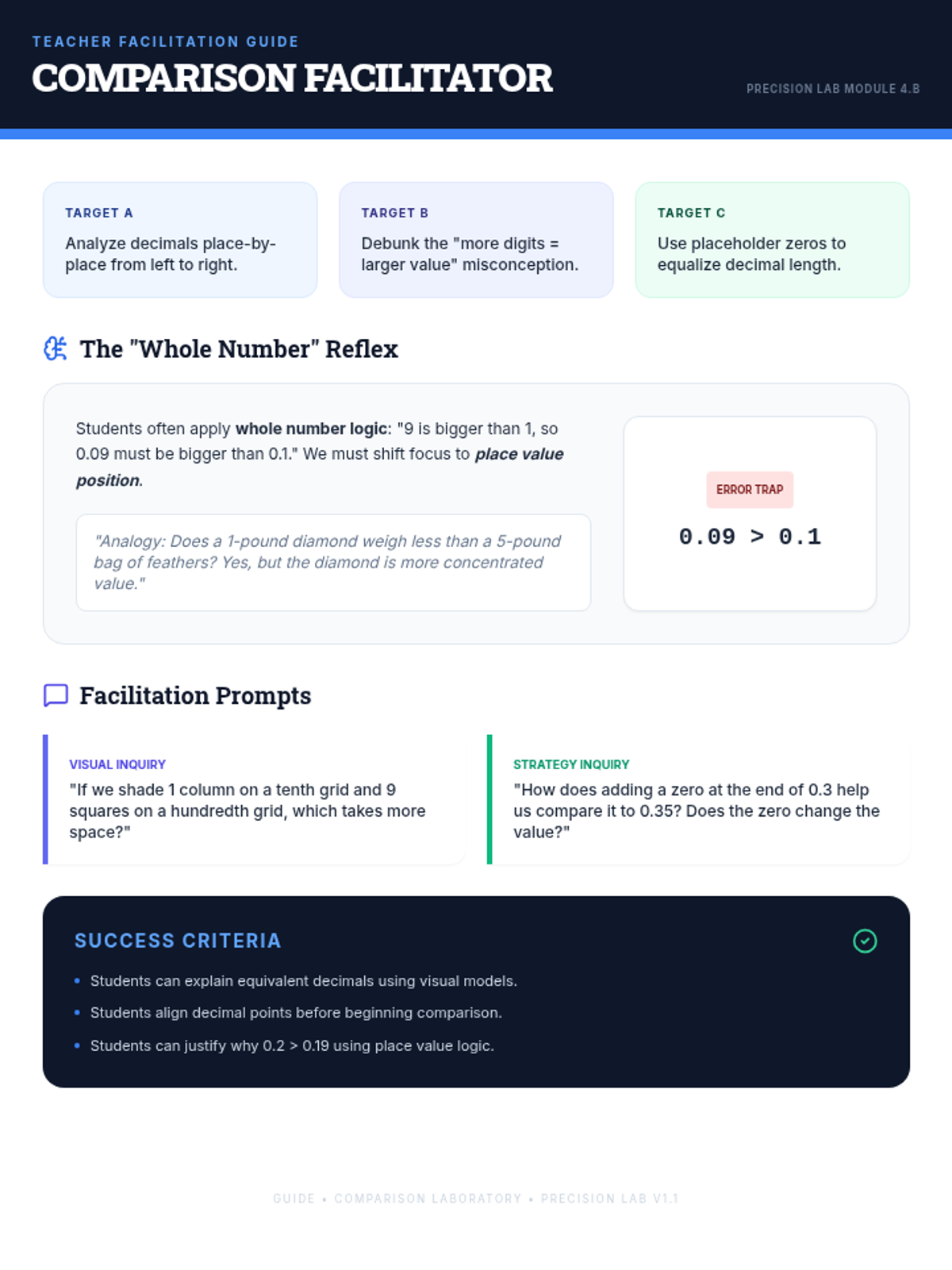
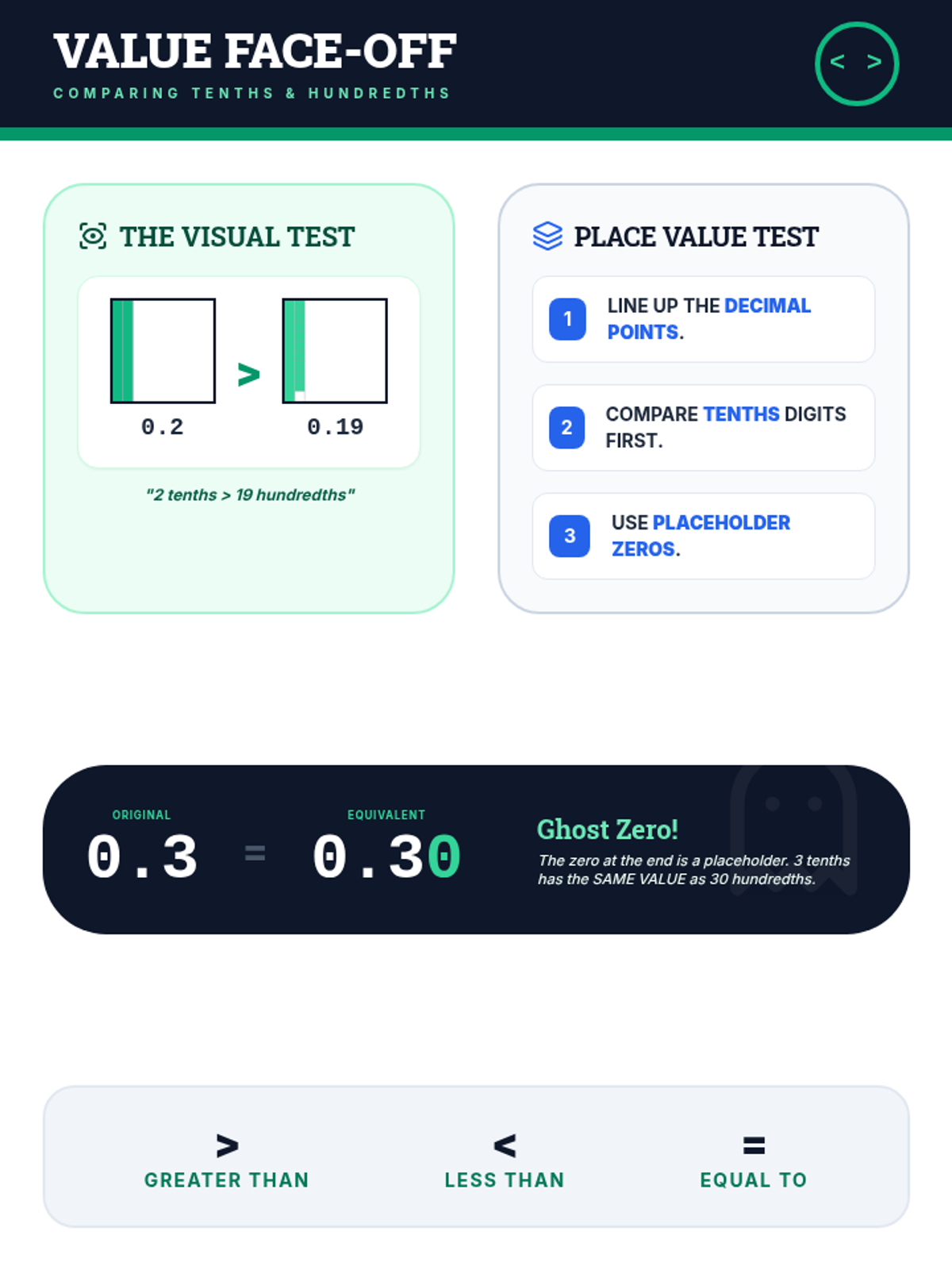
An advanced laboratory module focusing on the systematic comparison of decimals using visual models, place value analysis, and standard symbols.
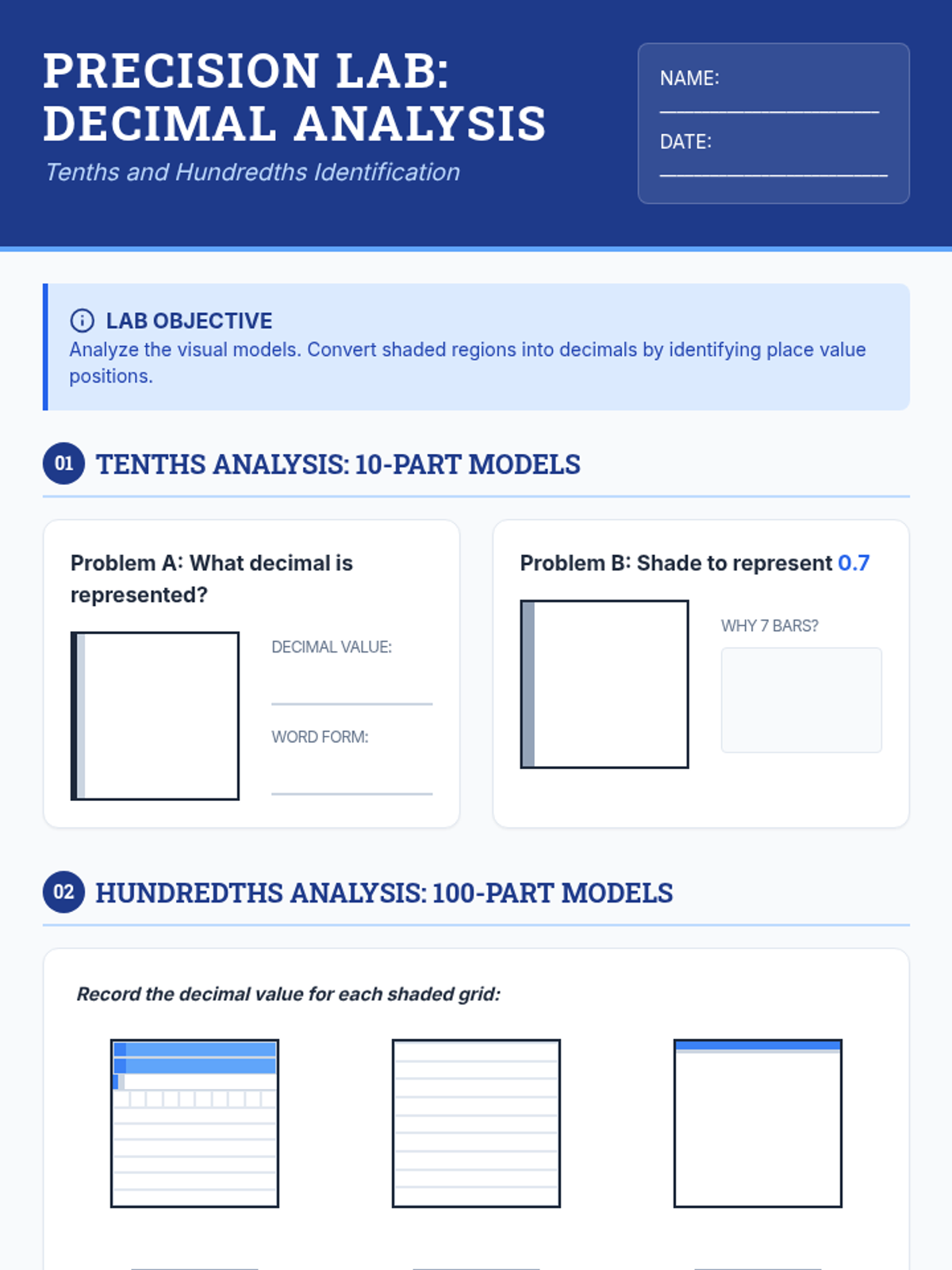
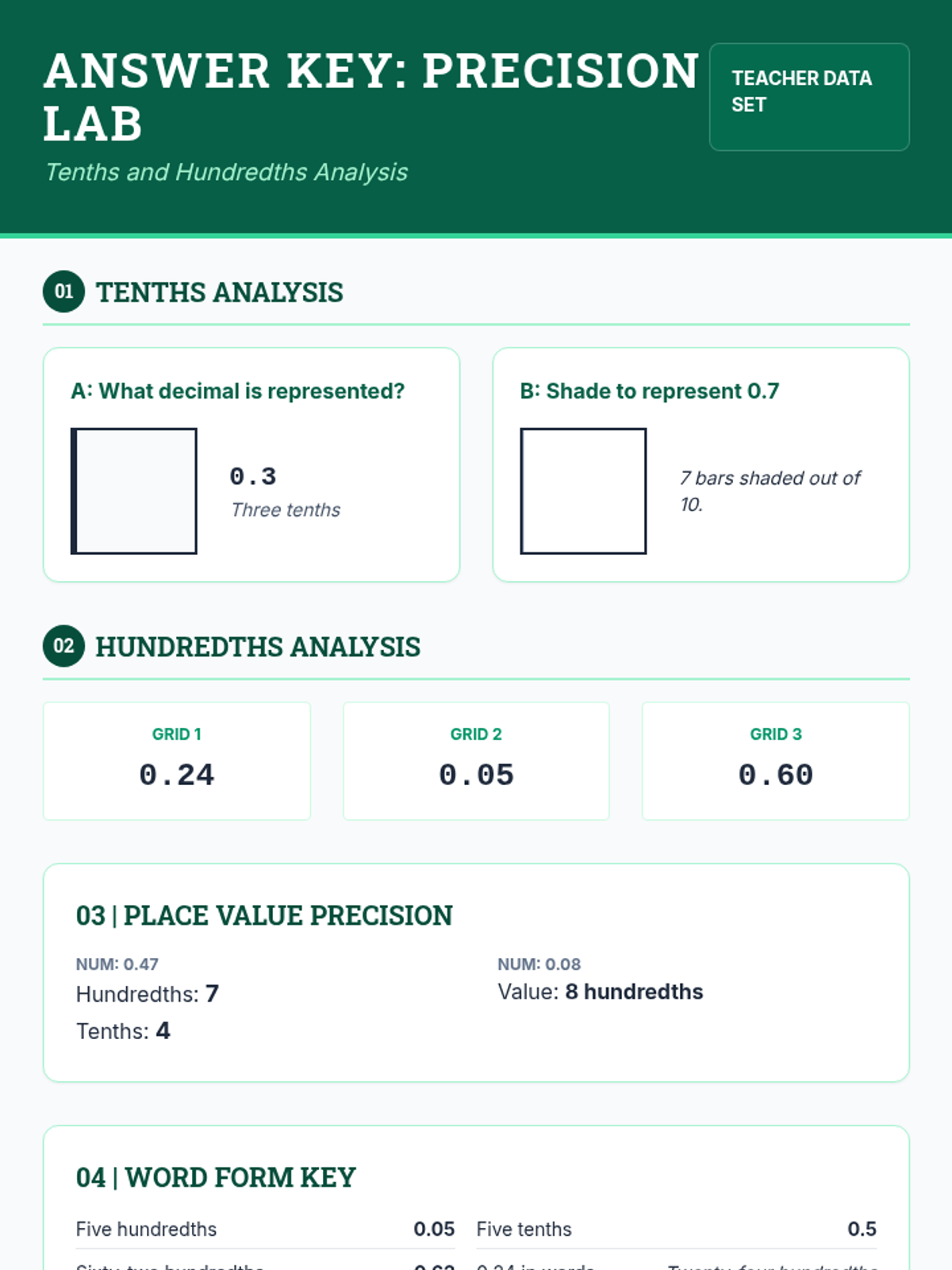
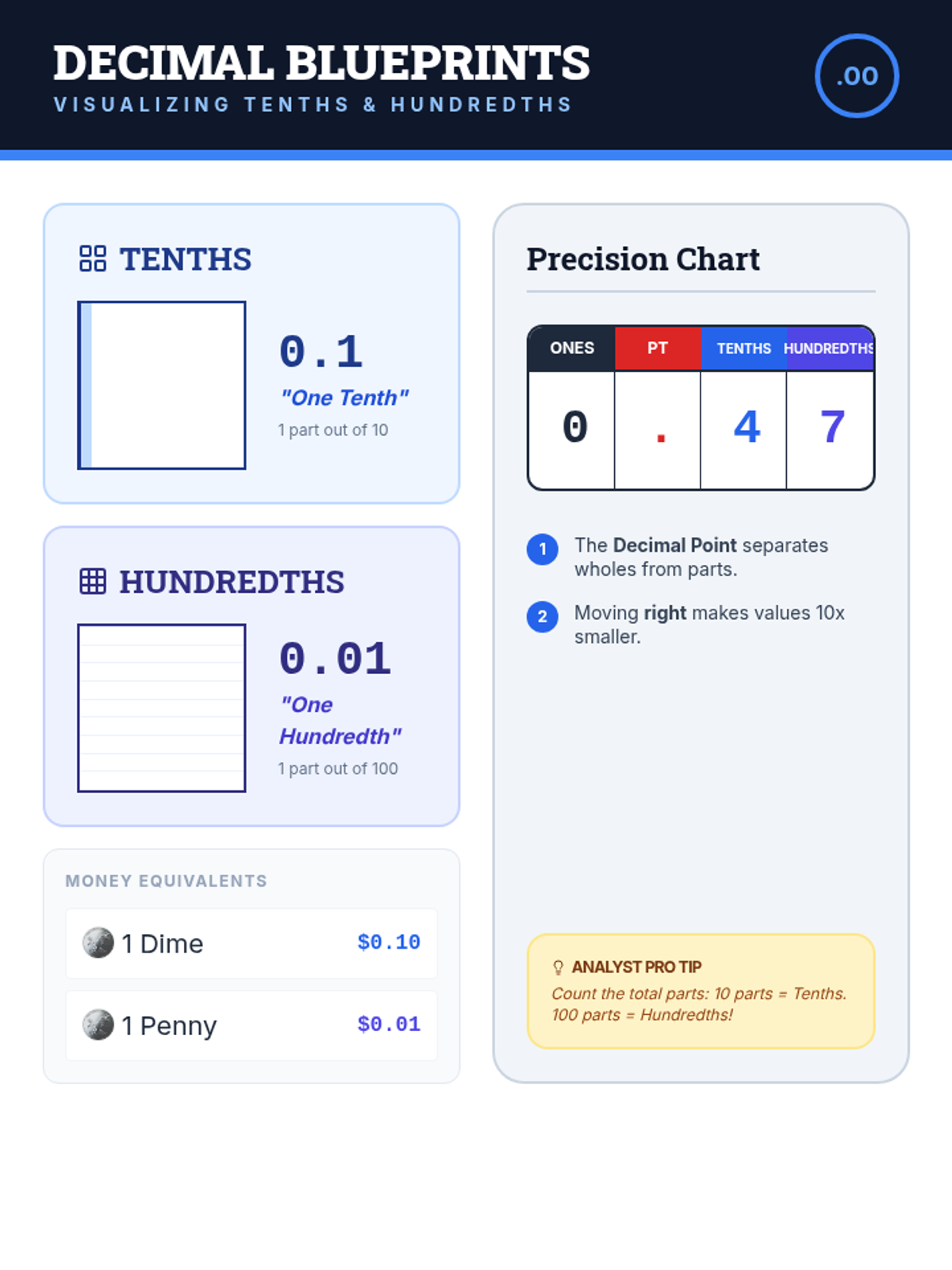
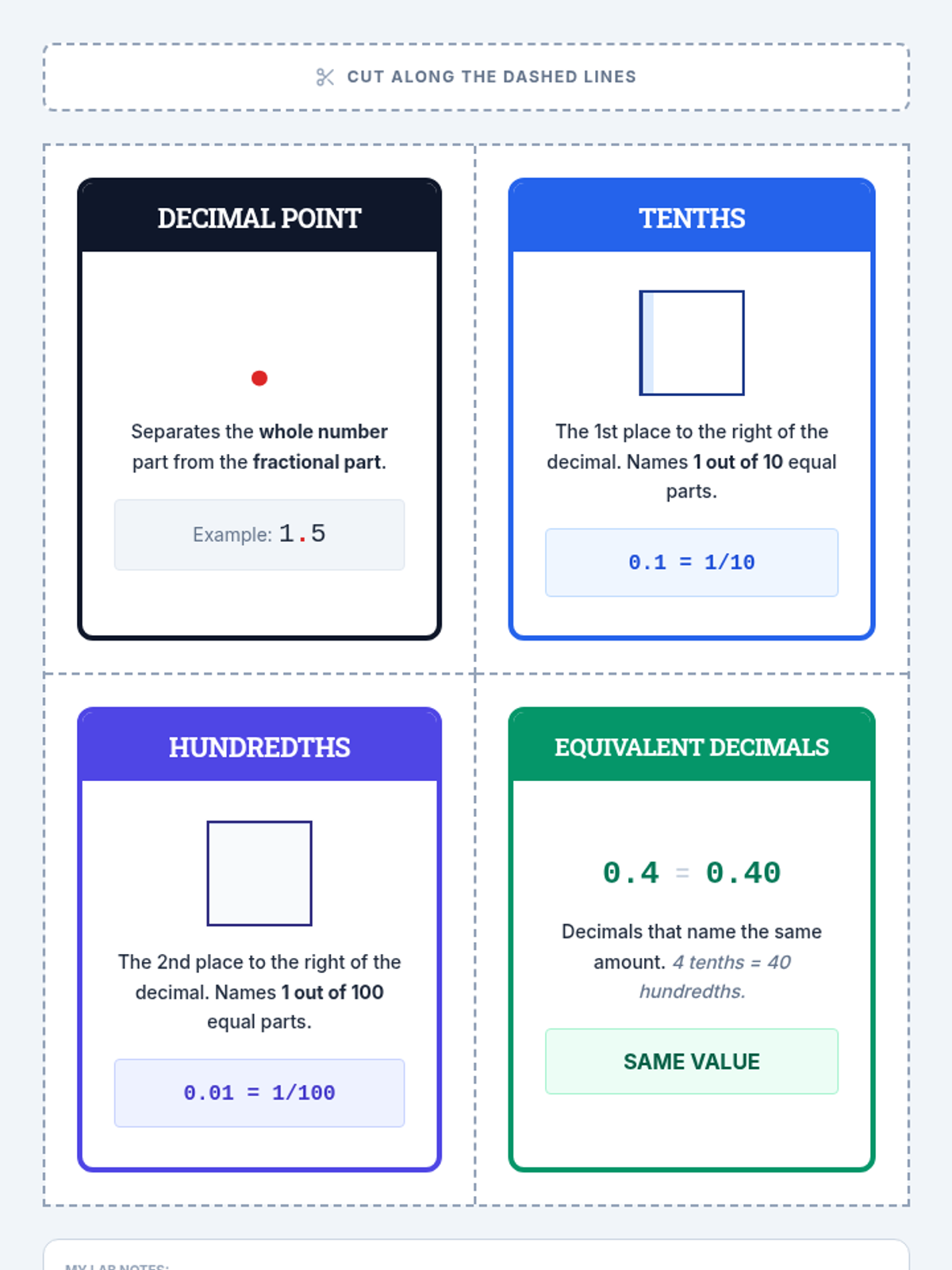
A foundational exploration of decimals focusing on the relationship between fractions and place value for tenths and hundredths through visual models and precise identification.
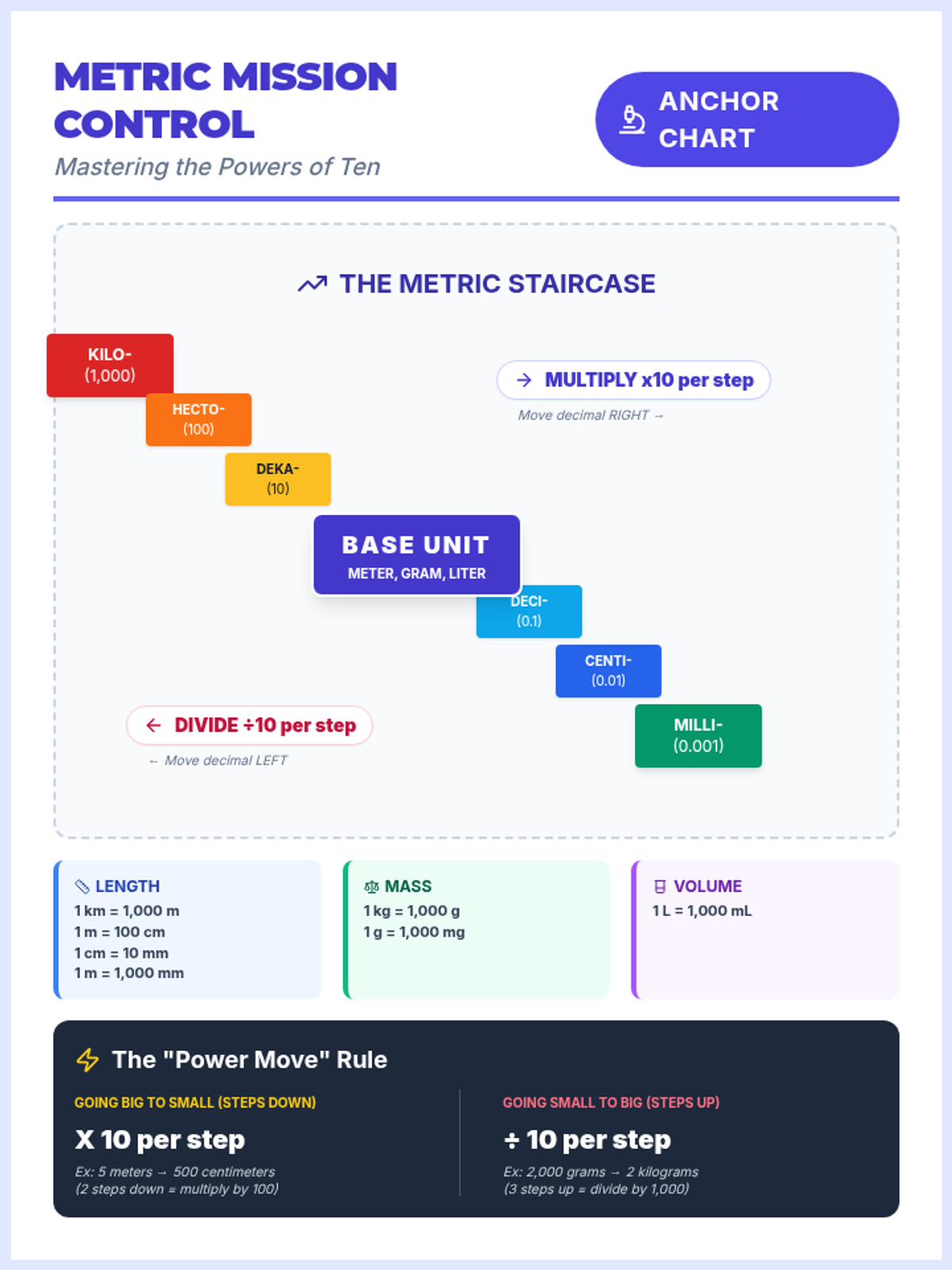
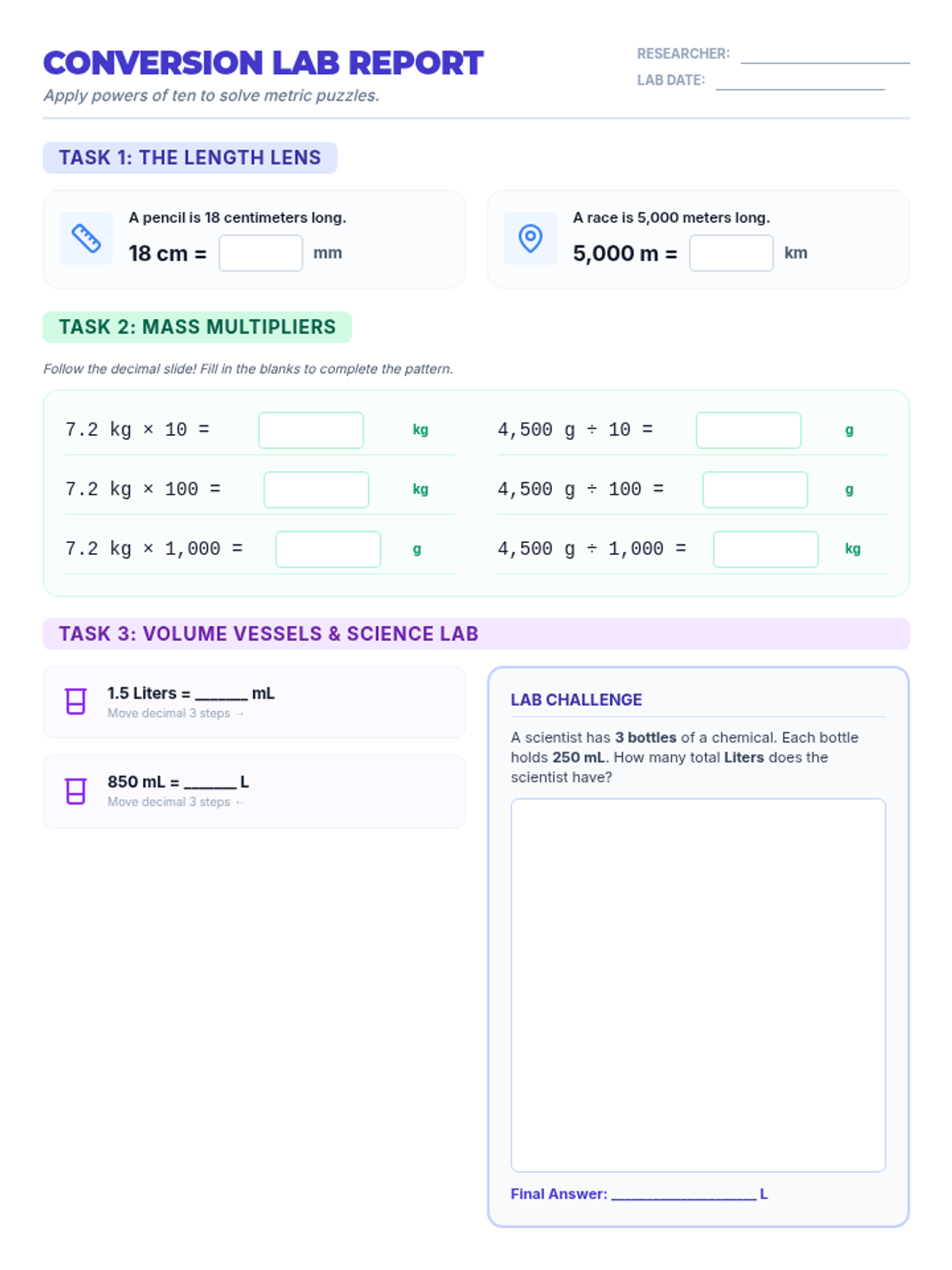
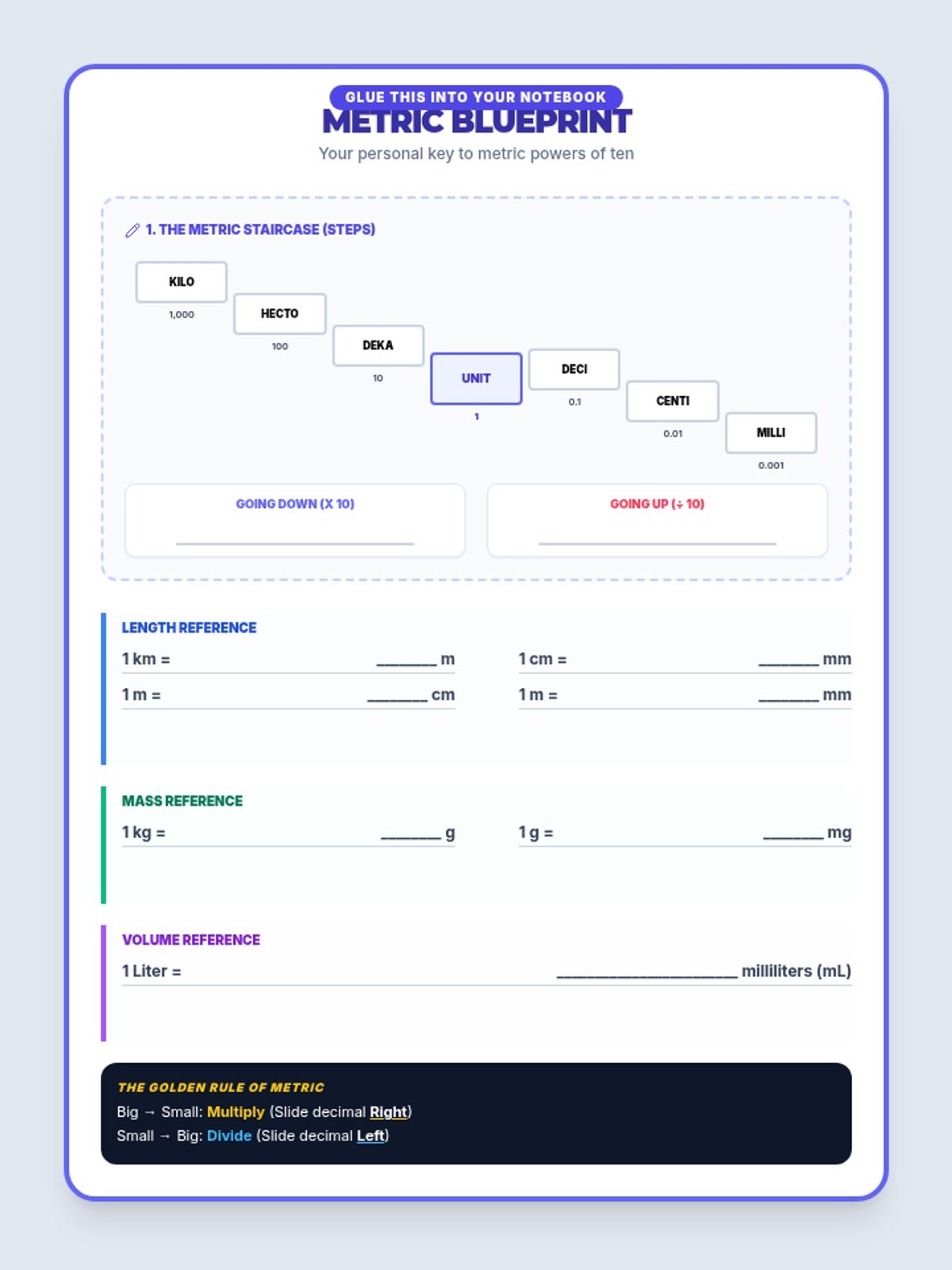
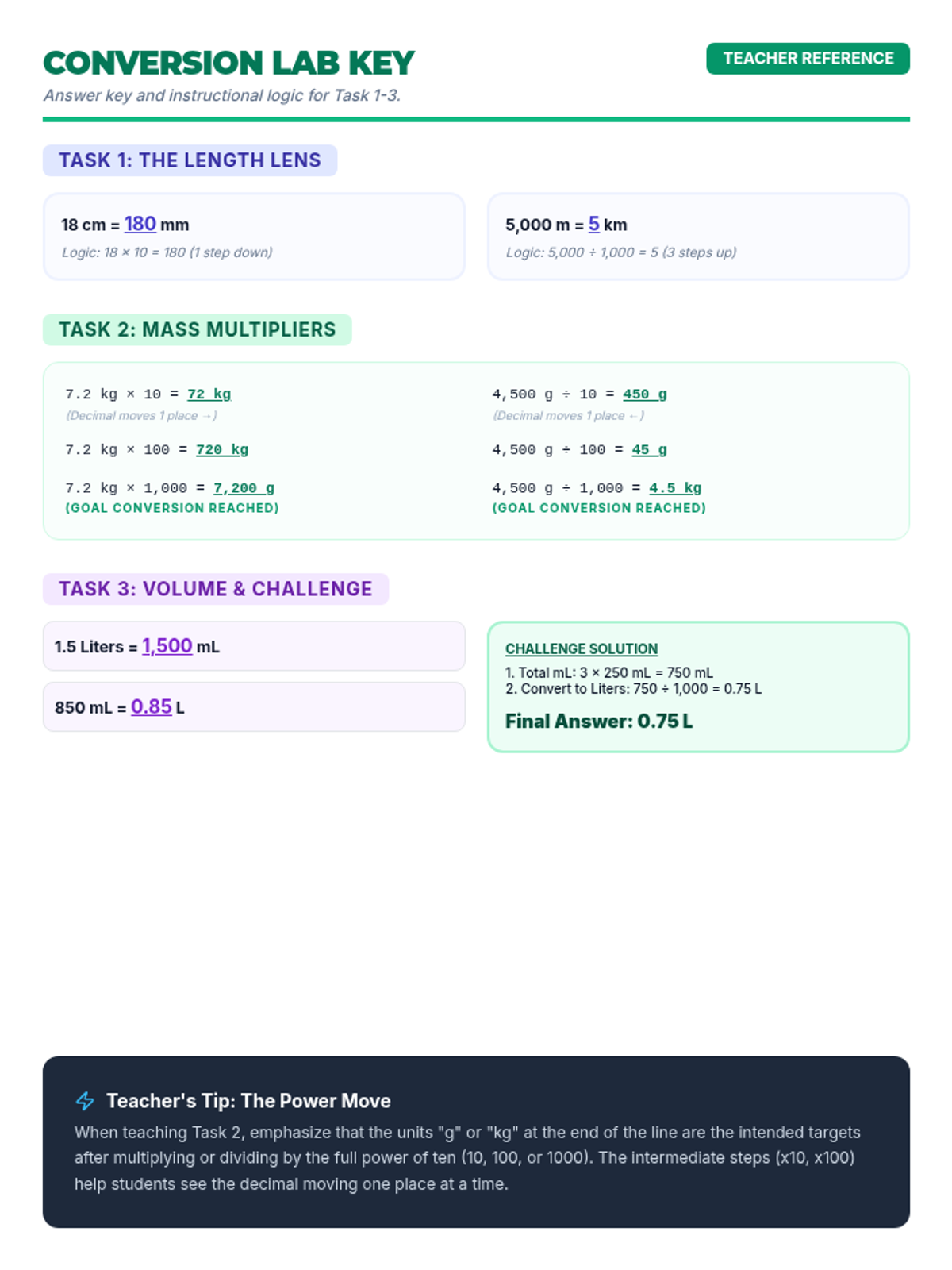
Students explore the relationship between metric units and powers of ten, using visual staircases and laboratory 'blueprints' to master conversions.
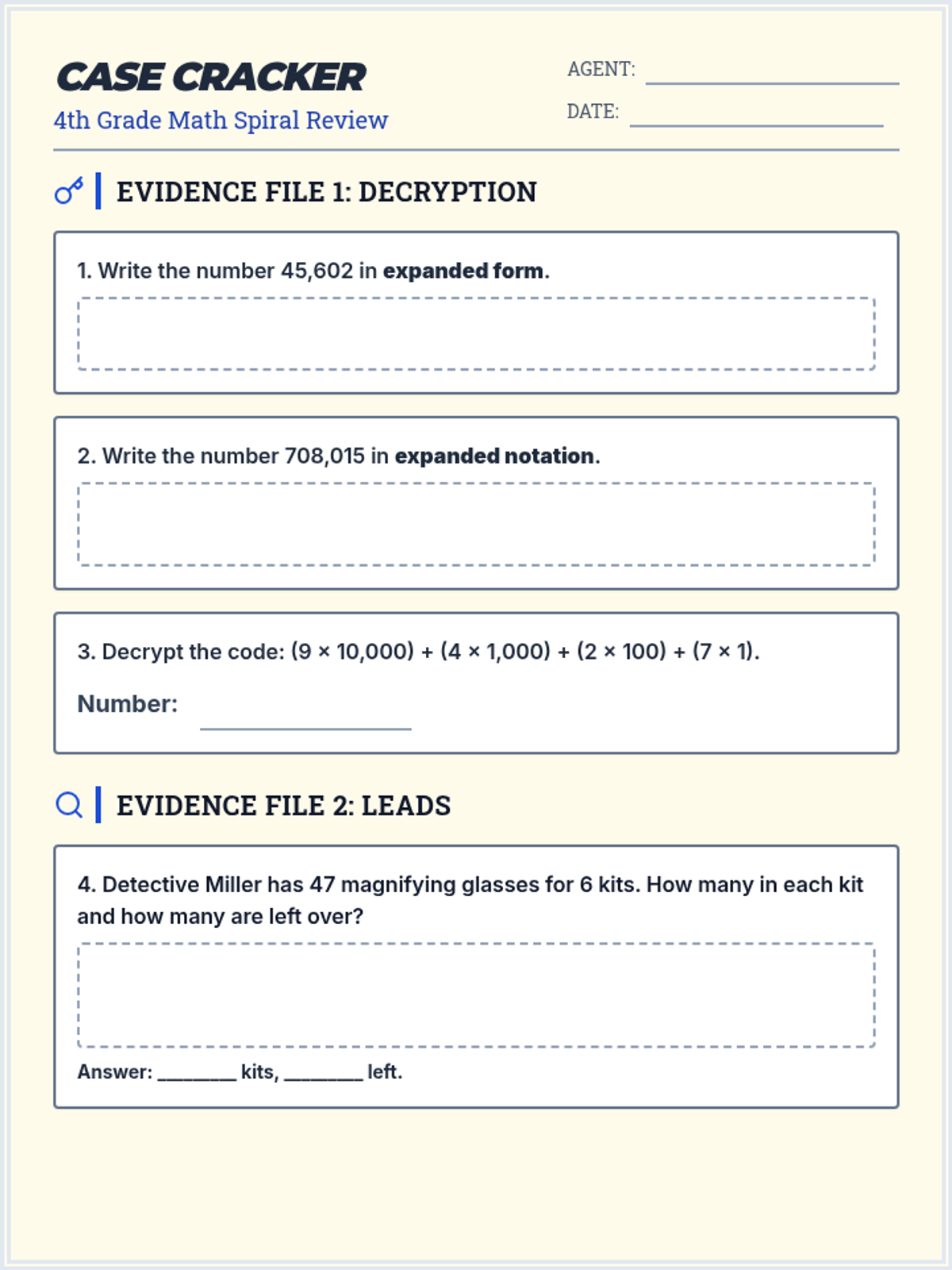
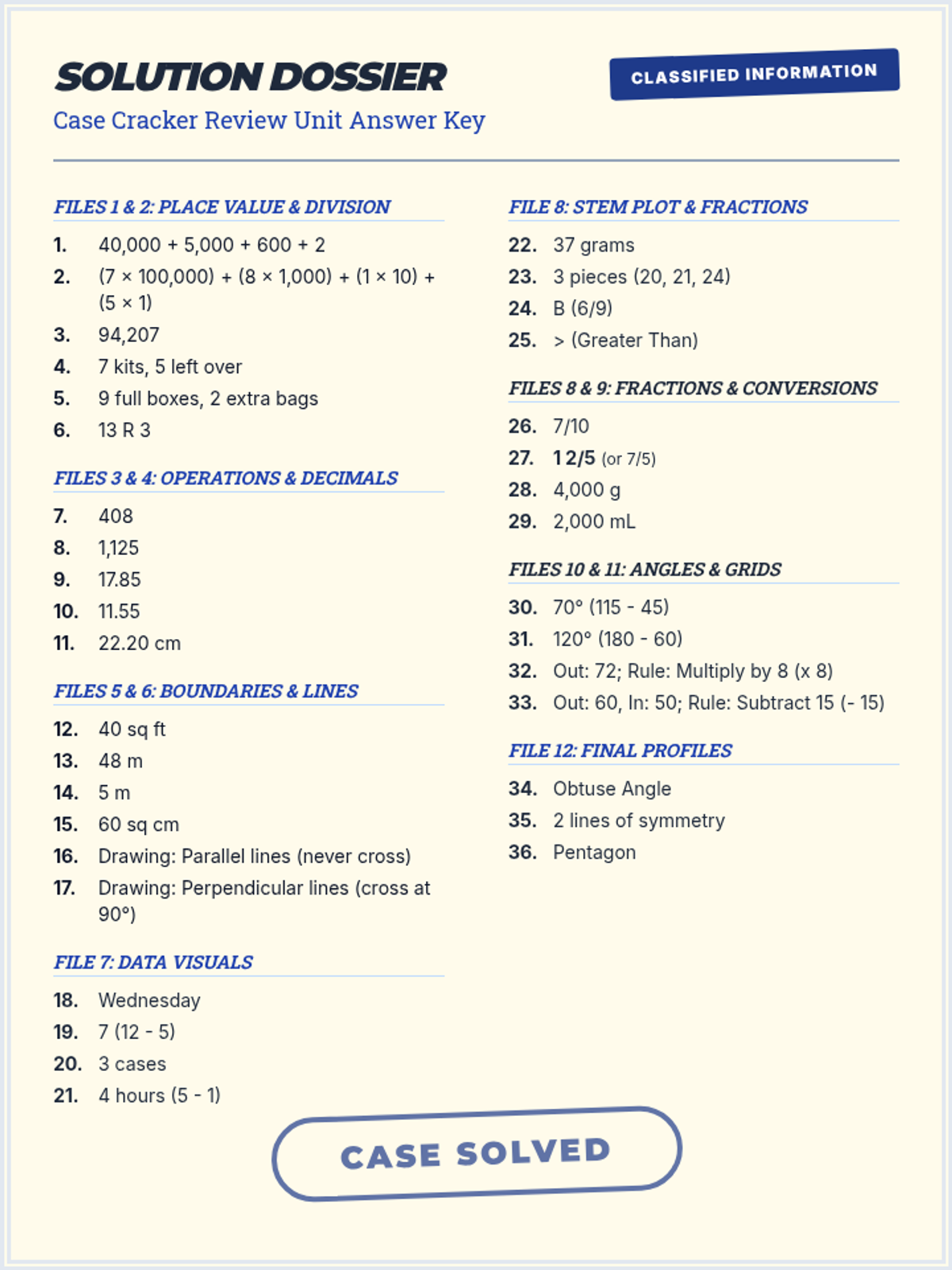
A comprehensive spiral review of 4th-grade math standards presented as a detective mystery. Students solve place value, operations, fractions, measurement, and geometry problems to crack the cases.
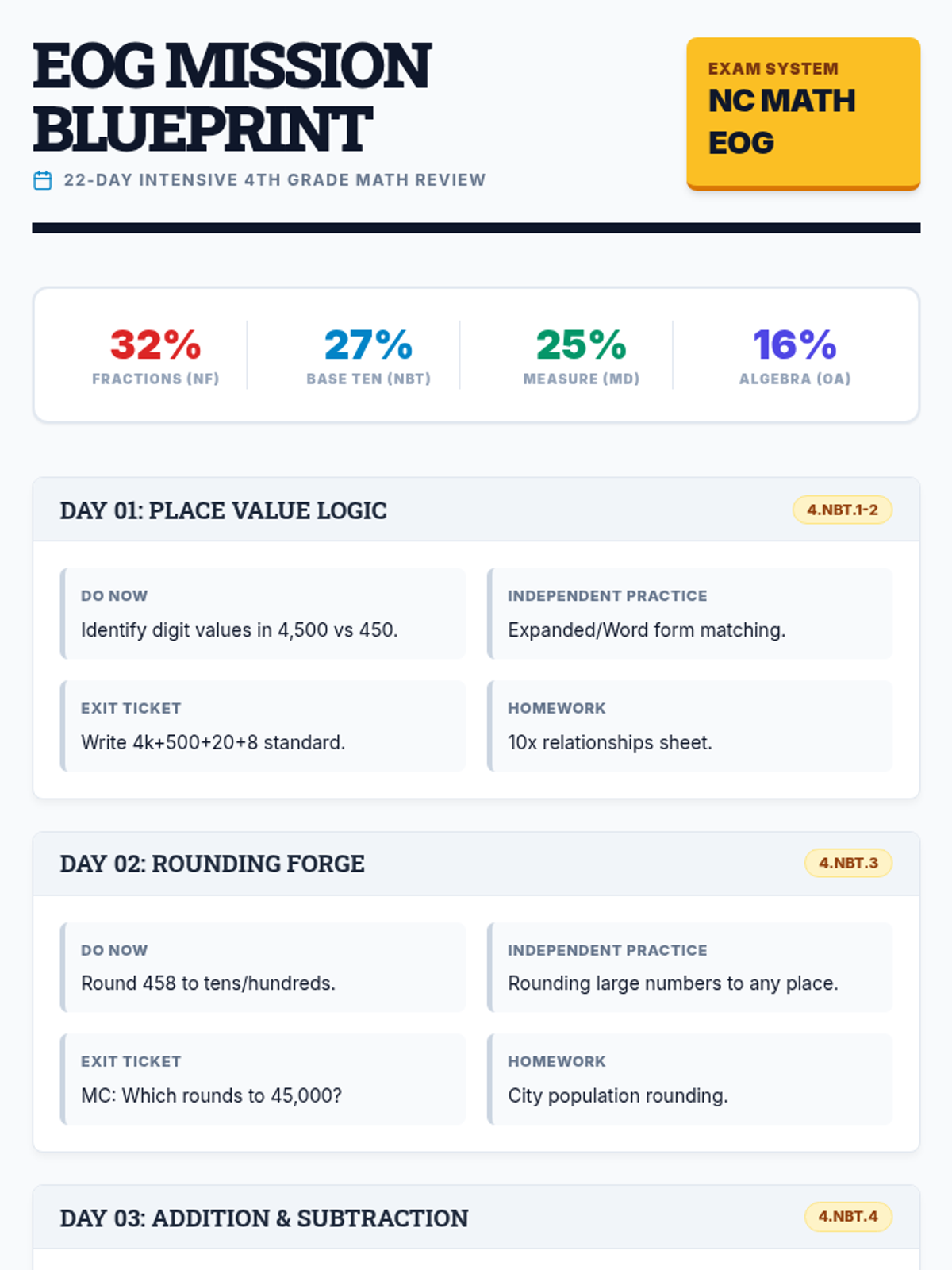
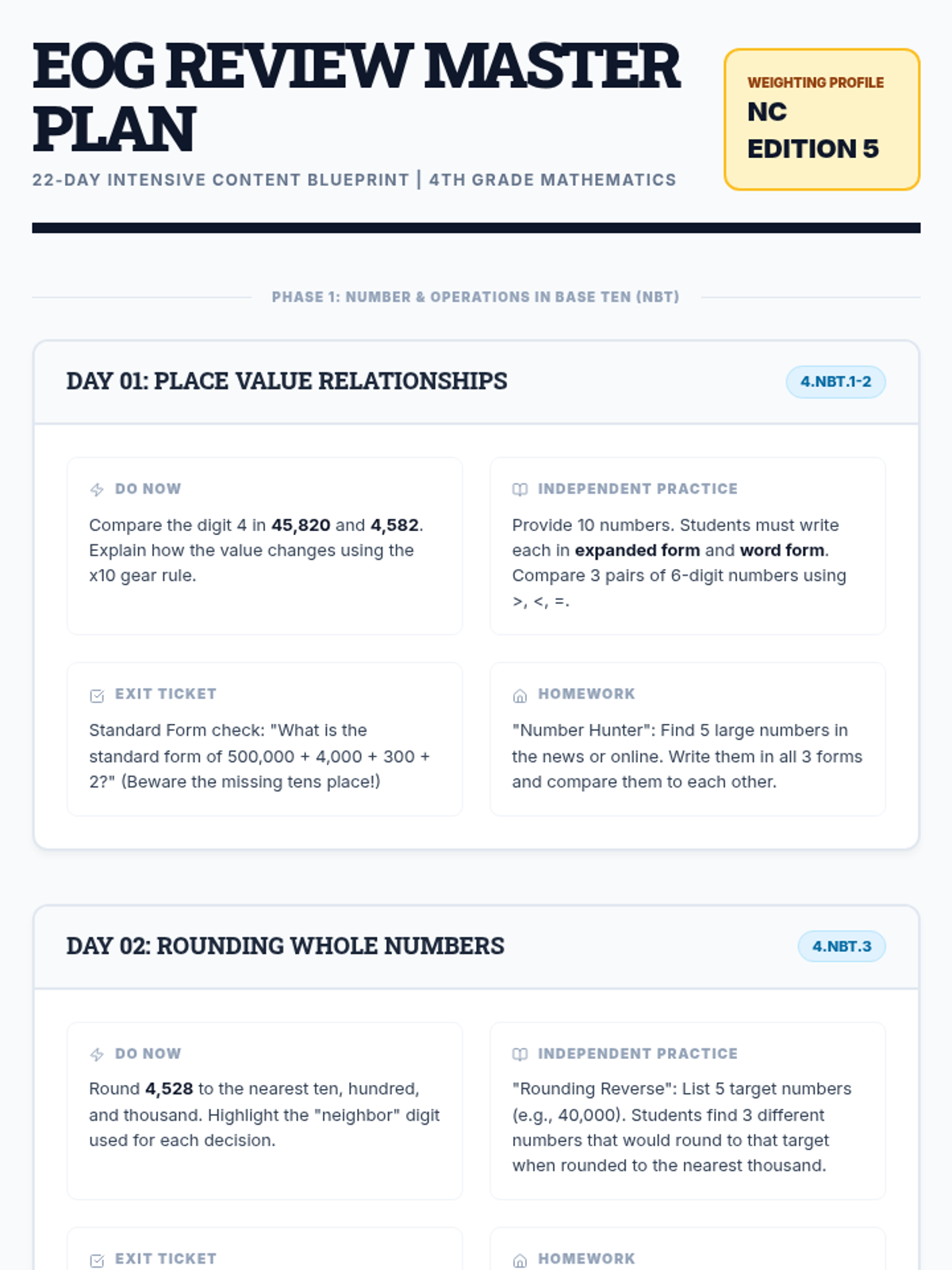
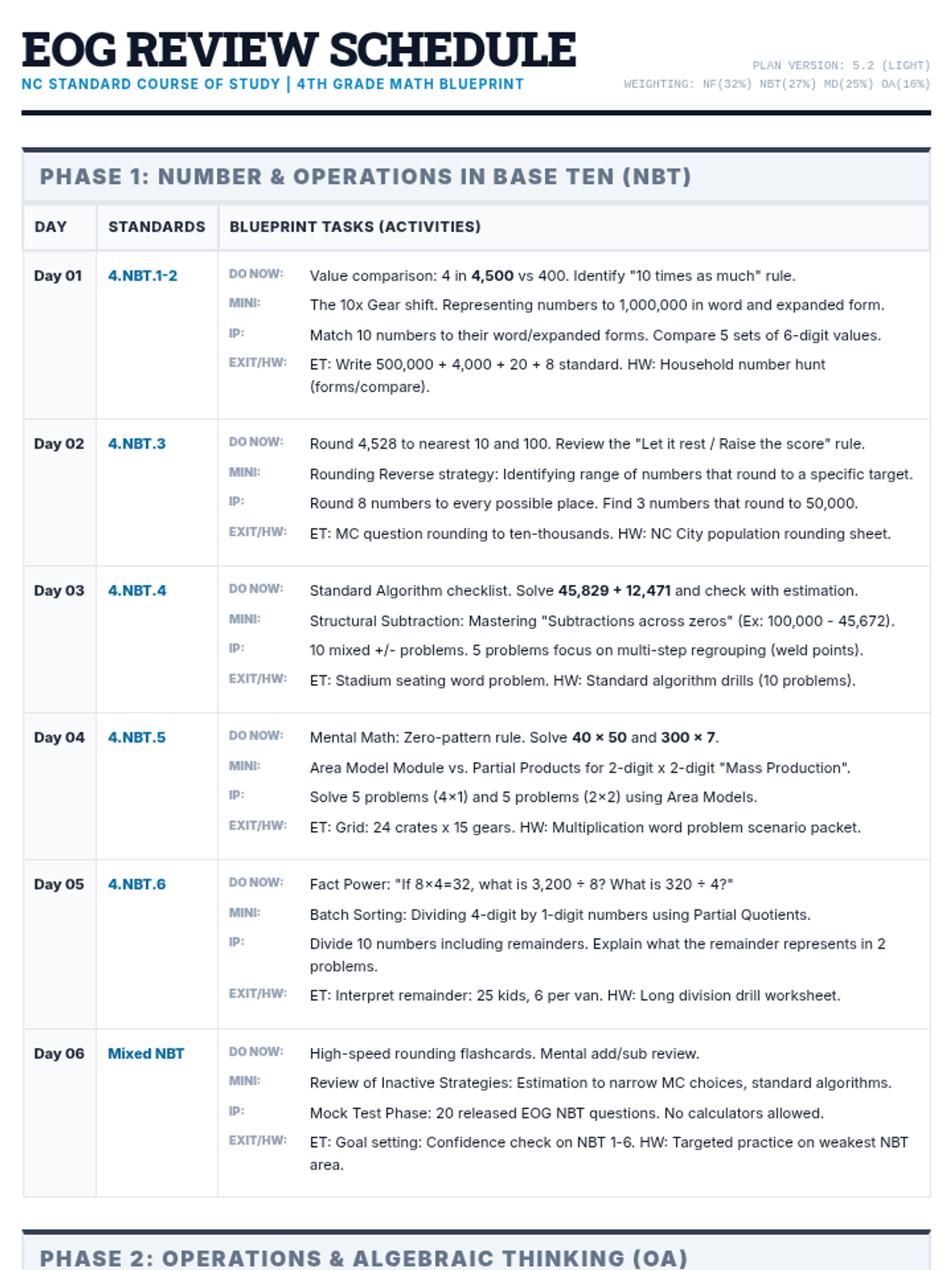
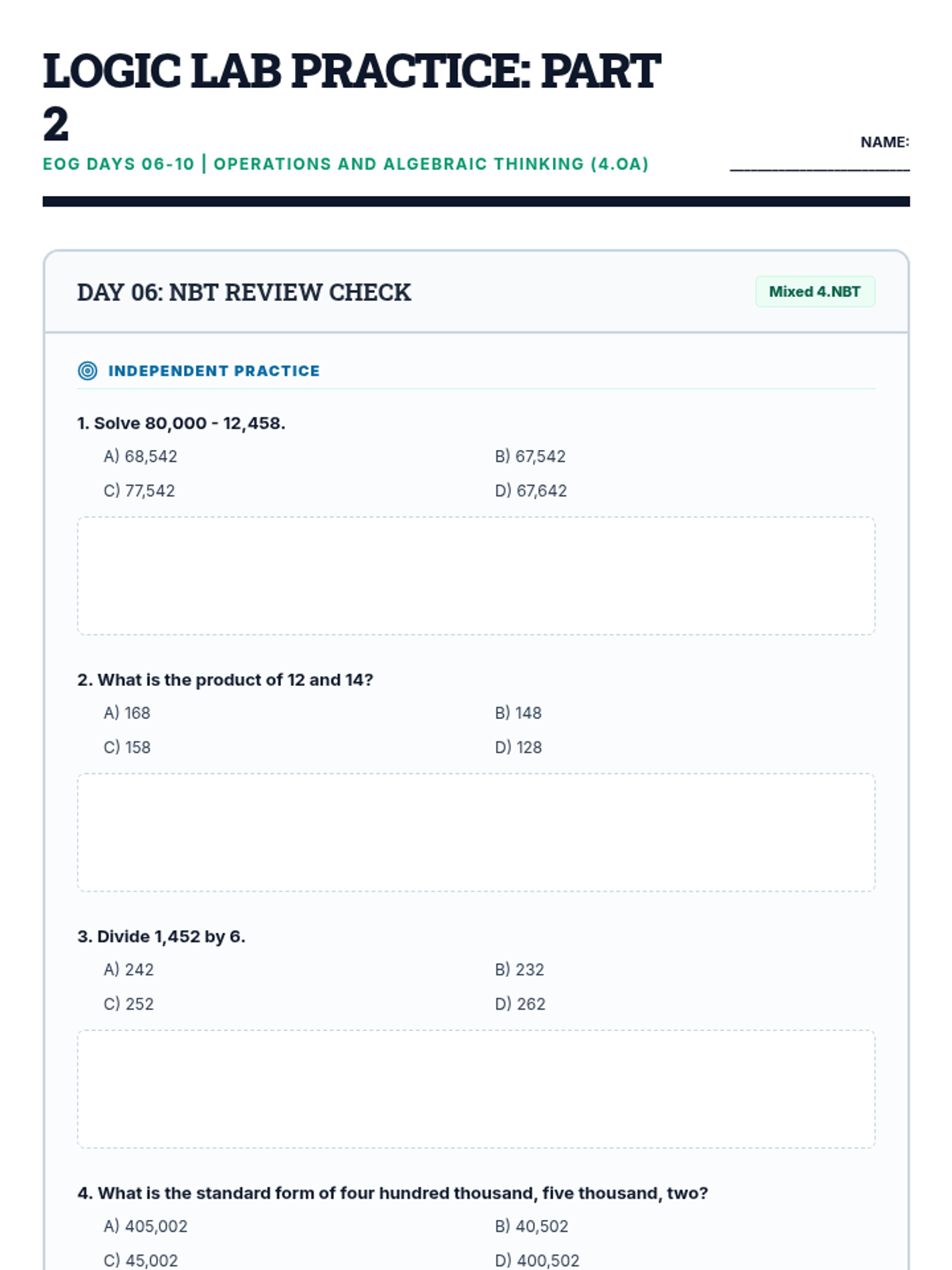
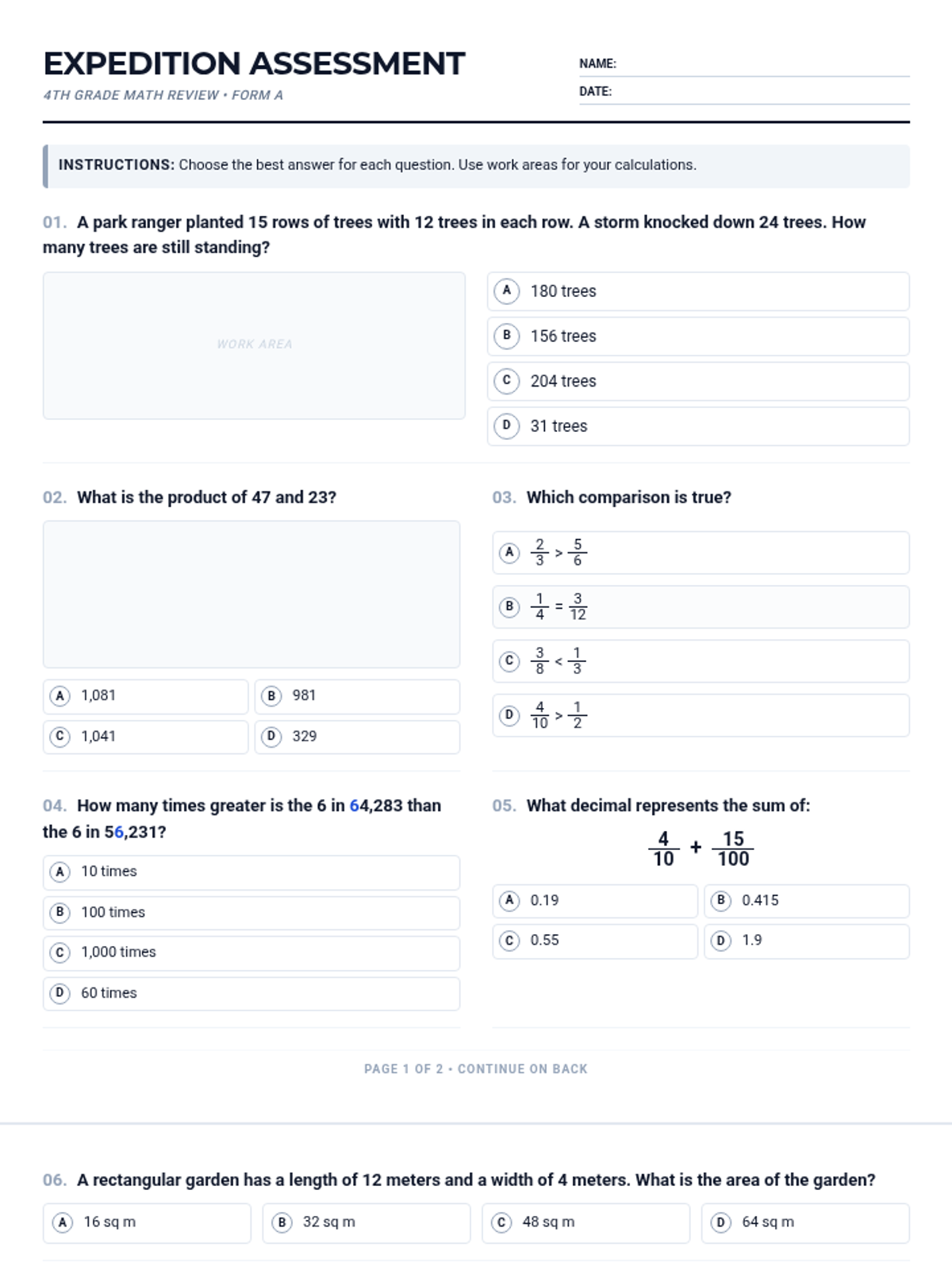
A high-stakes review lesson covering all 4th-grade math domains (OA, NBT, NF, MD, G) with a focus on multi-step problem solving and EOG-style questions.
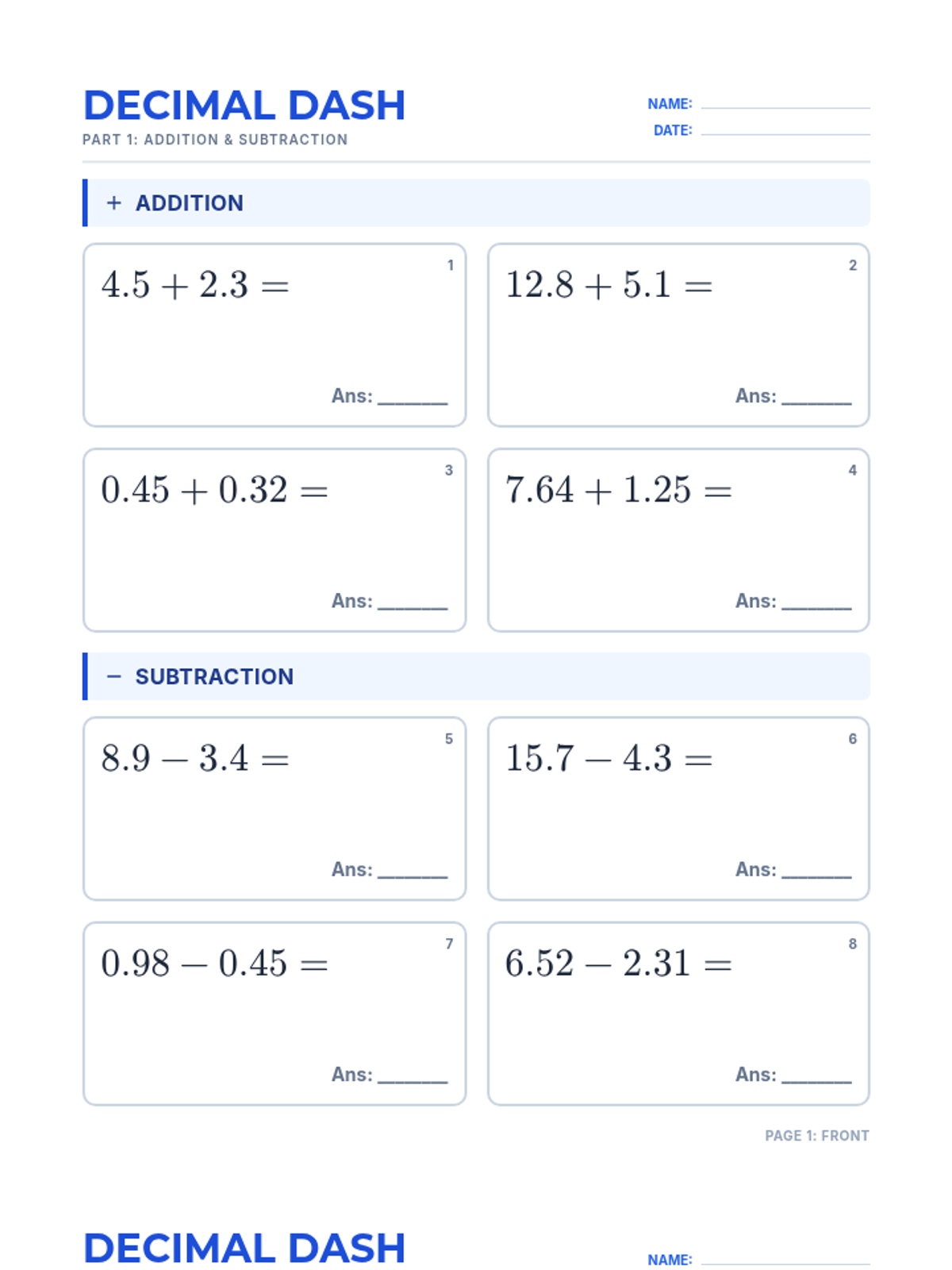
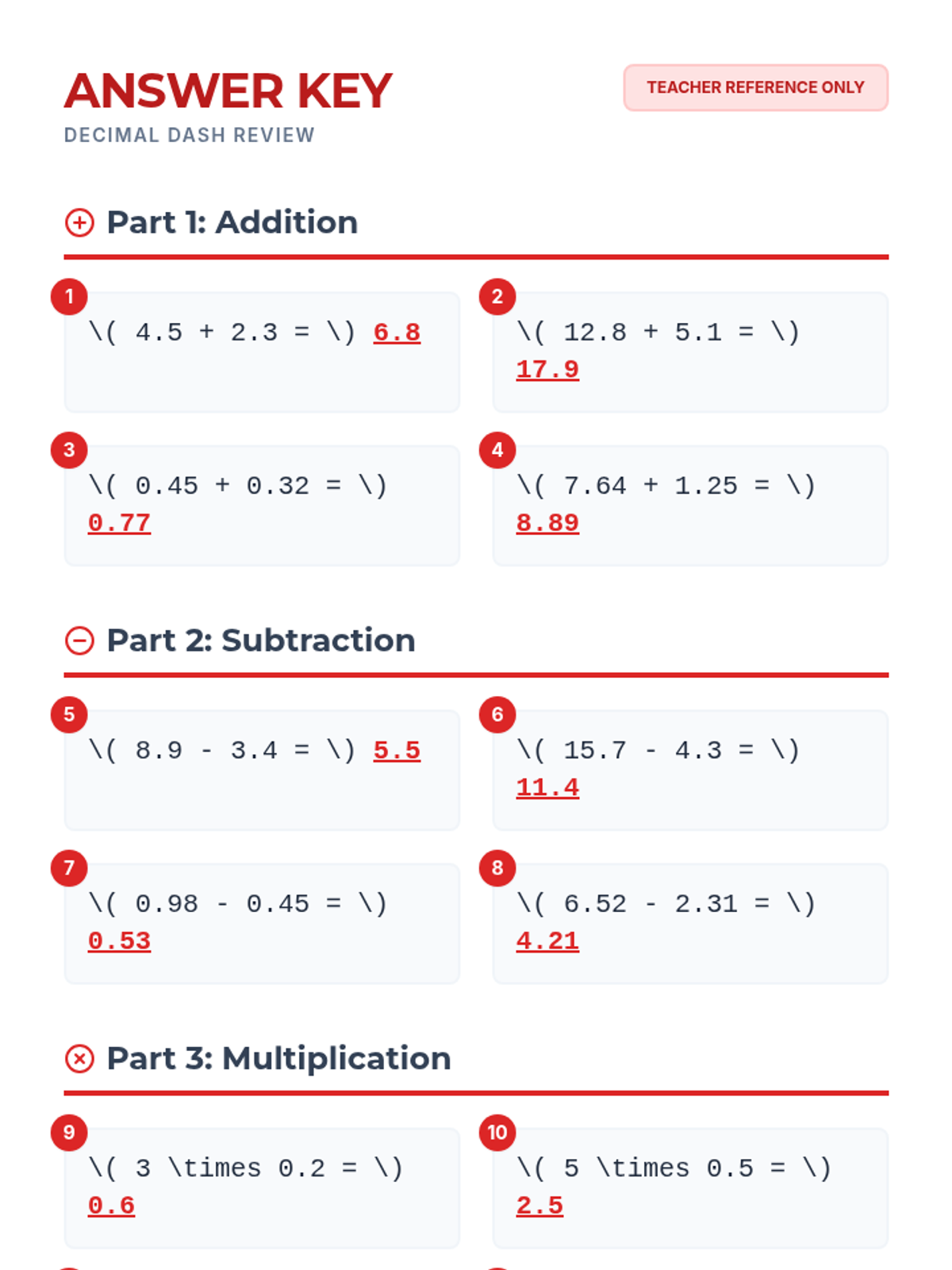
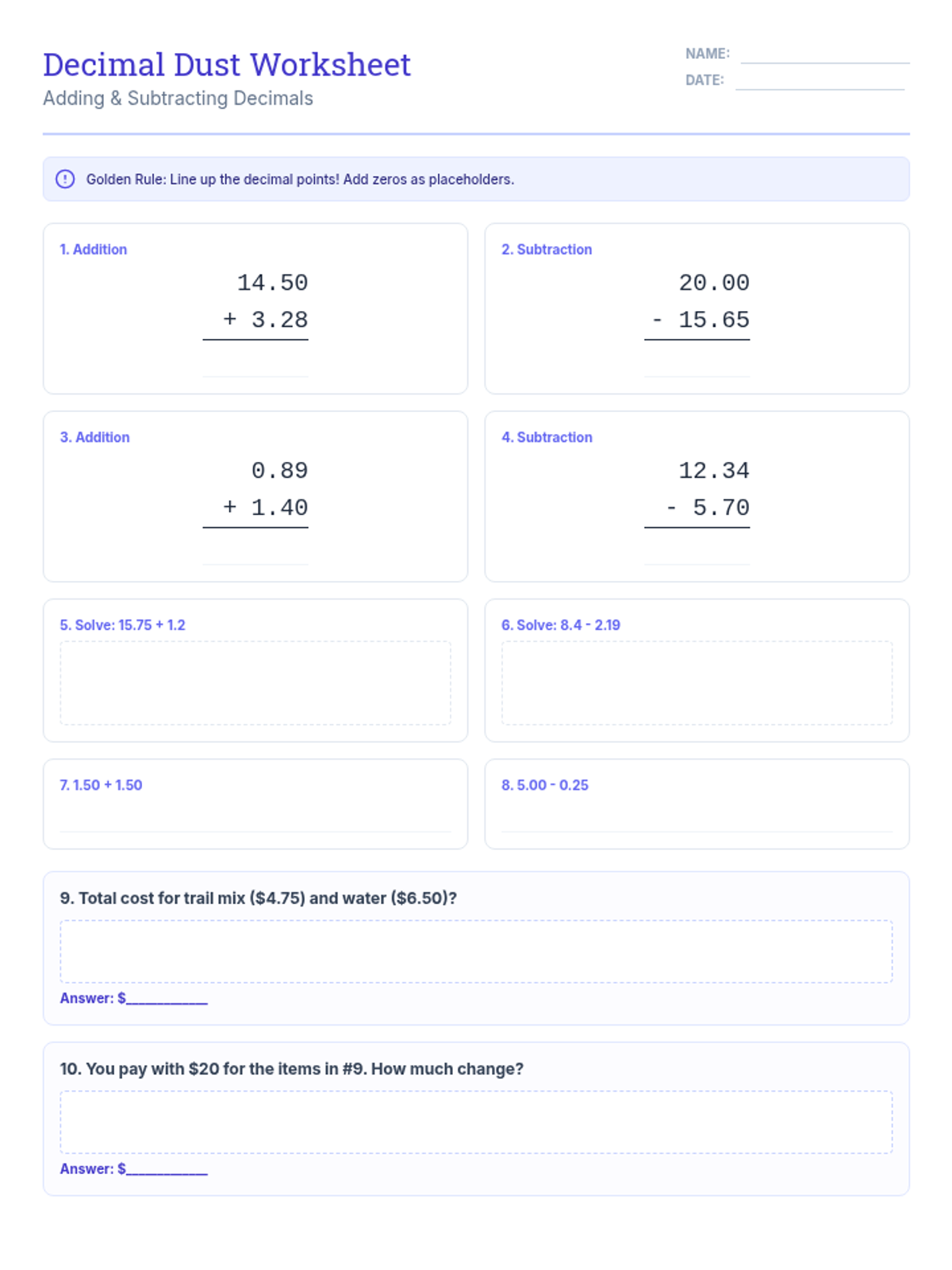
A comprehensive review of decimal operations (addition, subtraction, multiplication, and division) tailored for 4th-grade learners using a clean, blueprint-inspired design.
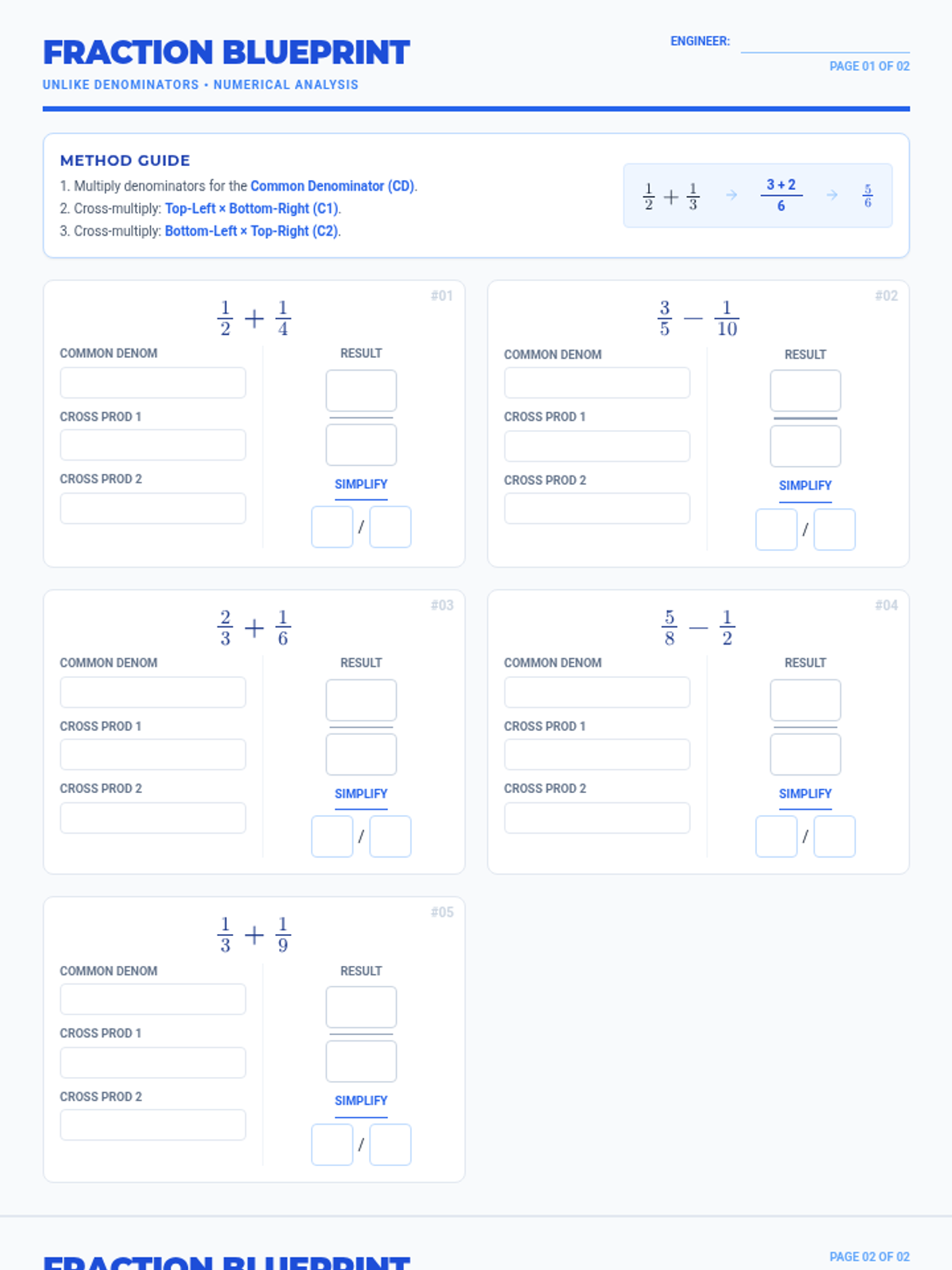
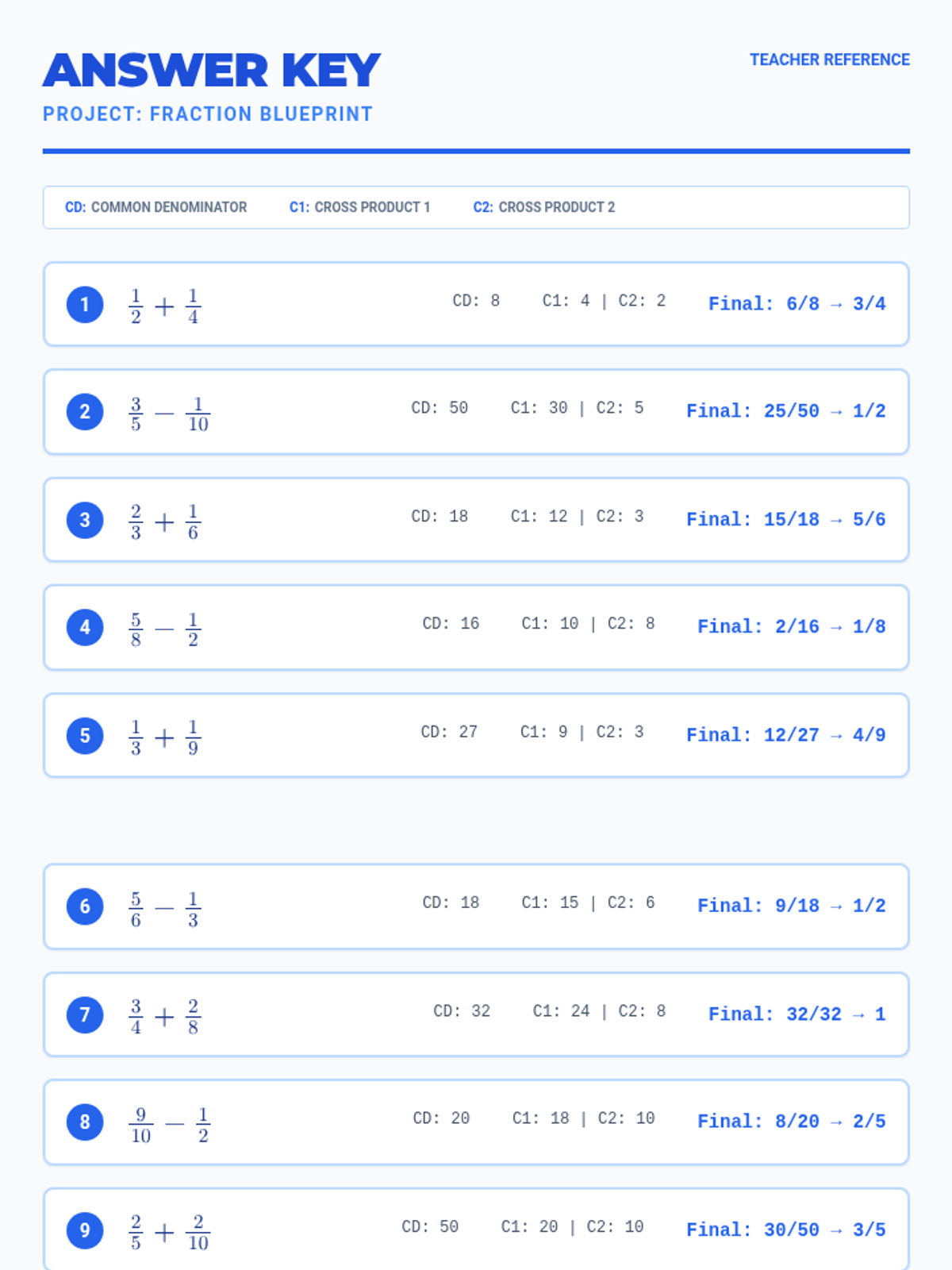
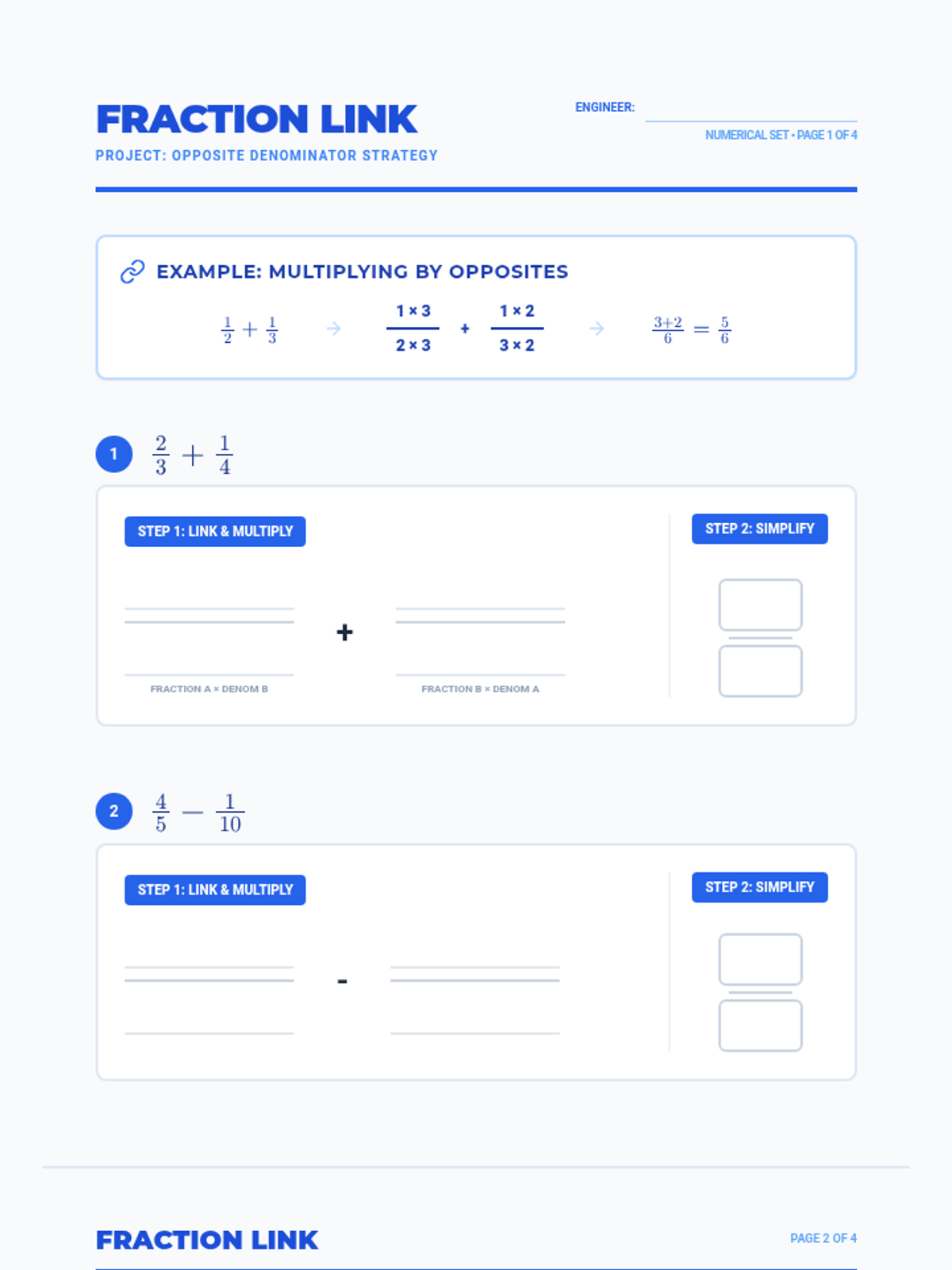
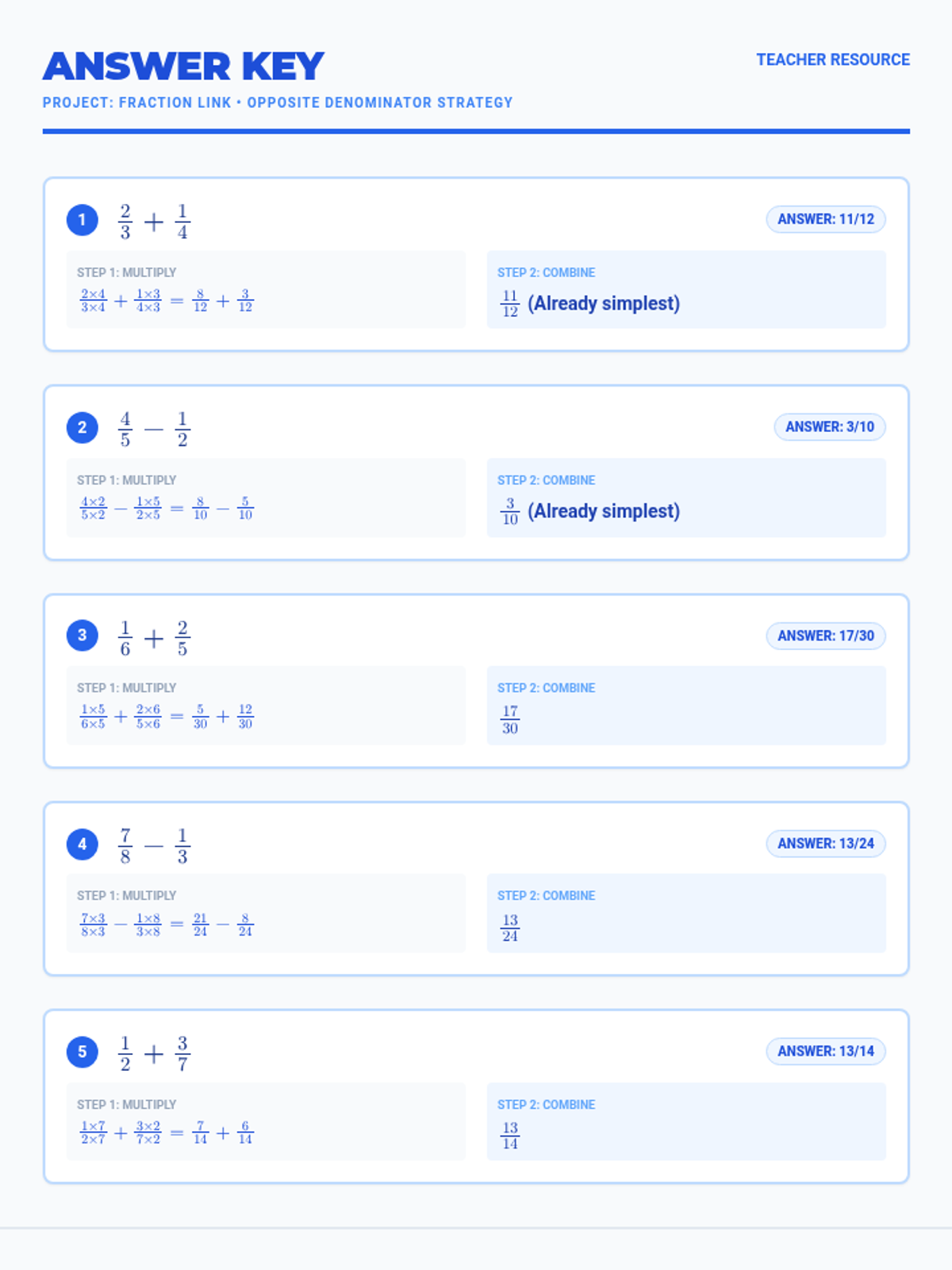
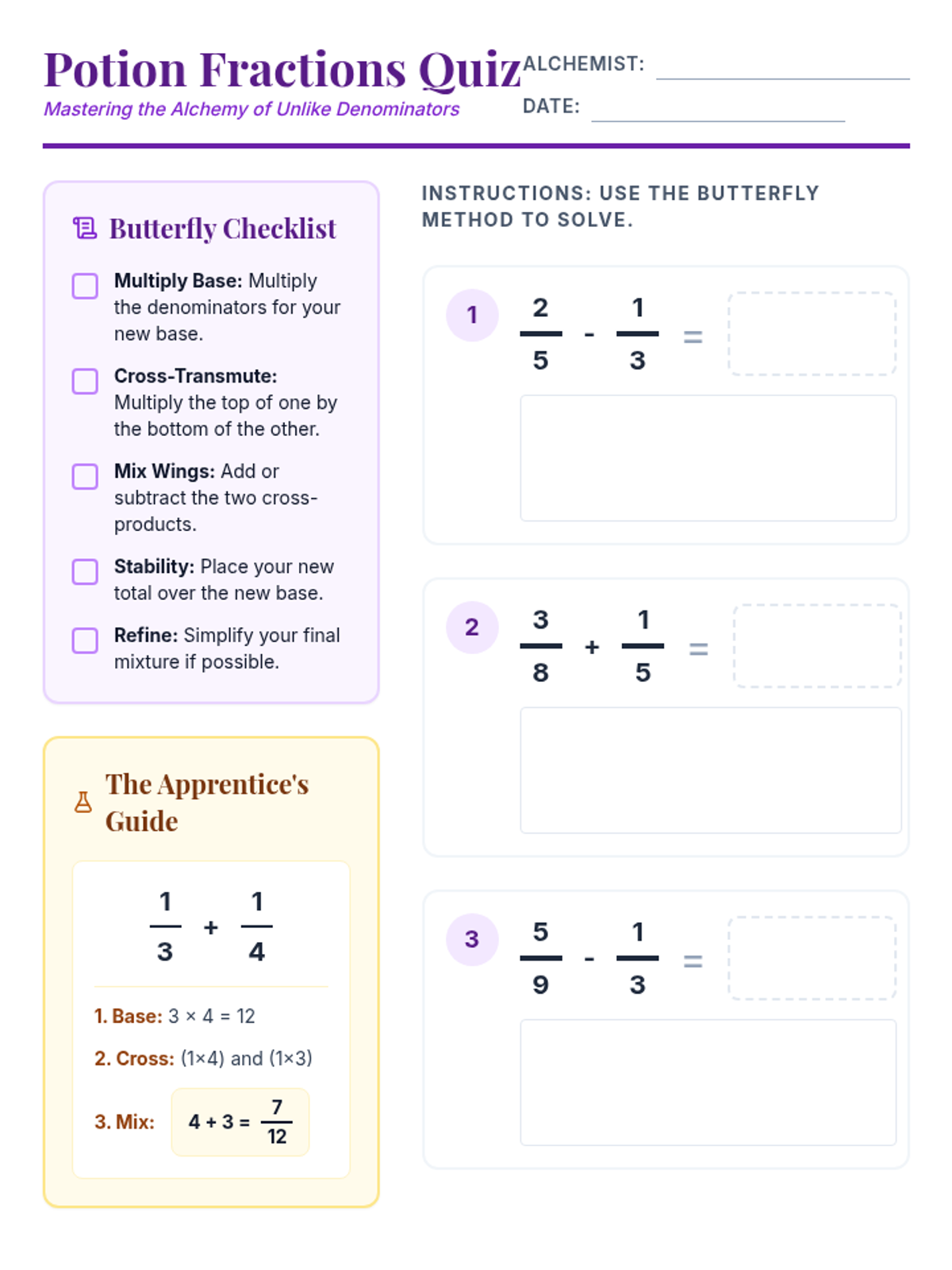
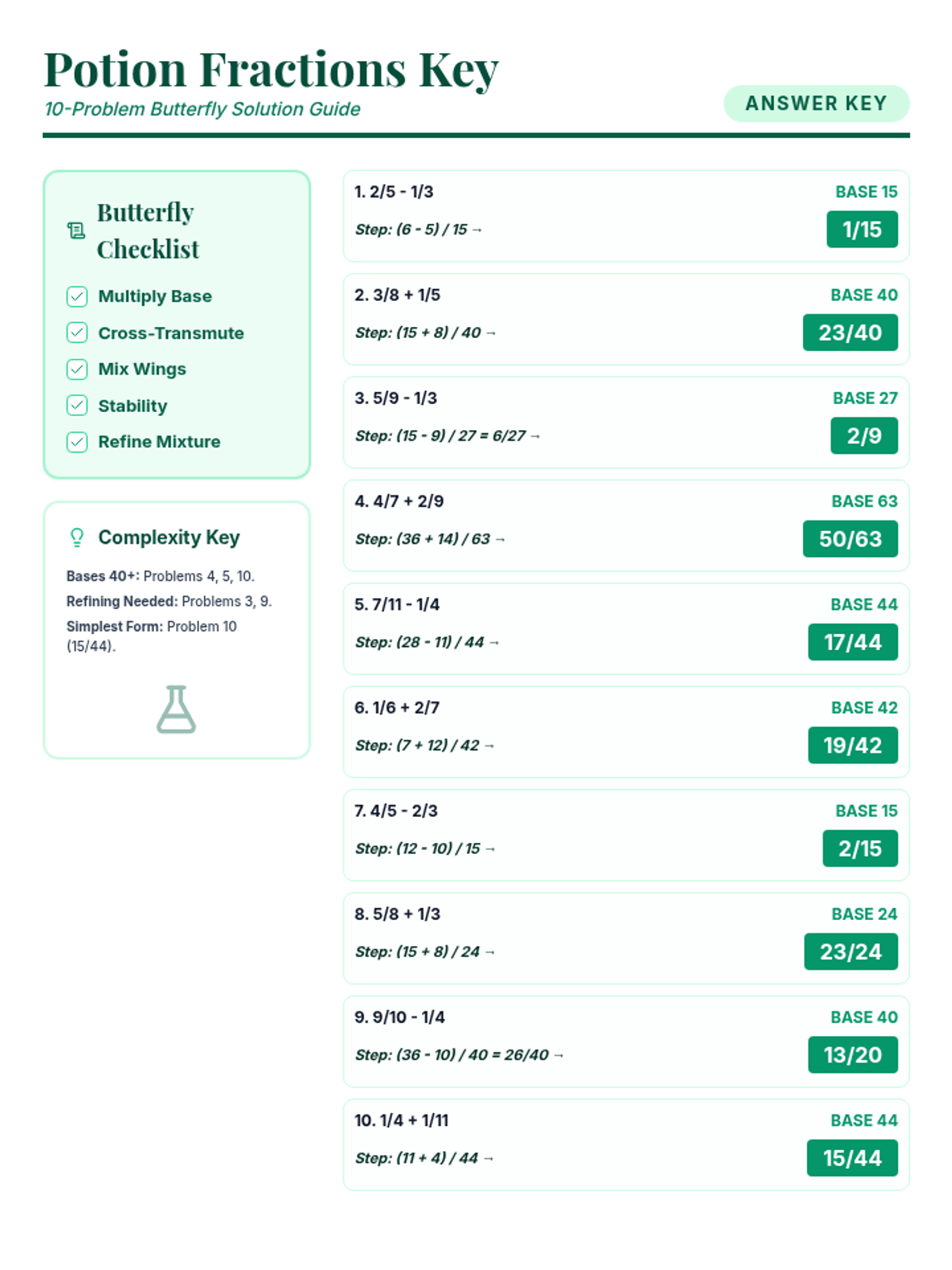
A lesson focused on mastering addition and subtraction of fractions with unlike denominators using the cross-multiplication (butterfly) method. Students use structured graphic organizers to visualize each step of the process.
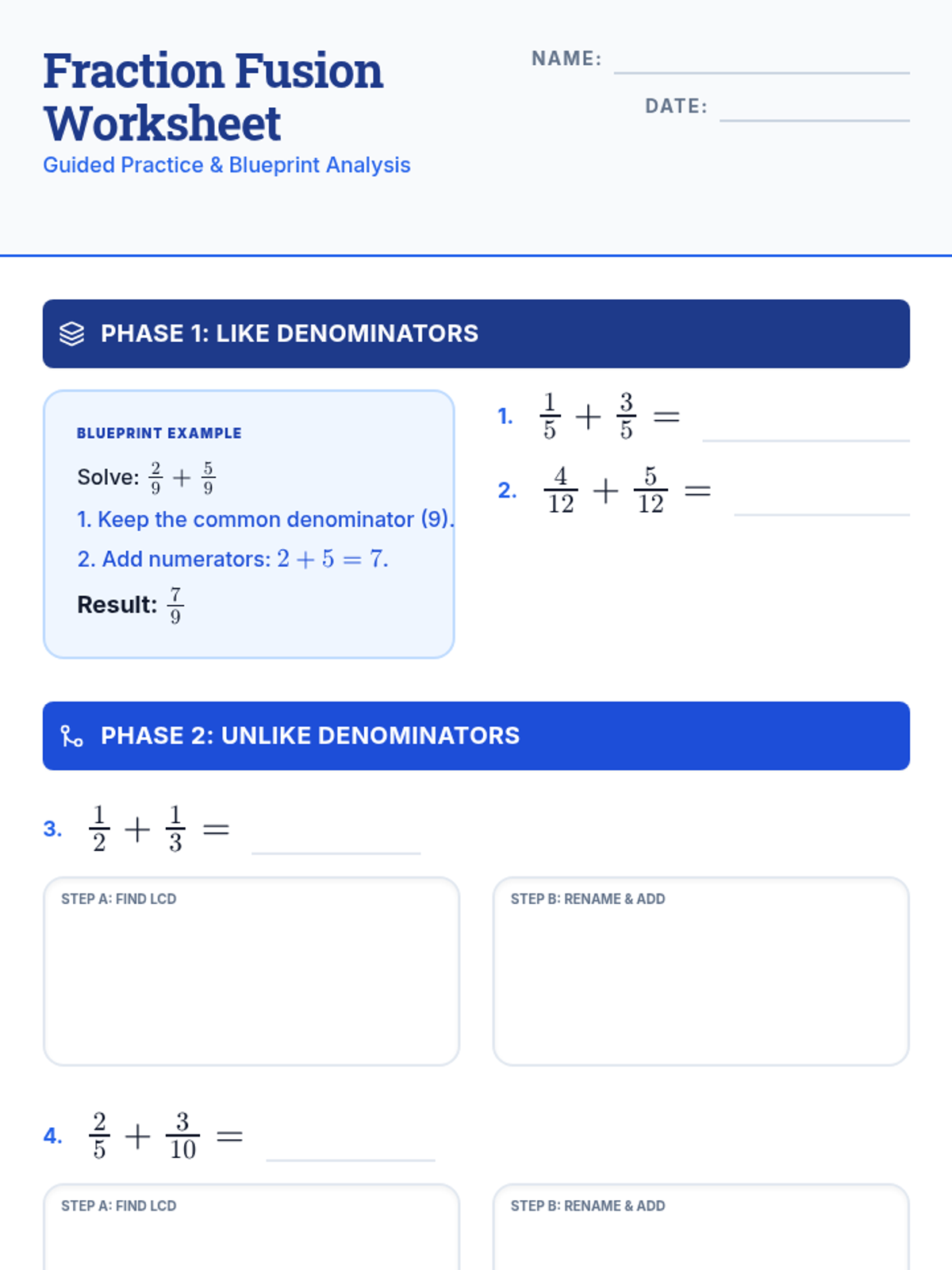
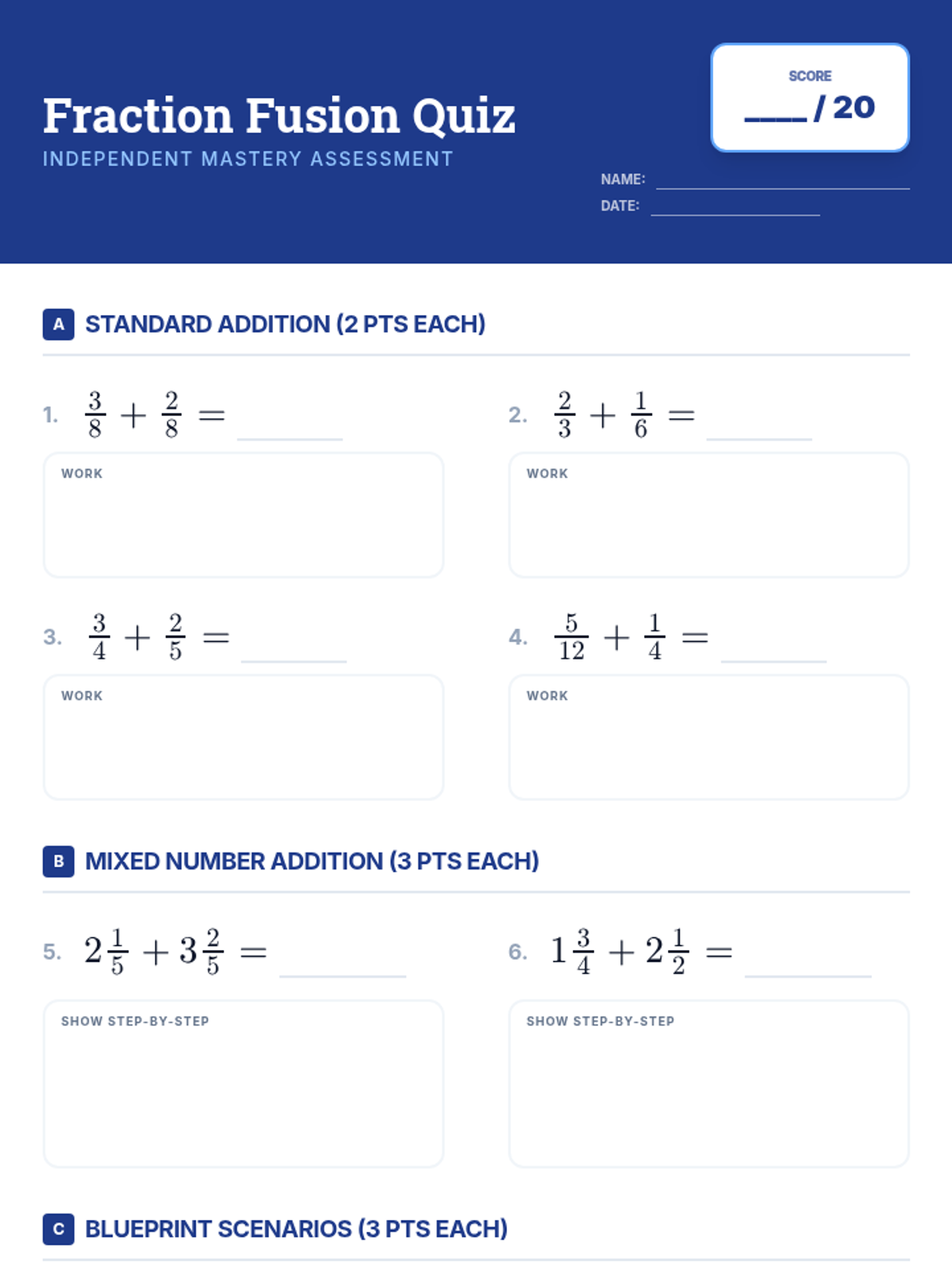
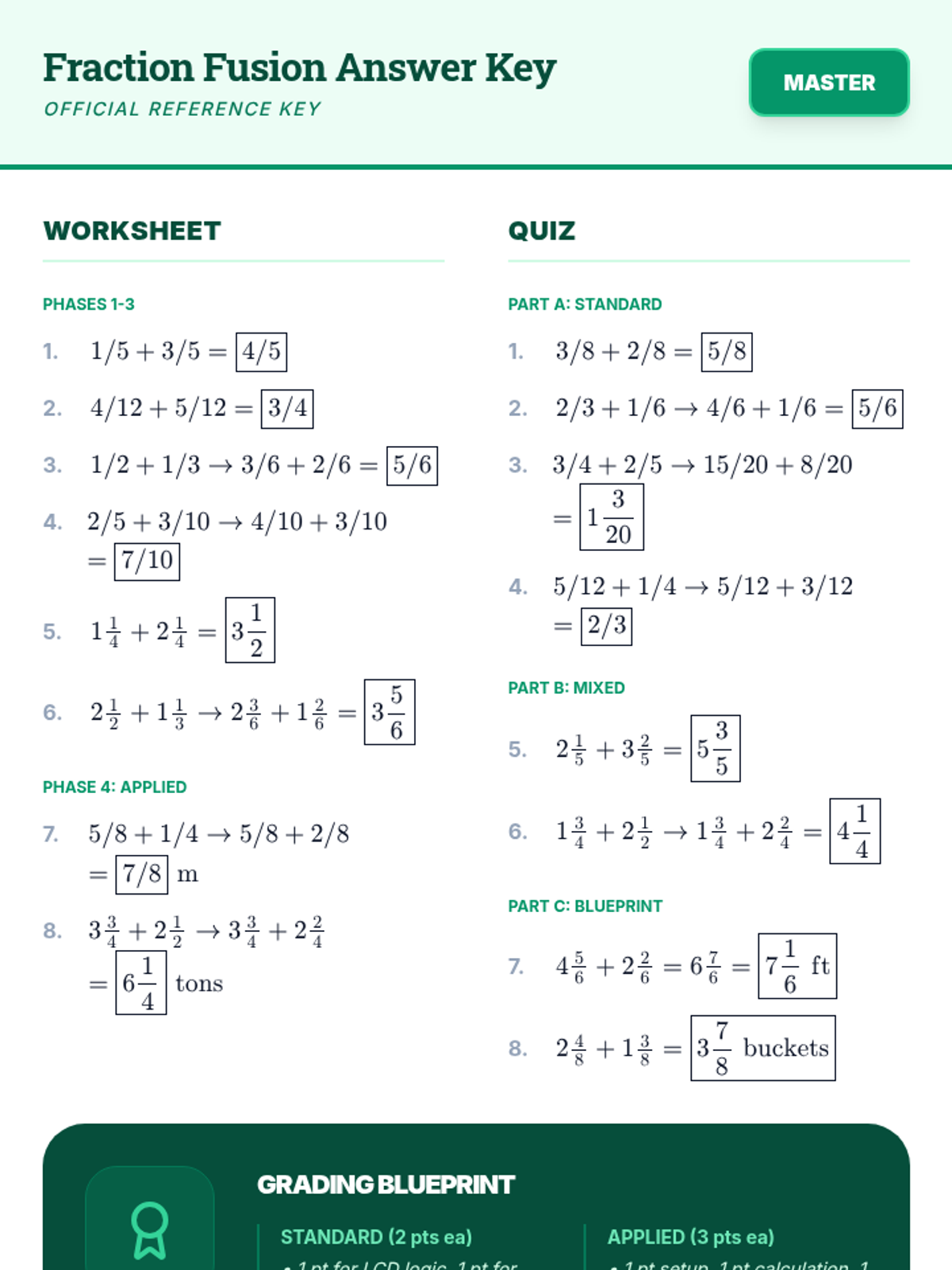
A comprehensive lesson on adding fractions with like and unlike denominators, including mixed numbers and real-world word problems. Students progress from basic addition to complex multi-step problems using a blueprint-themed approach.
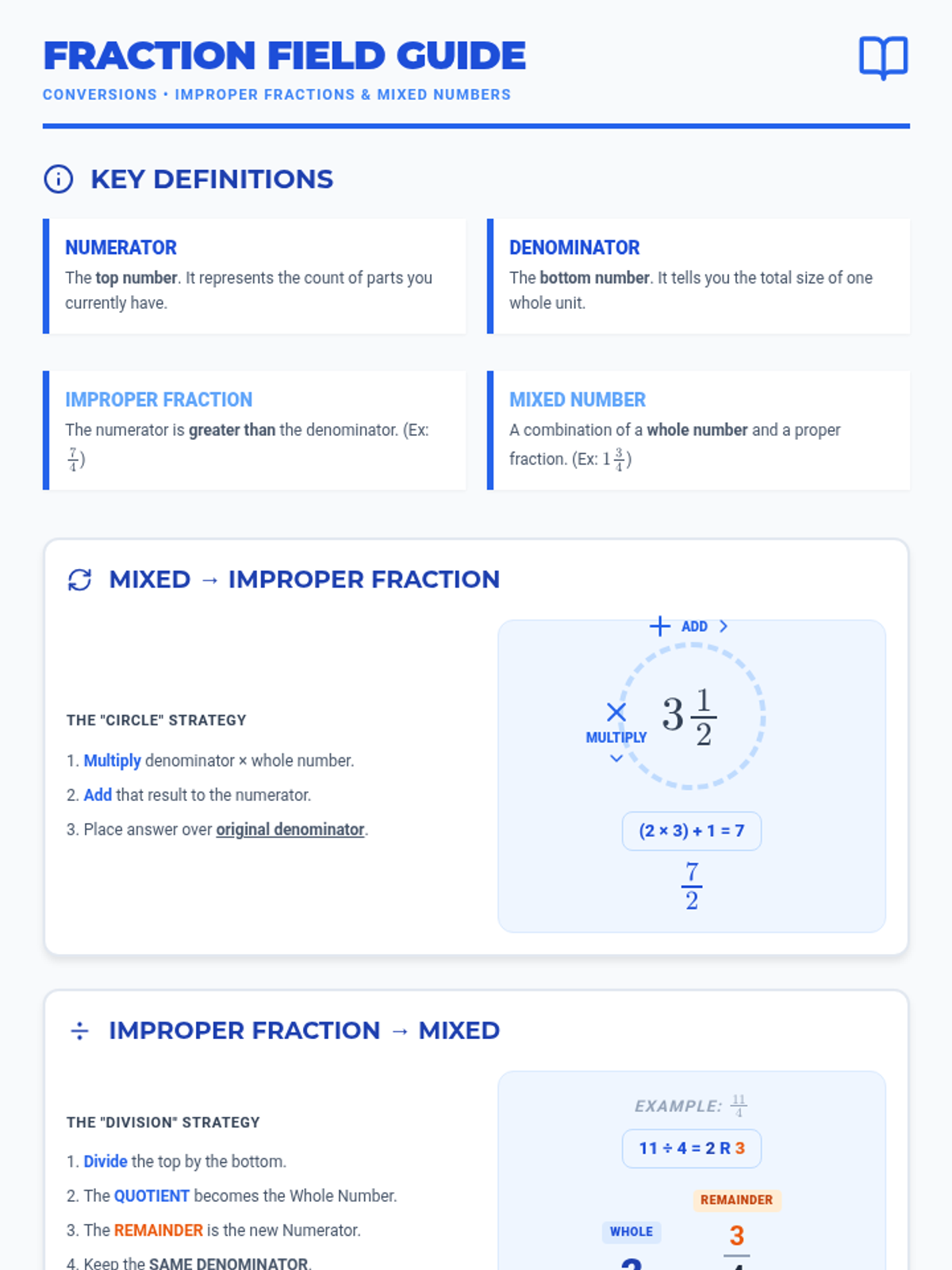
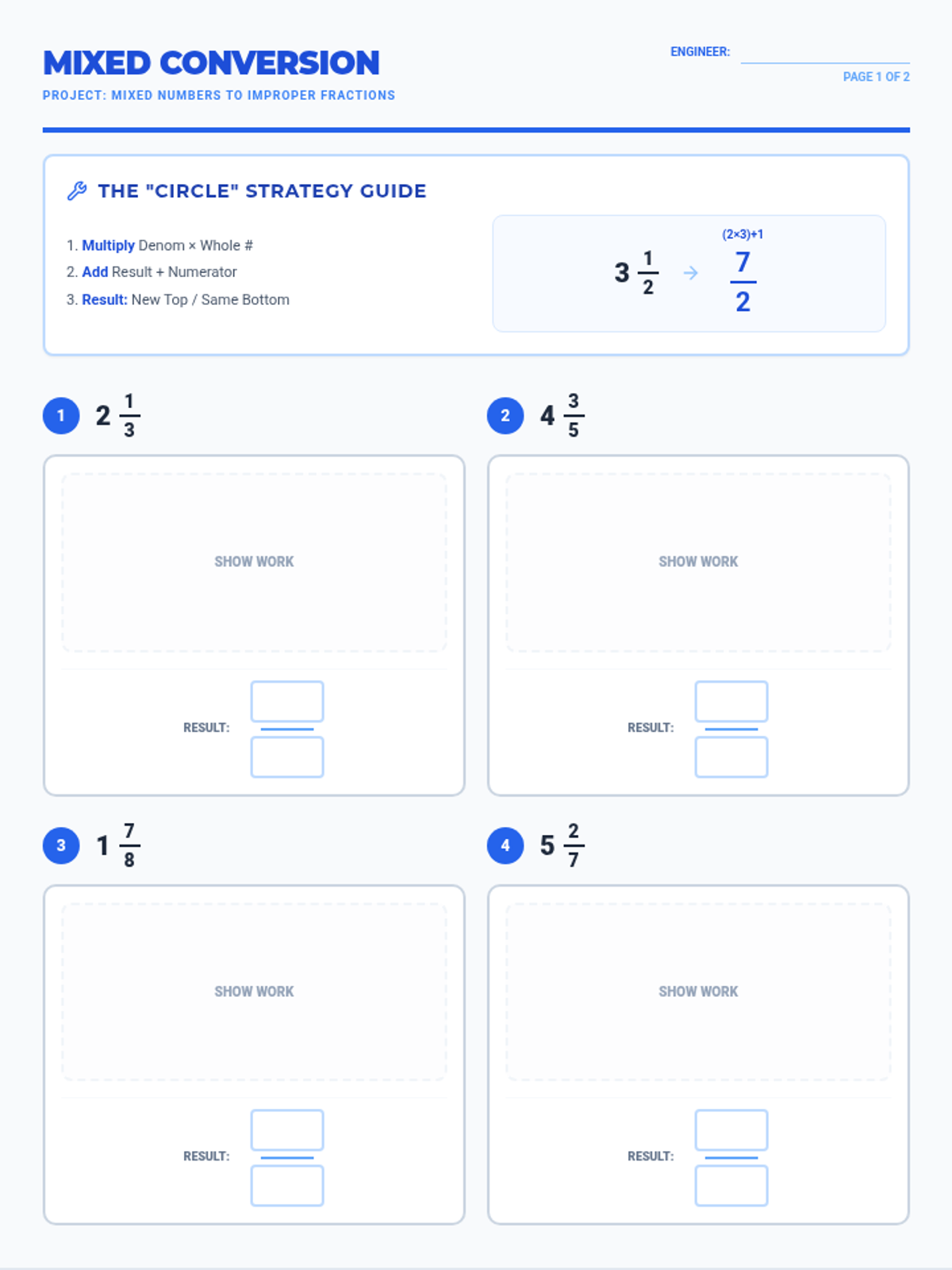
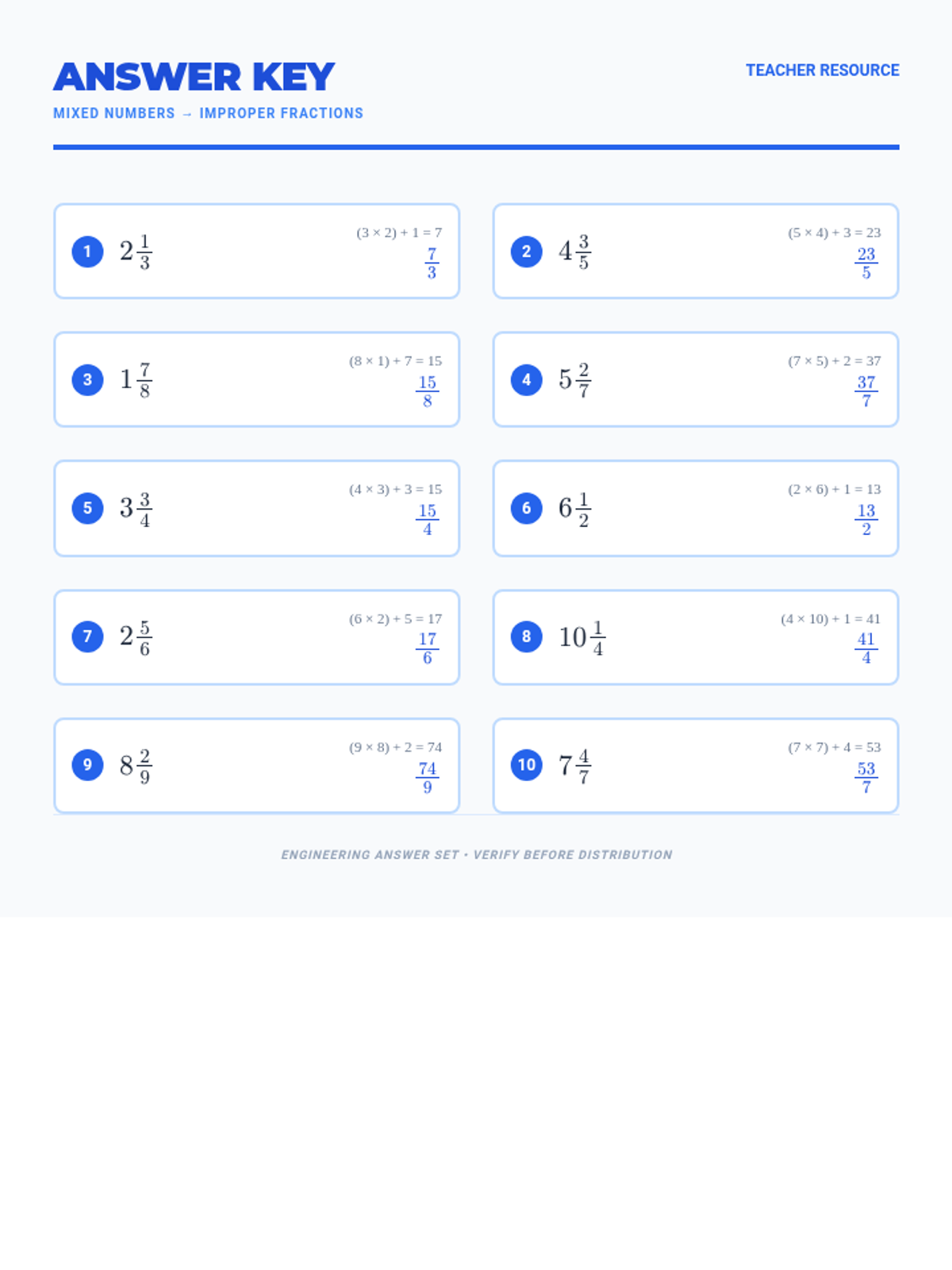
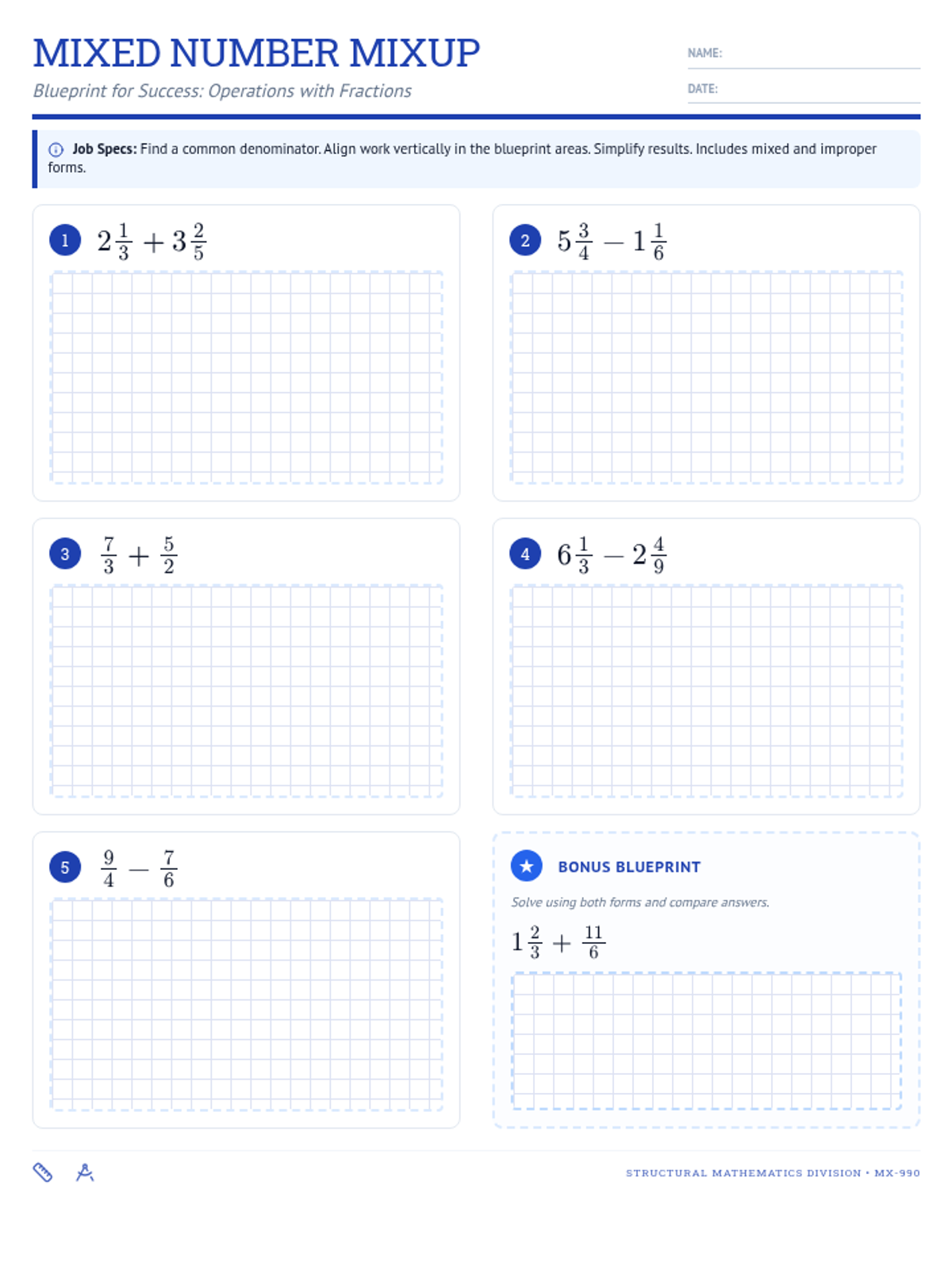
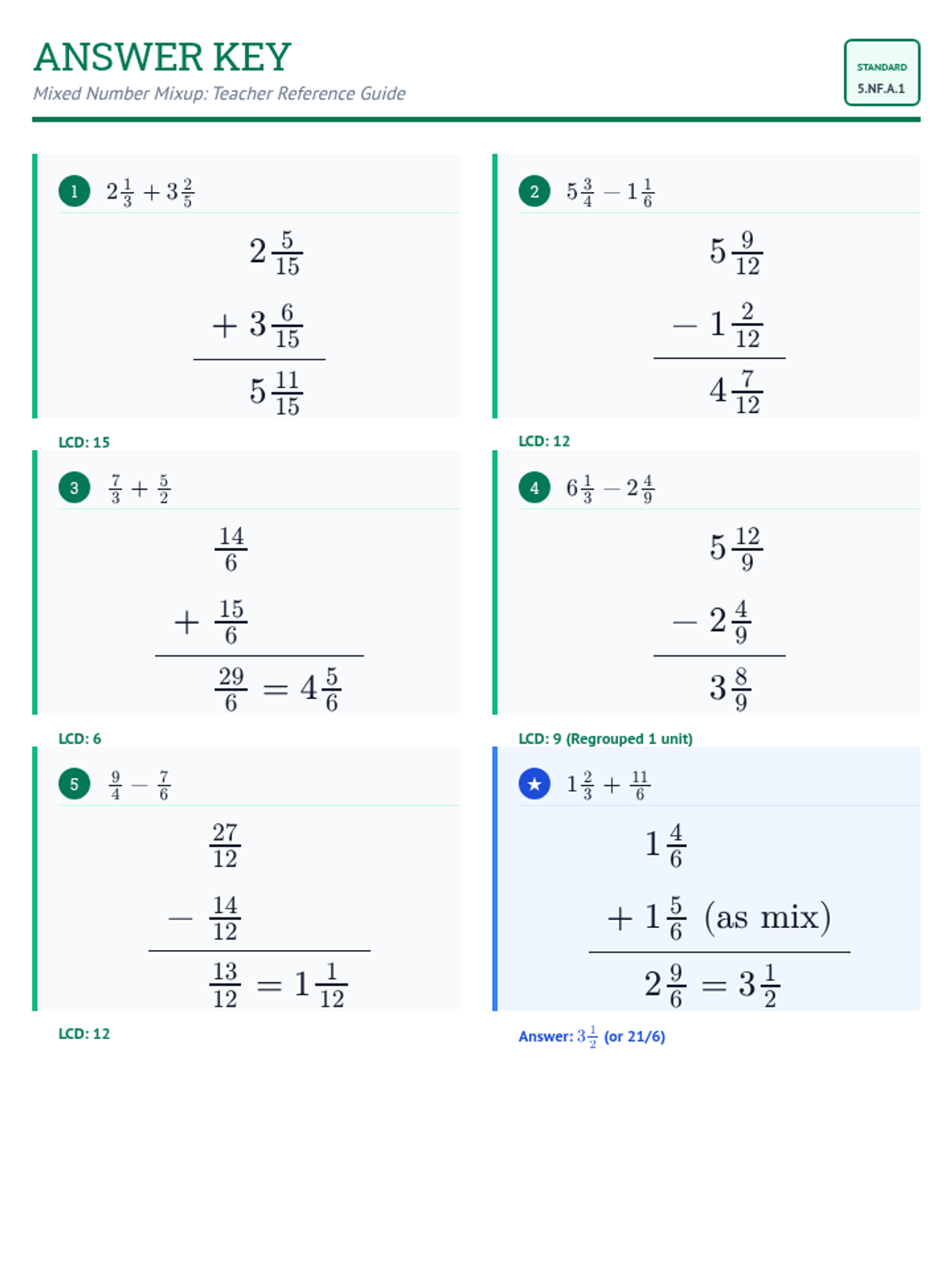
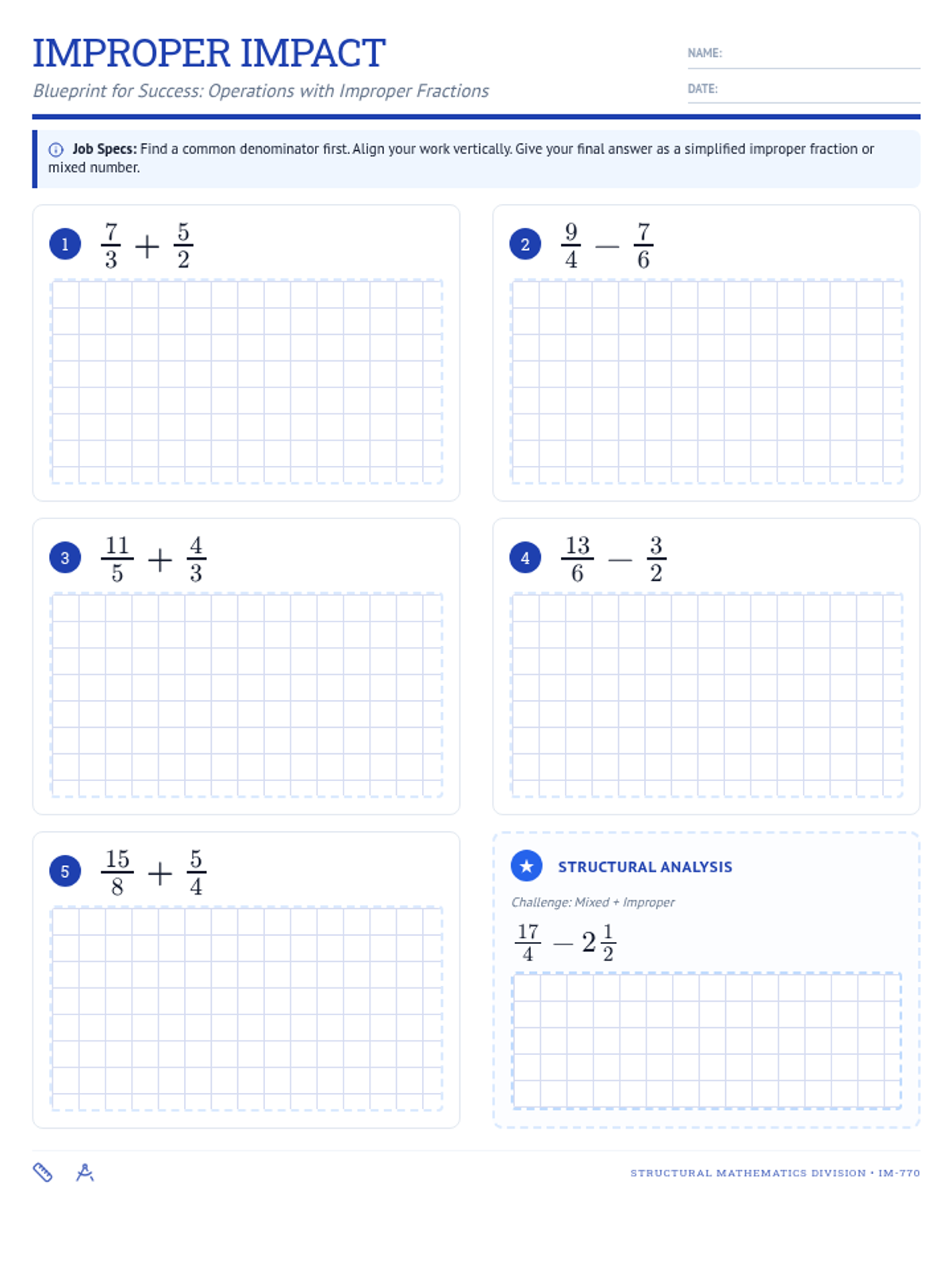
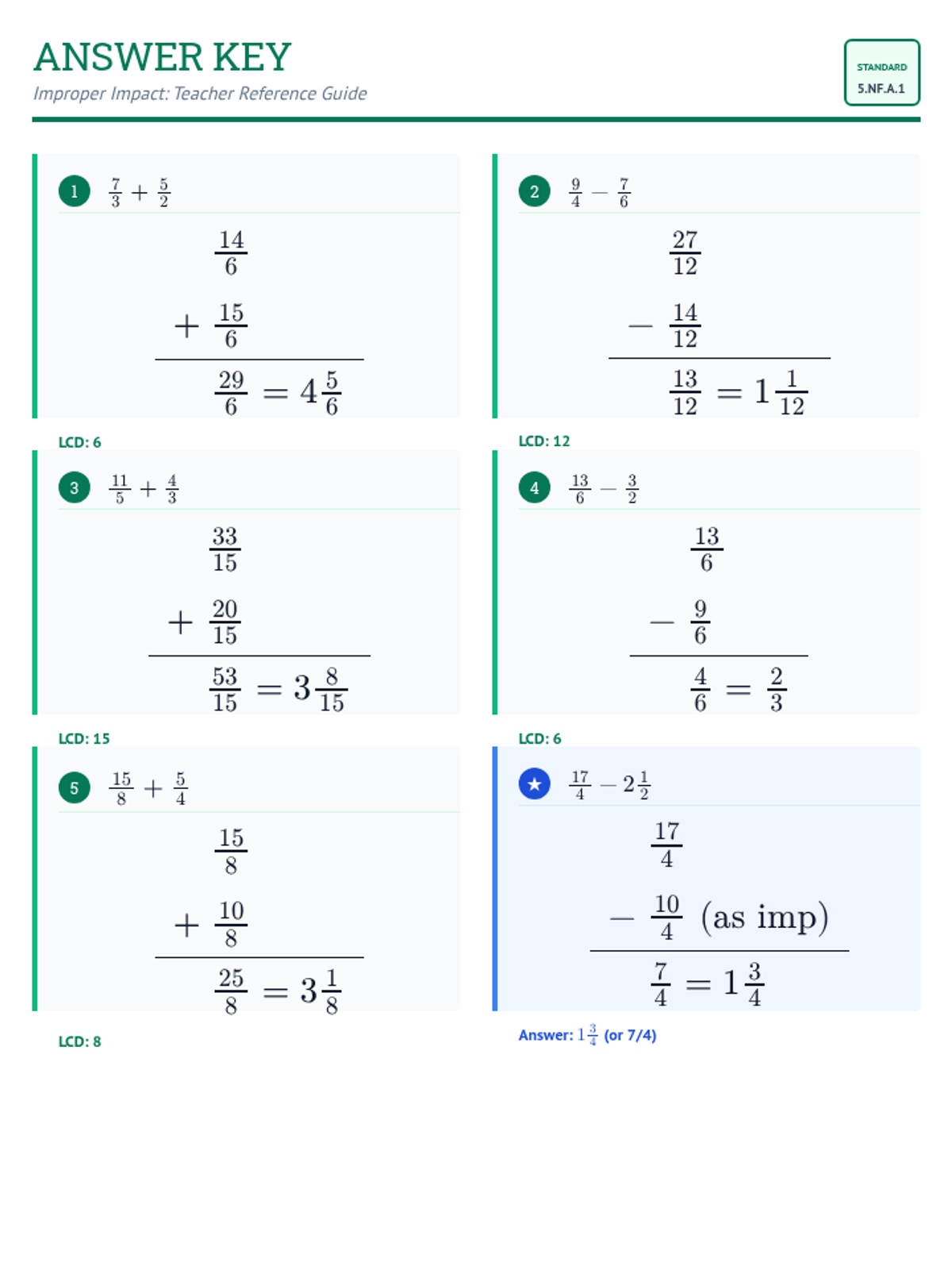
A comprehensive lesson on operations with mixed numbers and improper fractions, focusing on finding common denominators, regrouping, and converting between forms.
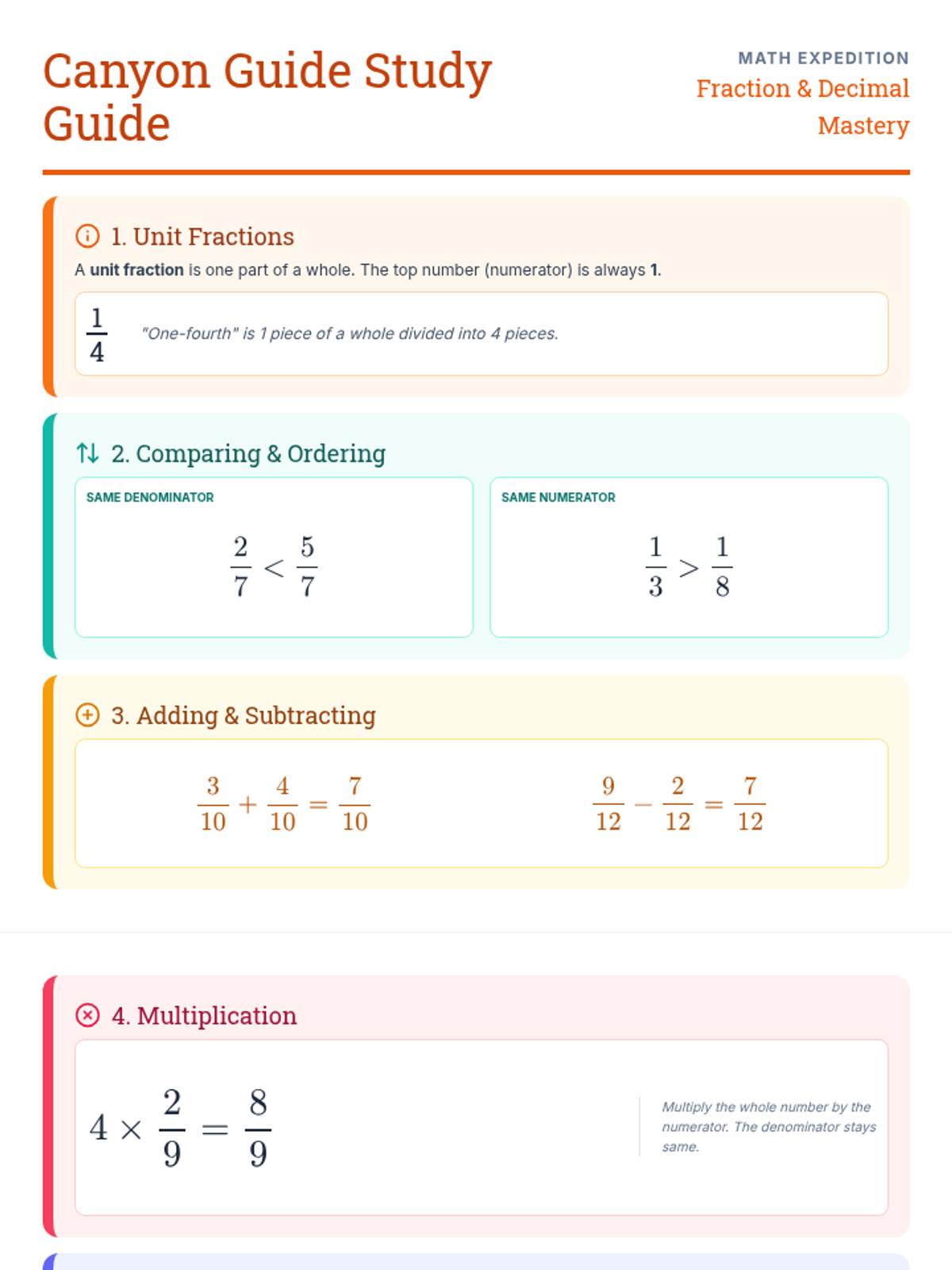
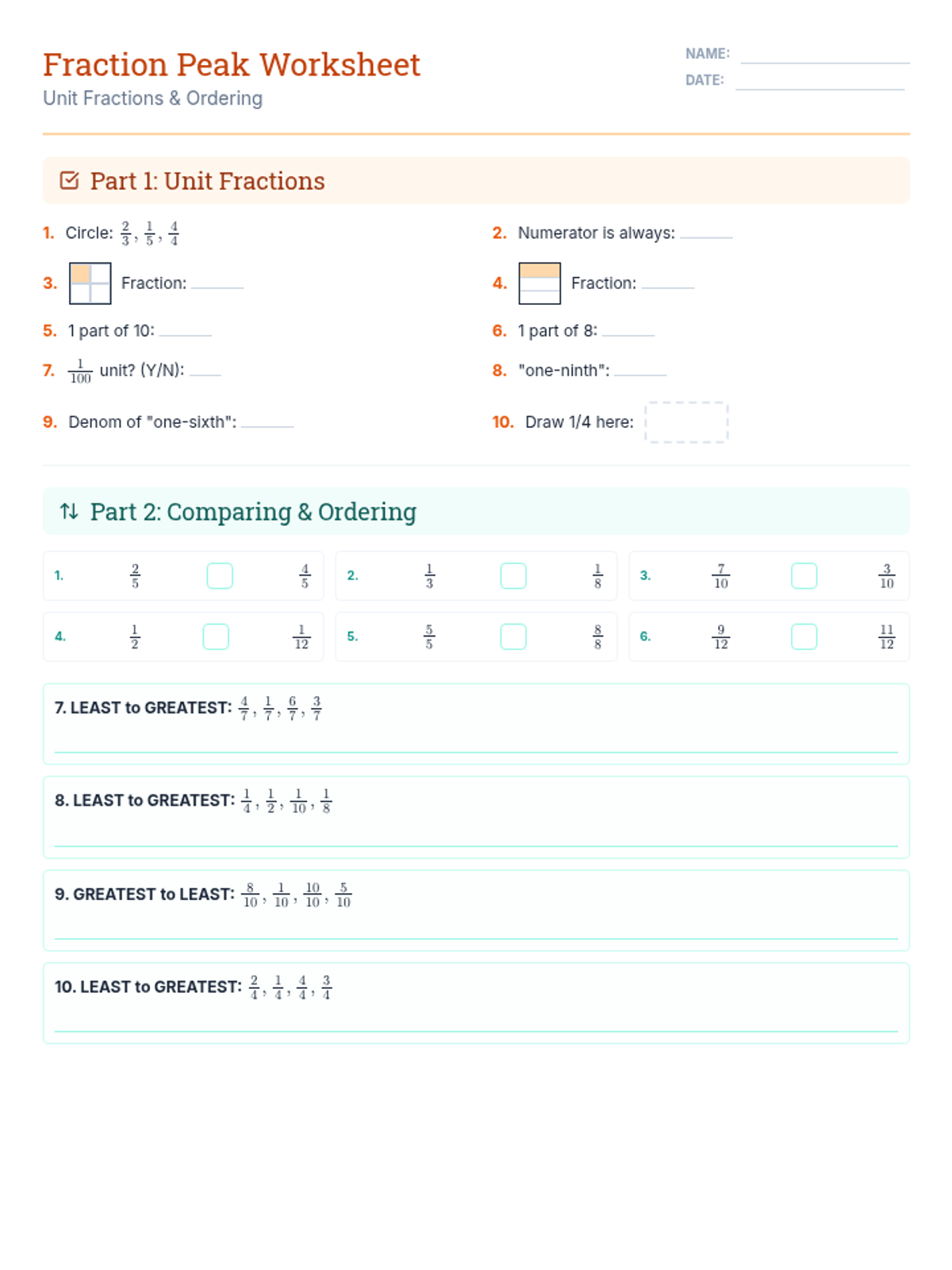
A comprehensive review lesson covering unit fractions, ordering, operations with like denominators, fraction multiplication, and decimal arithmetic.
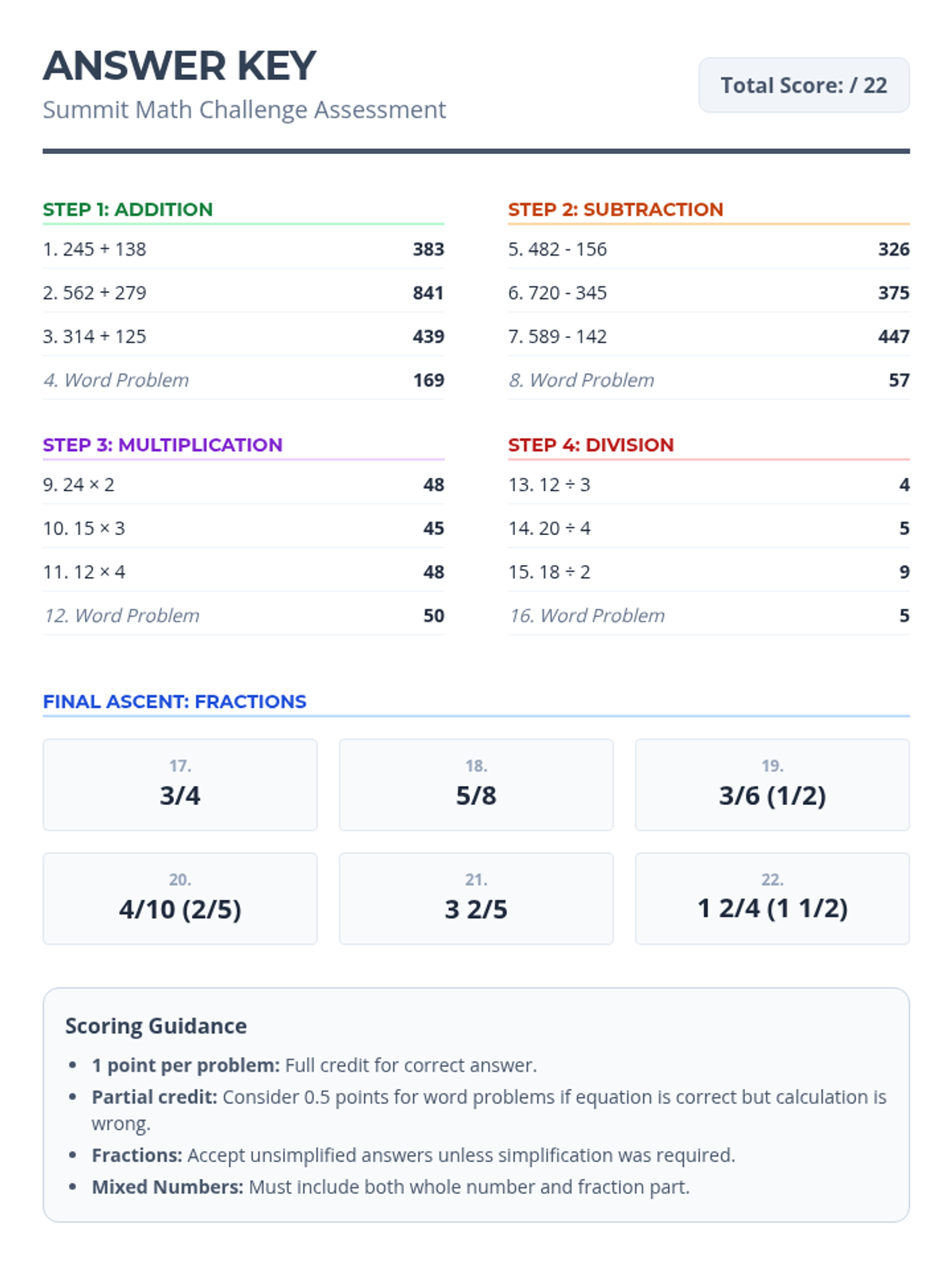
A comprehensive math assessment for 2nd-4th grade covering basic operations and fractions, designed with simplified wording and student support features.
A lesson focused on adding and subtracting proper fractions with unlike denominators using a step-by-step checklist and potion-themed problems.
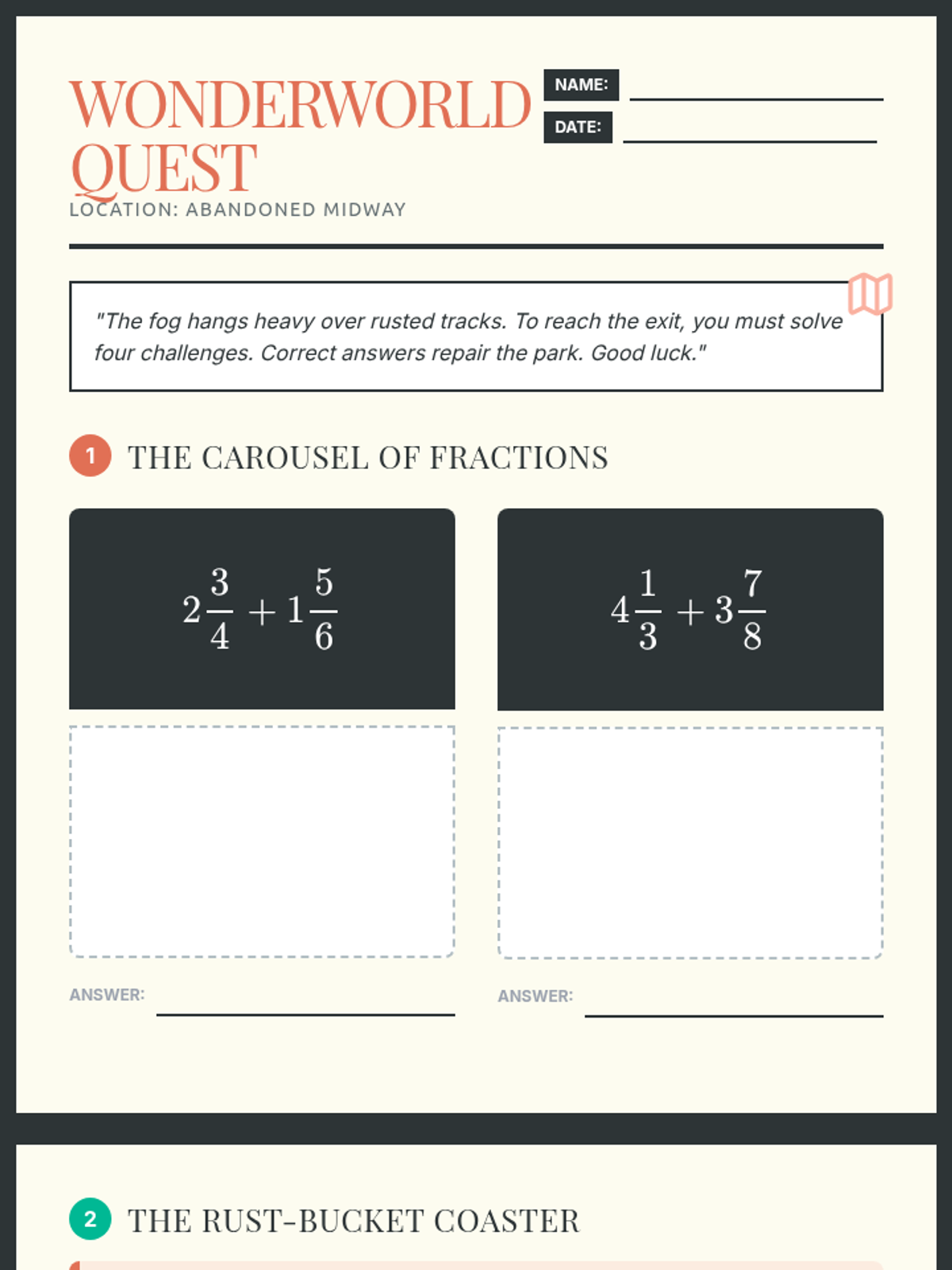
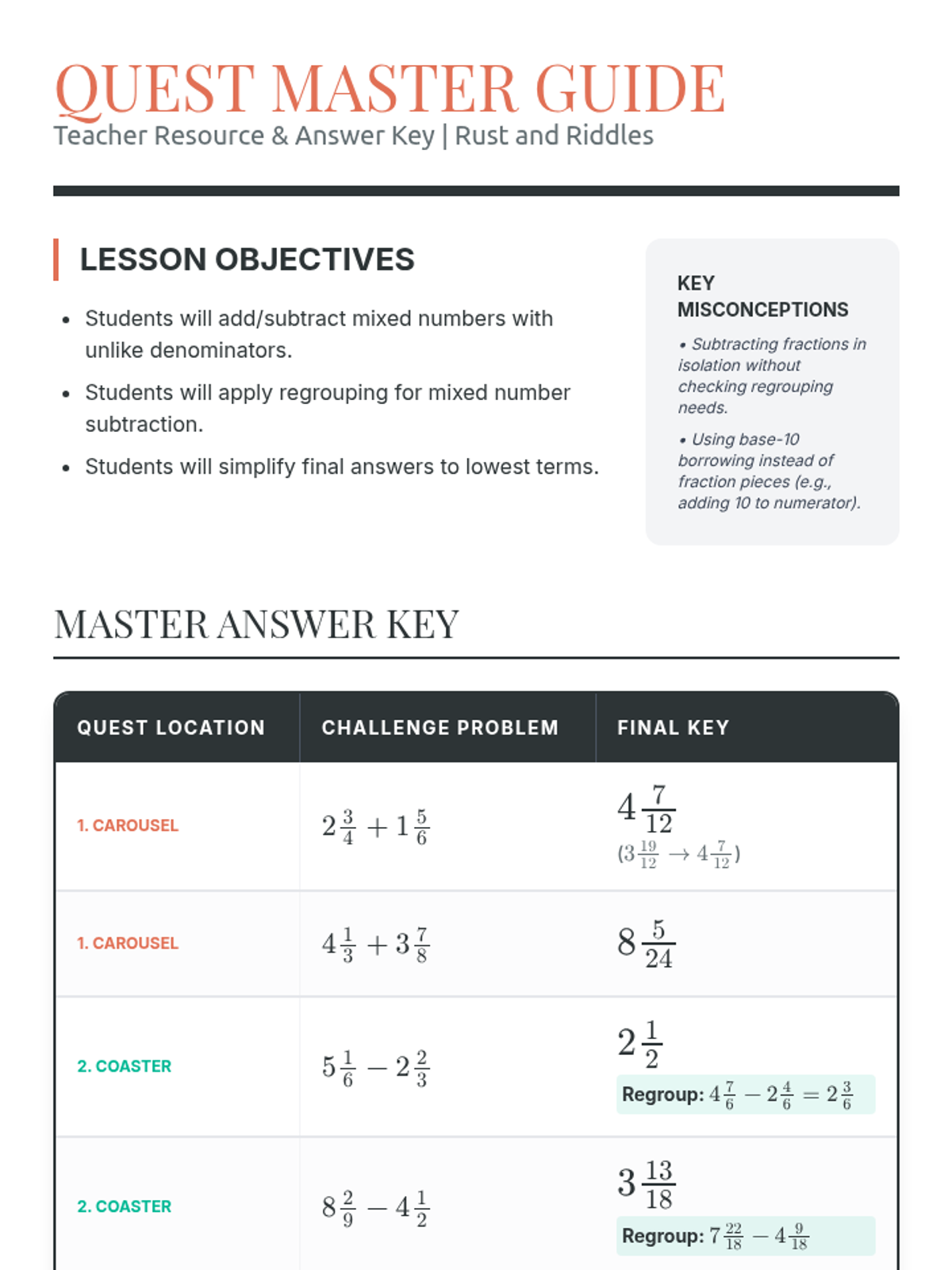
A mathematical quest set in an abandoned theme park where students solve fraction and mixed number problems with unlike denominators and regrouping to navigate the park.
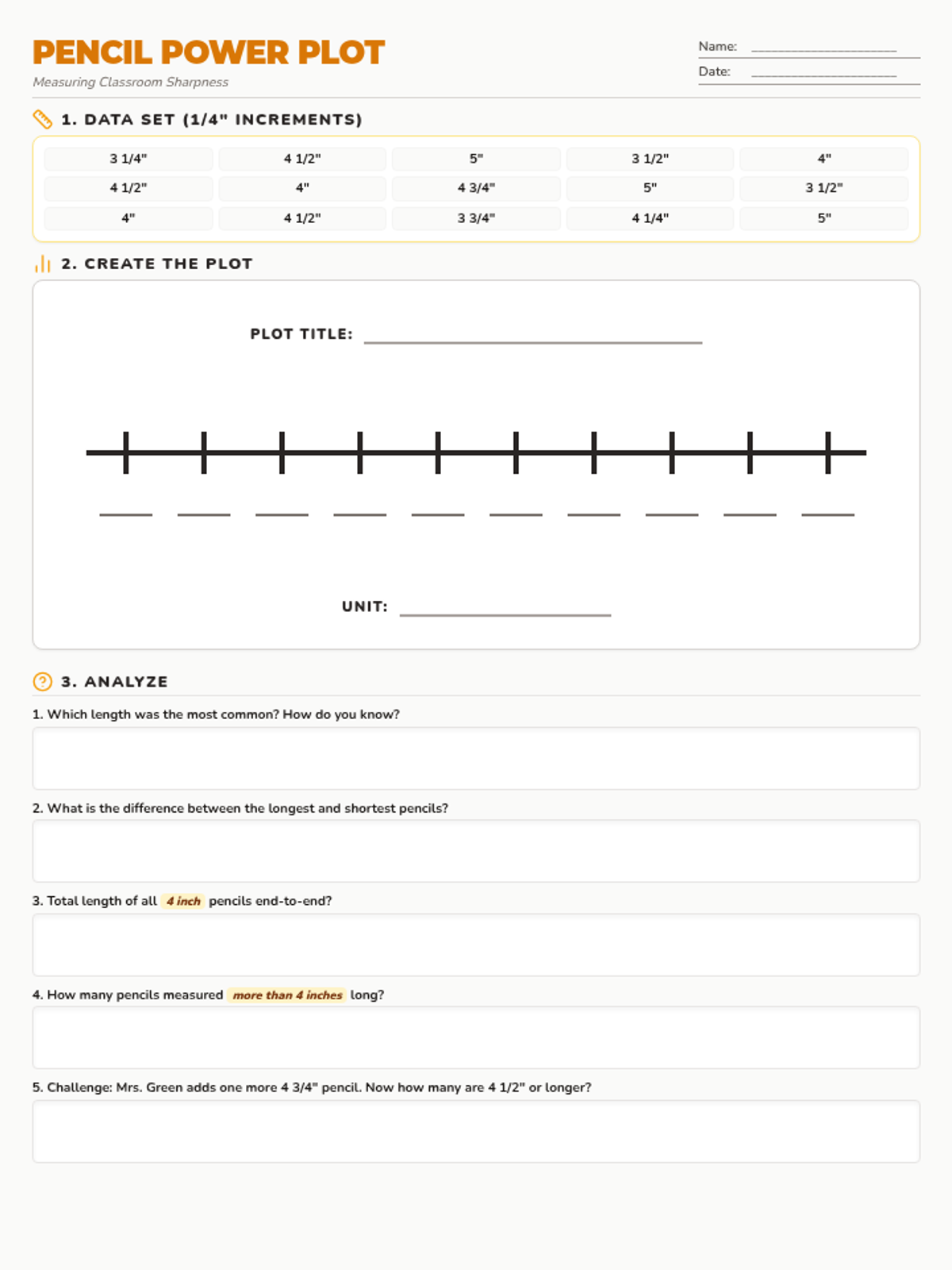
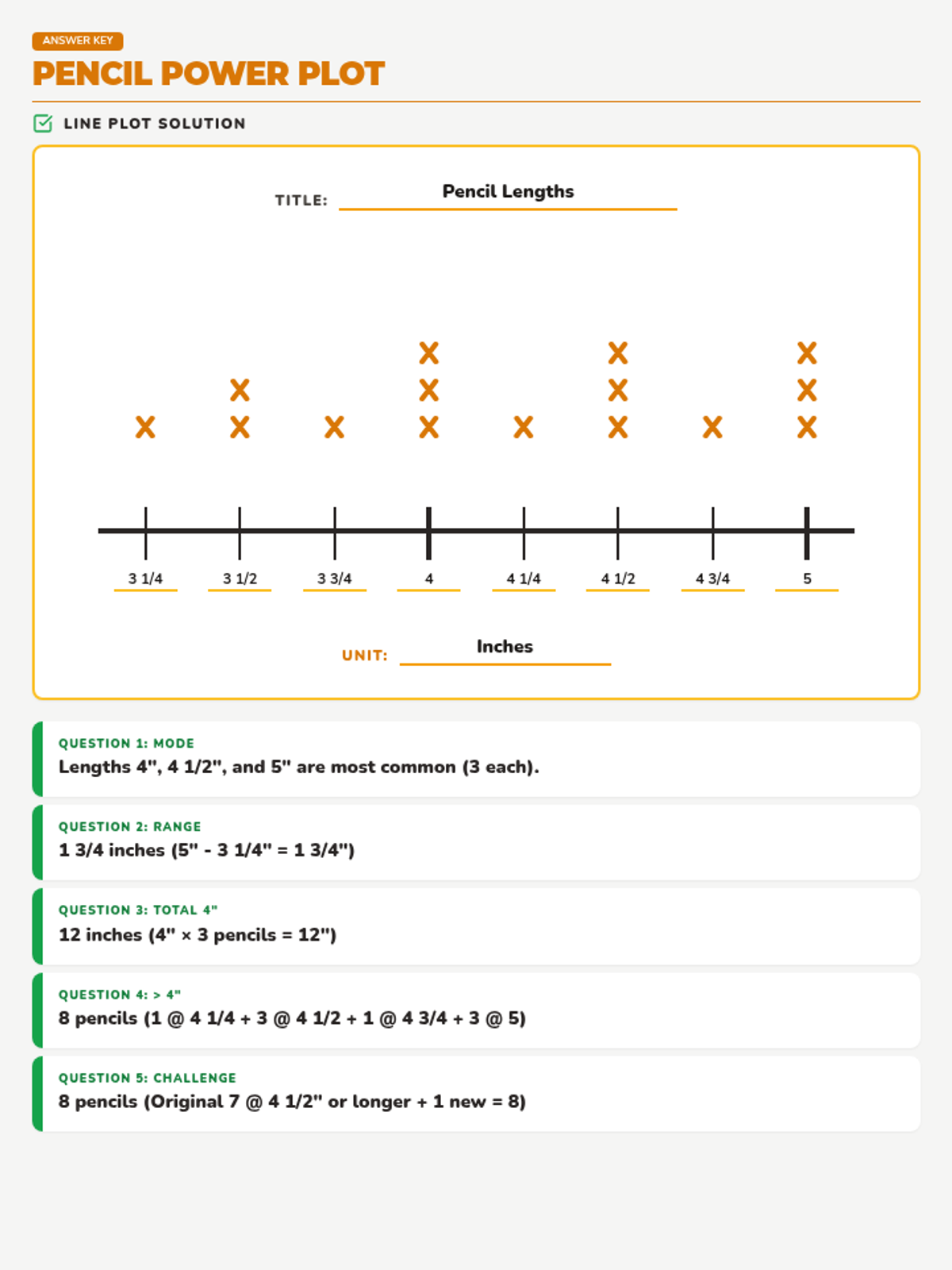
A lesson focused on creating and interpreting line plots using fractional data in 1/4 inch increments, specifically looking at pencil lengths in a classroom.