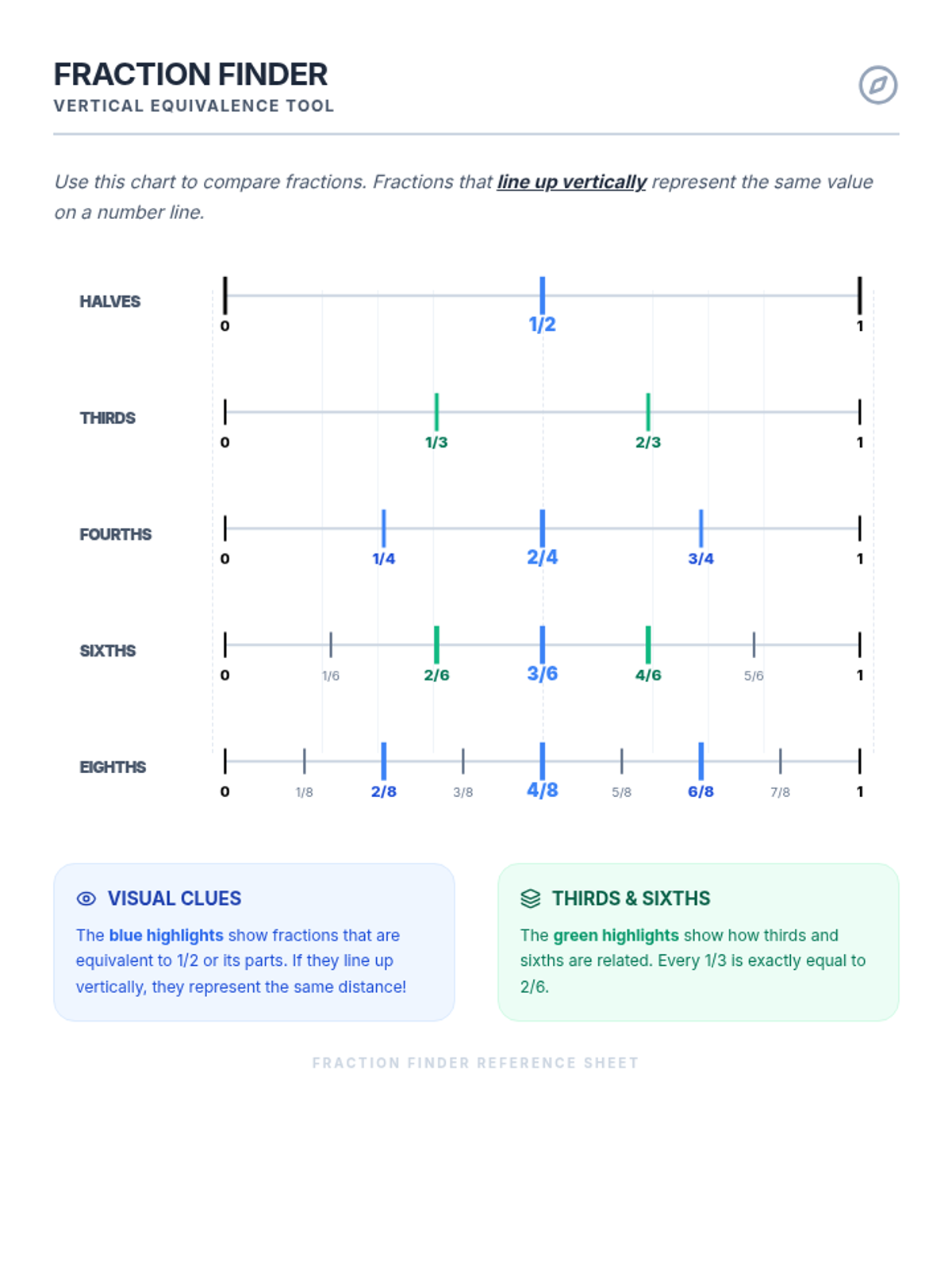
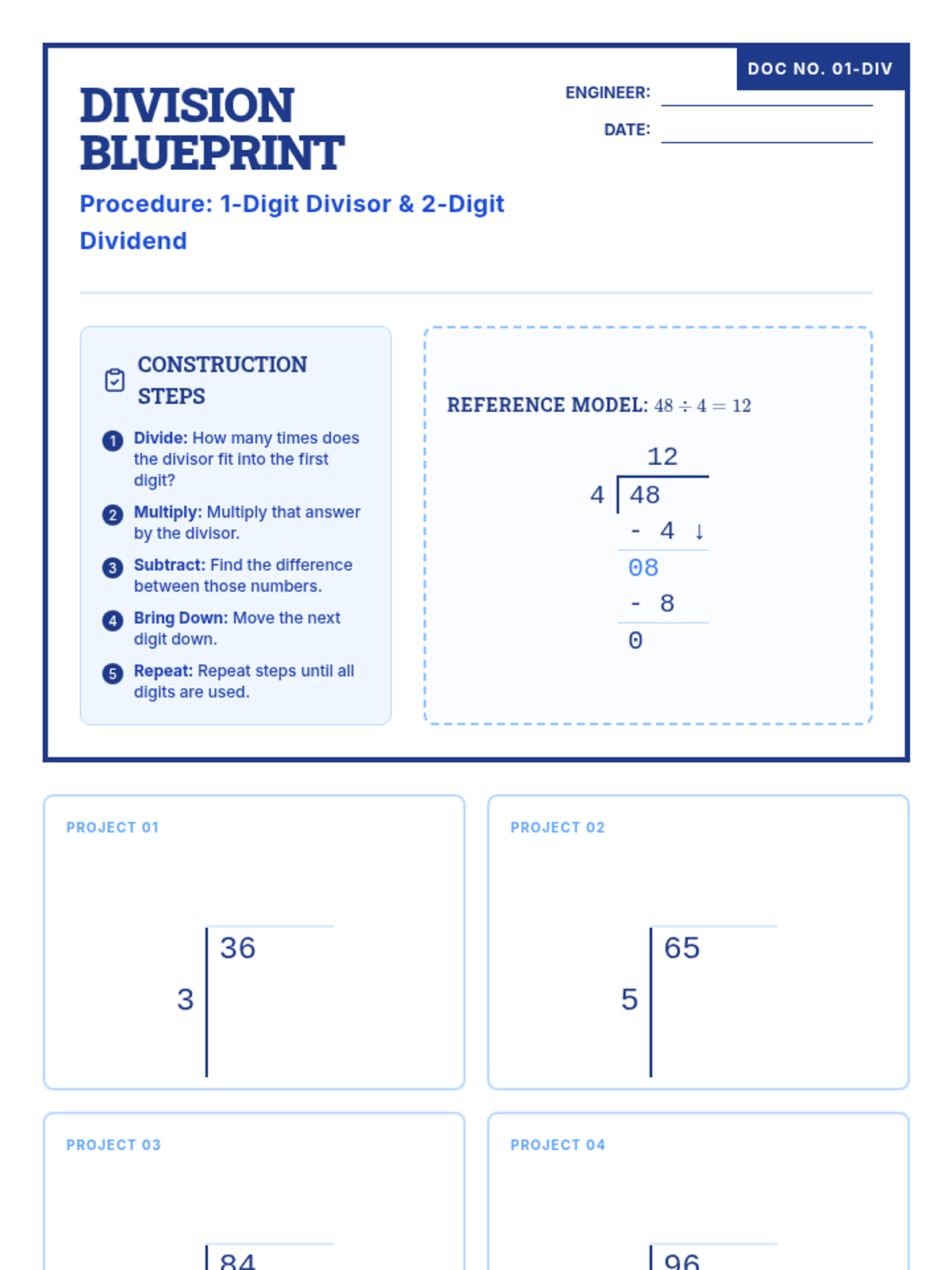
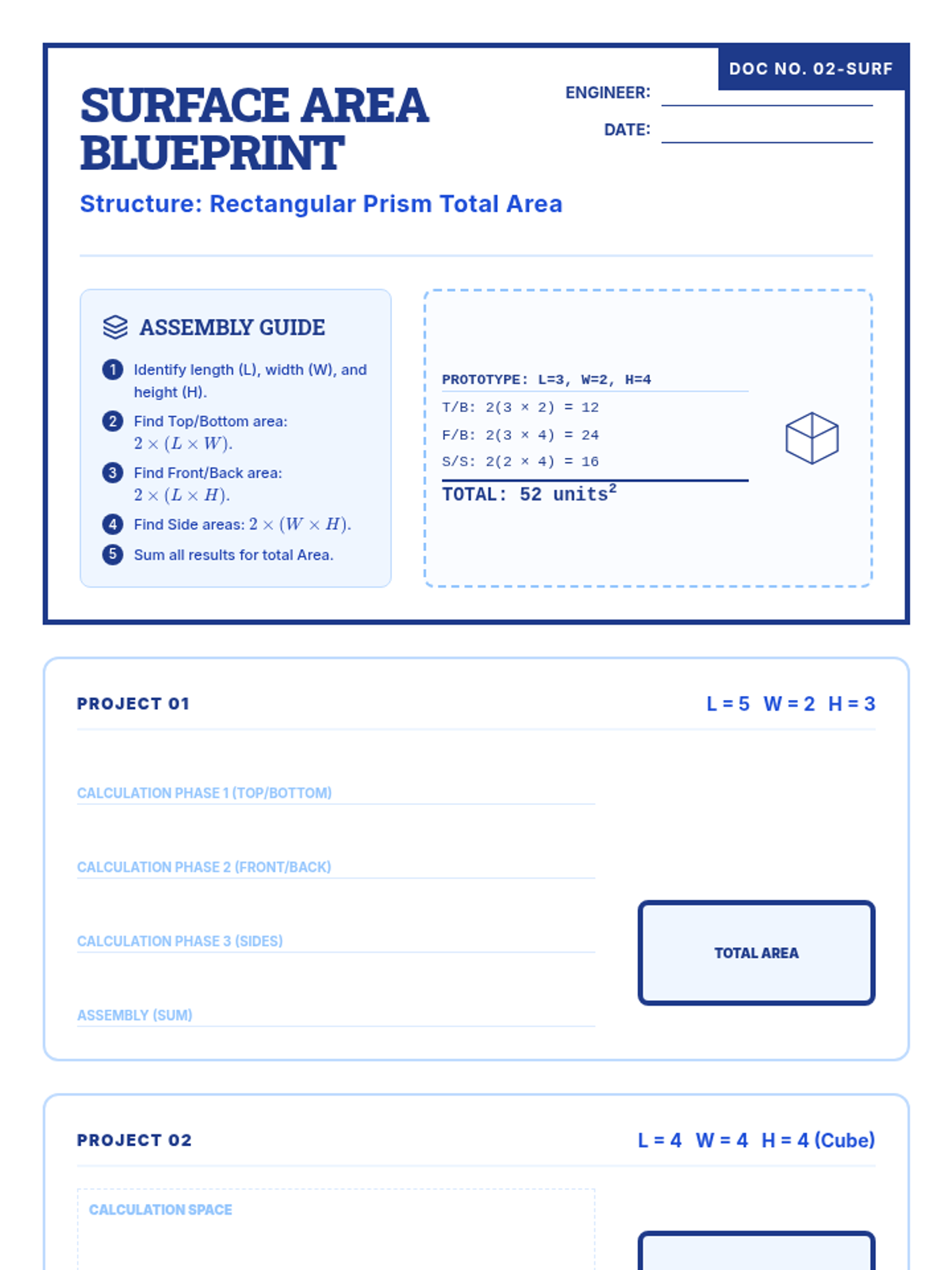
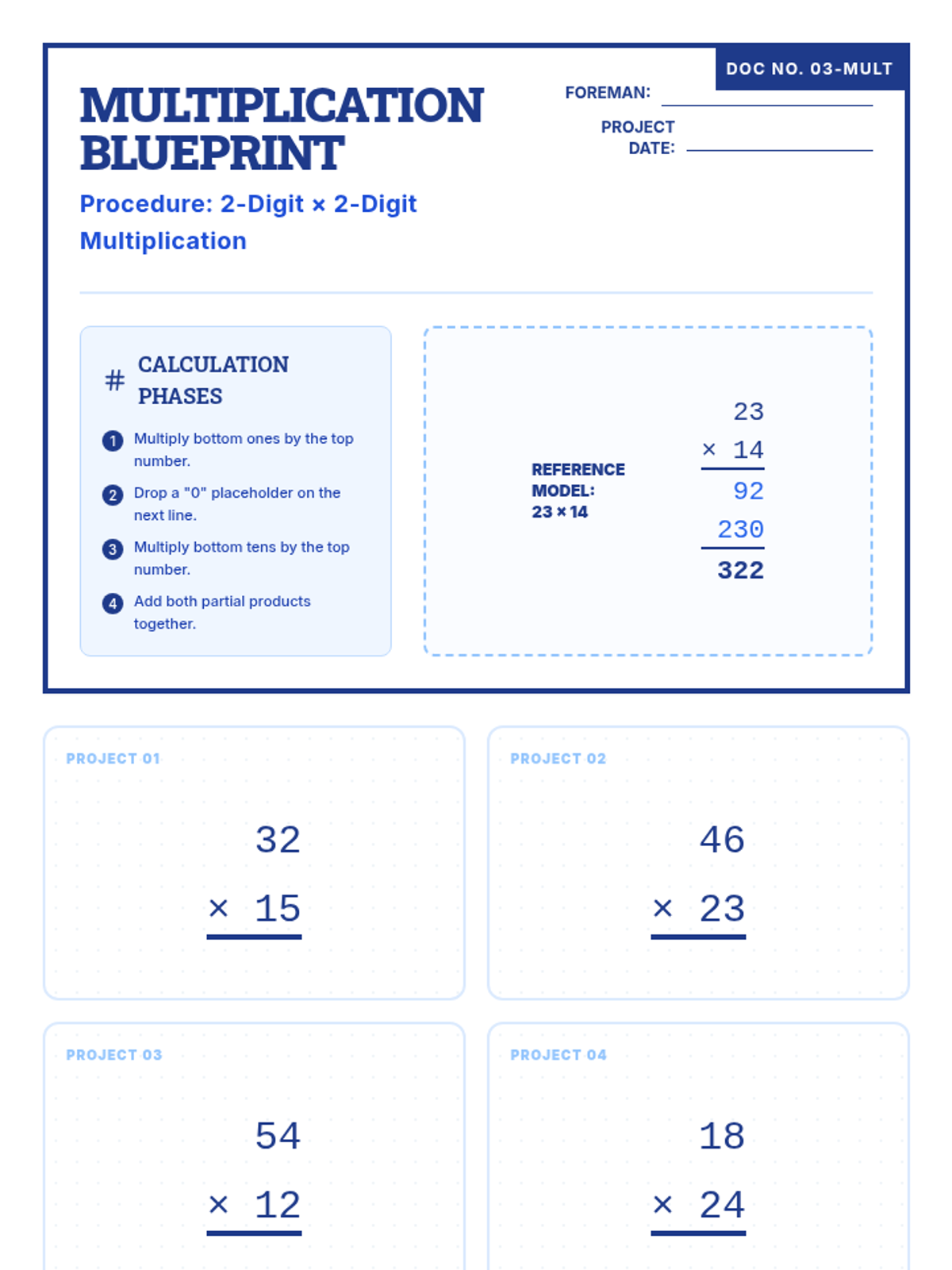
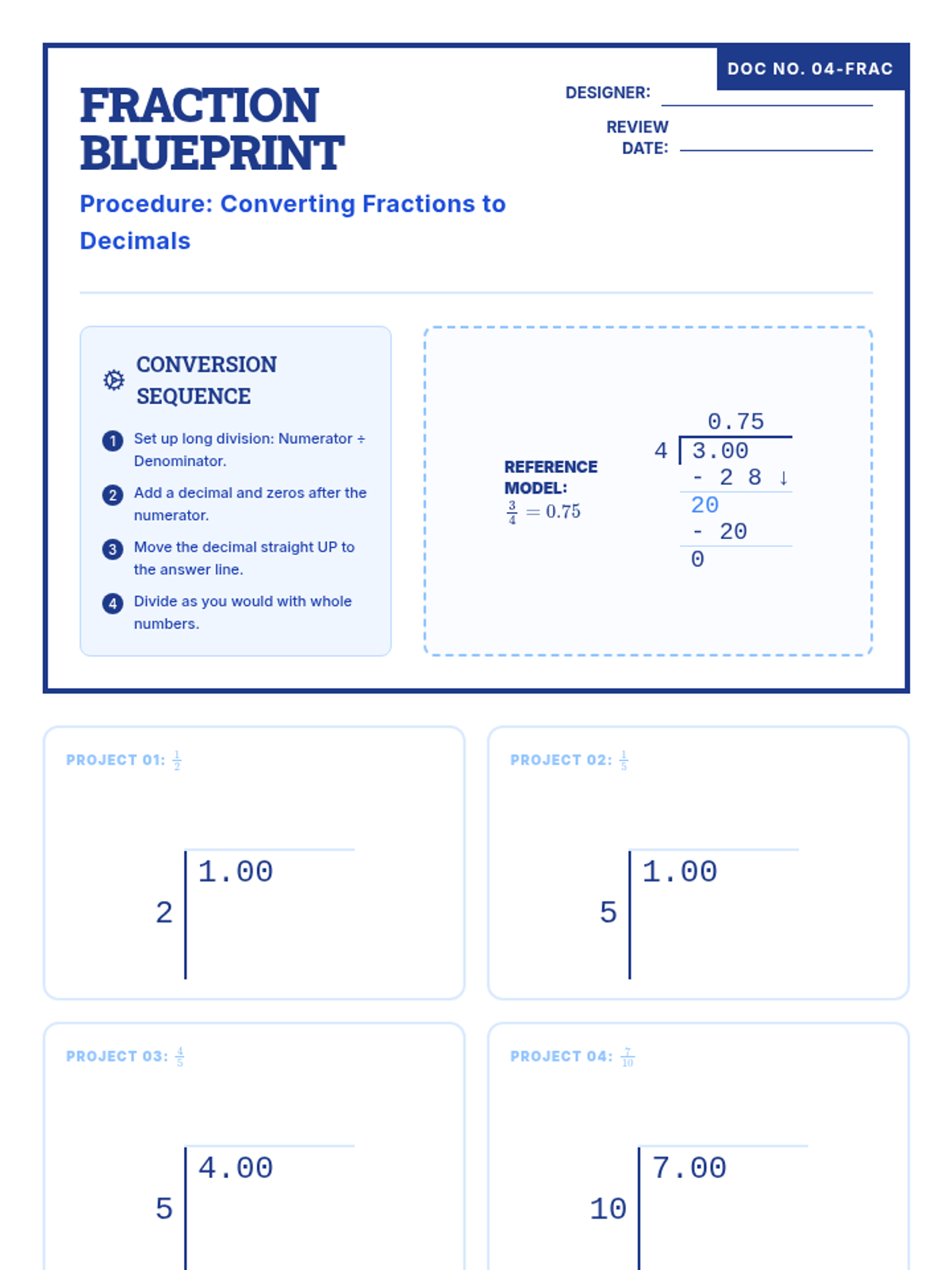
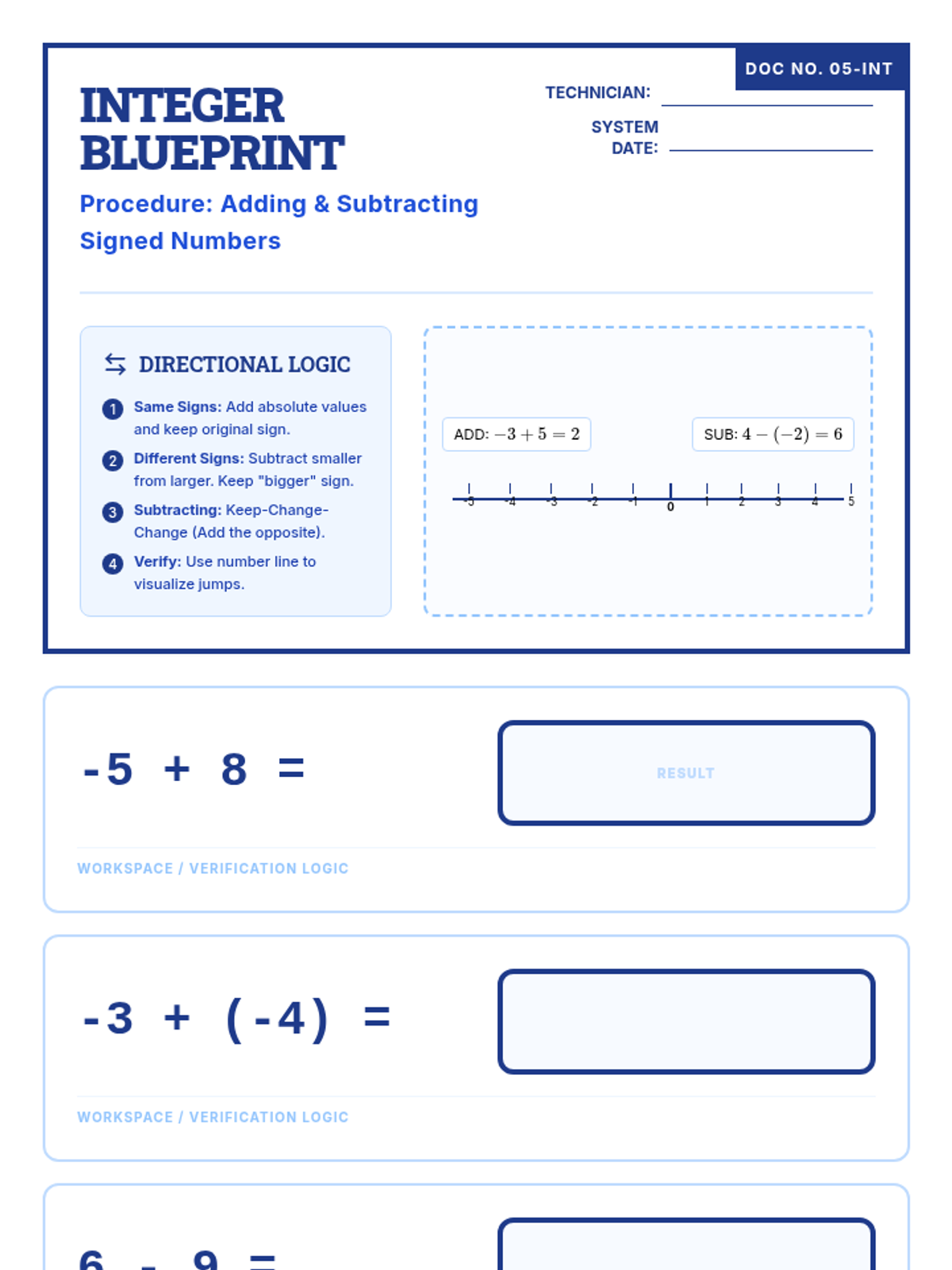
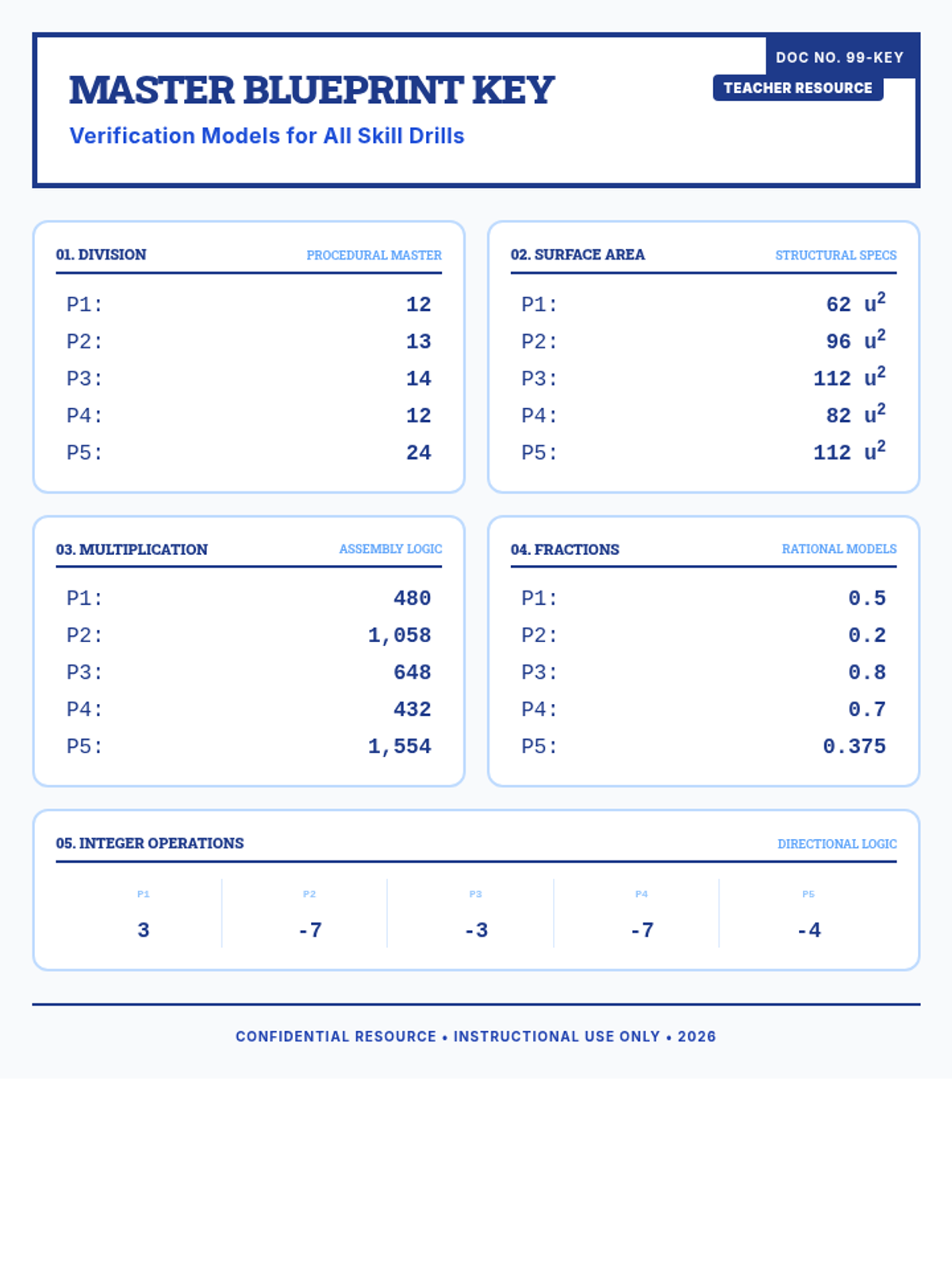
Foundational fraction equivalence, ordering, and operations across the rational number system. Addresses multi-digit computation, decimal conversions, and the distinction between rational and irrational numbers.
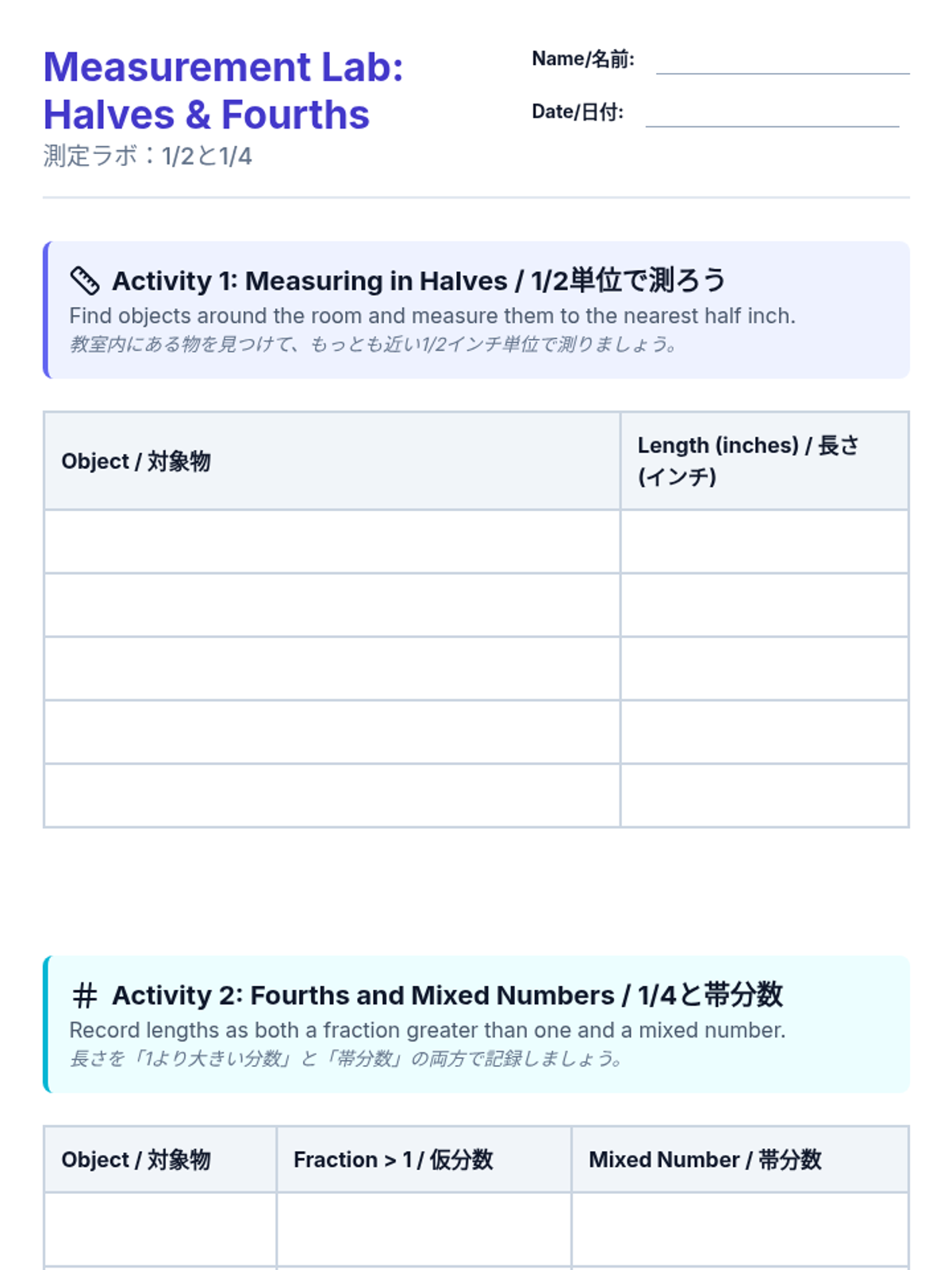
A comprehensive unit on measurement focusing on inches, fractions (halves and fourths), mixed numbers, and representing data on line plots. Translated into Japanese.
A comprehensive unit on measuring length in inches using halves and fourths, recording data, and interpreting line plots, presented in both English and Japanese.
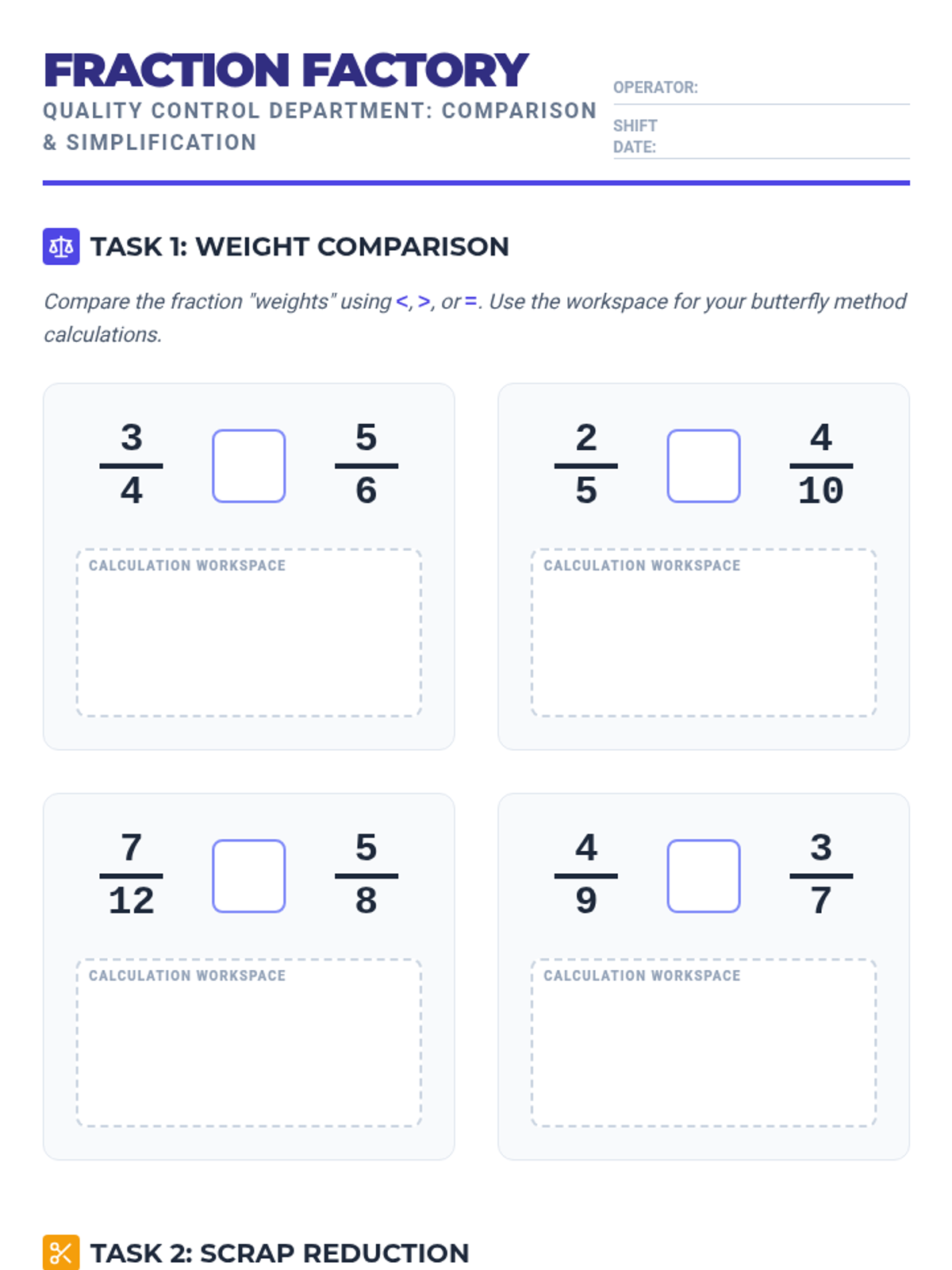
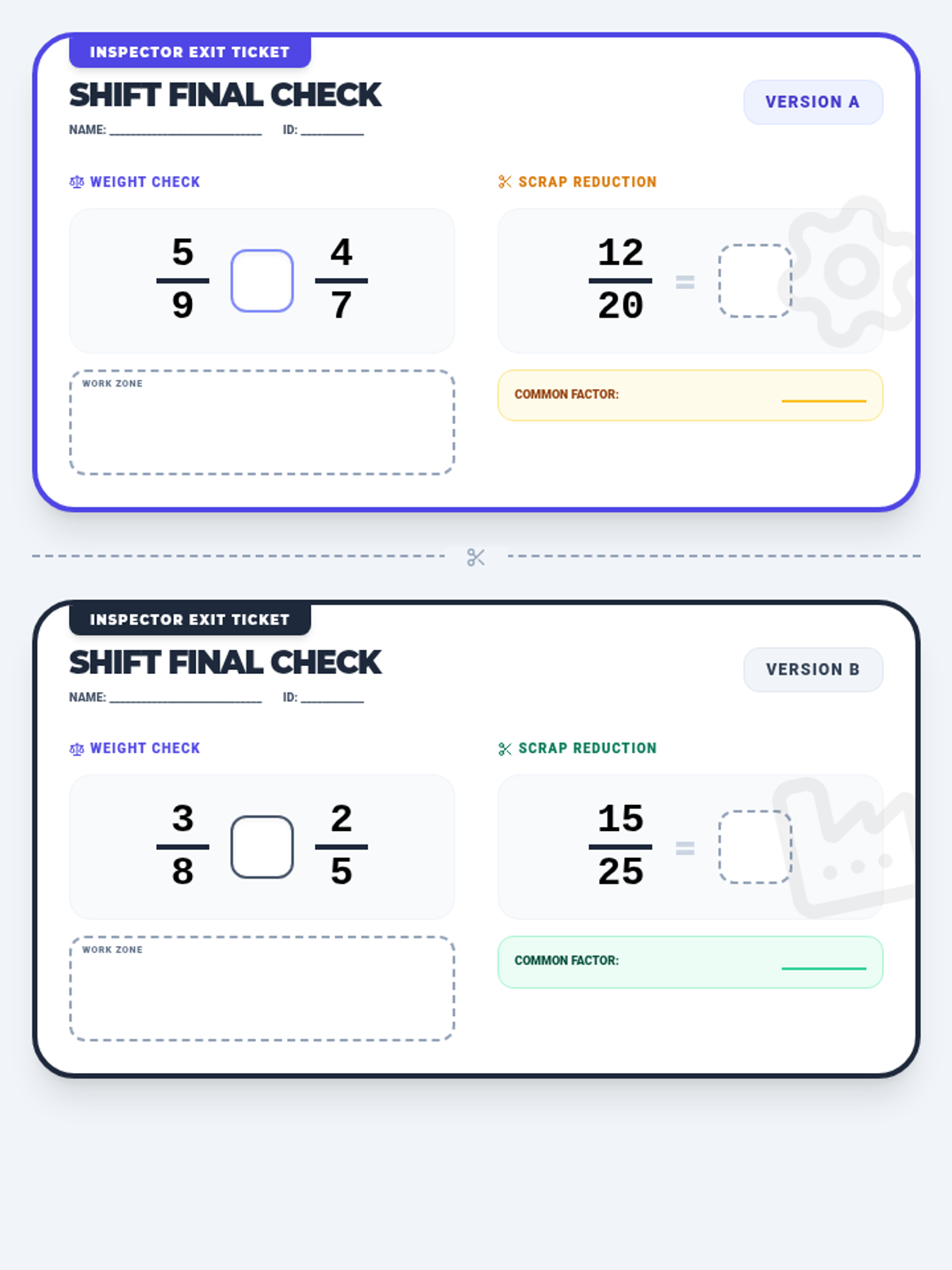
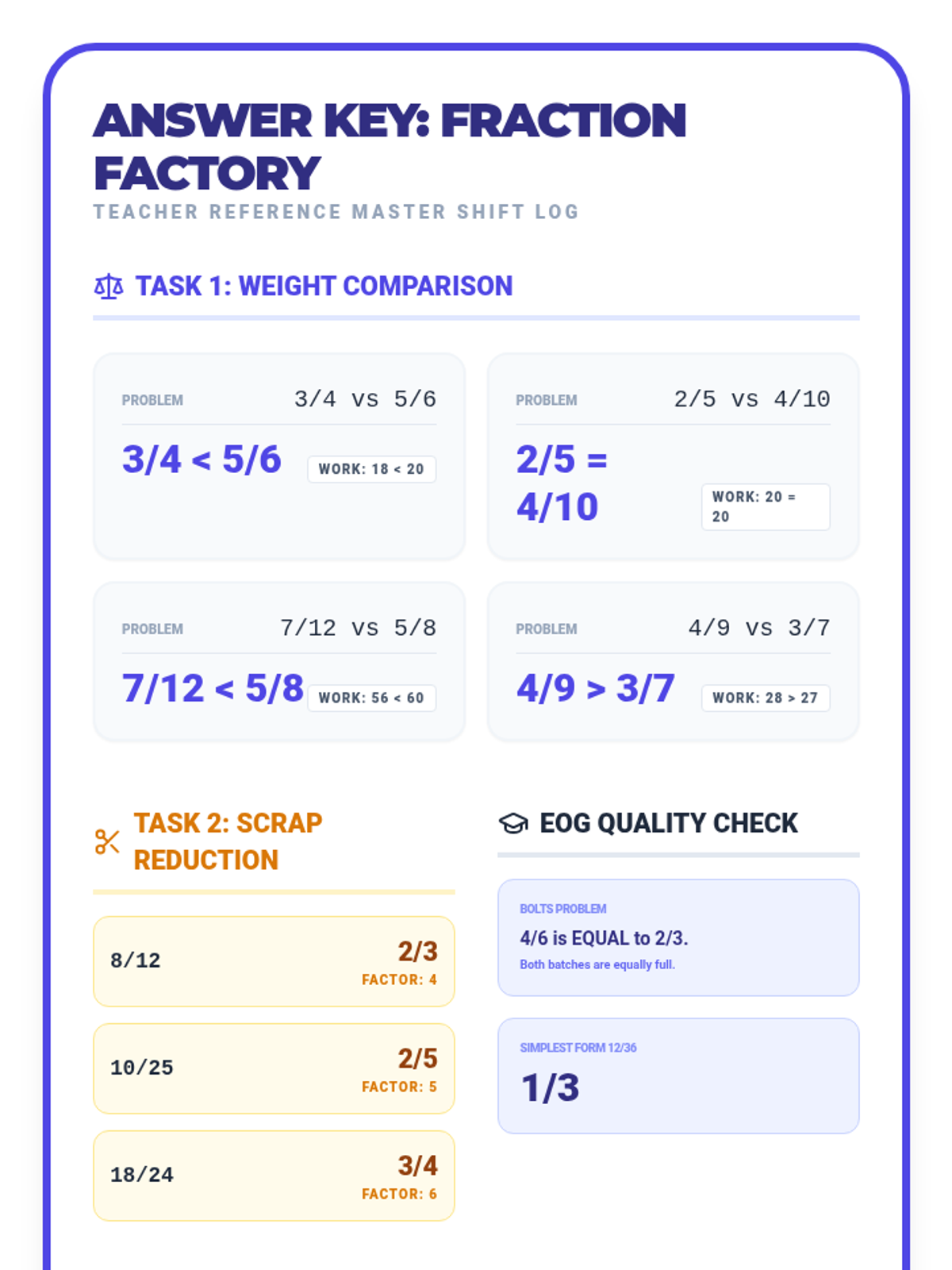
A comprehensive unit focused on mastering fraction operations, specifically focusing on comparison and simplification techniques tailored for EOG preparation.
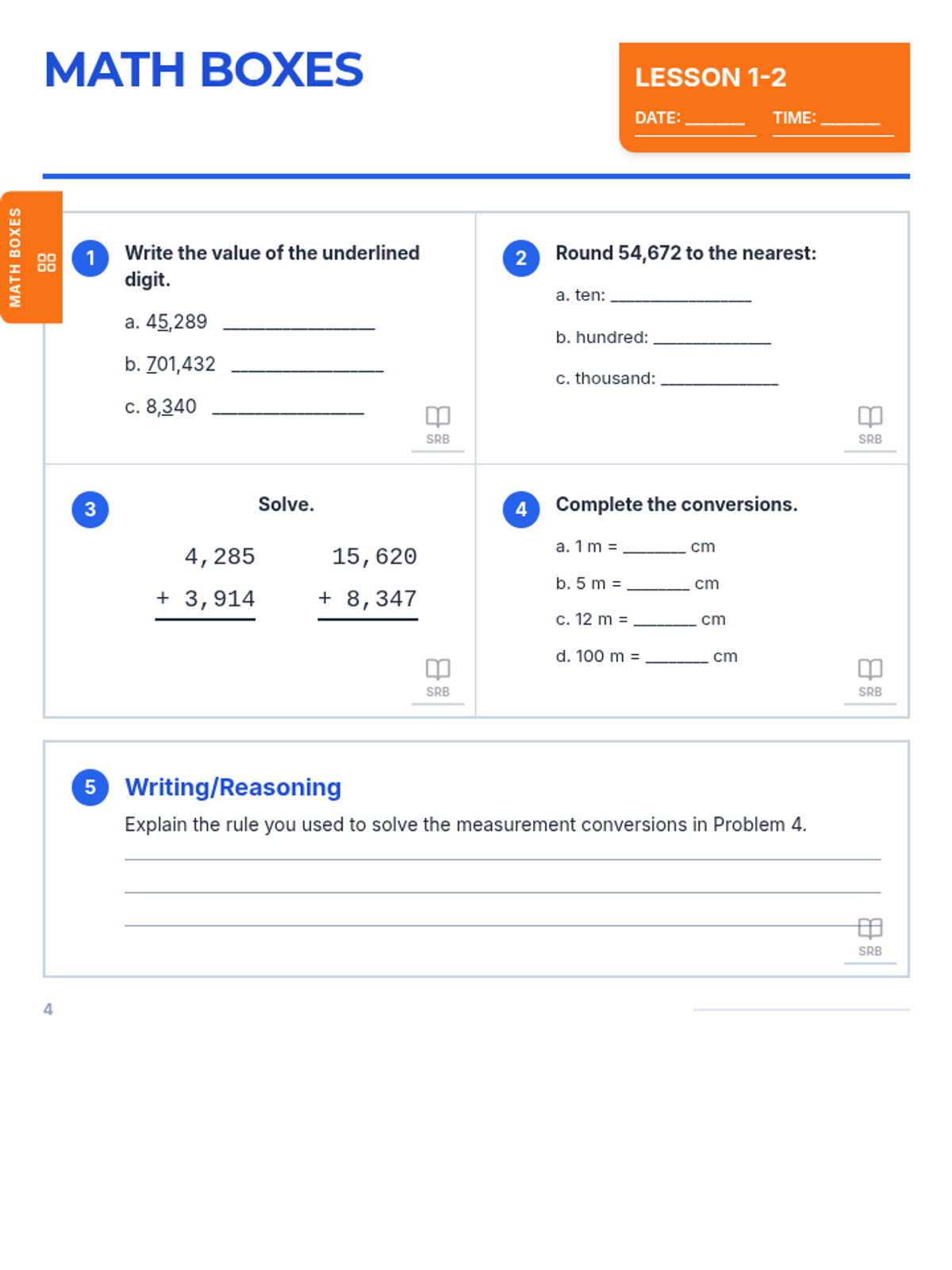
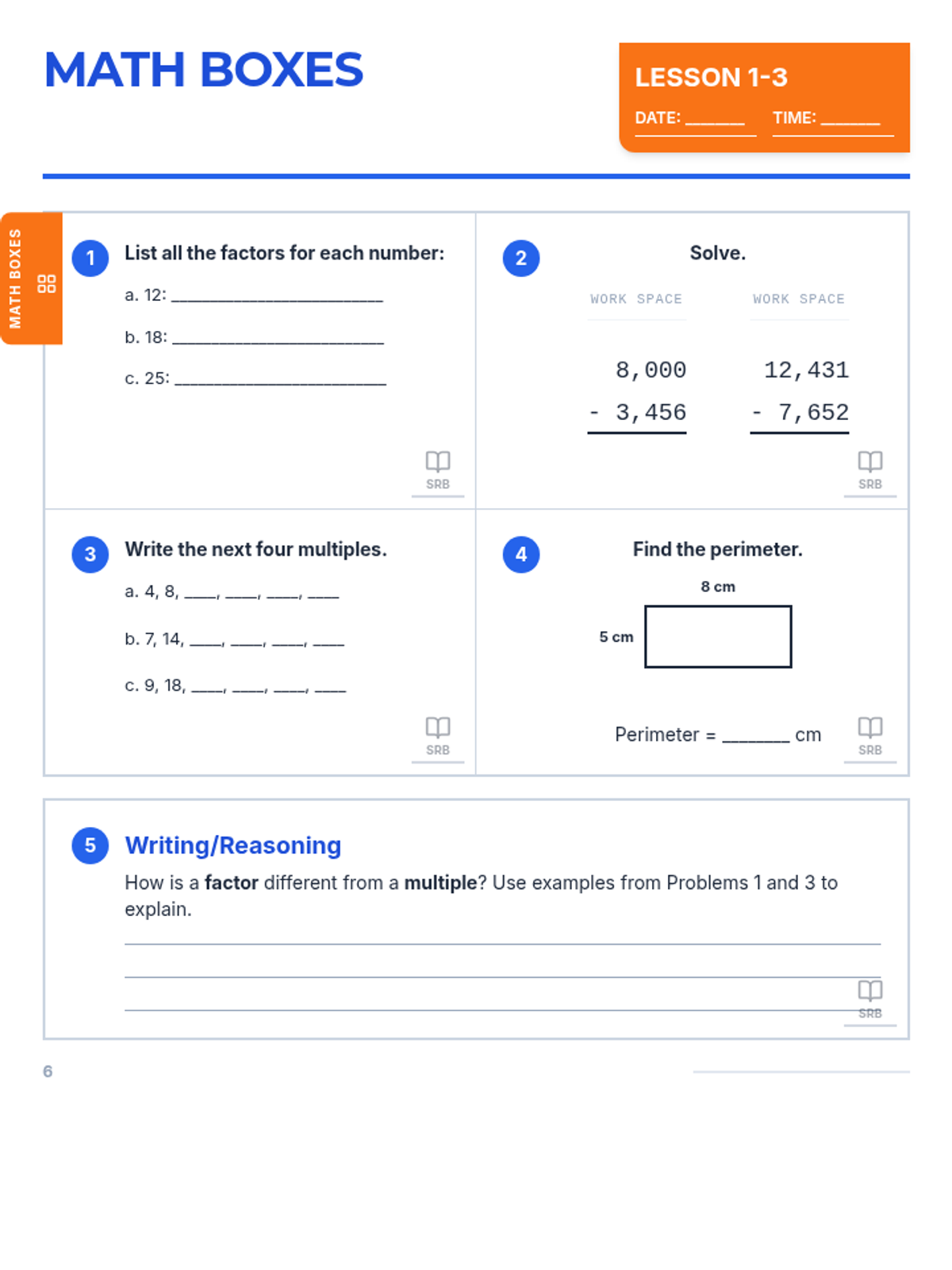
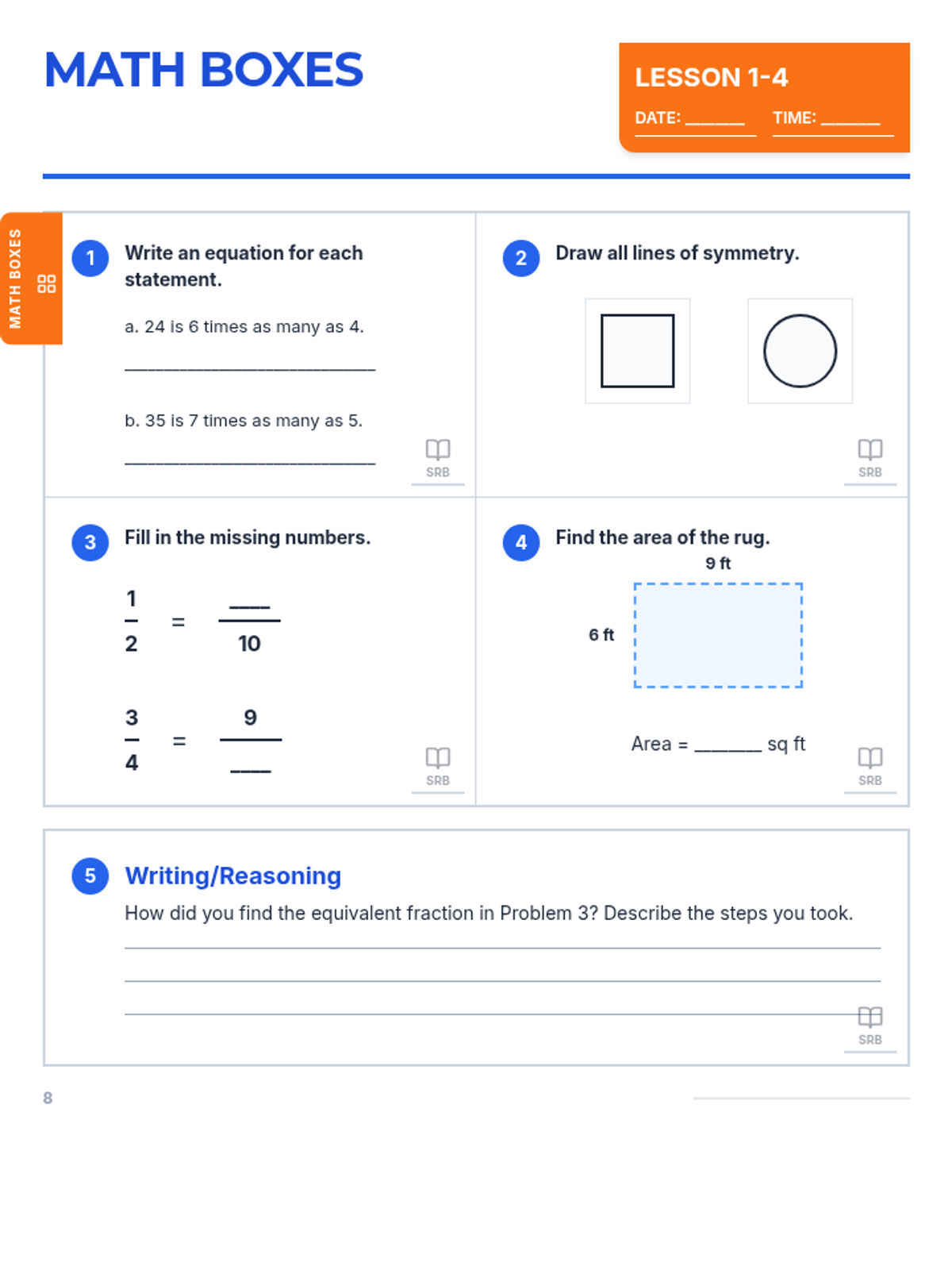
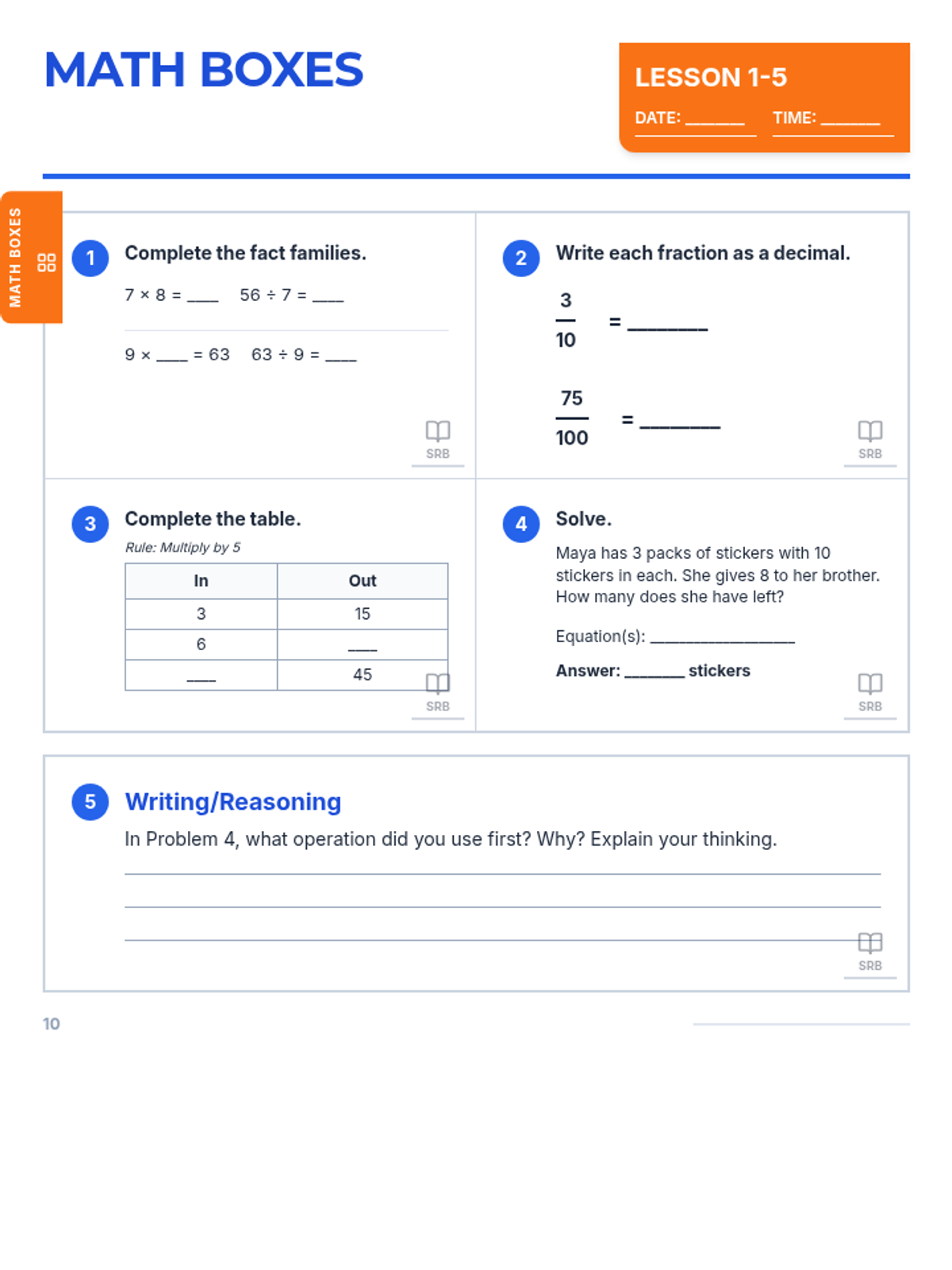
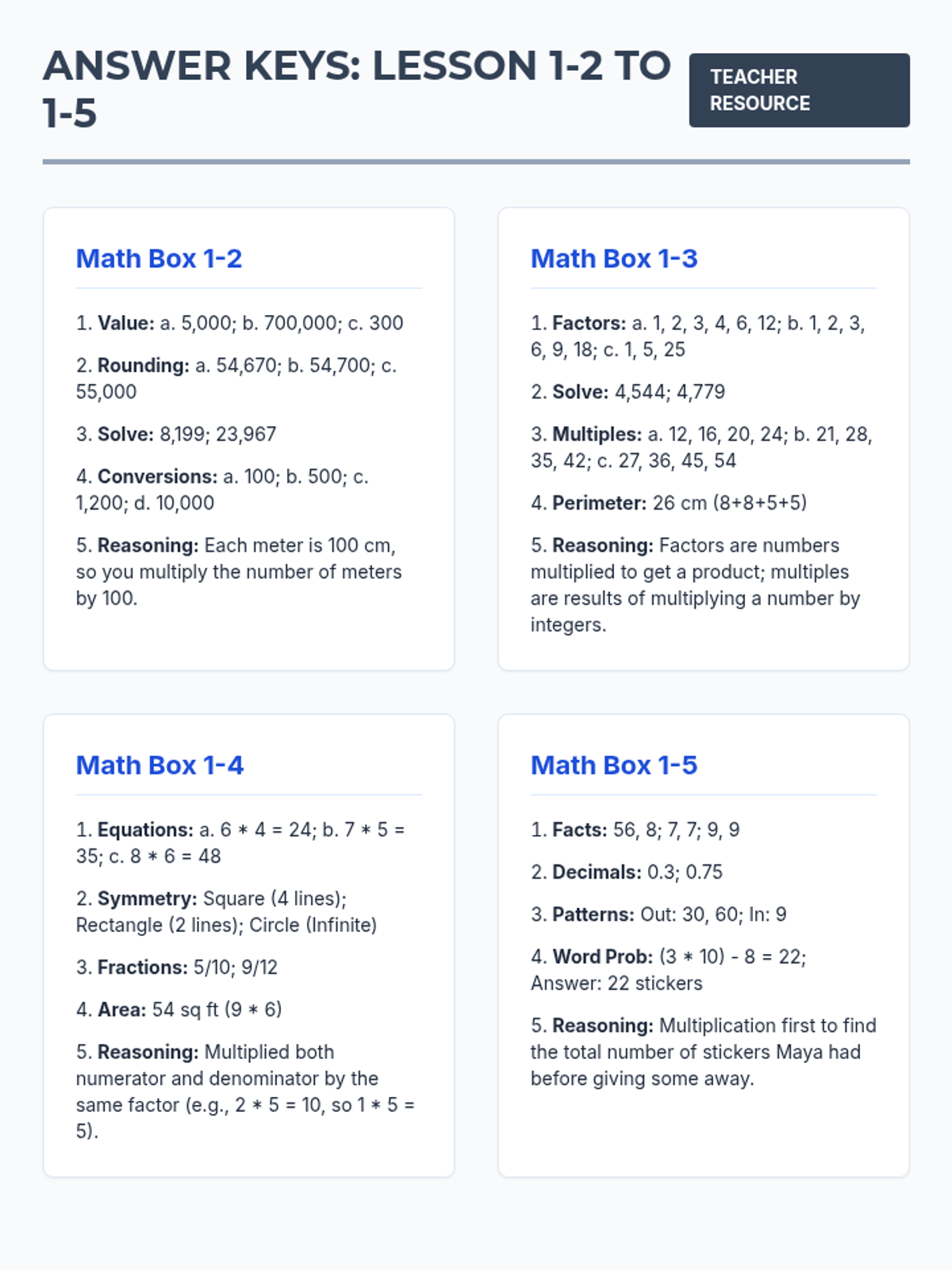
A collection of 4th-grade math review sheets modeled after the 'Math Boxes' format, focusing on mixed skills practice, mental math, and written reasoning.
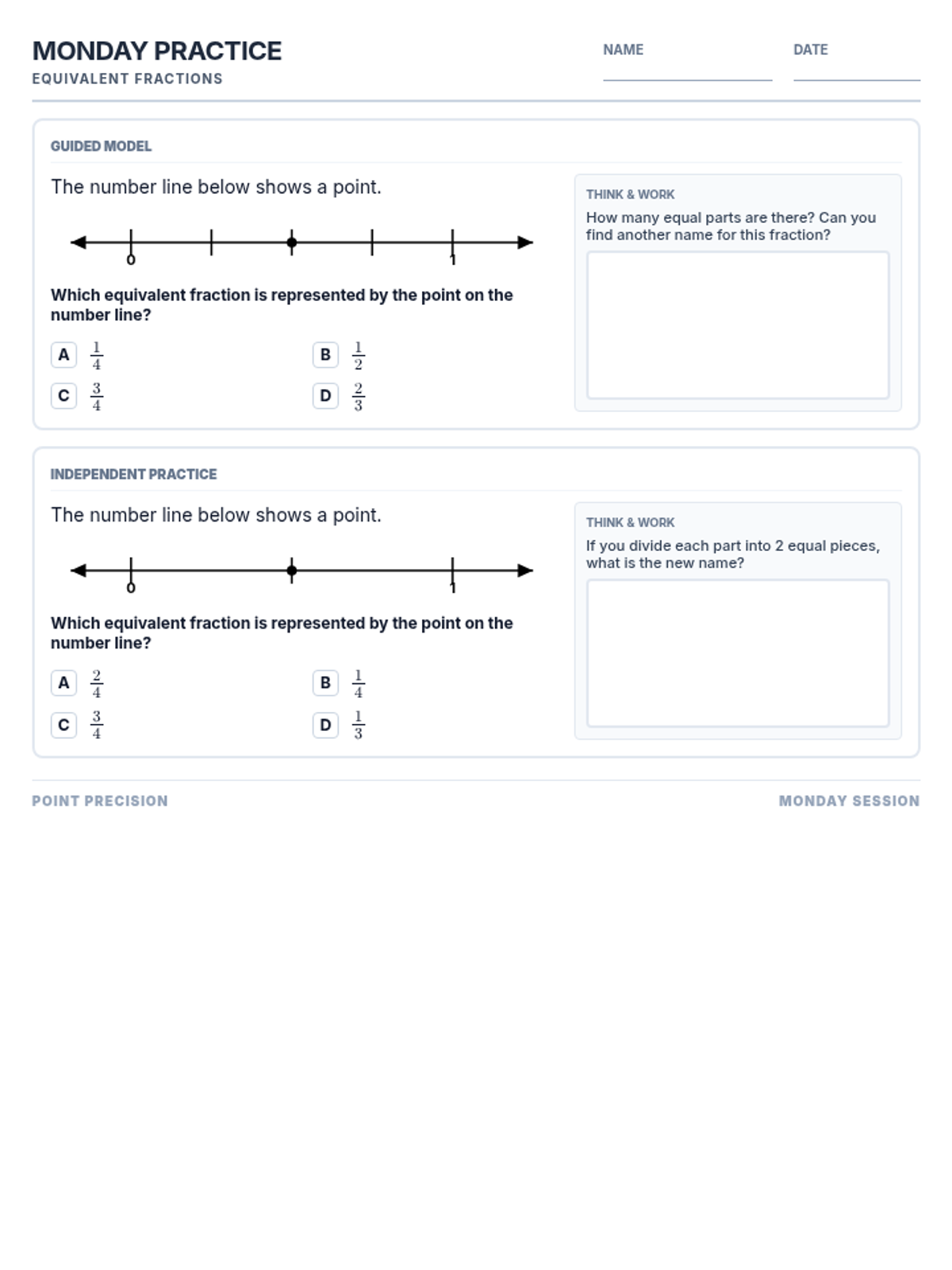
A four-day series of daily practice sheets focused on identifying equivalent fractions on a number line, featuring guided models and independent practice.
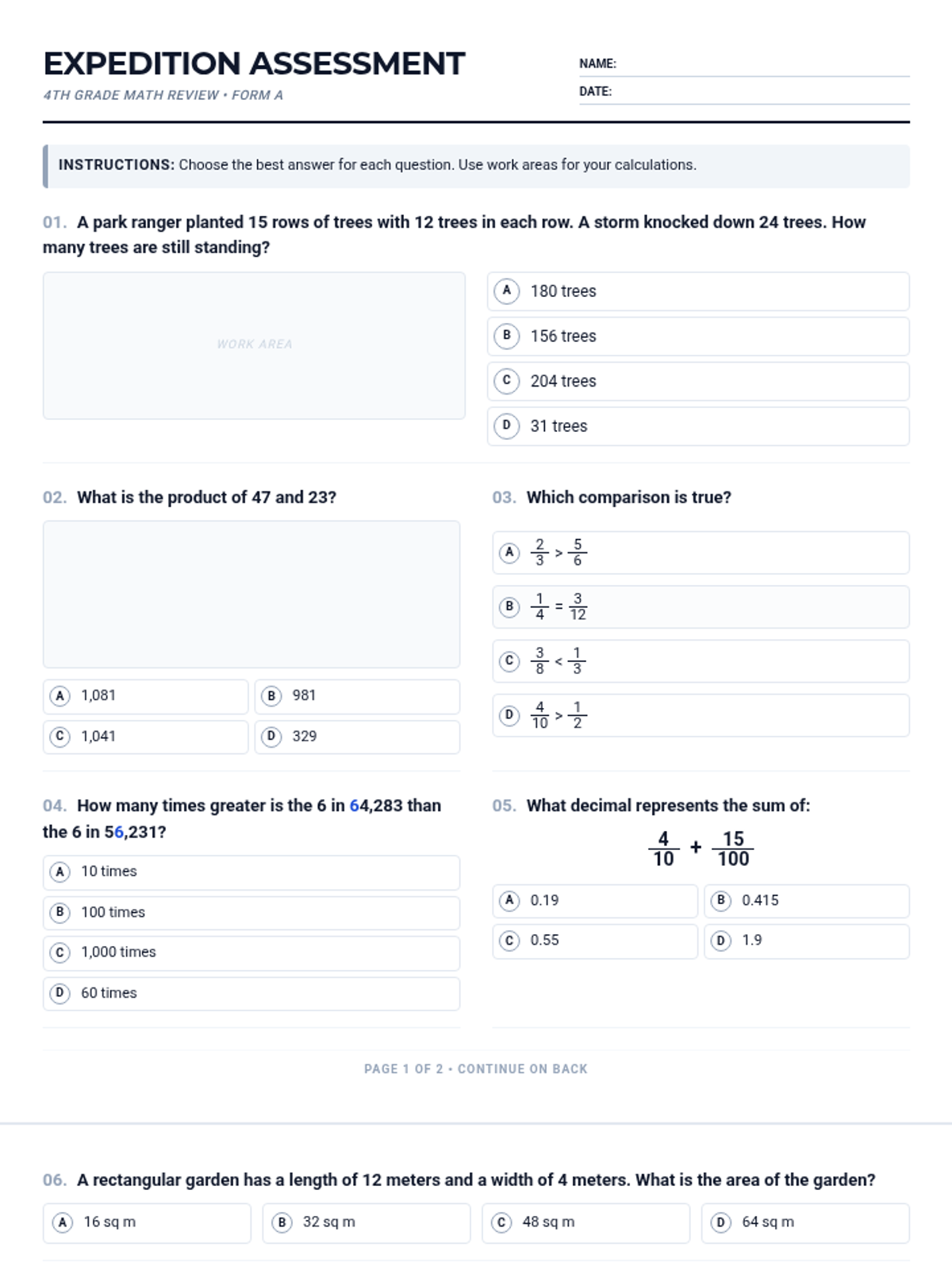
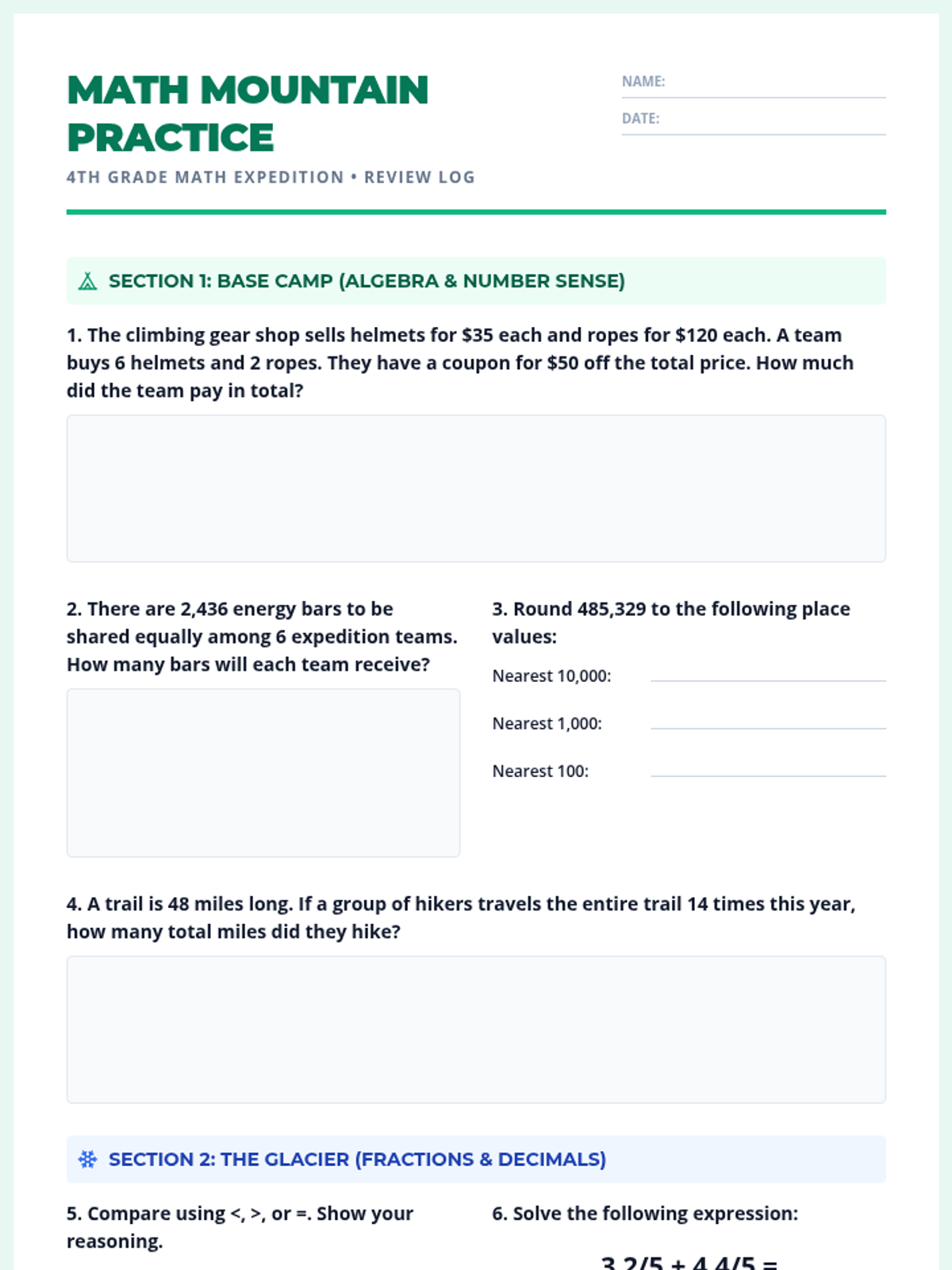
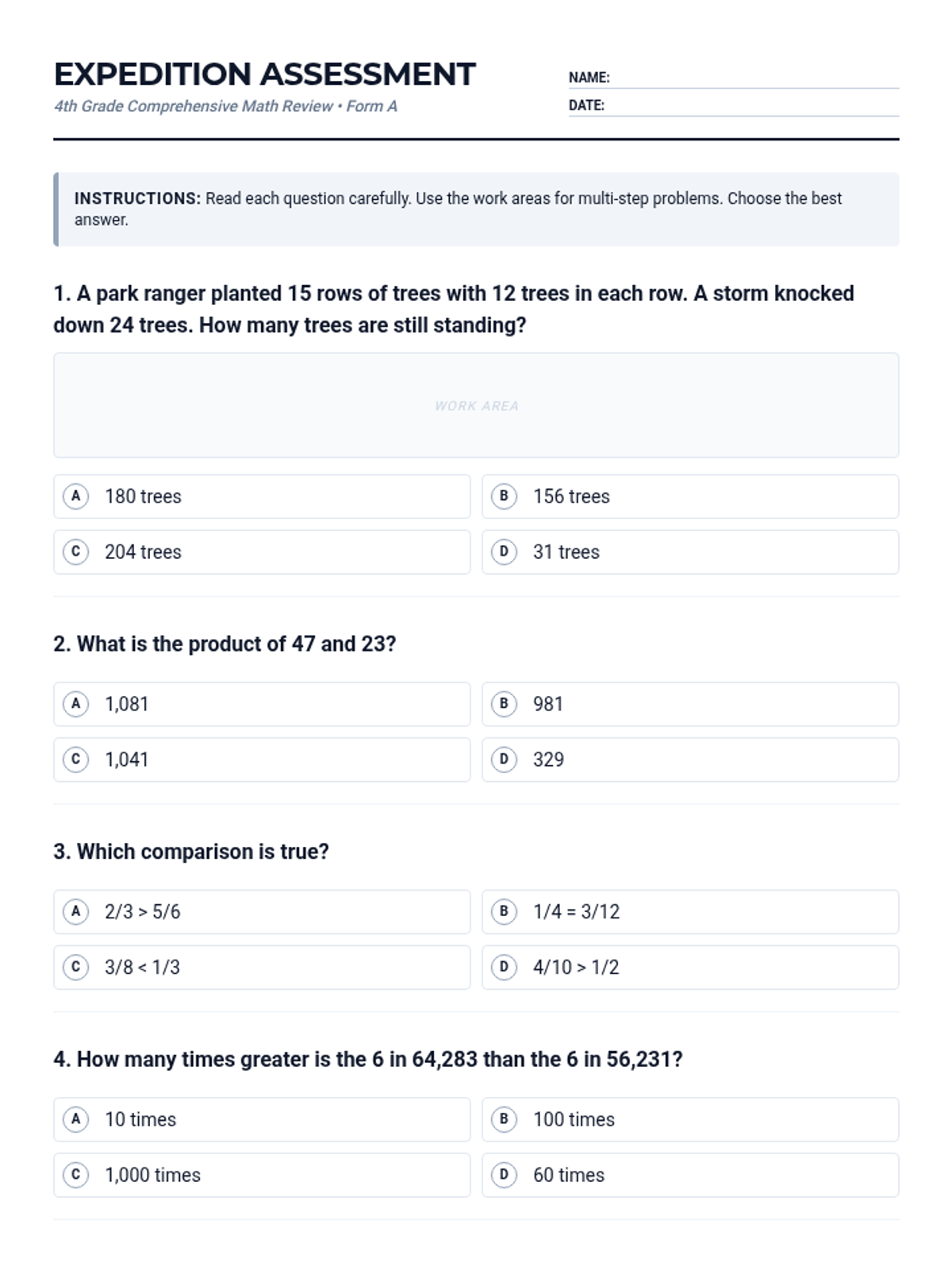
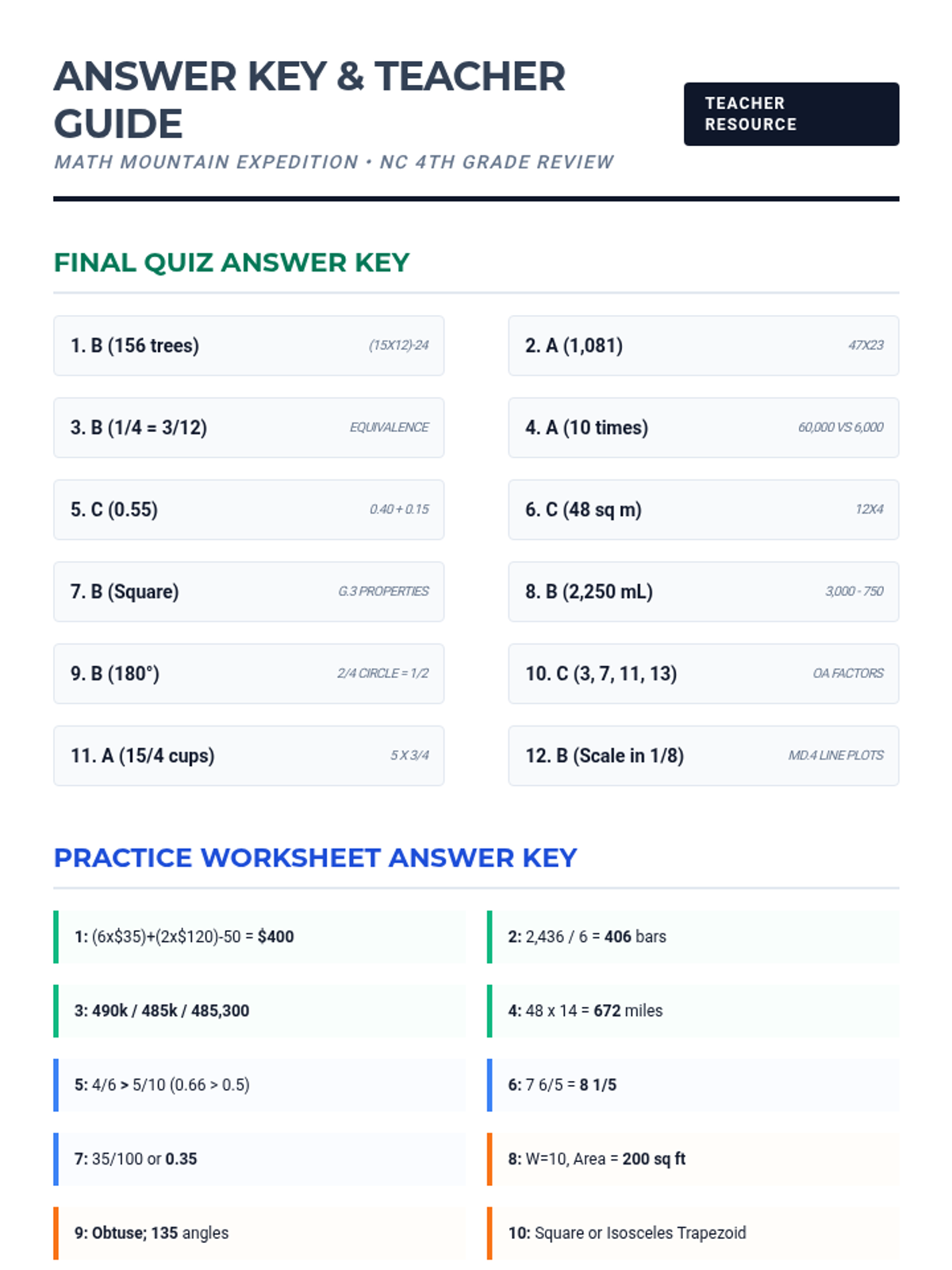
A comprehensive review series for North Carolina 4th-grade students, focusing on all math domains including multi-step word problems and critical thinking challenges.
A comprehensive Japanese series on comparing fractions, covering equivalence, same denominators, same numerators, and general comparison strategies using the "Hungry Crocodile" theme.
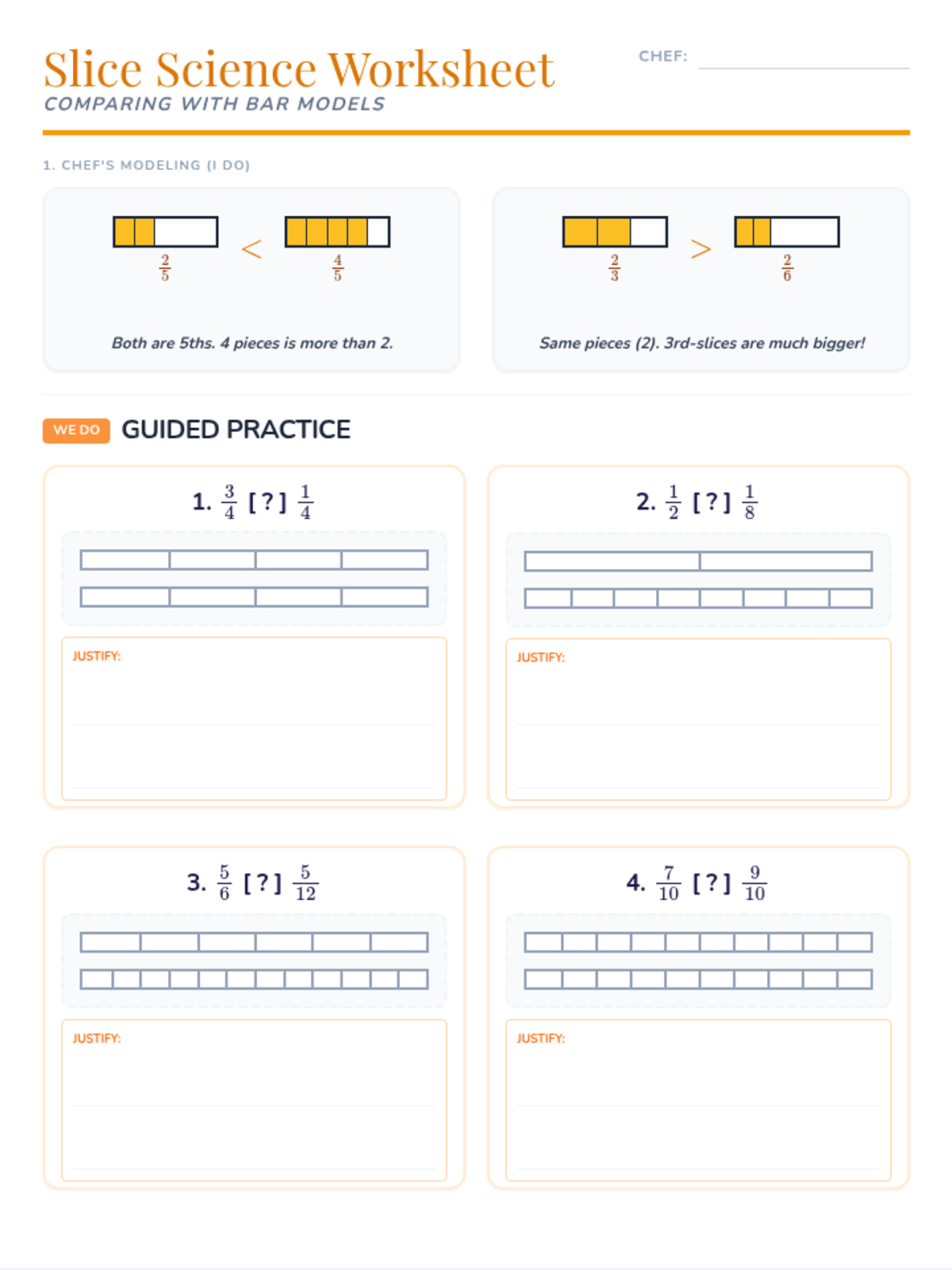
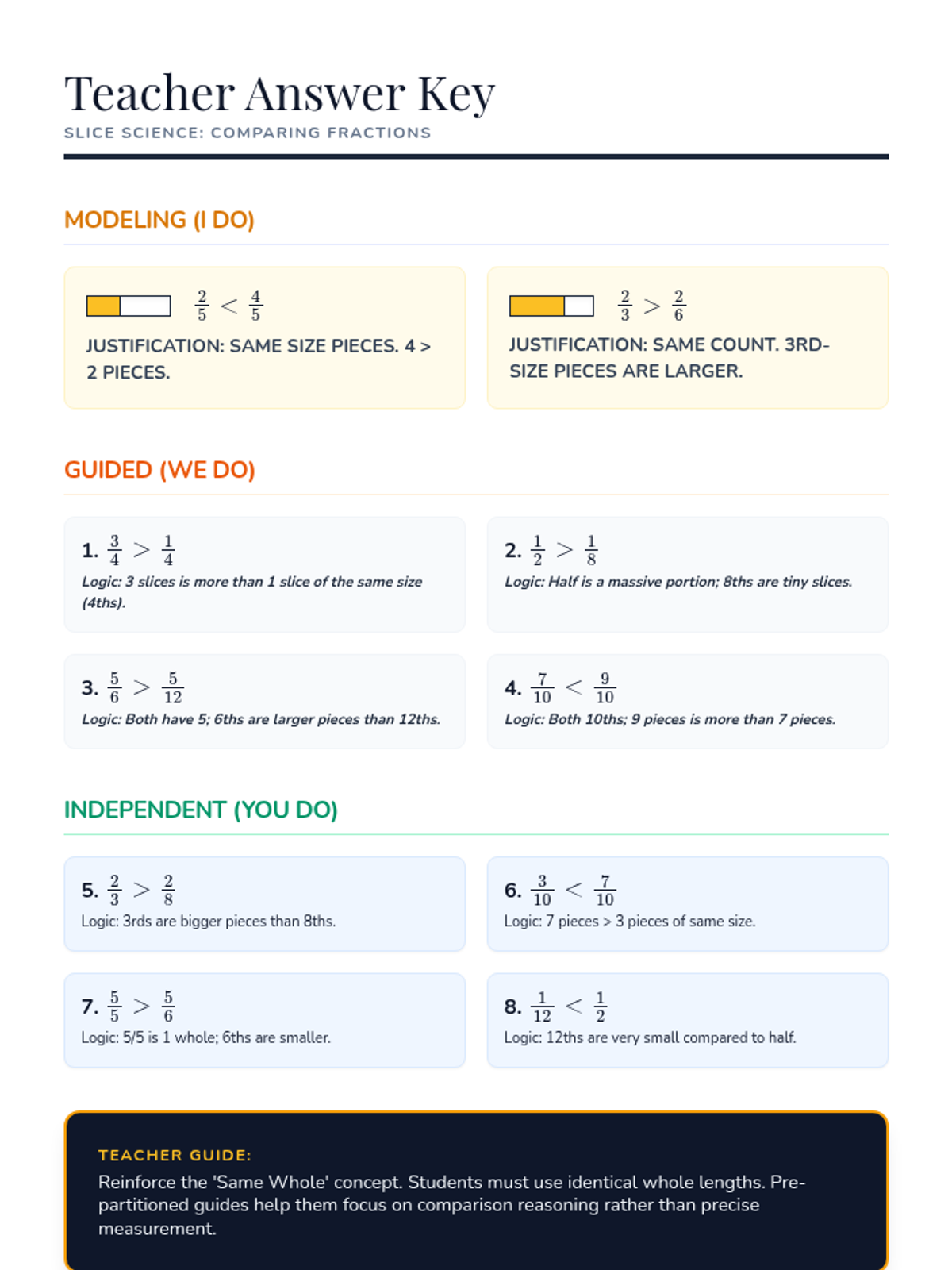
A series of fraction lessons set in a bakery theme, covering equivalence, comparison, and basic operations.
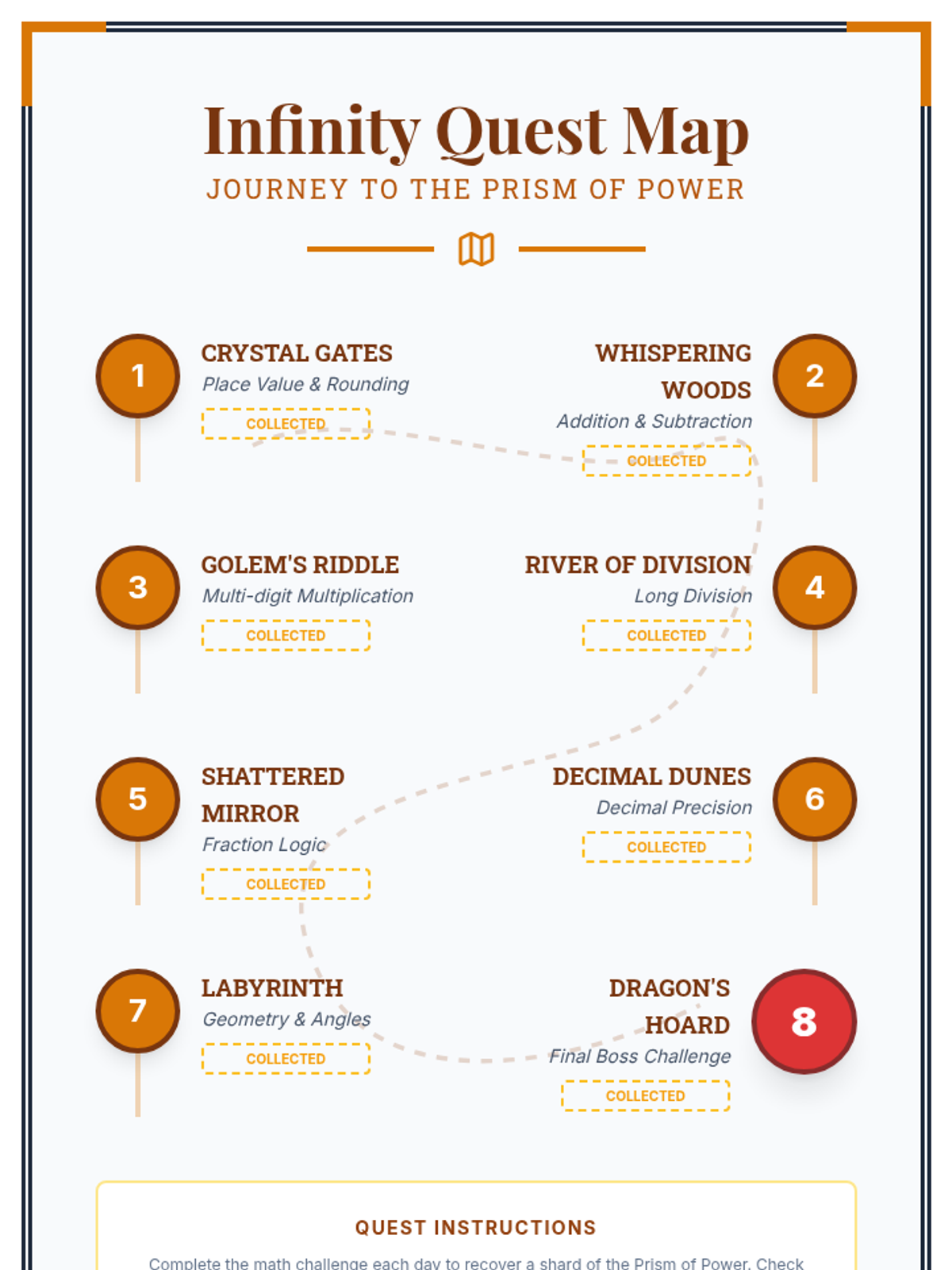
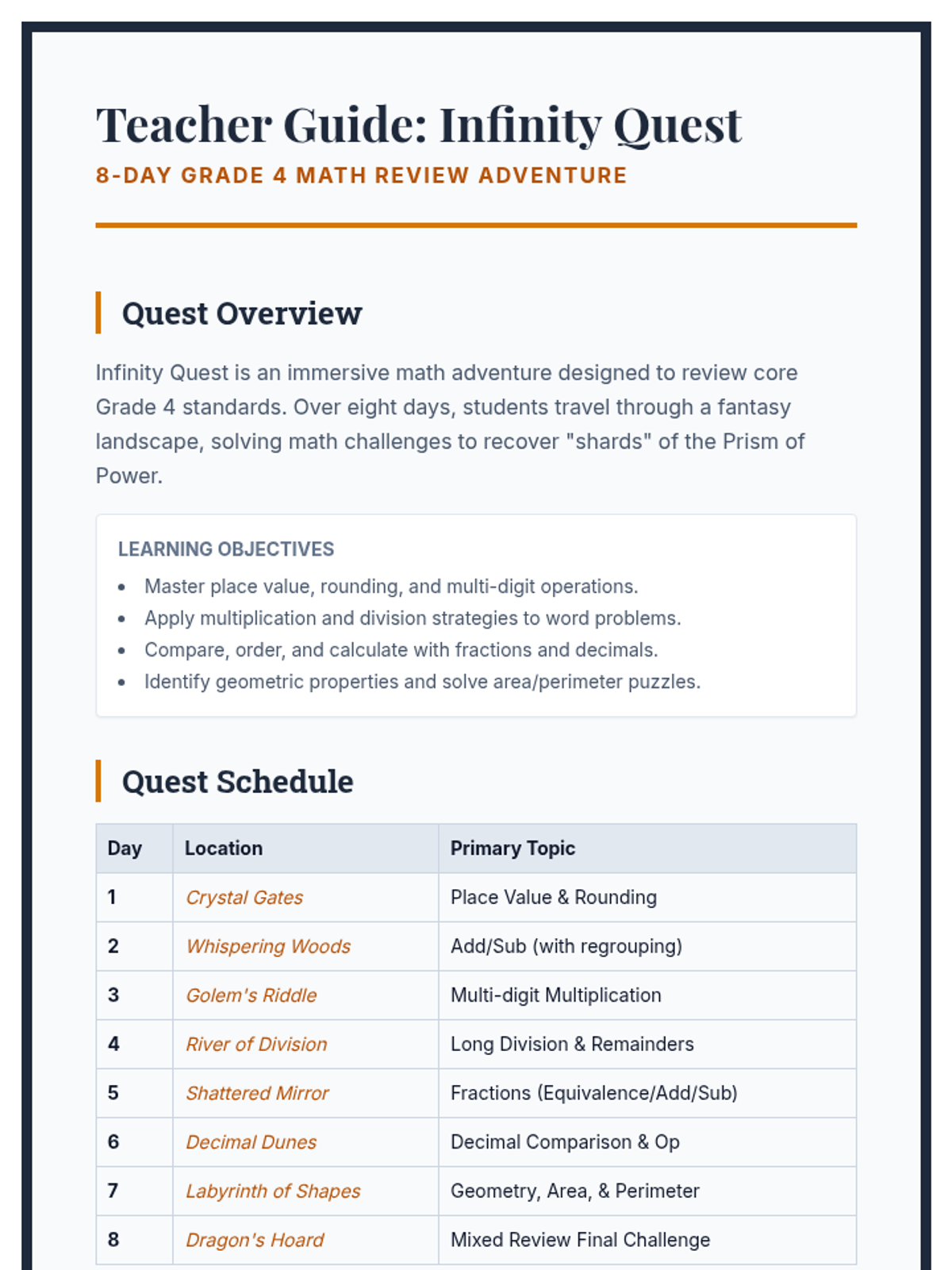
An eight-day mathematical adventure where students solve challenges to recover the lost shards of the Prism of Power. Each day focuses on a different core math domain, culminating in a grand final challenge.
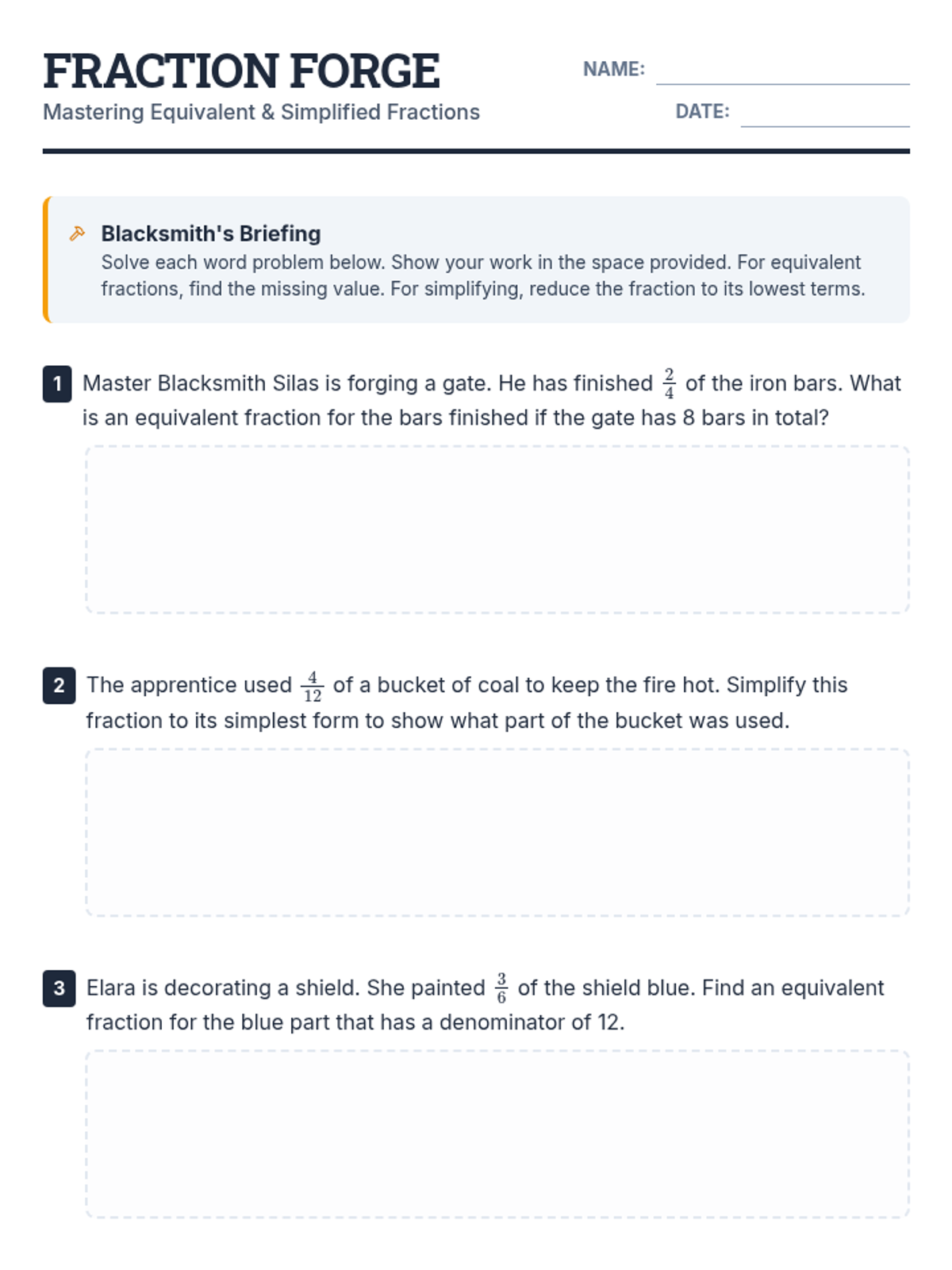
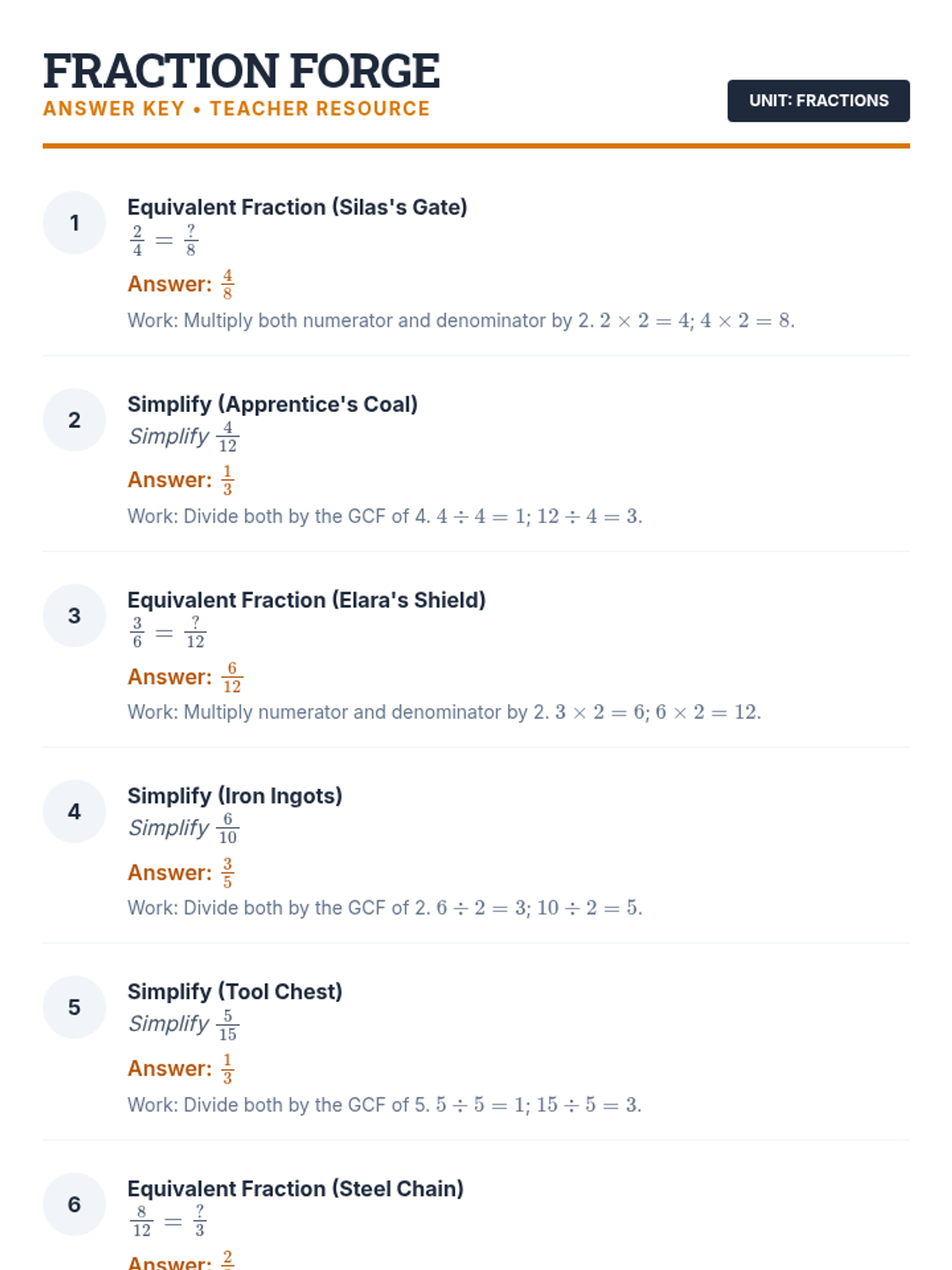
A comprehensive unit on 4th-grade fraction skills, set in a medieval blacksmith's forge. Students progress from equivalent fractions to adding, subtracting, and comparing parts of wholes.
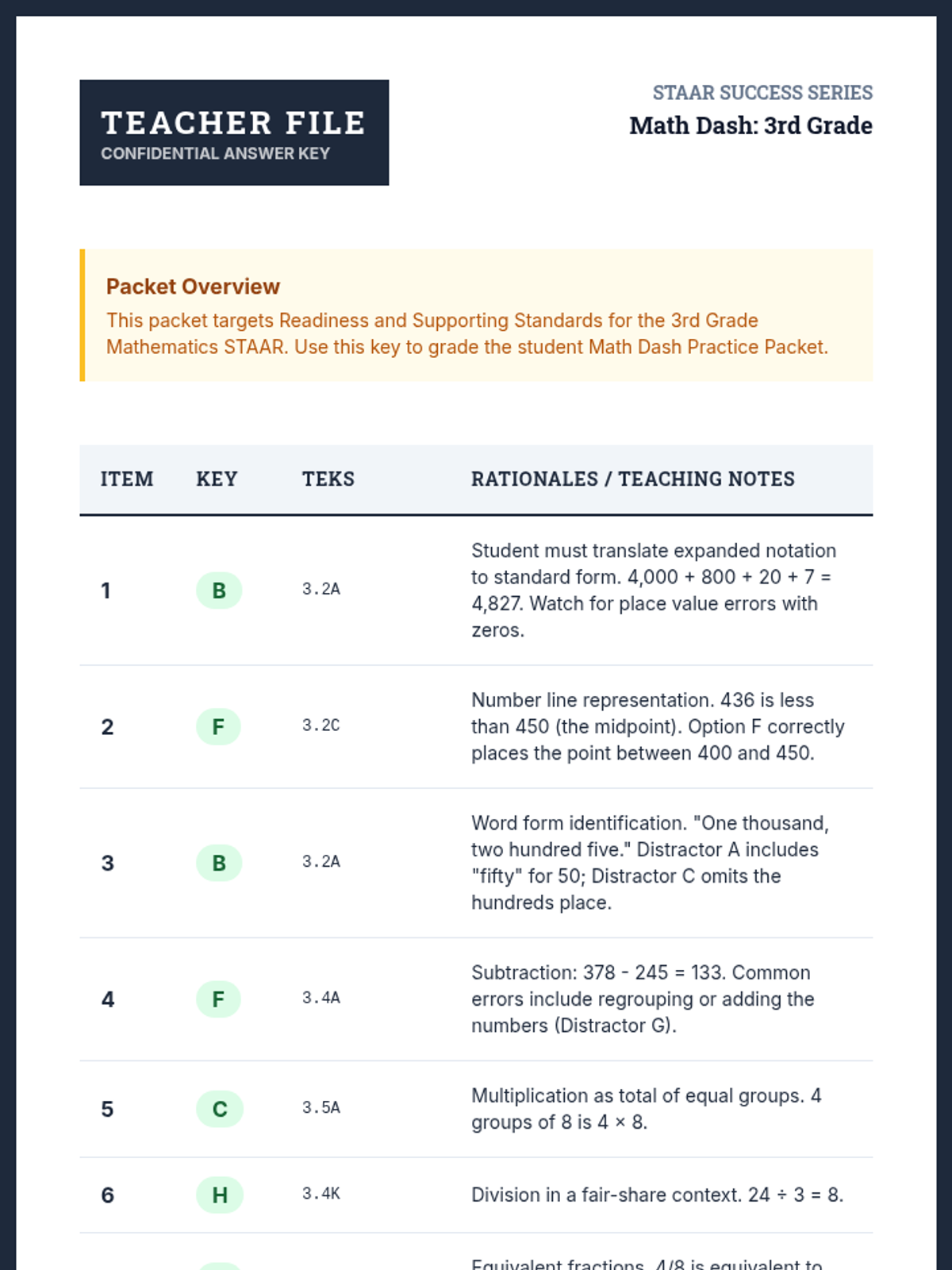
A comprehensive collection of STAAR-aligned practice packets for 3rd-5th grade Math, RLA, and 5th grade Science, designed to build confidence and mastery through authentic test-style questions.
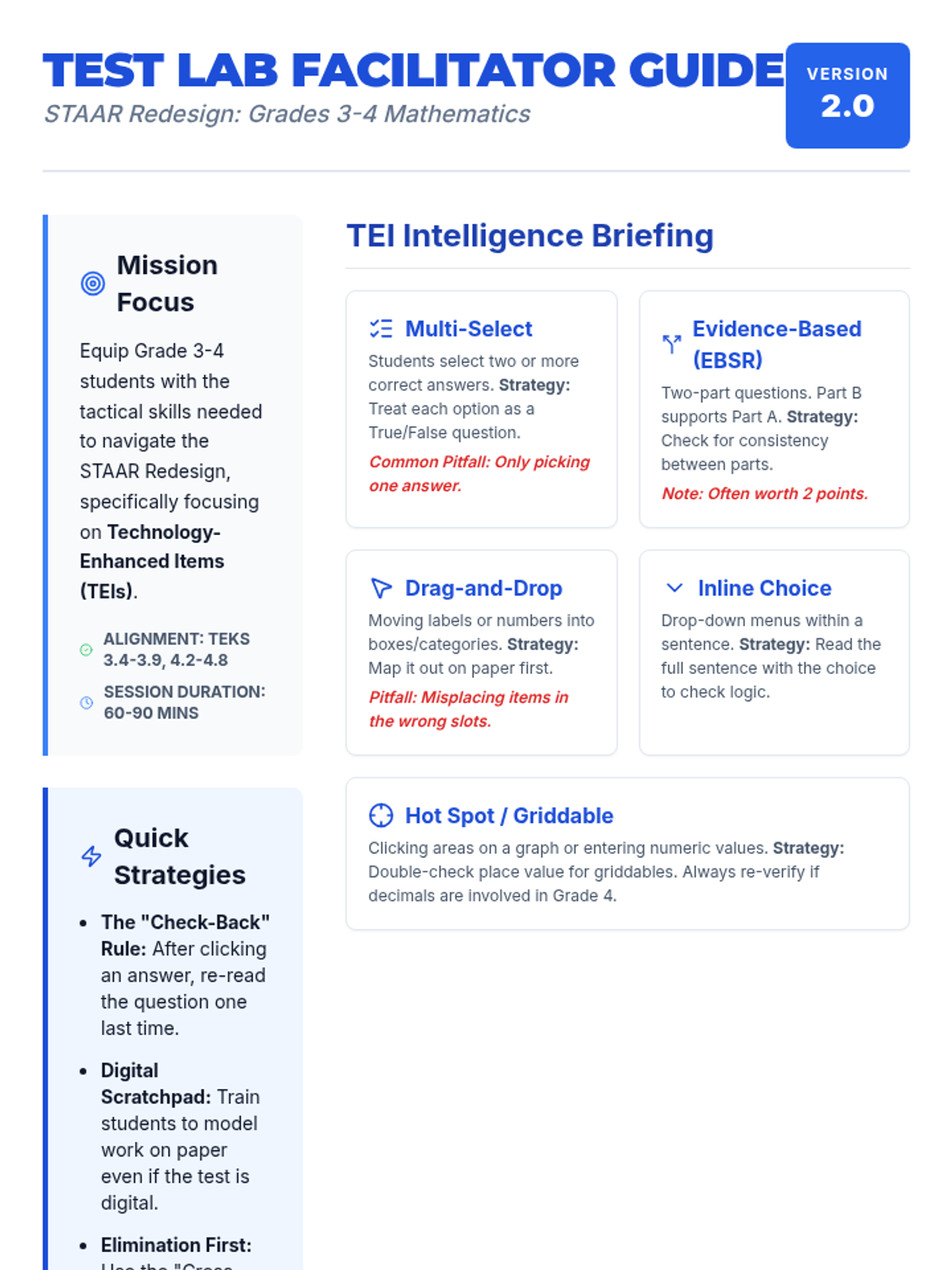
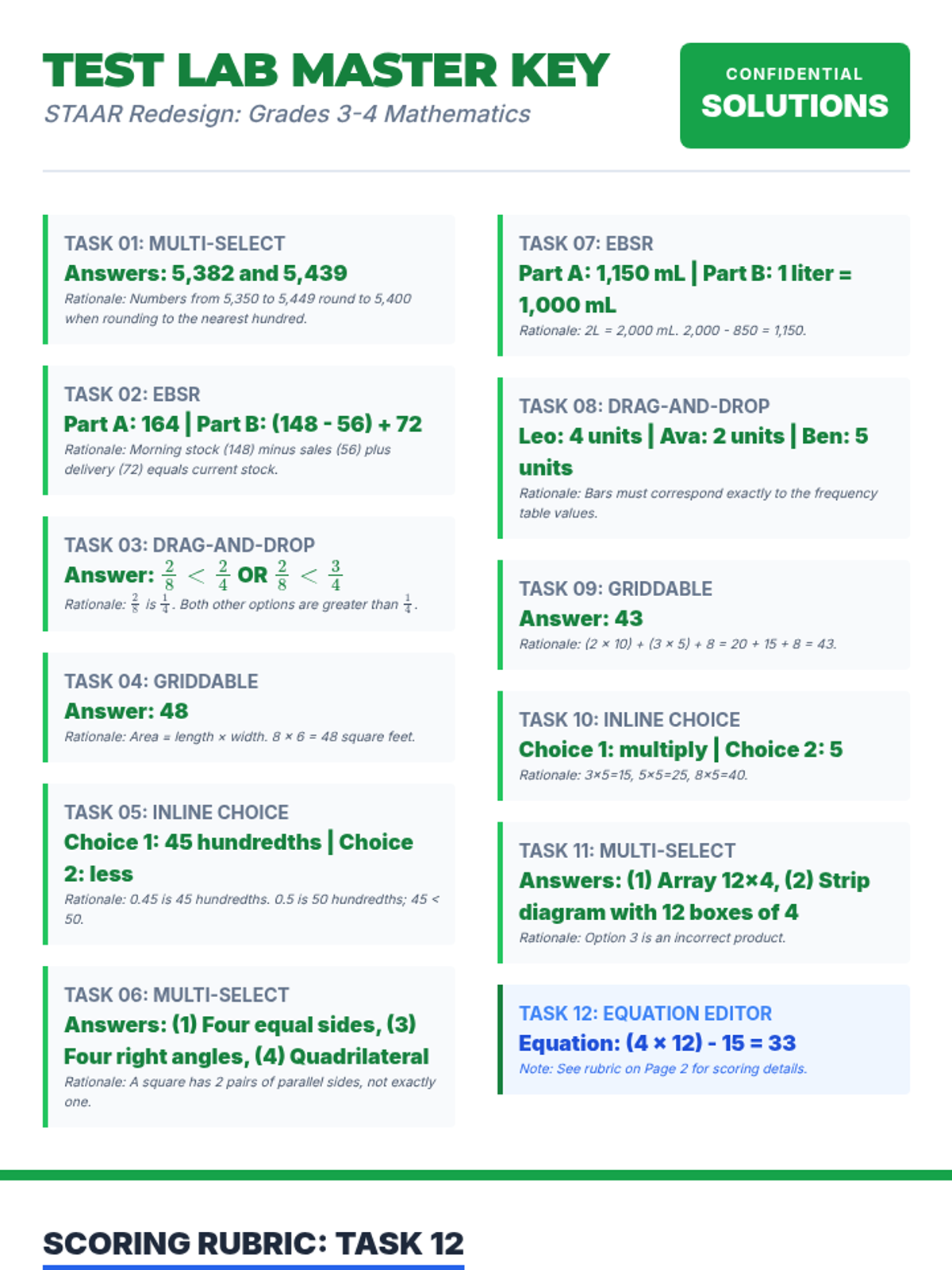
A series of resources designed to prepare Grade 3 and 4 students for the STAAR Mathematics assessment, with a specific focus on the STAAR Redesign and technology-enhanced items.
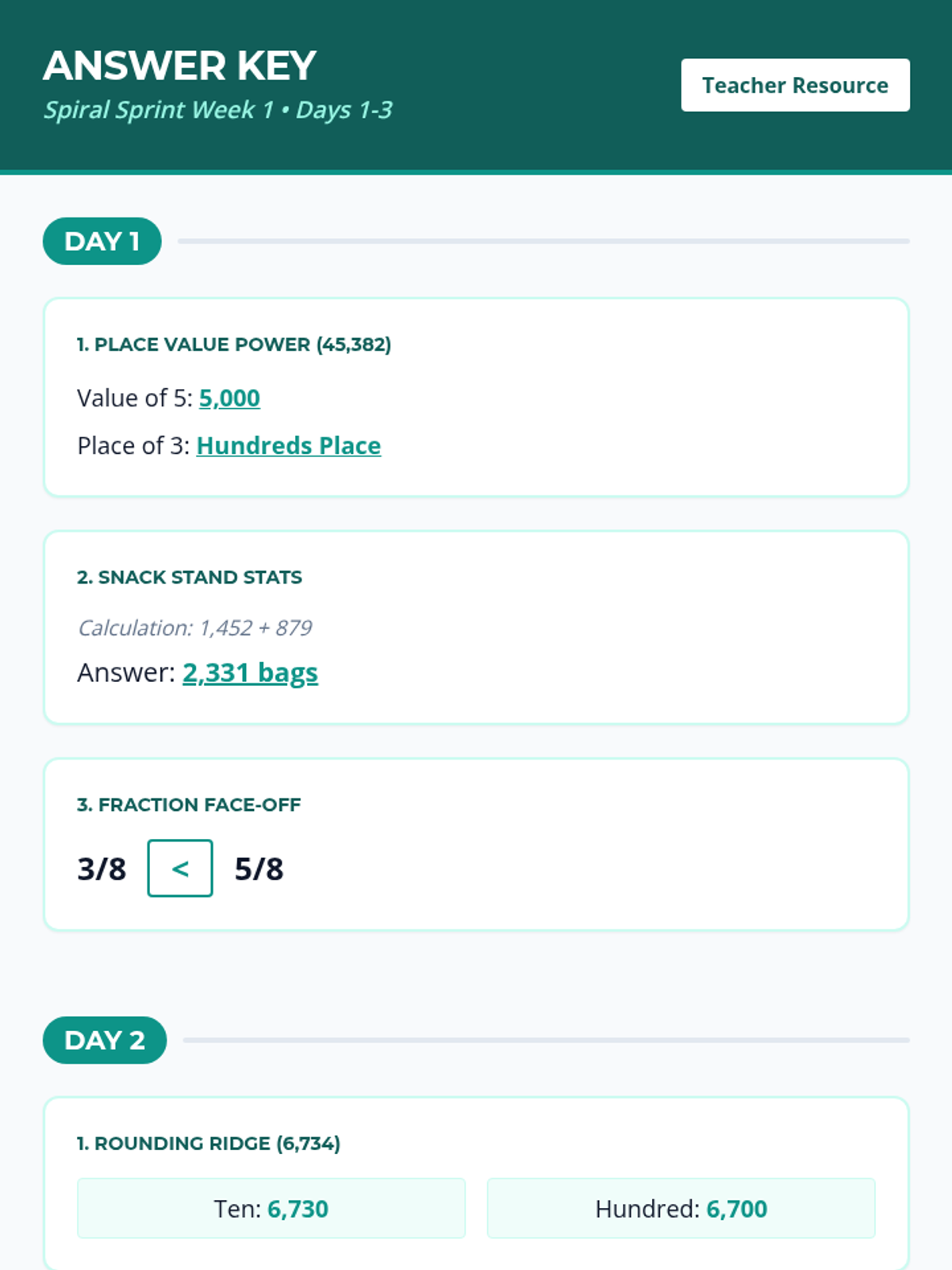
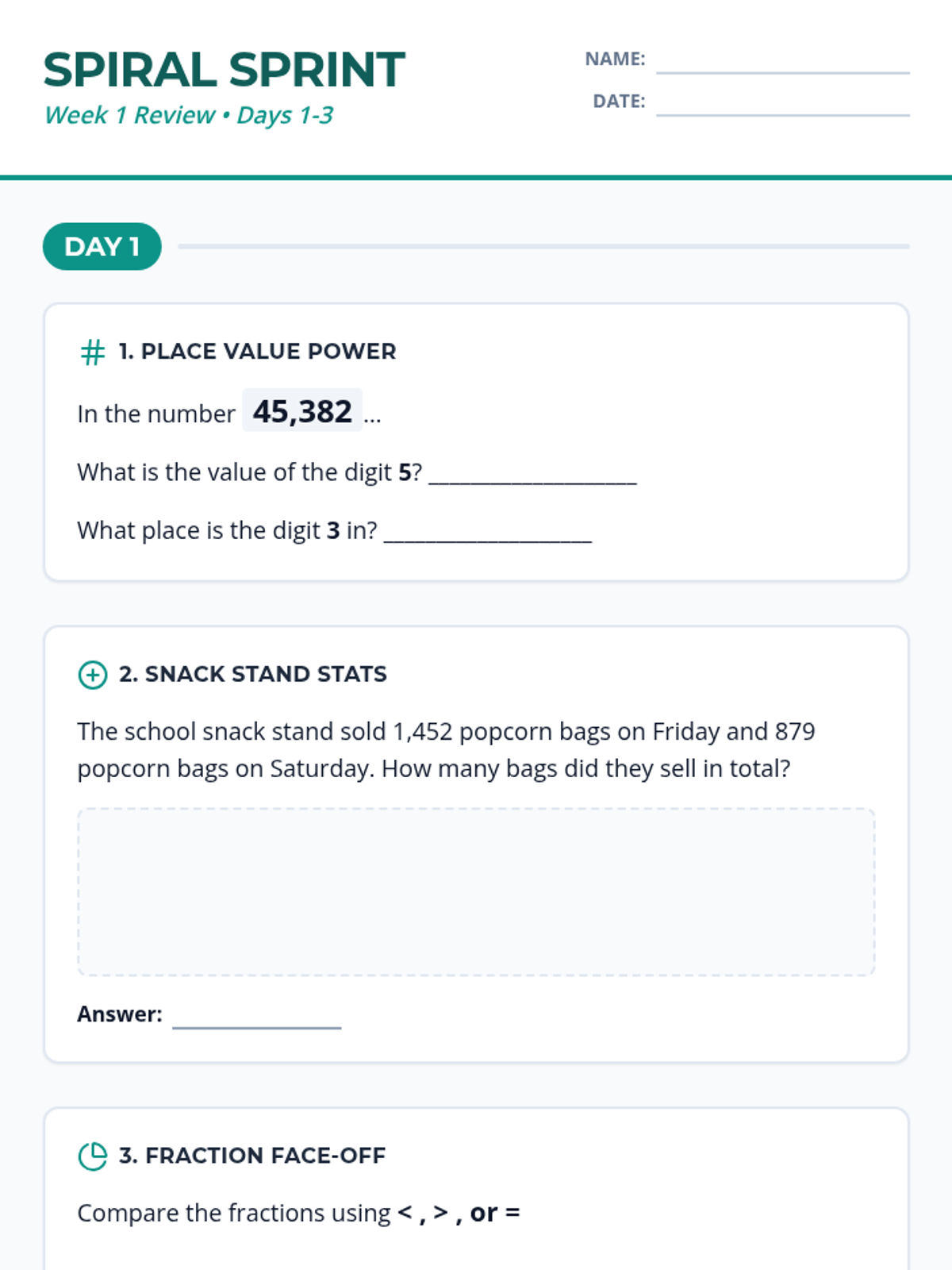
A two-week intensive spiral review of 4th-grade math standards designed for 5th-grade RSP students to bridge foundational gaps through short, focused daily practice.
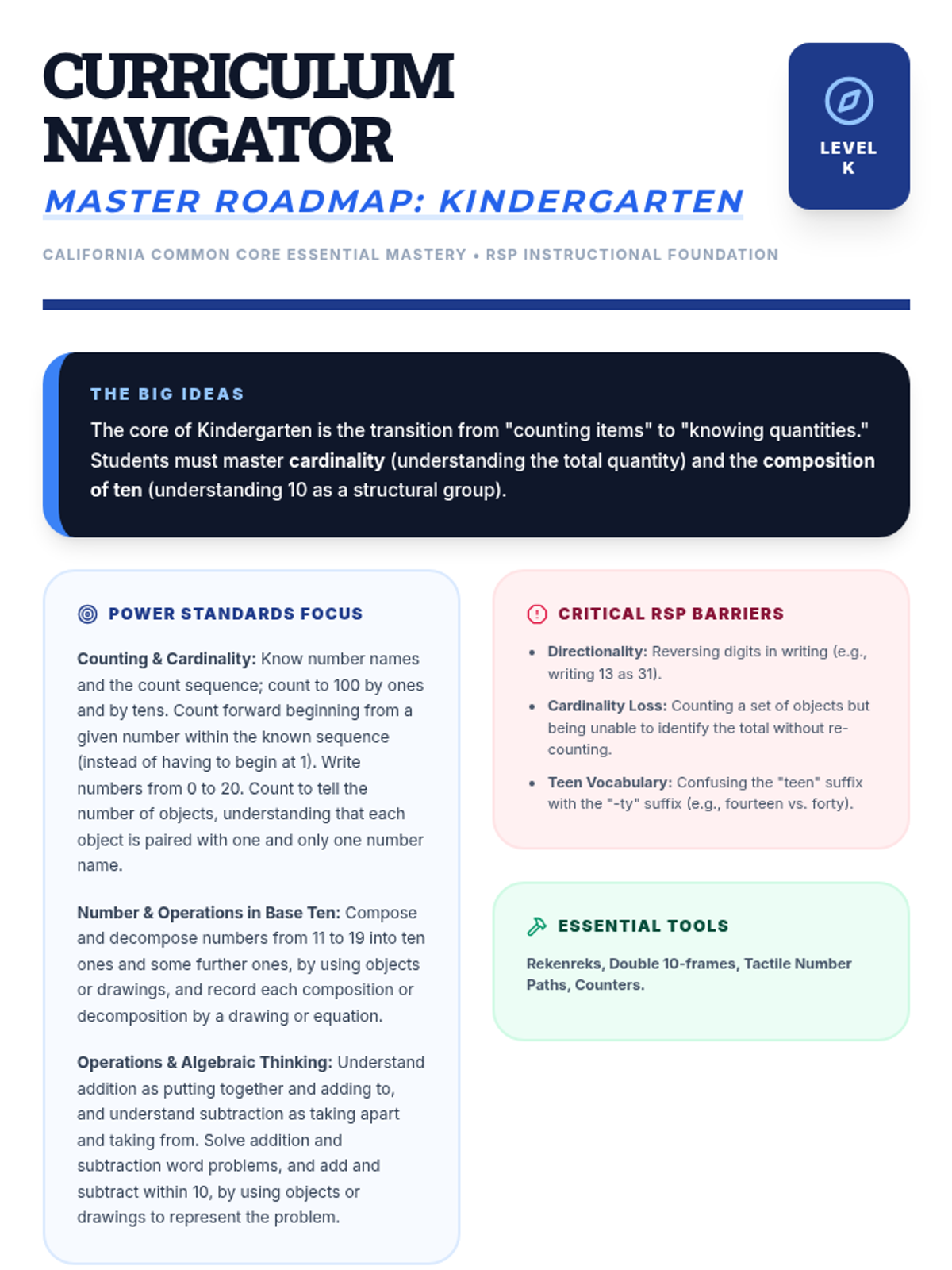
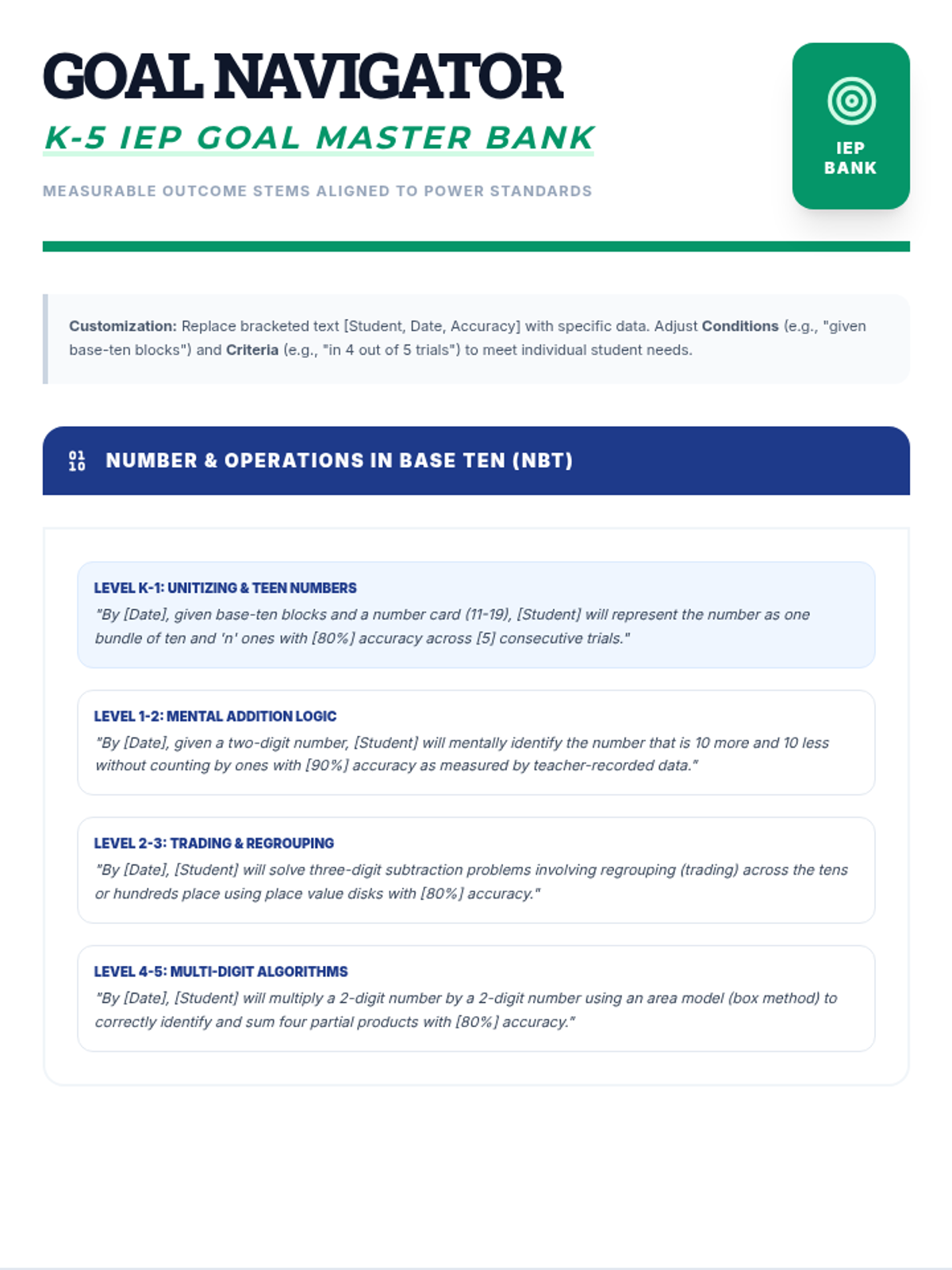
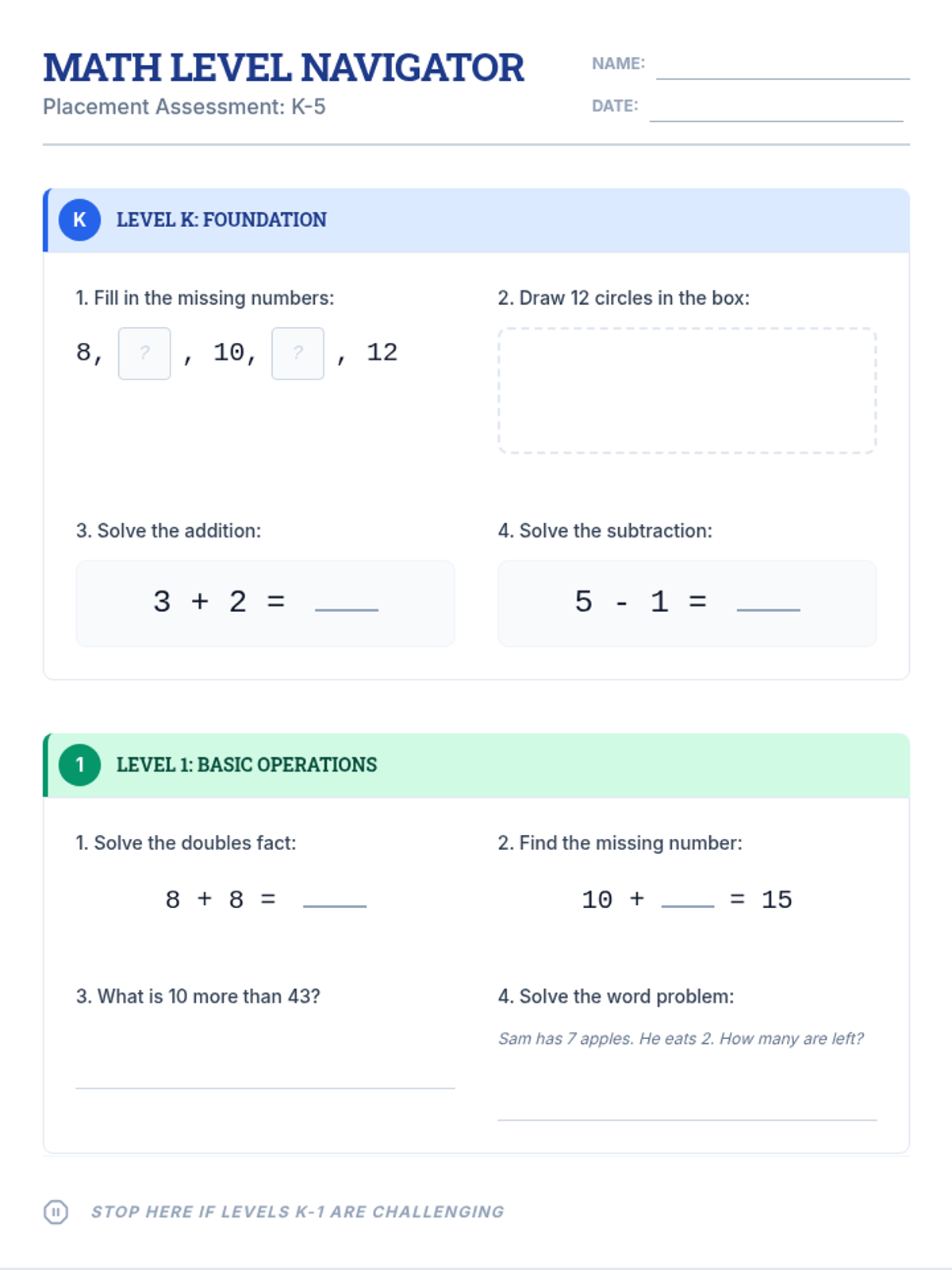
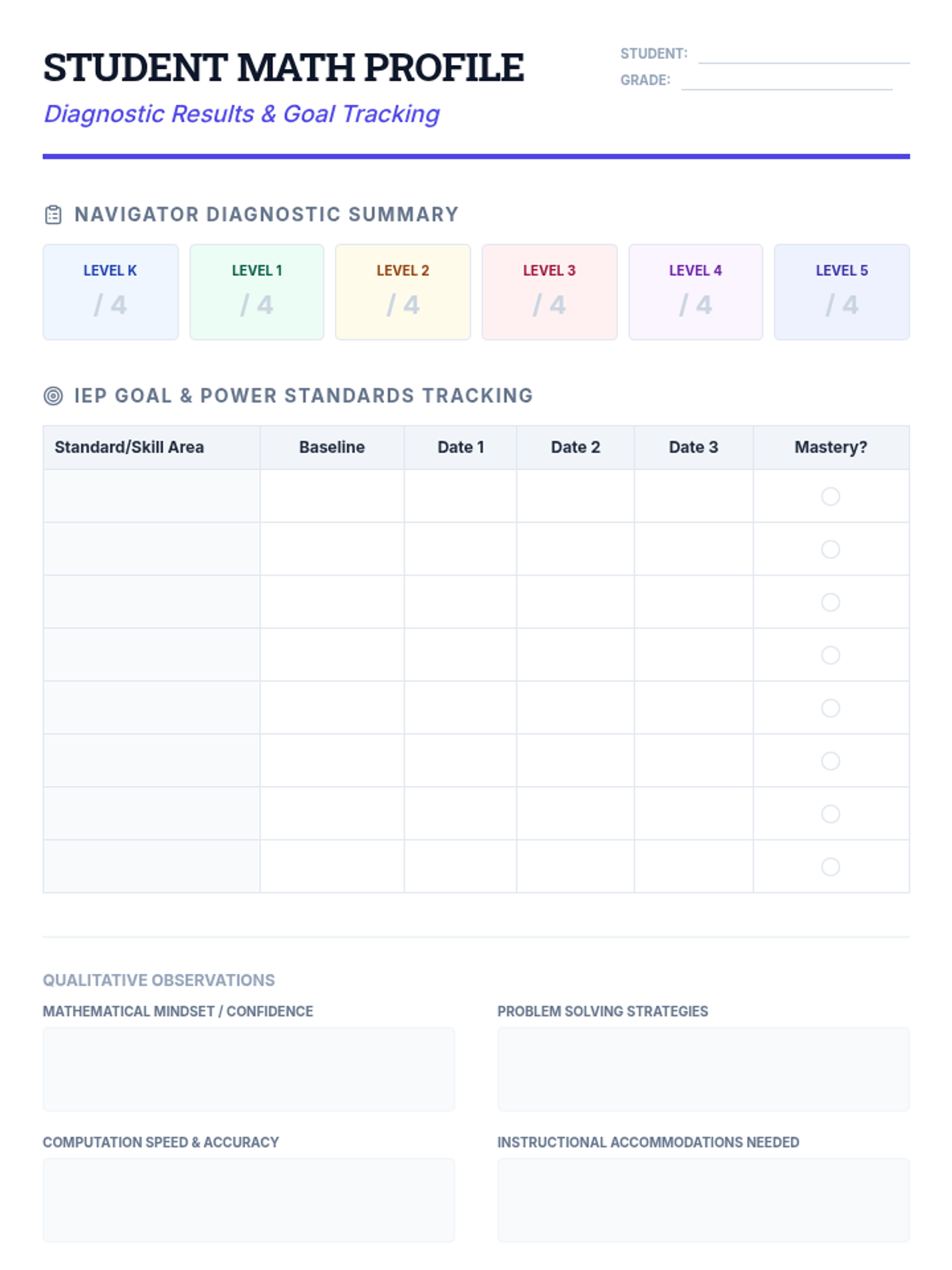
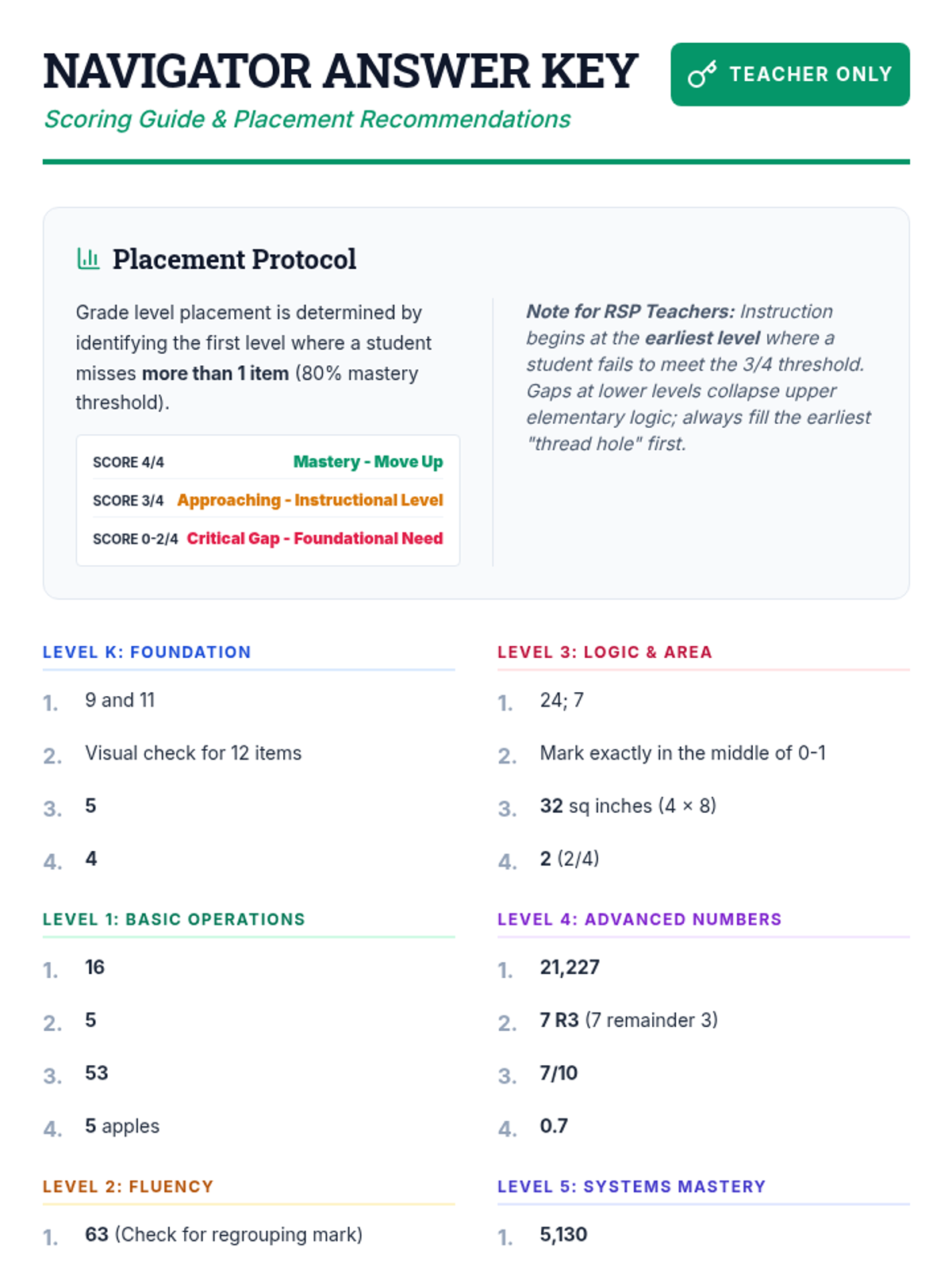
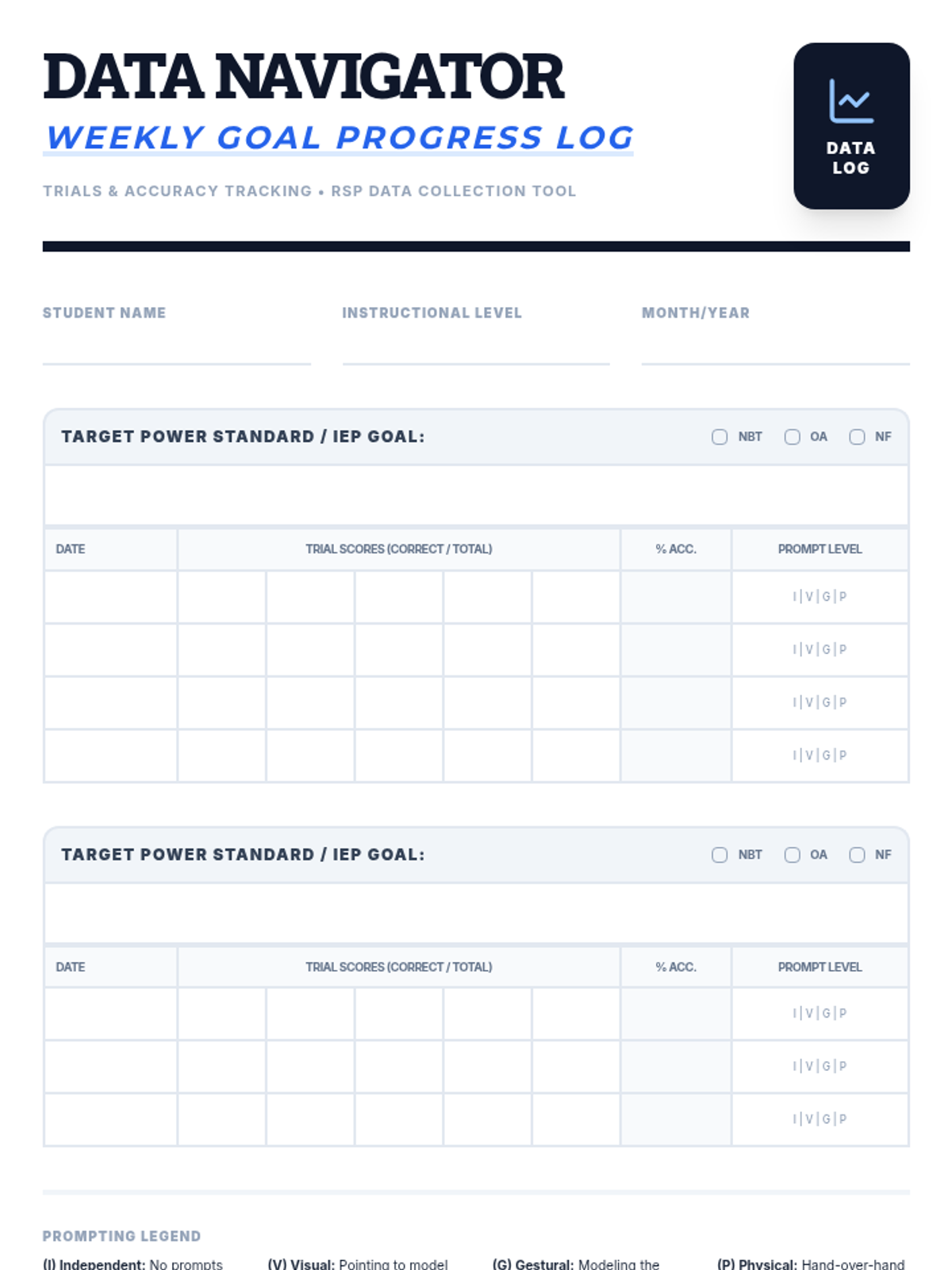
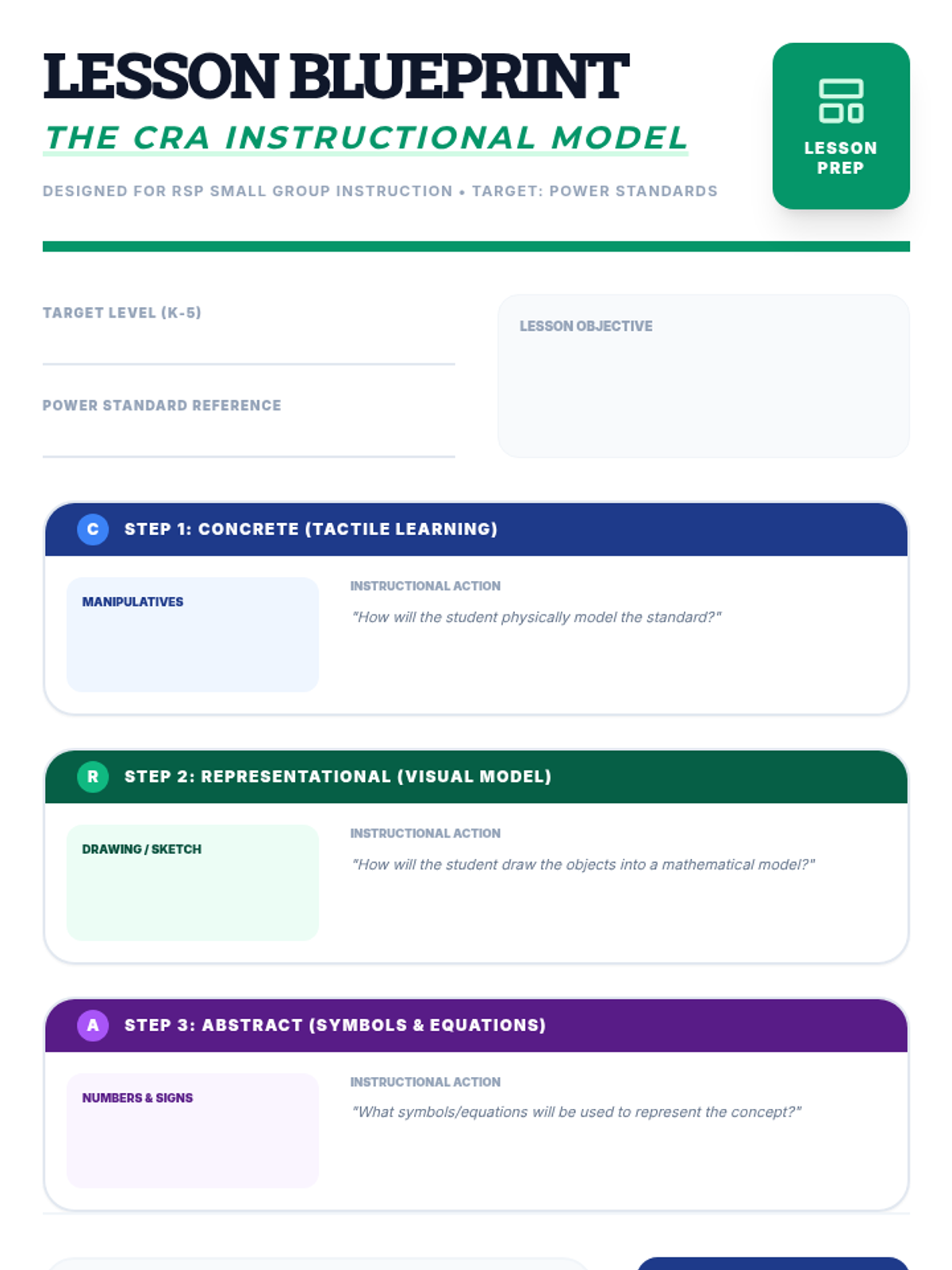
A comprehensive framework for K-5 RSP math instruction, including a California Common Core aligned scope and sequence of power standards and a leveled placement diagnostic.
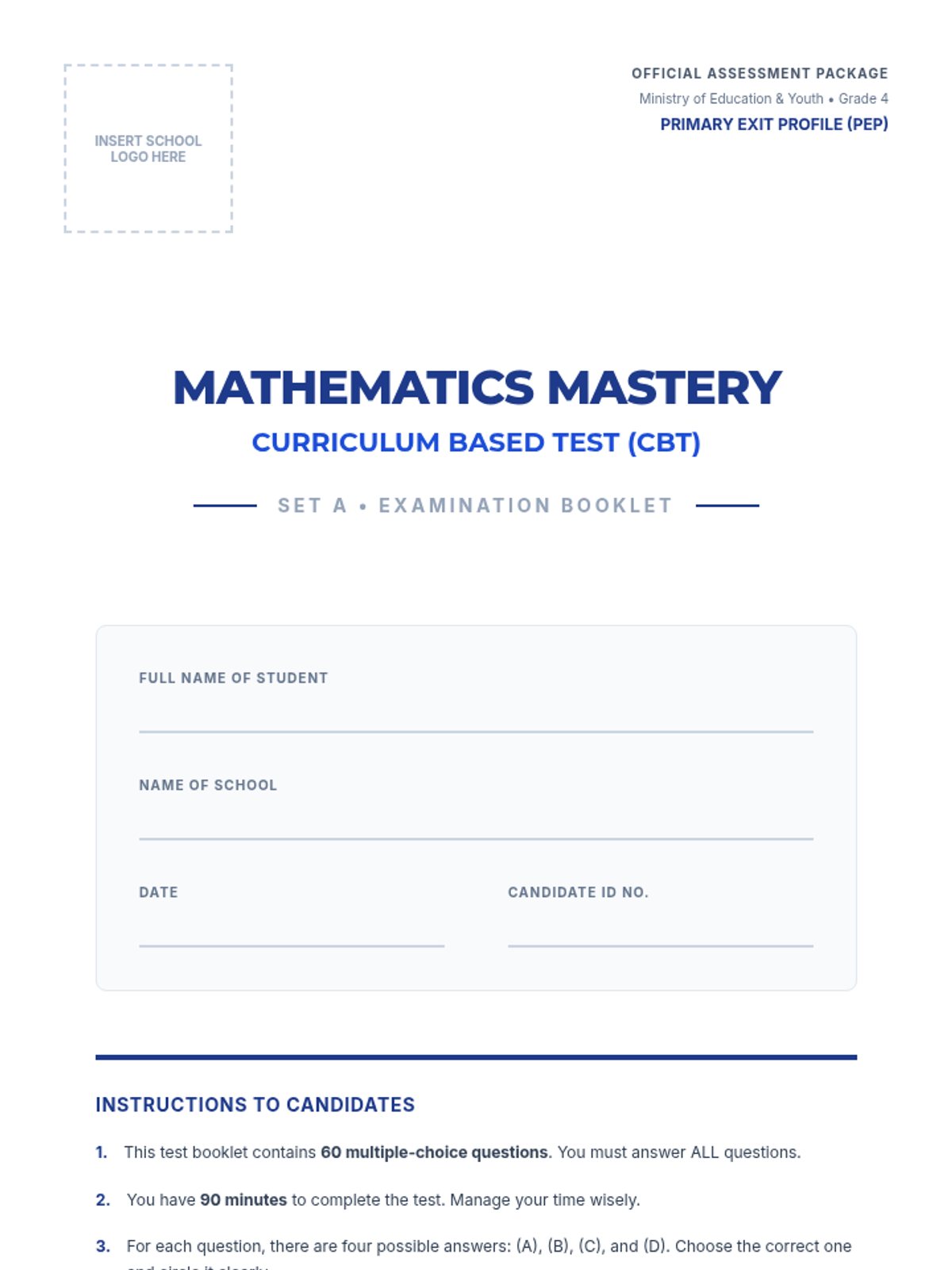
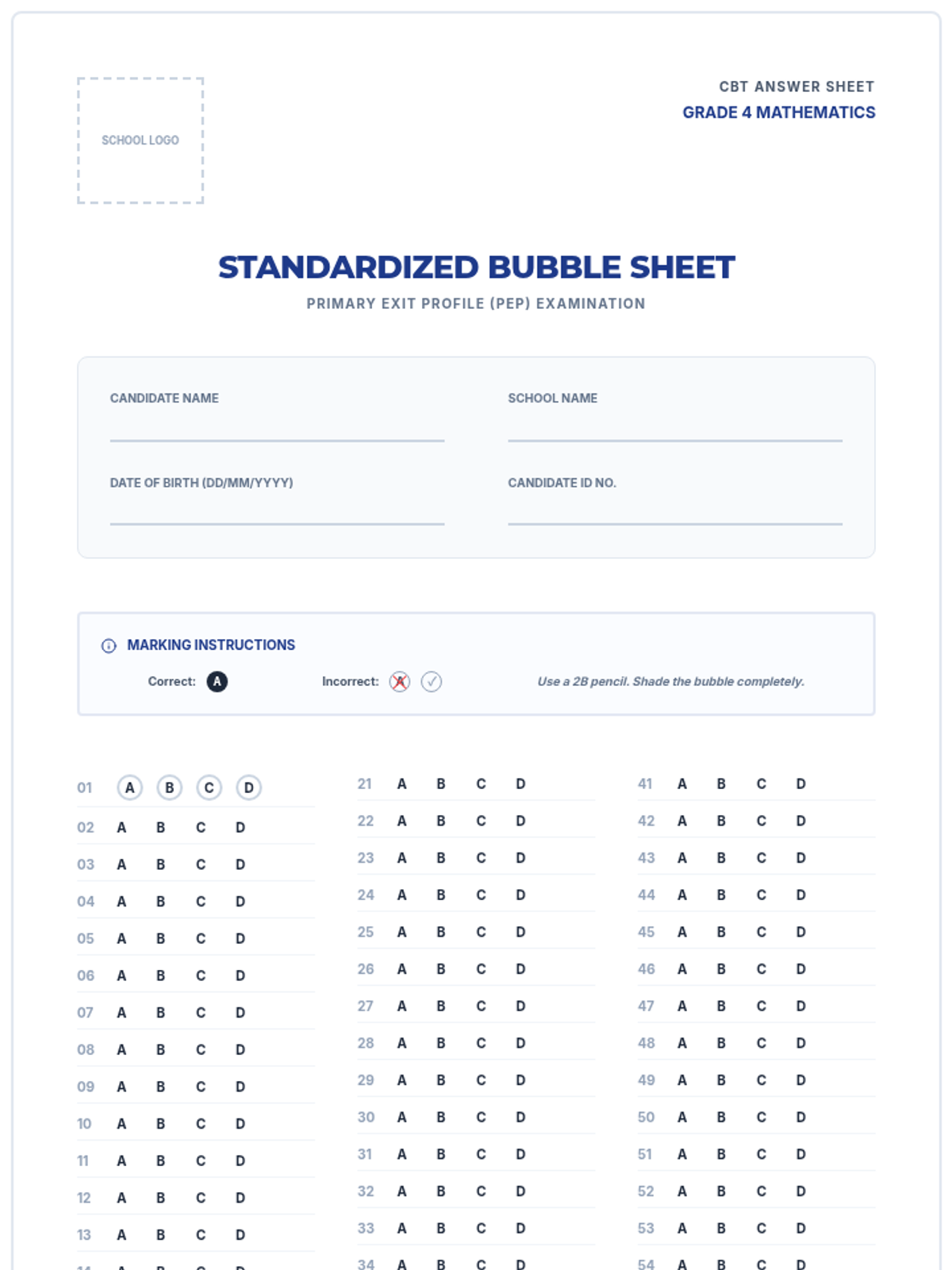
A series of official Grade 4 PEP-style assessments and teacher resources designed to prepare students for the Jamaican Primary Exit Profile, covering all key mathematical domains from the National Standards Curriculum.
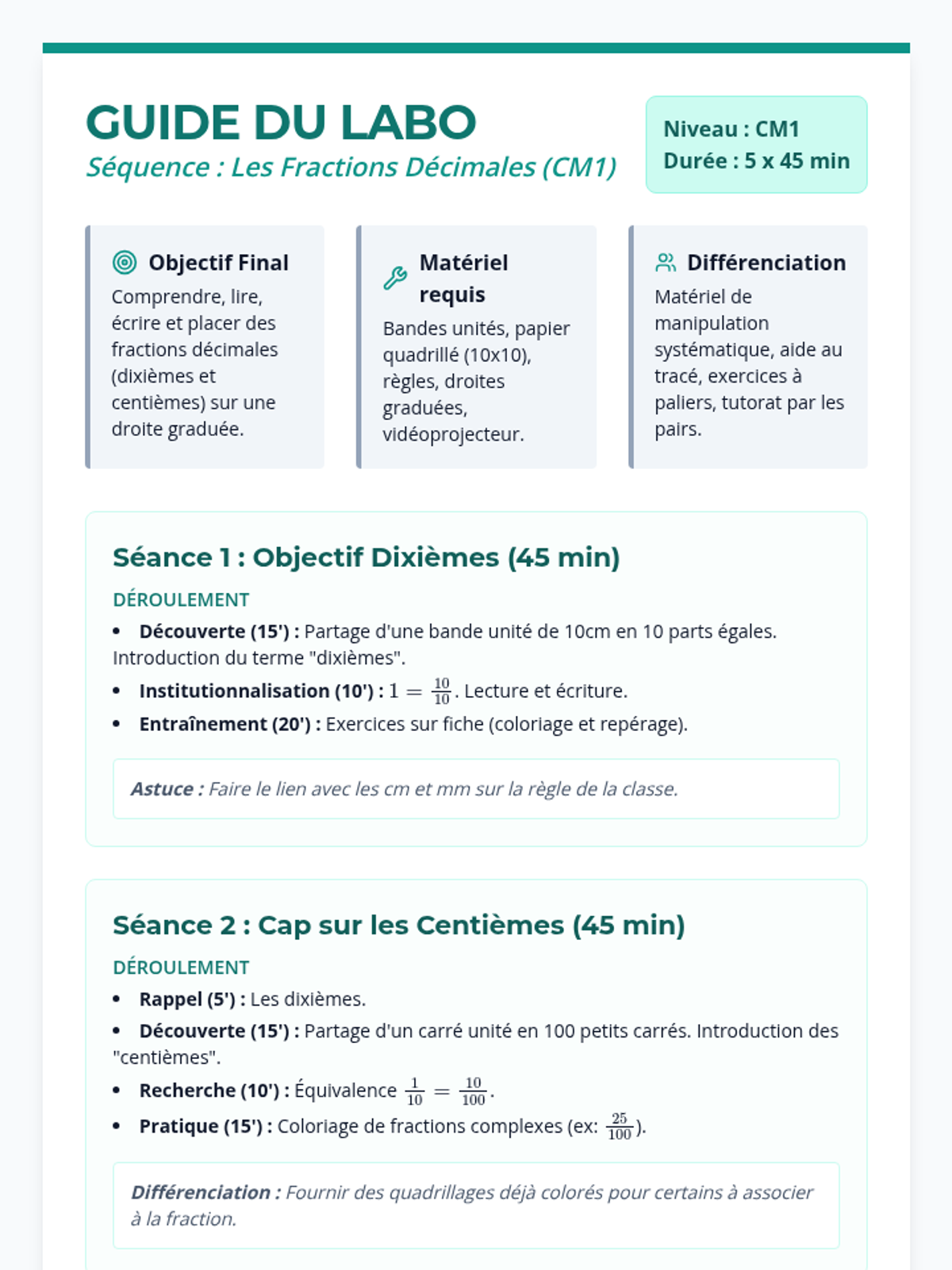
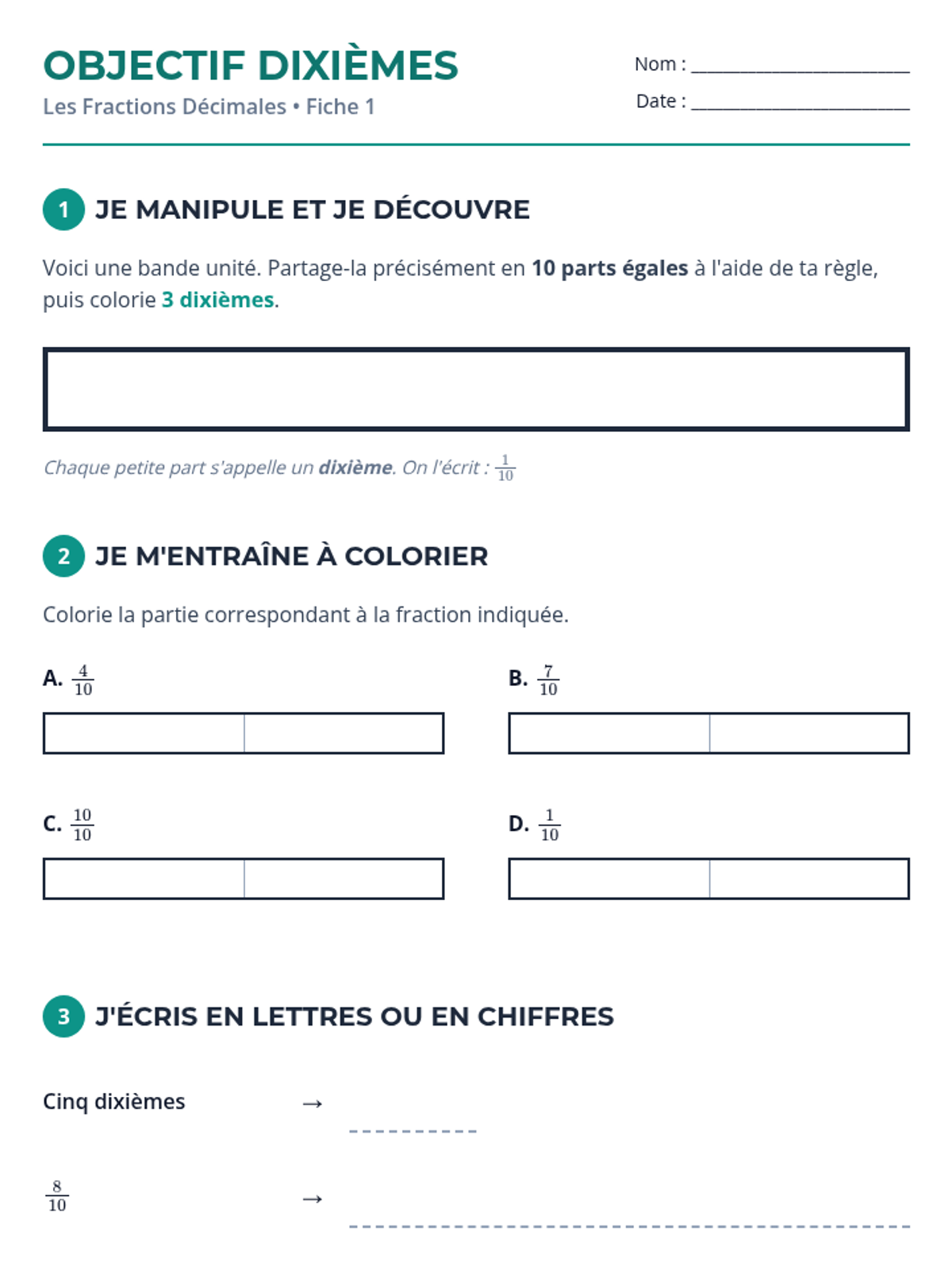
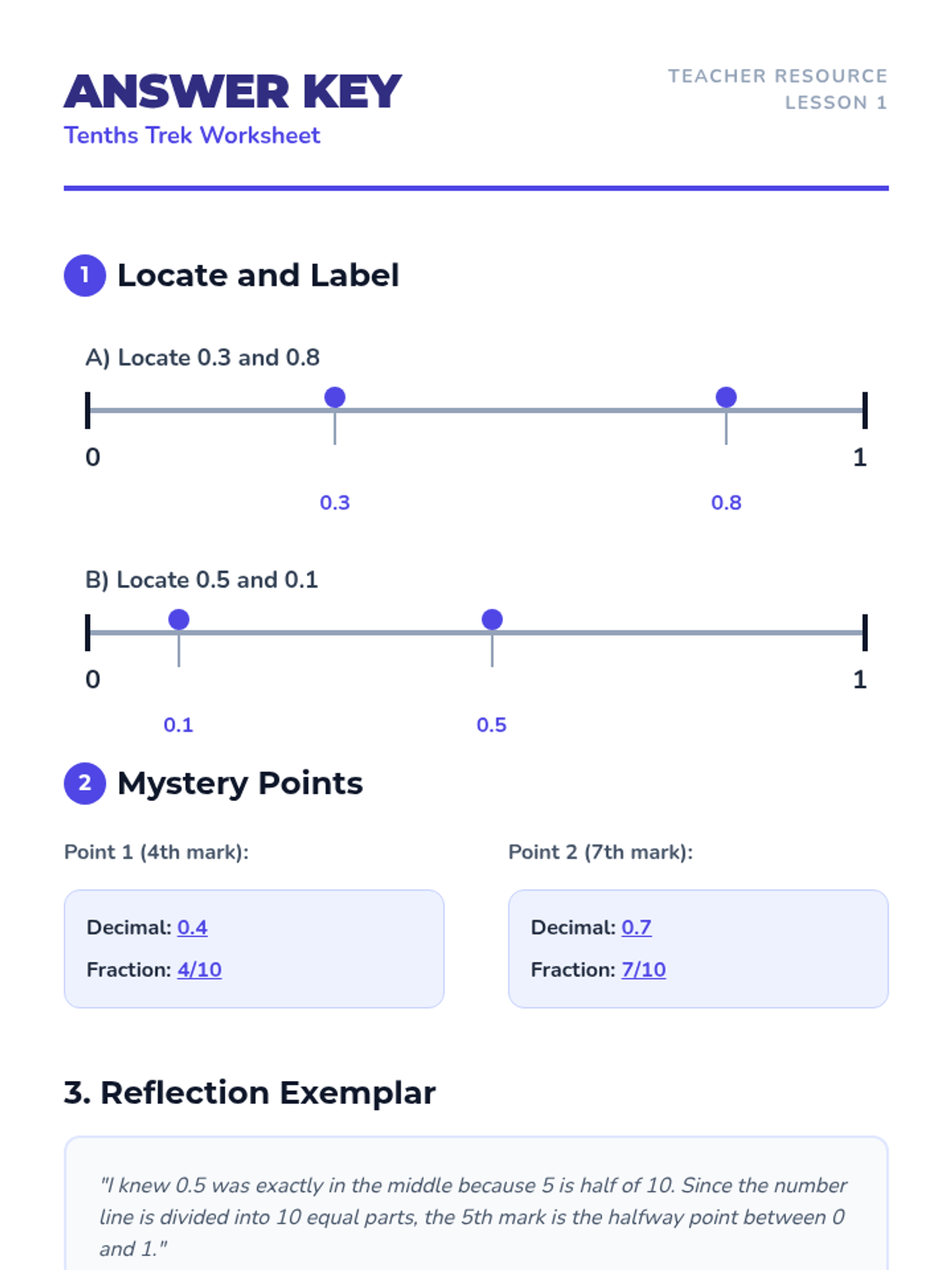
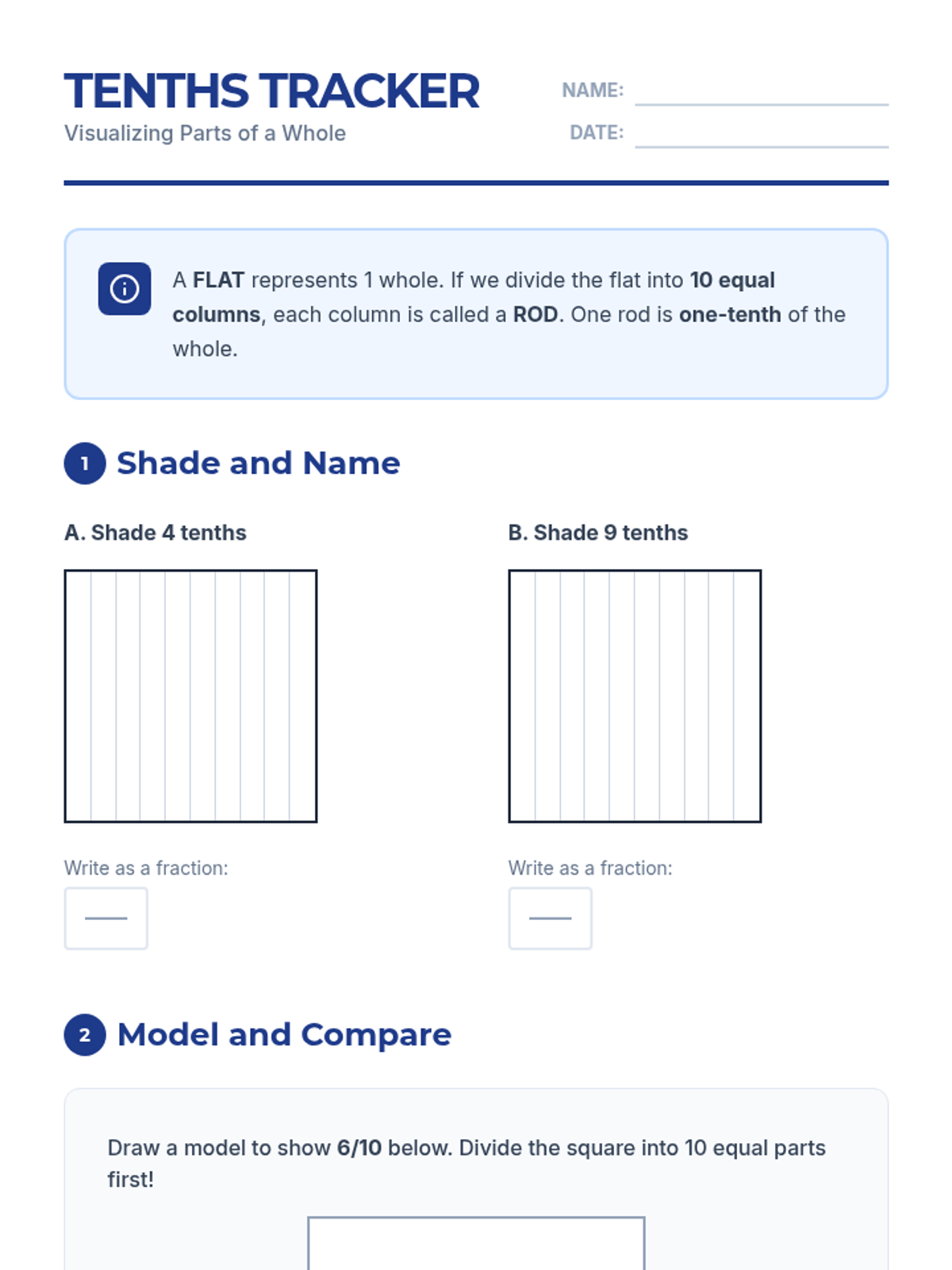
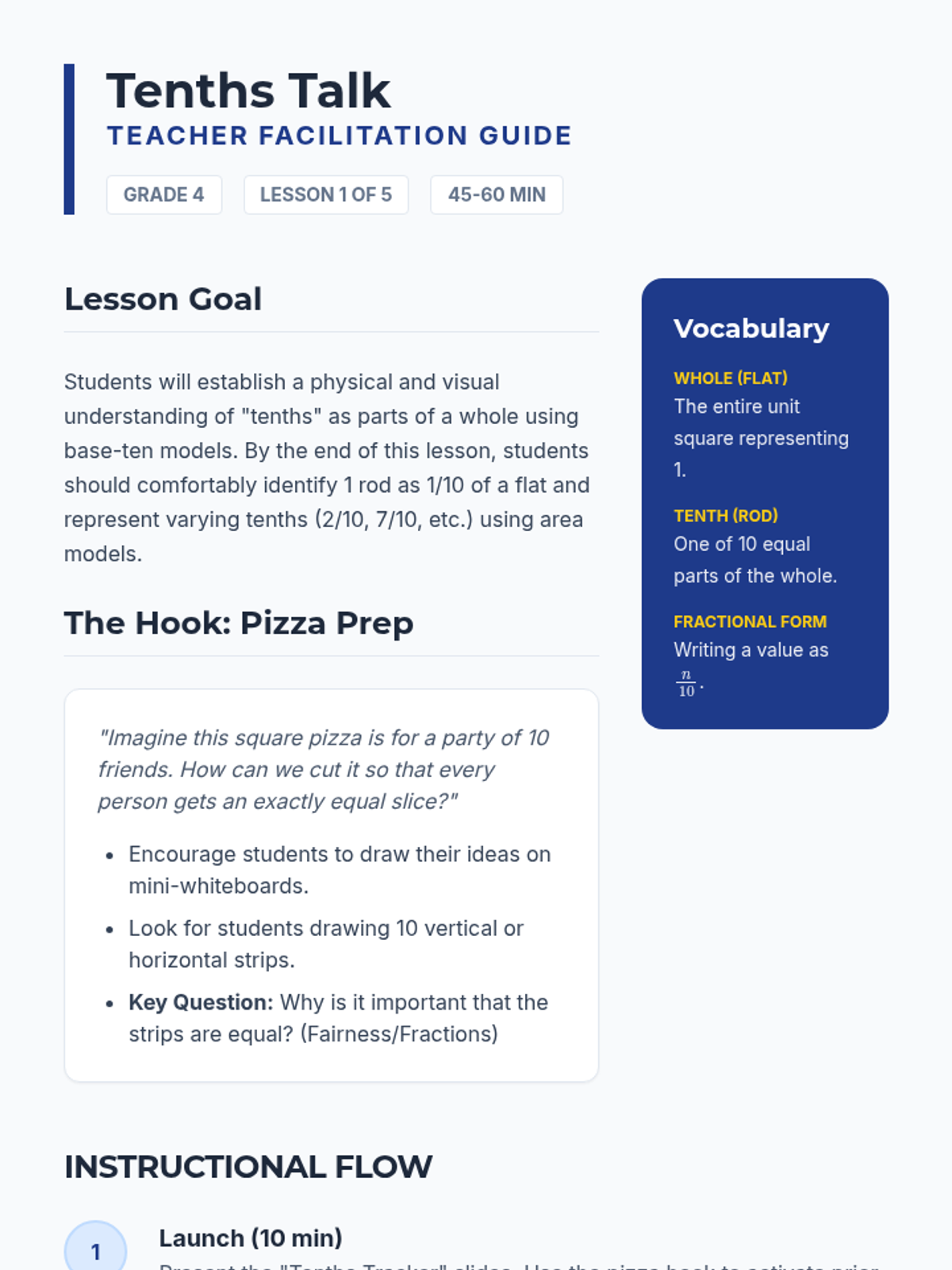
Une séquence de 5 séances pour découvrir et maîtriser les fractions décimales (dixièmes et centièmes) au CM1, avec une approche basée sur la manipulation et la visualisation.
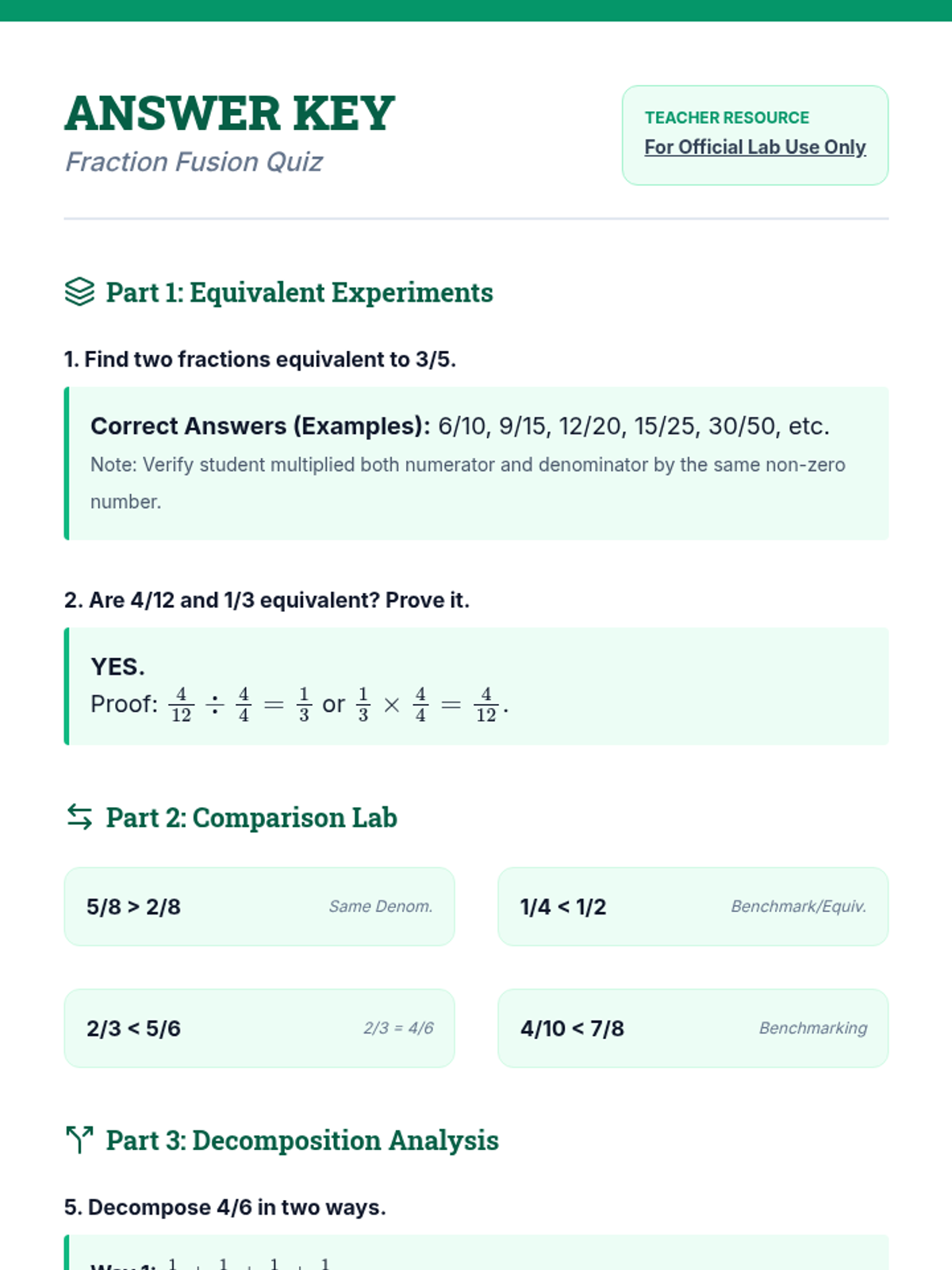
A comprehensive unit focused on mastering 4th-grade fraction concepts, including equivalent fractions, comparing fractions using benchmarks, and decomposing fractions.
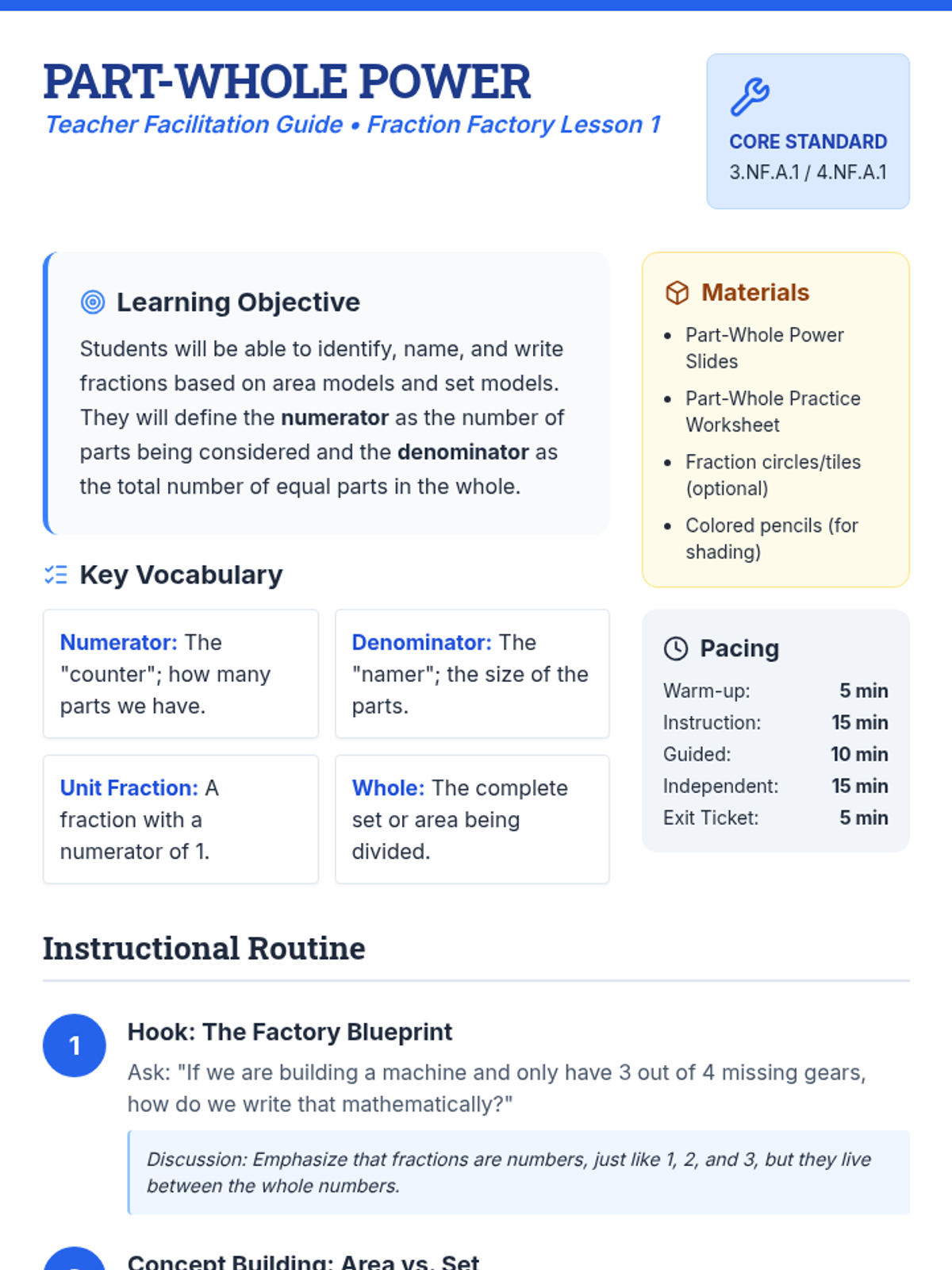
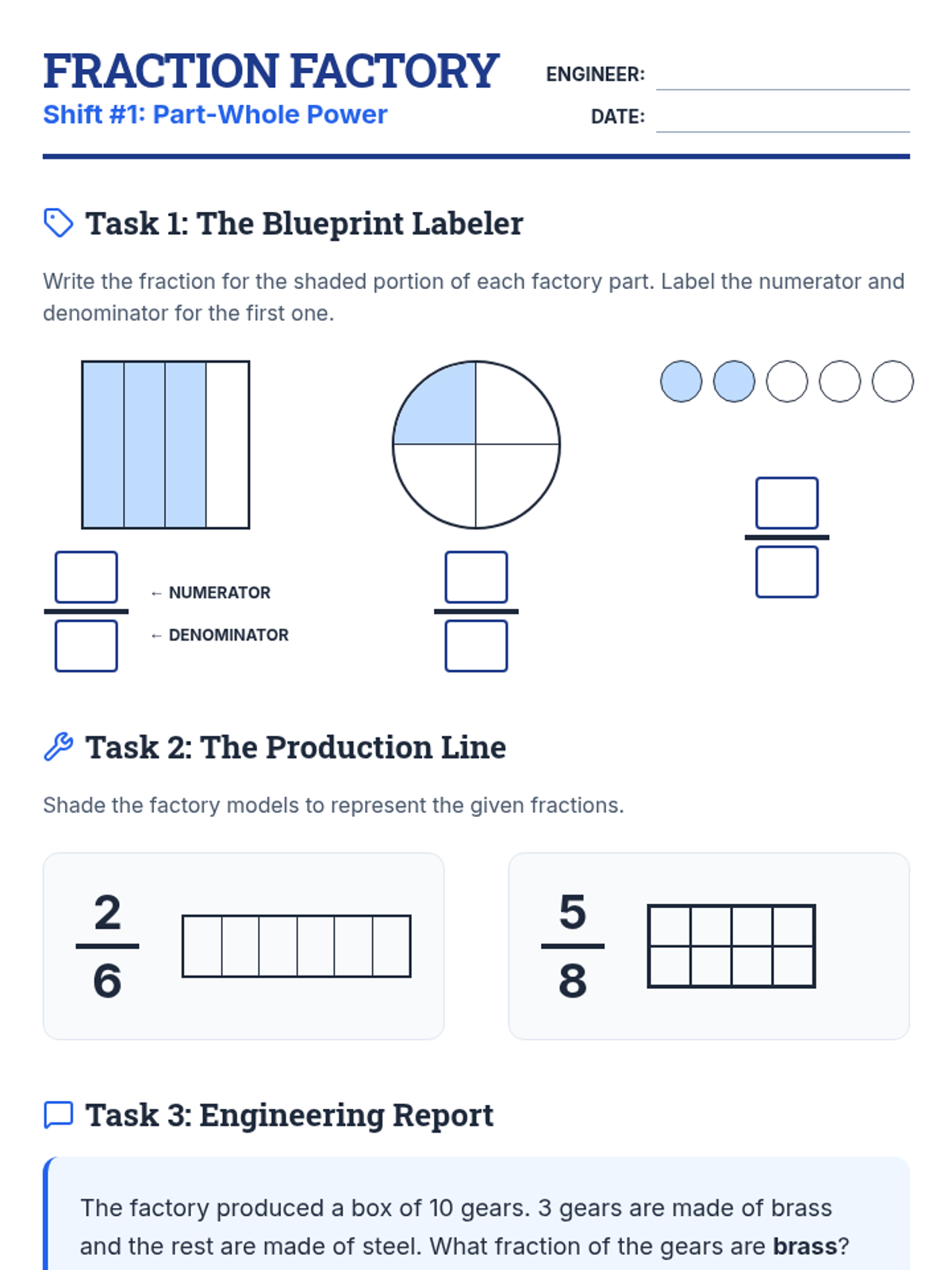
A comprehensive 3-week unit covering the full spectrum of fraction operations, from basic identification and equivalence to multiplication and division, themed as a precision engineering factory.
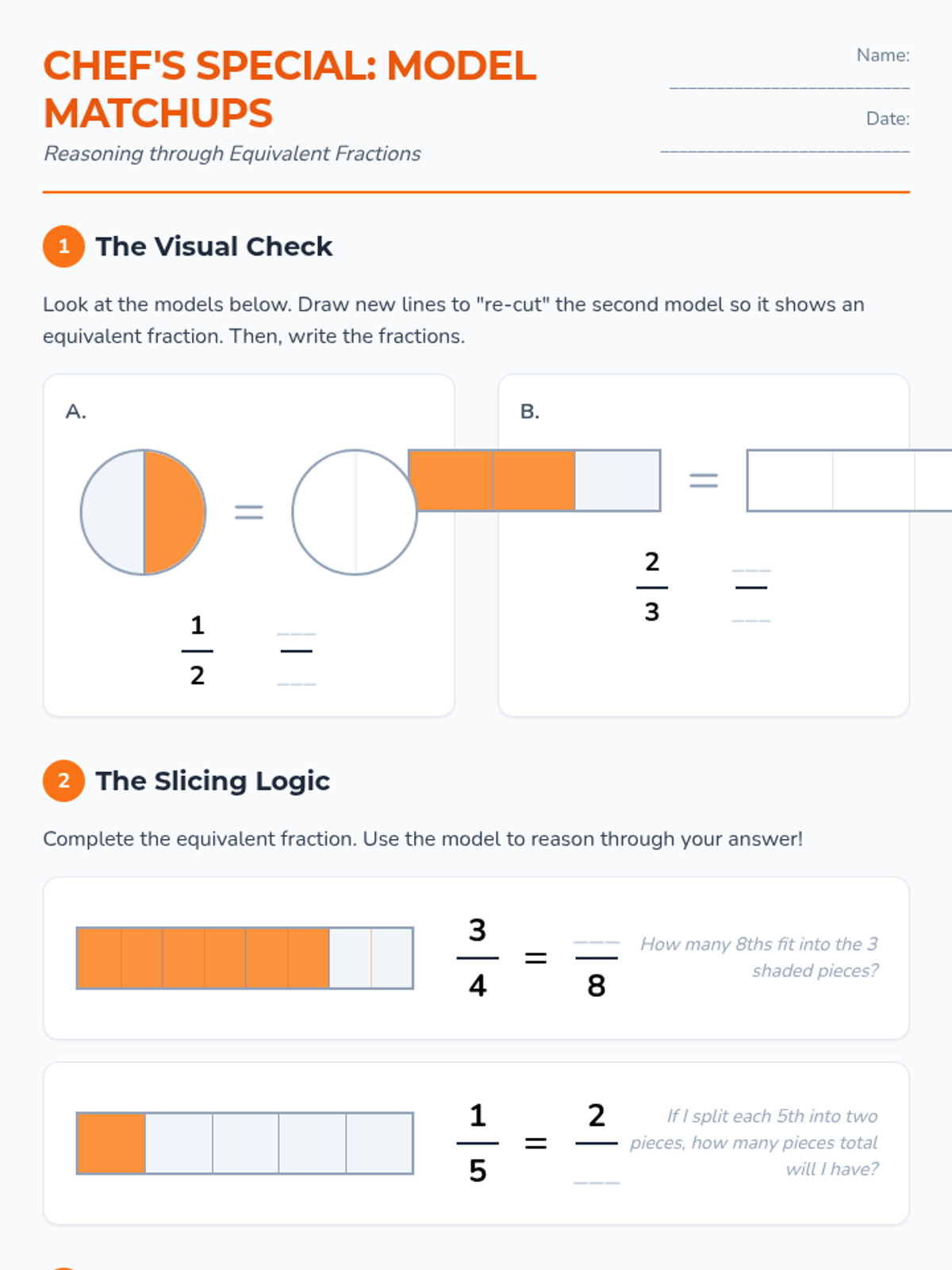
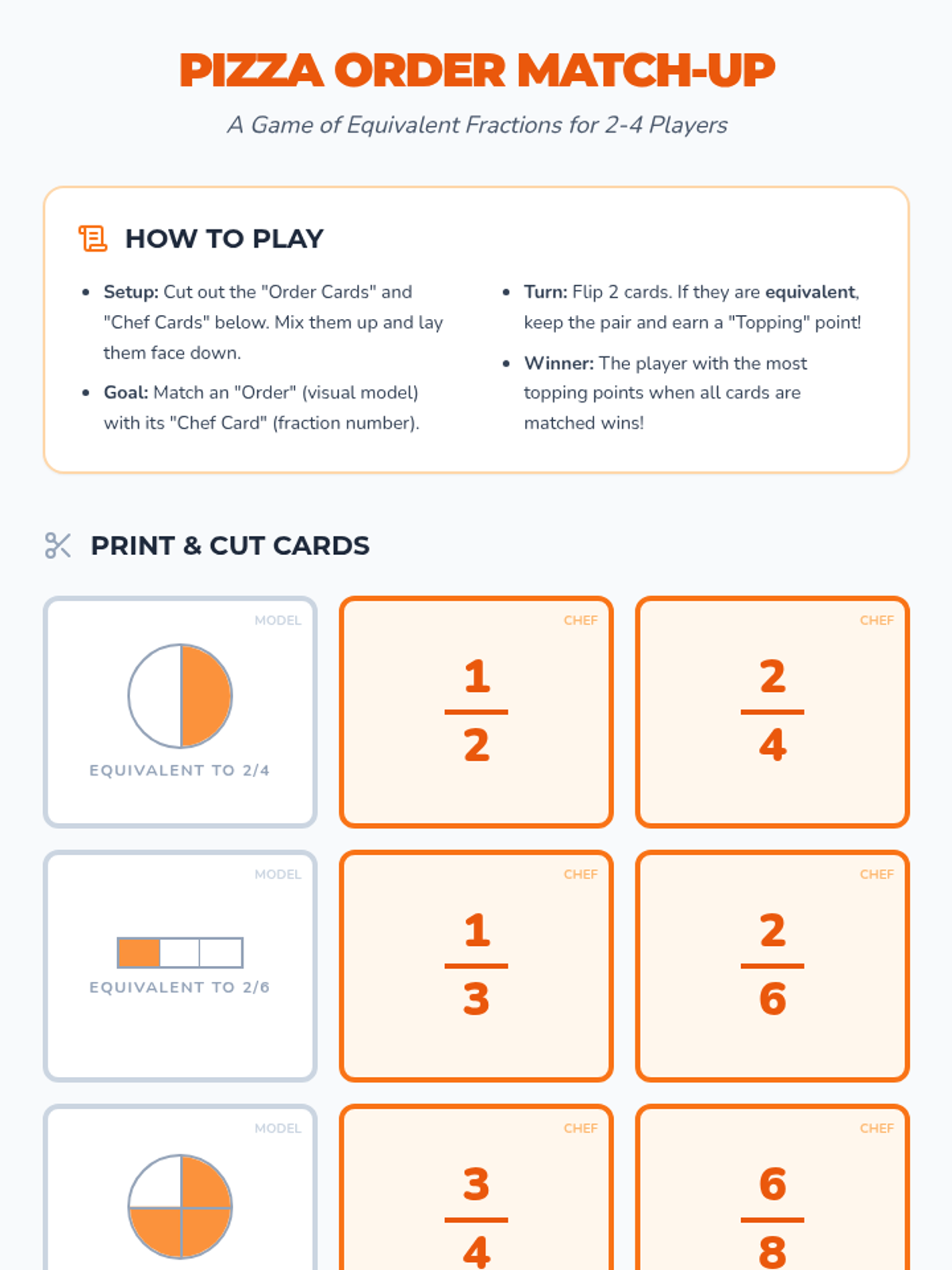
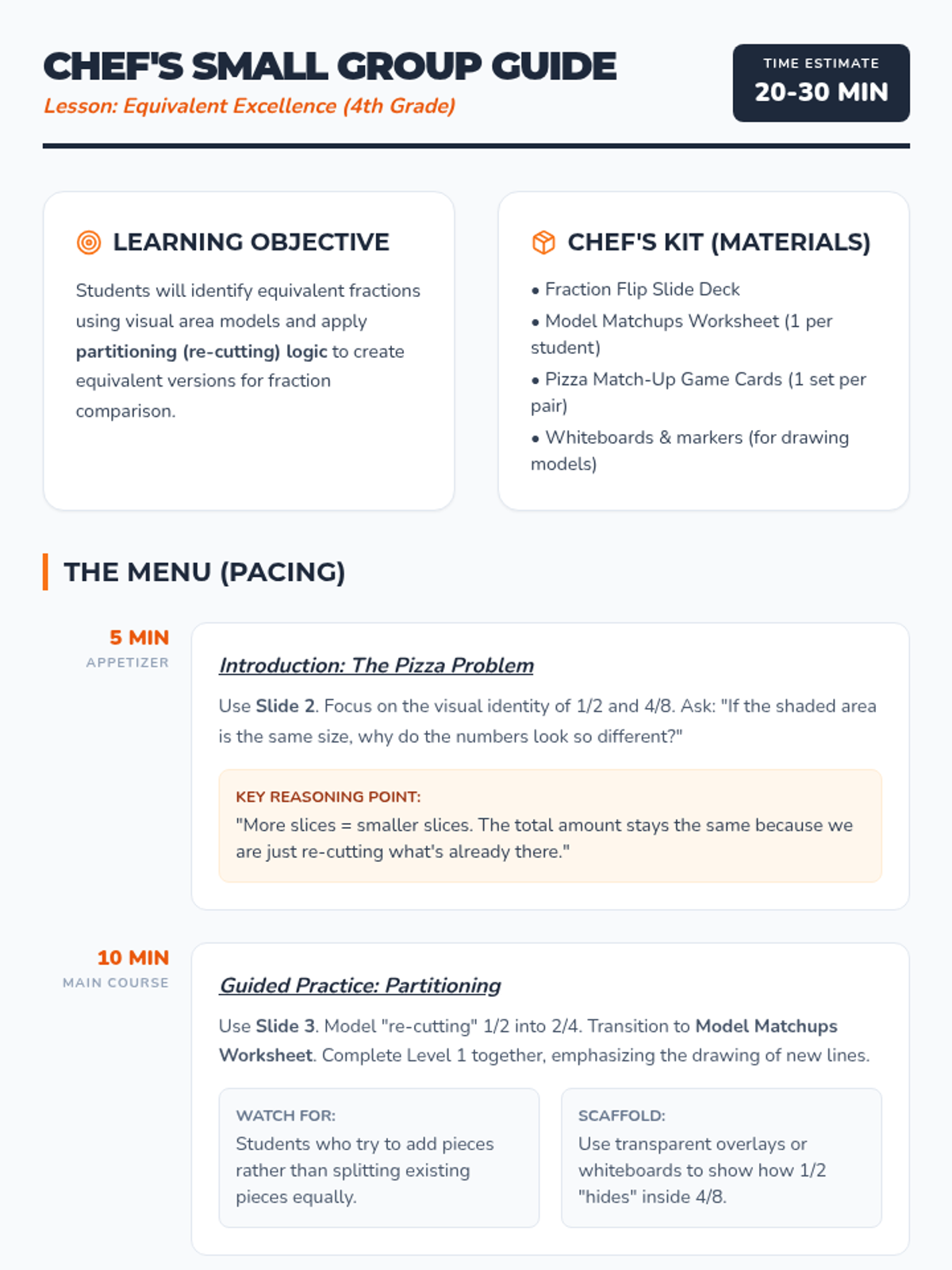
A small group instructional sequence focused on developing a deep conceptual understanding of equivalent fractions through visual models and interactive gameplay. Students will transition from identifying equivalent fractions to using them for comparison.
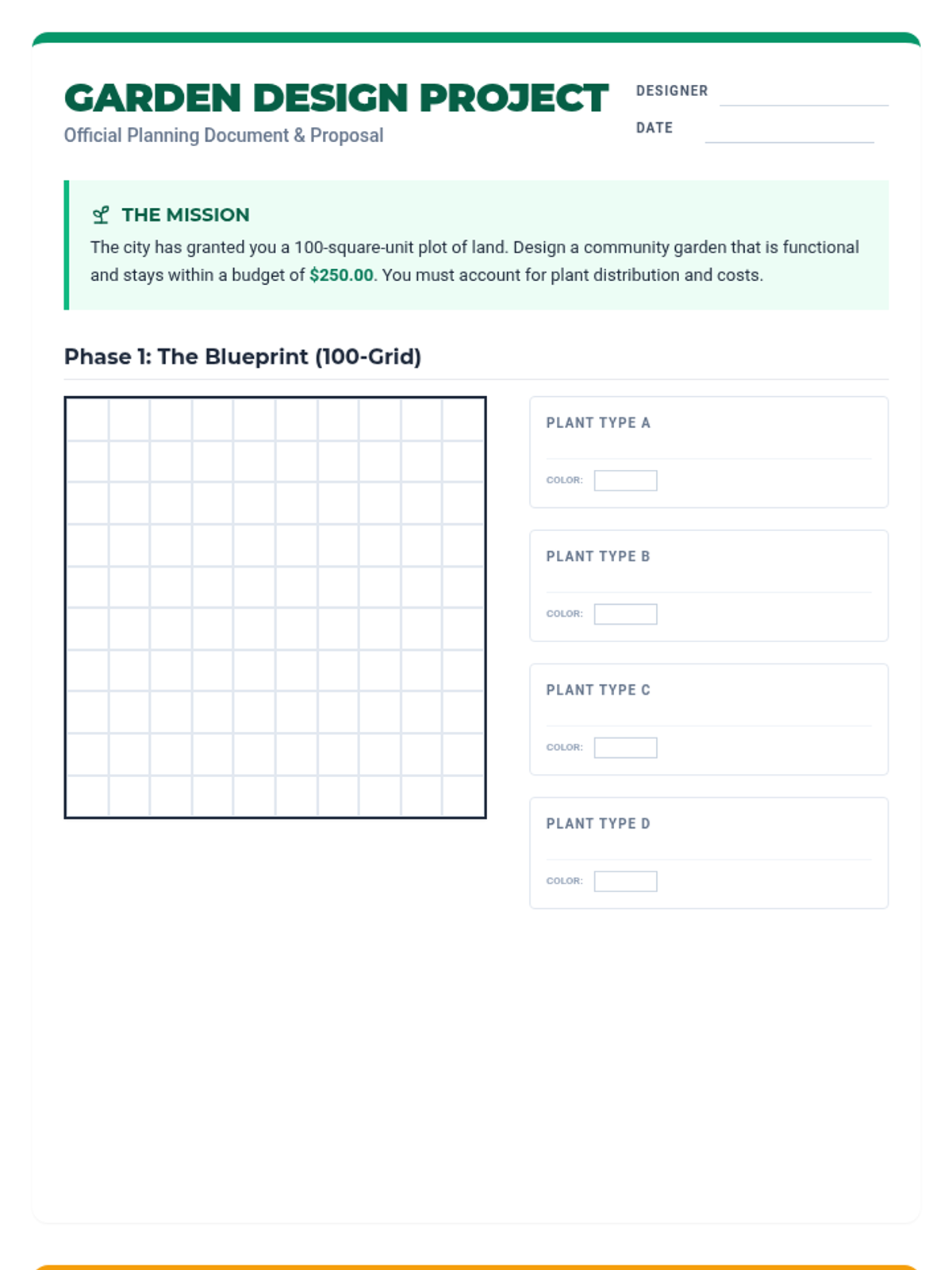
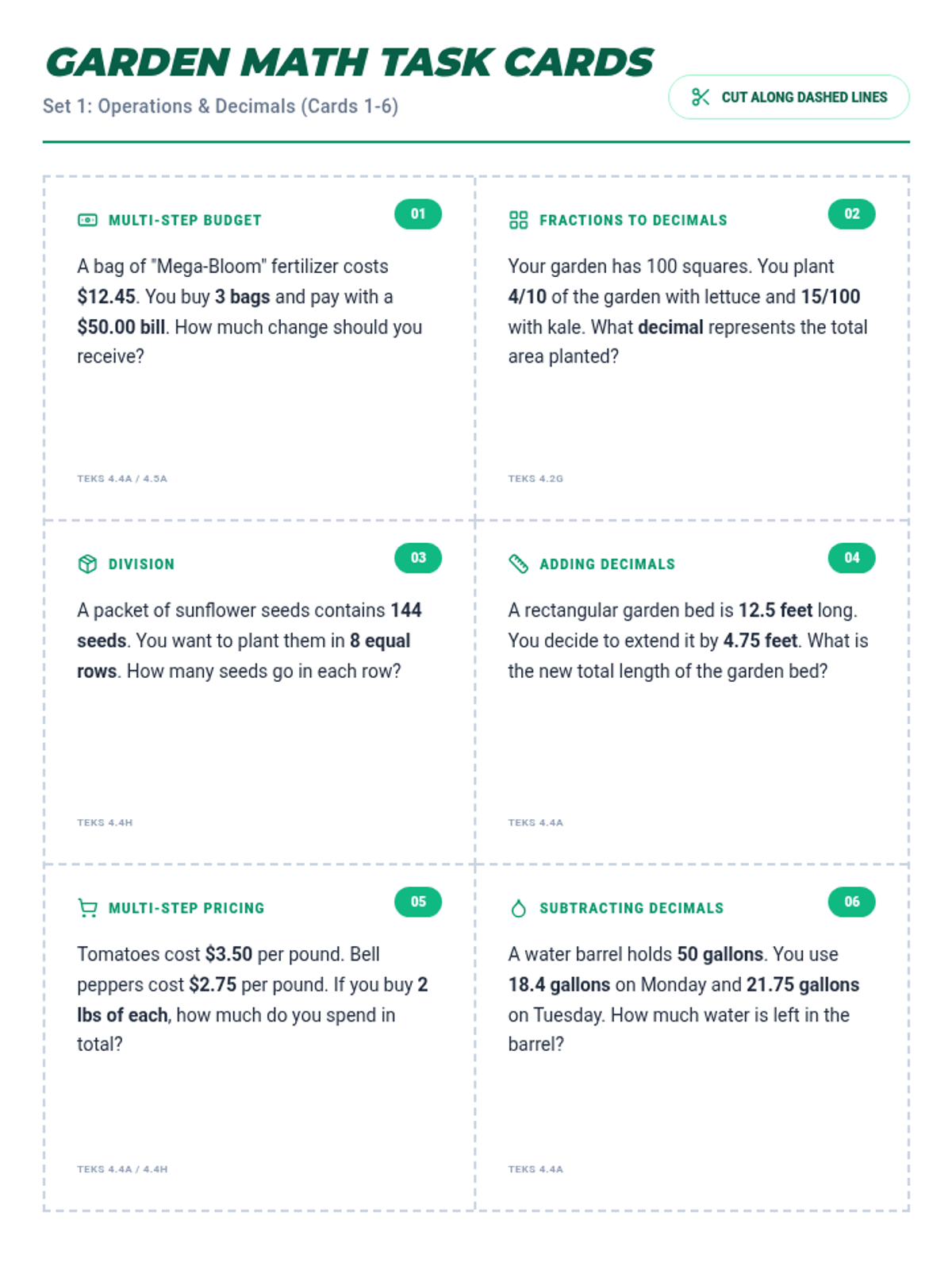
A project-based math unit where students become garden designers, using decimals and fractions to plan a community space and manage a project budget.
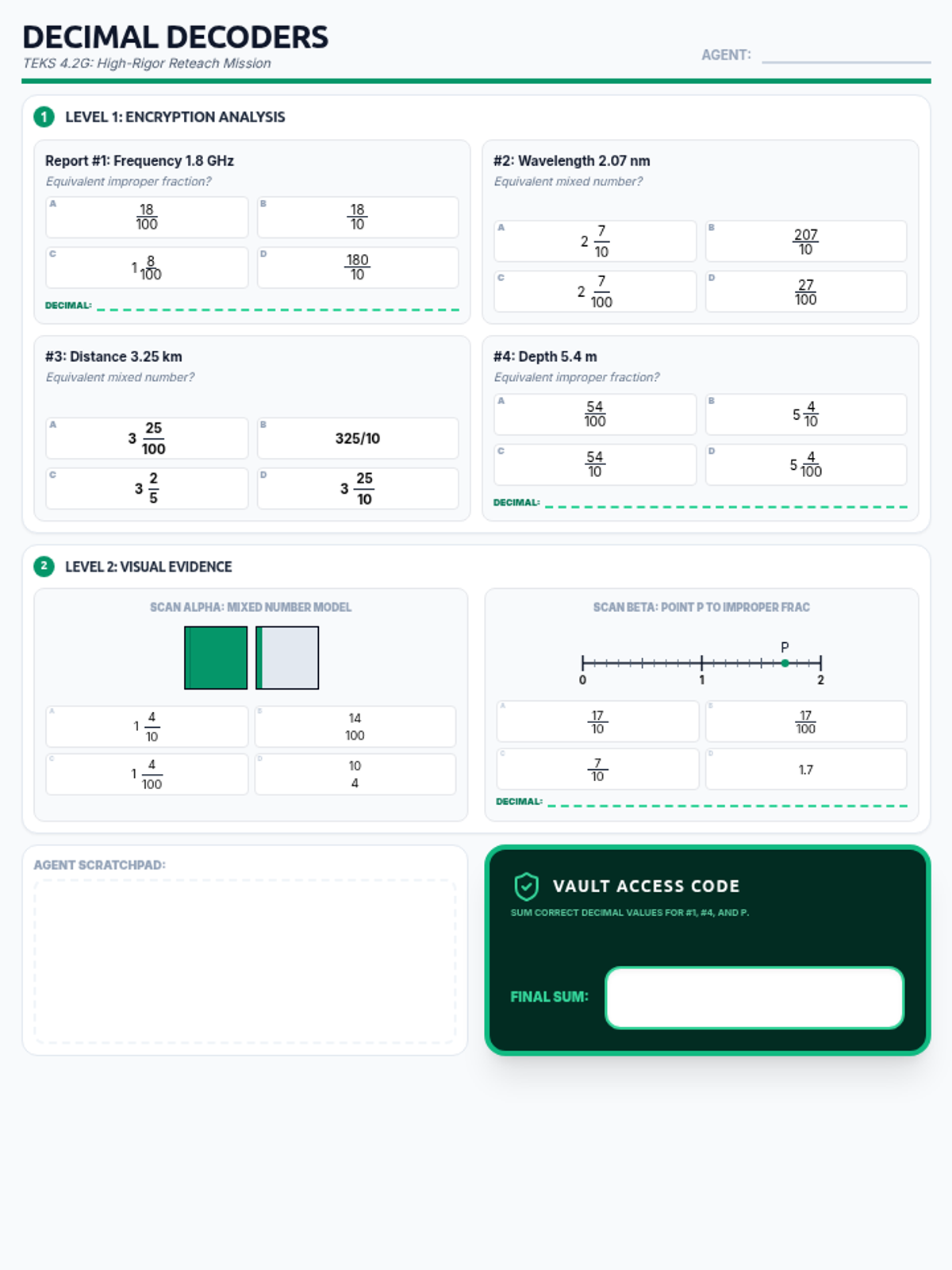
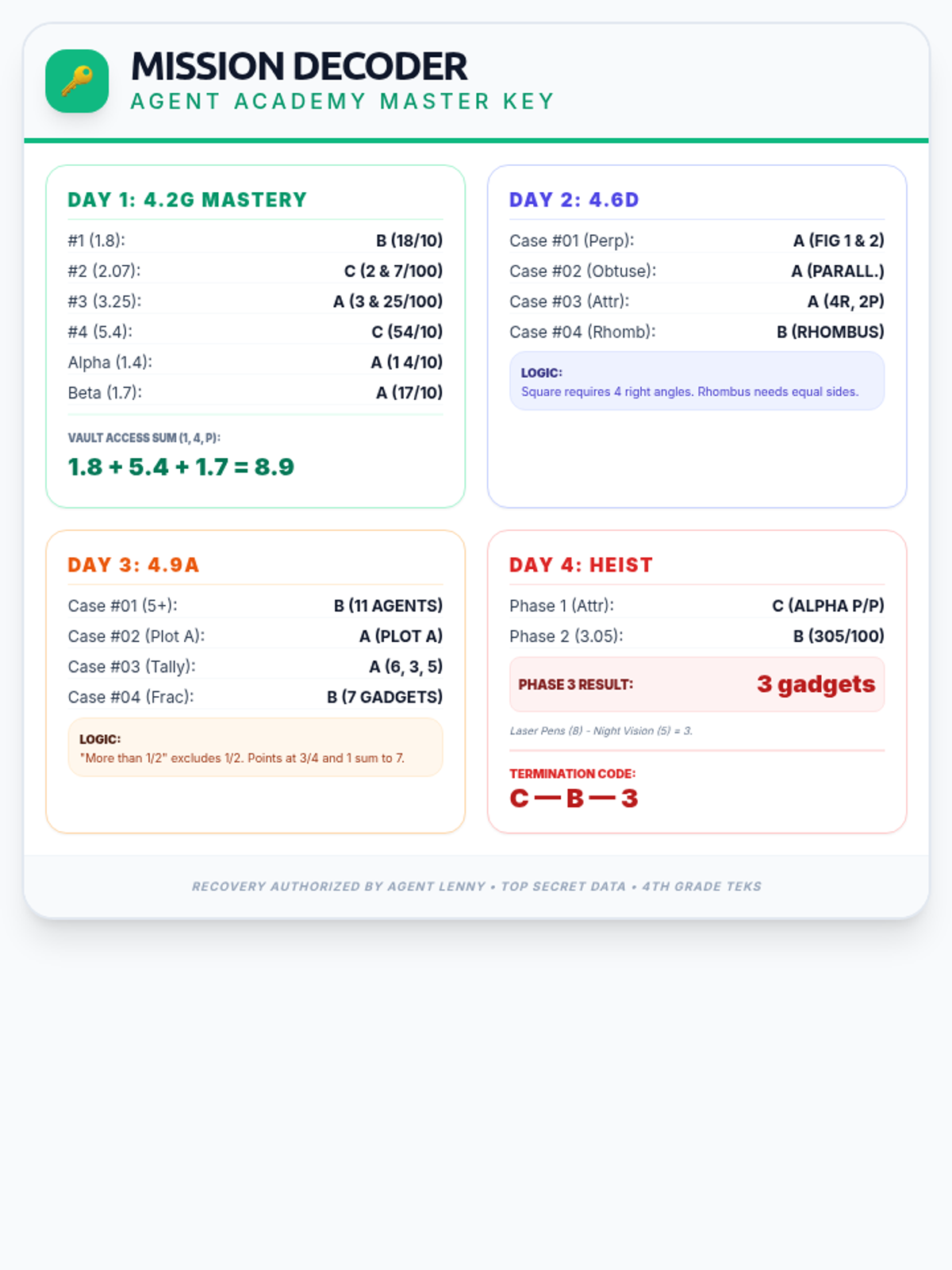
A 4-day intensive reteach unit focused on TEKS 4.2G, 4.6D, and 4.9A. This sequence uses a "Secret Agent" theme to engage students in high-stakes math challenges, primarily through rigorous task card investigations and escape room scenarios. No board games are used to maximize instructional focus.
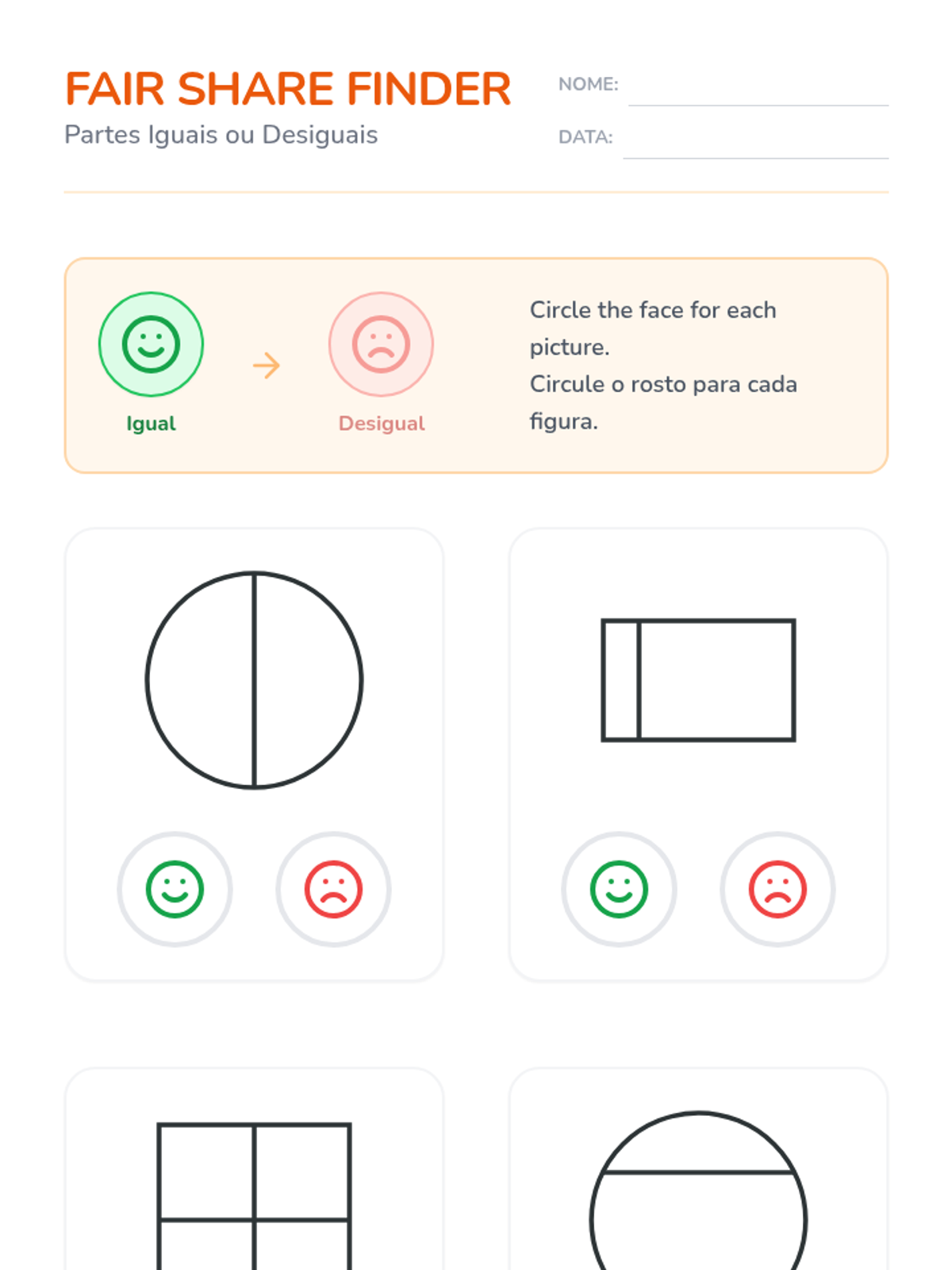
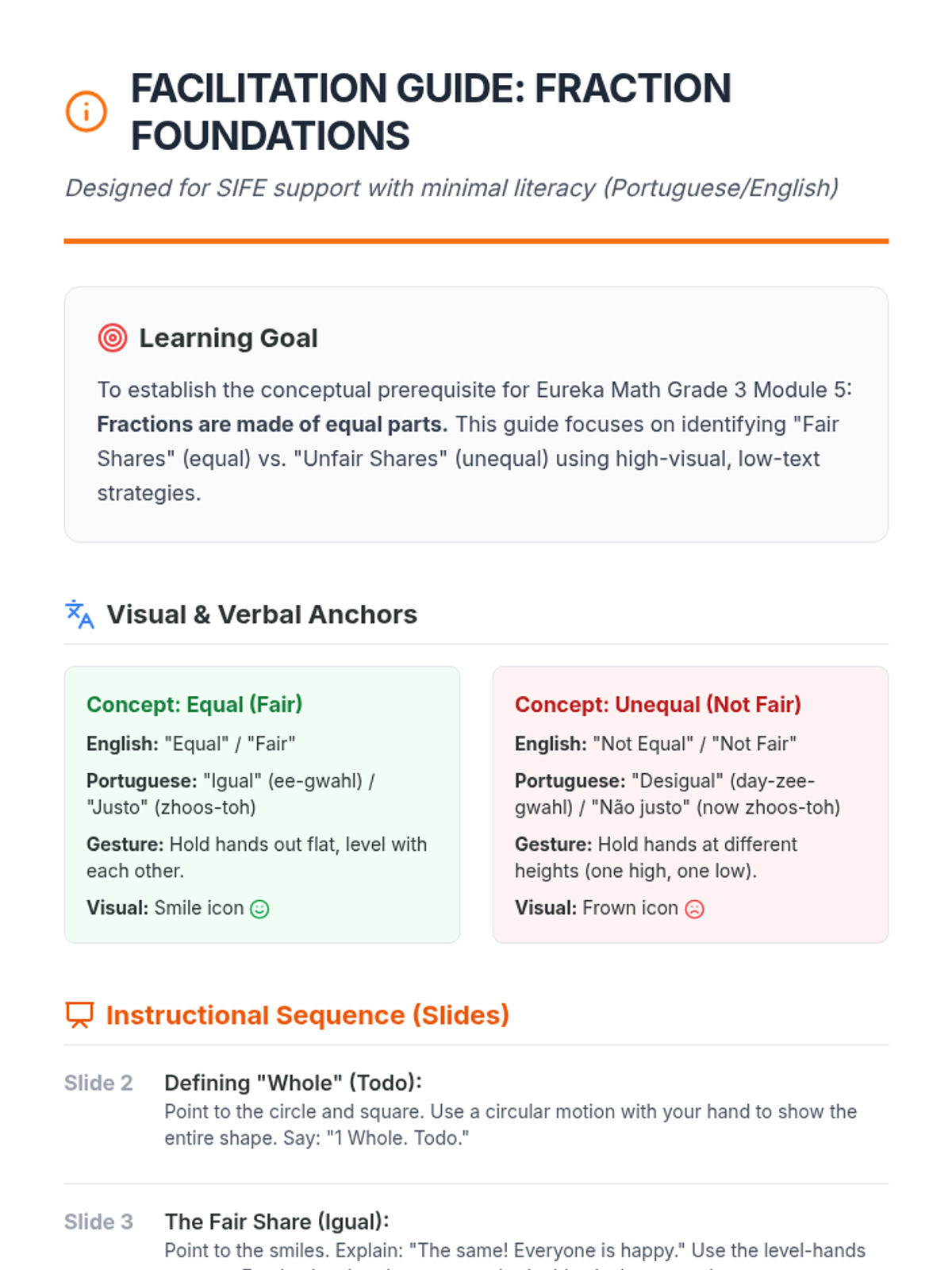
A scaffolded introduction to fractions designed for SIFE students with no literacy. This sequence moves from the concept of fair shares to counting equal parts and understanding unit fractions through high-visual support and Portuguese verbal anchors.
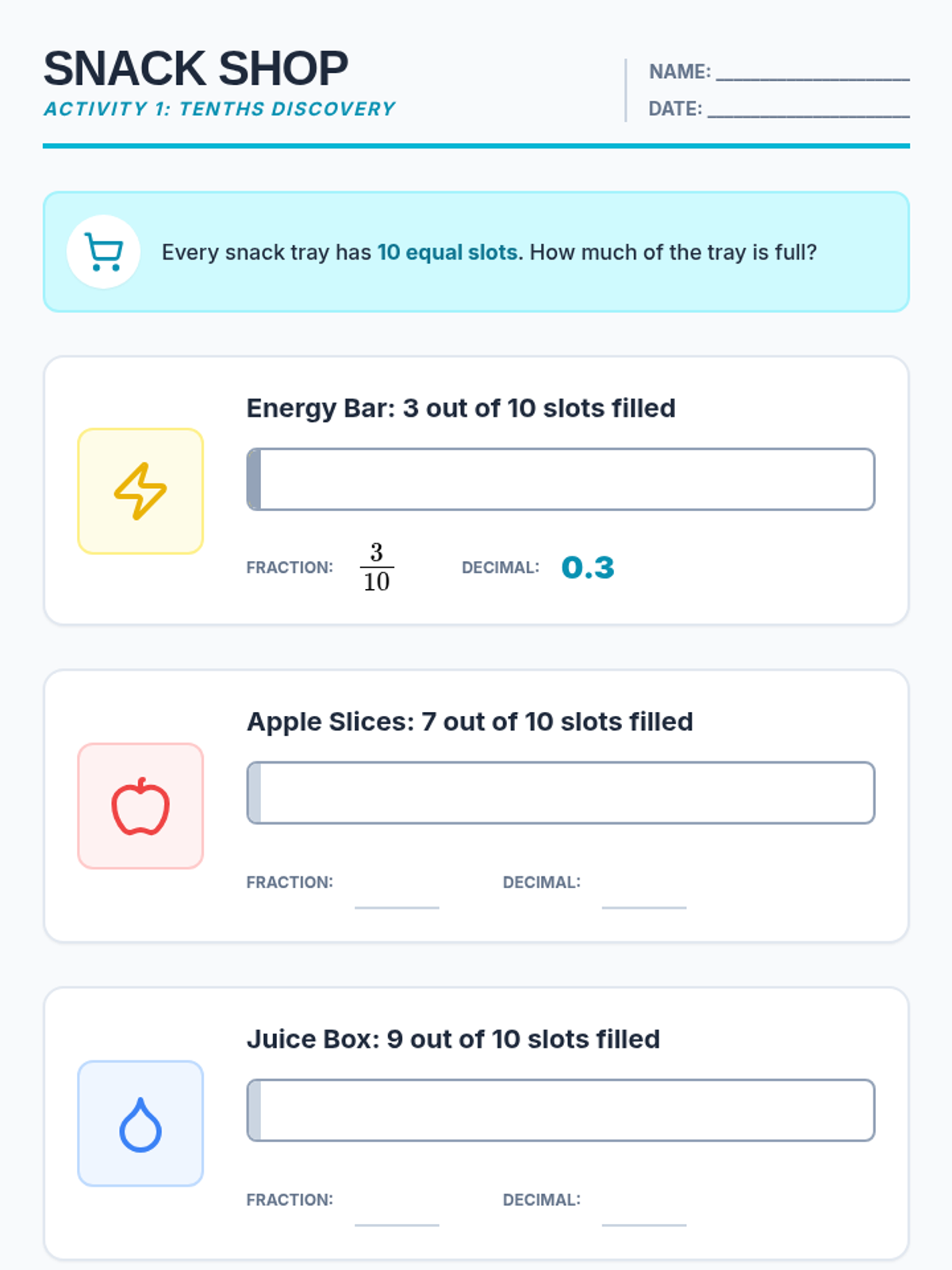
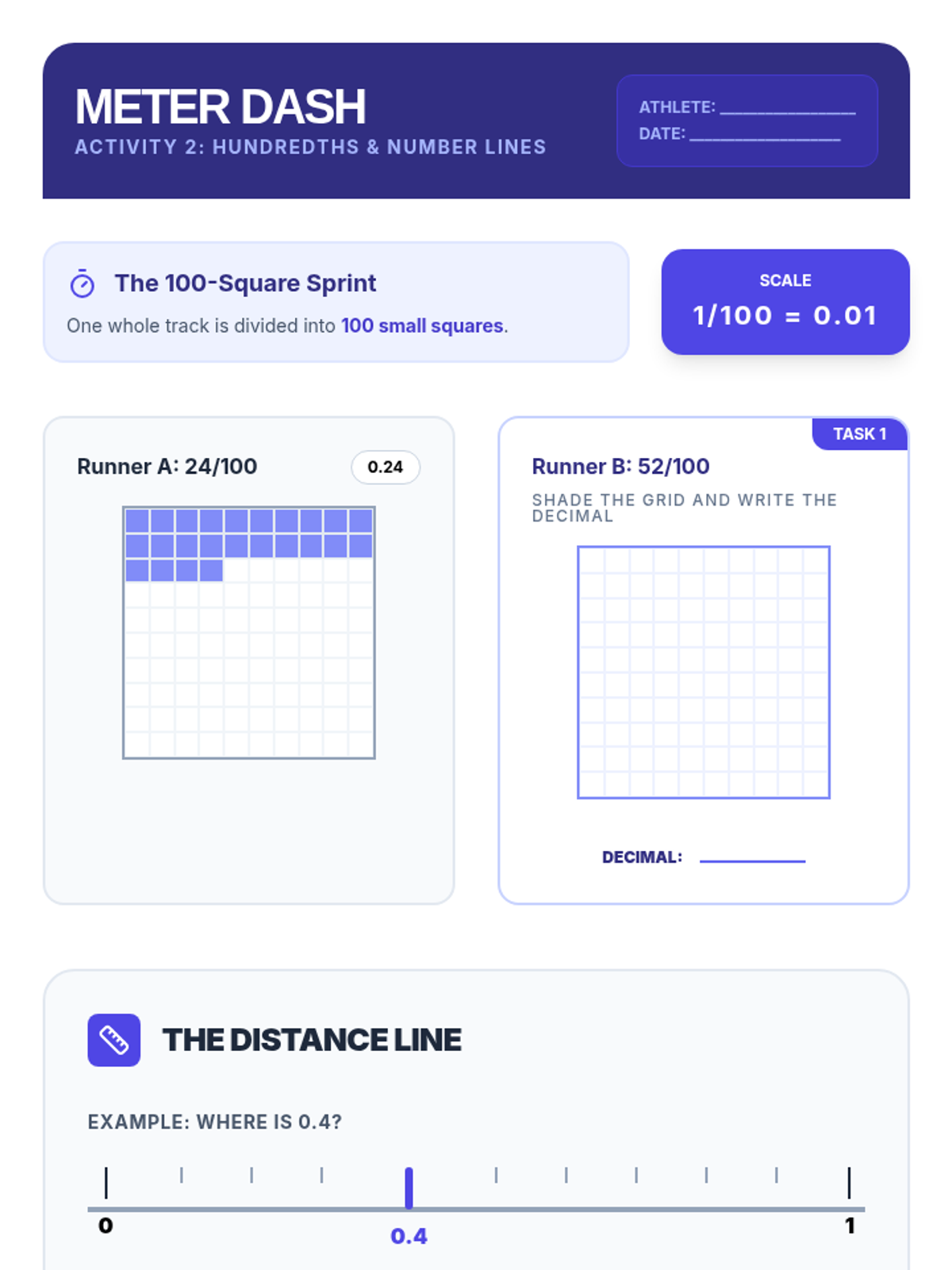
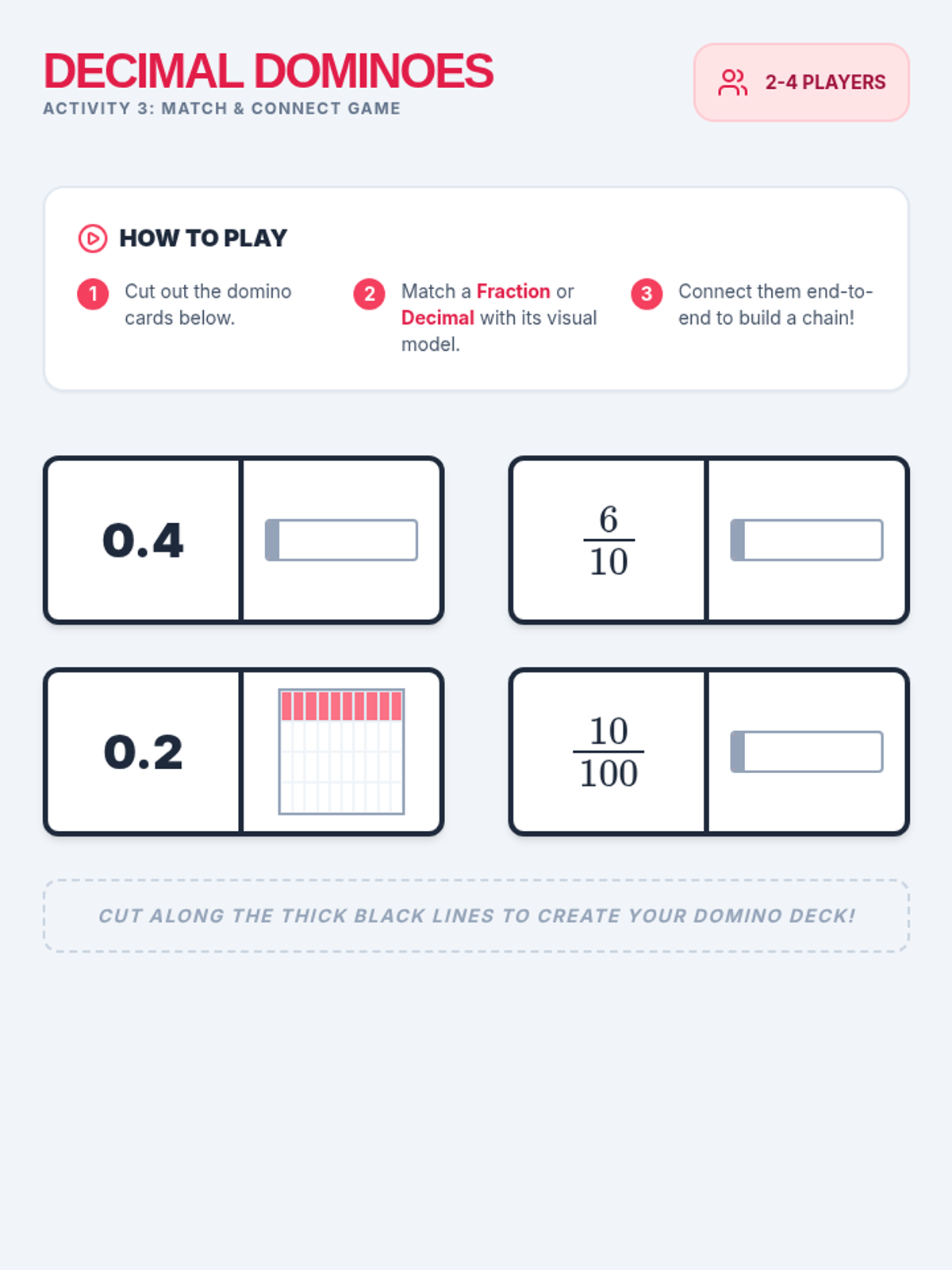
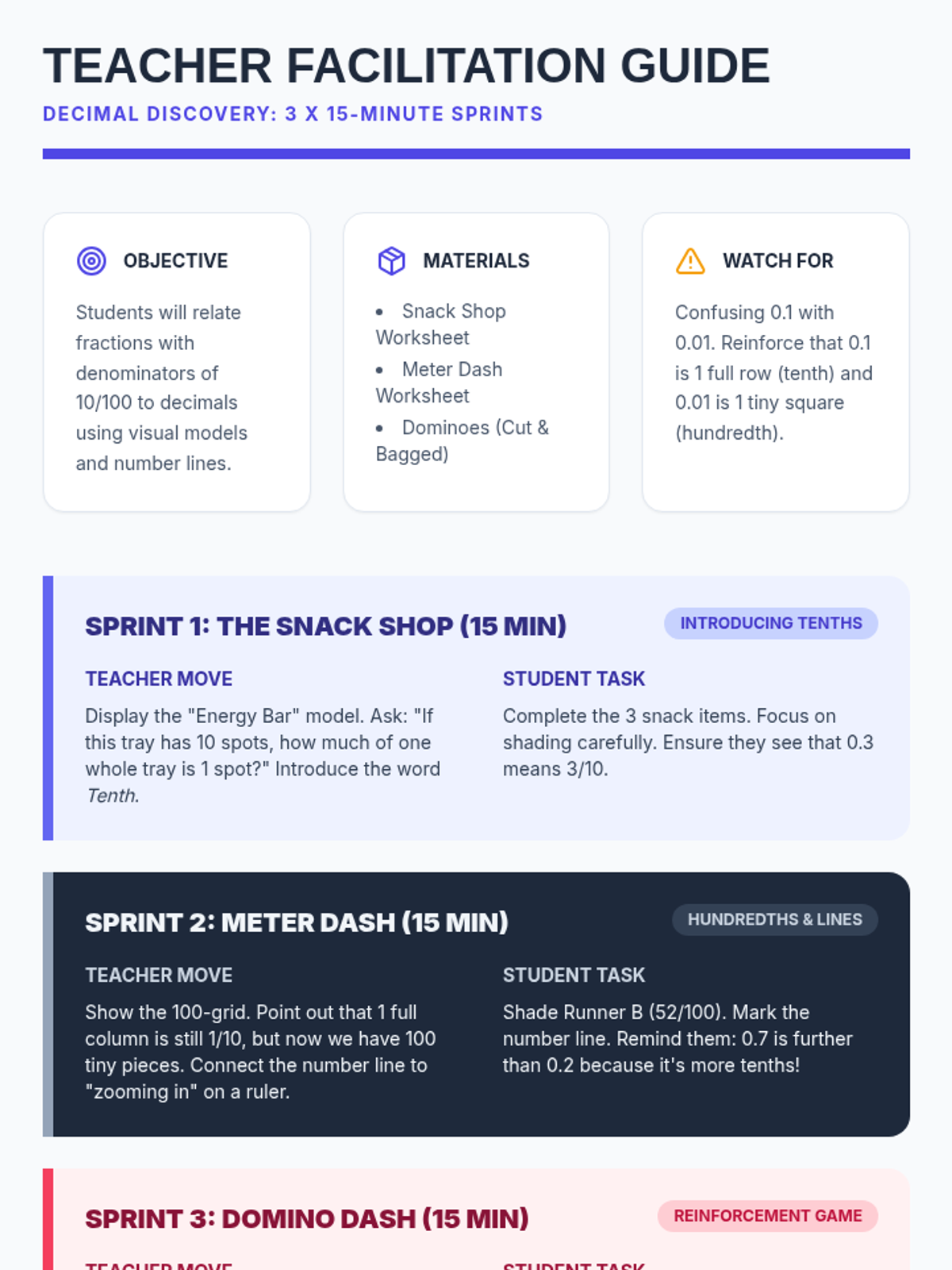
A series of three high-visual, low-text activities introducing decimals through fractions and number lines. Students explore tenths and hundredths using real-world snack shop and track and field scenarios, concluding with a matching game.
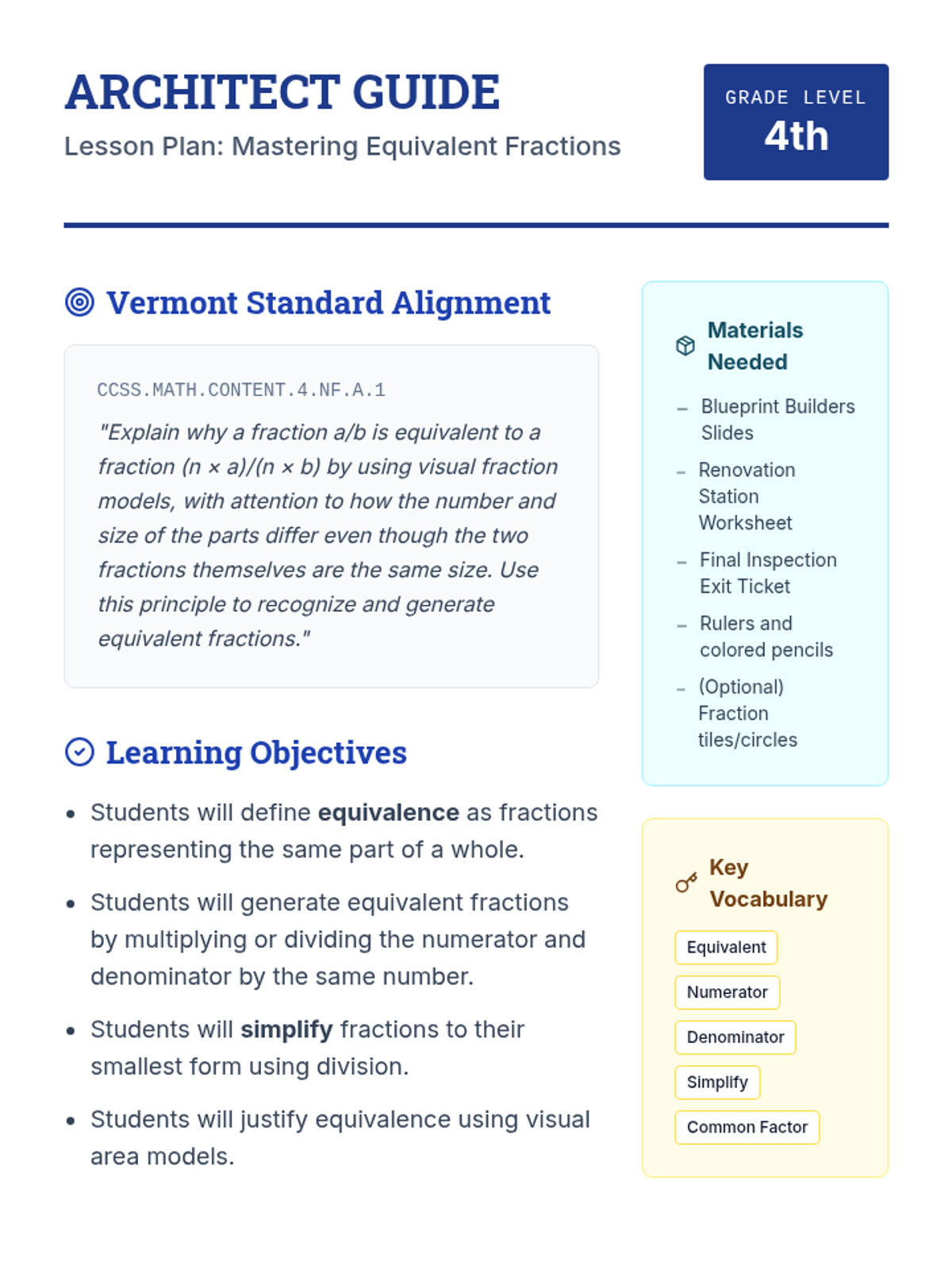
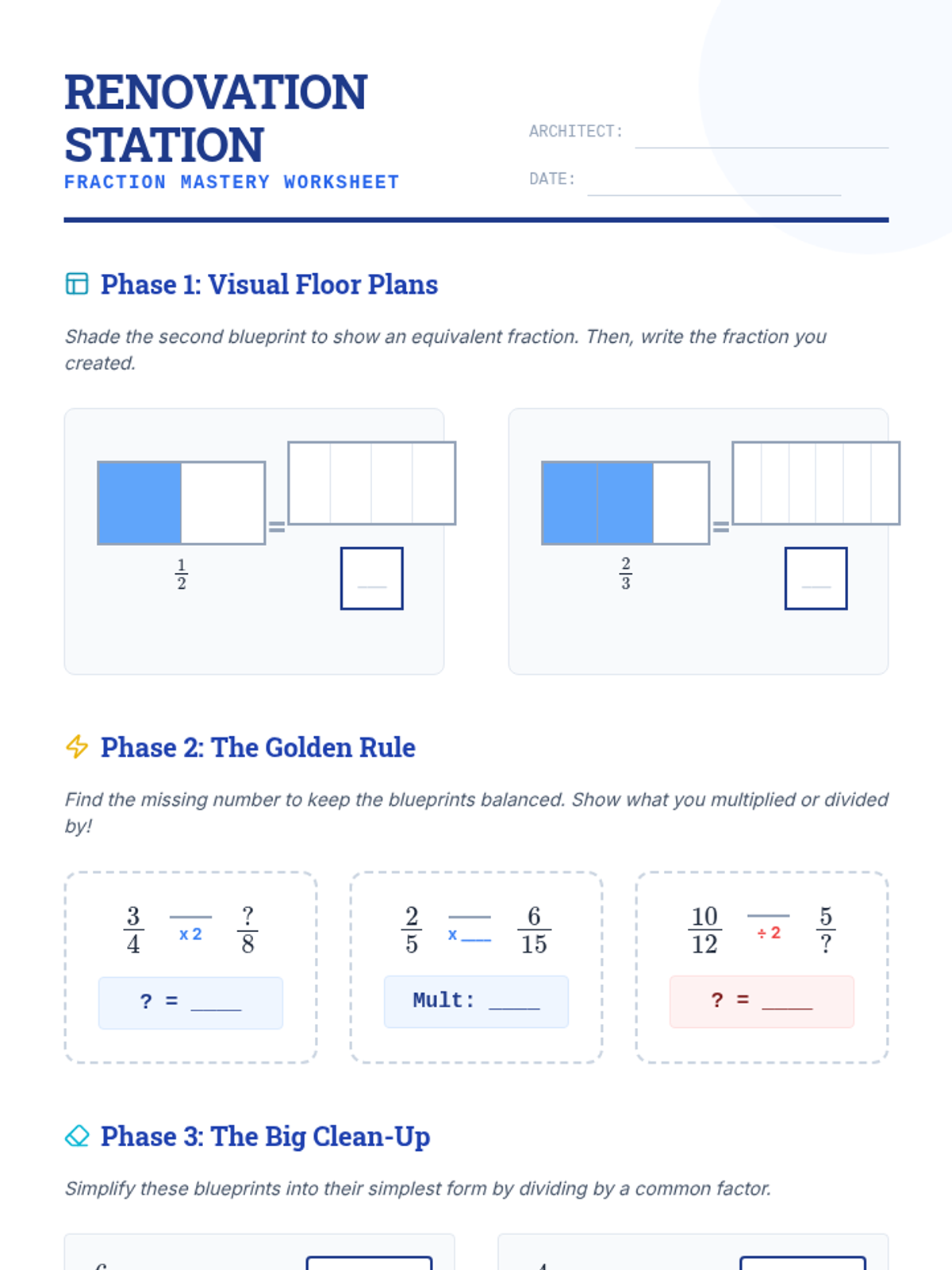
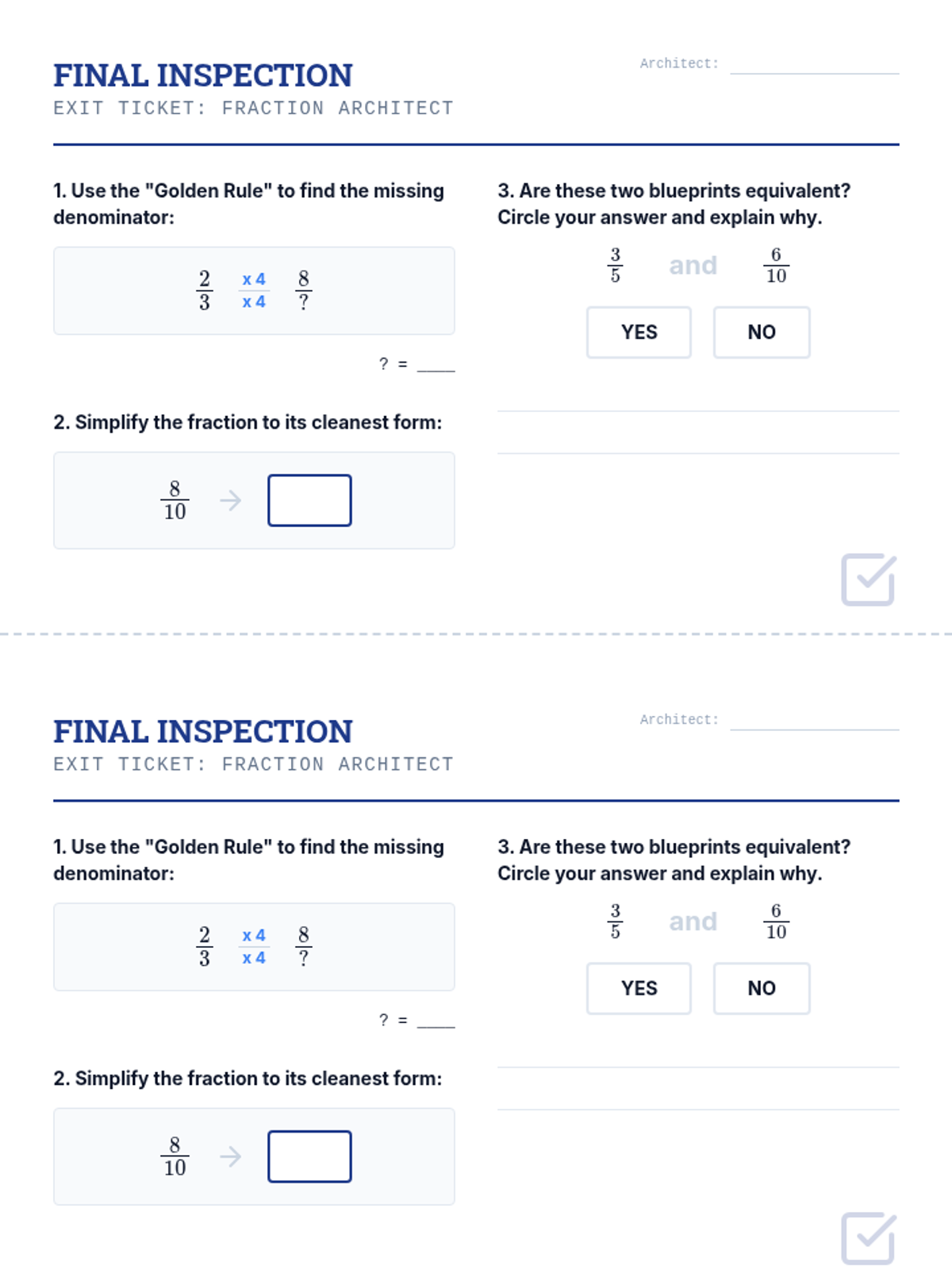
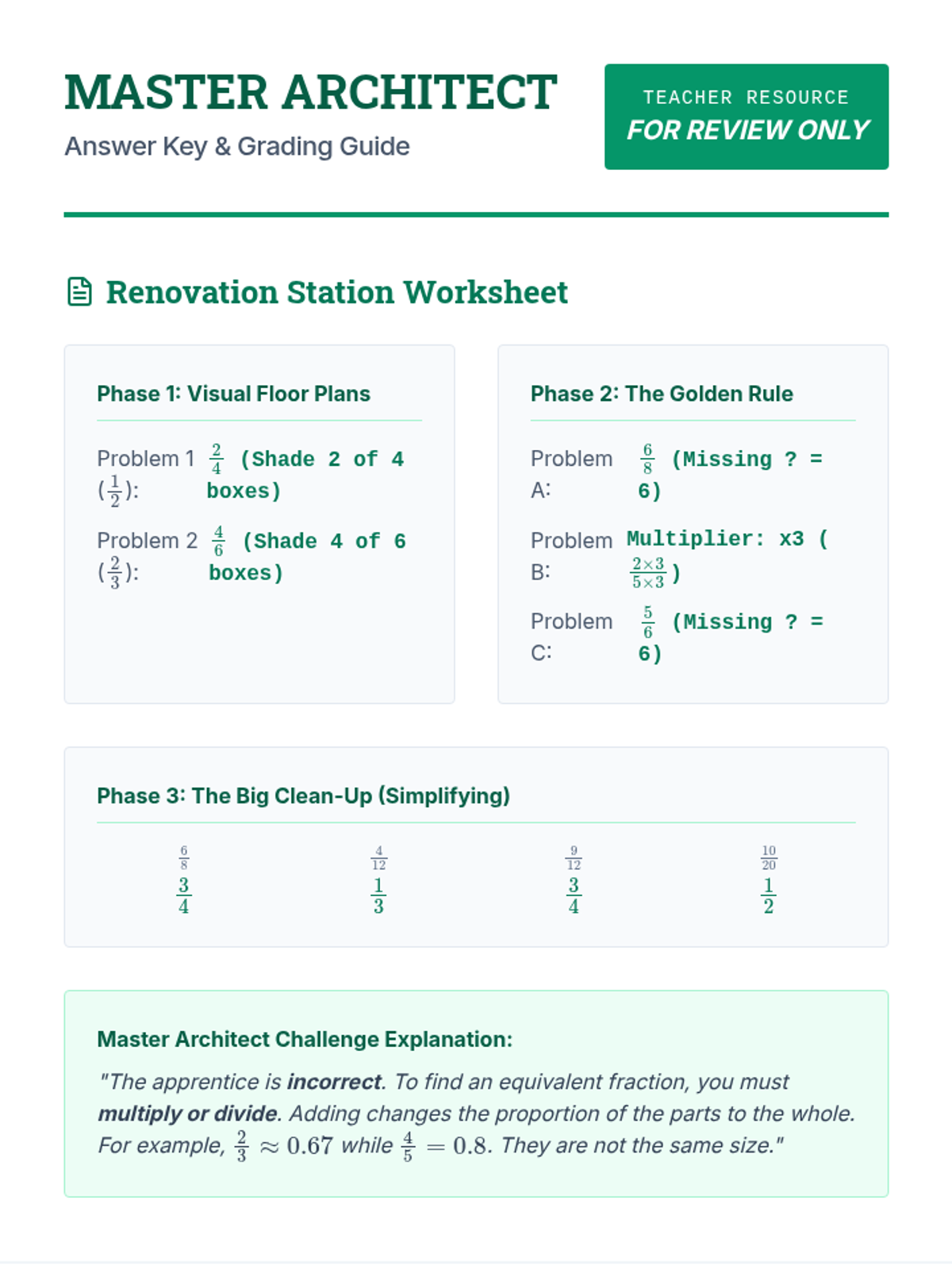
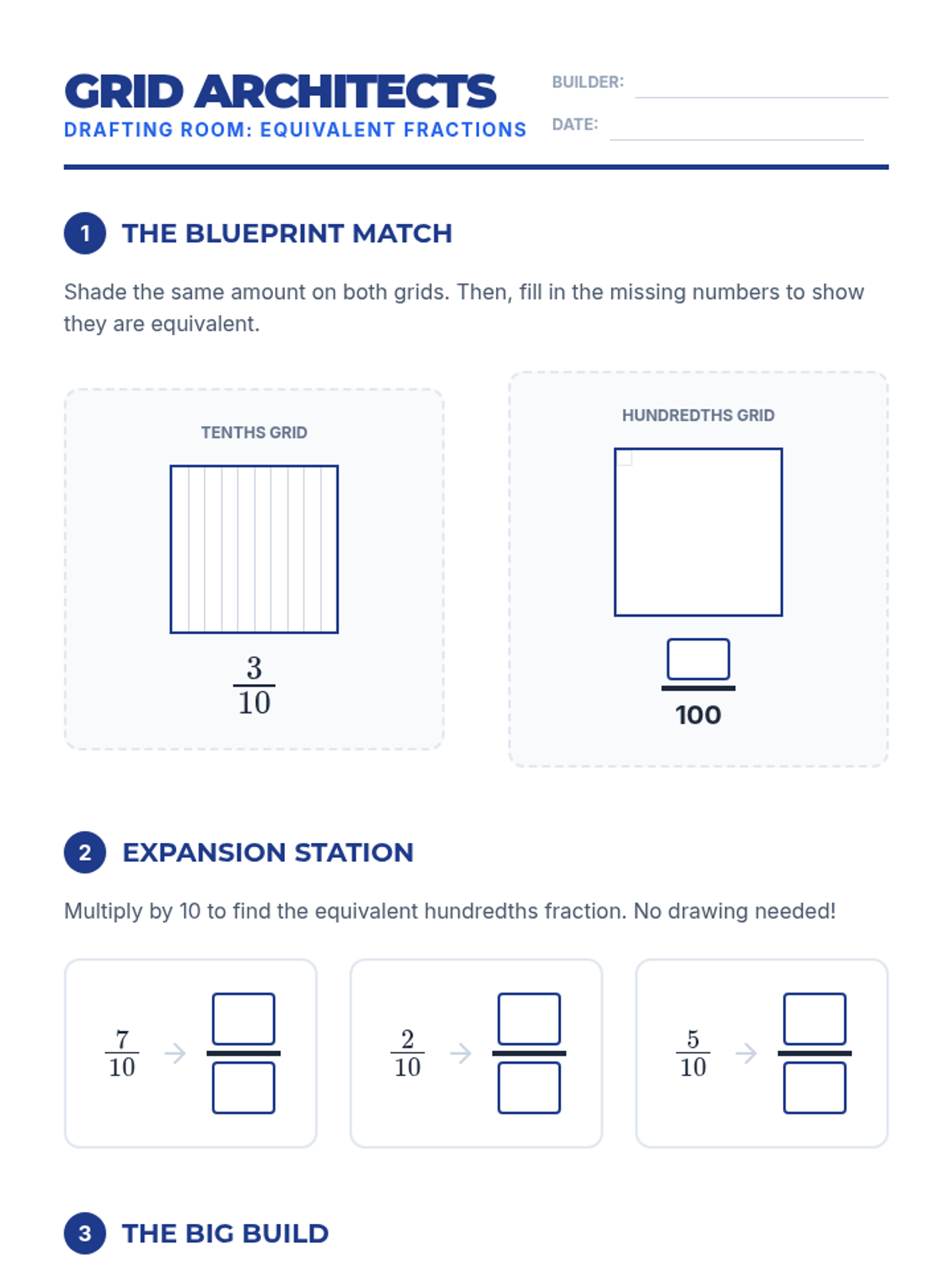
A focused mathematical unit on fractional reasoning, starting with equivalence and simplification, designed to meet 4th-grade standards through hands-on modeling and architectural metaphors.
A series of targeted math review sessions designed to prepare students for STAAR-style assessments by focusing on high-priority TEKS standards across grades 3-5.
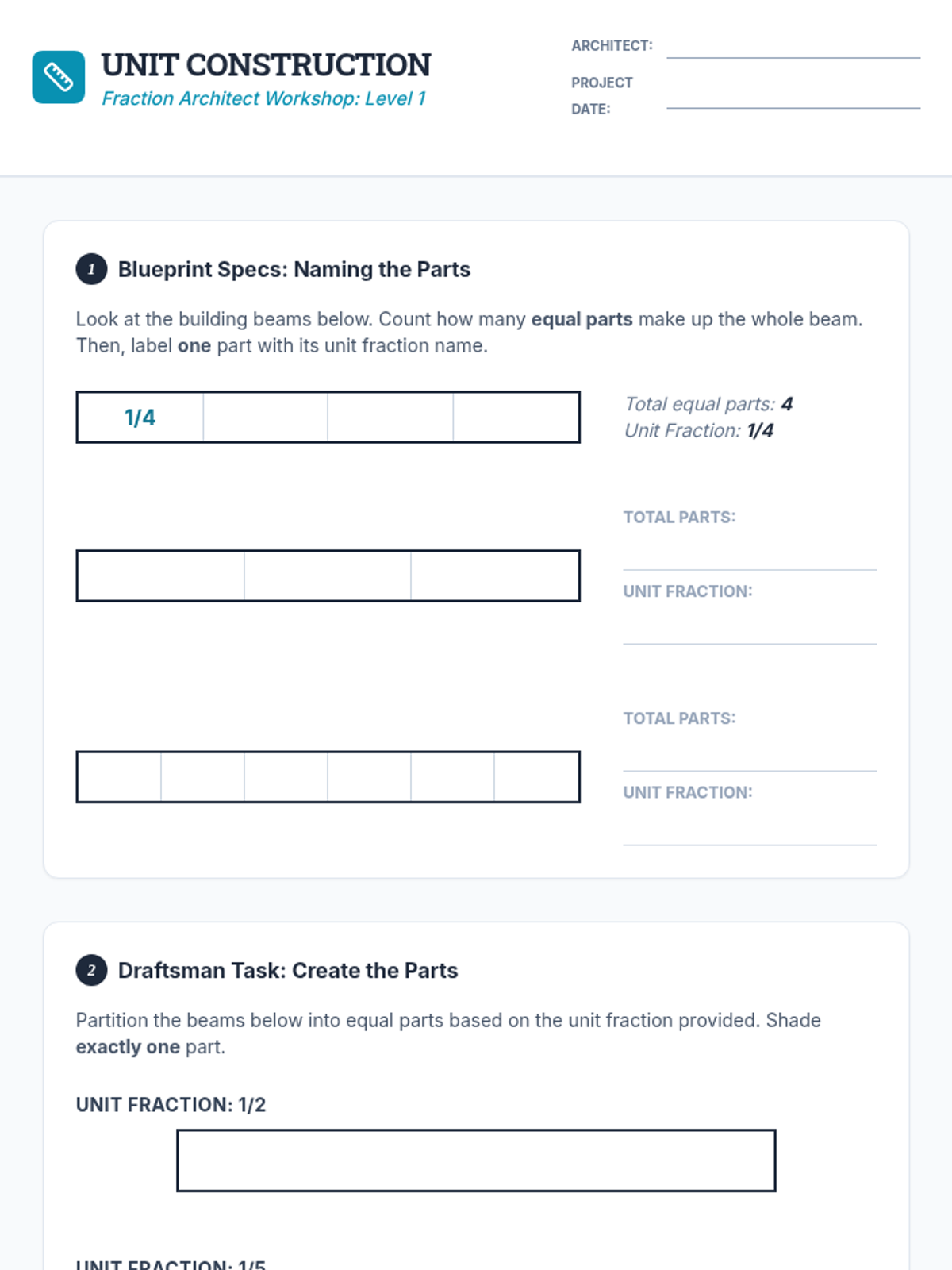
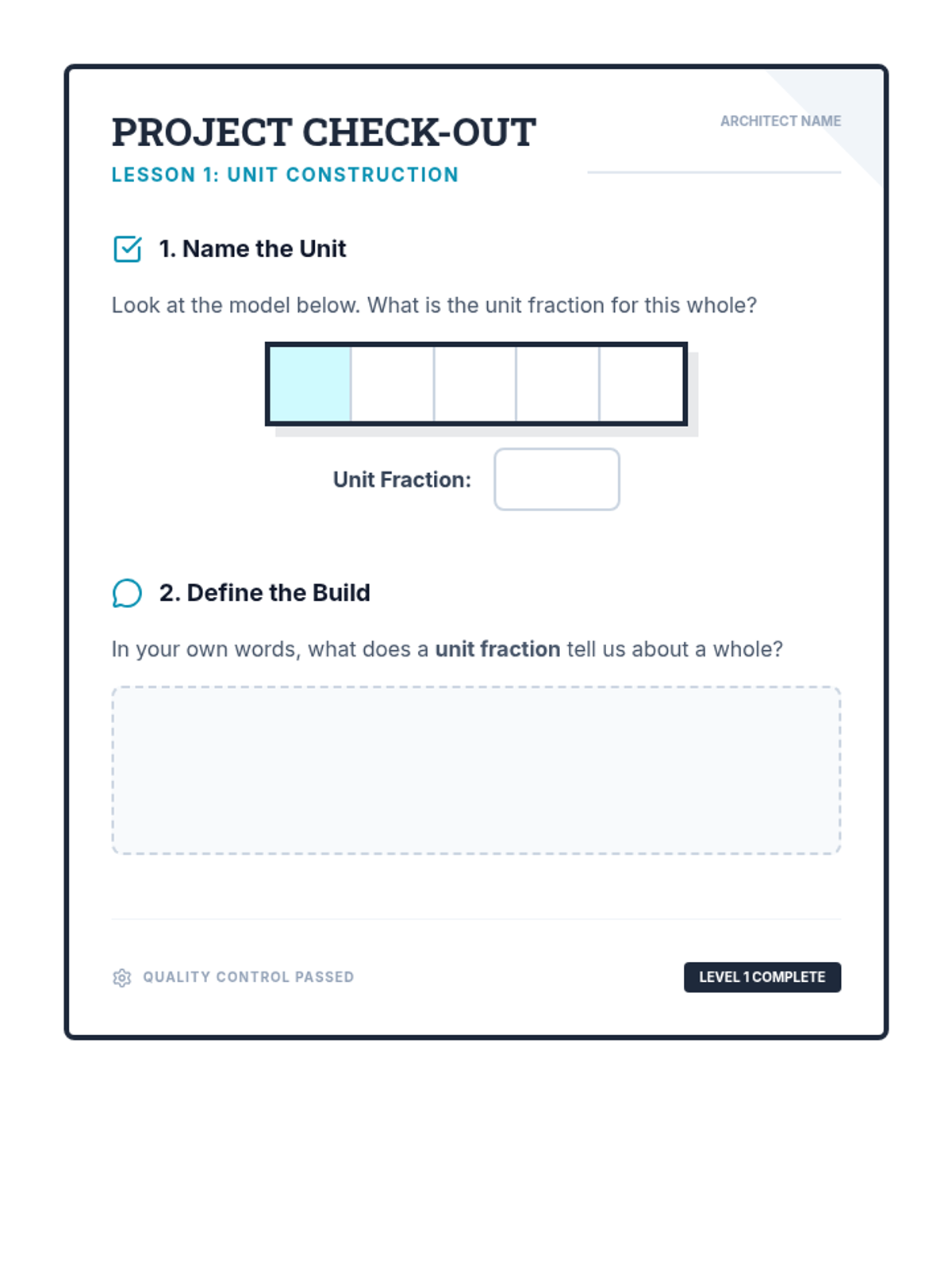
A comprehensive unit on fractions covering identification, decomposition with tape diagrams, equivalent fractions, and representing fractions on a number line. Students act as 'Factory Engineers' to build and analyze numerical parts.
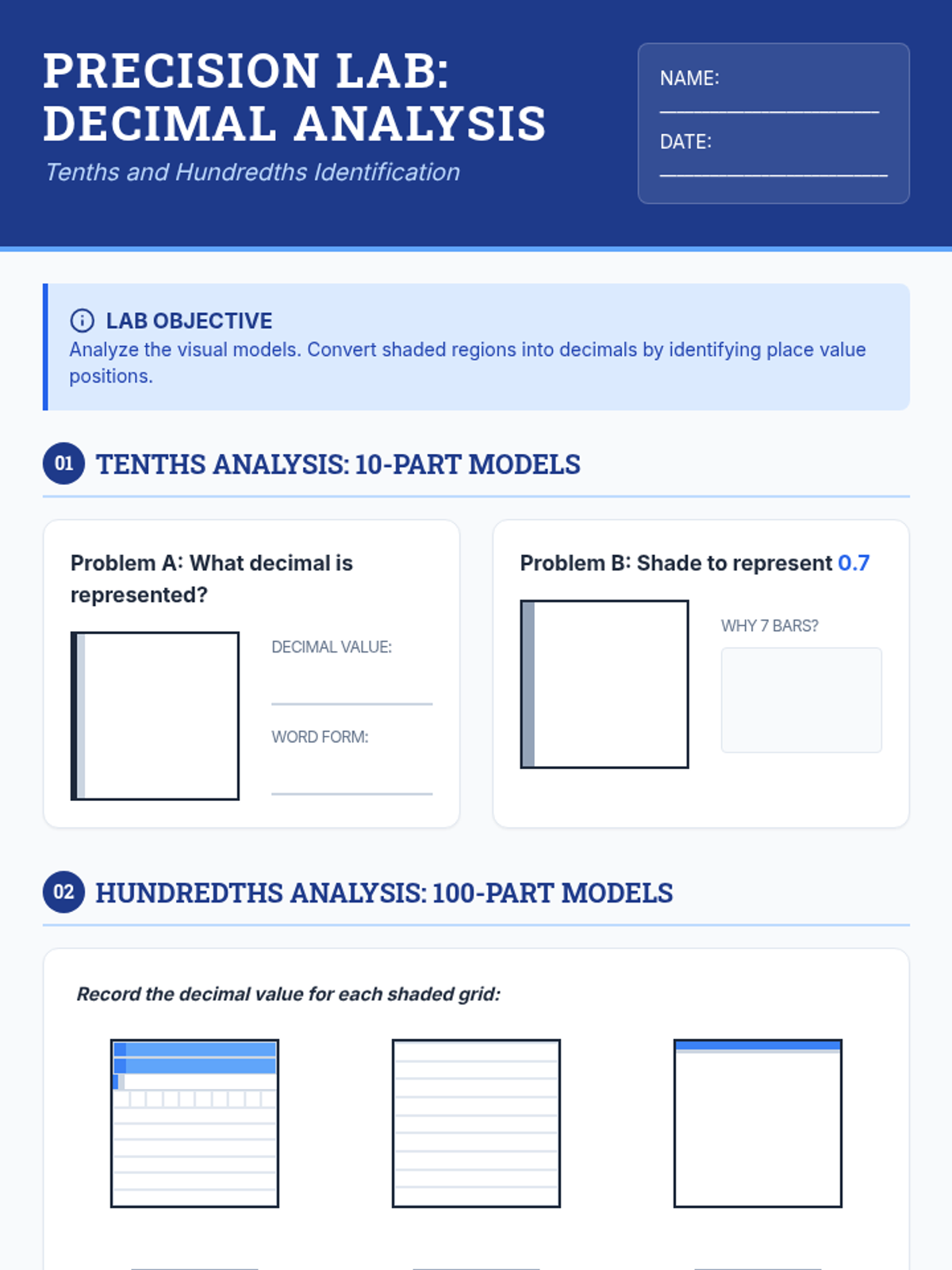
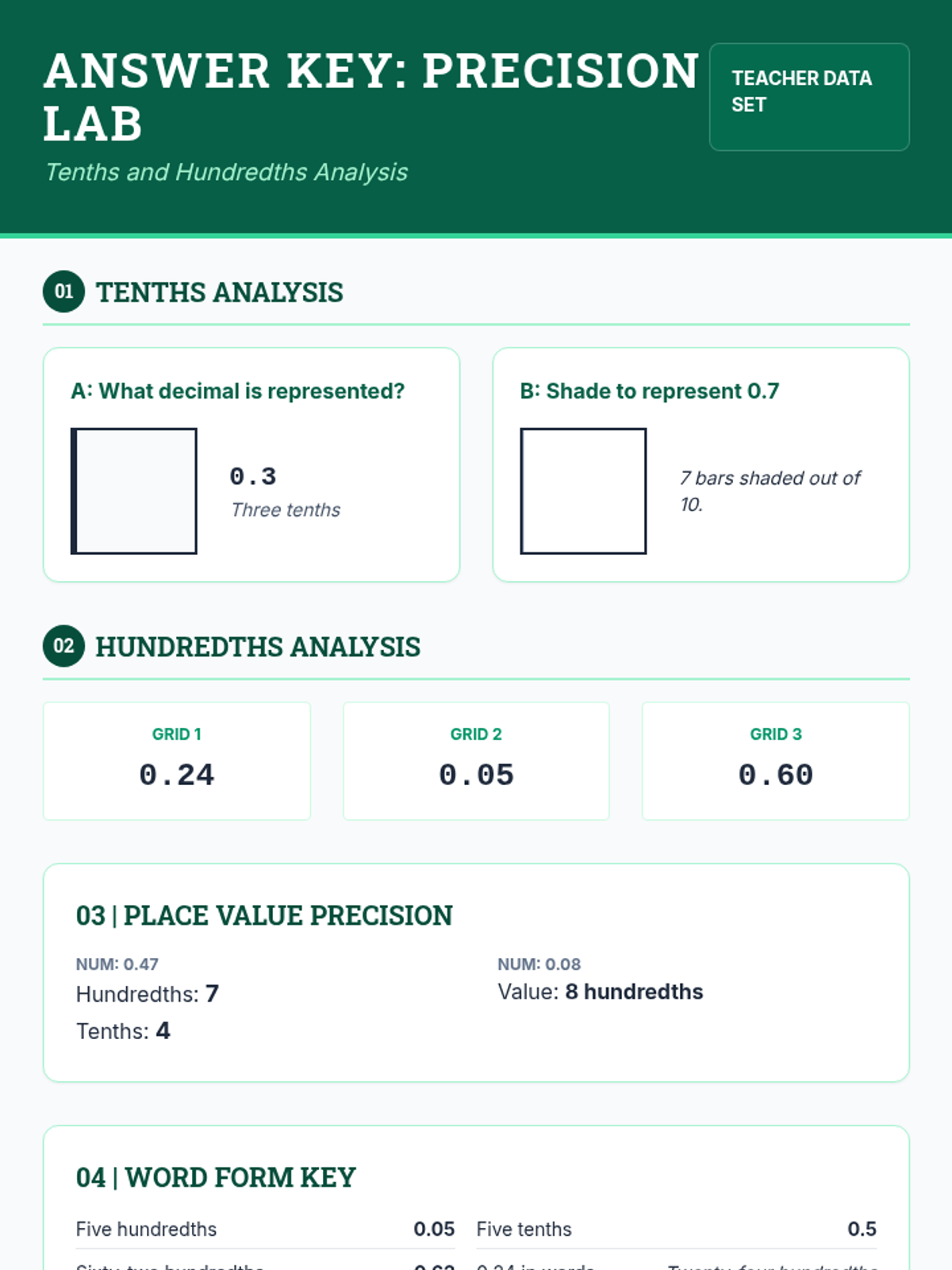
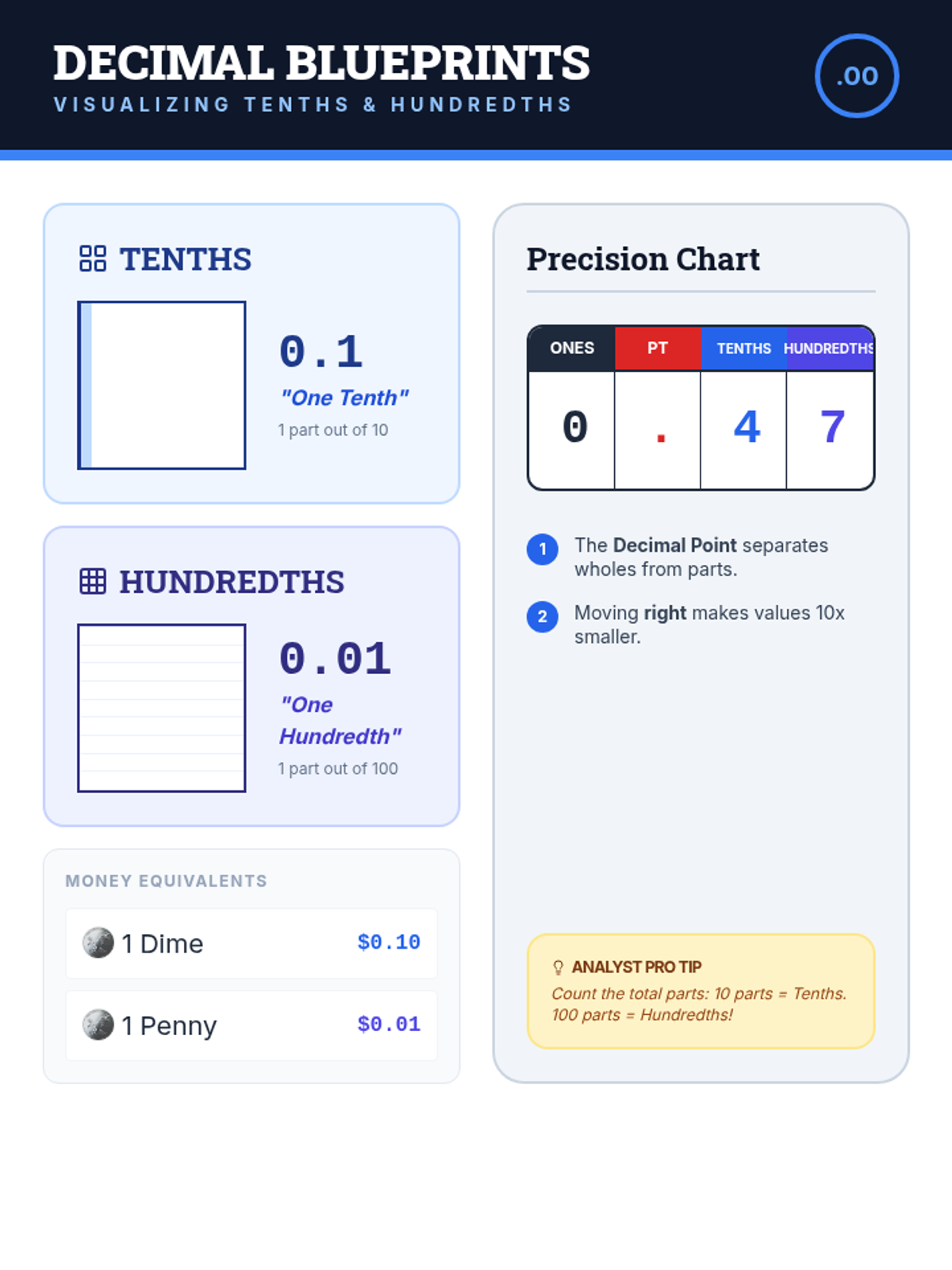
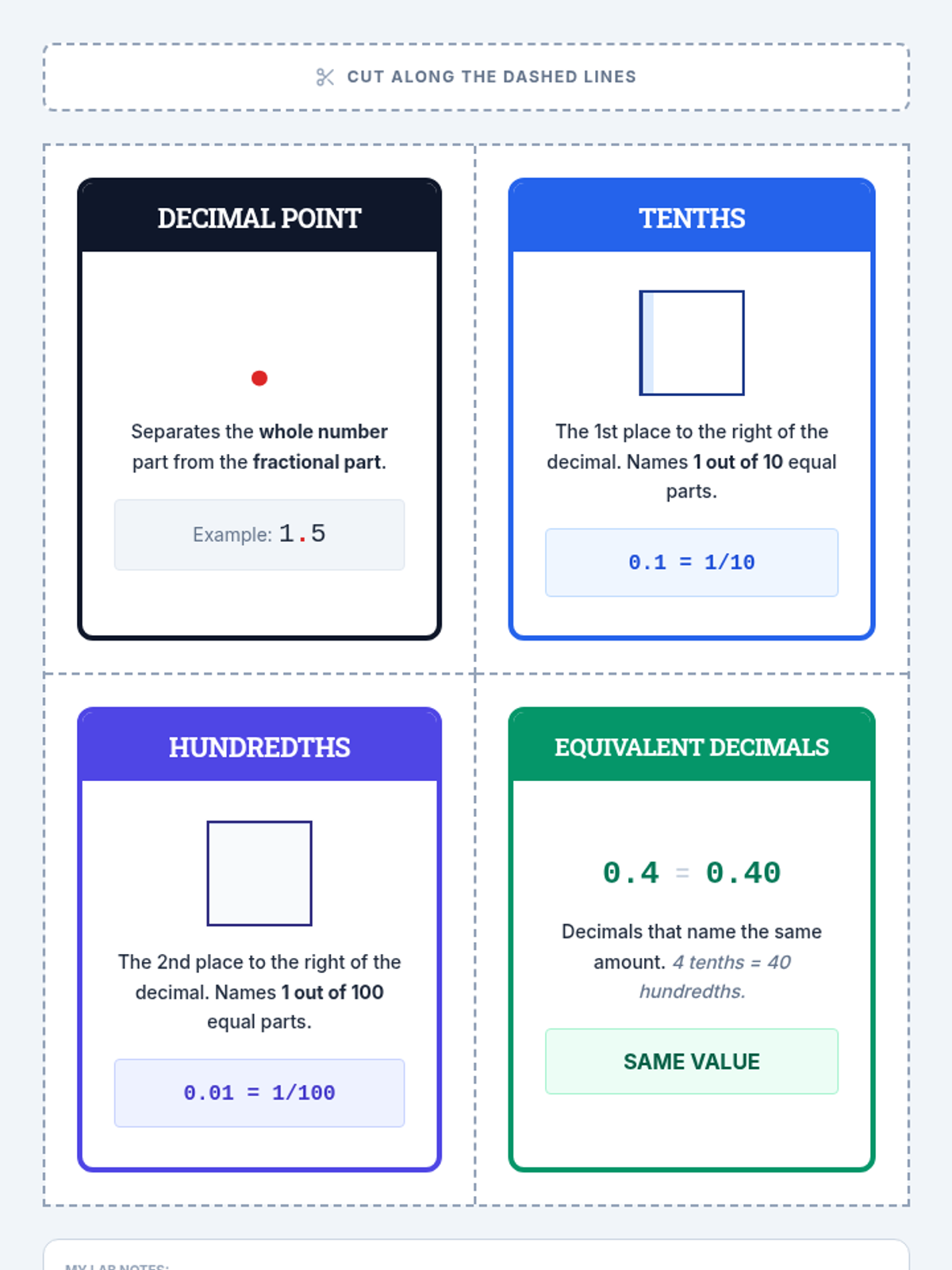
A comprehensive unit on decimal place value, comparison, and representation for tenths and hundredths, framed within a professional laboratory and blueprint aesthetic.
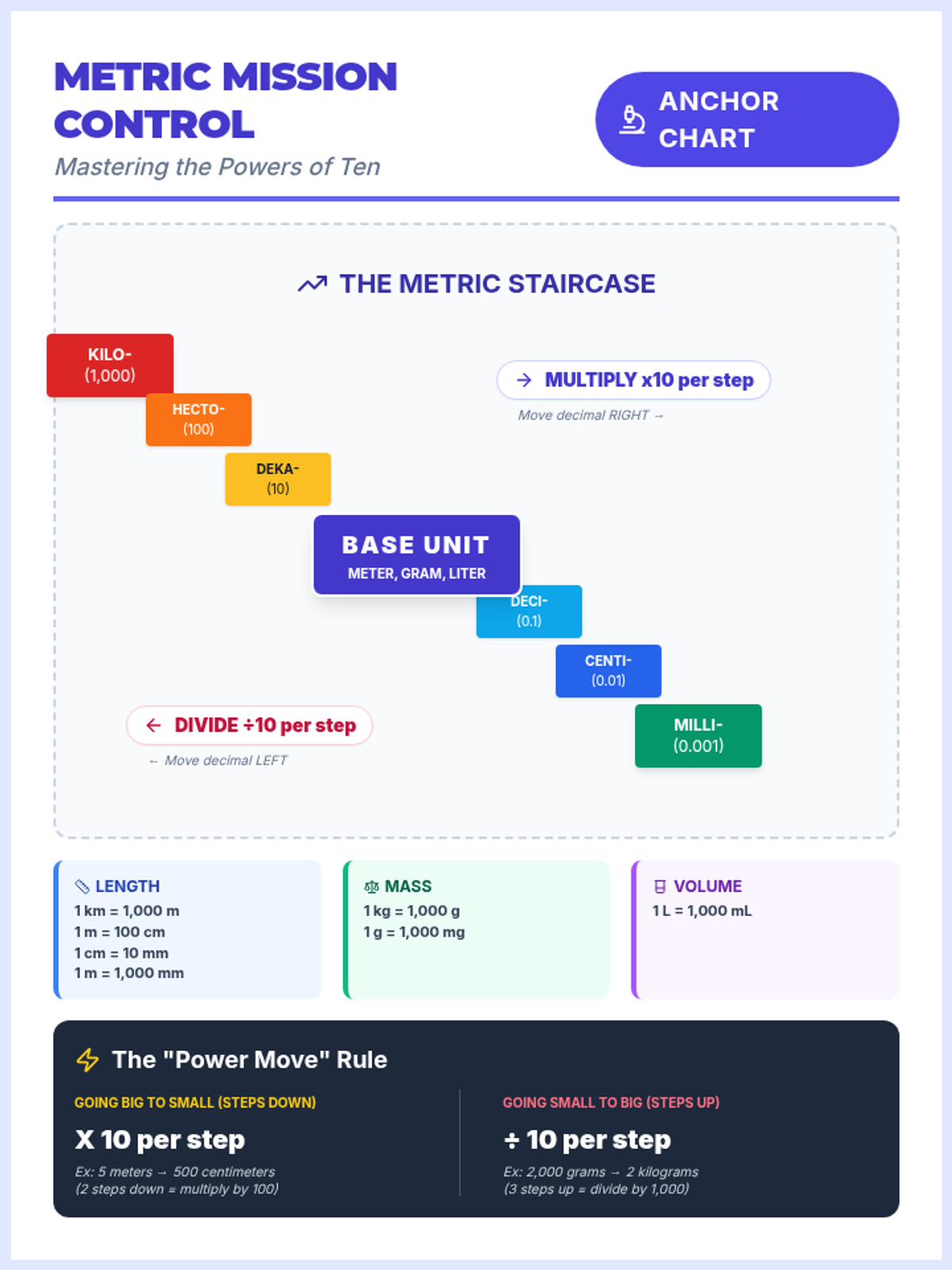
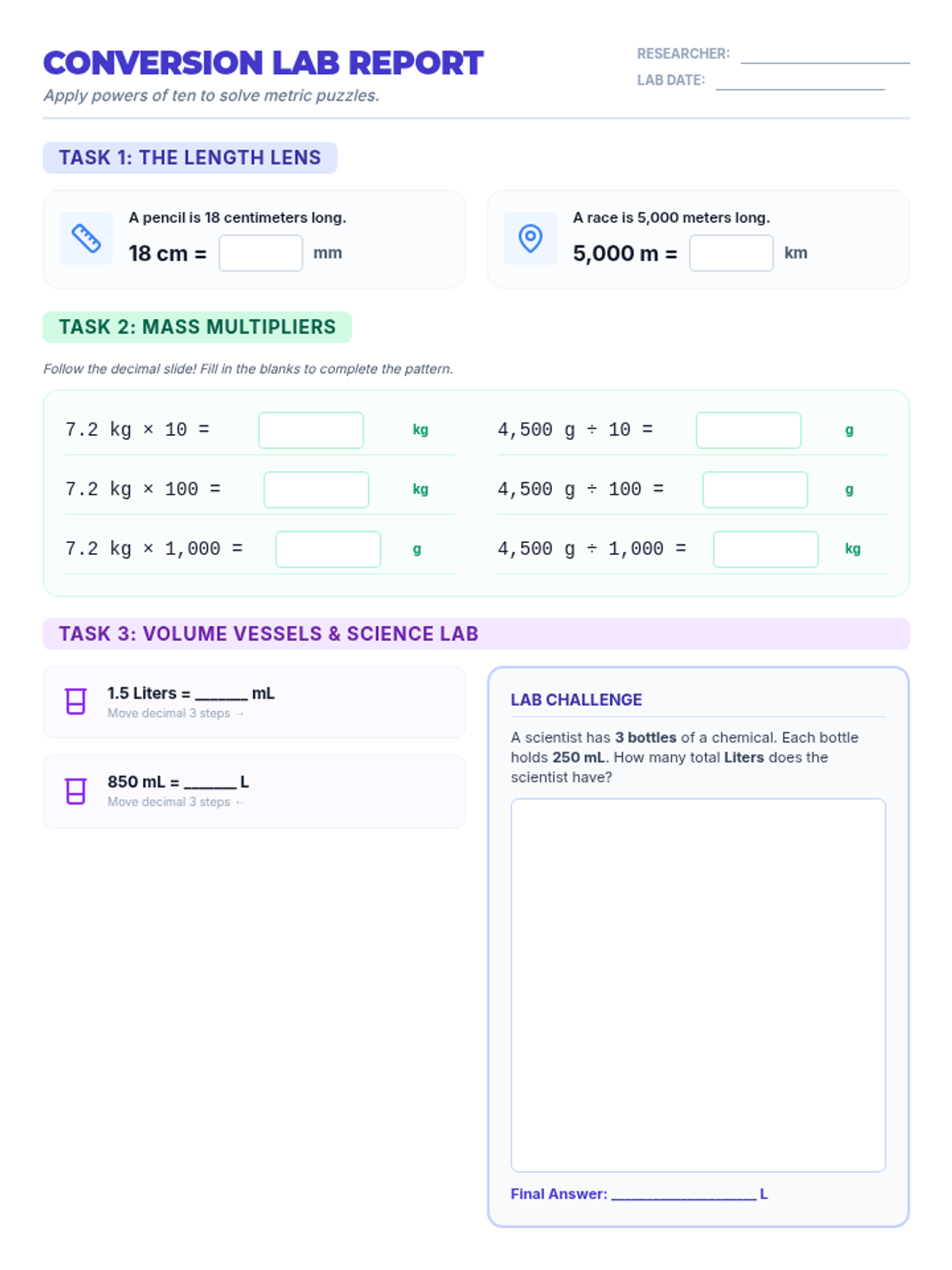
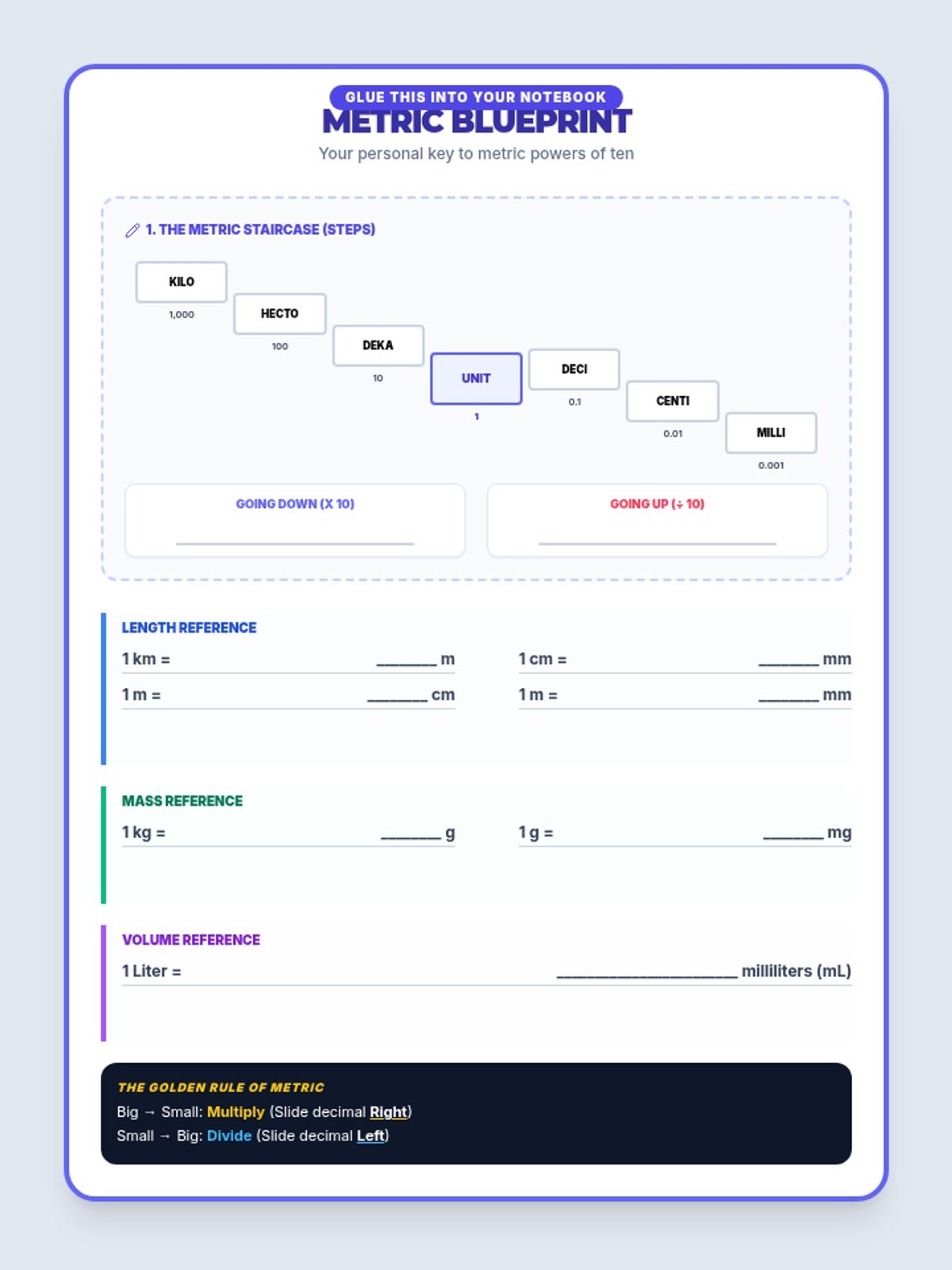
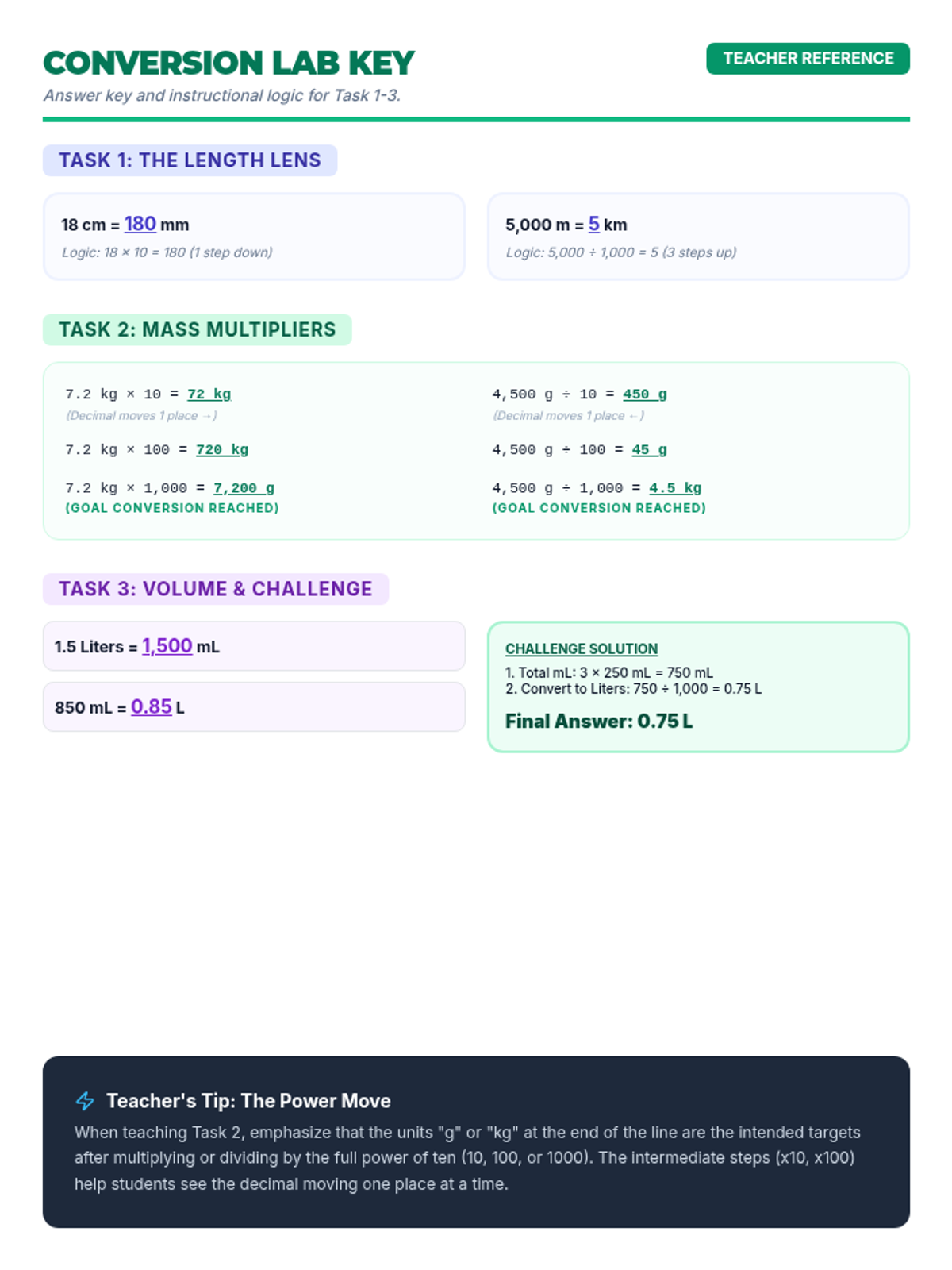
A comprehensive guide to understanding metric conversions and powers of ten through visual models and laboratory-themed activities. Students learn to navigate length, mass, and volume using the decimal nature of the metric system.
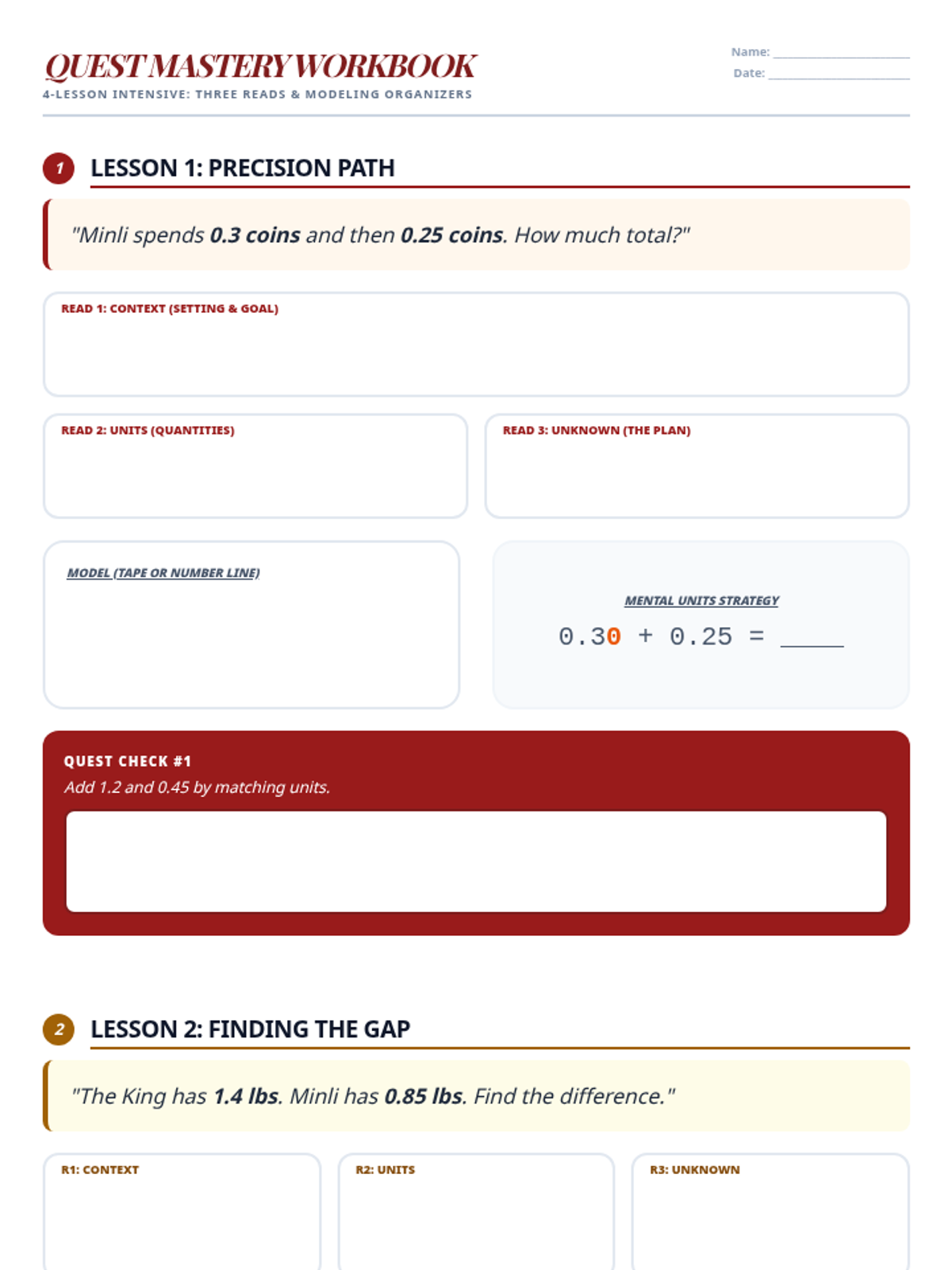
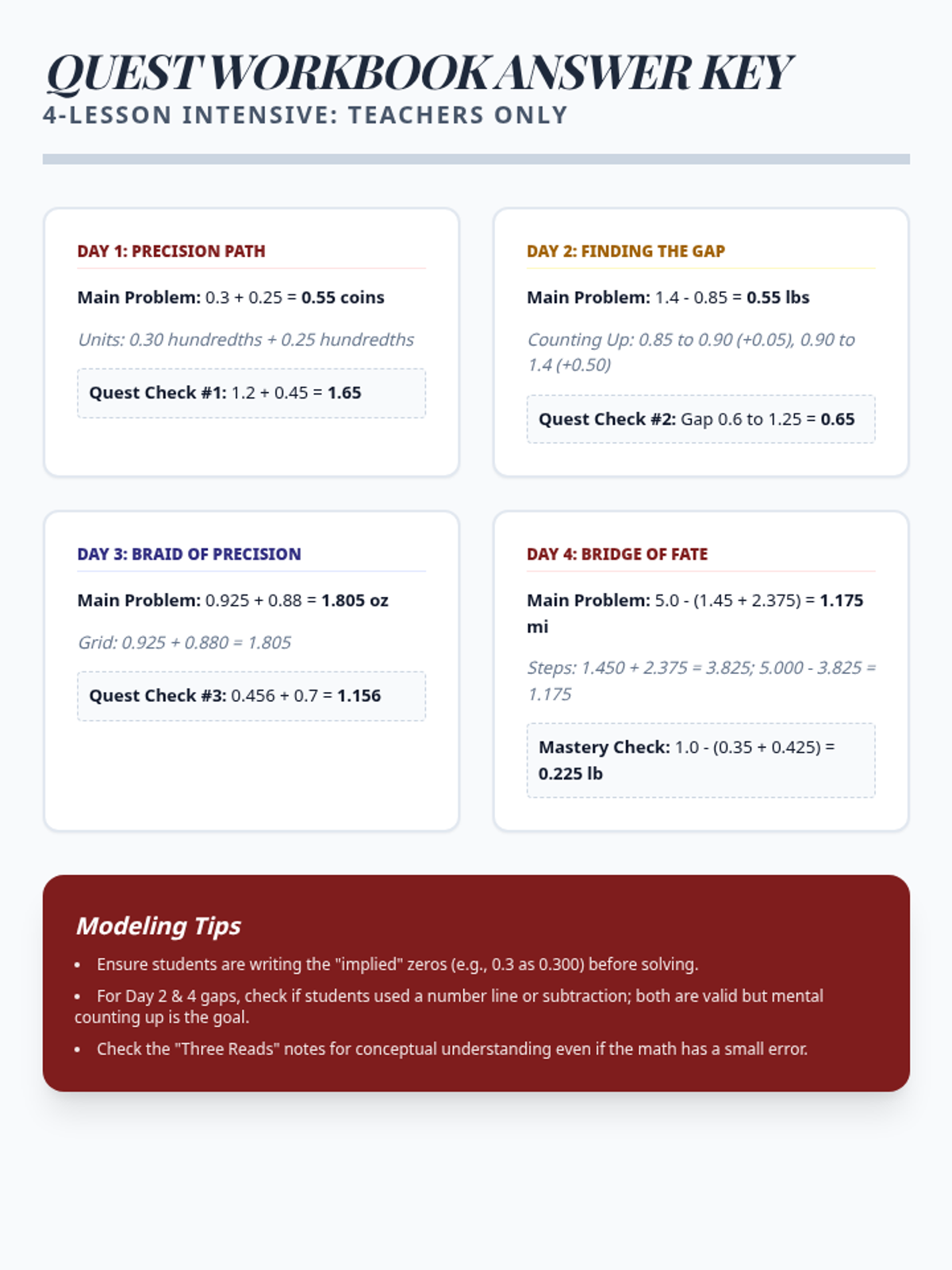
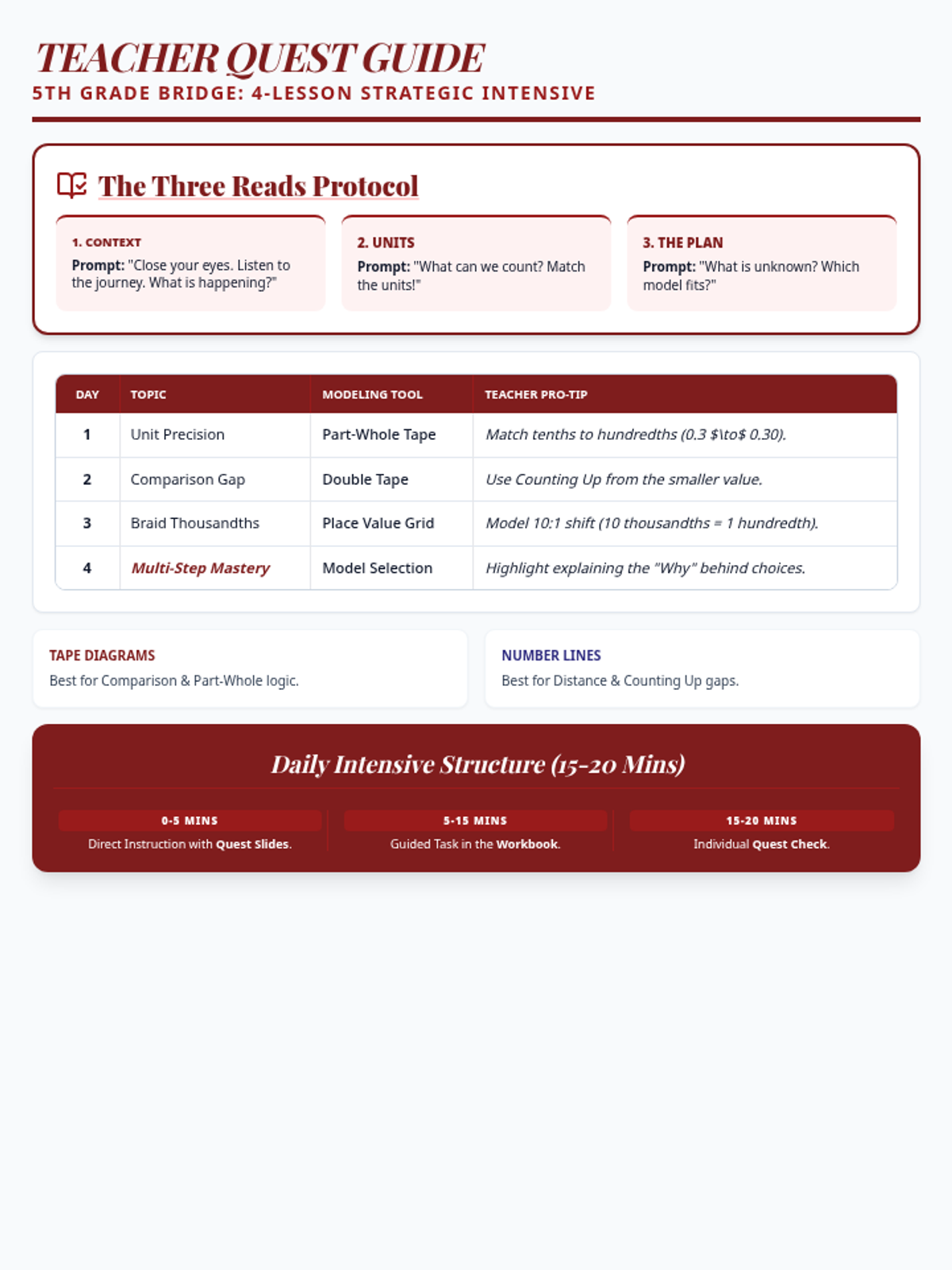
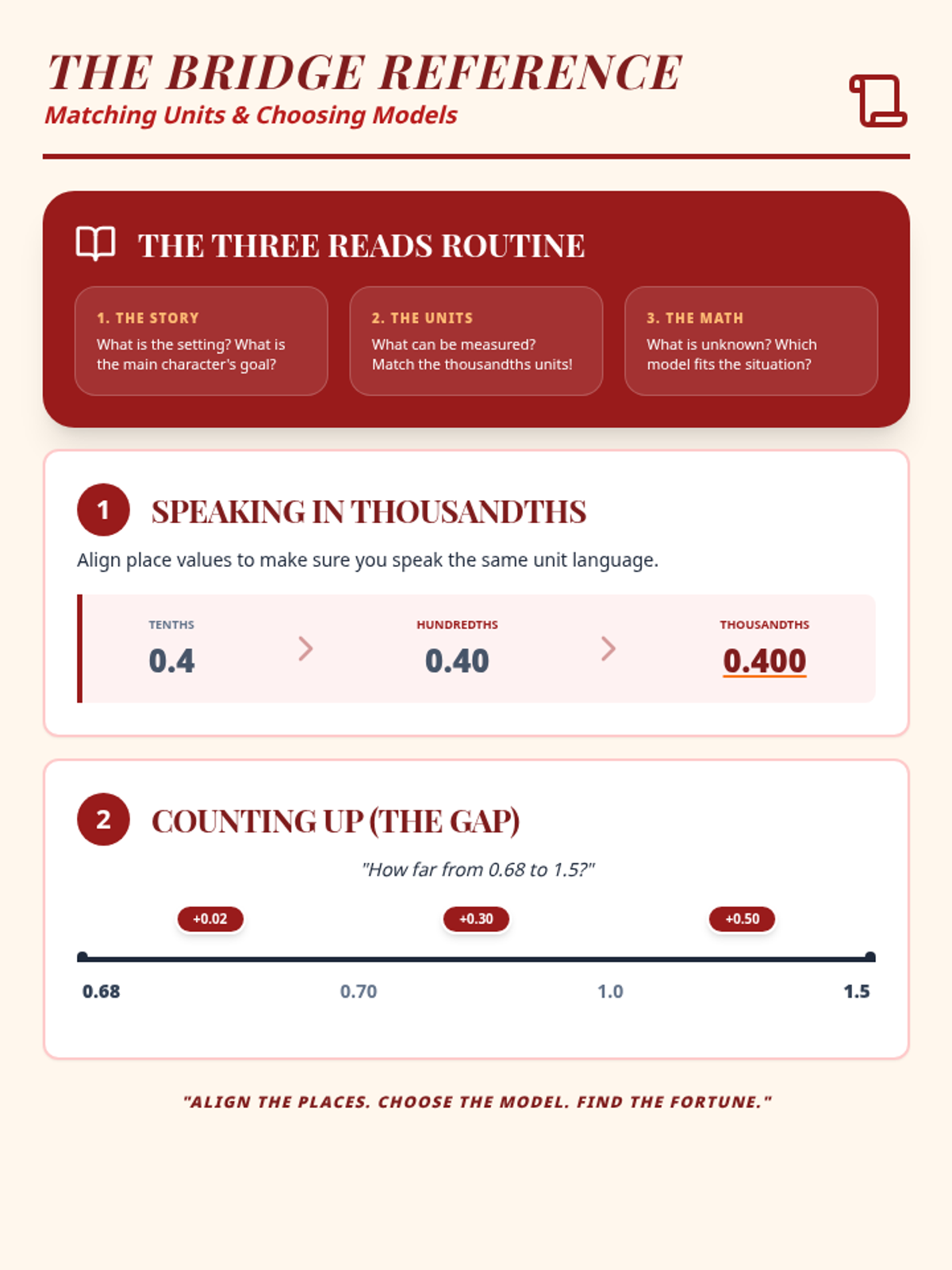
A 4-lesson intensive math intervention for 5th graders designed to bridge 4th-grade decimal foundations to 5th-grade mastery. Features the Three Reads strategy and mental math logic (Counting Up, Matching Units) themed around 'Where the Mountain Meets the Moon'.
A set of targeted skill-building worksheets designed to guide students through common procedural math errors using step-by-step checklists and worked examples in a blueprint-inspired layout.
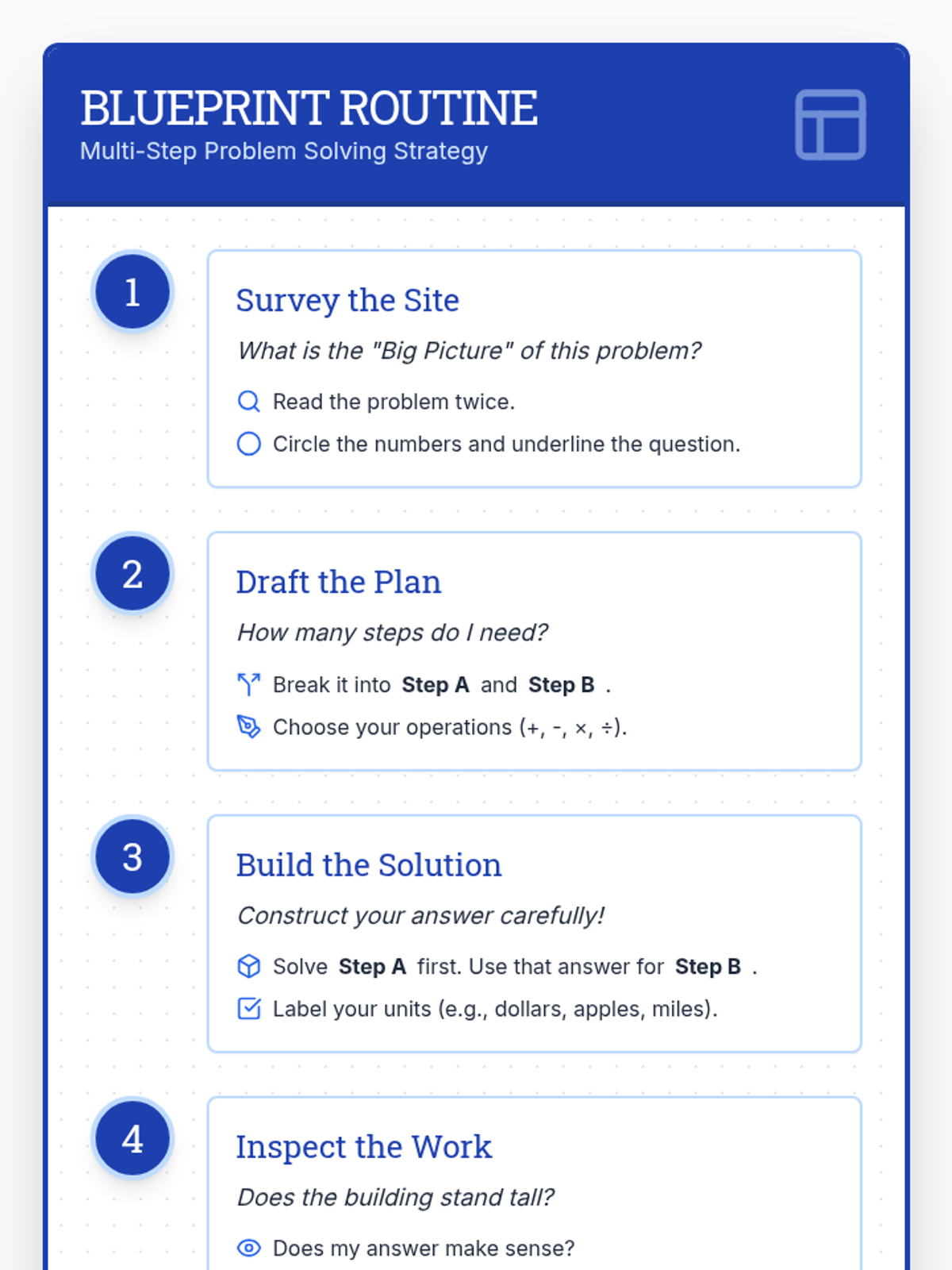
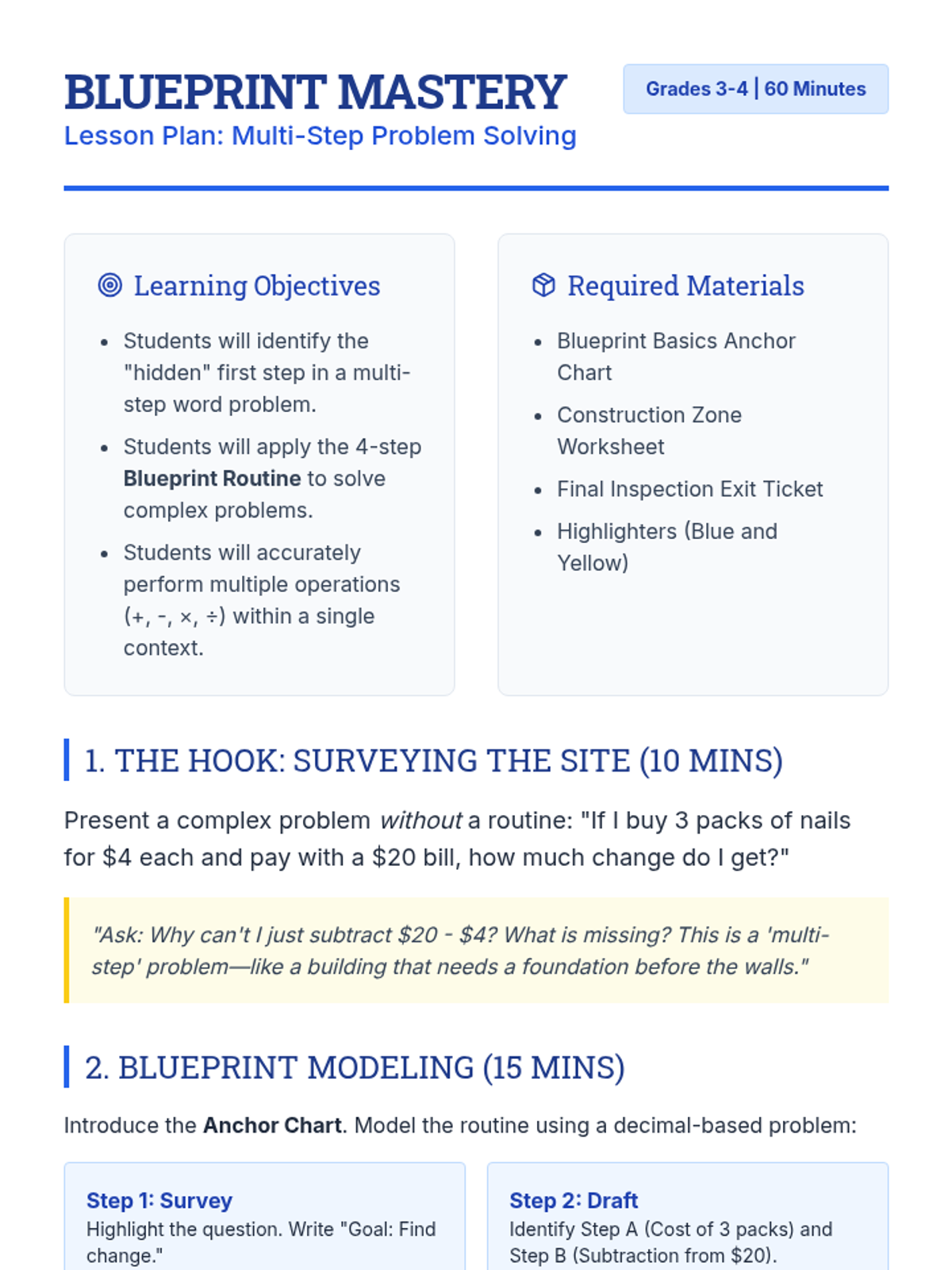
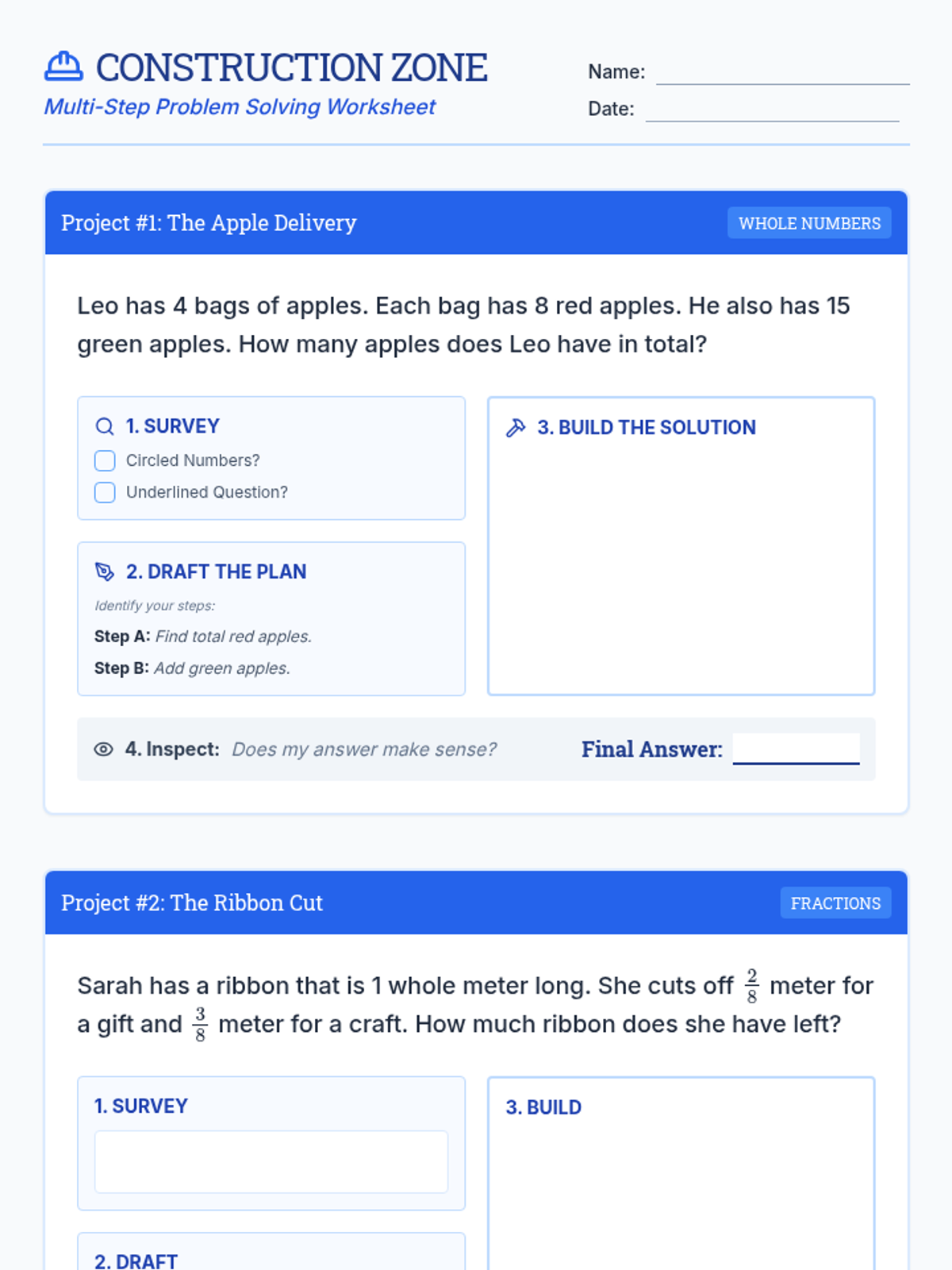
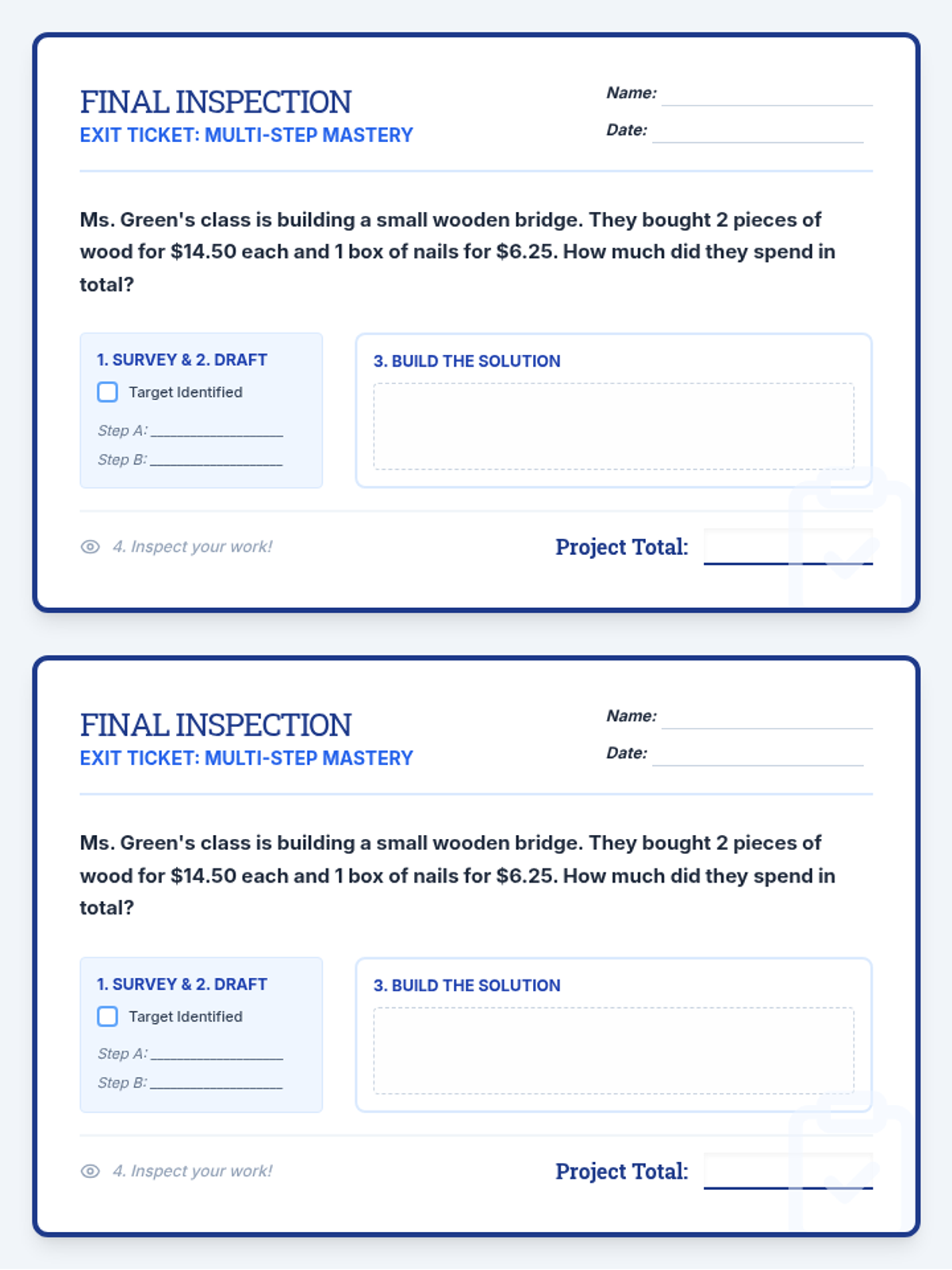
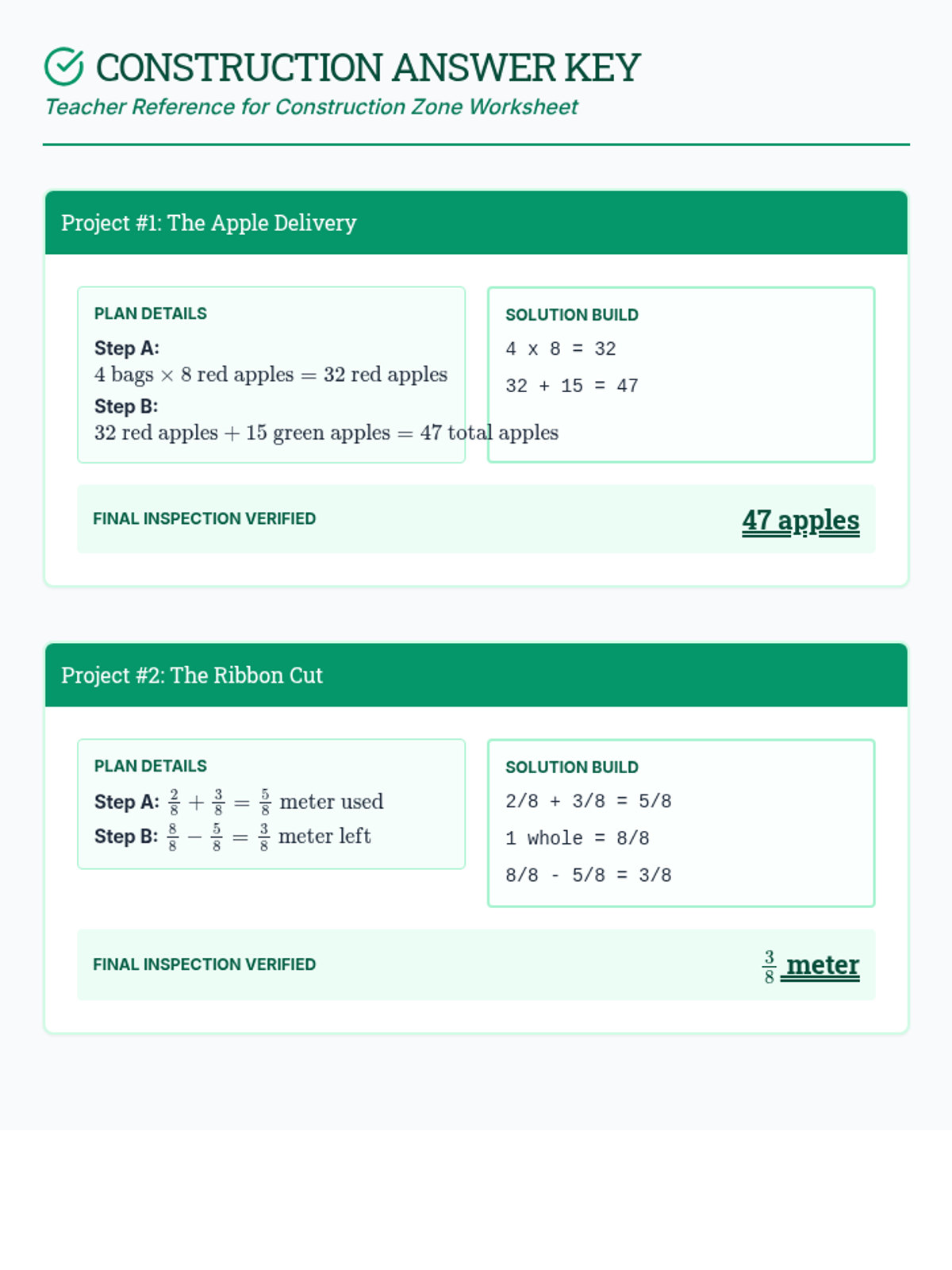
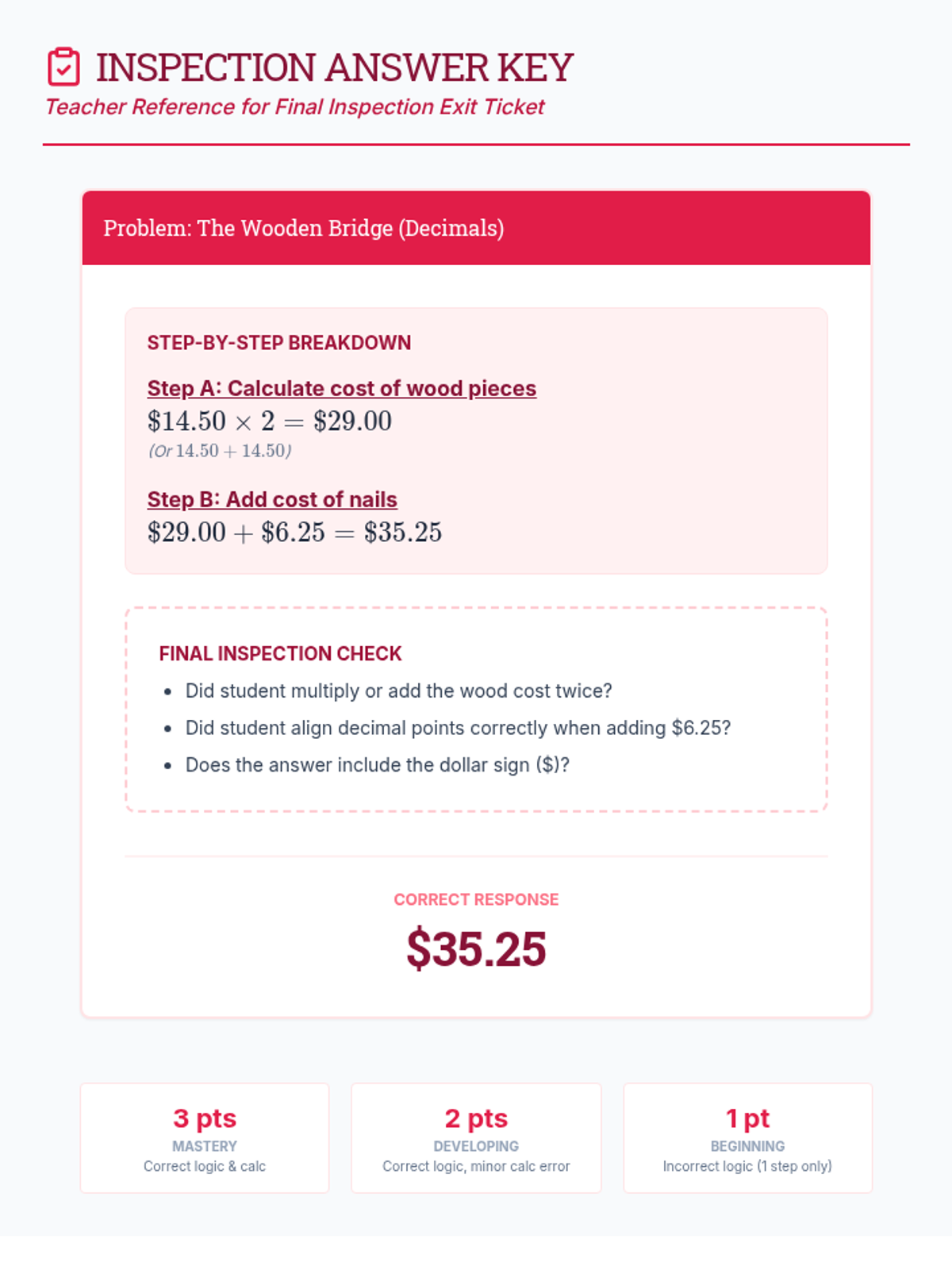
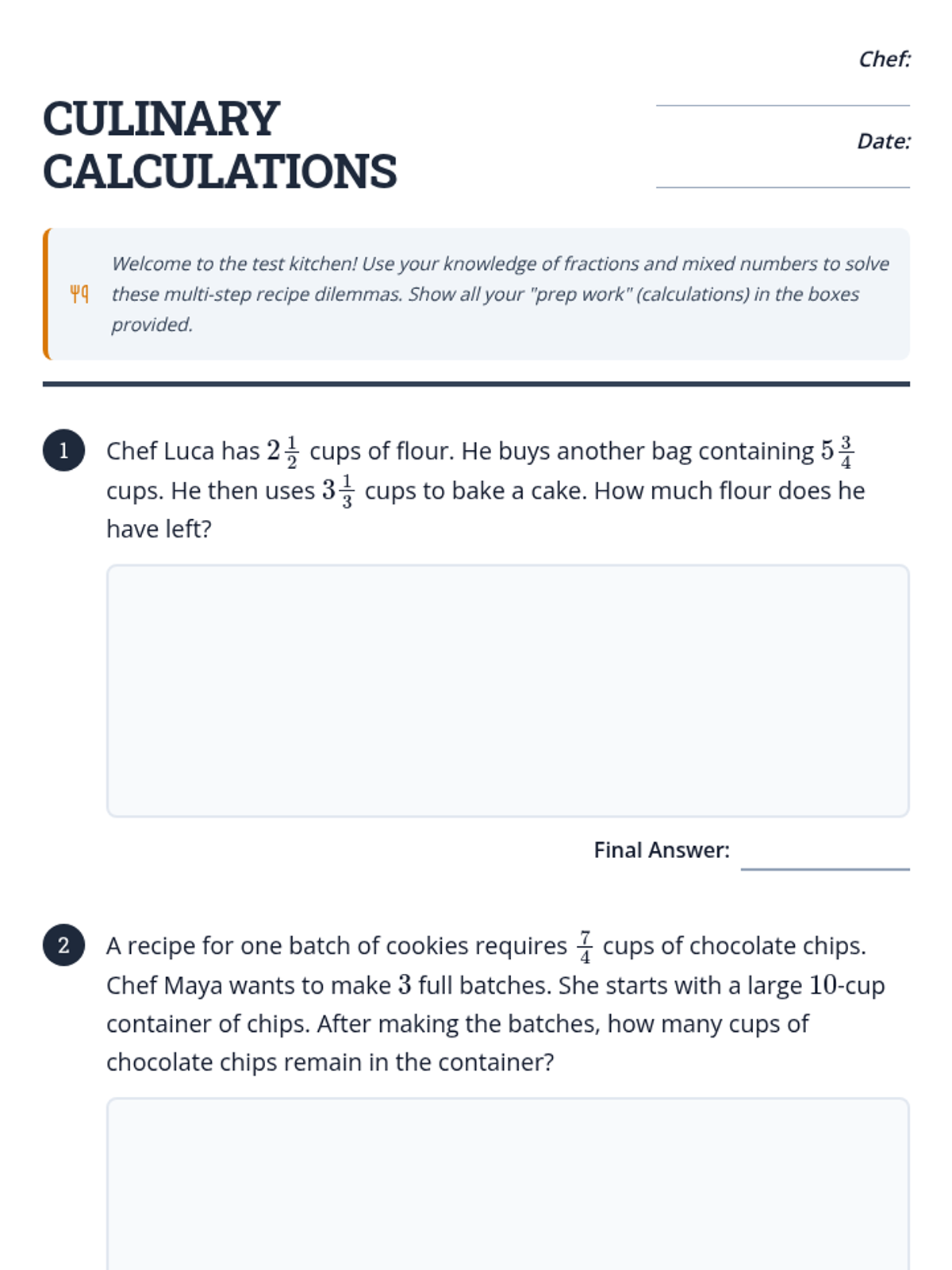
A comprehensive unit focusing on mastering multi-step word problems using a structured problem-solving routine. Students learn to break down complex problems involving whole numbers, fractions, and decimals using 'blueprint' thinking.
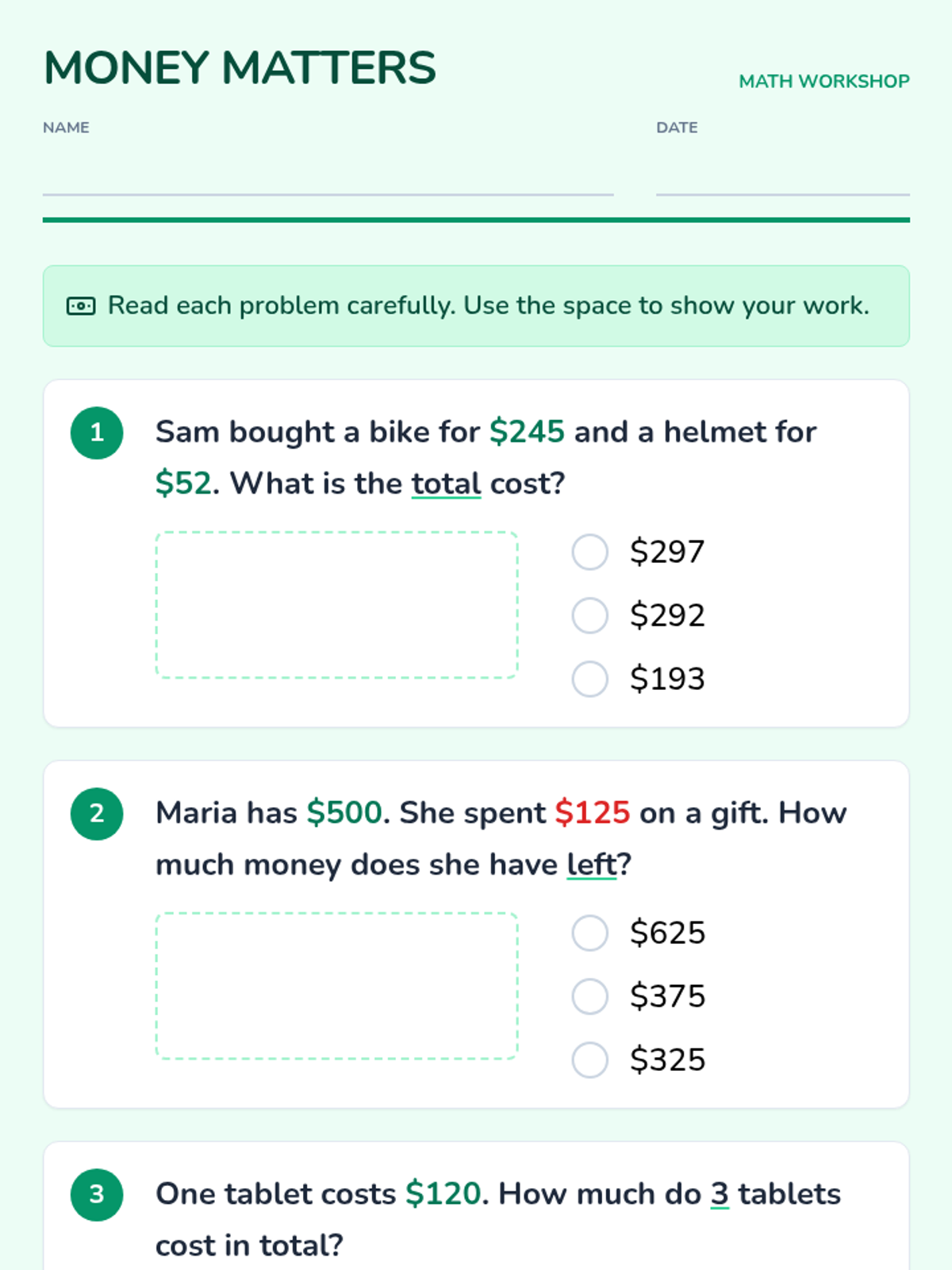
A collection of math worksheets focusing on decimals, fractions, and money operations with built-in visual supports and simplified language.
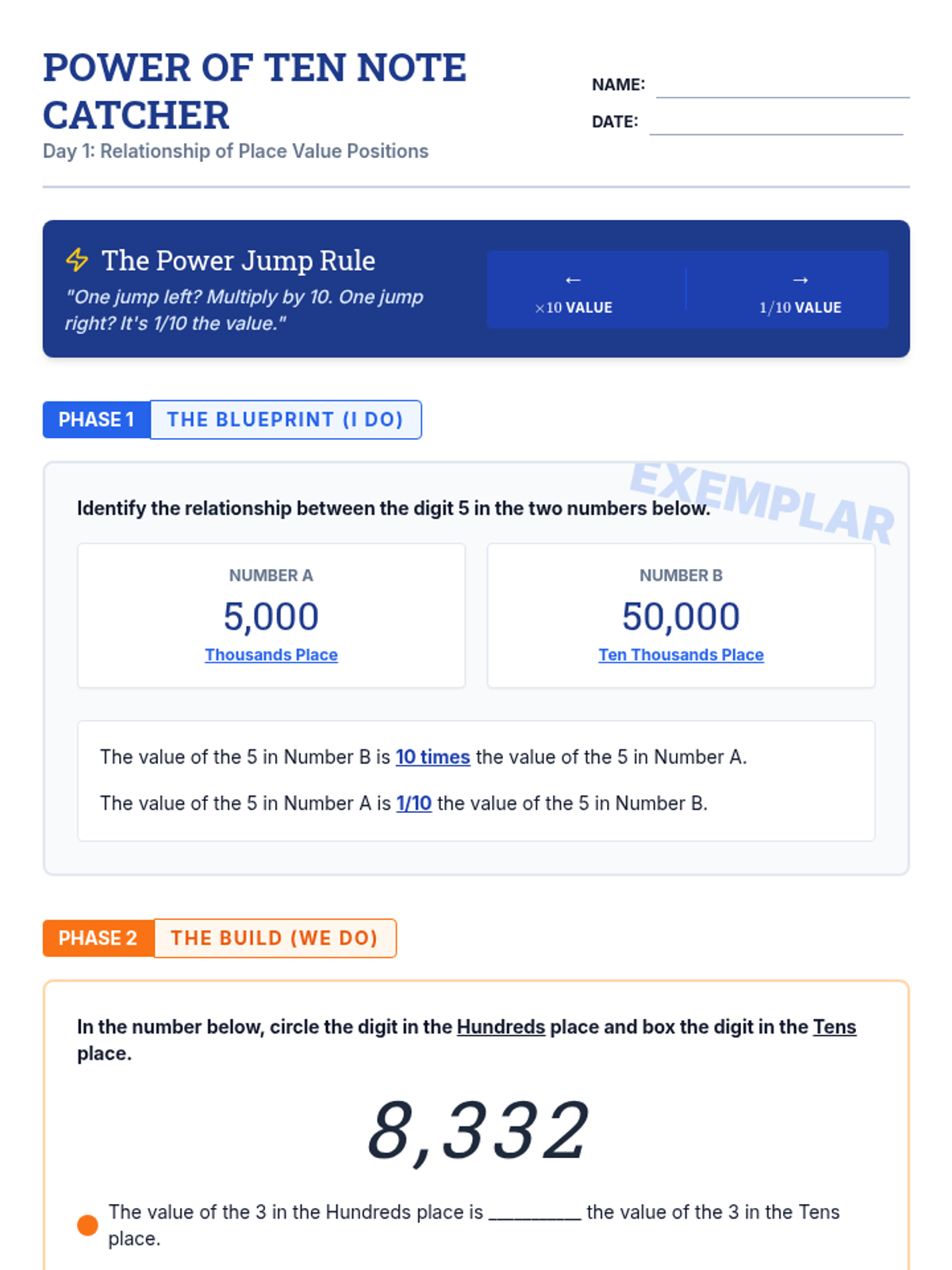
A 4-day intensive math reteach sequence for 4th grade, focusing on place value relationships, expanded notation through billions and hundredths, and decimal computation. Each lesson includes teacher facilitation guides and student note catchers with exemplar models, aligned to TEKS 4.2A, 4.2B, and 4.4A.
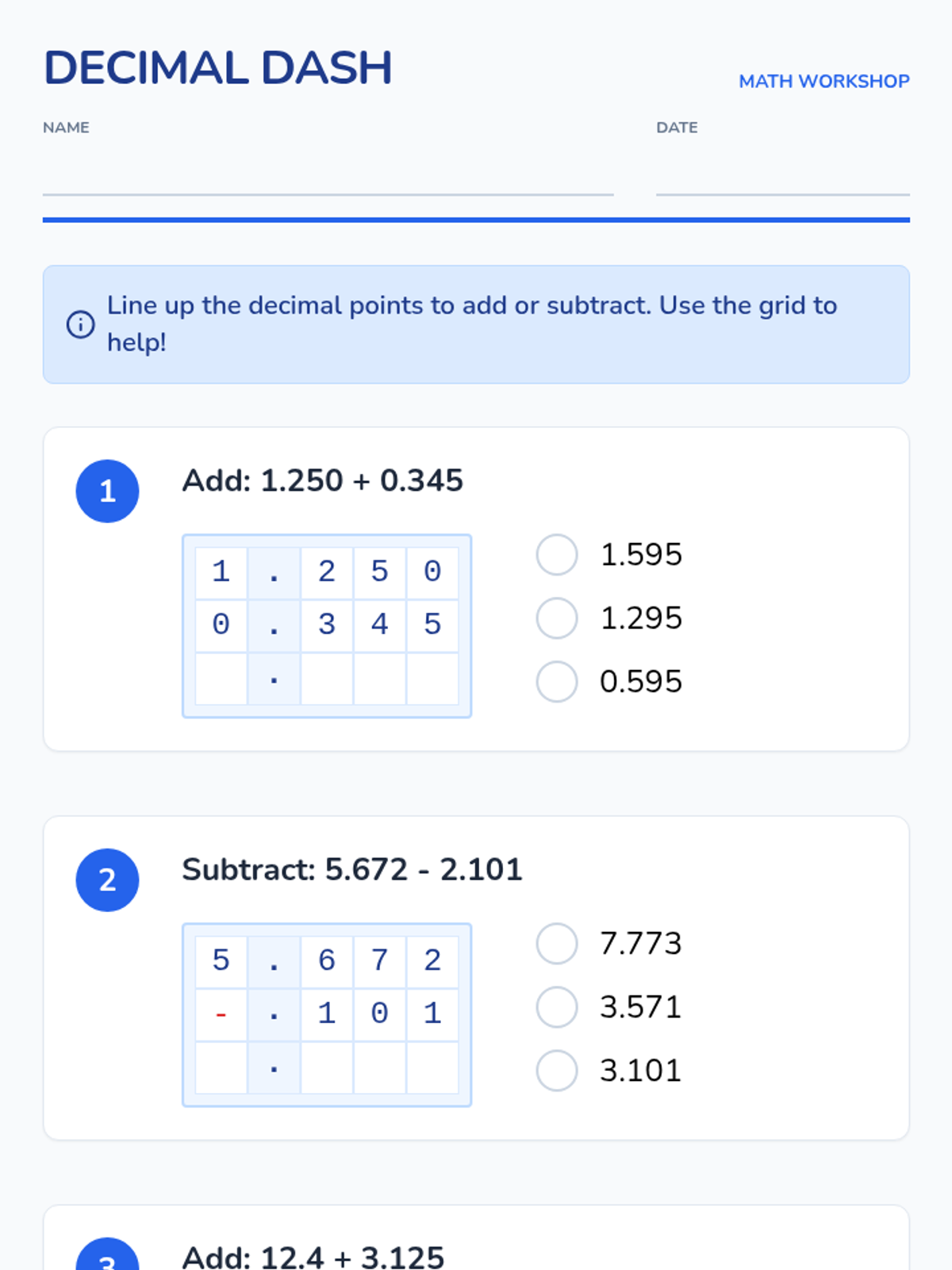
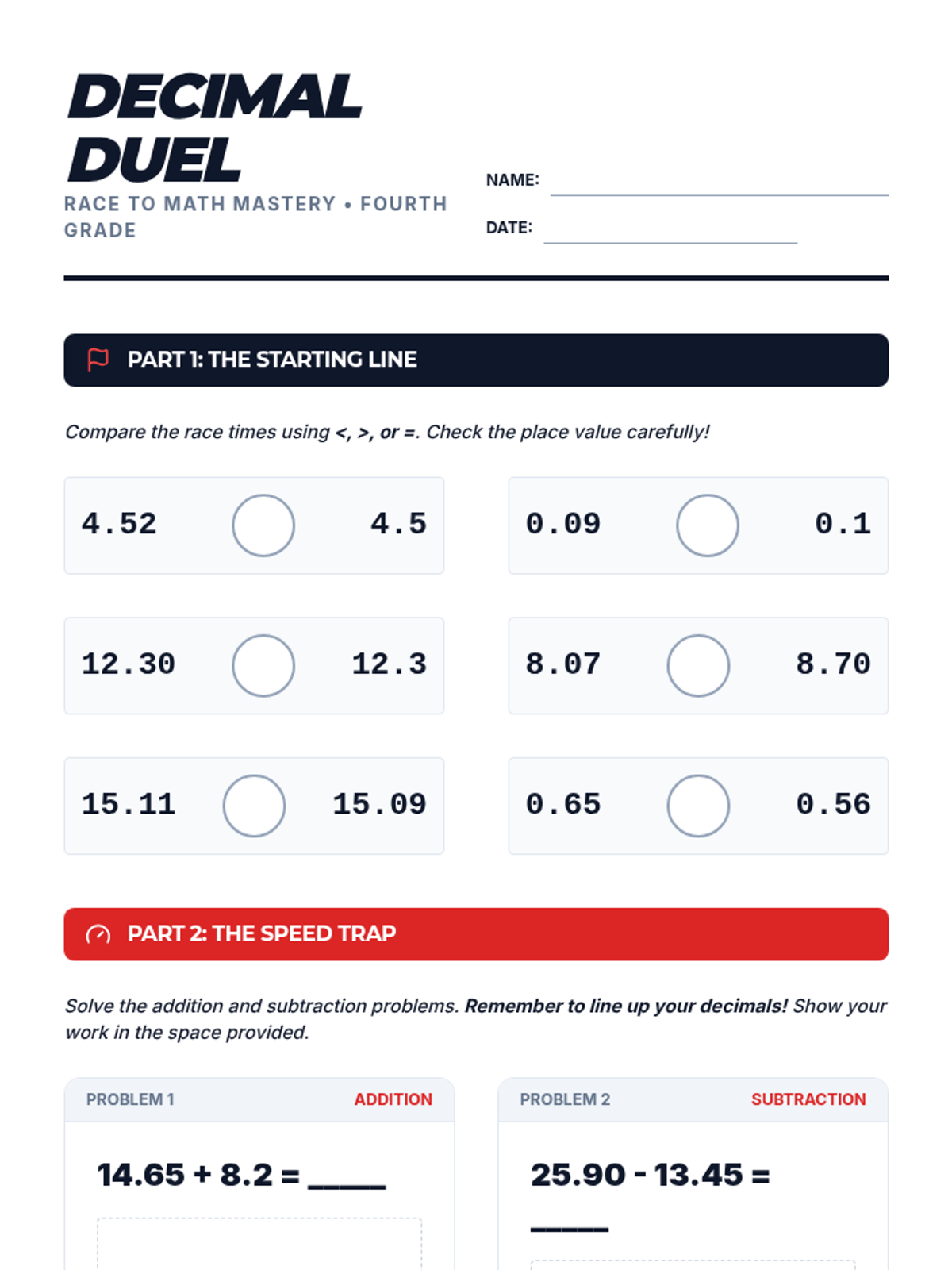
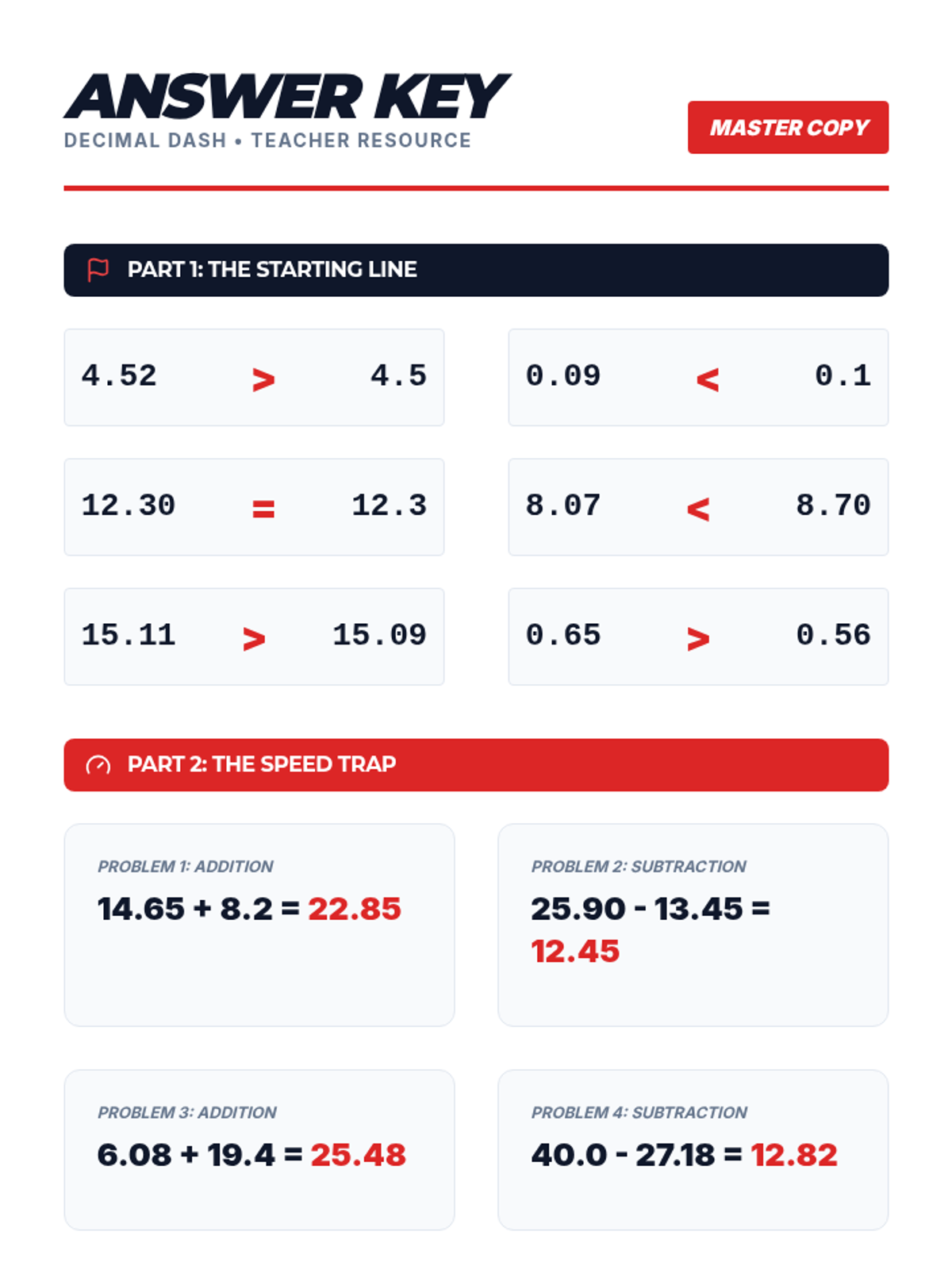
A comprehensive unit focused on fourth-grade decimal standards, including comparing, ordering, adding, and subtracting decimals through real-world racing scenarios.
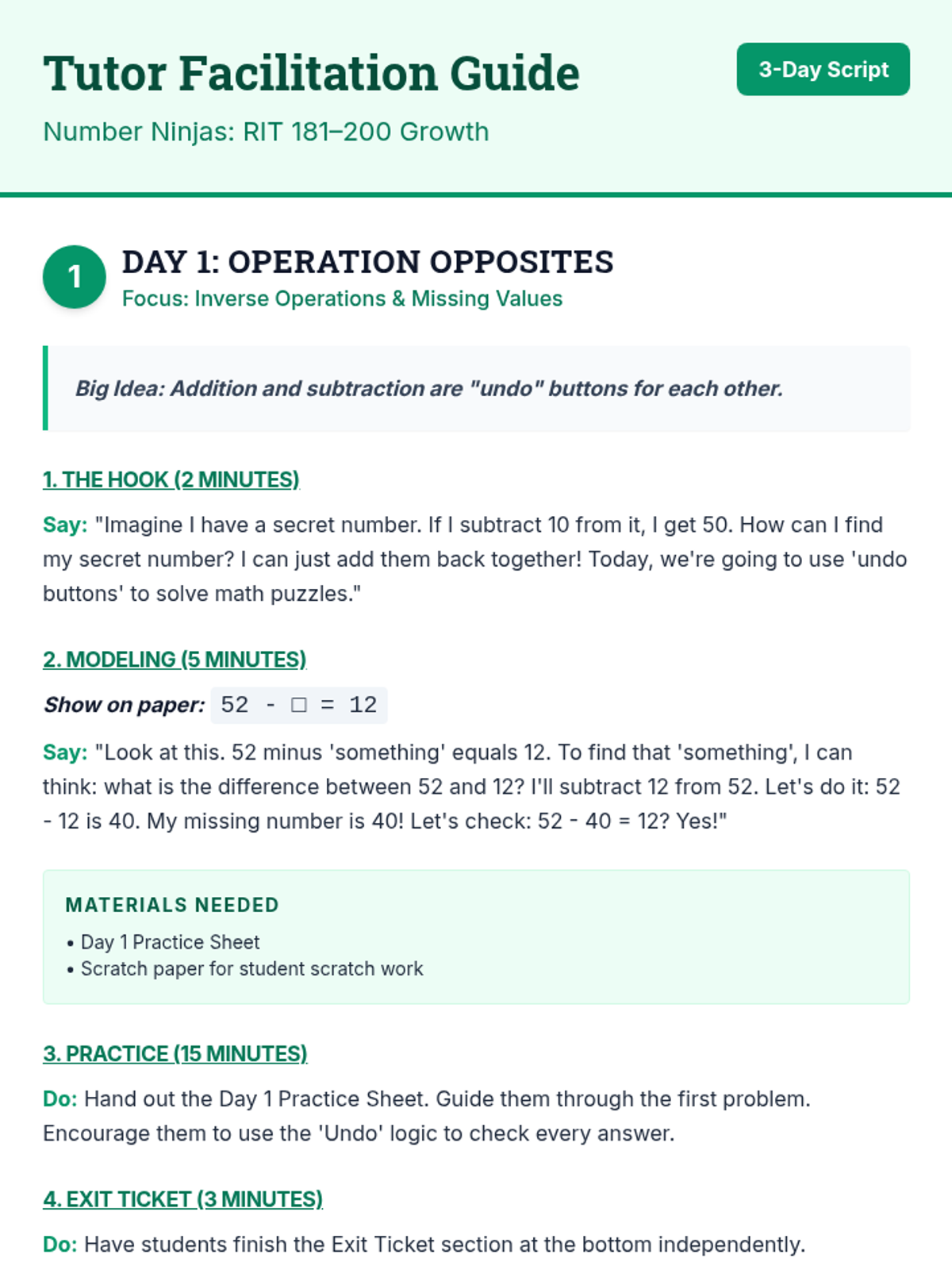
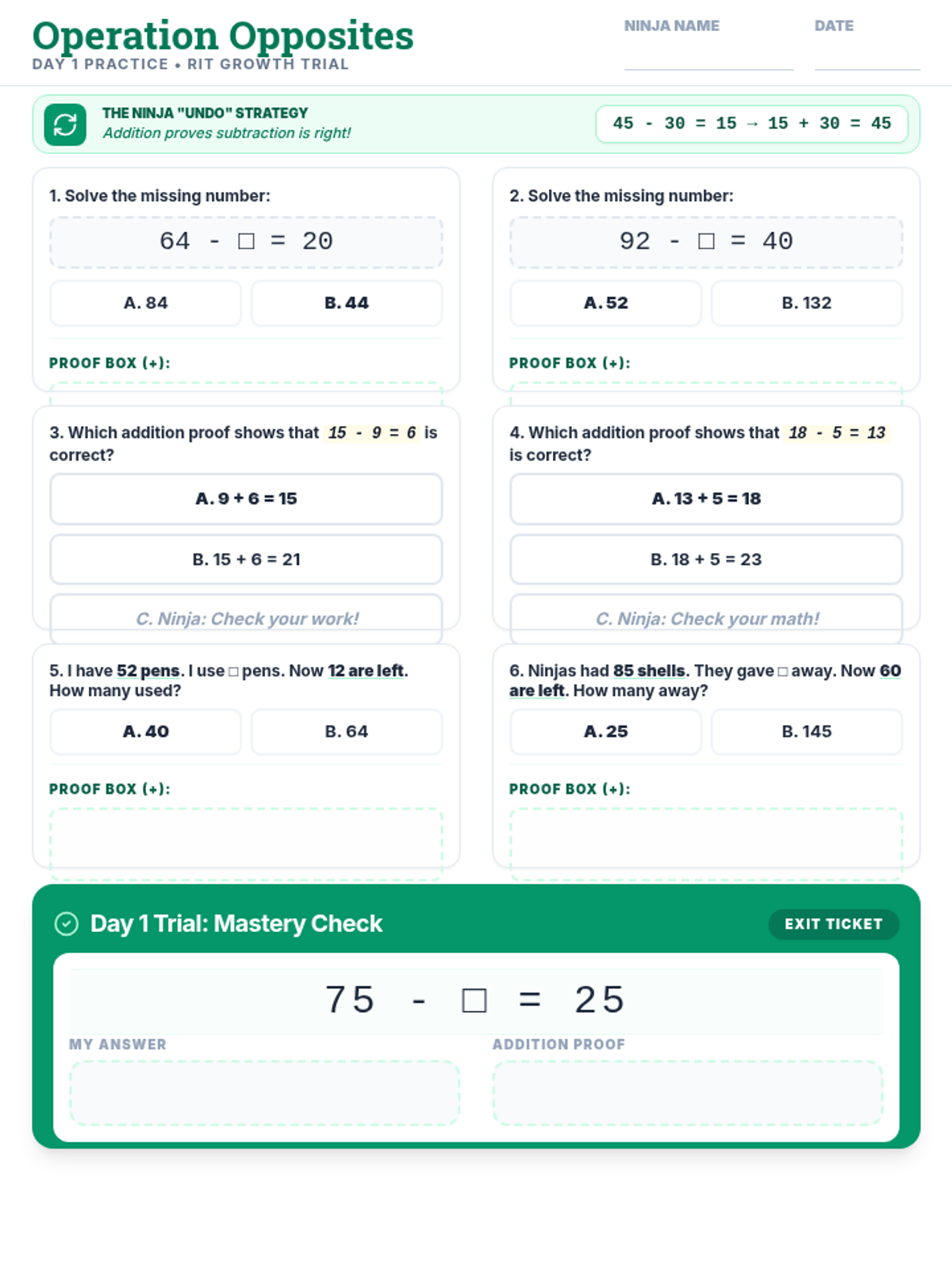
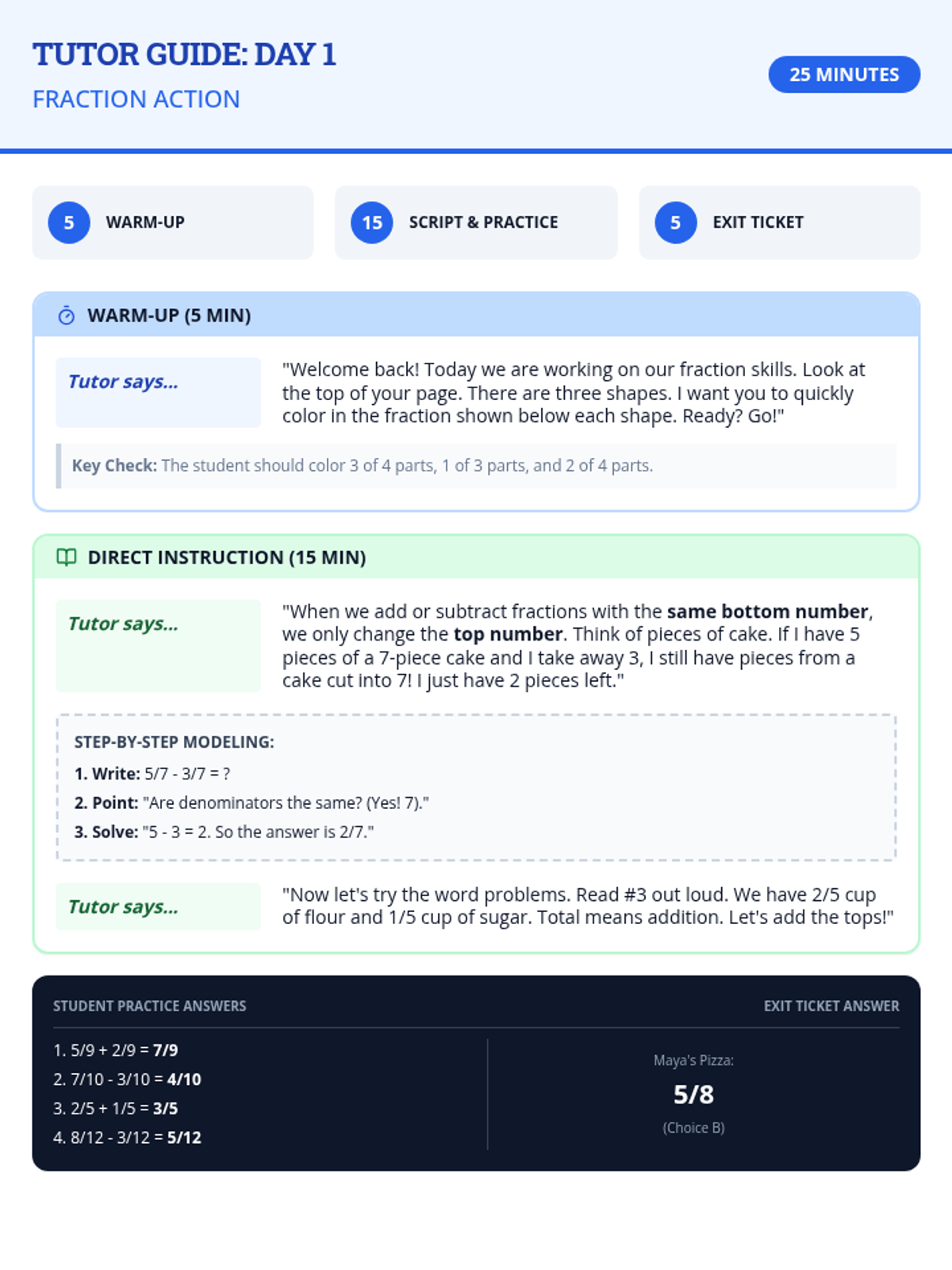
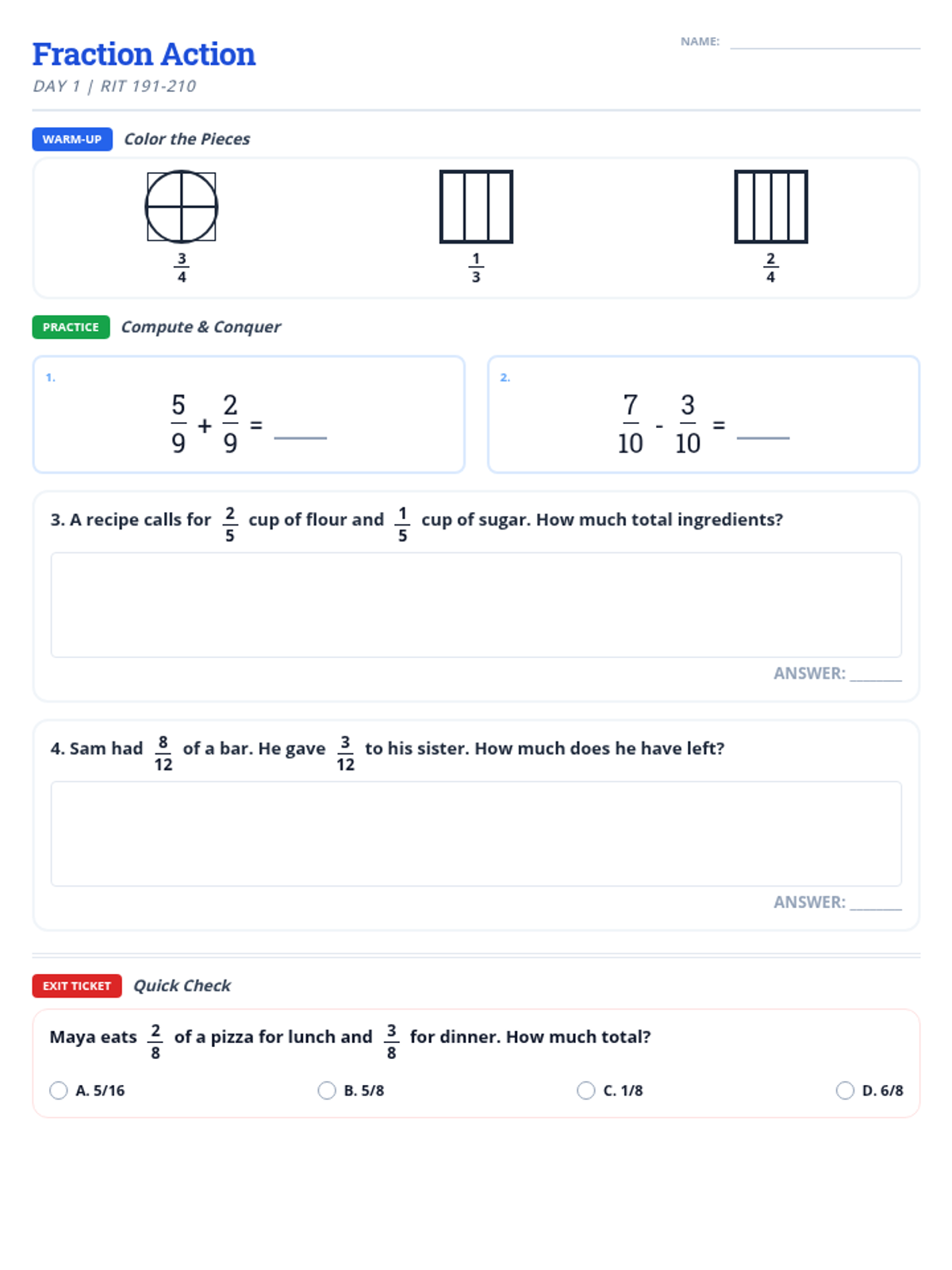
A 3-day small group math sequence designed to move students from RIT 181-190 to 191-200 in Numerical Representations and Relationships. Focused on inverse operations, like-denominator fractions, and multi-step word problems.
A 3-day math tutoring sequence focused on moving students from RIT 191-200 to 201-210 in Numerical Representations and Relationships, specifically targeting fractions, division with remainders, and coordinate planes.
A collection of sports-themed instructional materials that use real-world events to teach logic, statistics, and organizational skills.
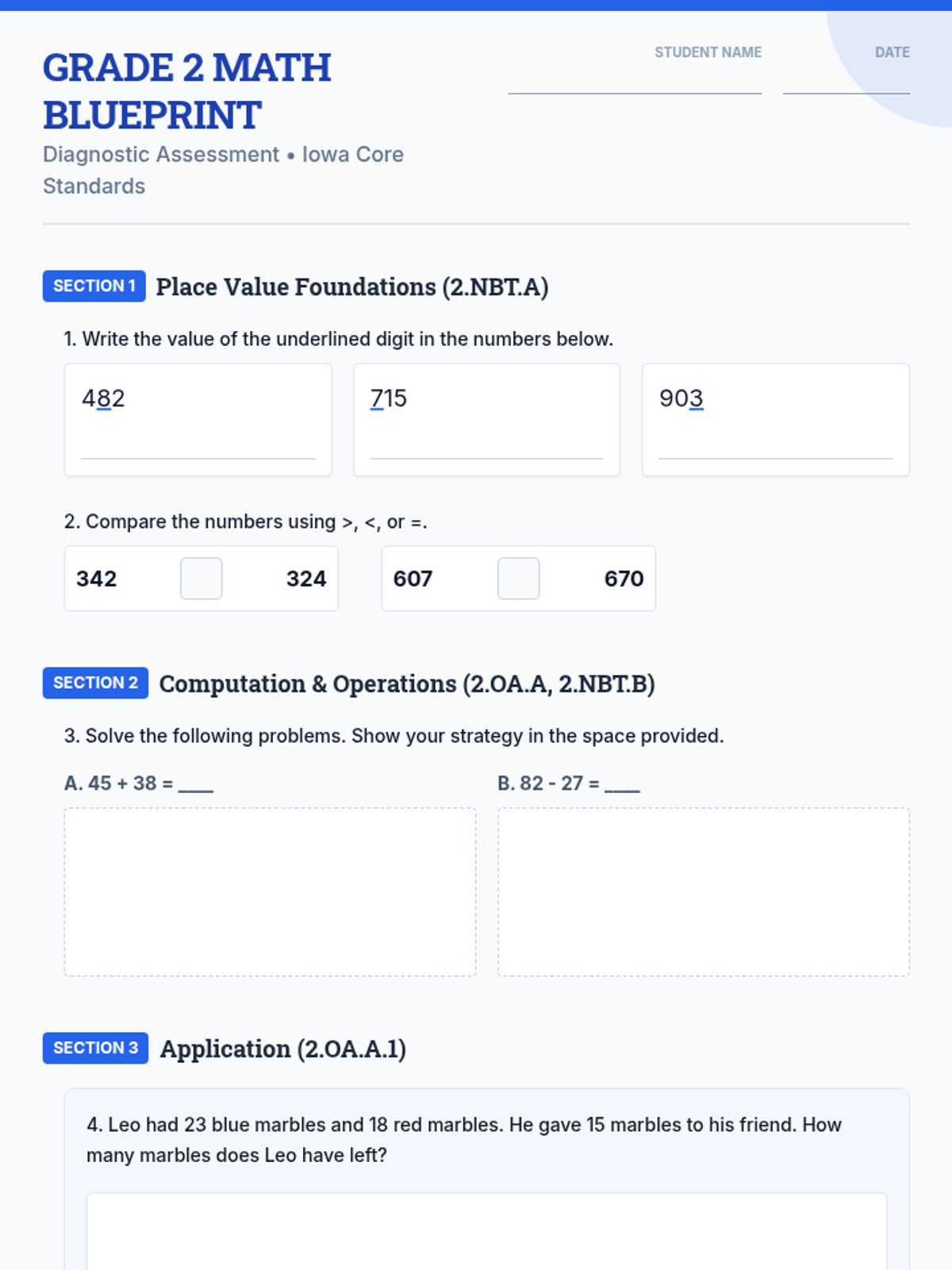
A comprehensive diagnostic suite for grades 2-5 designed to identify specific skill gaps in foundational math domains aligned to the Iowa Core standards. This series helps educators pinpoint exactly where students have discrepancies in place value, arithmetic, and early rational numbers.
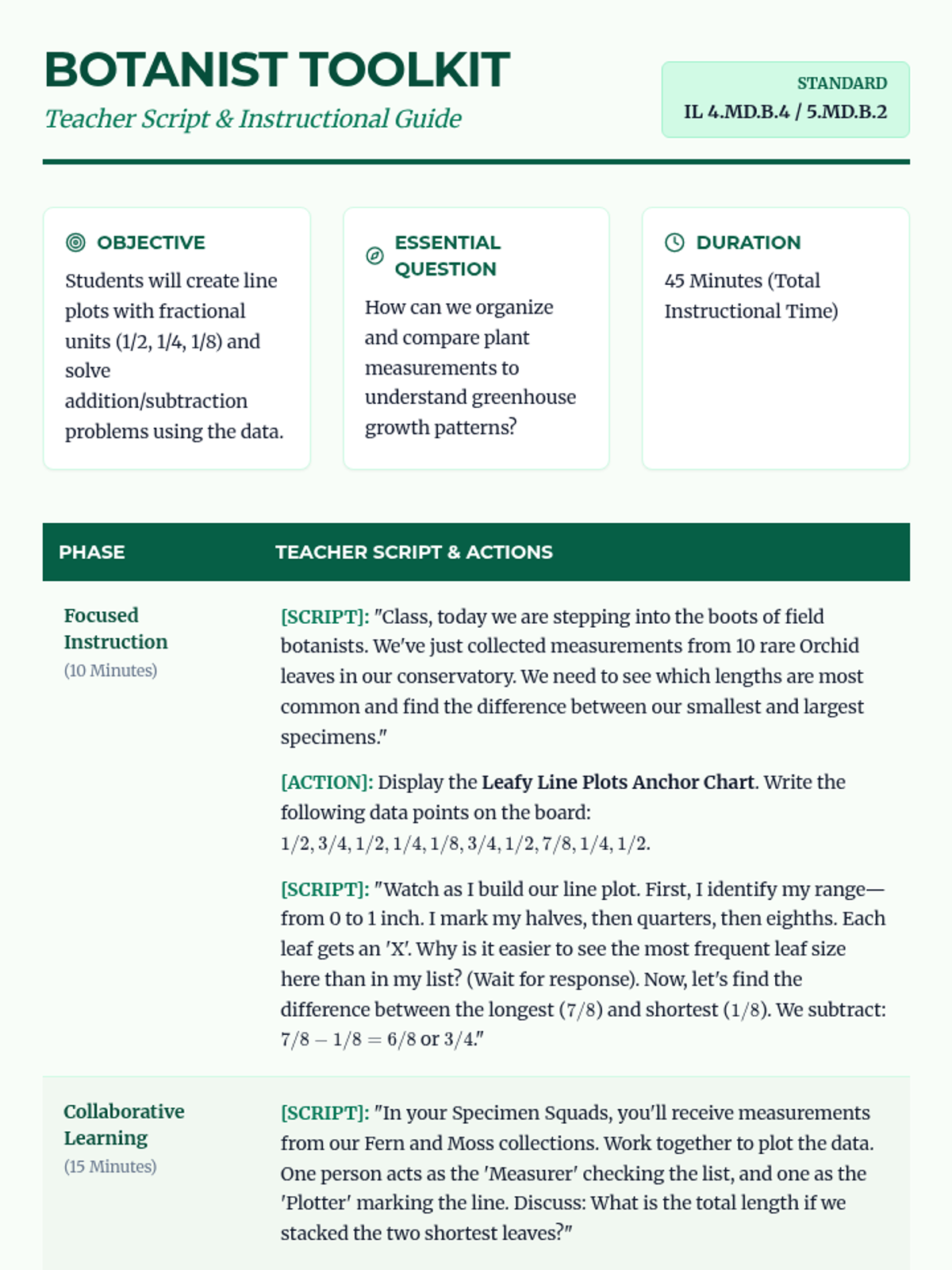
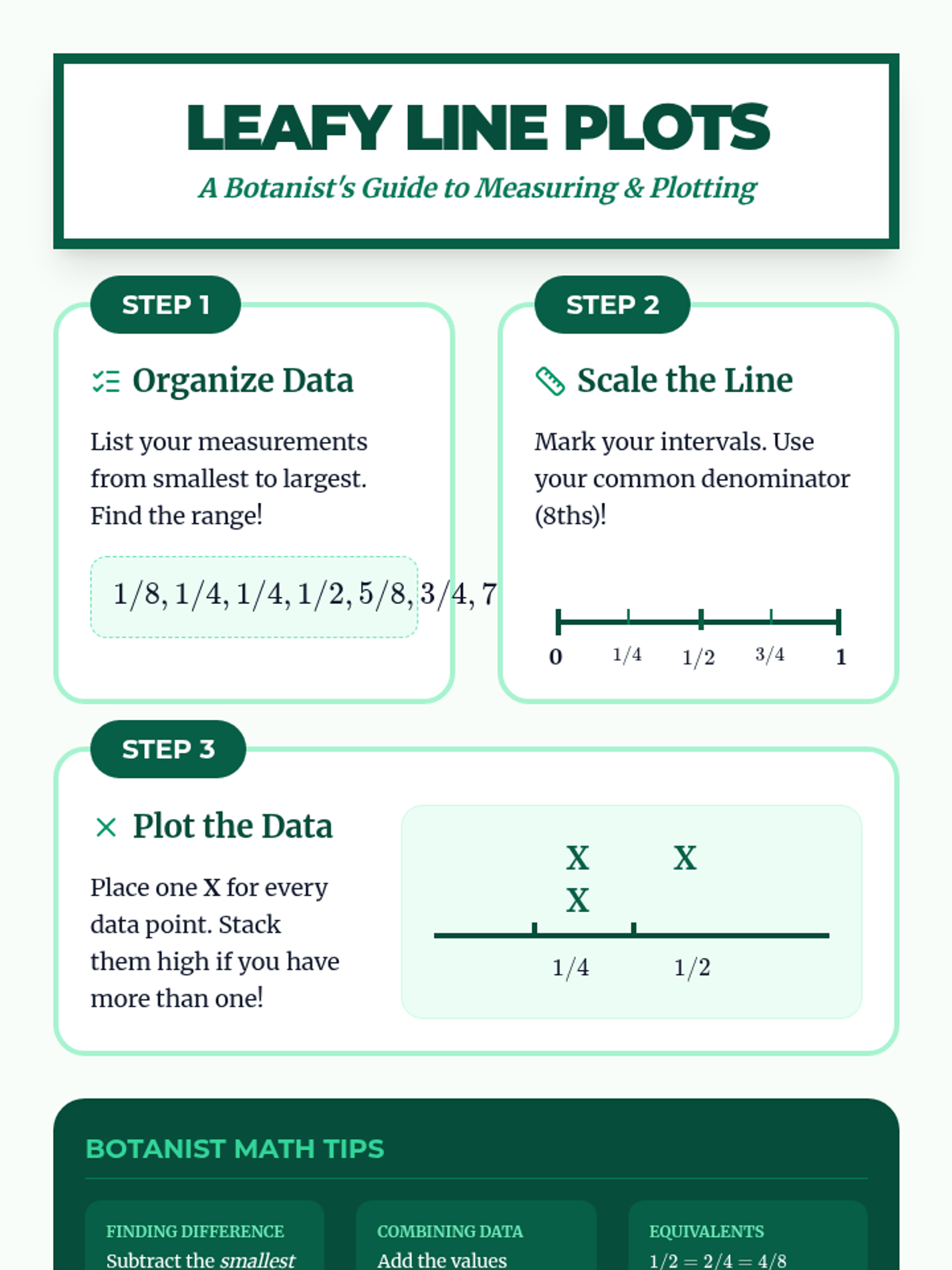
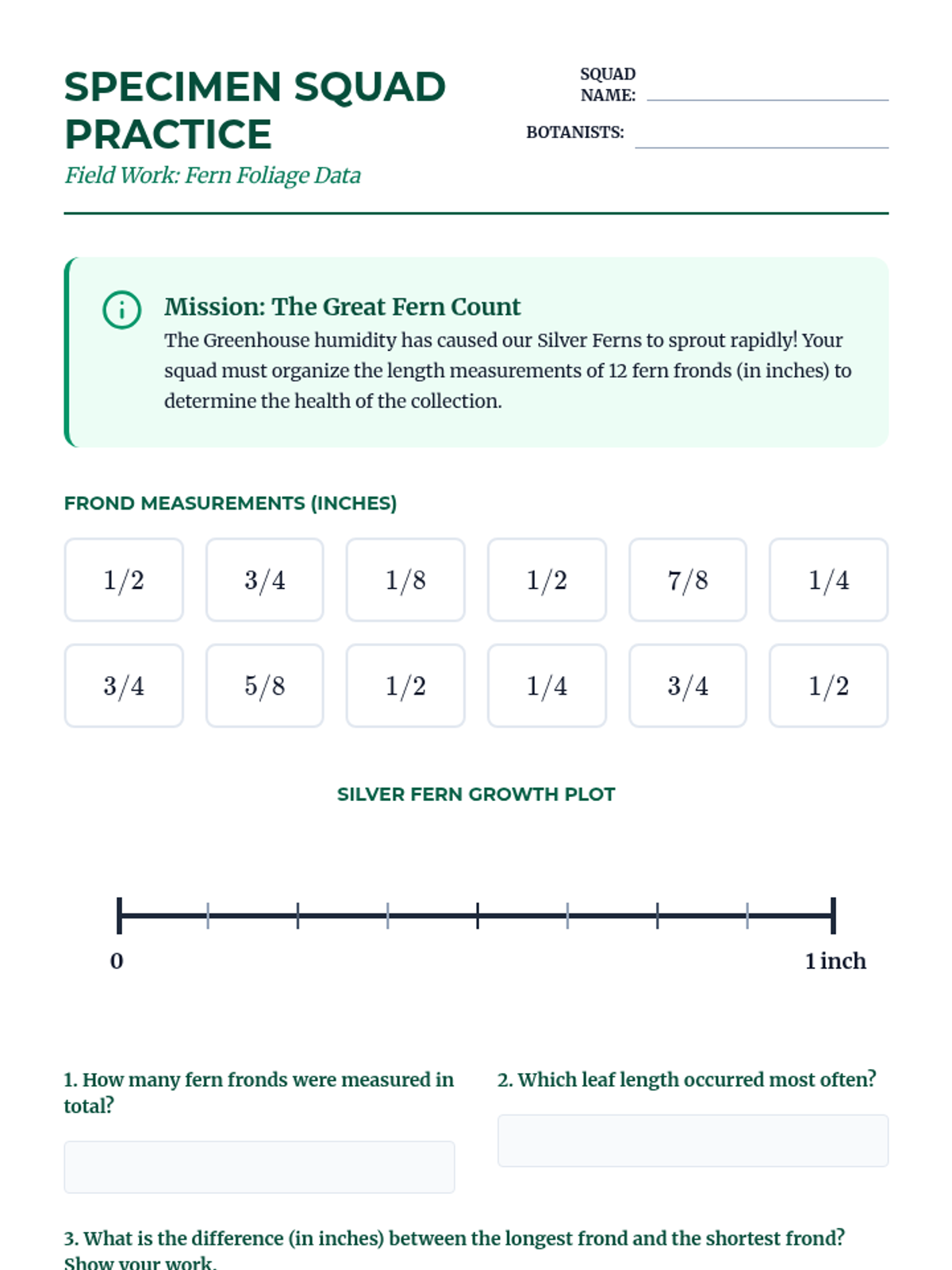
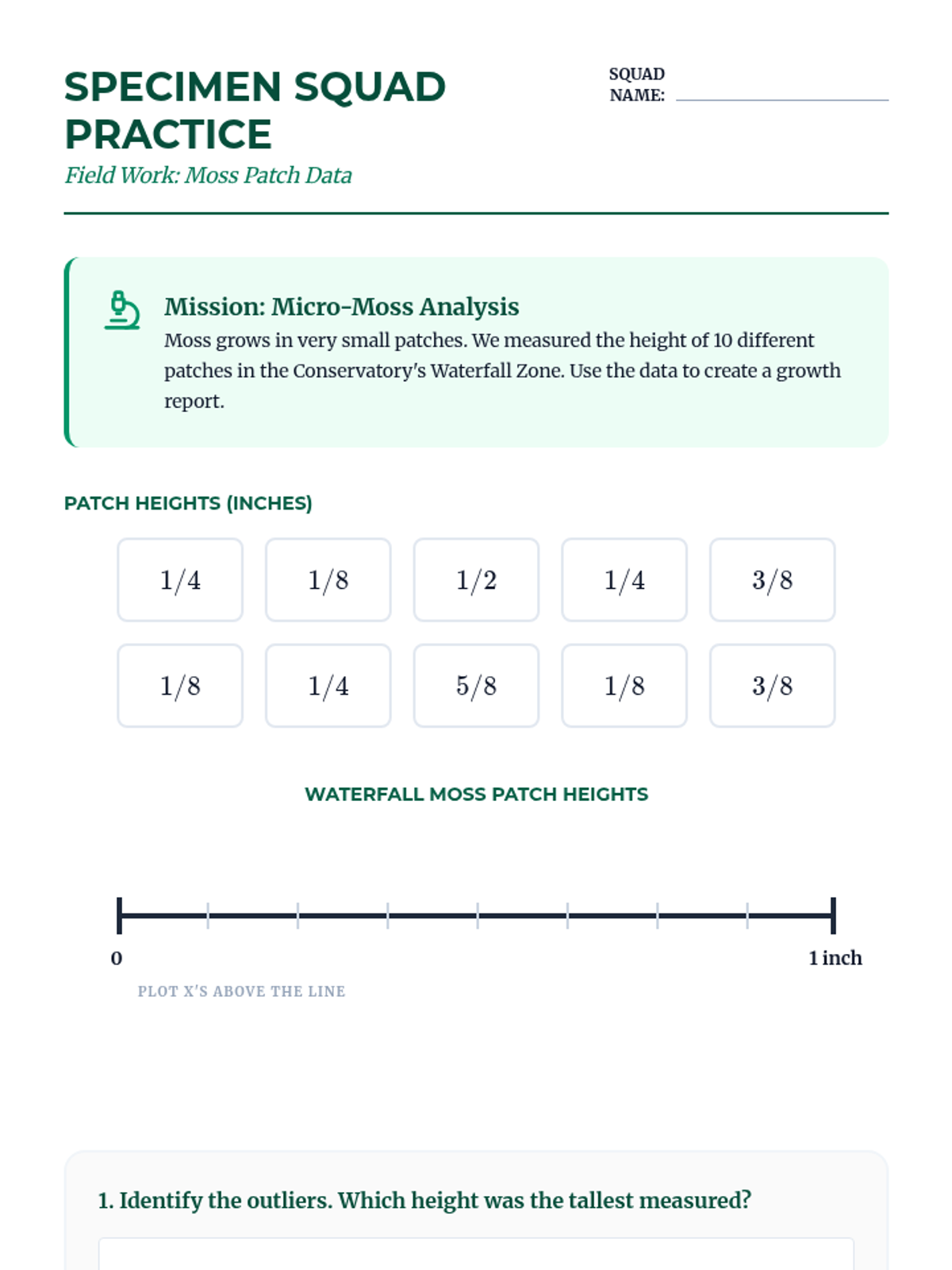
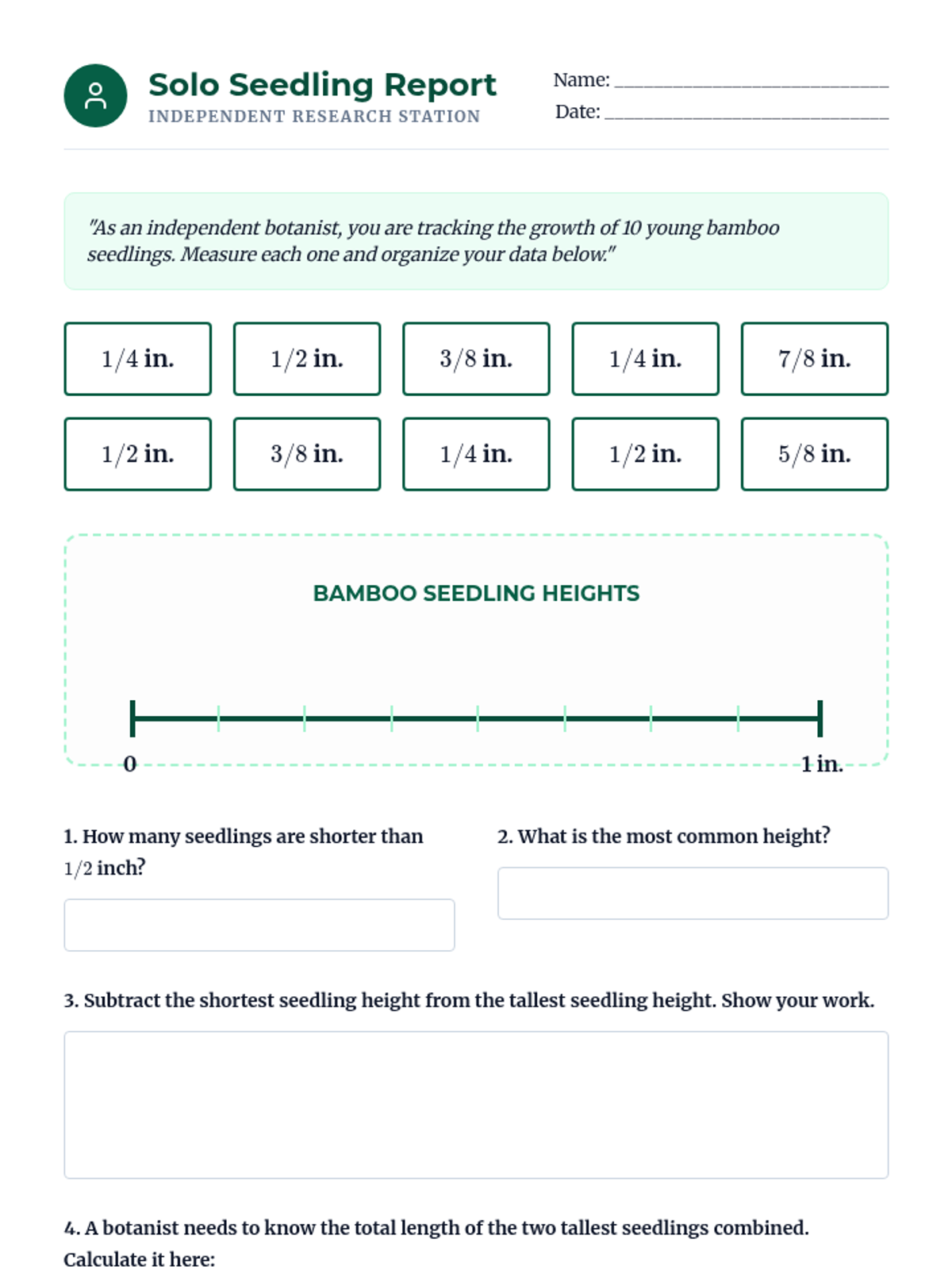
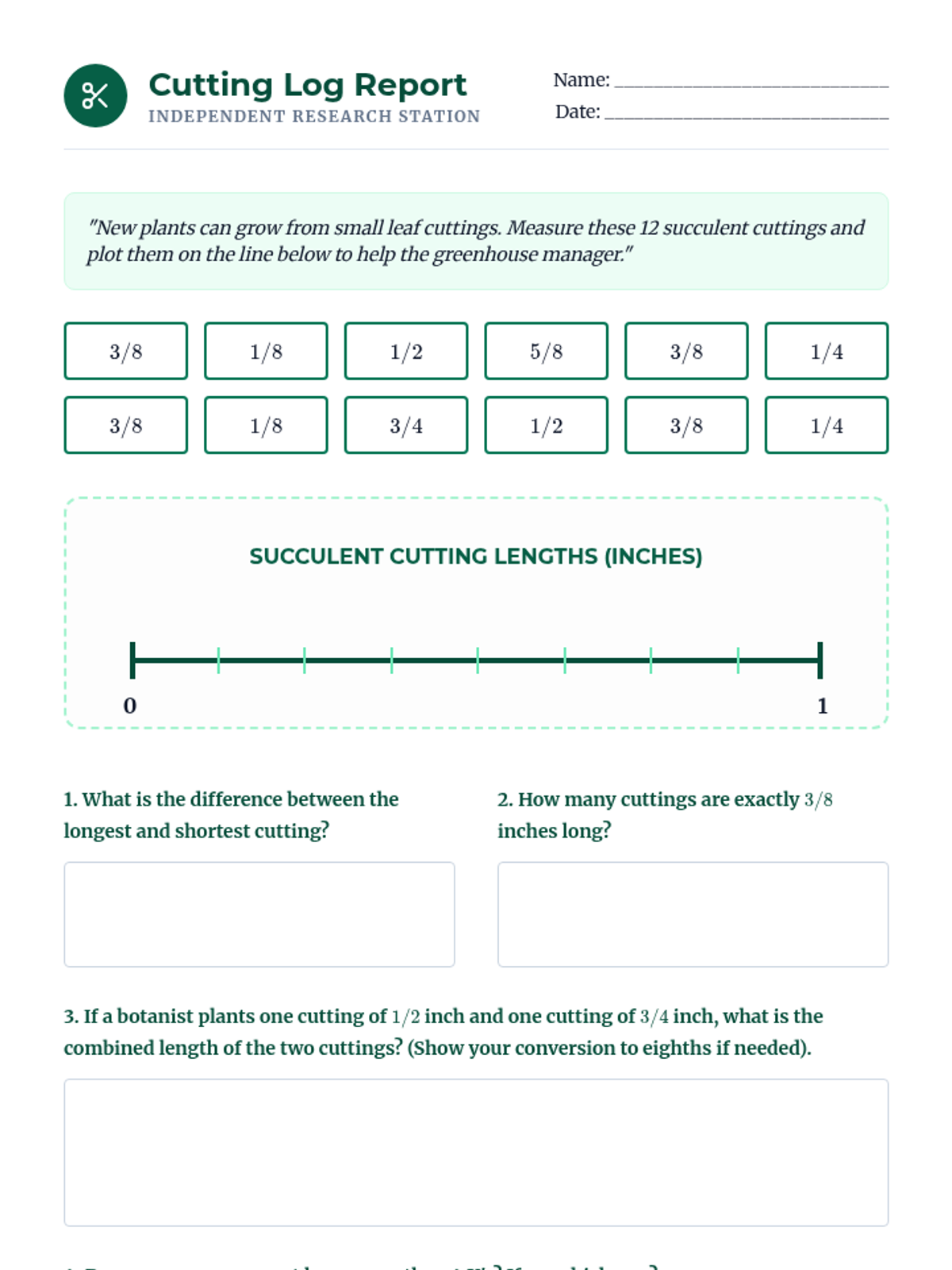
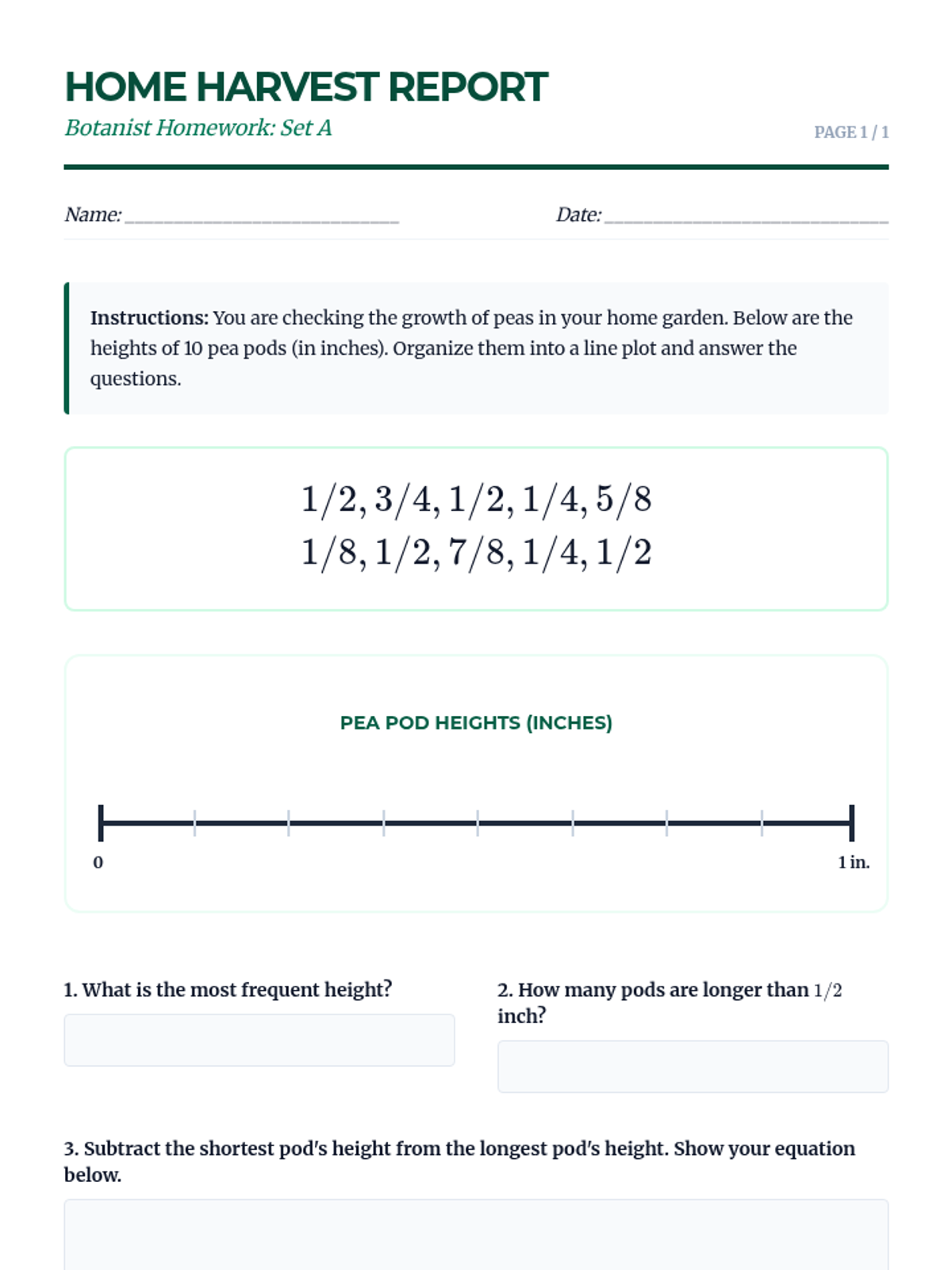
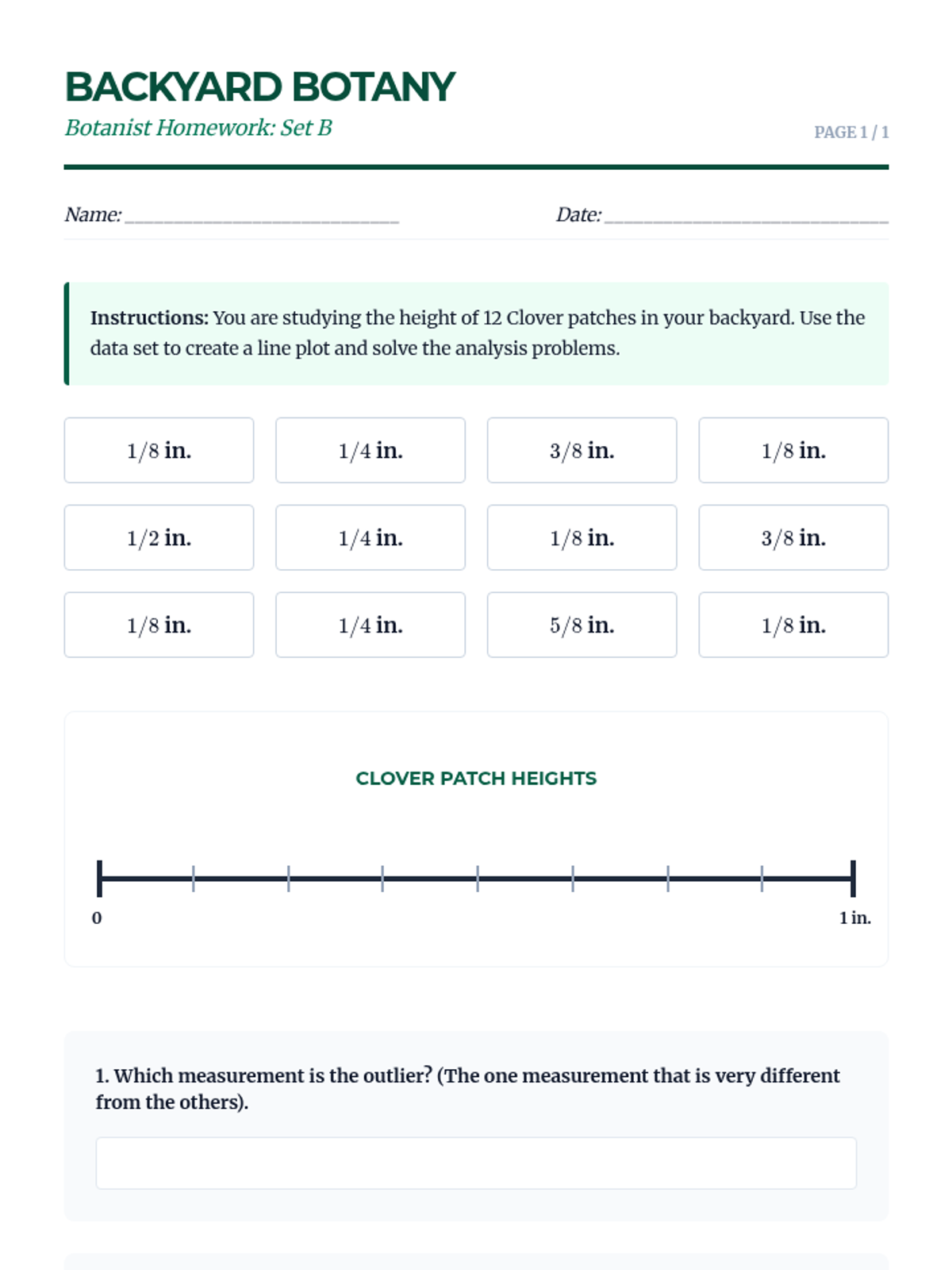
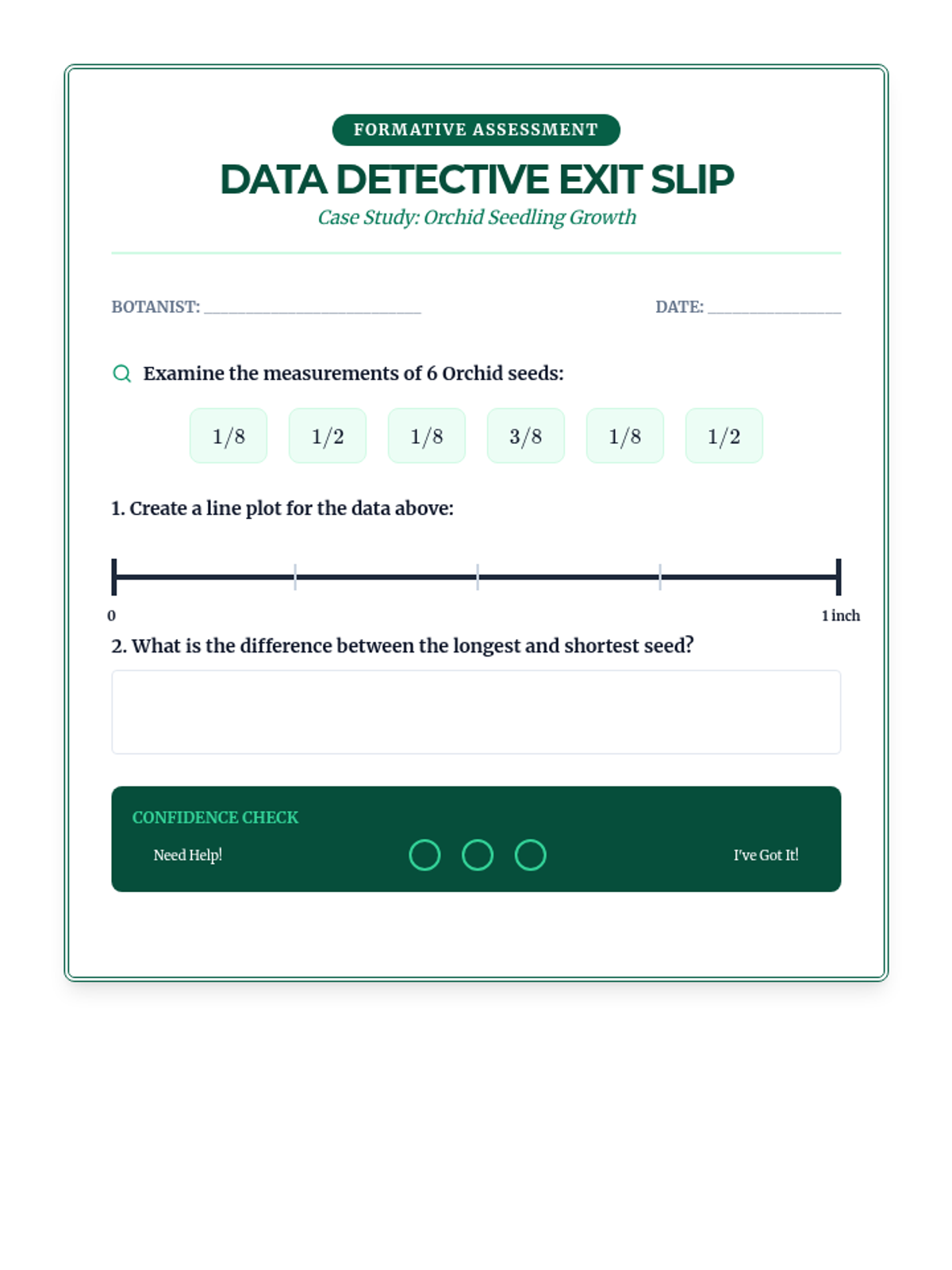
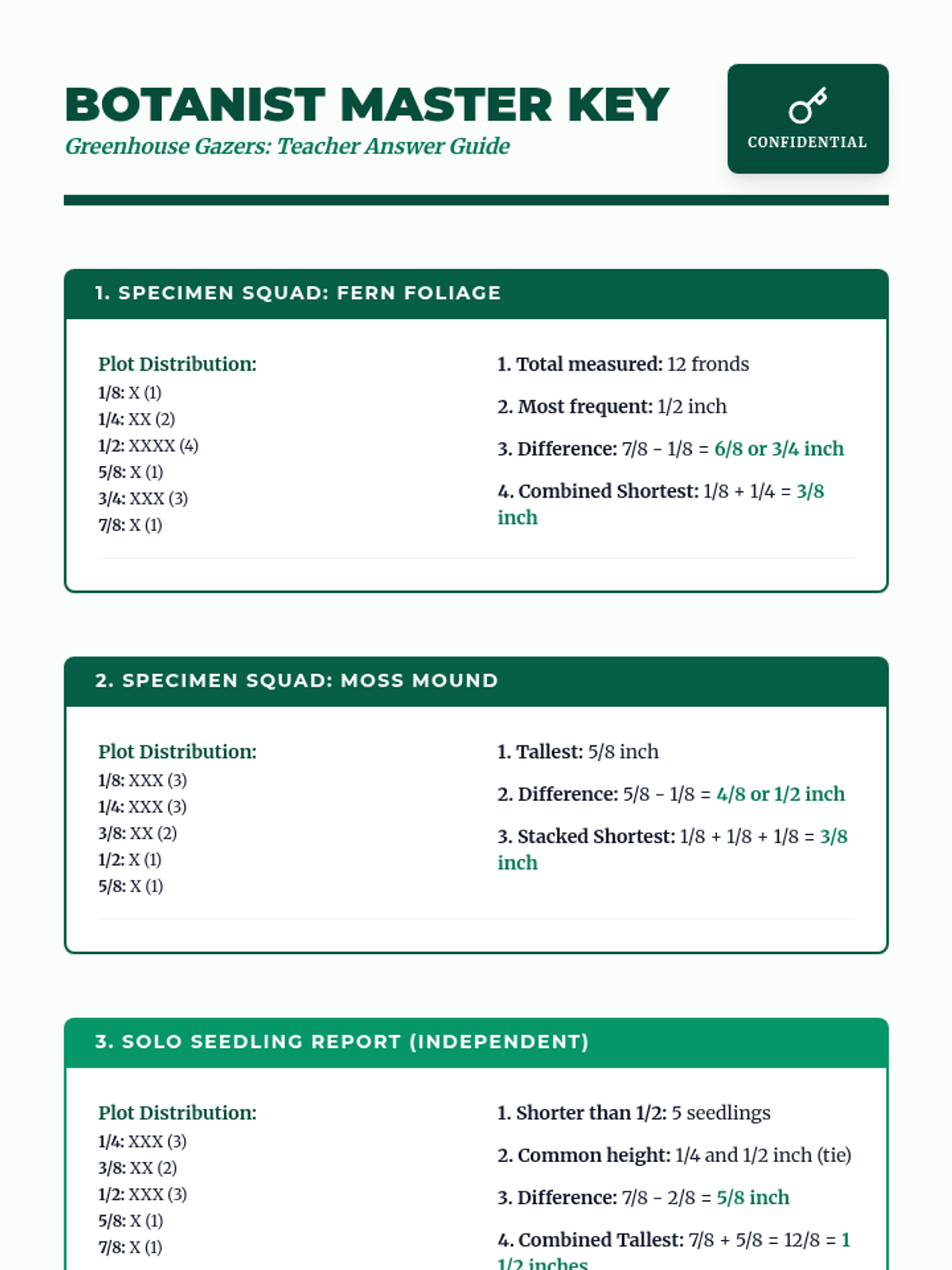
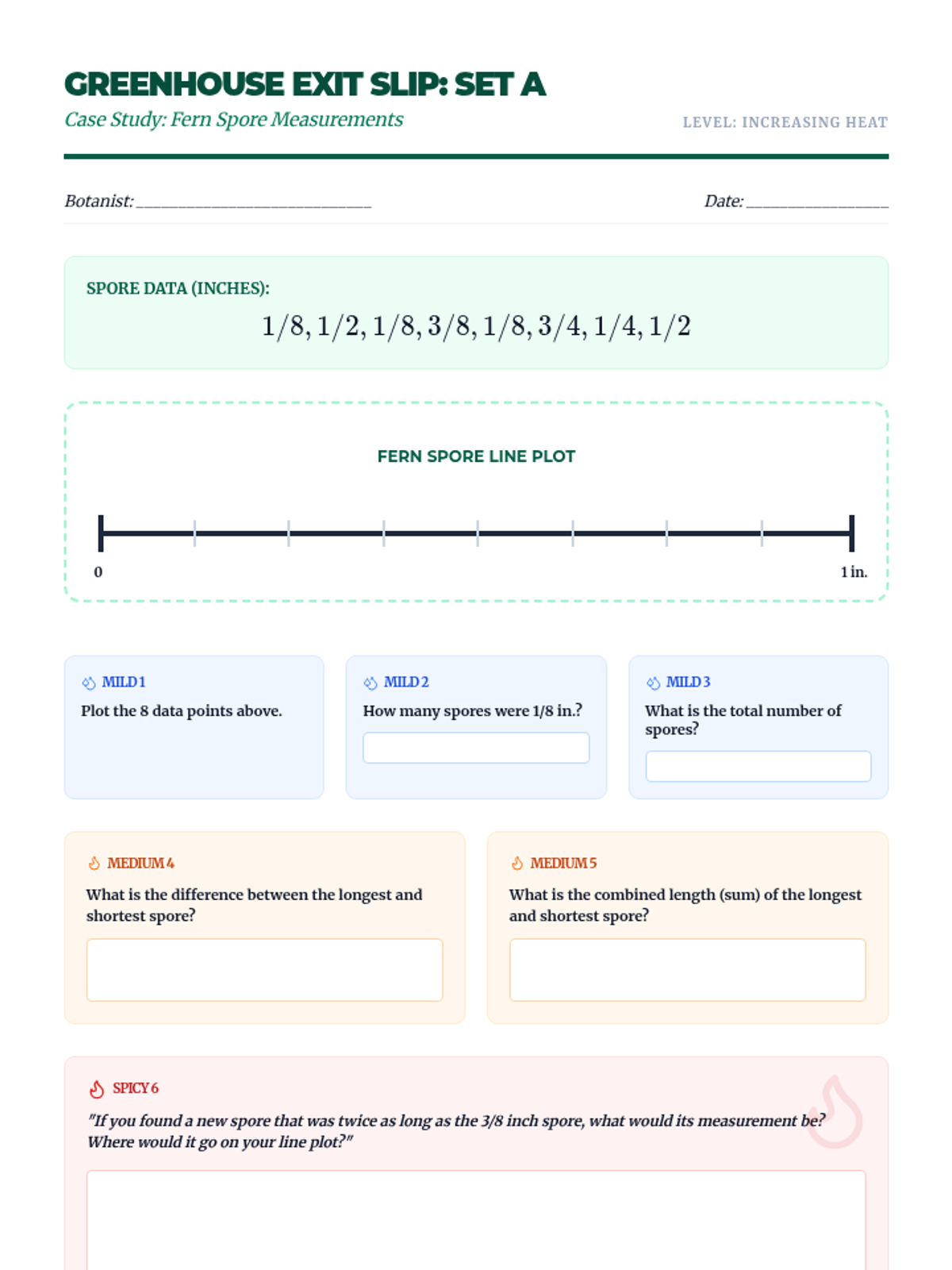
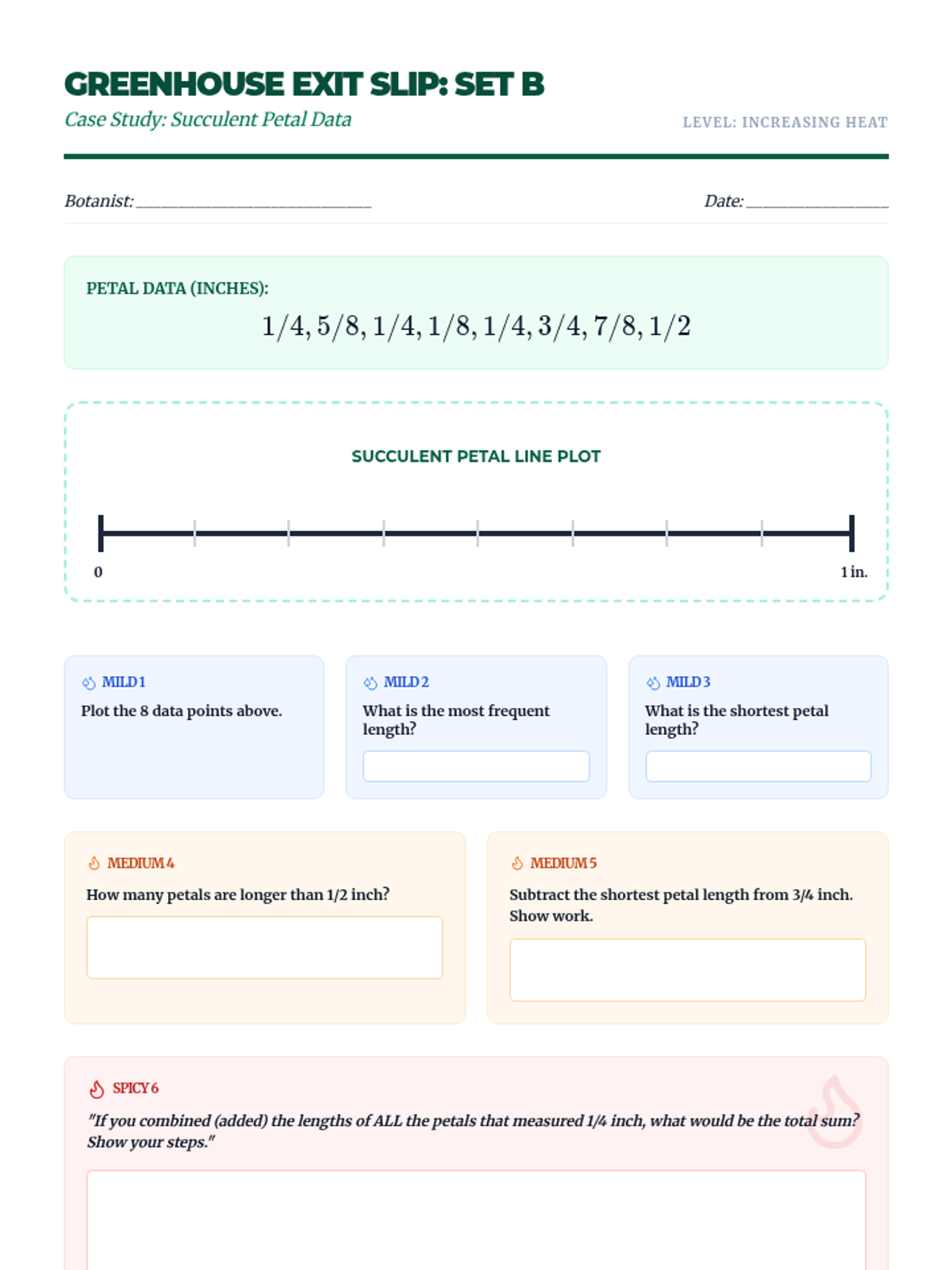
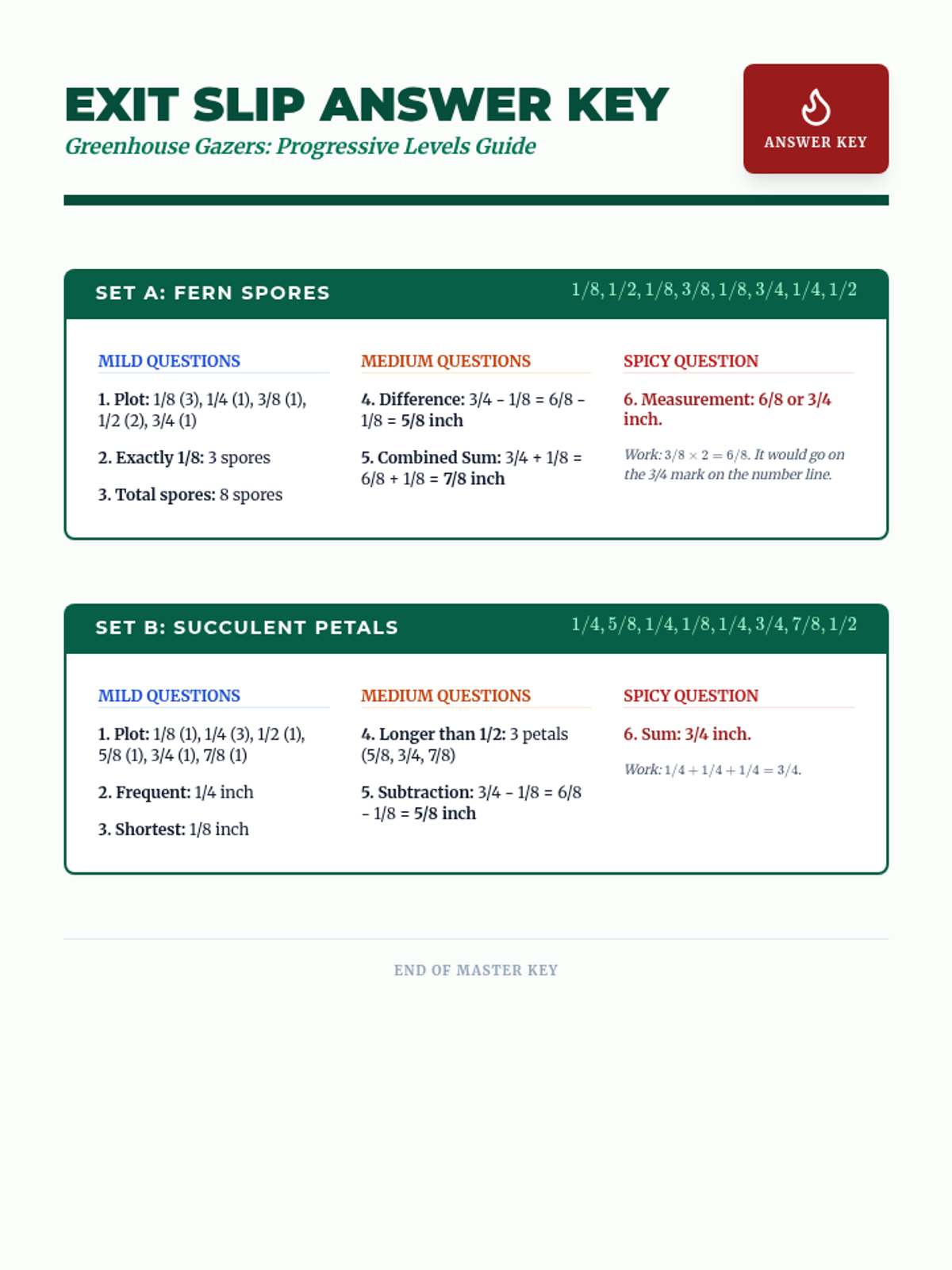
A mathematical exploration of data representation where students act as botanists, measuring plant specimens and using line plots with fractions (1/2, 1/4, 1/8) to analyze growth patterns and solve problems.
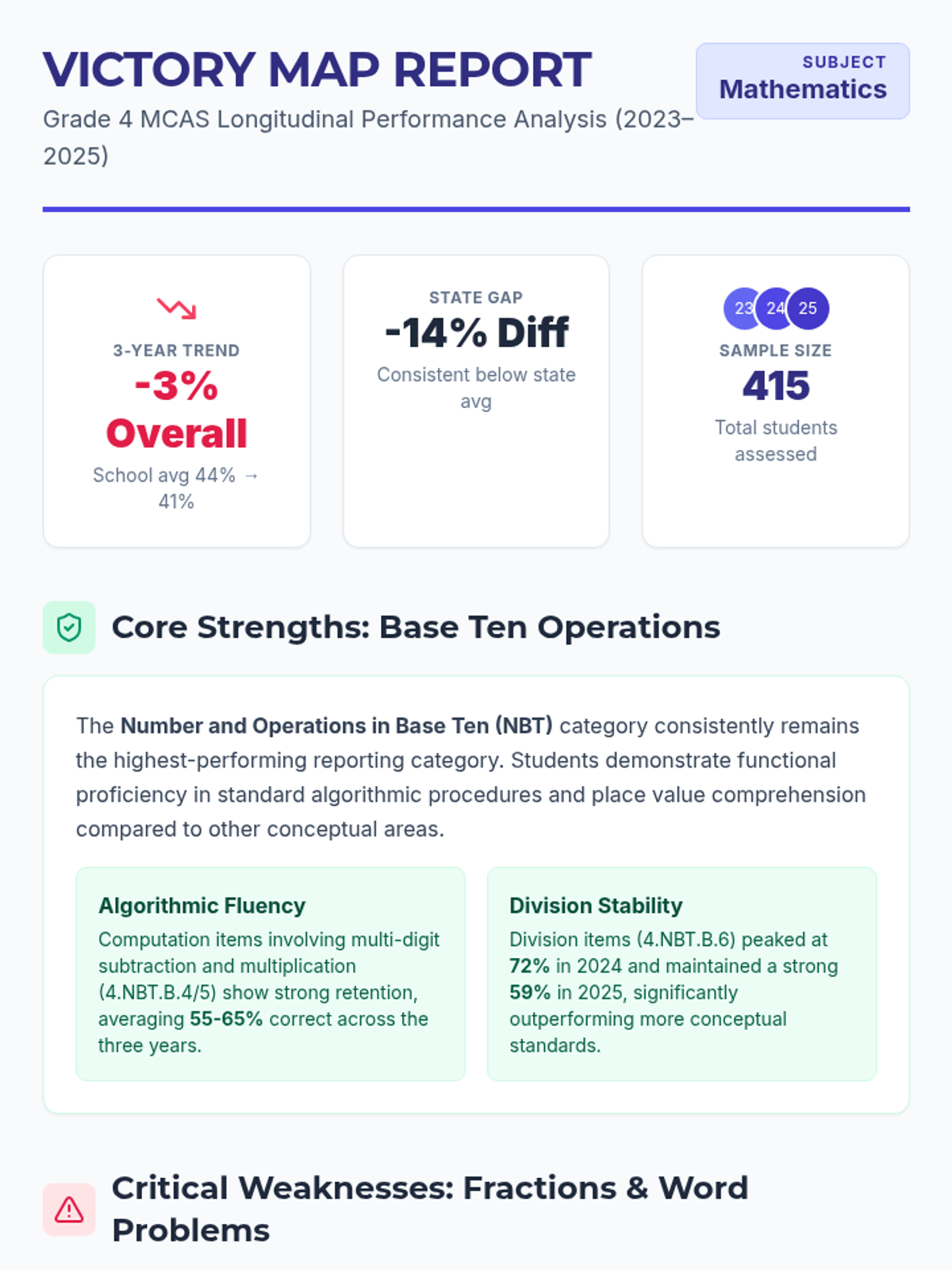
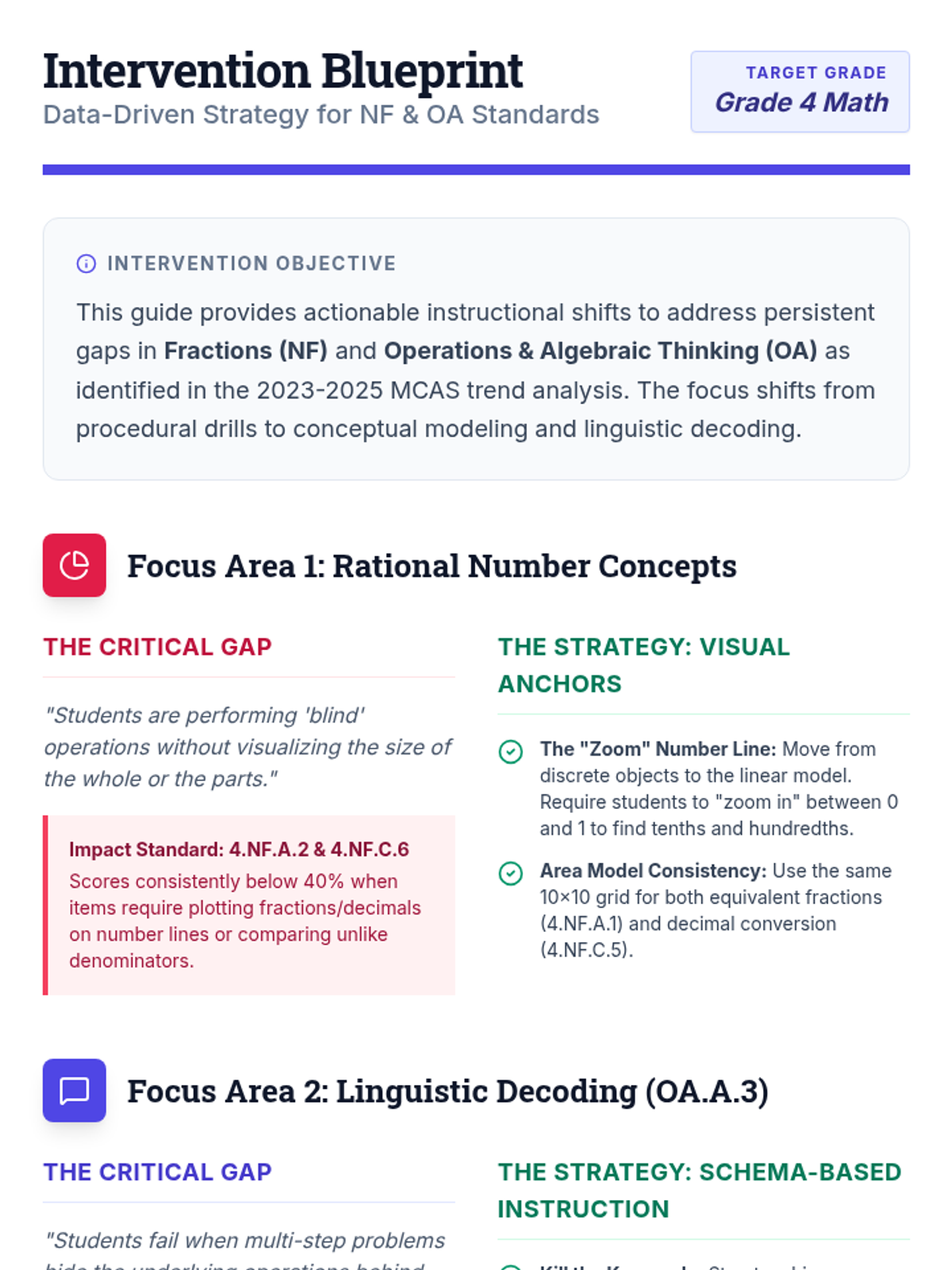
A comprehensive multi-grade longitudinal analysis of MCAS Math data (Grades 3-4) for 2023-2025. This sequence provides diagnostic reporting, visual aids, and instructional intervention strategies based on identified categorical trends.
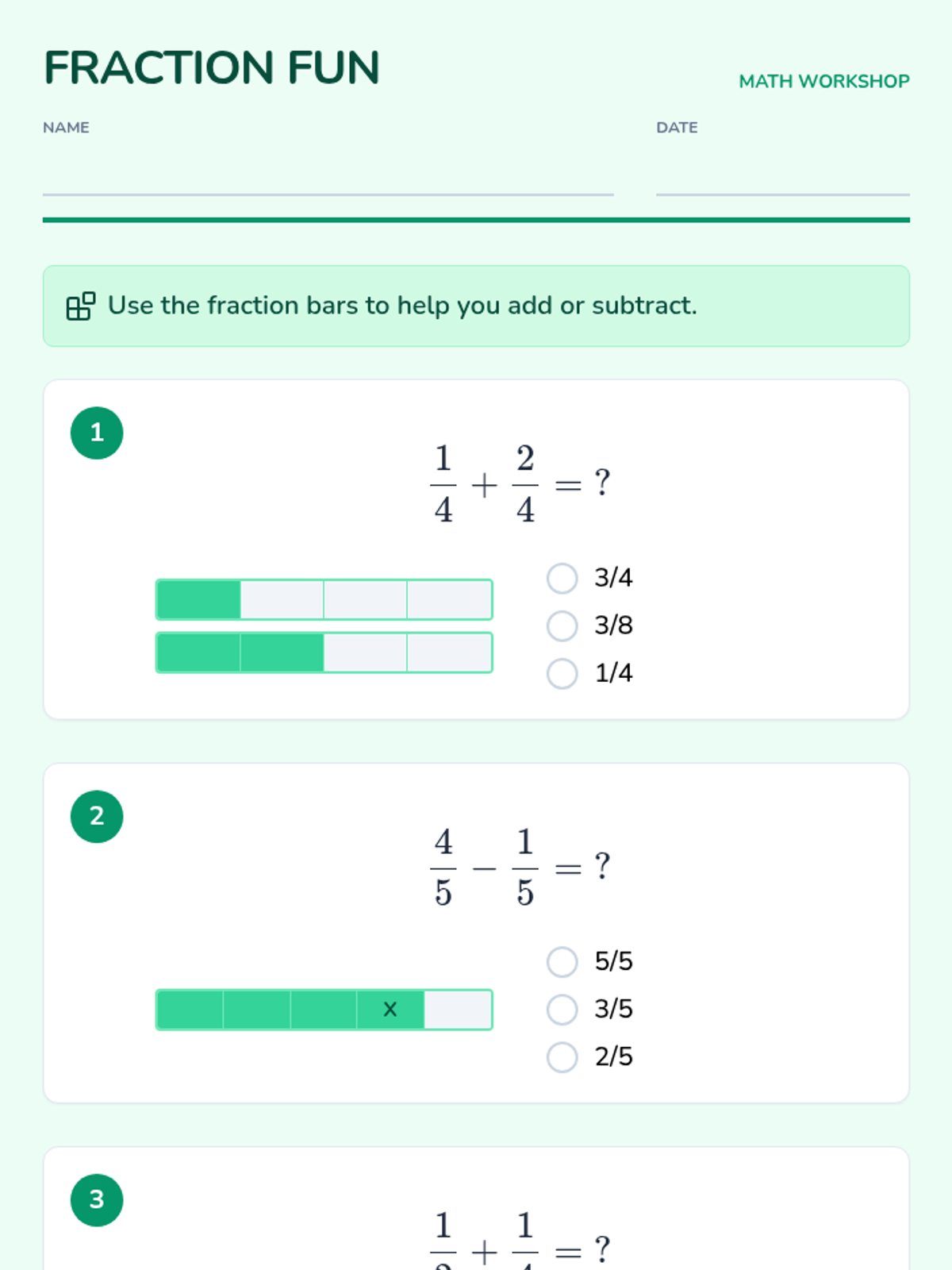
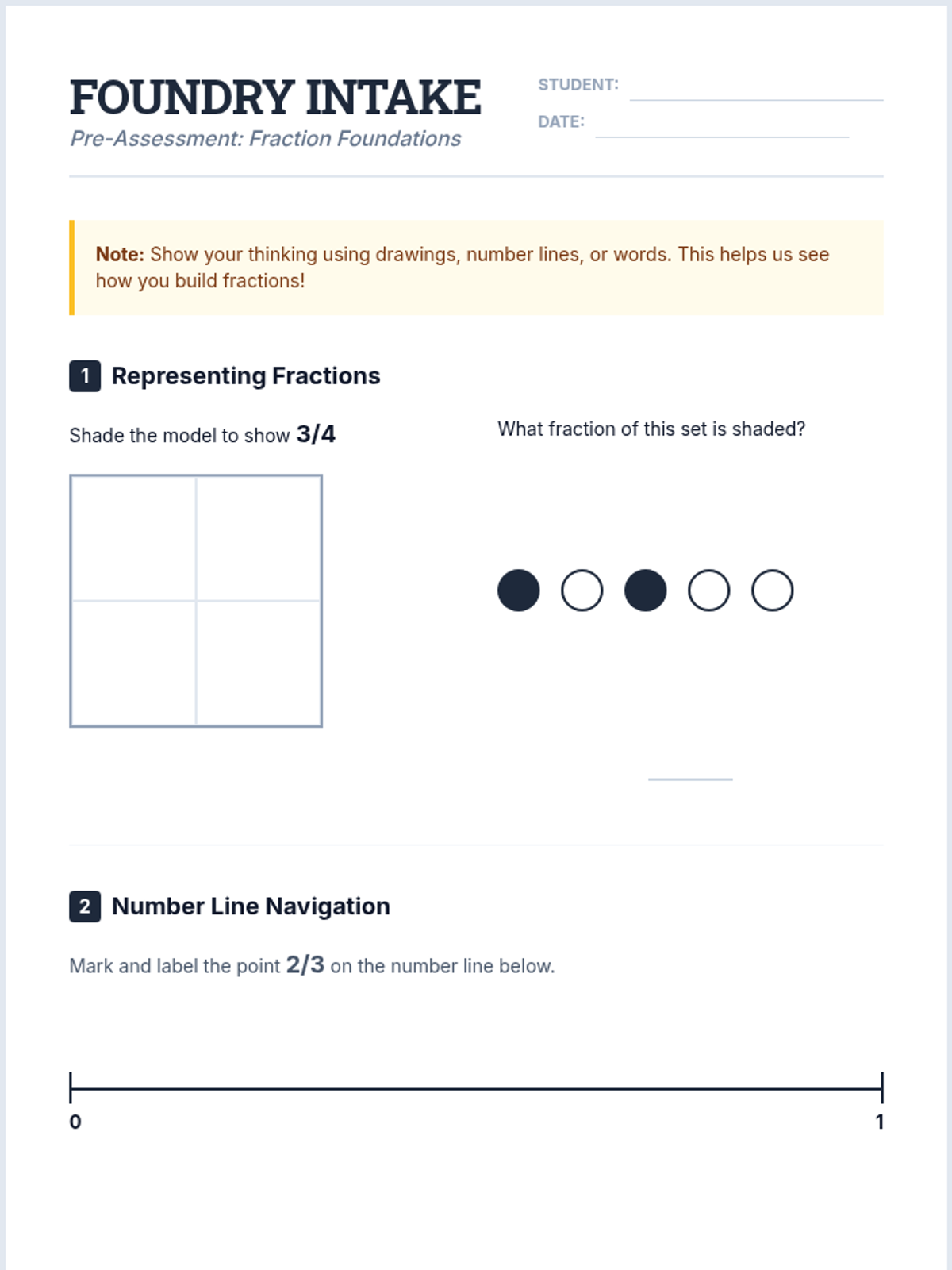
A comprehensive 7-lesson intervention sequence designed to build conceptual fraction understanding through visual models, number lines, and scaffolded practice. The sequence moves from basic area models to adding and subtracting with unlike denominators, prioritizing 'why' over 'how'.
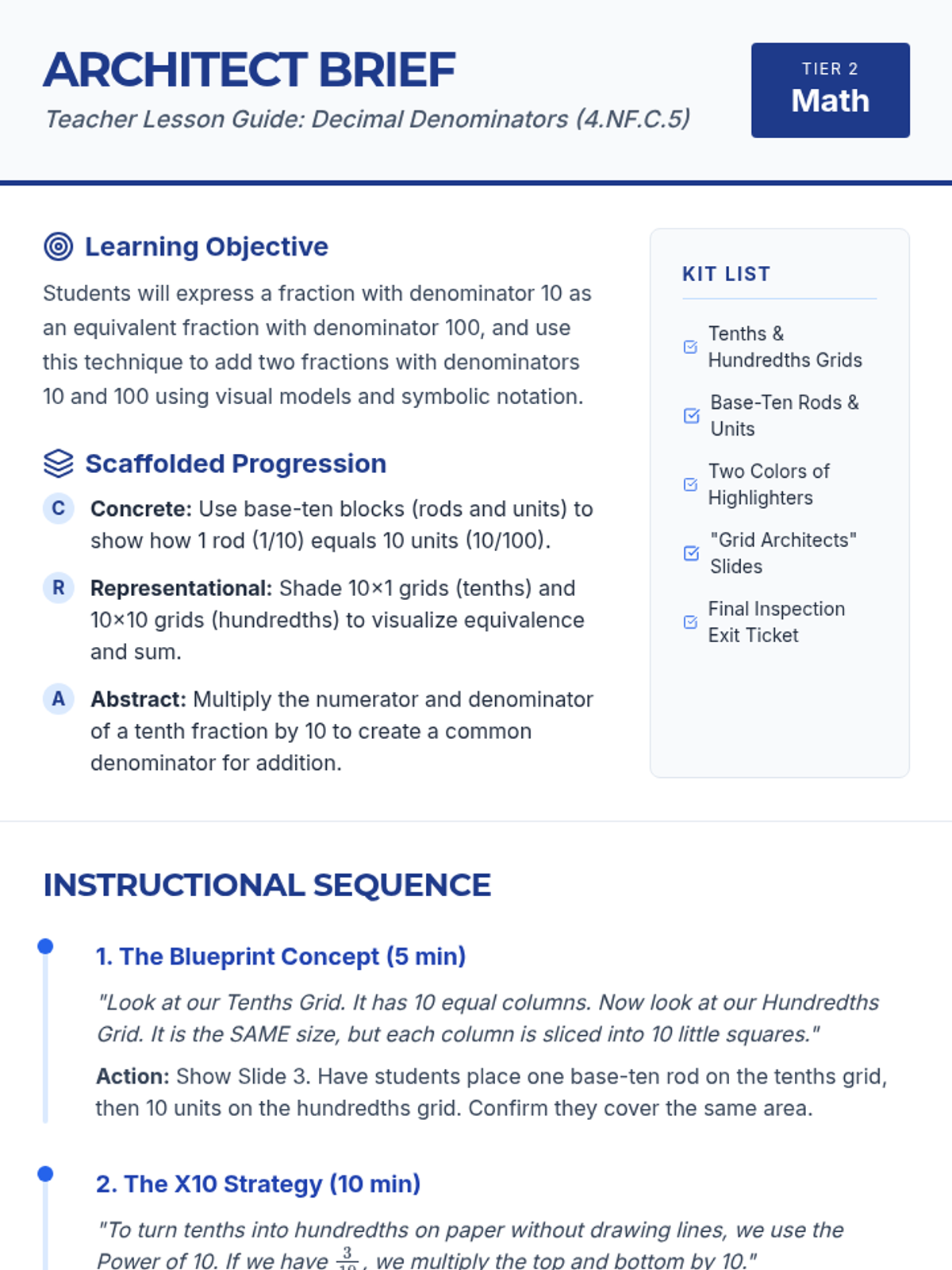
A specialized intervention series for Grade 4 students to master fractional equivalence and operations with denominators of 10 and 100.
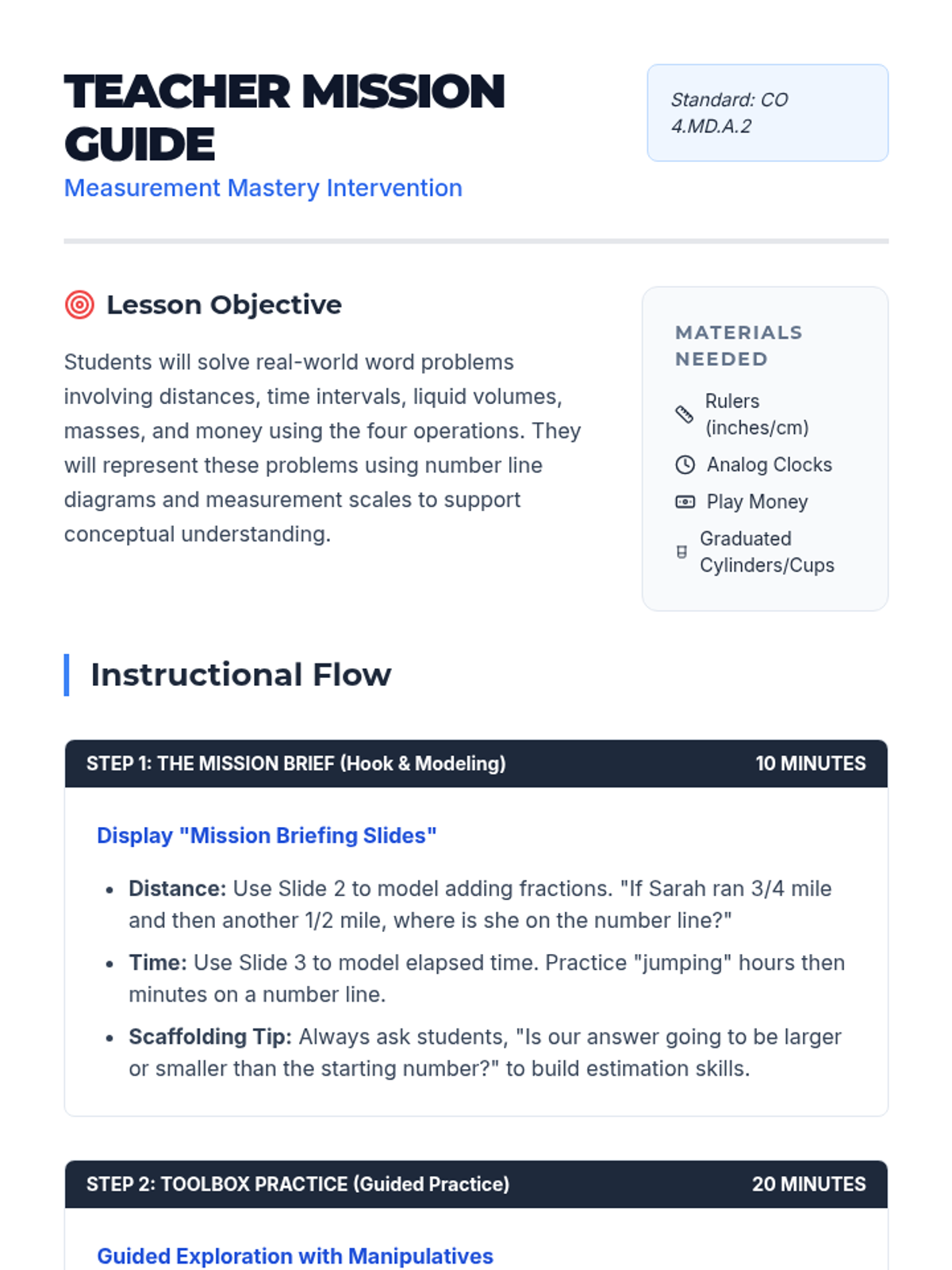
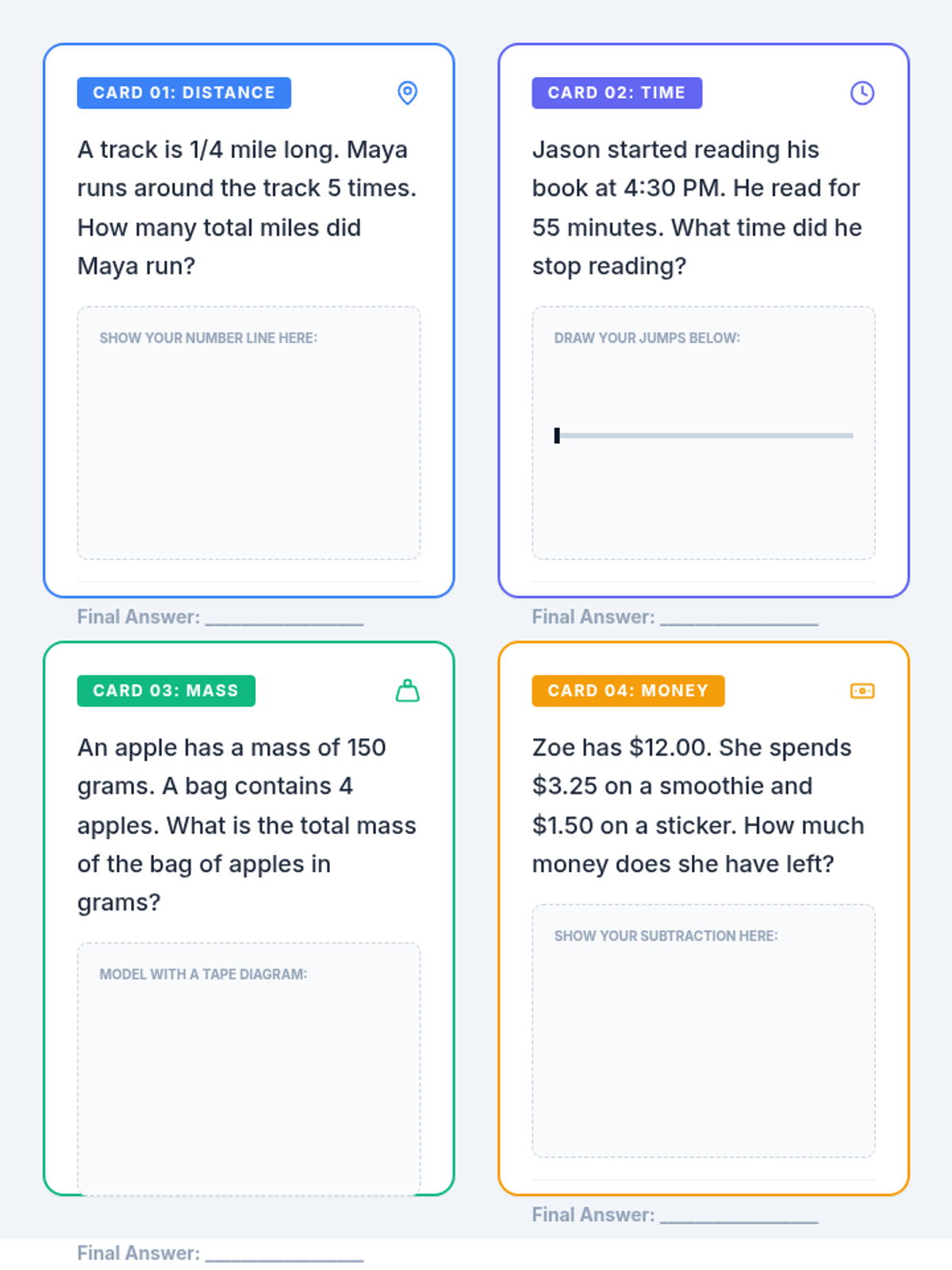
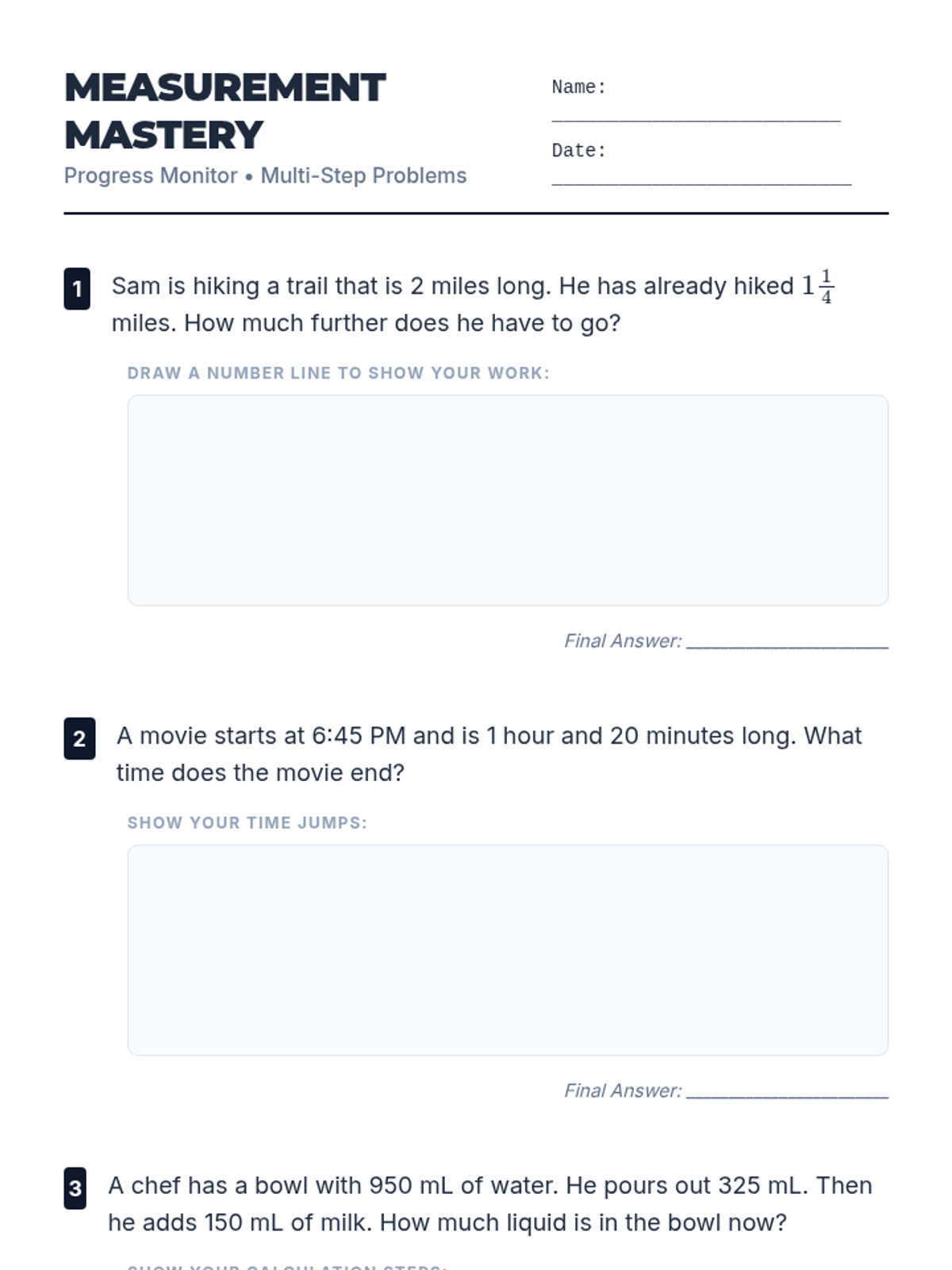
A Tier 2 intervention sequence focused on solving measurement word problems involving distance, time, volume, mass, and money. Students use number lines and manipulatives to master complex multi-step problems with fractions and decimals.
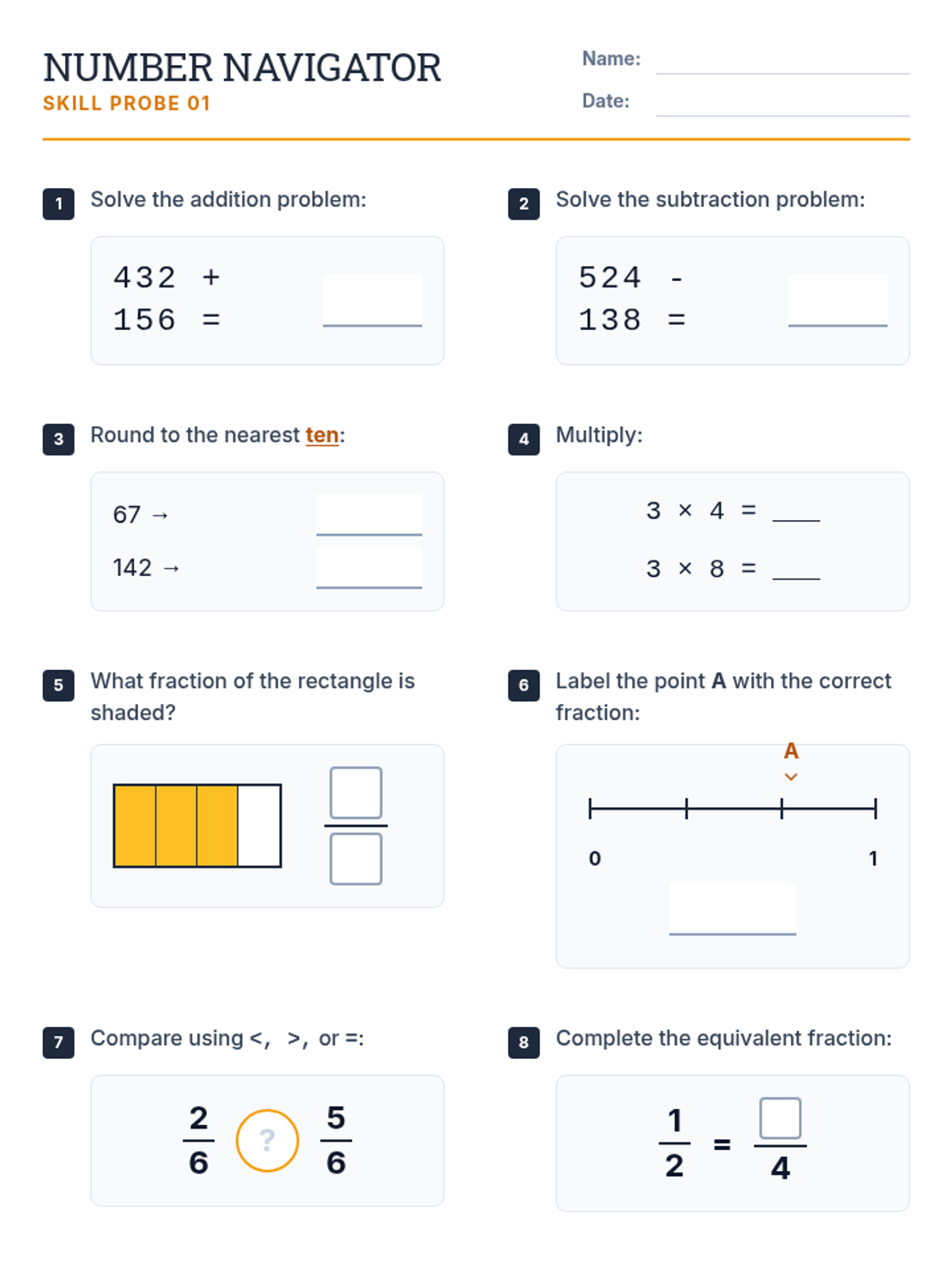
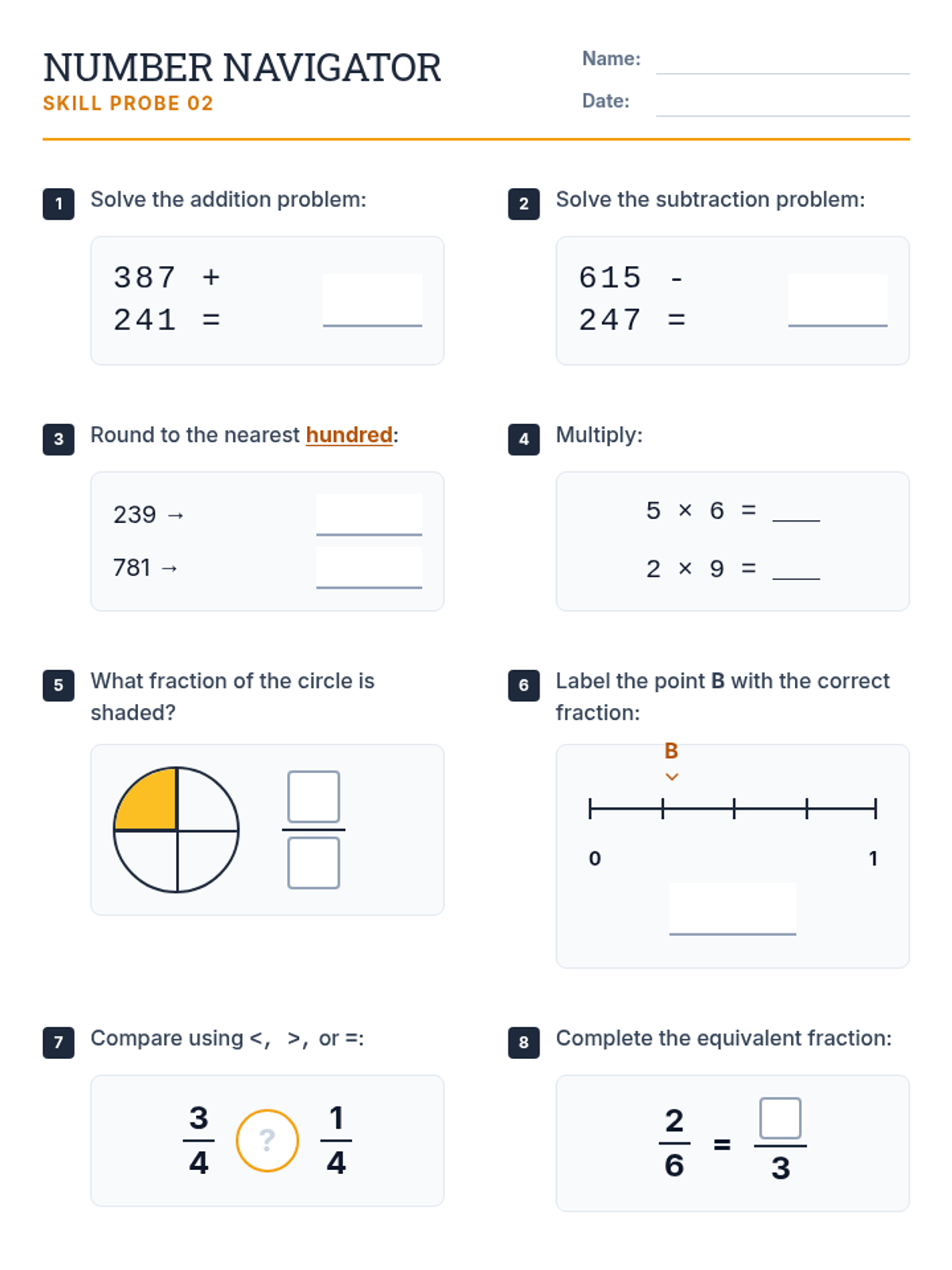
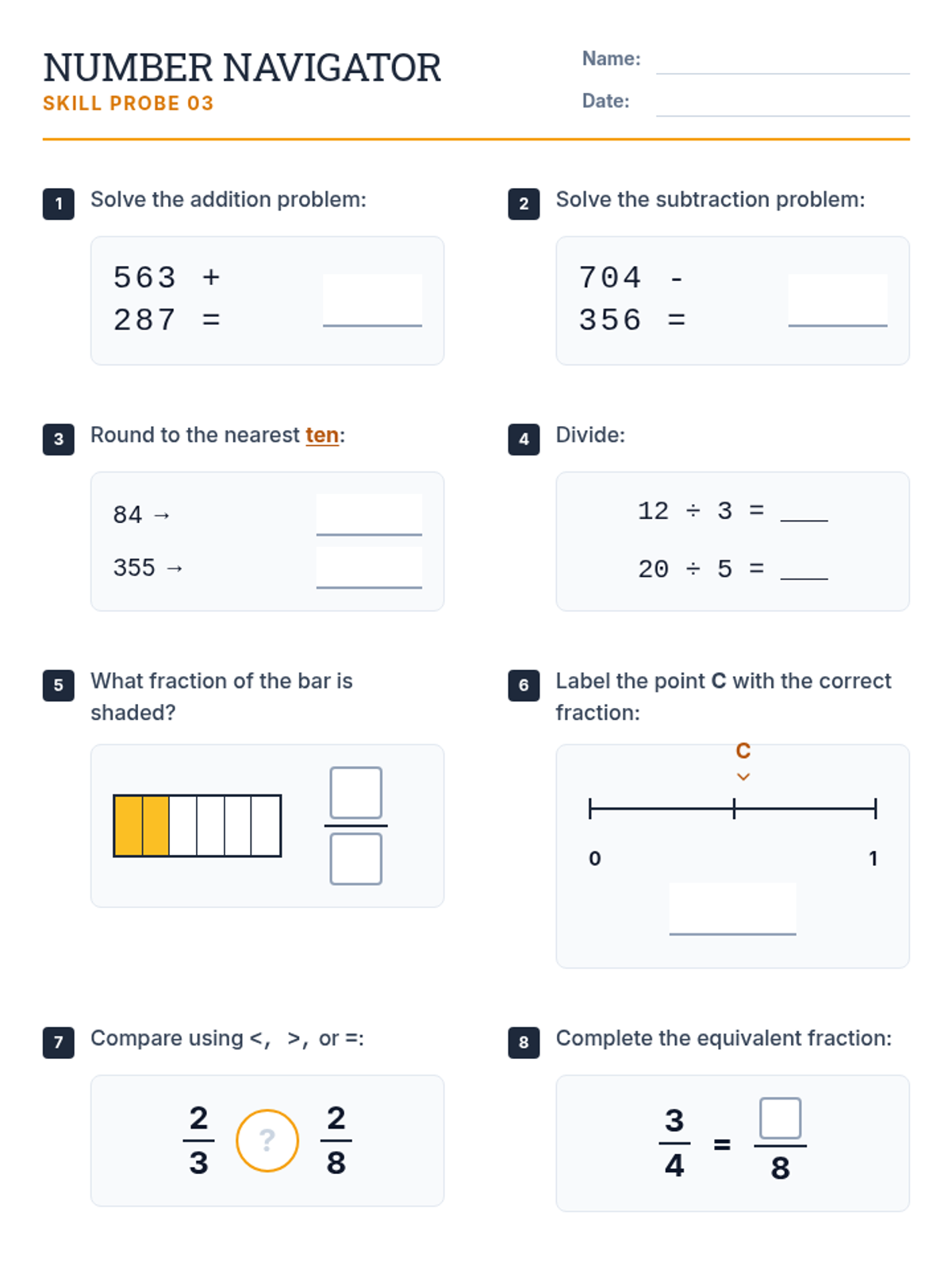
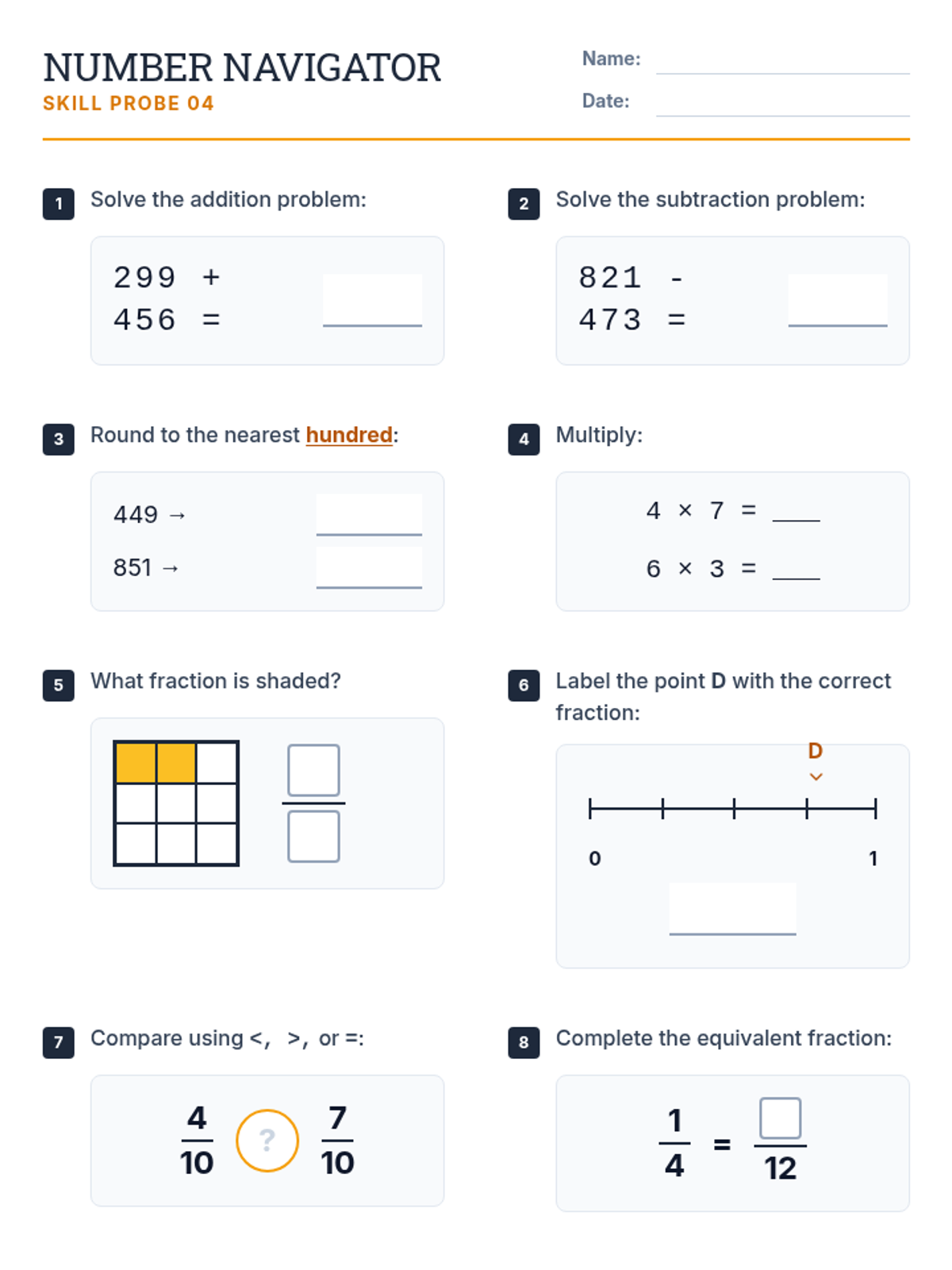
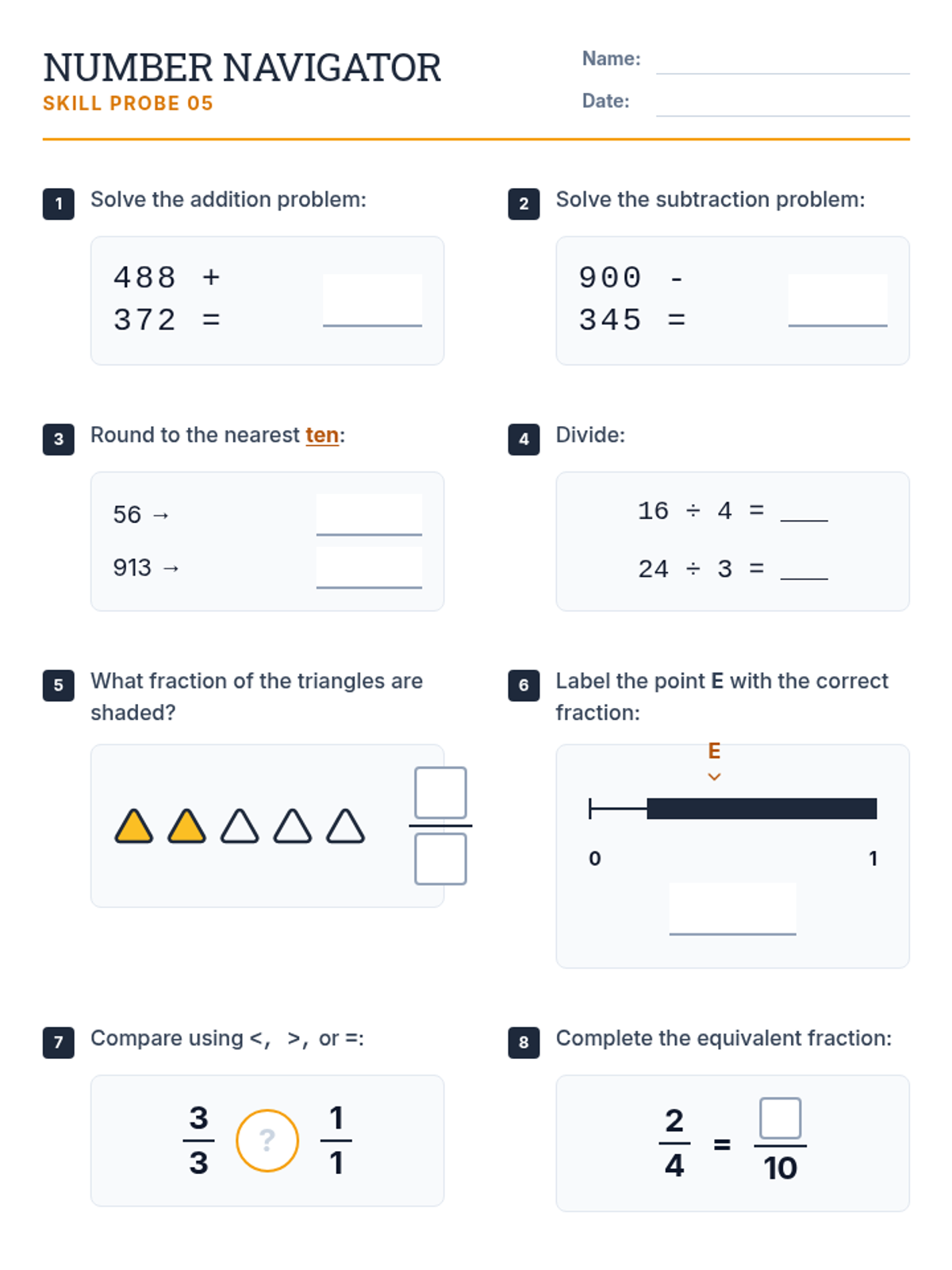
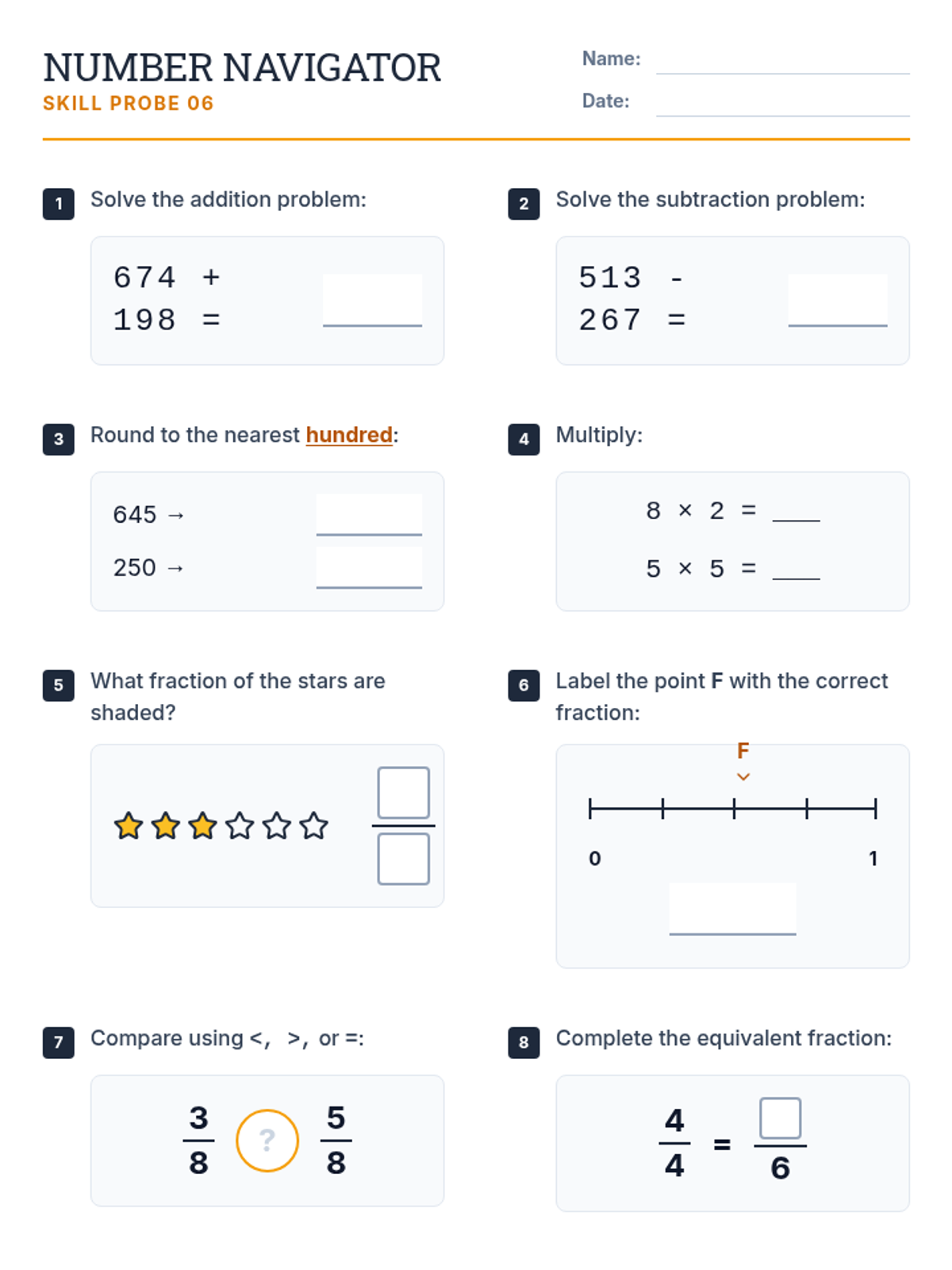
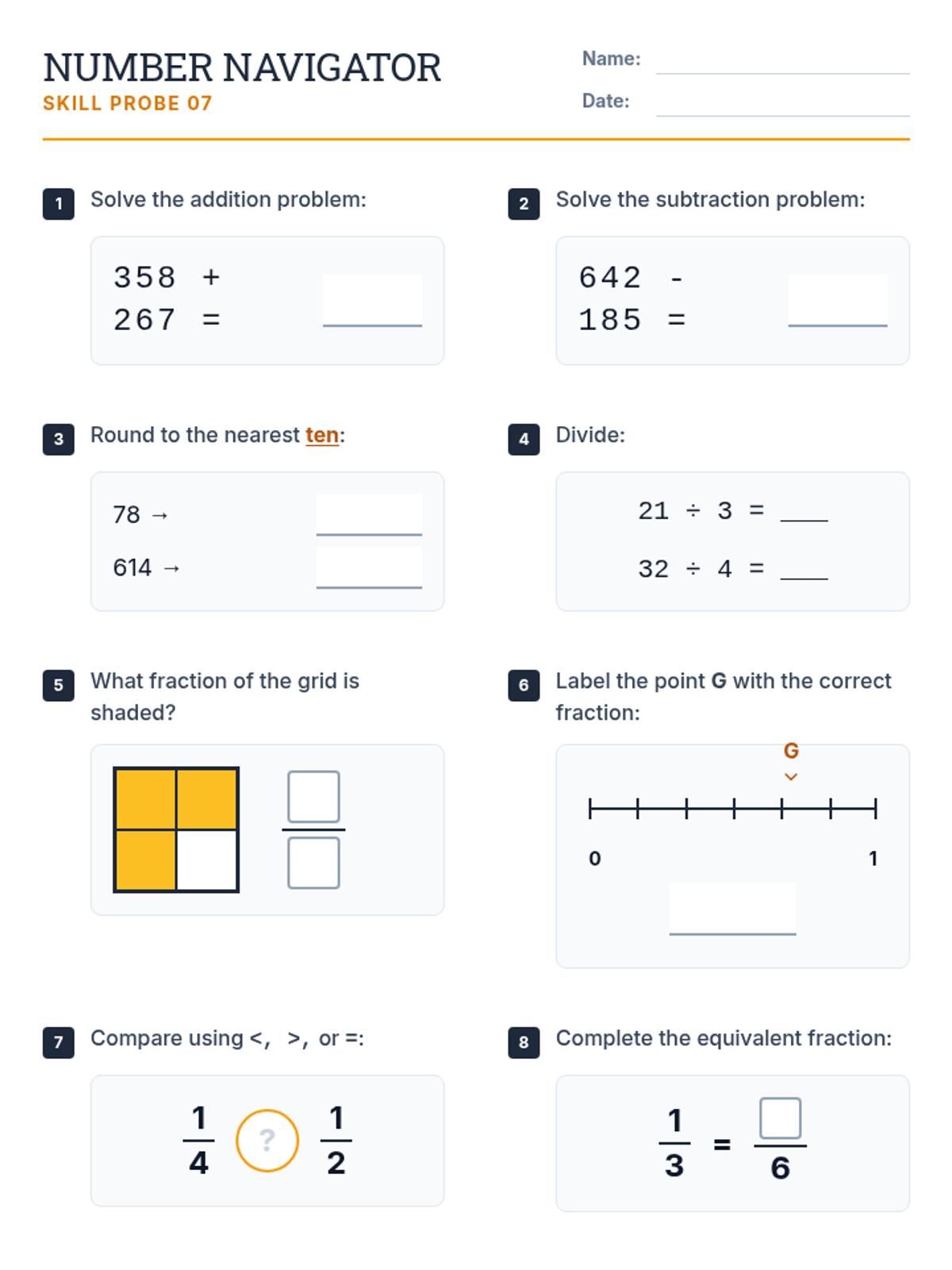
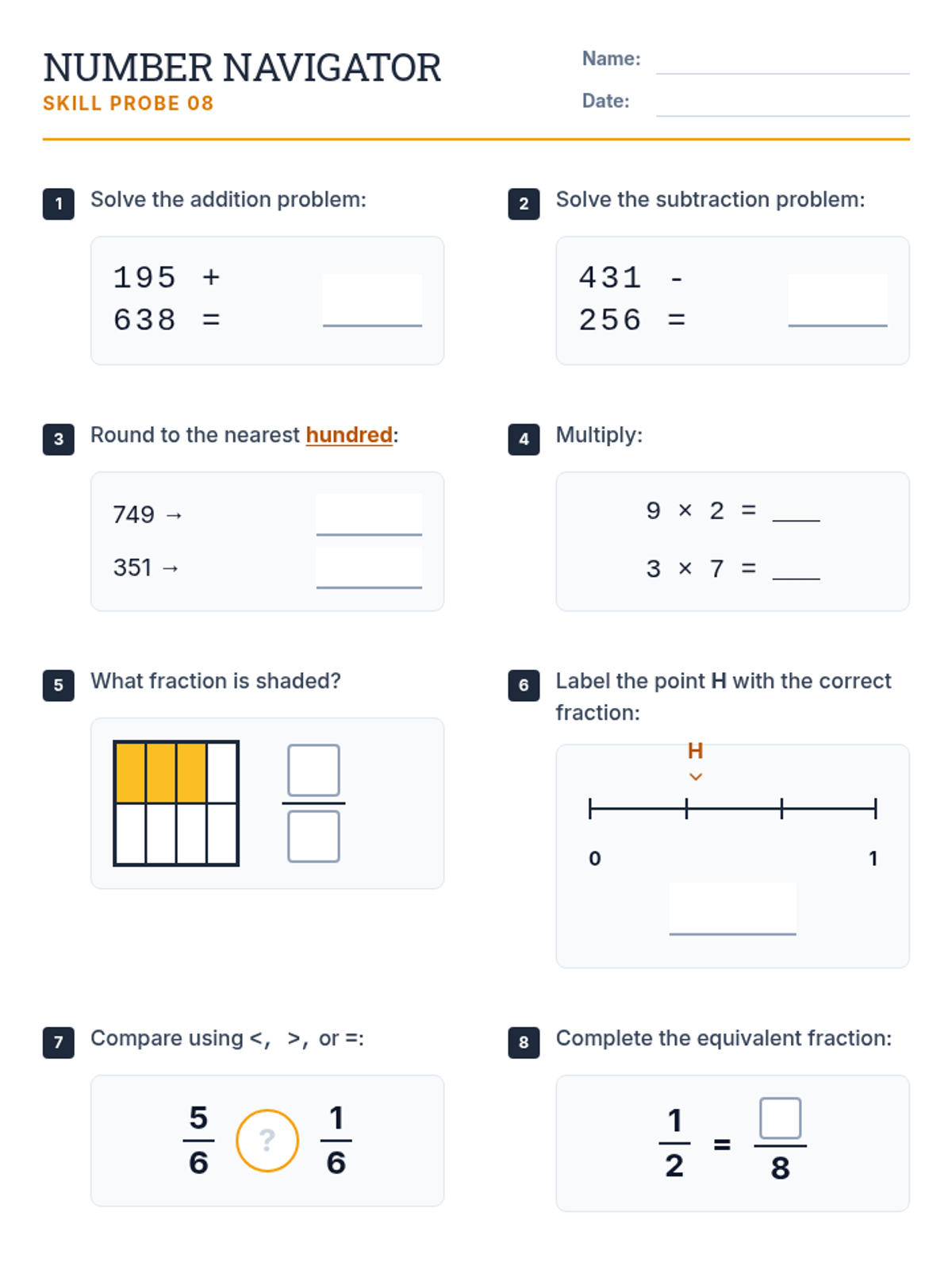
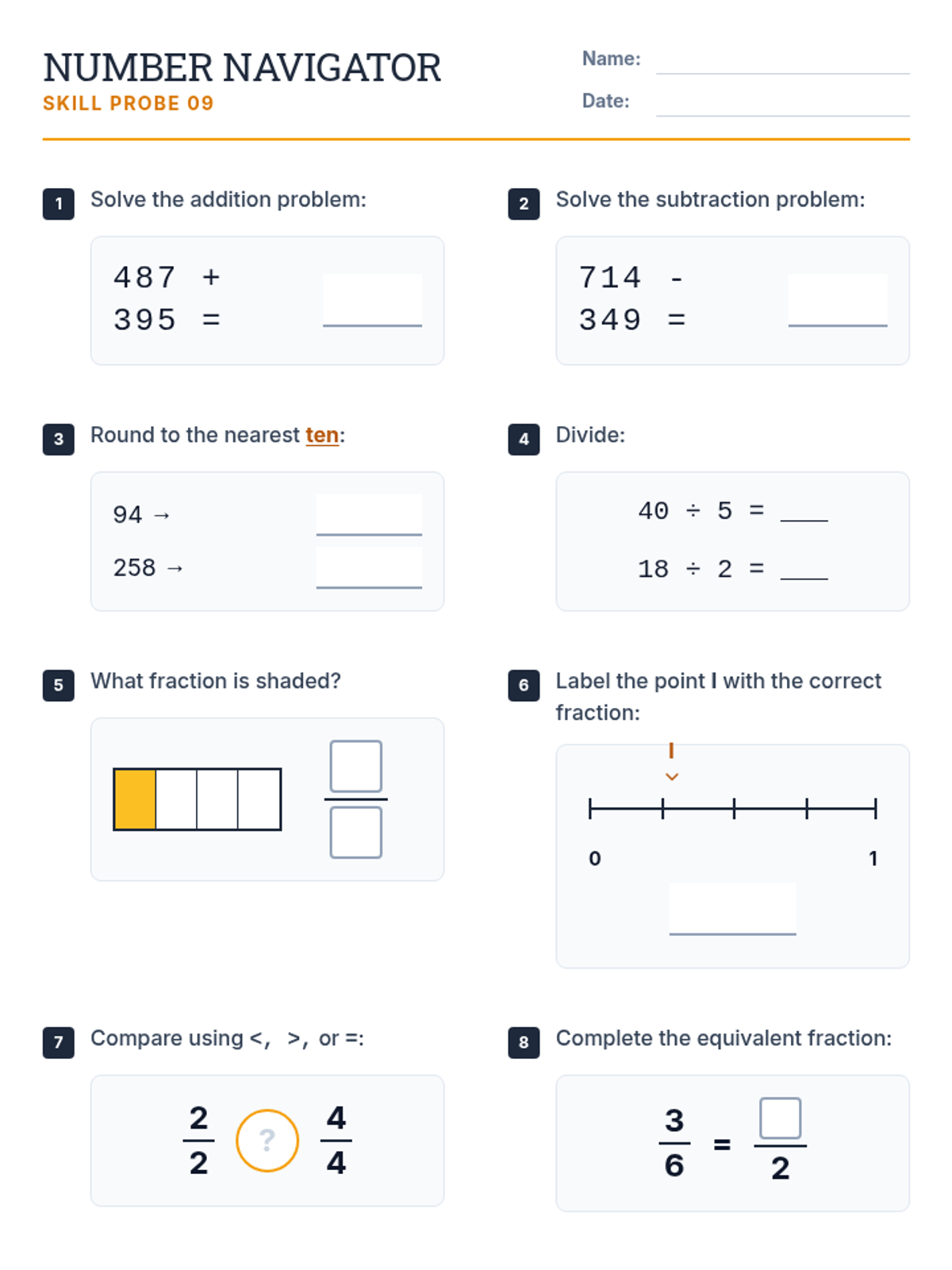
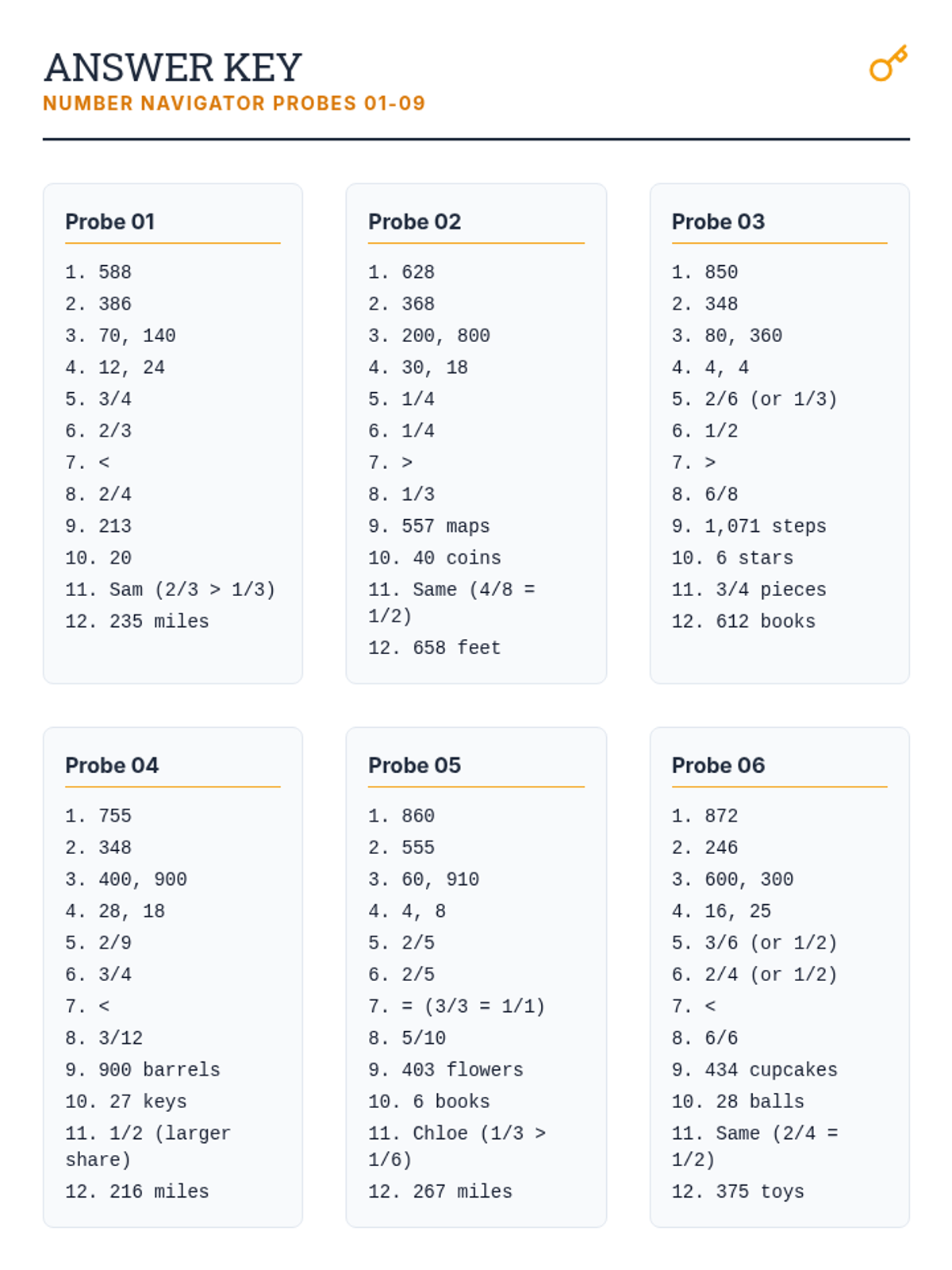
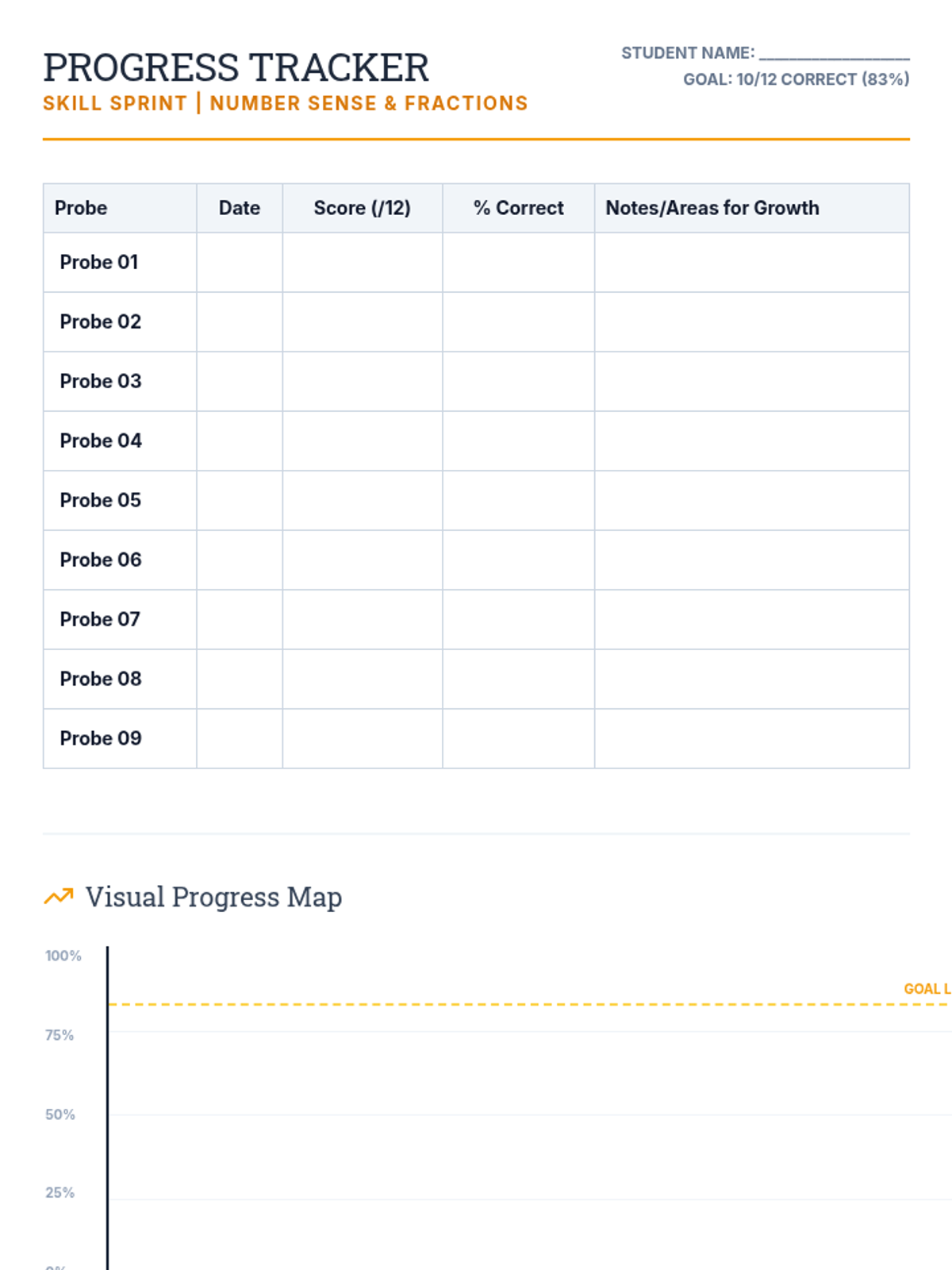
A comprehensive set of progress monitoring probes focused on 2nd and 3rd-grade number sense and fractions for 4th-grade students working on foundational skills.
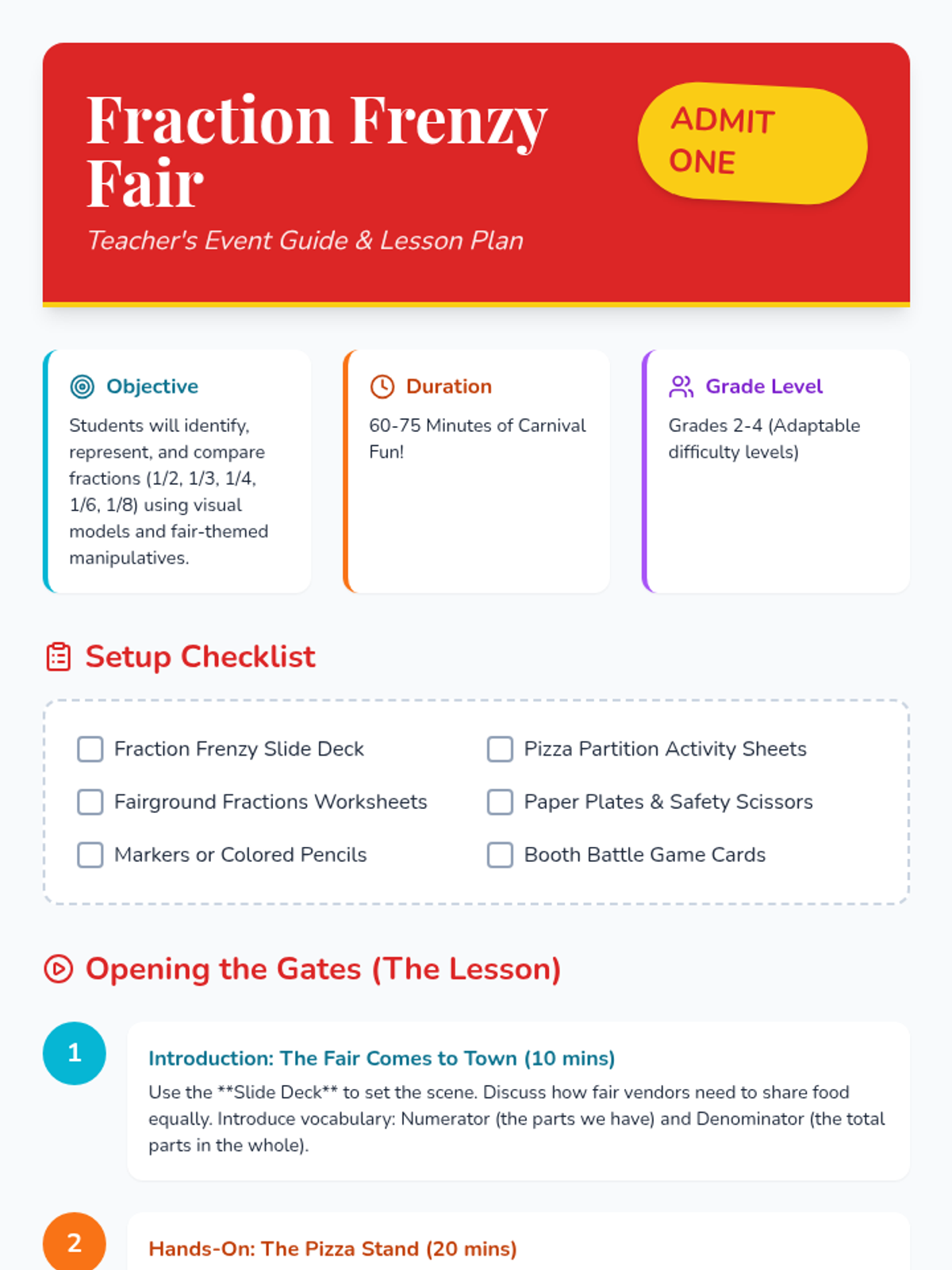
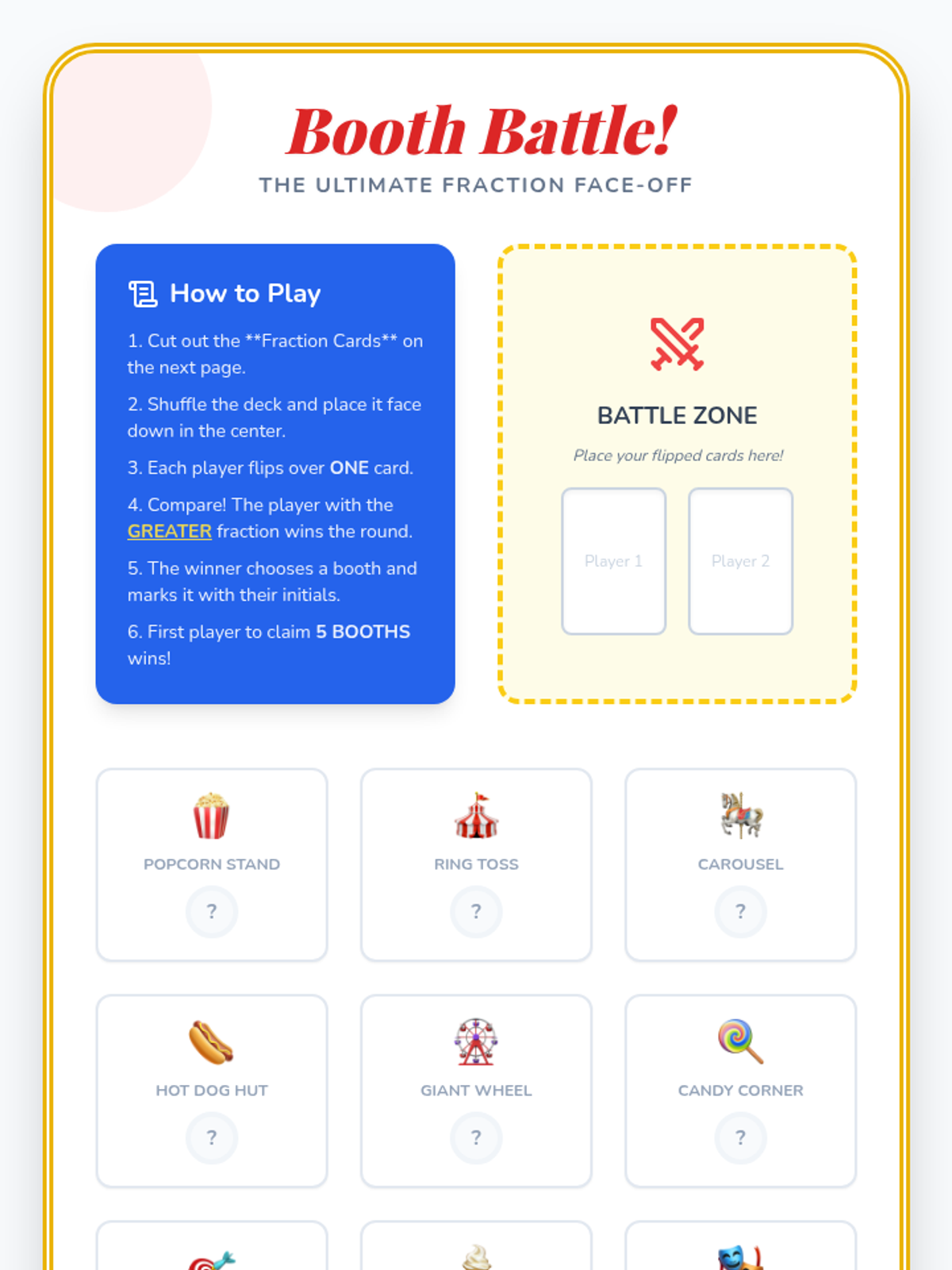
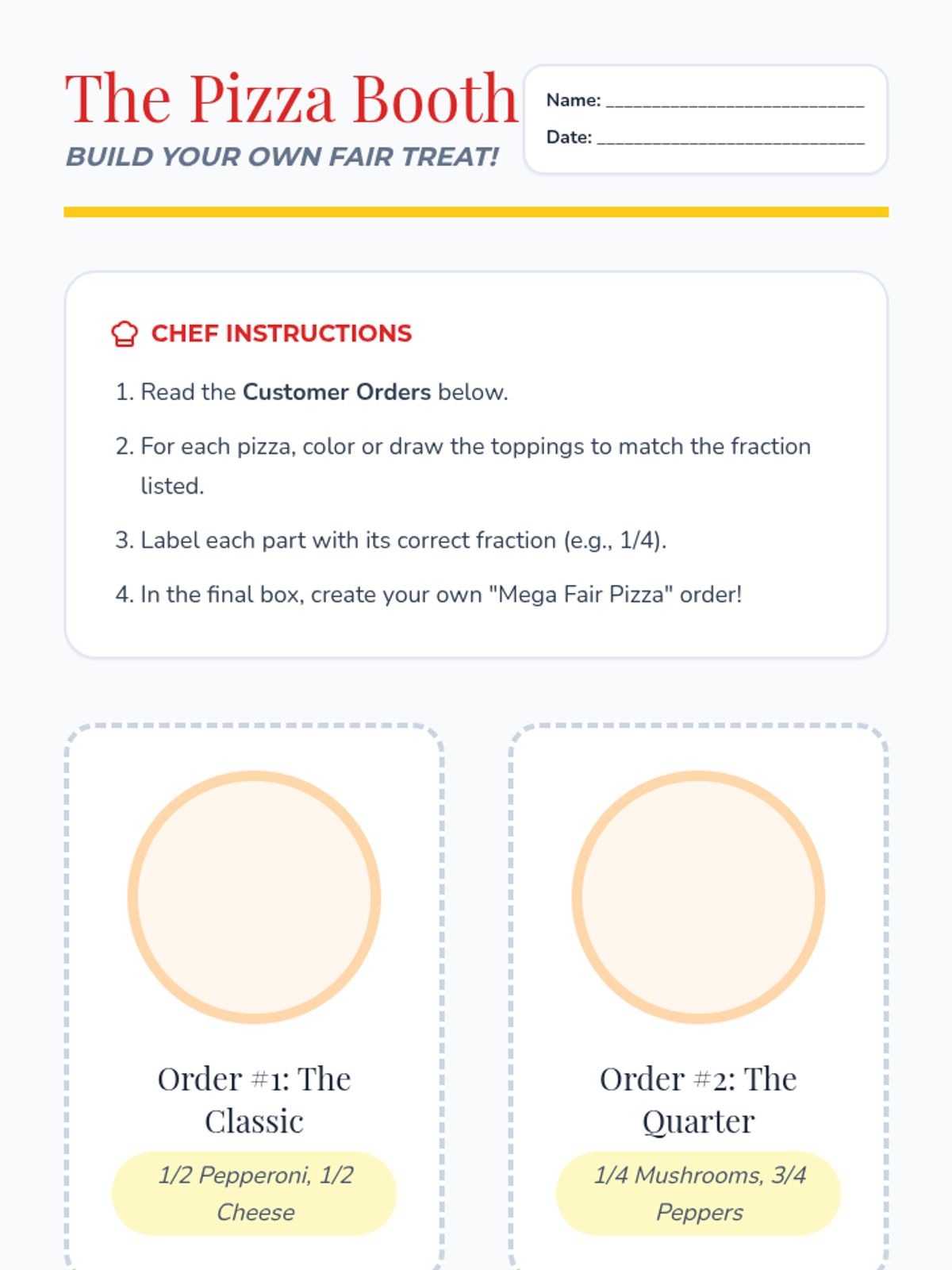
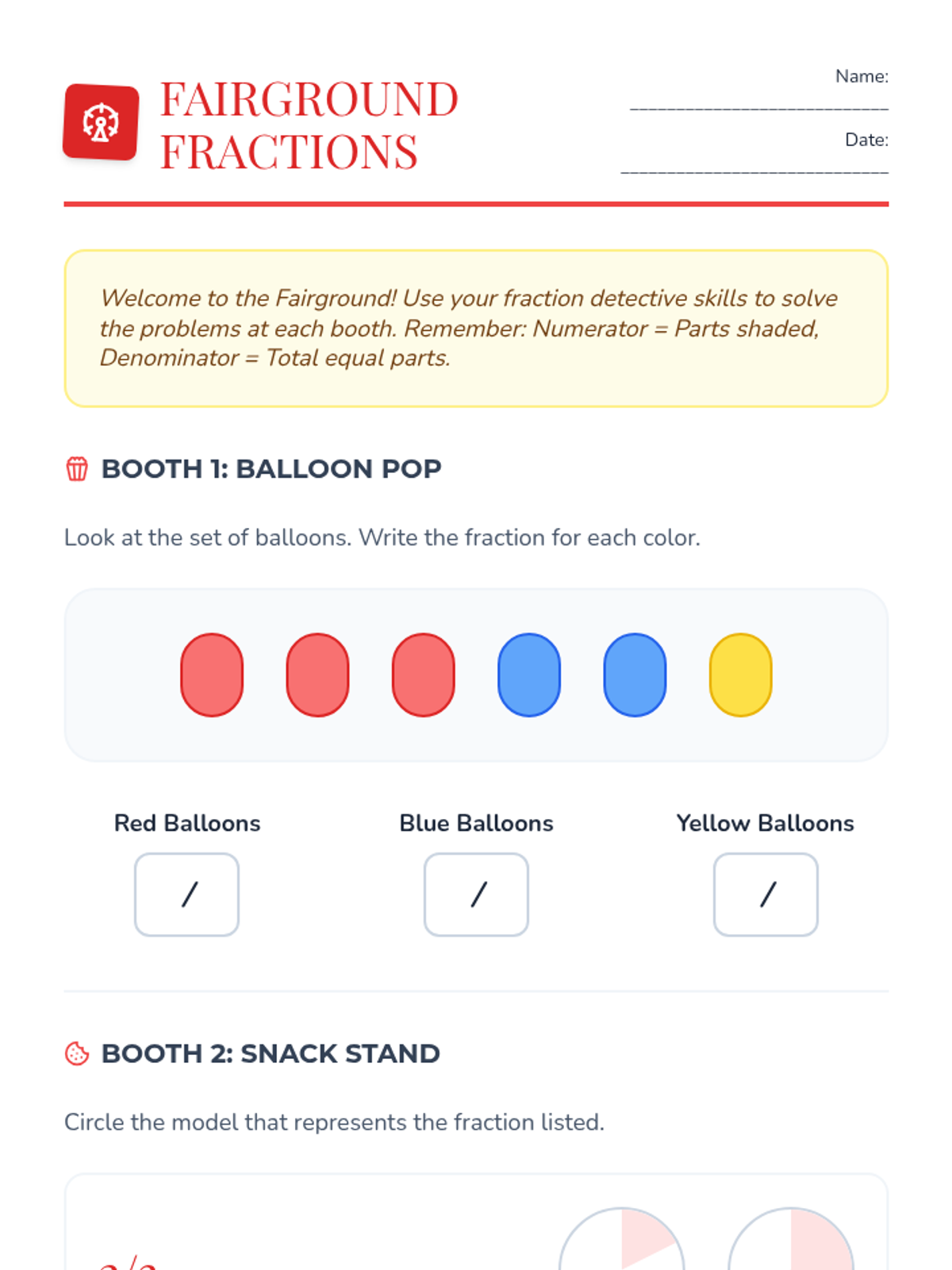
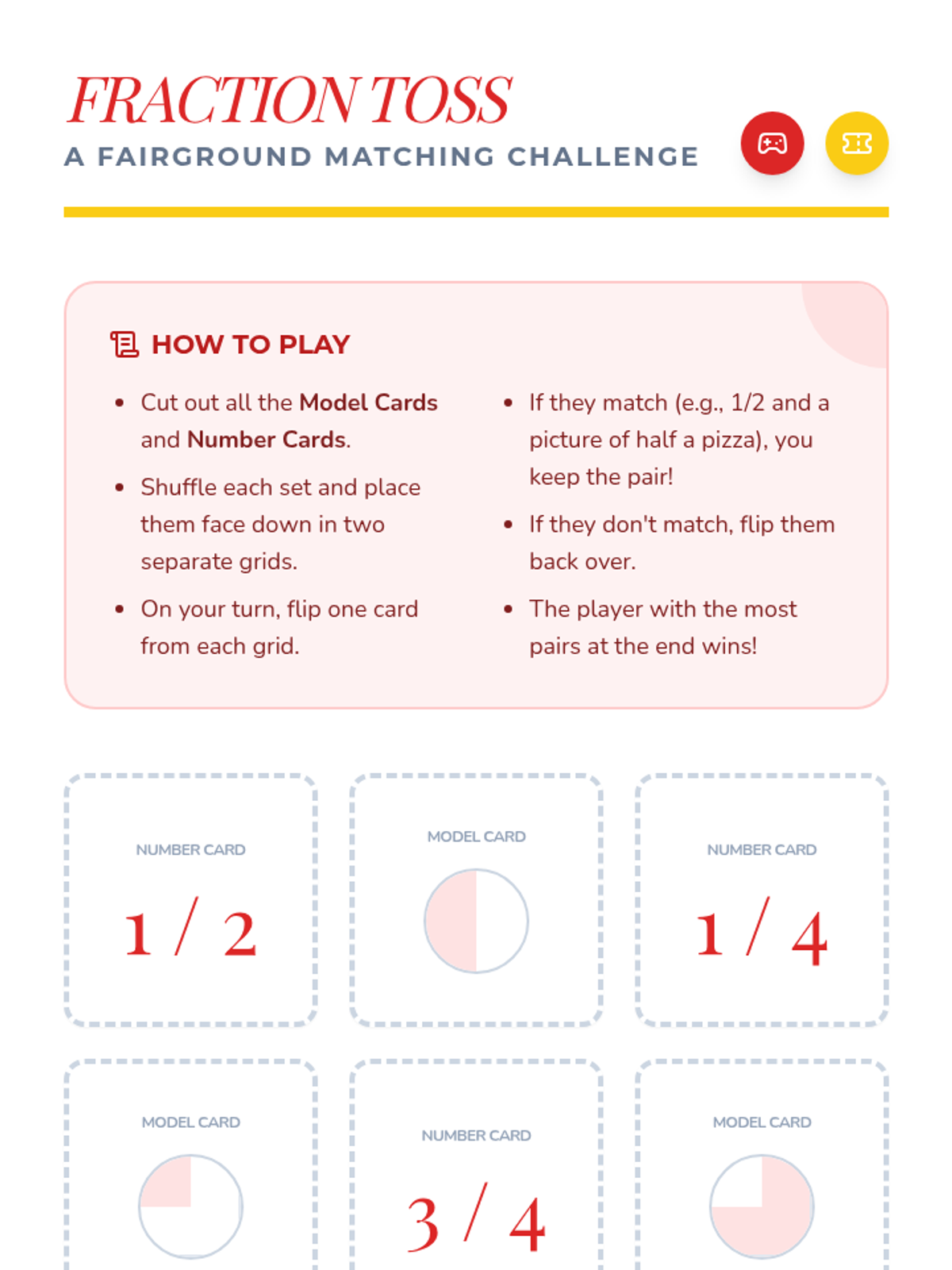
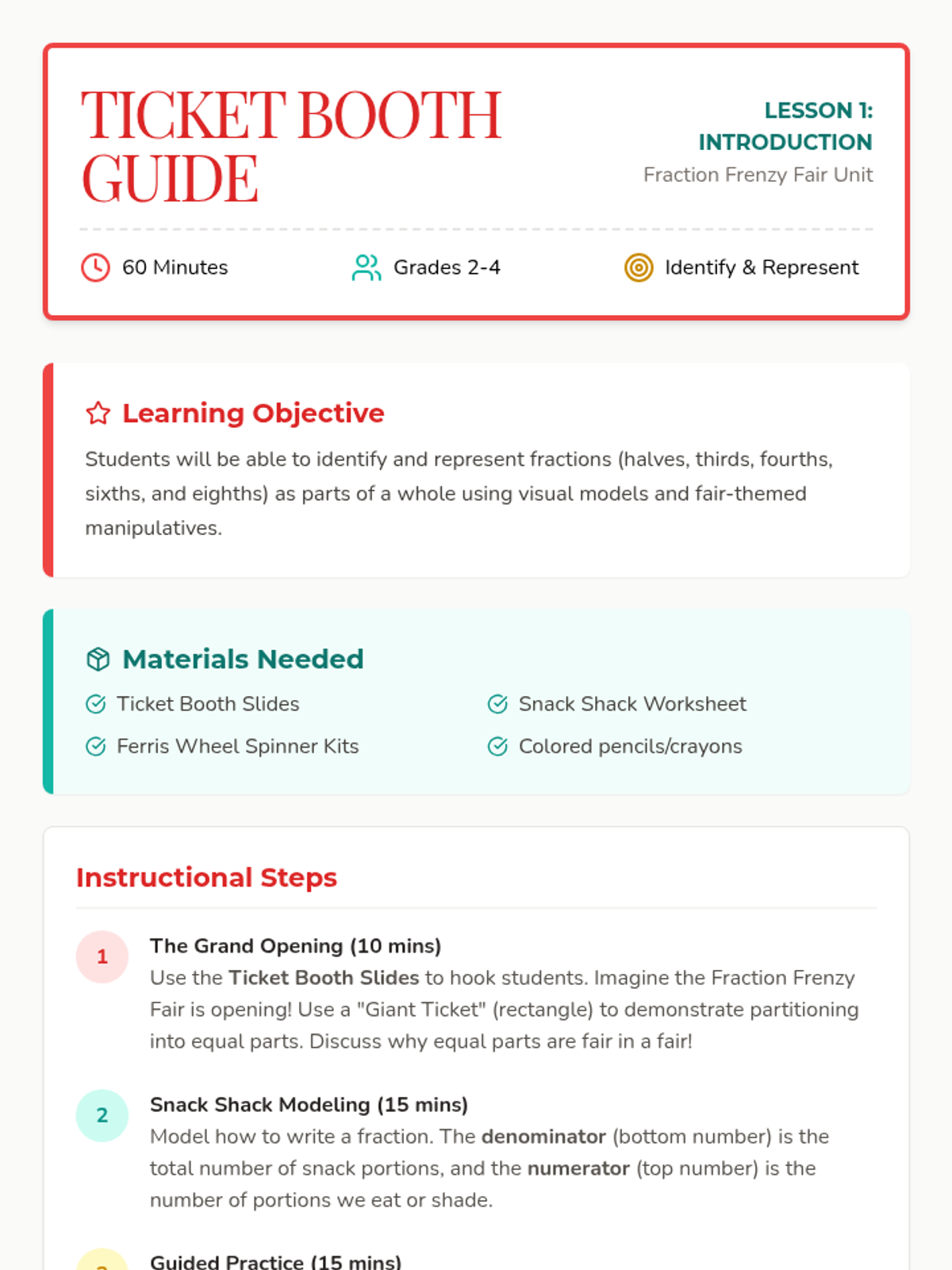
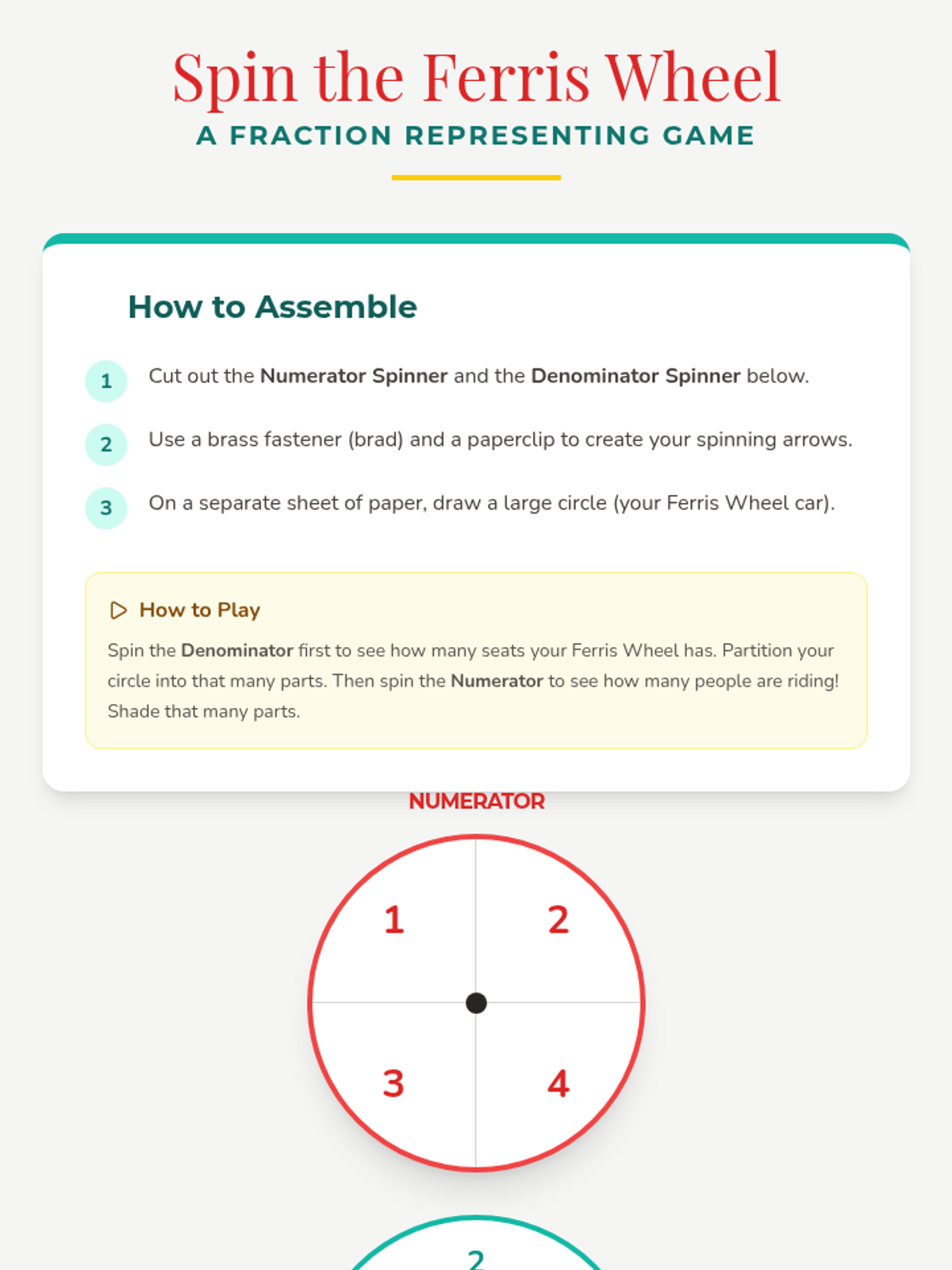
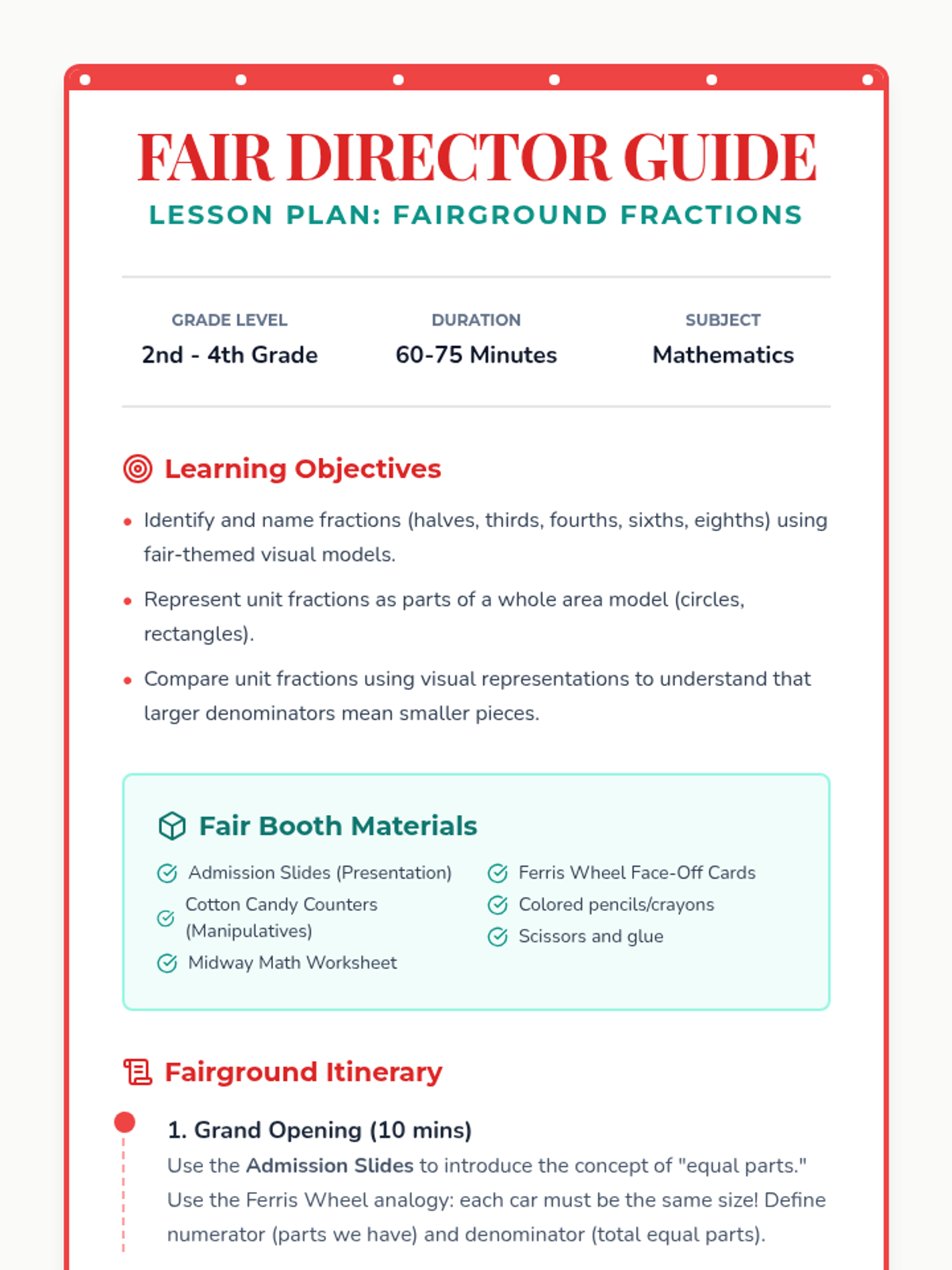
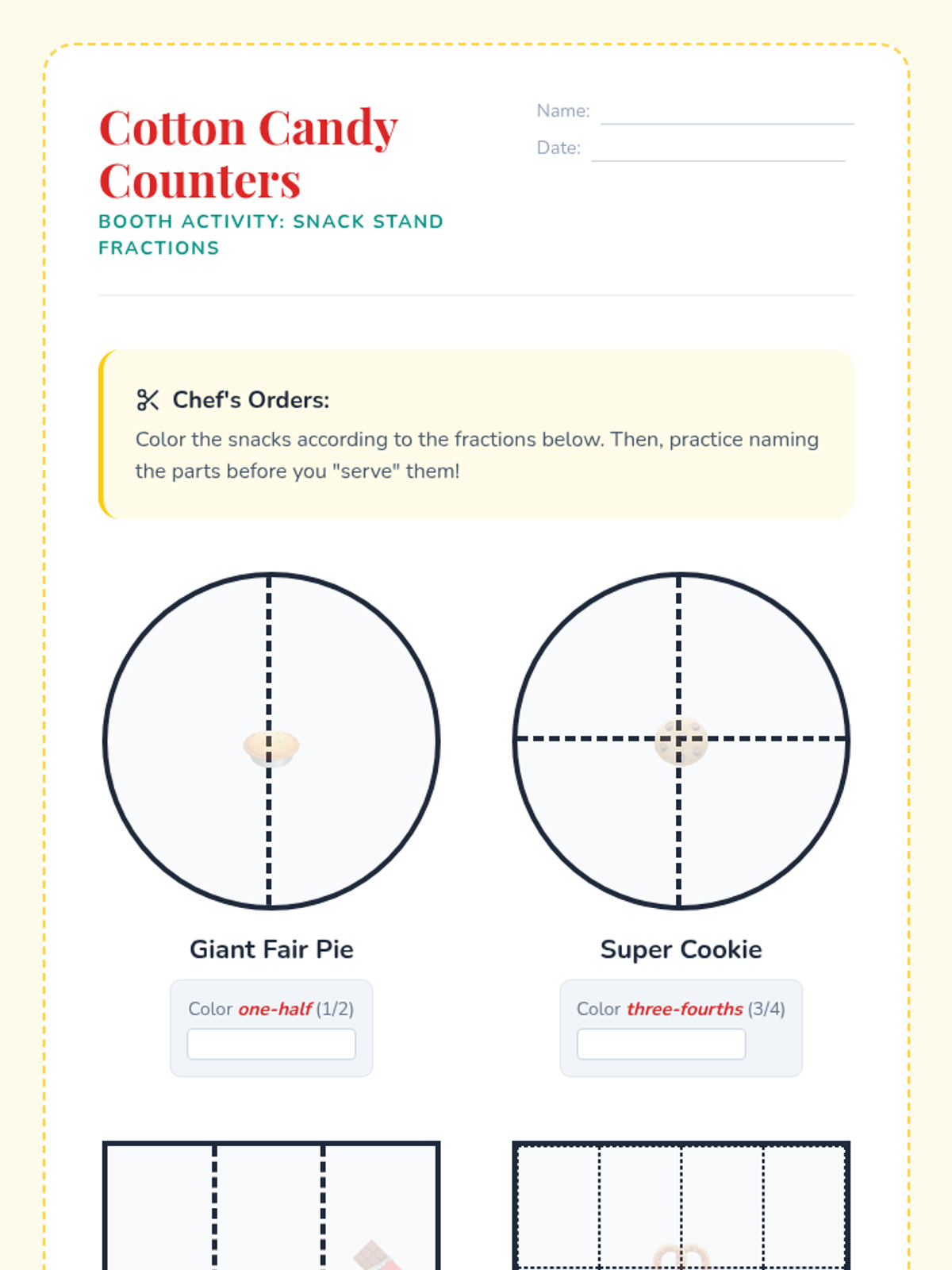
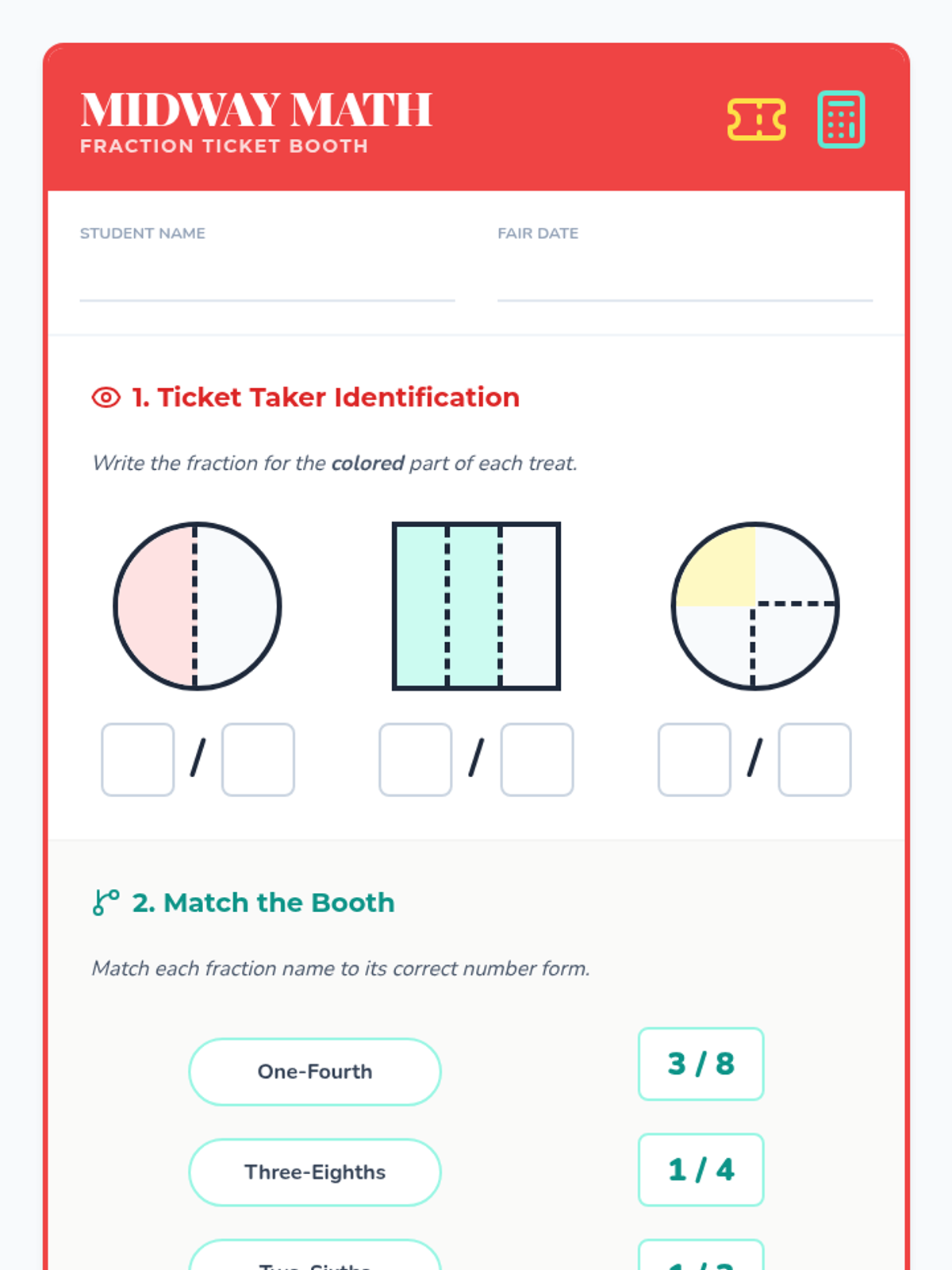
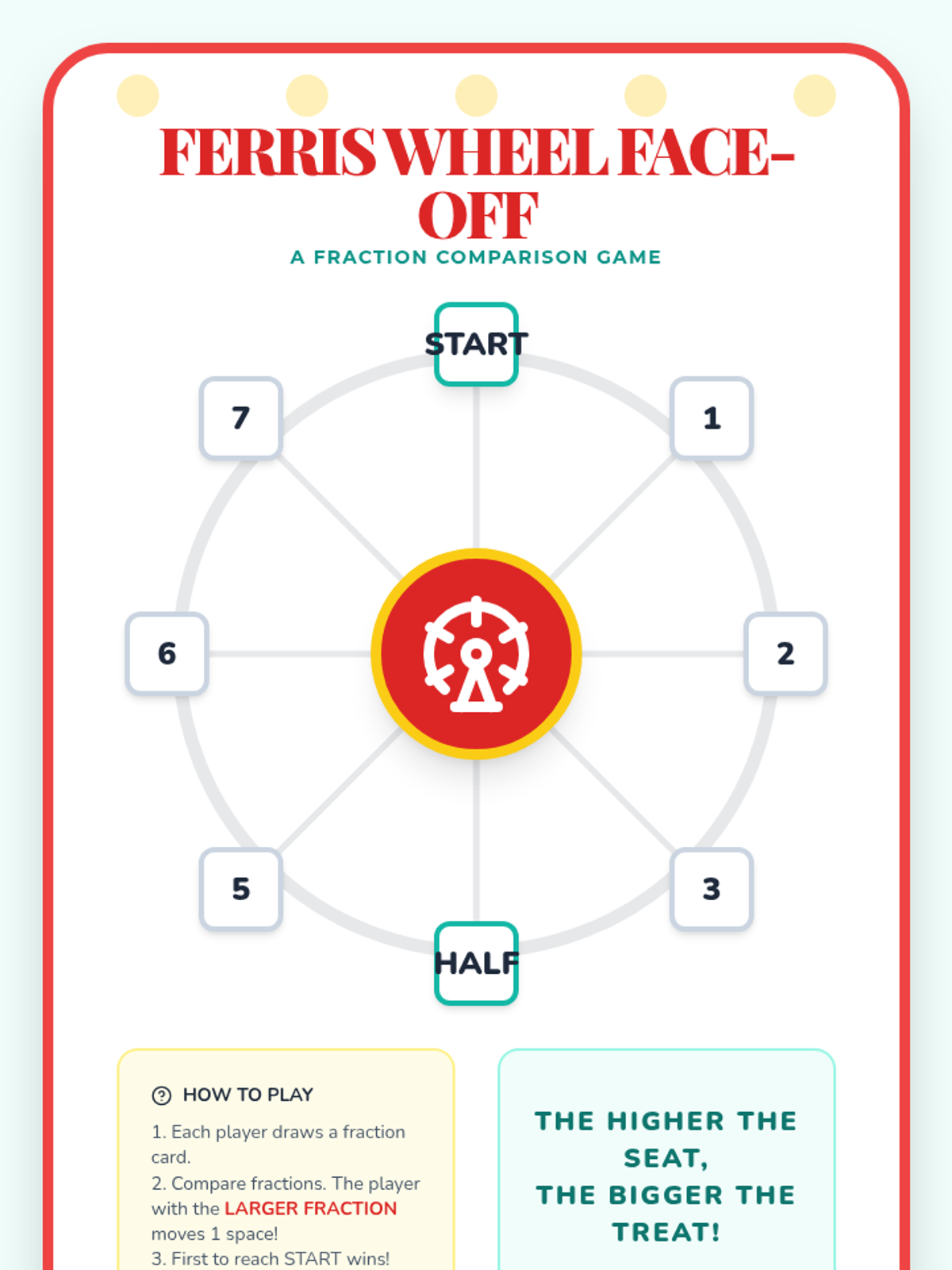
An engaging, fair-themed unit where students explore fractions through interactive games, visual models, and hands-on activities. Students will learn to identify, represent, and compare fractions like halves, thirds, and fourths.
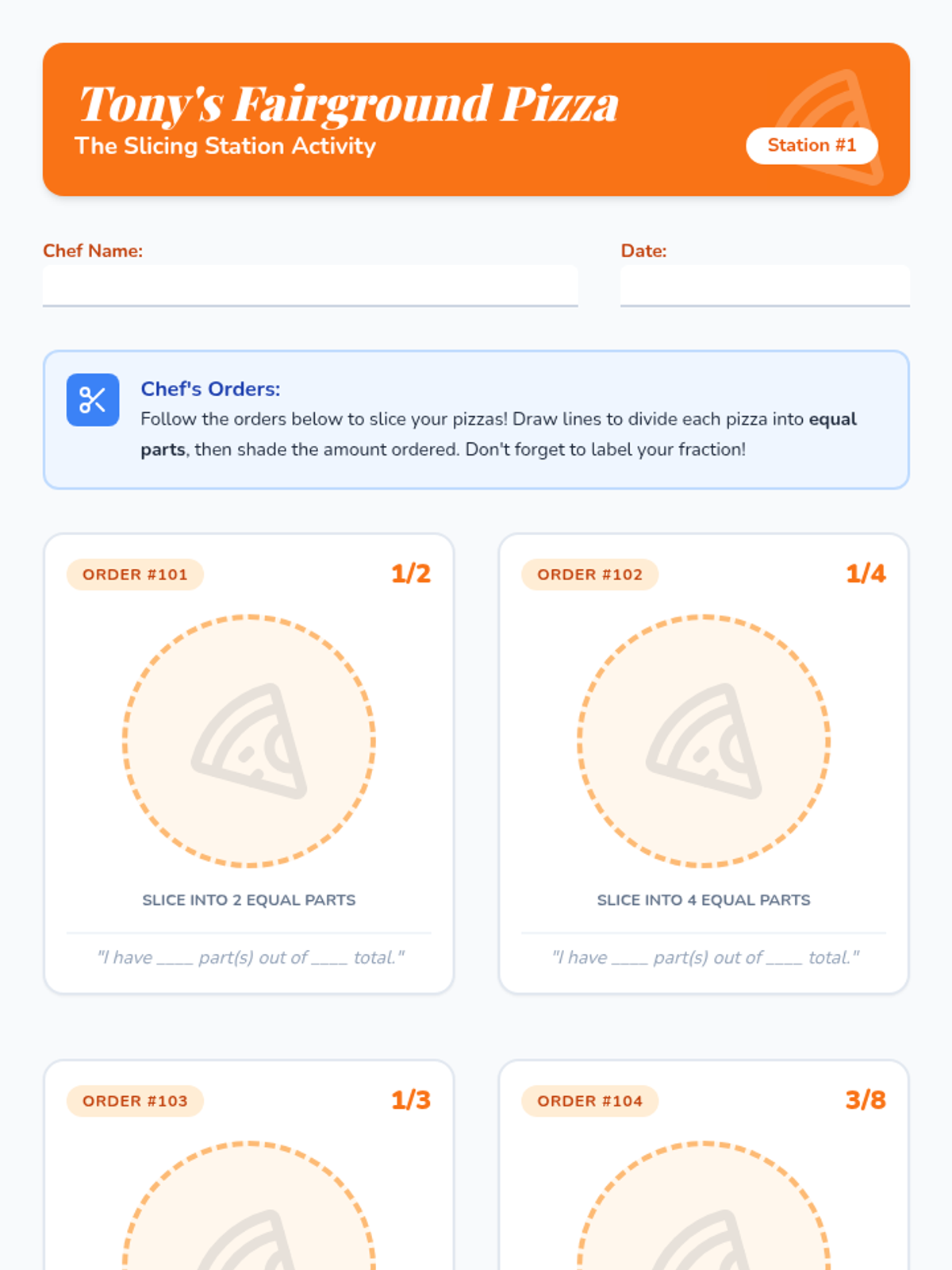
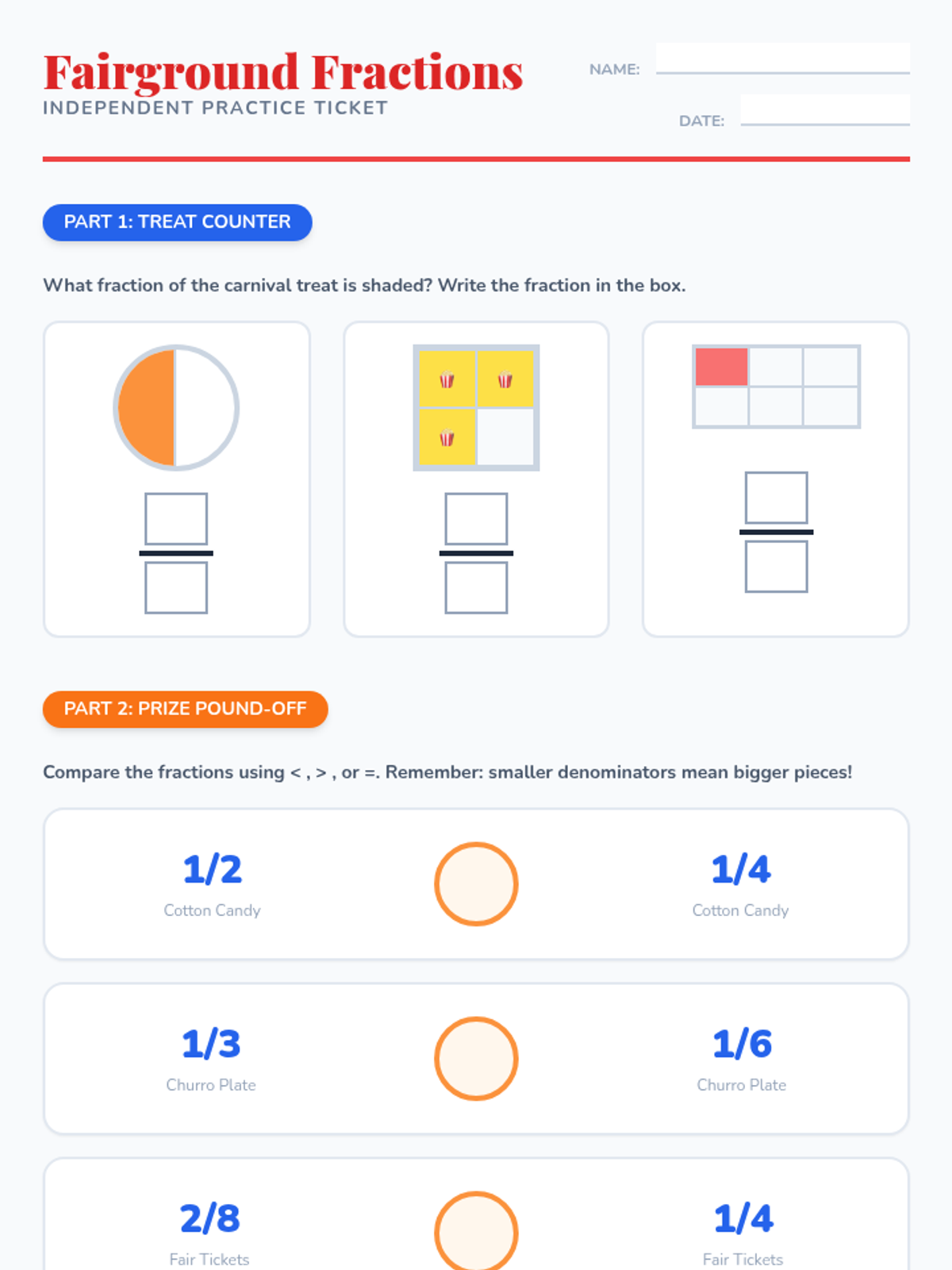
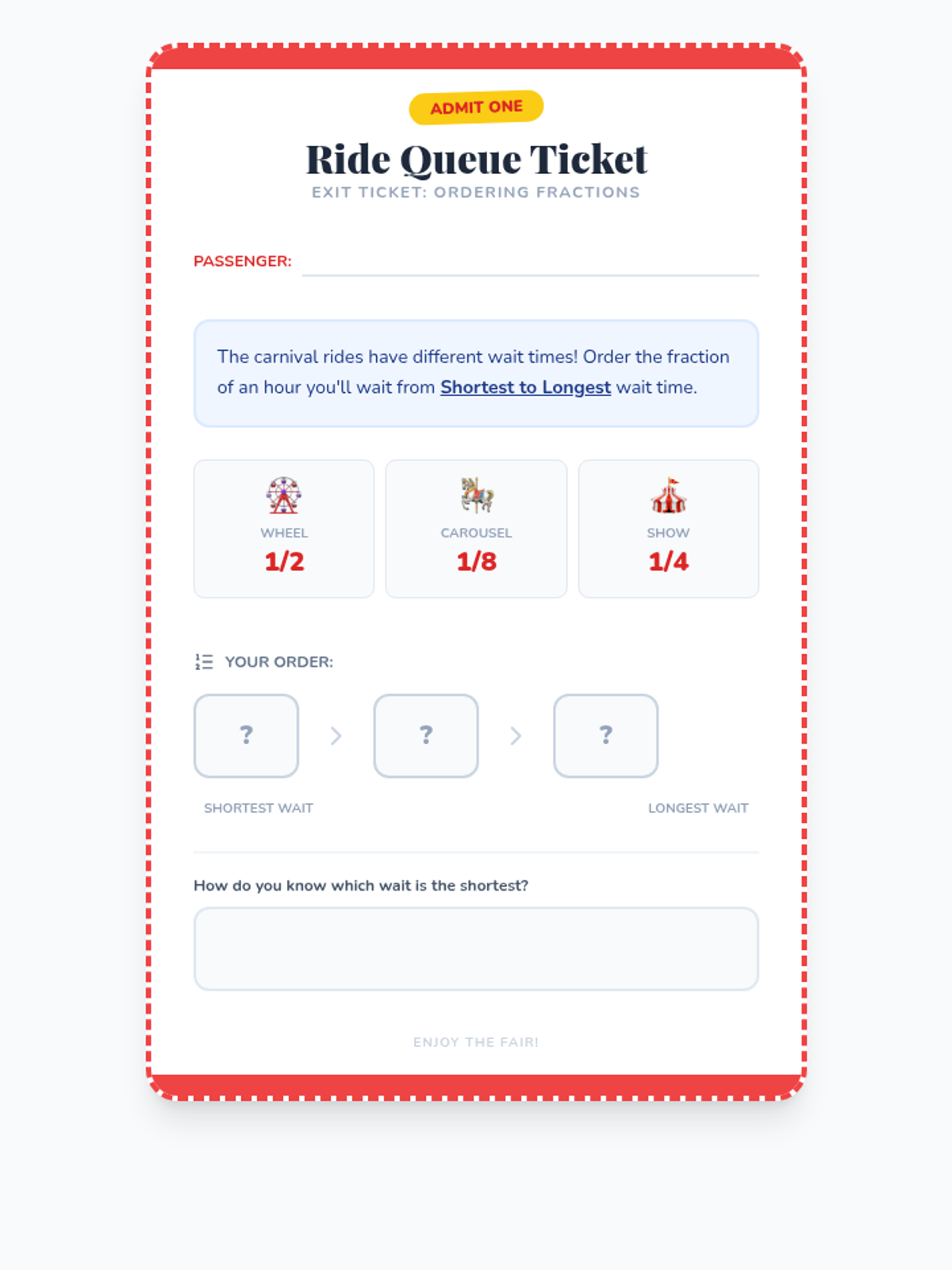
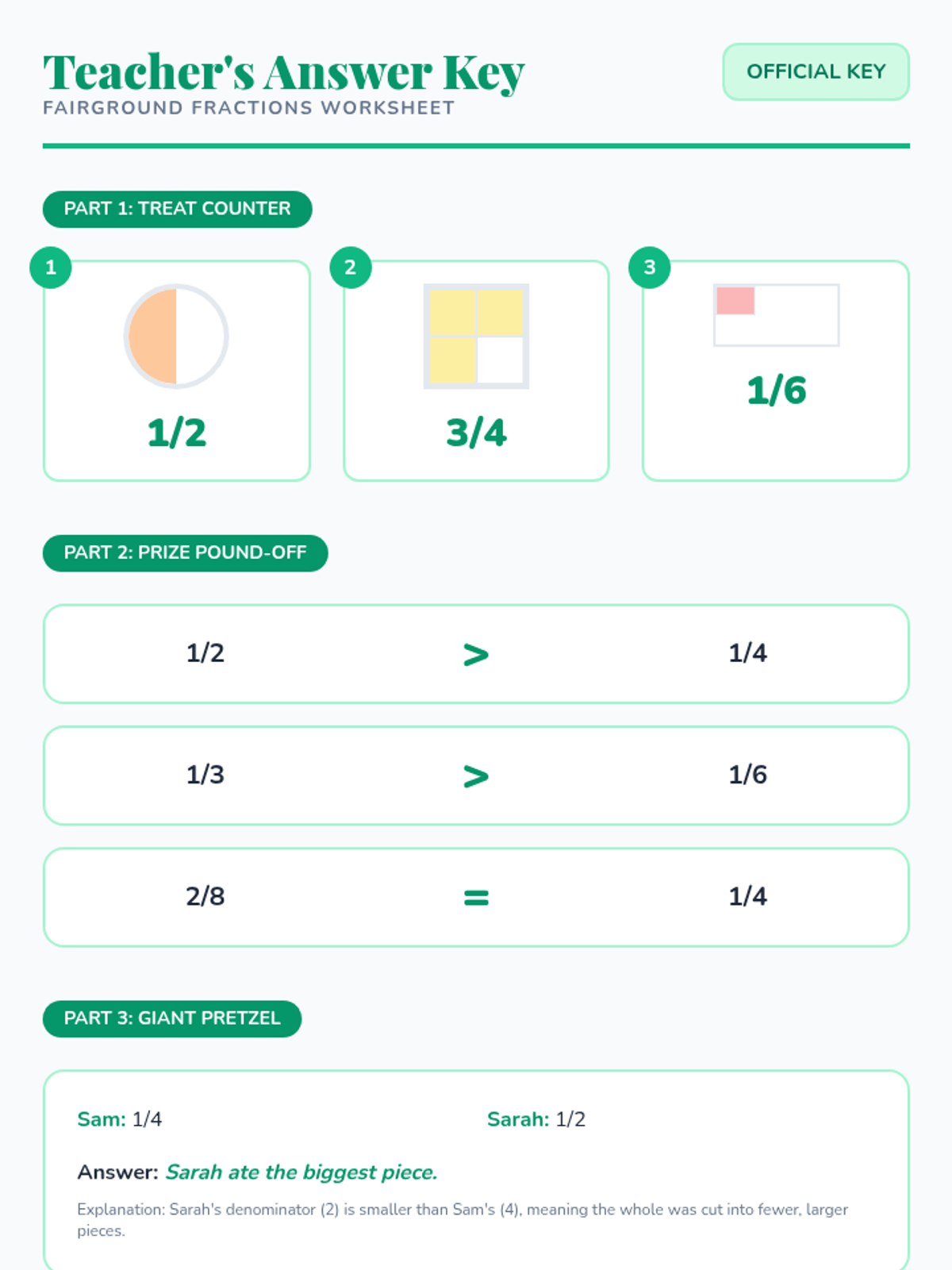
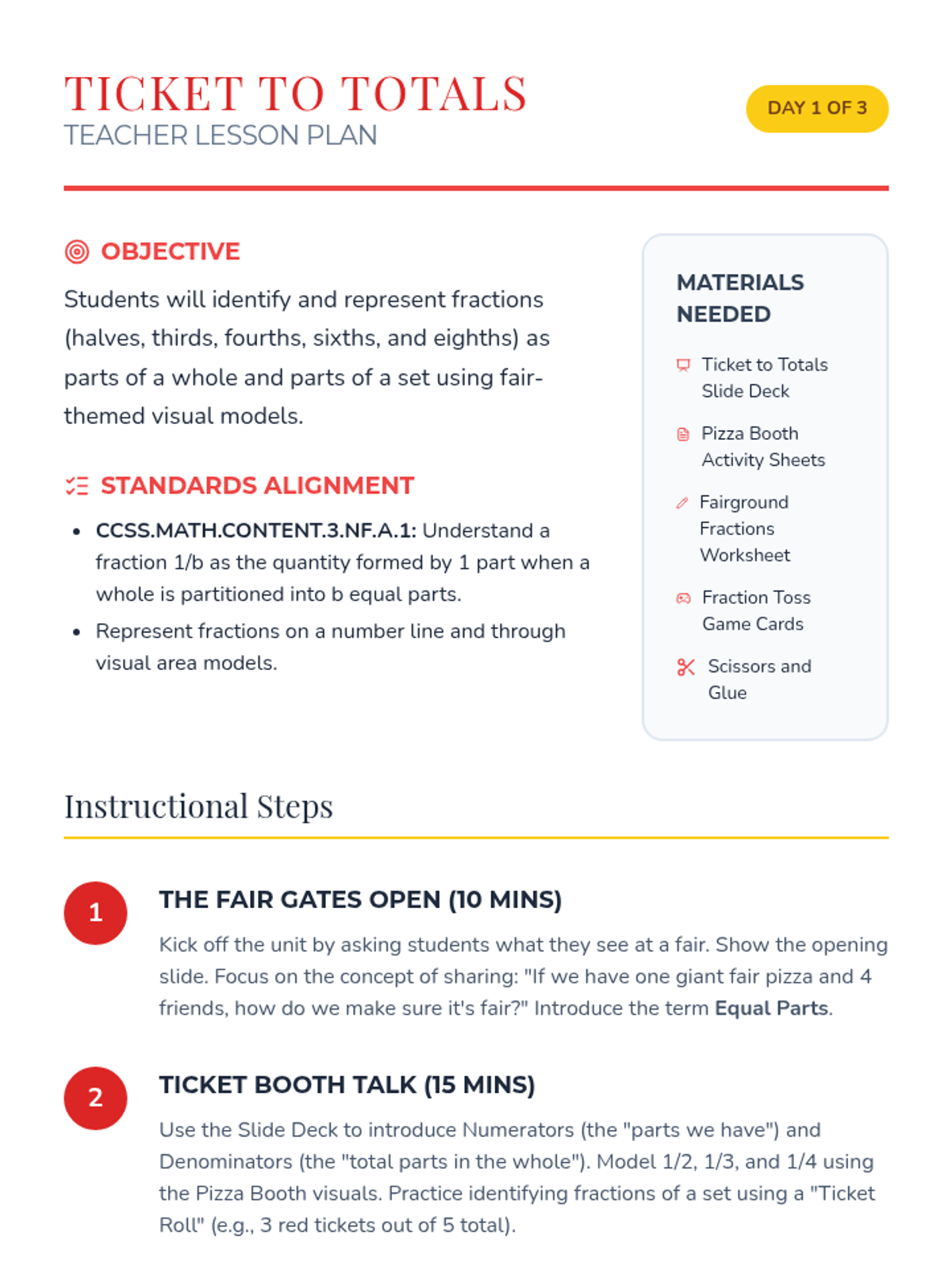
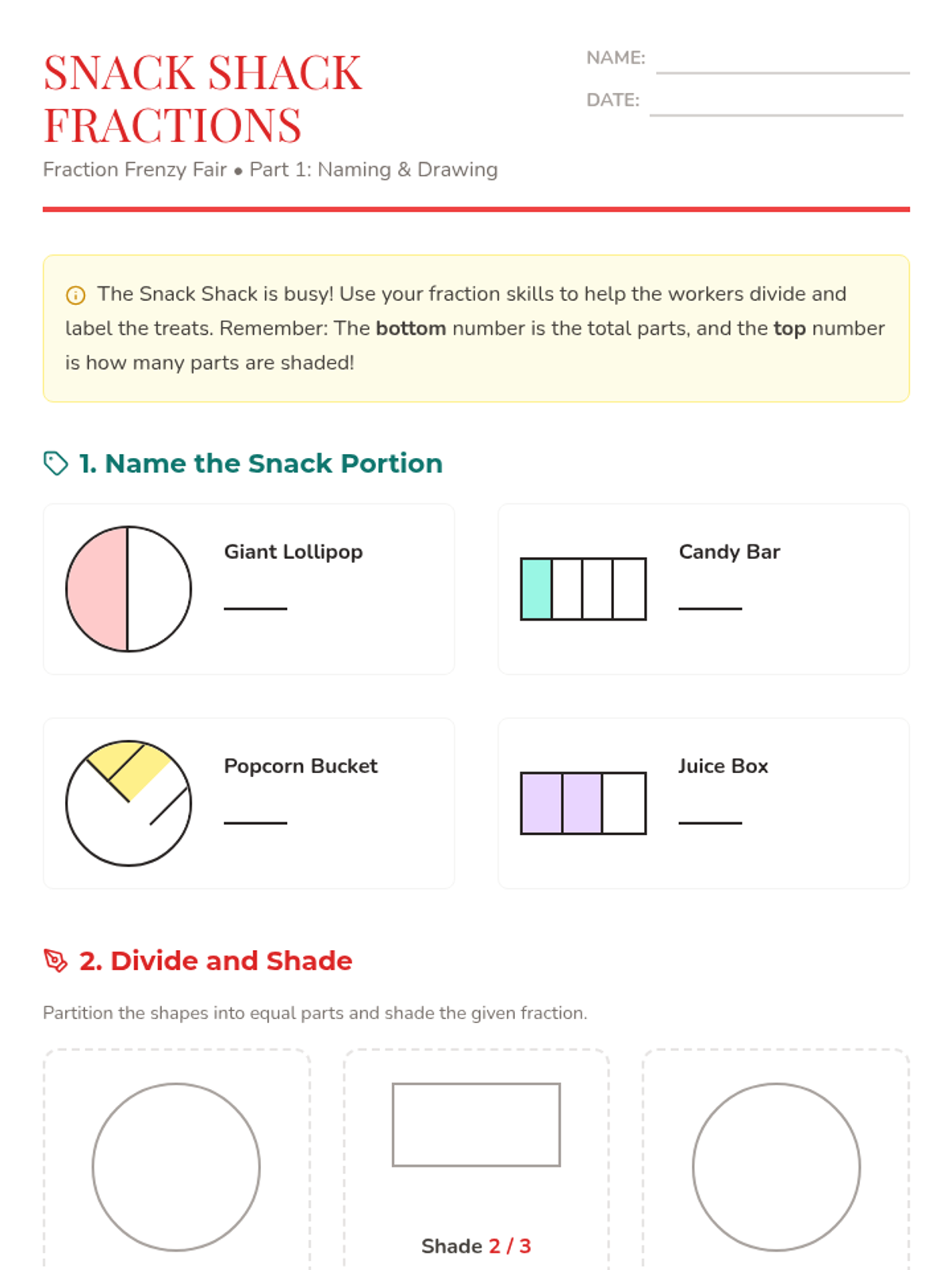
A vibrant, carnival-themed unit where students explore fractions through fair games and treats. Students will identify, represent, compare, and order fractions using visual models and hands-on activities.
A carnival-themed math unit where students explore fractions through fair games and attractions. Students learn to identify, represent, compare, and order fractions using visual models like tickets, snacks, and prizes.
A fair-themed math unit where students explore fractions through interactive carnival games and activities, focusing on identifying, representing, and comparing parts of a whole.
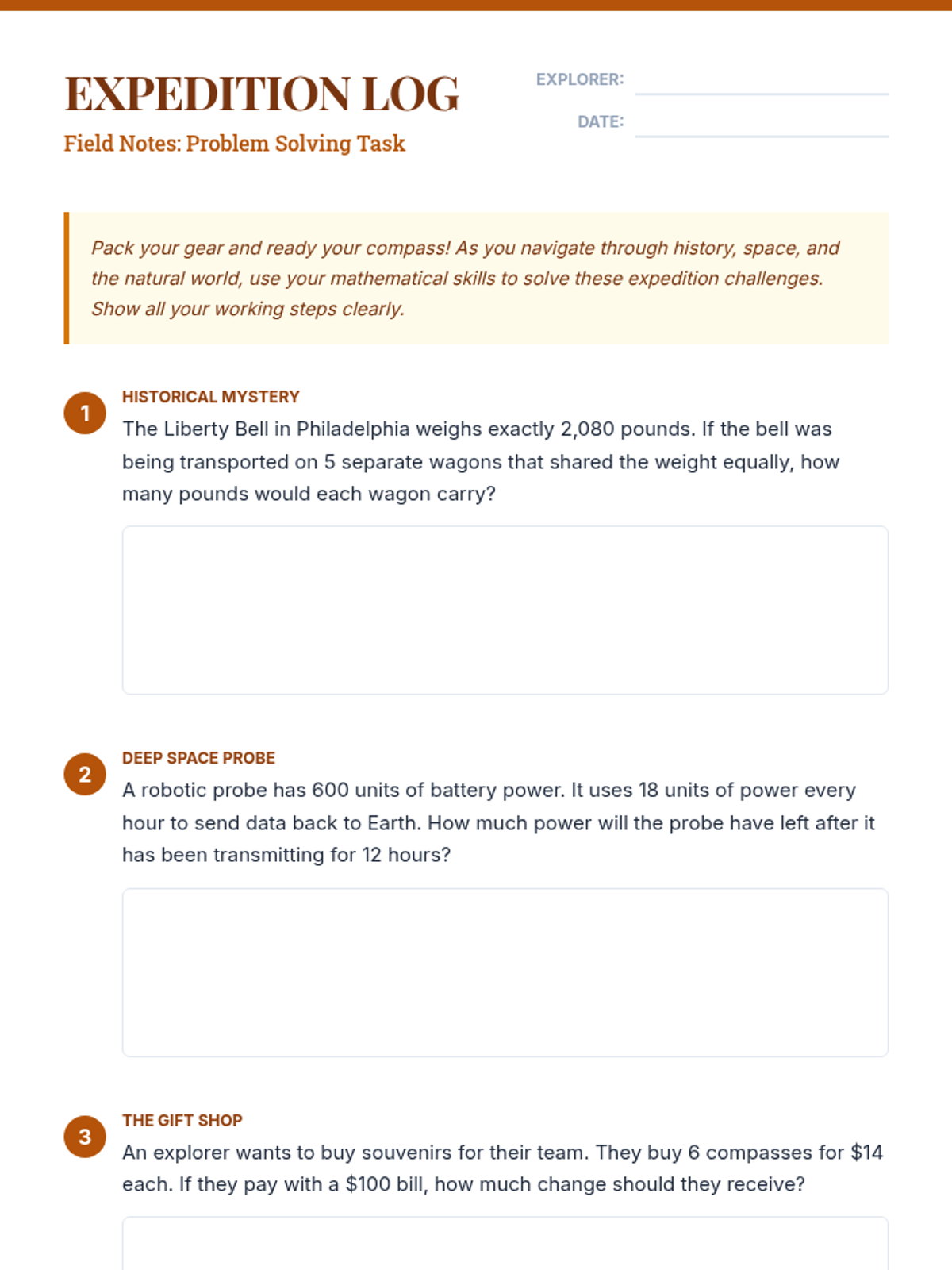
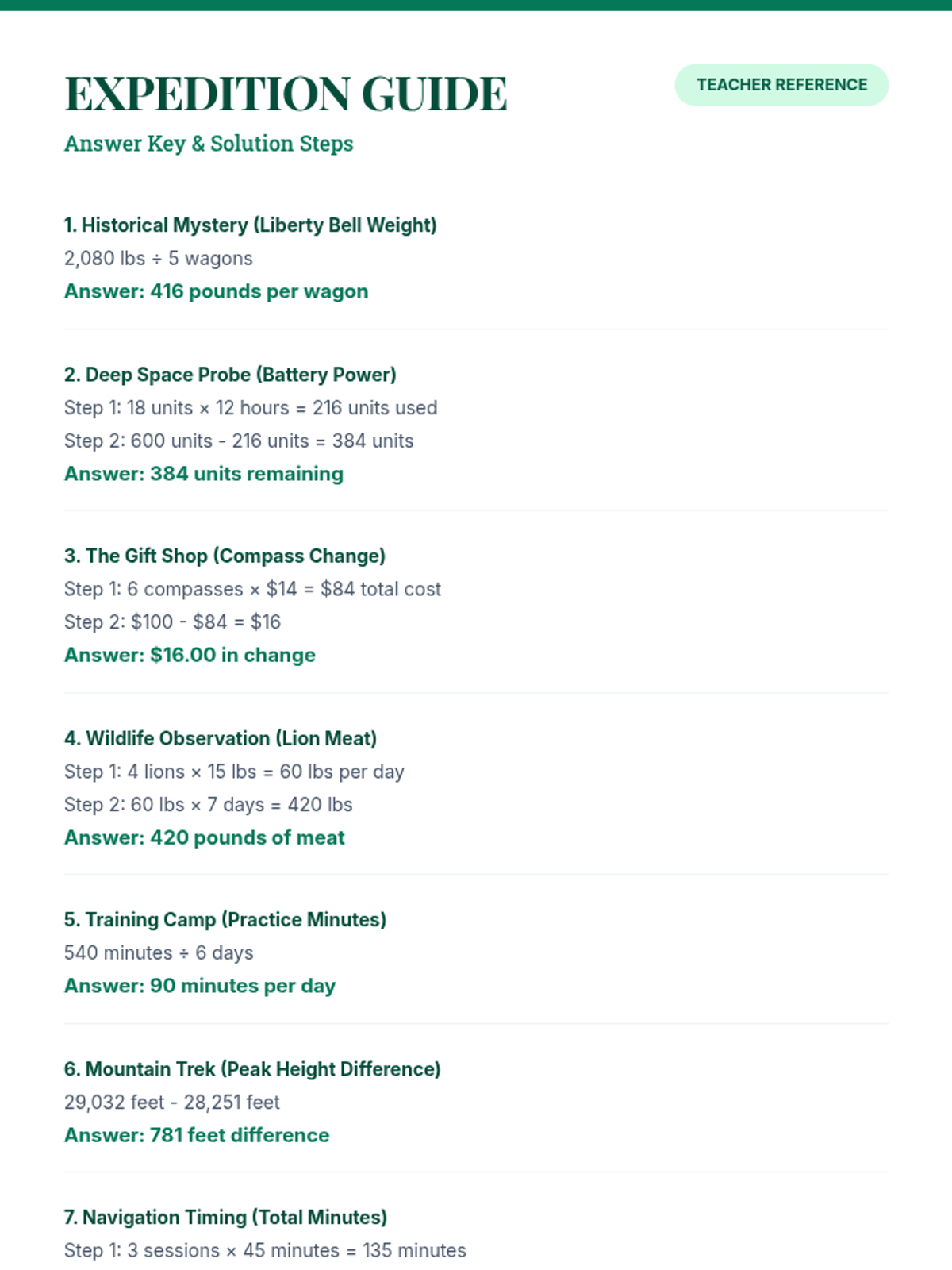
A week-long series of math challenges that transport students through history, science, and across the globe while reinforcing multi-step problem solving with the four operations.
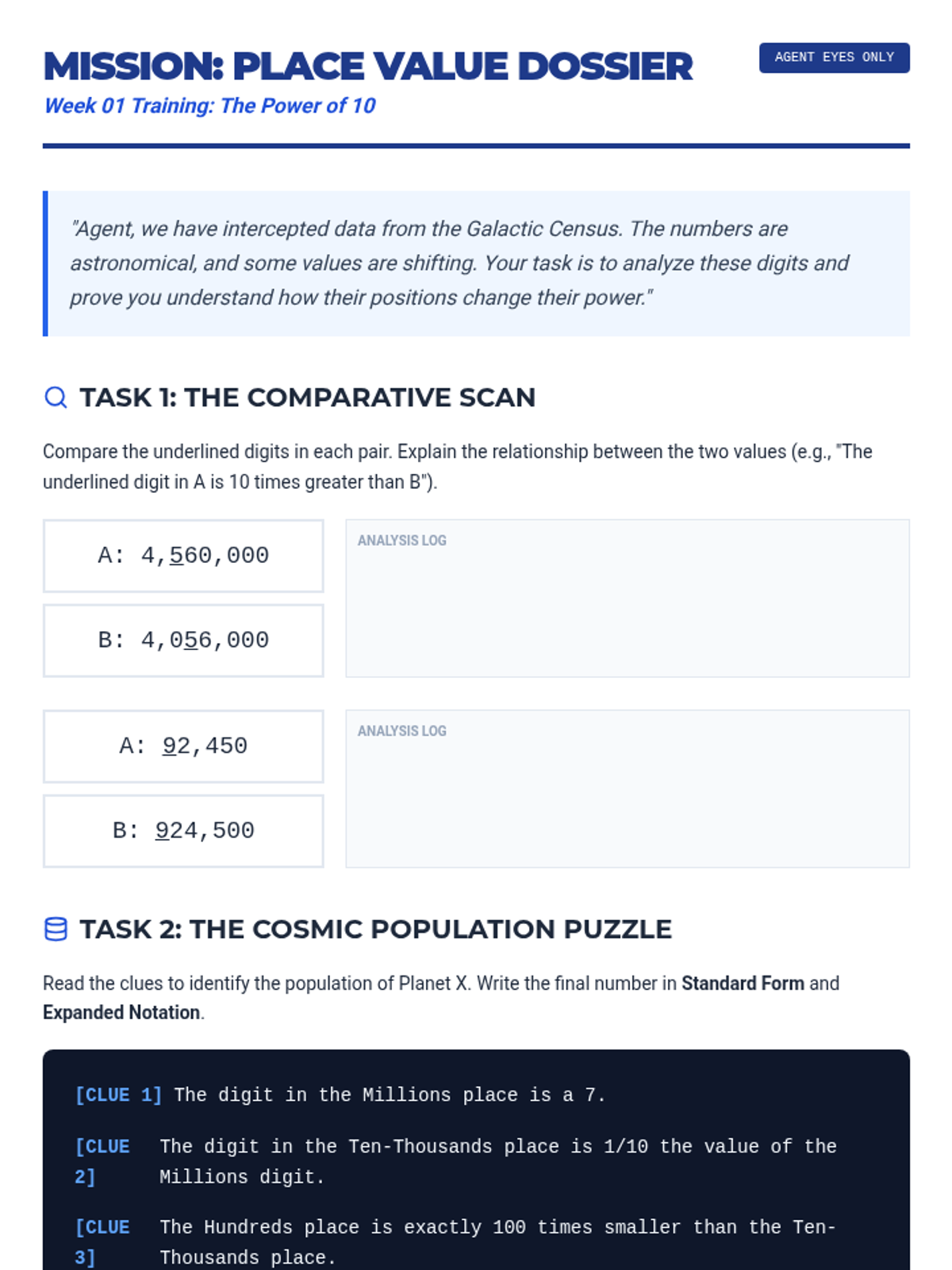
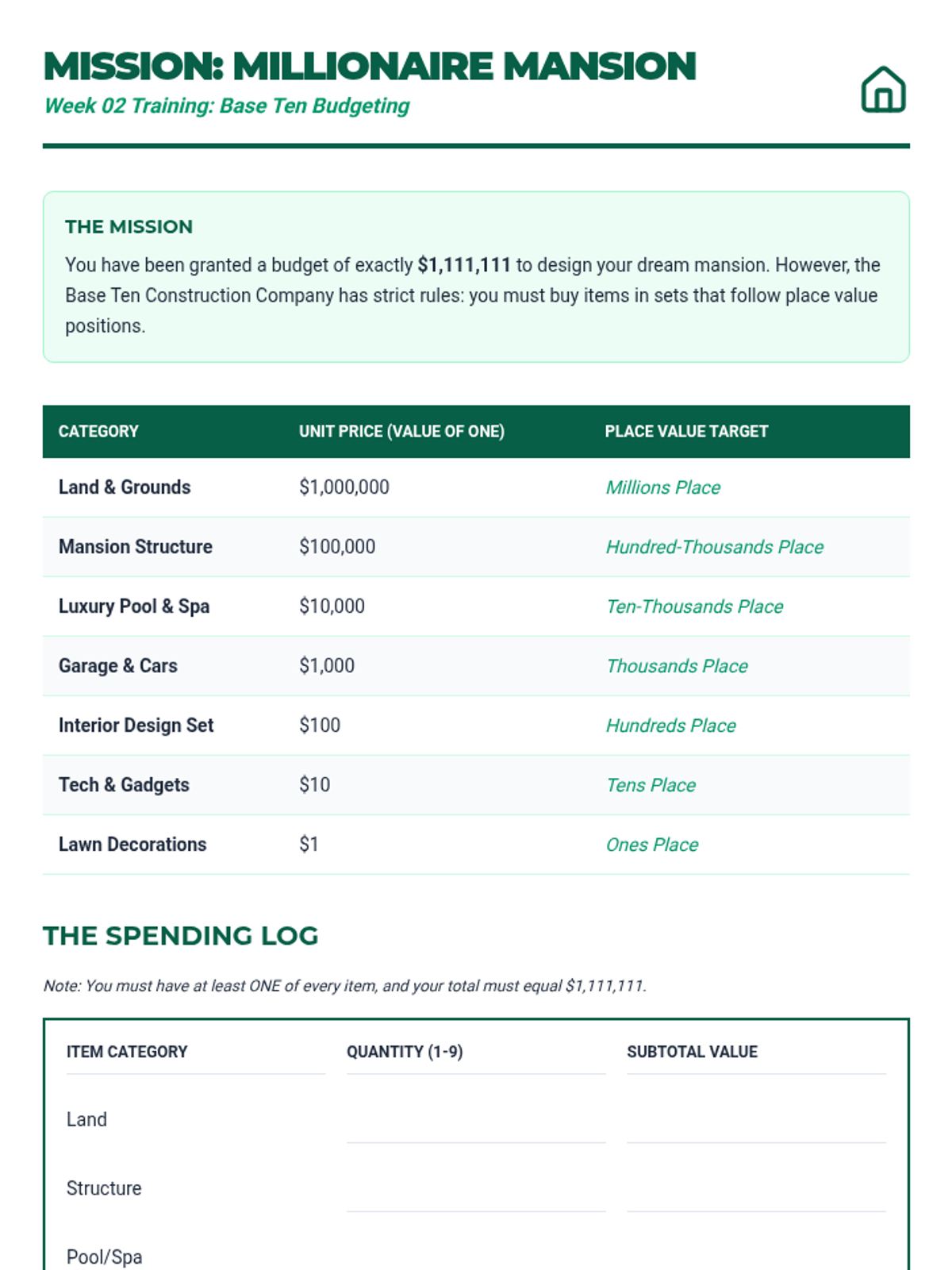
A 4-week enrichment program for 4th graders focusing on advanced place value concepts and order of operations through independent, inquiry-based 'missions'.
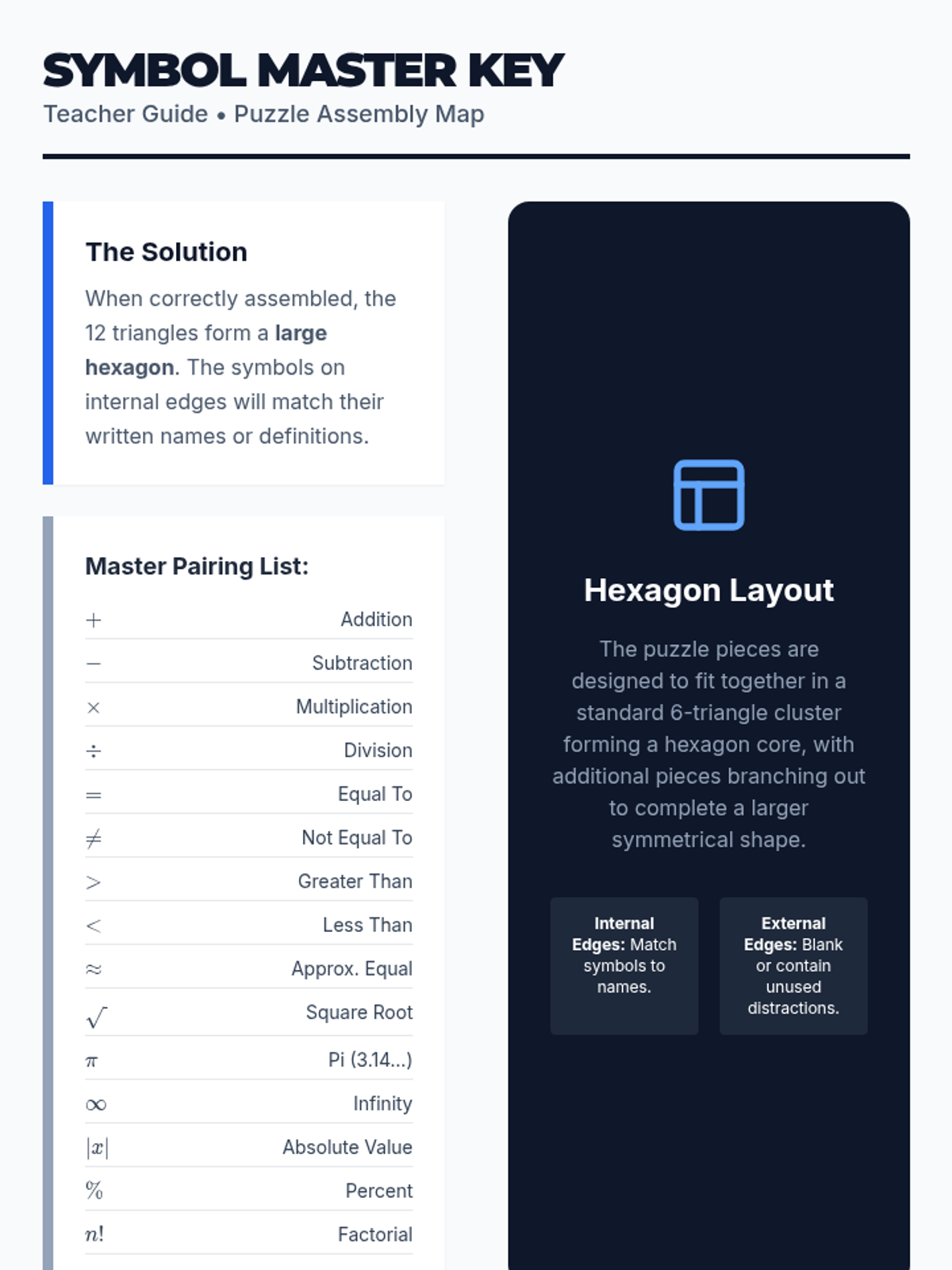
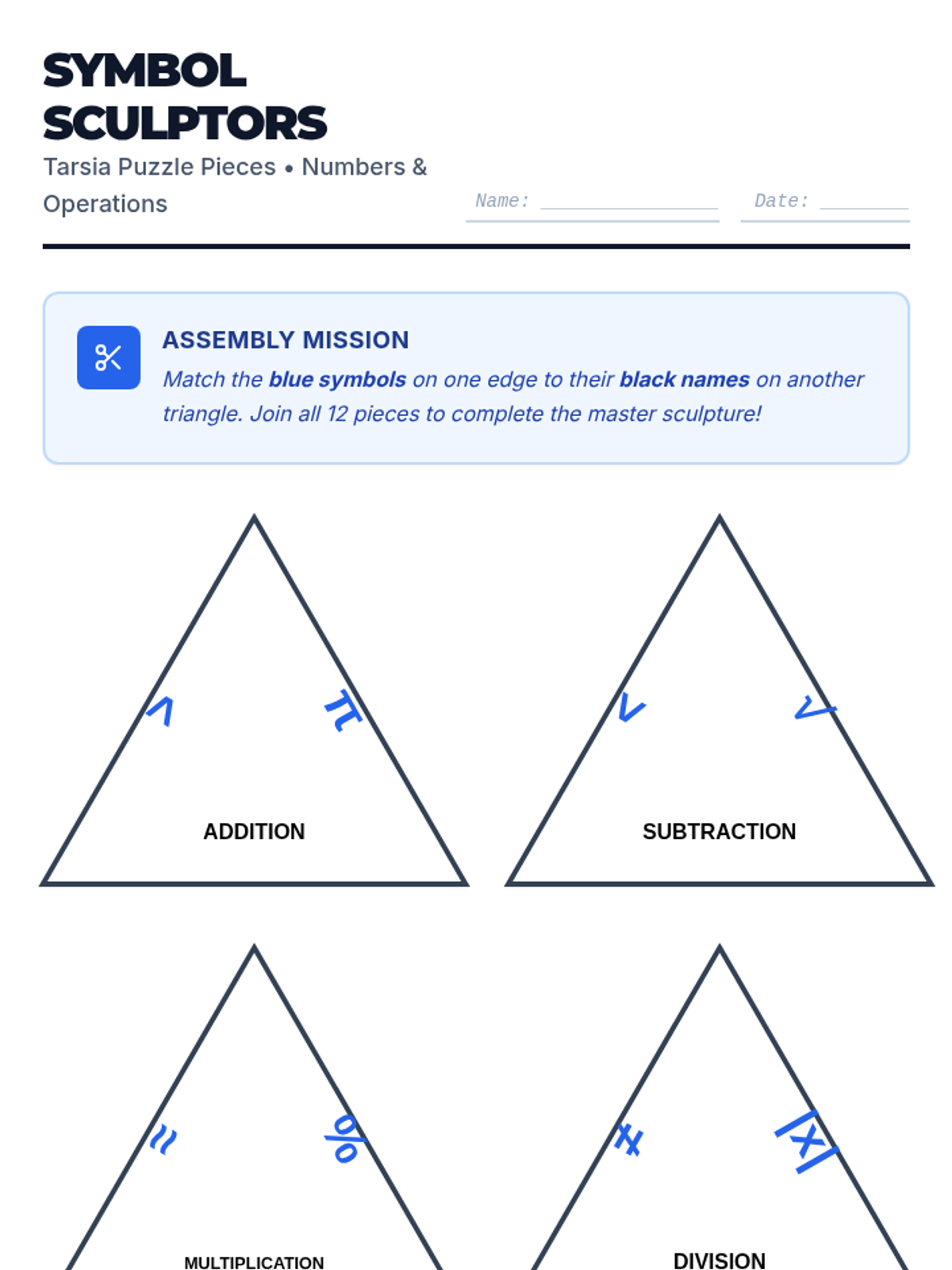
A series of lessons designed to build fluency in mathematical notation and operations through visual and tactile learning.
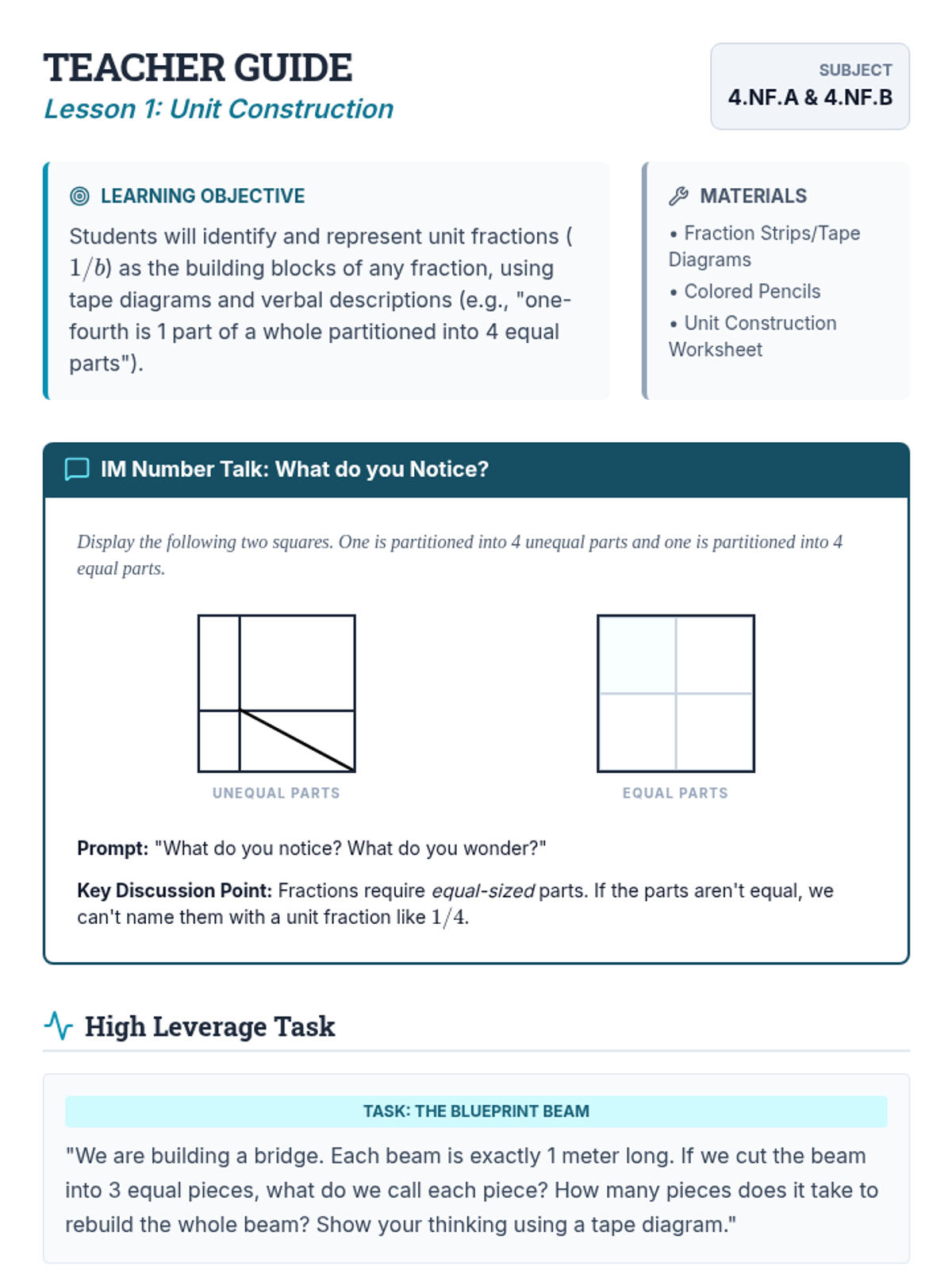
A comprehensive 12-lesson Tier 2 intervention sequence for 4th-grade fractions, focusing on equivalence, comparison, and operations. Using All Learners Network (ALN) High Leverage Concepts and Illustrative Mathematics (IM) routines, this sequence builds deep conceptual understanding through visual models and discourse.
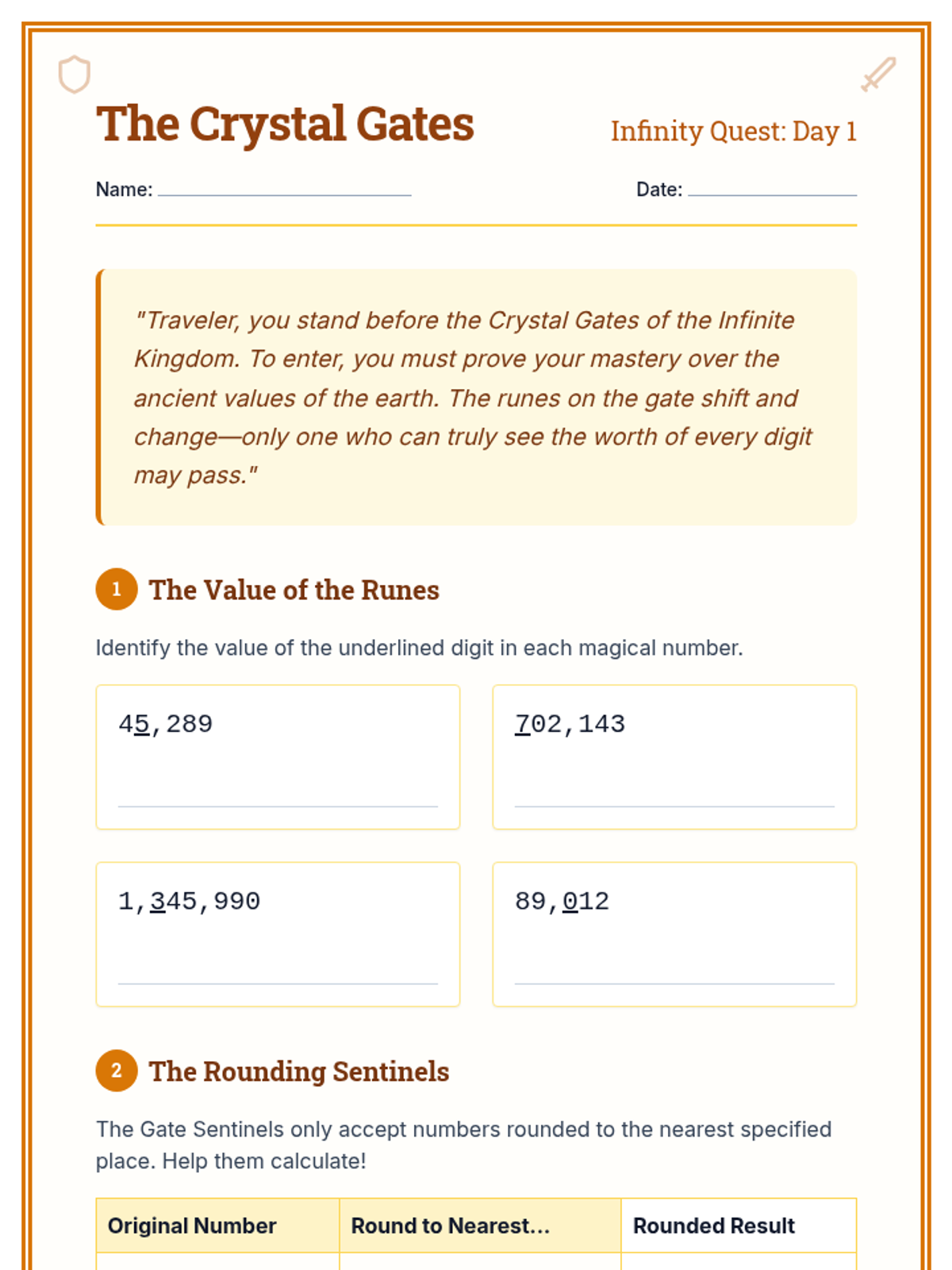
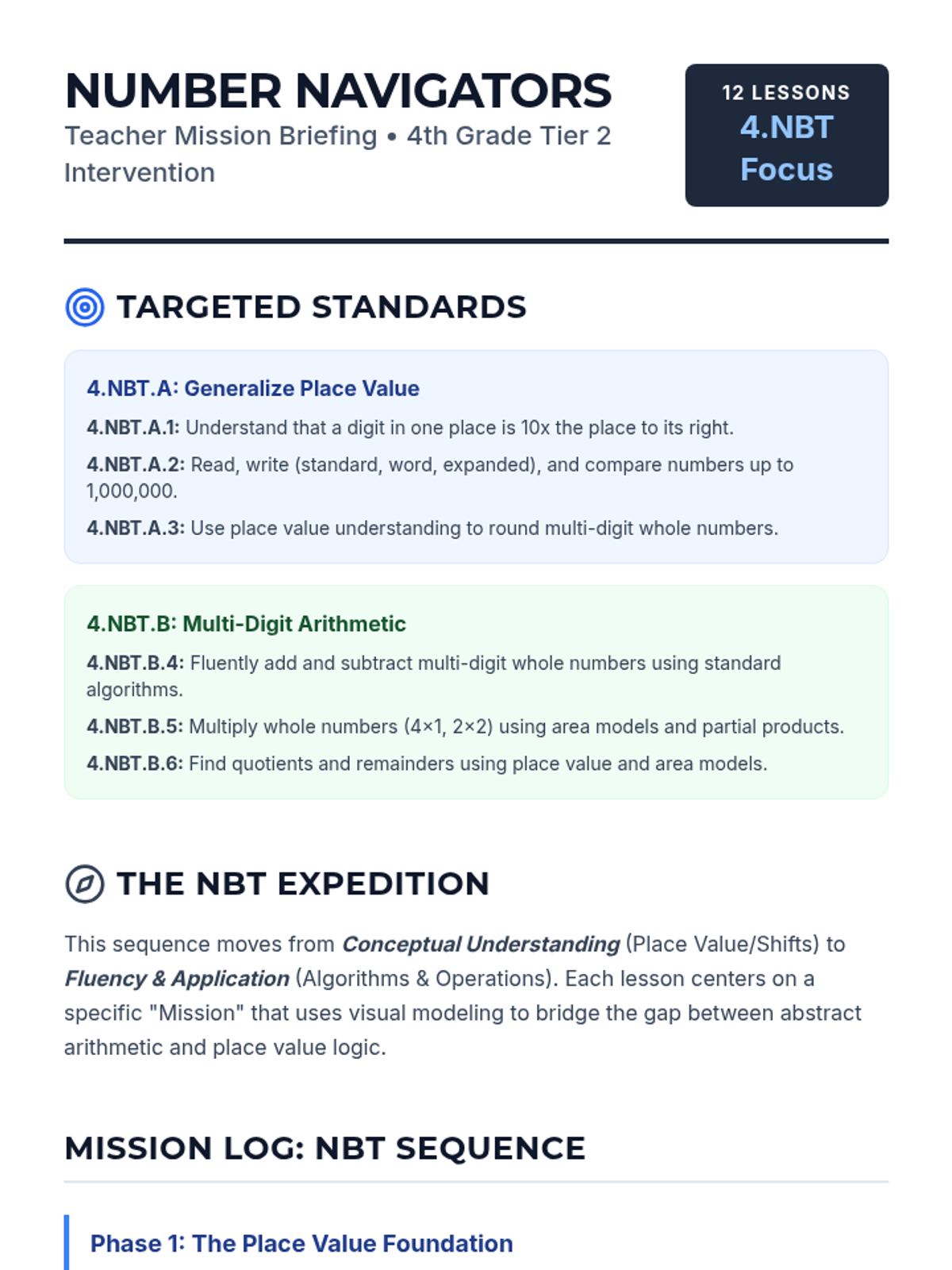
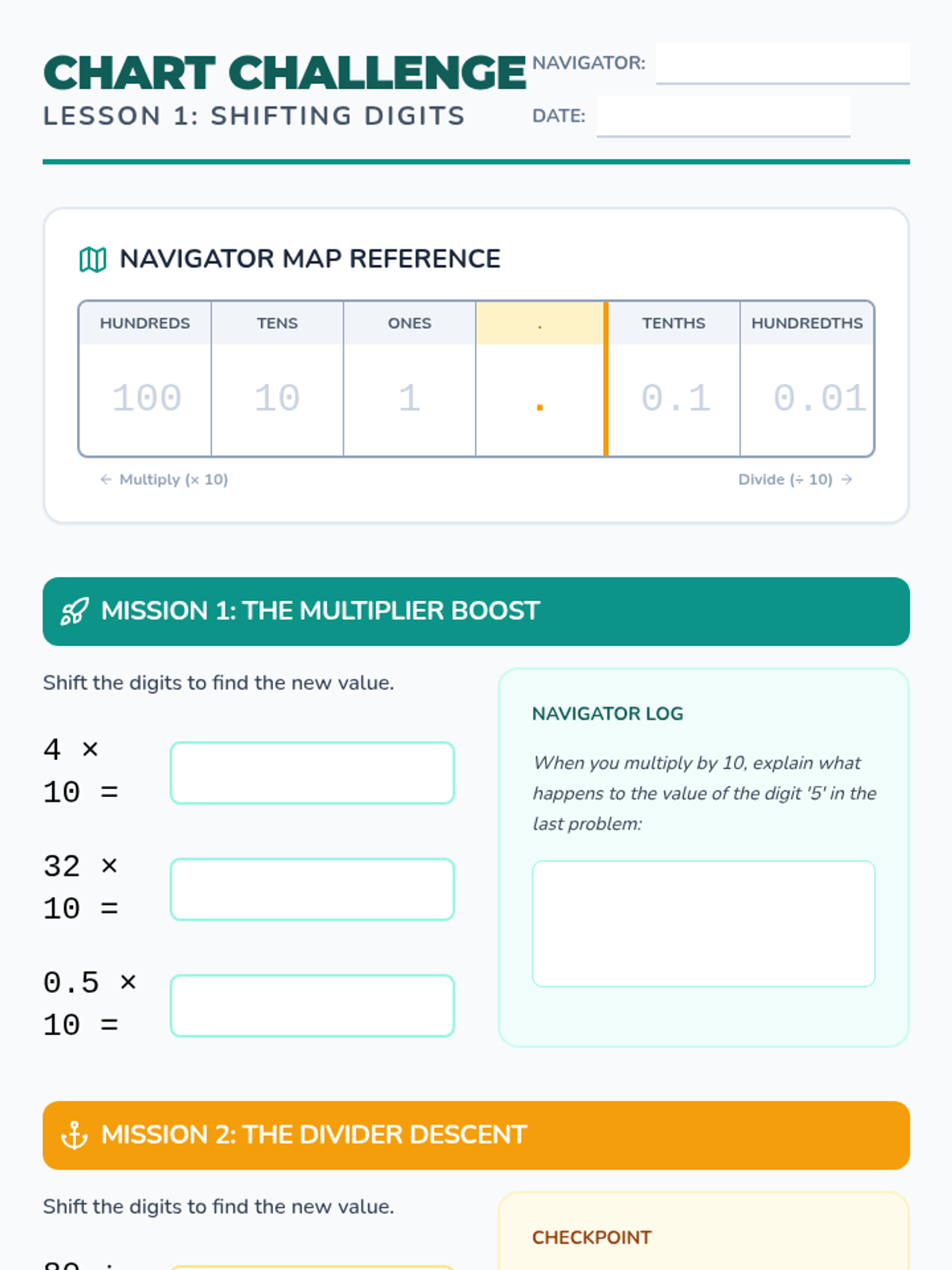
A 12-lesson Tier 2 intervention sequence for 4th-grade students focused on building mastery of multi-digit whole numbers. The 'Number Navigators' theme frames students as explorers mastering place value, rounding, and the four operations with large numbers (4.NBT.A and 4.NBT.B).
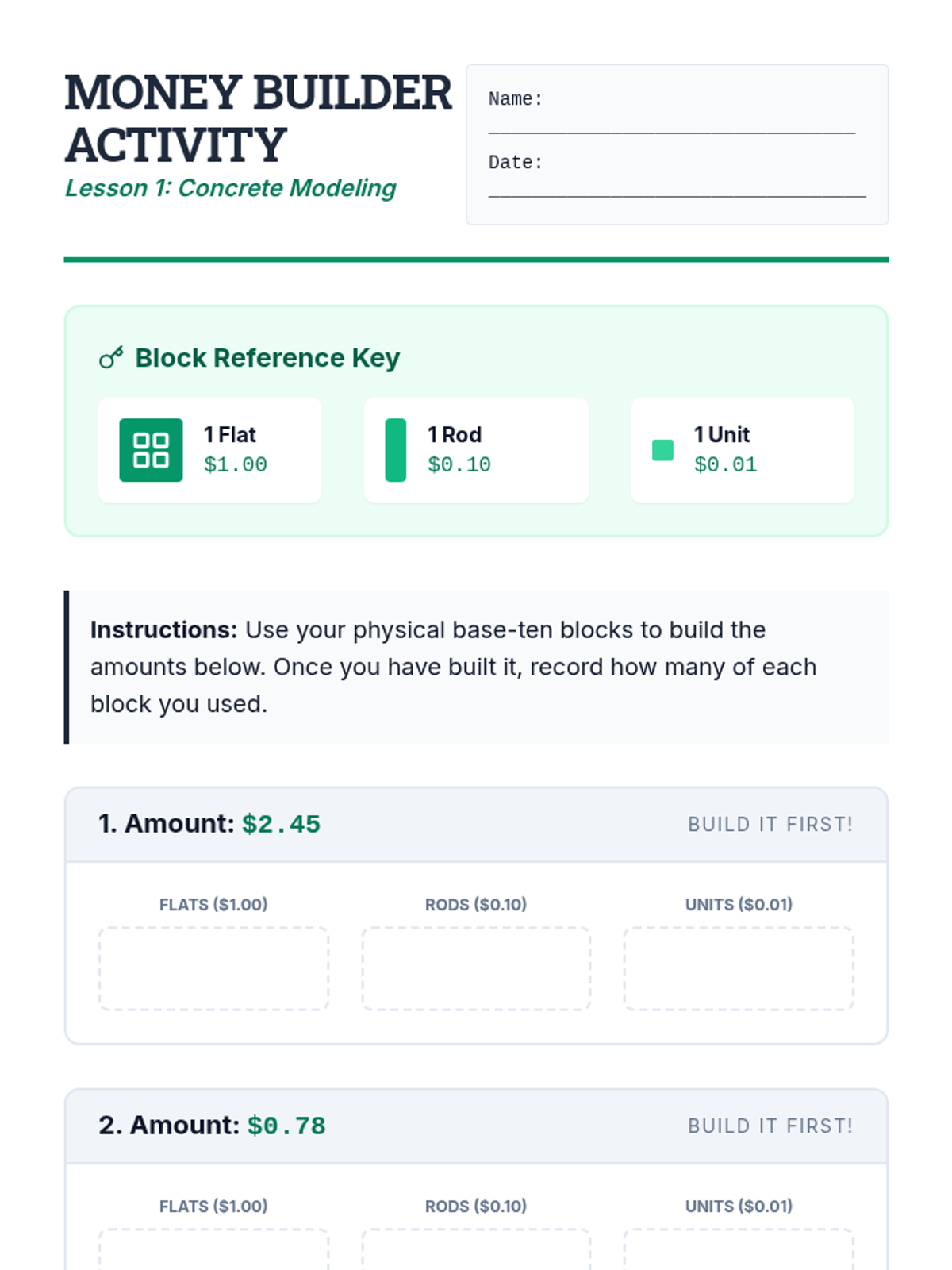
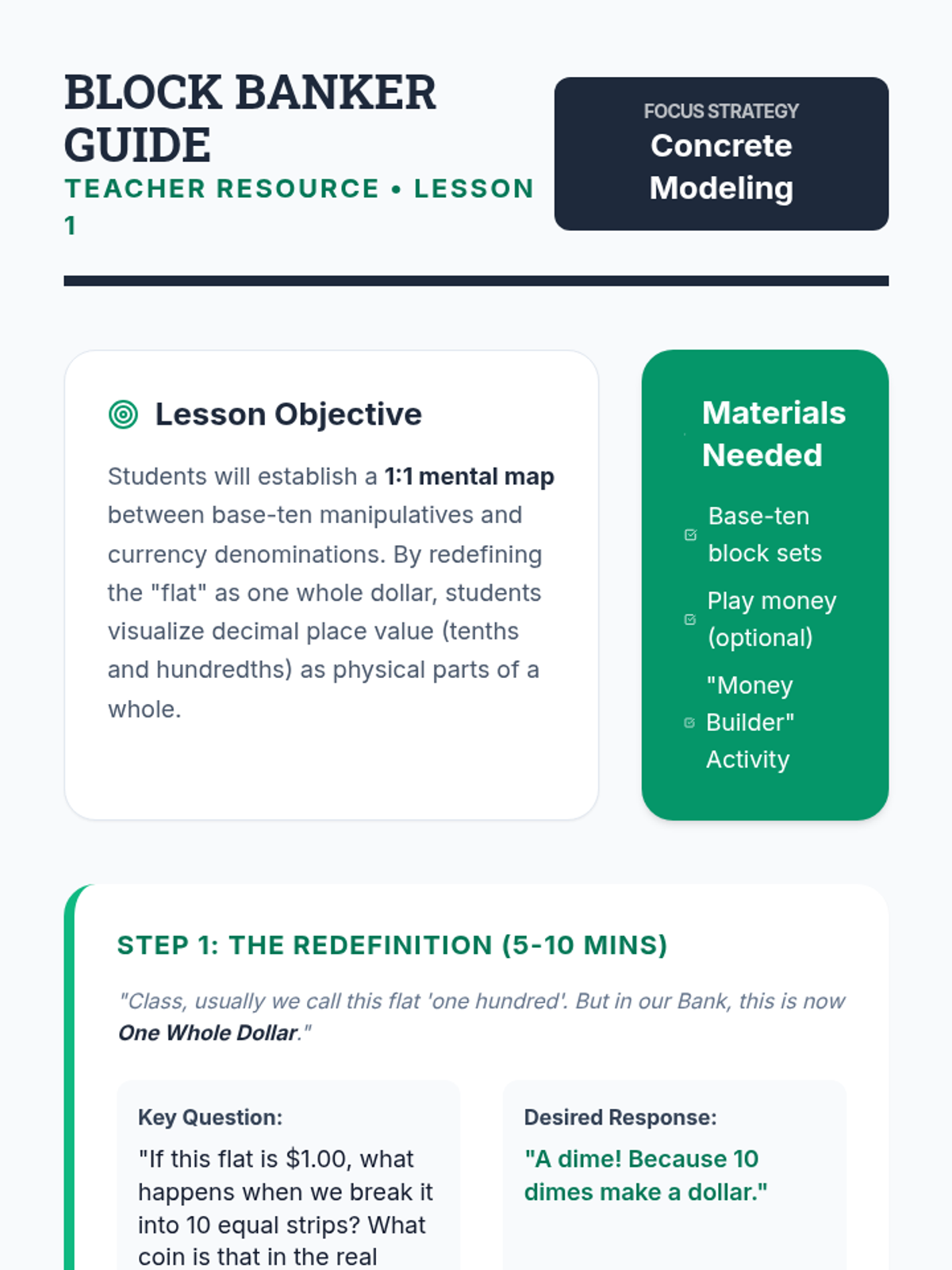
This sequence uses the Concrete-Representational-Abstract (CRA) framework to teach decimal operations through the lens of financial literacy. Students move from physical base-ten blocks representing currency to visual grid models and finally to standard algorithms for real-world budgeting.
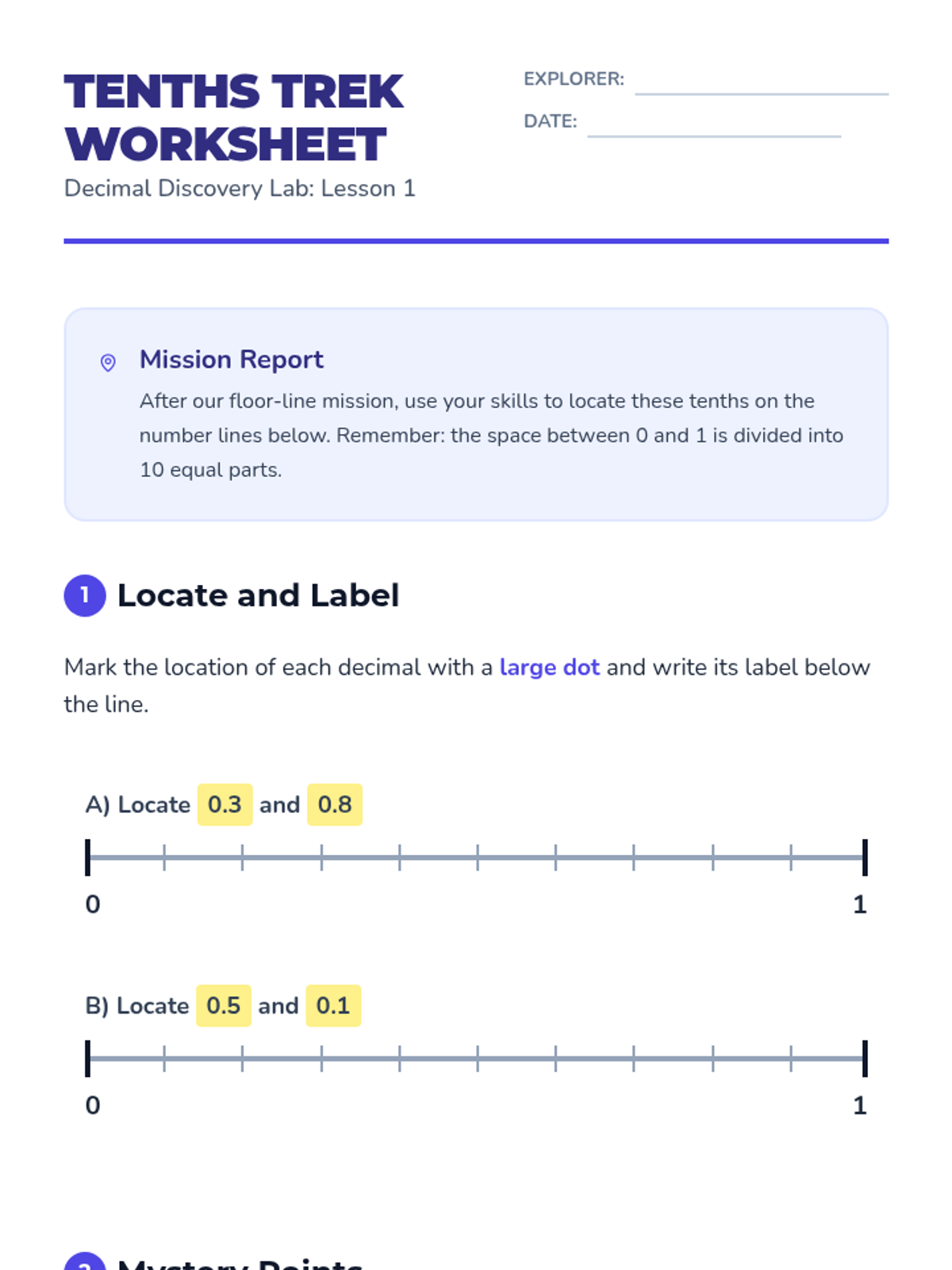
A 4th-grade sequence focused on the linear representation of decimals, helping students locate, compare, and order tenths and hundredths using number lines and place value strategies.
This sequence builds a conceptual foundation for decimals by linking them to fractions and area models. Students progress from physical base-ten models to writing tenth and hundredth notation, culminating in a mosaic design project.
A 5-lesson sequence applying decimal fractions to measurement, money, and data analysis. Students act as scientists and analysts to master tenths and hundredths through hands-on simulations and real-world budgeting.
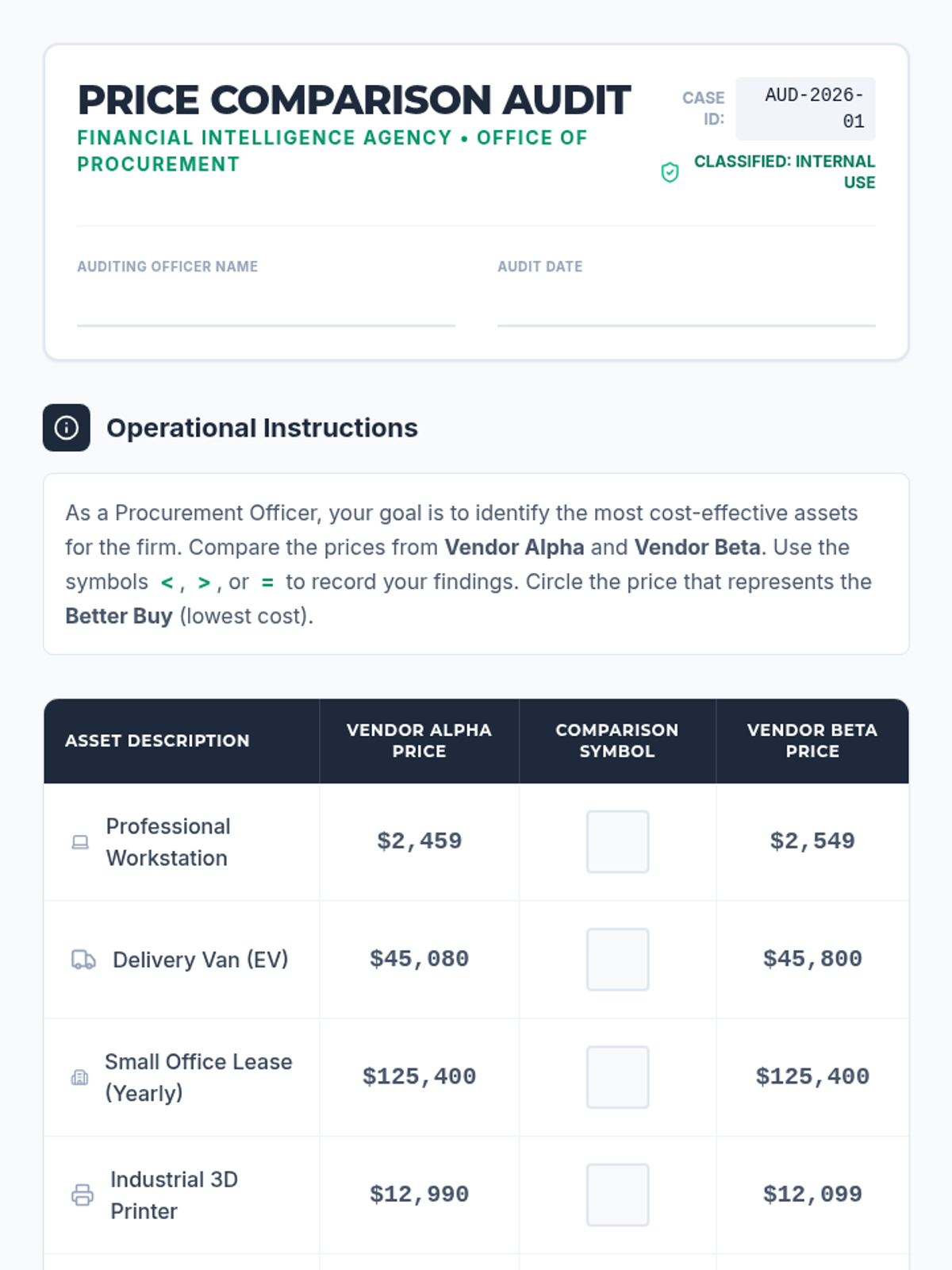
A math sequence for 4th graders focusing on comparing and ordering numbers through the lens of financial literacy and procurement. Students act as financial officers, making decisions based on price audits, budgets, and sales data.
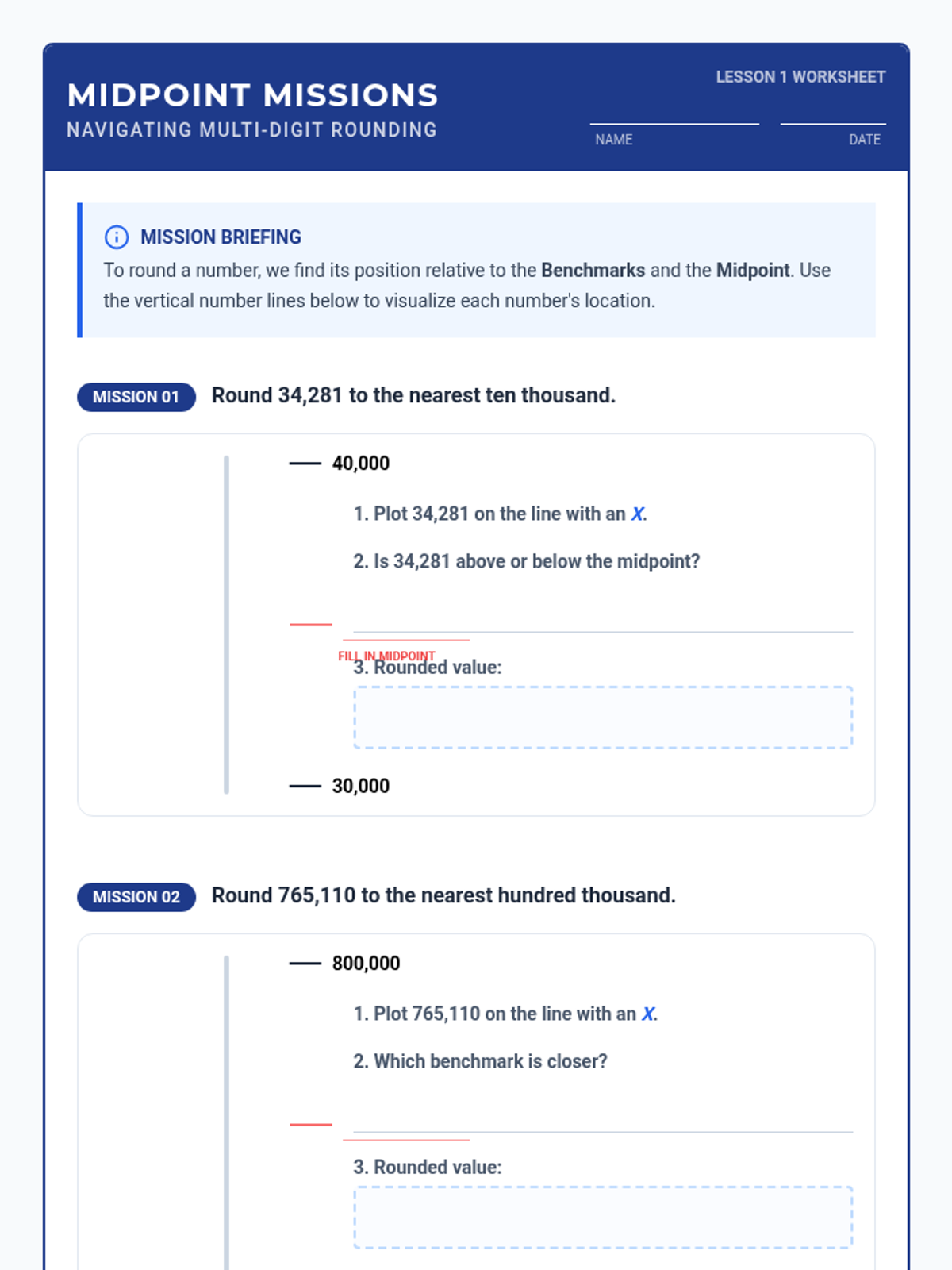
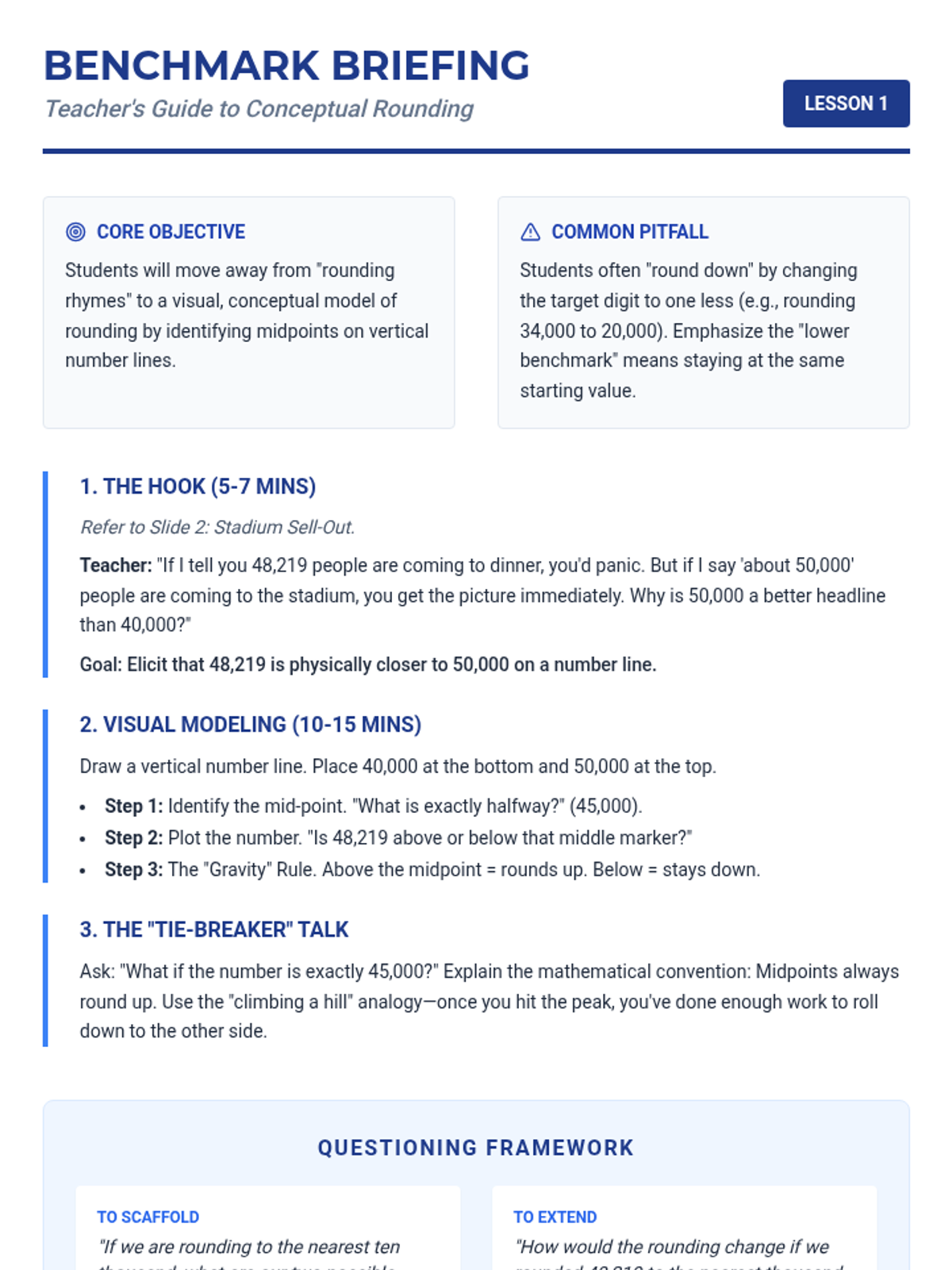
A 4th-grade math unit connecting whole number place value, rounding strategies using number lines, and decimal notation for tenths and hundredths through a city-planning lens.
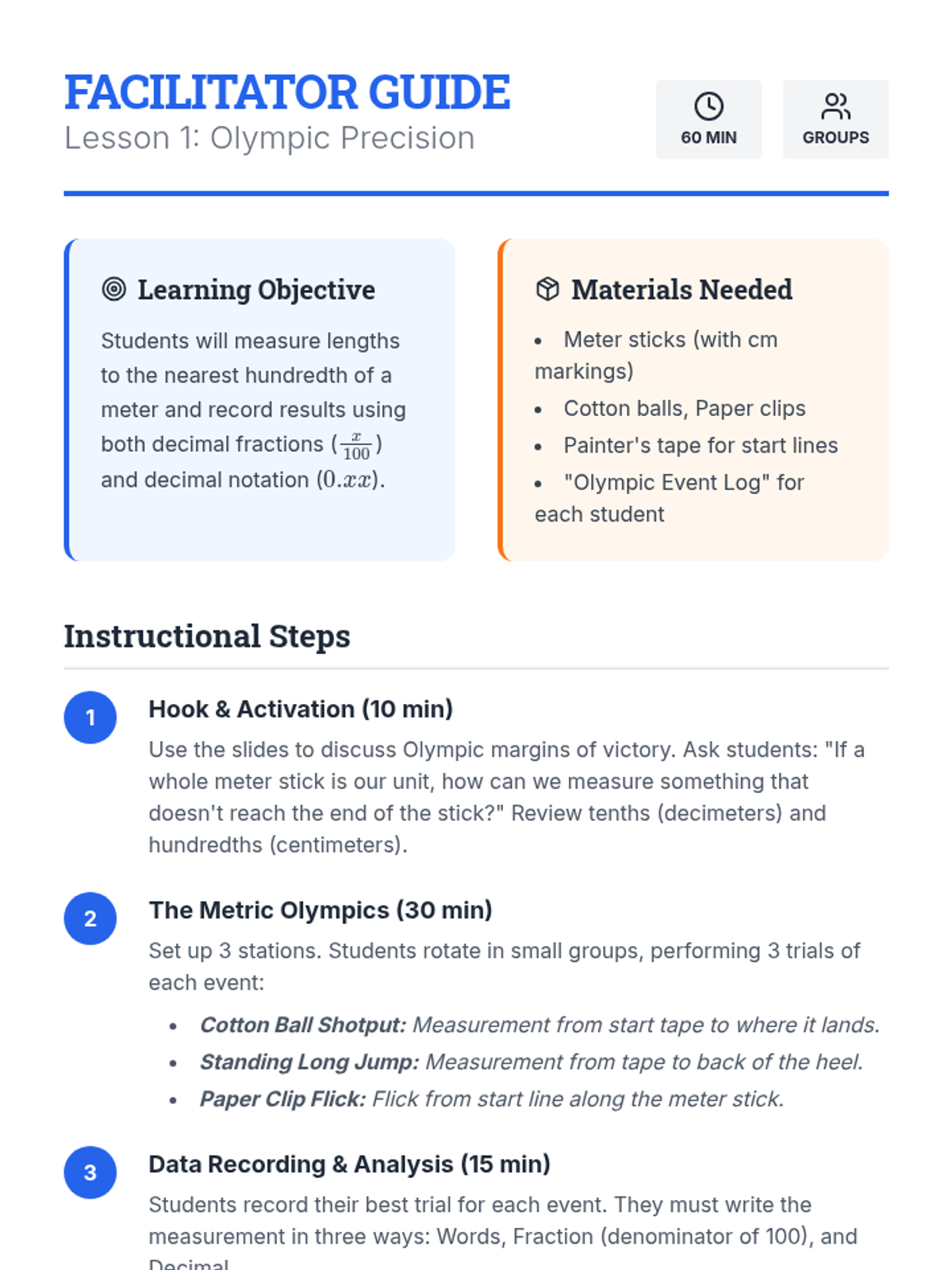
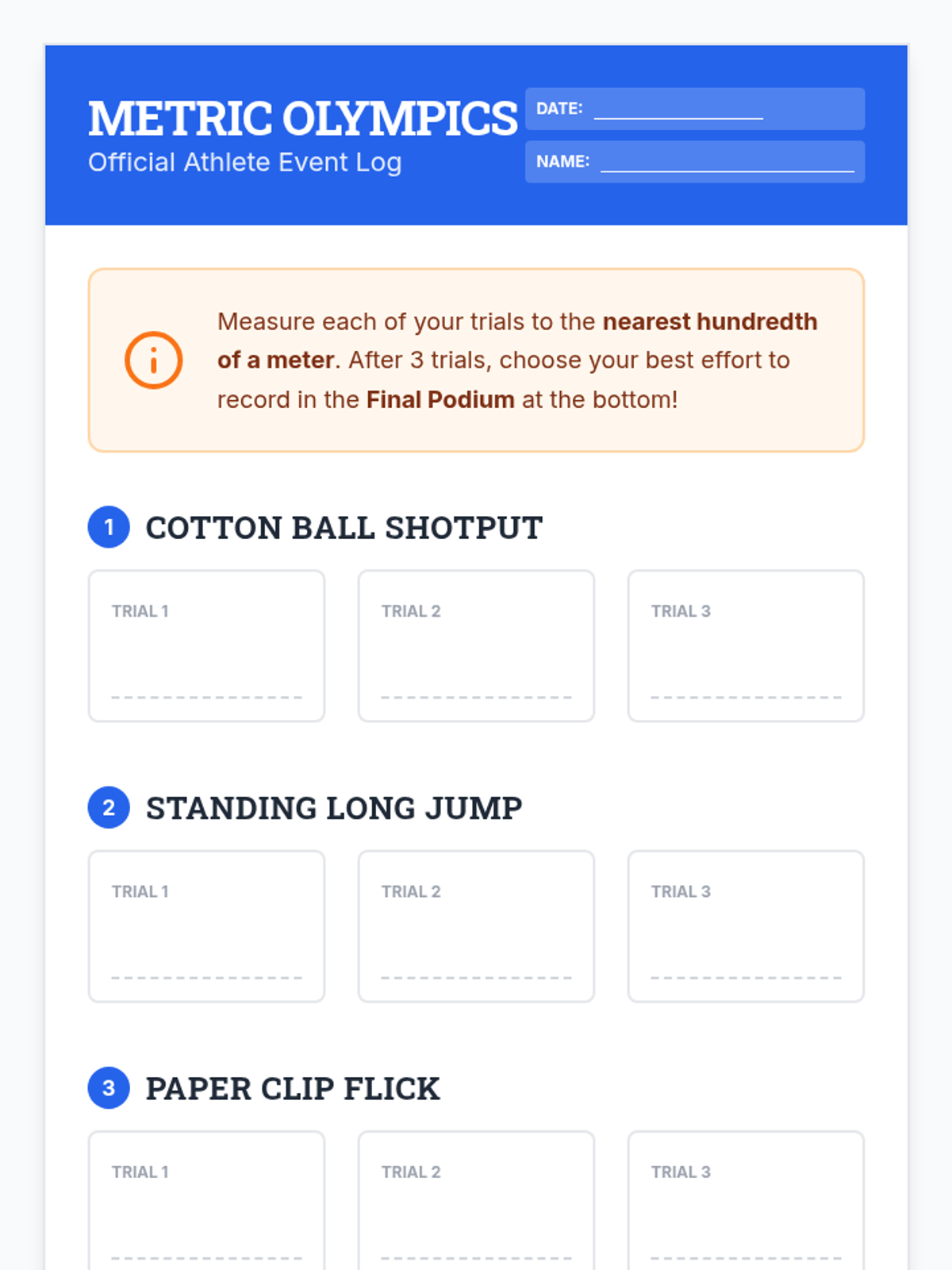
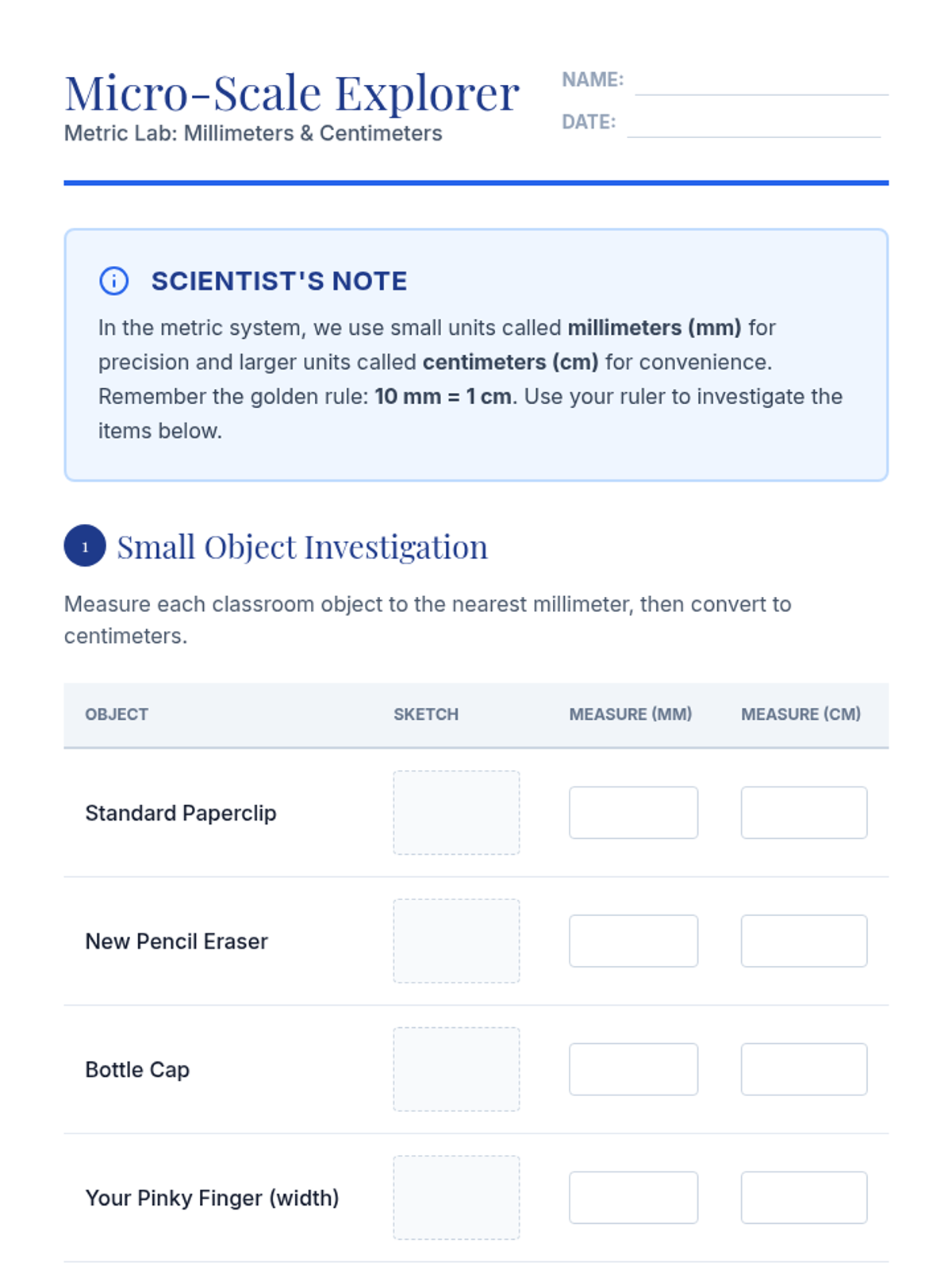
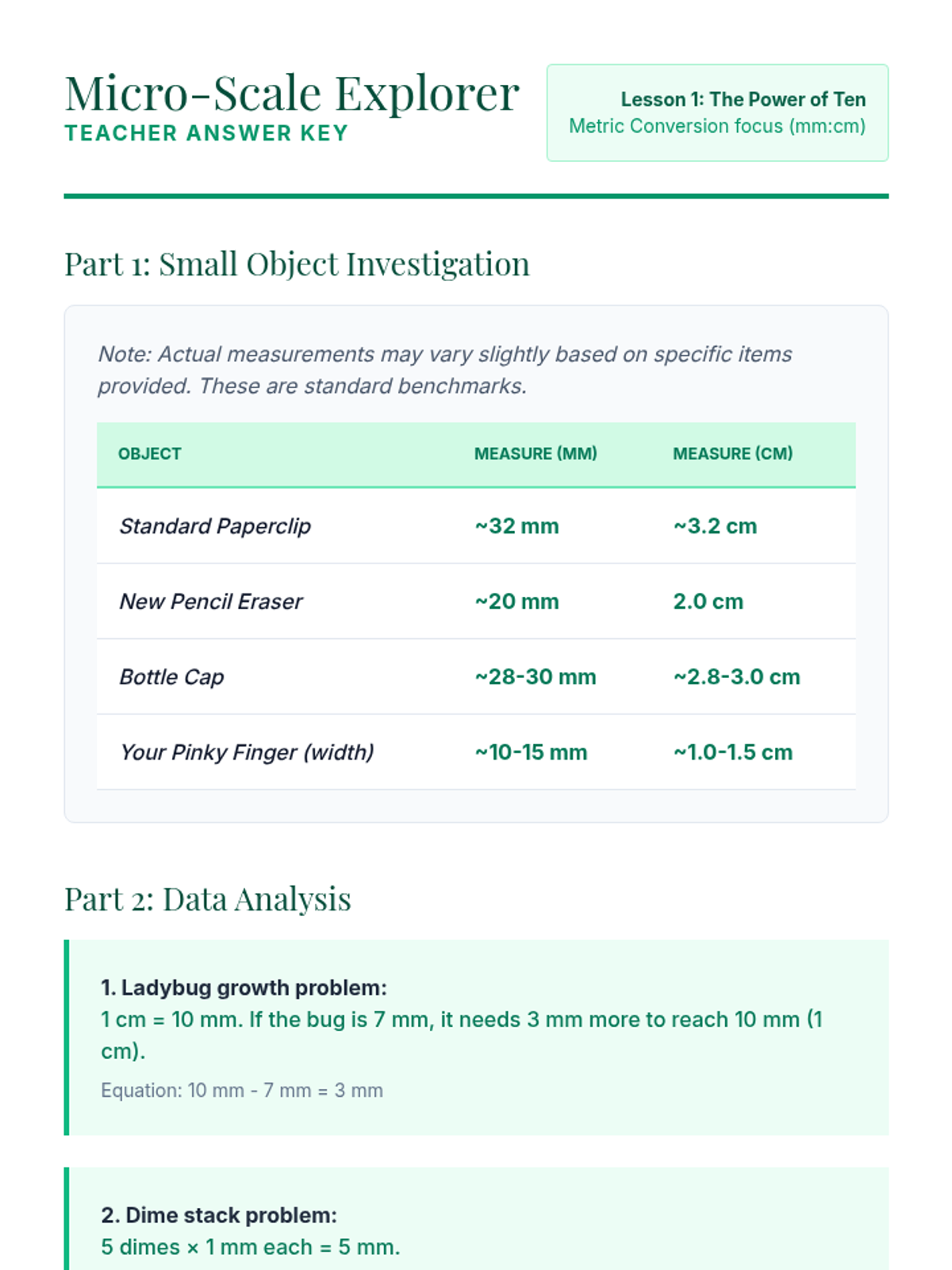
A comprehensive 5-lesson unit for 4th graders to master metric length measurement (mm, cm, m). Students transition from investigating micro-units on a ruler to measuring classroom-scale distances and conducting a 'Metric Olympics' to solidify their understanding of the base-ten measurement system.
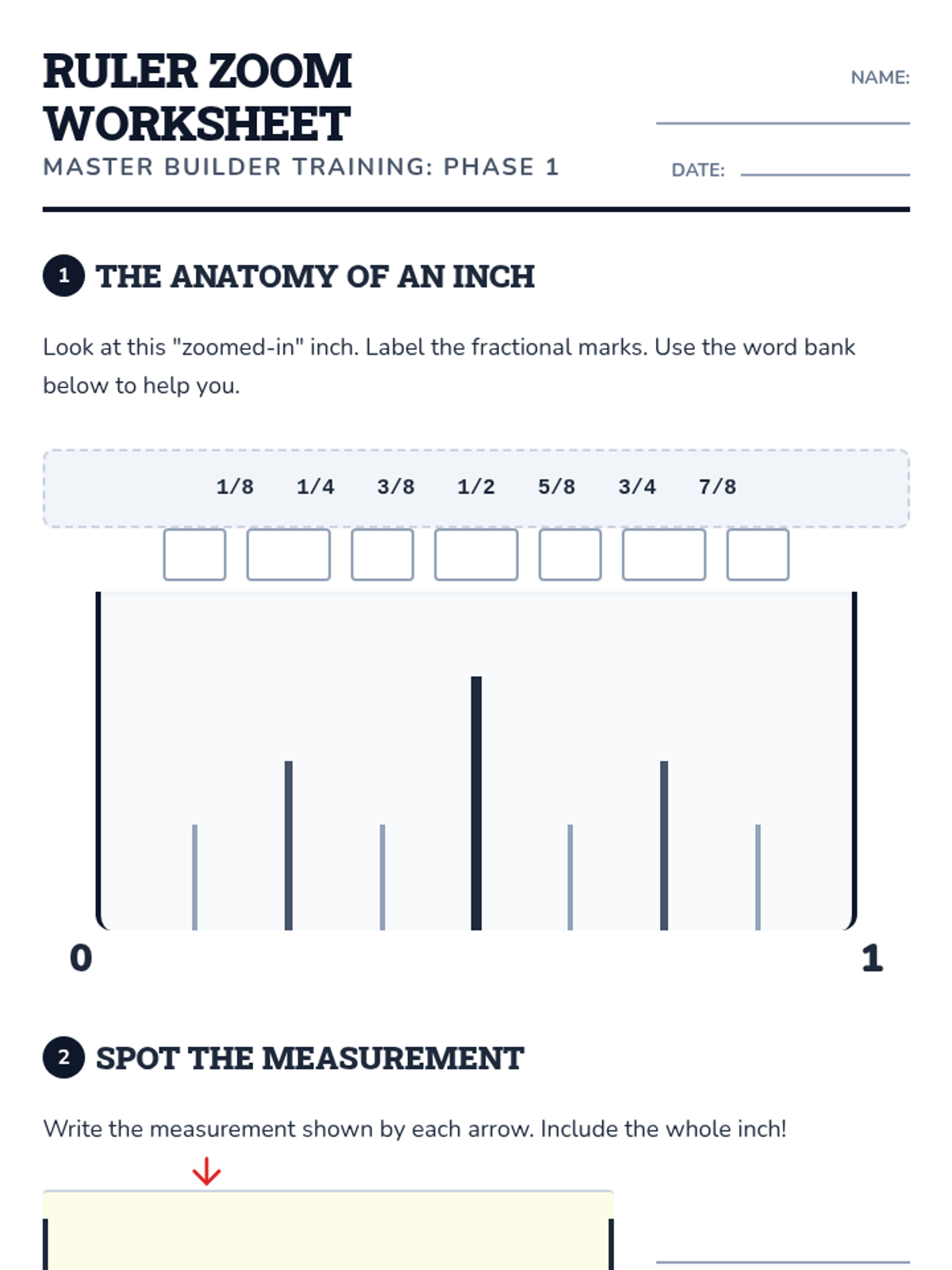
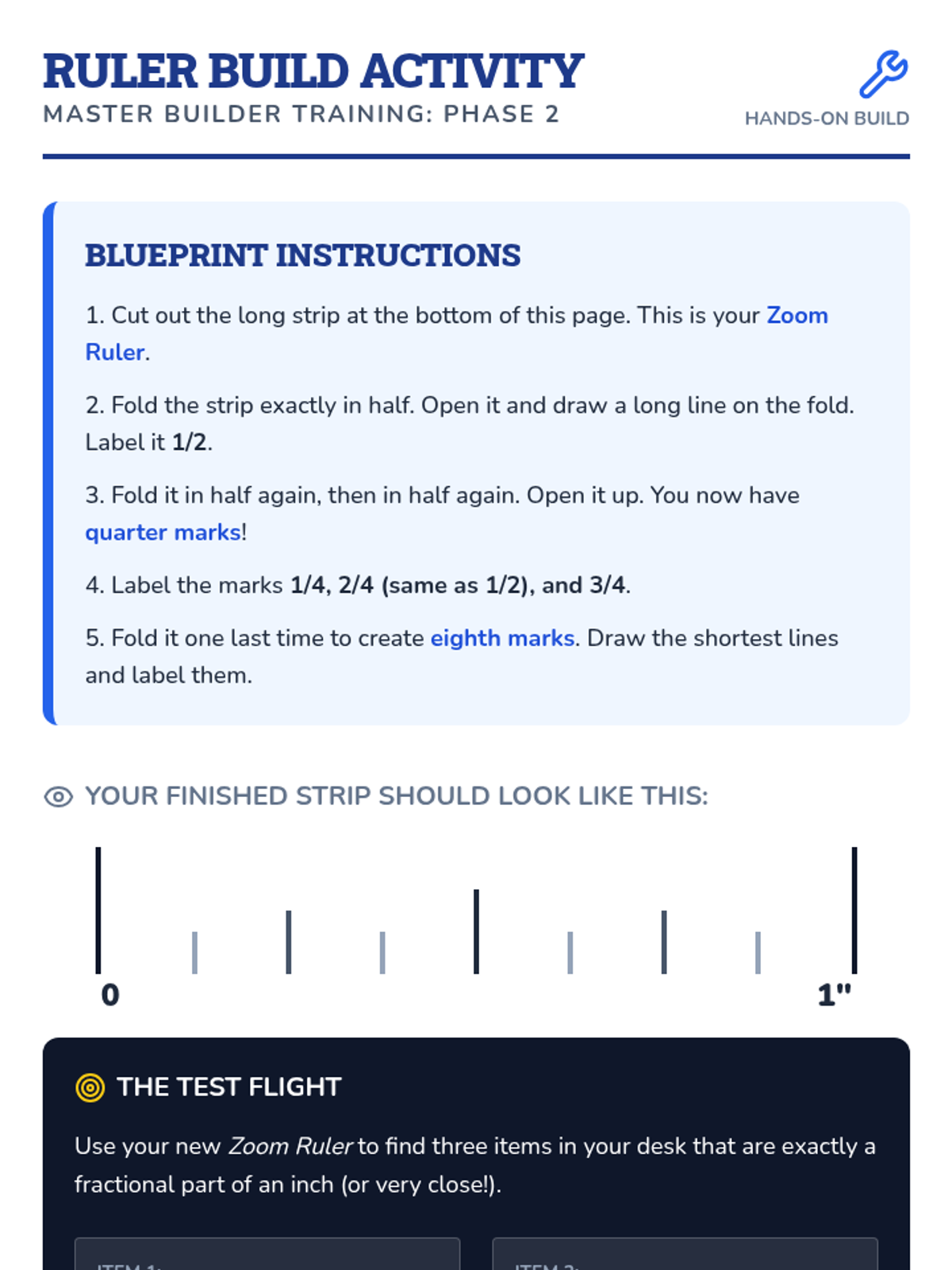
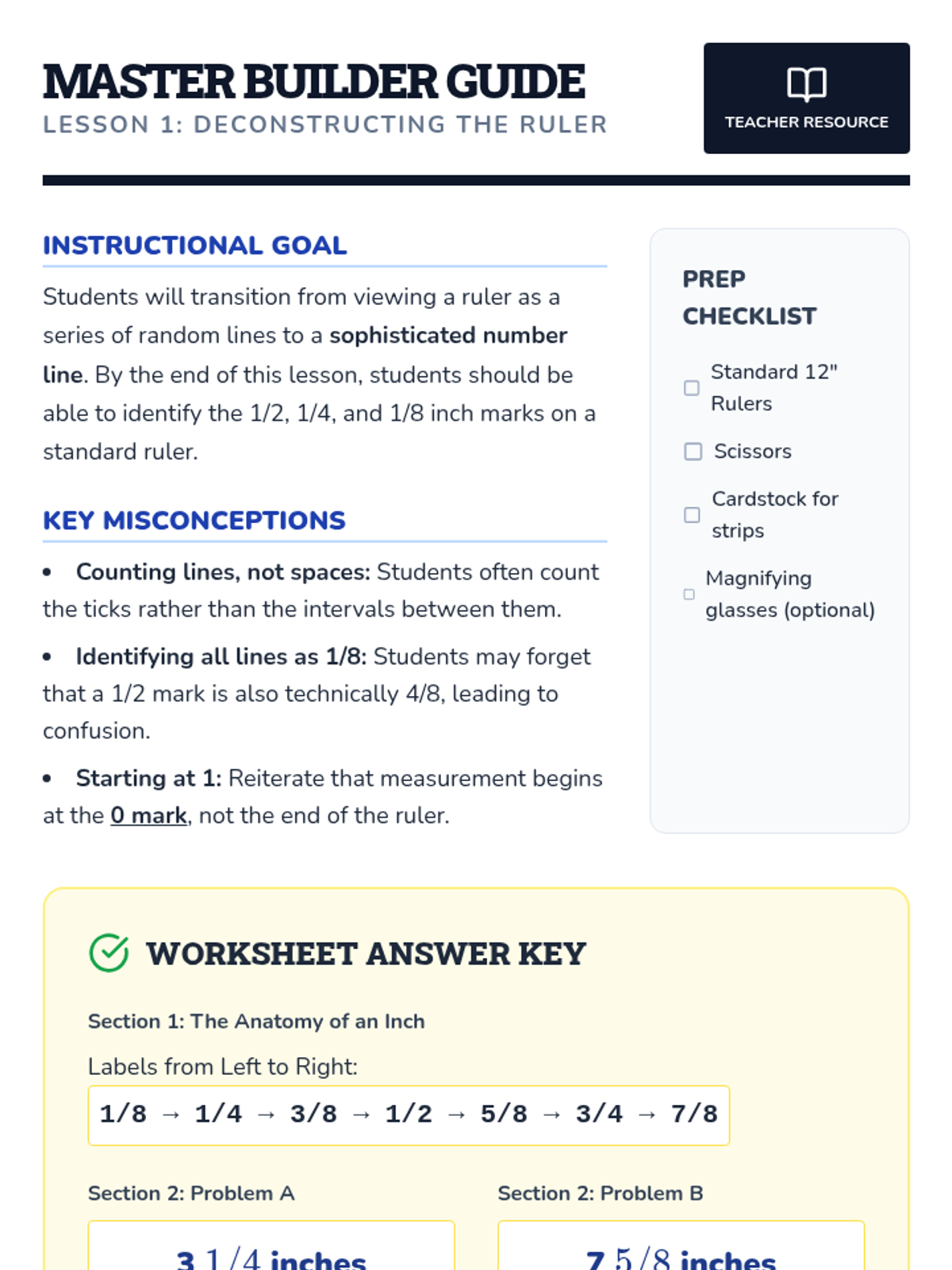
This 4th-grade sequence focuses on precision and mechanics of the U.S. Customary system. Students learn to measure to fractional parts of an inch (1/2, 1/4, 1/8), understand the relationships between inches, feet, and yards, and solve problems involving non-standard starting points.
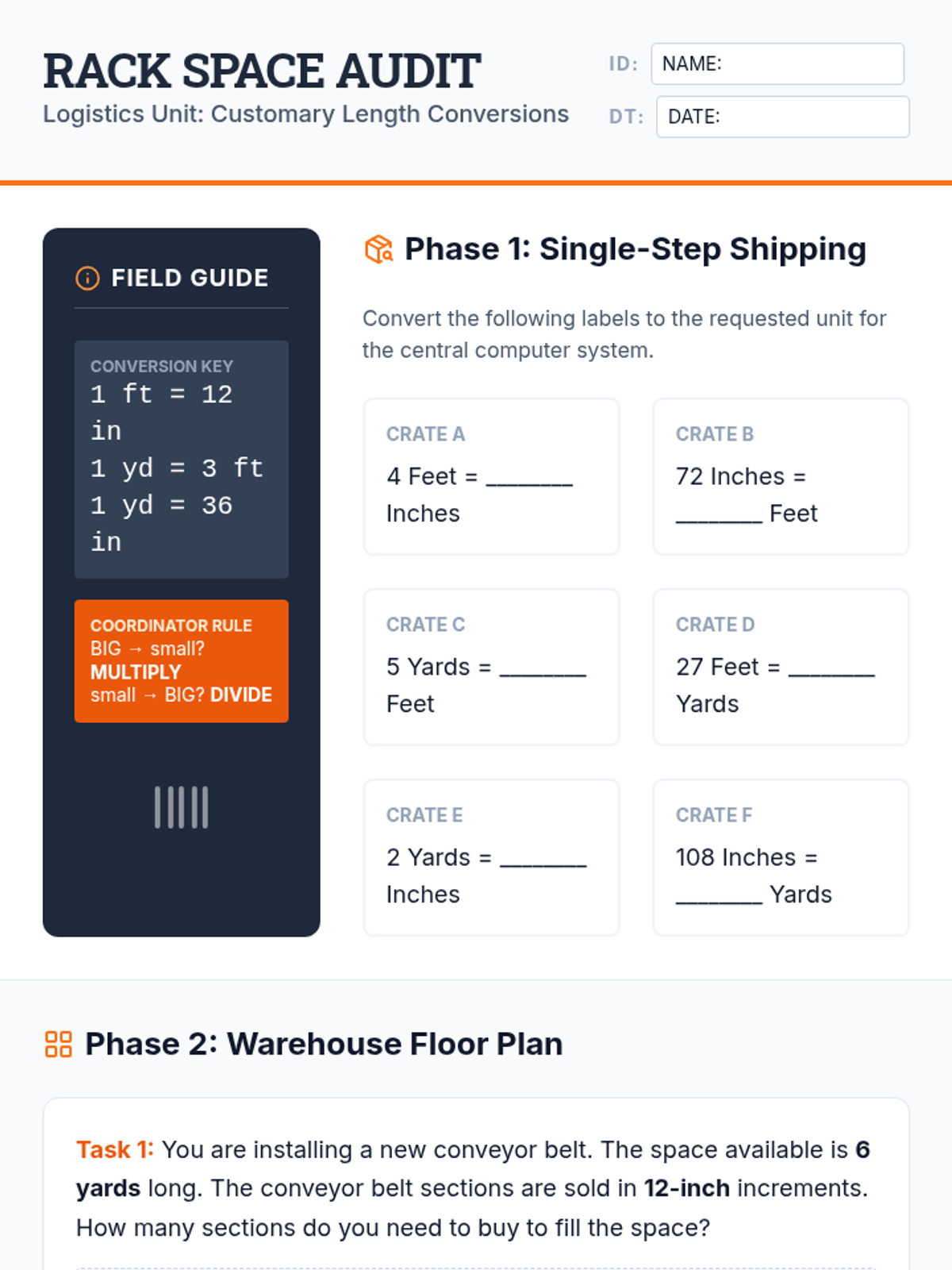
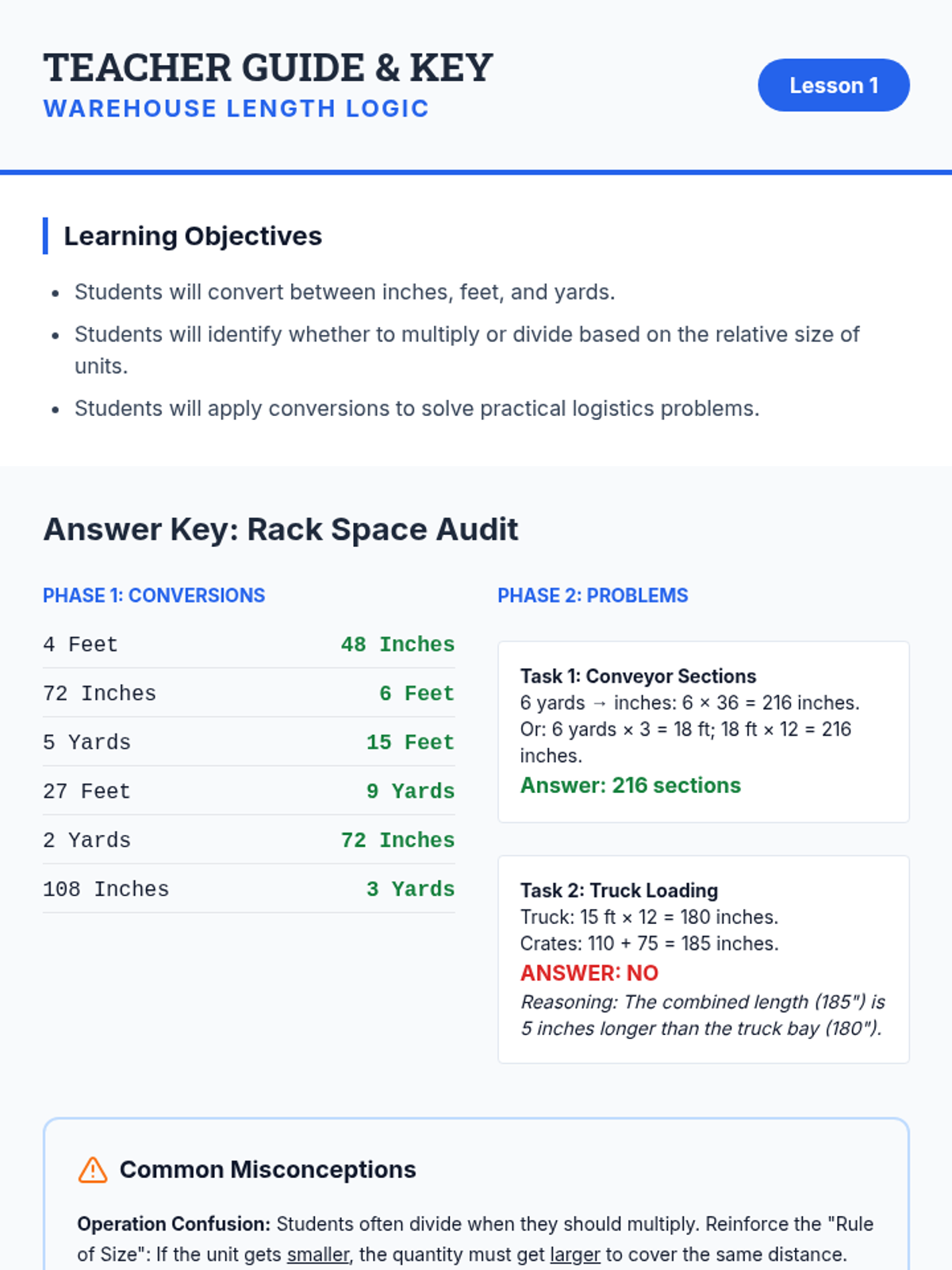
Students step into the role of supply chain coordinators to master unit conversions. They navigate customary and metric systems through the lens of warehouse logistics, international shipping, and multi-step problem solving.
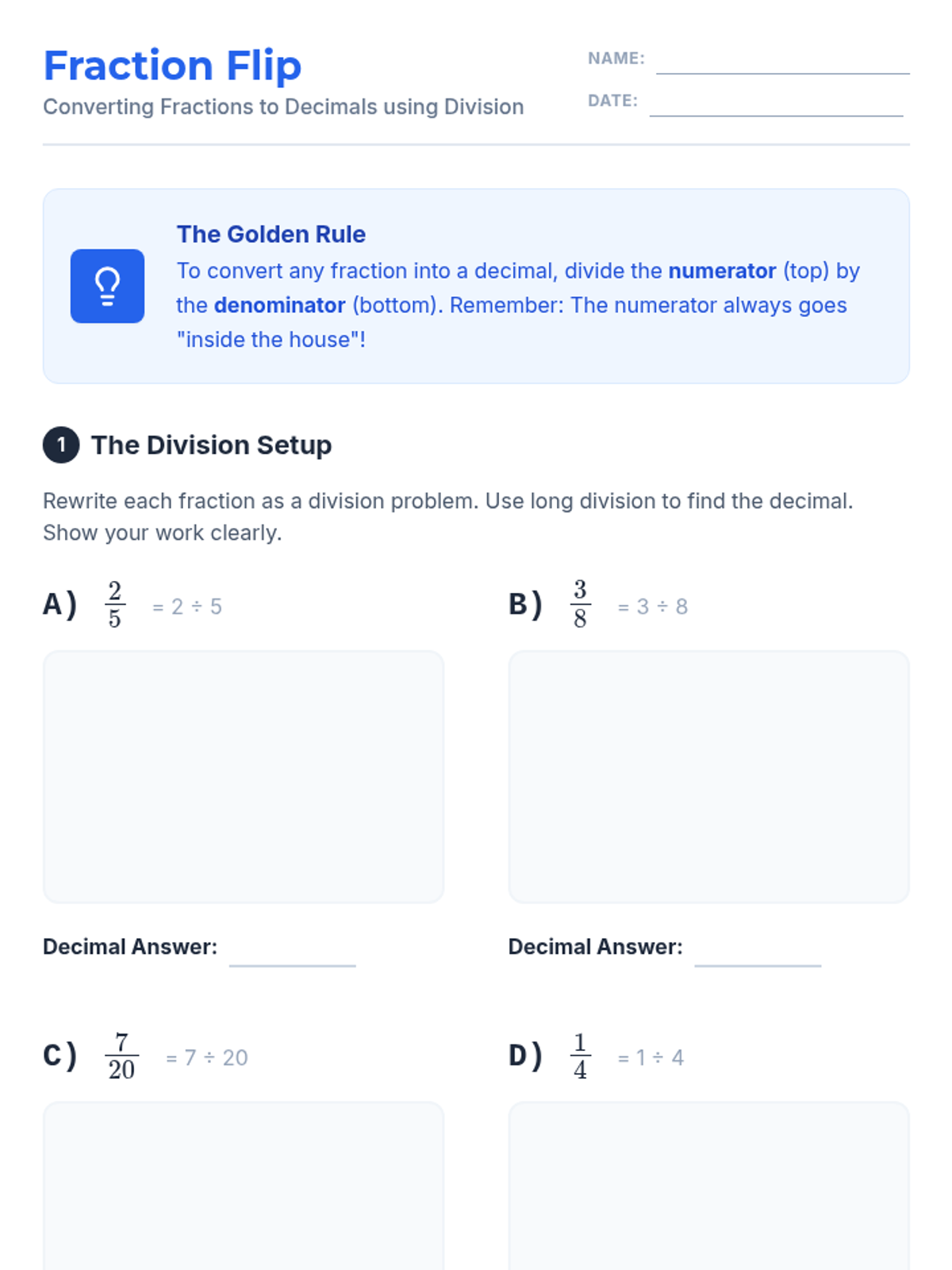
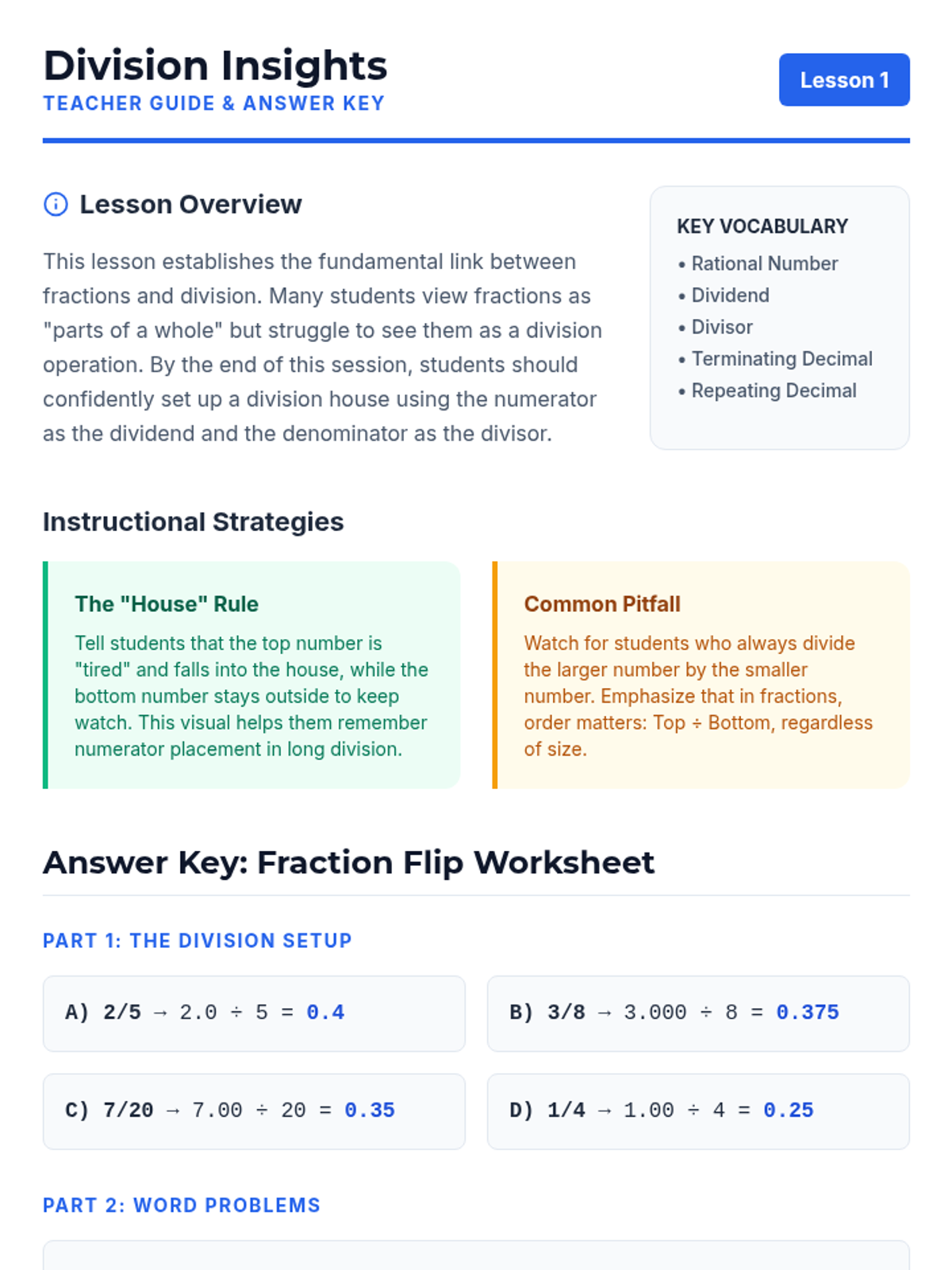
This workshop-style sequence empowers students to fluently translate between fraction and decimal notations to compare values effectively. Students explore fractions as division, use powers of ten for conversion, and master ordering mixed data sets.
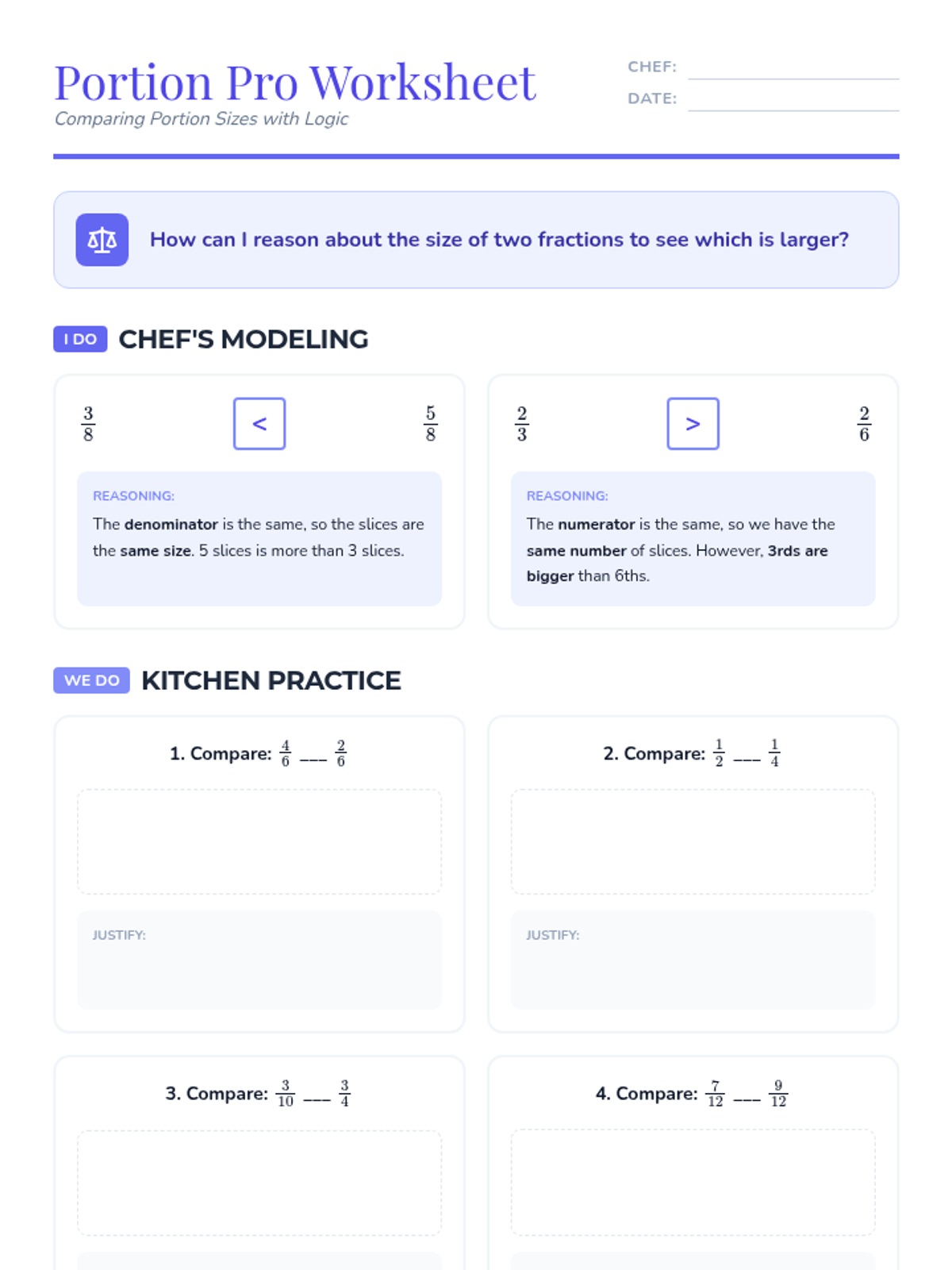
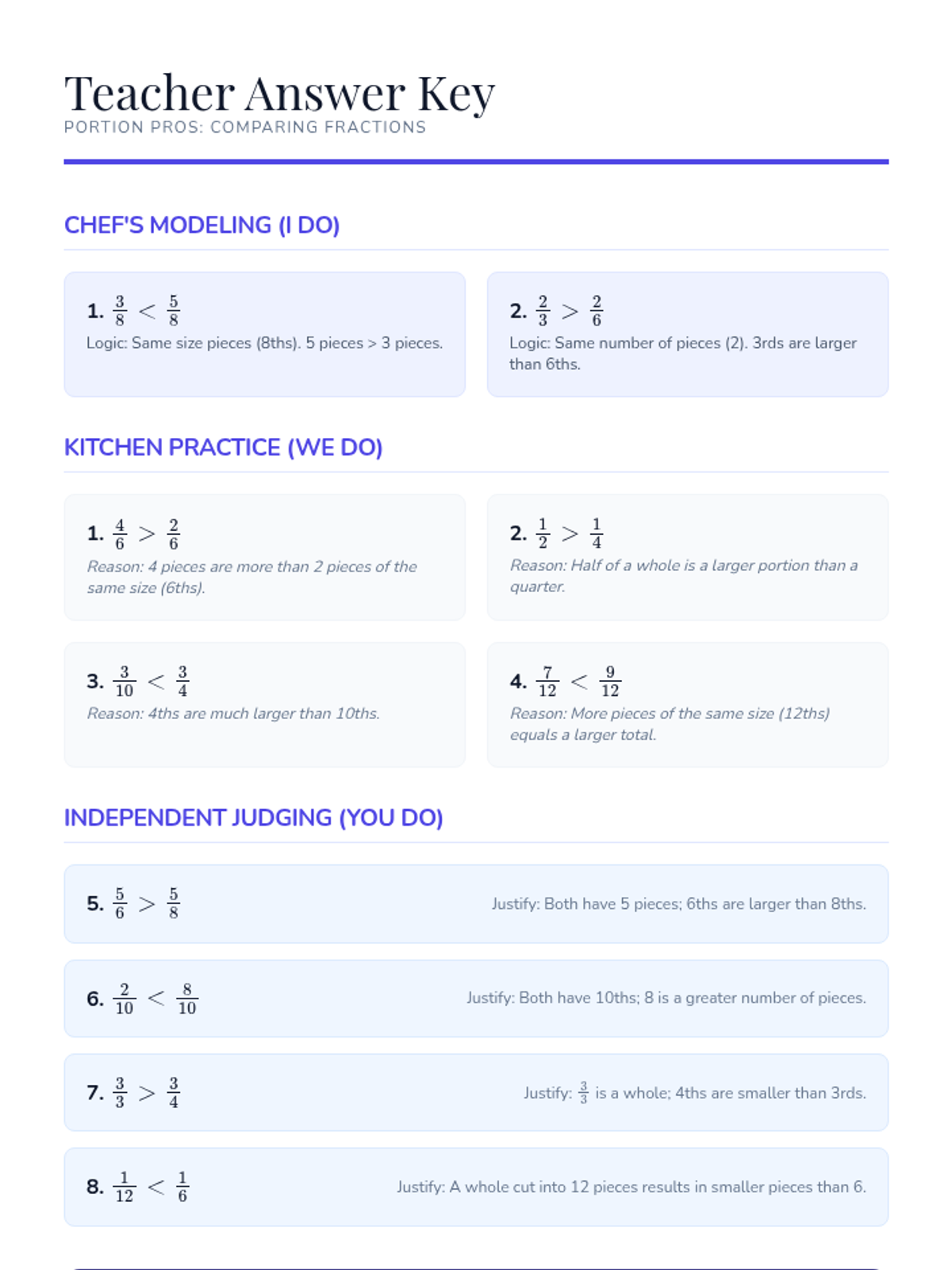
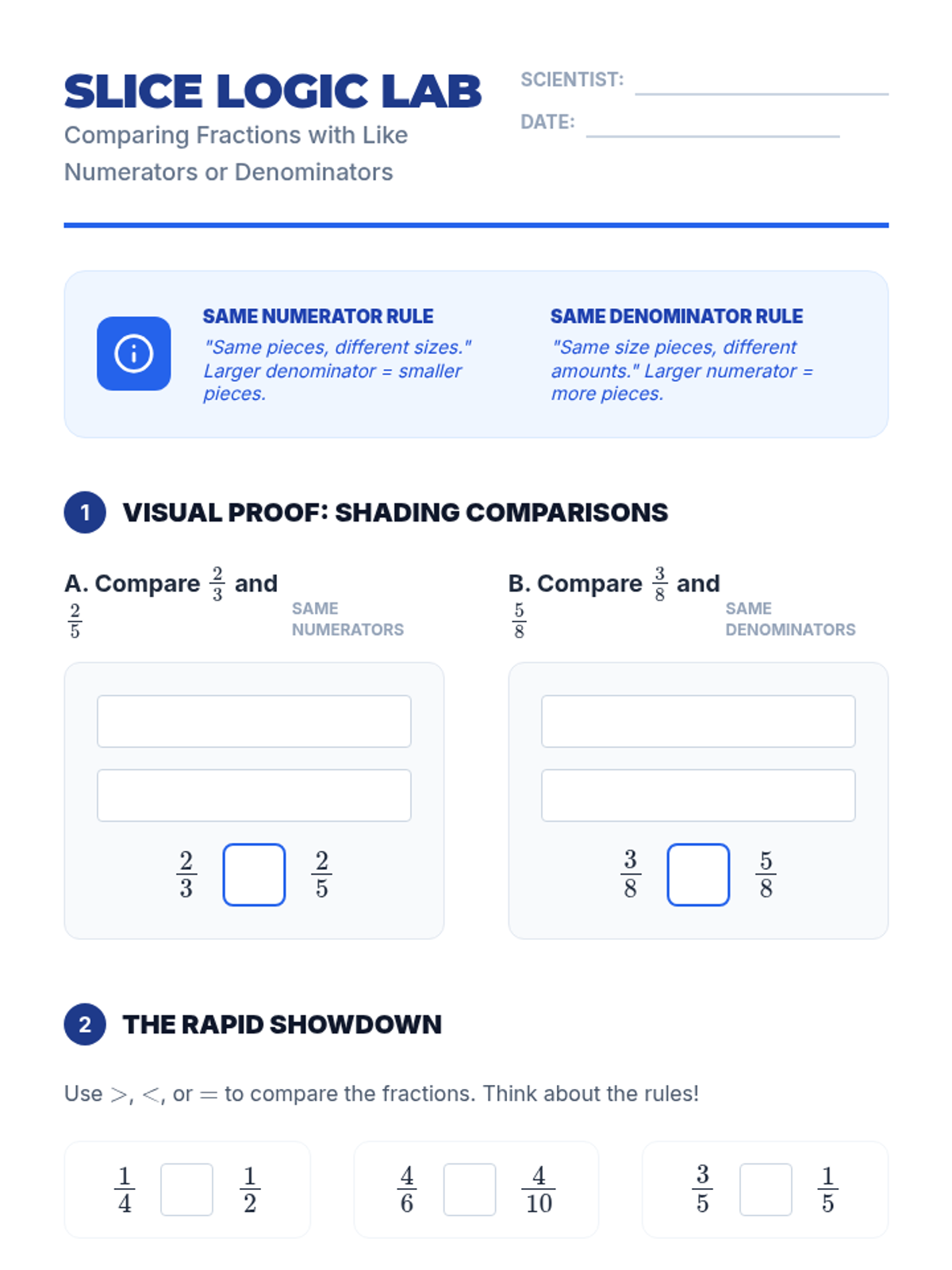
A comprehensive sequence for 4th graders to master comparing and ordering rational numbers (fractions and decimals). Students move from basic reasoning about fraction sizes to complex ordering of mixed formats using logic-based strategies and kinetic activities.
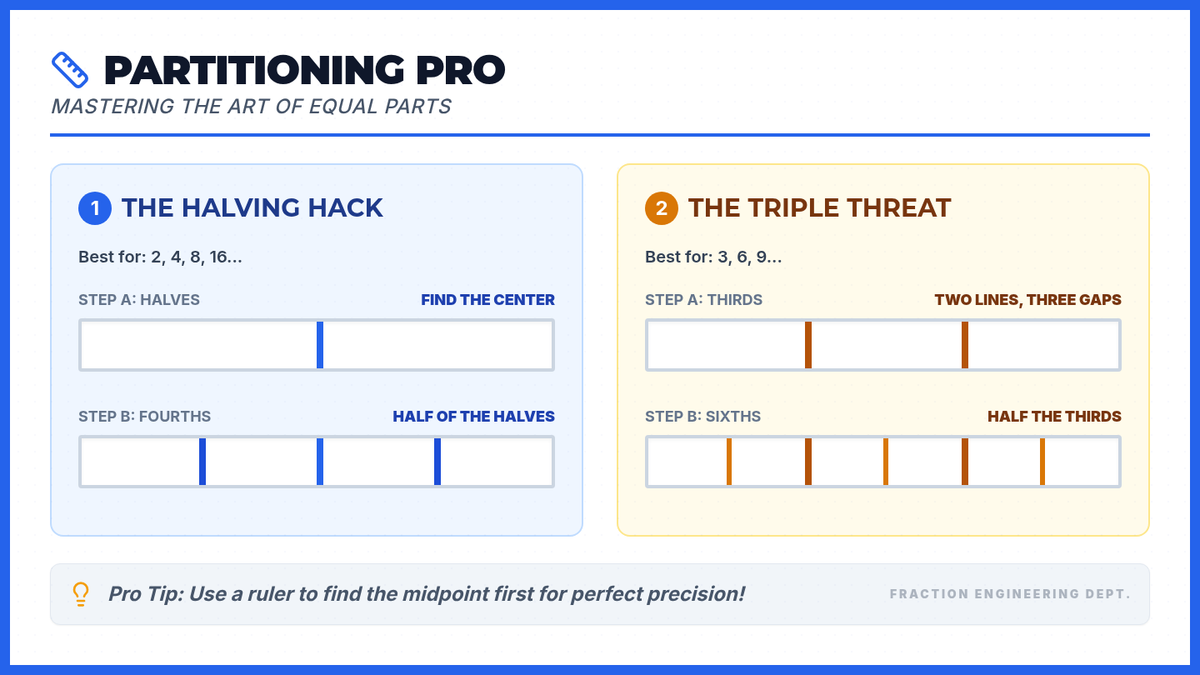
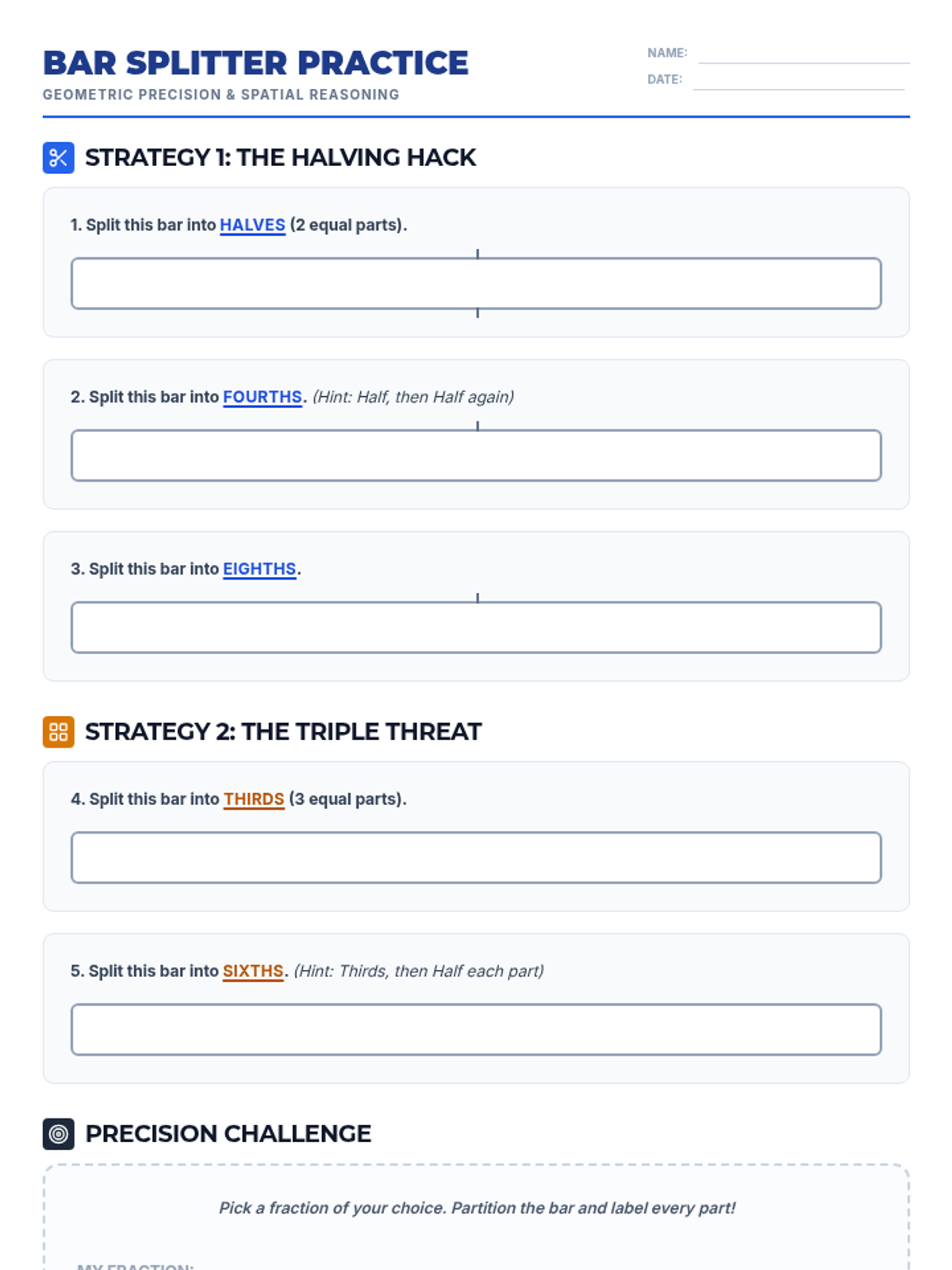
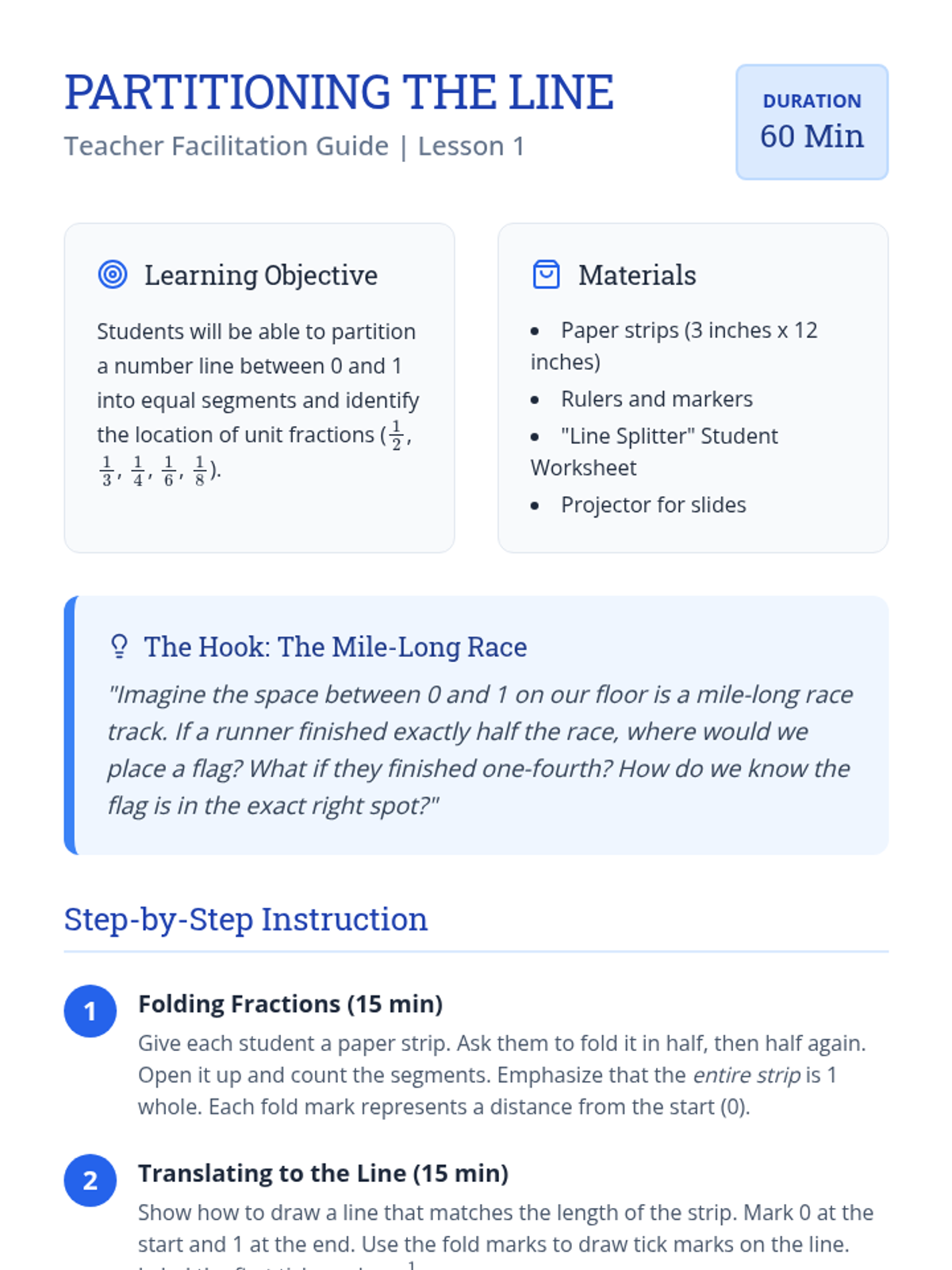
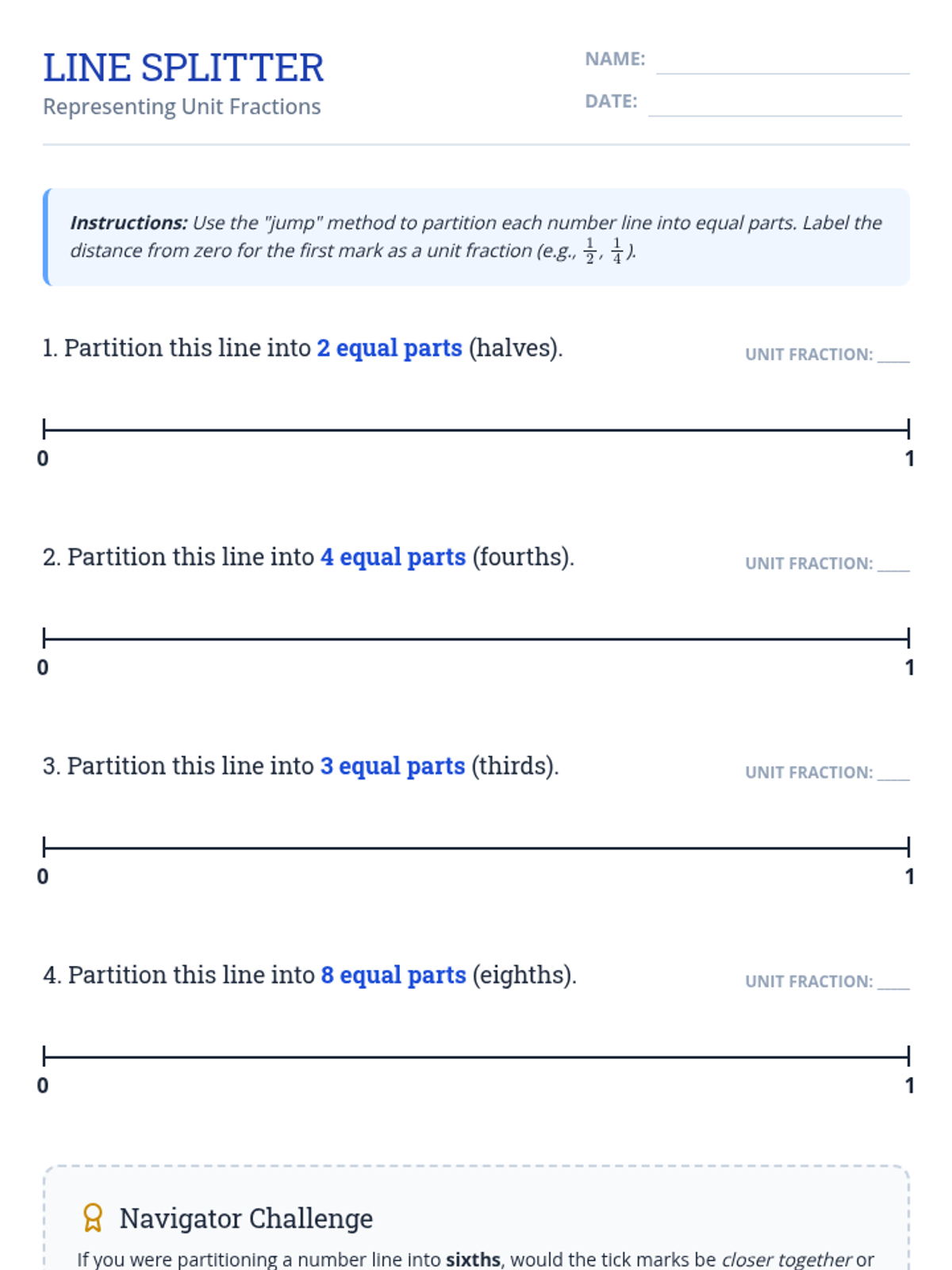
A comprehensive 5-lesson unit for 4th graders to master representing fractions on number lines, from unit fractions between 0 and 1 to mixed numbers and equivalent fractions. Students move from concrete partitioning to abstract estimation using benchmarks.