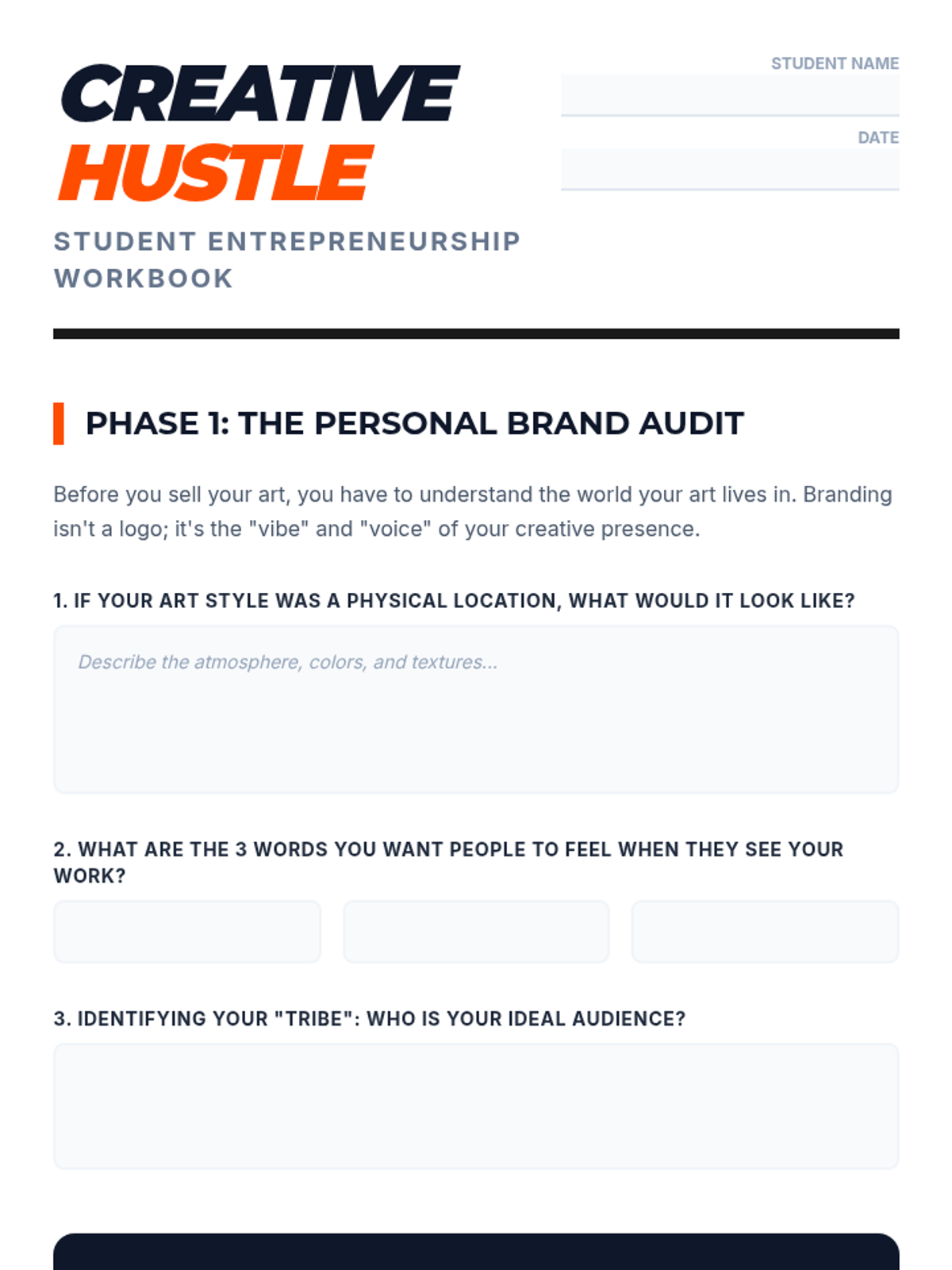
A 60-minute session for adult learners to identify and embrace their unique creative strengths through interactive discussion, self-assessment, and reflection.

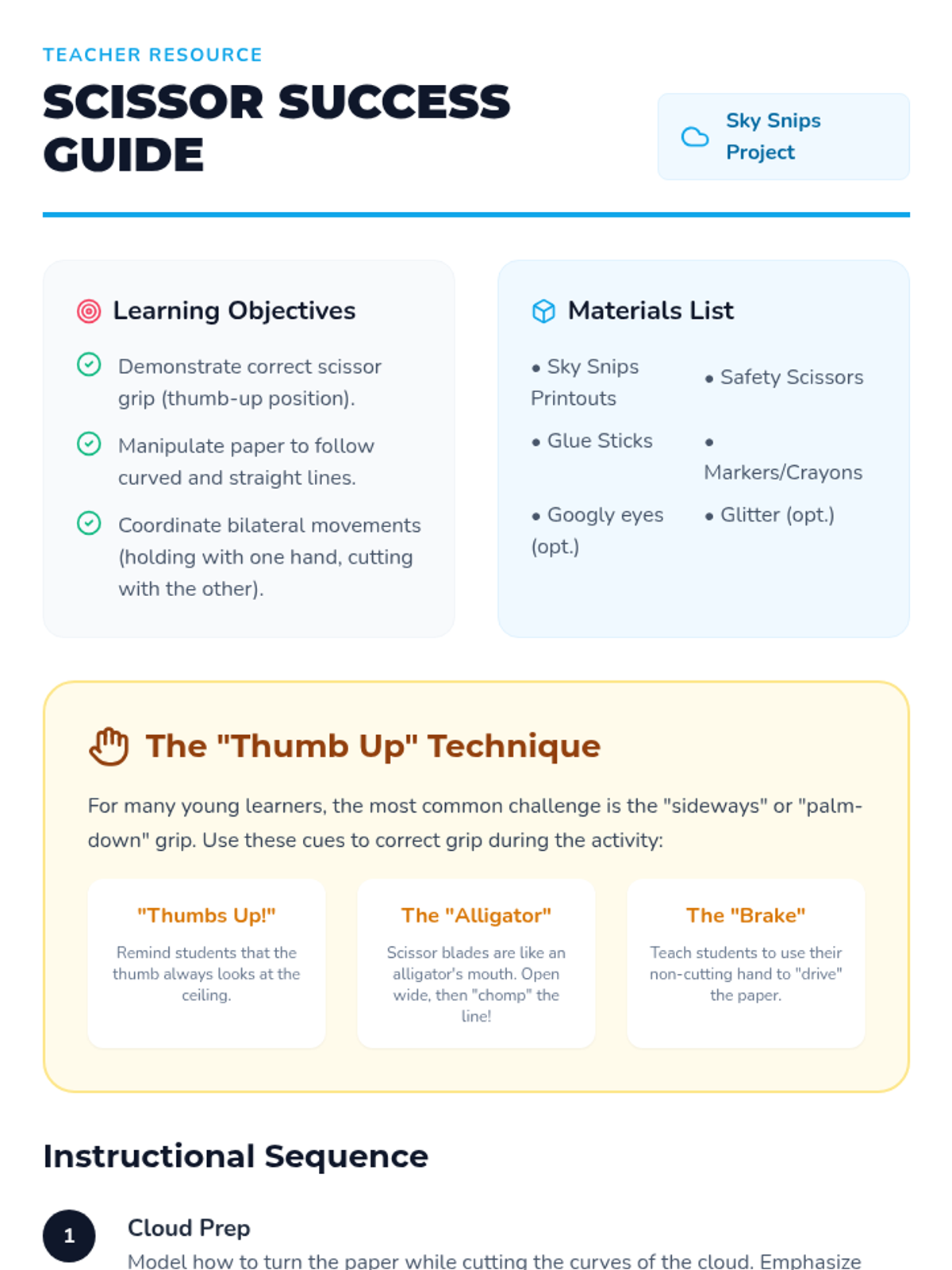
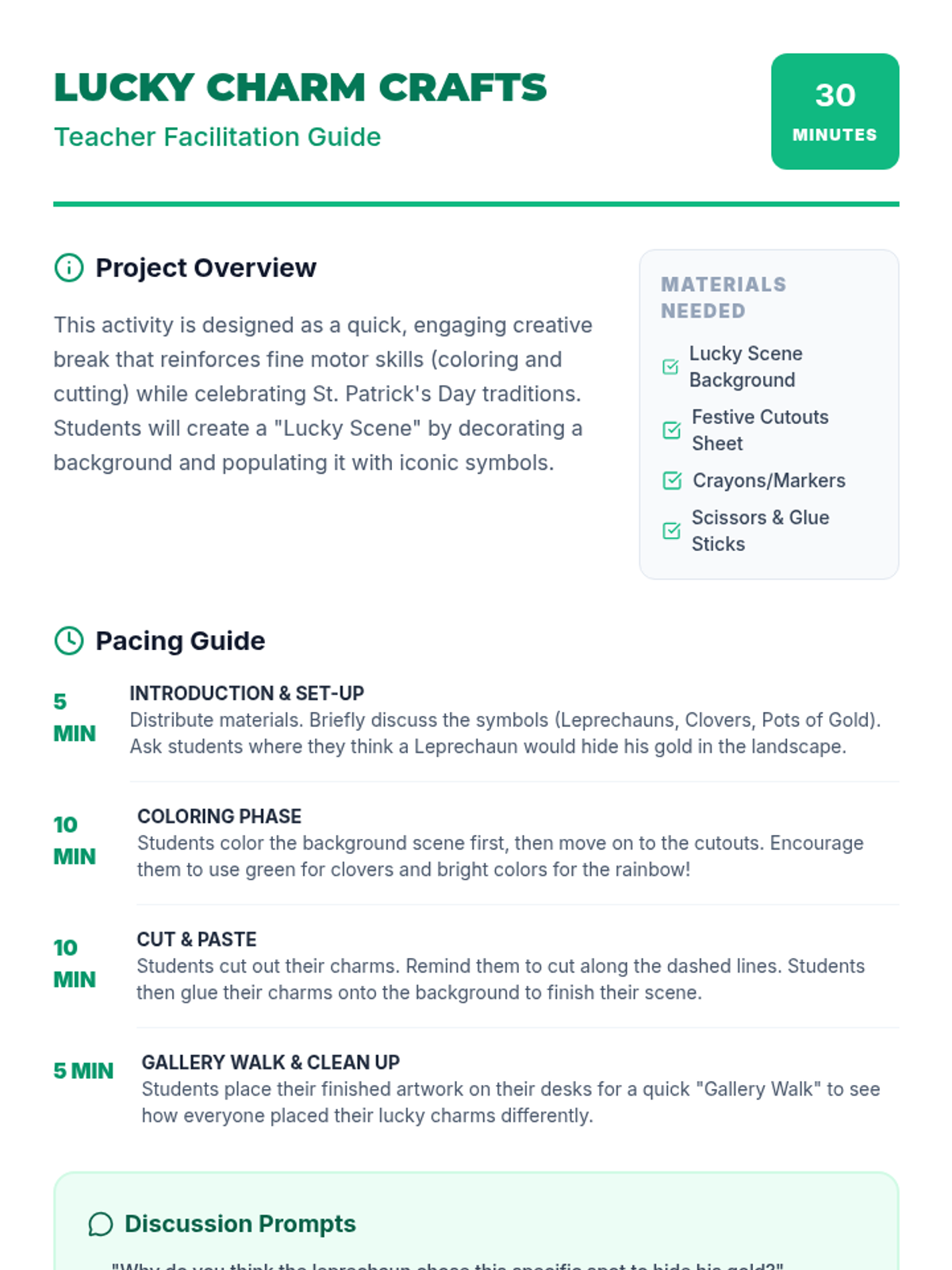
A hands-on paper engineering activity where students create a 3D pop-up Valentine's card to develop fine motor skills through precise cutting, folding, and assembling.
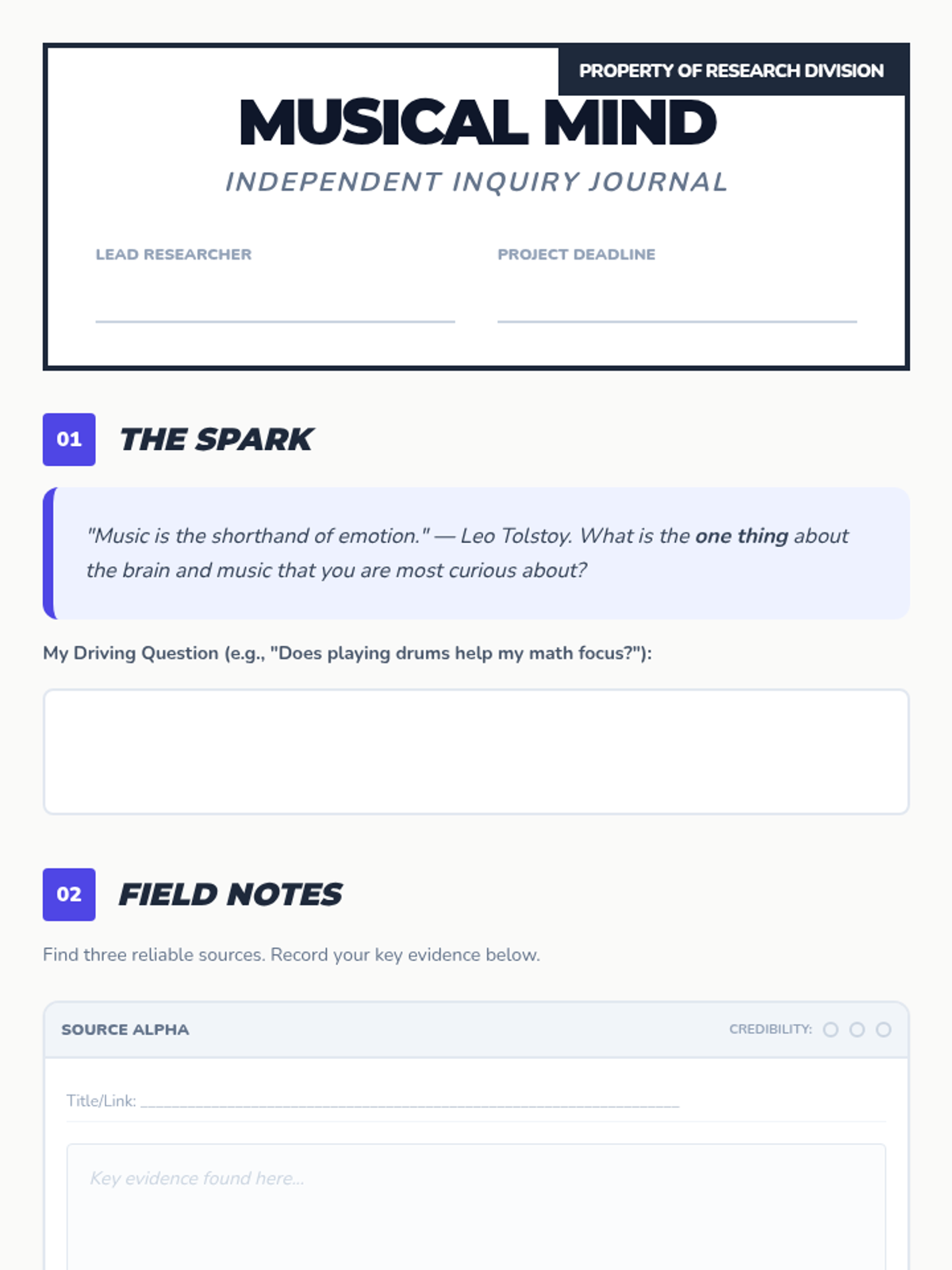
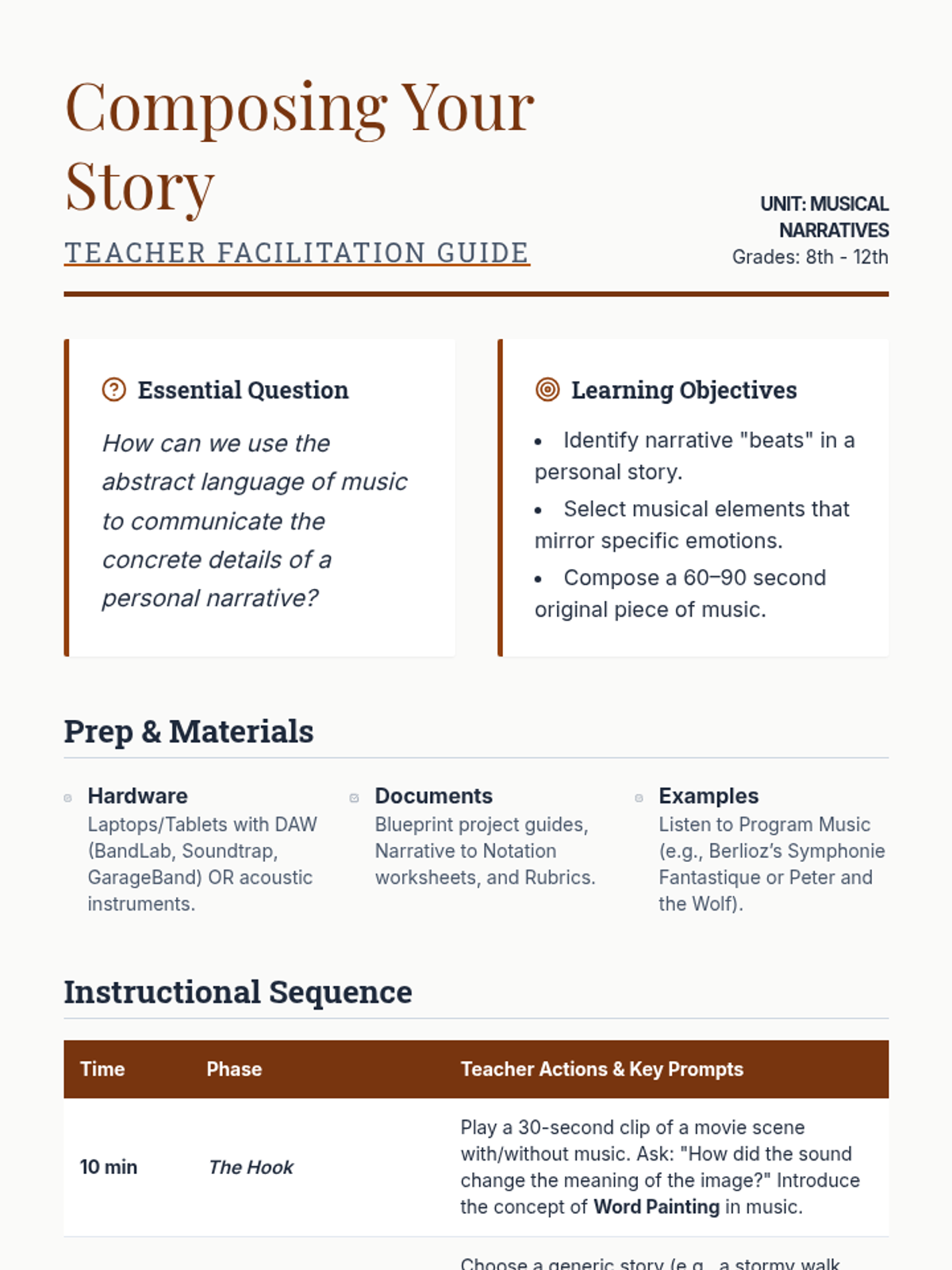
An in-depth exploration of Hans Zimmer's 'Time' from the Inception soundtrack, focusing on IB Music's Dramatic Impact and Music Technology Areas of Inquiry to build essay-writing skills.
A comprehensive lesson guiding students from the history and purpose of slam poetry through writing original verses to performing with impact and giving constructive peer feedback.
A comprehensive exploration of John Coltrane's 'My Favorite Things' for IB Music, focusing on modal jazz, structural innovation, and the 'Exploring Music in Context' Area of Inquiry.
Explore the evolution of 'Bella Ciao' from an Italian folk song of labor to a global anthem of resistance. Students analyze its musical characteristics and socio-political impact through the lens of IB Music's Exploring Music in Context.
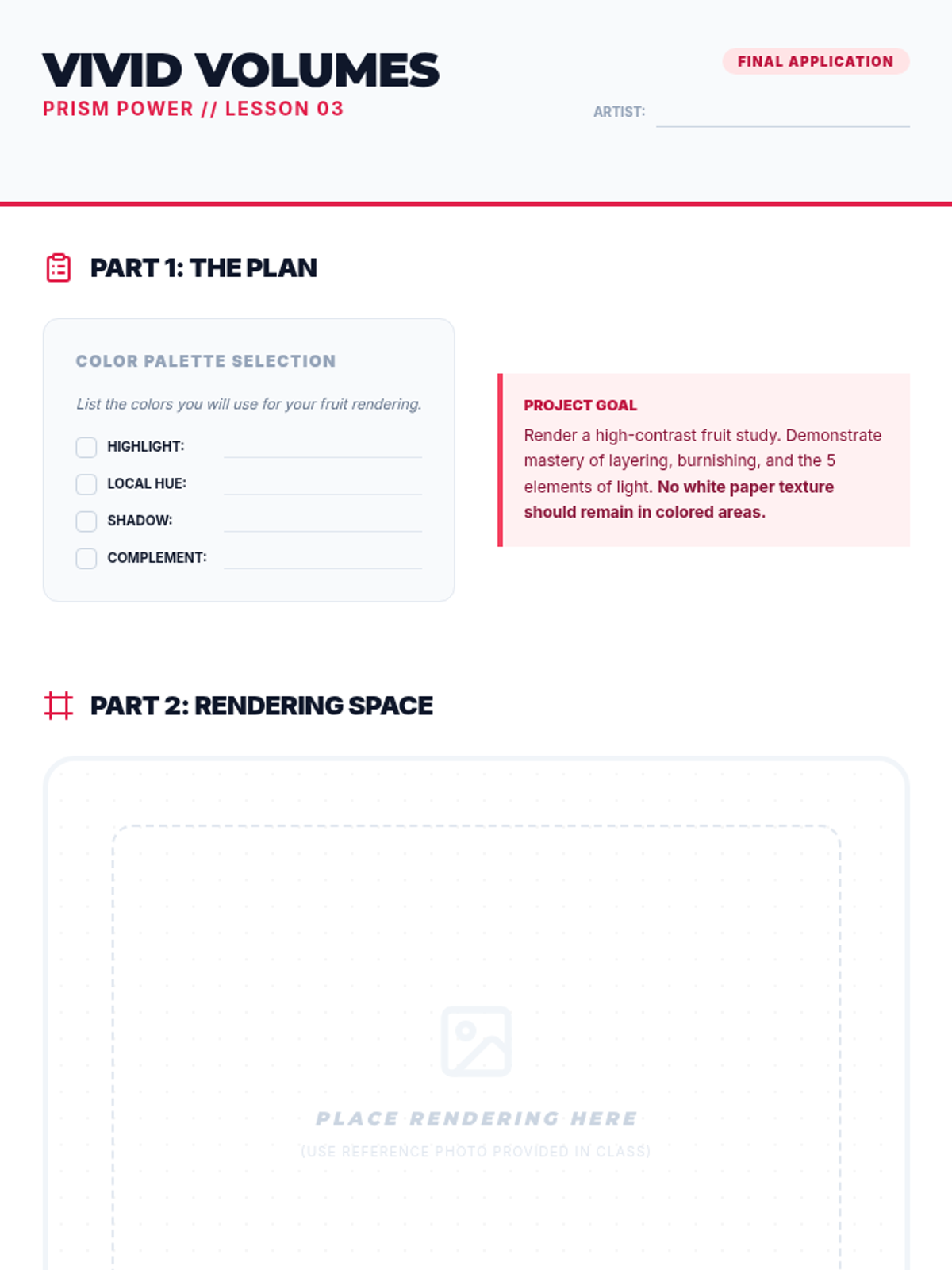
A sophisticated art lesson for high school students focusing on creating anatomical mixed-media hearts for Valentine's Day. Students explore the intersection of science and emotion through ink and watercolor techniques.
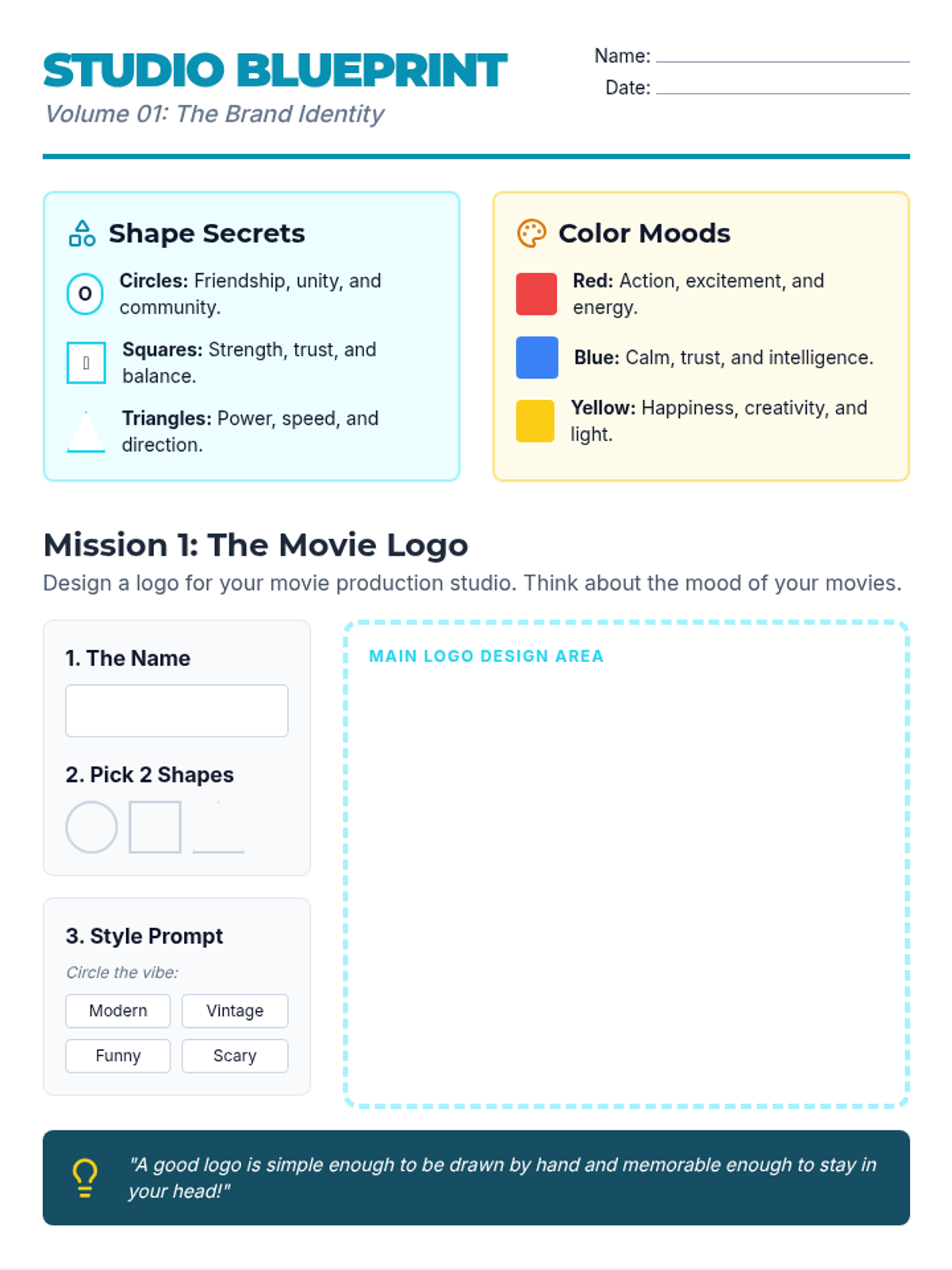
A comprehensive lesson exploring the history and techniques of pixel art, guiding students to create their own retro-style game characters and environments within technical constraints.
A 20-minute parent and child nursery rhyme session designed for early years to promote bonding, language development, and motor skills through classic songs and interactive play.
A 30-minute introduction to sight reading in 6/8 time and the key of E-flat major, focusing on the feeling of compound meter and navigating three flats.
This lesson shifts focus to the collective representation of apes as they form a community in the sanctuary and eventually rebel. Students analyze the portrayal of ape communication, social hierarchy, and the final shift toward agency.
Students explore Caesar's origin story, analyzing how the film represents growing ape intelligence and emotional complexity within a laboratory setting. The lesson focuses on the intersection of science and ethics through the lens of primate representation.
Concevoir des dispositifs de médiation et des espaces d'accueil qui favorisent l'autonomie, le plaisir de lire et le développement de l'esprit critique.
Explorer la psychologie de l'adolescent lecteur et l'évolution de l'édition jeunesse pour mieux accompagner les parcours de lecture personnels et scolaires.
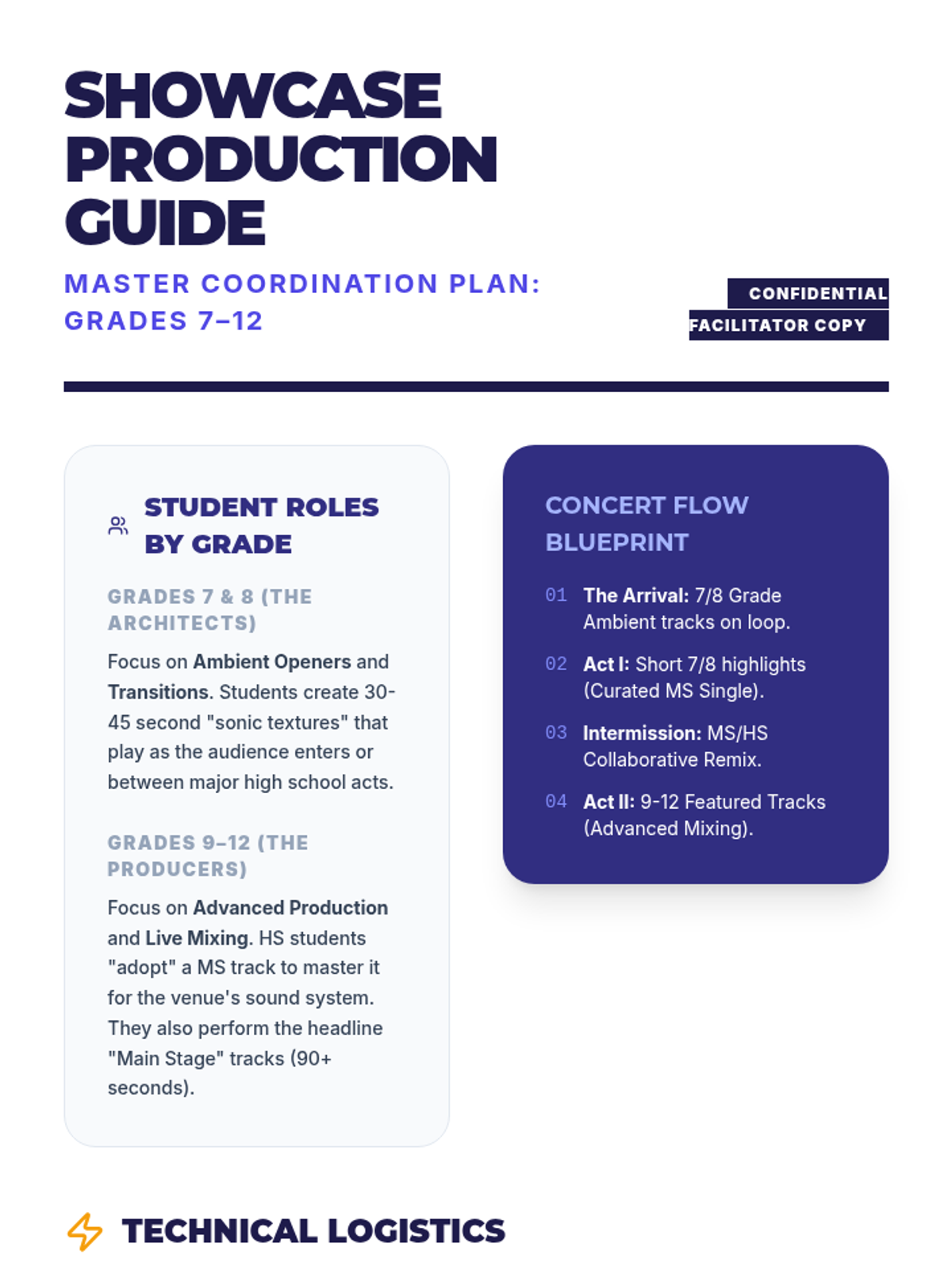
A project-based lesson for middle school students to learn fundamental composition techniques, including melody writing, harmonic support, and arranging for classroom instruments. Students will apply these skills to create and perform an original short piece.
Students explore the historical significance and emotional weight of the Greensboro Sit-ins through drama-based activities and historical analysis, focusing on the theme of courage.
A comprehensive look at the 1937 Degenerate Art exhibition in Nazi Germany, exploring how art was used as a tool for propaganda and the suppression of modern expression.
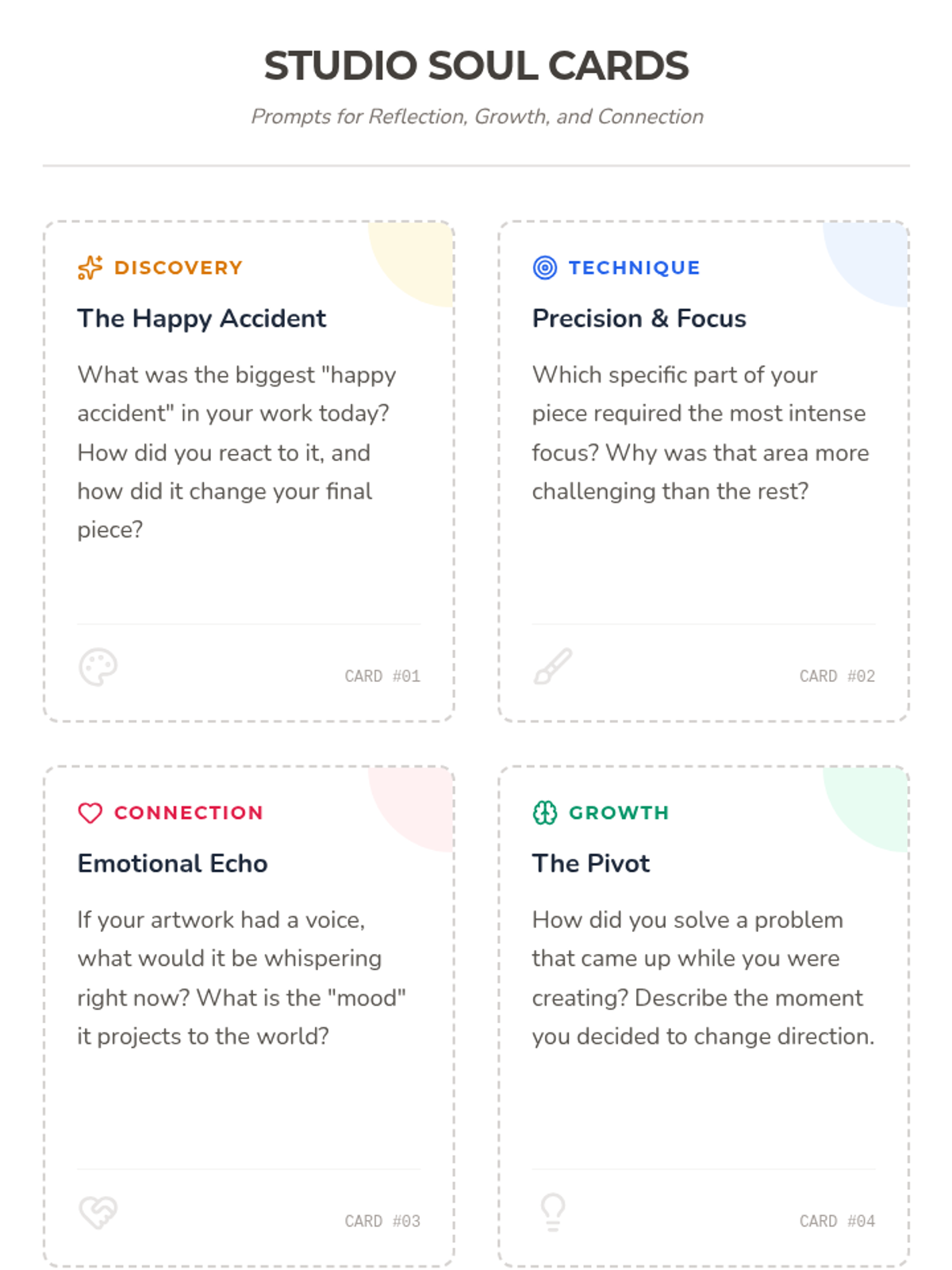
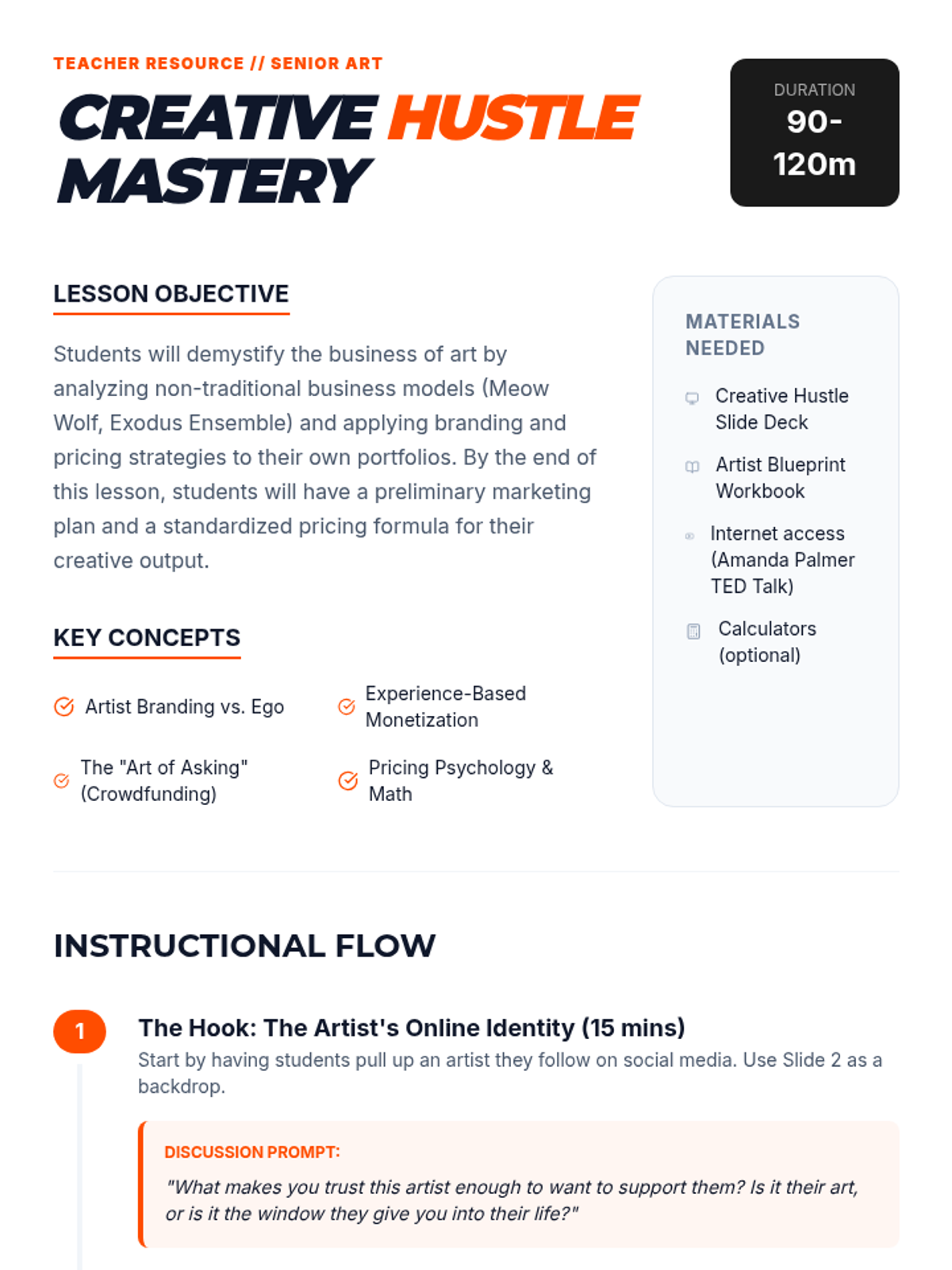
A lesson designed to help students distinguish between effective and ineffective slide design for their invention presentations. It uses a side-by-side comparison of a 'good' and 'bad' presentation to teach visual design and organization principles.
A lesson designed to help students analyze and discuss visual art using specific vocabulary and sentence stems focused on color, perspective, design, lines, and detail.
Students will investigate the contrasting aesthetics of Protestant and Catholic art during the Baroque period, focusing on how the Catholic Church used emotional and dramatic art as a tool of the Counter-Reformation to persuade and inspire the faithful.
A lesson exploring the power of satire and political comedy through the lens of Ancient Greek playwright Aristophanes, featuring modern connections and a creative script-writing activity.
Students will analyze how Jacques-Louis David and Francisco Goya used art to shape the narrative of Napoleon's conquests, interpreting the difference between state-sponsored propaganda and visual protest. The lesson includes a writing activity where students adopt 19th-century personas to review these iconic works.
This lesson explores the differences between Italian and Northern Renaissance art through the lens of humanism, focusing on Botticelli's elegance versus Bruegel's gritty realism. Students will watch a video segment and perform a visual analysis of 'Dutch Proverbs' to understand how Northern artists democratized humanistic themes.
This lesson explores the intersection of art and political activism, specifically focusing on Picasso's *Guernica* as a response to the horrors of the 20th century. Students will analyze the stylistic choices of Cubism in depicting war and create their own conceptual sketches for a modern piece of resistance art.