A set of 20 short articles (two for each of the 10 debate topics) to provide students with evidence for their classroom arguments.
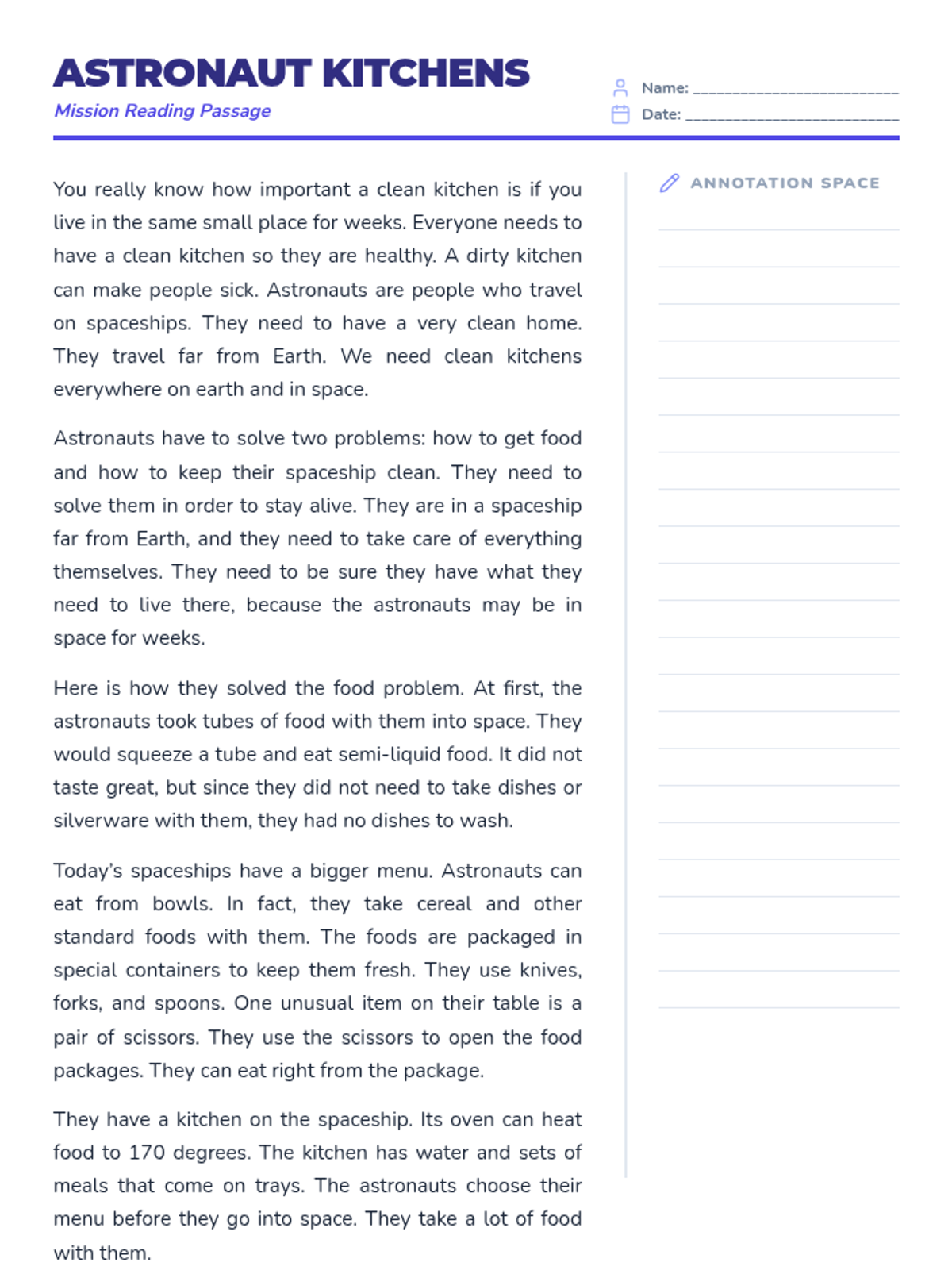
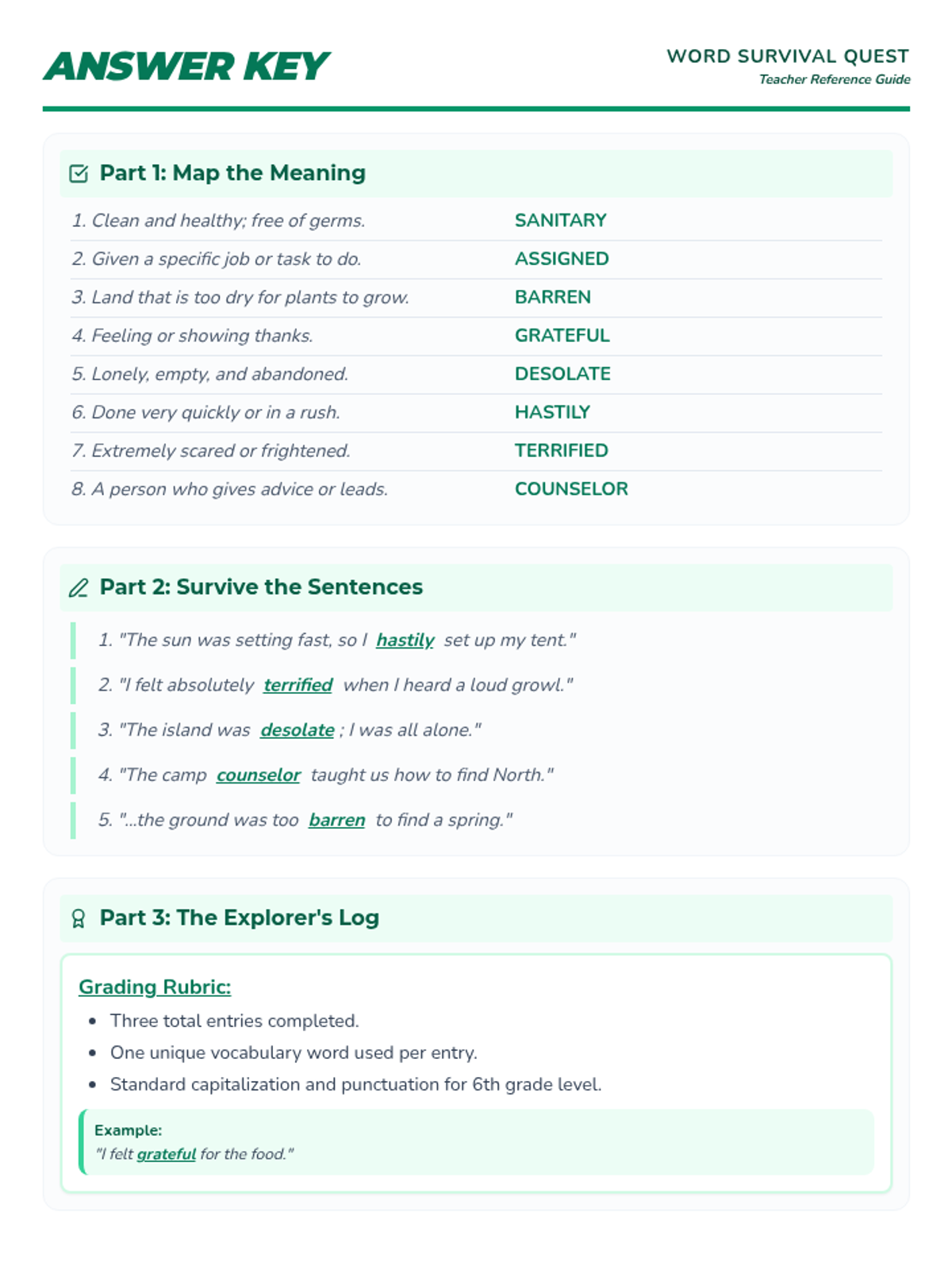
A lesson focused on enhancing inference skills using a high-interest context of game design and virtual worlds. Students will analyze character motivations and technical challenges within a Roblox-inspired narrative.
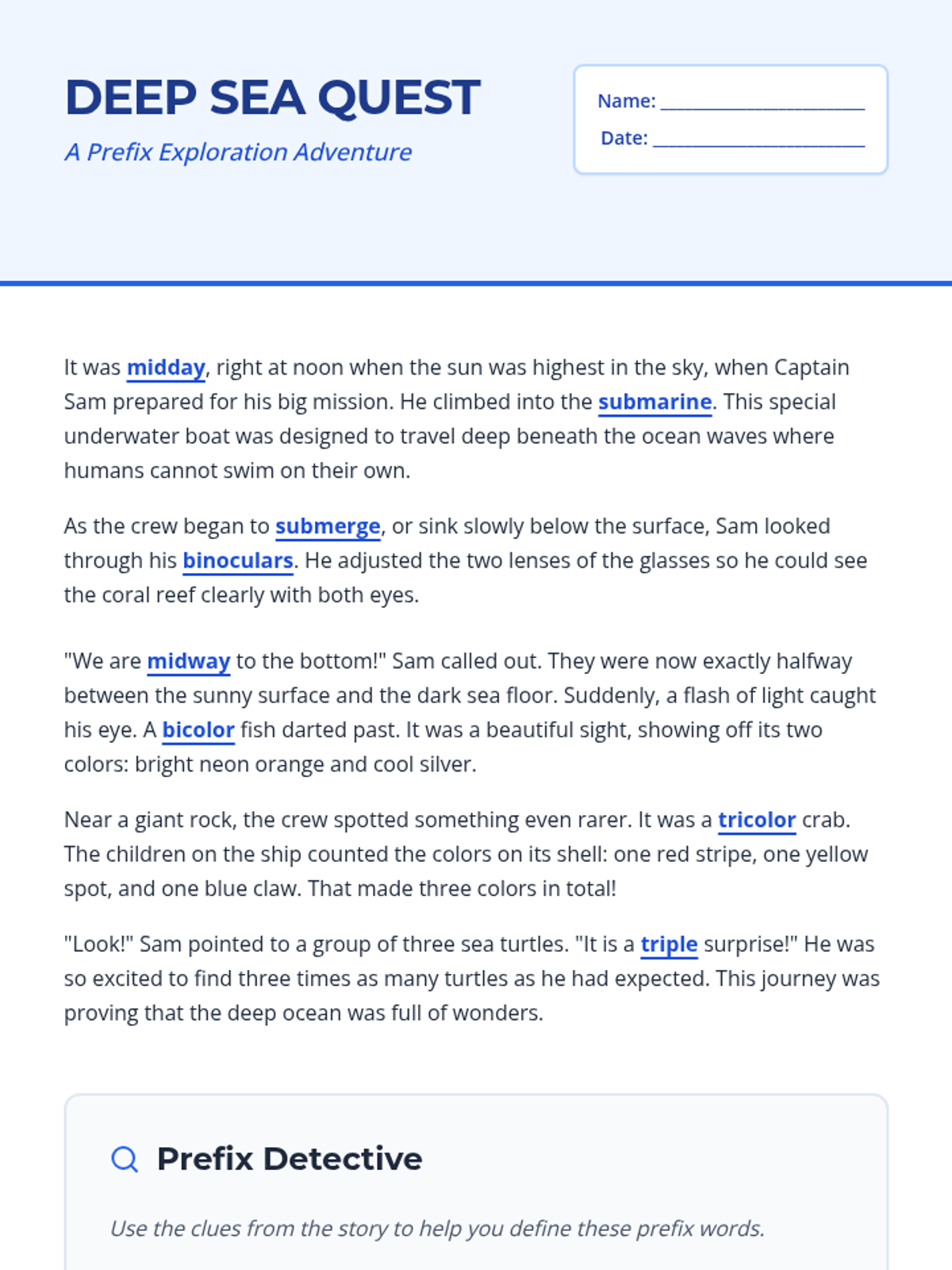
A visual, tactile approach to sentence structure using color-coded "blocks" to represent parts of speech. Students learn to sculpt sentences from basic patterns to complex masterpieces, reducing cognitive load through visual patterns.
A comprehensive lesson on correctly formatting MLA citations within PowerPoint presentations, covering in-slide citations and Works Cited slides.
A lesson focused on developing inference skills through a high-interest text about beauty and self-expression. Students will use textual clues to draw conclusions about settings, actions, and feelings.
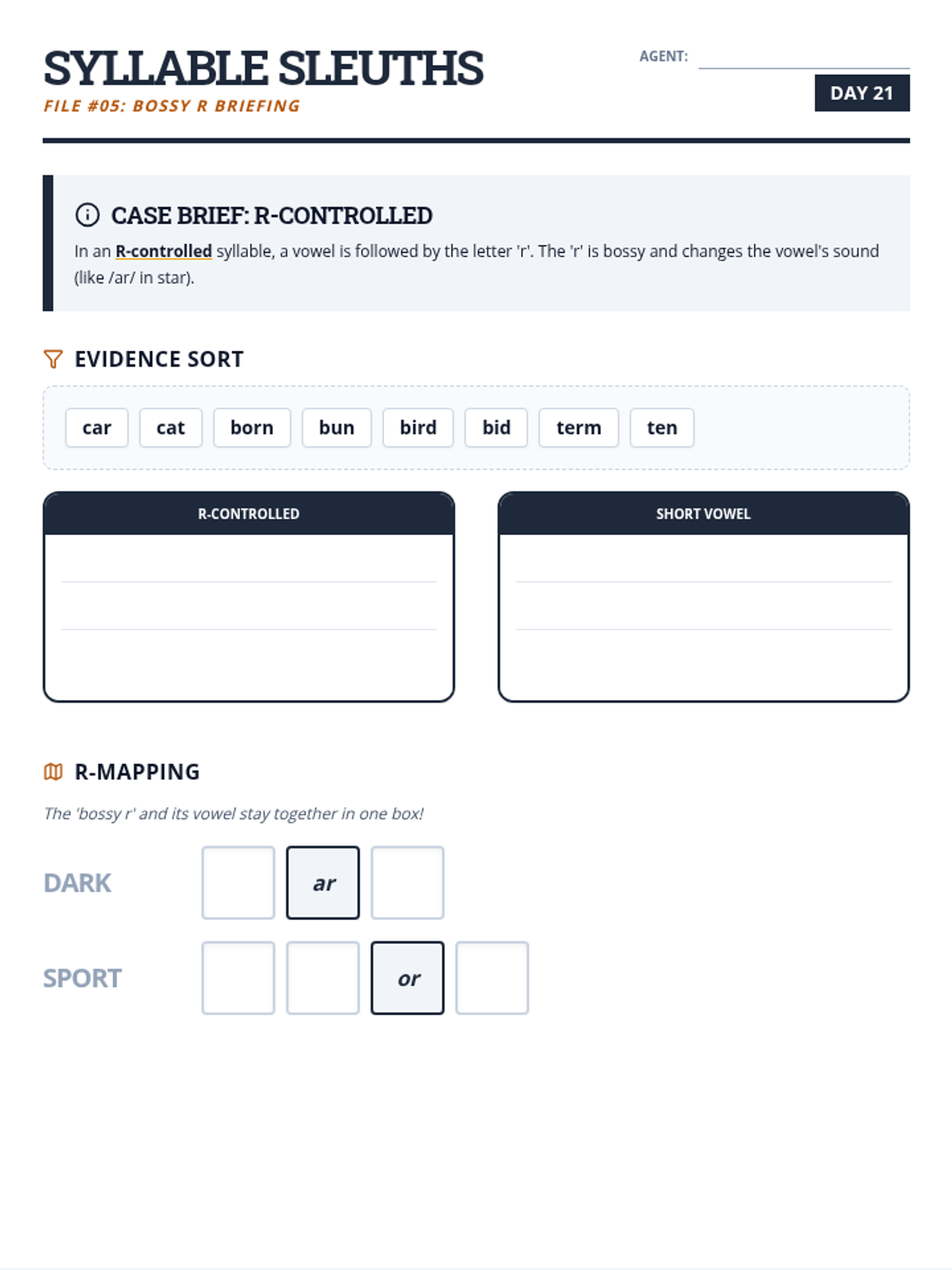
A focused lesson on mastering plural possessive nouns through a detective-themed investigation. Students will learn the rules for placing apostrophes with regular and irregular plural nouns.
A Language Dive lesson for 3rd Grade focusing on a complex sentence from Peter Pan to analyze character traits and comparisons using "as...as". This guide is designed for new teachers to facilitate a 15-20 minute deep dive into language structure and meaning.
Students will learn about code-switching, identifying how we adjust our language (formal vs. informal) based on the audience and situation.
A high-energy, game-based lesson designed to reinforce RI.9 standards. Students engage in a multi-modal 'Double Take' challenge involving a board game, bingo, and a scavenger hunt to analyze how different authors present the same non-fiction topics.
A lesson for 4th graders comparing the picture book 'Santiago Saw Things Differently' with primary sources from Santiago Ramón y Cajal's life. Students analyze how authors use historical facts to create narrative stories and explore the intersection of art and science.
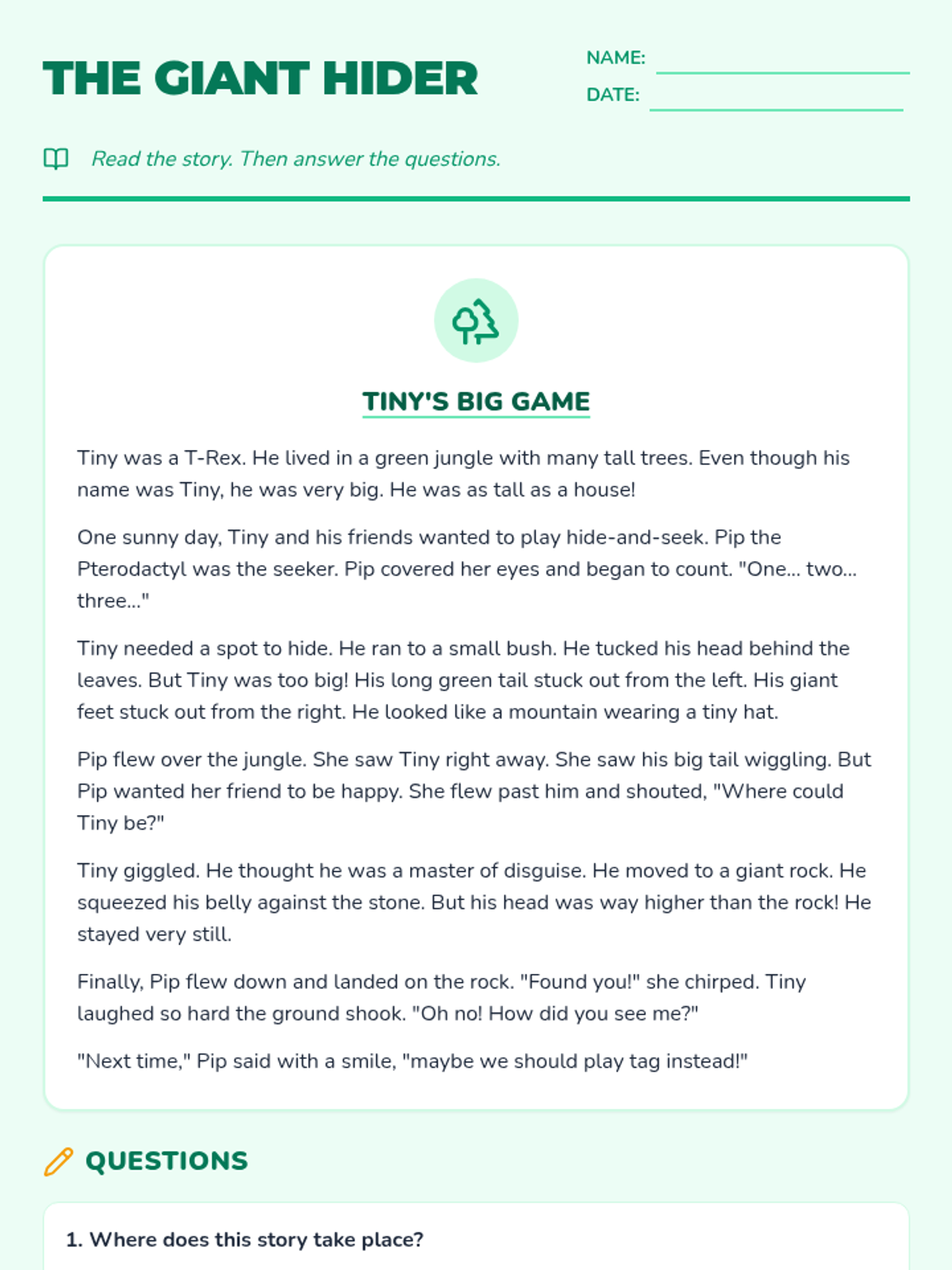
The final set of 5 reading passages for master readers, featuring 10-12 sentences with descriptive language, compound sentences, and 2nd grade vocabulary.
The third set of 5 reading passages for progressing readers, featuring 8-9 sentences with more complex details and a mix of 1st and 2nd grade sight words.
The second set of 5 reading passages for growing readers, featuring 6-7 sentences with an expanded vocabulary of 1-2 syllable words and primer/1st grade sight words.
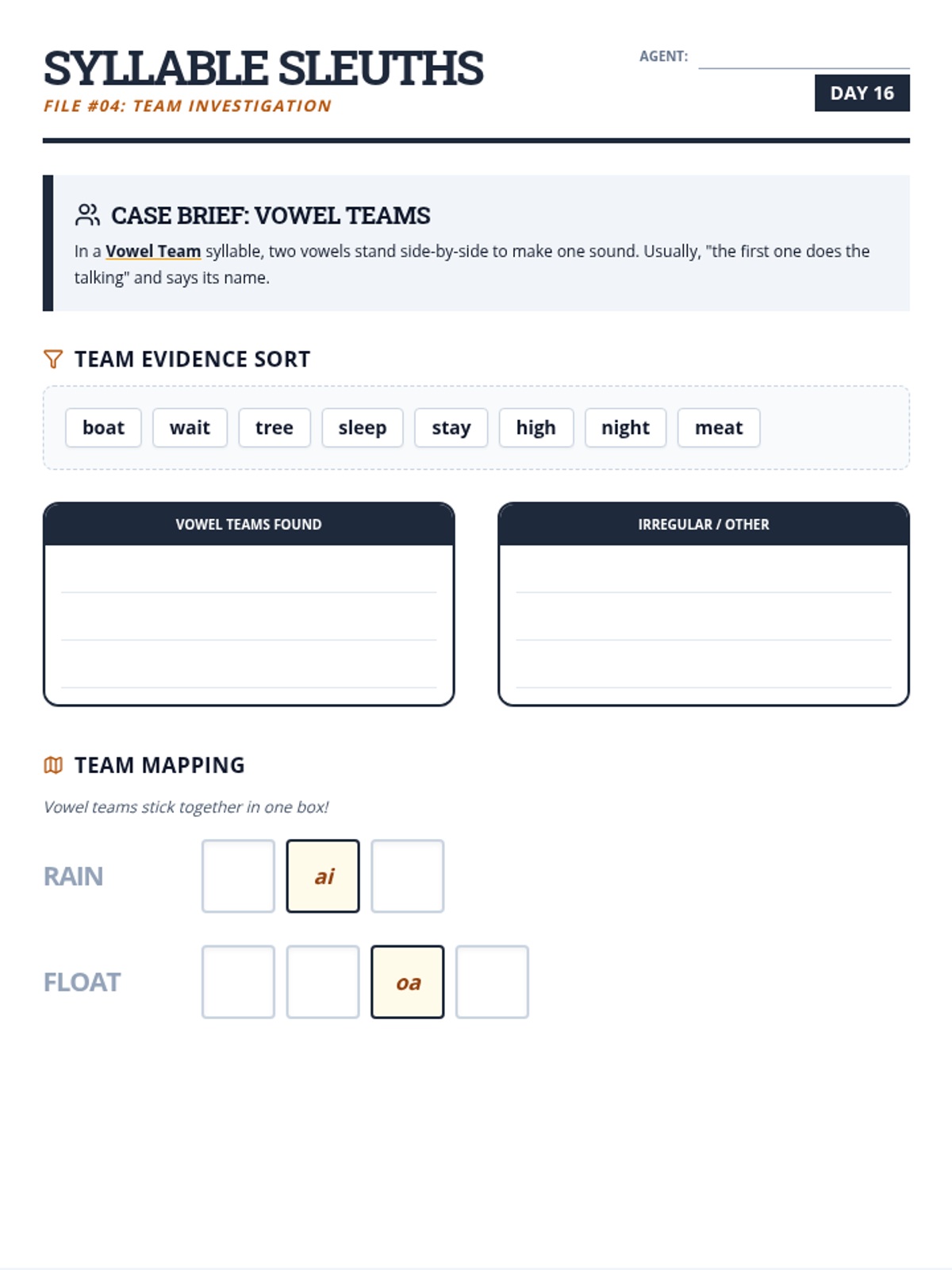
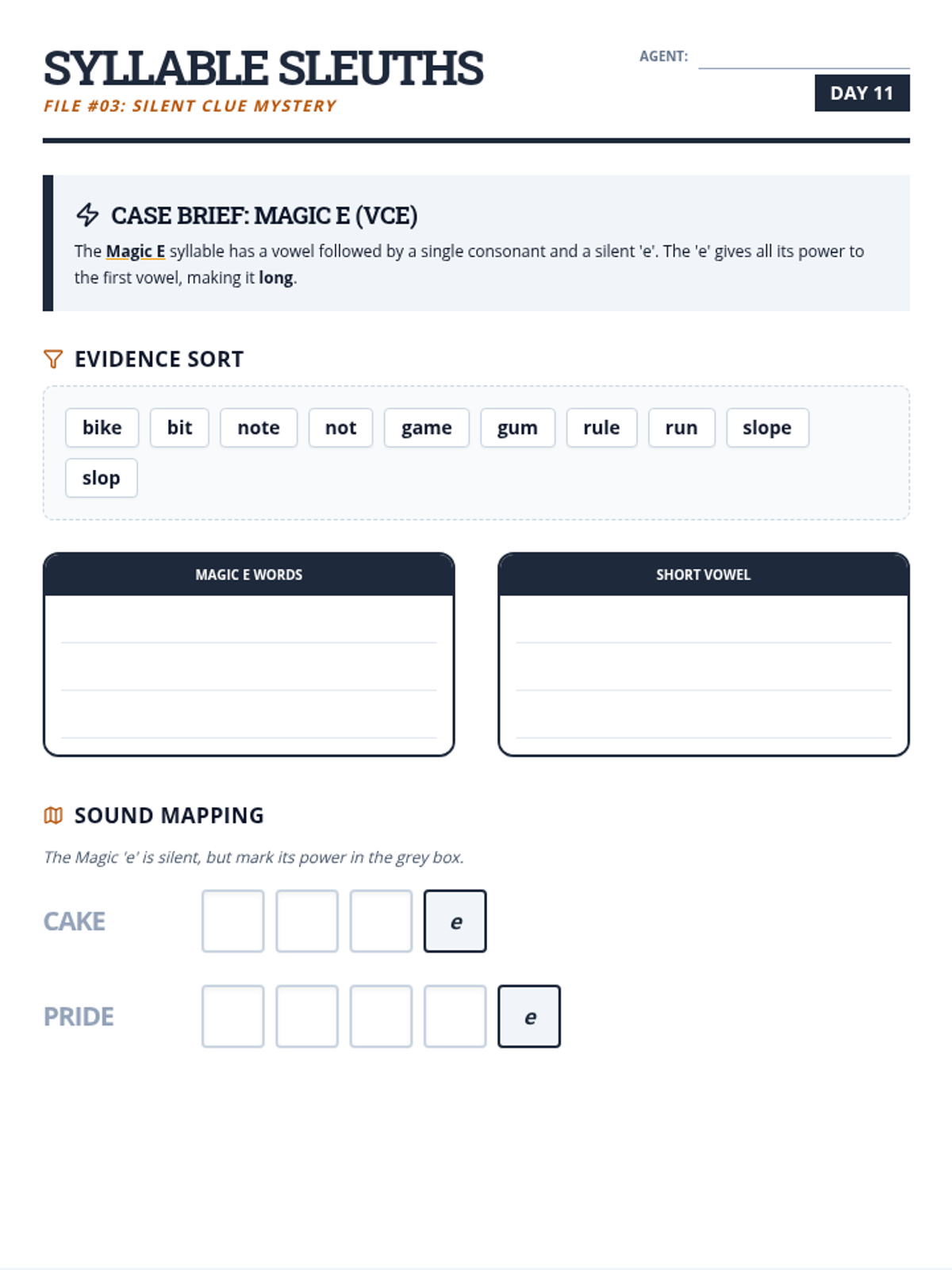
The first set of 5 reading passages for beginning readers, featuring 4-5 simple sentences with CVC and early sight words. Topics include animals, school, healthy habits, feelings, and community helpers.
A deductive reasoning lesson where middle school students solve a mystery by identifying logical fallacies and connecting evidence links. Students act as 'Logic Detectives' to debunk false arguments and build valid conclusions.