A comprehensive lesson on scaled picture and bar graphs with a festive Cinco de Mayo theme, featuring taco toppings and piñata treats. Students will practice drawing graphs and solving 'how many more/less' problems.
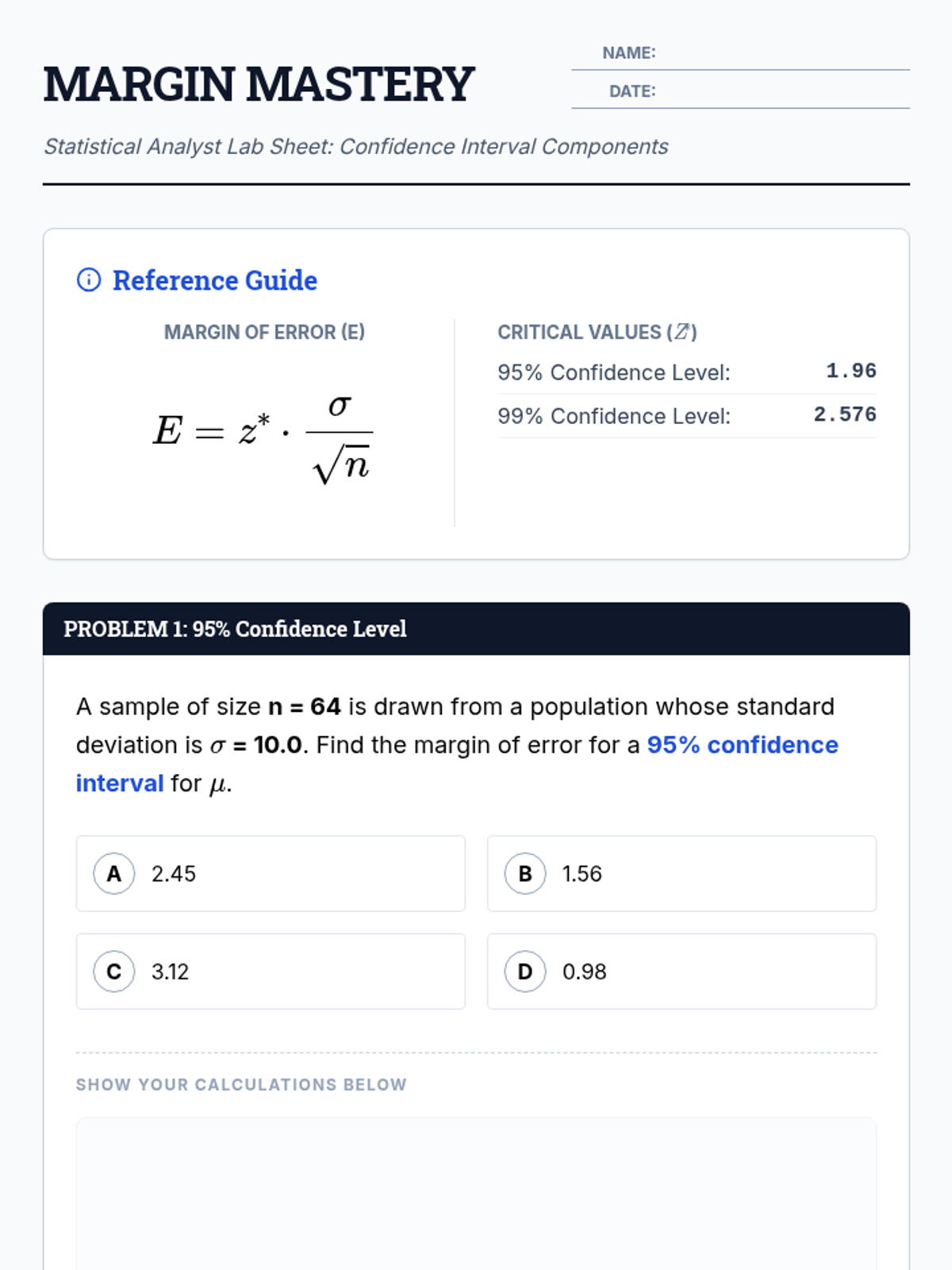
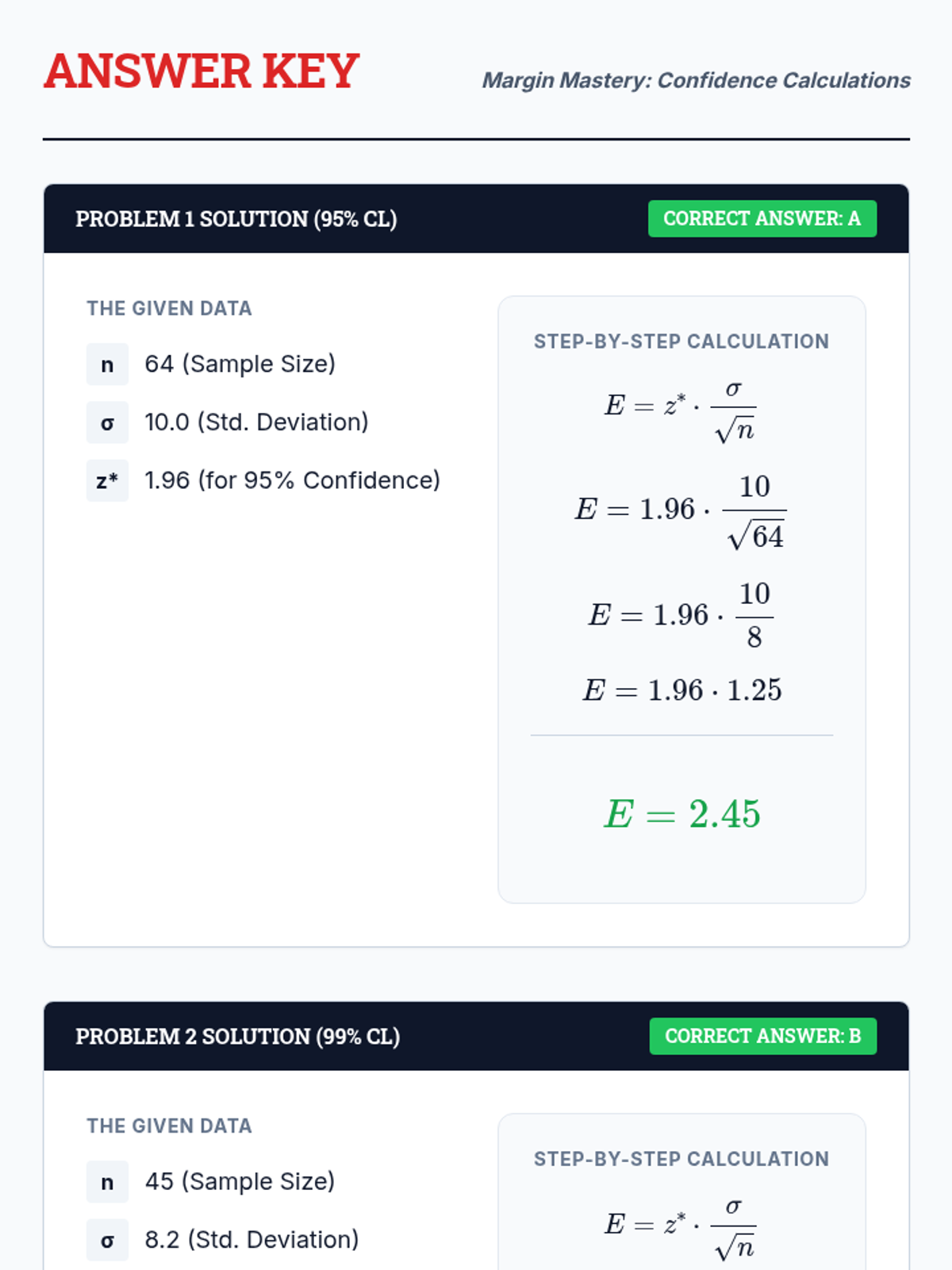
A lesson focused on calculating the margin of error for population means when the population standard deviation is known. Students practice using z-scores for different confidence levels.
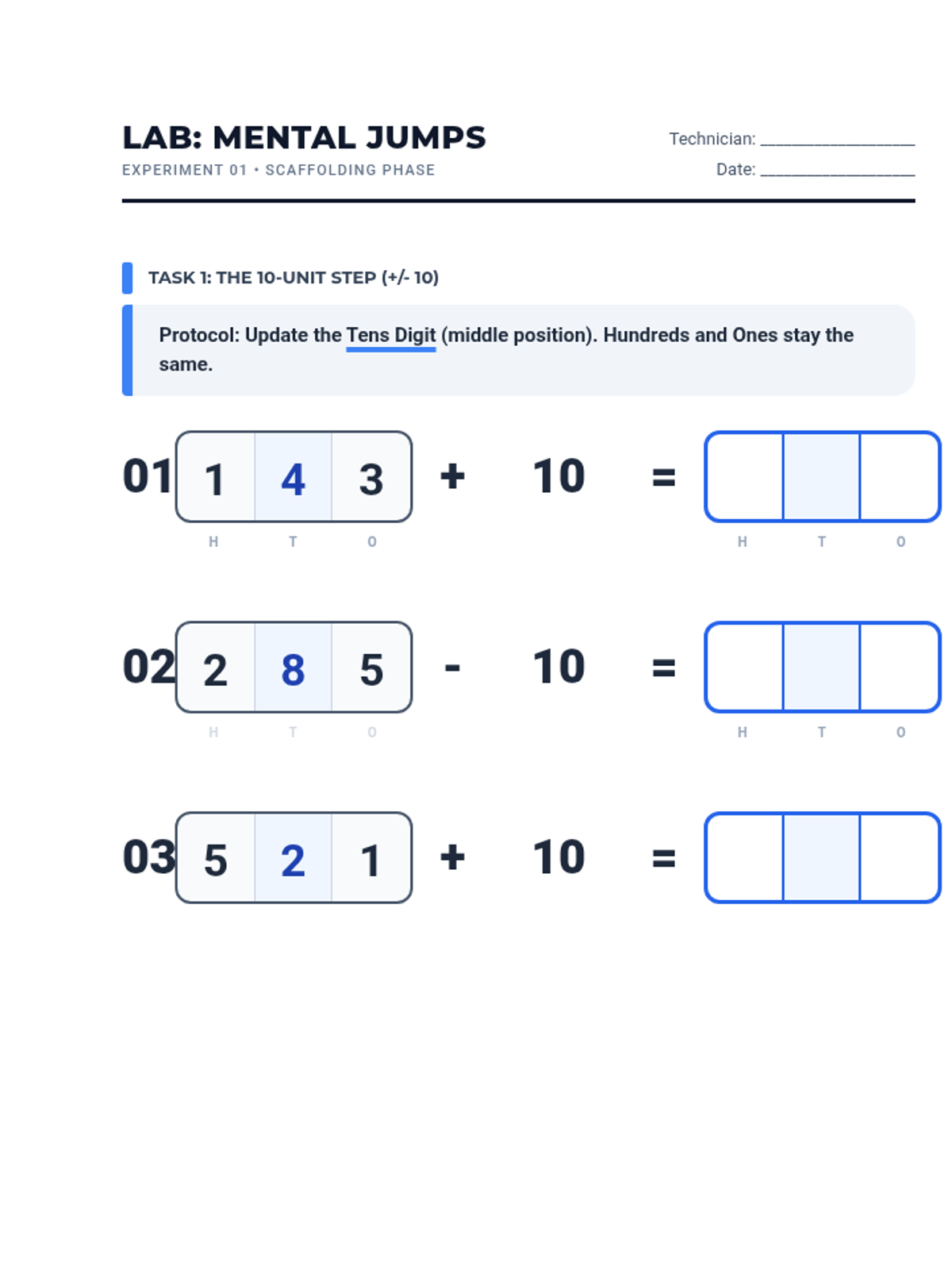
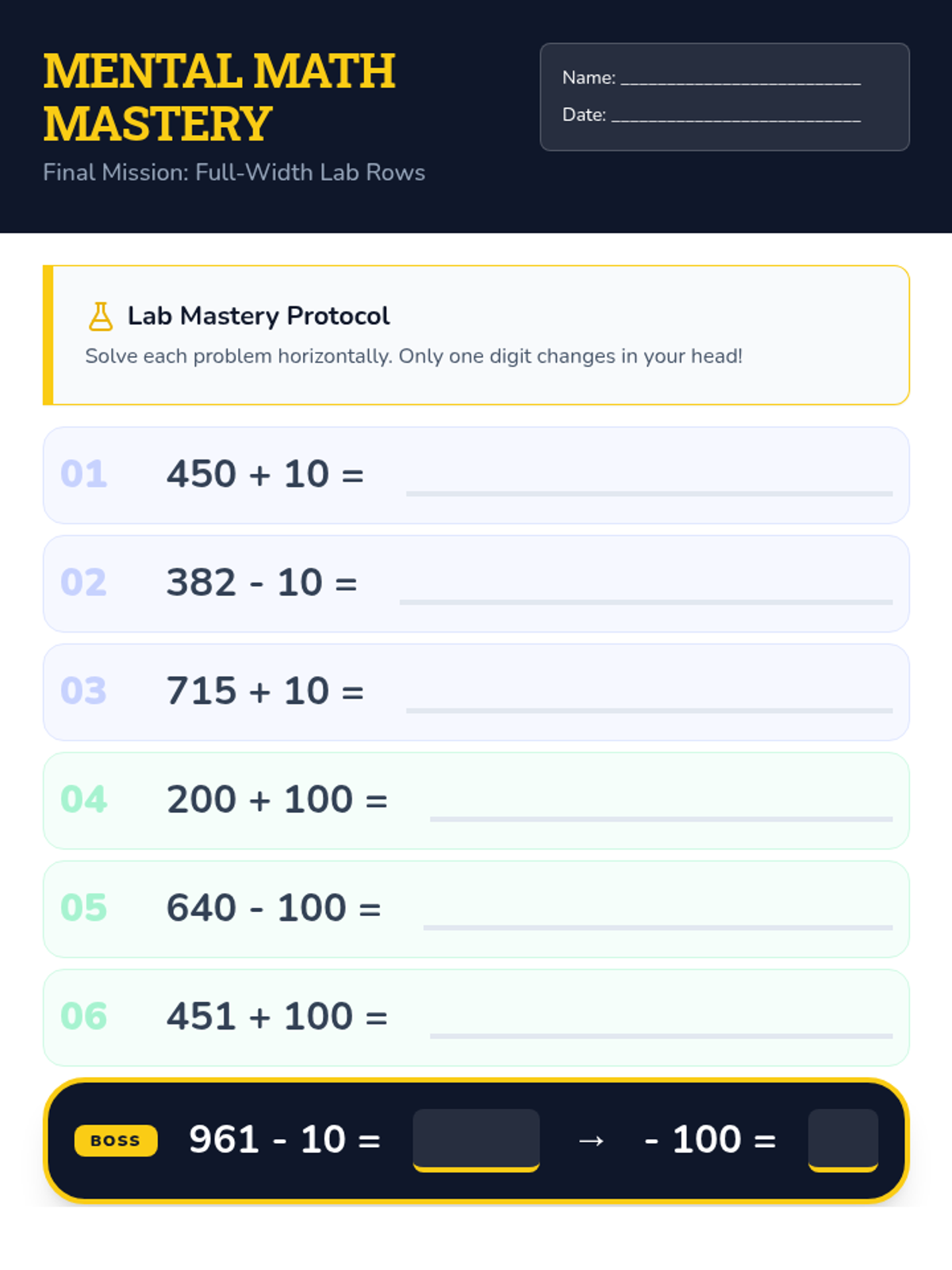
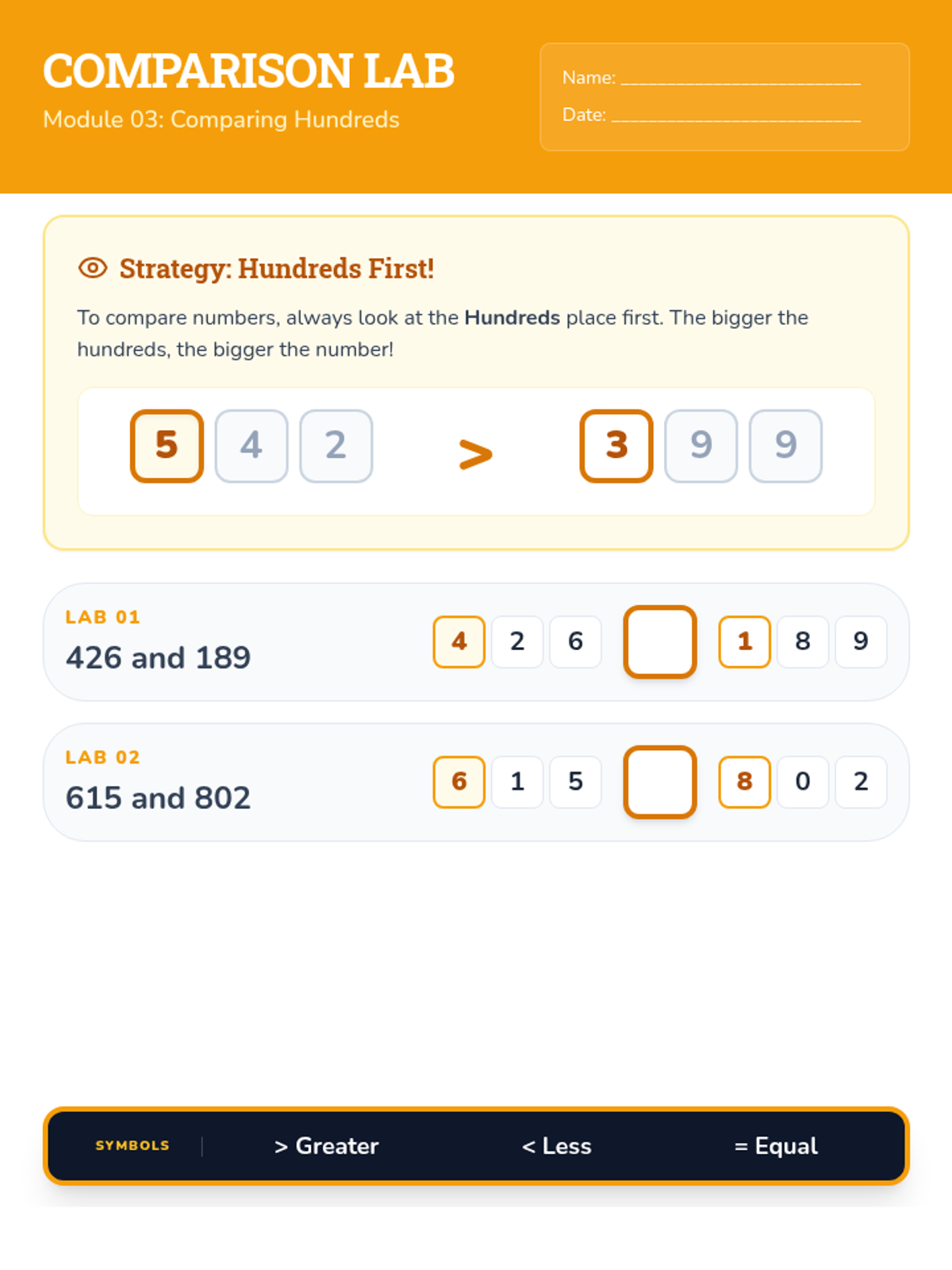
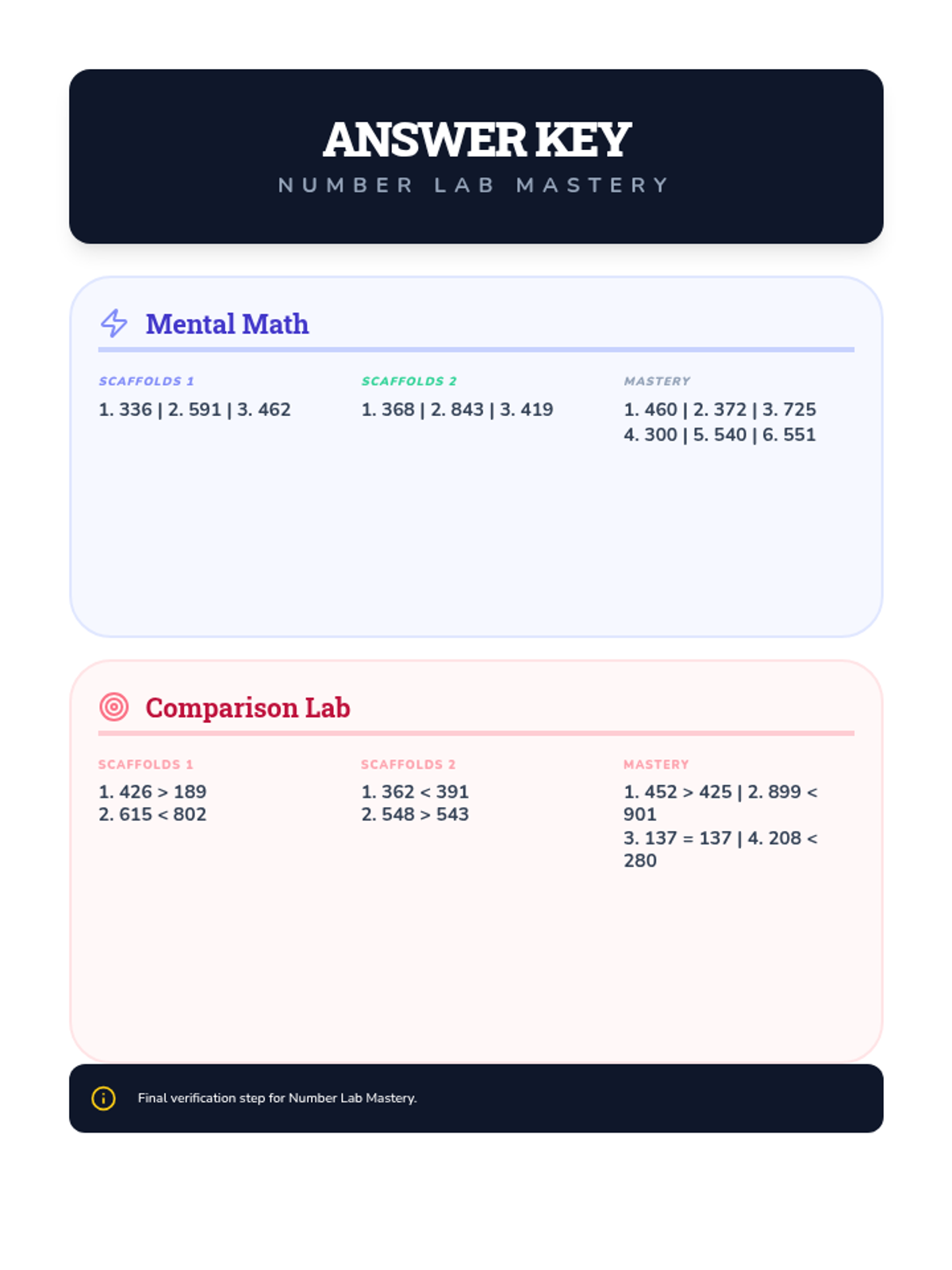
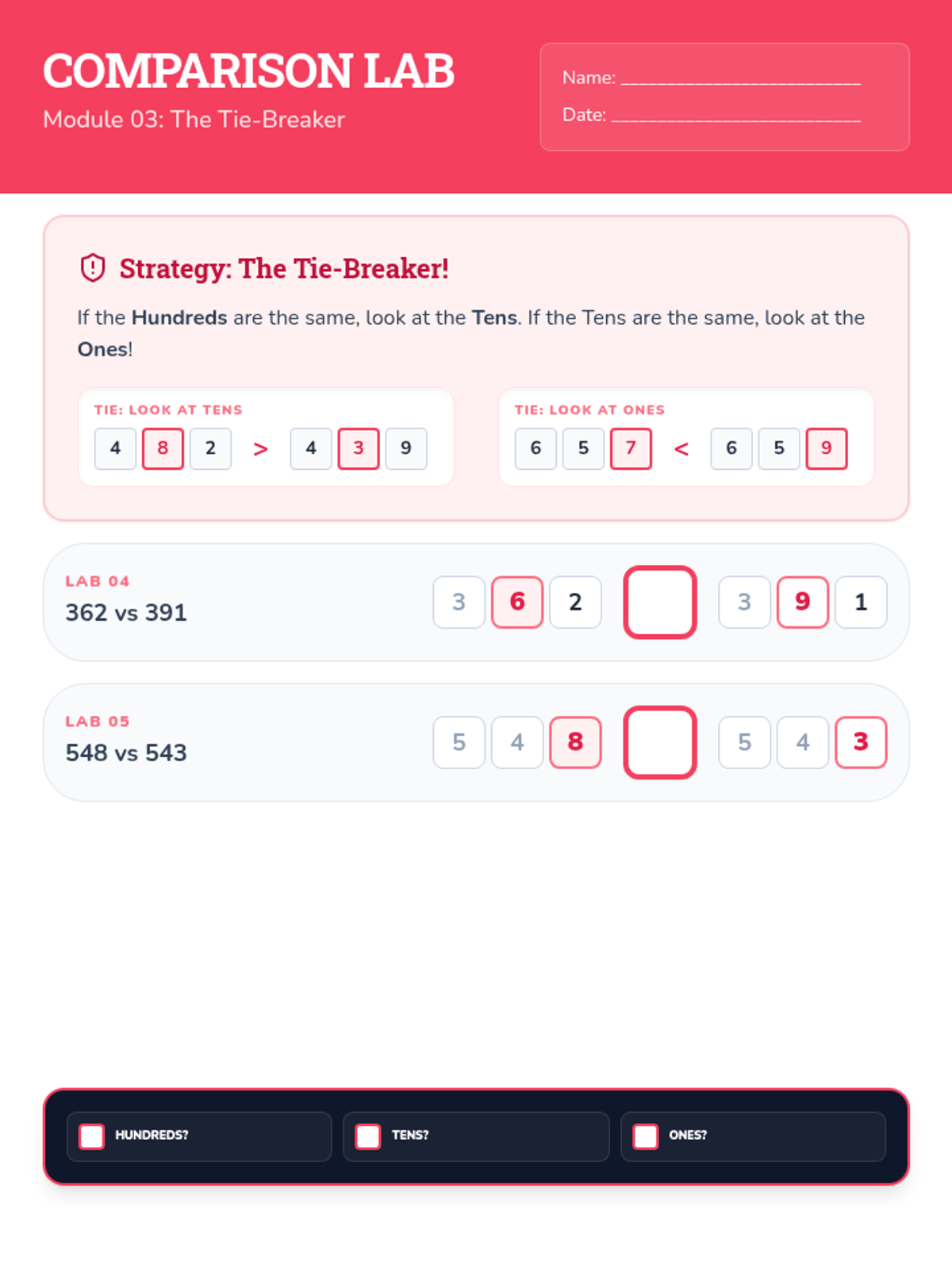
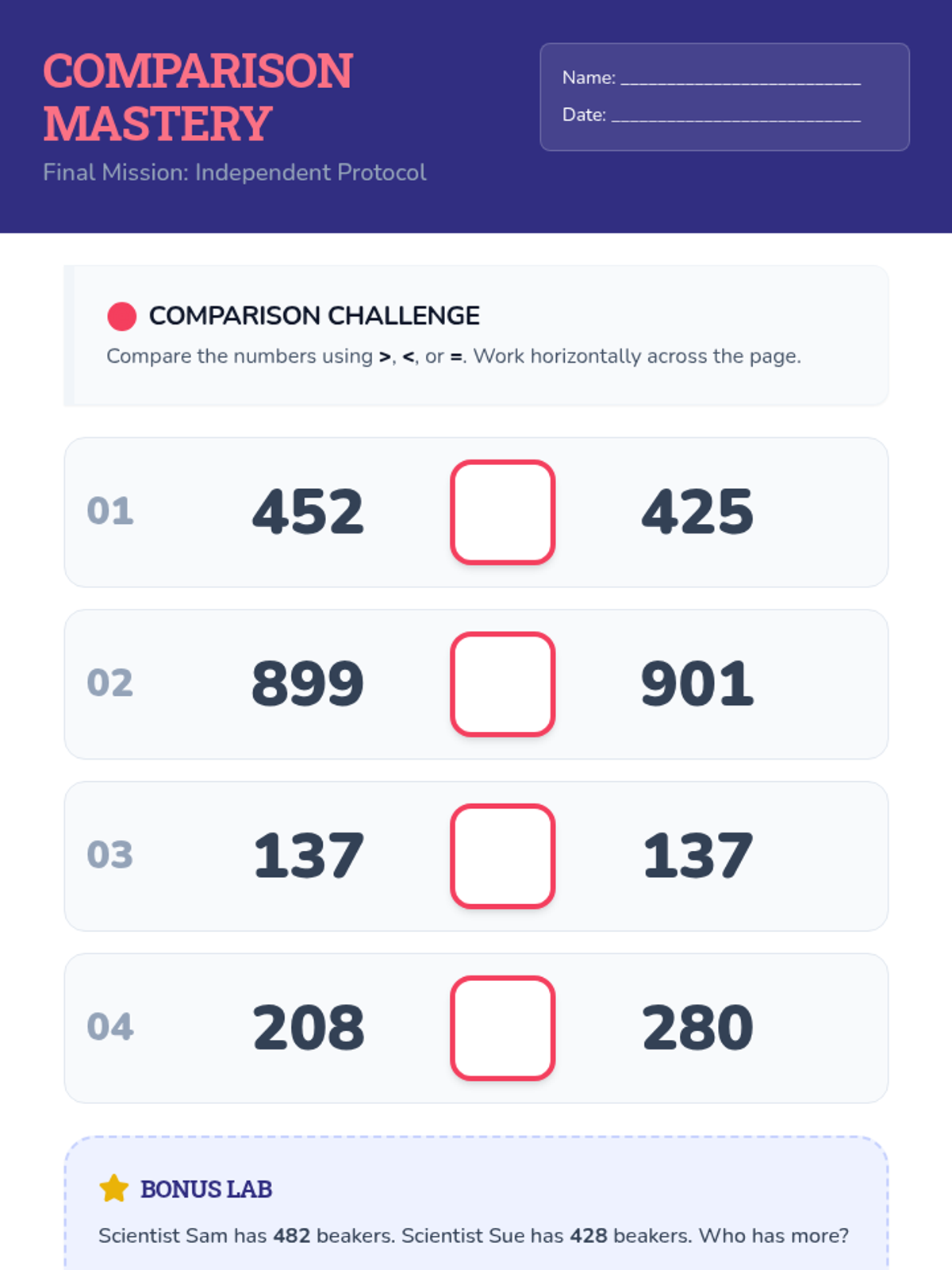
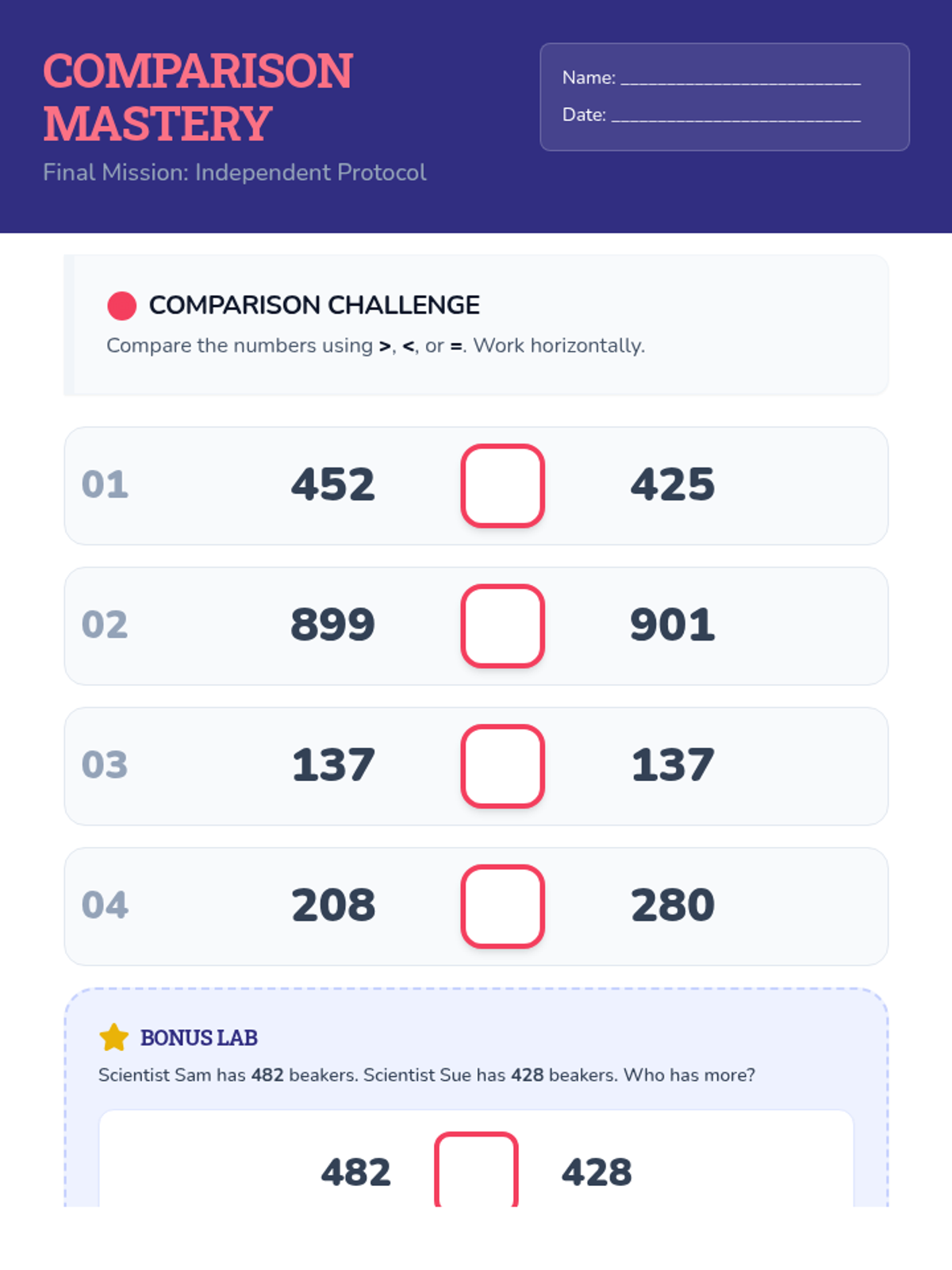
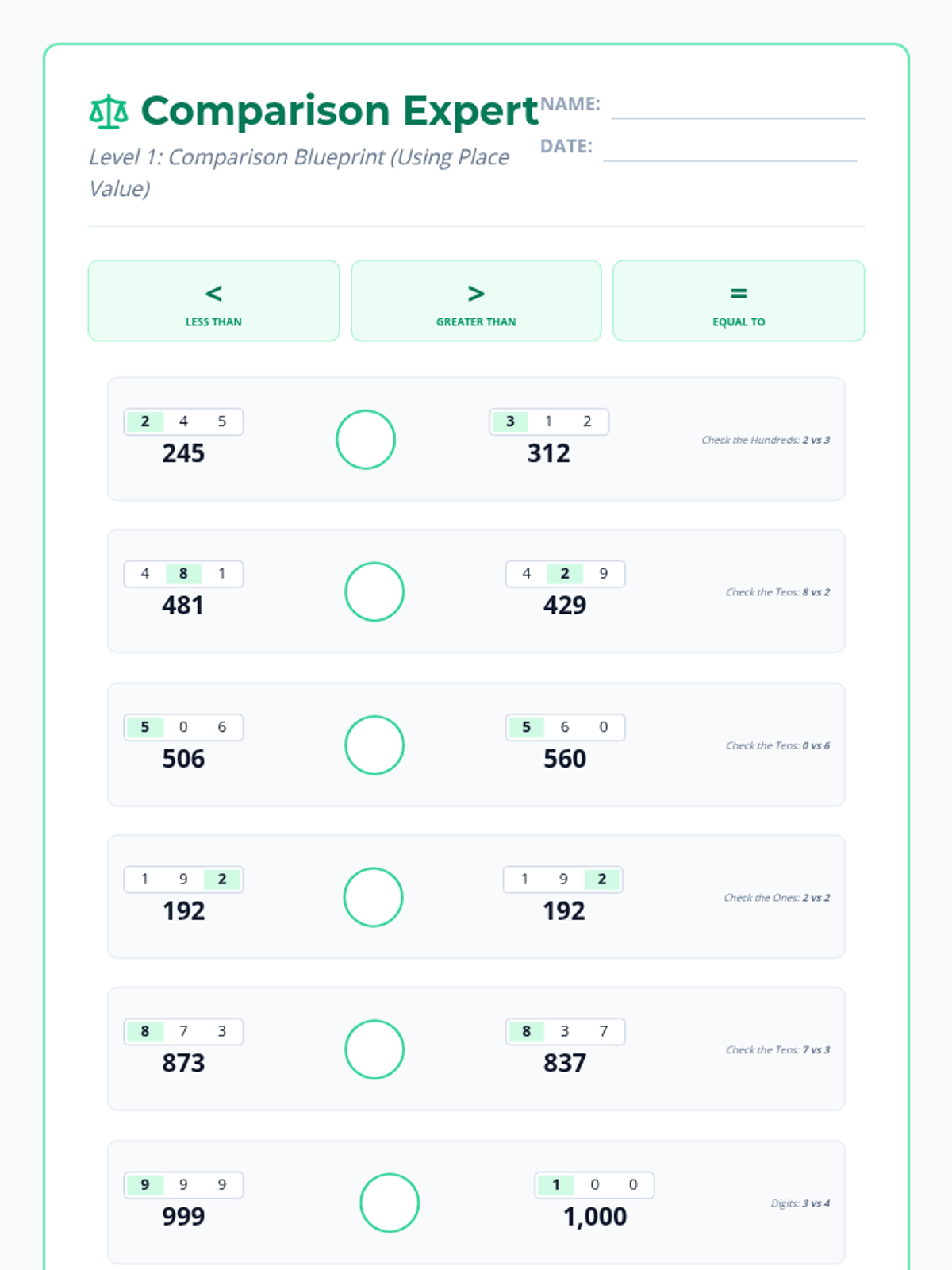
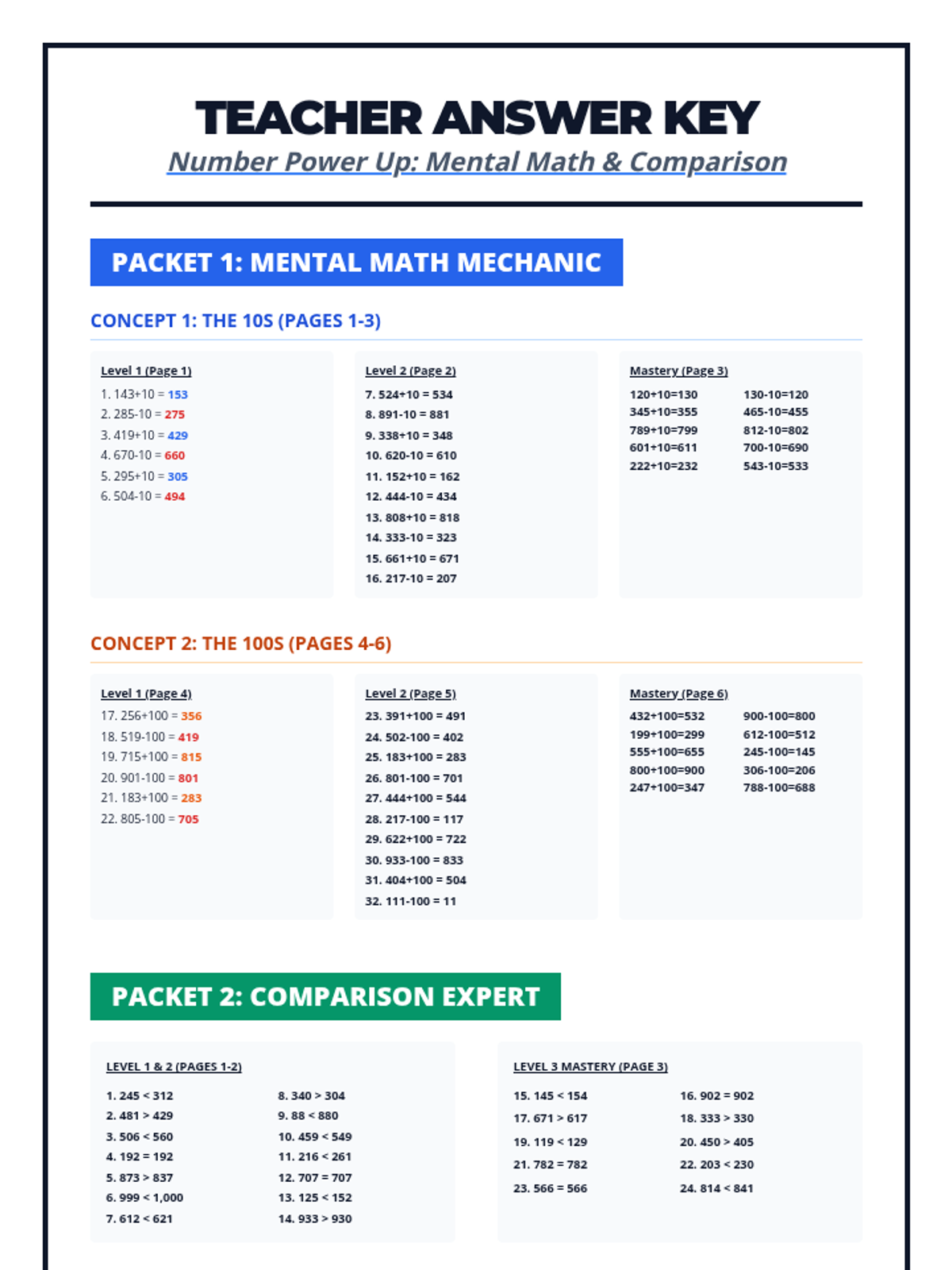
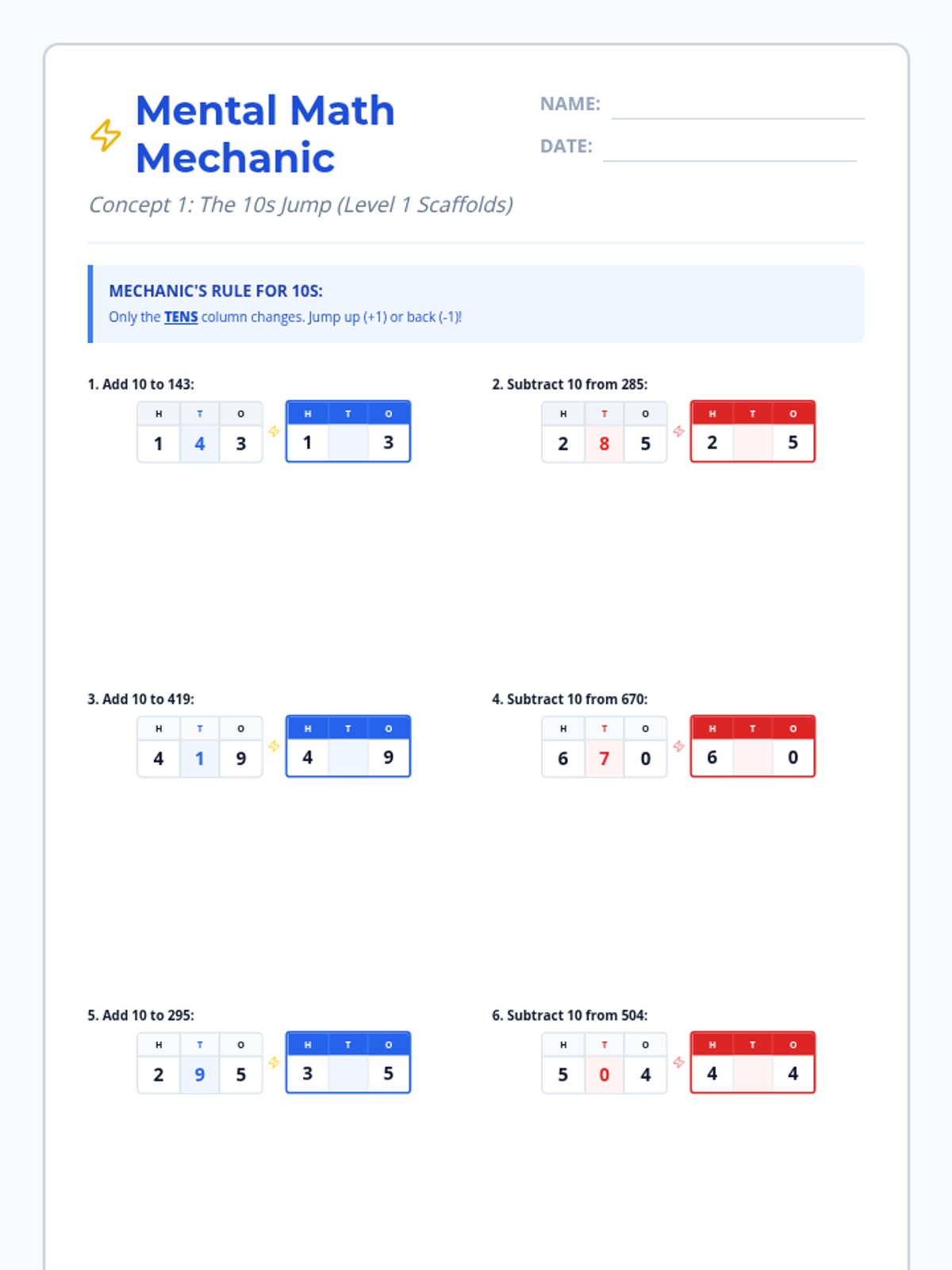
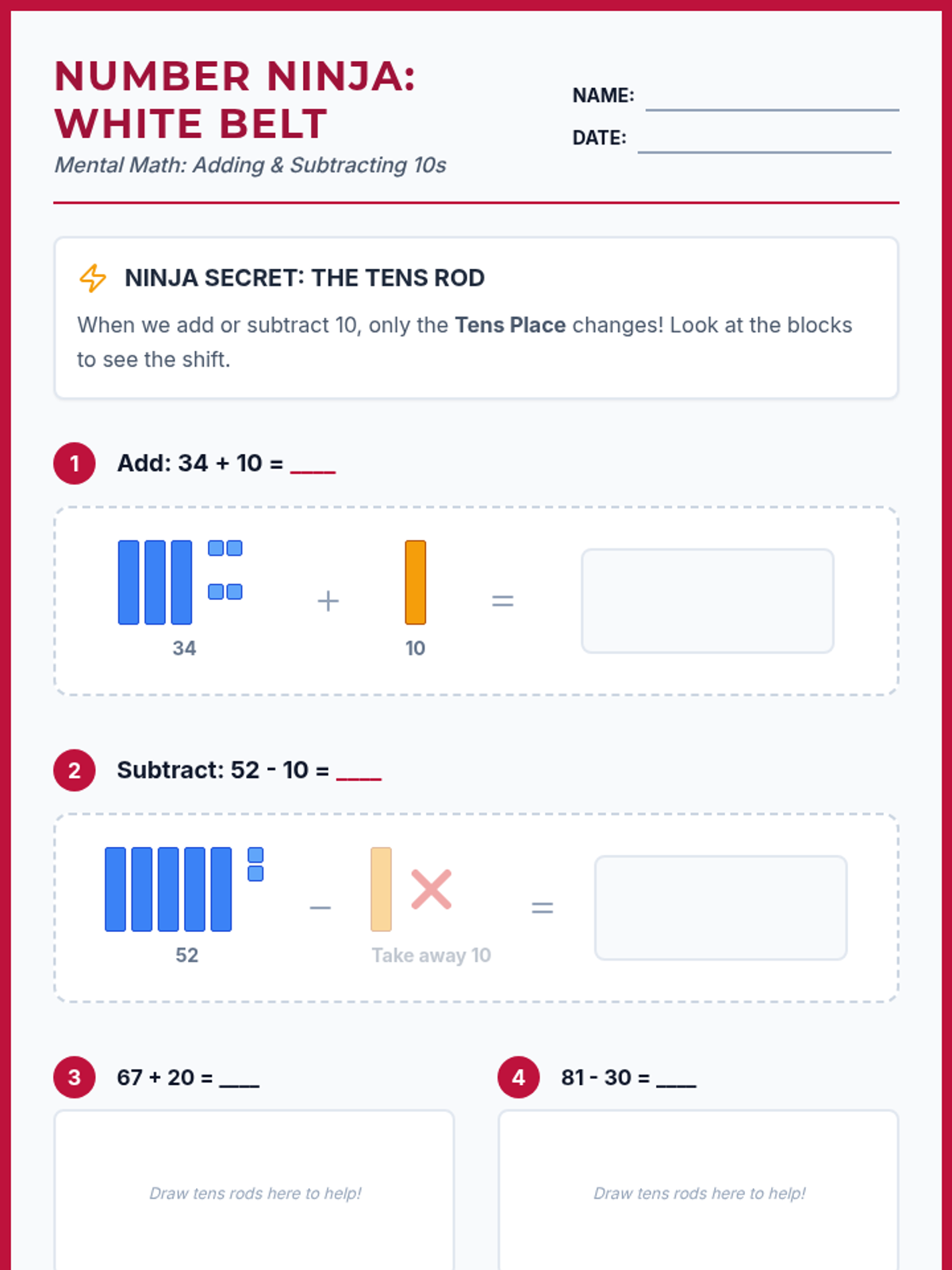
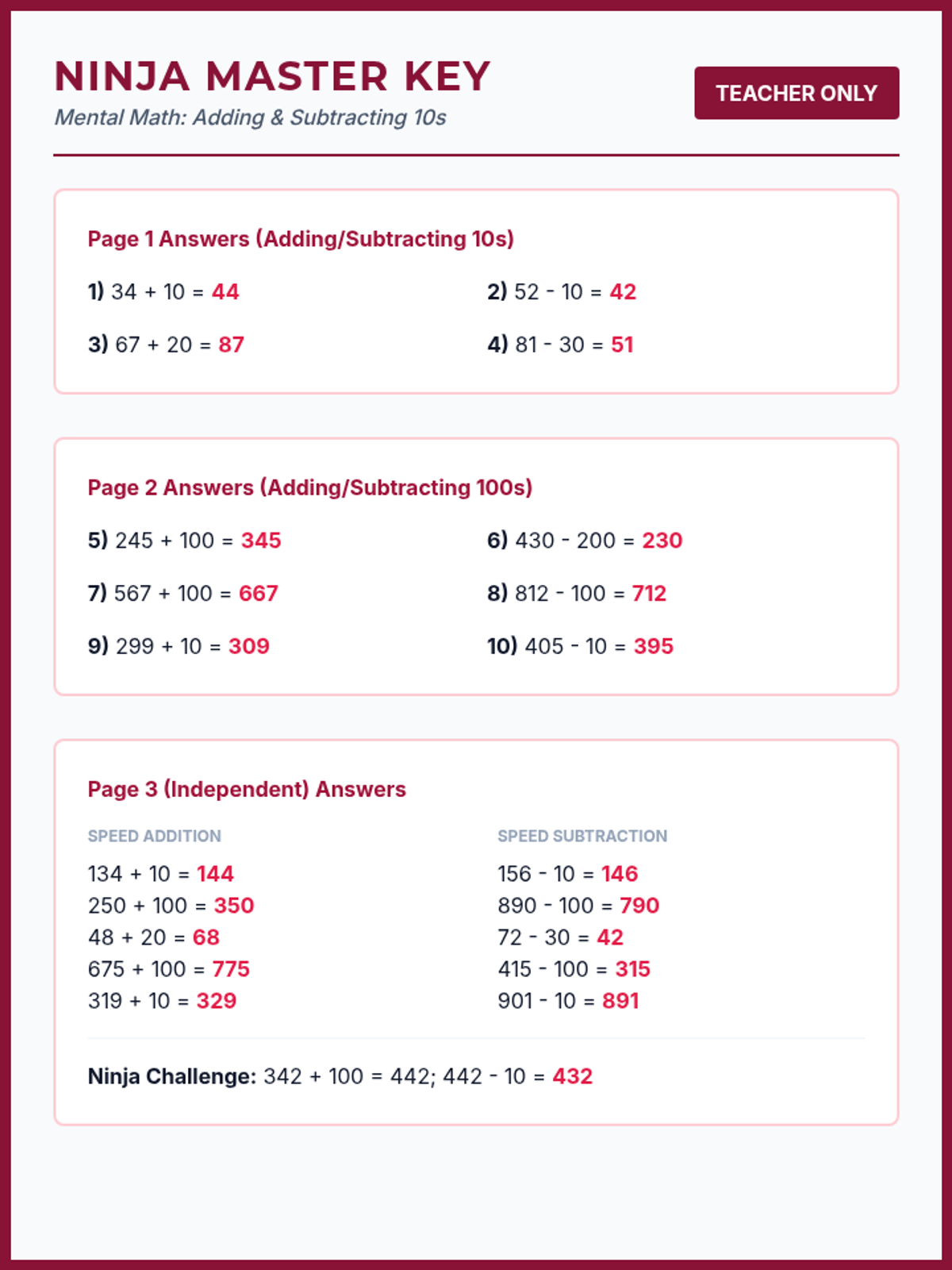
A series of targeted math worksheets for 3rd-grade RSP students to master 2nd-grade mental math and comparison standards using highly scaffolded place value supports.
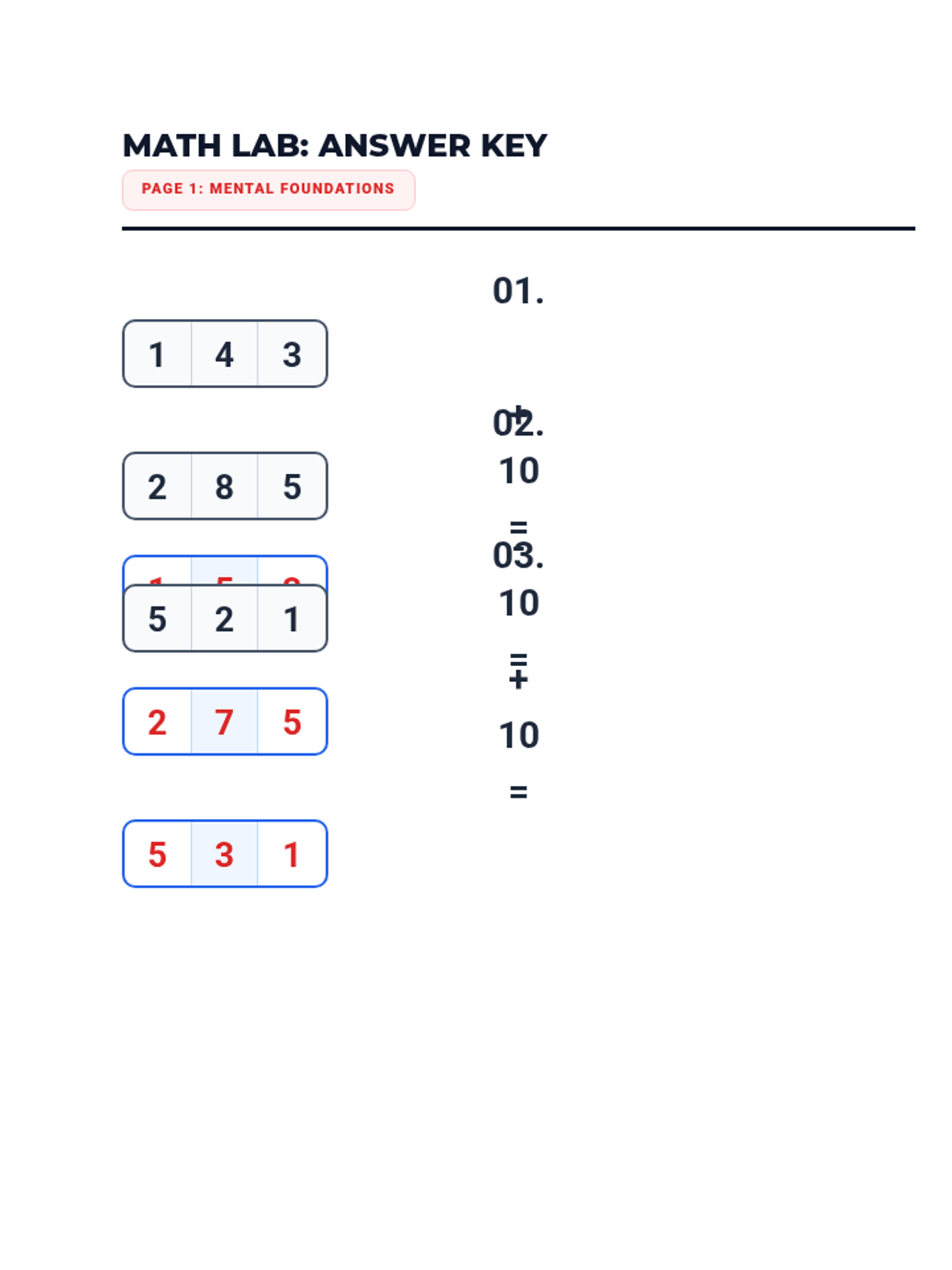
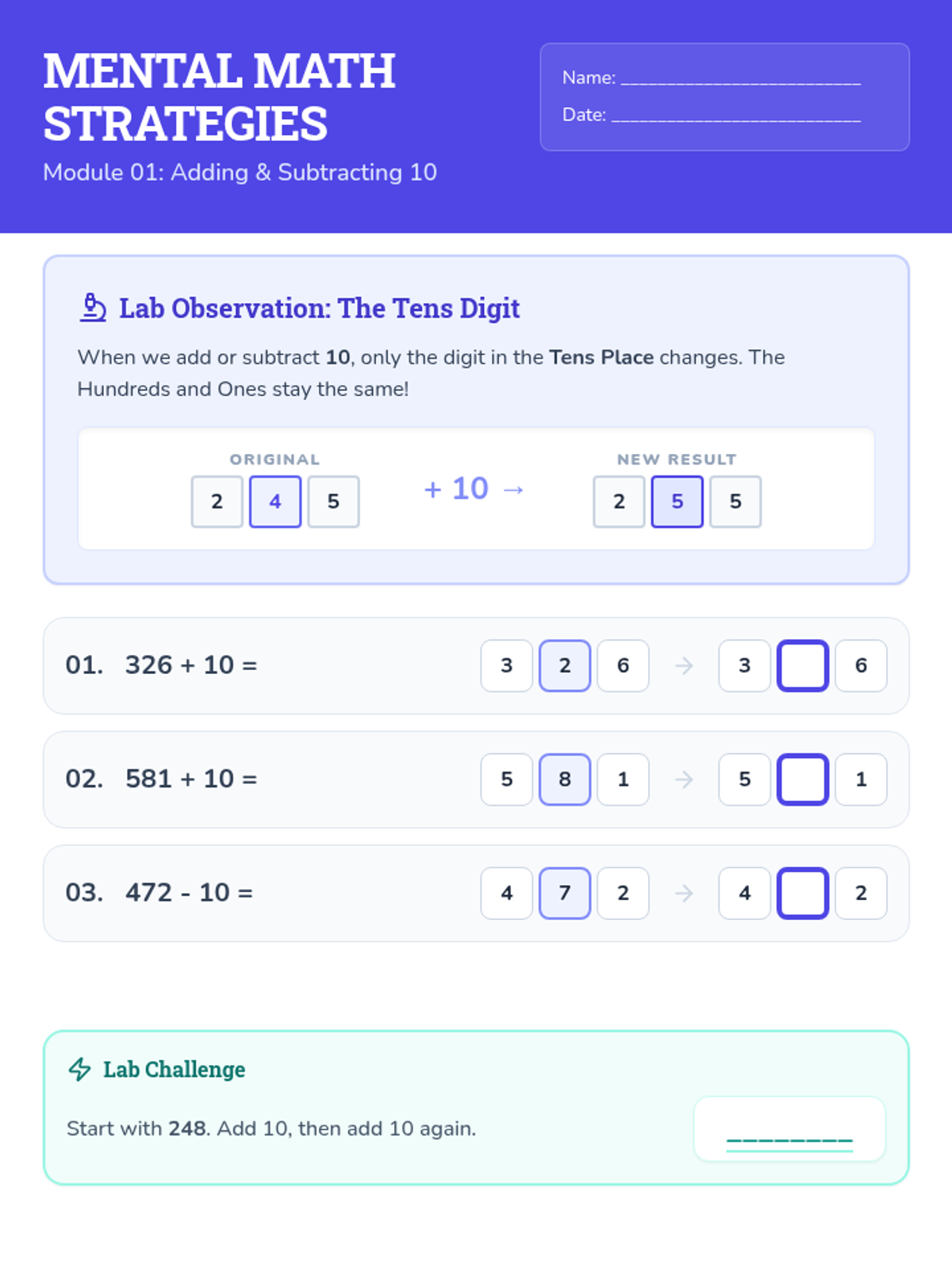
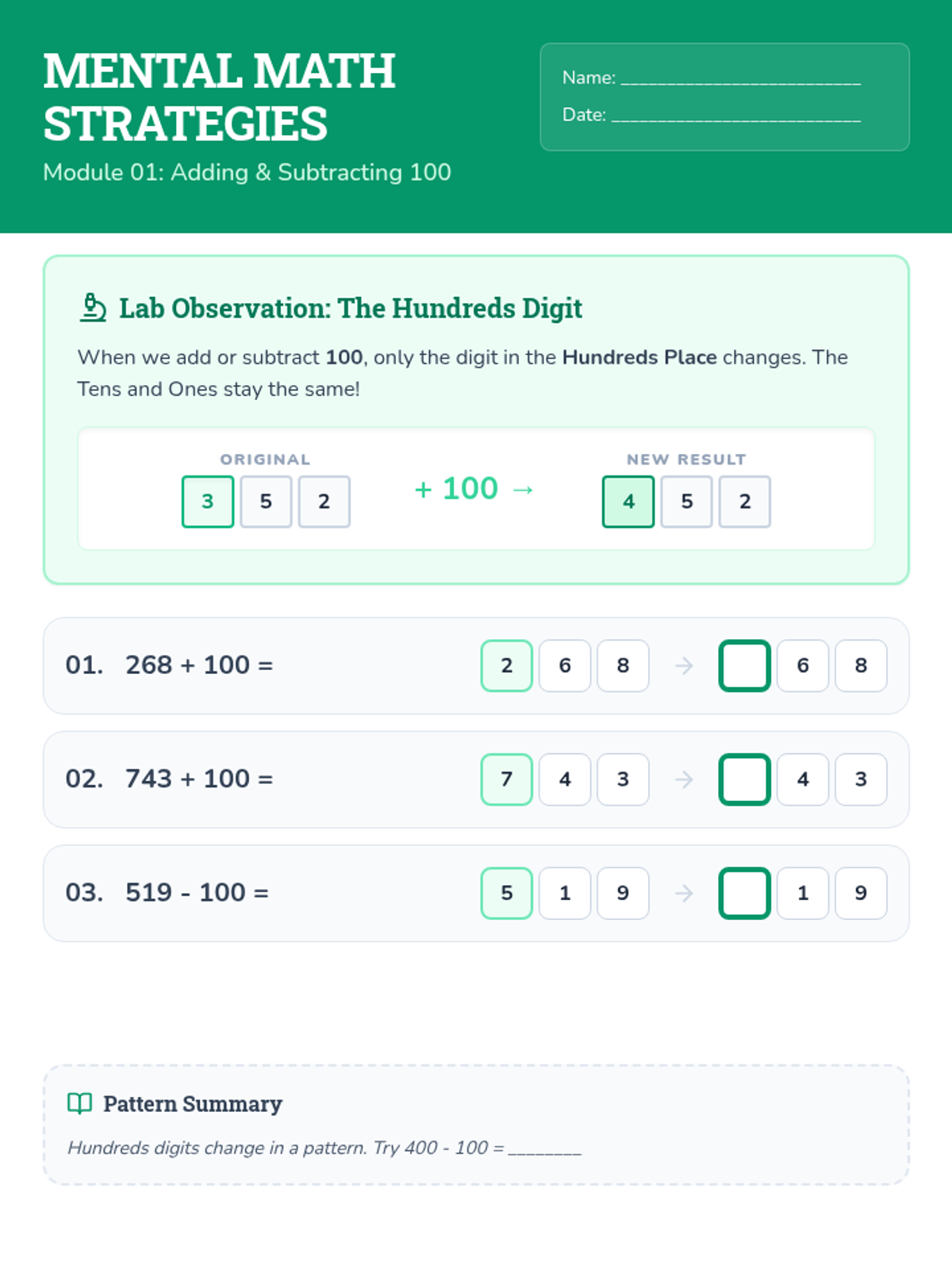
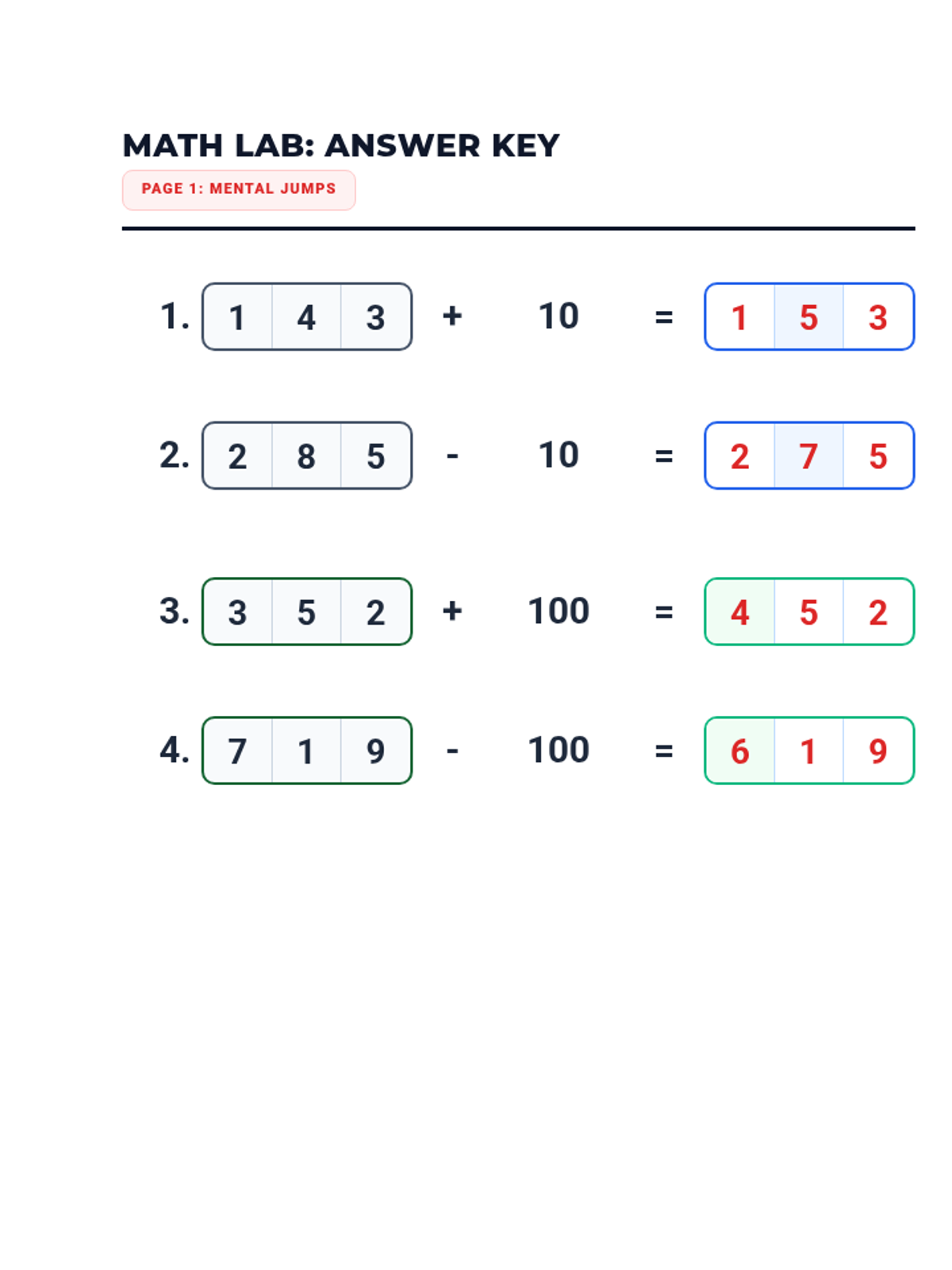
A math lesson for 3rd-grade RSP students focusing on foundational 2nd-grade number sense skills. Students will practice mental addition of 10 and 100 and use place value to compare numbers up to 1,000 using scaffolding such as place value mats and visual aids.
A comprehensive math intervention unit for 3rd-grade RSP students, focusing on 2nd-grade mental math, comparisons, and place value standards through a martial arts 'Number Ninja' theme.
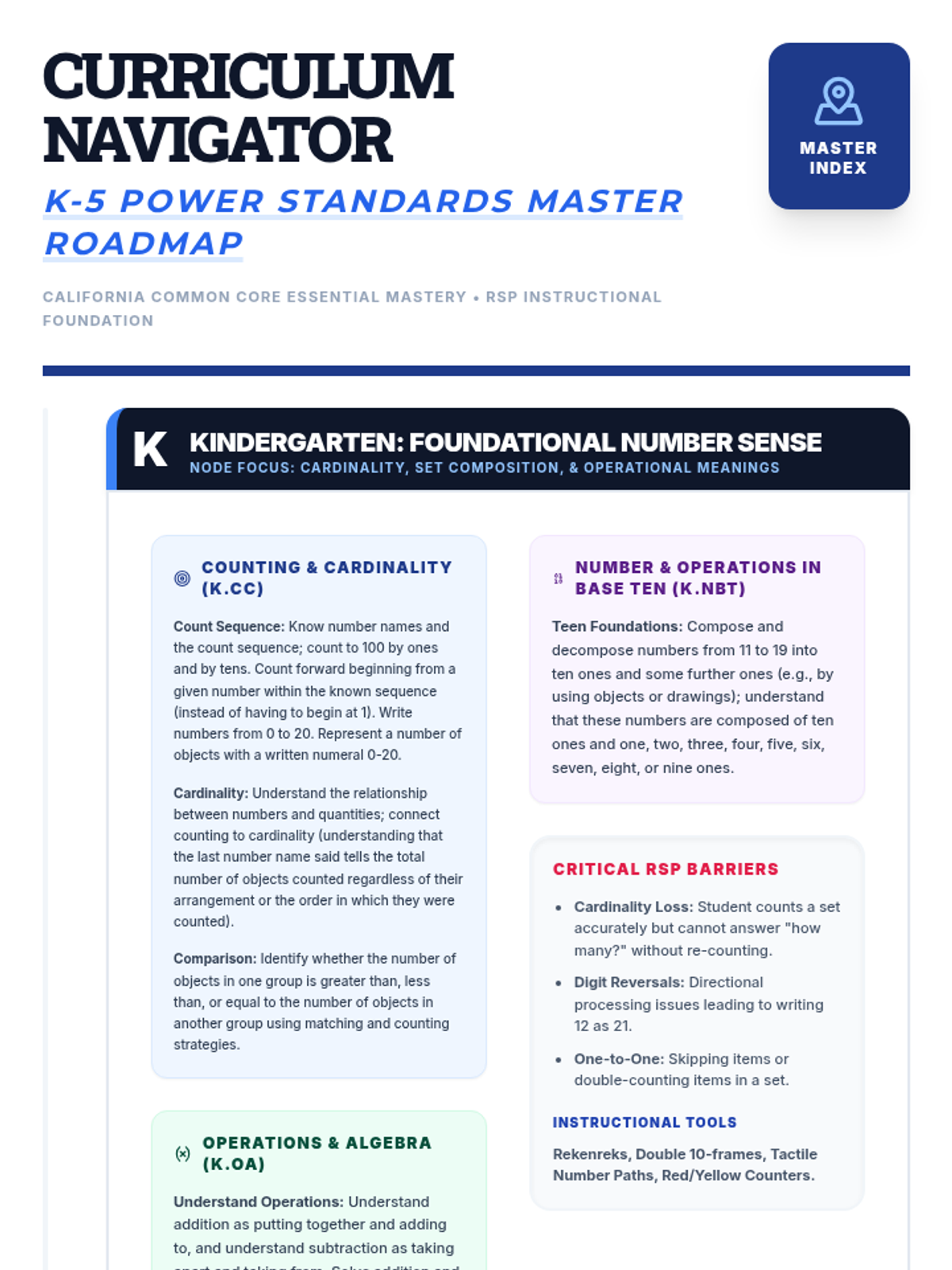
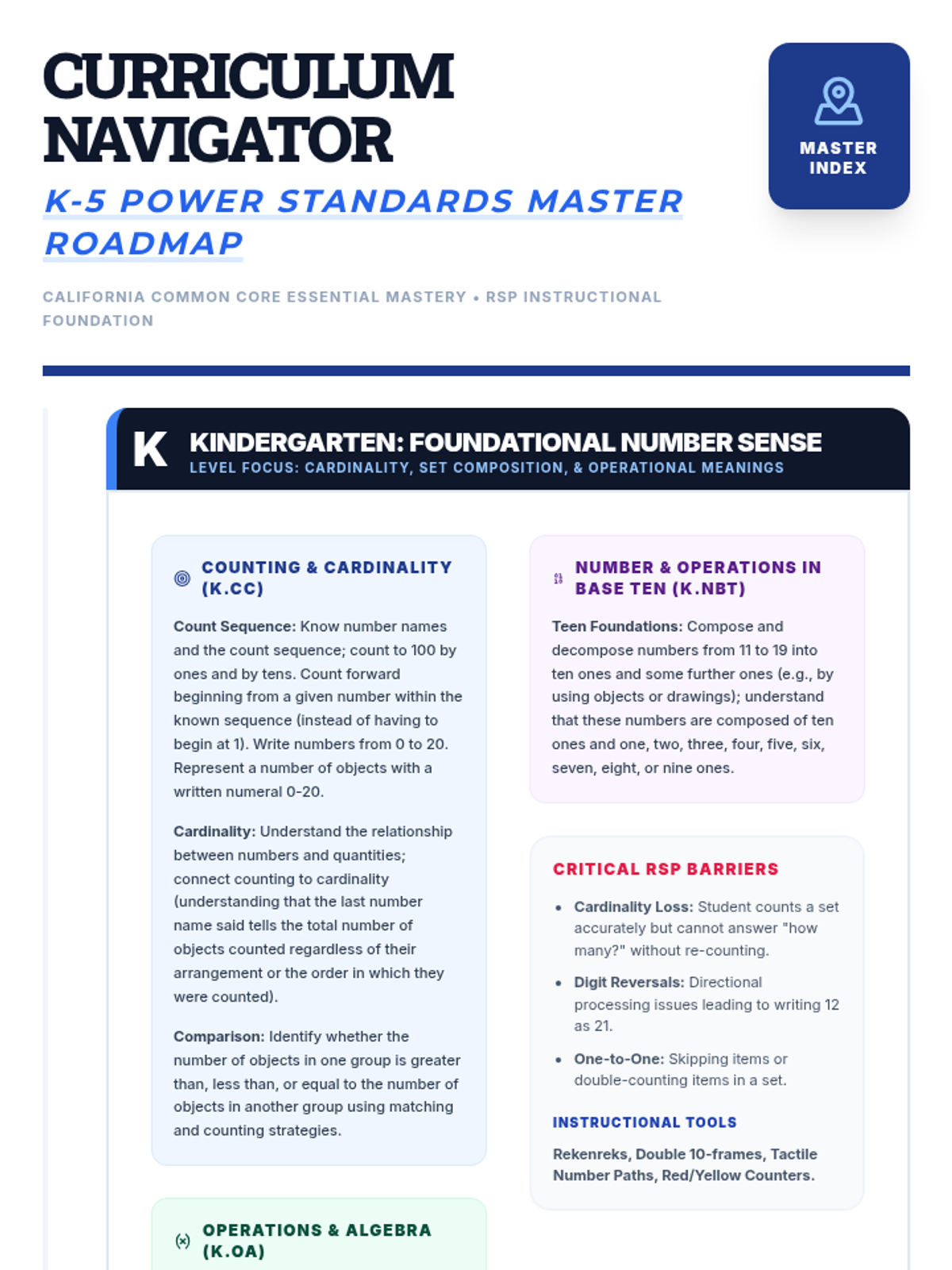
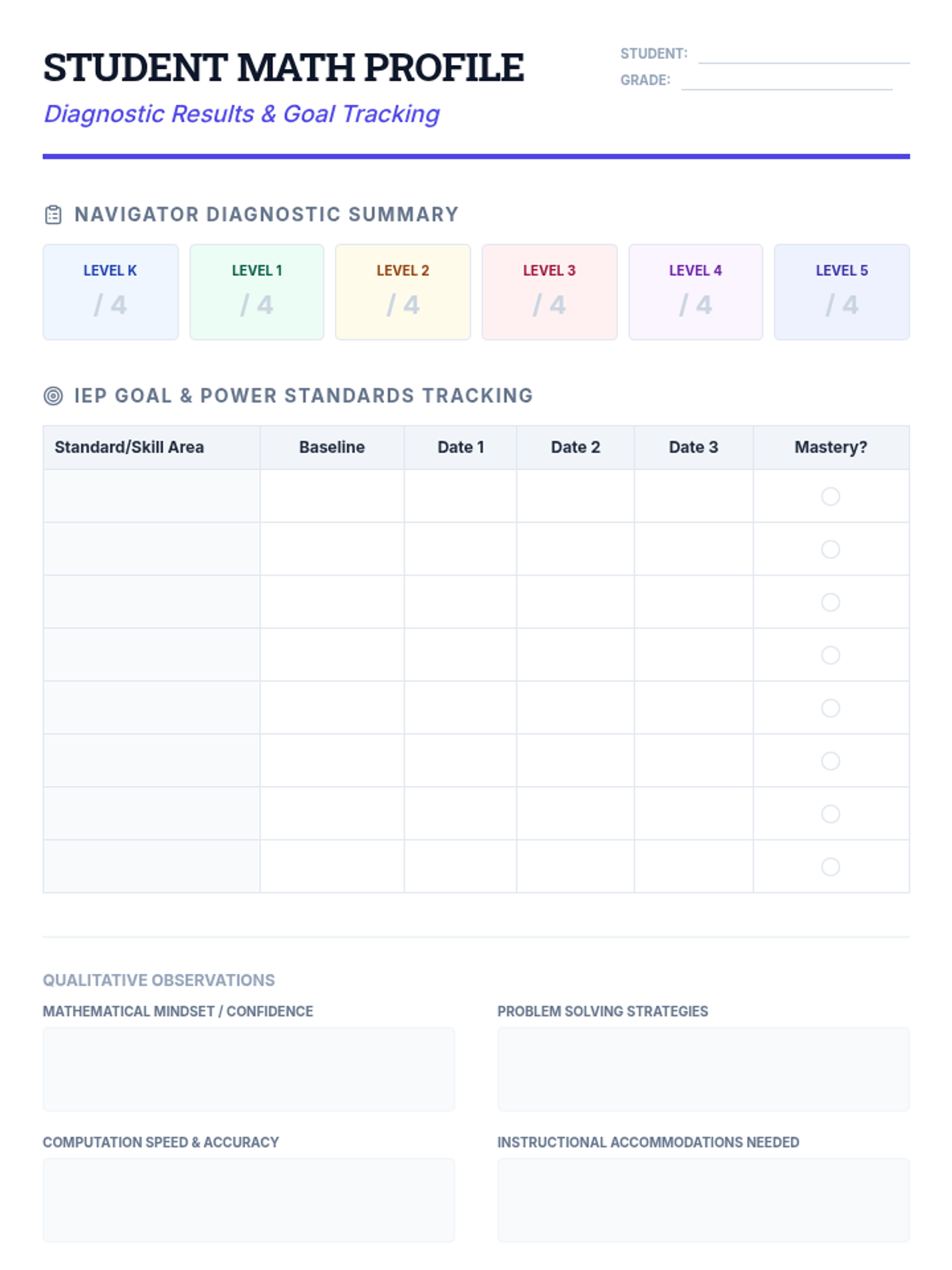
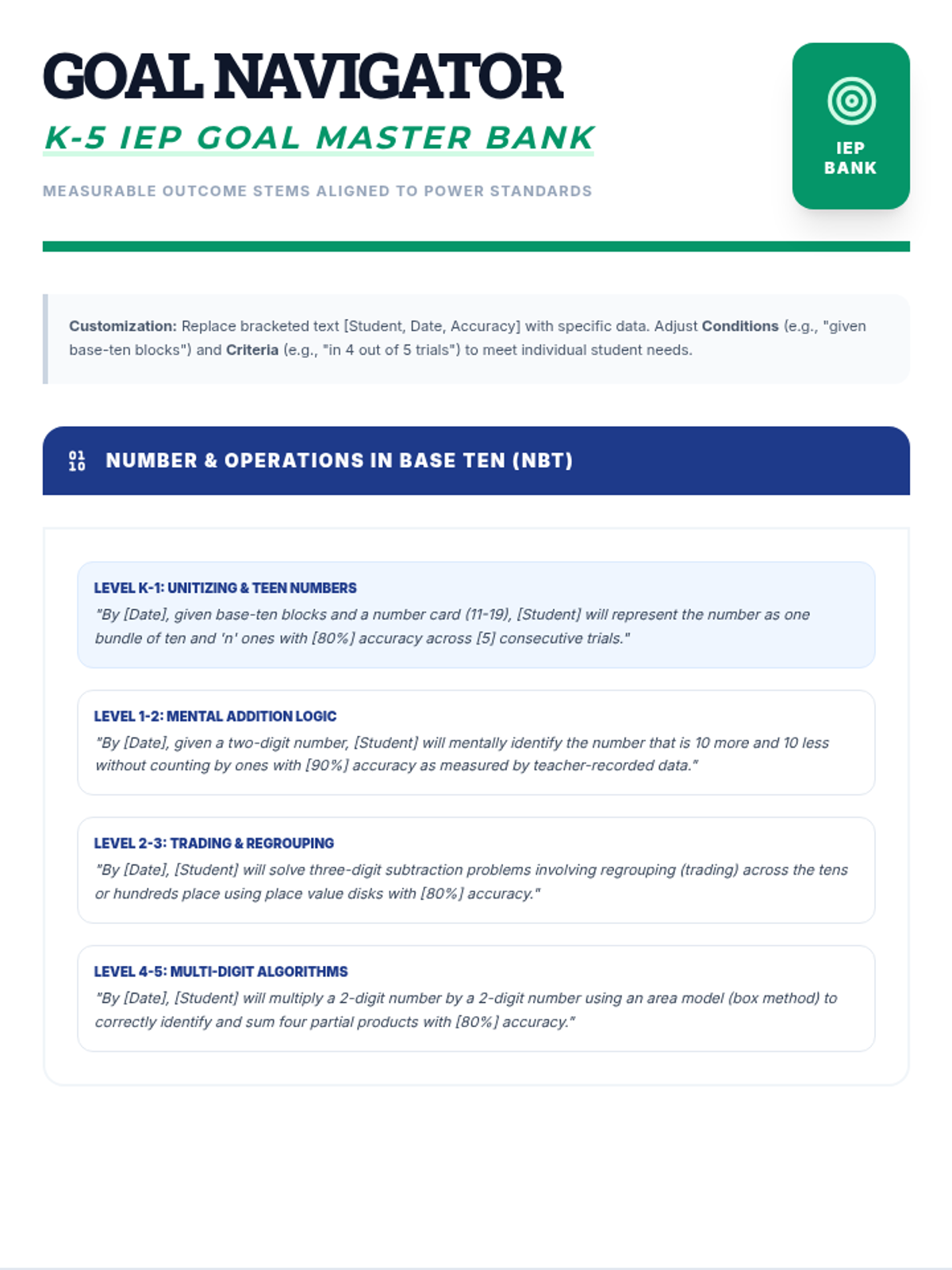
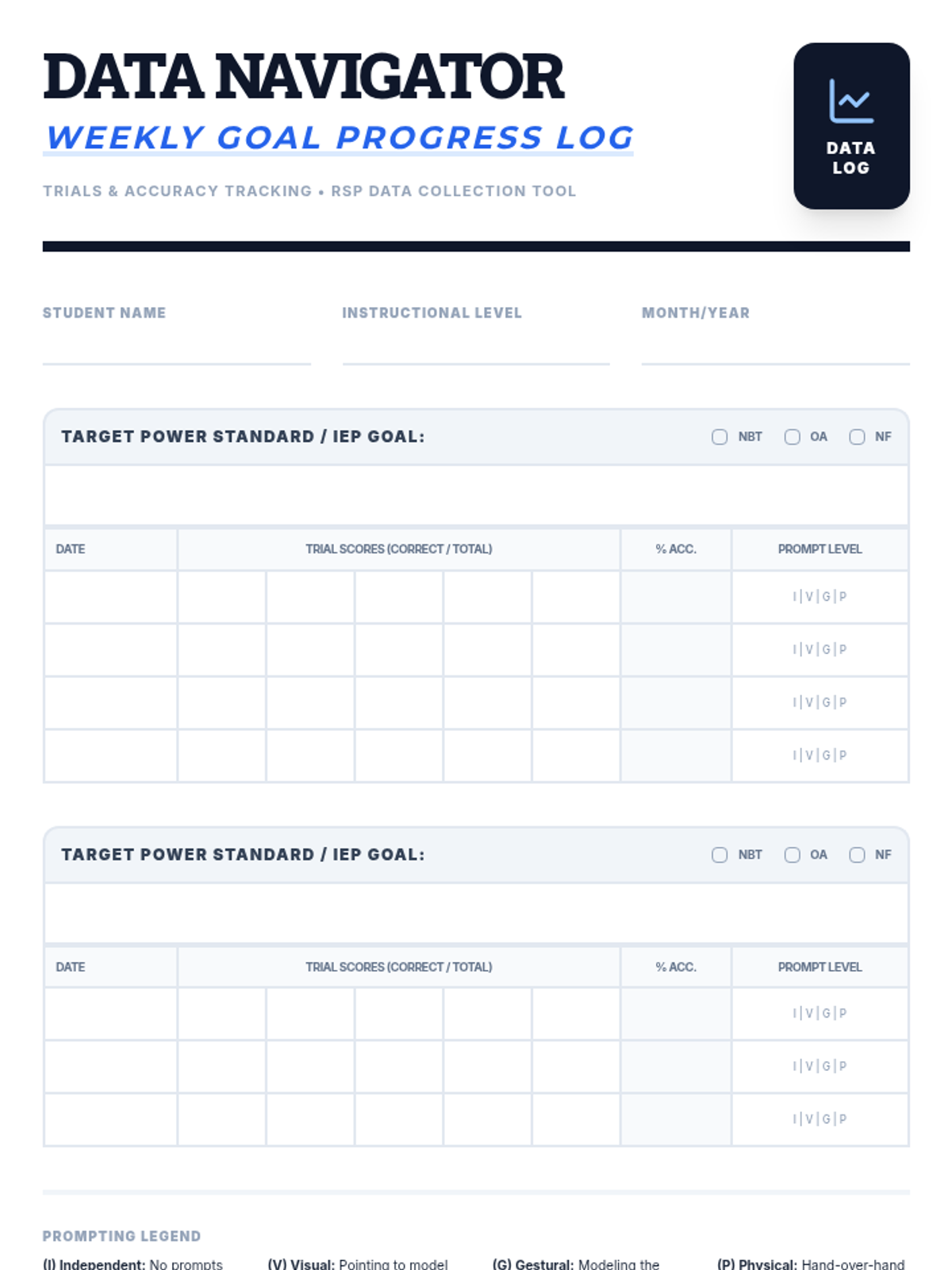
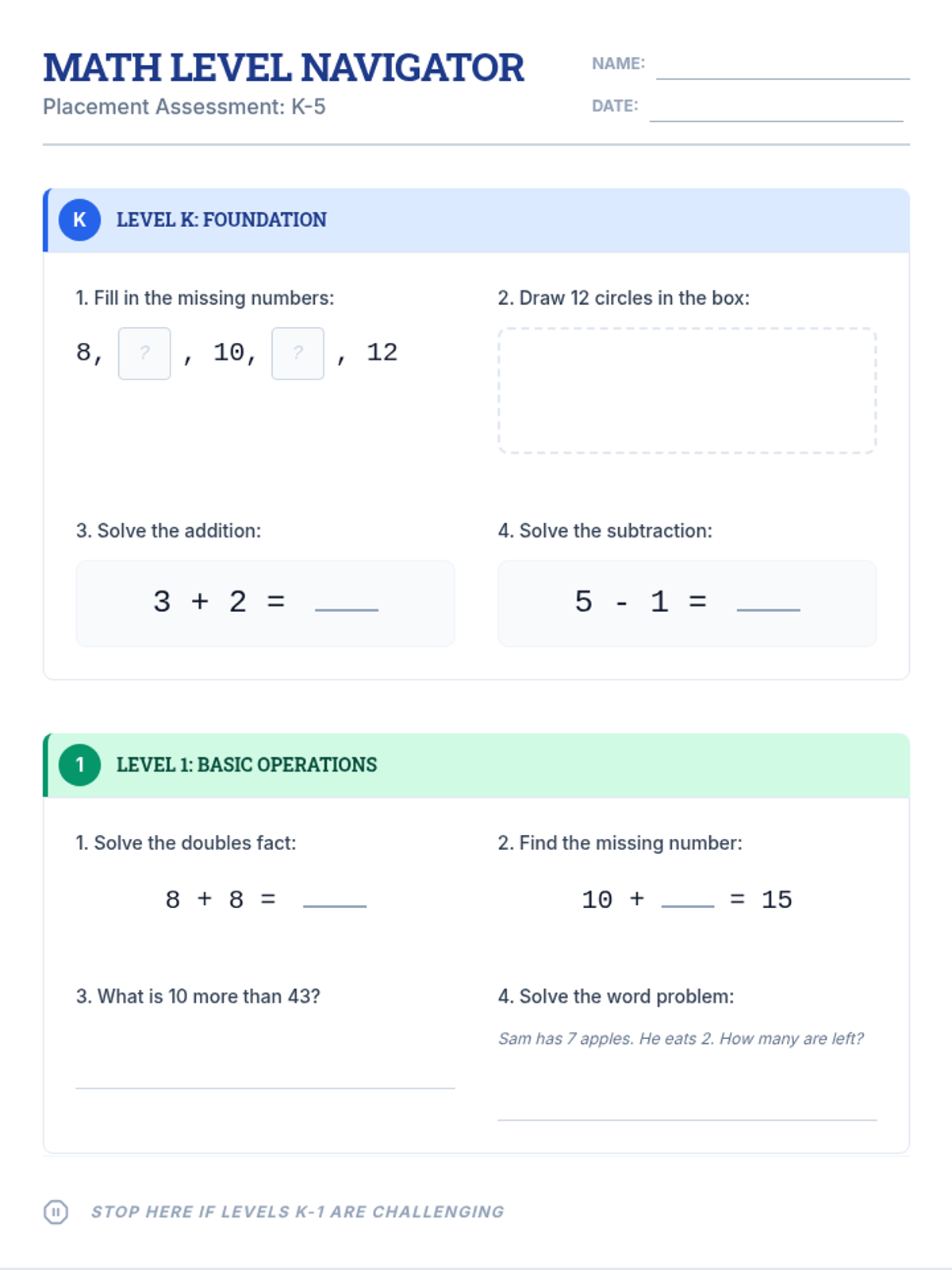
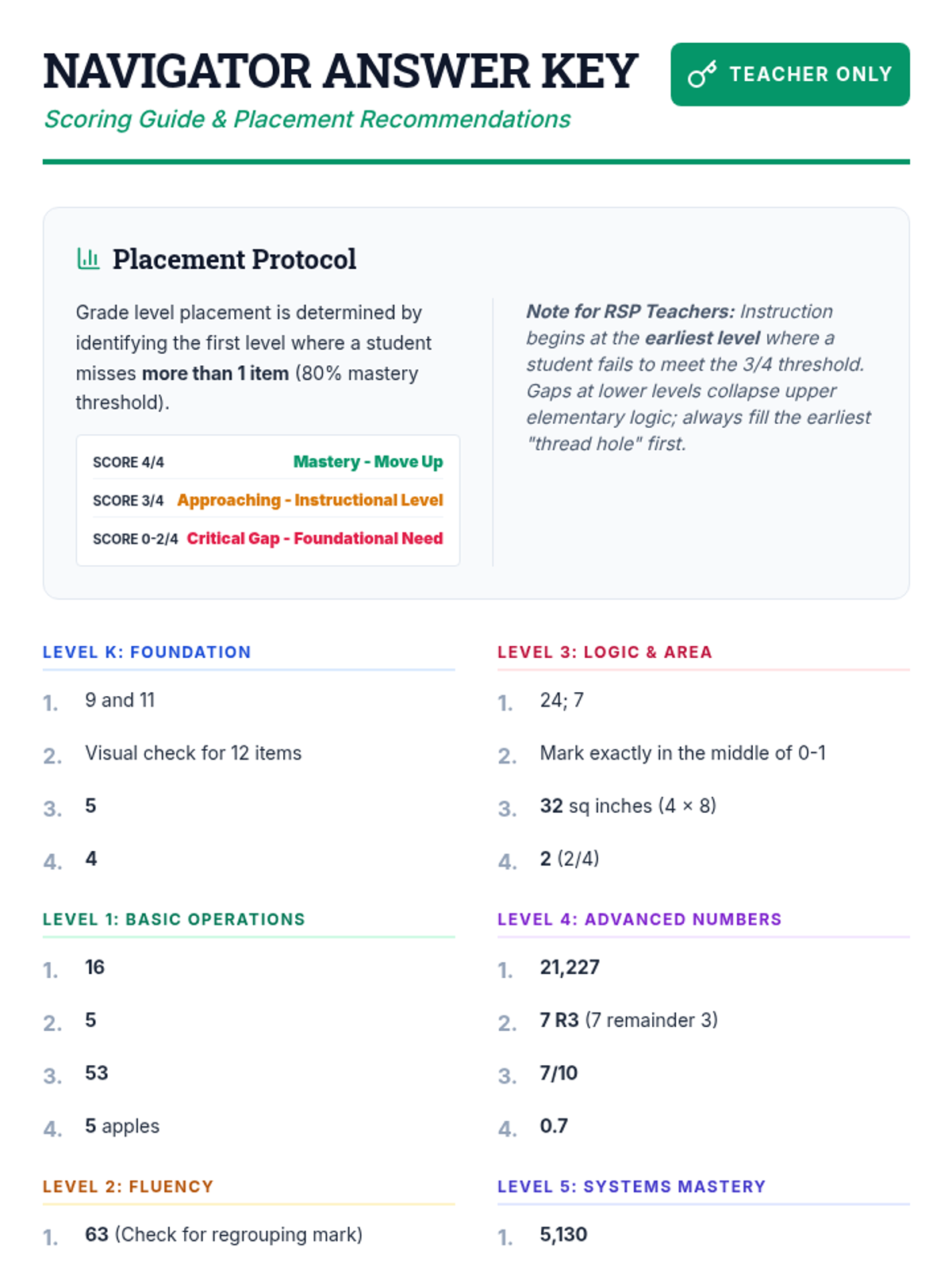
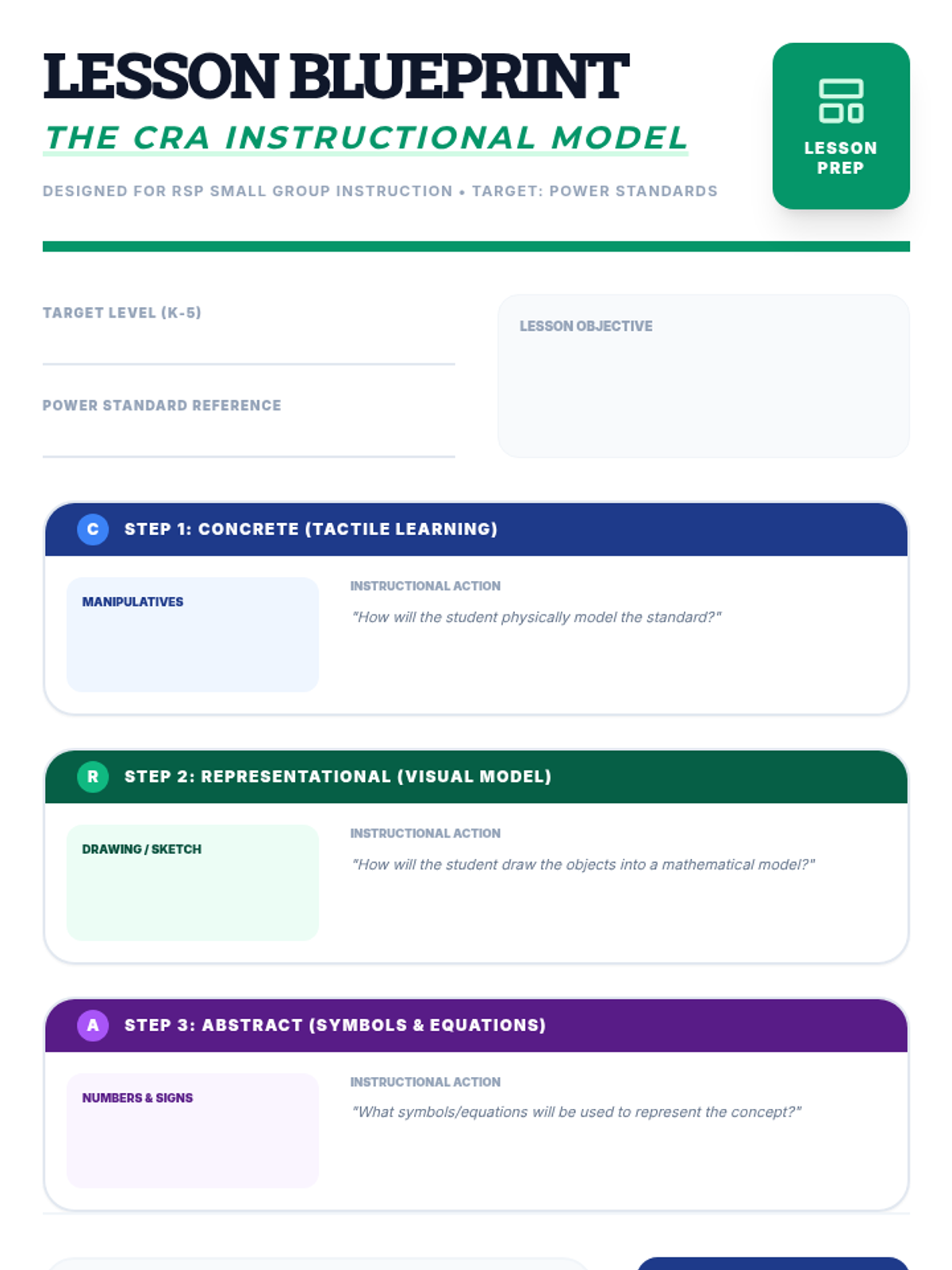
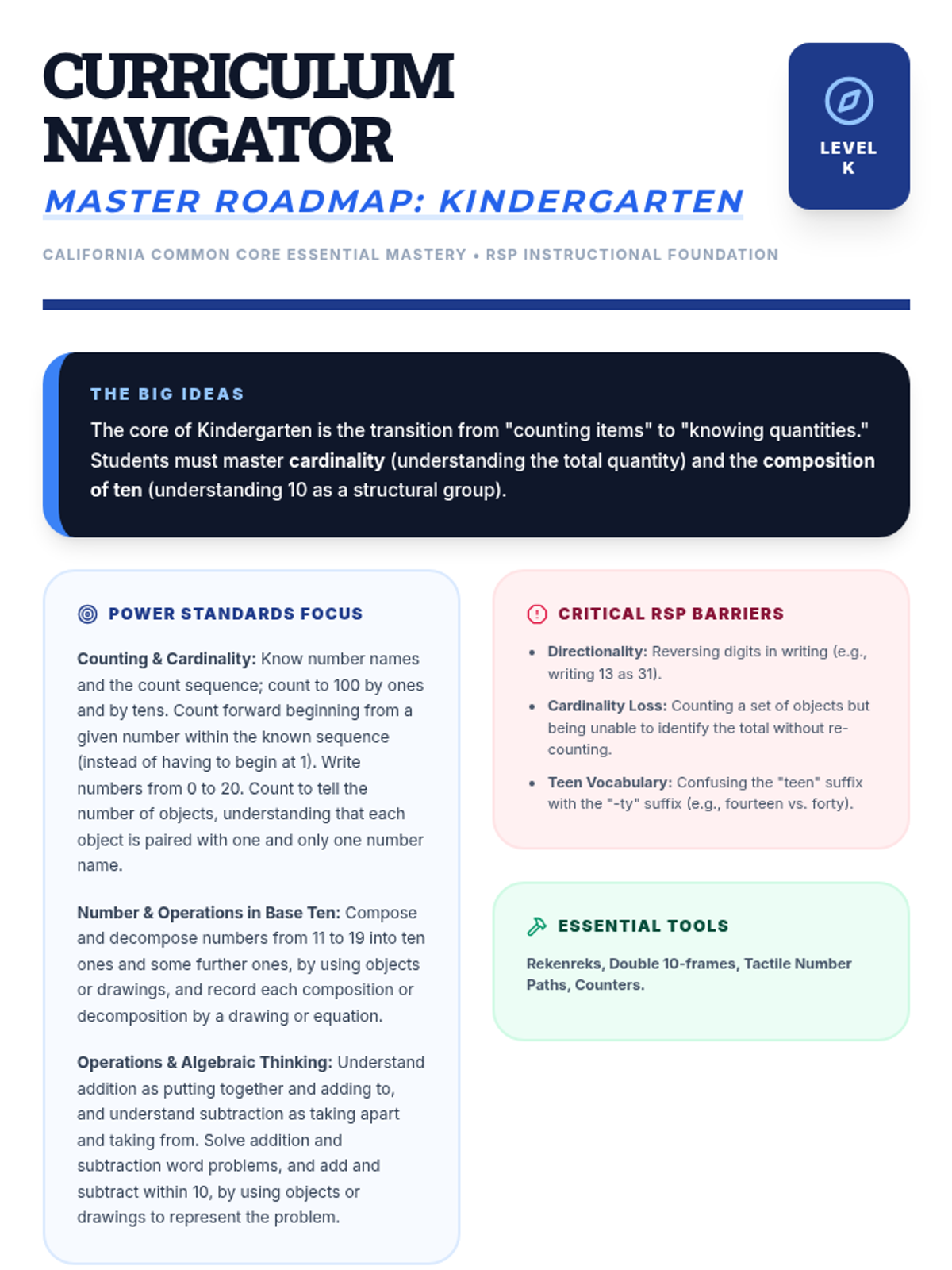
Foundational tools for assessing student levels and planning instruction based on California Power Standards across grades K-5.
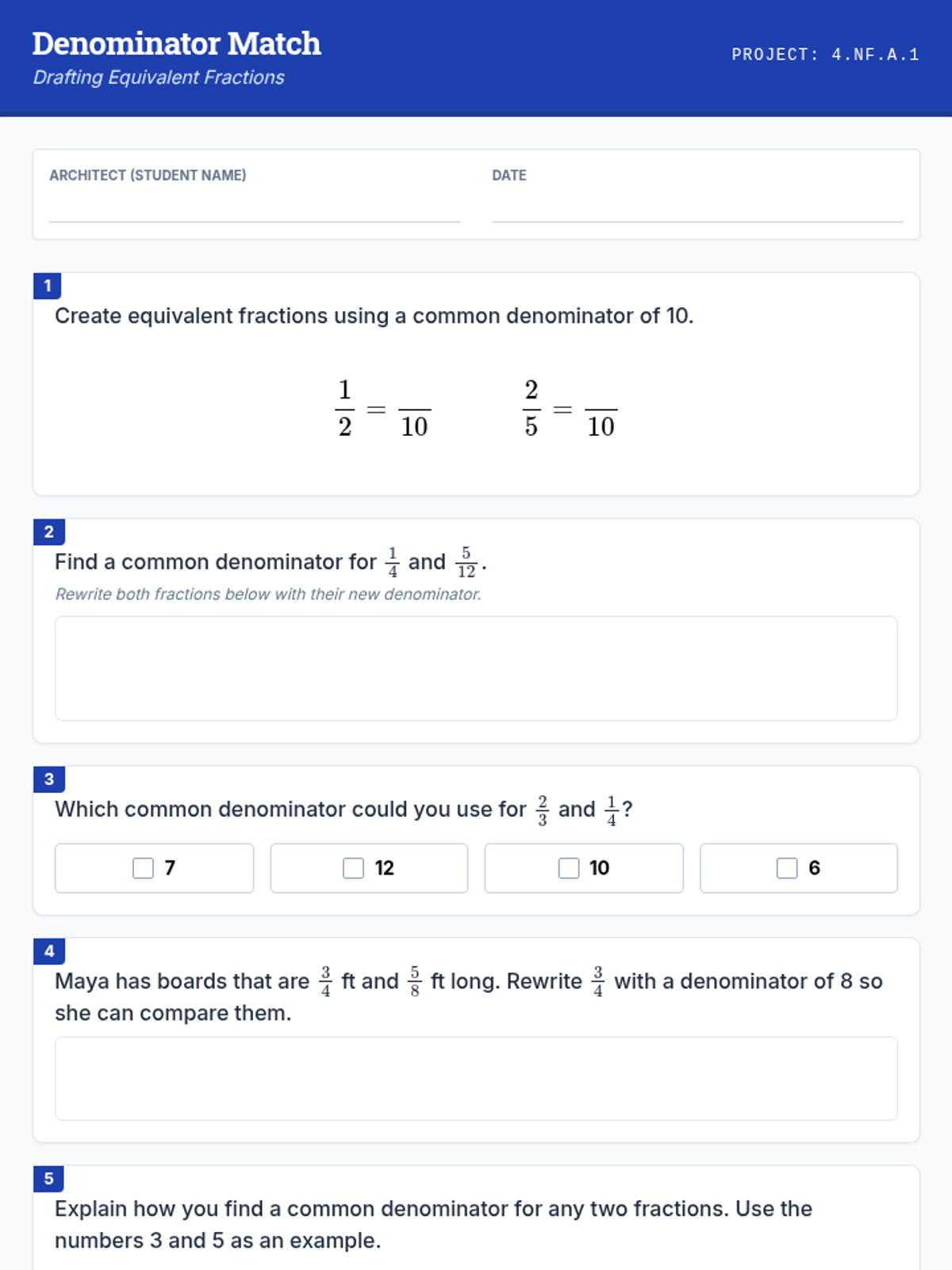
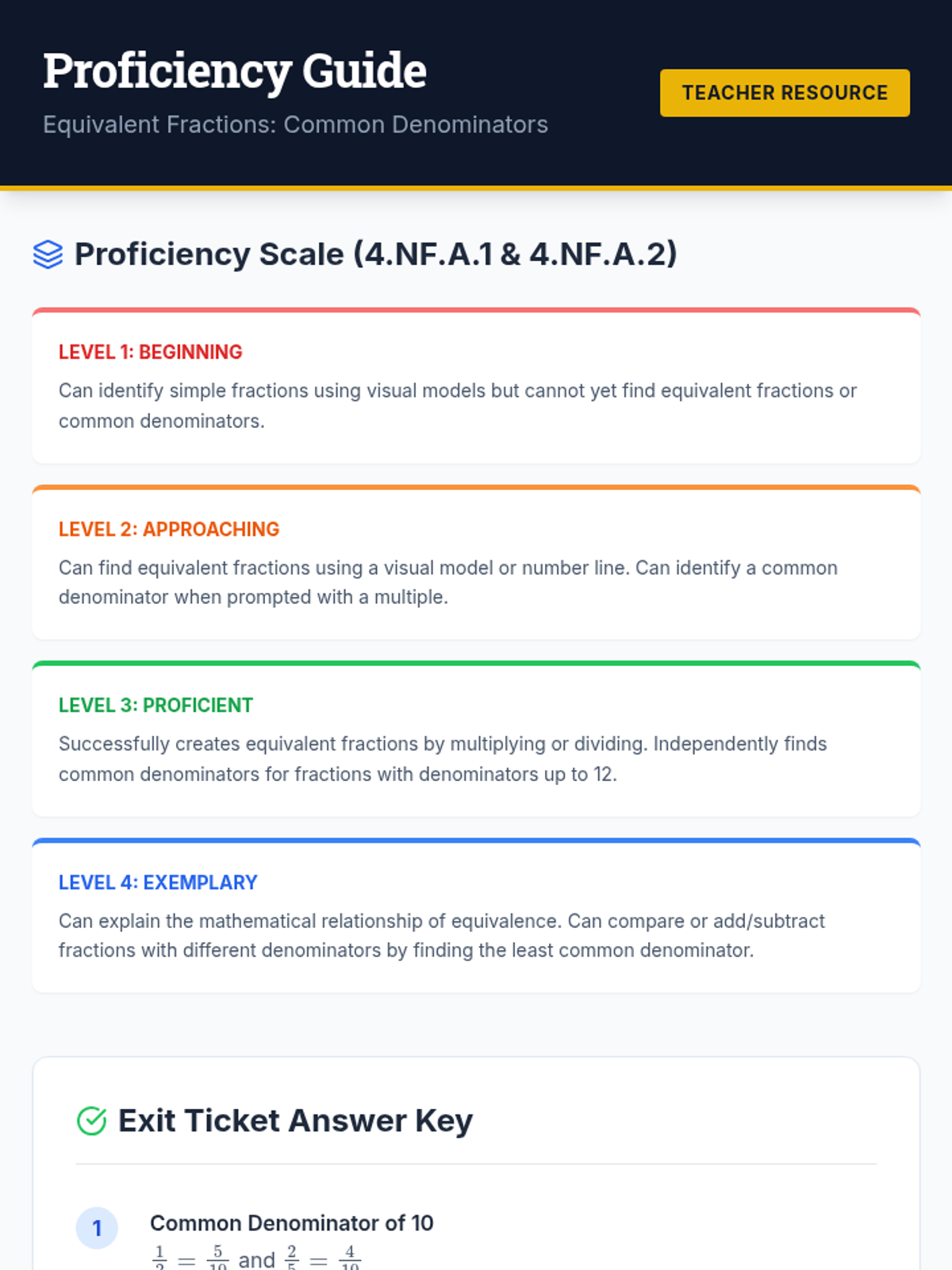
A short assessment focused on the 4th-grade skill of finding common denominators to create equivalent fractions. Includes a student exit ticket and a teacher proficiency guide.
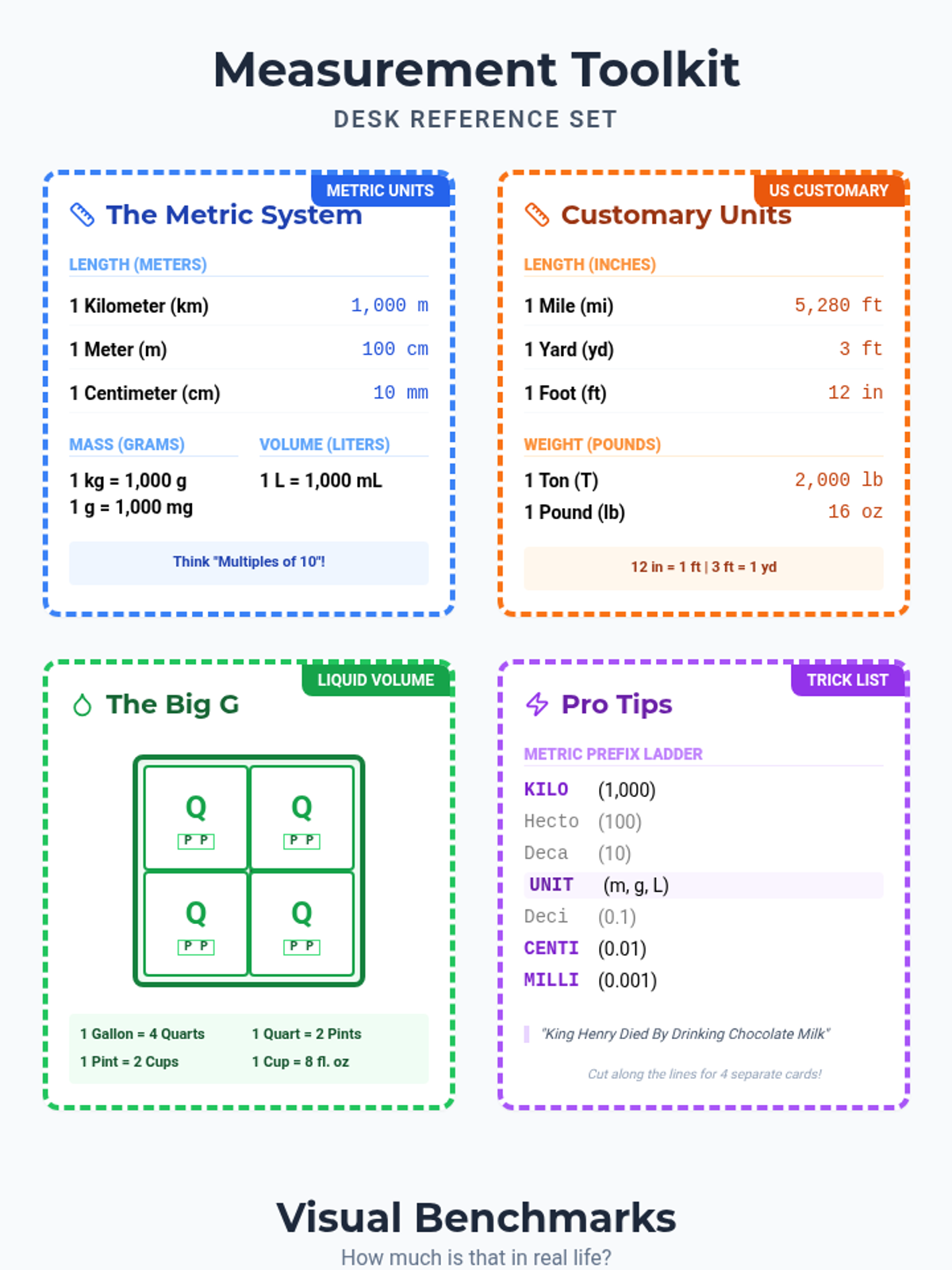
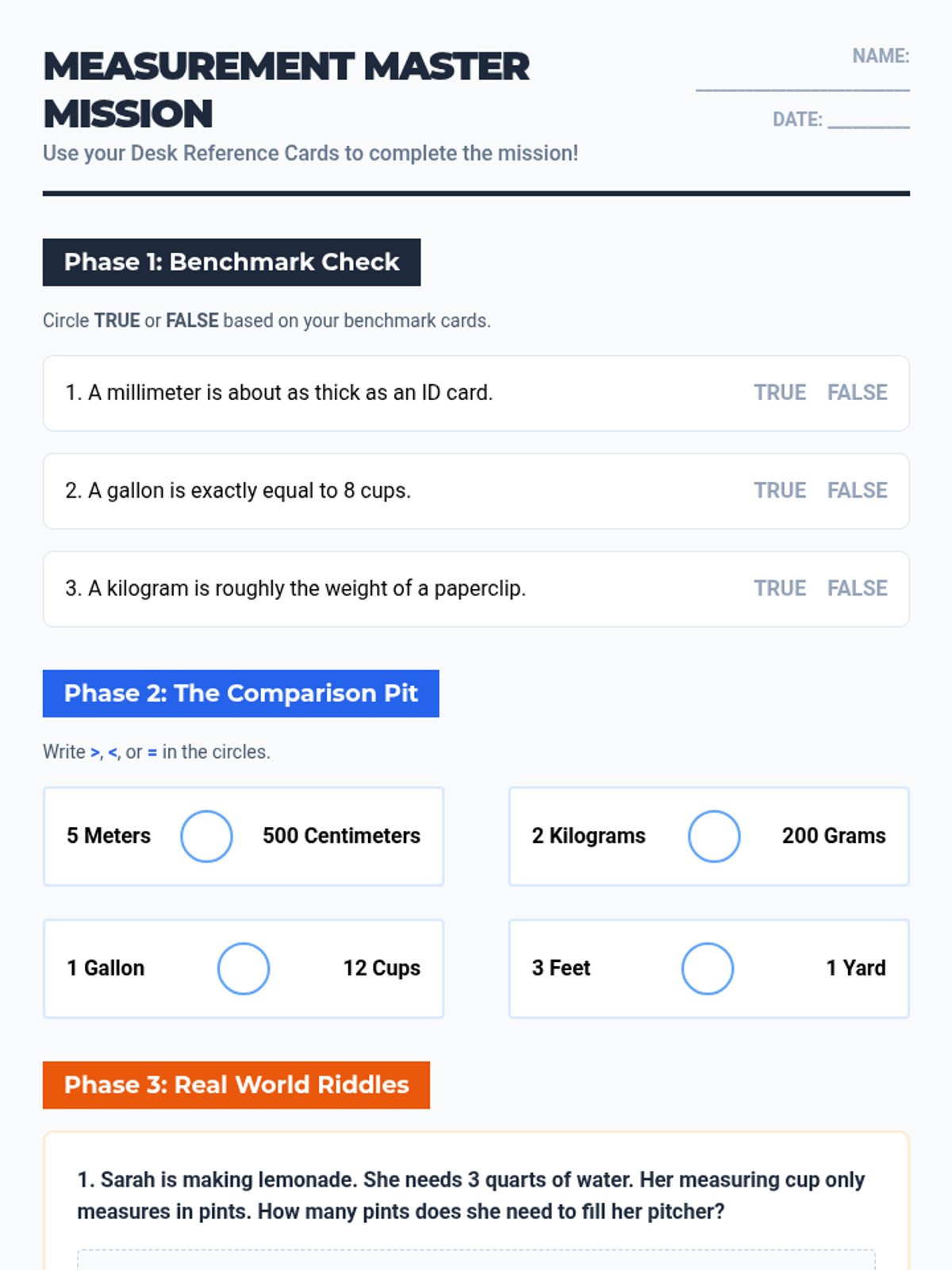
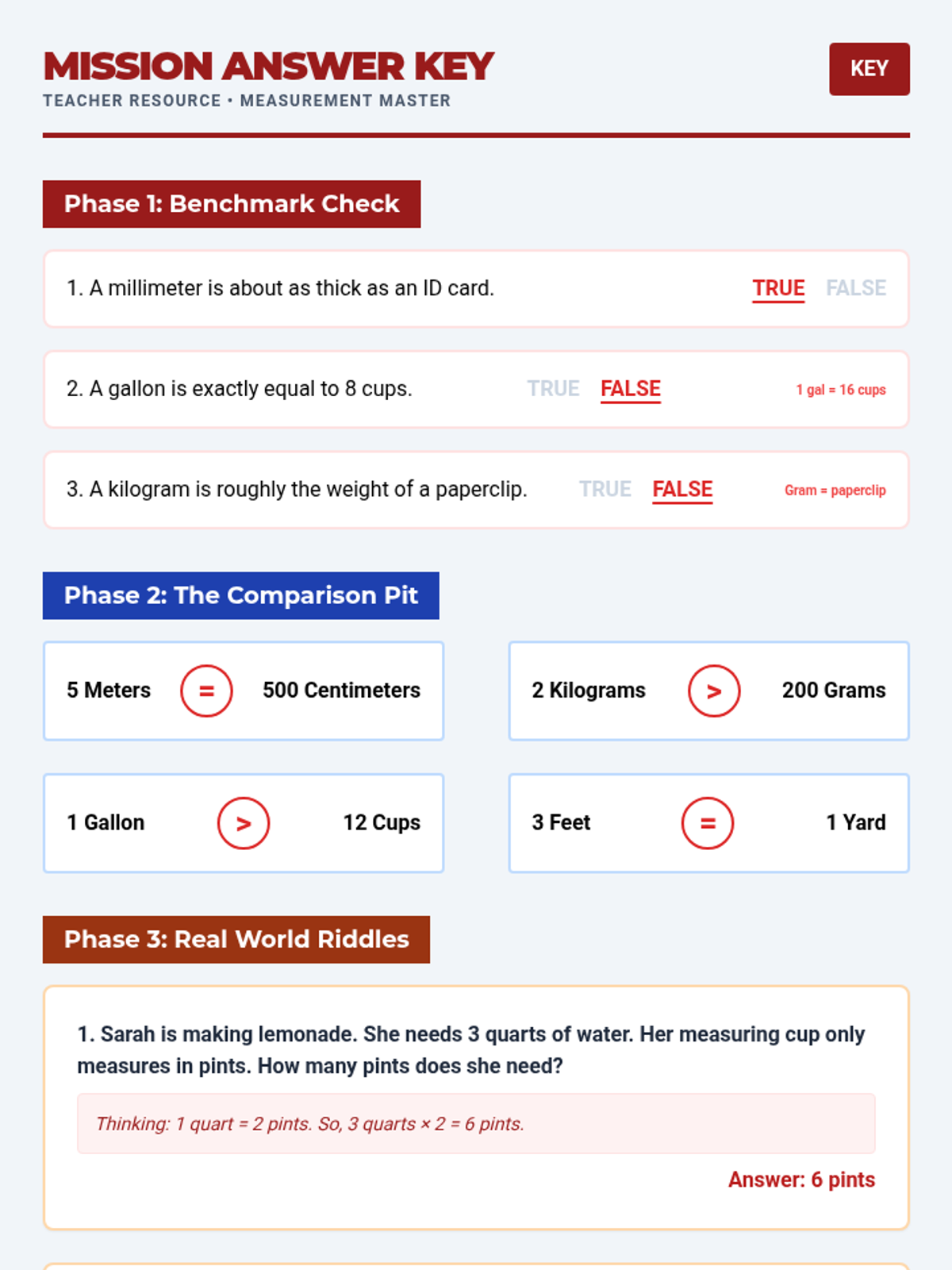
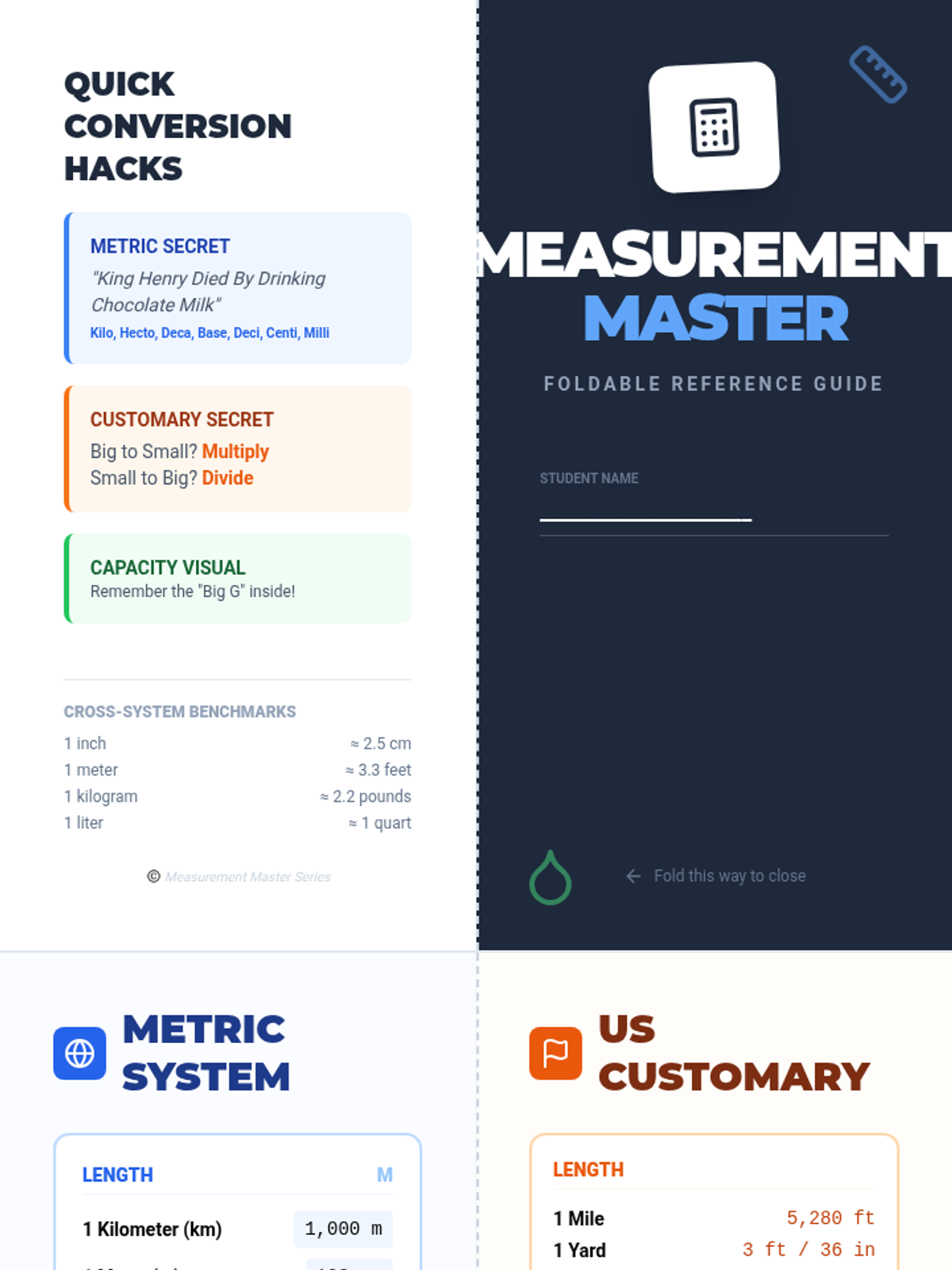
A comprehensive set of visual reference cards for both Metric and US Customary systems of measurement, designed for student desks or notebooks.
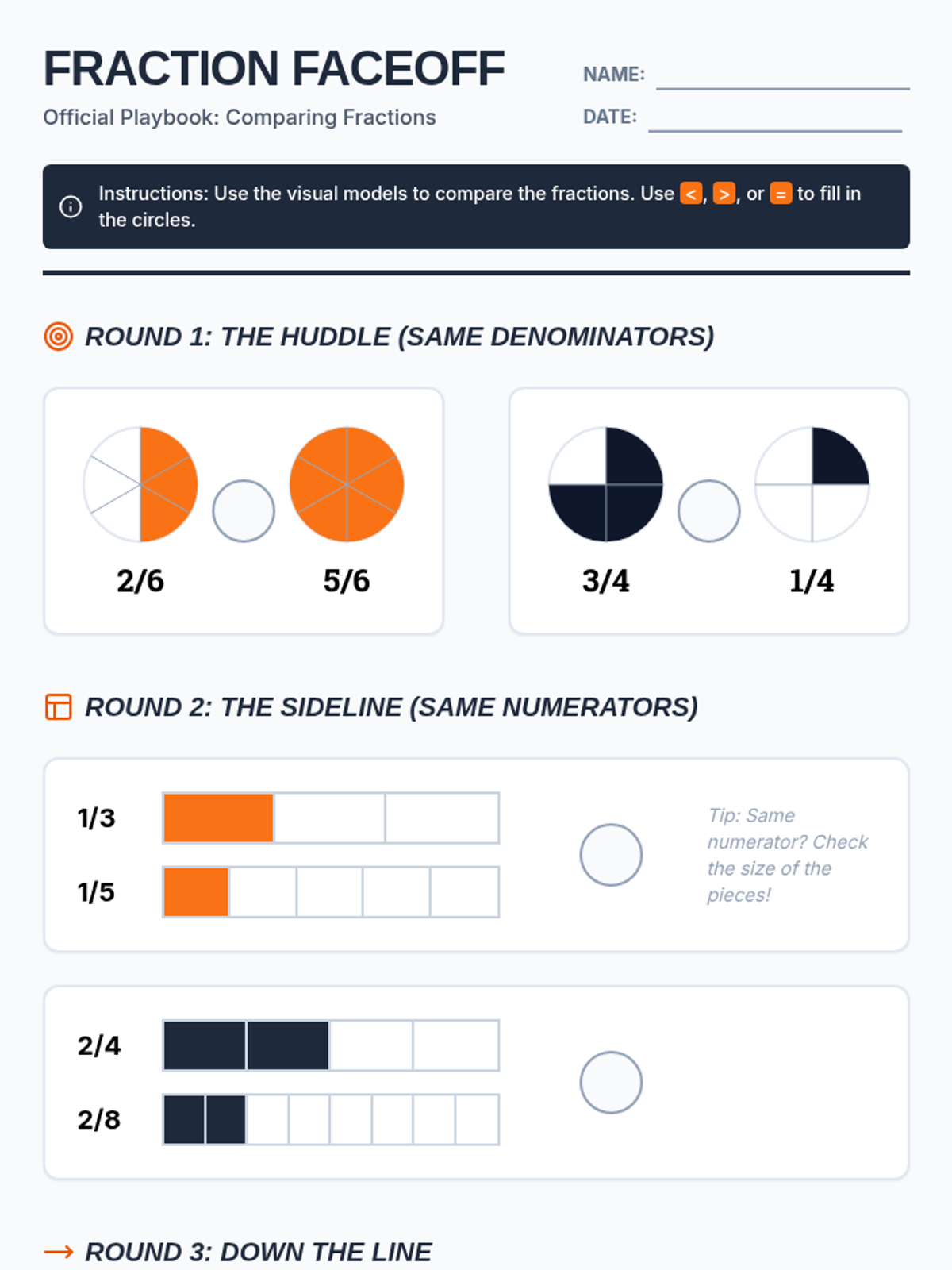
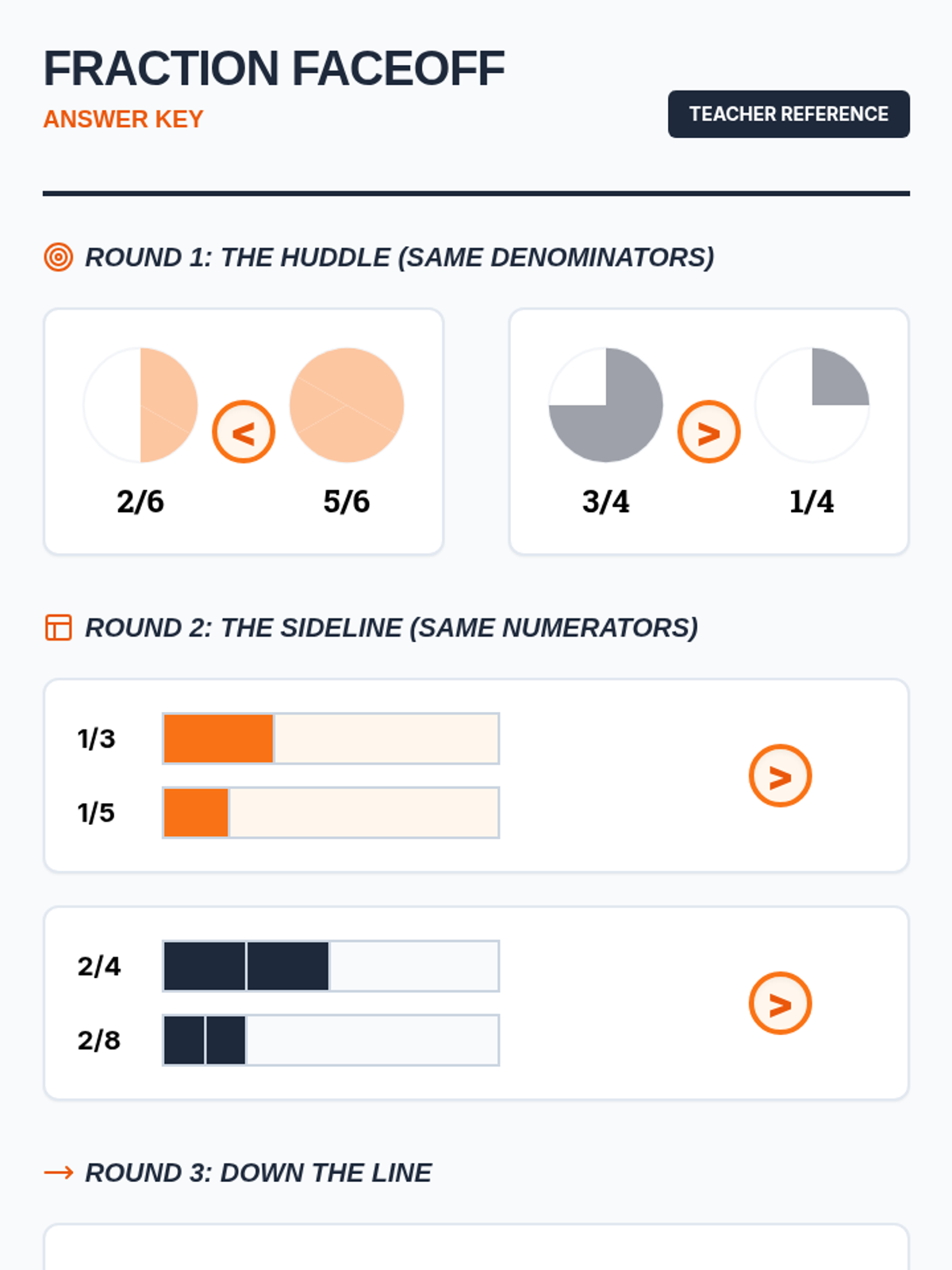
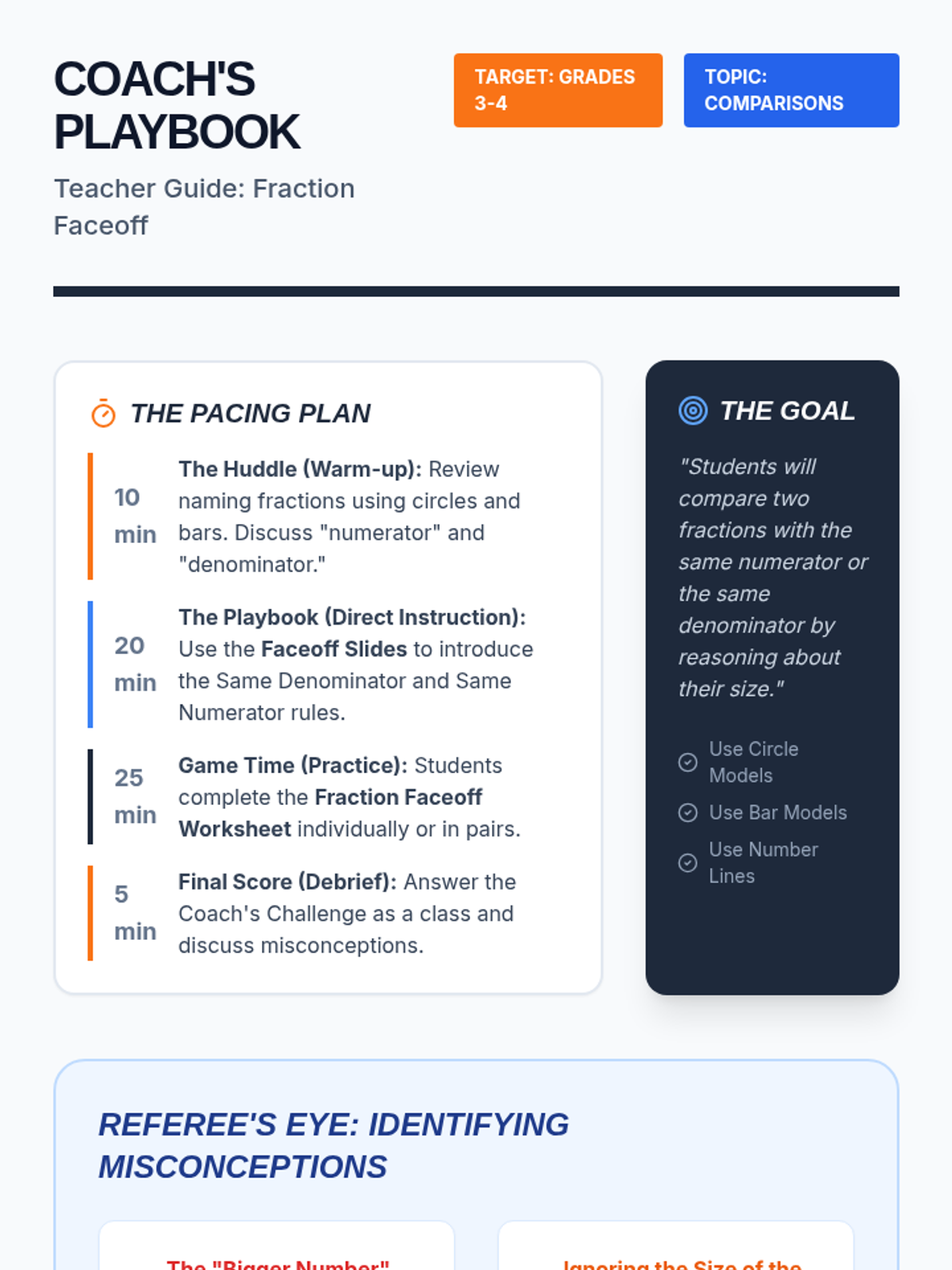
A lesson on comparing fractions with same numerators or same denominators using visual models and number lines.
A comprehensive 3-page math packet for 3rd grade RSP students focusing on 2nd grade mental math and comparison standards. Progression from highly scaffolded practice to independent mastery.
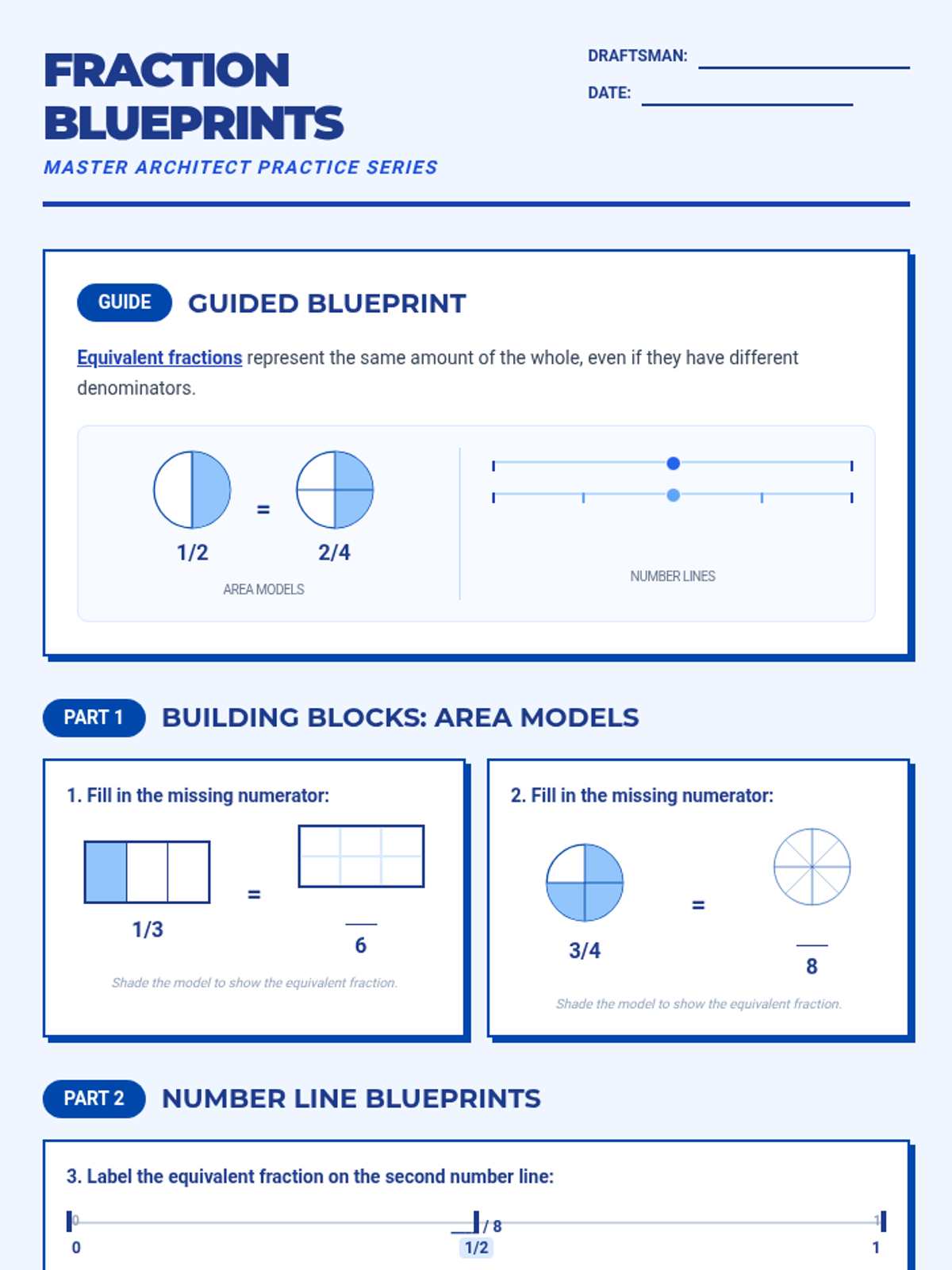
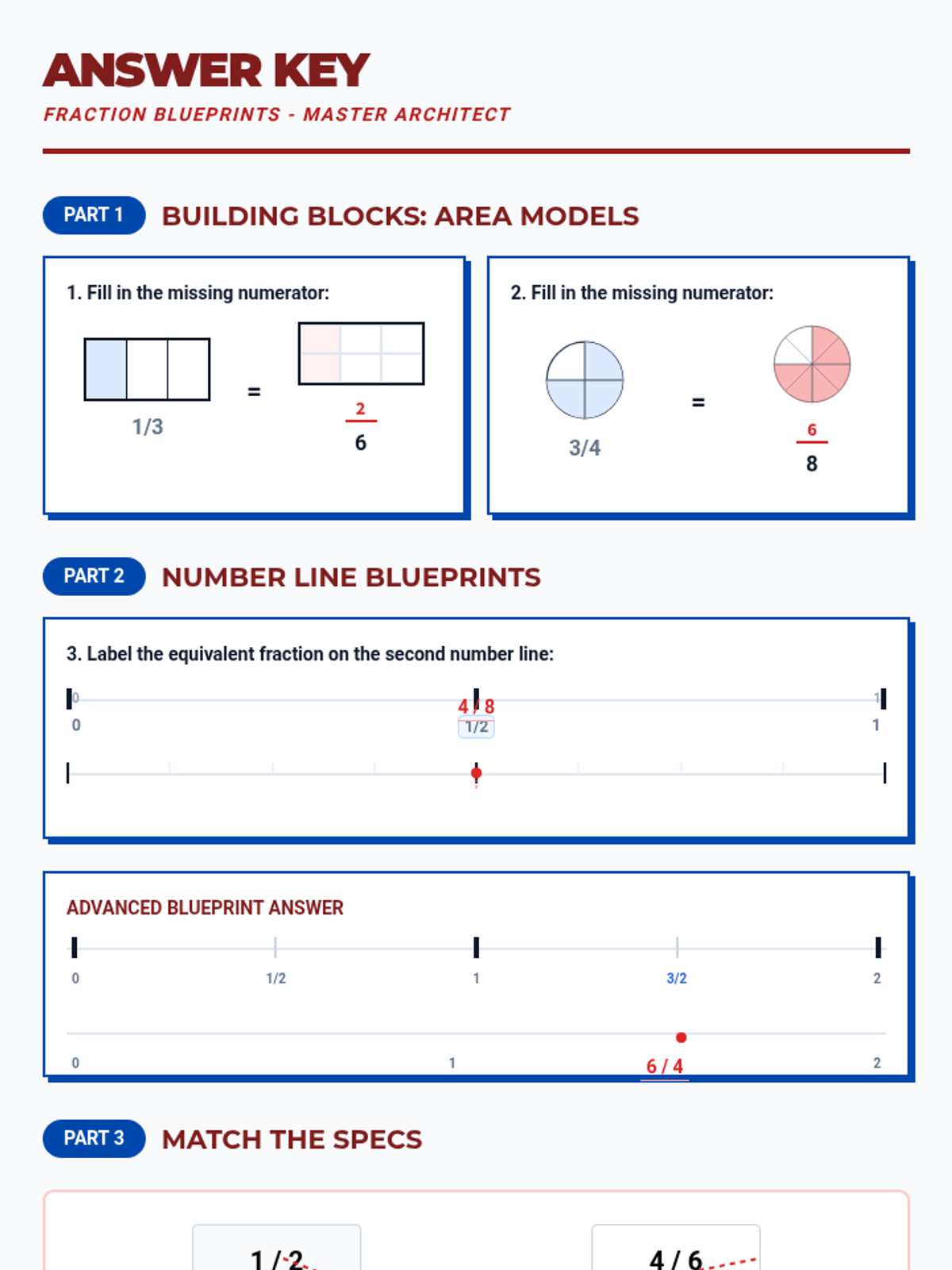
A lesson focused on identifying and creating equivalent fractions using visual models like area models and number lines, specifically for denominators 2, 3, 4, 6, and 8. Students will practice both within and beyond one whole.
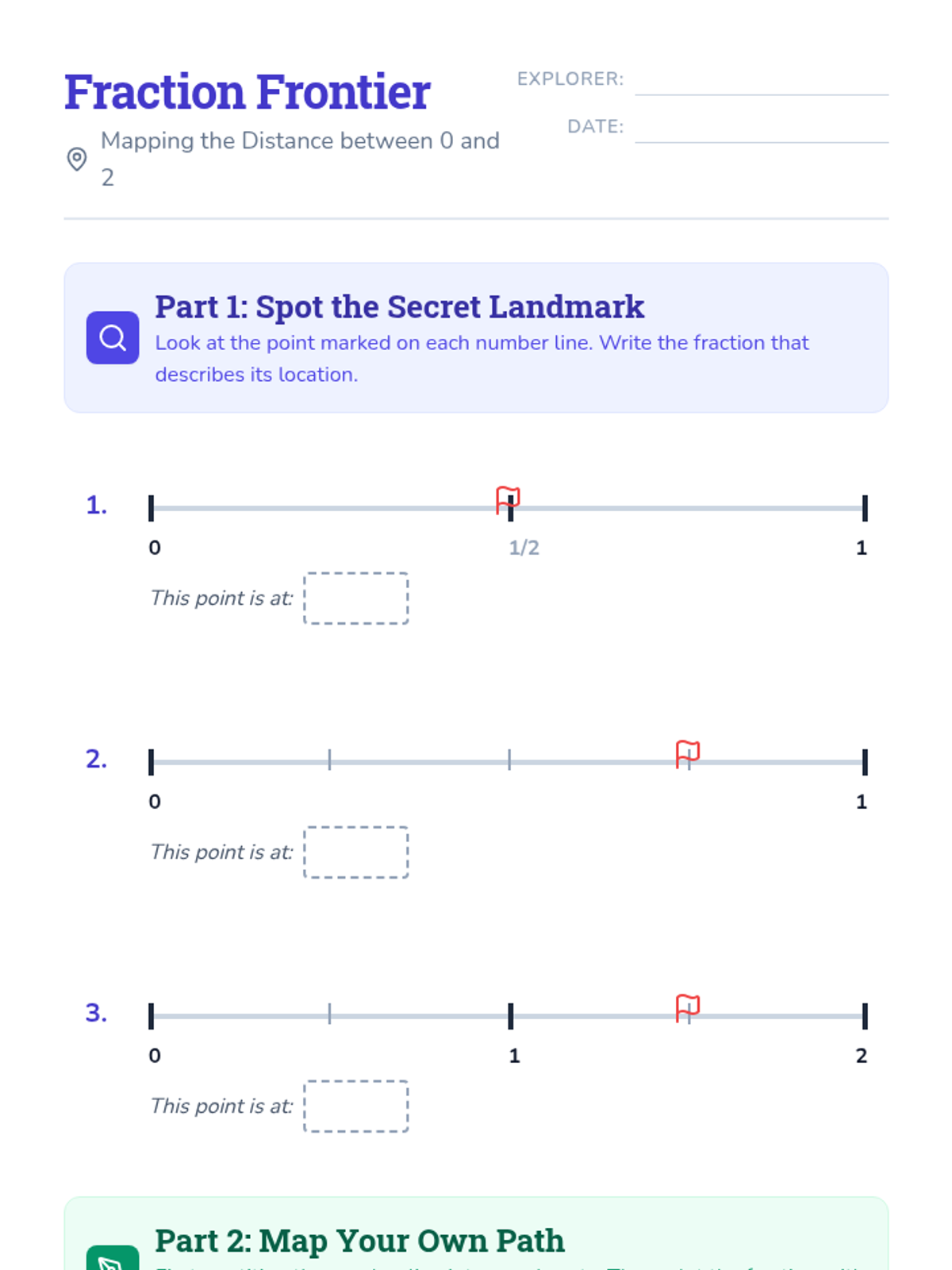
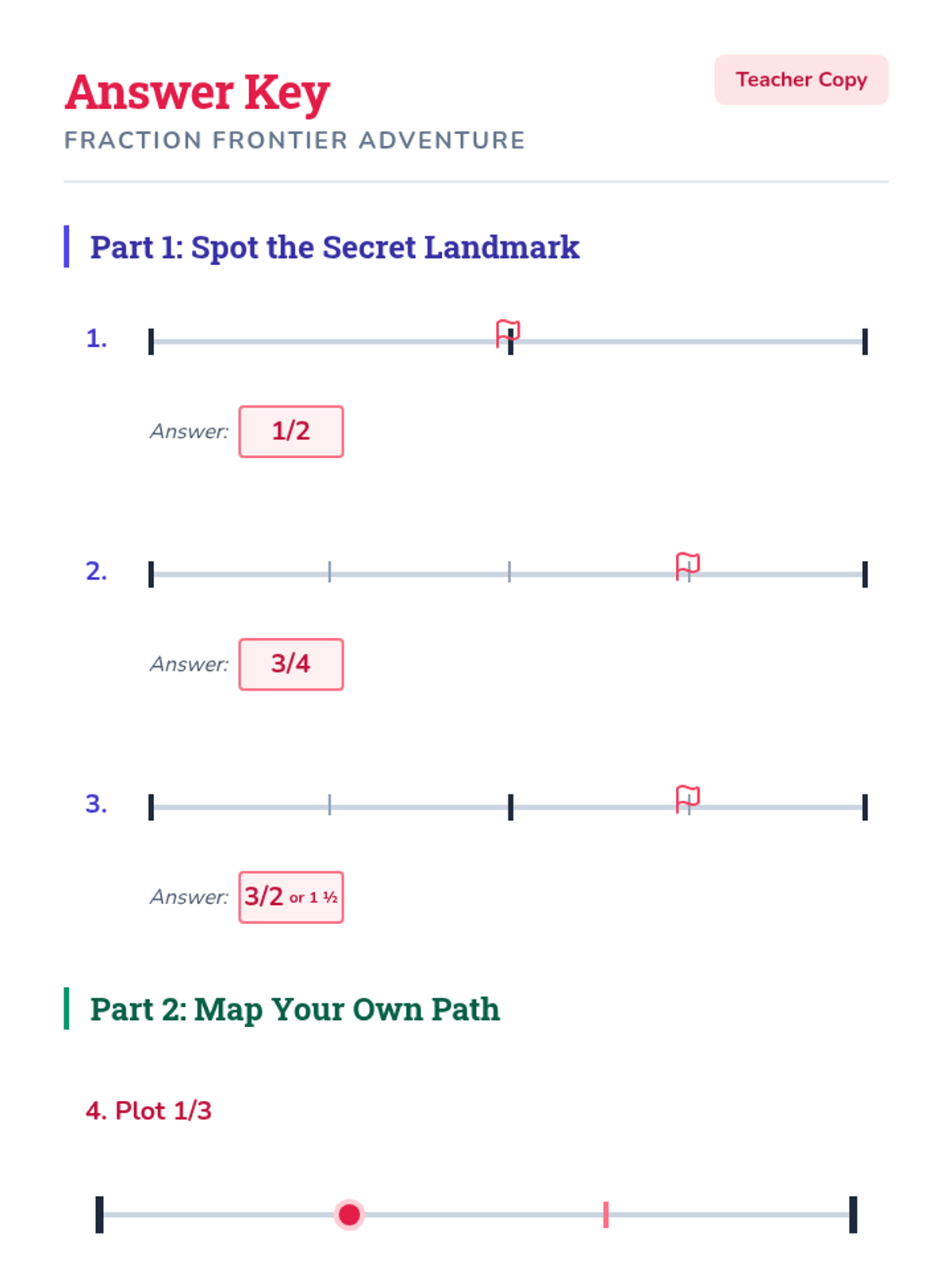
A lesson focused on identifying and plotting fractions between 0 and 2 on number lines with denominators of 2, 3, 4, and 8. Students practice both reading existing number lines and partitioning their own.
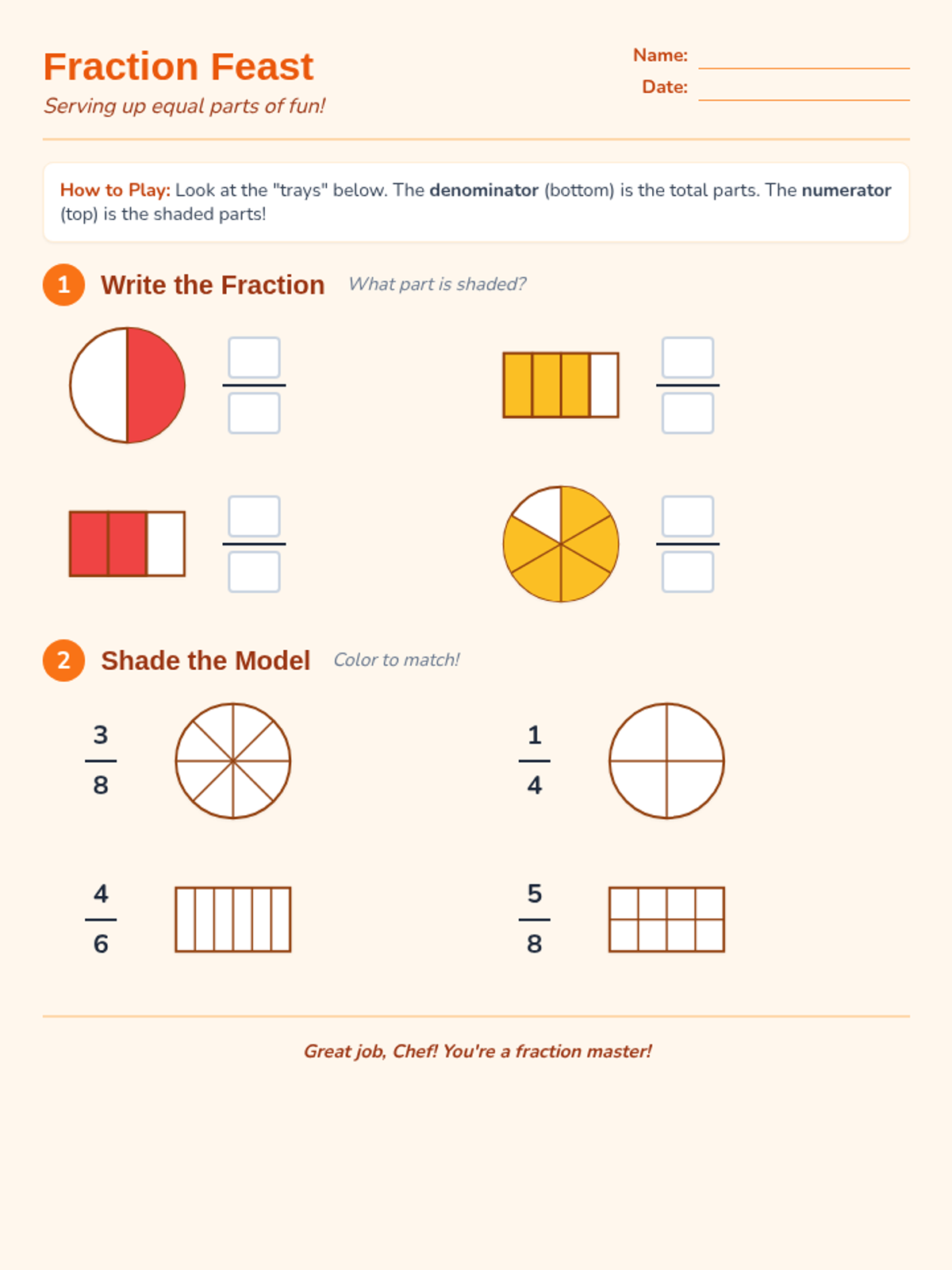
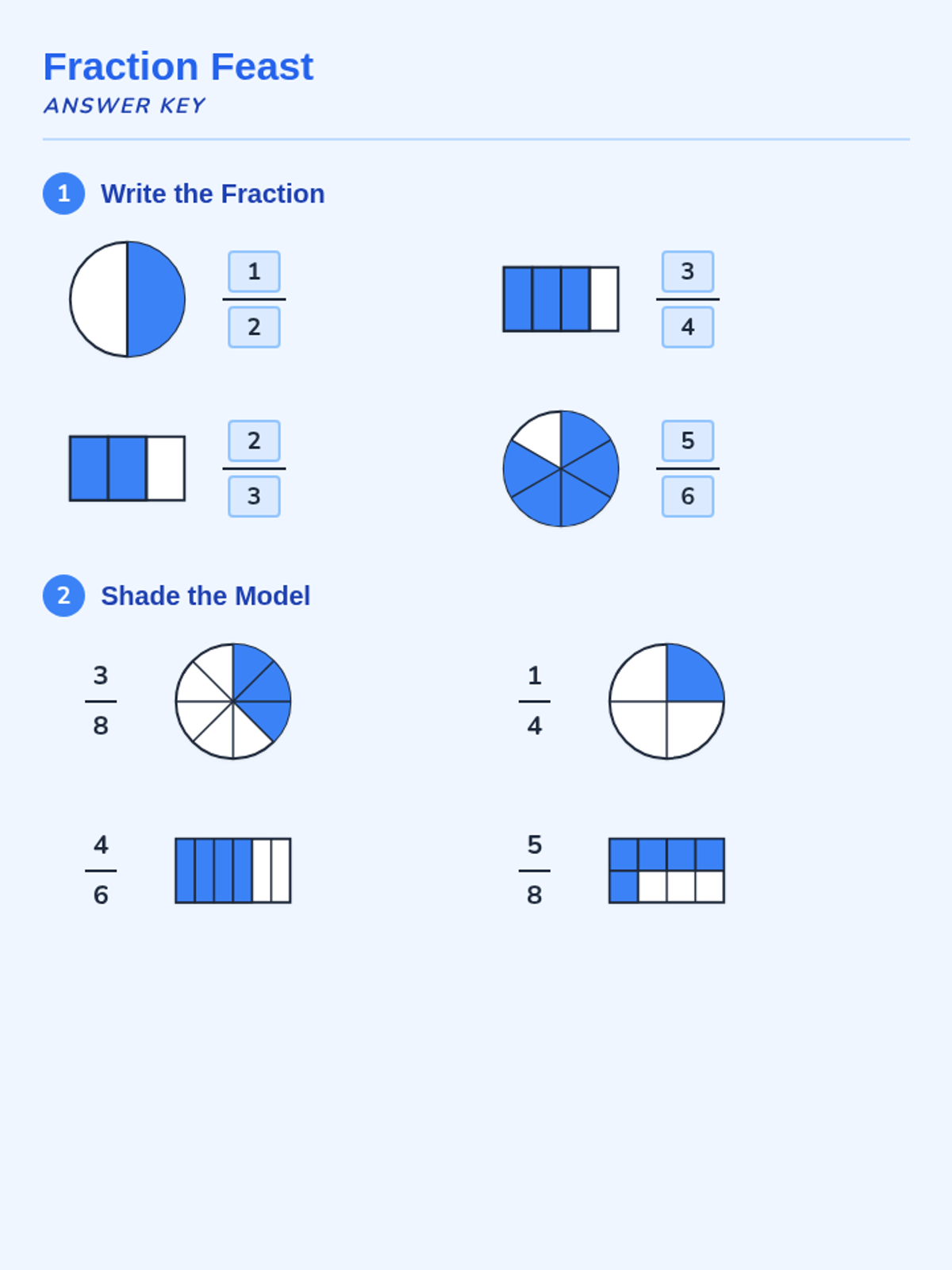
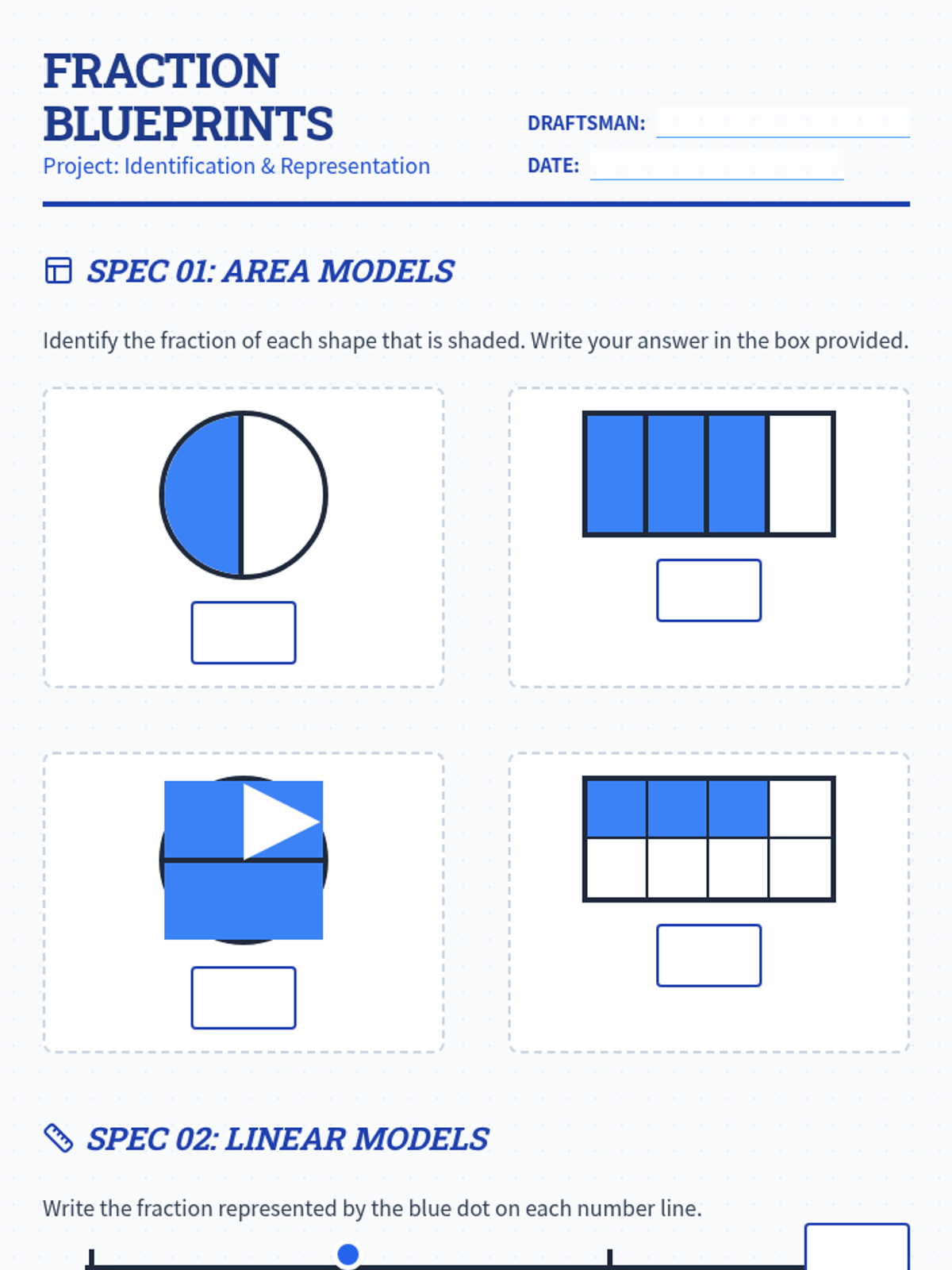
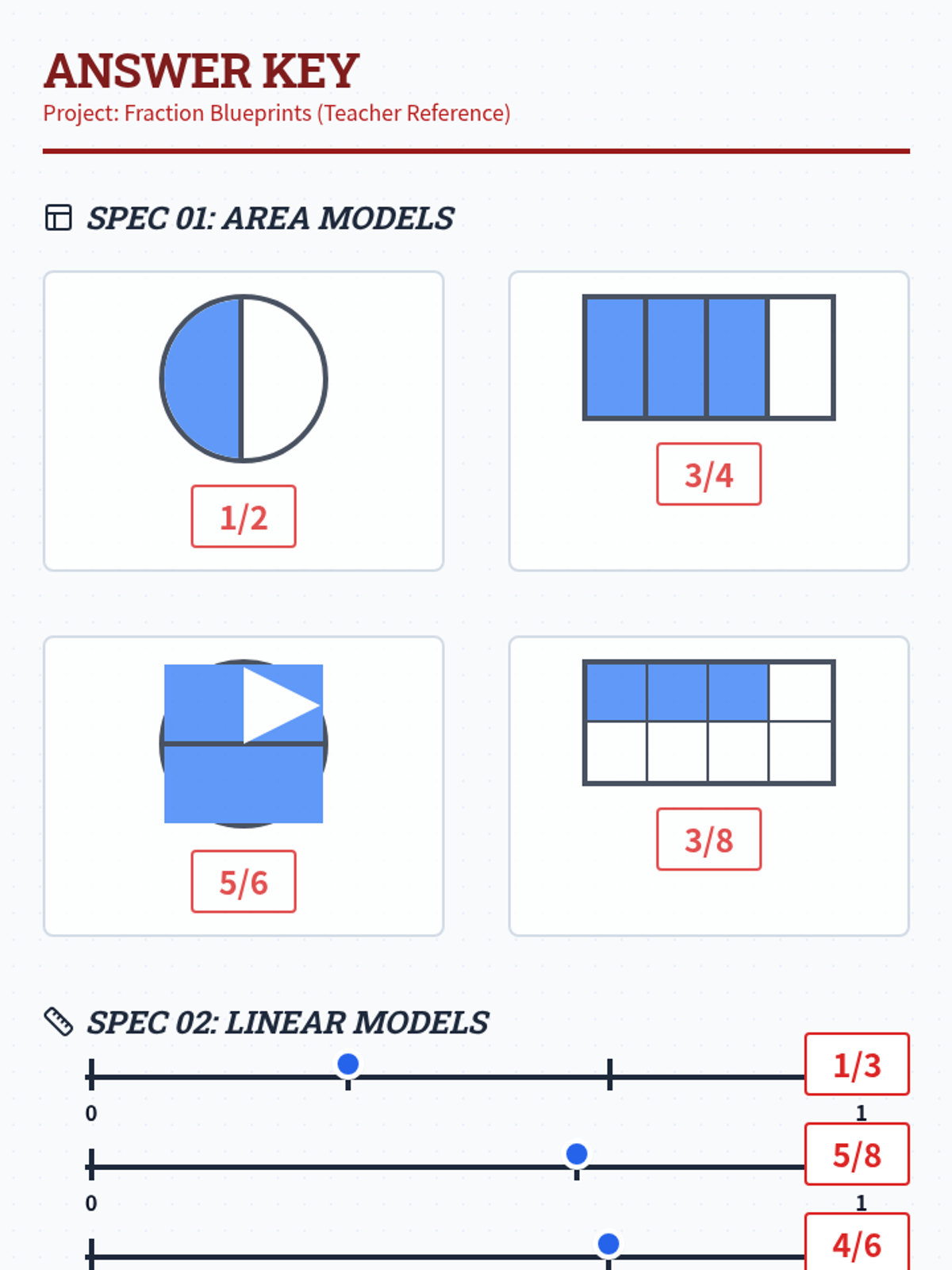
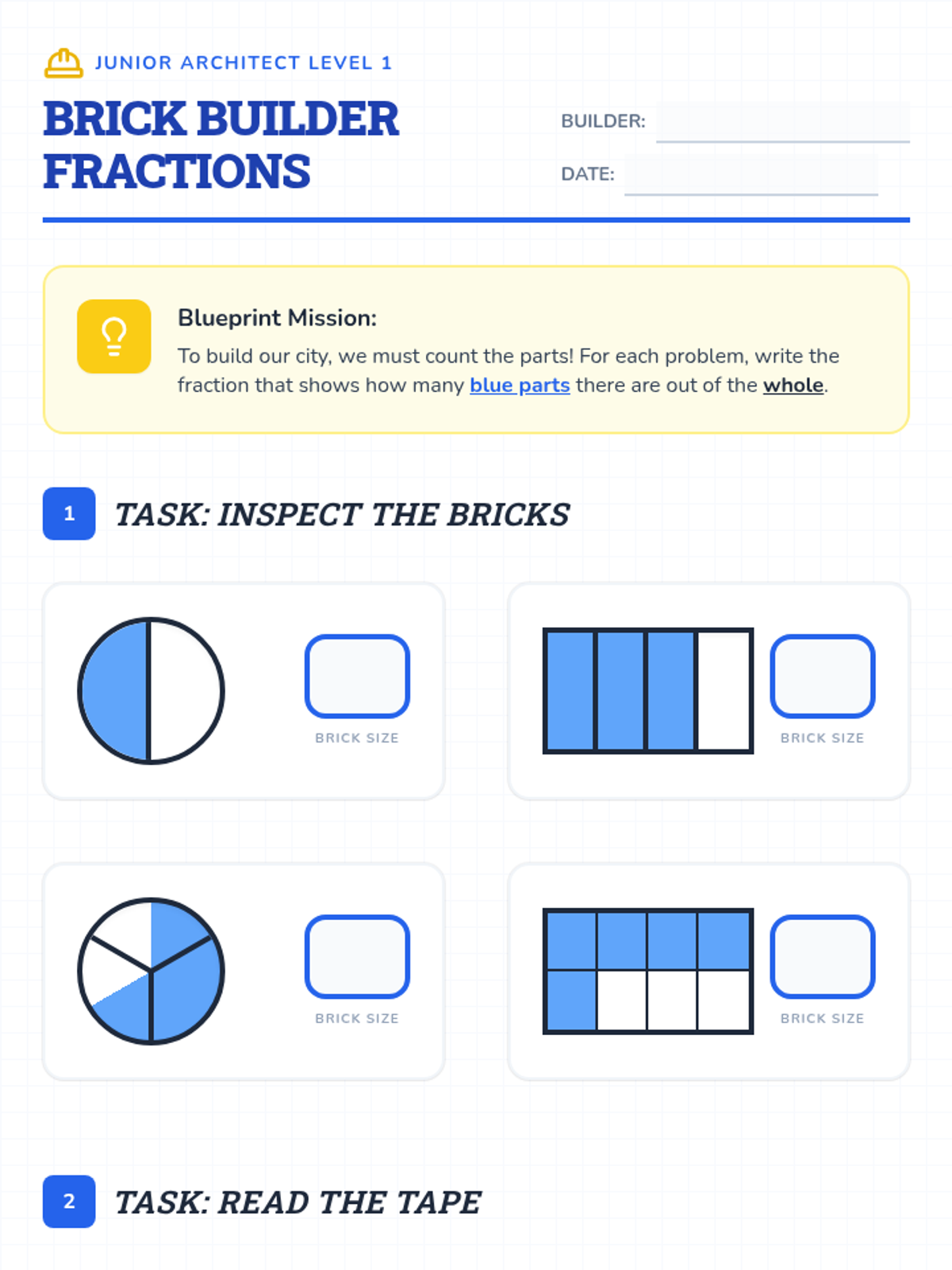
A lesson focused on identifying and representing fractions using area models with denominators of 2, 3, 4, 6, and 8. Students will practice both reading shaded models and shading models to match fractions.
A lesson focused on identifying and representing fractions using visual models like area models (shapes) and linear models (number lines) with denominators 2, 3, 4, 6, and 8.
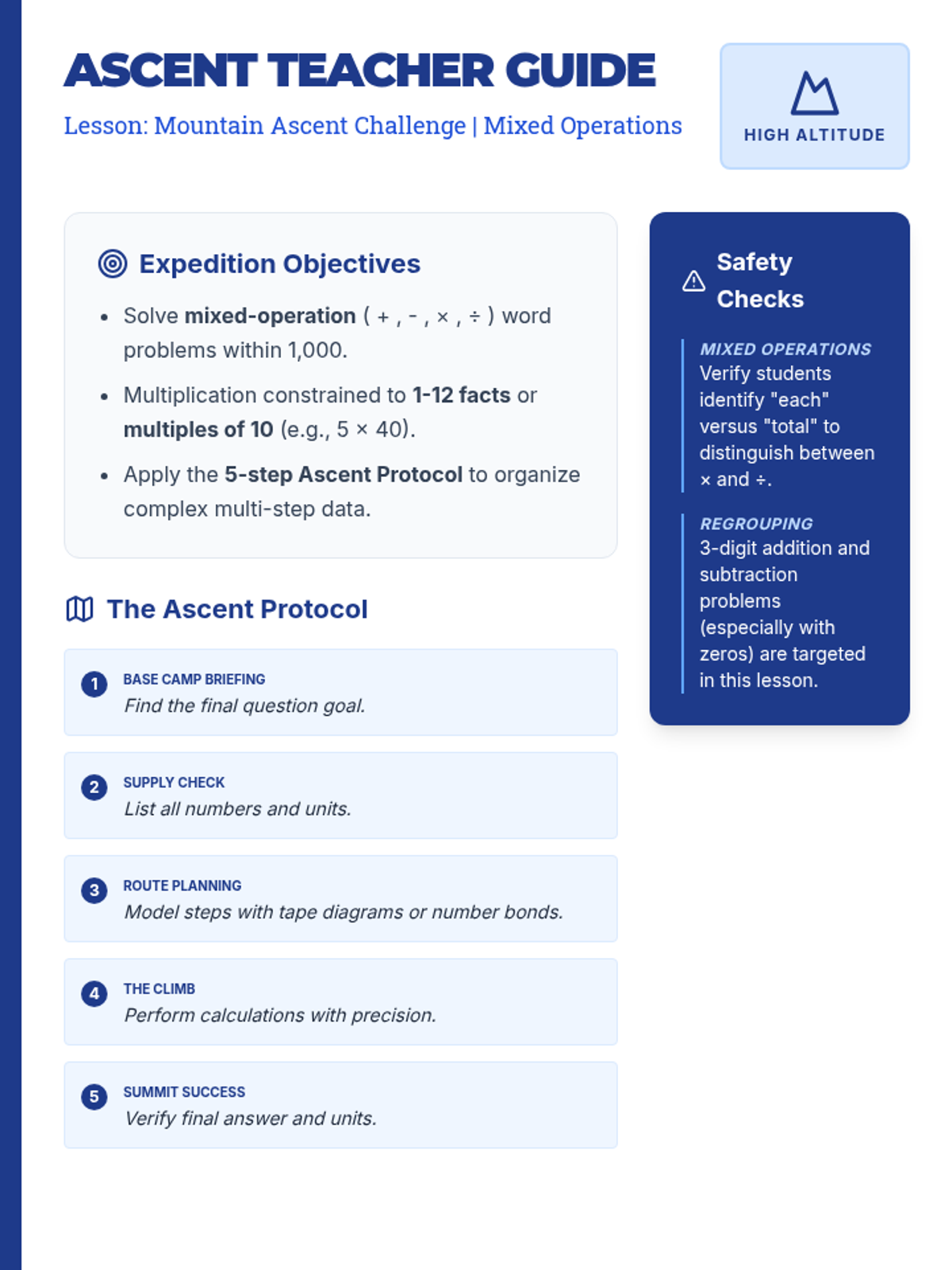
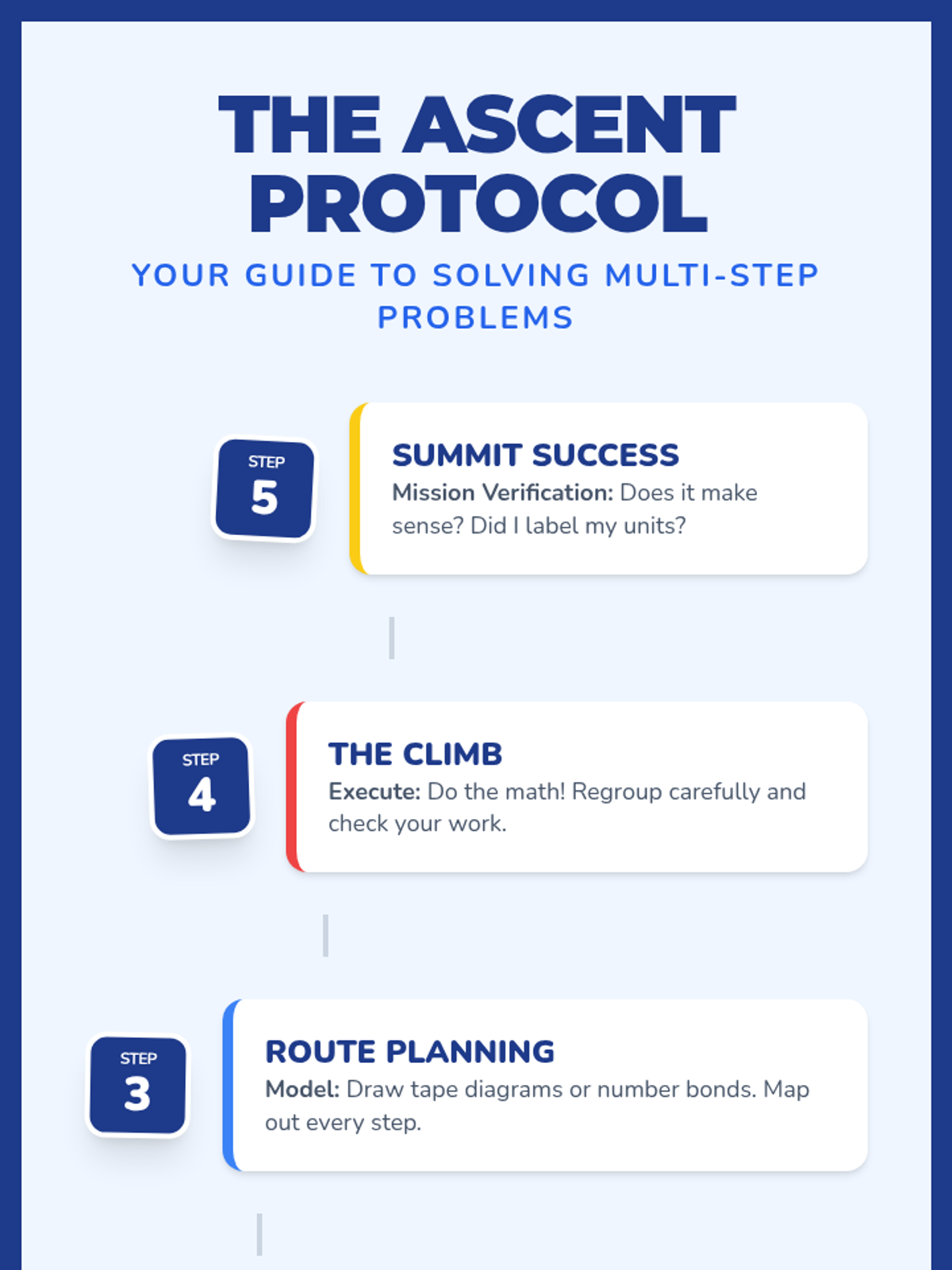
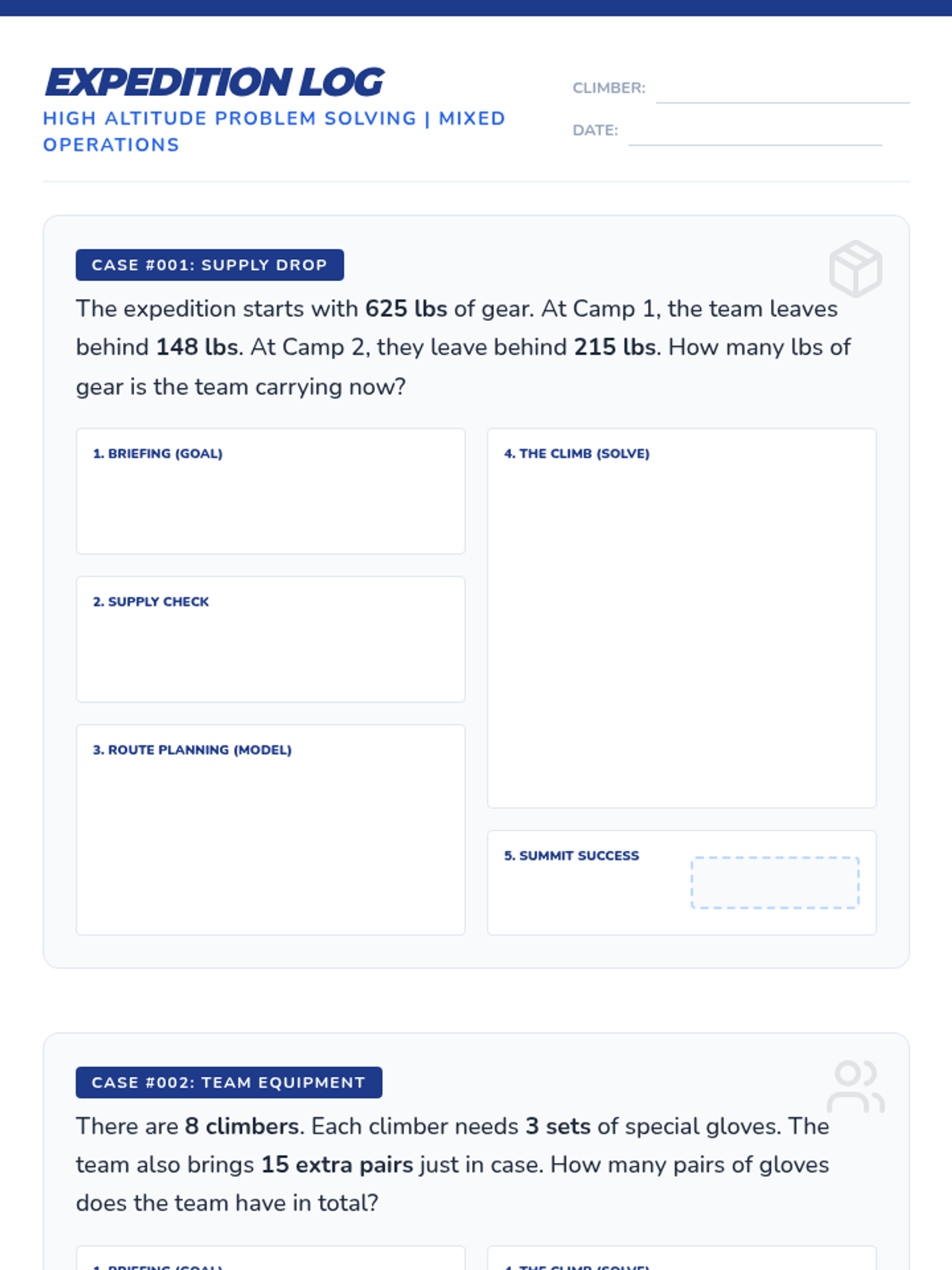
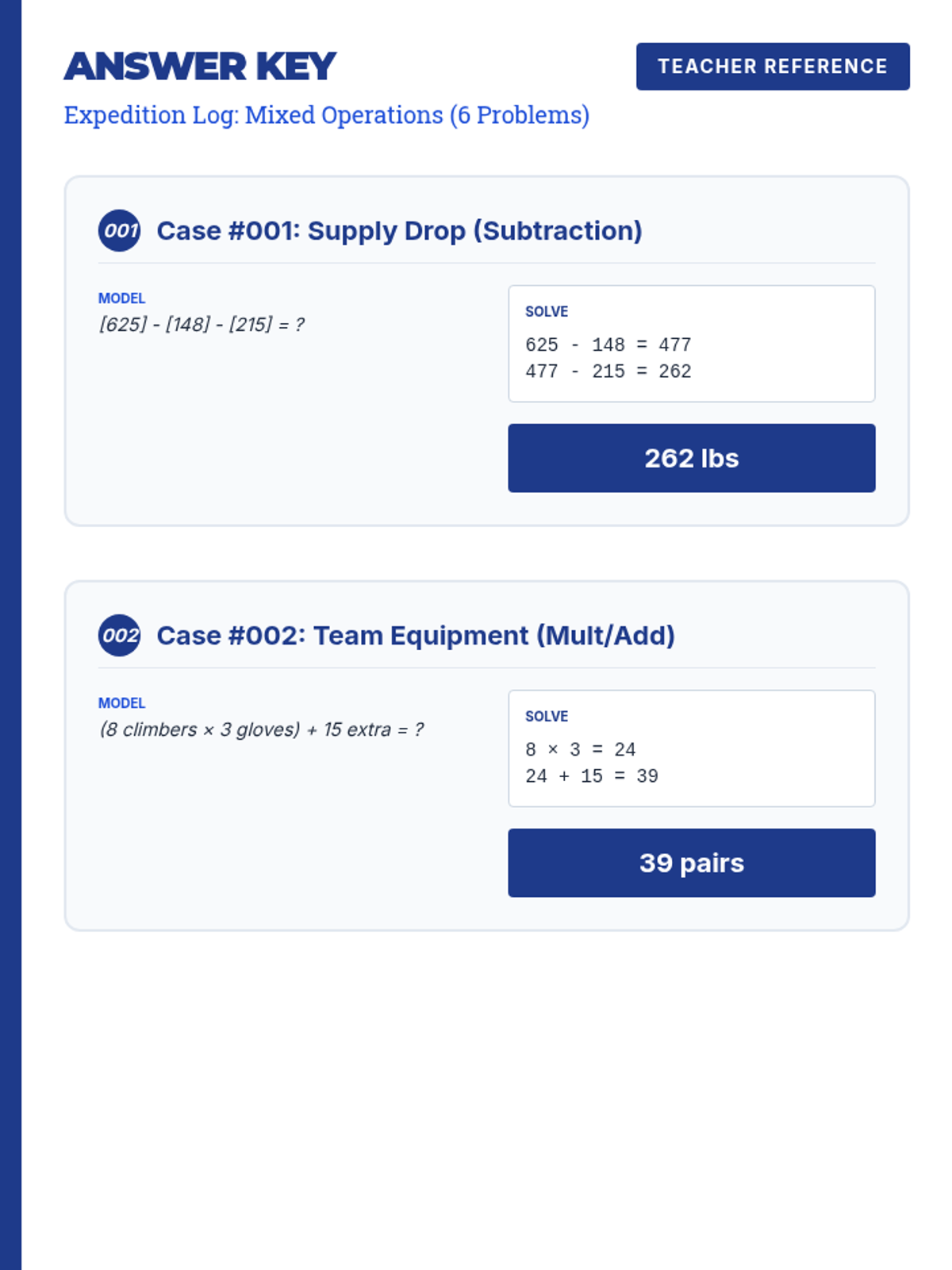
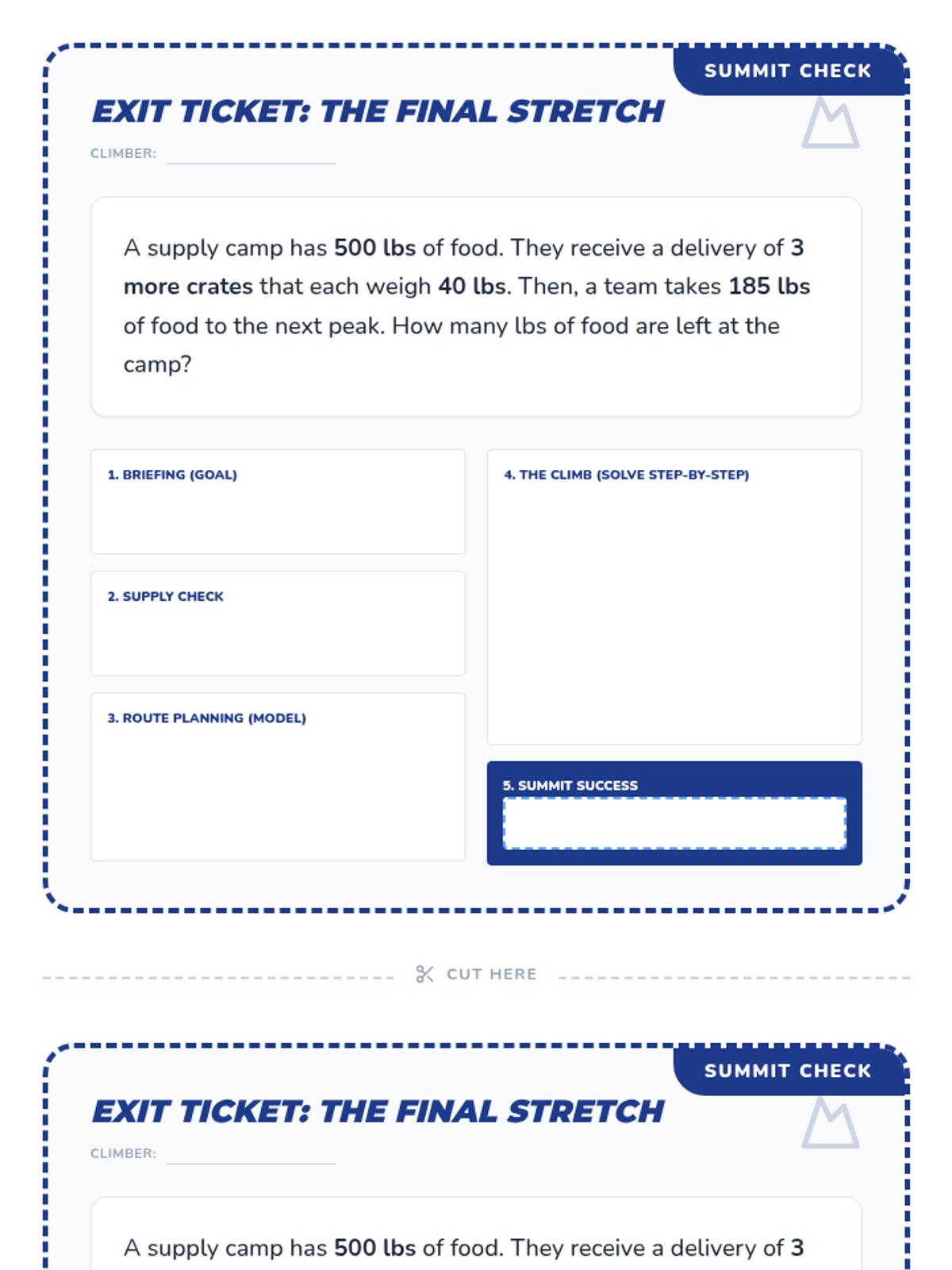
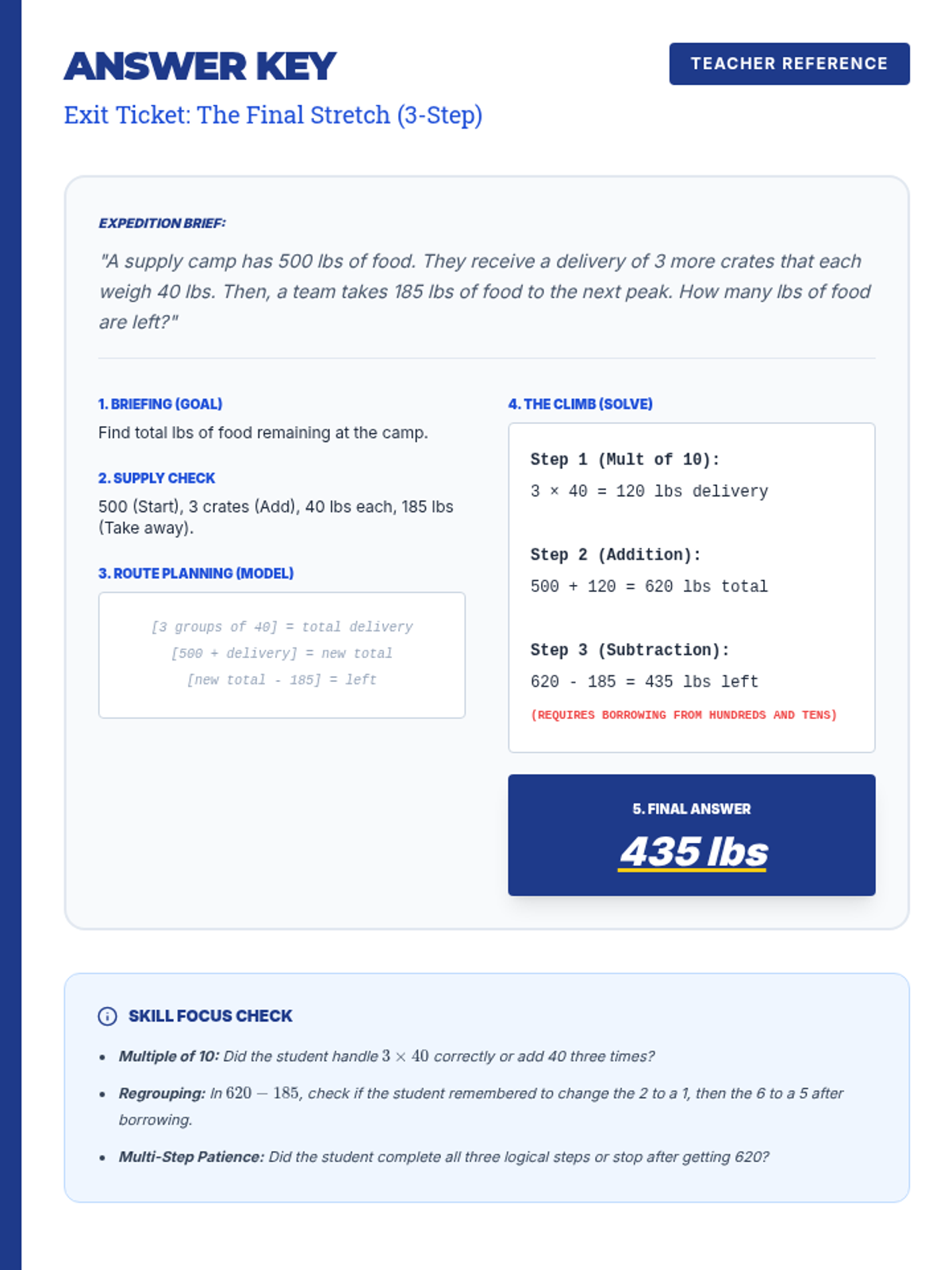
A 3rd-grade mountain-themed math lesson where students tackle advanced 2-step and introductory 3-step word problems involving regrouping. Students use the 'Ascent Protocol' to navigate complex elevation changes, supply weights, and expedition costs.
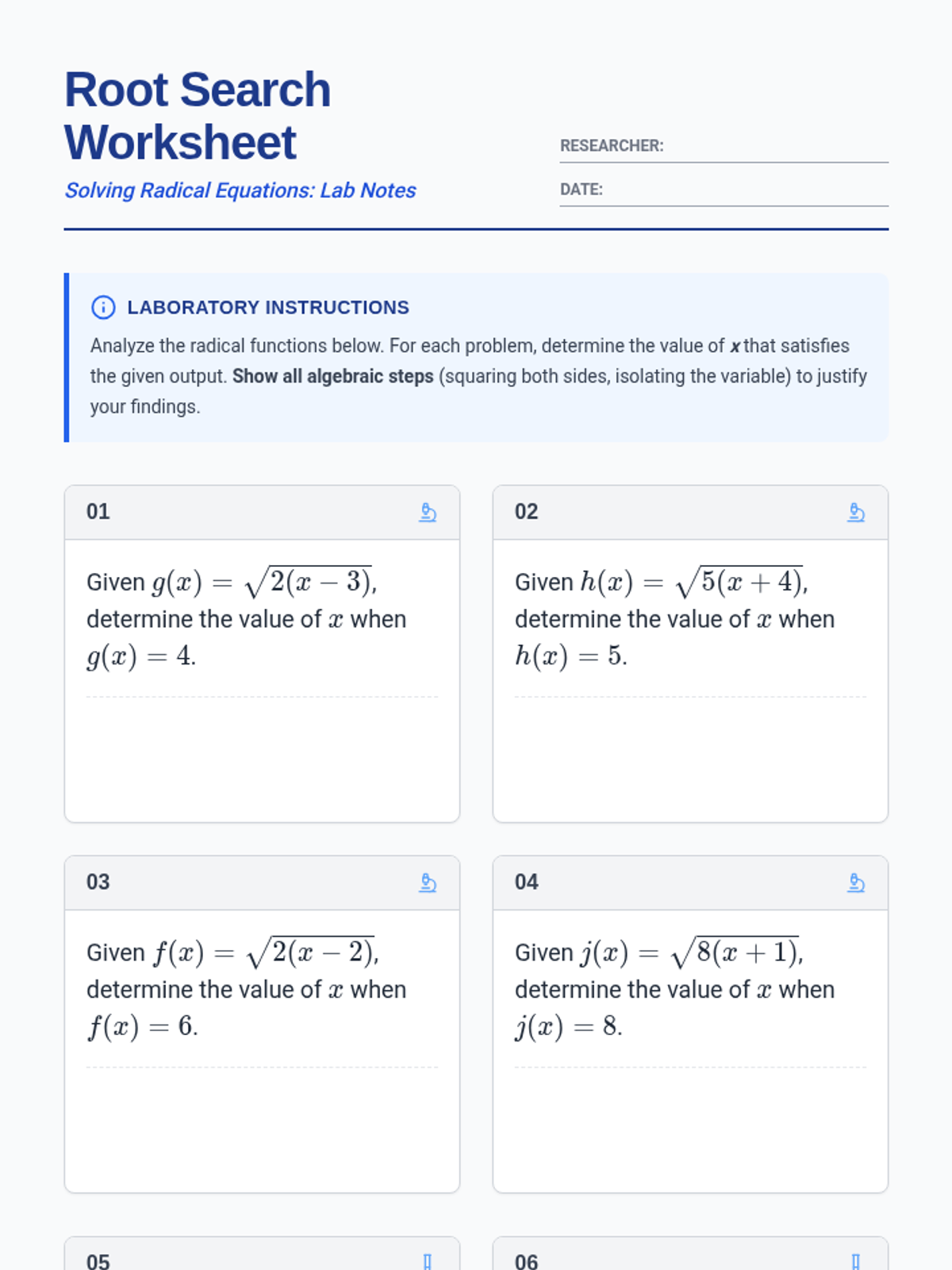
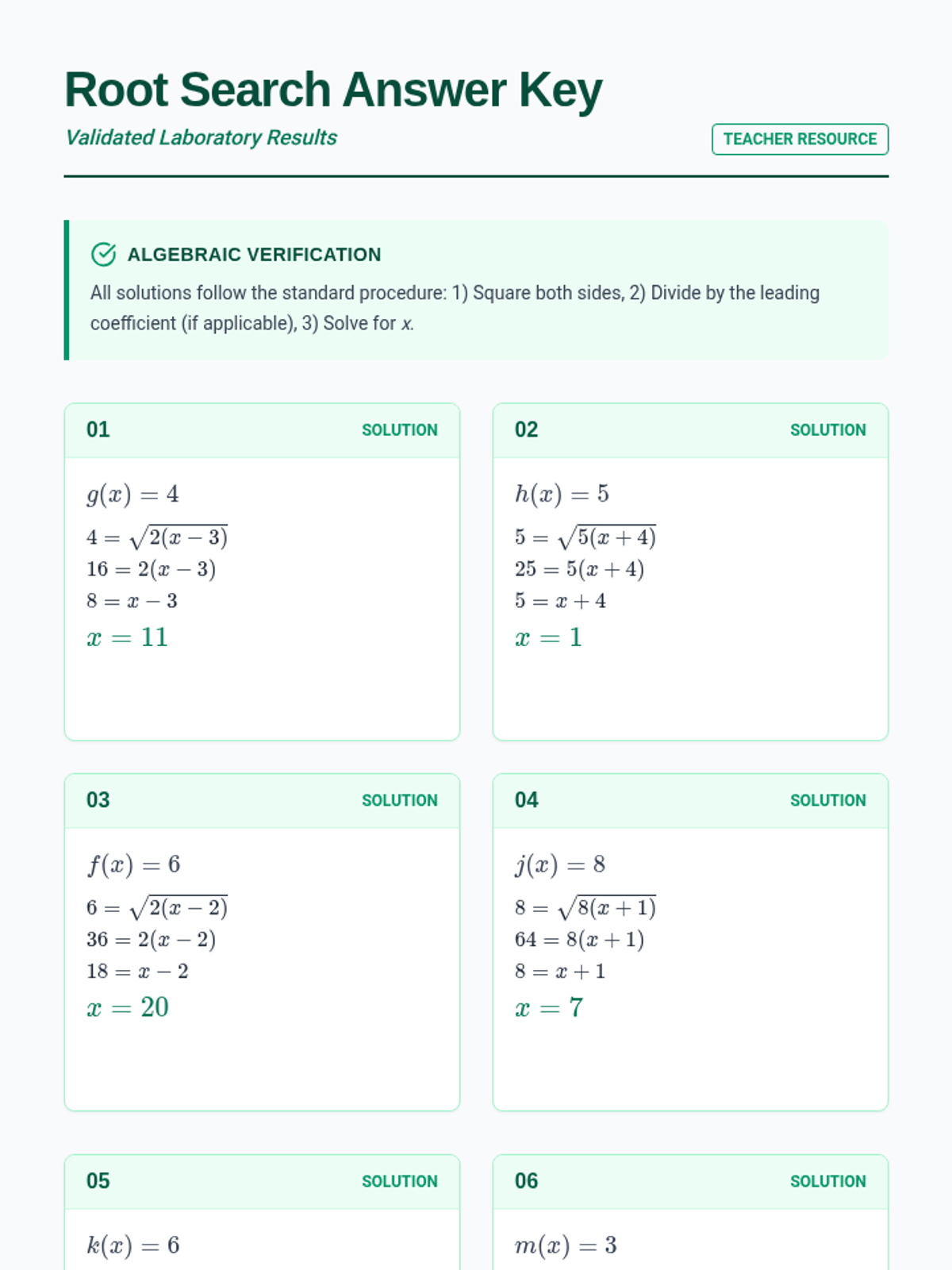
A lesson focused on solving radical equations derived from function notations, specifically finding the input value (x) given an output value (g(x)).
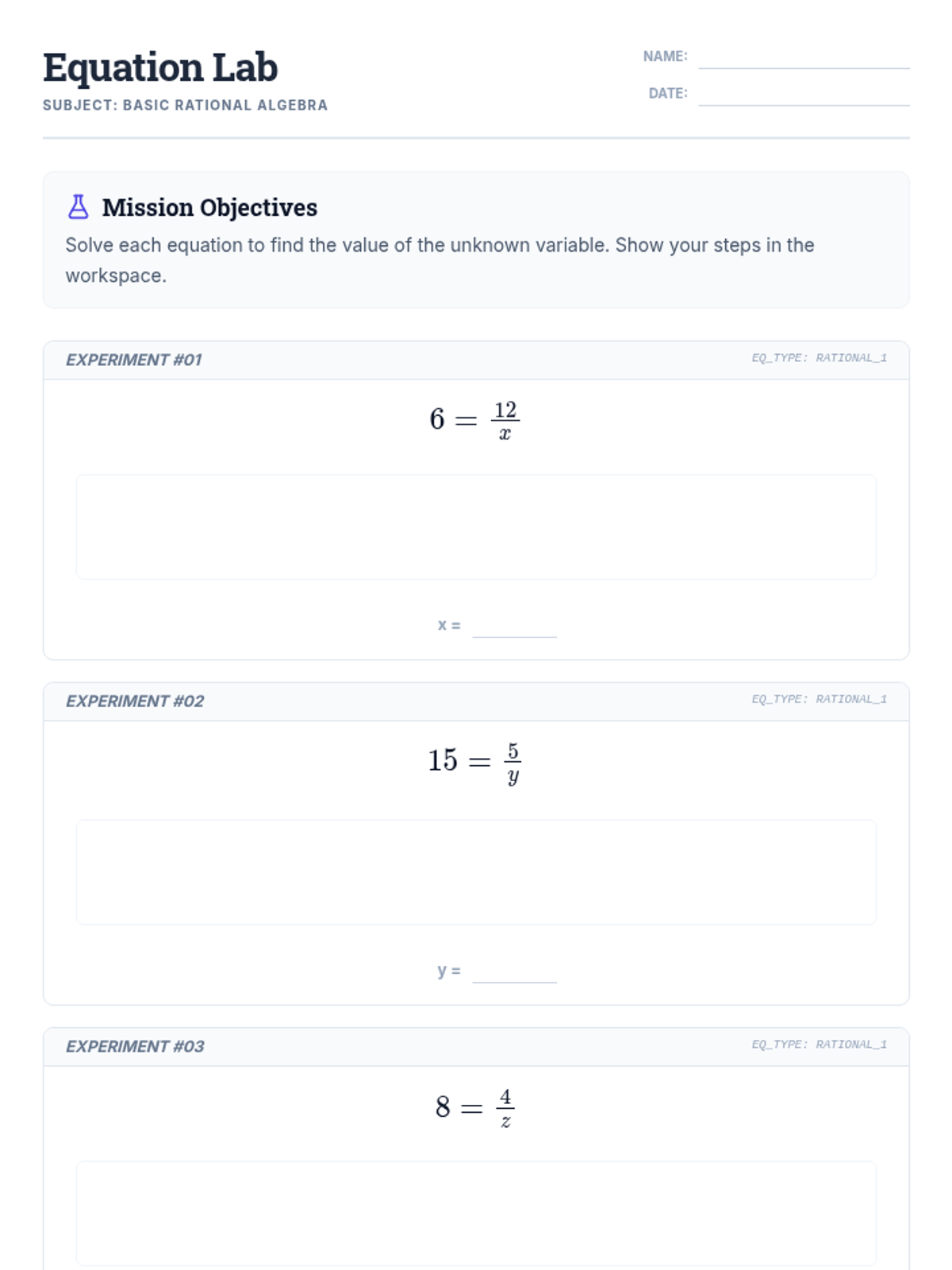
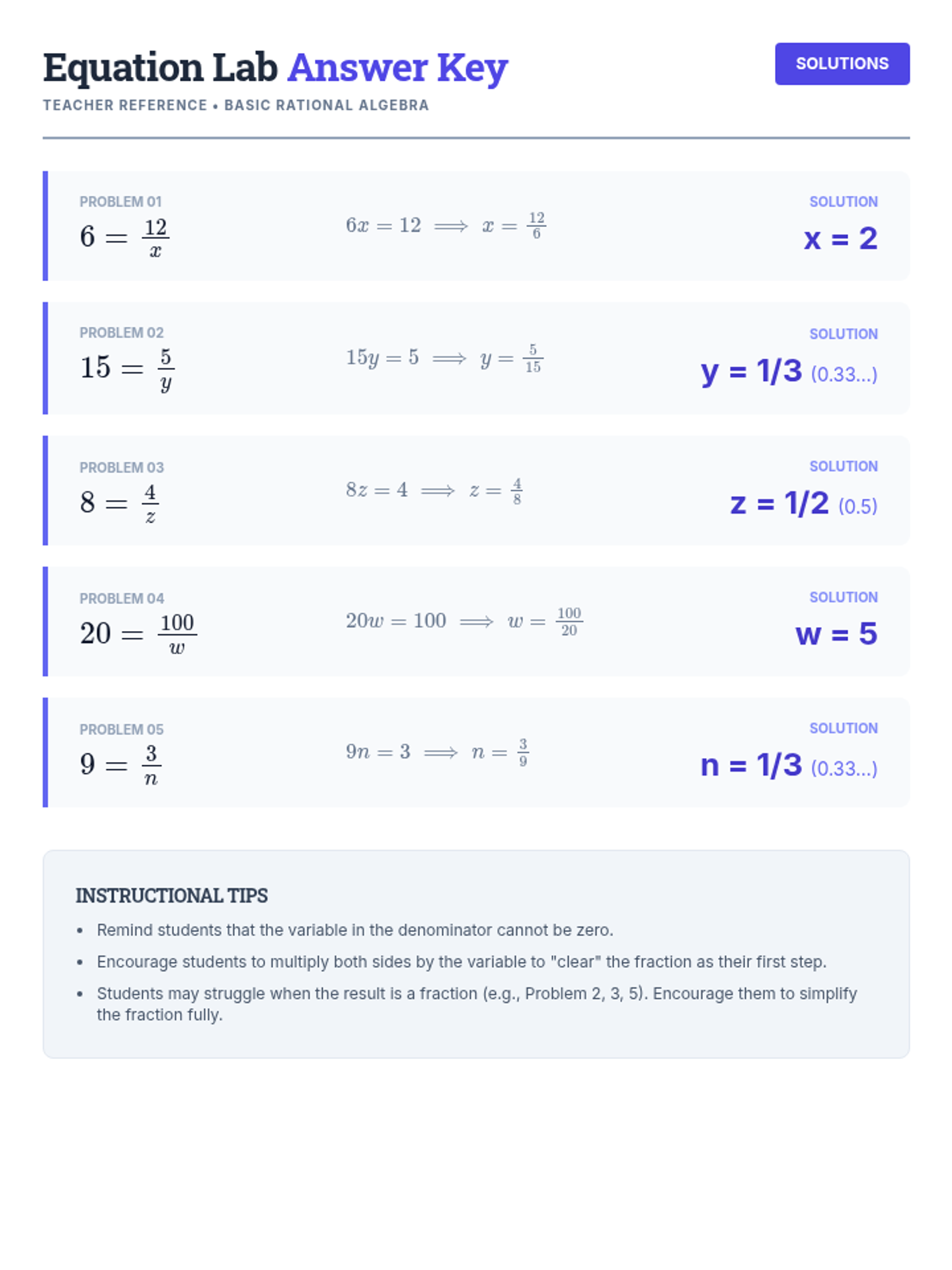
A quick practice set focused on solving basic rational equations where a single variable is in the denominator. Students will develop their algebraic manipulation skills to isolate the variable and find solutions.
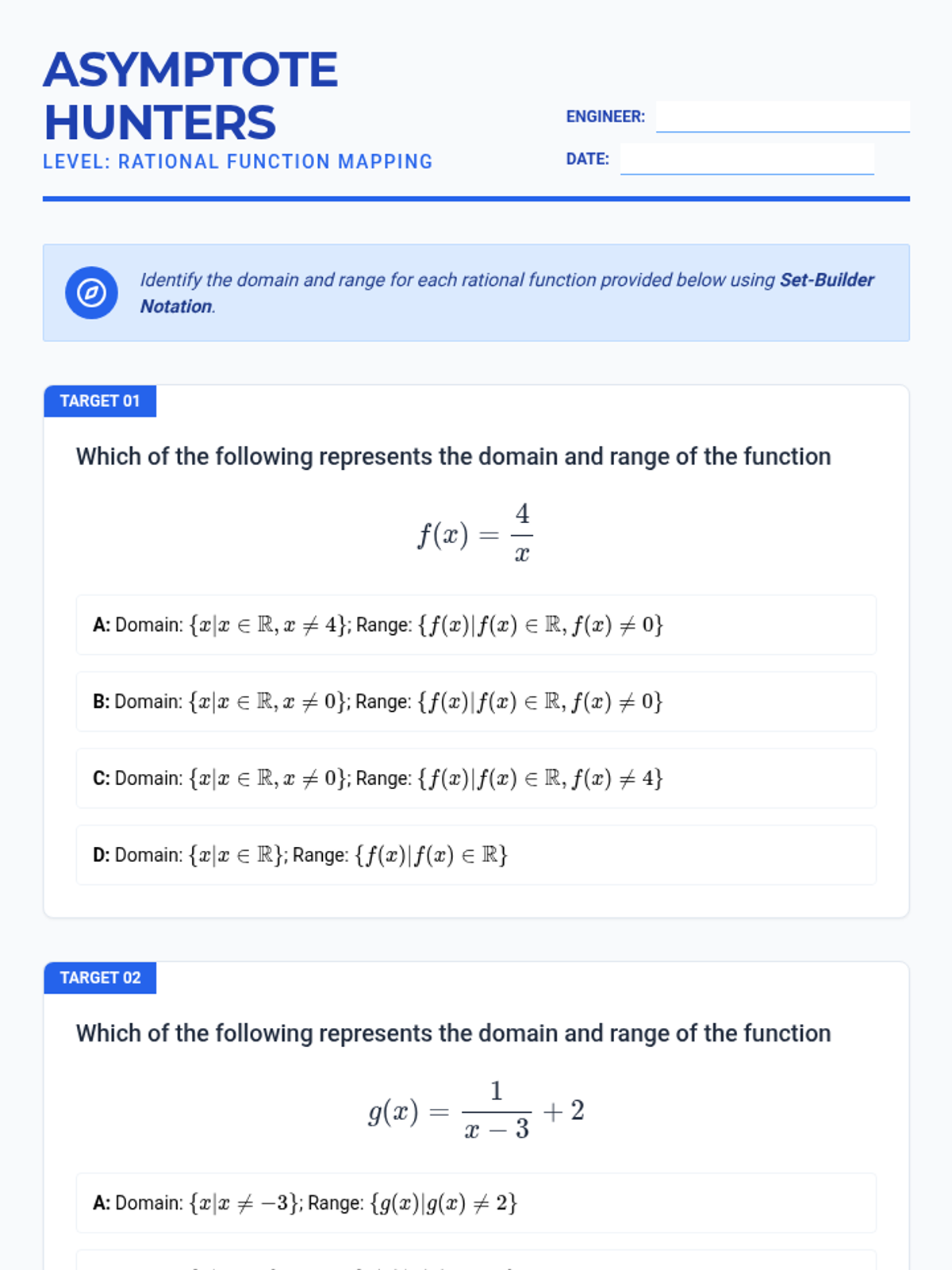
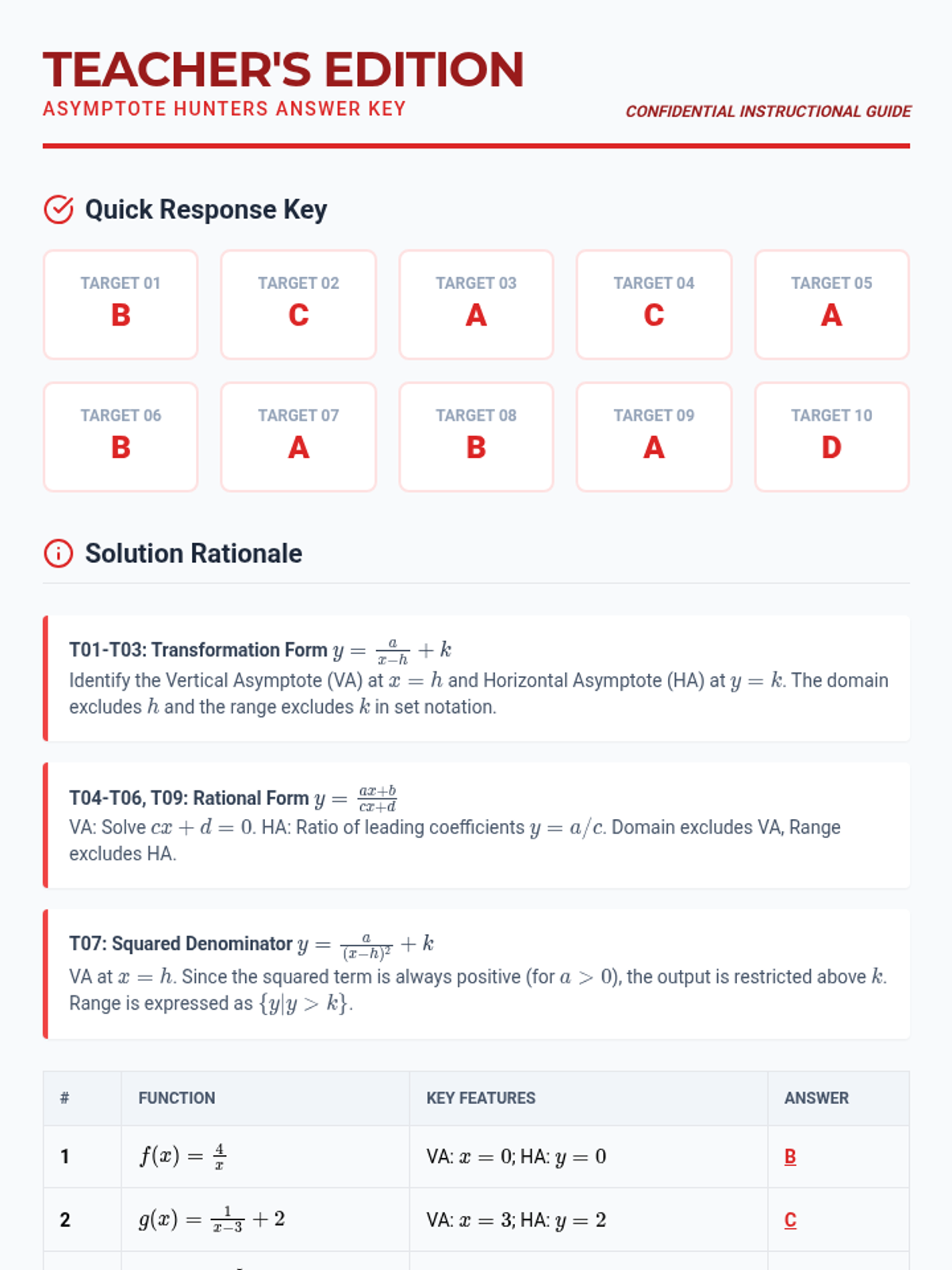
A lesson focused on identifying the domain and range of rational functions using set-builder notation. Students analyze various horizontal and vertical asymptotes to determine functional constraints.
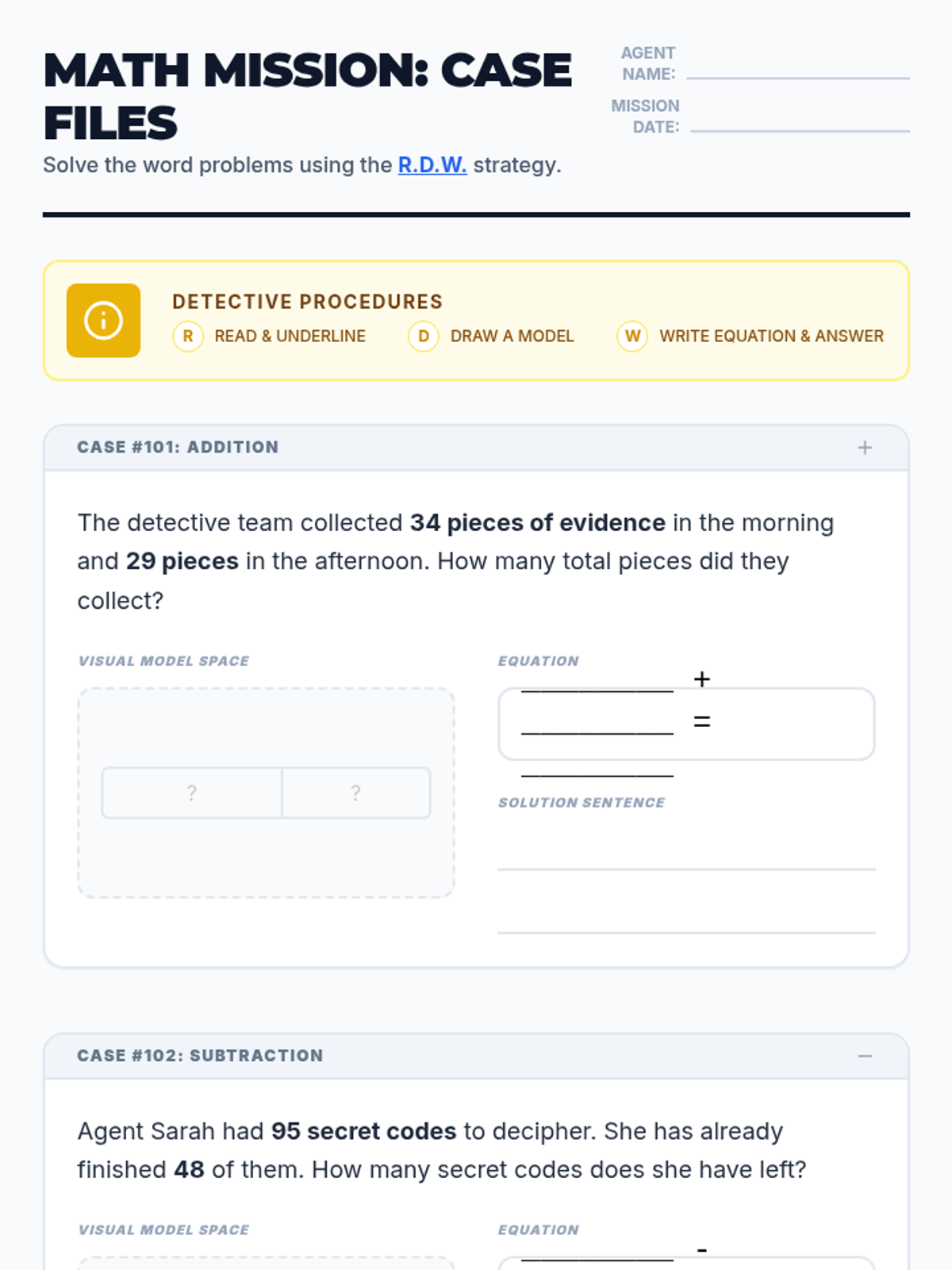
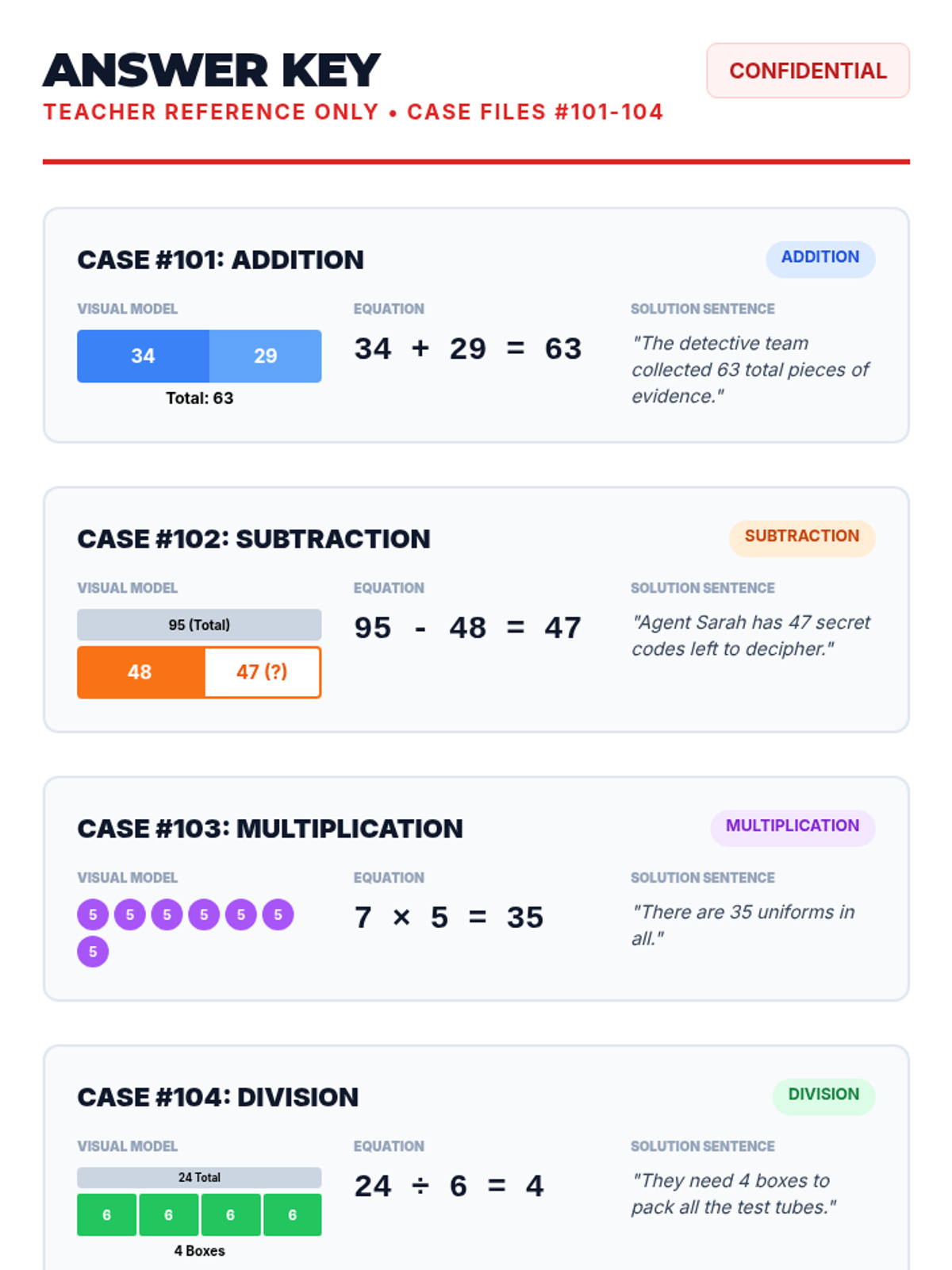
A lesson focused on solving single-step word problems involving the four operations using visual scaffolds and a structured problem-solving approach.
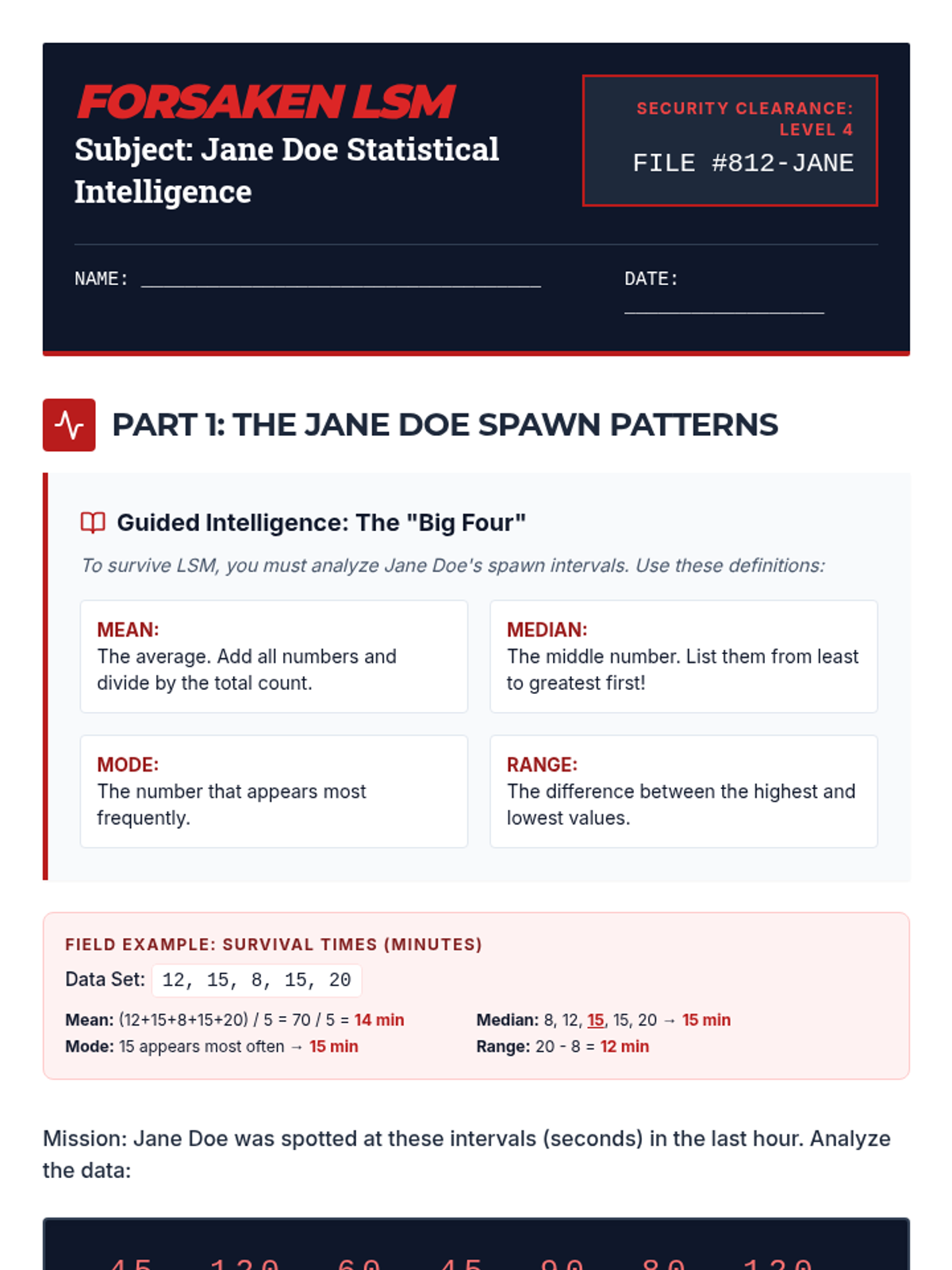
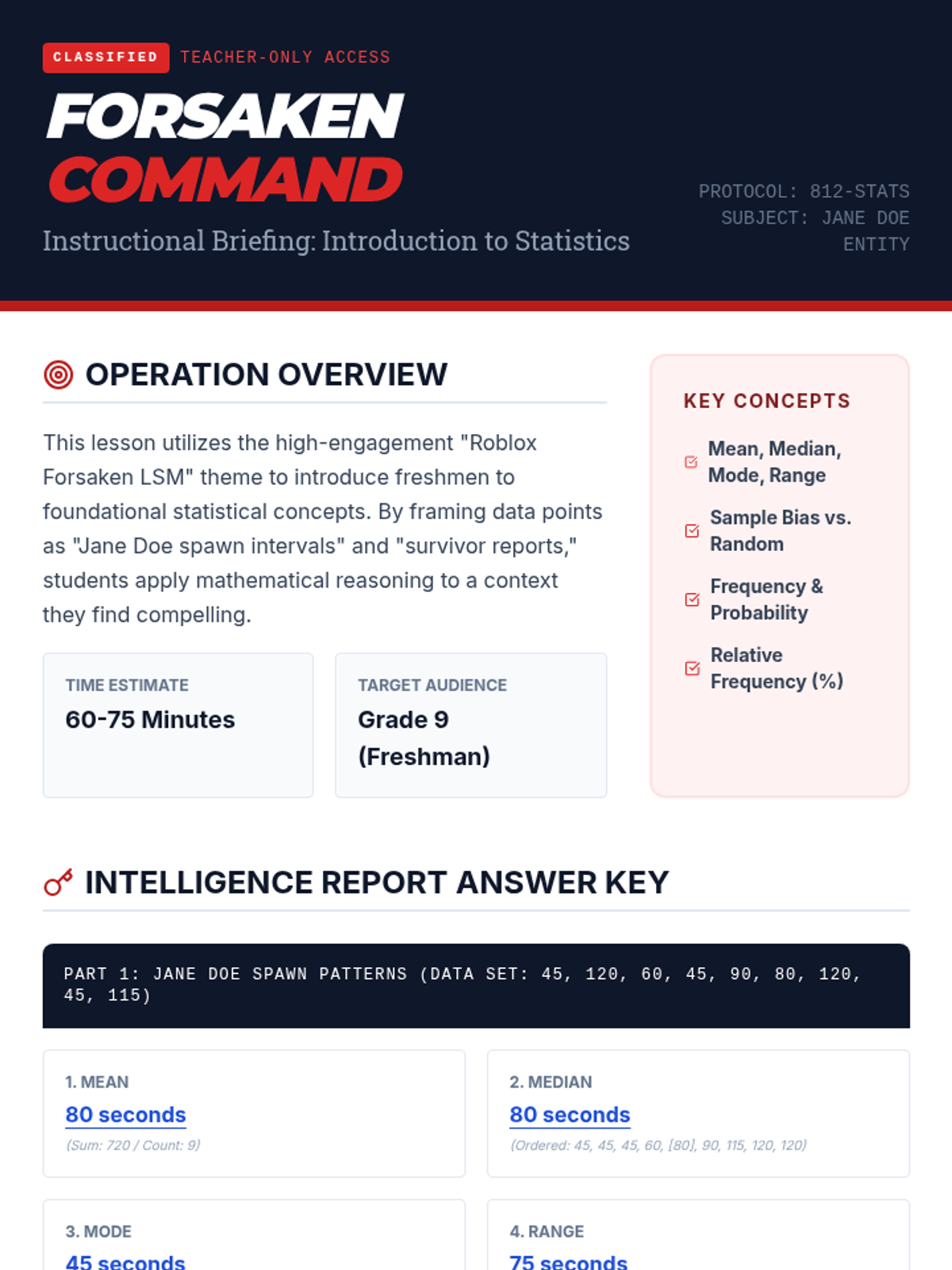
An introductory statistics lesson themed around Roblox Forsaken LSM and the Jane Doe entity, covering central tendency, data collection, and probability.
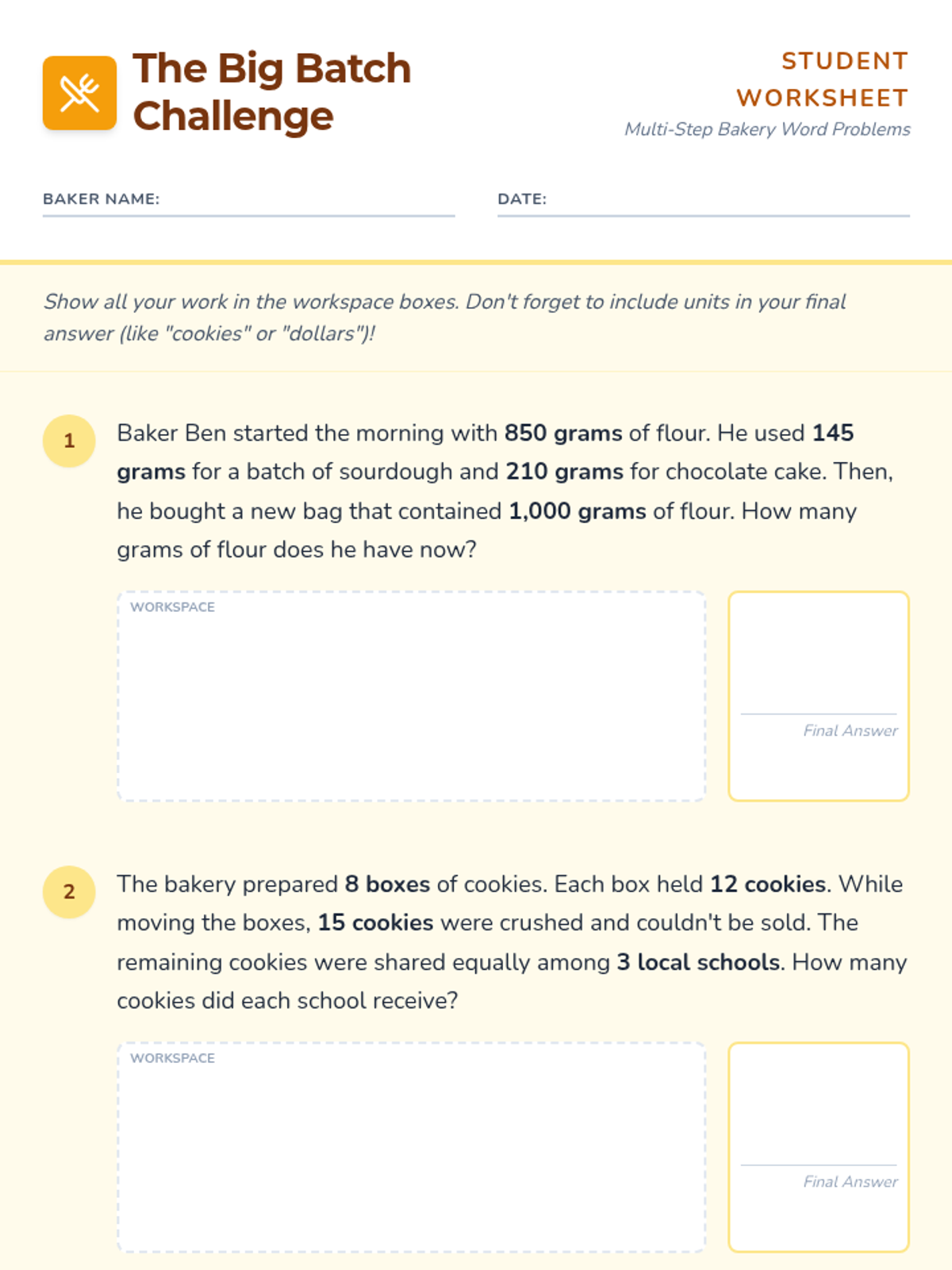
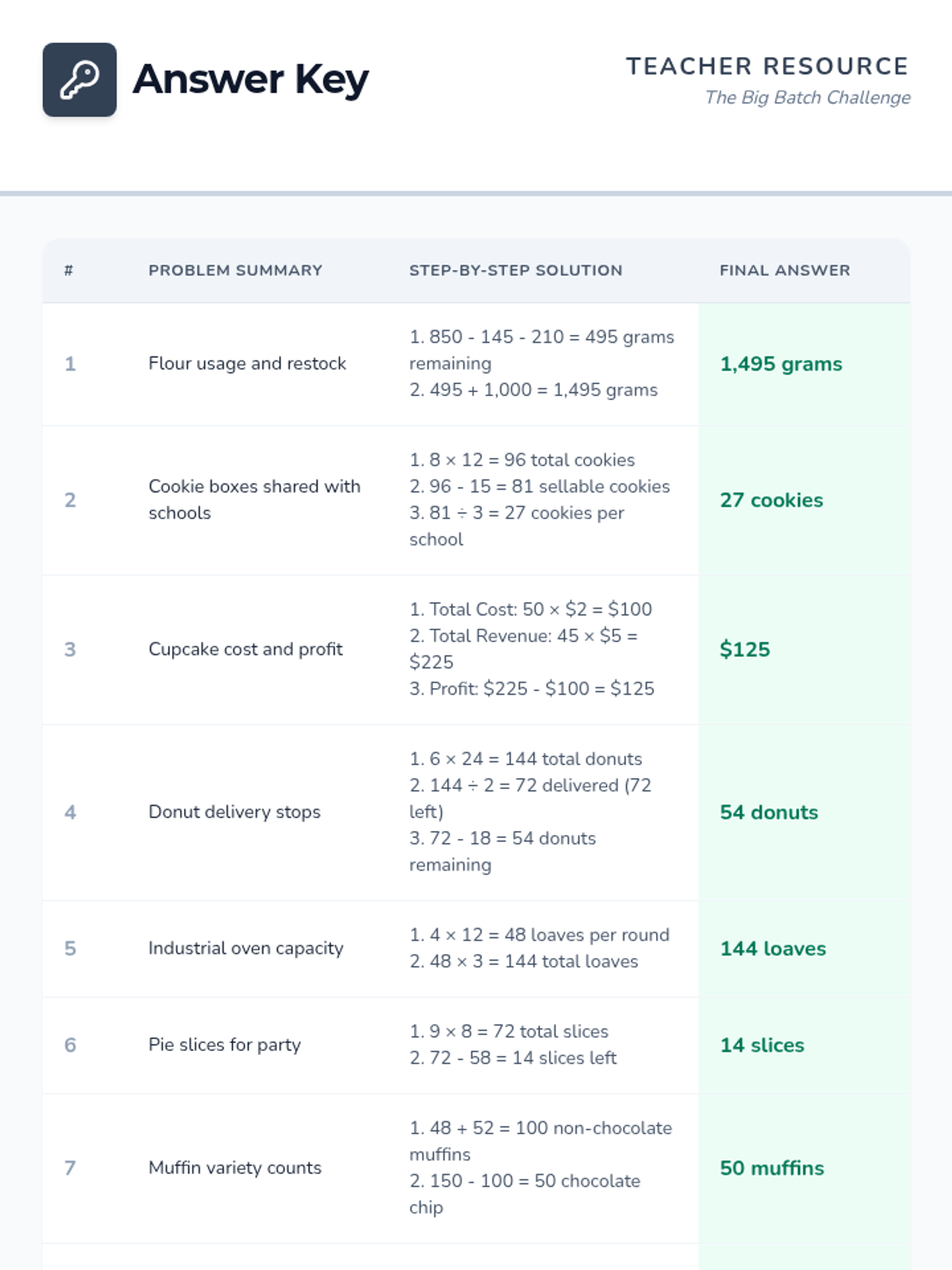
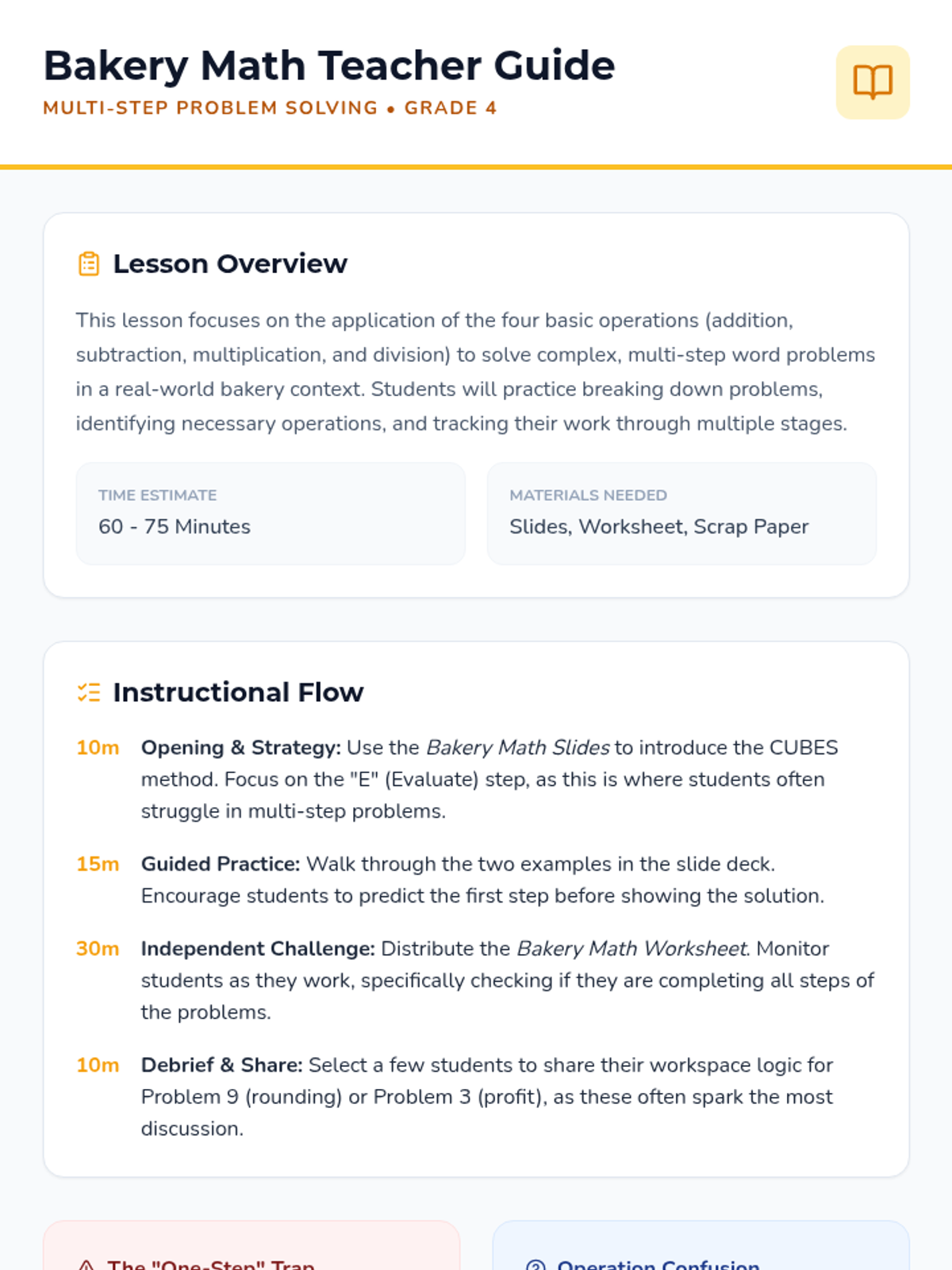
A collection of multi-step word problems set in a bustling bakery, challenging students to apply addition, subtraction, multiplication, and division to real-world scenarios.