A high school-level introduction to photosynthesis for Emerging ELL students, focusing on chloroplast structure, the chemical equation, and the two stages of the process (Light-Dependent and Calvin Cycle) with linguistic scaffolding.
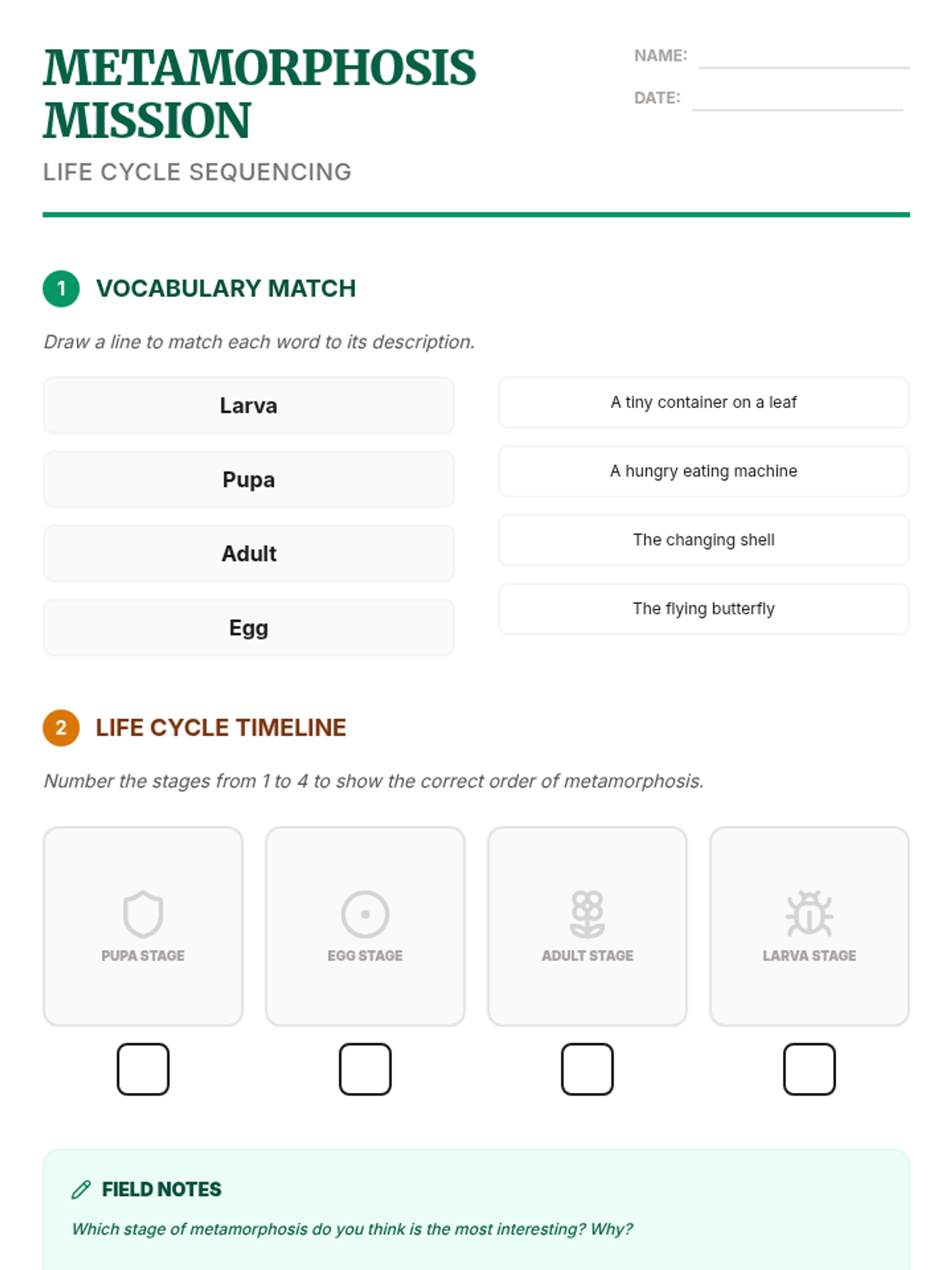
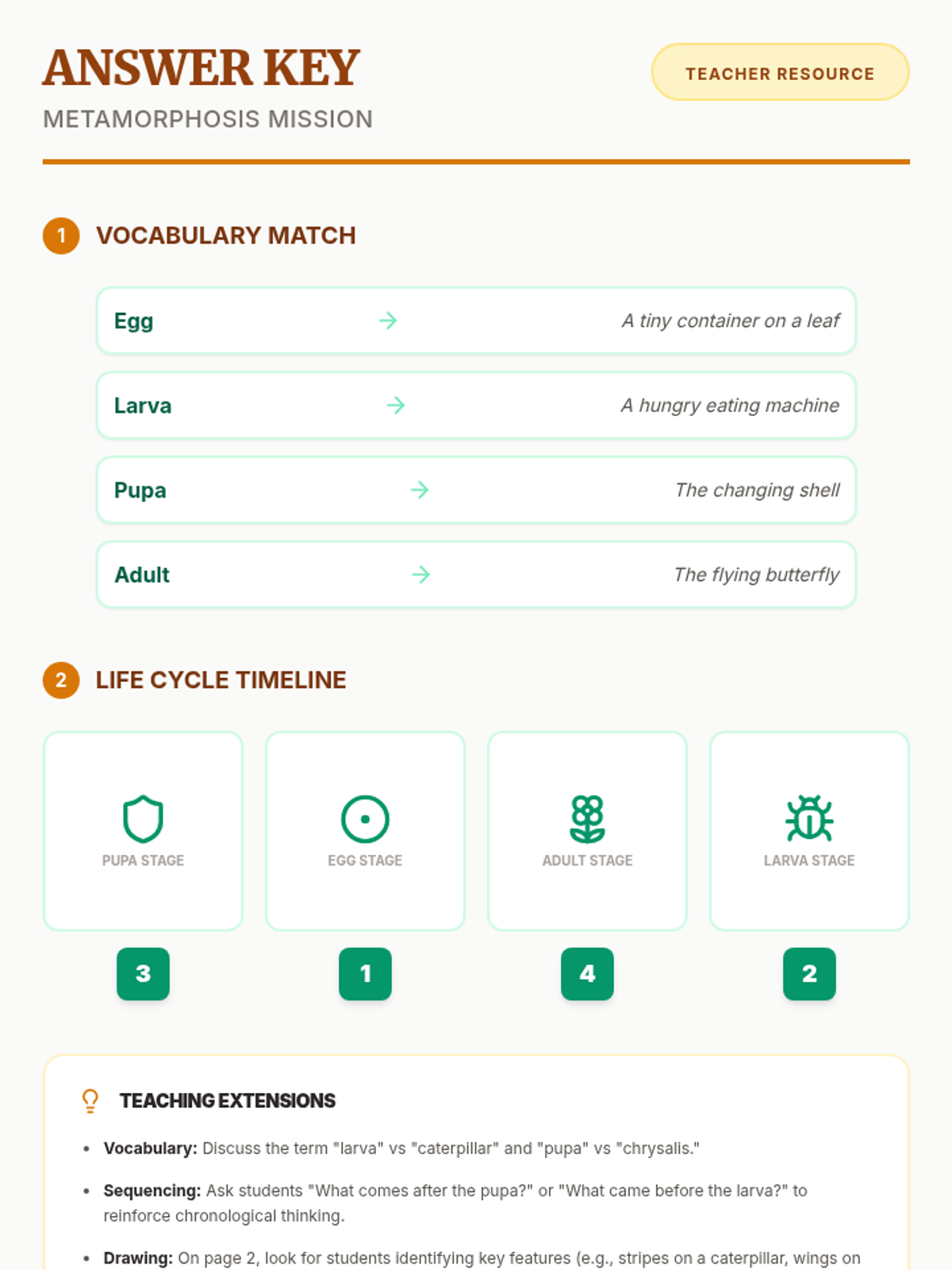
Students will learn the four distinct stages of a butterfly's life cycle and practice sequencing them in the correct chronological order.
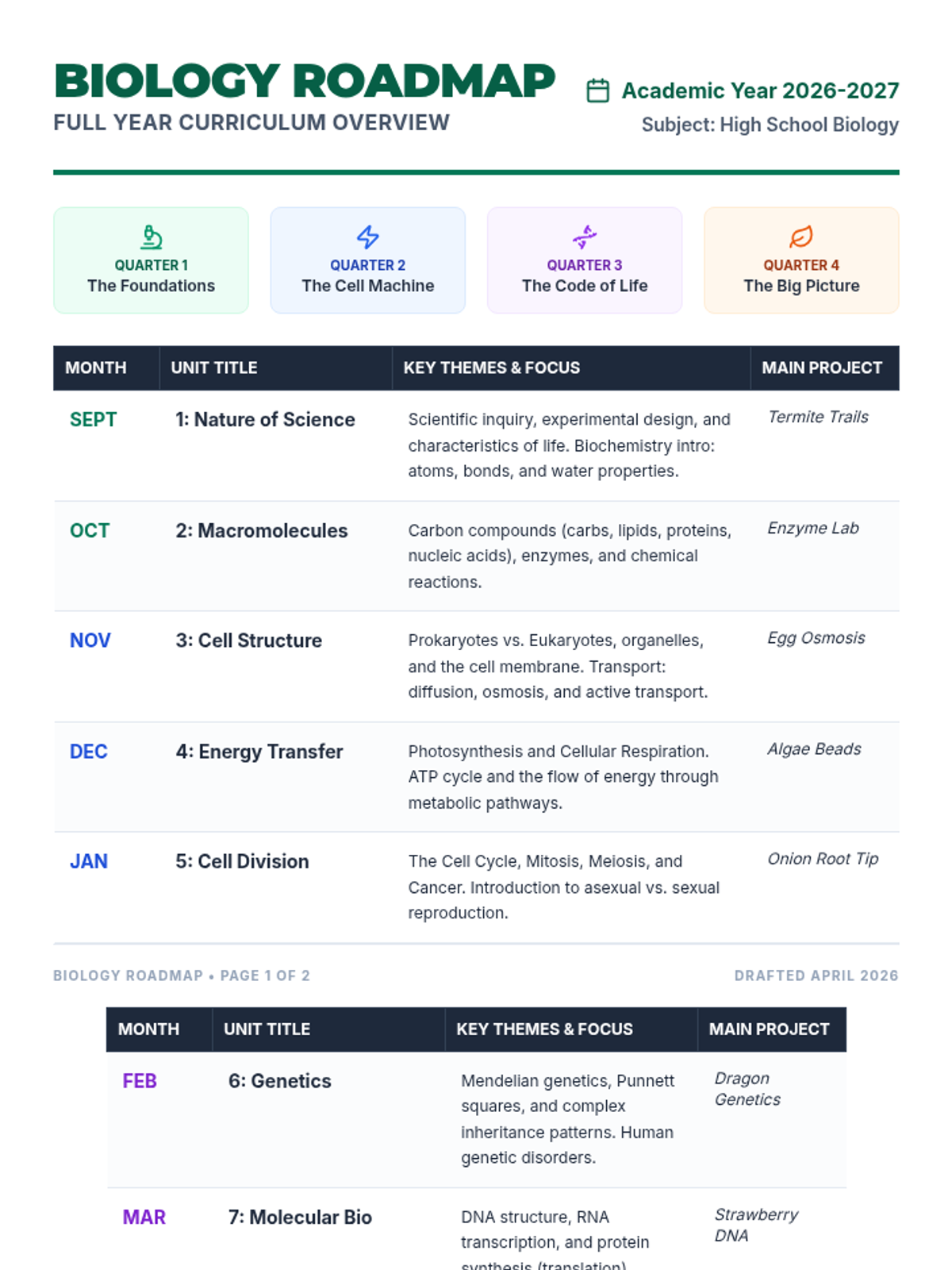
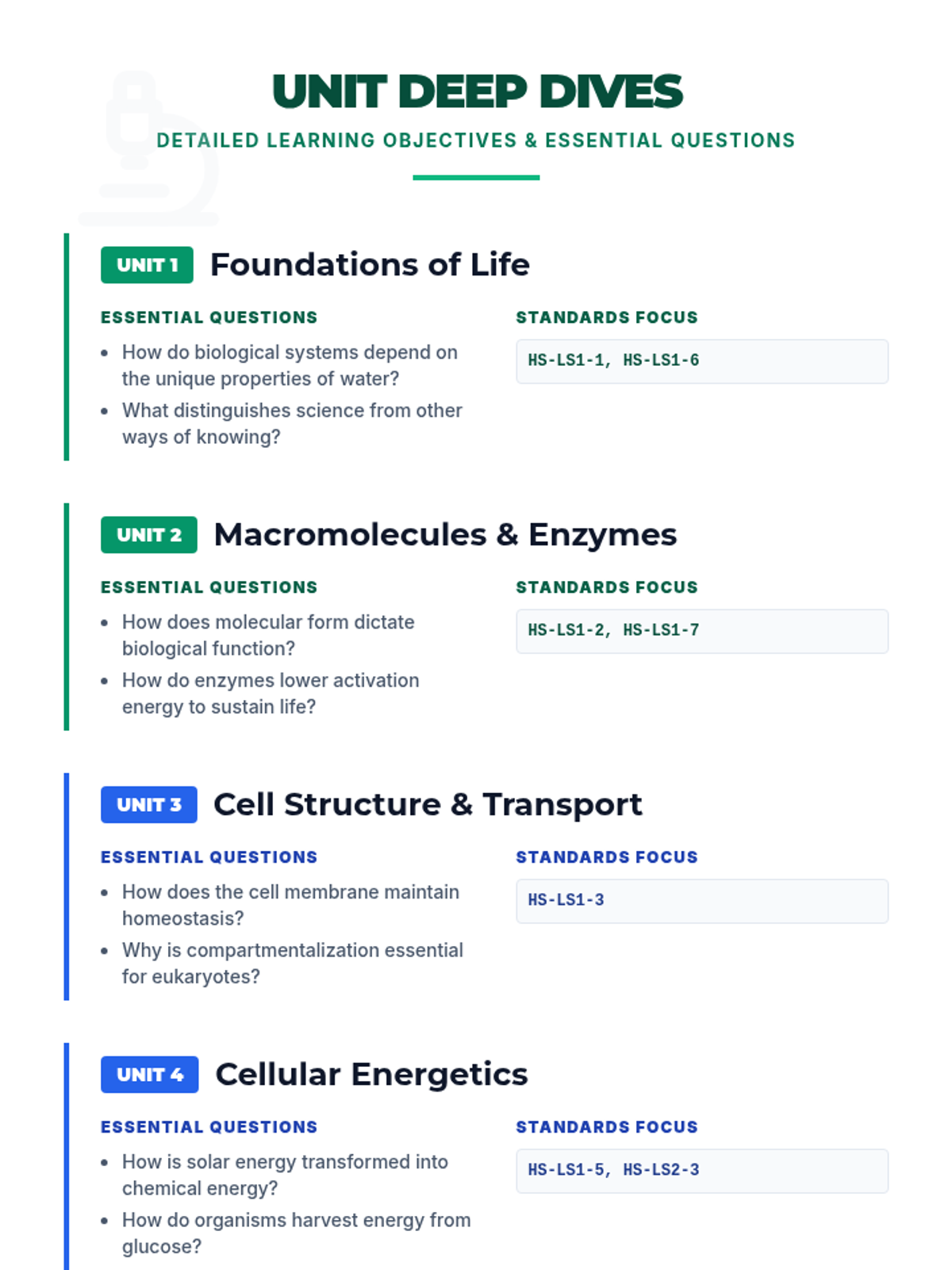
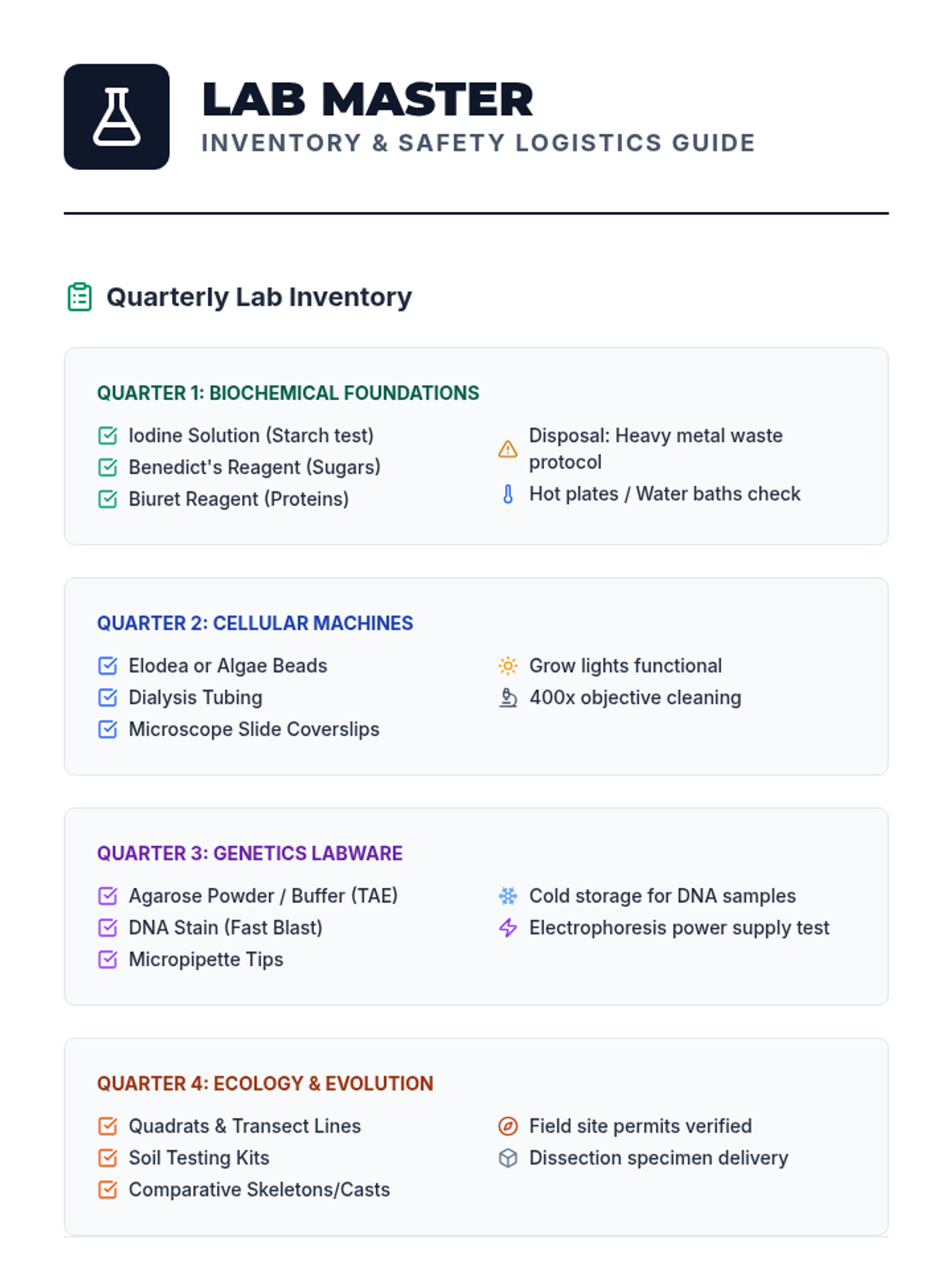
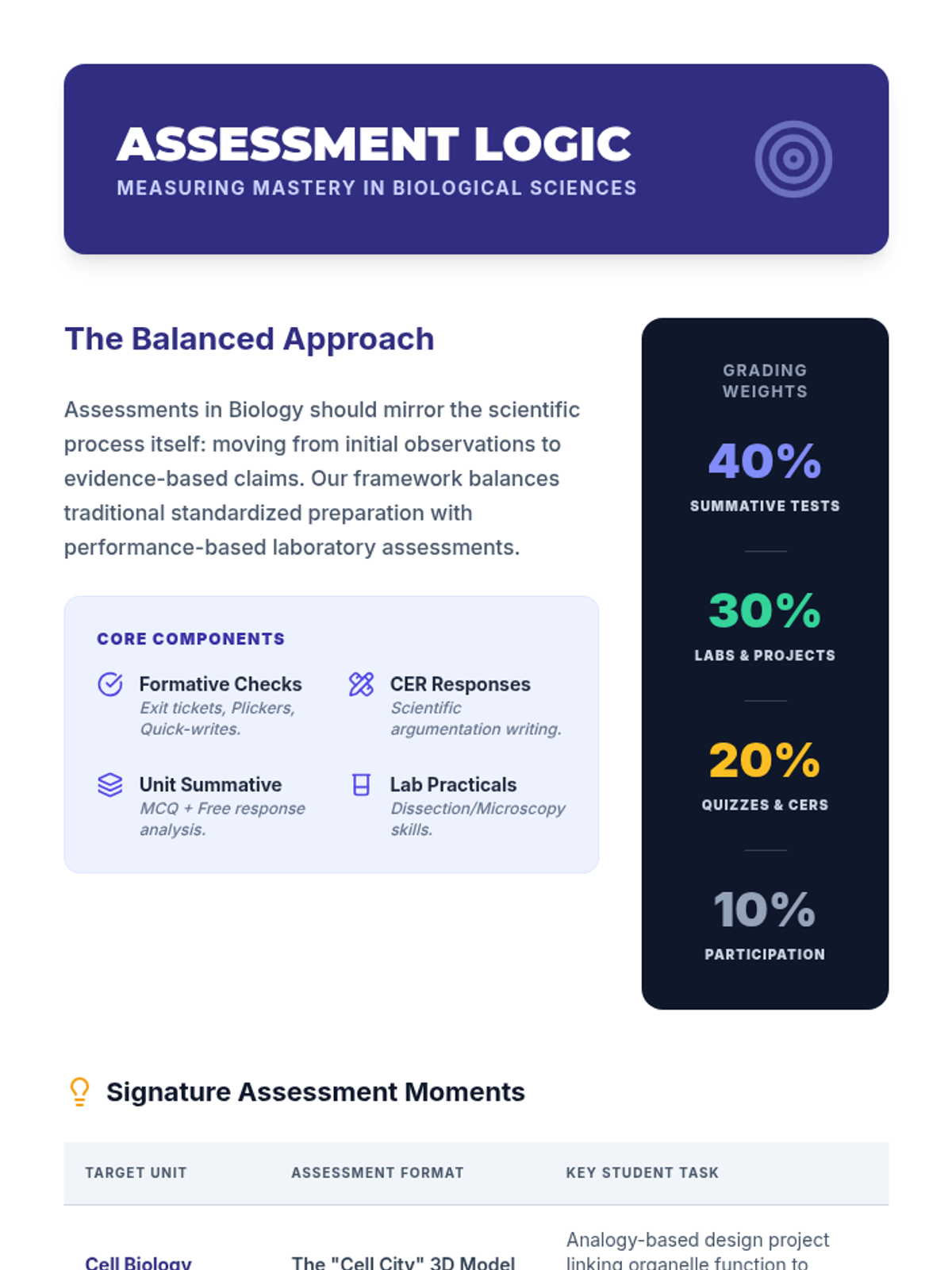
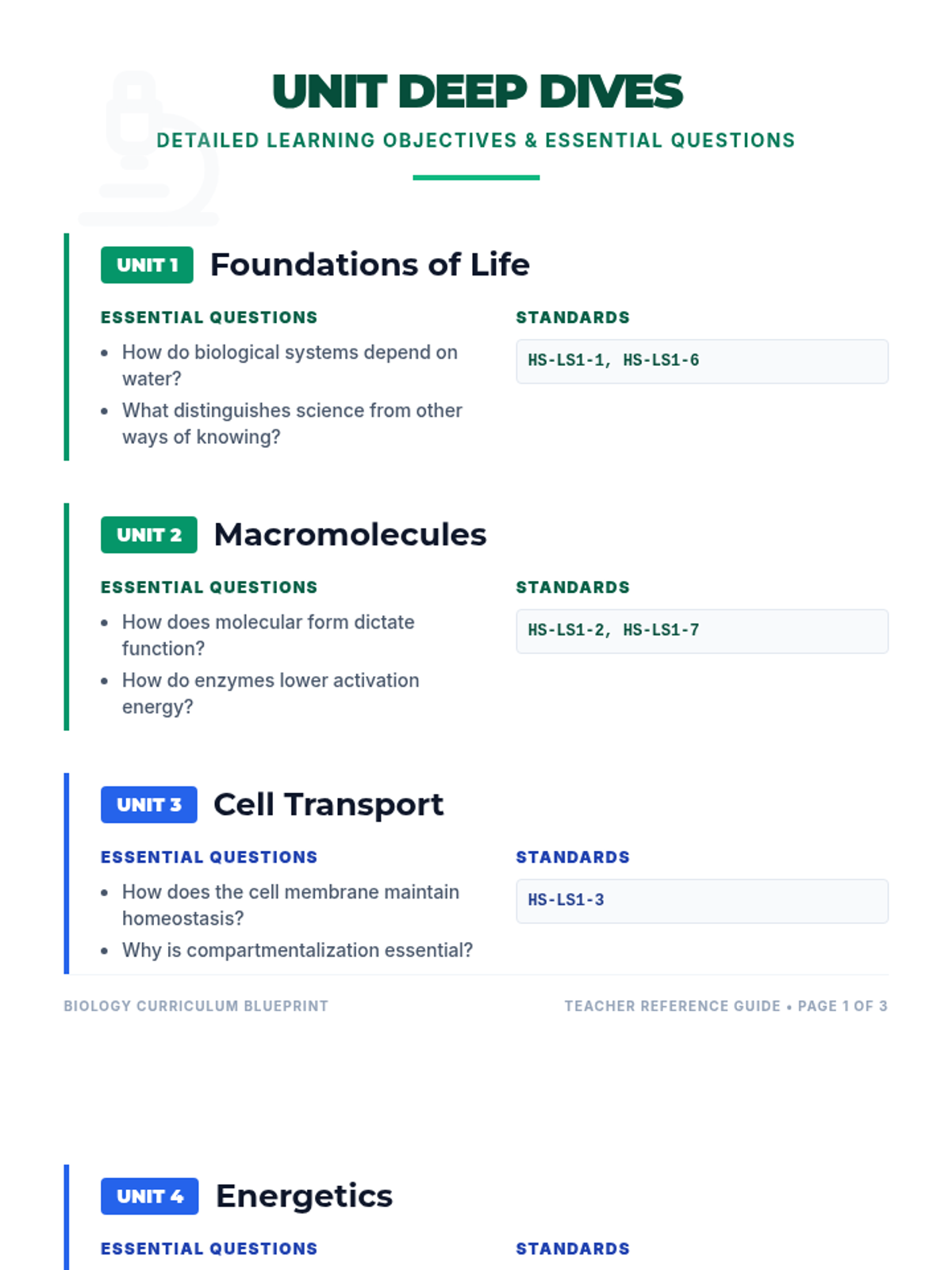
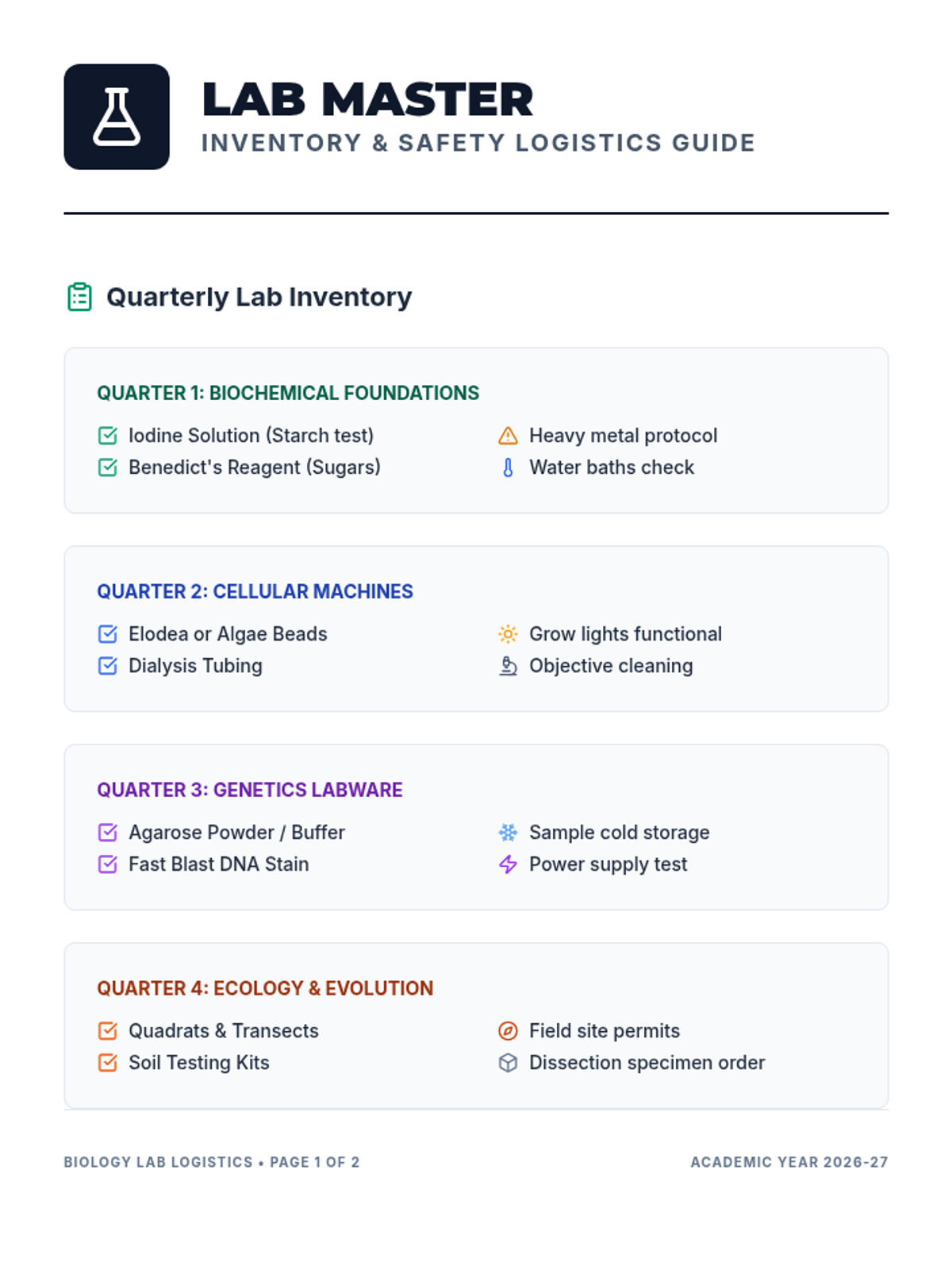
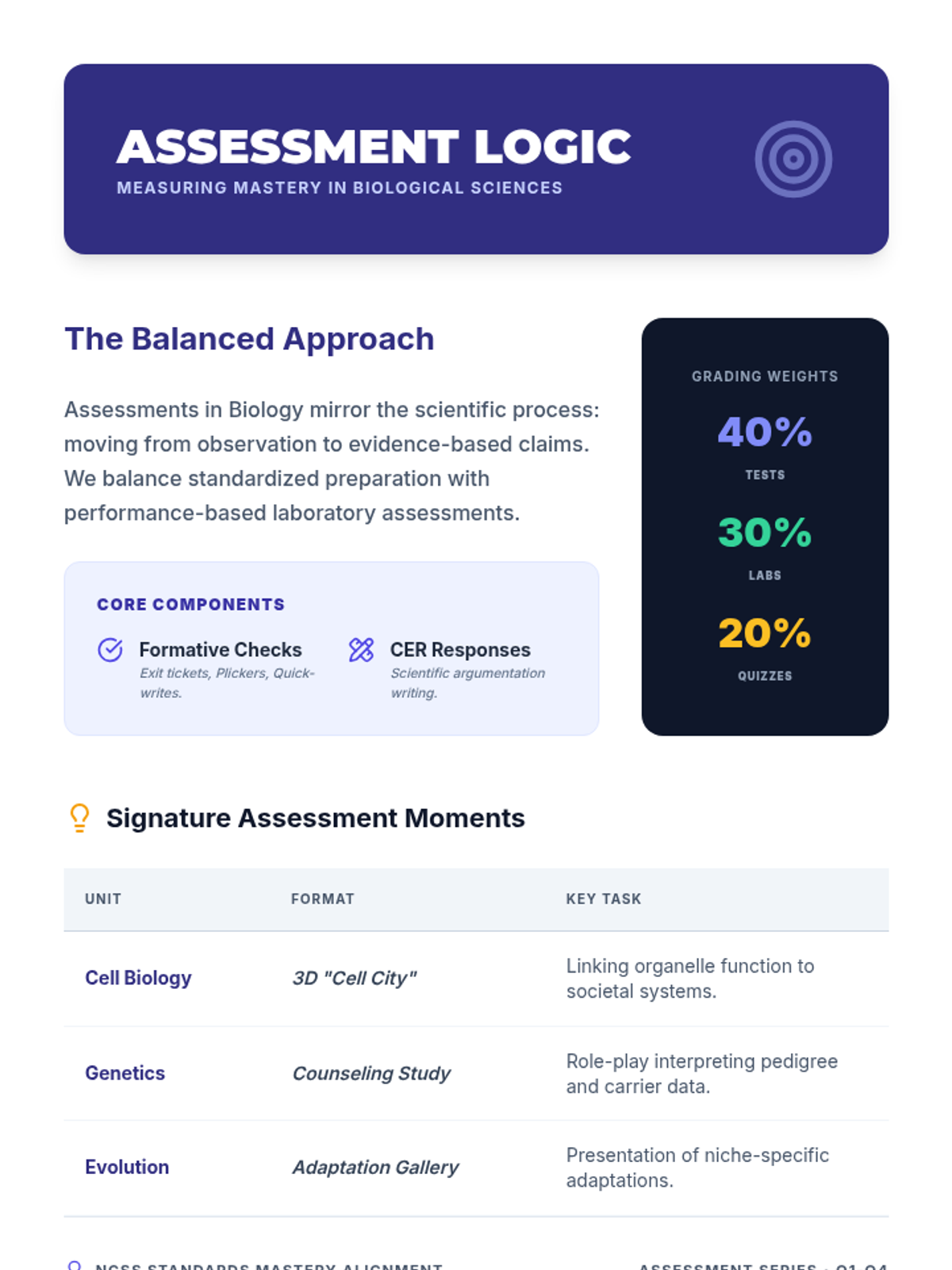
The foundational planning materials for the full-year Biology curriculum, providing a high-level roadmap and detailed unit breakdowns.
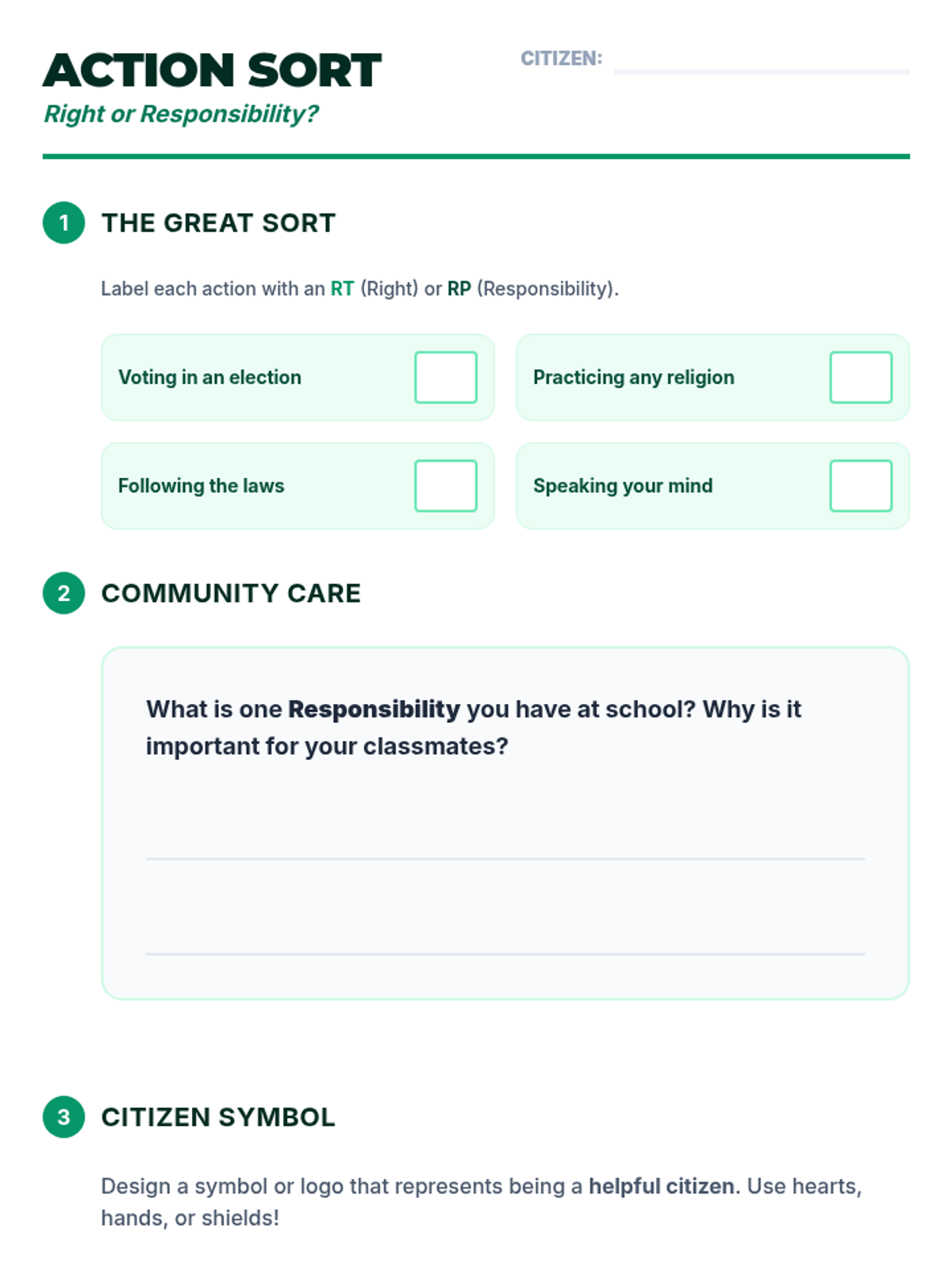
Analyze the distinction between the rights granted to citizens and the responsibilities they hold within a community.
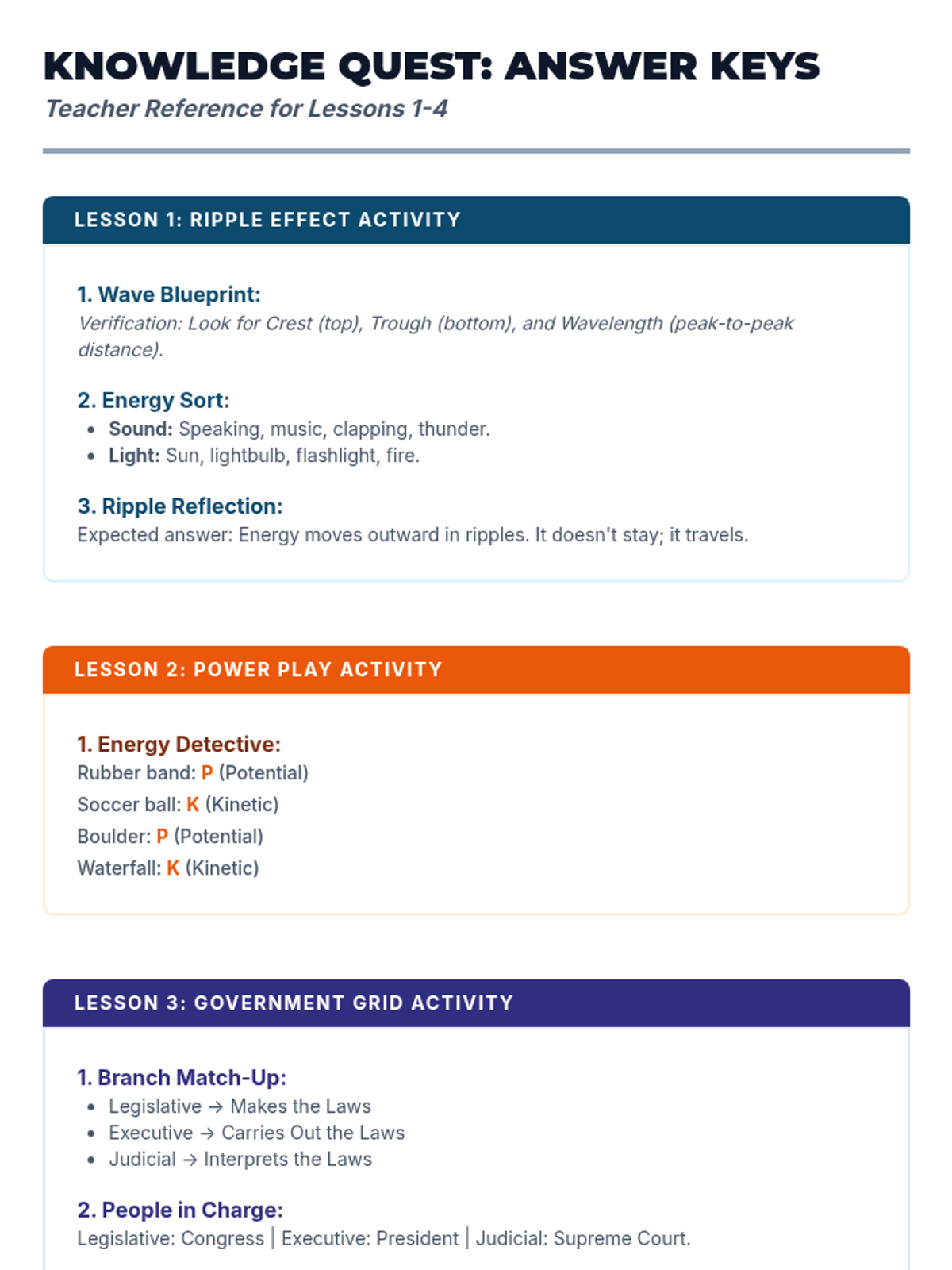
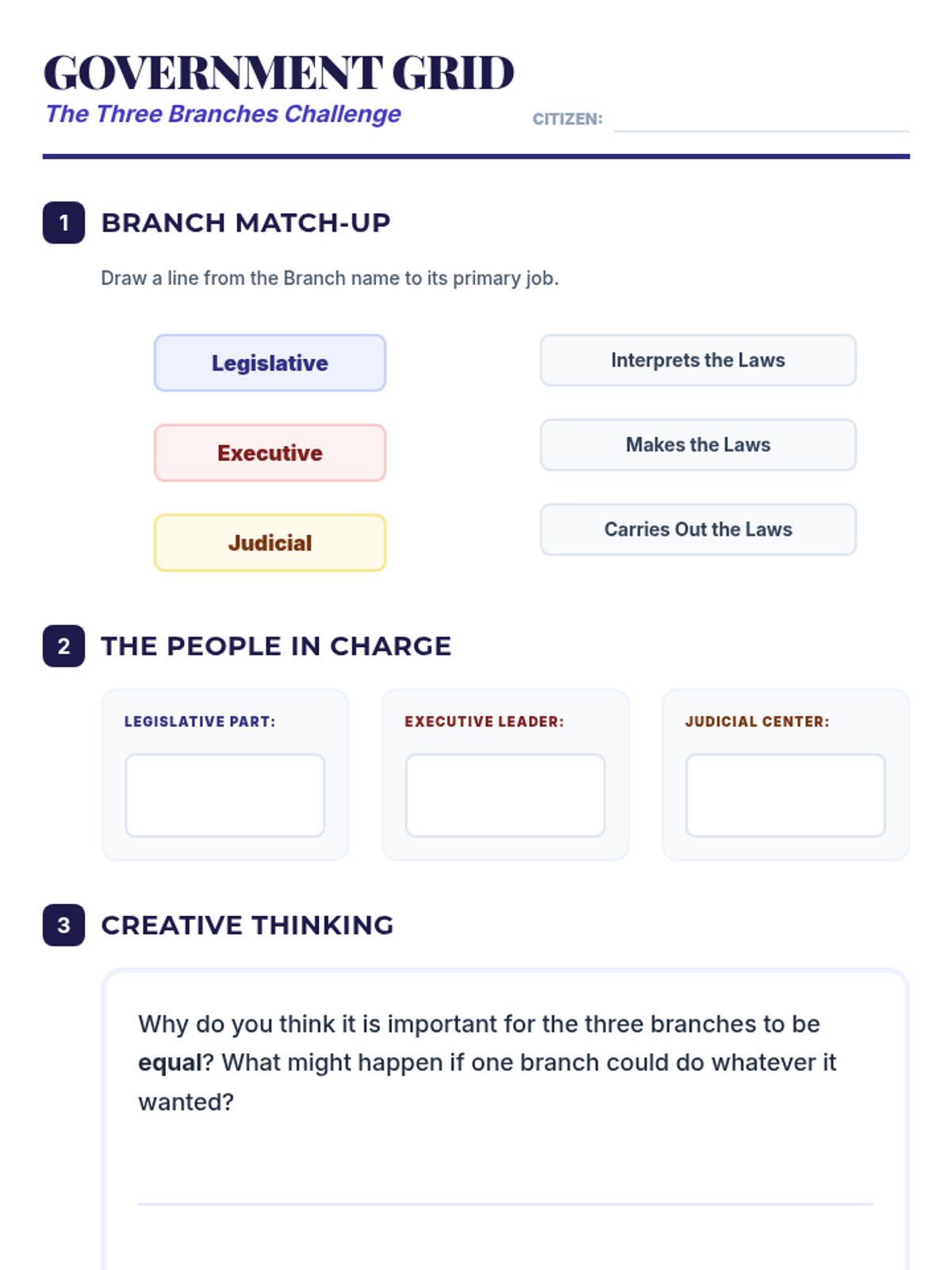
Explore the structure of the U.S. government, focusing on the roles and responsibilities of the Legislative, Executive, and Judicial branches.
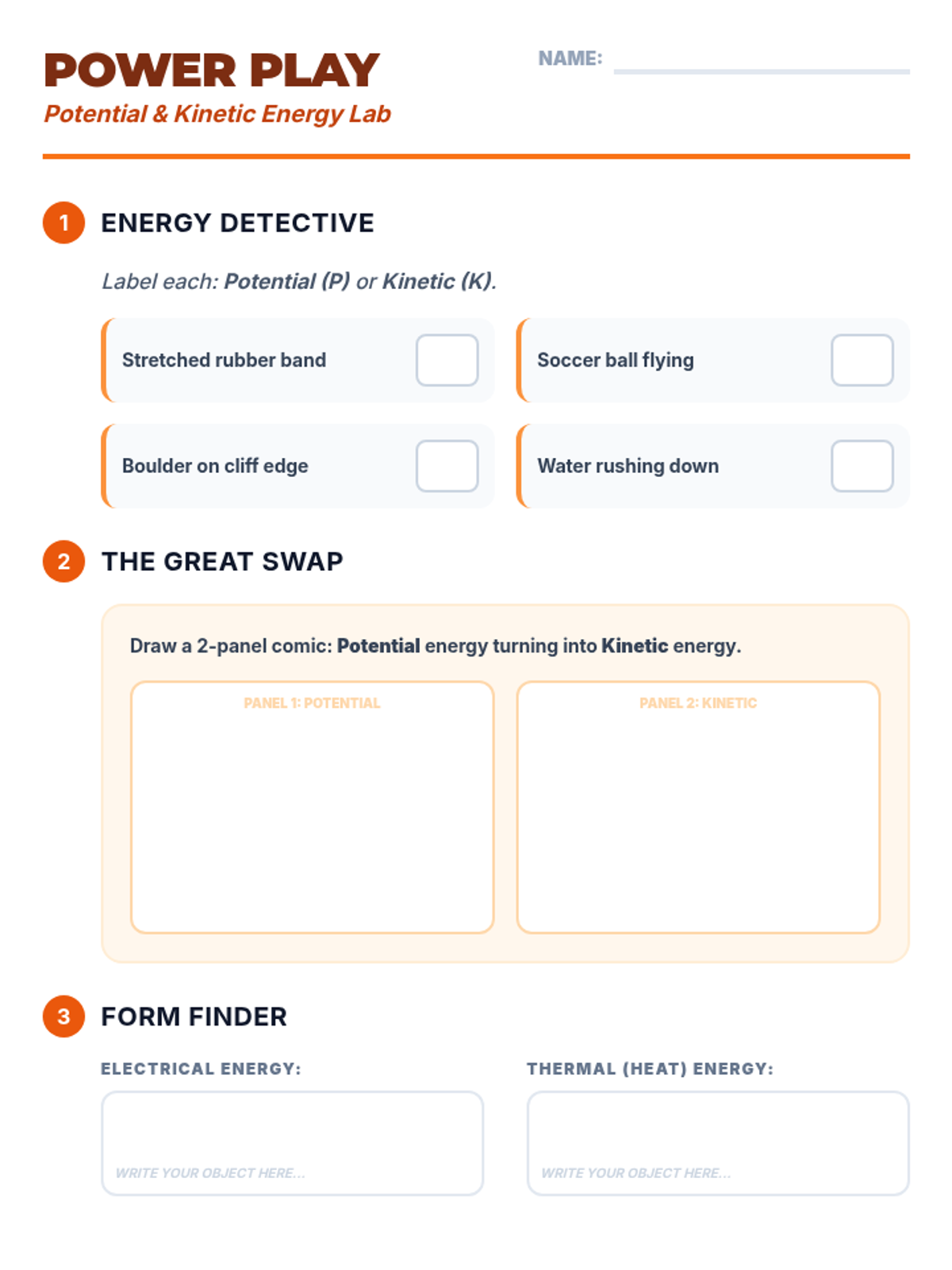
Investigate the different forms of energy and the transition between potential and kinetic energy through real-world examples.
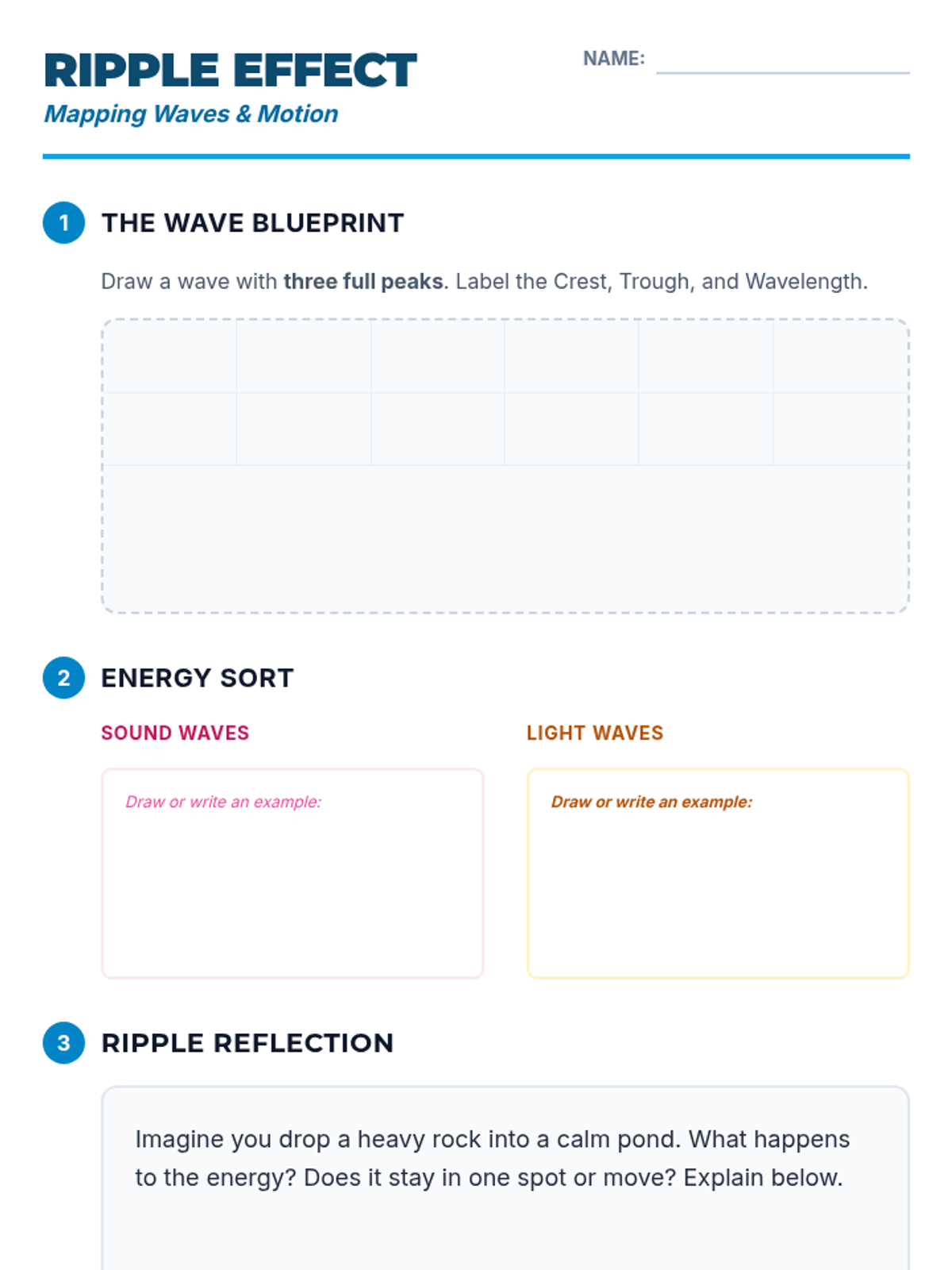
Discover how energy travels through waves, exploring sound, light, and water ripples through visual observations and hands-on mapping.
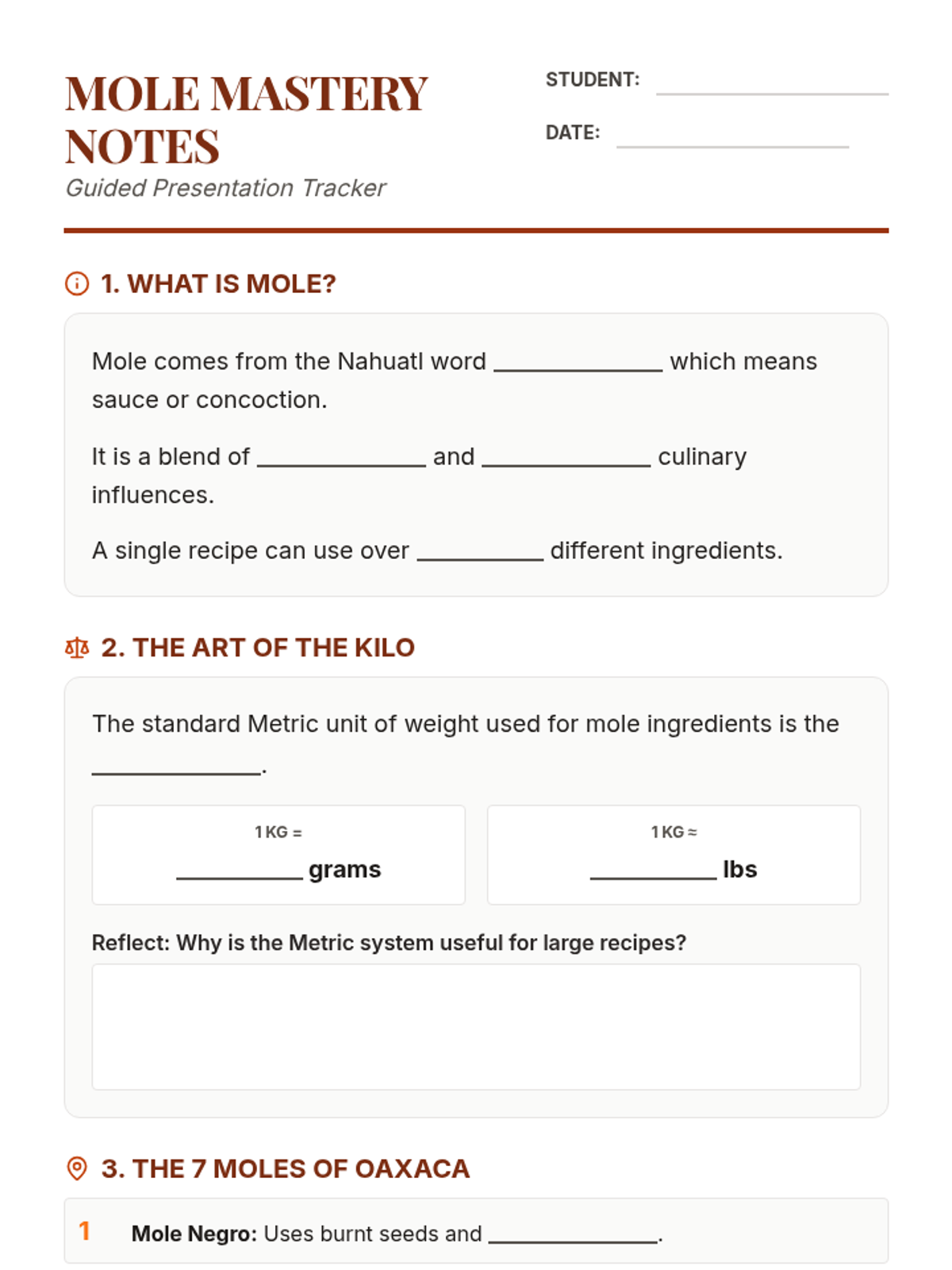
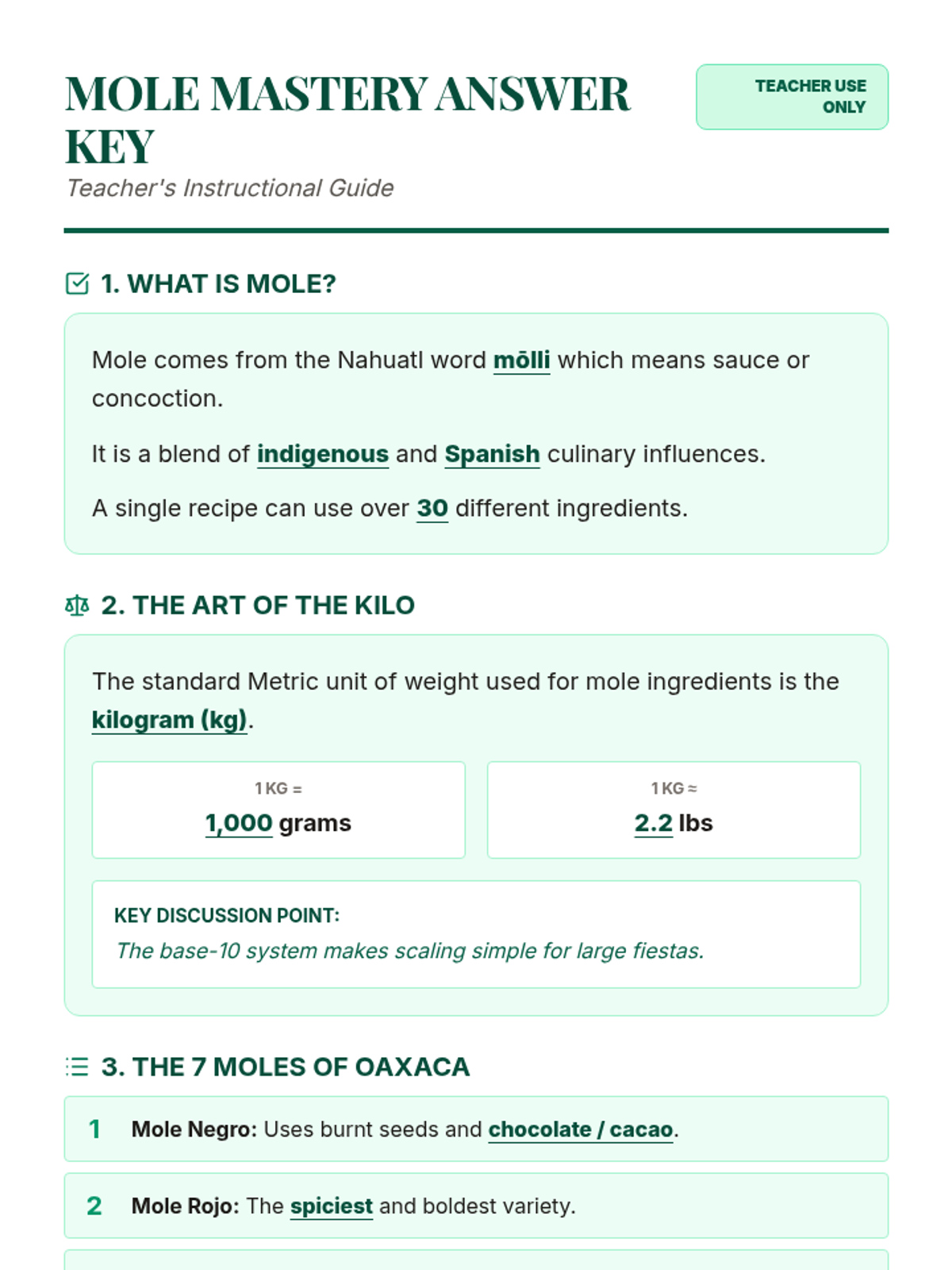
A culinary and mathematical exploration of Mexico's most famous sauce, focusing on the cultural significance of the kilogram in large-scale traditional cooking.
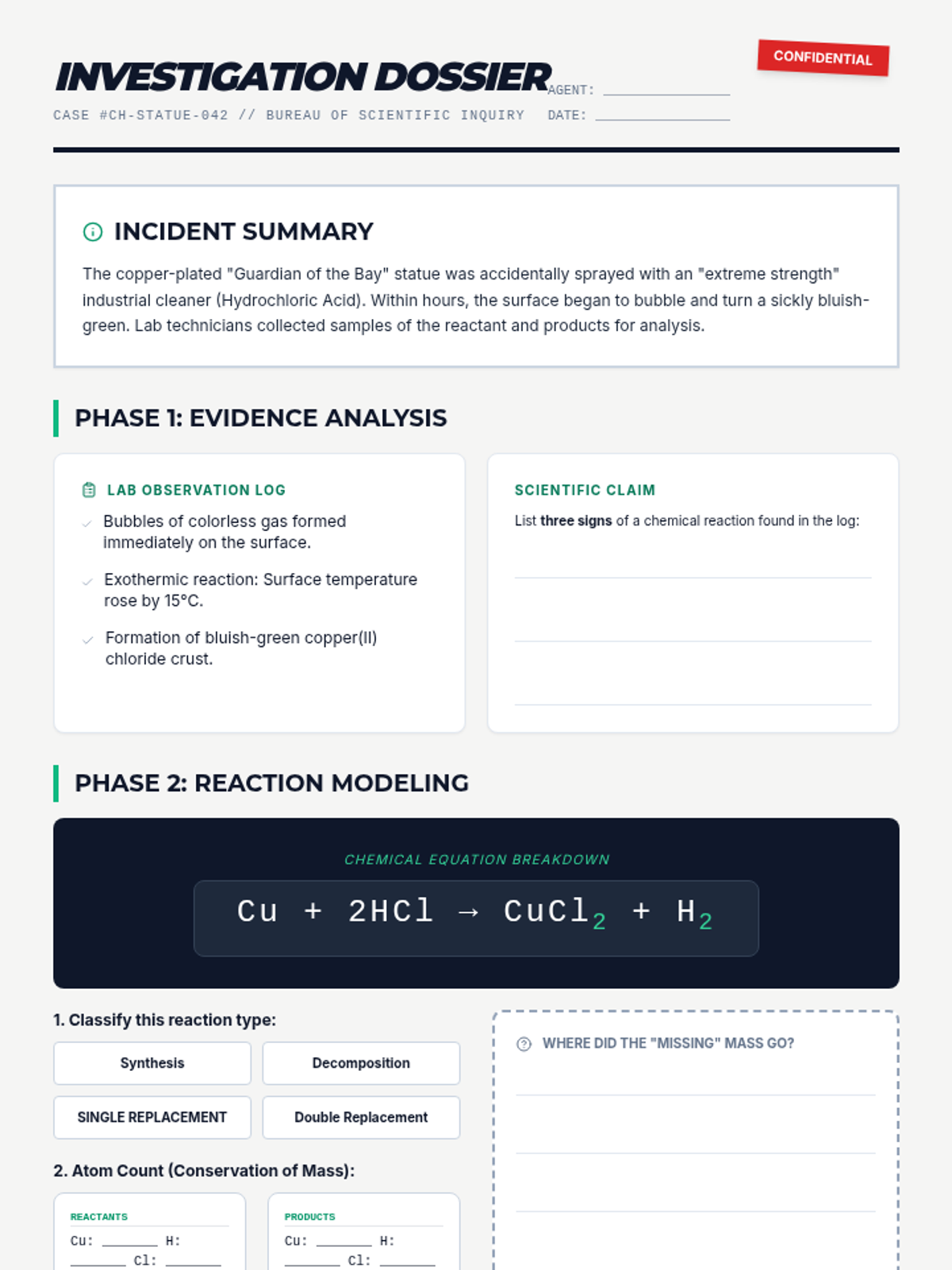
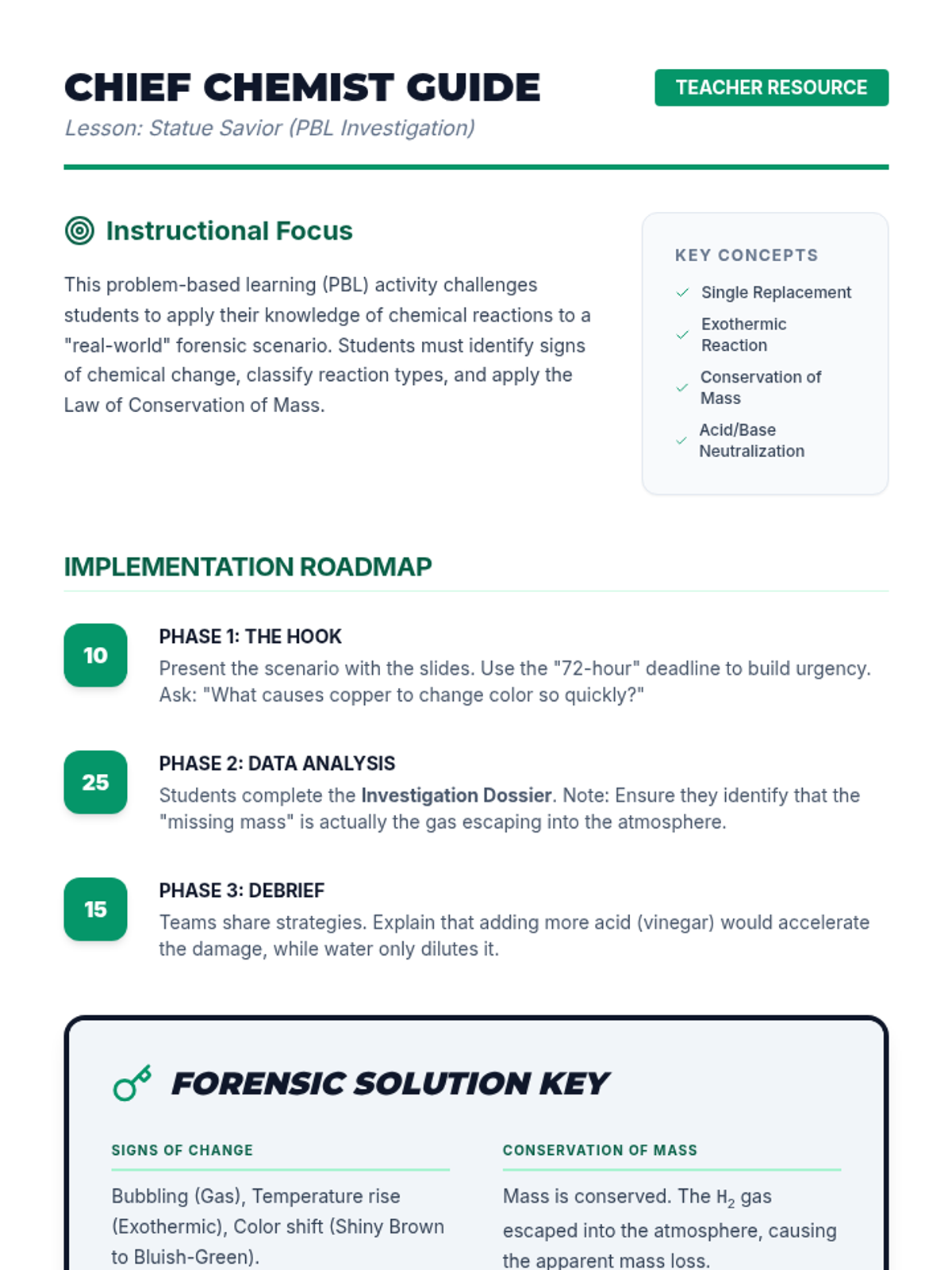
A problem-based learning (PBL) investigation where students act as forensic chemists to save a deteriorating bronze statue. They will analyze reaction types, signs of chemical change, and conservation of mass to solve the mystery.
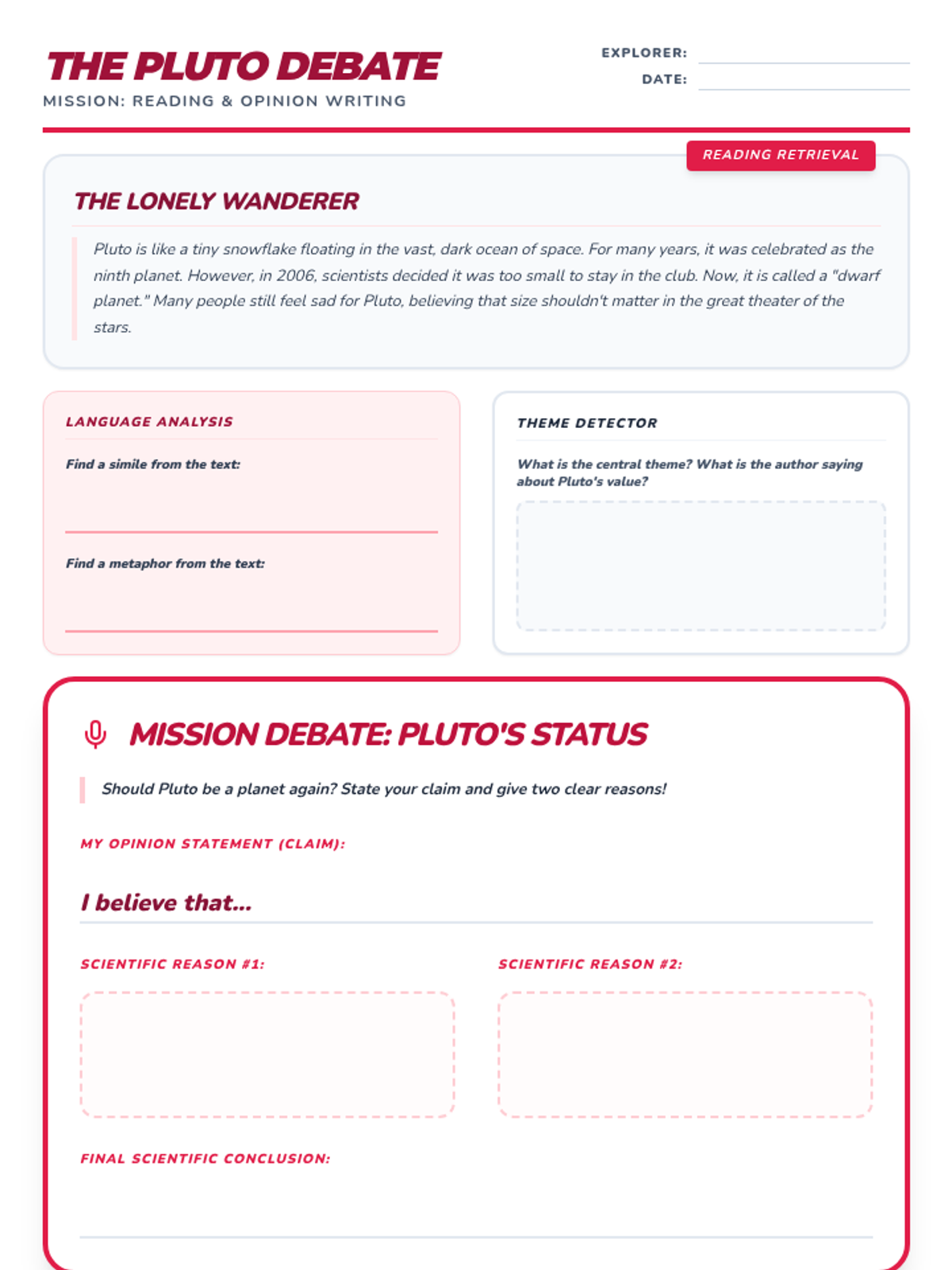
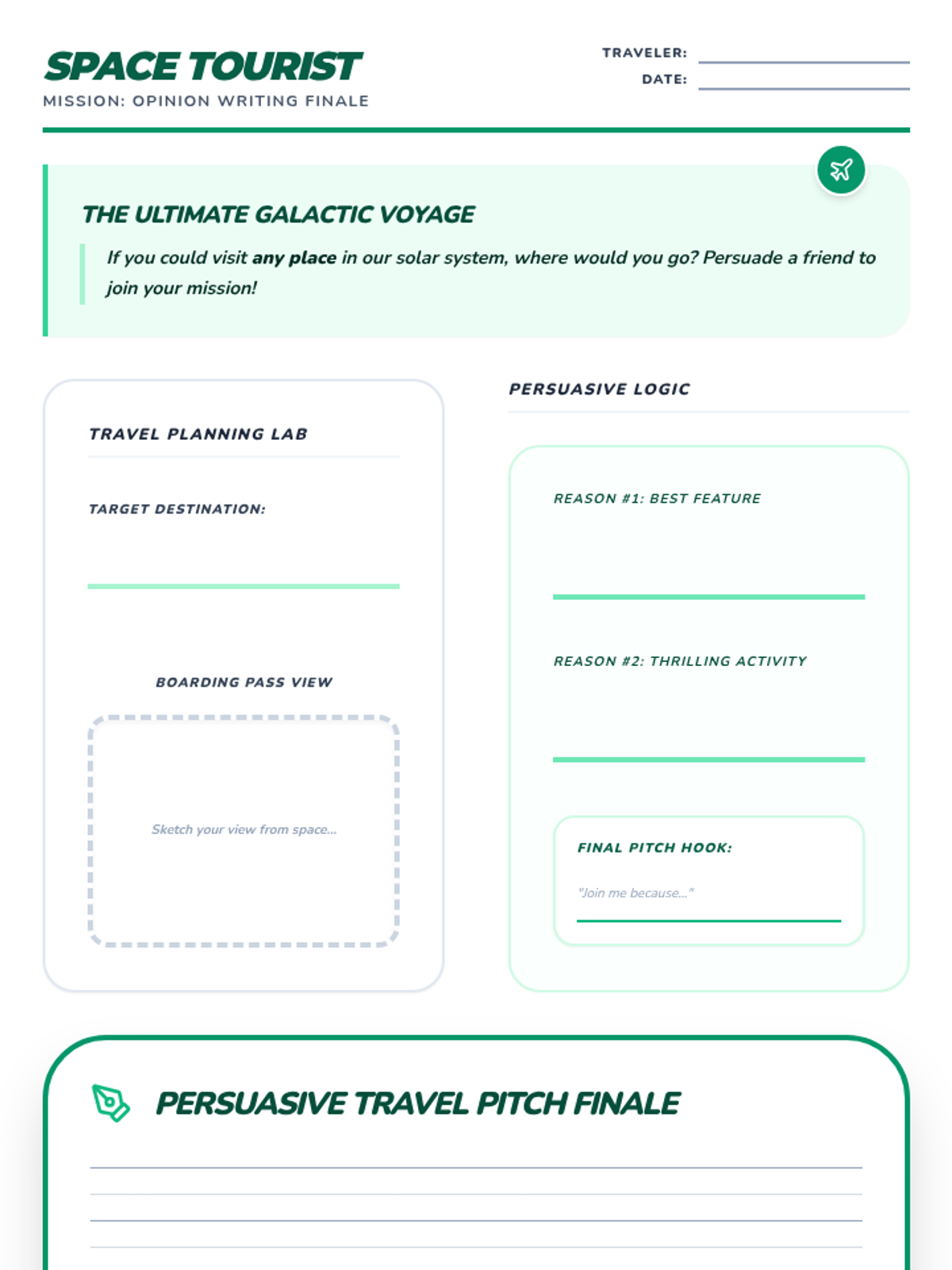
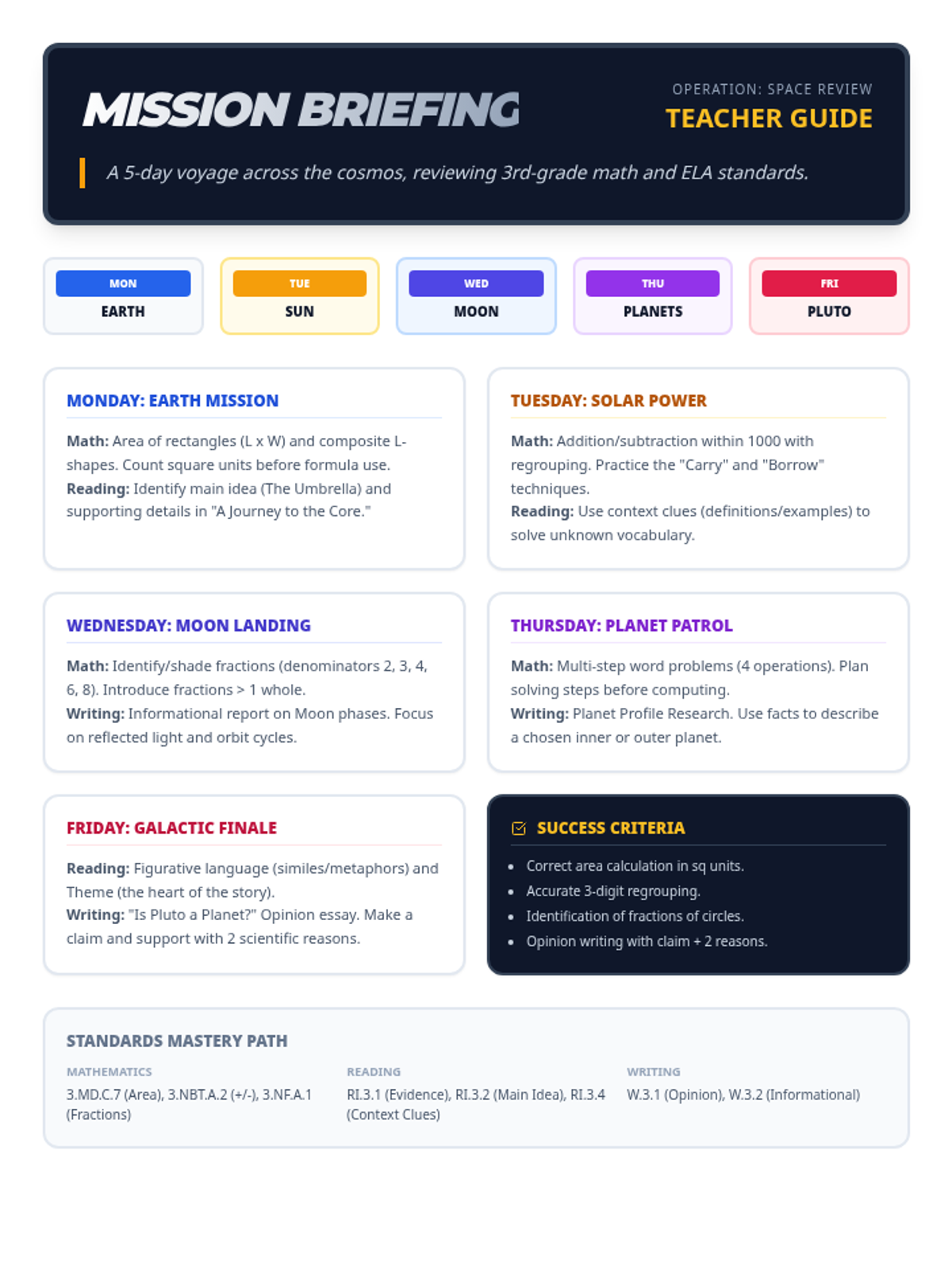
Reviewing the edge of the solar system and wrapping up. Reading: Figurative language and theme. Writing: Opinion writing on Pluto and best planetary destinations.
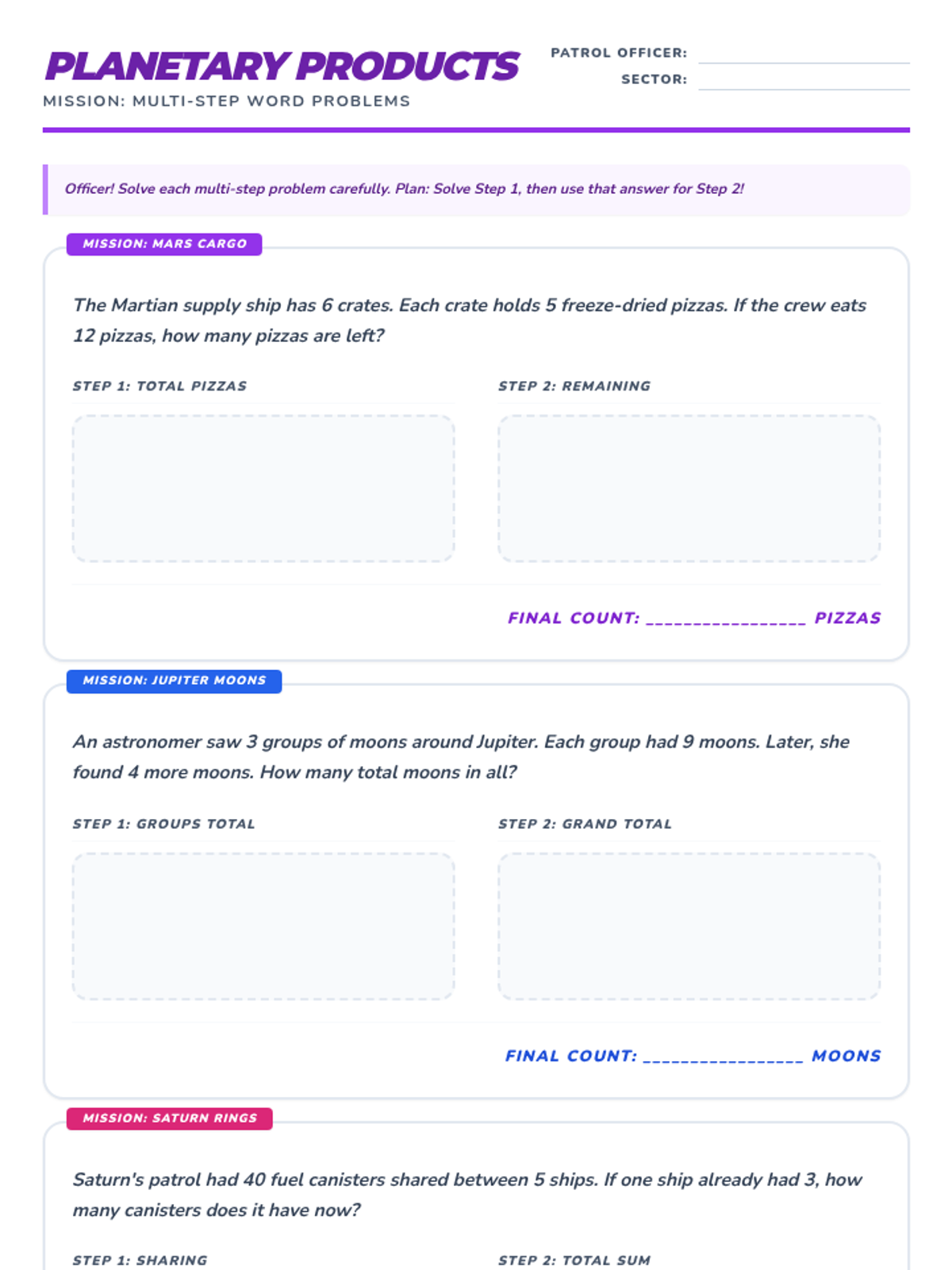
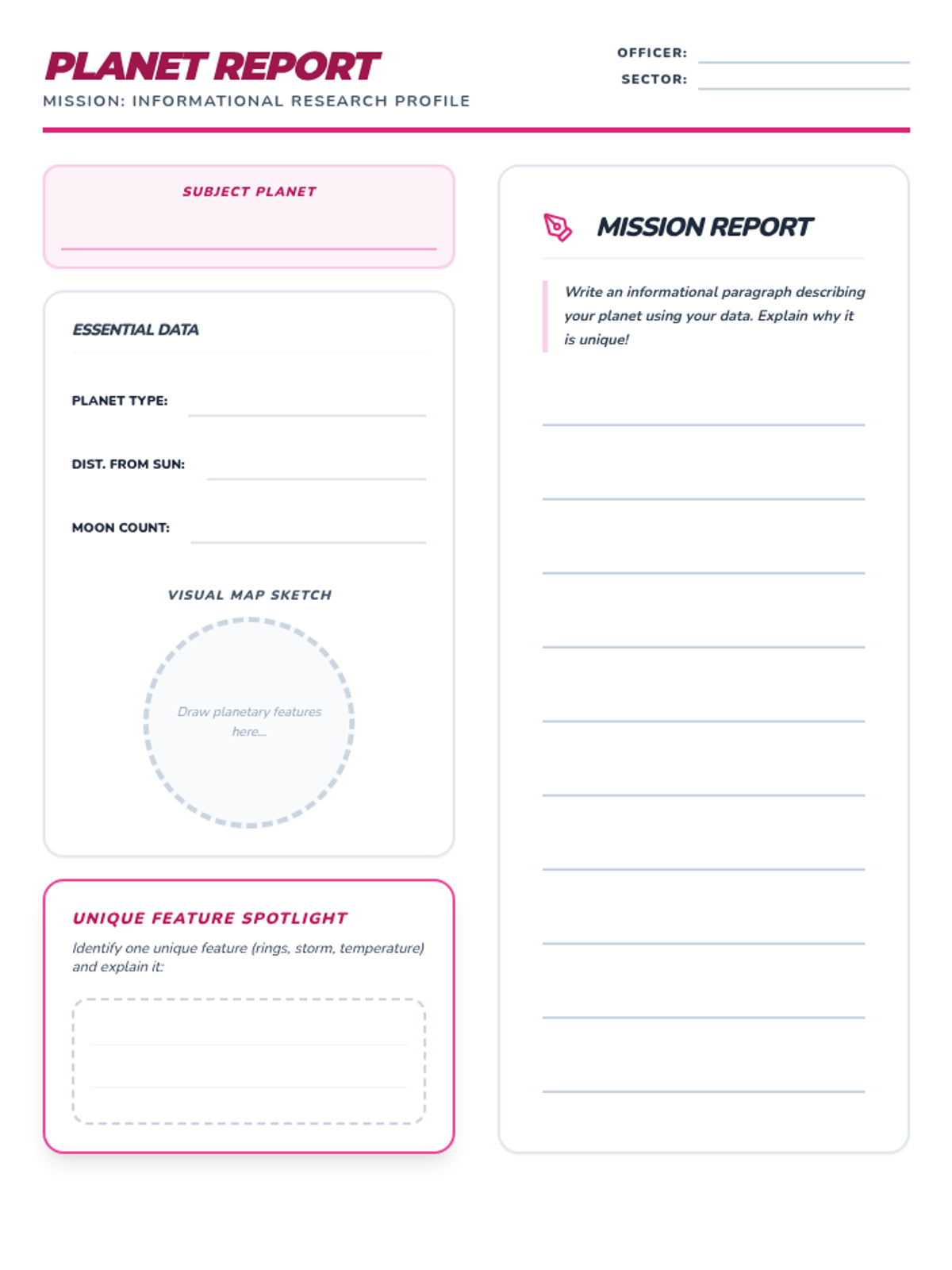
Focusing on the inner and outer planets. Math: Multiplication, division, and multi-step word problems. Writing: Informational planet report.
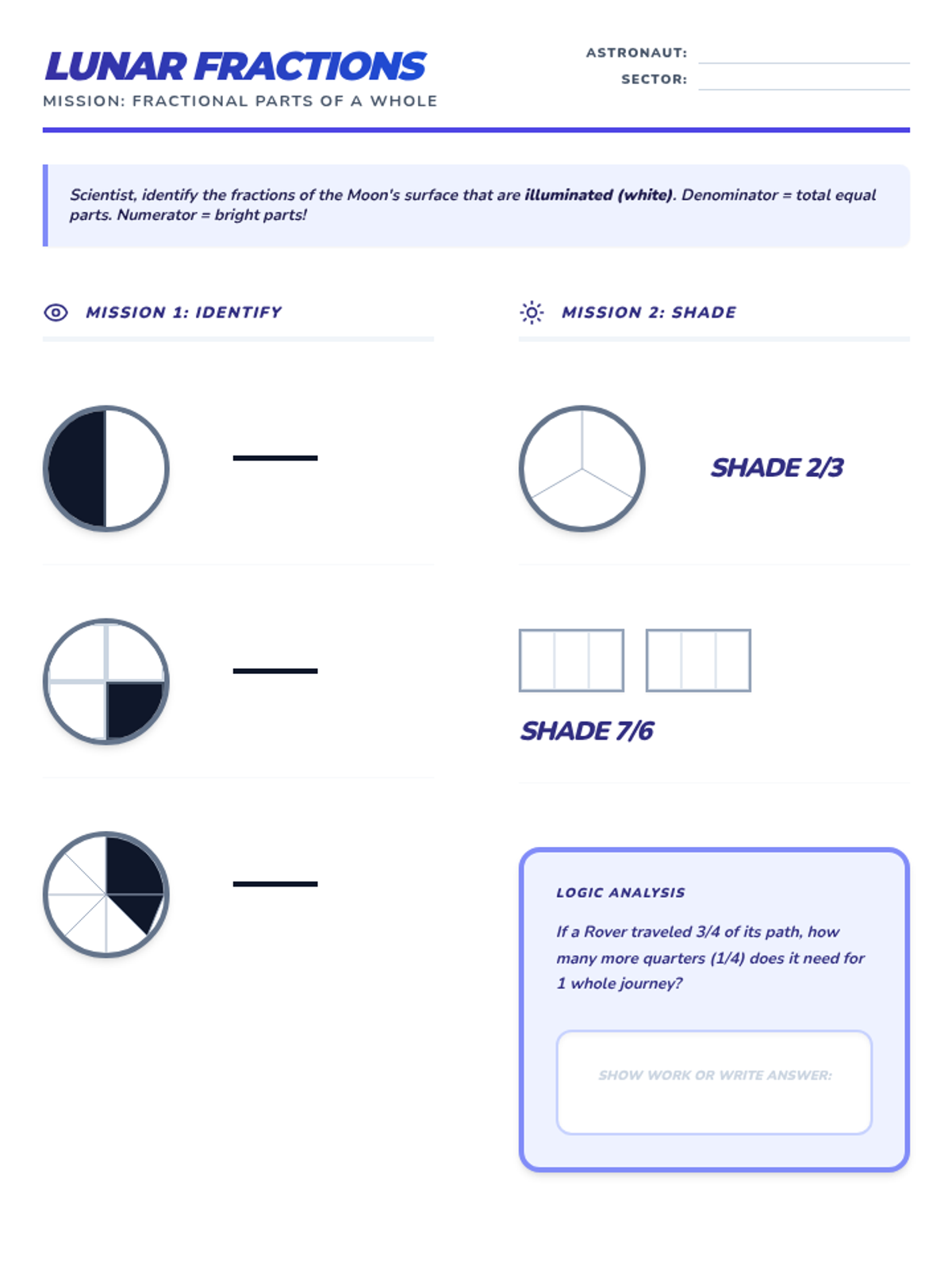
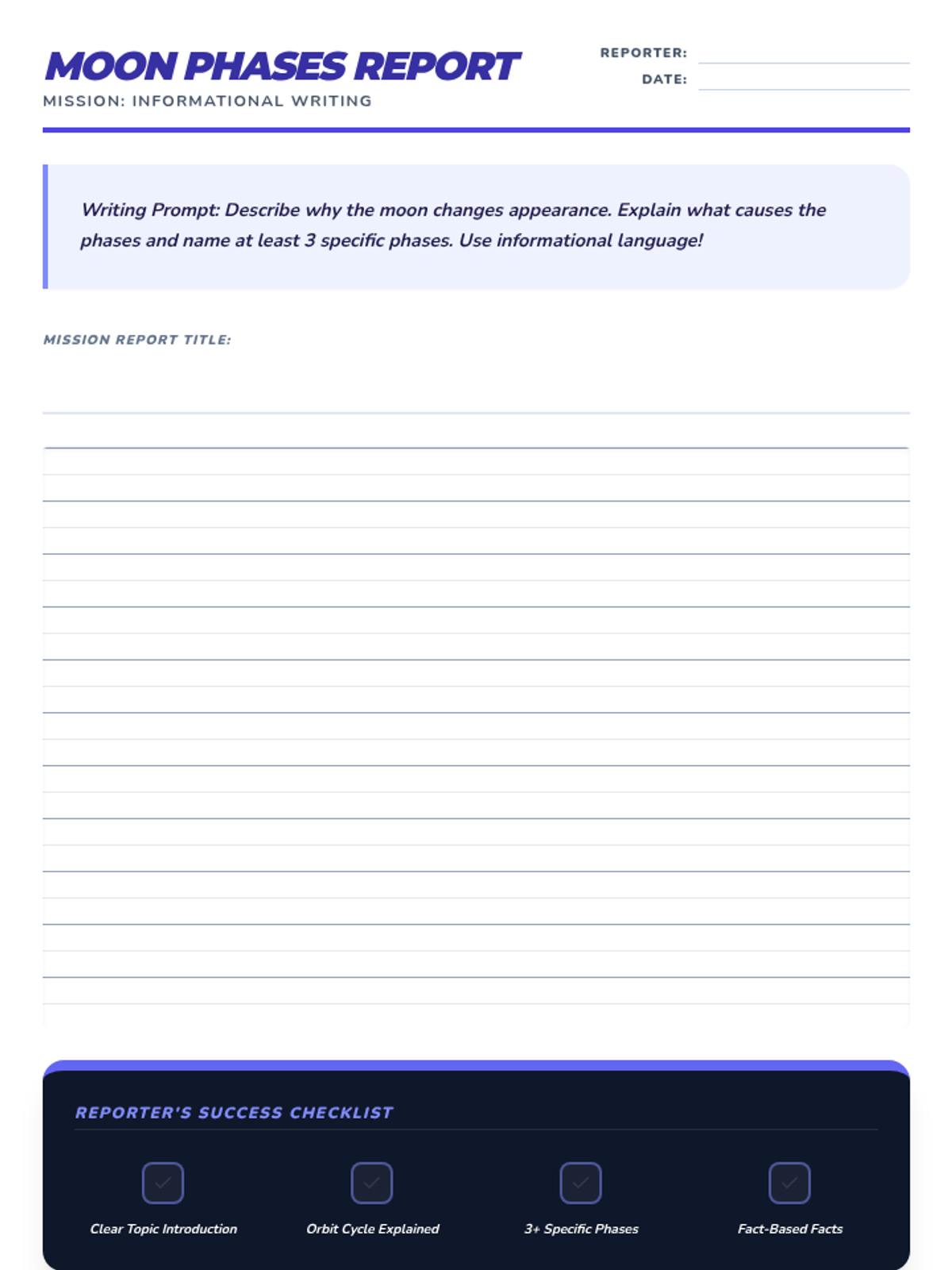
Focusing on the Moon. Math: Fractions (2, 3, 4, 6, 8). Writing: Informational report on Moon phases.
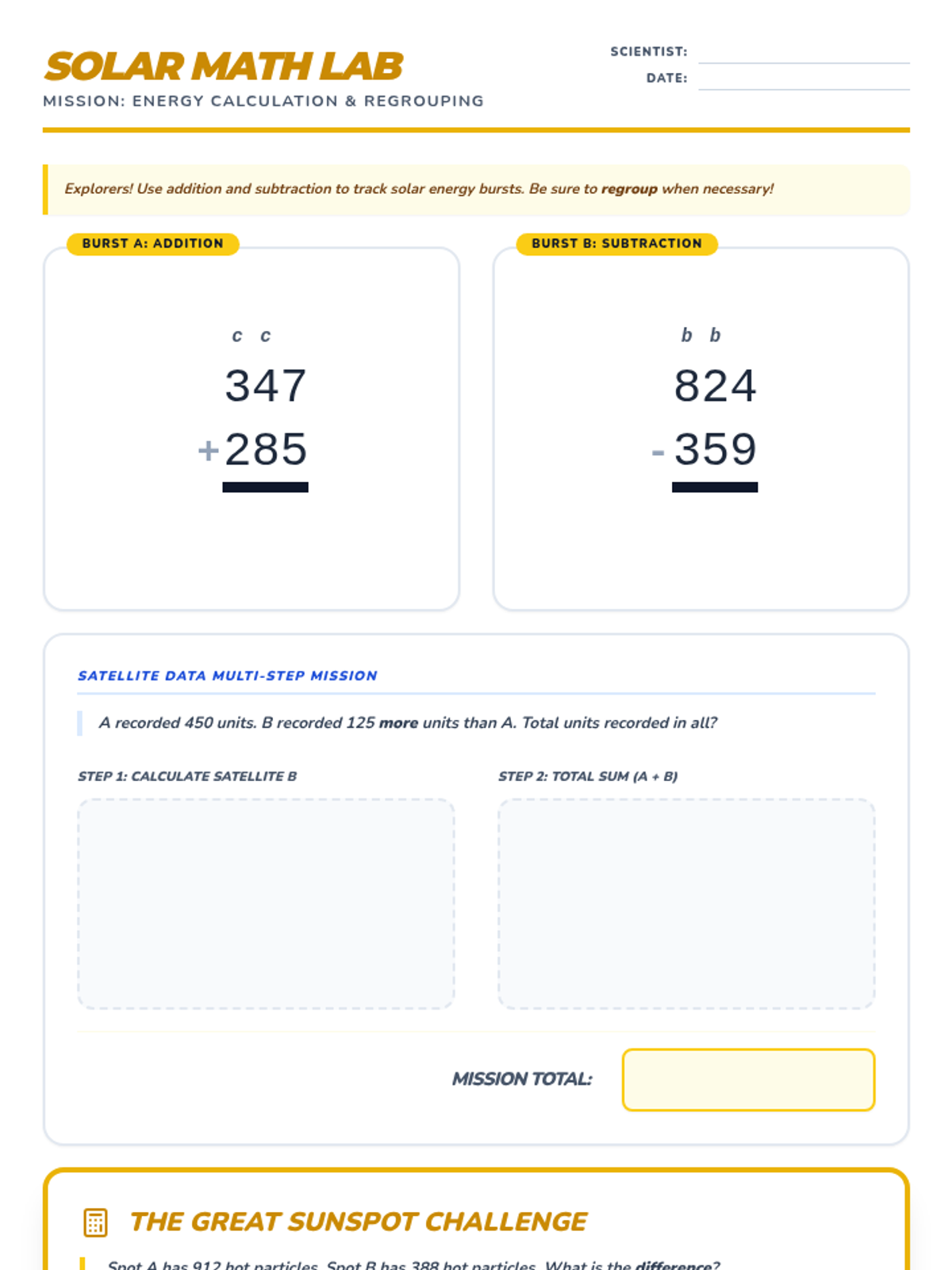
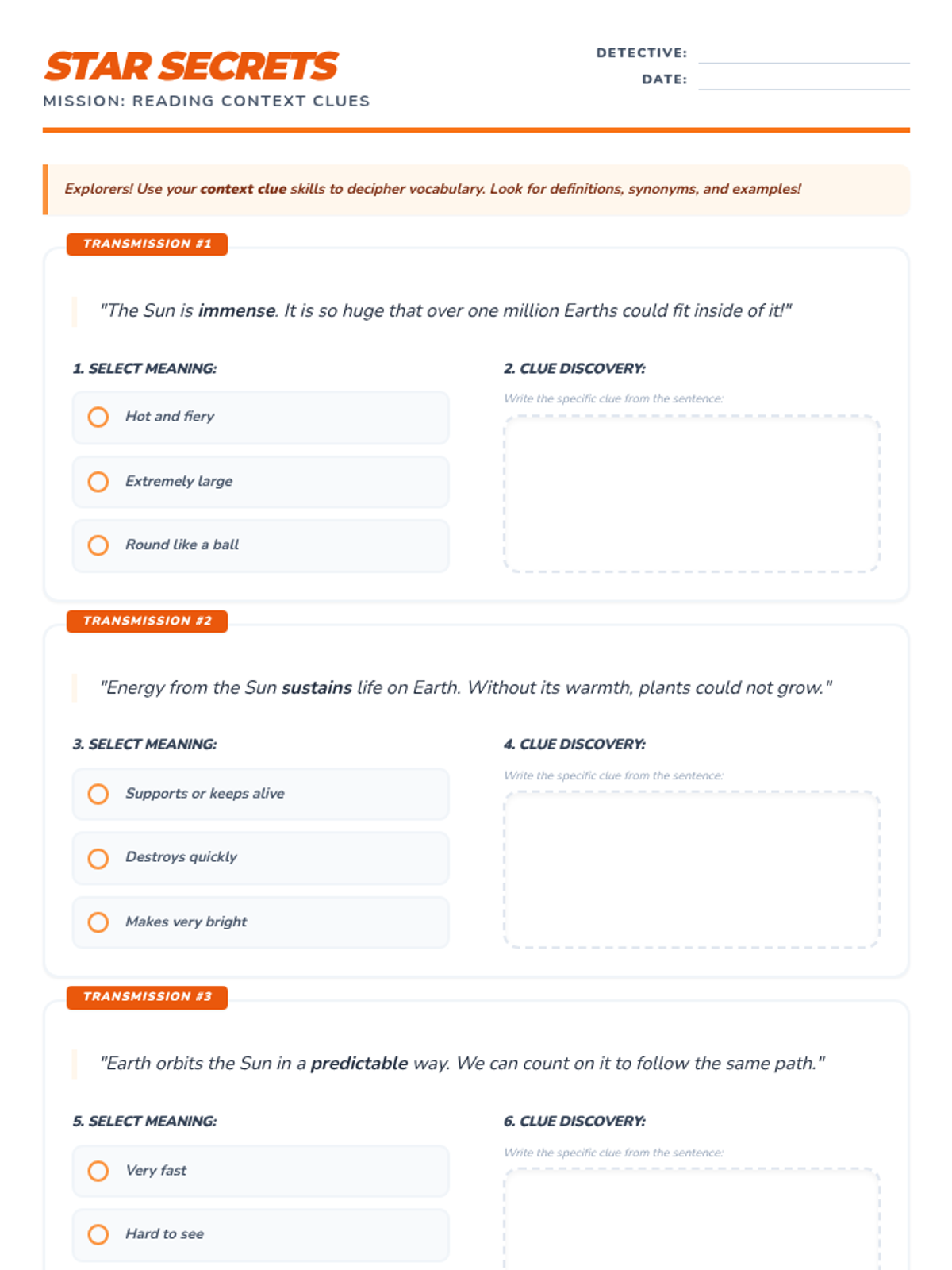
Focusing on the Sun. Math: Addition and subtraction with regrouping within 1000. Reading: Context clues.
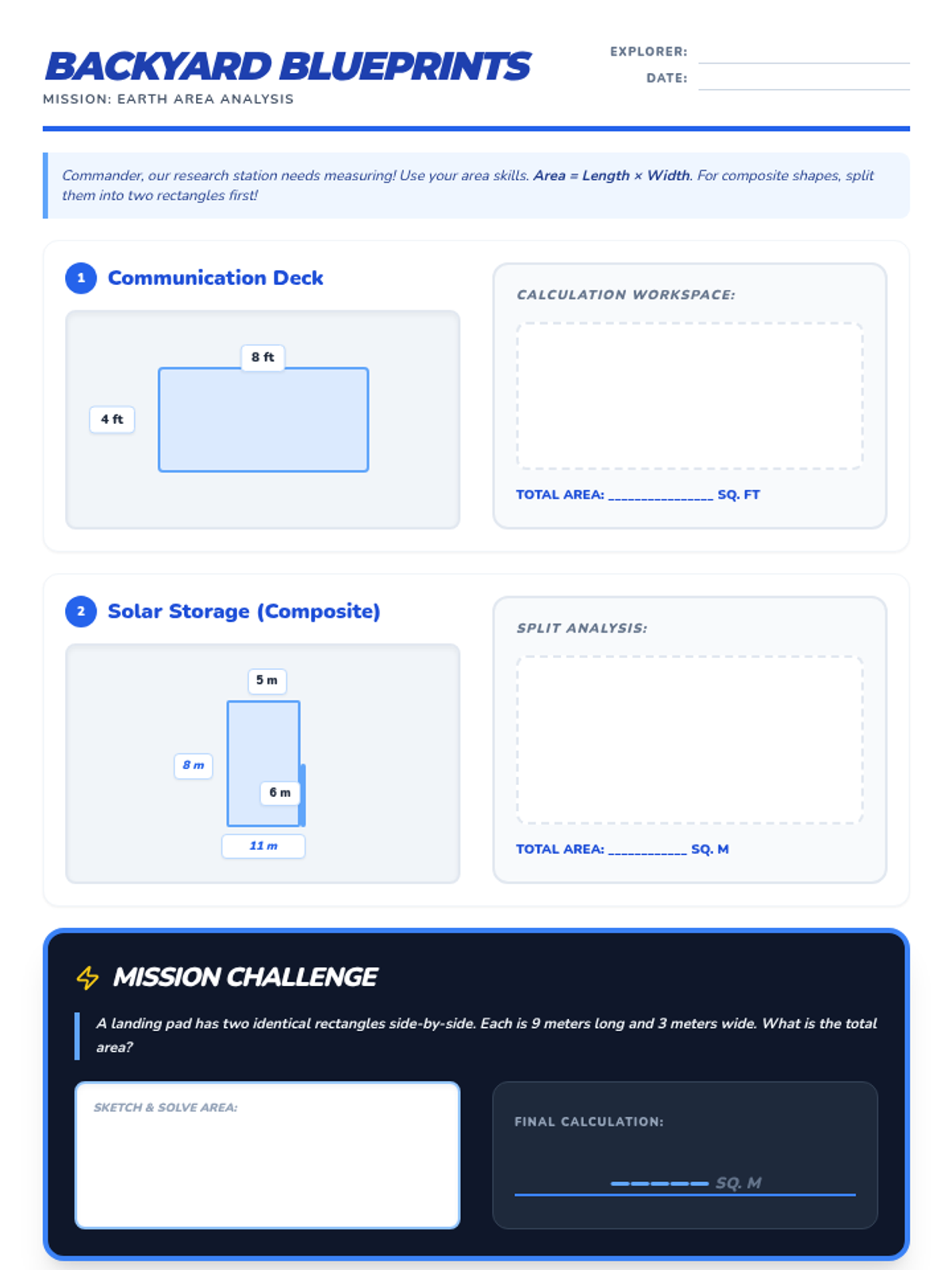
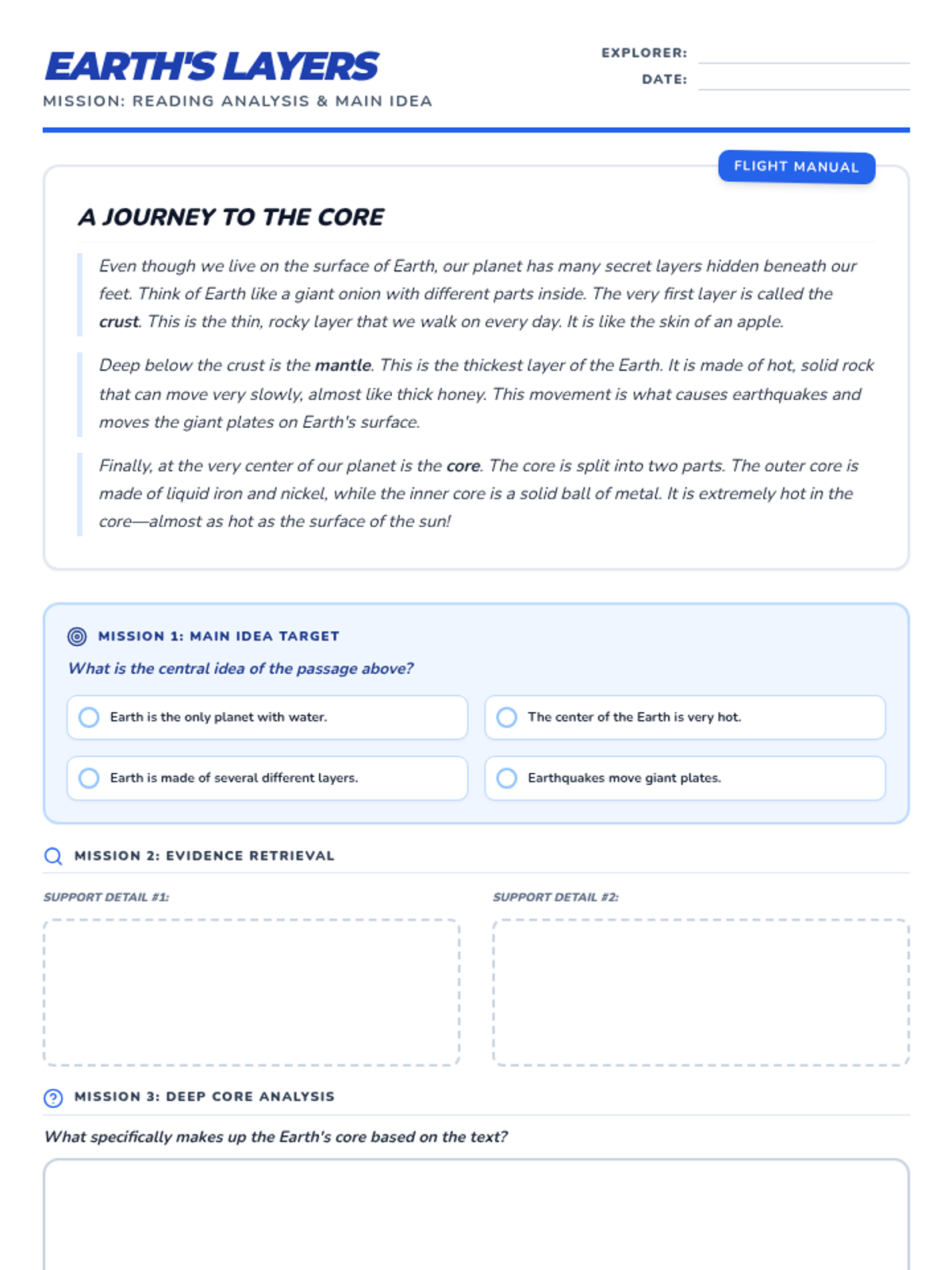
Introduction to the review week focusing on Earth. Math: Area of rectangles and composite figures. Reading: Main idea and details.
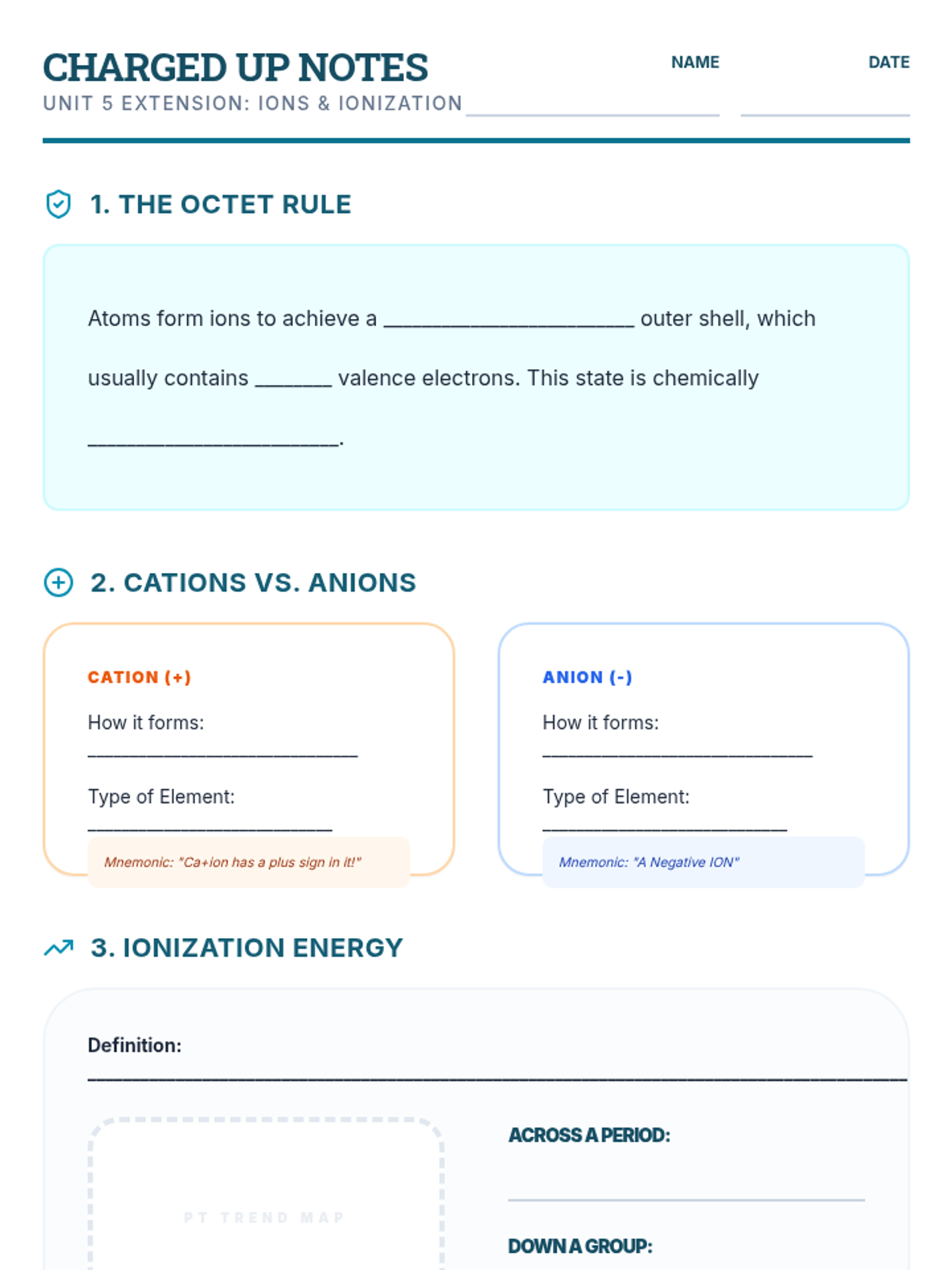
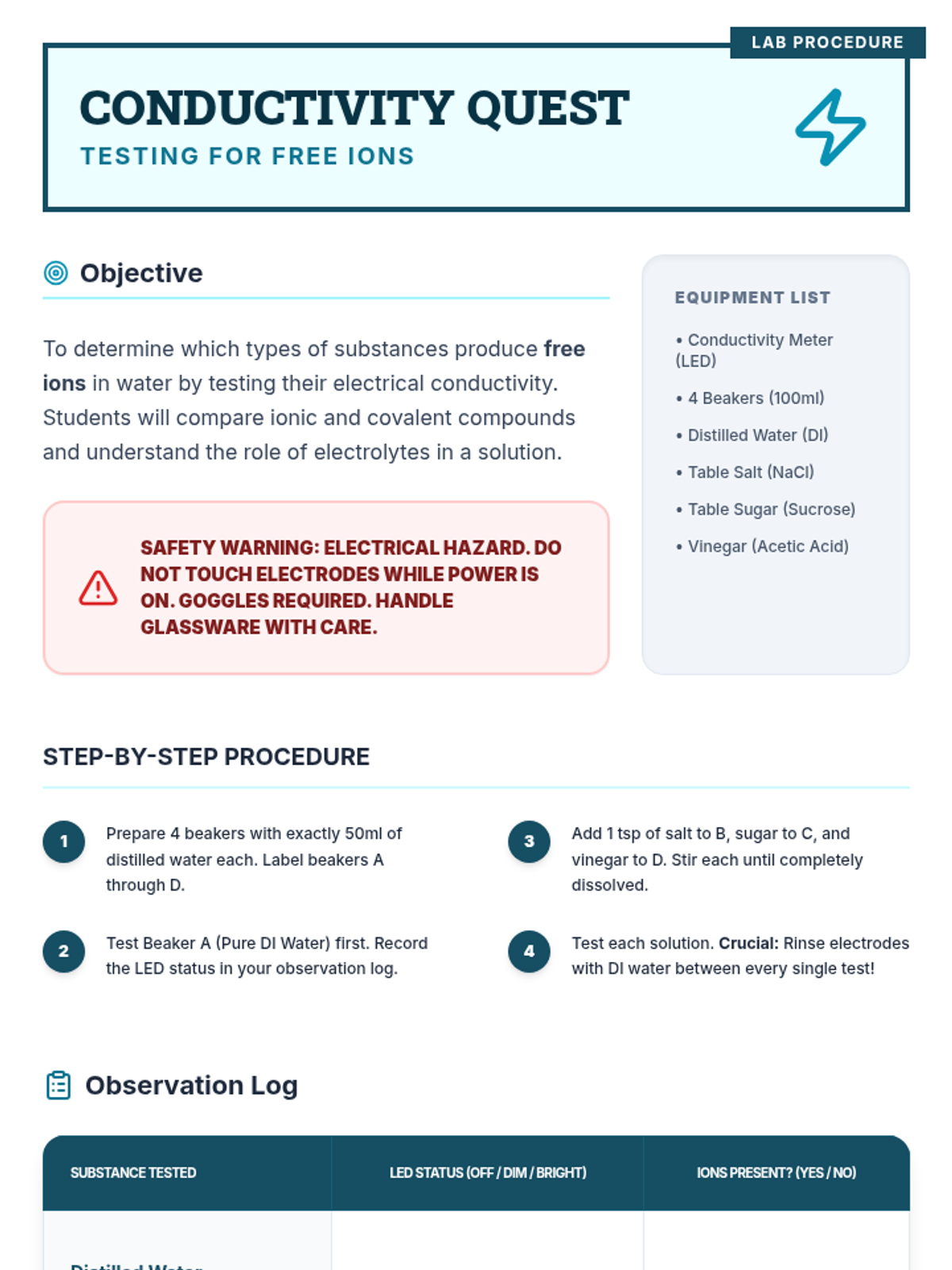
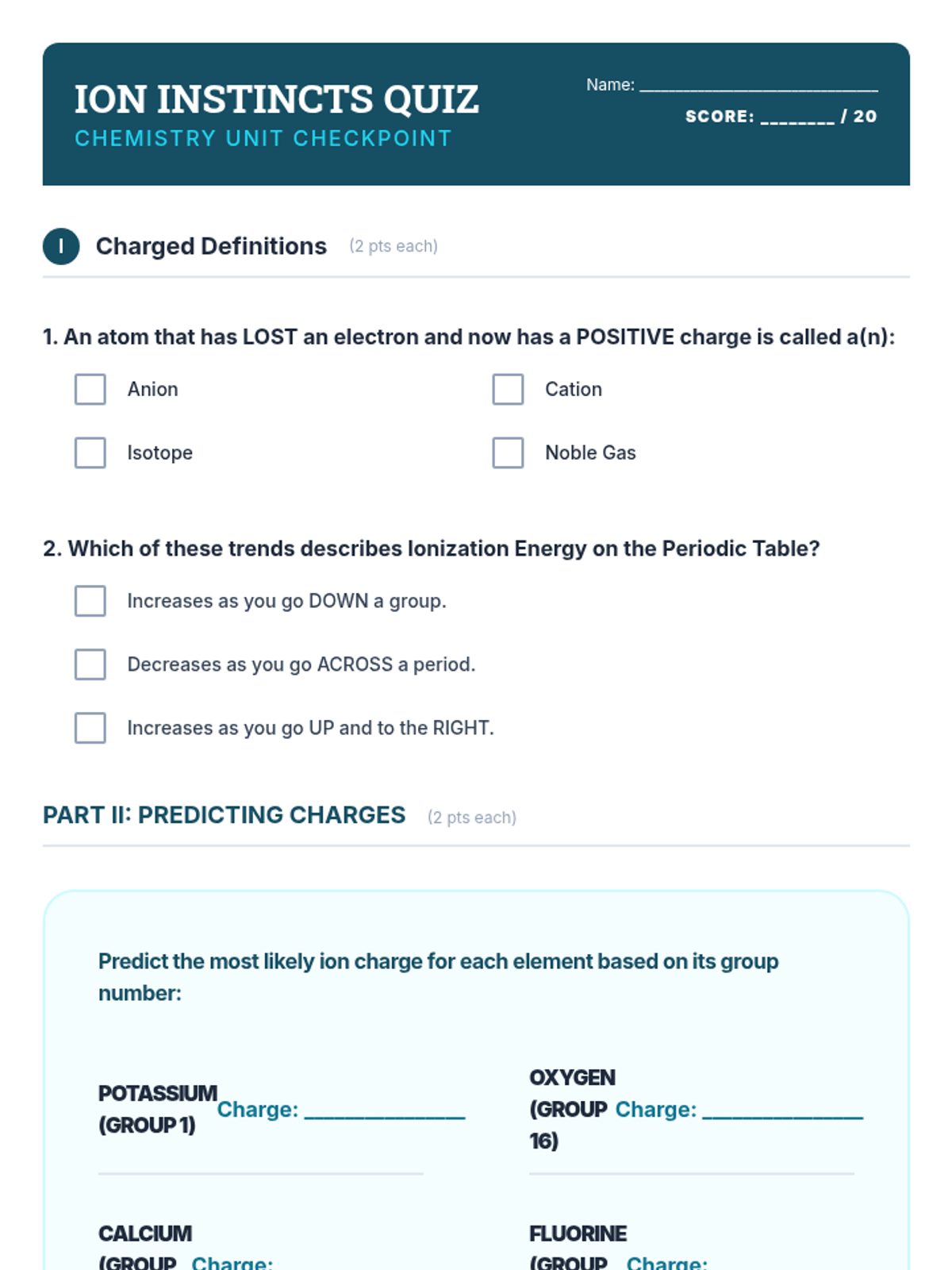
An exploration of how atoms become charged particles. Students learn about valence electrons, the octet rule, cation and anion formation, and the energy required to remove electrons.
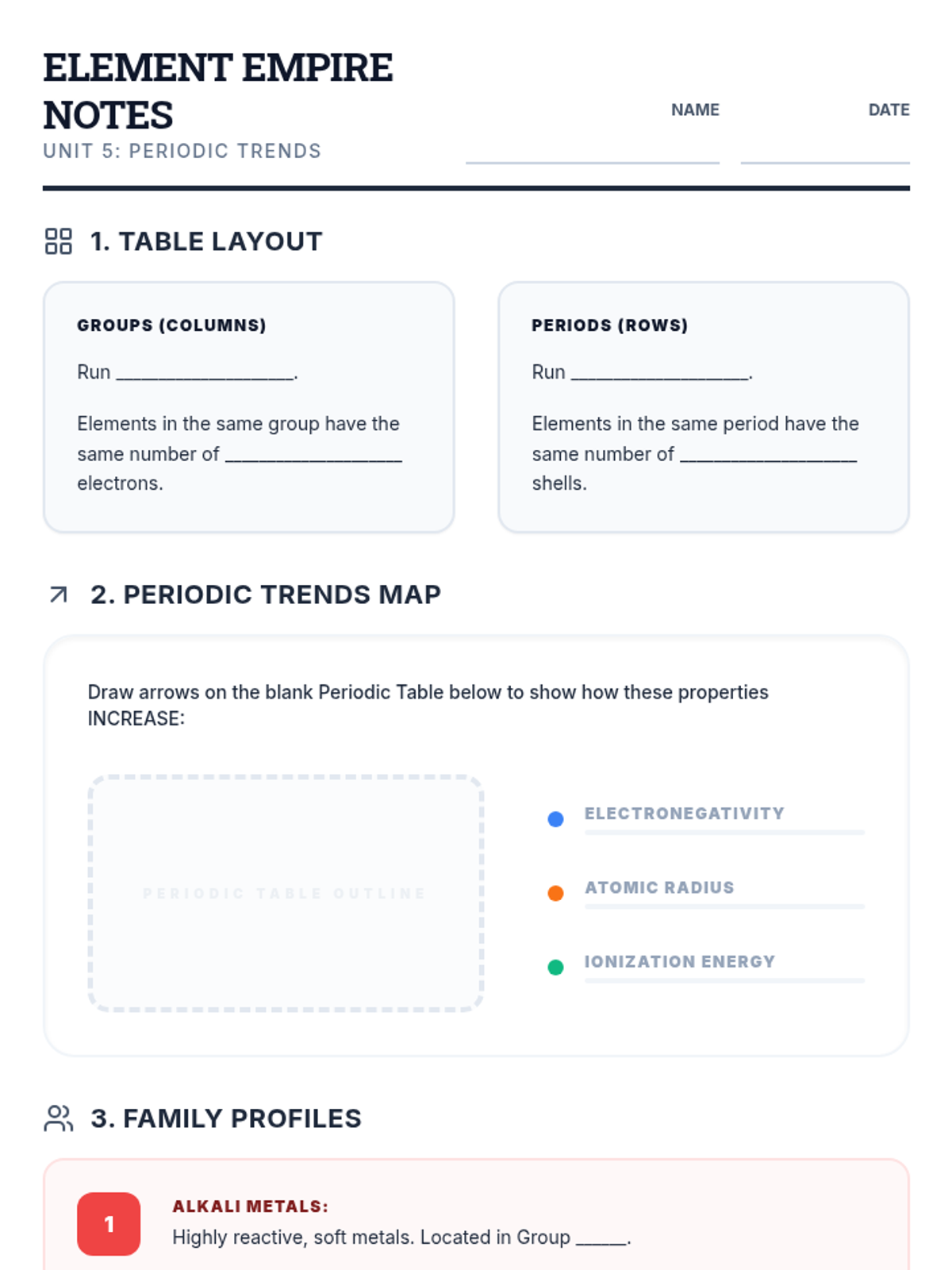
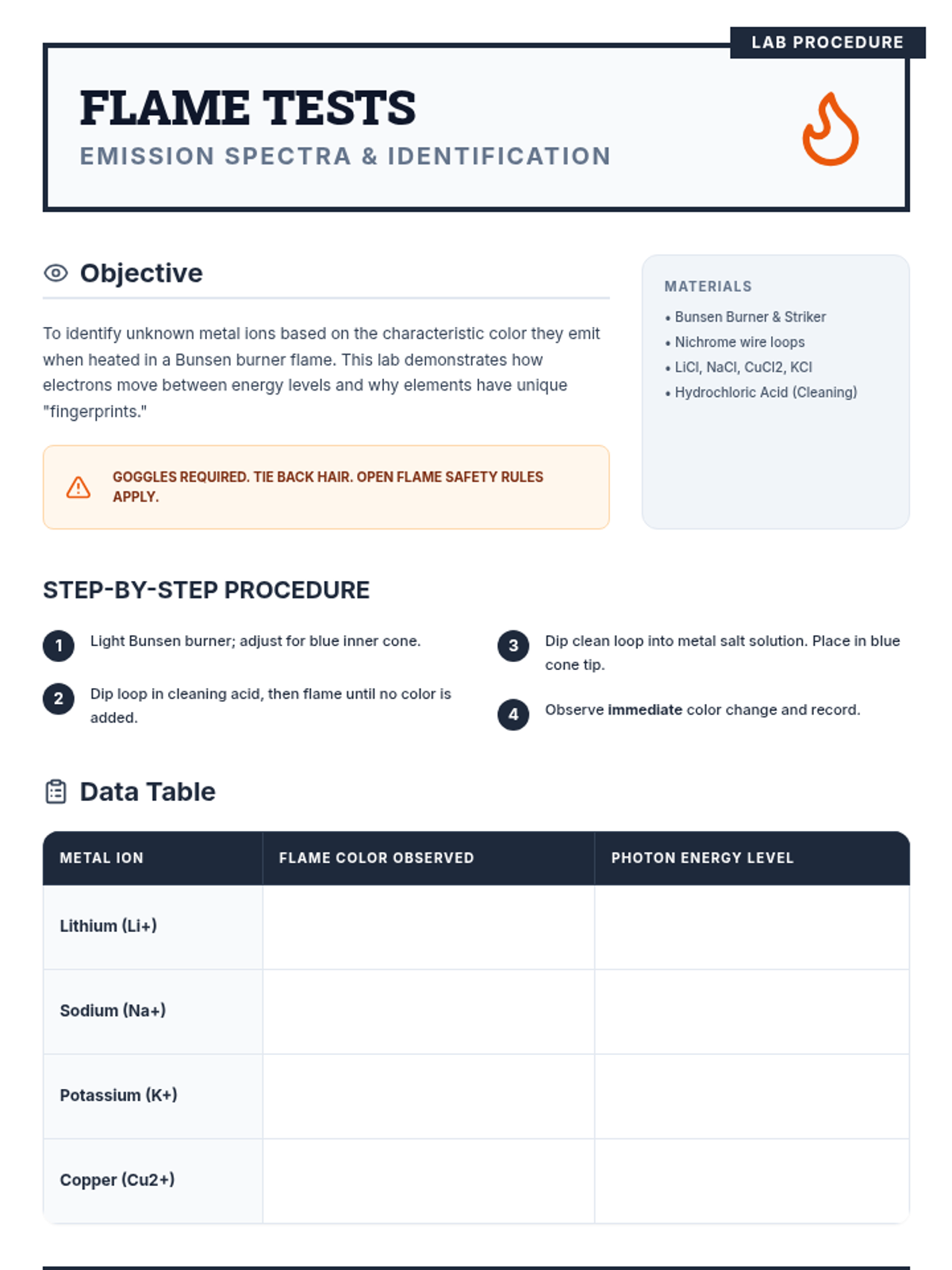
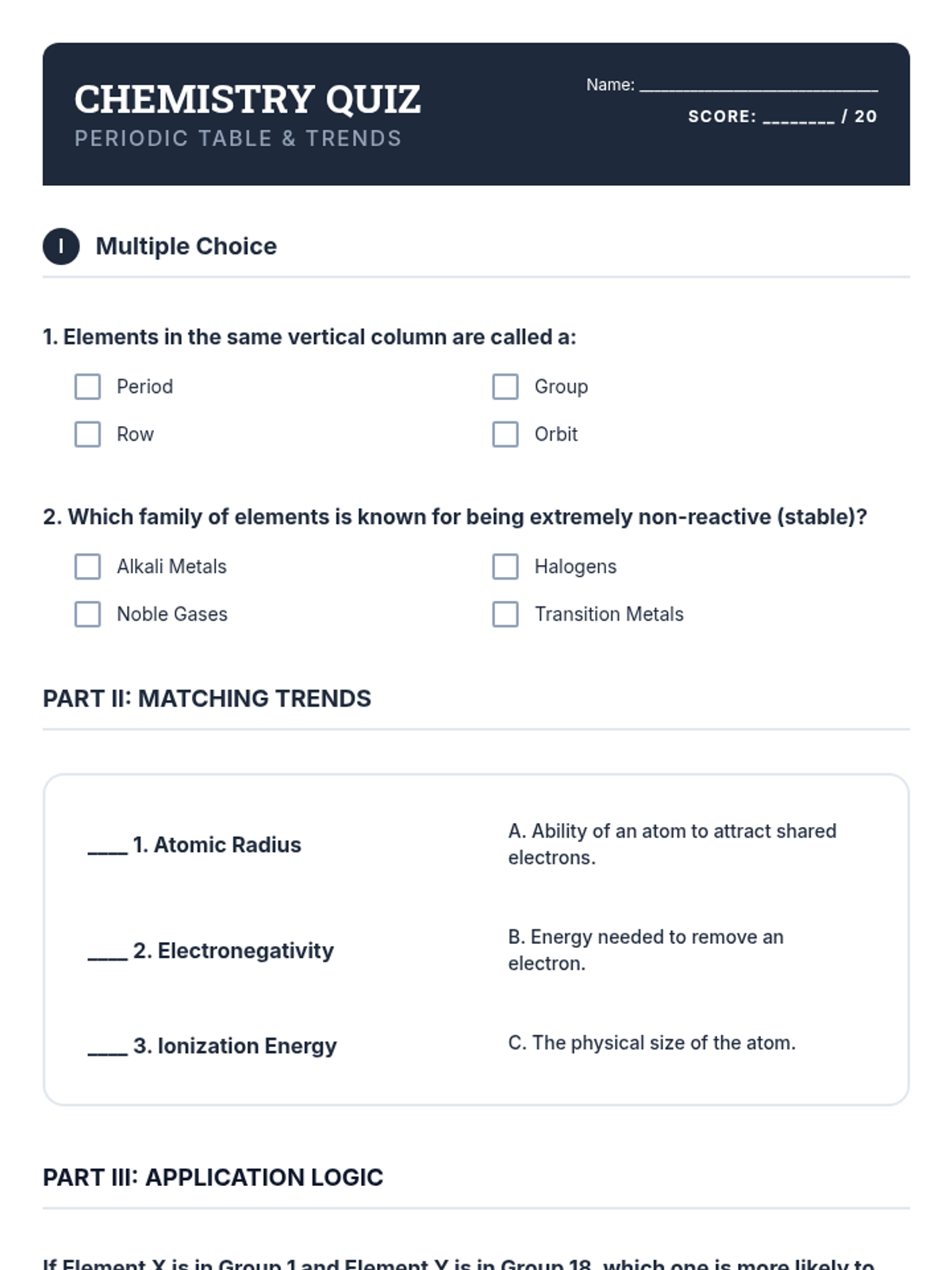
A journey through the organization of matter. Students explore atomic structure, periodic trends, and the unique properties of chemical families.
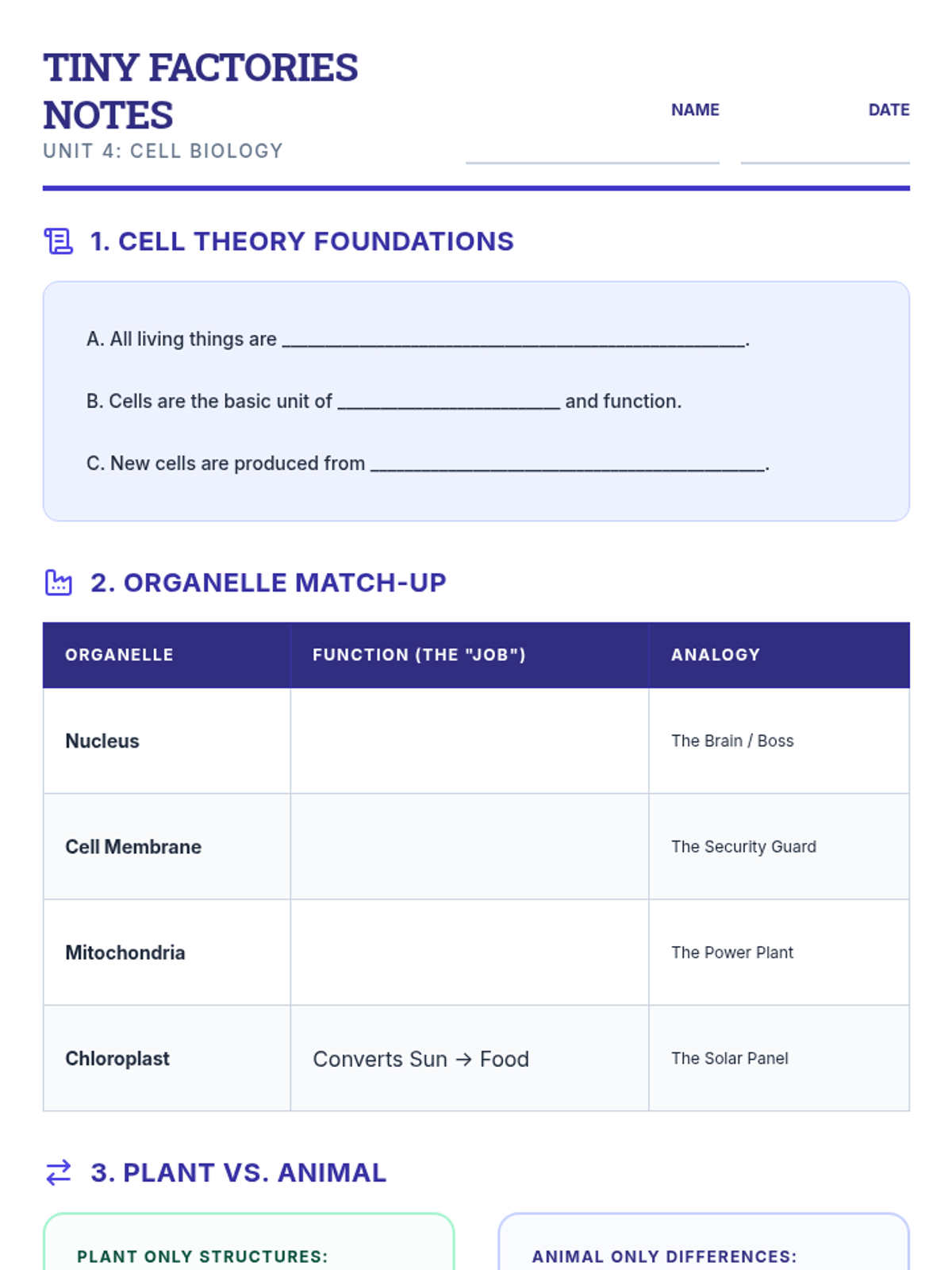
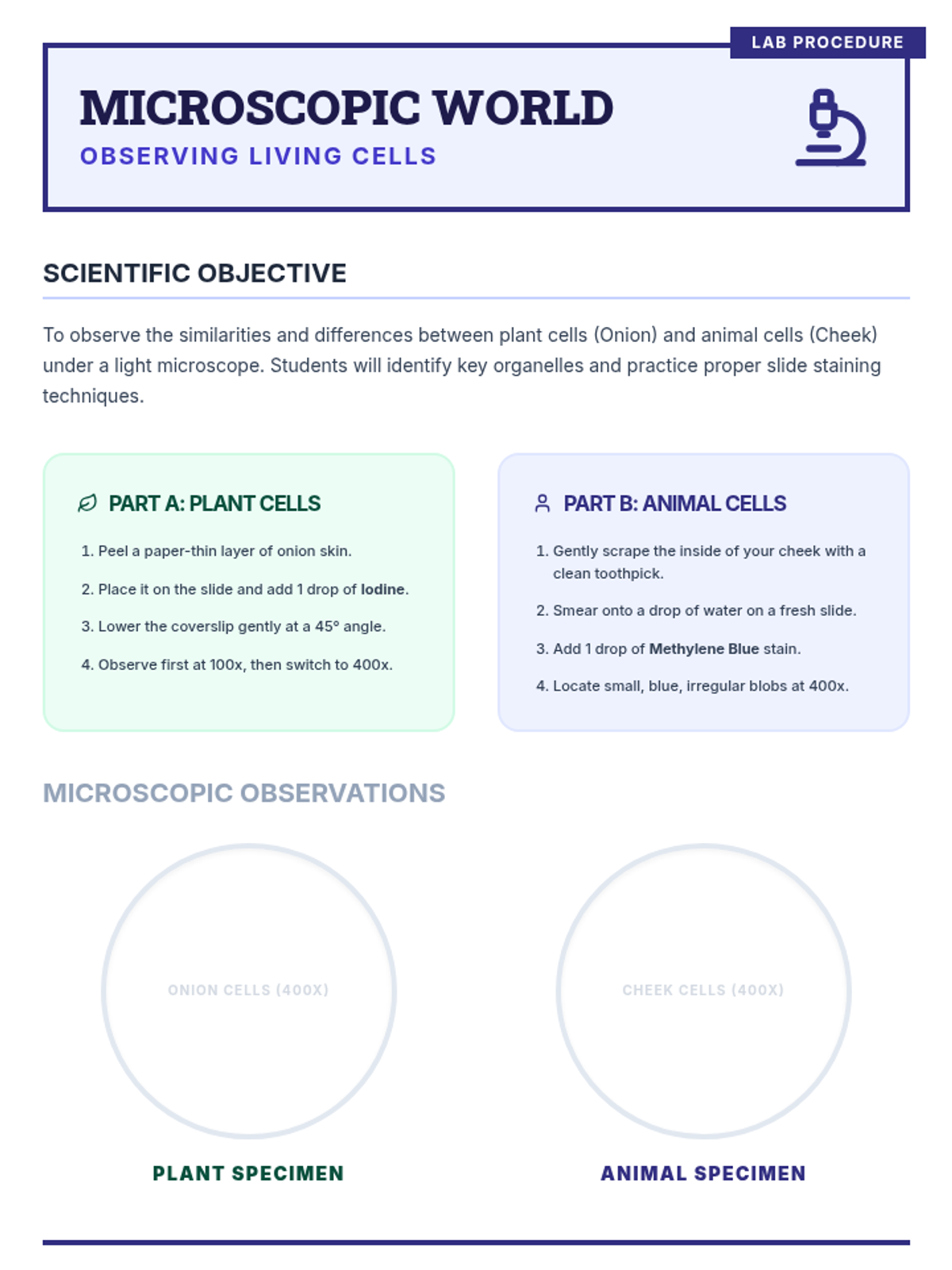
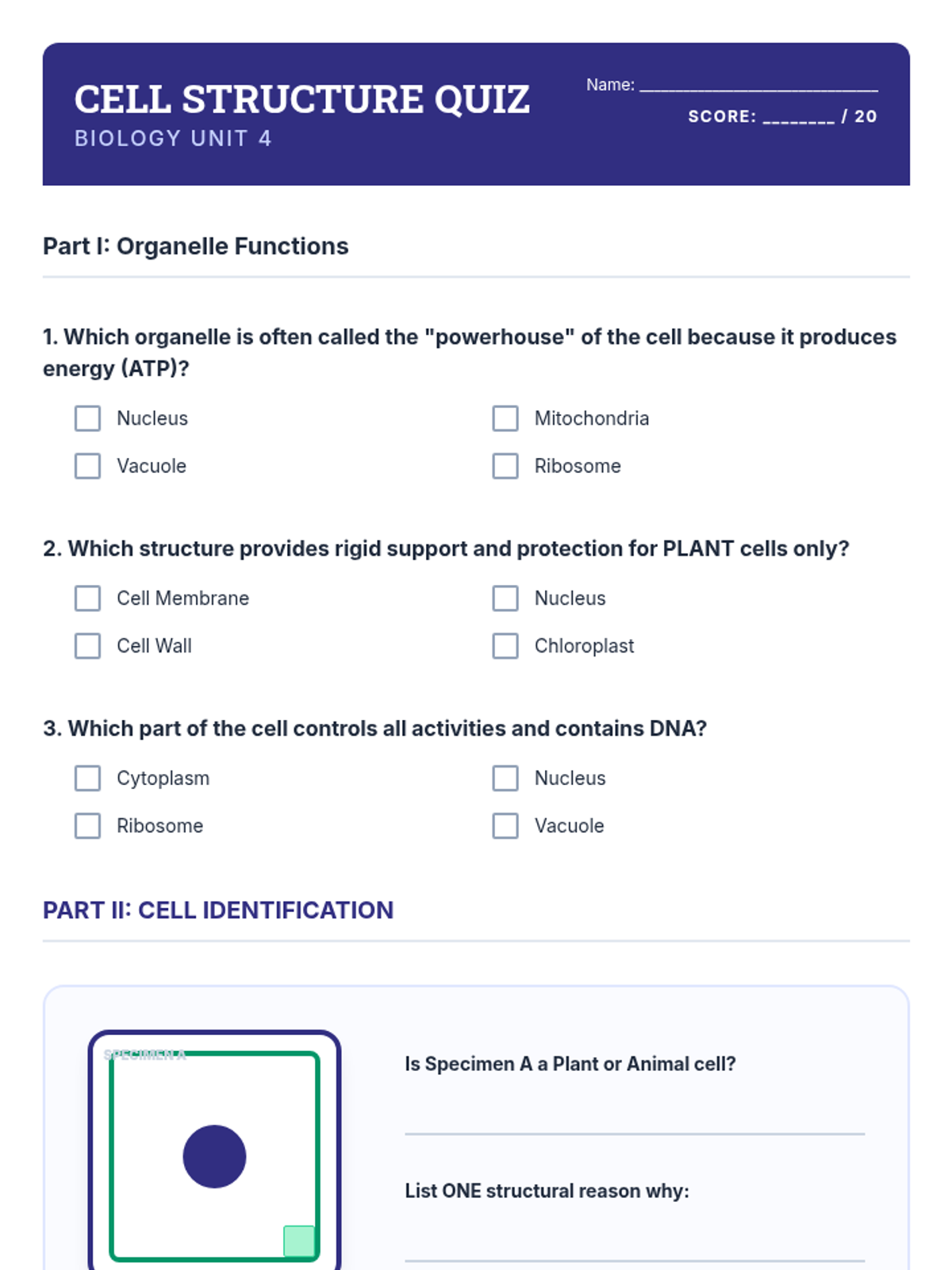
An investigation into the building blocks of life. Students compare plant and animal cells, identify organelle functions, and understand how cells maintain homeostasis.