A drama-based lesson where students use role-play to explore concepts of fairness, empathy, and the importance of speaking up for themselves and others.
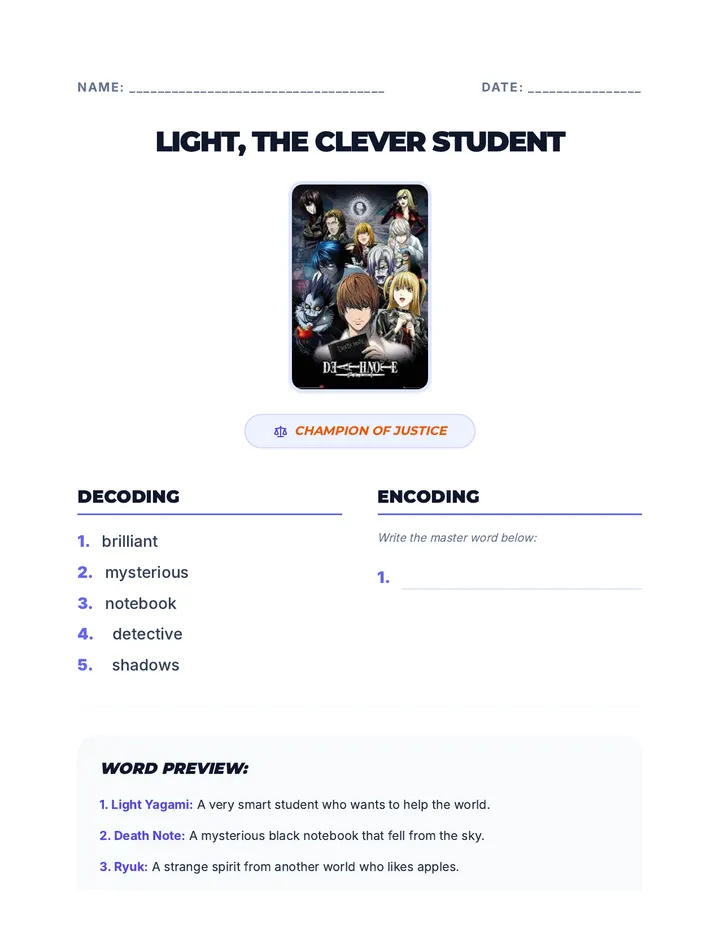
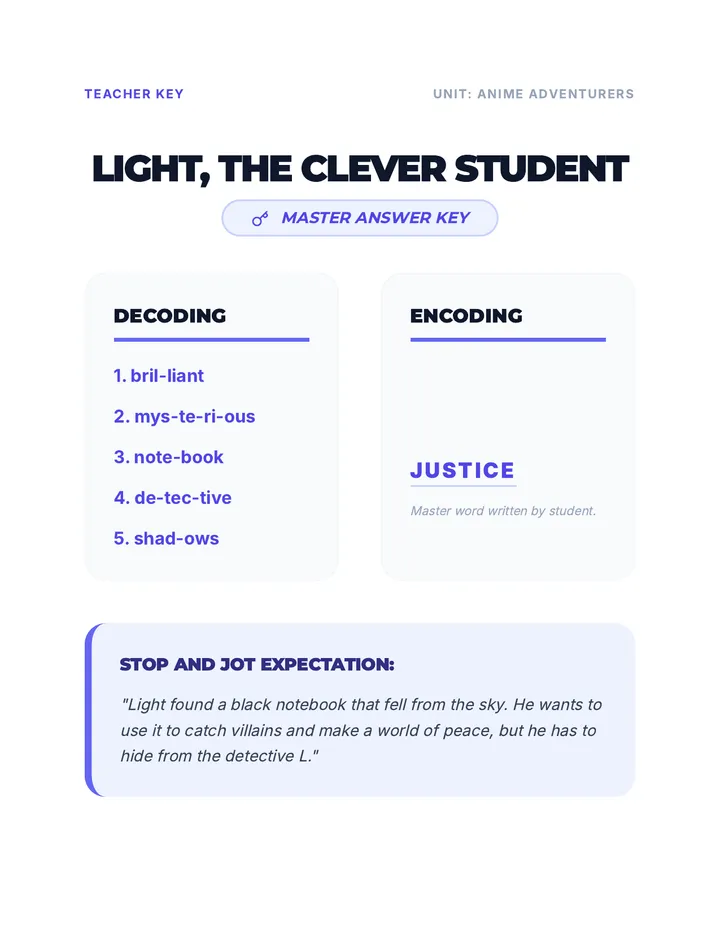
A collection of reading fluency and comprehension lessons based on popular anime stories, adapted for a 3rd-grade reading level. Each lesson follows a standardized format including decoding practice, fluency passages, comprehension checks, and a creative mission.
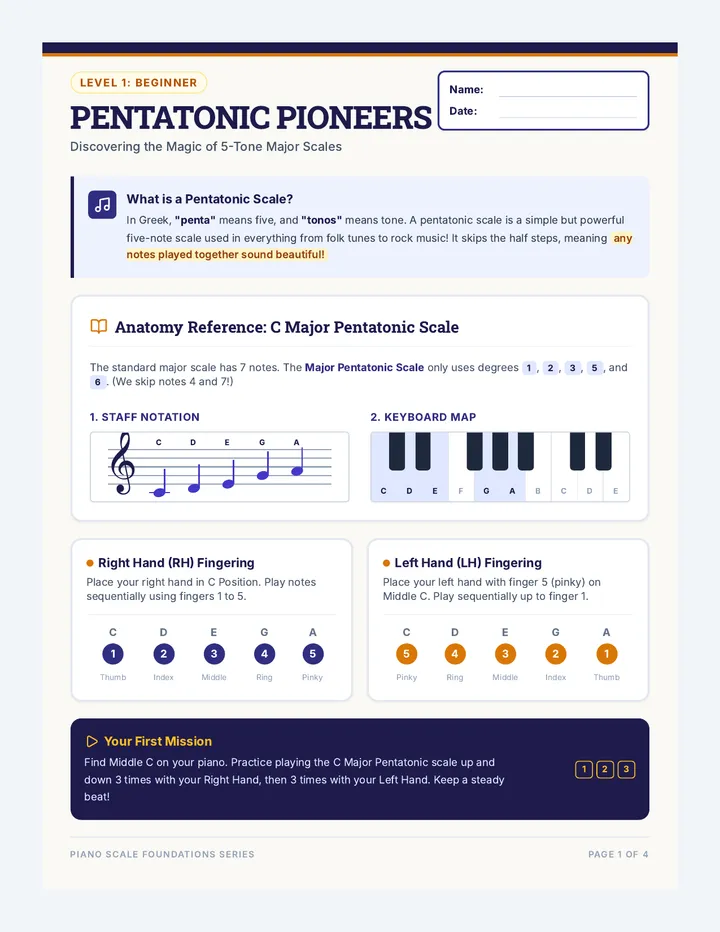
A lesson dedicated to learning the fundamentals of major scales on the piano, beginning with pentatonic scales. Contains an interactive multi-page mini booklet with keyboard coloring, staff notation trace-and-write, and fingering guides.
An interactive 4-page worksheet booklet that introduces Major Pentatonic Scales. Students learn C, G, F, and D Major Pentatonic scales through keyboard coloring, staff notation trace-and-write, and finger-number matching guides.
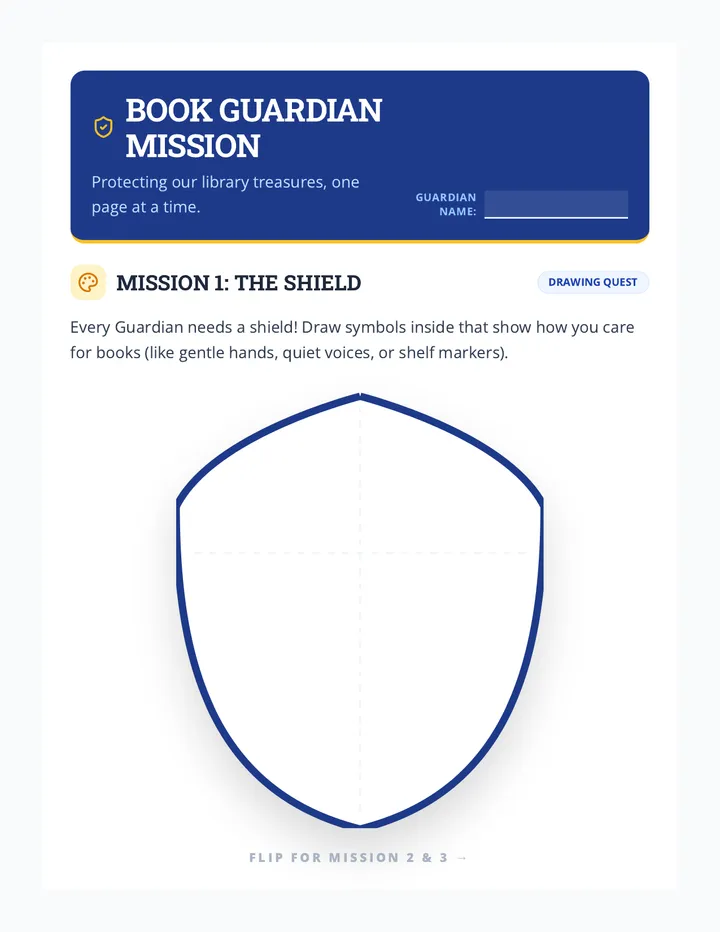
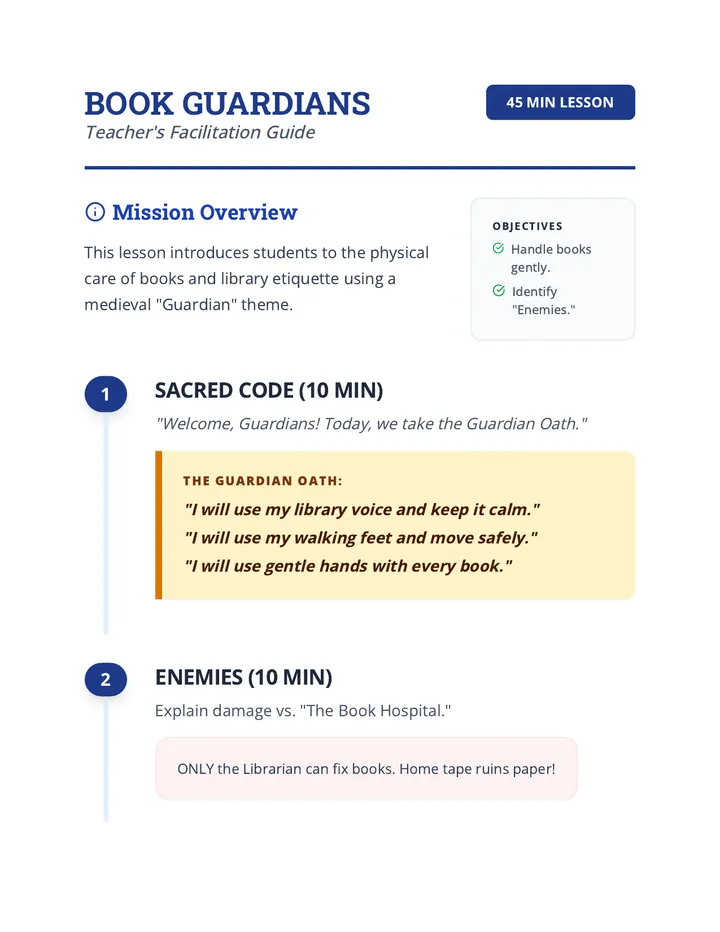
A comprehensive introduction to library skills, covering both the physical care of books and the intellectual skills needed to find and evaluate information.
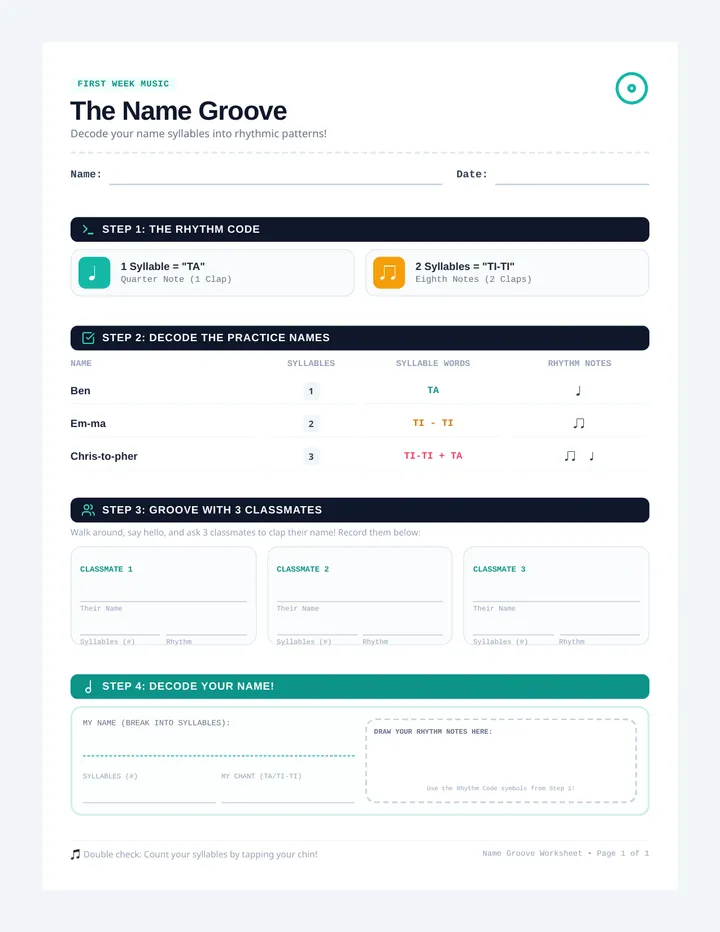
A first-week music lesson that scaffolds decoding names into rhythmic patterns. Students map syllables to quarter notes (Ta) and eighth notes (Ti-Ti) to create a collective classroom rhythm groove.
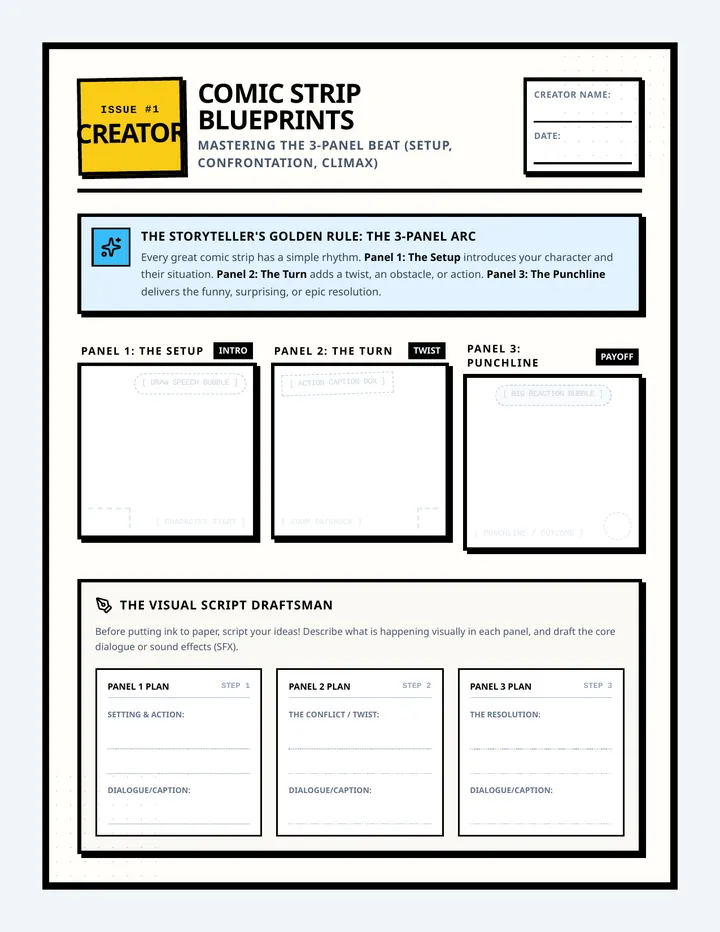
A 3-page printable comic book planning and layout resource for students. It contains scaffolded 3-panel and 5-panel layout grids, instructional tips on comic storytelling (pacing, angles), and a cut-out page of speech bubbles and onomatopoeia sound effects.
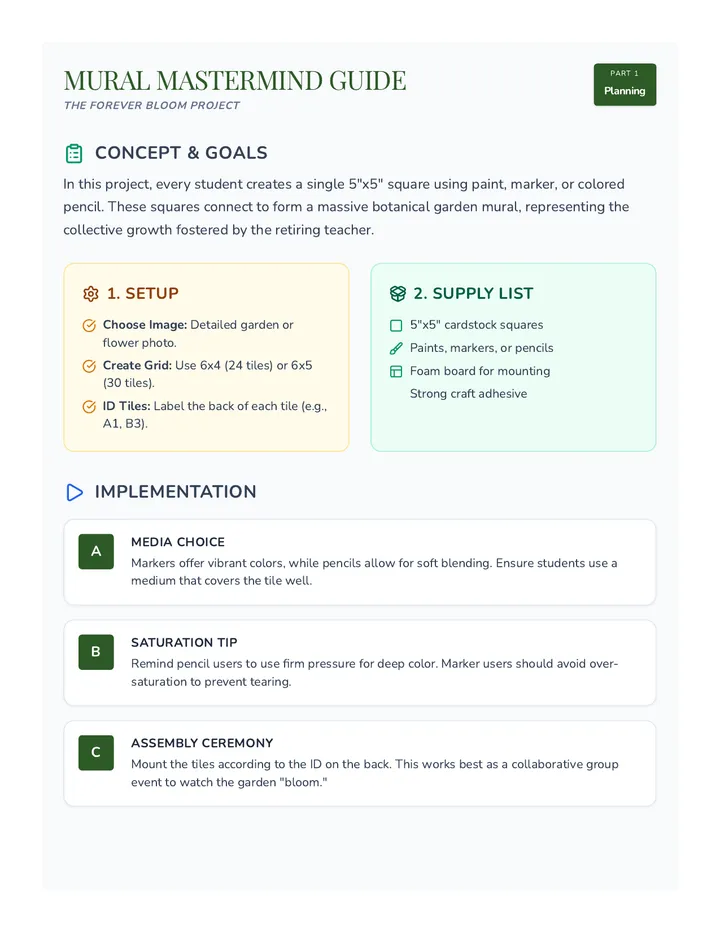
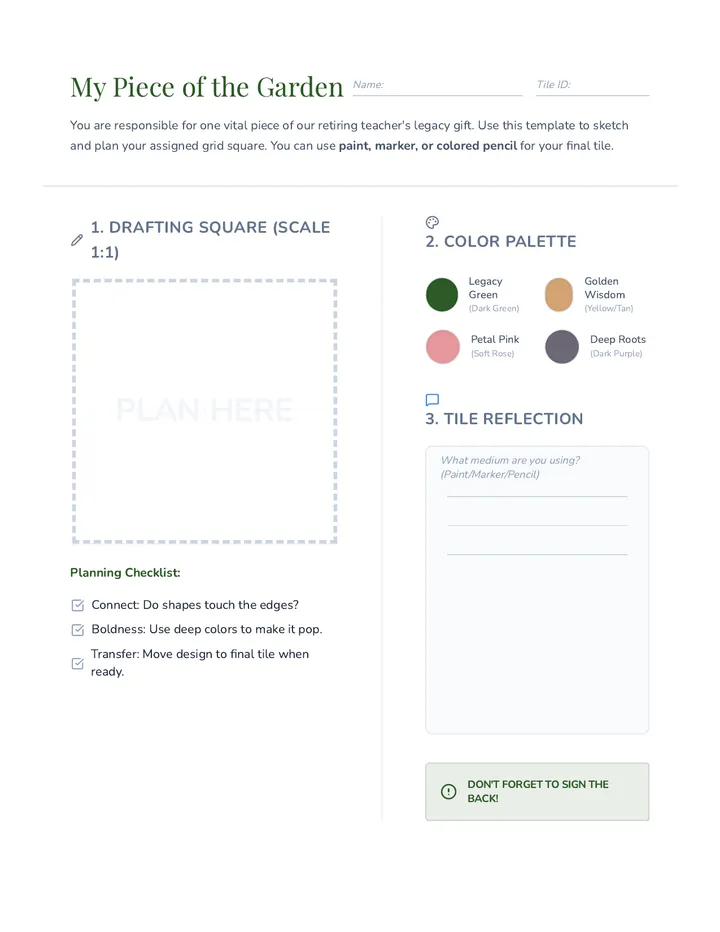
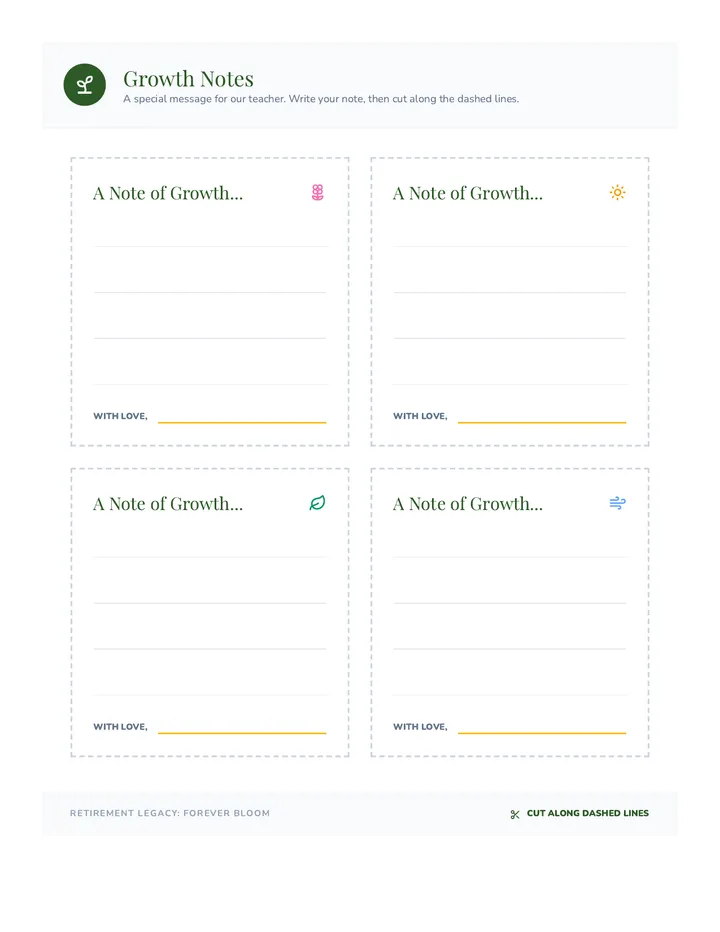
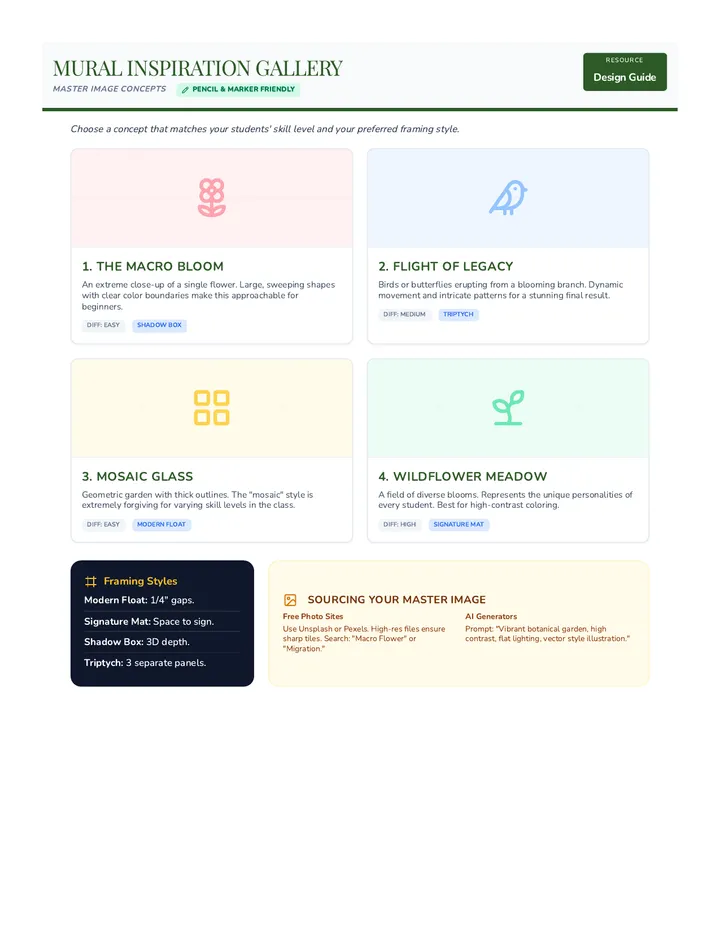
A collaborative art sequence where students create a large-scale mosaic mural to honor a retiring teacher, focusing on themes of growth, beauty, and legacy.
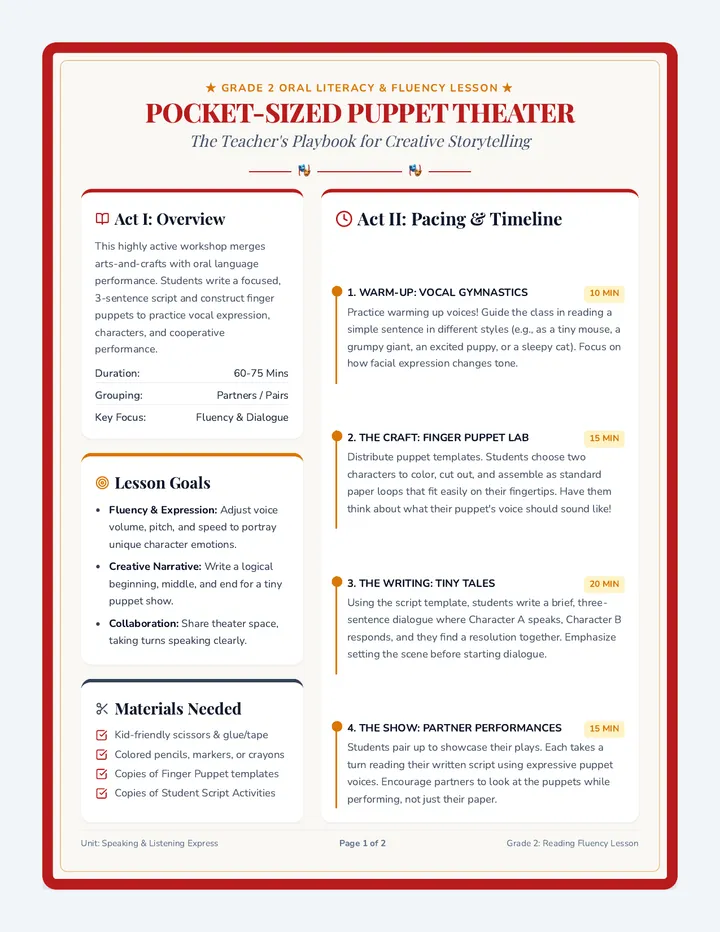
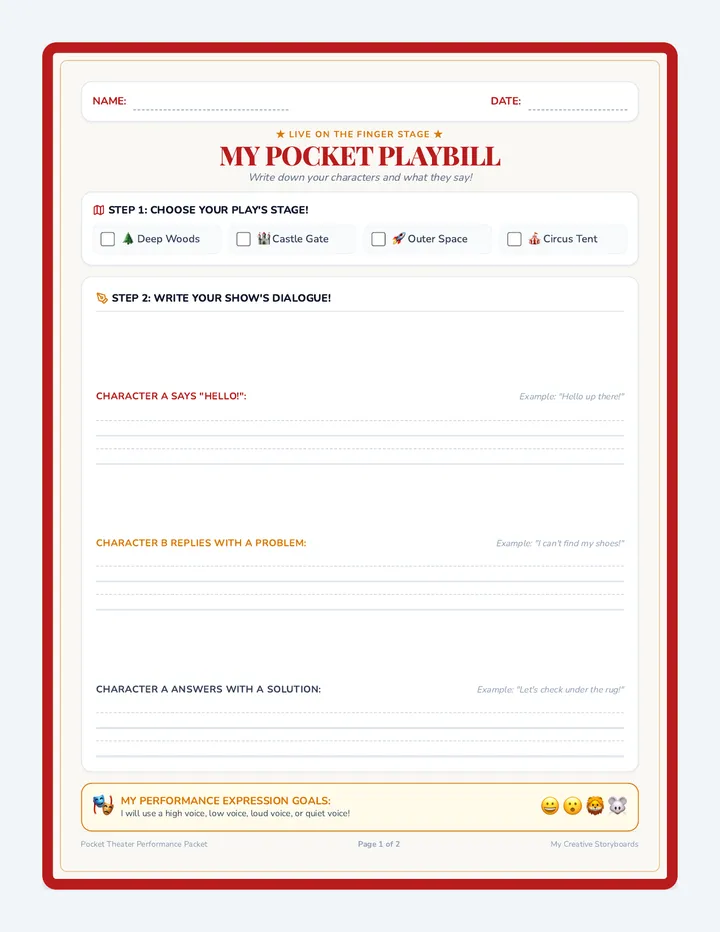
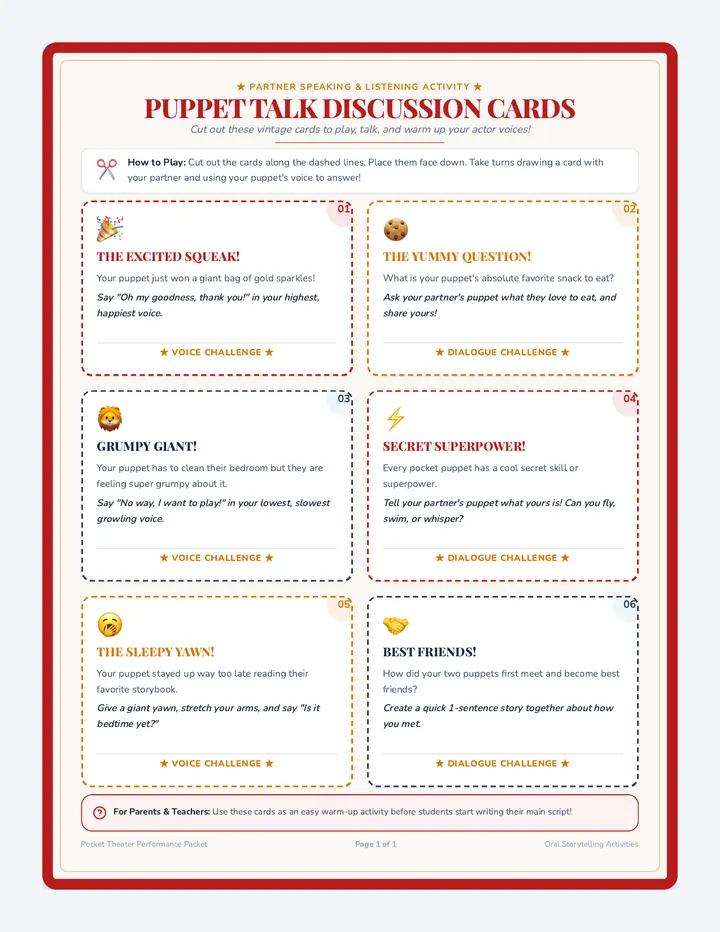
A hands-on, creative storytelling lesson where second-grade students write simple scripts, design paper finger puppets, and practice expressive reading and oral storytelling. Helps boost reading fluency, collaboration, and character development in an engaging classroom theater format.
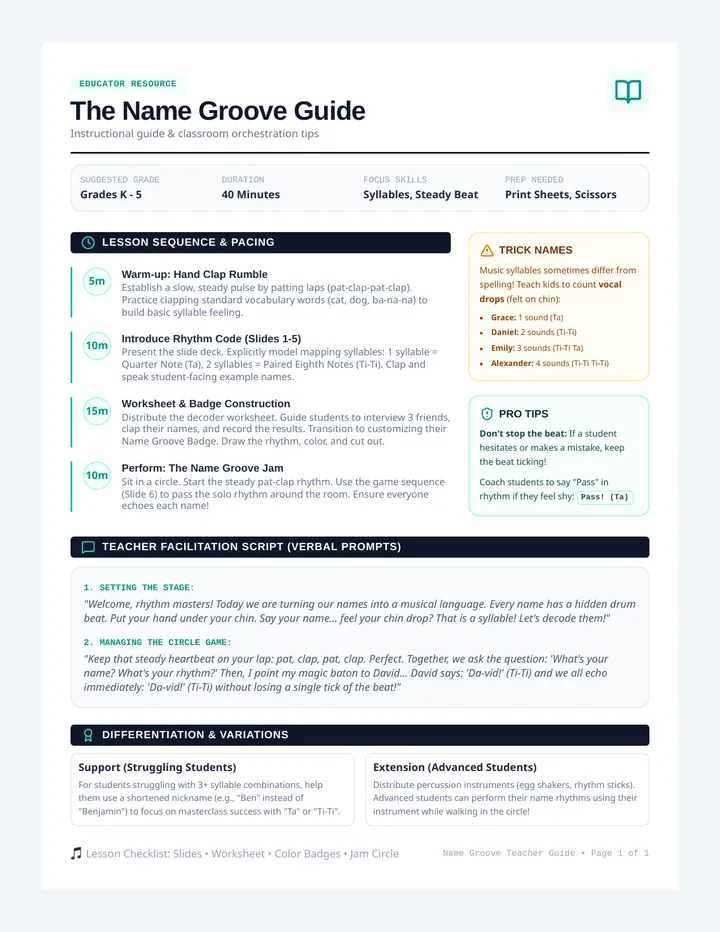
A comprehensive instructional and facilitation guide for teachers. Includes a 40-minute step-by-step lesson plan, classroom management tips for maintaining the steady beat, and a syllable mapping guide for irregular names.
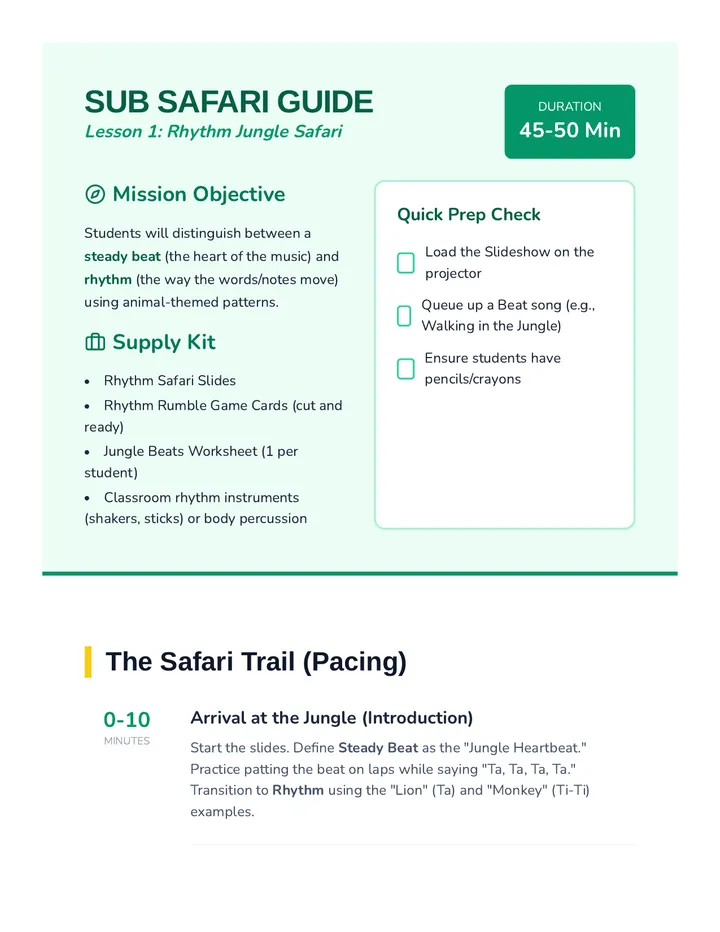
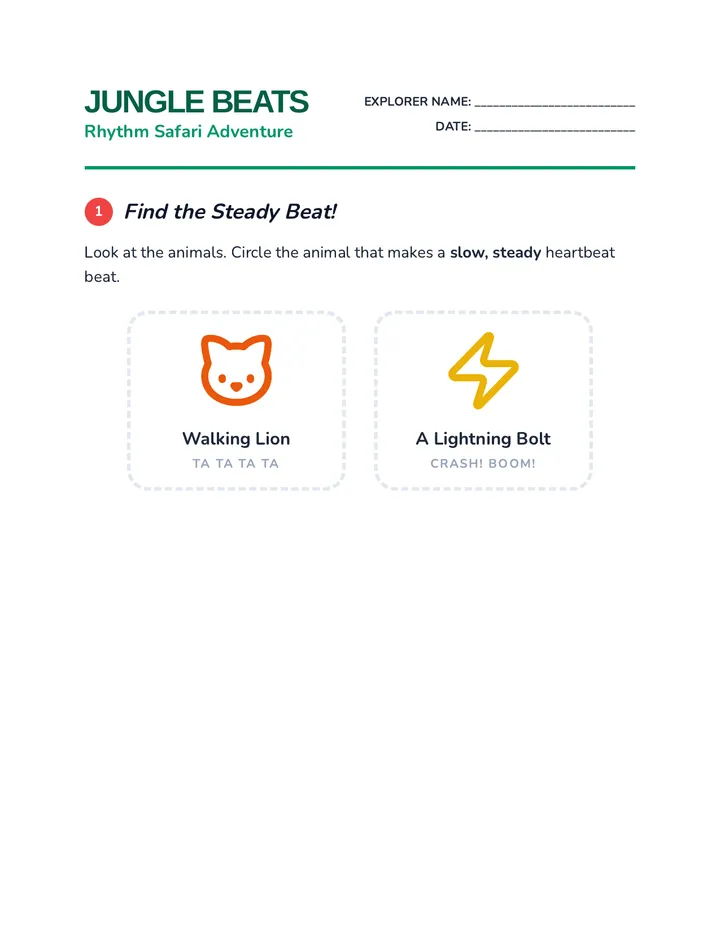
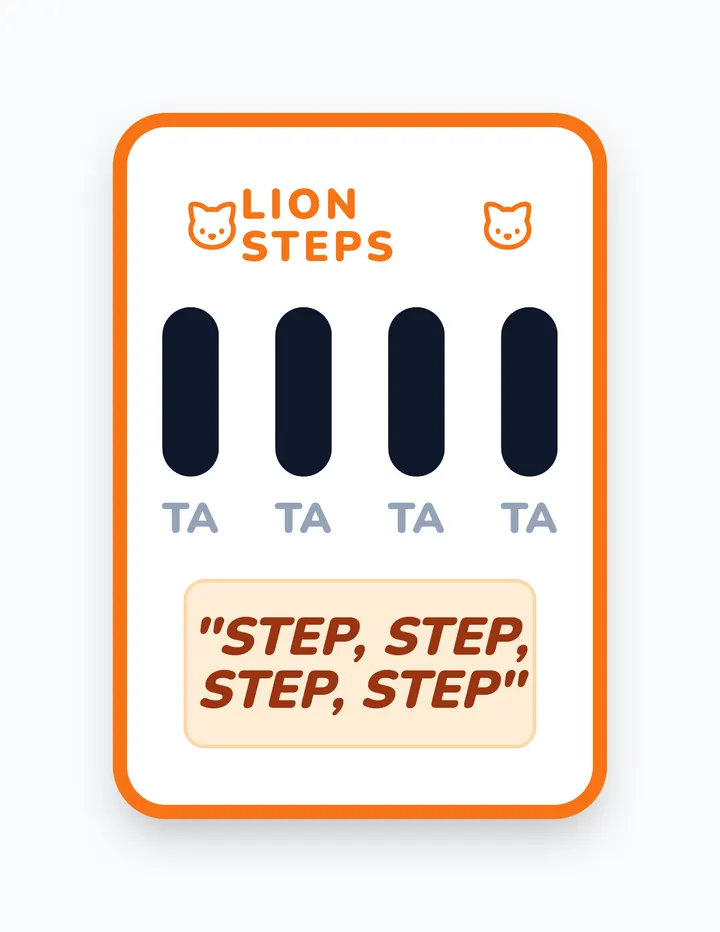
A series of three interactive music lessons for K-2 students, focusing on fundamental concepts of rhythm, dynamics, and pitch through an explorer-themed adventure. Perfect for substitute teachers, these lessons include visual presentations, hands-on games, and printable worksheets.
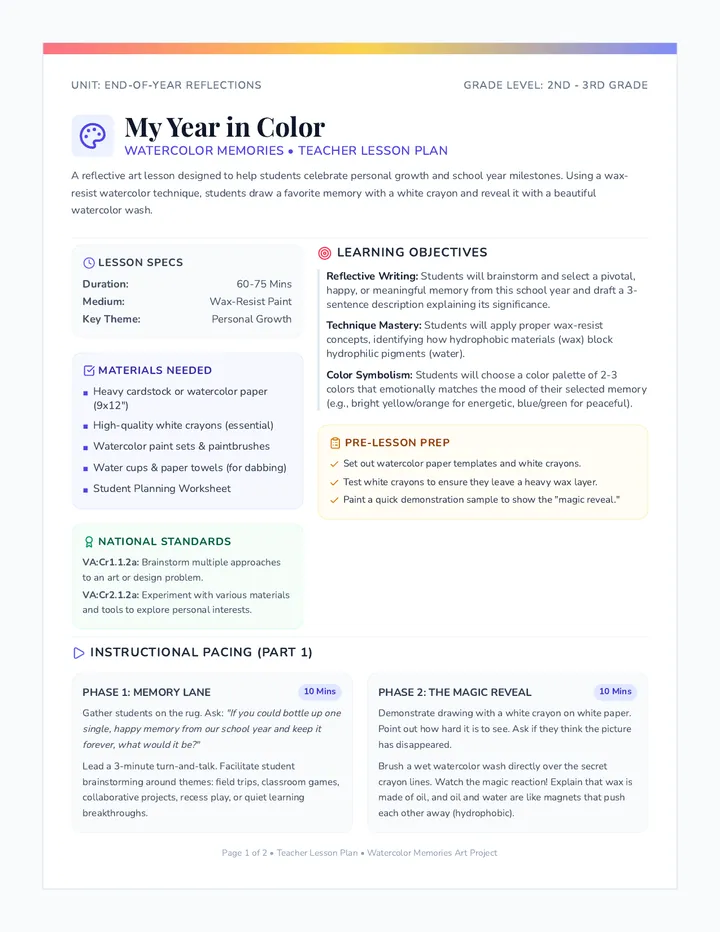
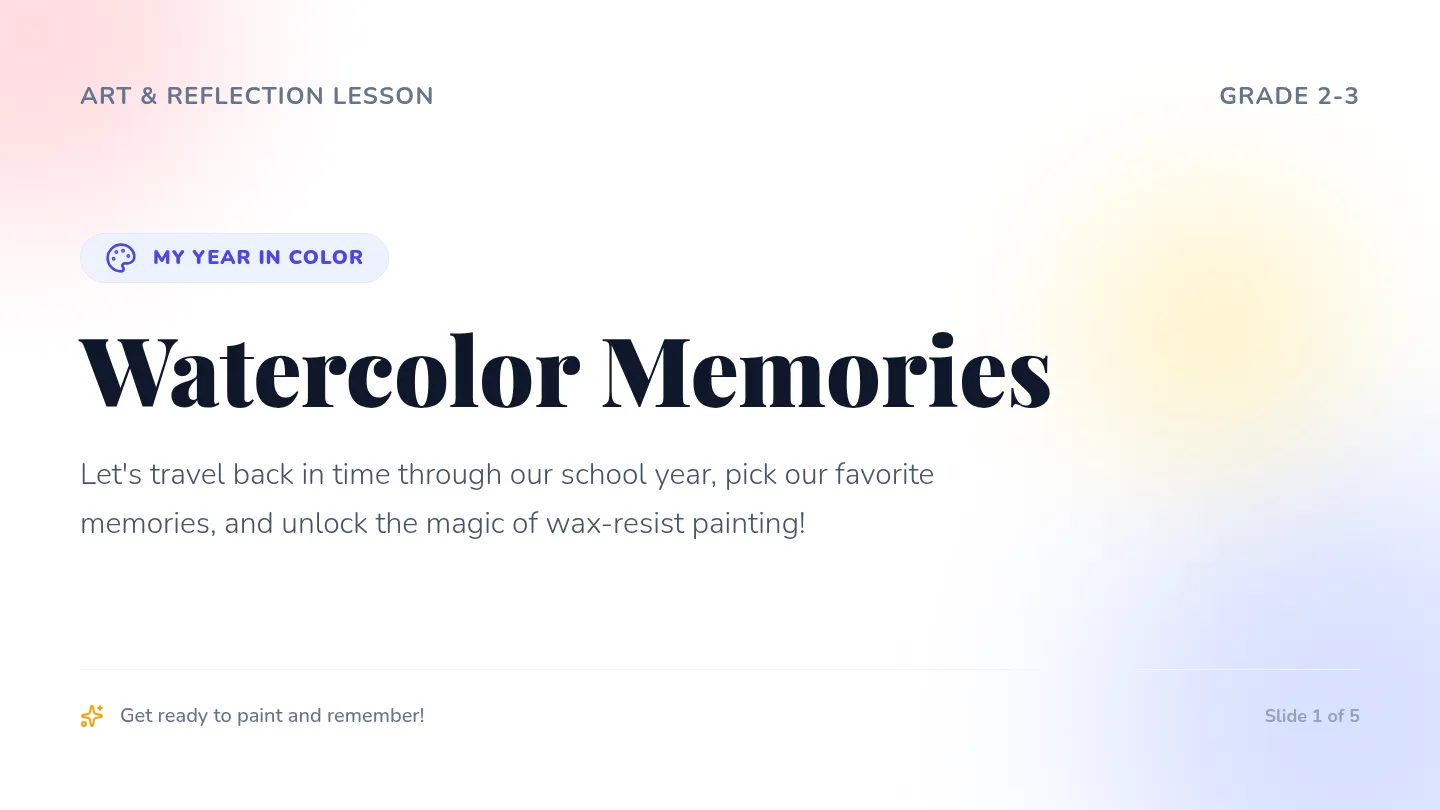
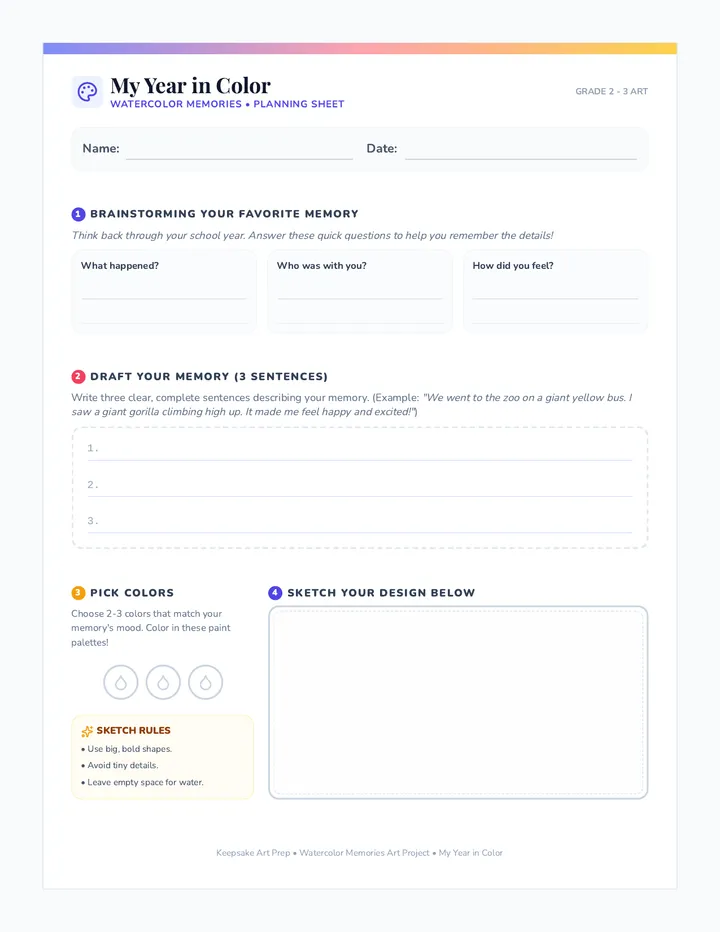
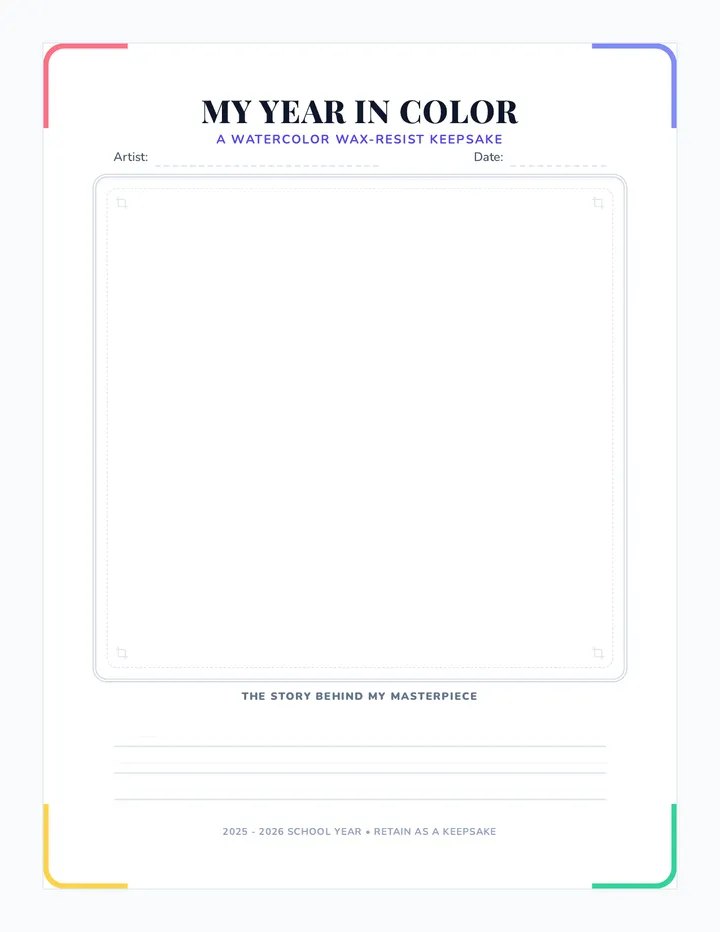
A creative art and reflection lesson for 2nd and 3rd graders. Students reflect on their favorite school year memories, write about them, and create a gorgeous wax-resist watercolor painting as a keepsake of their personal growth and artistic progress.
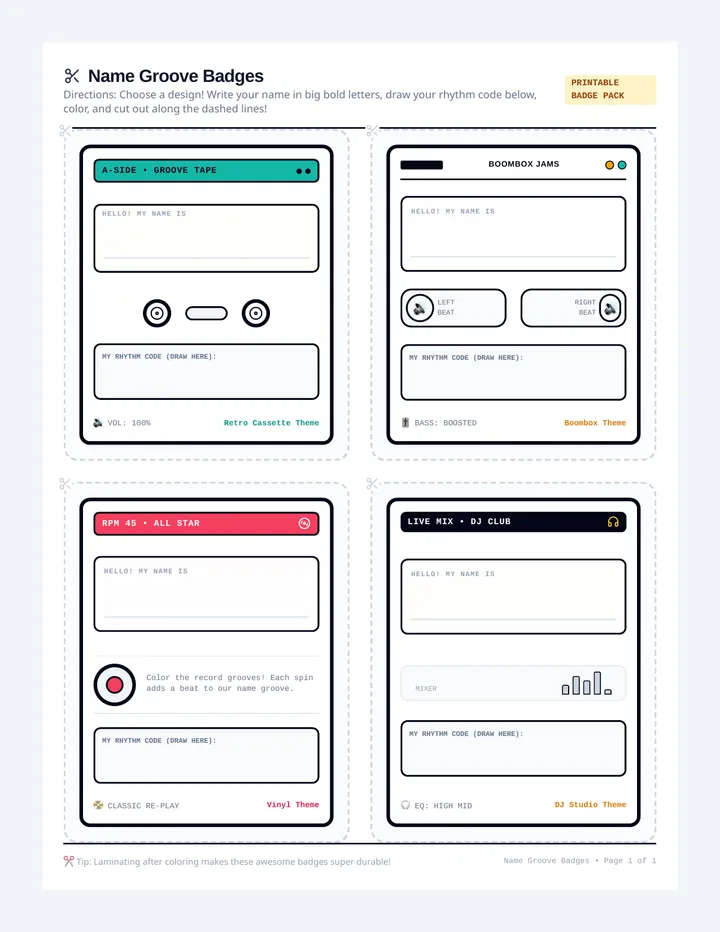
Printable name tag badges in four retro-music designs (cassette, boombox, vinyl record, headphones) for students to write their names, draw their rhythms, and color.