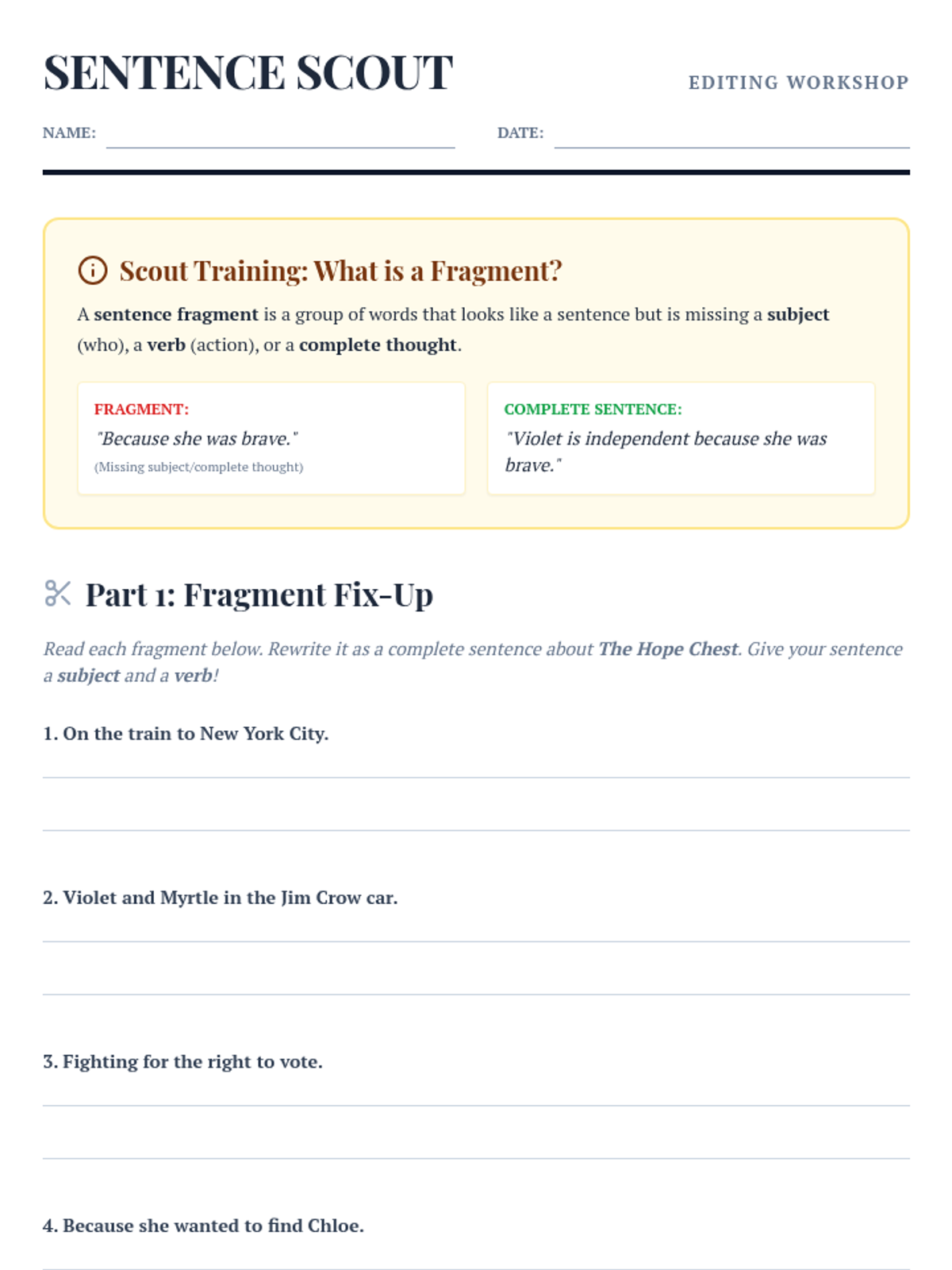
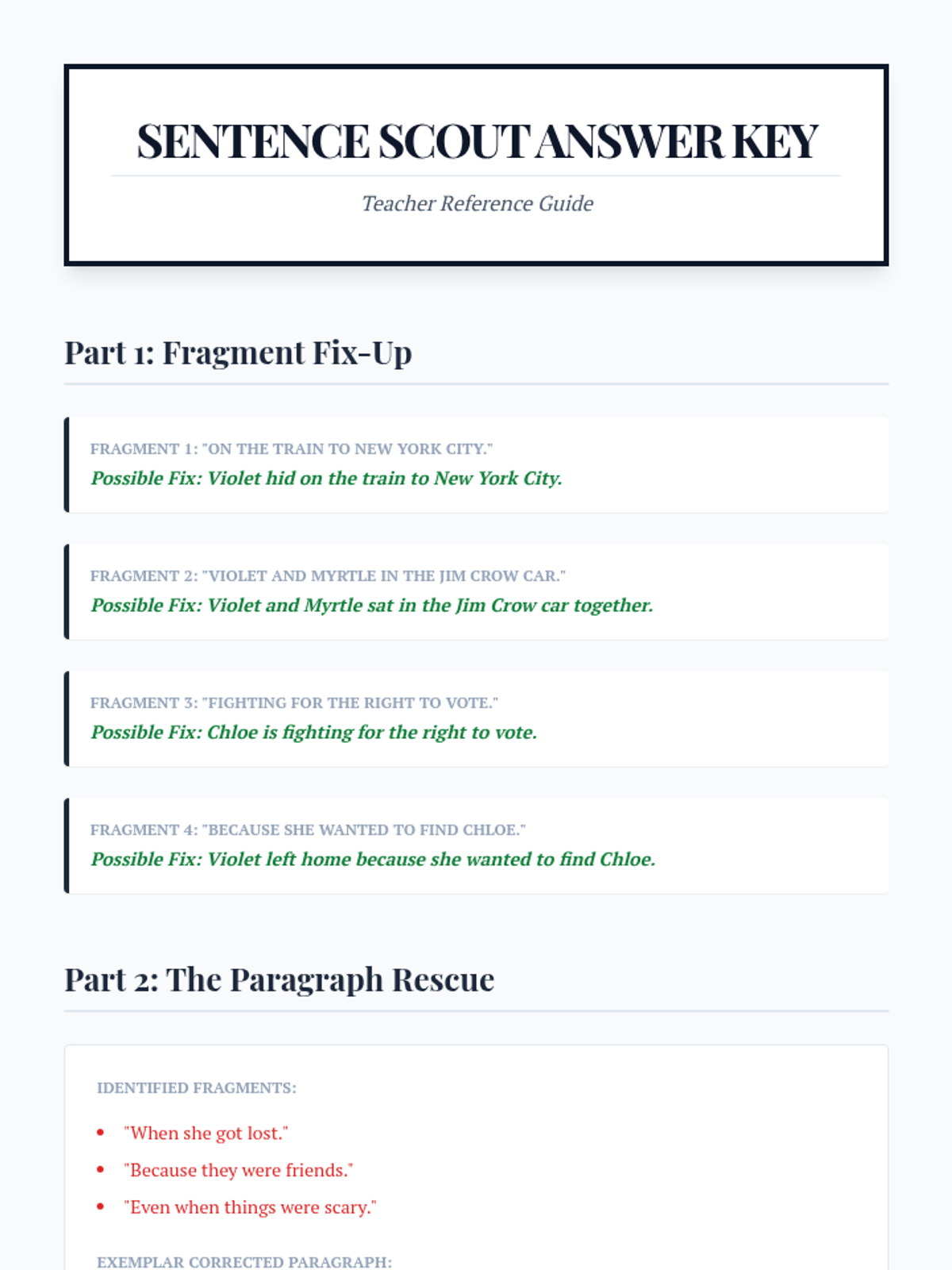
A 3rd-4th grade ELA lesson that explores character development and setting through play scripts and dramatic performance. Students analyze dialogue and stage directions to bring characters to life.

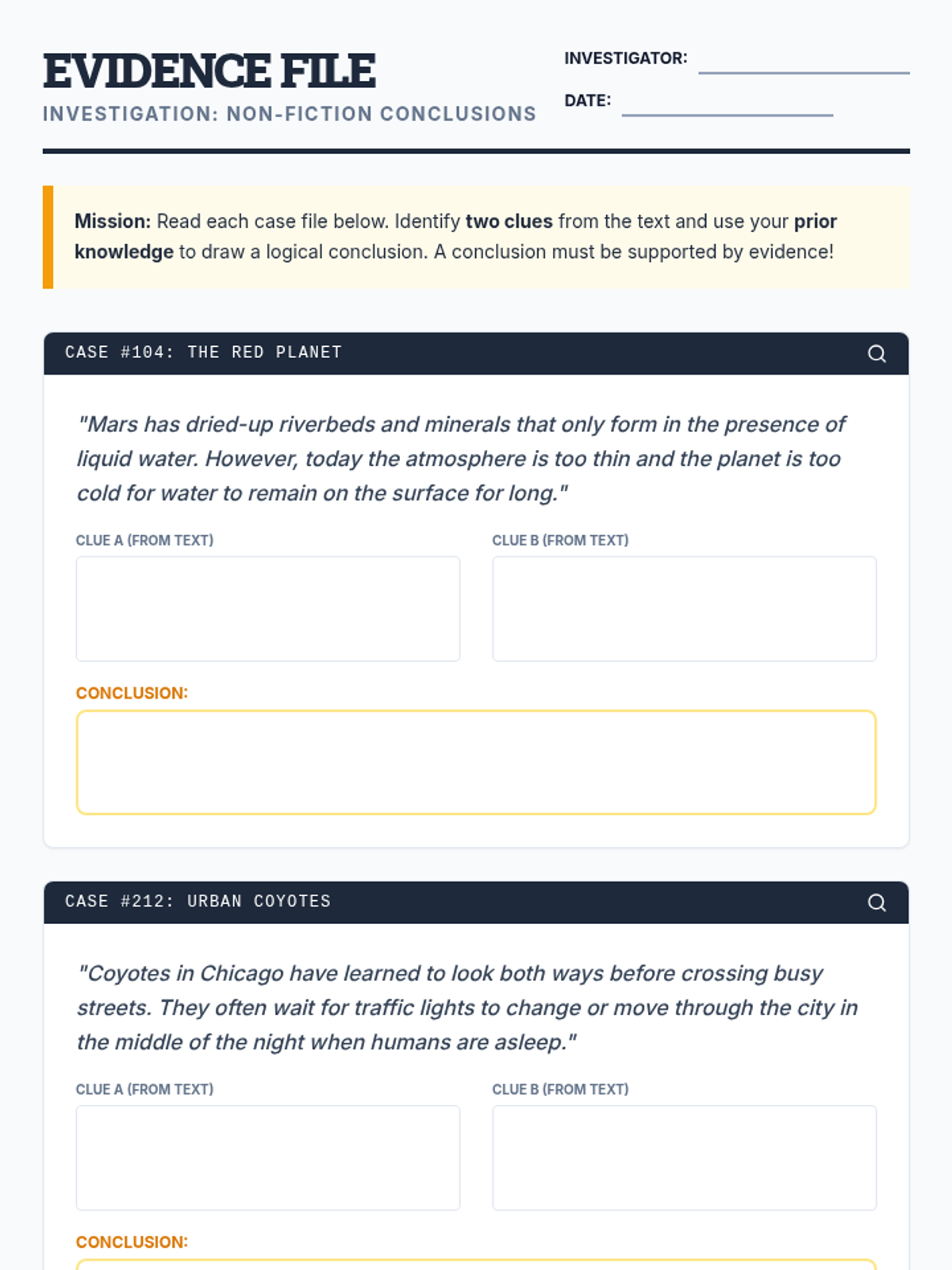
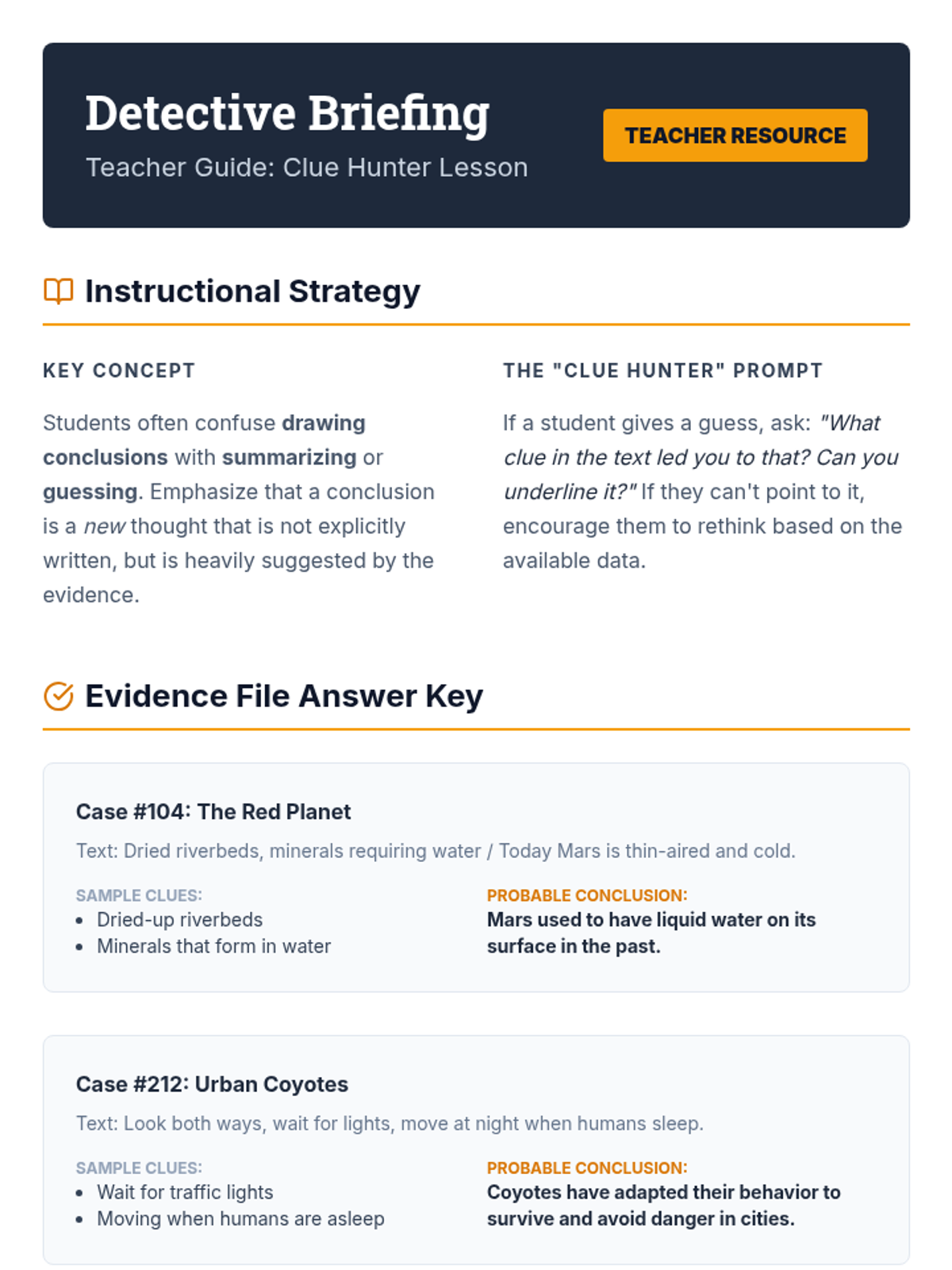
A mini-lesson on drawing conclusions from non-fiction text using the 'clue hunter' detective framework. Students learn to combine text evidence with prior knowledge to make logical inferences.
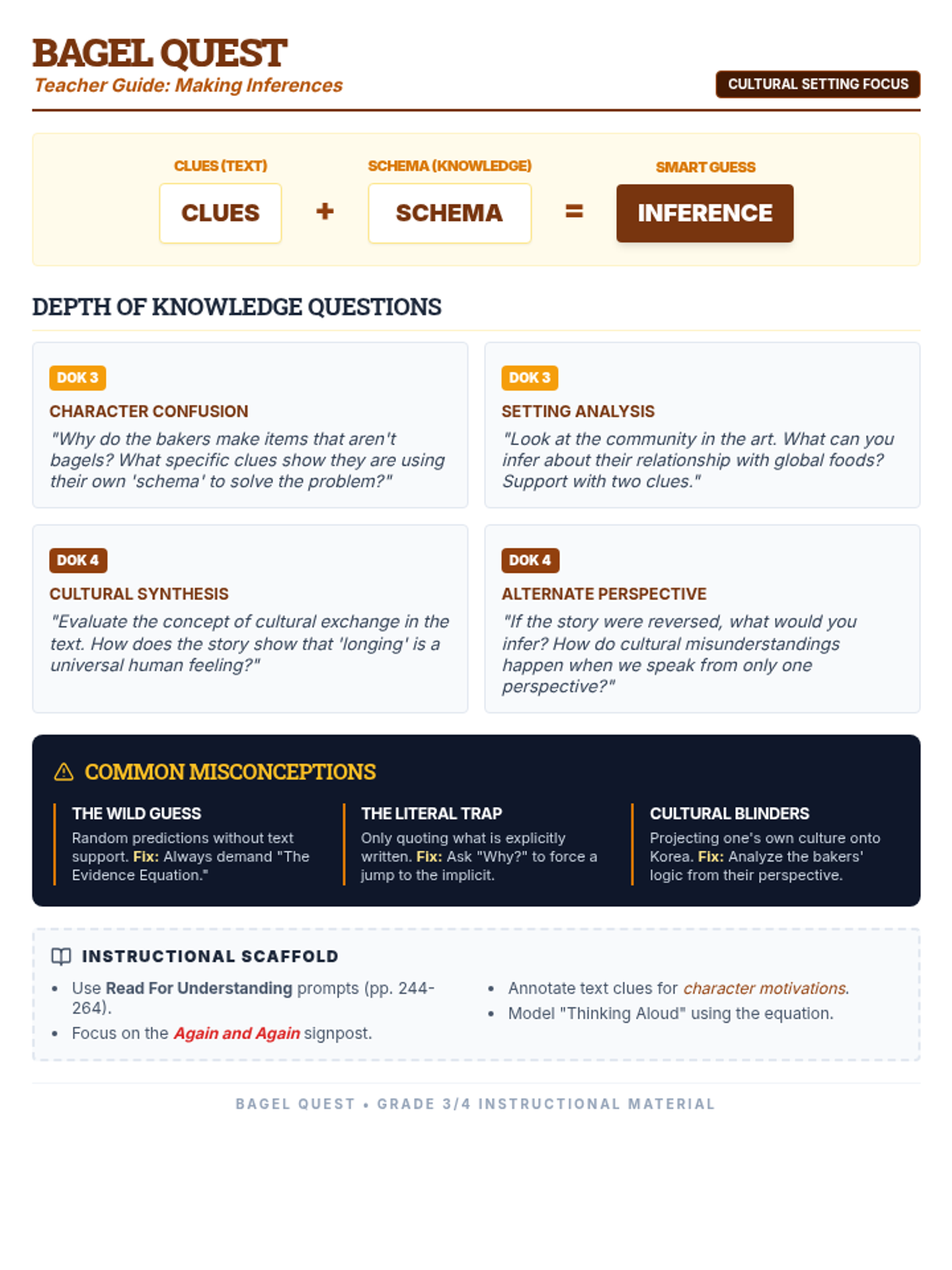
A lesson focused on making inferences using the story 'Where on Earth Is My Bagel?' with a specific focus on cultural setting and character motivations.
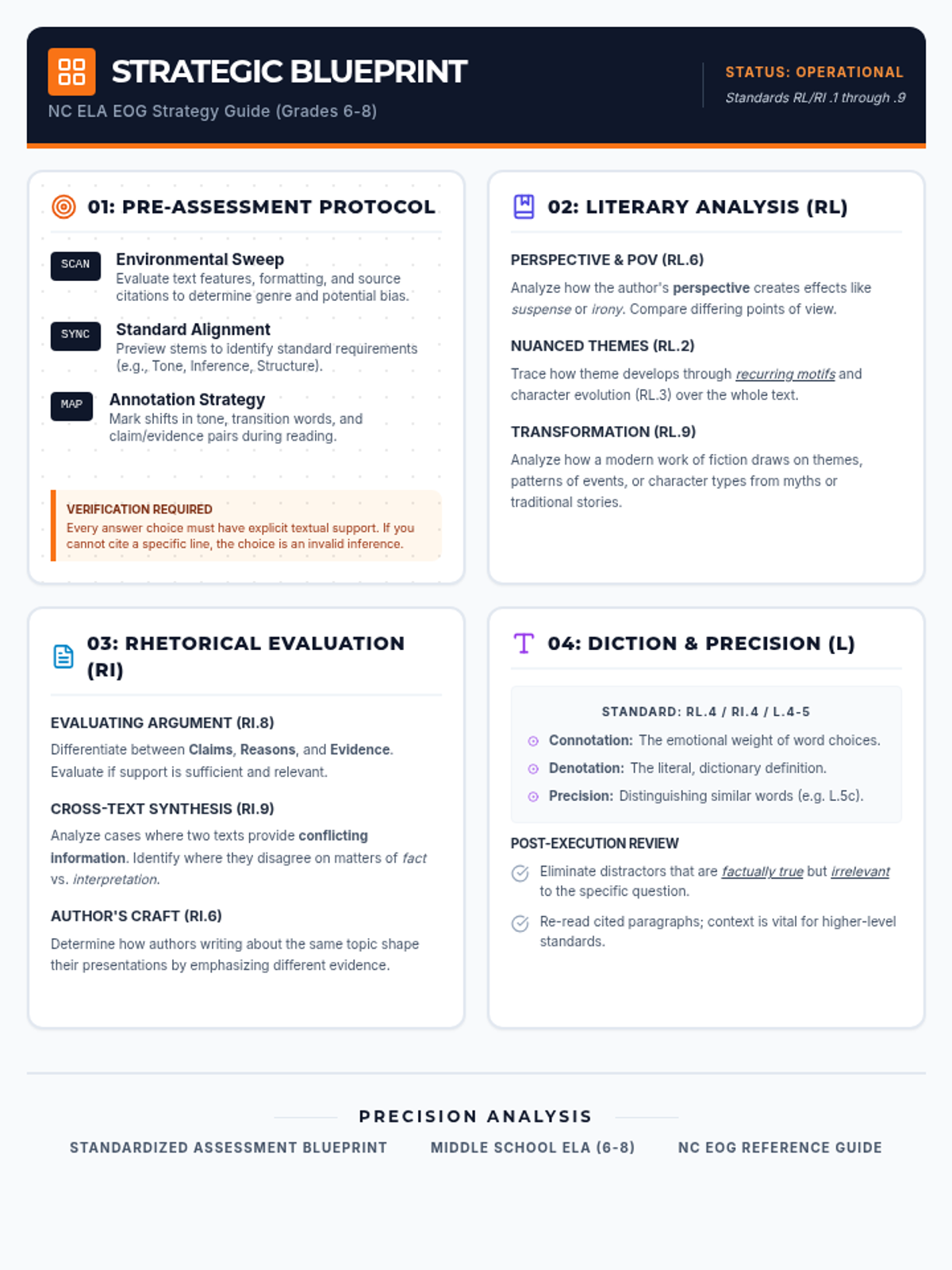
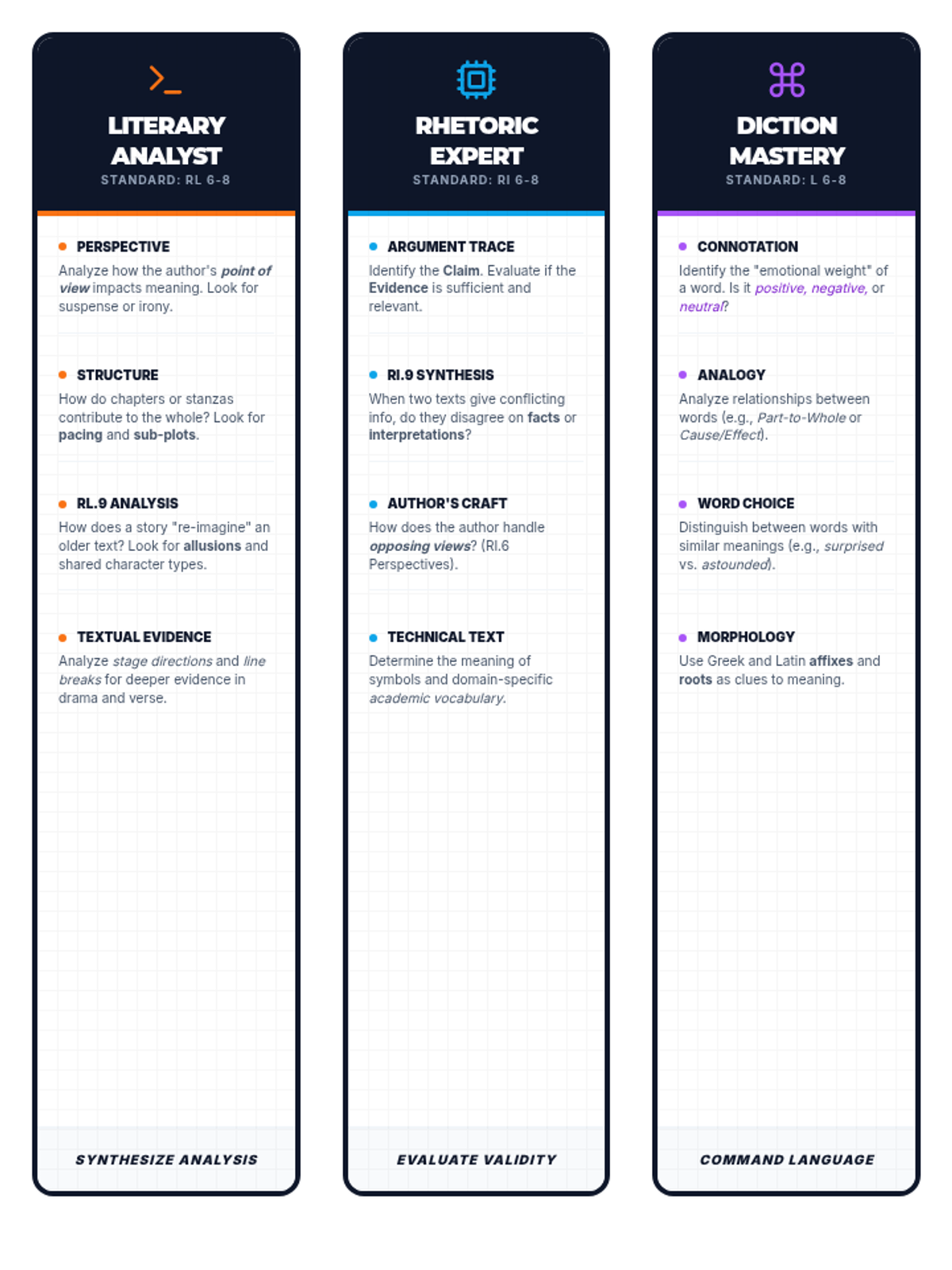
A comprehensive set of test-taking strategies and reference guides for NC ELA End-of-Grade assessments, specifically tailored for the complexity and standards of grades 6-8.
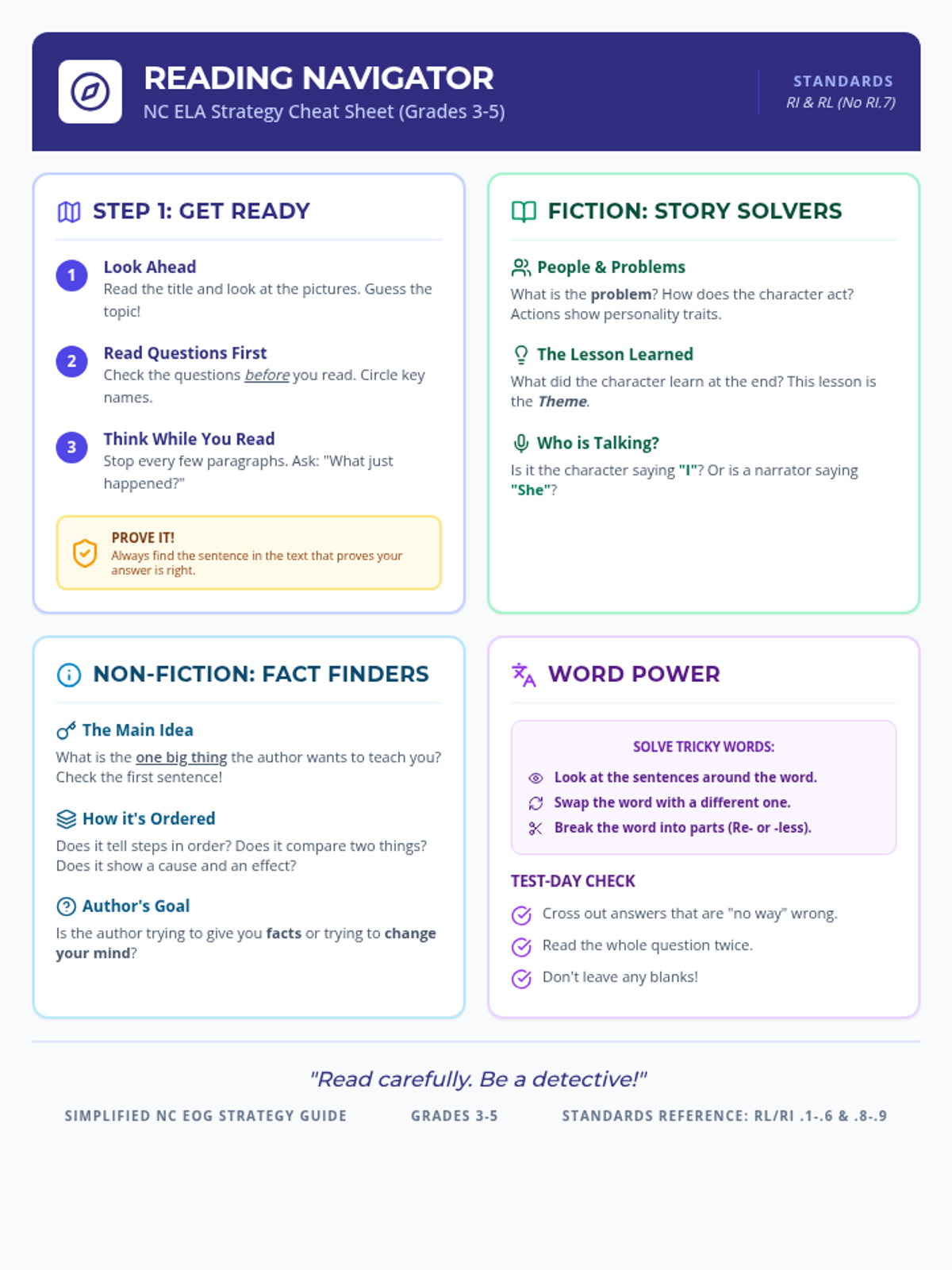
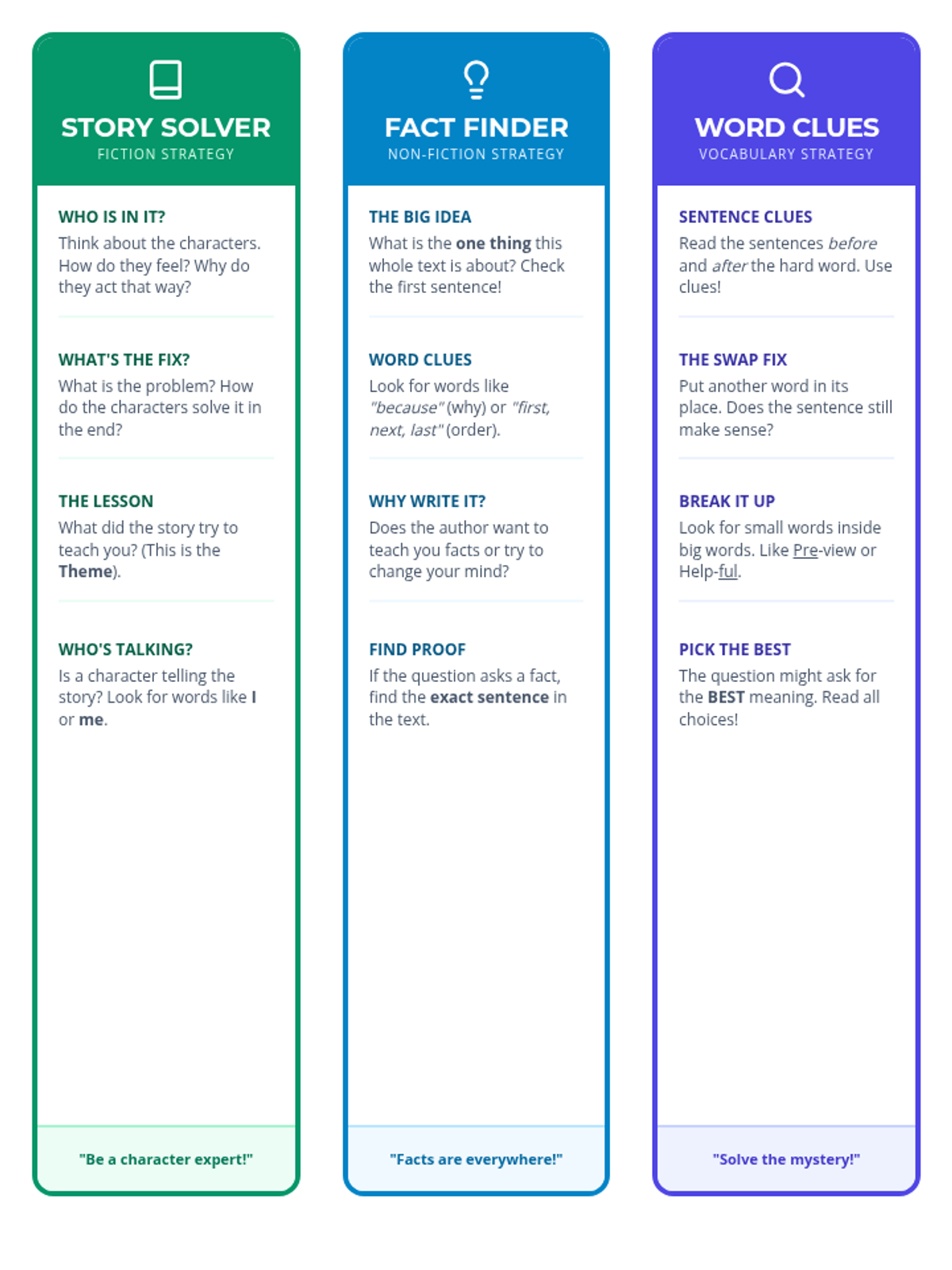
A comprehensive set of test-taking strategies and reference guides for NC ELA End-of-Grade assessments, covering both literary and informational text standards for grades 3-5.
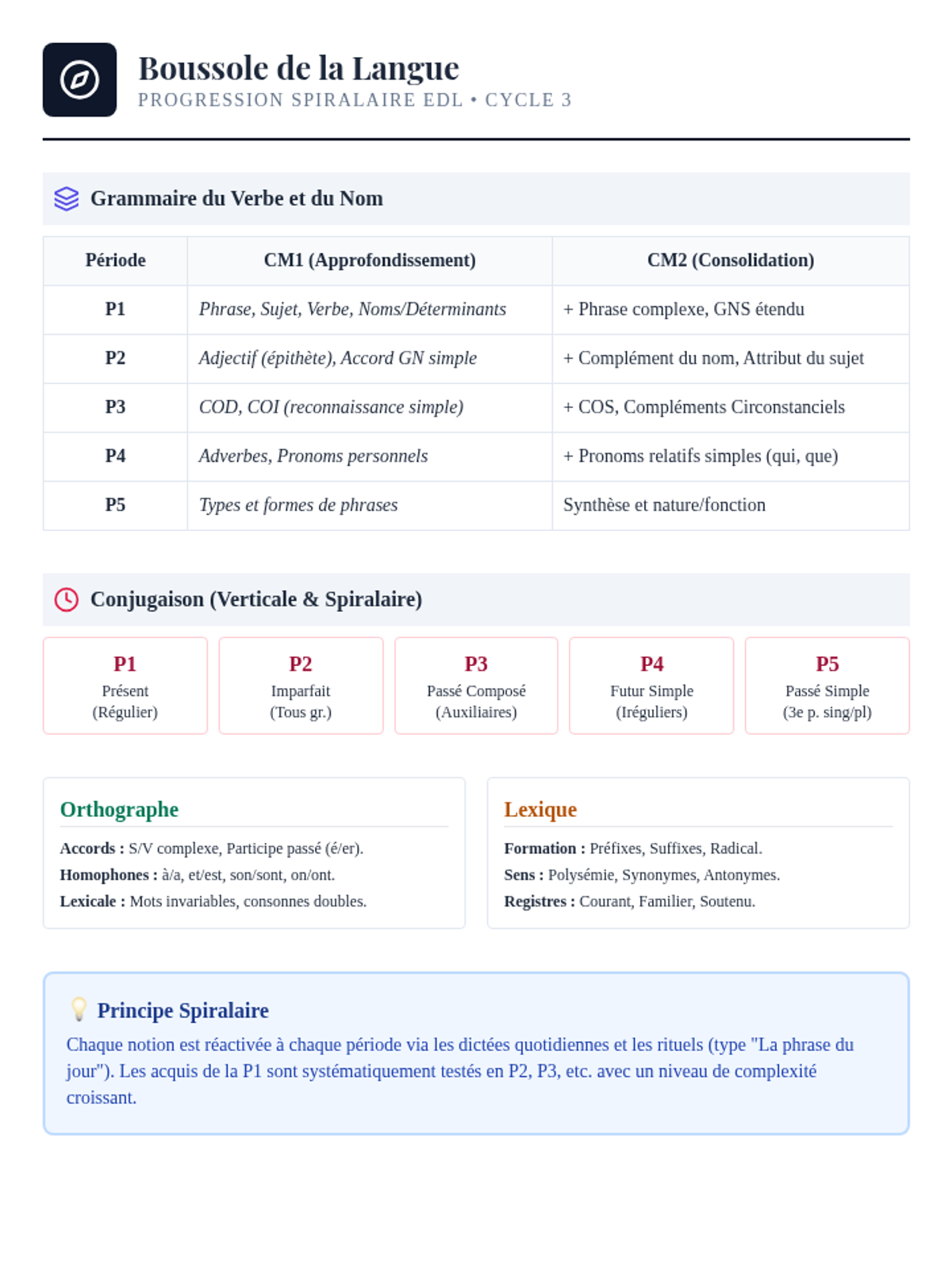
Tableau de bord de la progression spiralaire en grammaire, conjugaison, orthographe et lexique pour le cycle 3.
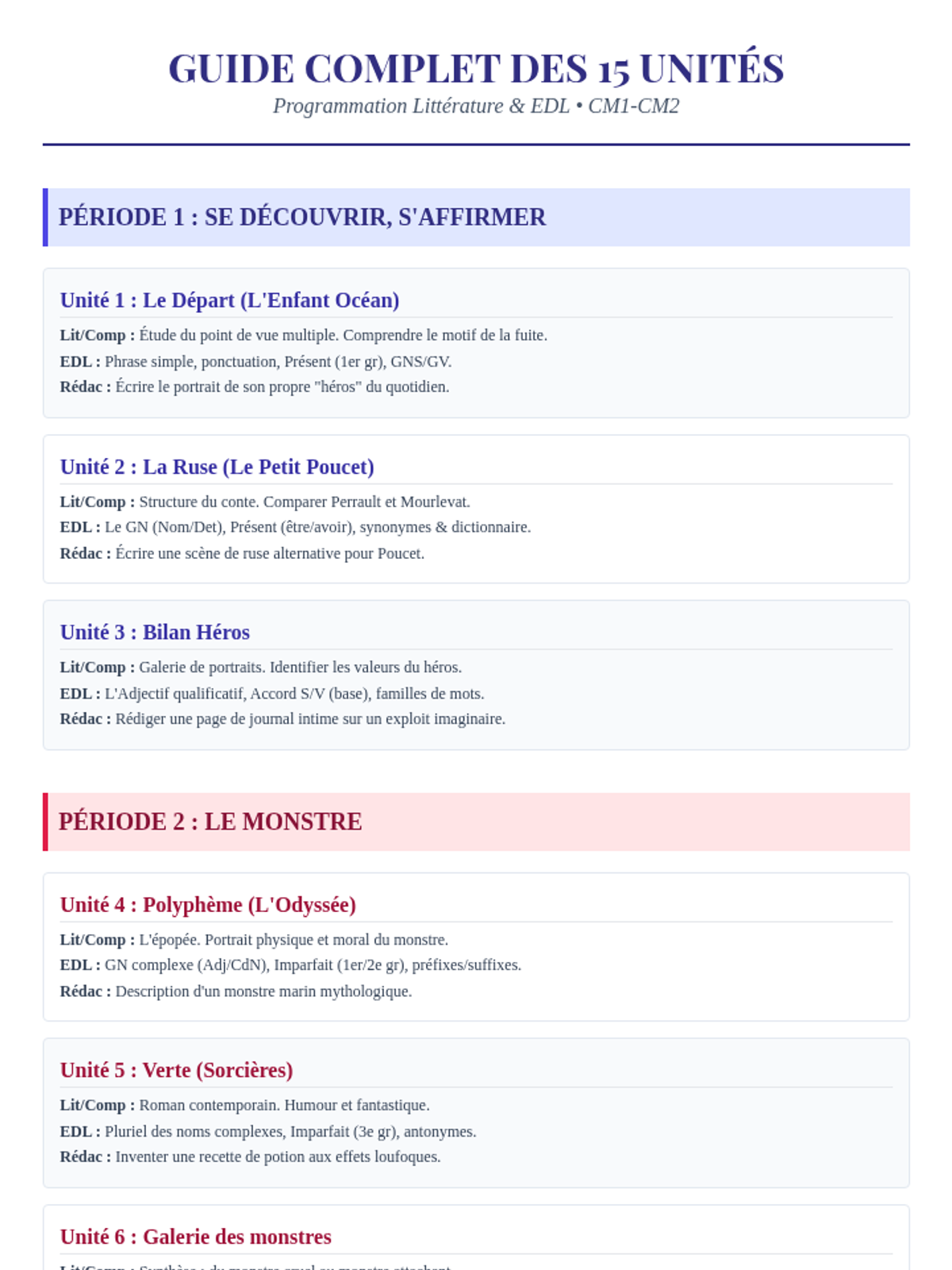
Détail des 15 unités d'apprentissage (3 par période) incluant la littérature, la compréhension, l'EDL et la rédaction.
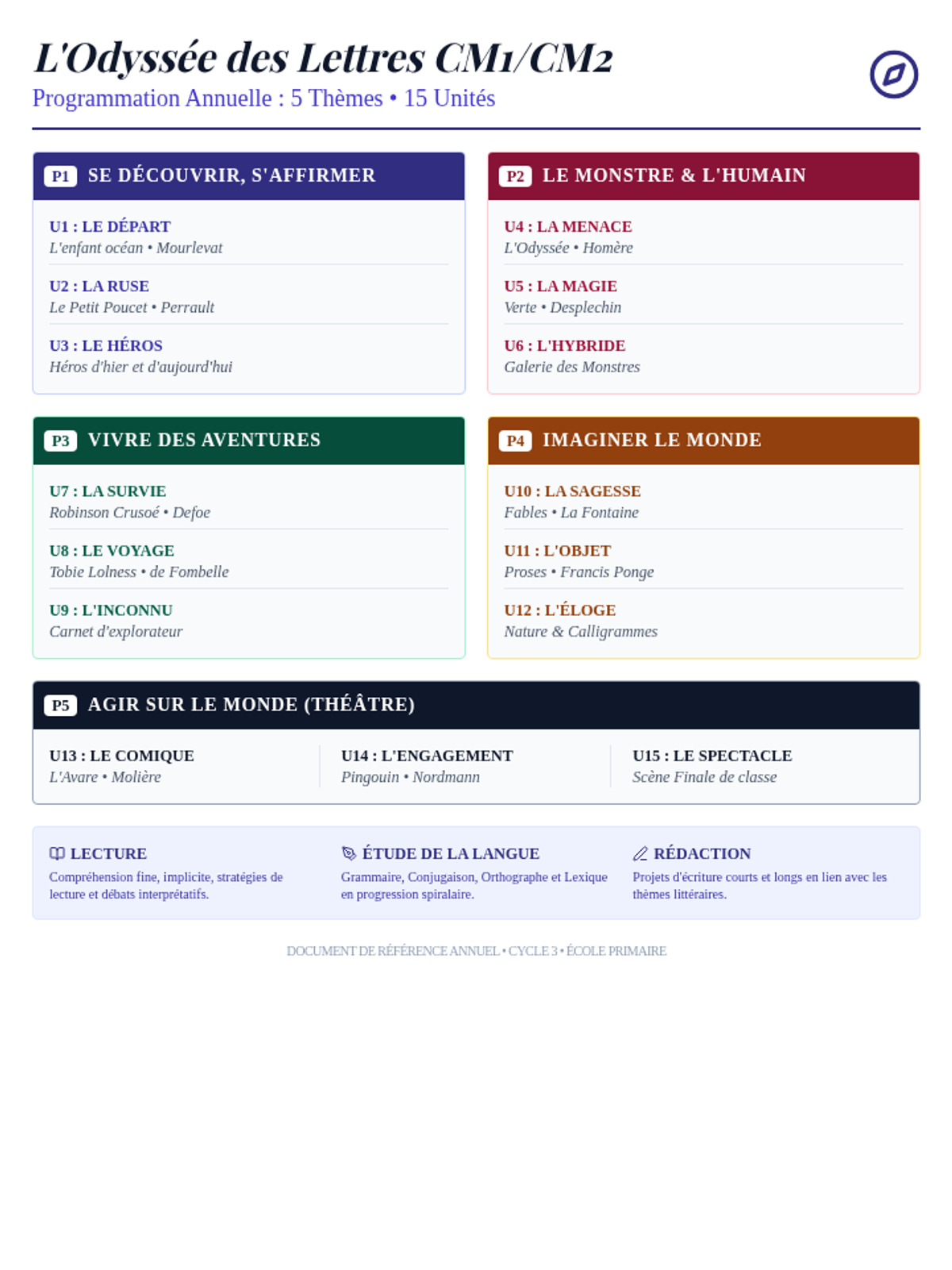
Vue d'ensemble de l'année scolaire déclinée en 5 périodes, avec les œuvres littéraires de référence et les objectifs majeurs.
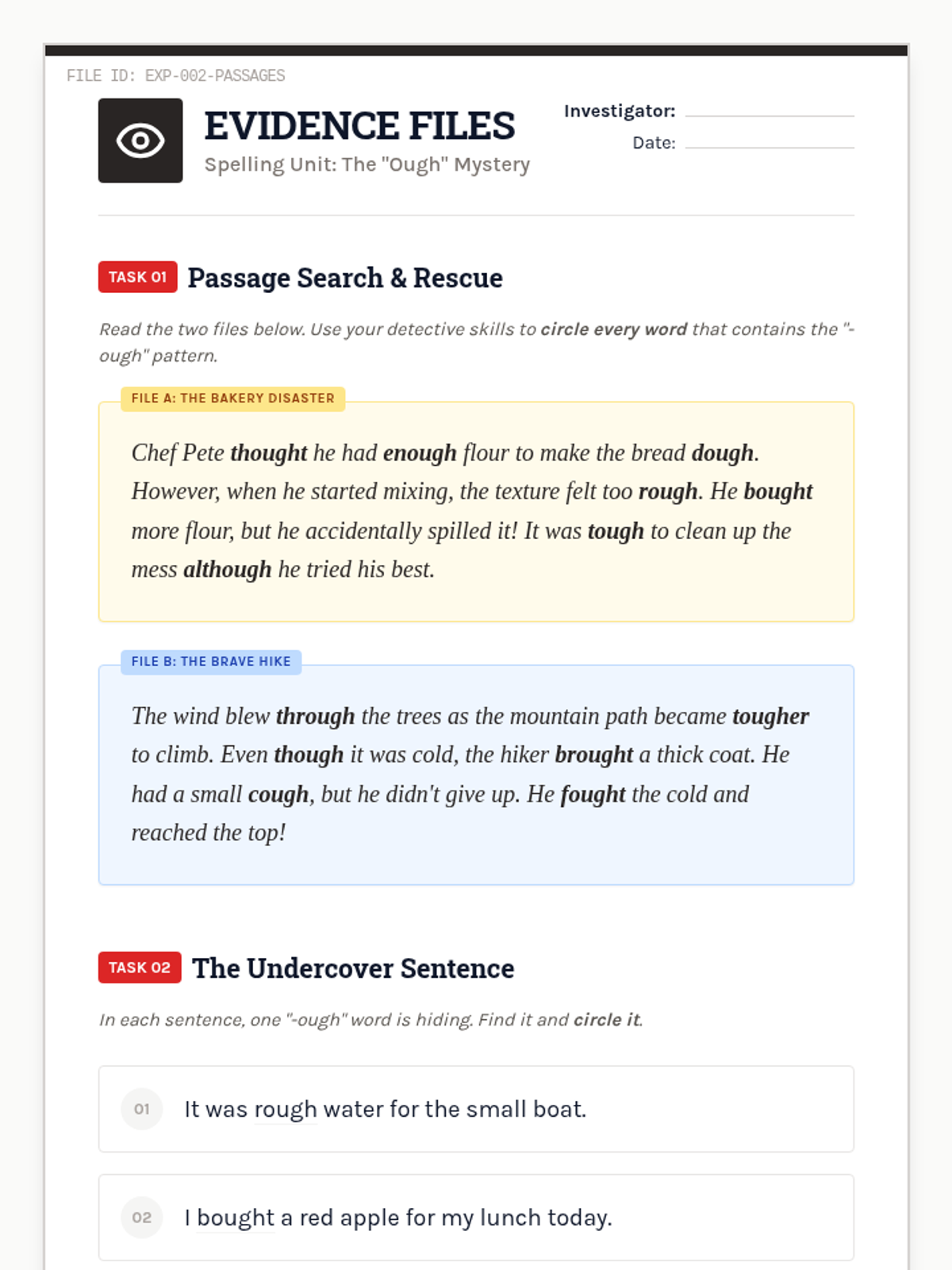
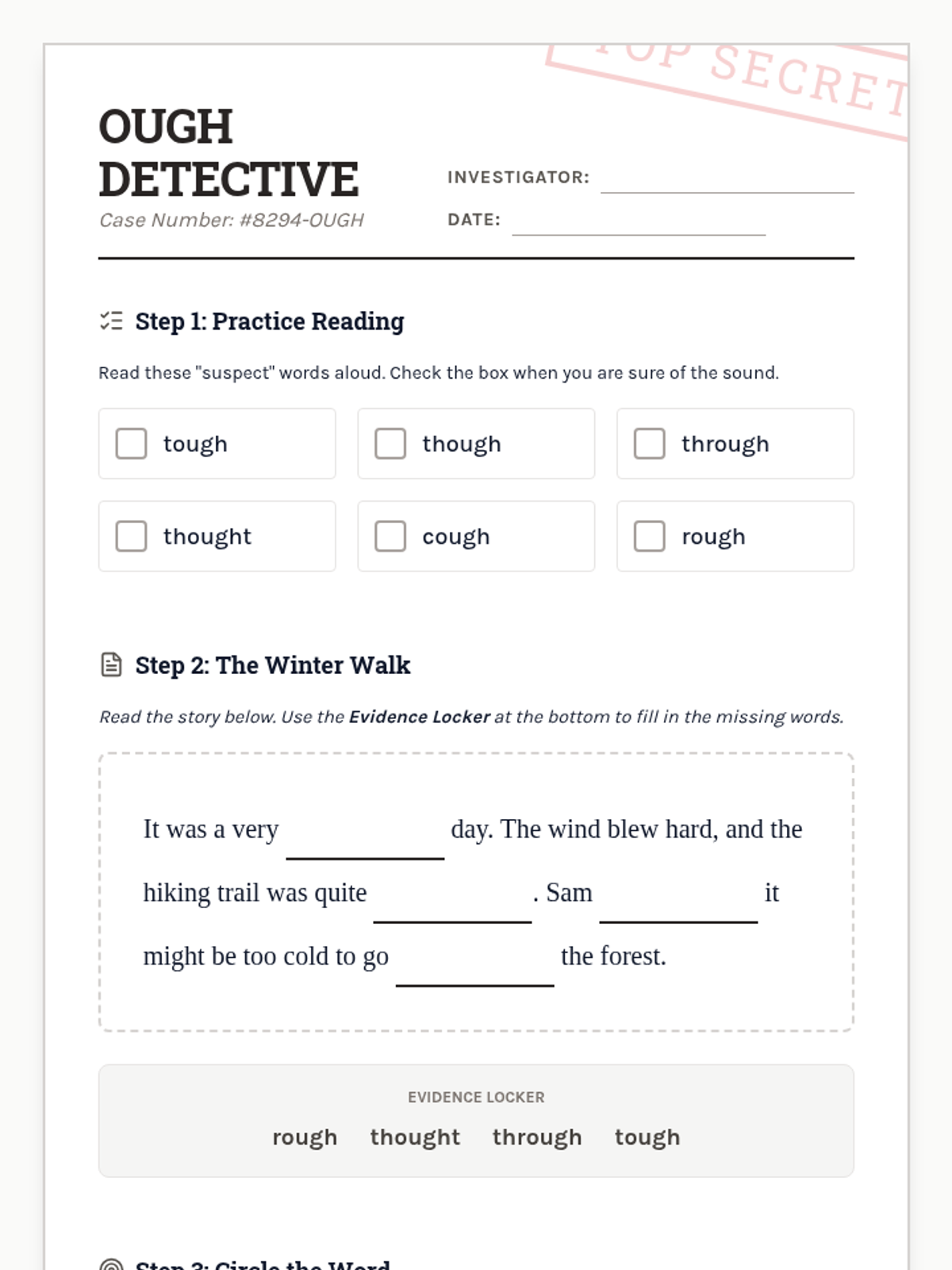
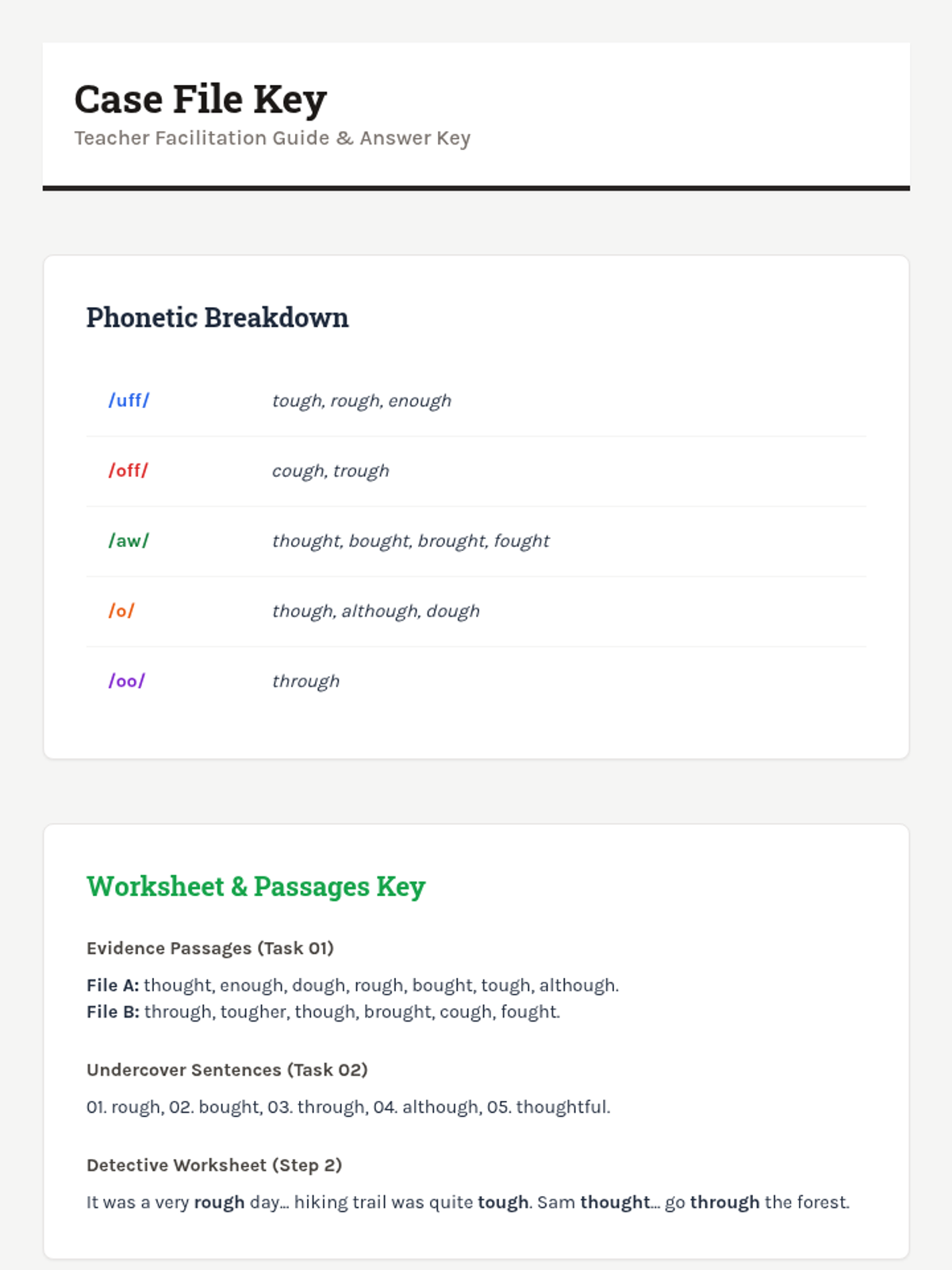
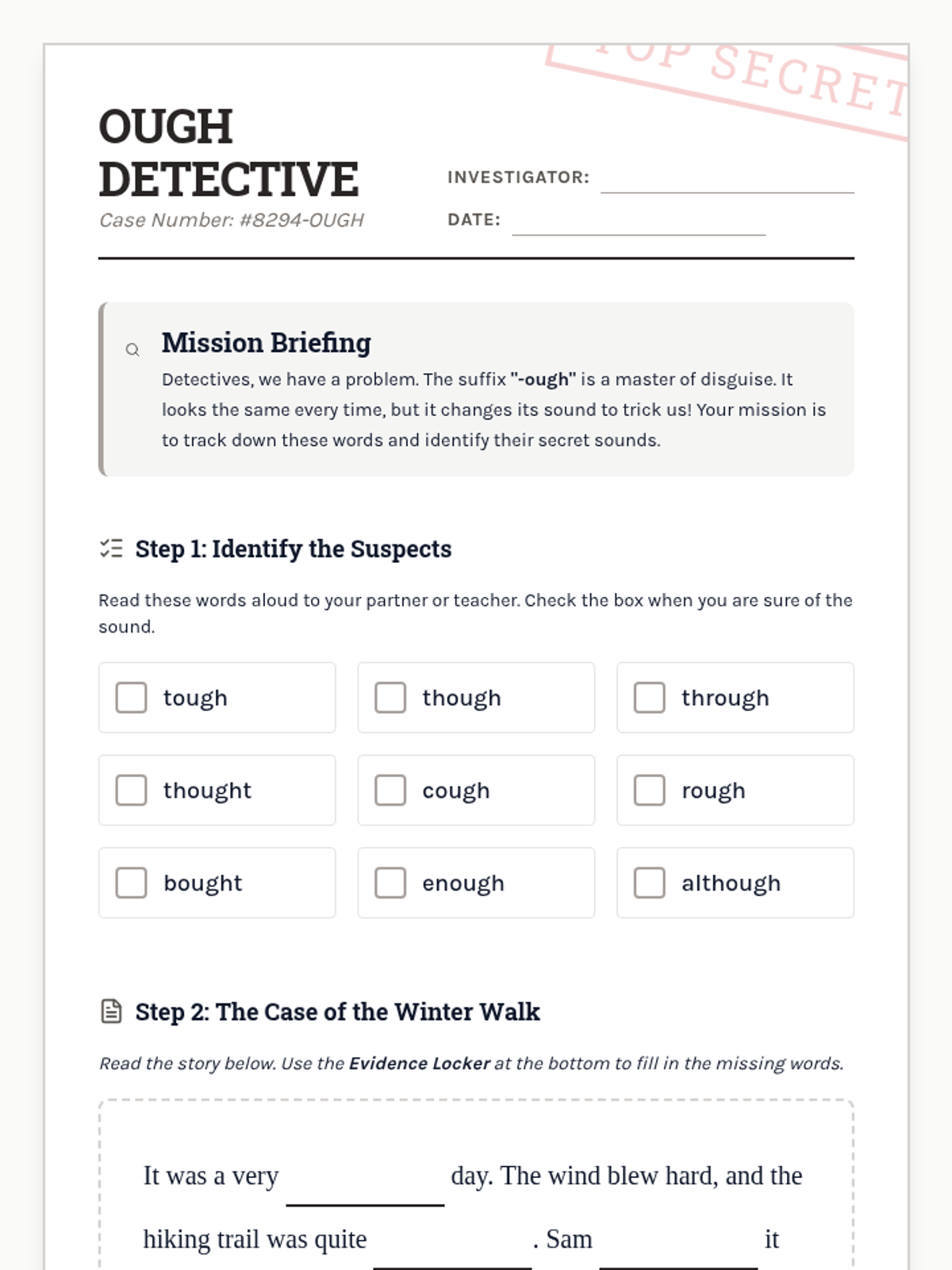
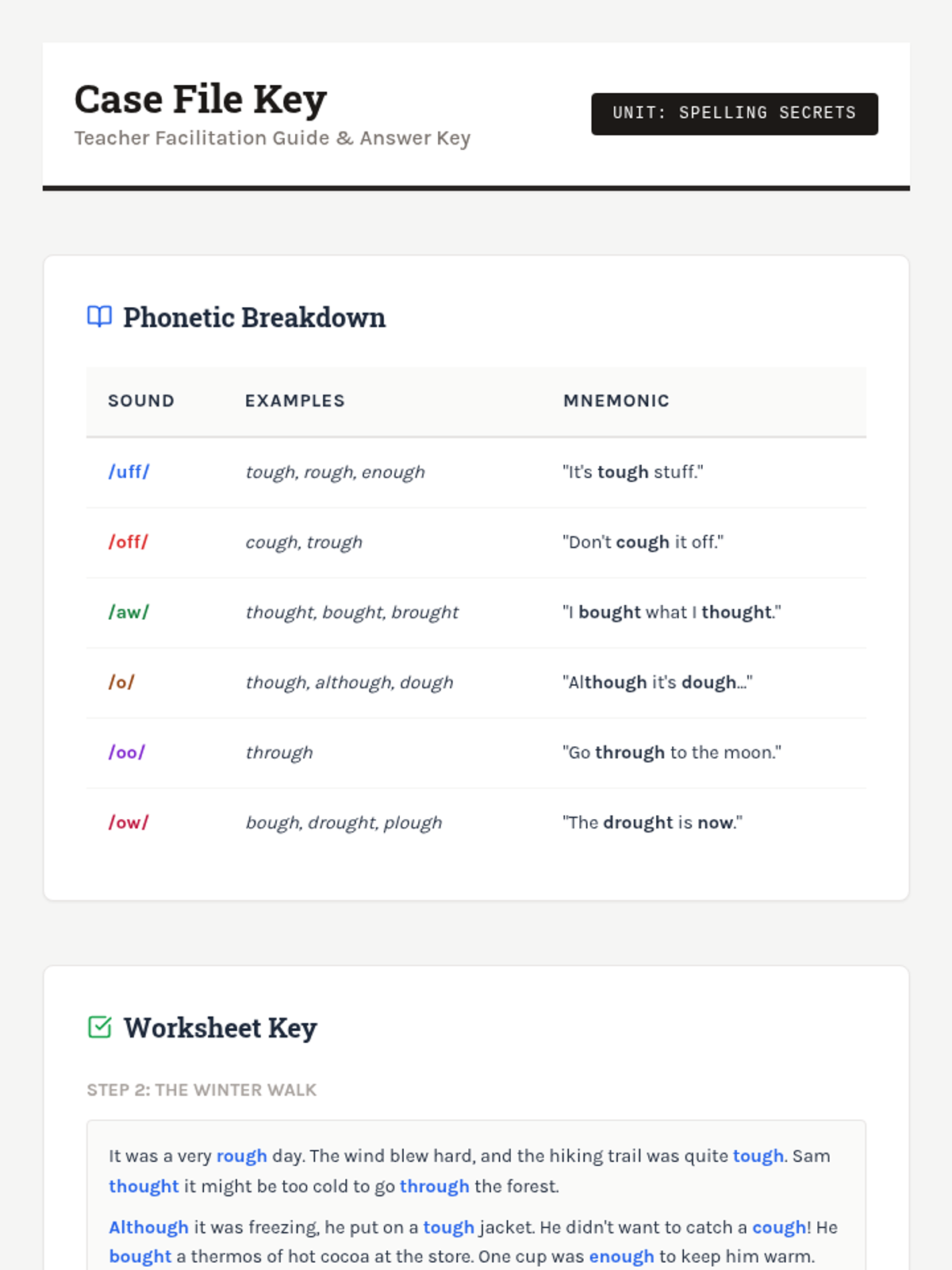
A deep dive into the many sounds of the '-ough' spelling pattern through a detective-themed investigation. Students will learn to identify and categorize the different pronunciations in context.
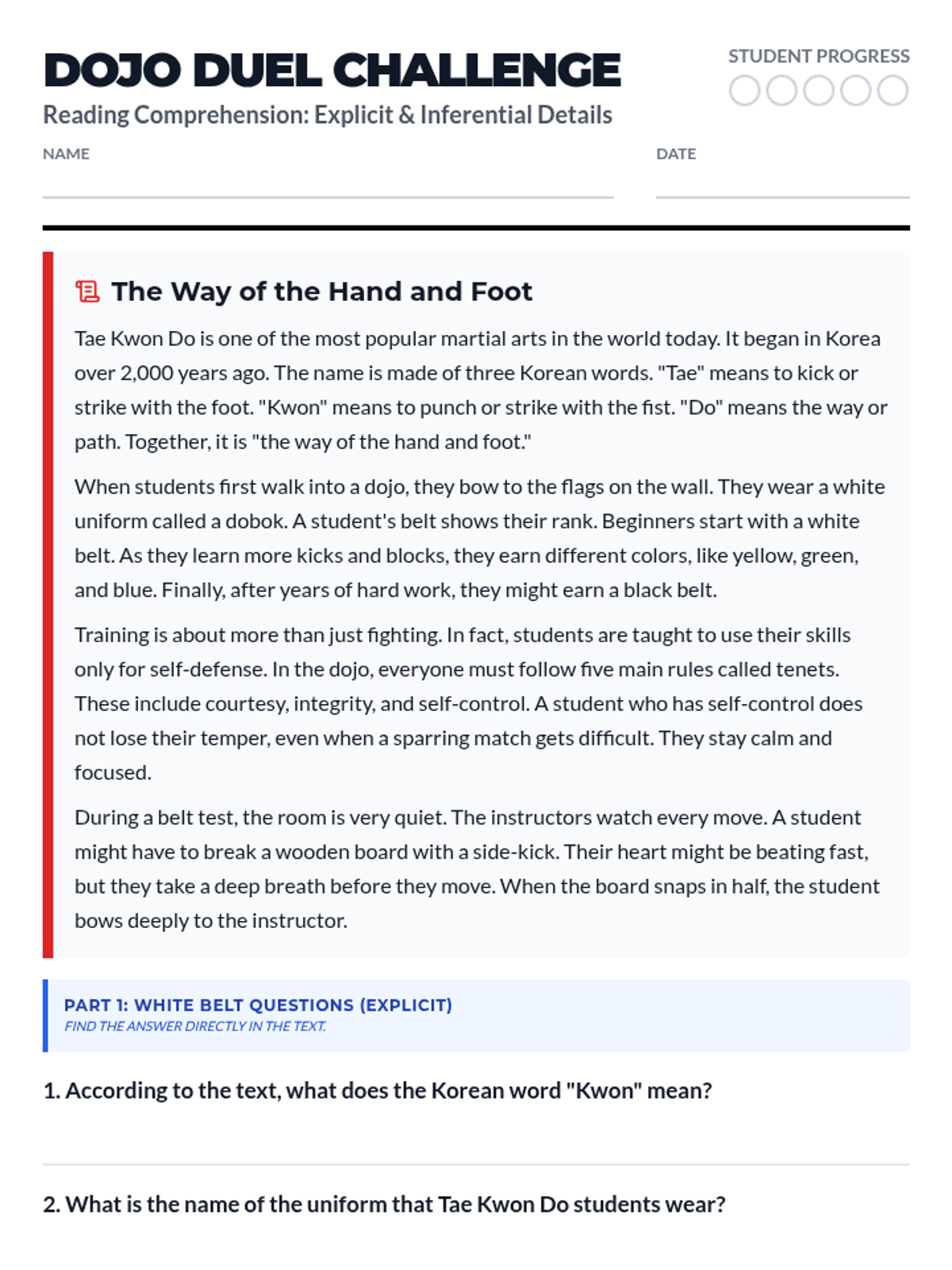
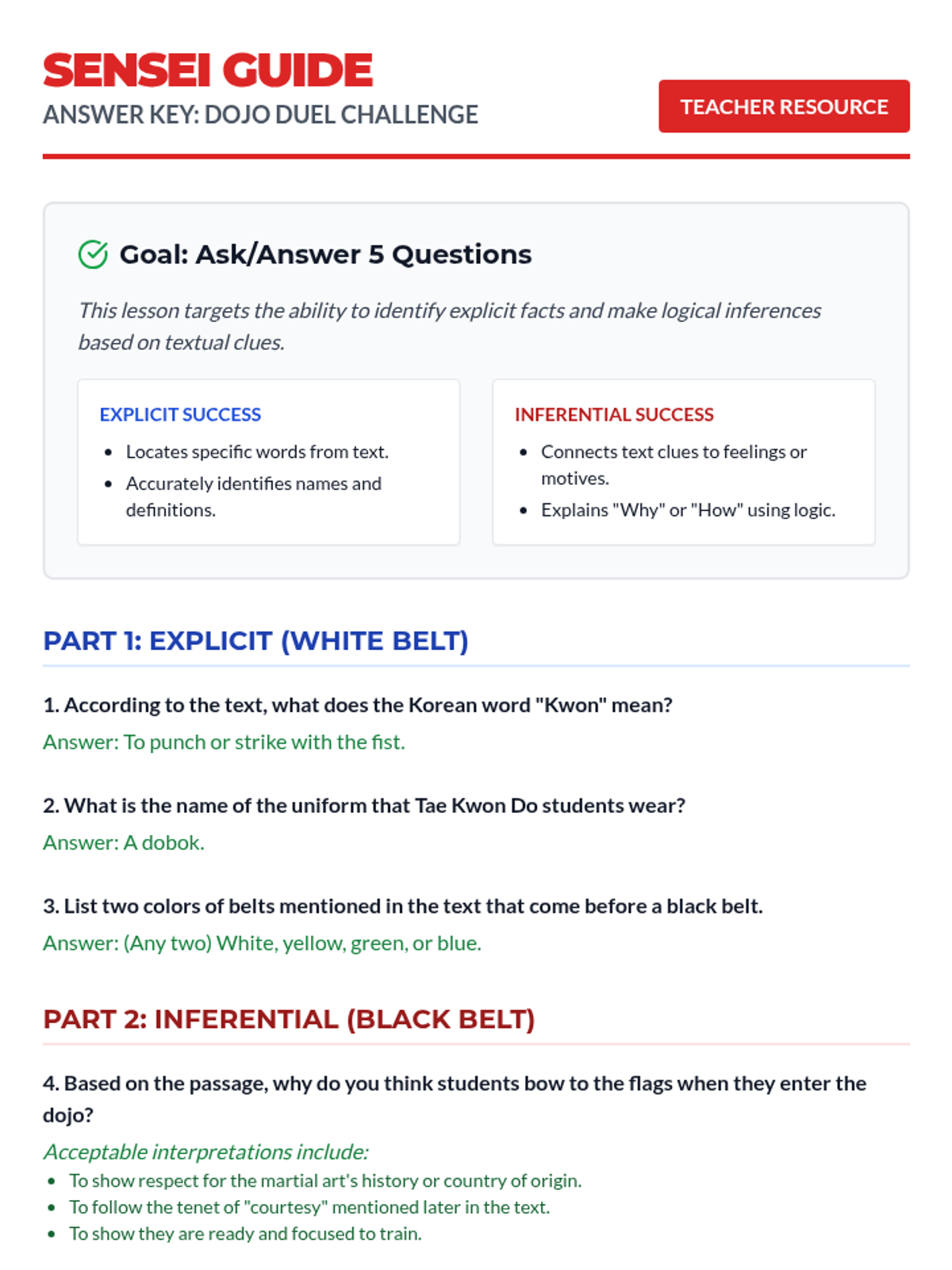
A reading comprehension lesson focused on Tae Kwon Do, designed for middle school students reading at a 4th-5th grade level. Students practice identifying explicit details and making inferences while learning about martial arts history and values.
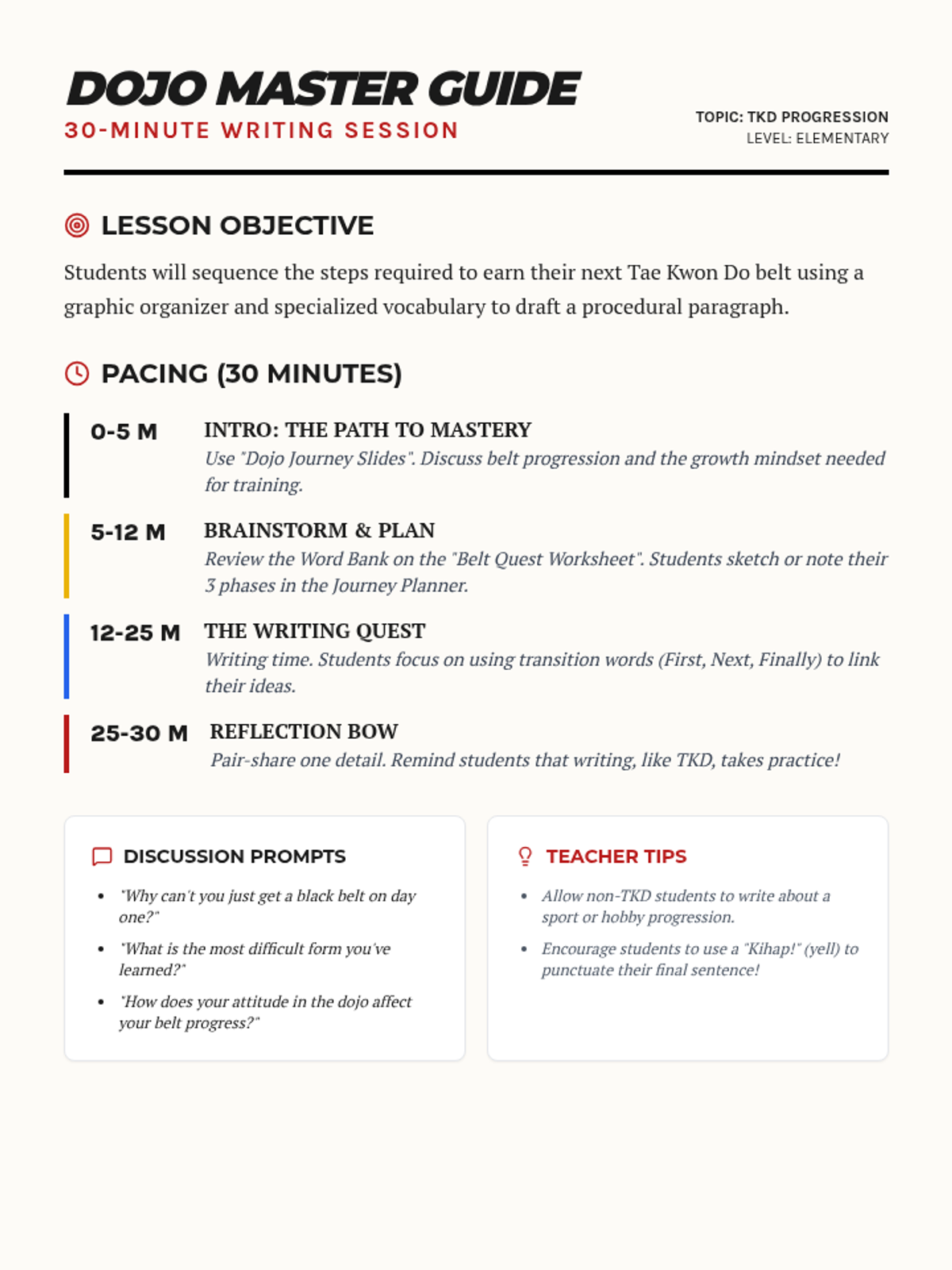
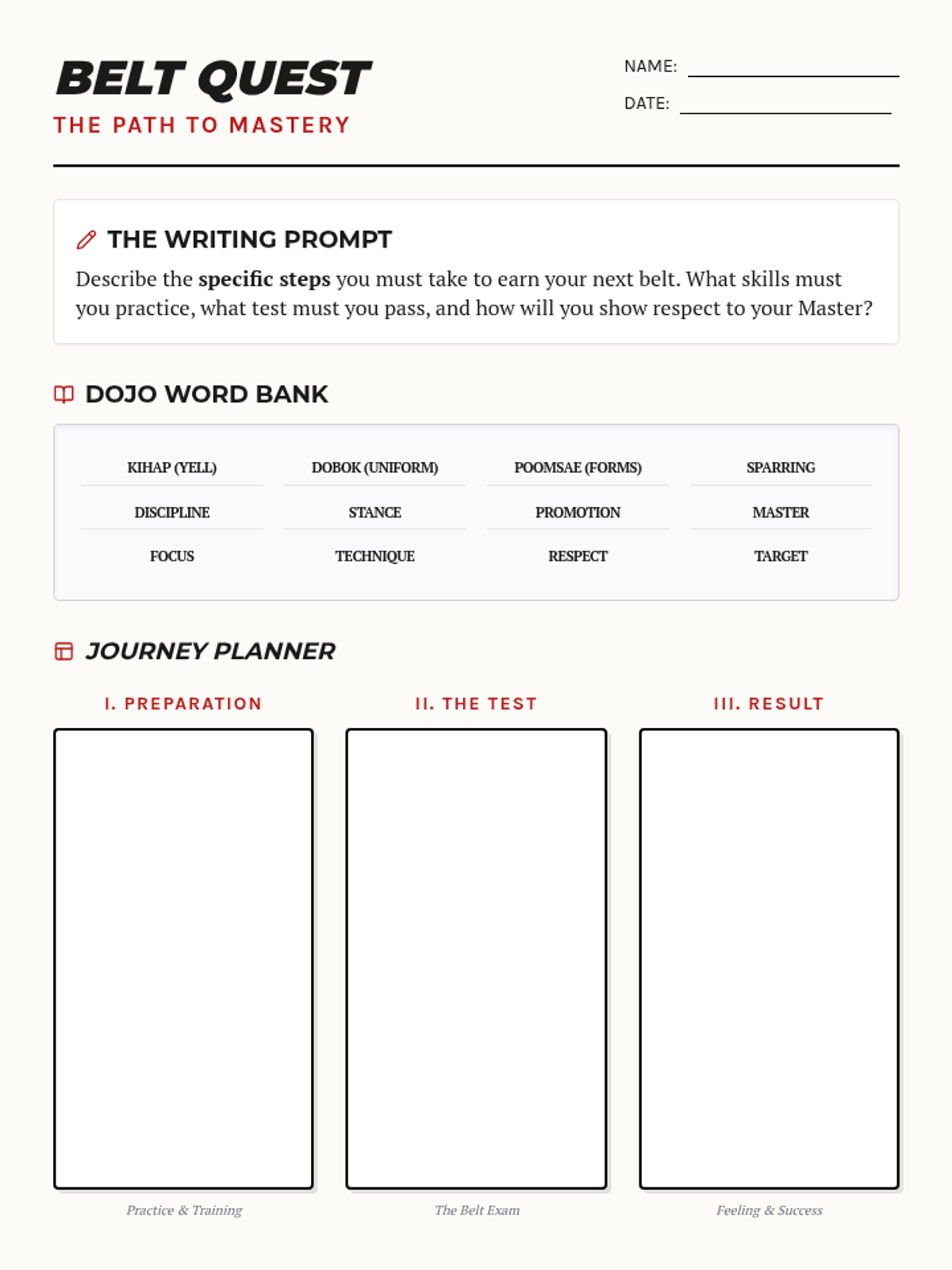
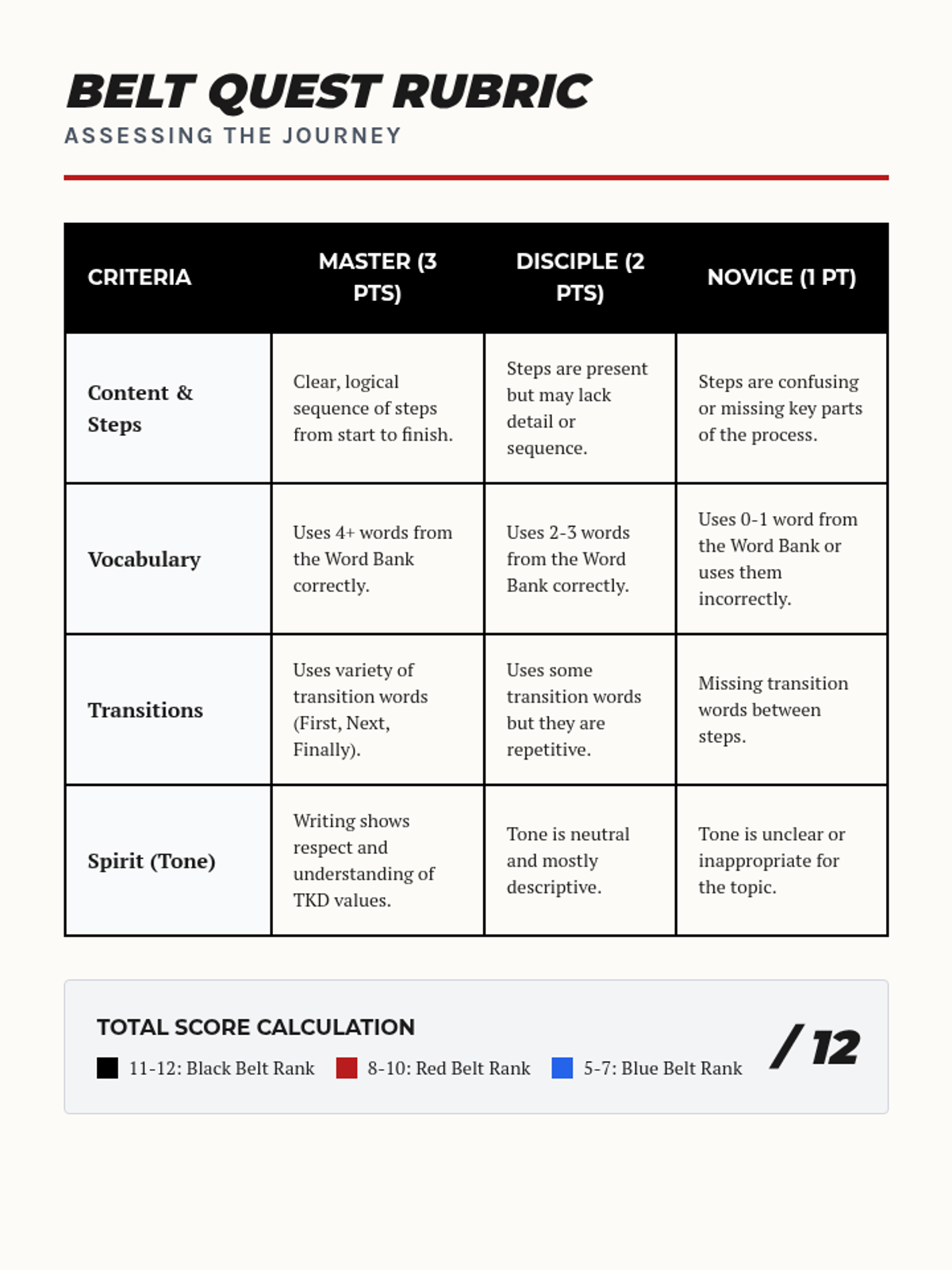
A 30-minute writing lesson where students sequence and describe the steps required to earn their next belt in Tae Kwon Do. Includes a graphic organizer and specialized word bank.
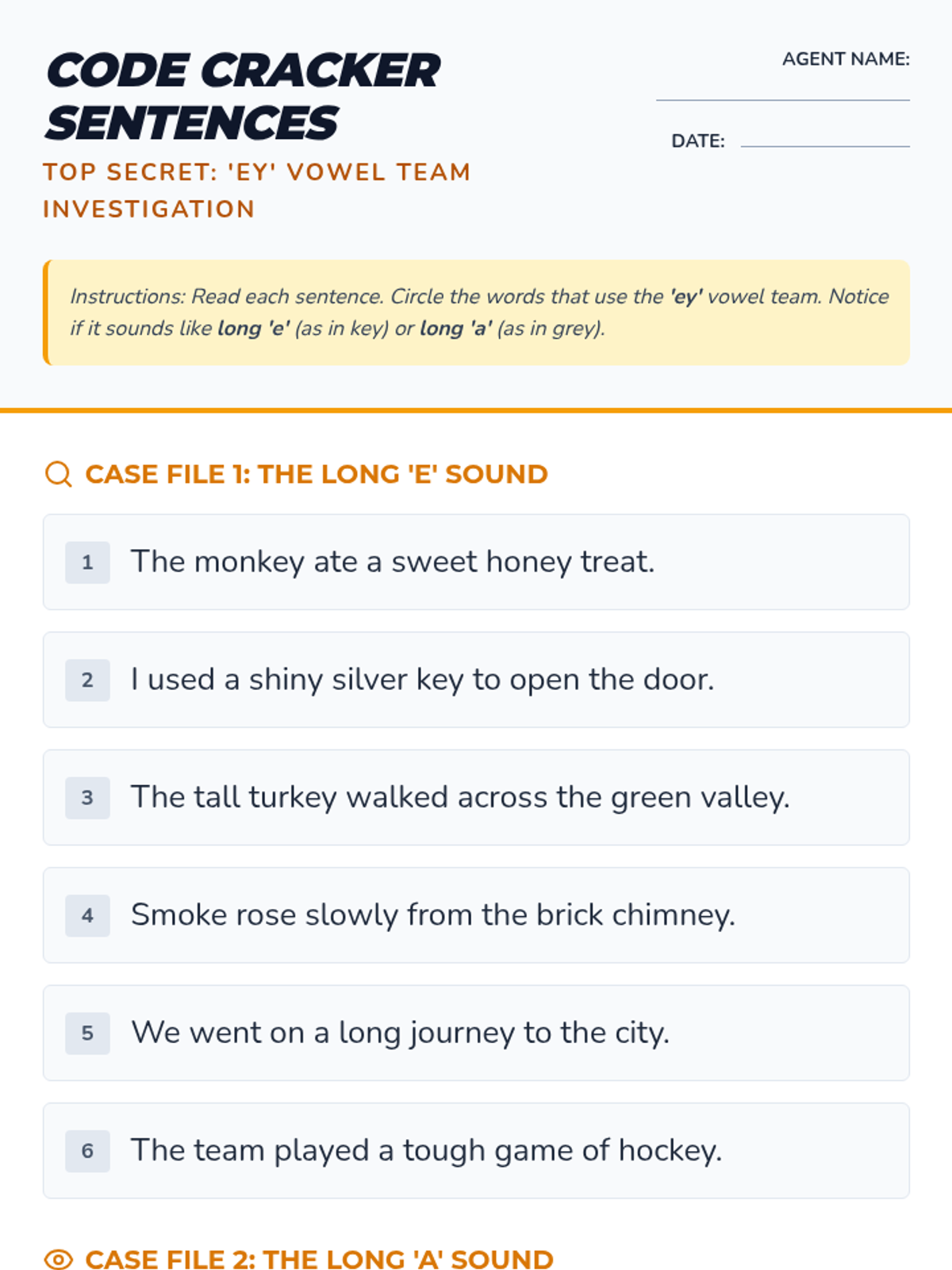
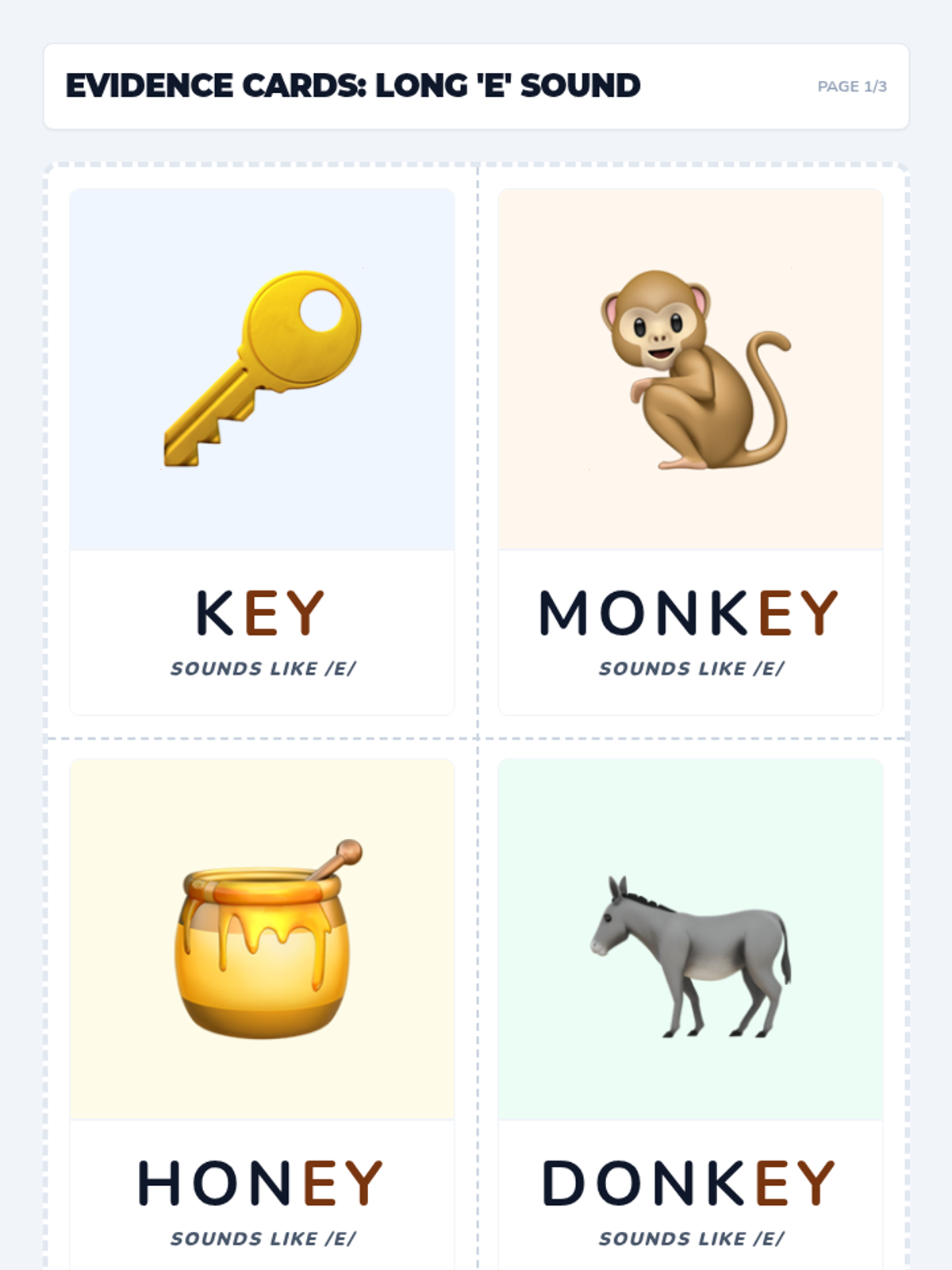
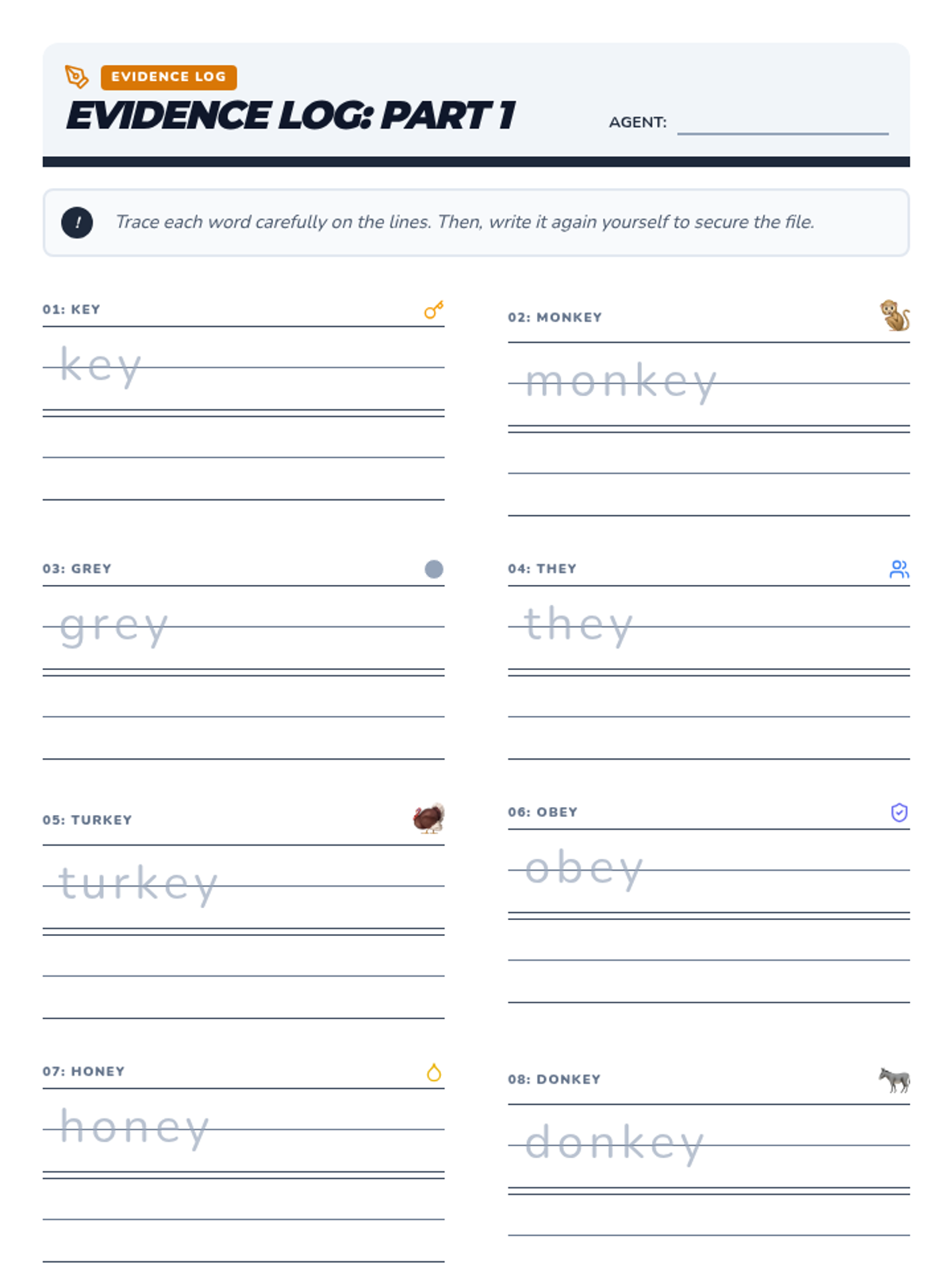
A collection of detective-themed reading and writing activities focusing on the 'ey' vowel team, covering both long /e/ and long /a/ sounds.
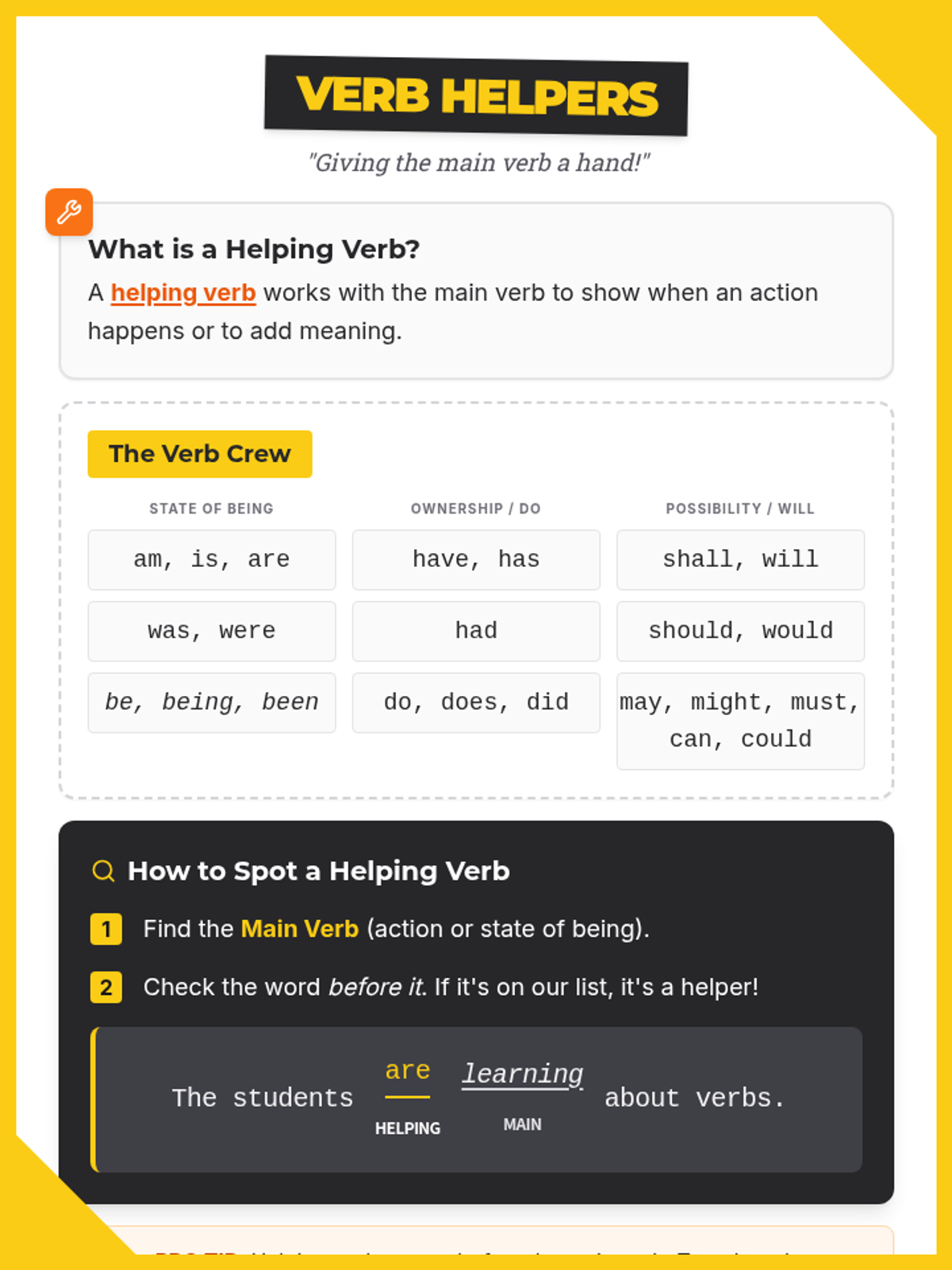
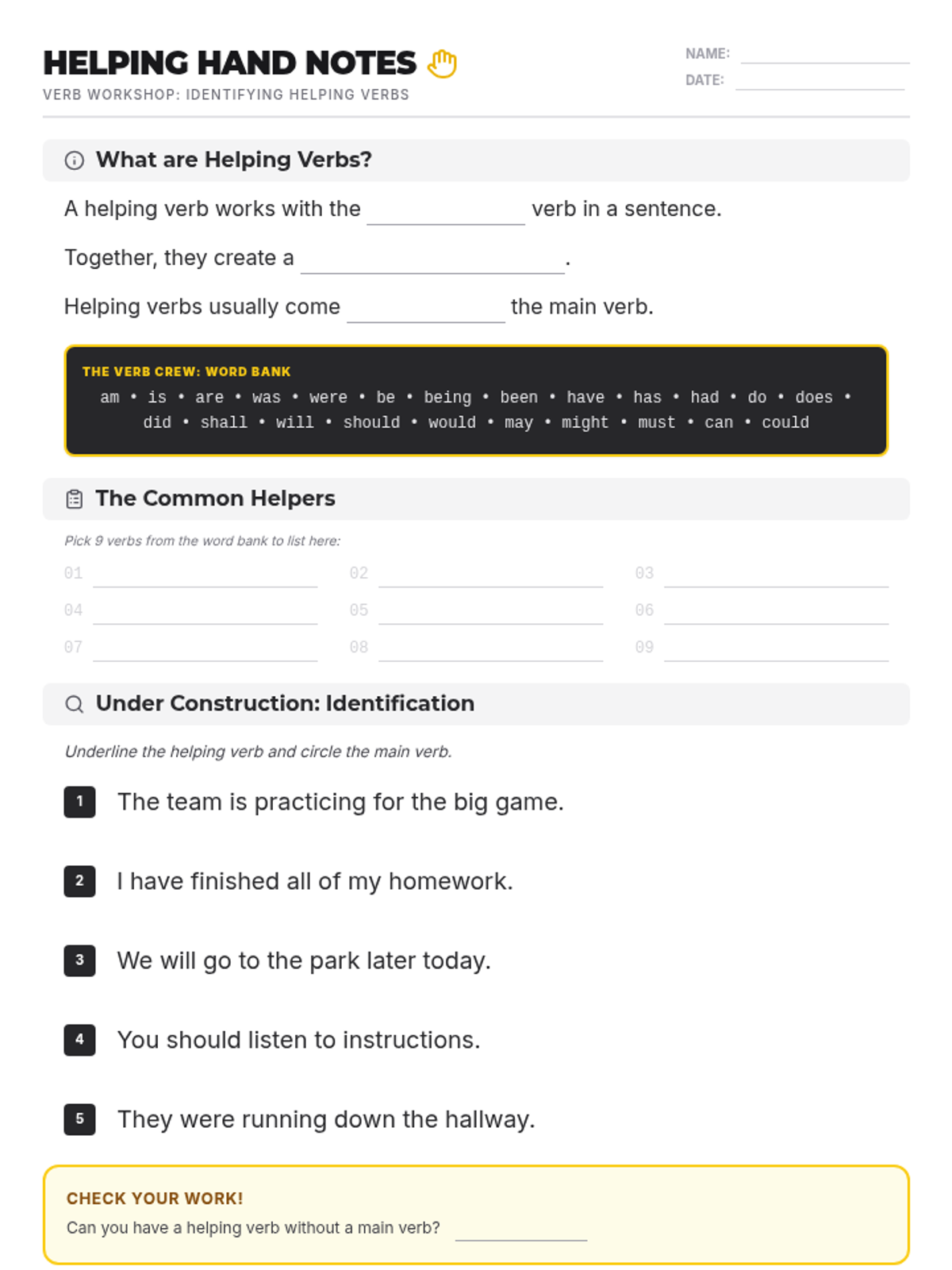
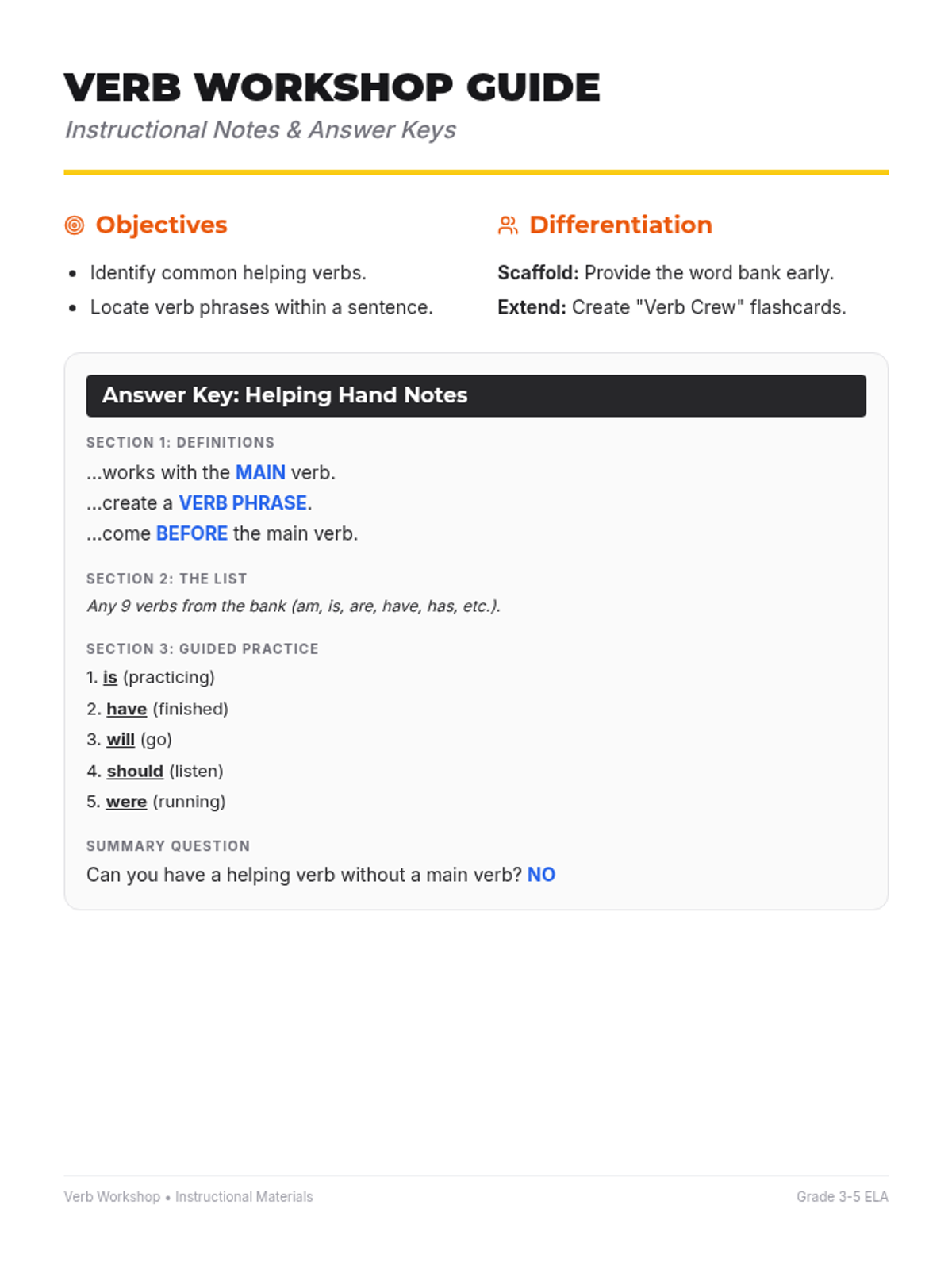
A foundational lesson on identifying helping verbs, featuring visual aids and guided practice to help students understand how auxiliary verbs support main verbs in a sentence.
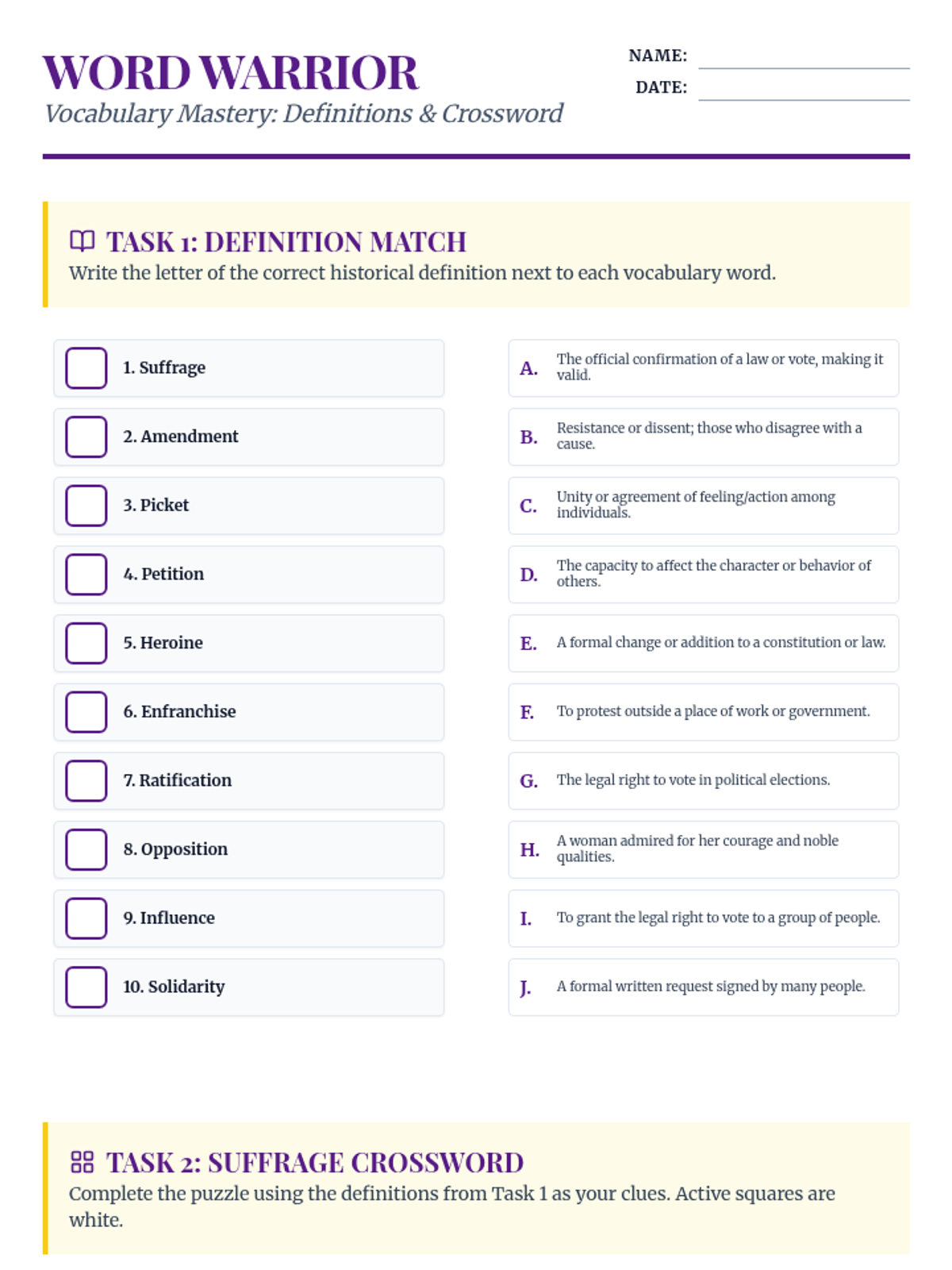
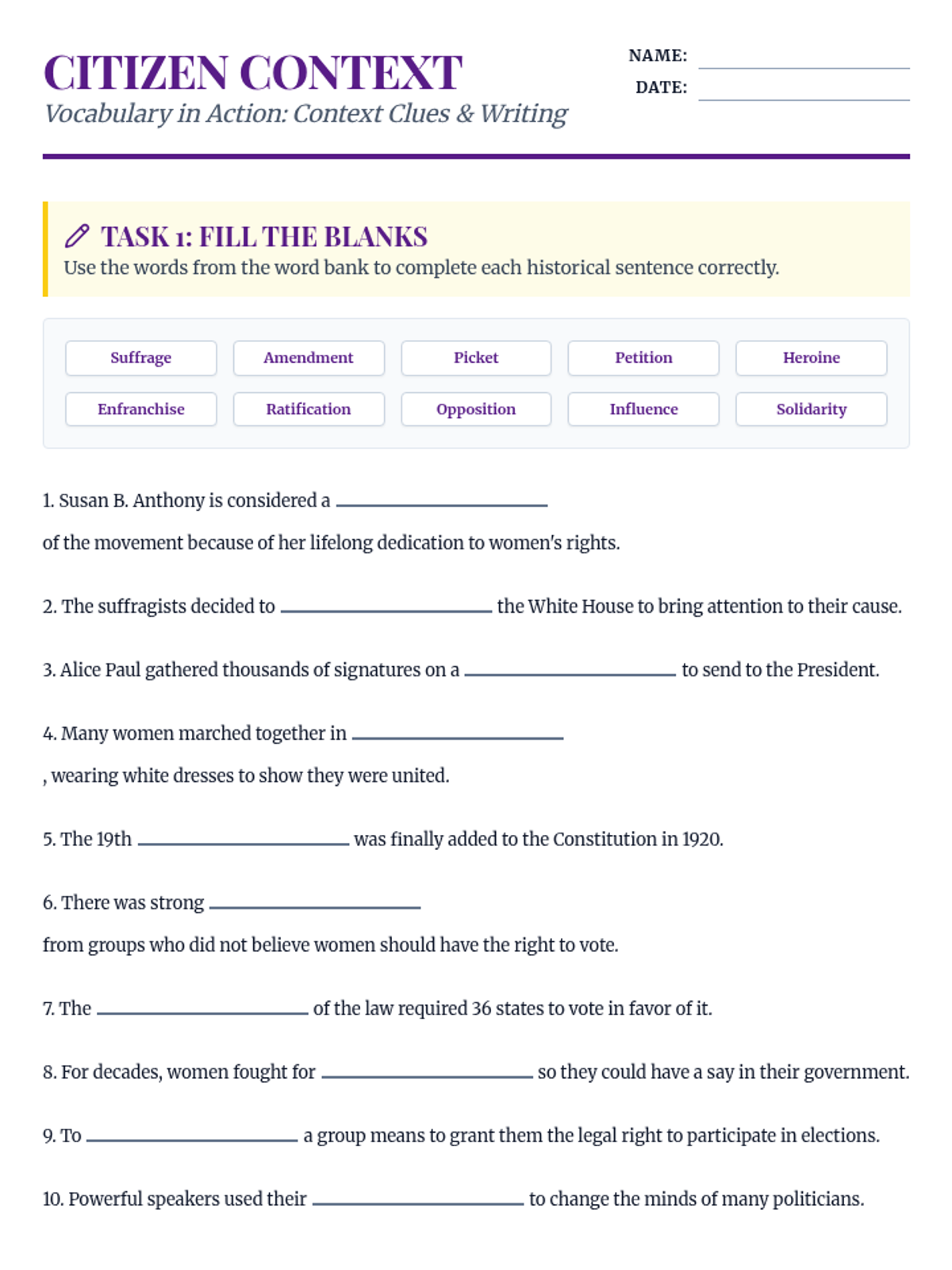
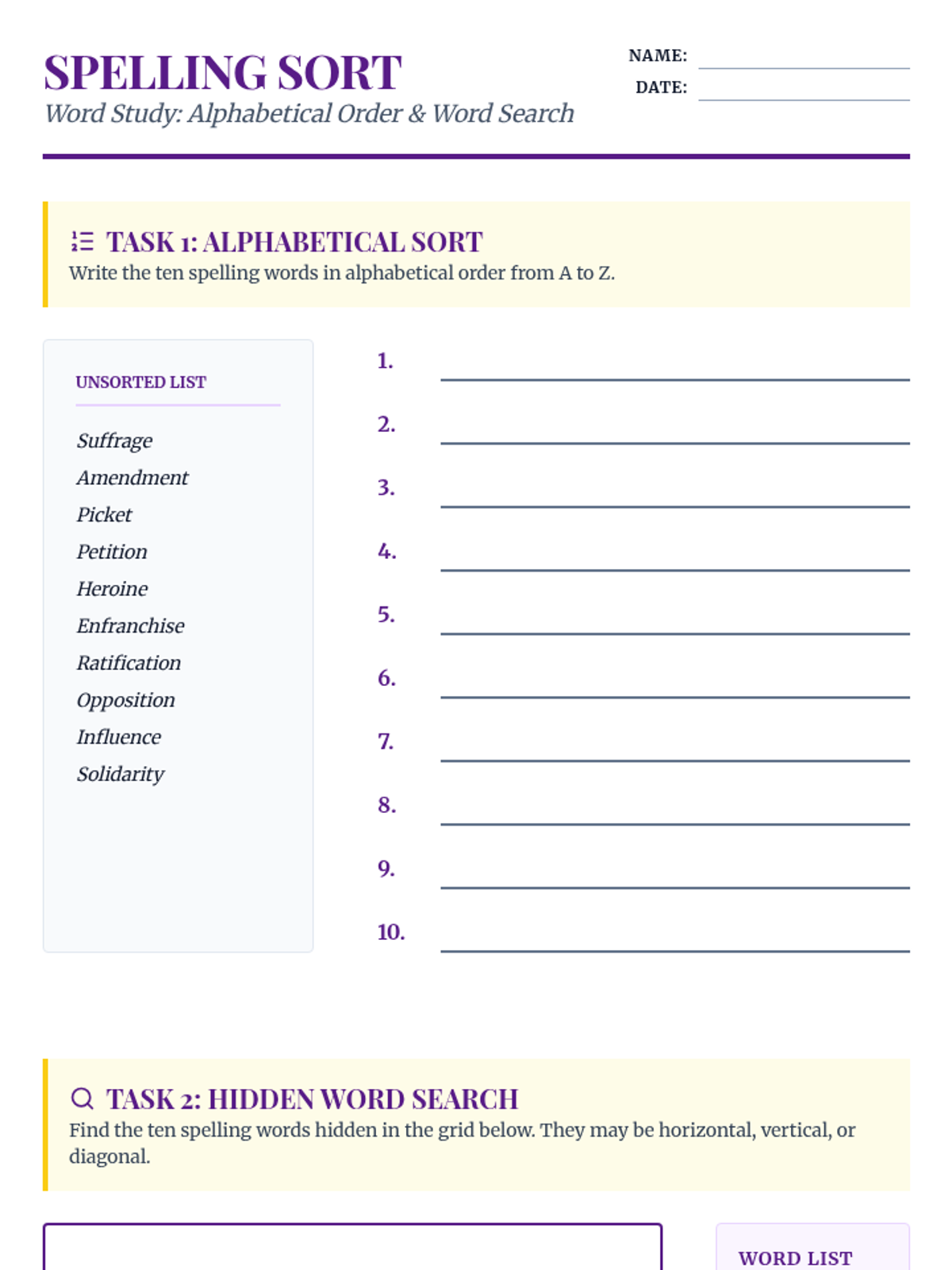
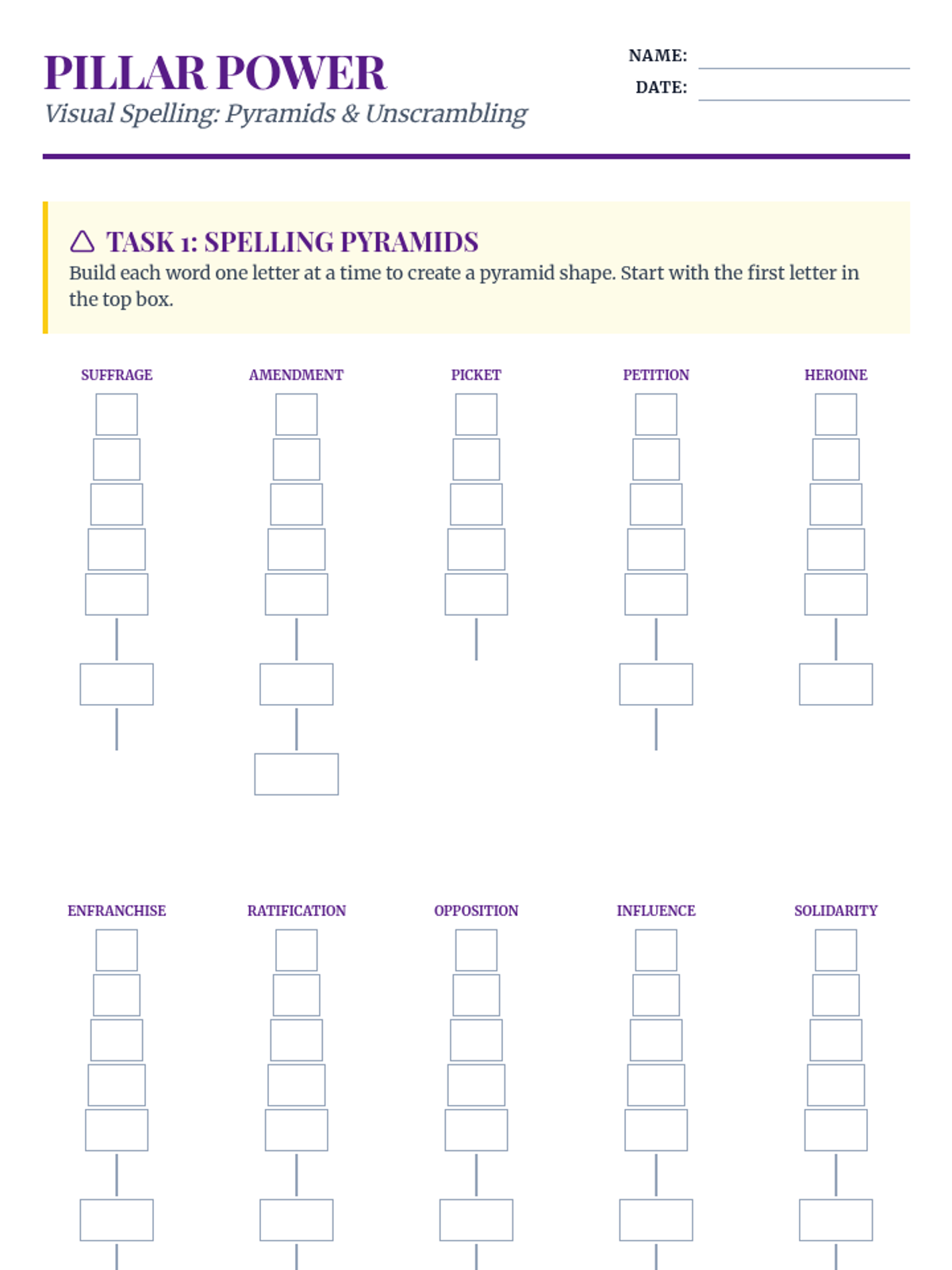
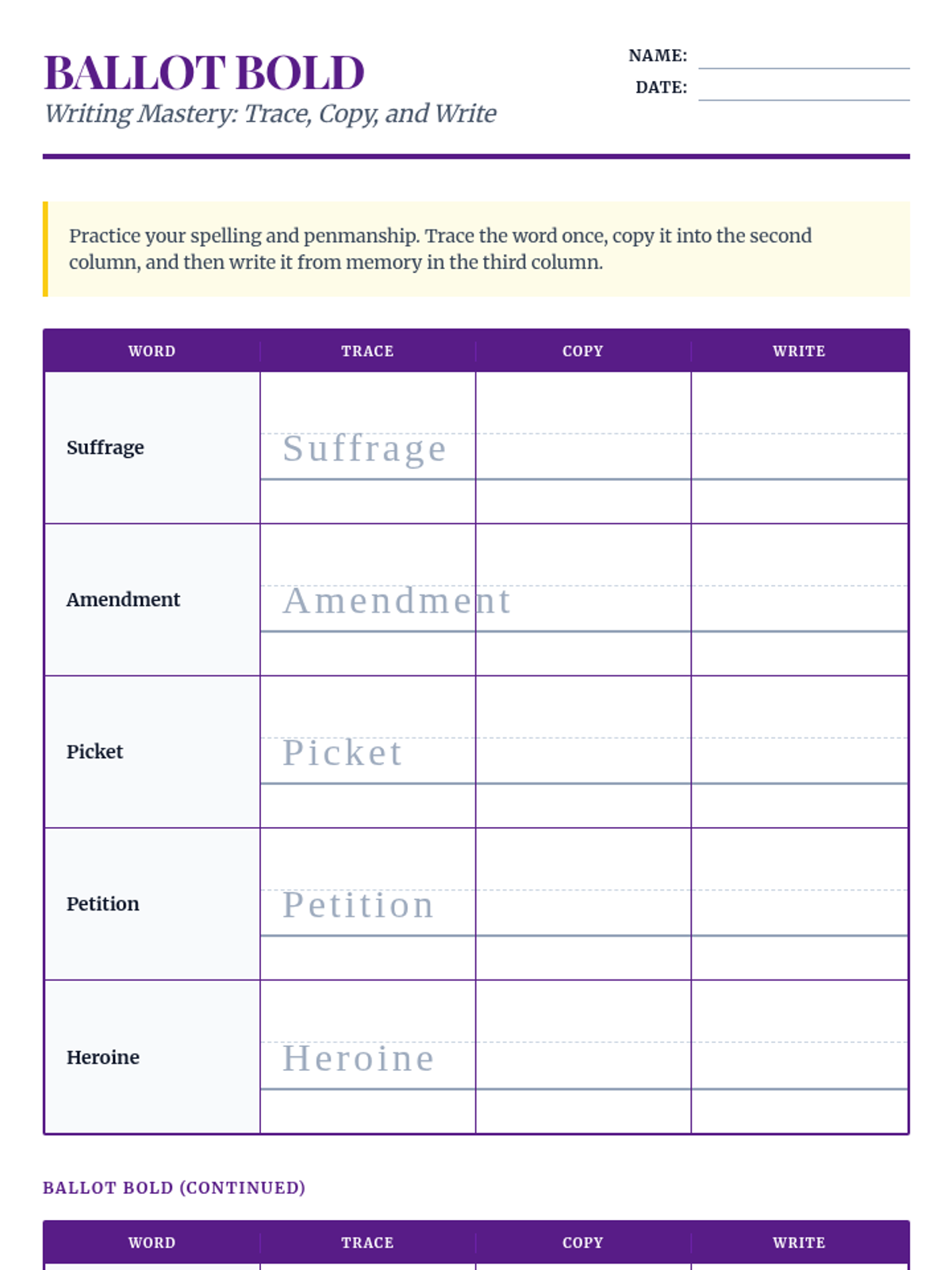
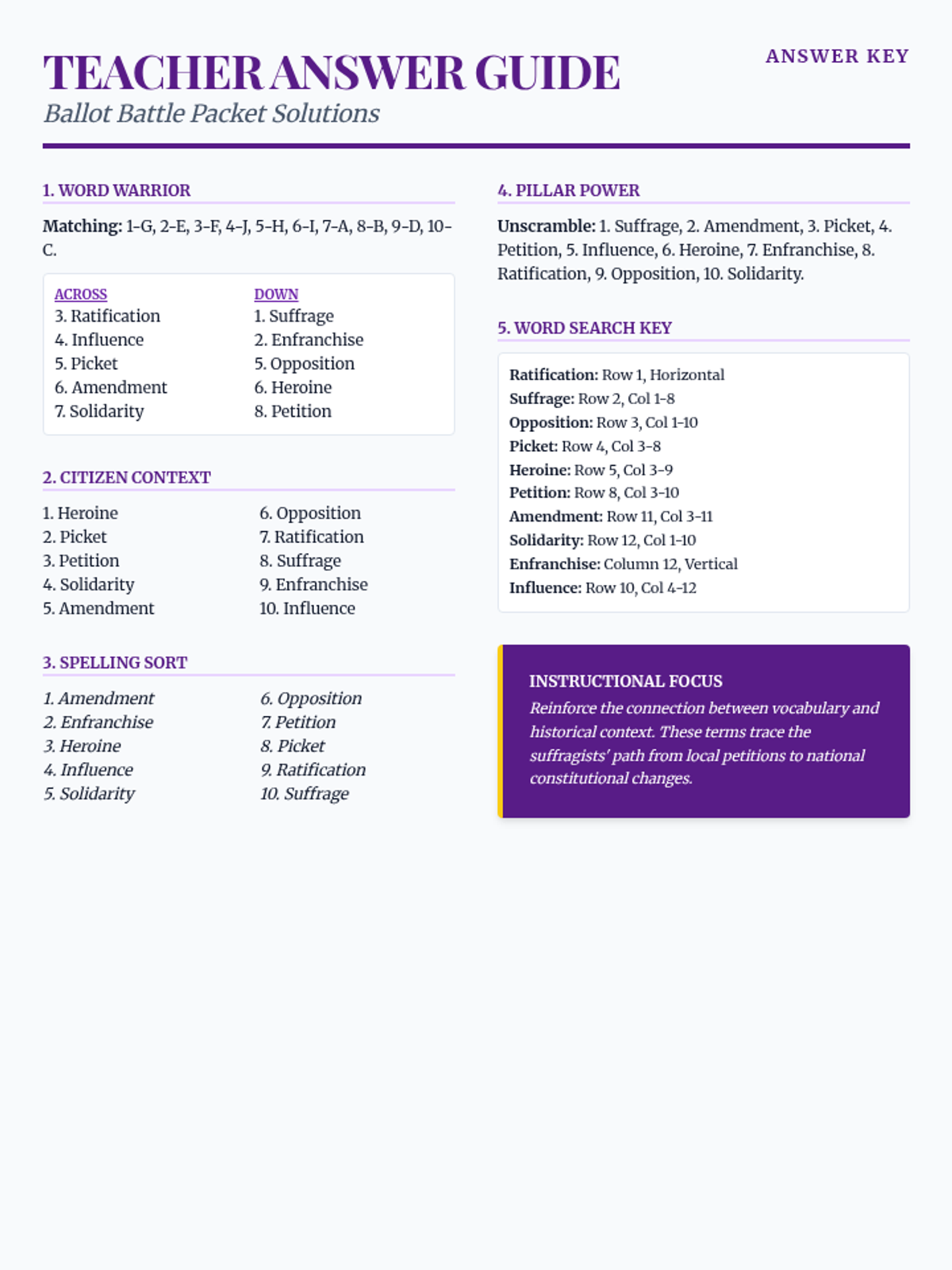
A comprehensive vocabulary and spelling packet focused on the history and language of the Women's Suffrage movement. Students will master ten thematic words through diverse linguistic and orthographic activities.
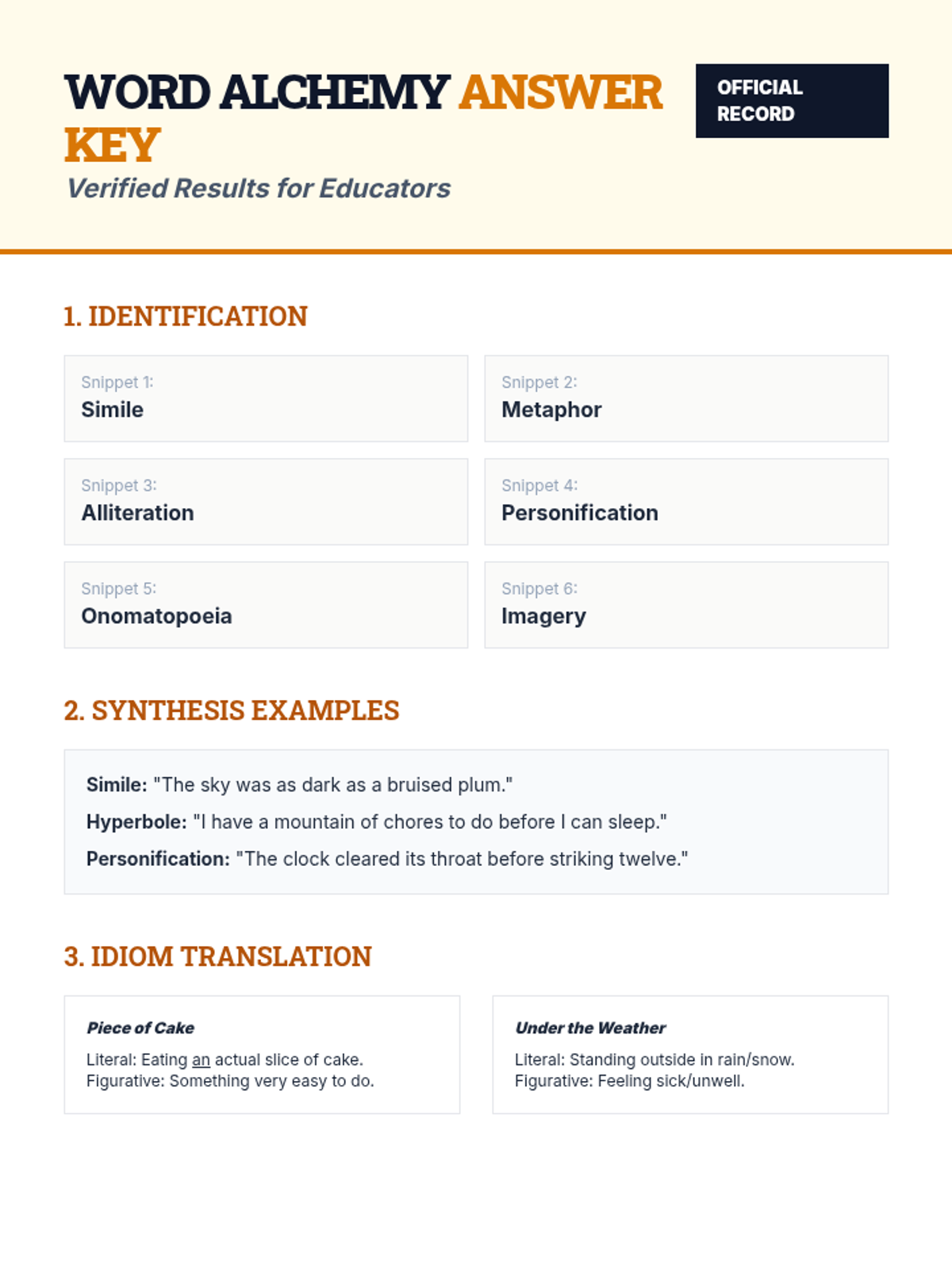
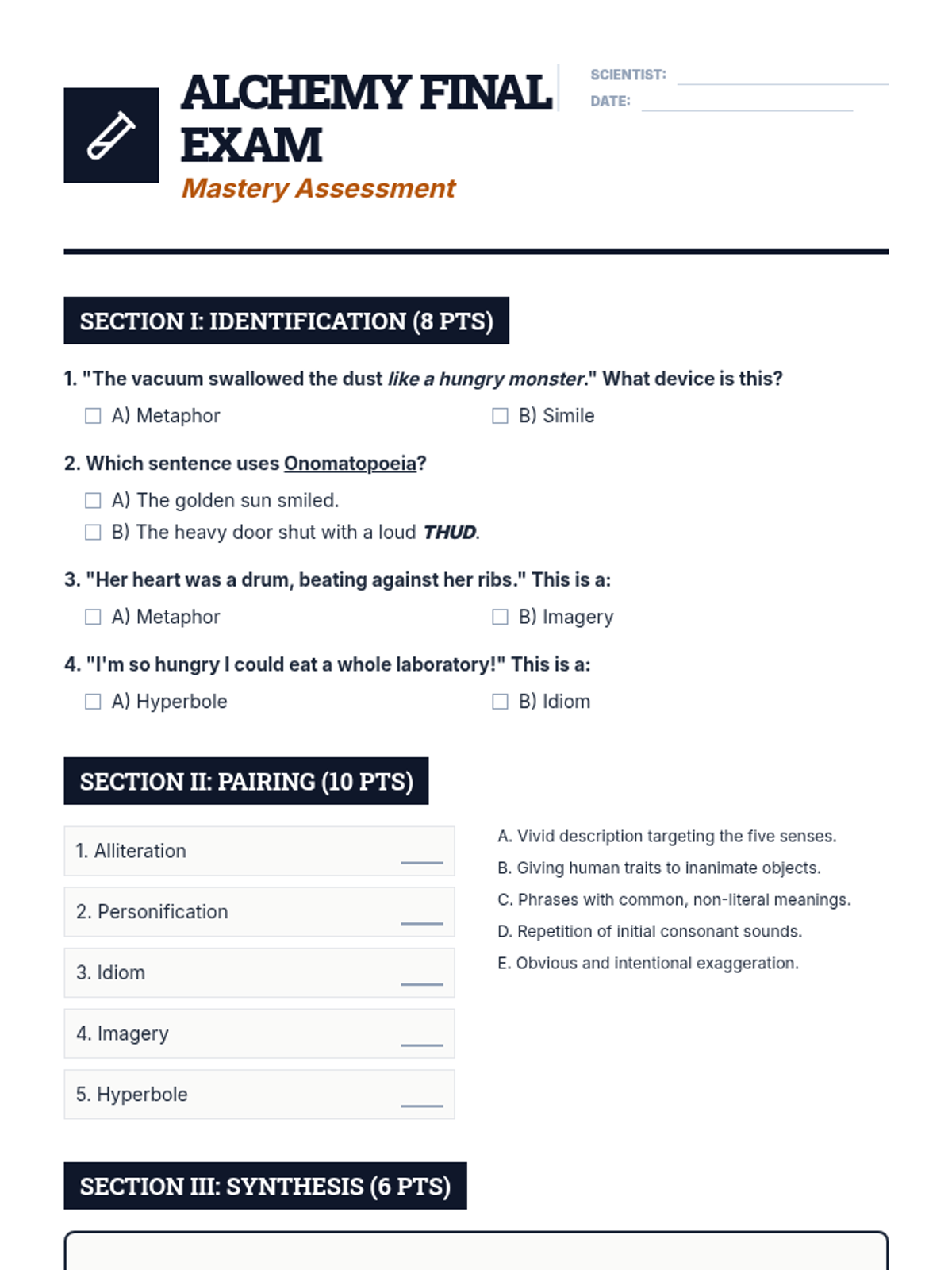
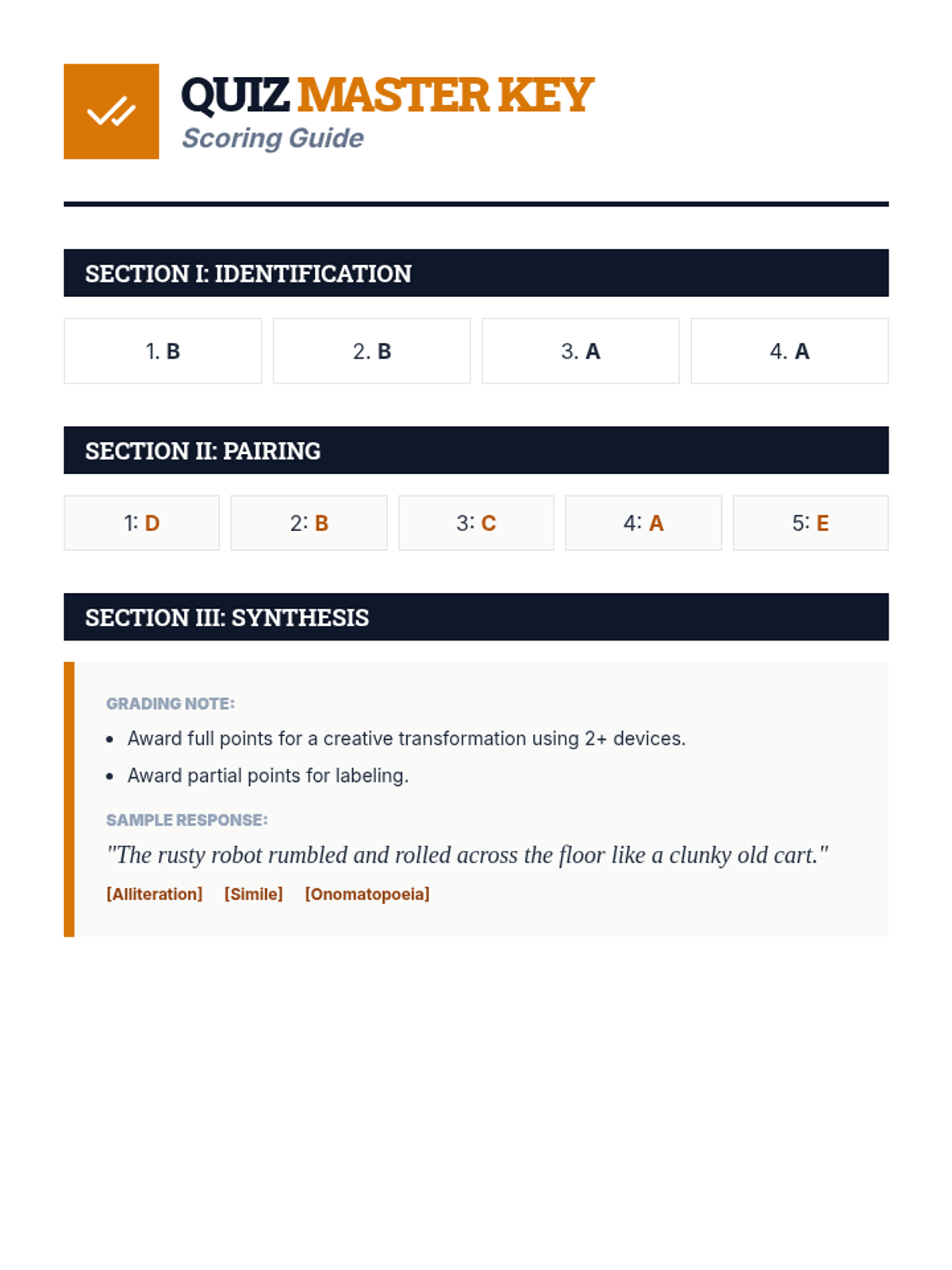
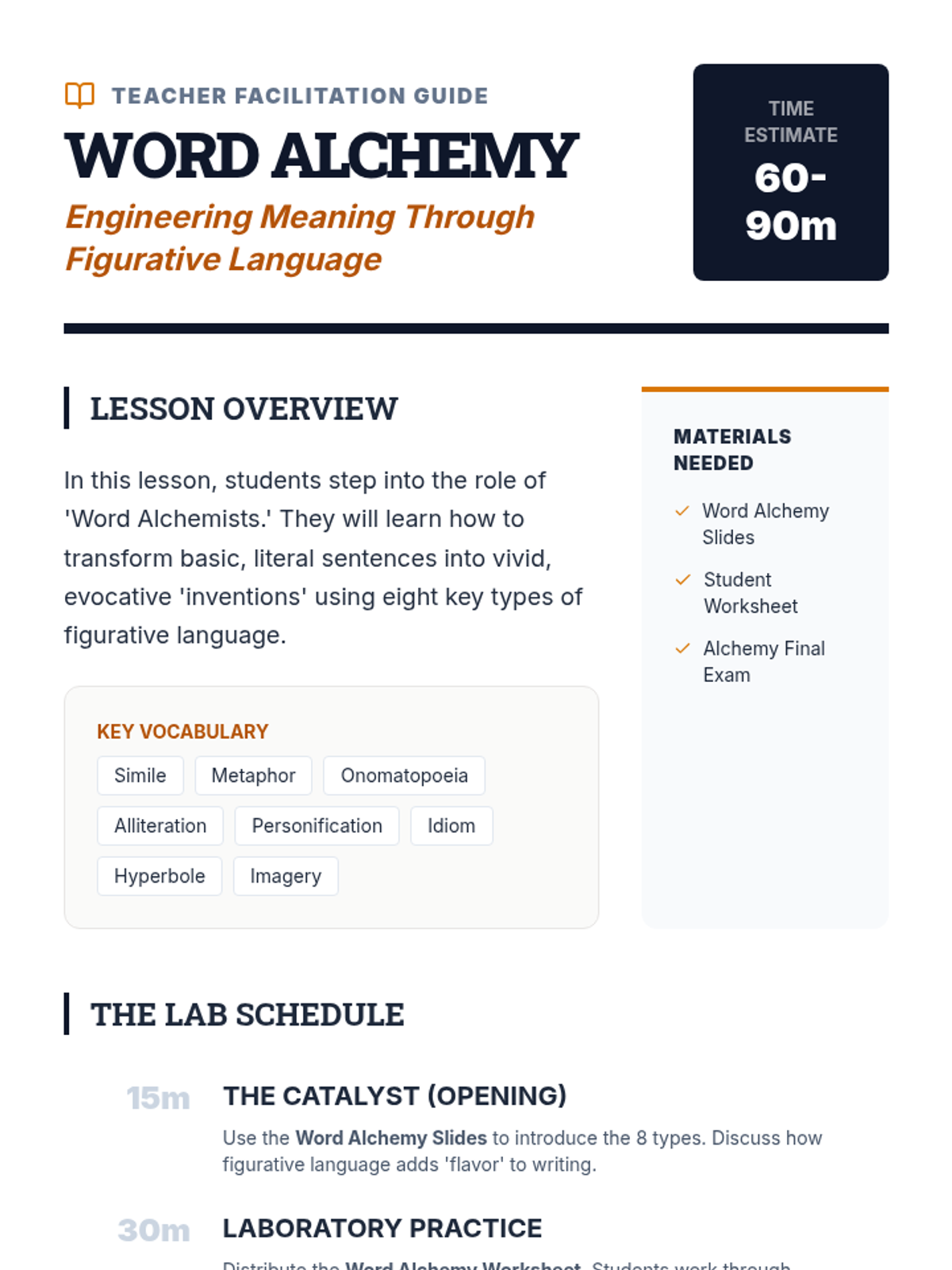
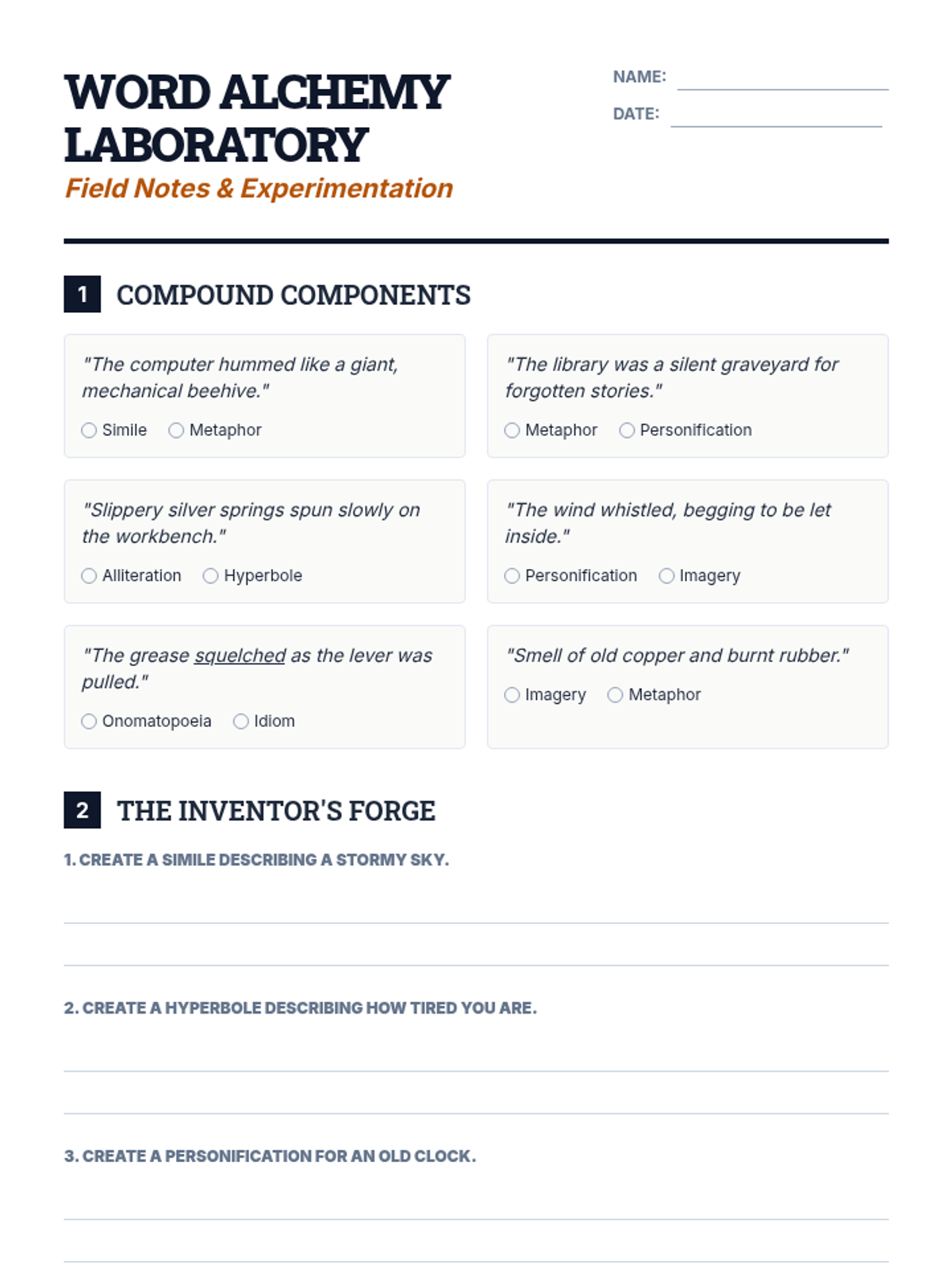
A comprehensive exploration of eight key figurative language types: similes, metaphors, onomatopoeia, alliteration, personification, idioms, hyperbole, and imagery. Students will analyze, identify, and create their own linguistic 'inventions' through a lens of creative alchemy.
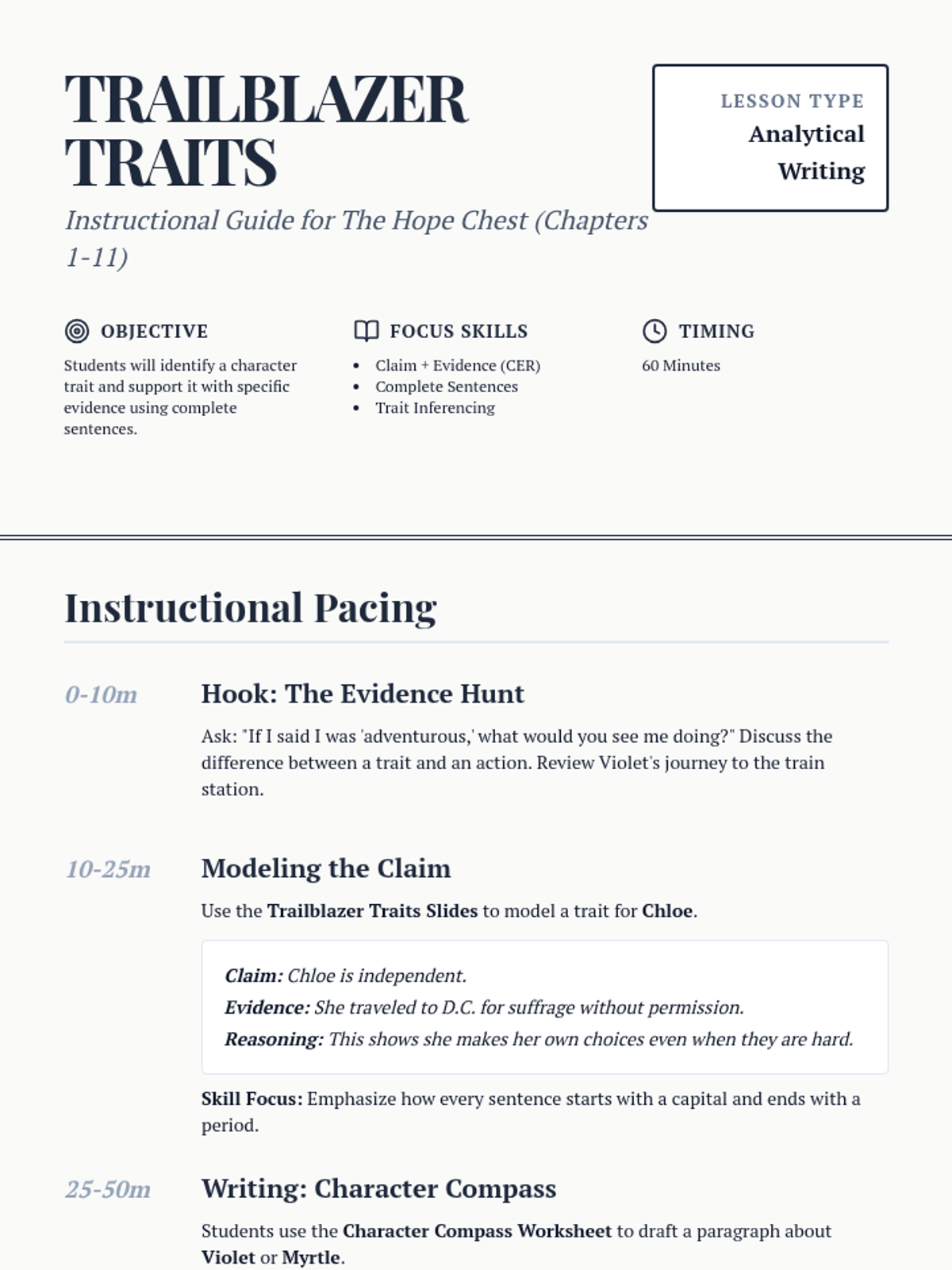
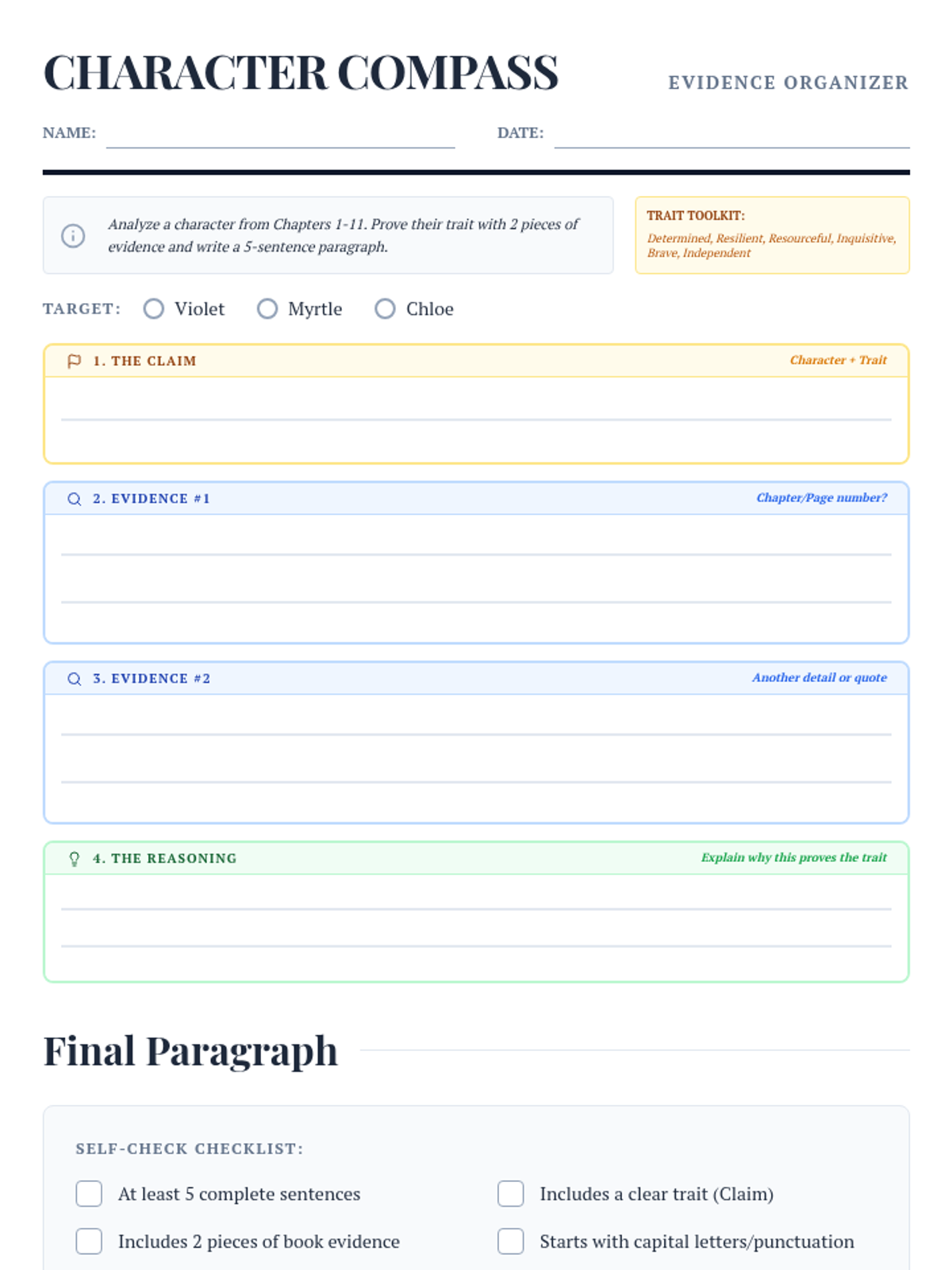
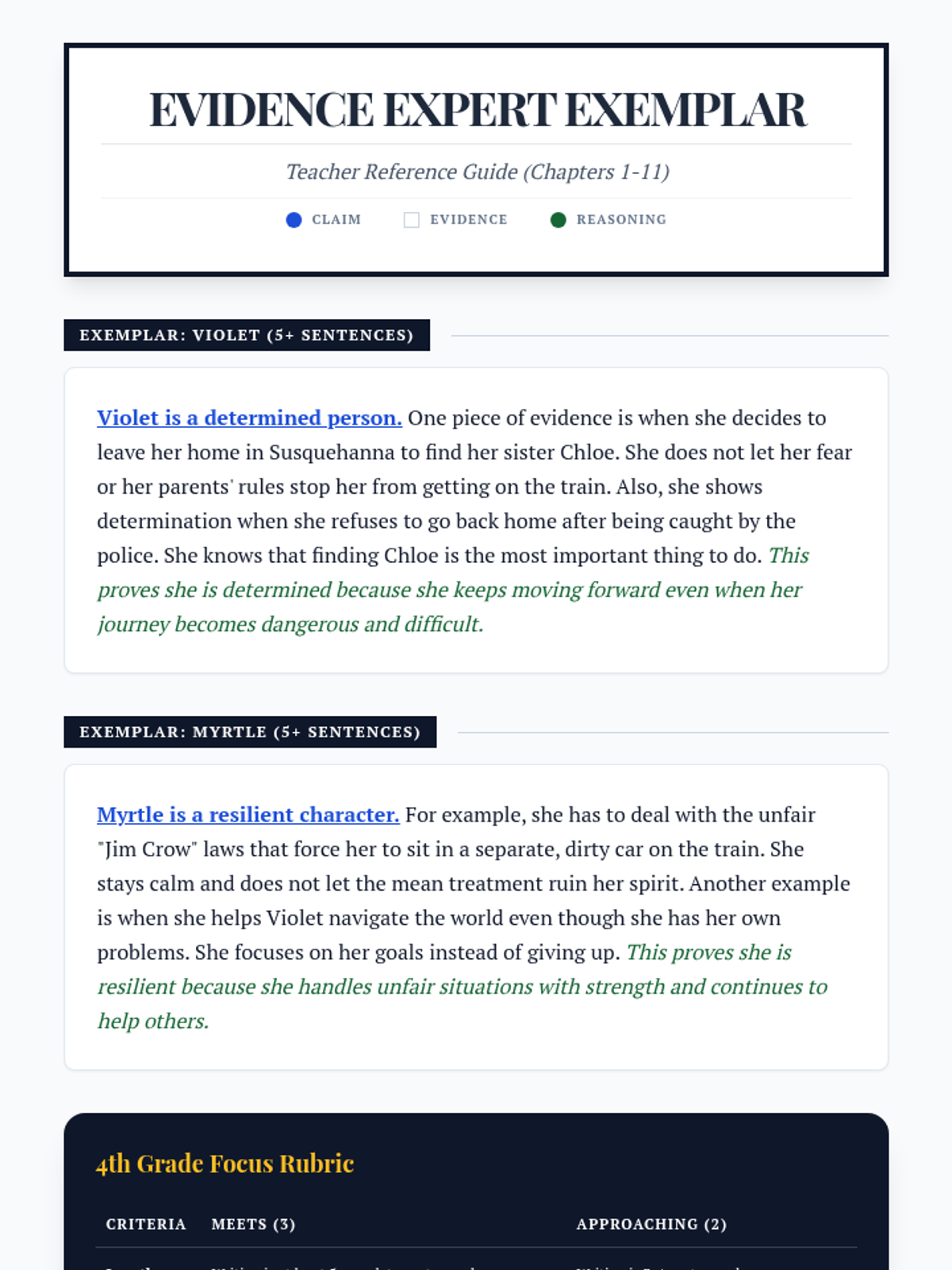
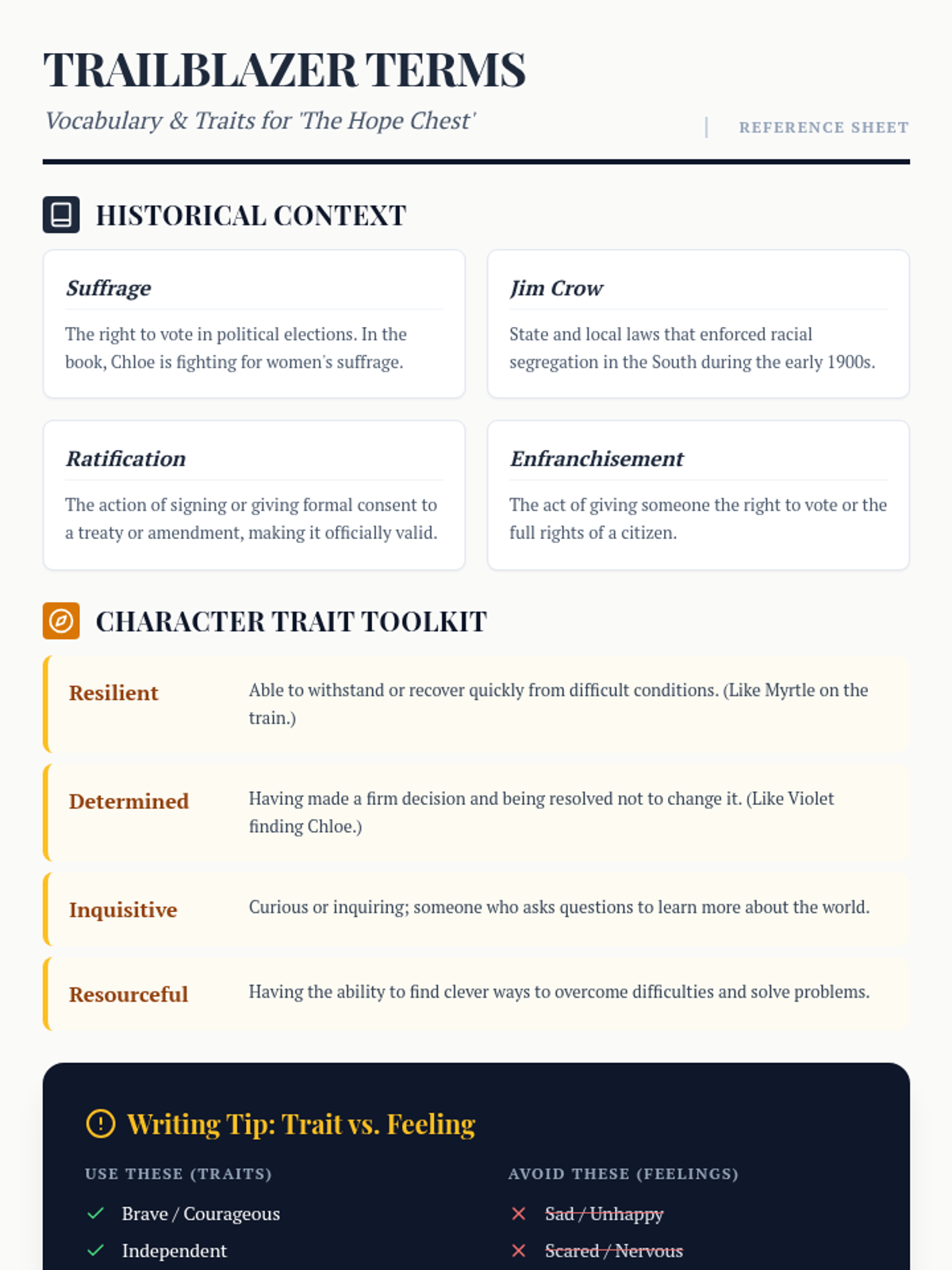
In this lesson, students will analyze character traits in the novel 'The Hope Chest' (Chapters 1-11), focusing on writing a structured paragraph with a clear claim, textual evidence, and complete sentences.