A set of phonics station activities focusing on welded sounds (-an, -am, -all, -ank, -ink, -onk, -unk) through sorting, matching, and coloring tasks.
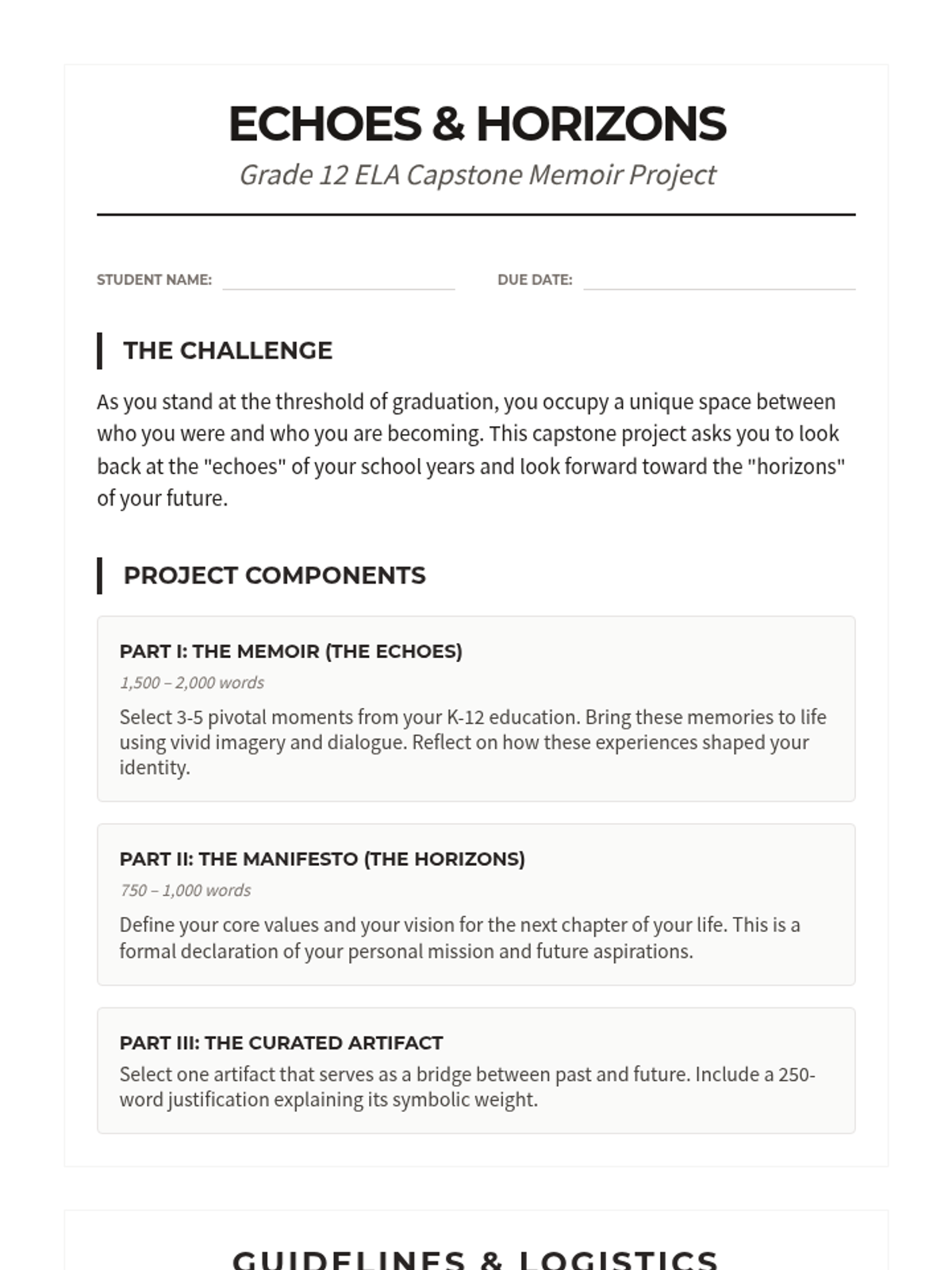
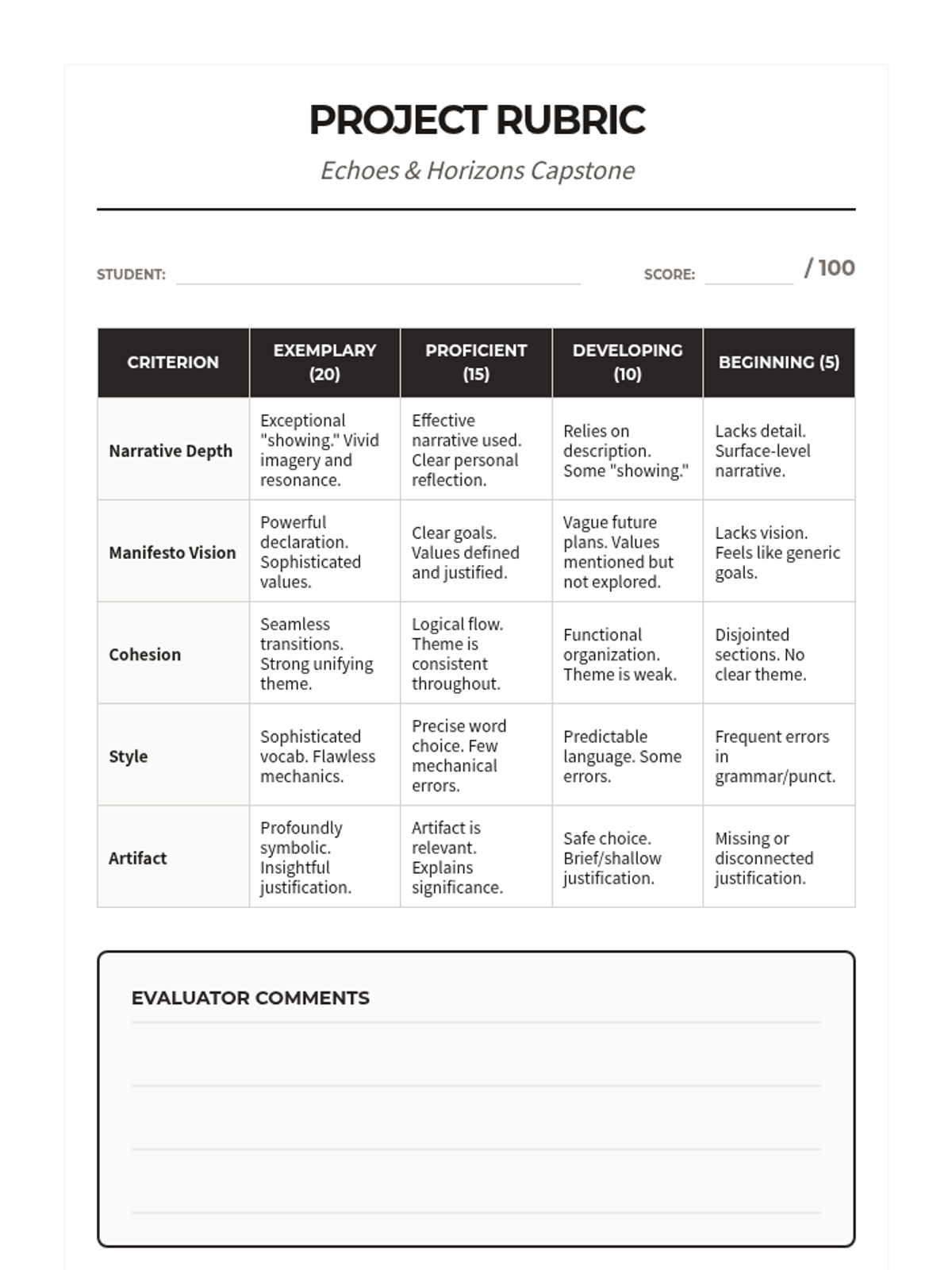
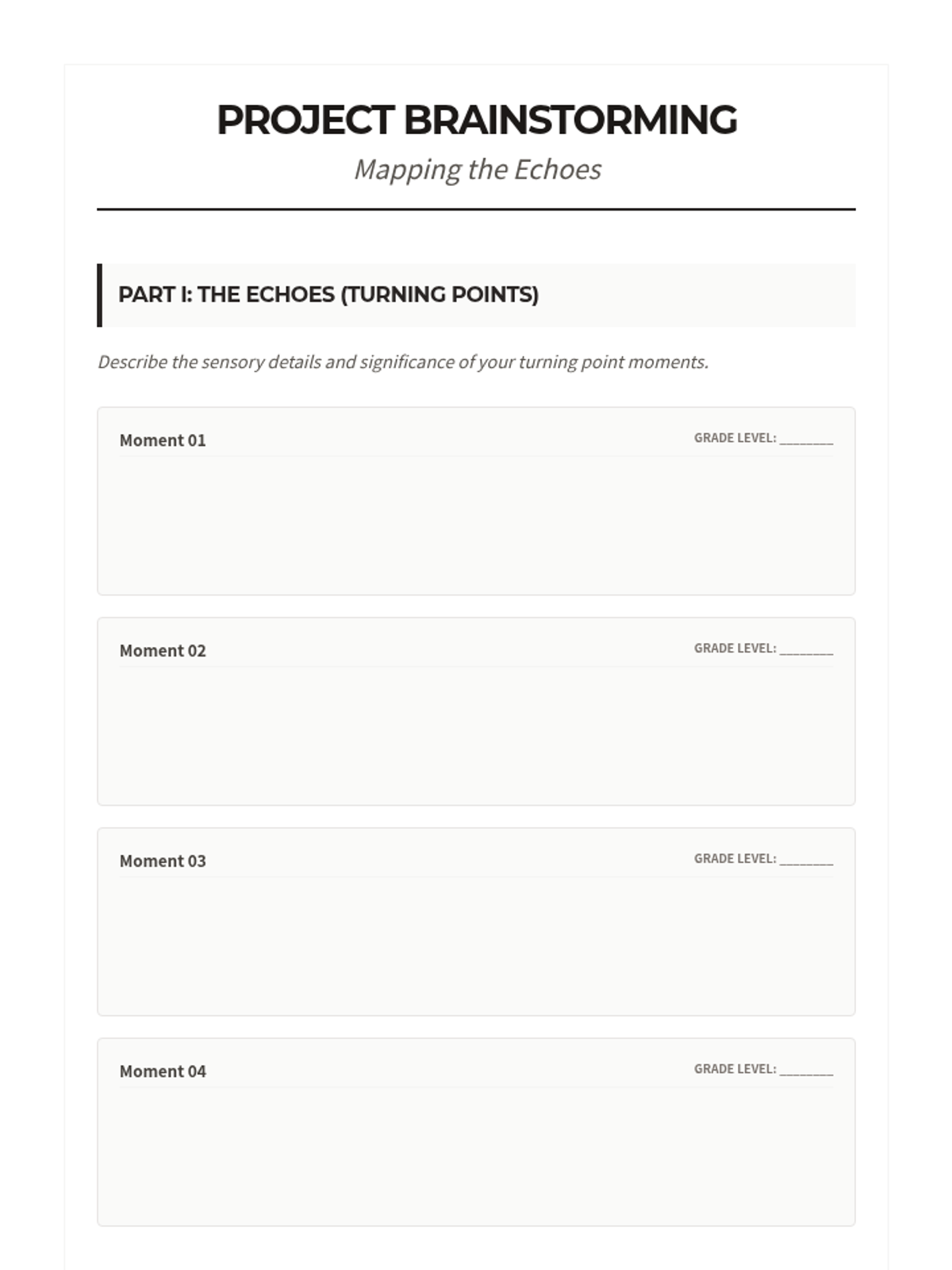
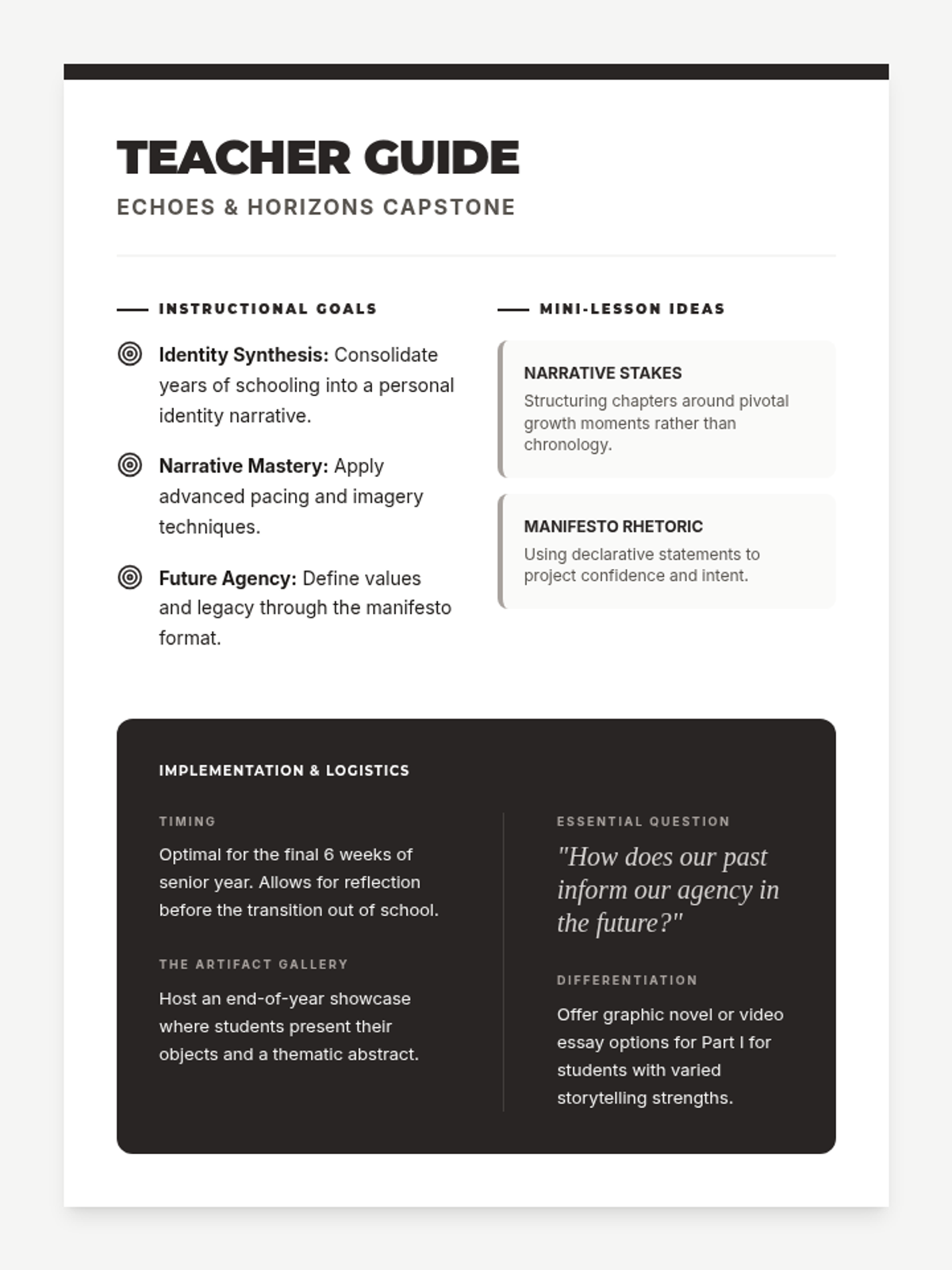
A Grade 12 ELA capstone project that invites students to reflect on their educational journey through memoir and project their aspirations into a future-focused manifesto.
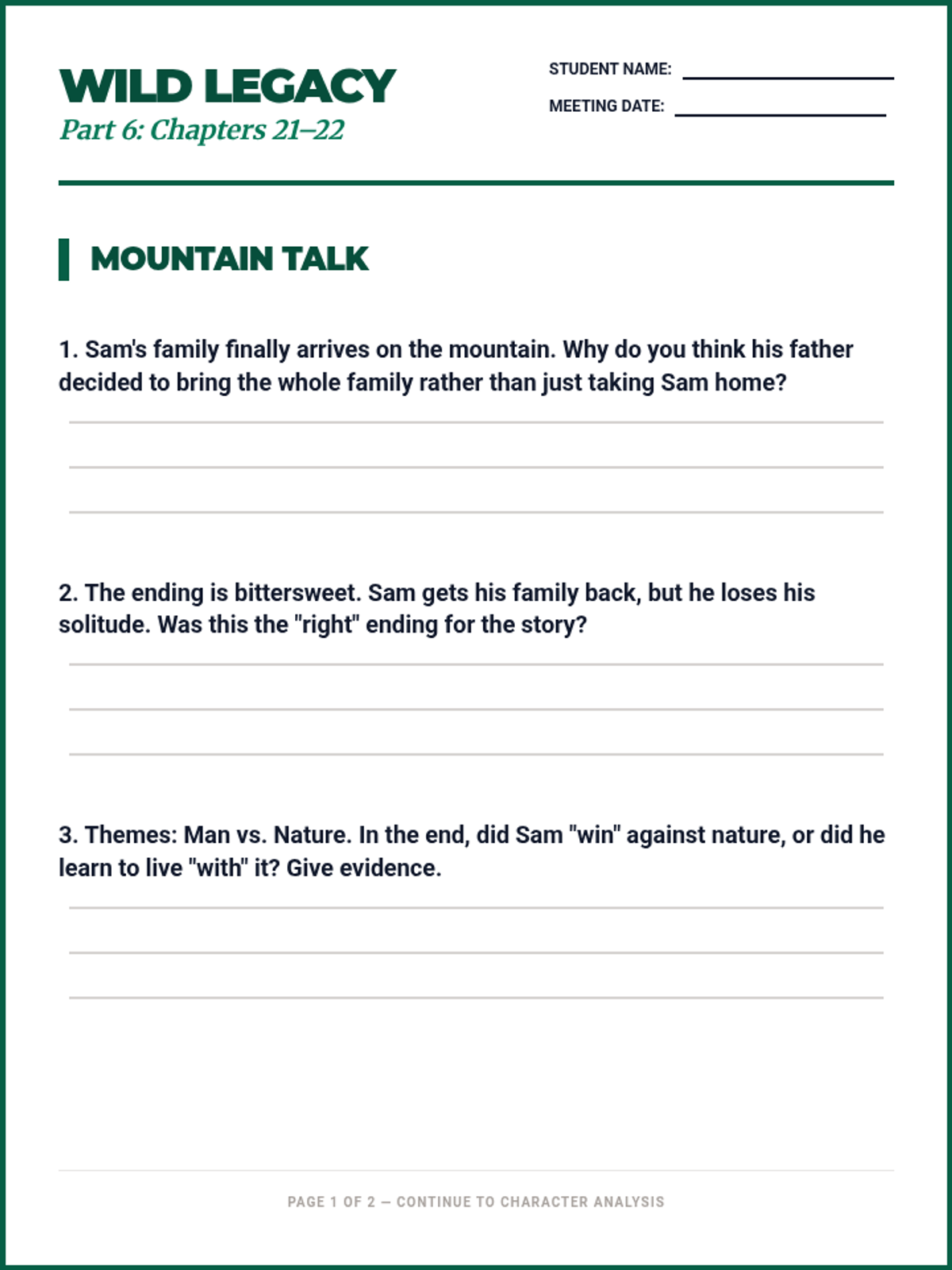
The conclusion of Sam's experiment and his transition back toward society and family. Covers Chapters 21-22 and Epilogue.
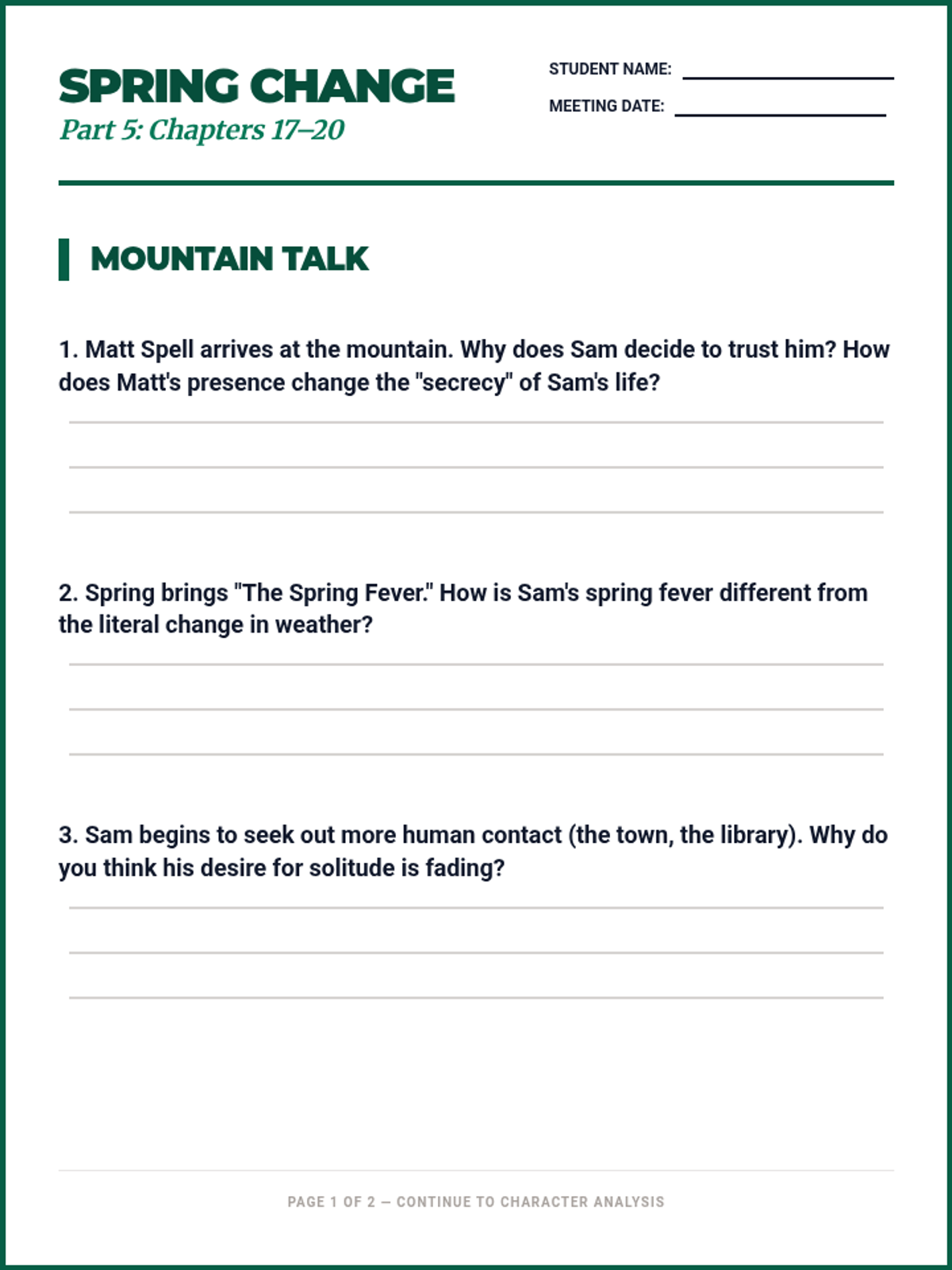
As spring arrives, Sam faces new visitors and the realization that his secret life is becoming public. Covers Chapters 17-20.
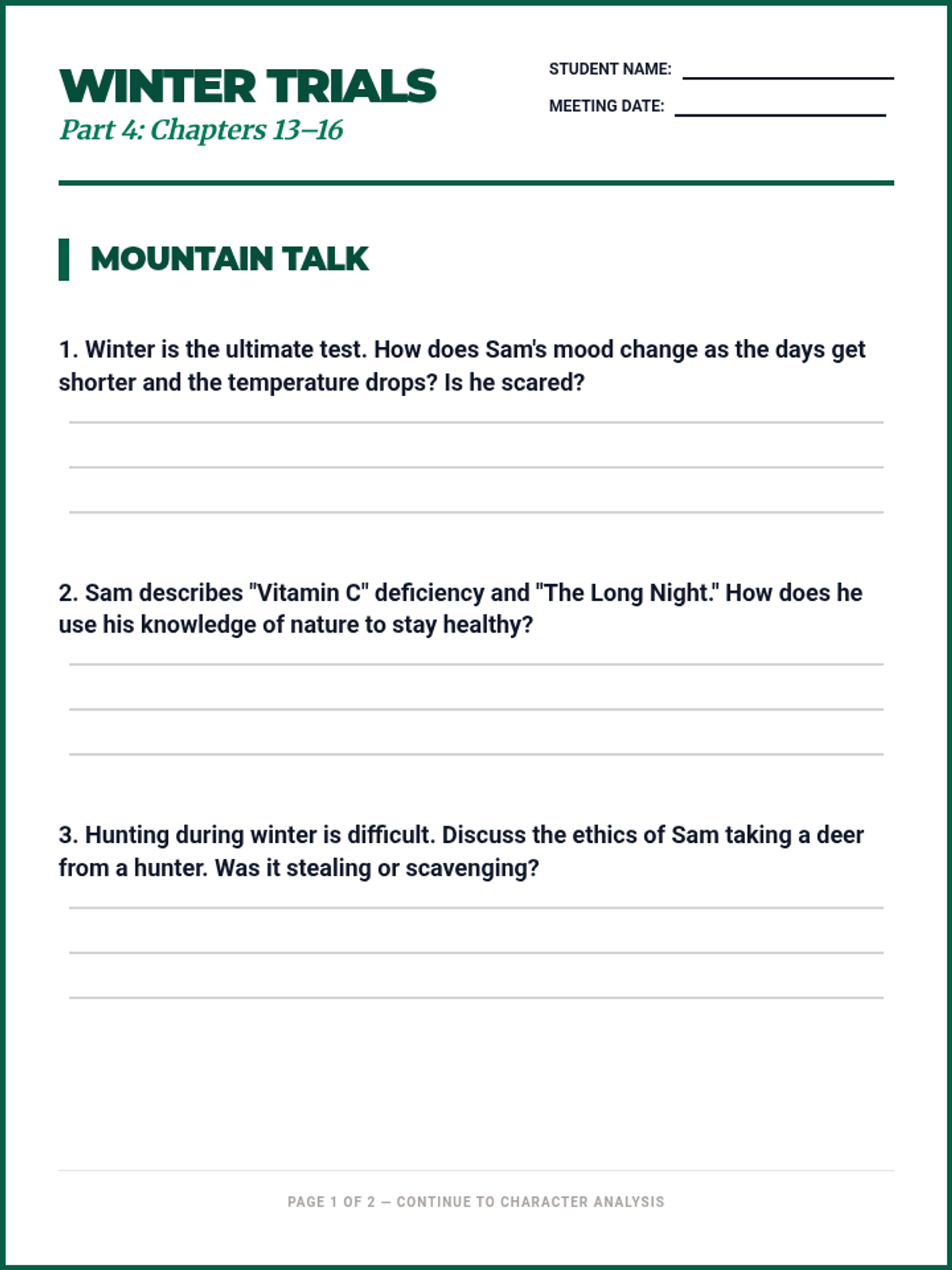
The harsh reality of a Catskill winter, testing Sam's preparations and mental fortitude. Covers Chapters 13-16.
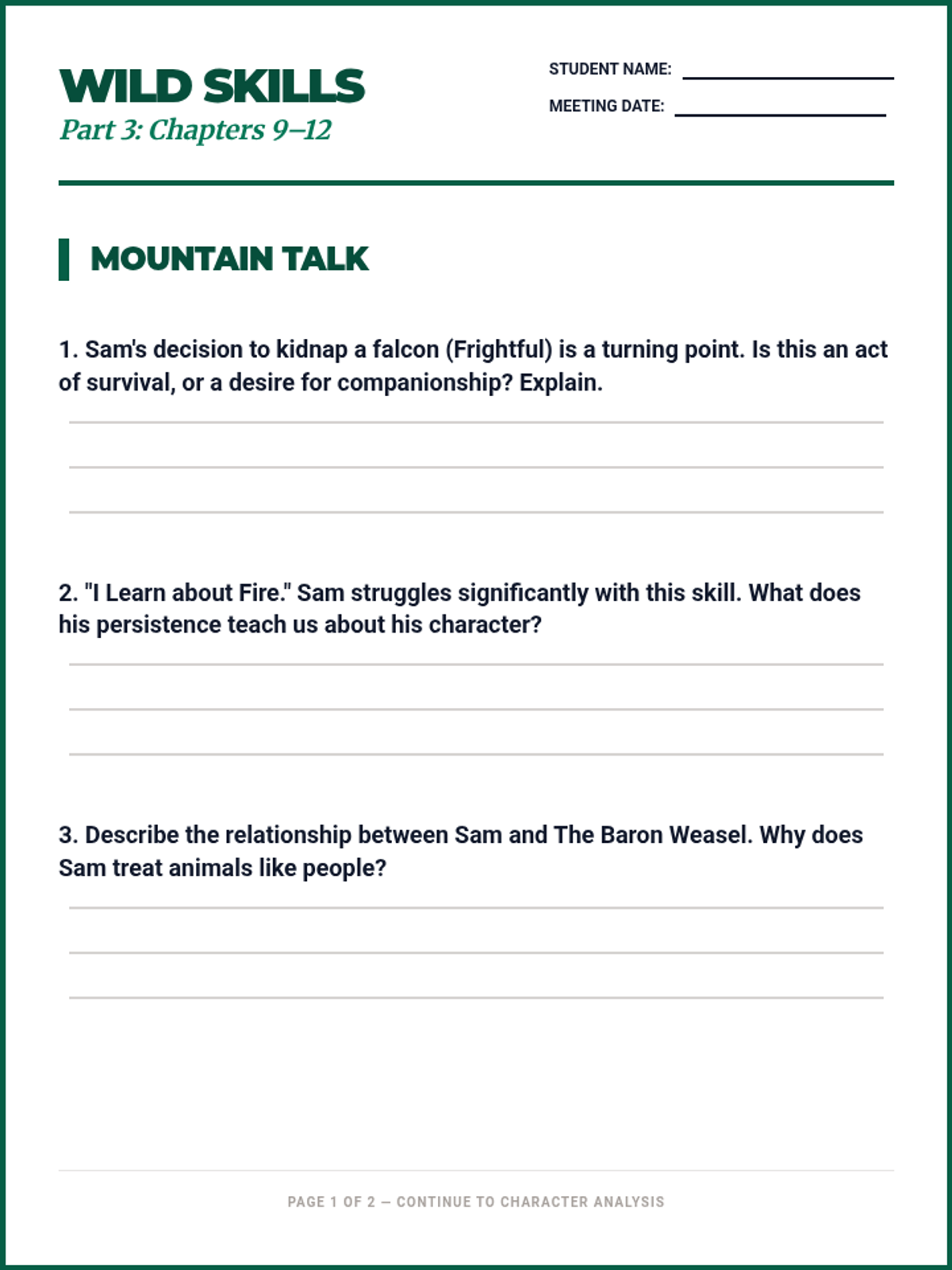
Focus on Sam's growing expertise in fire-making and his pivotal relationship with Frightful the hawk. Covers Chapters 9-12.
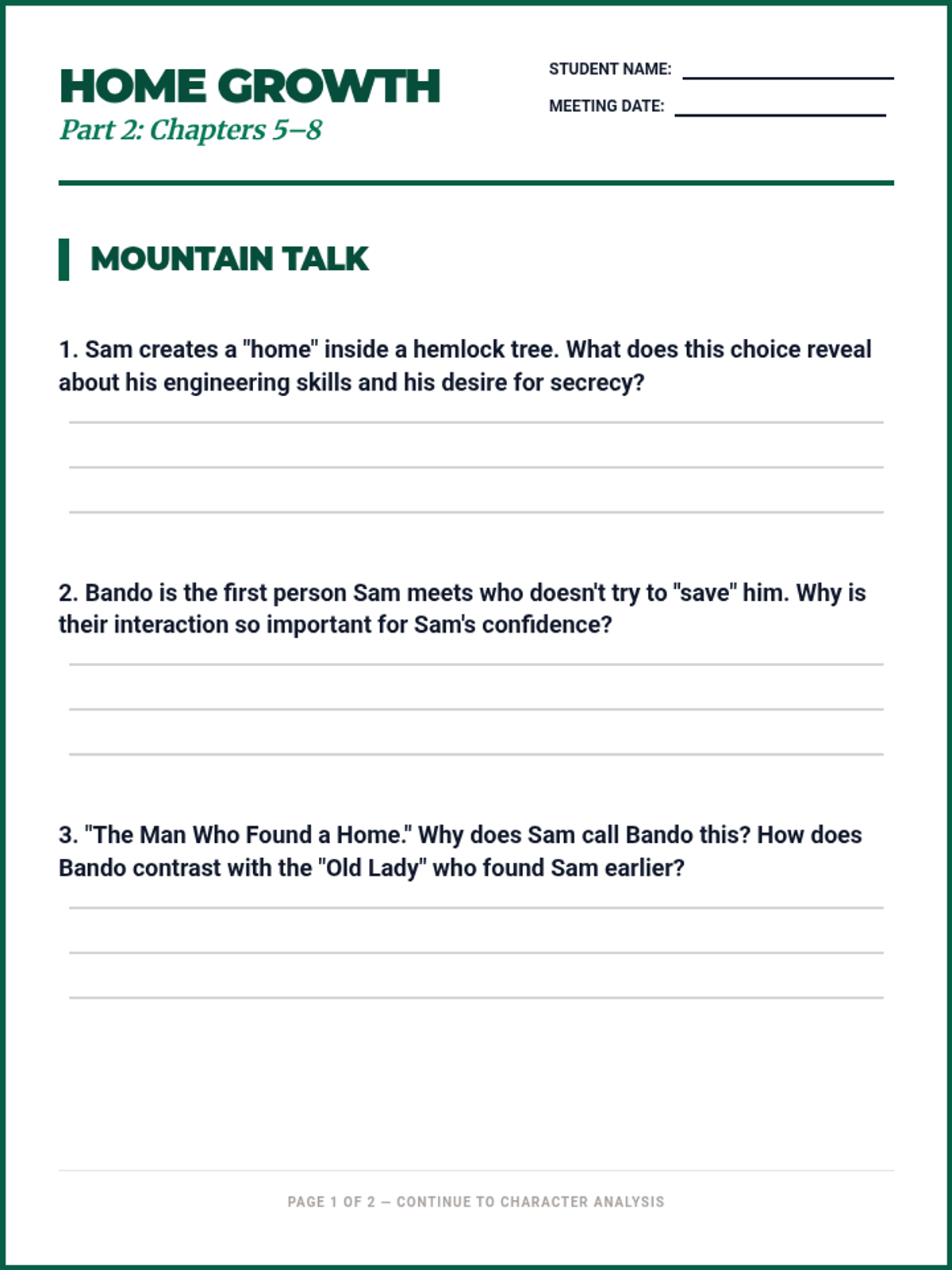
Sam expands his home and meets Bando, exploring the balance between solitude and human connection. Covers Chapters 5-8.
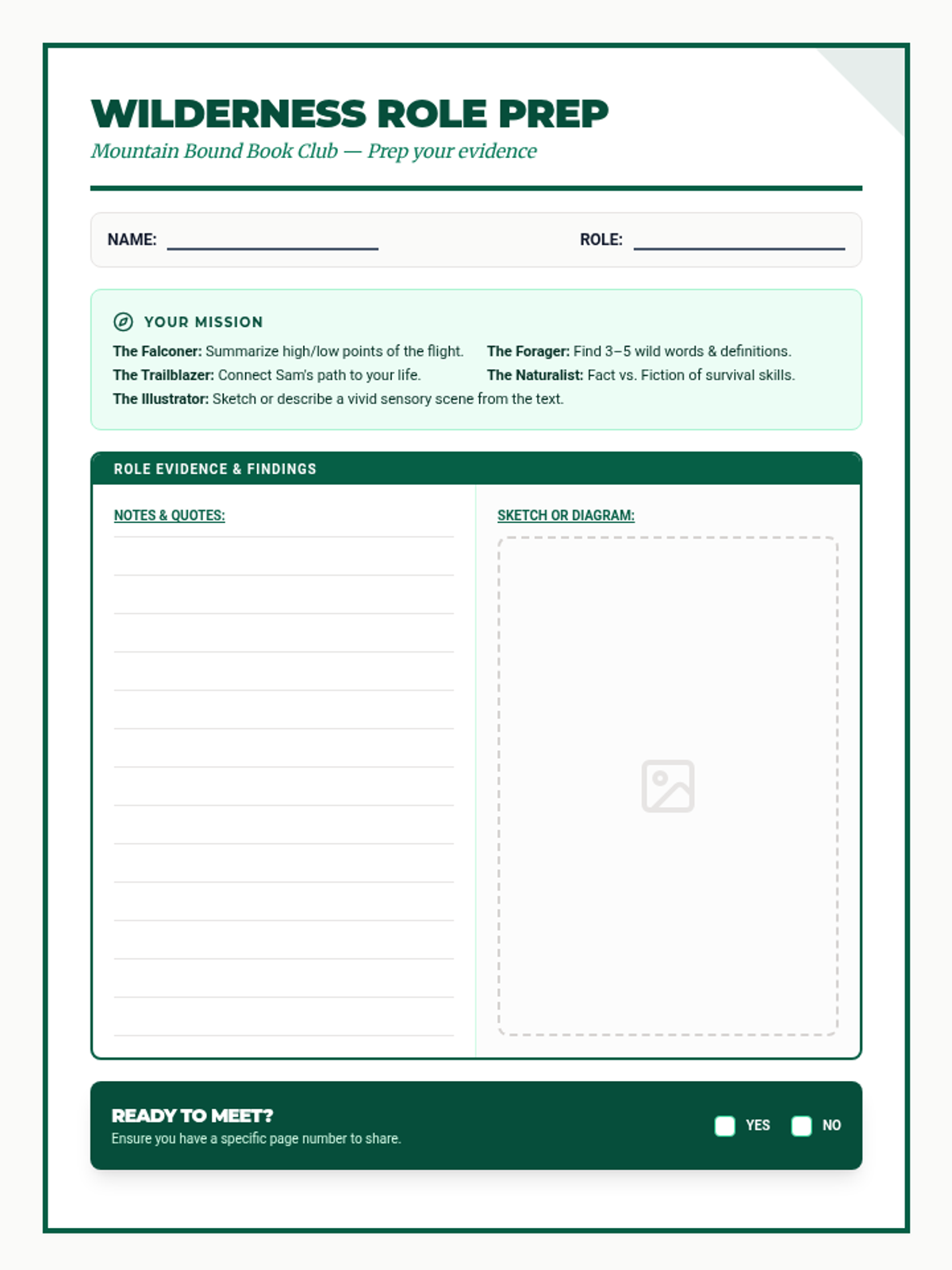
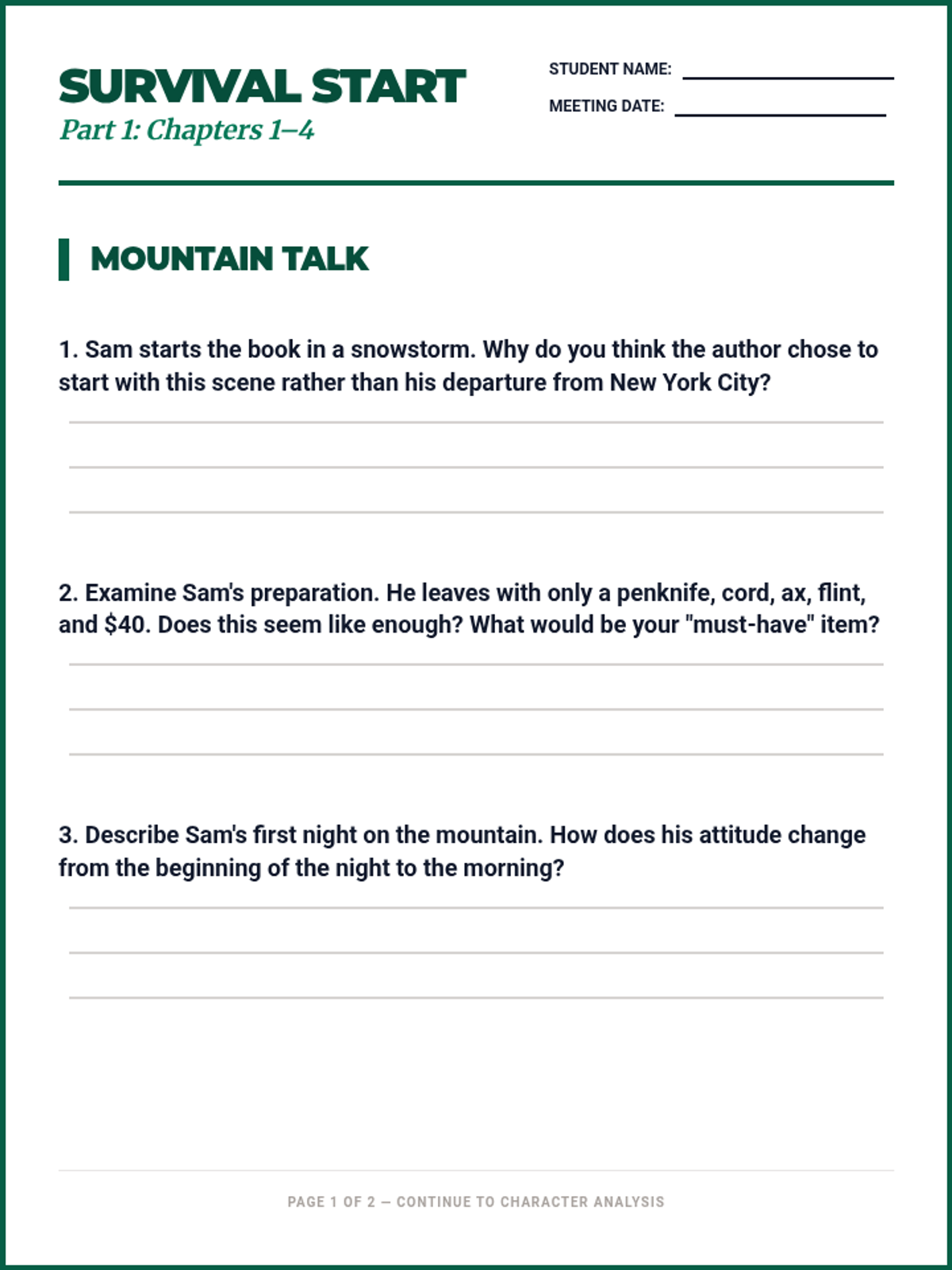
Introduction to Sam Gribley's journey, setting up in the hemlock forest, and the initial challenges of wilderness survival. Covers Chapters 1-4.
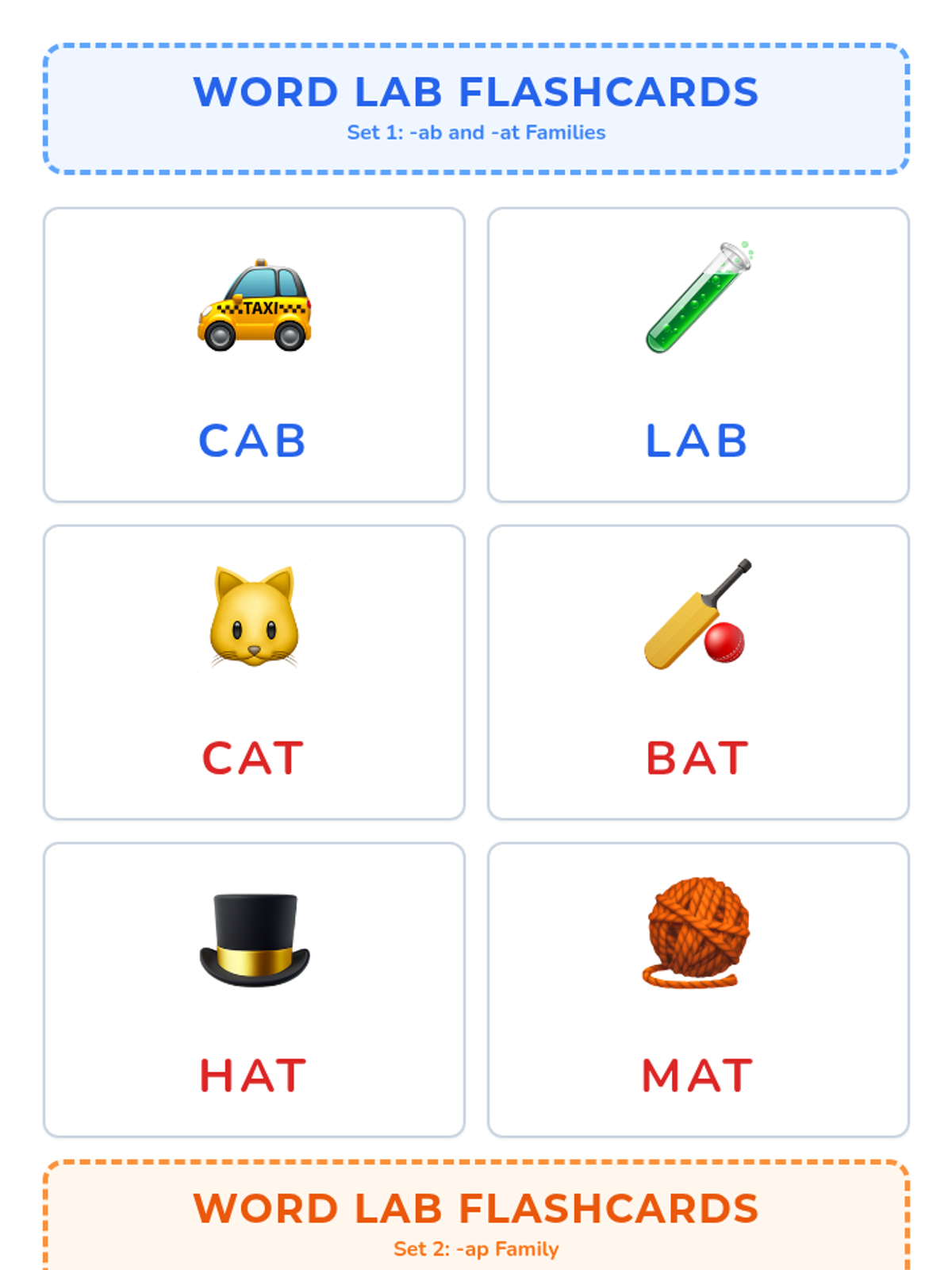
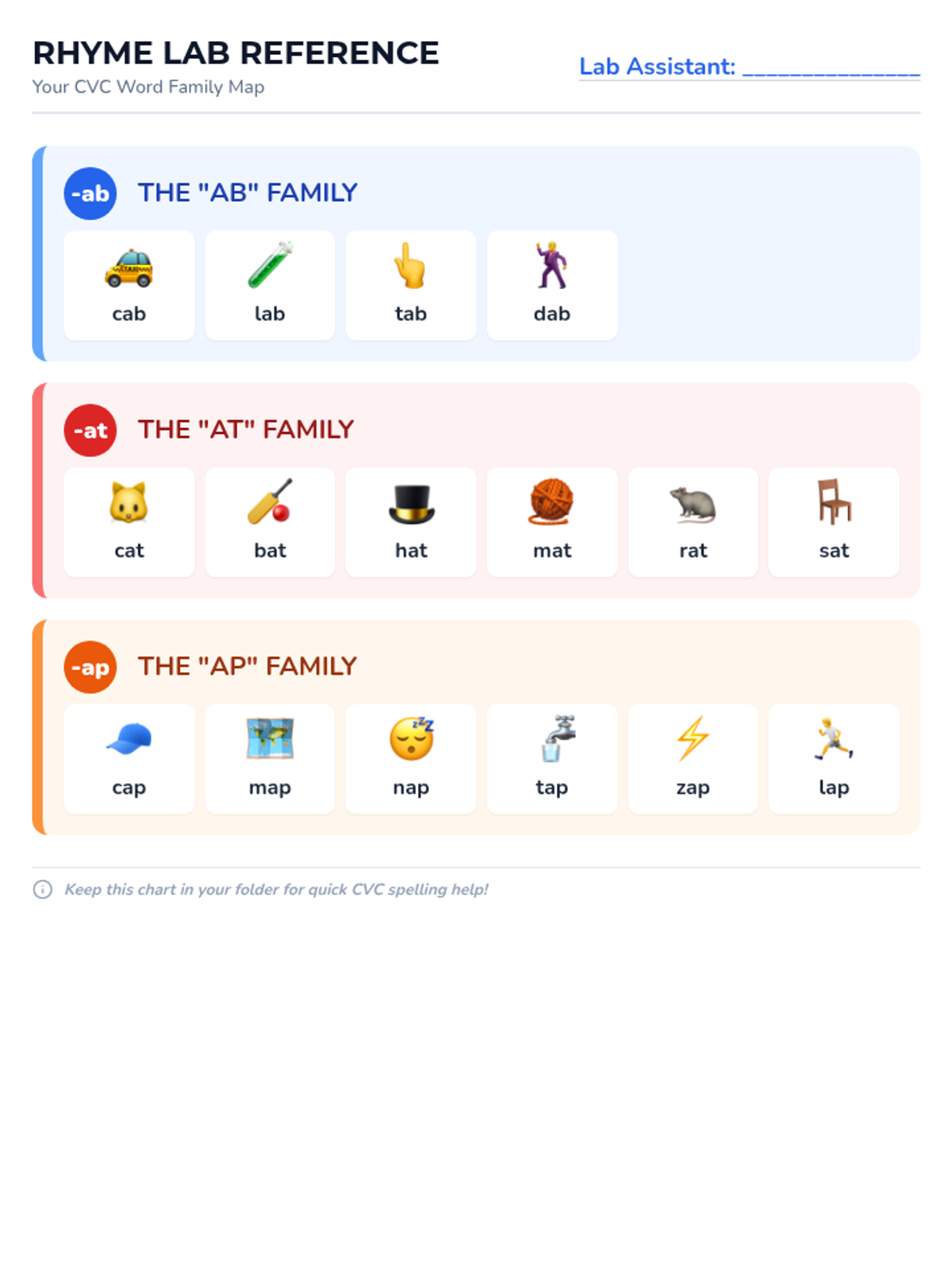
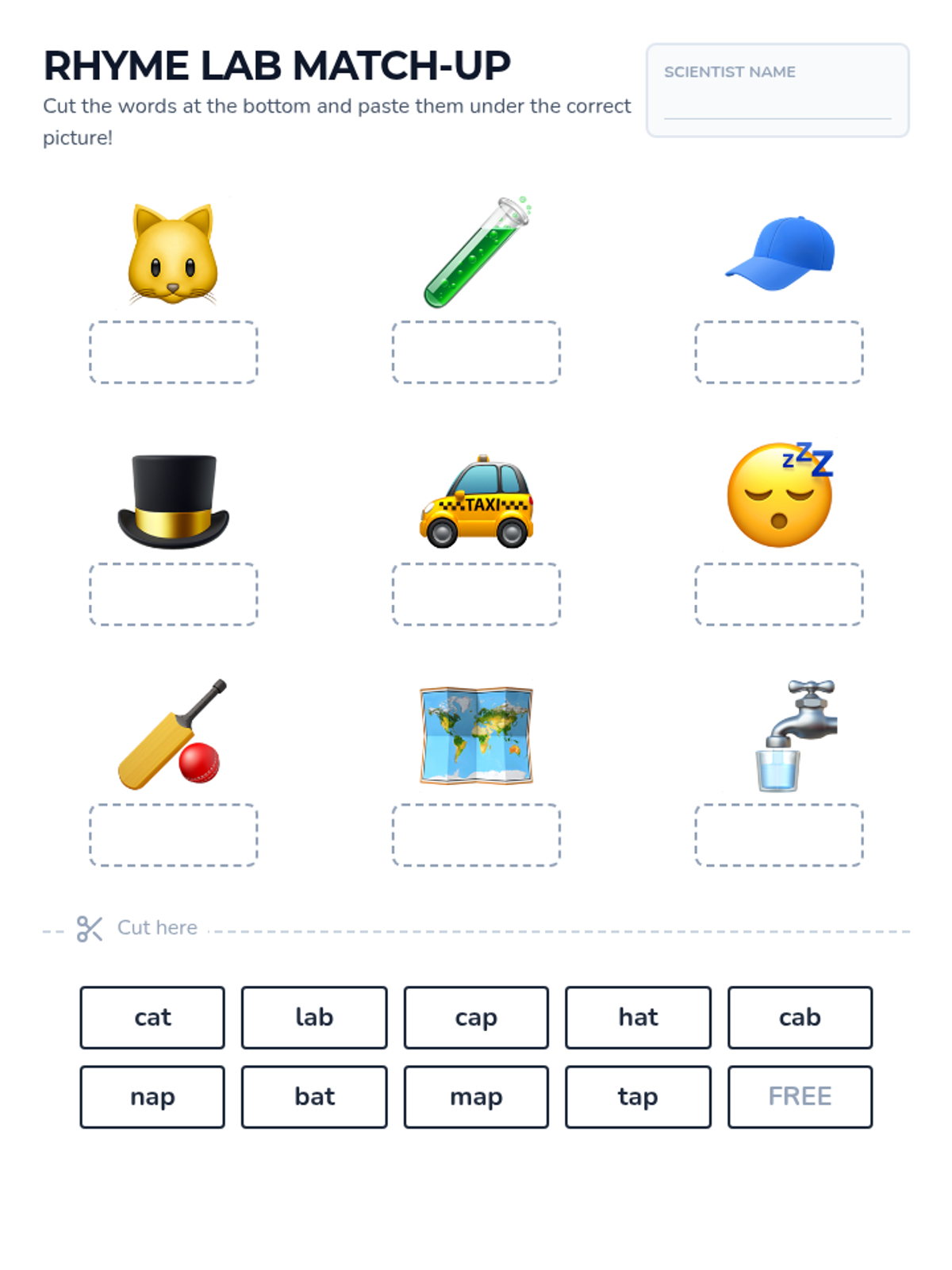
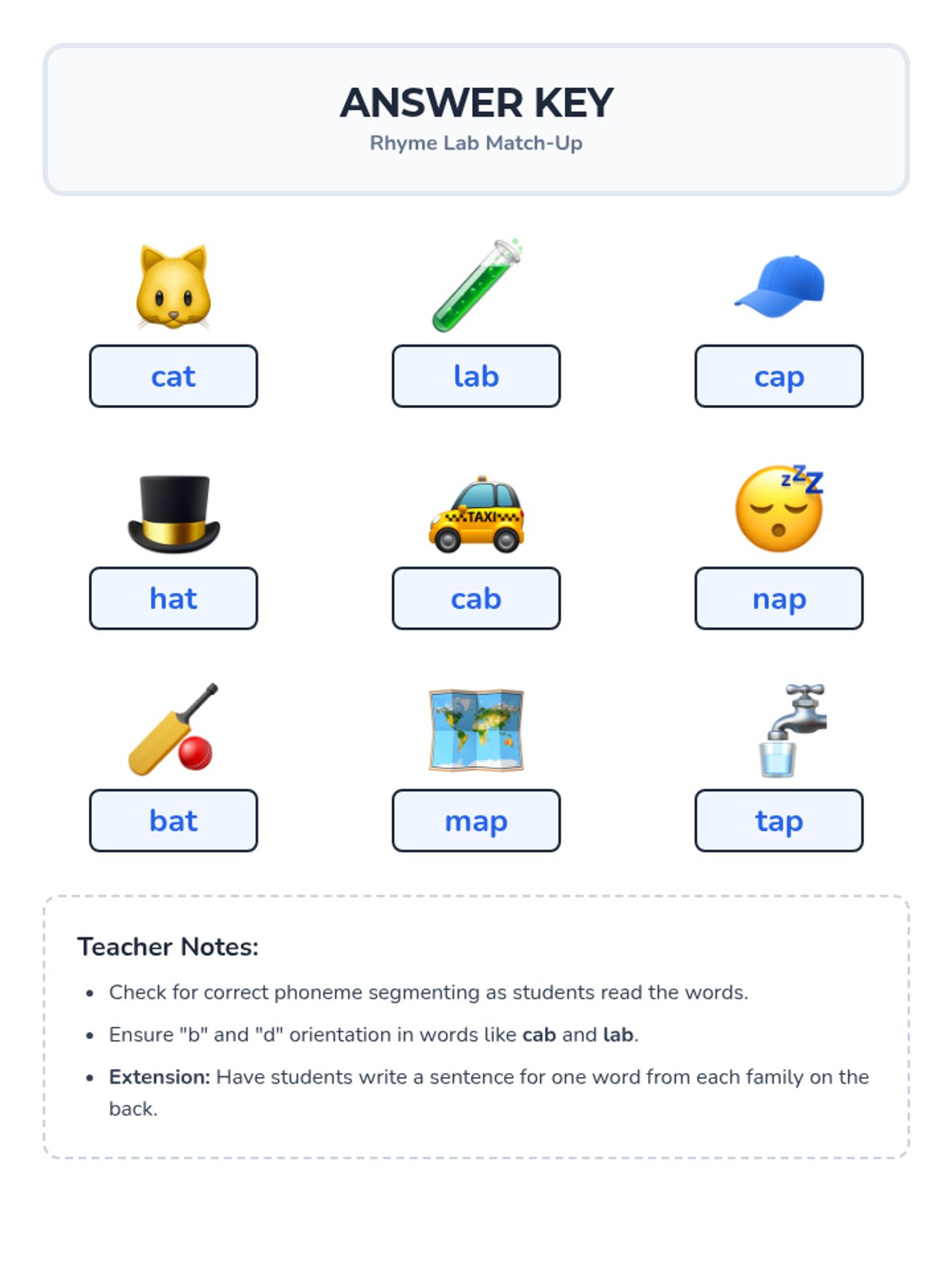
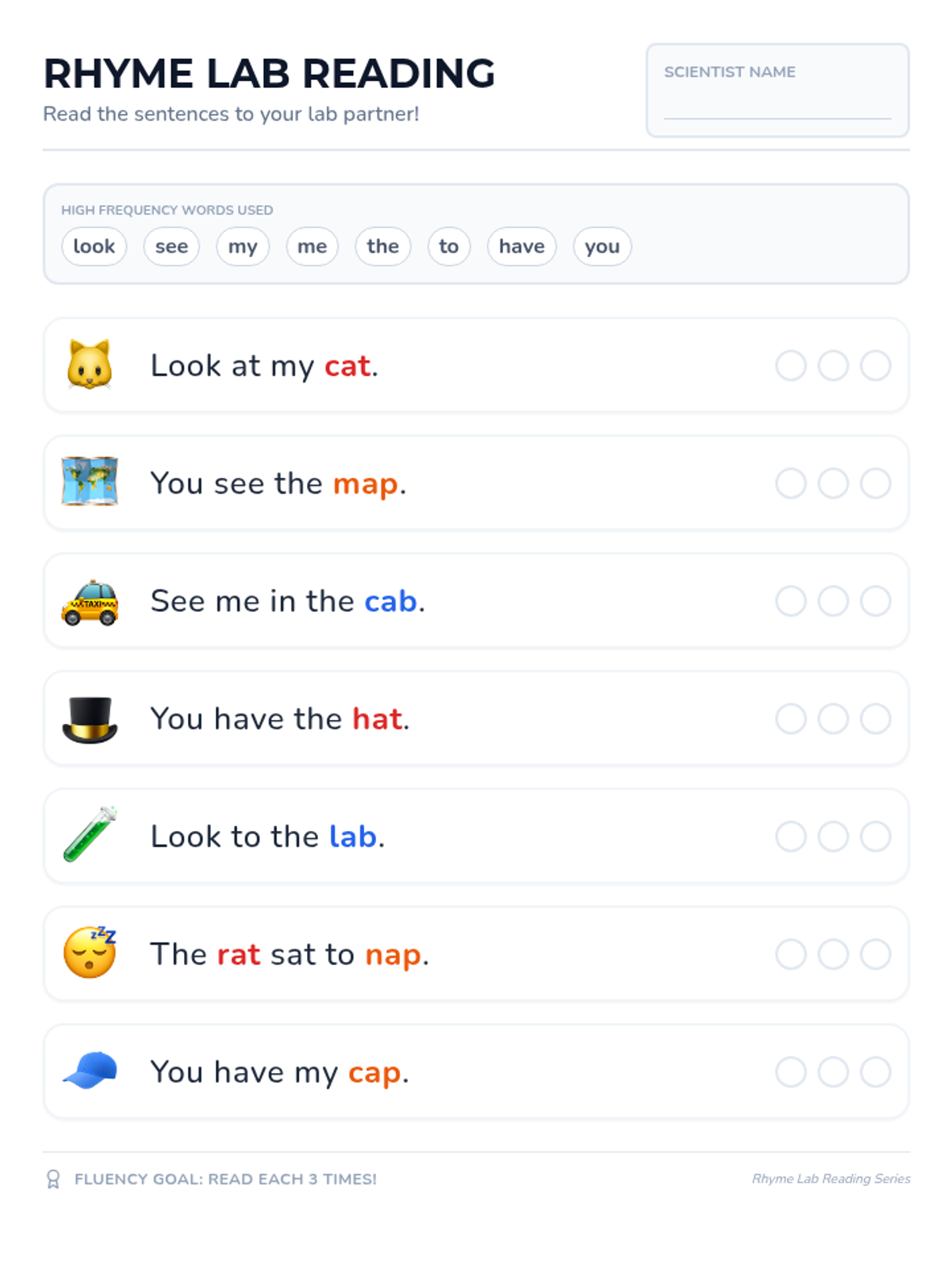
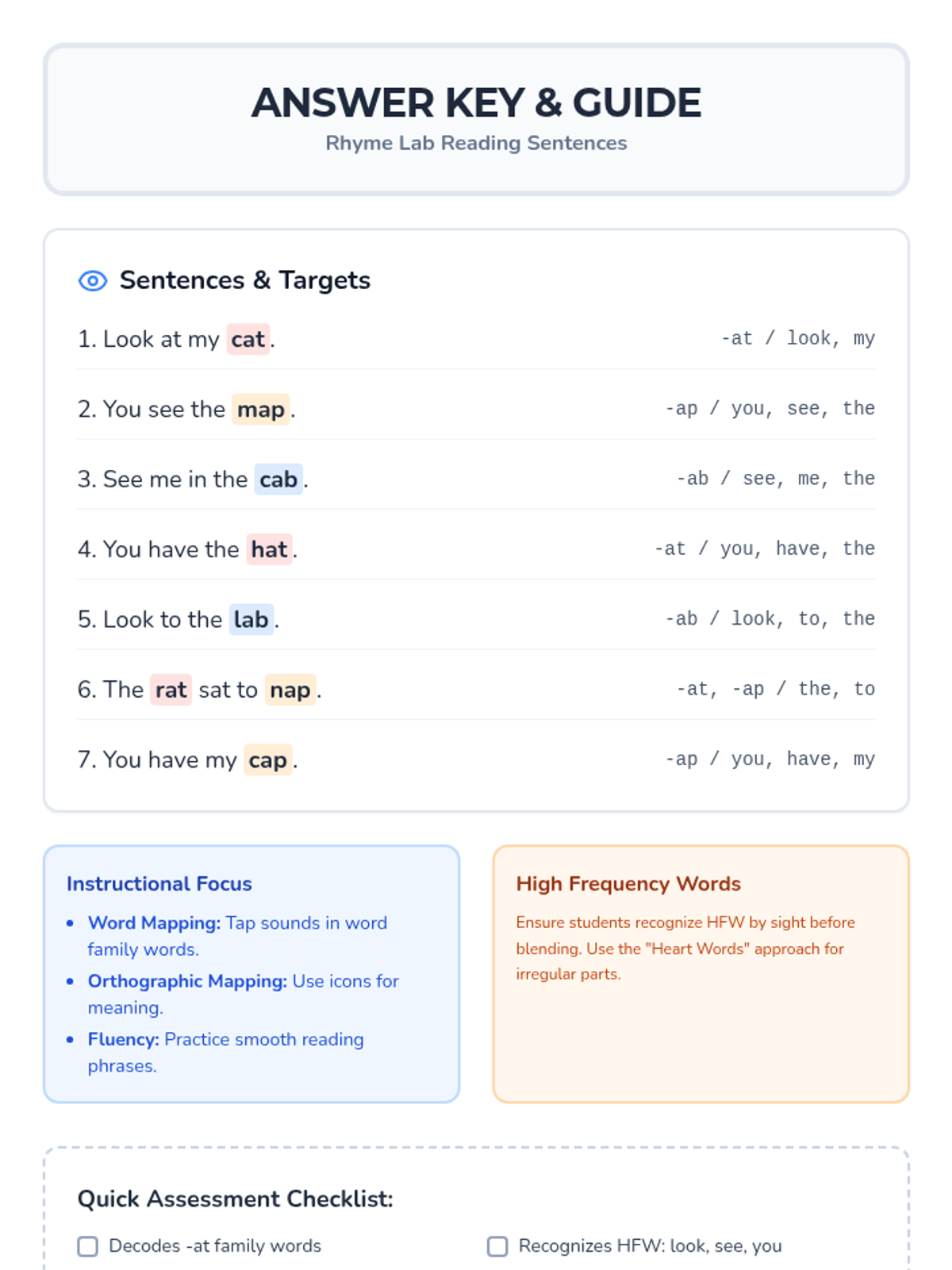
A foundational phonics lesson focusing on CVC words from the -ab, -at, and -ap word families through visual recognition and hands-on activities.
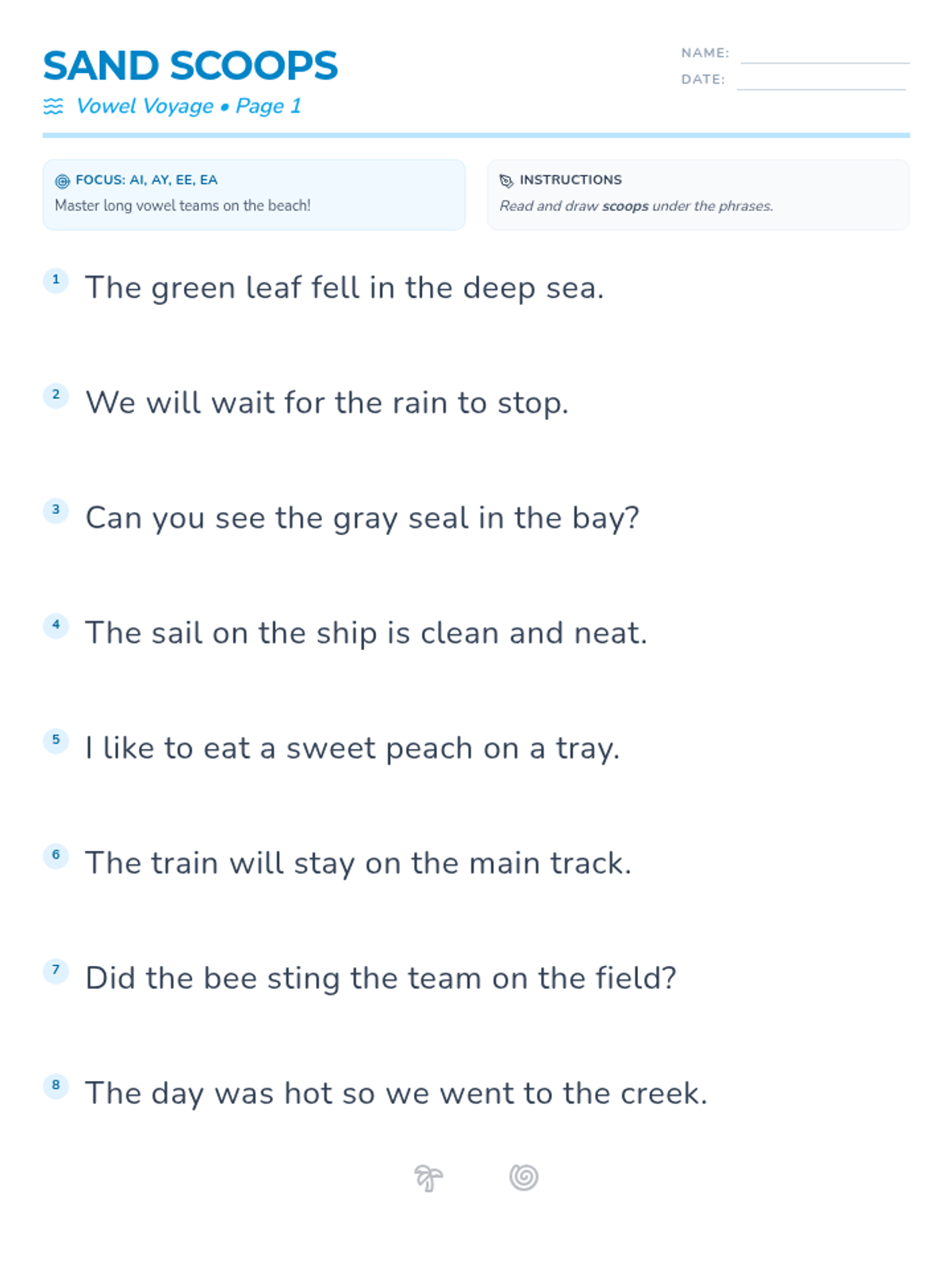
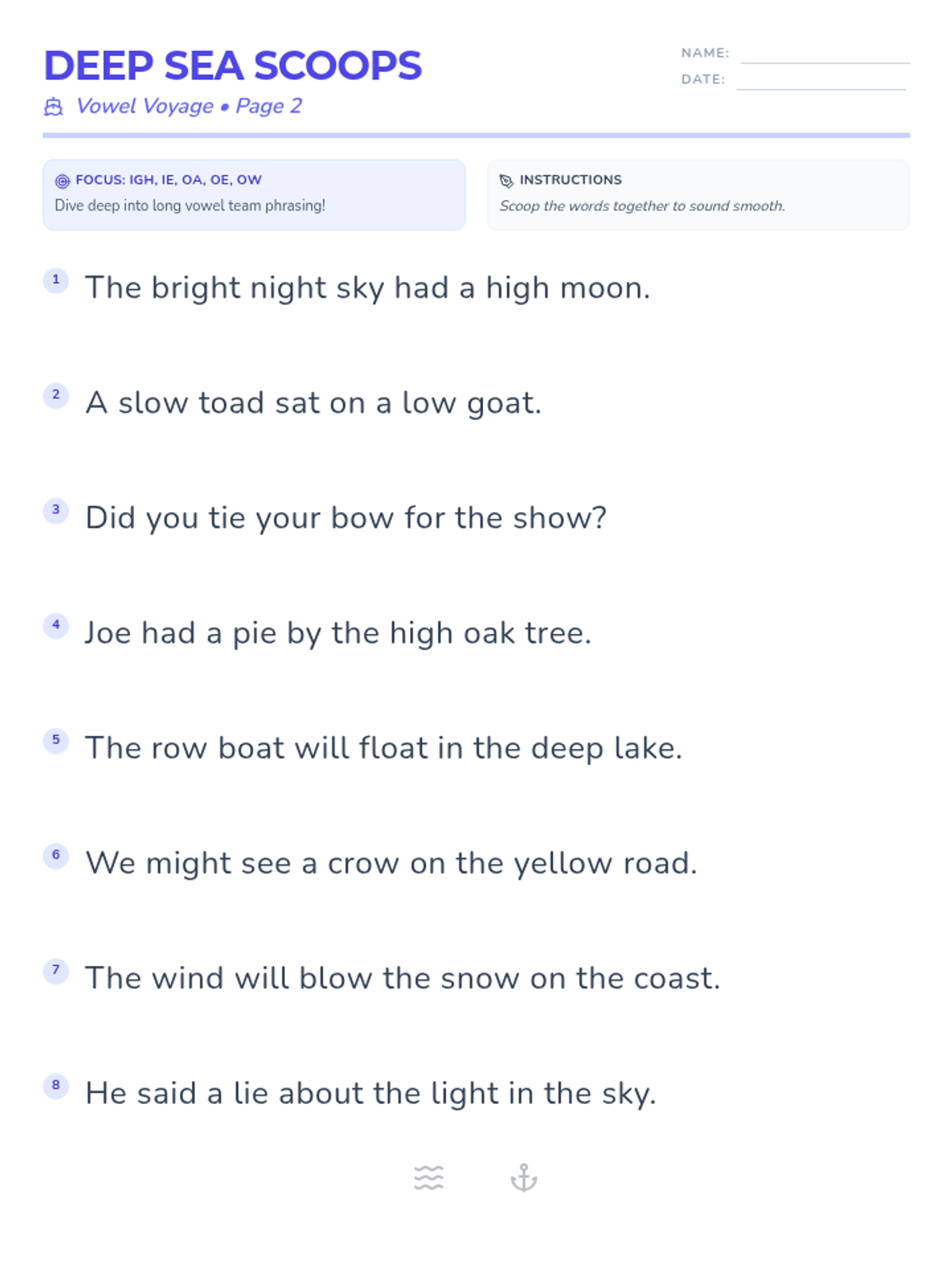
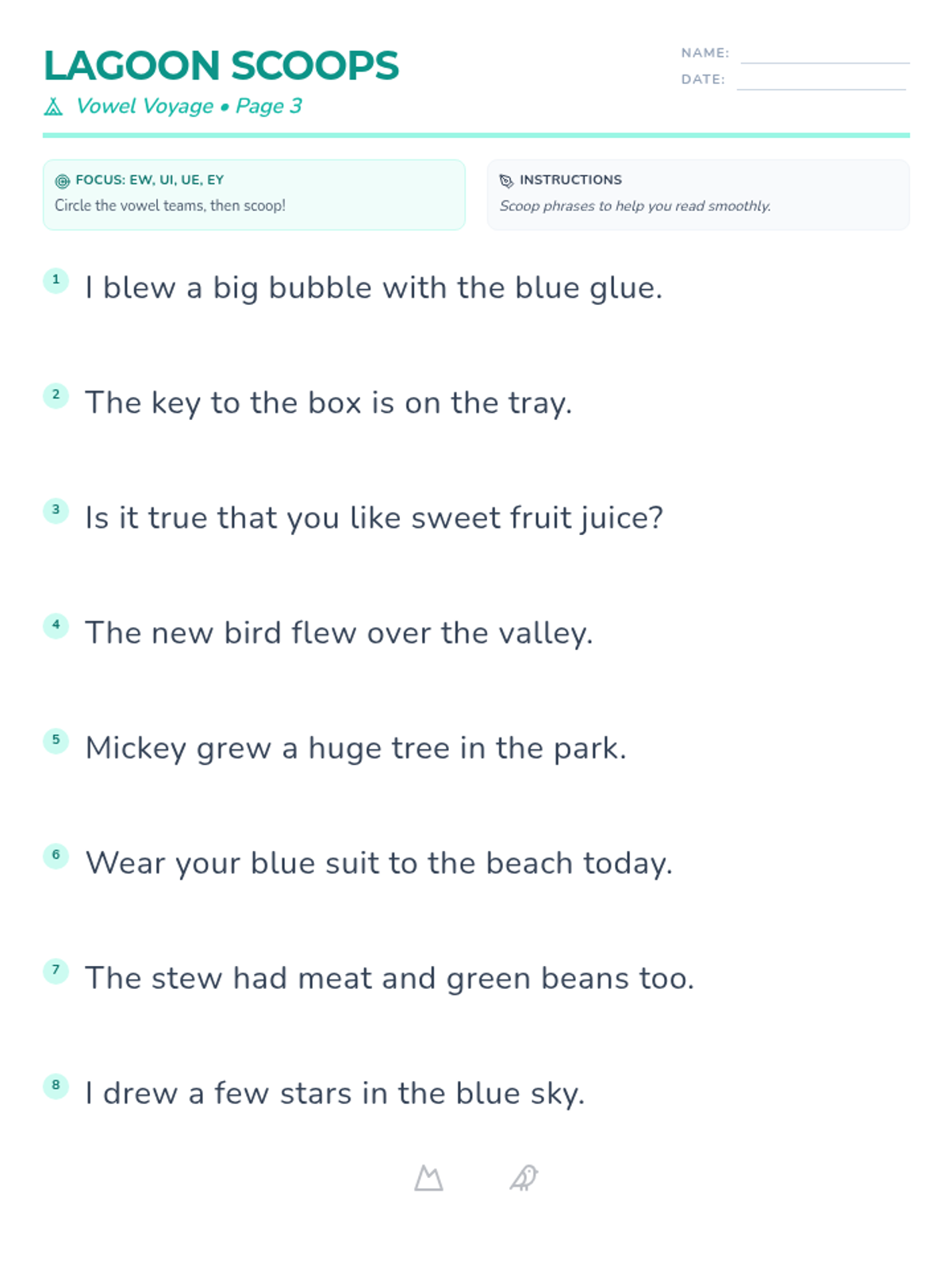
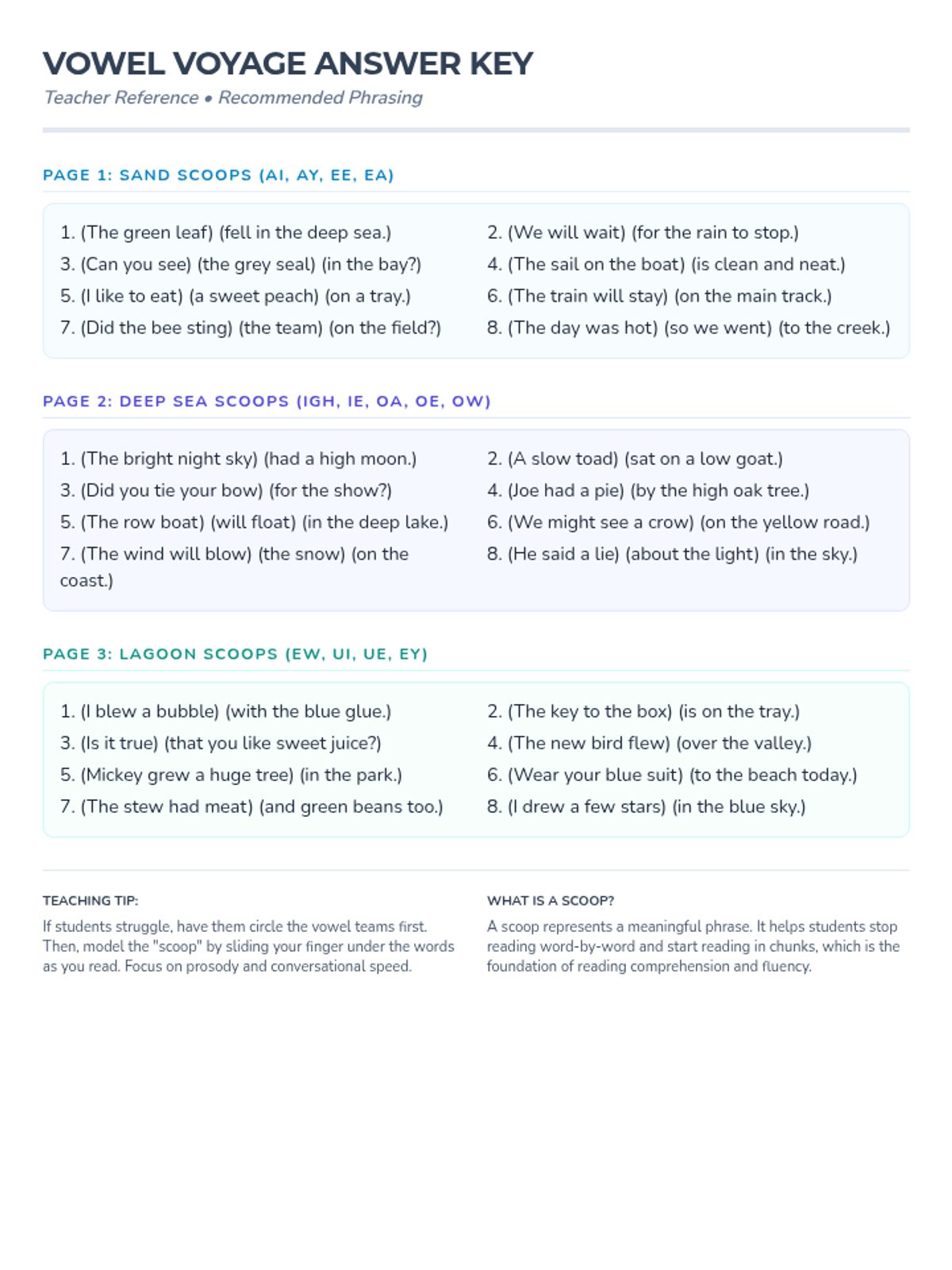
In this lesson, students practice reading sentences containing a variety of long vowel teams (ai, ay, ee, ea, igh, ie, oa, oe, ow, ew, ui, ue, ey) using the scooping method to improve phrasing and reading flow.
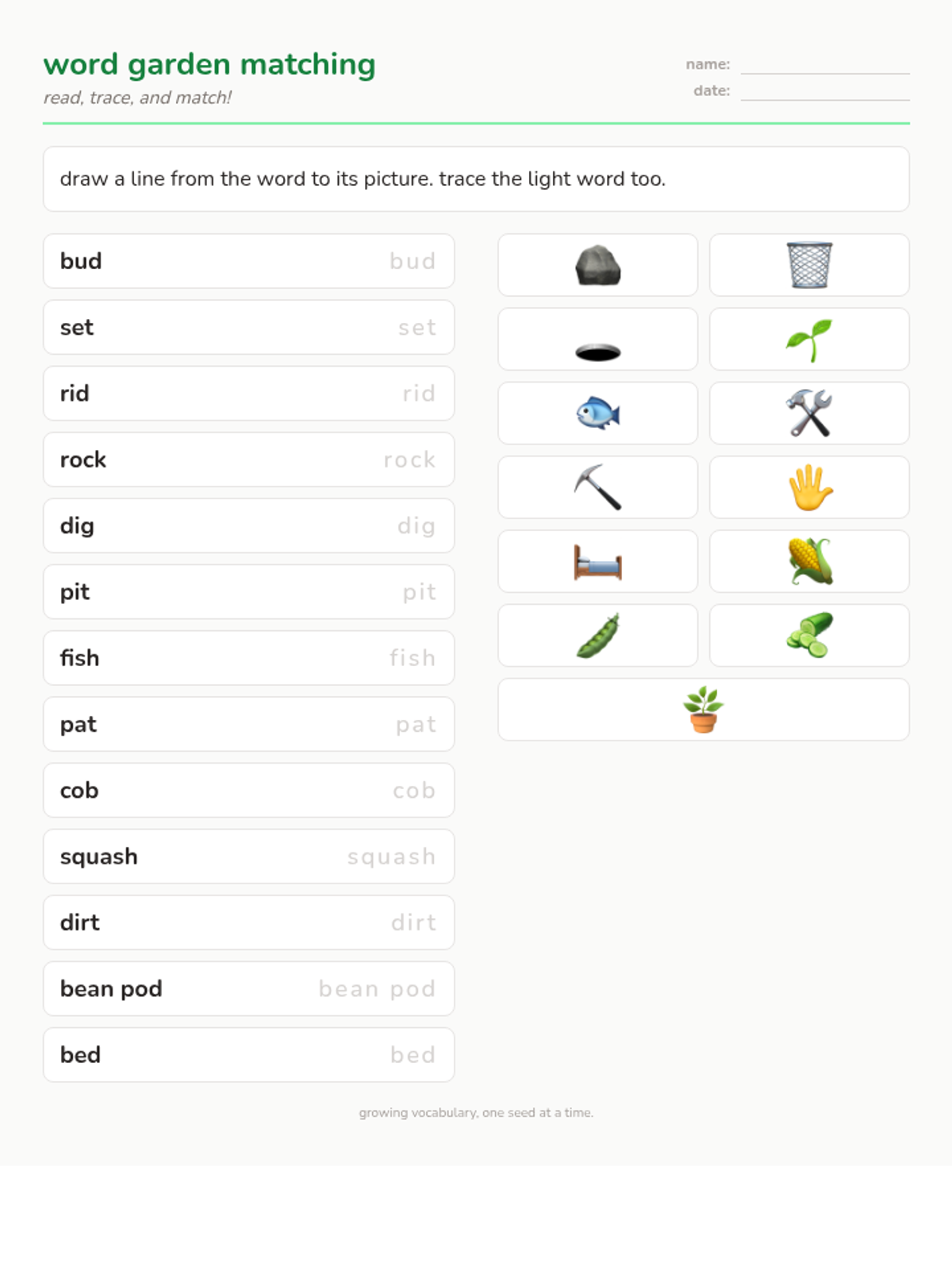
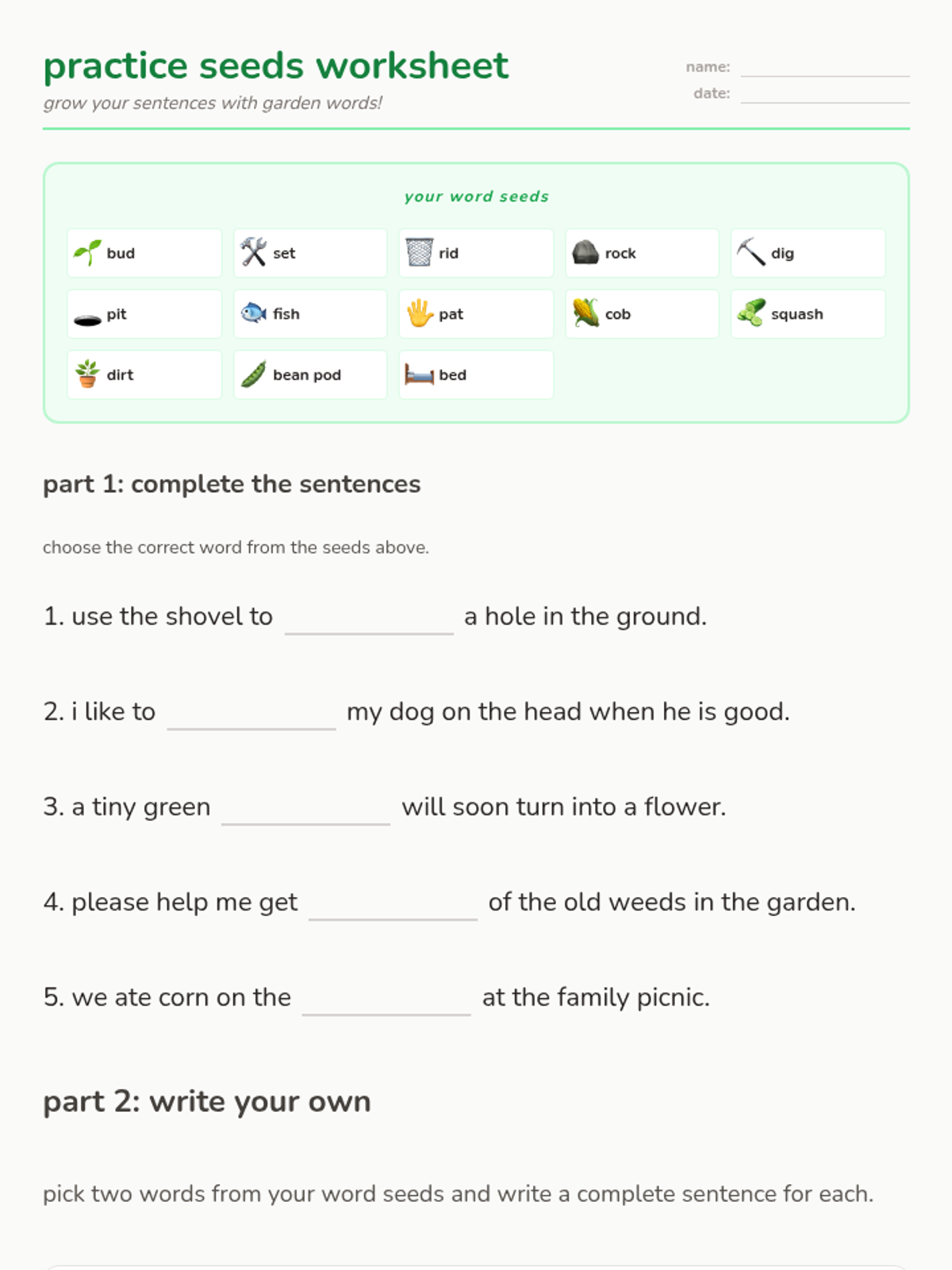
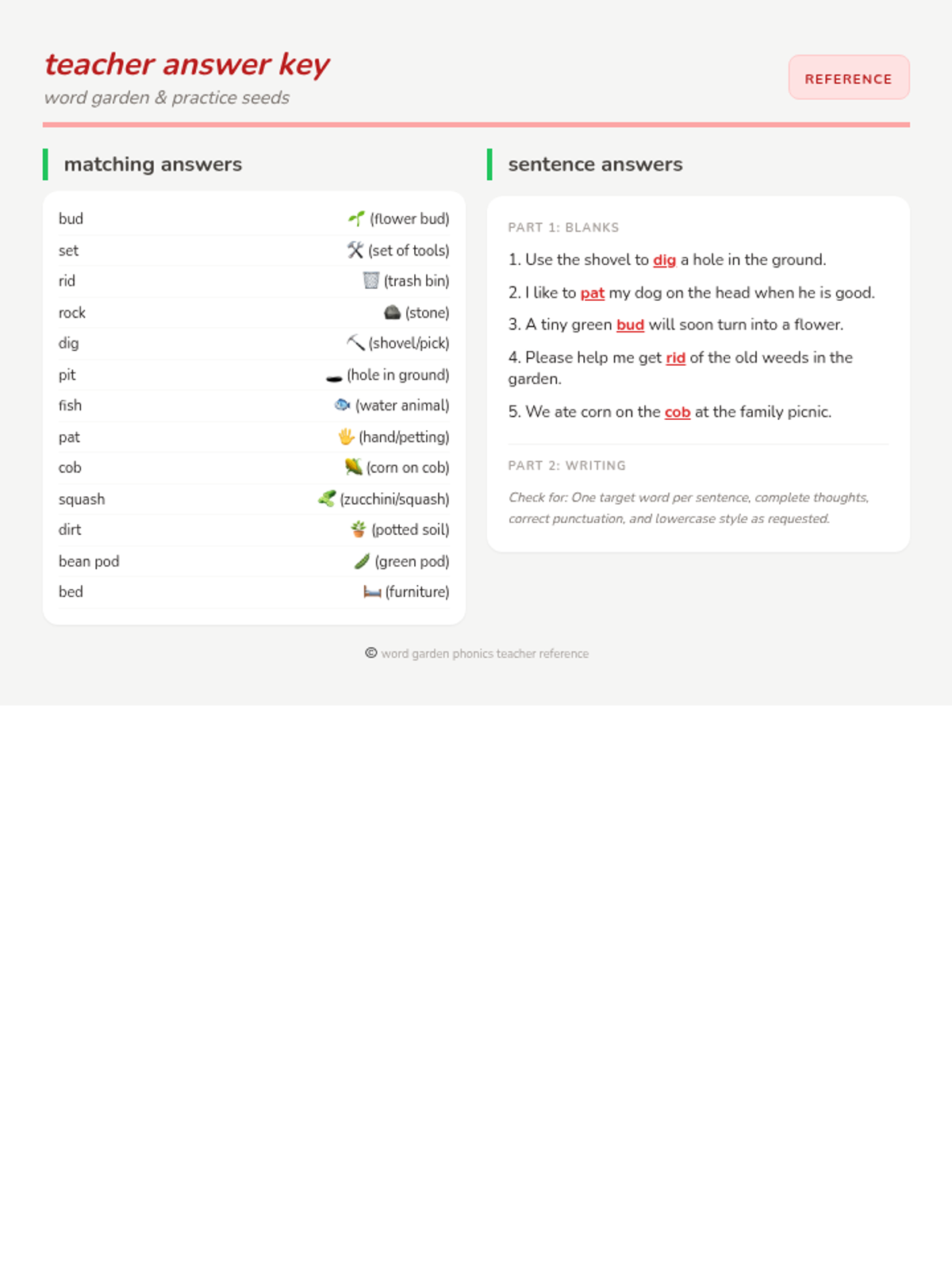
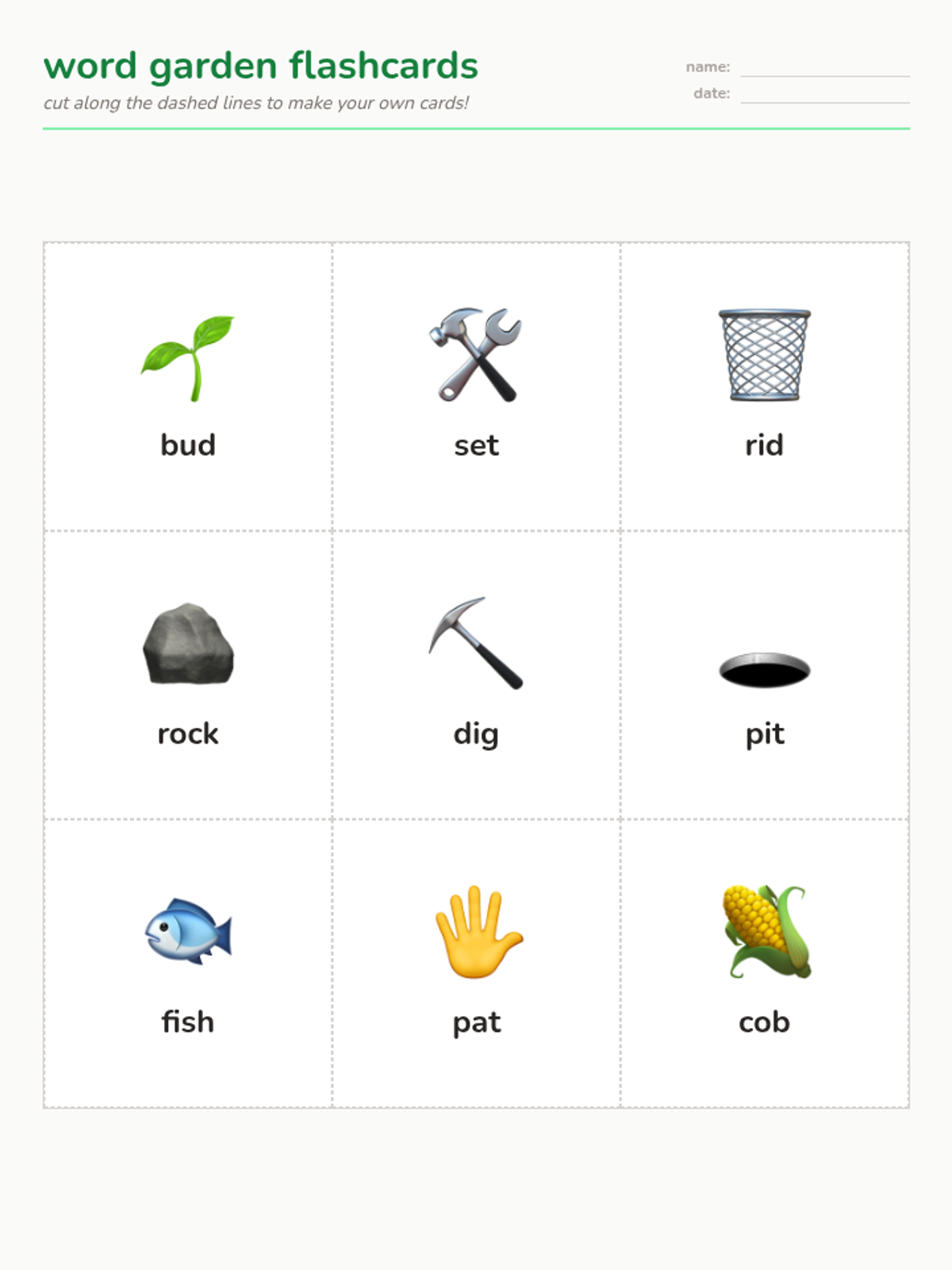
A phonics and vocabulary focused lesson based around a list of 13 nature and everyday words, featuring image-word association and sentence-level practice.
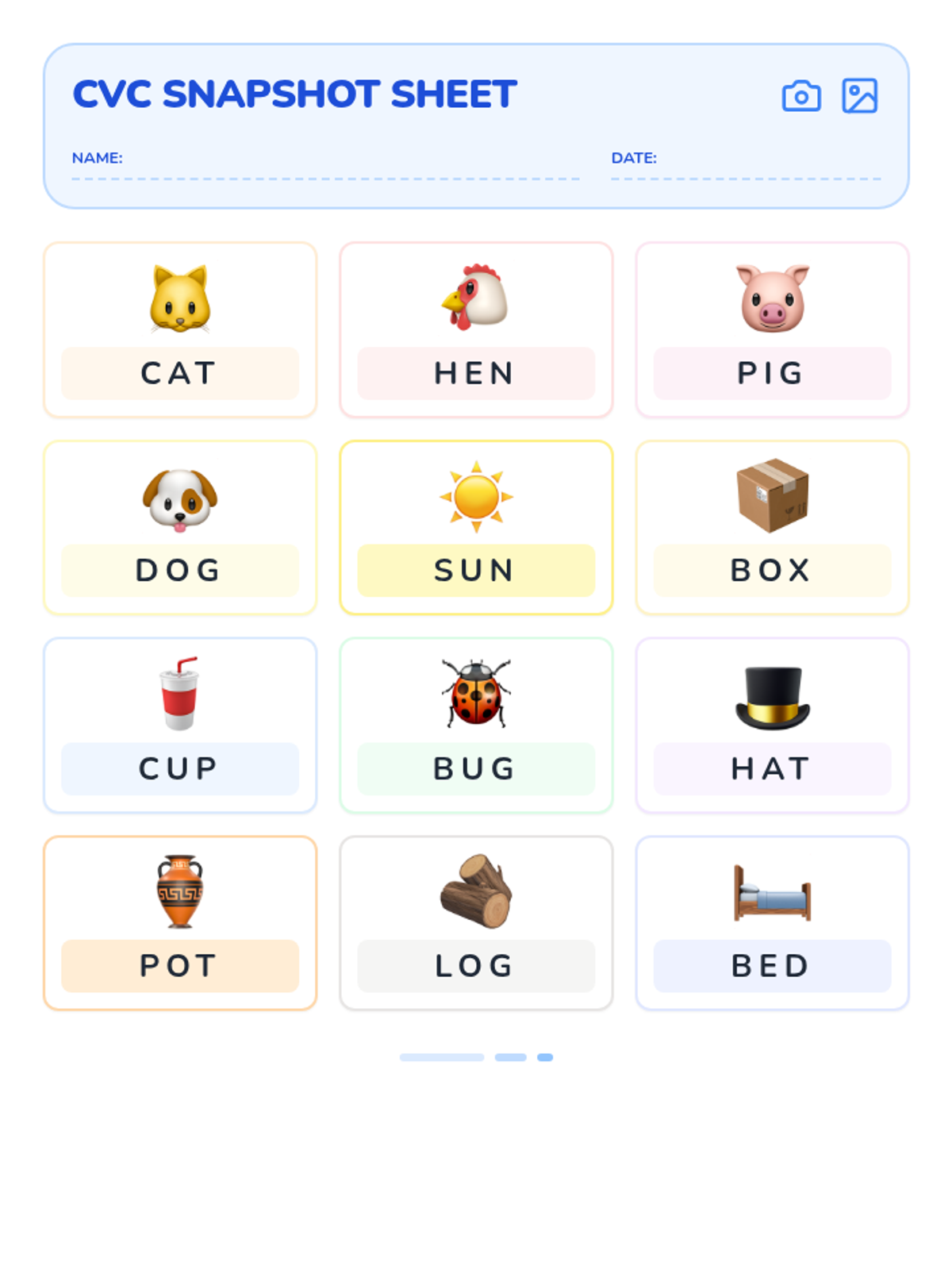
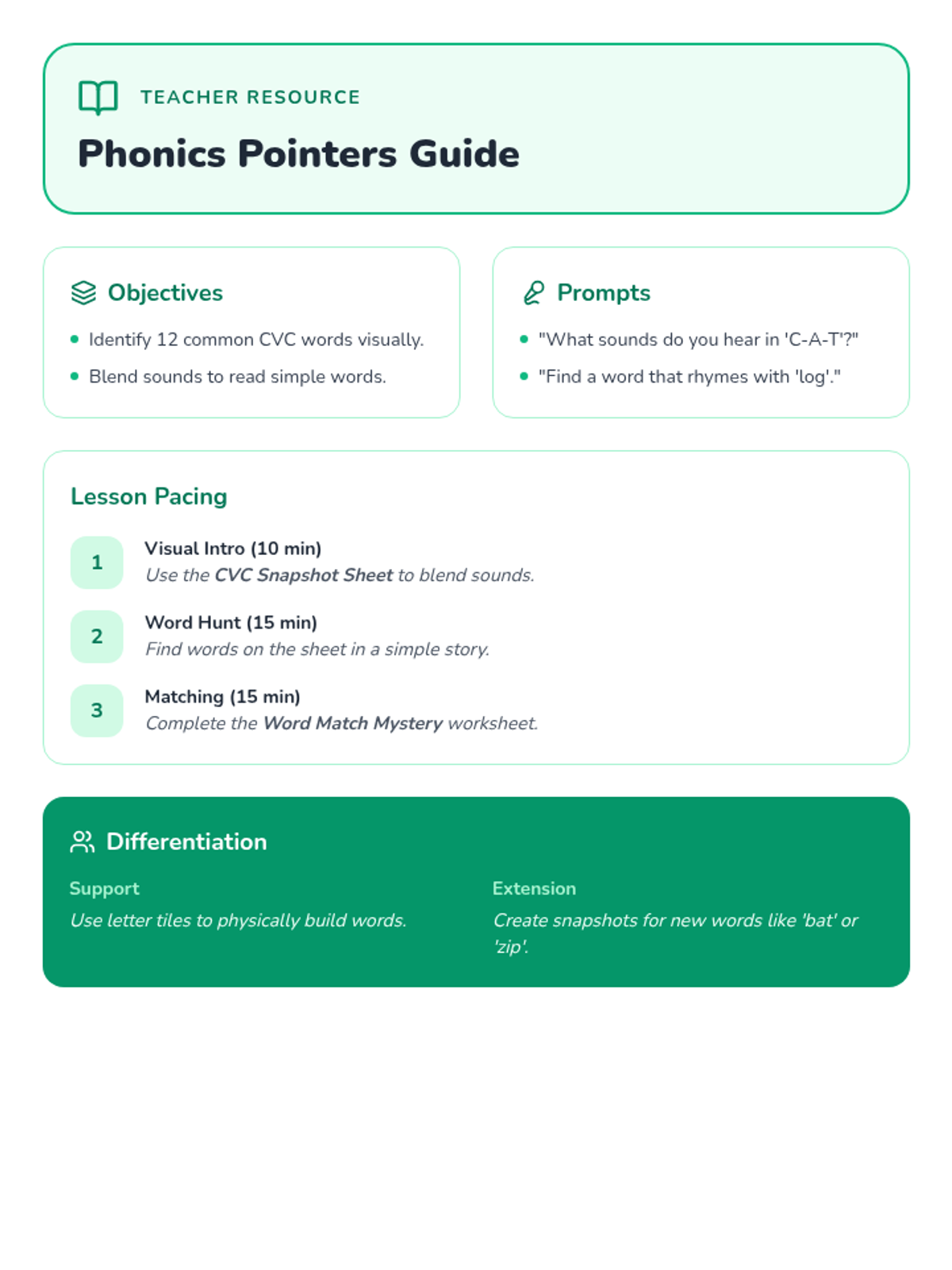
A foundational phonics lesson focusing on identifying and reading CVC words through visual associations and simple story context. Students will explore short vowel sounds using a "Park Adventure" theme.
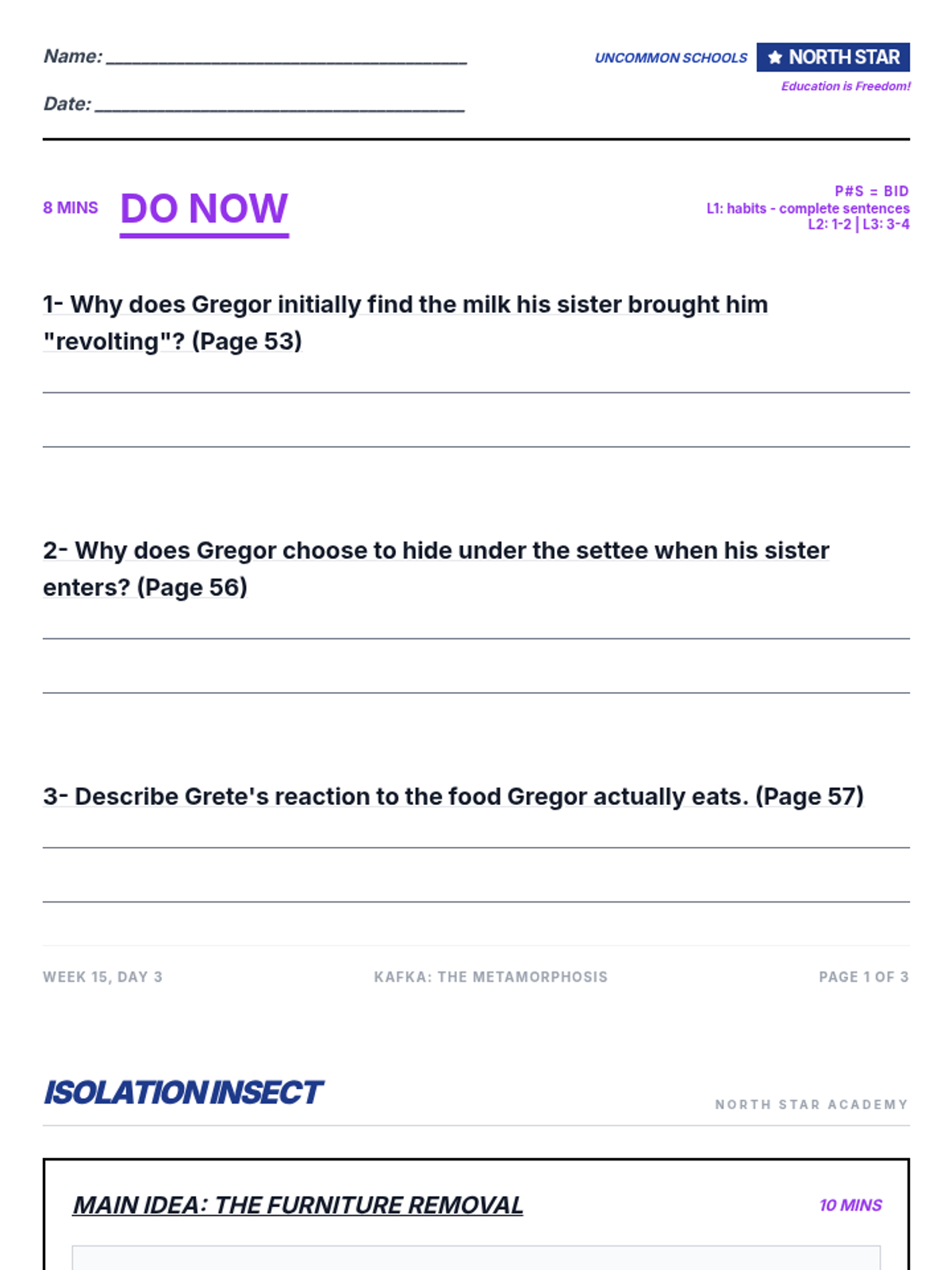
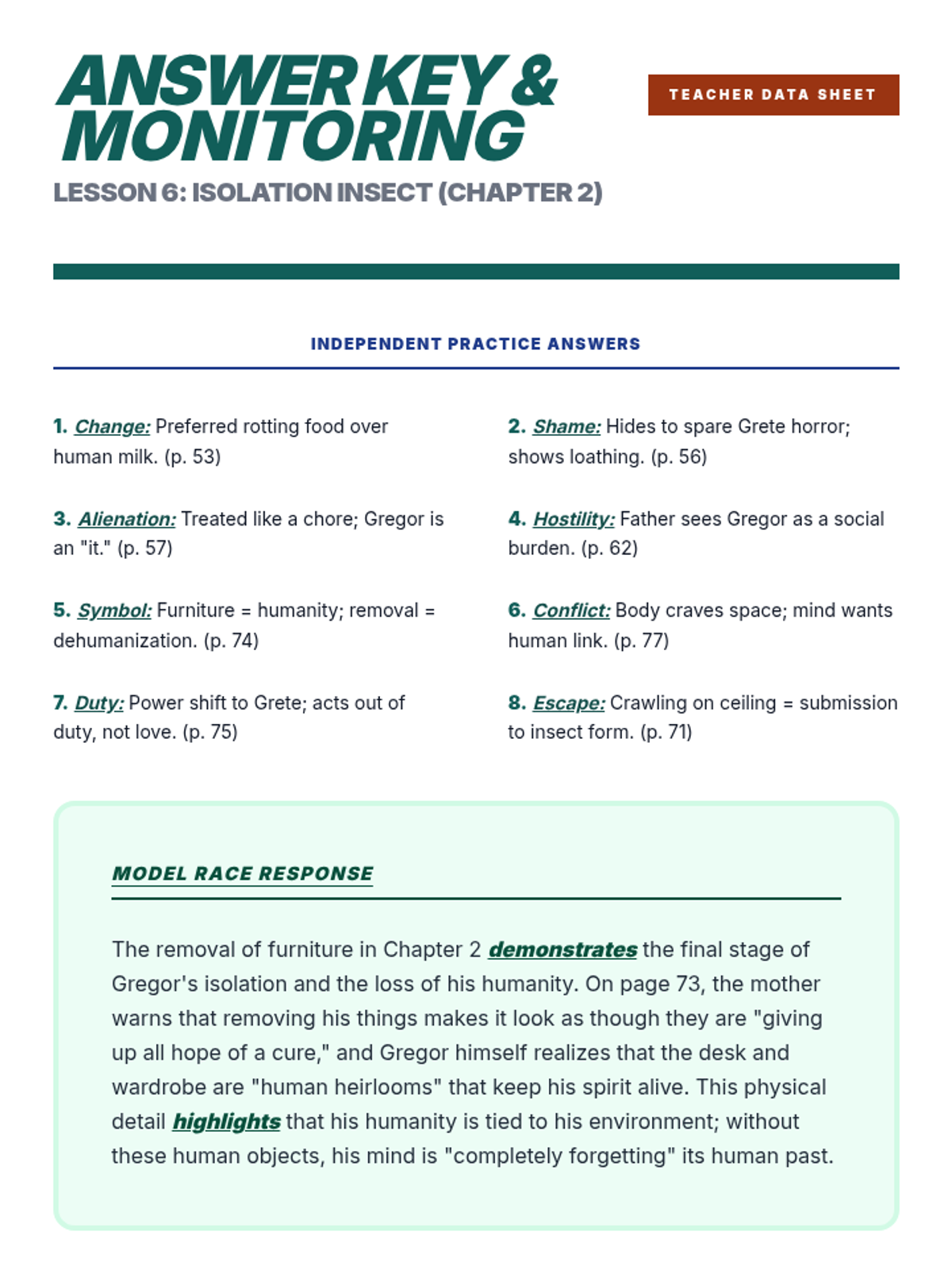
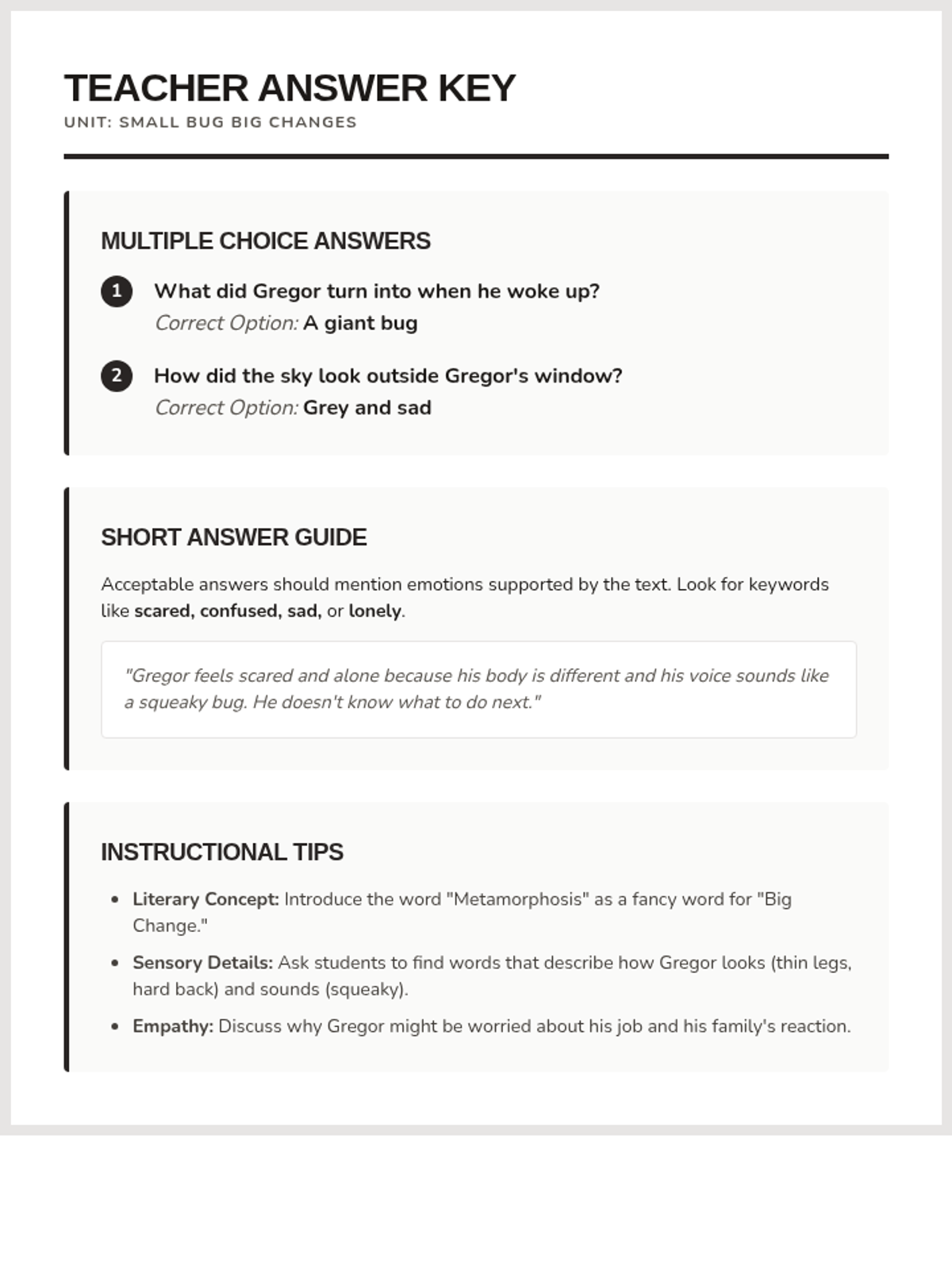
This lesson explores Gregor's increasing isolation in Chapter 2 of The Metamorphosis, focusing on characterization, the symbolism of his room, and the developing conflict between his humanity and his insect form.
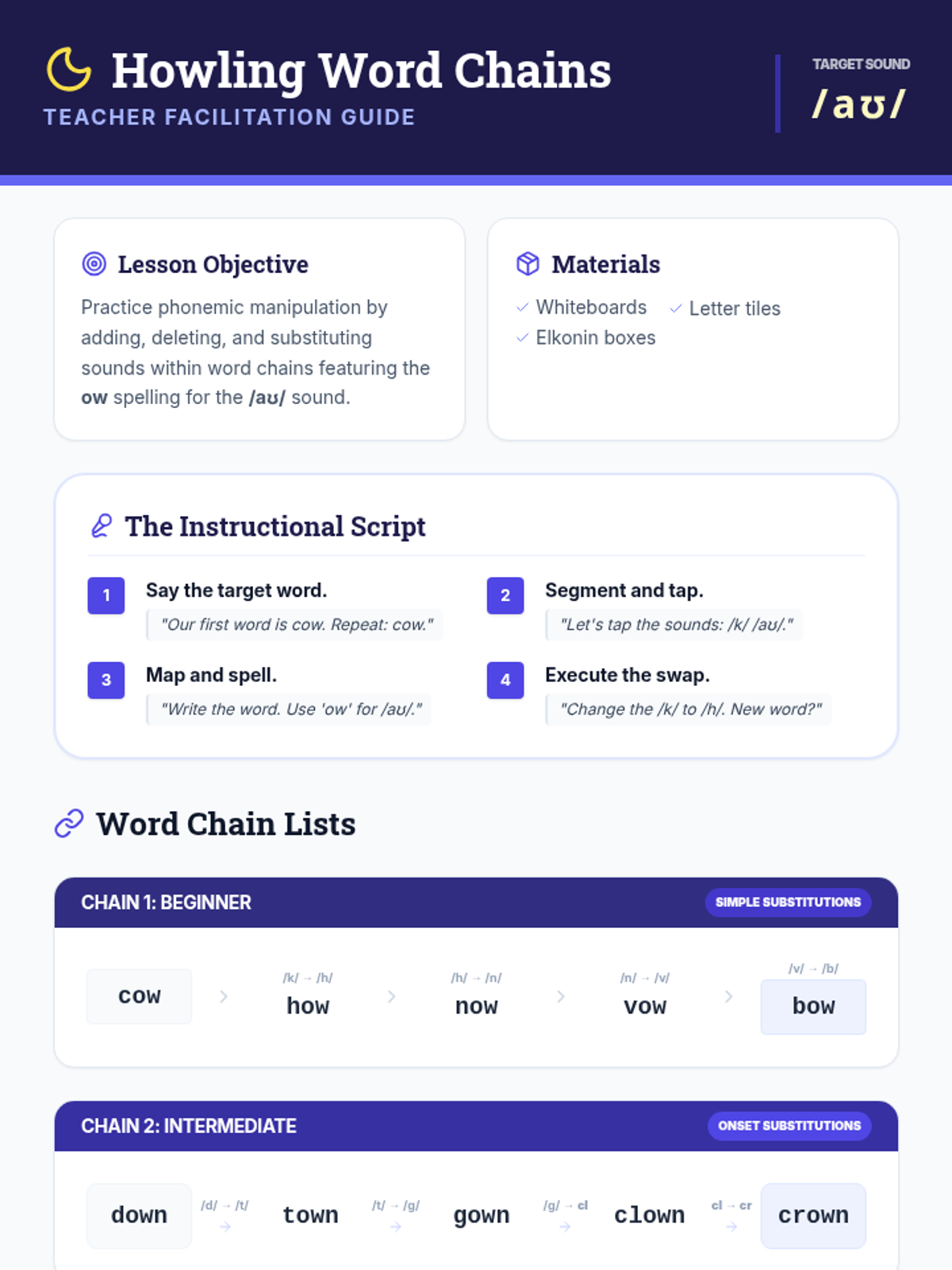
A teacher-led phonics lesson focused on the /aʊ/ sound spelled with 'ow', featuring orthographic mapping and word chain activities.
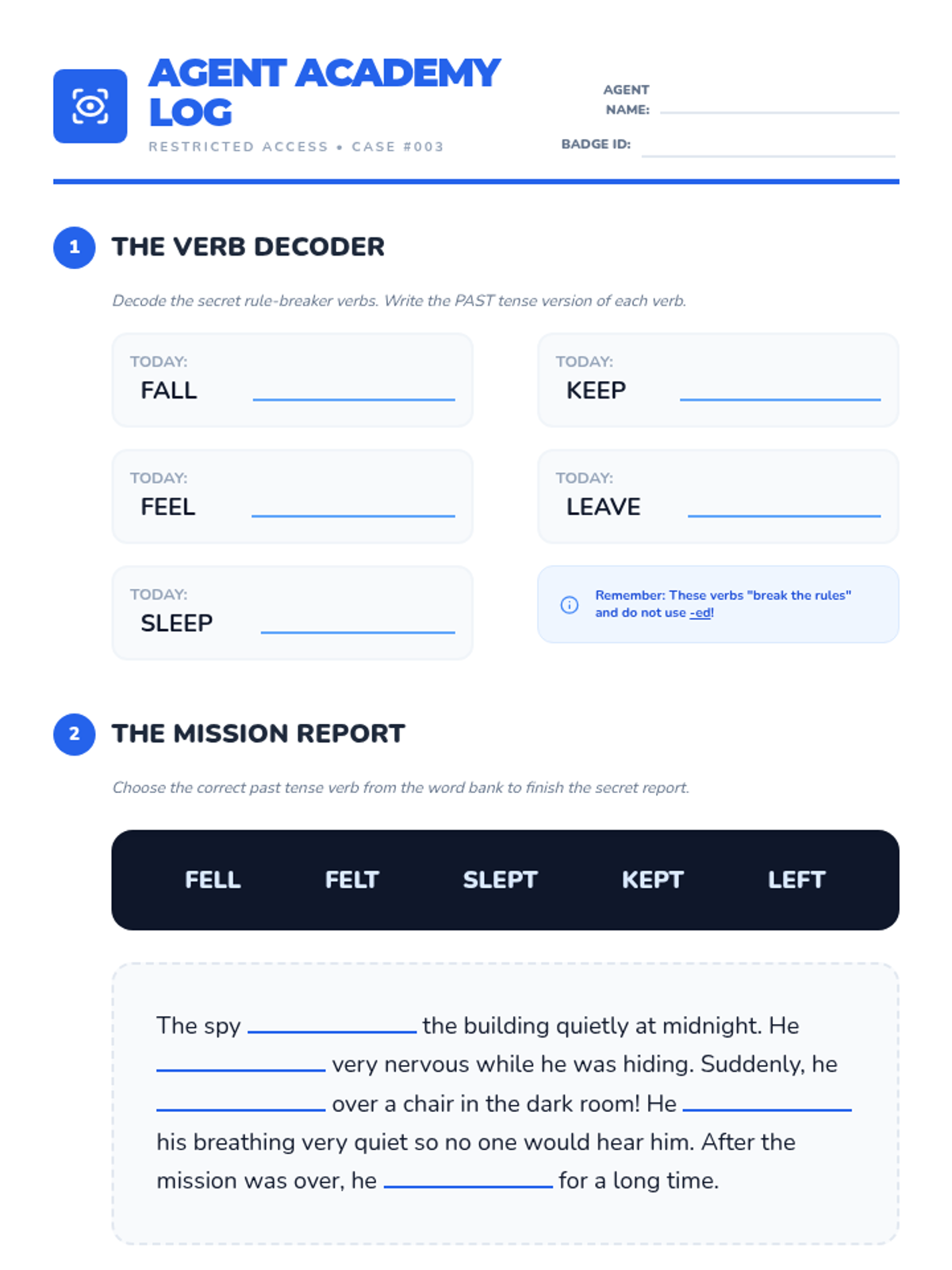
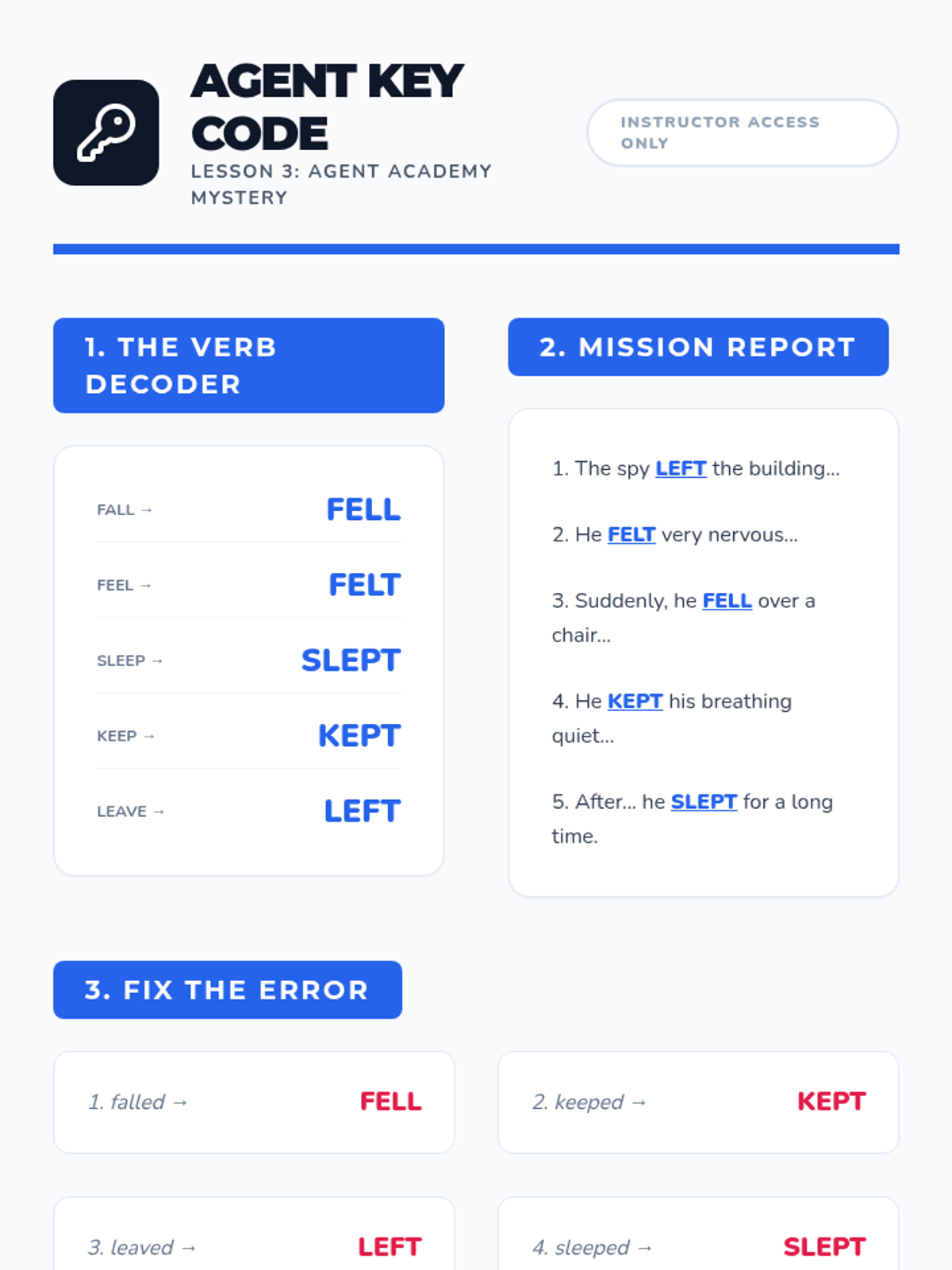
An undercover detective-themed lesson for second graders focusing on a fresh set of irregular verbs: find/found, tell/told, write/wrote, sit/sat, and sing/sang.
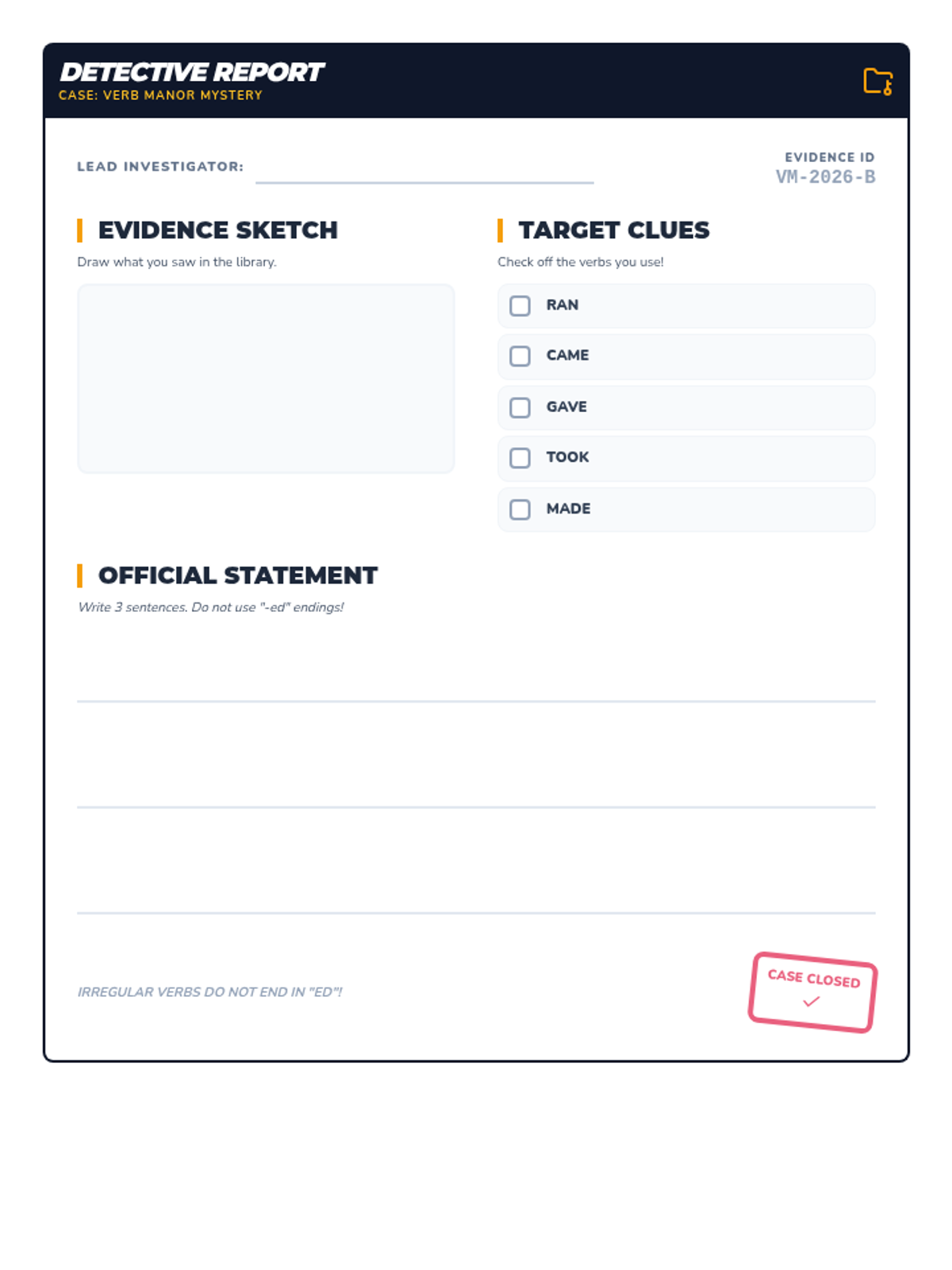
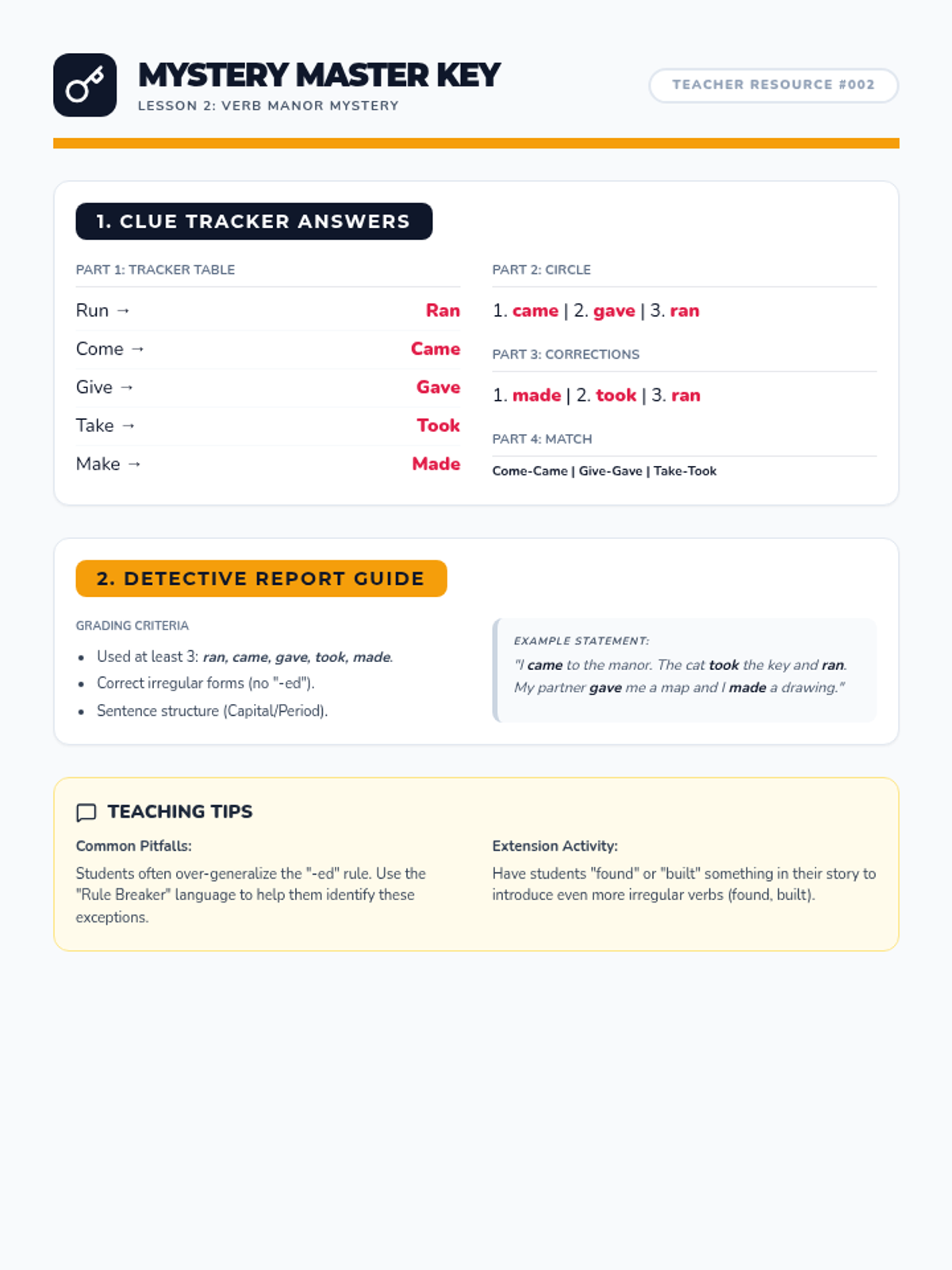
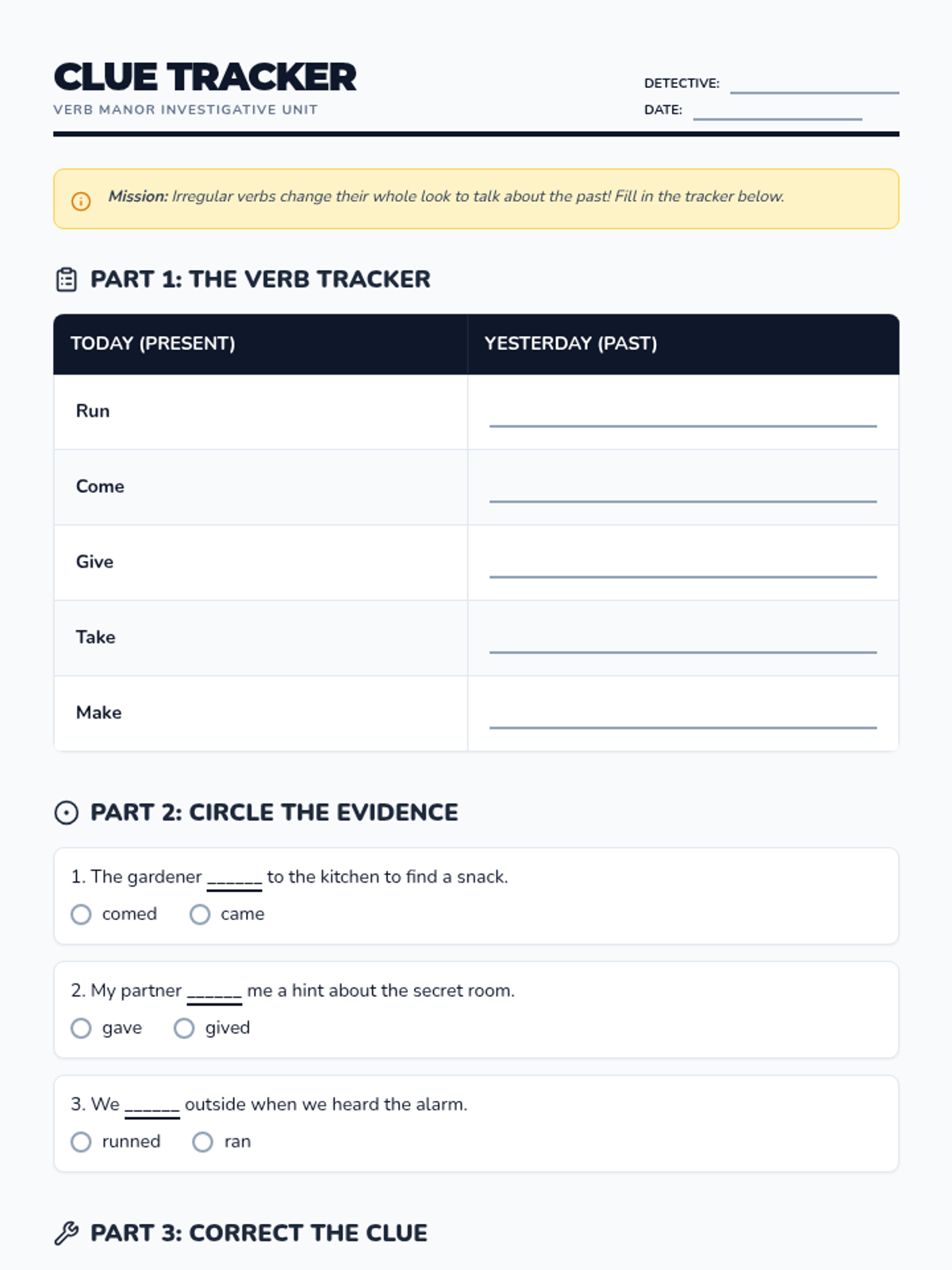
An advanced detective-themed lesson for second graders focusing on a new set of irregular past tense verbs: ran, came, gave, took, and made, set within the 'Verb Manor' mystery.
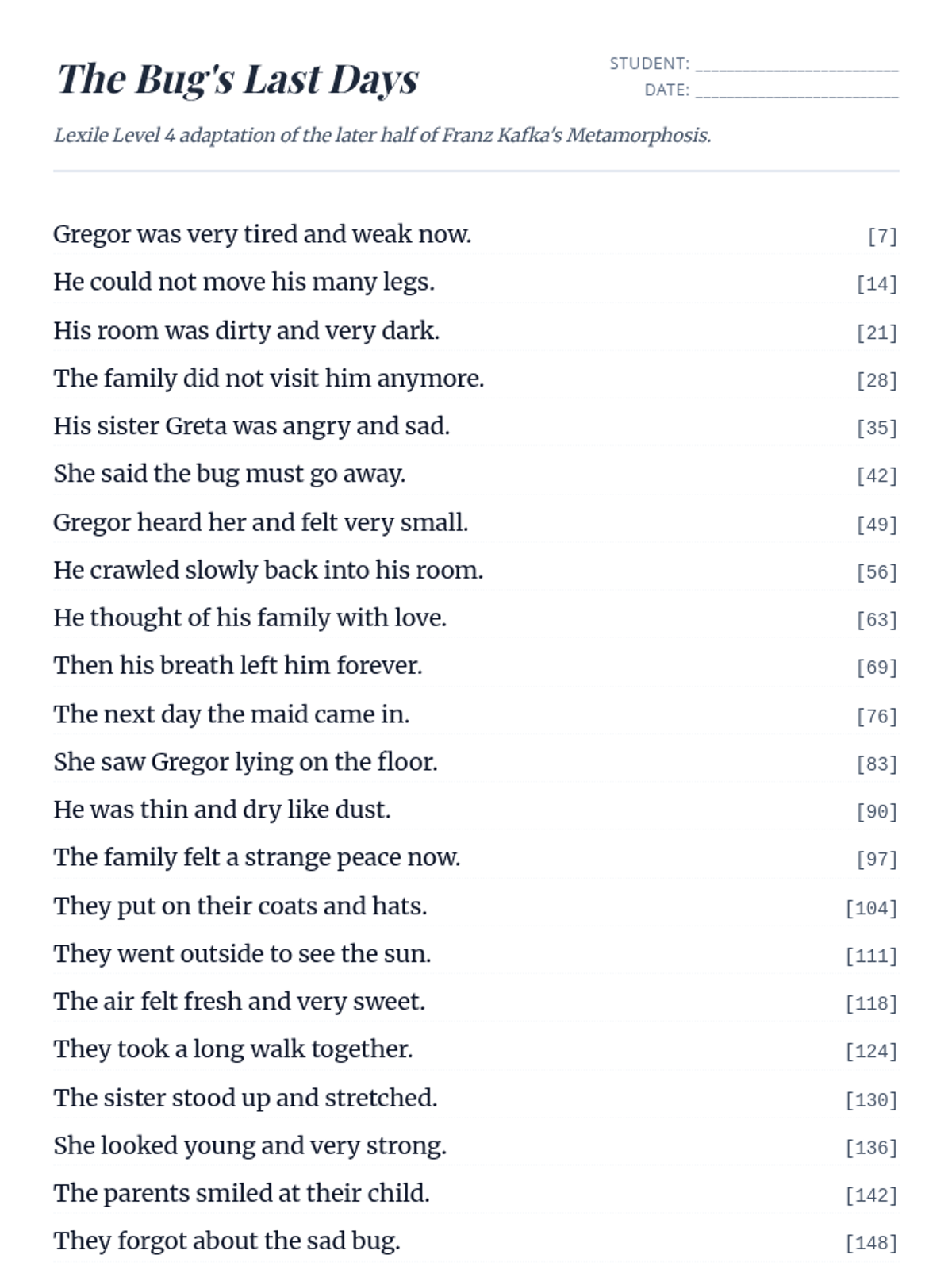
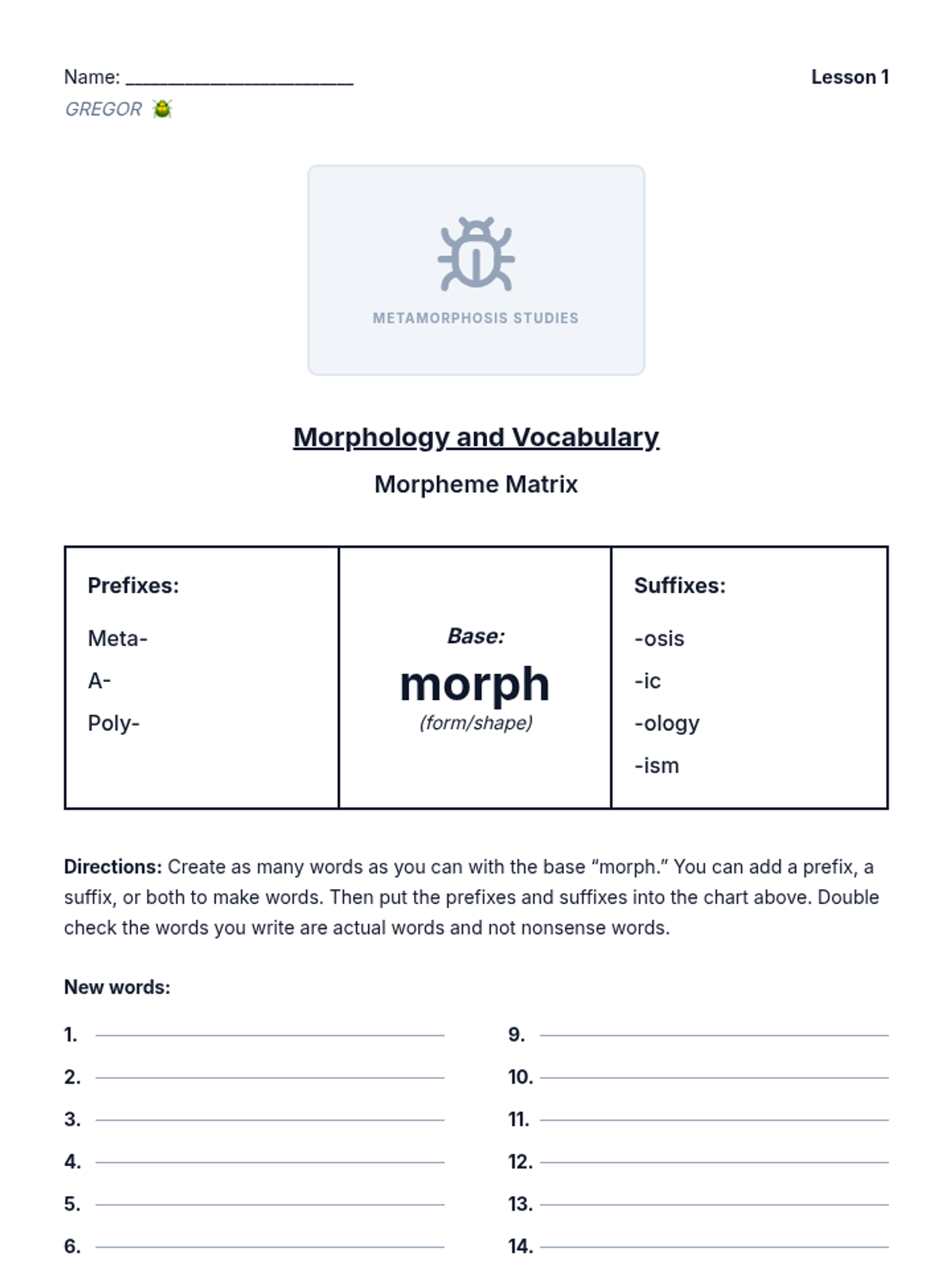
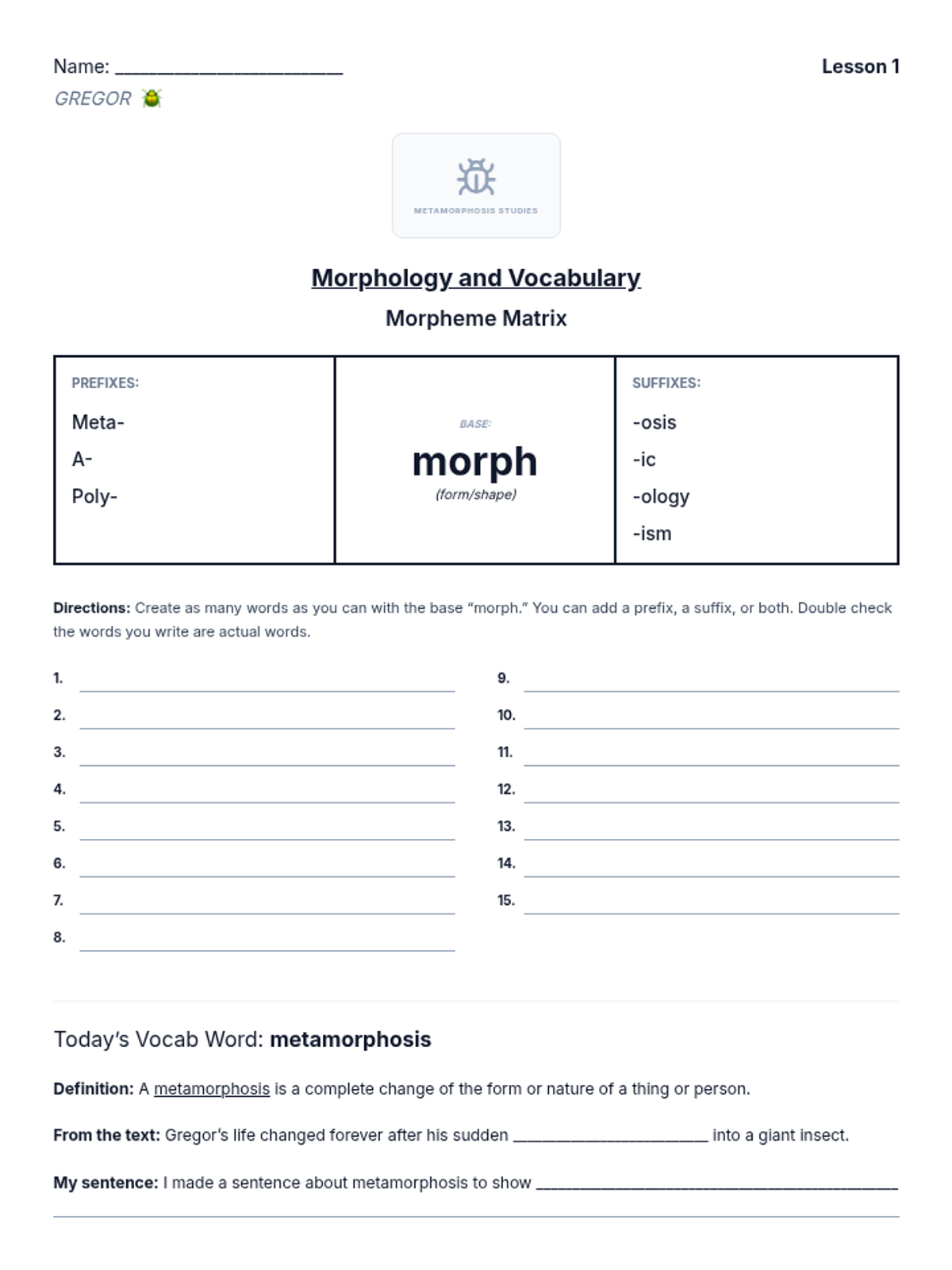
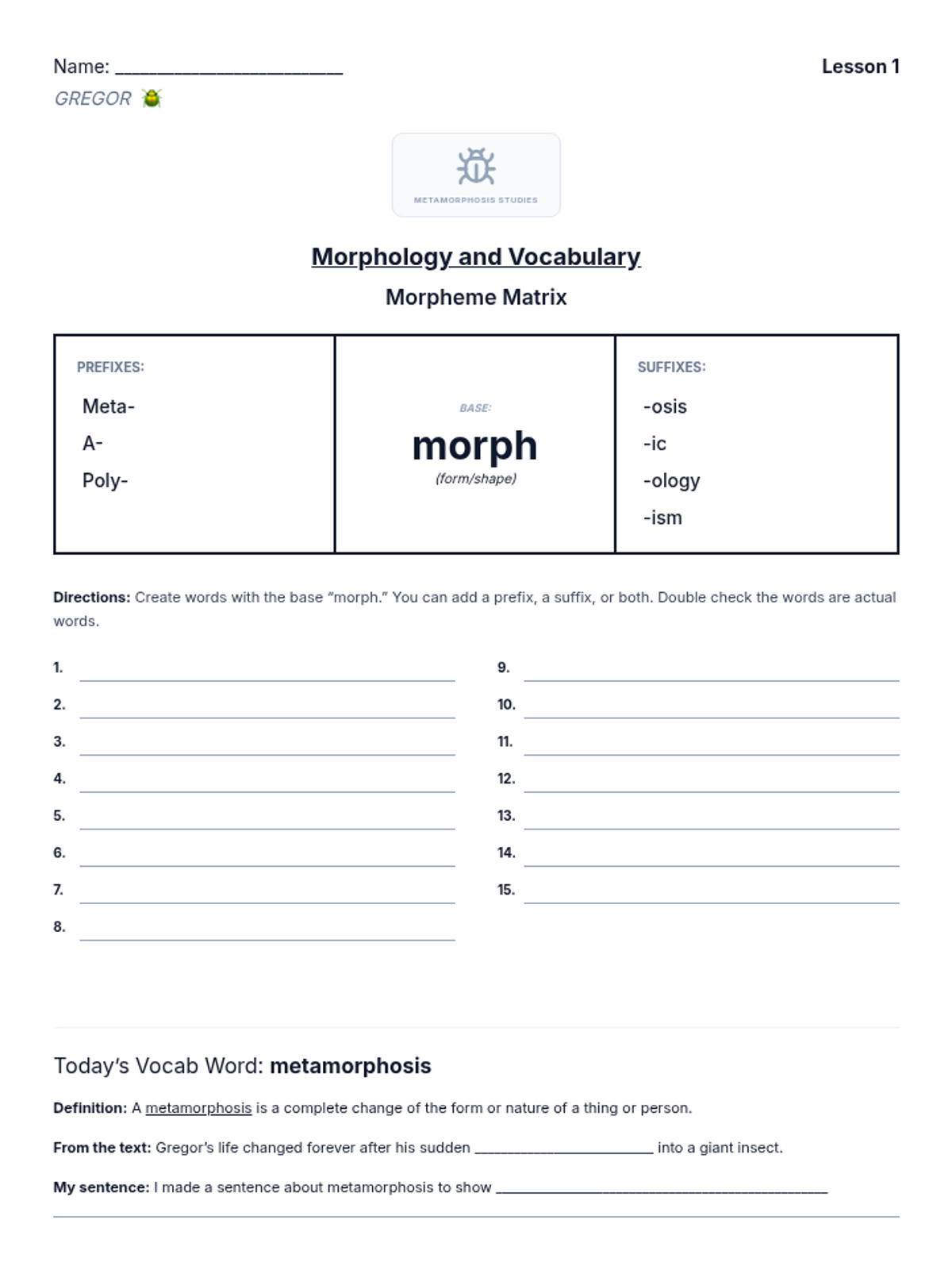
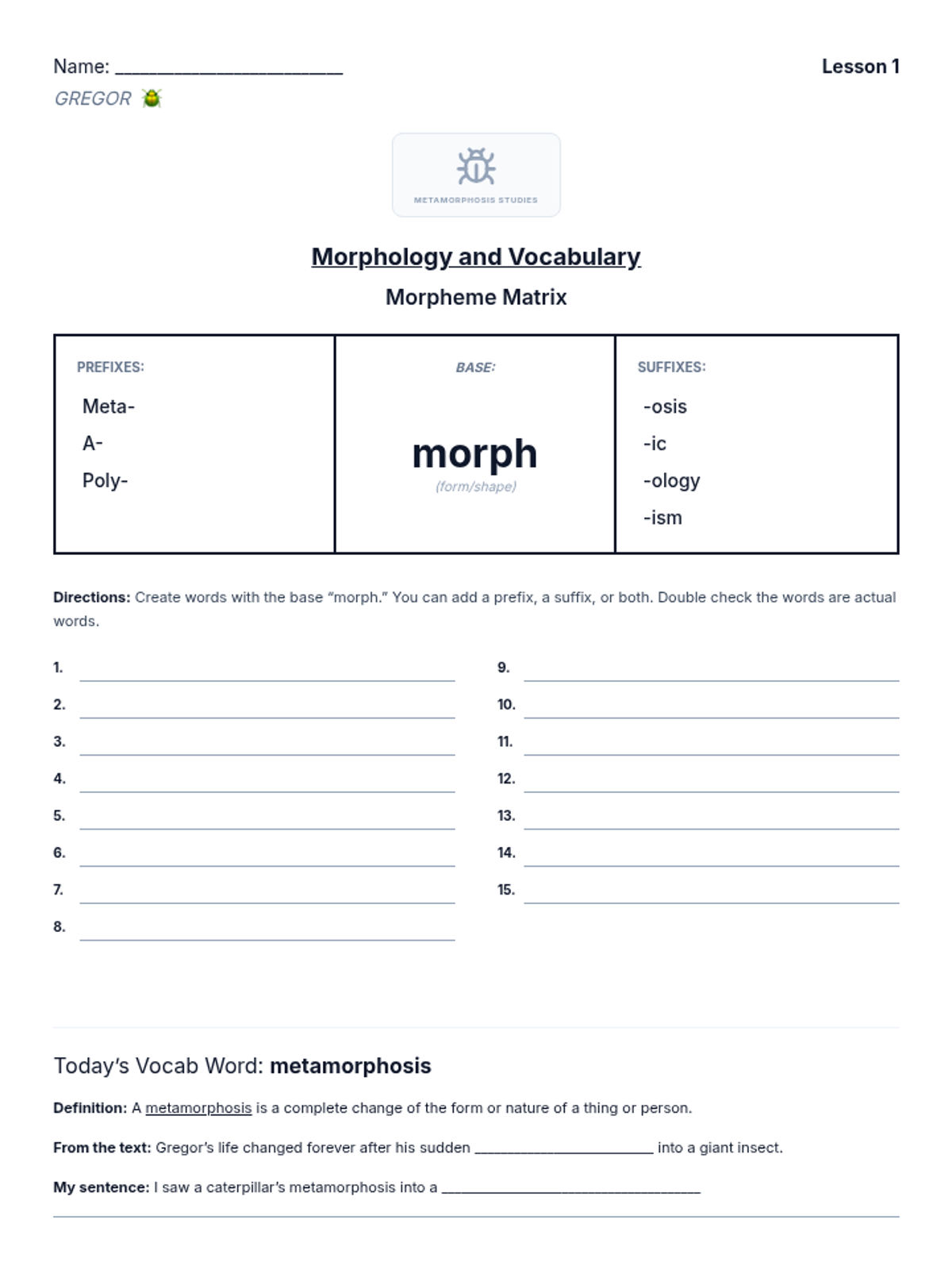
A simplified exploration of the later half of Franz Kafka's Metamorphosis, focusing on readability and text analysis for early intermediate readers.
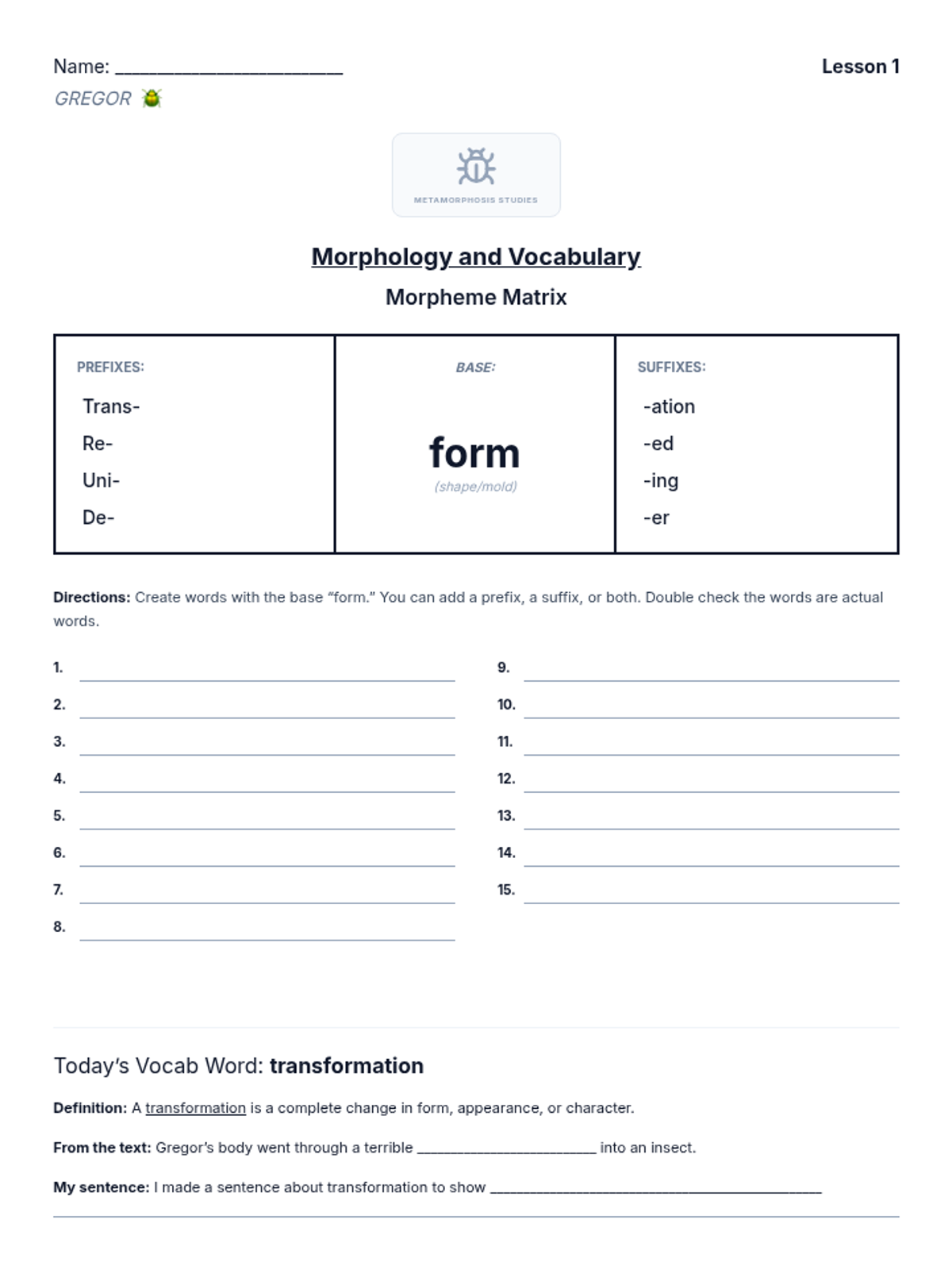
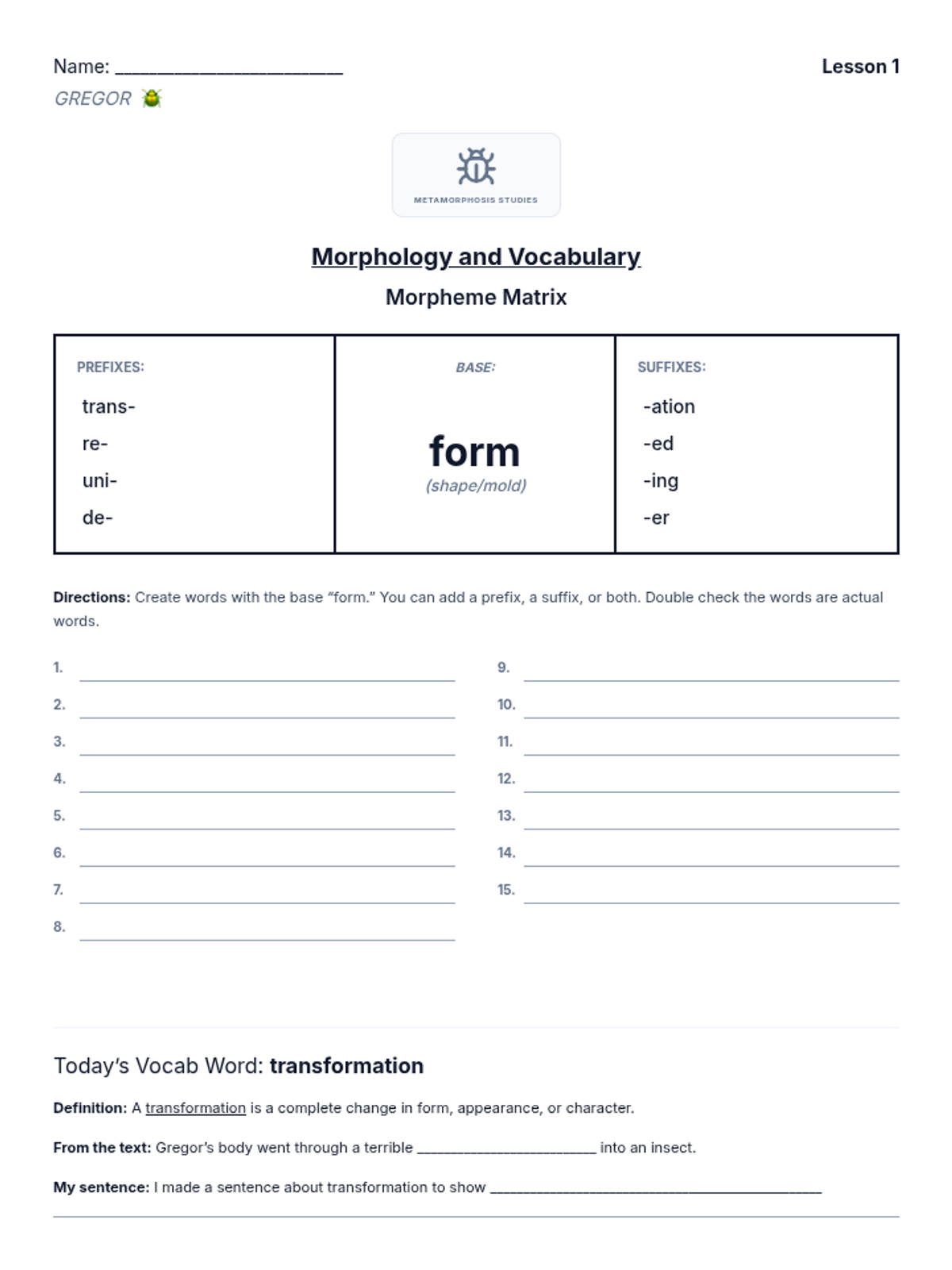
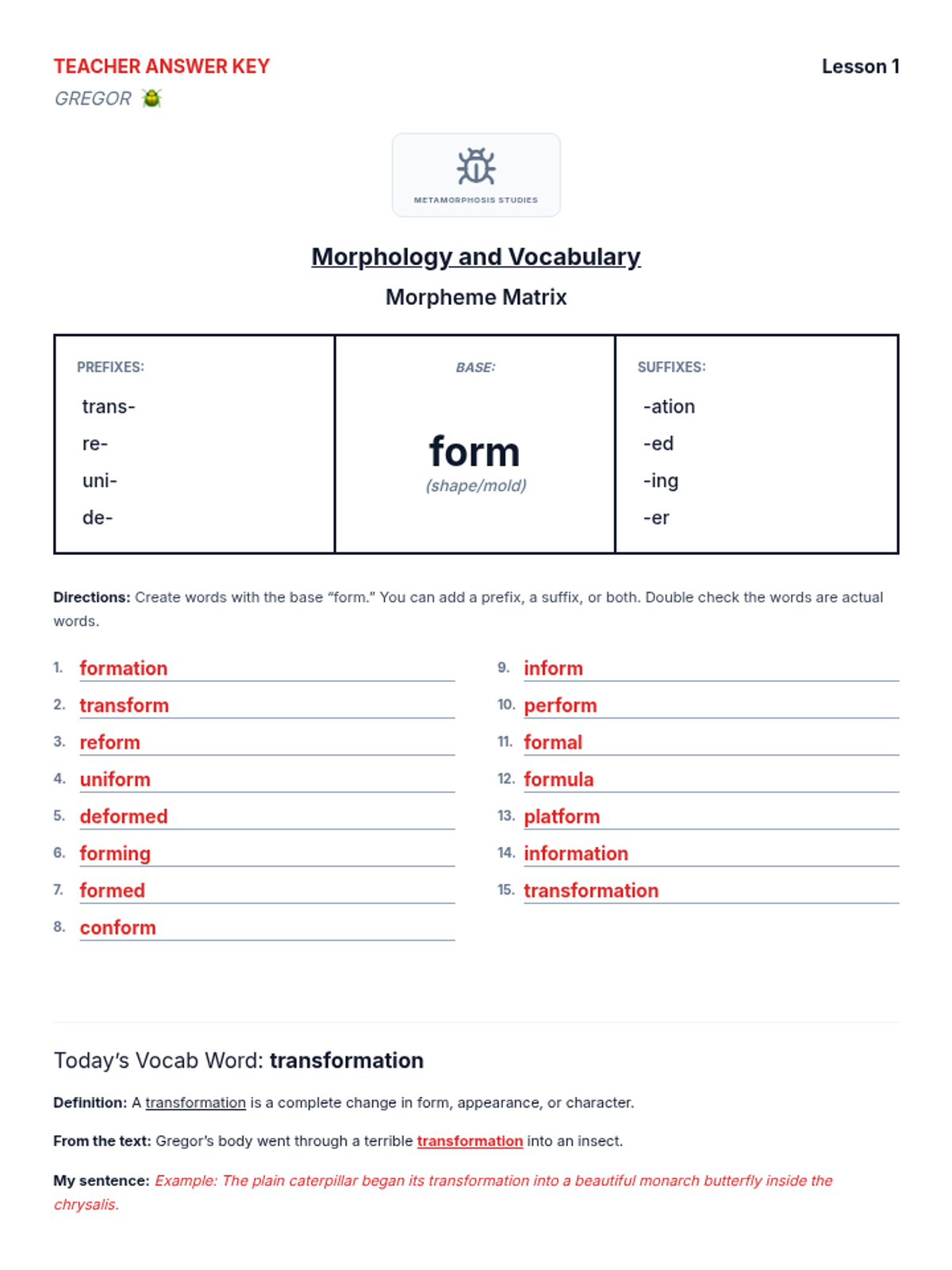
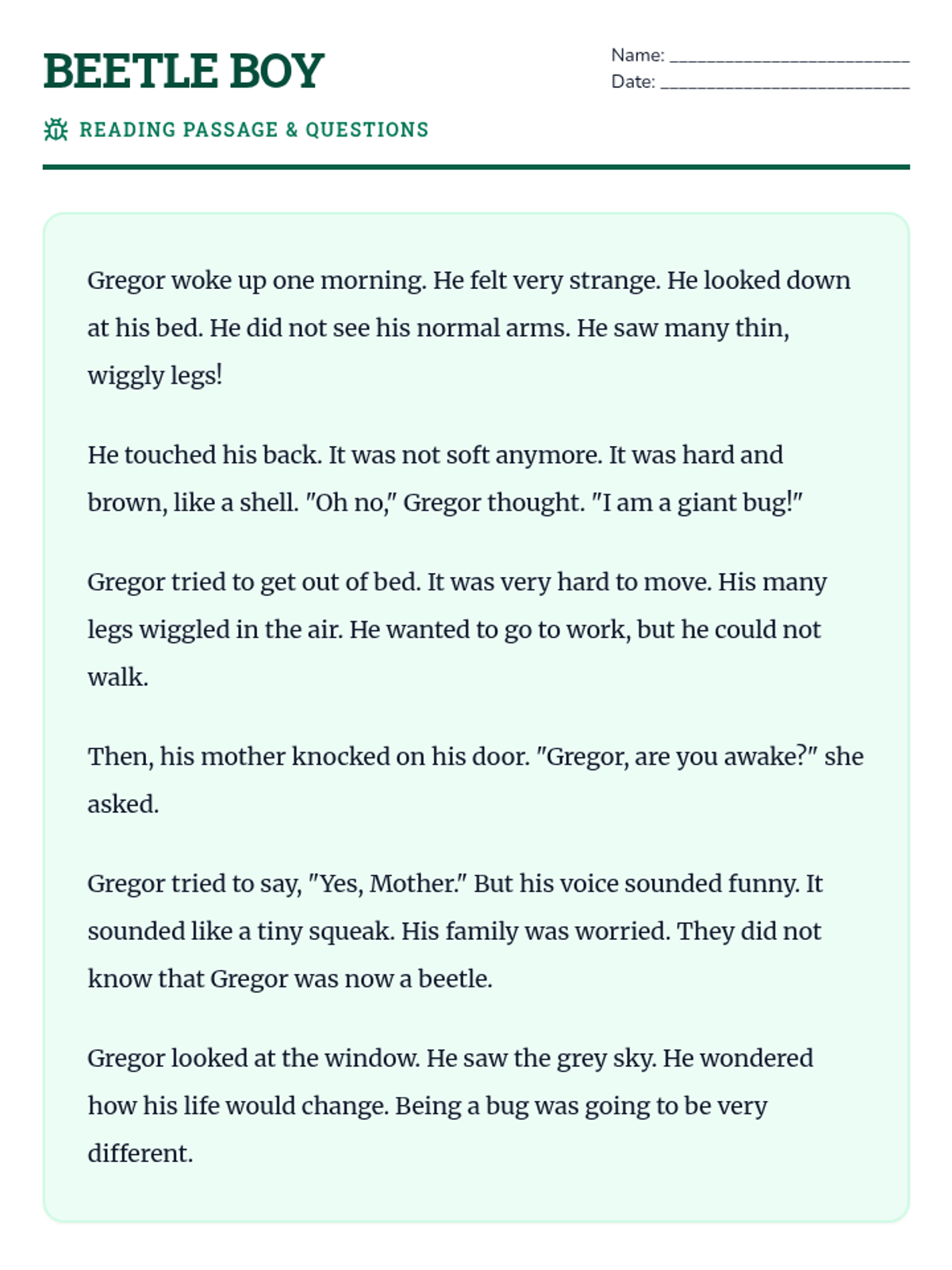
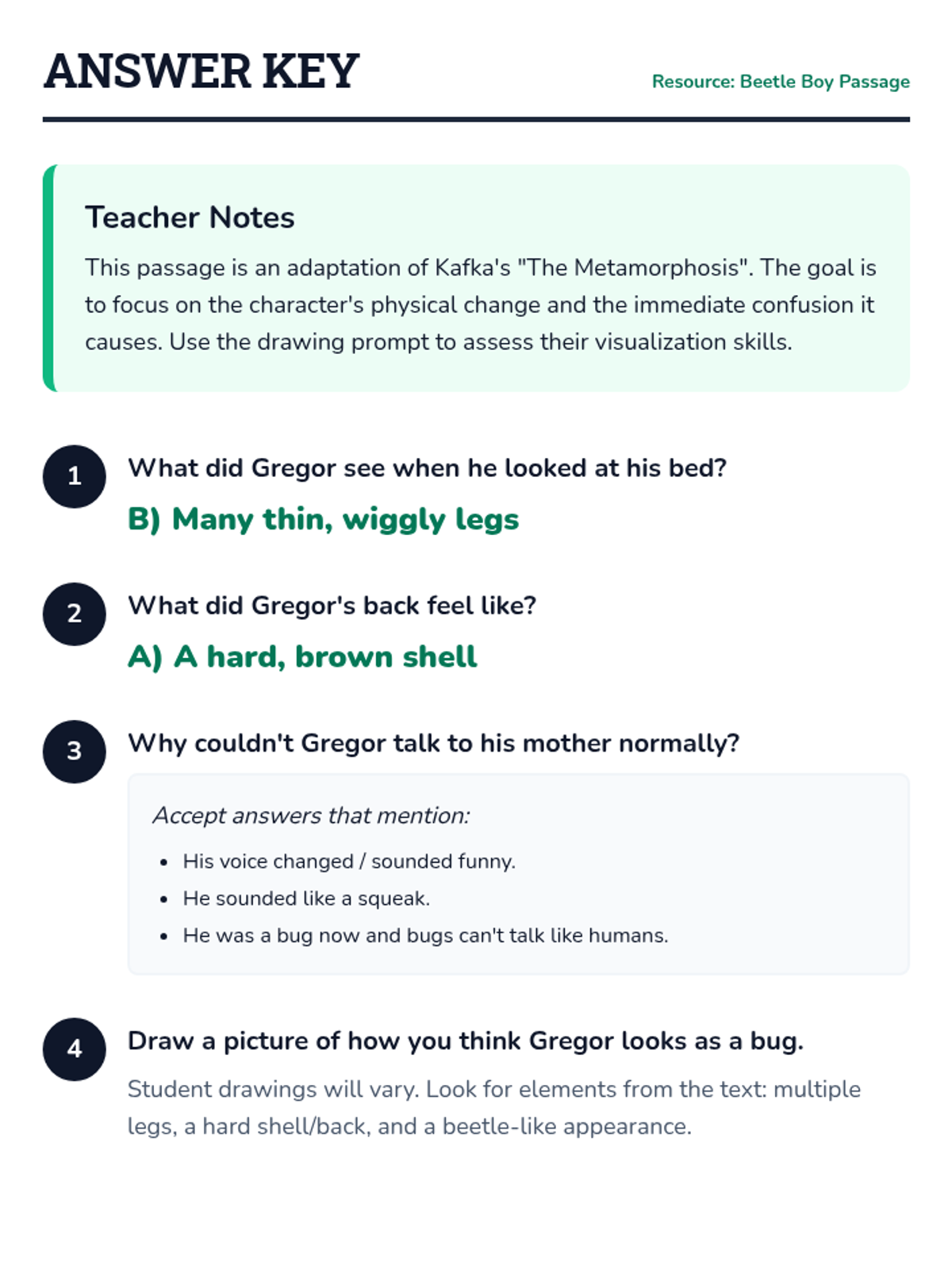
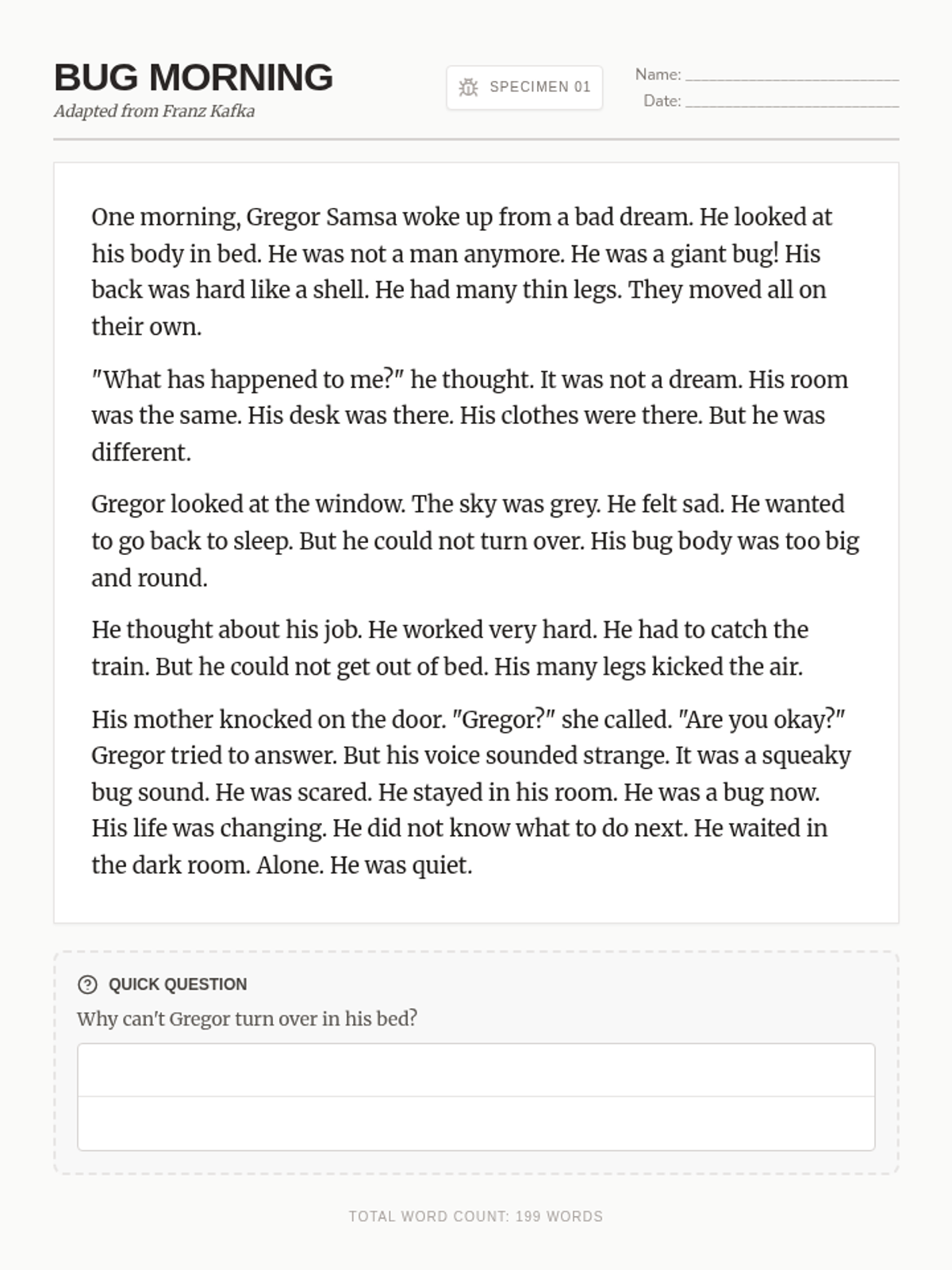
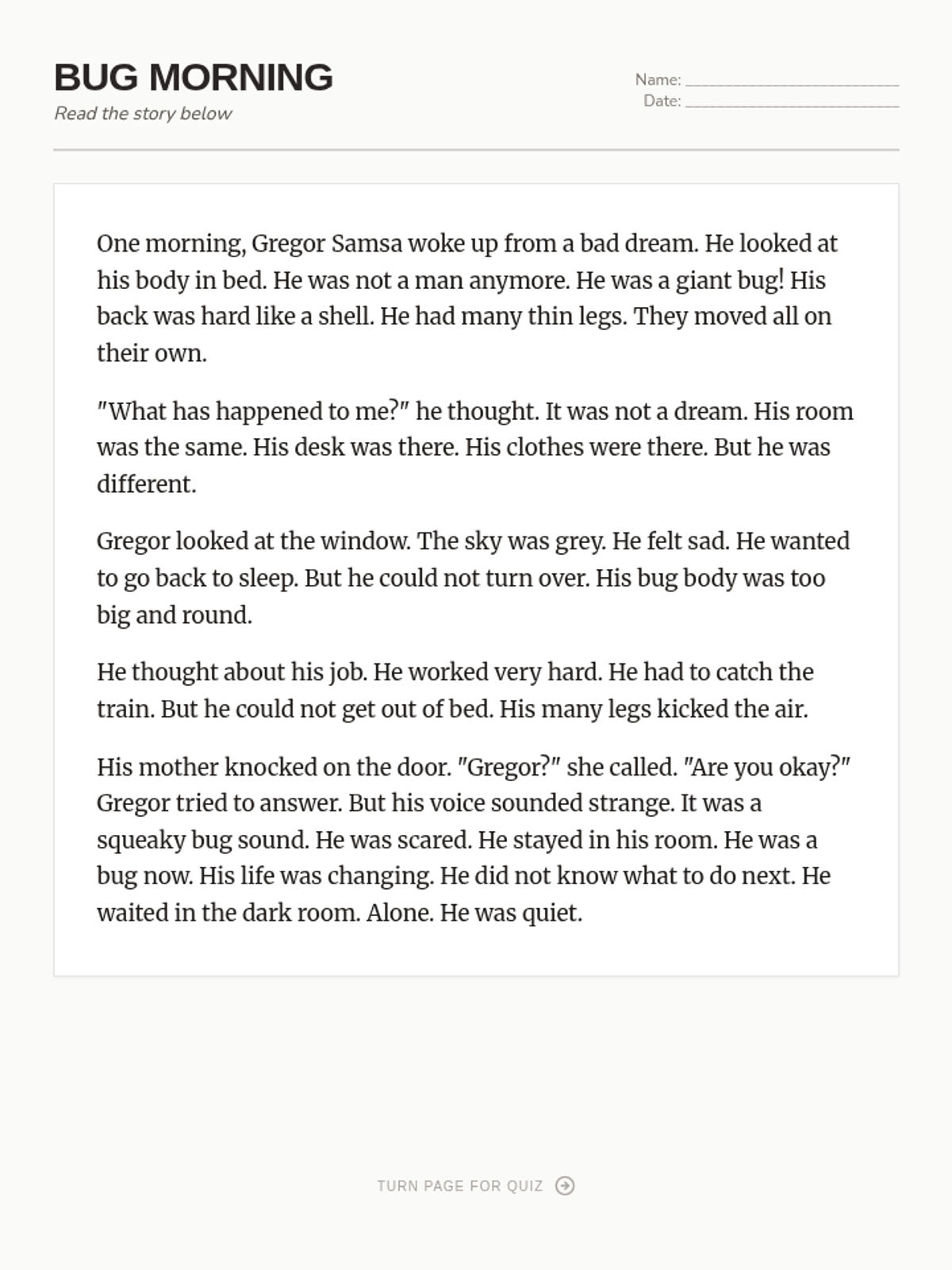
An introductory exploration of Franz Kafka's 'The Metamorphosis', simplified for young readers. Students will read about Gregor's strange morning and reflect on how it feels to change.
A simplified reading of the first scene of The Metamorphosis, focusing on Gregor's discovery and his feelings.
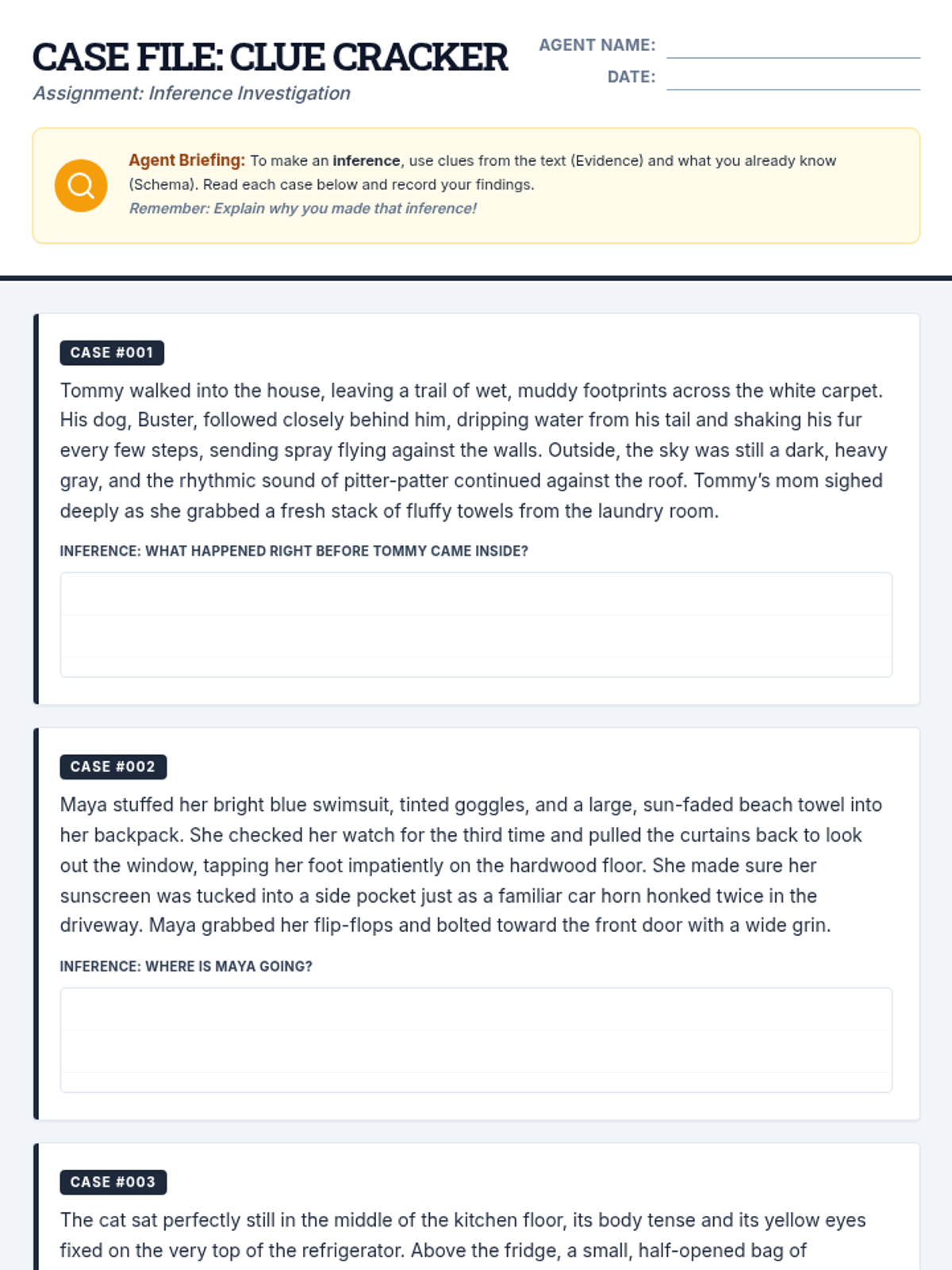
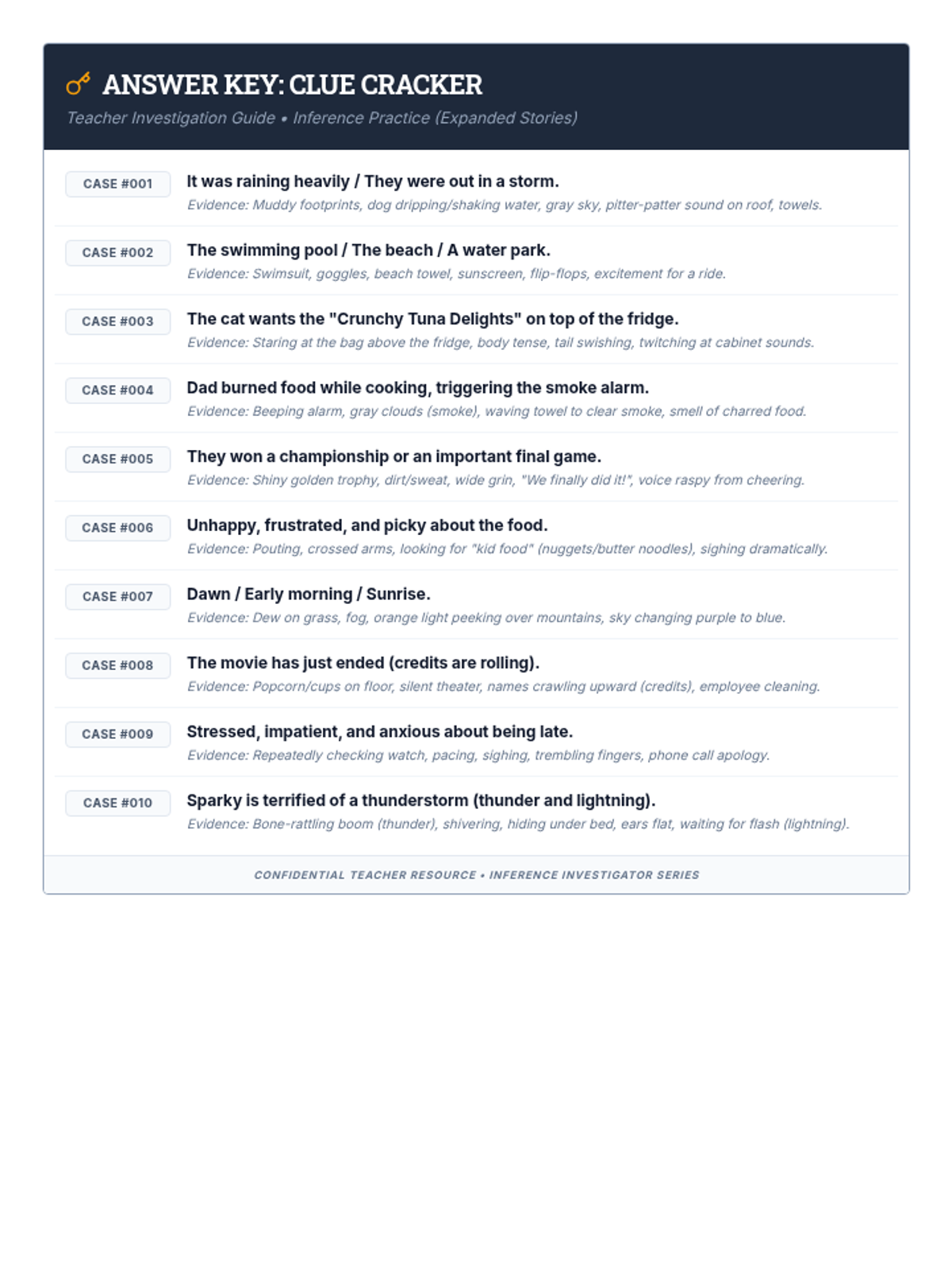
A foundational lesson on making inferences using textual evidence and prior knowledge, themed around a detective agency.
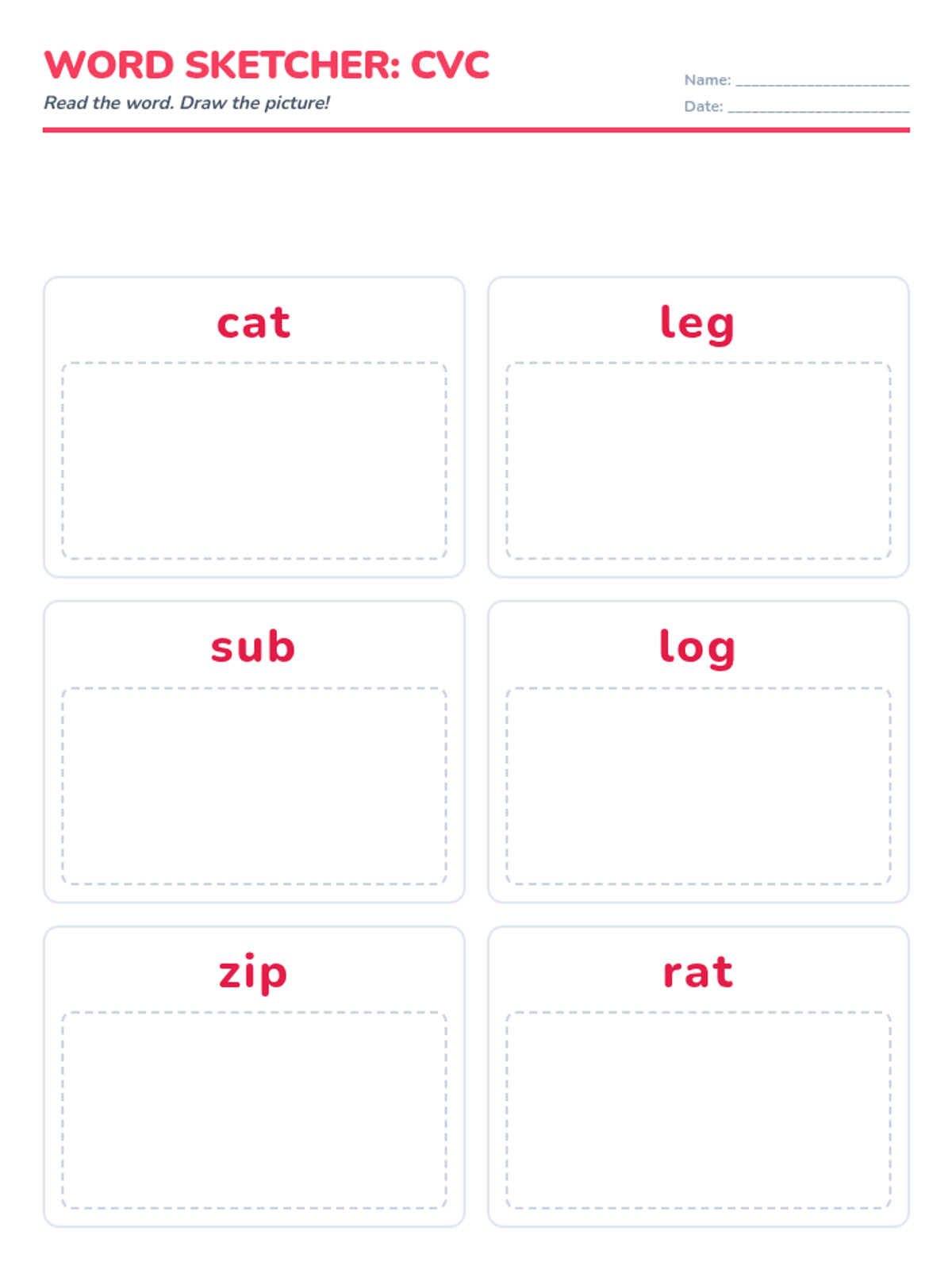
A foundational phonics lesson for kindergarteners to practice writing and reading simple CVC words through visual cues and drawing.
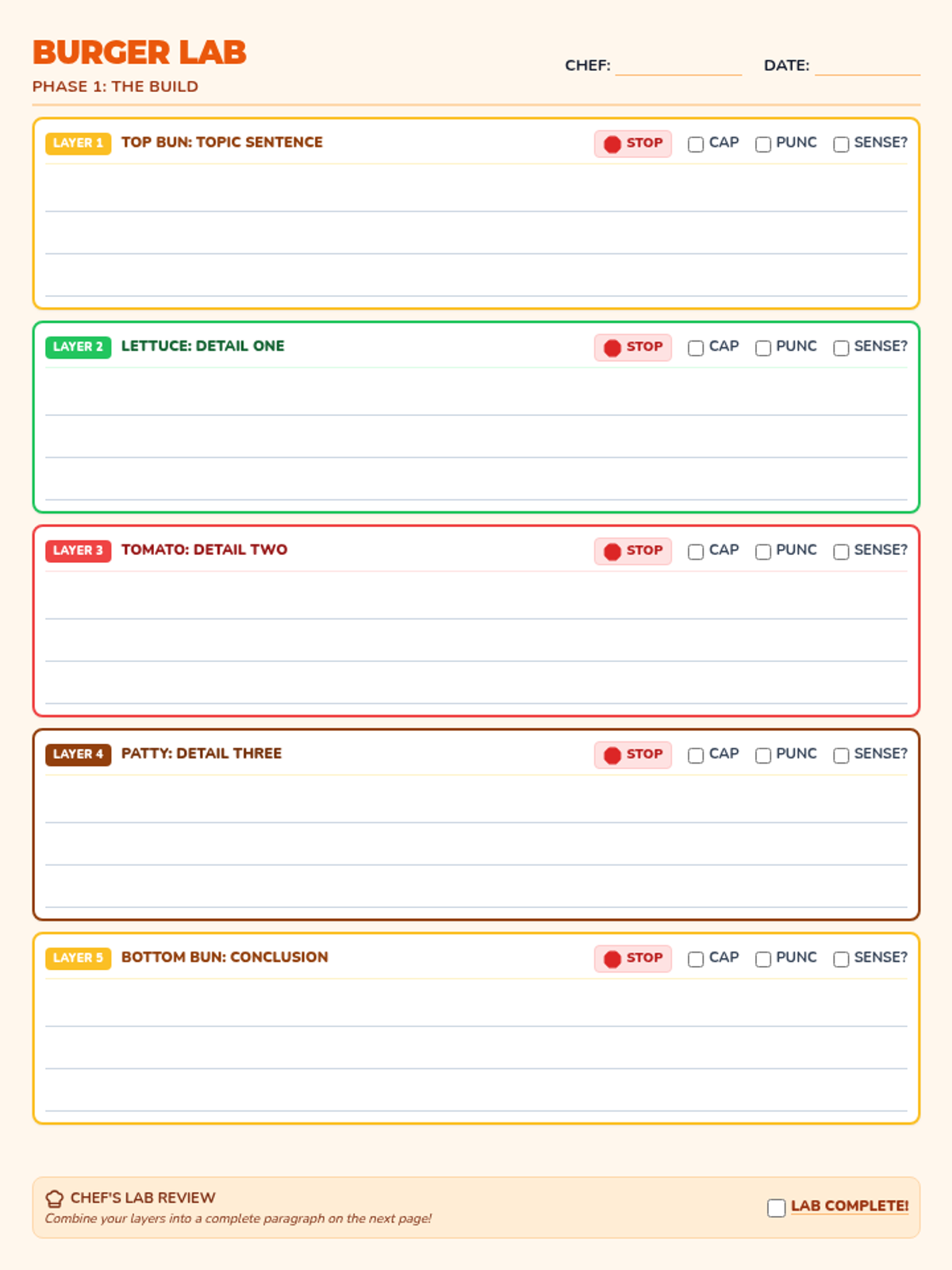
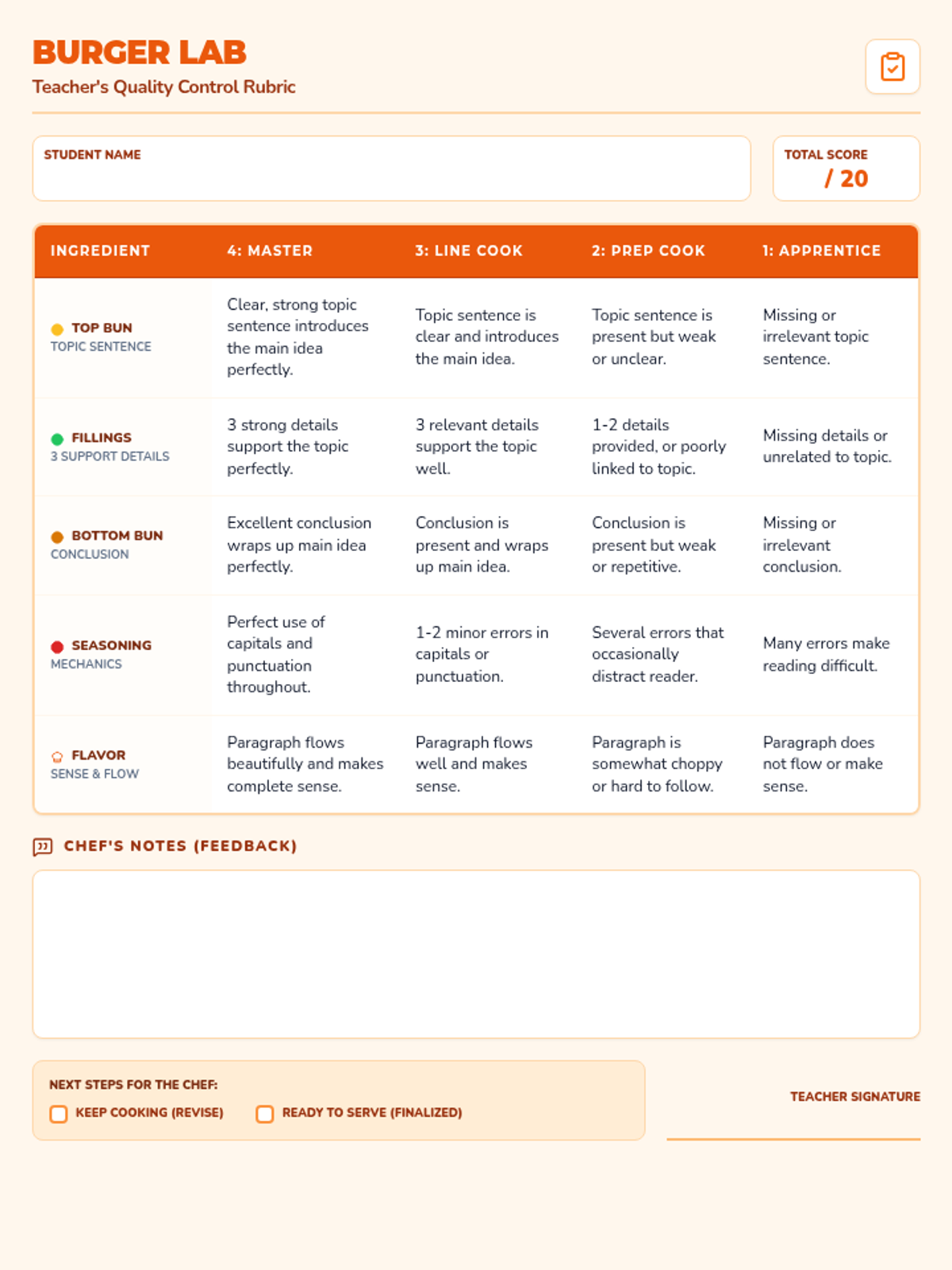
A lesson focused on the 'Hamburger' paragraph structure, emphasizing self-editing and quality control at each step of the writing process.
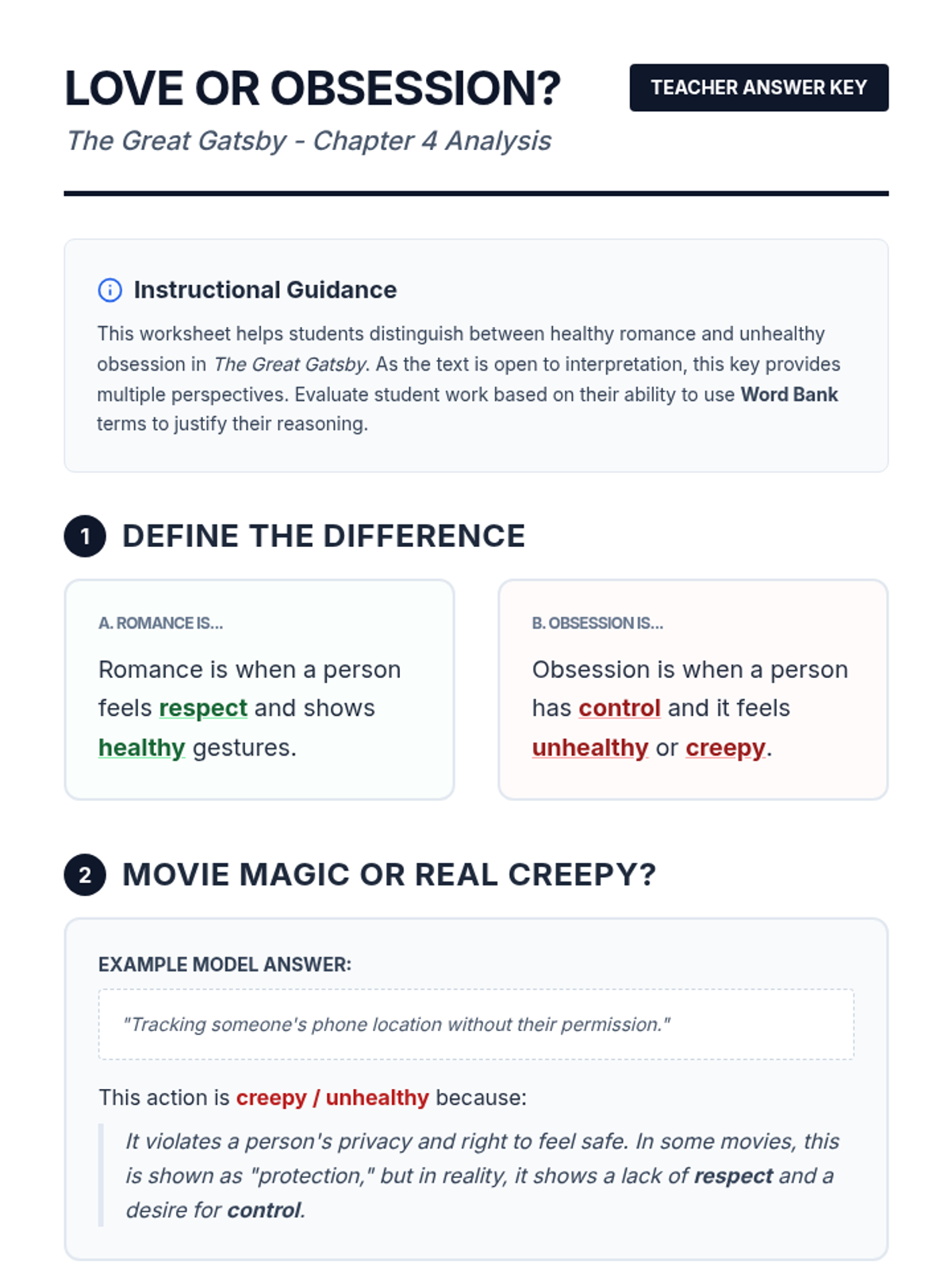
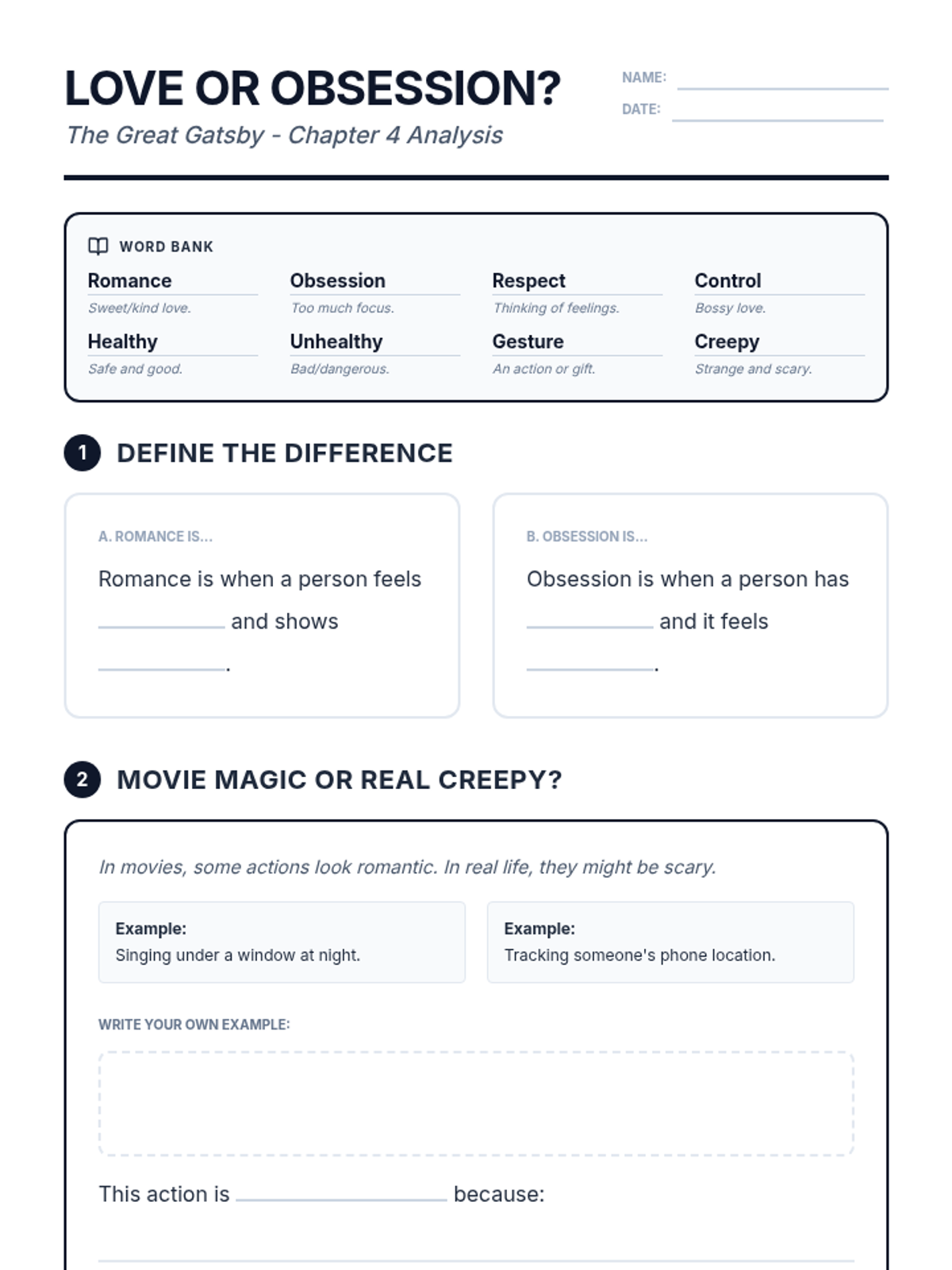
A deep dive into Gatsby's motivations in Chapter 4, challenging students to evaluate whether his grand gestures for Daisy are romantic or represent an unhealthy obsession.
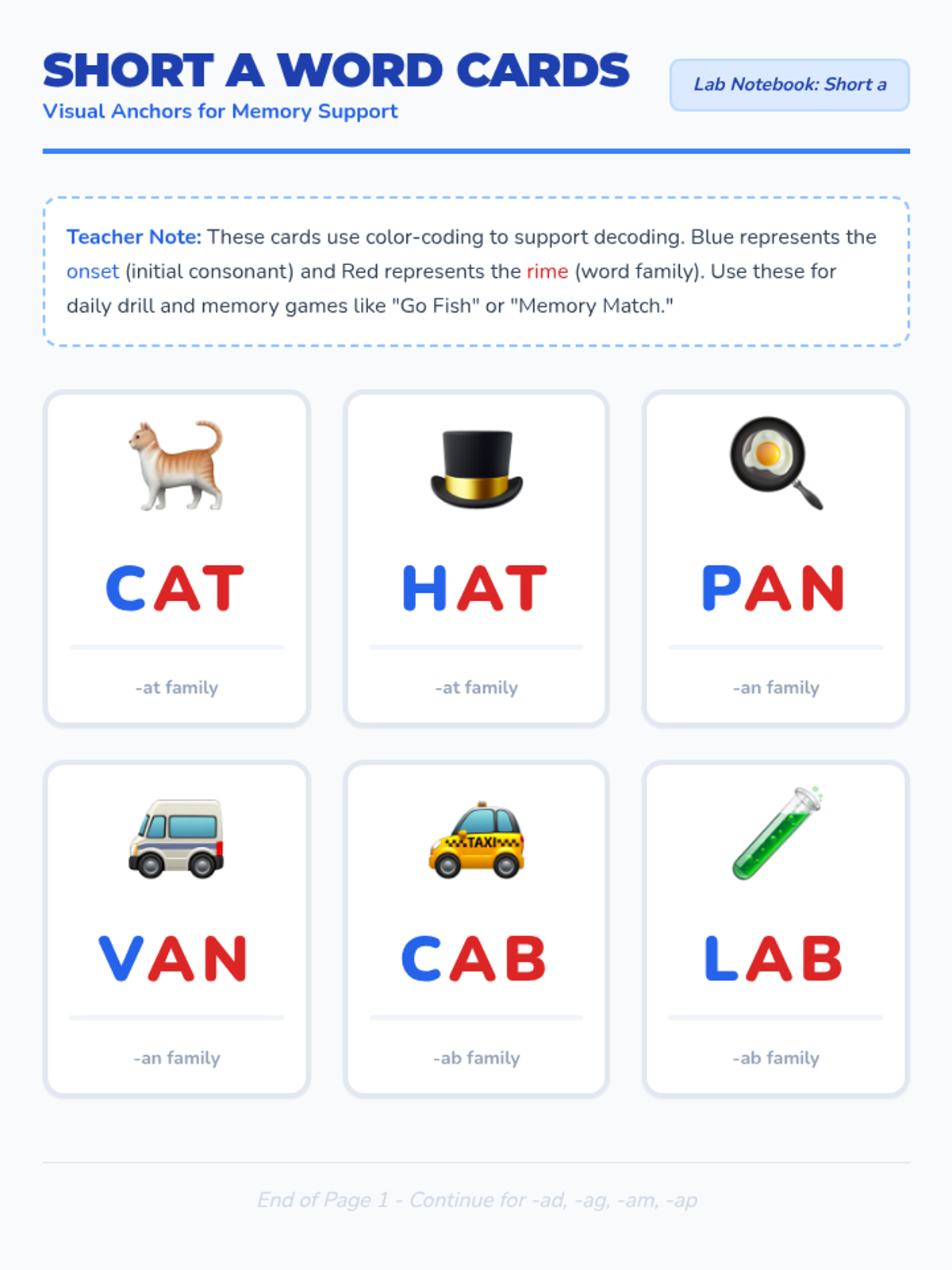
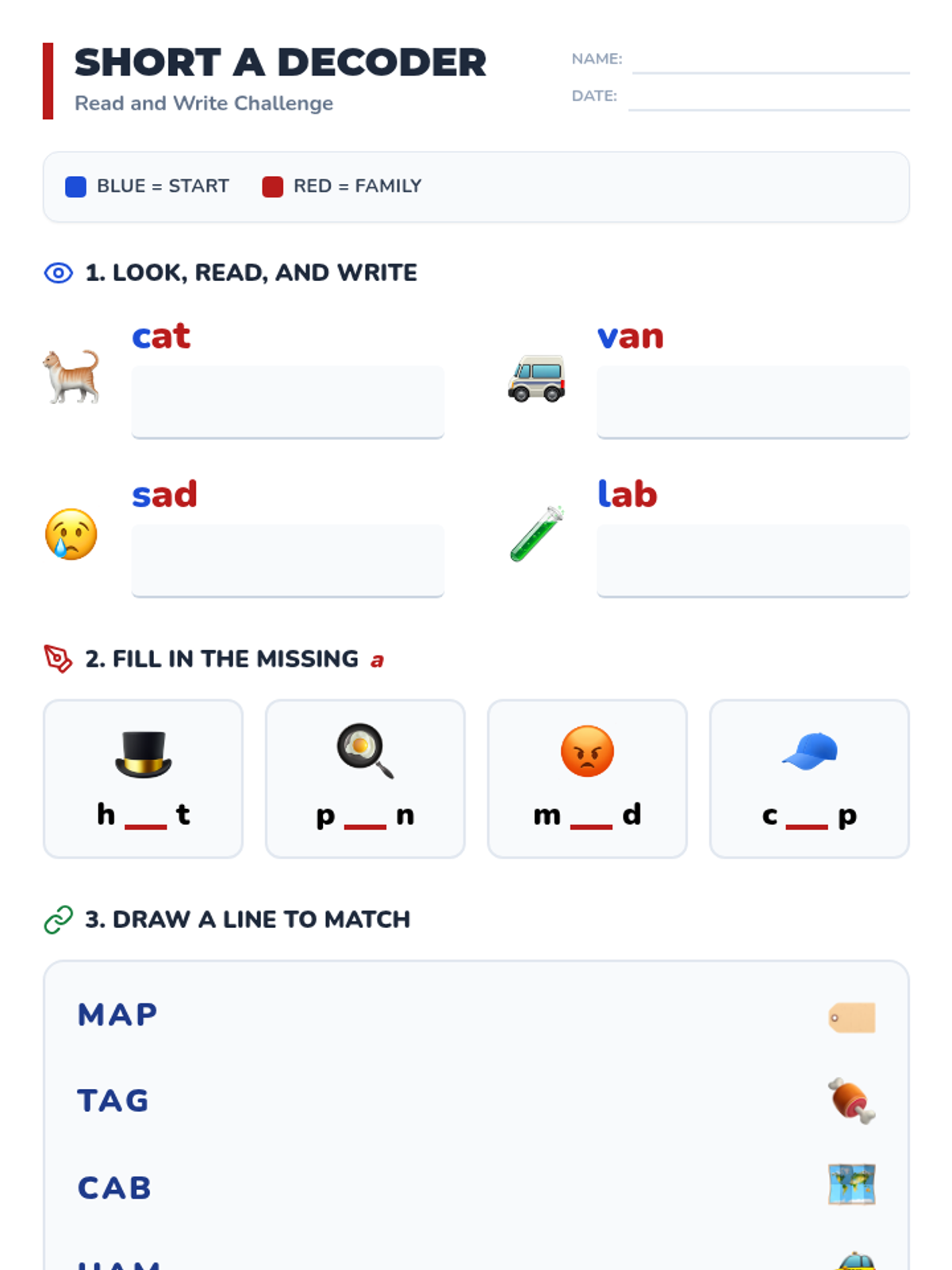
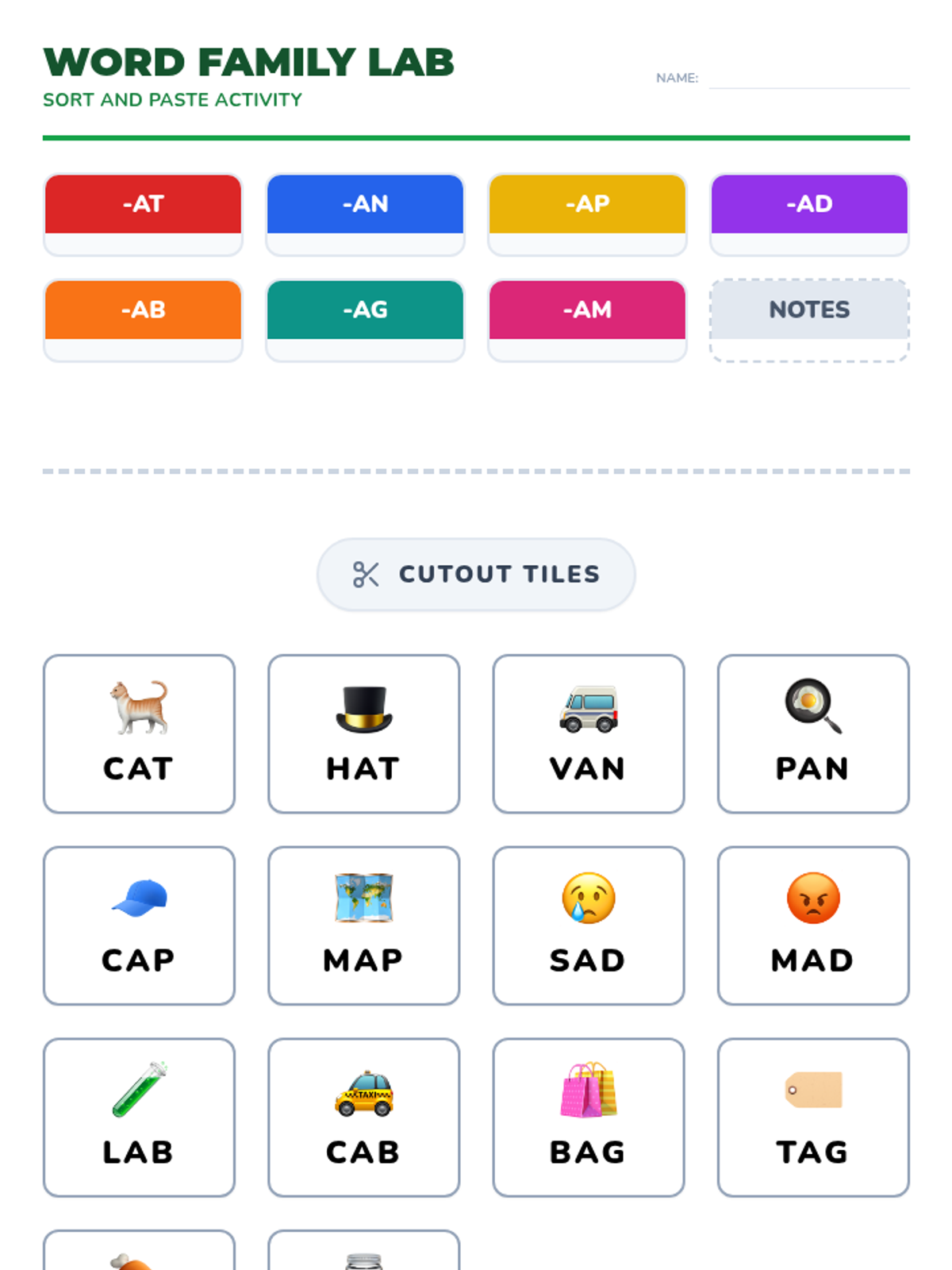
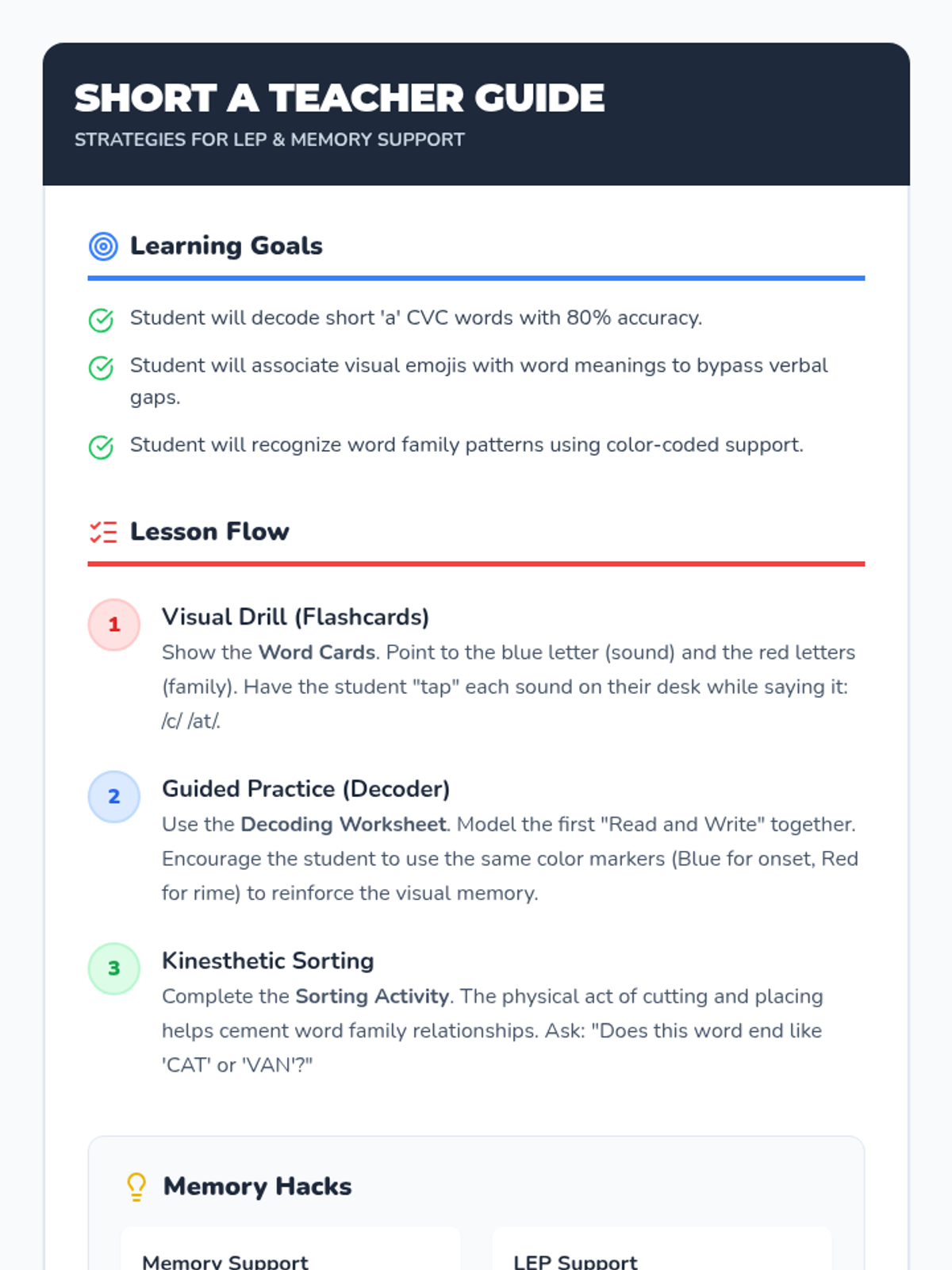
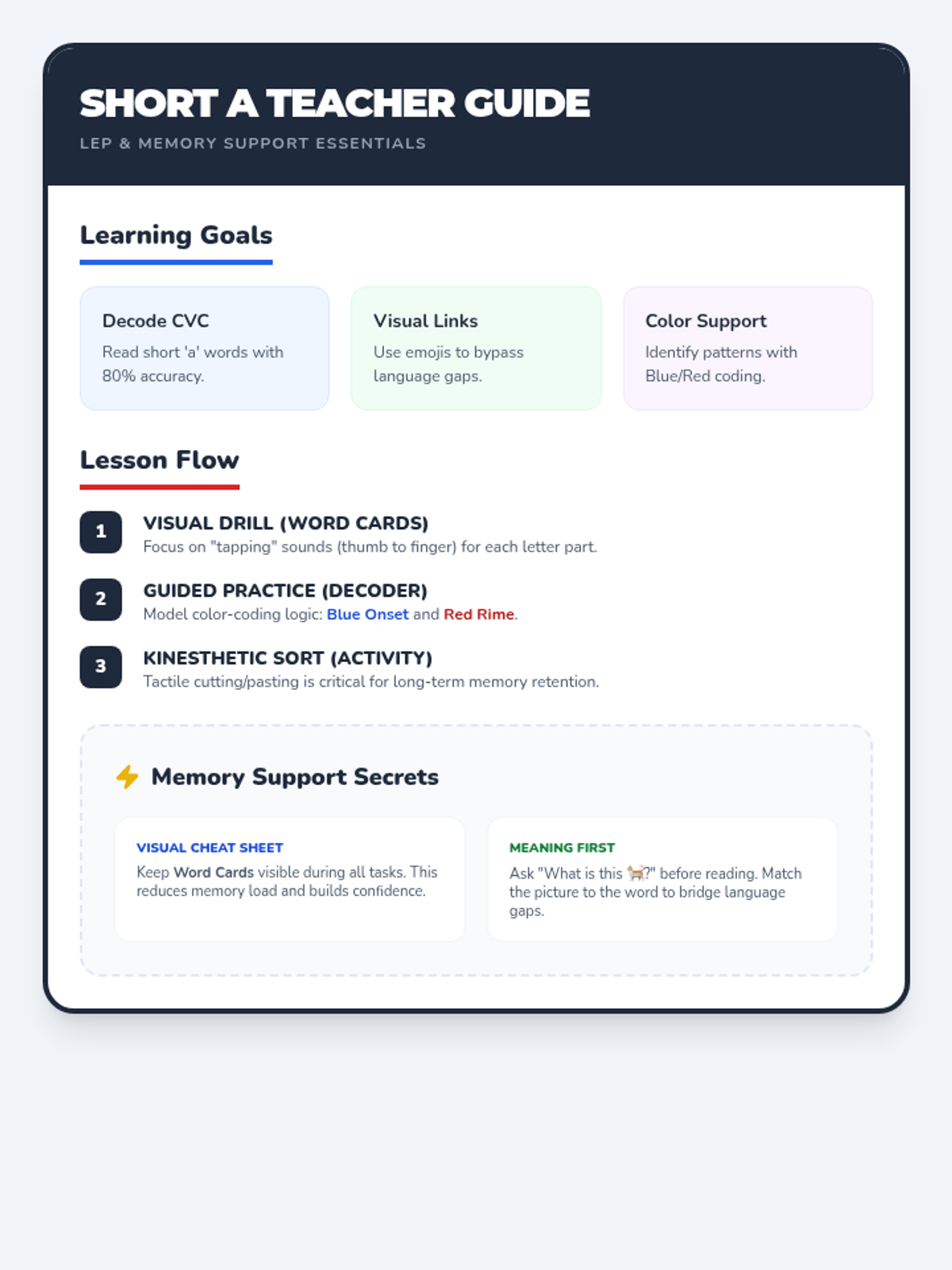
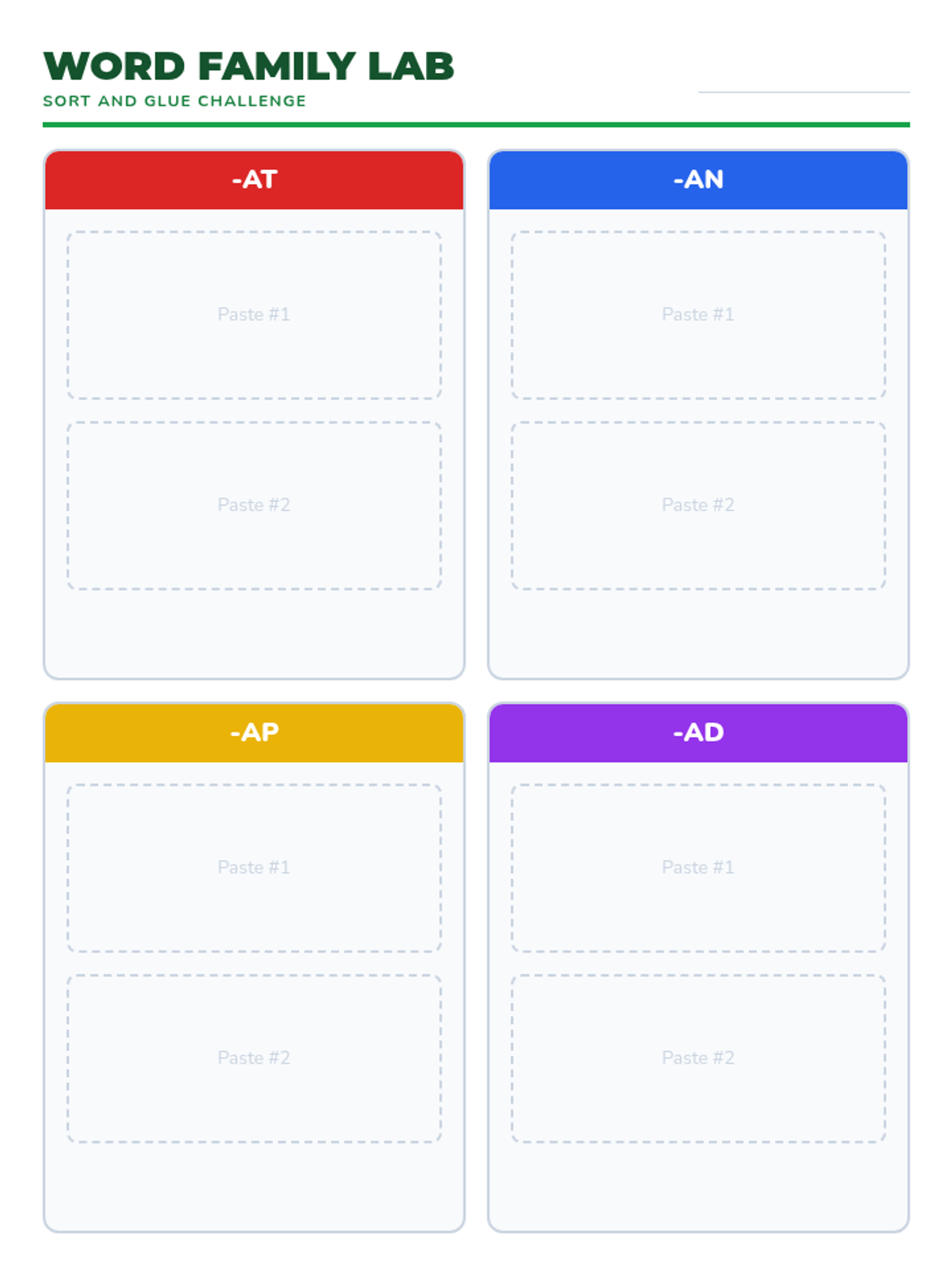
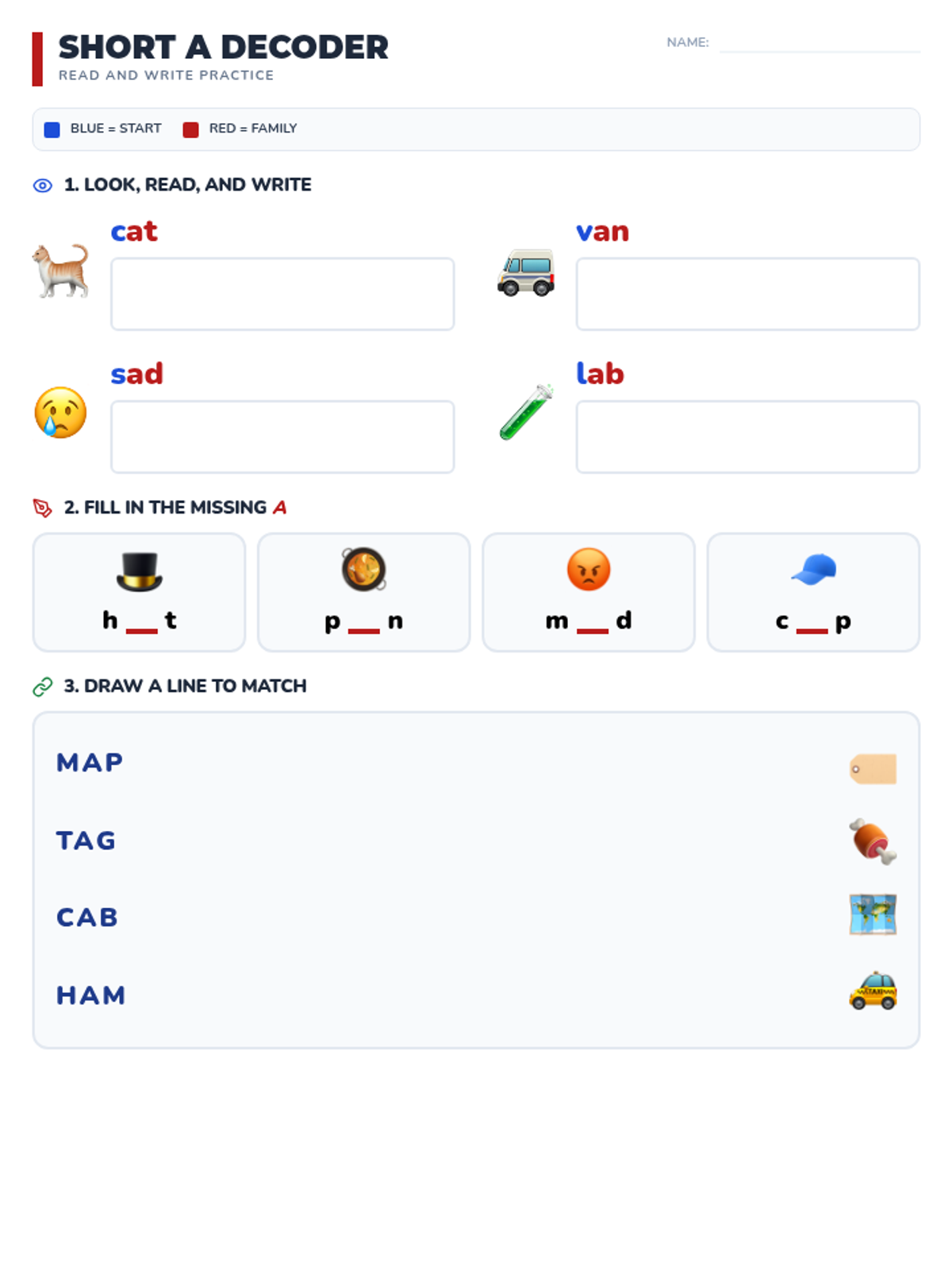
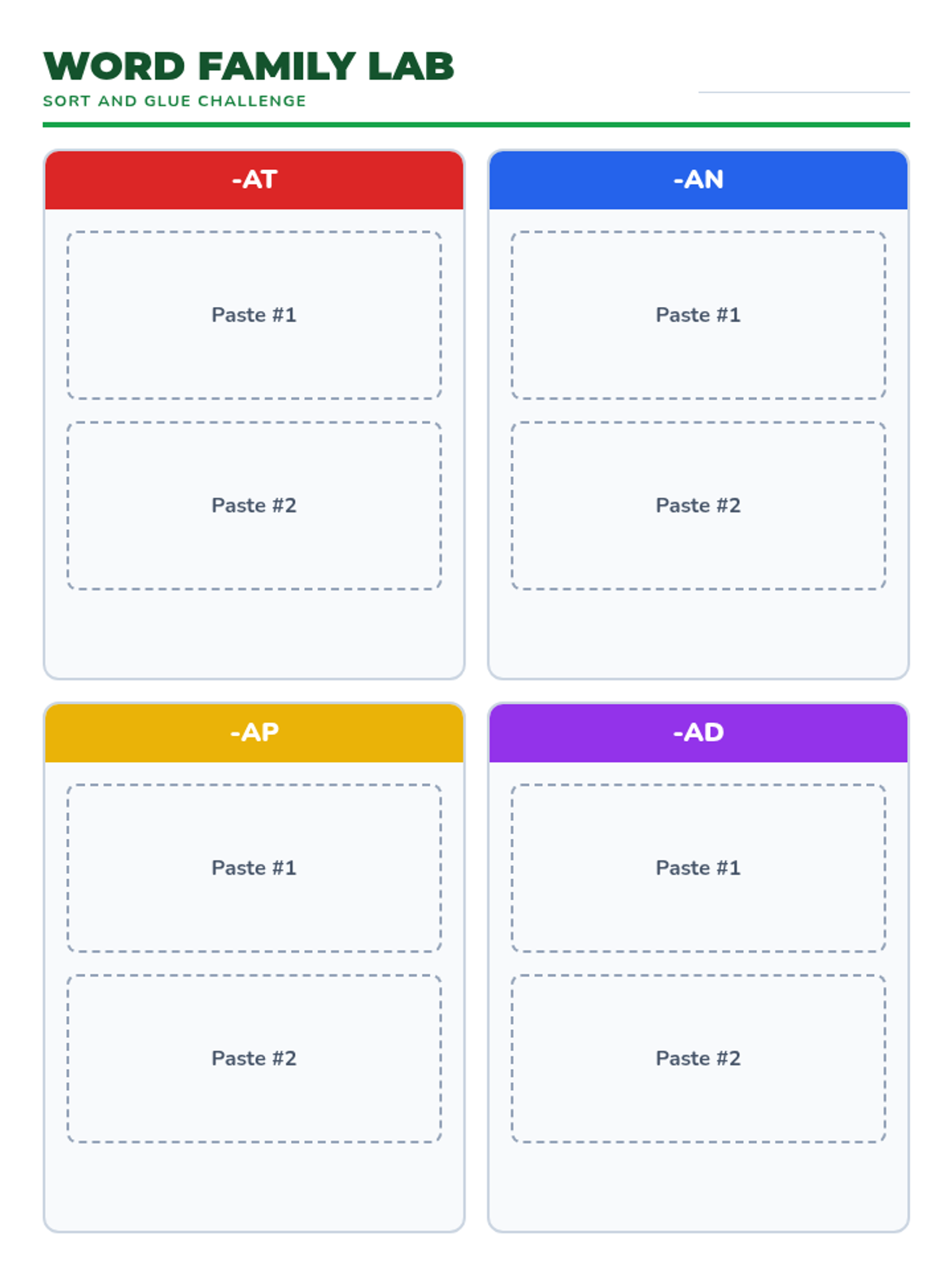
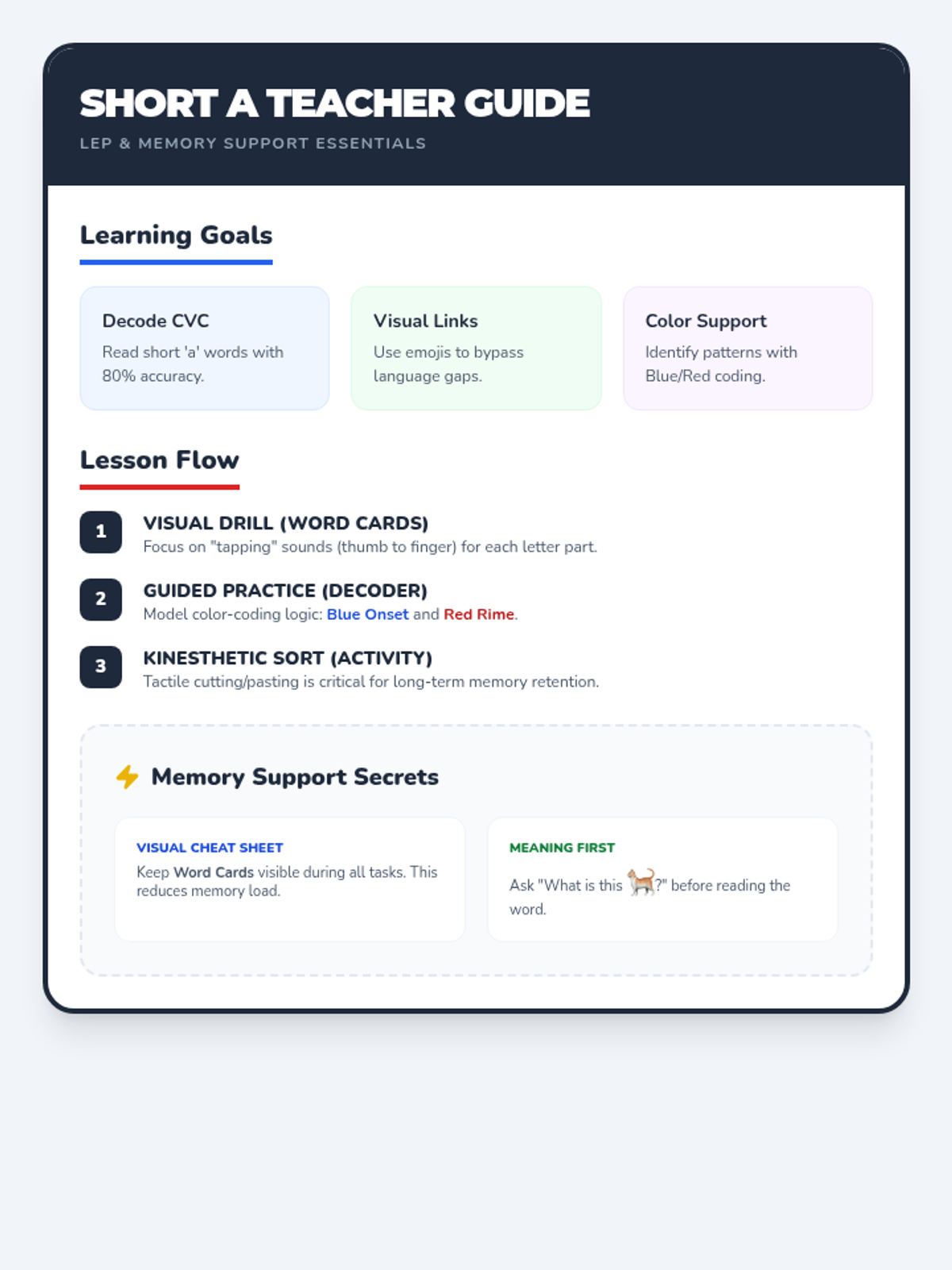
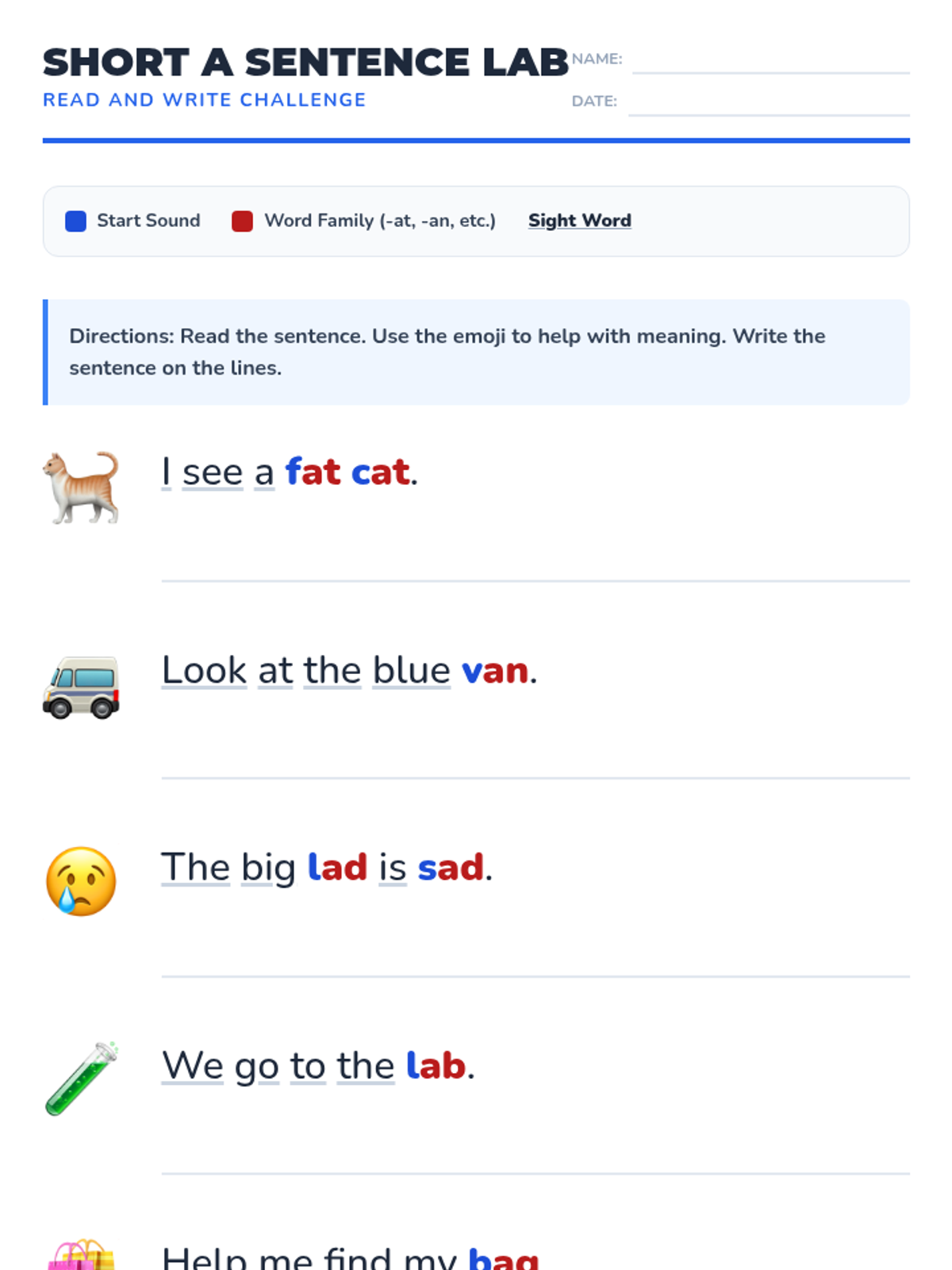
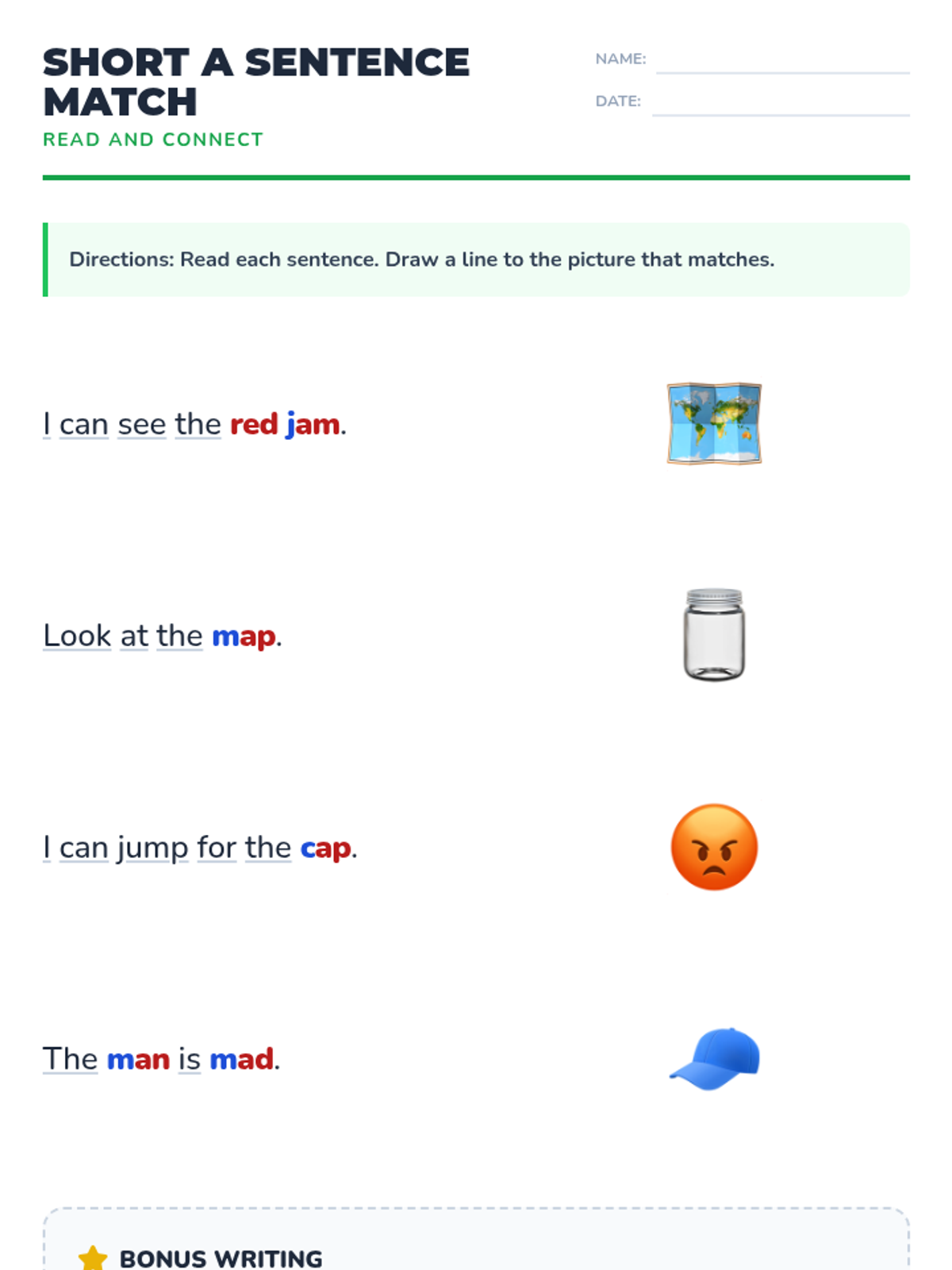
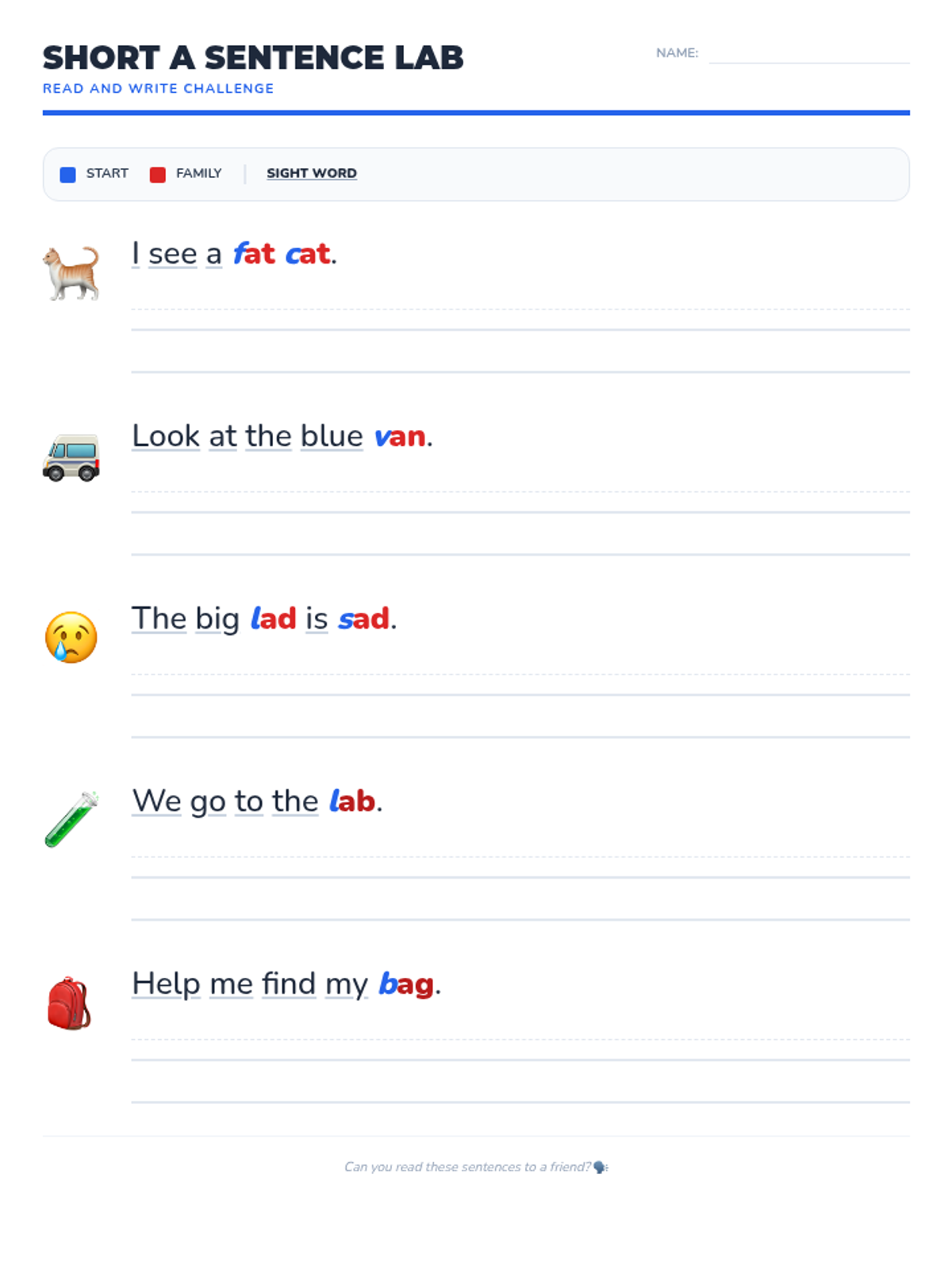
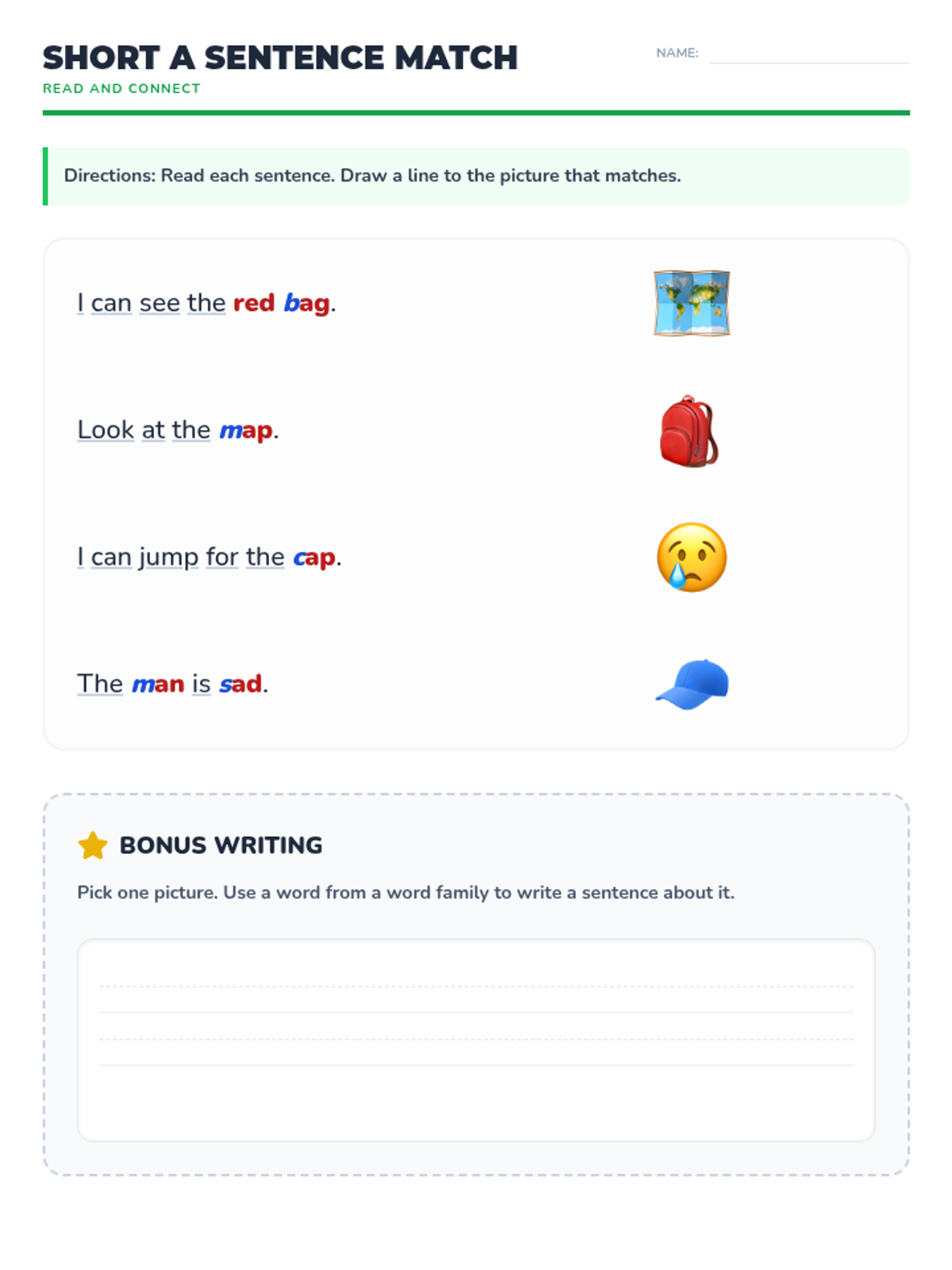
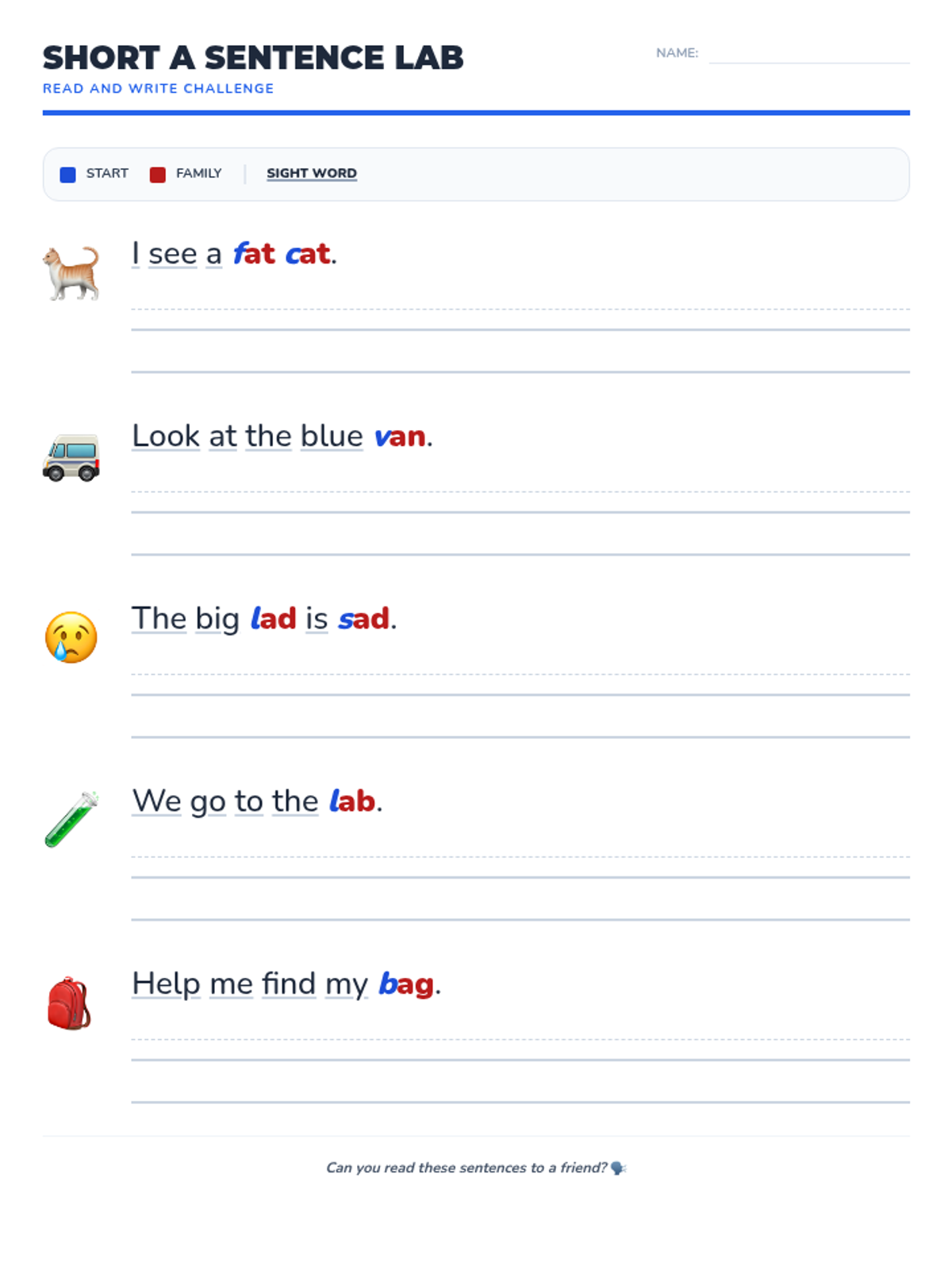
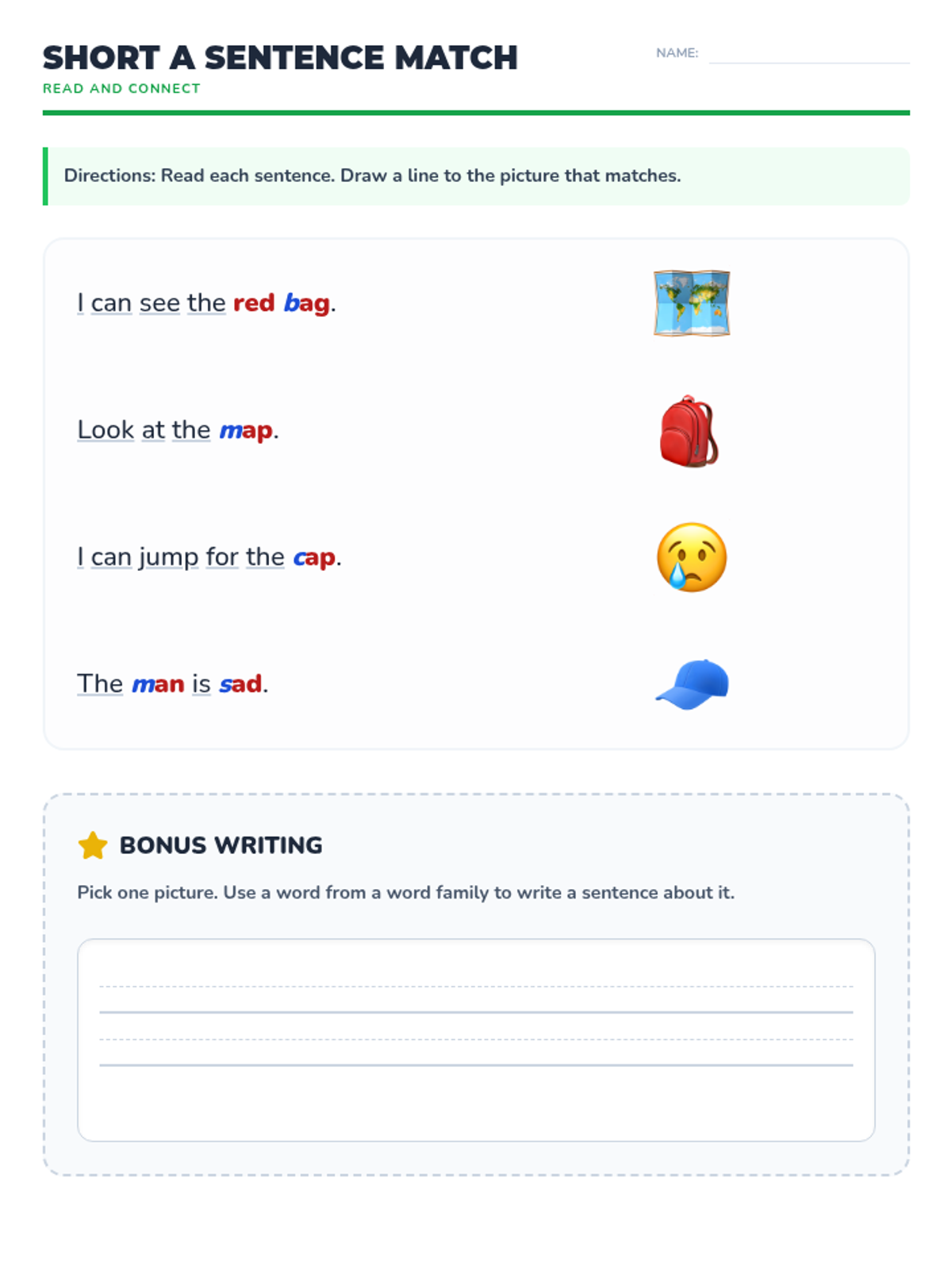
A foundational literacy lesson focusing on decoding and encoding short 'a' word families (-at, -an, -ab, -ad, -ag, -am, -ap) through visual association and color-coded patterns.
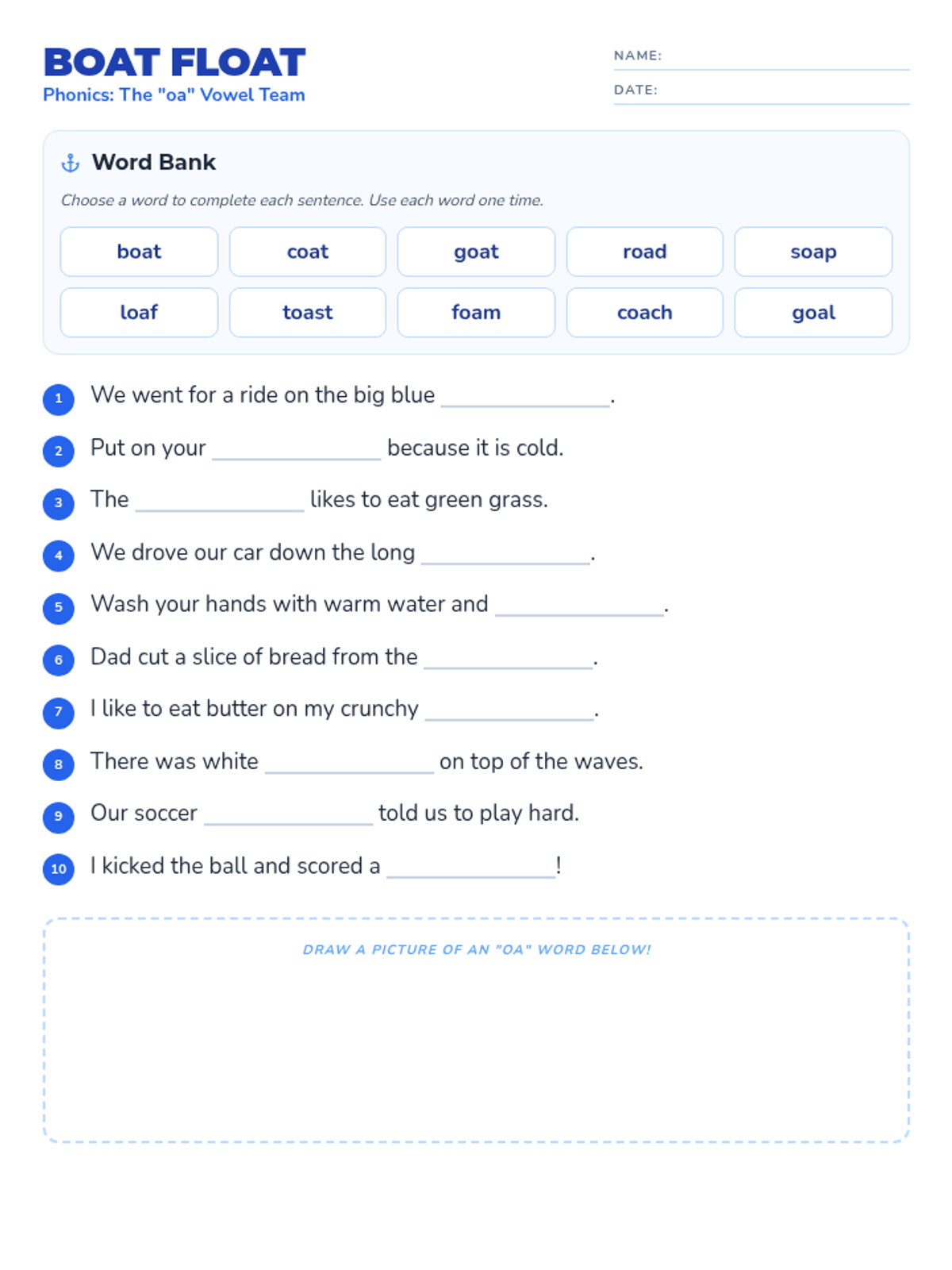
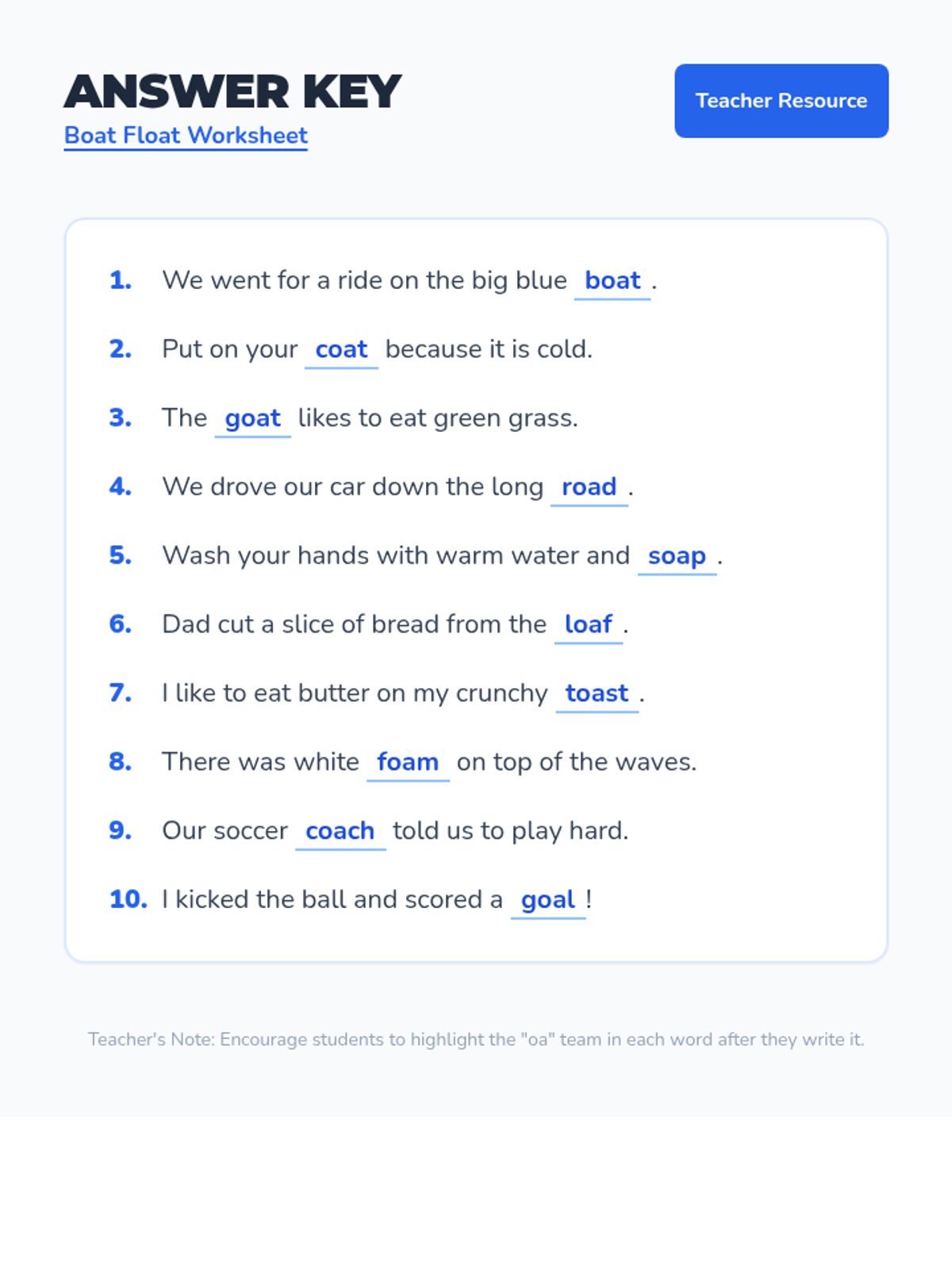
A phonics lesson focusing on the 'oa' vowel team through sentence completion and word recognition. Students will practice identifying and using 'oa' words in context.
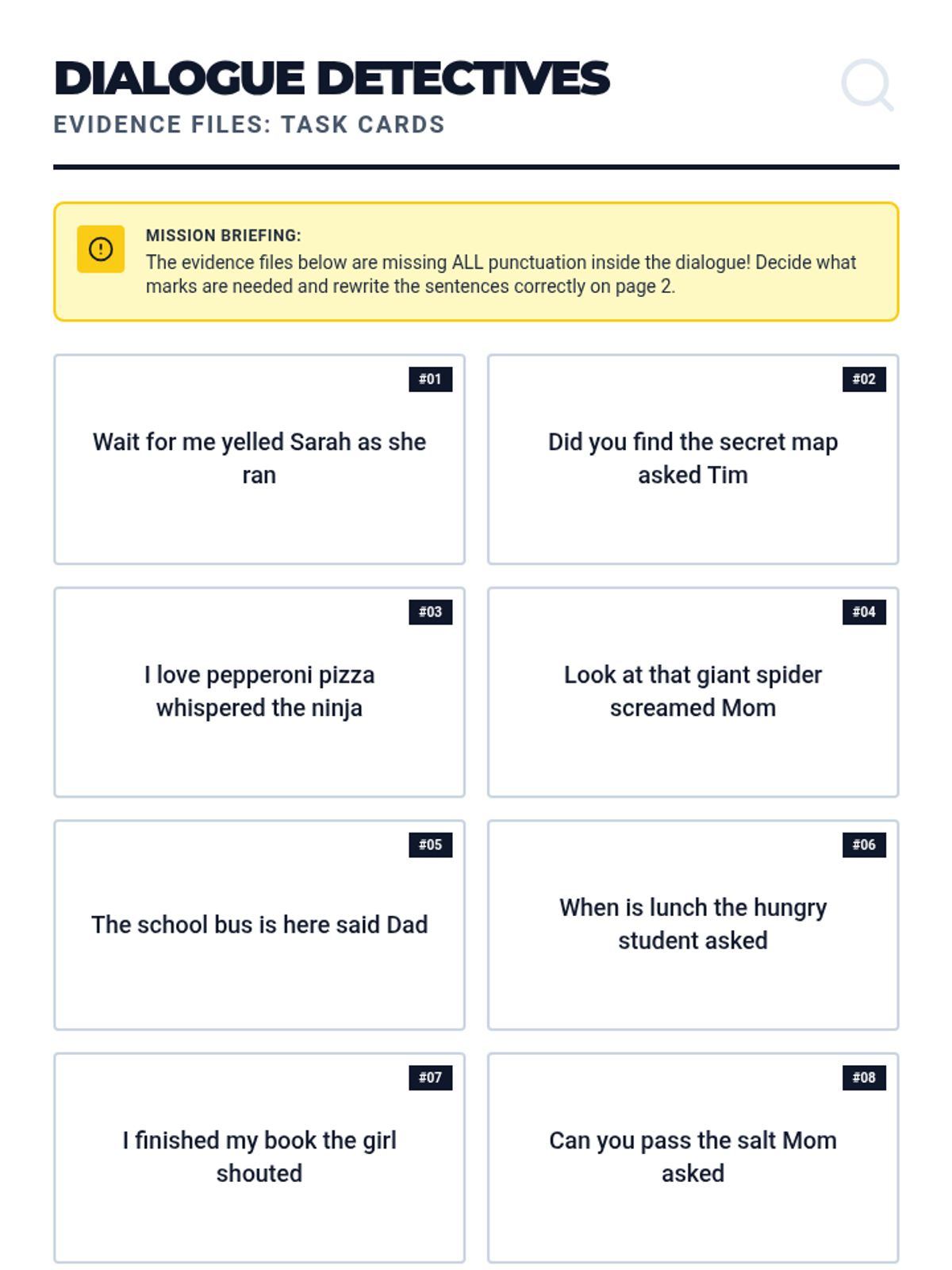
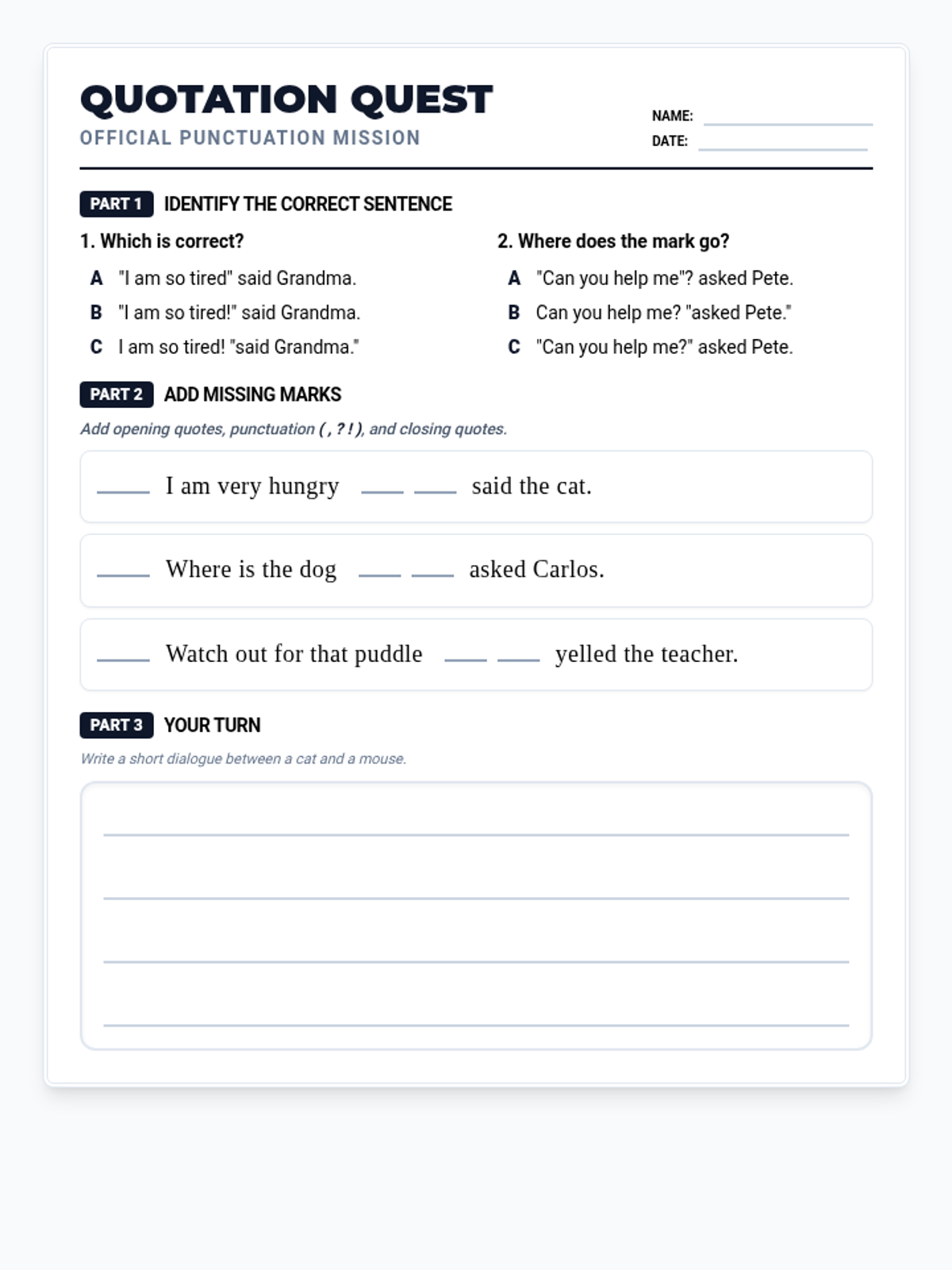
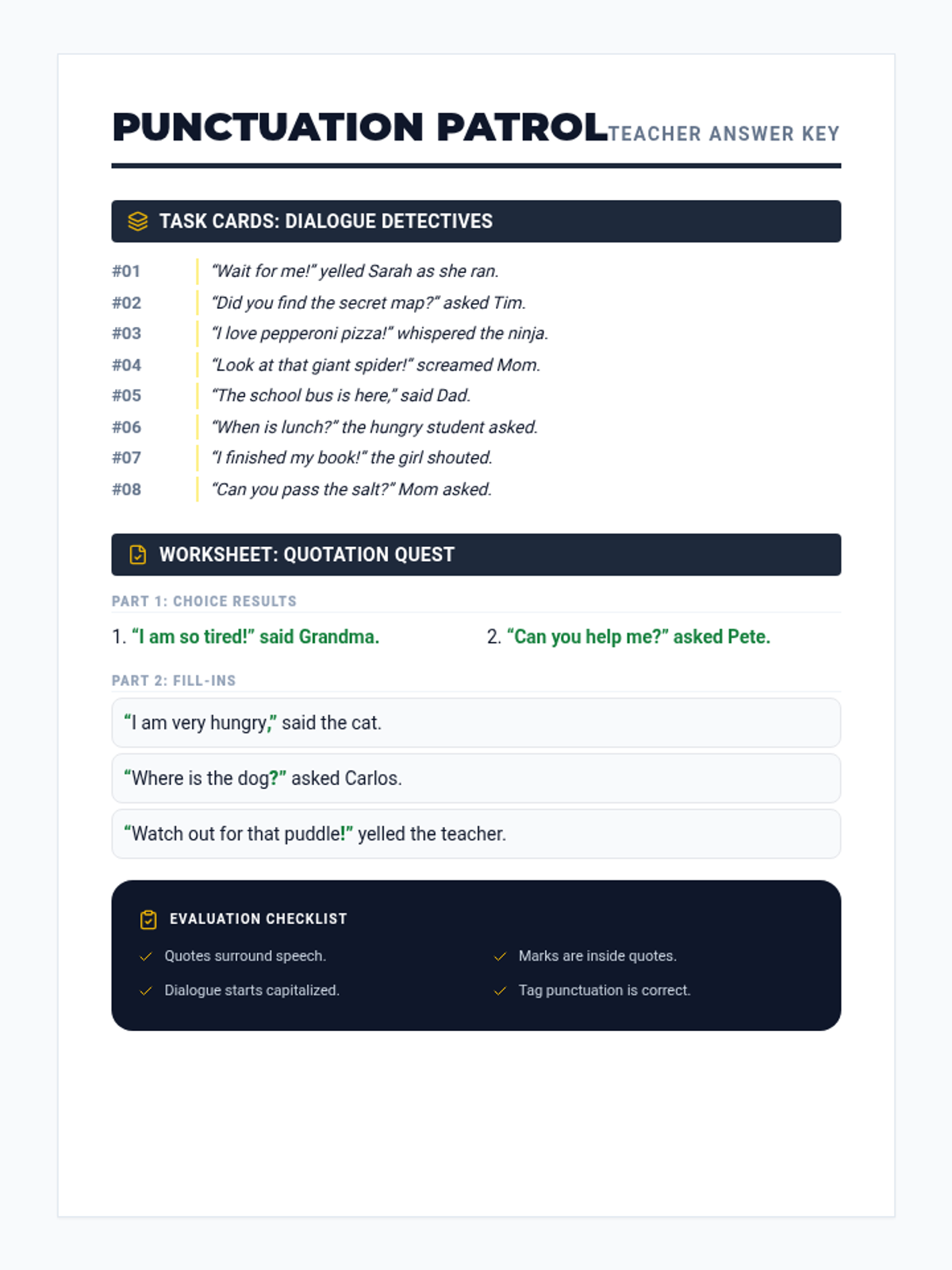
A mystery-themed lesson where students become 'Dialogue Detectives' to master the use of quotation marks and end punctuation in written speech. Students will identify, fix, and create correctly punctuated dialogue.
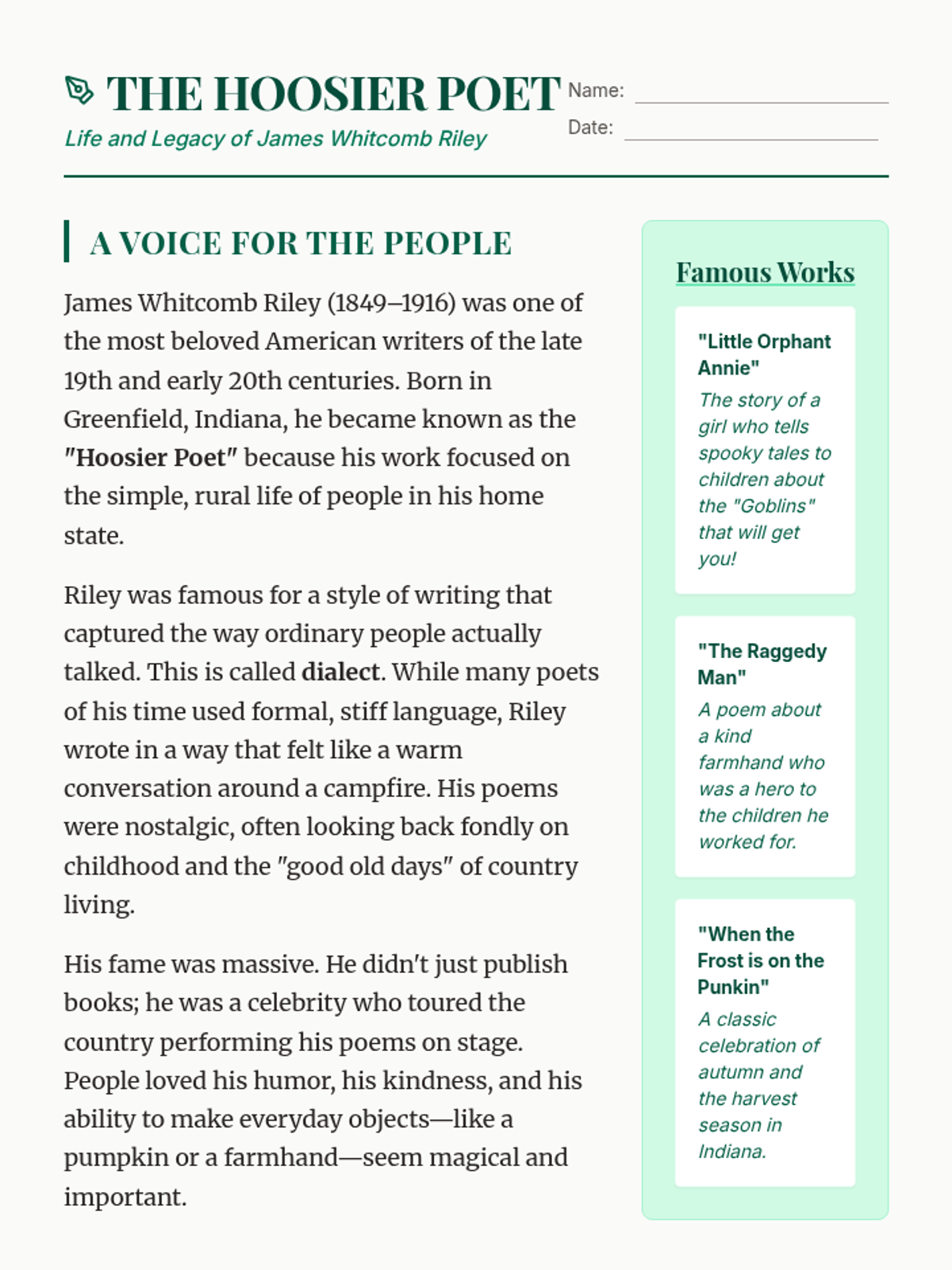
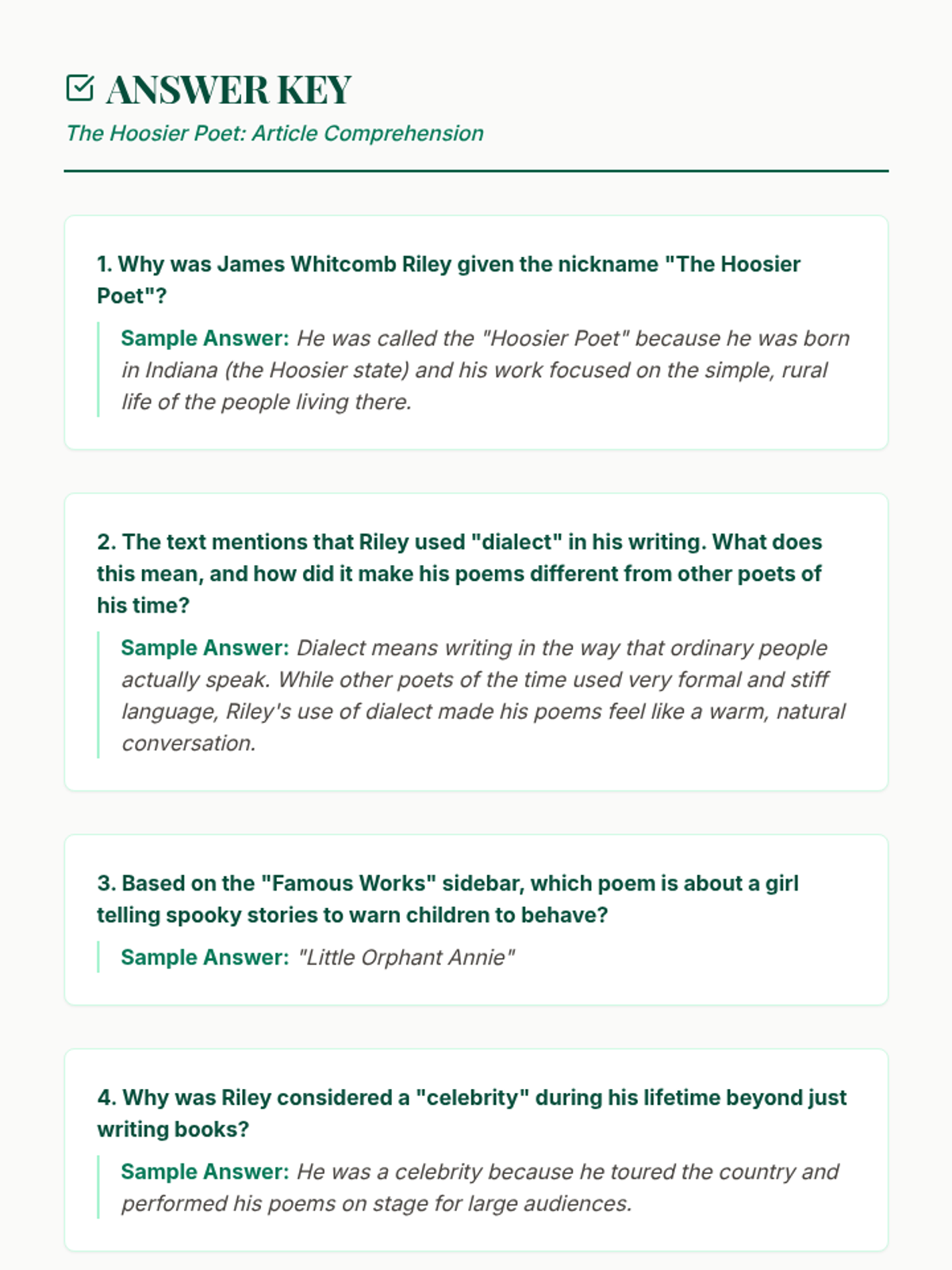
A lesson introducing students to the life, poetry, and cultural impact of James Whitcomb Riley, the "Hoosier Poet." Focuses on his use of dialect and nostalgic themes.