Students investigate the structural change in hemoglobin caused by a single substitution. They explore how this changes the solubility of the protein, leading to aggregation and cell shape changes.
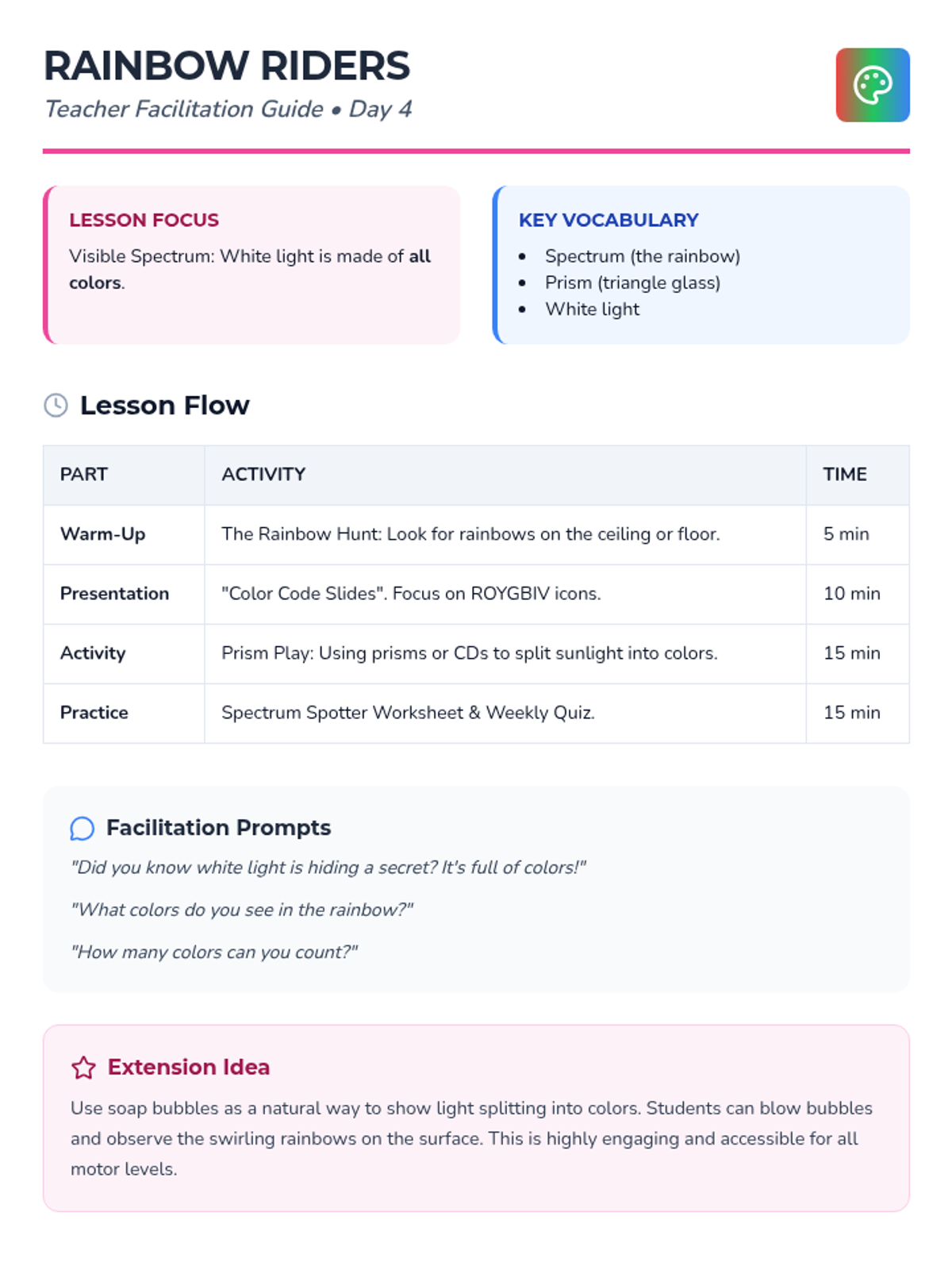
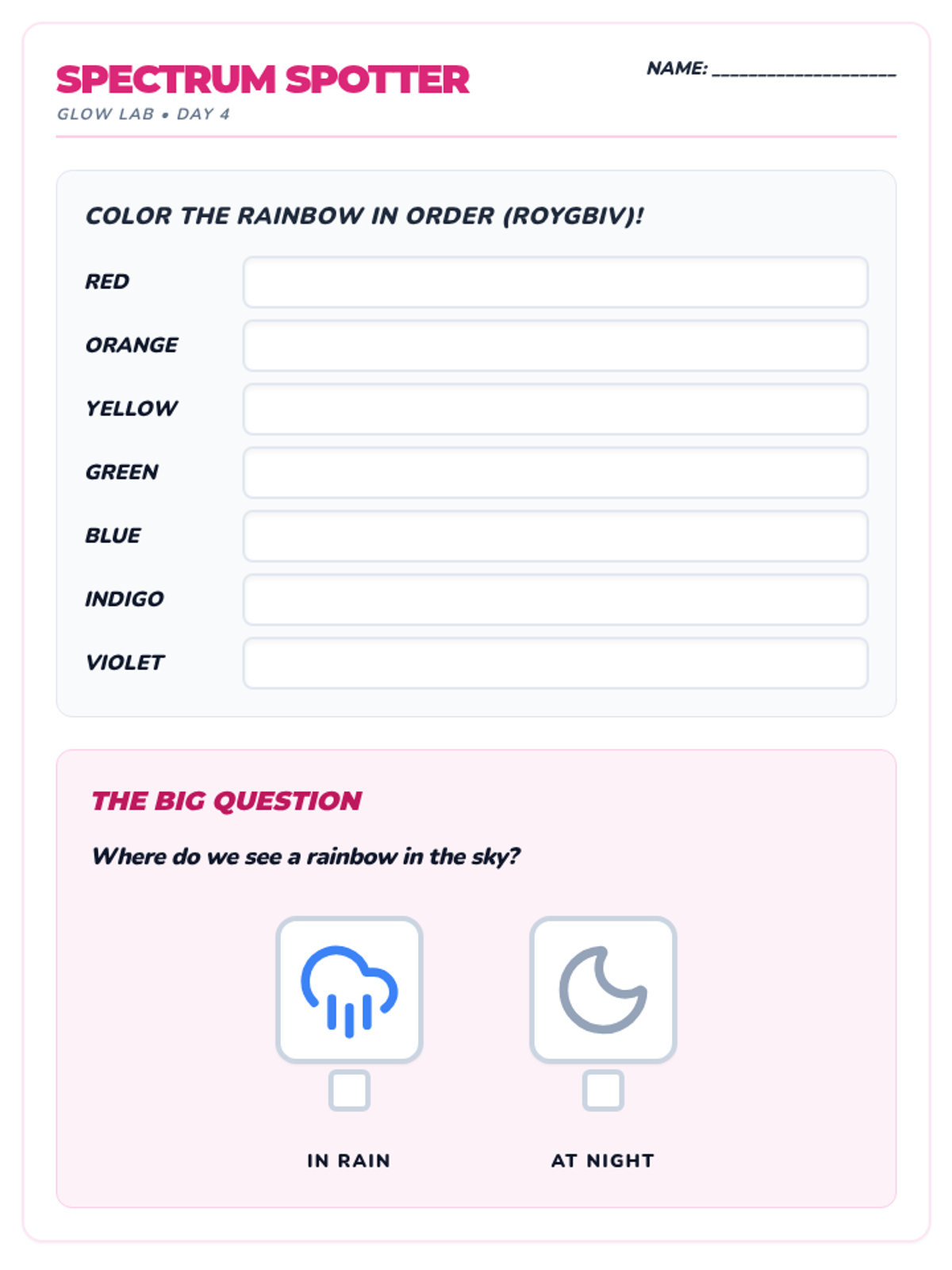
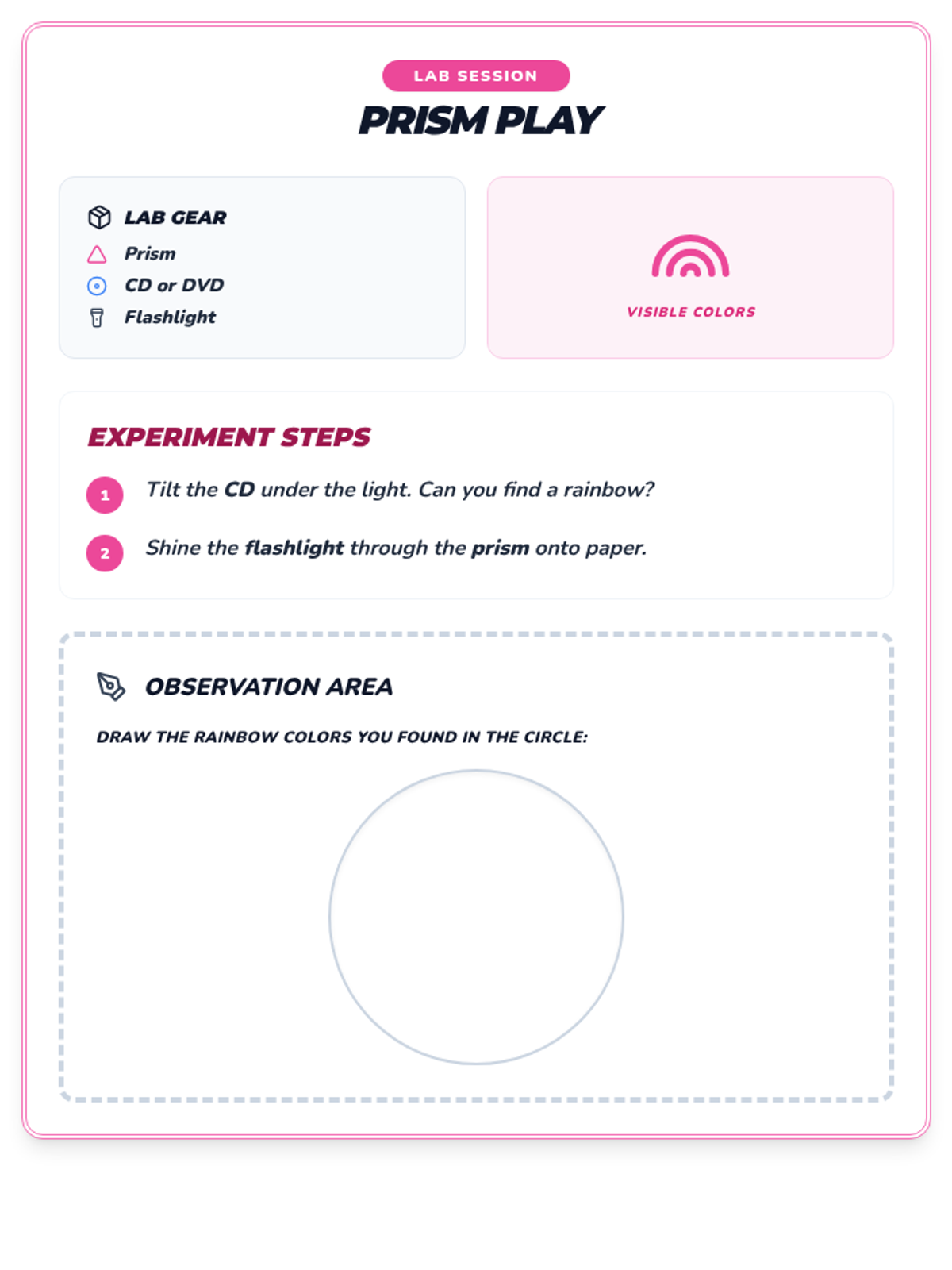
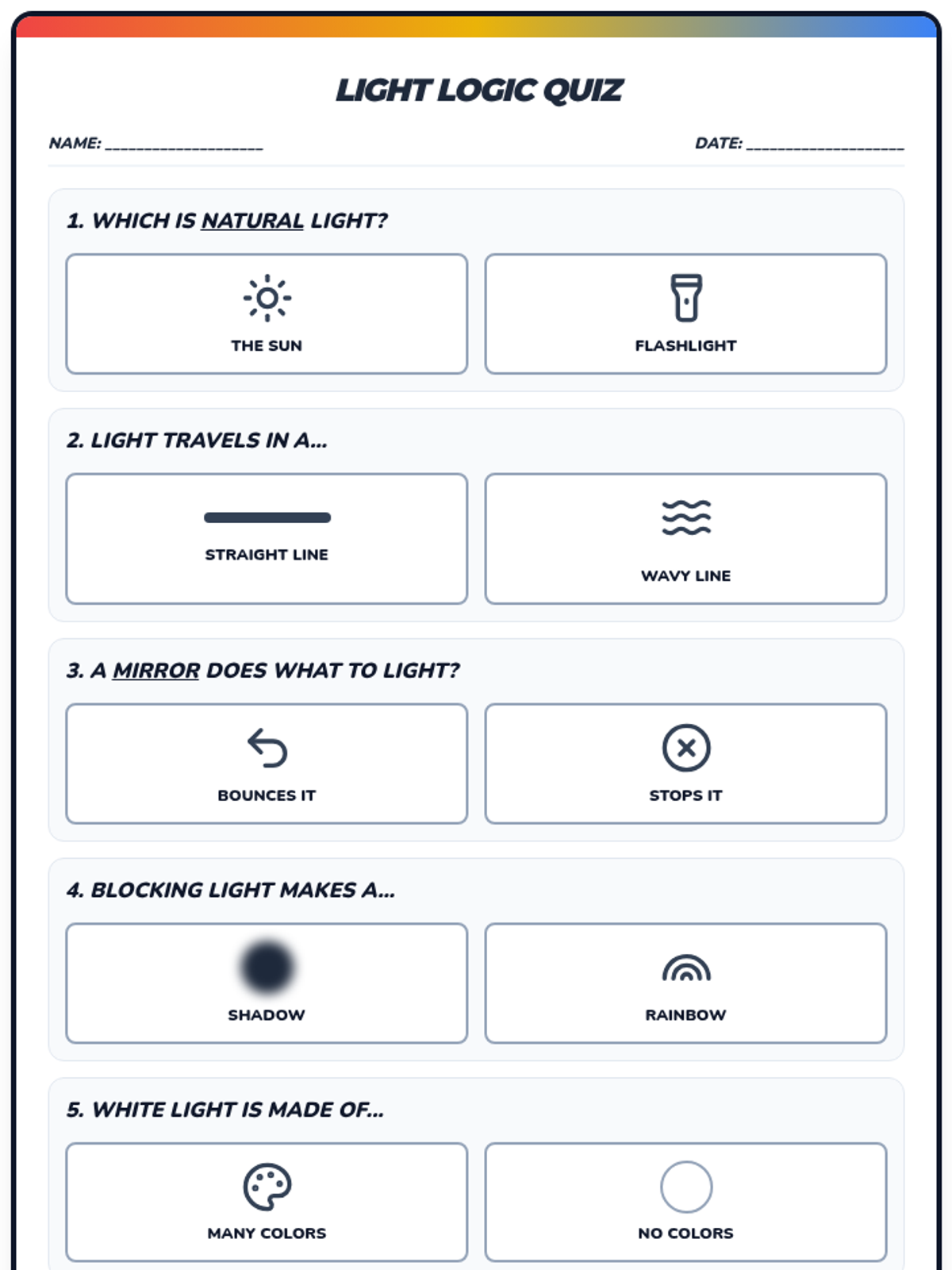
A discovery of the visible spectrum, rainbow colors, and a final unit quiz to celebrate learning.
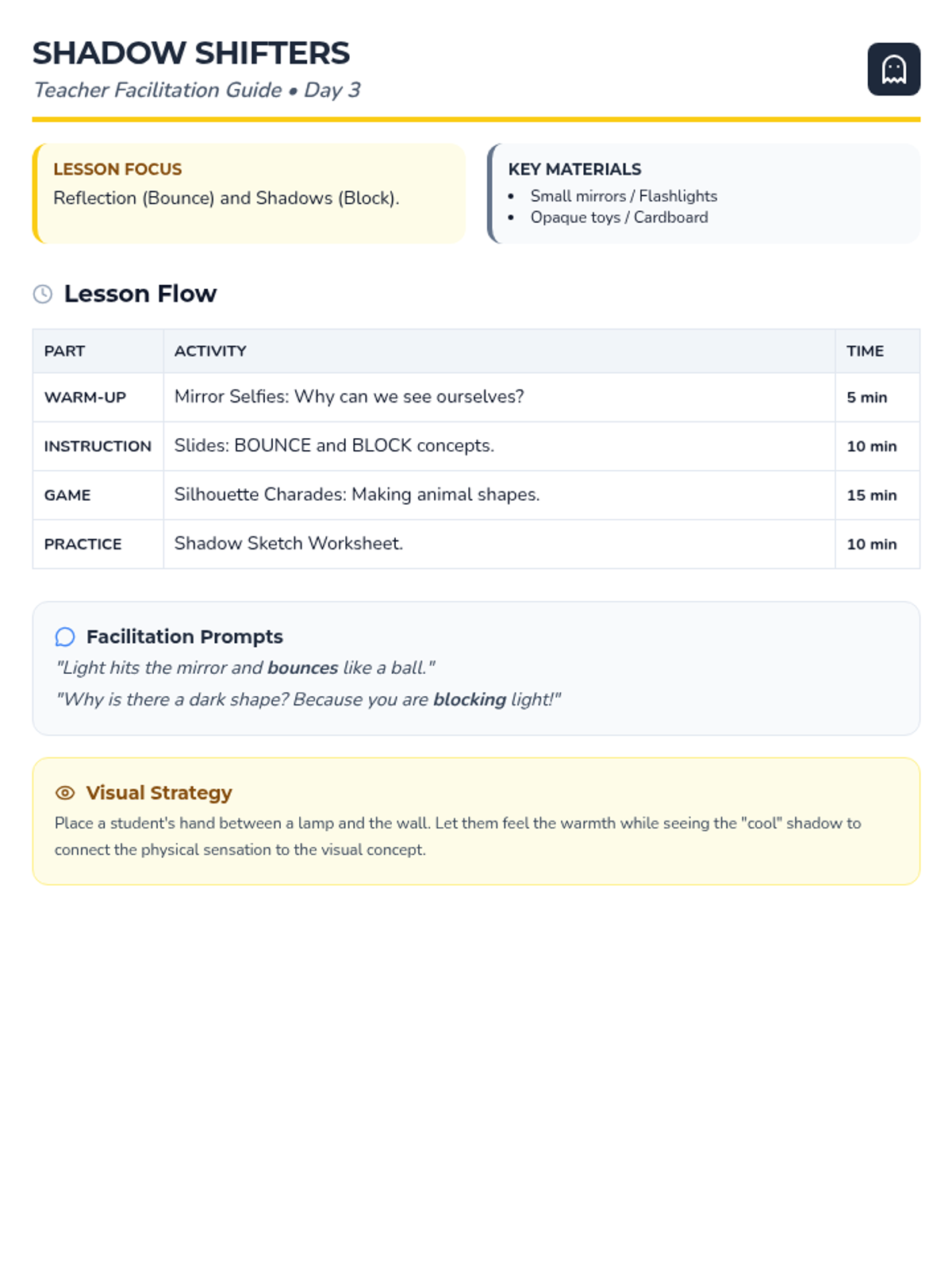
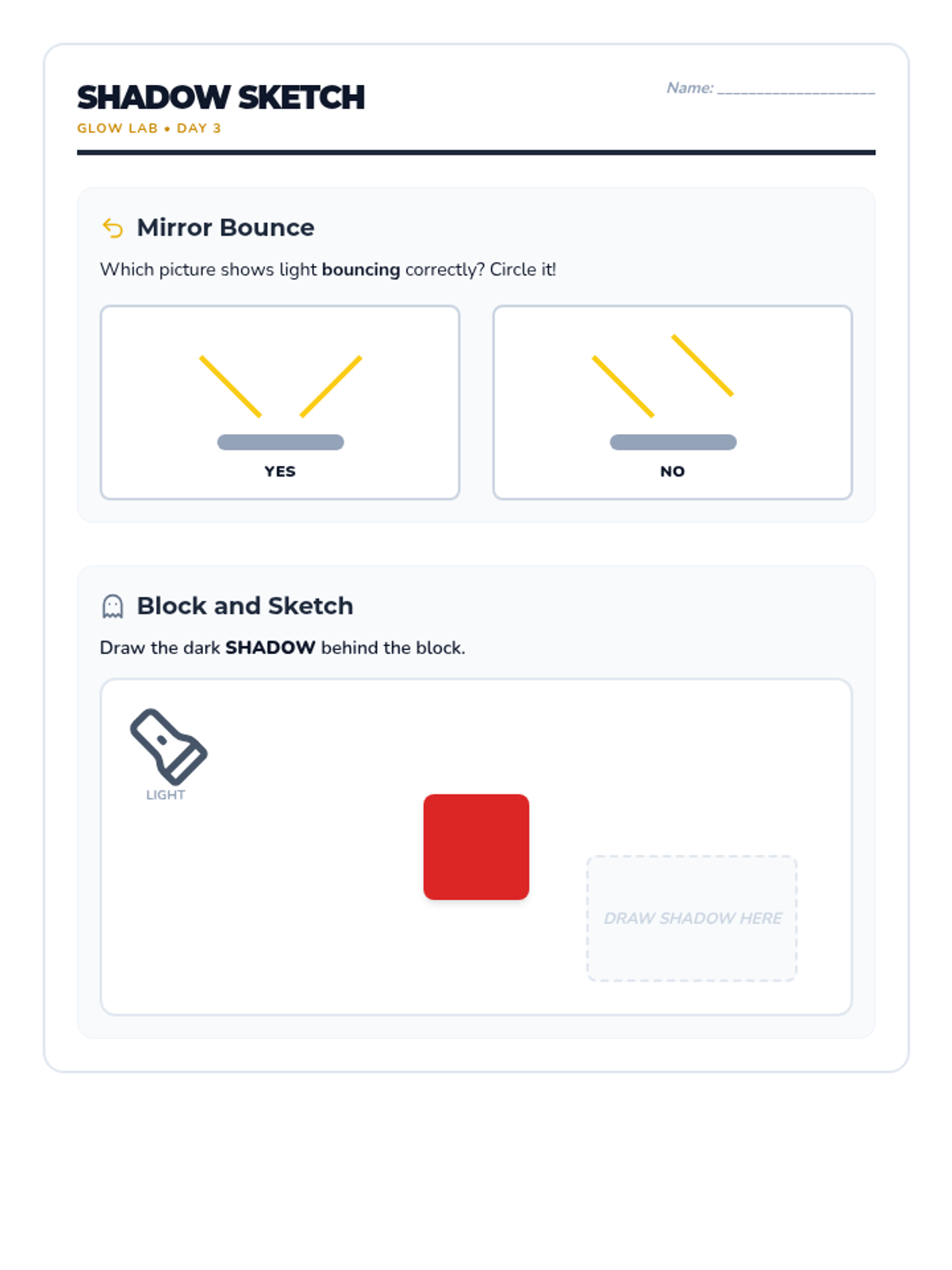
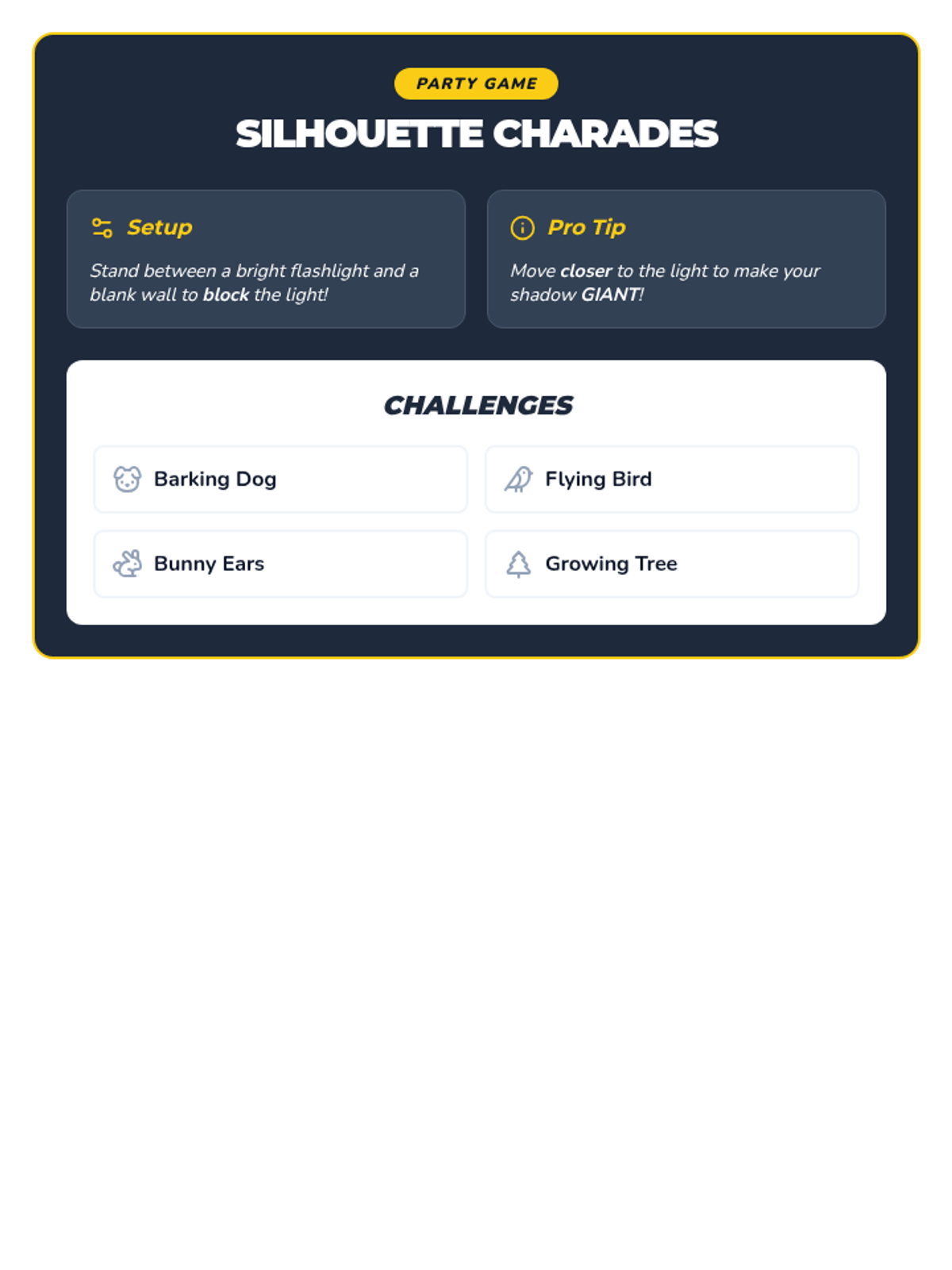
Students investigate how light bounces off mirrors and how objects block light to create shadows.
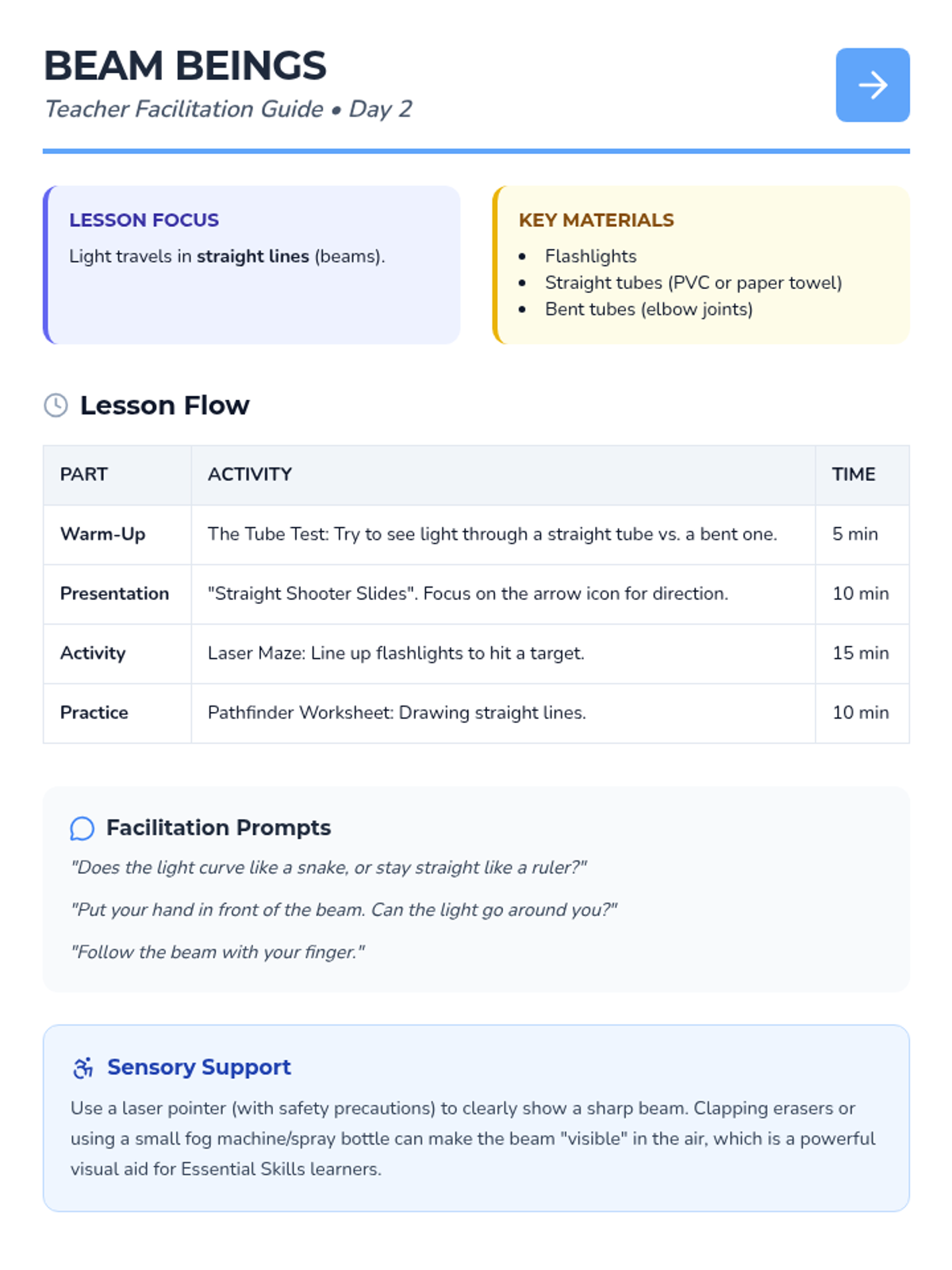
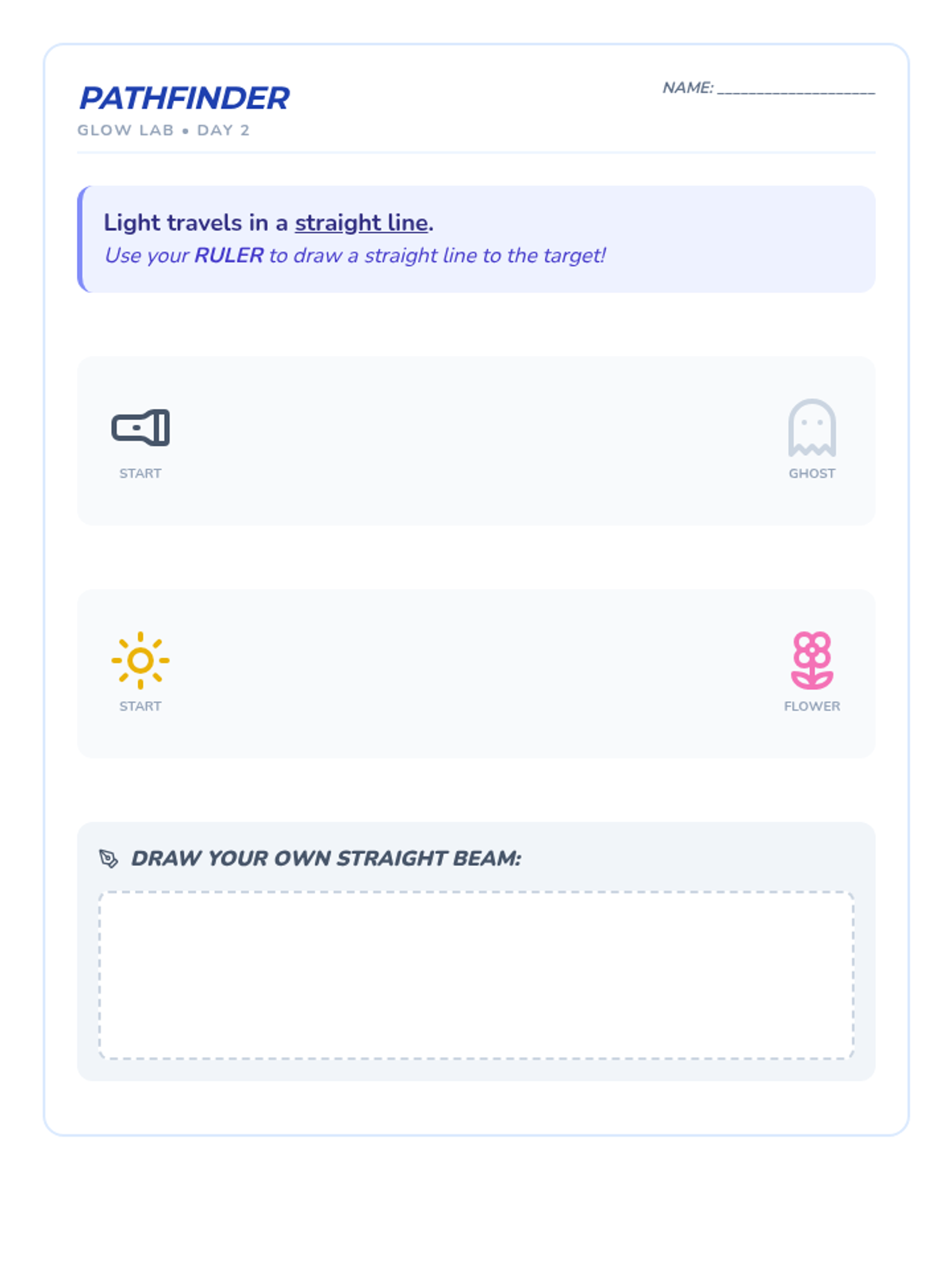
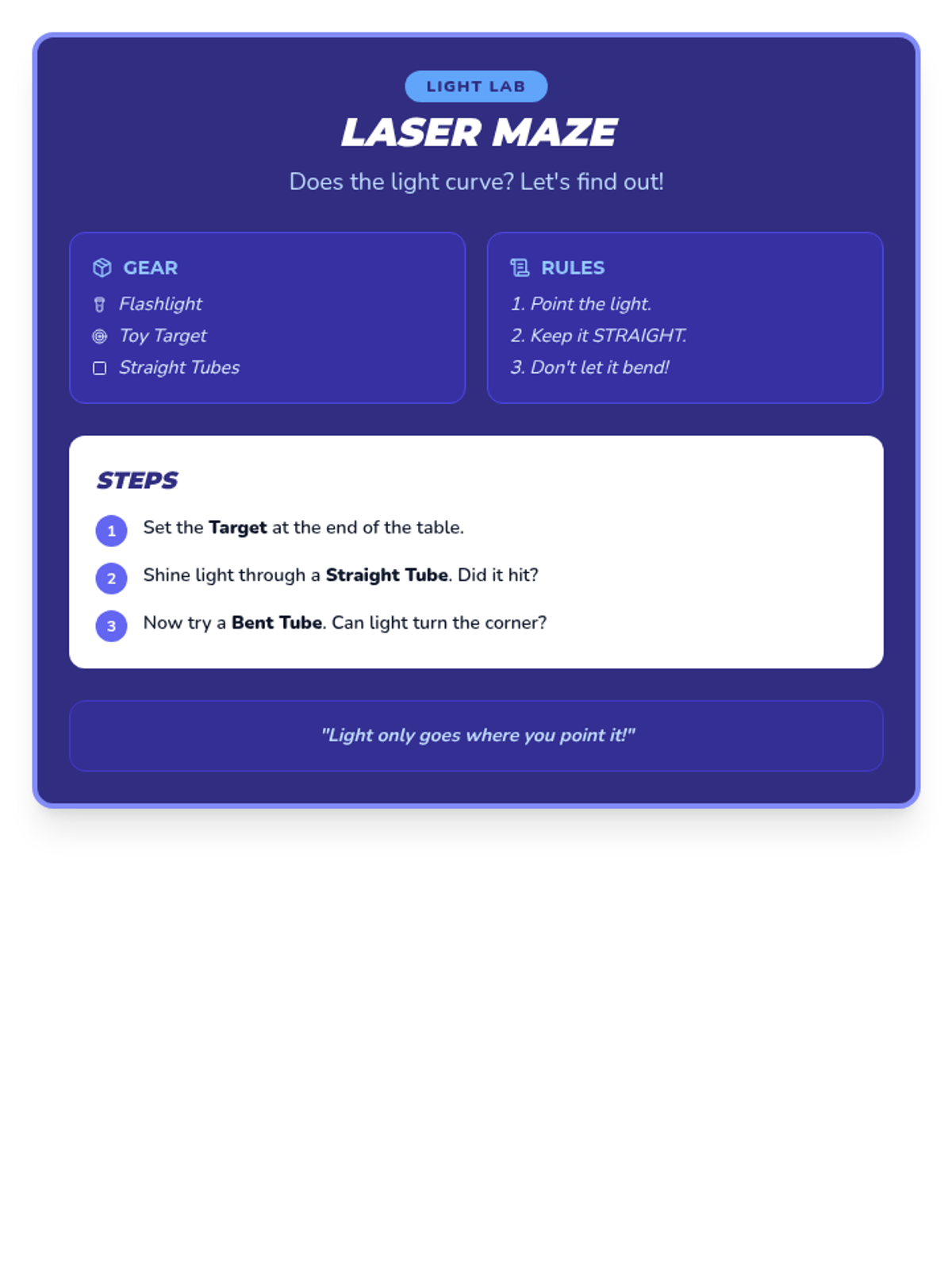
An exploration of how light travels in straight lines and what happens when those beams are interrupted.
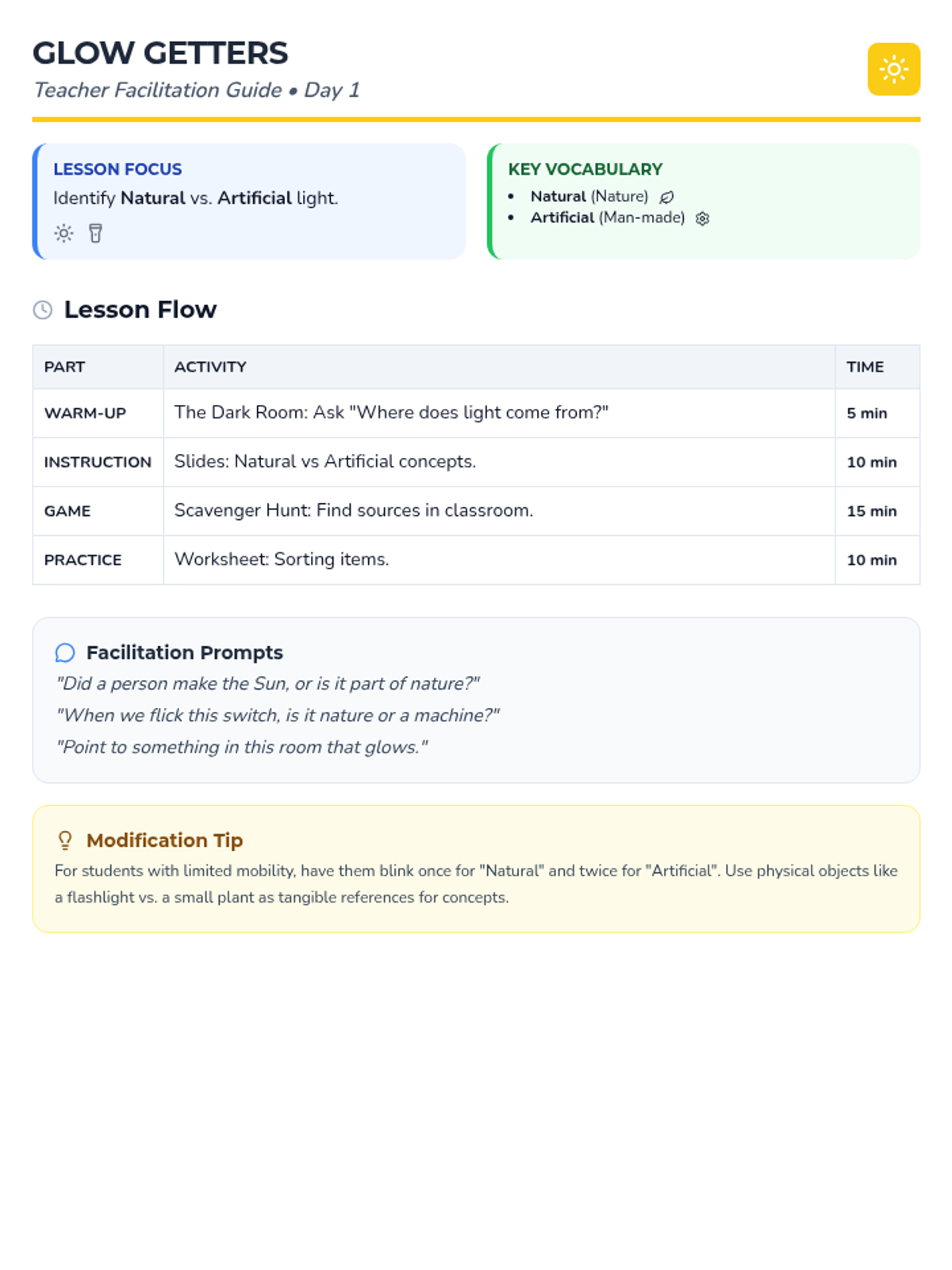
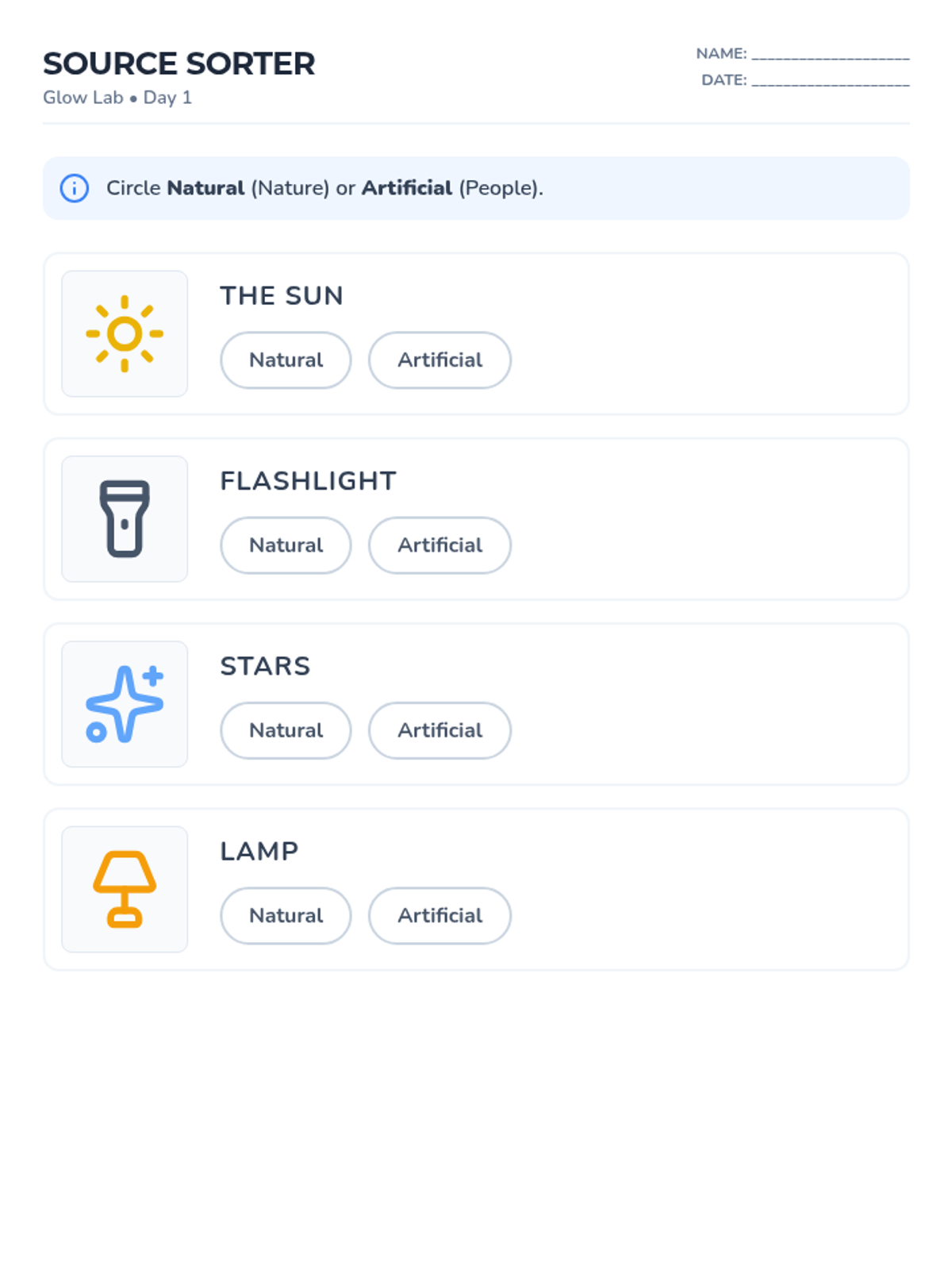
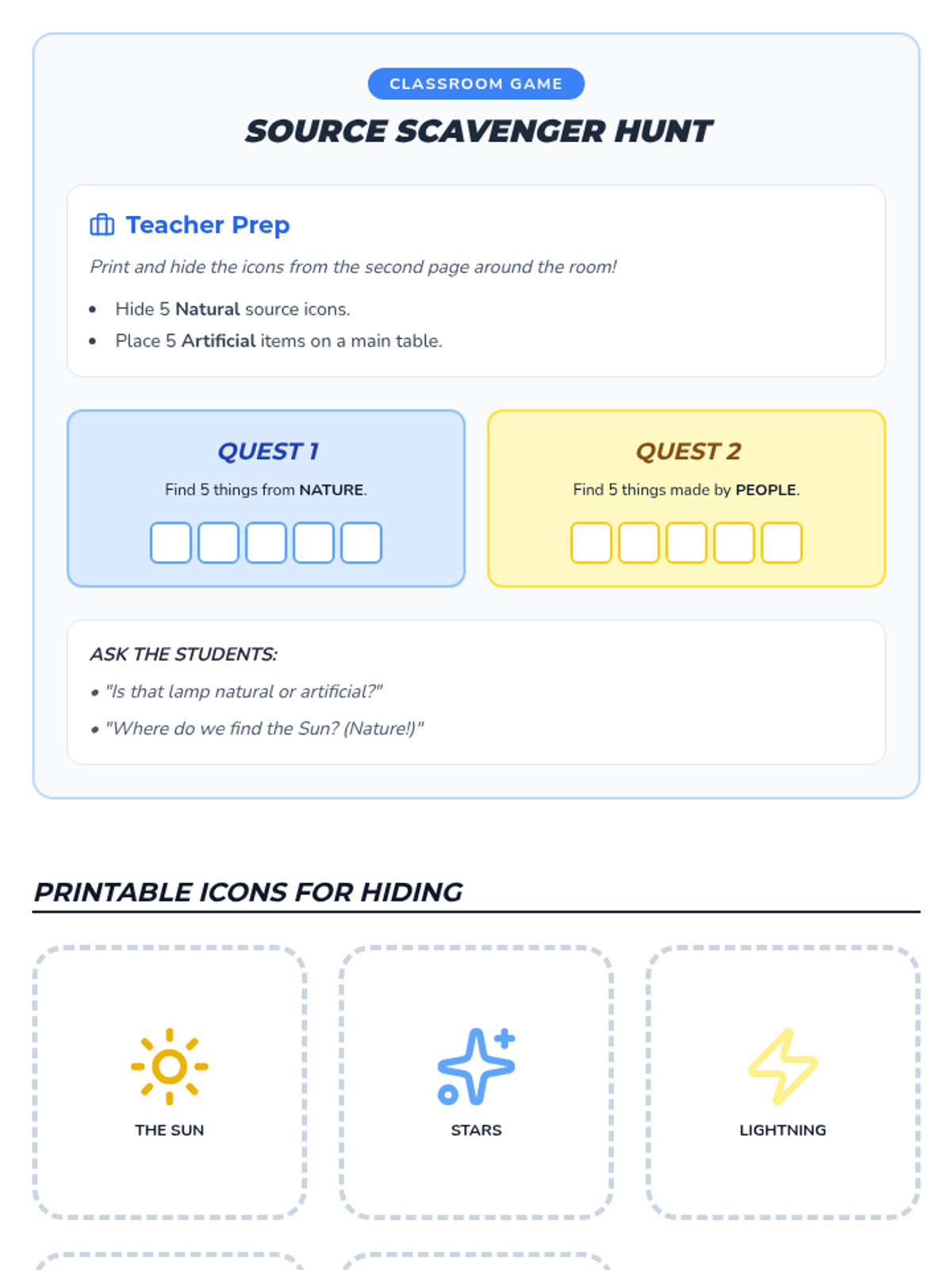
Students identify and differentiate between natural and artificial light sources using high-contrast visuals and sorting activities.
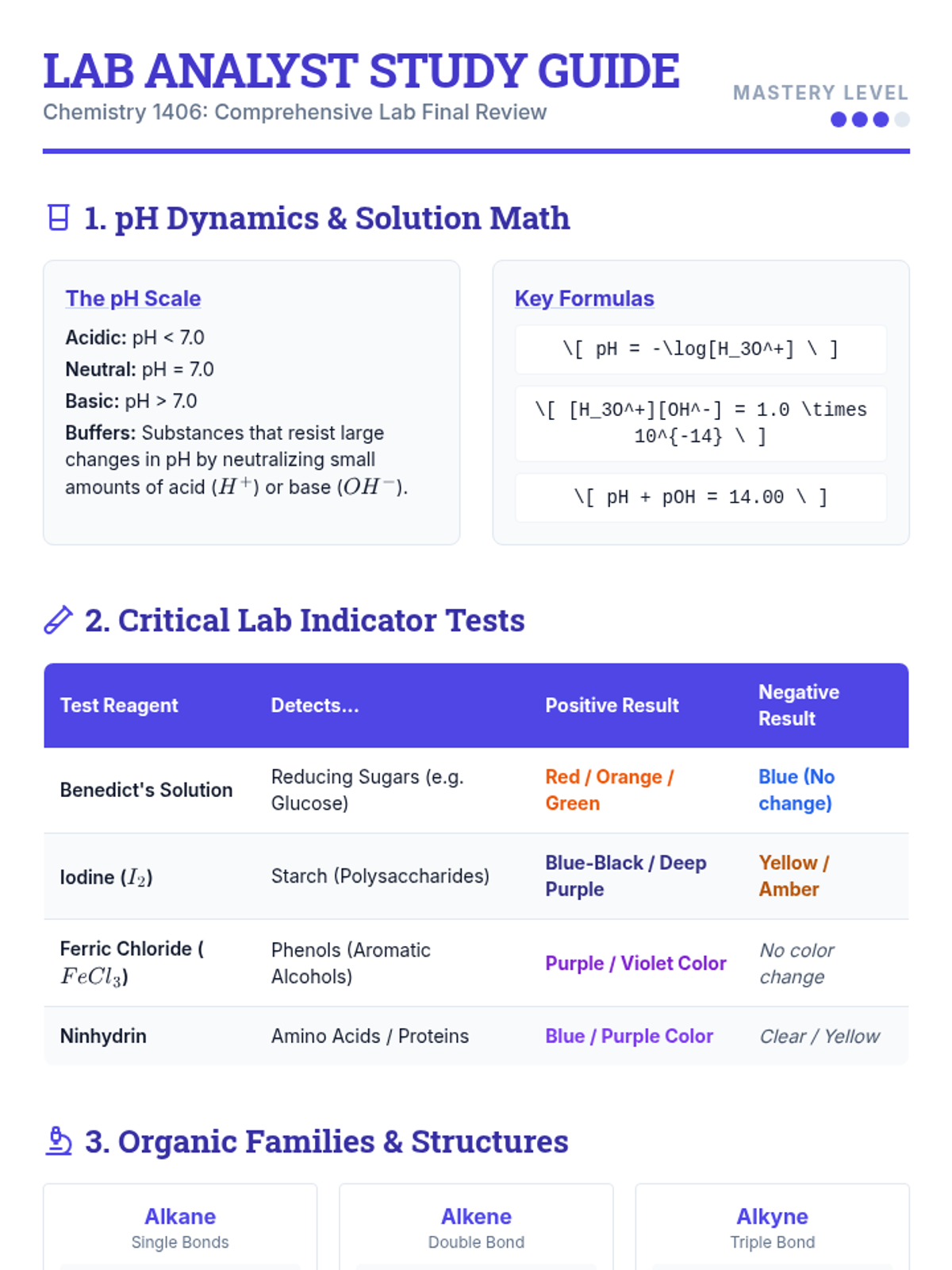
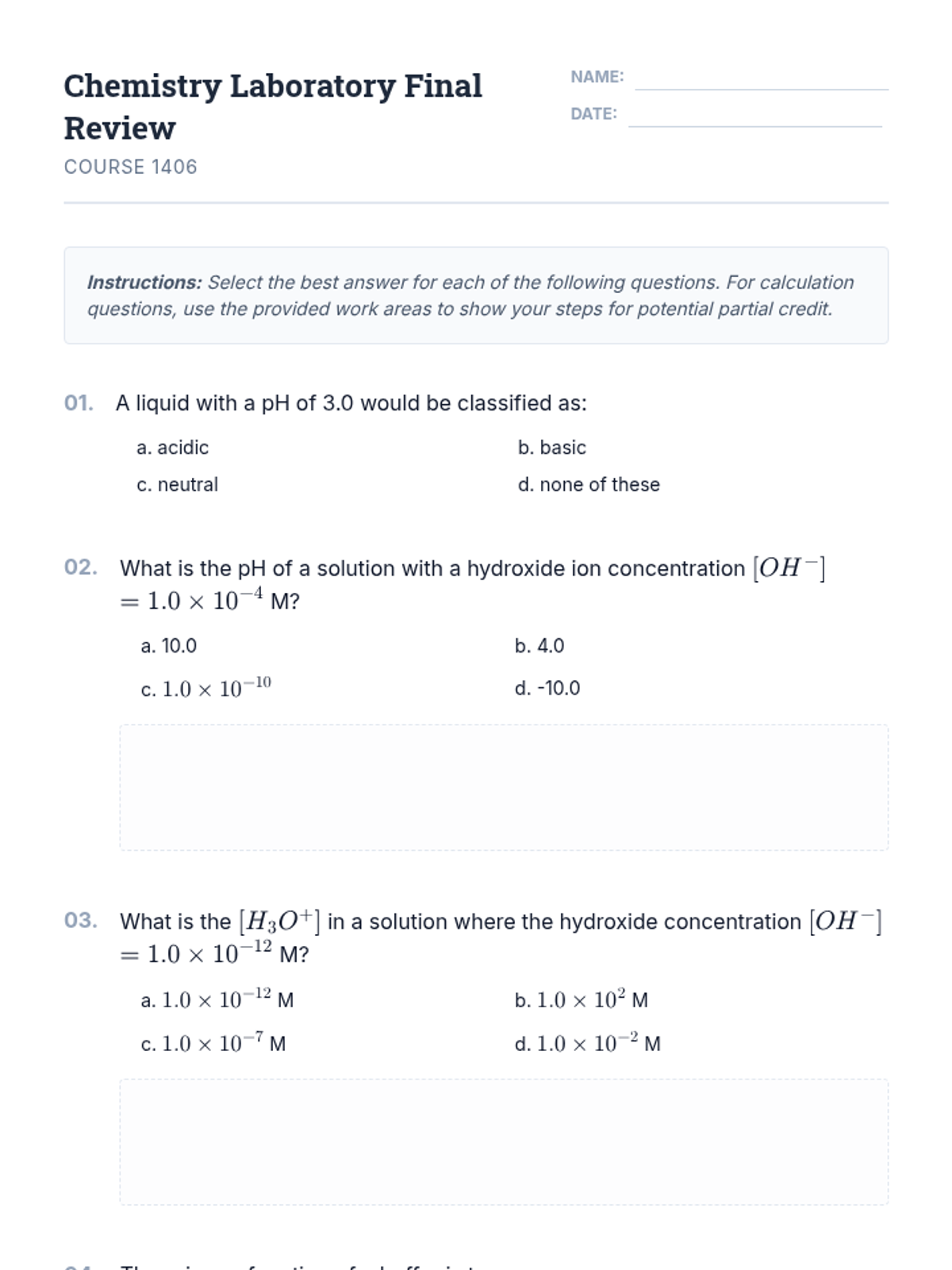
A comprehensive review of introductory chemistry lab concepts including pH calculations, organic nomenclature, functional group identification, and laboratory testing procedures.
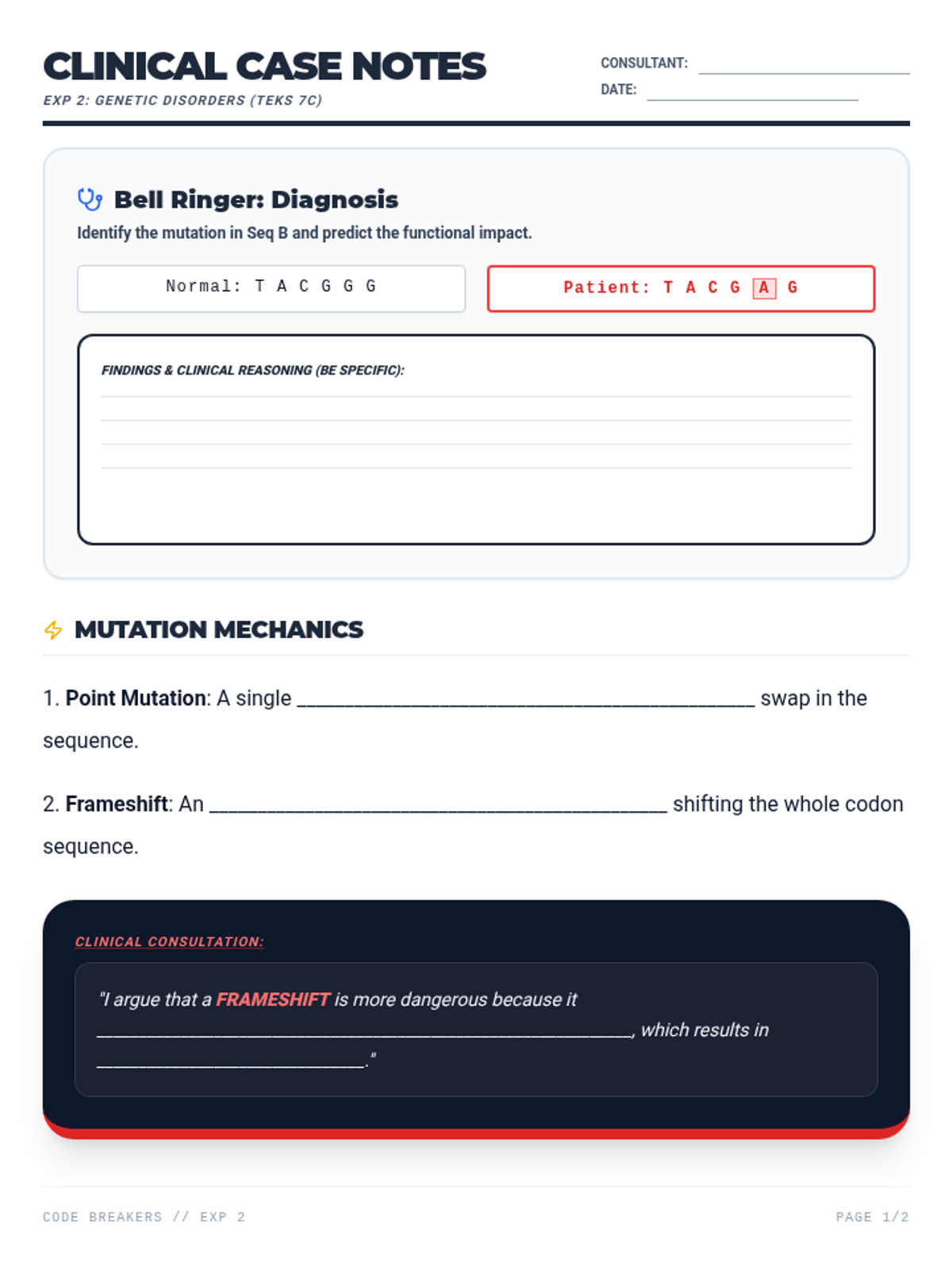
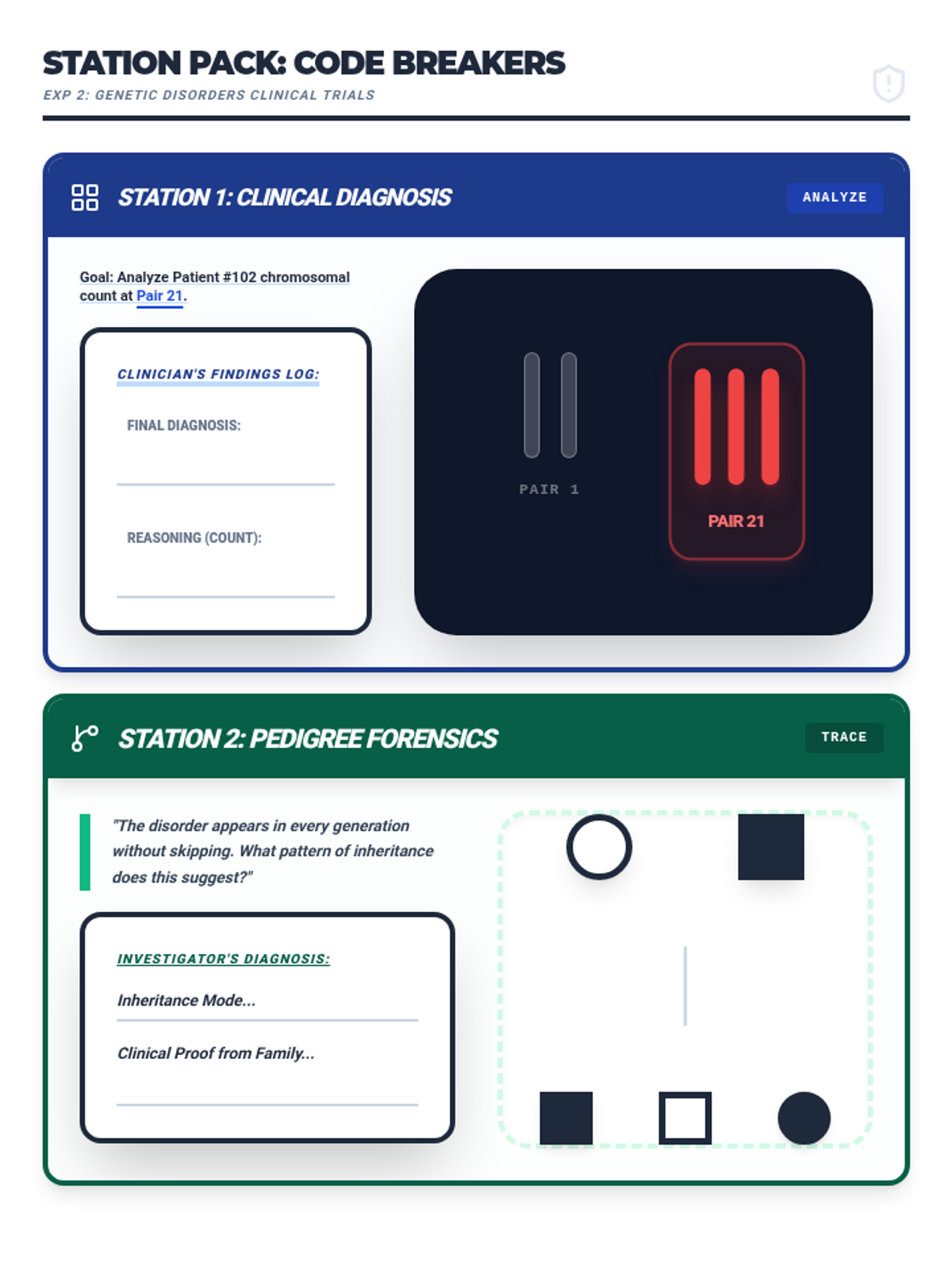
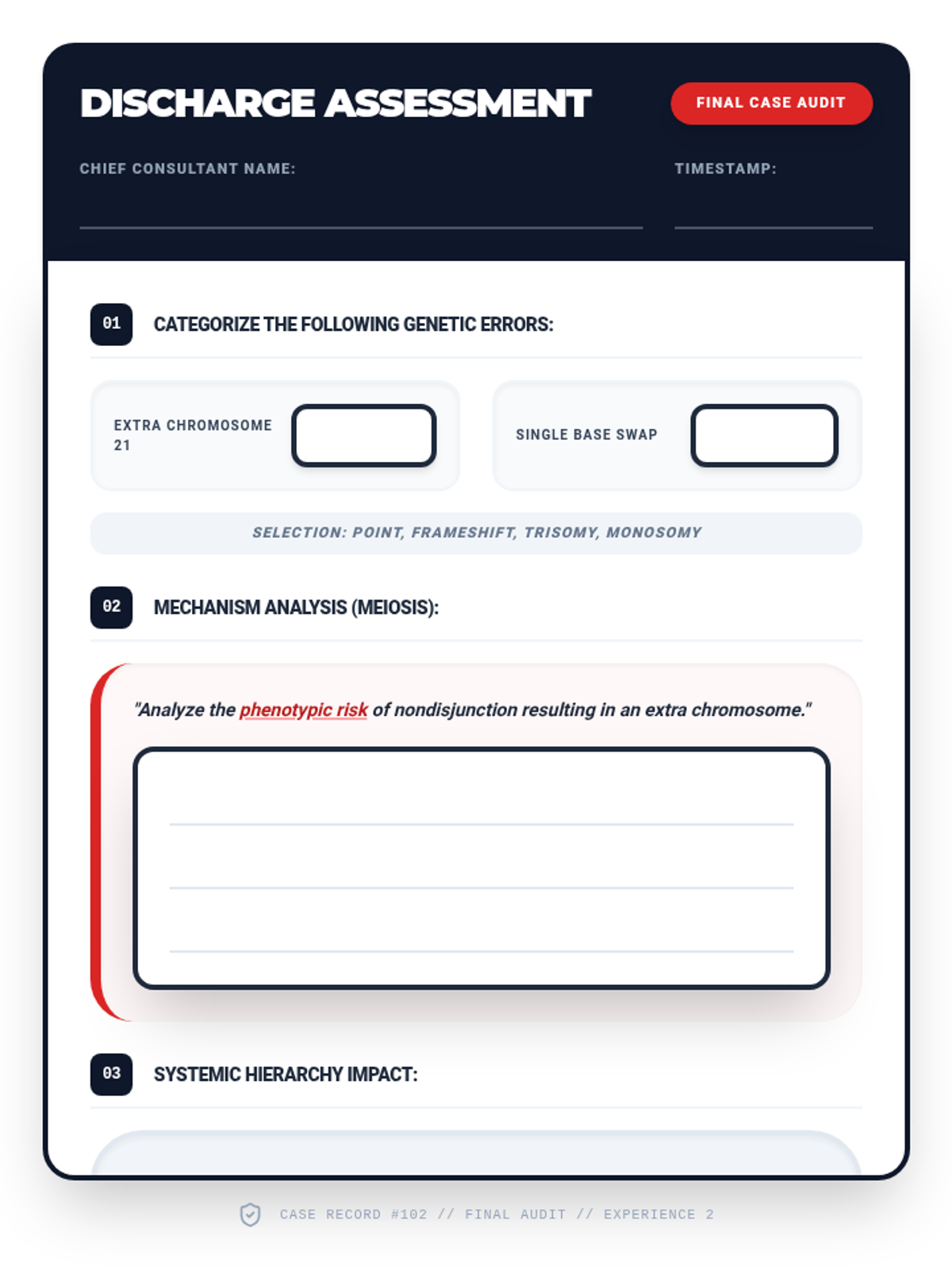
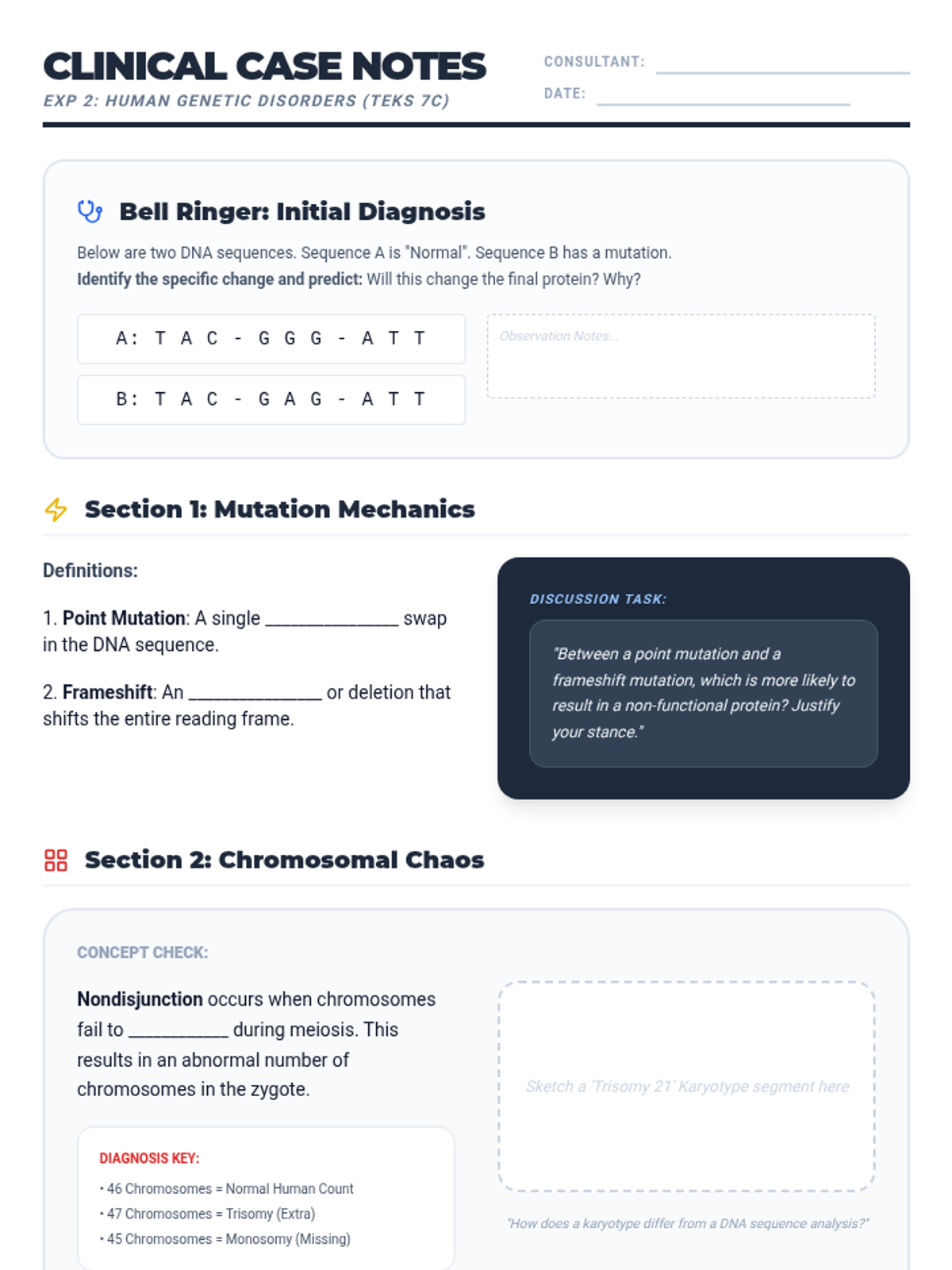
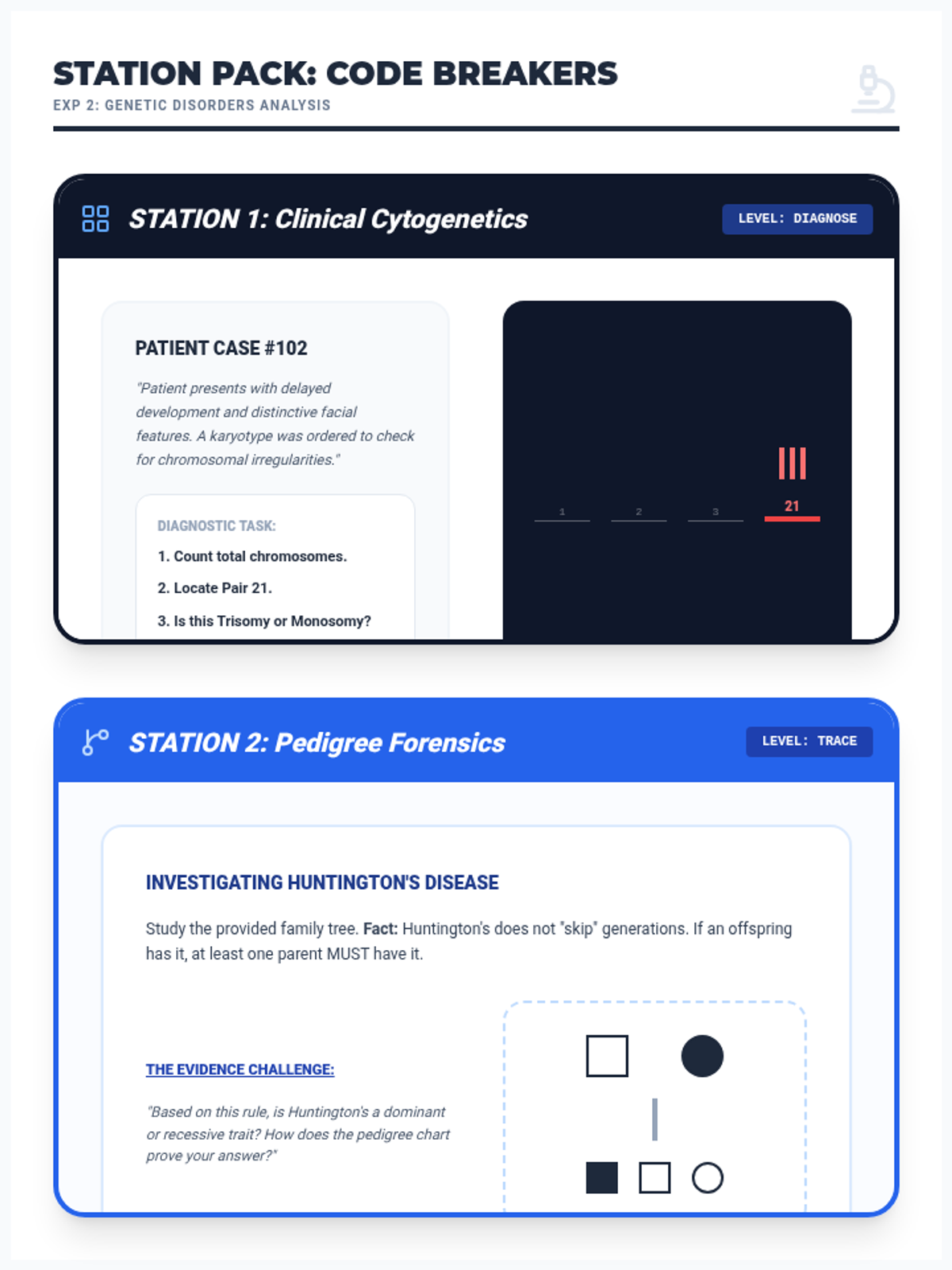
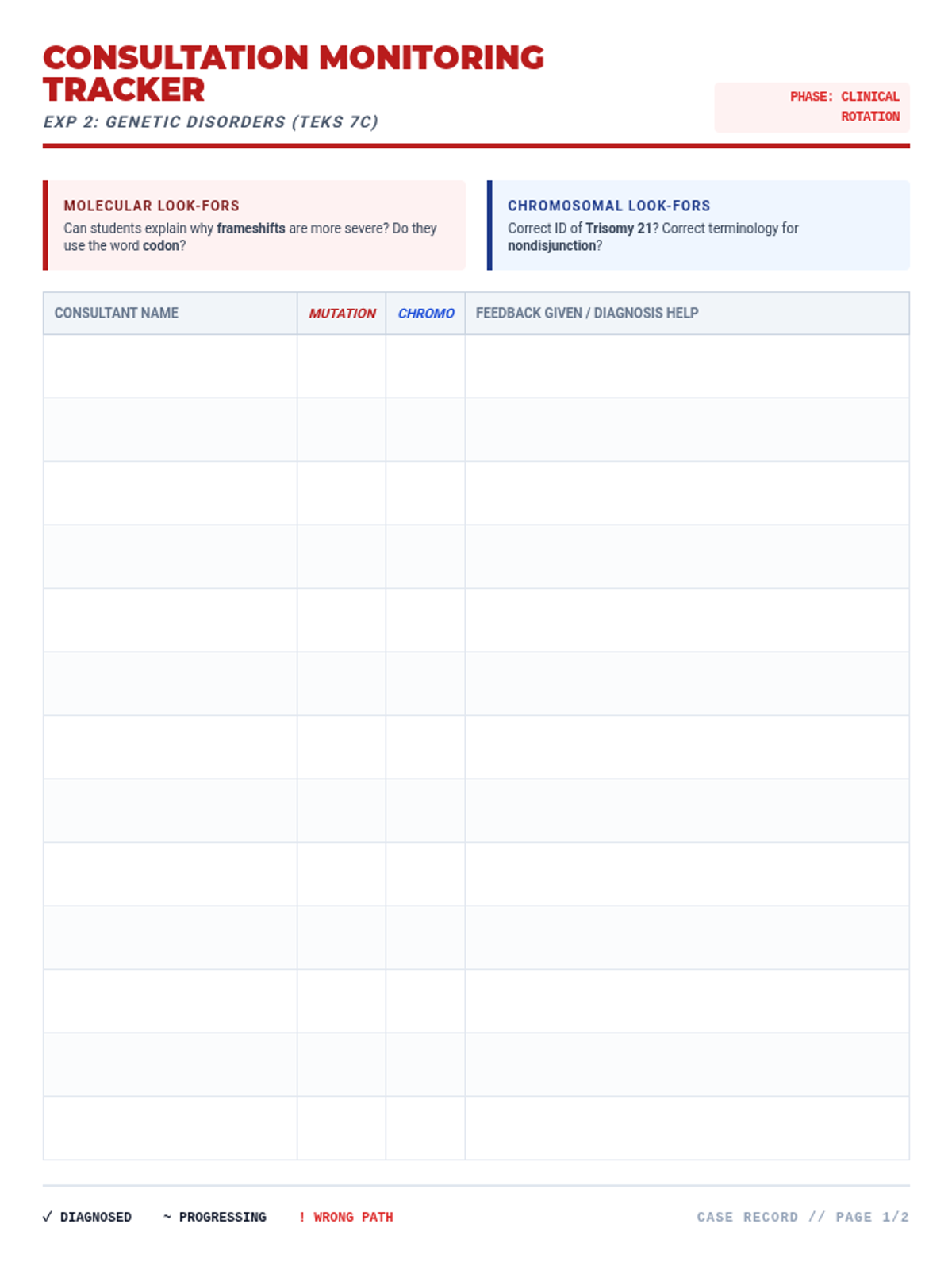
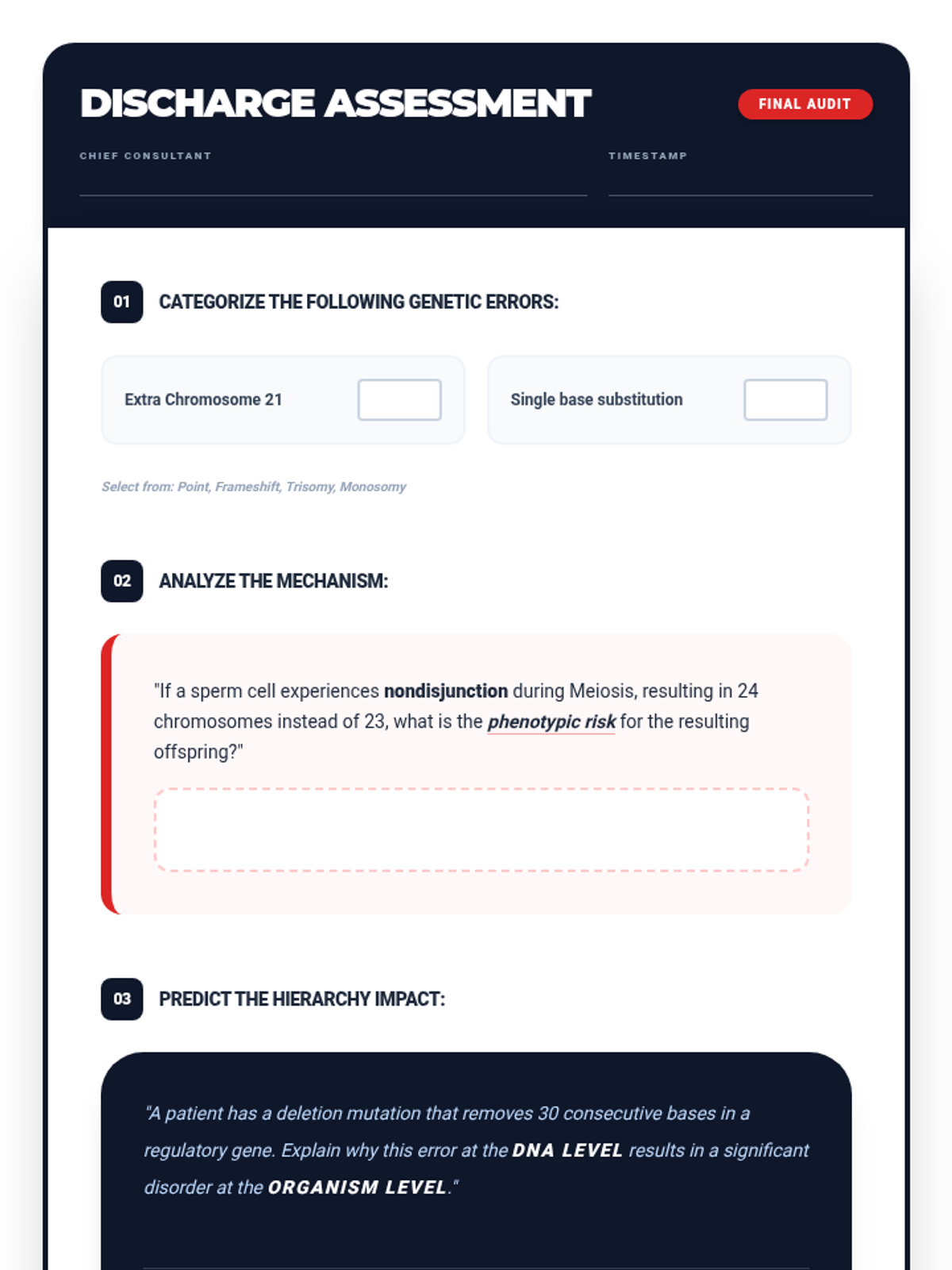
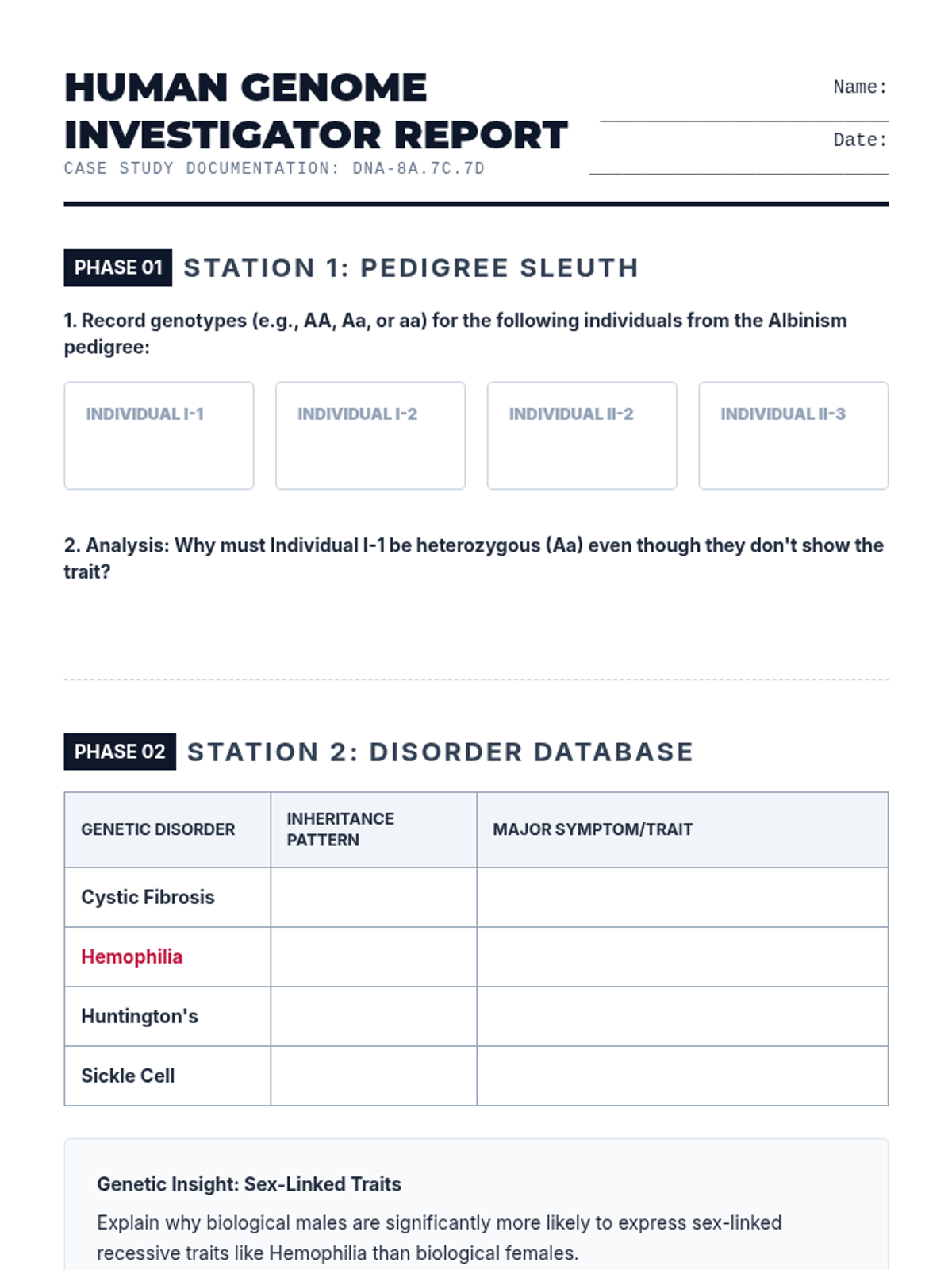
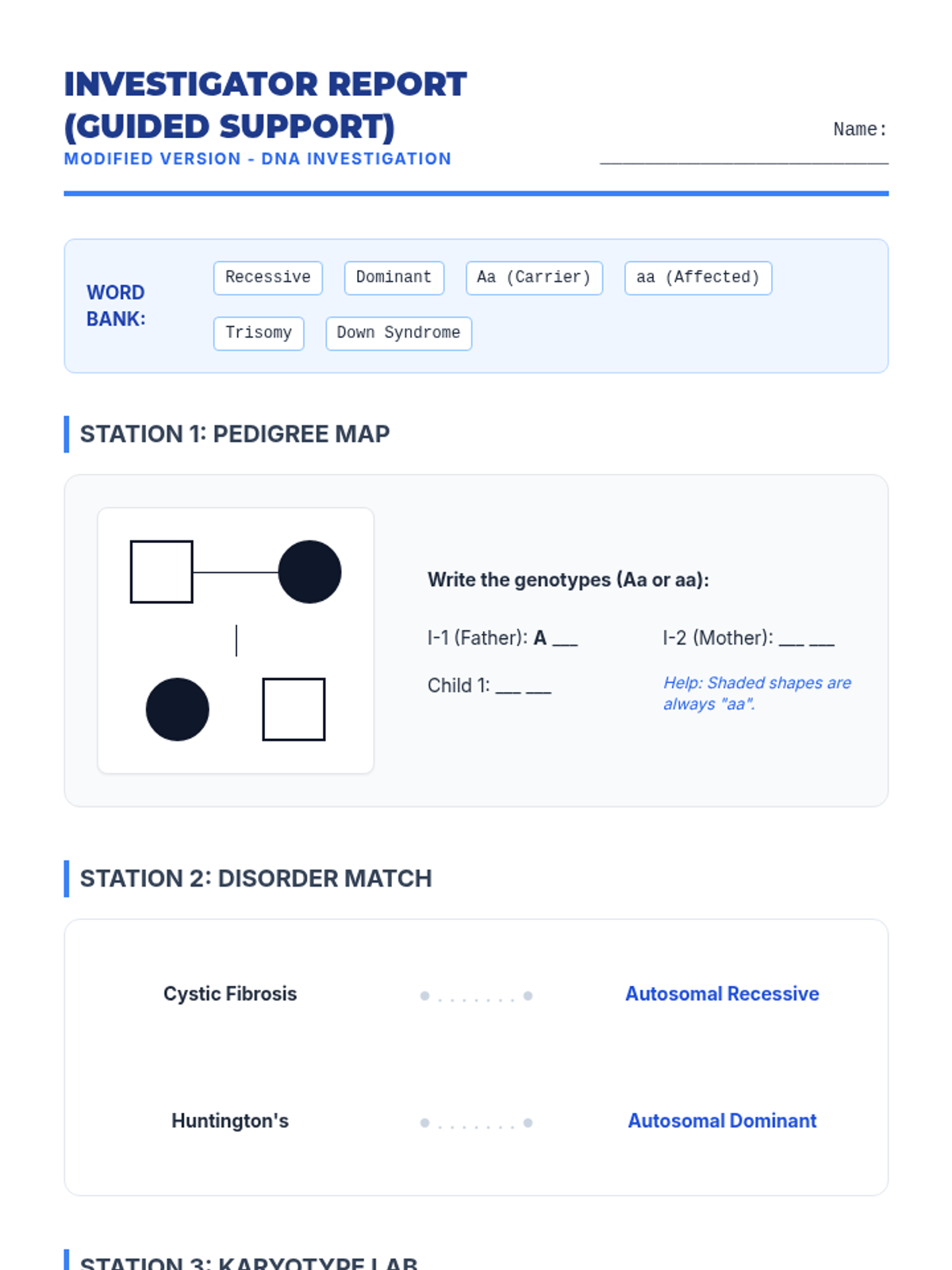
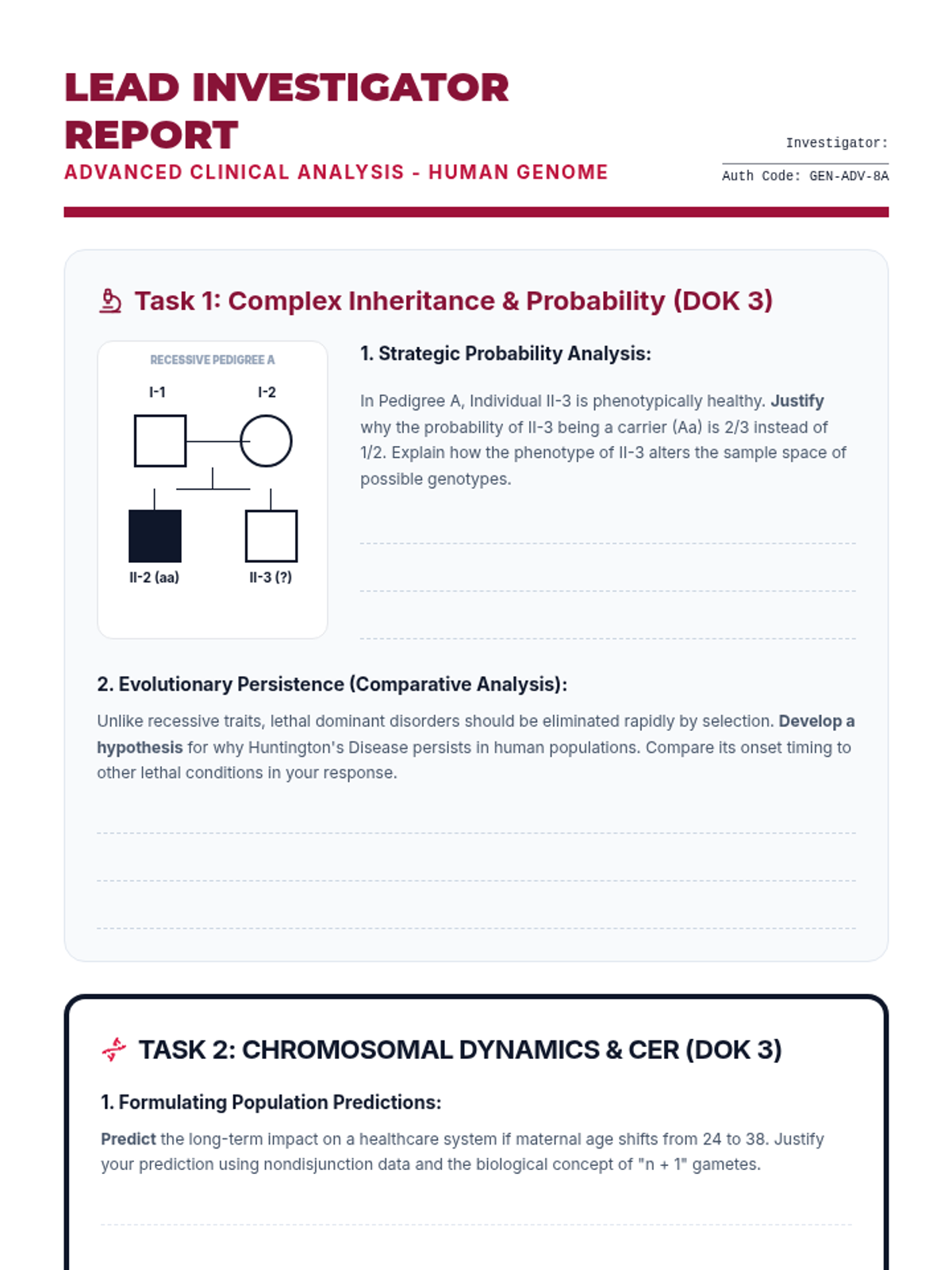
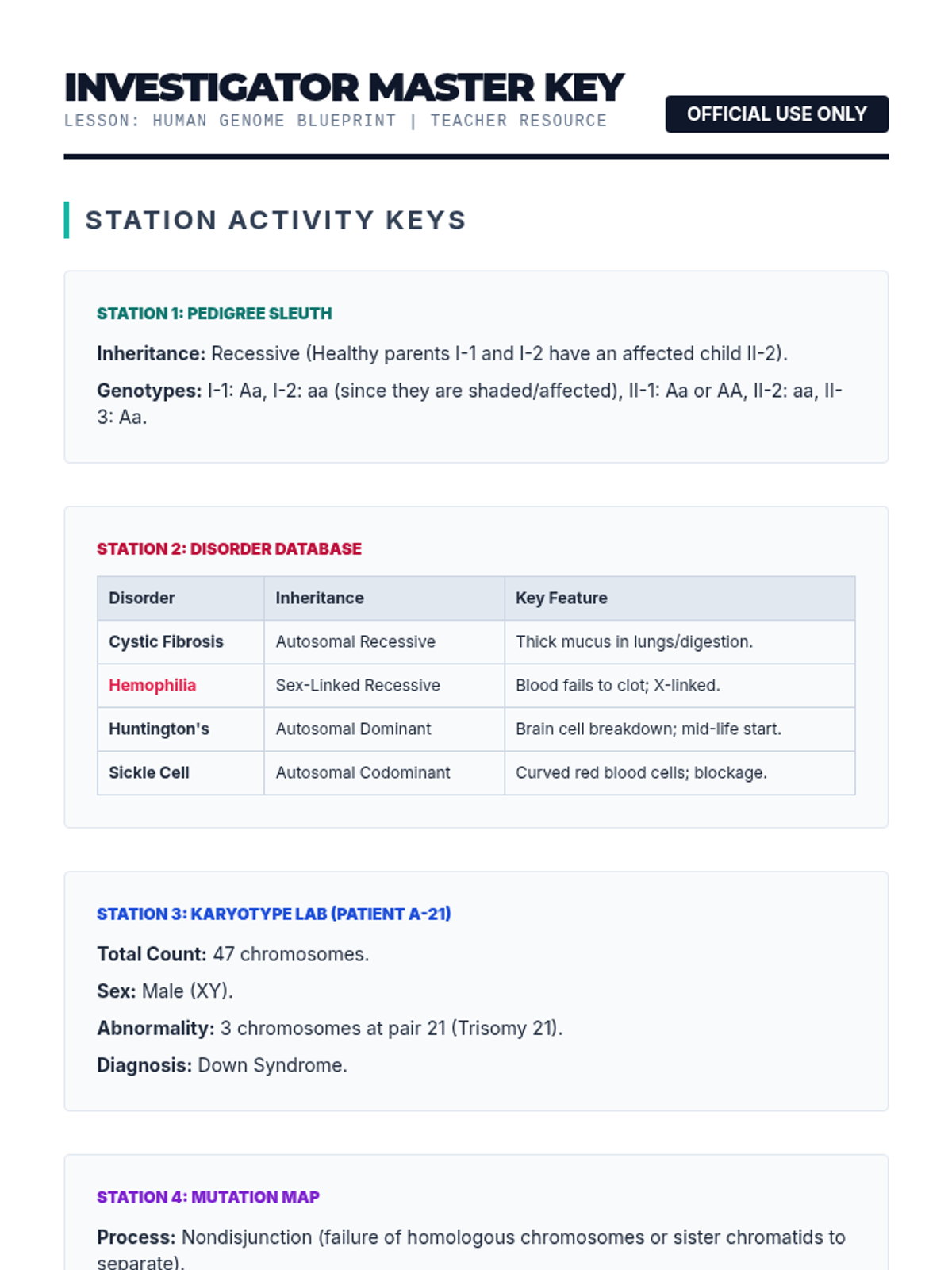
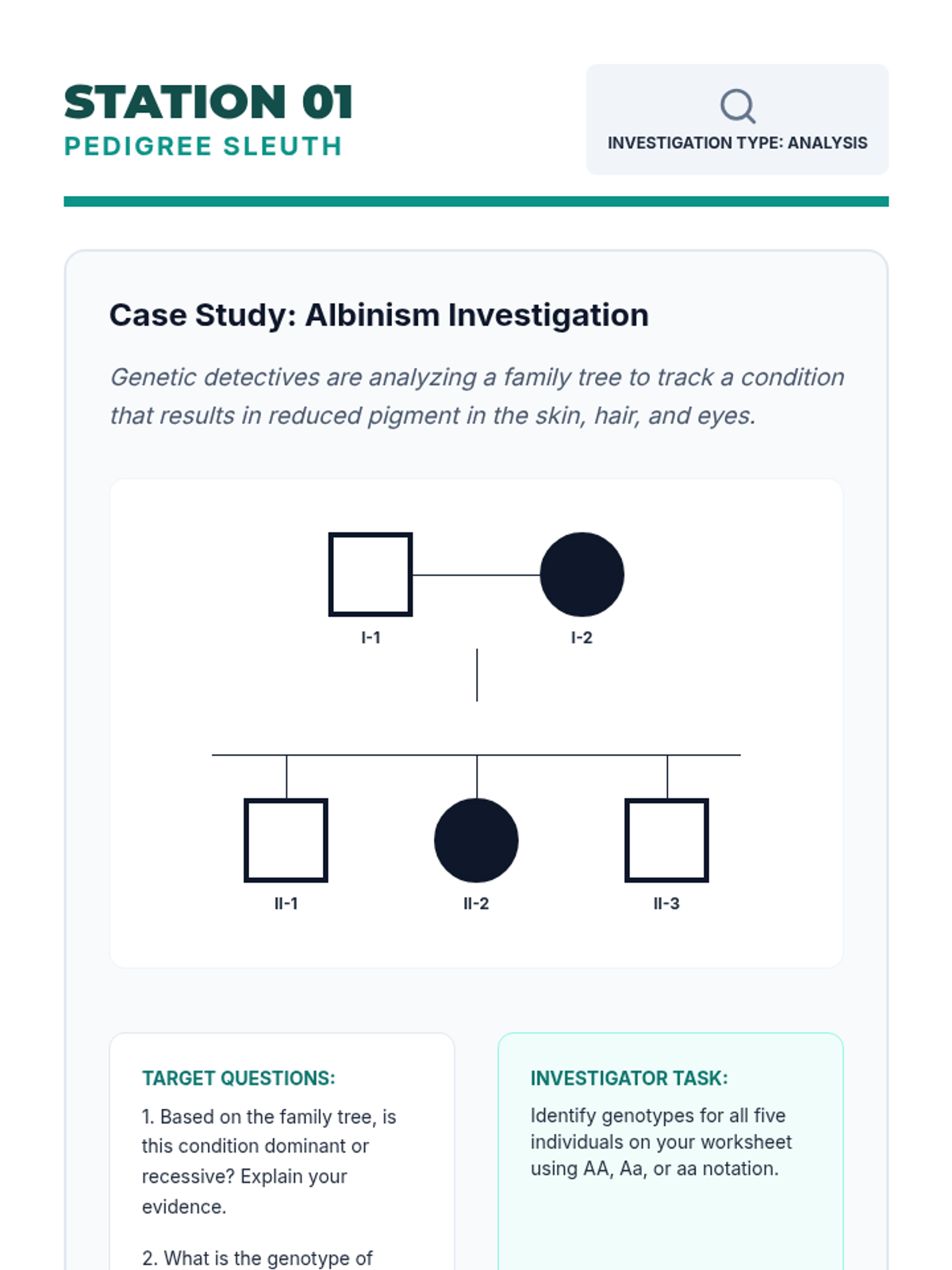
A 90-minute investigation into how genetic mutations and chromosomal abnormalities lead to human disorders. Students act as 'genetic consultants' to analyze karyotypes, pedigrees, and mutation types.
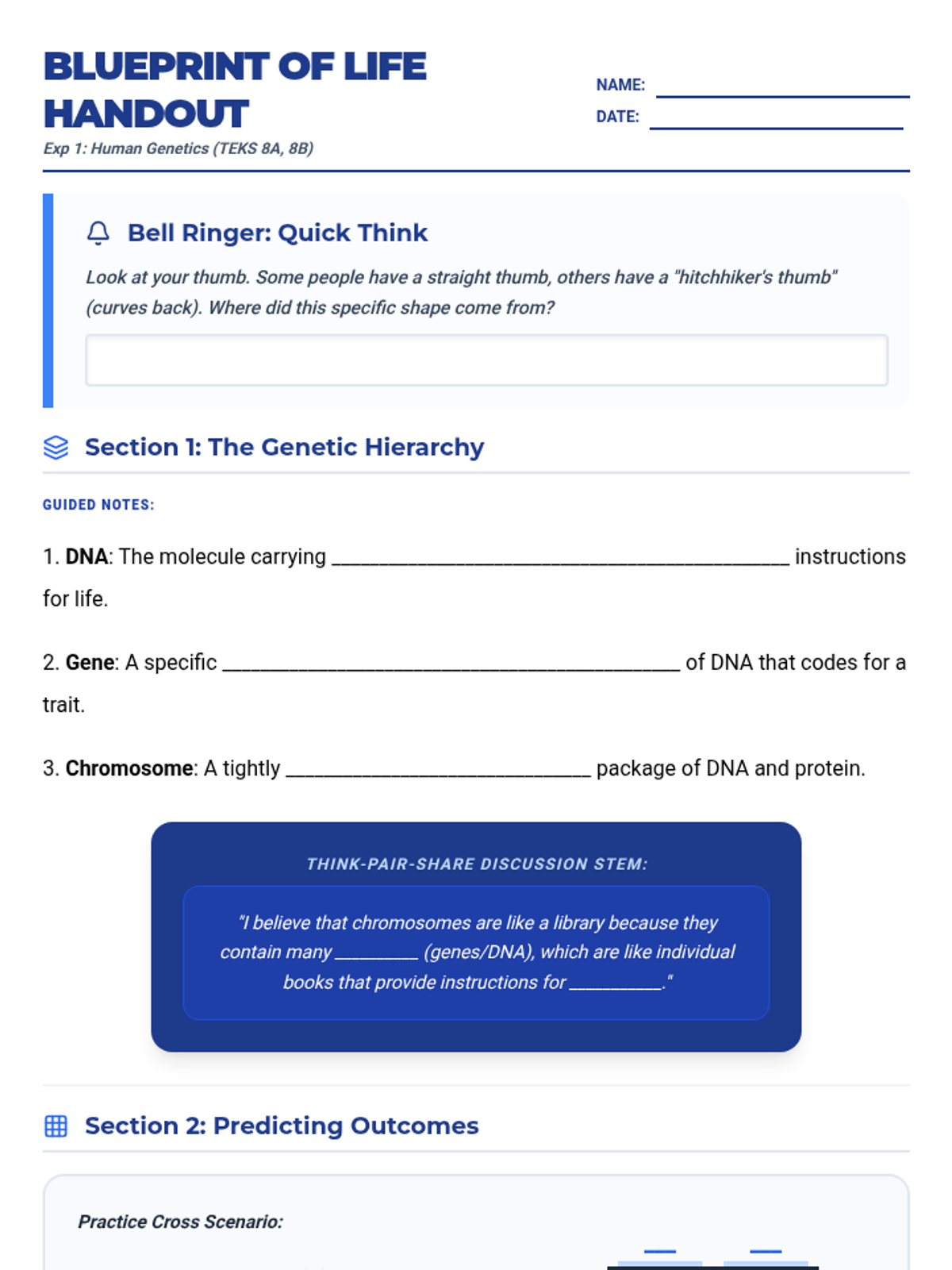
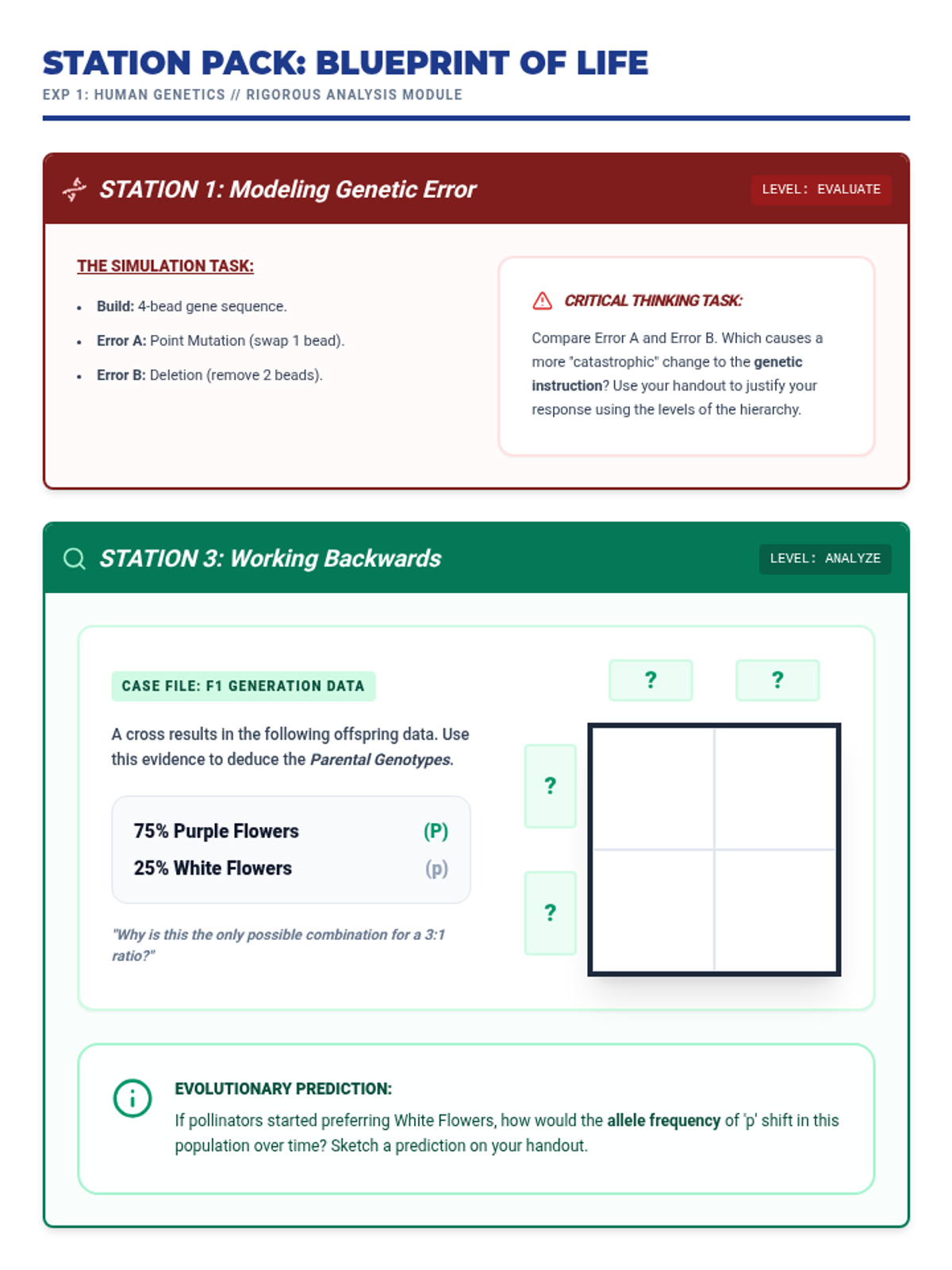
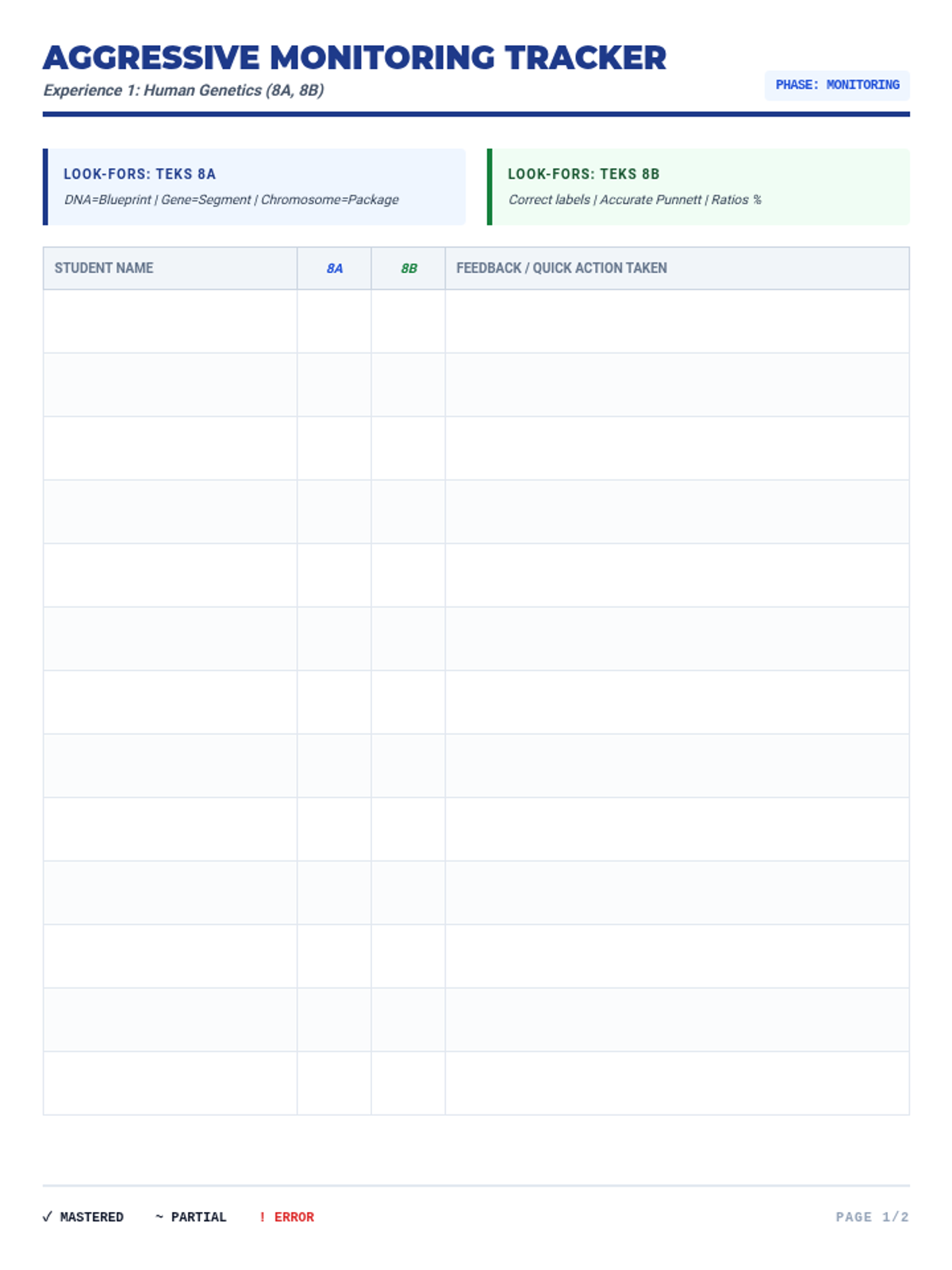
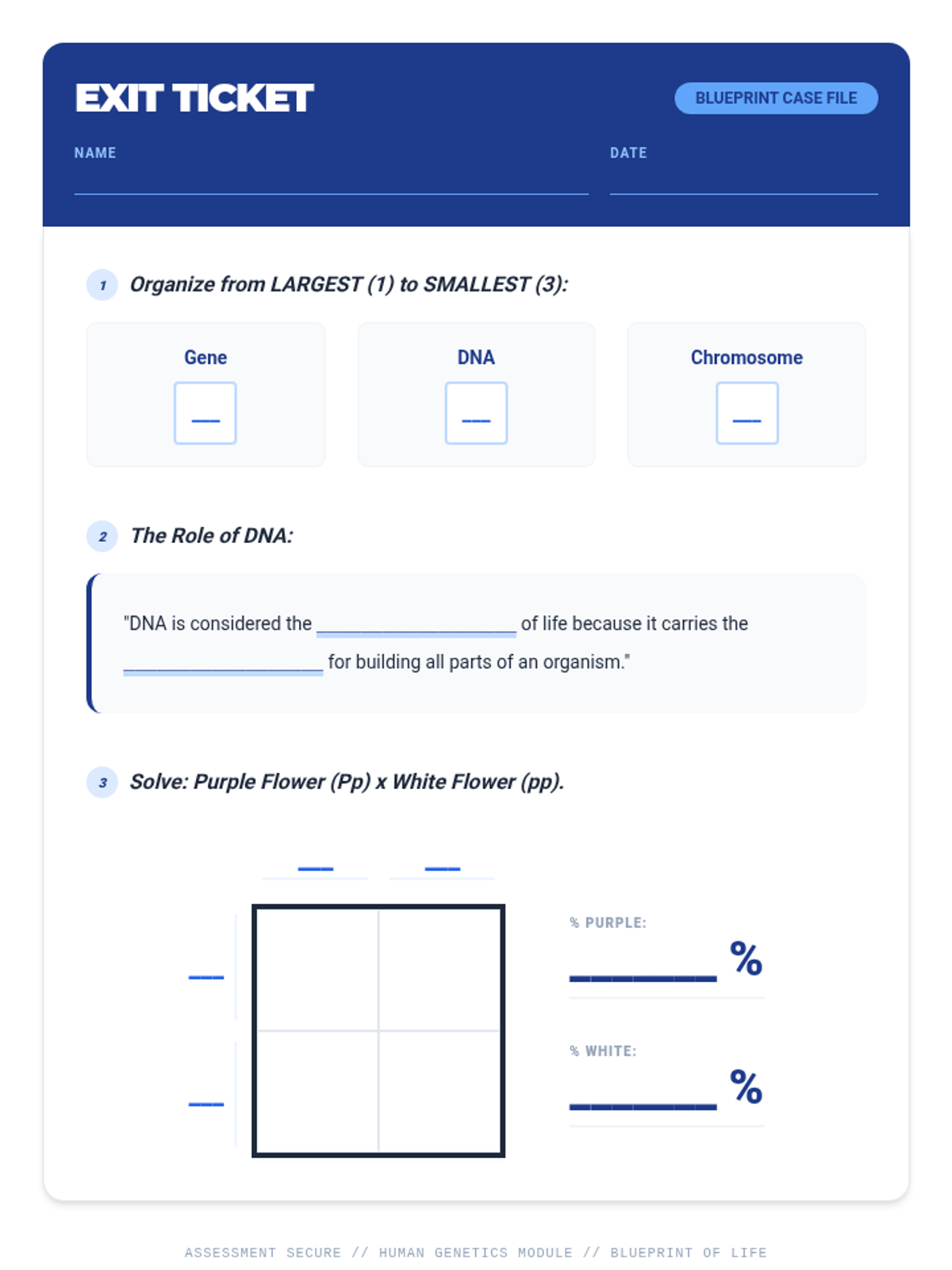
A comprehensive 90-minute lesson on DNA, genes, chromosomes, and genetic crosses. Students explore the 'Blueprint of Life' through chunked instruction, Think-Pair-Share discussions, and hands-on modeling stations.
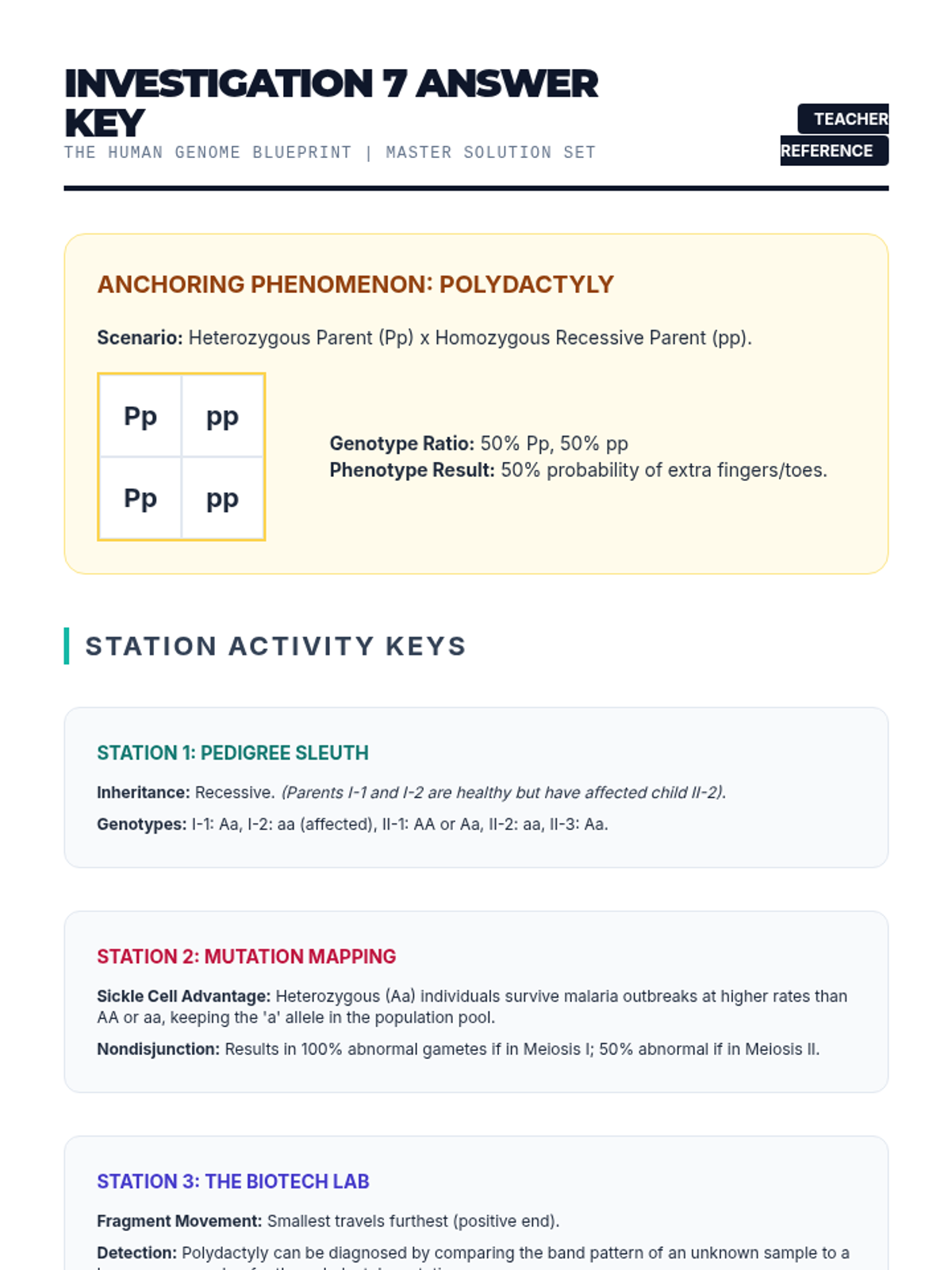
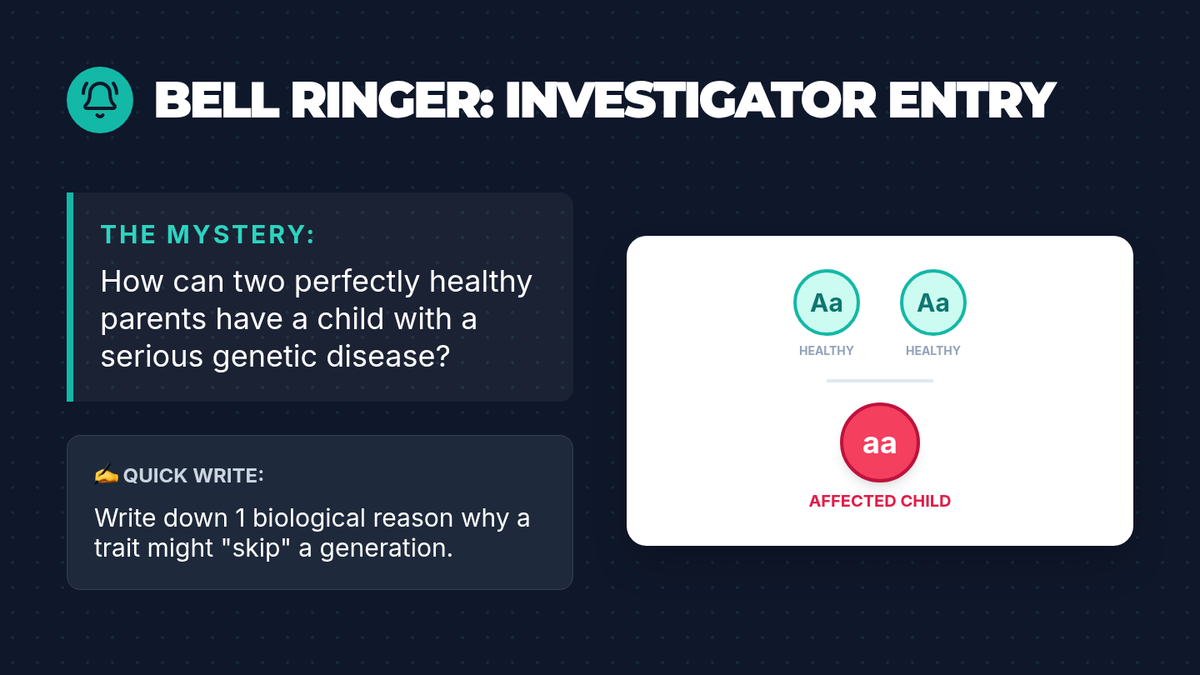
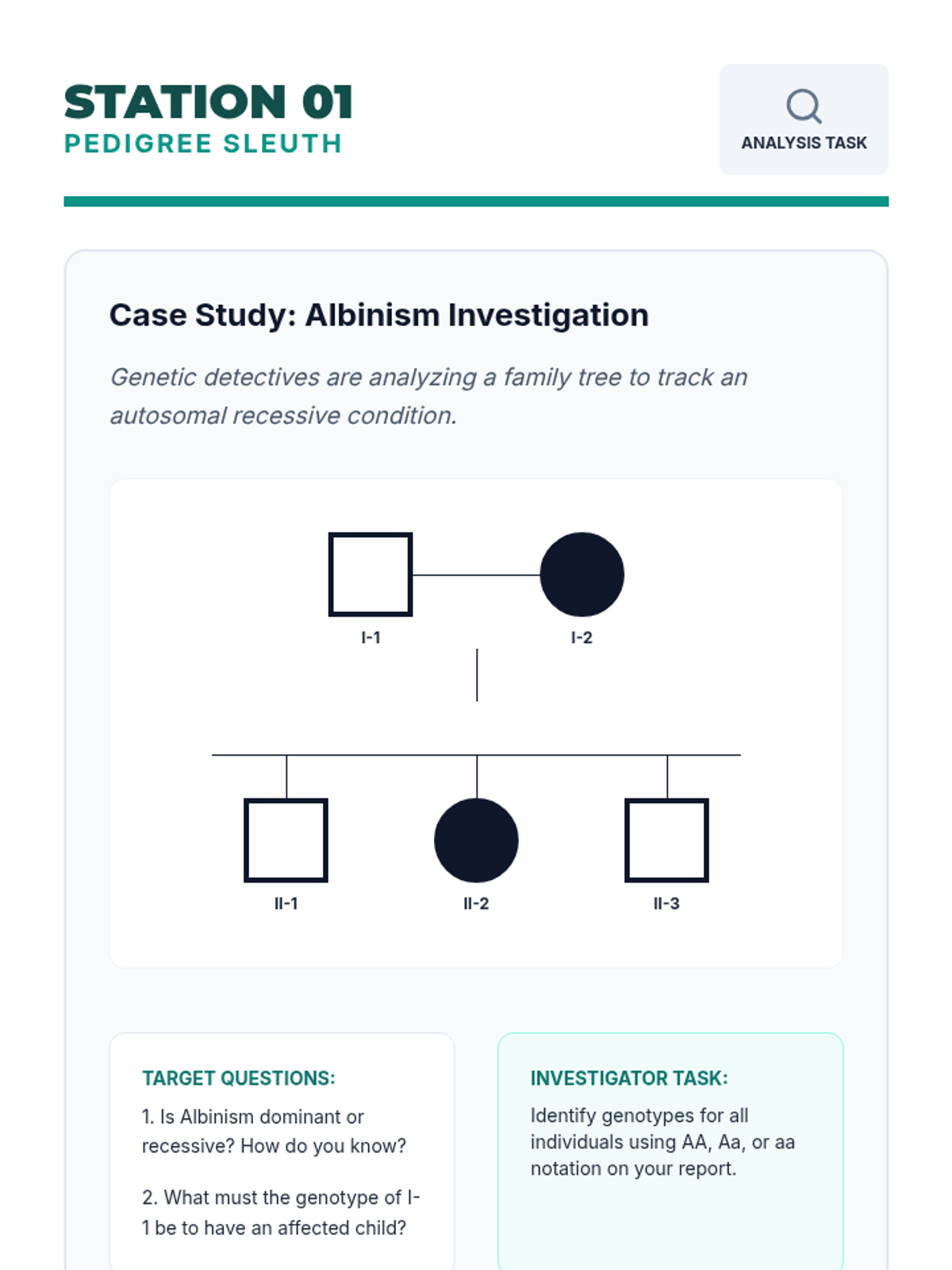
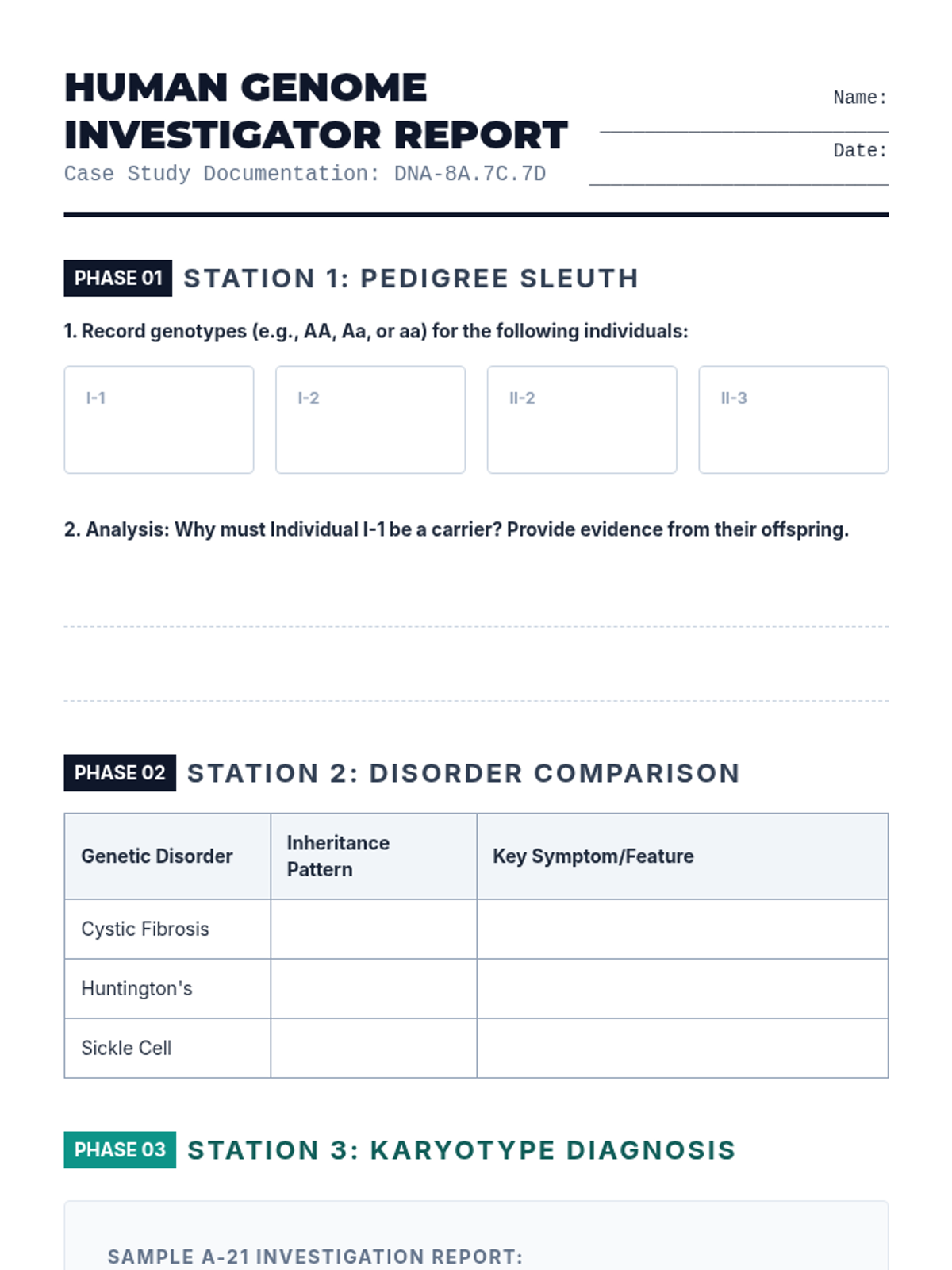
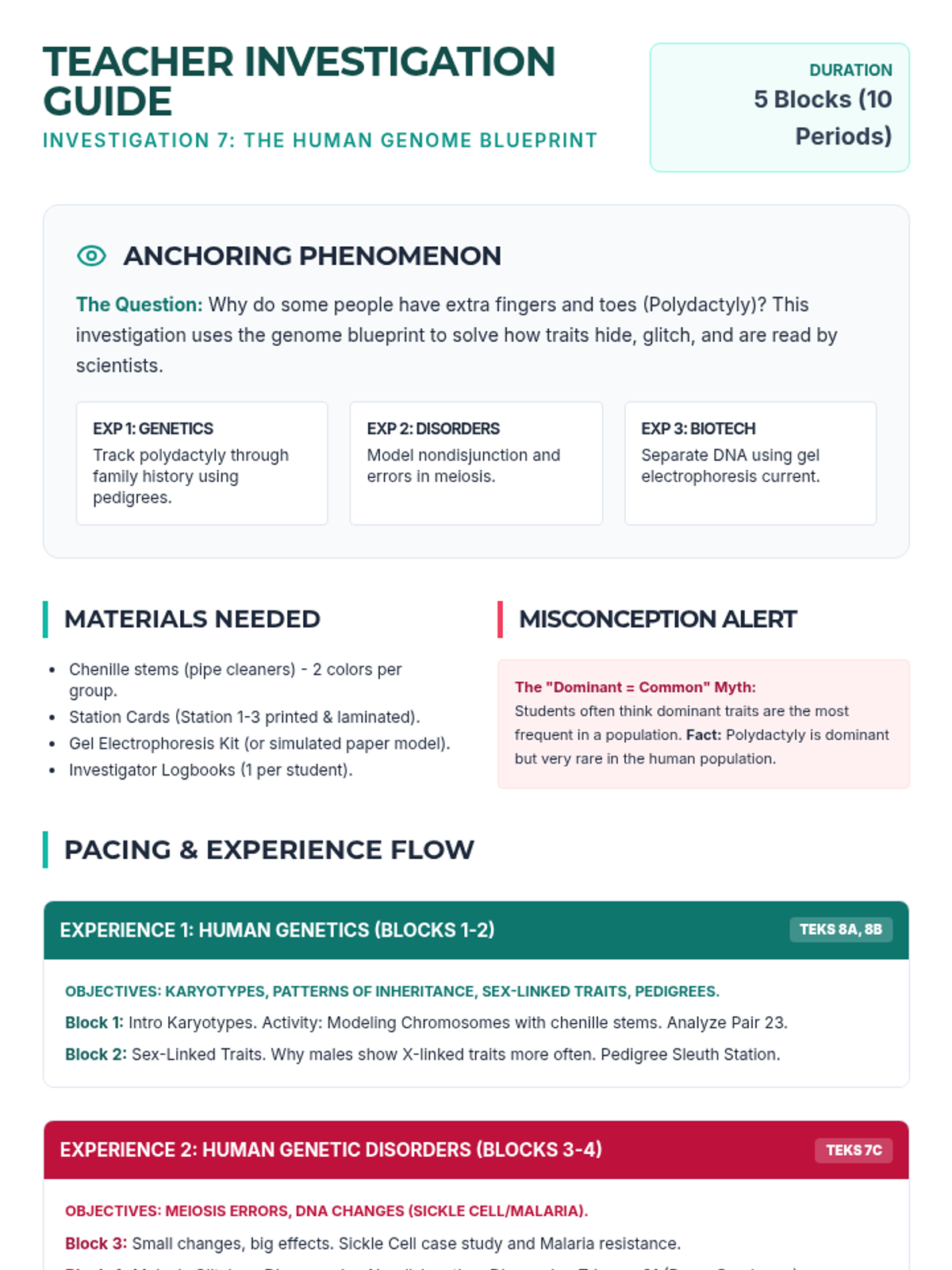
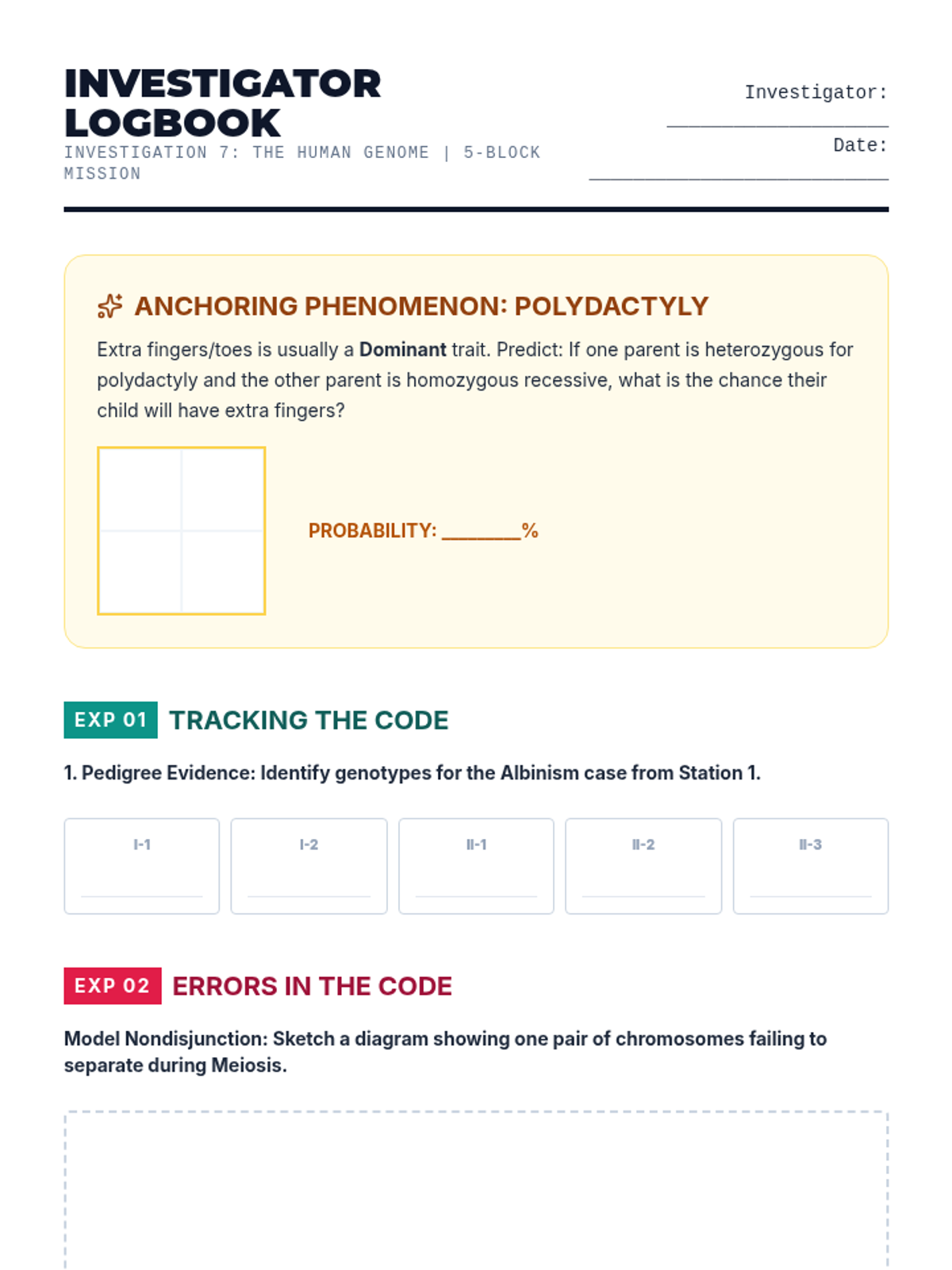
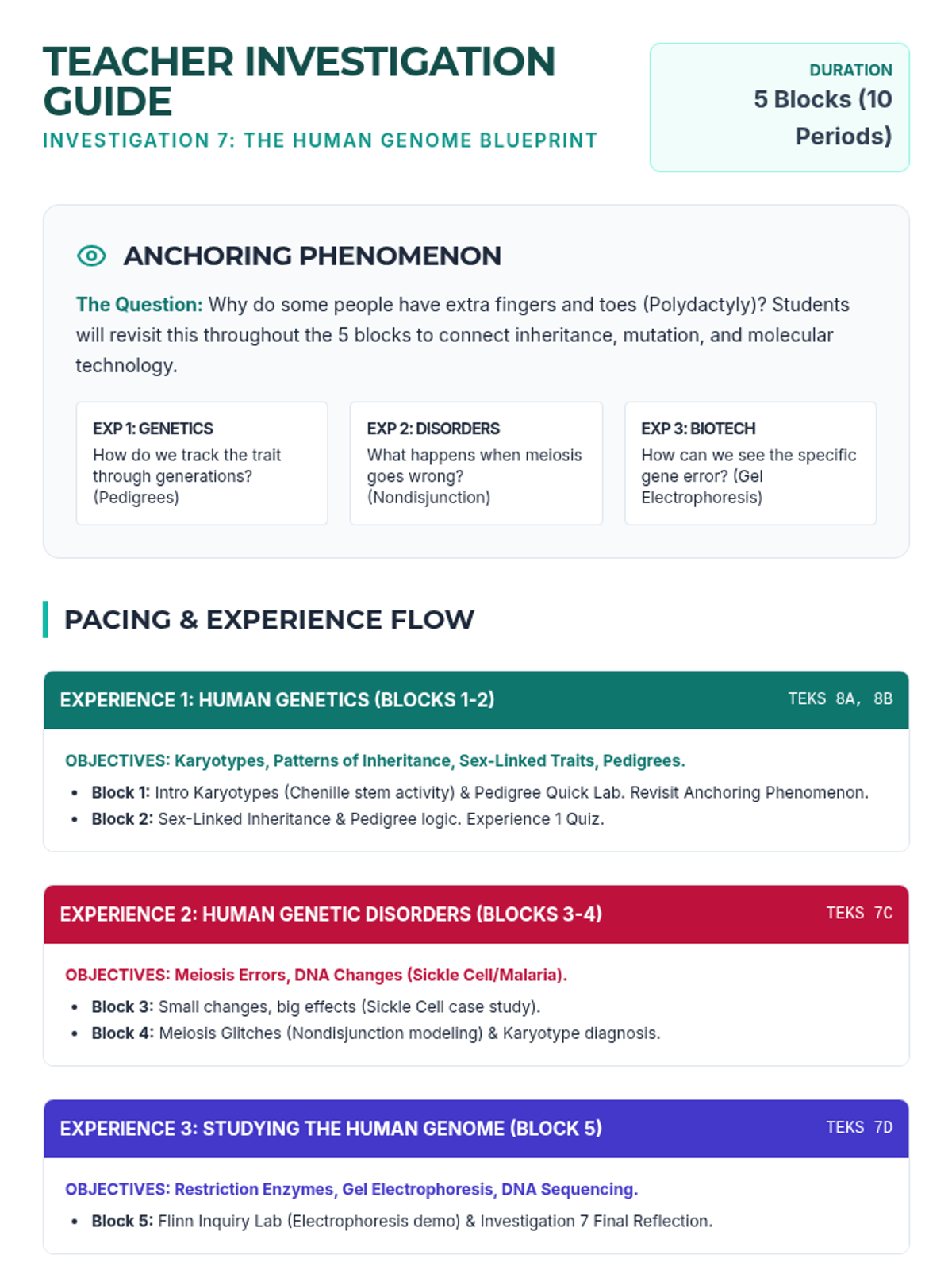
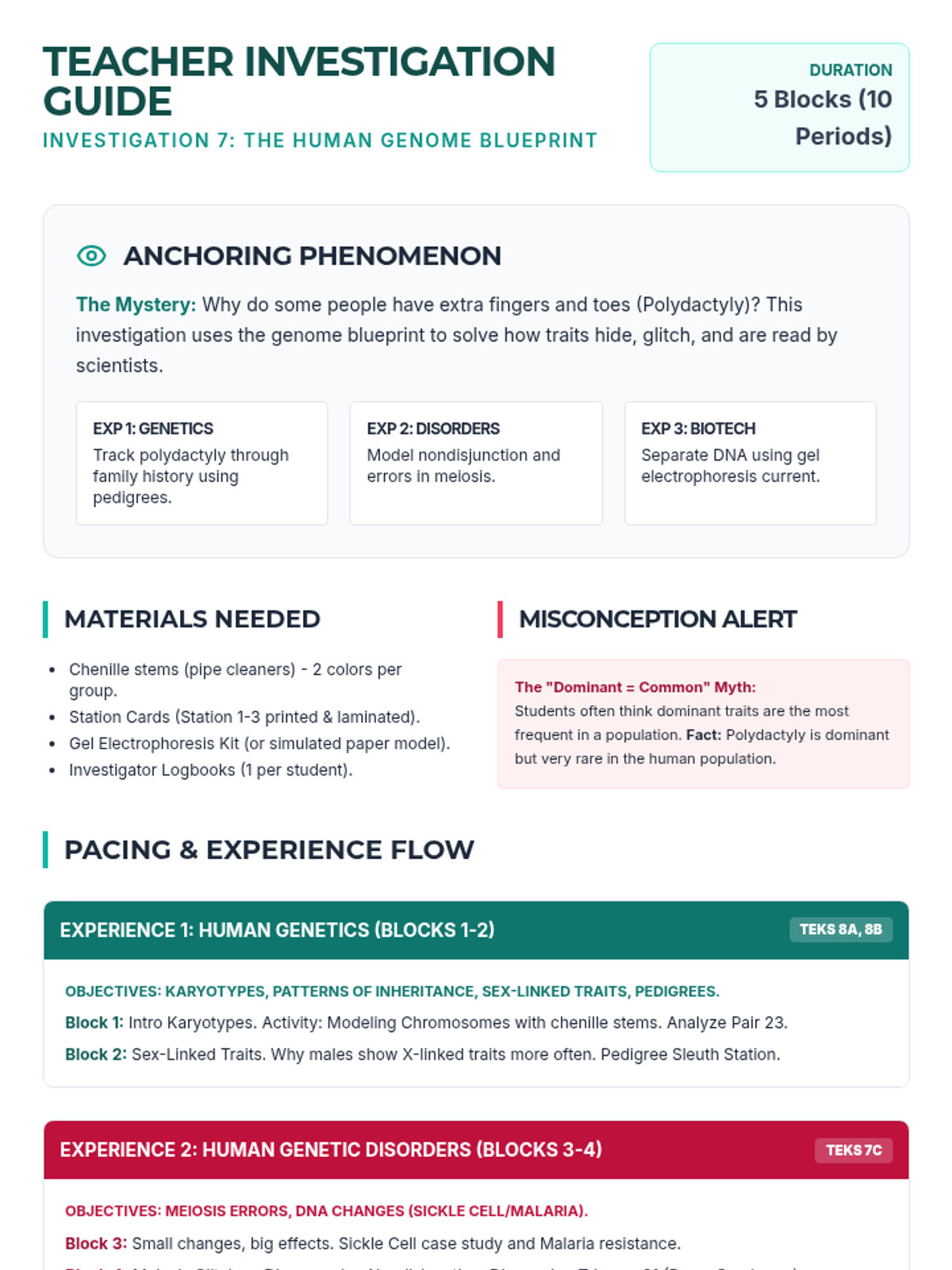
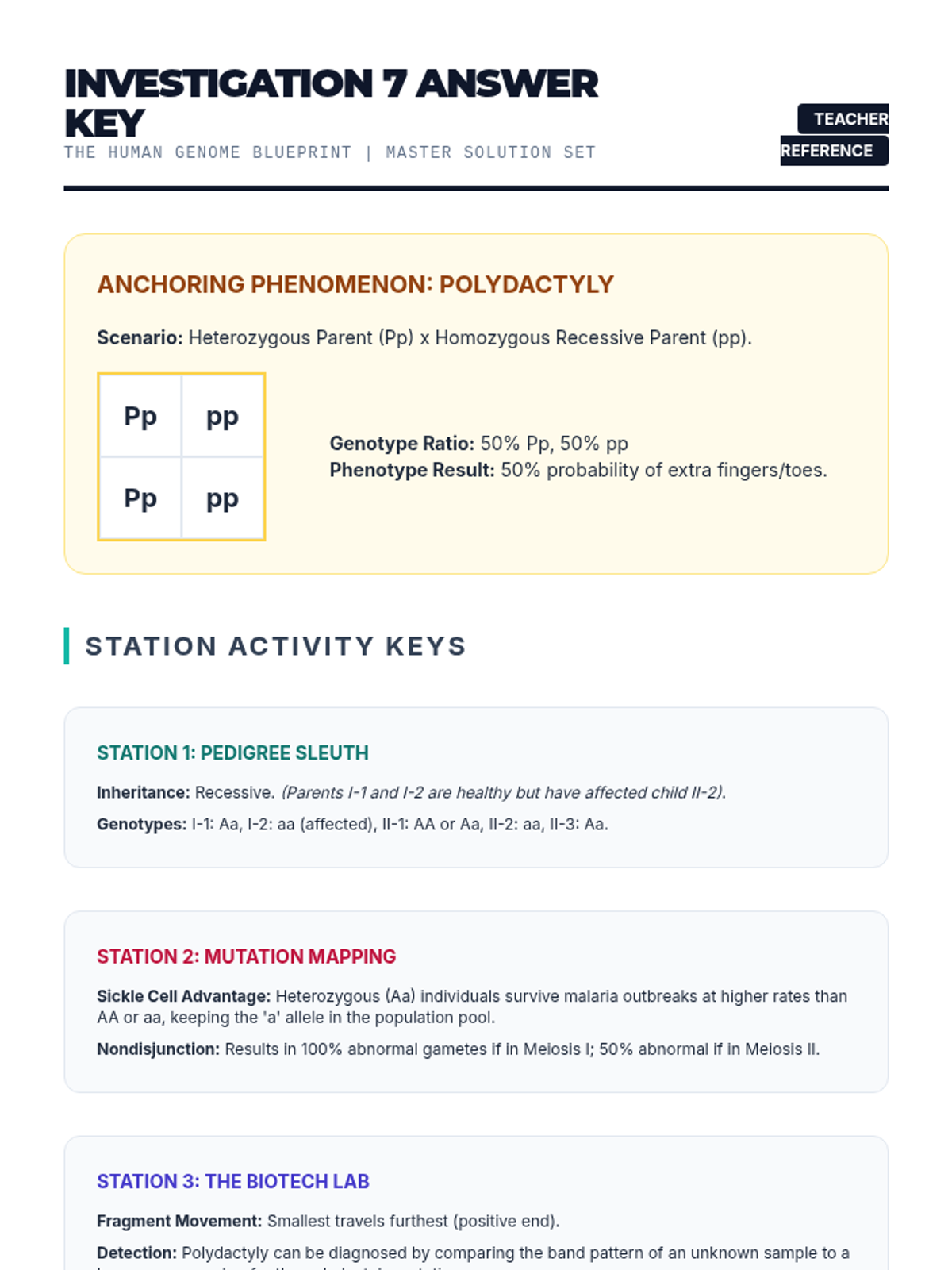
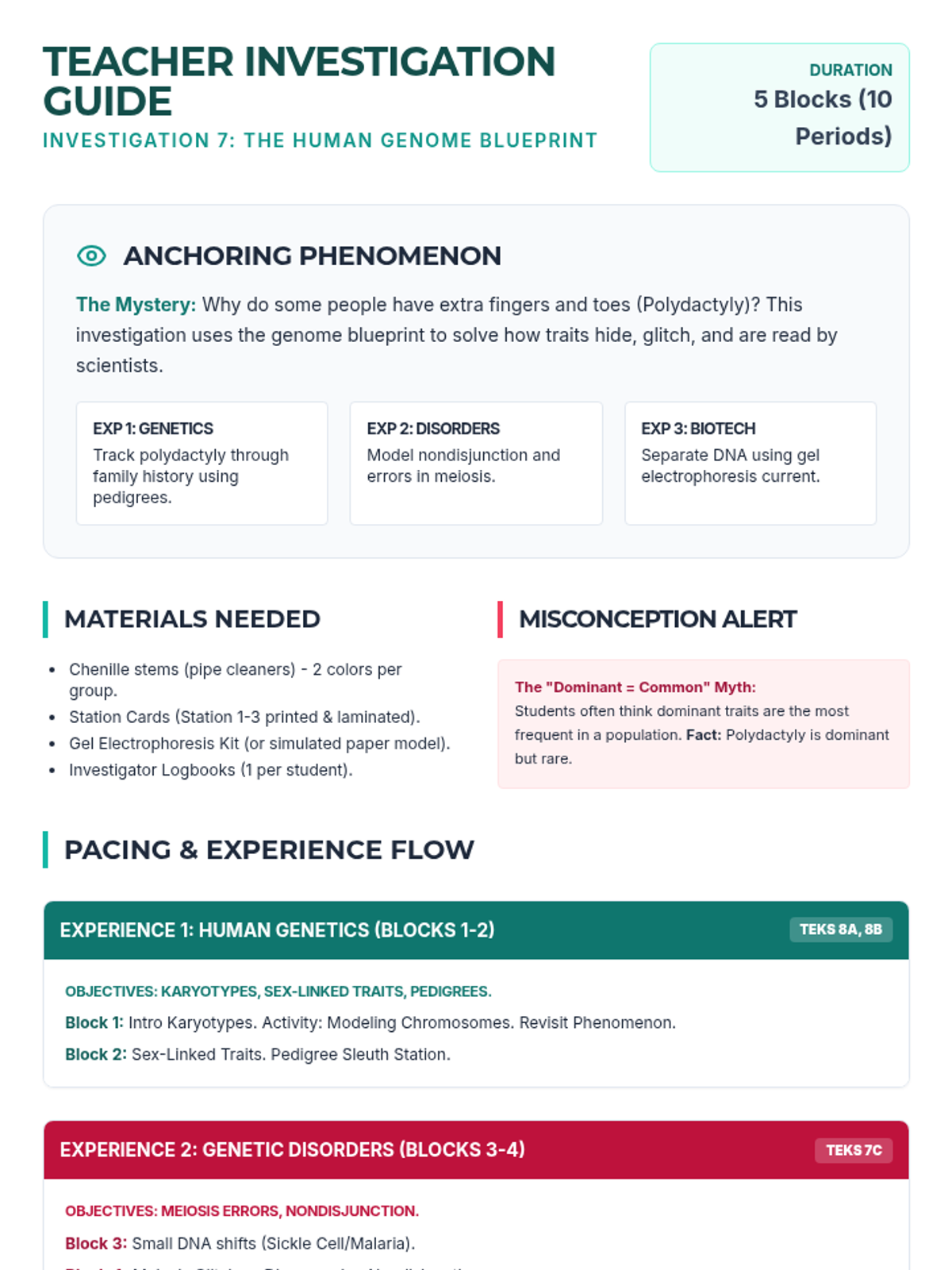
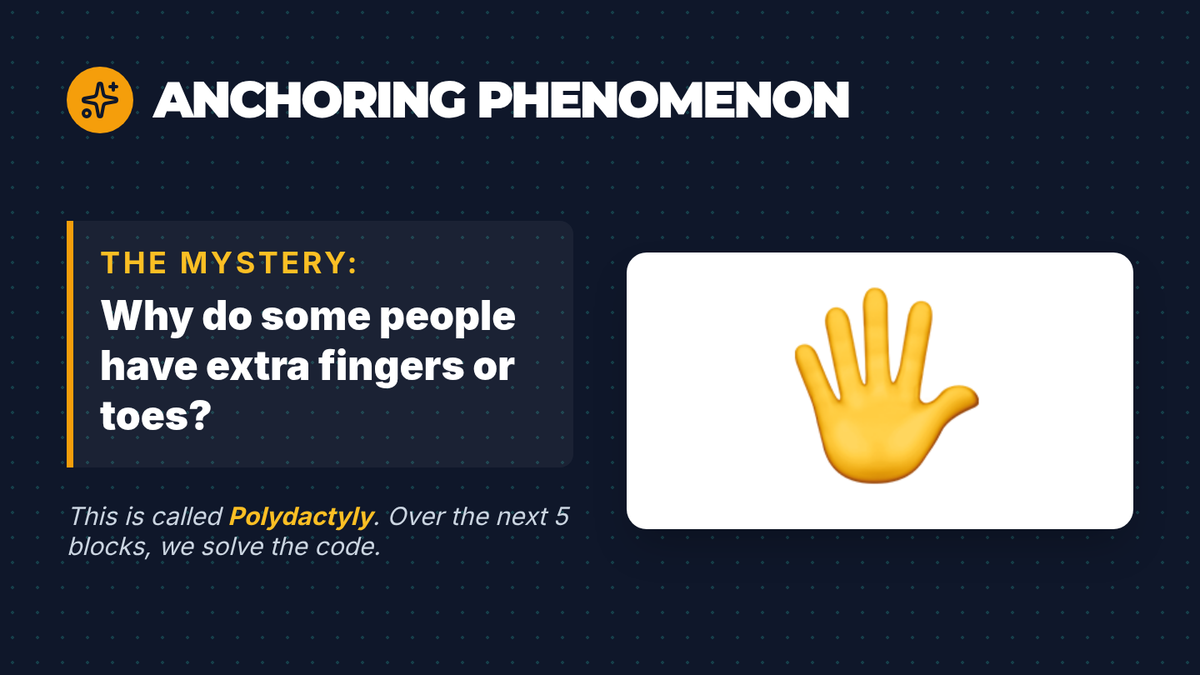
A 5-block (10 period) investigation into the human genome, focusing on patterns of inheritance, chromosomal disorders, and molecular biotechnology through the lens of polydactyly.
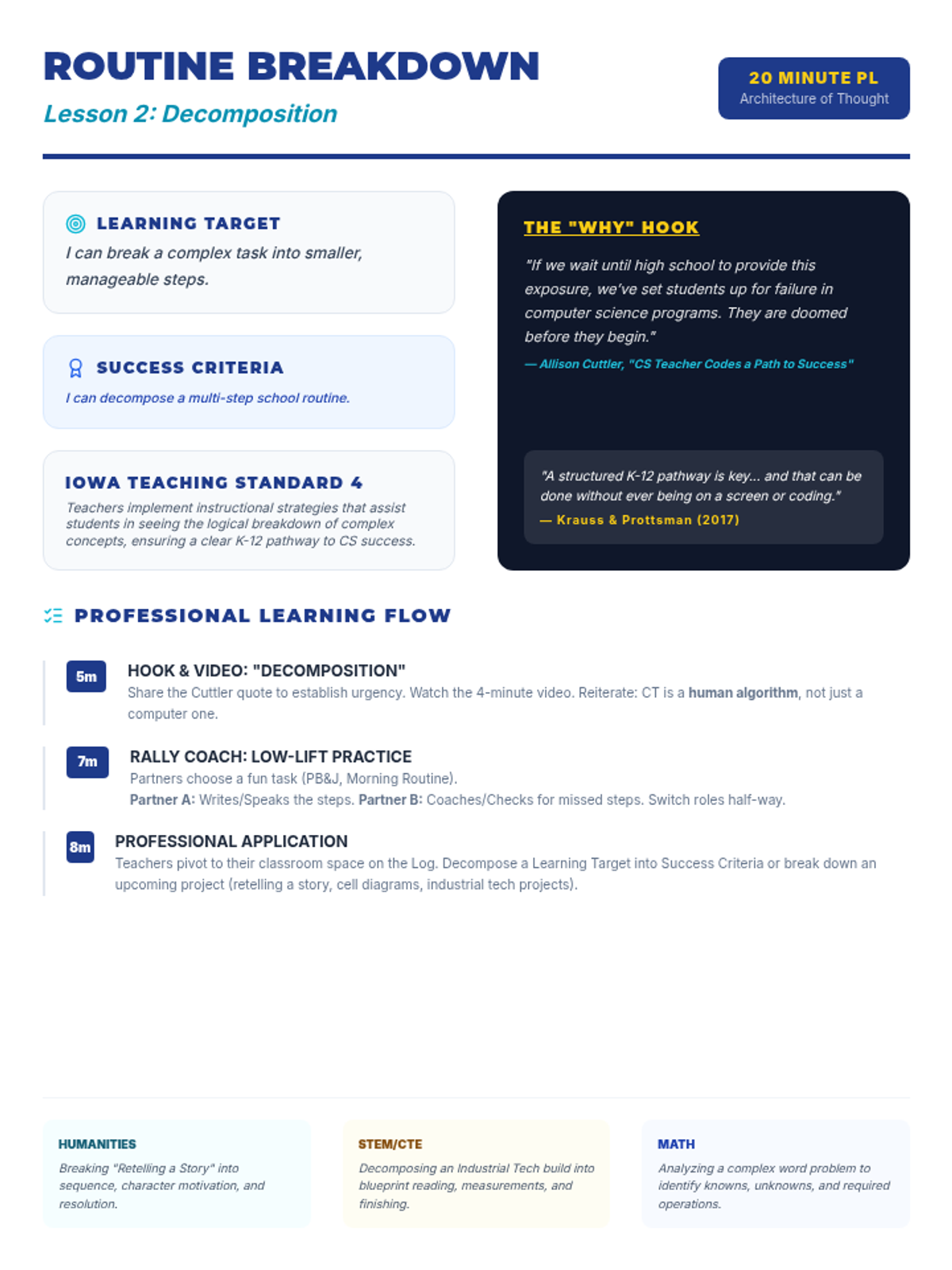
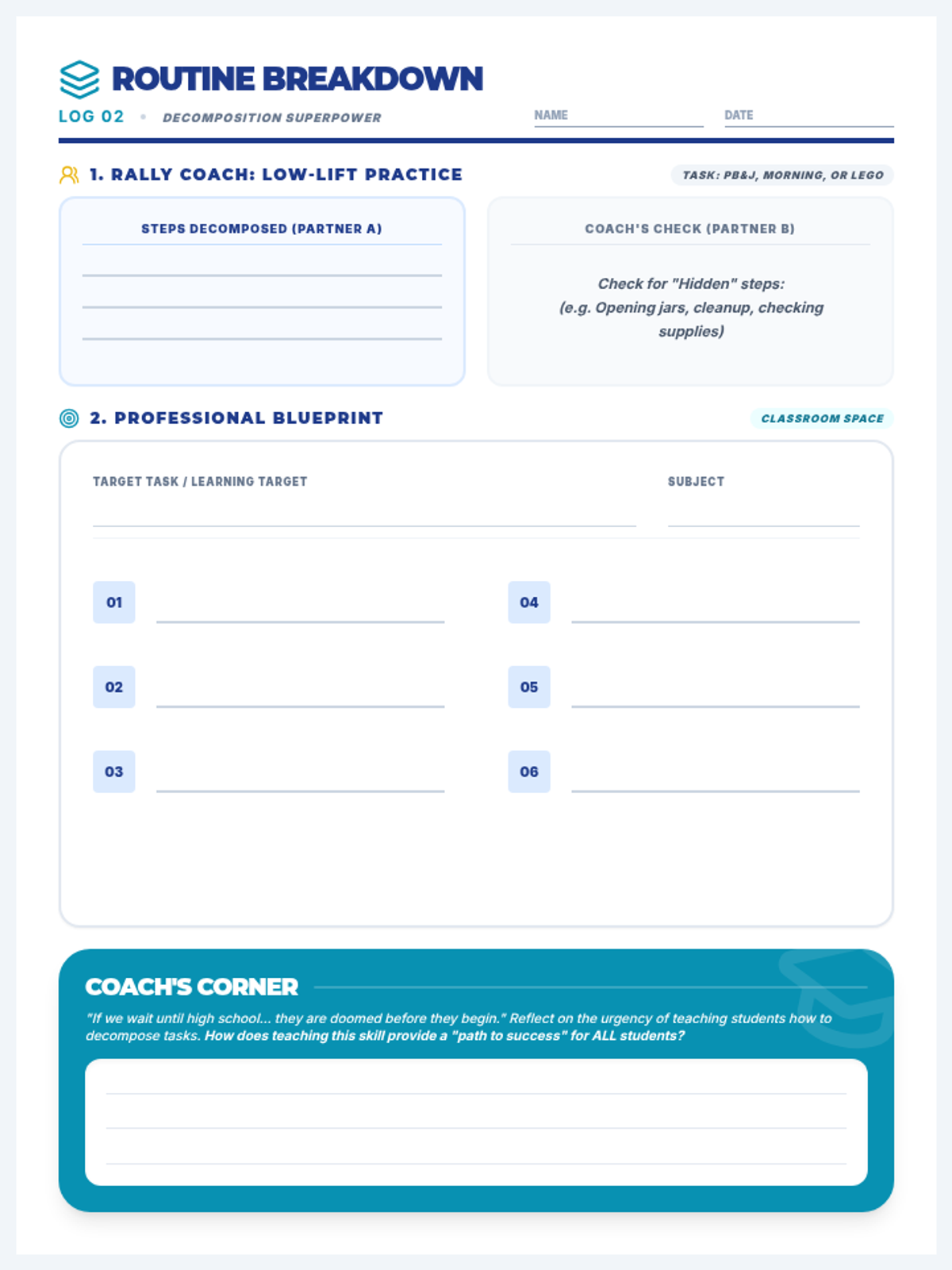
Teachers learn to break complex tasks into smaller, manageable steps using classroom routines and Iowa Core standards as examples.
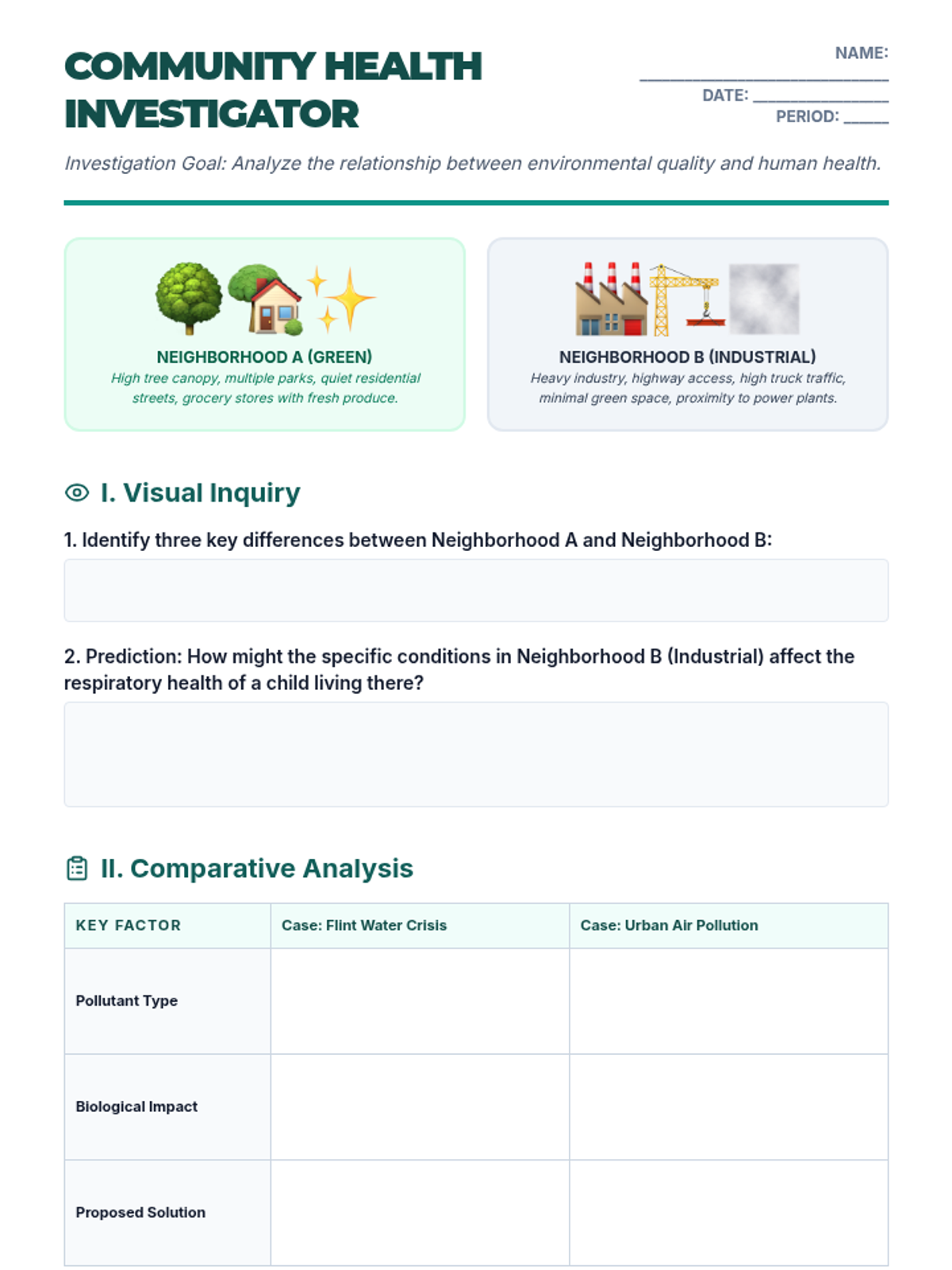
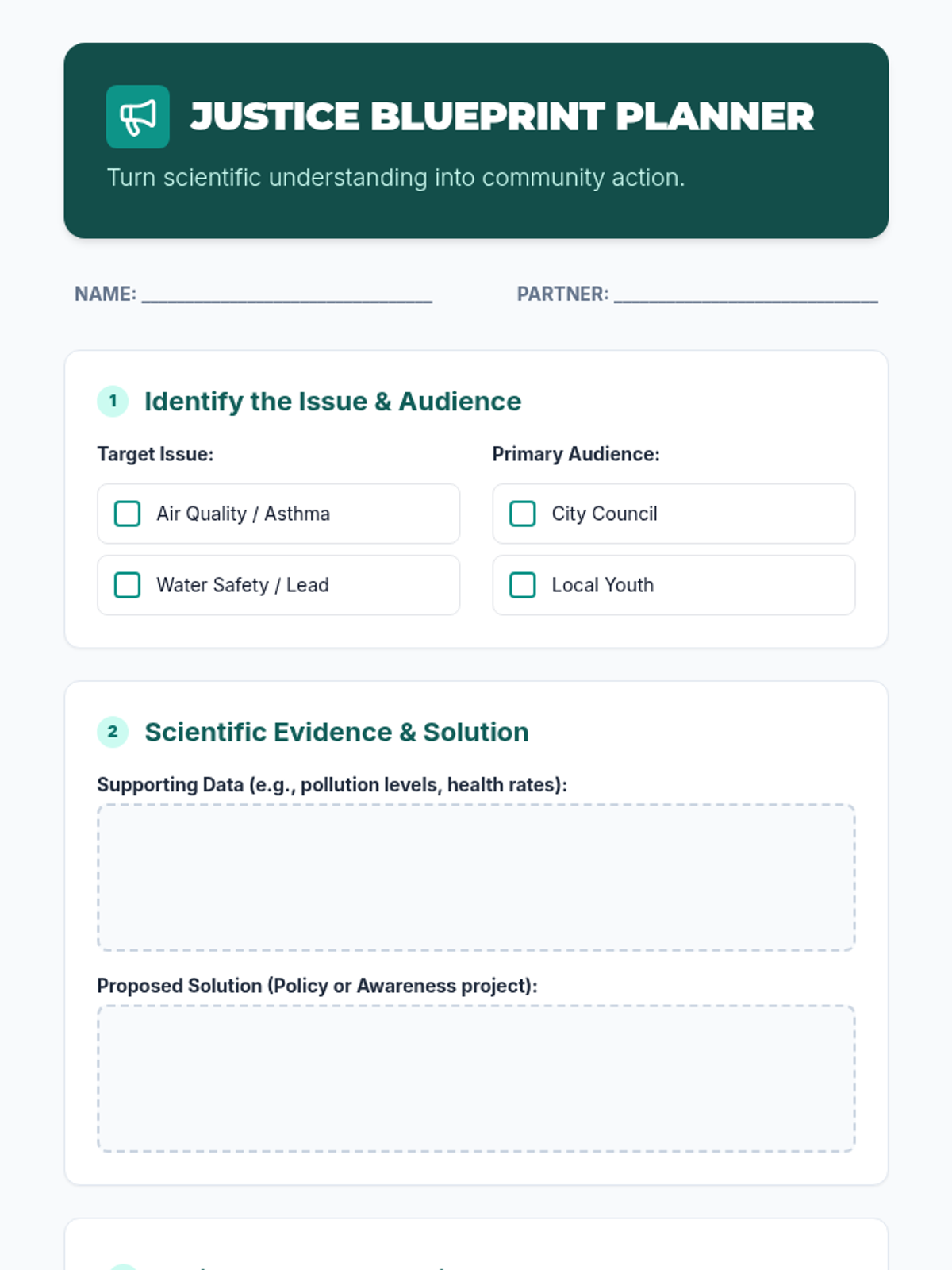
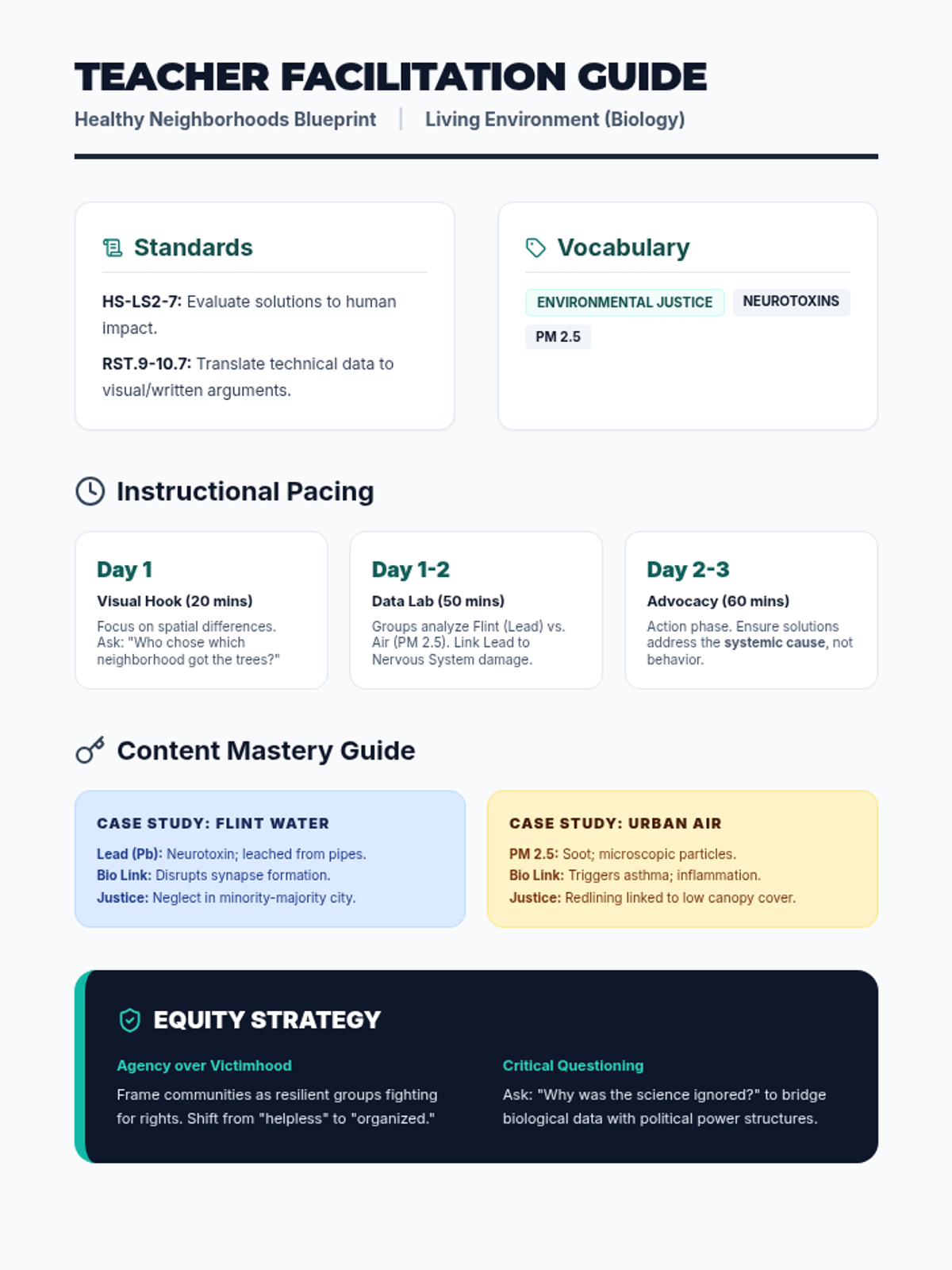
A critical examination of how systemic inequities influence environmental health outcomes, focusing on Flint's water and urban air quality. Students analyze data and develop advocacy products to promote environmental justice.
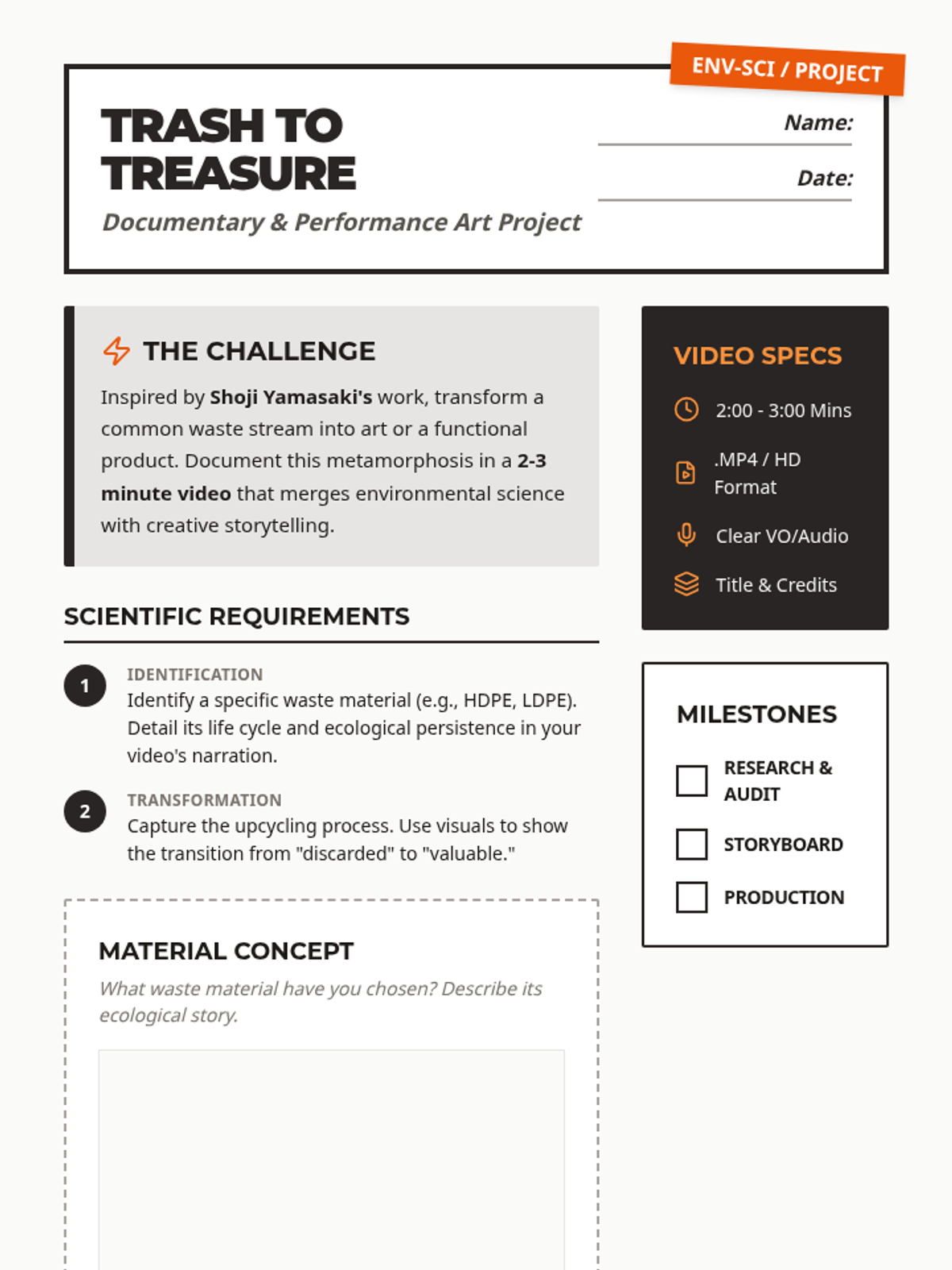
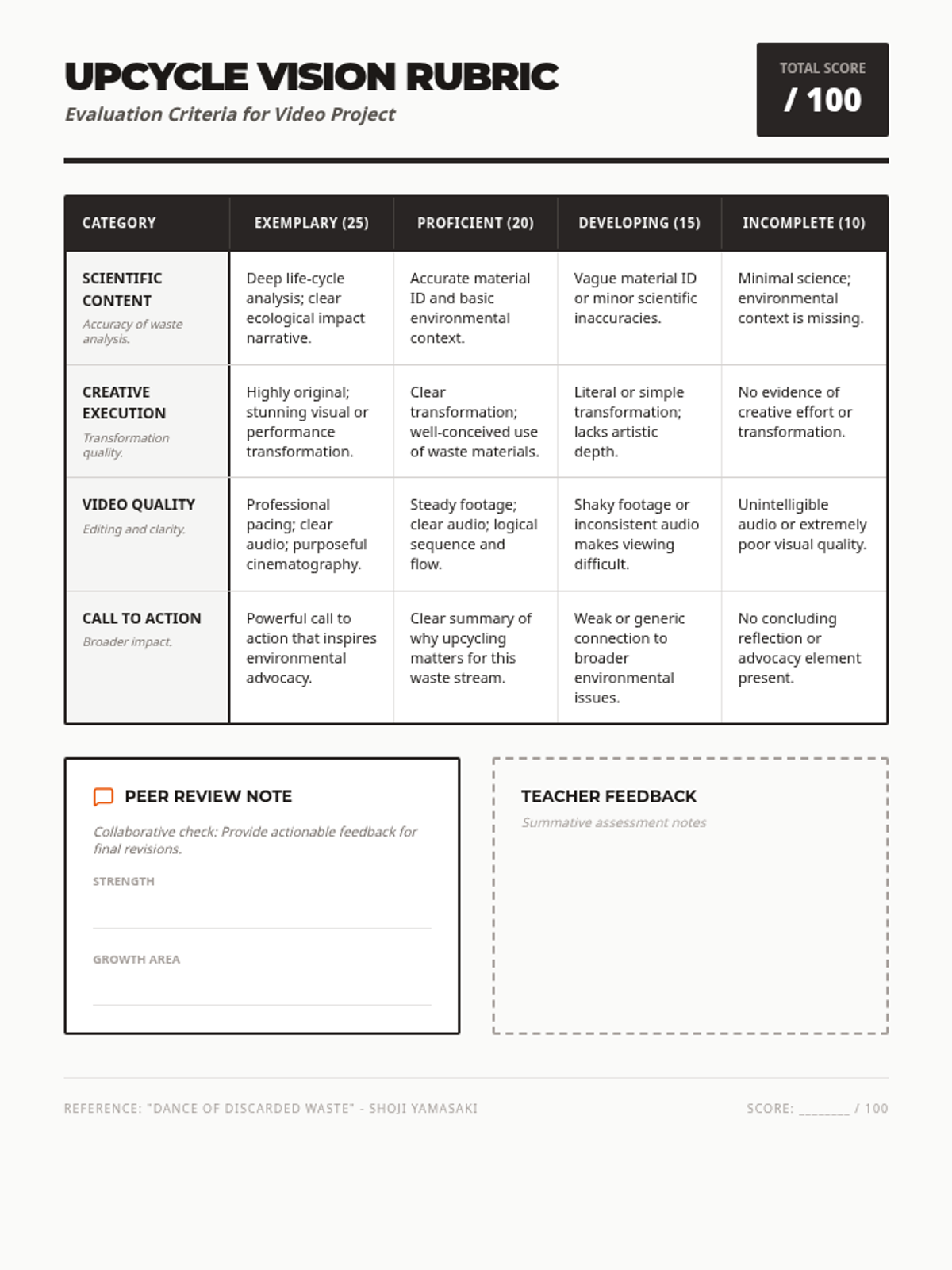
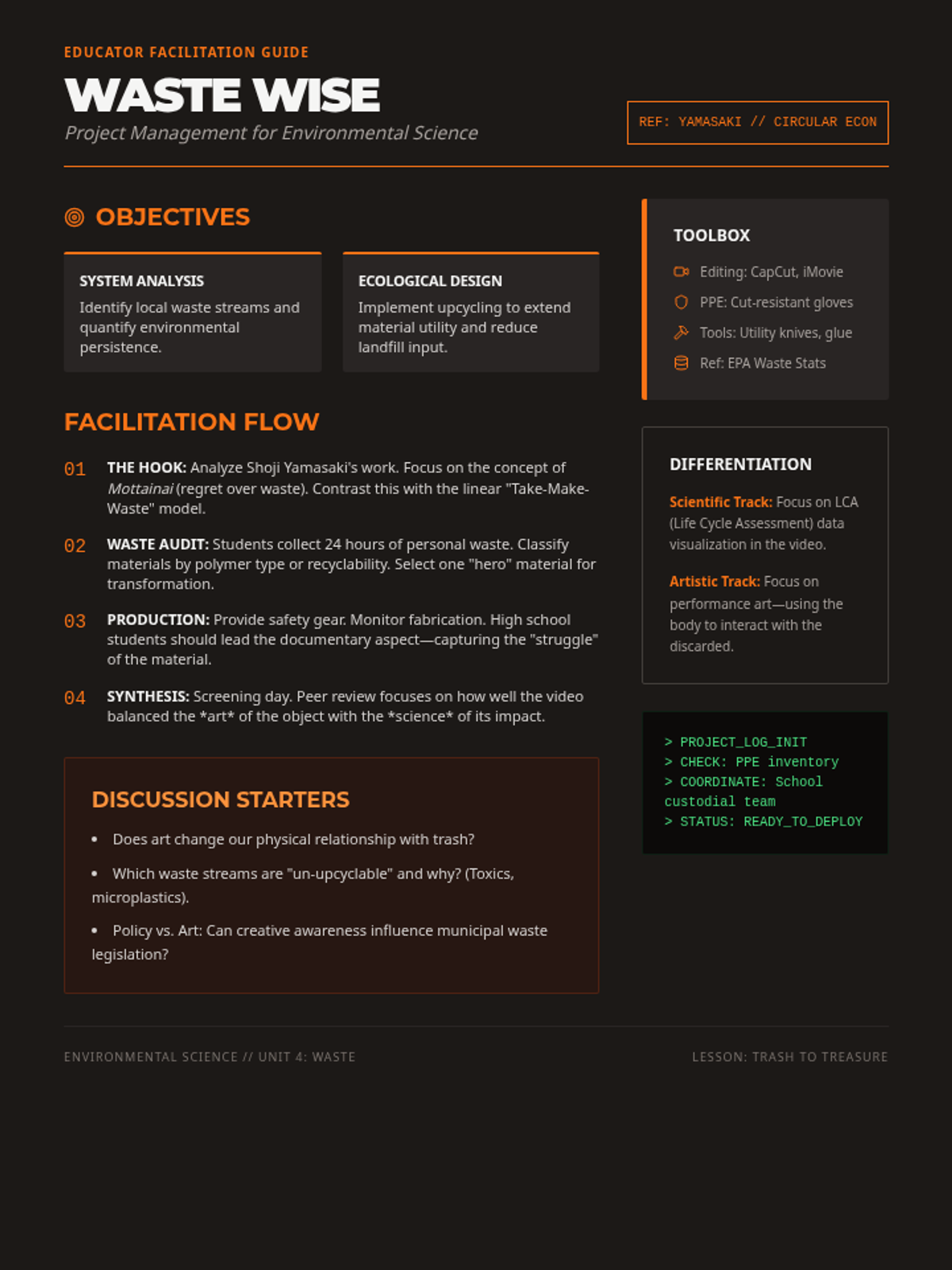
A hands-on project where students explore waste management through the lens of Shoji Yamasaki's art, culminating in a creative video showcasing their own upcycling process or performance.
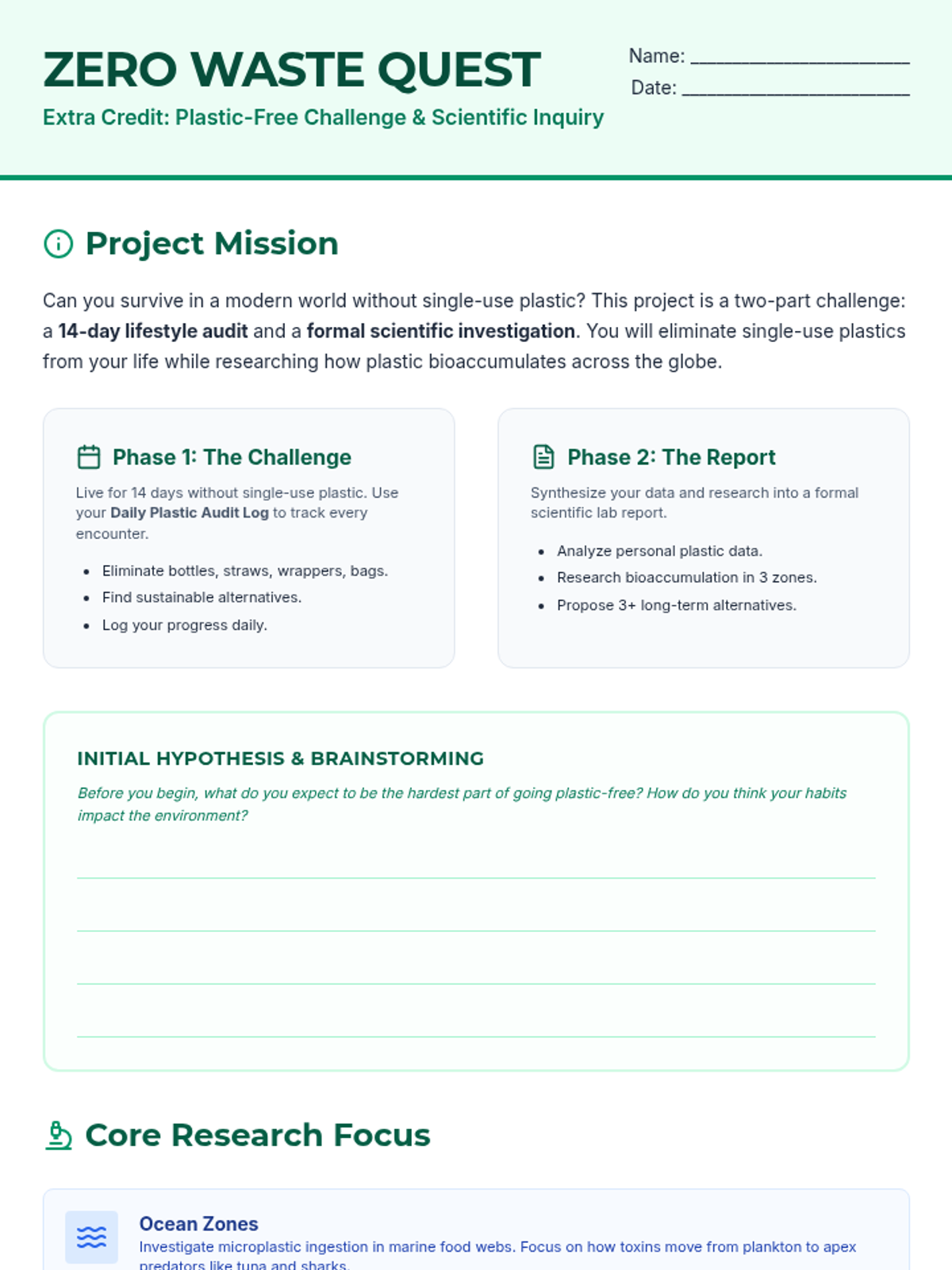
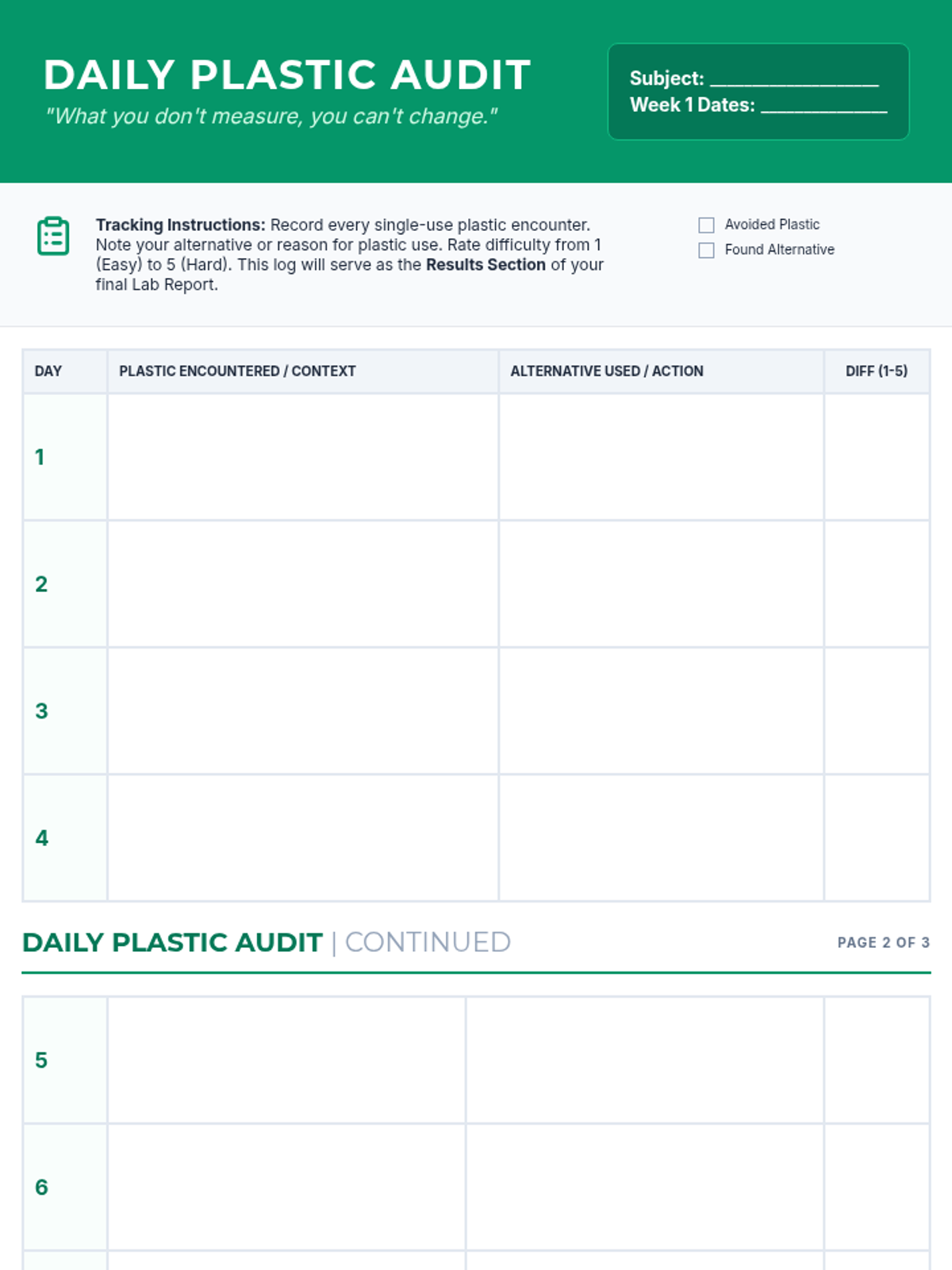
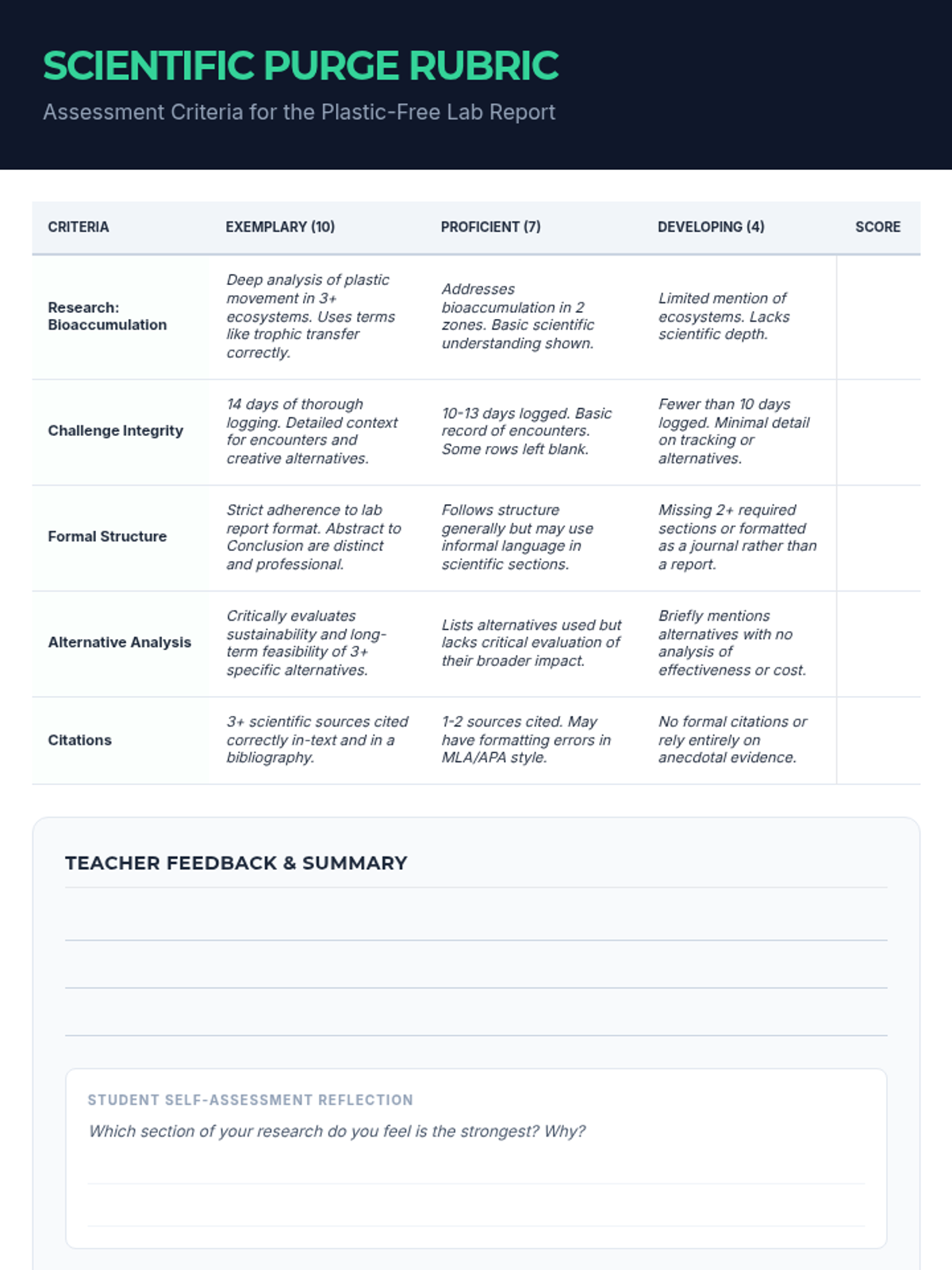
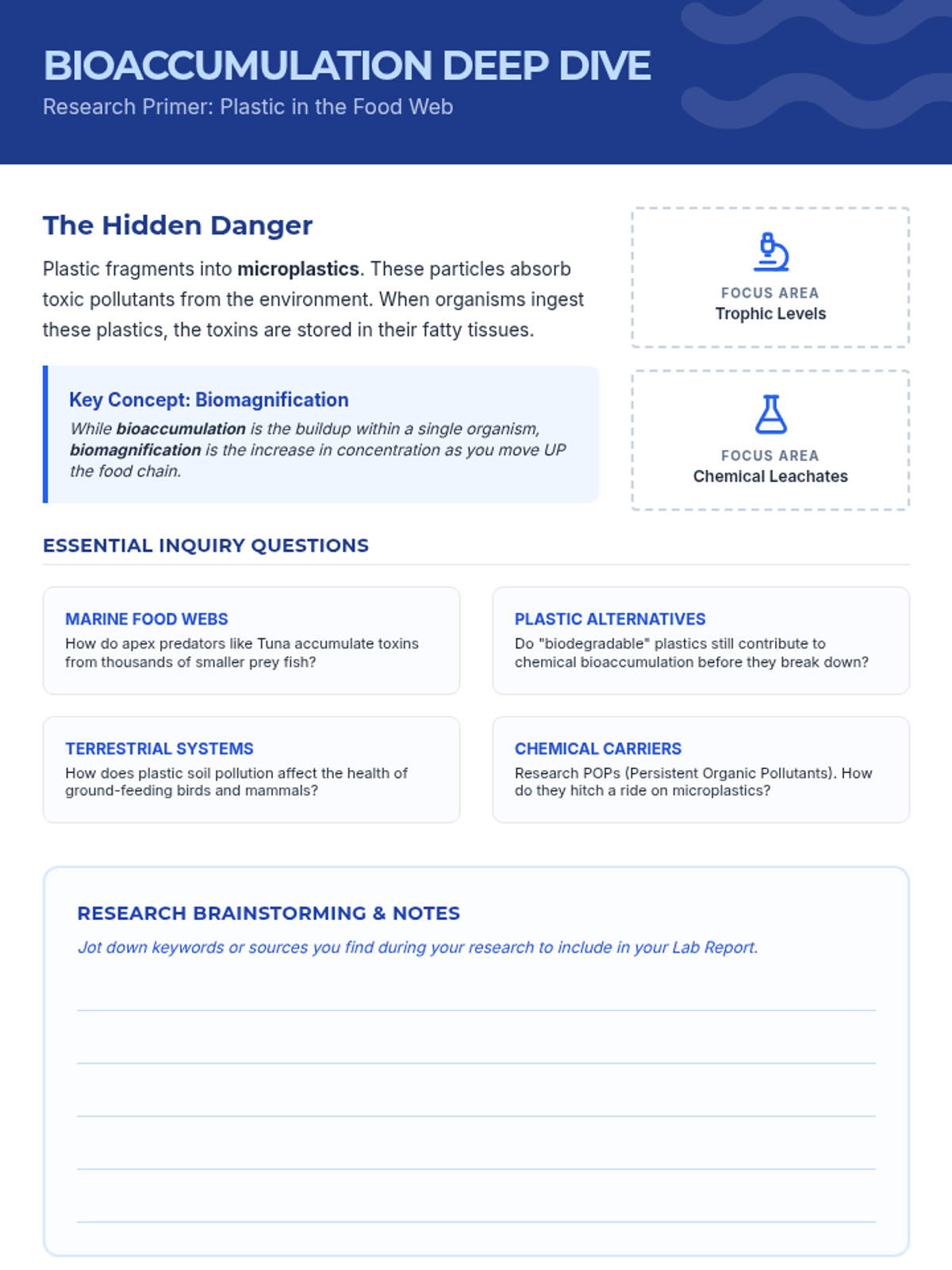
An extra credit project challenging students to live plastic-free for two weeks while researching the impacts of bioaccumulation and exploring sustainable alternatives. Students document their journey and findings in a formal scientific lab report.
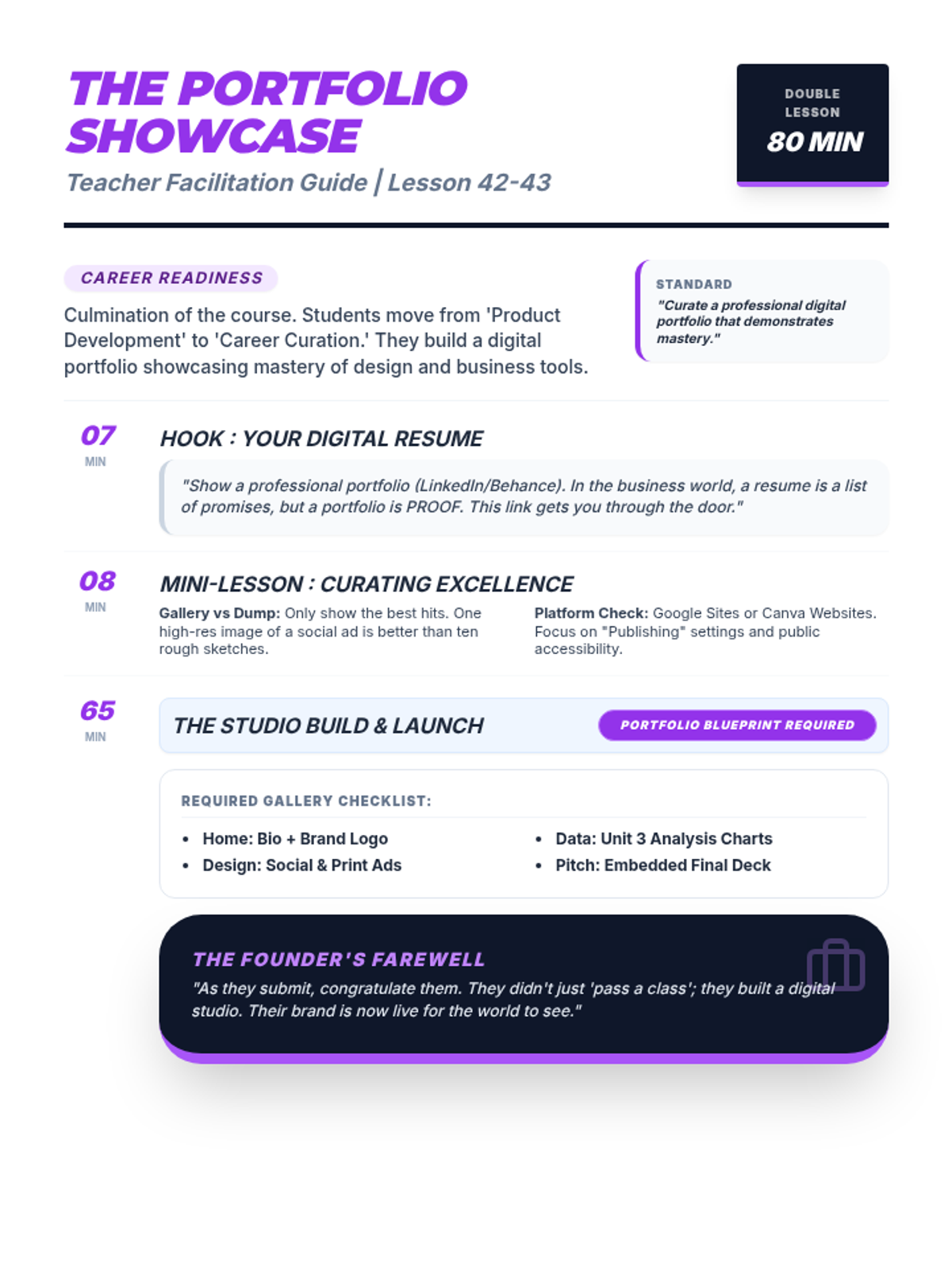
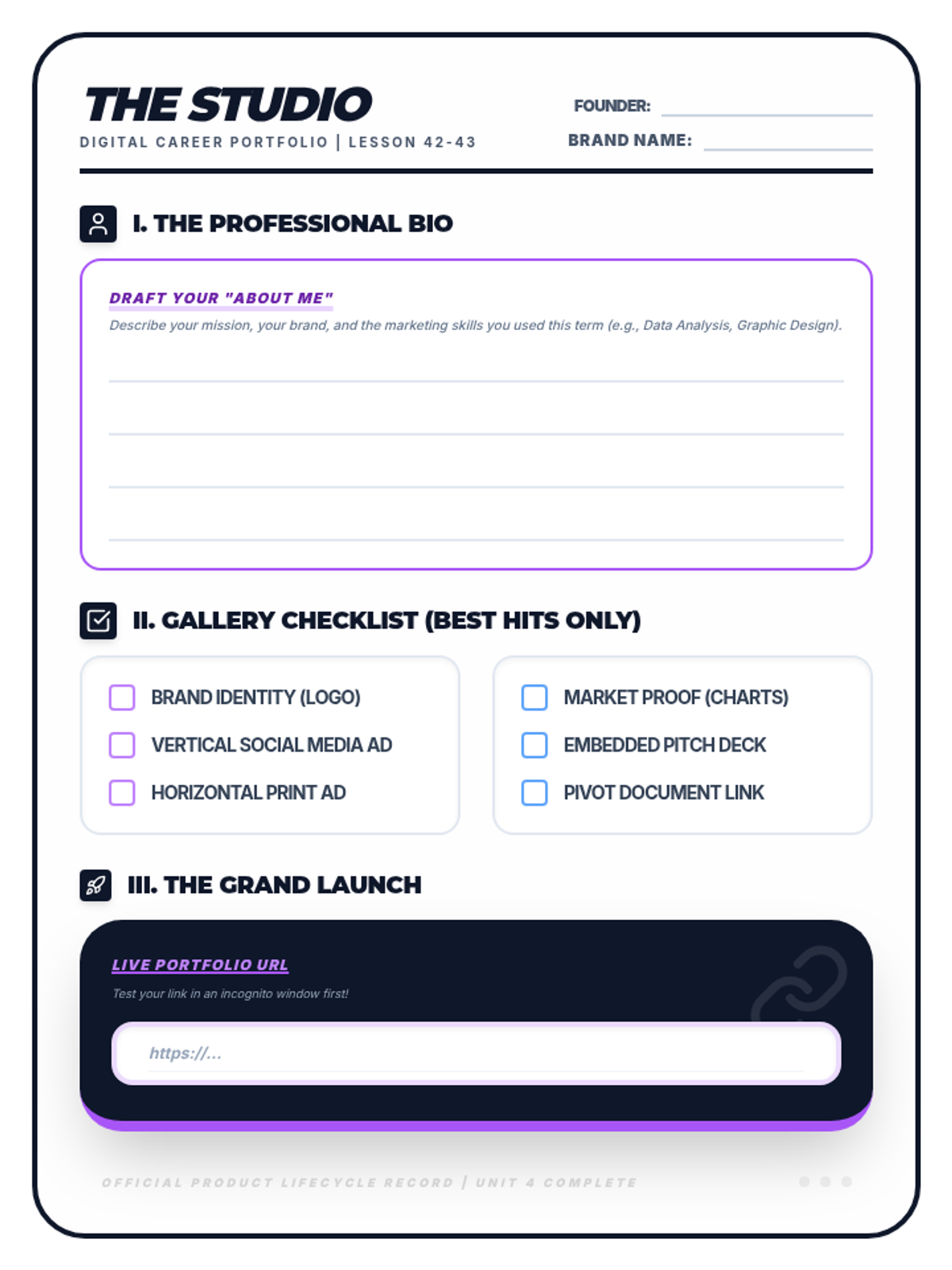
The final project compilation phase where students curate their best work from the term into a professional digital portfolio. Students learn the art of curation and how to publish a simple one-page website as a 'Digital Resume'.
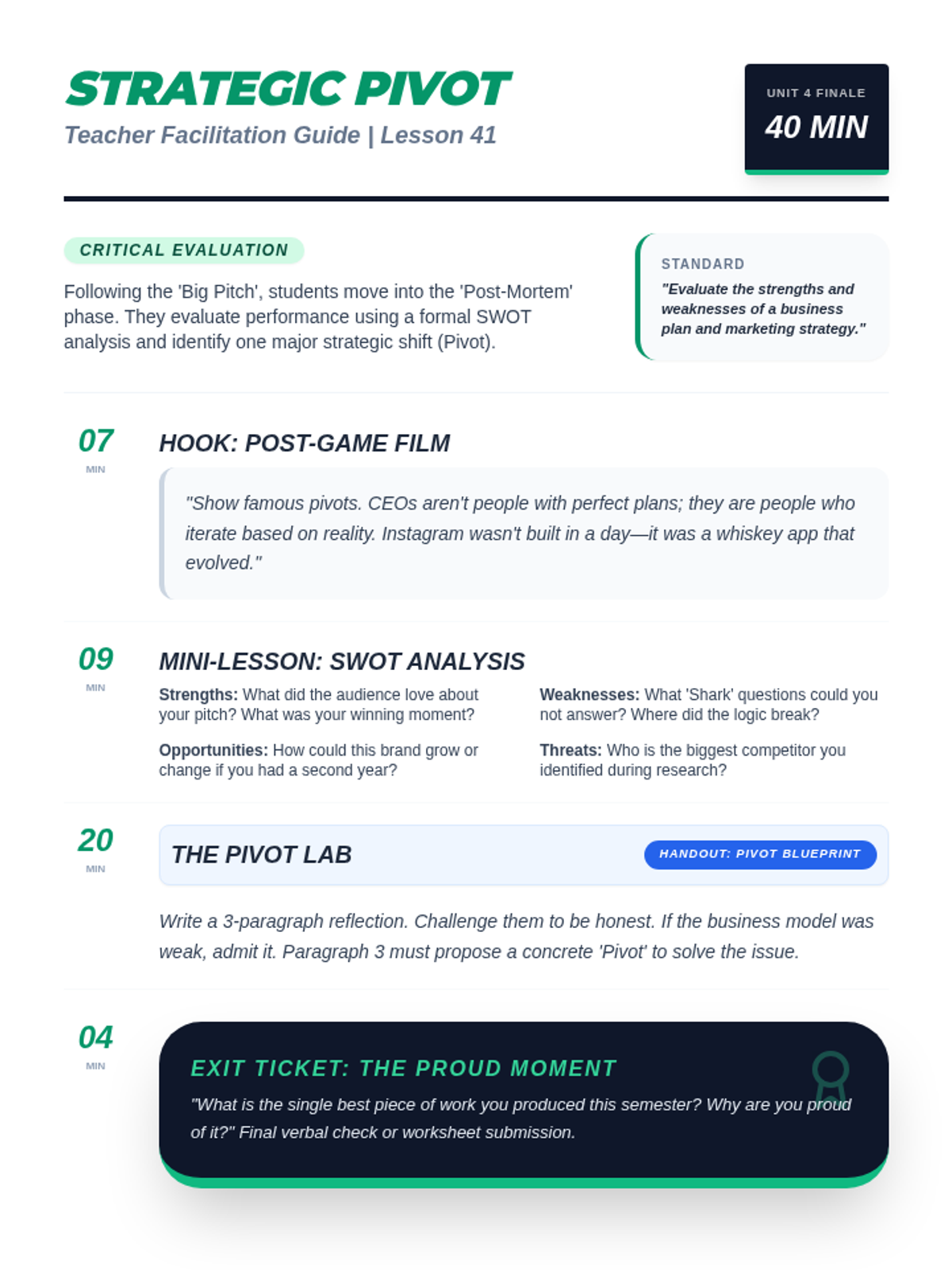
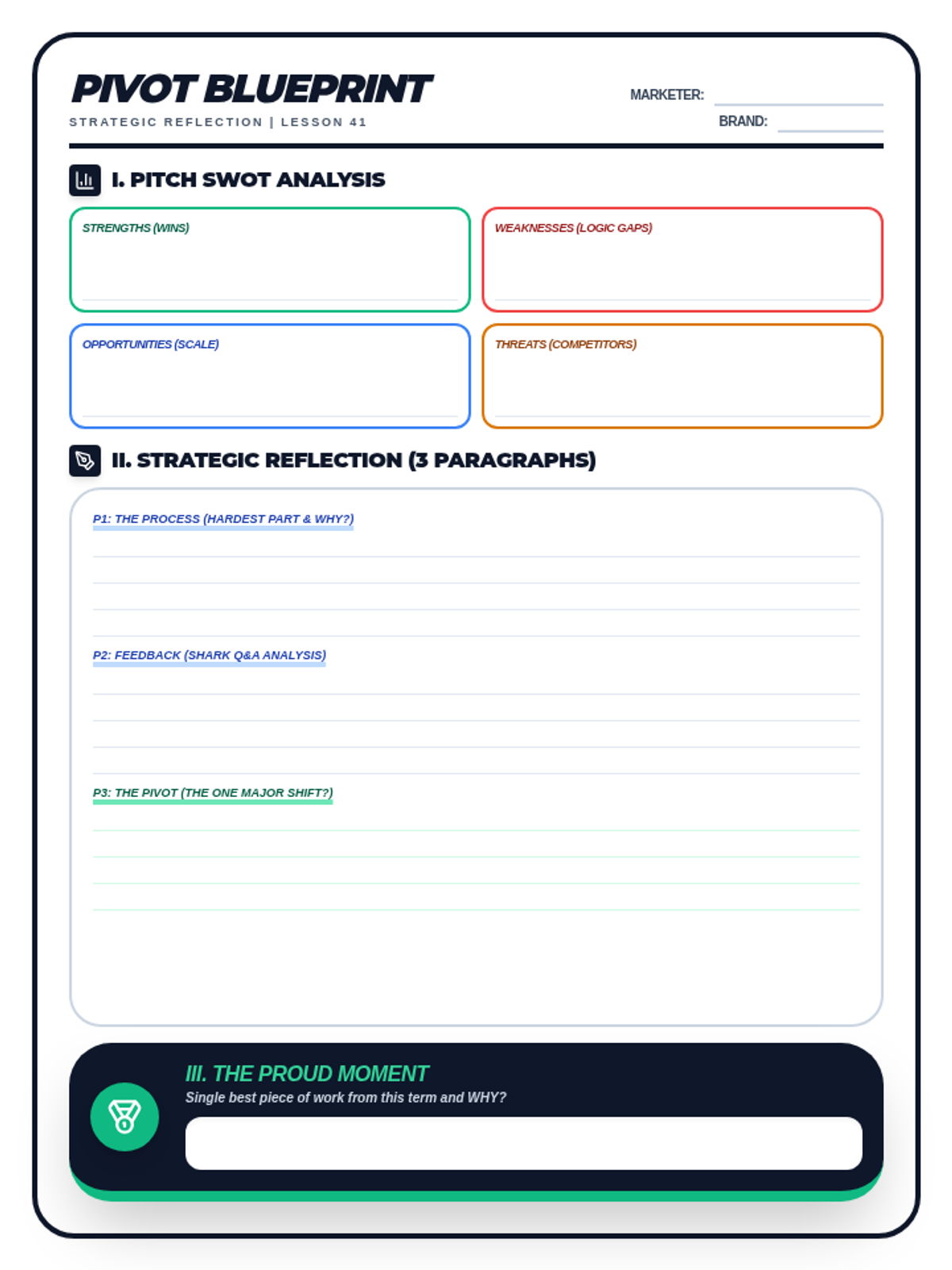
A lesson focused on post-pitch reflection and strategic iteration. Students conduct a SWOT analysis of their own performance and draft a 'Pivot' plan to refine their business concept based on audience feedback.
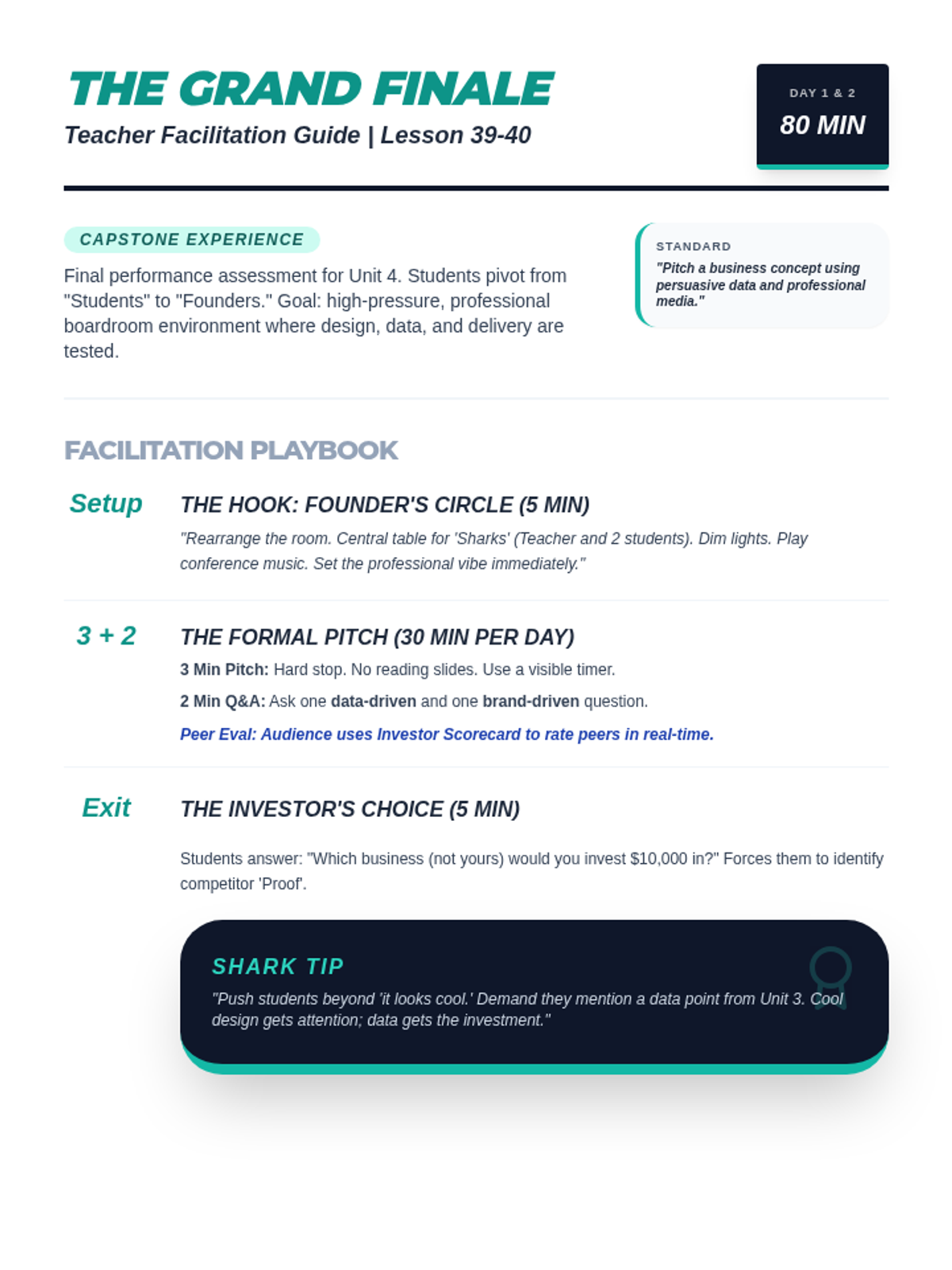
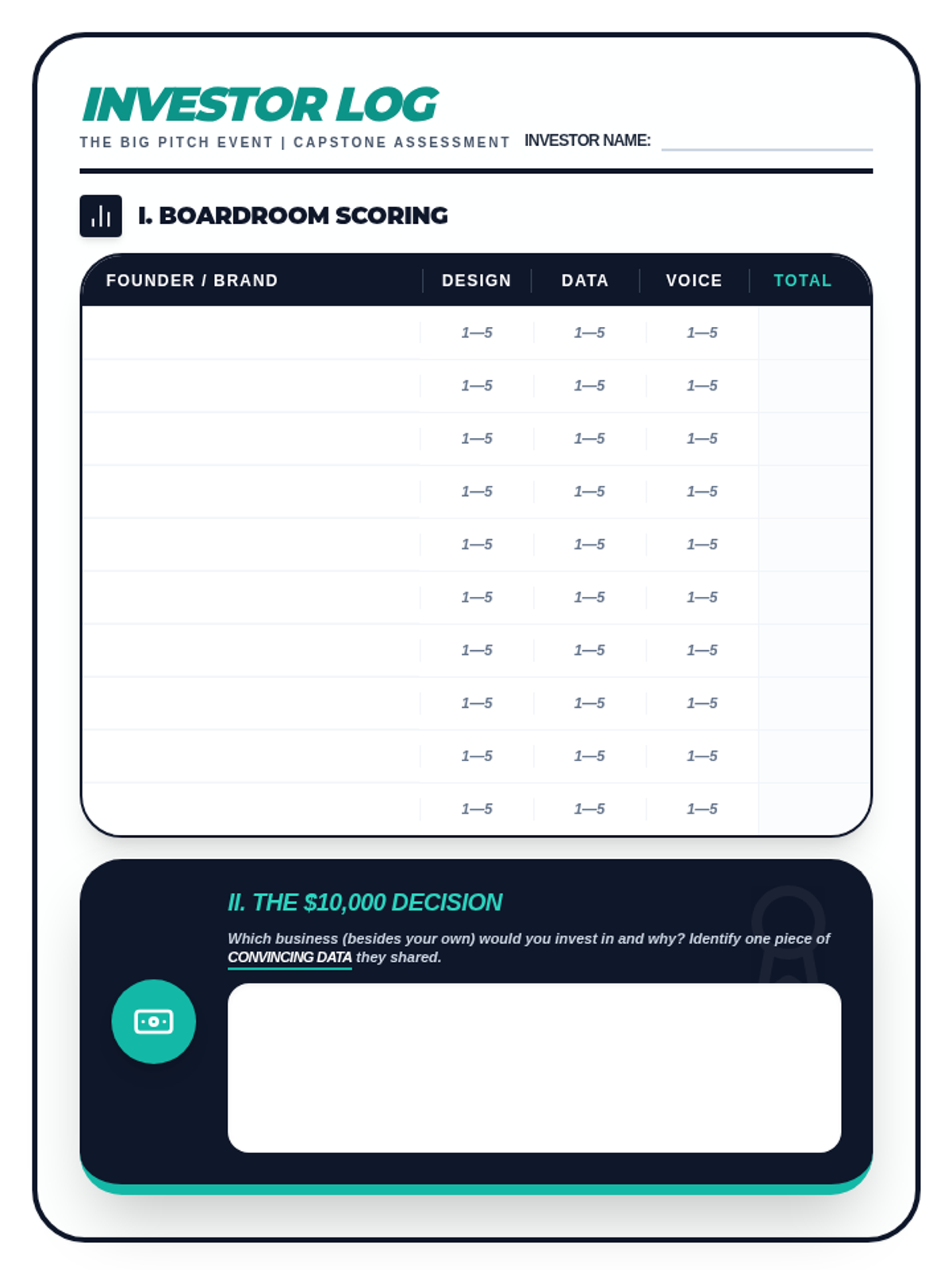
The unit capstone experience where students present their marketing campaigns as founders. Includes a two-day formal pitch event with peer judging, Shark Tank-style Q&A, and 'Class Cash' investment reflections.
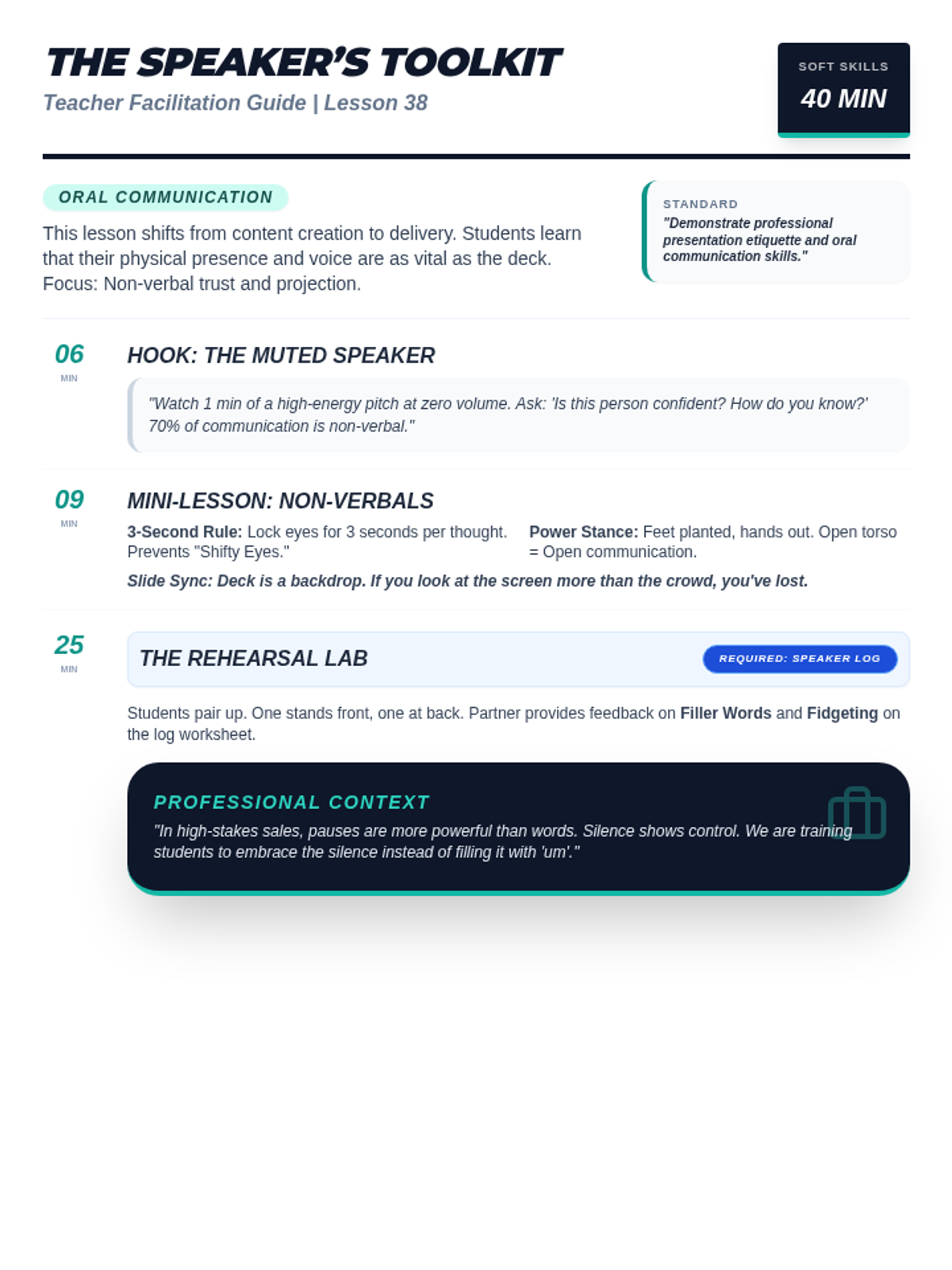
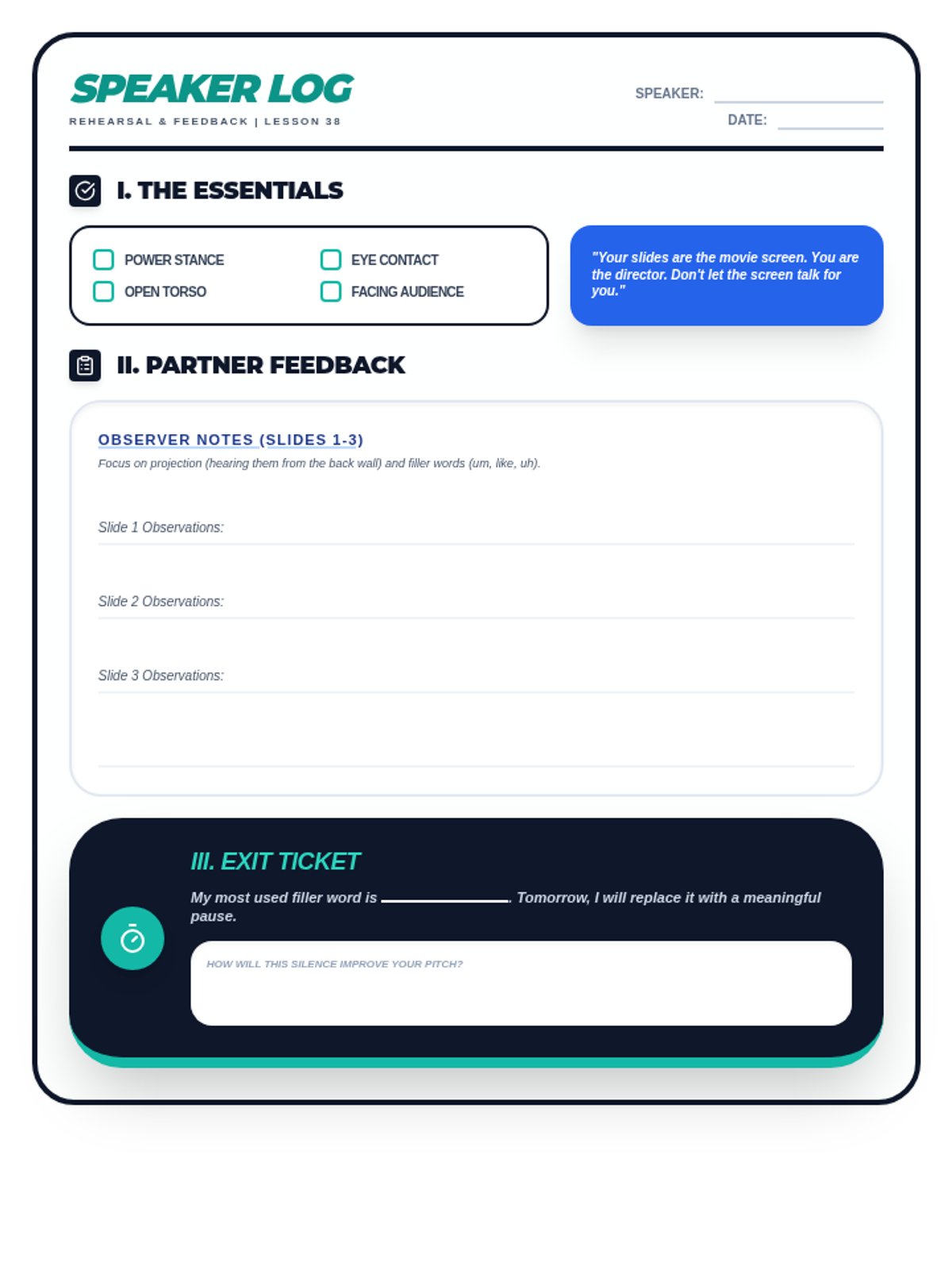
A lesson focused on public speaking and professional presentation etiquette. Students learn non-verbal communication techniques, projection, and how to use digital slides as a backdrop rather than a teleprompter.