A reading comprehension lesson focused on identifying the 5 'Wh' questions (Who, What, Where, When, Why) using a story about community service at an animal shelter.
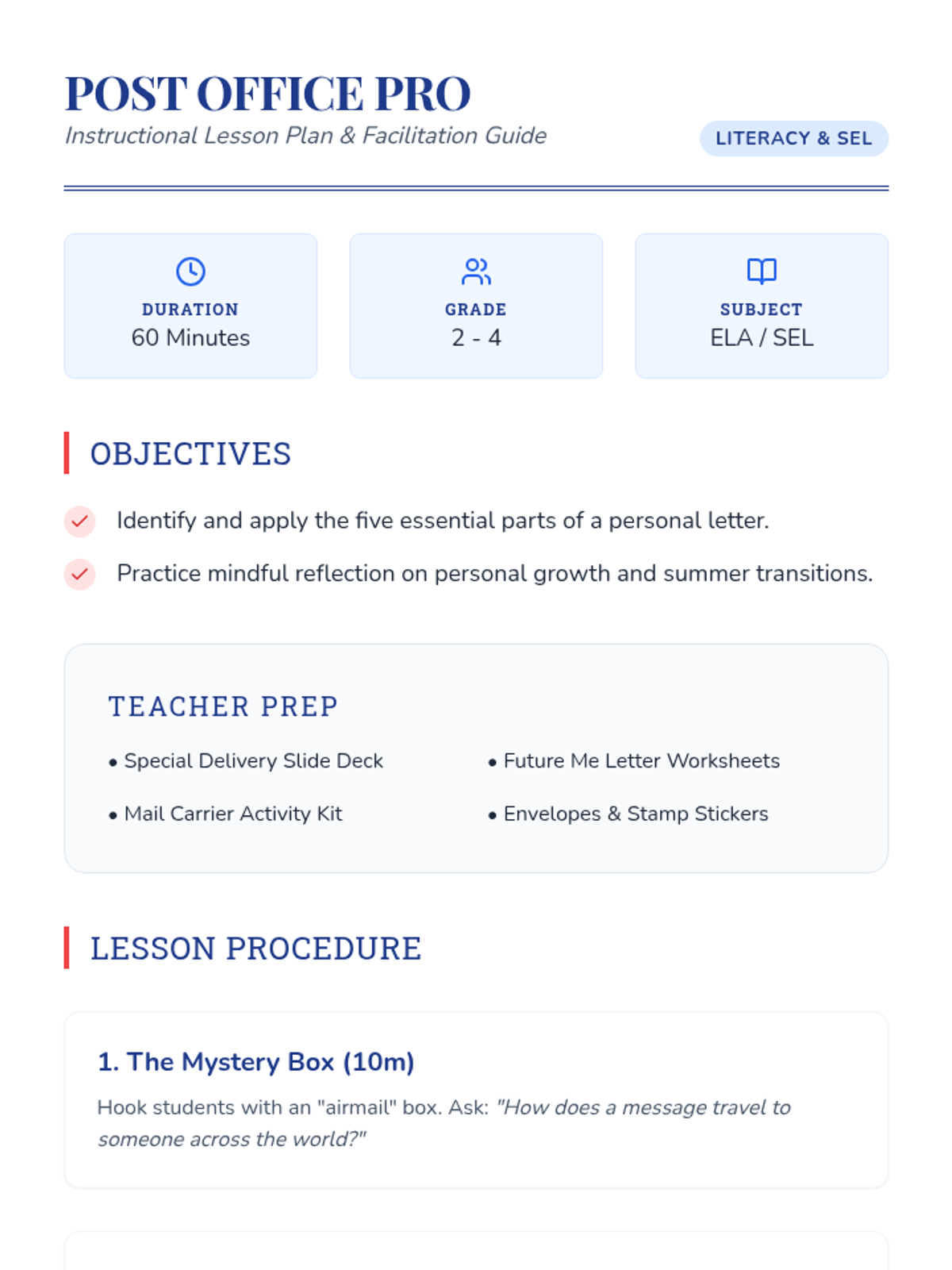
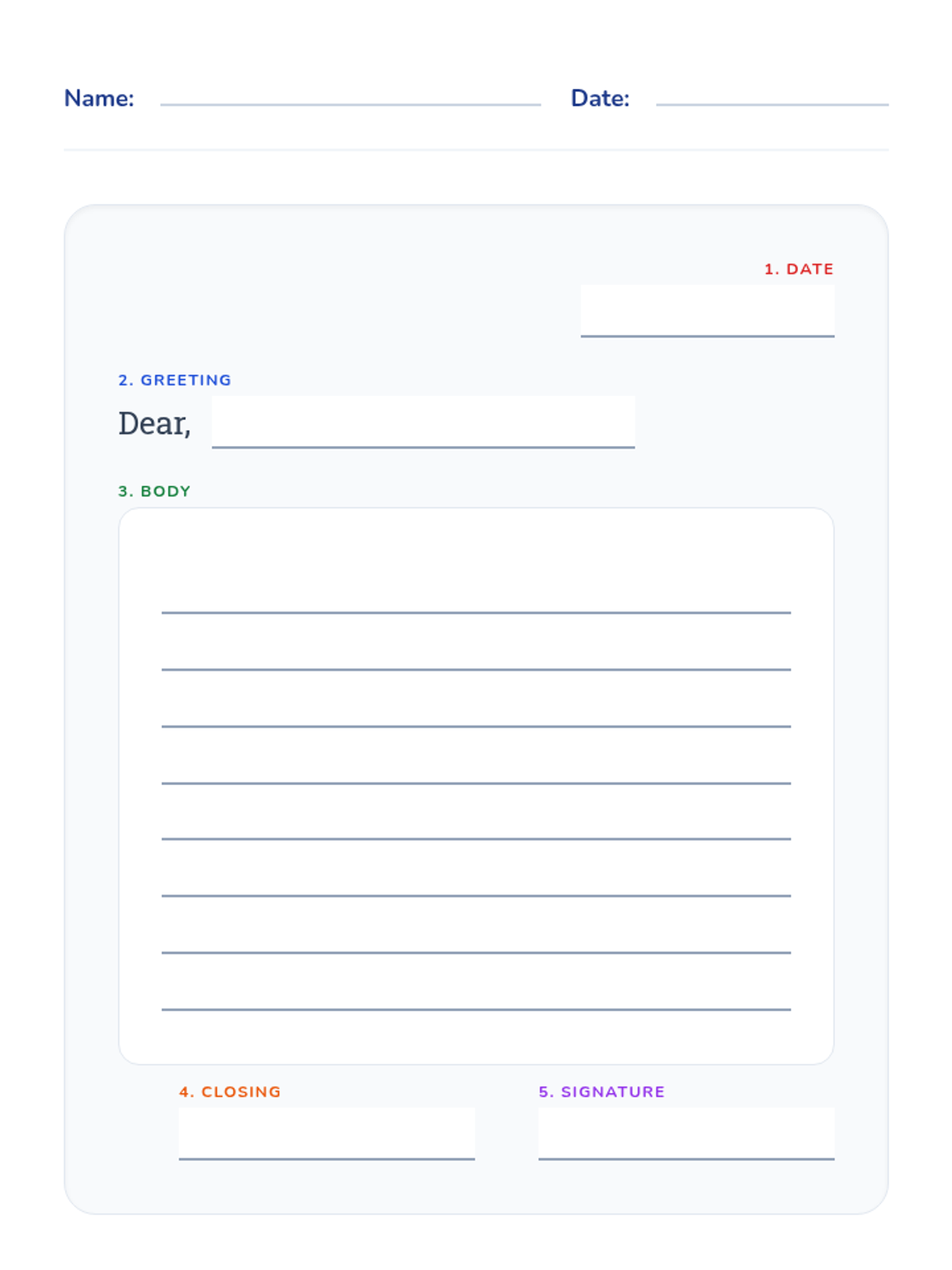
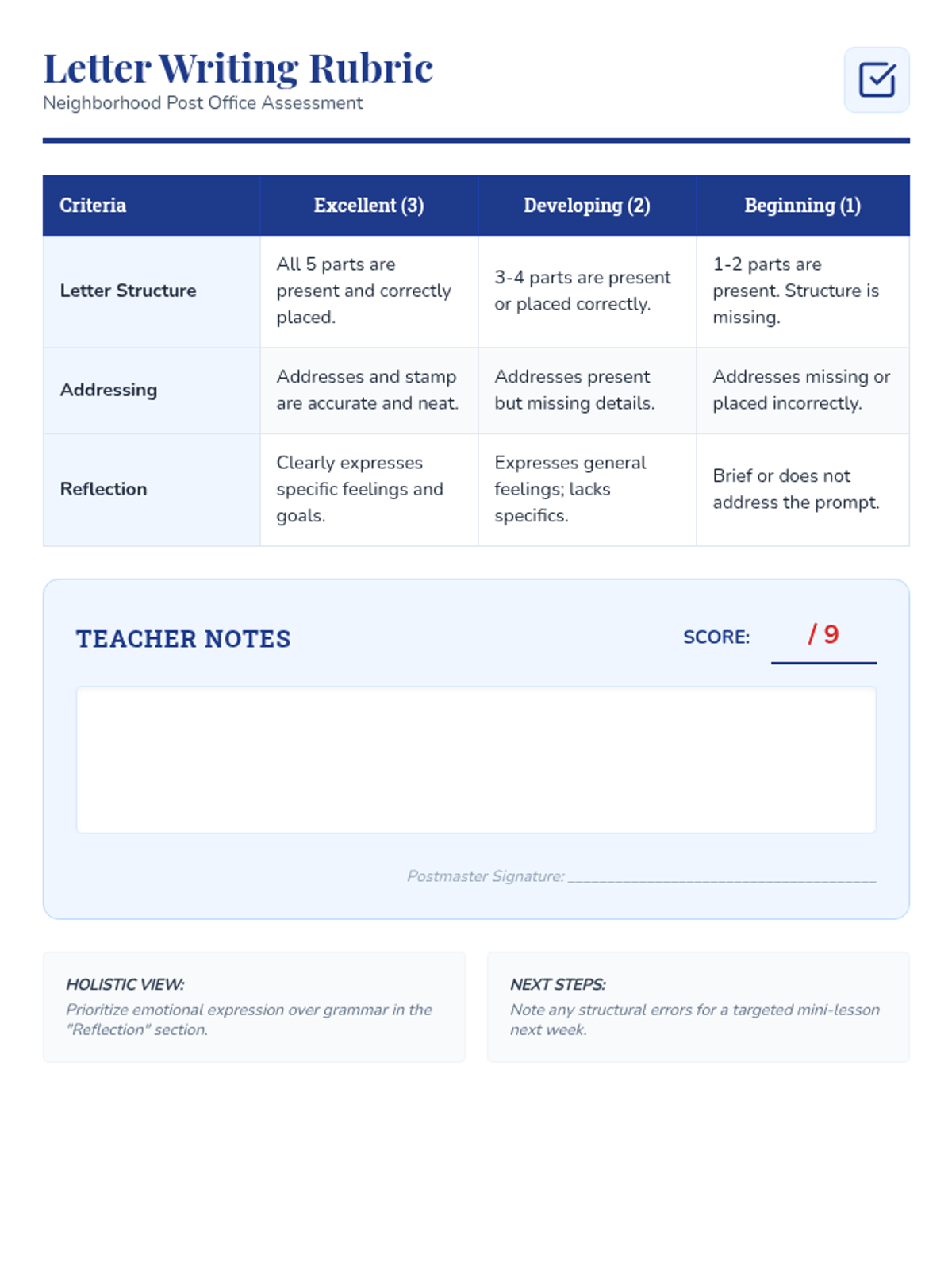
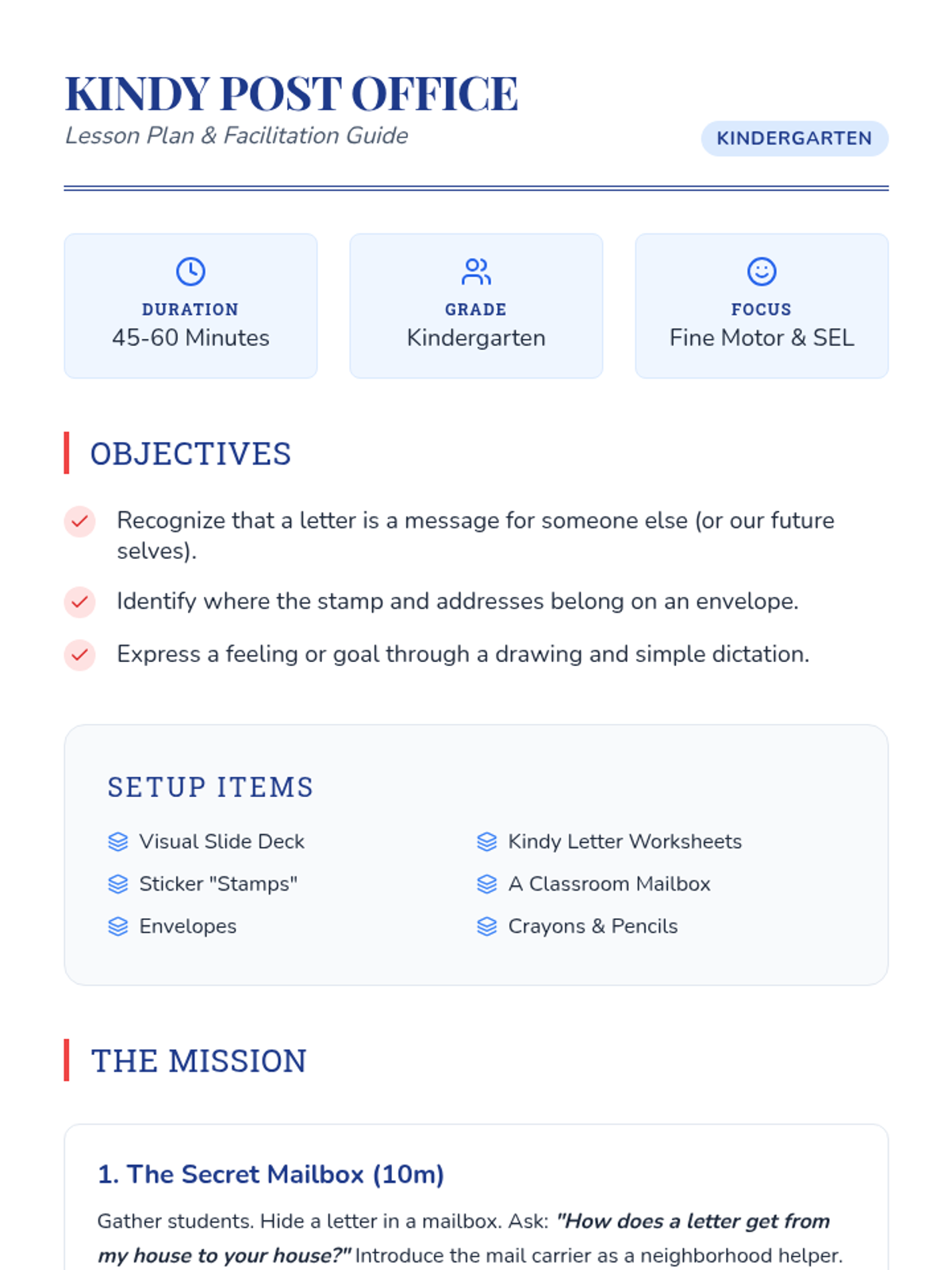
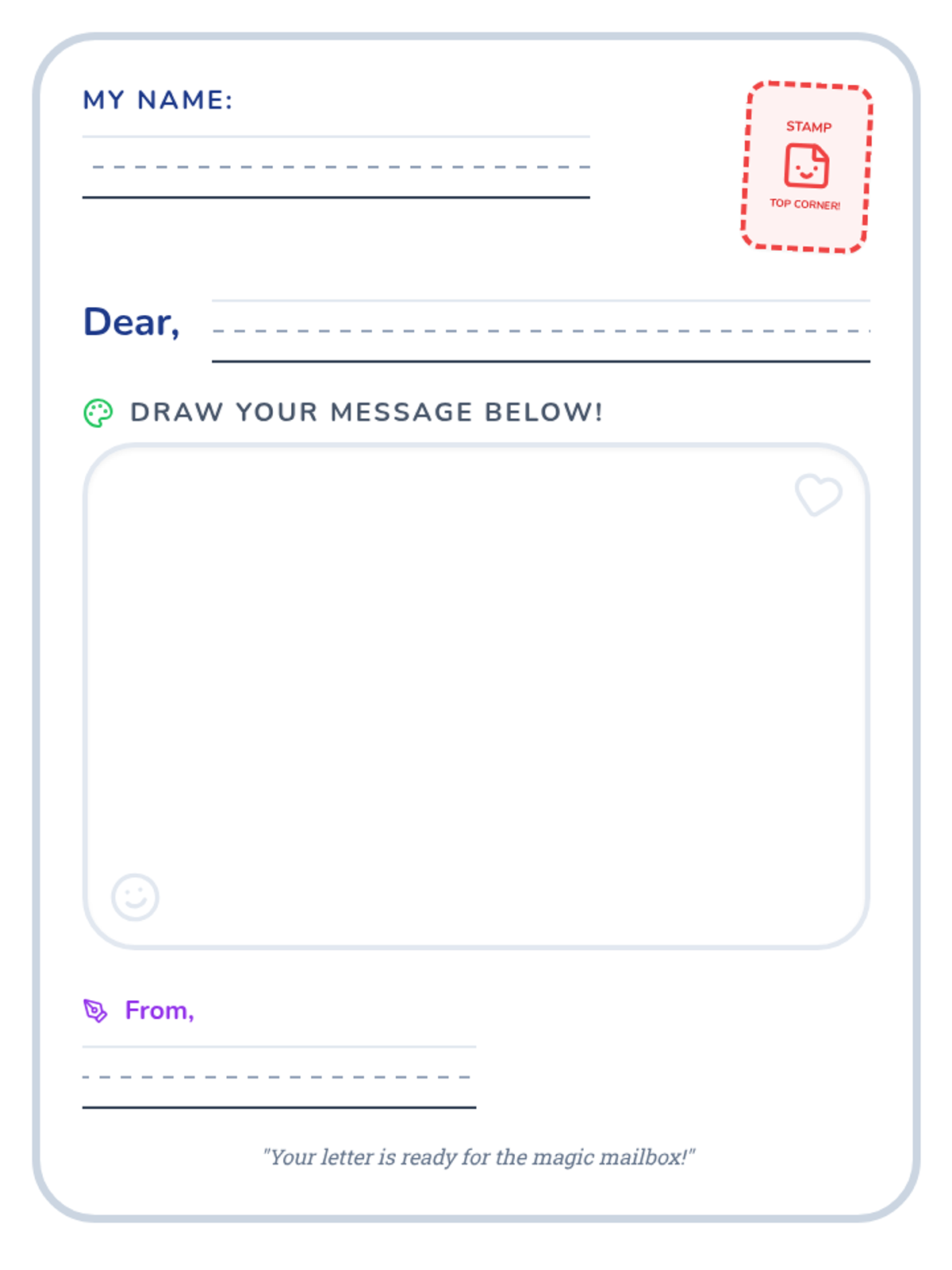
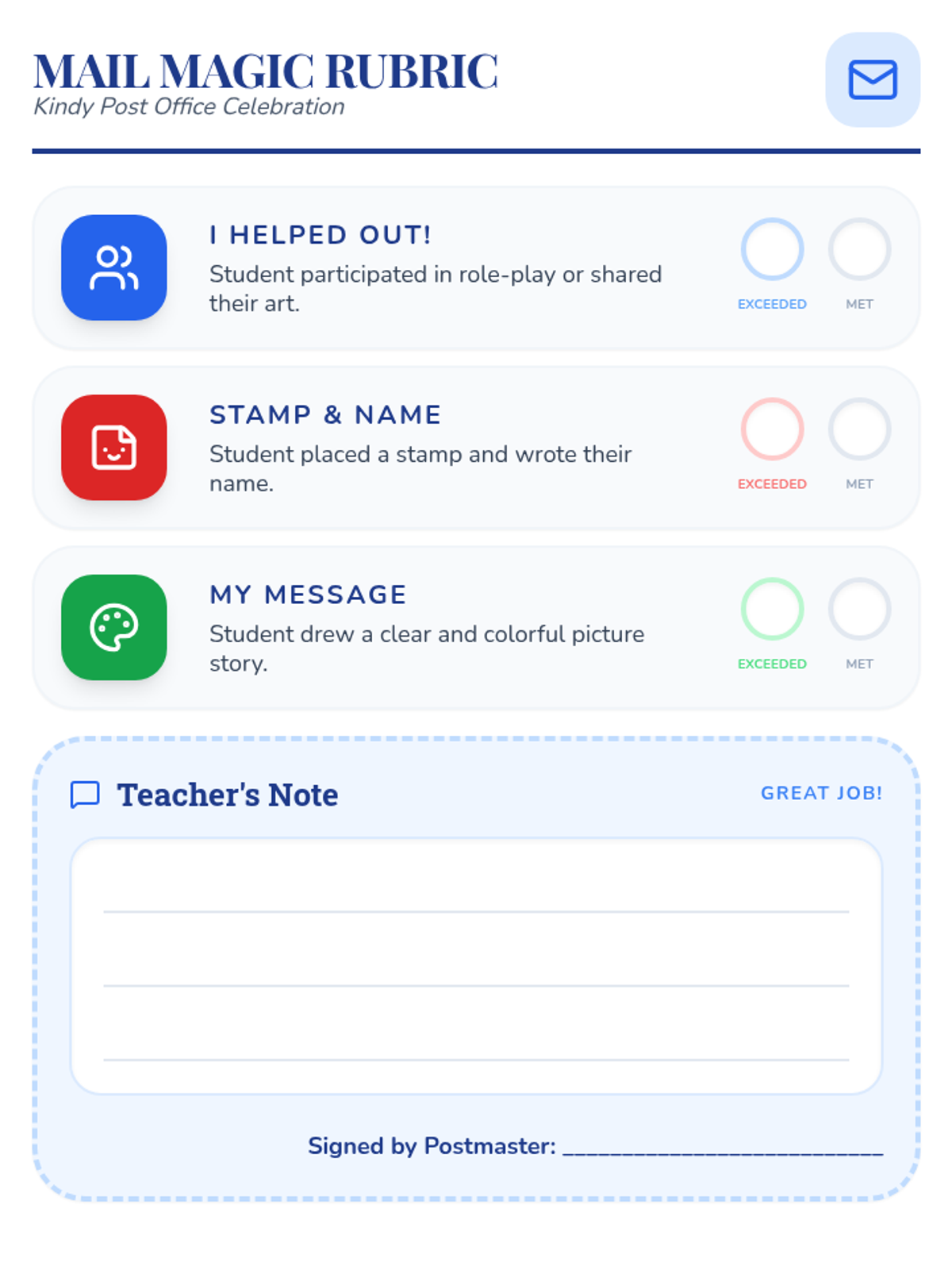
Students explore the world of correspondence in a classroom post office, practicing literacy and social-emotional skills by writing letters to their future selves as they prepare for summer transitions.
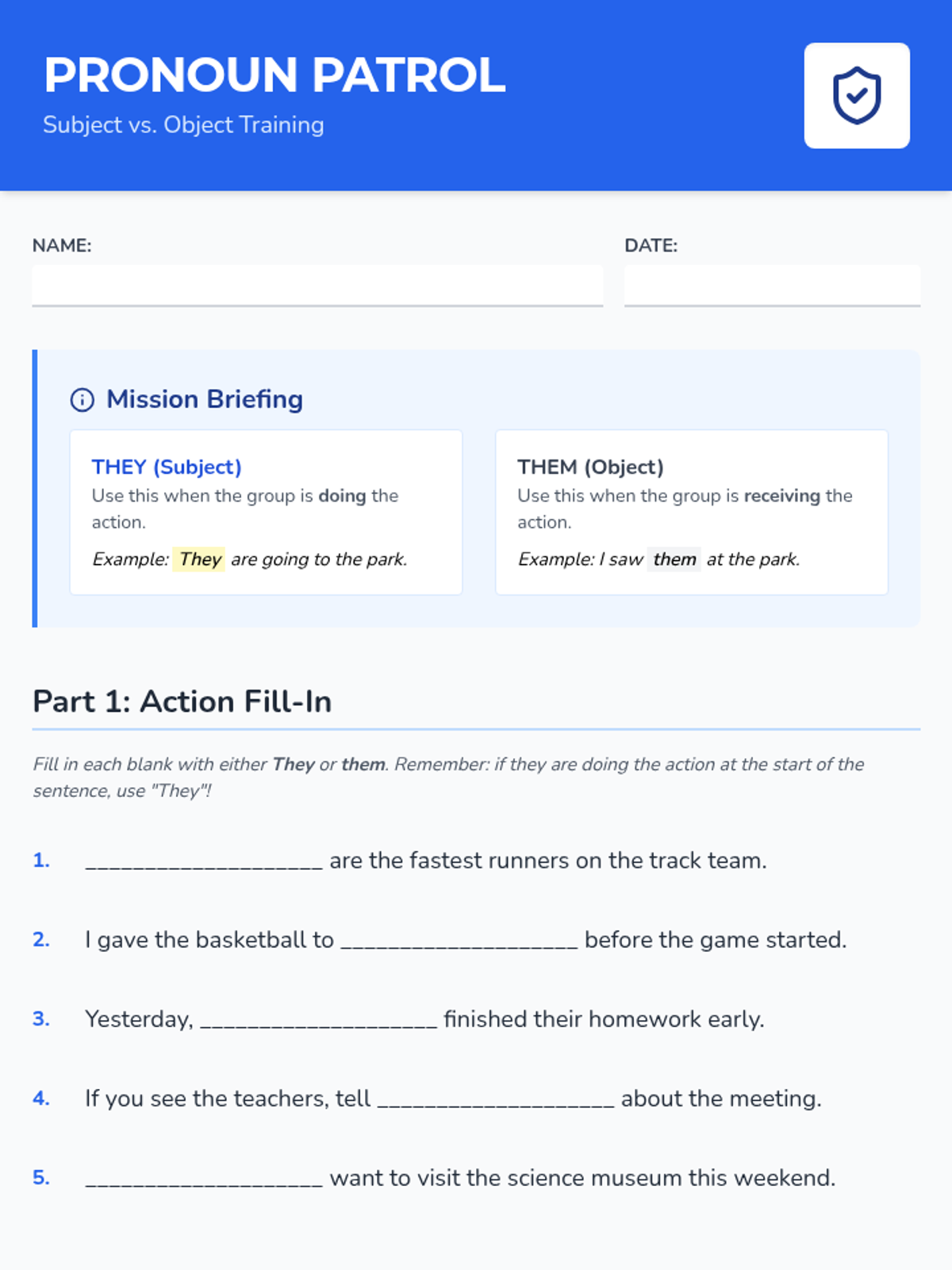
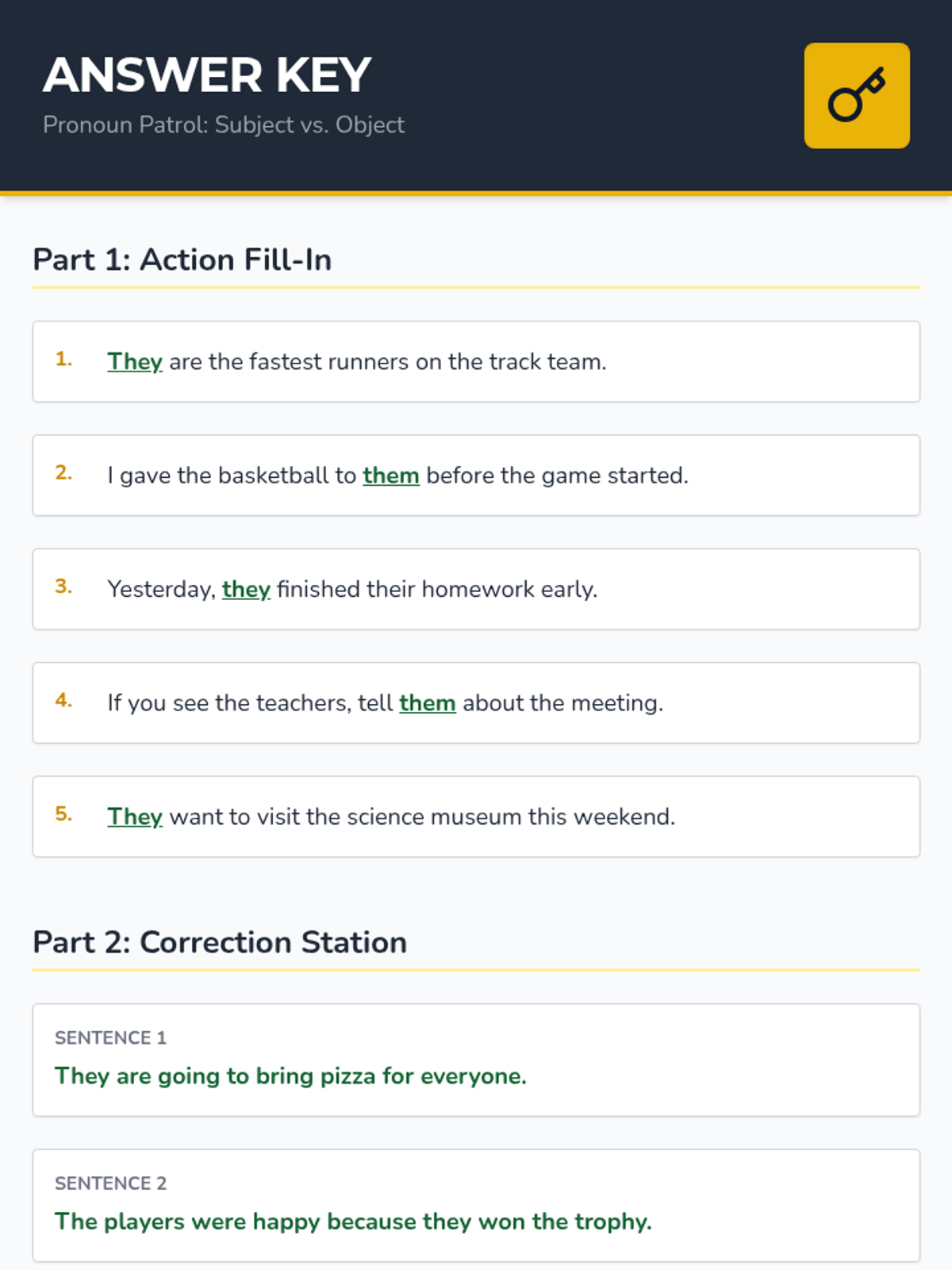
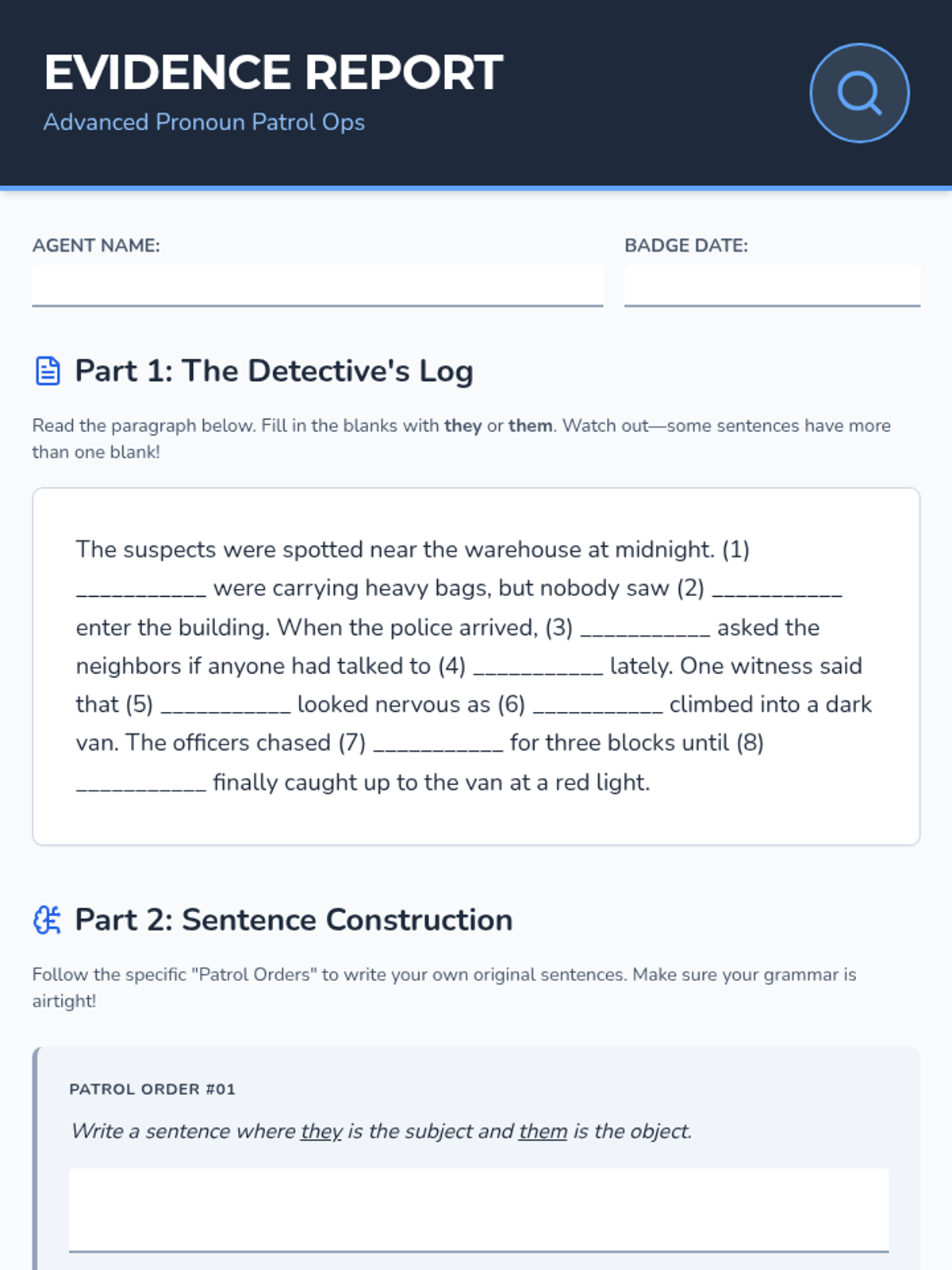
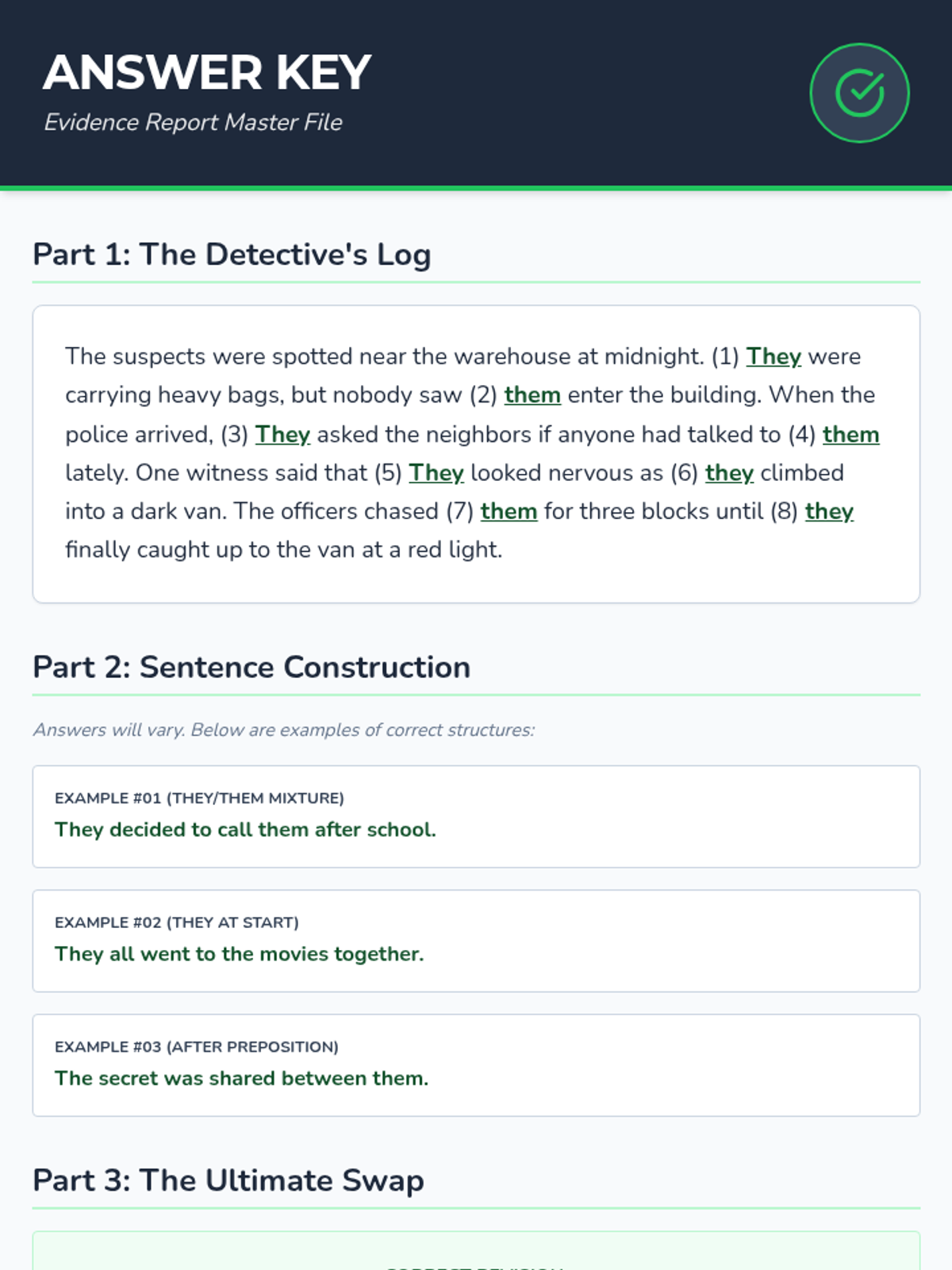
A focused grammar lesson on distinguishing between the subjective pronoun 'they' and the objective pronoun 'them' in sentence structures.
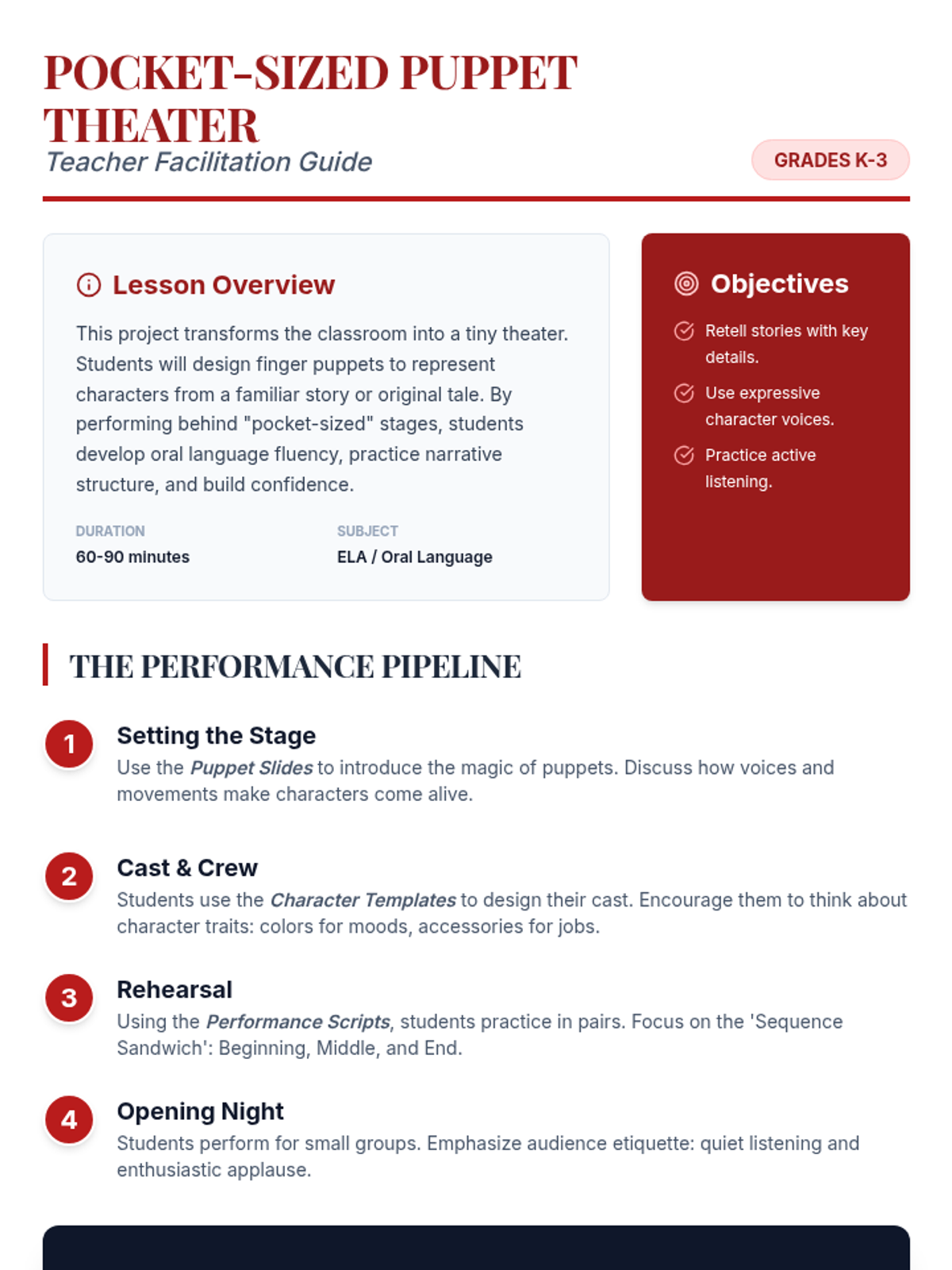
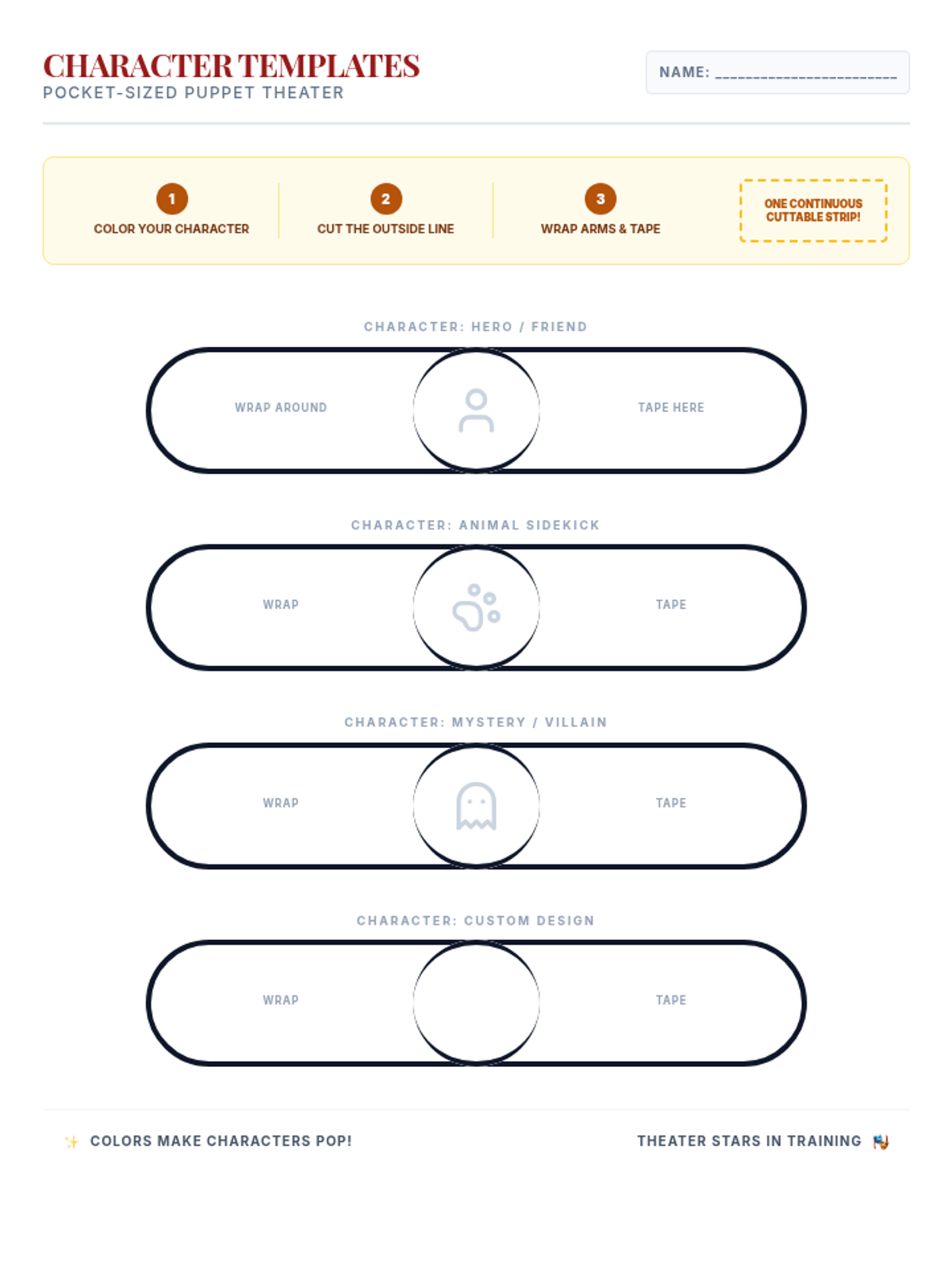
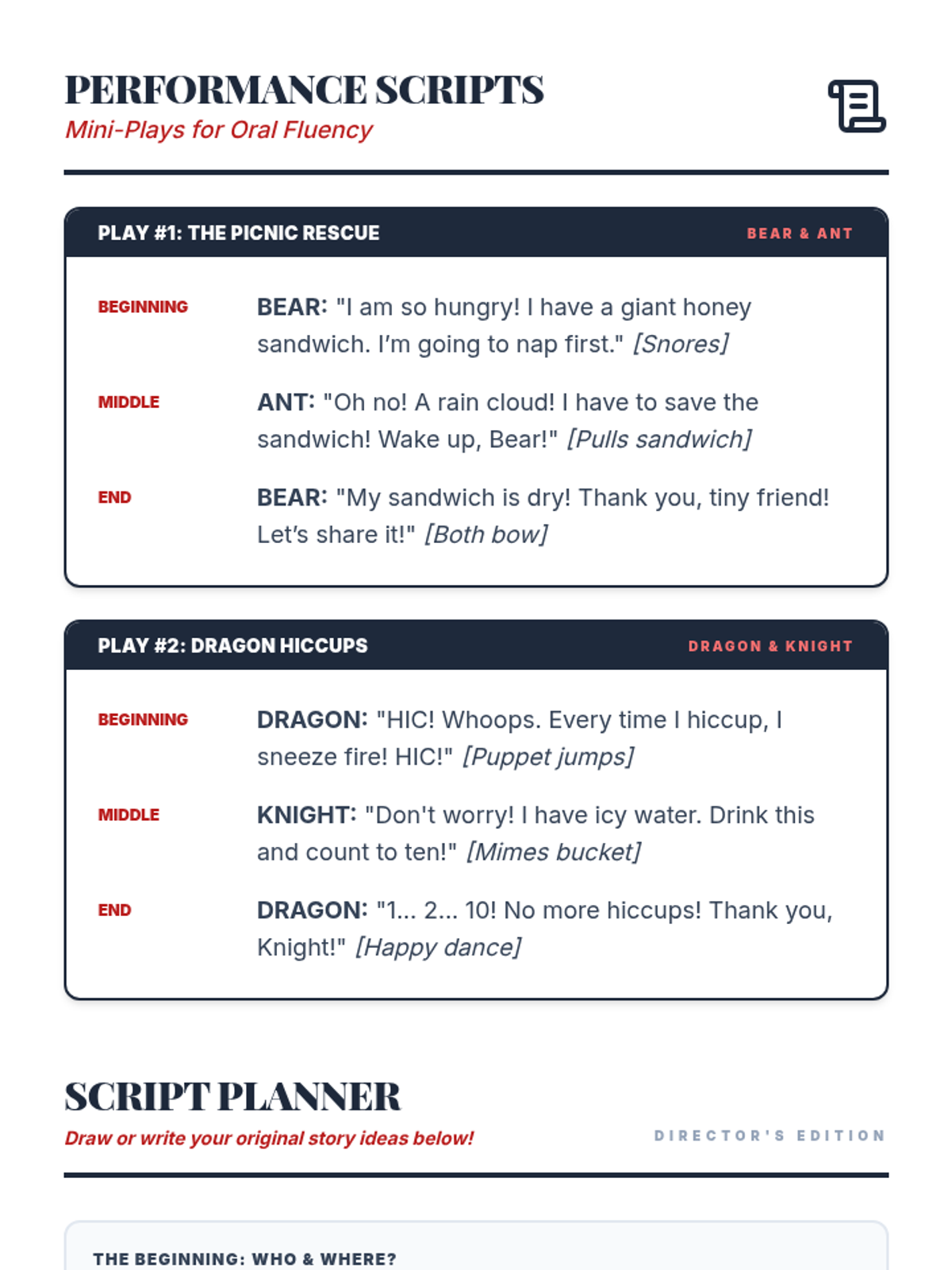
A creative oral language project where students build finger puppets and stage mini-performances to improve retelling skills, fluency, and speaking confidence.
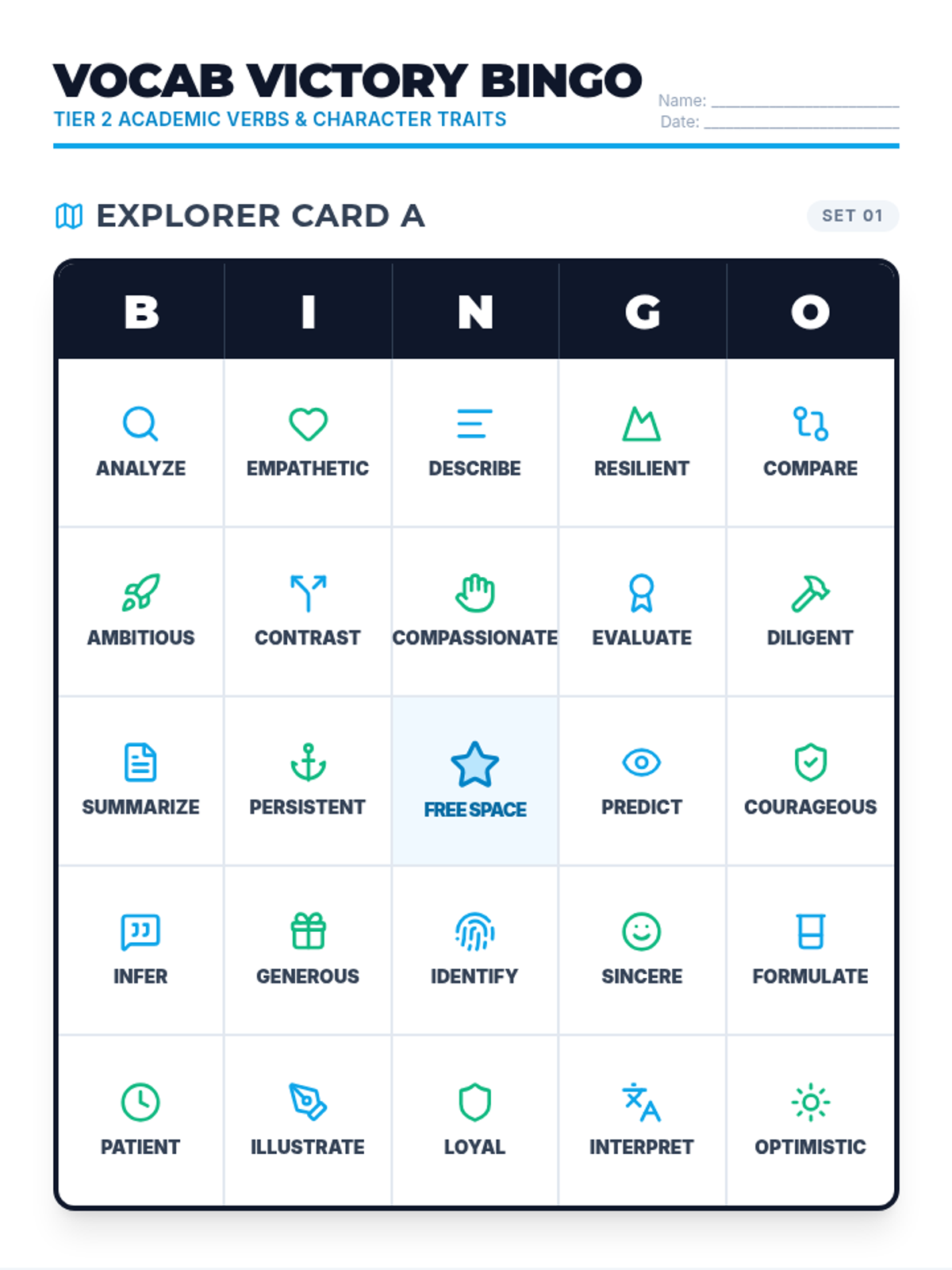
A dynamic lesson focused on mastering Tier 2 academic verbs and character traits through visual association and interactive gameplay. Includes introductory slides, flashcards, and a bingo assessment activity.
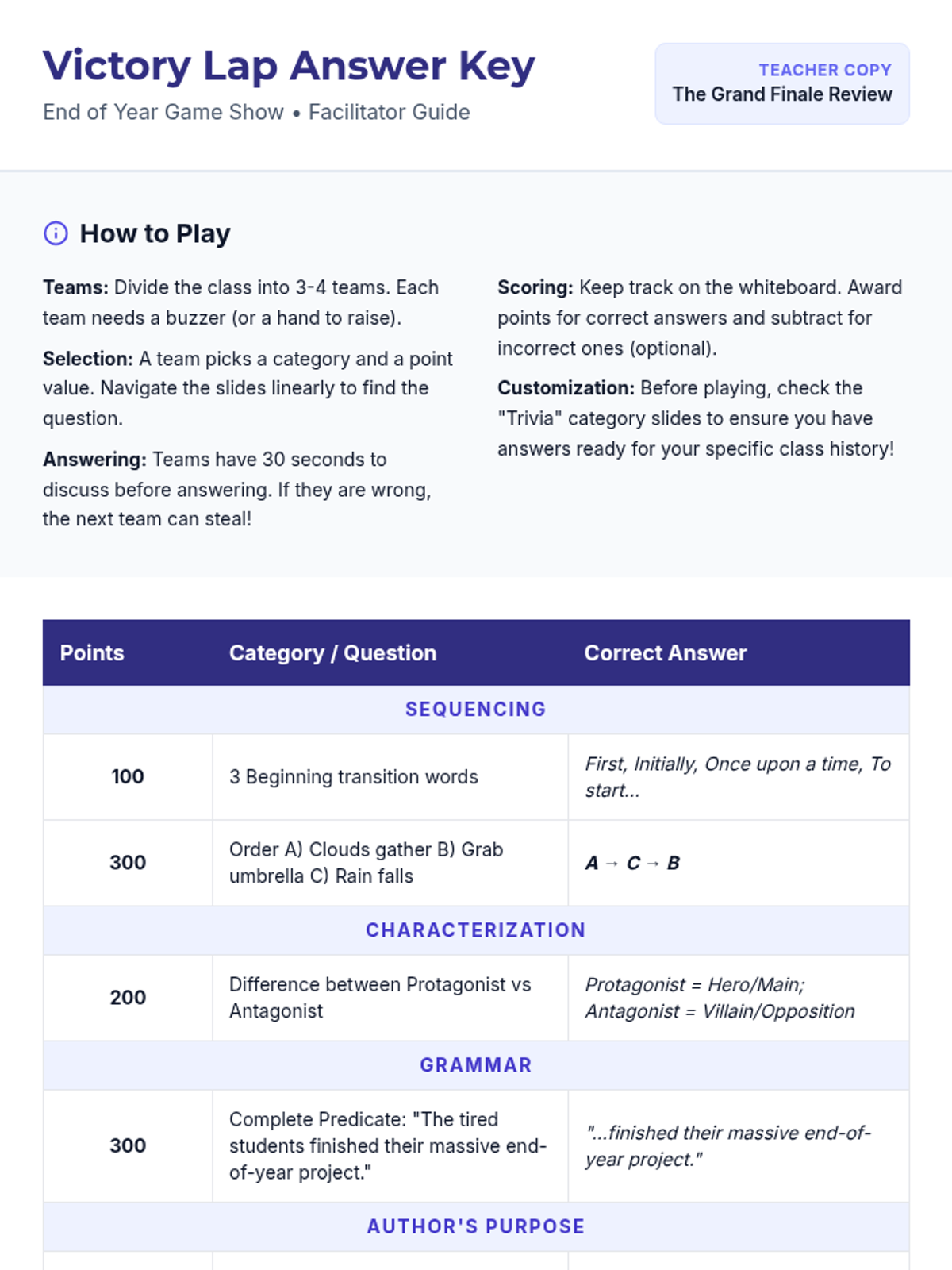
A high-energy end-of-year review lesson using a game show format to revisit core ELA skills and celebrate classroom memories.
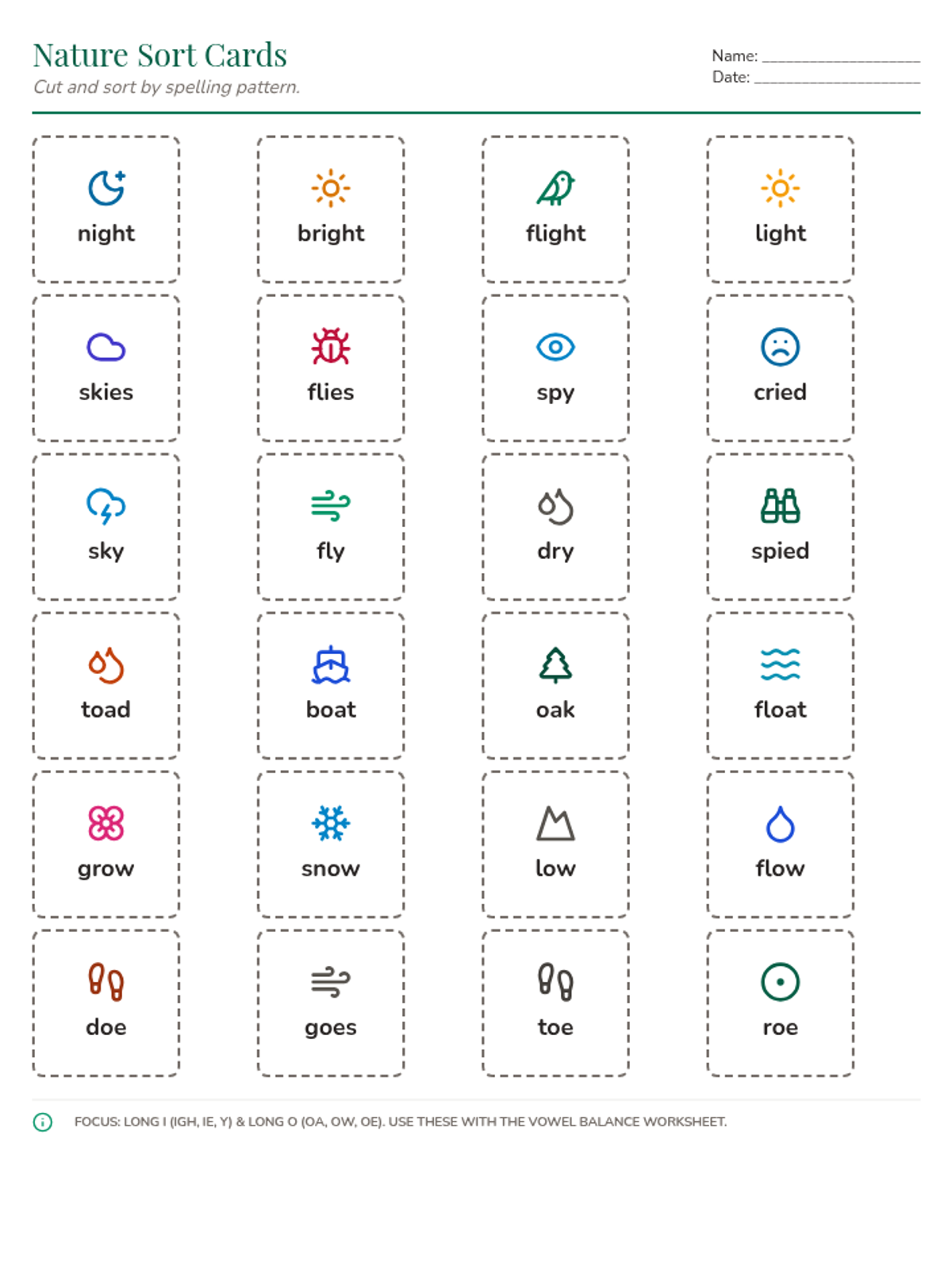
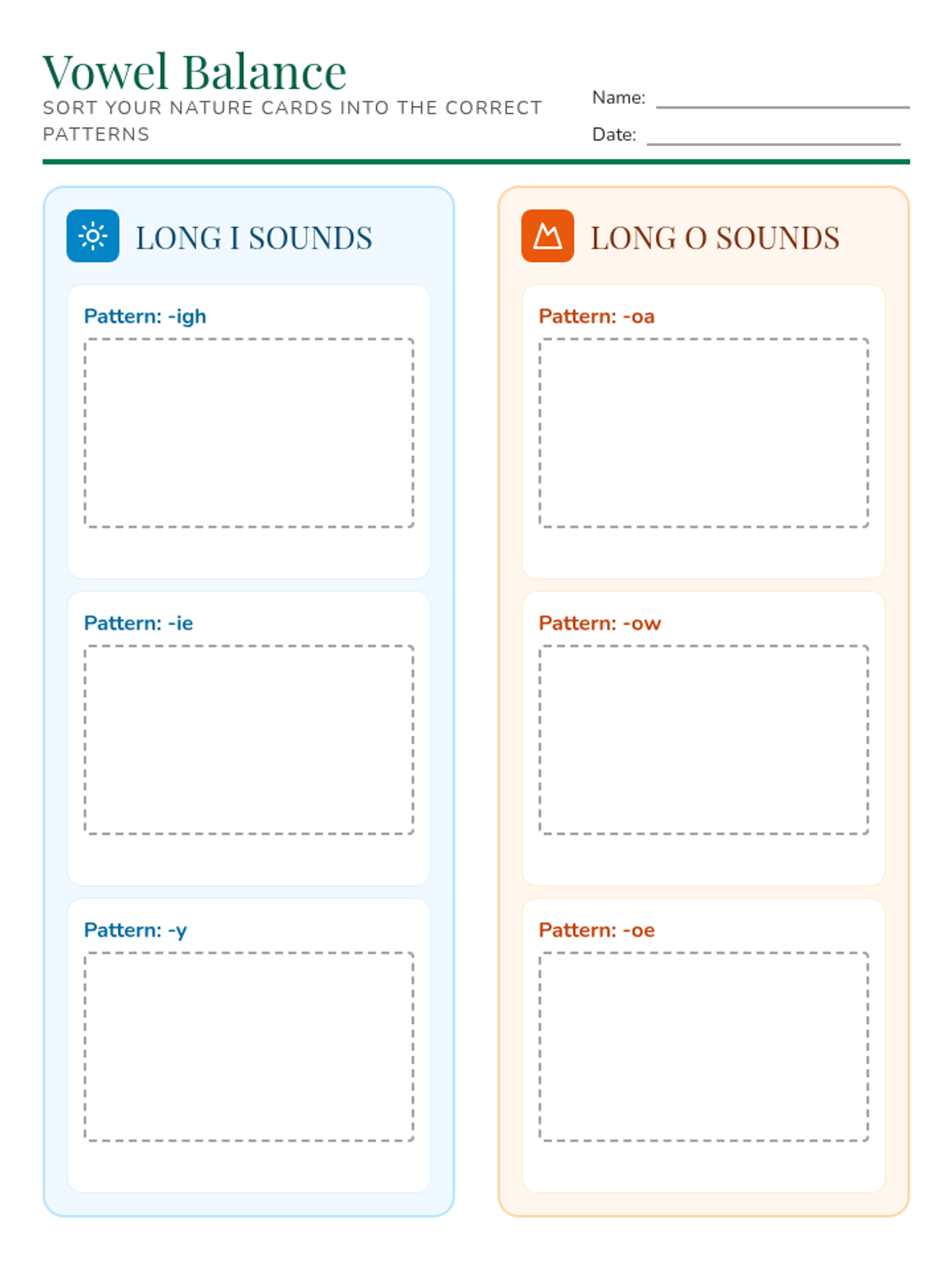
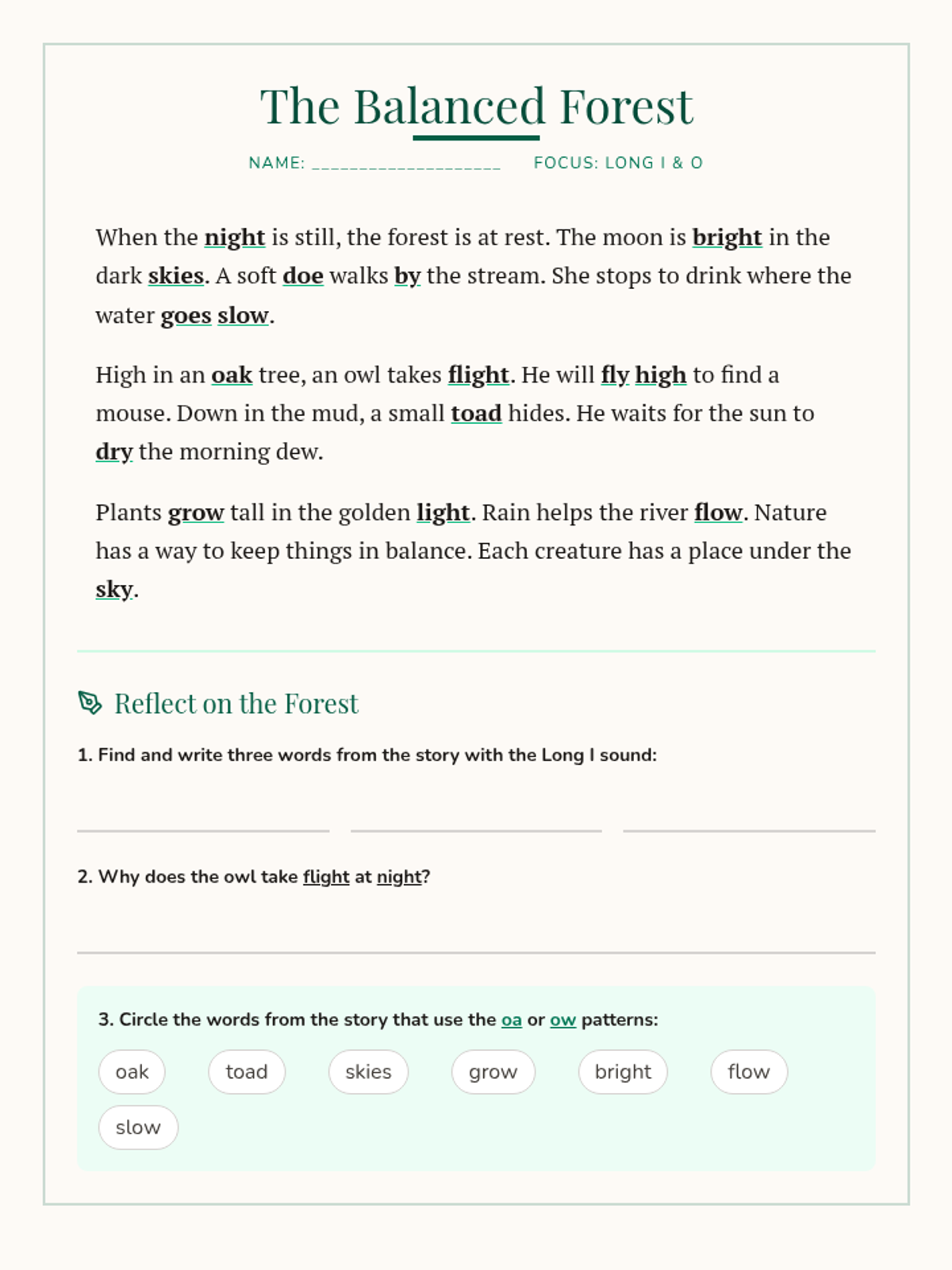
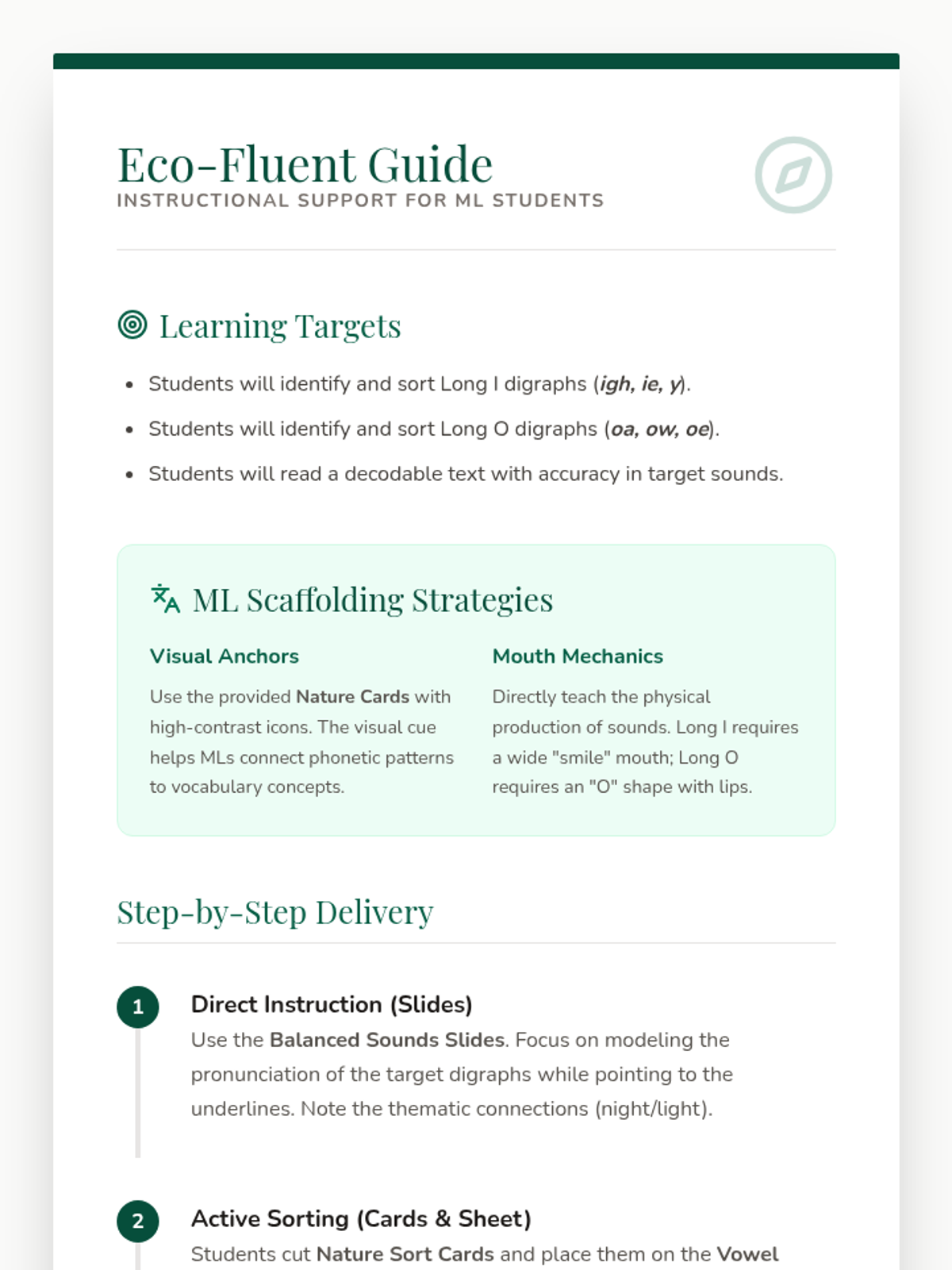
A targeted lesson on Long I (igh, ie, y) and Long O (oa, ow, oe) digraphs using nature-themed vocabulary and decodable text.
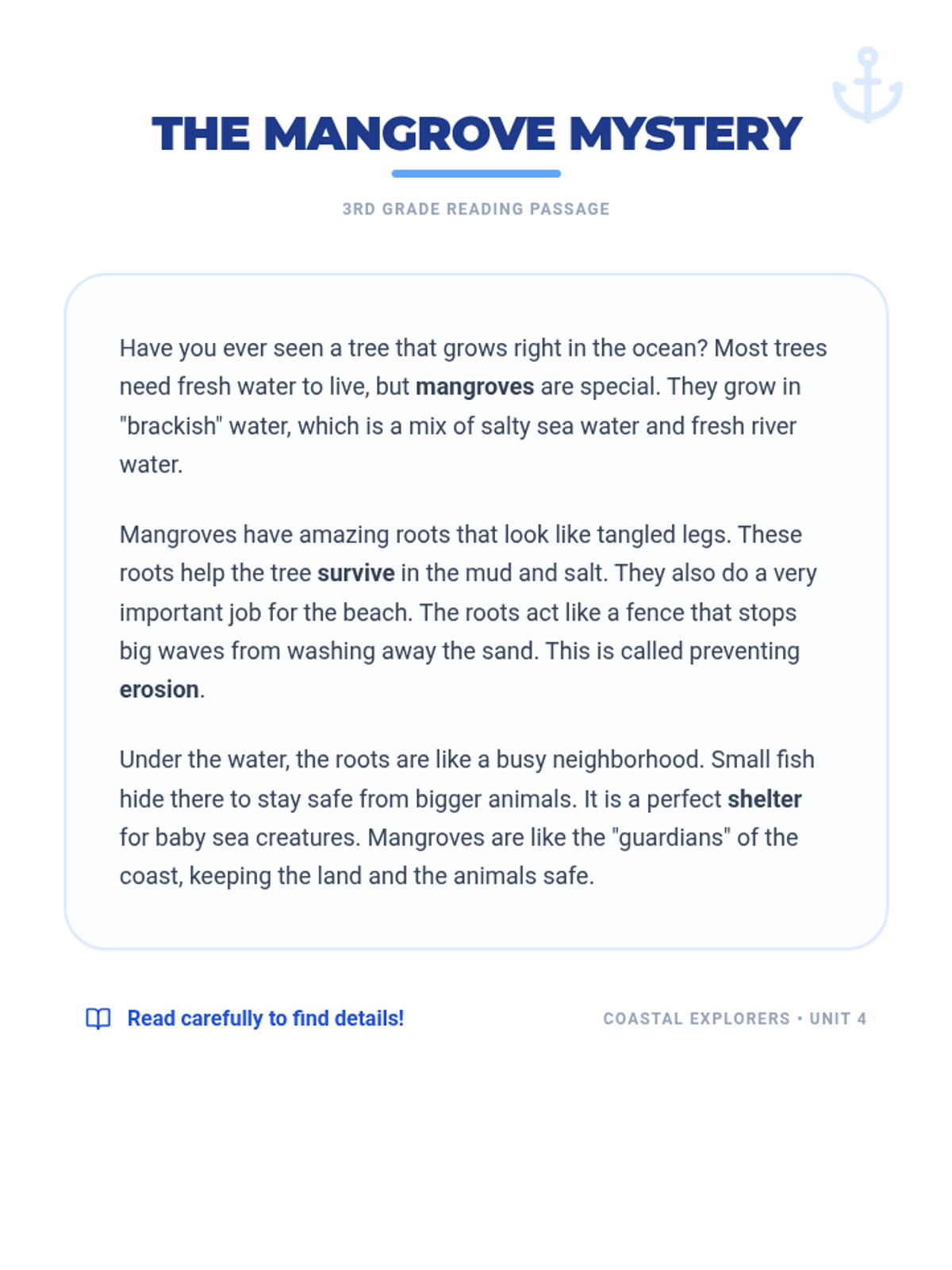
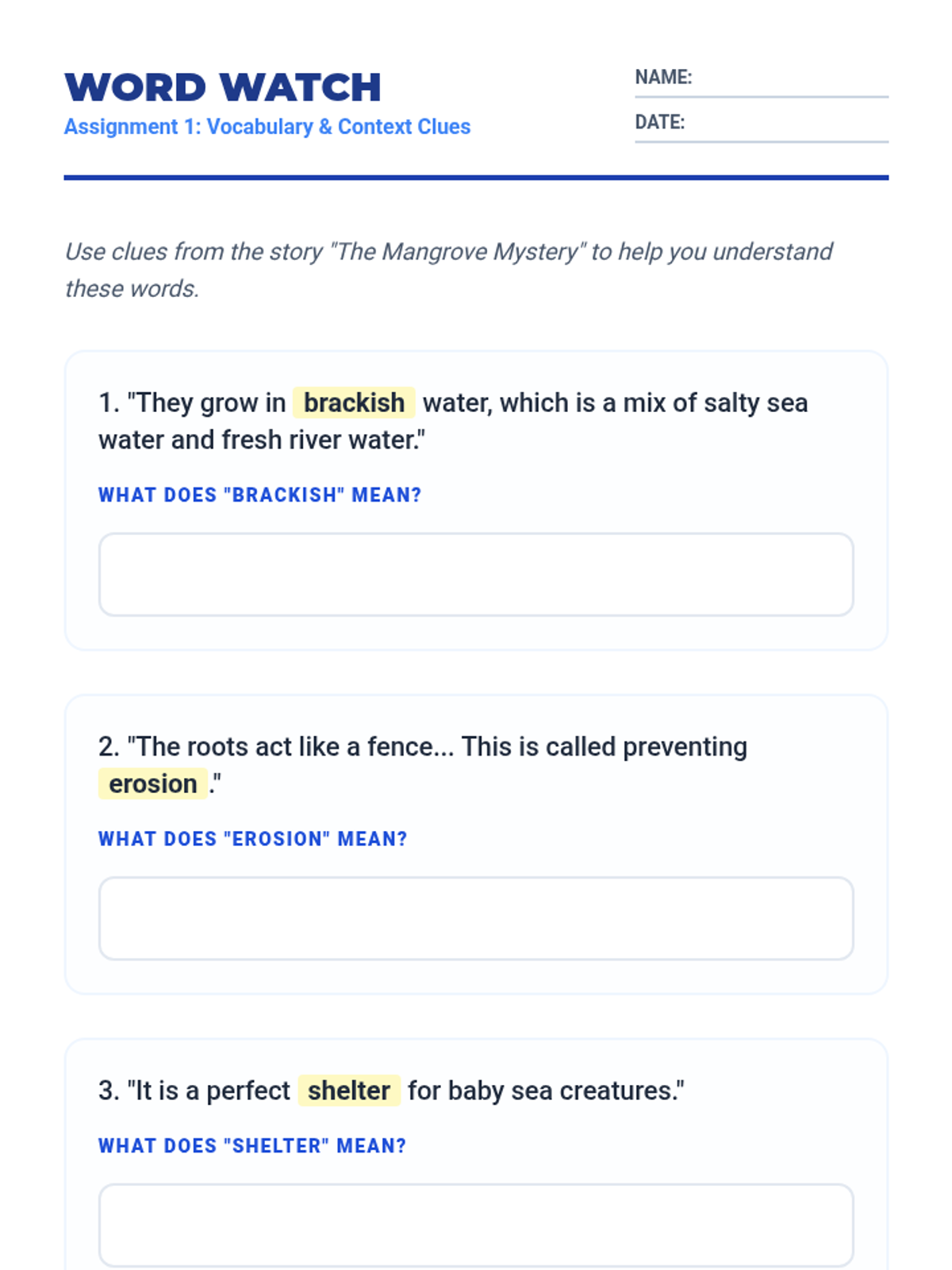
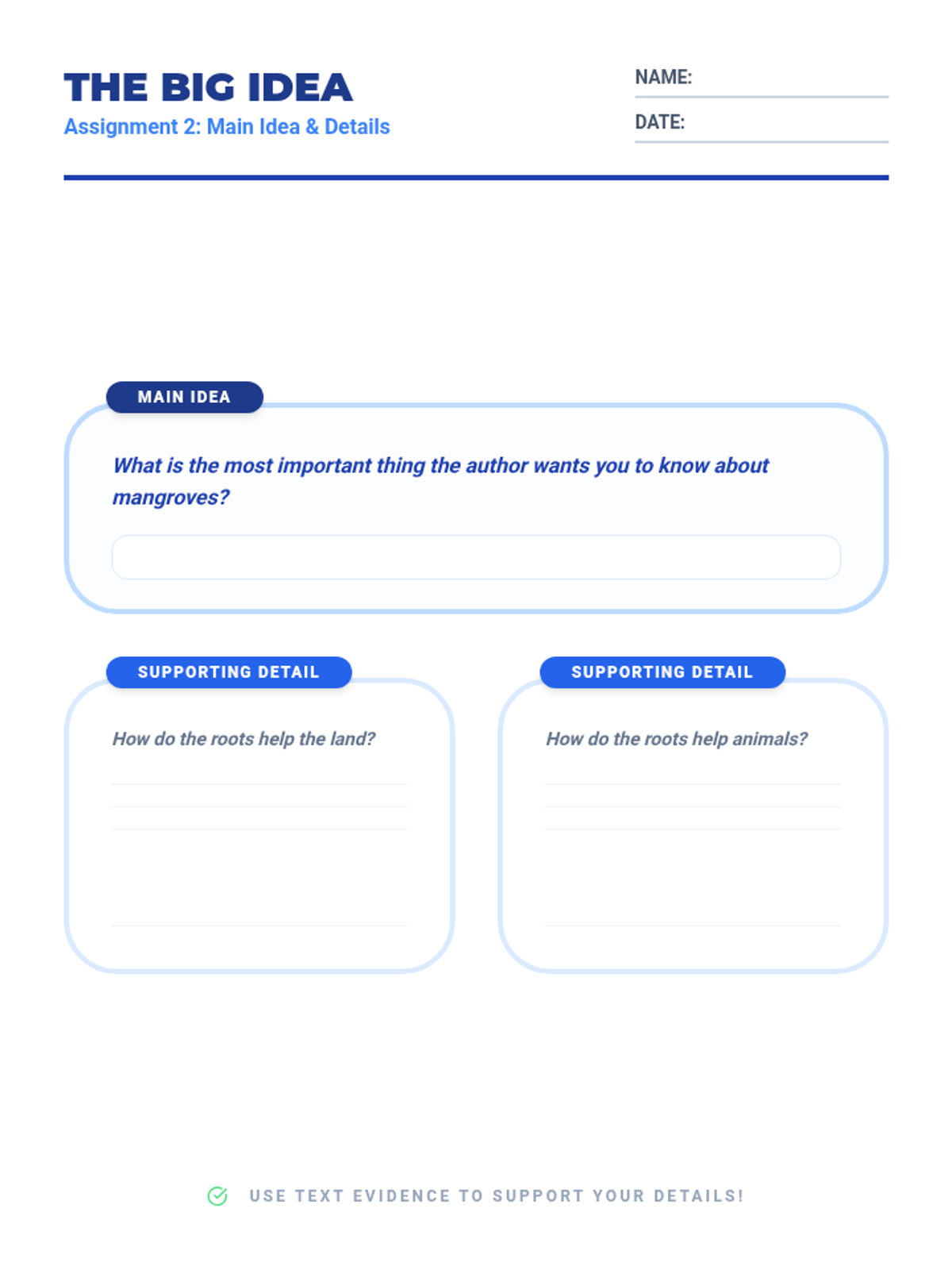
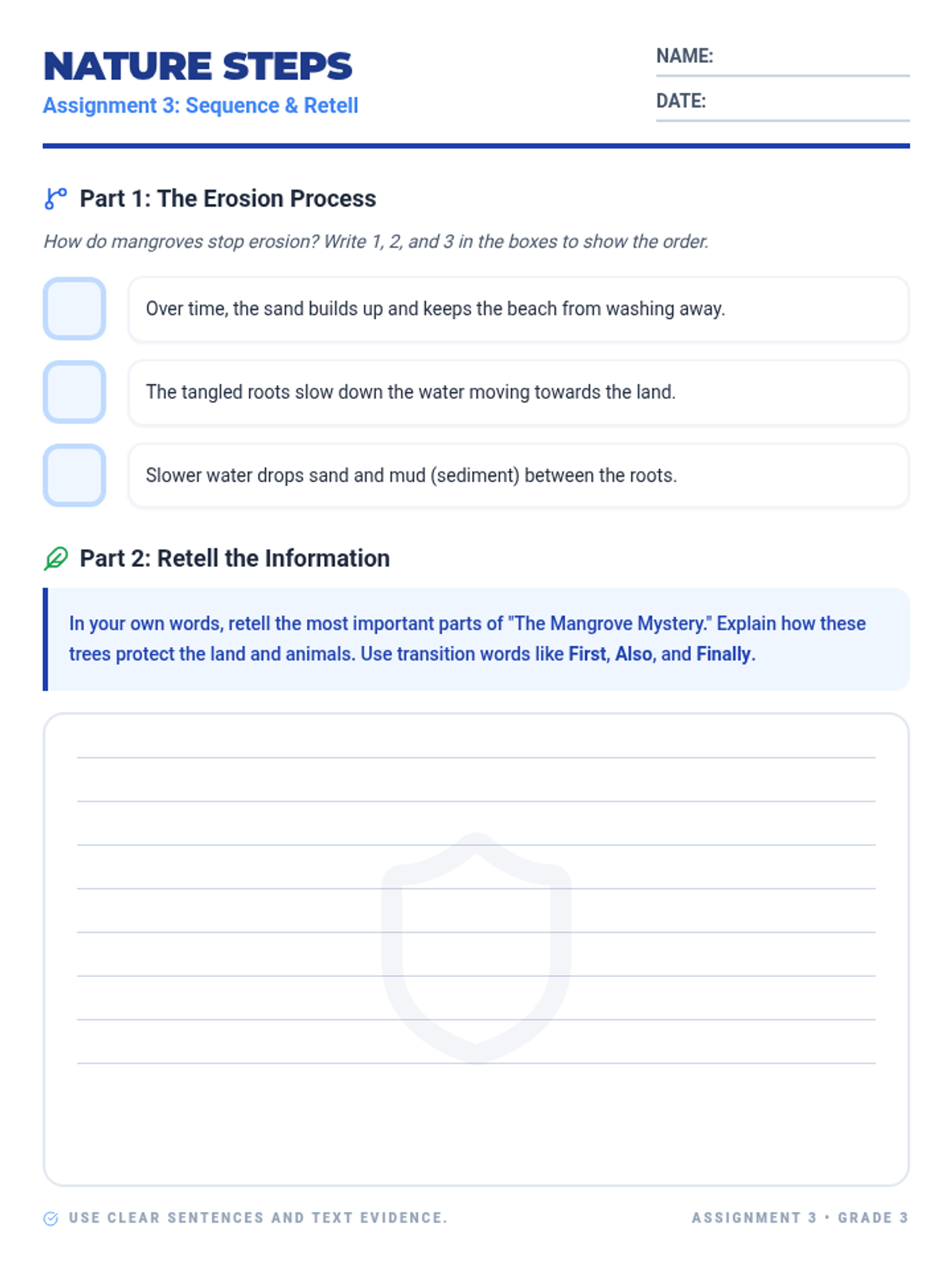
Third-grade level informational reading focusing on coastal ecosystems. Students explore vocabulary, identify main ideas with supporting evidence, and sequence natural processes through accessible text about mangrove forests.
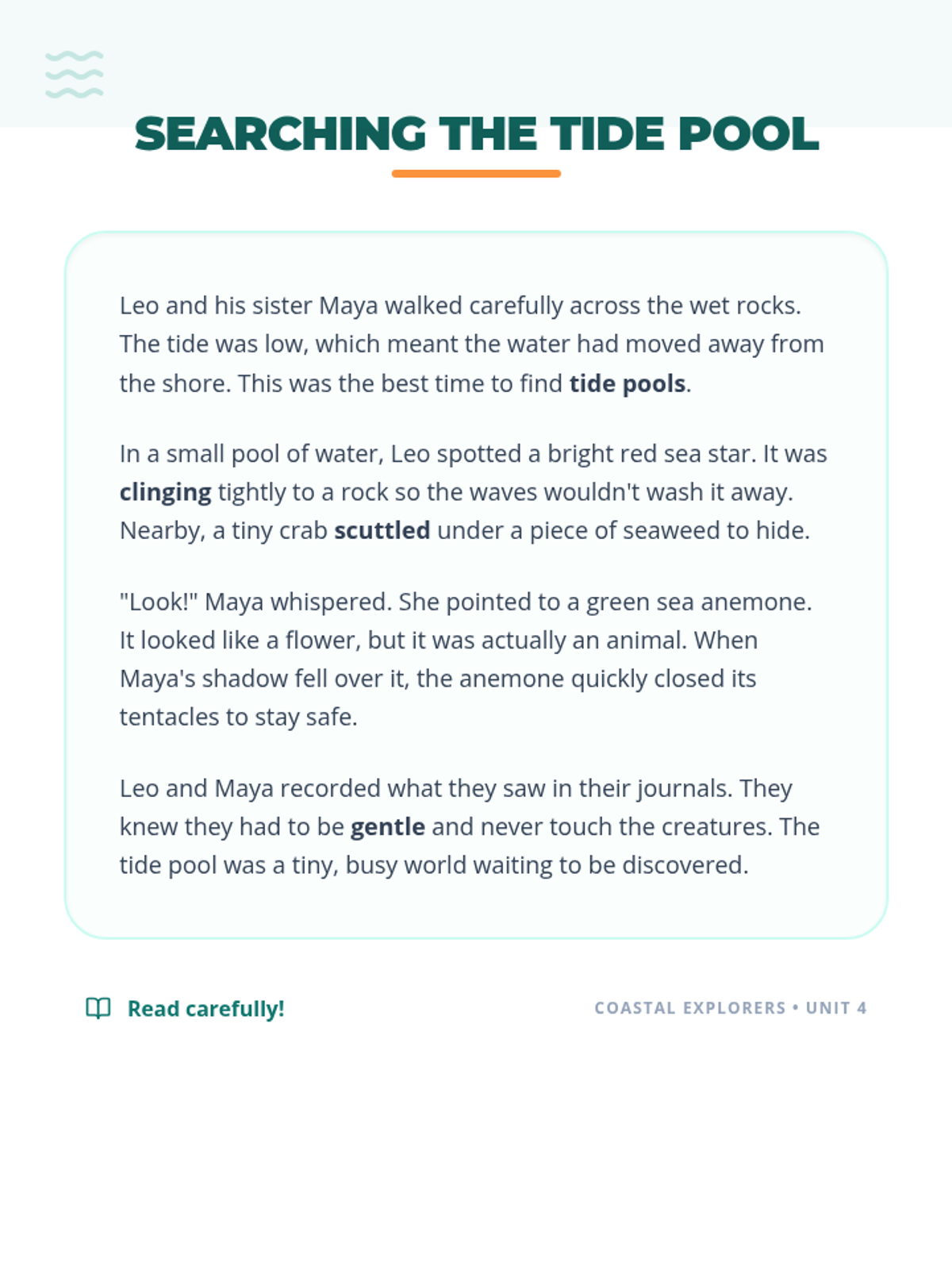
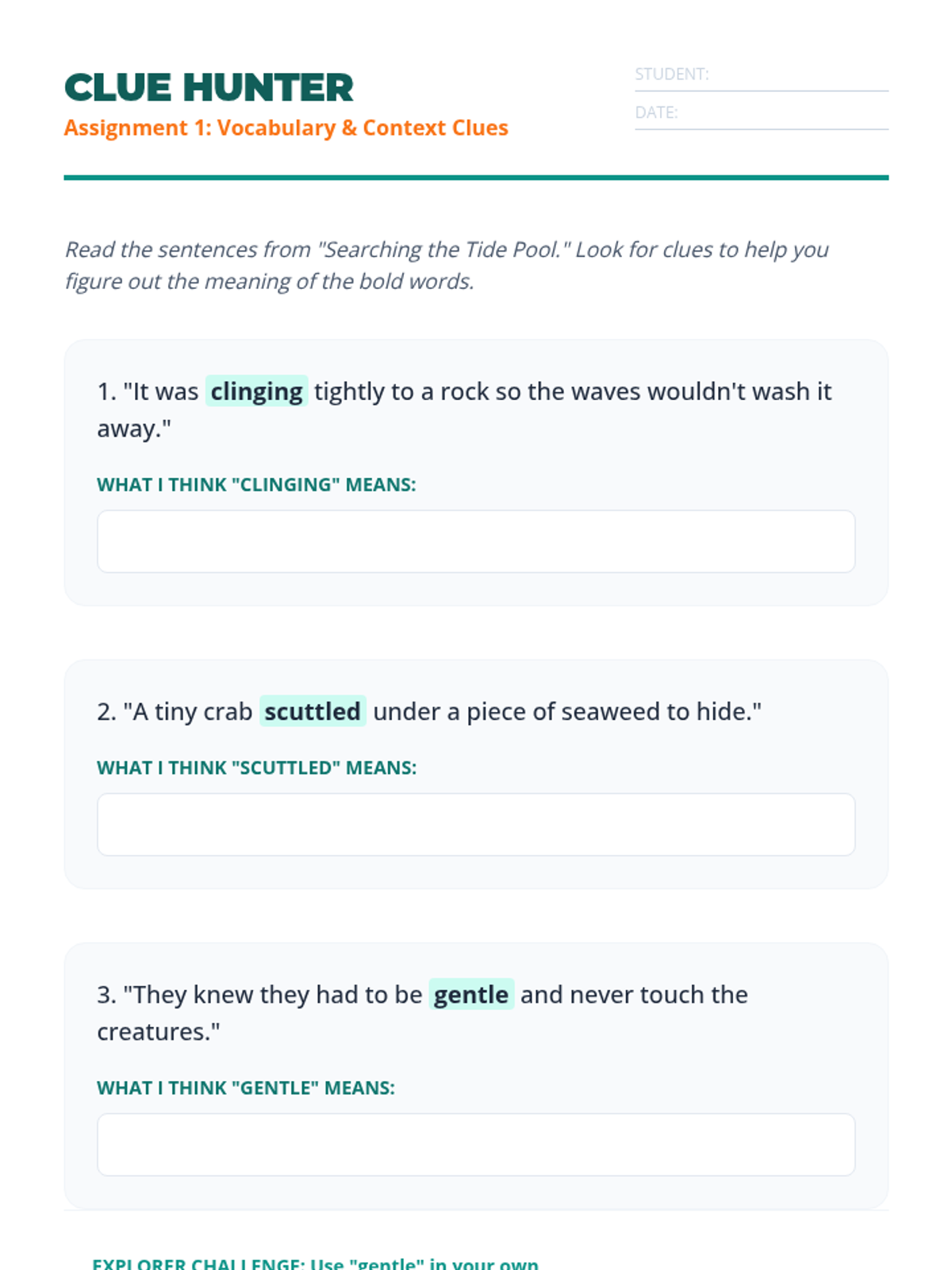
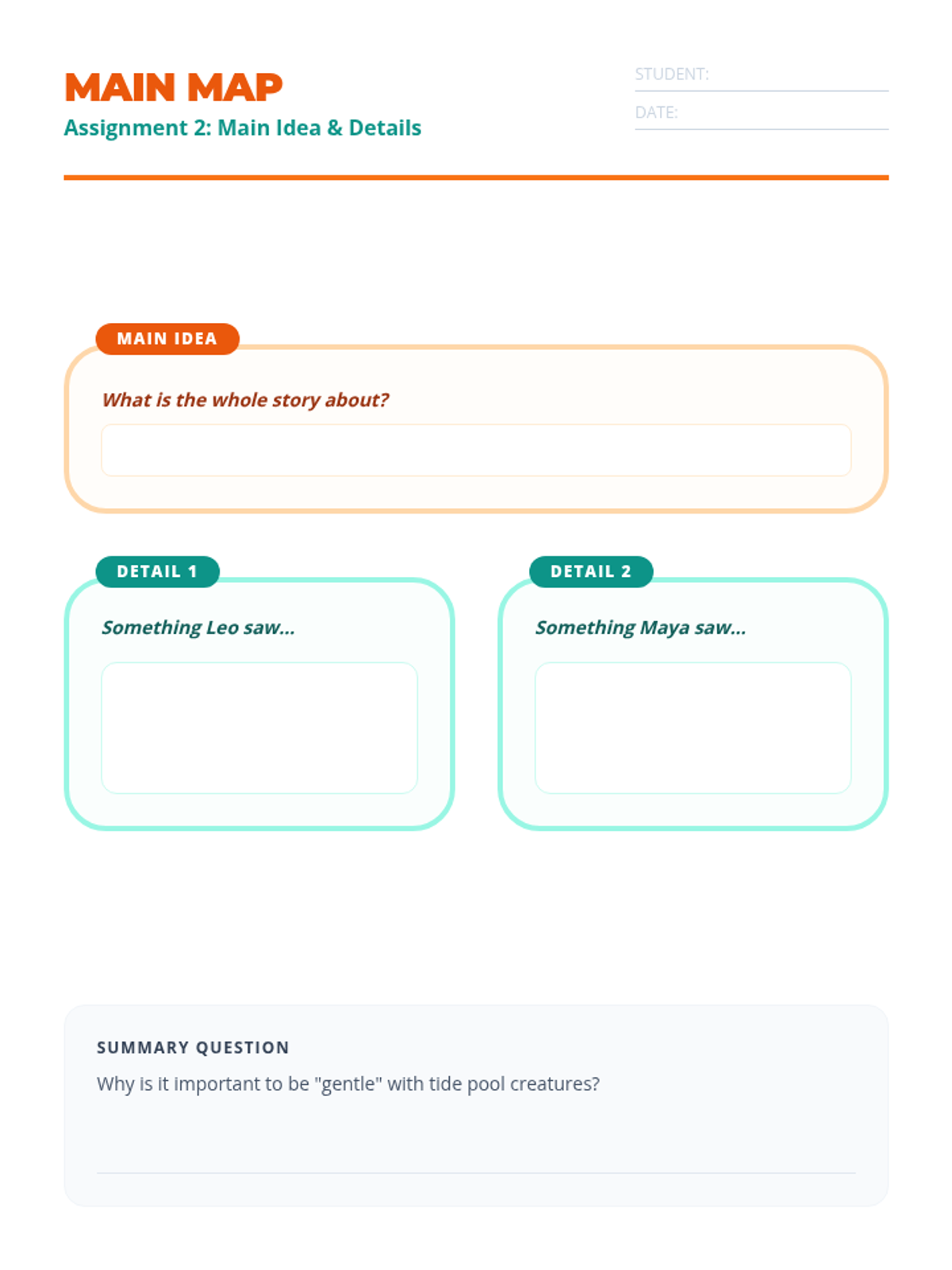
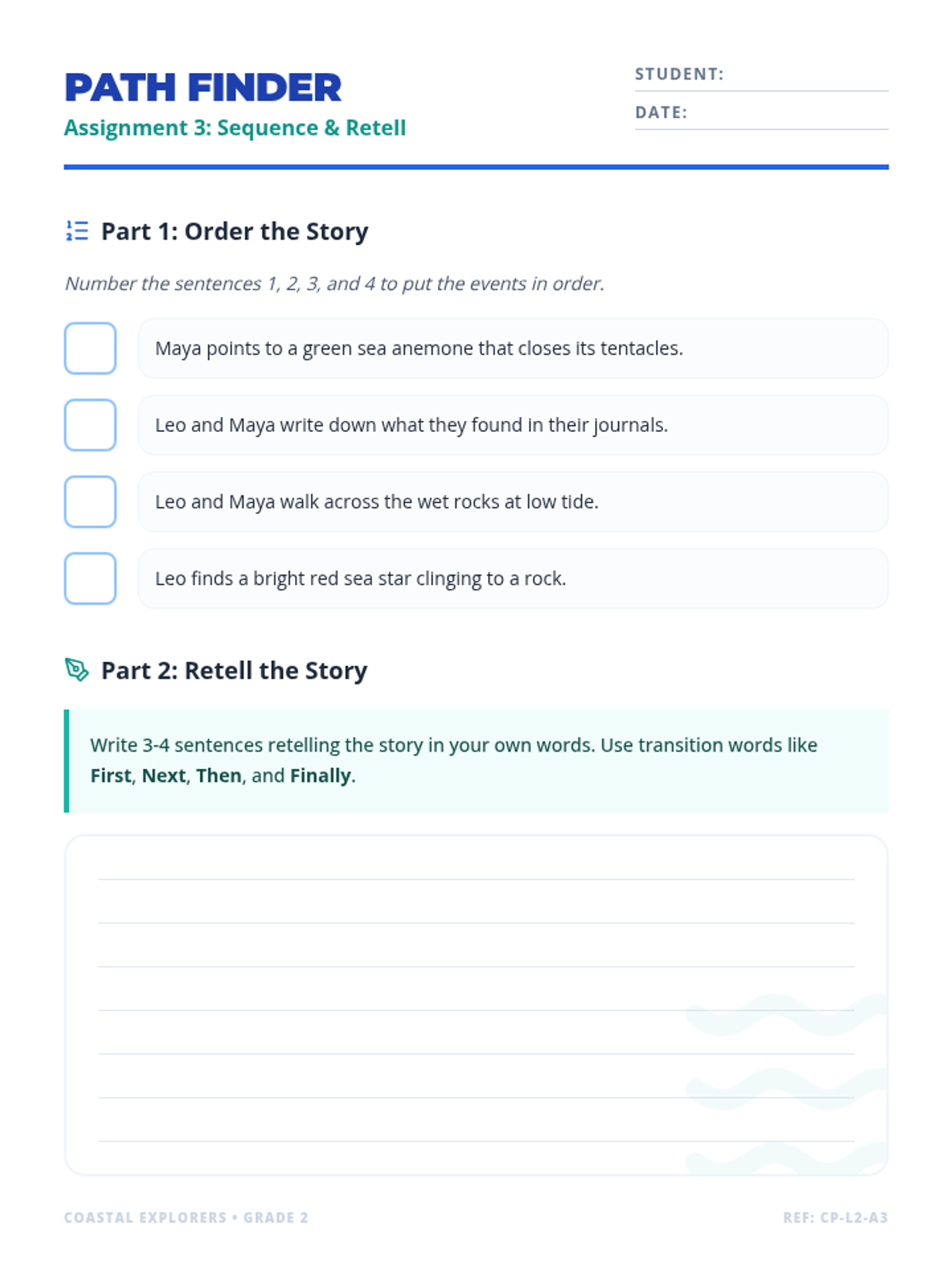
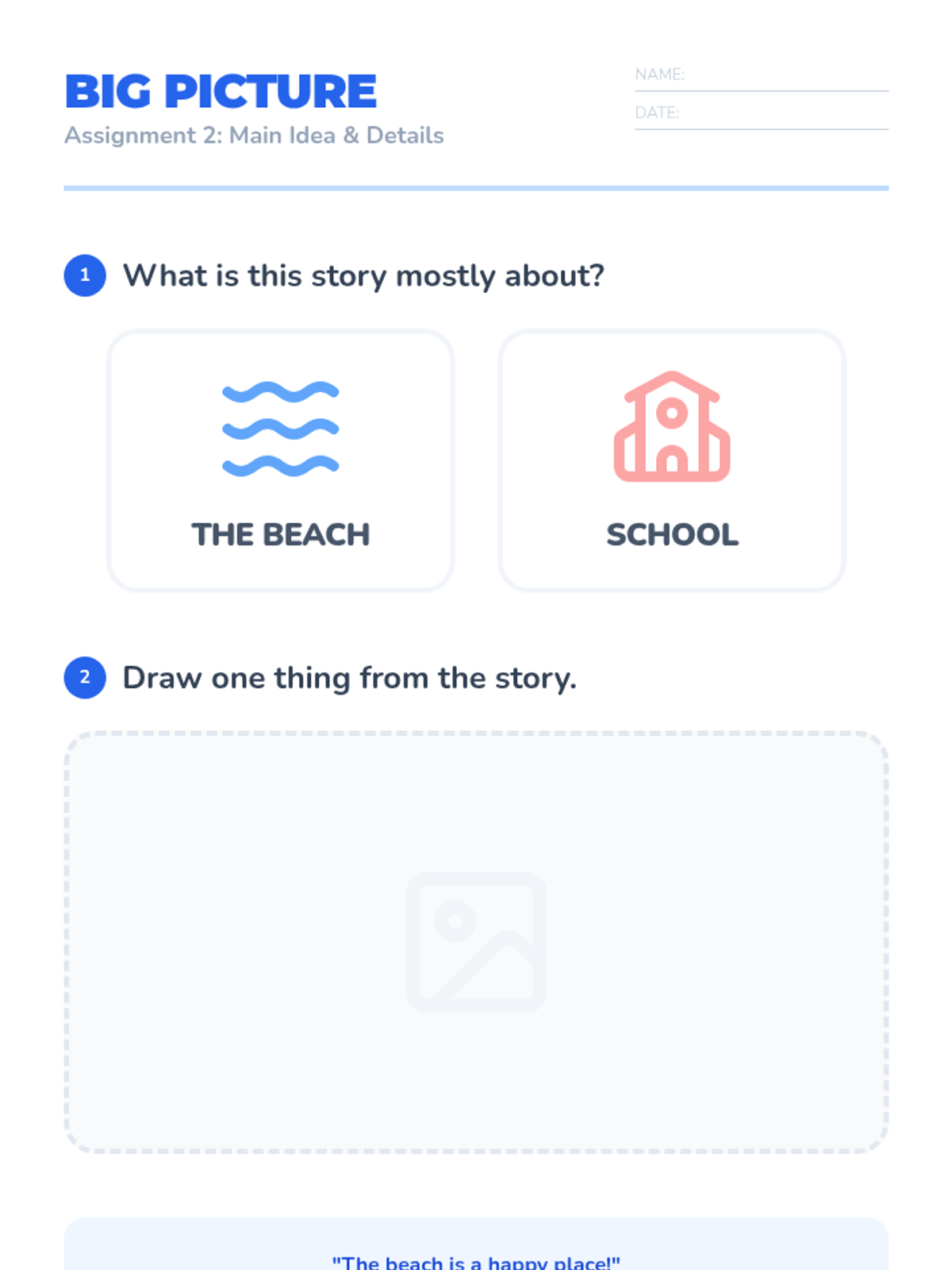
Second-grade level reading comprehension focusing on descriptive coastal vocabulary and identifying the main idea of narrative and informational texts. Students practice sequencing four-step events and supporting their answers with text evidence.
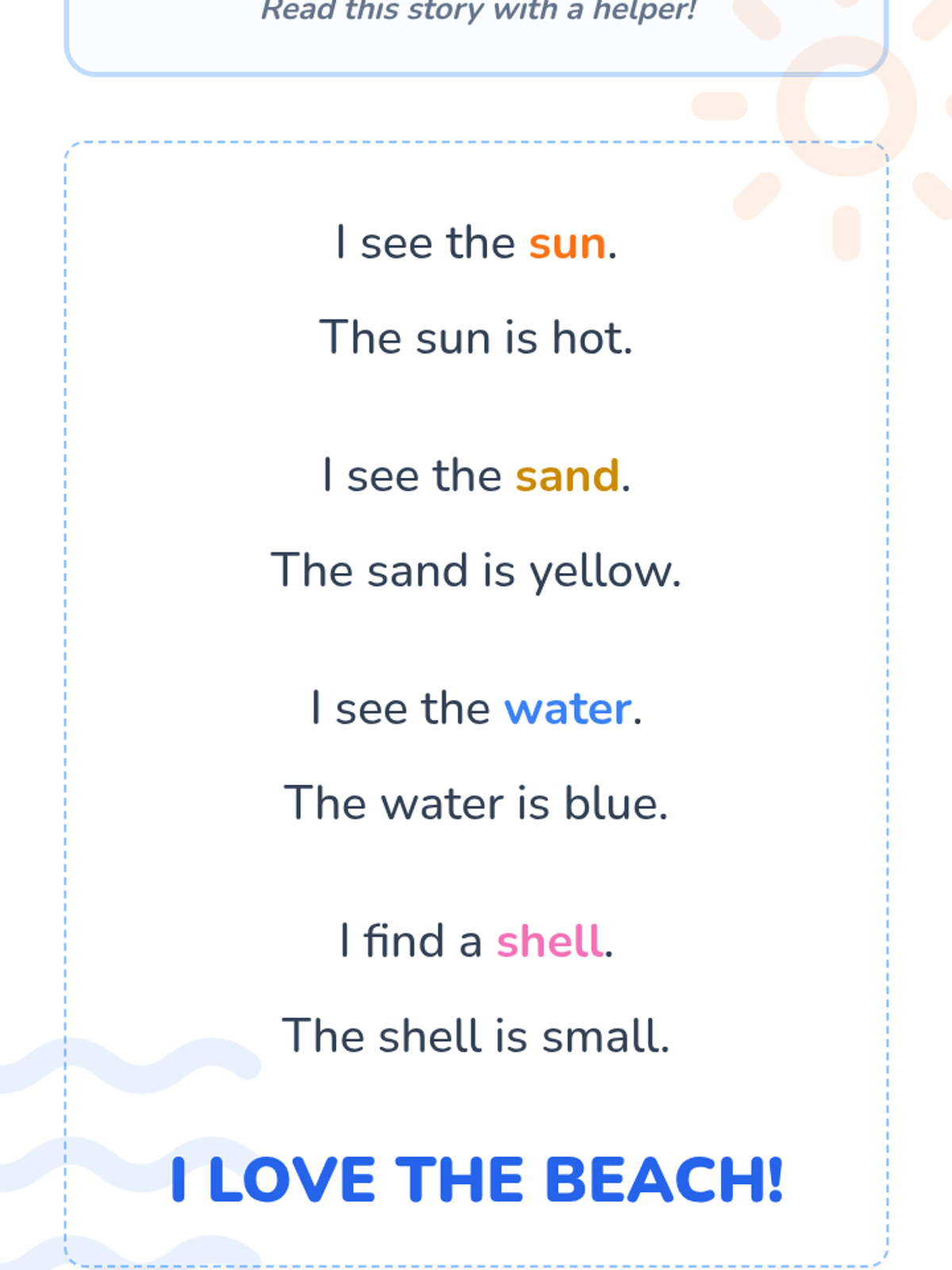
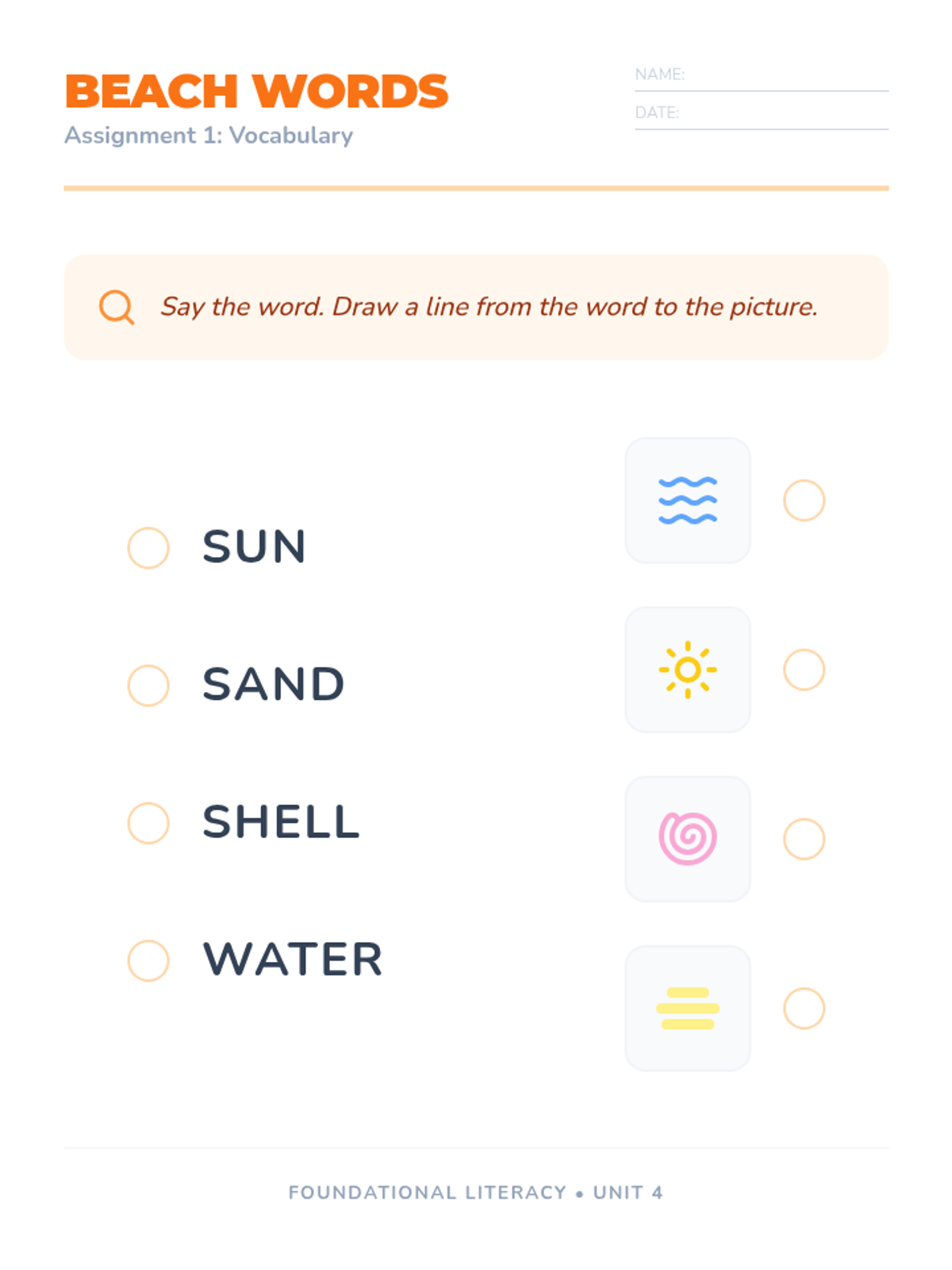
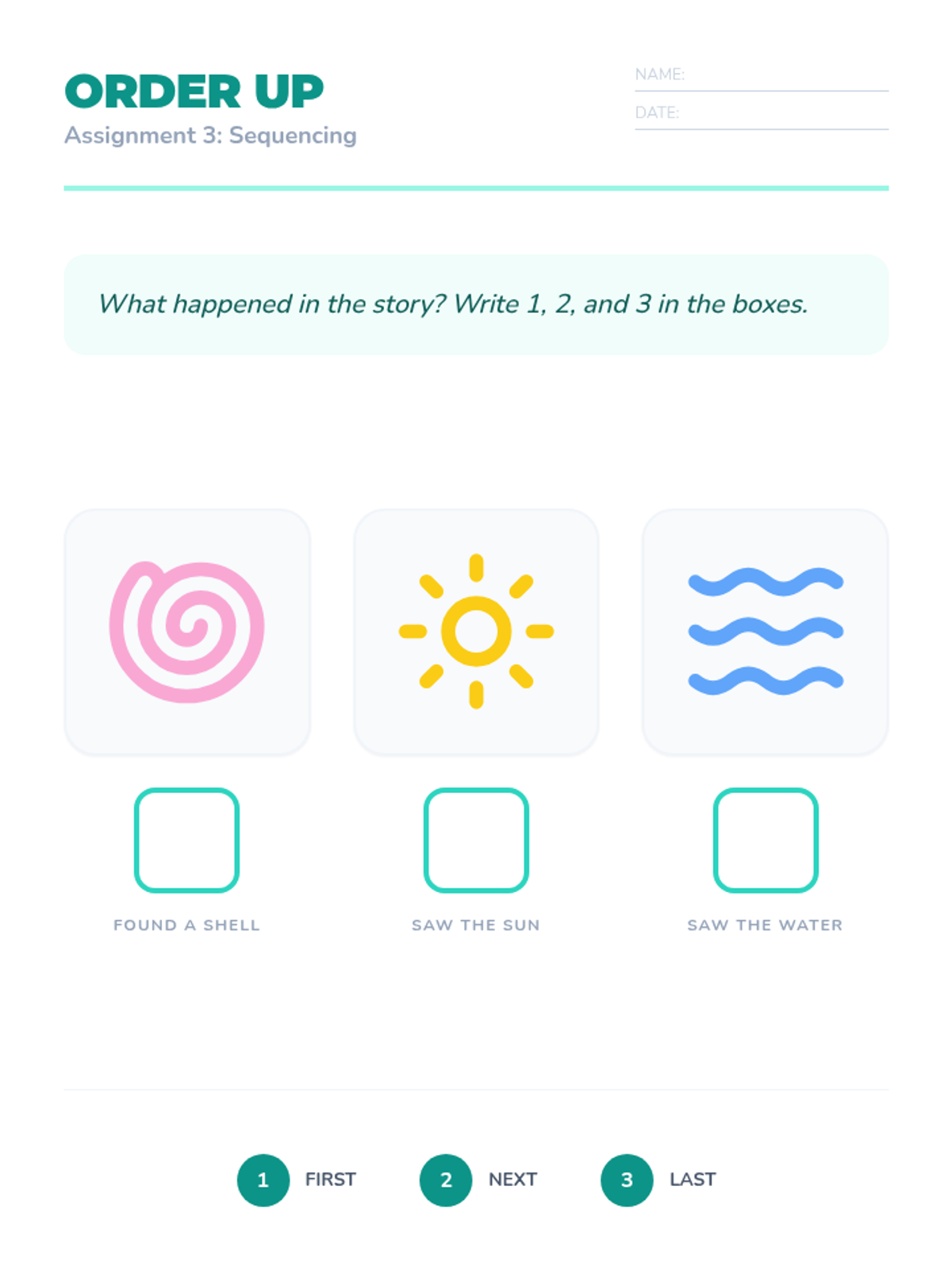
Foundational literacy skills for Kindergarten students focusing on basic beach vocabulary, simple sentence structures, and three-step sequencing. Activities include sight word practice, labeling, and identifying key details through illustration.
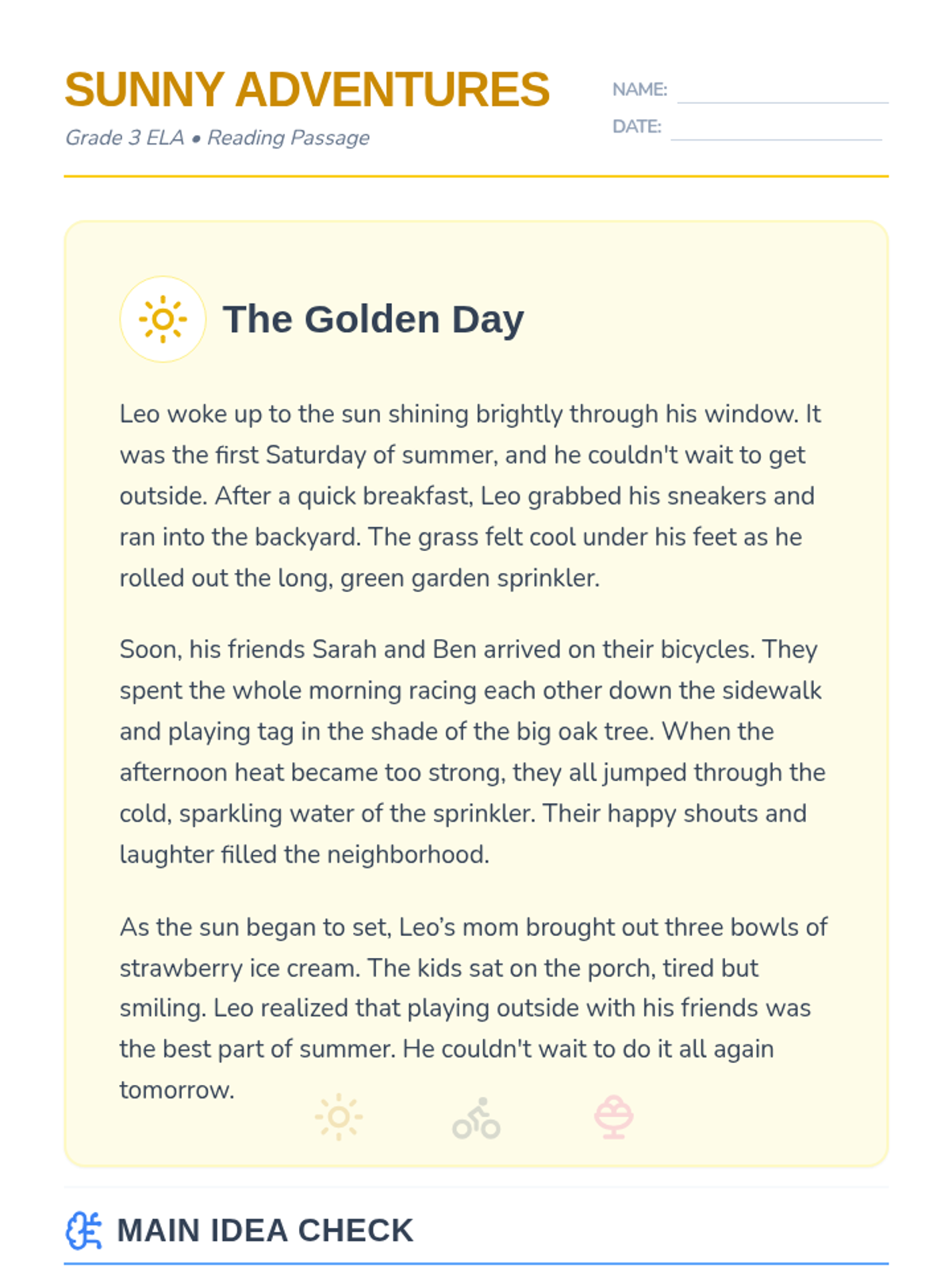
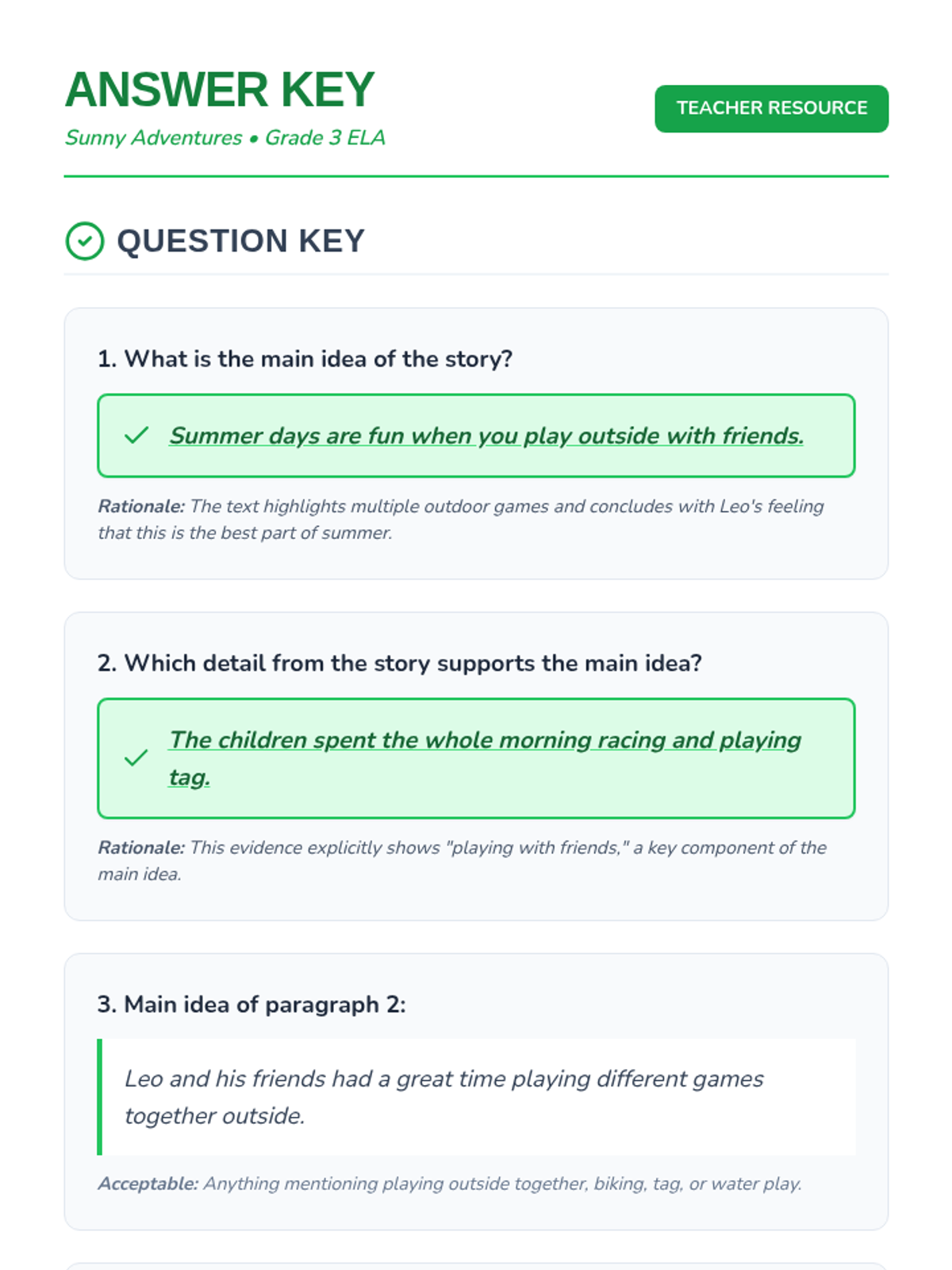
A Grade 3 ELA lesson focused on identifying the main idea within a simple narrative about summer fun. Students read a short story and answer targeted comprehension questions.
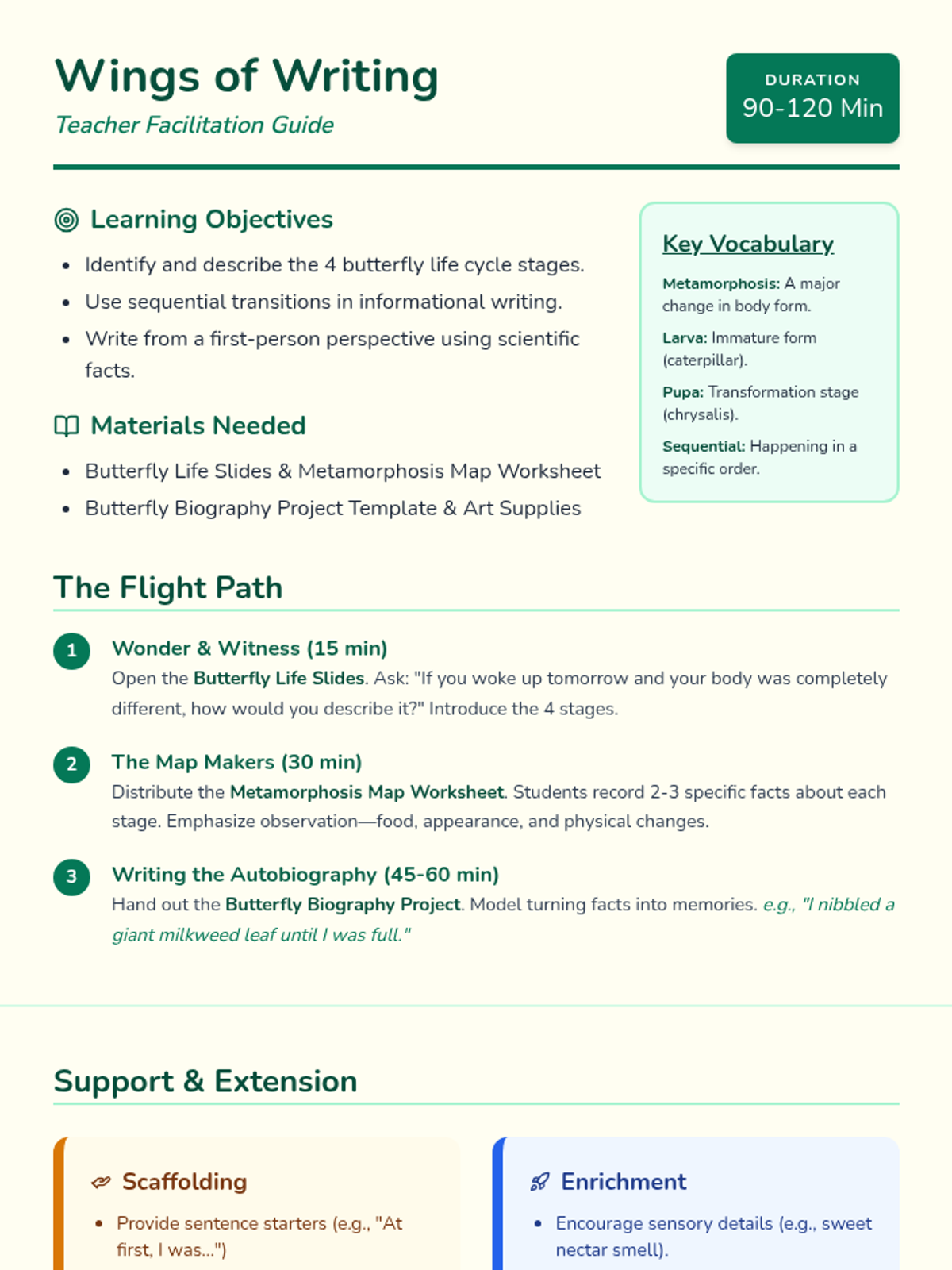
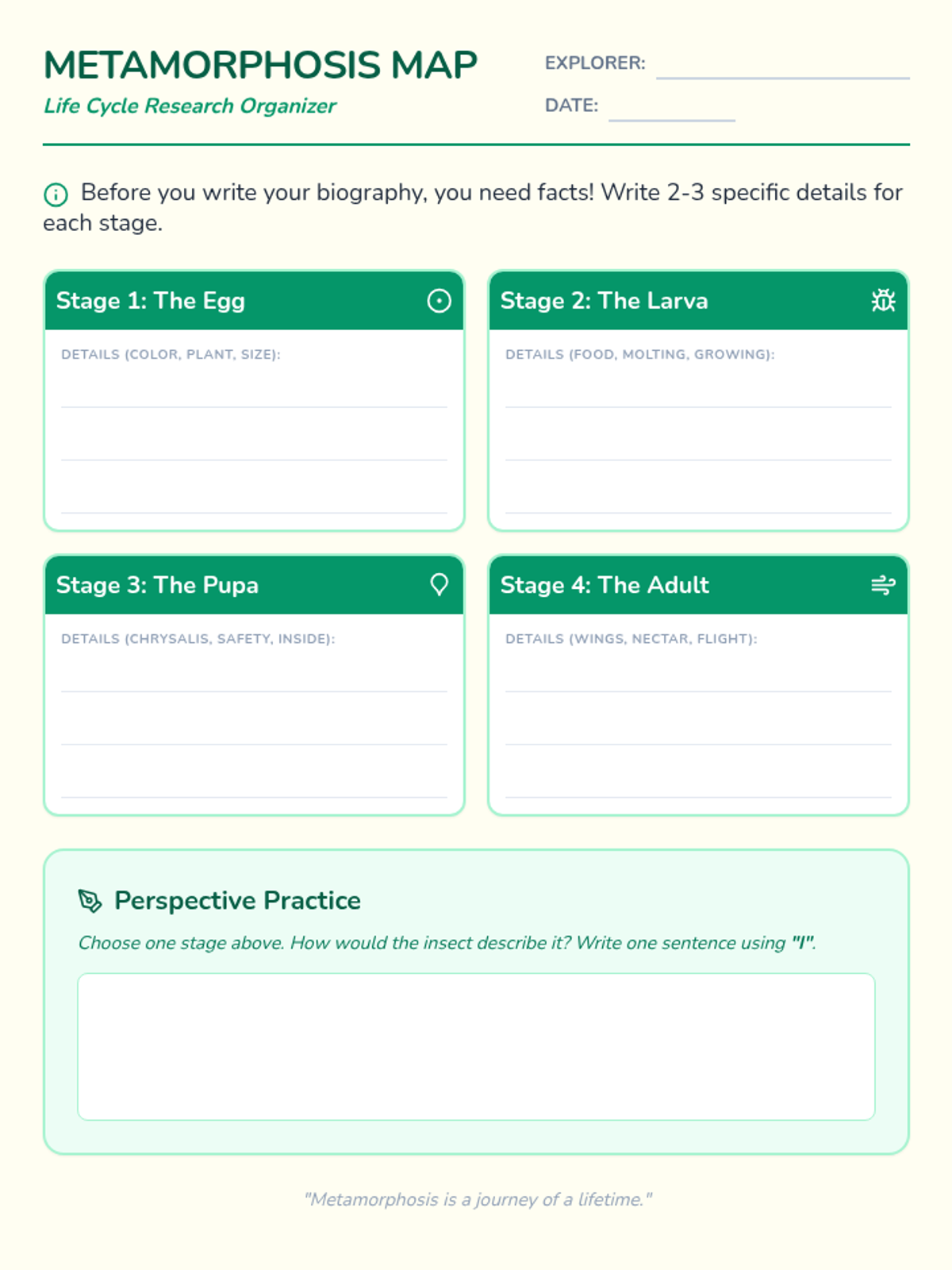
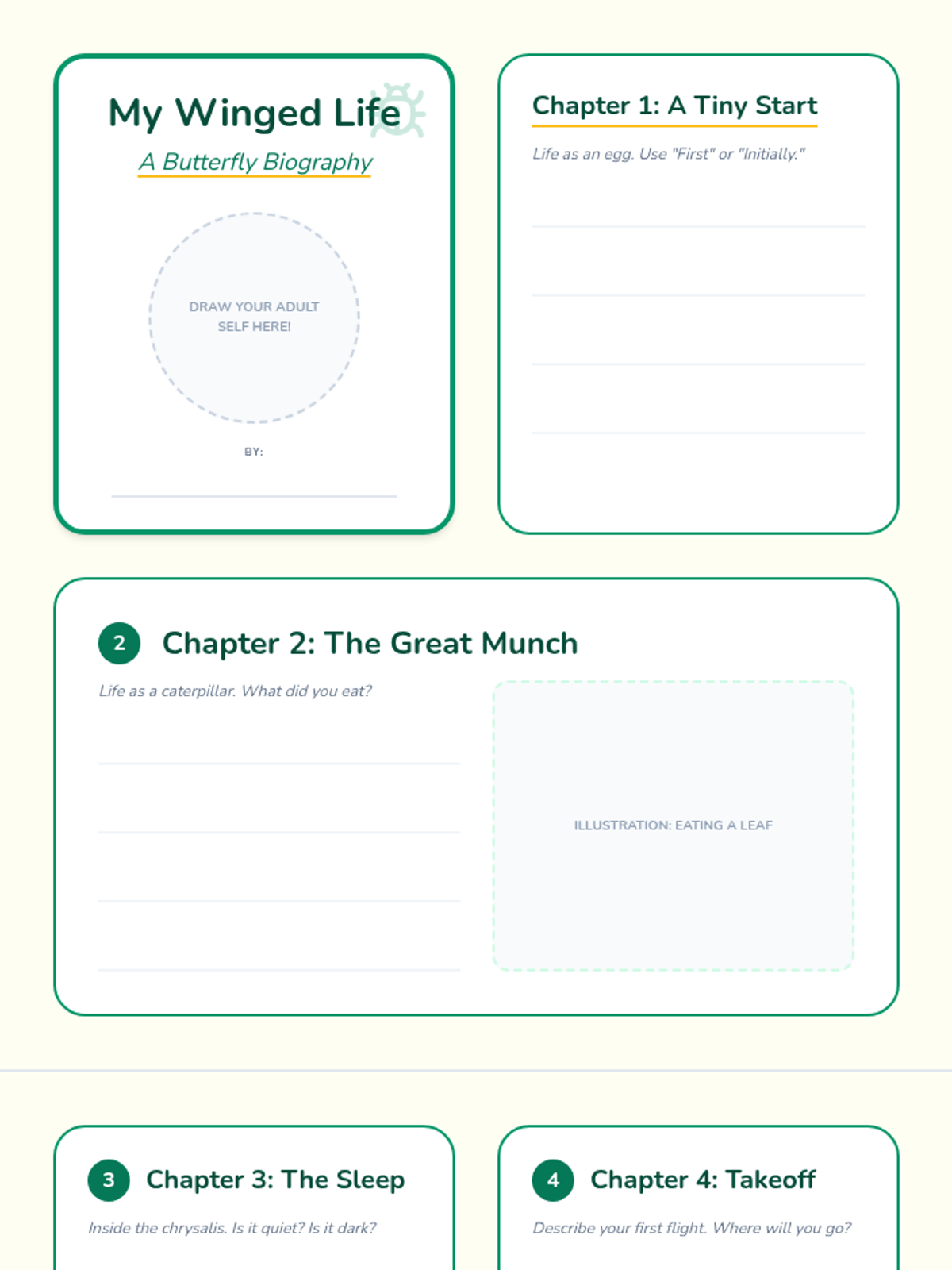
In this integrated science and ELA lesson, students research the four stages of a butterfly's life cycle to write a creative first-person biography. Students practice using sequential transitions and descriptive language to transform scientific facts into a compelling narrative from the insect's perspective.
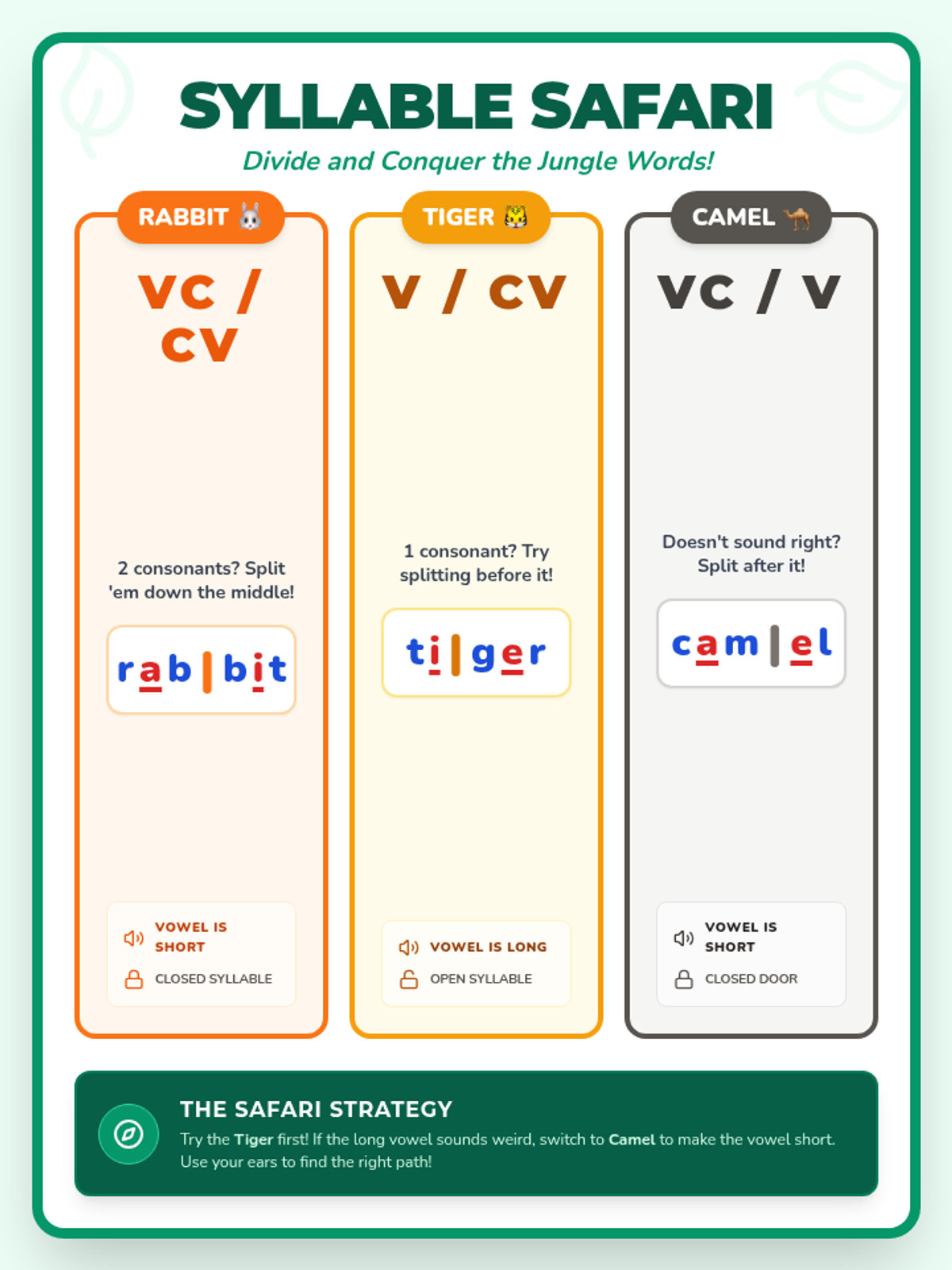
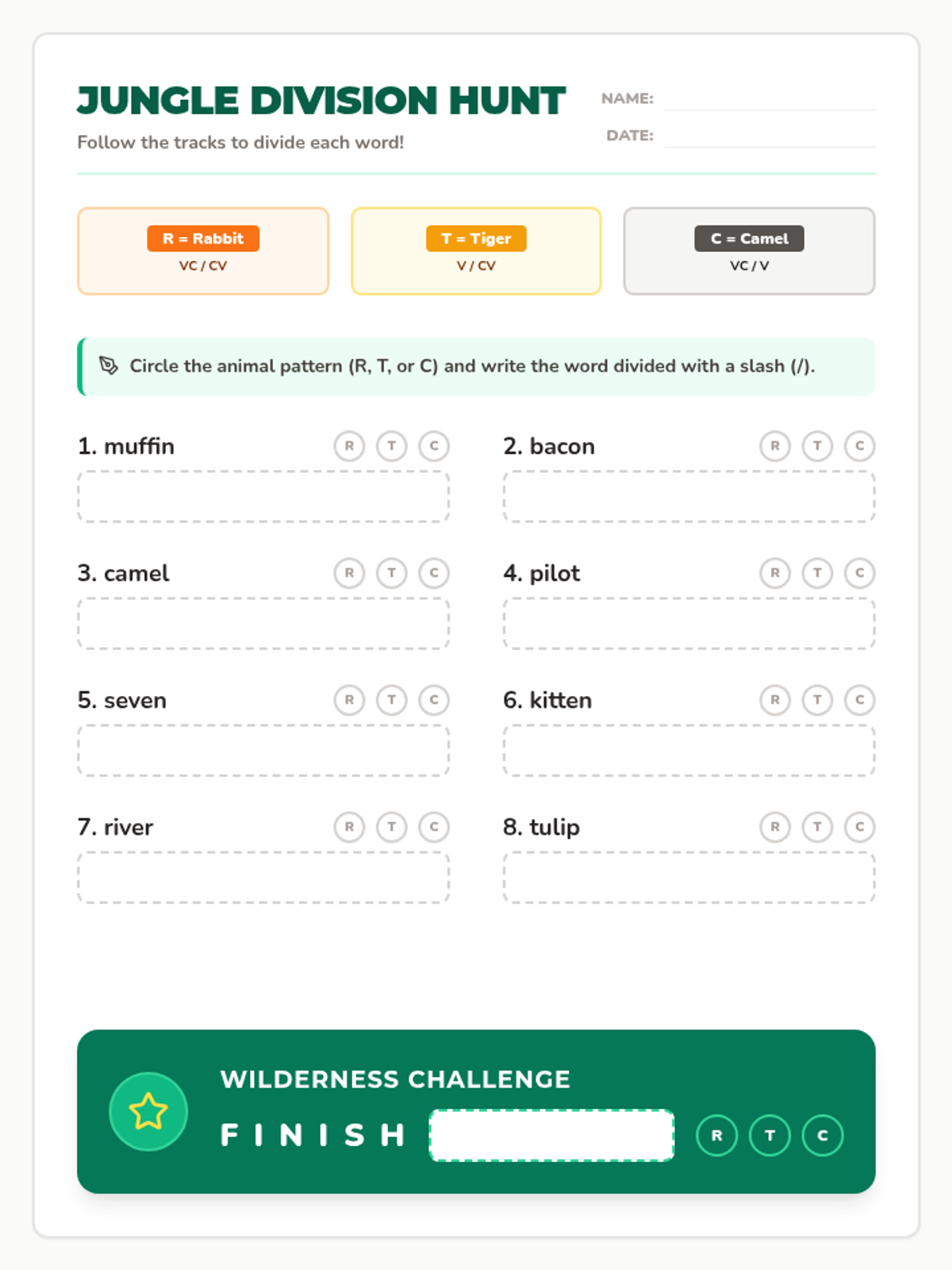
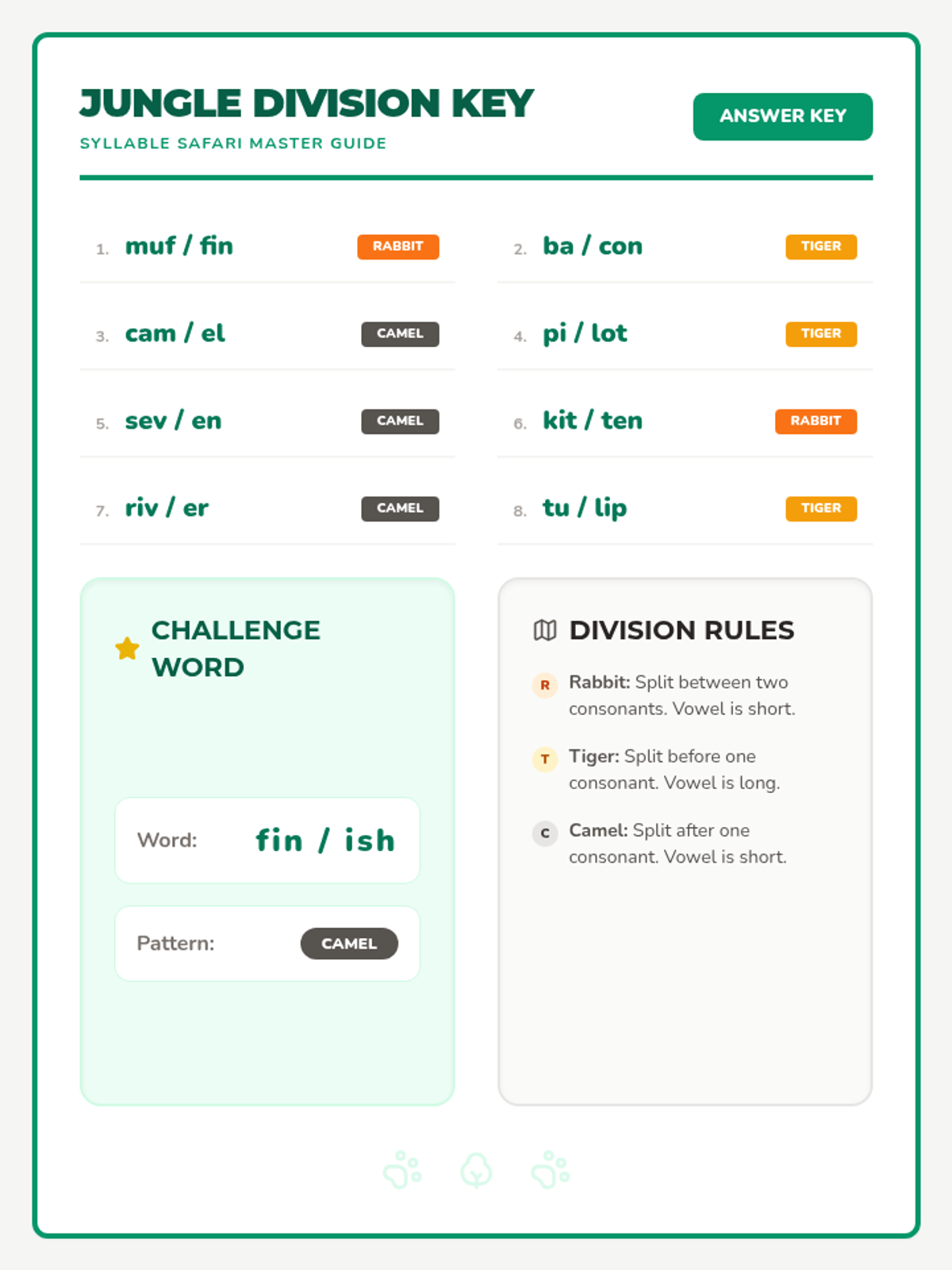
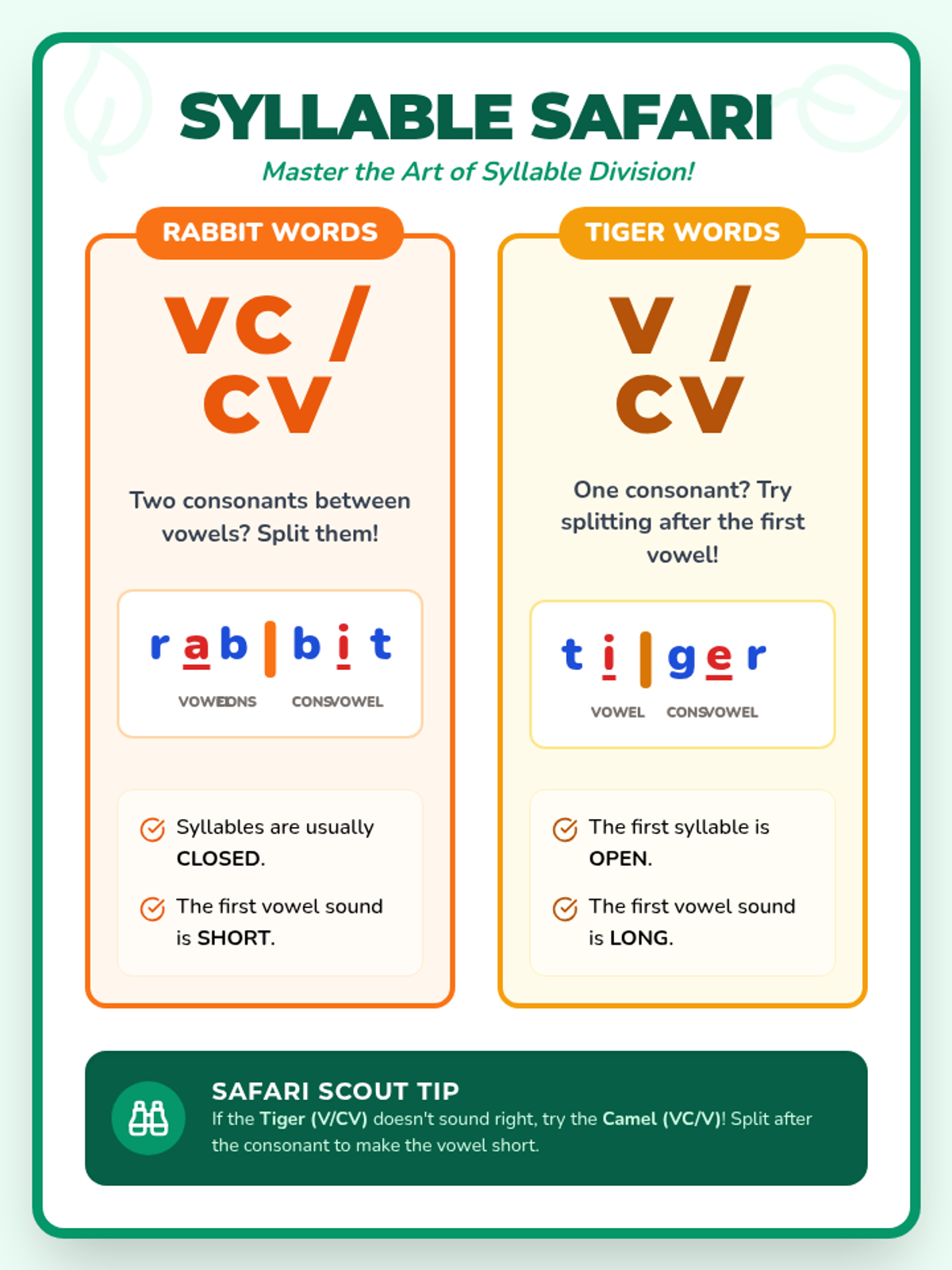
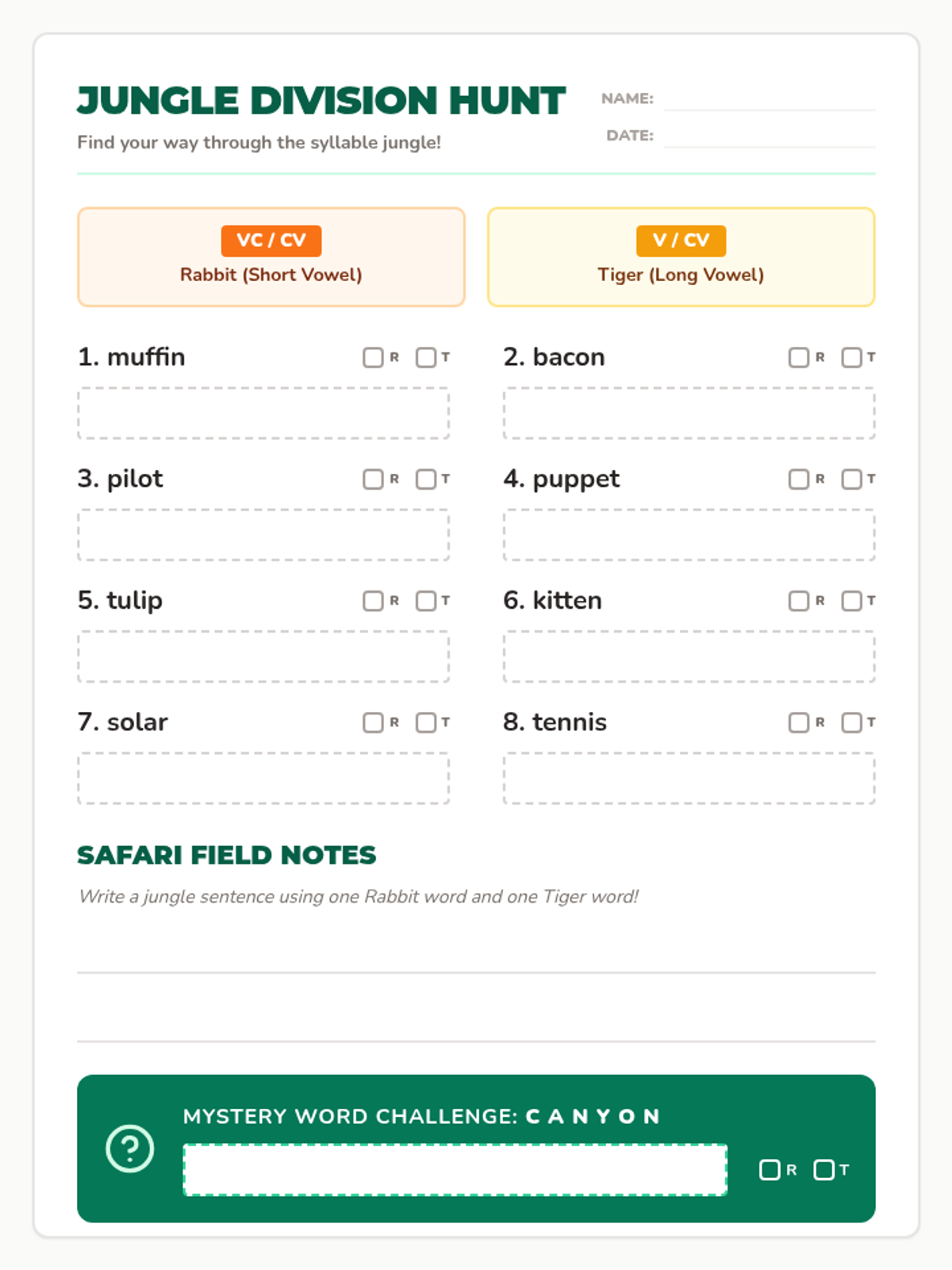
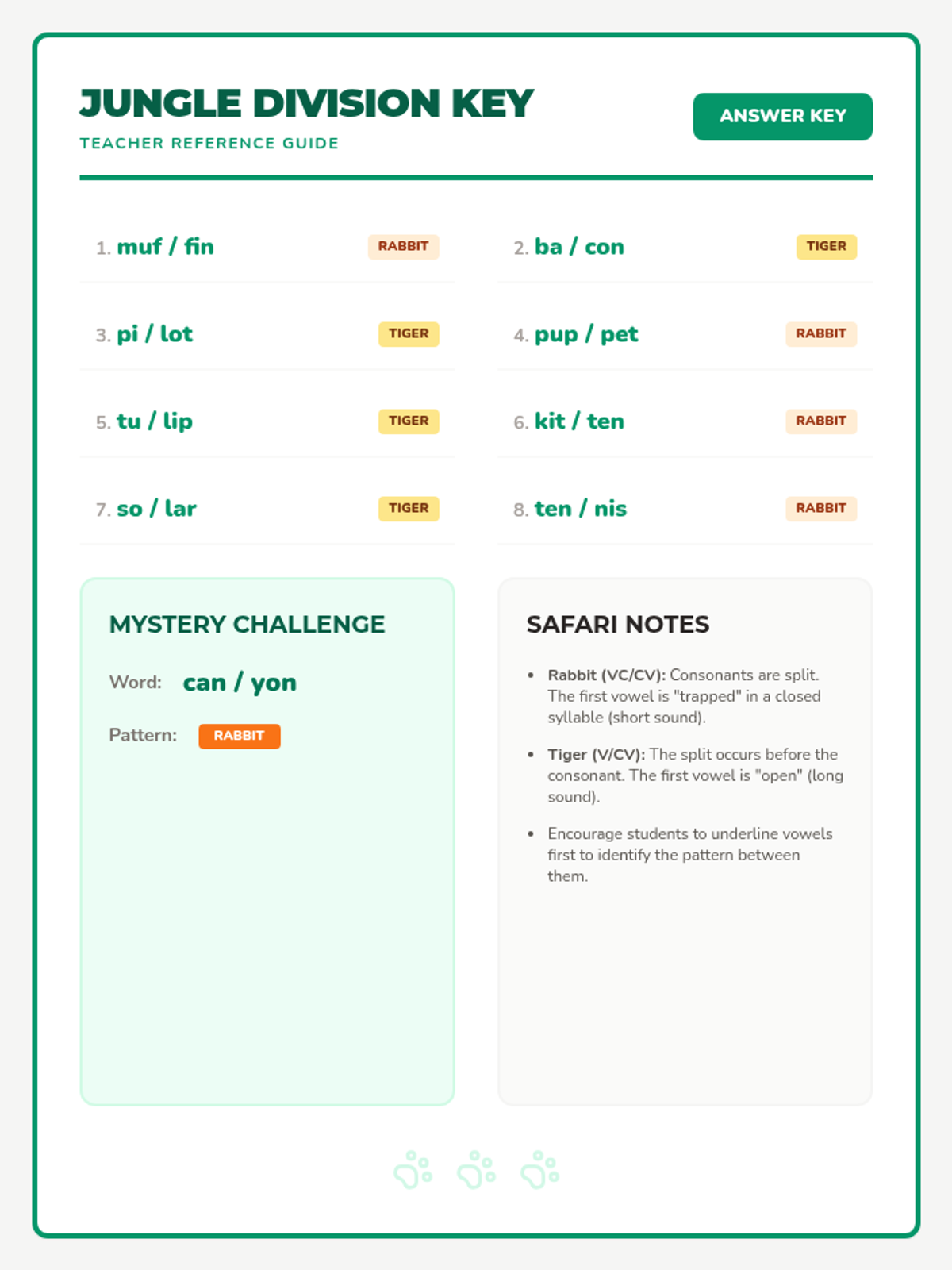
A focused lesson on dividing words with rabbit (VC/CV) and tiger (V/CV) syllable patterns through a jungle-themed exploration.
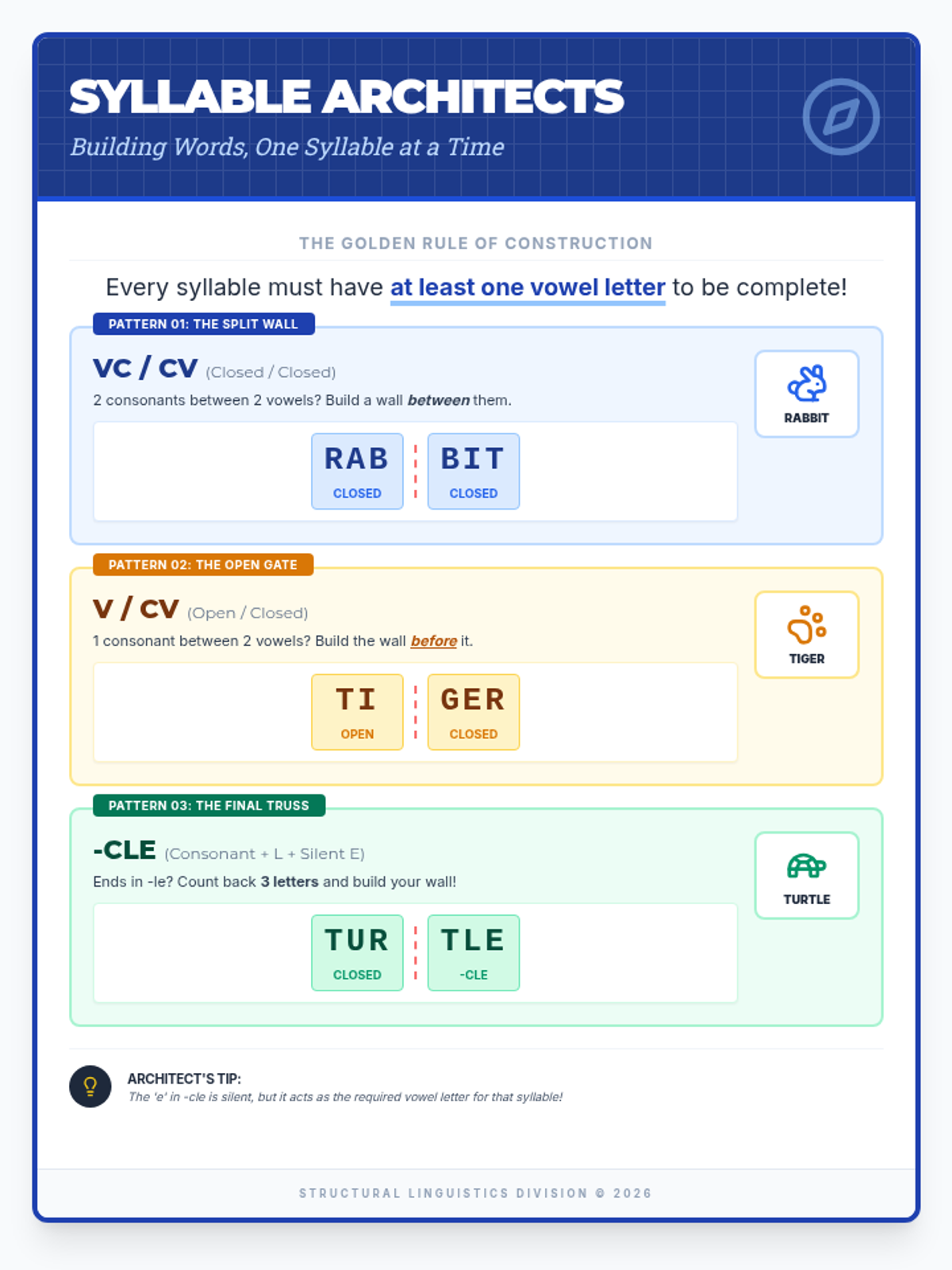
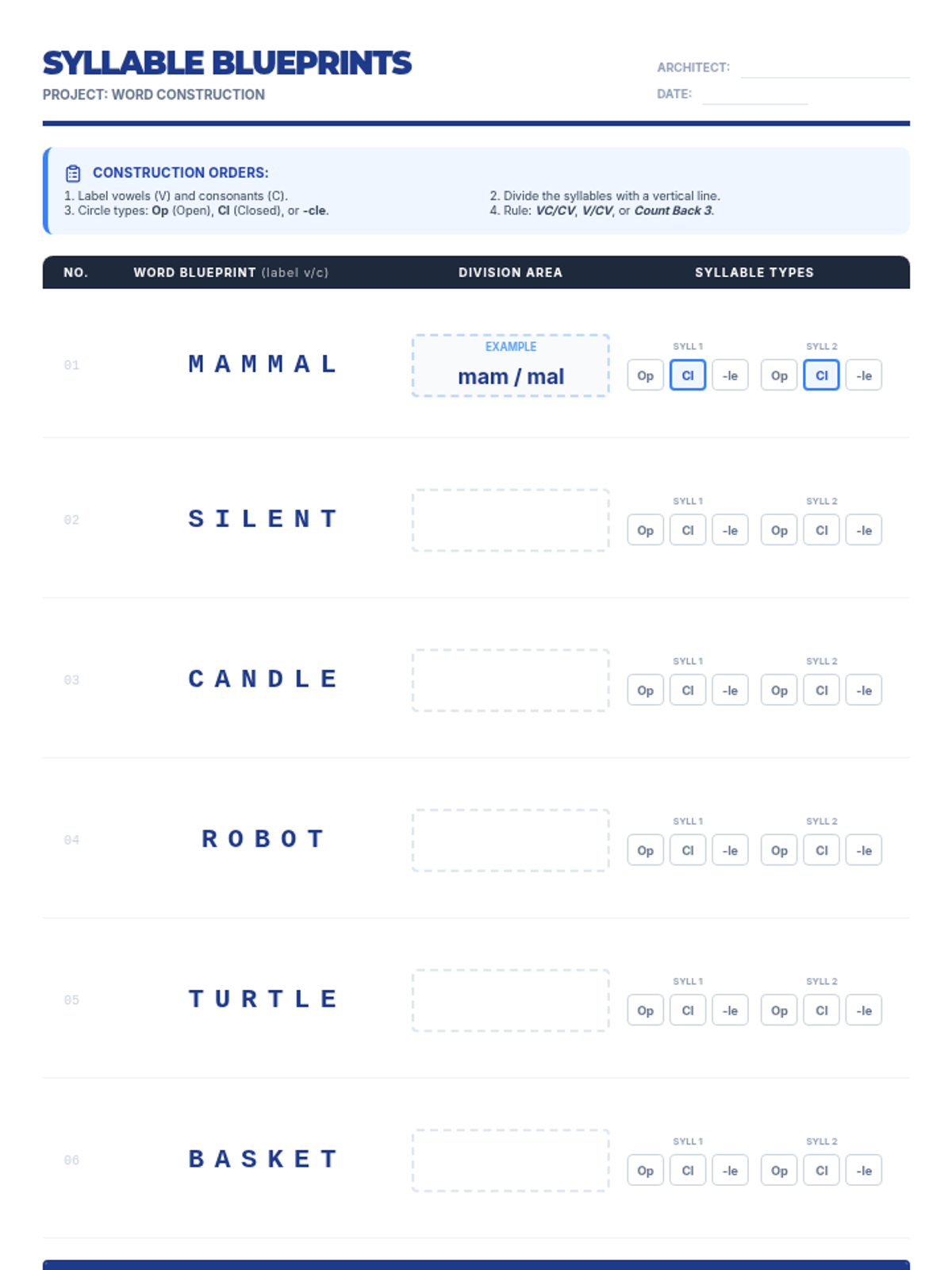
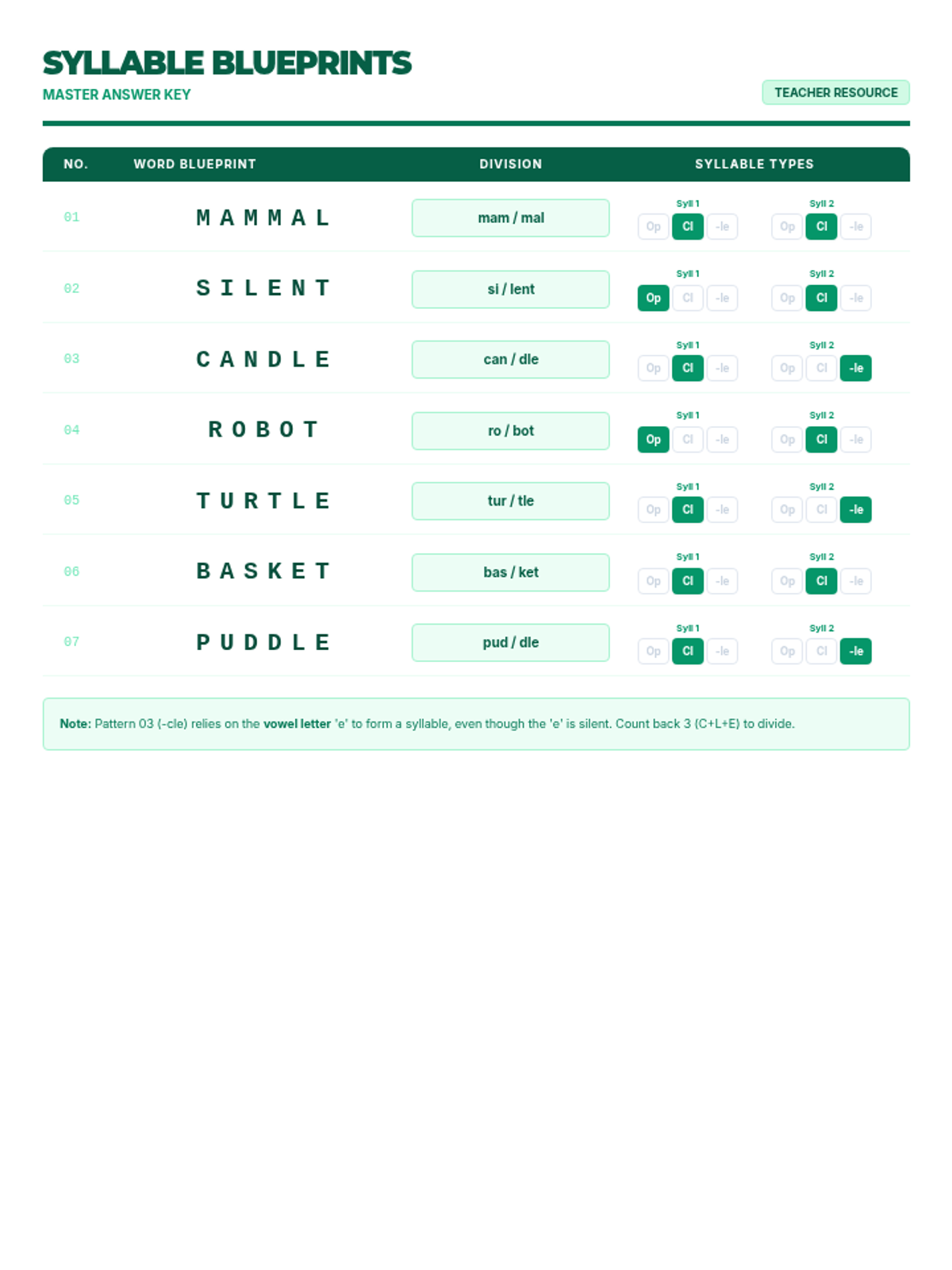
A lesson focused on mastering syllable division patterns for multisyllabic words, specifically focusing on the VC/CV (Closed/Closed) and V/CV (Open/Closed) patterns through architectural-themed modeling and practice.
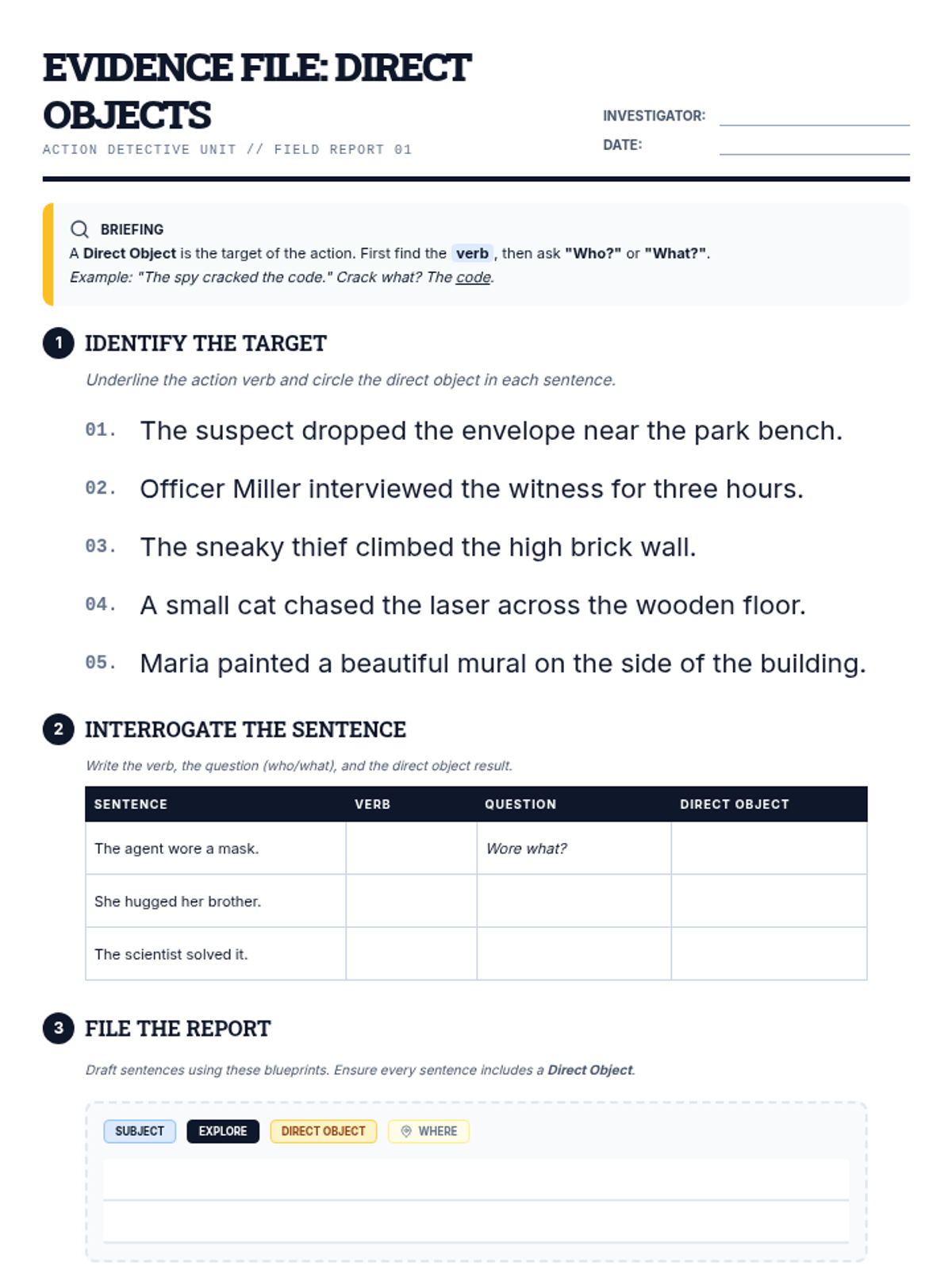
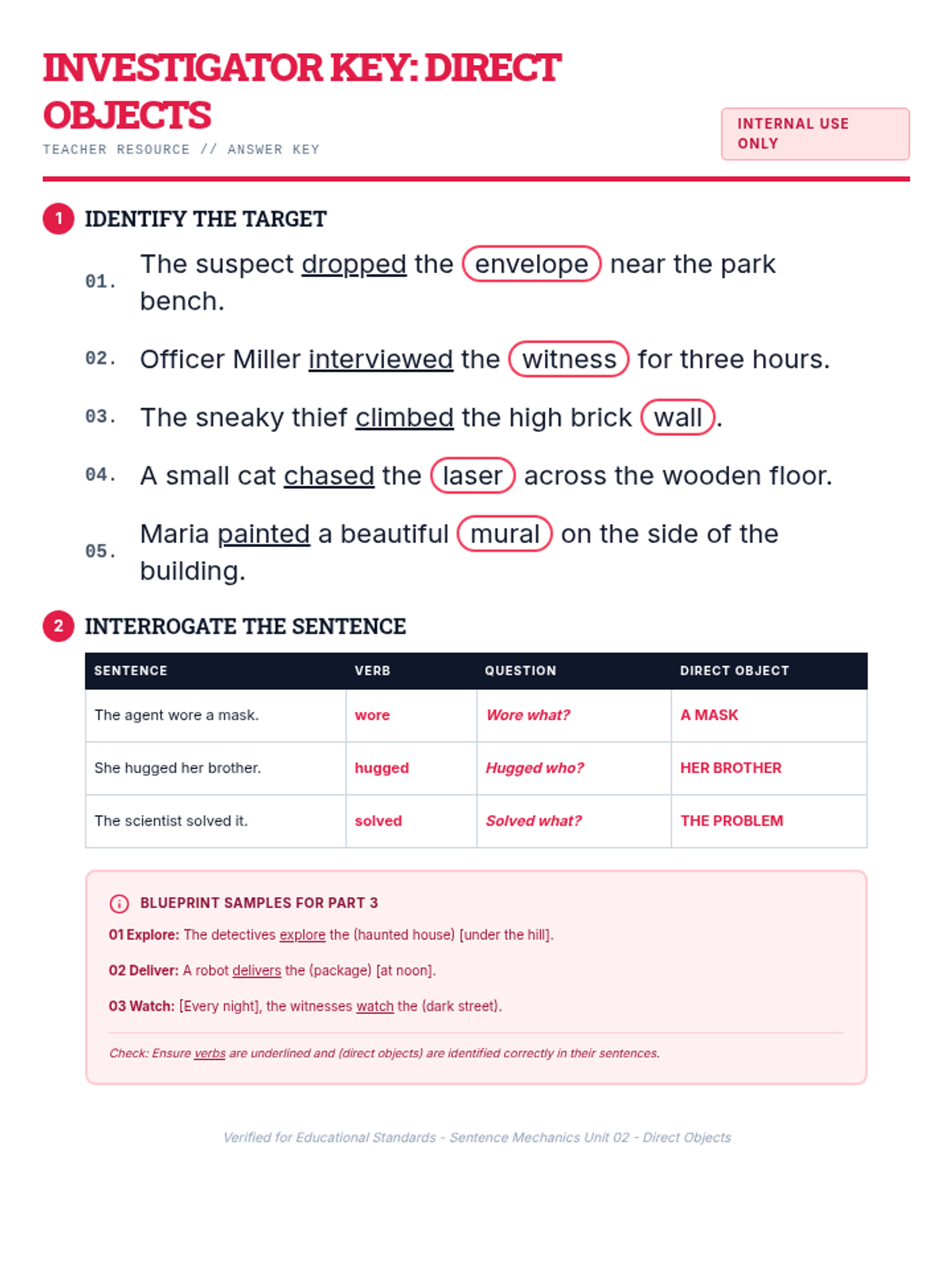
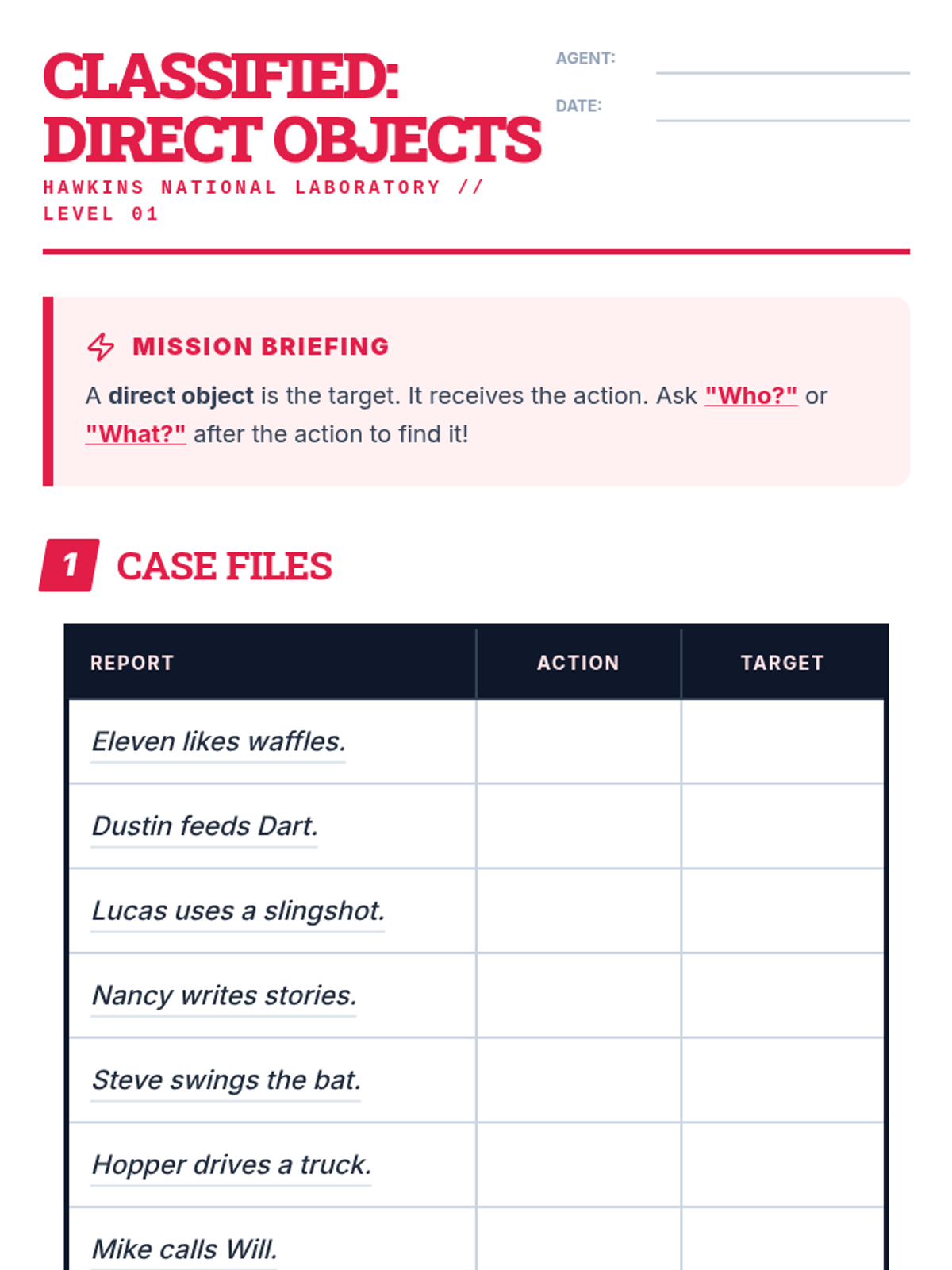
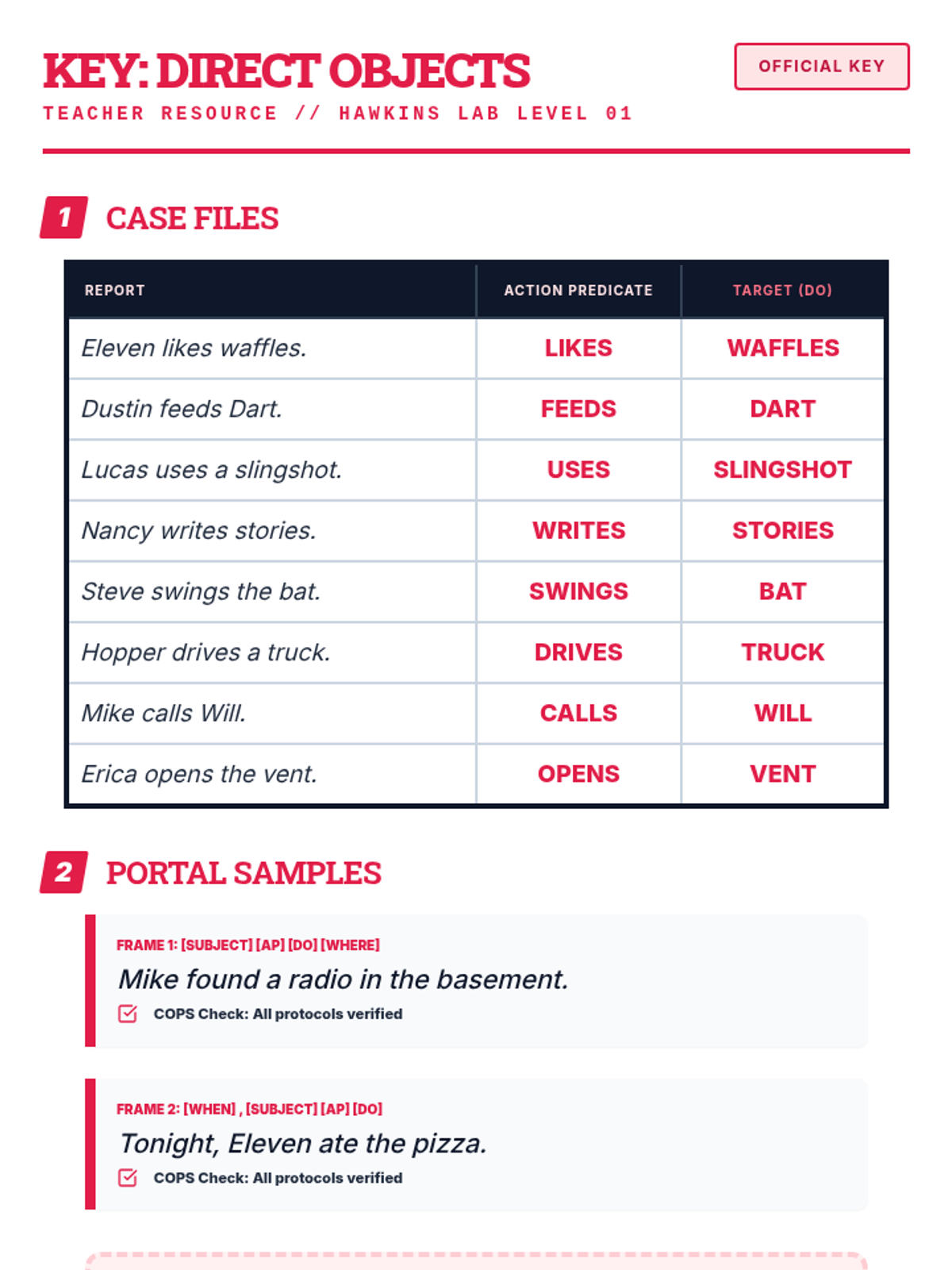
This lesson introduces direct objects as the receivers of action in a sentence. Students will learn to identify the 'who' or 'what' that follows an action verb to find the direct object.
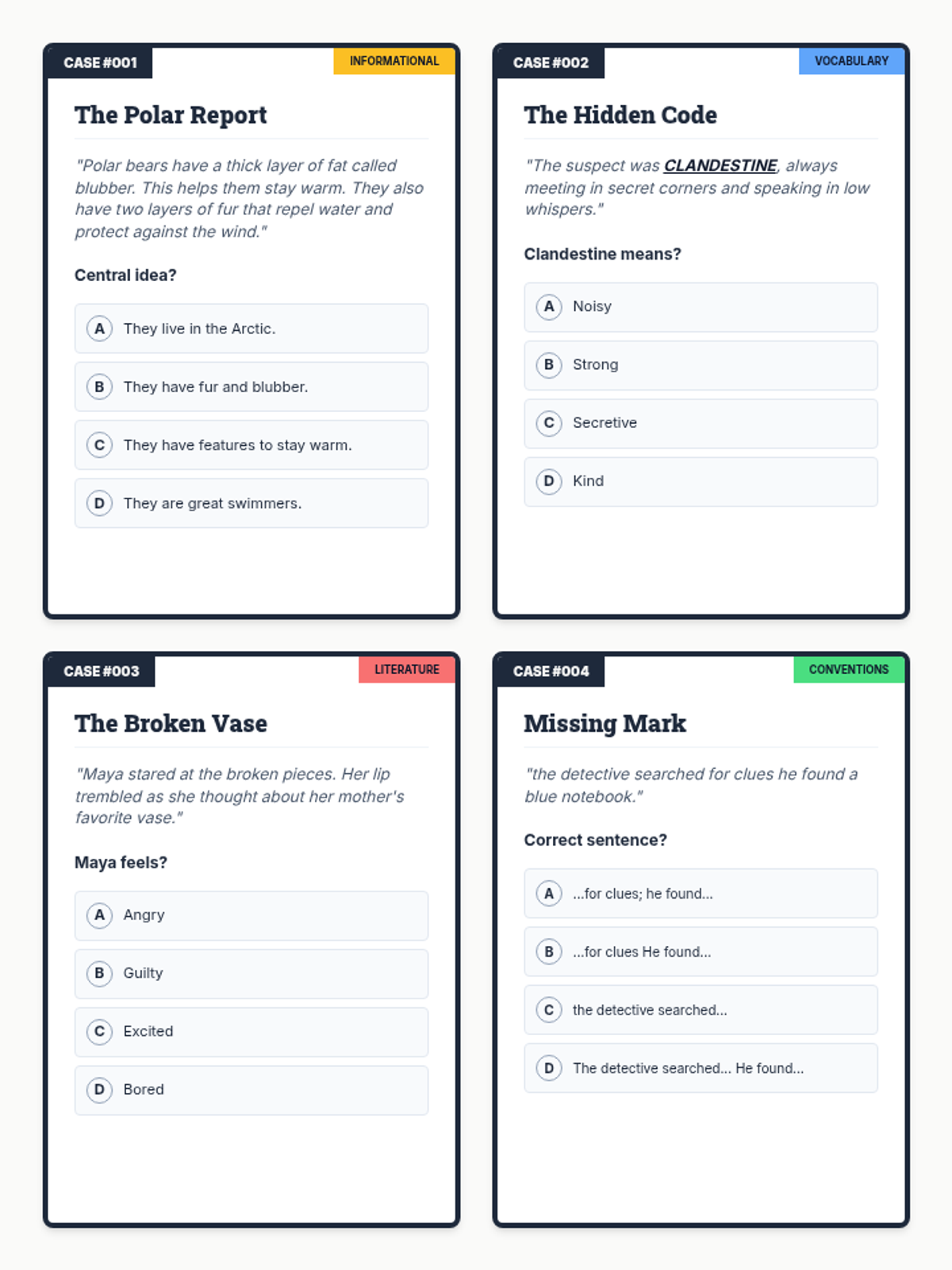
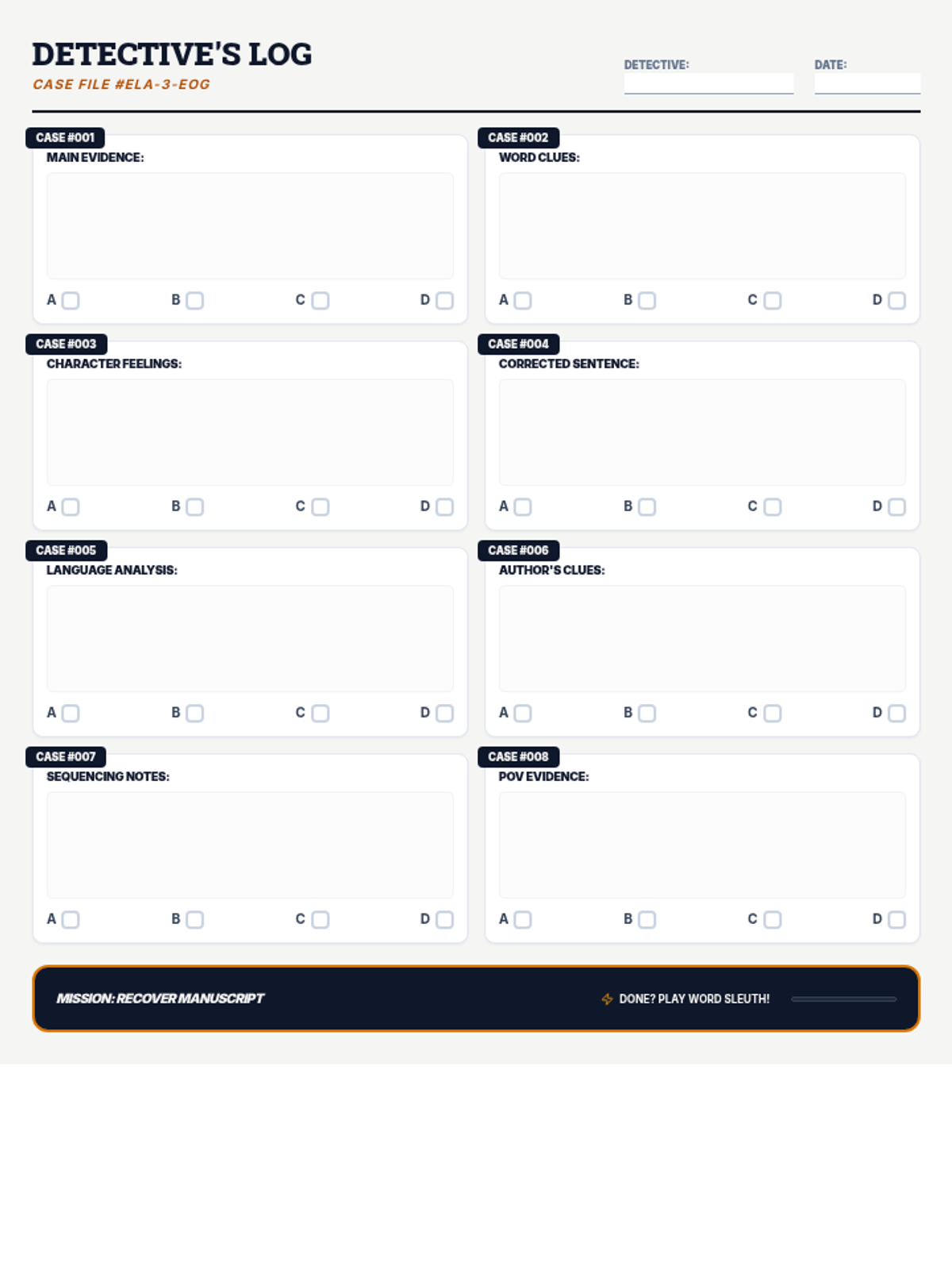
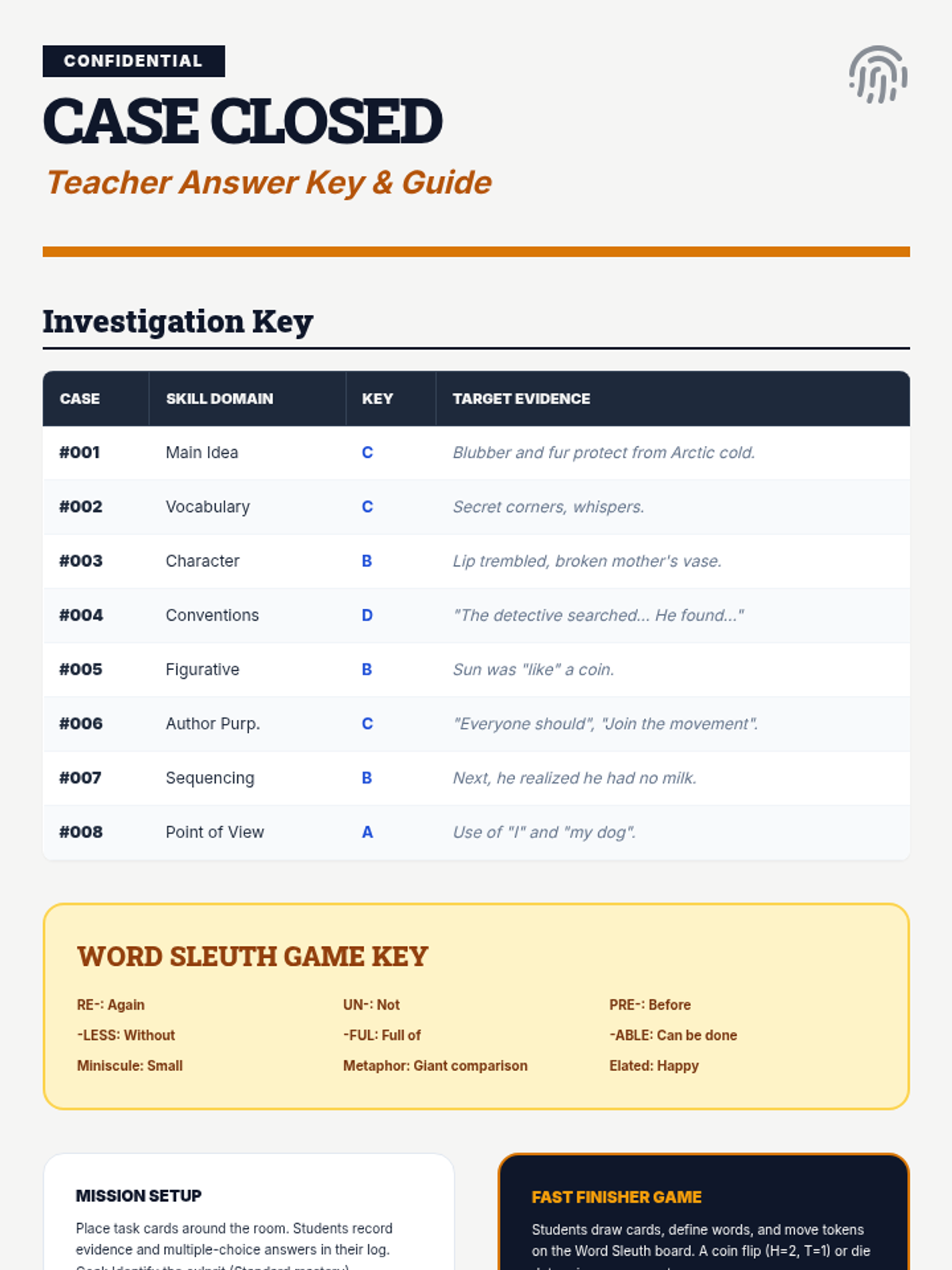
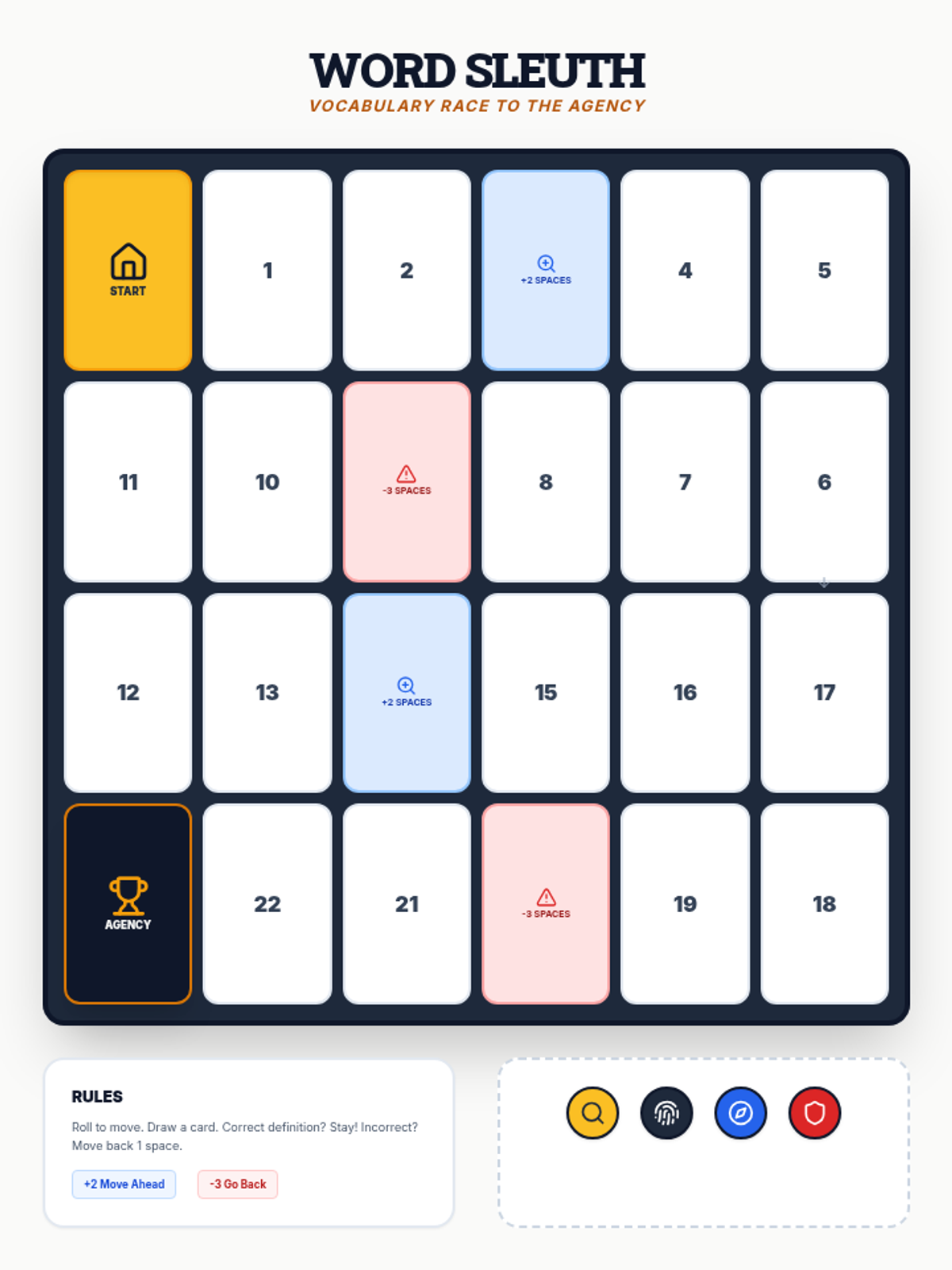
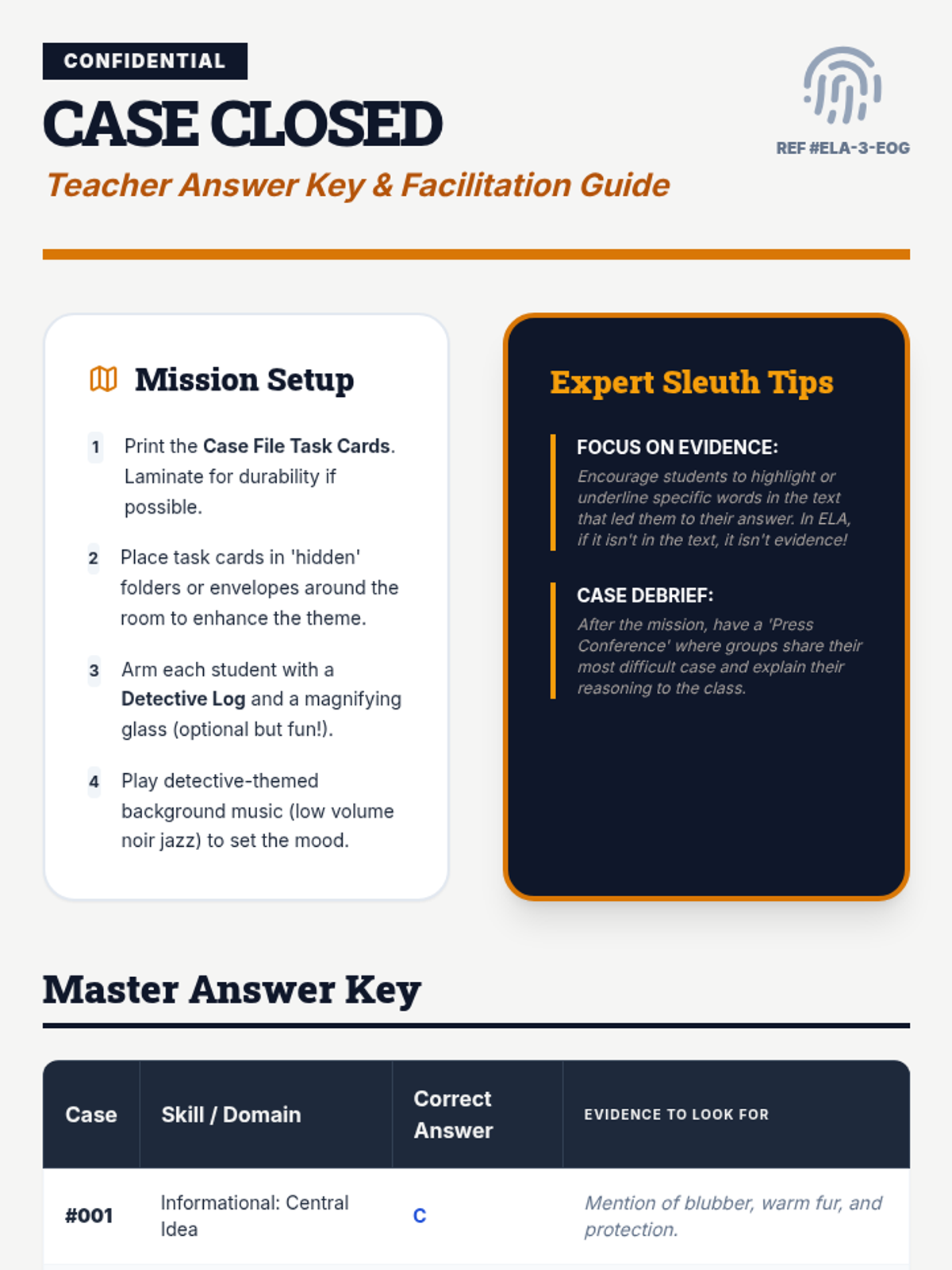
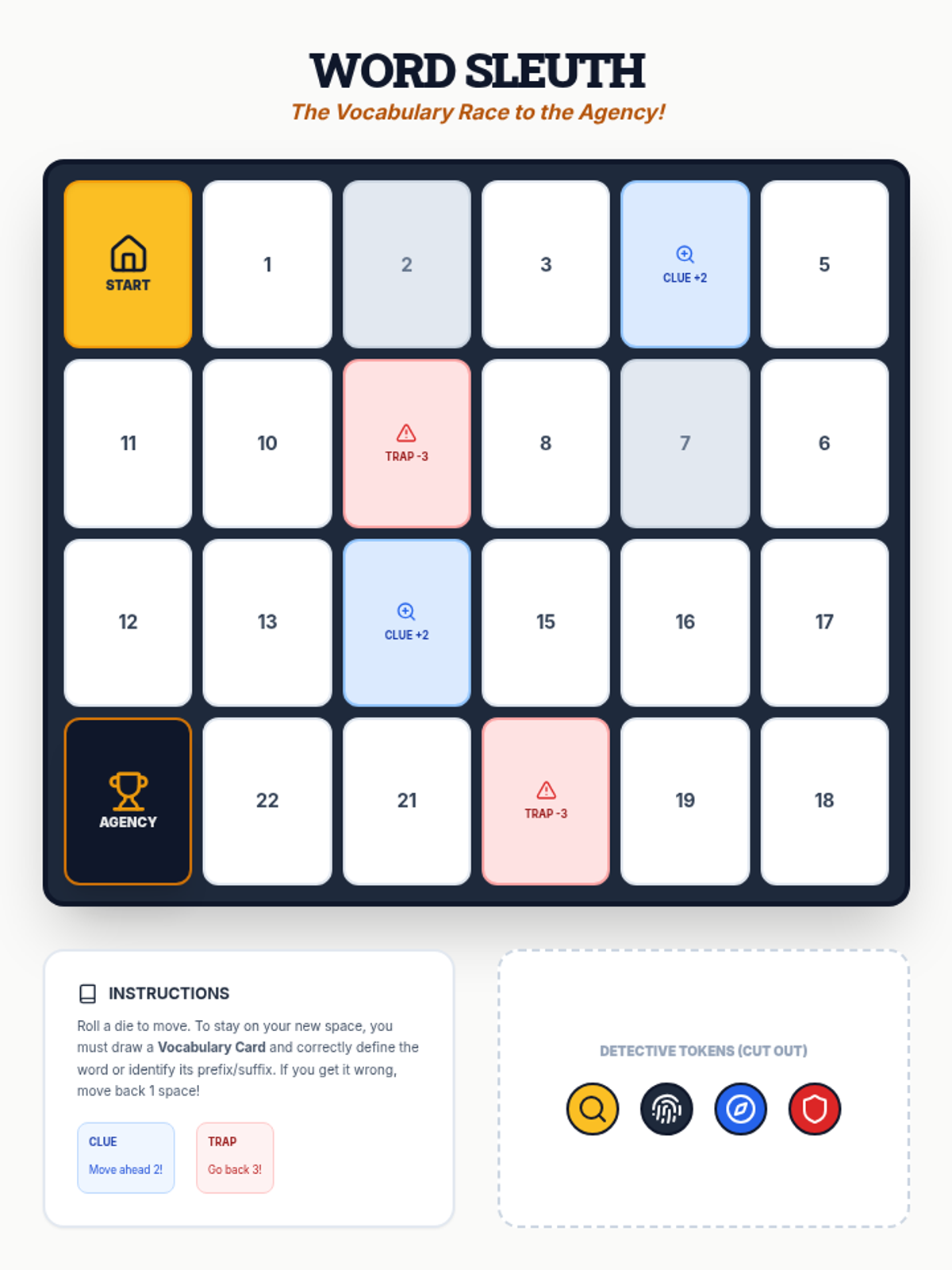
A comprehensive 3rd-grade ELA review designed as a 'Literary Detective' mystery. Students solve ELA challenges (reading comprehension, vocabulary, and grammar) to crack the 'Case of the Missing Manuscript'.
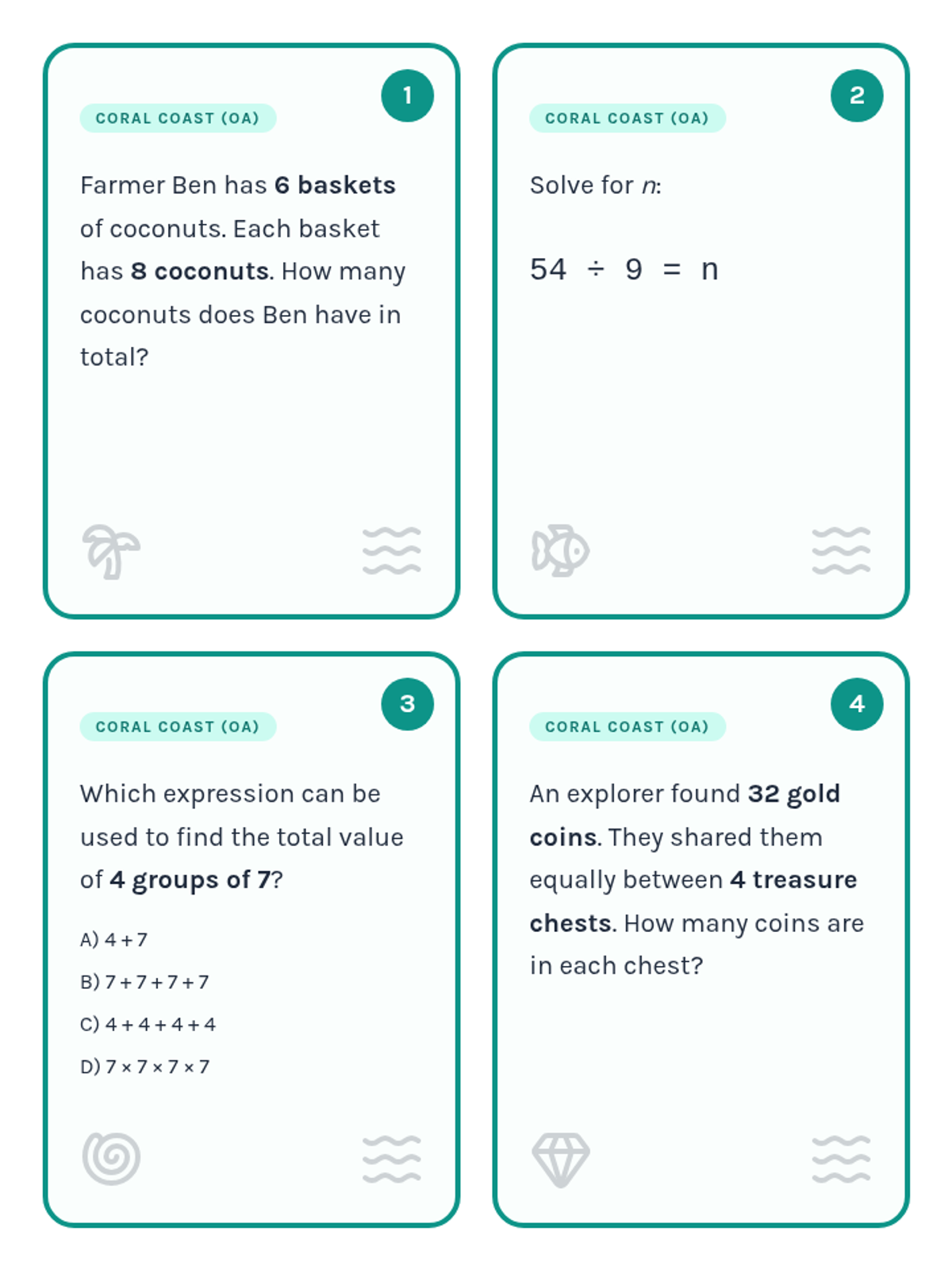
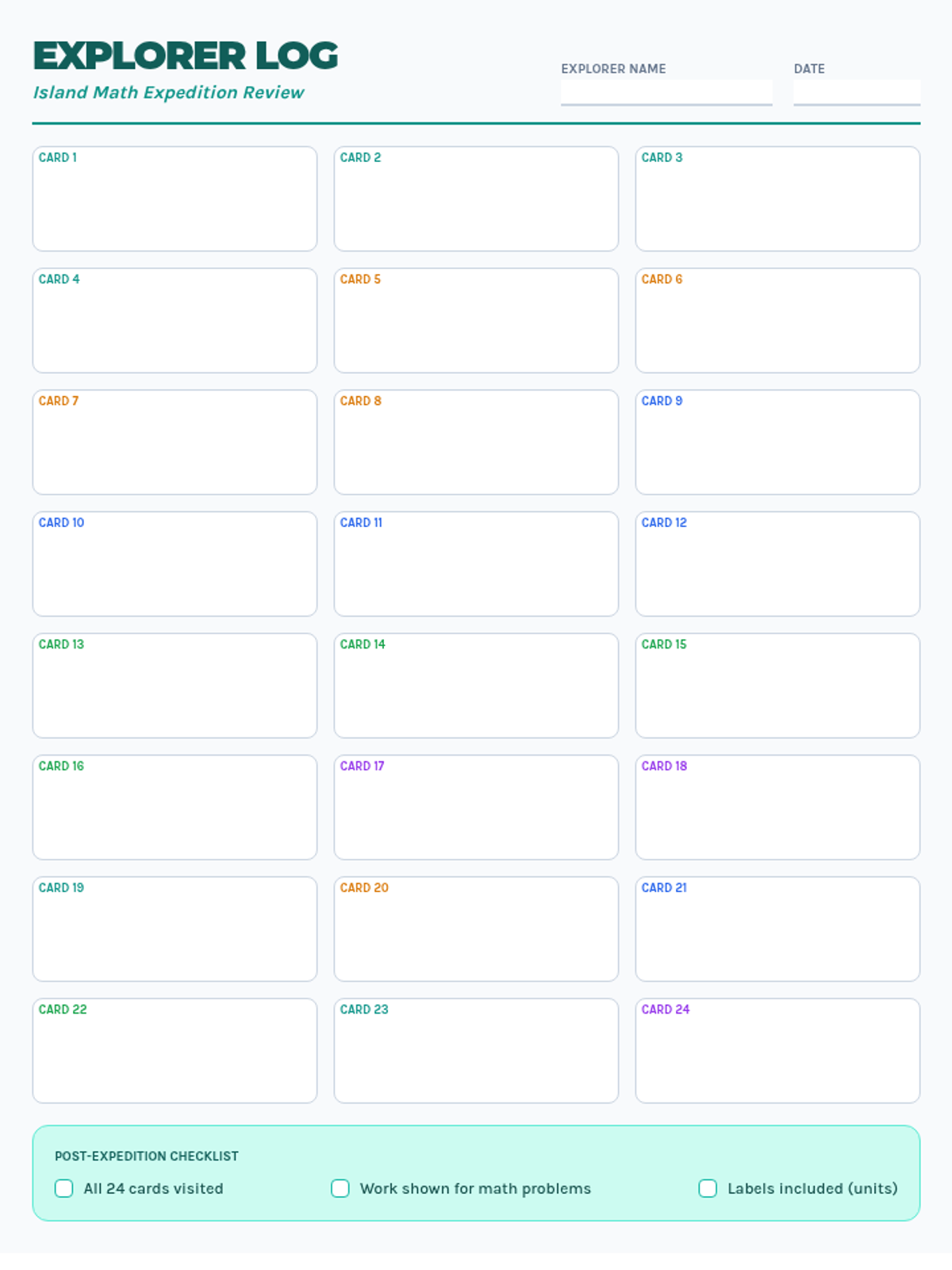
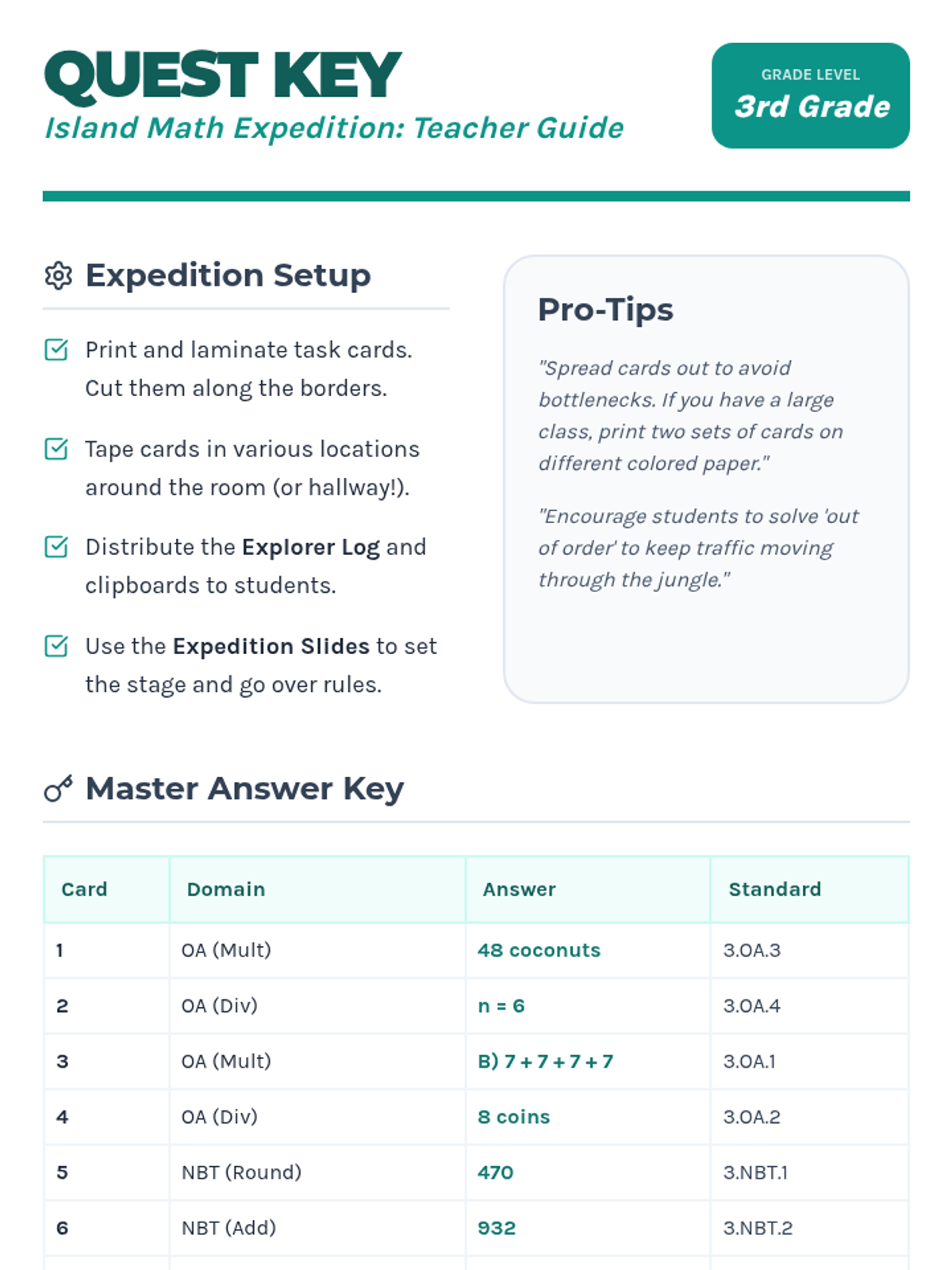
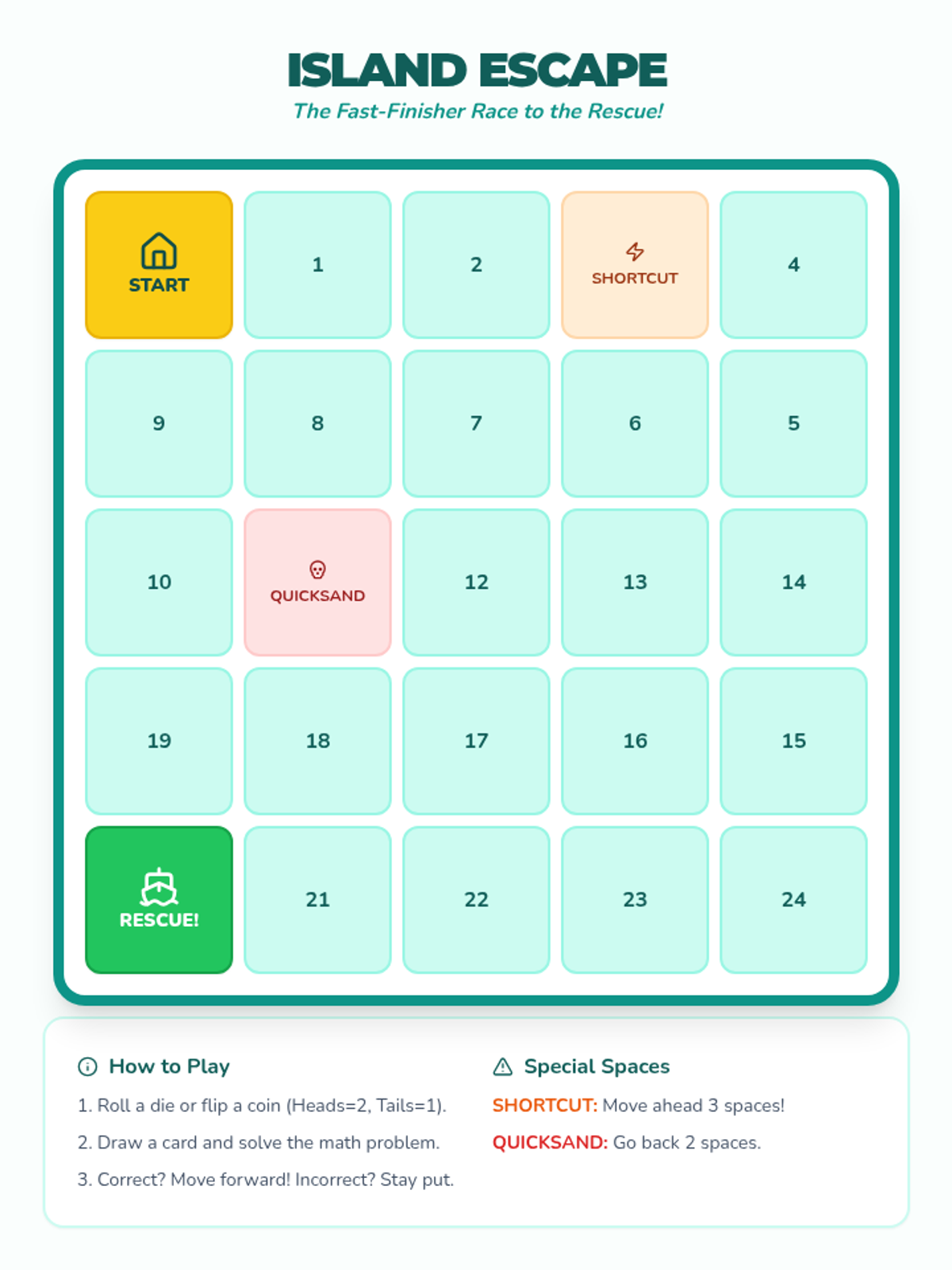
A comprehensive 3rd-grade math review game designed as an island-themed scavenger hunt. Students solve task cards across all math domains to 'navigate' their way across the island.
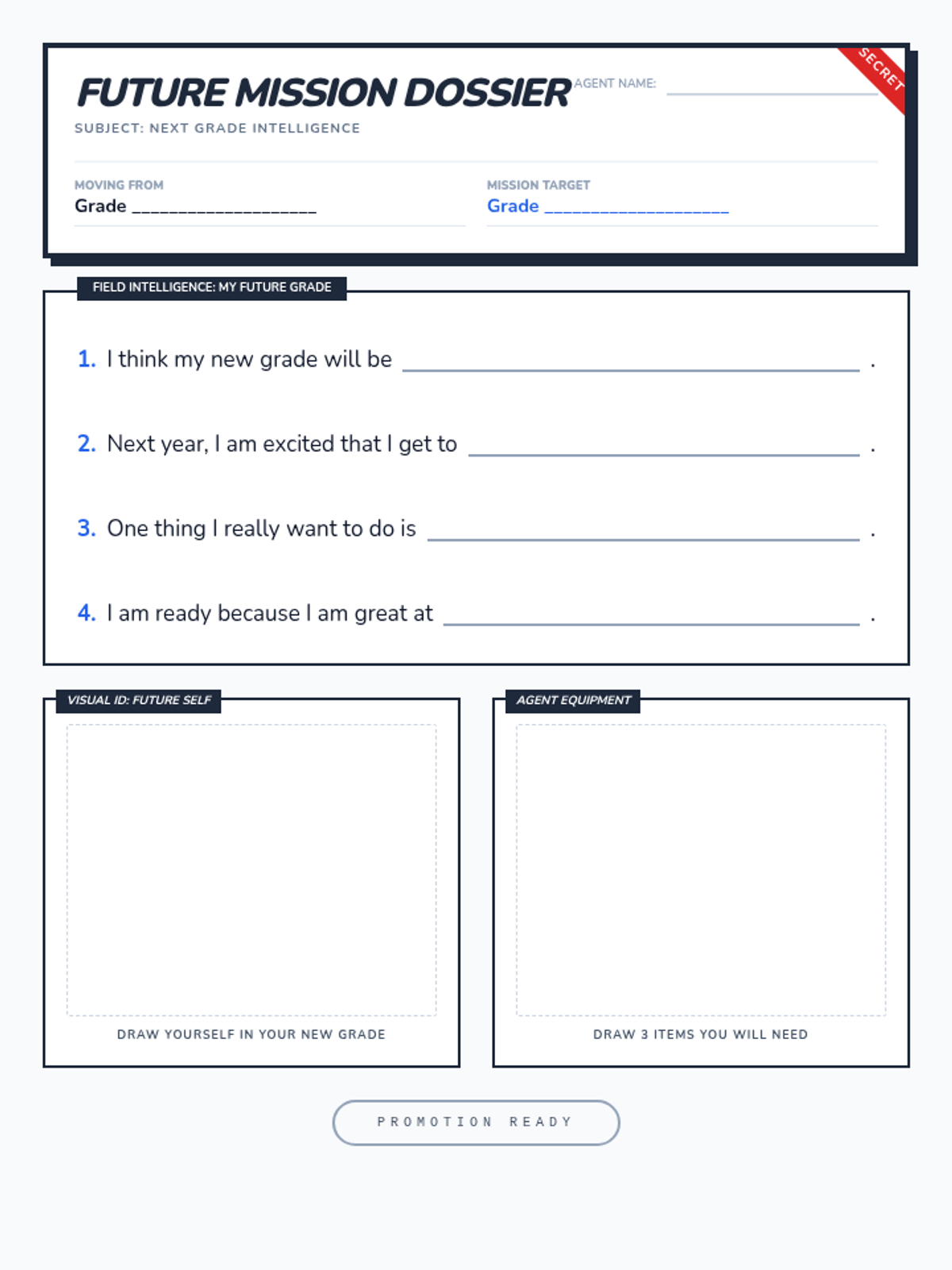
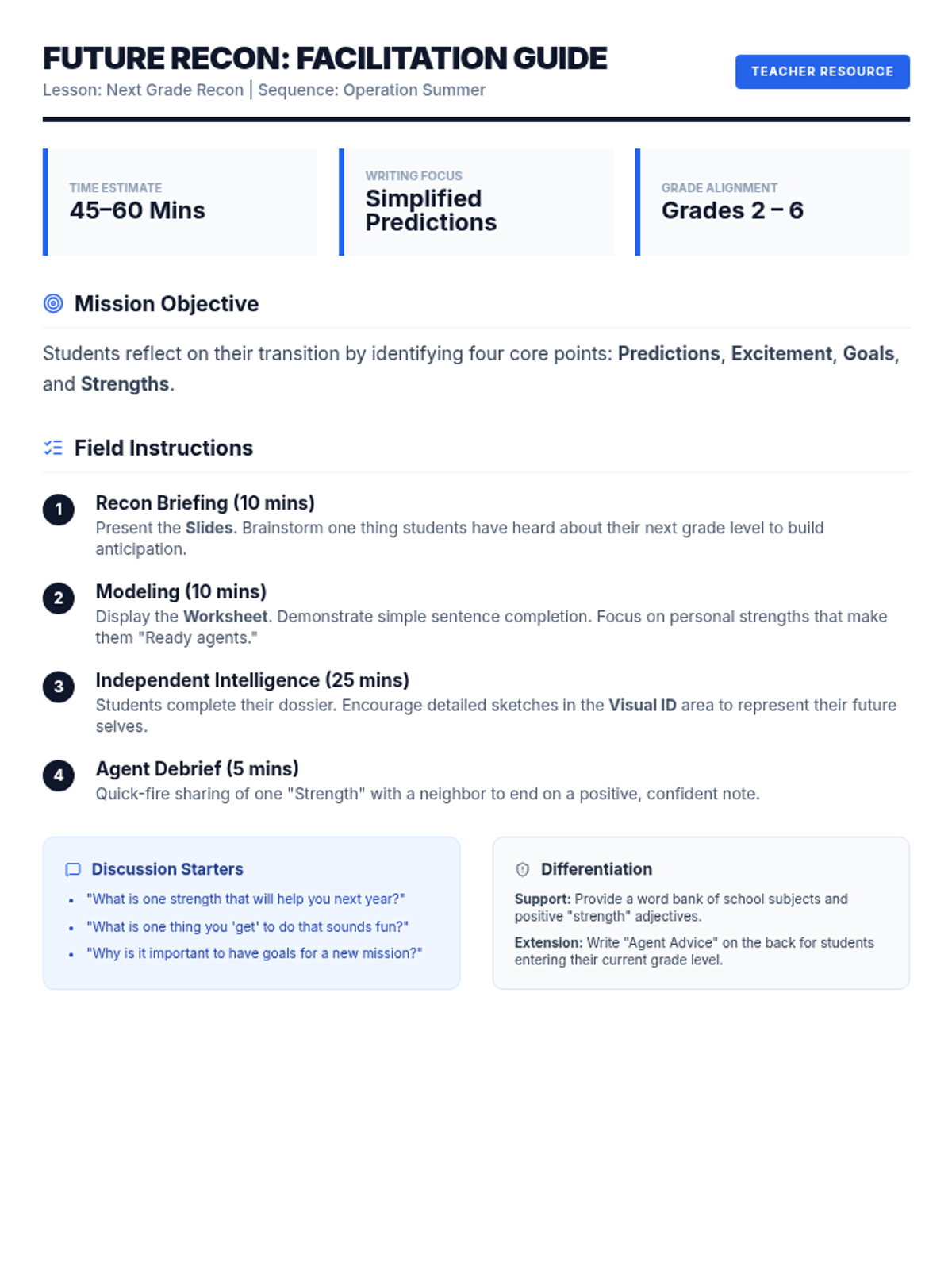
Students prepare for their 'promotion' to the next grade level by completing a future mission dossier. They will fill in blanks to predict and express excitement about their upcoming academic challenges and social changes as they transition to their next grade.
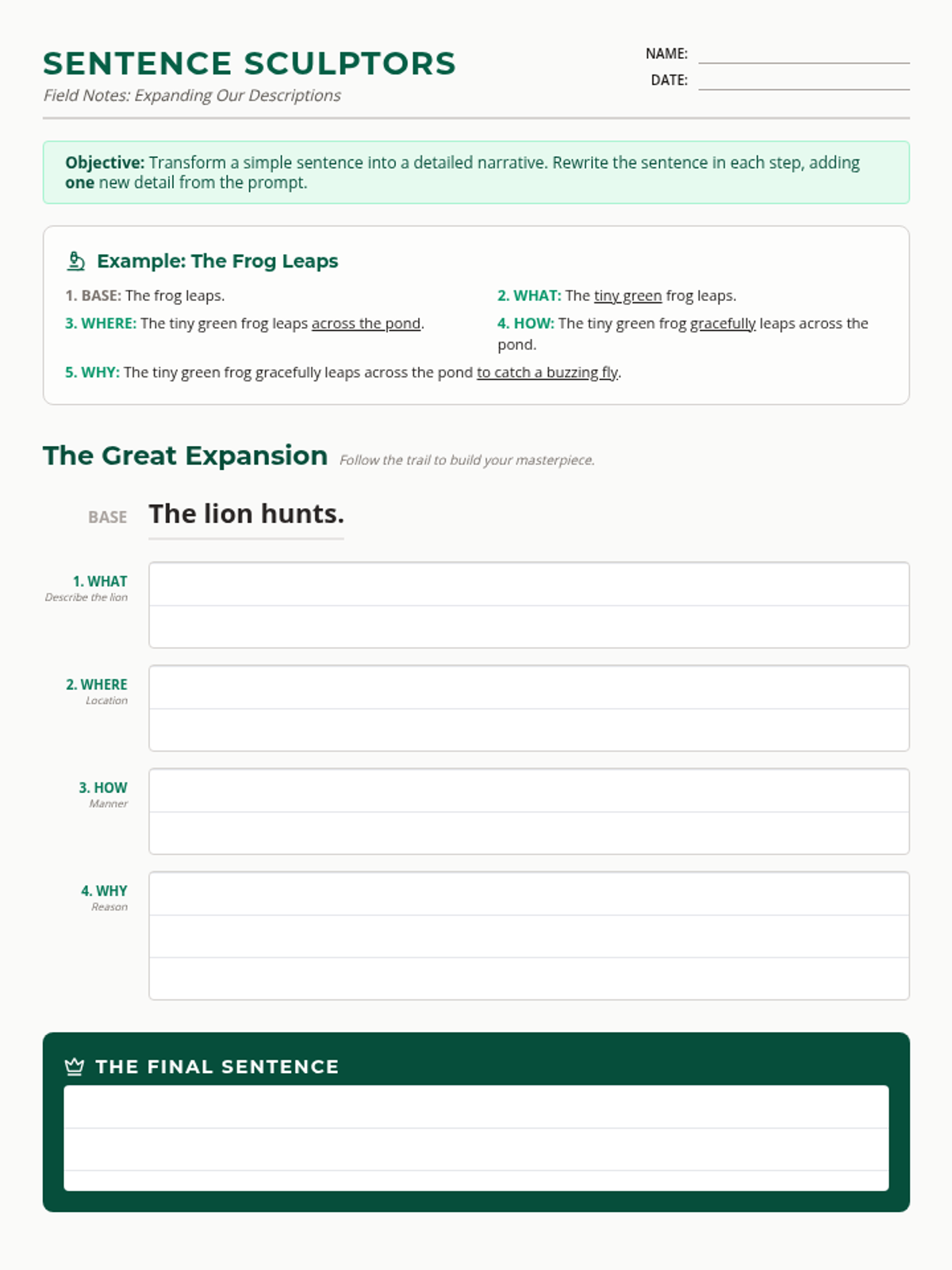
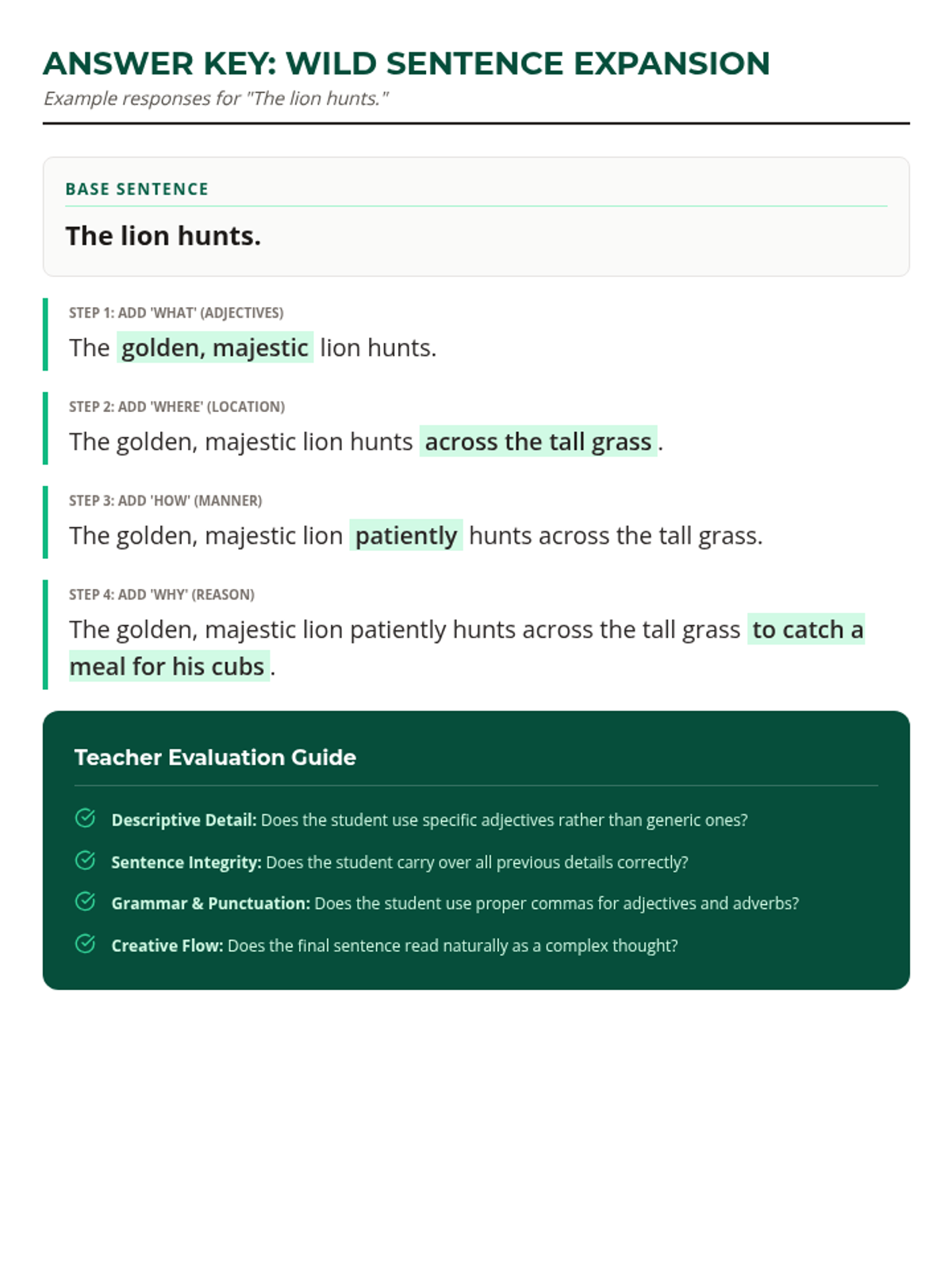
A lesson focused on expanding simple sentences into complex ones by sequentially adding details like what, where, how, and why. Students use animal-themed prompts to practice descriptive writing and sentence structure.
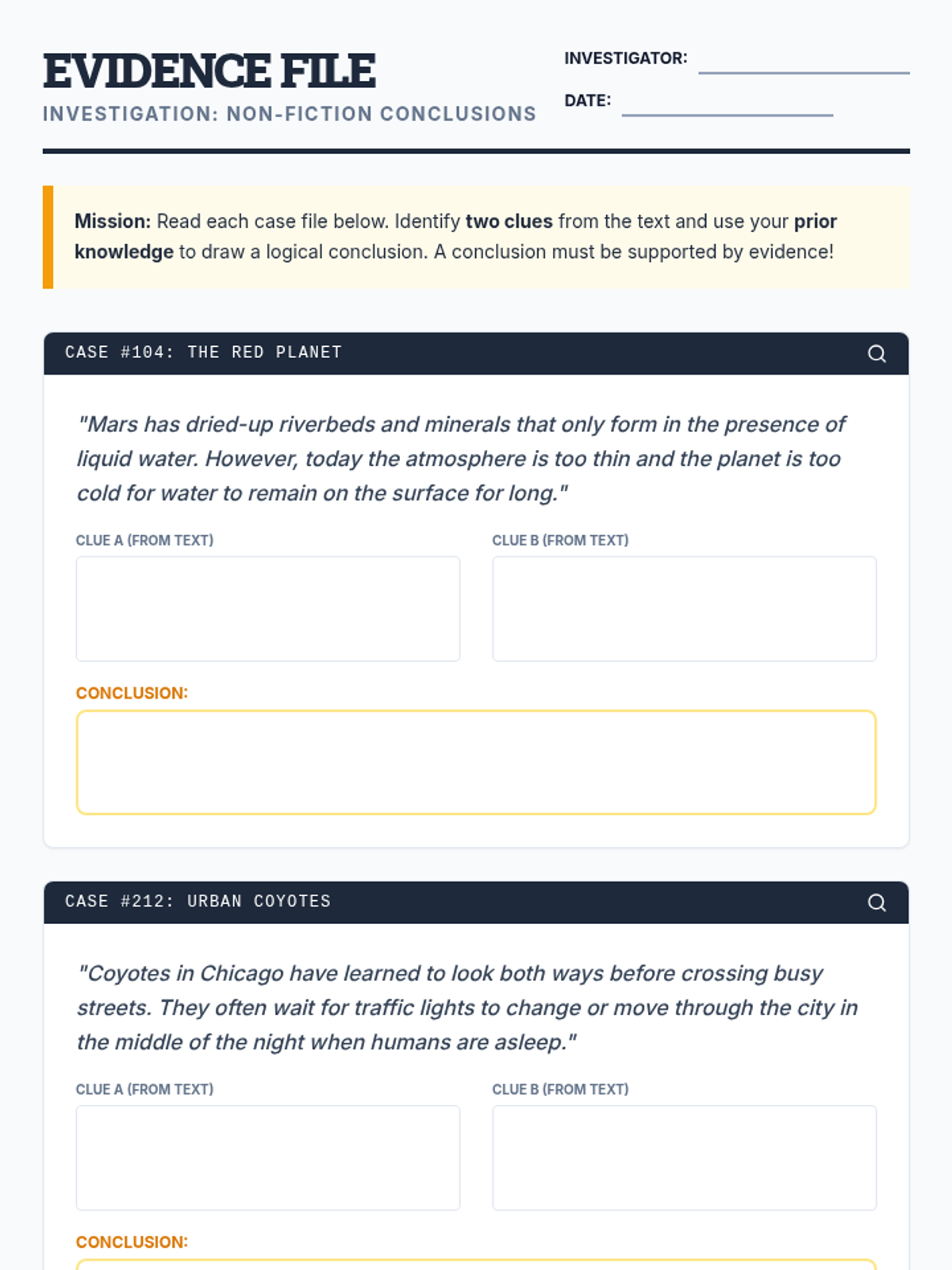
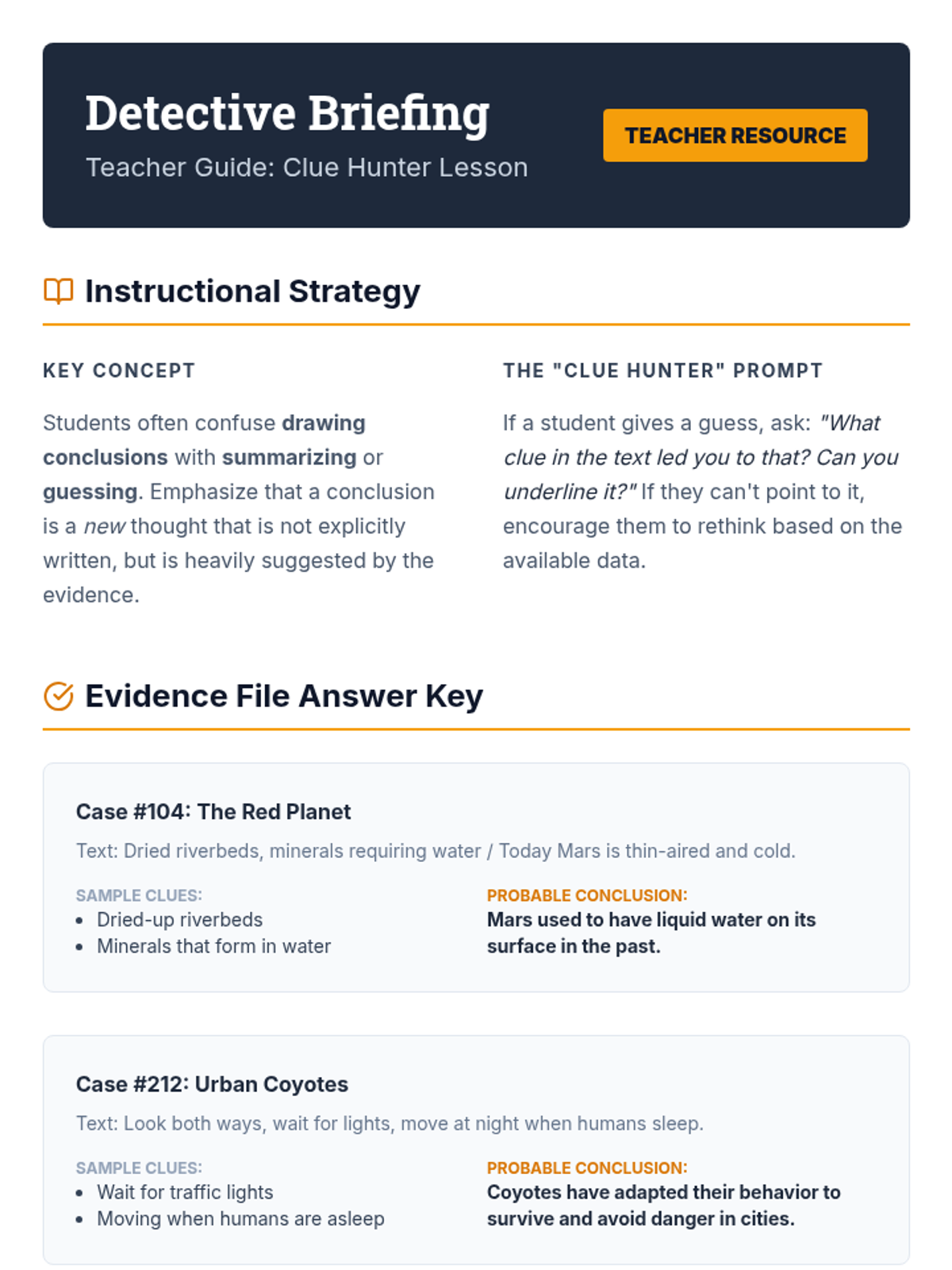
A mini-lesson on drawing conclusions from non-fiction text using the 'clue hunter' detective framework. Students learn to combine text evidence with prior knowledge to make logical inferences.
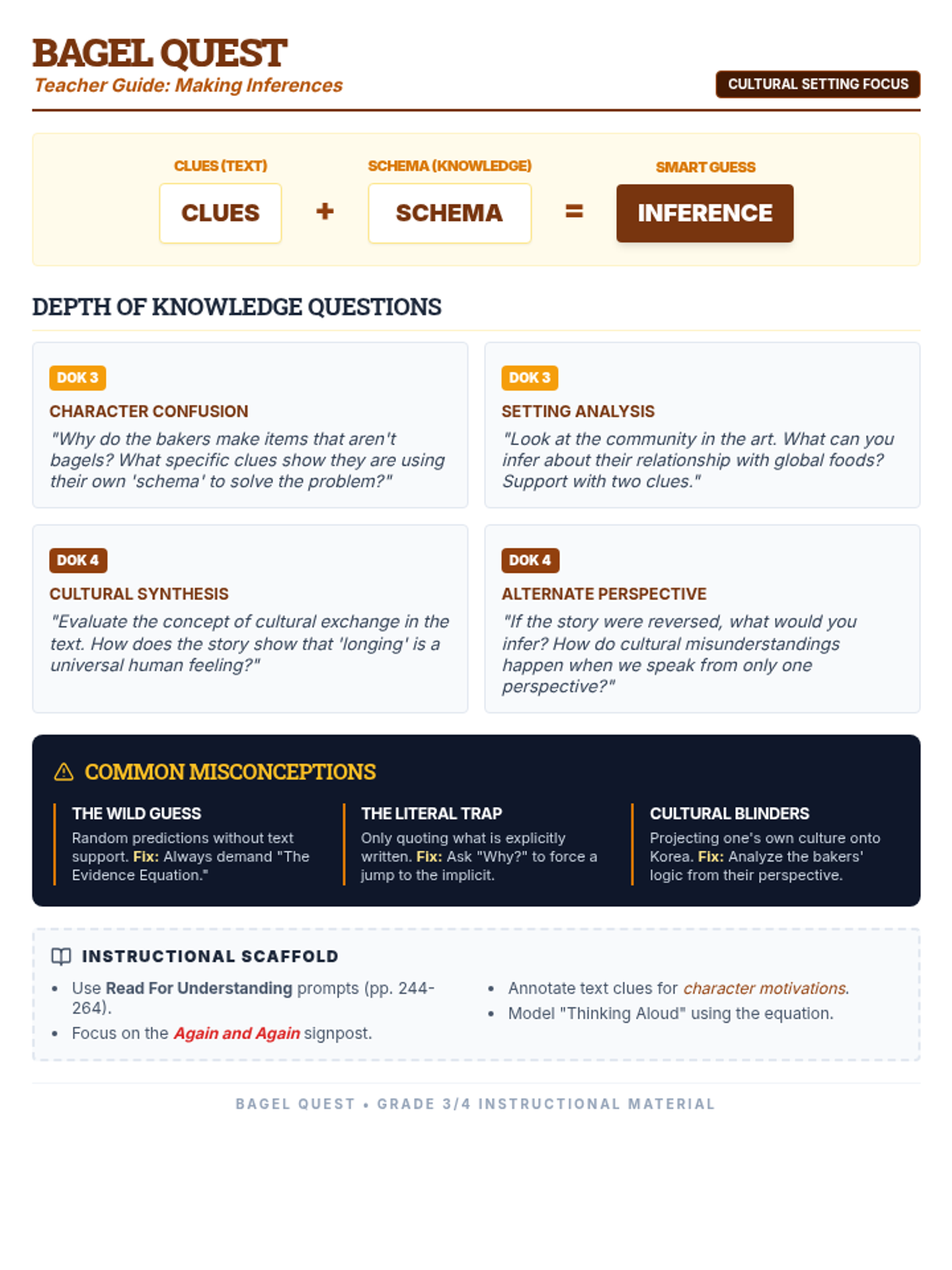
A lesson focused on making inferences using the story 'Where on Earth Is My Bagel?' with a specific focus on cultural setting and character motivations.
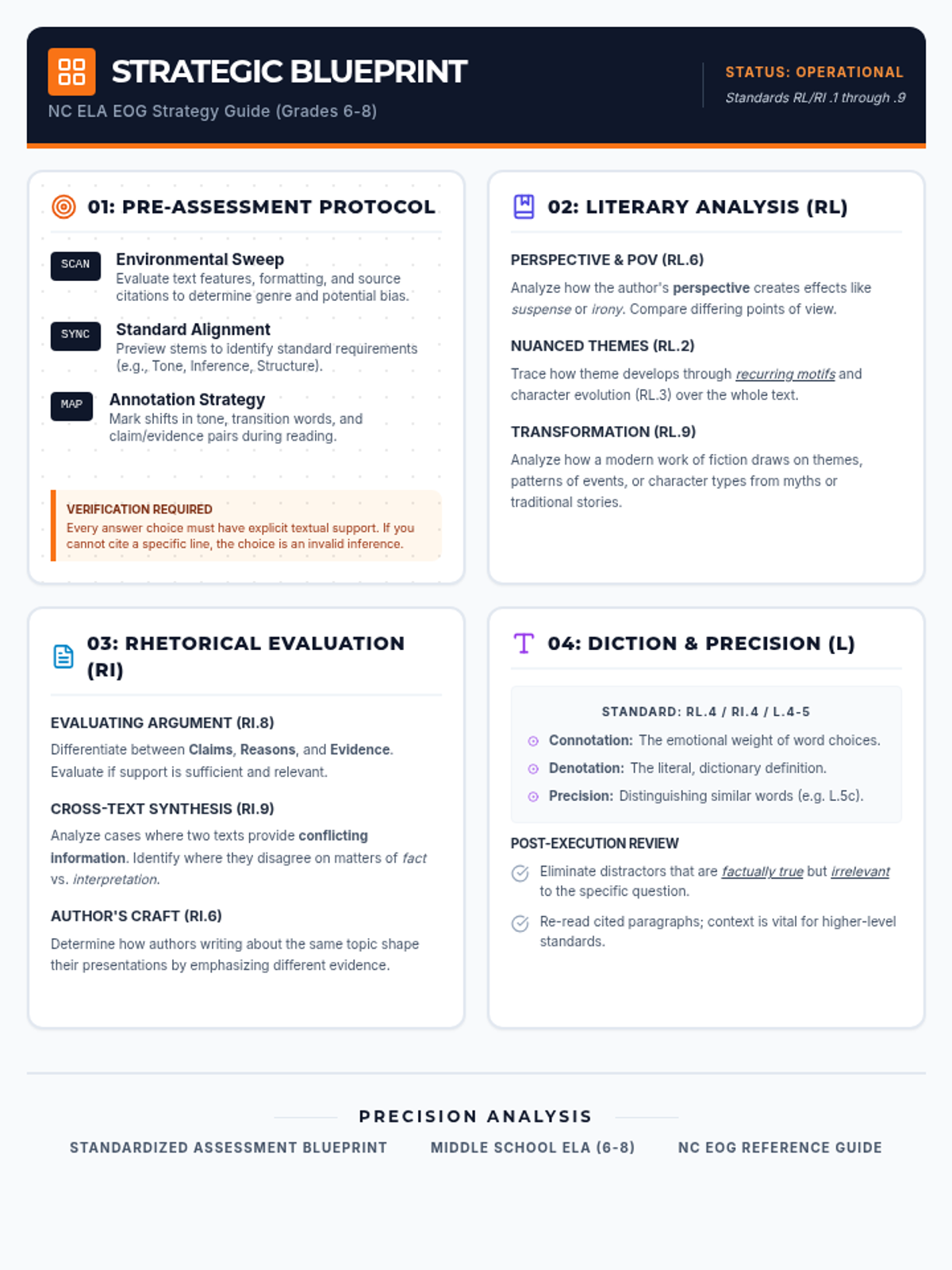
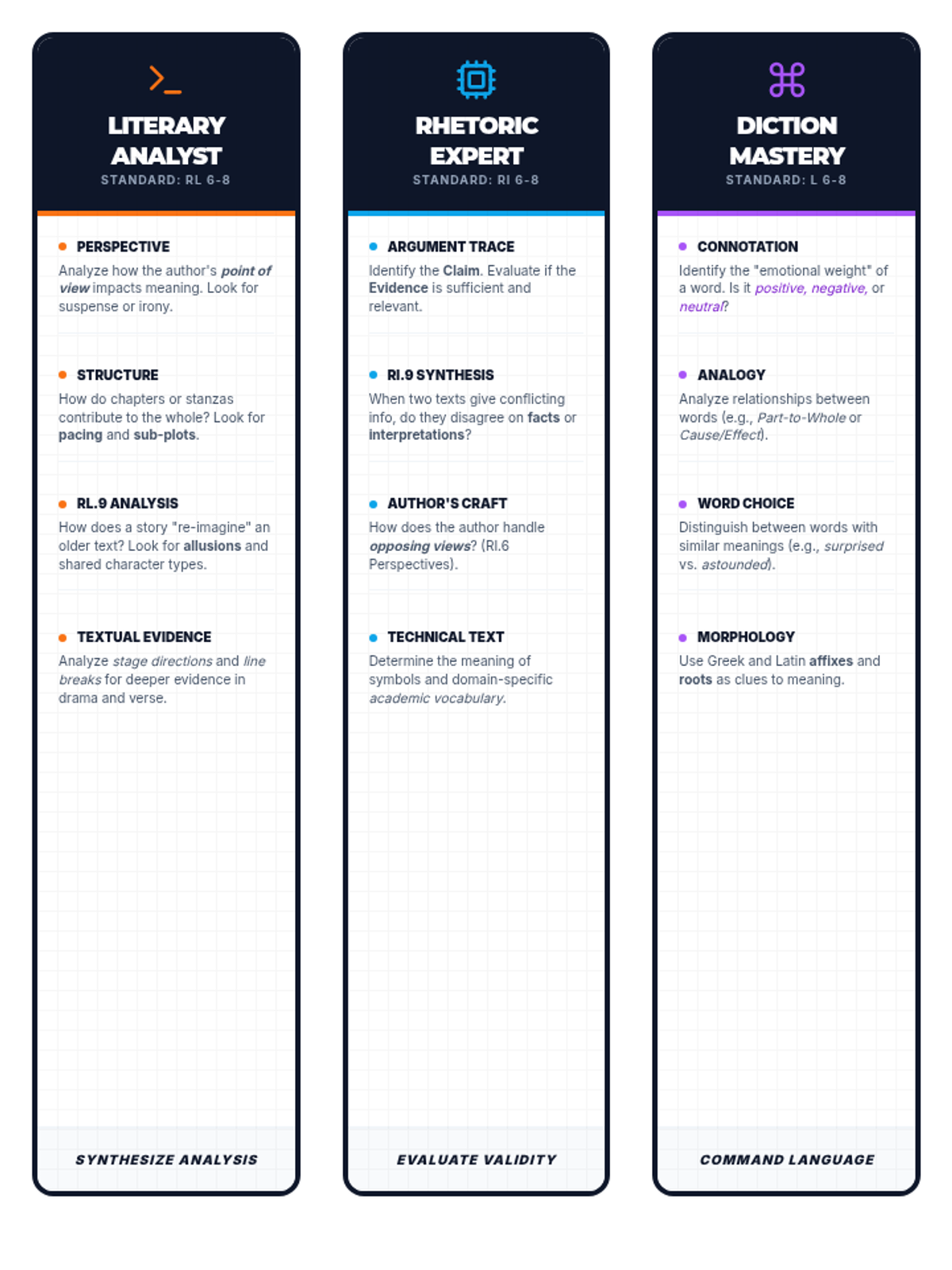
A comprehensive set of test-taking strategies and reference guides for NC ELA End-of-Grade assessments, specifically tailored for the complexity and standards of grades 6-8.