A cross-curricular lesson for 1st-3rd graders that combines basic rhythm notation with addition and subtraction. Students decode musical patterns to solve "math mysteries" and perform rhythms.
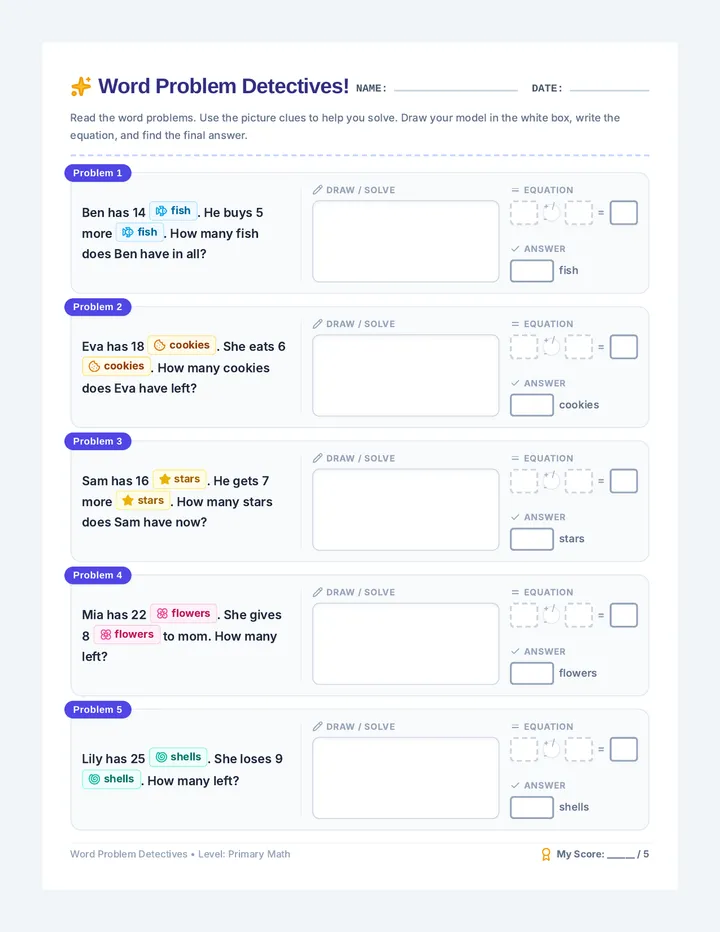
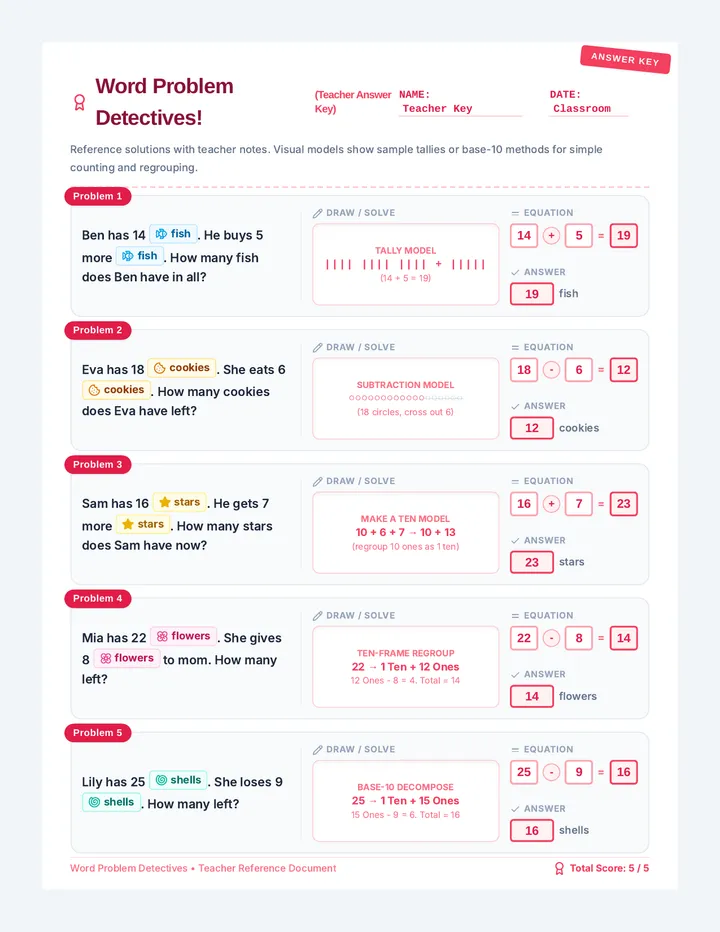
A lesson focused on decoding word problems using addition, subtraction, multiplication, and division facts through a detective-themed investigation. Students learn to identify key operations and solve tiered challenges of increasing complexity.
An introductory lesson on fractions for 3rd grade, focusing on equal parts, naming fractions, and visual representations using circles and rectangles. Students act as 'Factory Inspectors' to ensure all parts are equal and correctly labeled.
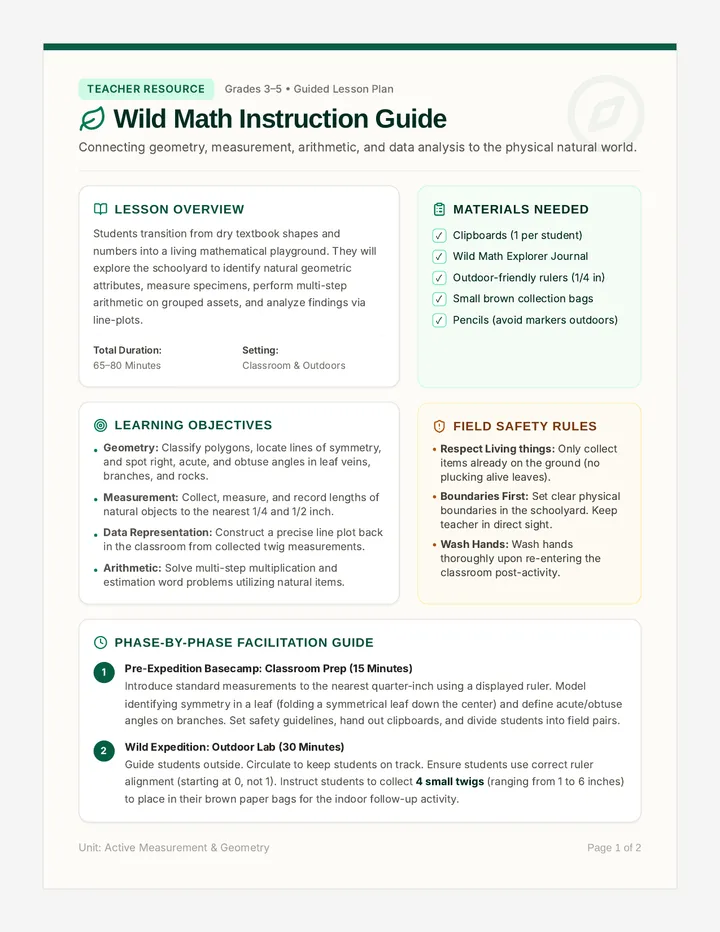
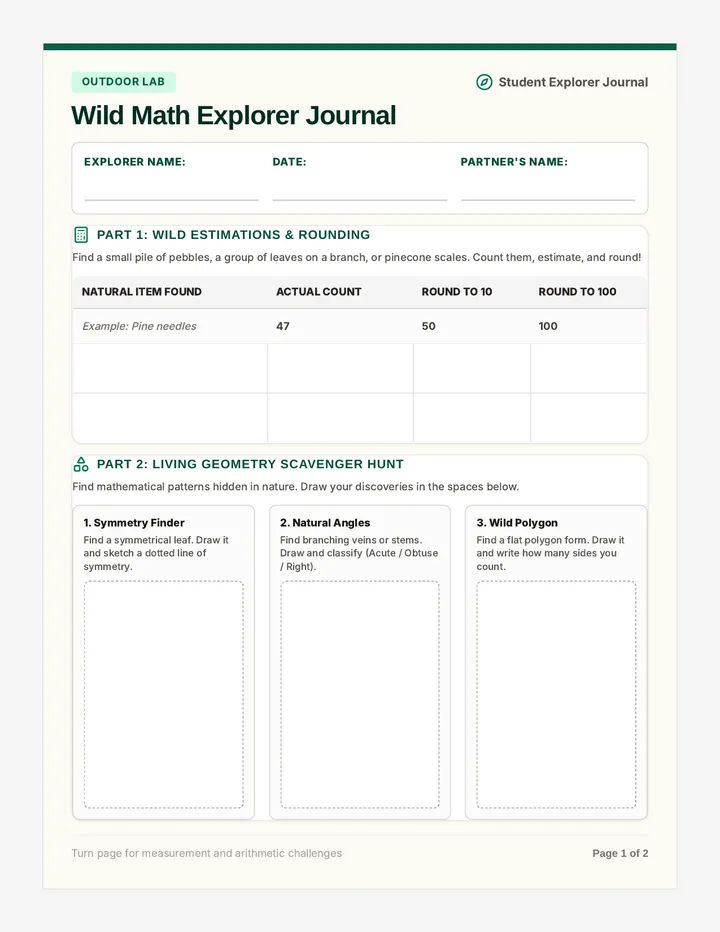
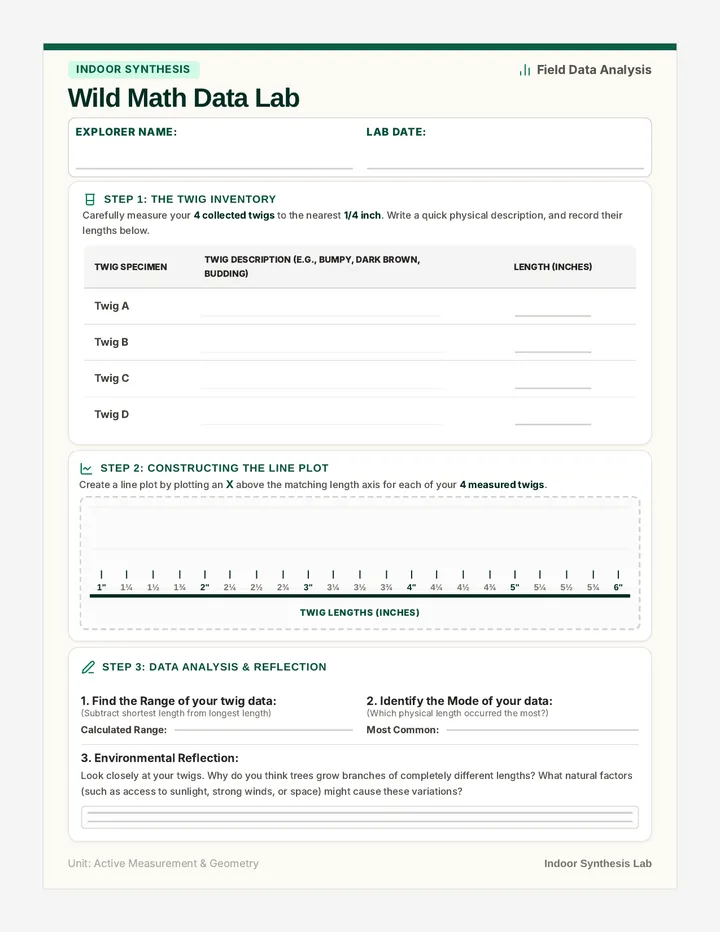
A hands-on lesson where students measure various 'specimens' to the nearest half-inch and organize their data into a line plot to identify patterns.
A multi-sensory math and art lesson for 1st and 2nd graders to explore 2D shape attributes through tactile creation and observation. Students identify shapes by sides and vertices while building textured geometric masterpieces.
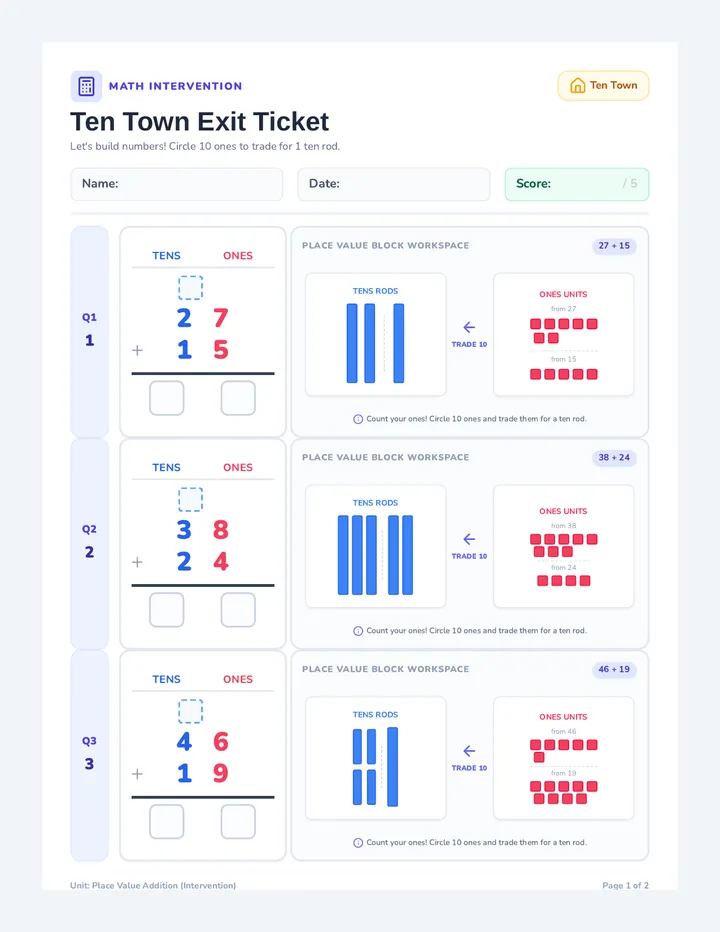
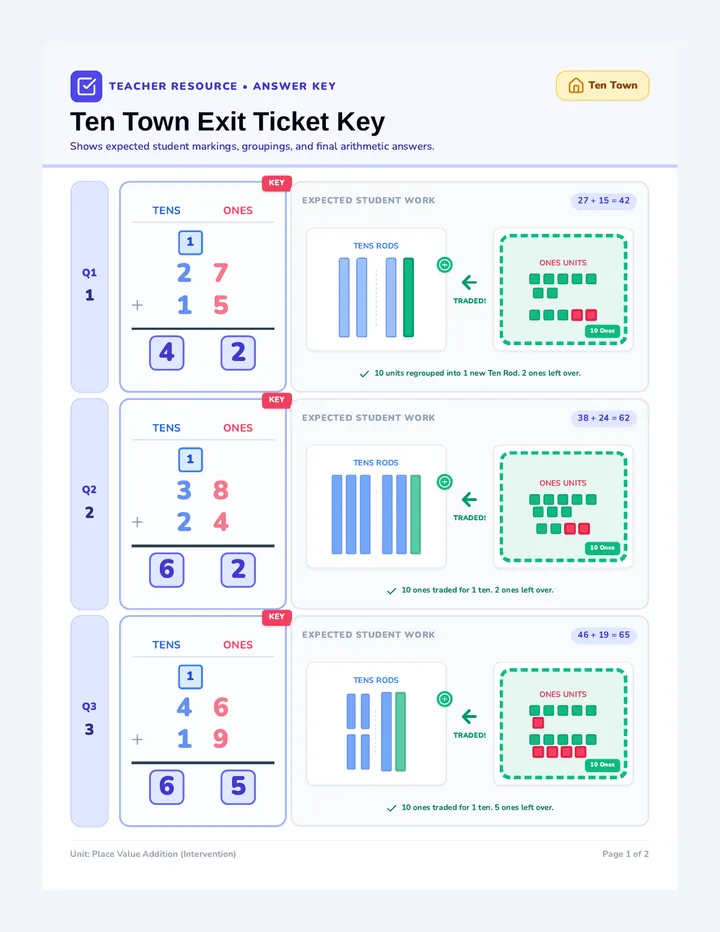
A lesson focused on mental math strategies for double-digit addition, specifically exploring how to maintain a sum while changing addends (conservation) and how to efficiently add increments of tens and ones.
Compose new shapes from smaller shapes and decompose larger shapes into smaller ones.
Identify and distinguish 3D shapes (cubes, cones, cylinders, spheres) and find them in the real world.
Identify and describe 2D shapes (circles, triangles, squares, rectangles) by their sides and vertices.
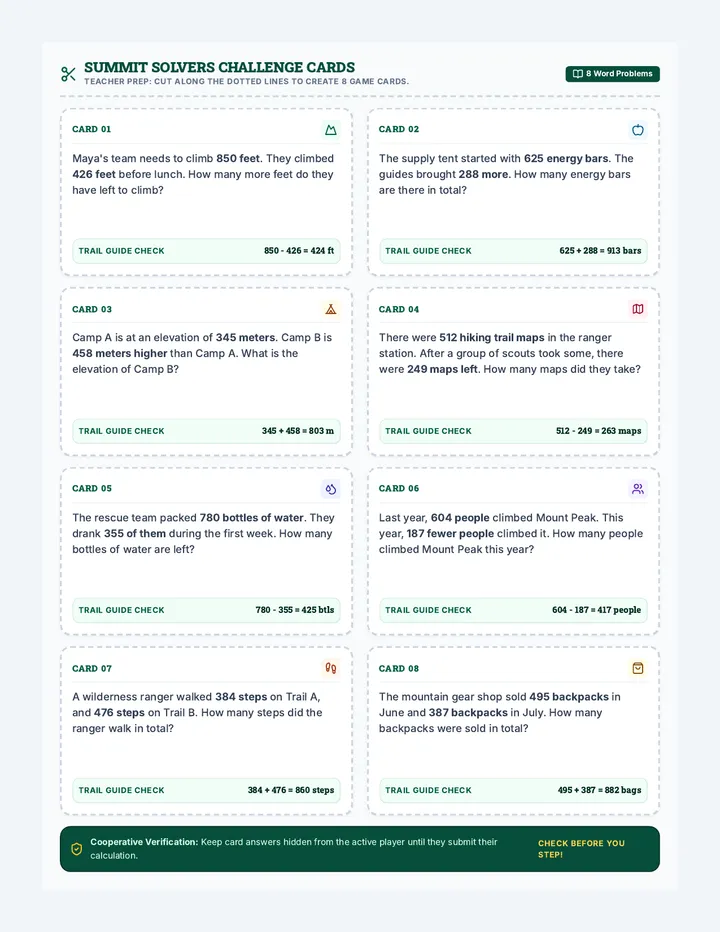
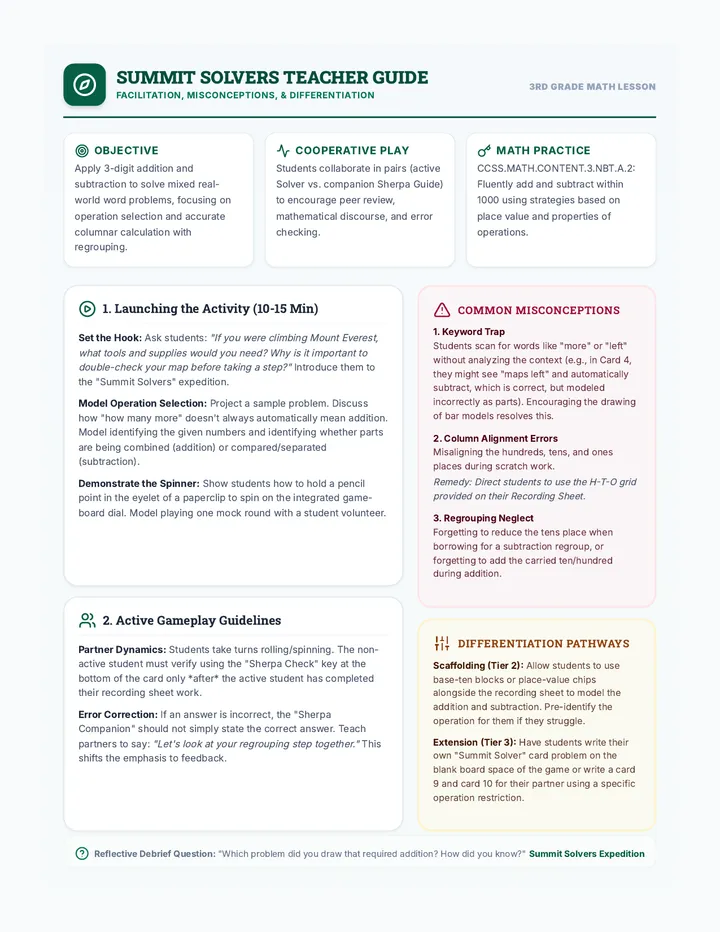
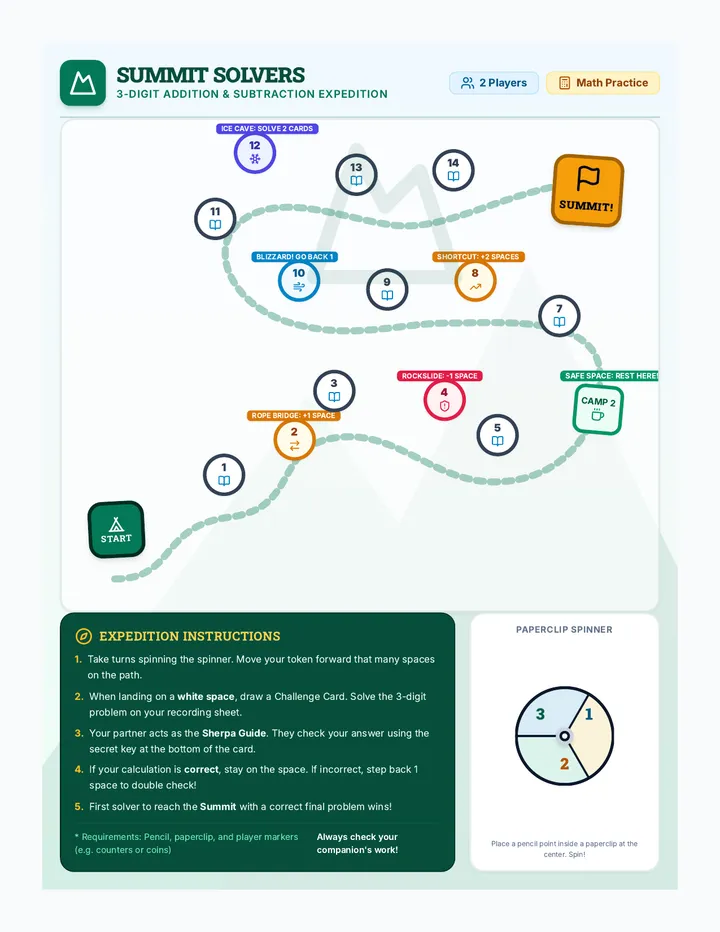
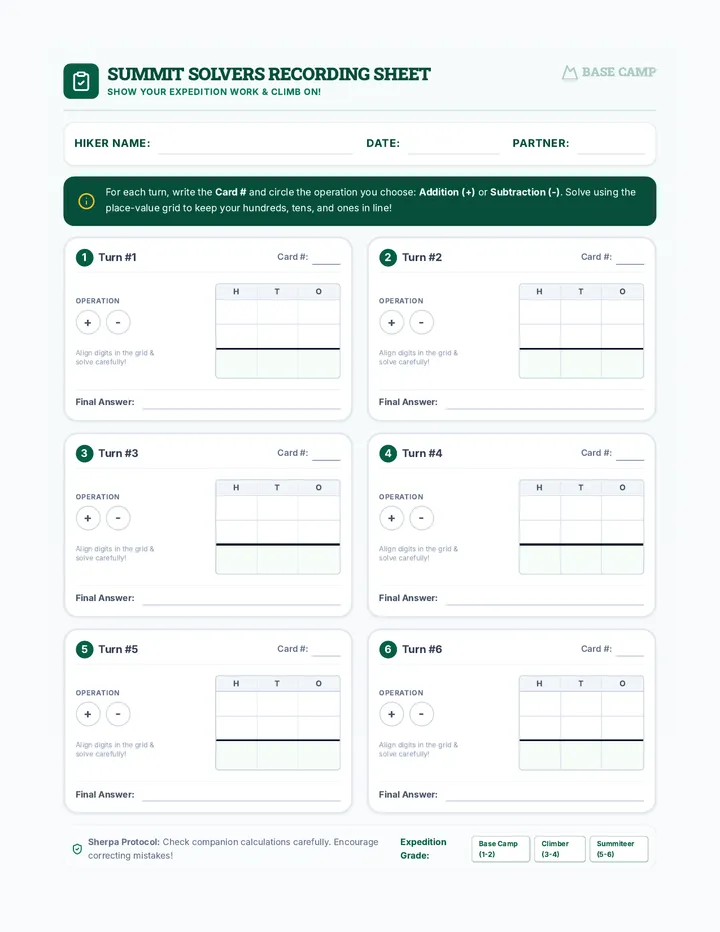
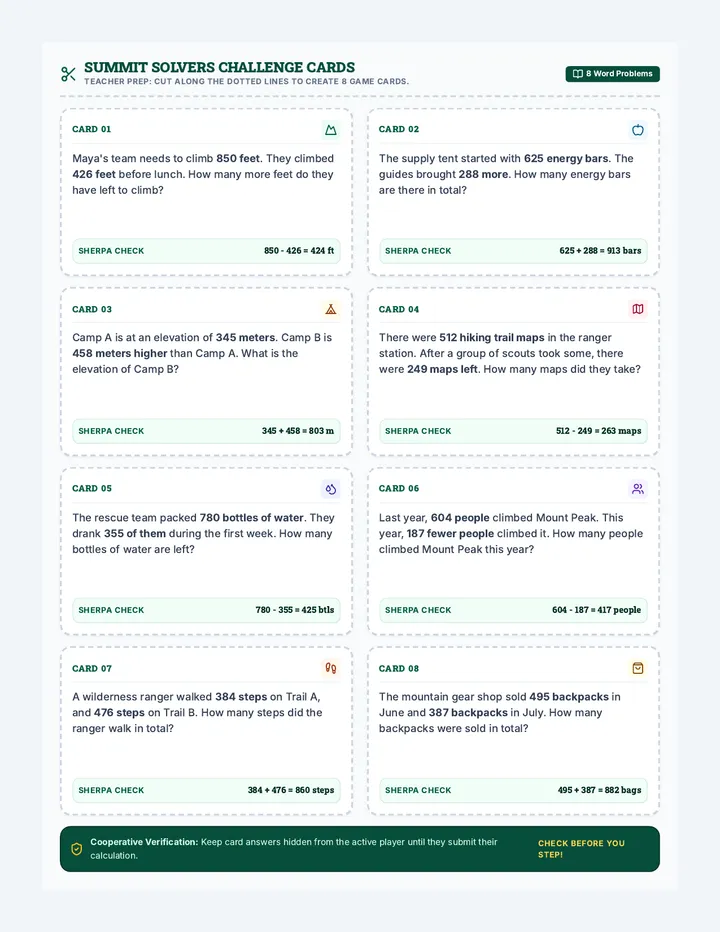
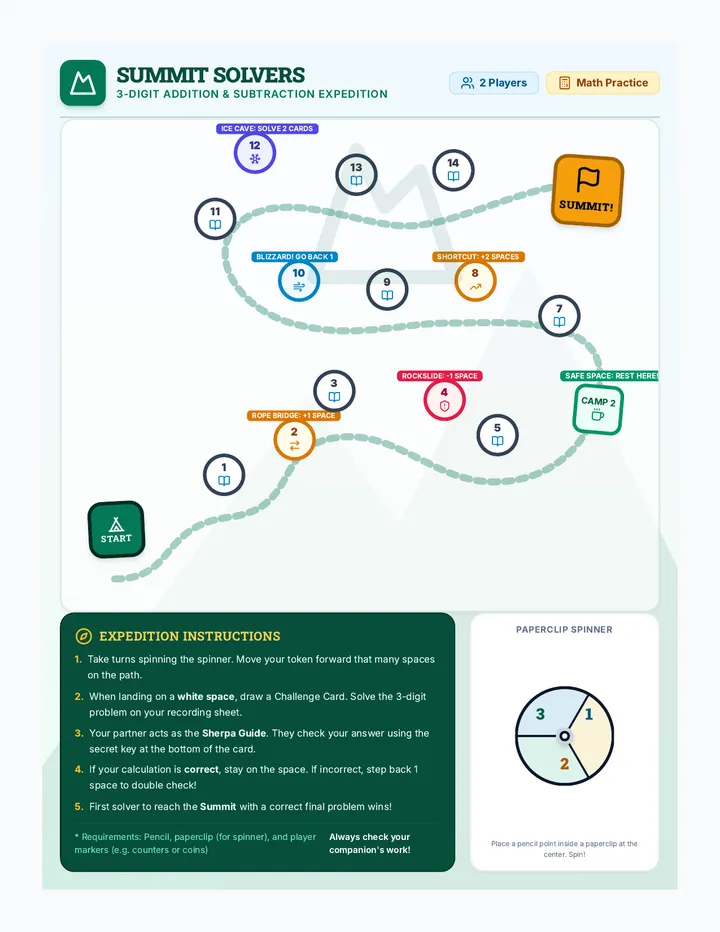
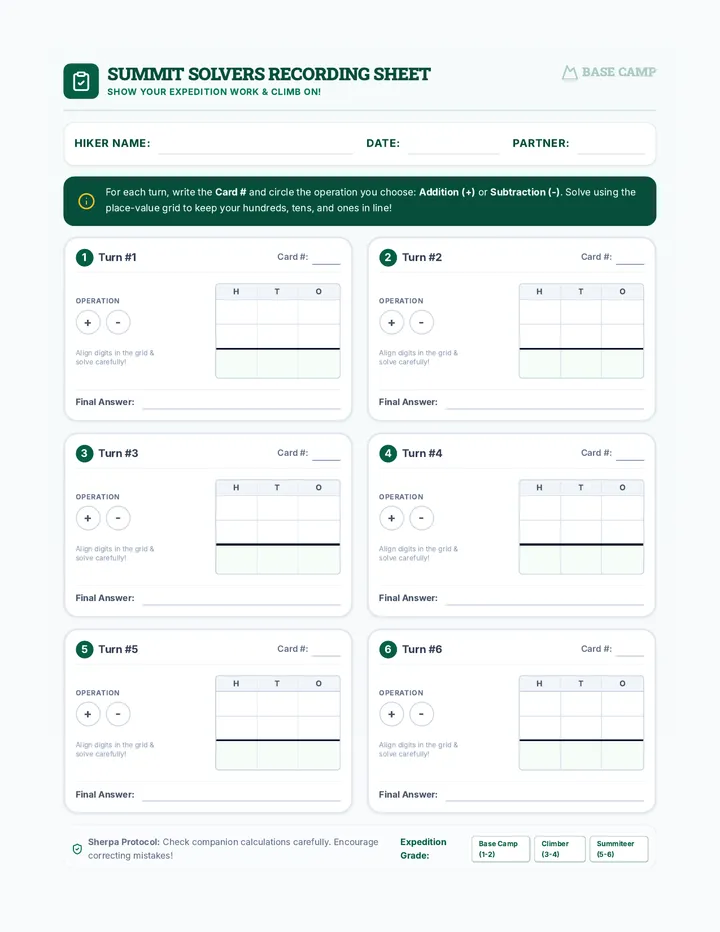
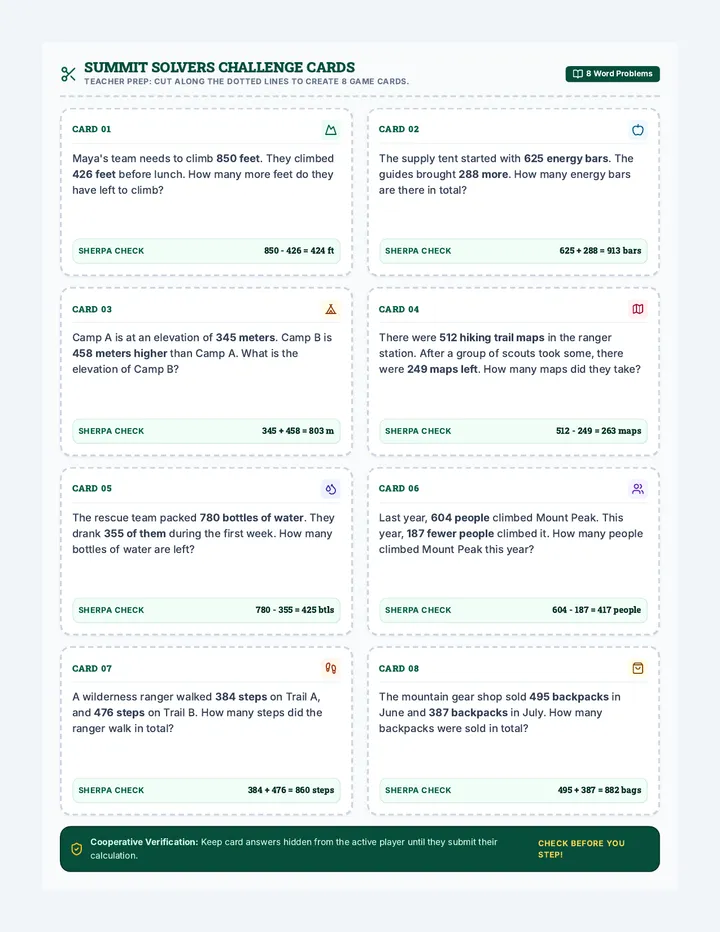
A 3rd-grade math expedition where students solve 2-step addition and subtraction word problems using a 5-step safari protocol: Jungle Scan, Expedition Goal, Scout the Trail, Mapping the Model, and Final Report.
Final mastery check of AZ 3.G.A.2 skills: partitioning shapes, identifying unit fractions, and explaining the relationship between parts and the whole area.
Students explore how the same shape can be partitioned into equal areas in multiple ways, reinforcing that fractional parts must have equal area but not necessarily identical shapes.
Students partition circles, rectangles, and squares into 2, 3, 4, 6, and 8 equal parts with precision, meeting the partitioning requirements of the AZ standards.
Students express the area of one part as a unit fraction (1/b) of the whole, connecting partitioning to numerical notation as required by AZ 3.G.A.2.
Students define equal shares and identify them in circles and quadrilaterals, establishing the foundation for AZ 3.G.A.2 by distinguishing area from shape.
A final review and assessment of all skills learned throughout the Fraction Factory unit.
Exploring different ways to partition the same shape into equal areas, reinforcing that shapes can look different but have the same fractional area.
Practicing partitioning circles, rectangles, and squares into specific numbers of equal parts (2, 3, 4, 6, 8).
Focuses on naming the partitioned parts as unit fractions (1/b) and understanding that the size of the part depends on the total number of parts.
An introduction to identifying and creating equal parts in various shapes, distinguishing between fair and unfair shares in the context of factory production.
A final assessment day where students demonstrate mastery of area concepts including tiling, multiplication, and decomposing rectilinear shapes in the context of a community garden project.
Students apply their knowledge of area to more complex gardening scenarios, including decomposing rectilinear shapes and comparing garden sizes.
In this lesson, students learn to relate tiling to multiplication to find the area of rectangular garden plots. They will count square units and then transition to using side lengths.
A hands-on activity for early learners to distinguish between tall and short objects through visual sorting and comparison.
A high-energy, sports-themed 40-minute review of number sense and operations designed to build student confidence for the Alabama ACAP assessment. Students tackle real-world math challenges featuring Alabama landmarks and scenarios.
A visual exploration of 2D geometric shapes, focusing on identifying names and properties through an architectural-themed Tarsia puzzle.
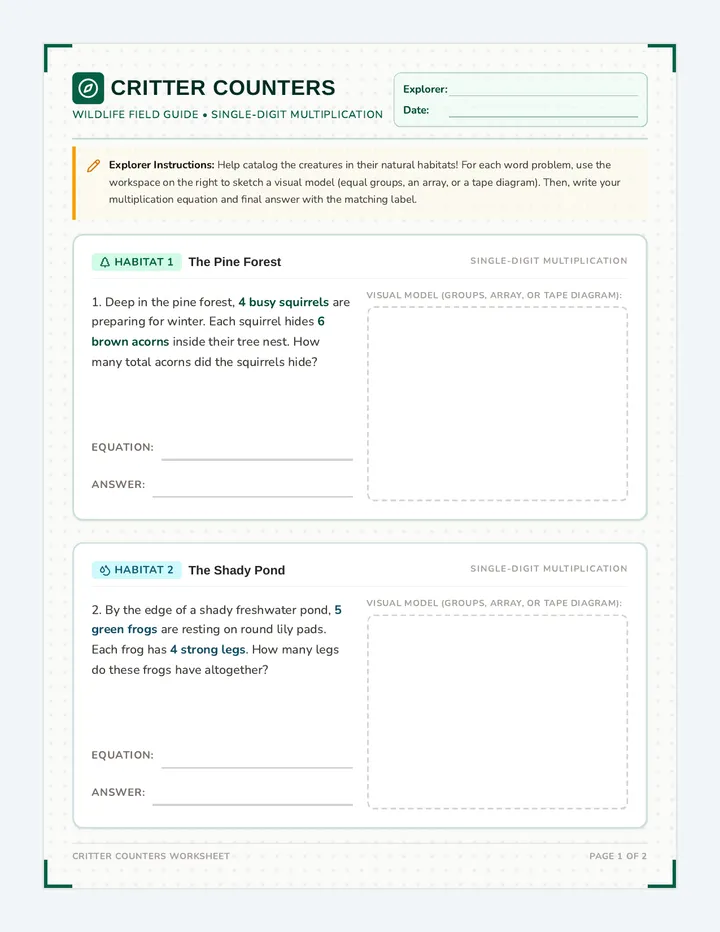
A cumulative review session where students mix groups and arrays to solve problems, culminating in a matching challenge to solidify conceptual understanding.
Focuses on building and analyzing arrays as a strategy for multiplication and division, supported by architectural-themed task cards and anchor charts.
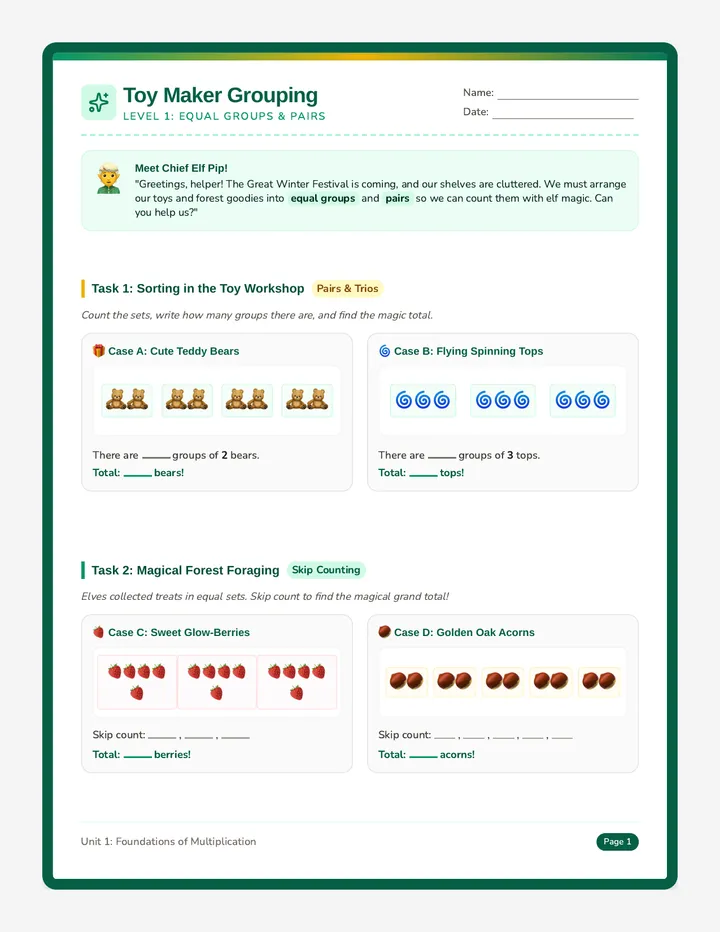
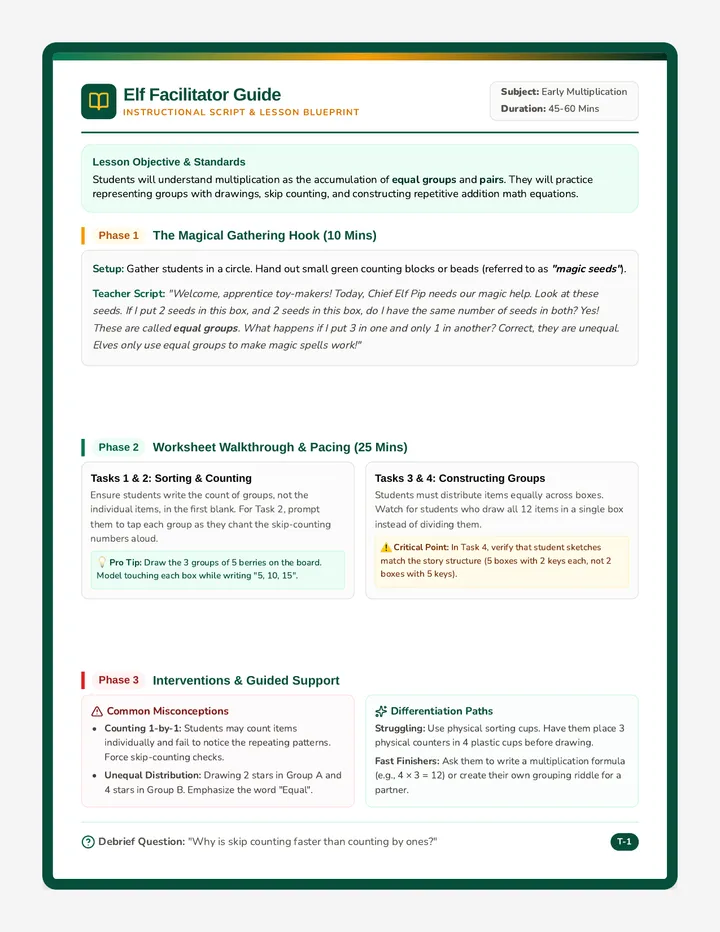
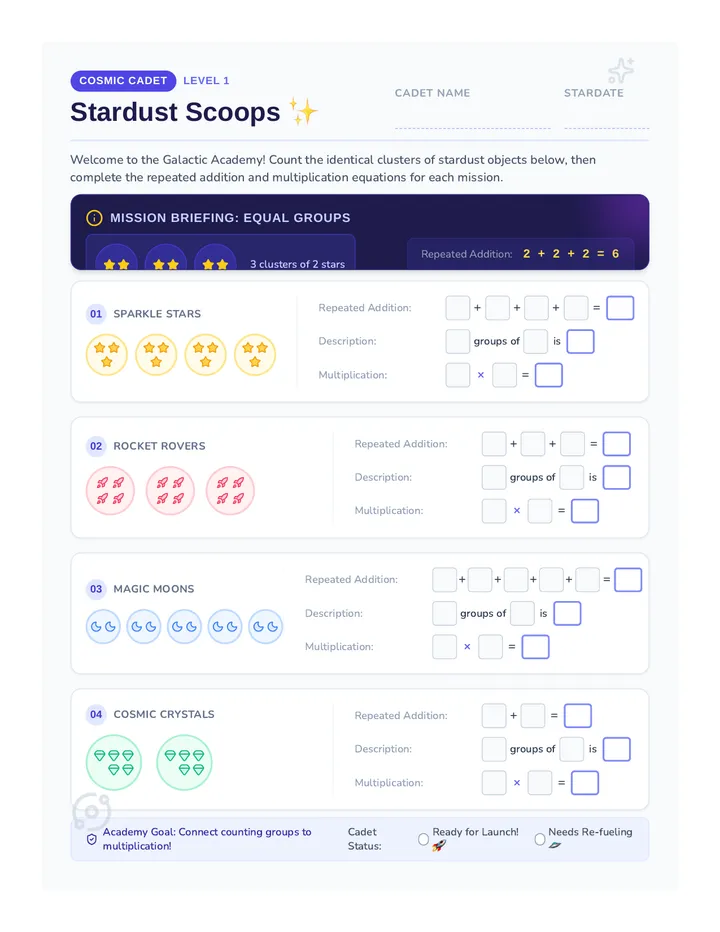
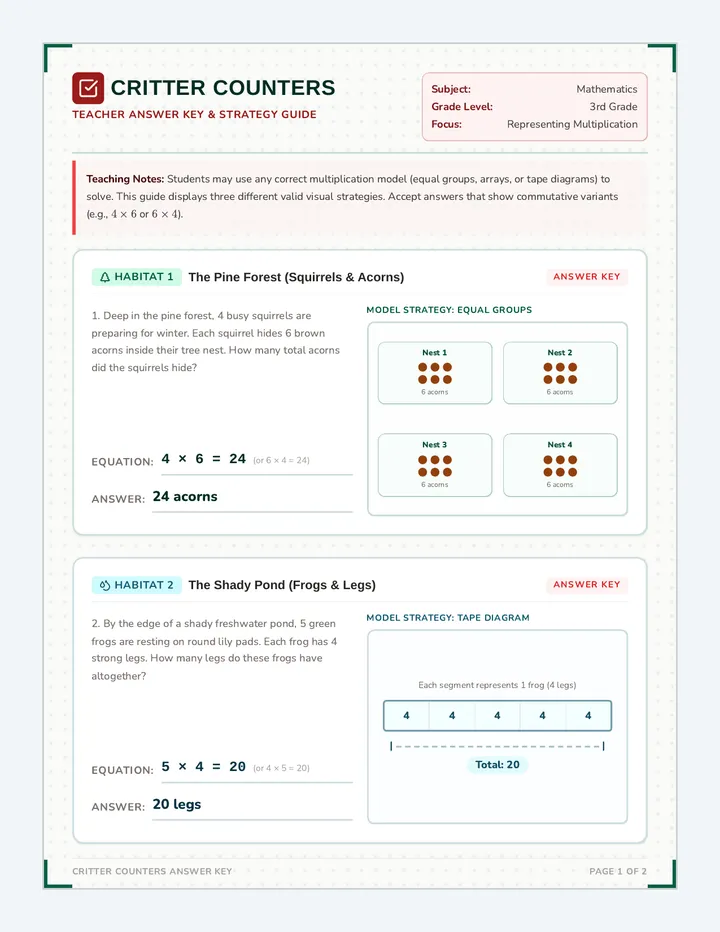
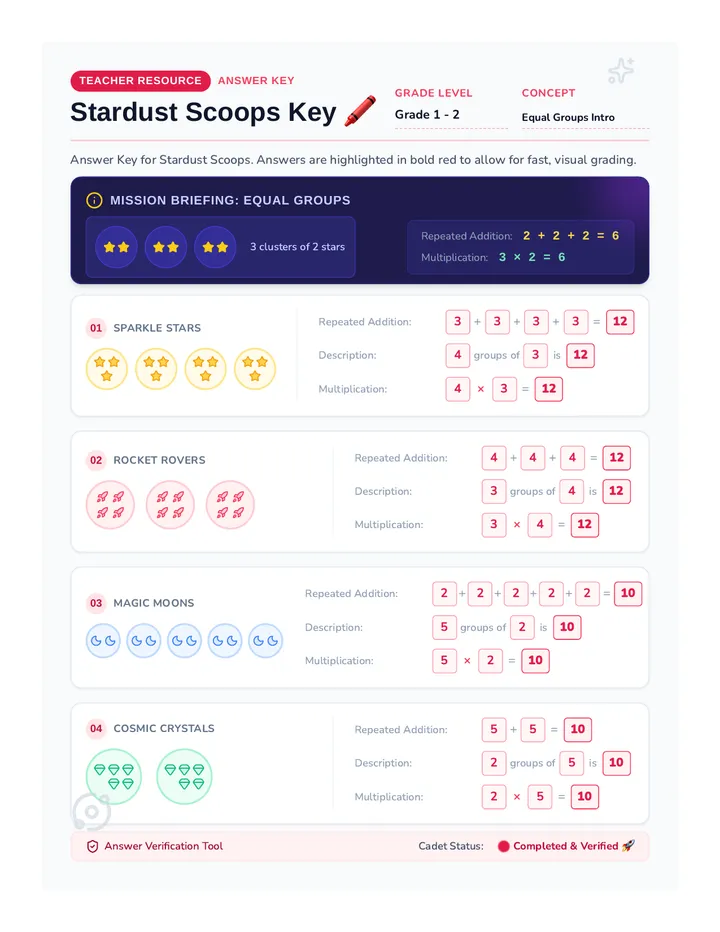
A visual introduction to multiplication and division using equal groups, featuring a dedicated anchor chart and a structured graphic organizer for hands-on practice.
A mixed practice lesson where students choose between equal groups and arrays to solve market-themed word problems and build fact recall.
Students transition to using arrays to represent multiplication and division, visualizing items on market shelves in rows and columns.