A 4th-grade lesson focusing on identifying main ideas and summarizing informational texts using engaging stories from the American Revolution, such as secret spies and midnight rides.
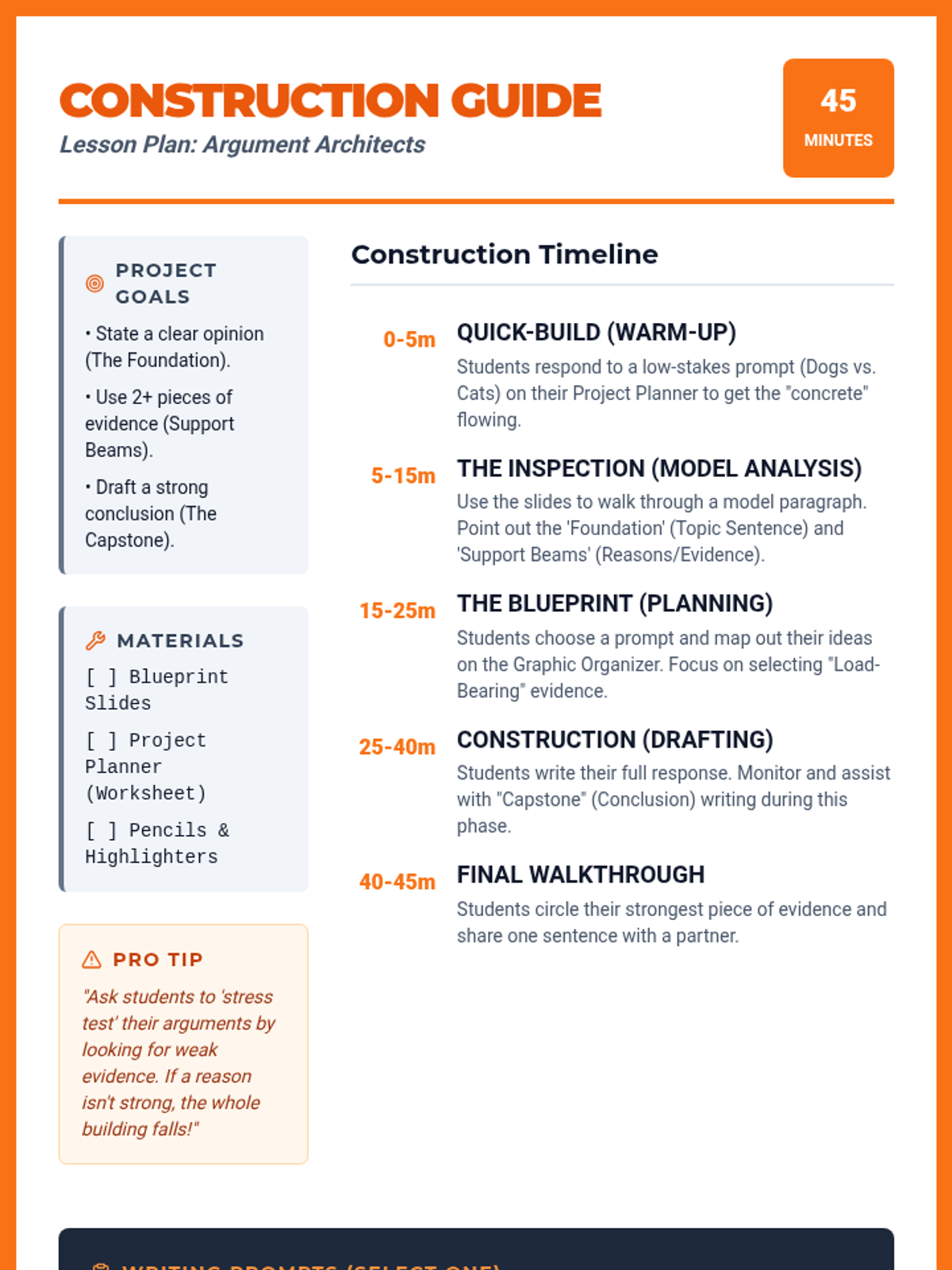
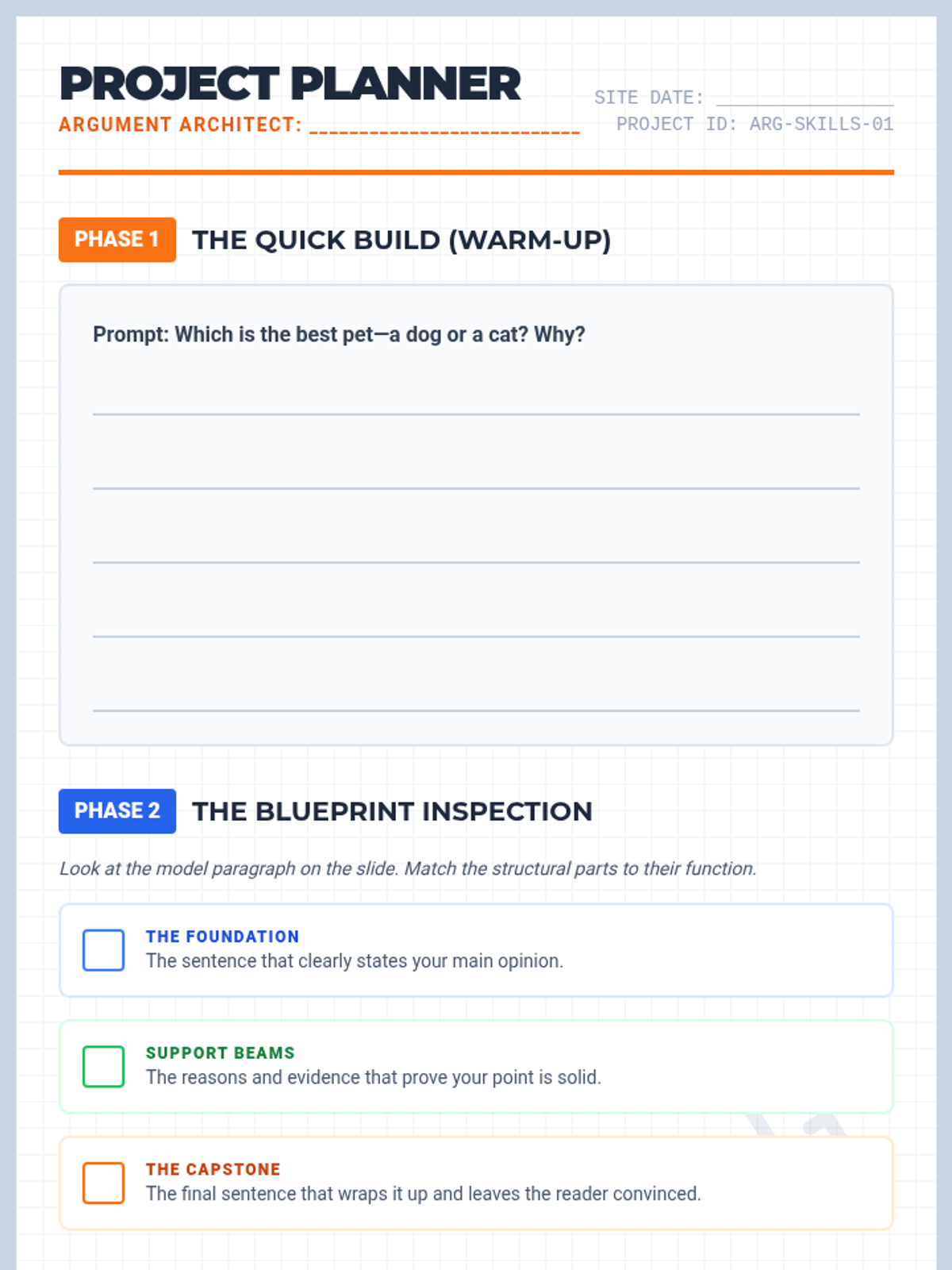
A high-energy, 45-minute writing lesson for grades 3-5 focused on building strong argumentative paragraphs through the metaphor of architectural design. Students analyze models, plan their 'blueprints', and construct evidence-based opinions.
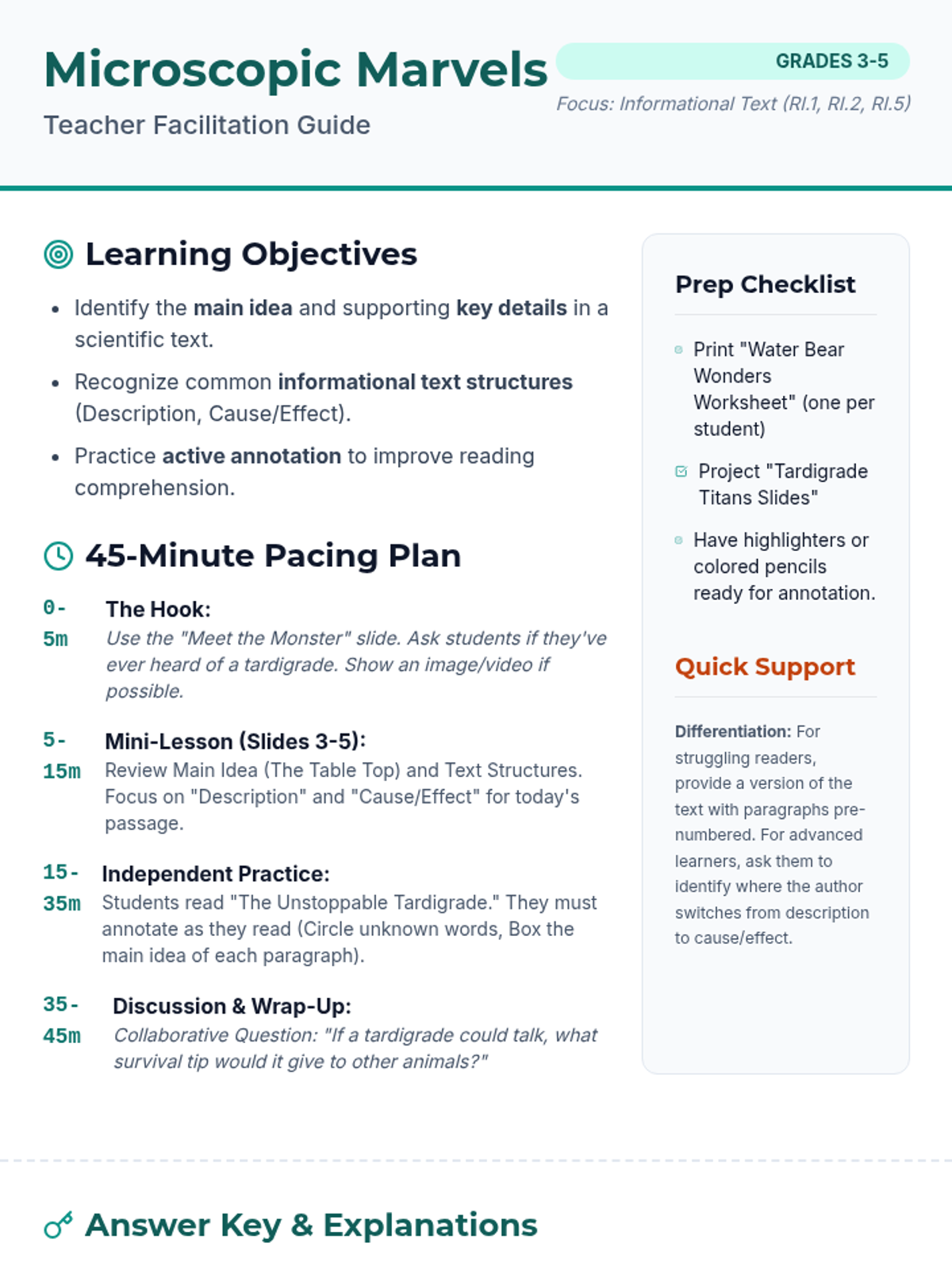
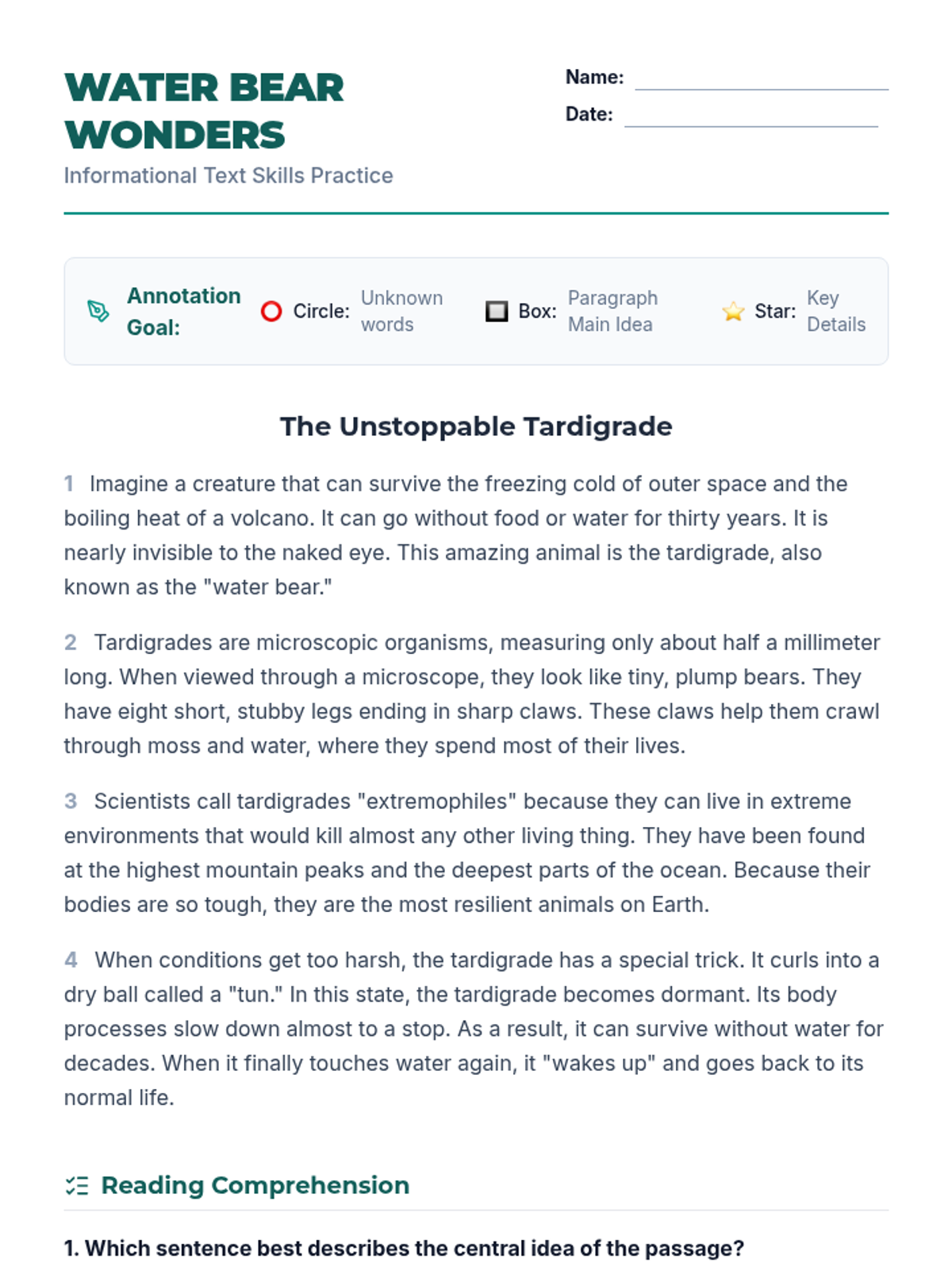
A rigorous ELA lesson for grades 3-5 focusing on informational text skills (main idea, key details, text structure) through the high-interest topic of tardigrades. Includes a teacher guide, interactive slides, and a standardized-style practice worksheet.
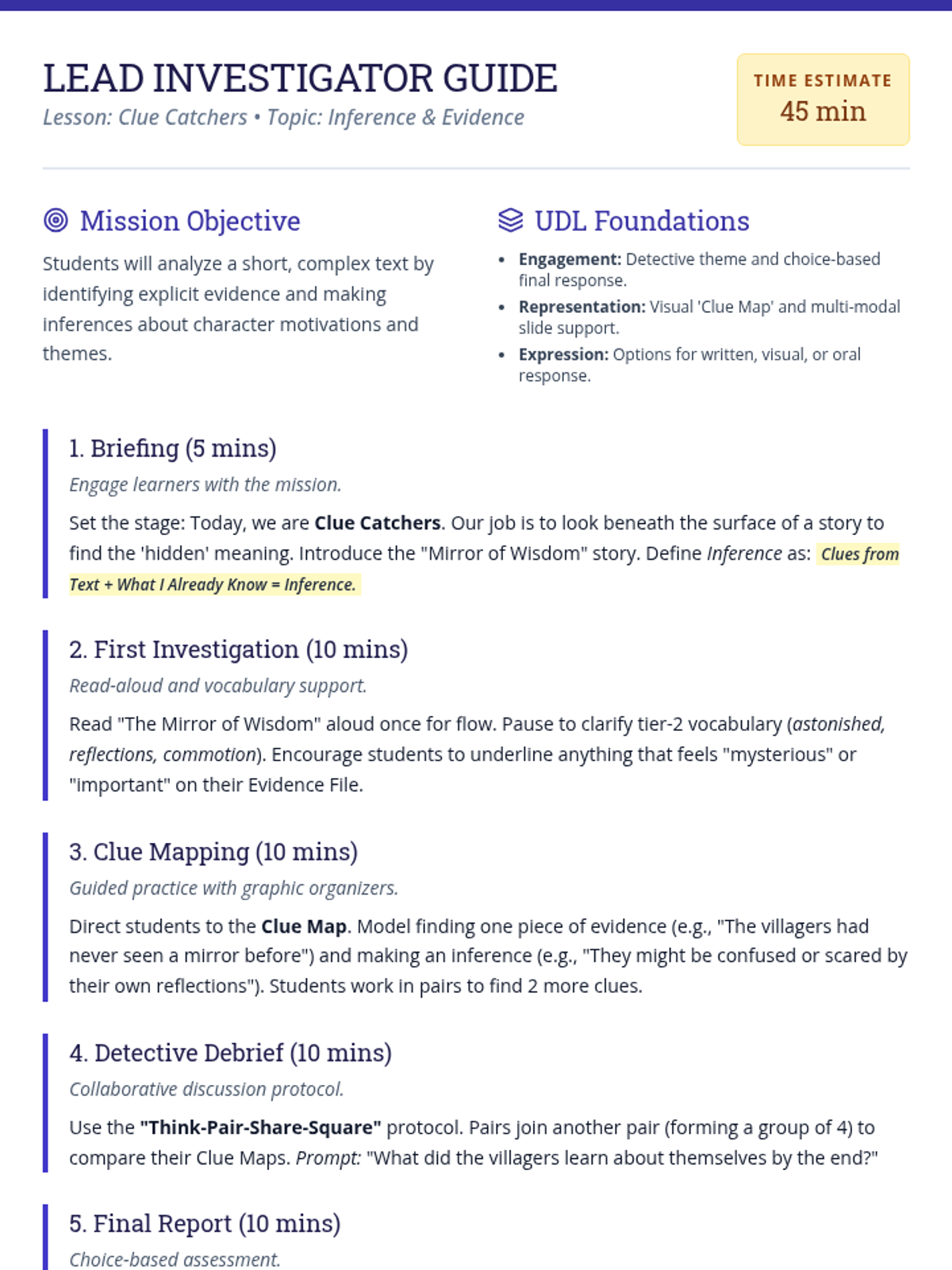
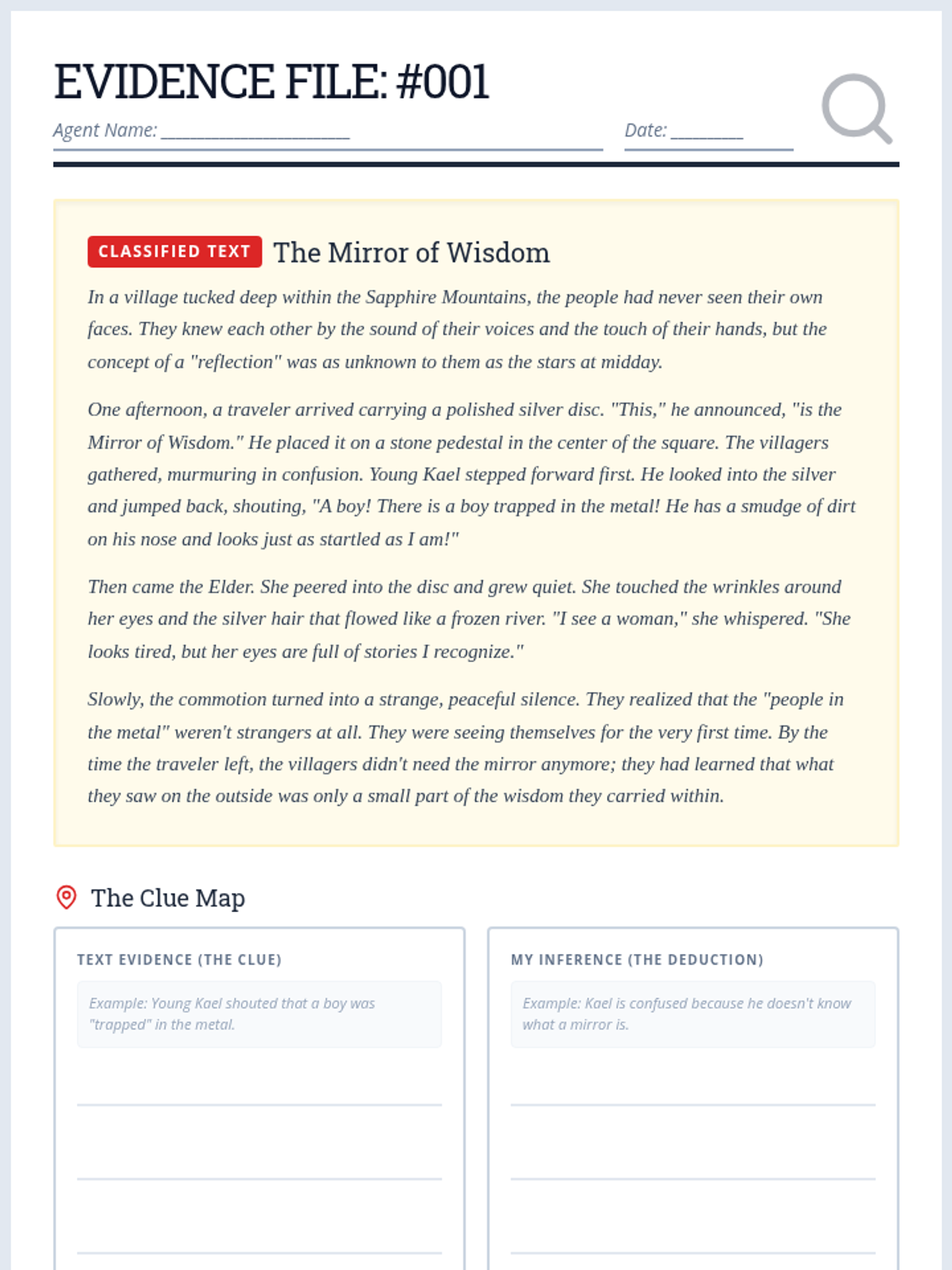
A high-impact, 45-minute reading comprehension lesson for grades 3-5 using UDL principles. Students act as 'Clue Catchers' to analyze a rich short text through close reading, collaborative discussion, and choice-based expression.
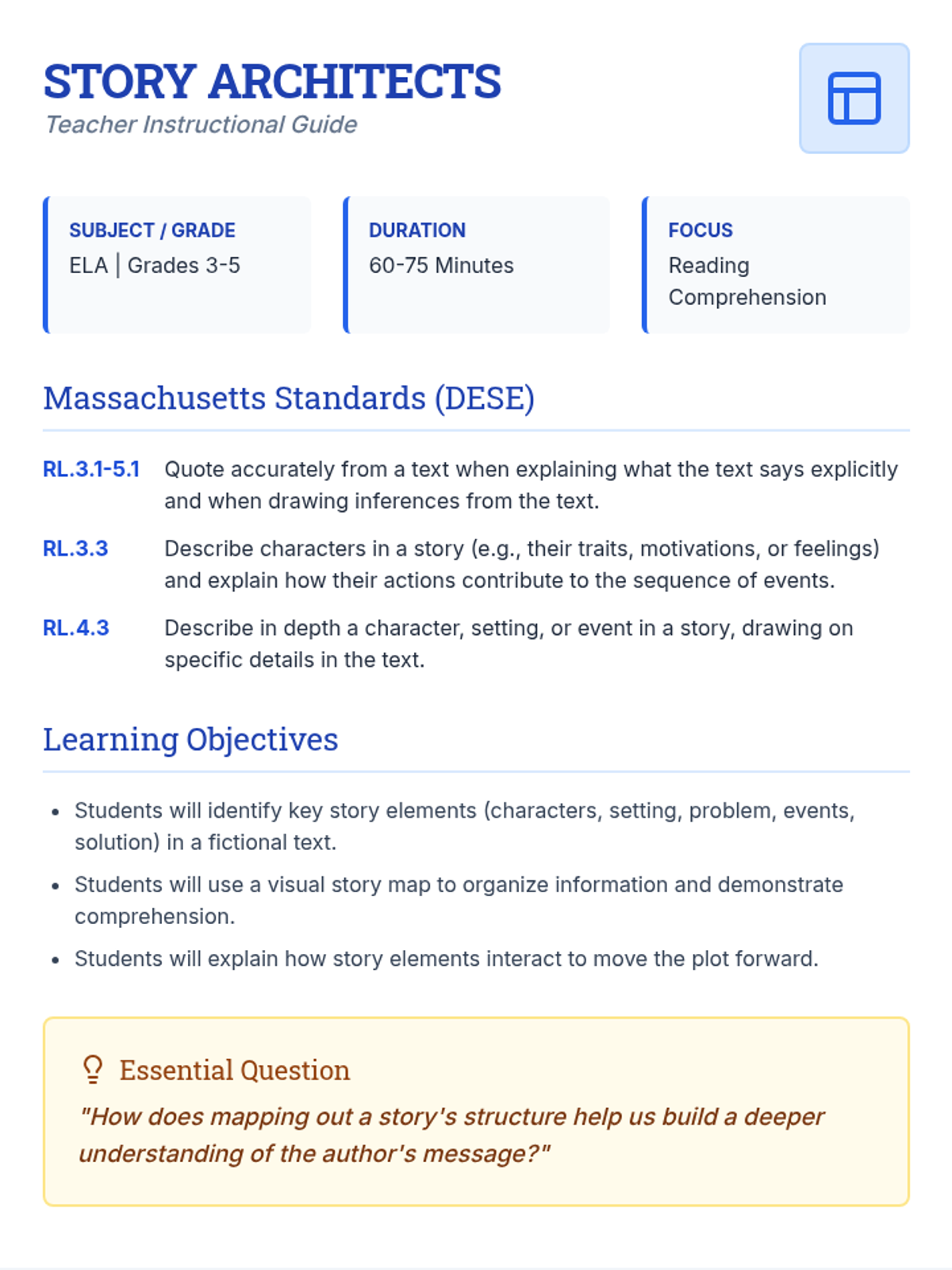
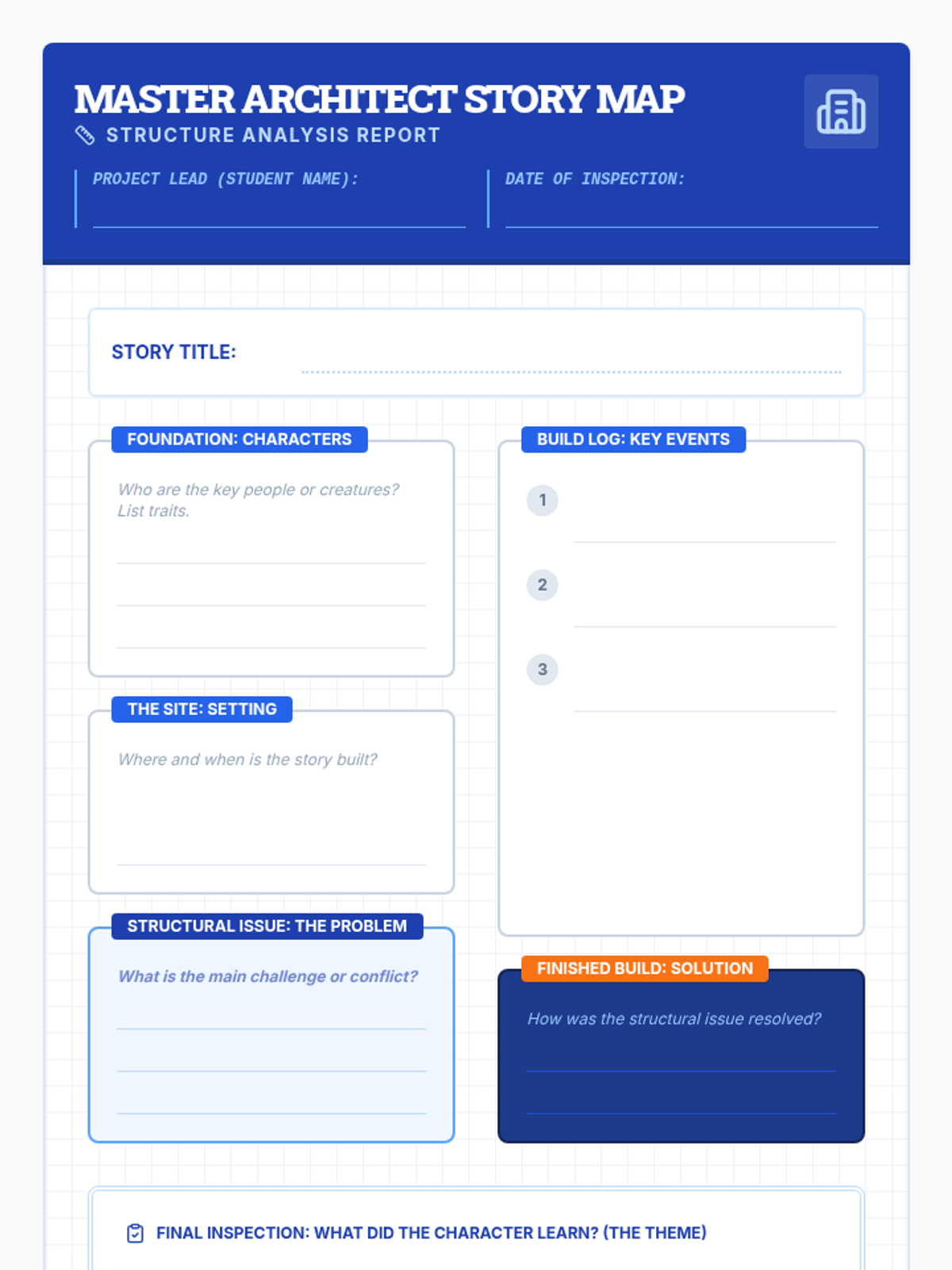
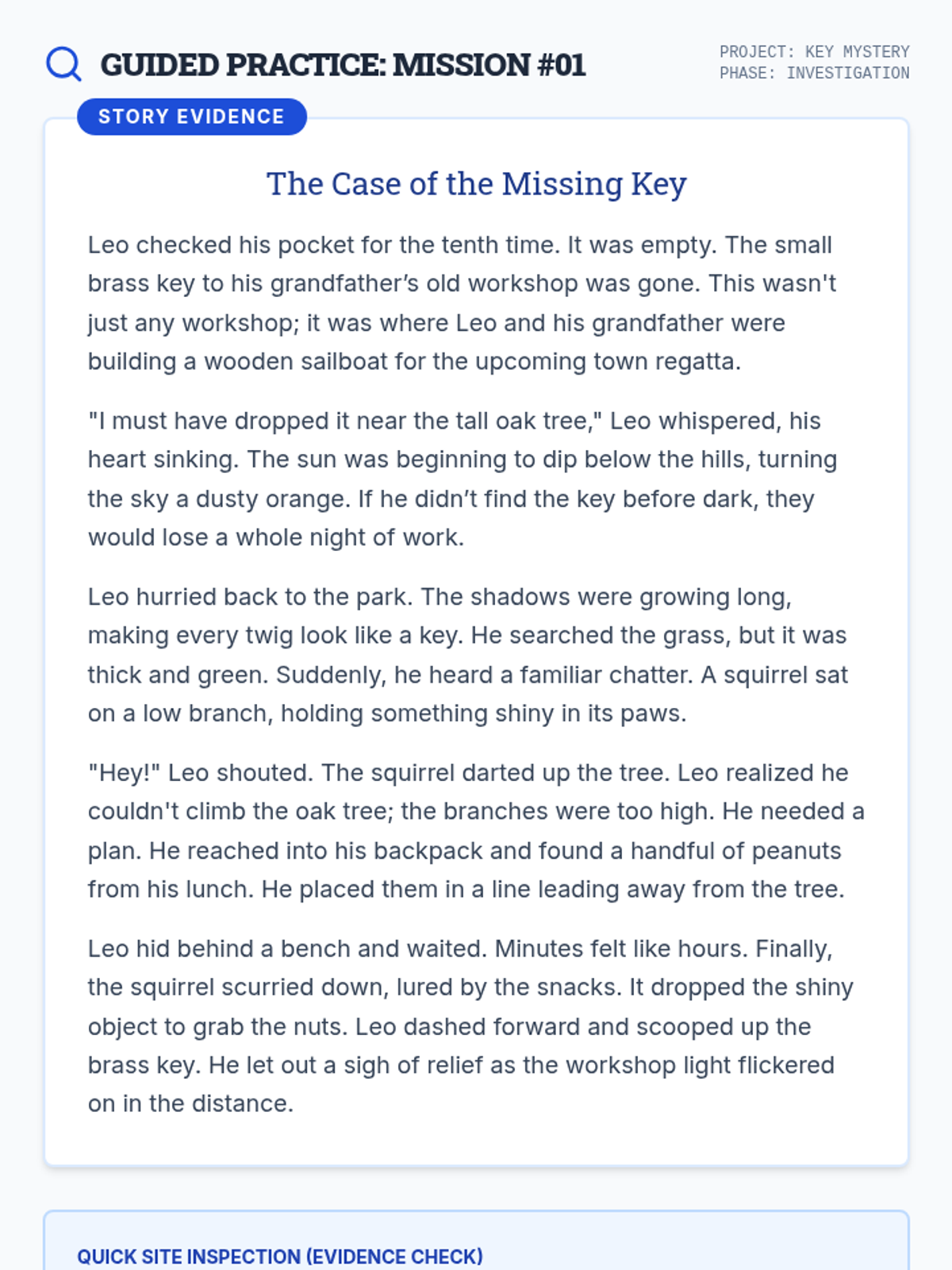
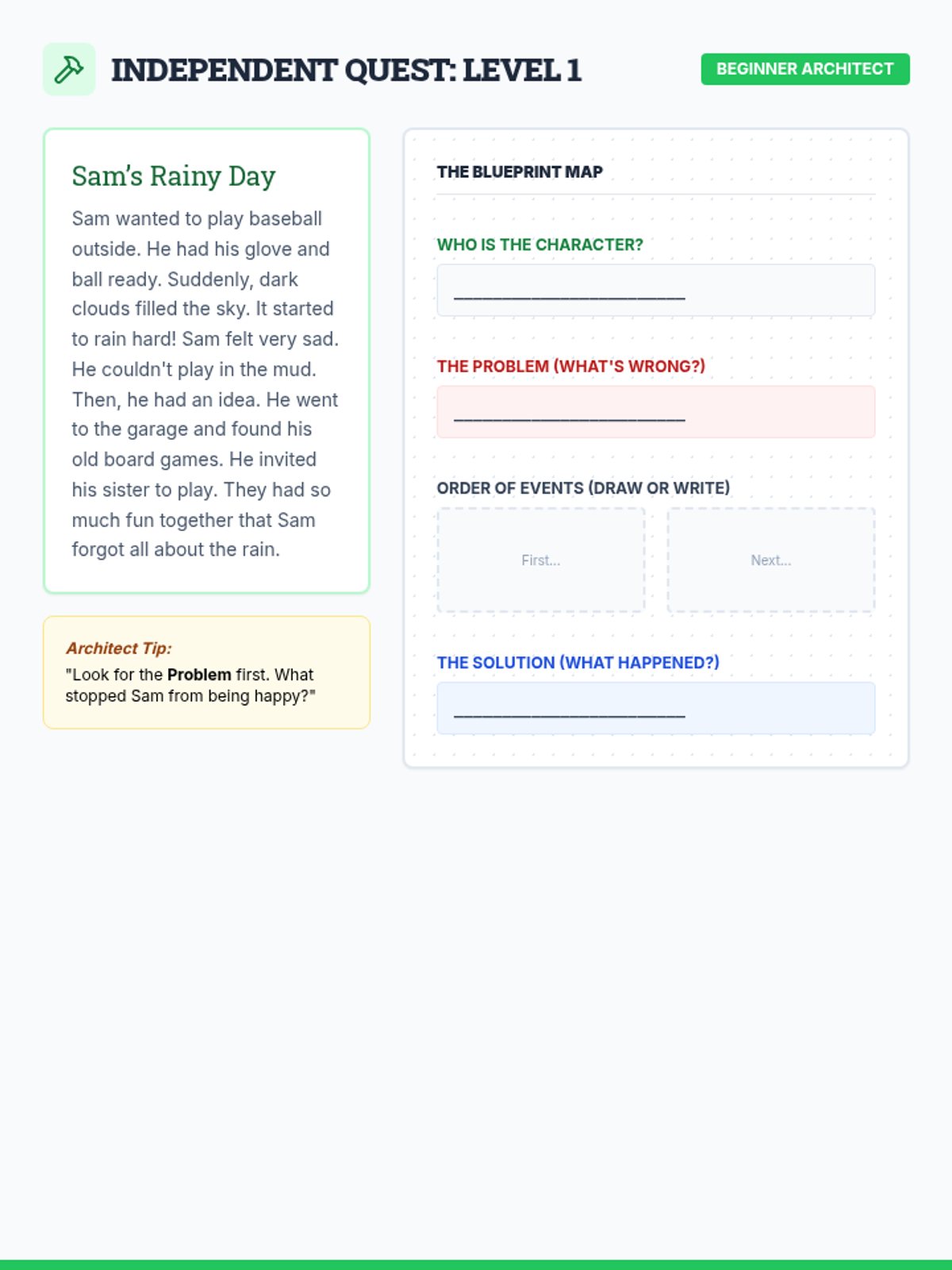
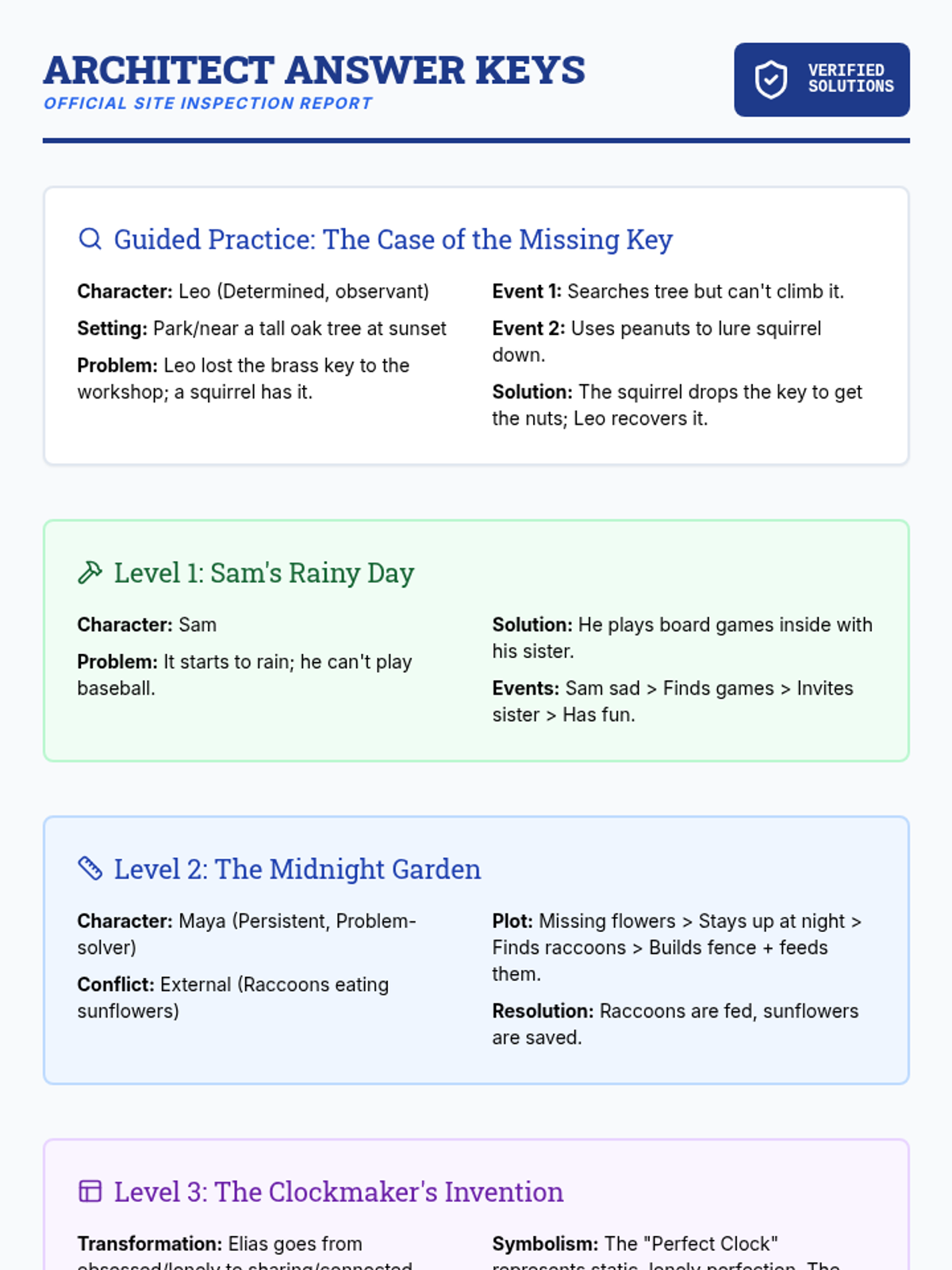
A comprehensive ELA lesson for grades 3-5 focusing on using graphic organizers to master story elements and reading comprehension. Students take on the role of 'Story Architects' to deconstruct narratives and build deep understanding.
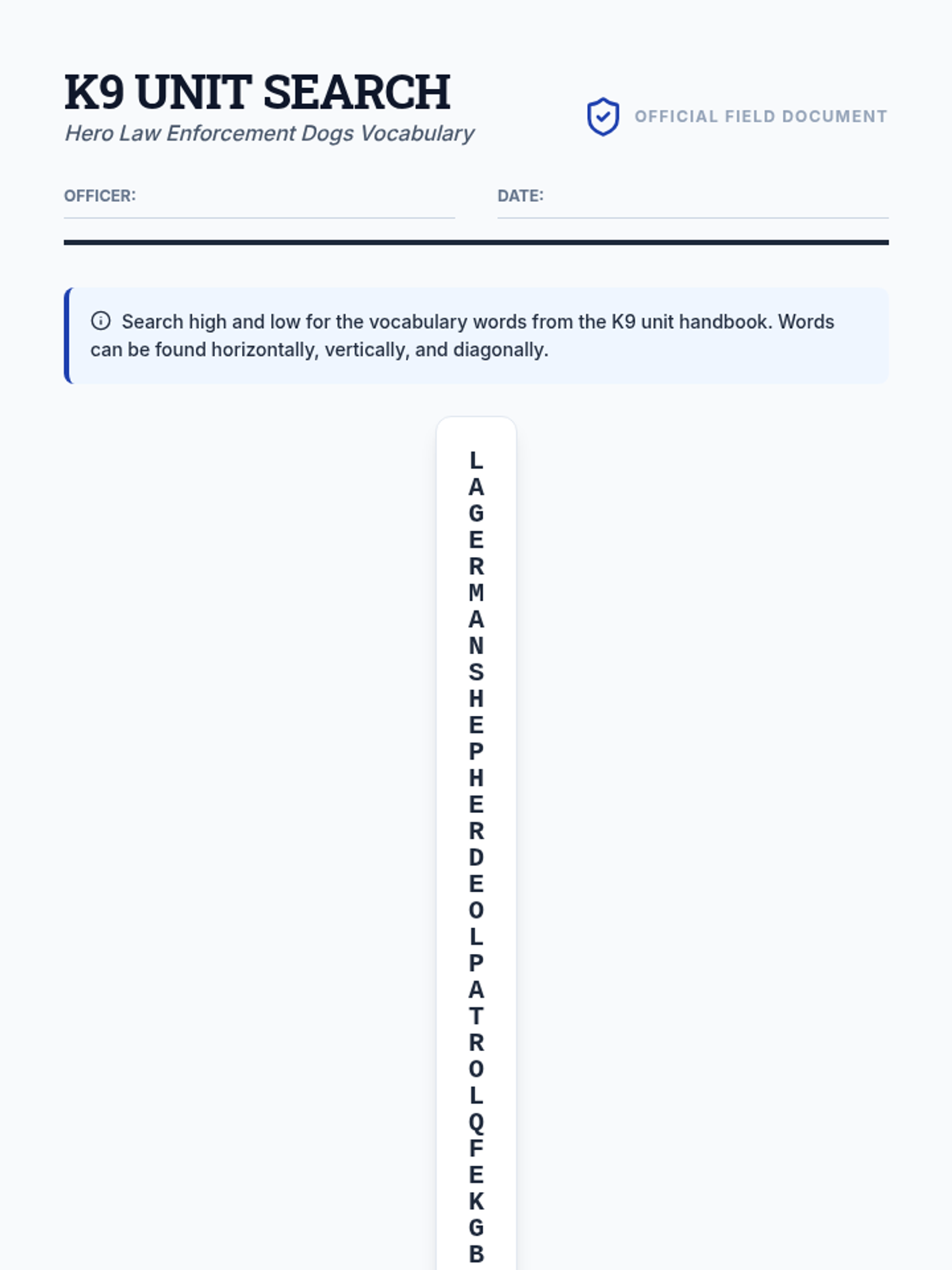
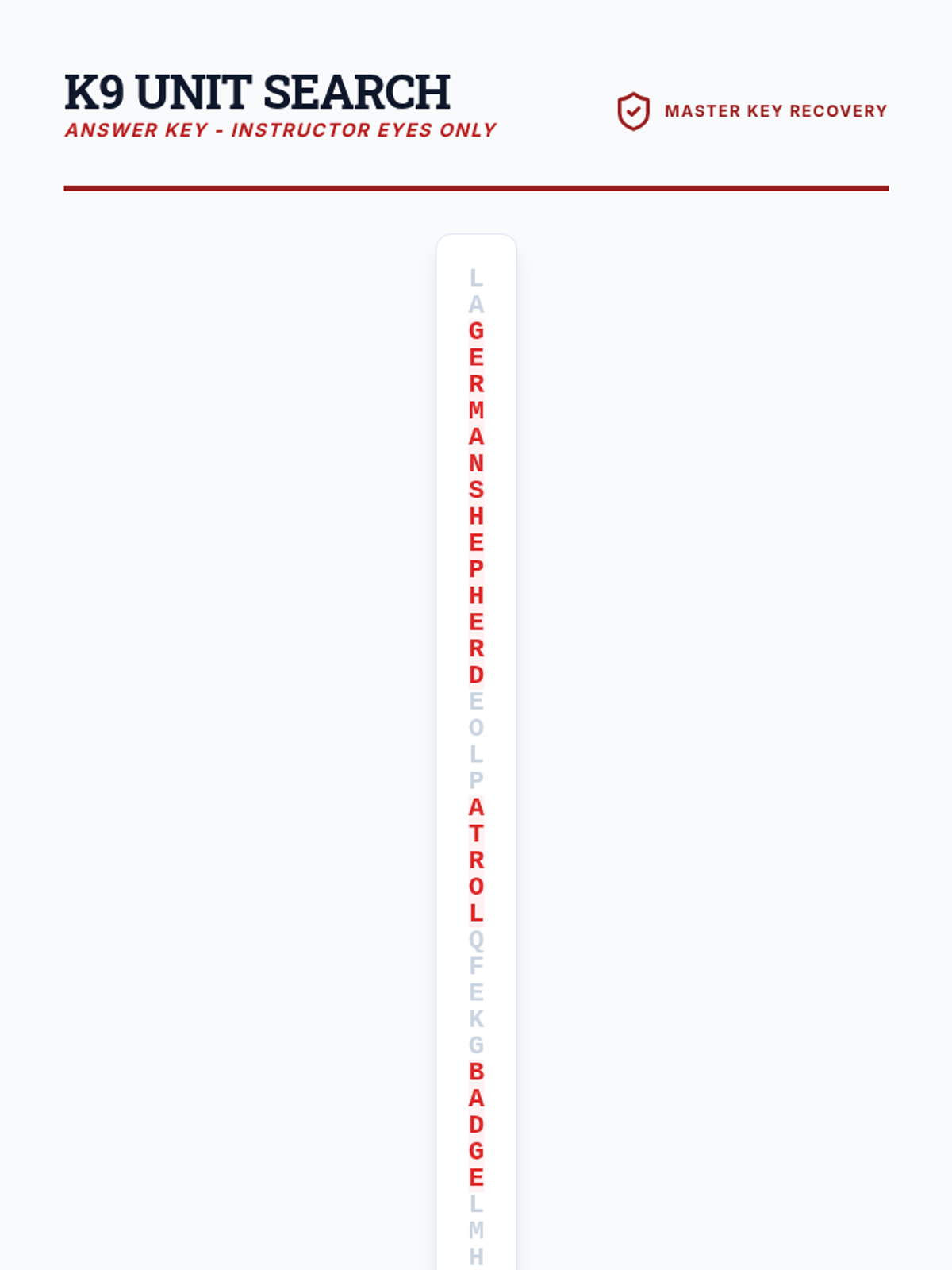
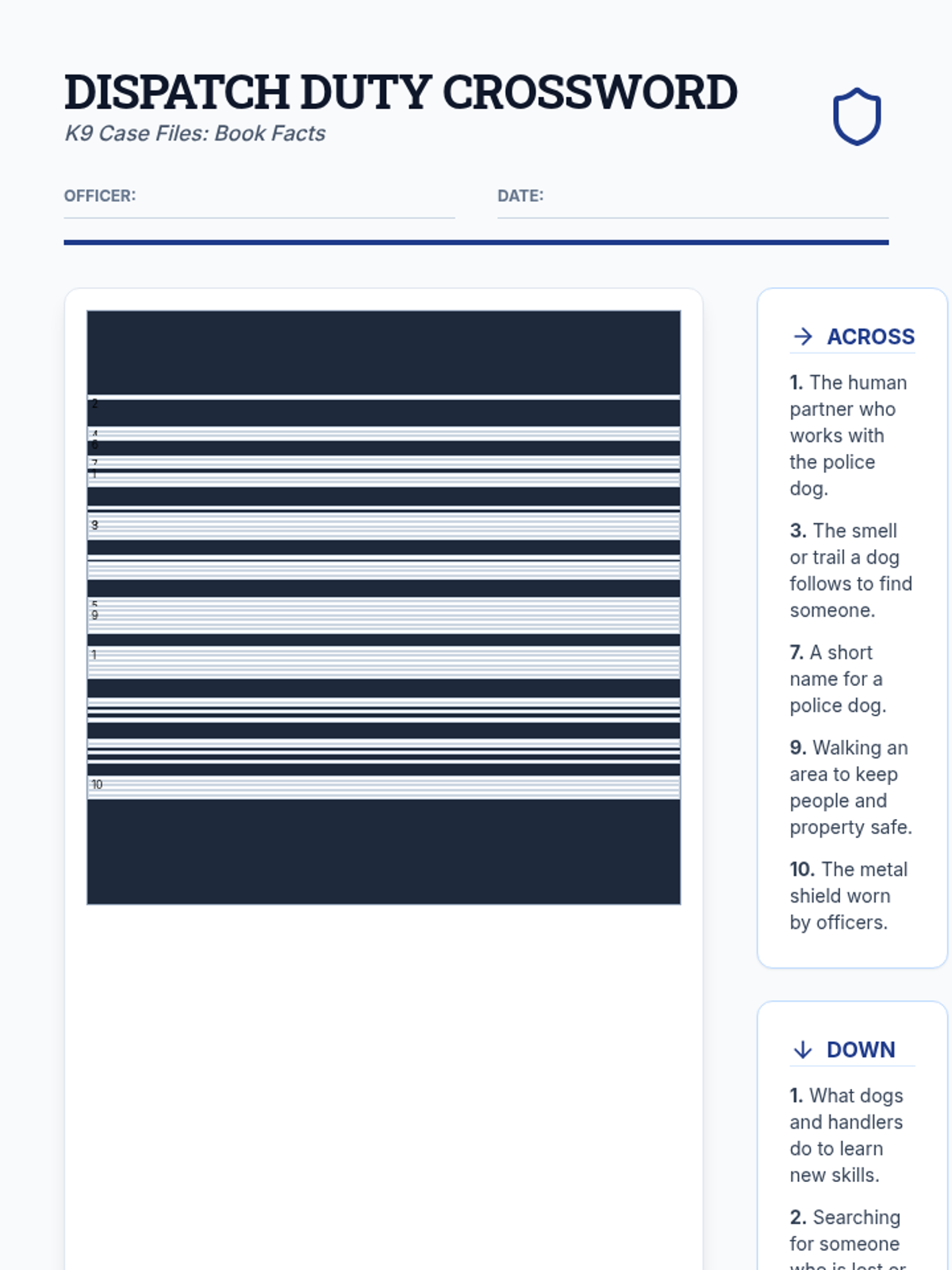
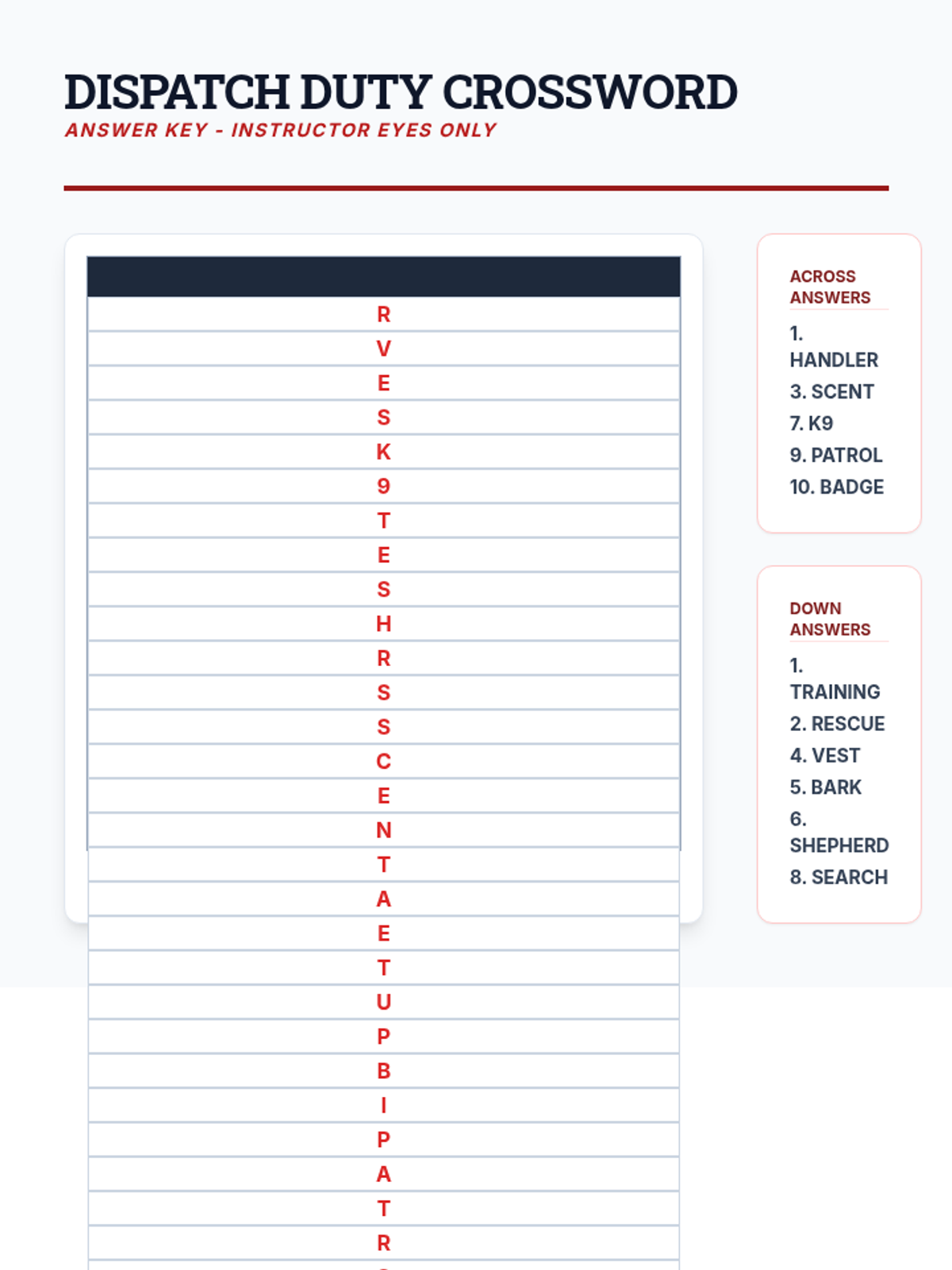
A collection of engaging puzzle activities based on the book "Hero Law Enforcement Dogs" by Jennifer Boothroyd, focusing on vocabulary and key facts about K9 units.
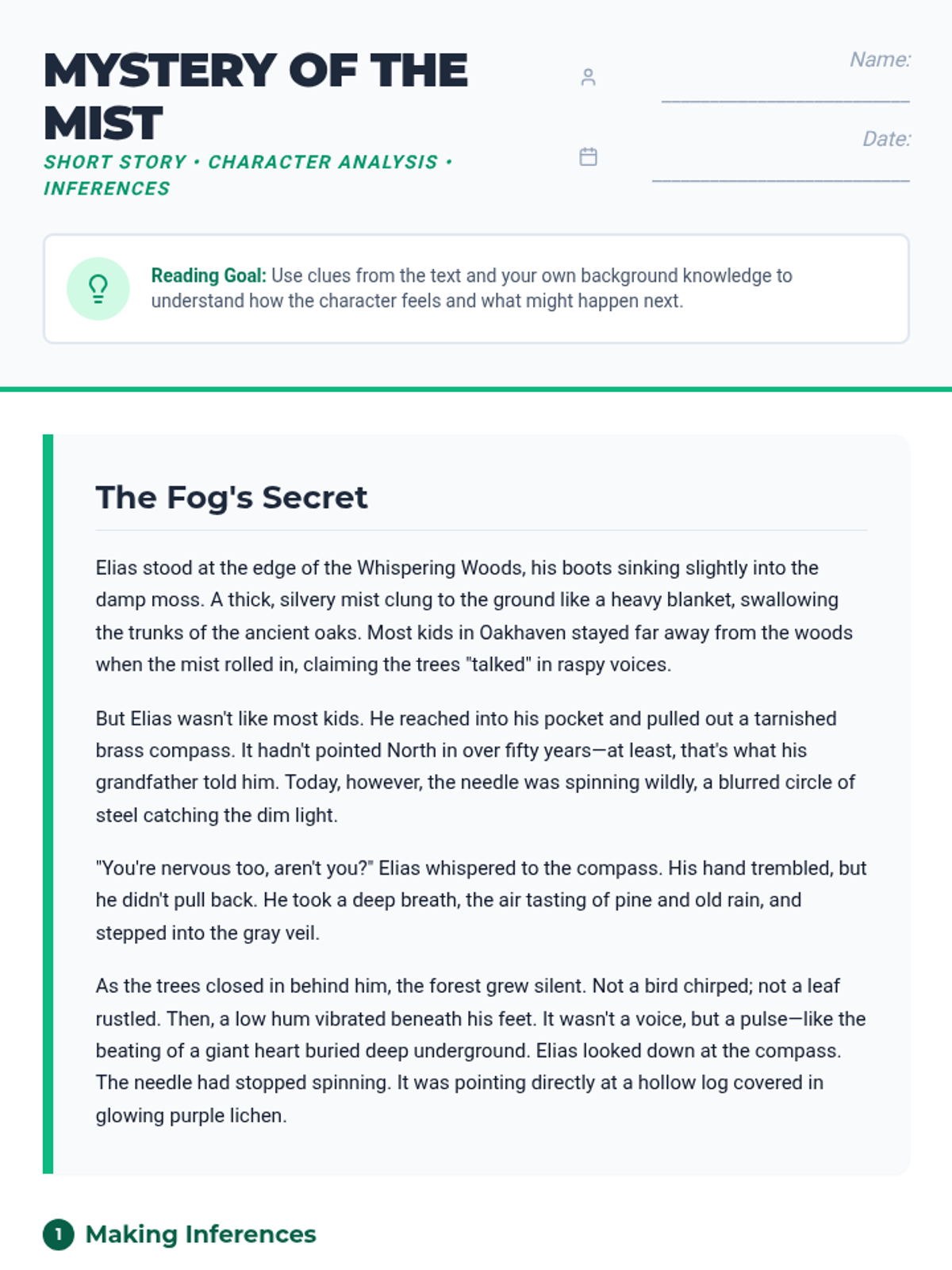
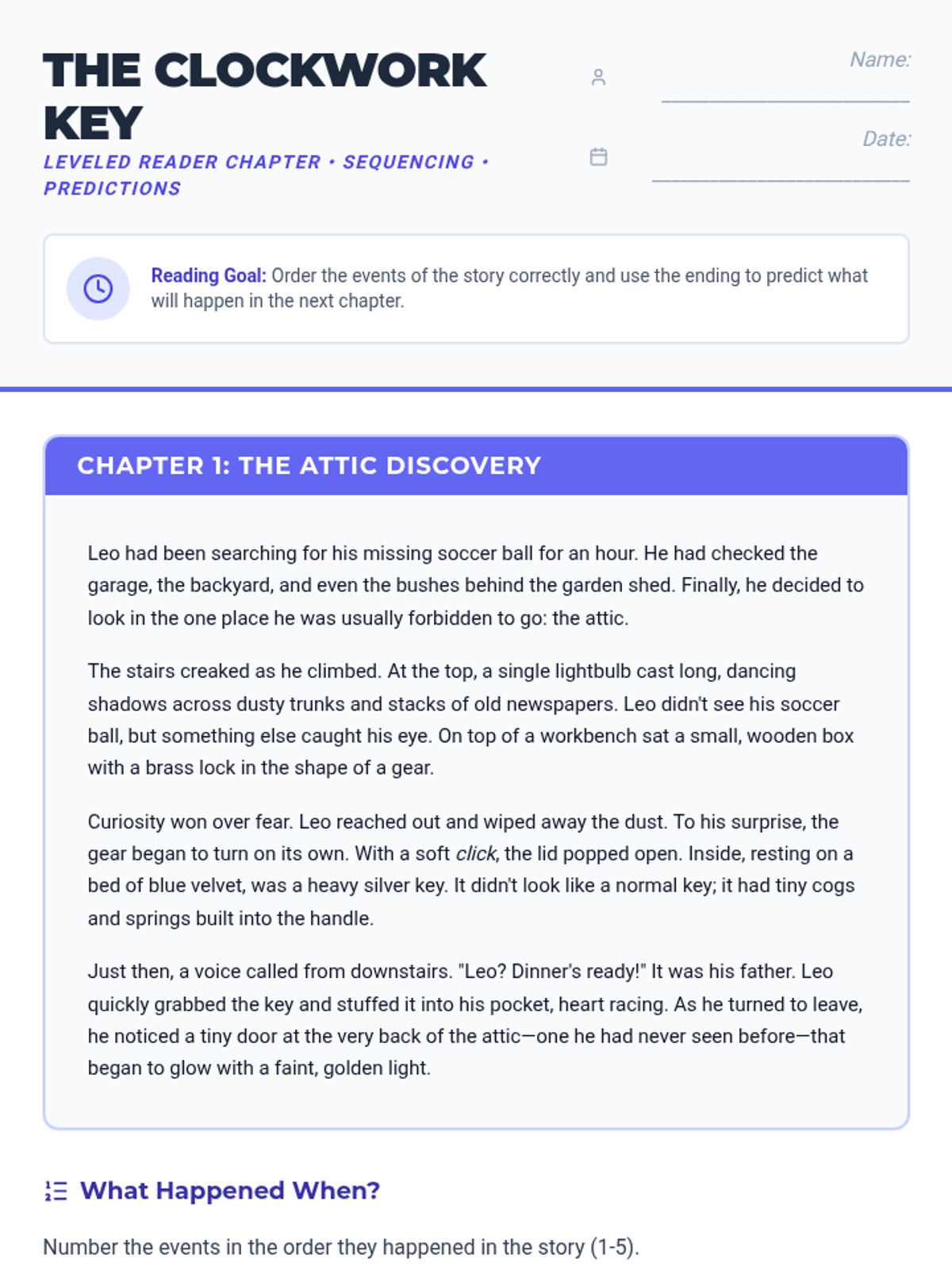
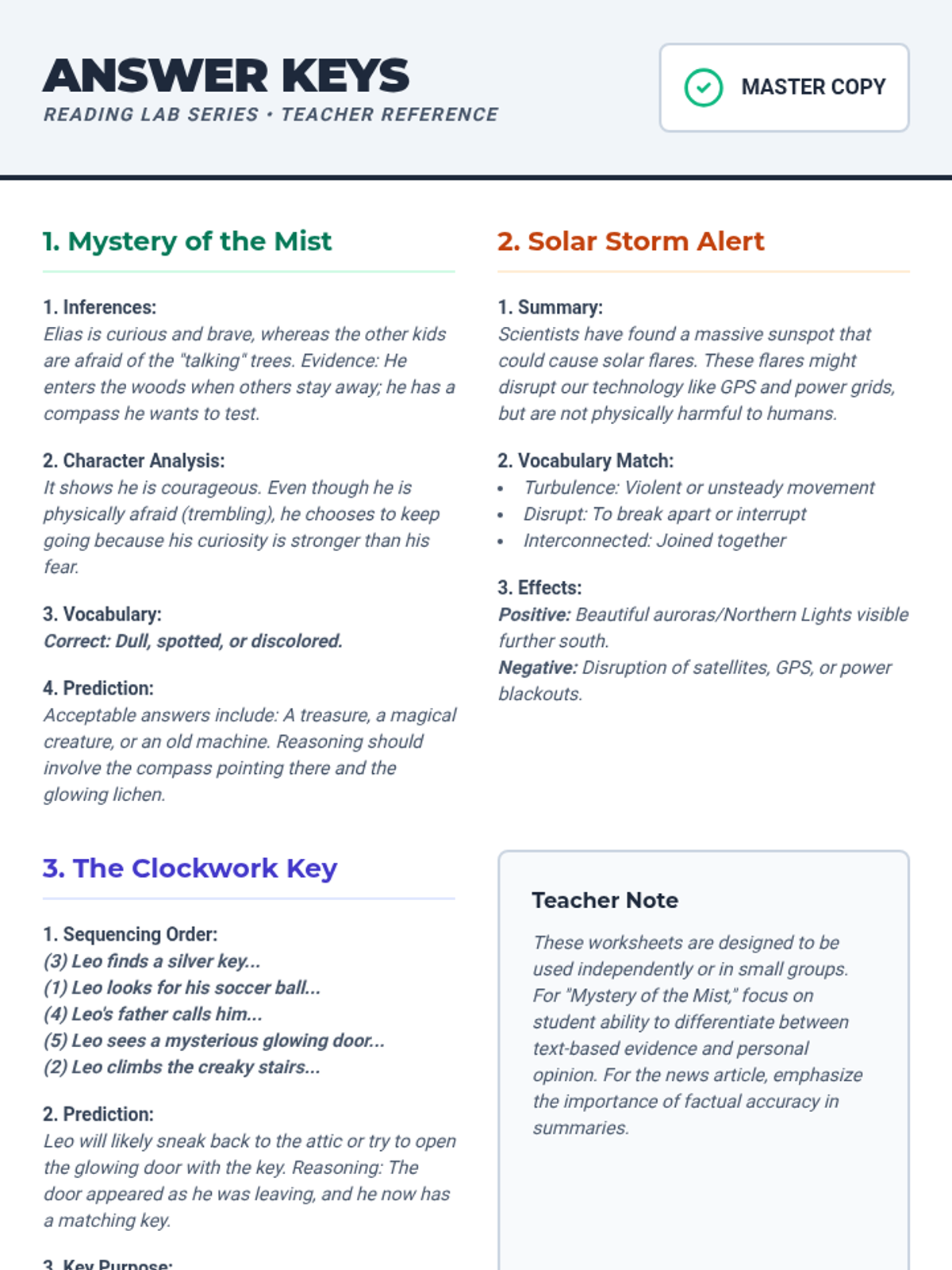
A collection of high-interest reading comprehension worksheets focusing on short stories, news articles, and leveled reader passages for grades 3-5. students practice inferences, sequencing, and vocabulary acquisition.
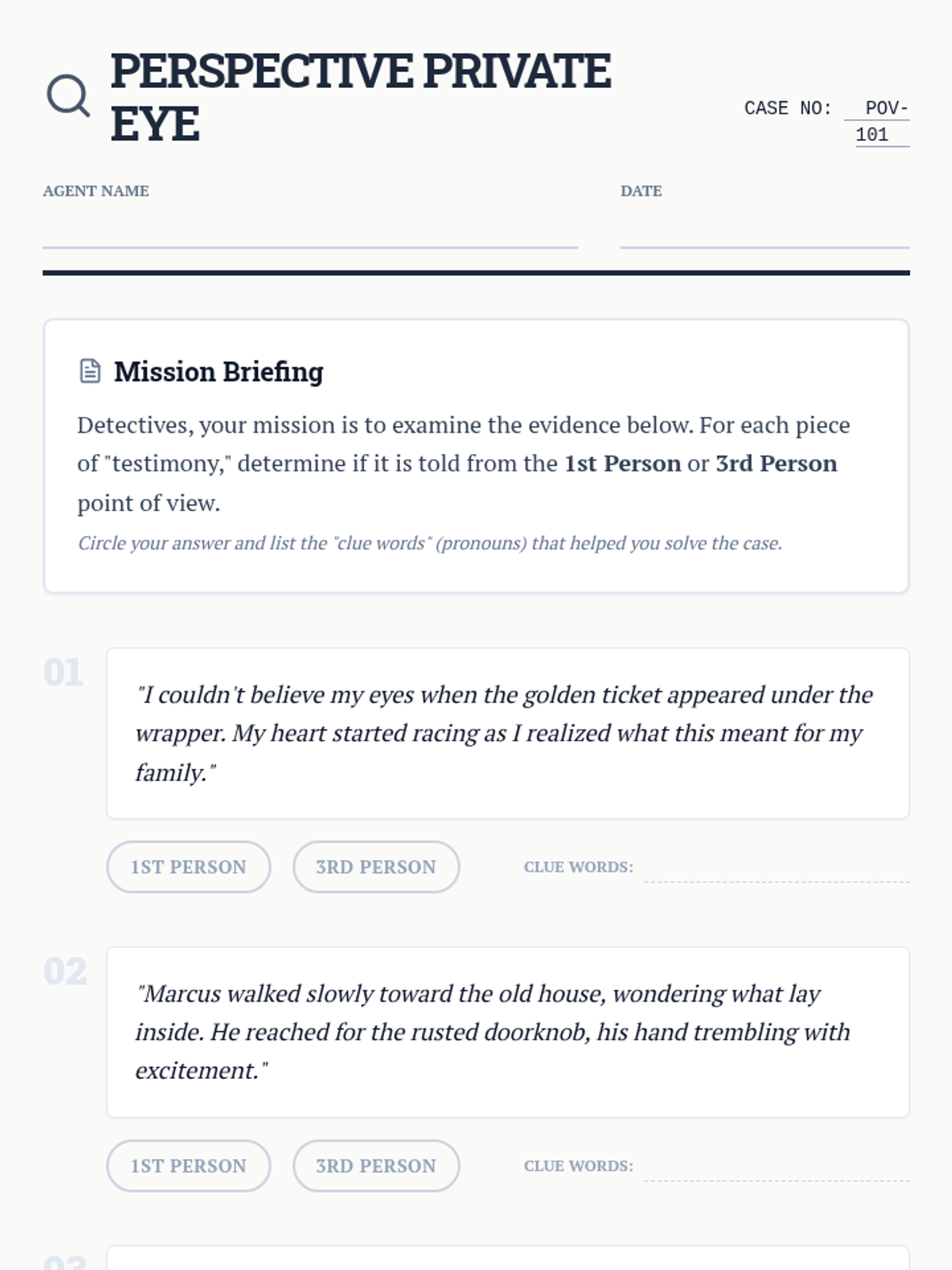
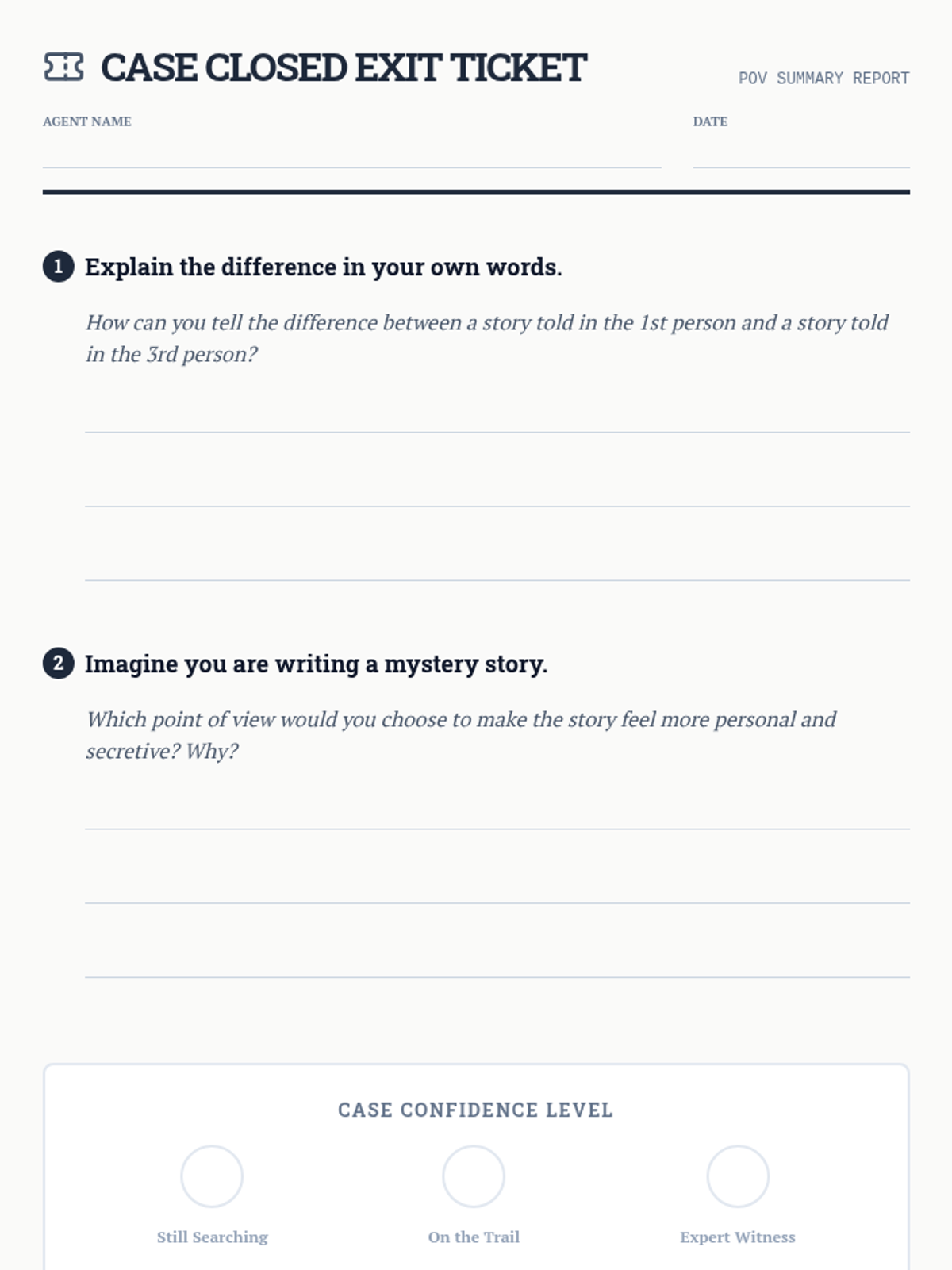
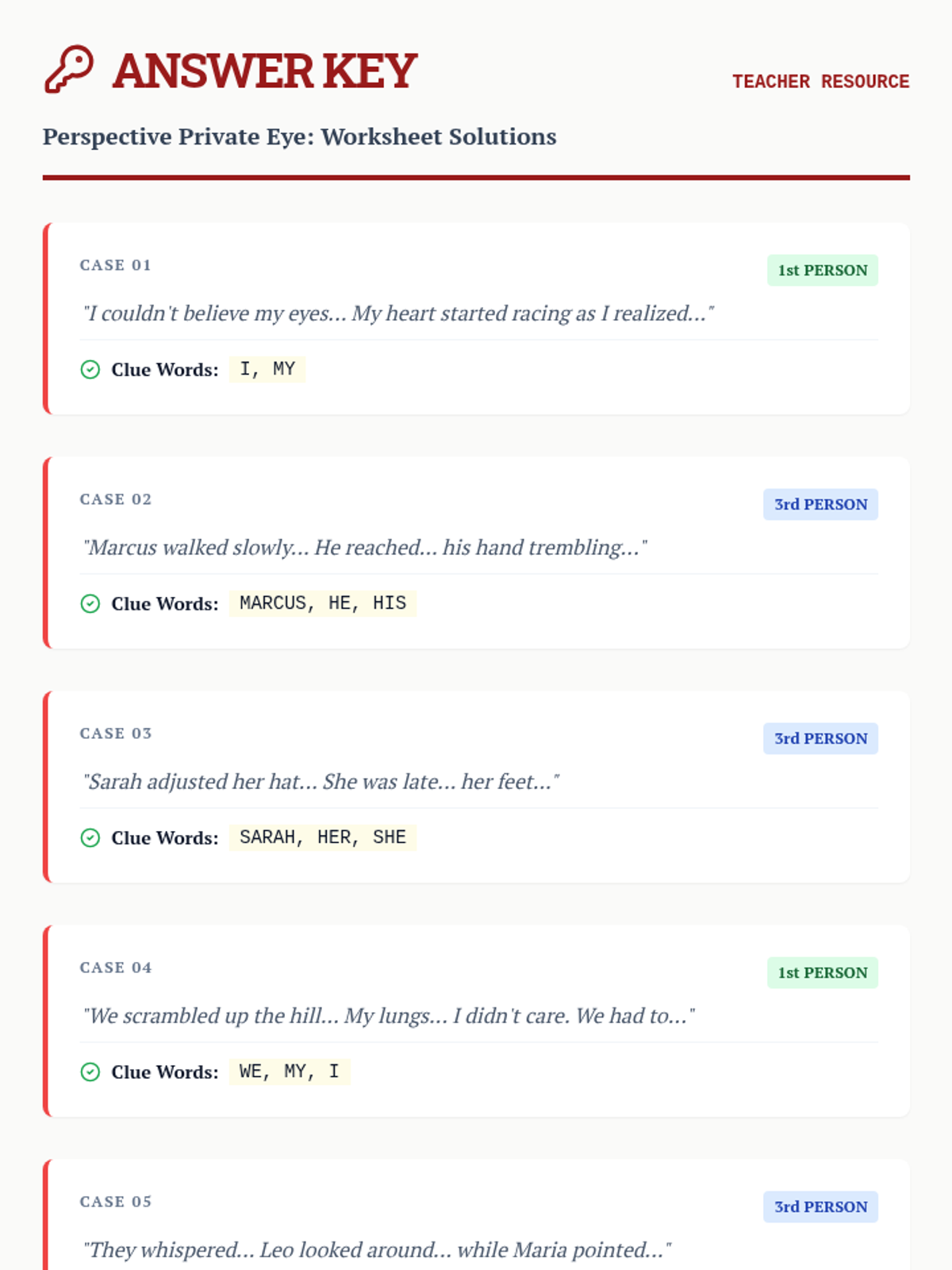
A mini-assessment focused on identifying first and third-person points of view through sentence analysis and open-ended reflection.
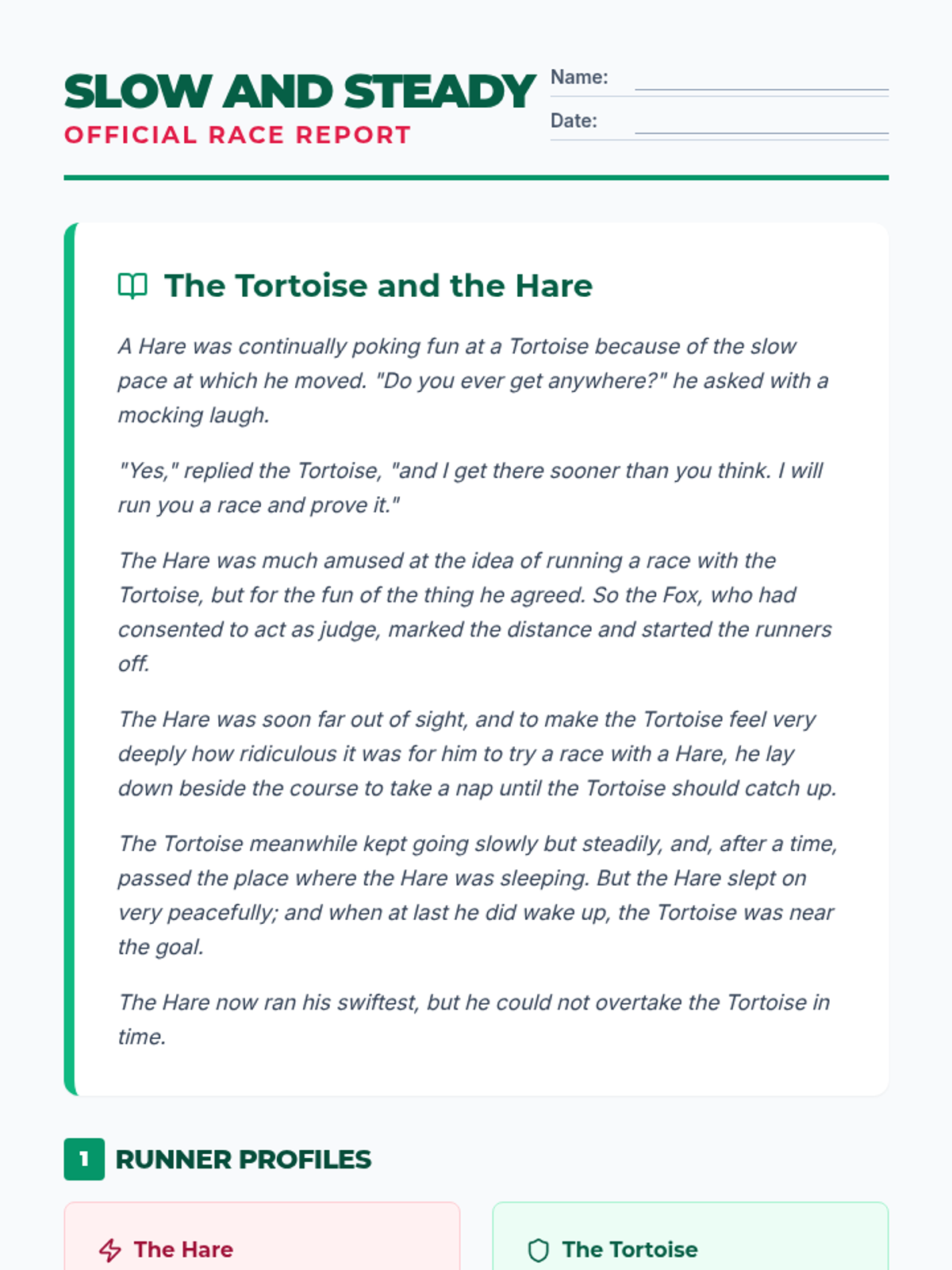
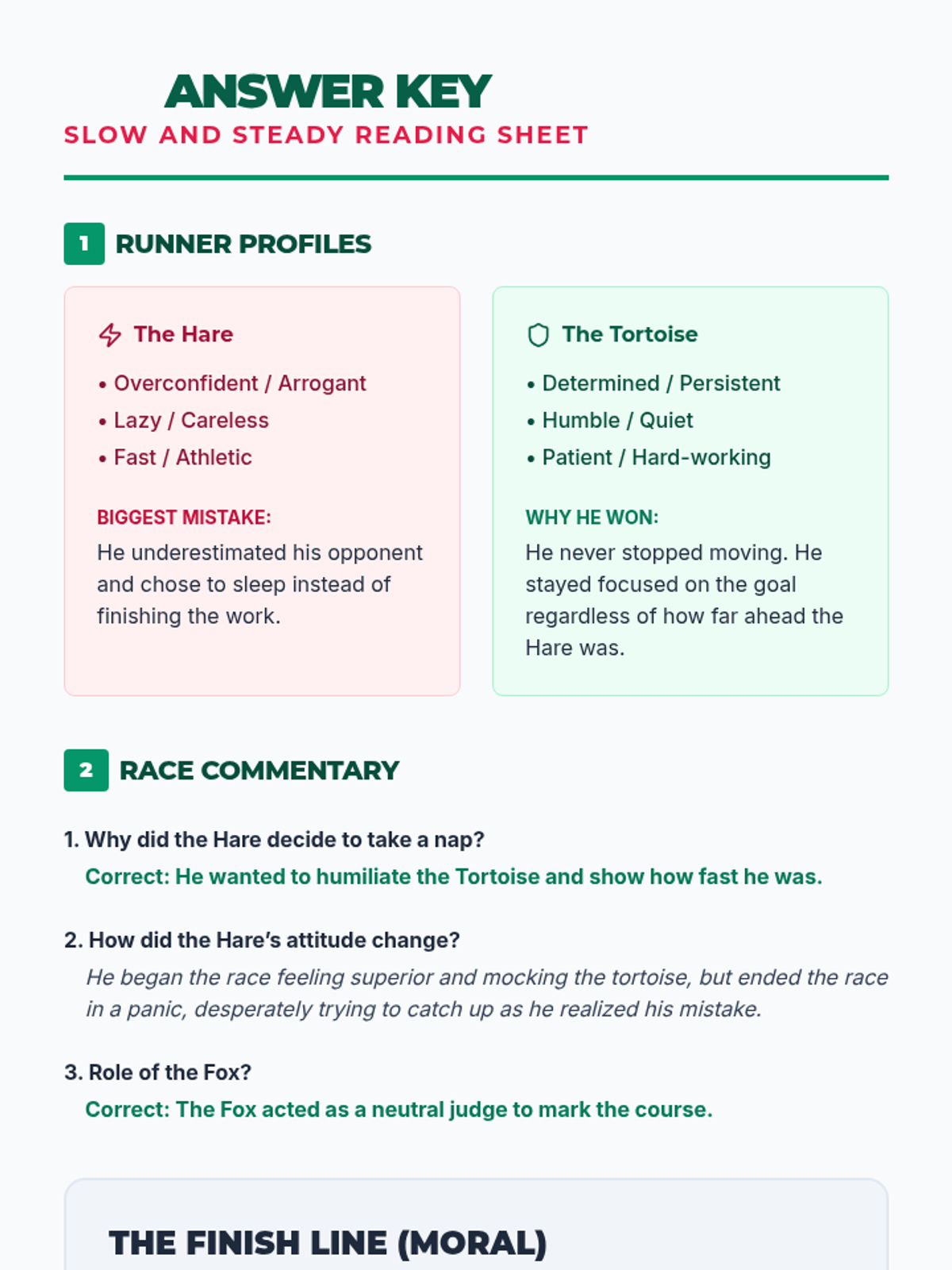
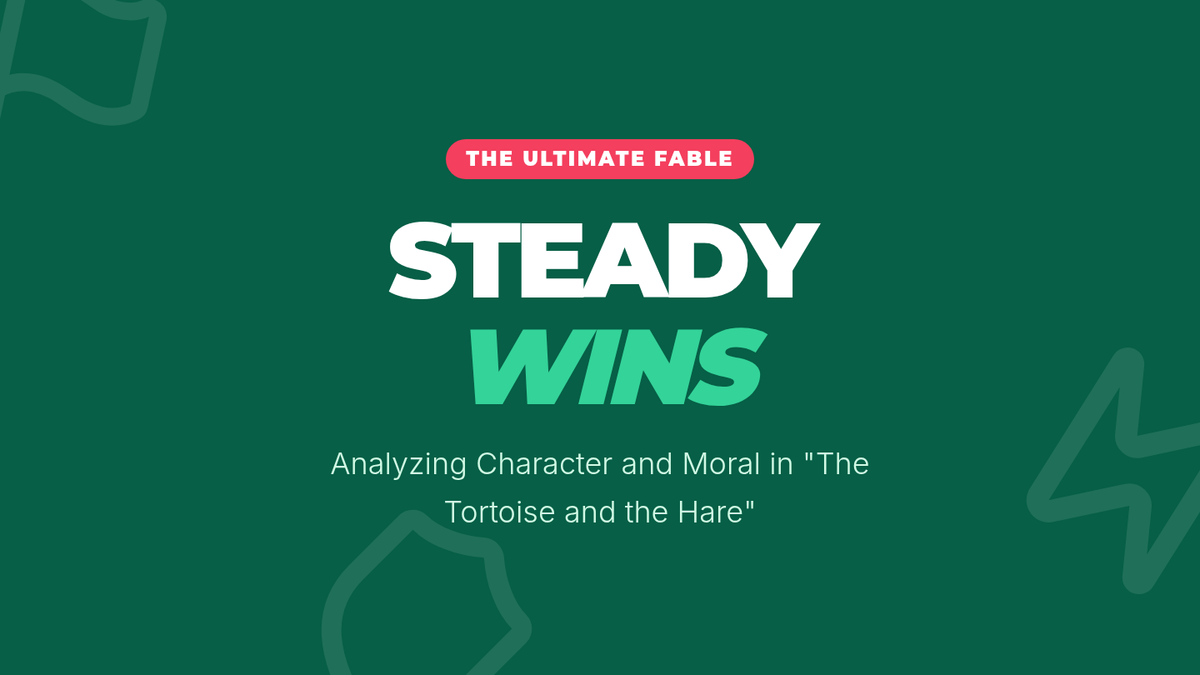
A lesson focused on analyzing the classic fable 'The Tortoise and the Hare', with a specific emphasis on character traits, motivations, and the central moral.
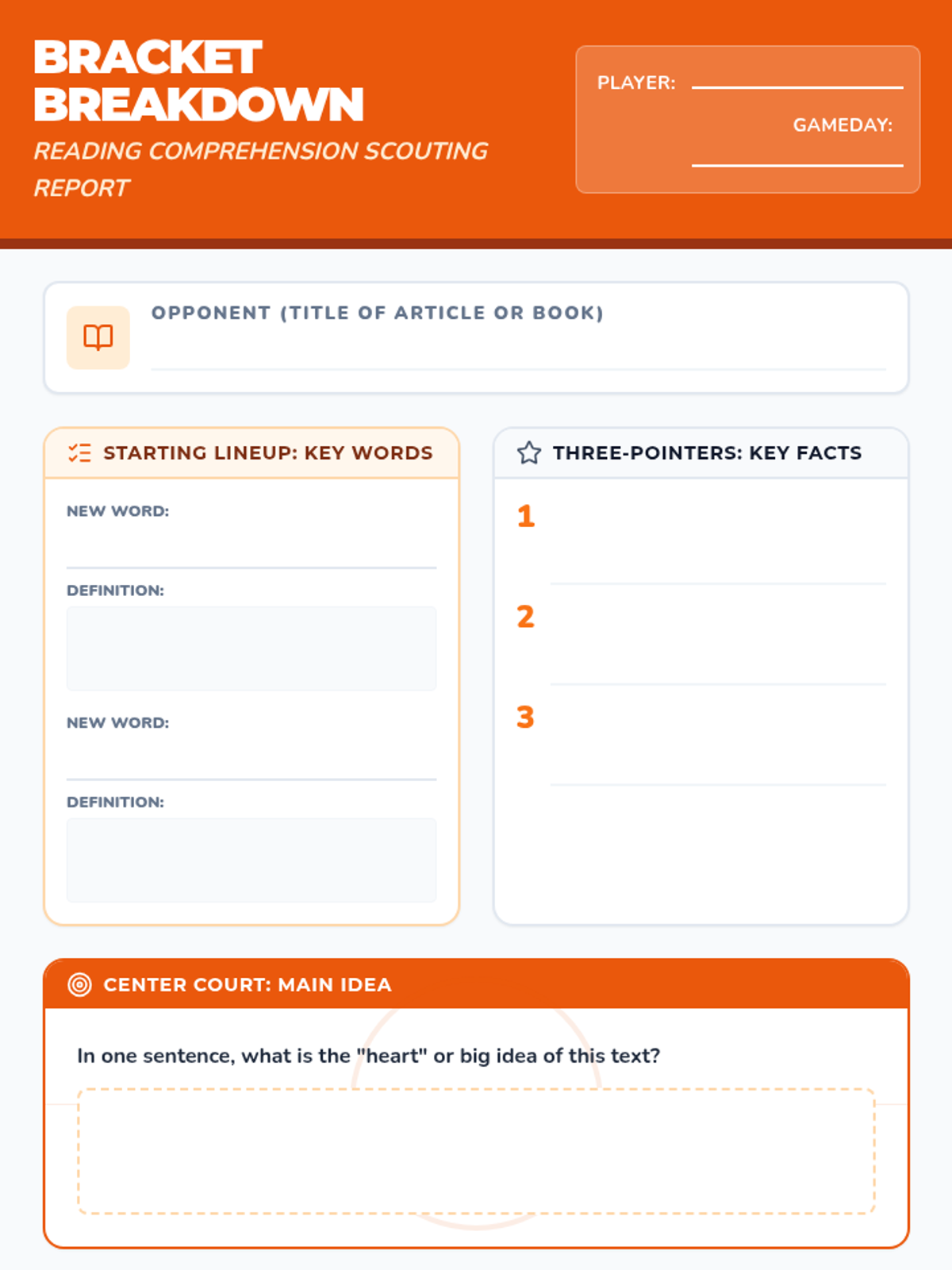
A reading comprehension lesson centered around March Madness, featuring a versatile worksheet that can be used with any basketball-related text.
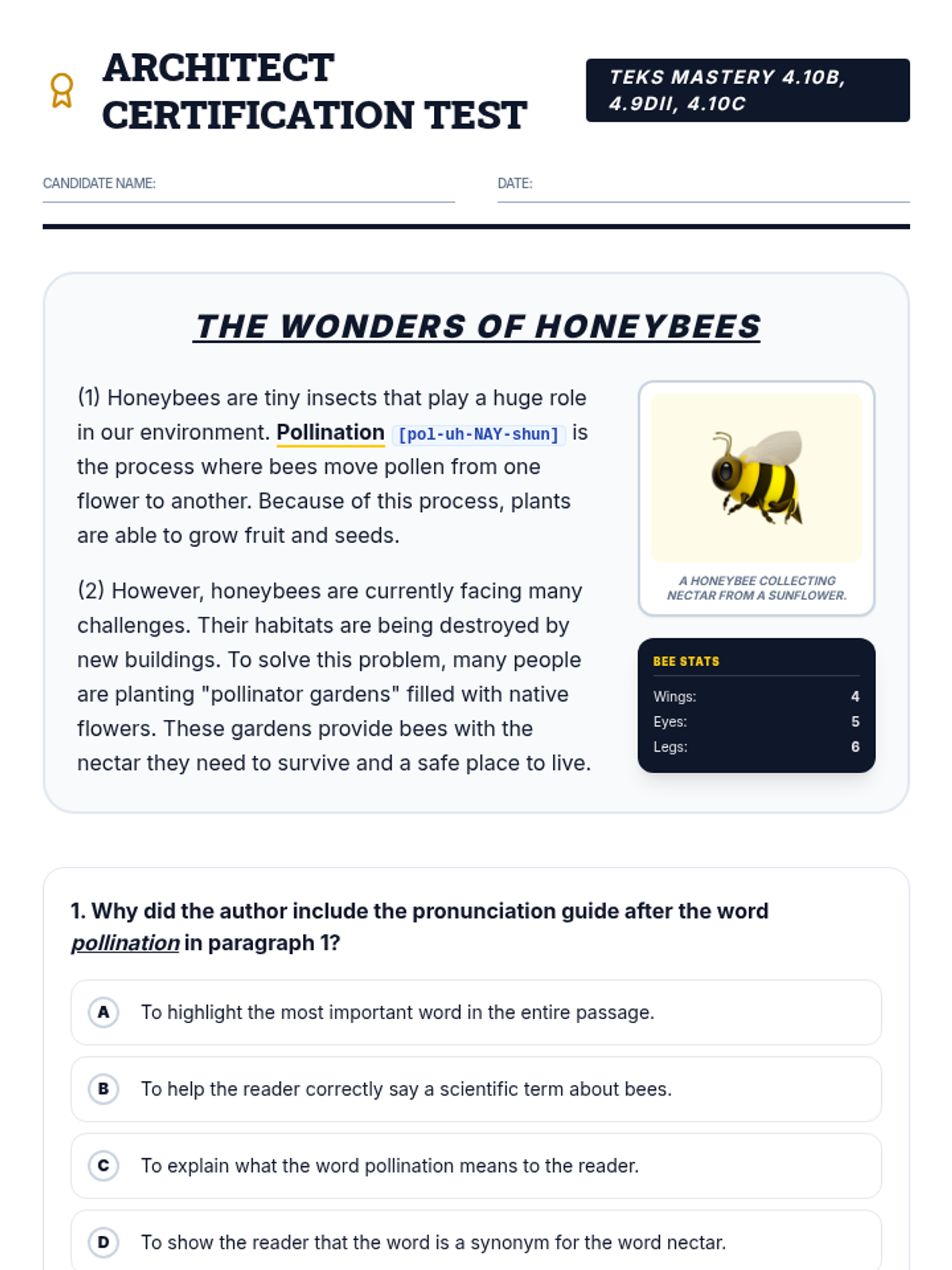
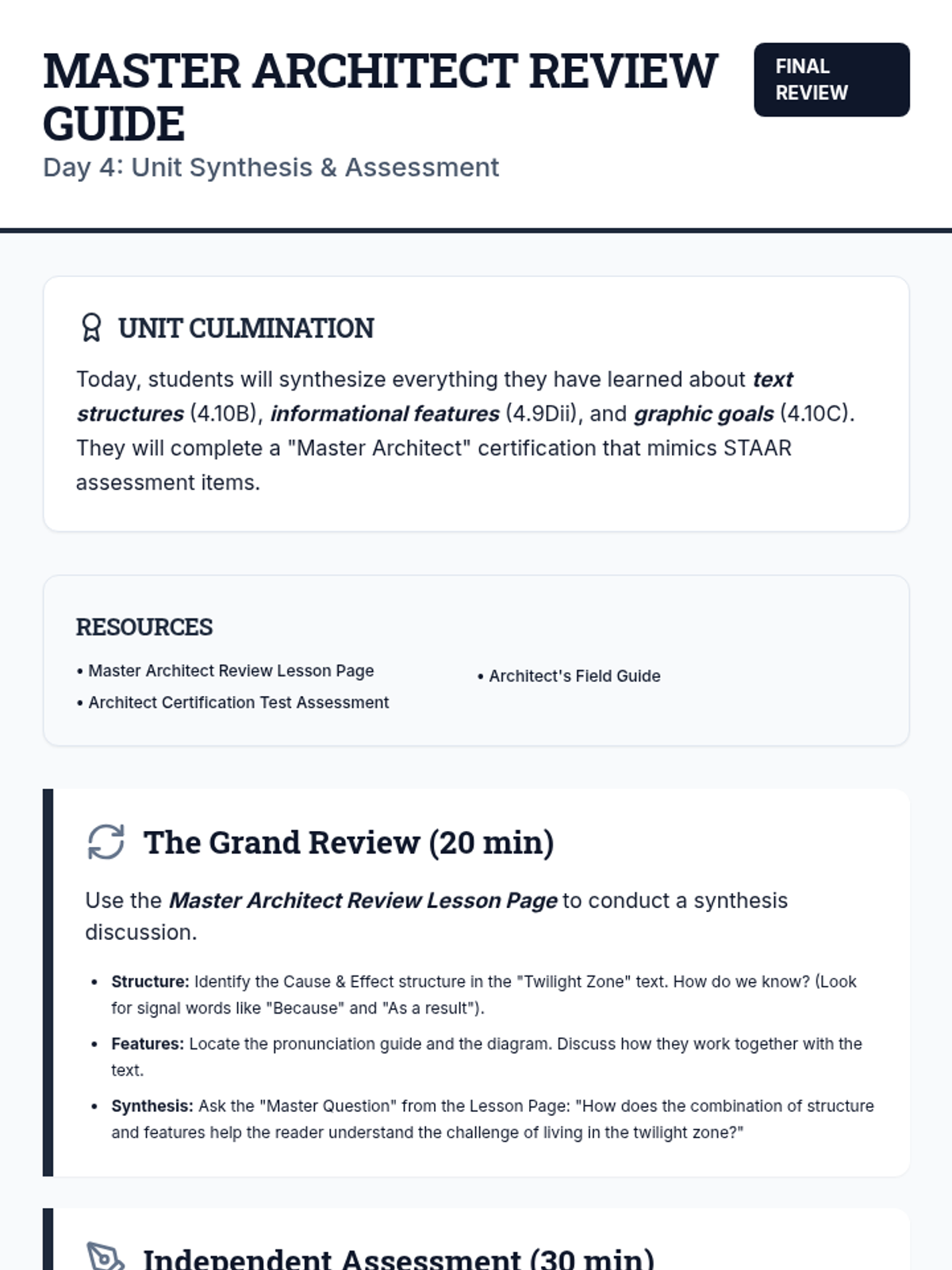
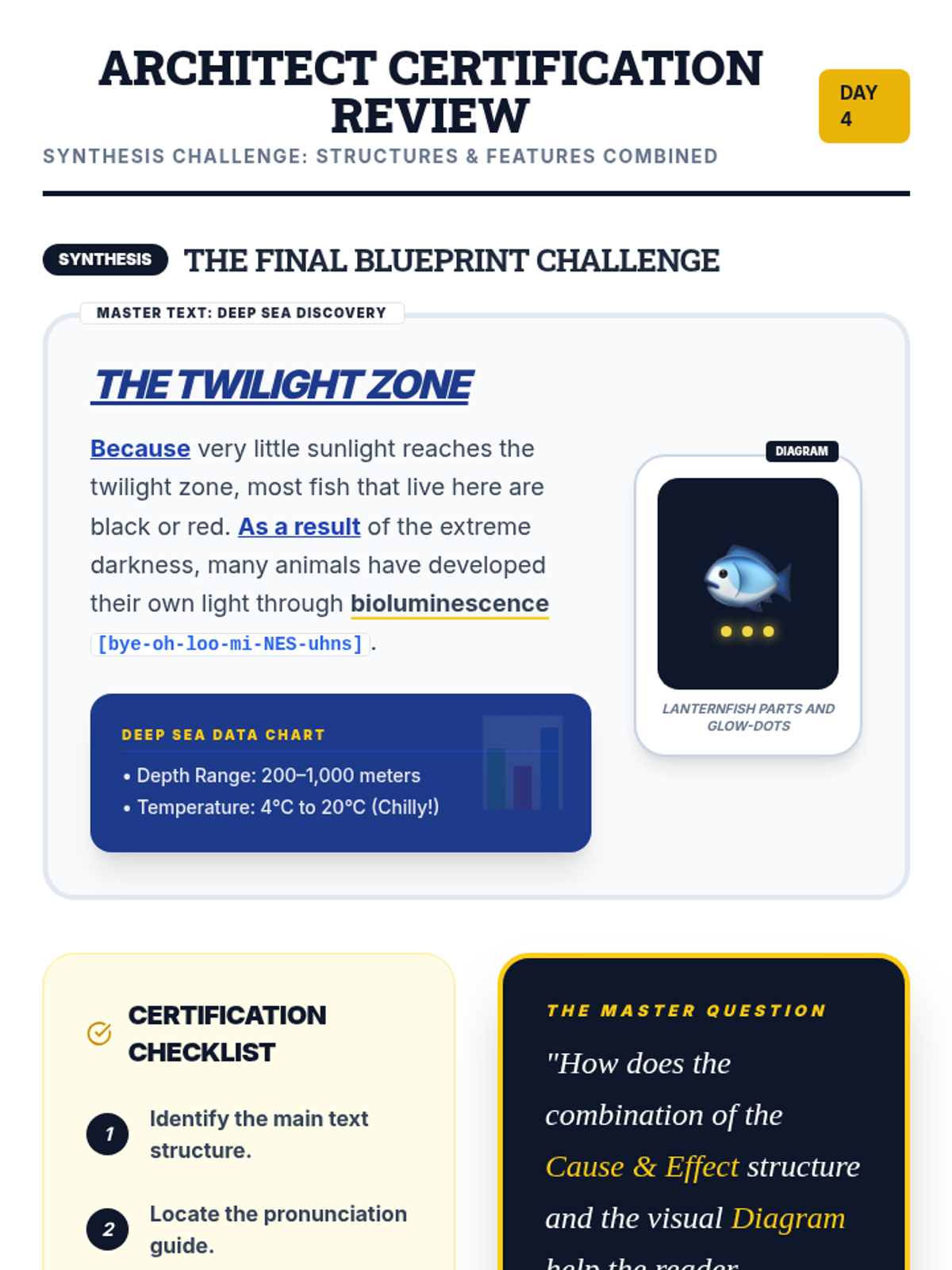
A synthesis lesson where students apply their knowledge of structures and features to STAAR-aligned passages, practicing critical thinking and evidence-based responses.
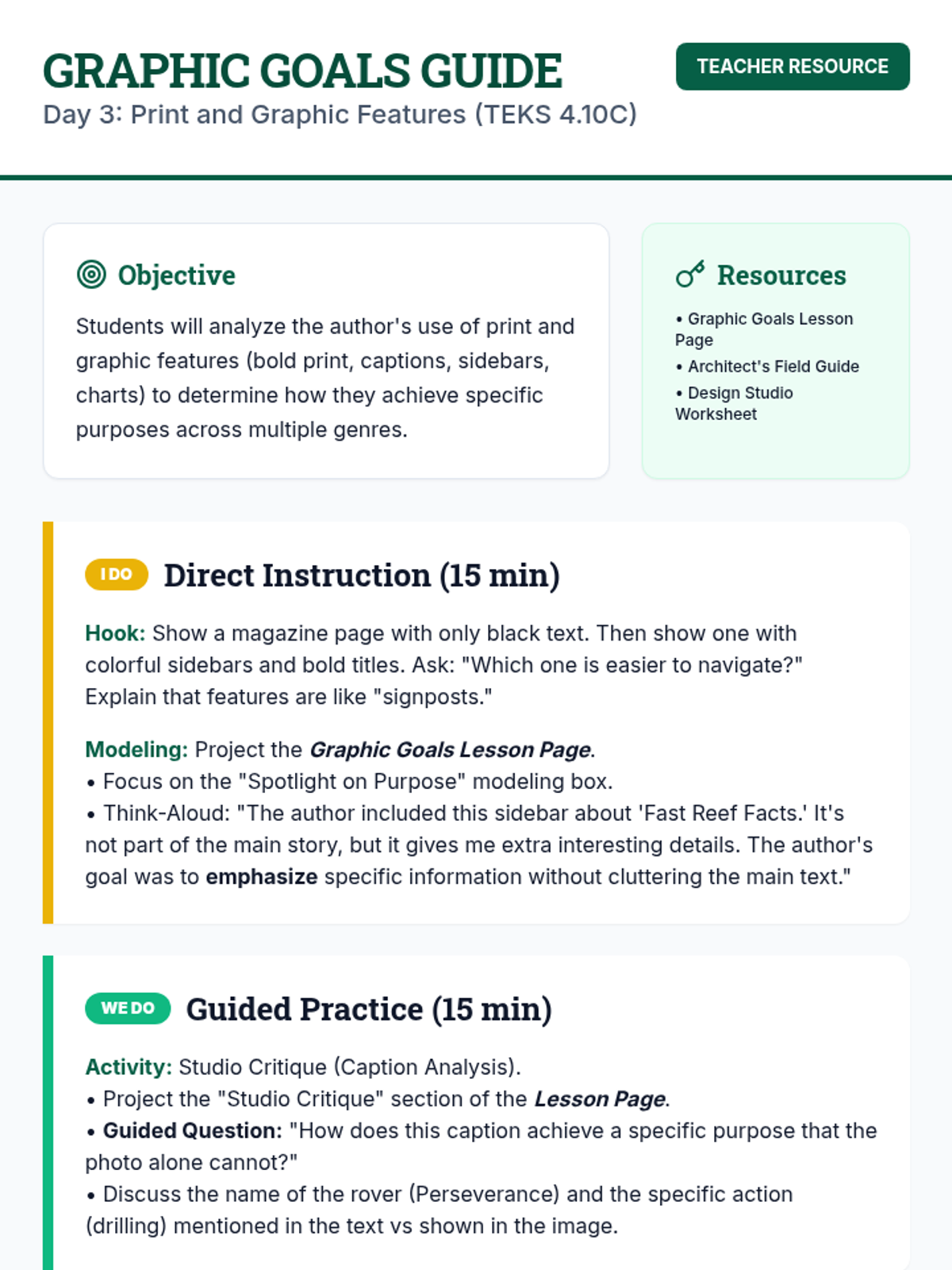
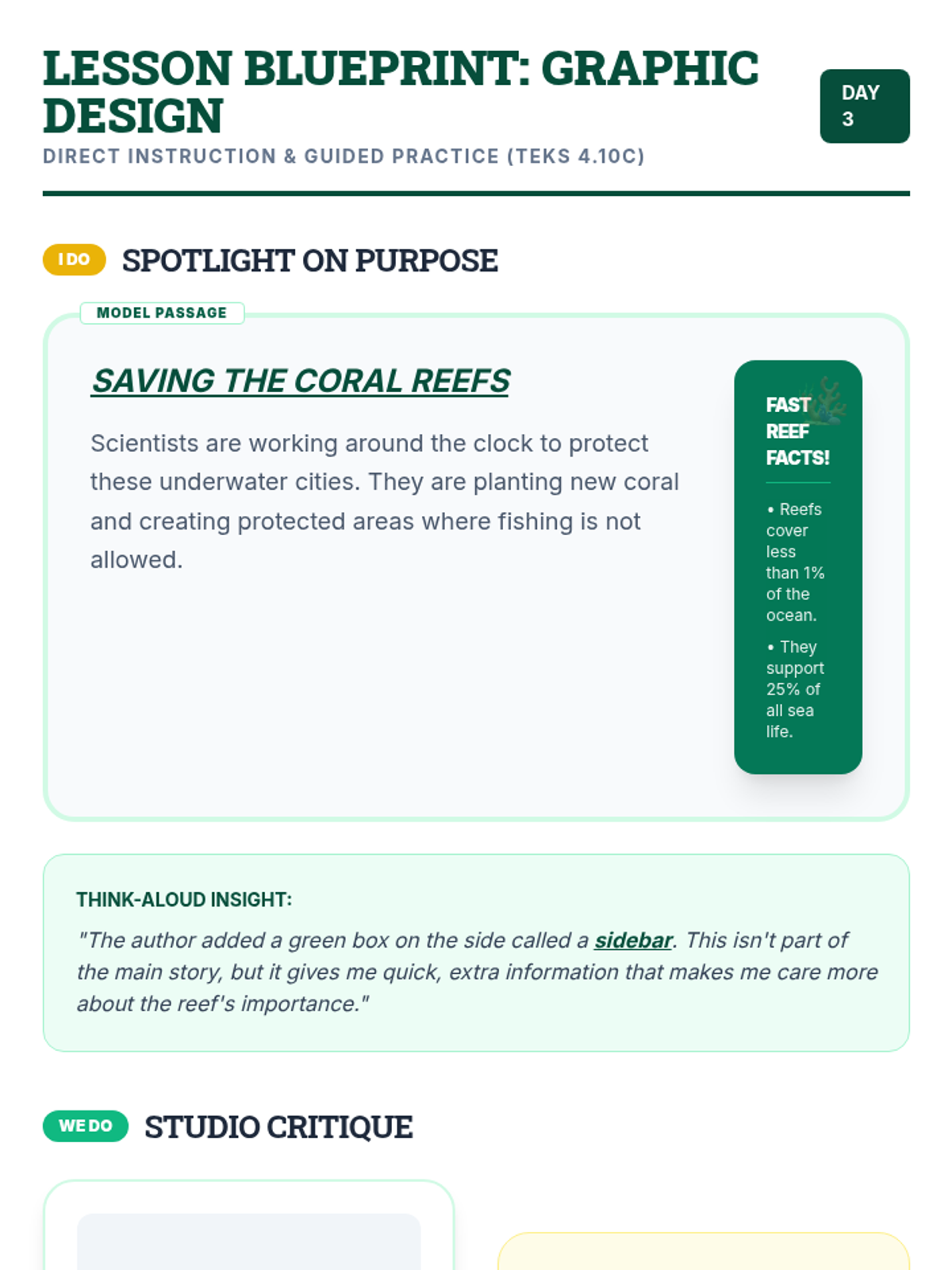
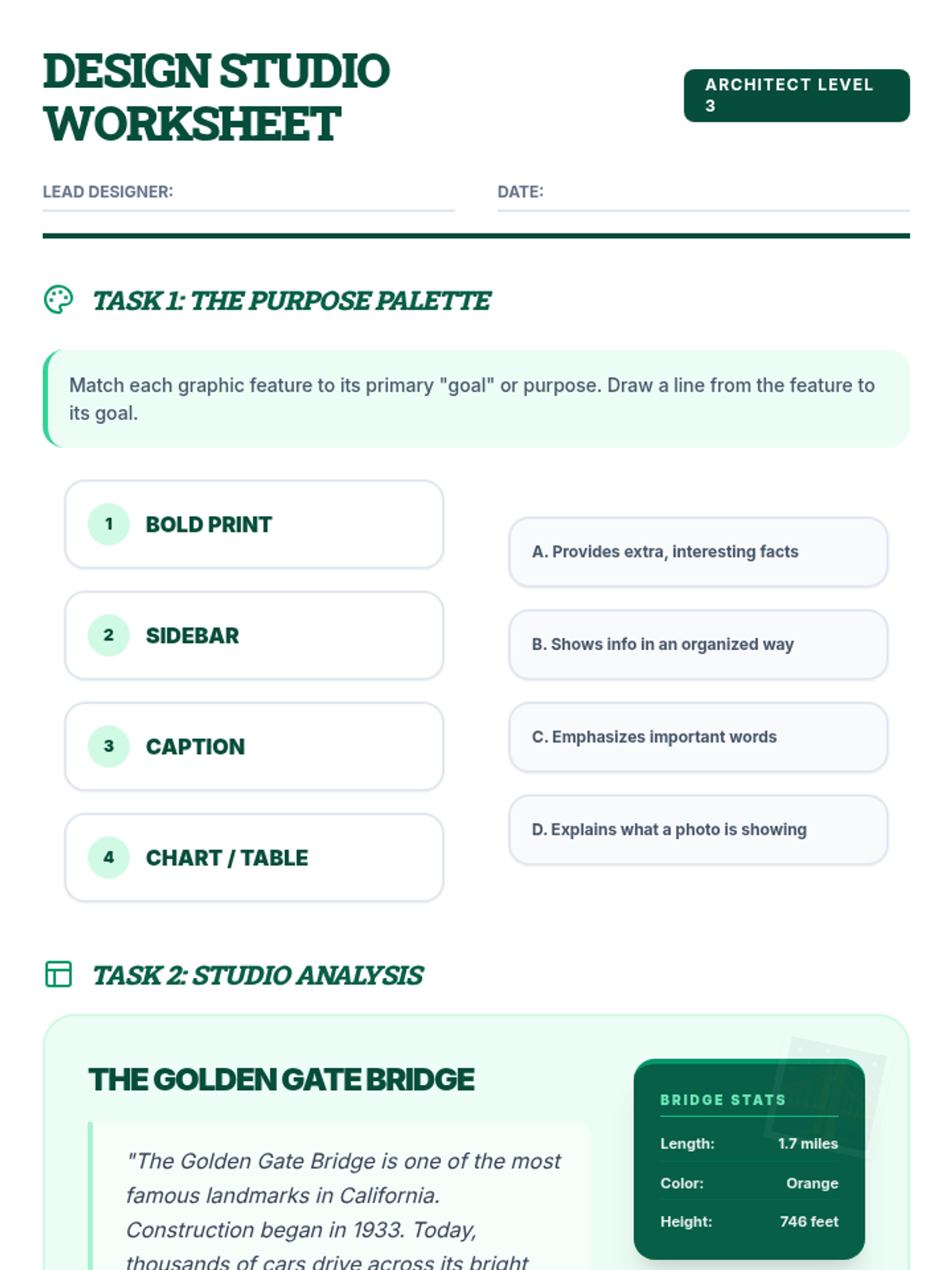
Students analyze the use of print and graphic features (bold print, captions, sidebars, charts) across genres to determine why authors include them and how they impact the reader (TEKS 4.10C).
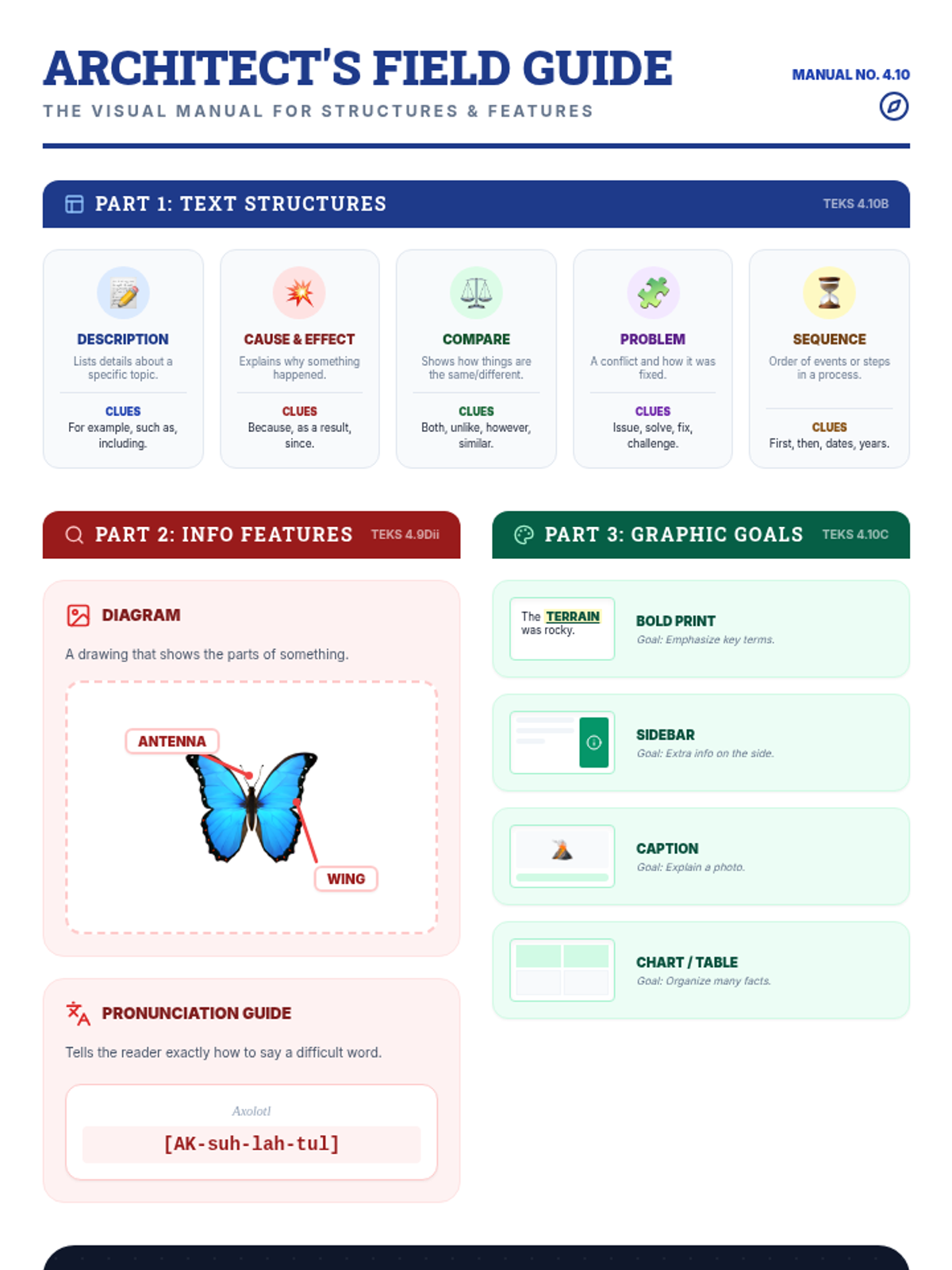
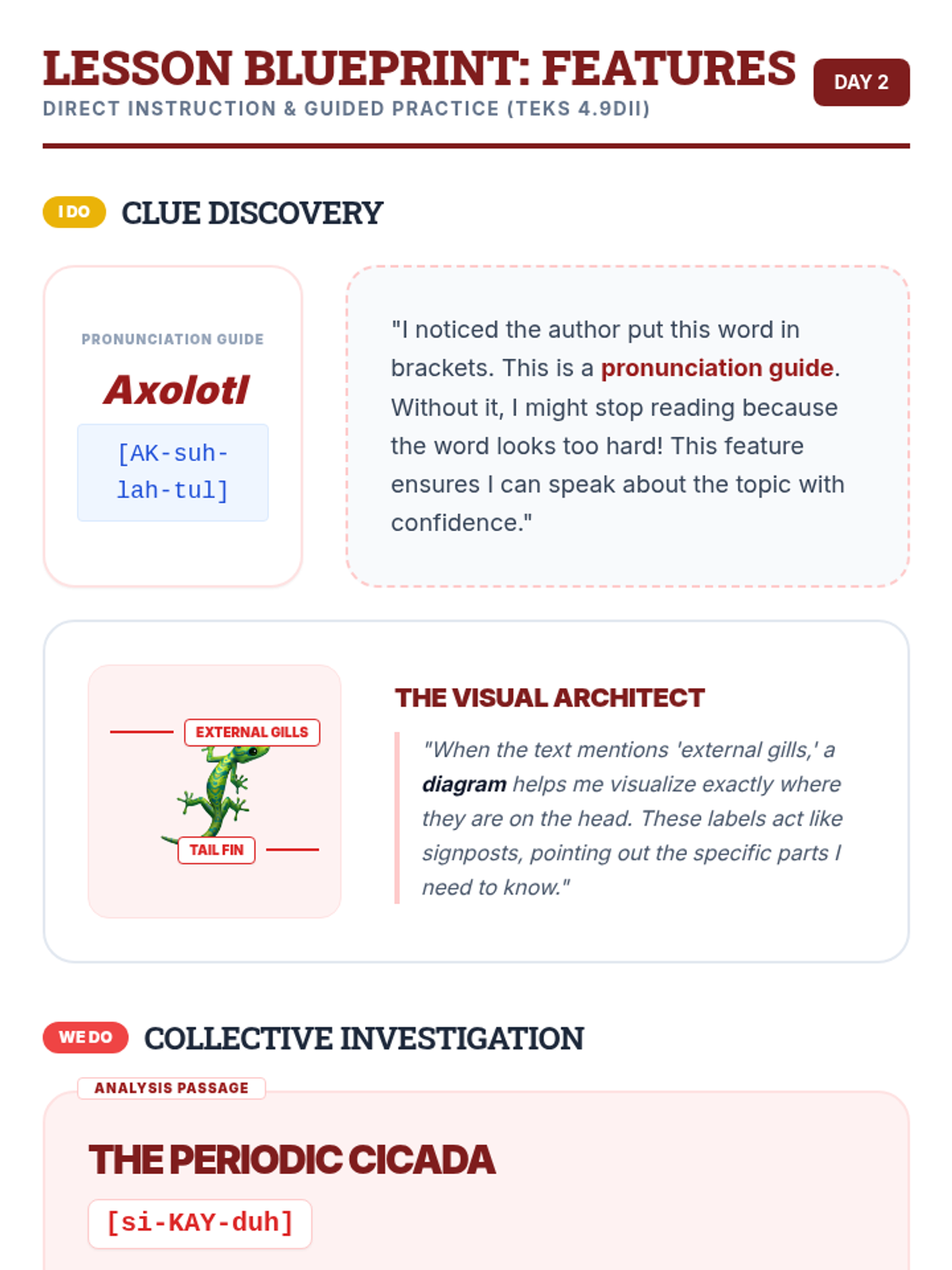
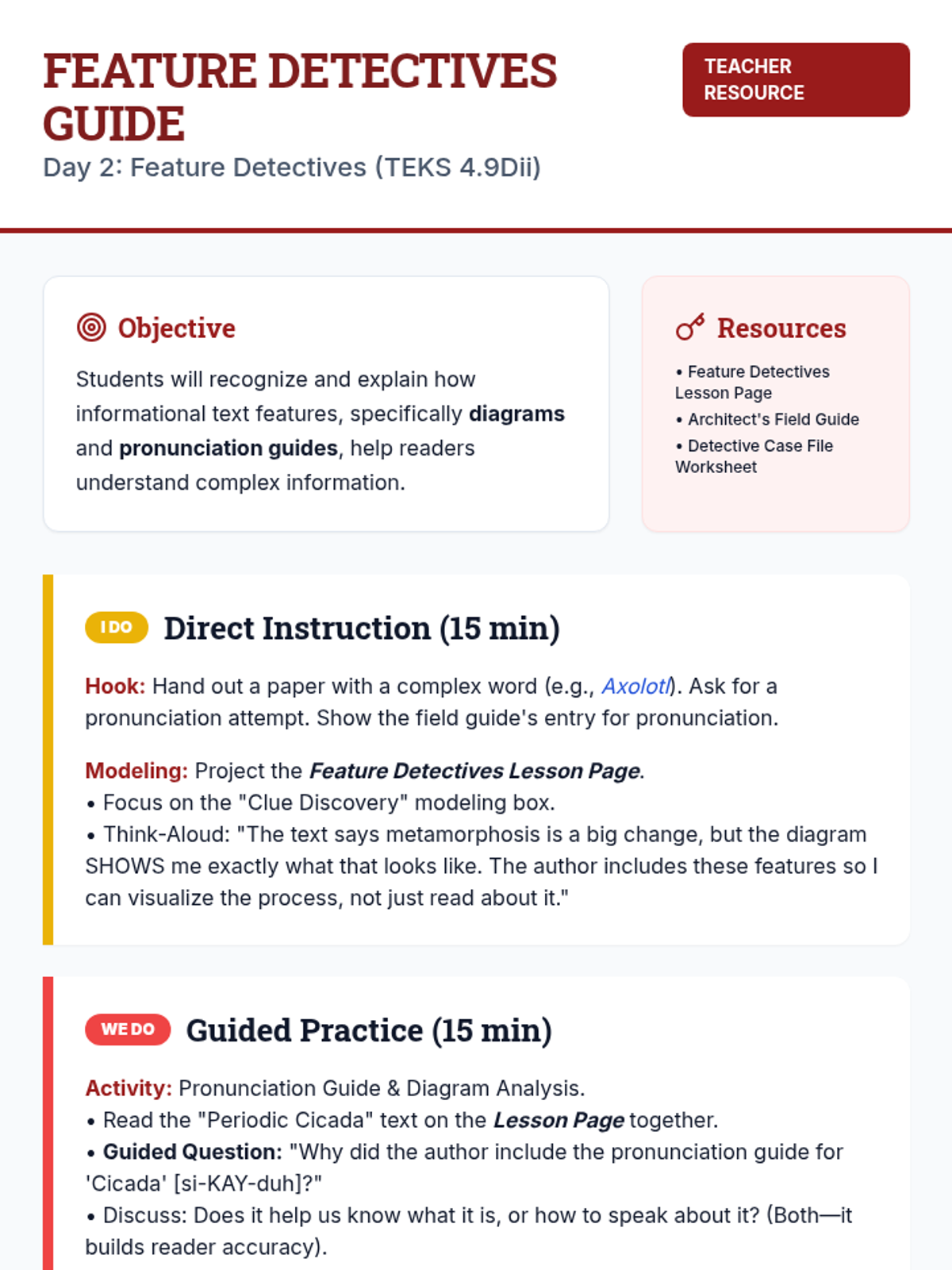
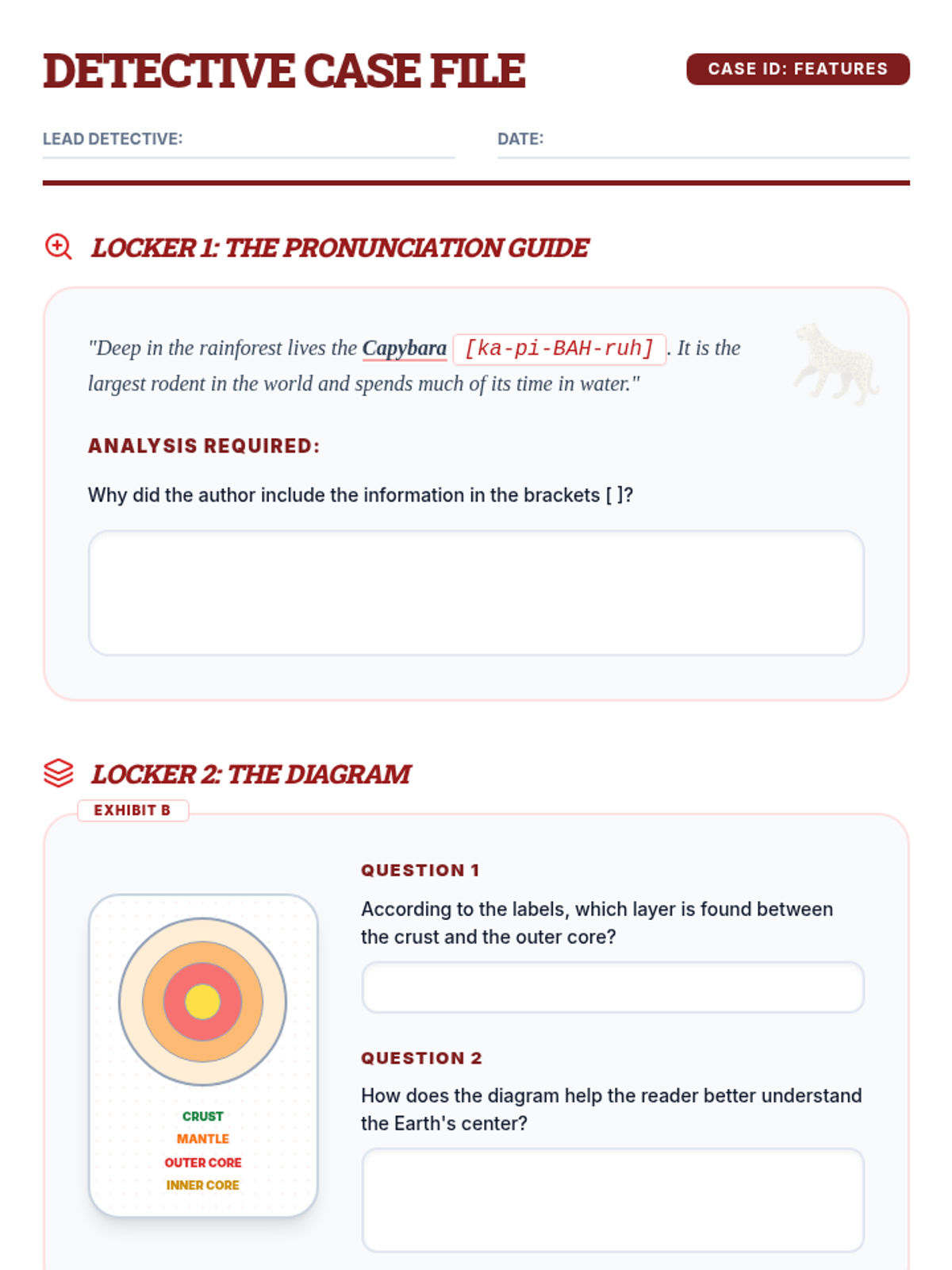
Students explore informational text features, specifically diagrams and pronunciation guides, to understand how they support the reader's comprehension (TEKS 4.9Dii).
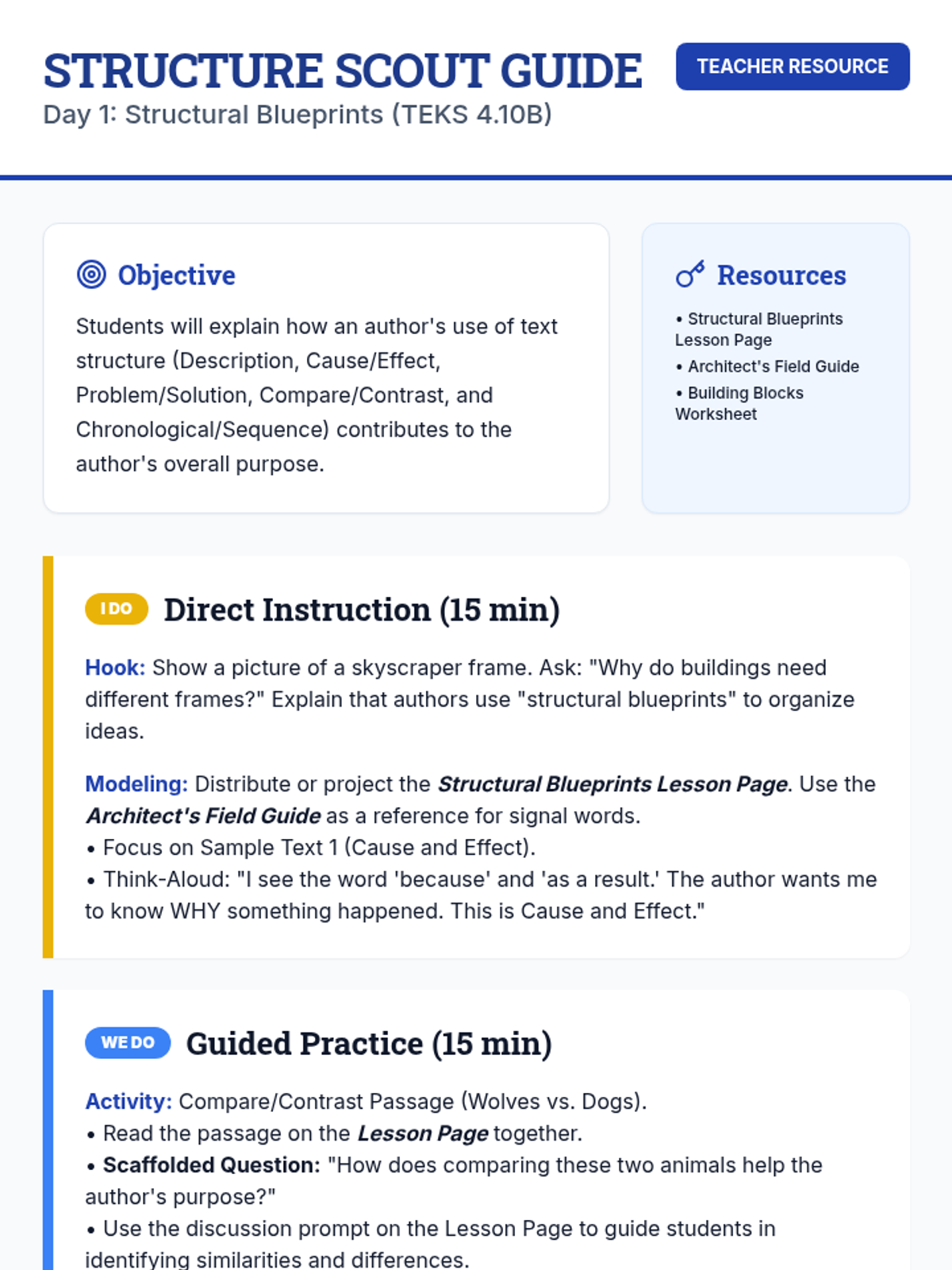
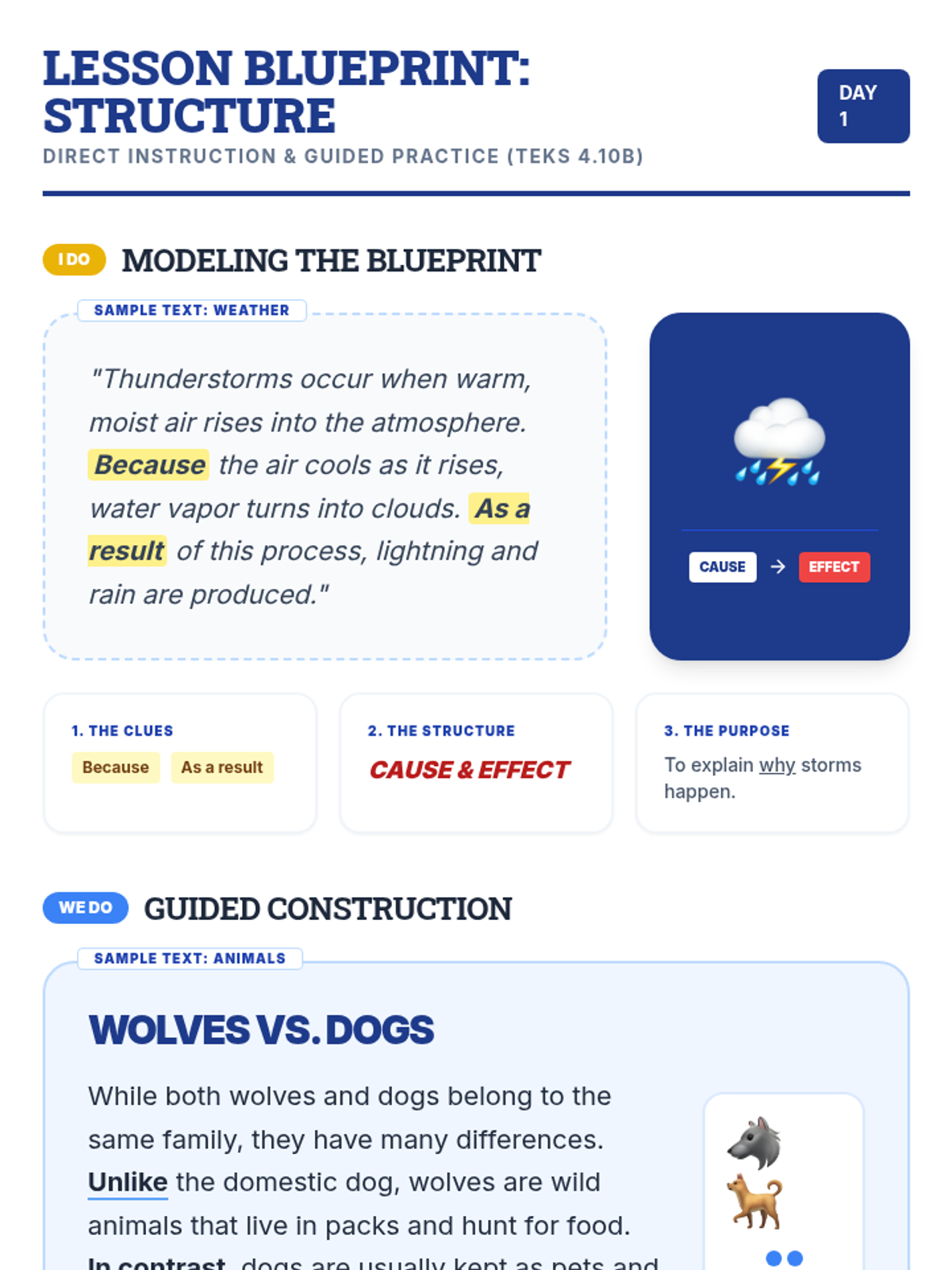
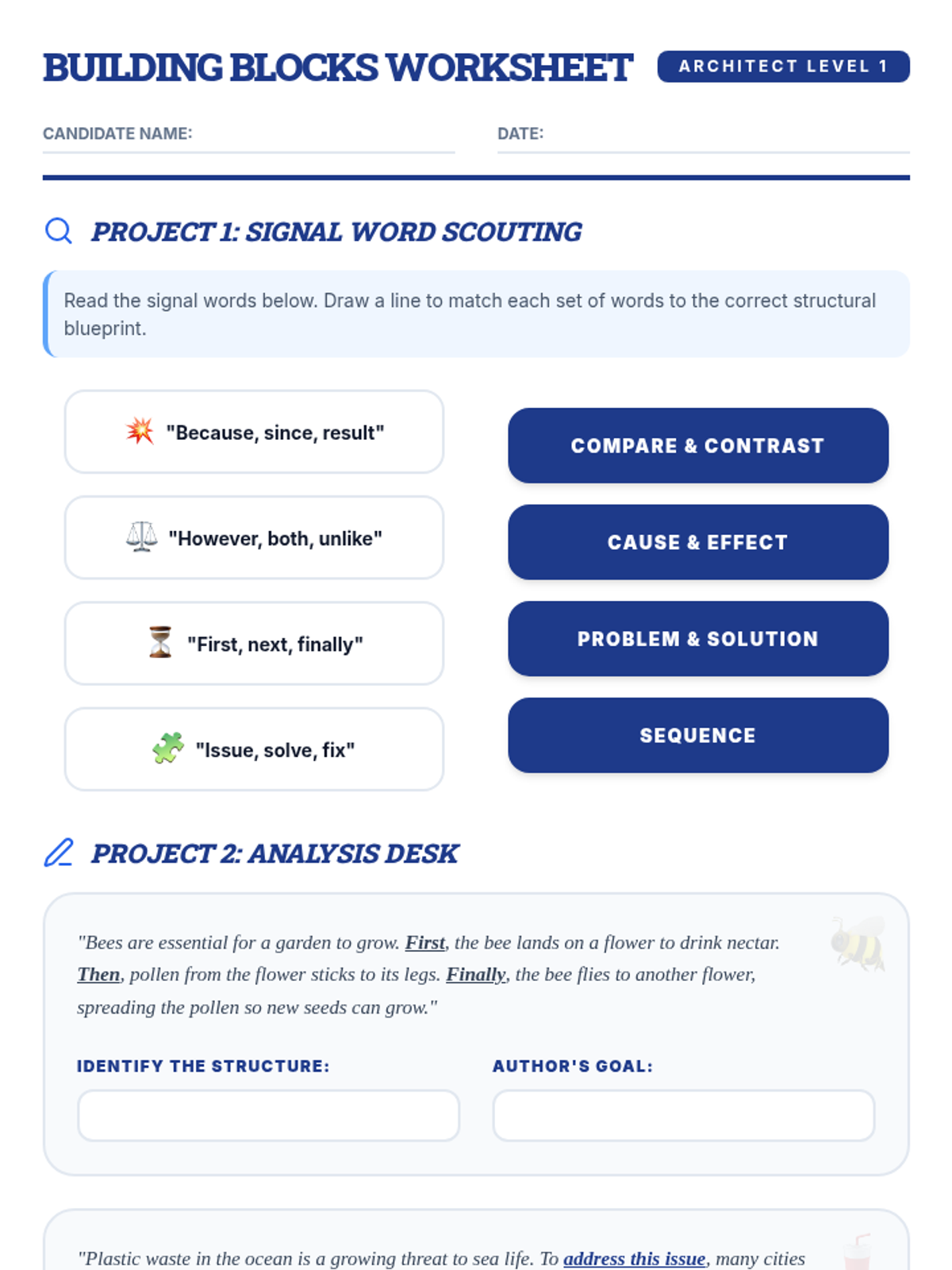
Students identify and analyze the five common text structures (Description, Cause/Effect, Problem/Solution, Compare/Contrast, Chronological/Sequence) and explain how these structures help authors achieve their purpose (TEKS 4.10B).