Students finalize their proposals and present their mathematical breakdown to the 'Principal' for final approval.
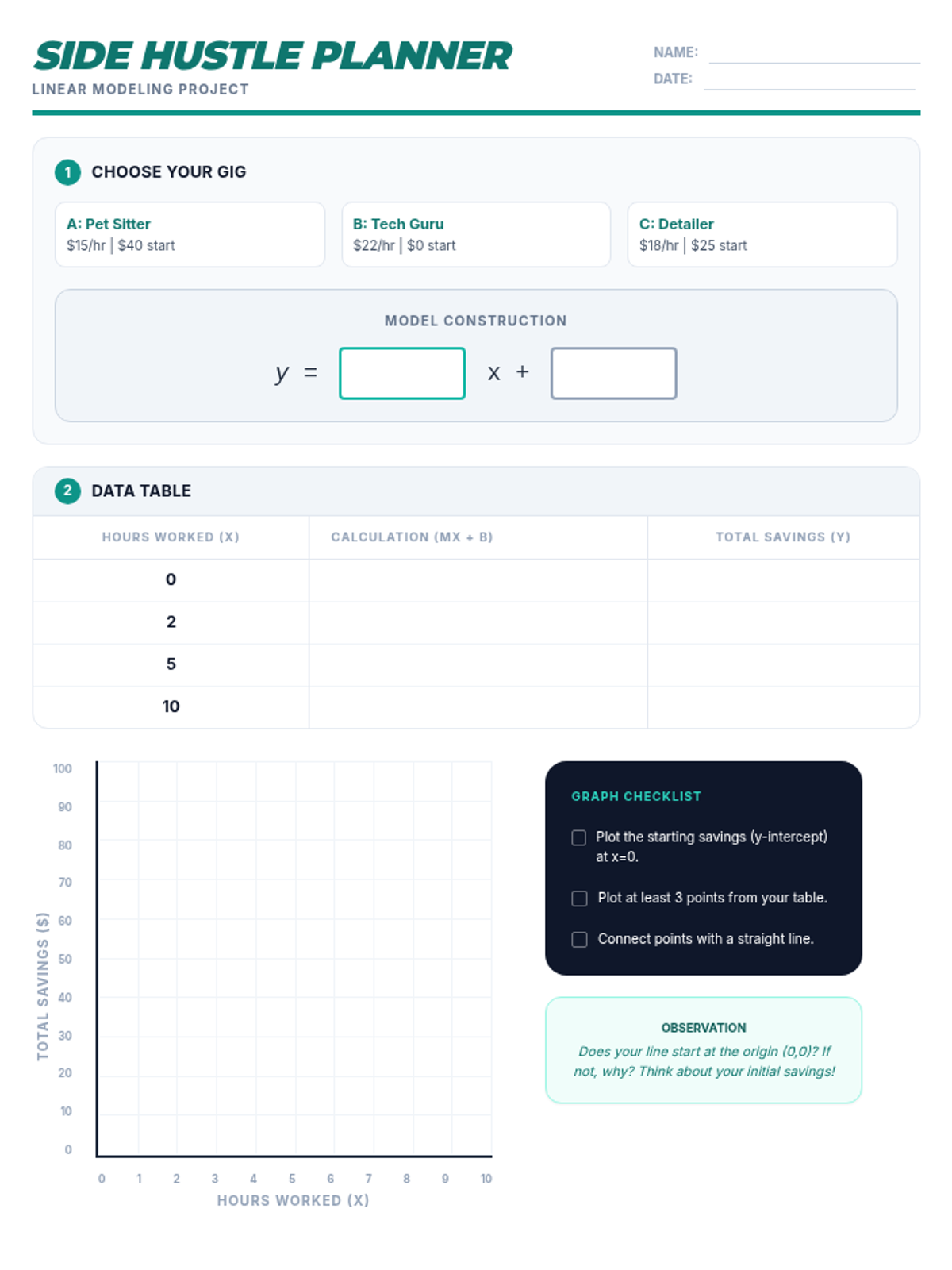
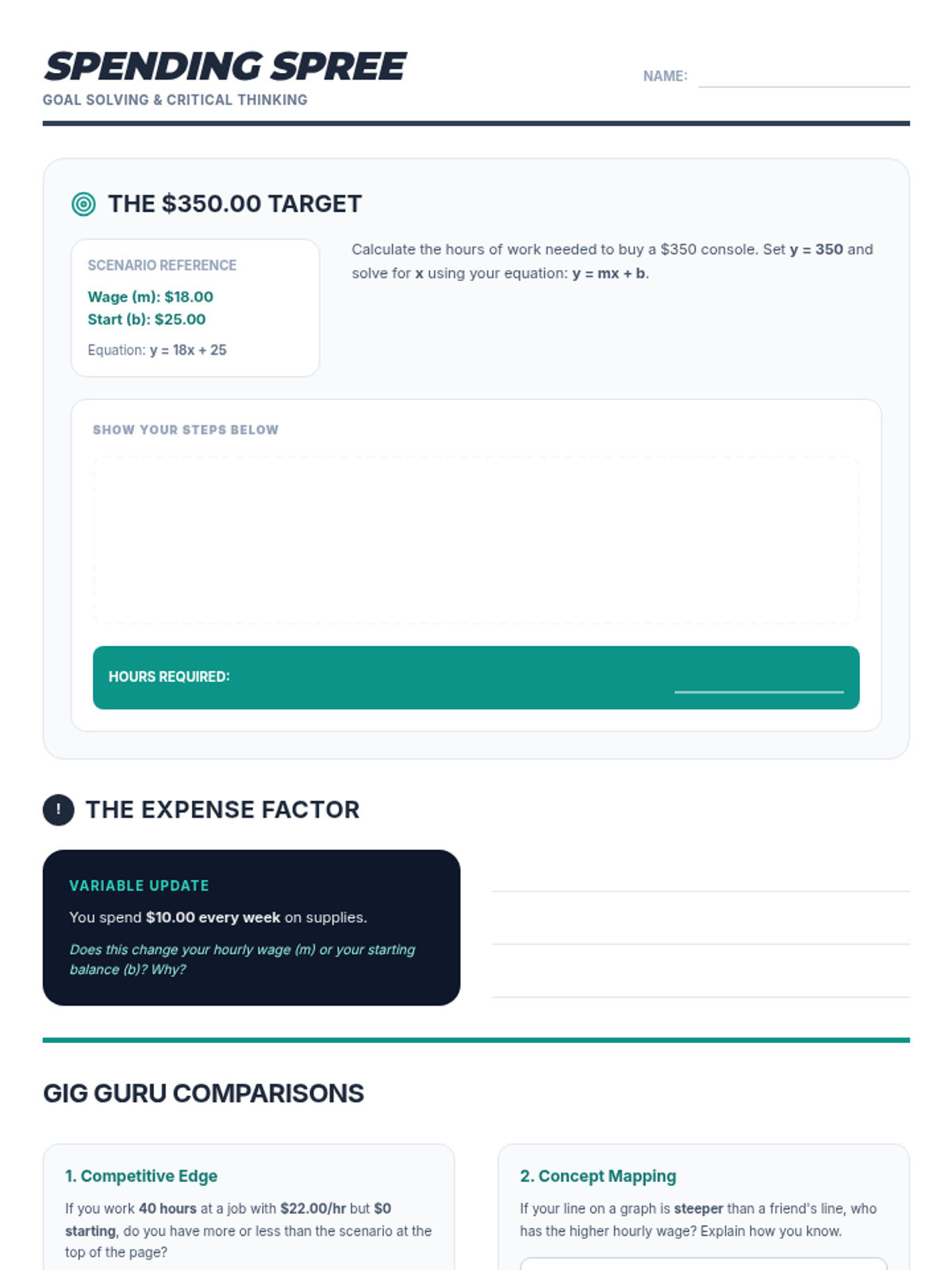
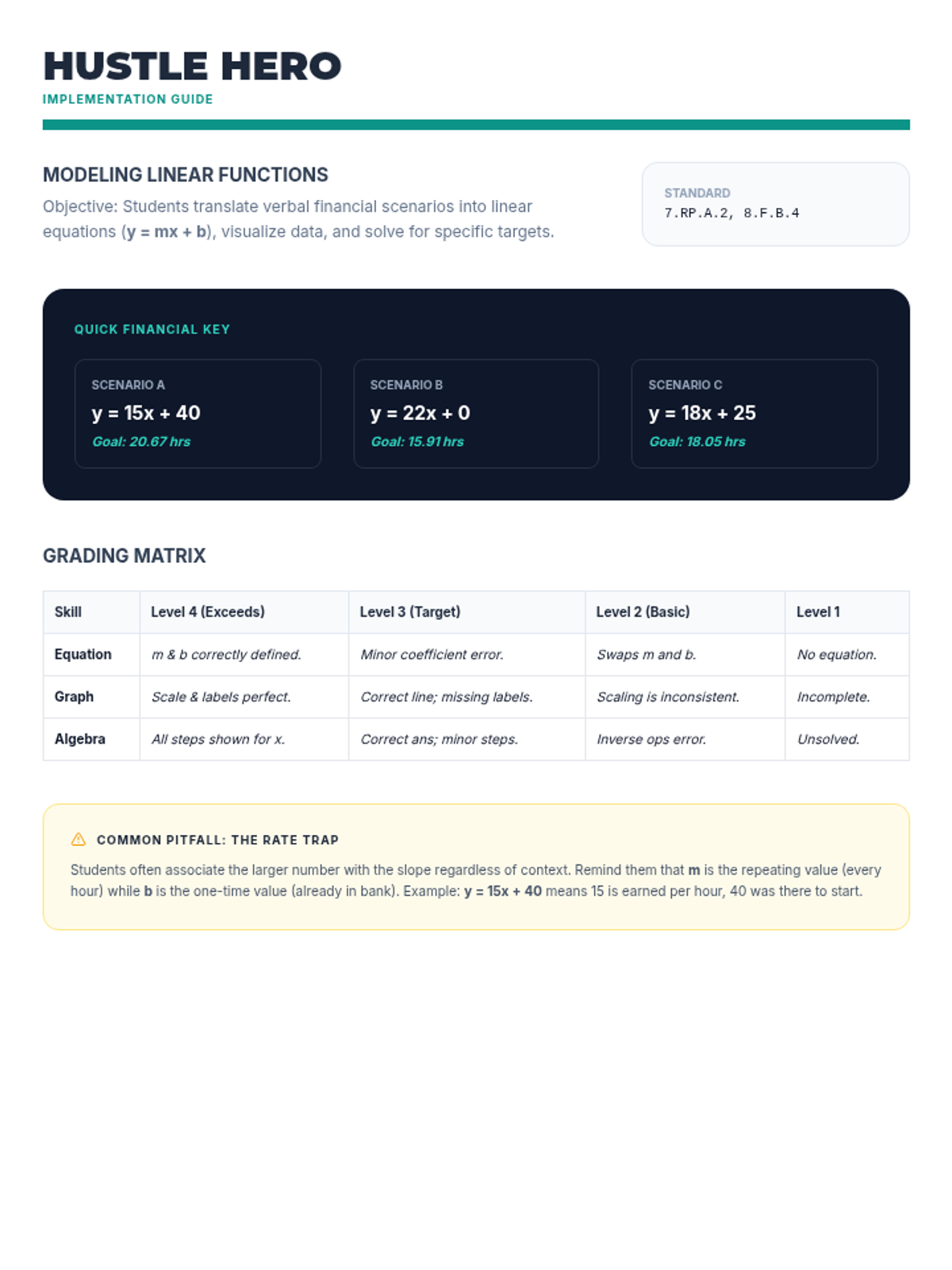
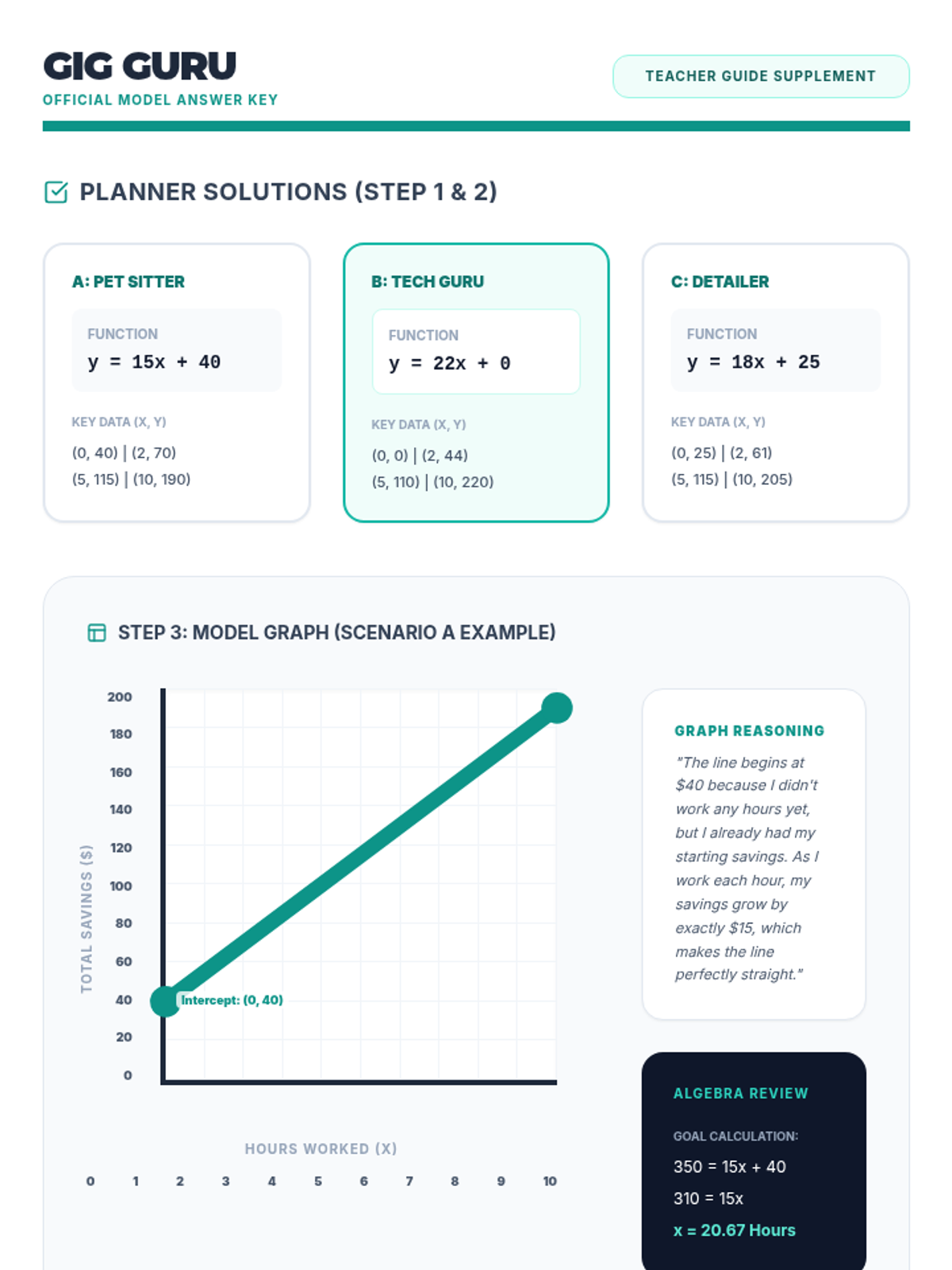
Students apply linear function concepts to model a real-world income and expense scenario. They will calculate rates of change, identify initial values, and visualize their budget through graphing.
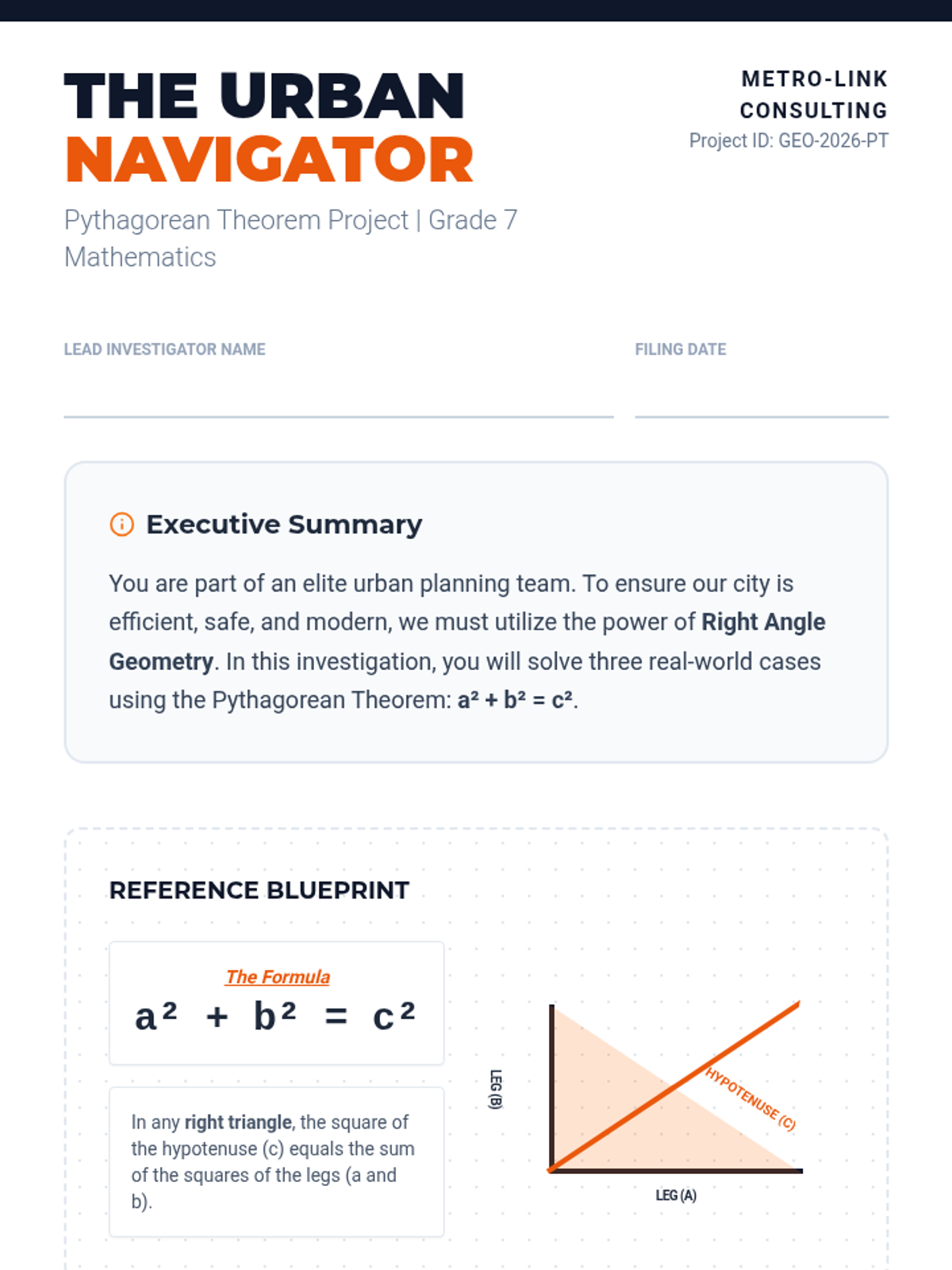
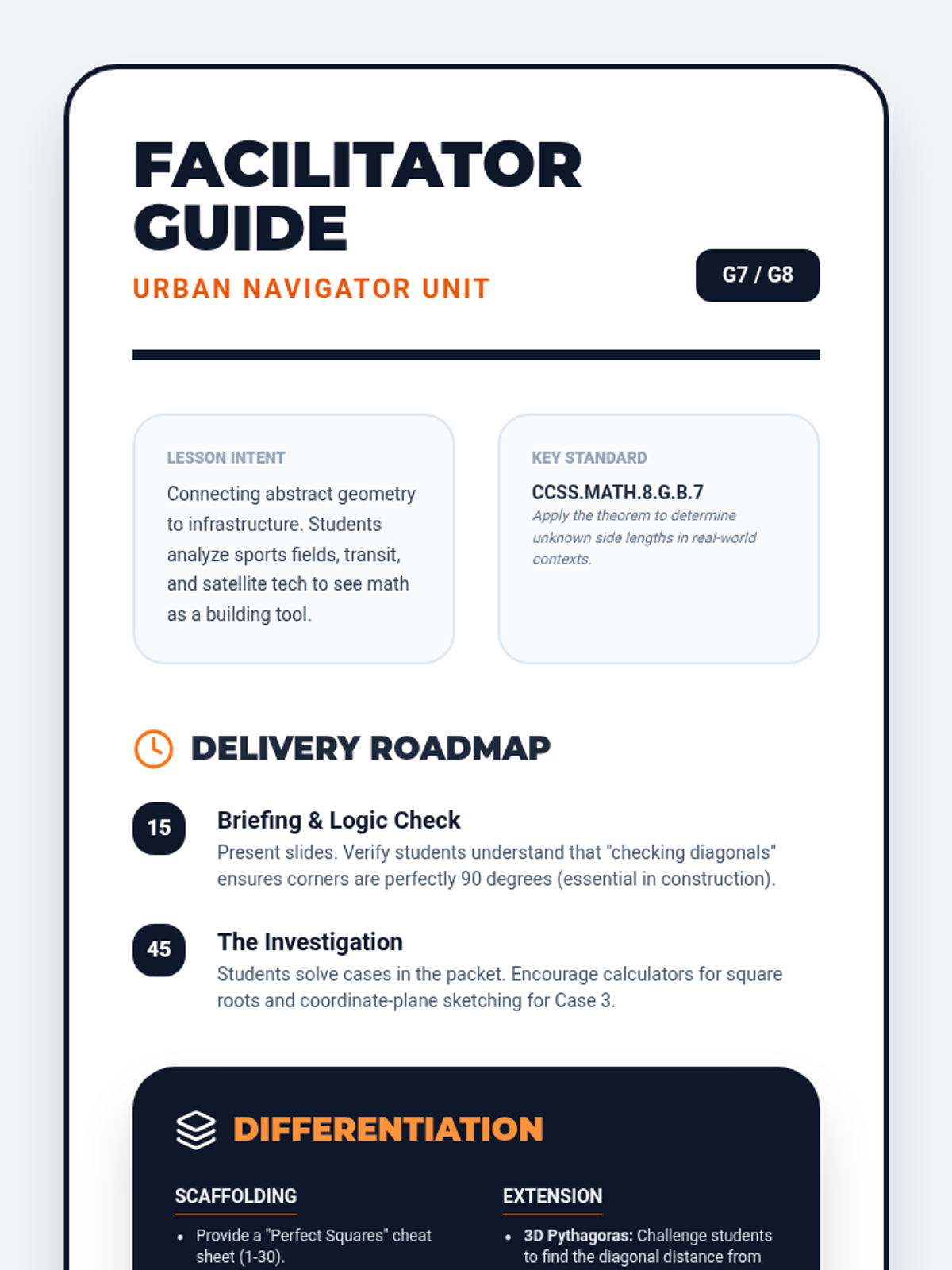
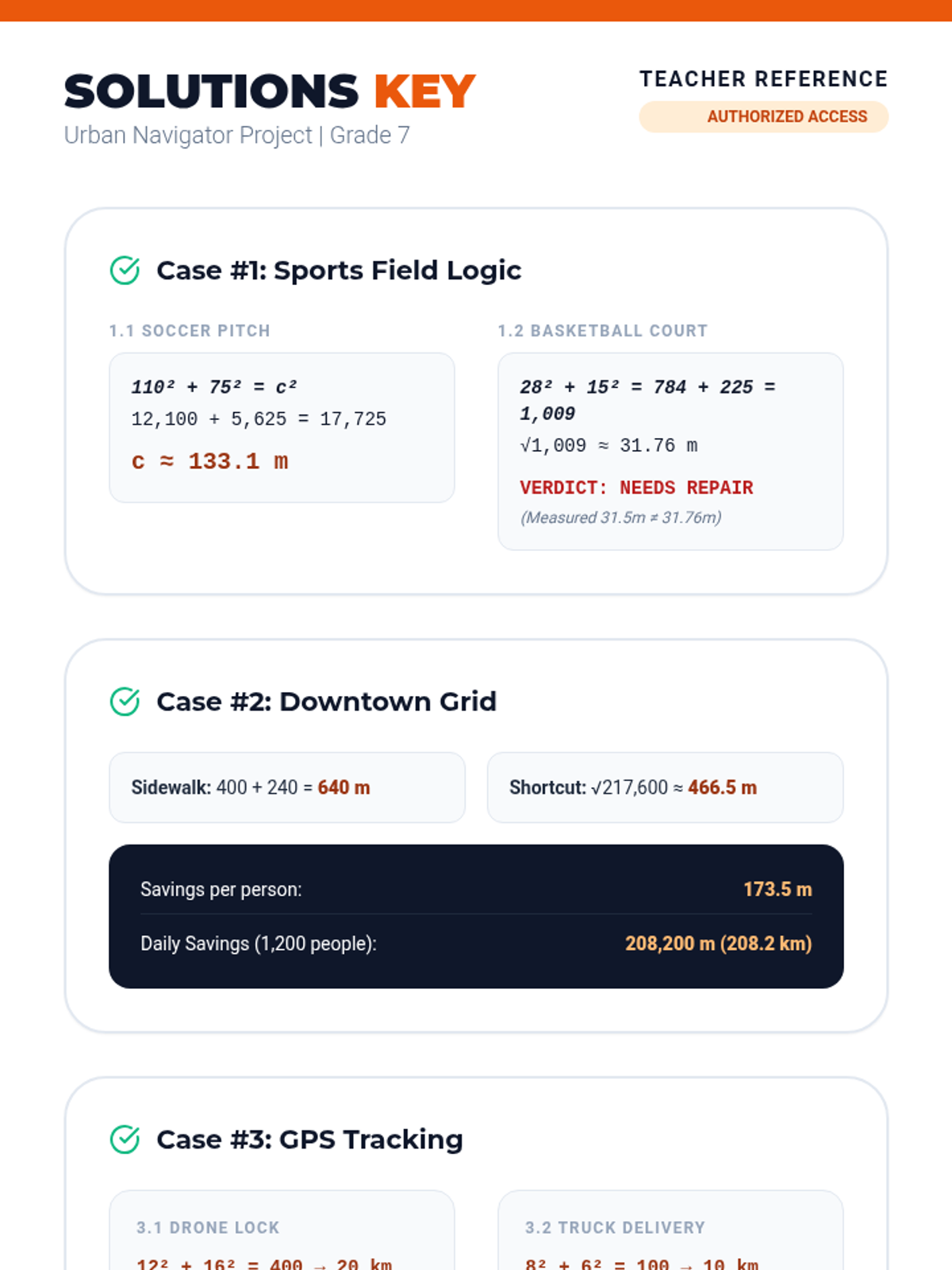
A real-world project-based learning unit where students apply the Pythagorean Theorem to urban planning, sports field design, and GPS navigation. Students act as urban developers and navigators to solve practical distance problems.
Students interpret and create line plots using measurement data involving fractions.
Students combine their knowledge of halves and fourths to measure more precisely and explore fraction equivalence.
Students learn to measure objects to the nearest fourth of an inch and explore partition logic.
Students learn to measure objects to the nearest half-inch and are introduced to mixed numbers.
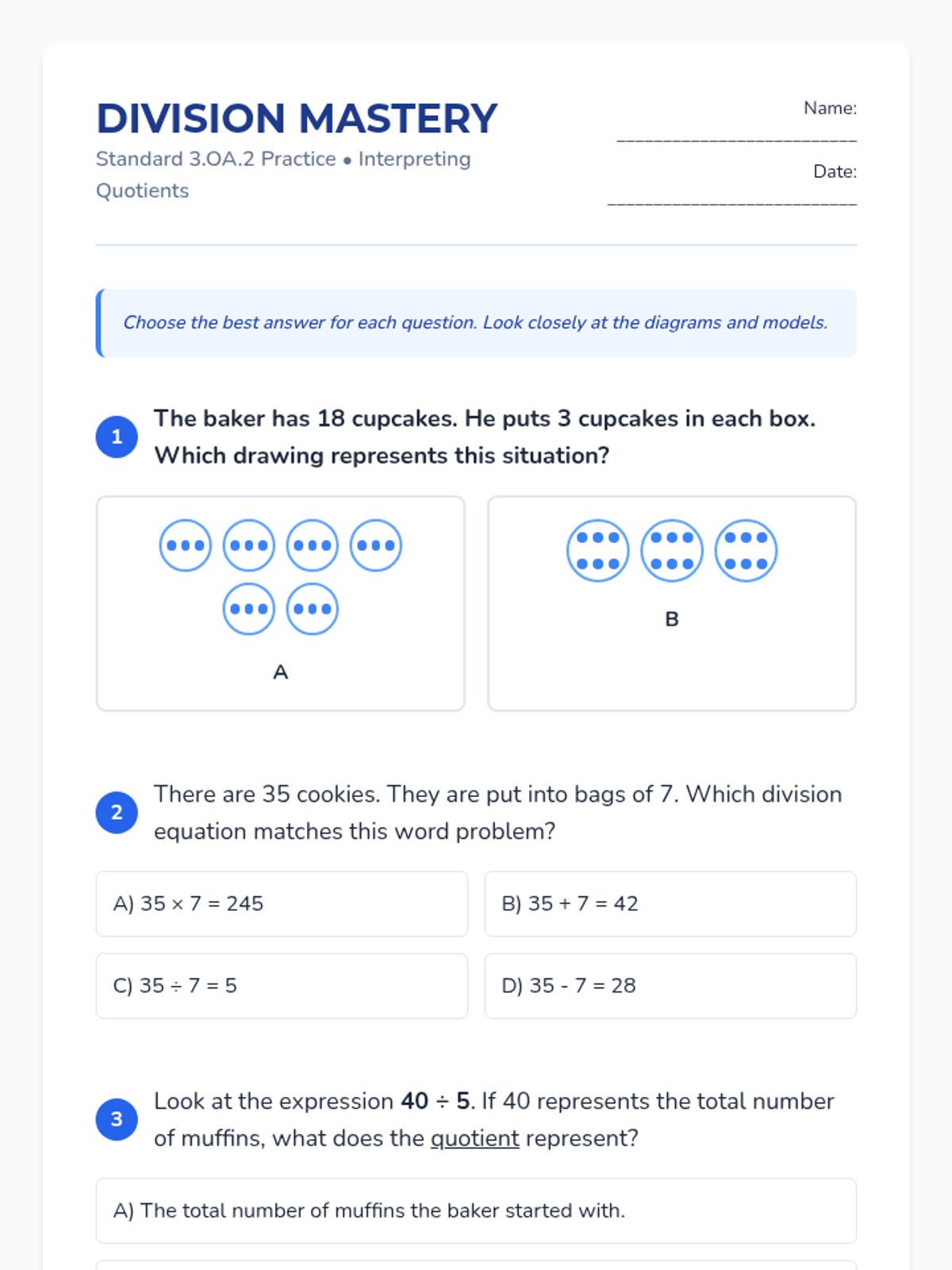
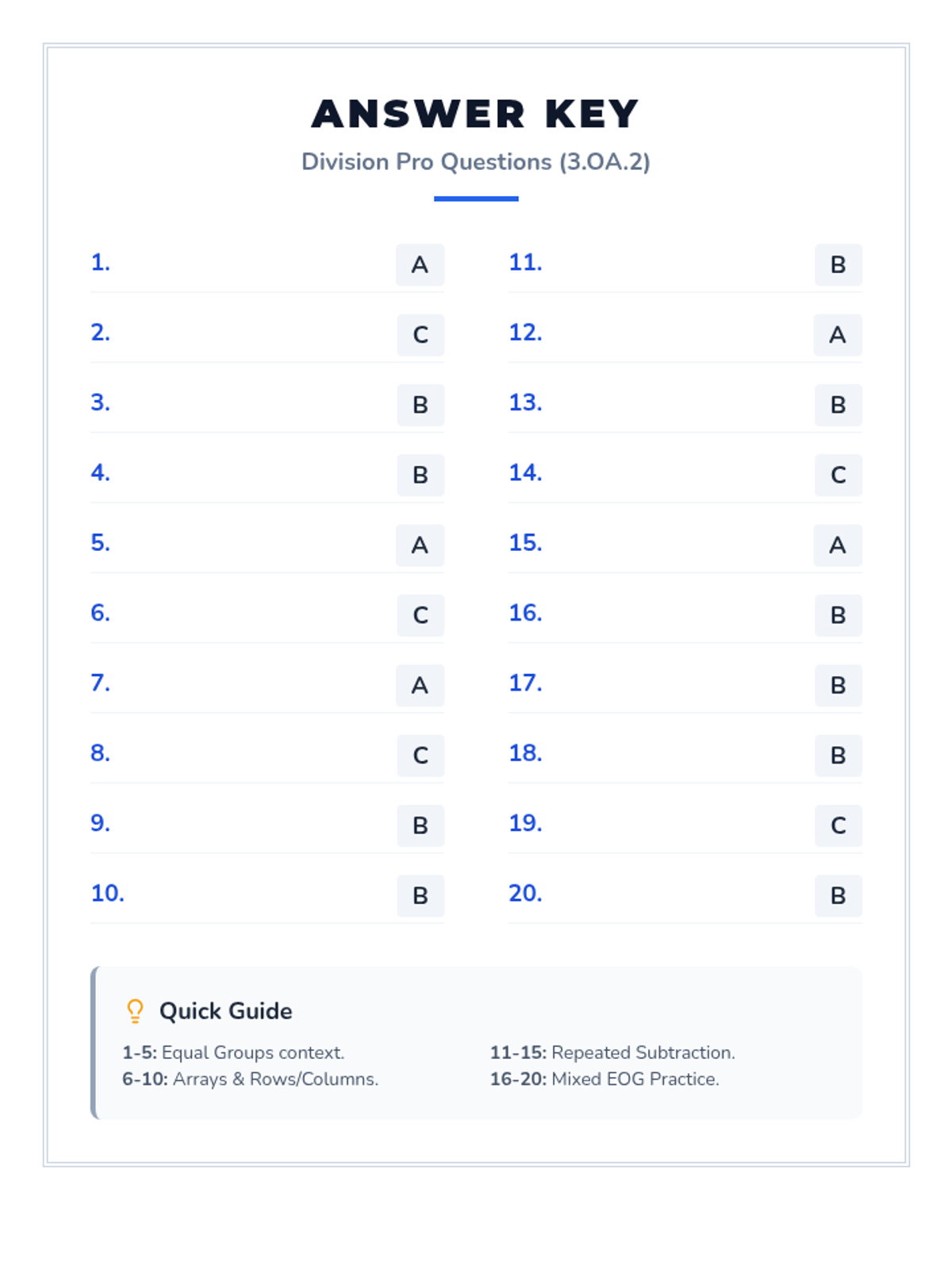
A comprehensive lesson on interpreting quotients through equal groups, arrays, and repeated subtraction, specifically aligned to 3.OA.2 for EOG preparation.
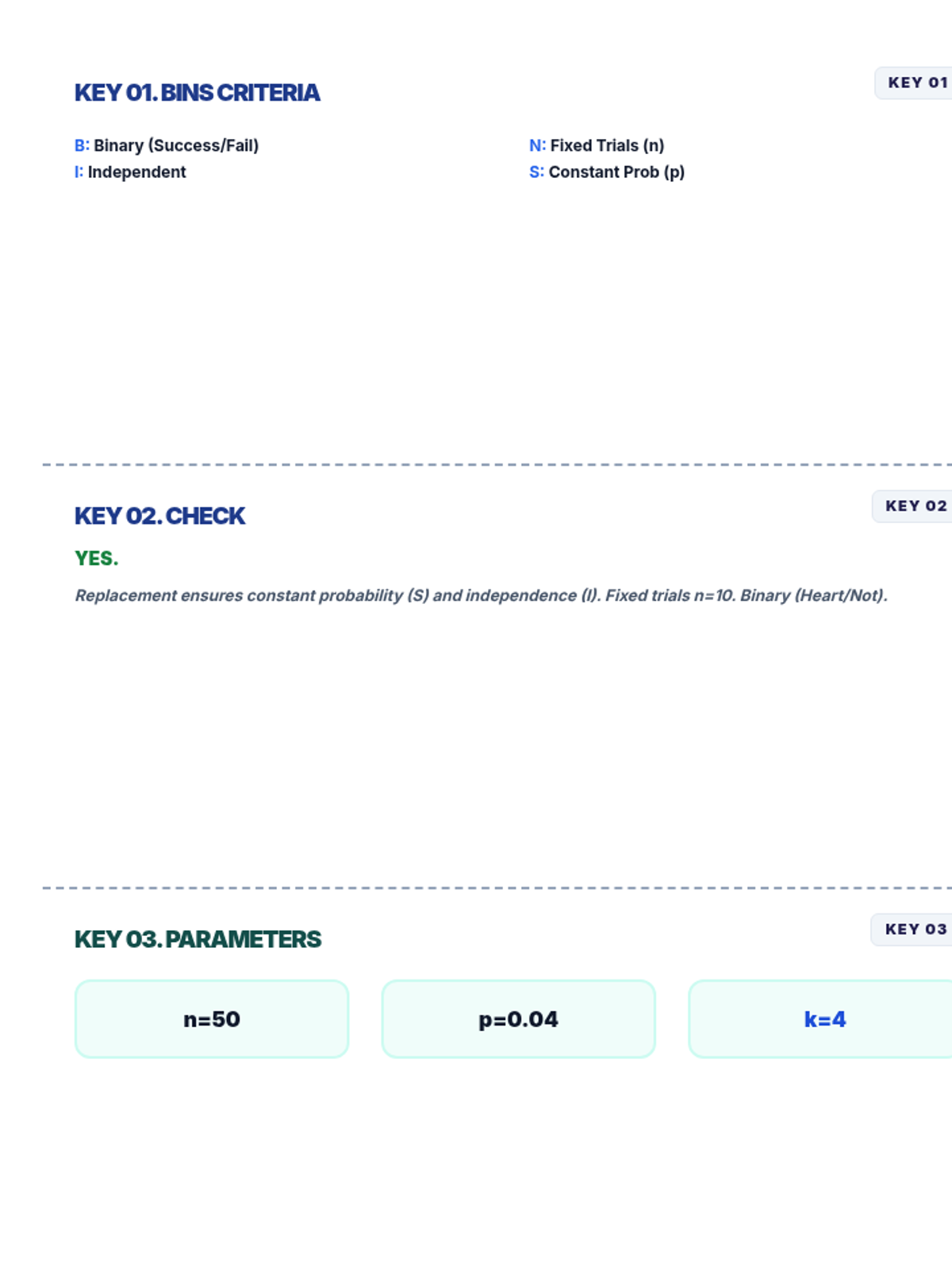
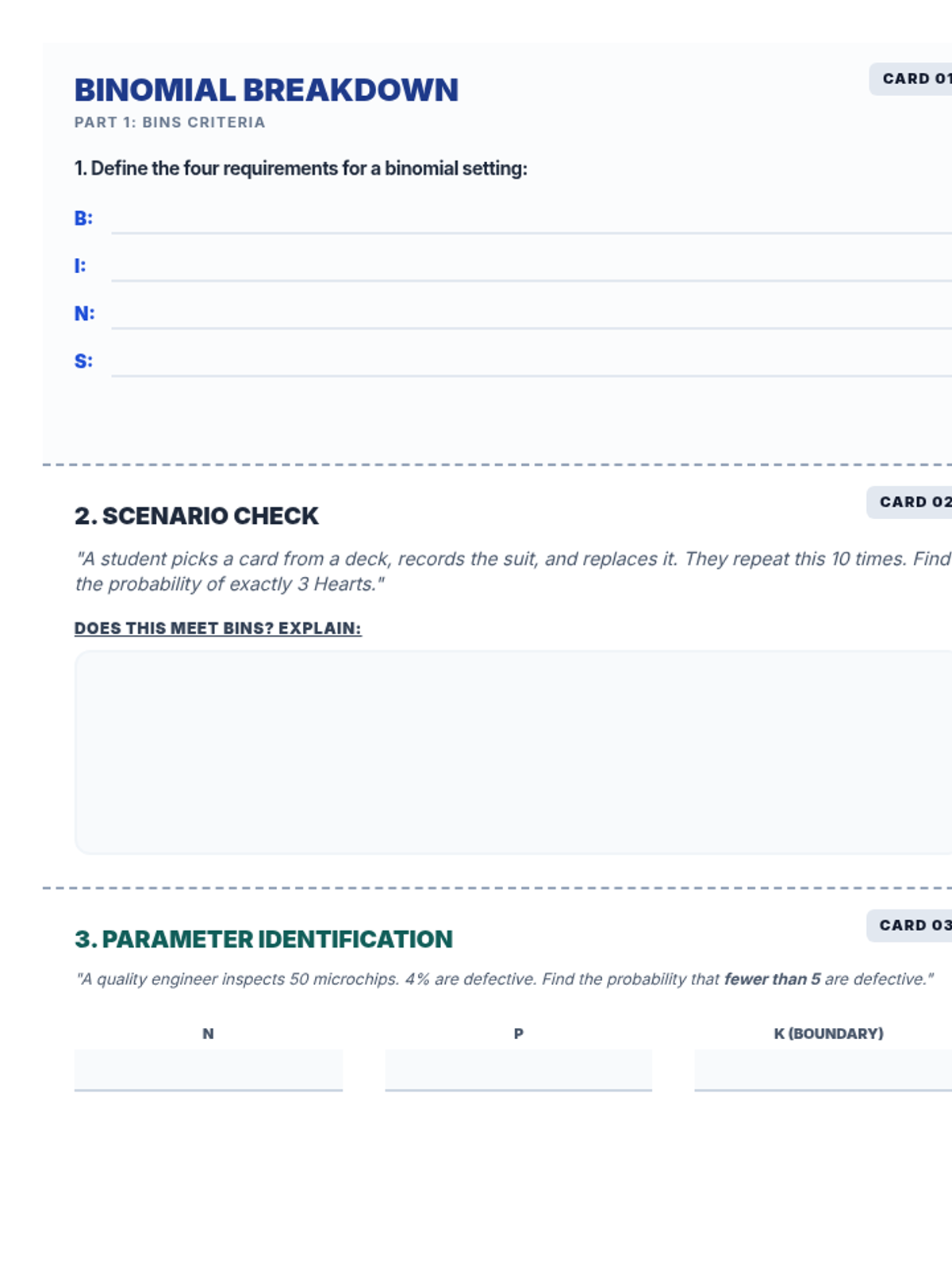
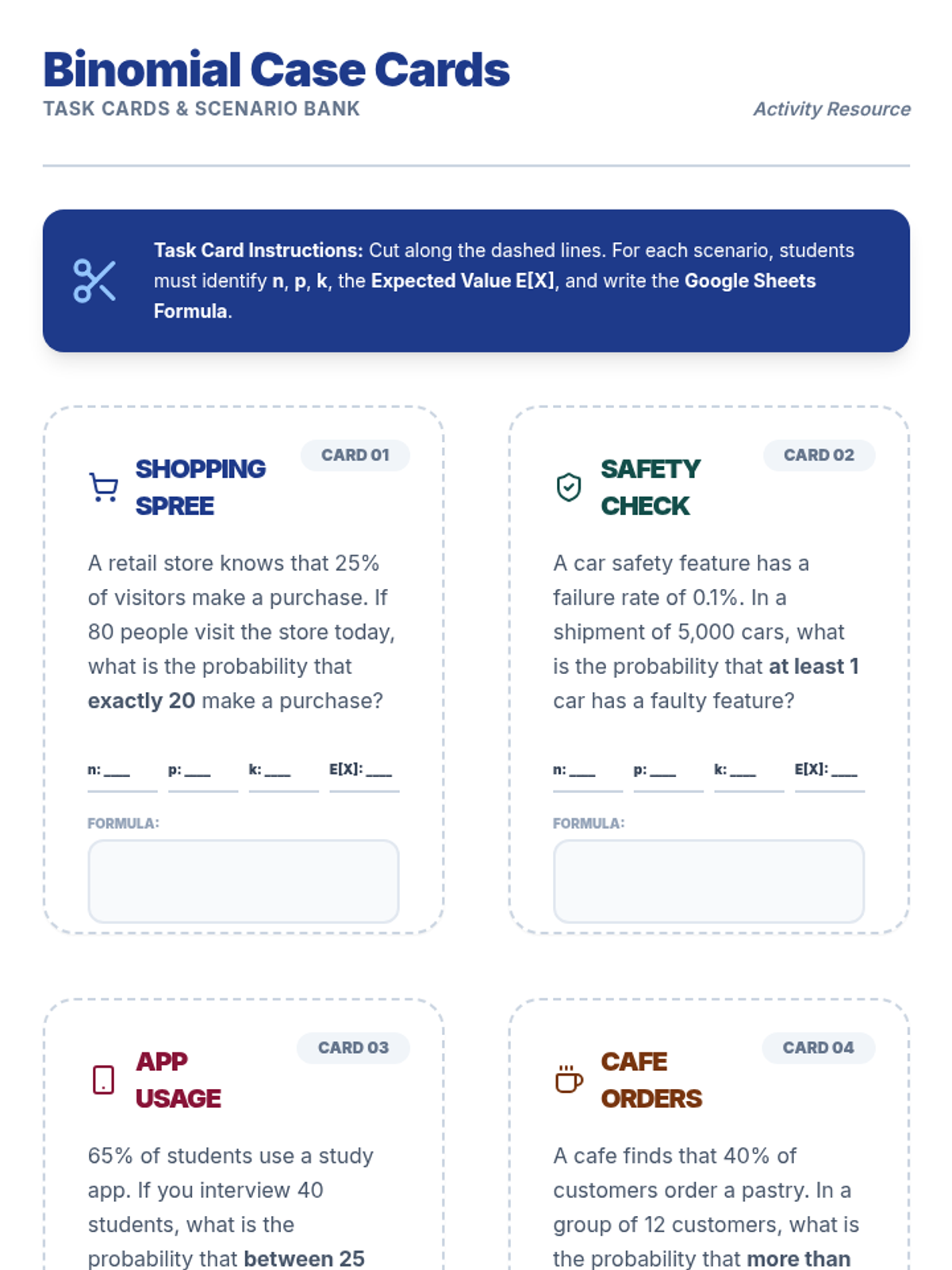
A focused lesson on the binomial distribution, covering the BINS criteria, identifying parameters, and calculating probabilities using digital spreadsheet tools.
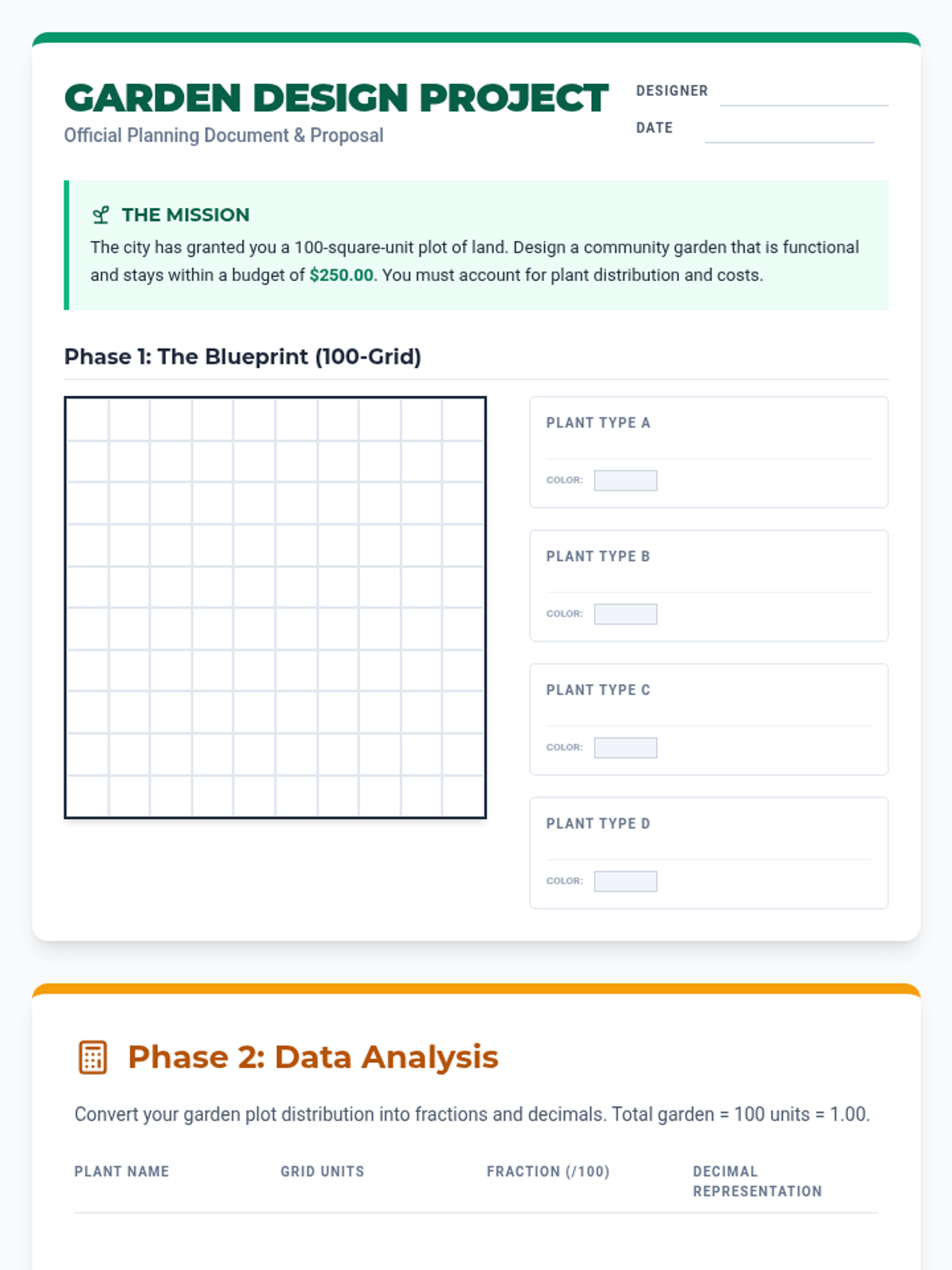
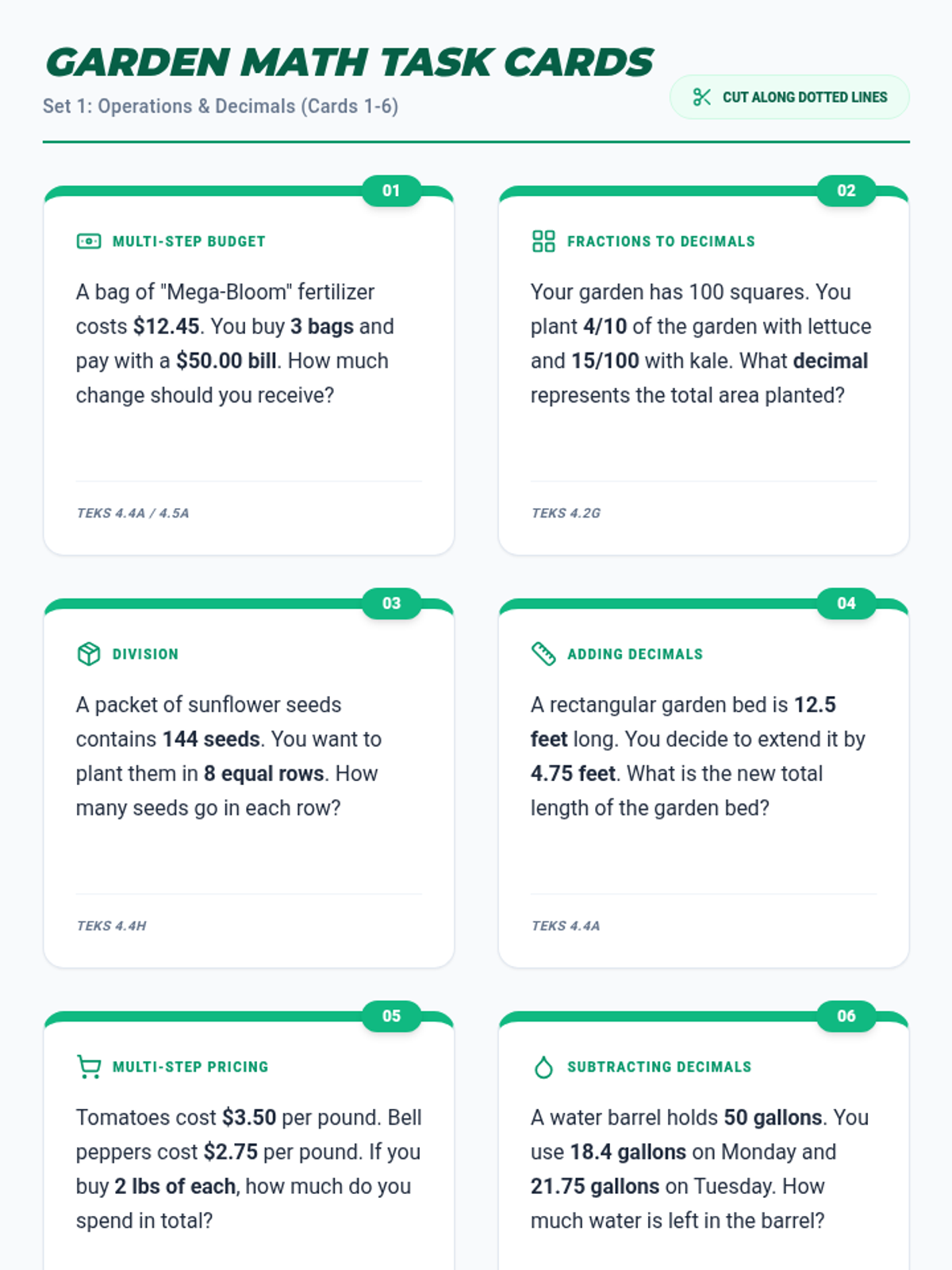
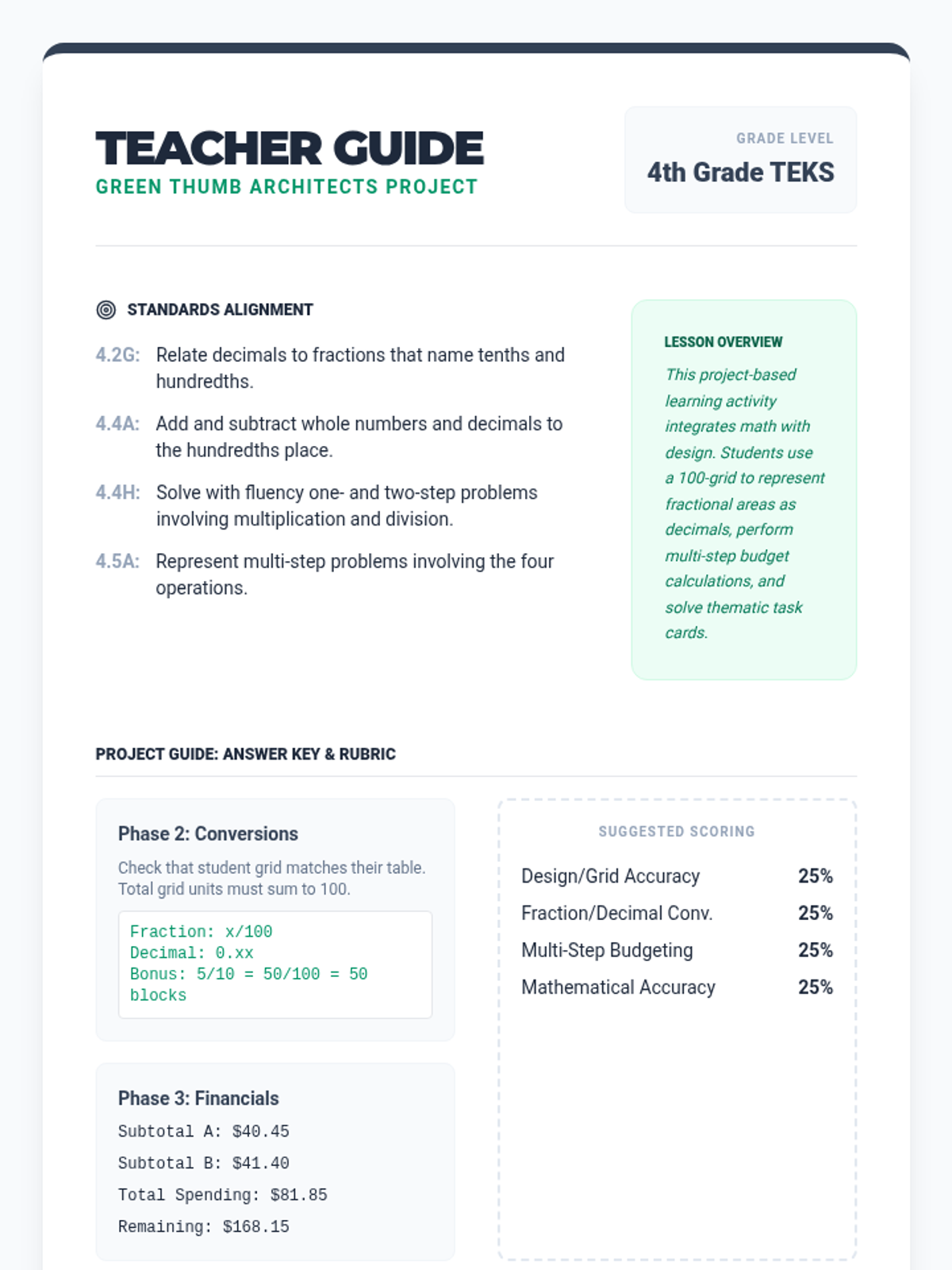
A math-focused project where students step into the role of garden designers to plan a community space while mastering multi-step word problems, decimal operations, and the relationship between fractions and decimals.
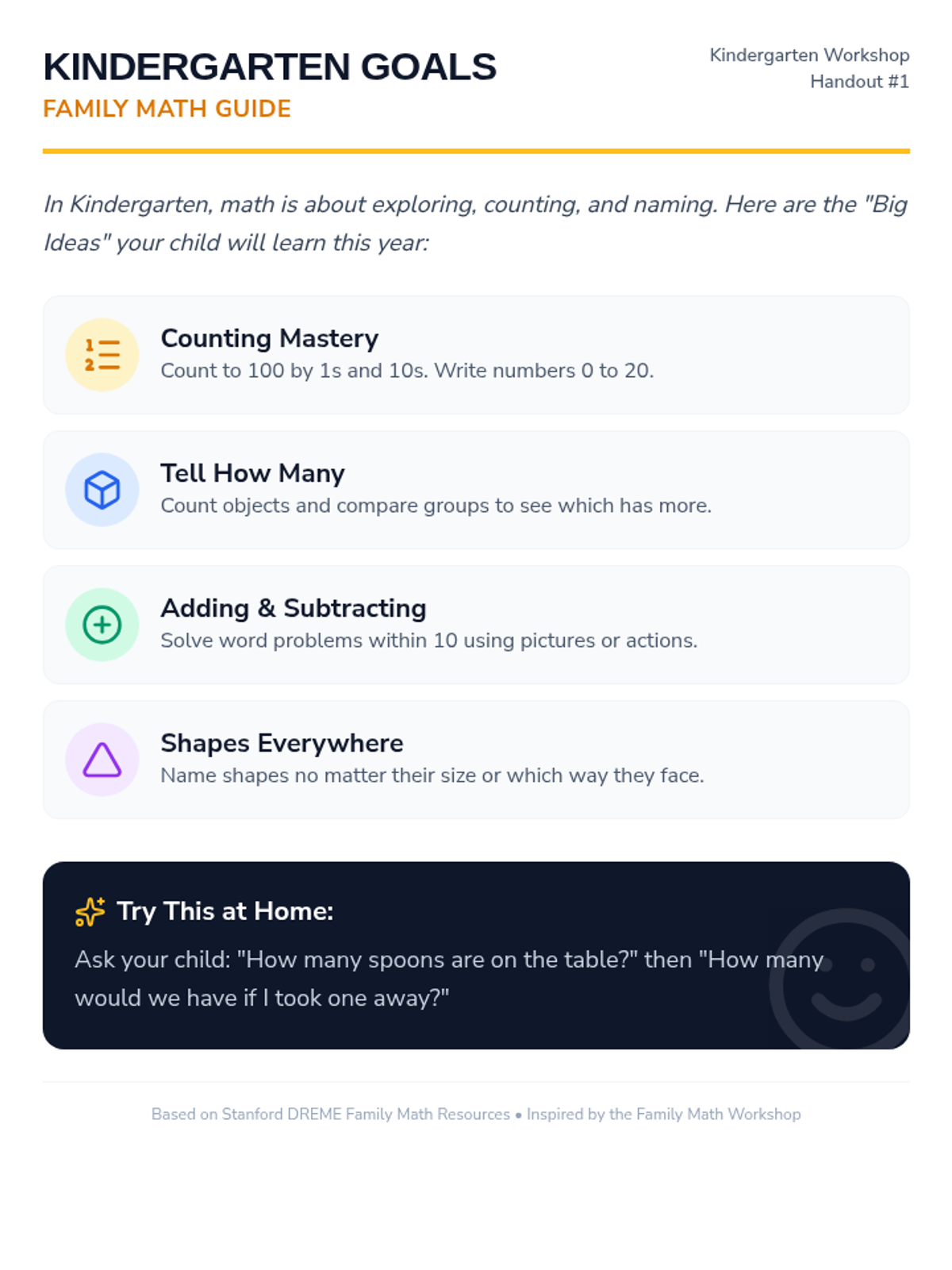
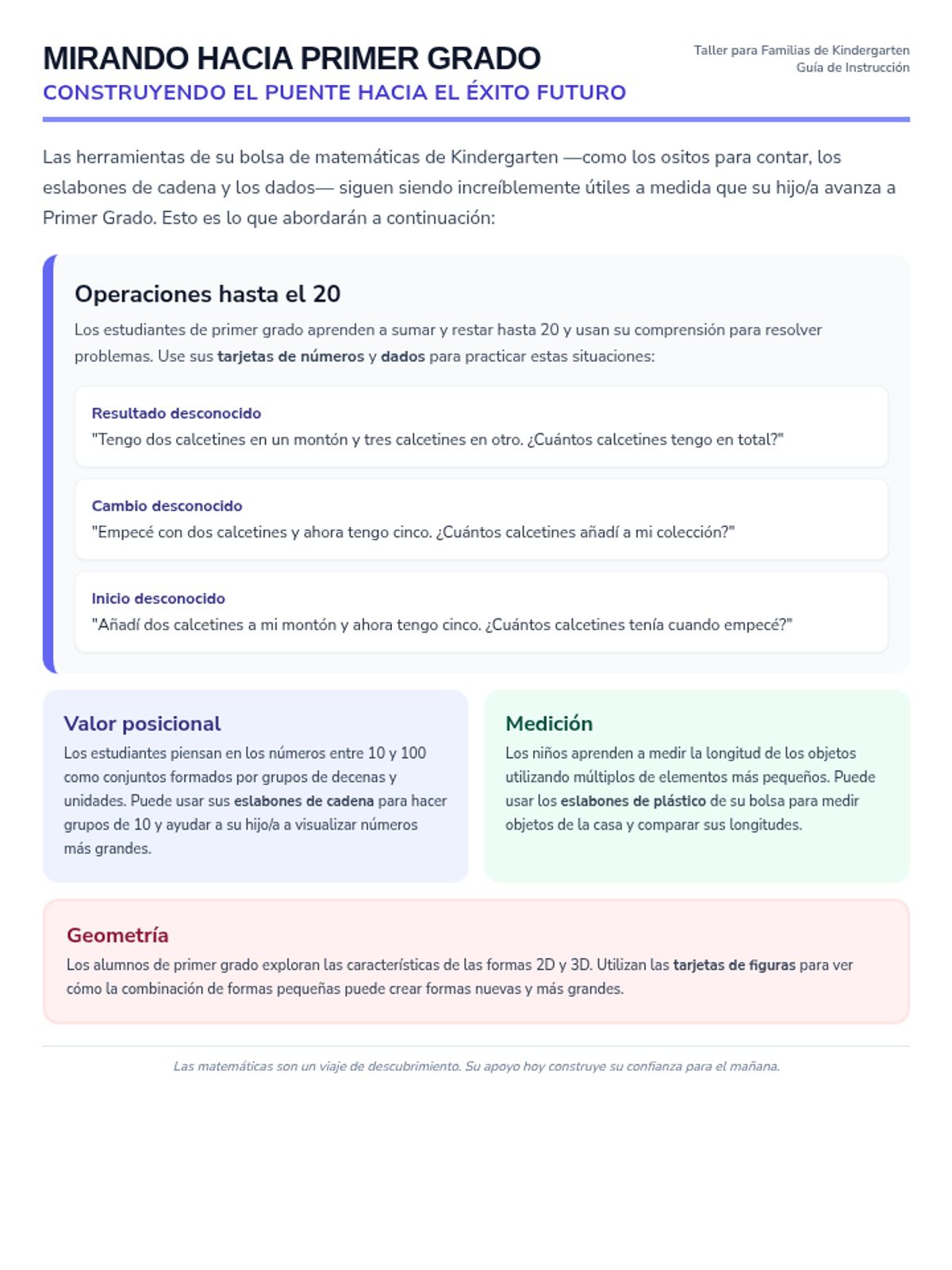
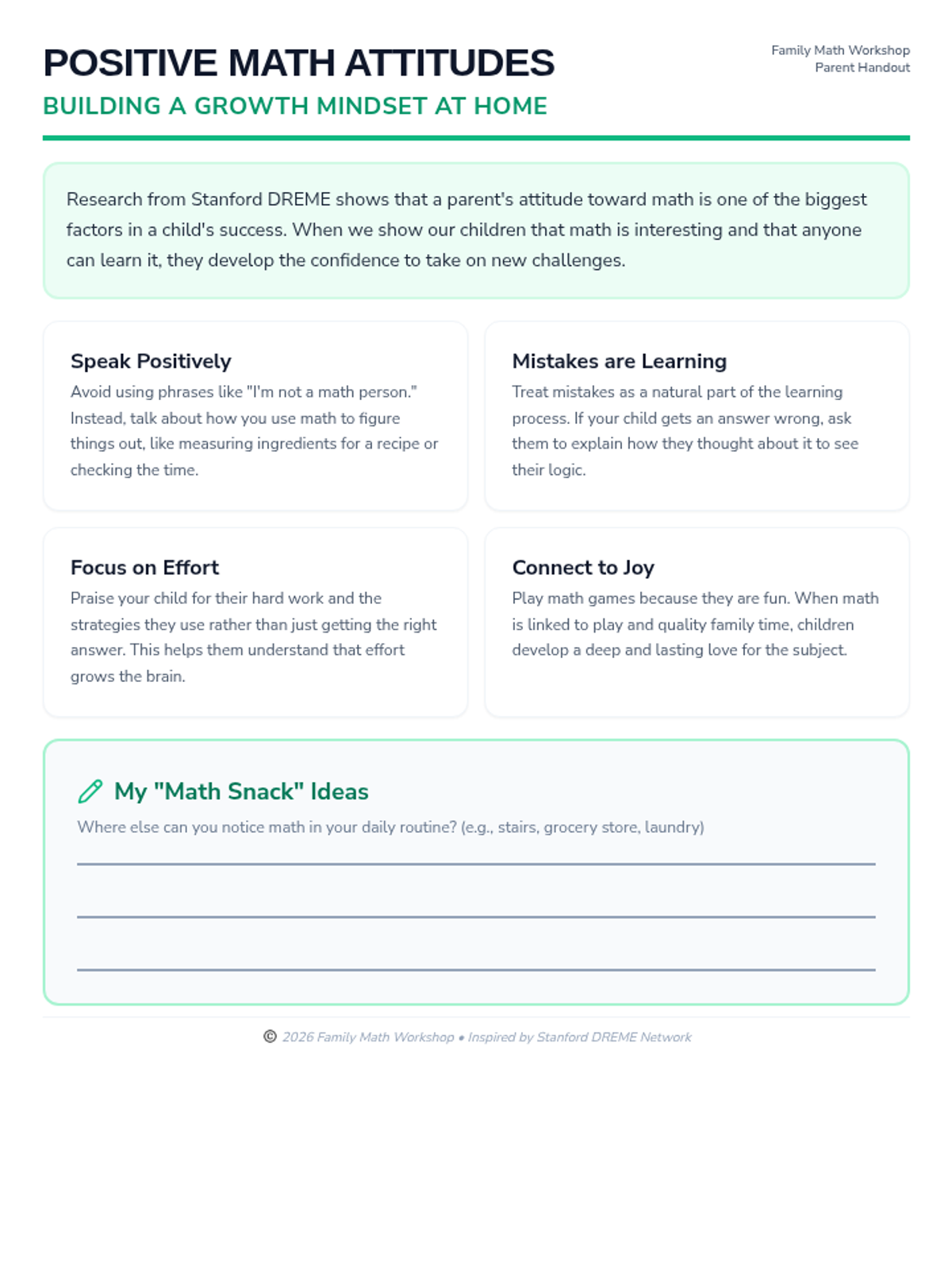
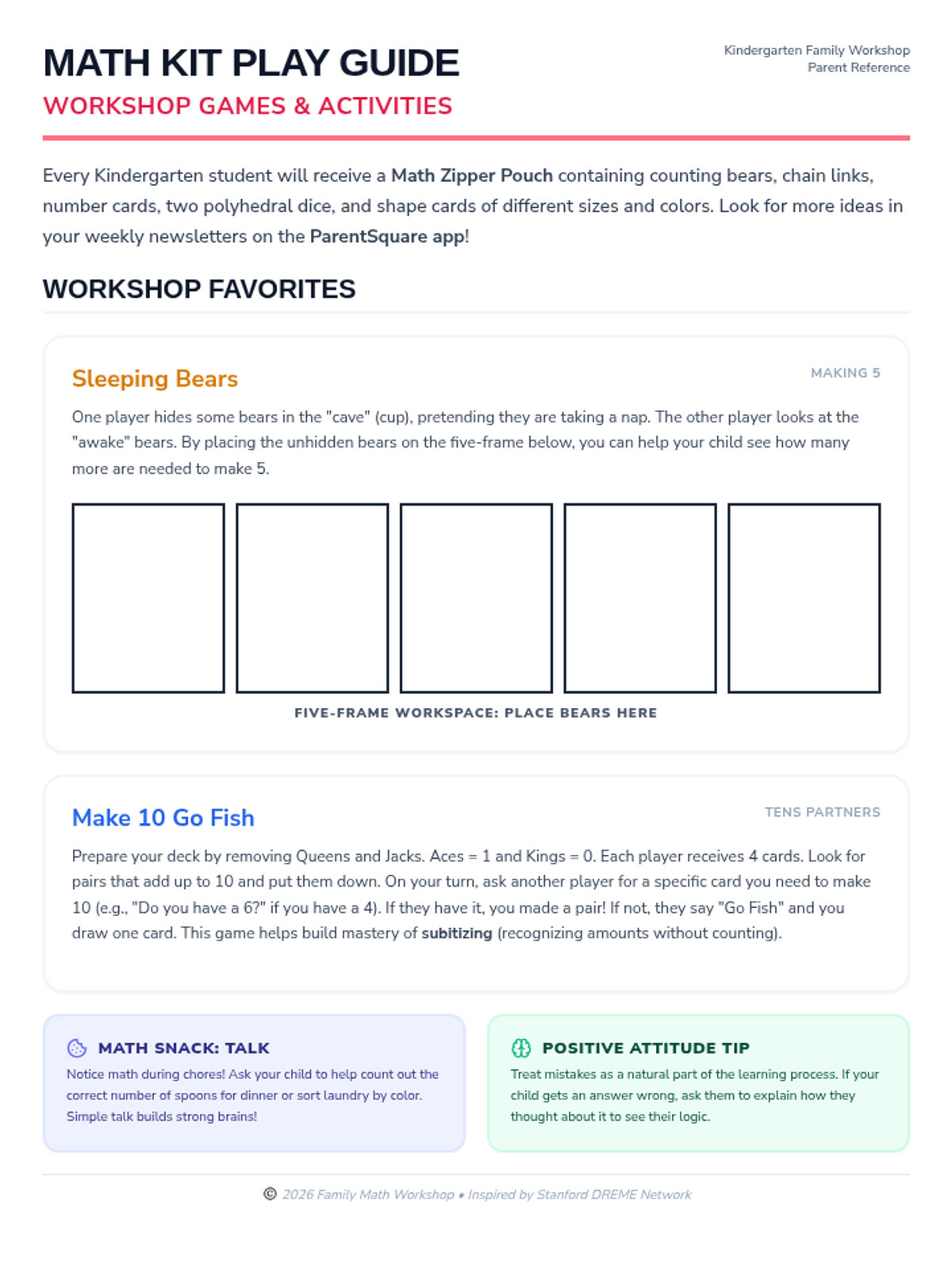
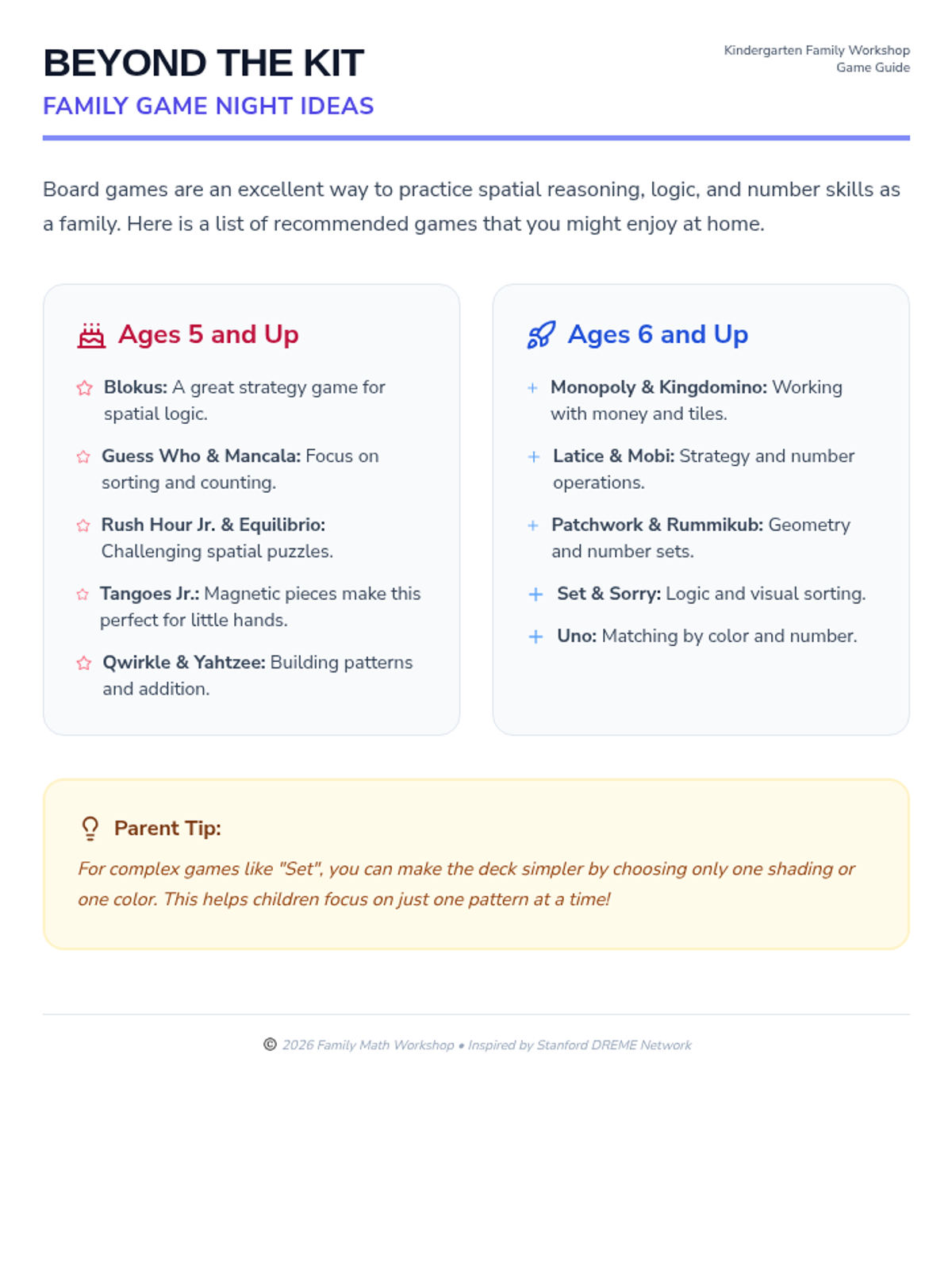
A comprehensive workshop for Kindergarten parents and guardians focused on building positive math attitudes and supporting math learning at home through play and daily routines. Based on Stanford DREME research.
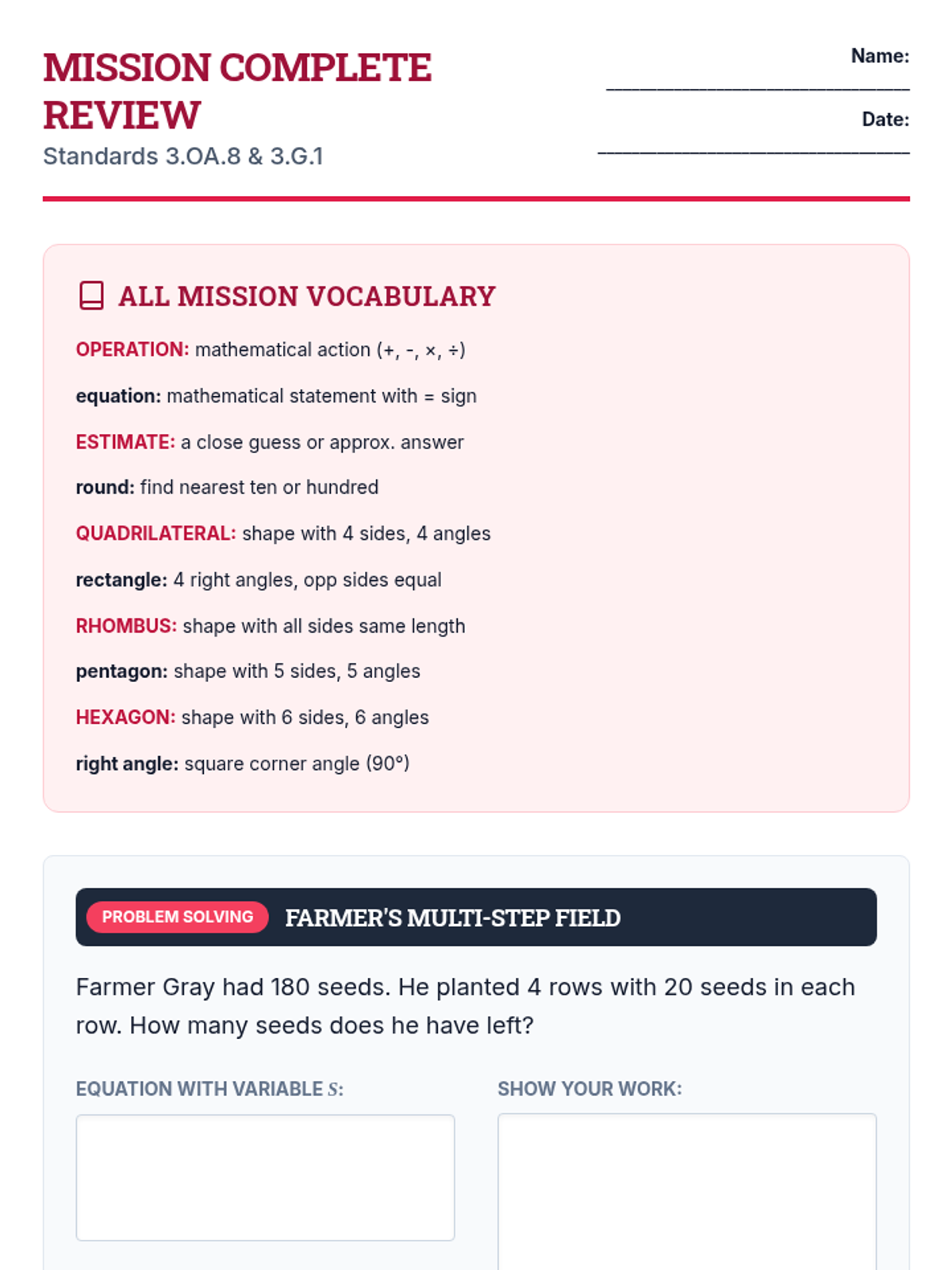
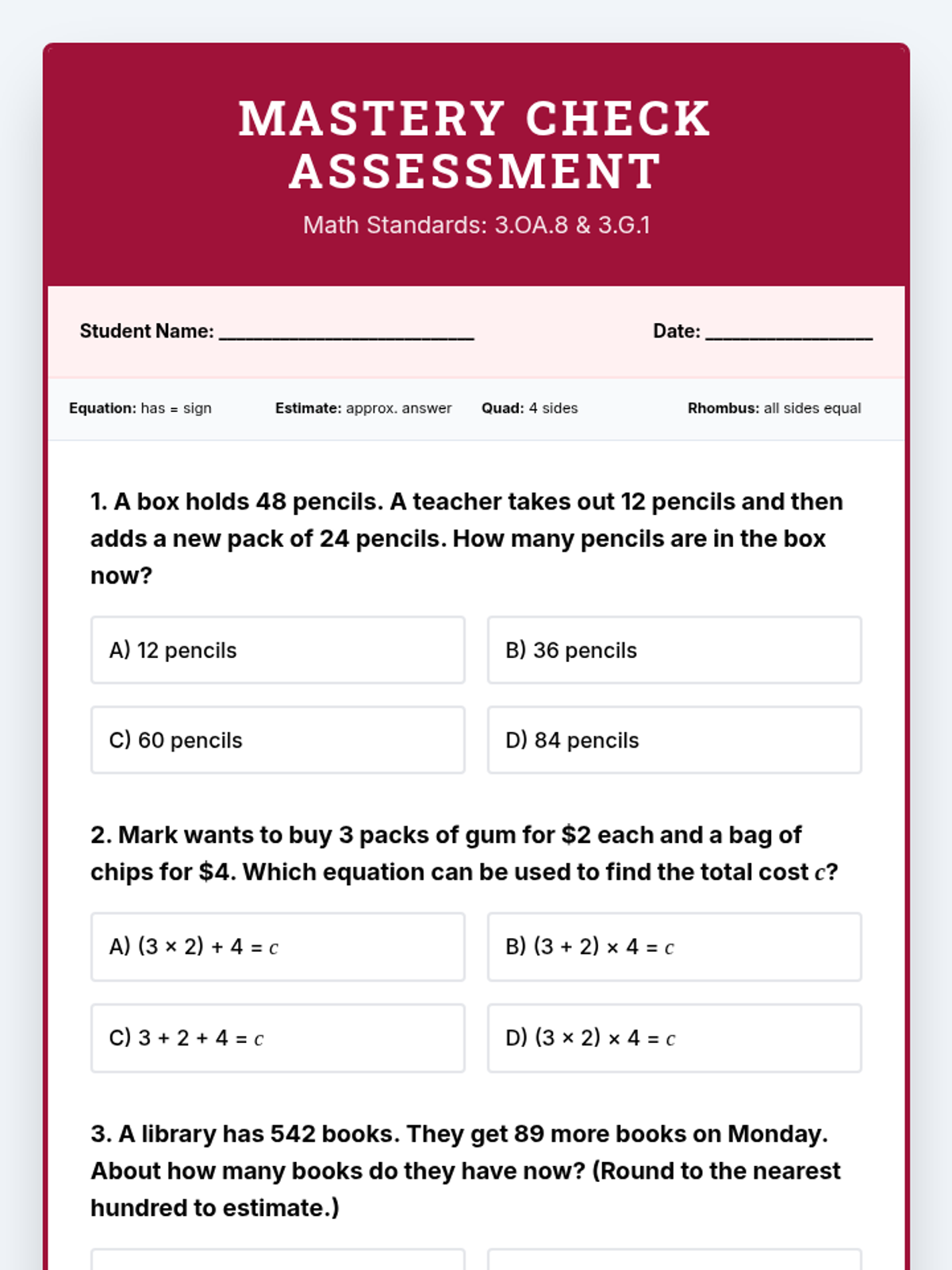
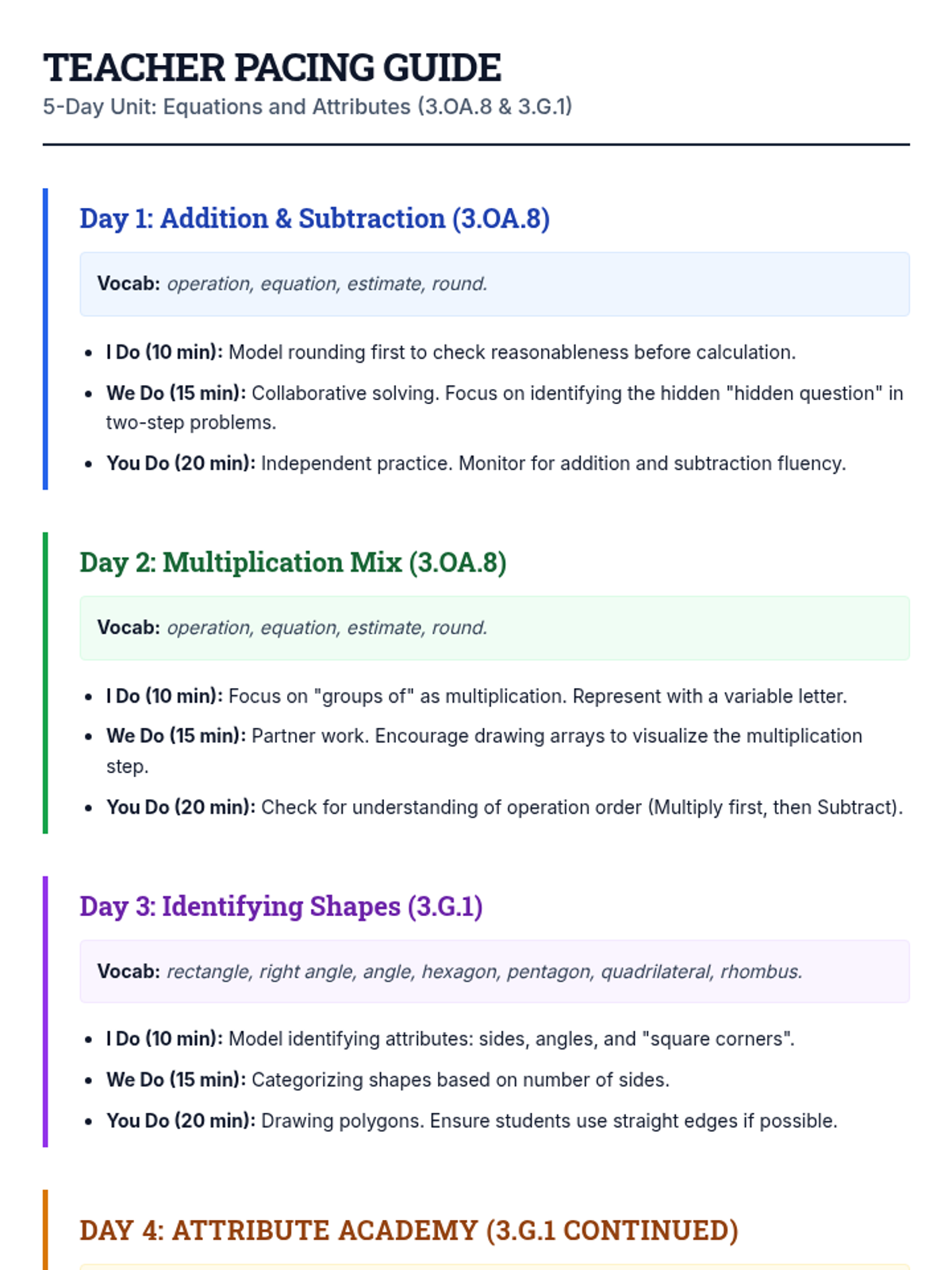
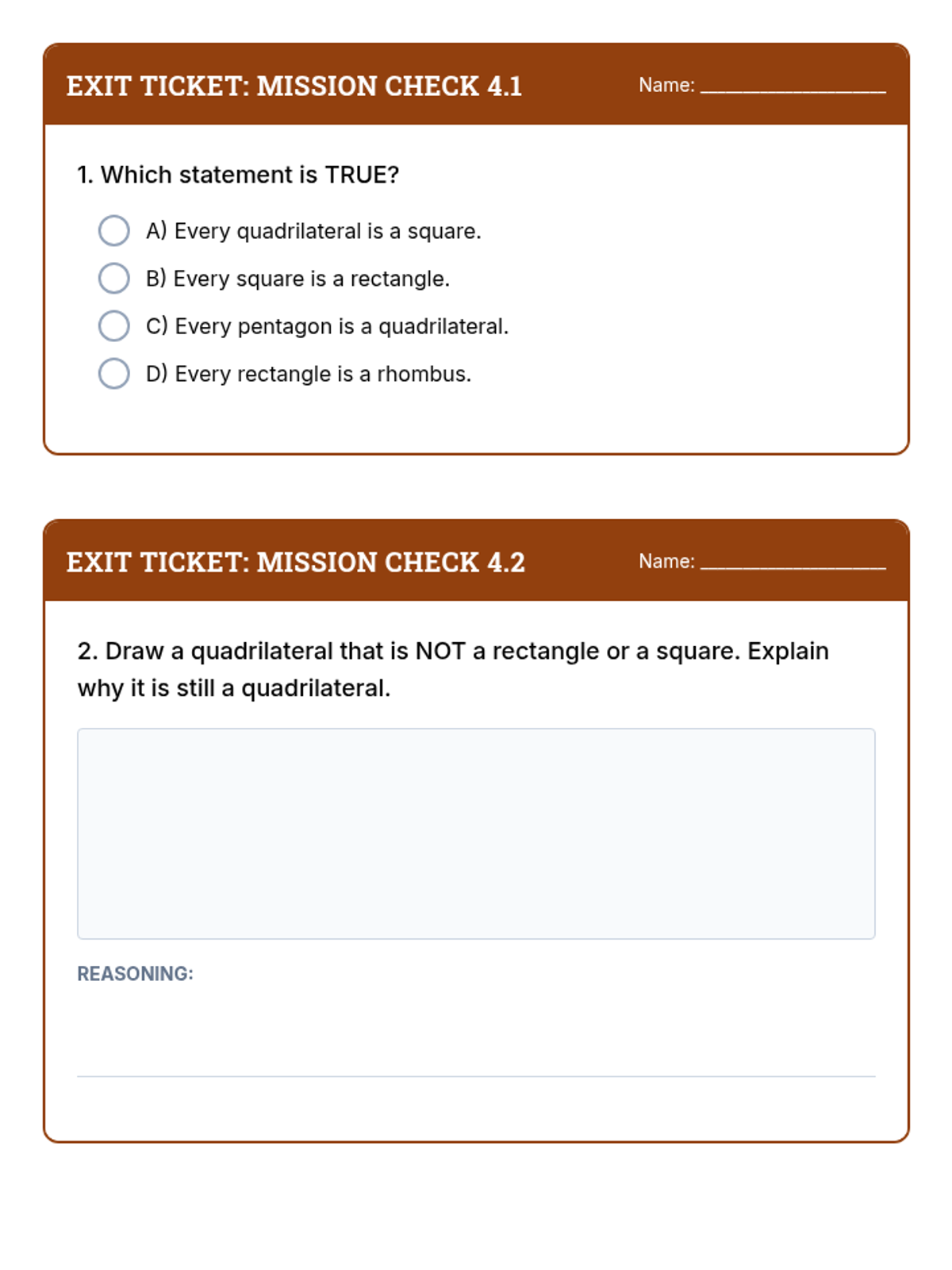
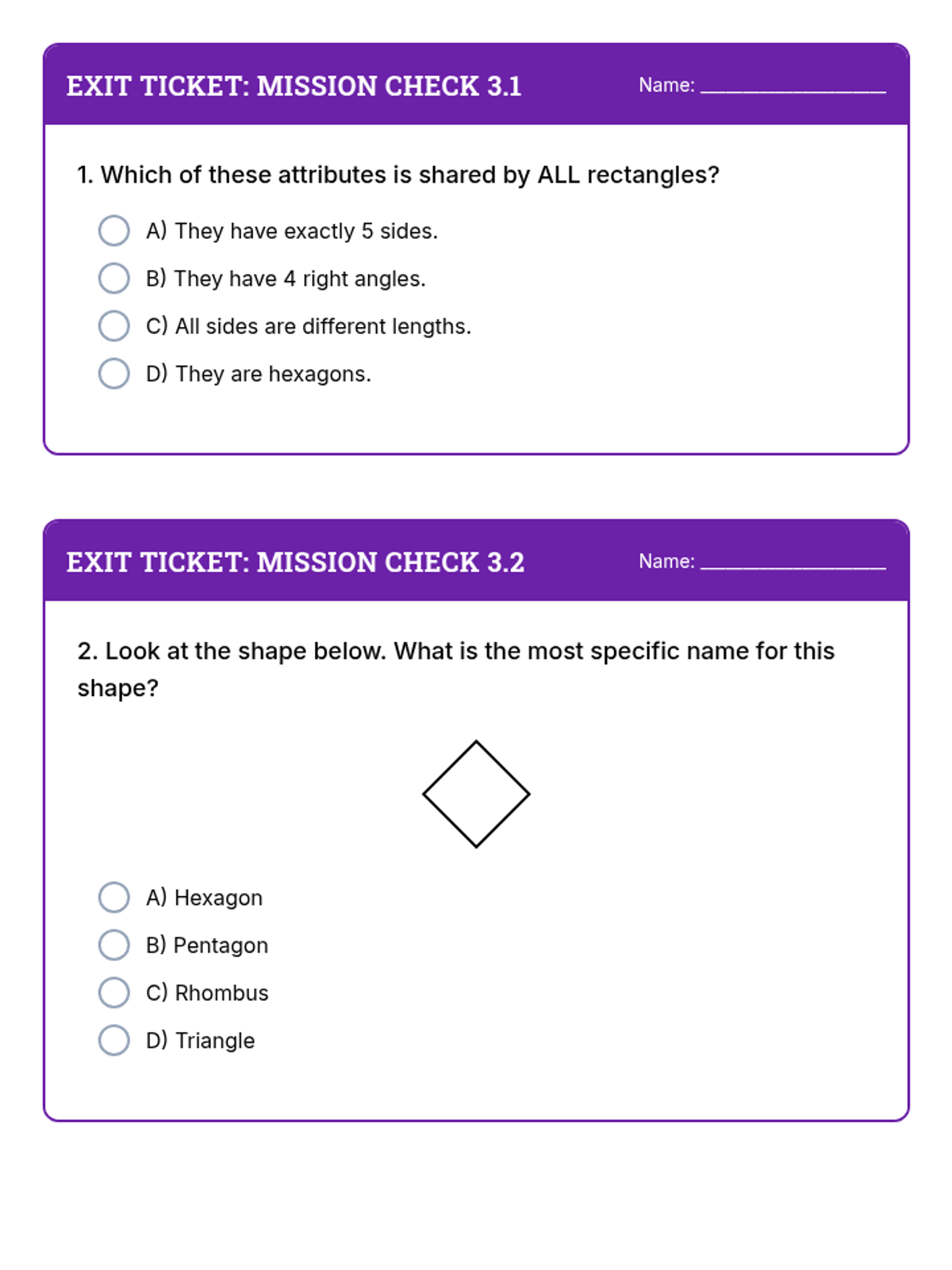
A cumulative review and final assessment covering both word problem solving and geometric classification to ensure mastery of standards 3.OA.8 and 3.G.1.
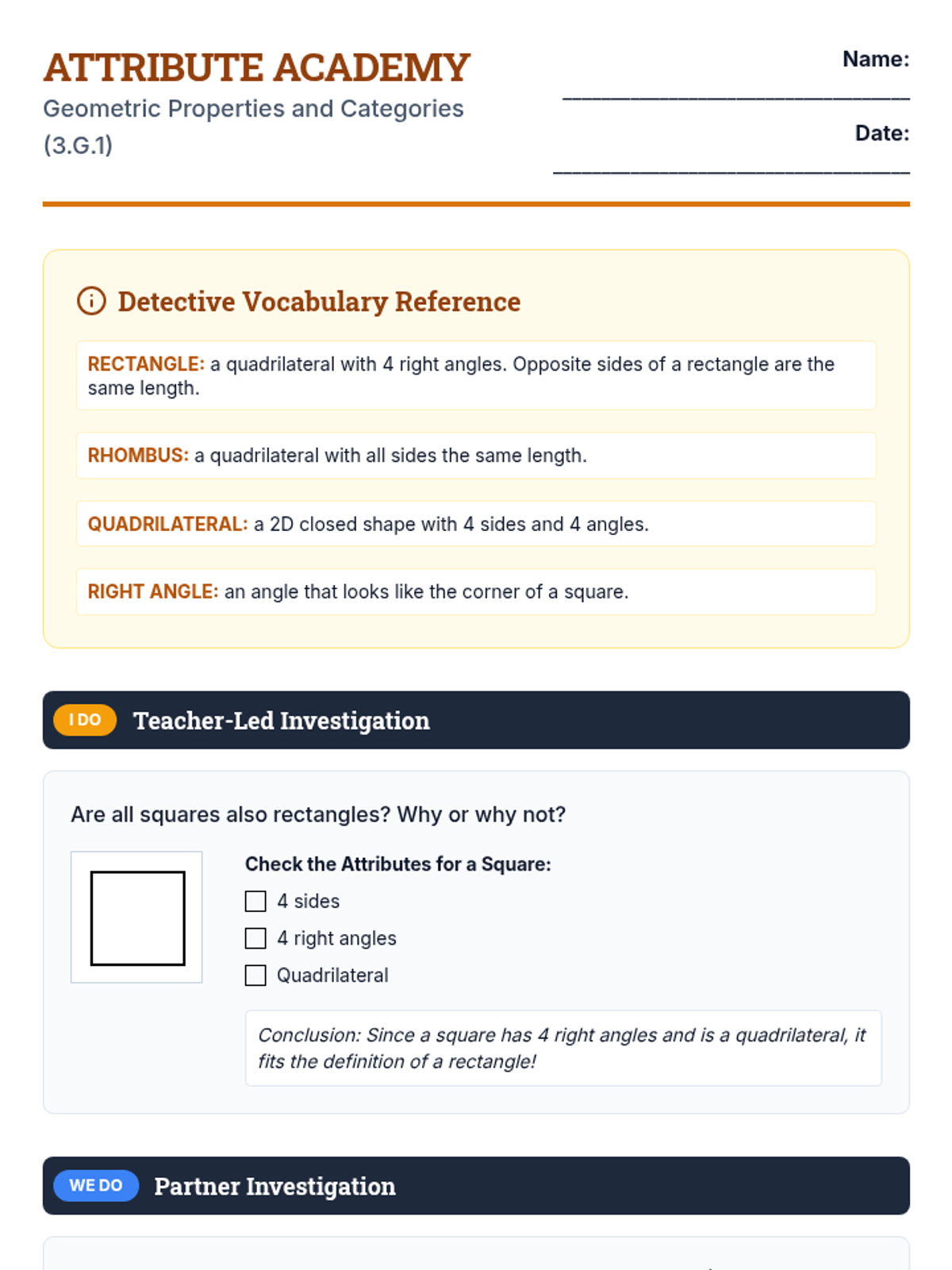
Deeper exploration of geometric attributes, focusing on classifying shapes within larger categories and recognizing shared properties.
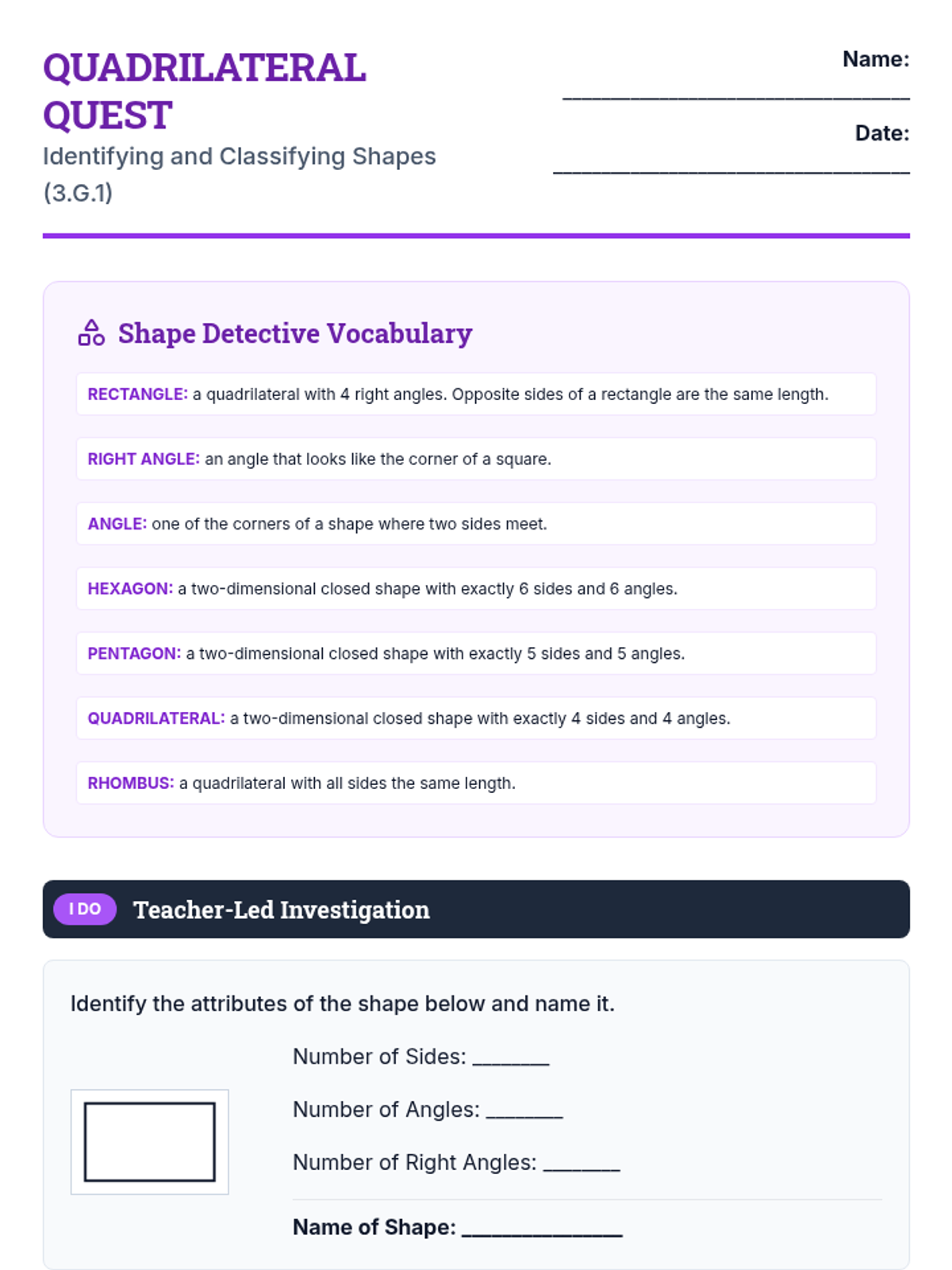
Introduction to identifying and classifying quadrilaterals based on their attributes, including sides, angles, and specific definitions of common shapes.
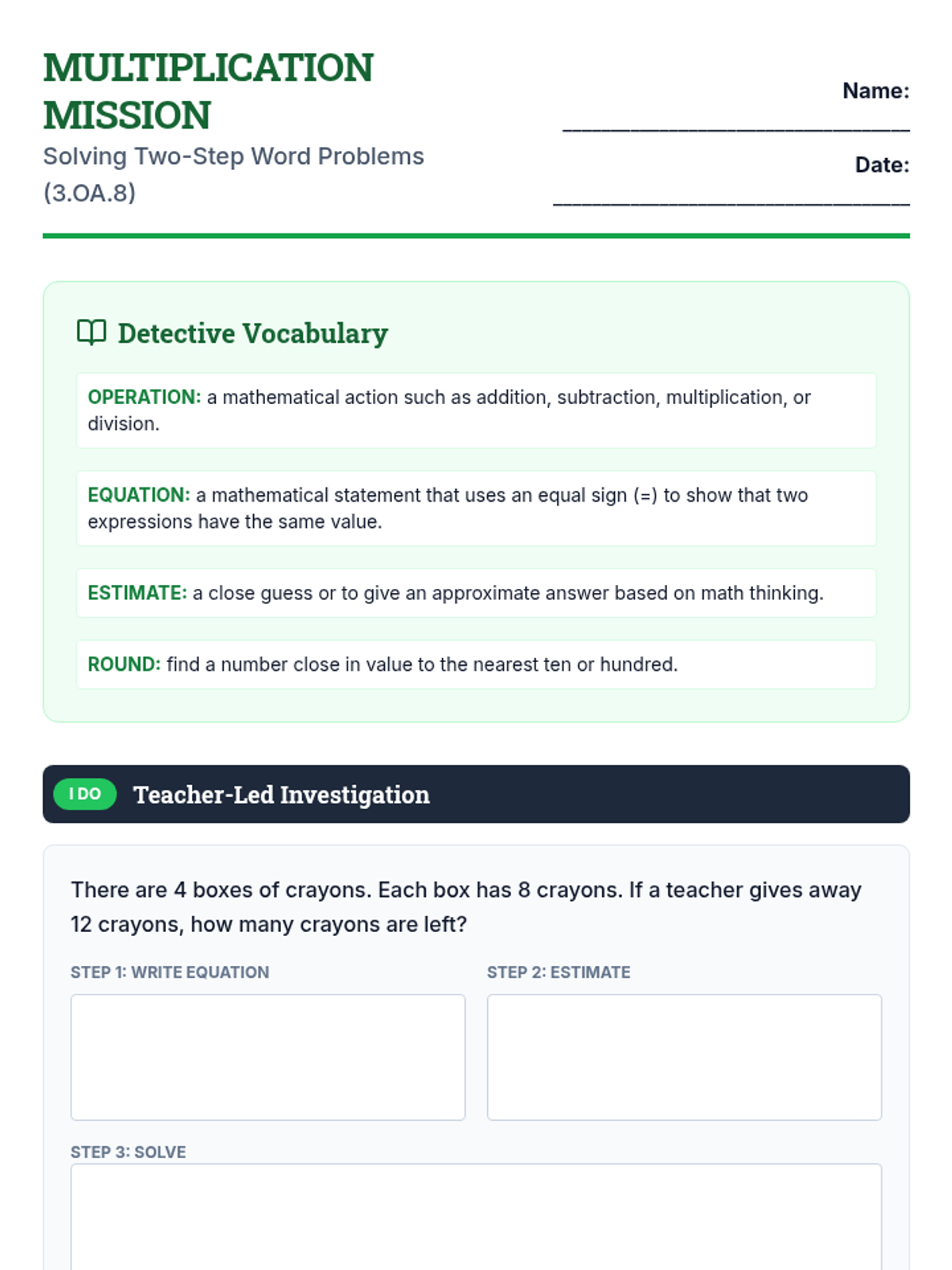
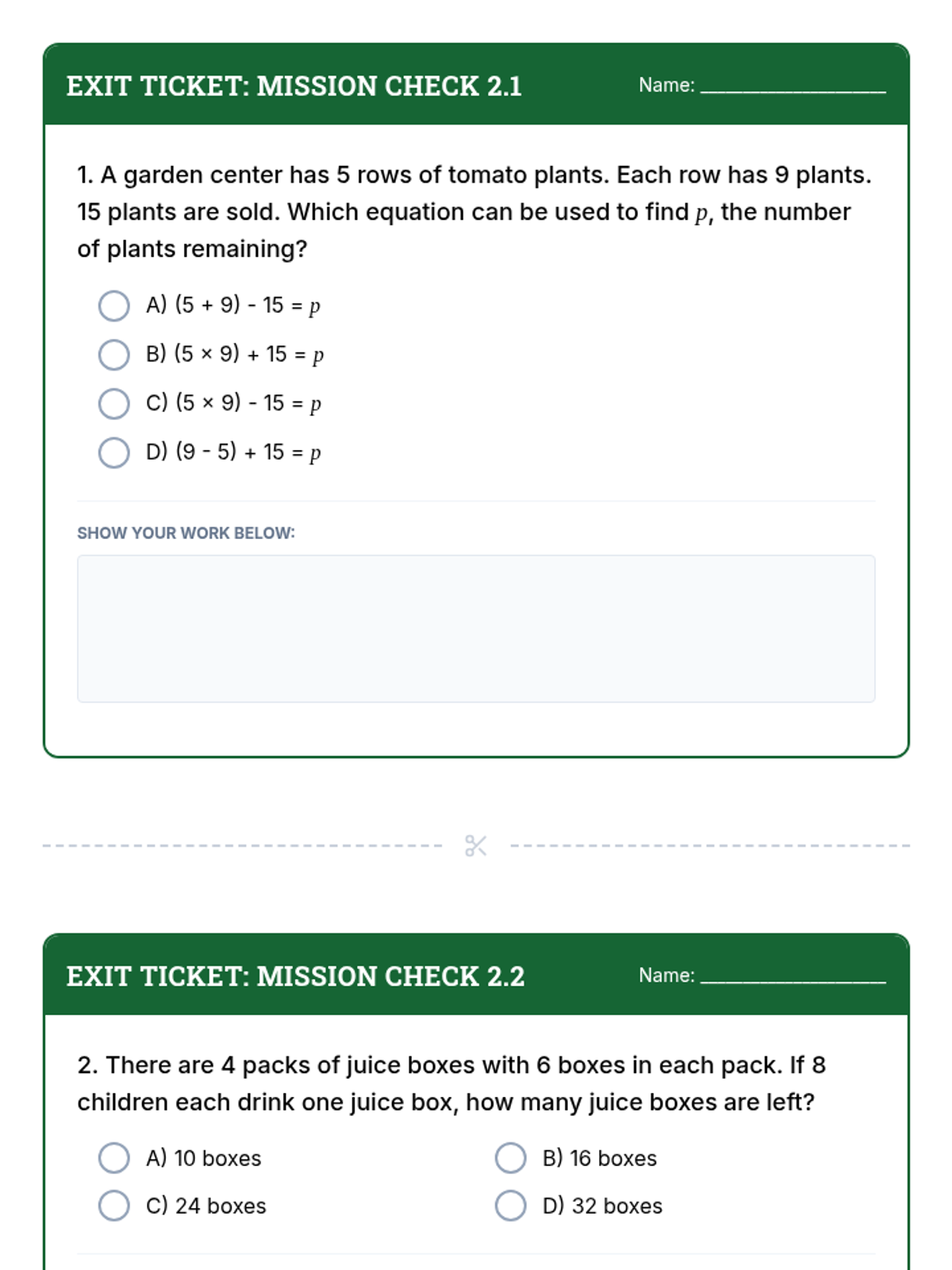
Extends problem-solving skills to two-step word problems involving multiplication and other operations, focusing on equation representation and estimation strategies.
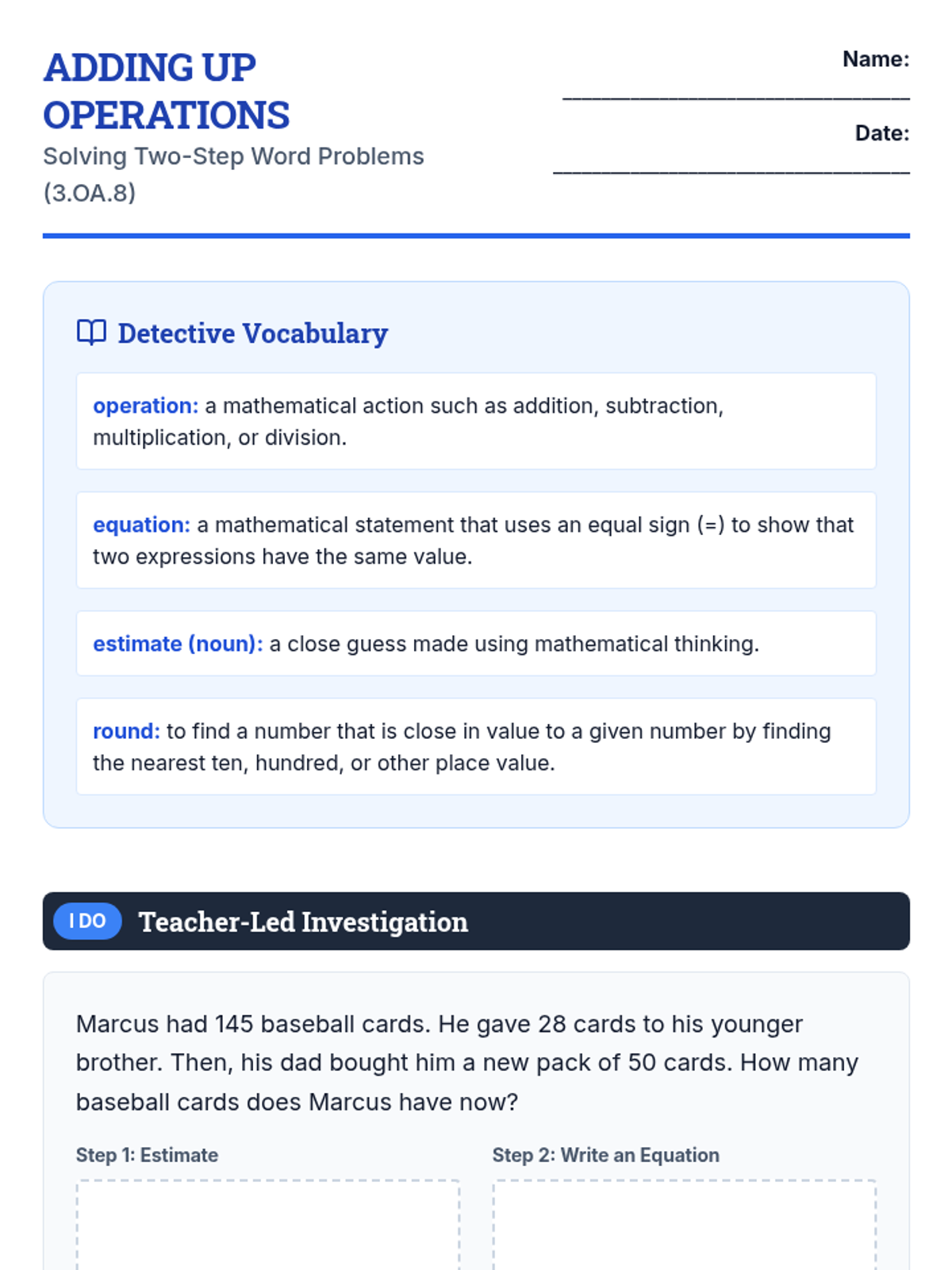
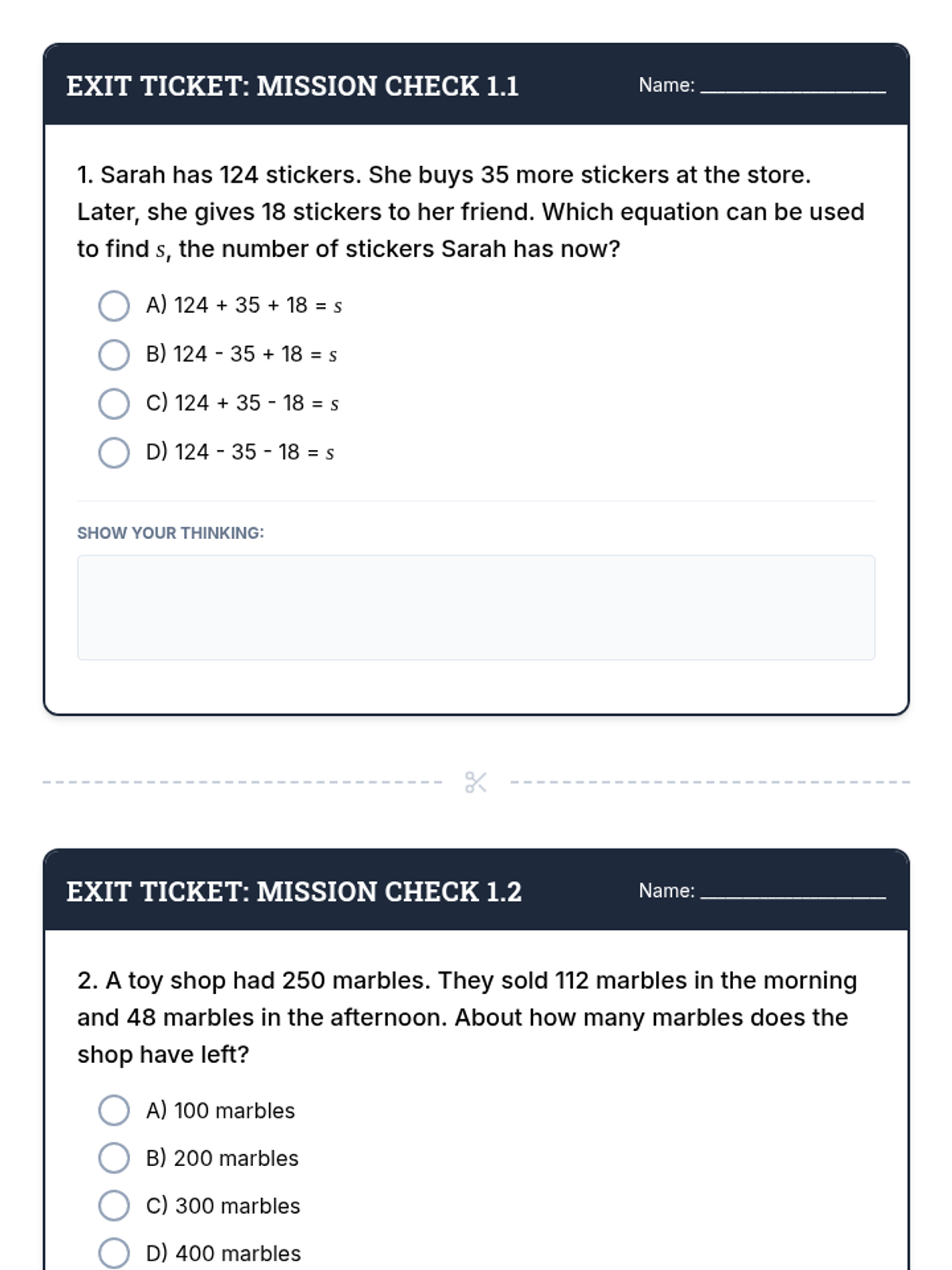
Focuses on solving two-step word problems using addition and subtraction, emphasizing representing problems with equations and assessing reasonableness through estimation and rounding.