A culminating simulation where students act as regional planners, using physical geography data to predict and justify economic industries for hypothetical regions.
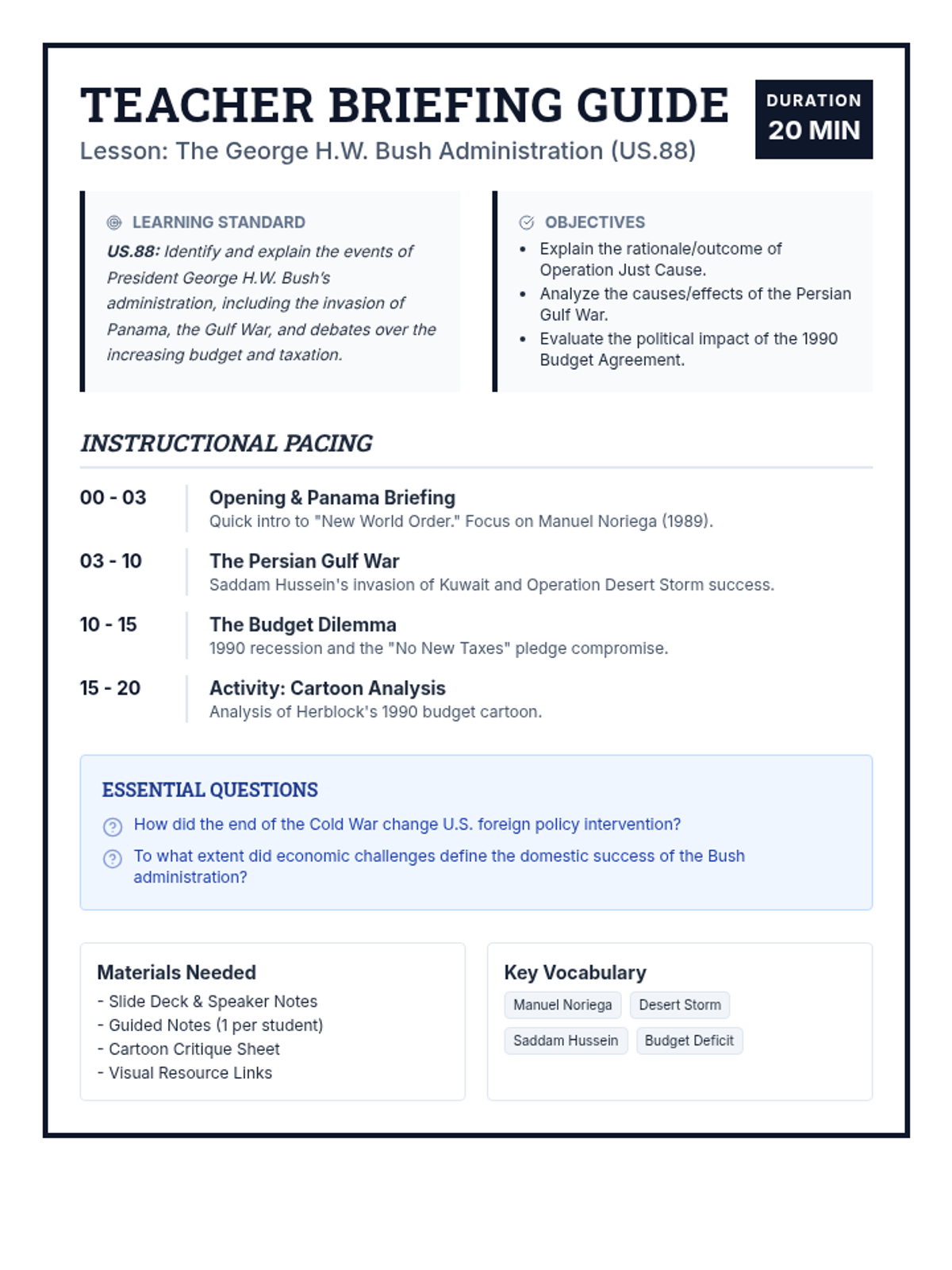
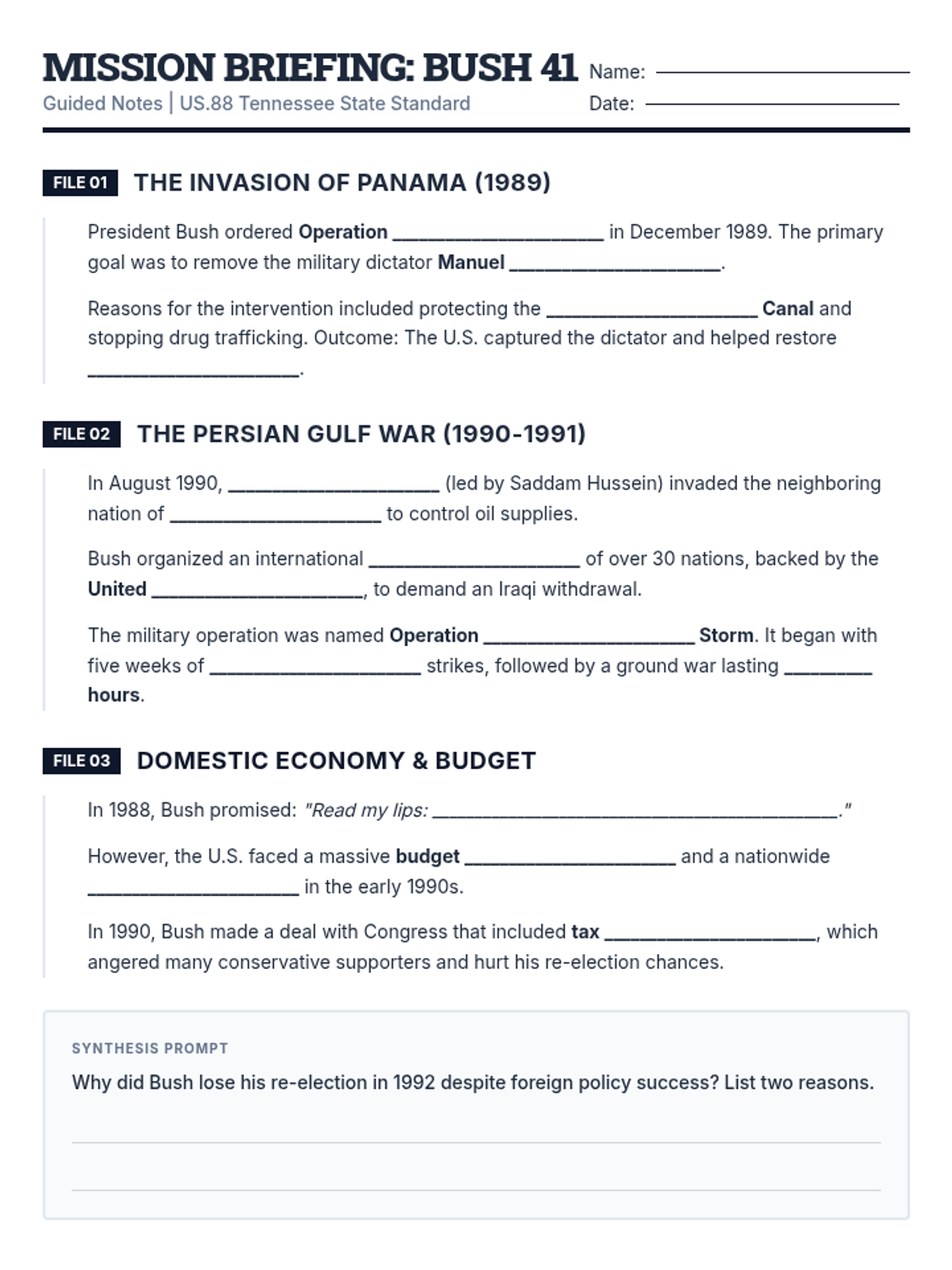
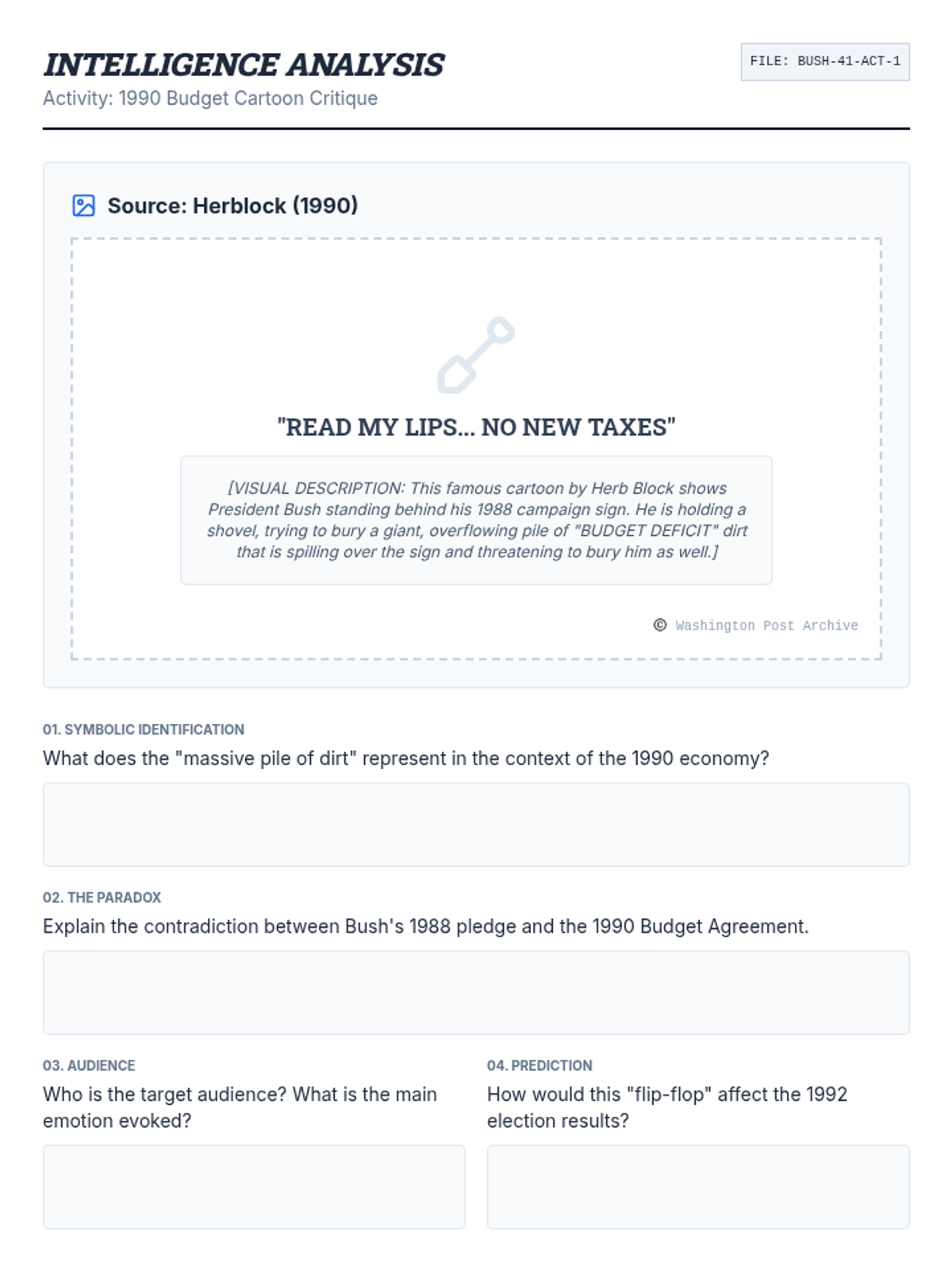
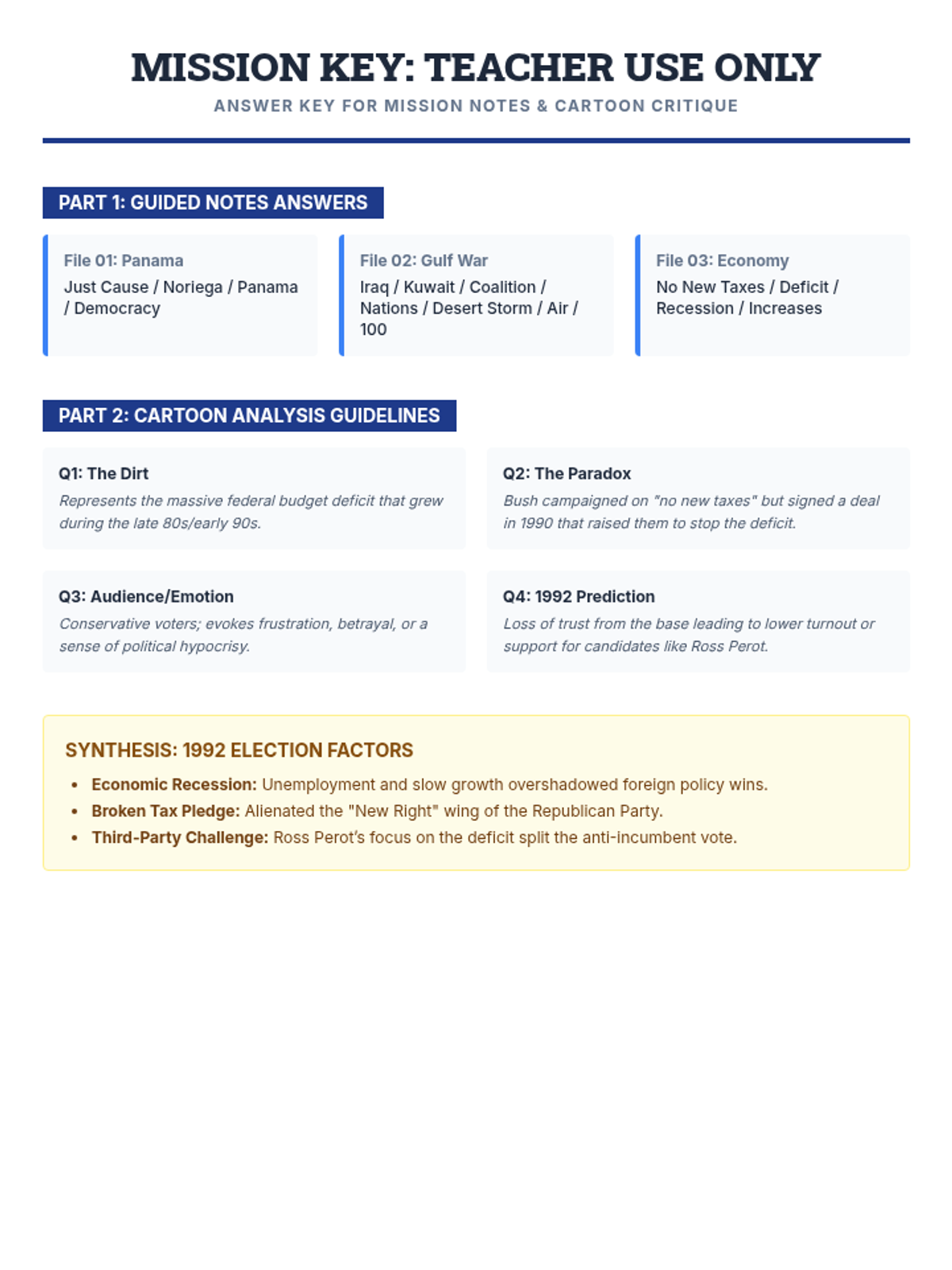
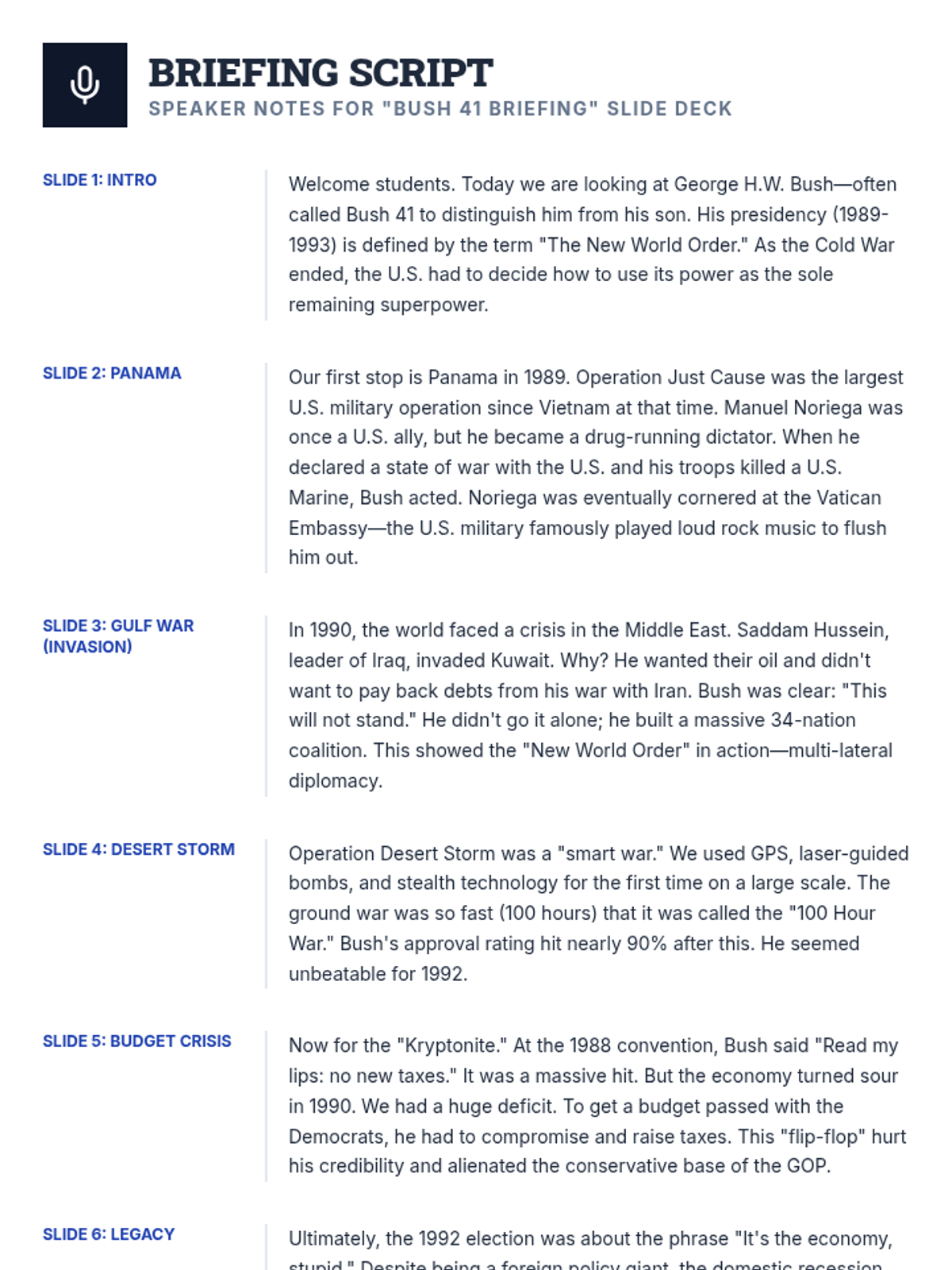
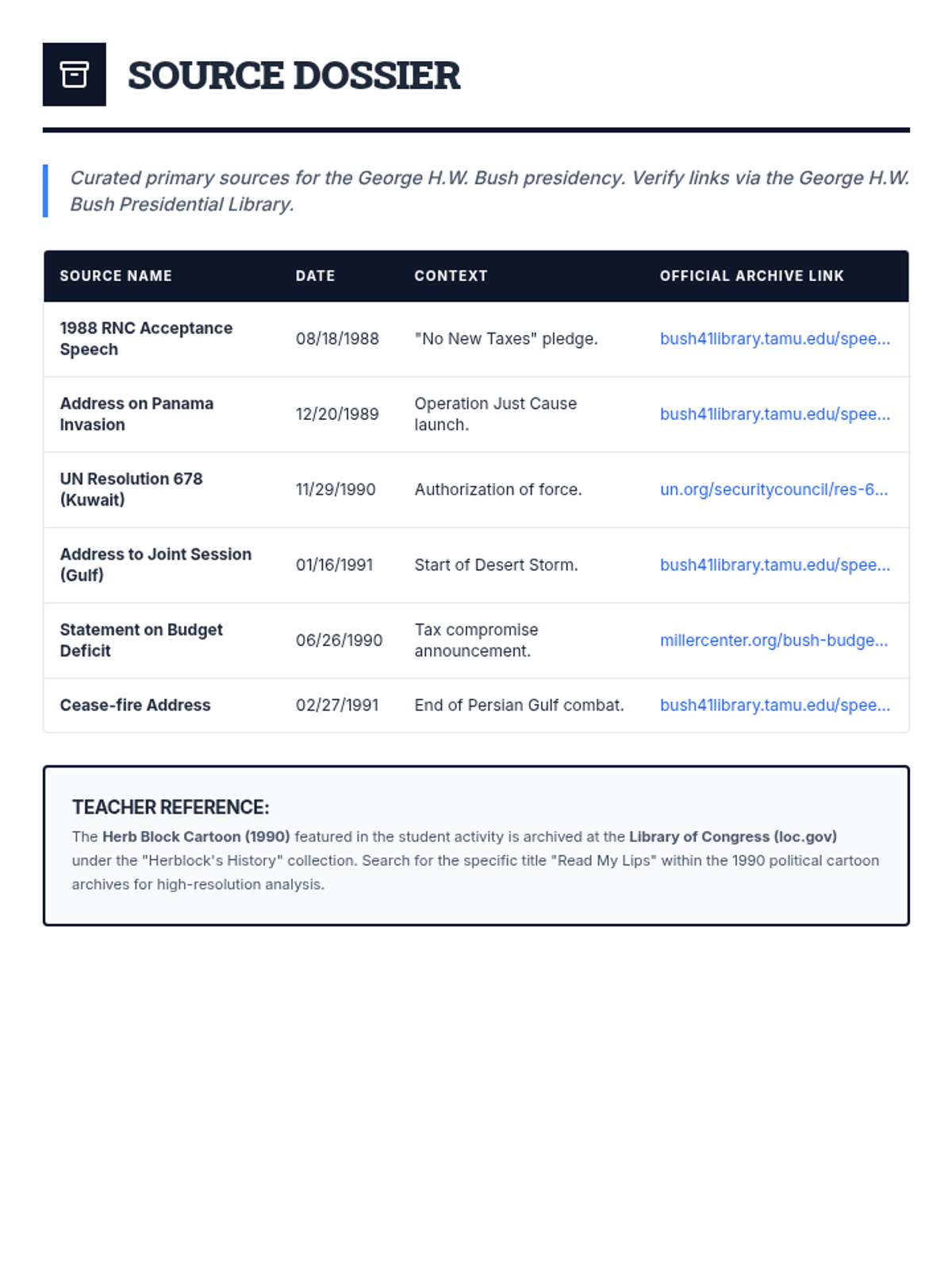
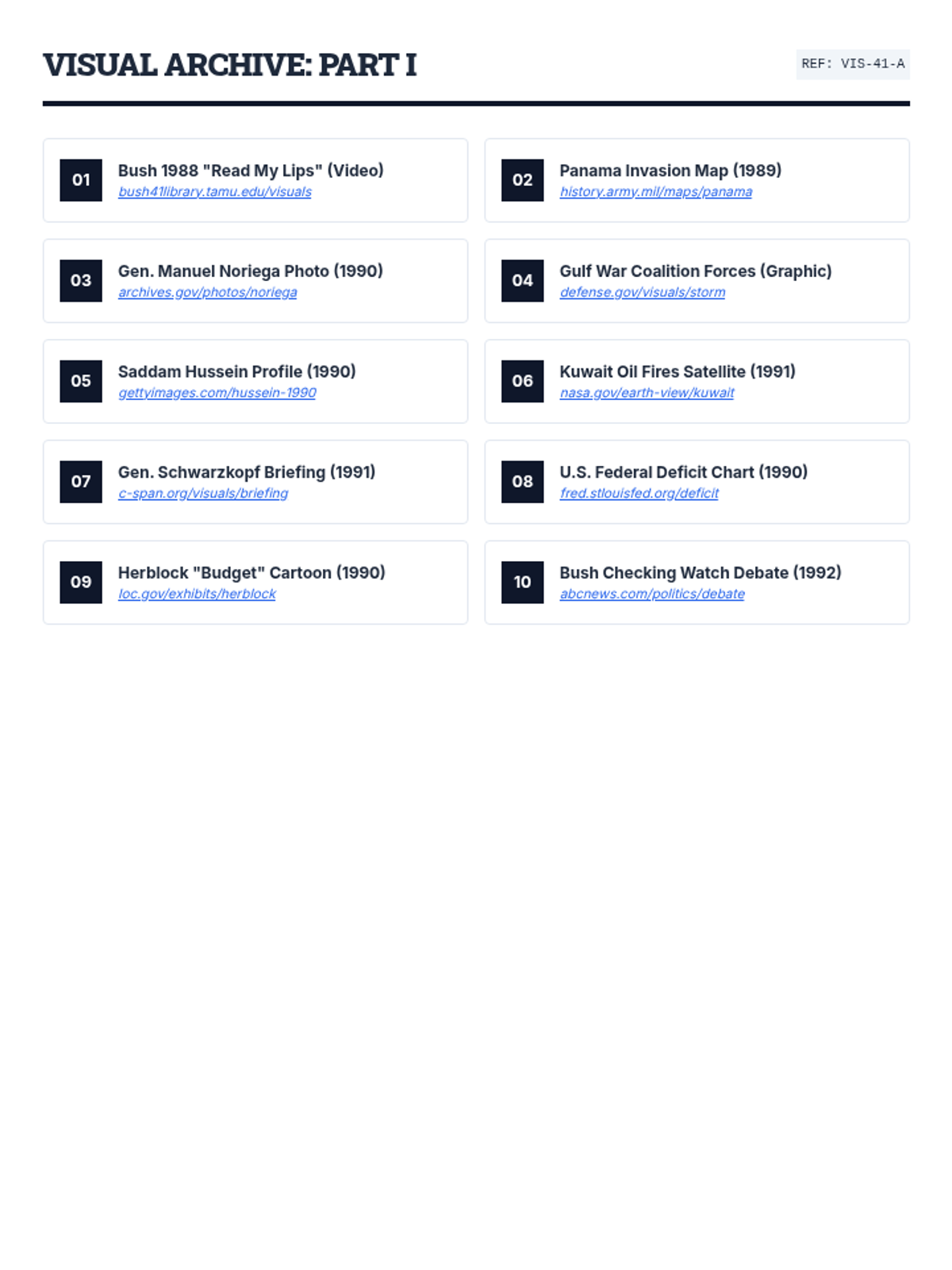
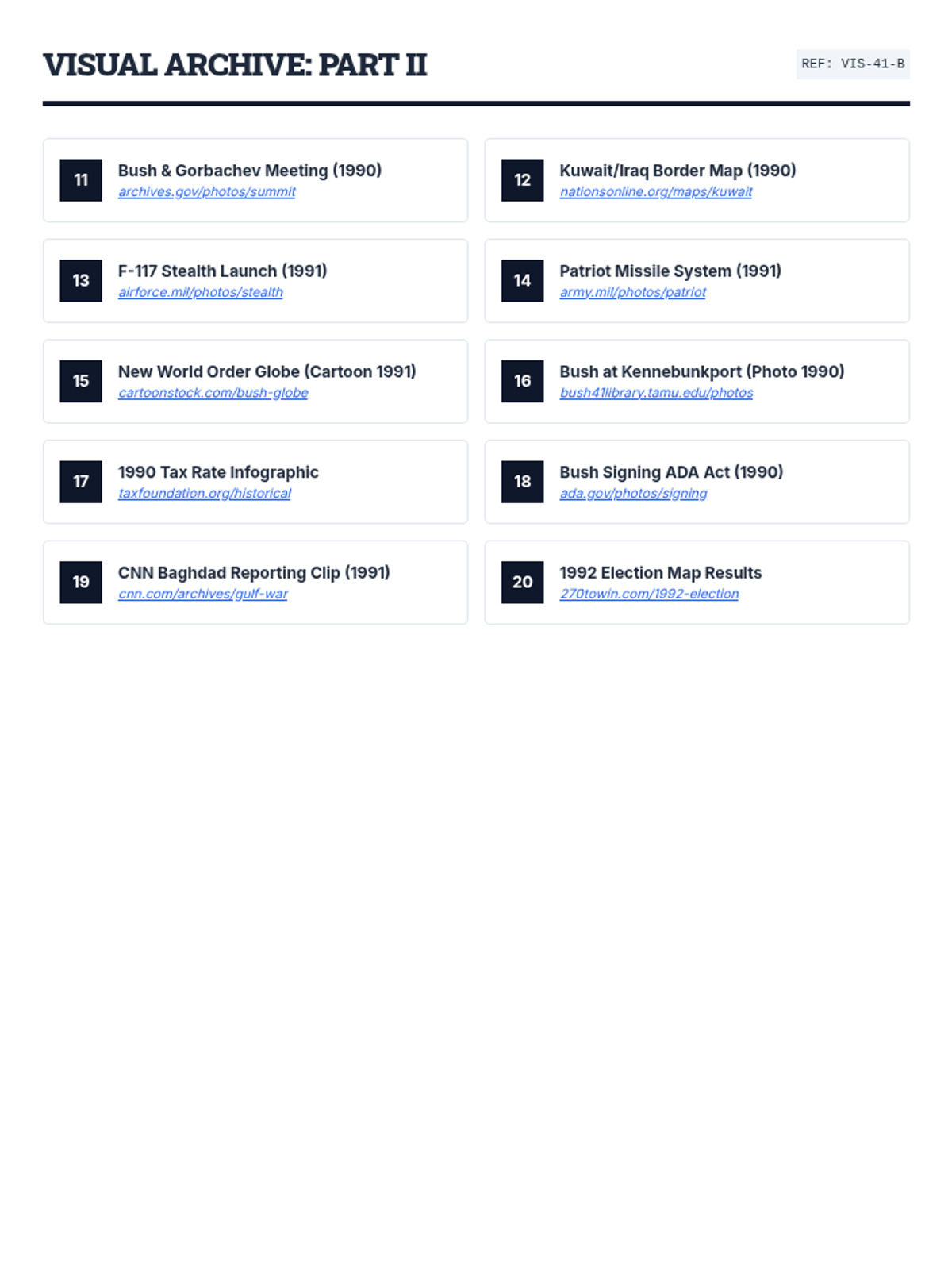
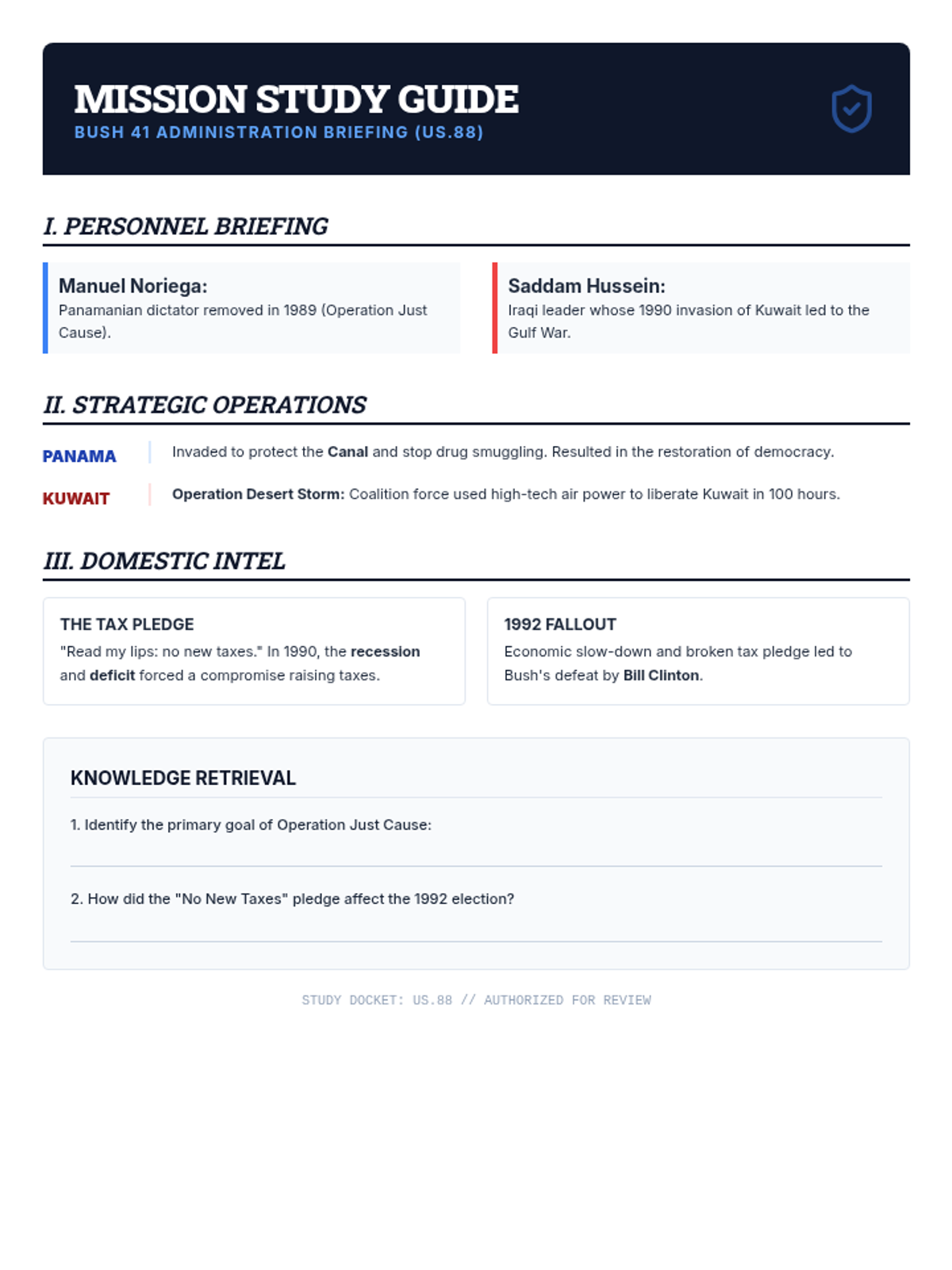
A focused 20-minute lesson covering the George H.W. Bush administration, specifically the invasion of Panama, the Gulf War, and the domestic budget debates.
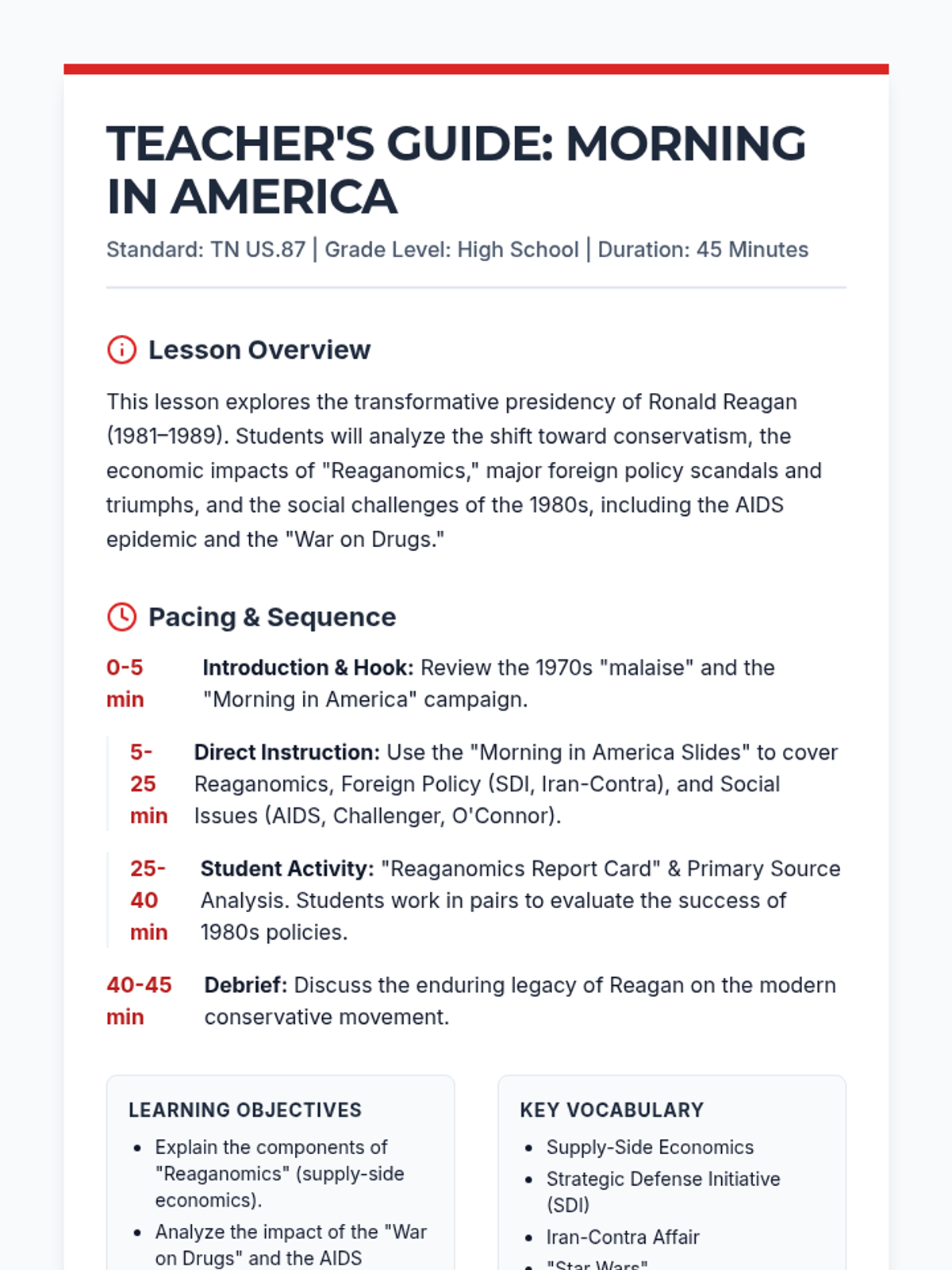
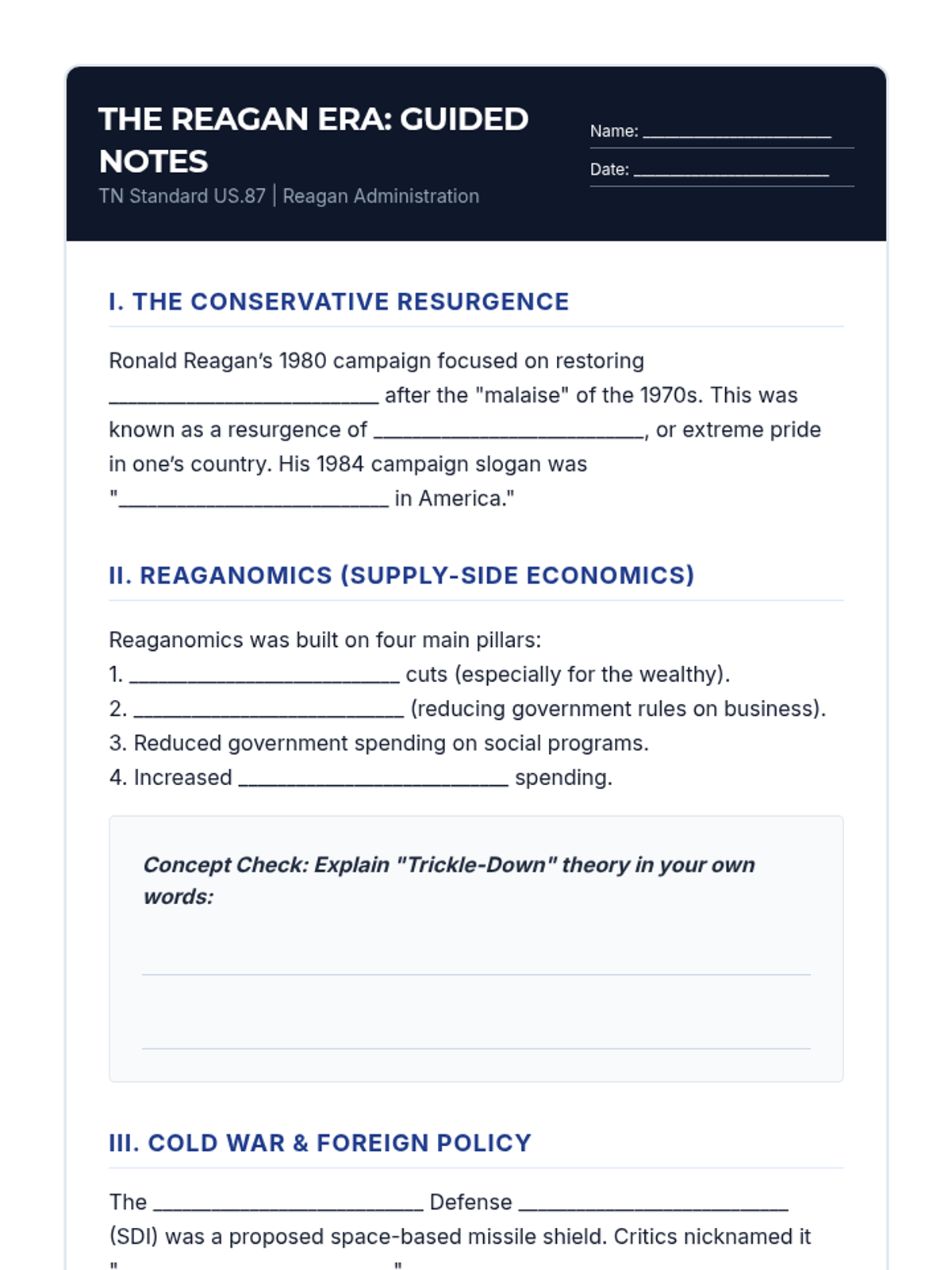
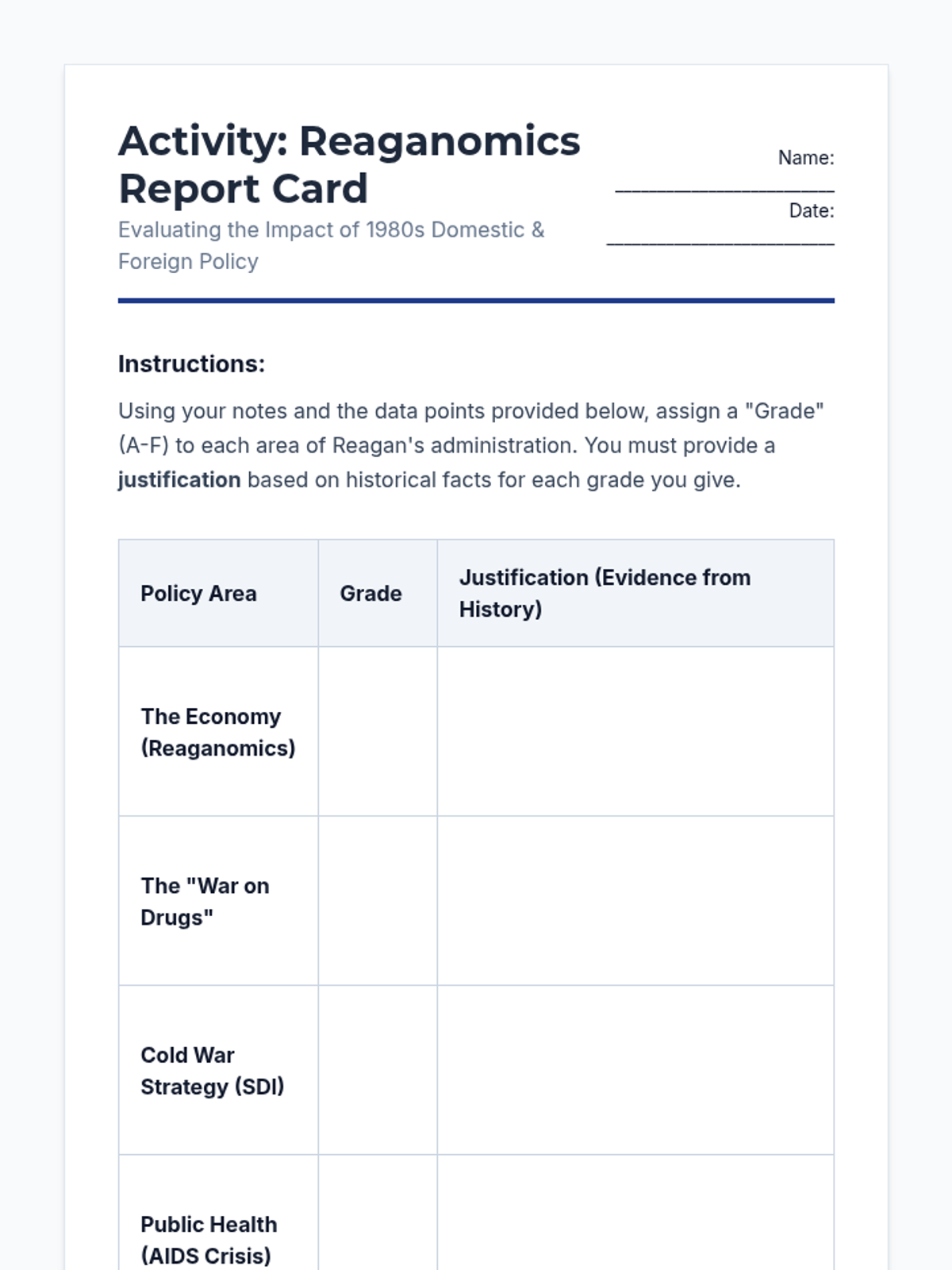
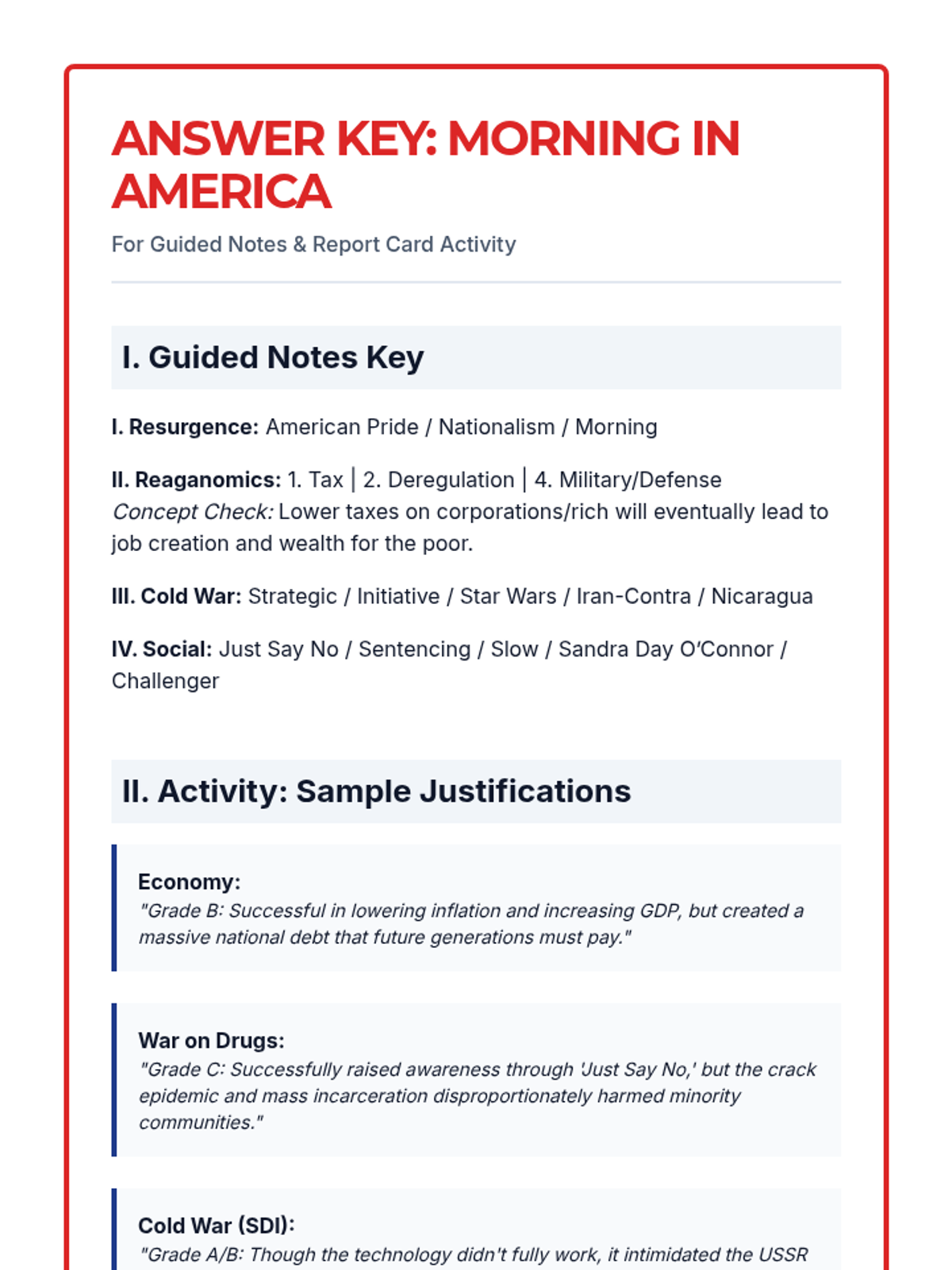
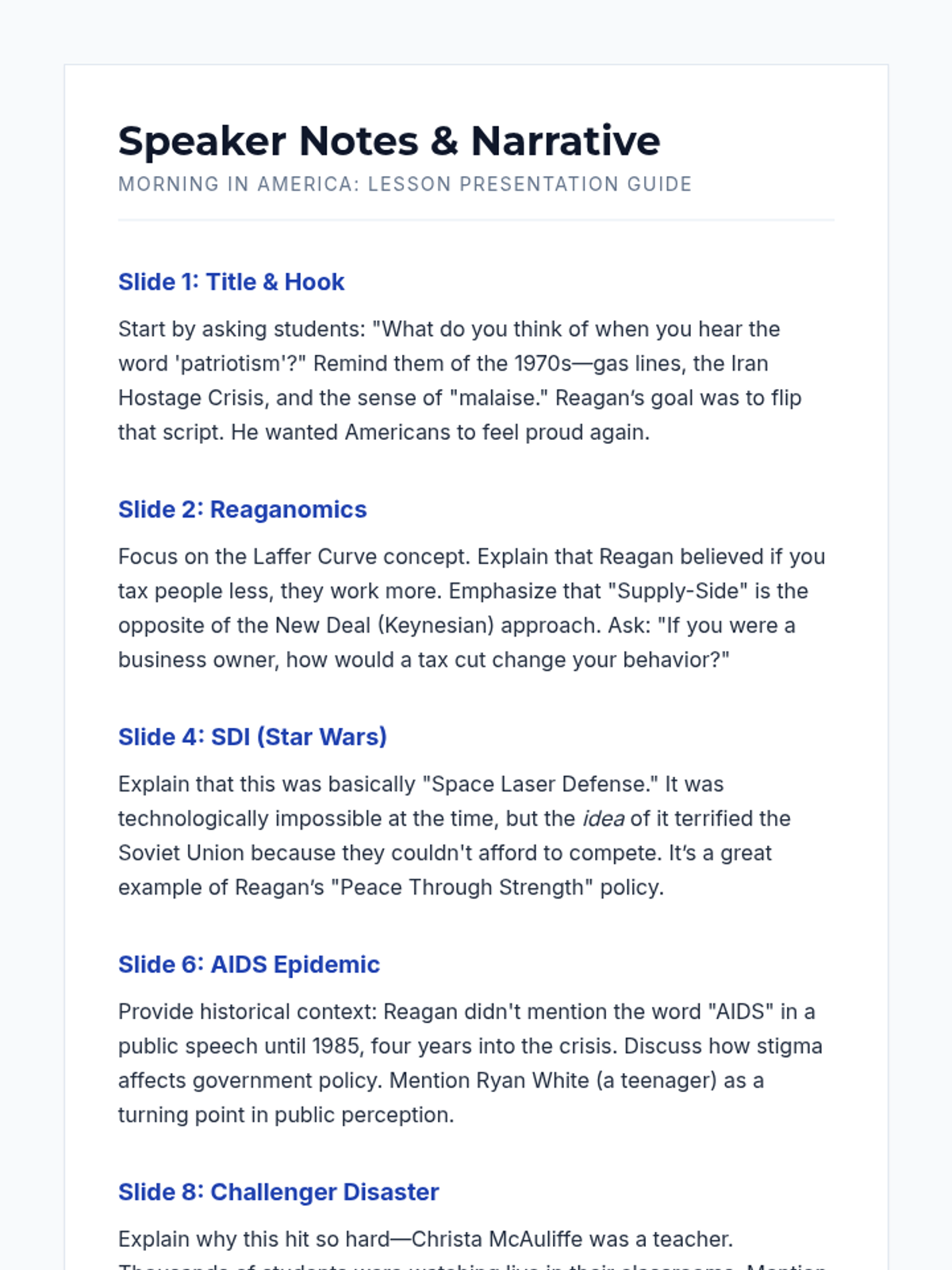
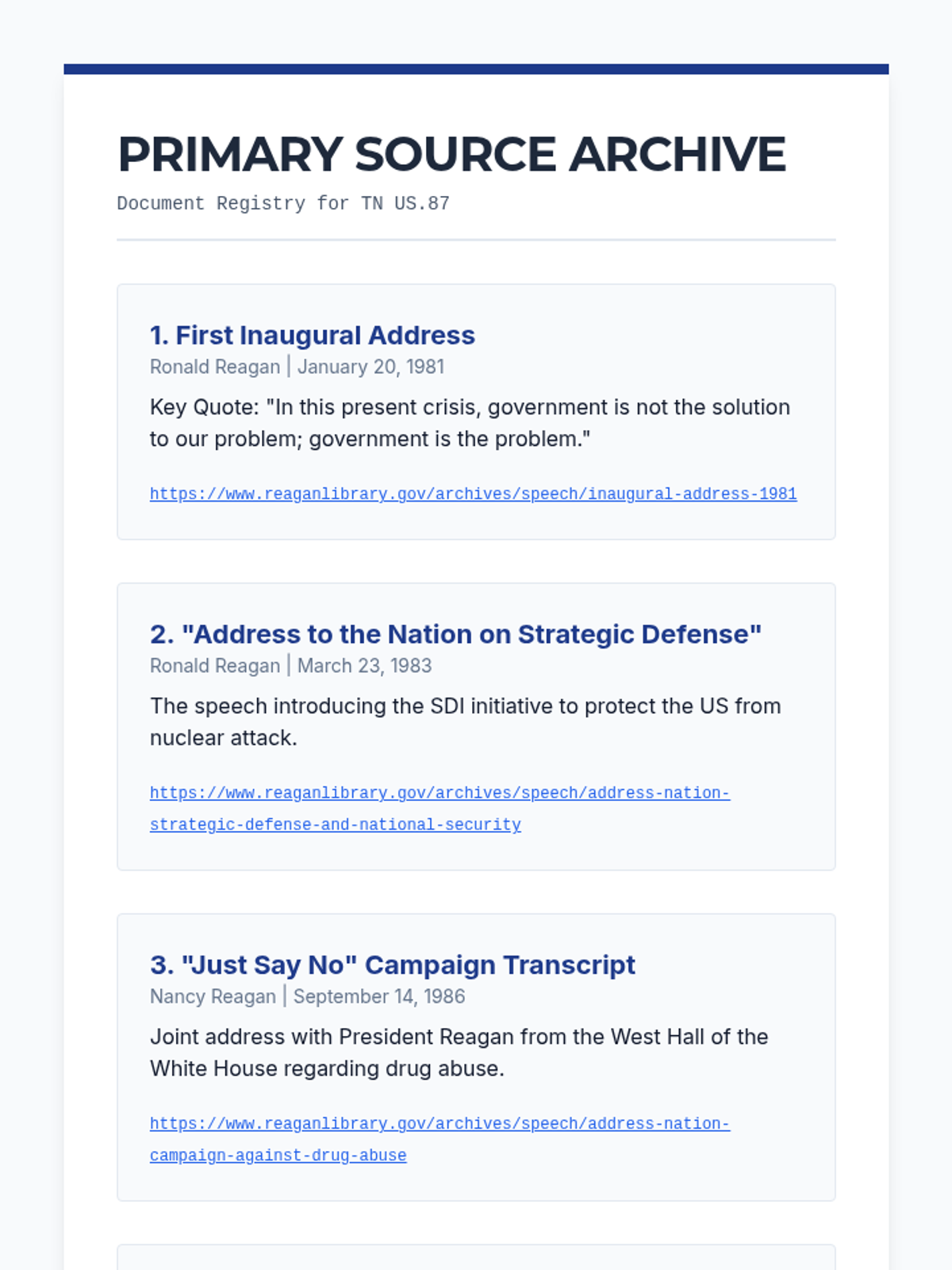
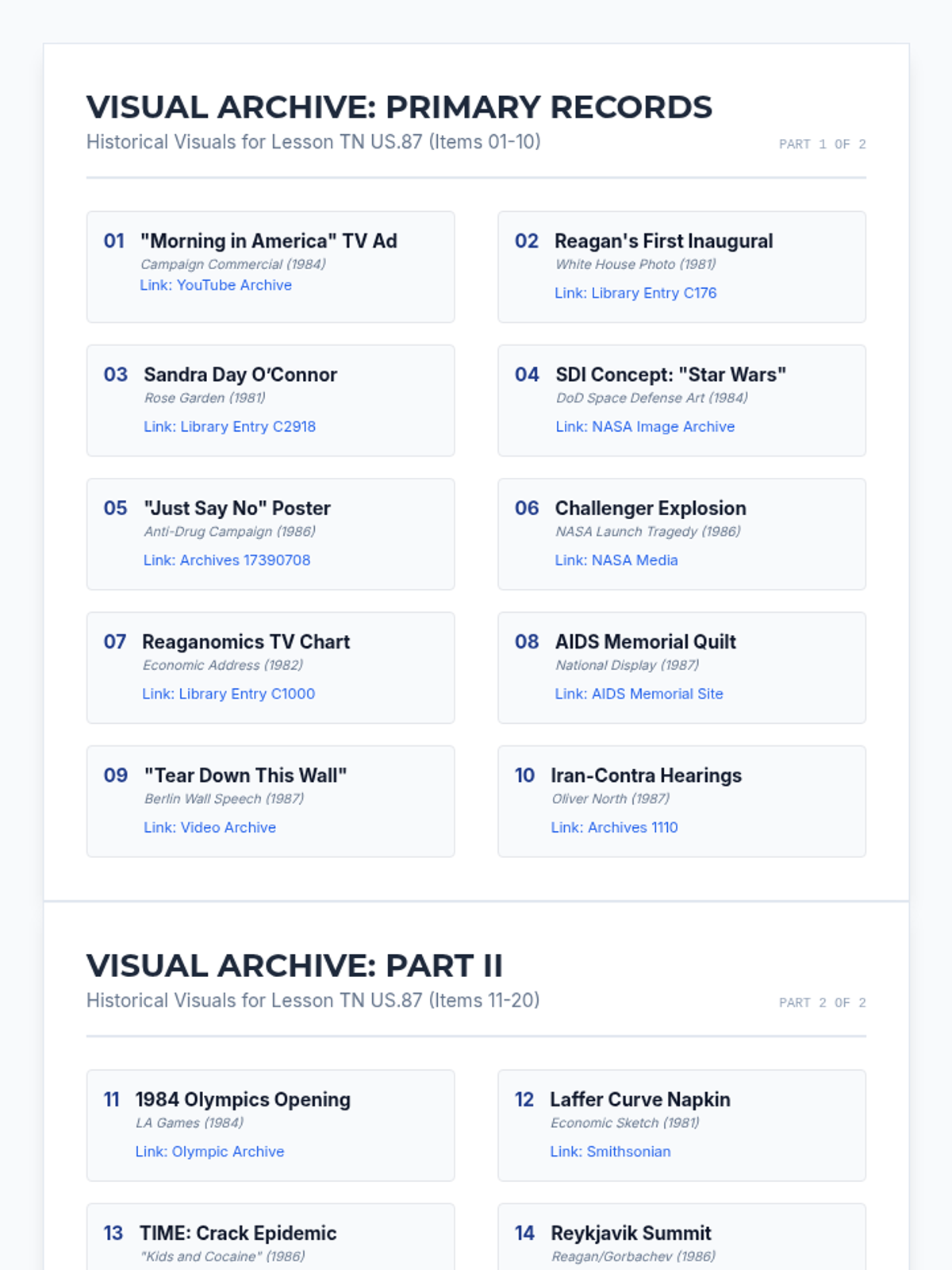
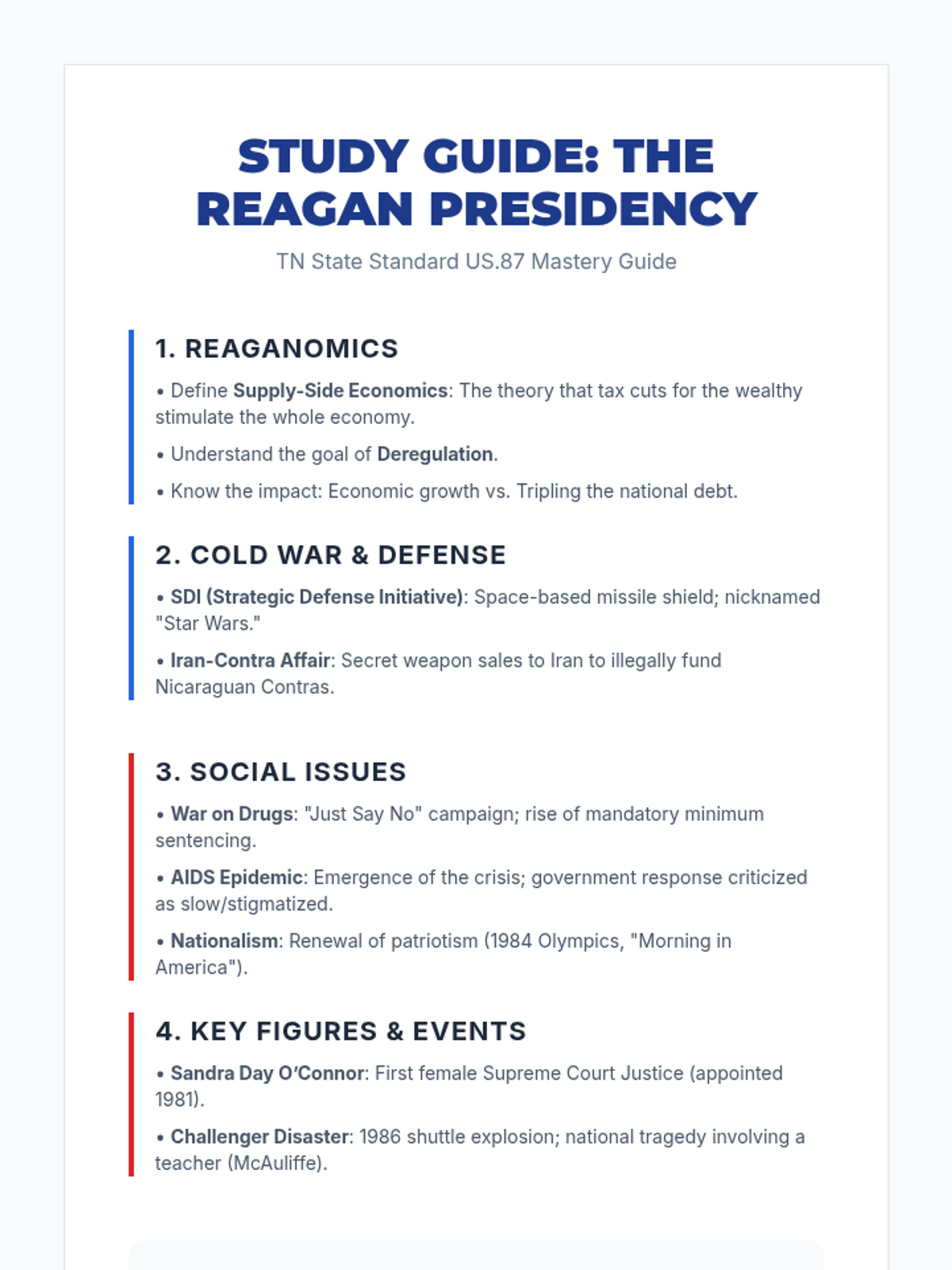
A comprehensive high school history lesson covering the presidency of Ronald Reagan, focusing on Reaganomics, the Cold War, and domestic social issues as aligned with TN Standard US.87.
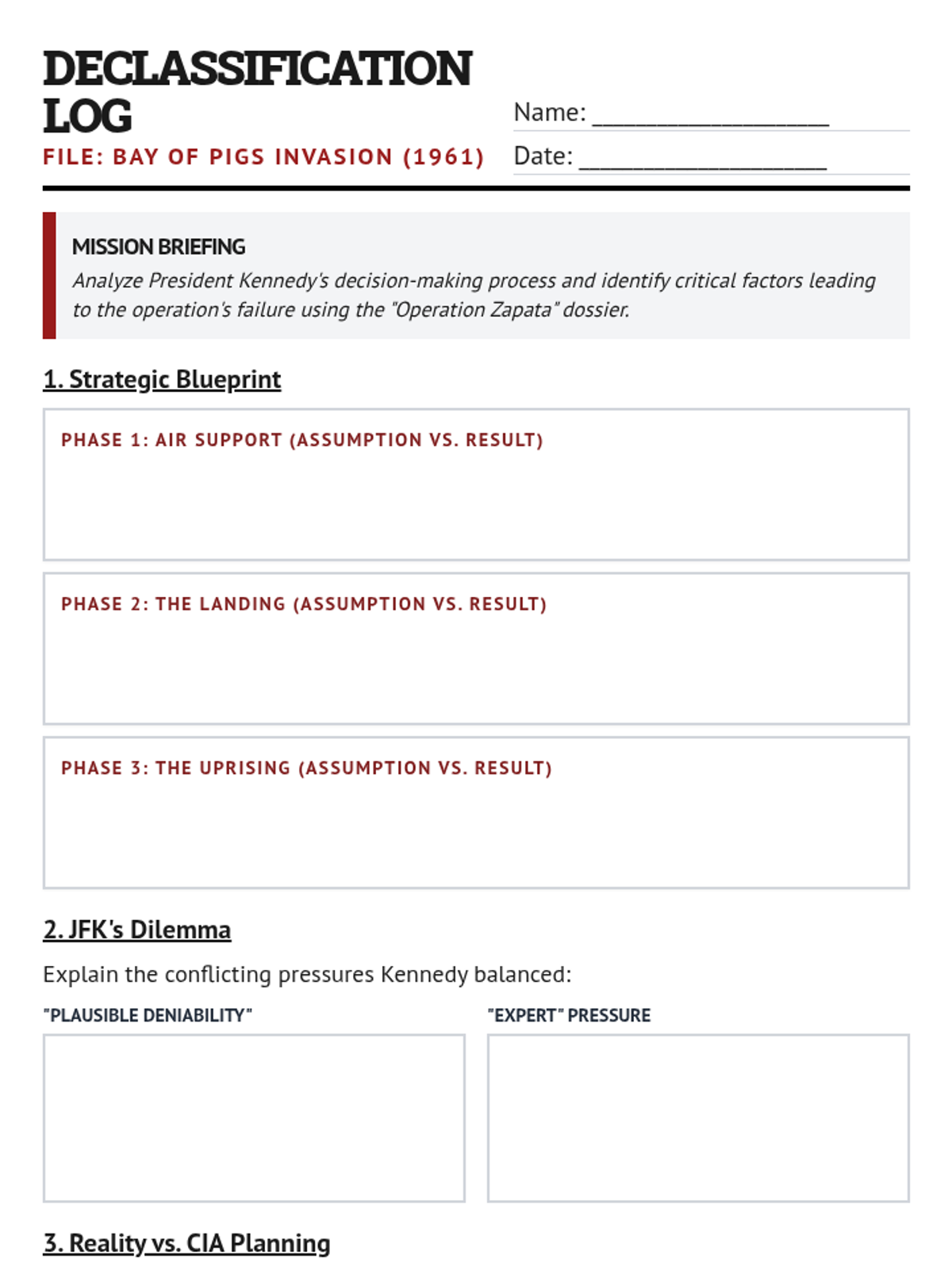
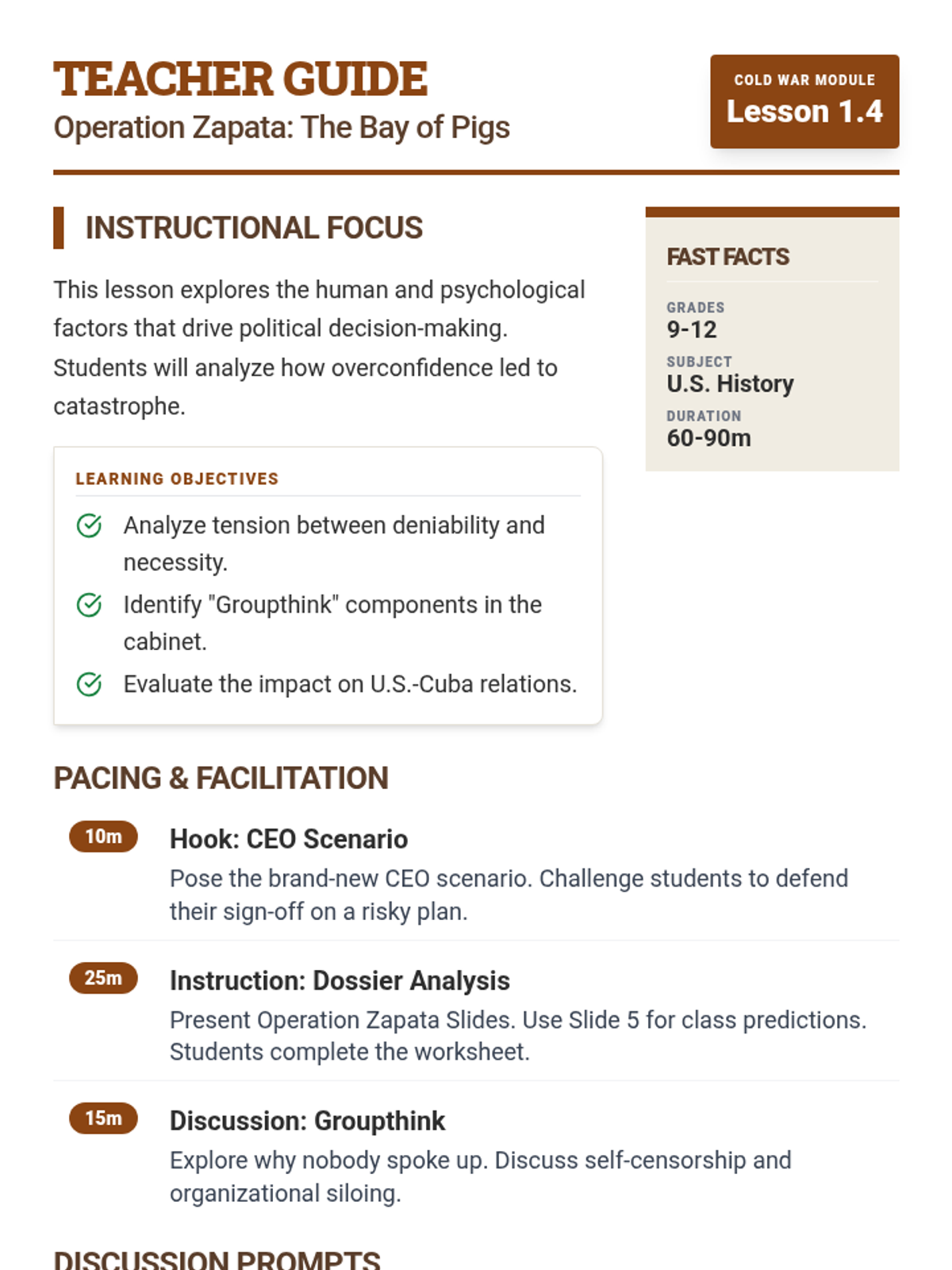
An in-depth look at the Bay of Pigs invasion, focusing on John F. Kennedy's decision-making process, the strategic failures of the CIA-led operation, and the enduring geopolitical consequences of the Cold War crisis.
A lesson introducing the concept of family, its definition, and its importance as a social unit.
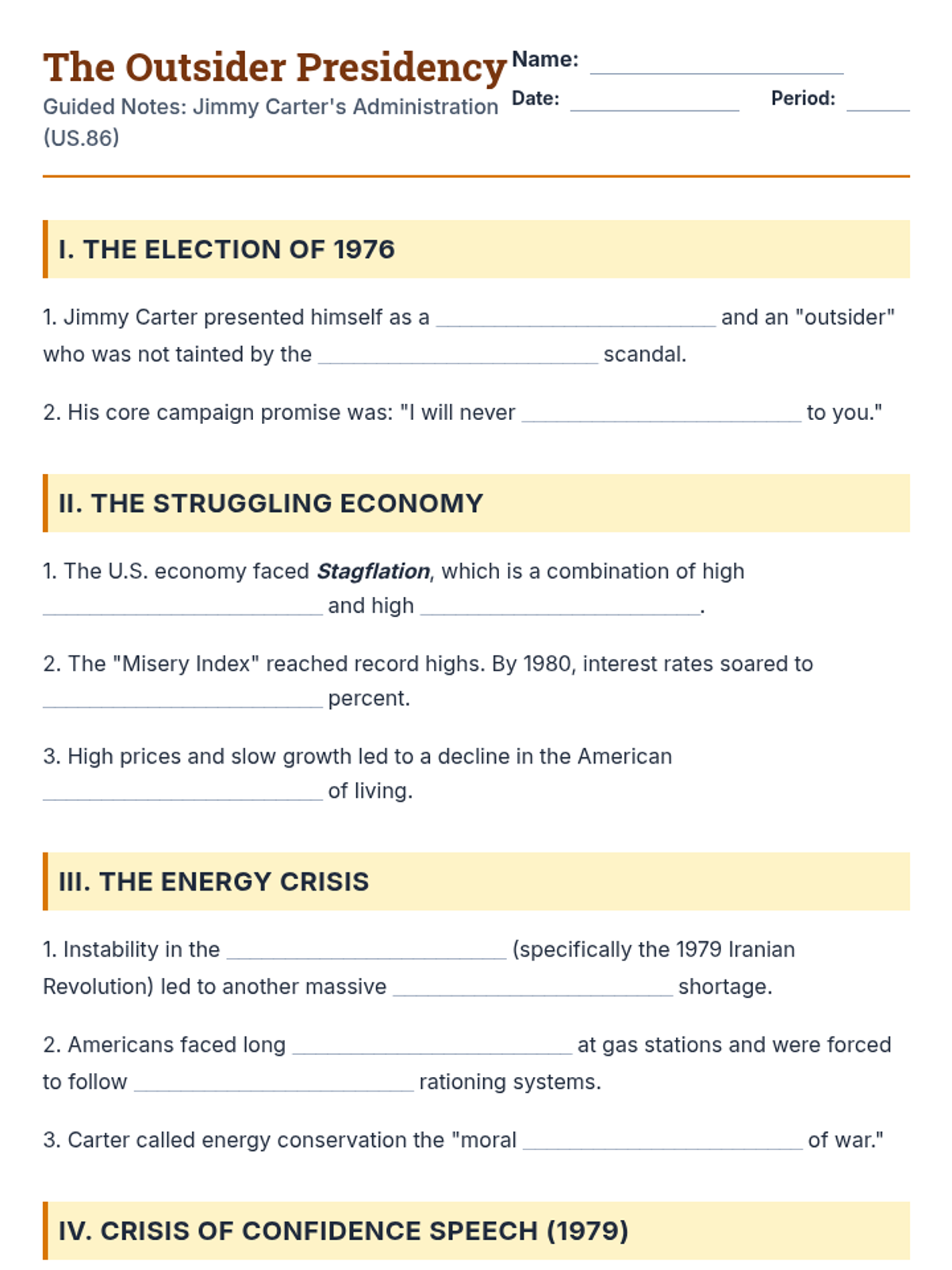
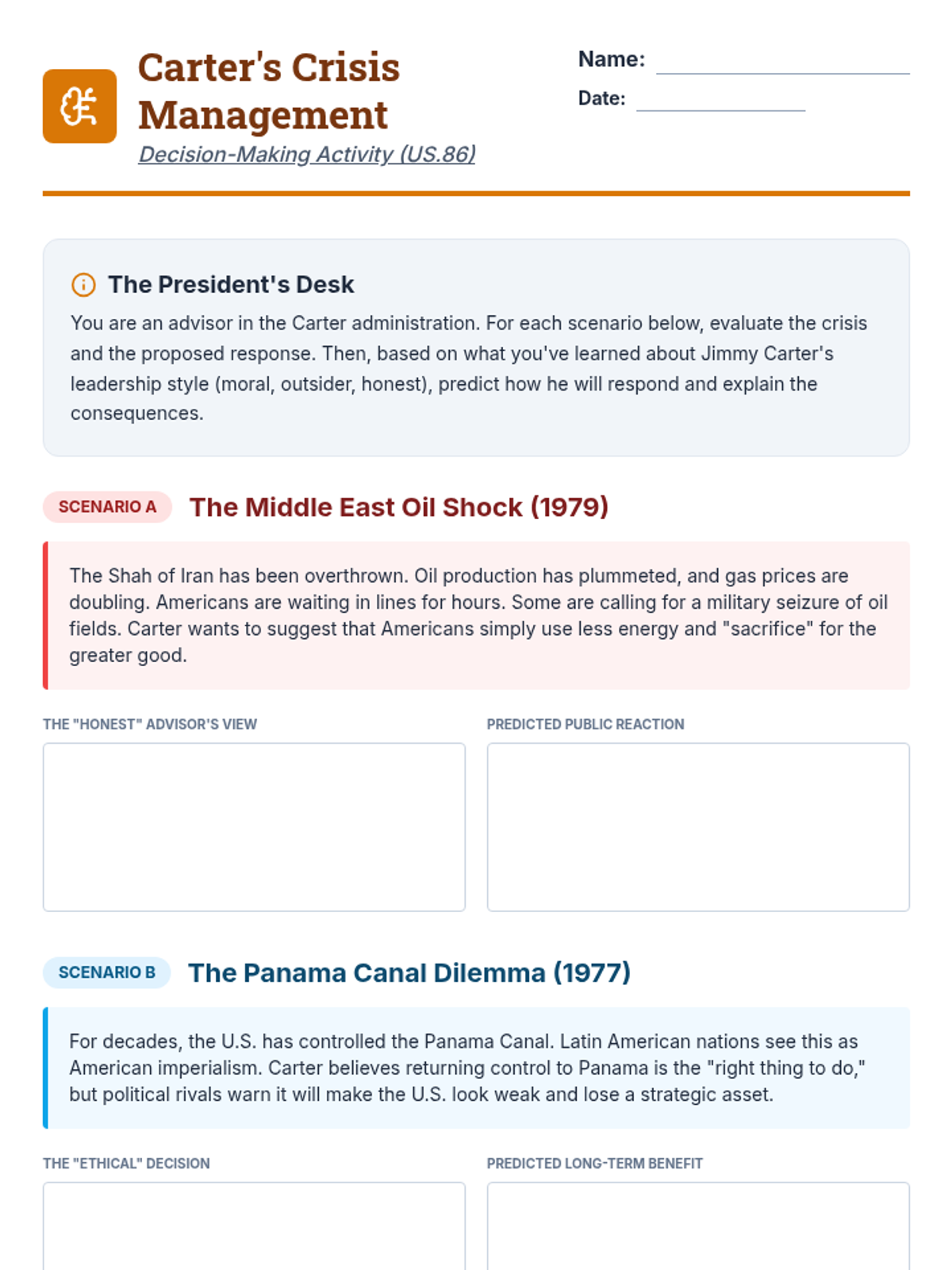
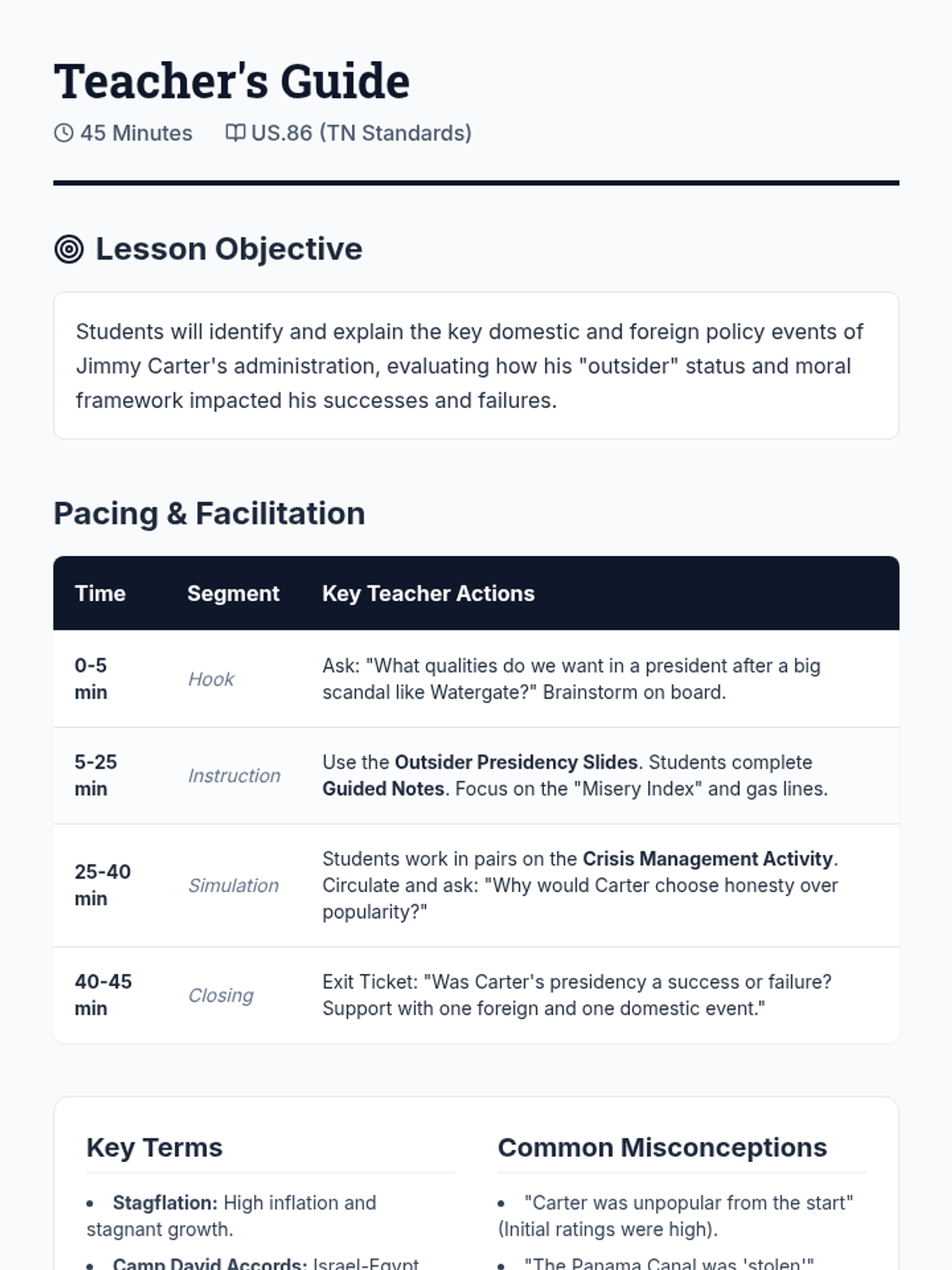
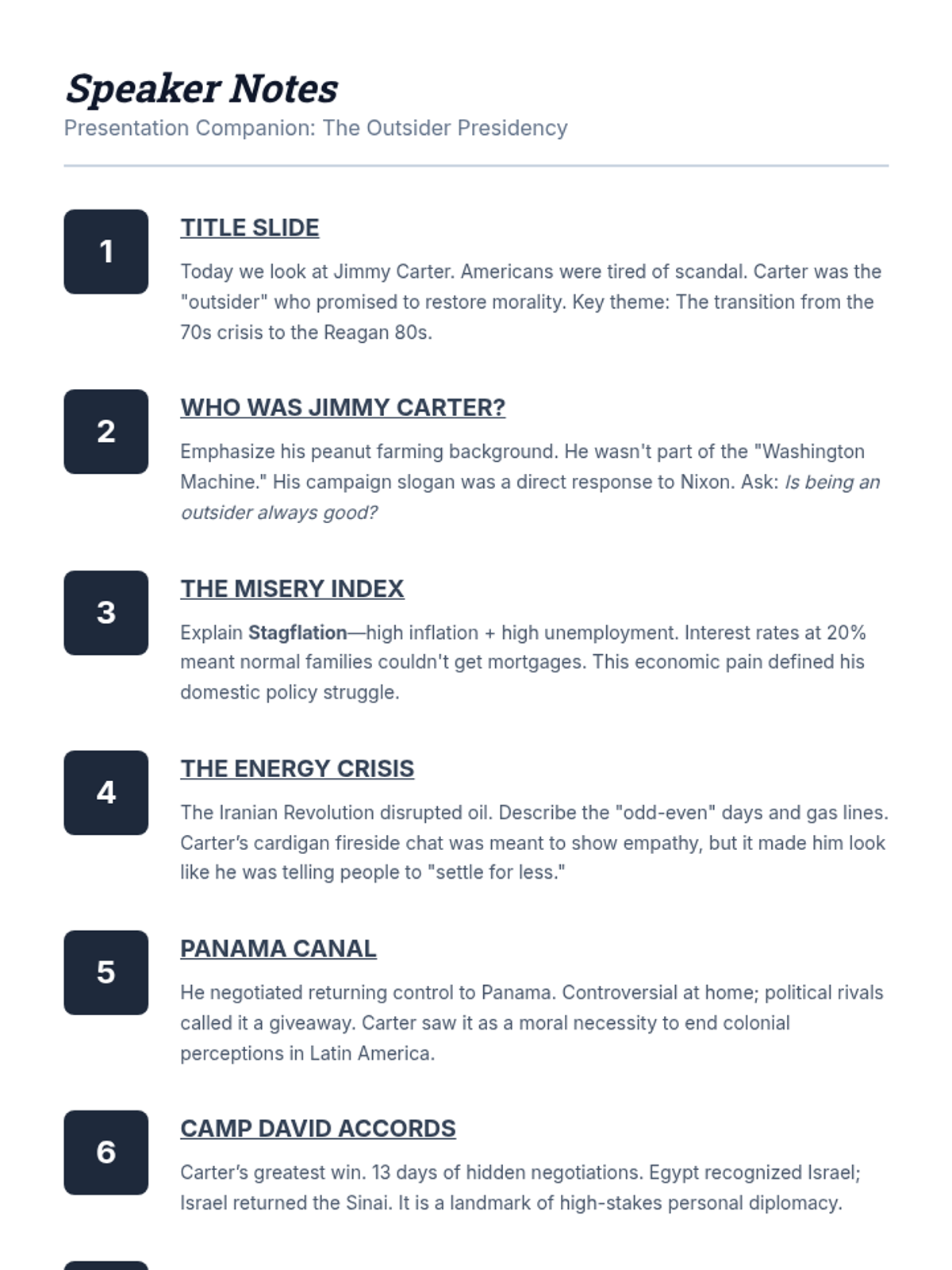
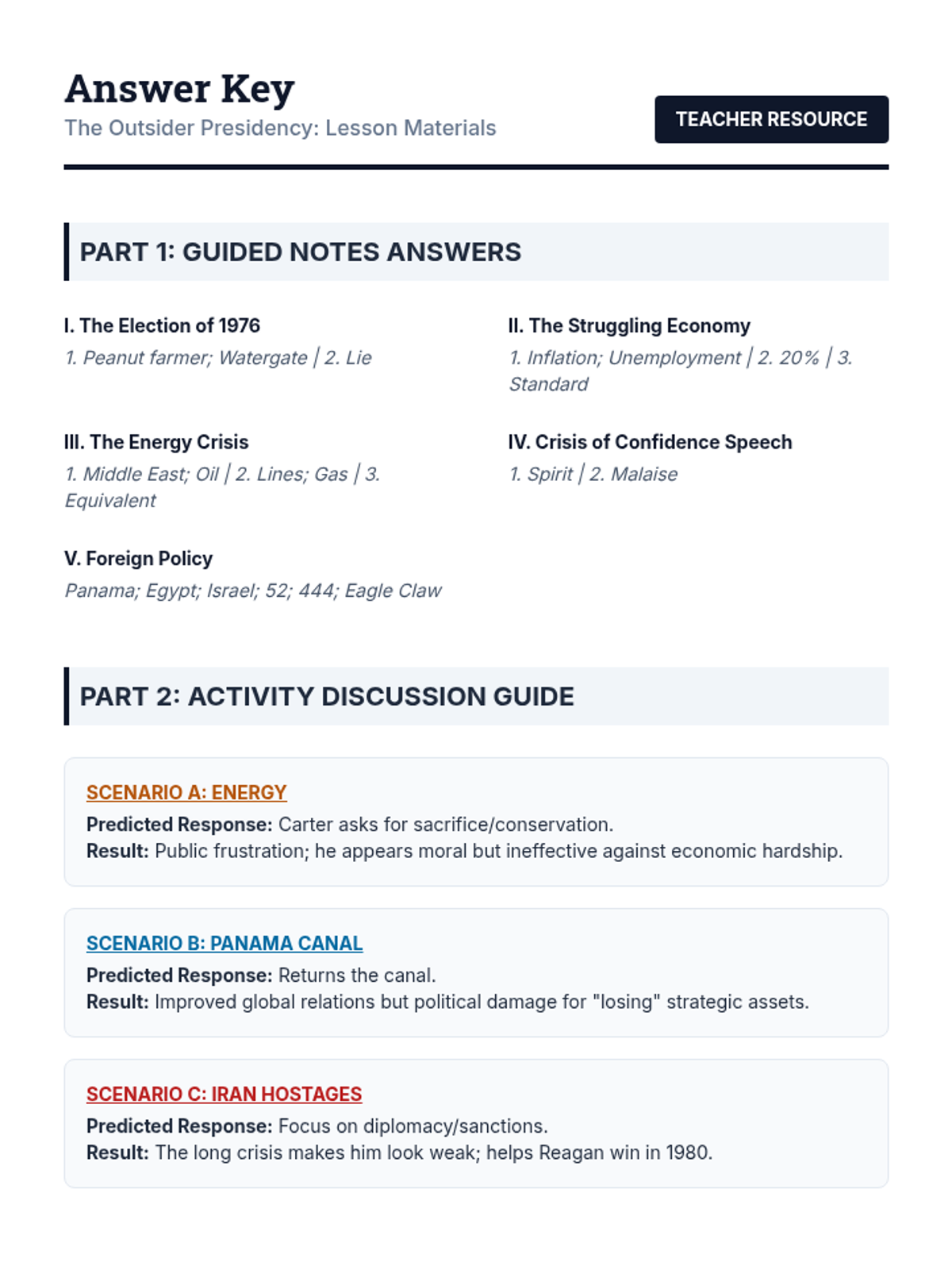
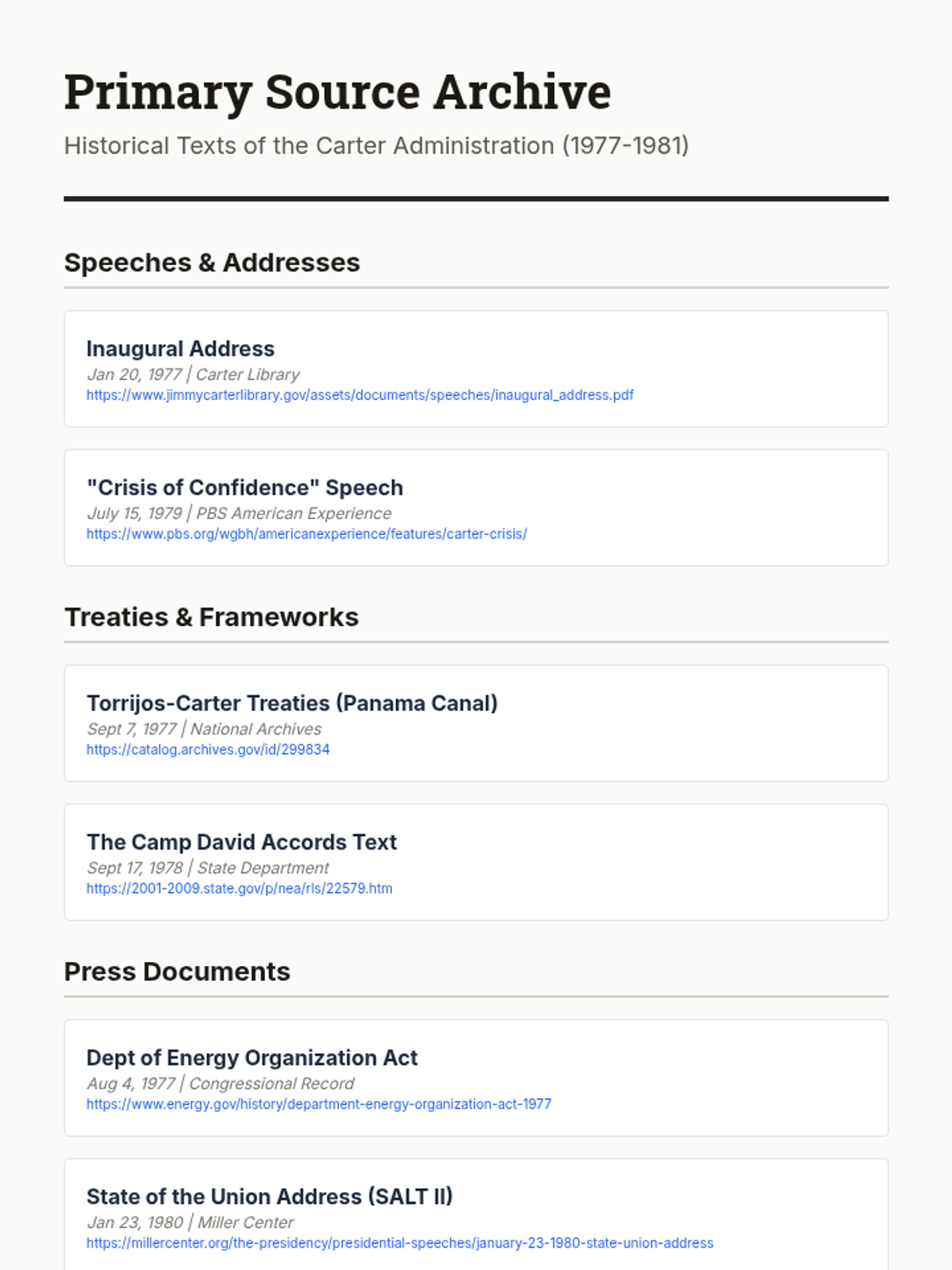
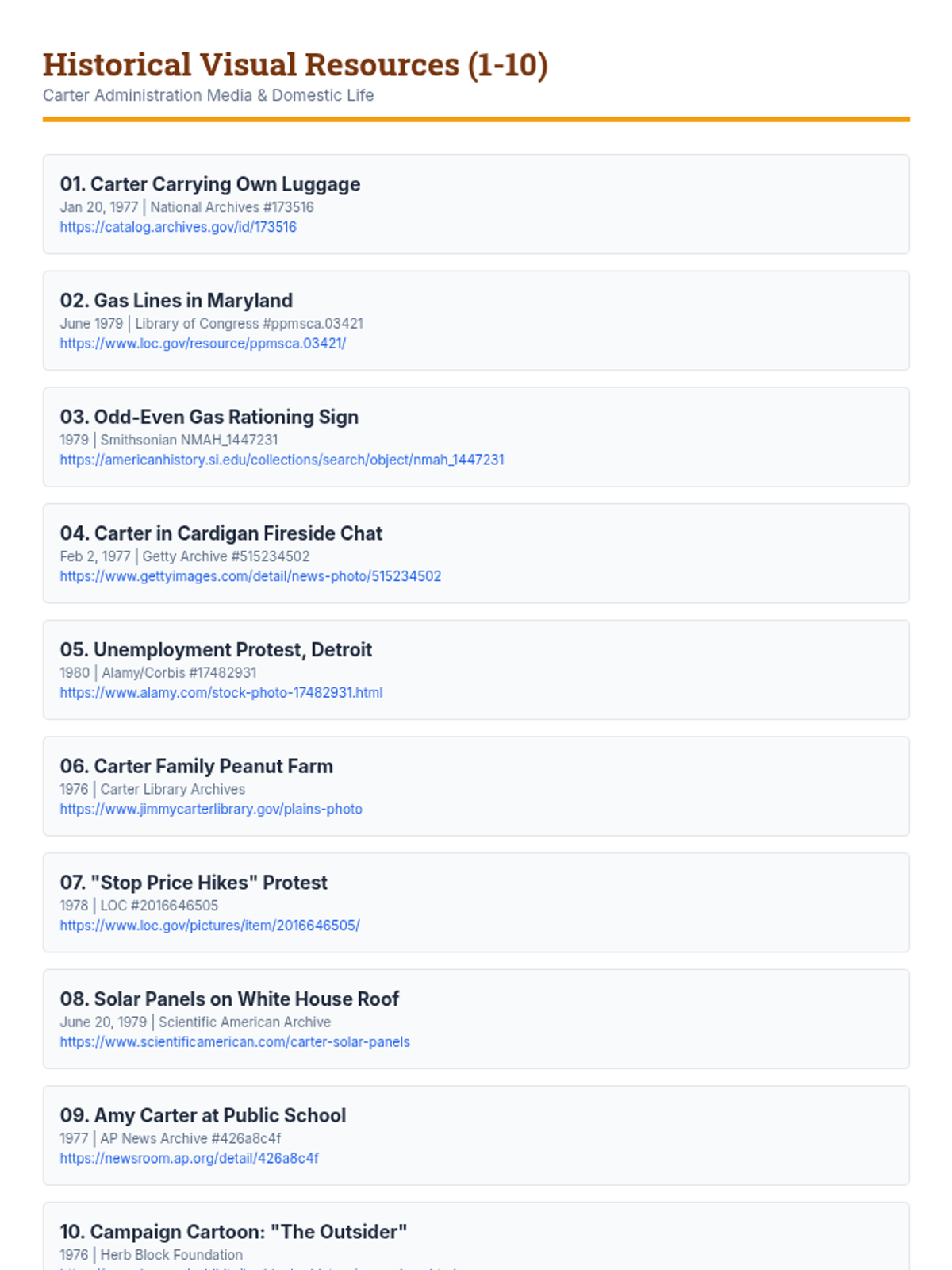
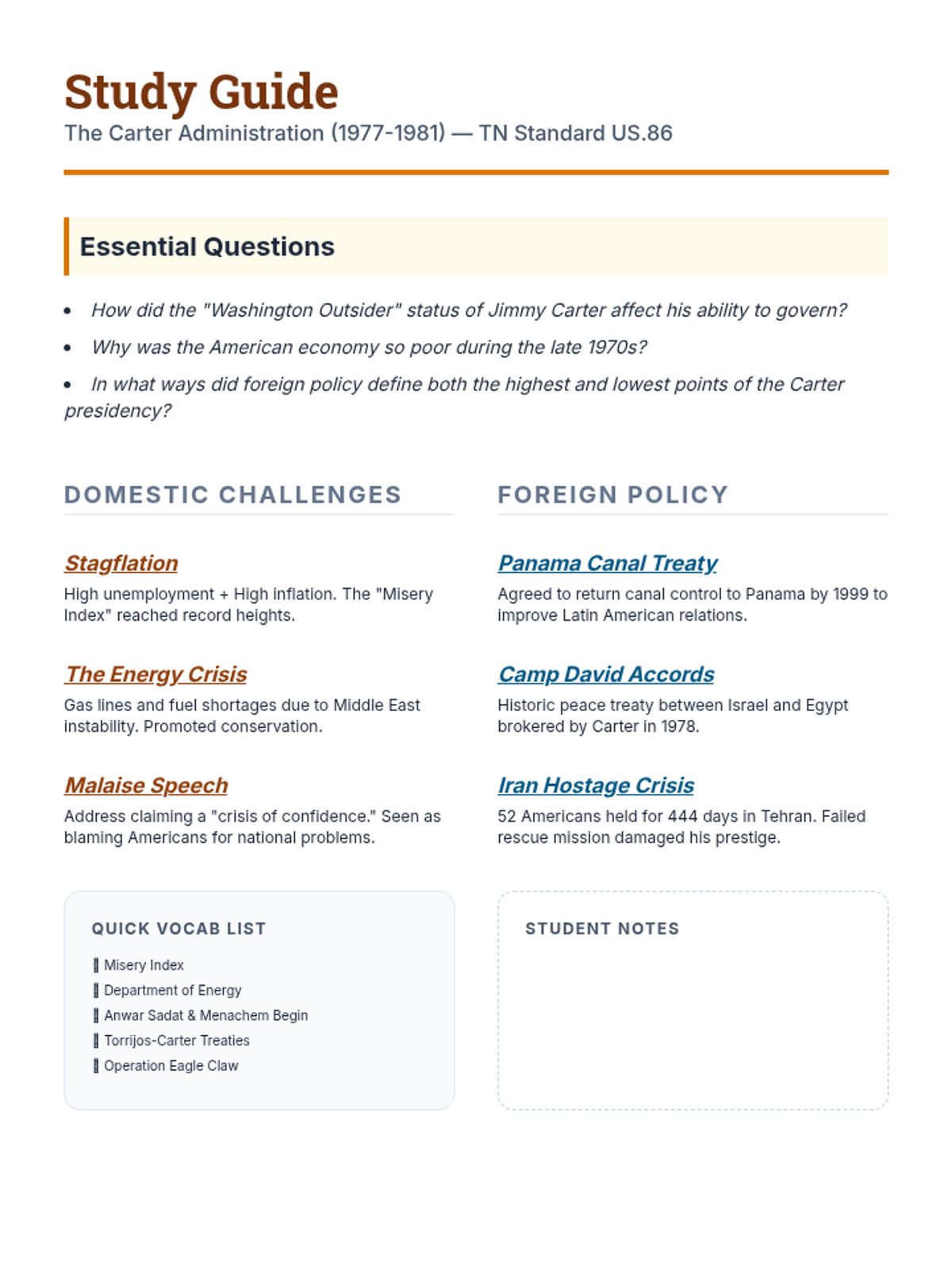
A comprehensive lesson on Jimmy Carter's administration, covering the economic challenges, foreign policy triumphs and failures, and the cultural shift of the late 1970s. Includes slides, notes, activities, and extensive primary/visual resources.
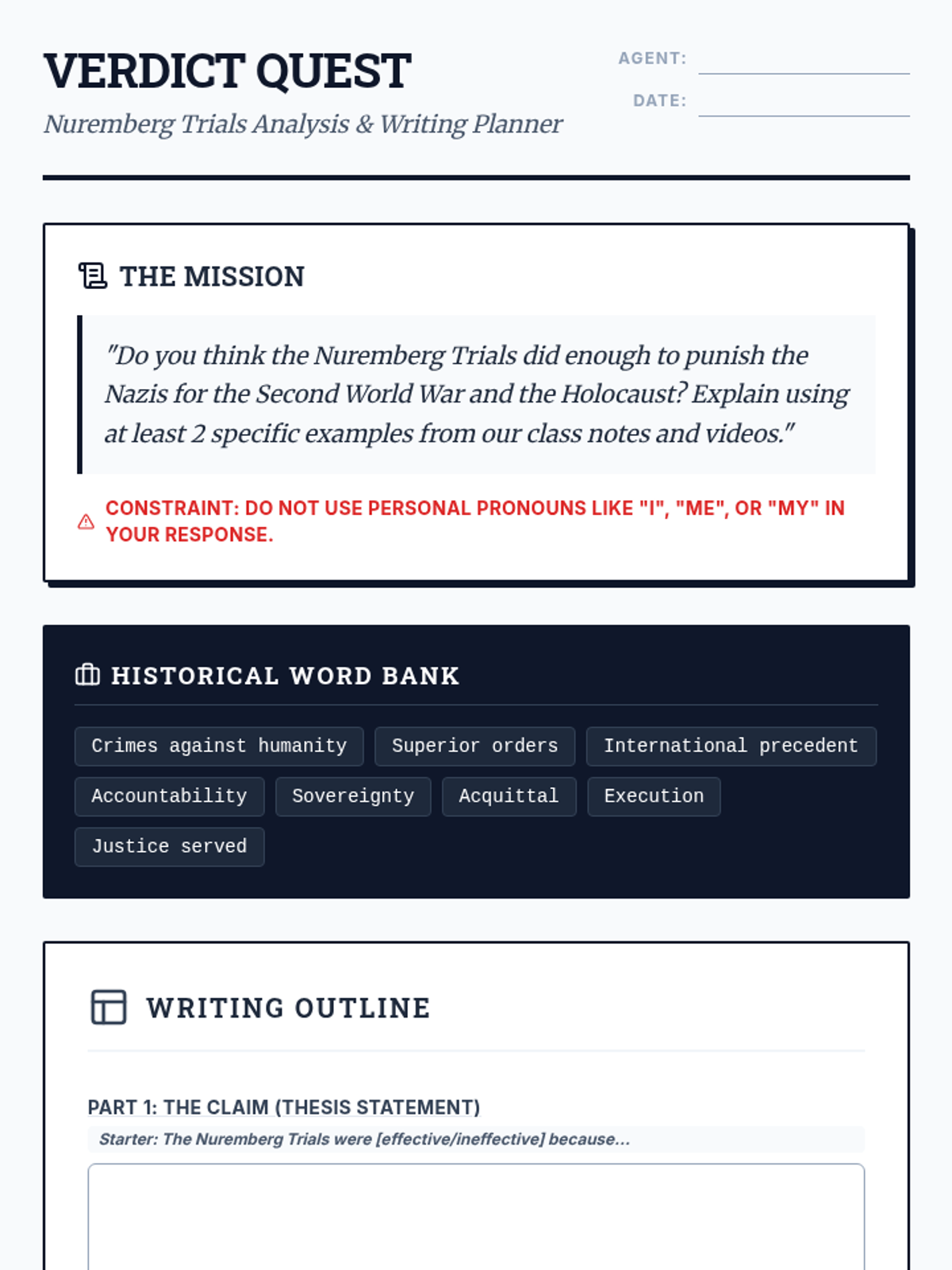
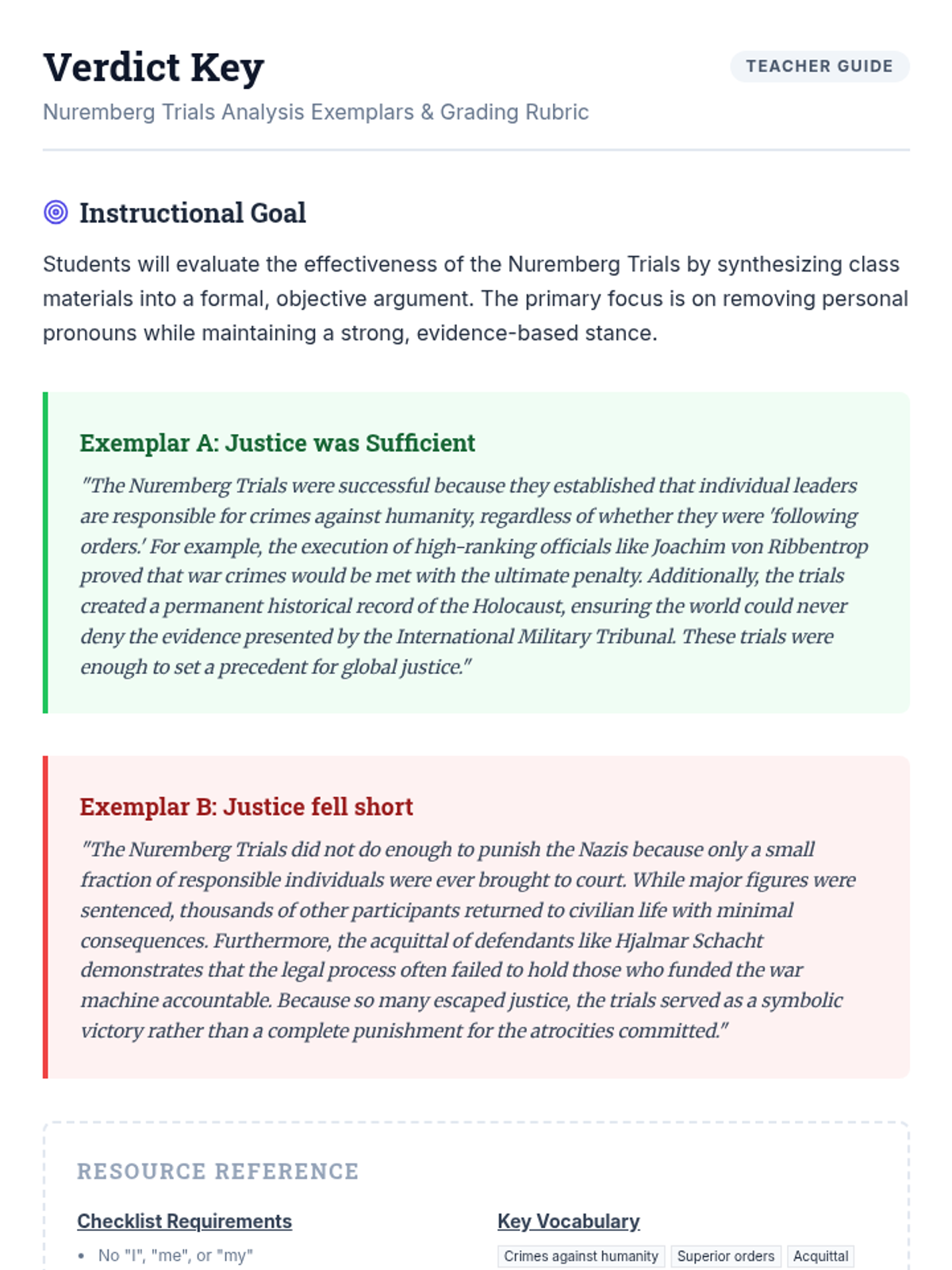
A lesson focused on evaluating the historical impact and adequacy of the Nuremberg Trials through structured writing and evidence-based argumentation.
A comprehensive exploration of America's westward expansion, covering the ideological drive of Manifest Destiny, the industrial feat of the Transcontinental Railroad, and the social movement of the Exodusters.
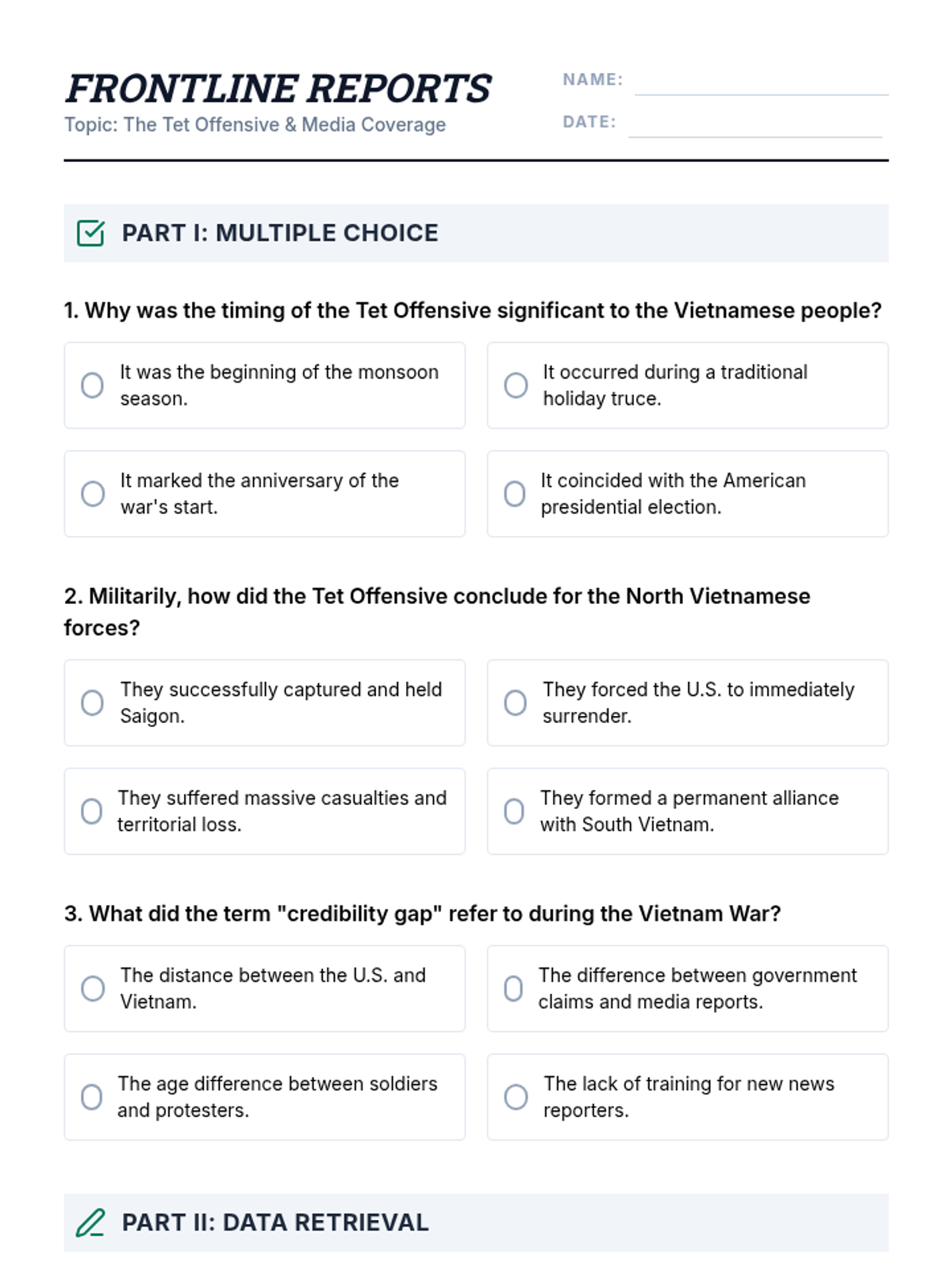
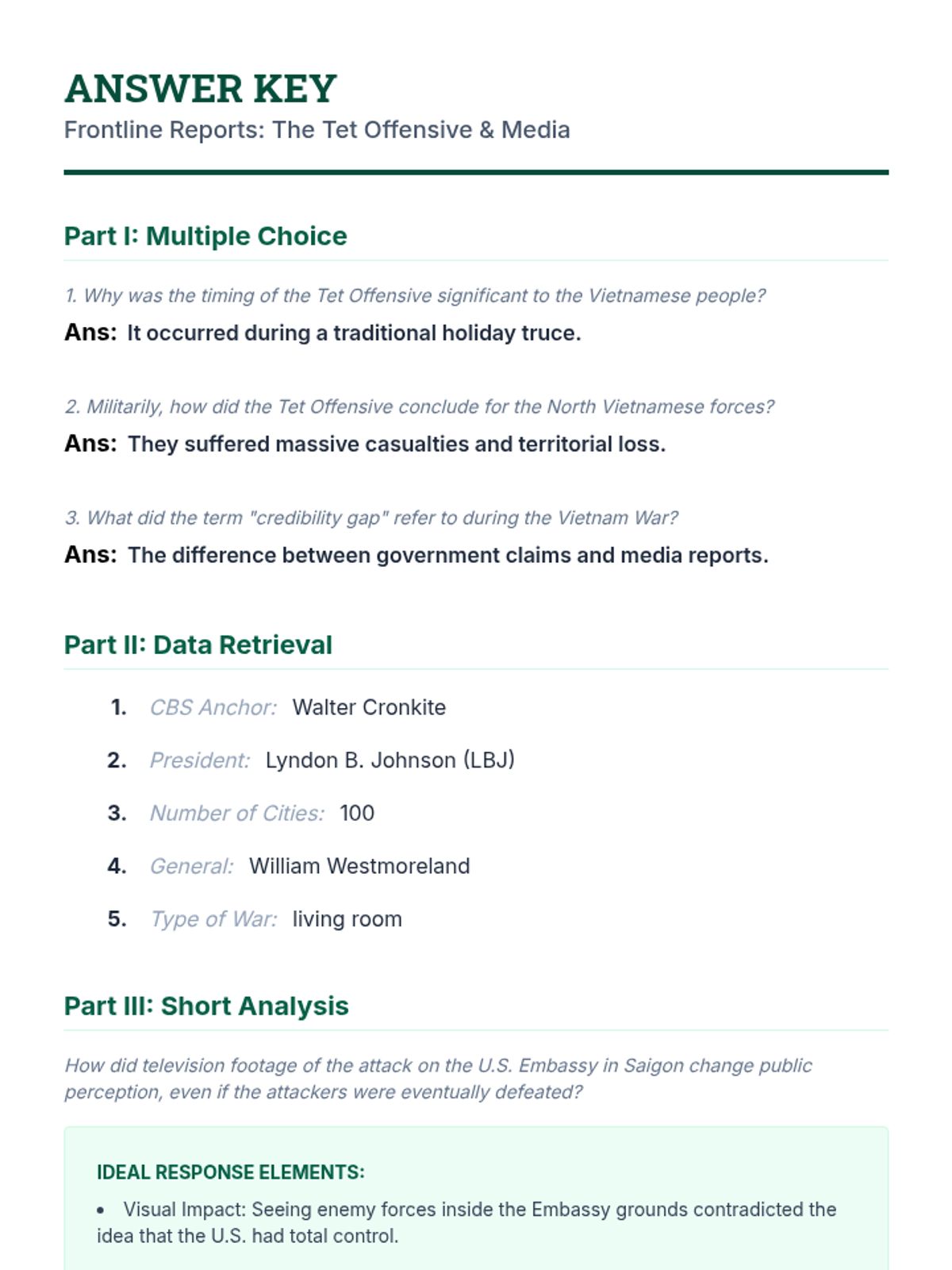
An in-depth exploration of the Tet Offensive and the pivotal role of media coverage during the Vietnam War, examining how the 'Living Room War' changed American public opinion and created a credibility gap.
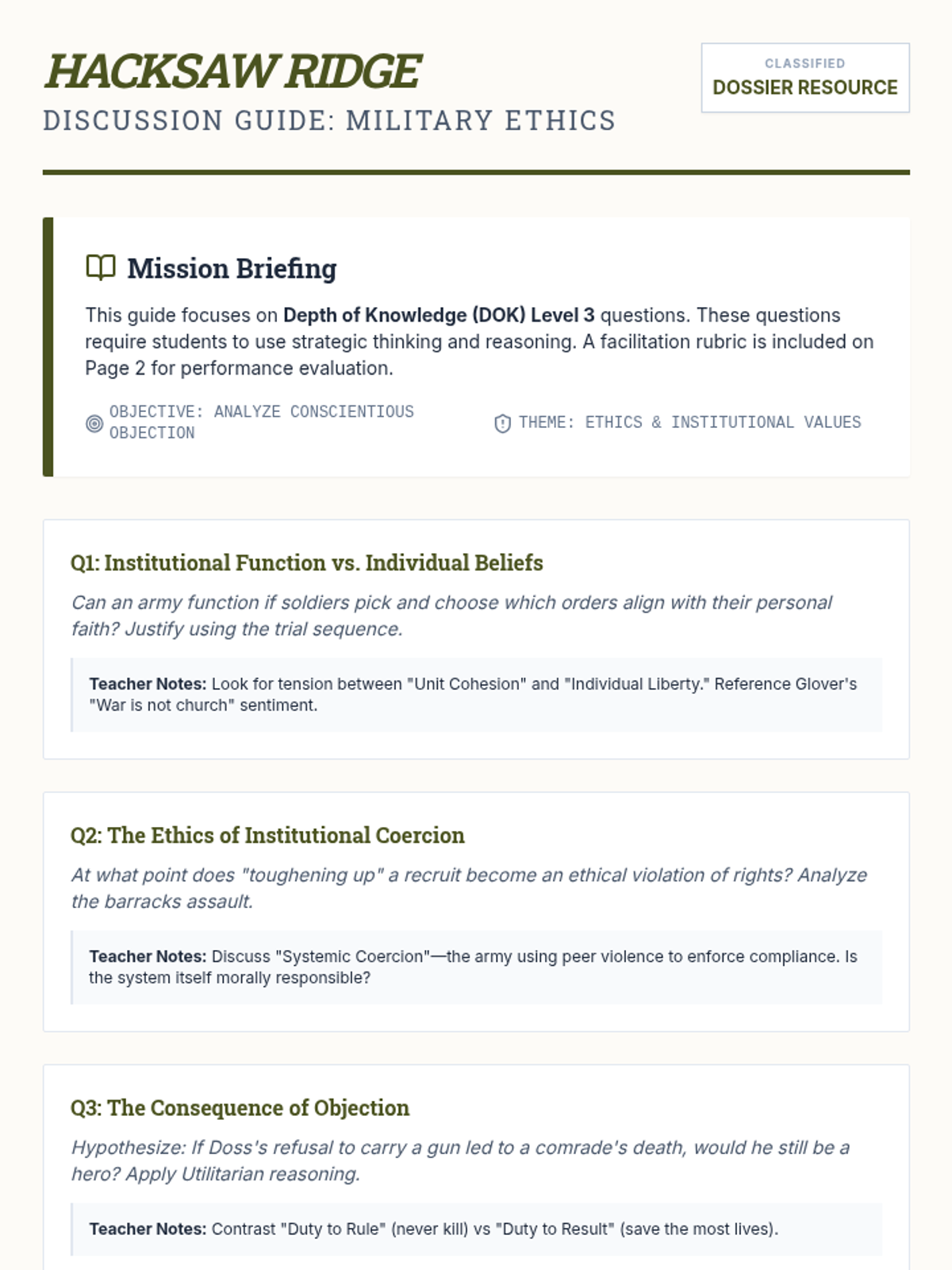
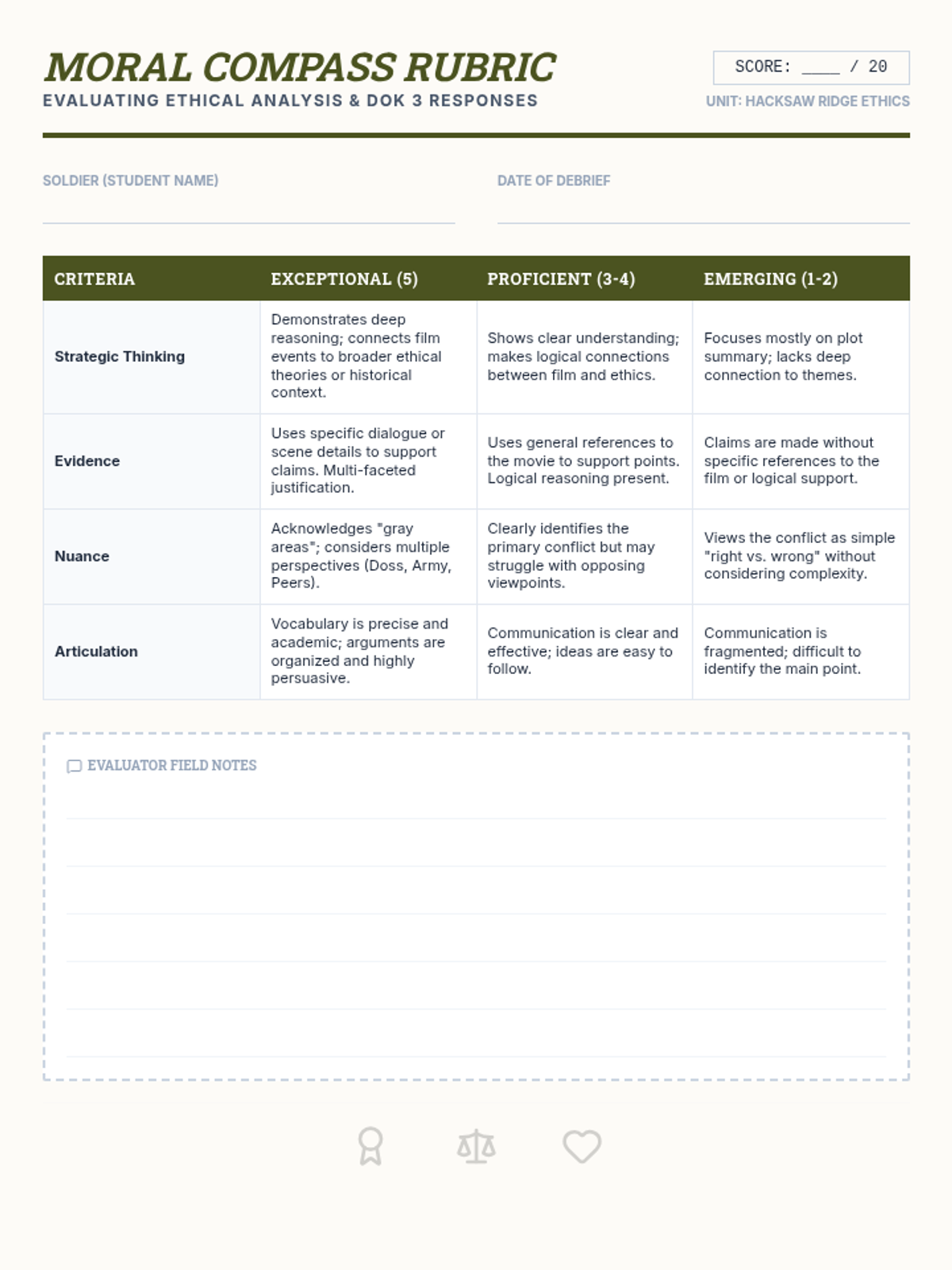
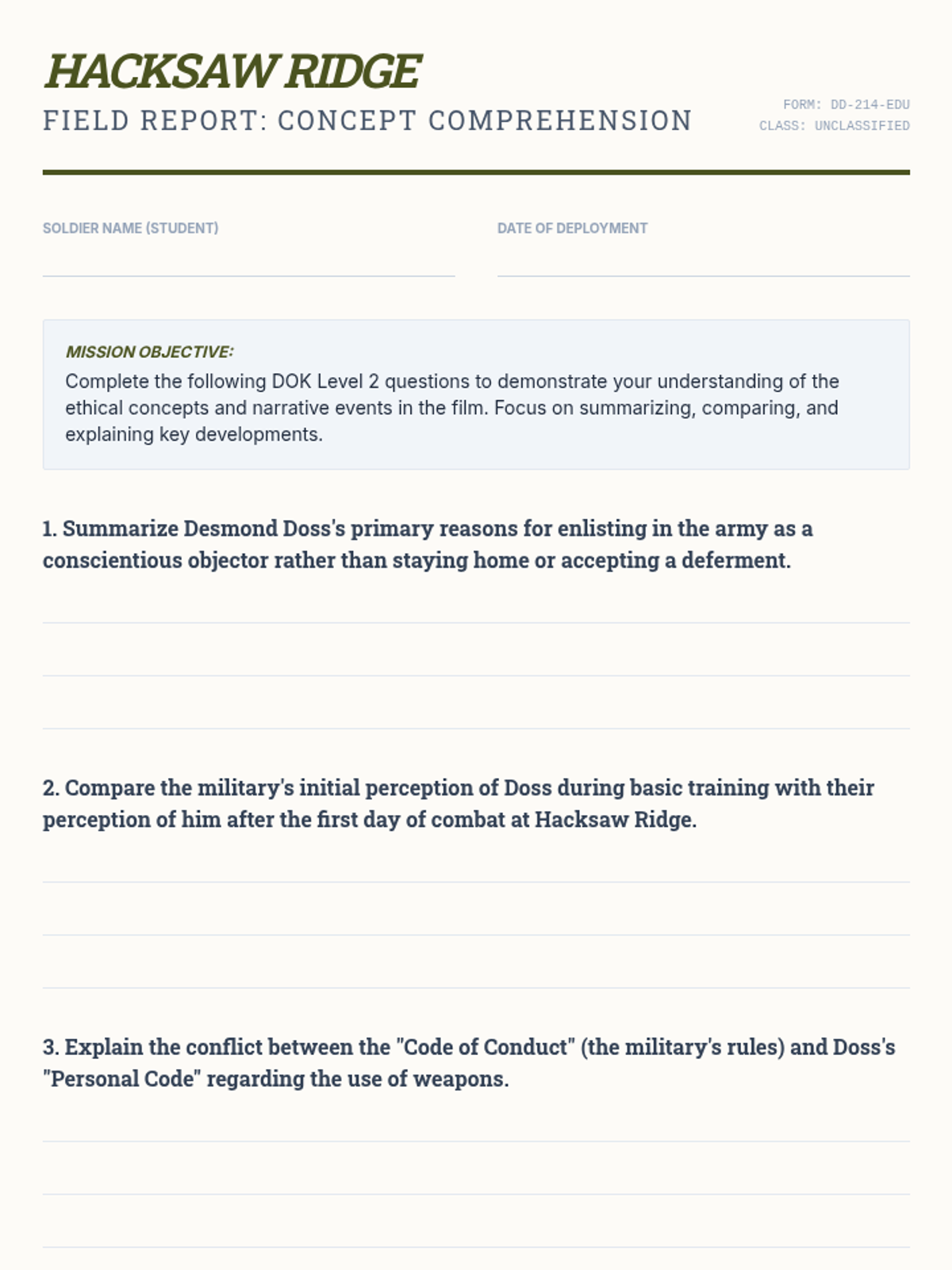
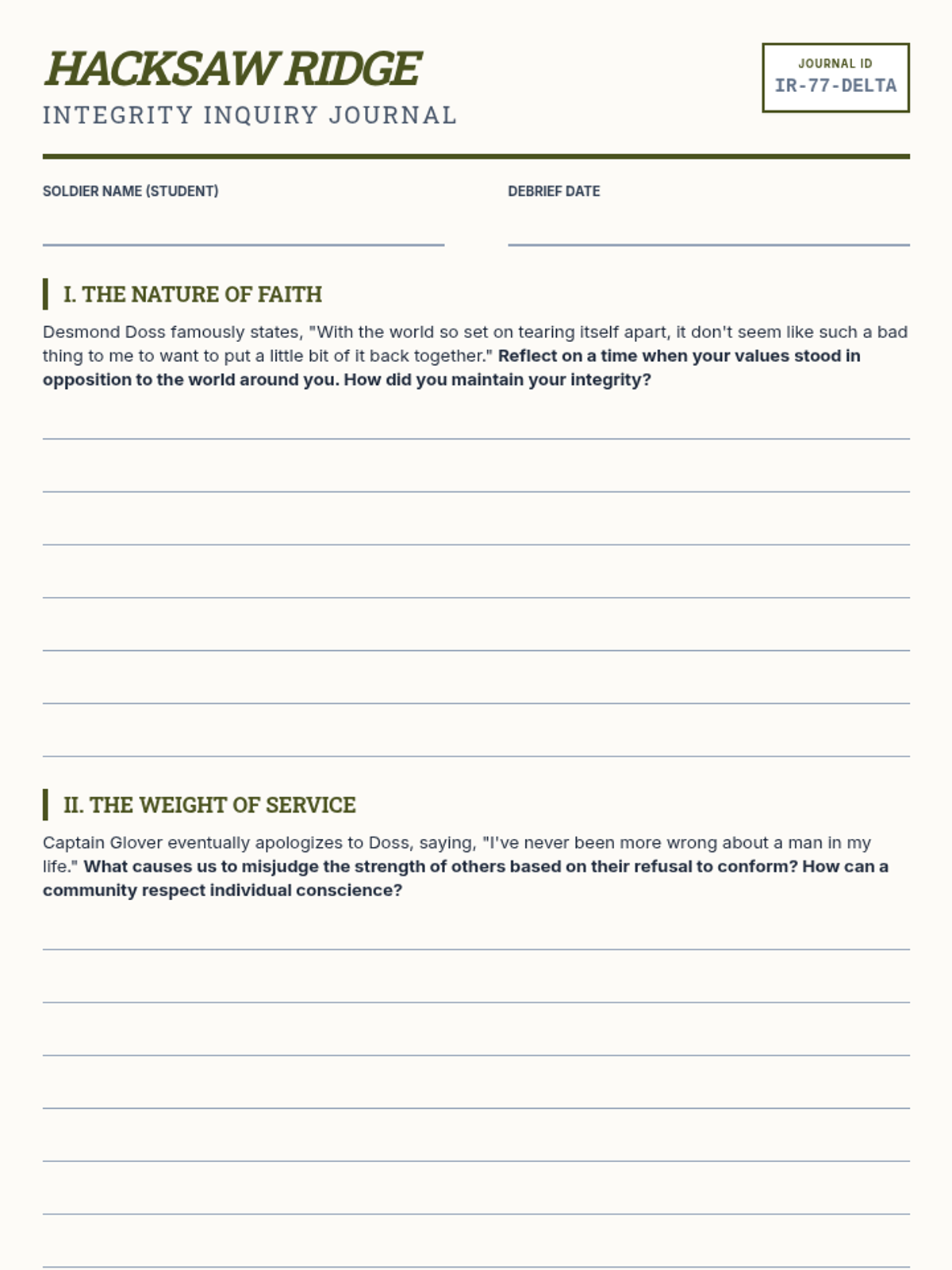
An in-depth exploration of conscientious objection and military ethics through the lens of the film Hacksaw Ridge, featuring DOK Level 3 discussion prompts and evaluation tools.
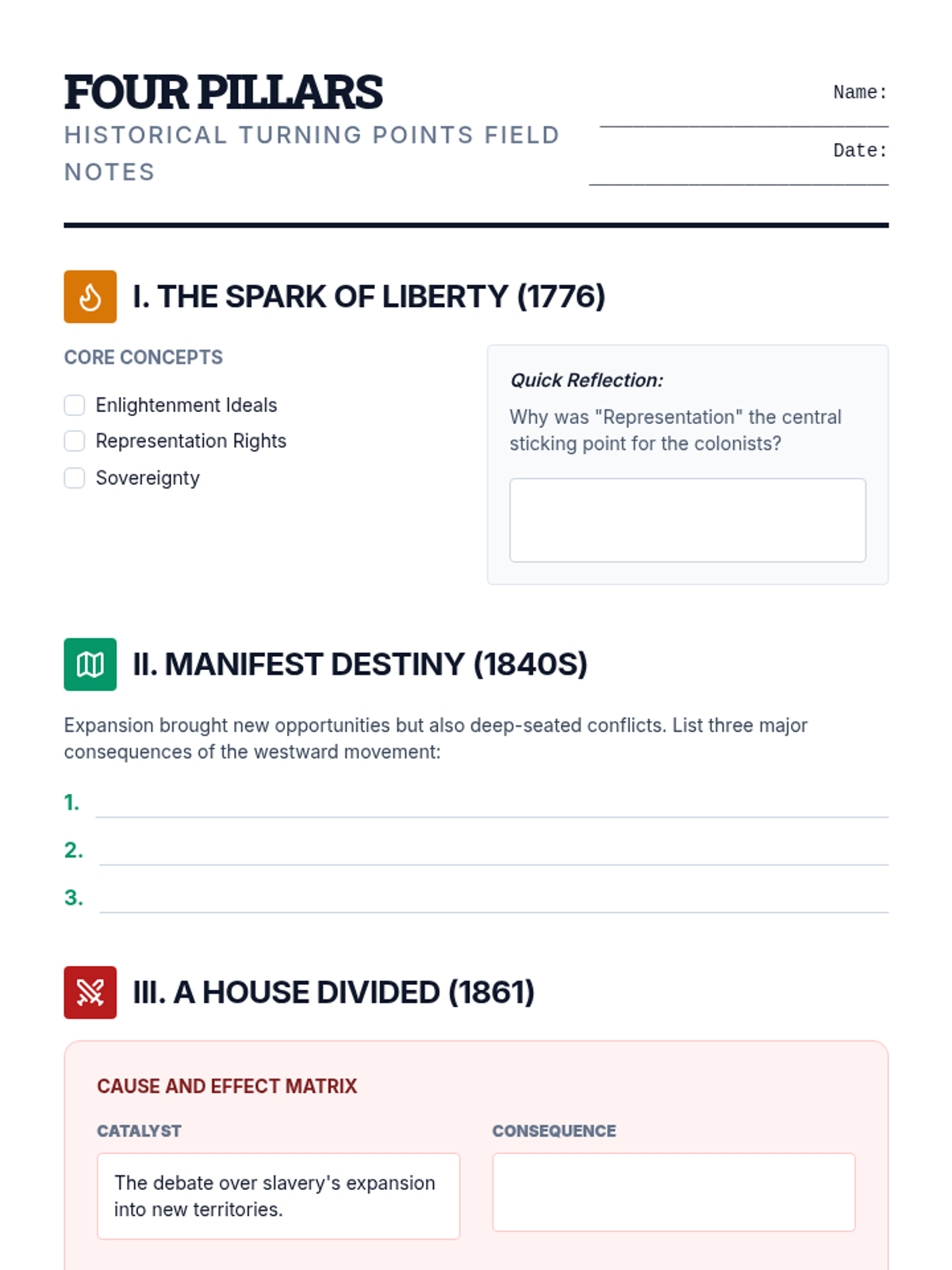
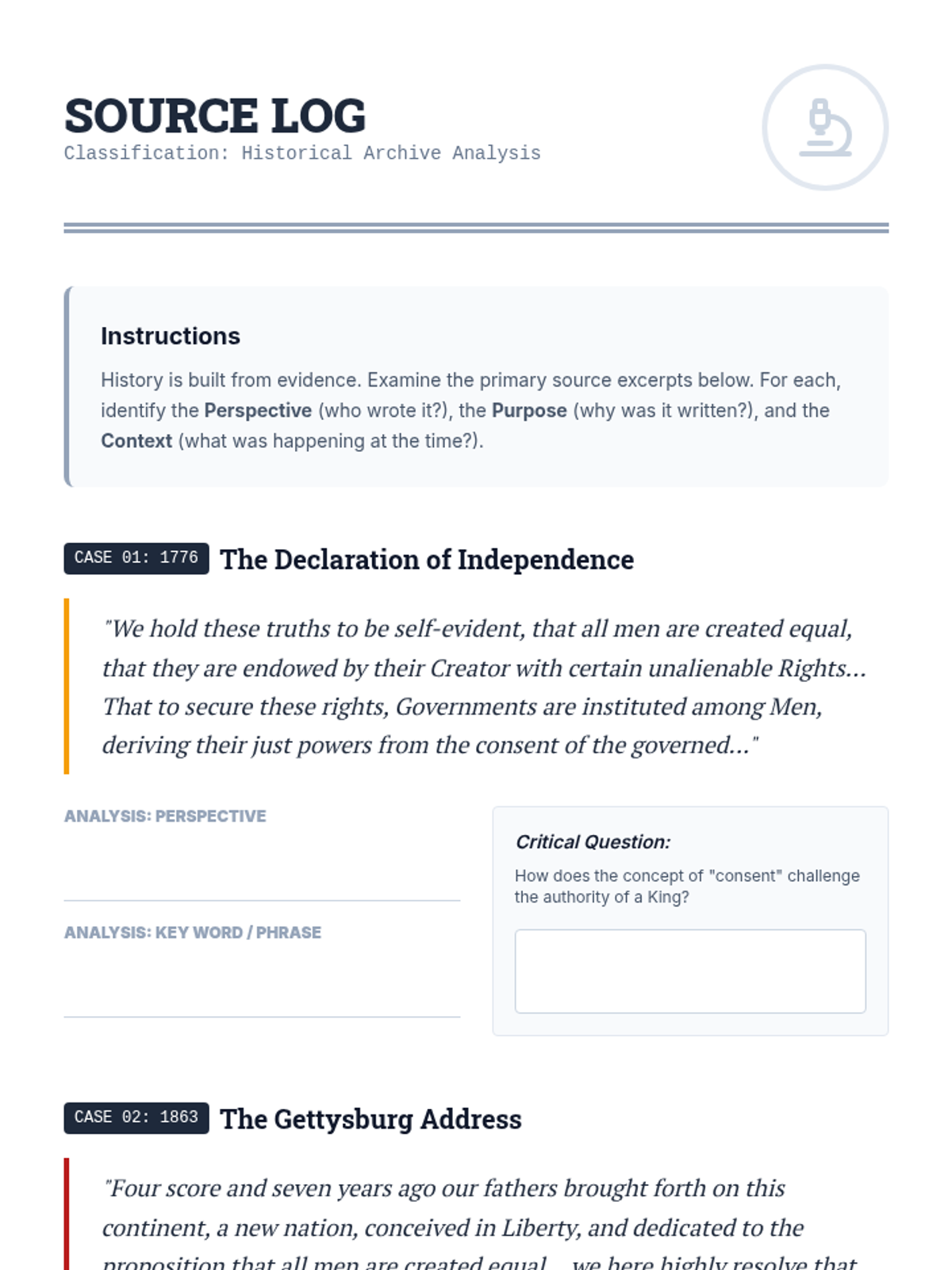
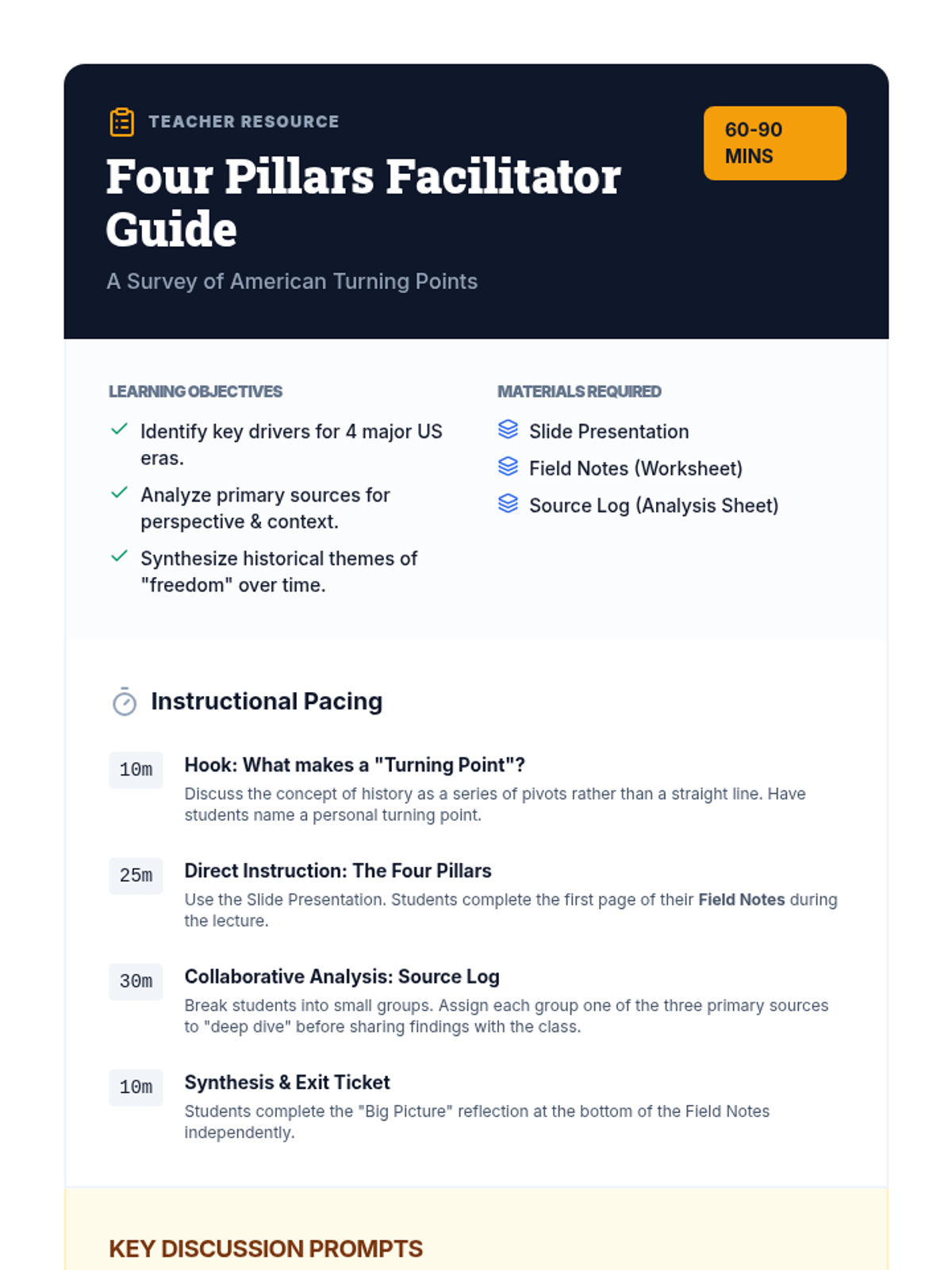
An intensive survey lesson covering the critical events and lasting impacts of the American Revolution, Westward Expansion, the Civil War, and World War II. Students will analyze primary sources and synthesize information across different eras to understand historical continuity and change.
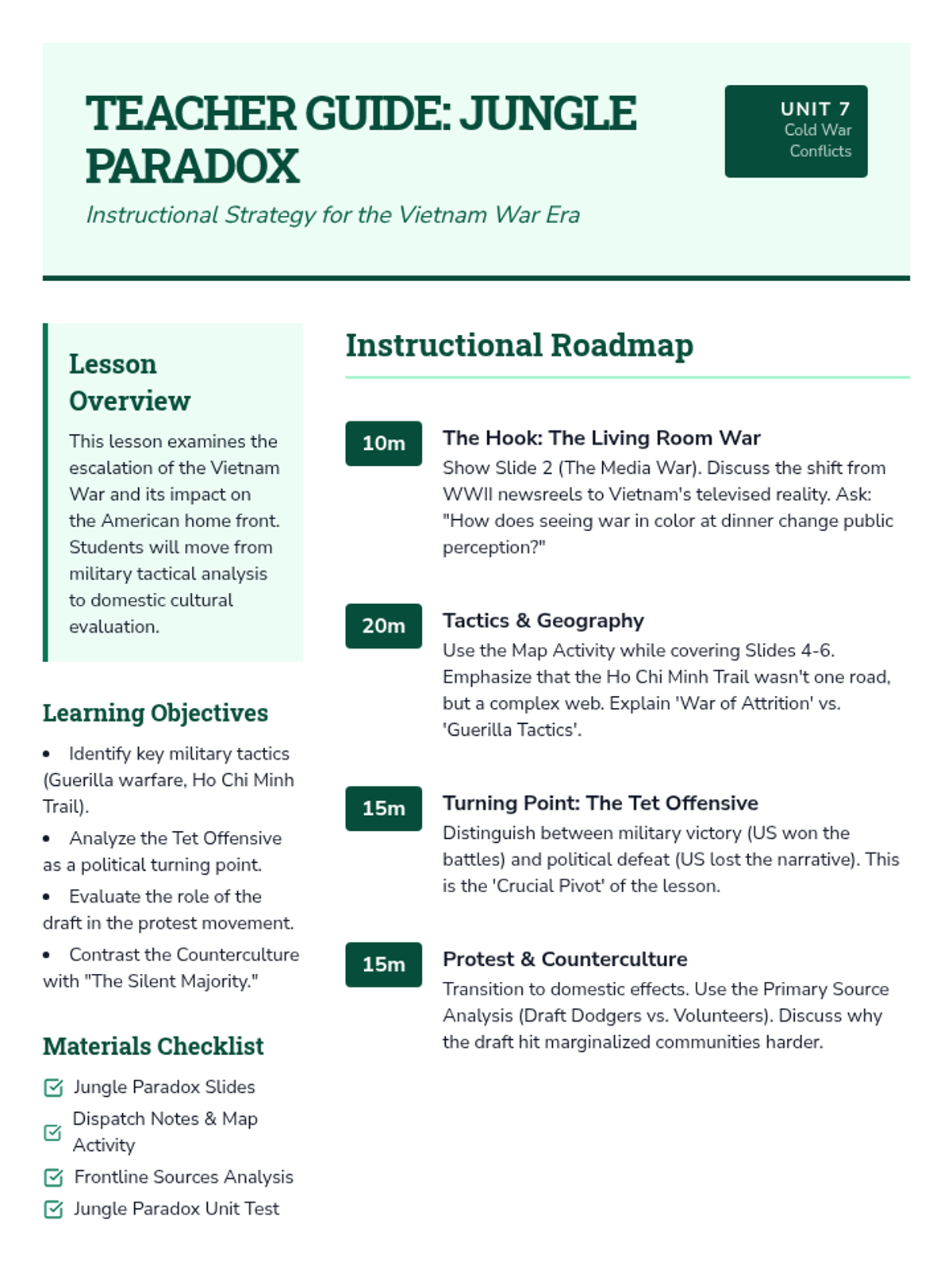
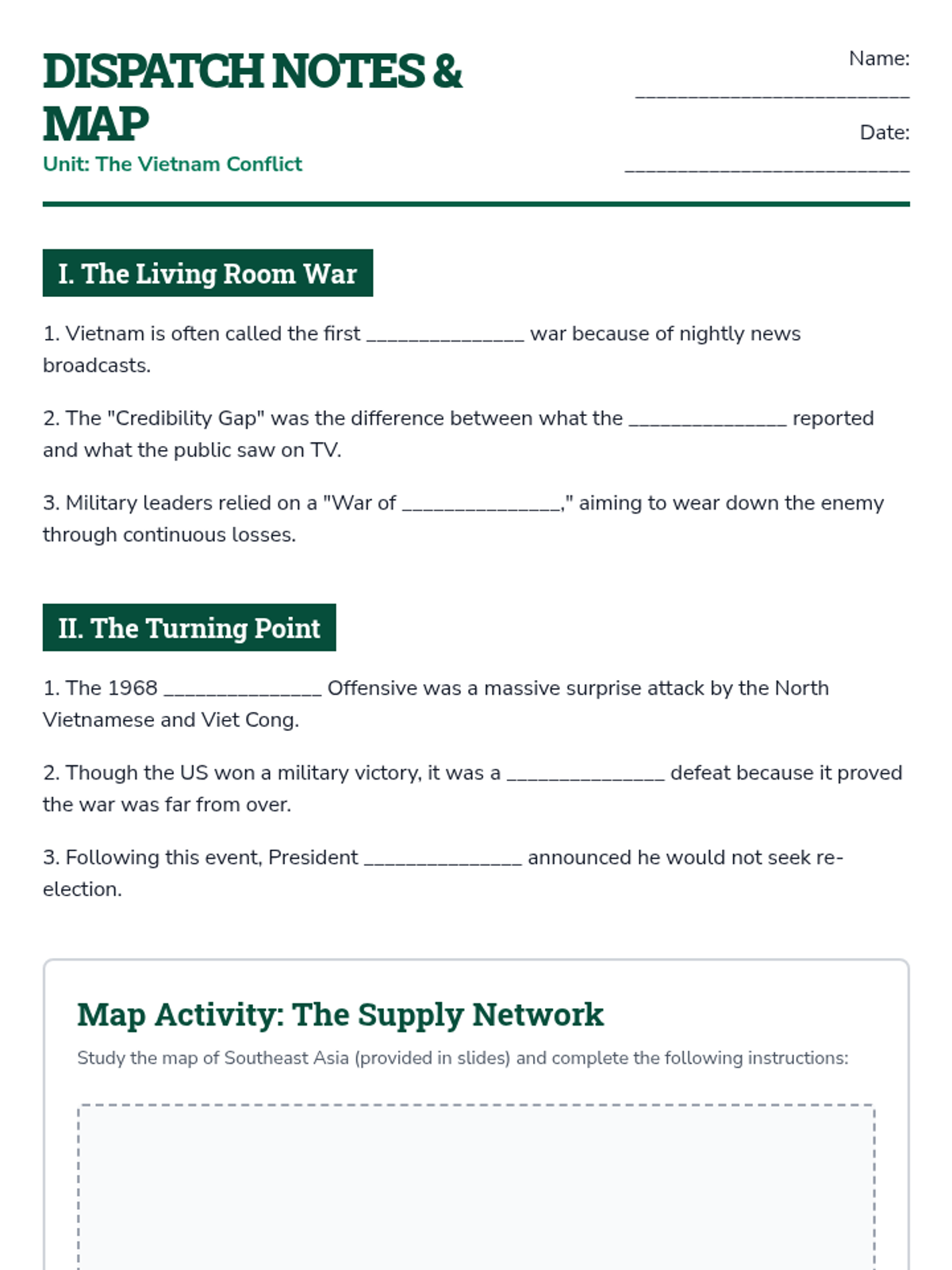
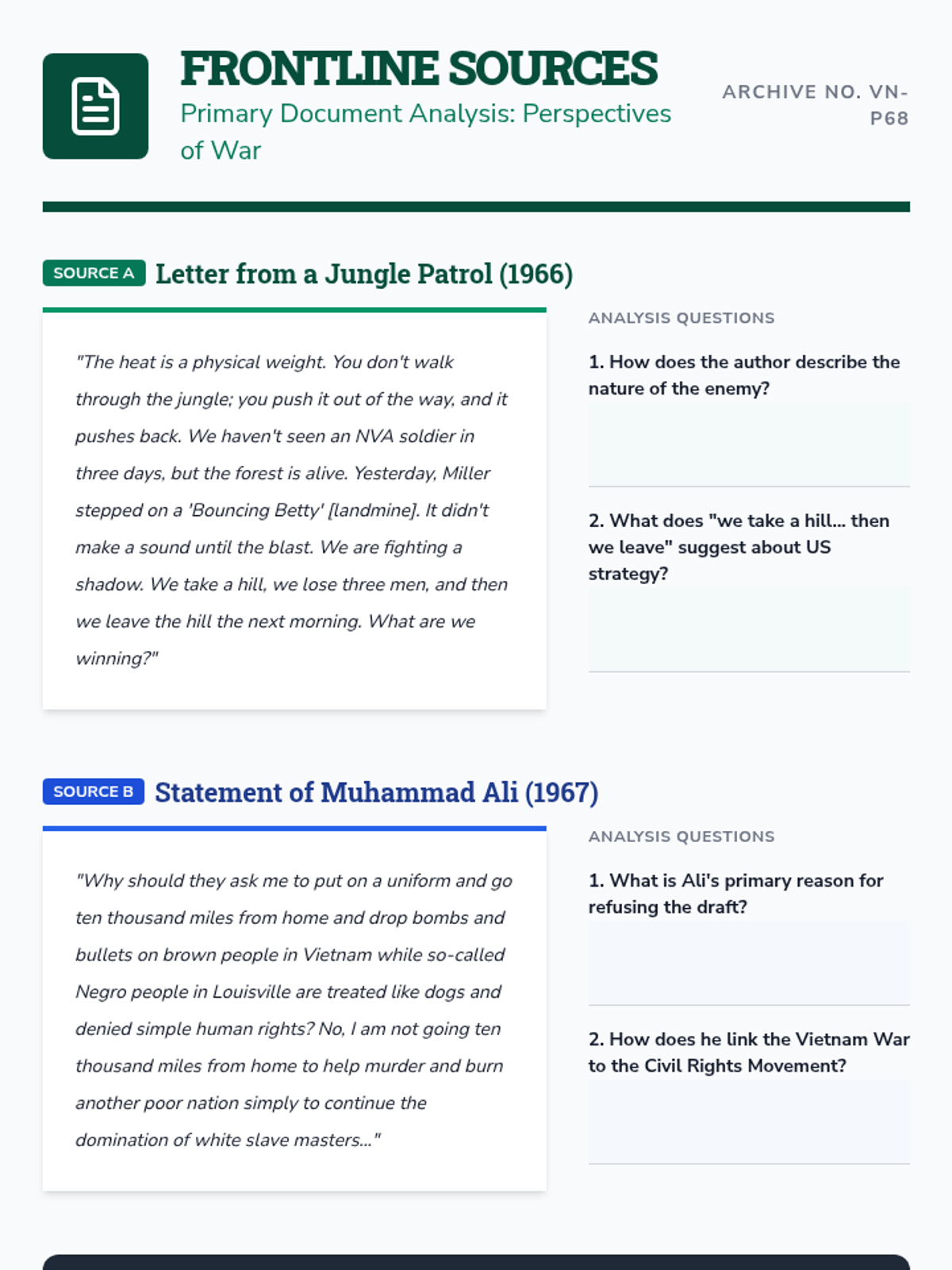
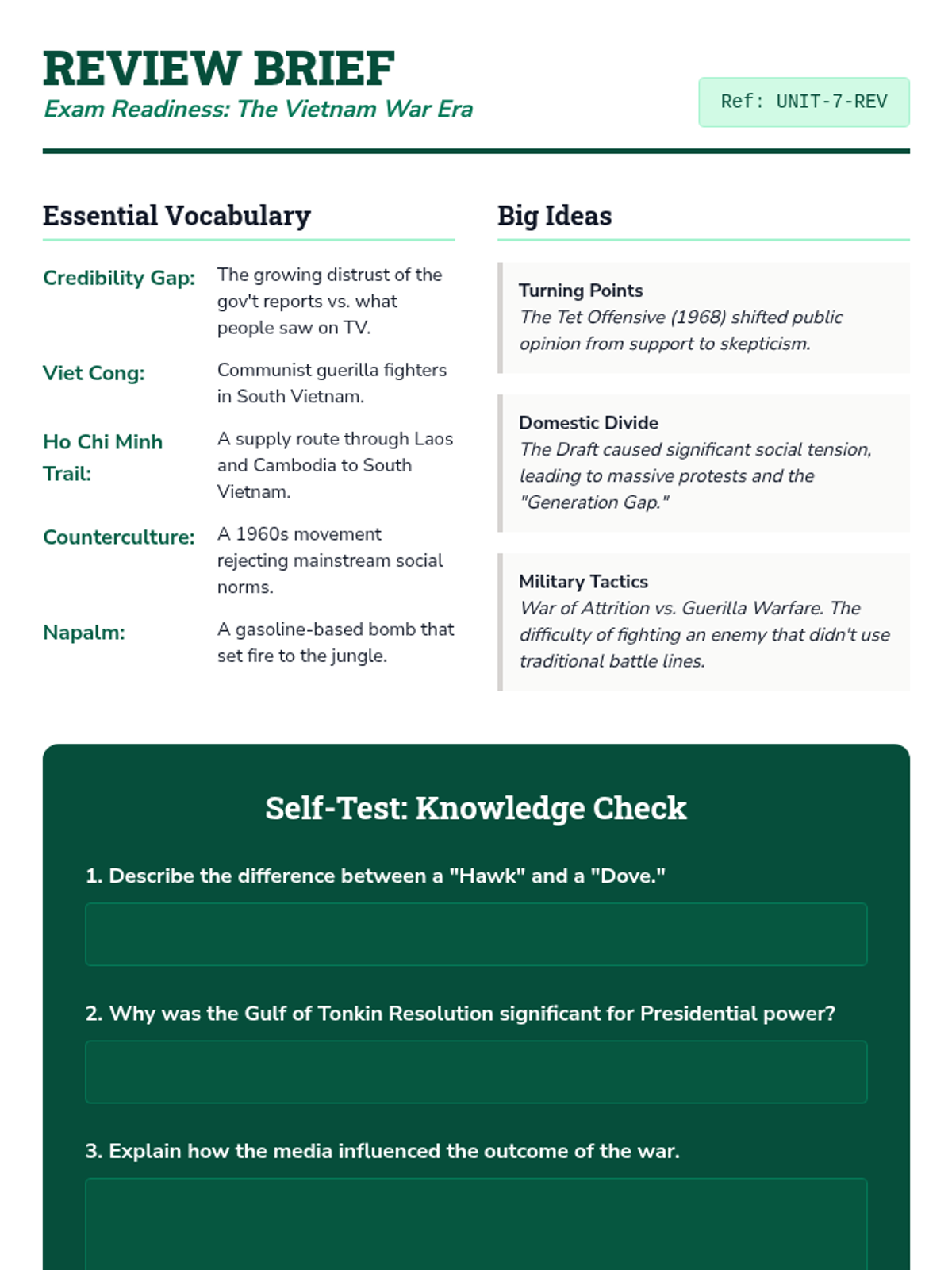
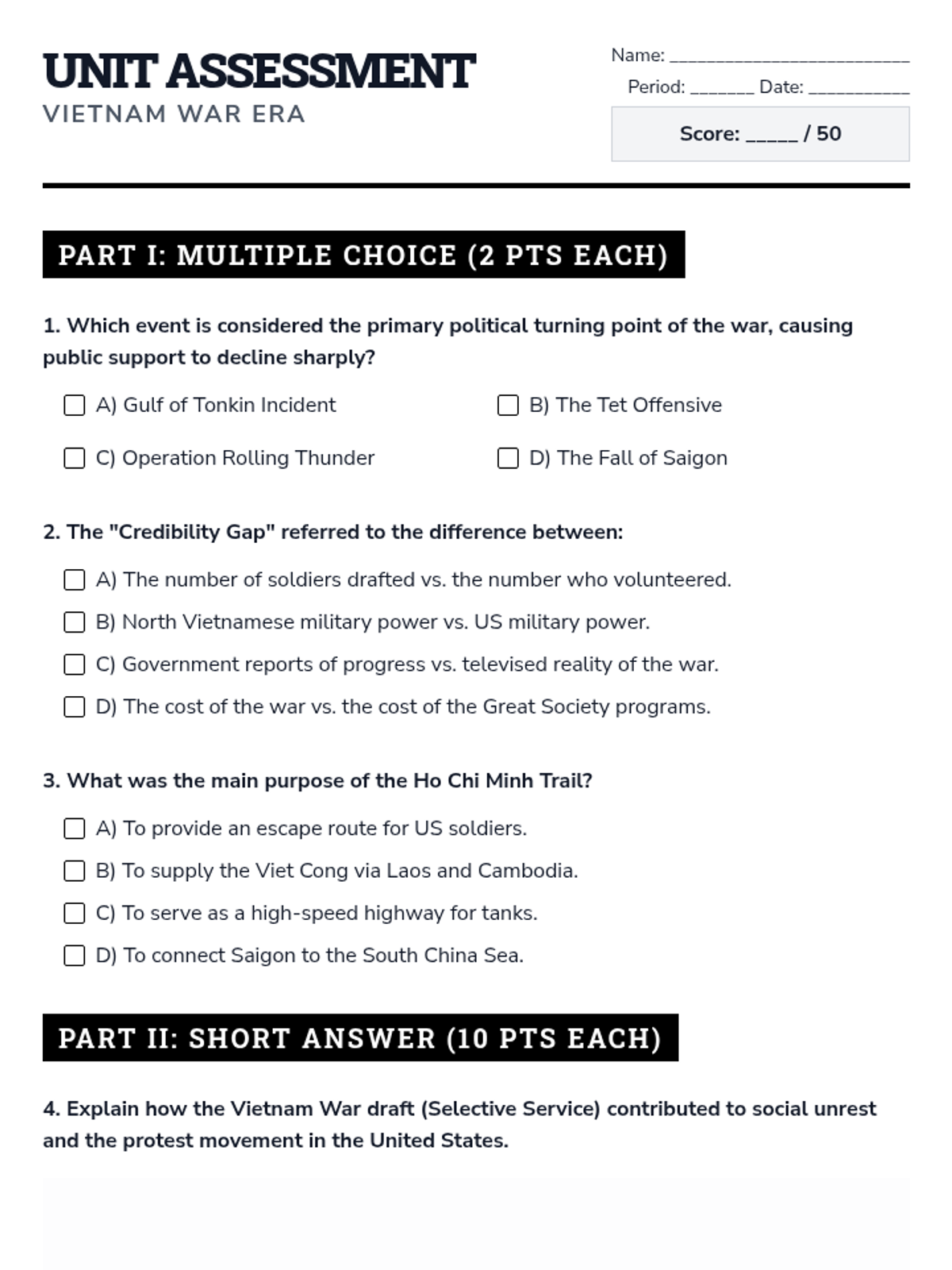
A comprehensive exploration of the Vietnam War era, covering military tactics, political turning points, and the seismic cultural shifts of the 1960s. Students analyze primary sources, map the conflict, and evaluate the domestic impact of the war.
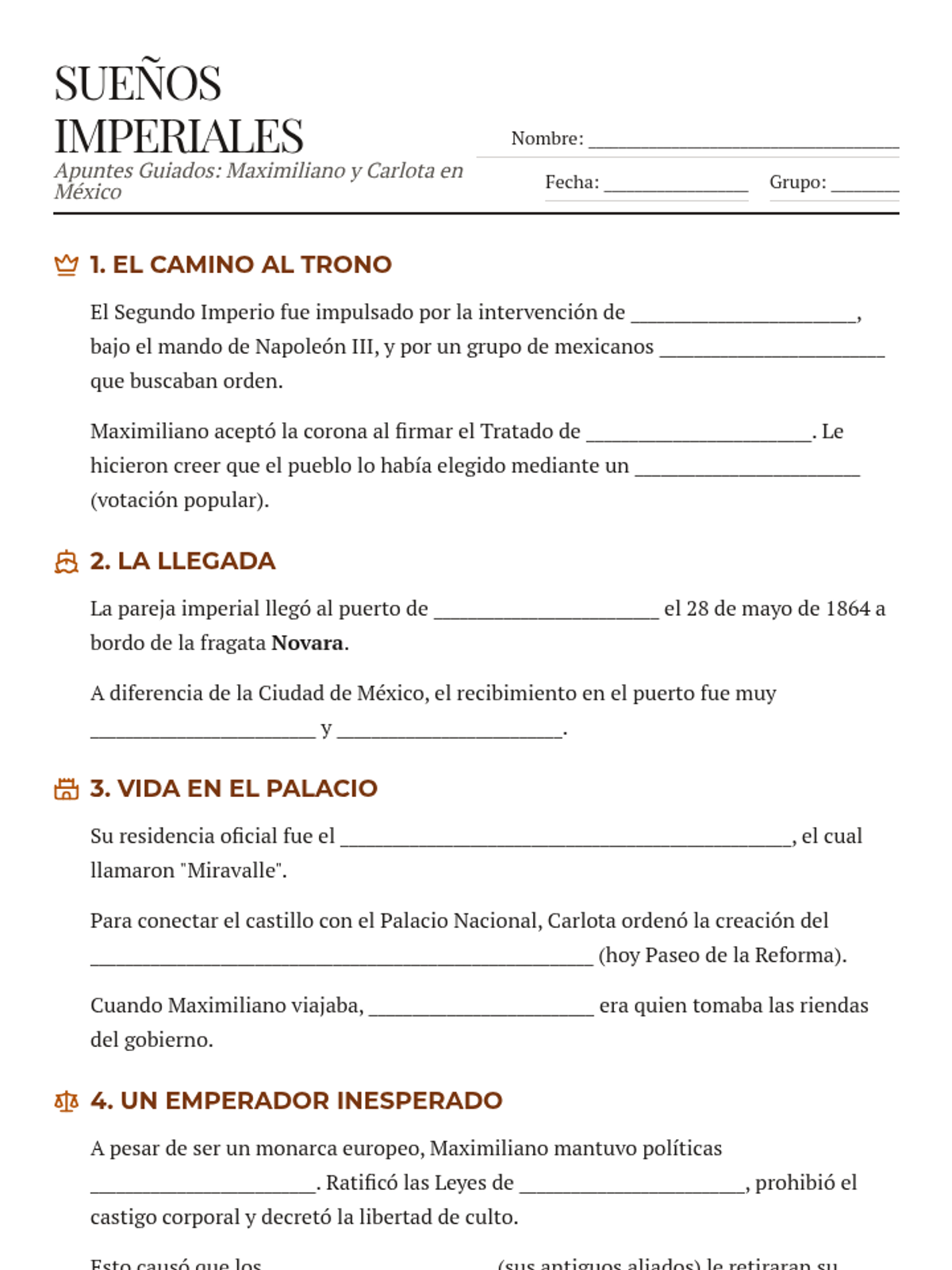
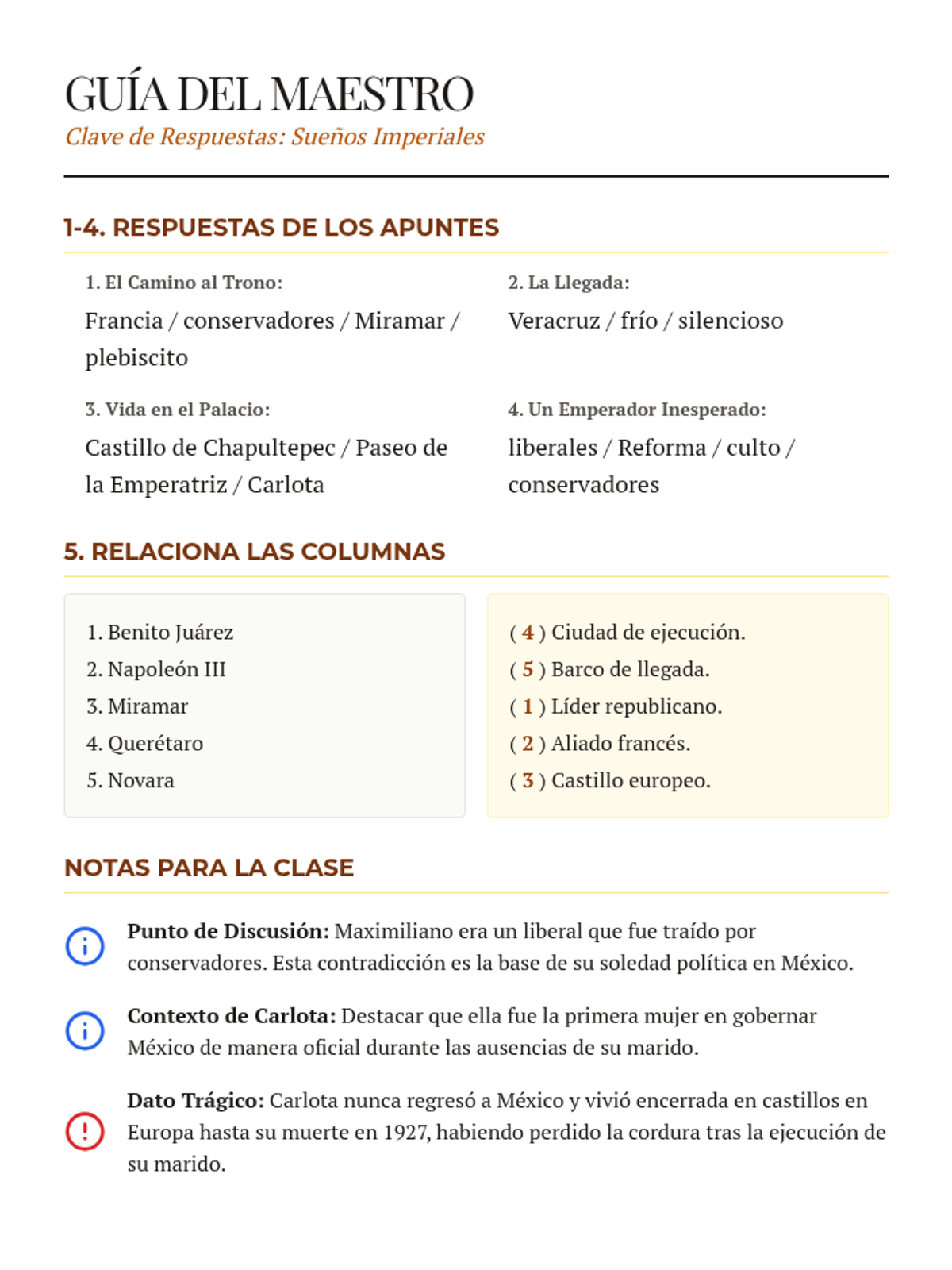
A lesson exploring the lives, reign, and eventual downfall of Maximilian I and Empress Carlota during the Second Mexican Empire, focusing on their time in Mexico.
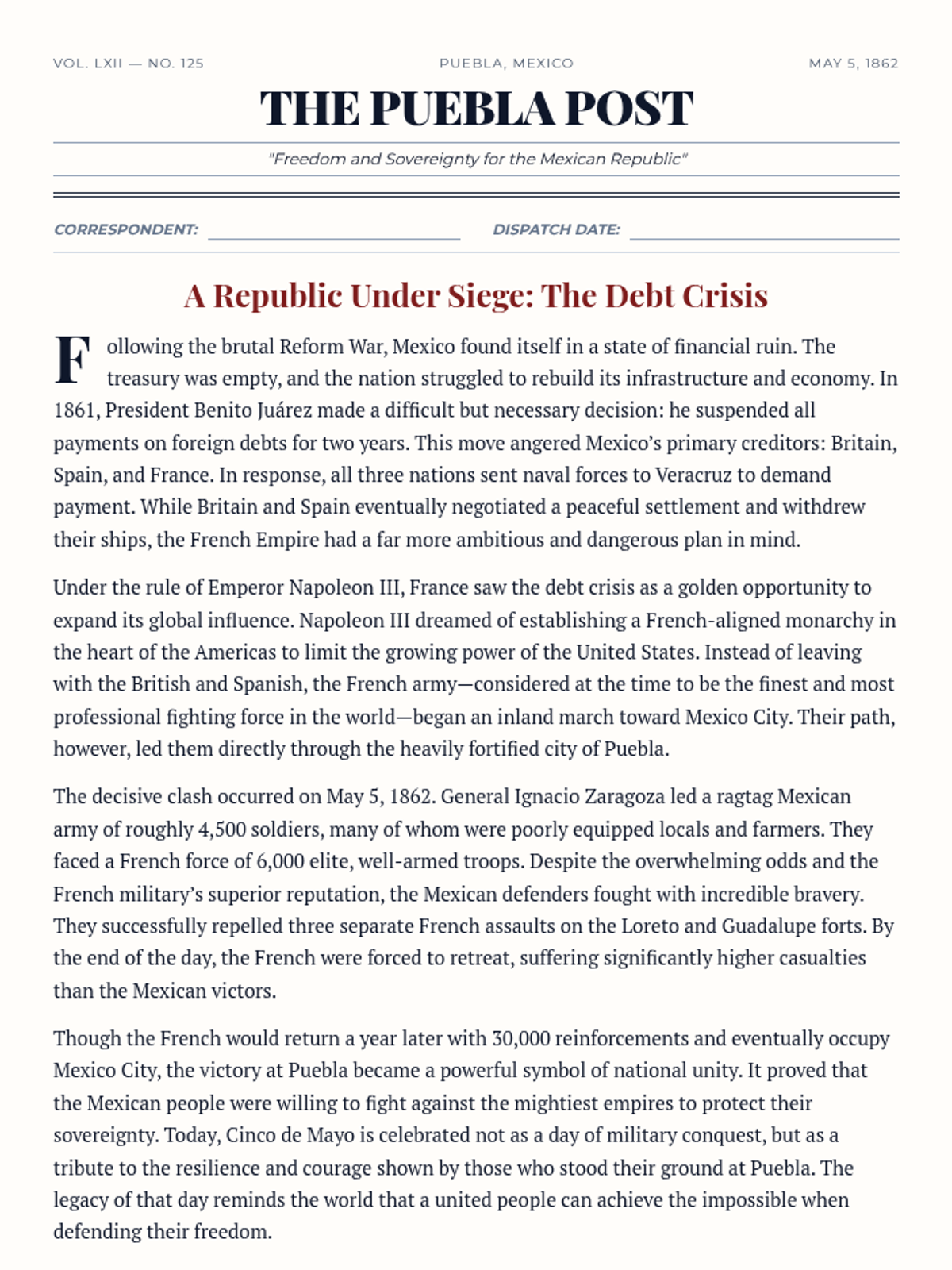
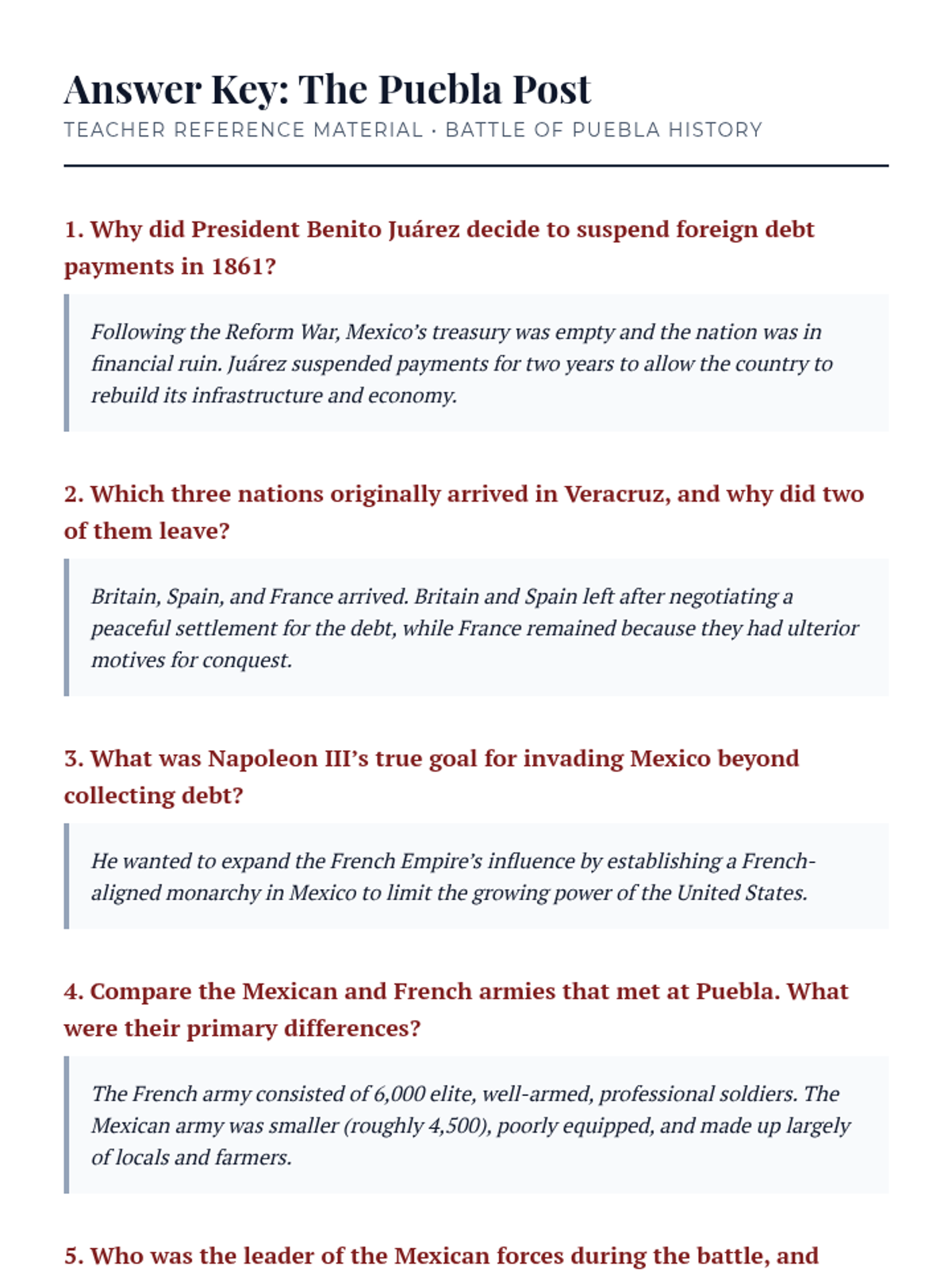
A lesson exploring the historical roots of Cinco de Mayo, focusing on the debt crisis and the Battle of Puebla.
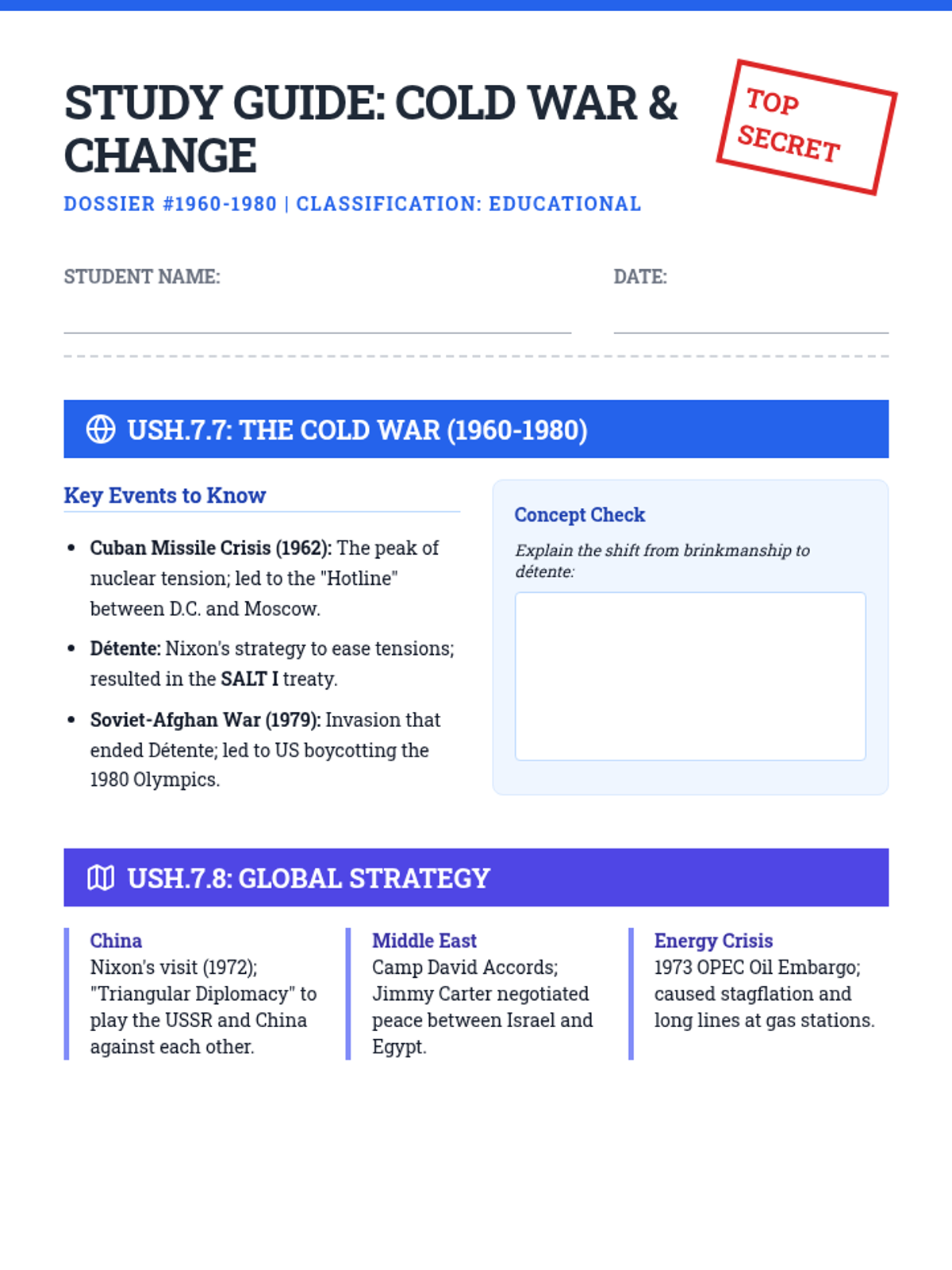
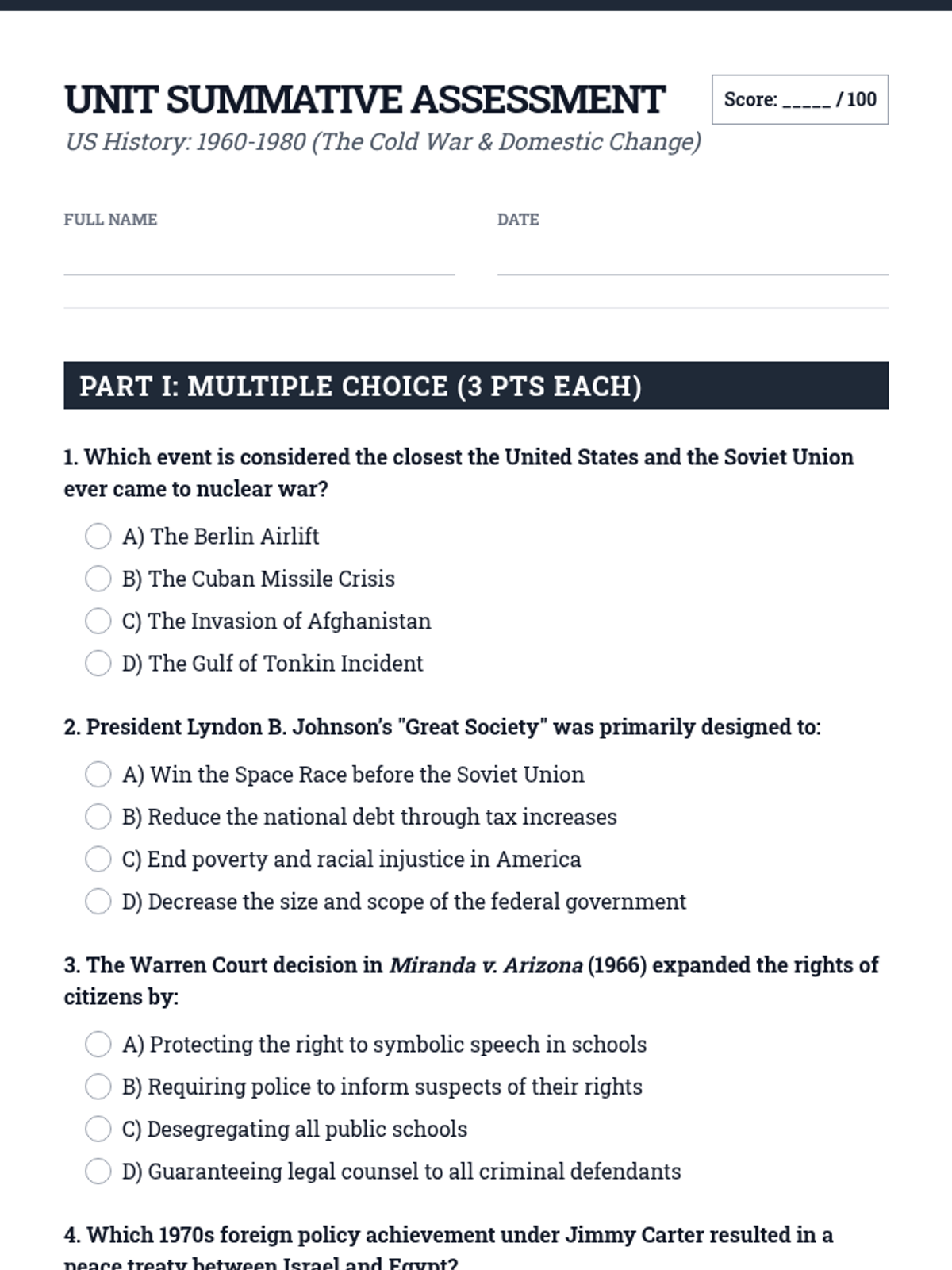
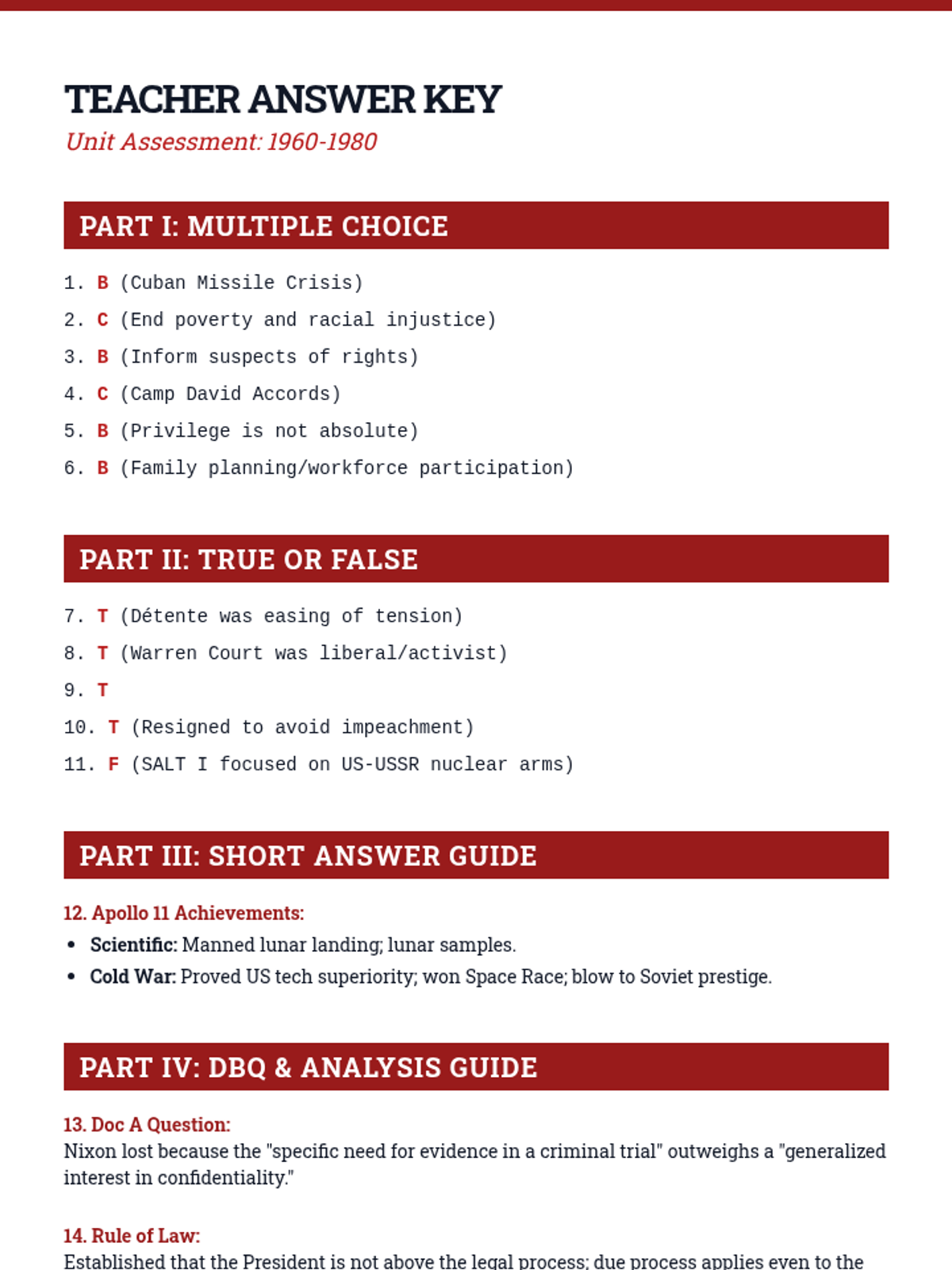
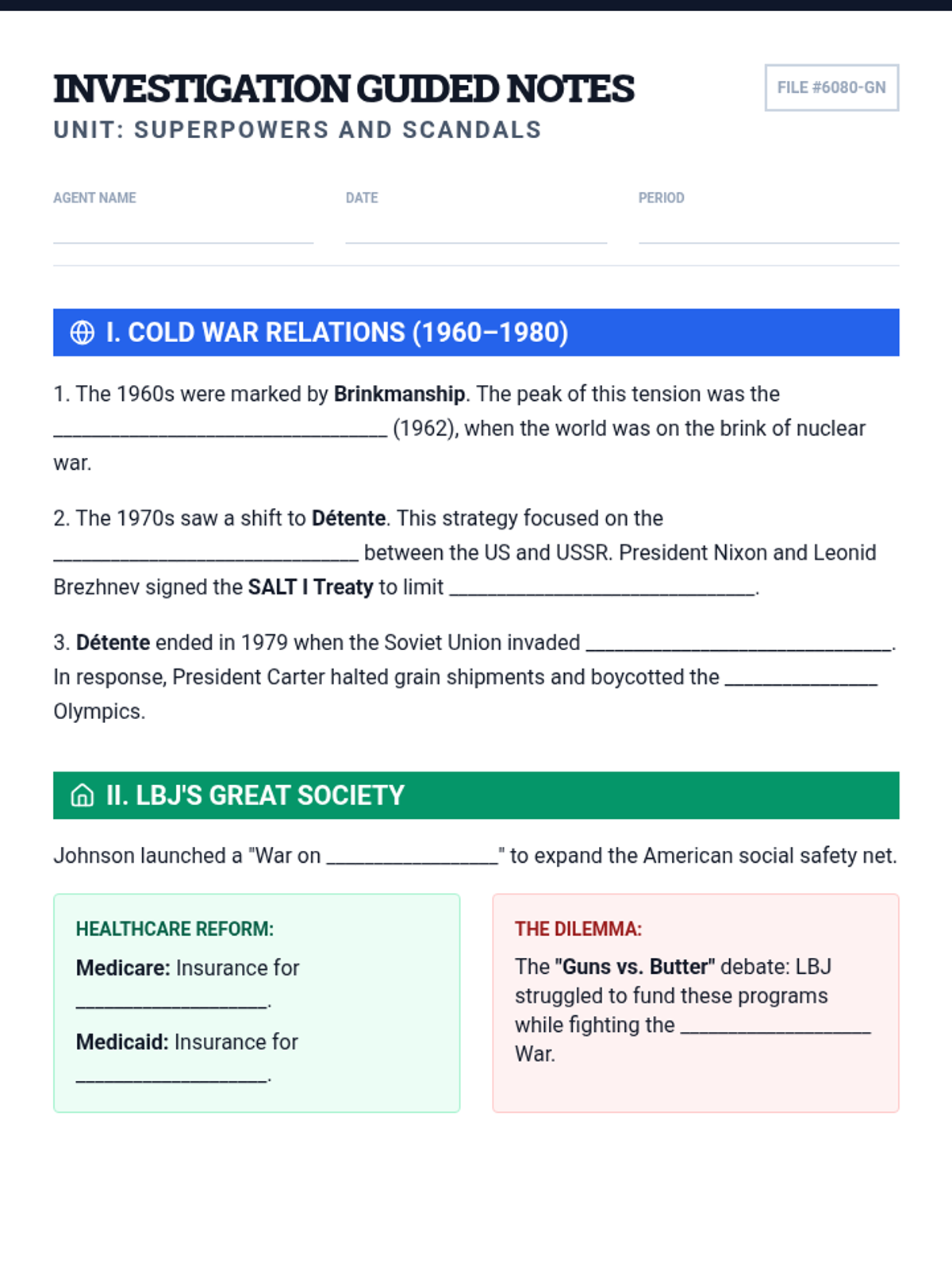
The final assessment and preparation materials for the unit on 1960-1980 US History.
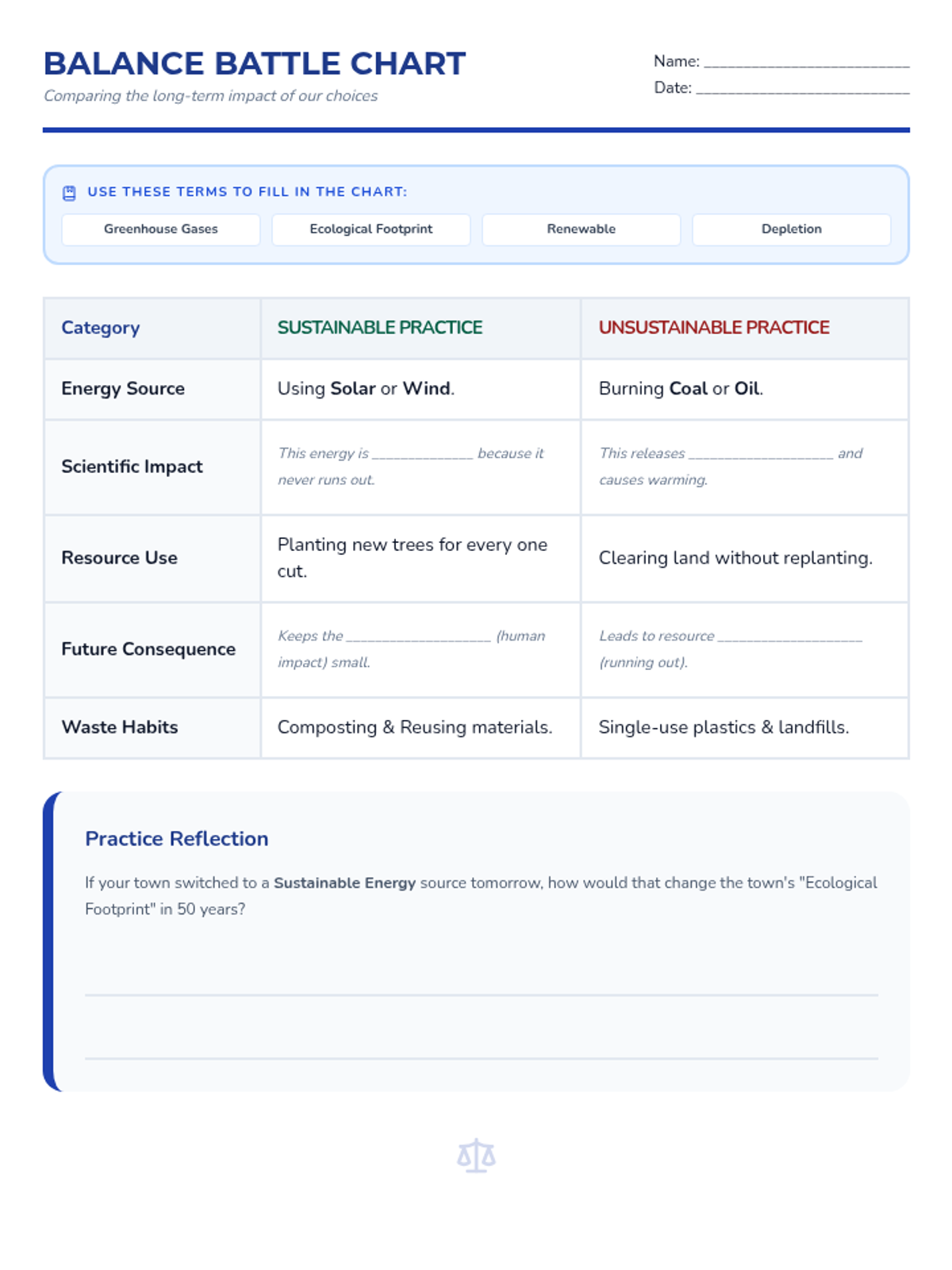
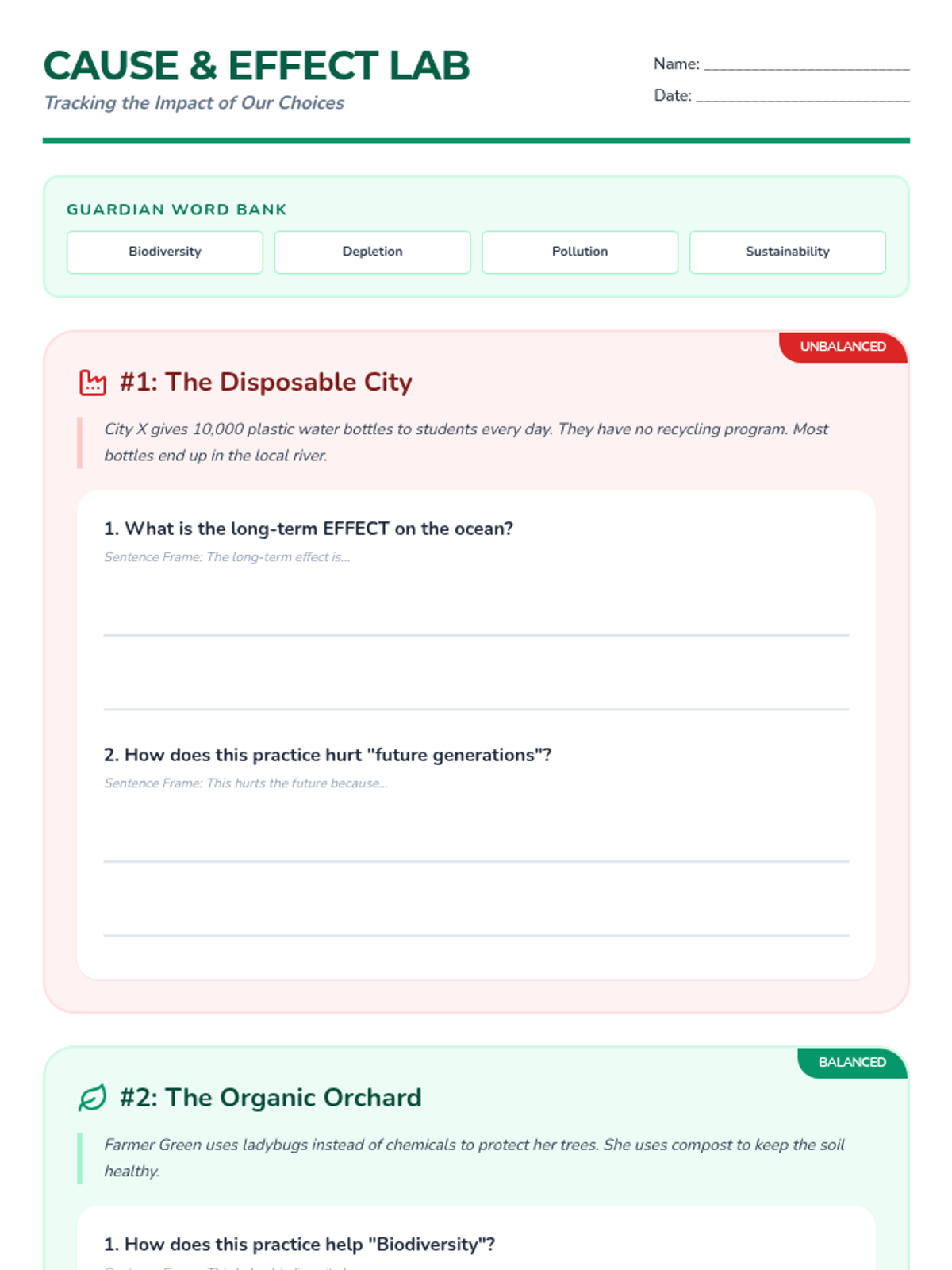
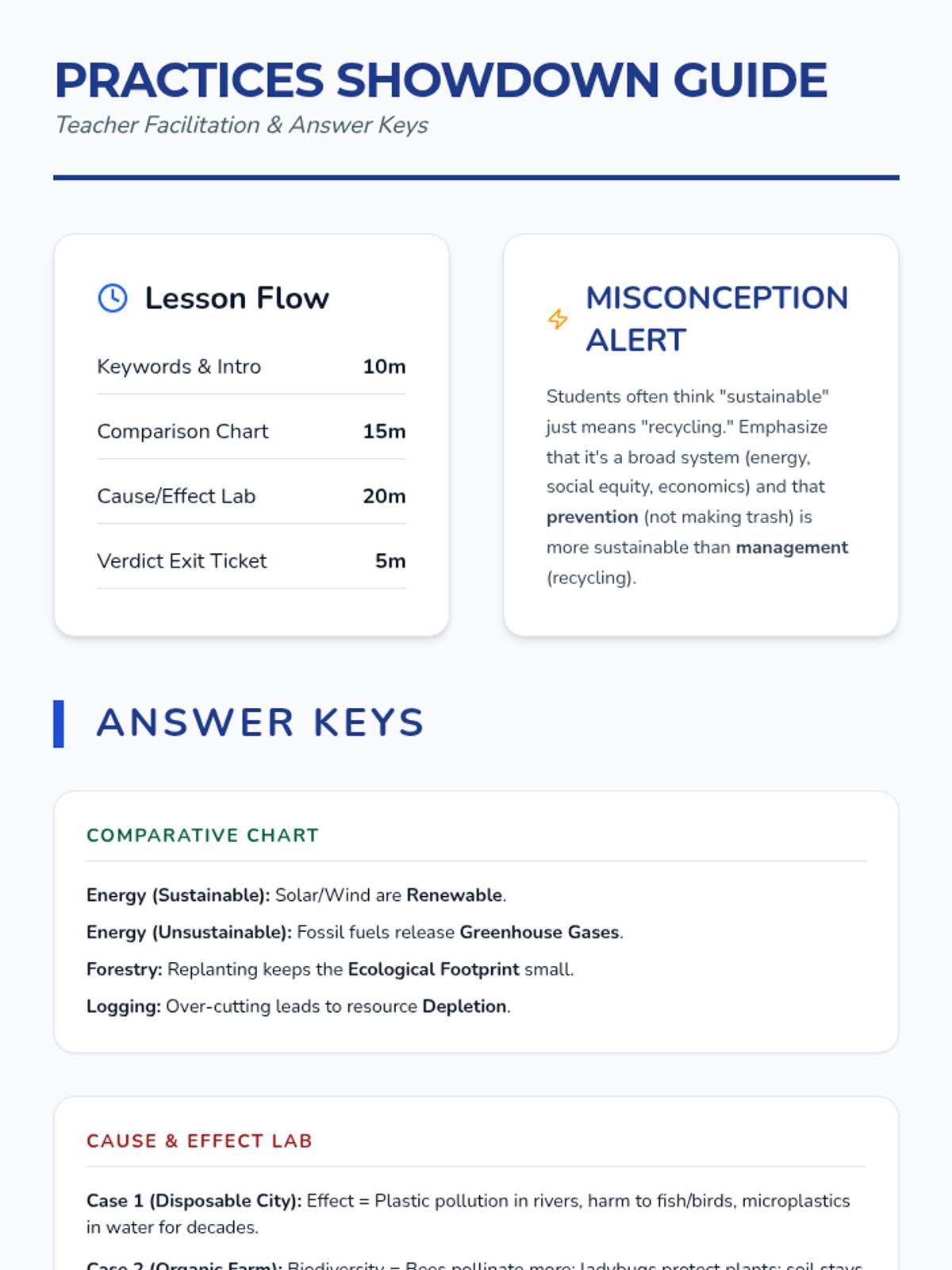
An exploration of sustainable vs. unsustainable practices through comparative analysis, cause-and-effect case studies, and real-world trade-offs. Includes a comparative chart, accommodated case studies, and an exit ticket.
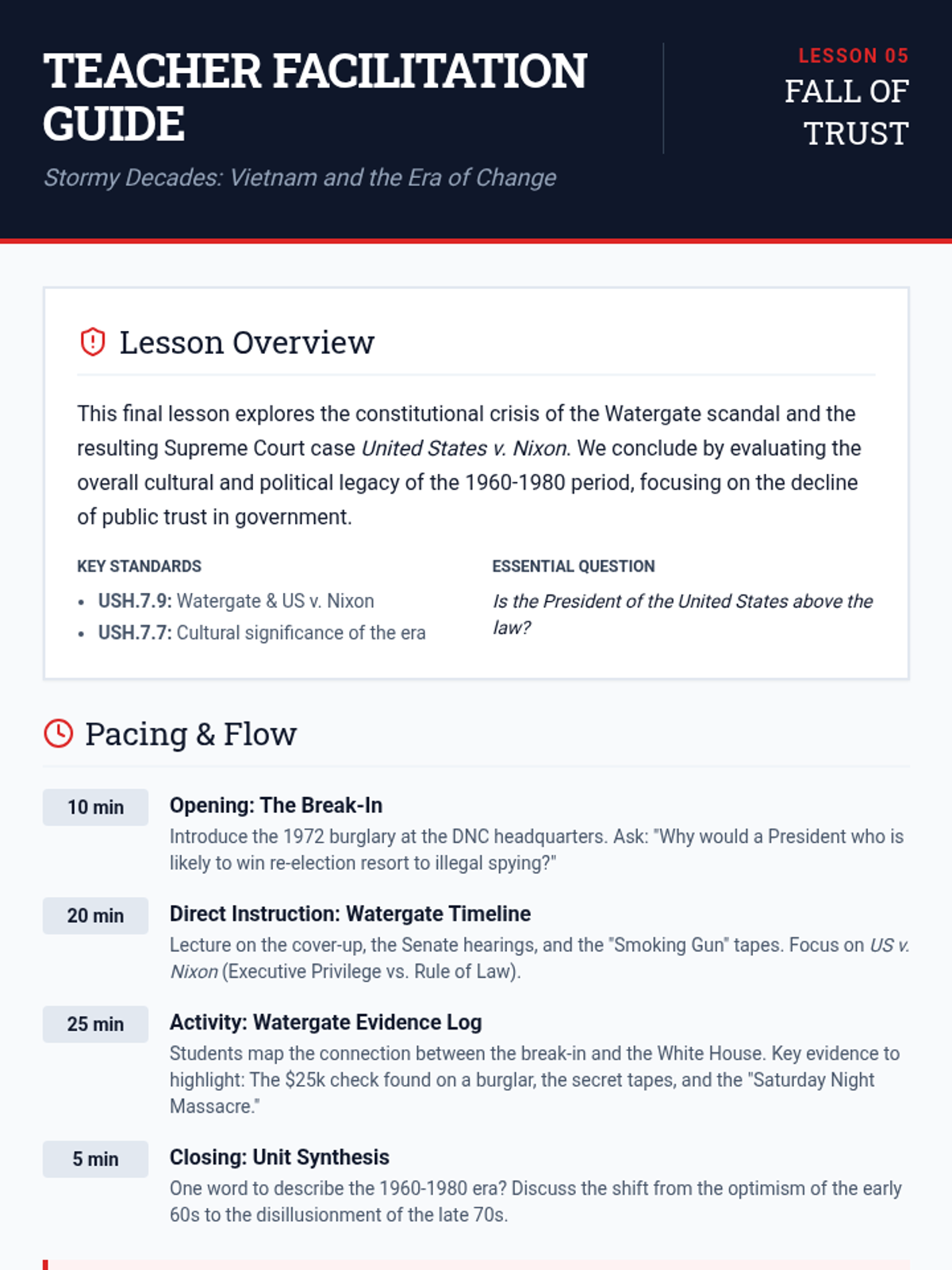
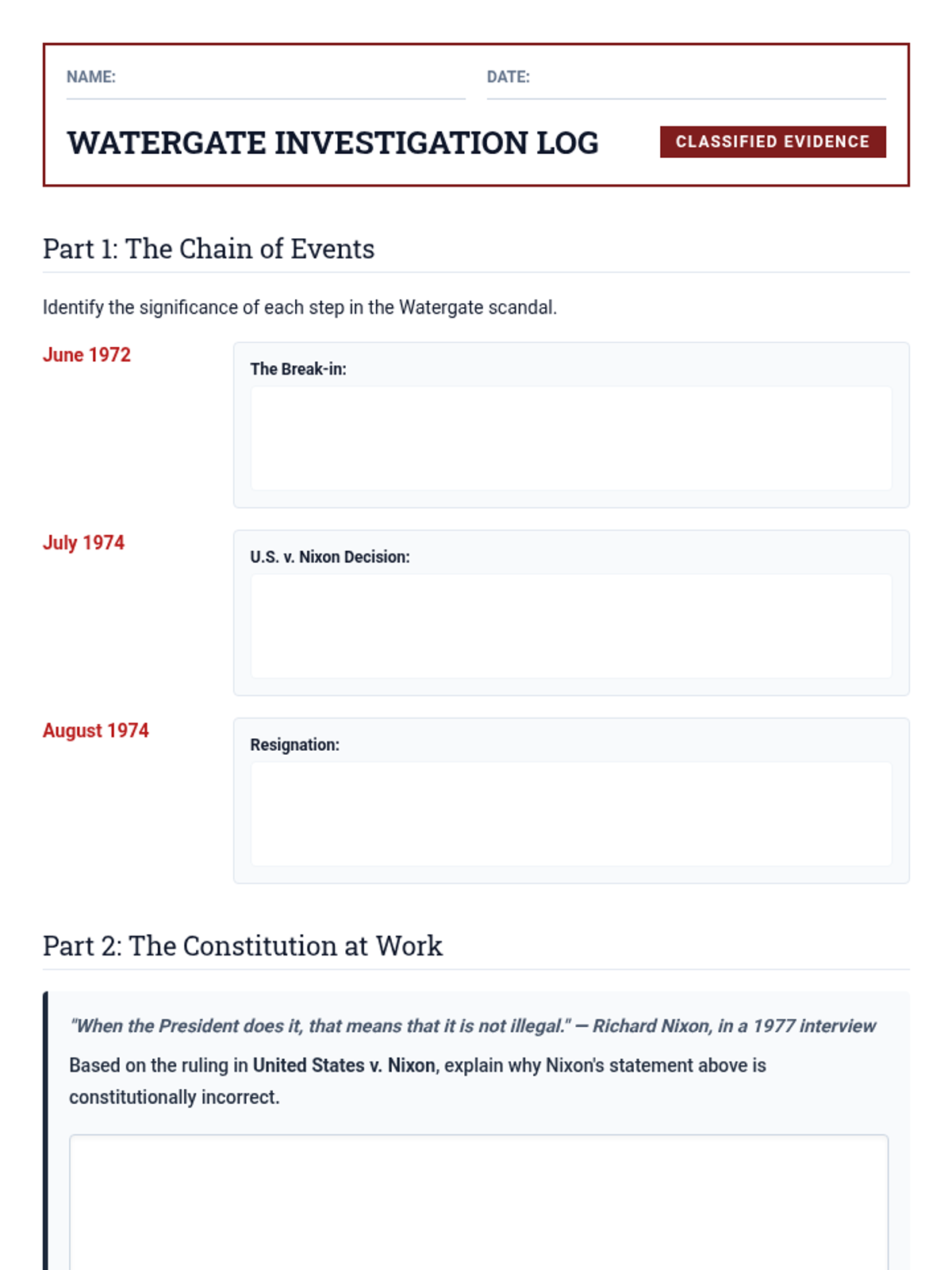
Analyze the Watergate scandal, the Supreme Court's ruling in US v. Nixon, and the resulting shift in American trust in government and the presidency.
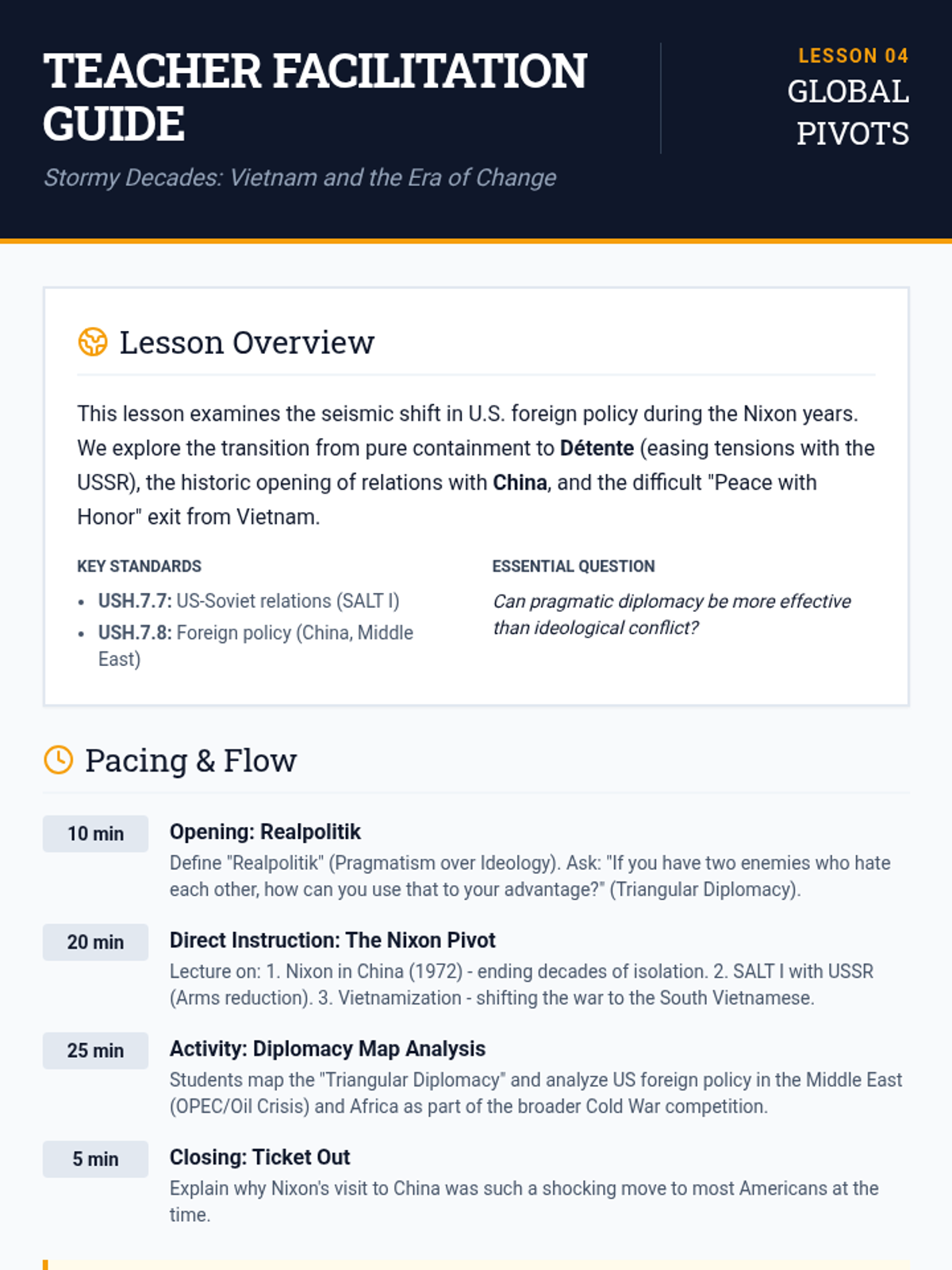
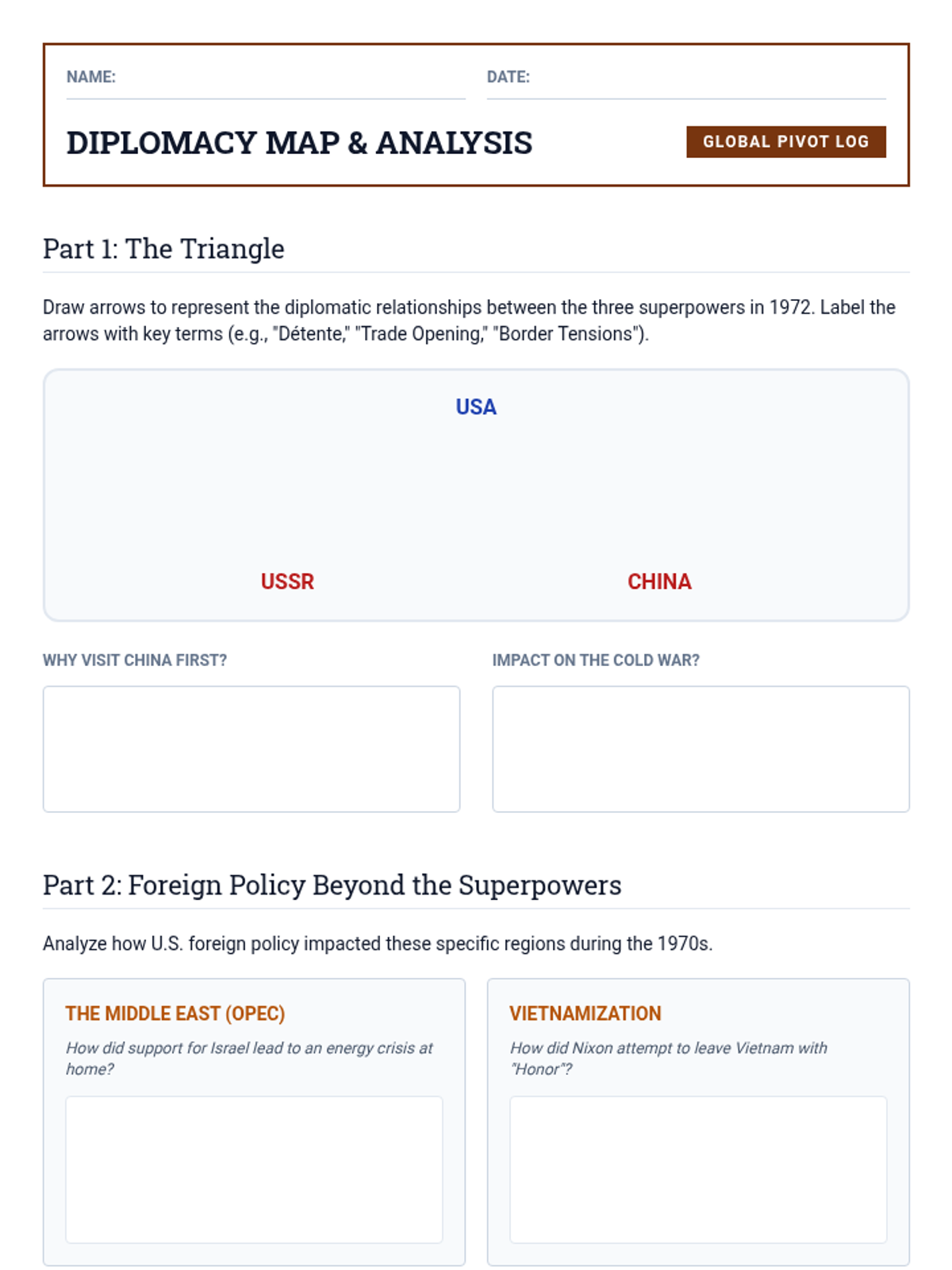
Investigate the shift in U.S. foreign policy under Richard Nixon, including the policy of détente with the Soviet Union, the opening of relations with China, and the complex path to exiting Vietnam.
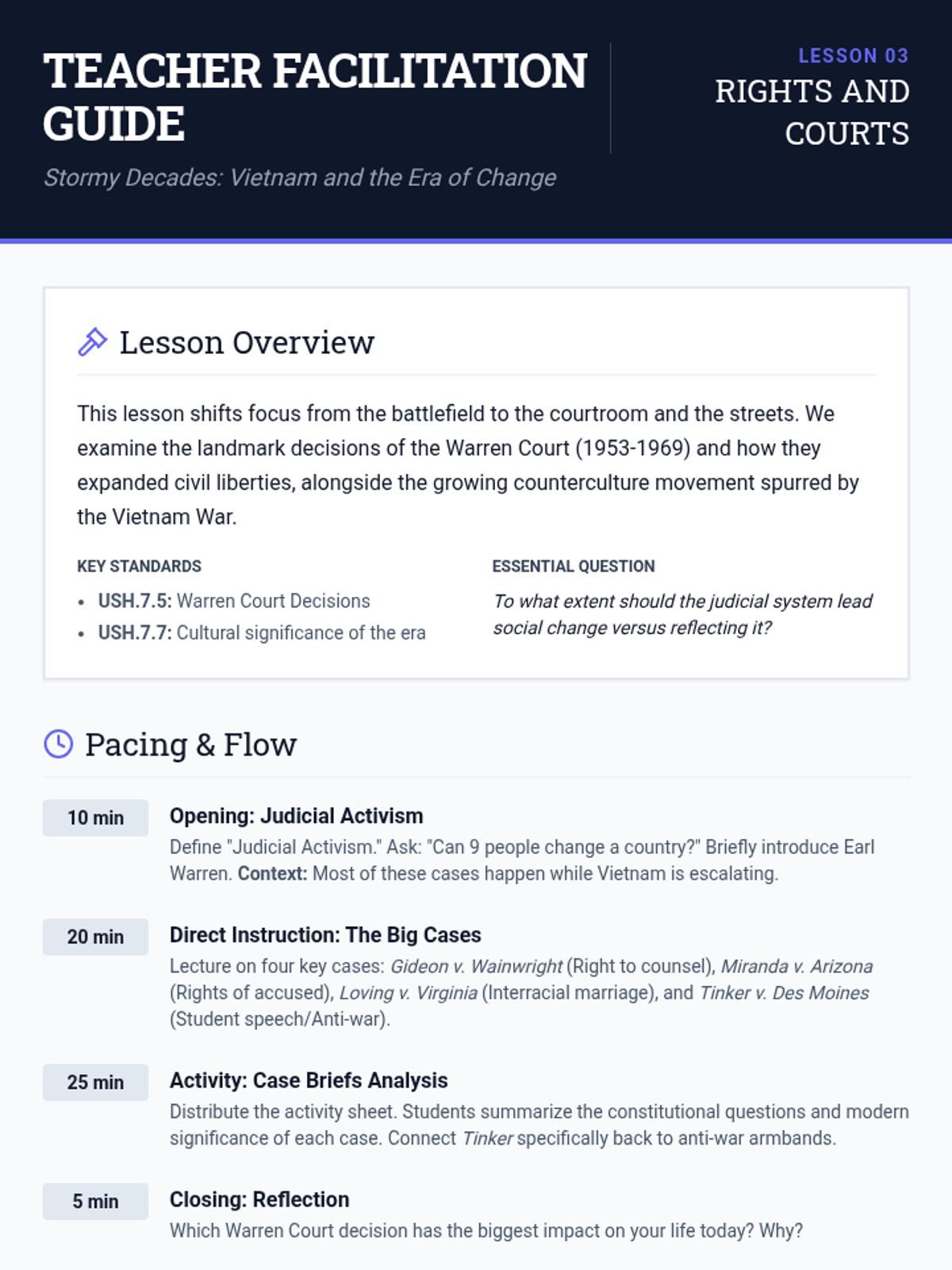
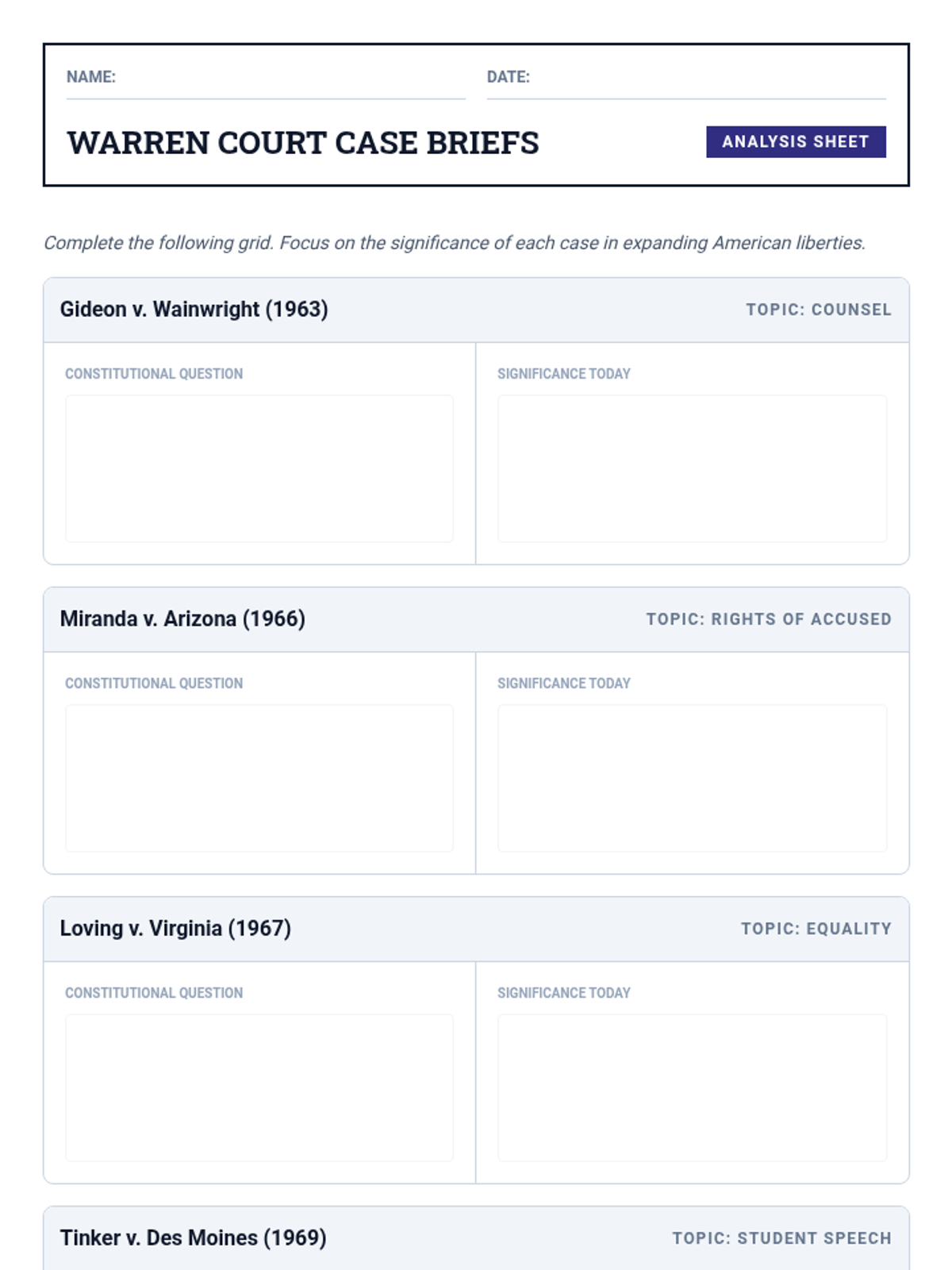
Examine the transformative legal landscape of the 1960s through the key decisions of the Warren Court and the rise of the counterculture movement during the Vietnam era.
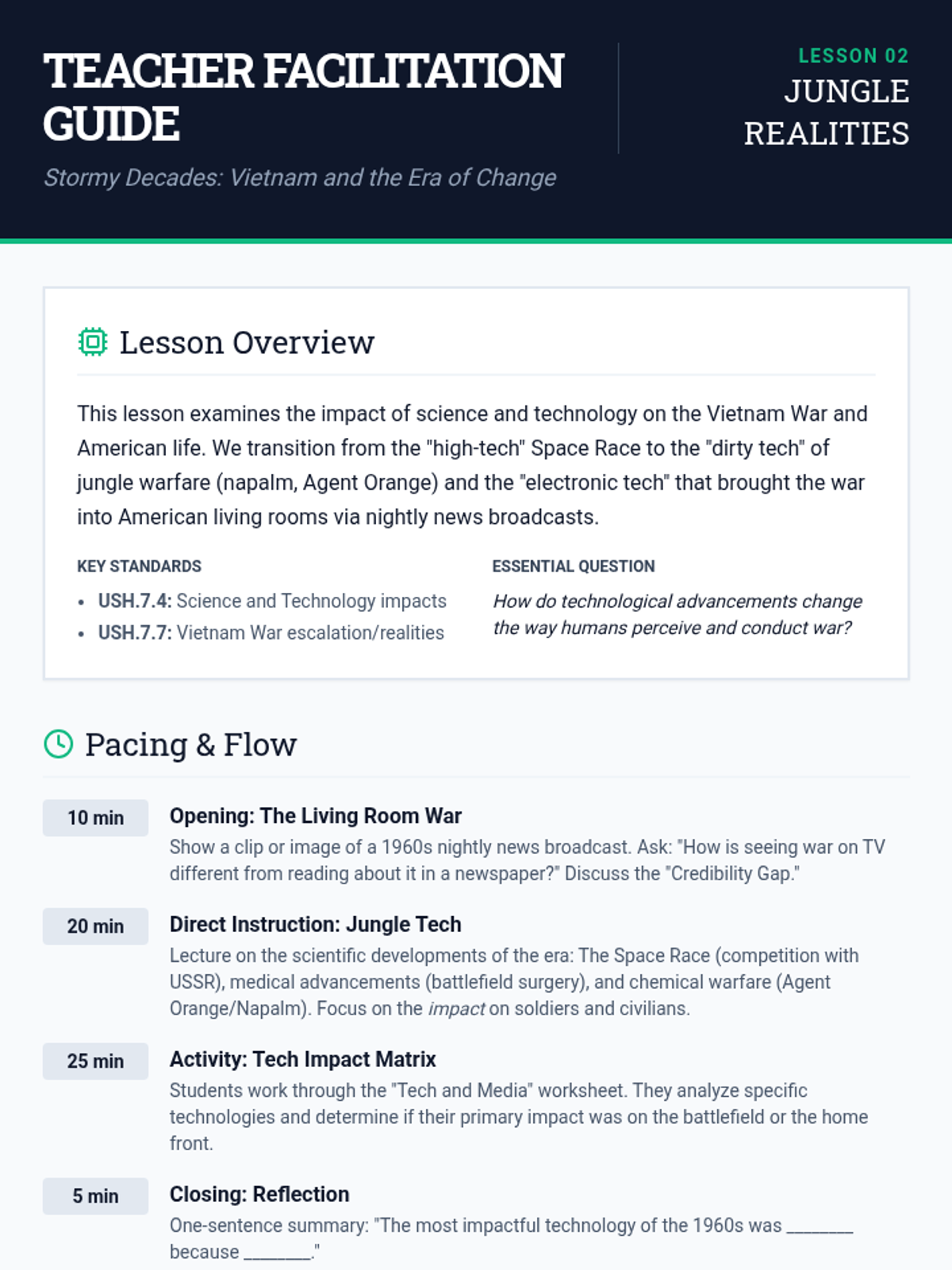
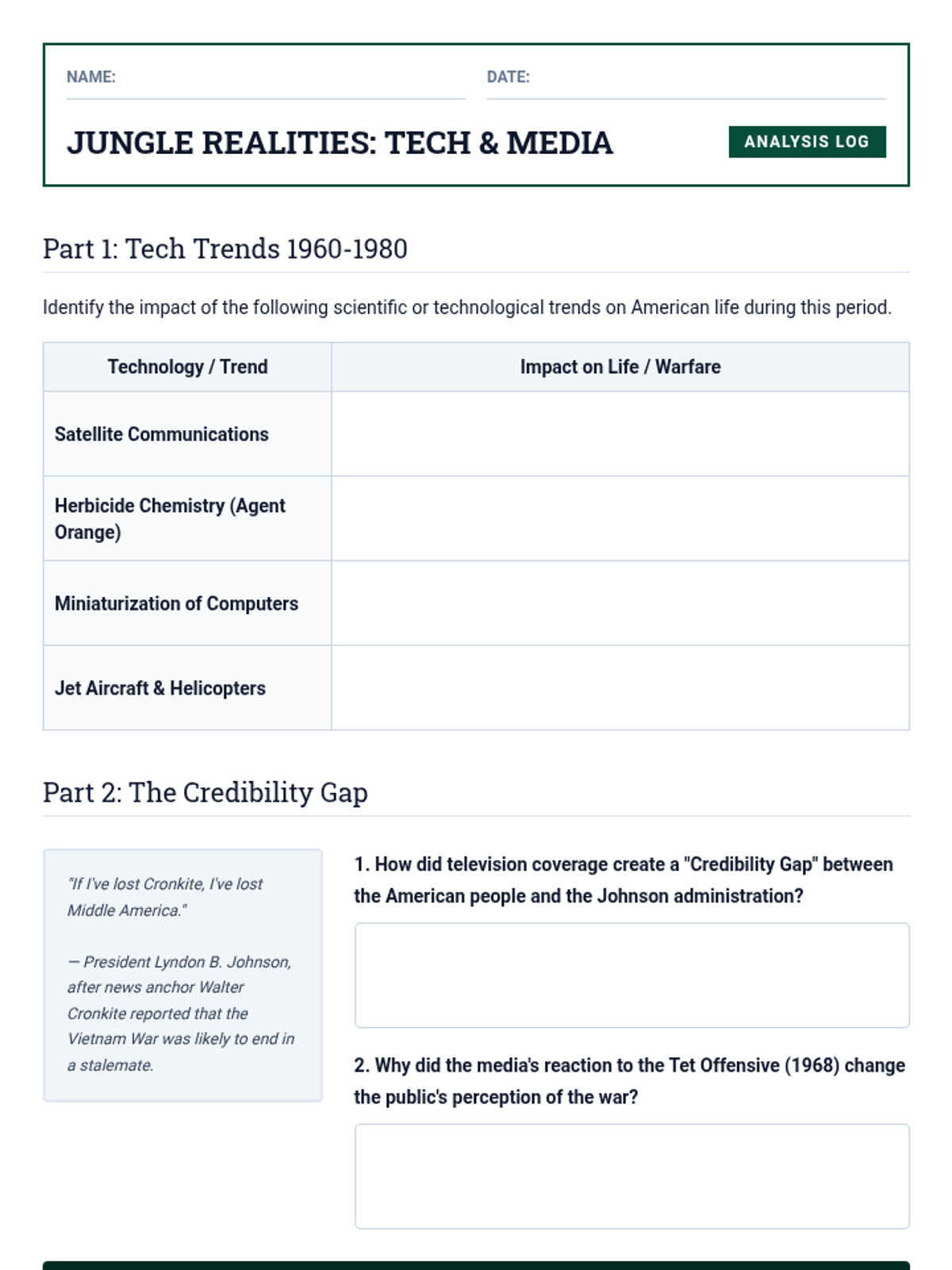
Analyze how scientific and technological advancements, from satellite communications to chemical weaponry like Agent Orange, transformed the American experience of the Vietnam War and the Space Race.