A focused activity on the key contributions of Ancient Egypt, featuring a National Geographic video and guided notes to help students summarize historical achievements.
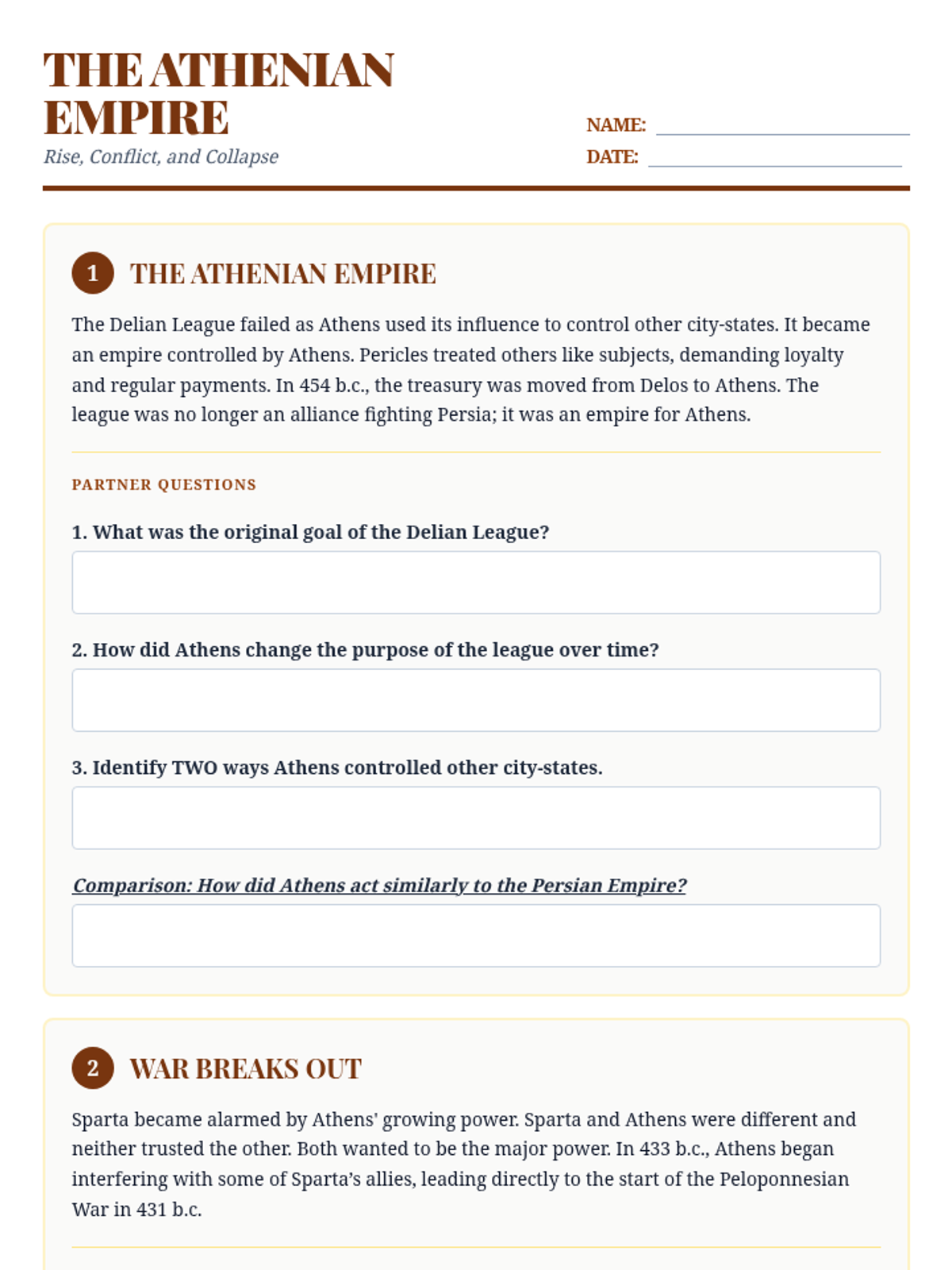
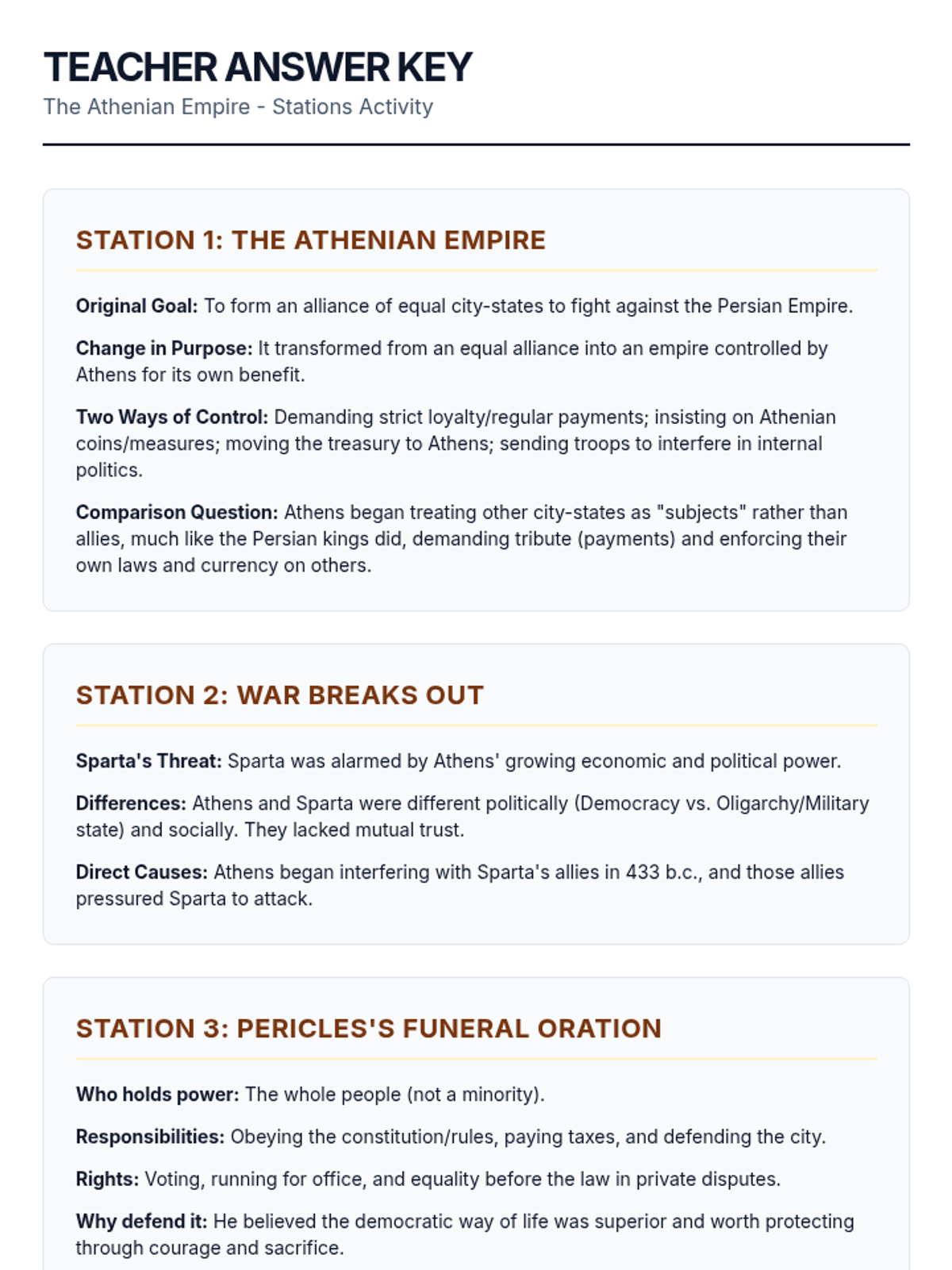
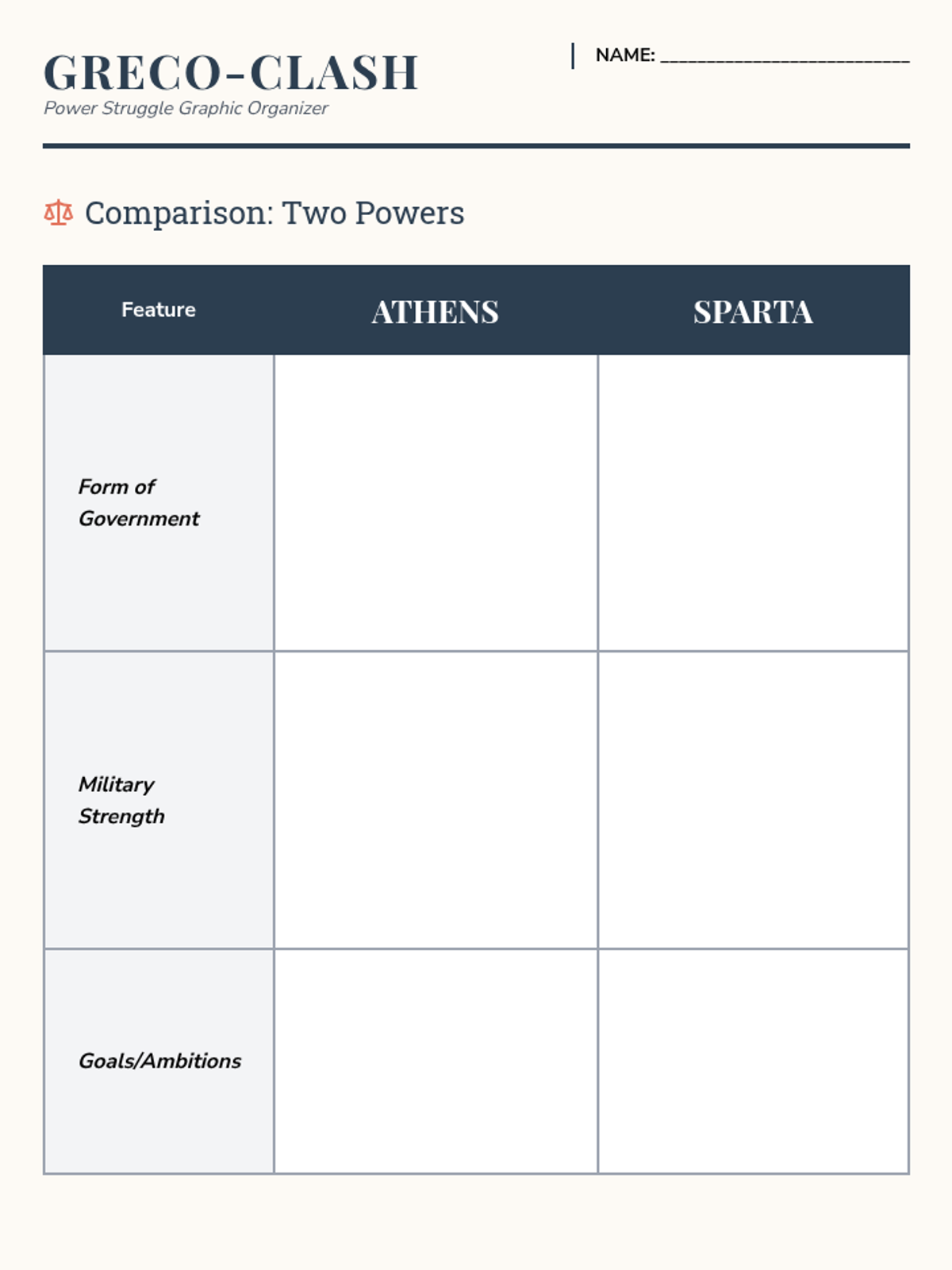
A comprehensive lesson exploring the rise and fall of the Athenian Empire, the Delian League, and the Peloponnesian War through primary source analysis and collaborative station activities.
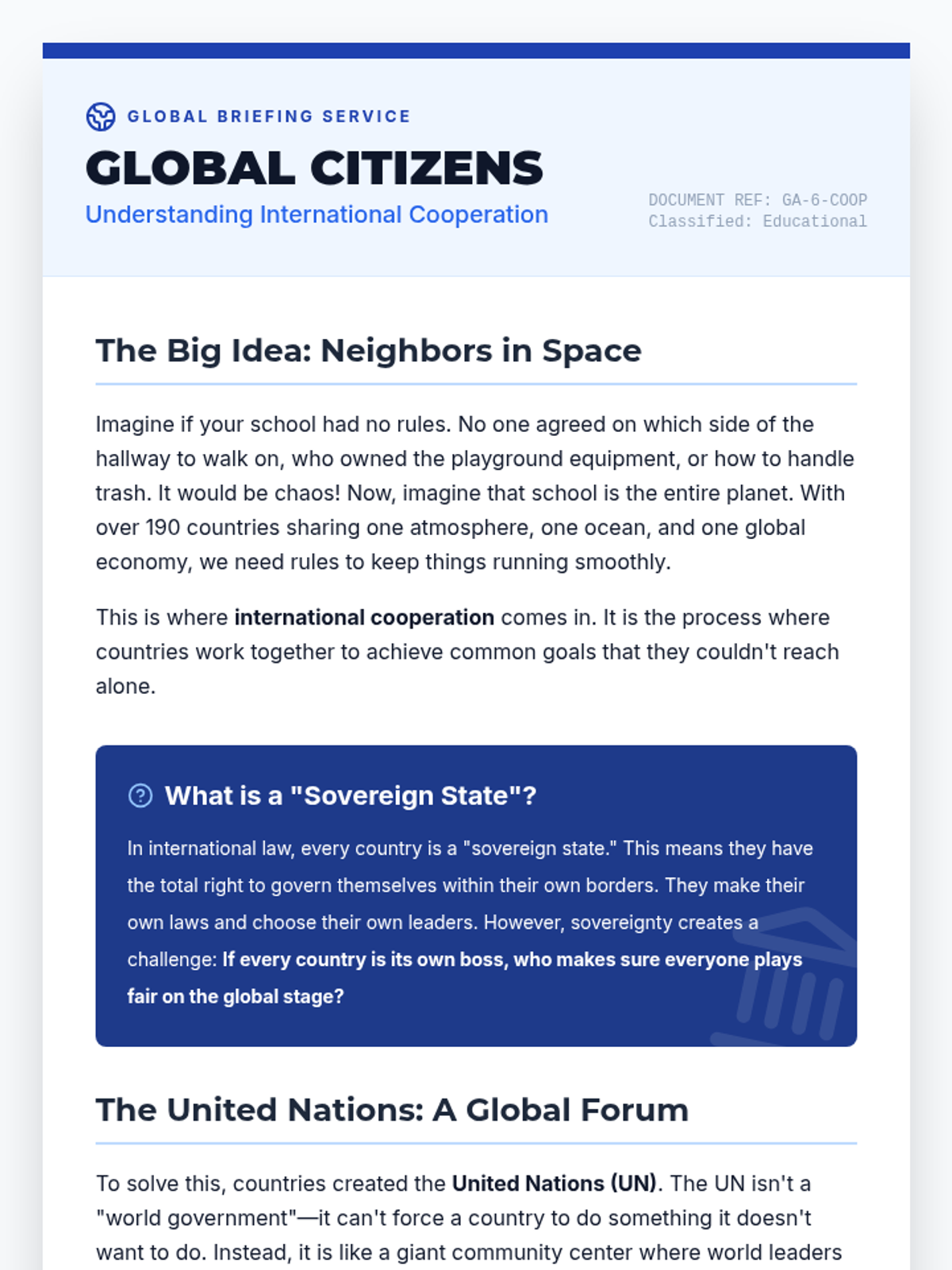
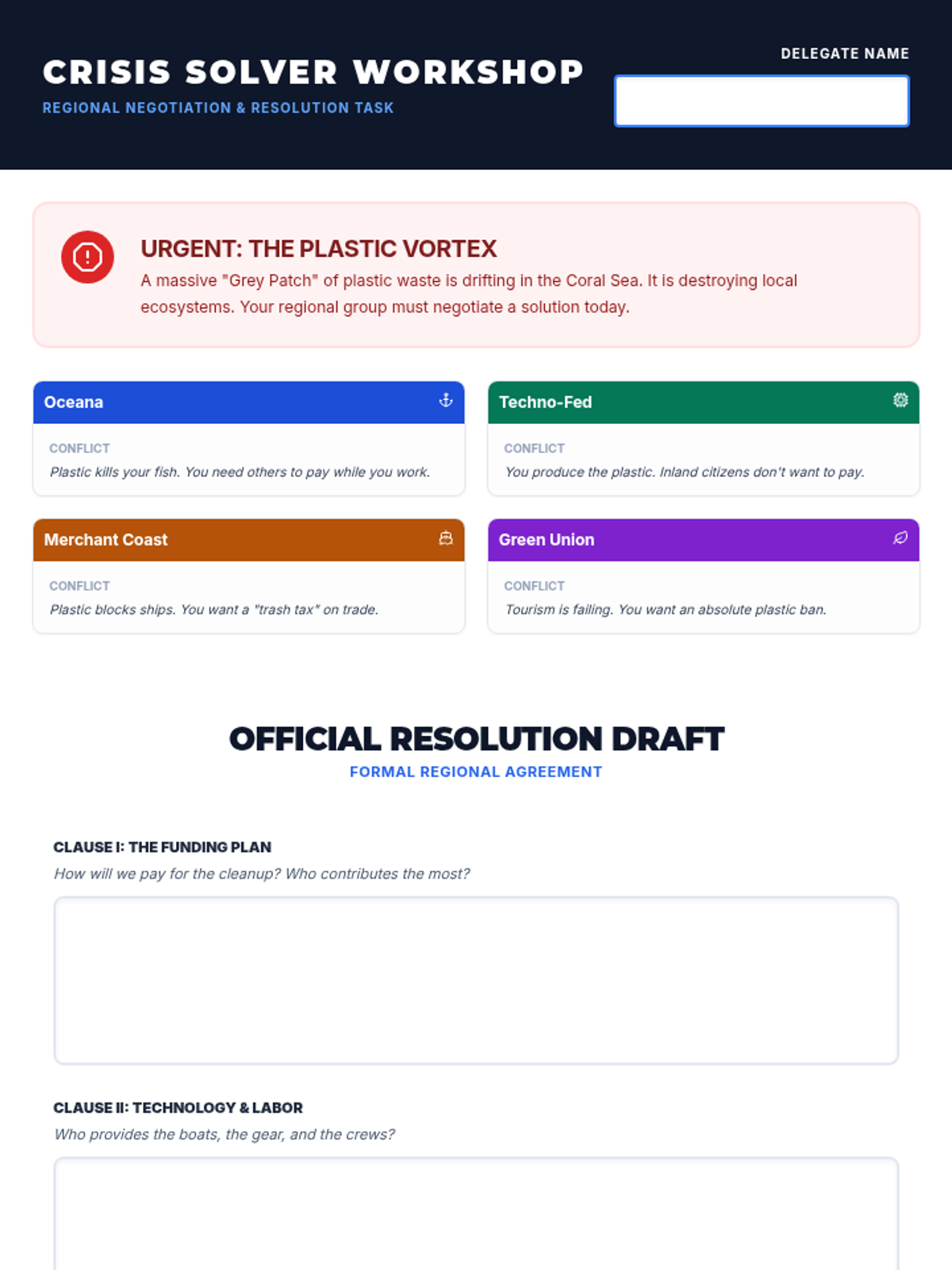
Students take on the roles of international delegates to solve pressing environmental and economic issues through negotiation and diplomacy. This simulation-based lesson introduces 6th graders to the complexities of global governance and the importance of international cooperation.
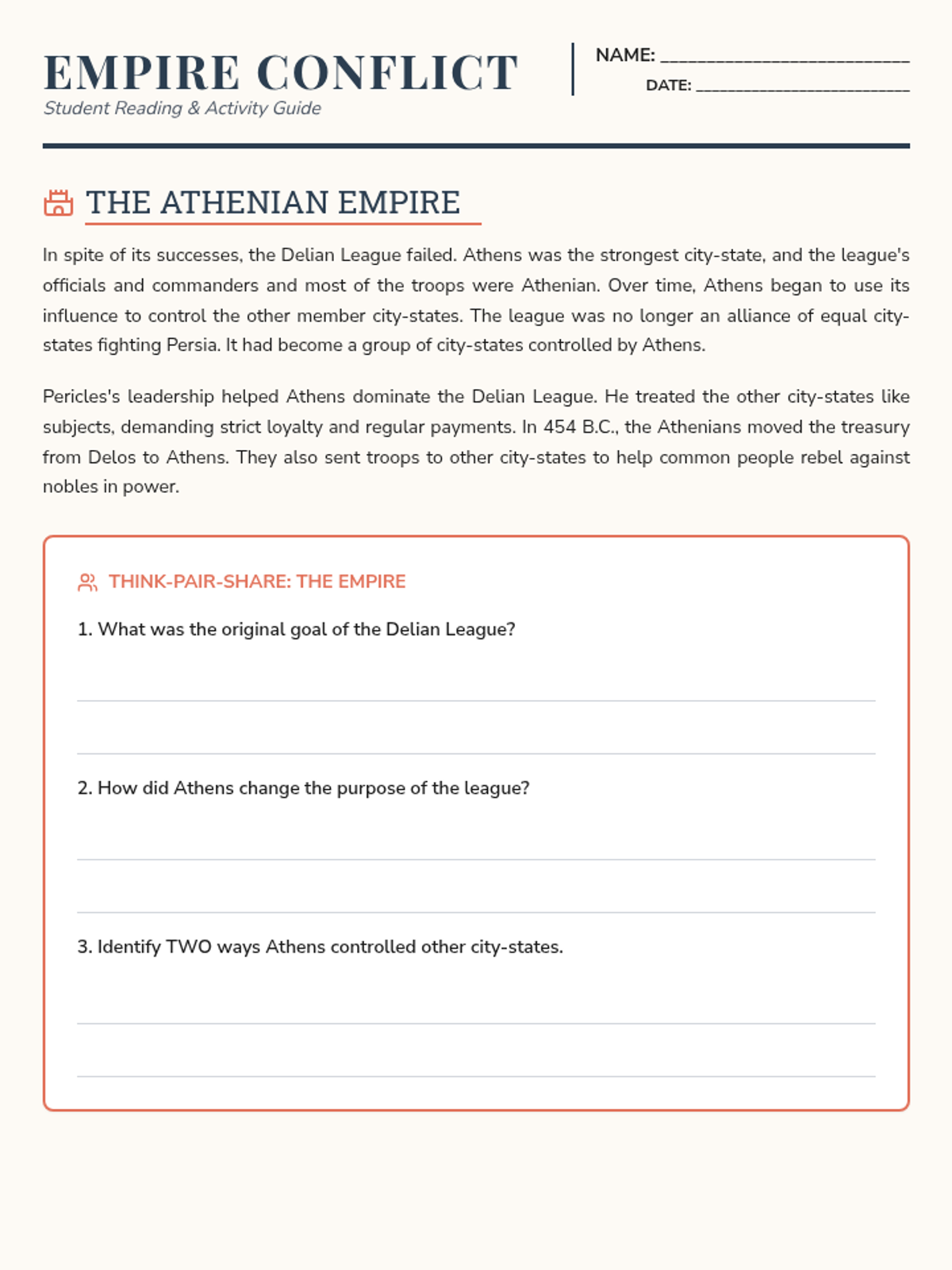
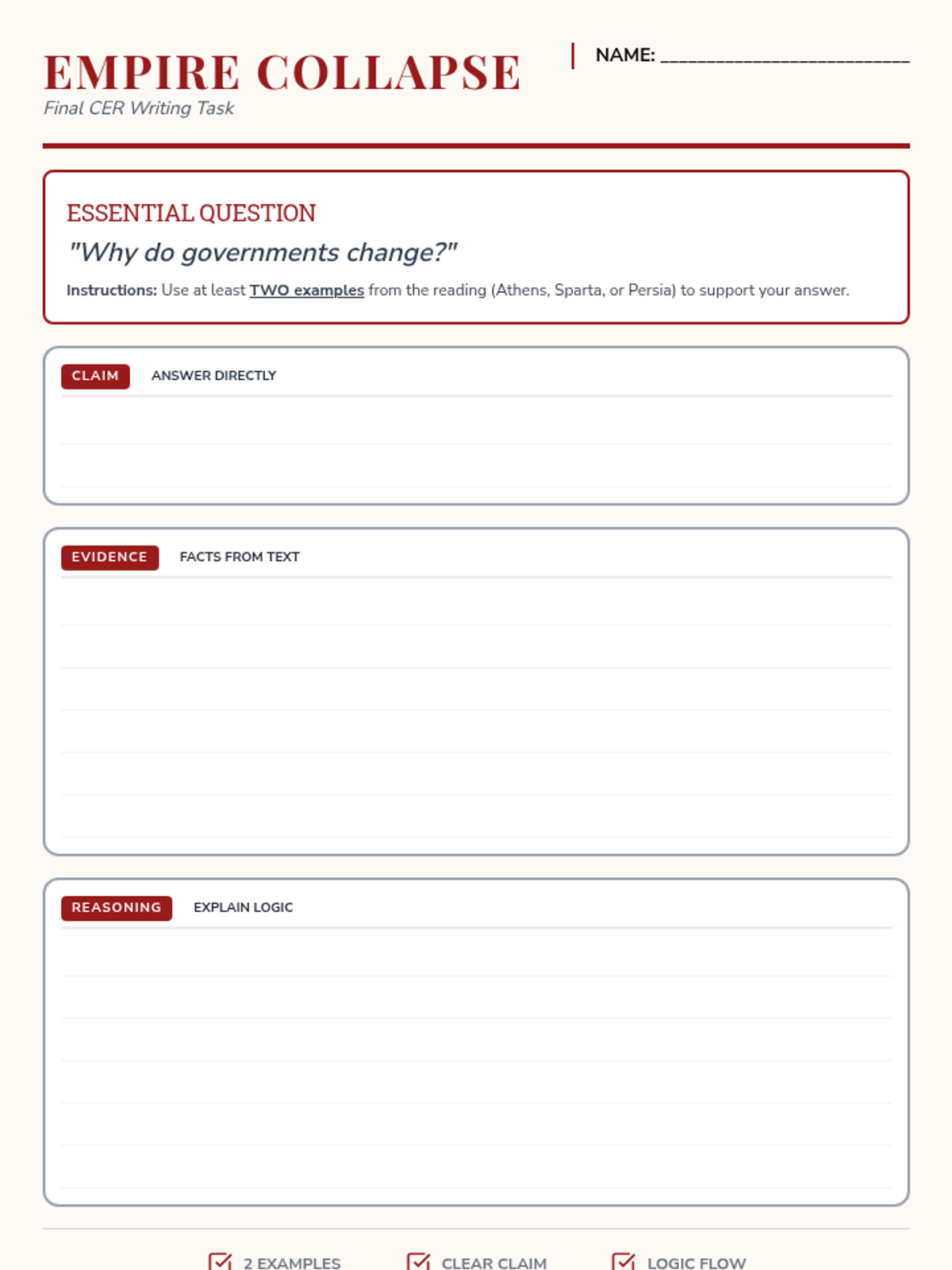
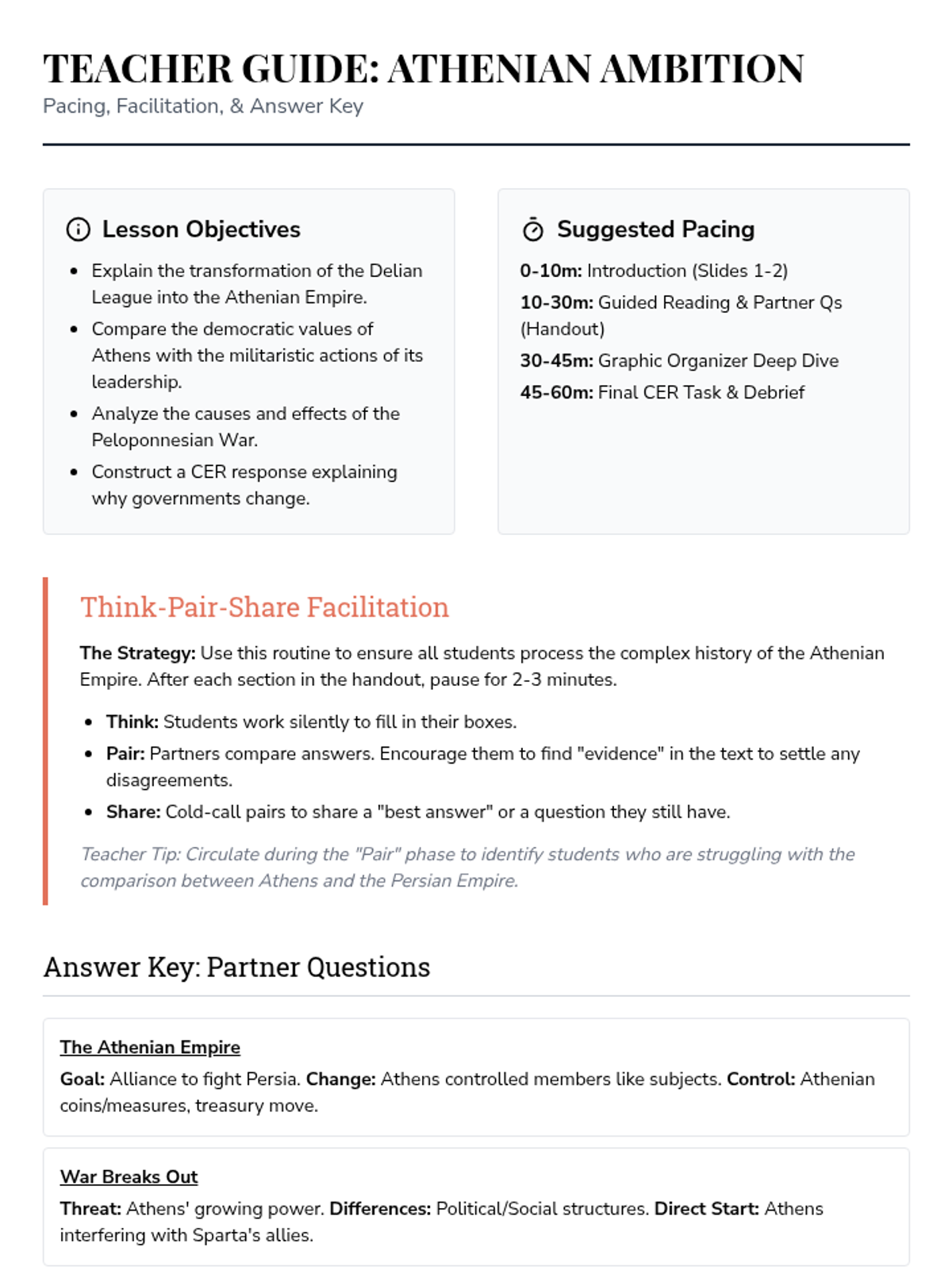
A comprehensive lesson on the rise and fall of the Athenian Empire, the Peloponnesian War, and the democratic values of Pericles. Students analyze historical texts through think-pair-share activities and a final CER writing task.
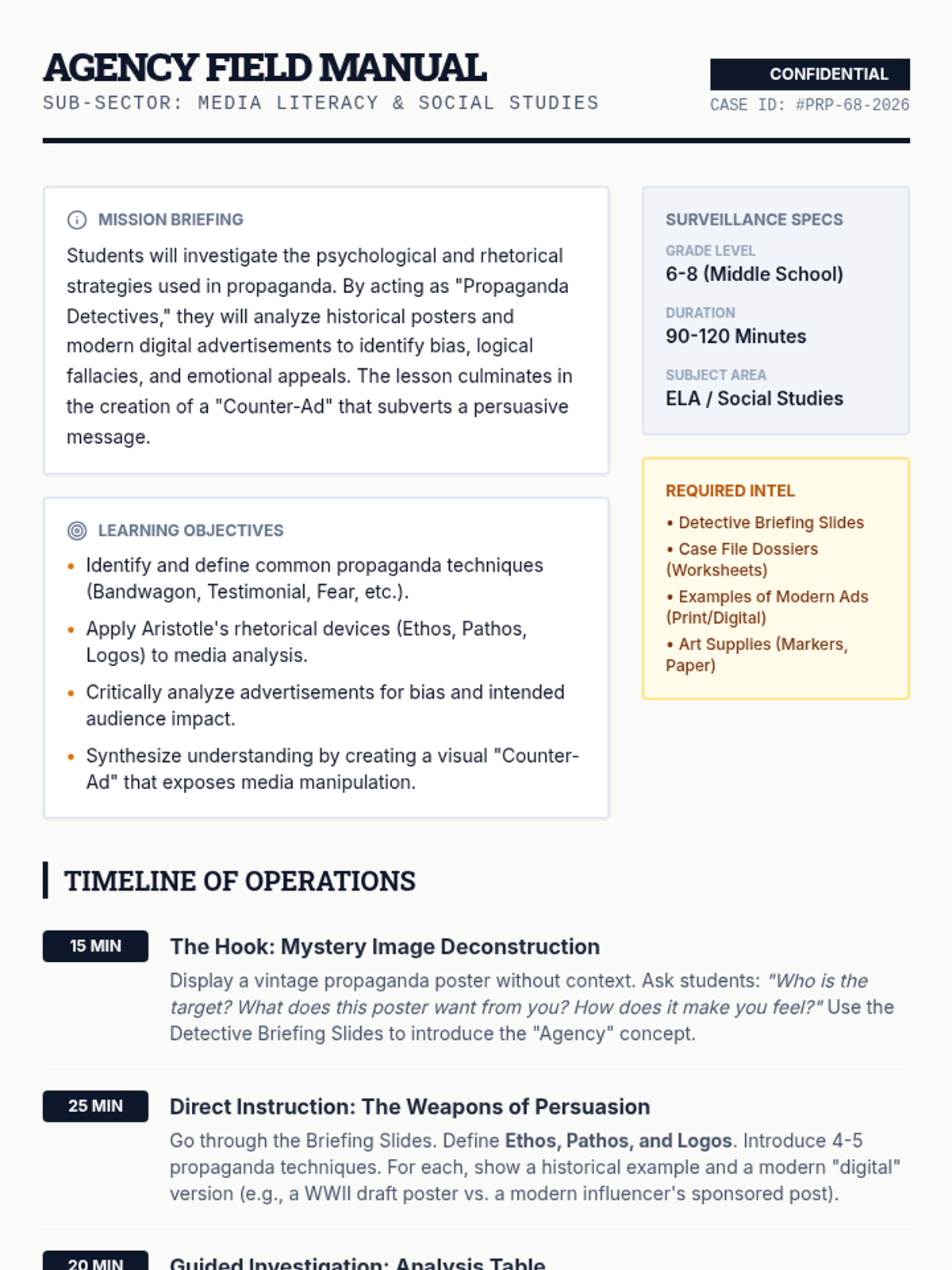
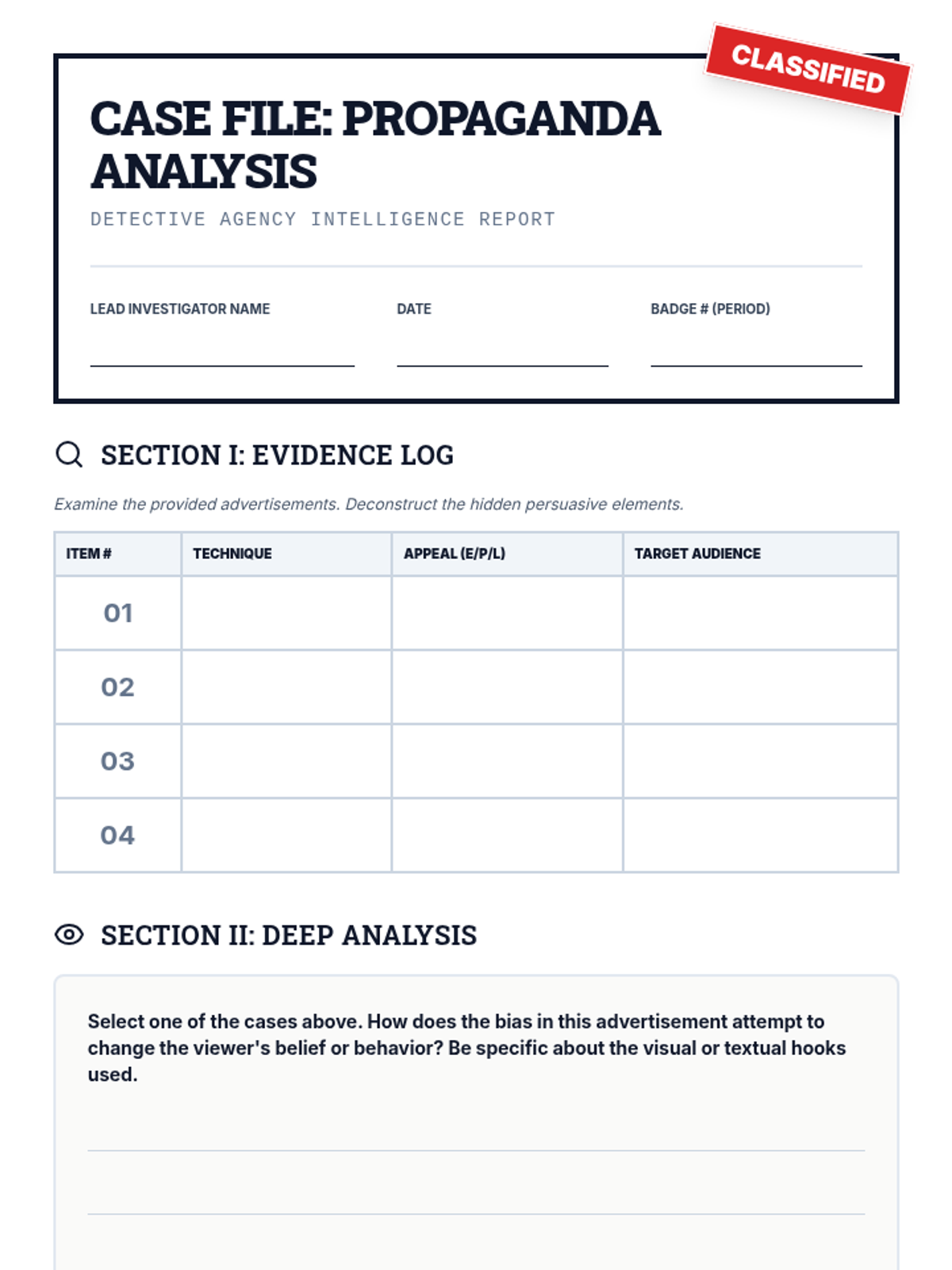
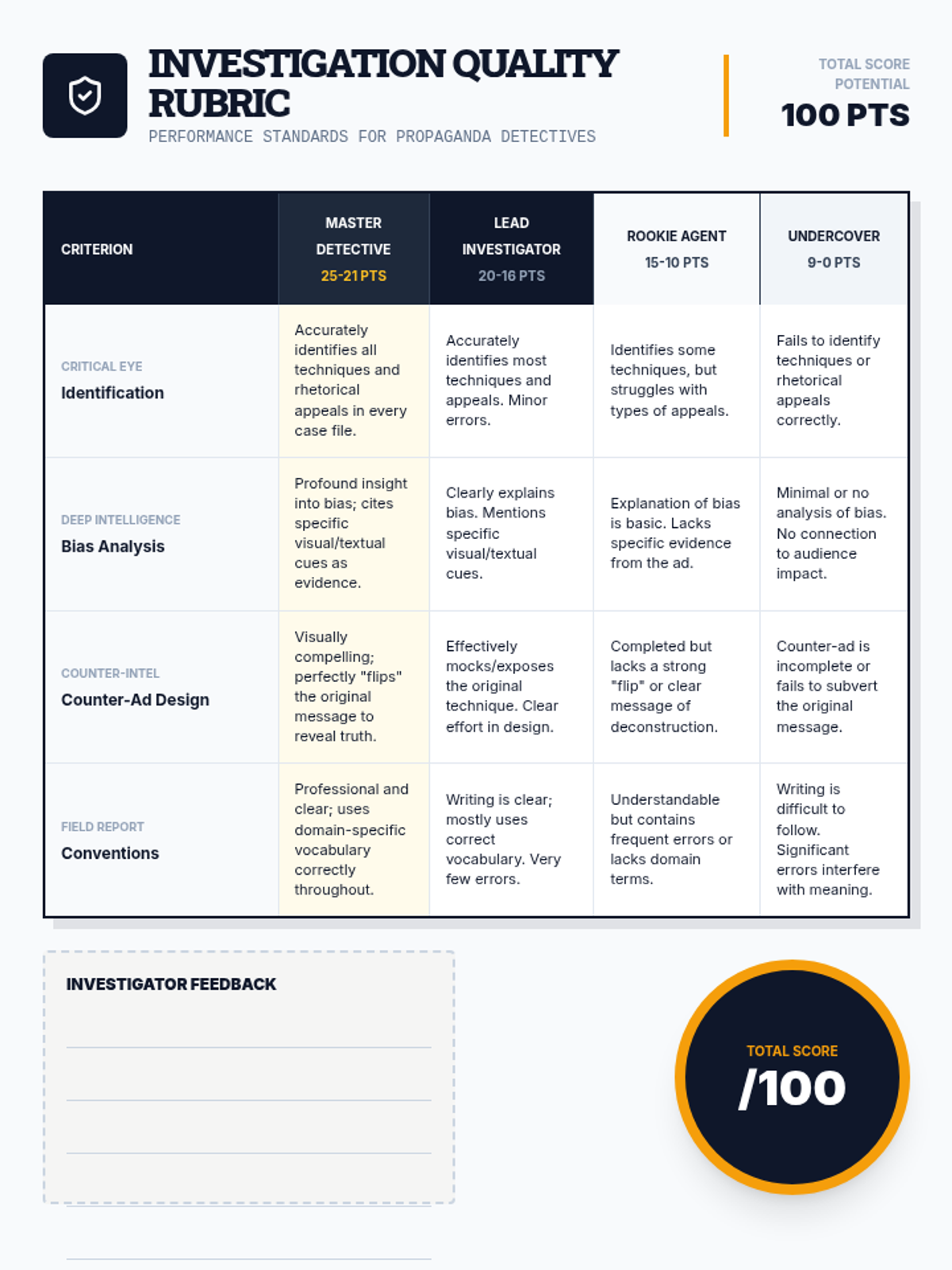
A media literacy lesson where students act as detectives to deconstruct propaganda techniques in historical and modern advertising and create 'counter-ads' to expose bias.
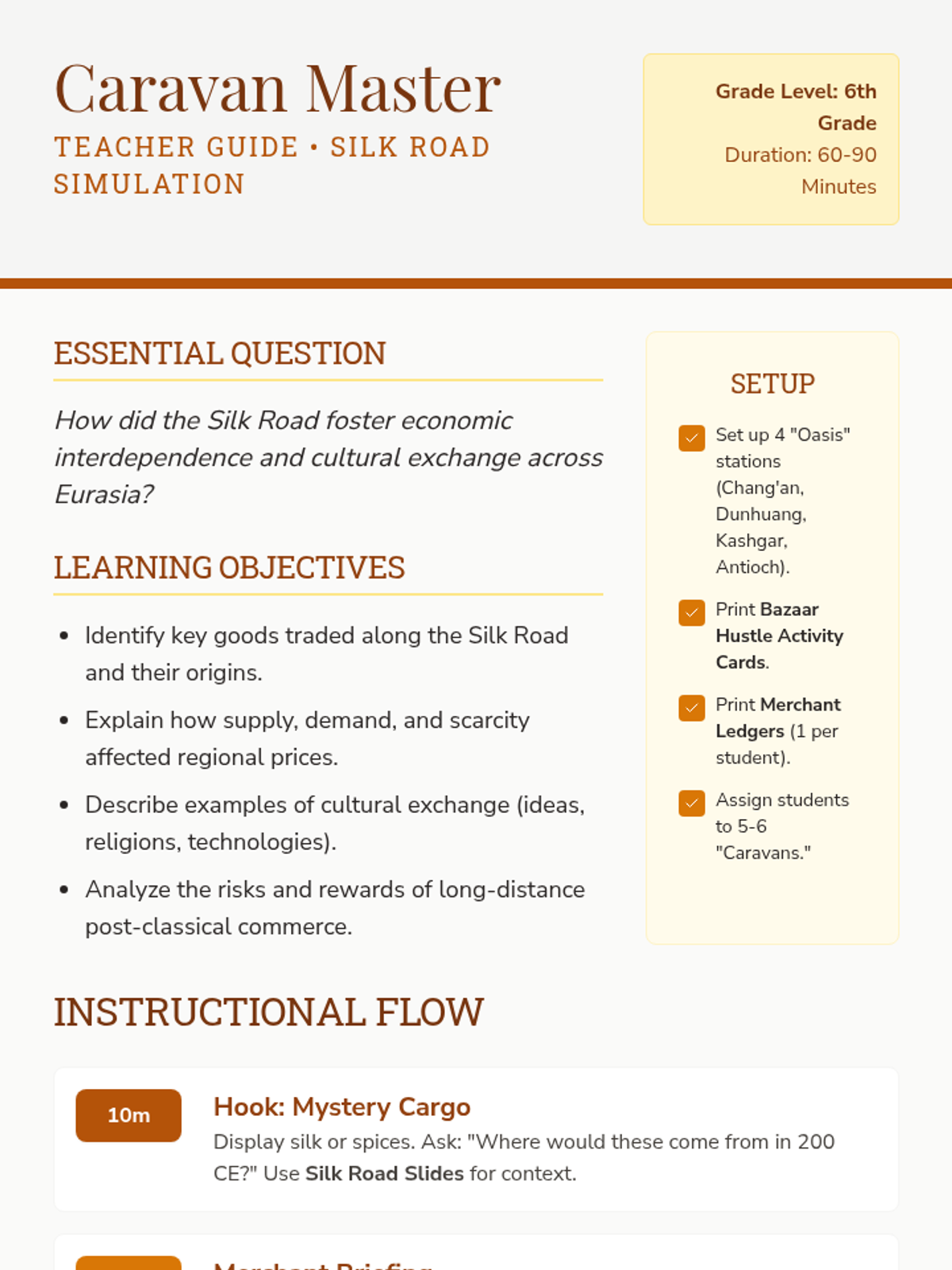
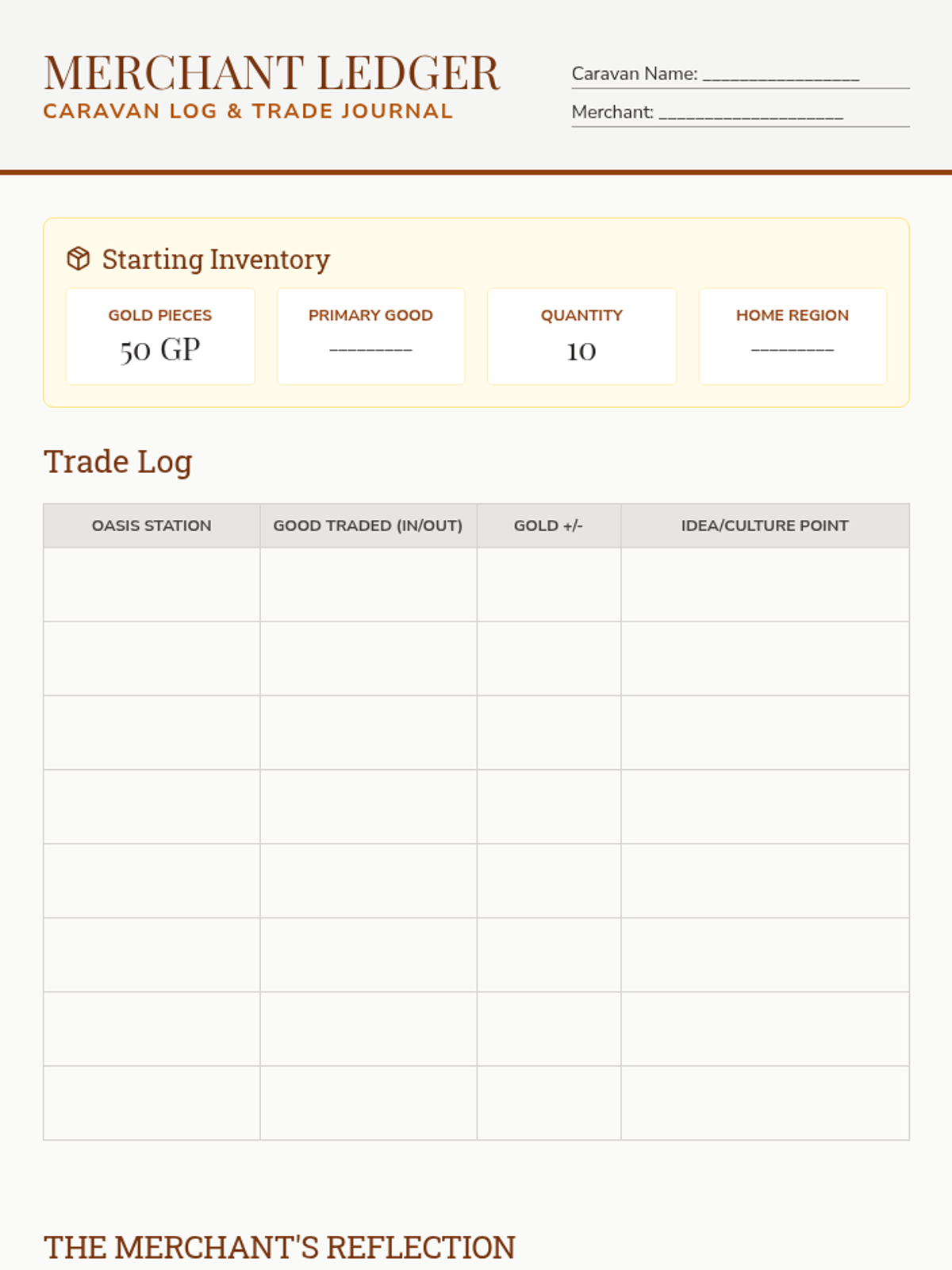
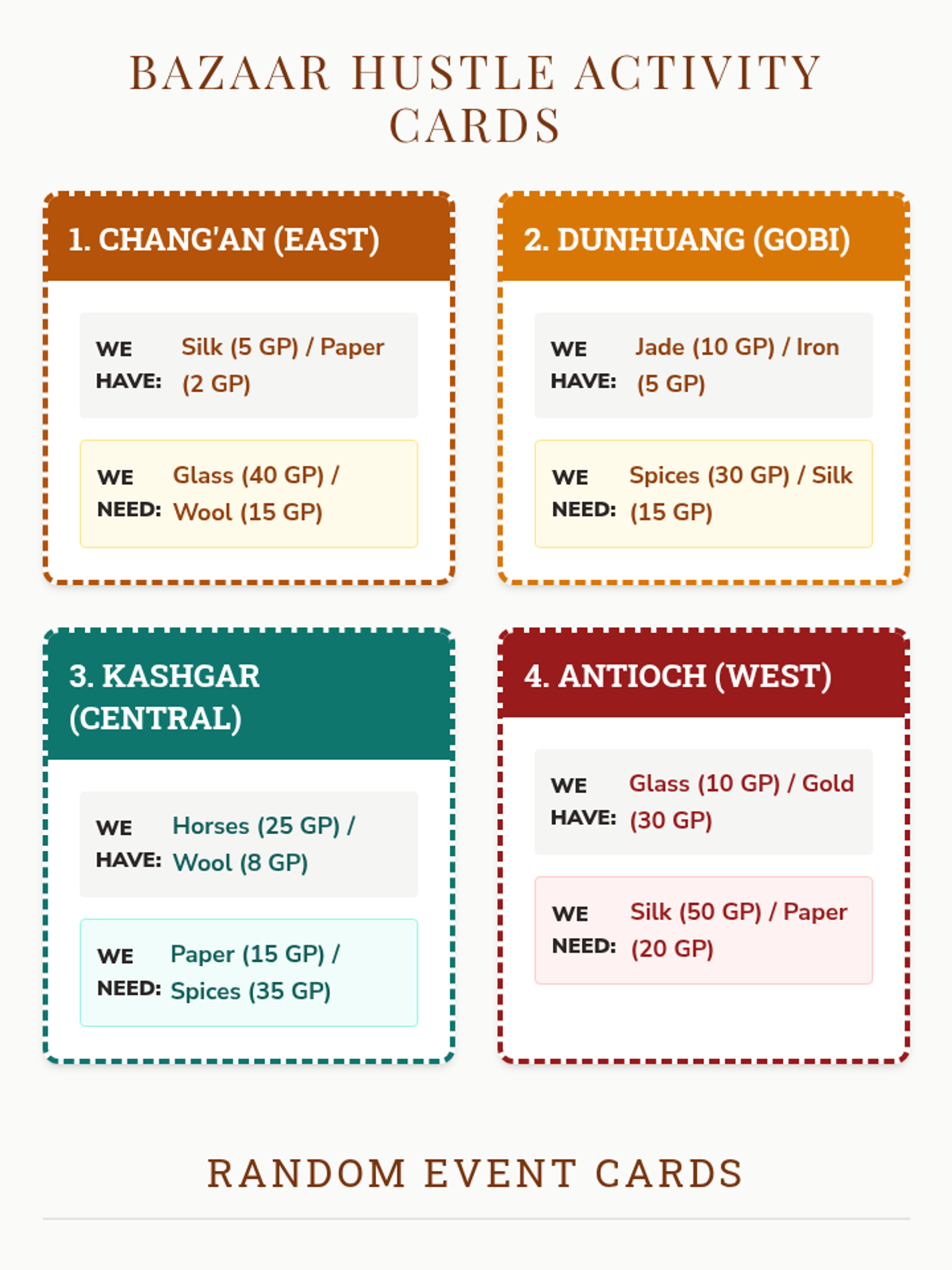
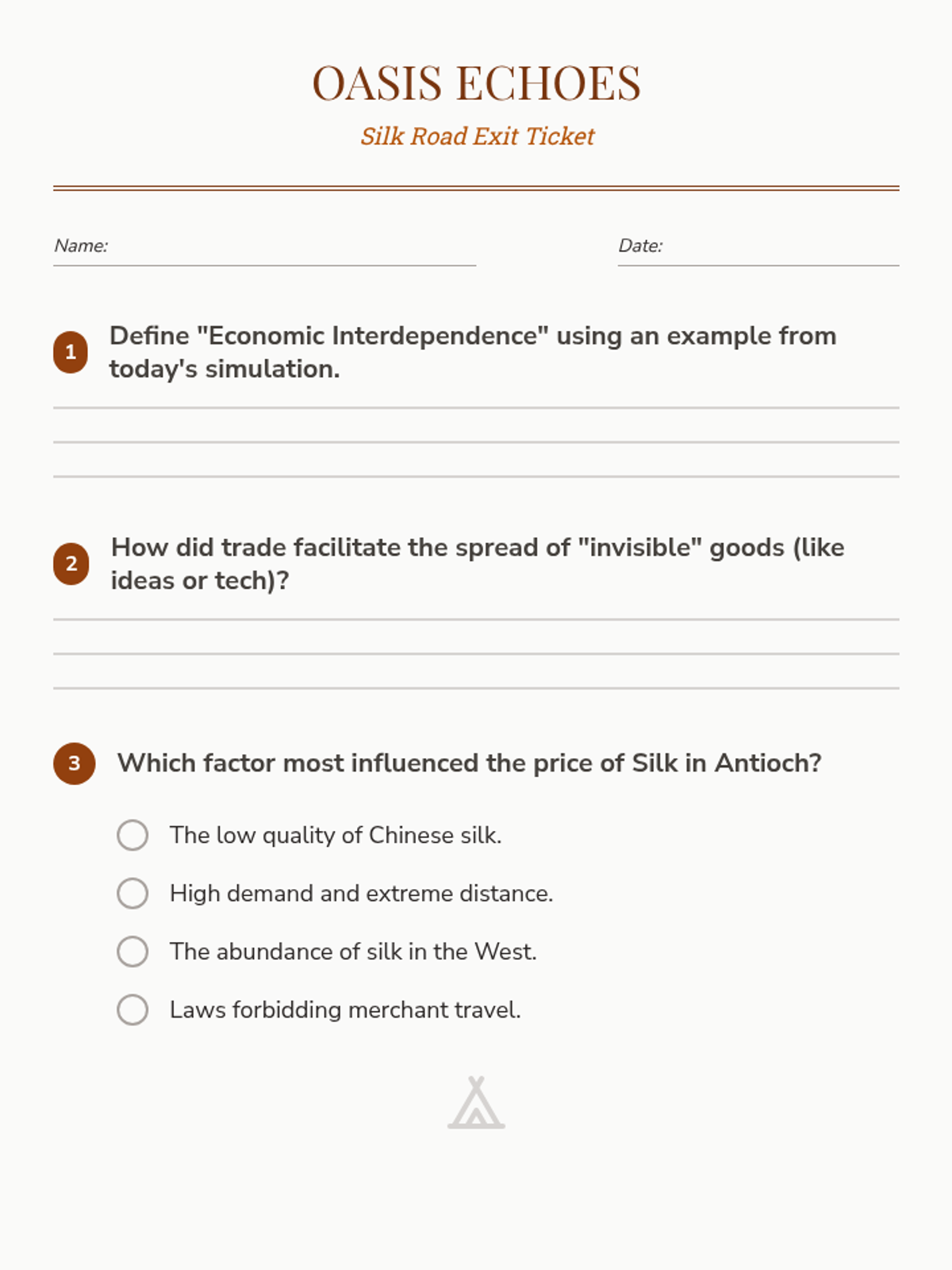
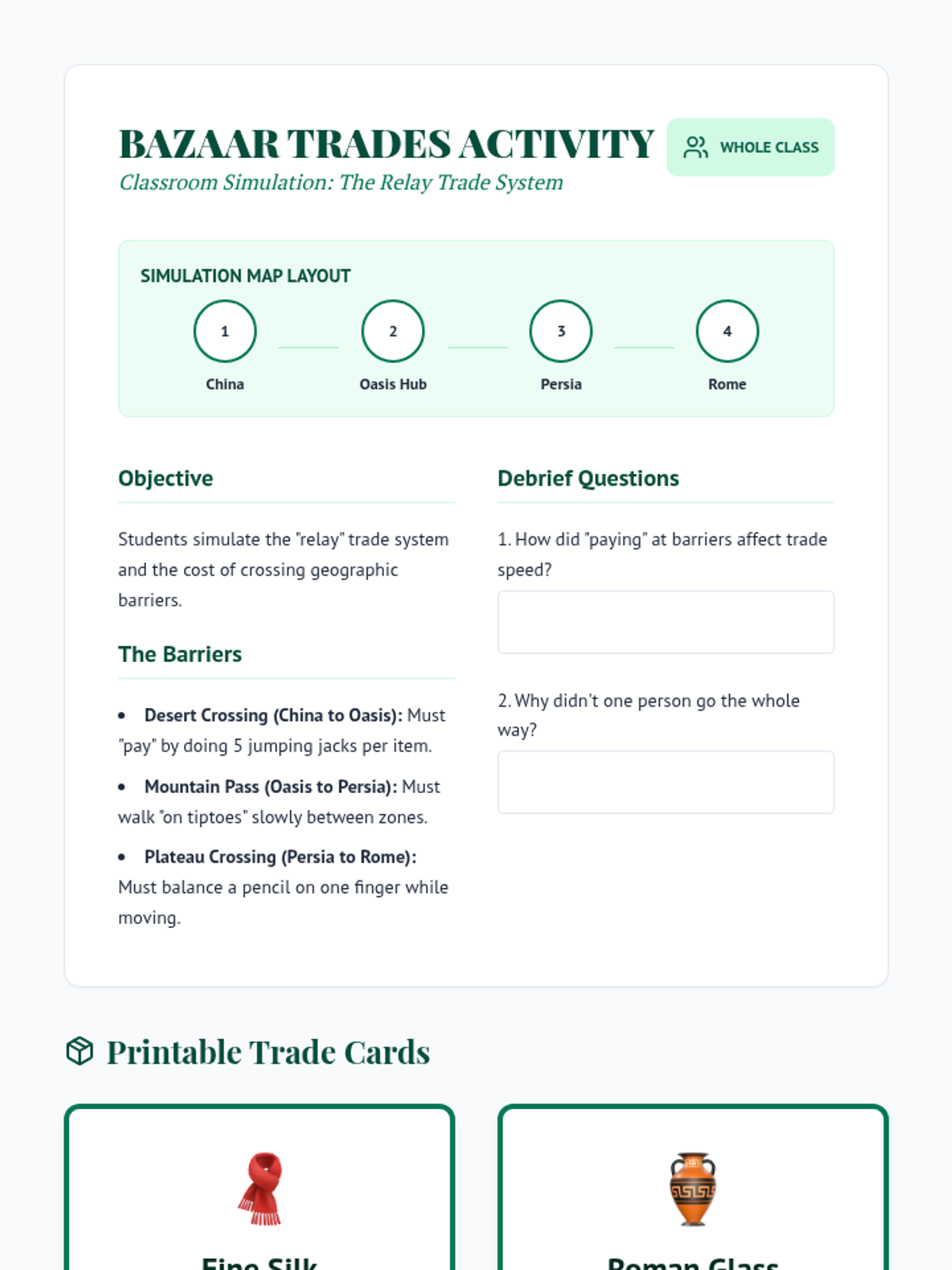
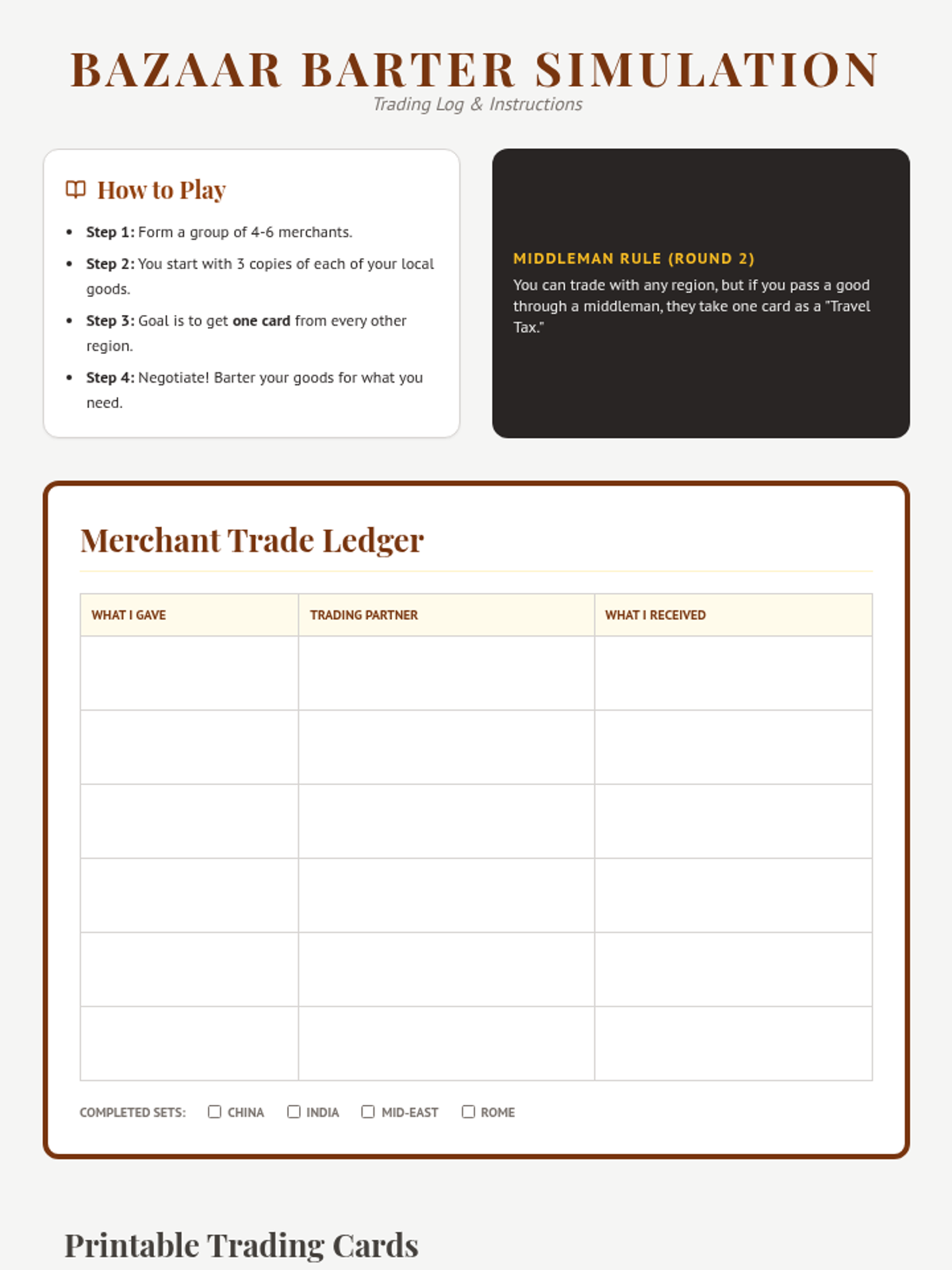
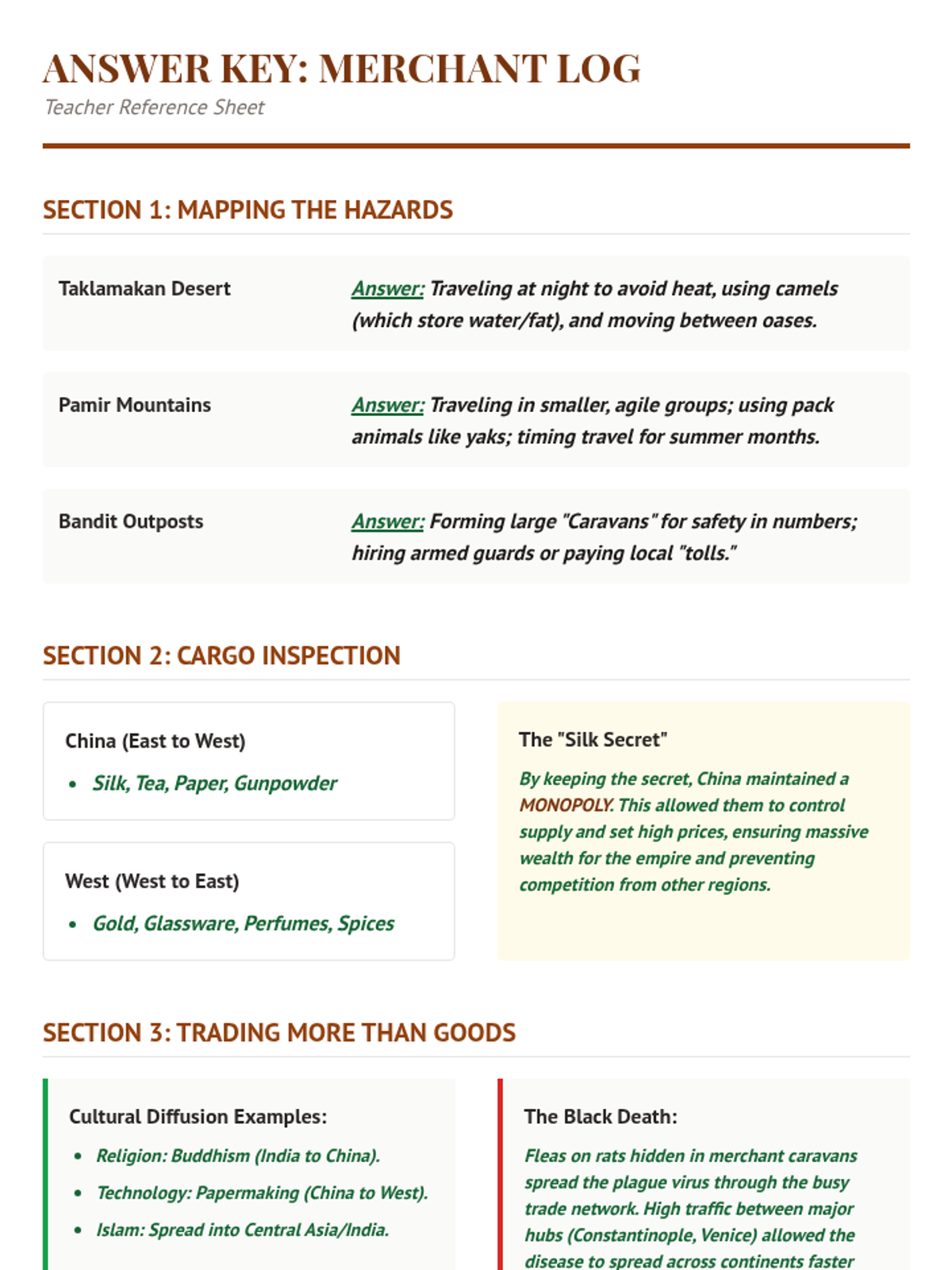
A high-energy simulation lesson where students role-play as merchants on the Silk Road, navigating trade, cultural exchange, and economic interdependence across Eurasia.
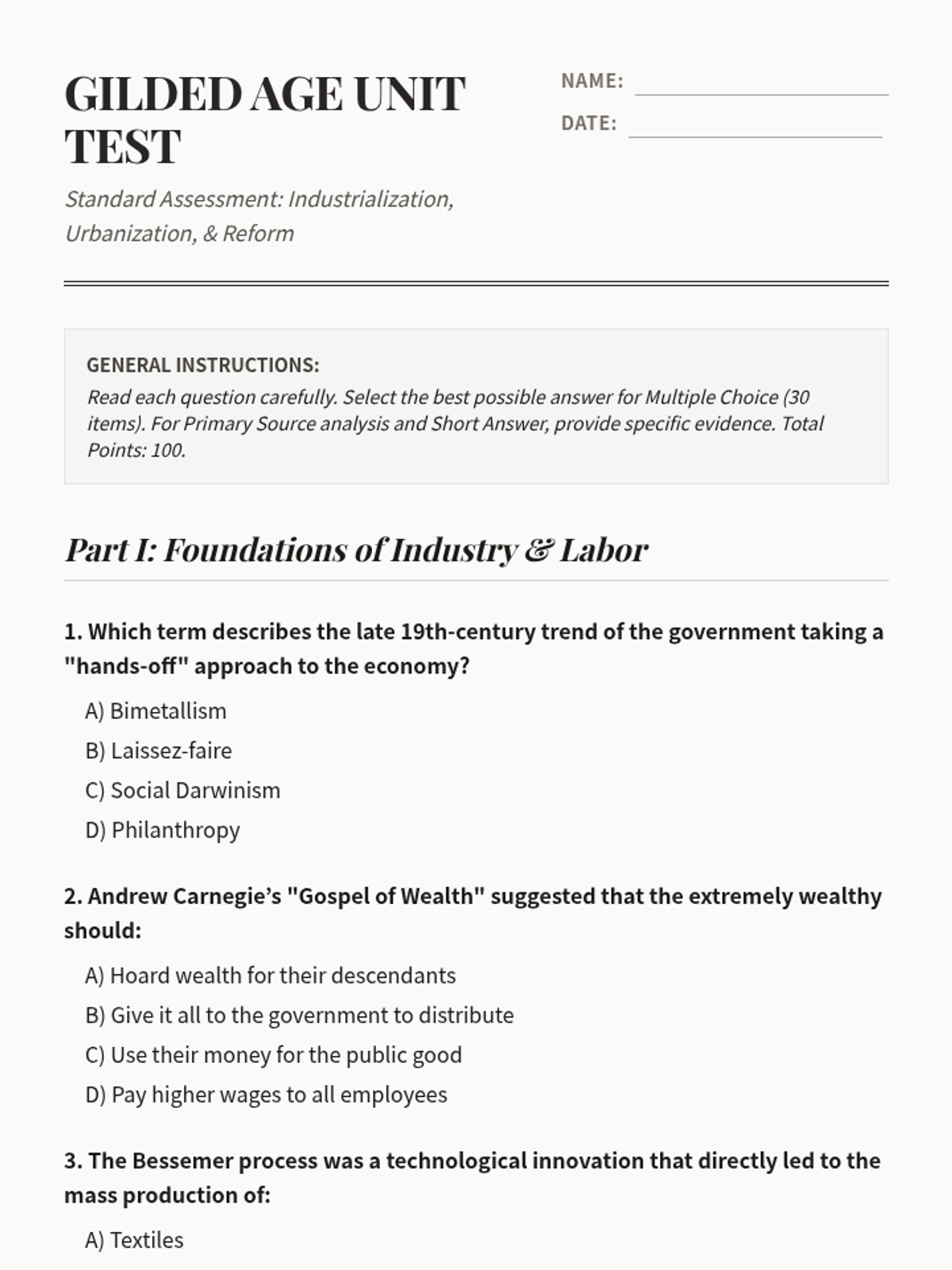
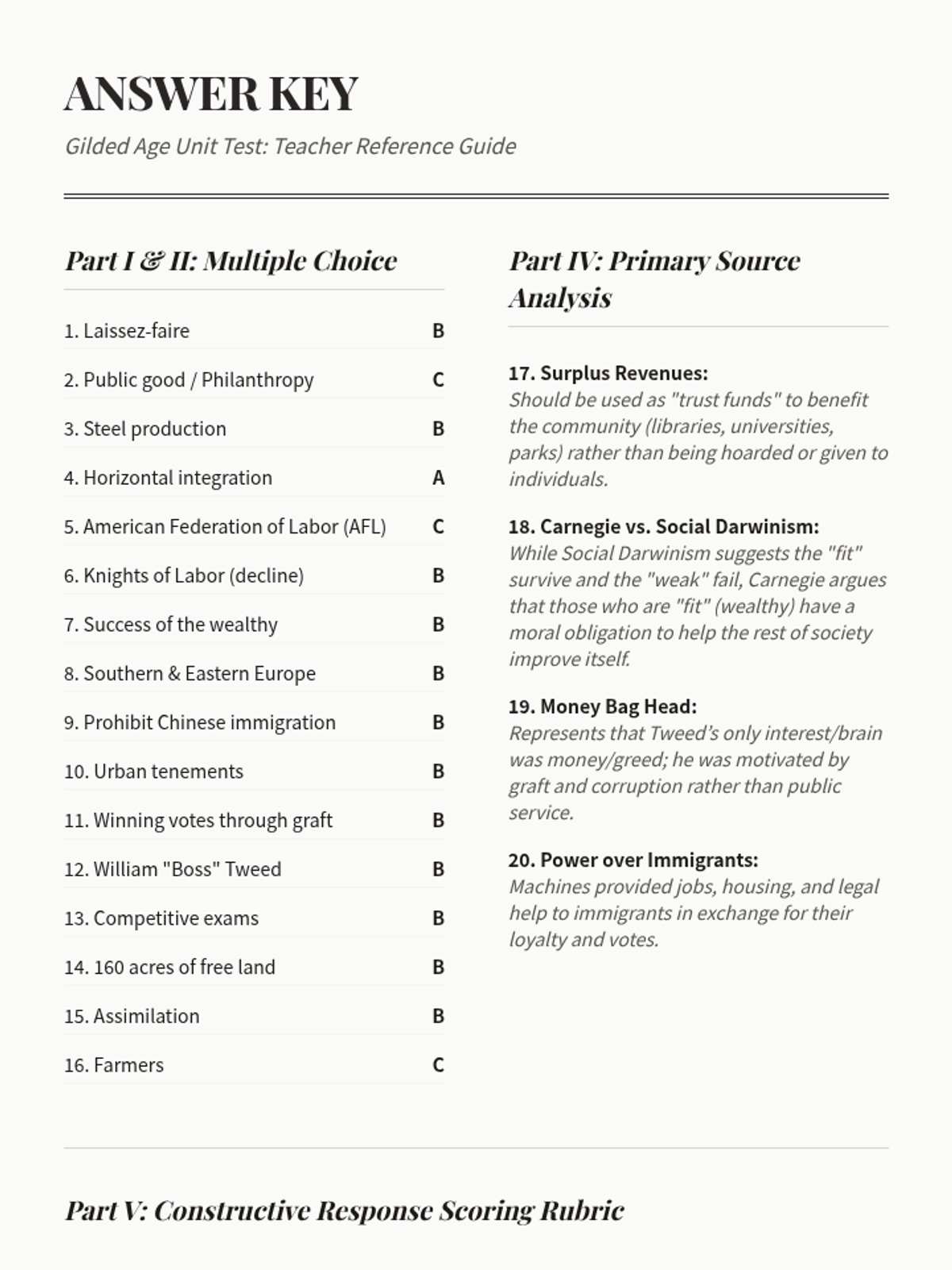
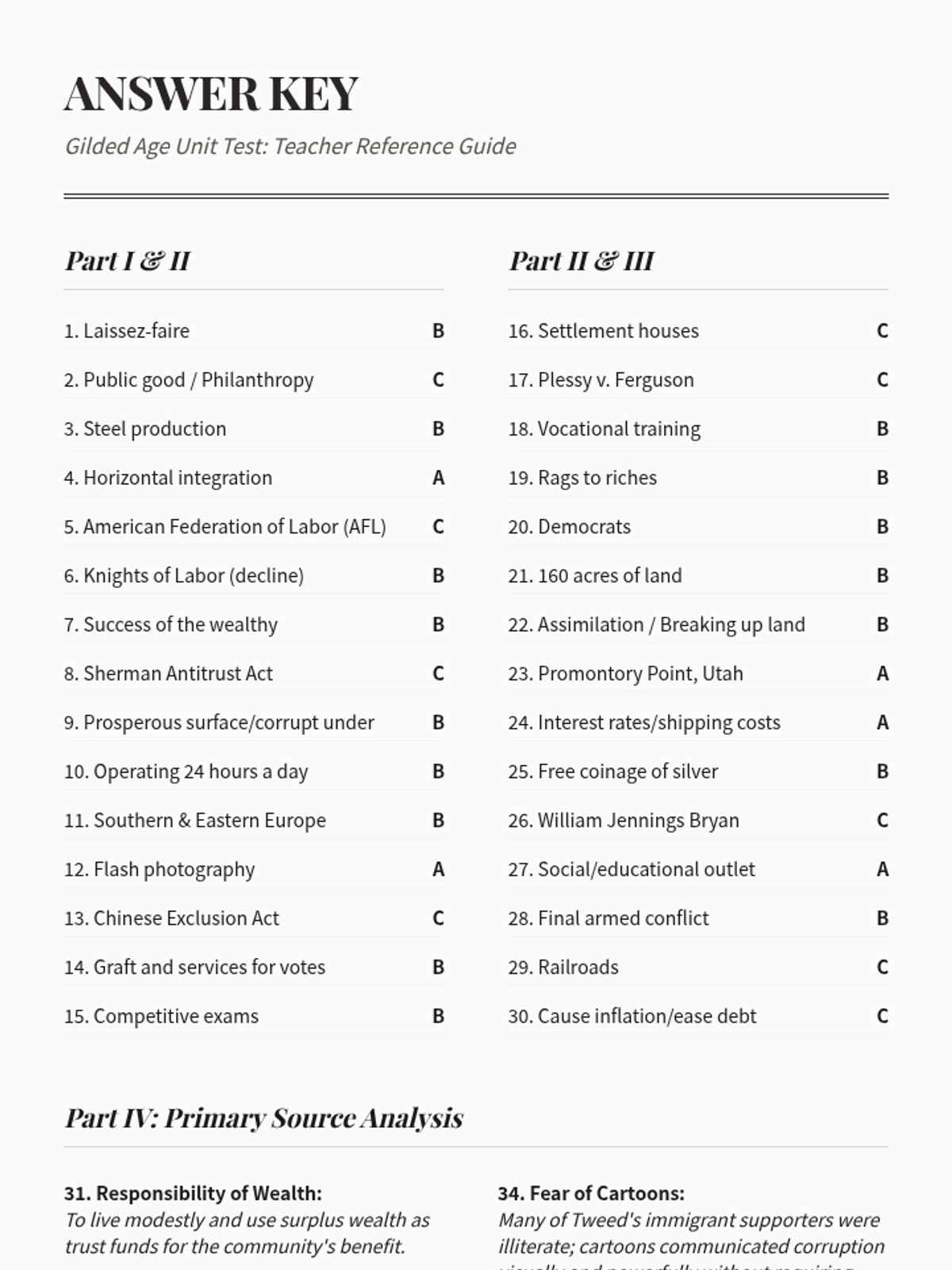
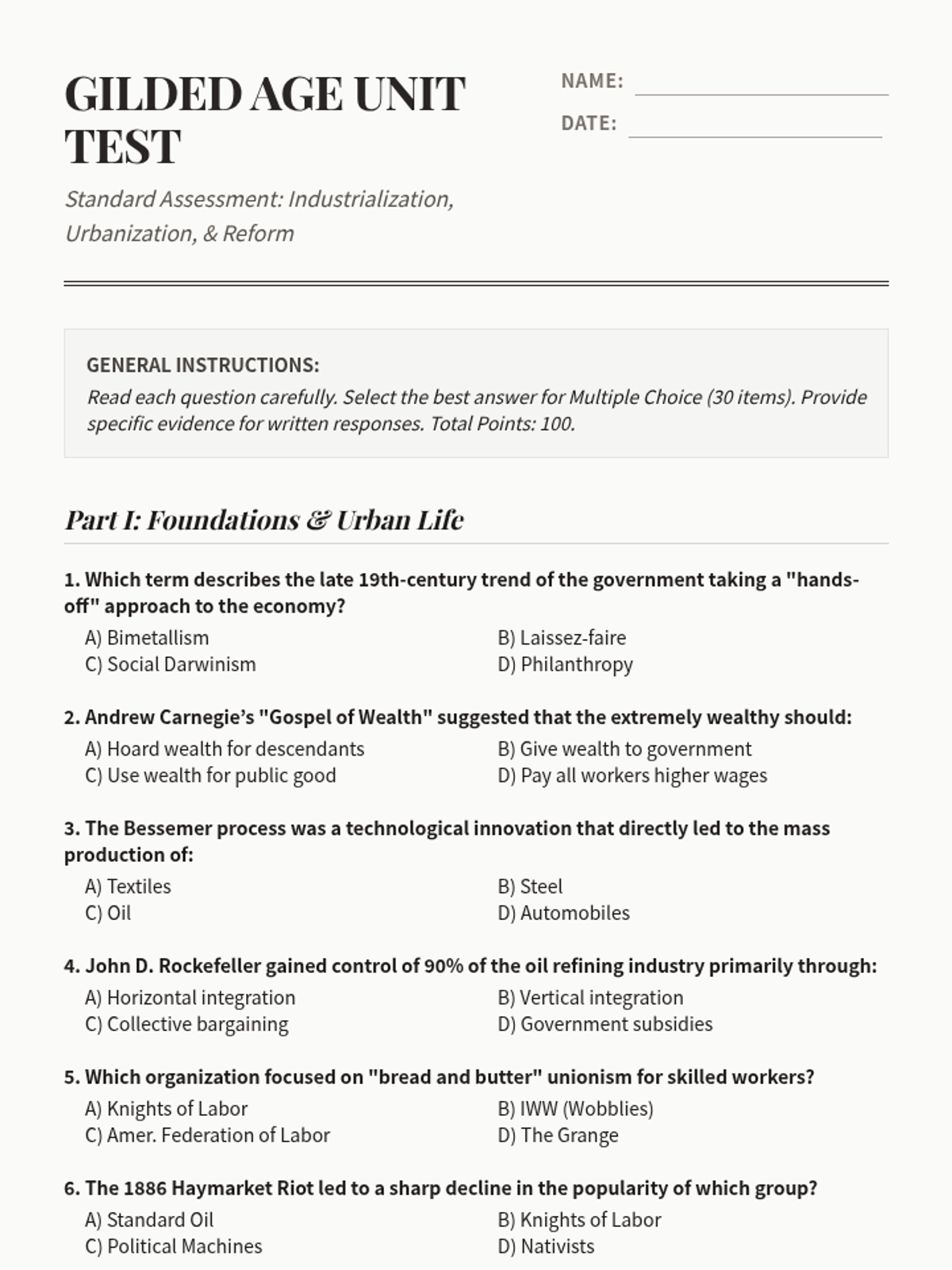
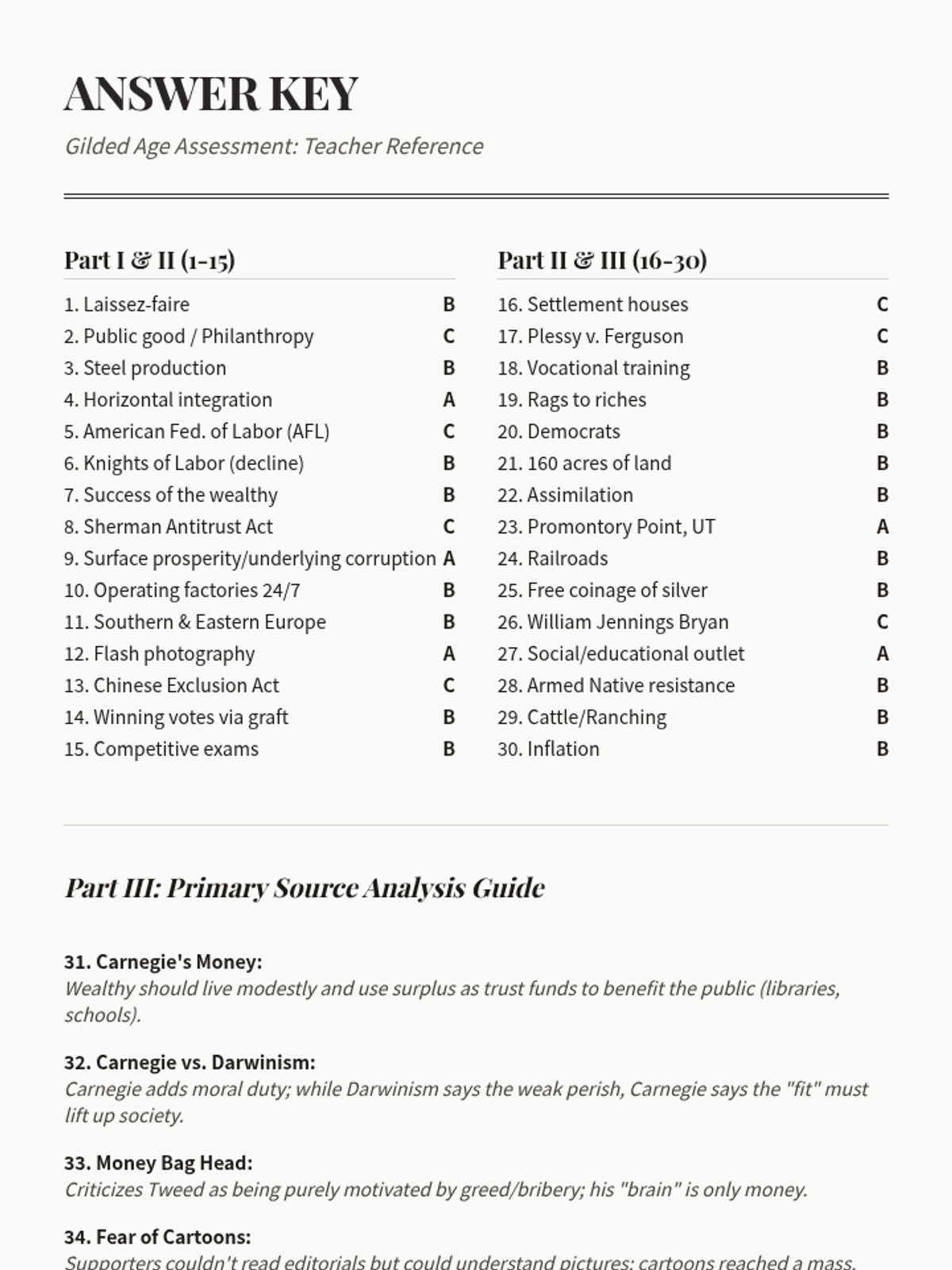
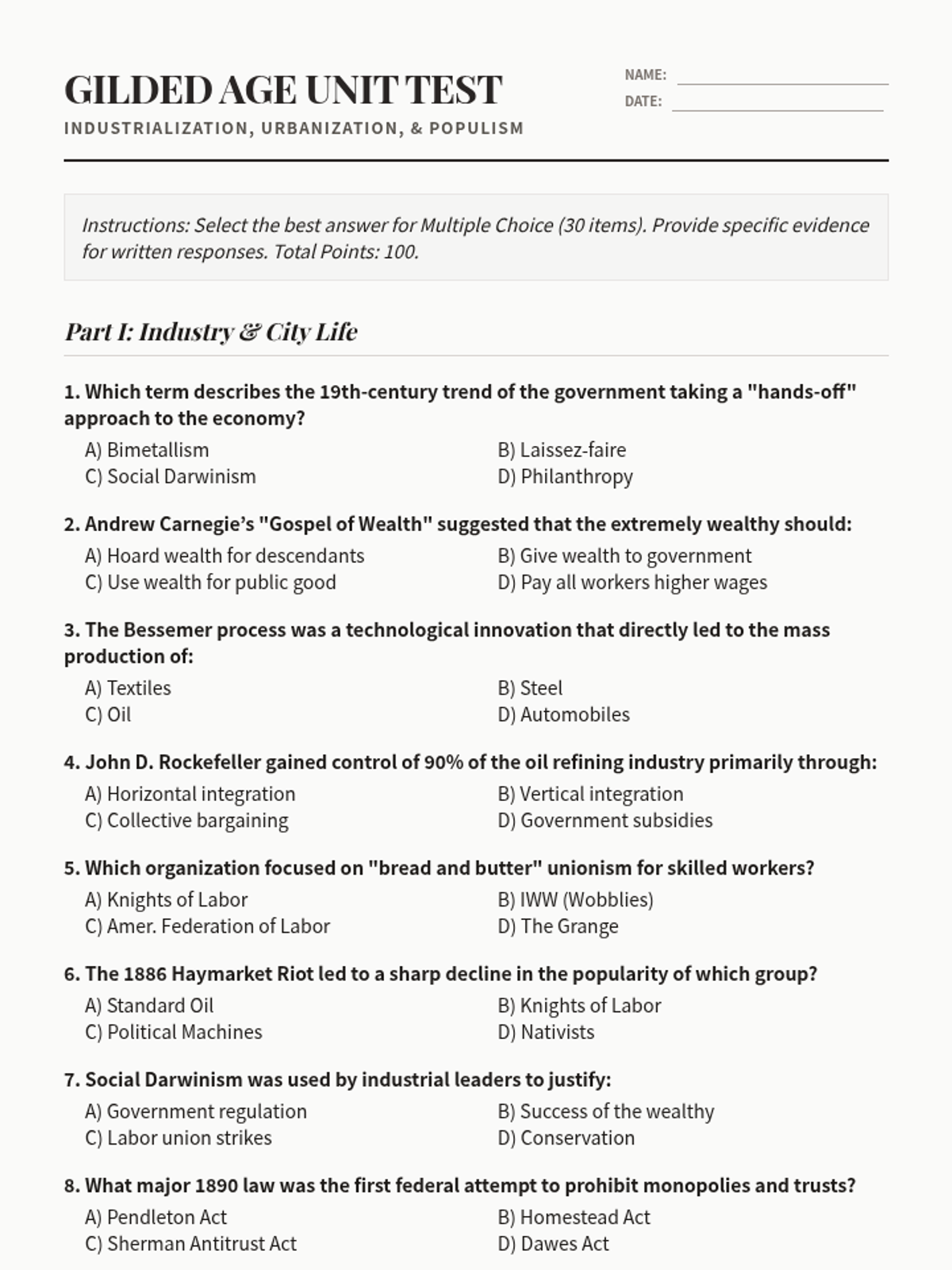
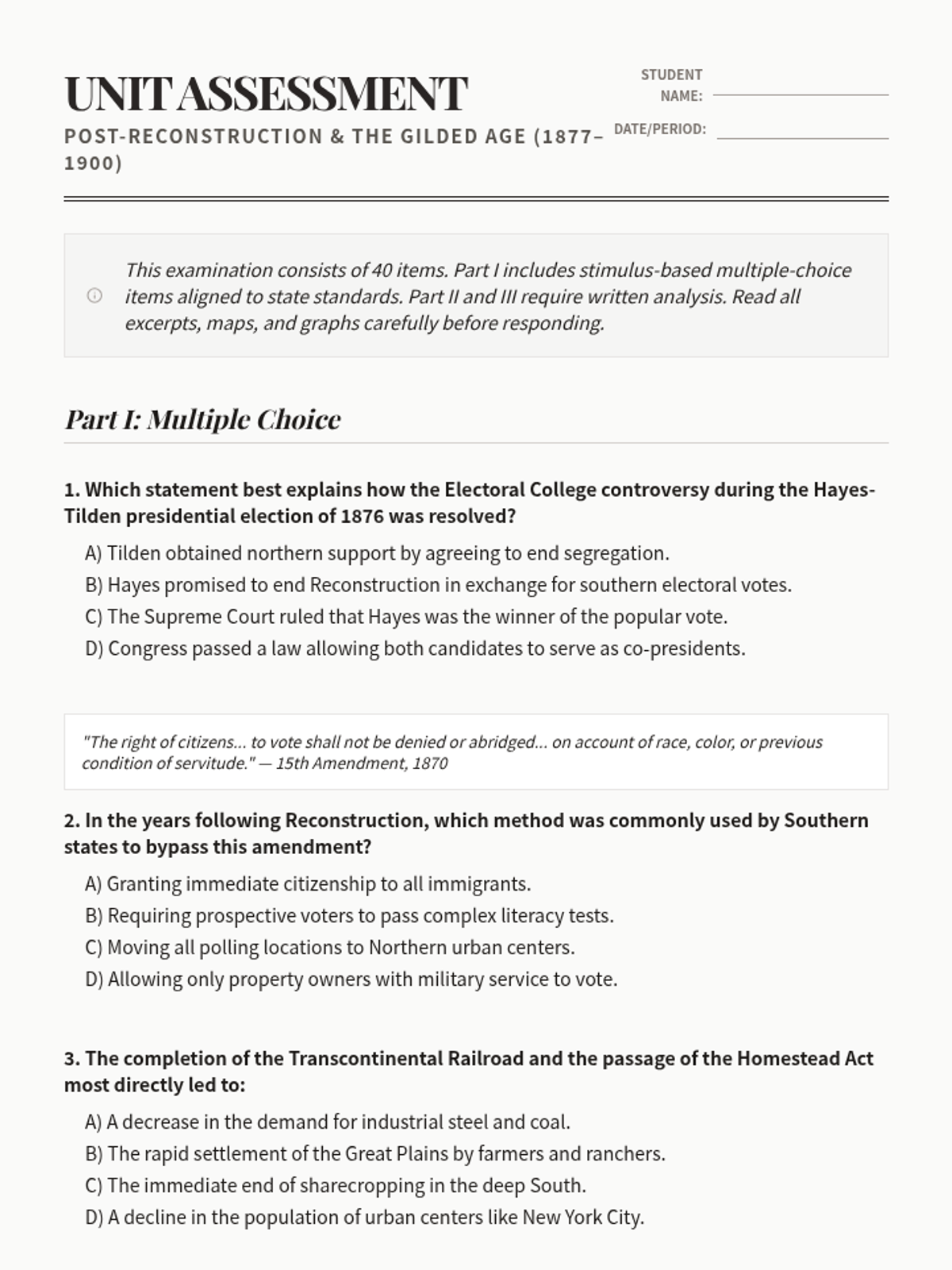
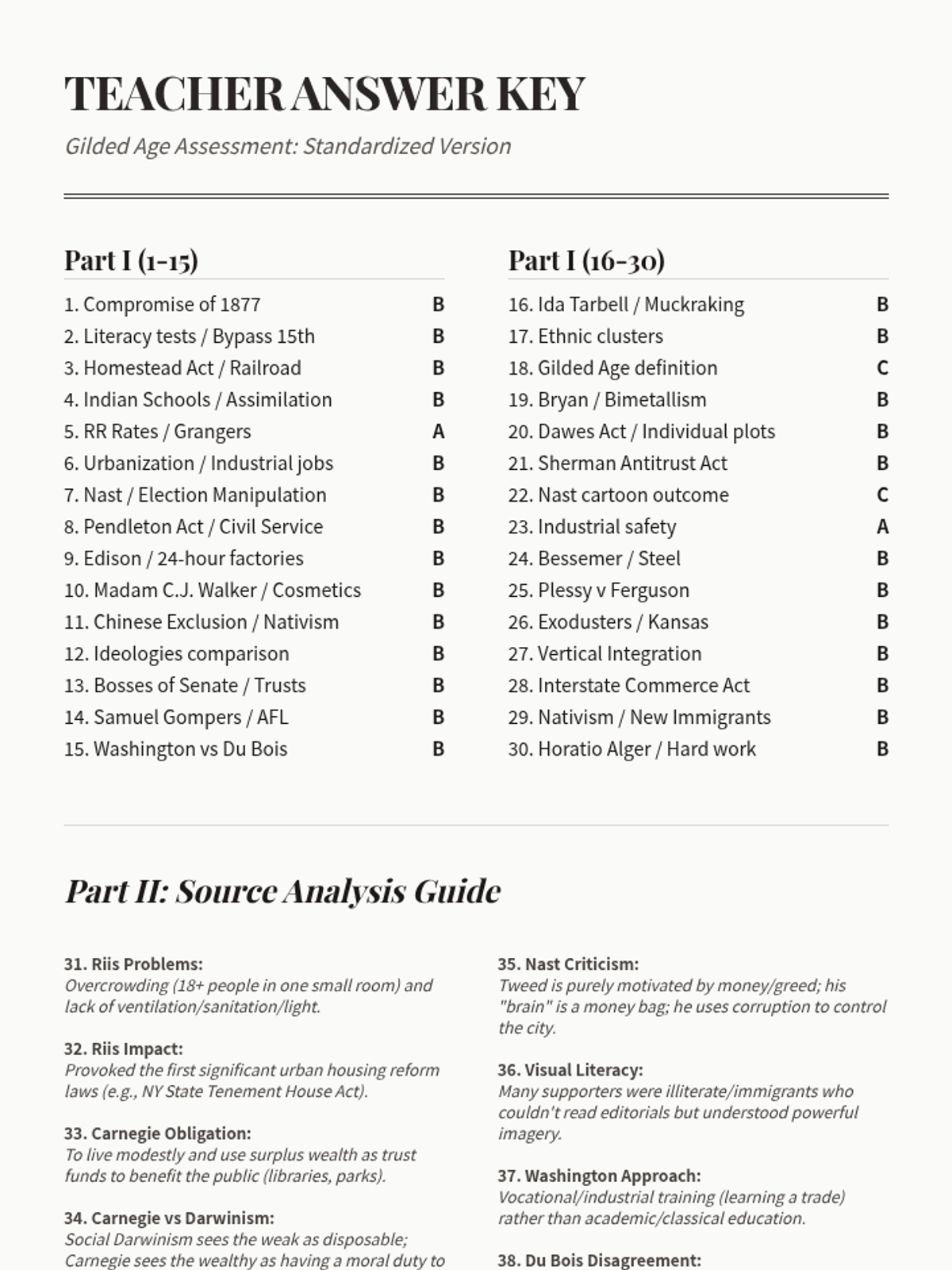
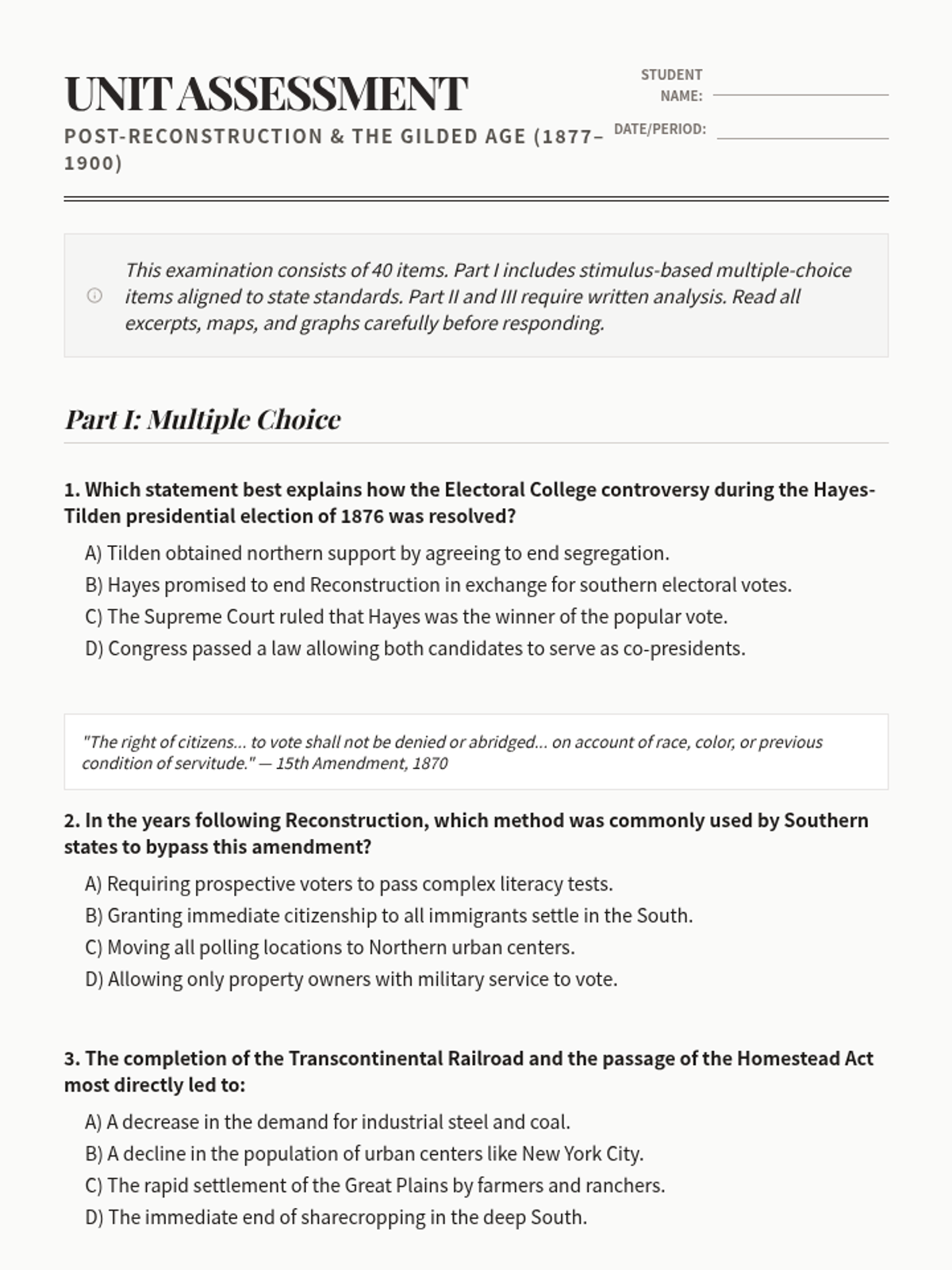
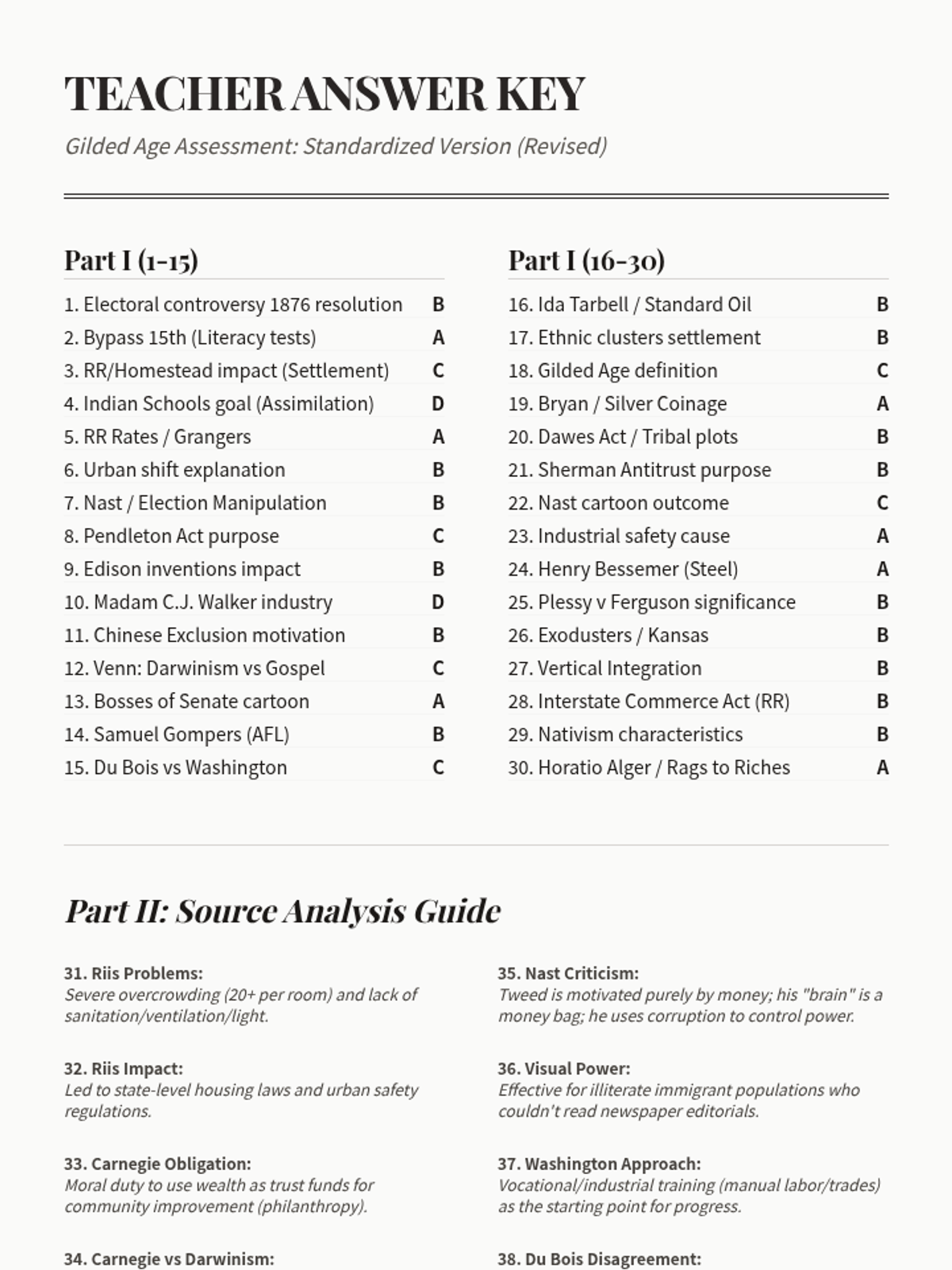
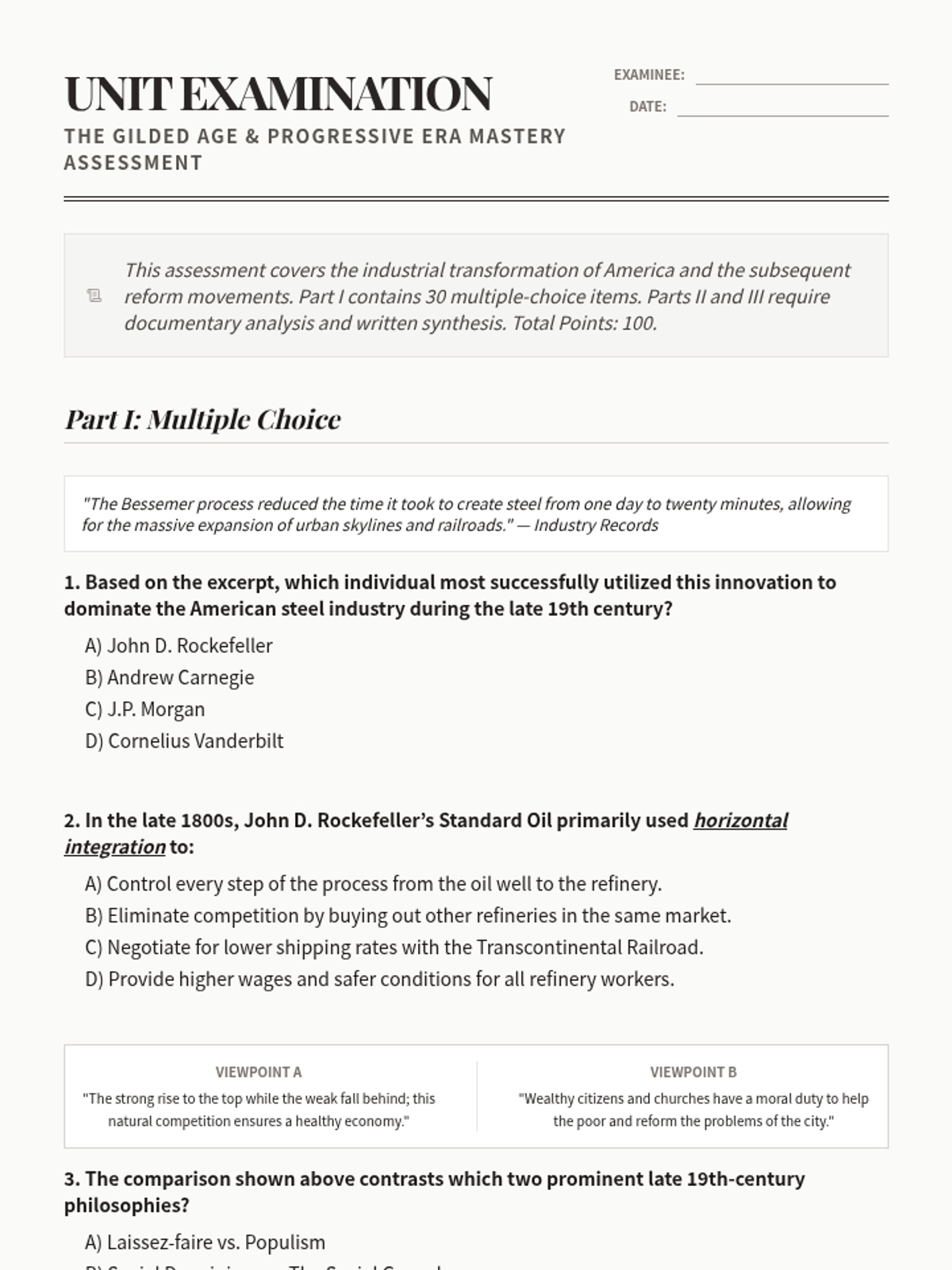
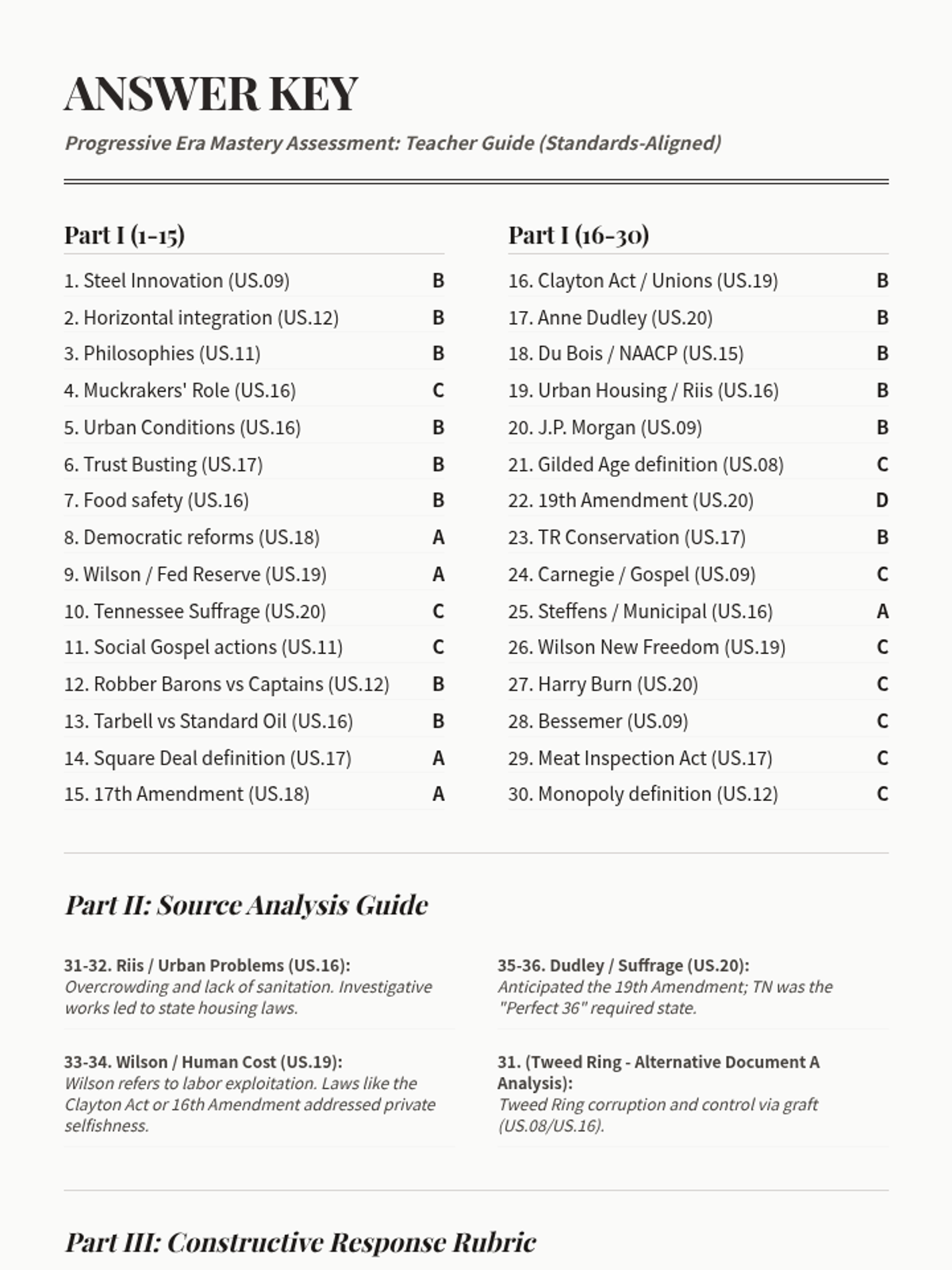
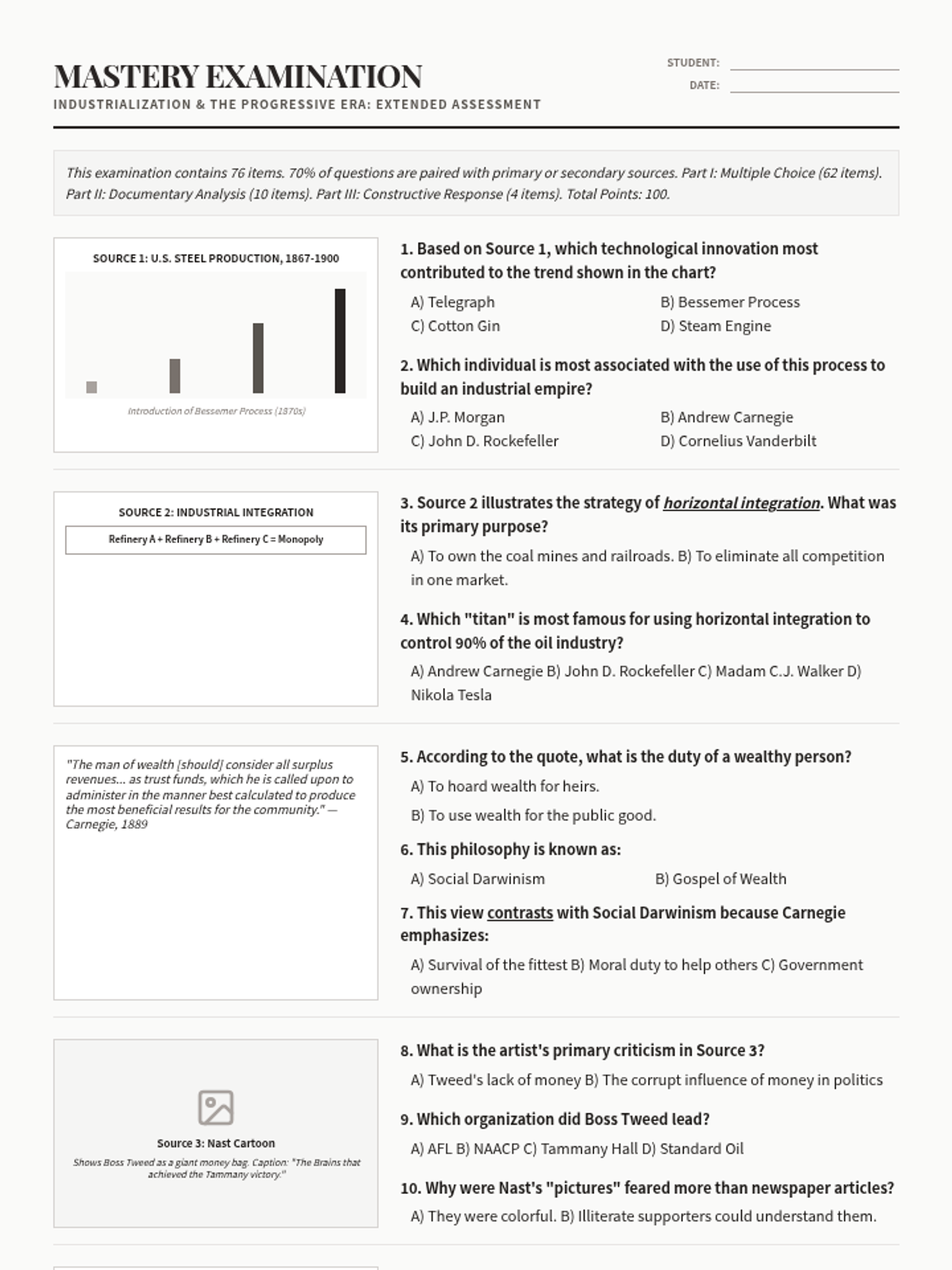
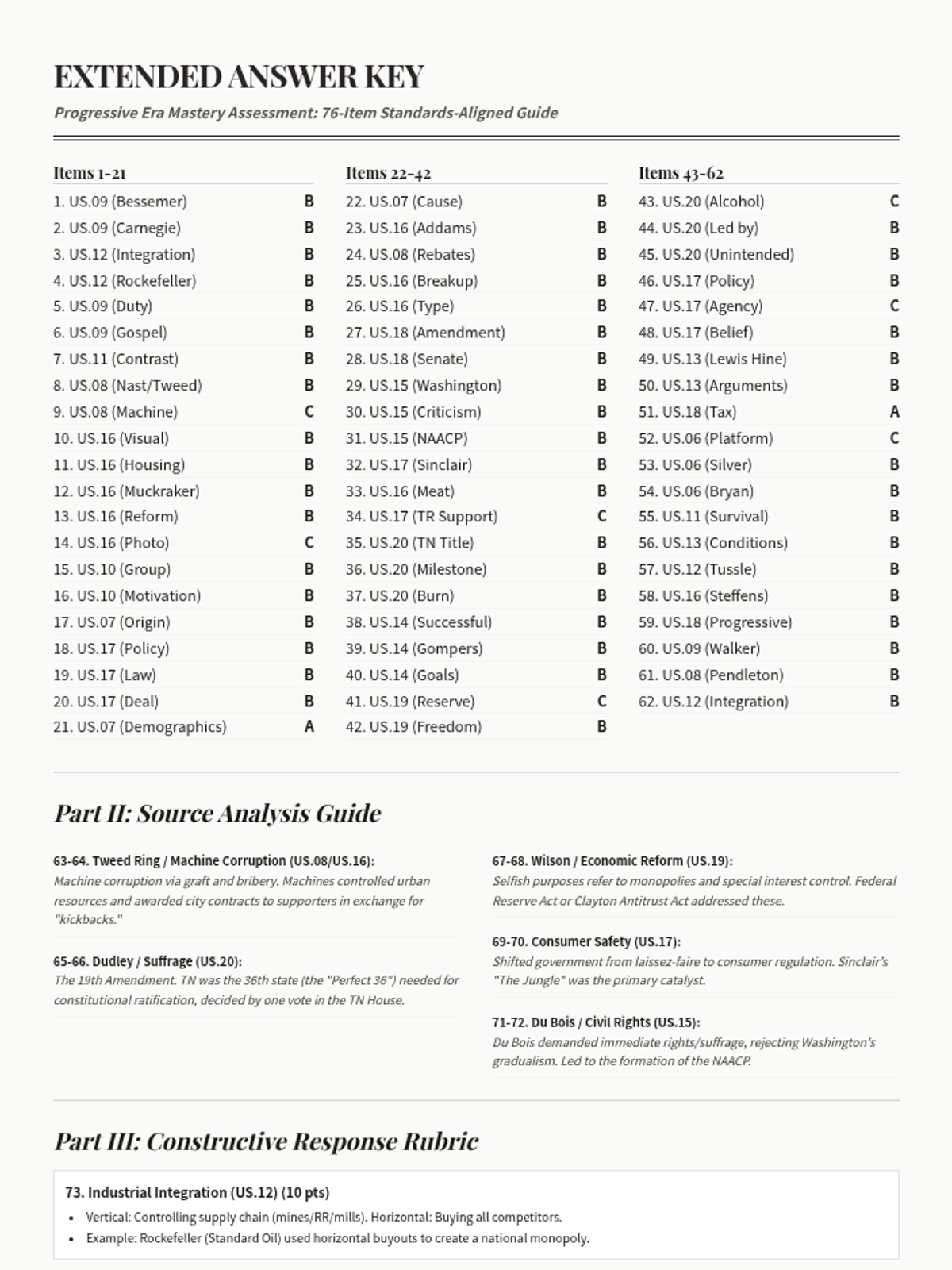
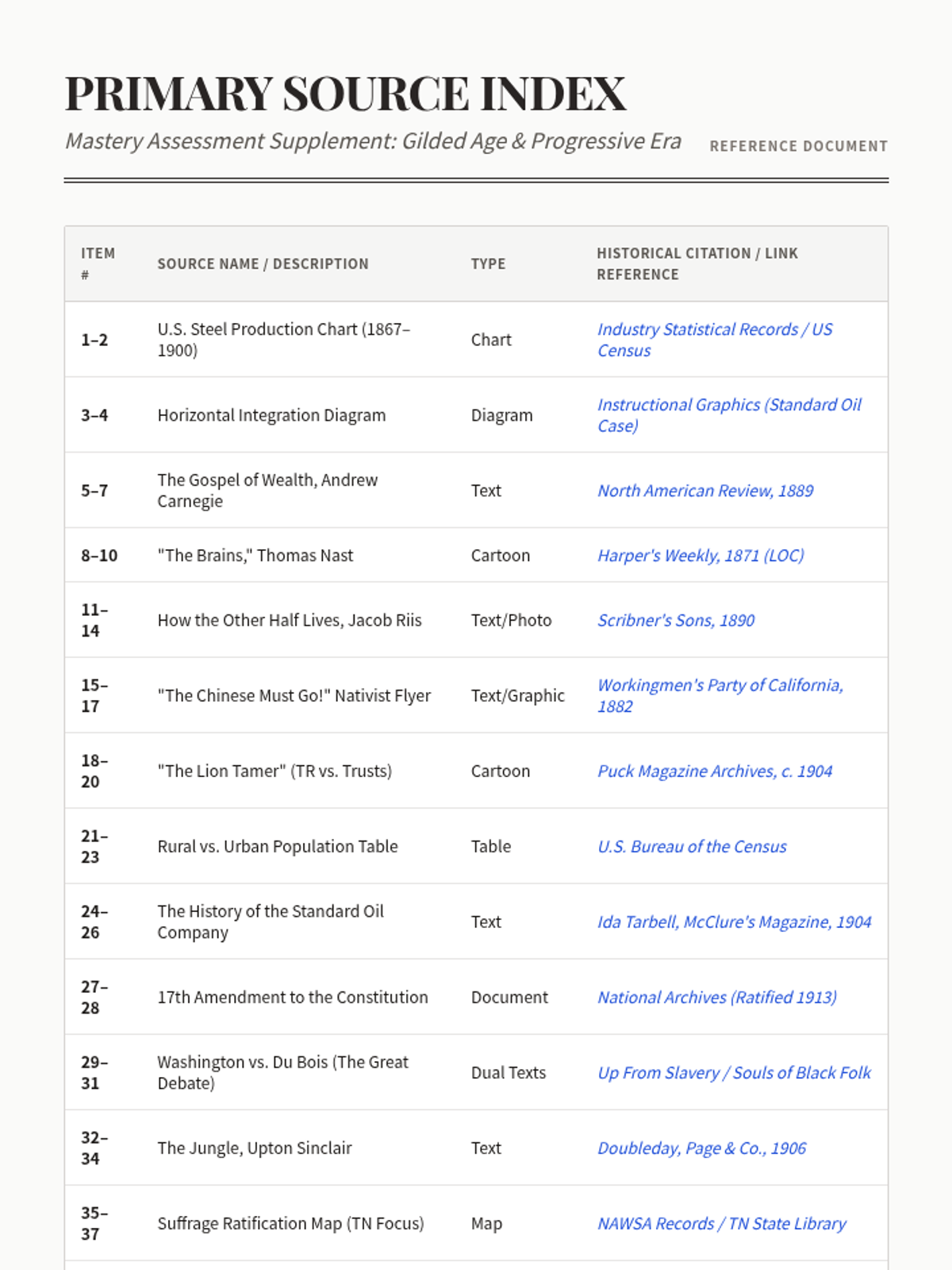
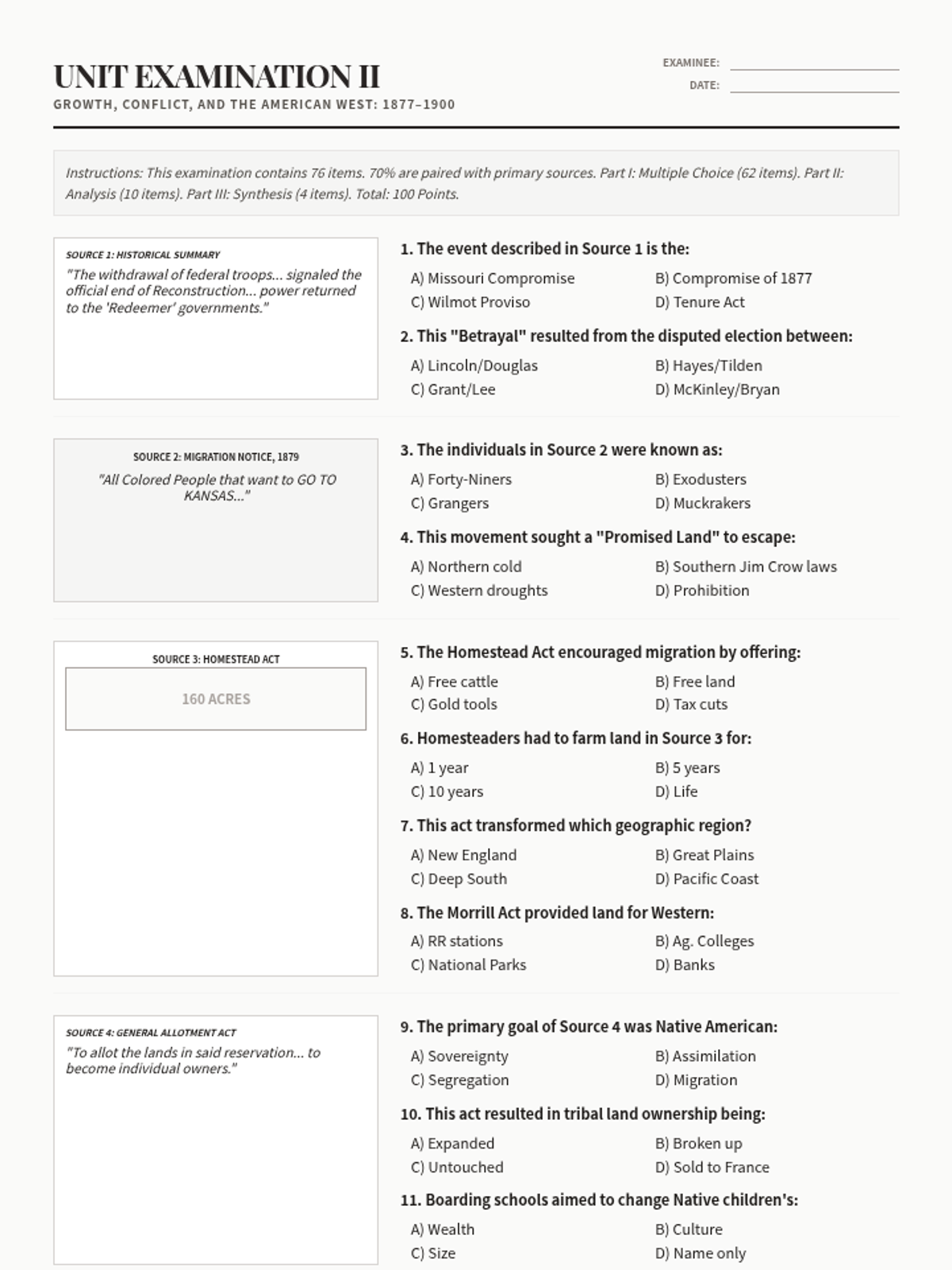
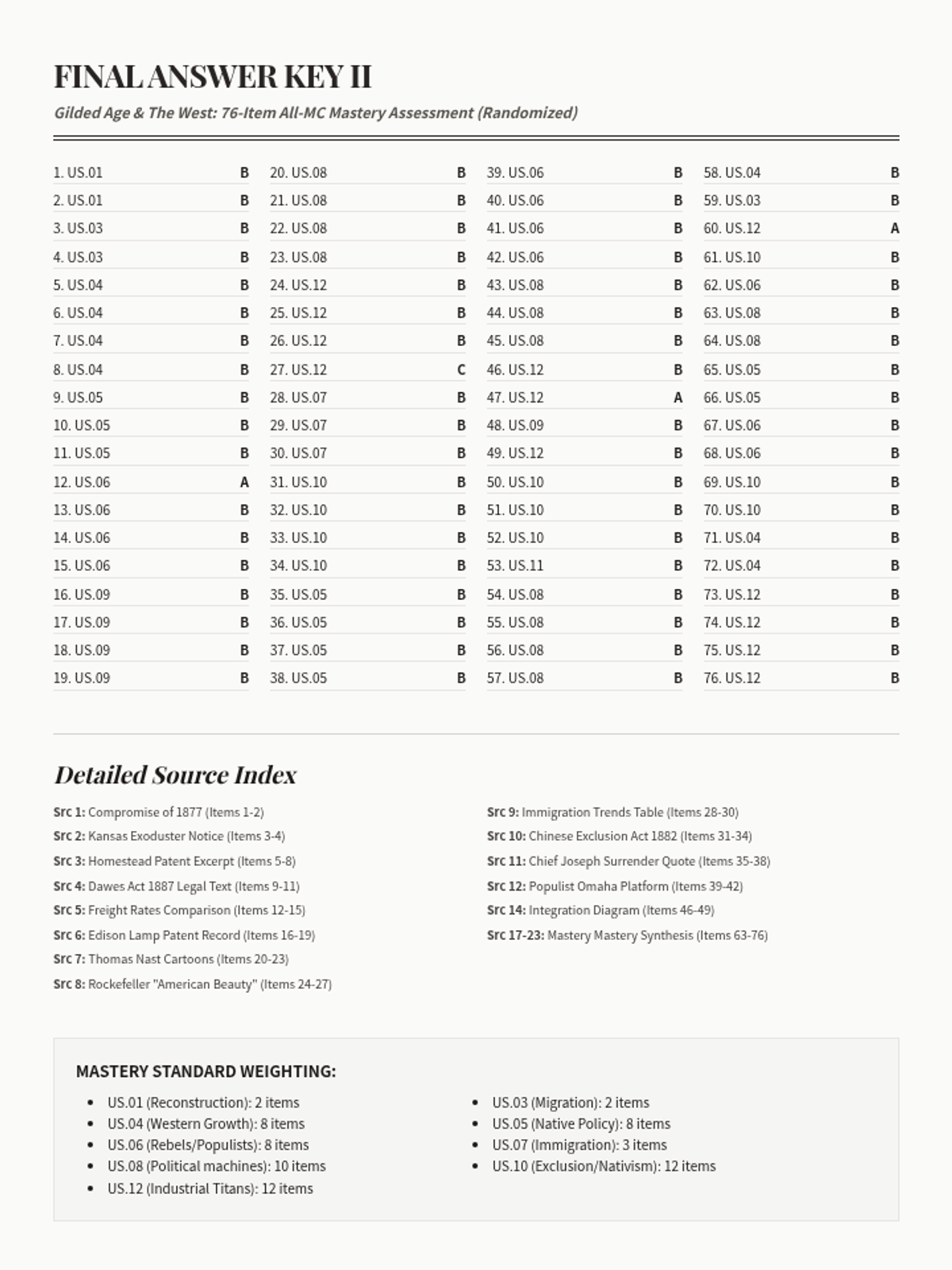
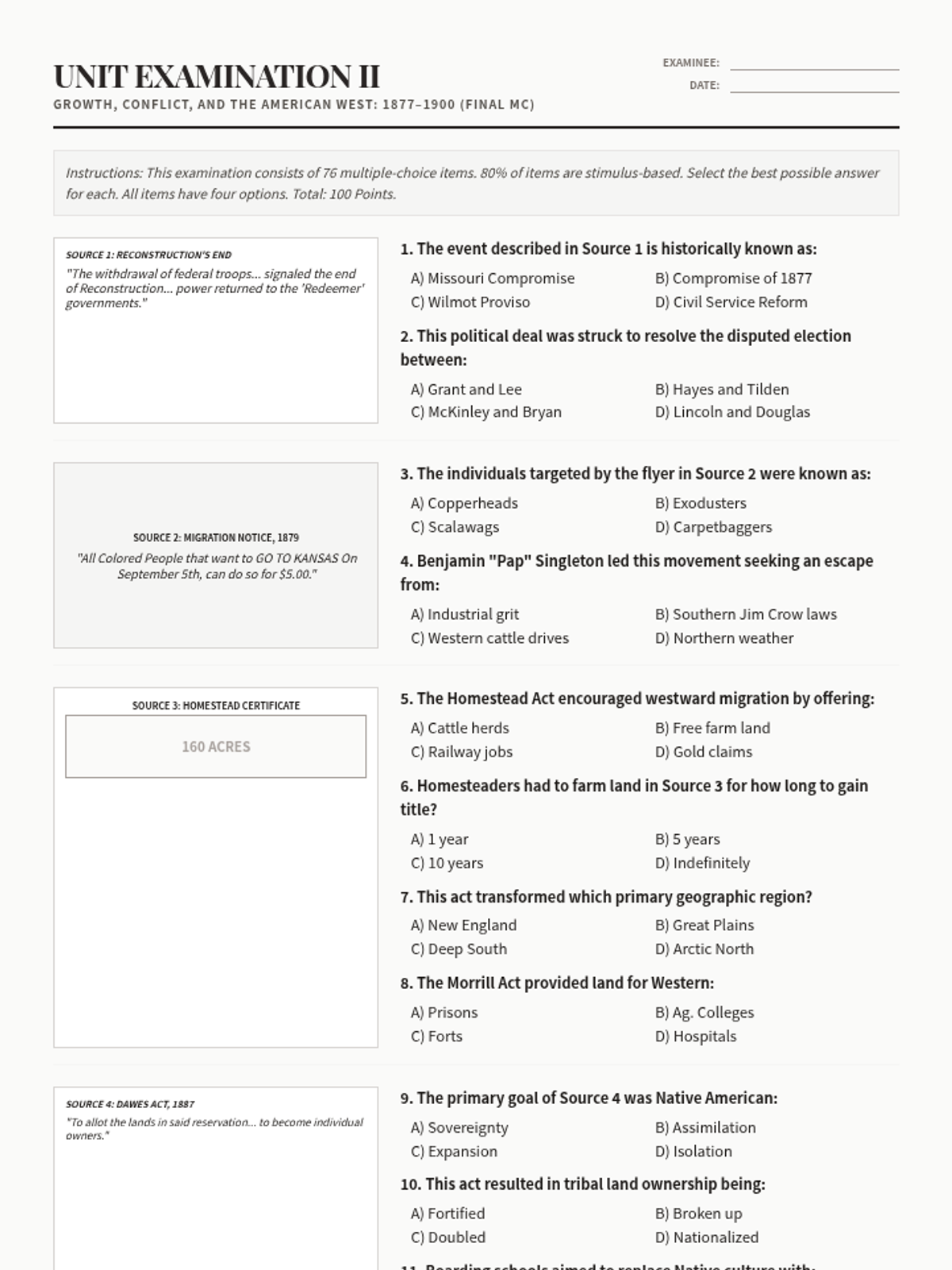
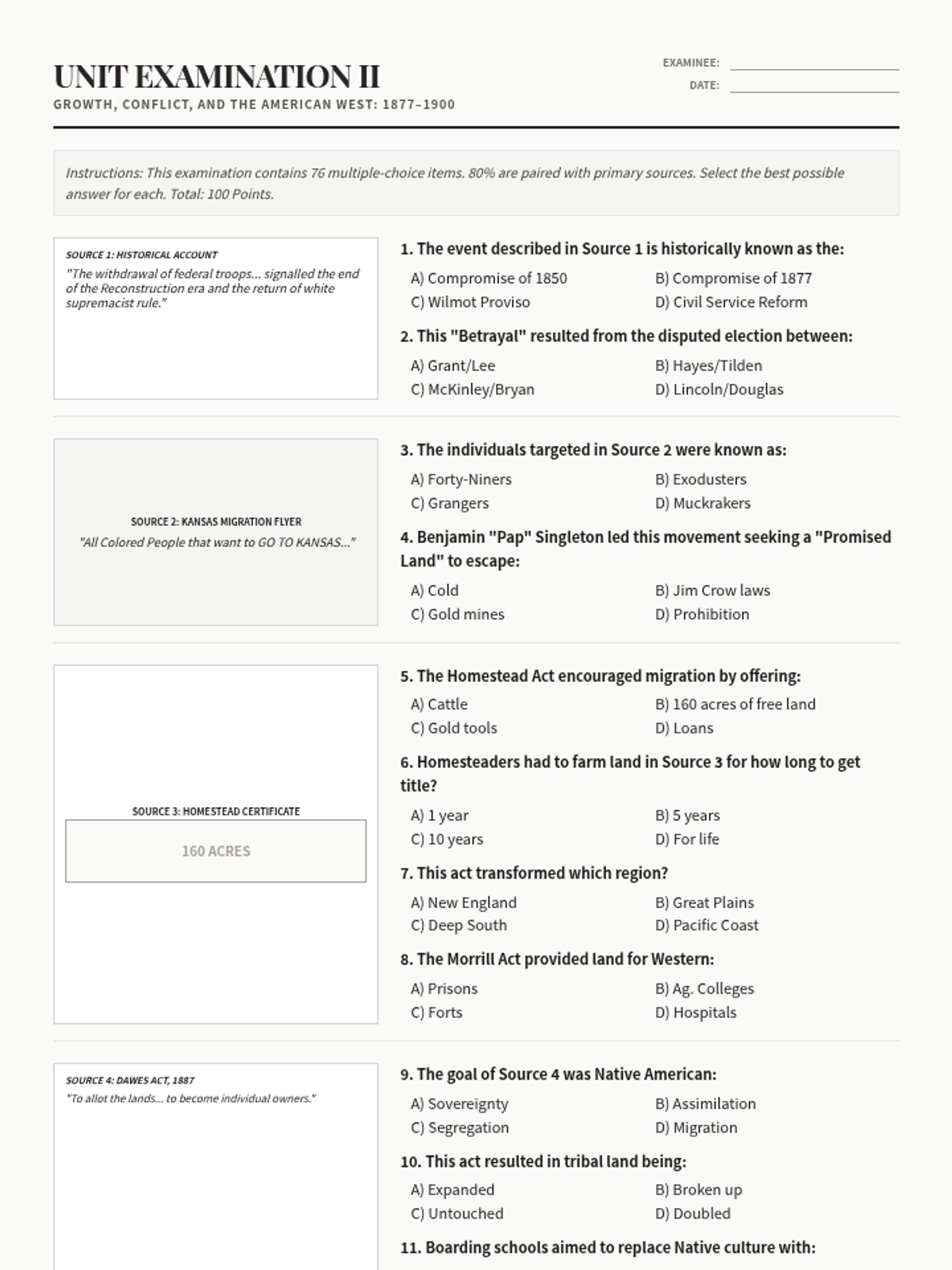
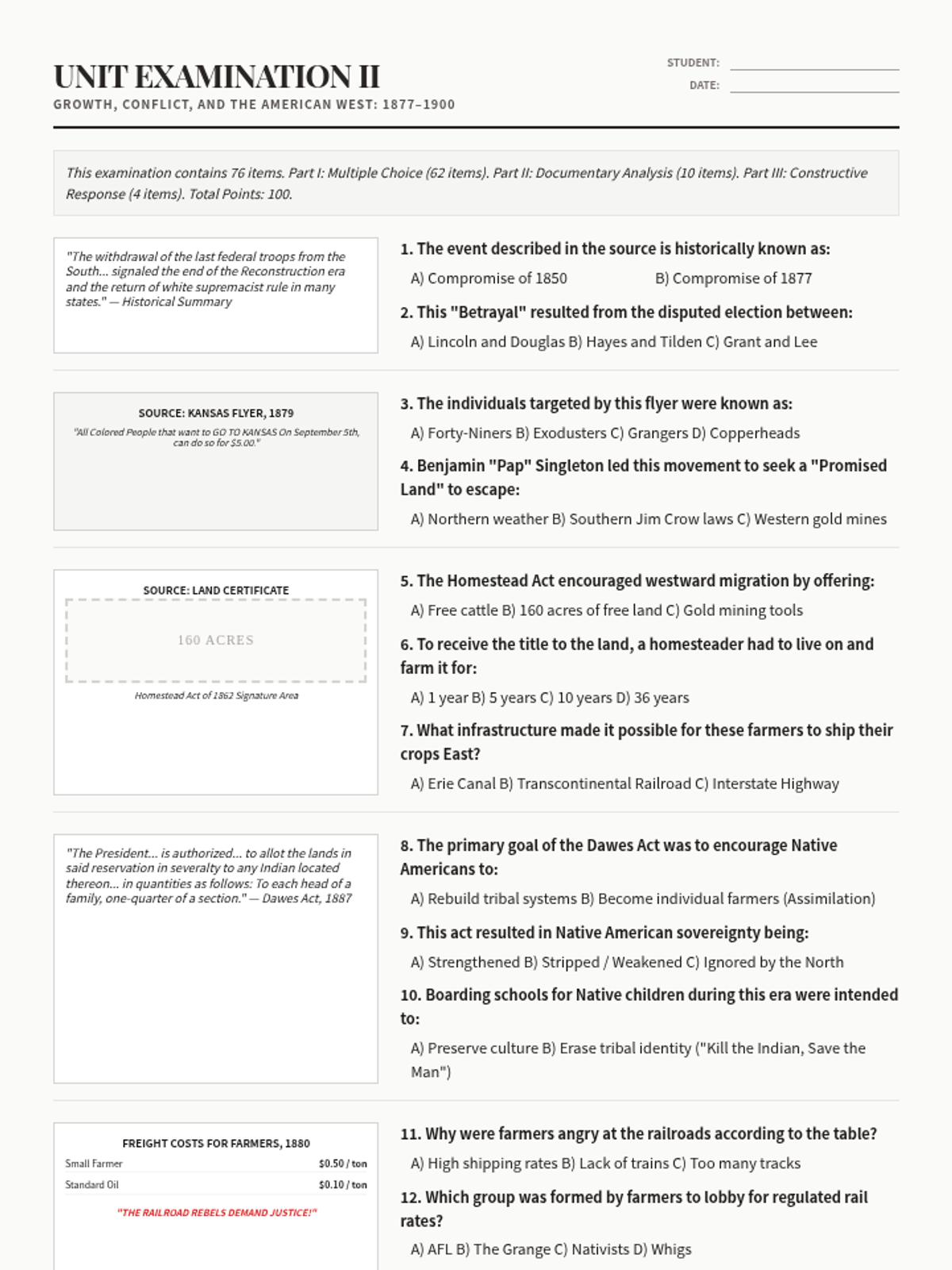
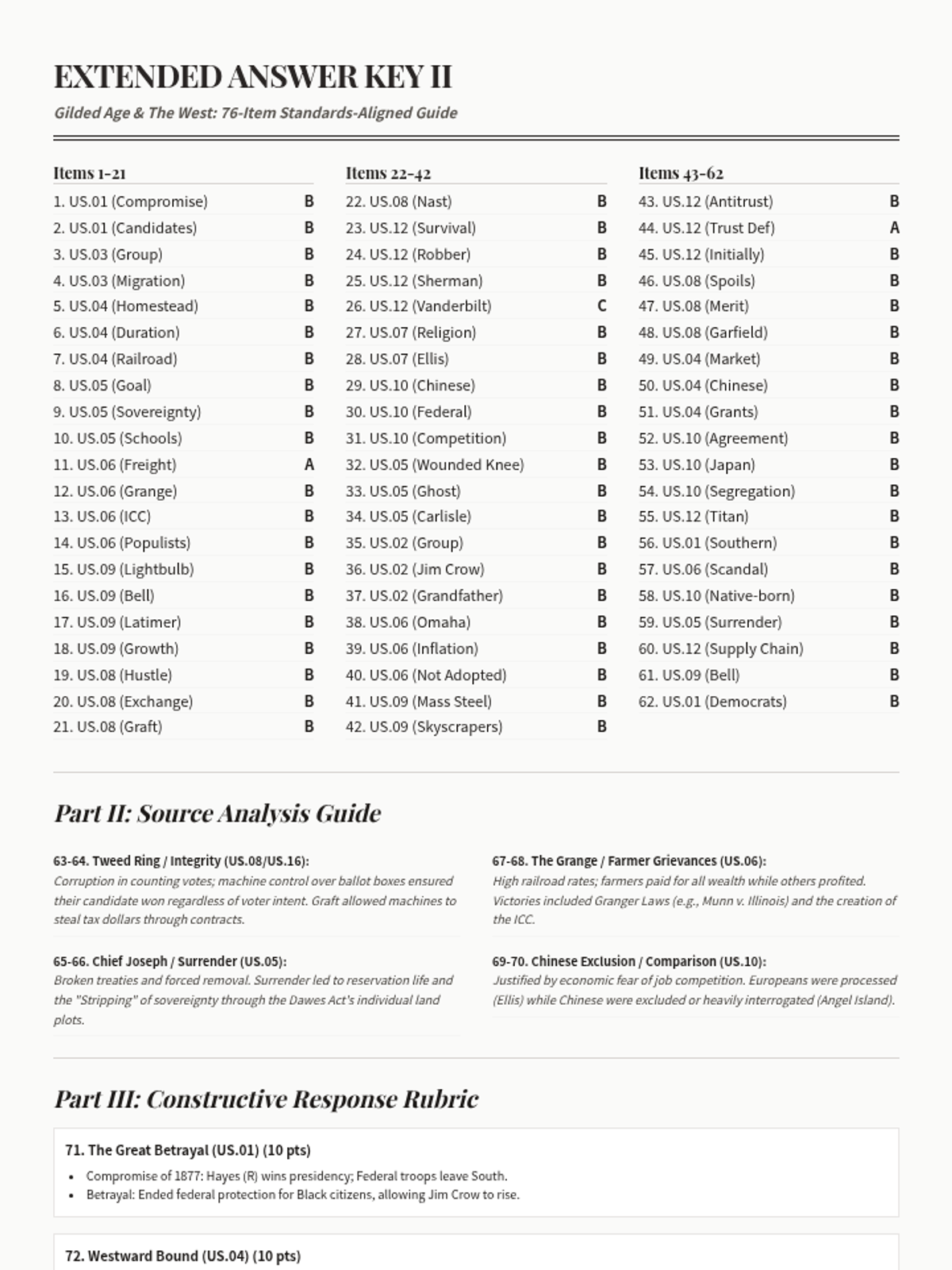
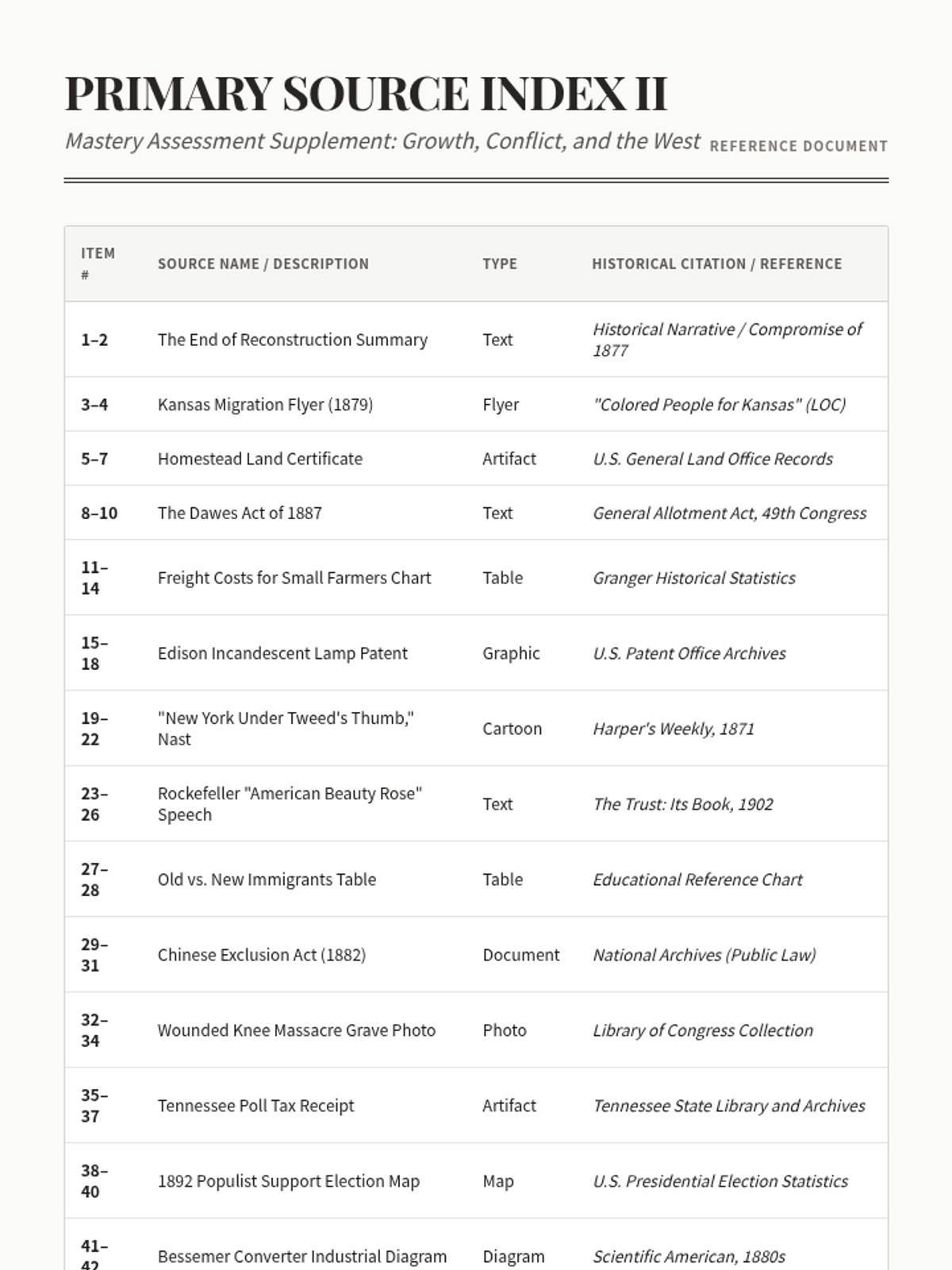
A comprehensive unit assessment covering the economic, social, and political transformations of late 19th-century America. Includes multiple choice, primary source analysis, and short answer questions focused on industrialization, urbanization, and the Populist movement.
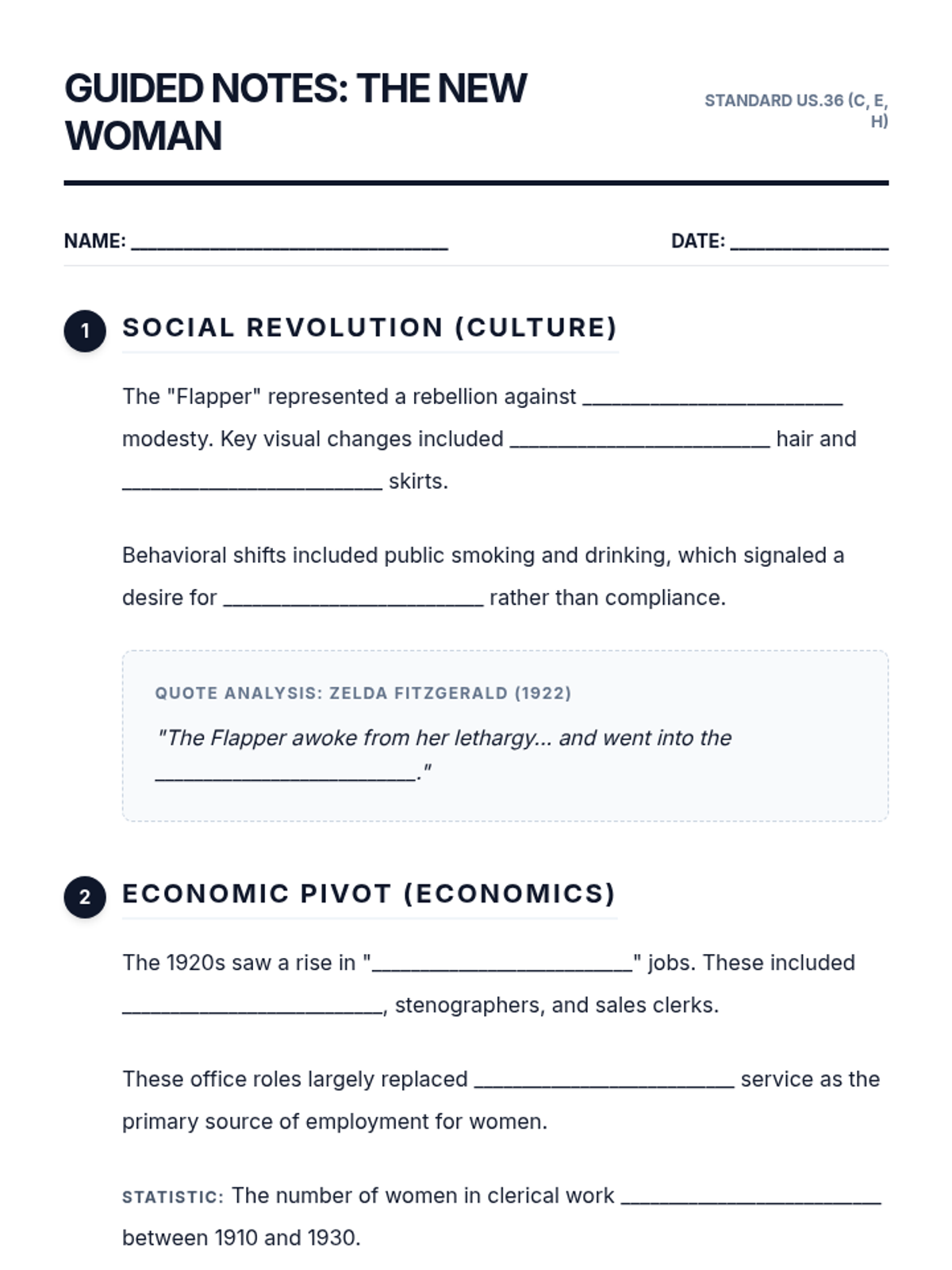
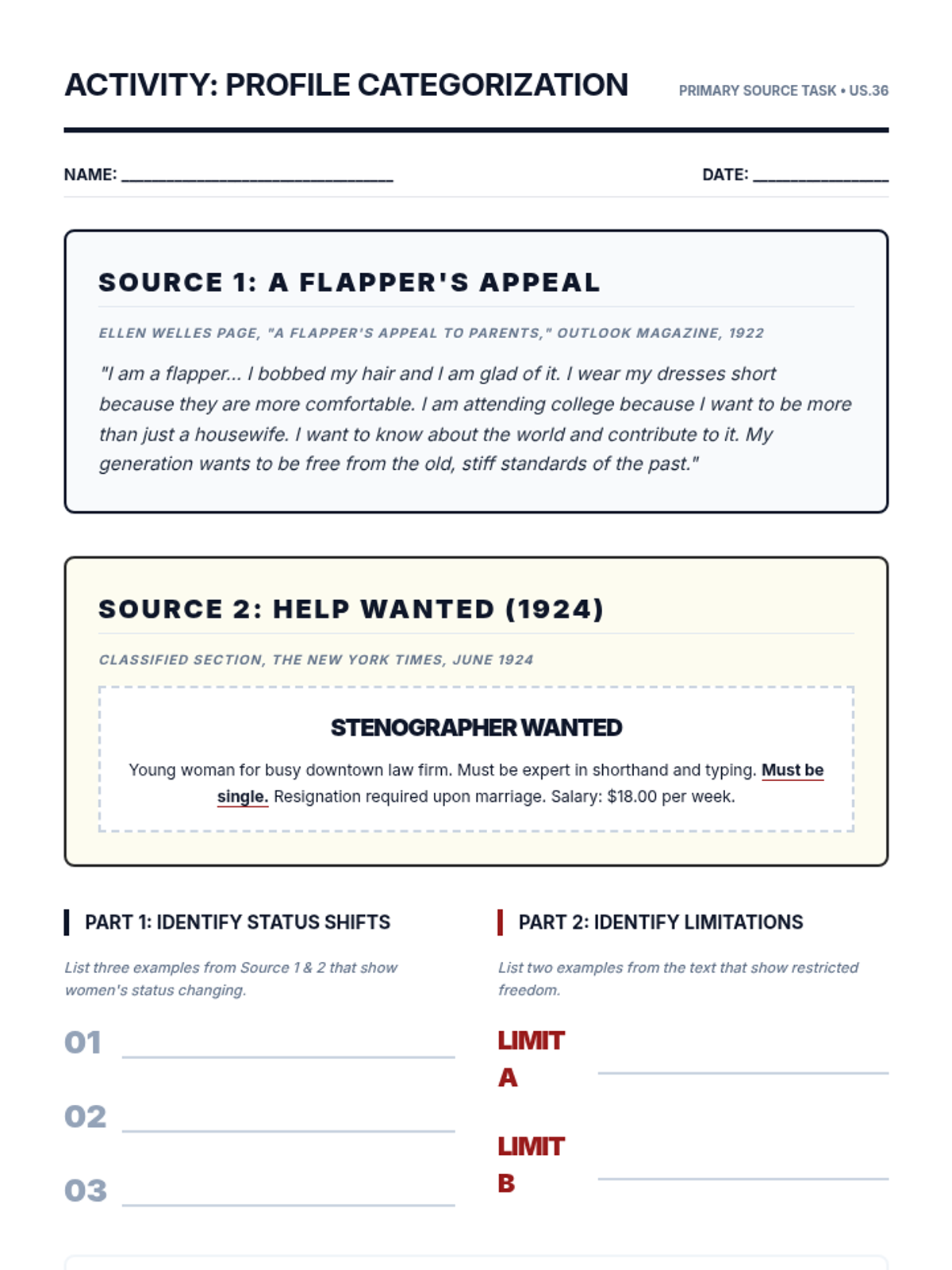
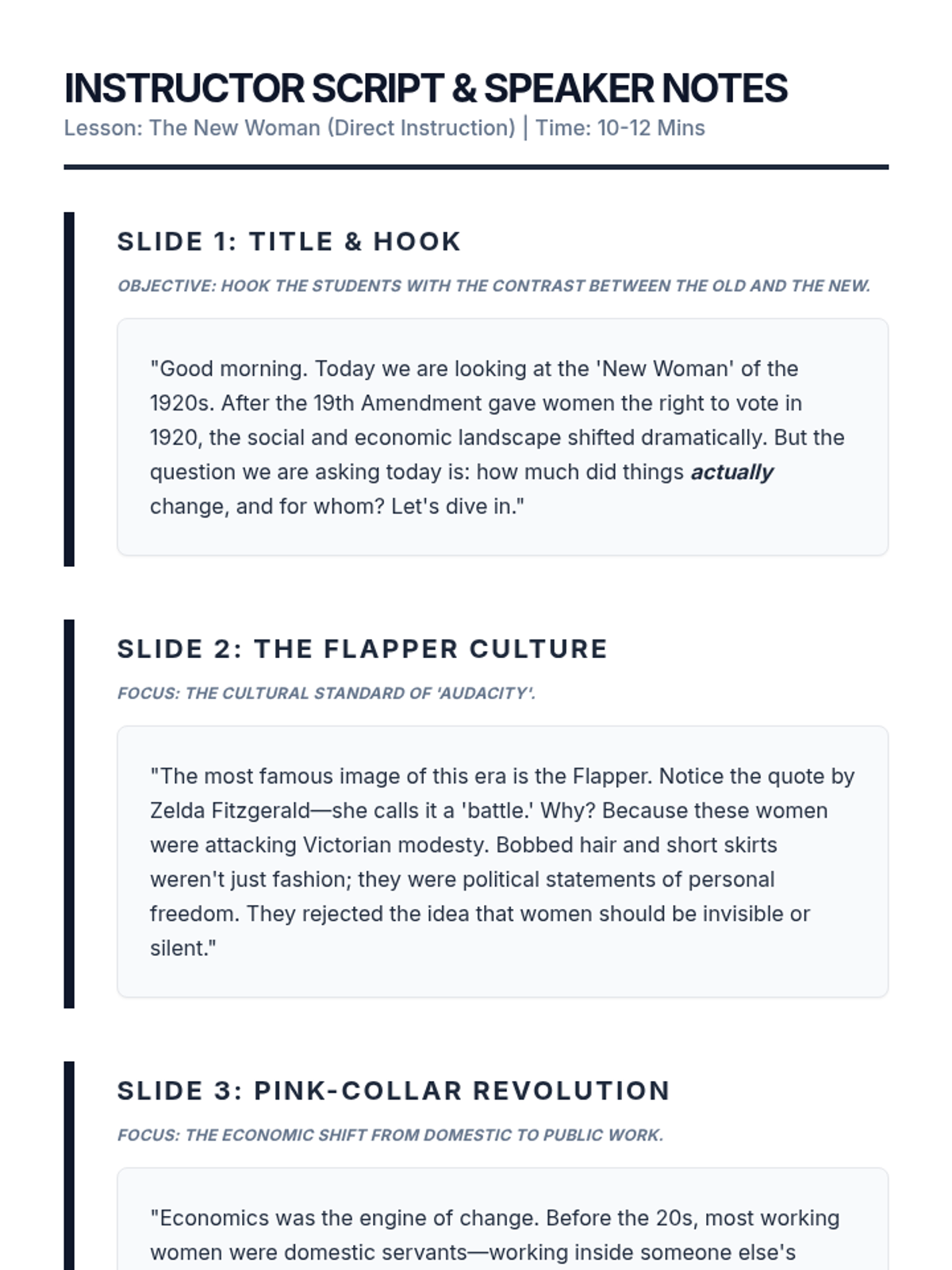
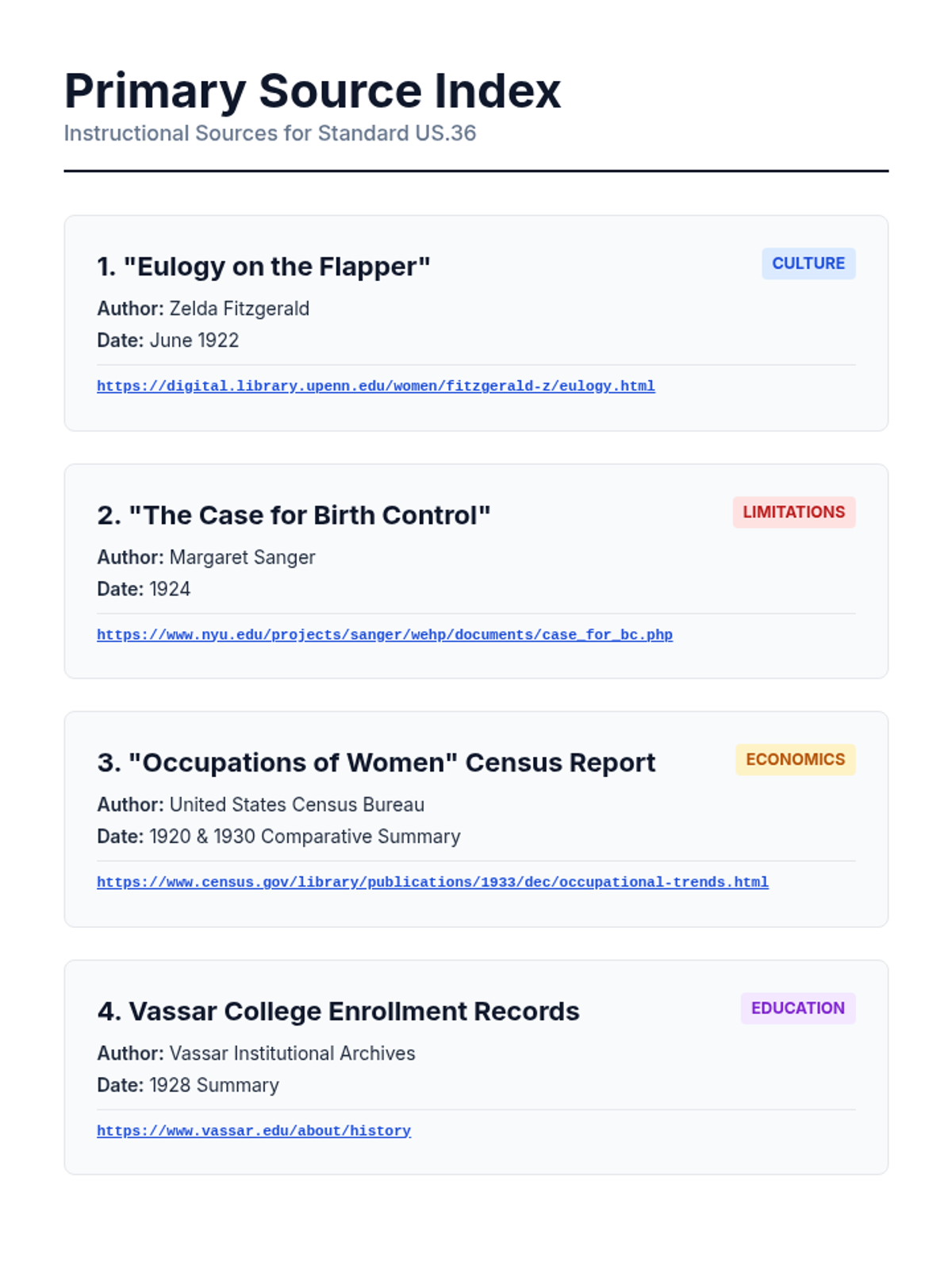
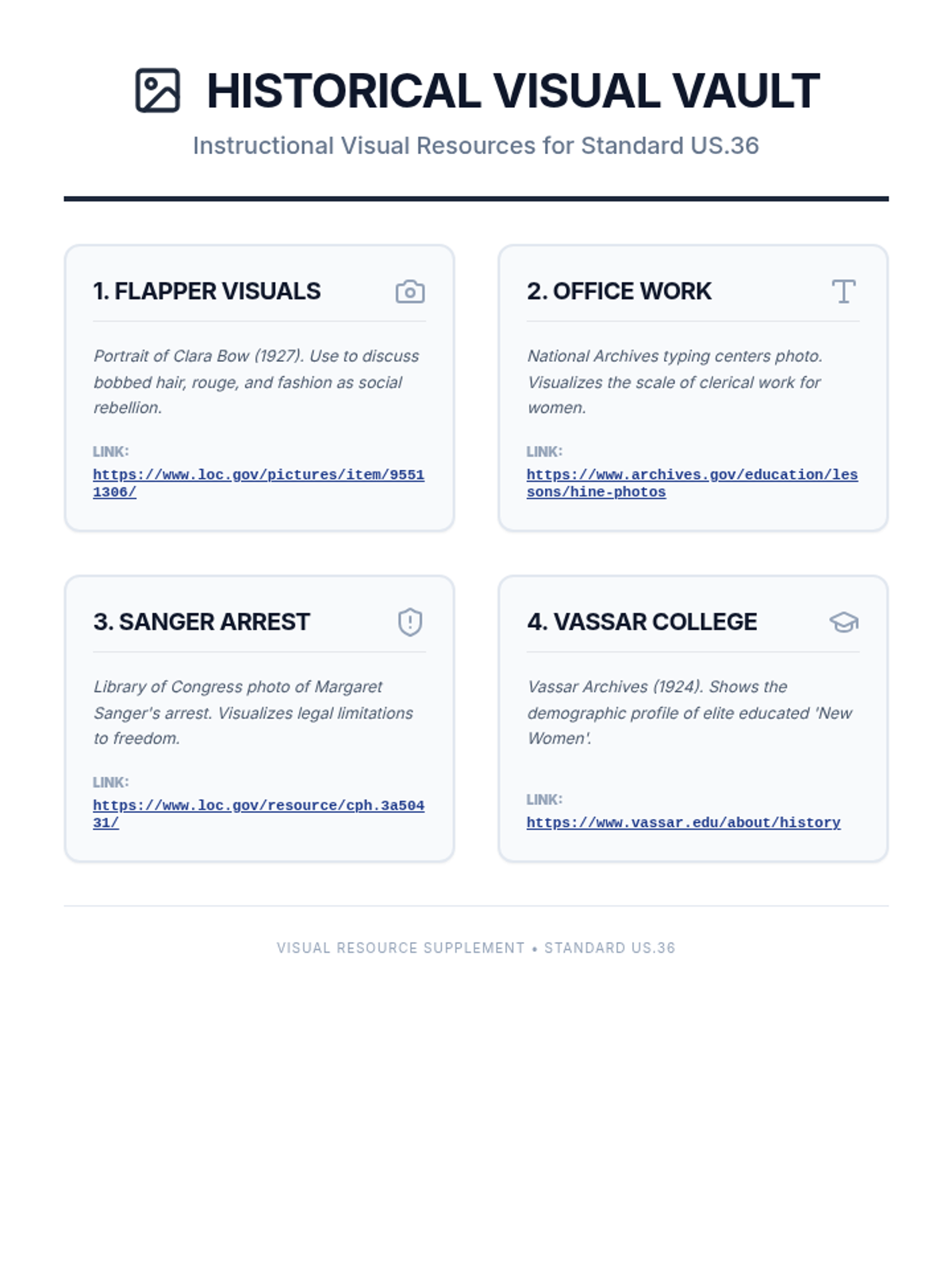
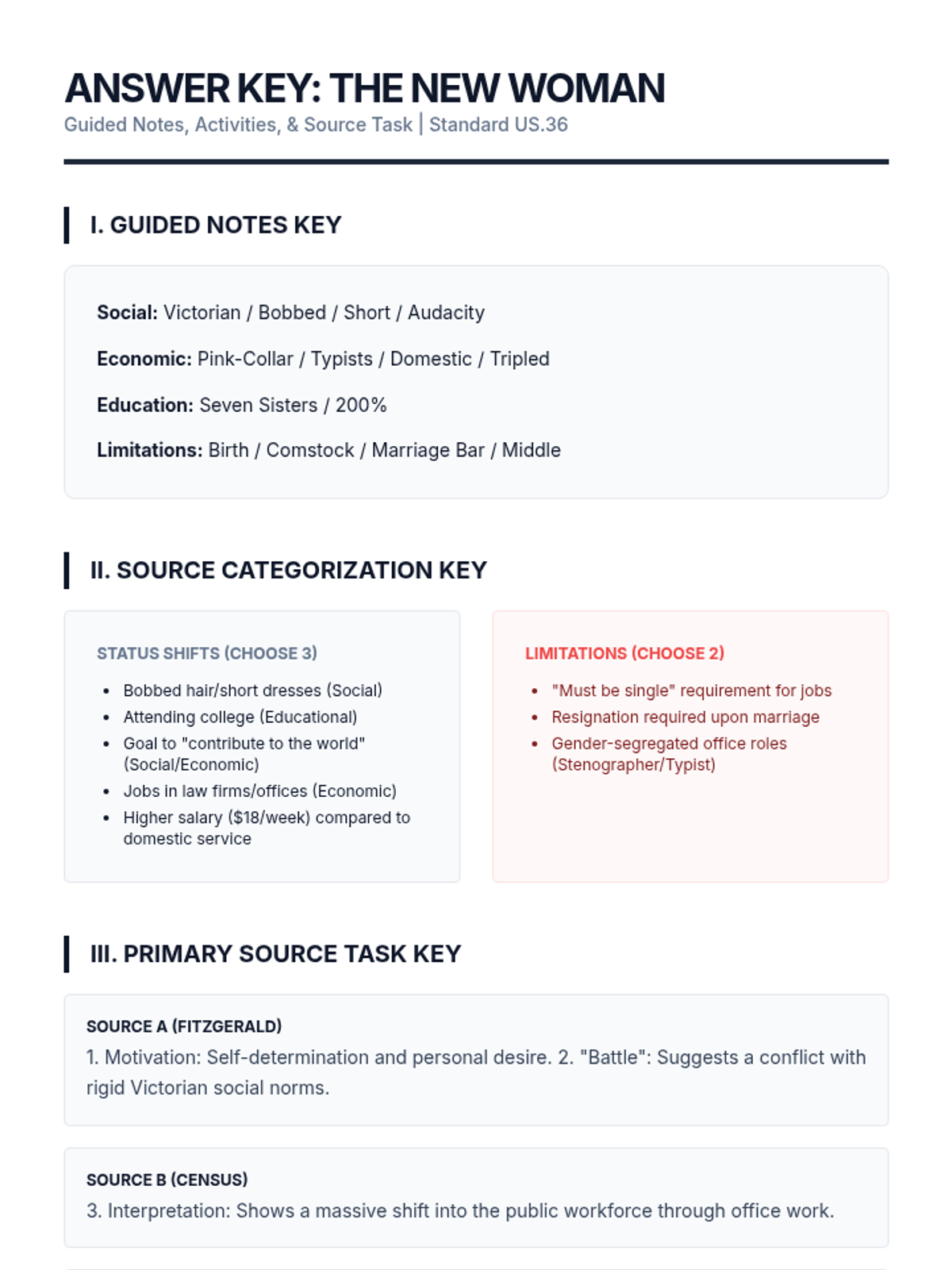
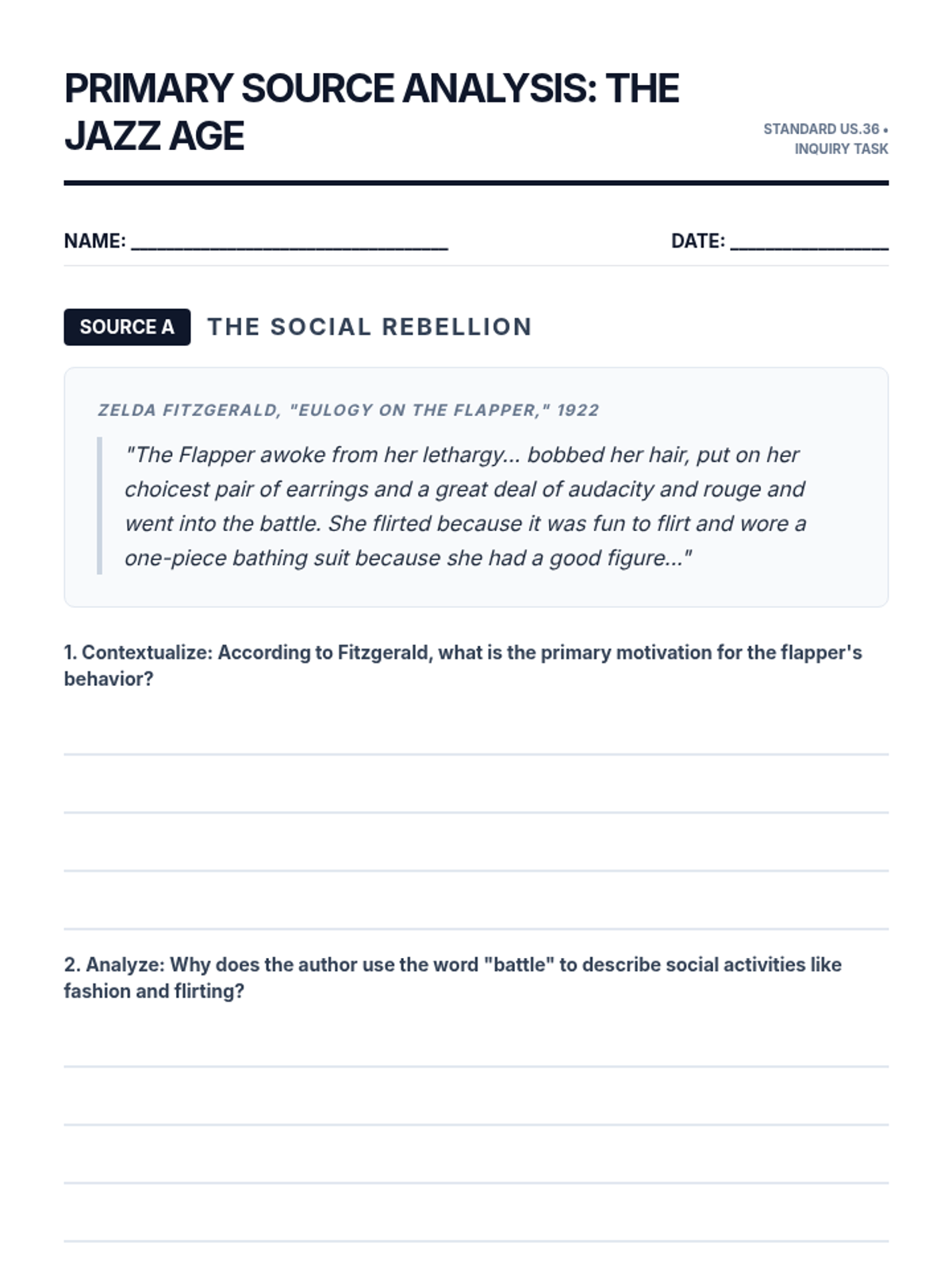
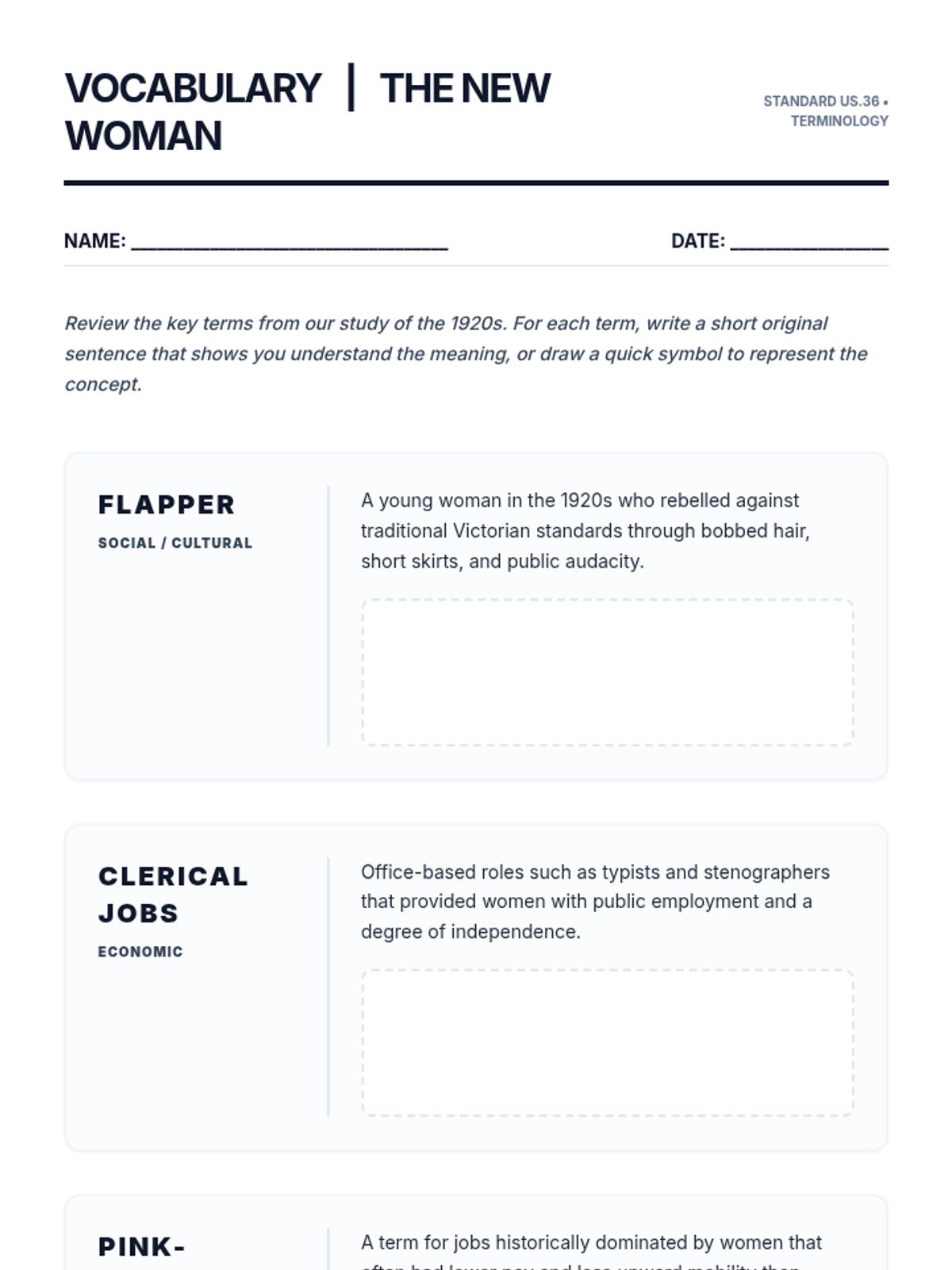
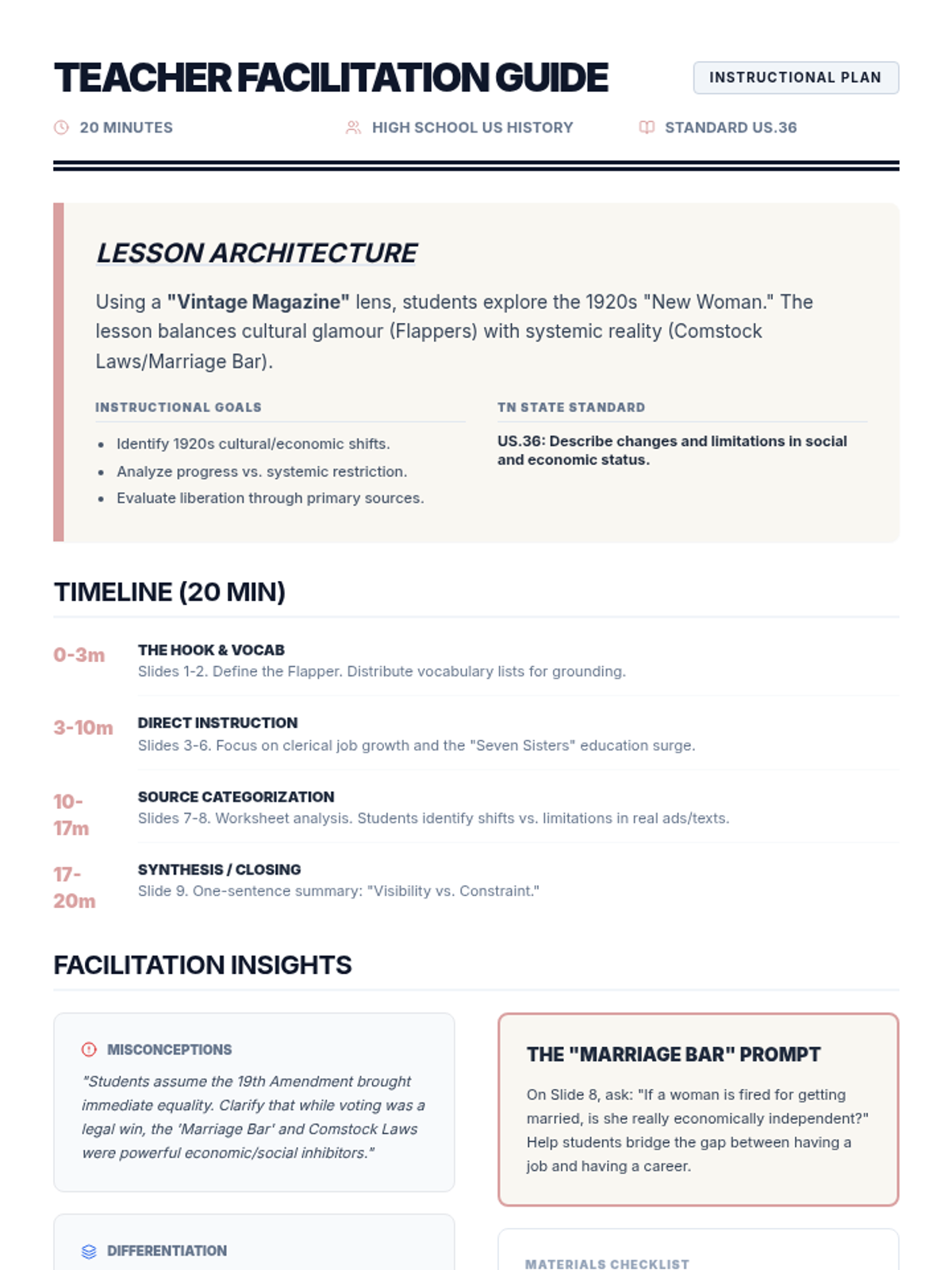
A 20-minute direct instruction lesson exploring the 1920s 'New Woman' through slides, guided notes, and a categorization activity. Covers social, economic, and educational shifts and their limitations.
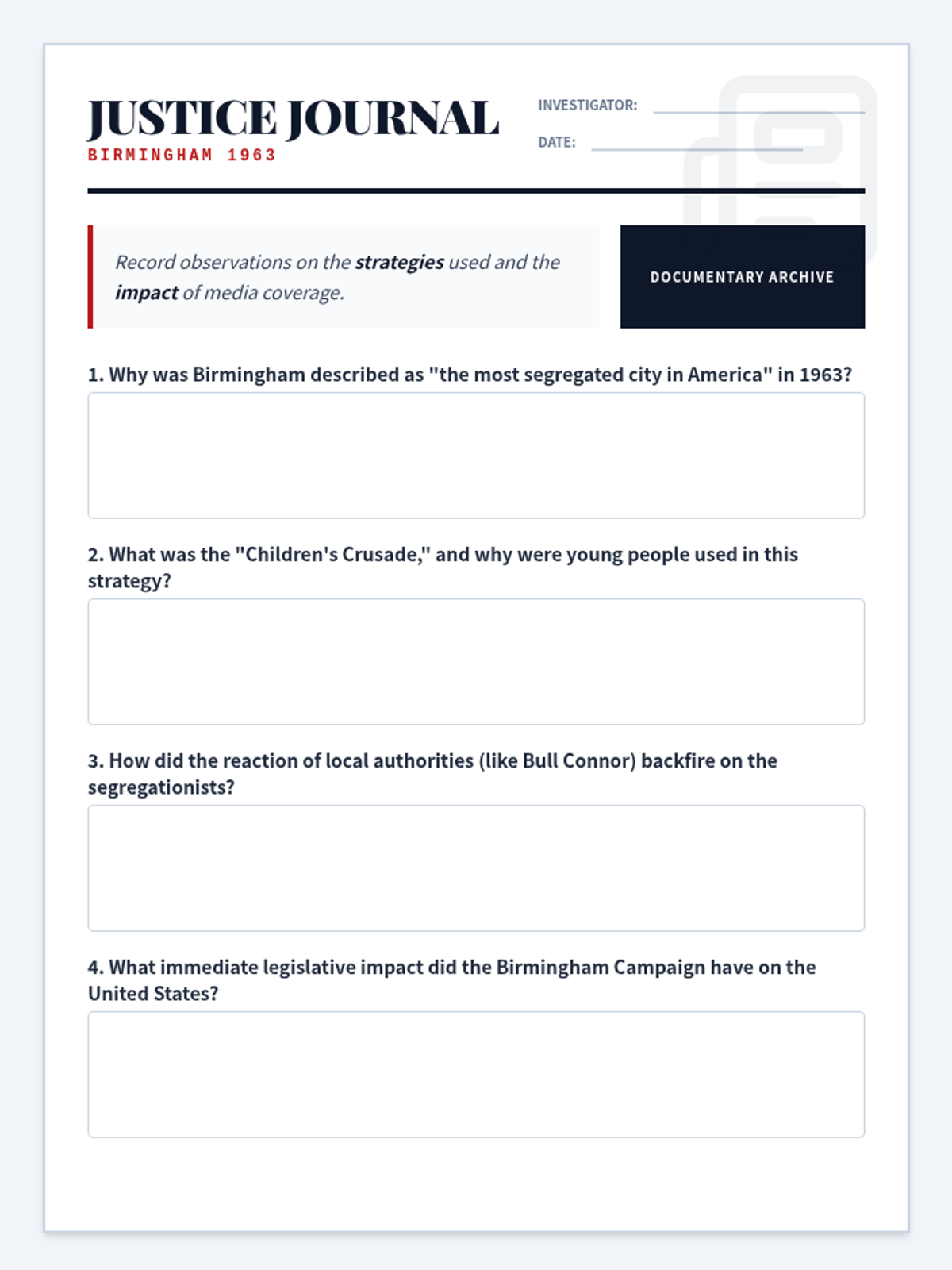
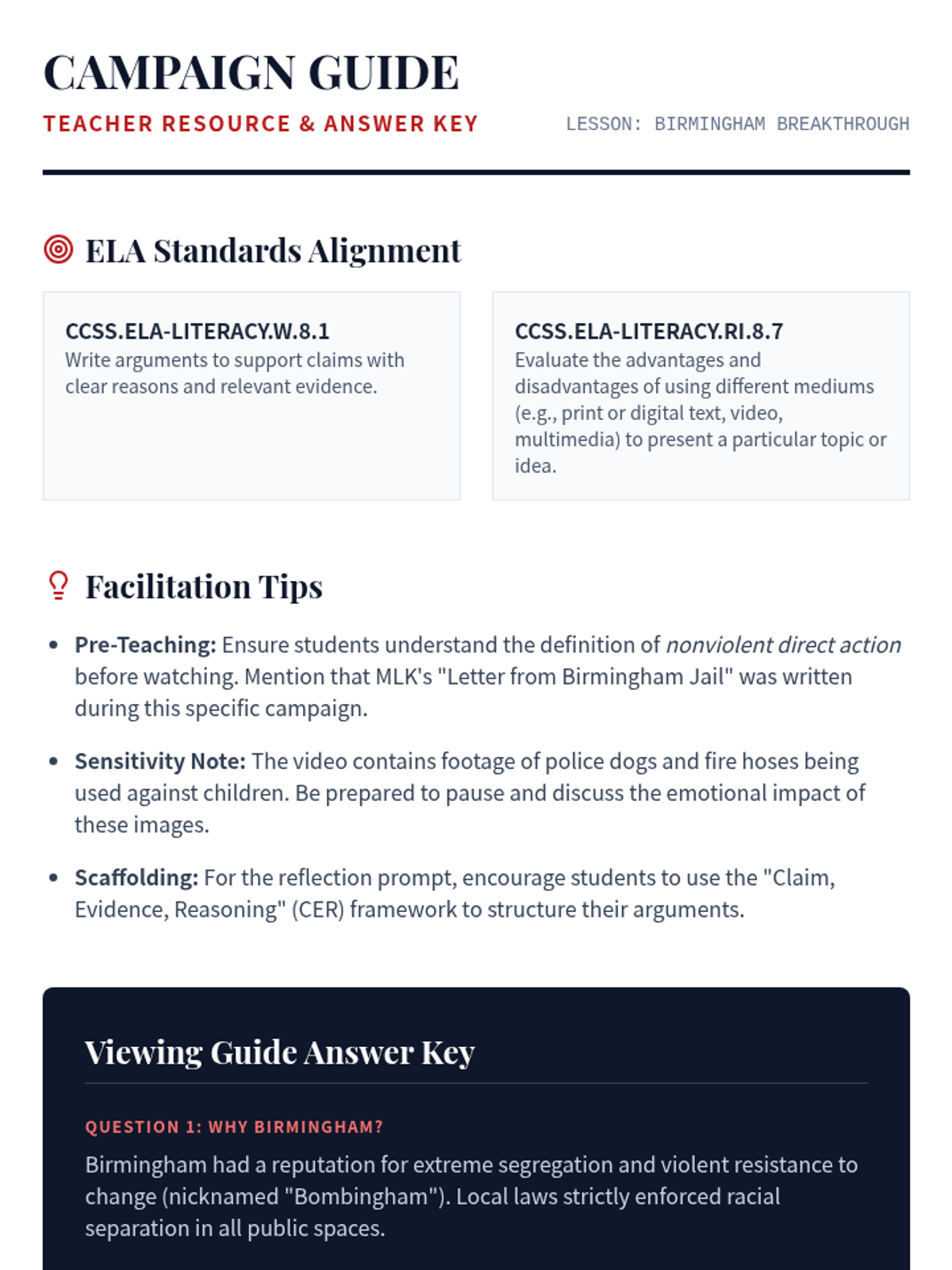
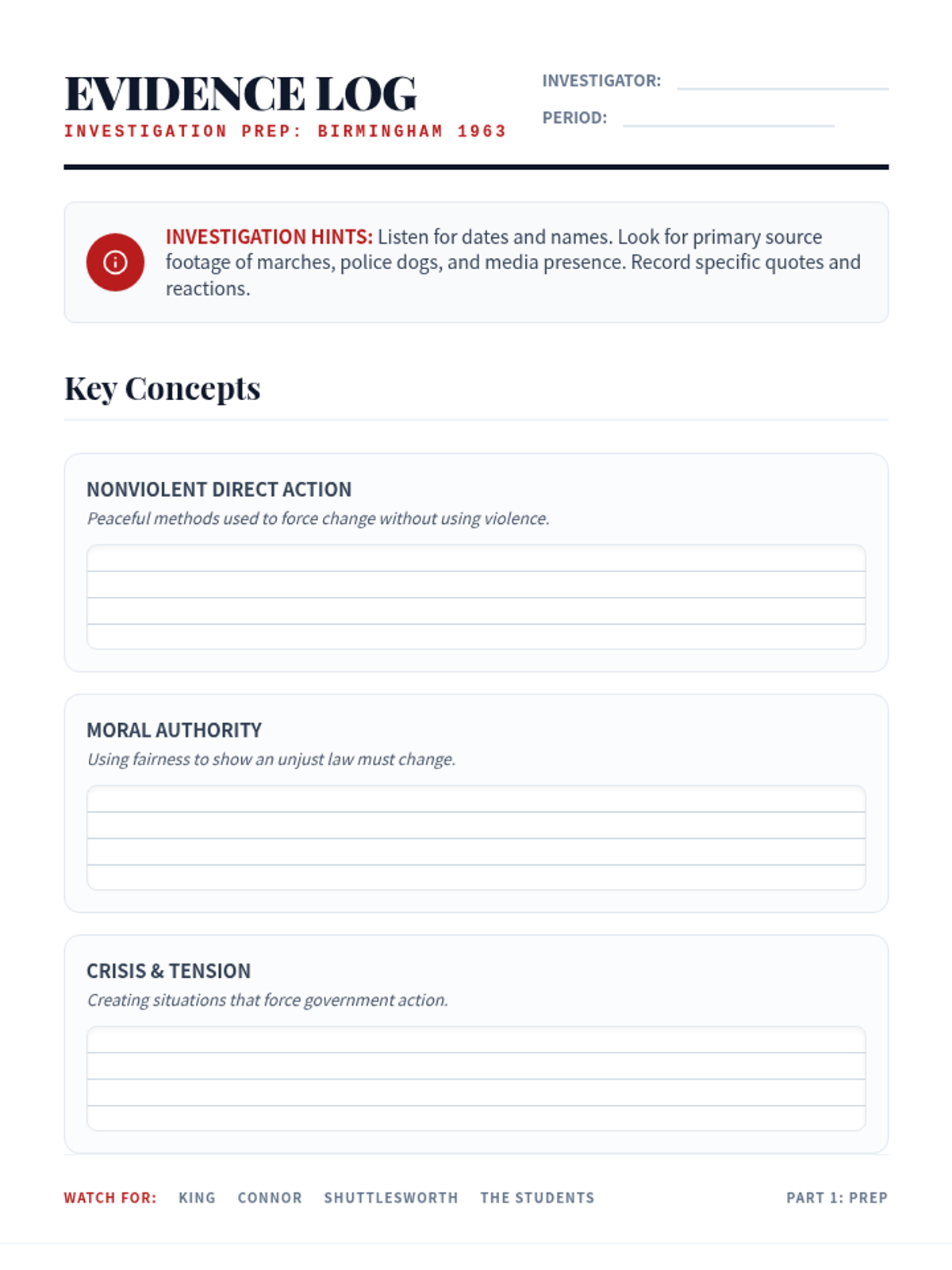
An exploration of the 1963 Birmingham Campaign, focusing on the strategies of the Civil Rights Movement and the impact of youth activism through guided video analysis and reflective writing.
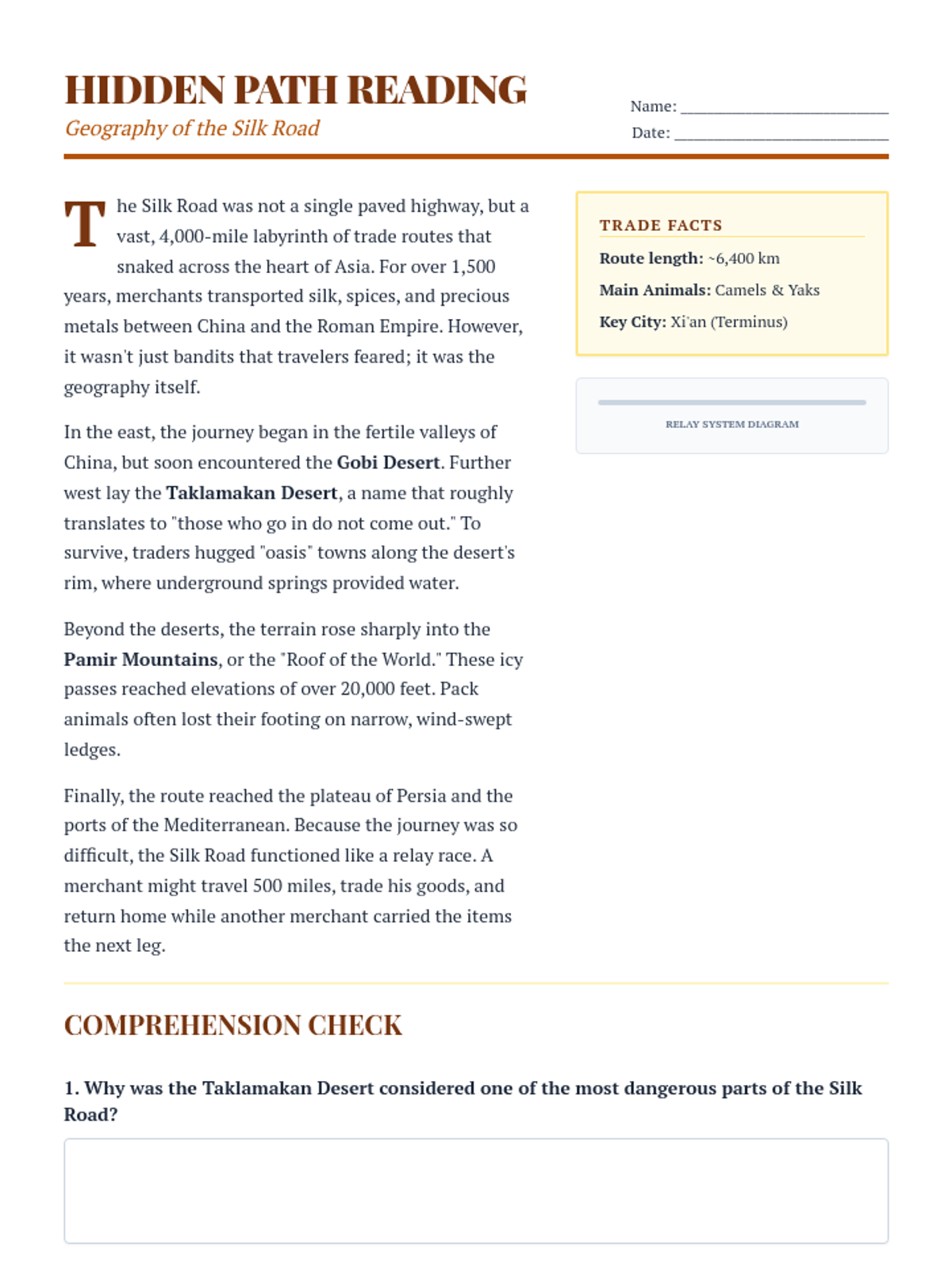
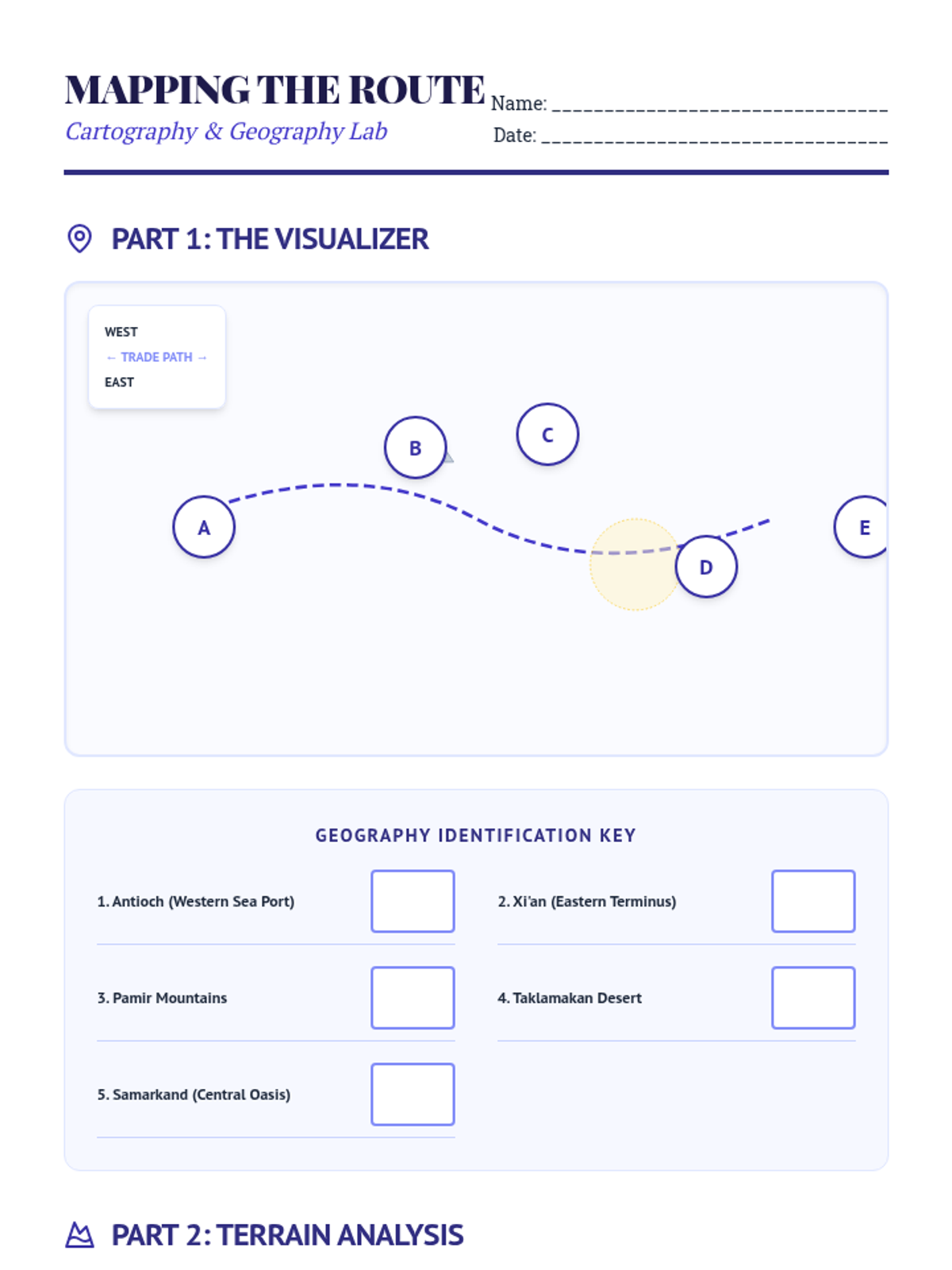
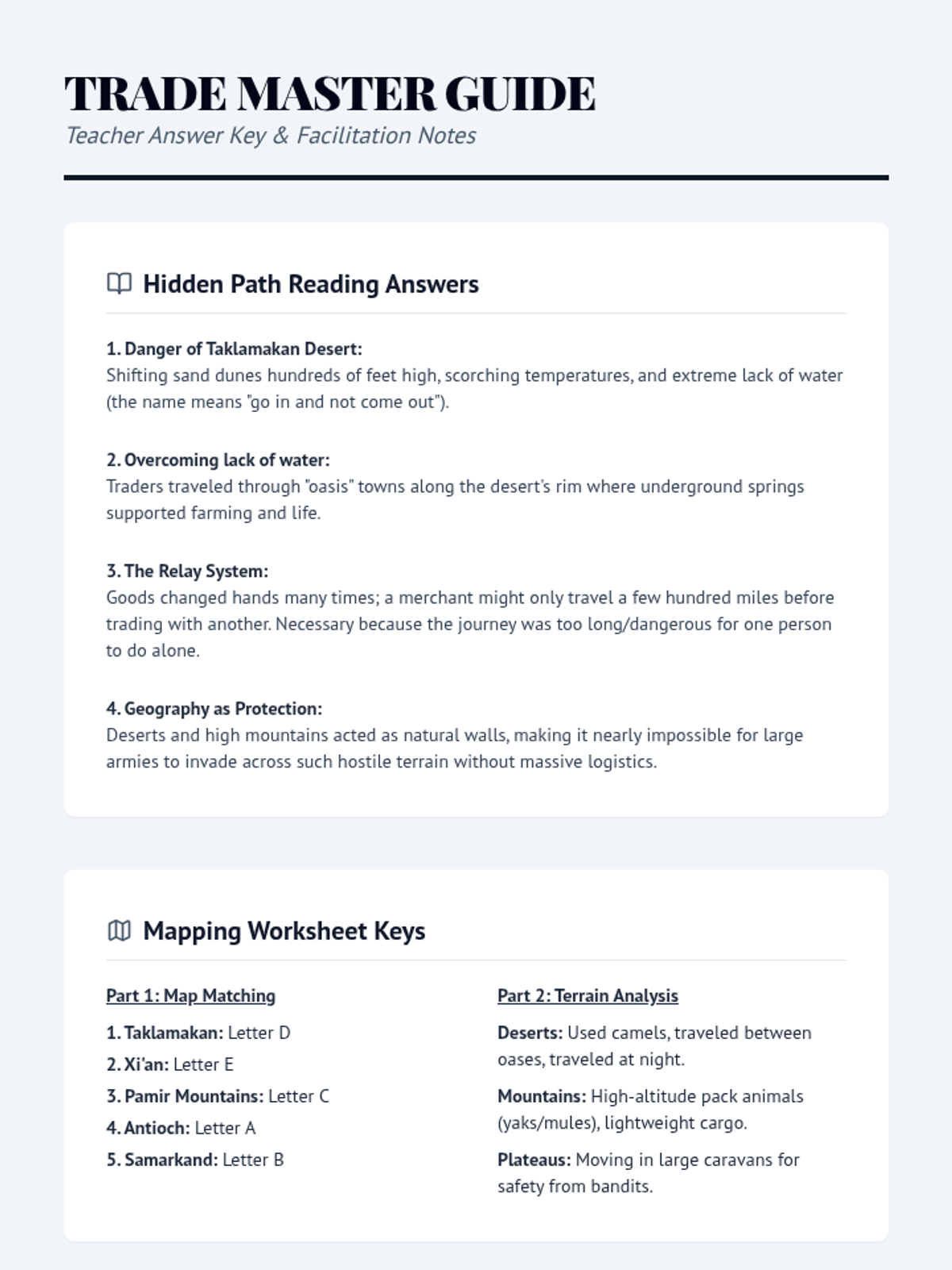
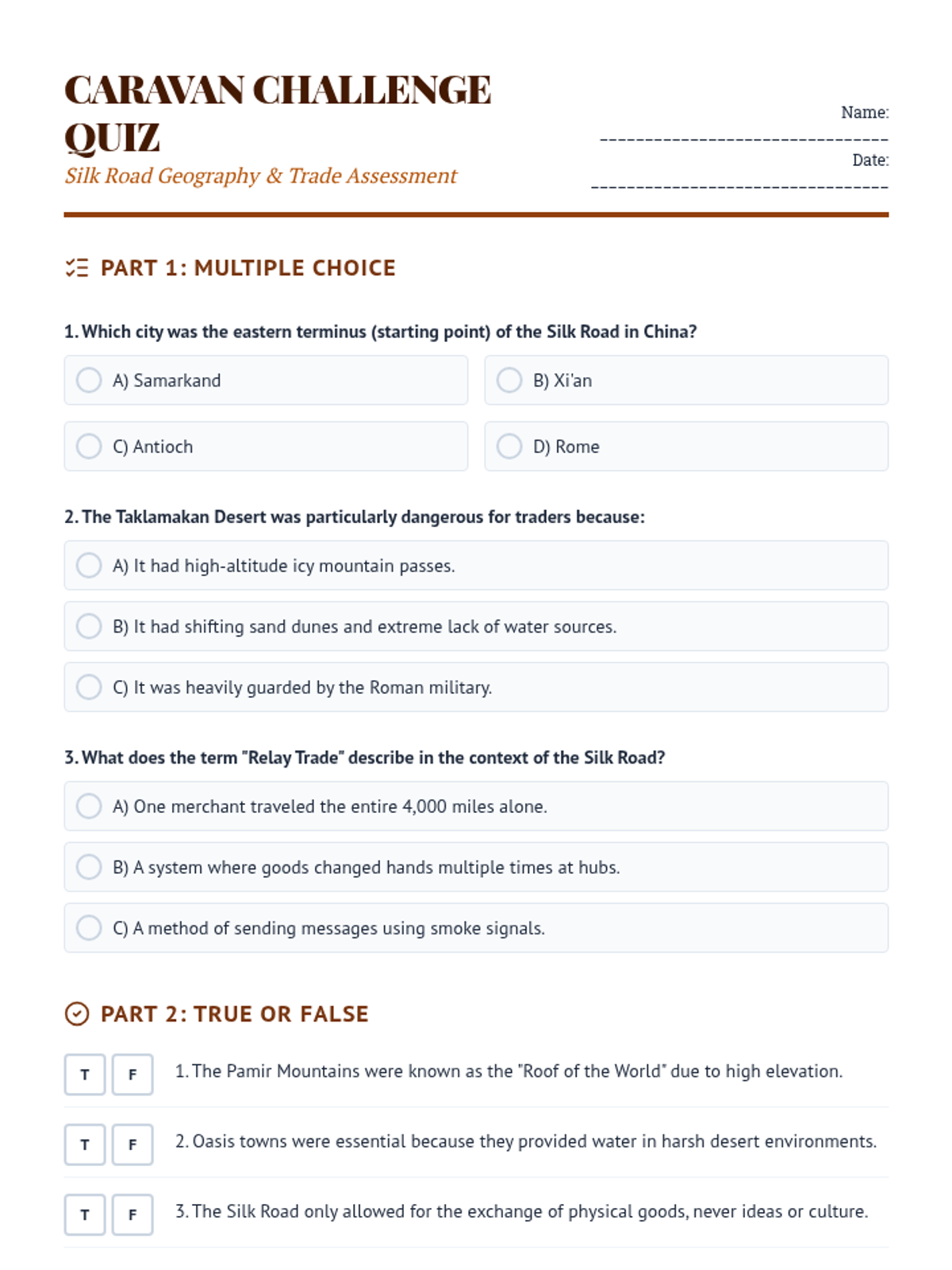
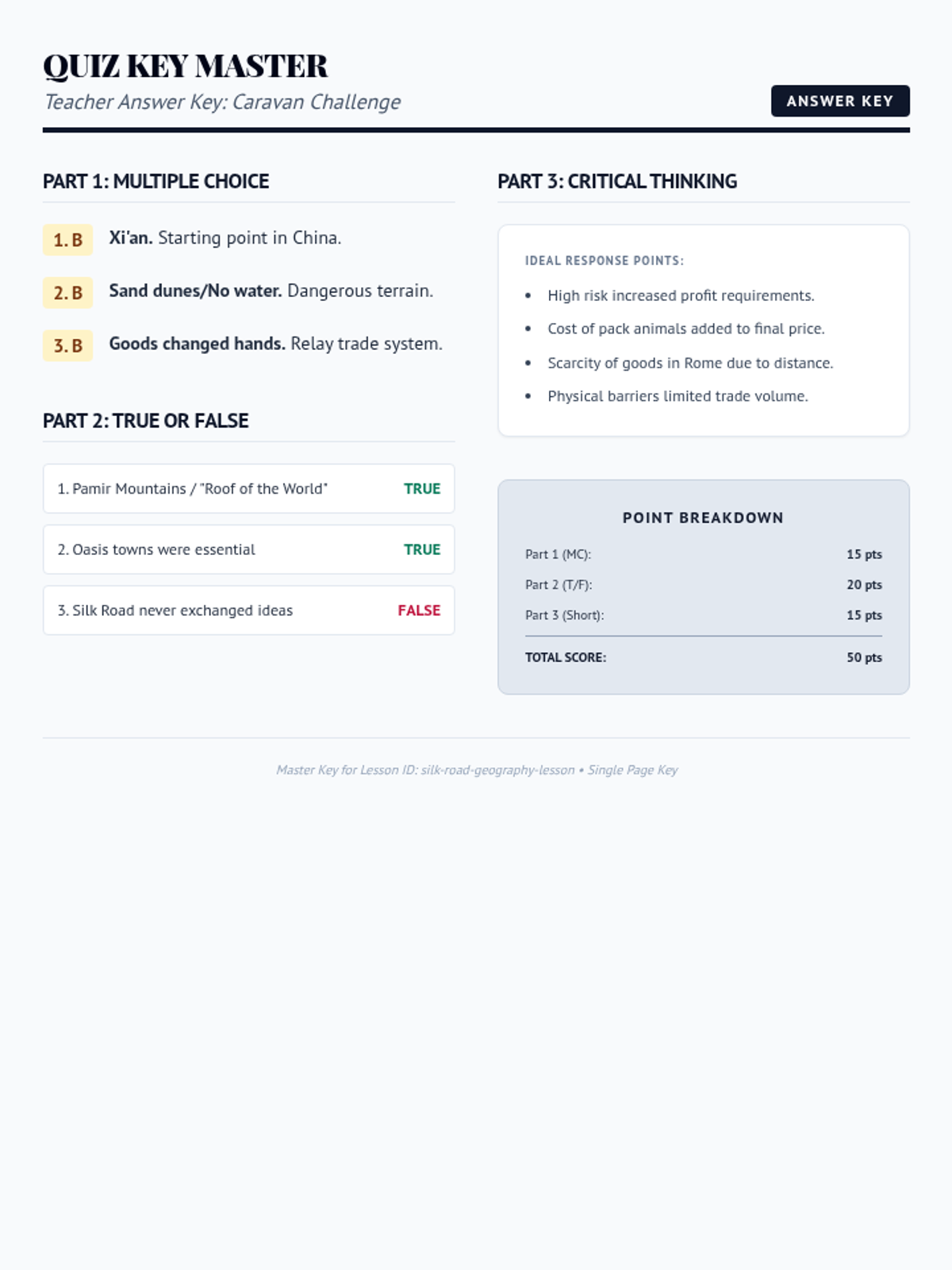
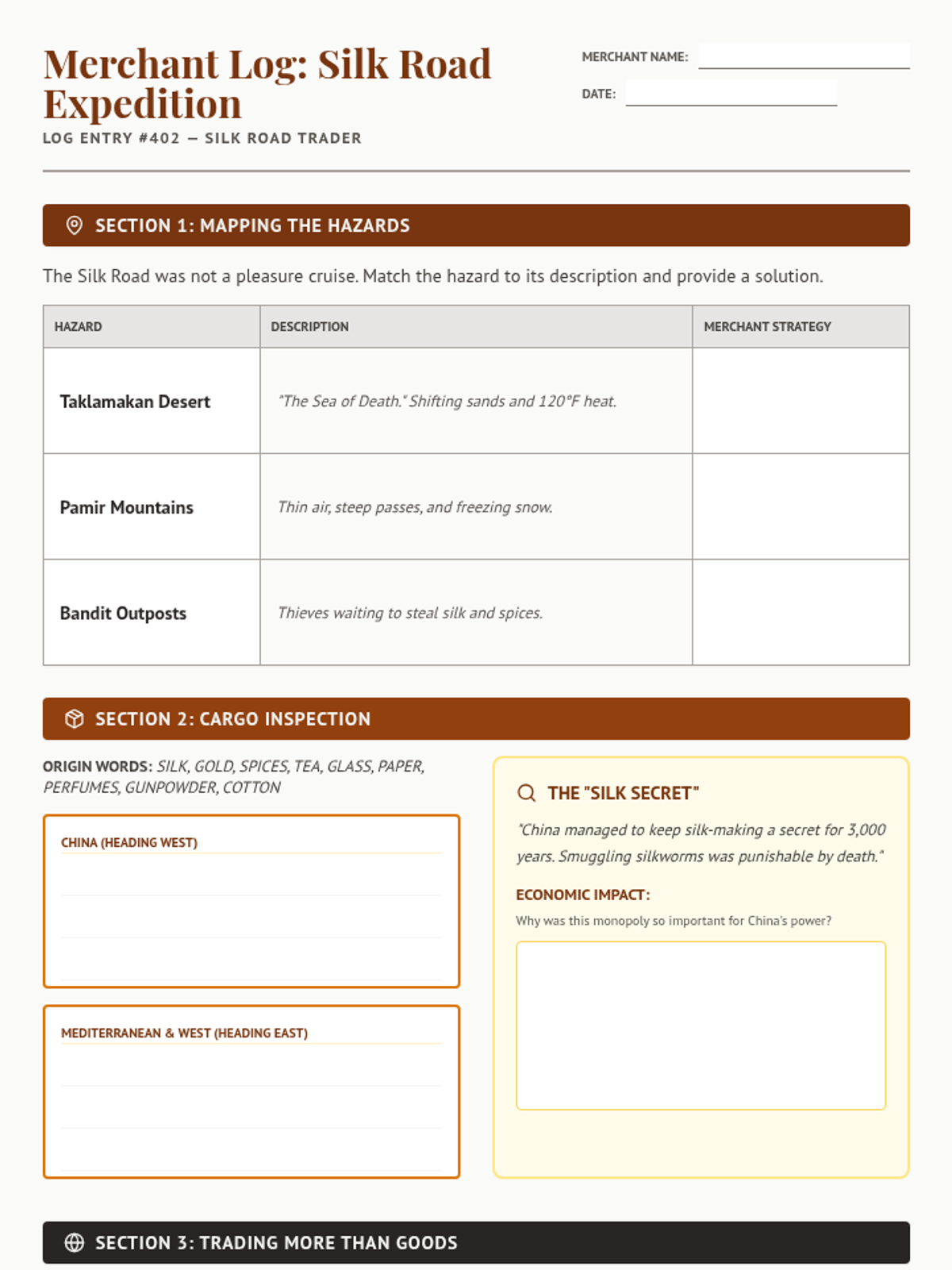
A comprehensive exploration of the Silk Road's geography, challenging terrain, and the vital role of trade routes connecting East and West. Students will analyze physical barriers and key trading hubs.
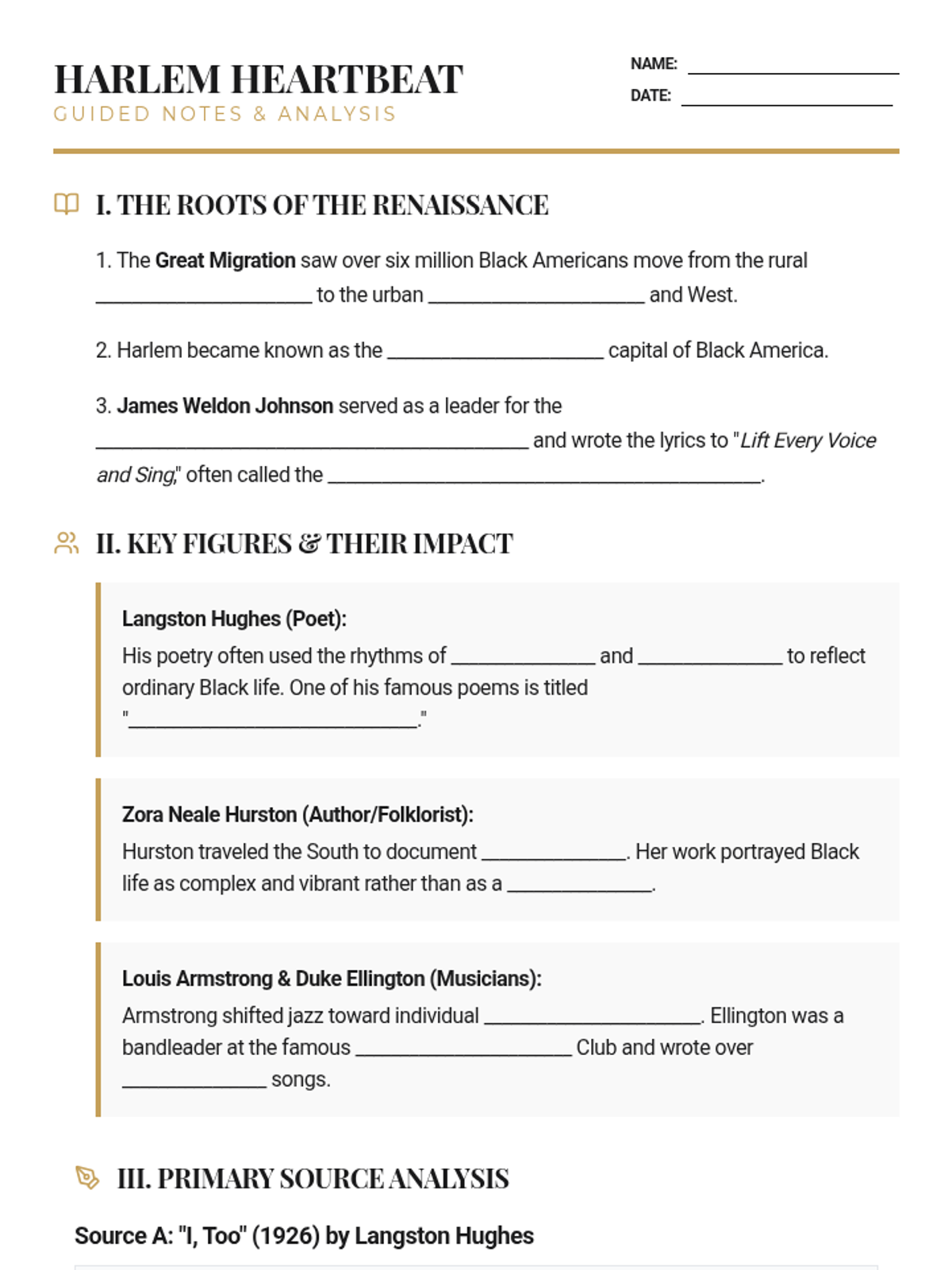
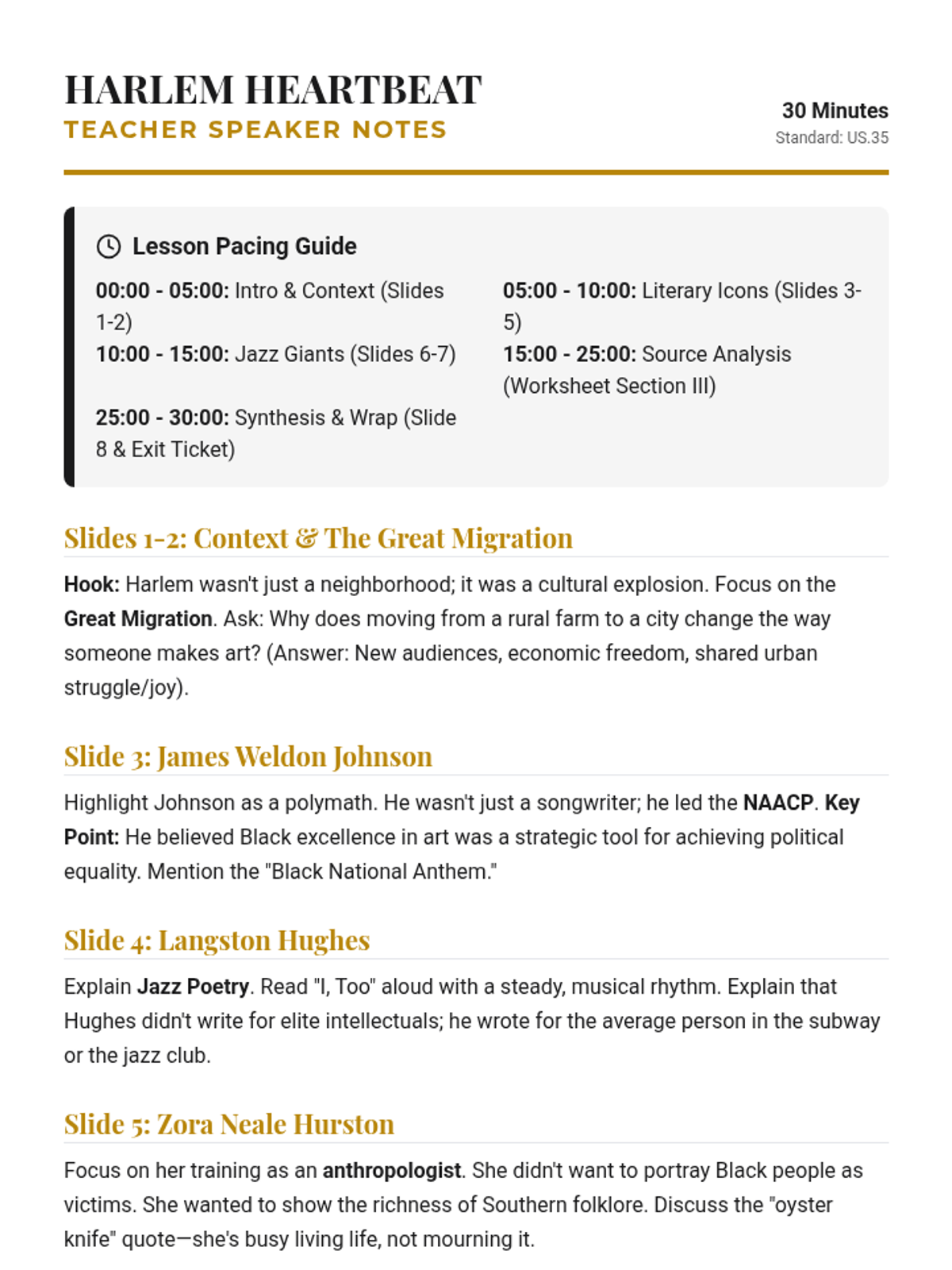
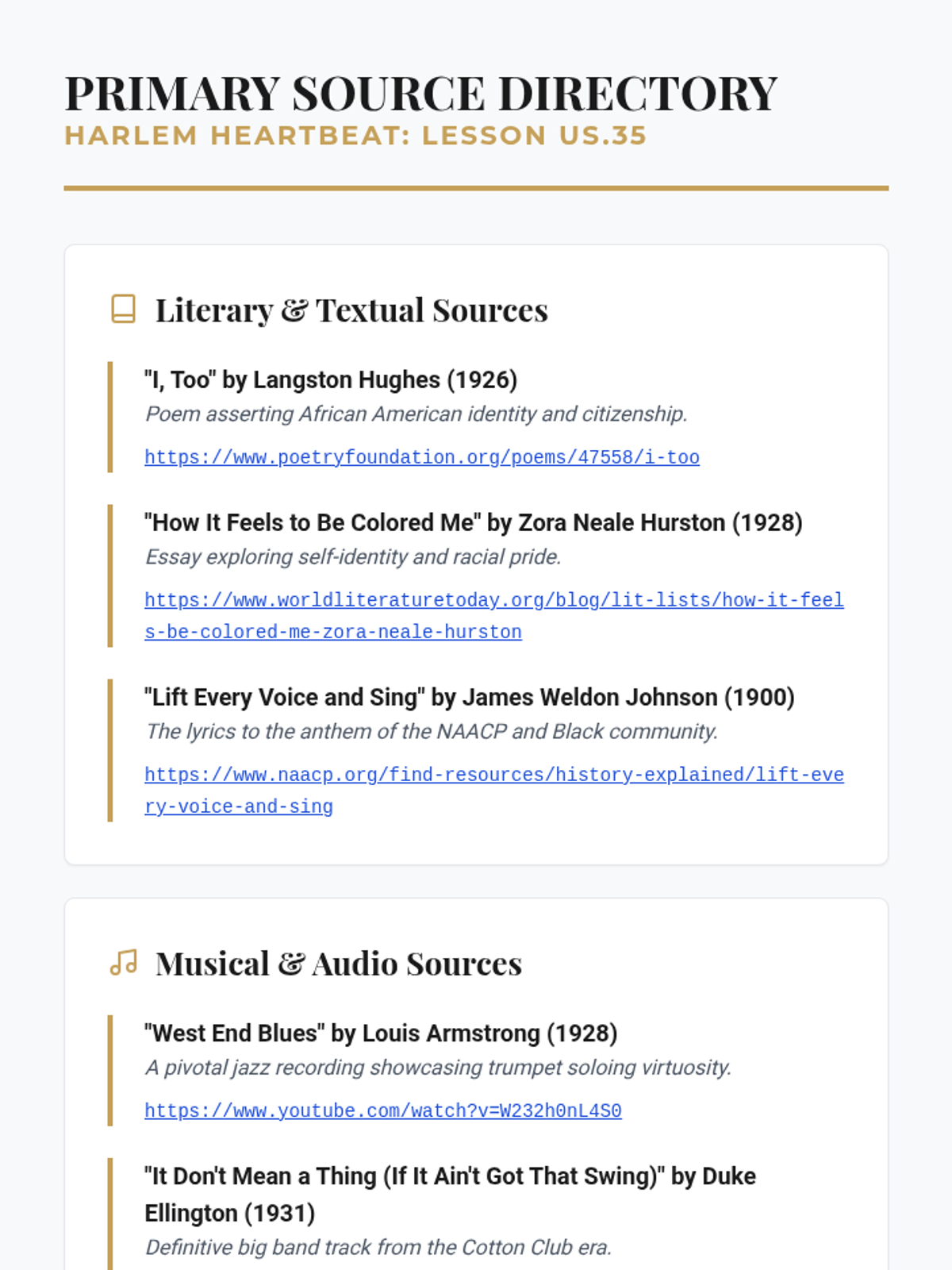
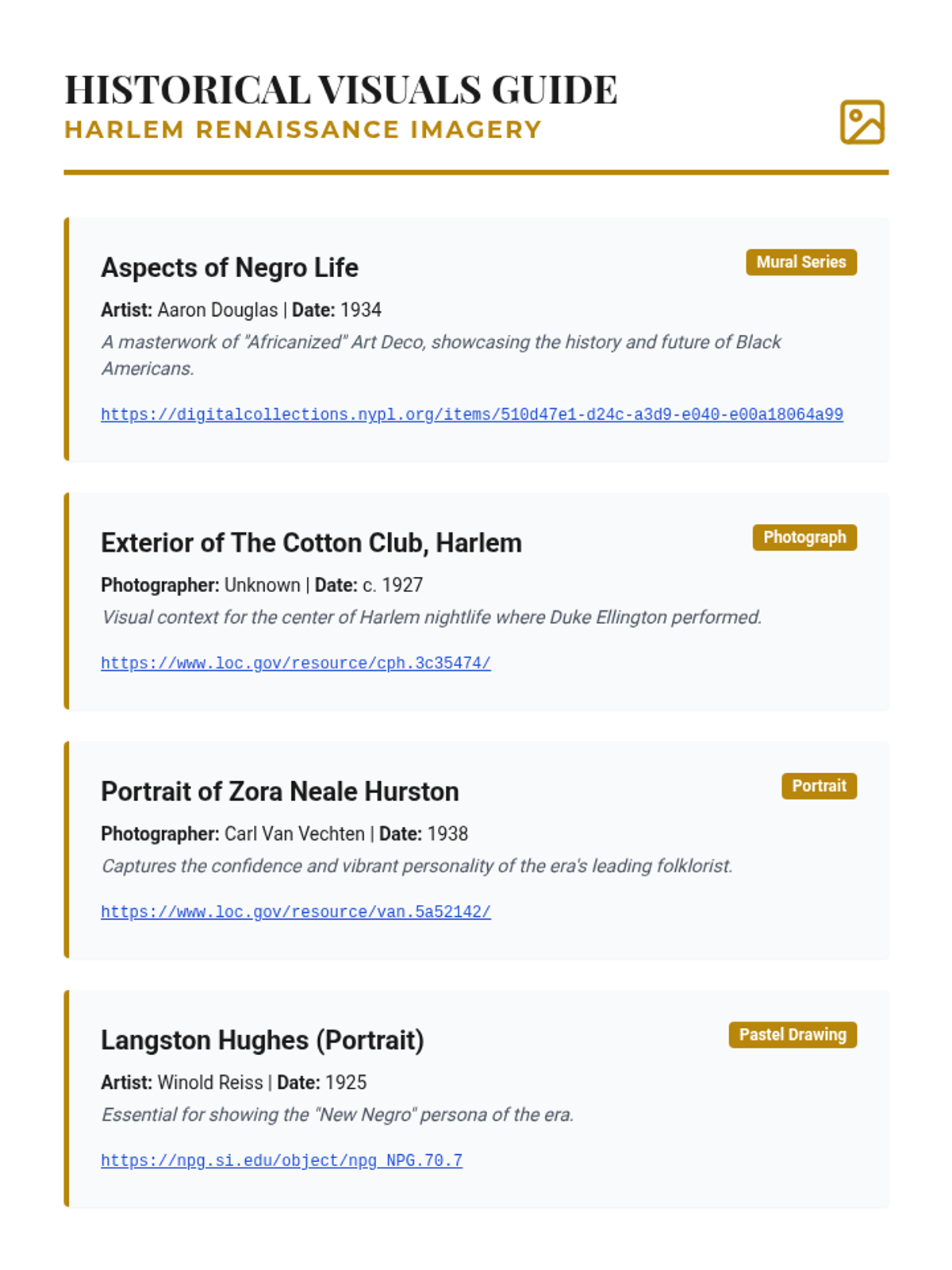
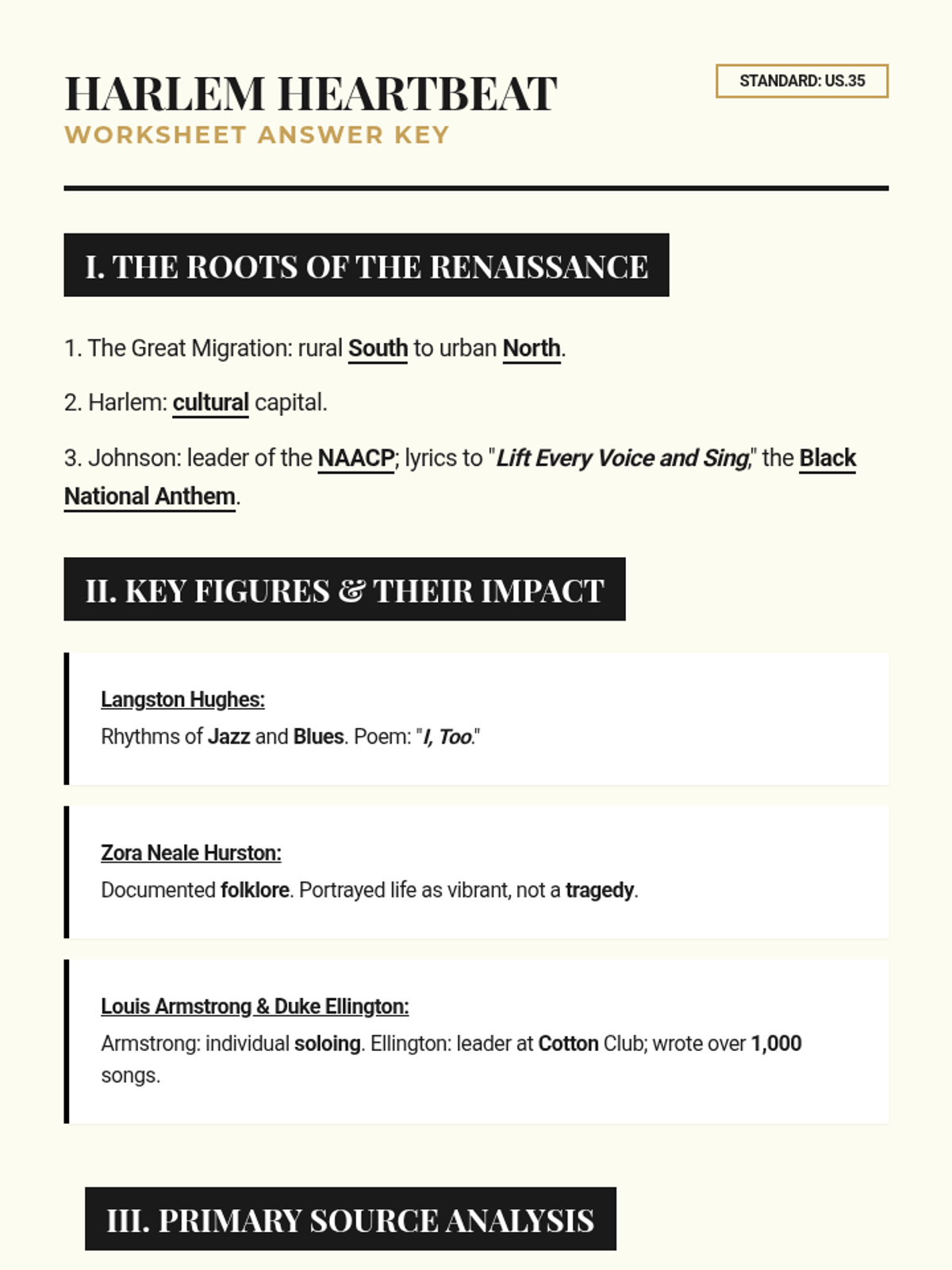
A 30-minute high-school lesson exploring the cultural explosion of the Harlem Renaissance through its most influential poets, musicians, and leaders. Students will analyze the impact of figures like Langston Hughes and Louis Armstrong on American identity.
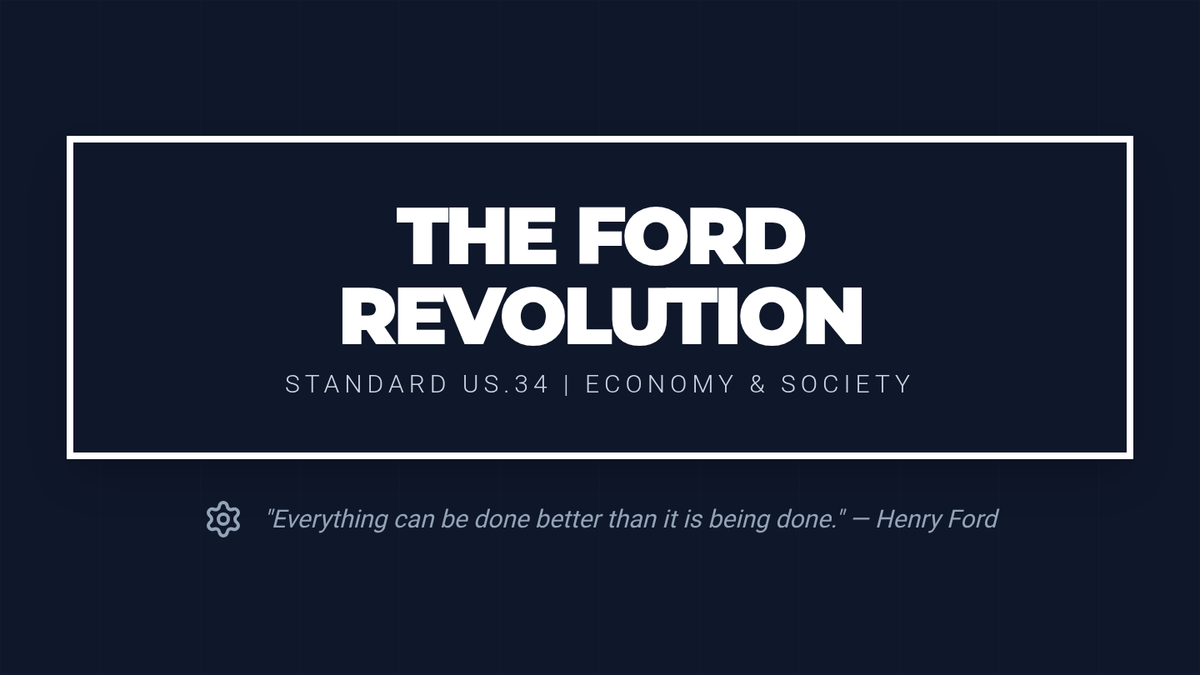
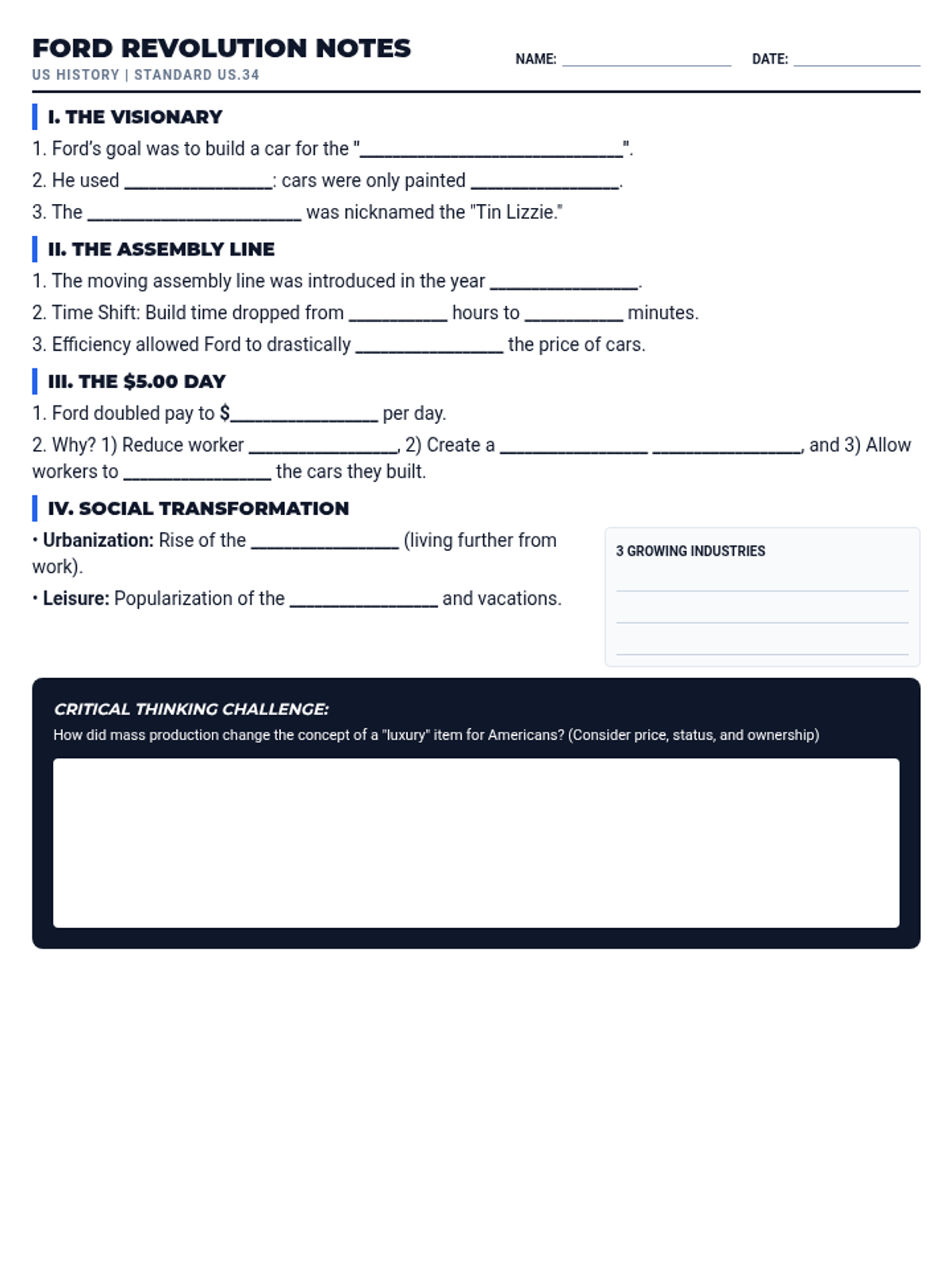
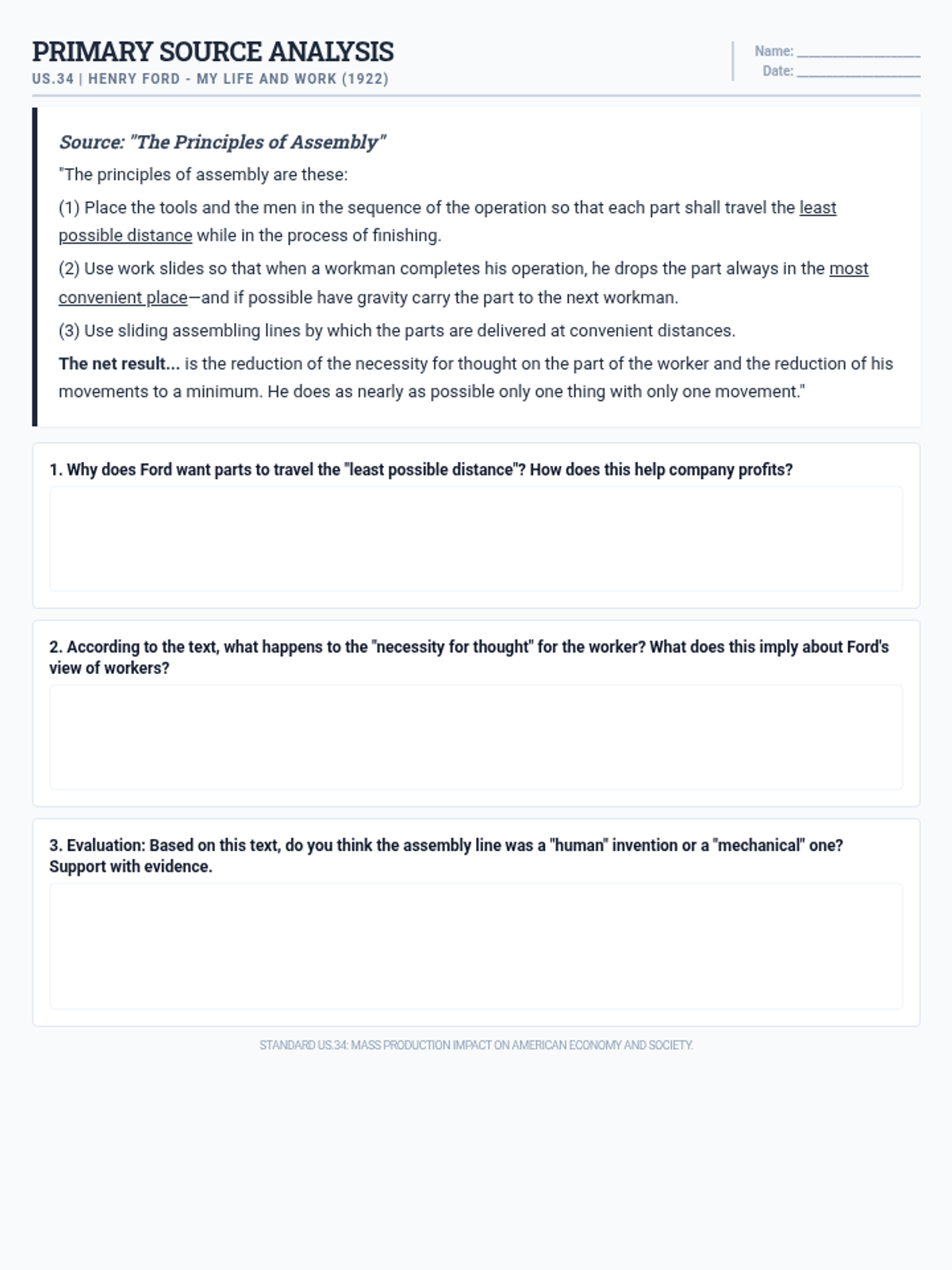
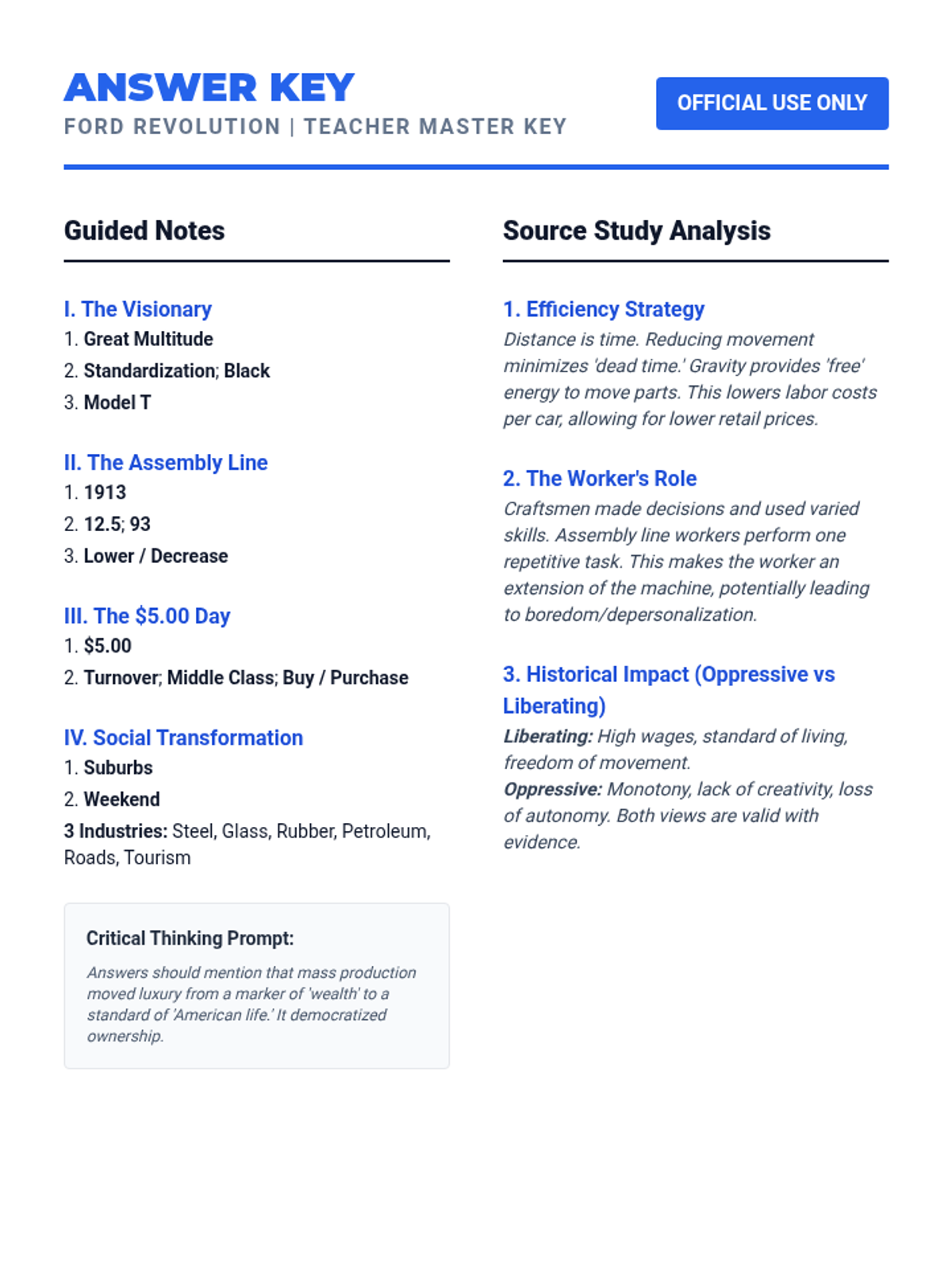
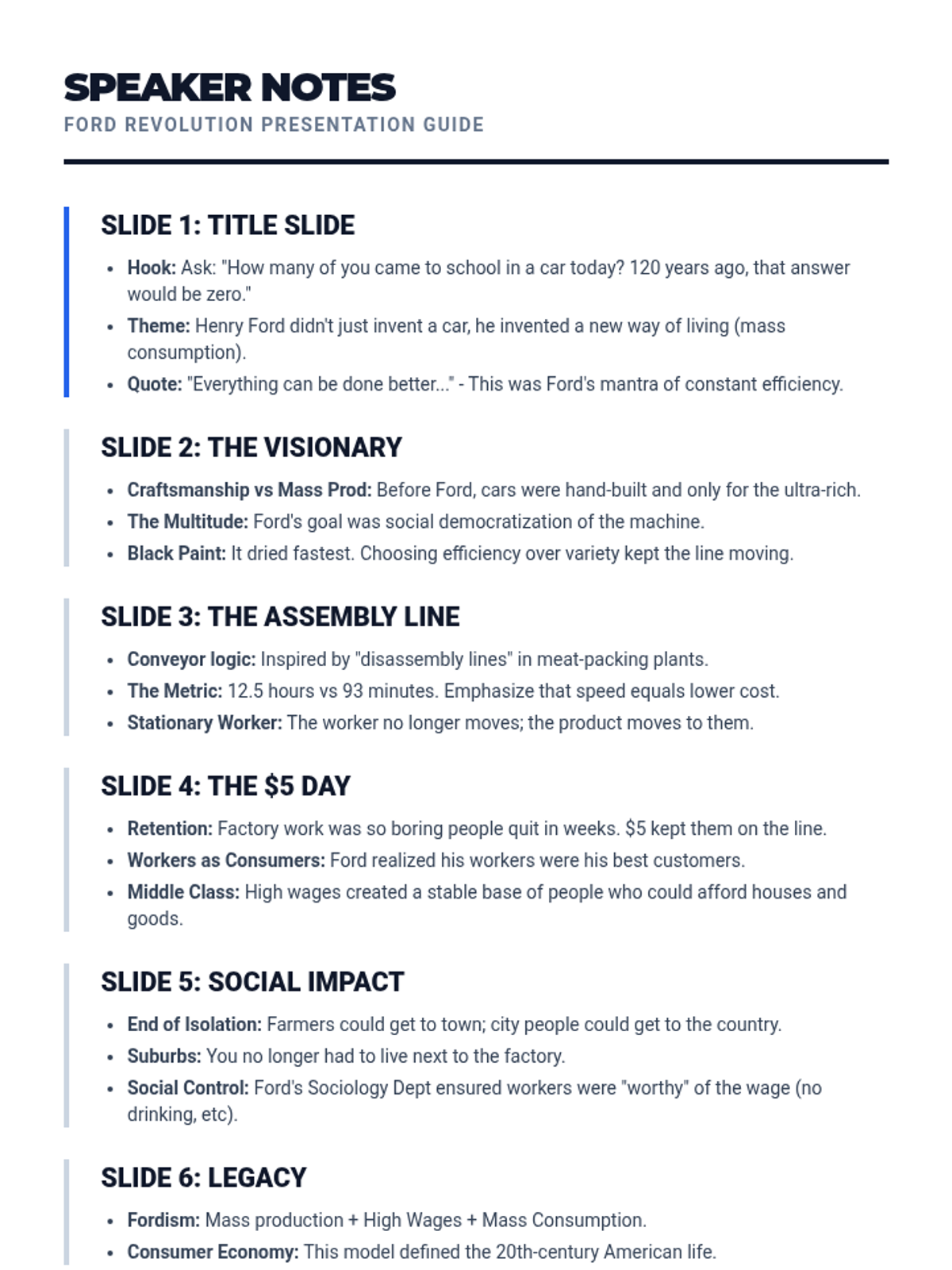
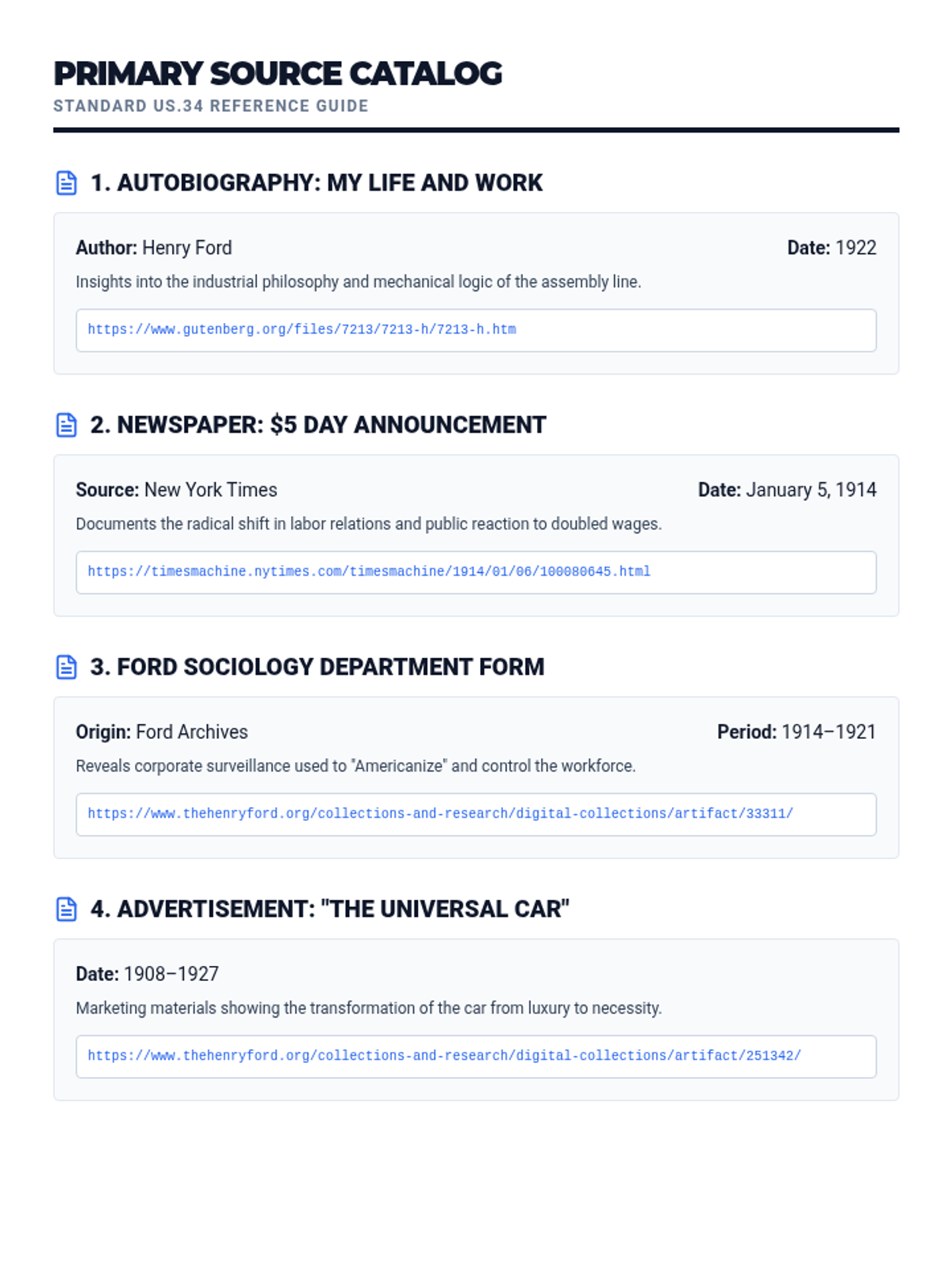
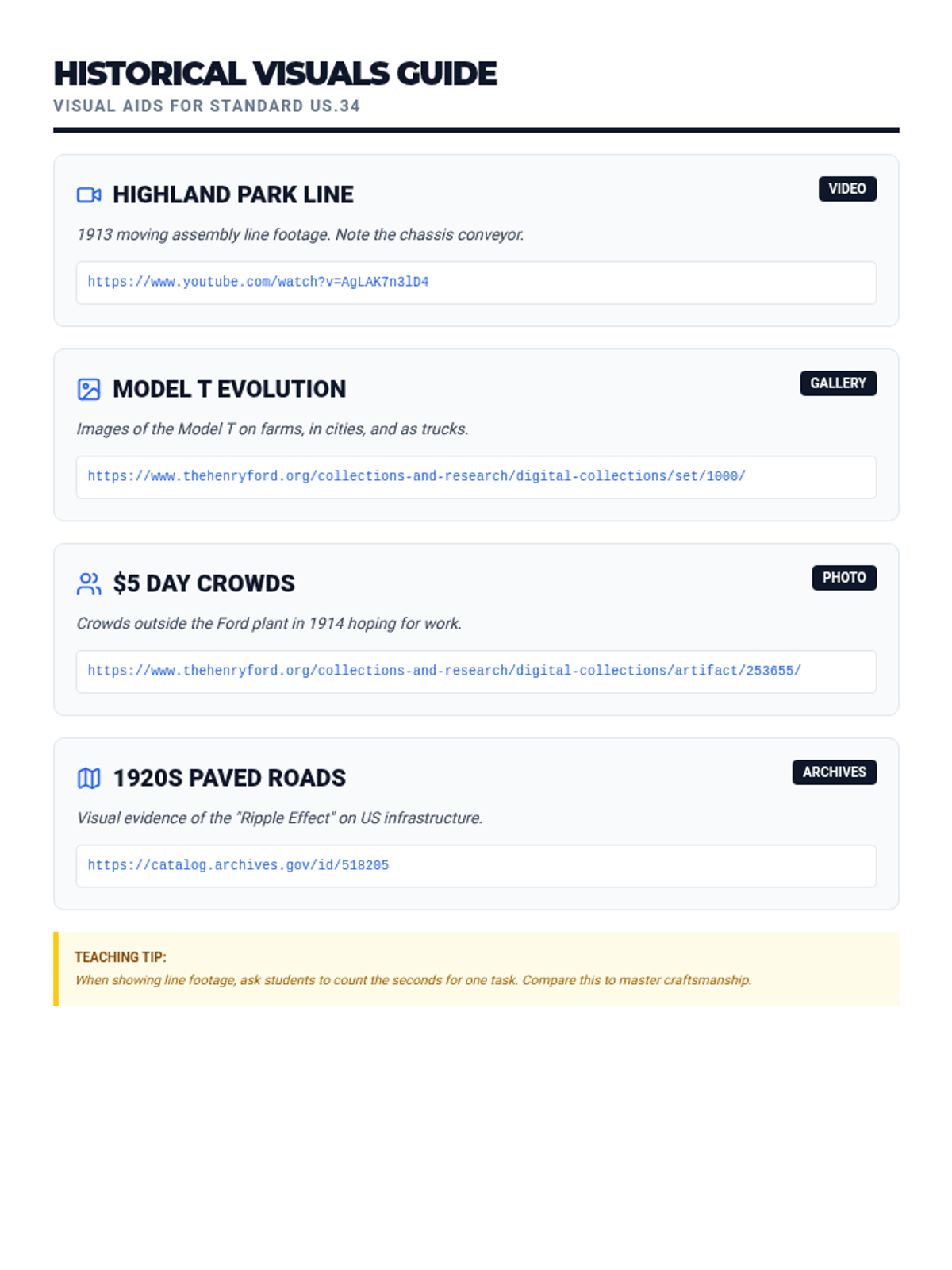
A 25-minute lesson examining Henry Ford's revolutionary impact on American industry, economy, and culture through the assembly line and the Model T.
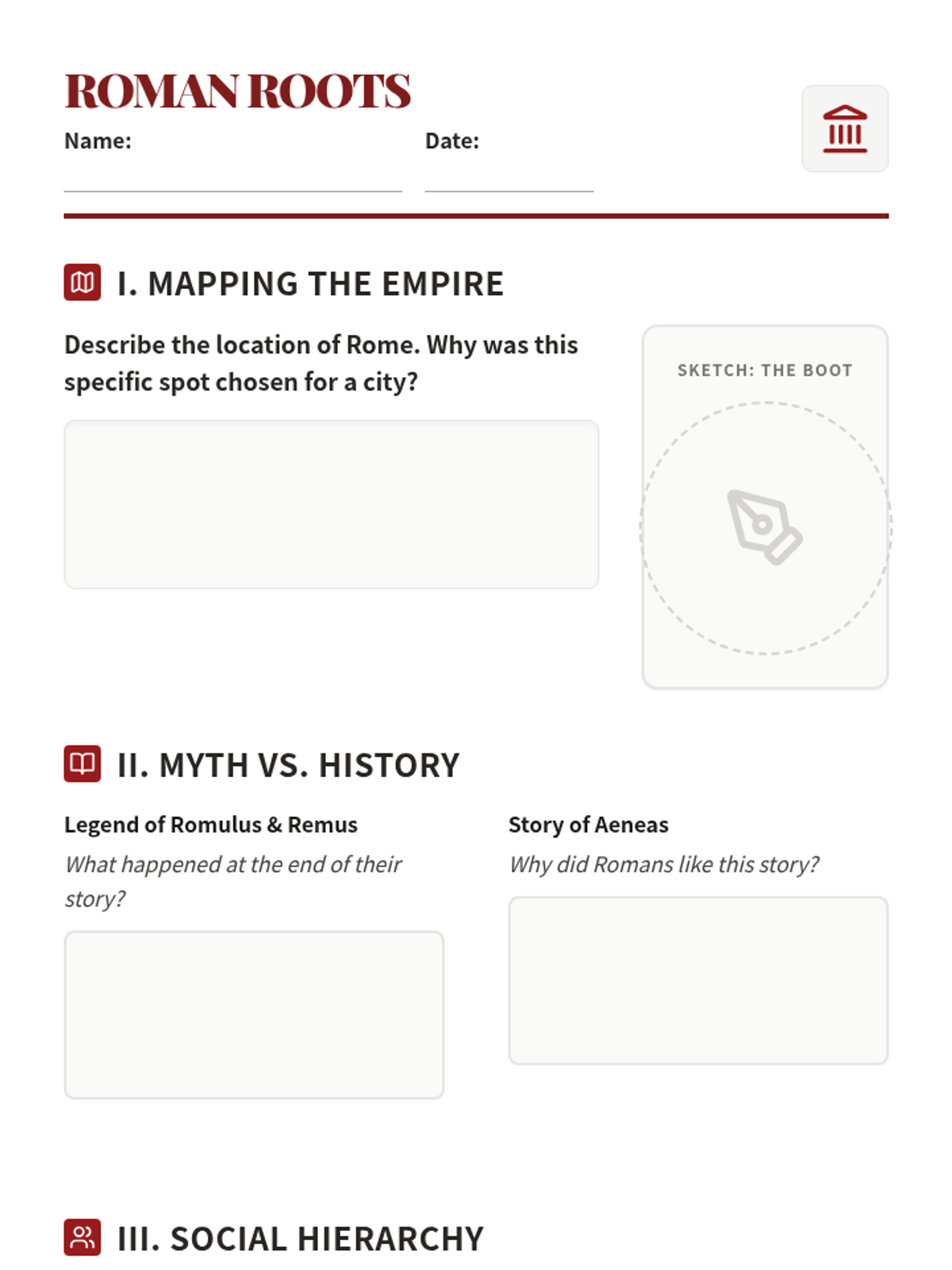
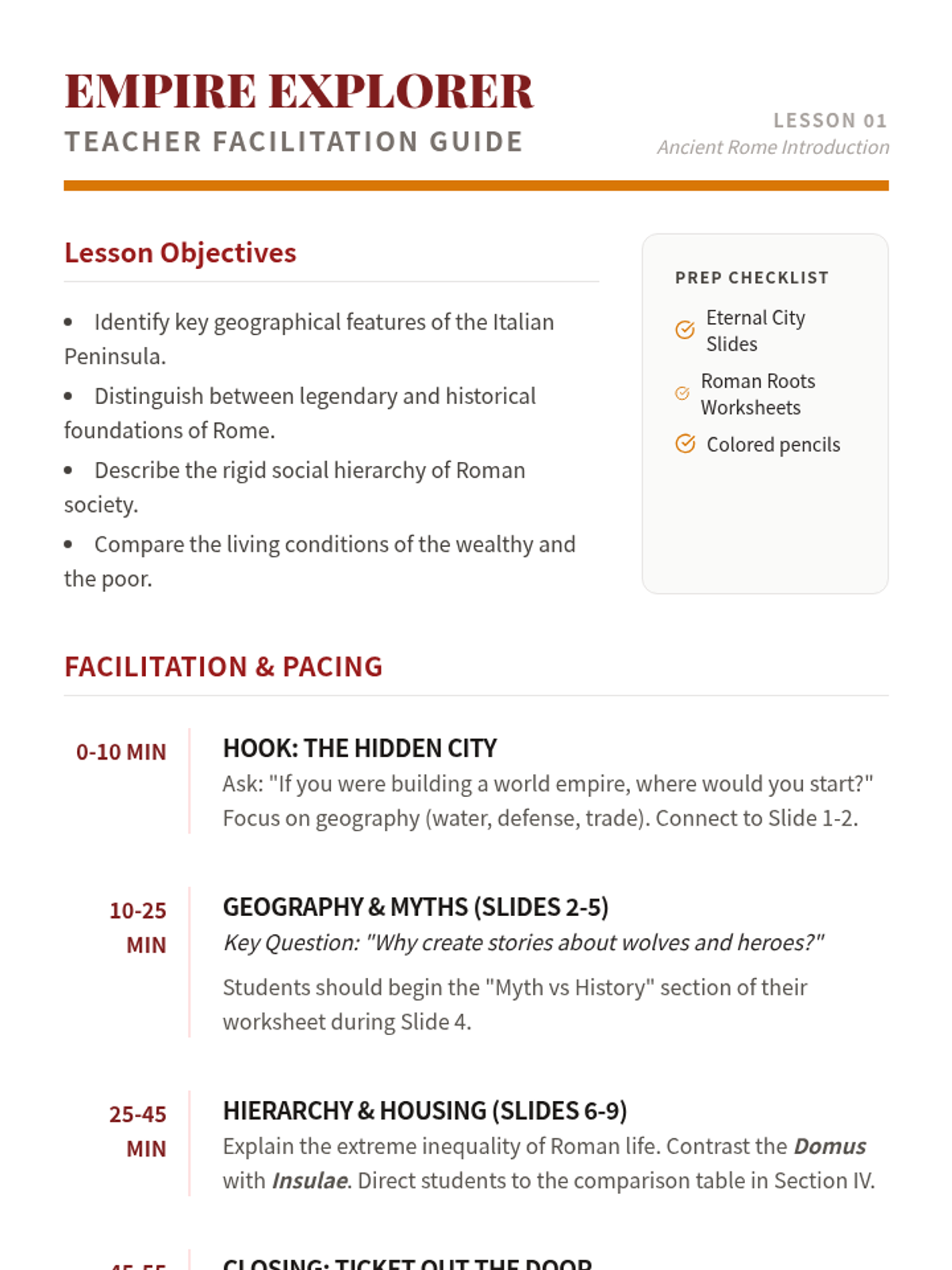
A foundational look at the geography, mythology, and social structures of Ancient Rome. Students explore how a small hilltop settlement grew into a Mediterranean powerhouse.
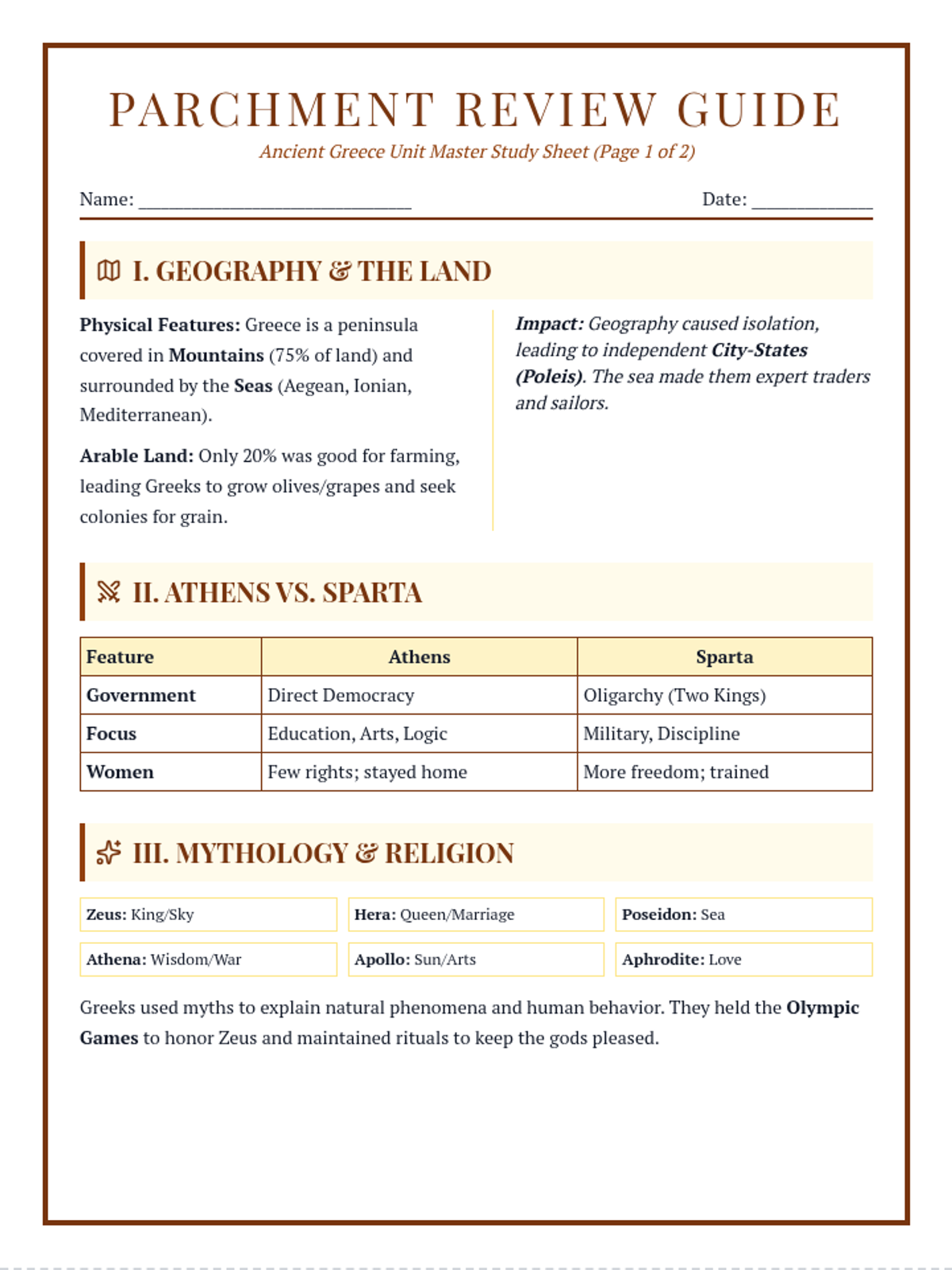
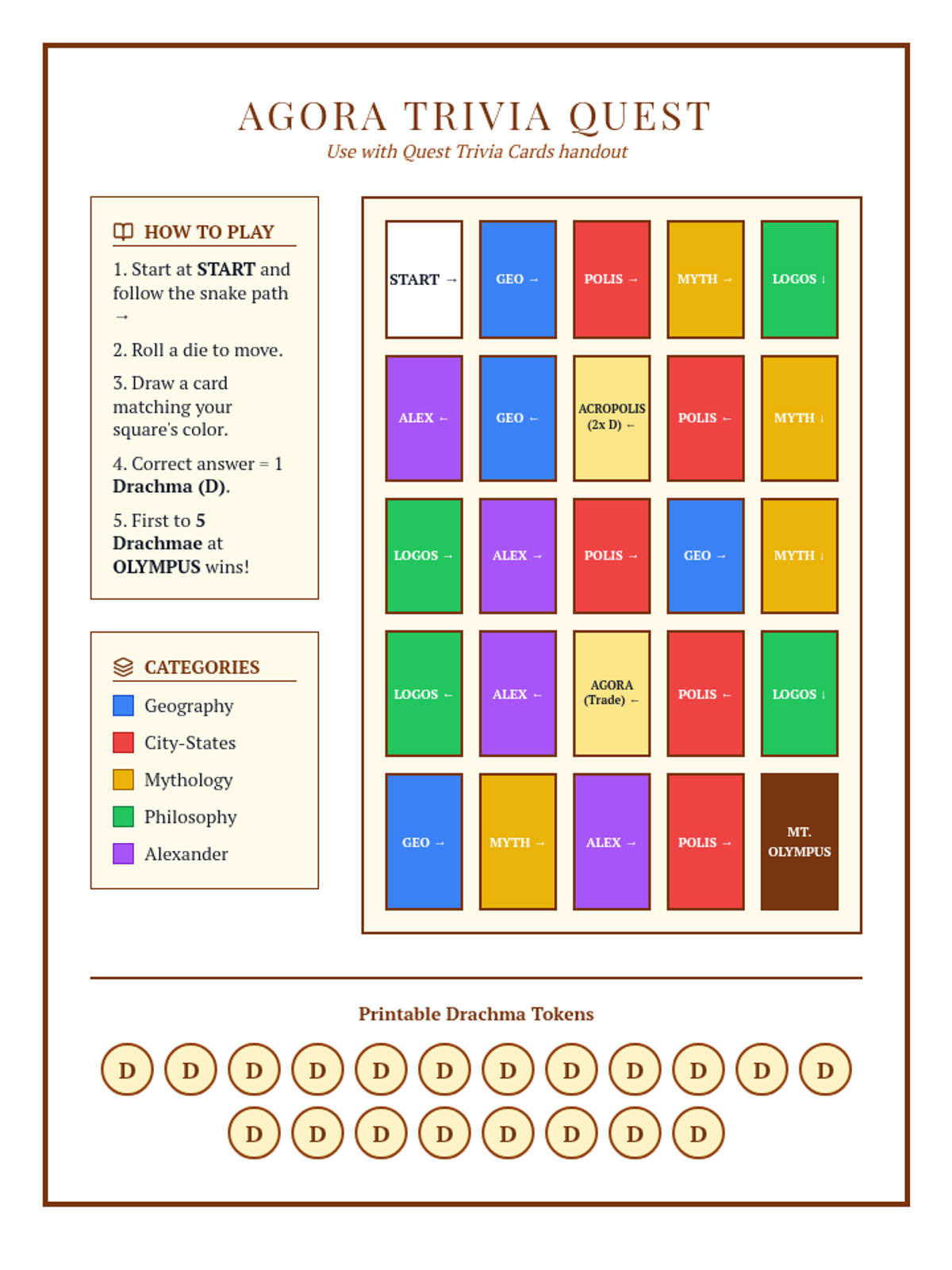
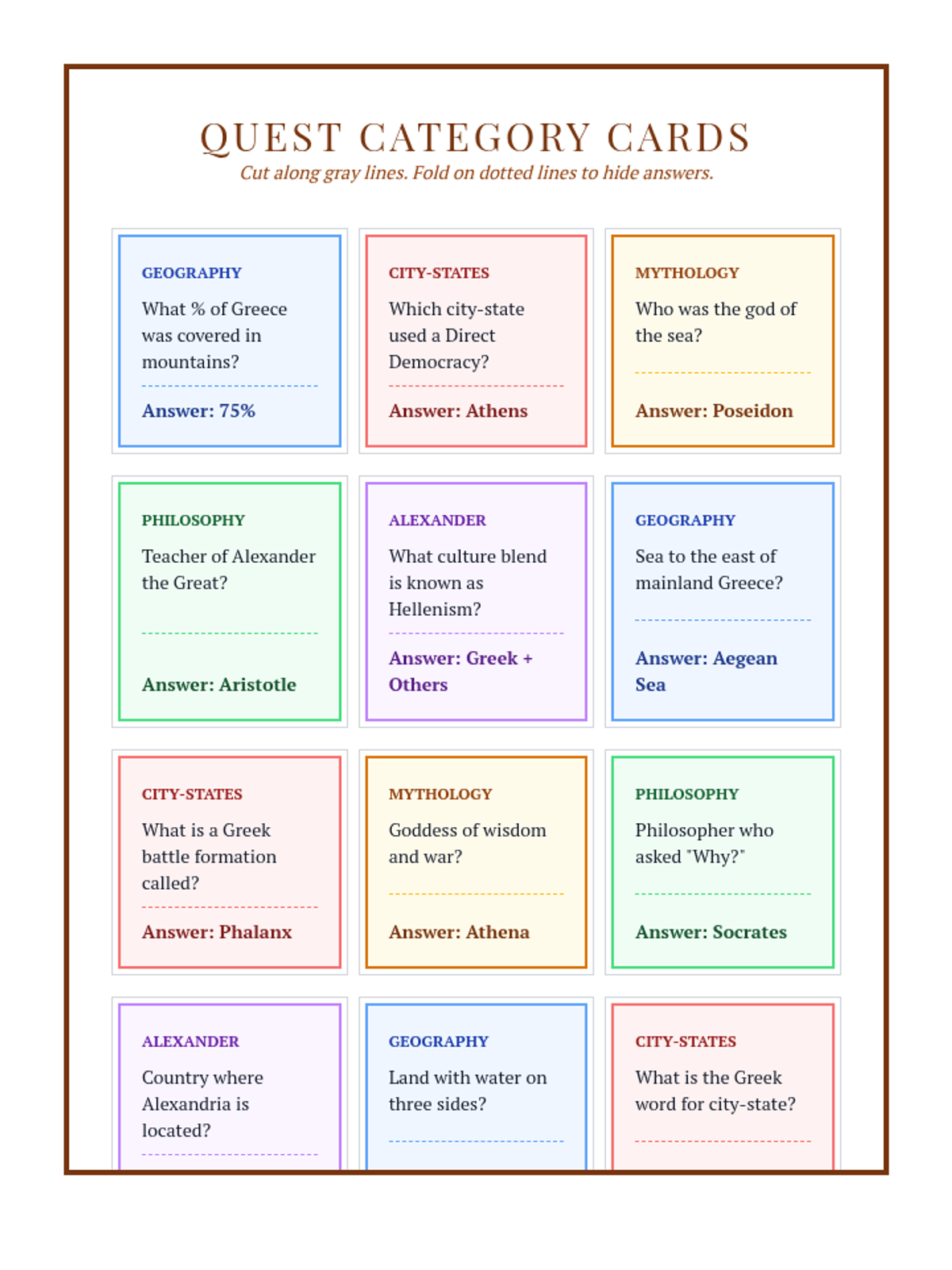
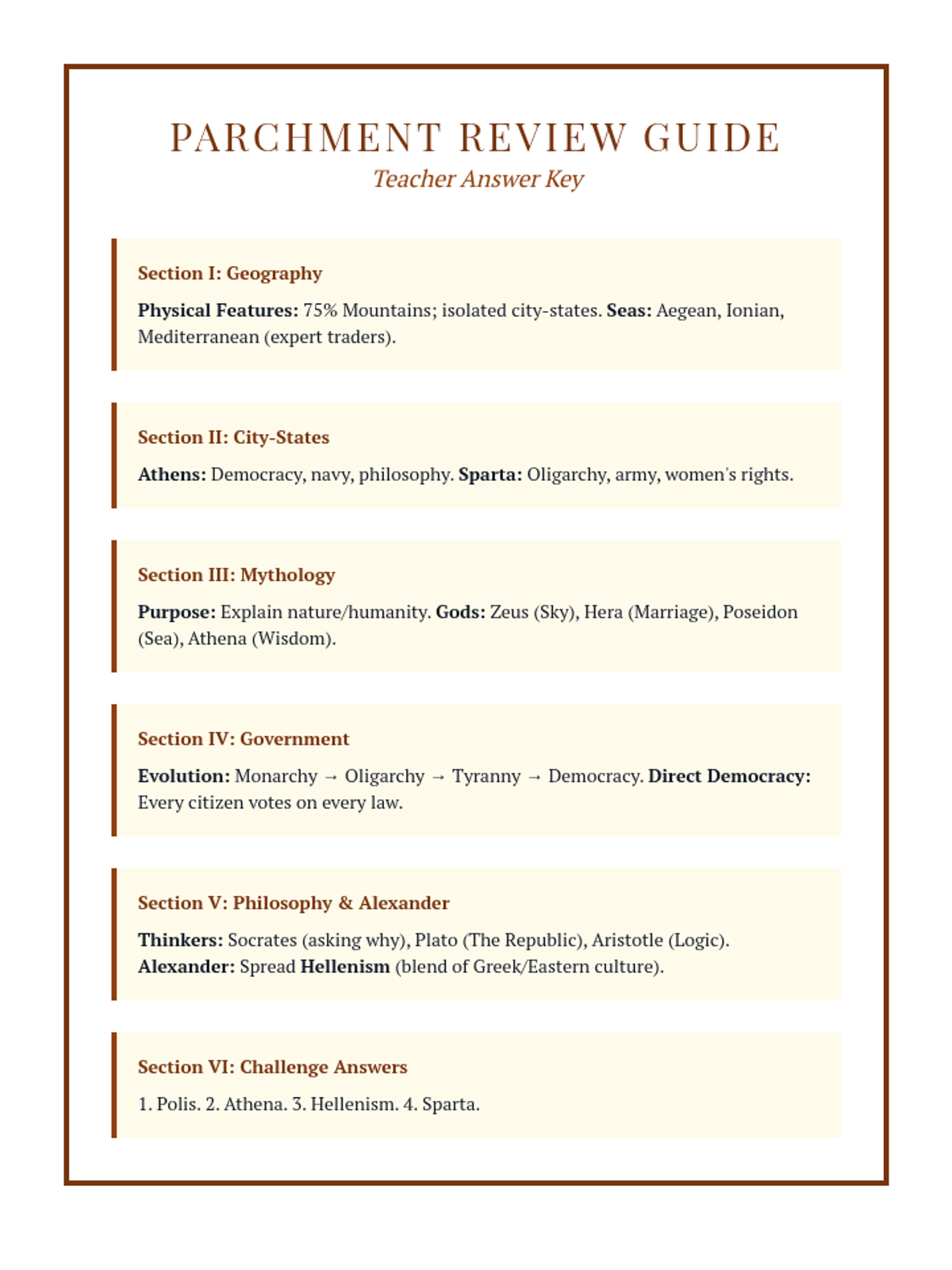
A comprehensive review lesson for a 6th-grade Ancient Greece unit, featuring a detailed study guide and an interactive trivia game to prepare for the unit test.
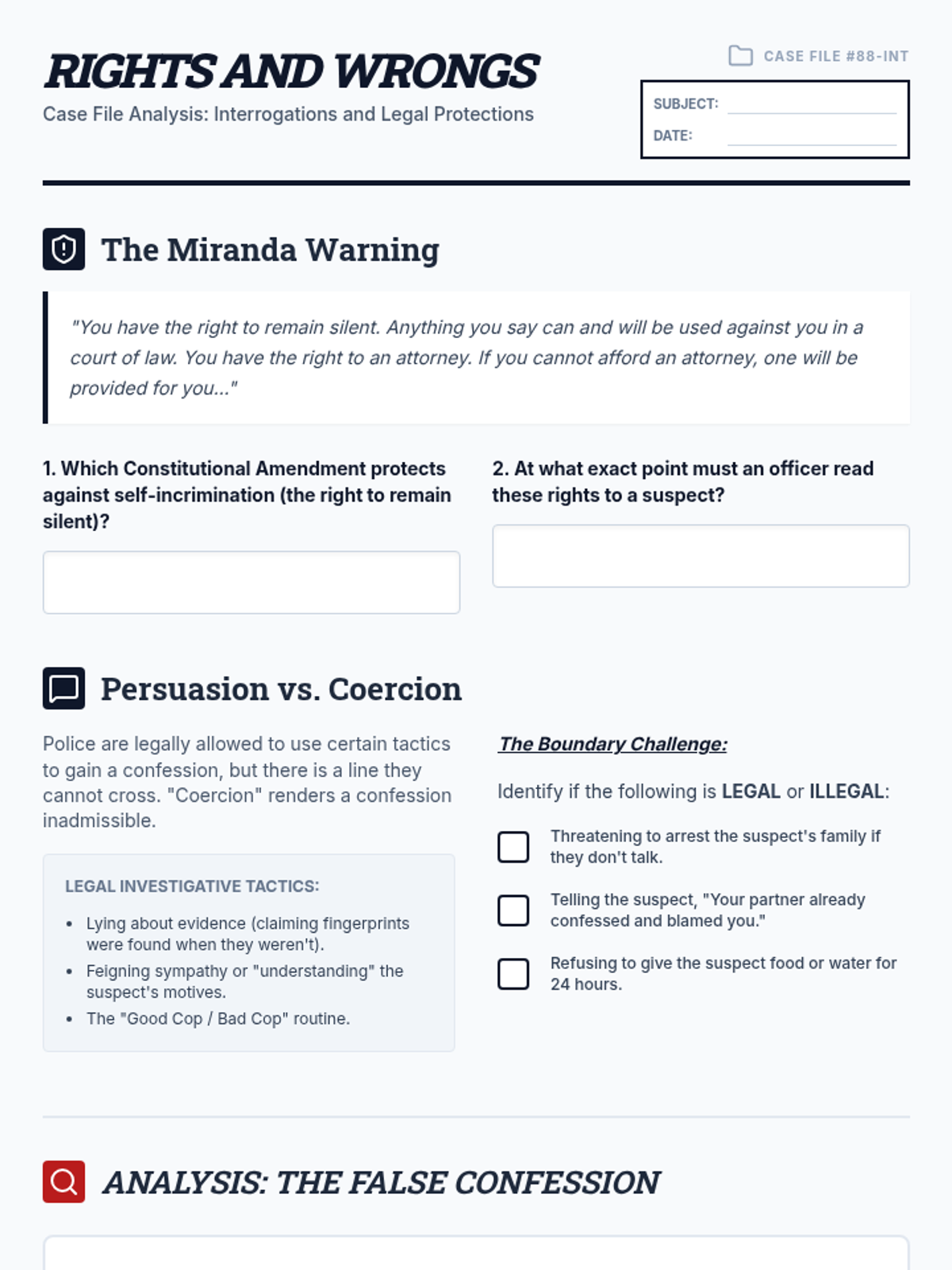
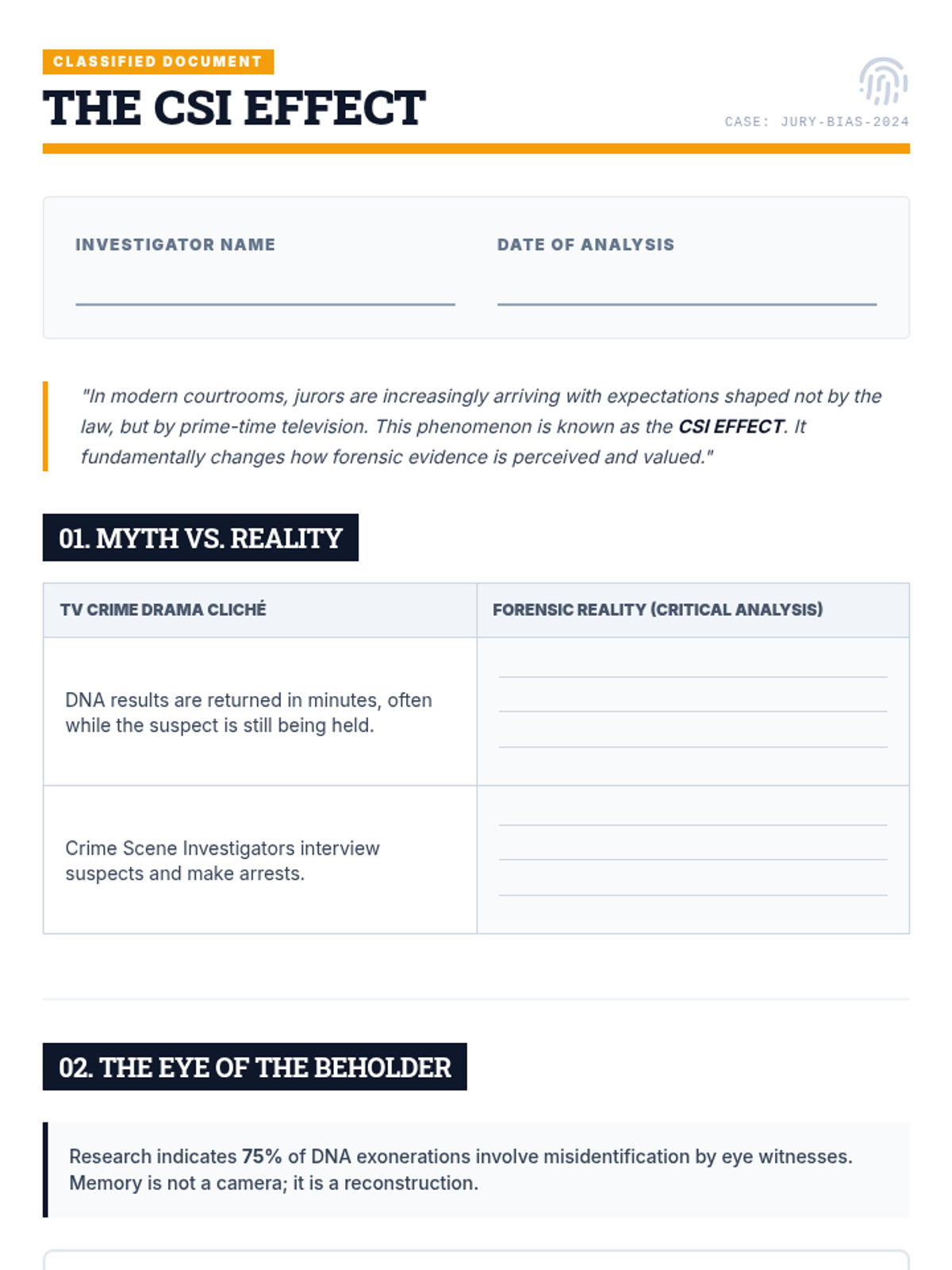
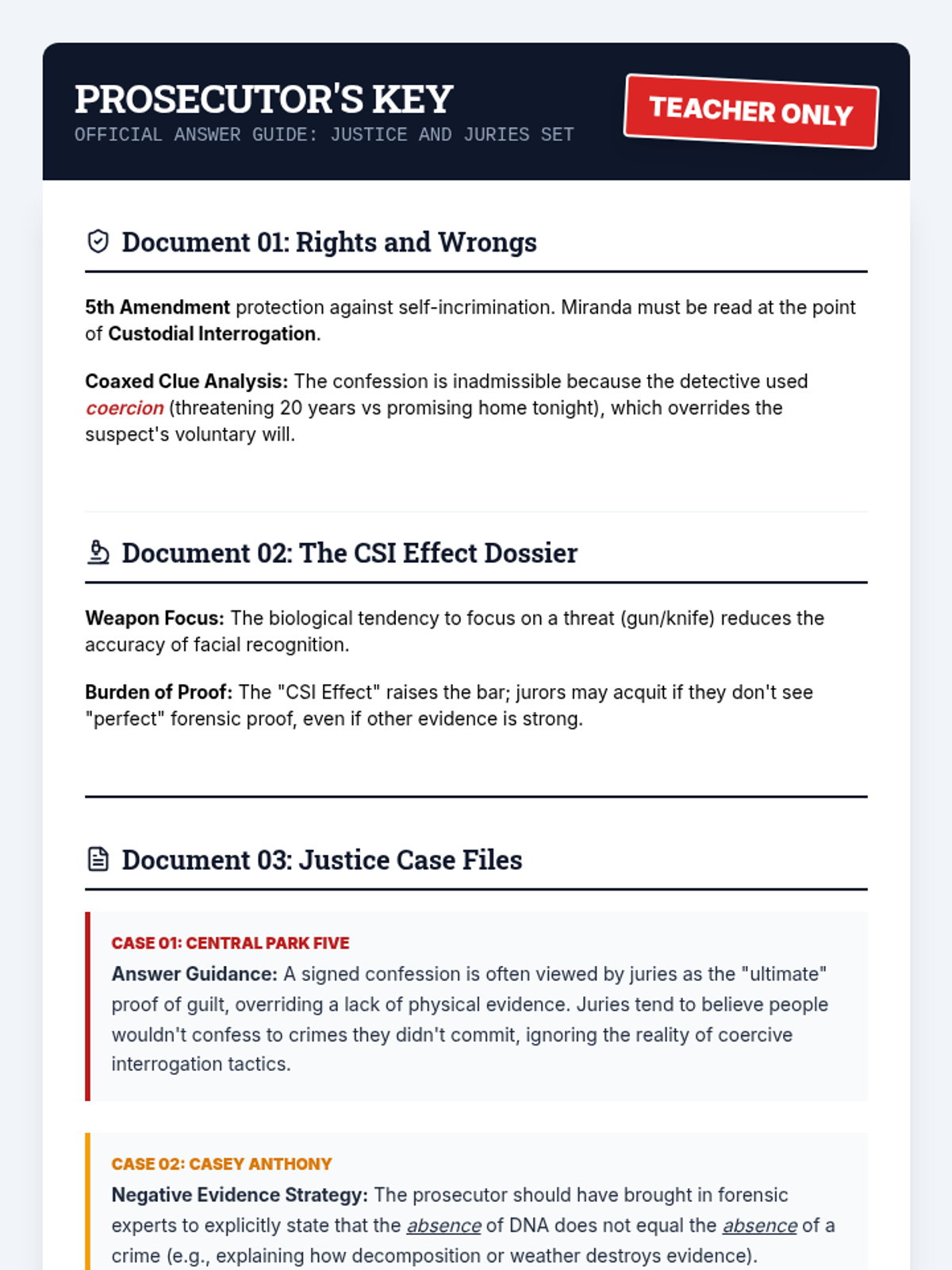
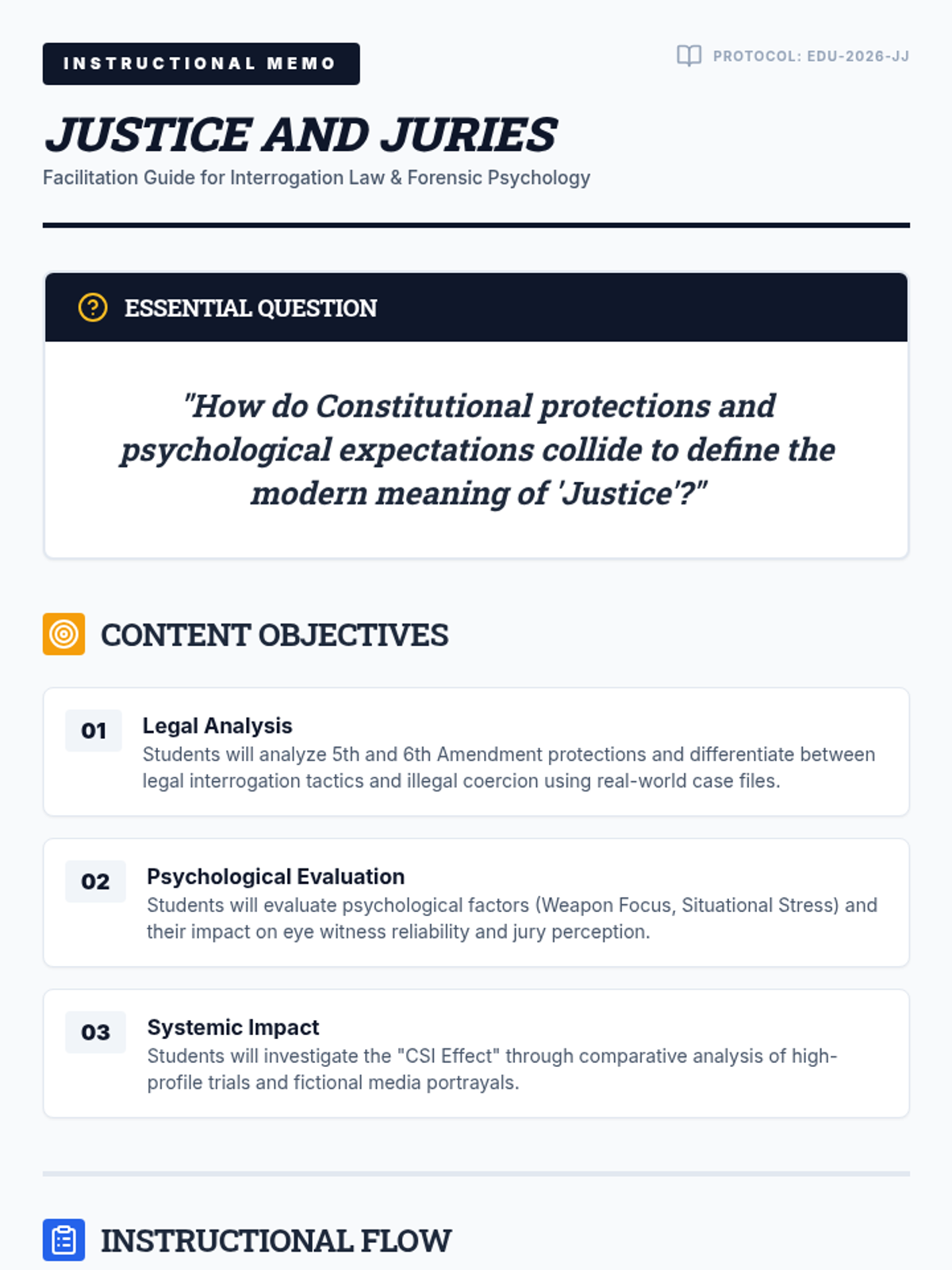
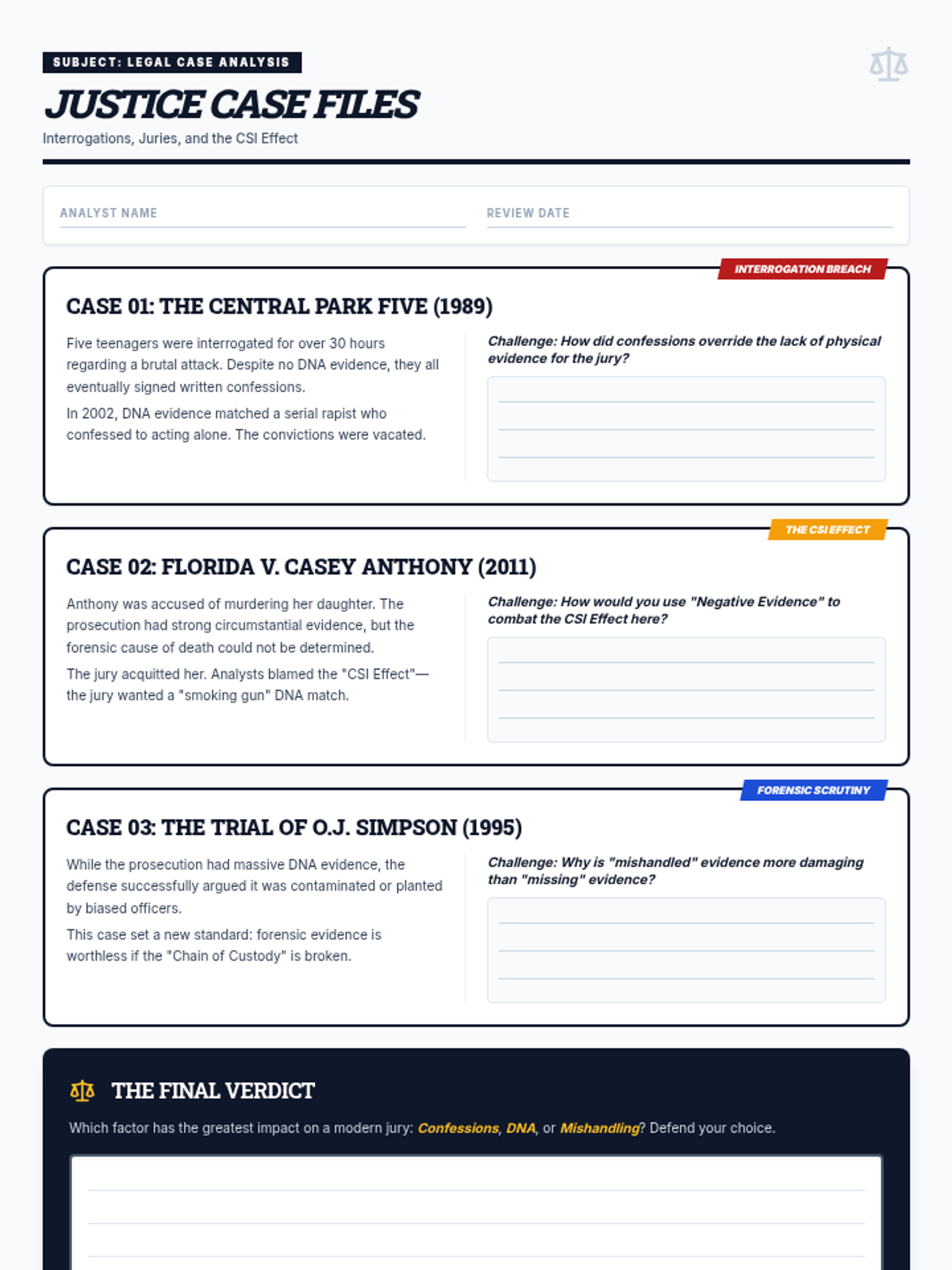
An exploration of the legal complexities of police interrogations and the psychological impact of media-driven forensic expectations on modern courtrooms.
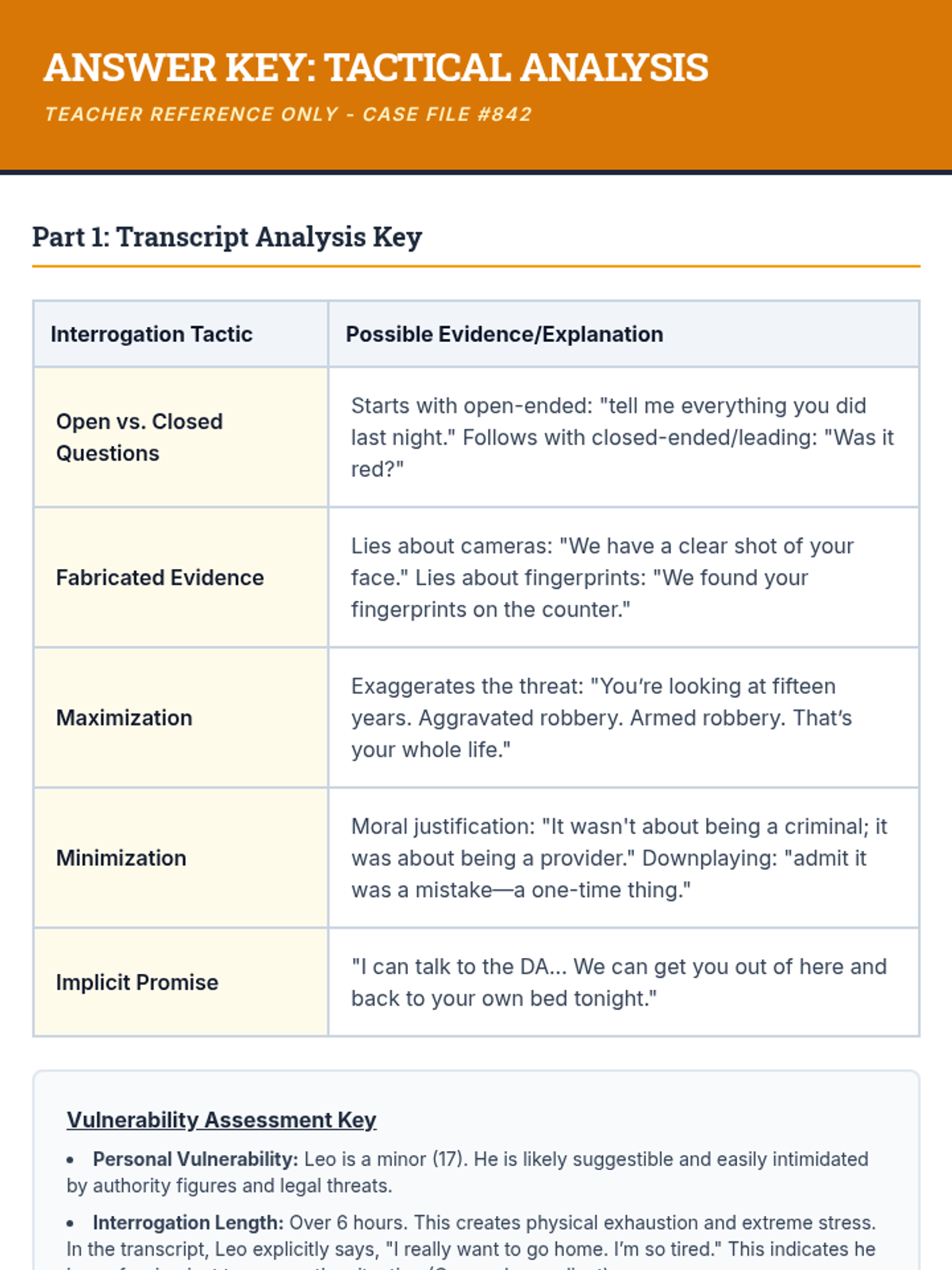
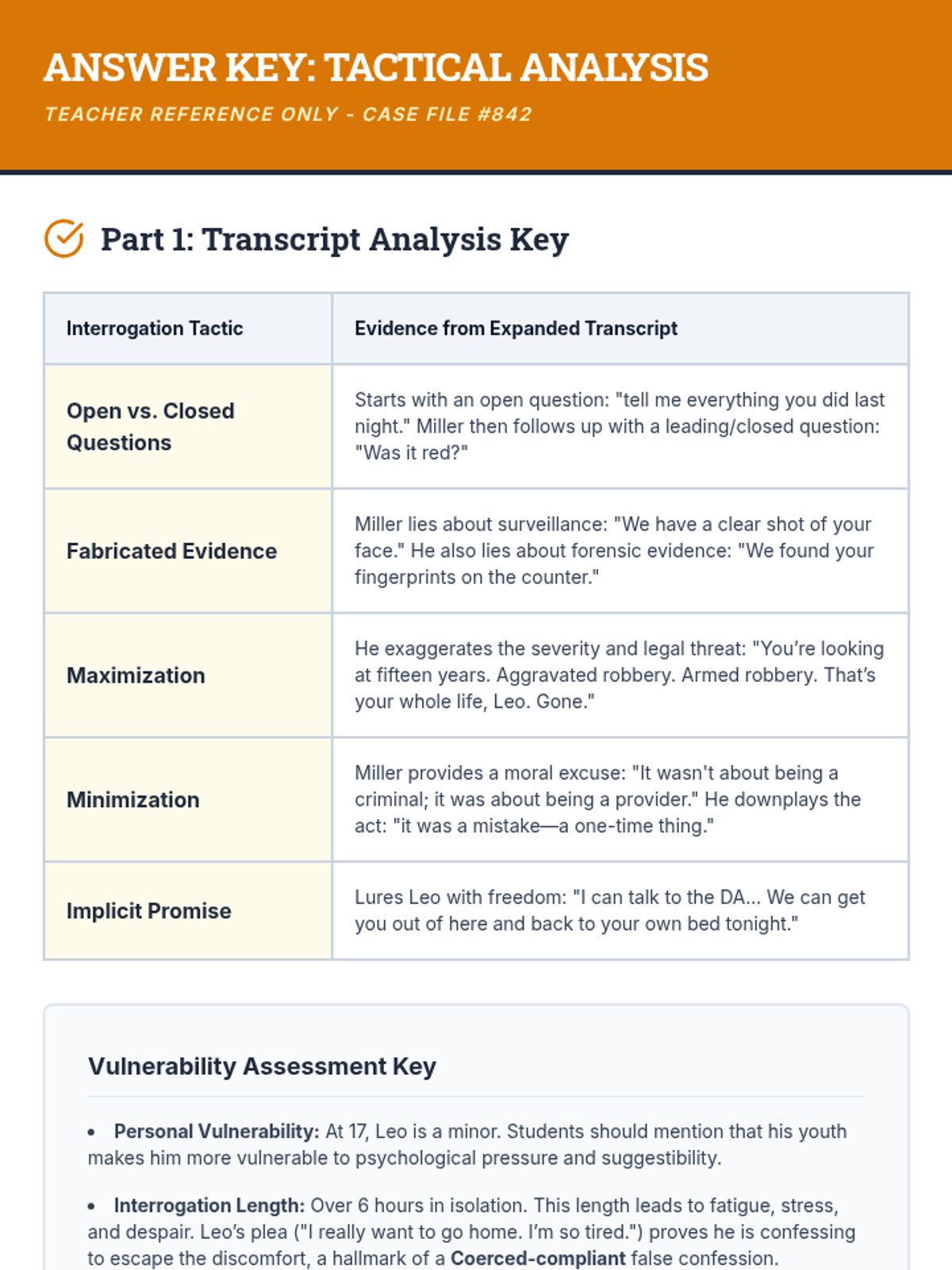
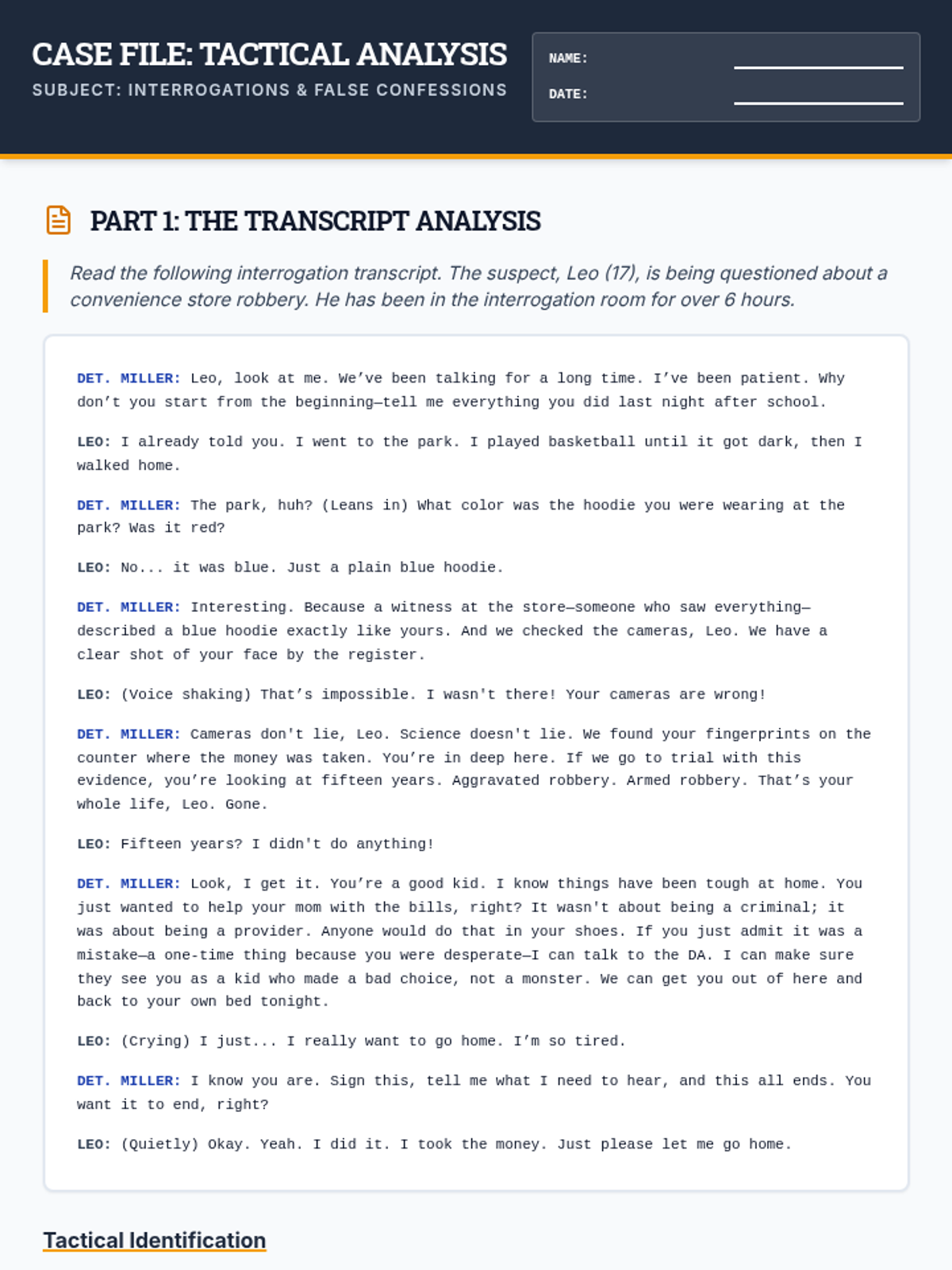
This lesson explores the psychological factors and interrogation techniques that lead to confessions, with a specific focus on why innocent suspects might confess to crimes they didn't commit.
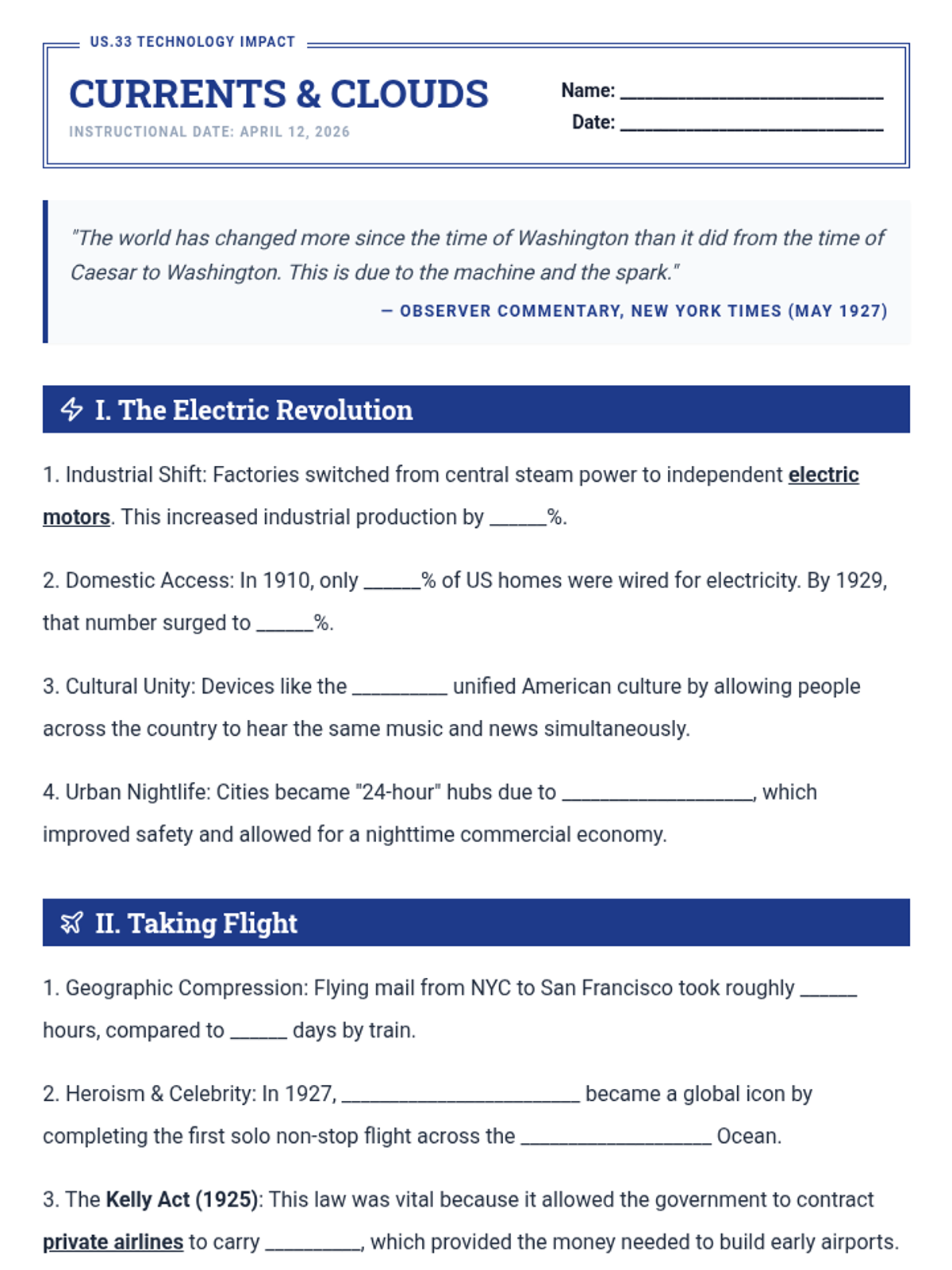
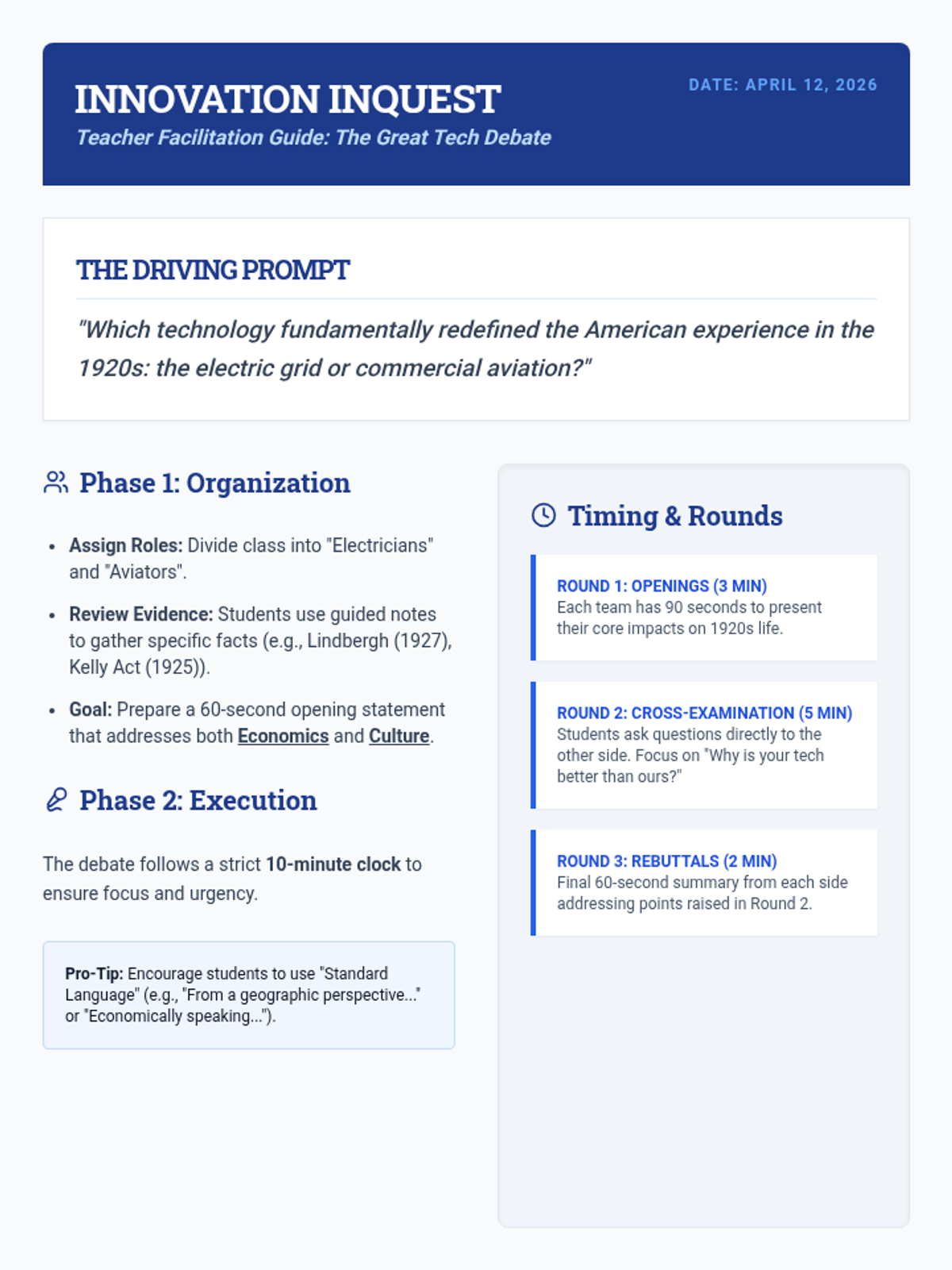
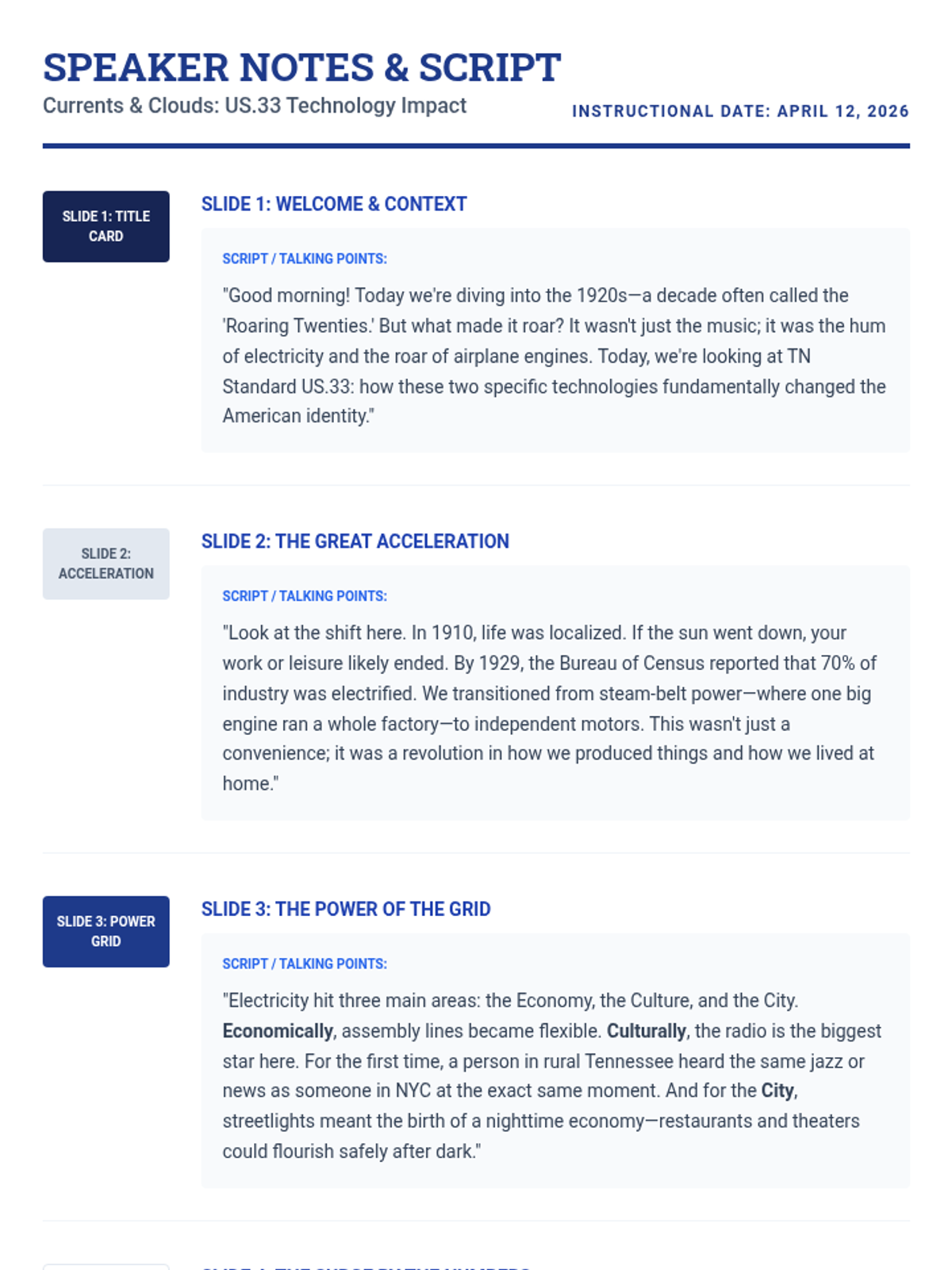
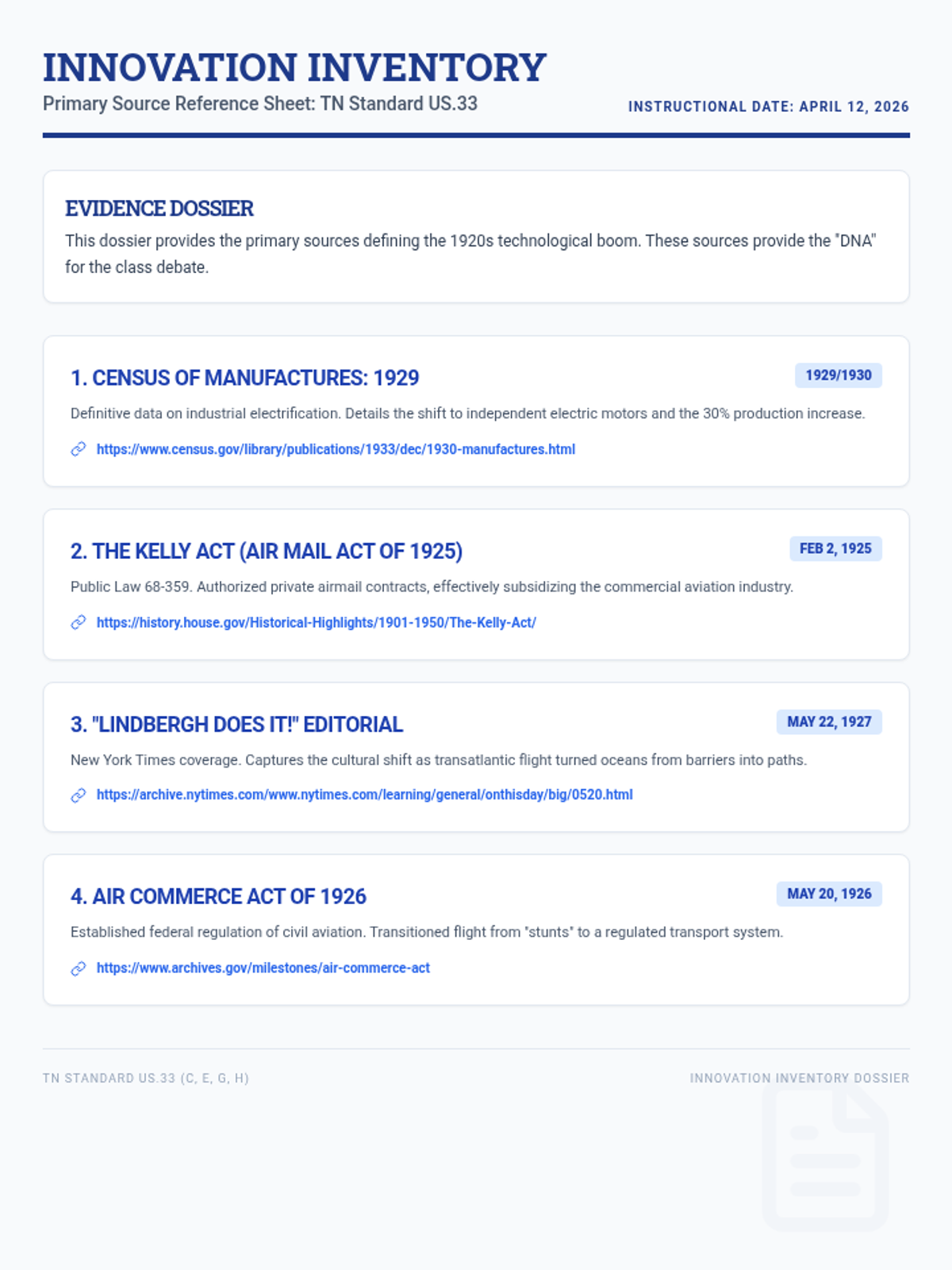
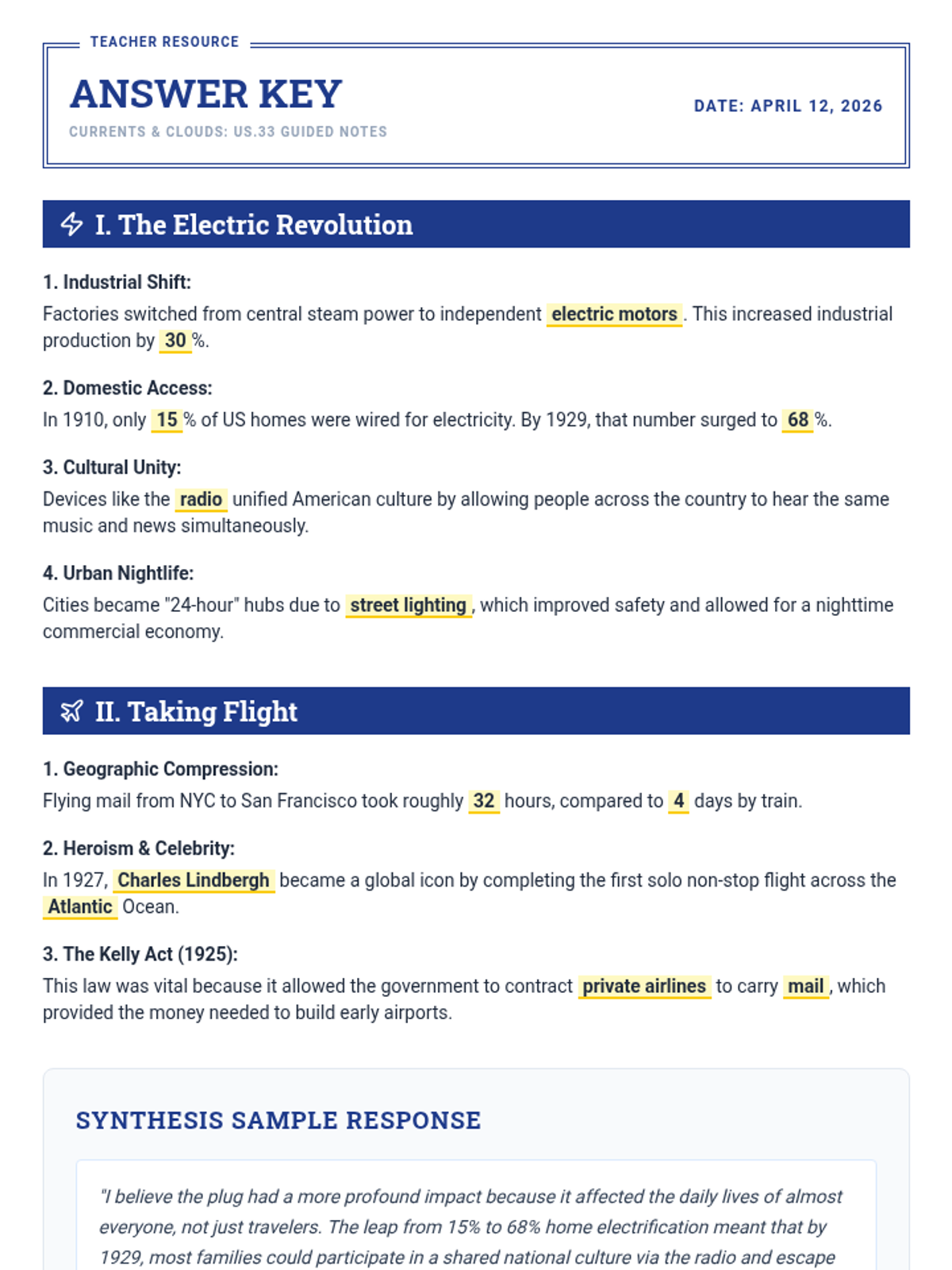
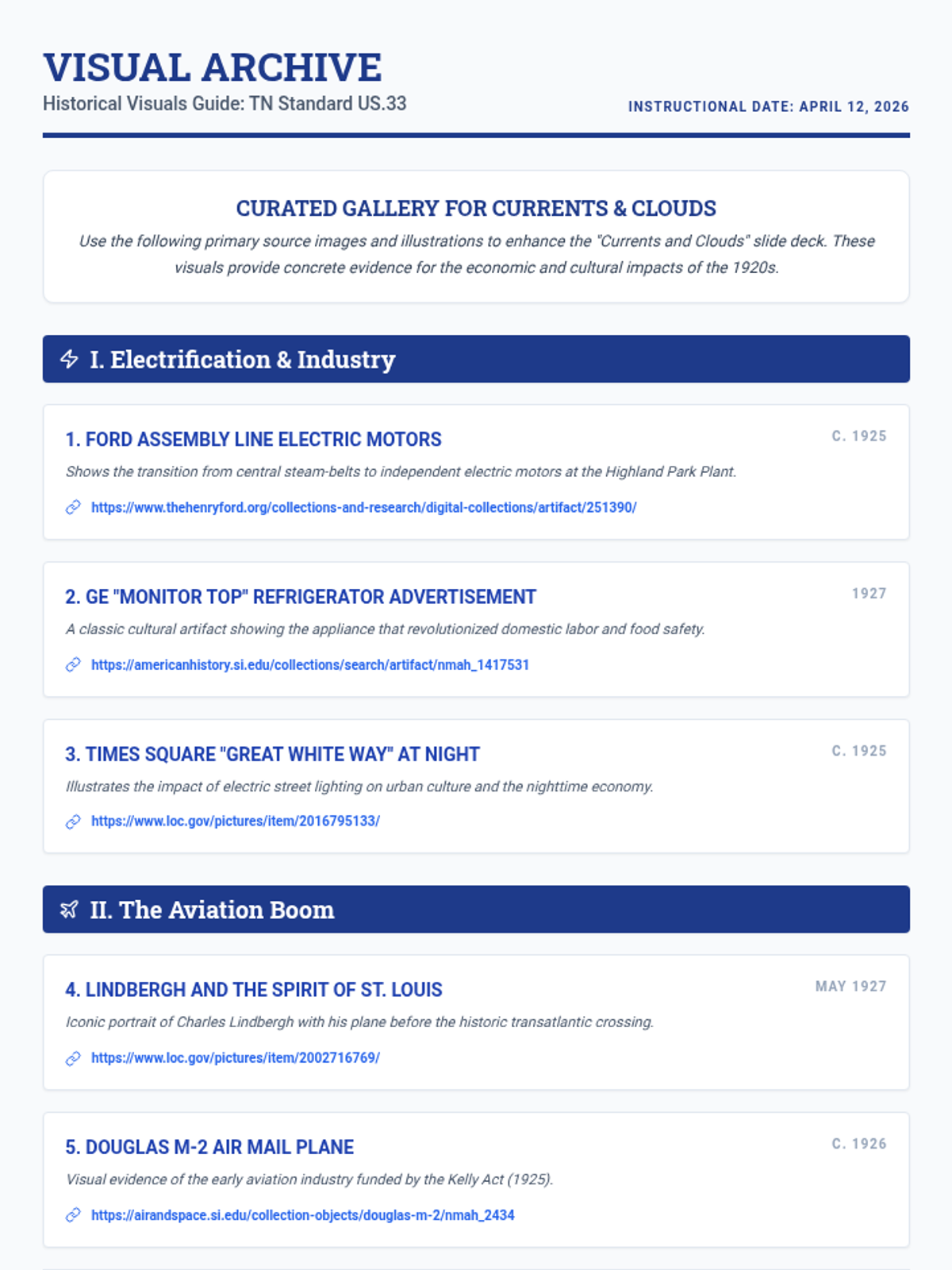
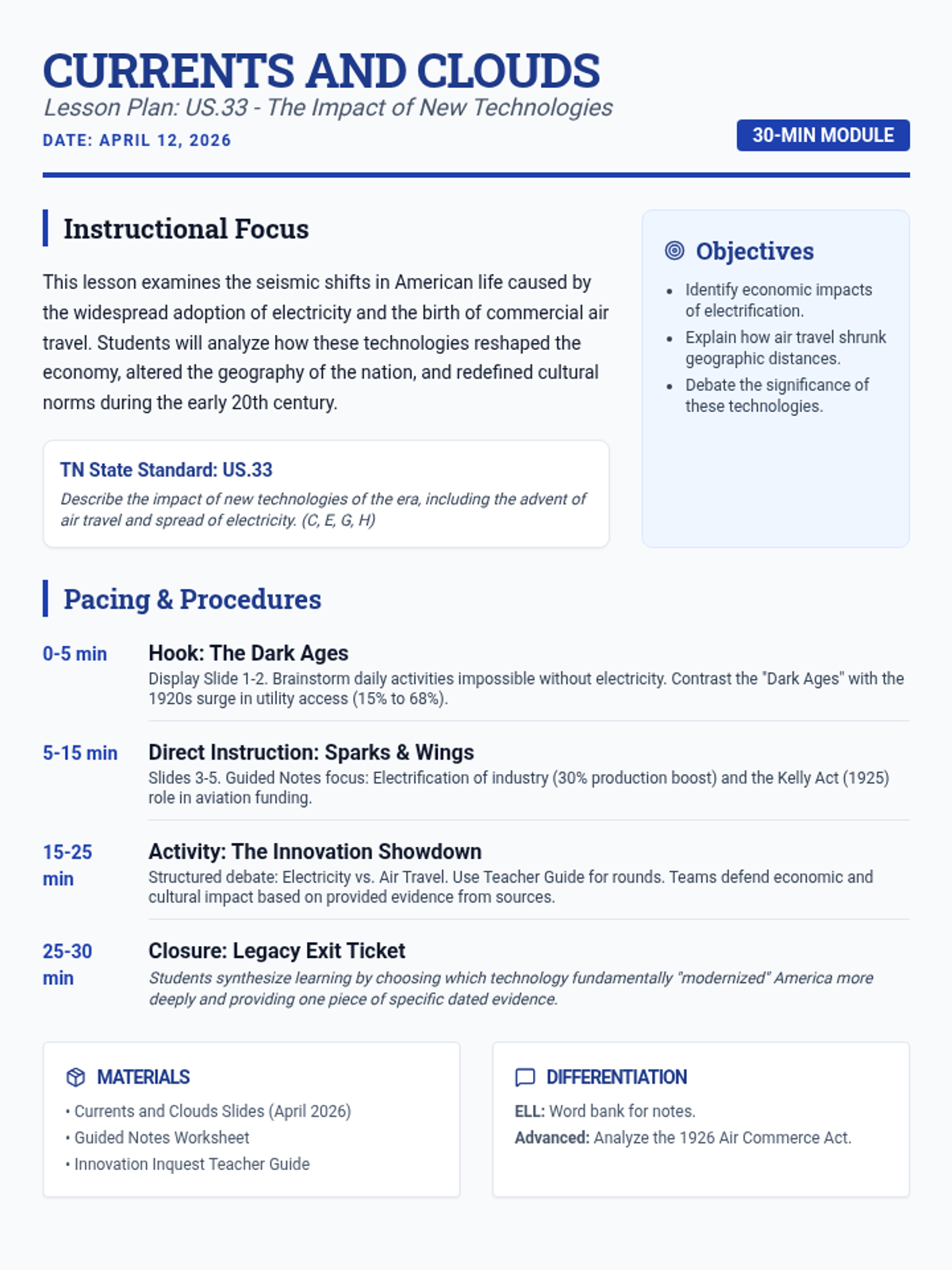
A 30-minute exploration of the transformative power of electricity and air travel in the early 20th century, featuring a structured debate on their relative impacts on American society.
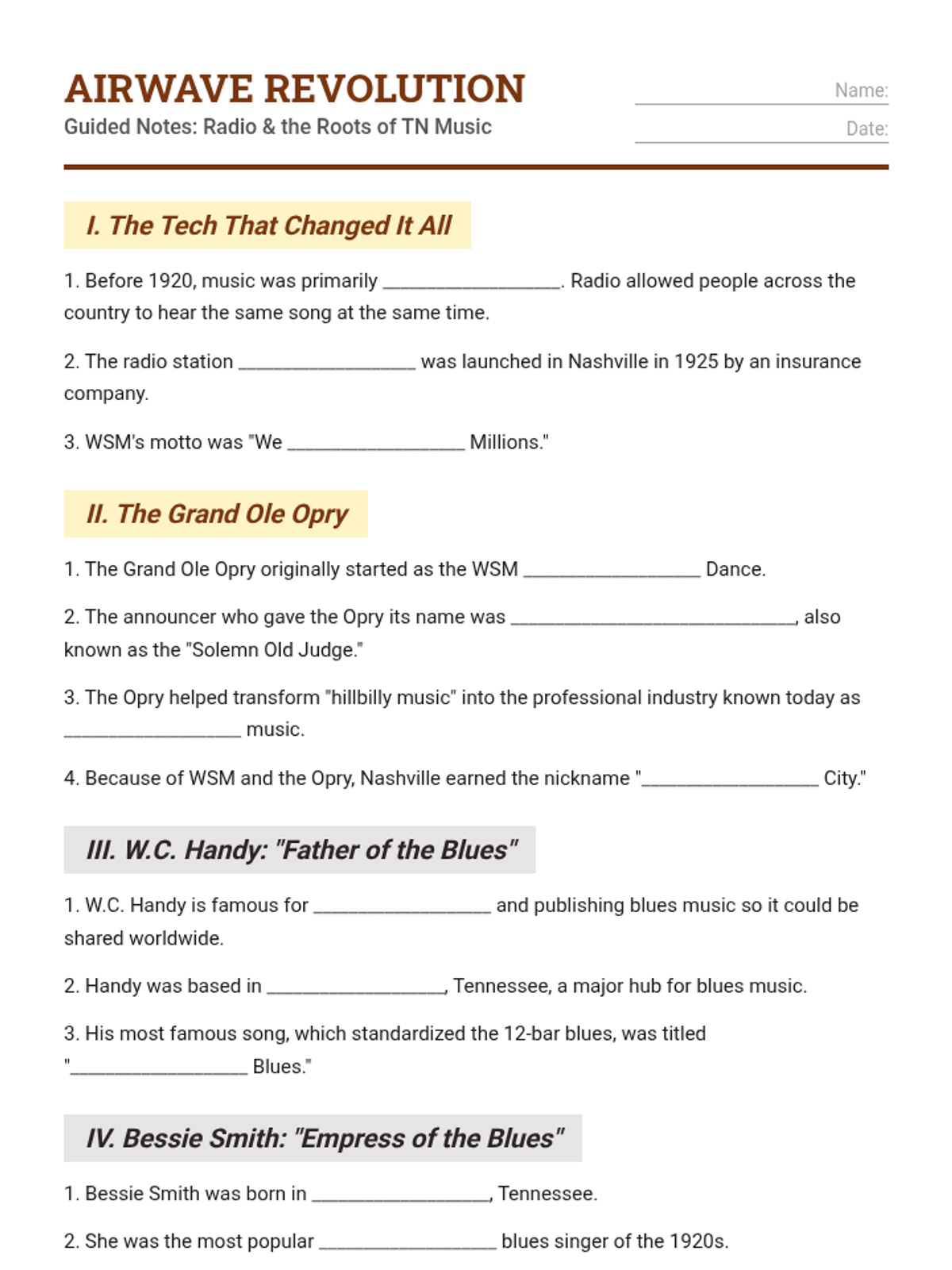
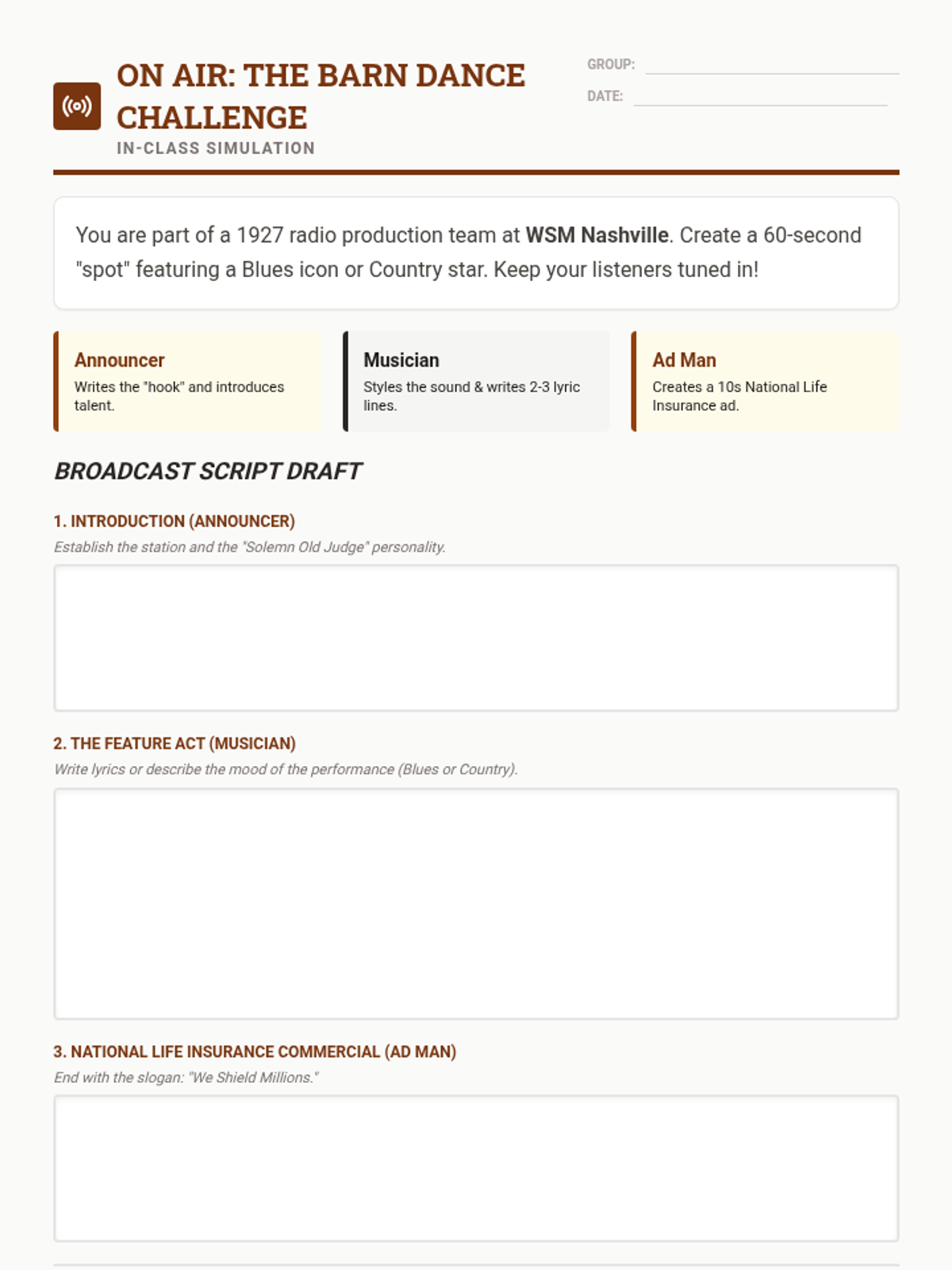
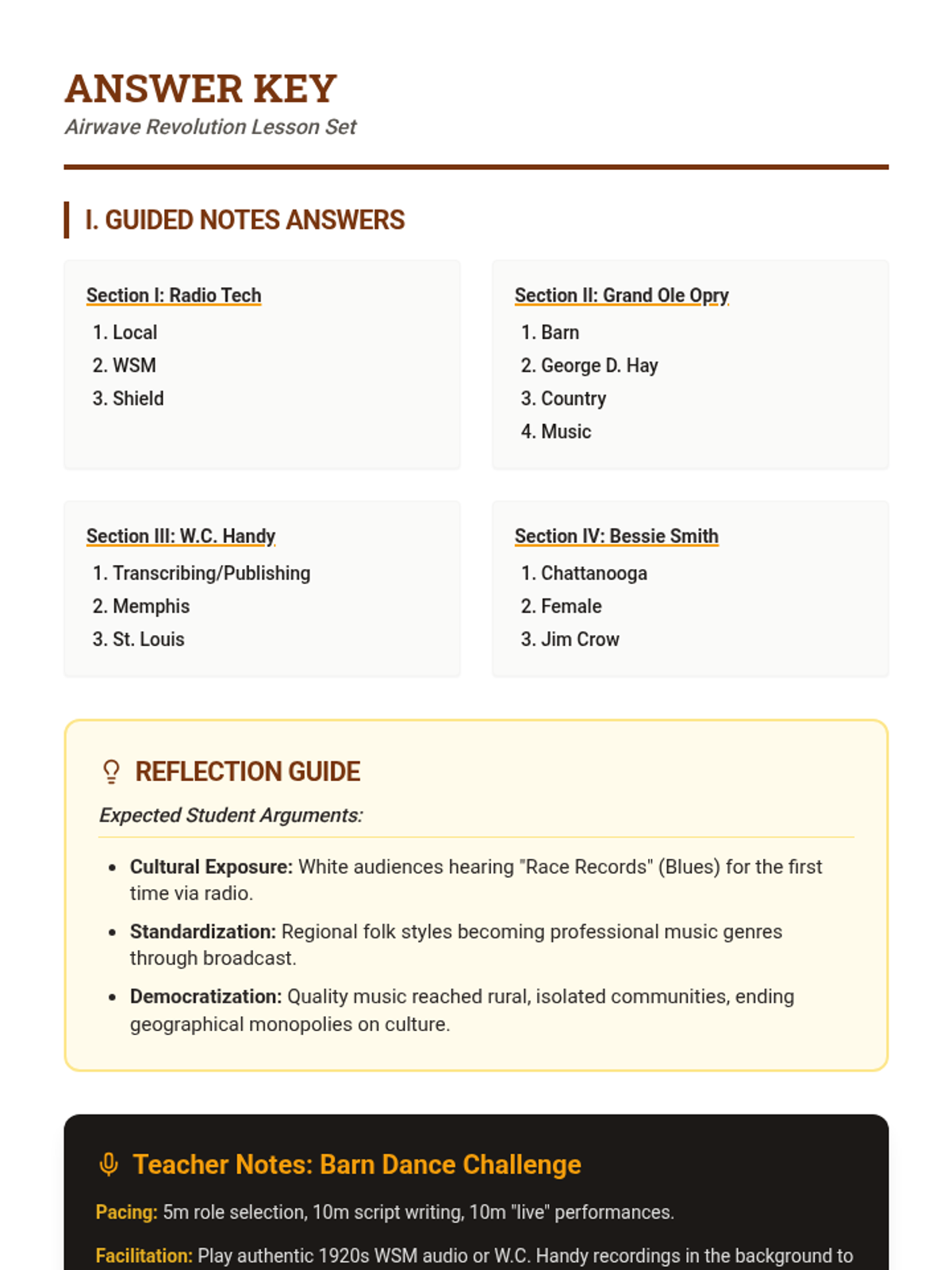
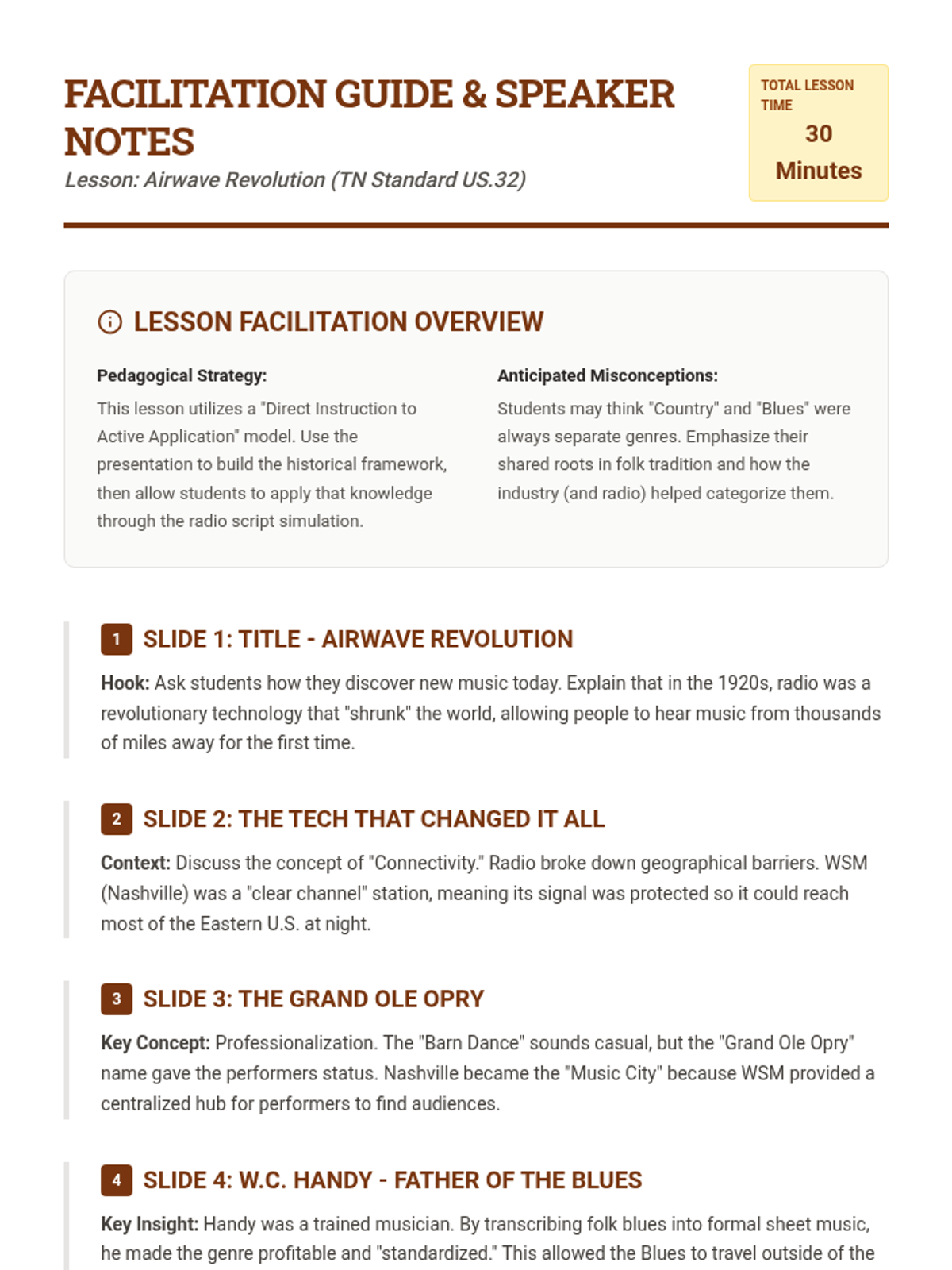
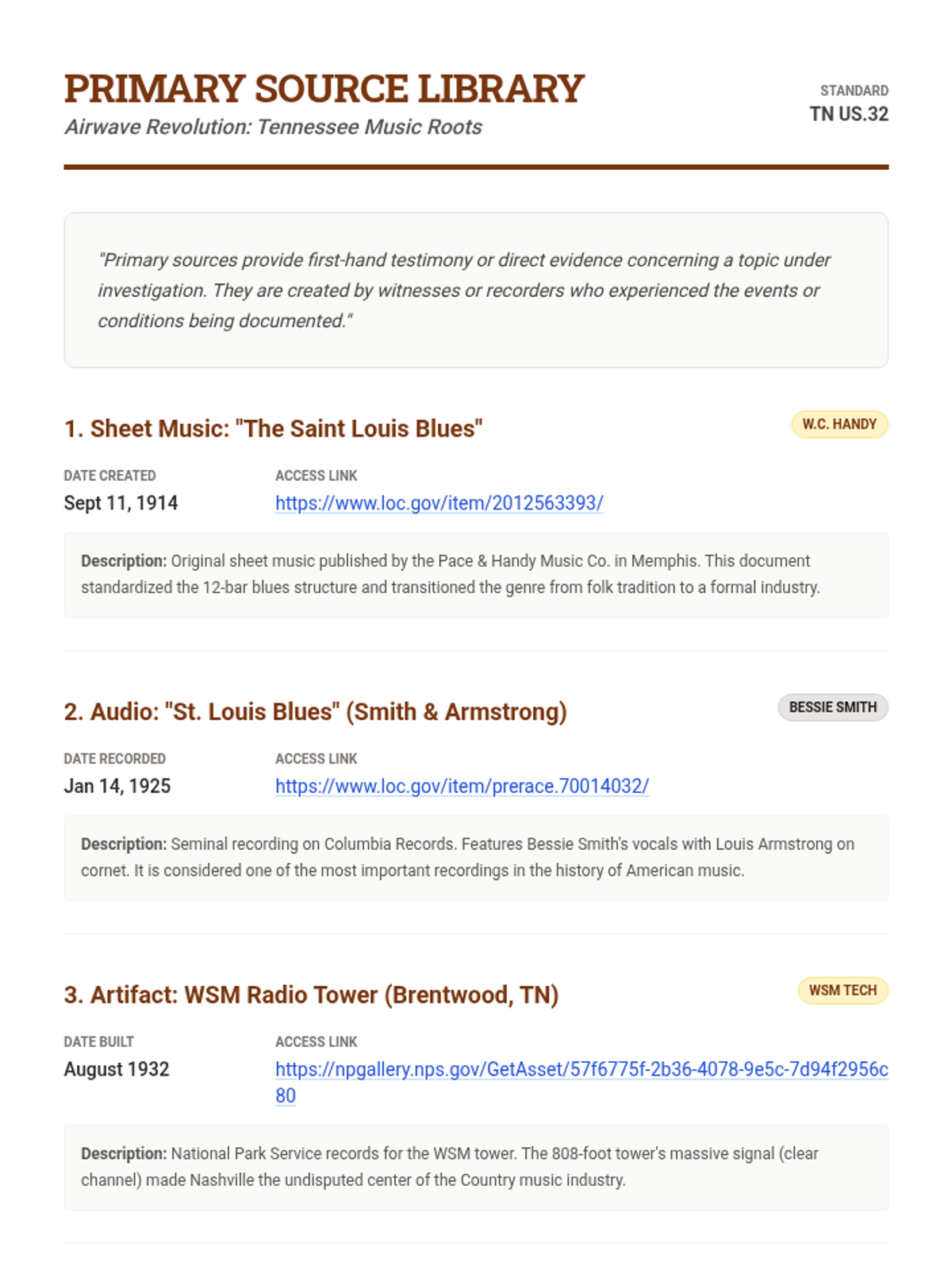
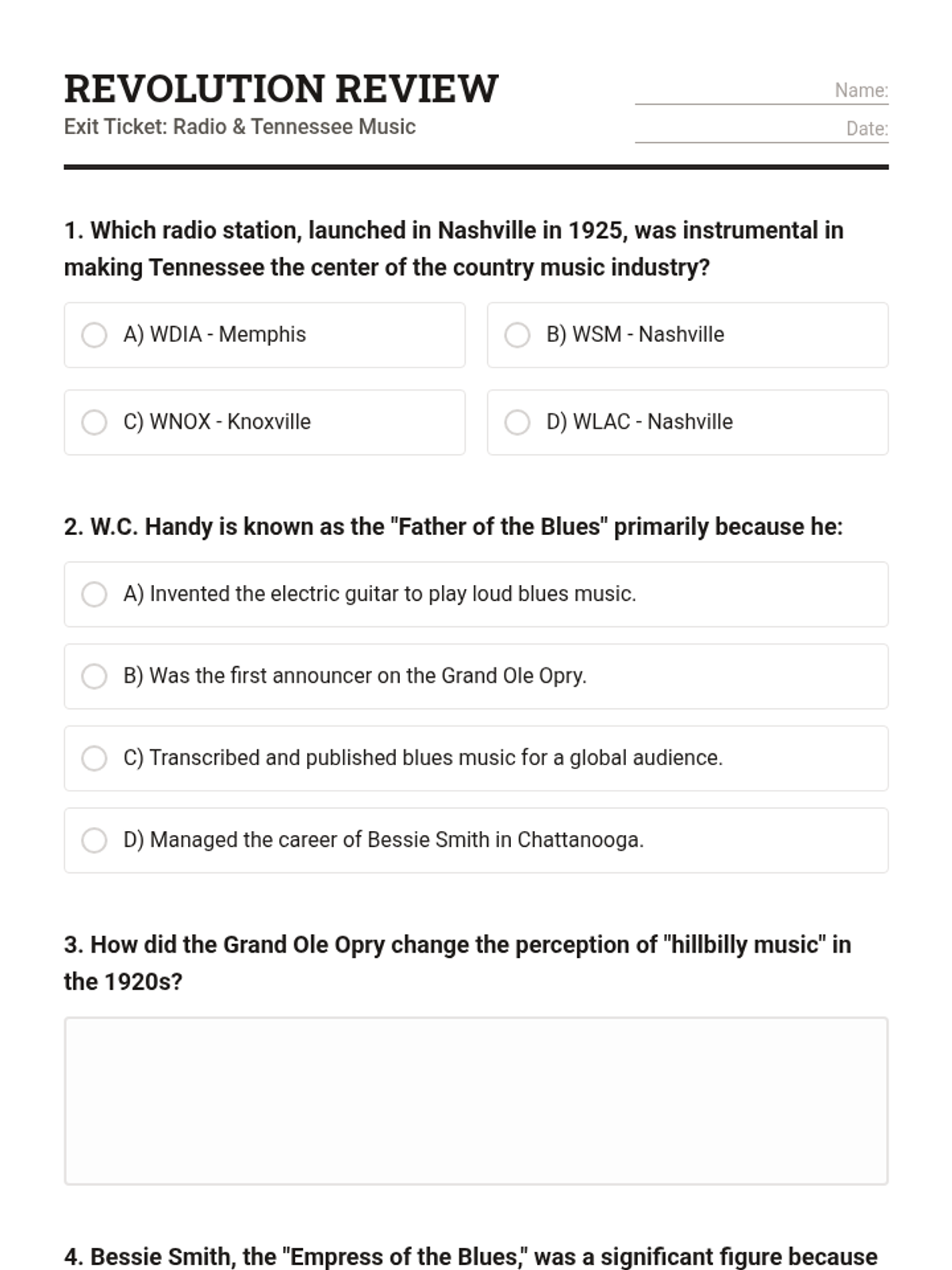
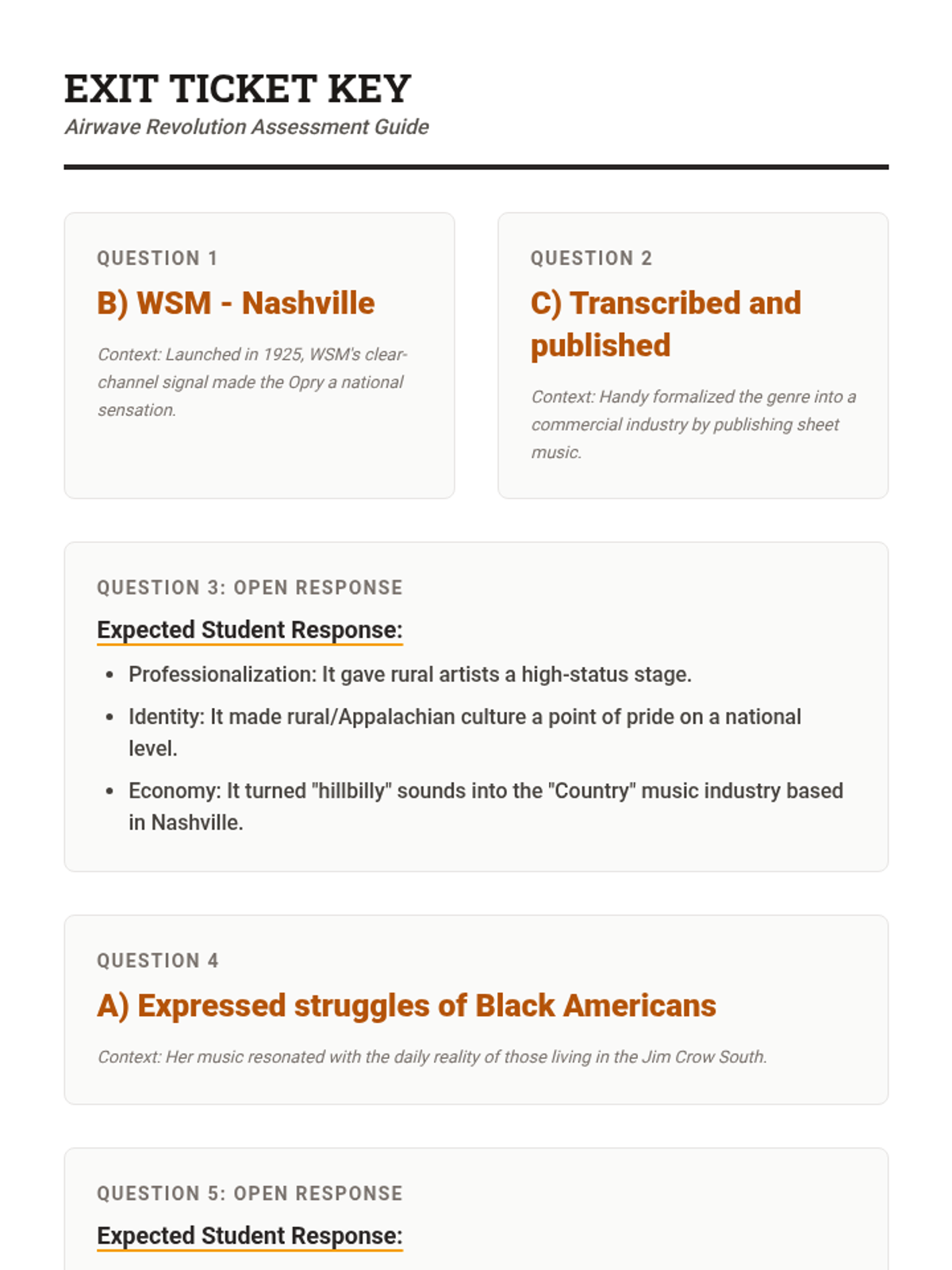
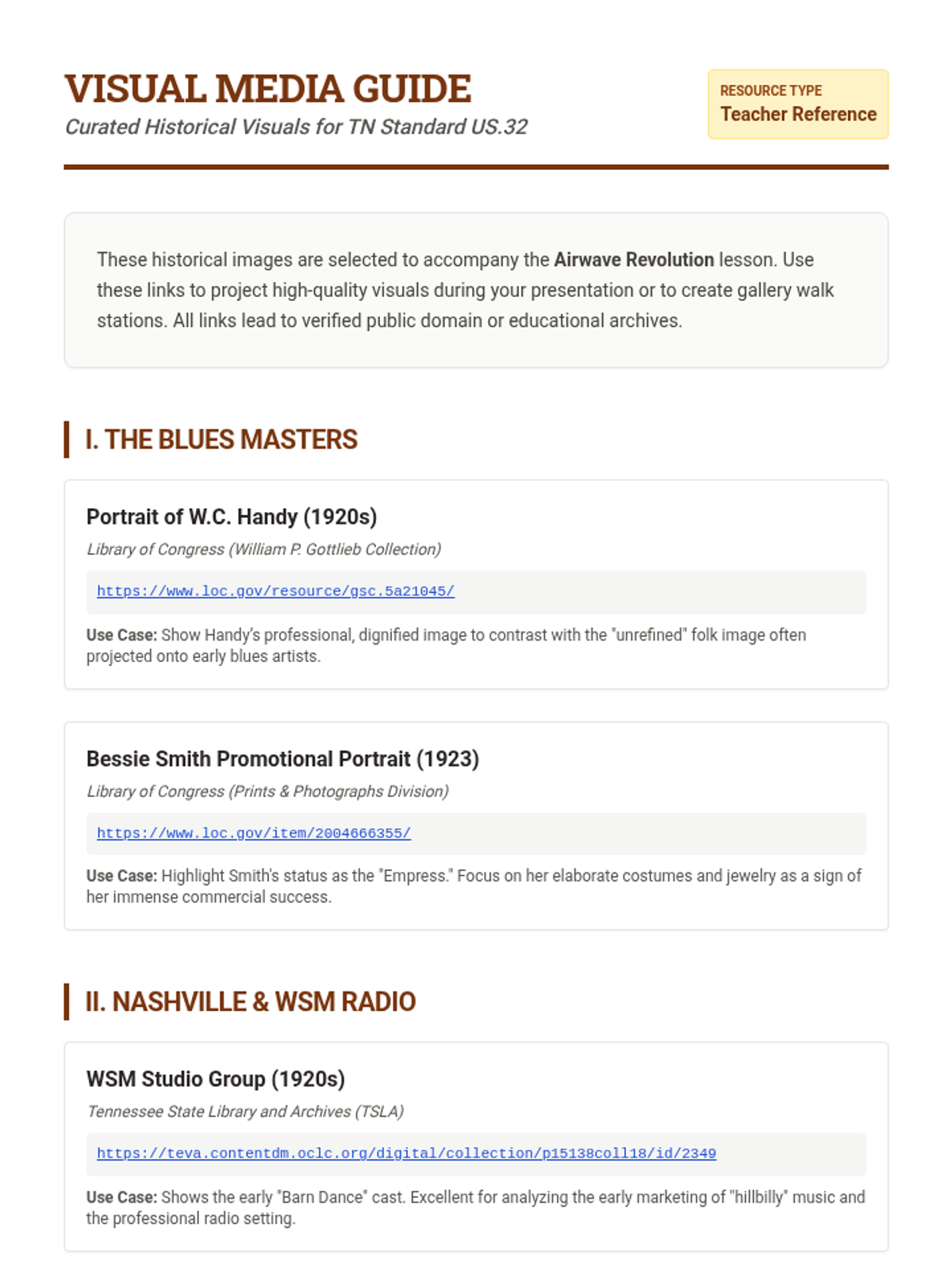
This lesson explores how radio technology revolutionized American culture in the 1920s, specifically focusing on the rise of the Grand Ole Opry and the popularization of blues and country music through figures like W.C. Handy and Bessie Smith.
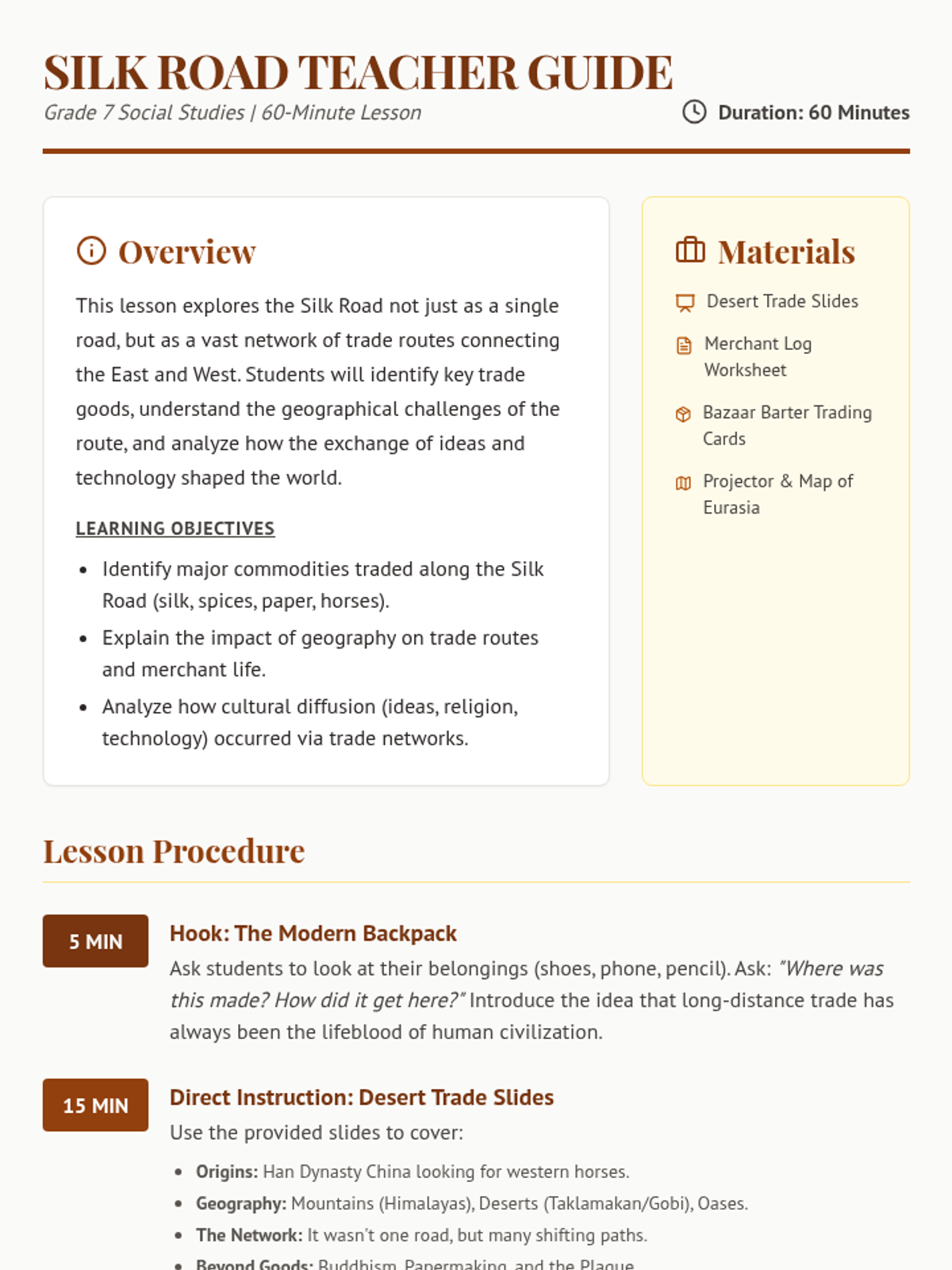
A comprehensive 60-minute lesson on the Silk Road for 7th-grade students, focusing on geography, trade goods, and cultural exchange. Students will engage in a trade simulation to experience the challenges and rewards of ancient commerce.
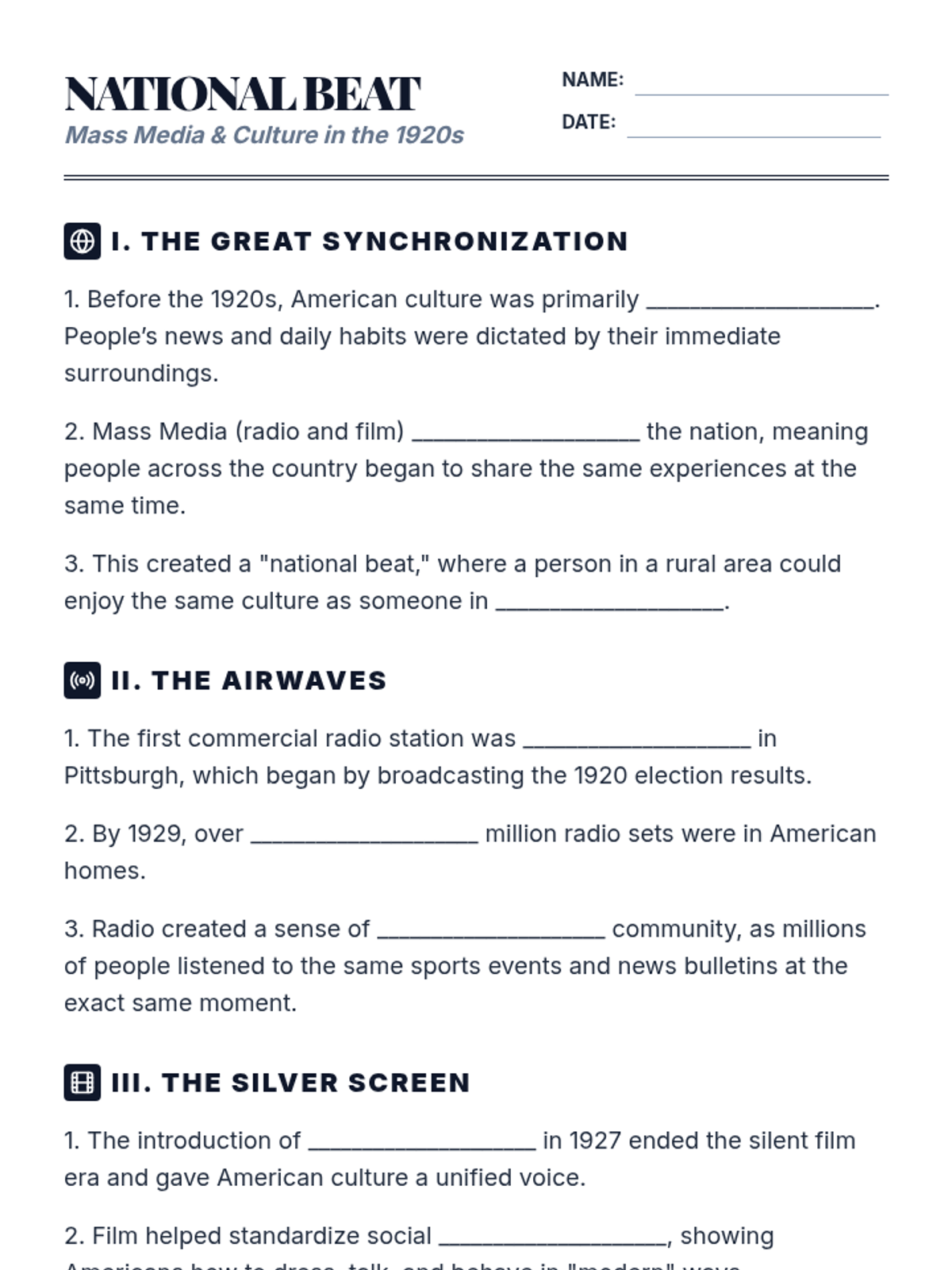
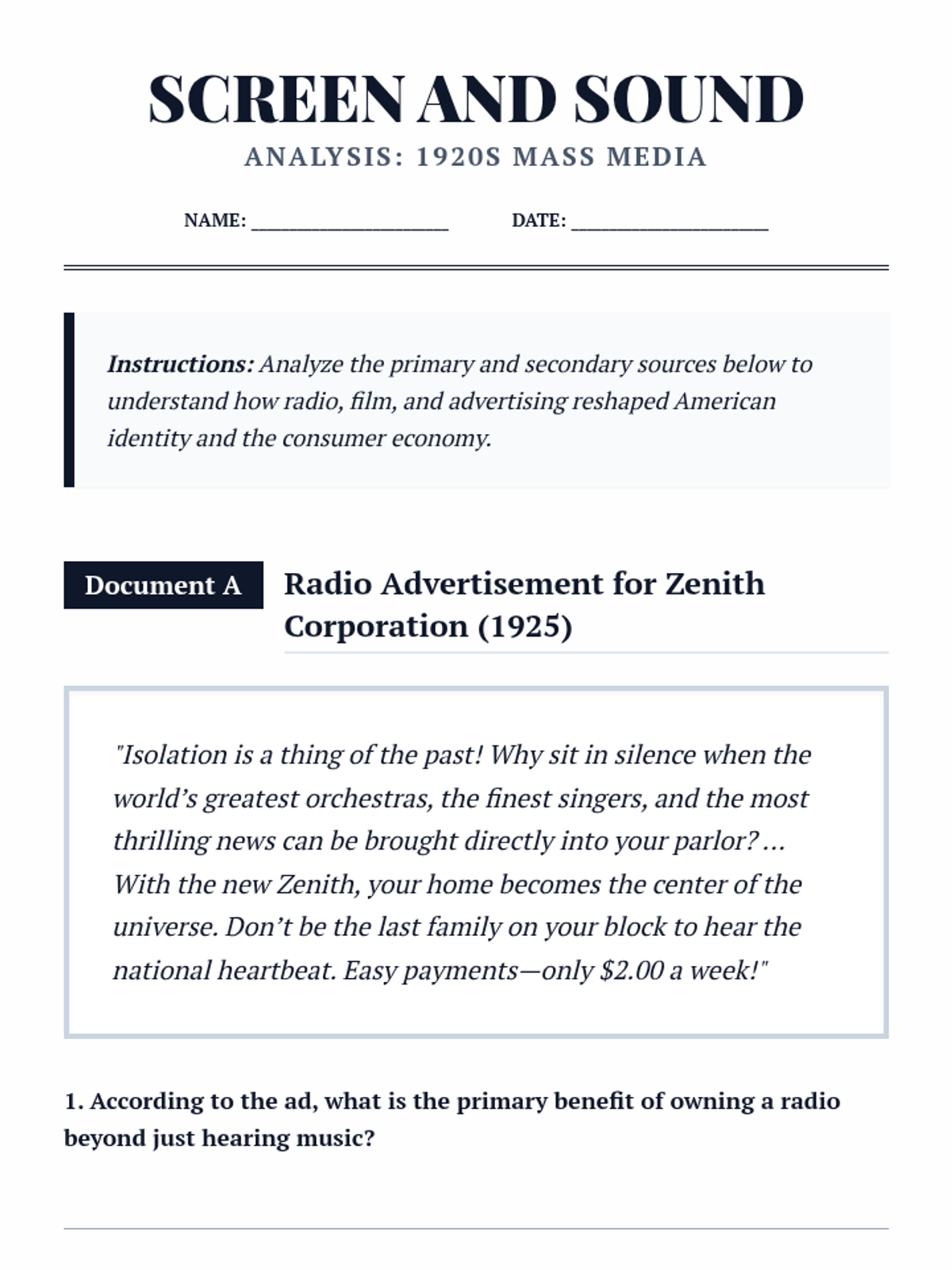
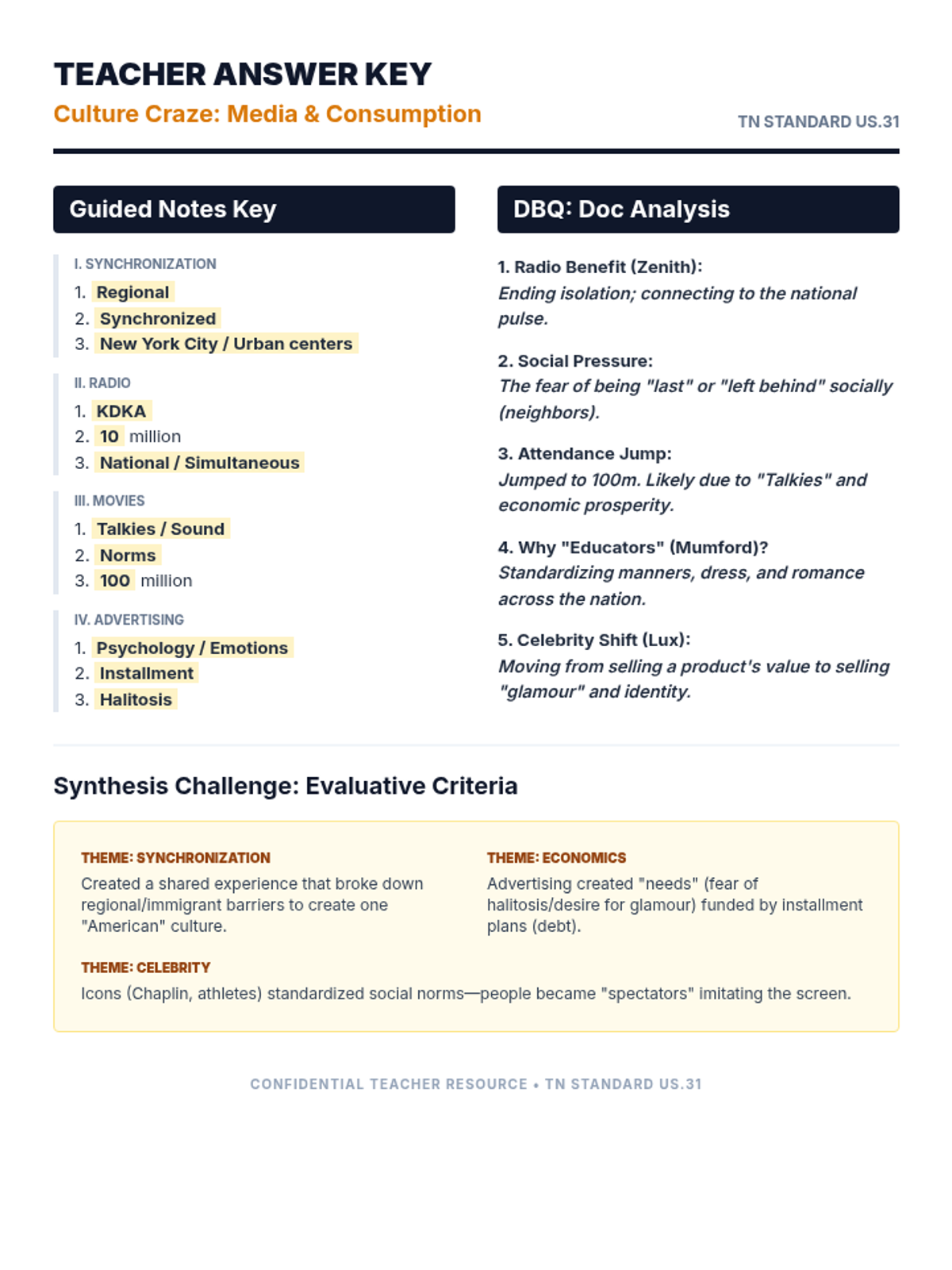
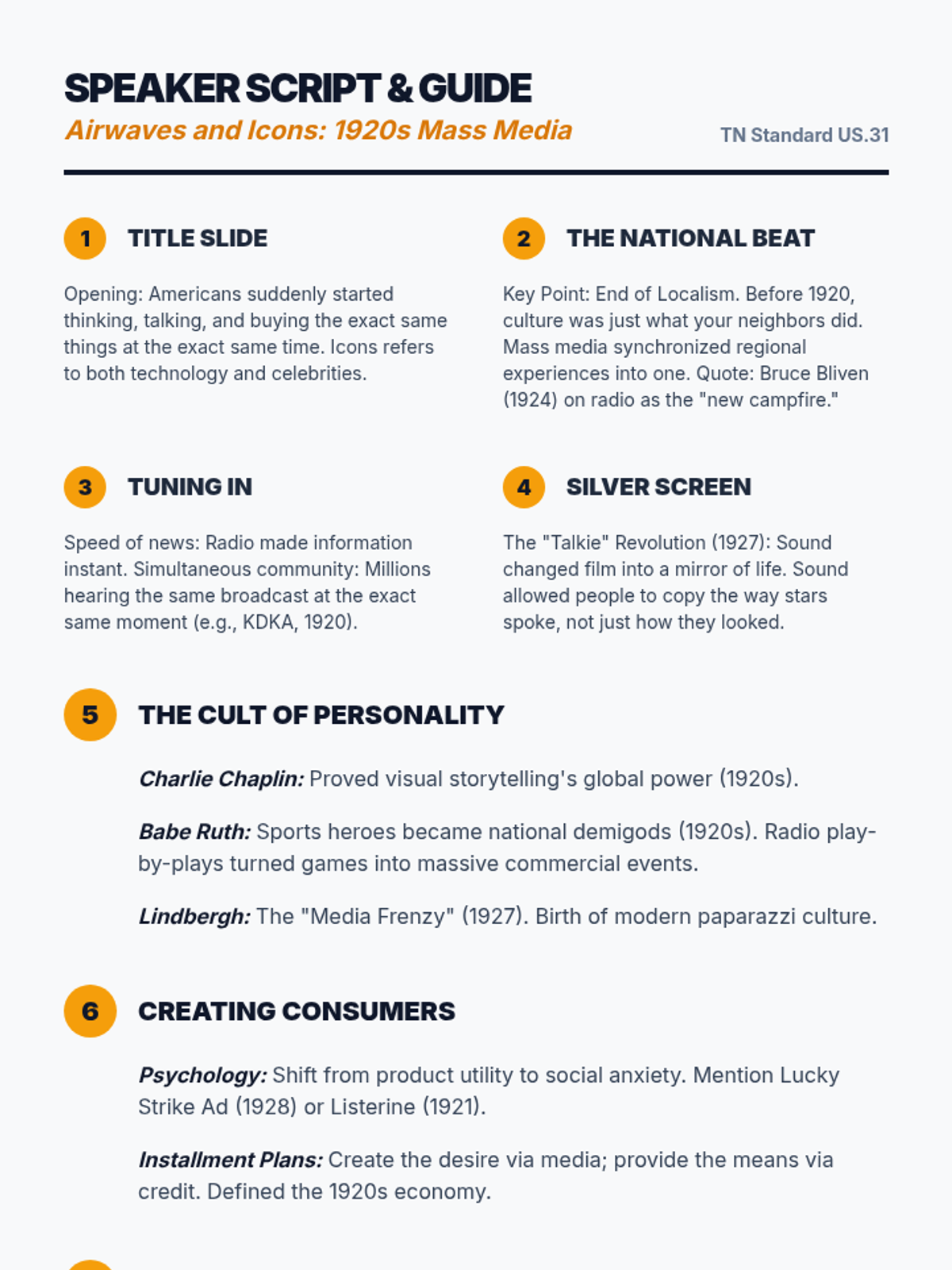
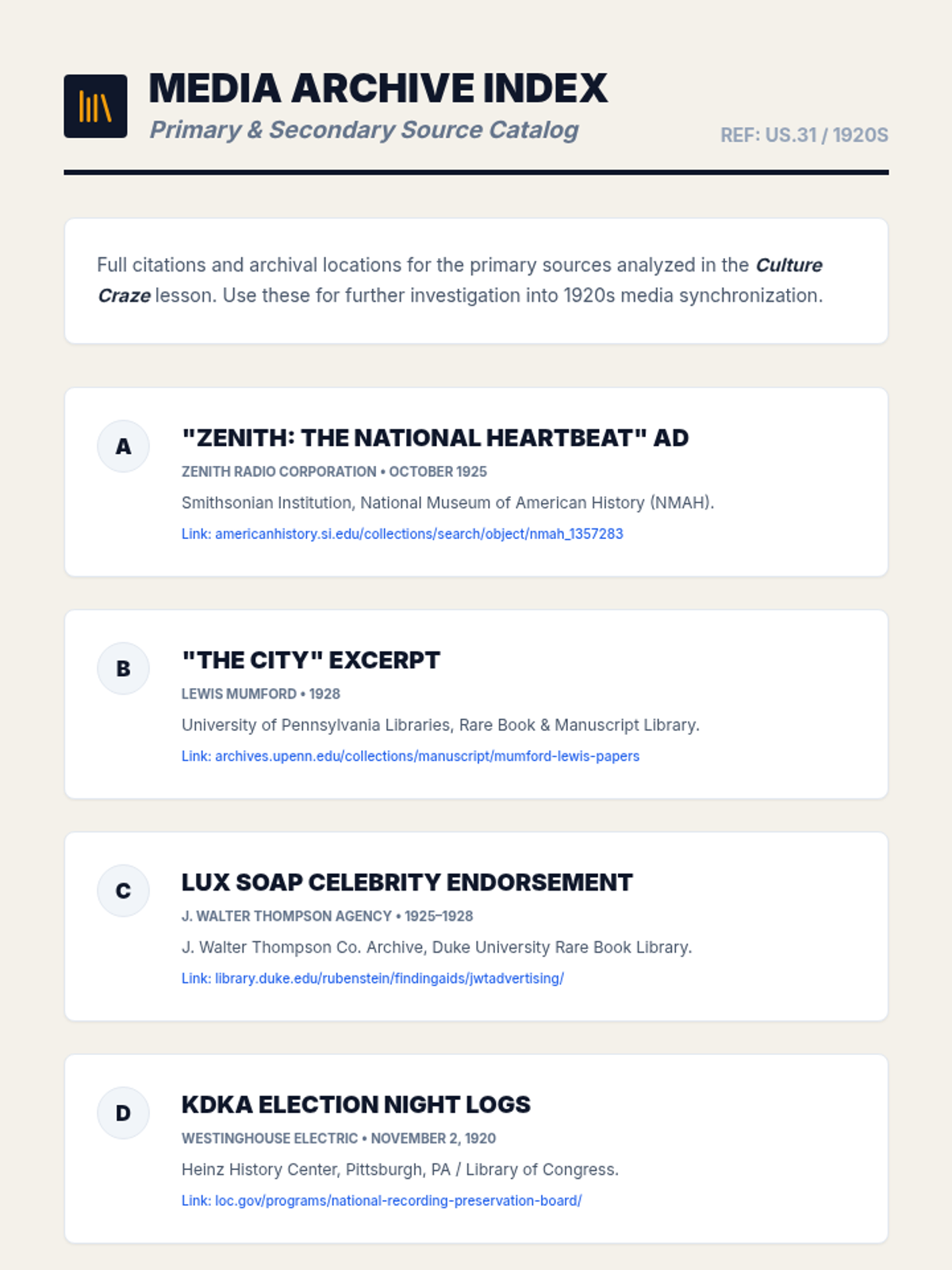
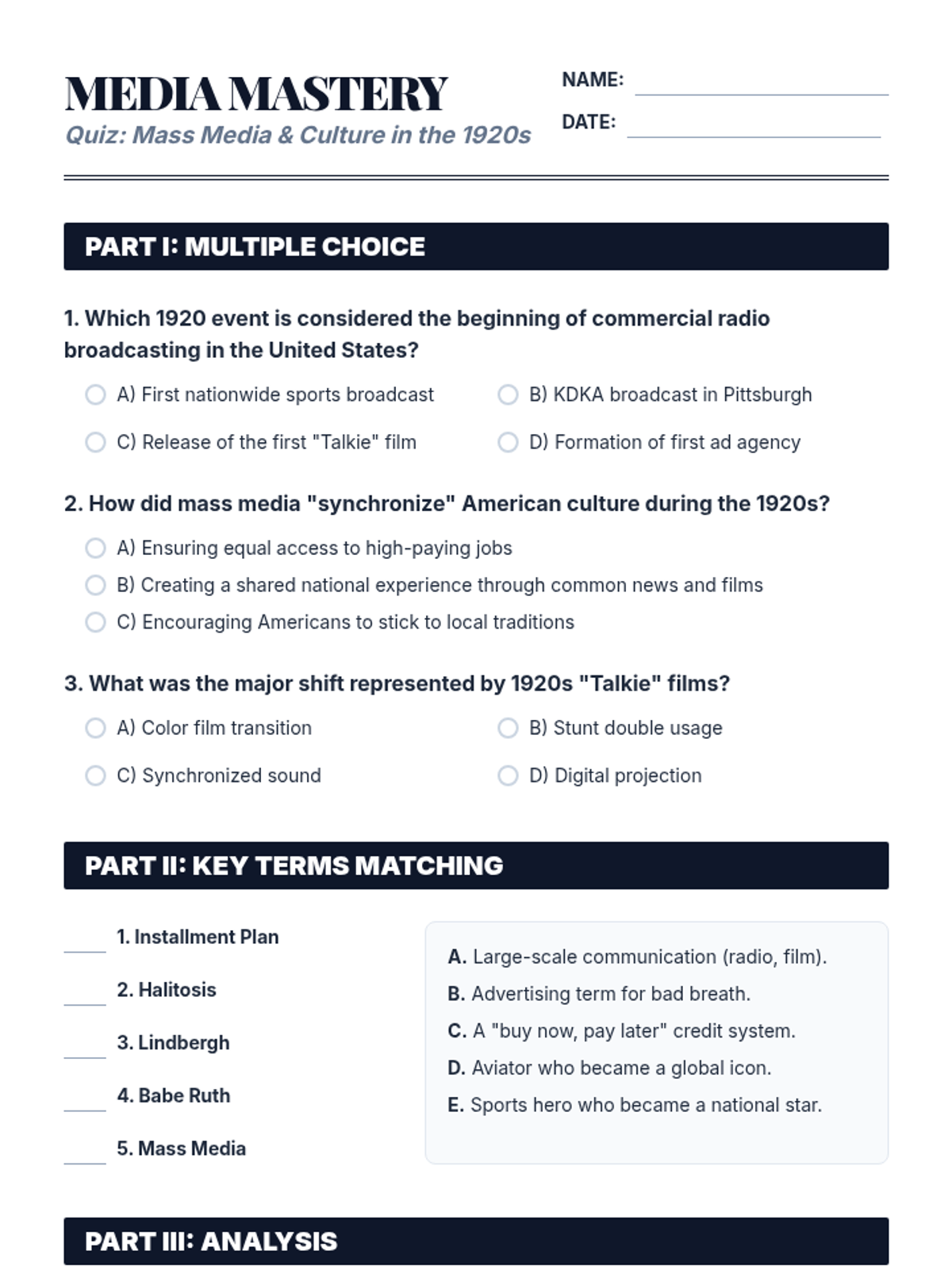
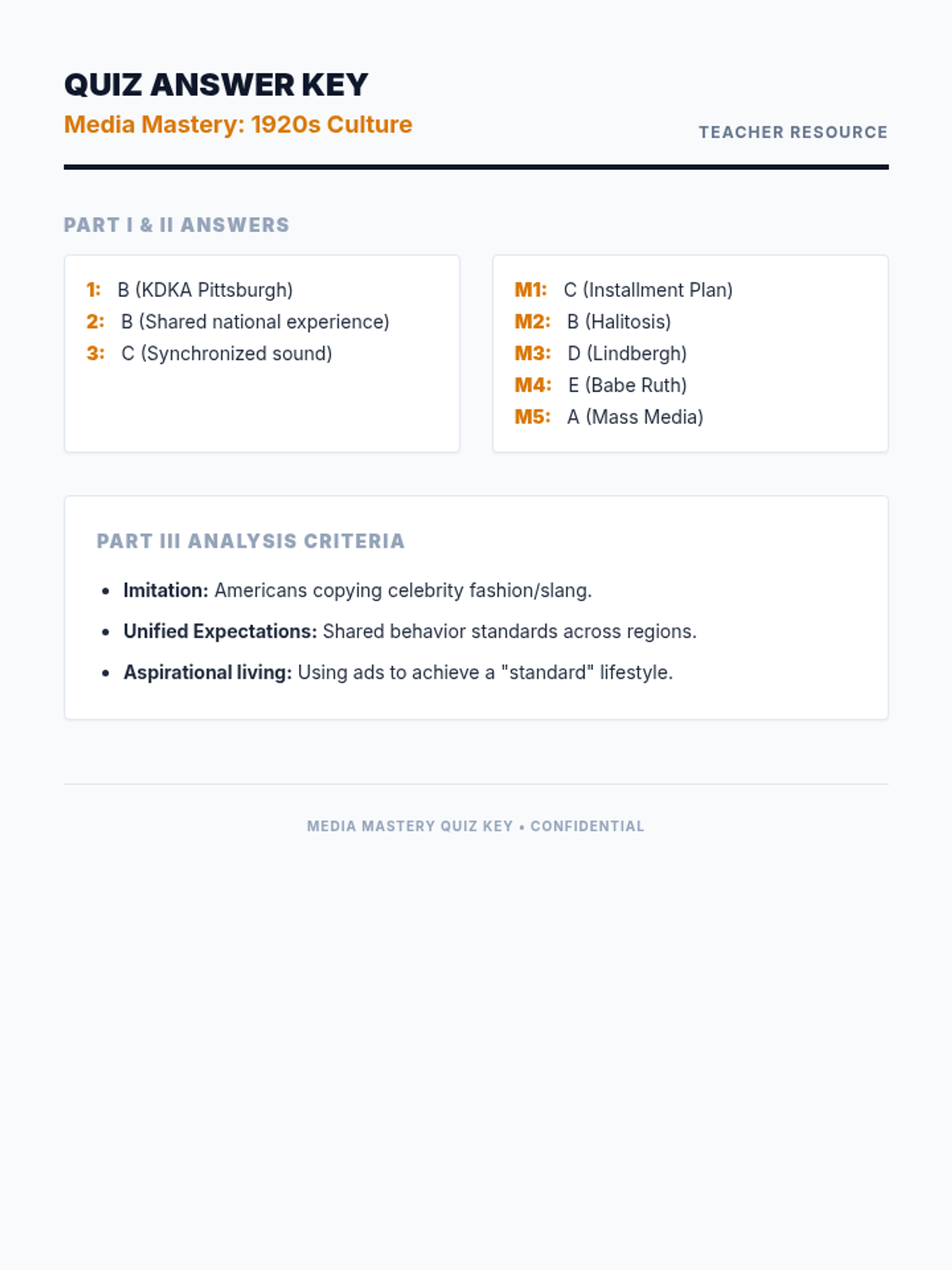
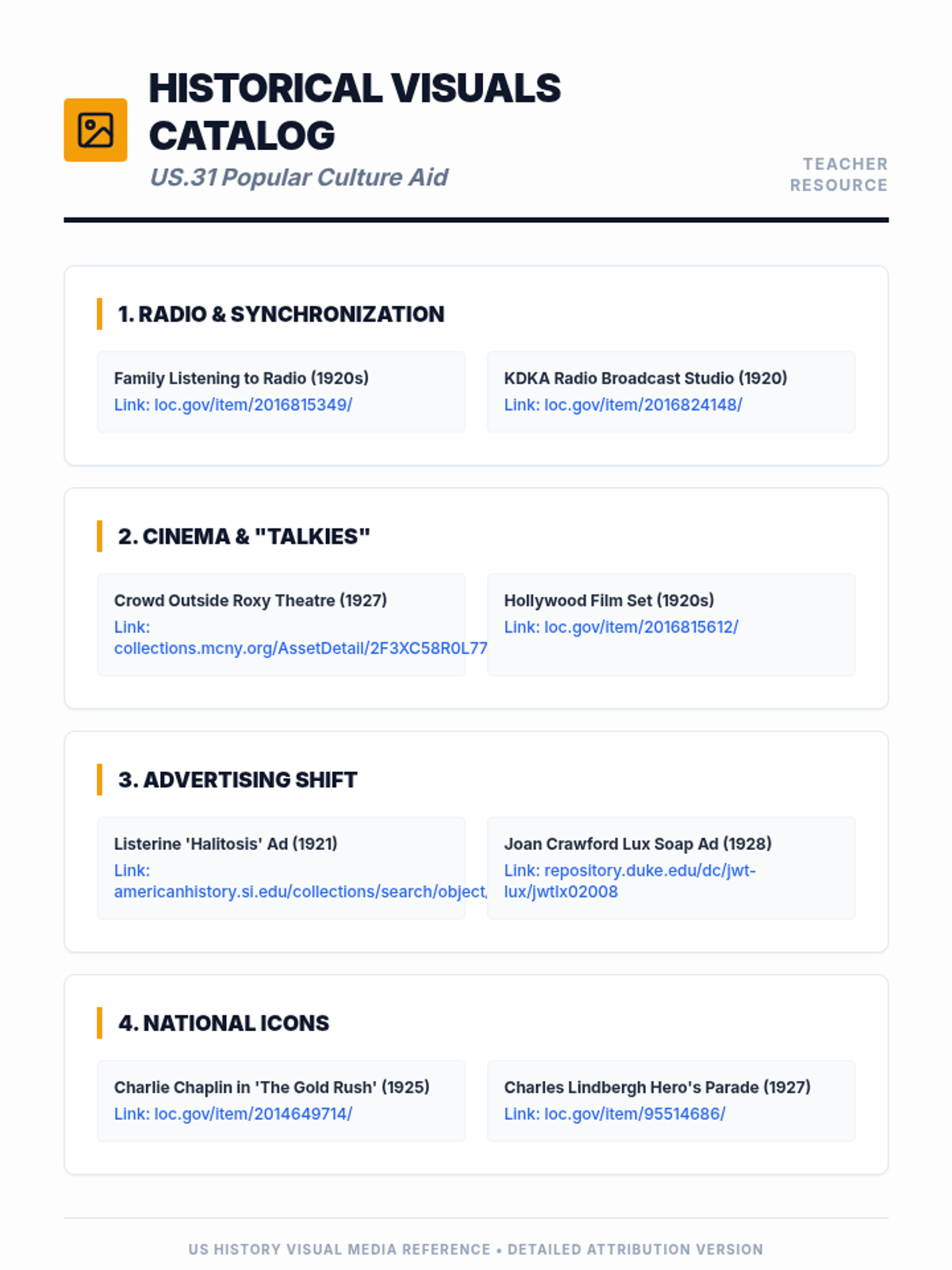
This lesson explores the transformative power of radio and film in 1920s America, focusing on the birth of celebrity culture and the rise of a consumer economy driven by national advertising. Students will analyze how mass media synchronized American social norms and economic habits.
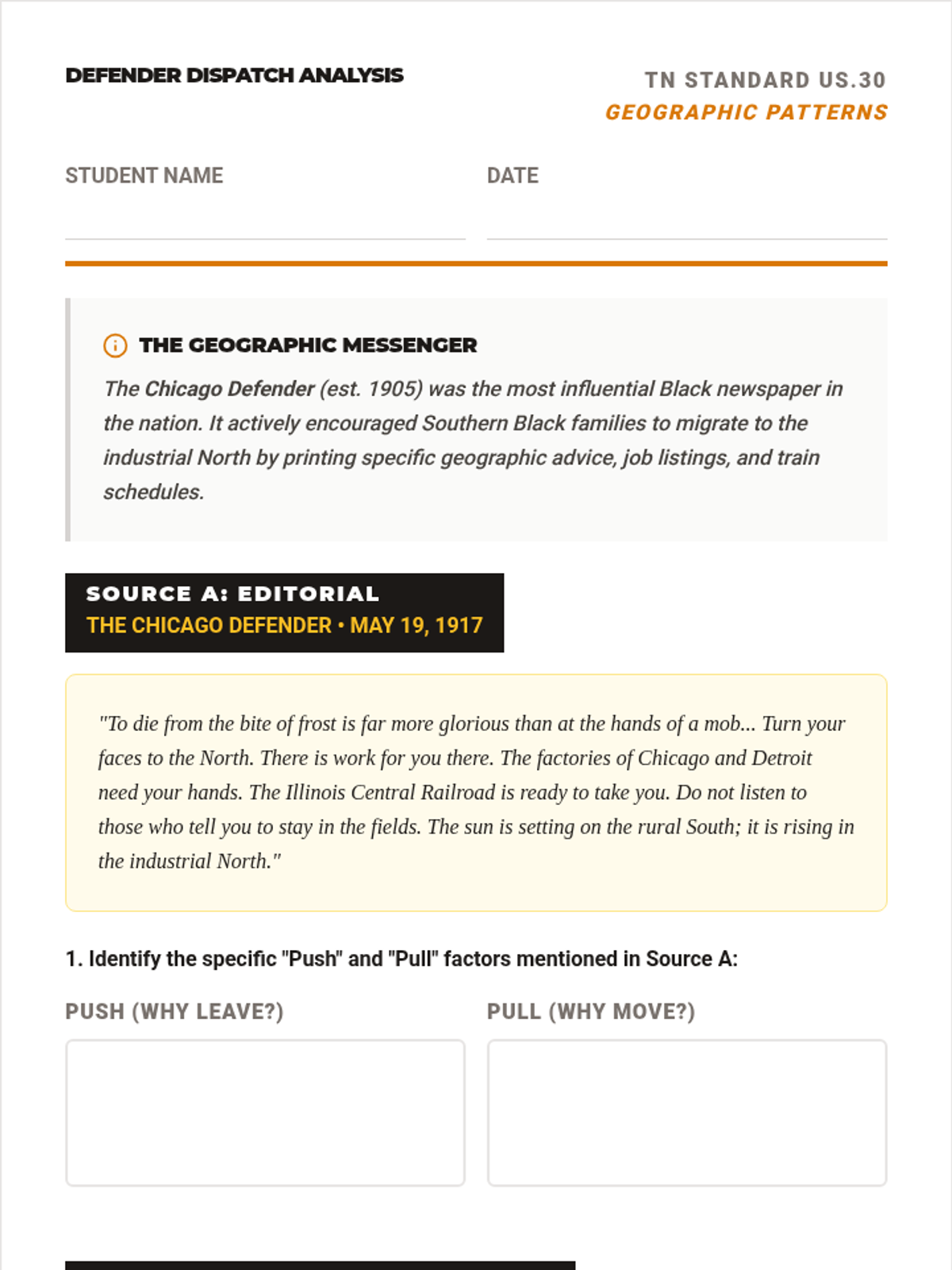
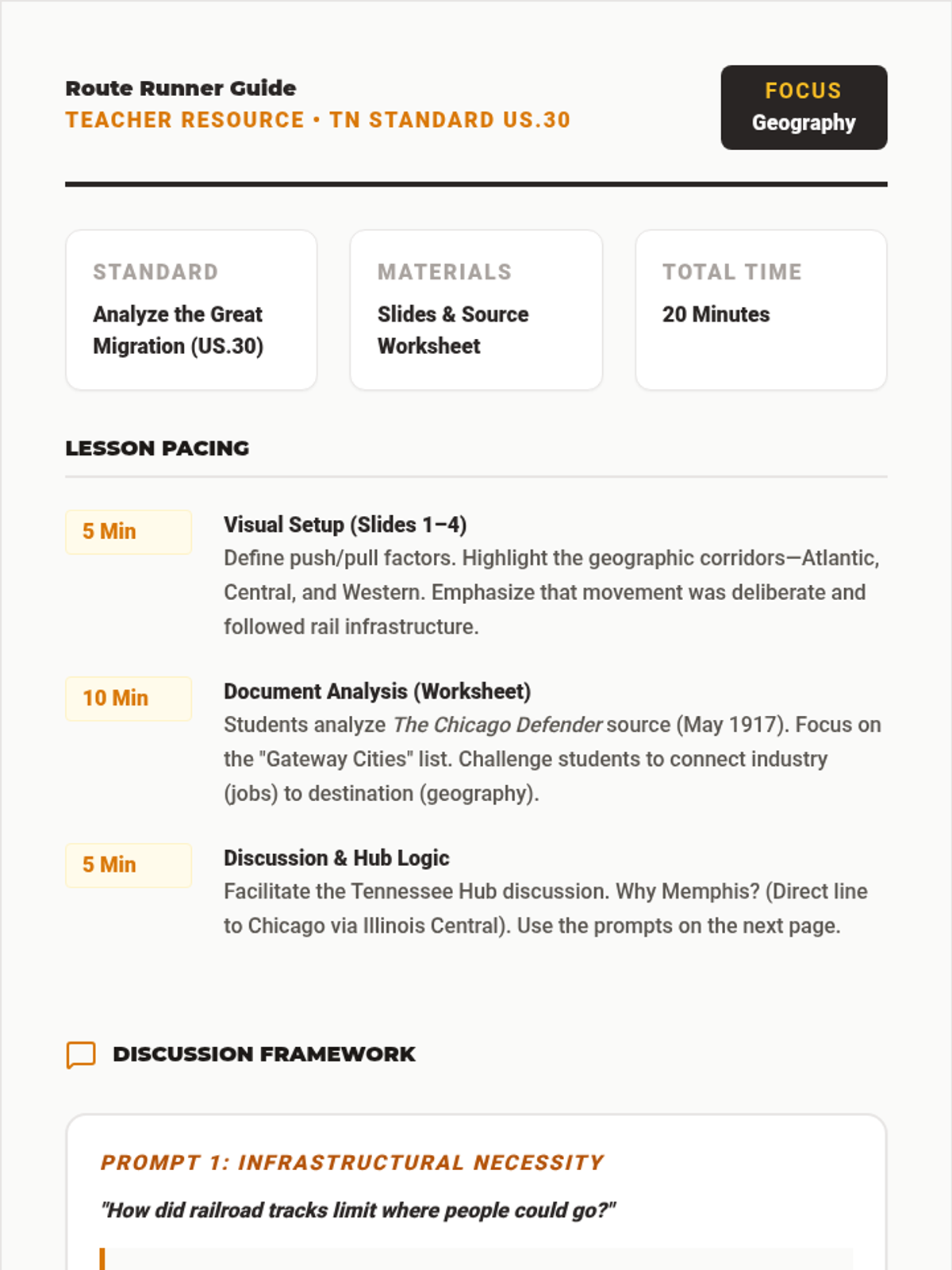
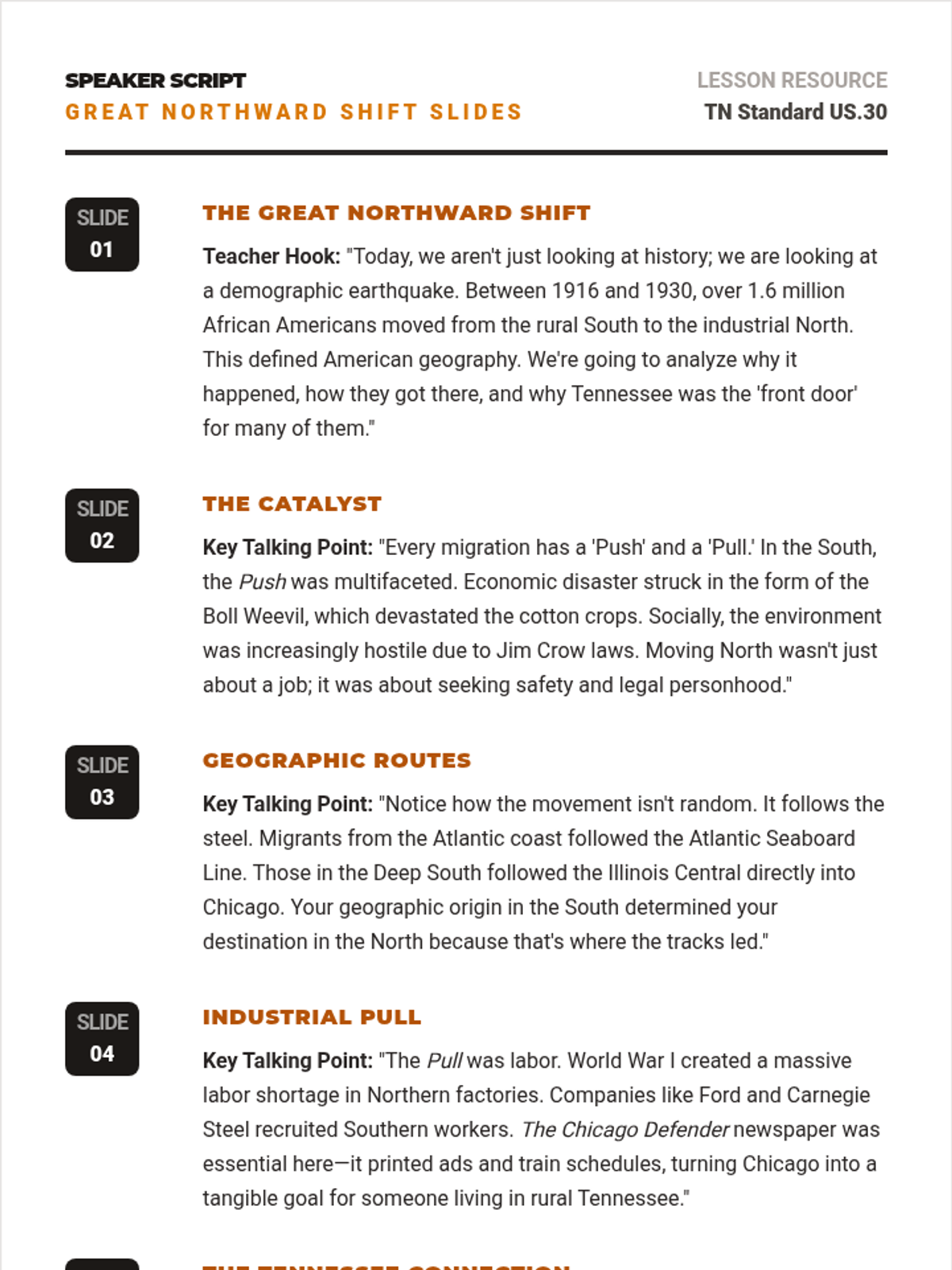
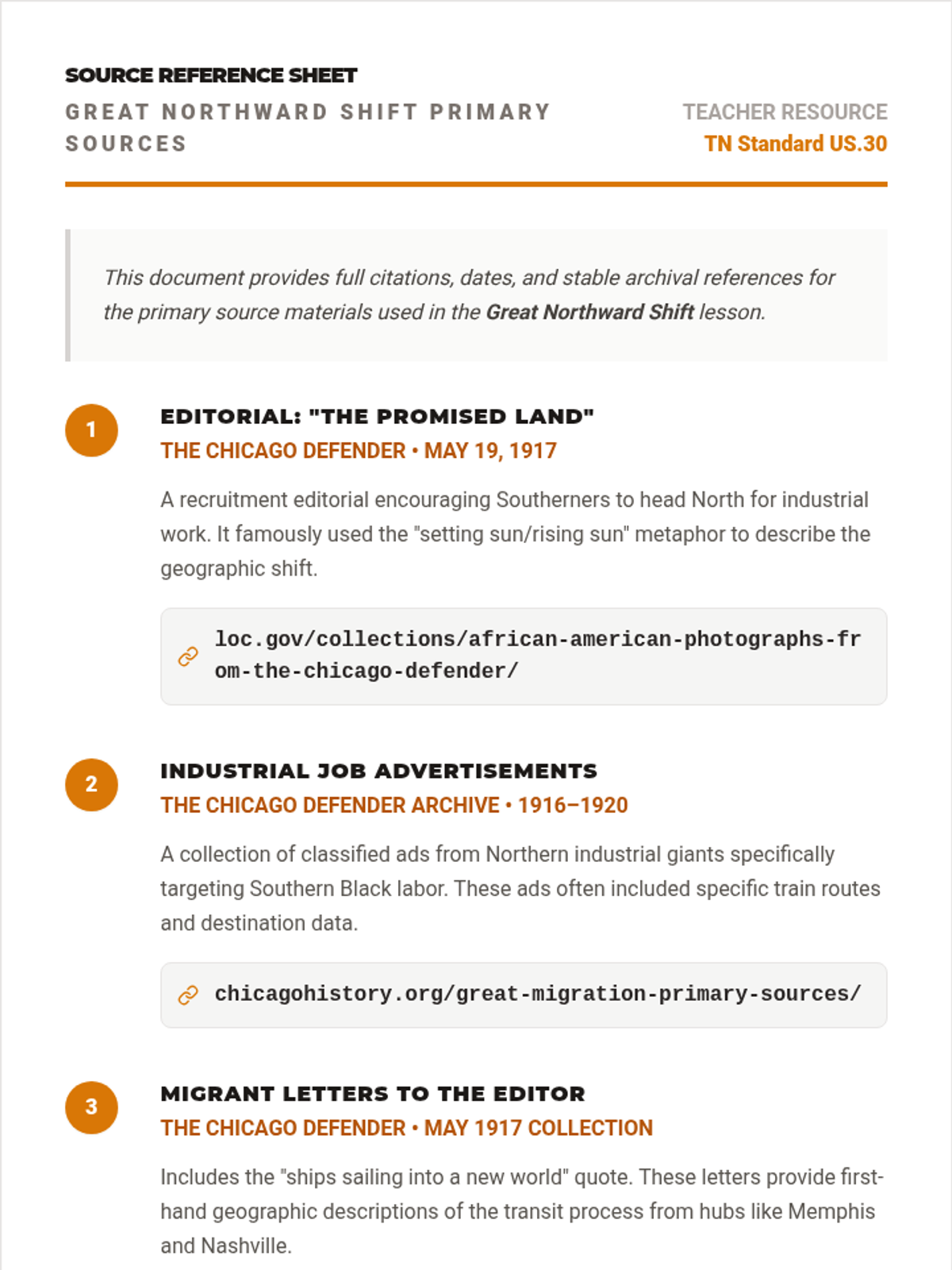
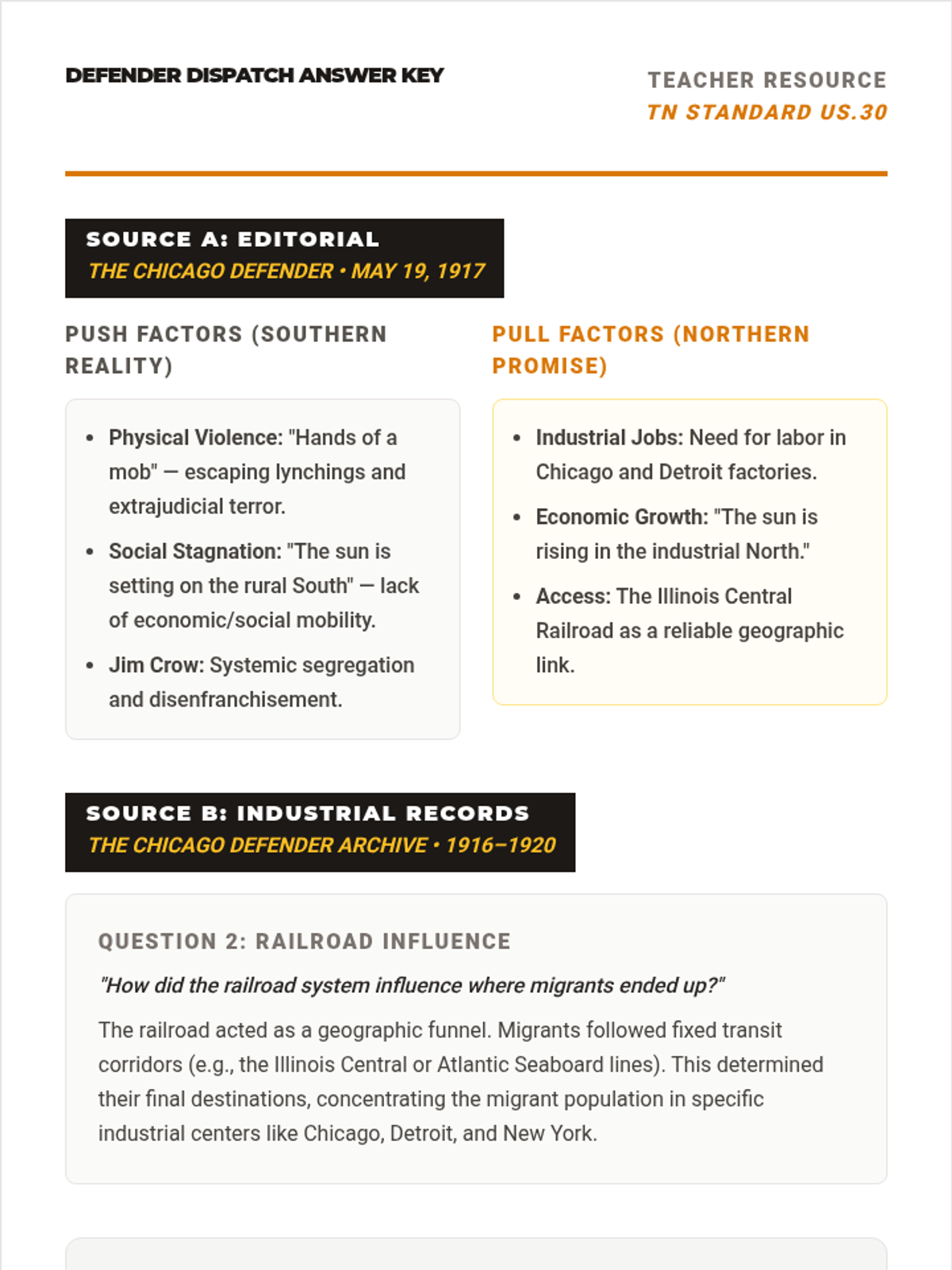
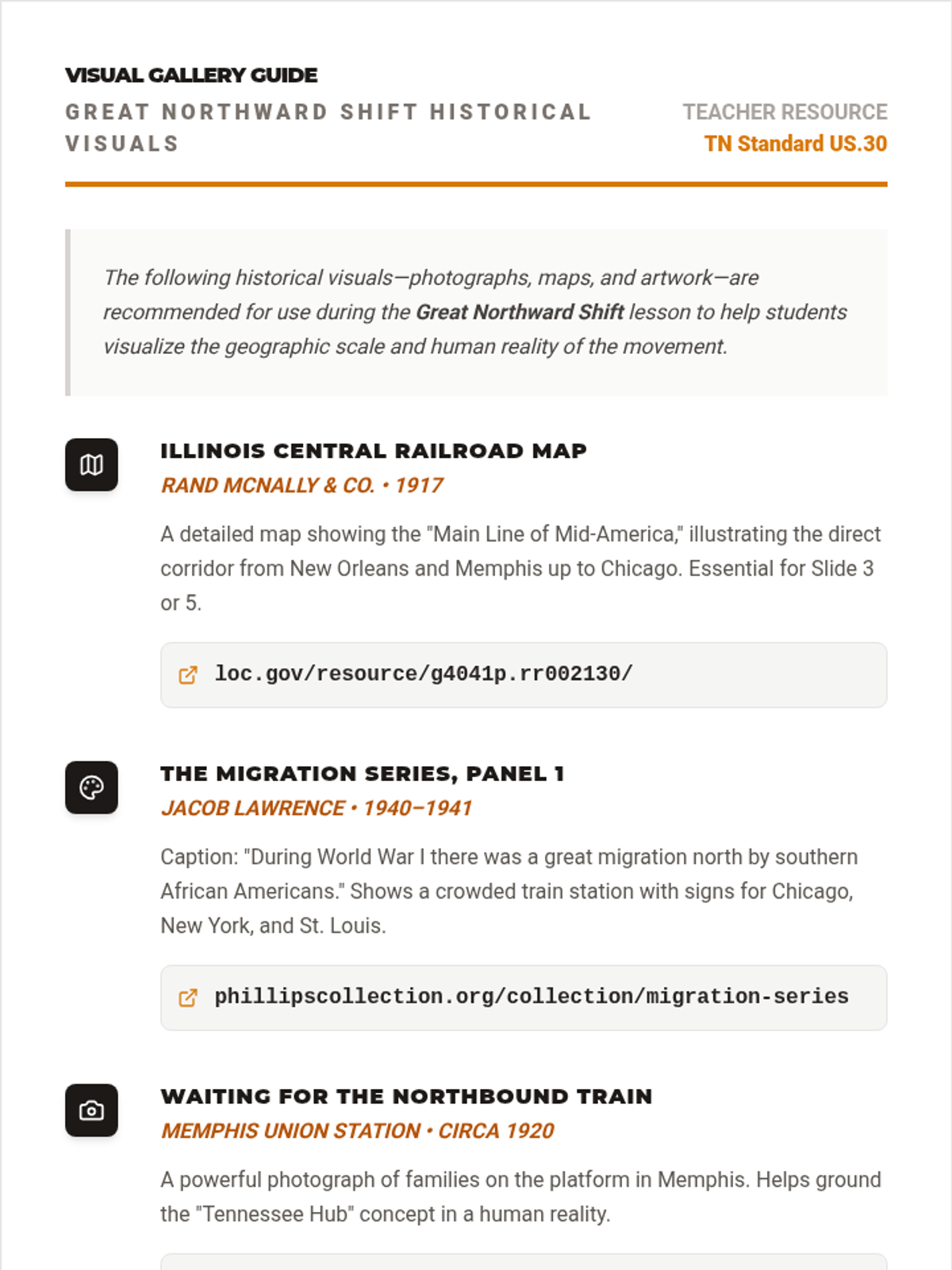
A 20-minute deep dive into the geographic patterns and economic drivers of the Great Migration, focusing on the movement from the rural South to the industrial North.
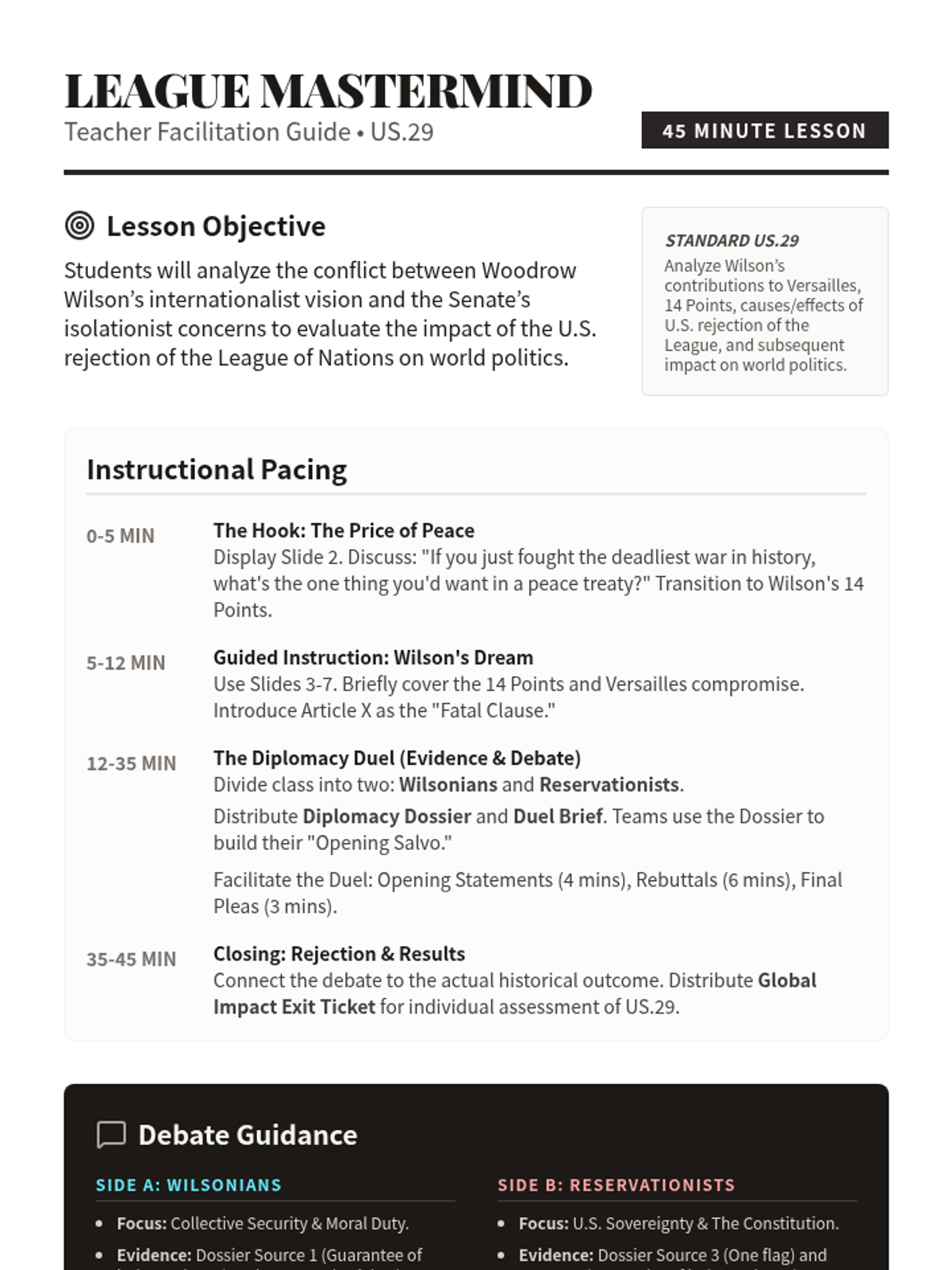
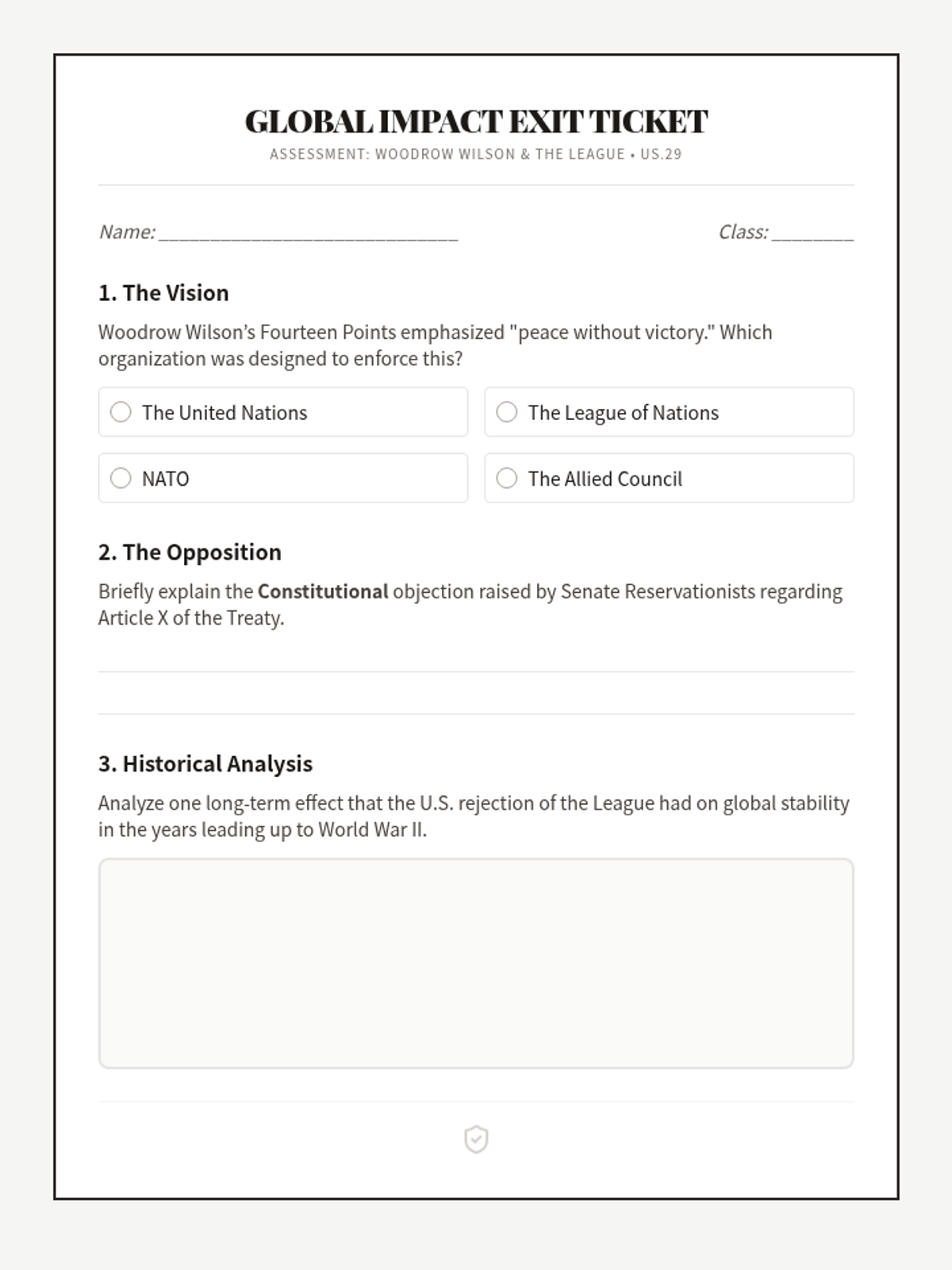
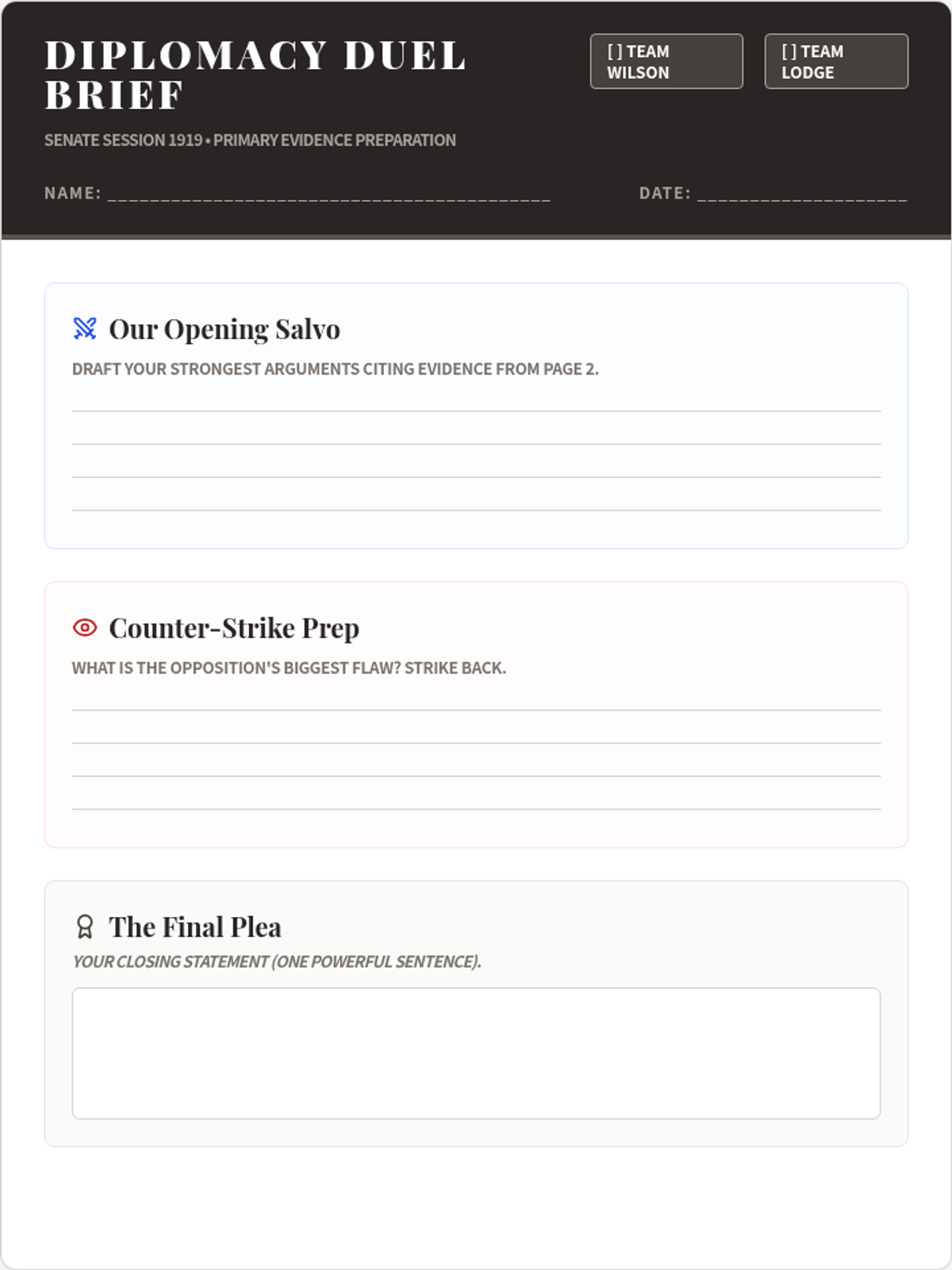
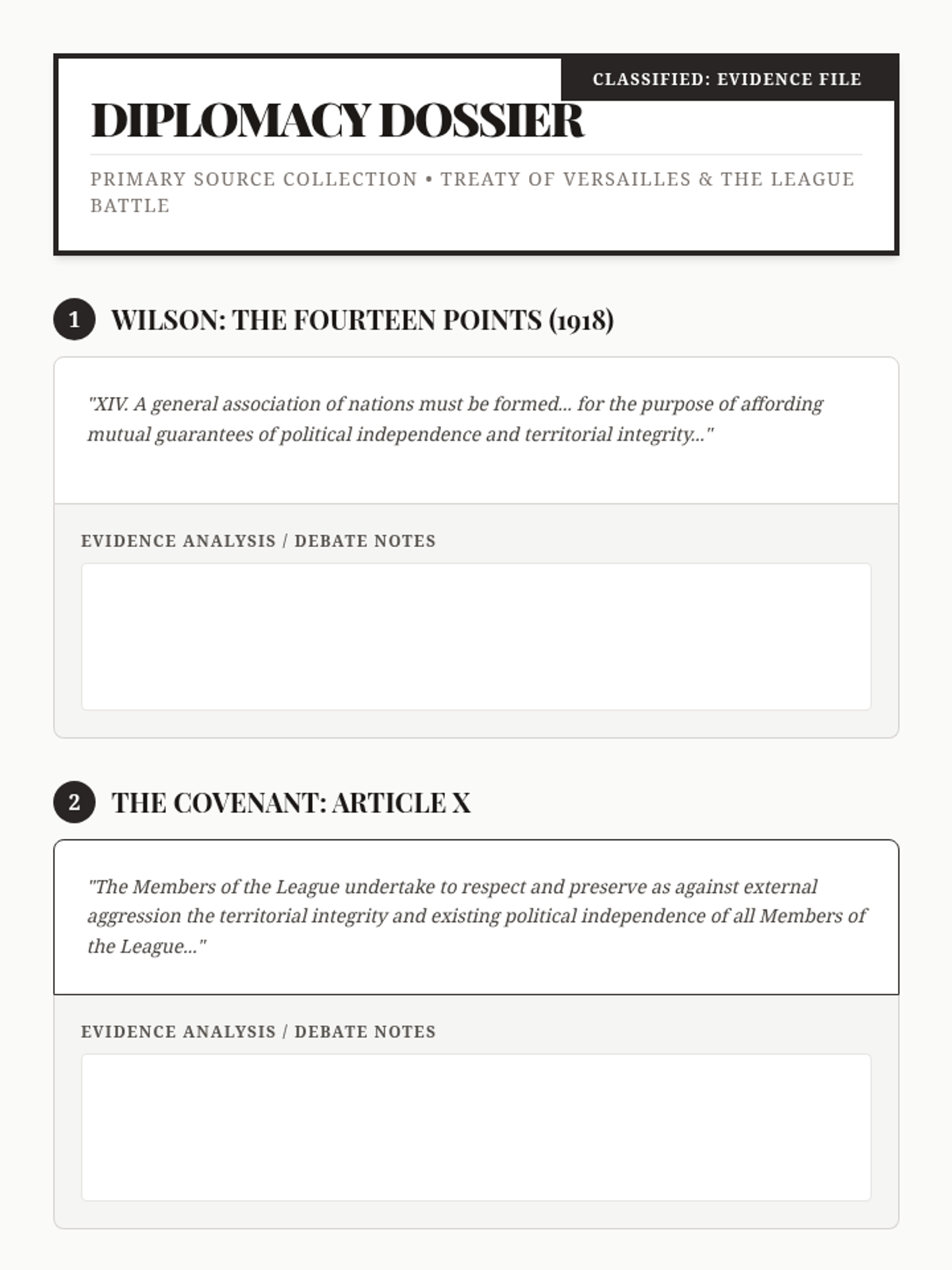
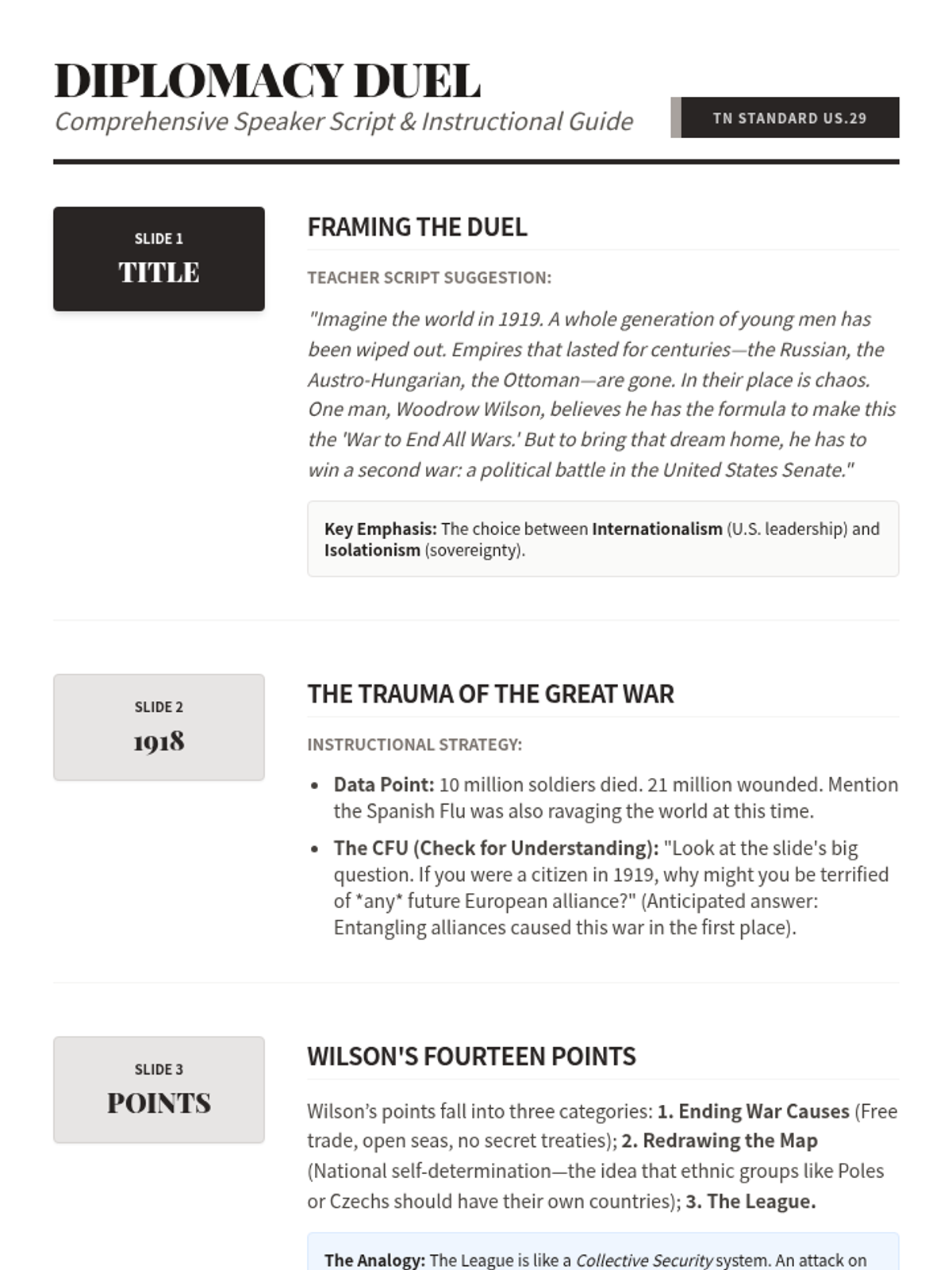
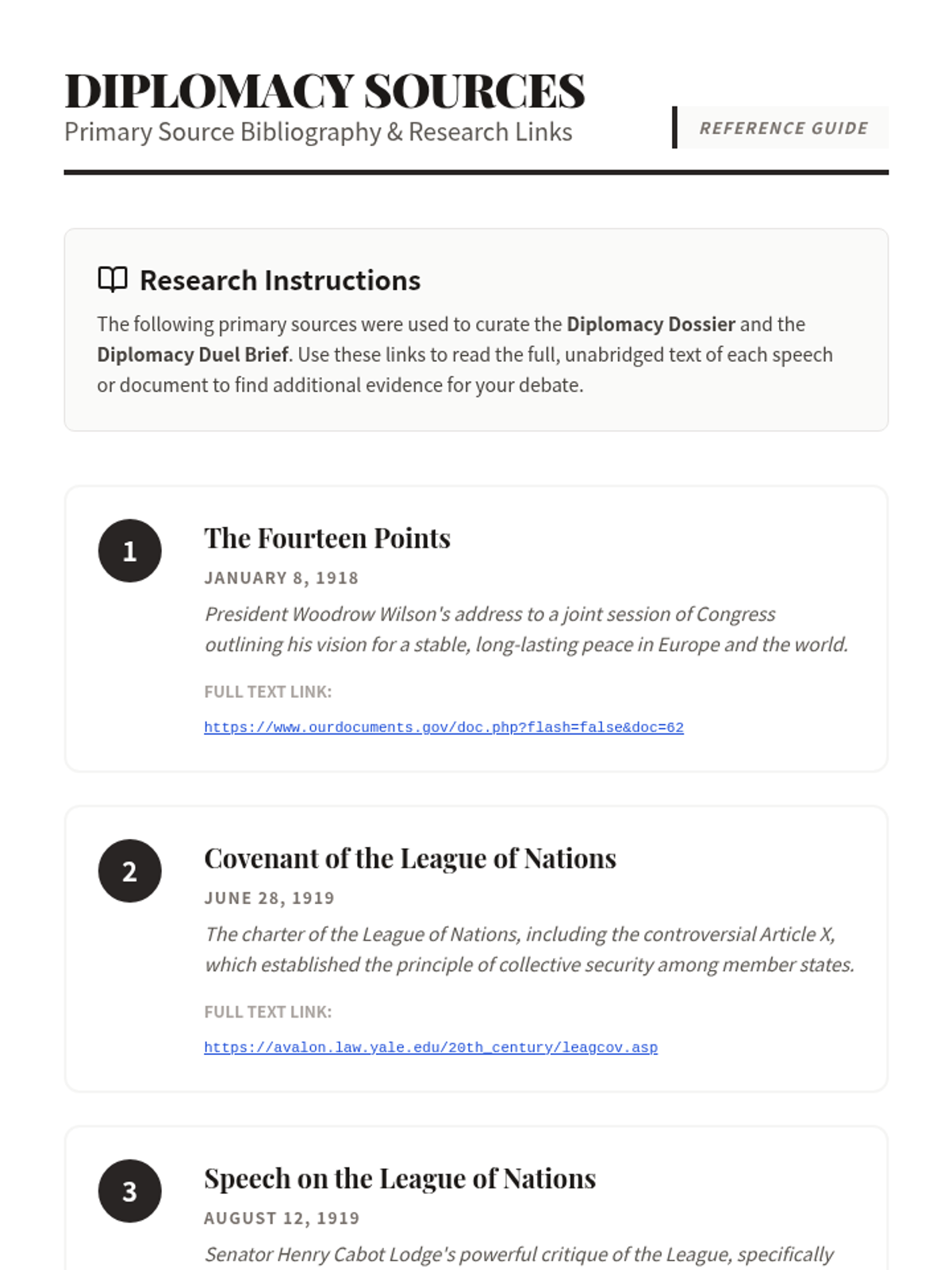
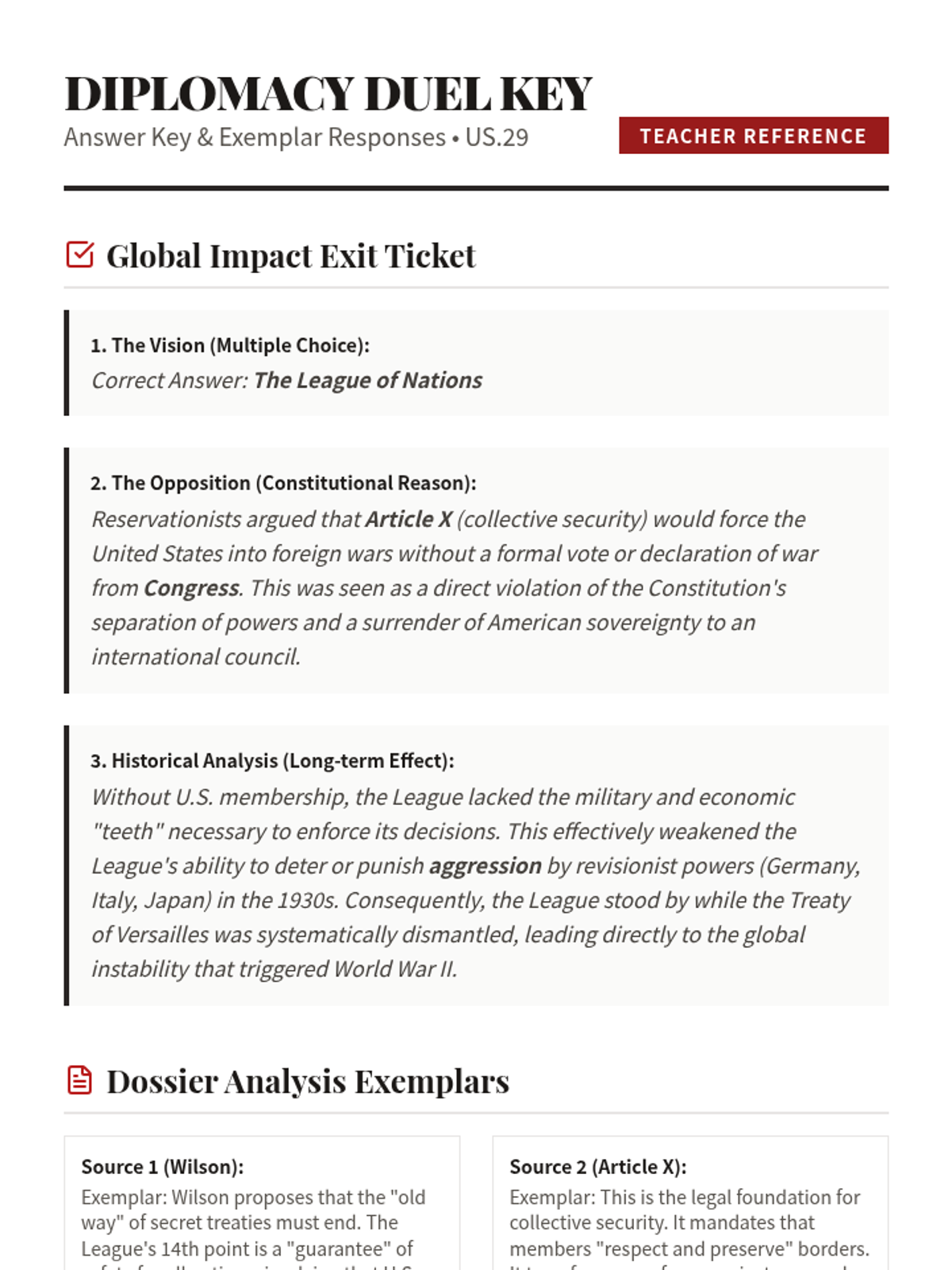
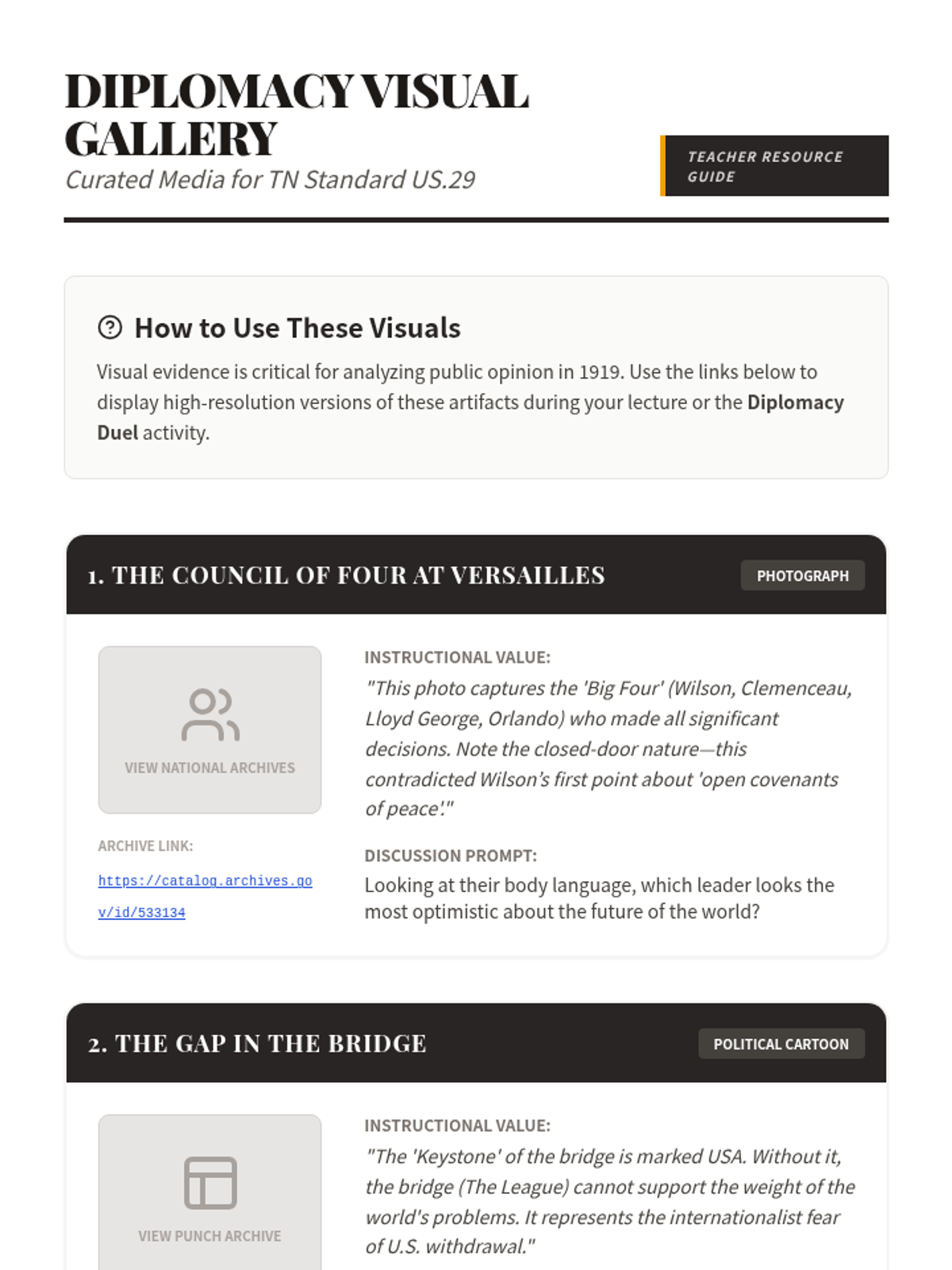
A high school history lesson exploring Woodrow Wilson's Fourteen Points, the Treaty of Versailles, and the intense U.S. Senate debate over joining the League of Nations. Students analyze primary sources and engage in a structured debate regarding American sovereignty and internationalism.
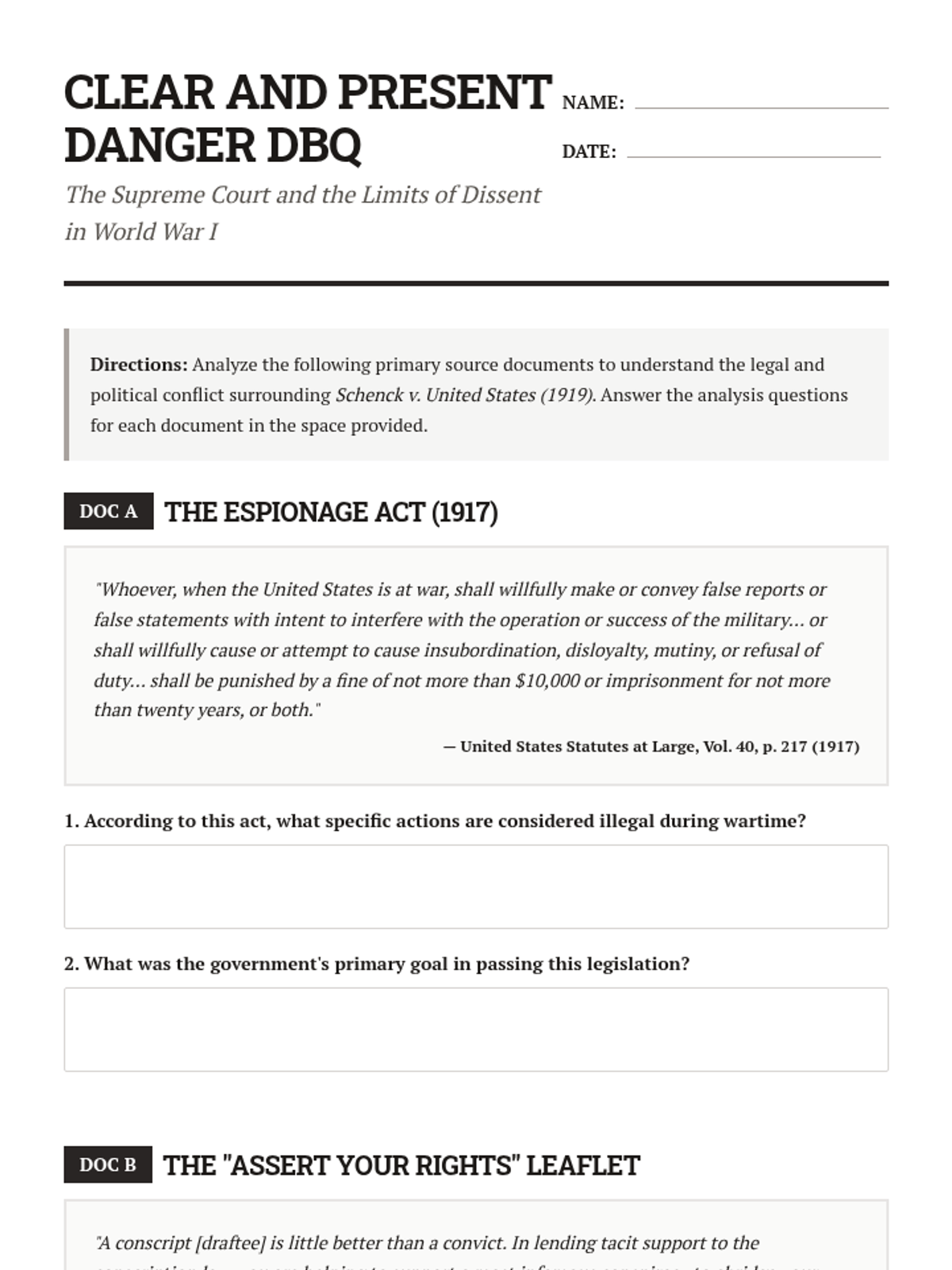
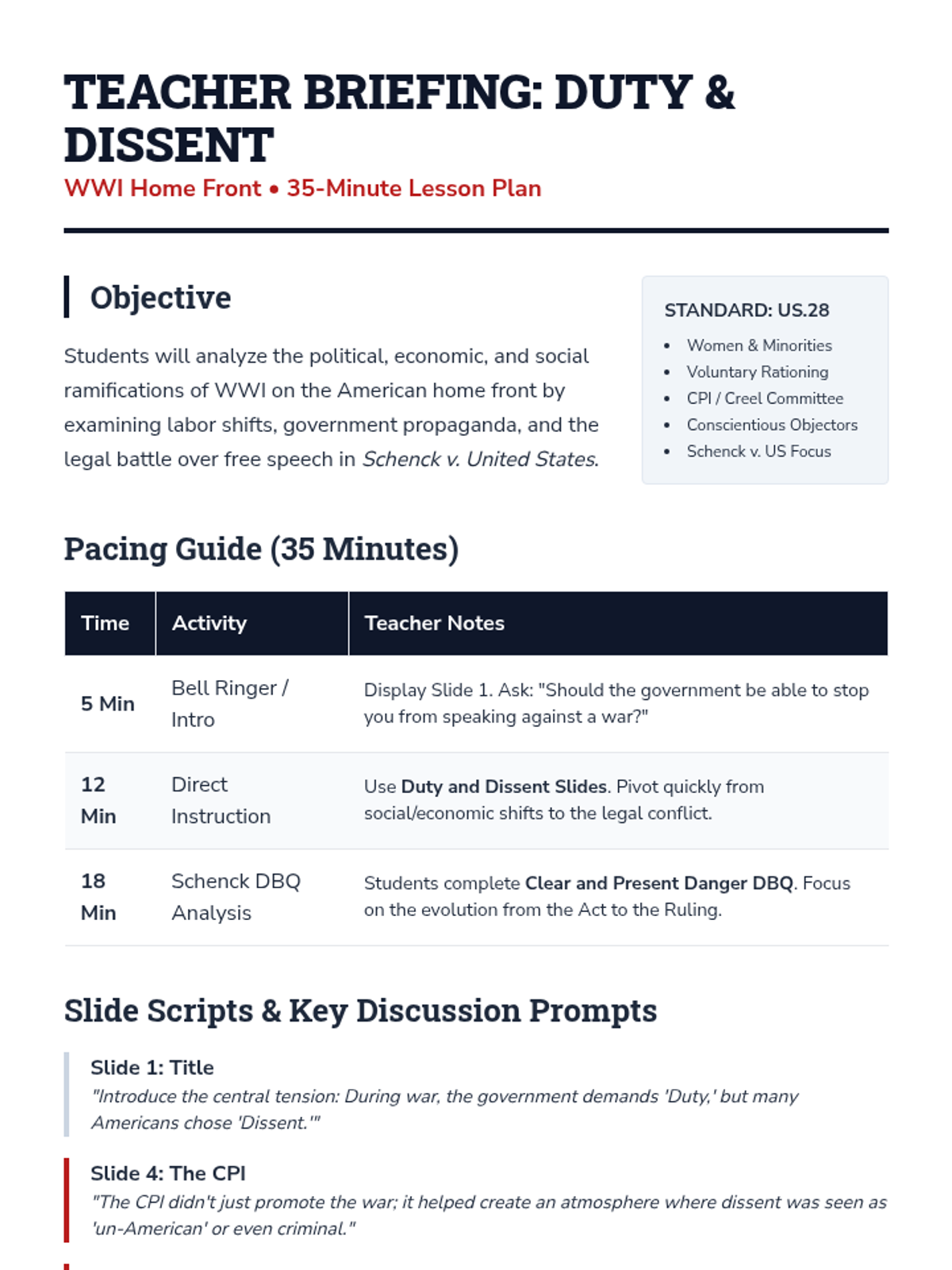
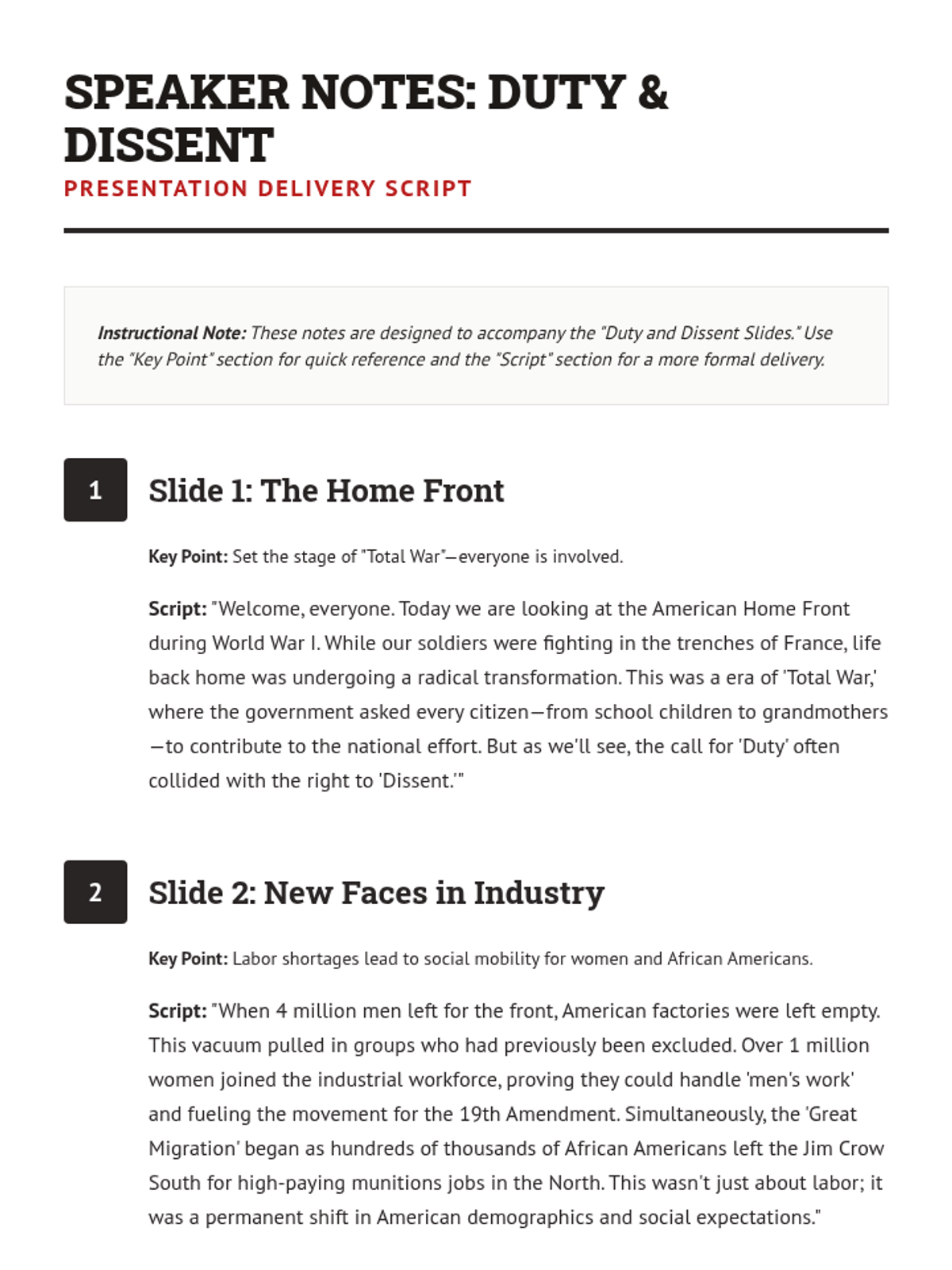
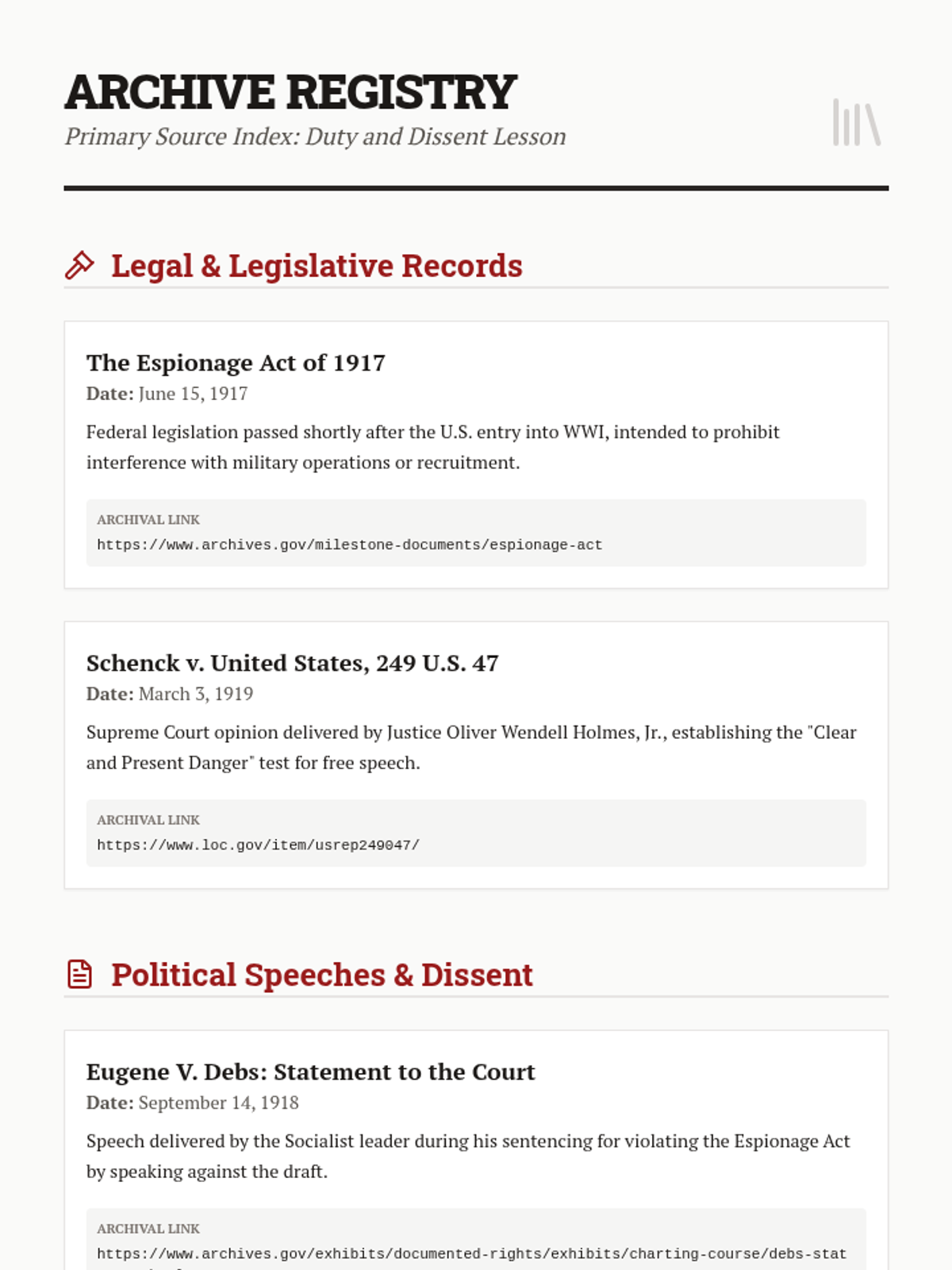
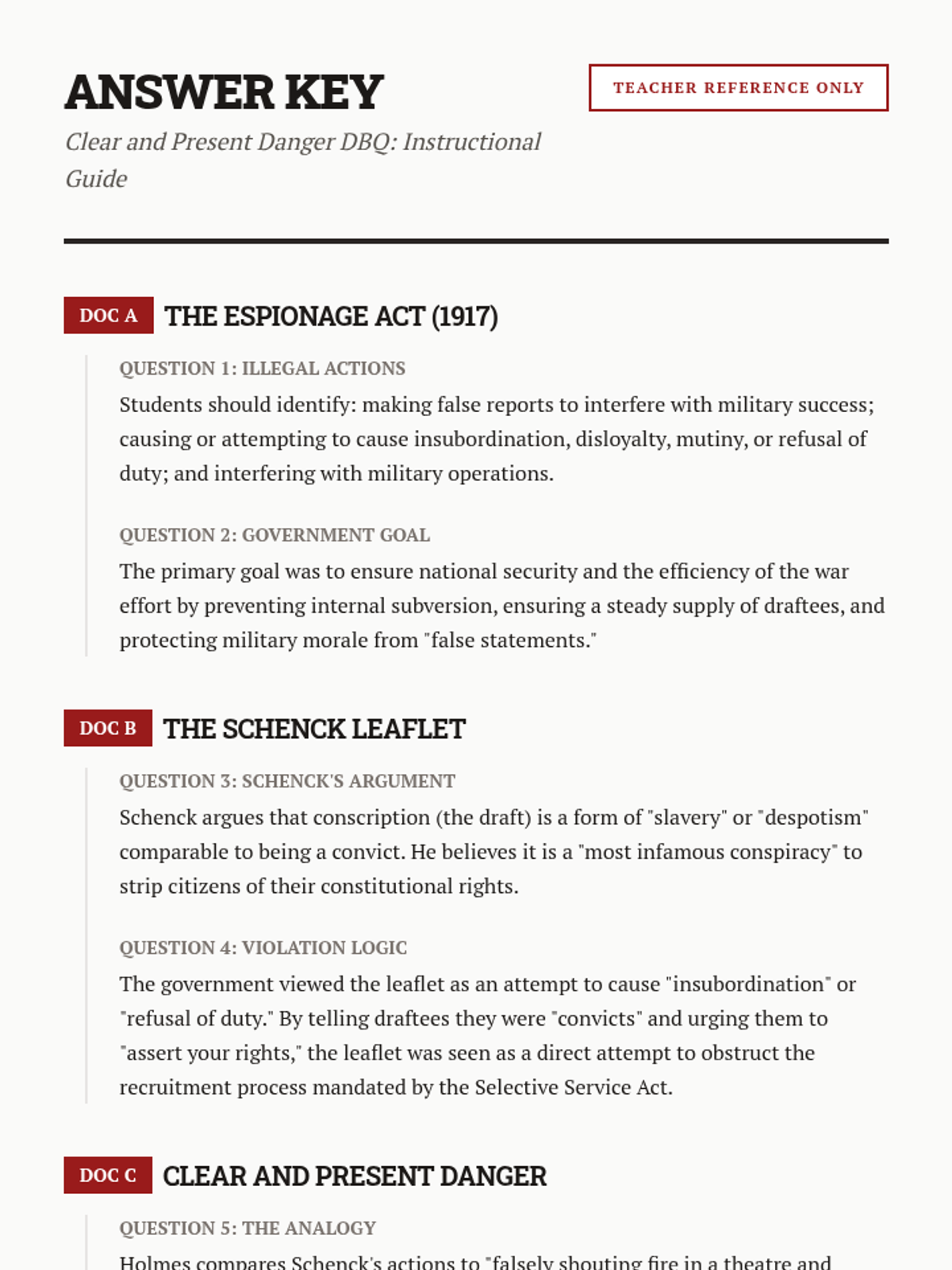
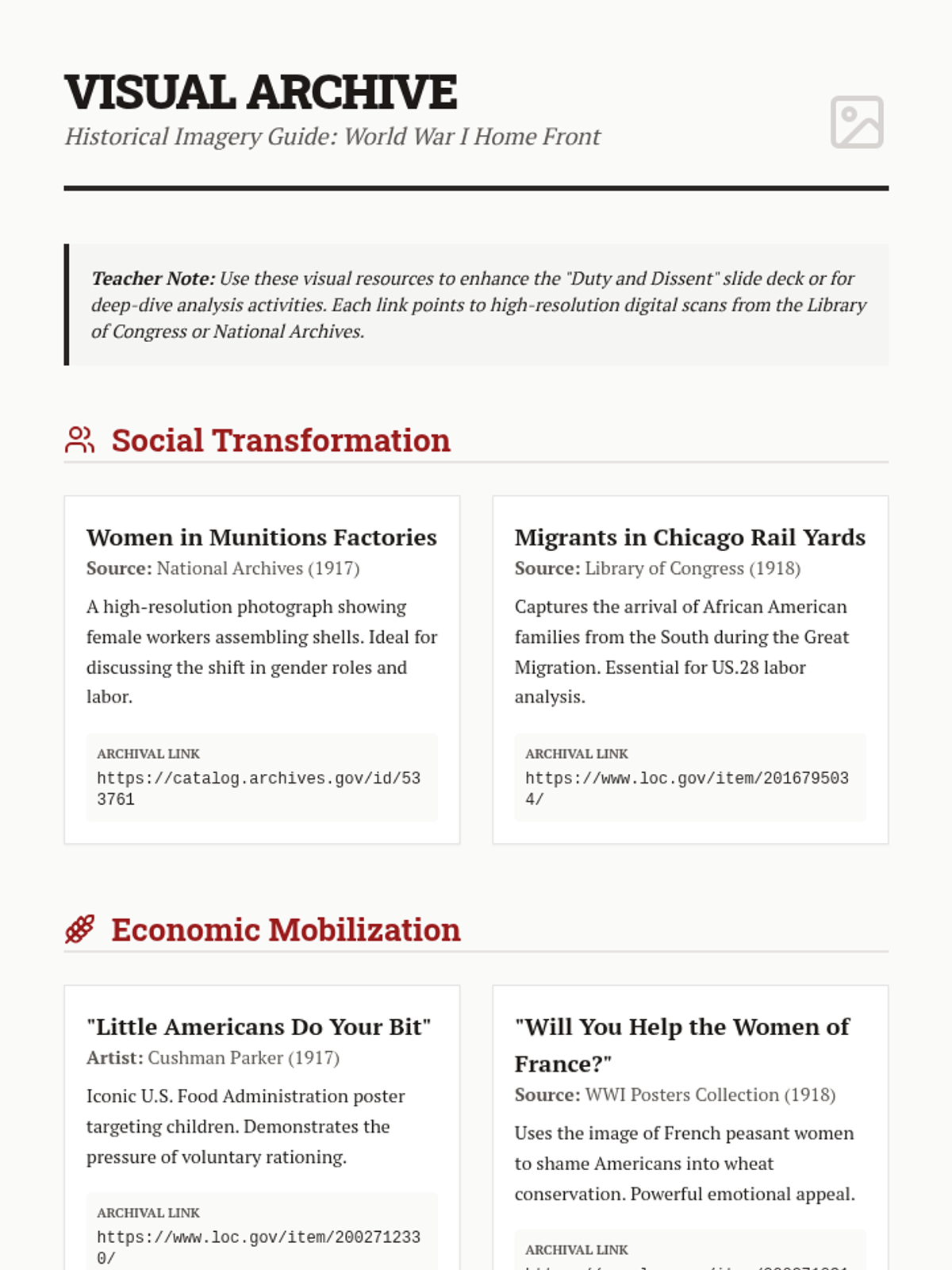
A 35-minute exploration of the American home front during World War I, covering social shifts, government propaganda, and legal challenges to civil liberties. Students analyze the roles of women and minorities, rationing efforts, and the tension between national security and free speech.
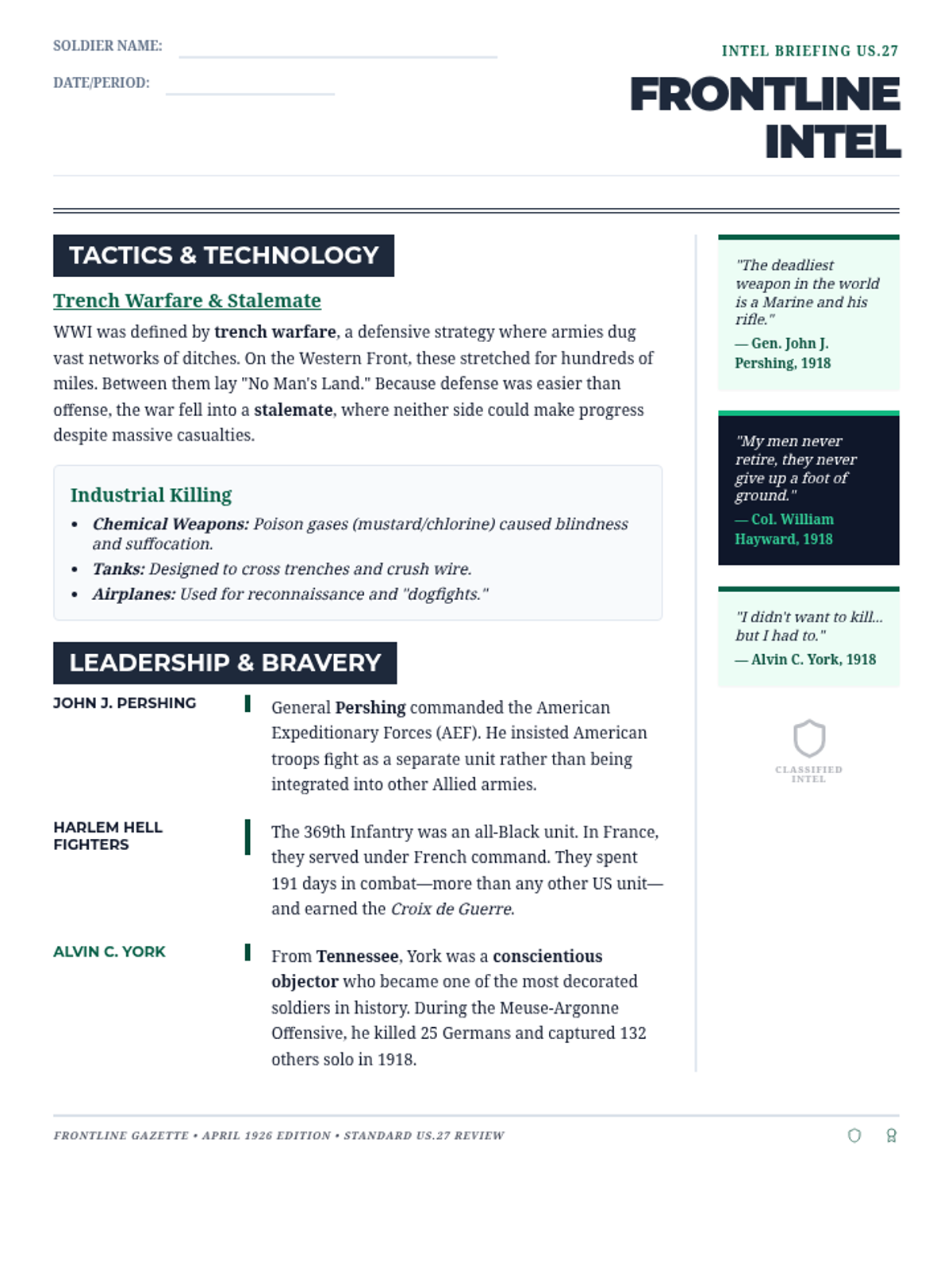
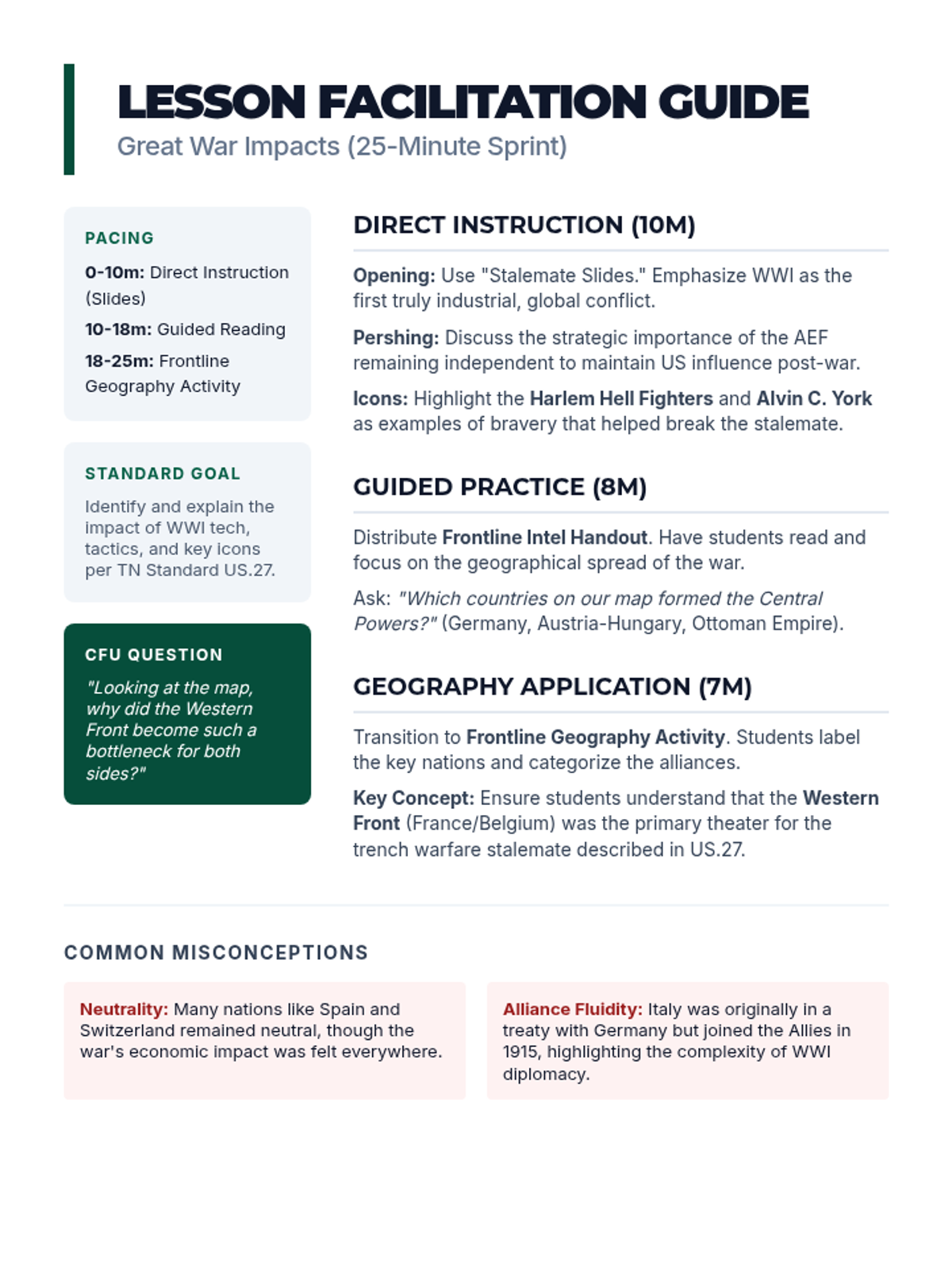
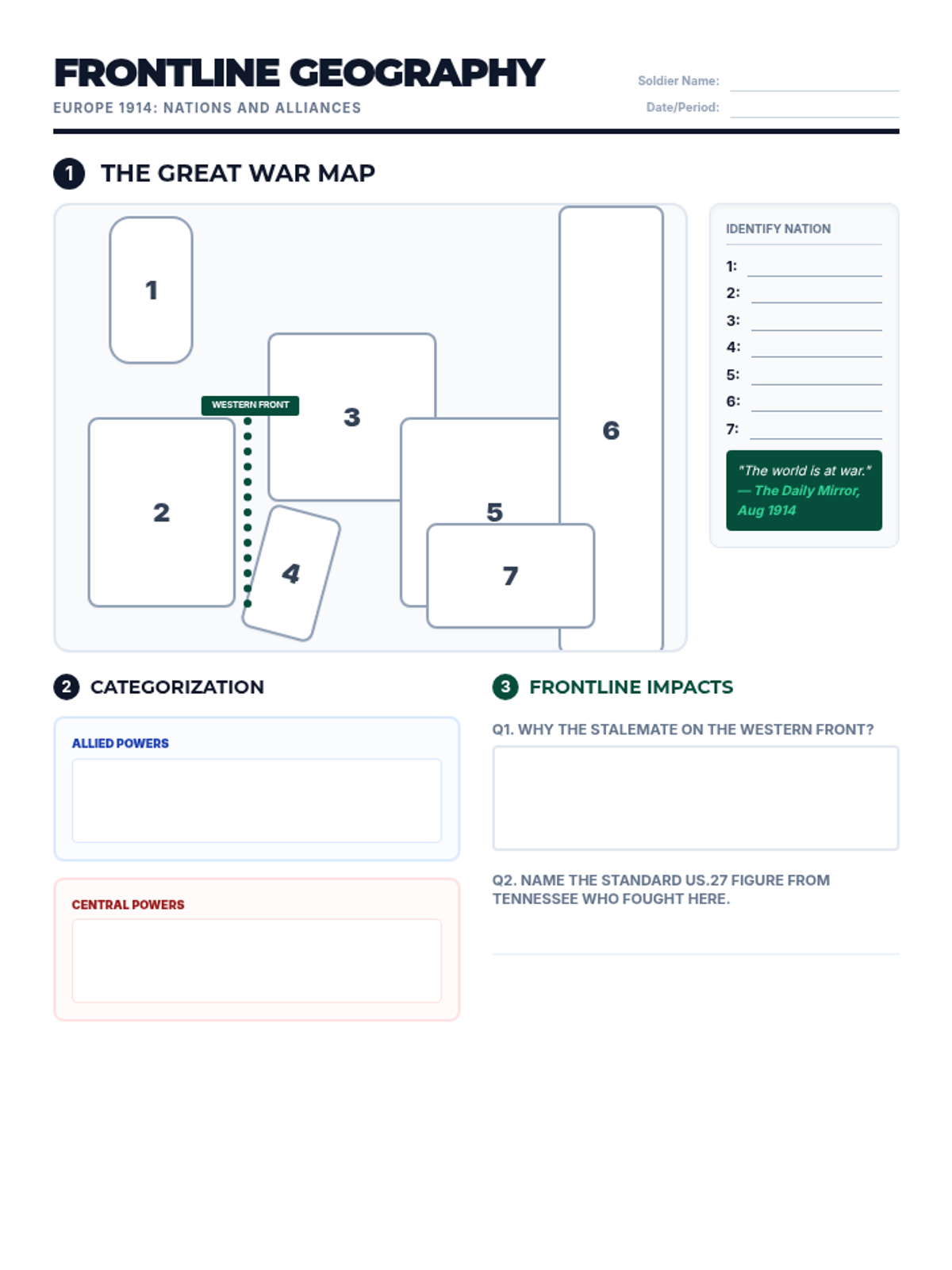
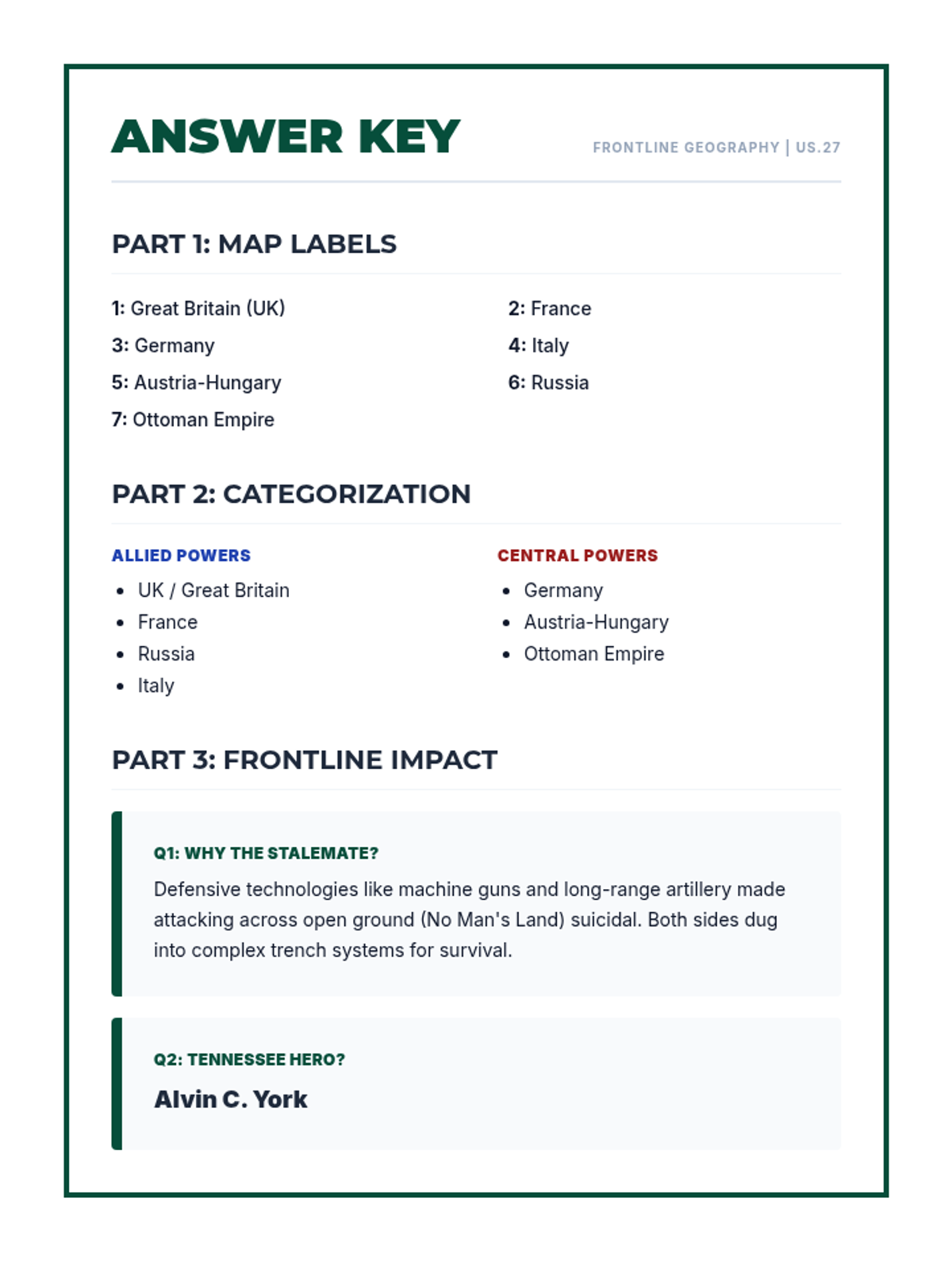
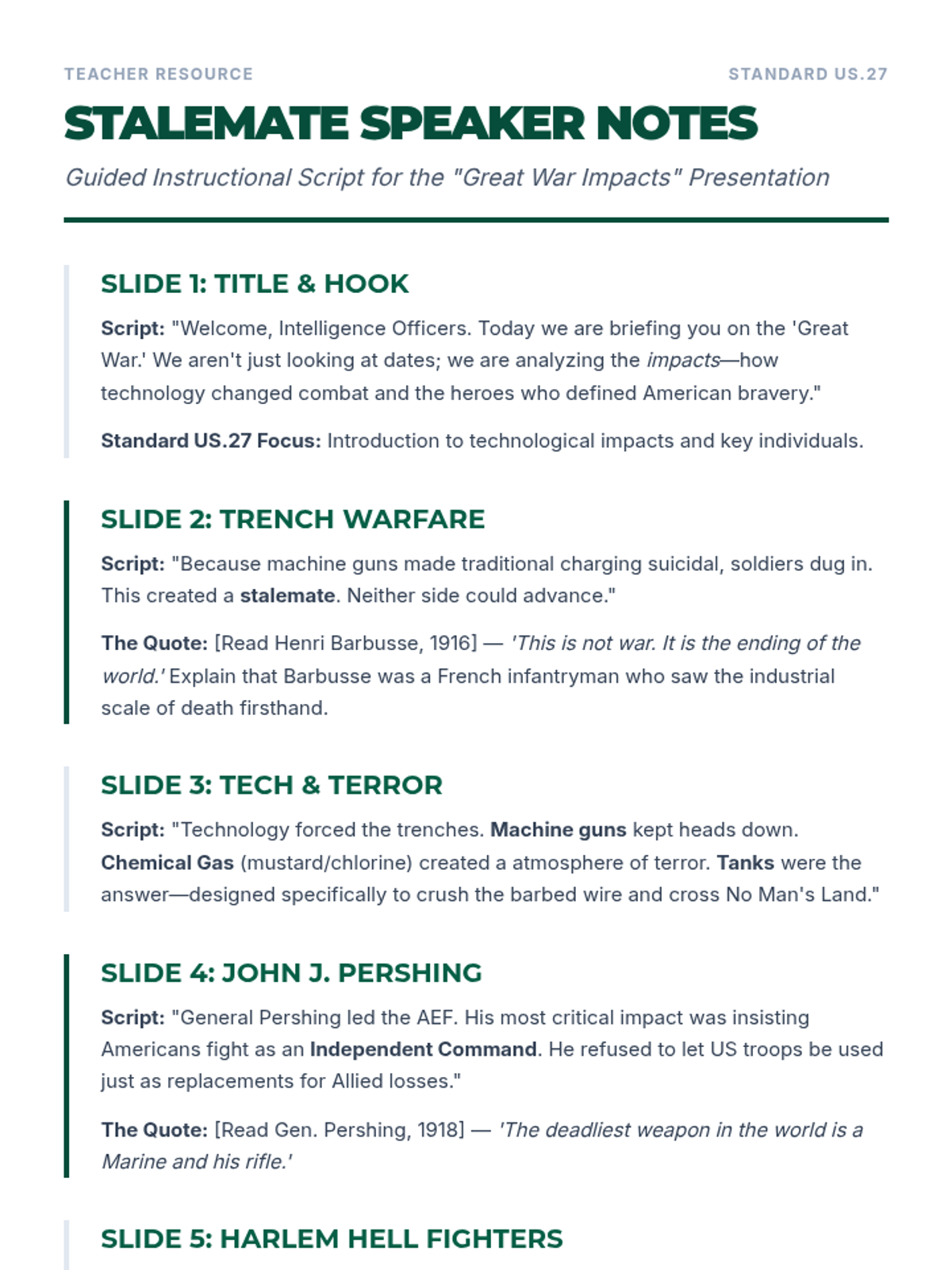
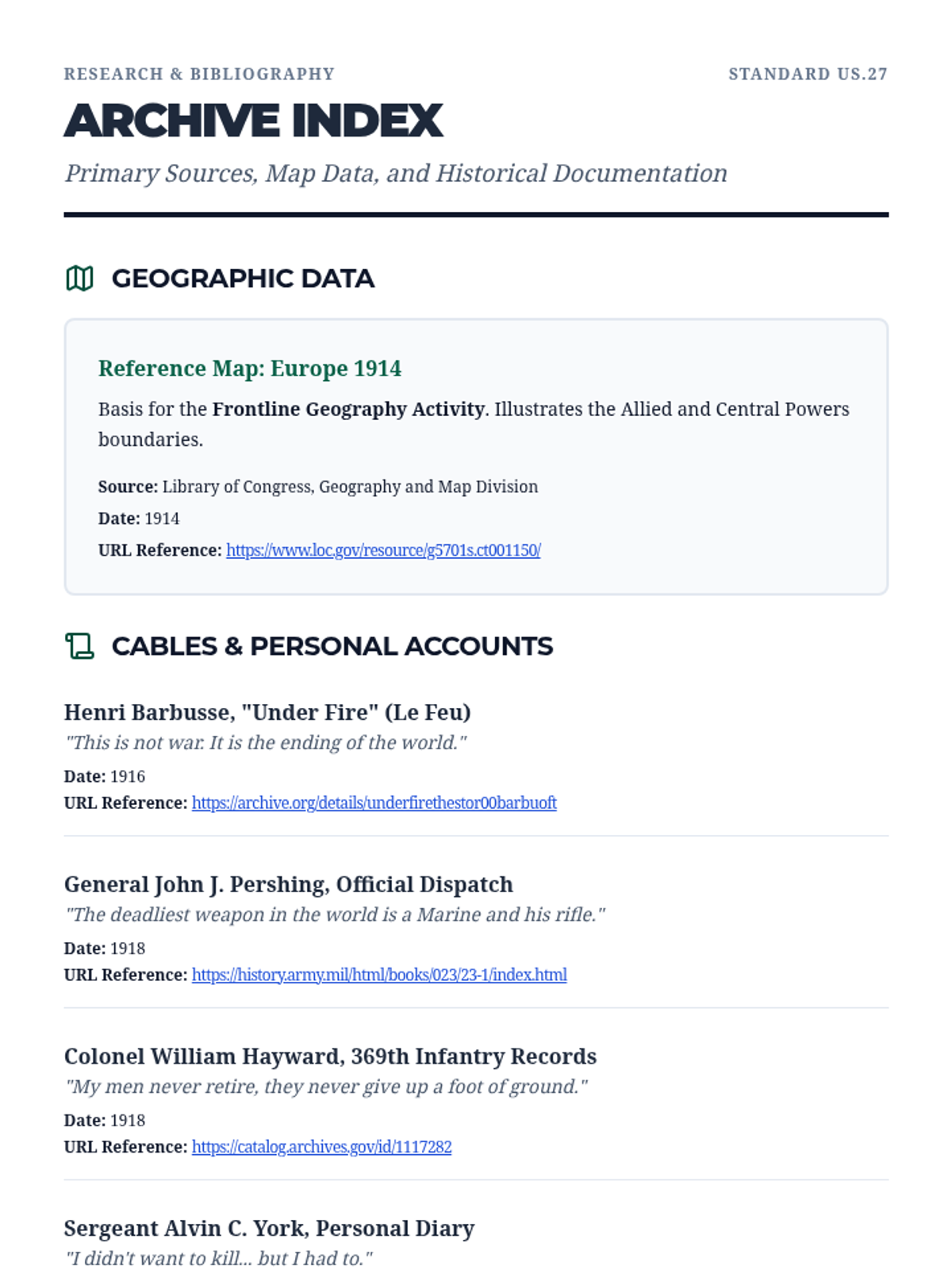
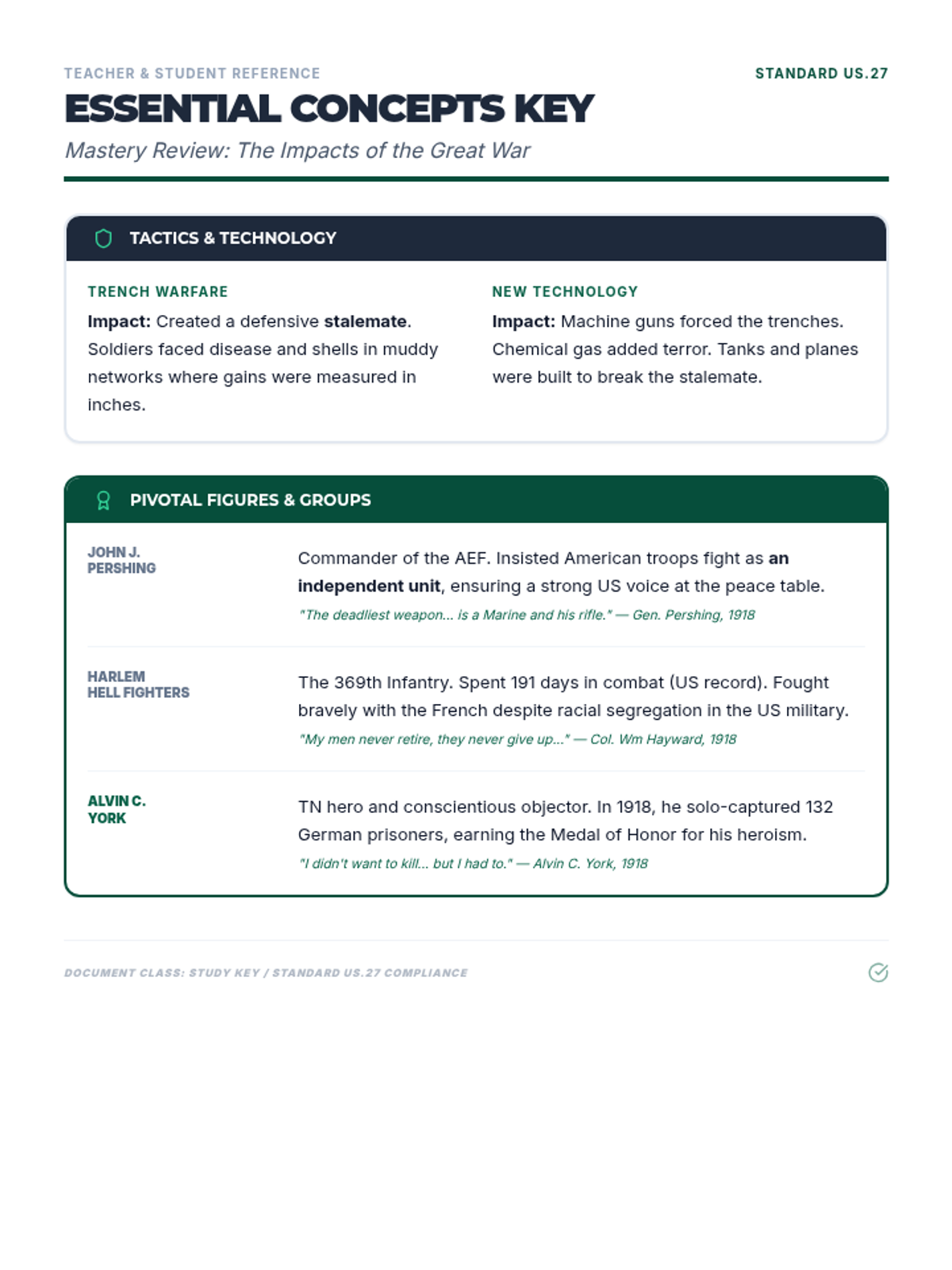
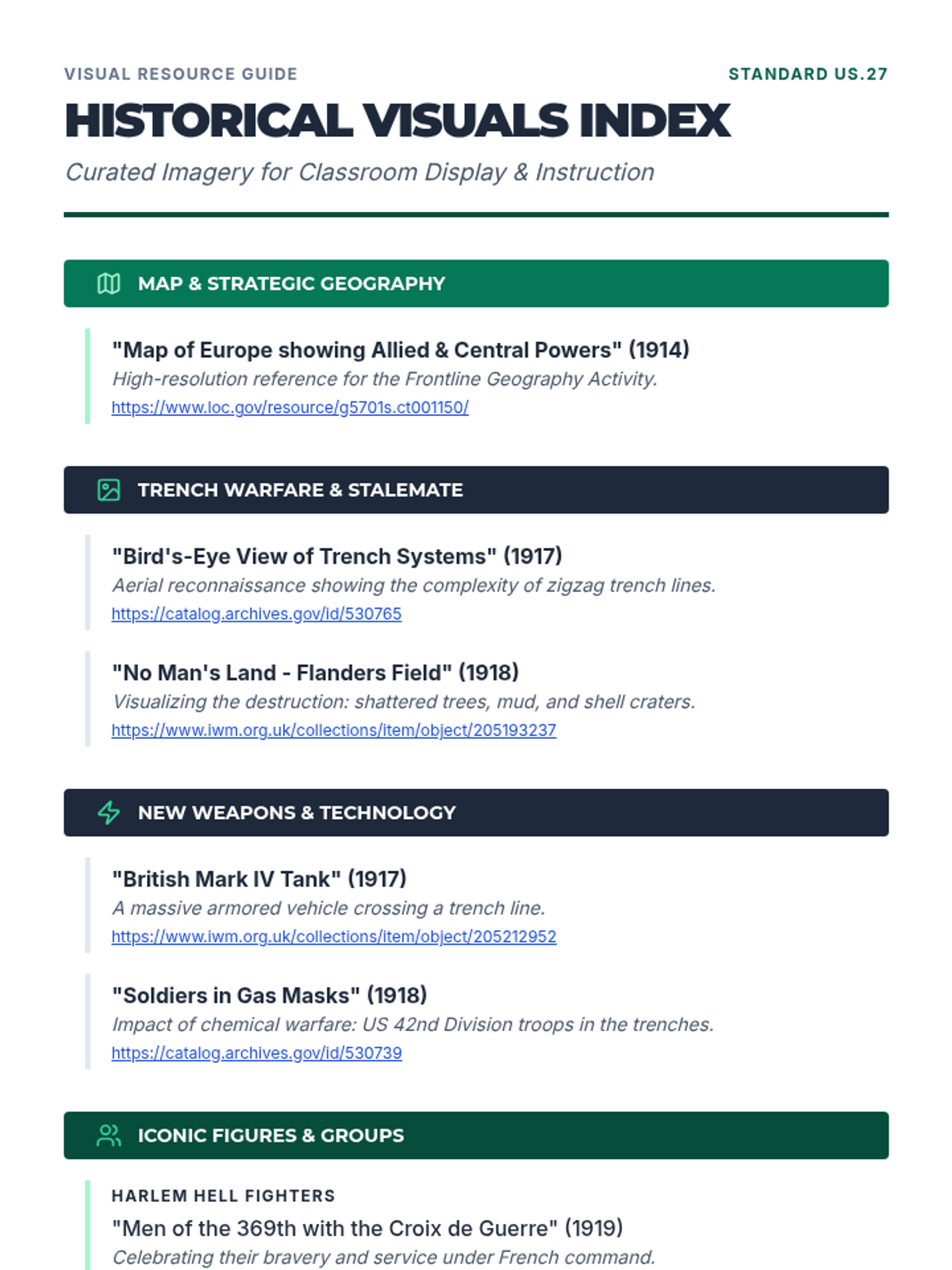
A 25-minute overview of World War I's defining characteristics and figures, covering trench warfare, technological innovations, and key military groups and individuals like the Harlem Hell Fighters and Alvin C. York.
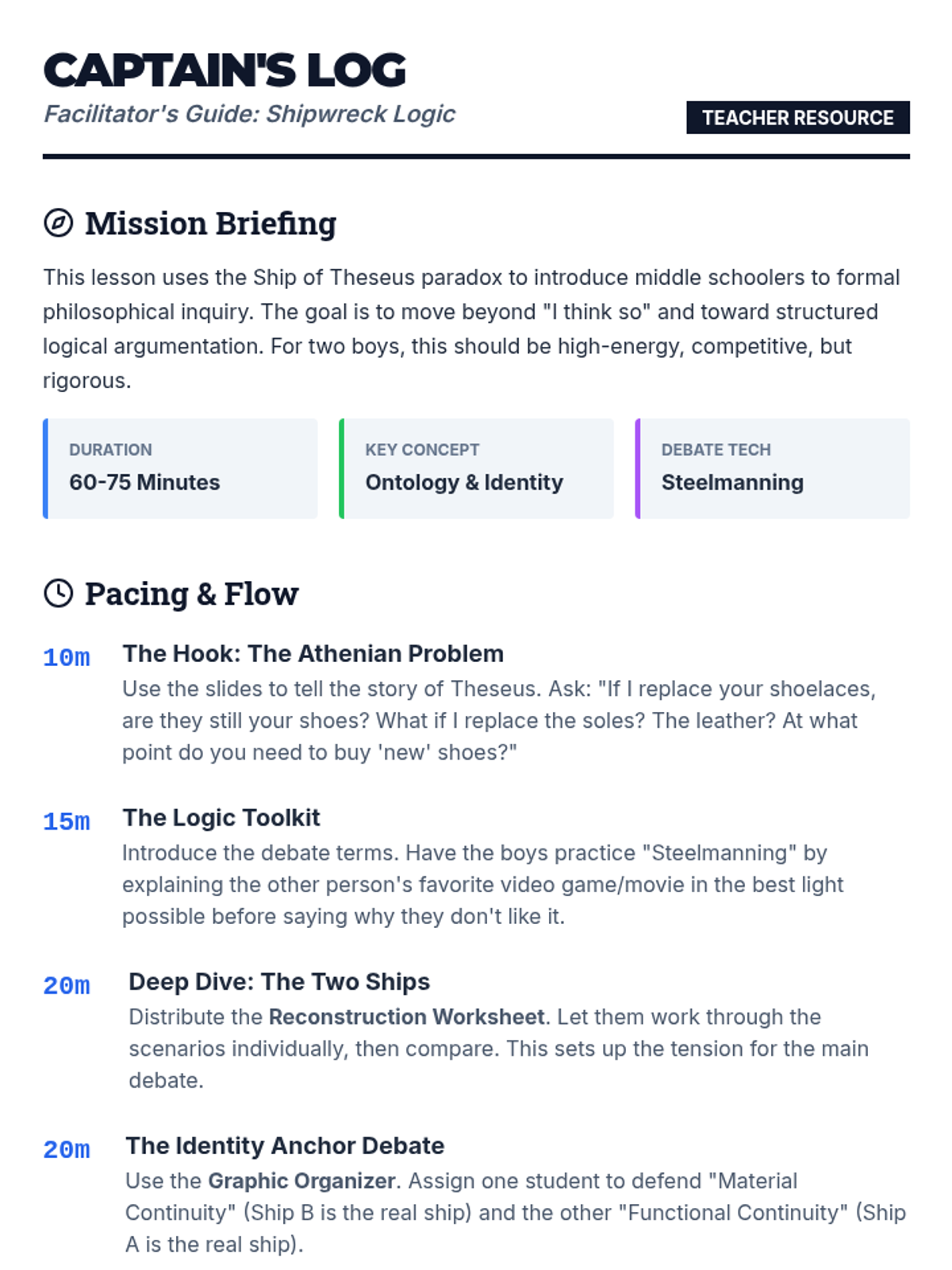
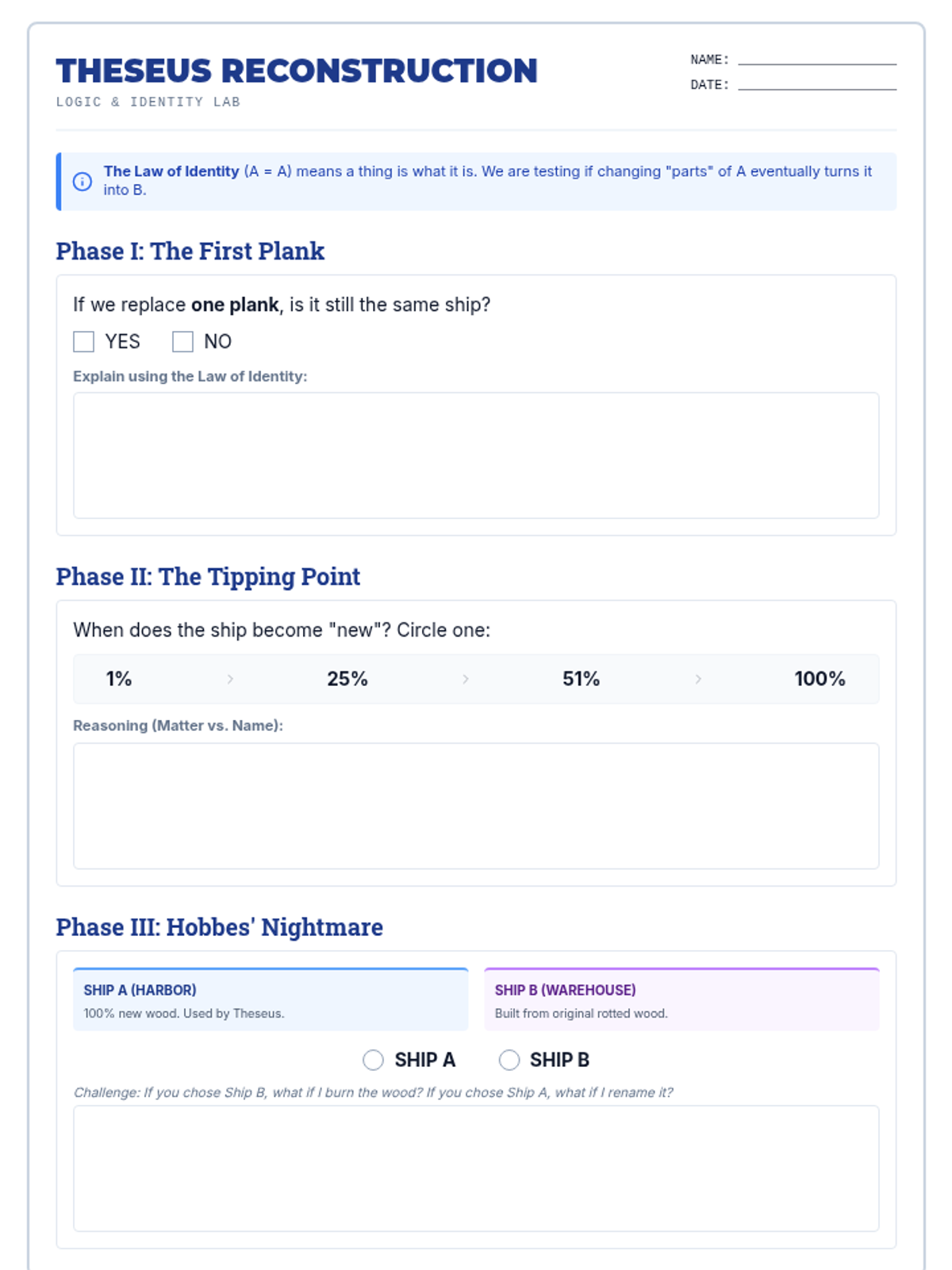
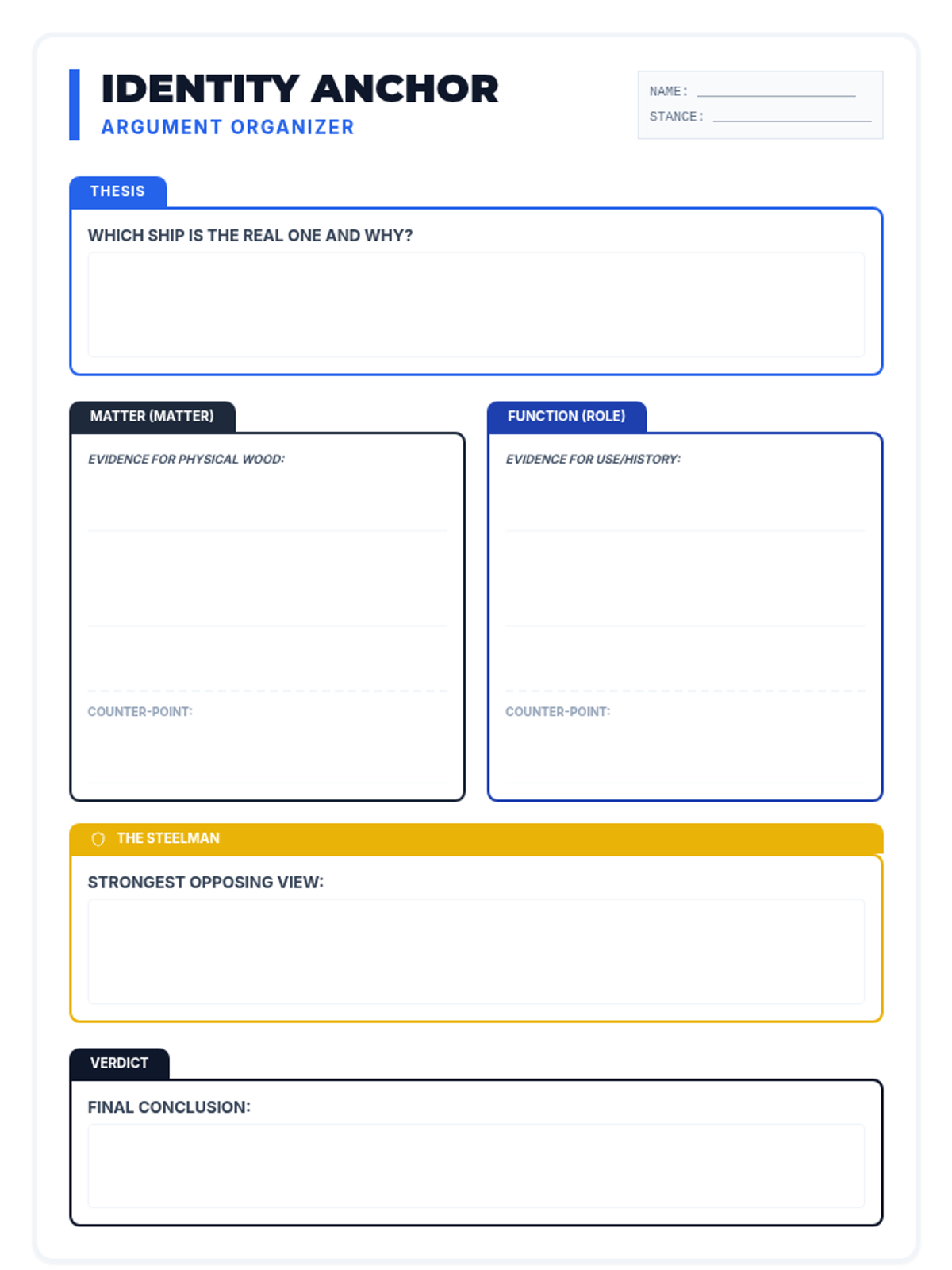
A philosophical exploration of identity and logic centered on the Ship of Theseus paradox. Students analyze historical context, learn formal debate techniques, and grapple with the nature of change and continuity.
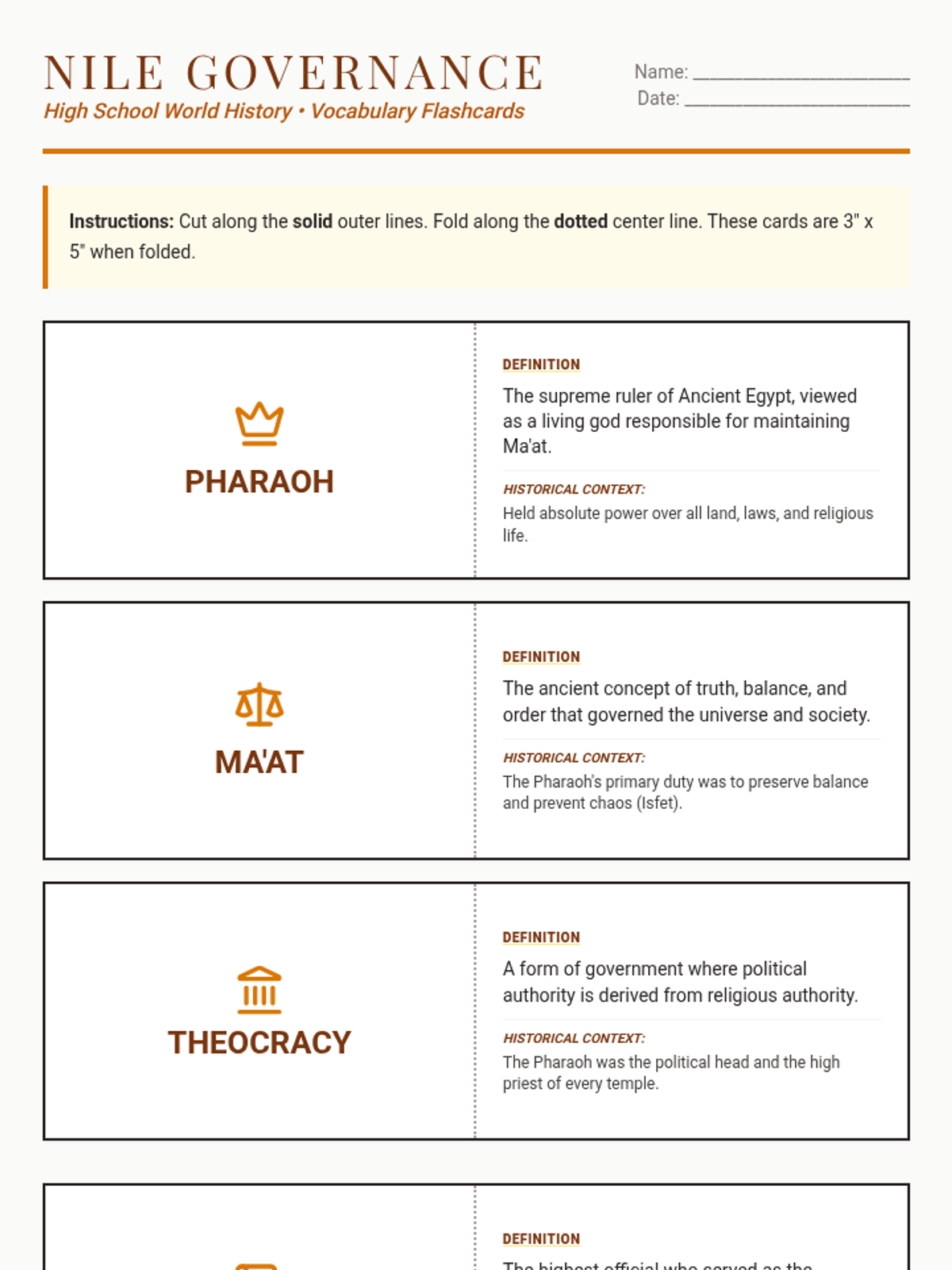
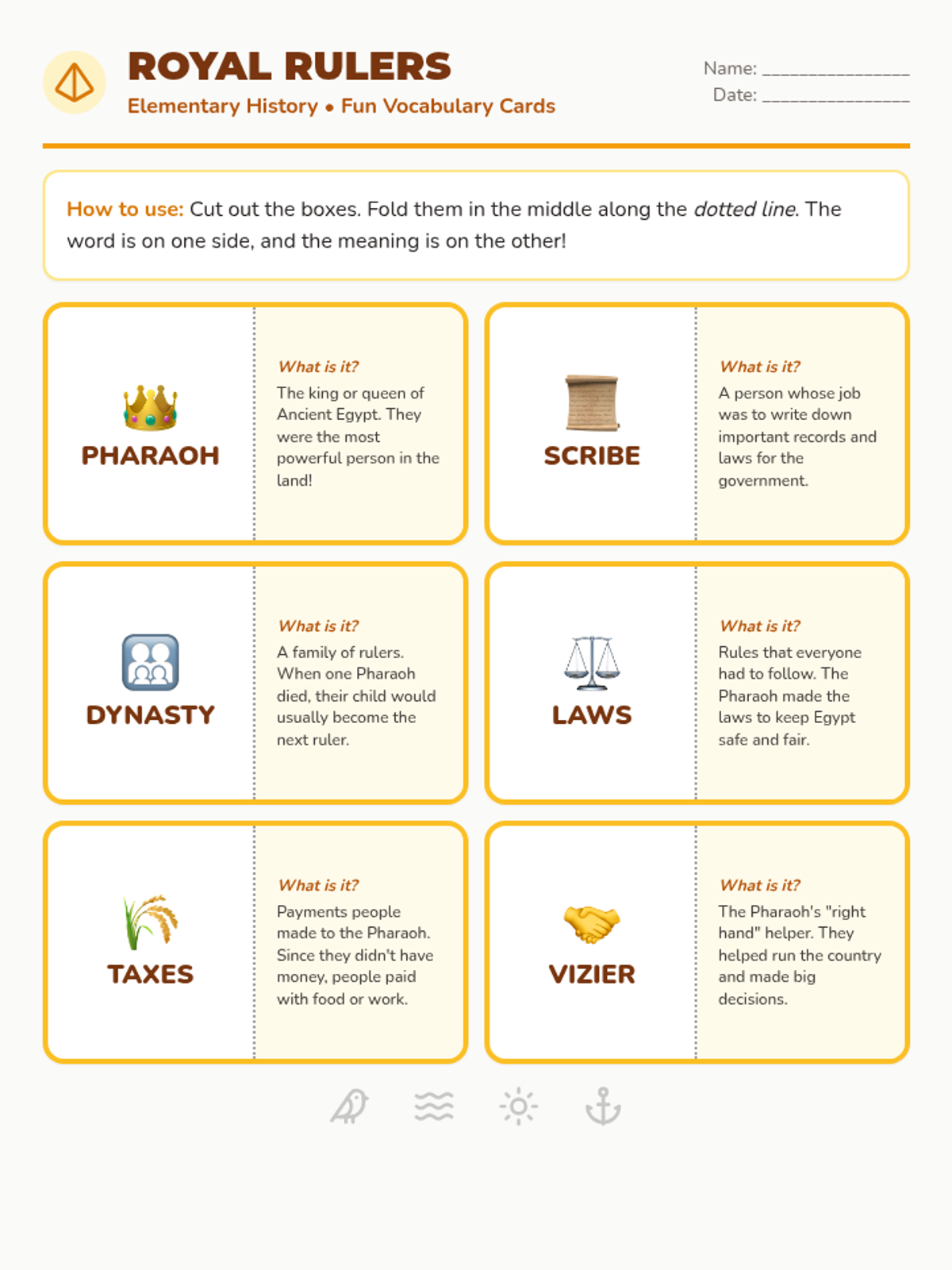
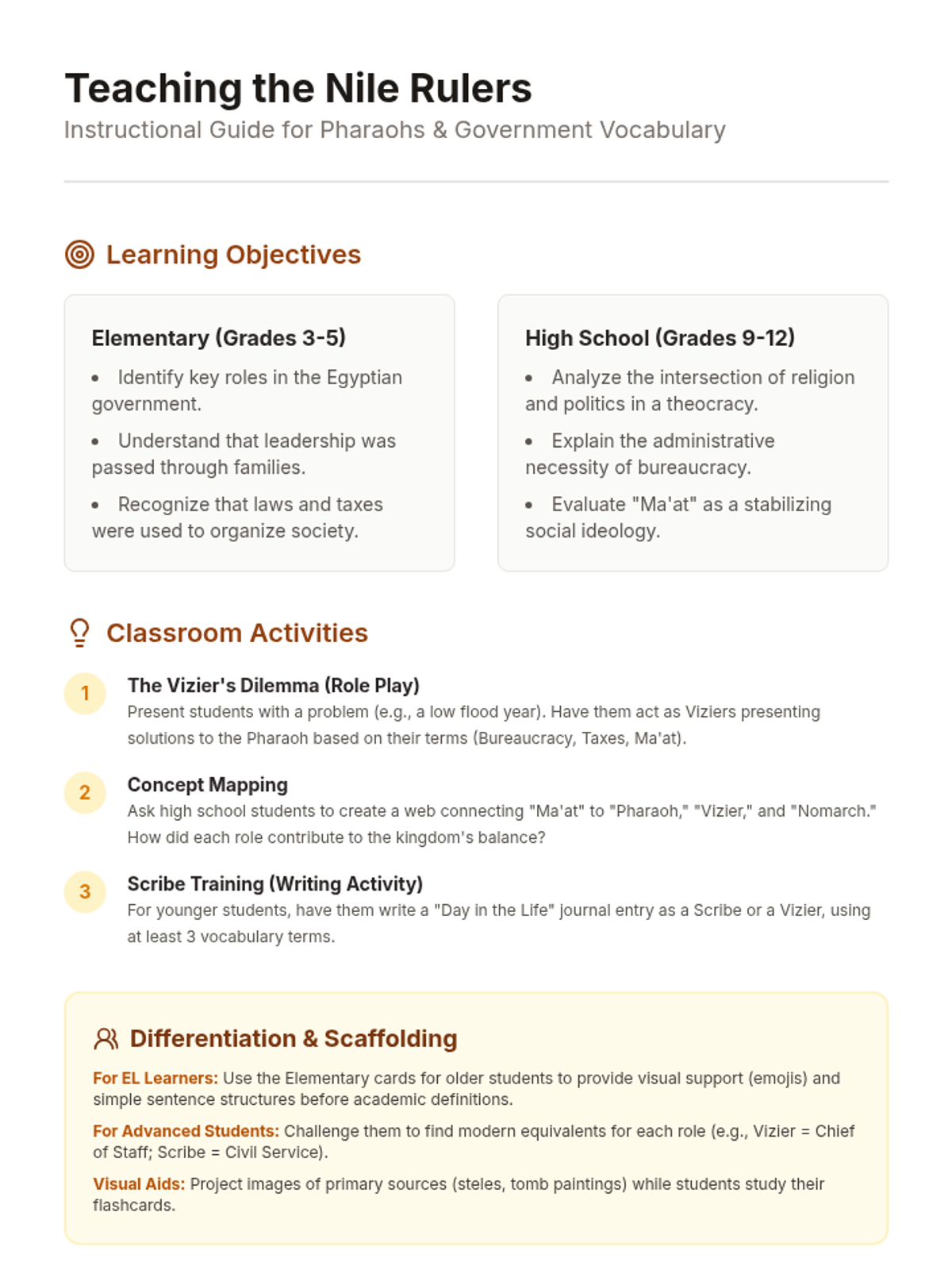
A collection of vocabulary resources focused on the structure of government and the role of the Pharaoh in Ancient Egypt, tailored for both elementary and high school levels.