Students act as structural inspectors, reviewing peer drafts for organizational integrity and identifying where transitions fail.
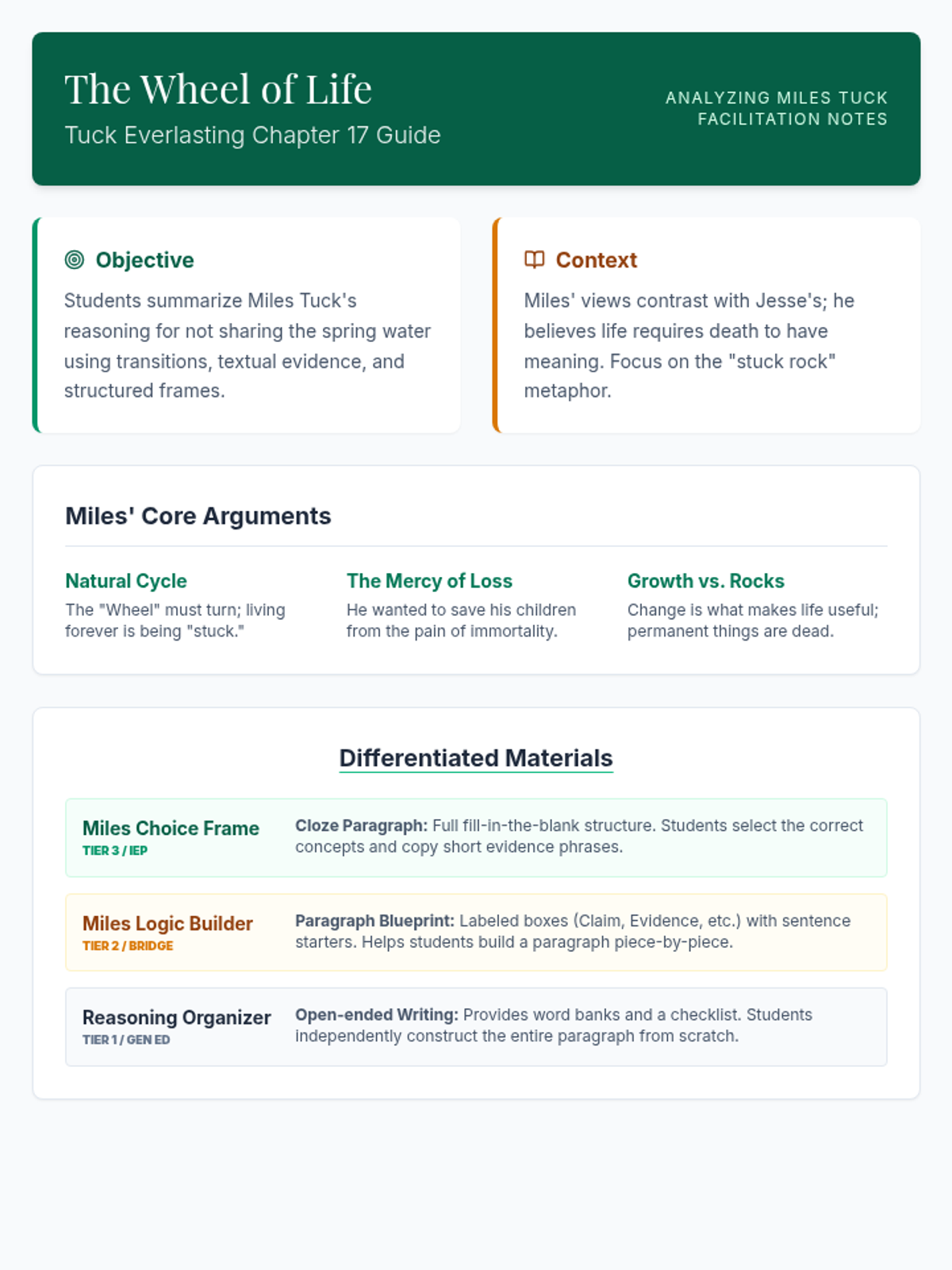
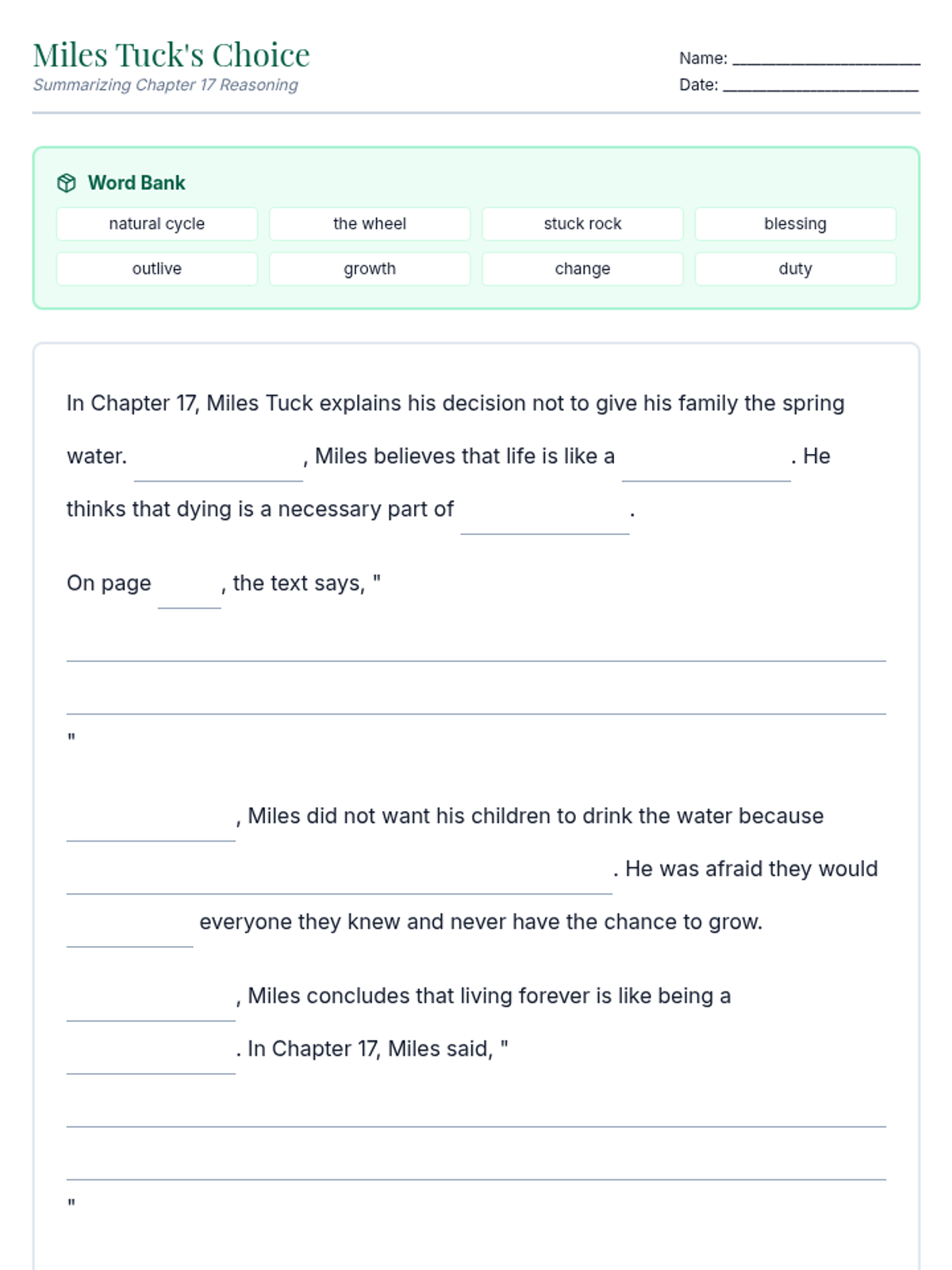
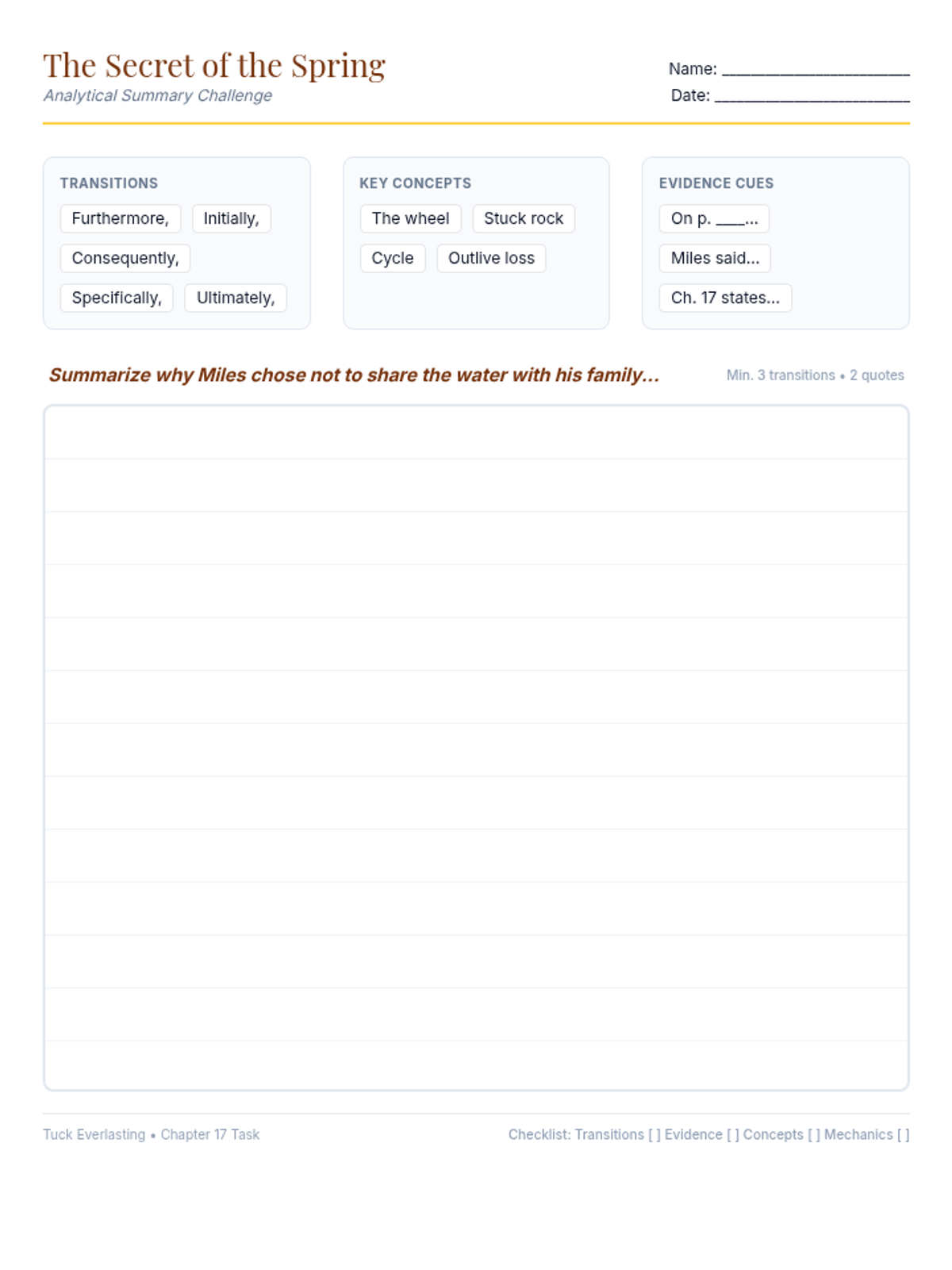
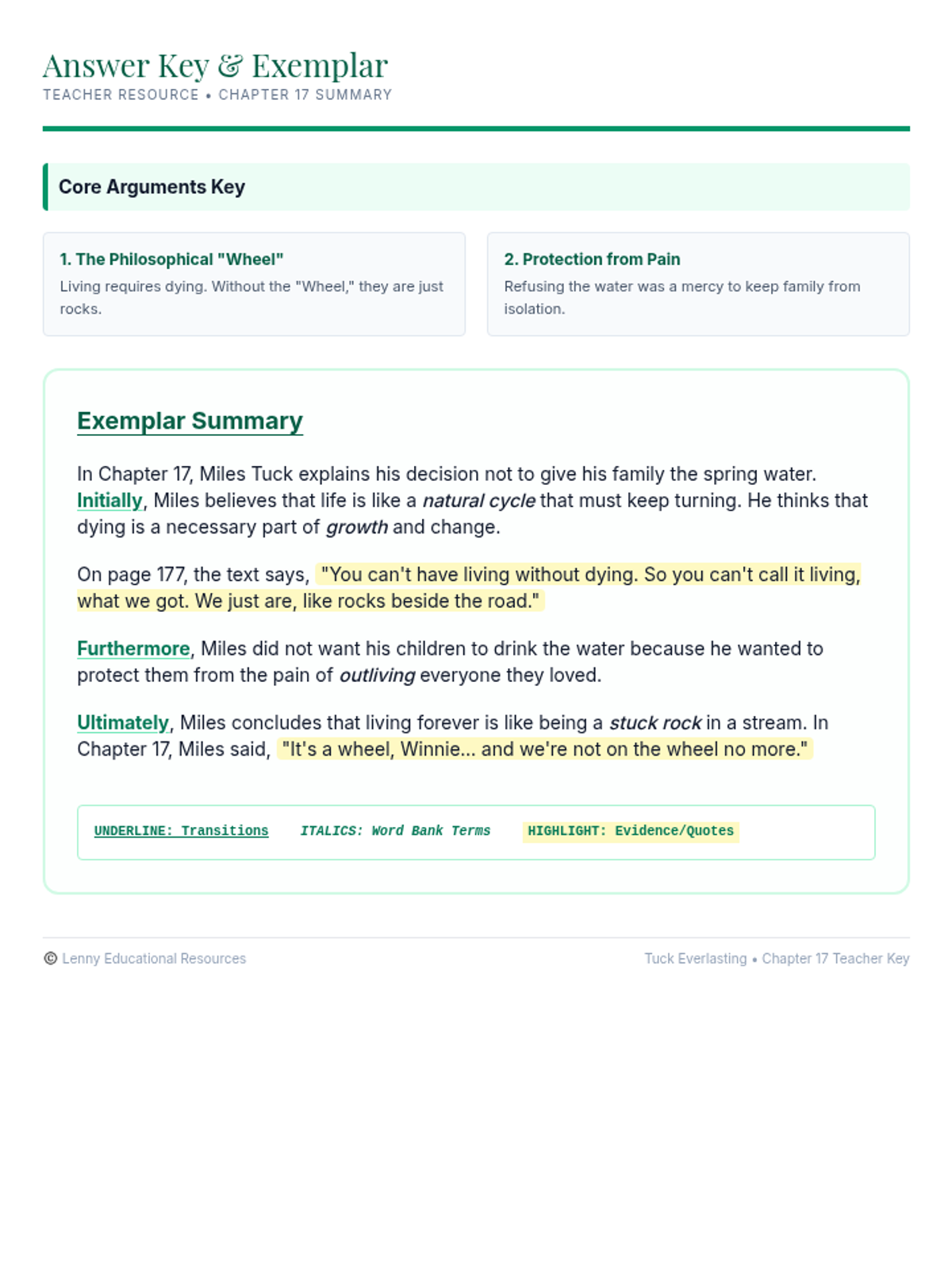
A lesson focused on Chapter 17 of Tuck Everlasting, where students analyze Miles Tuck's complex reasoning for not giving his family the spring water. Students will use transitions and textual evidence to construct a cohesive summary.
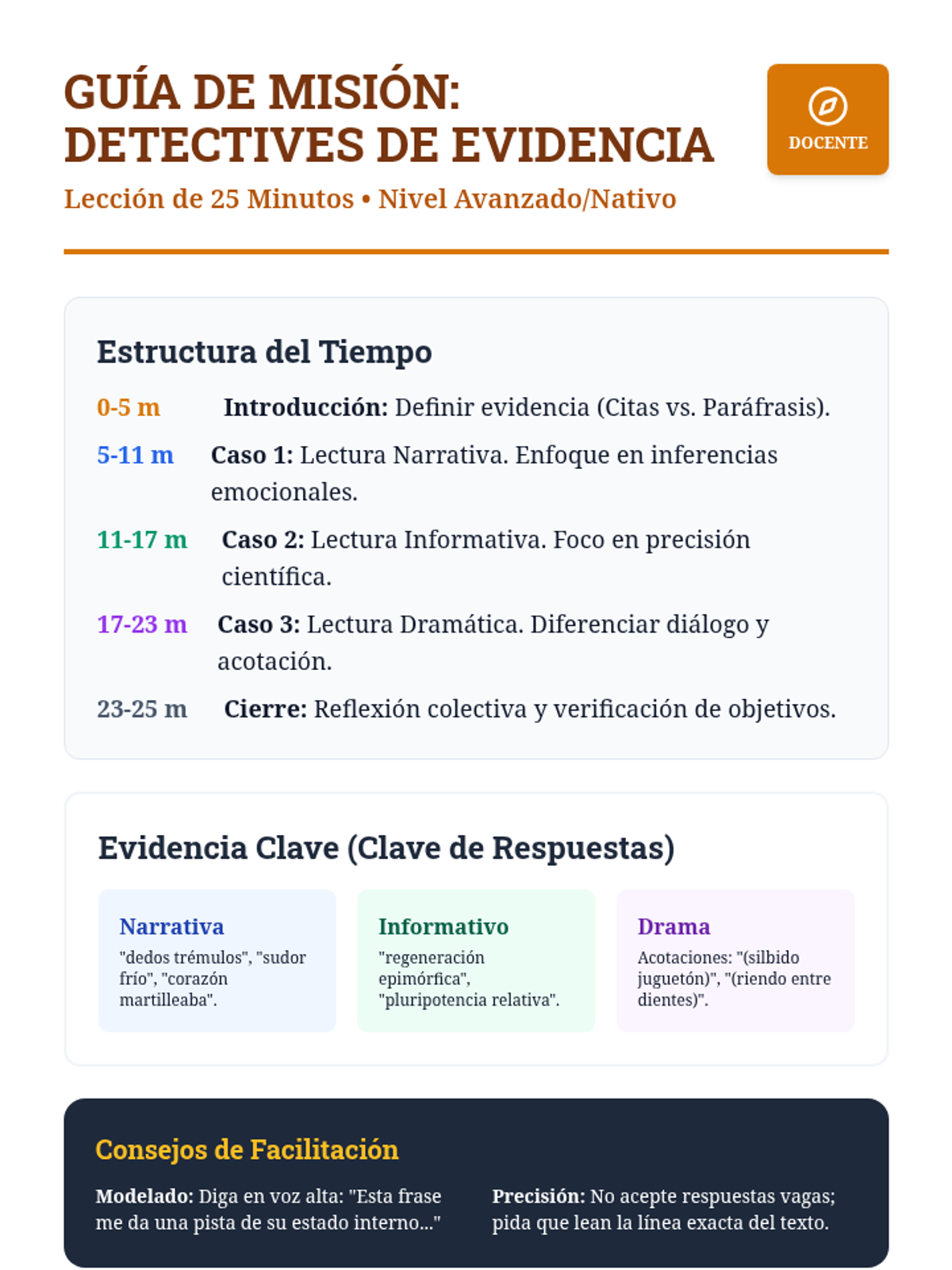
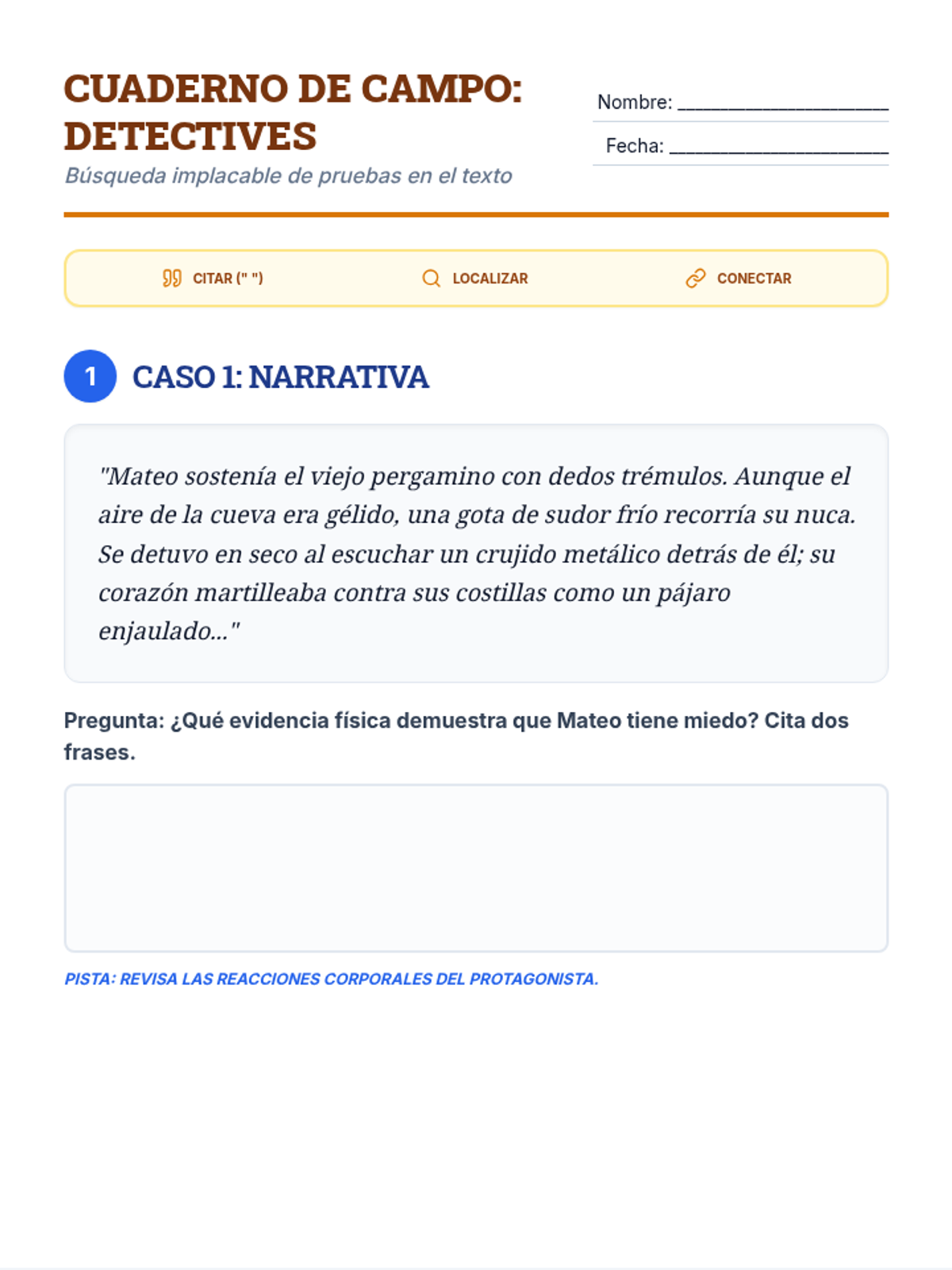
Una lección guiada de 25 minutos para estudiantes avanzados o nativos sobre cómo utilizar la evidencia del texto para respaldar respuestas, utilizando tres géneros distintos: narrativa, informativo y dramático.
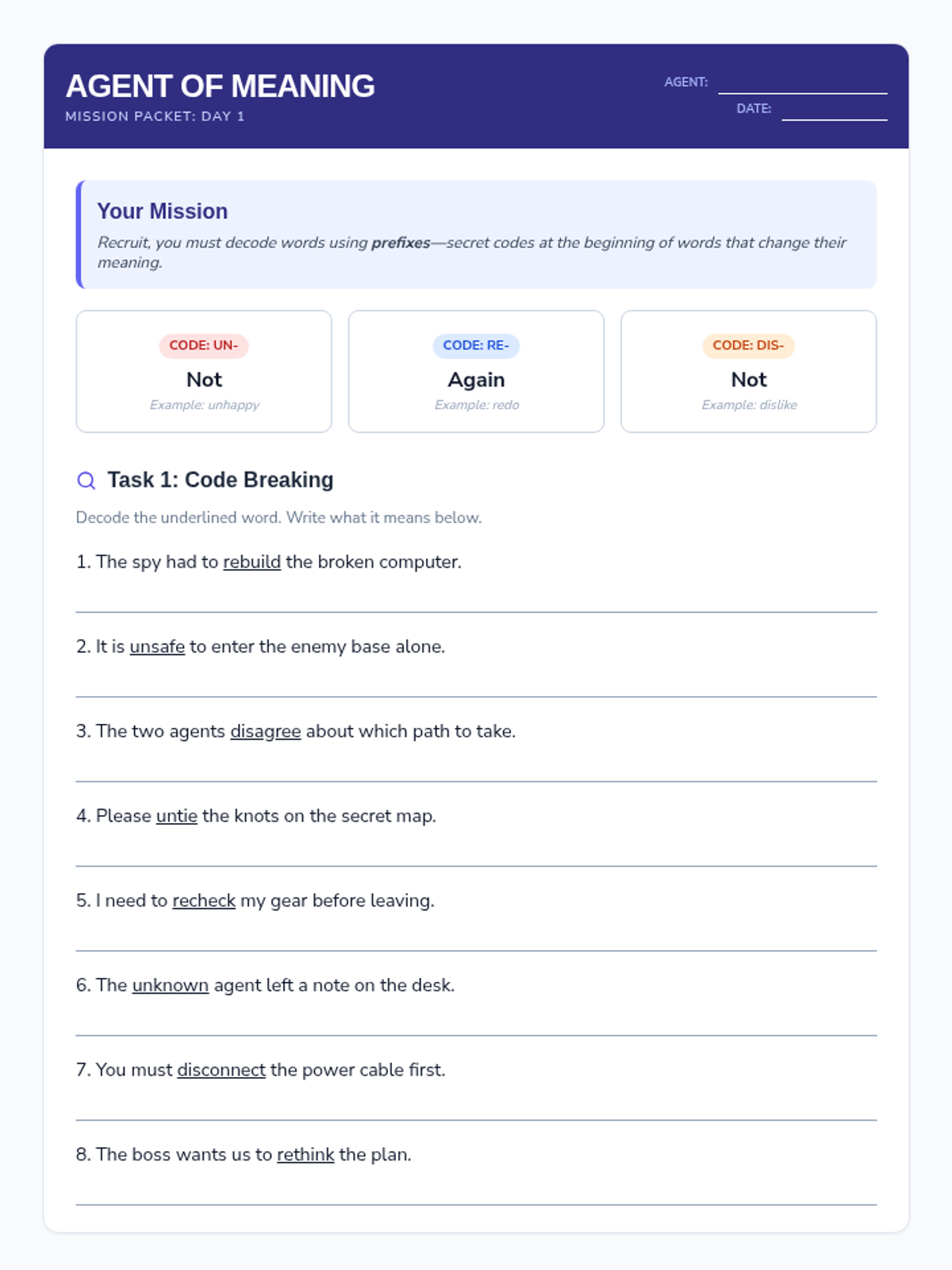
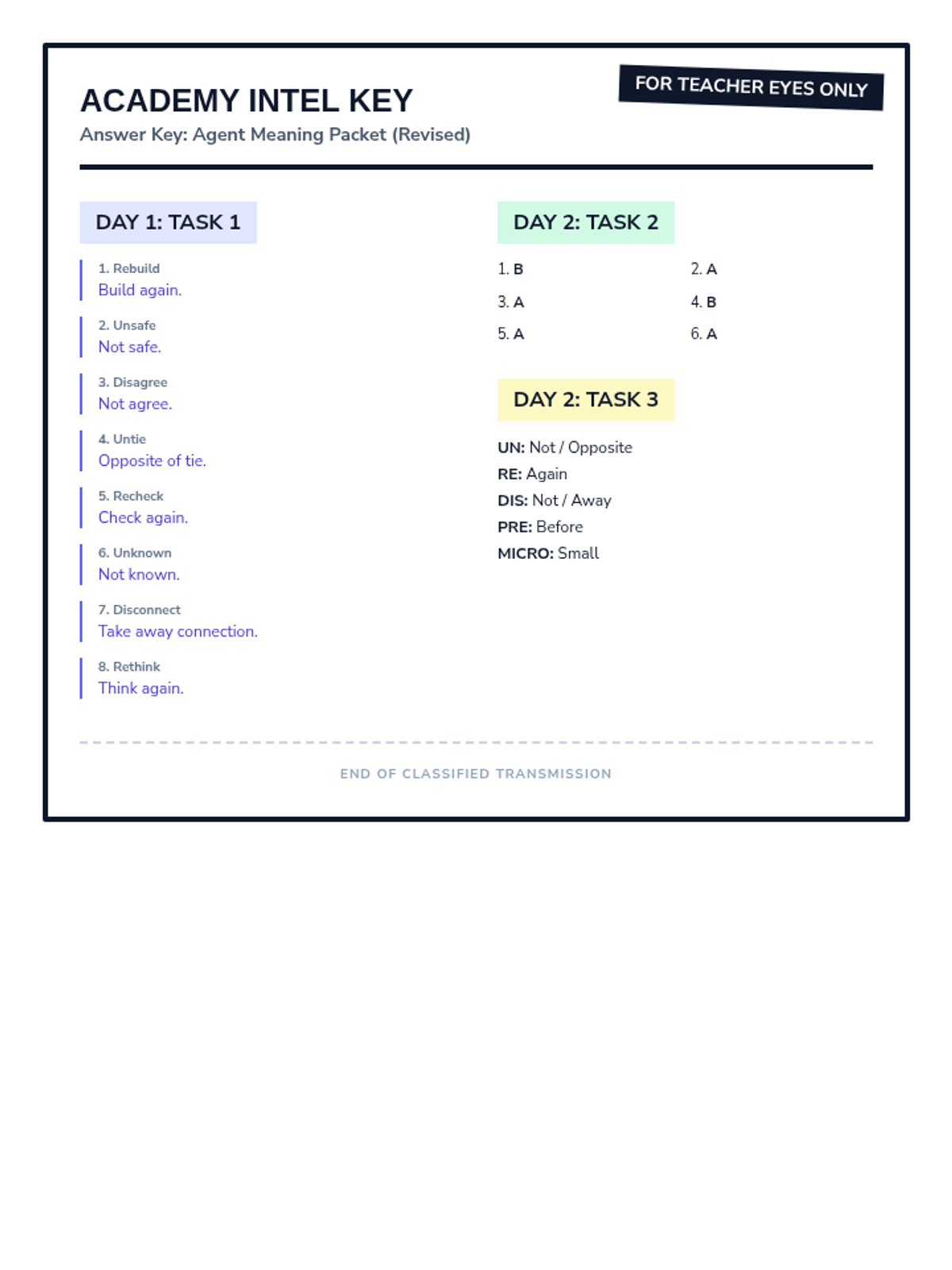
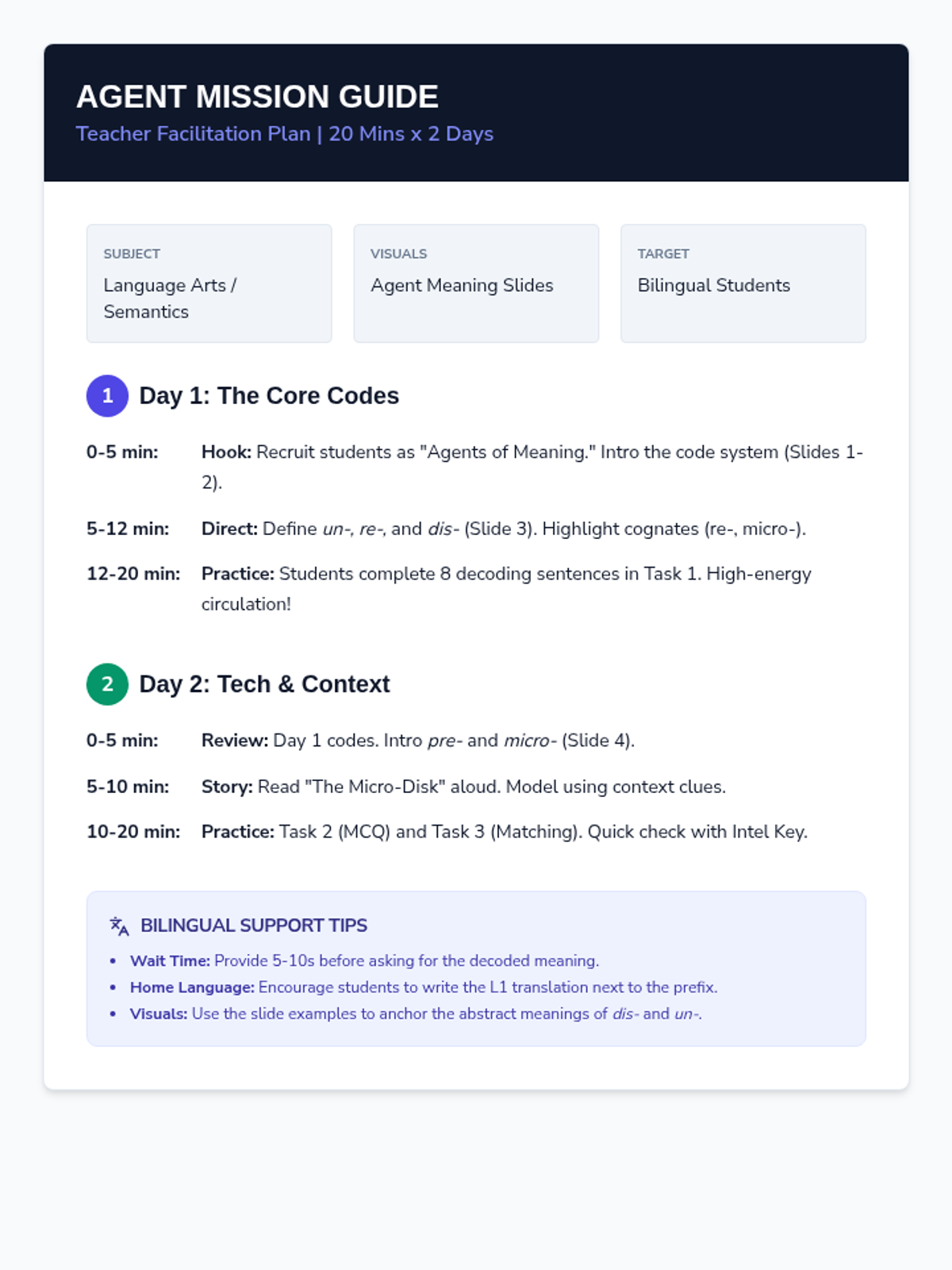
A two-day mini-lesson for bilingual students focused on decoding prefixes (un-, re-, dis-, pre-, micro-) using a spy-themed 'Agent of Meaning' narrative. Students use context clues and semantics to unlock word meanings in short stories and practice exercises.
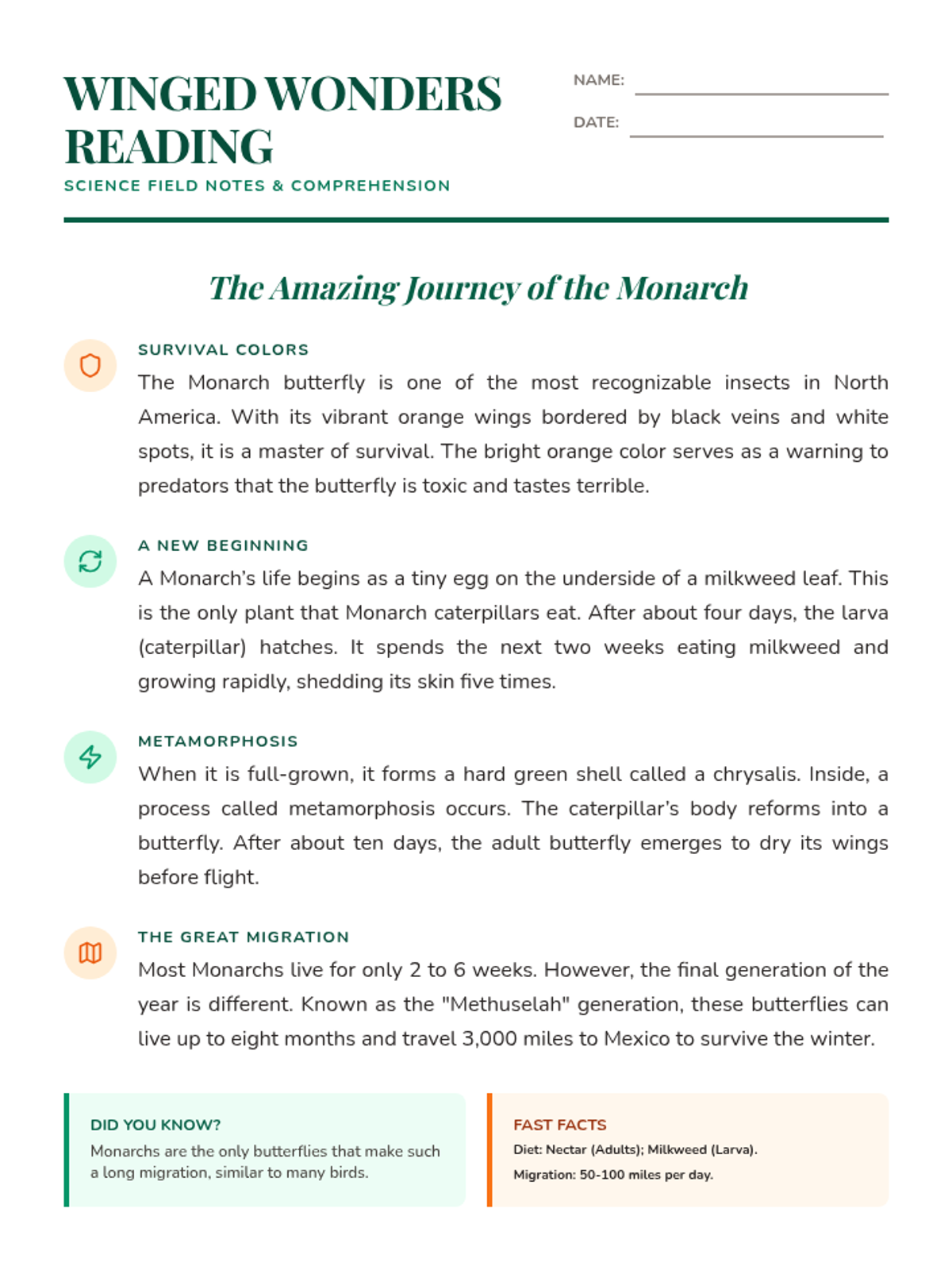
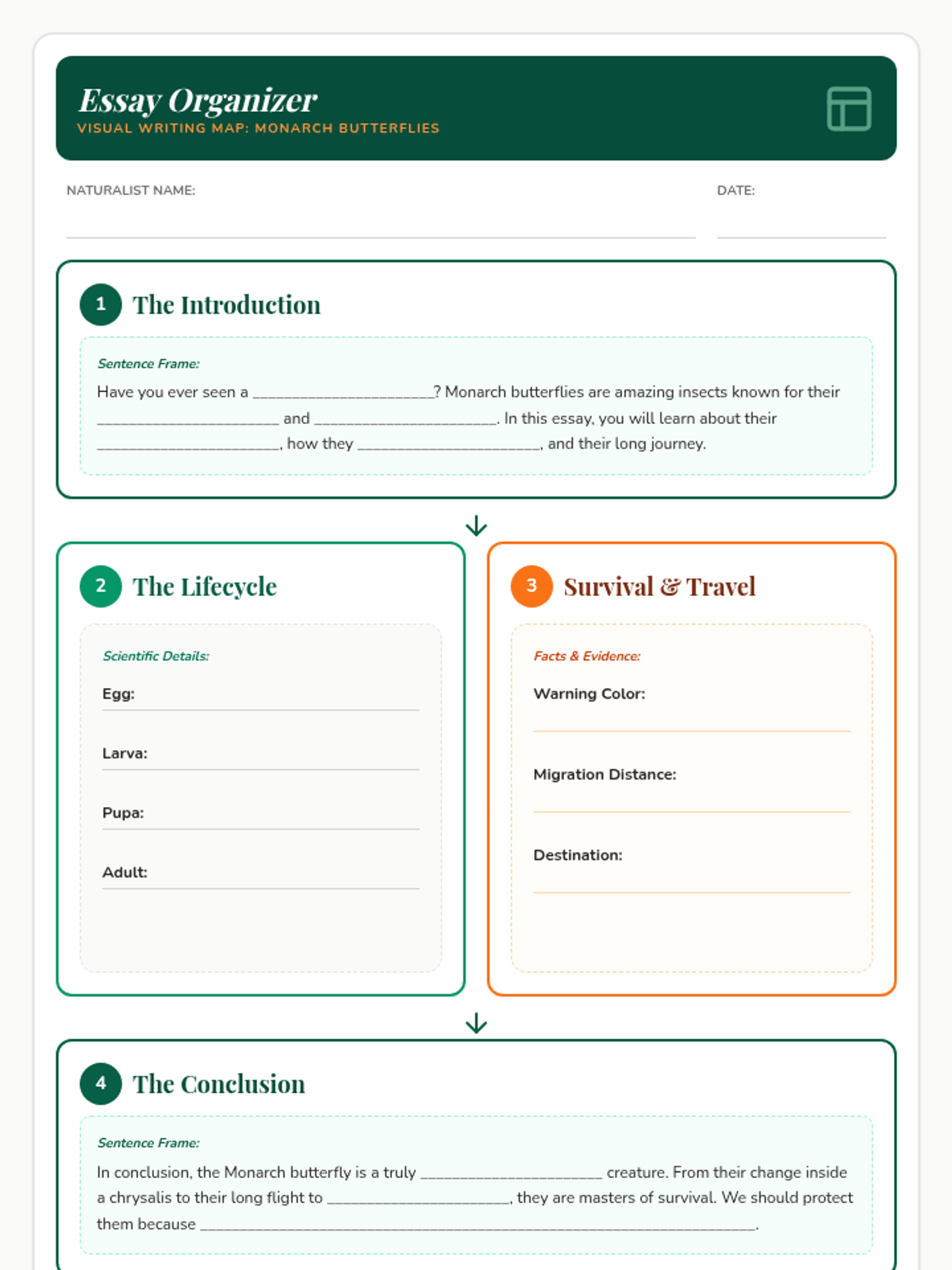
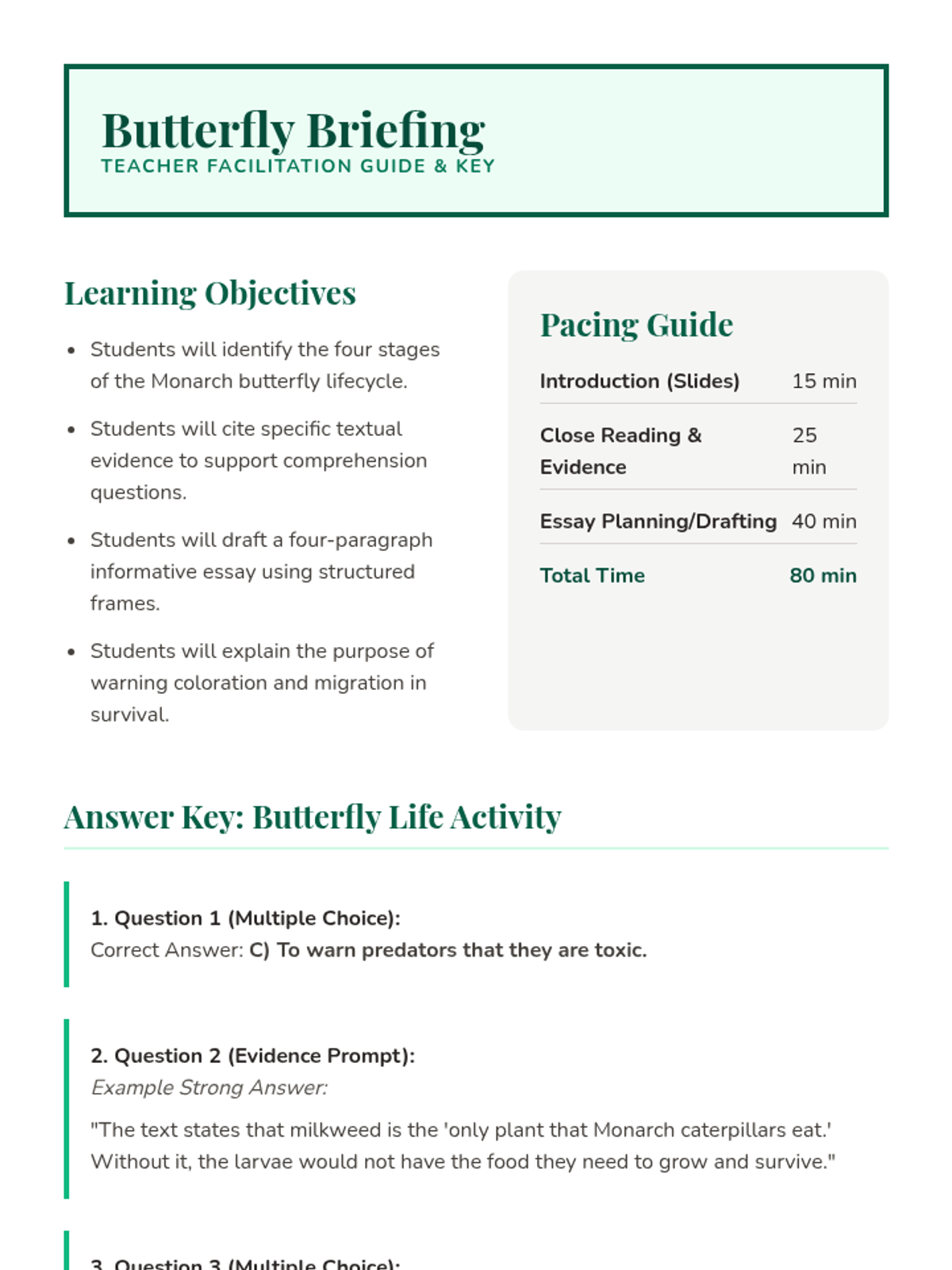
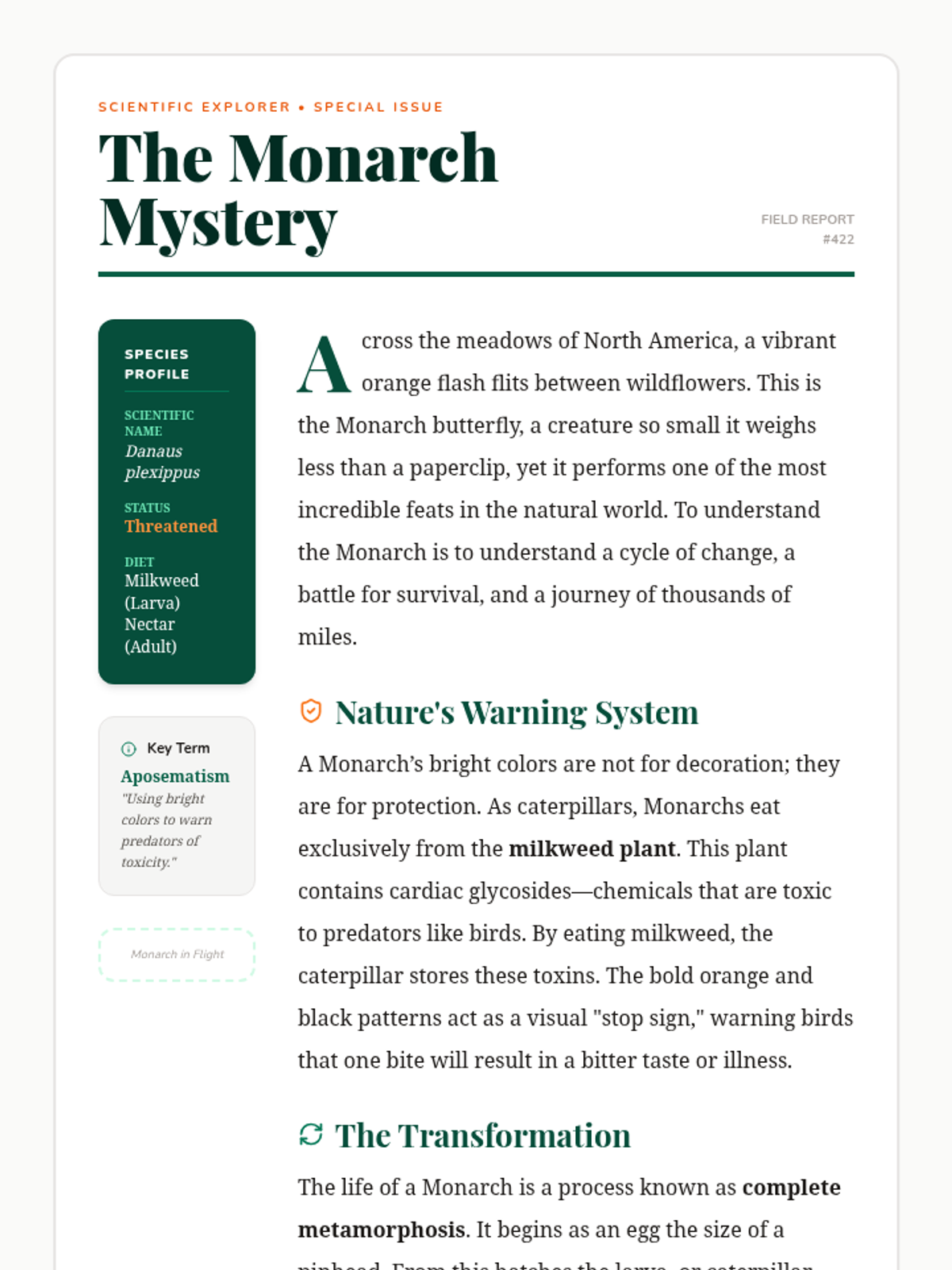
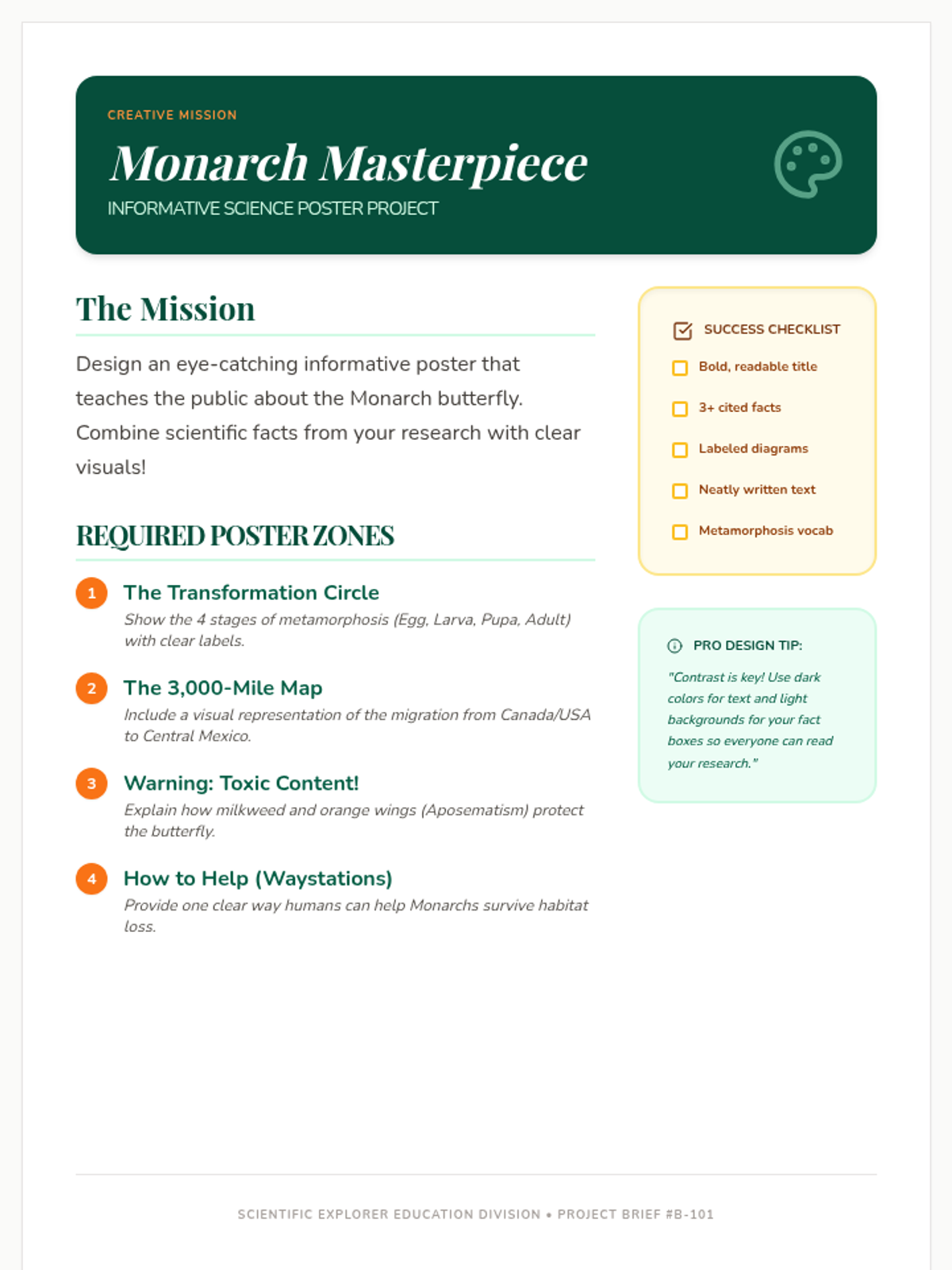
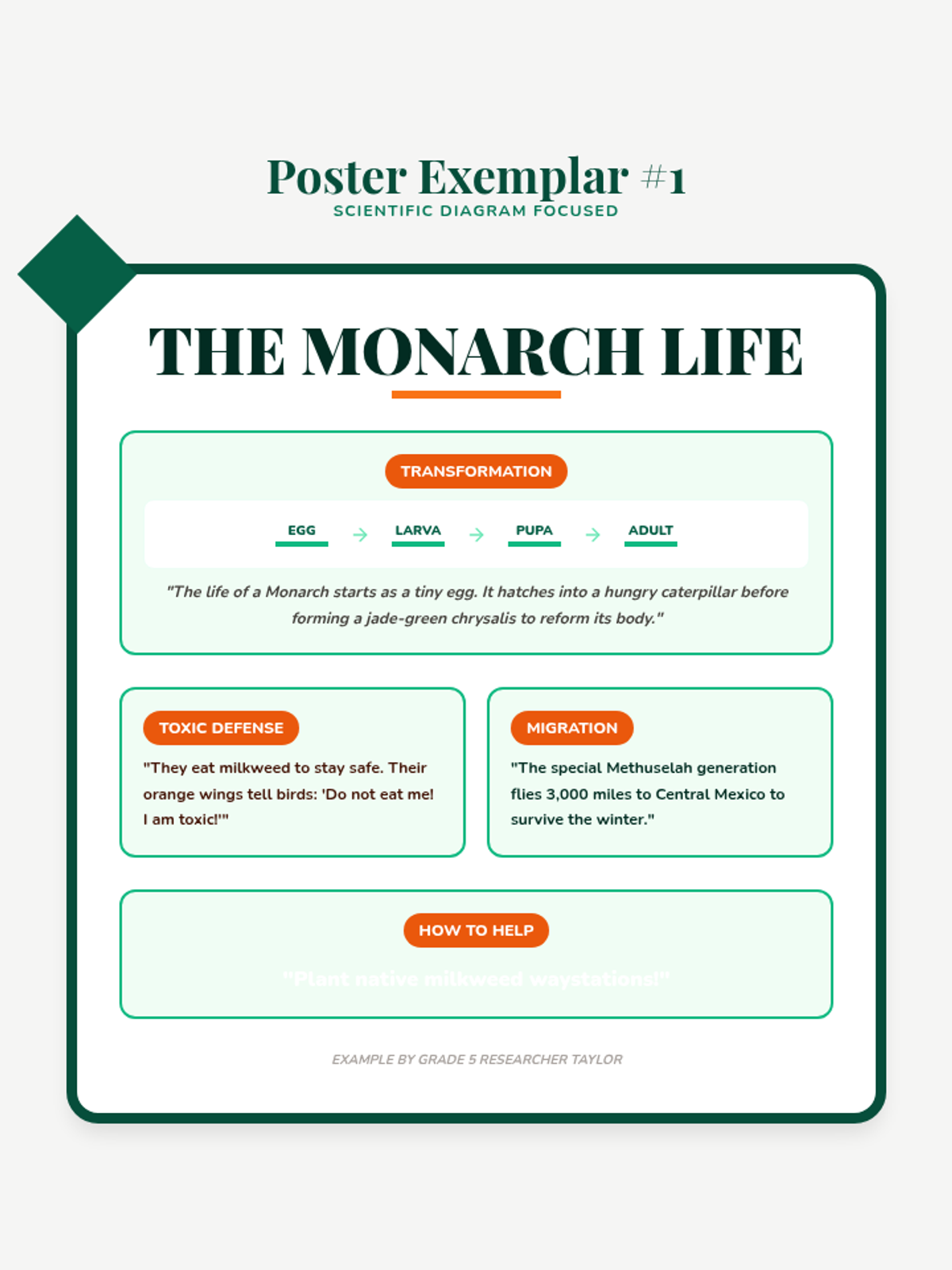
A comprehensive lesson on butterfly biology and conservation, focusing on citing textual evidence and structured informative writing for 4th-5th grade students.
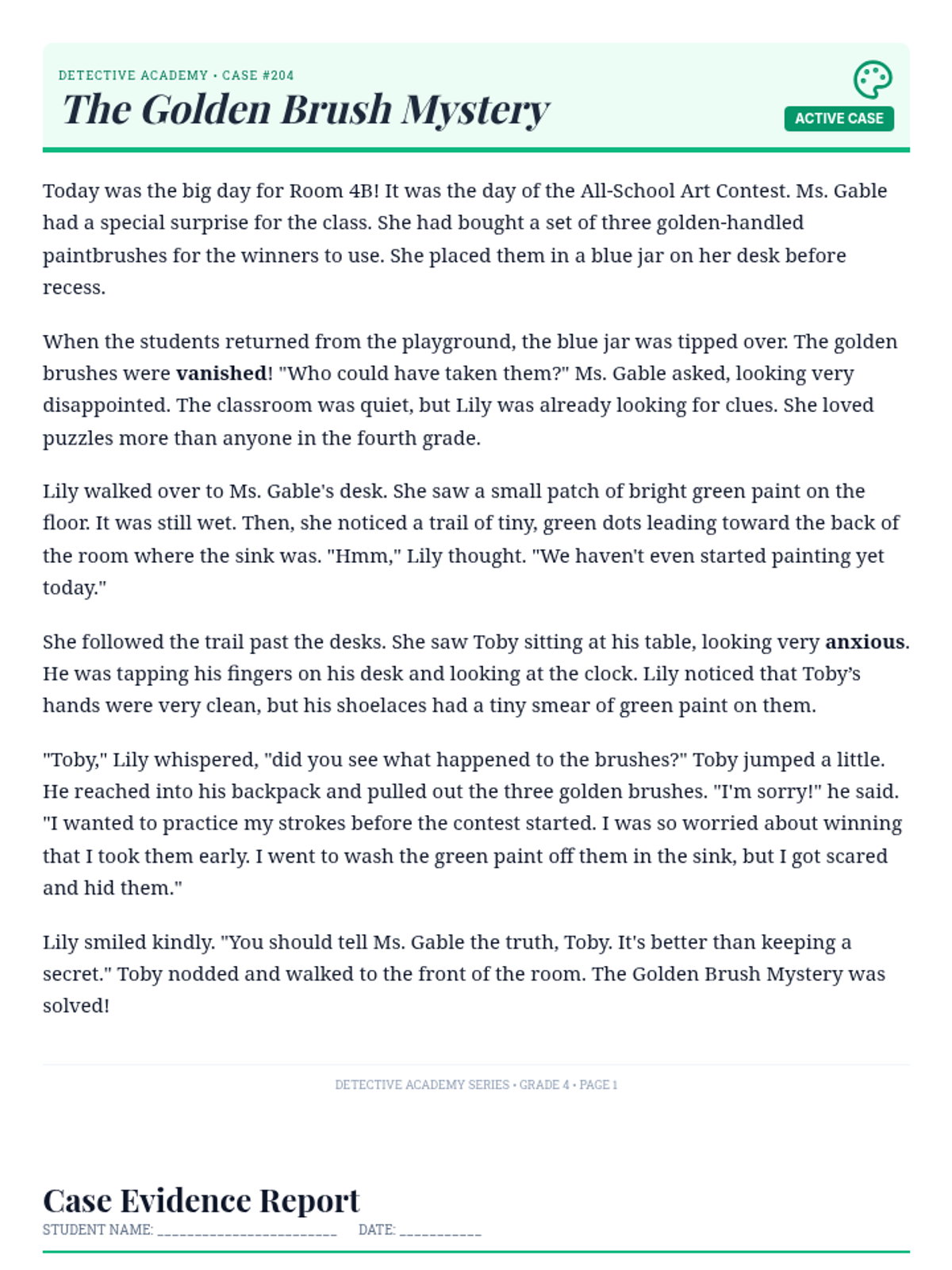
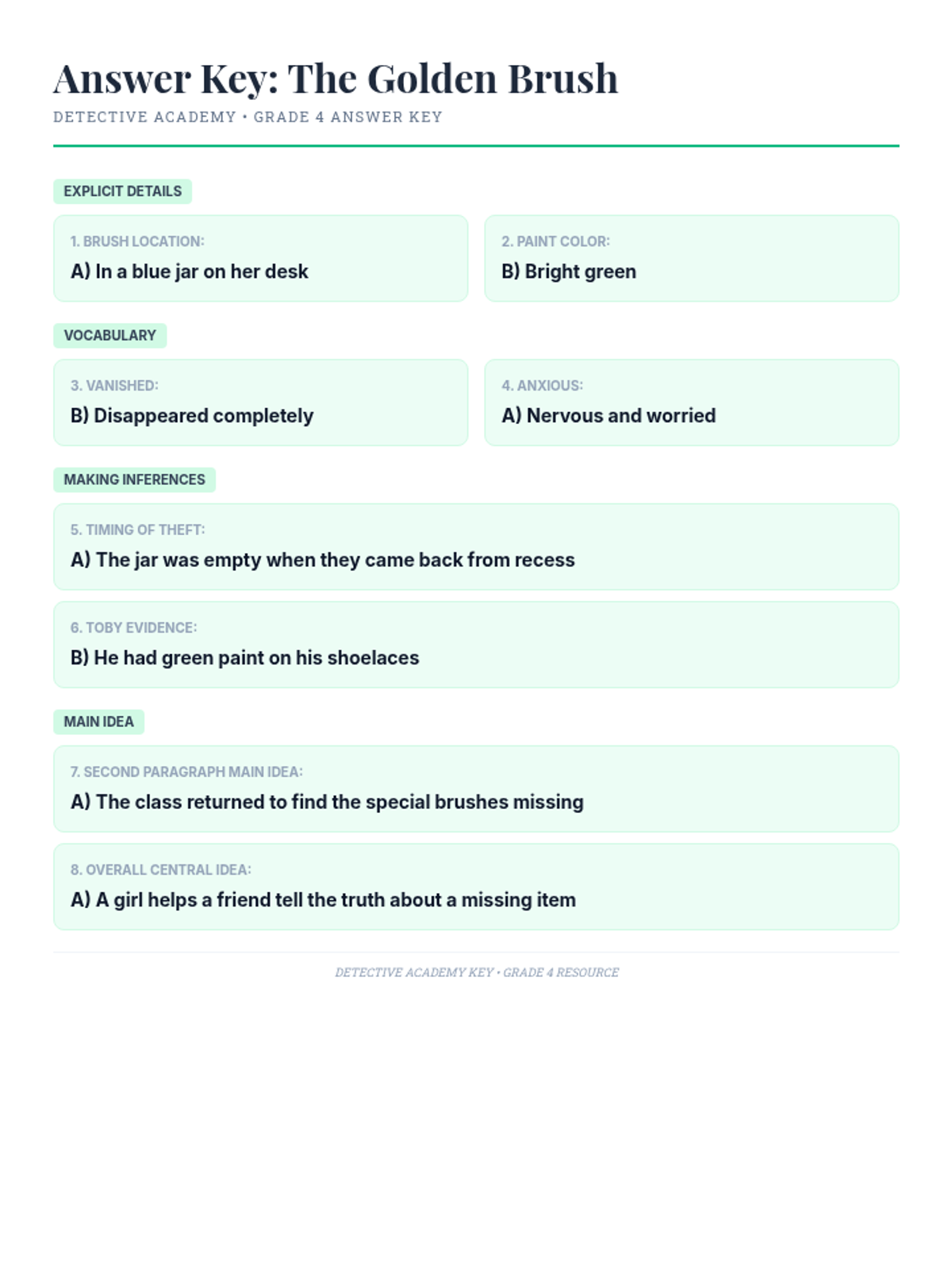
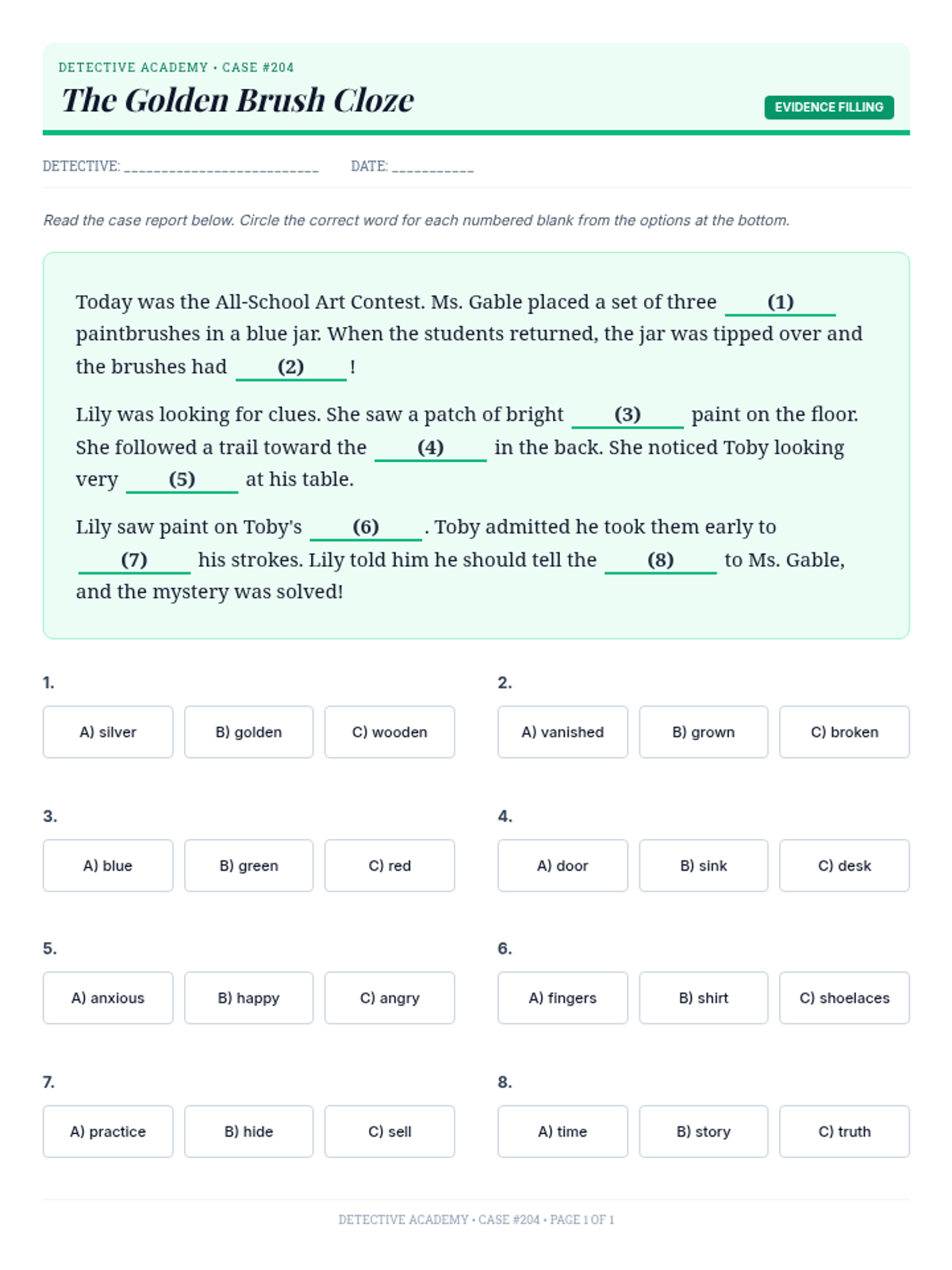
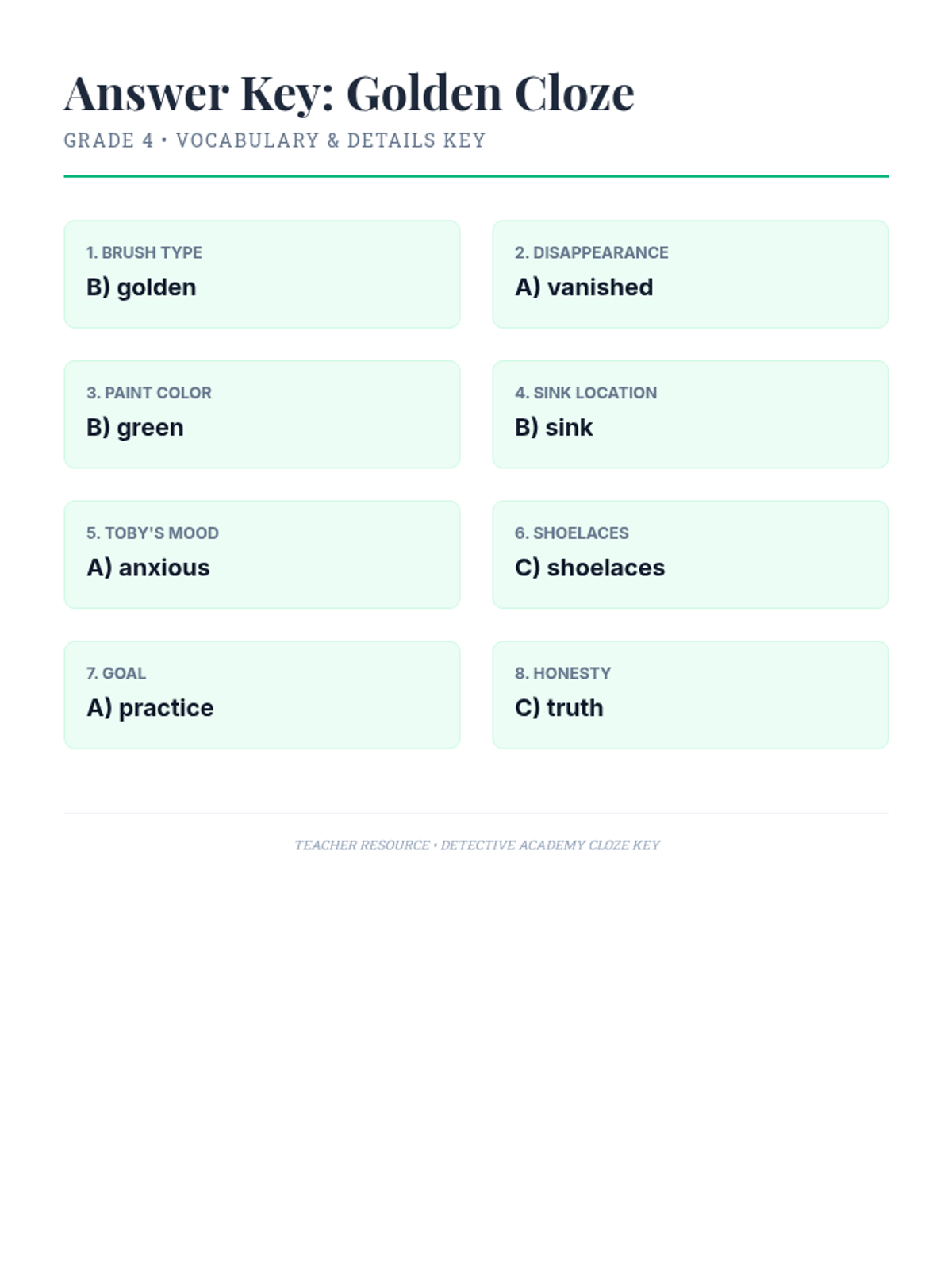
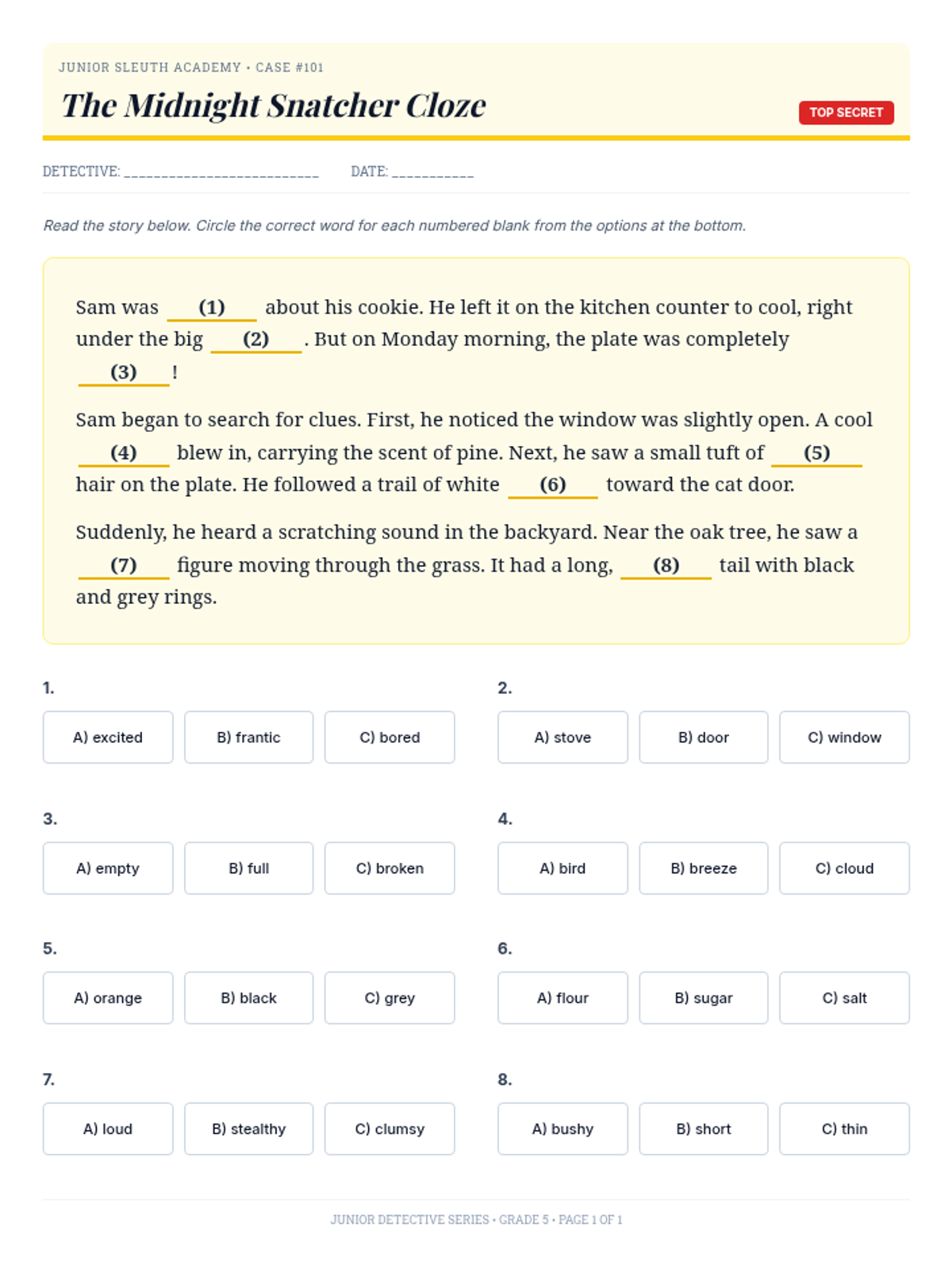
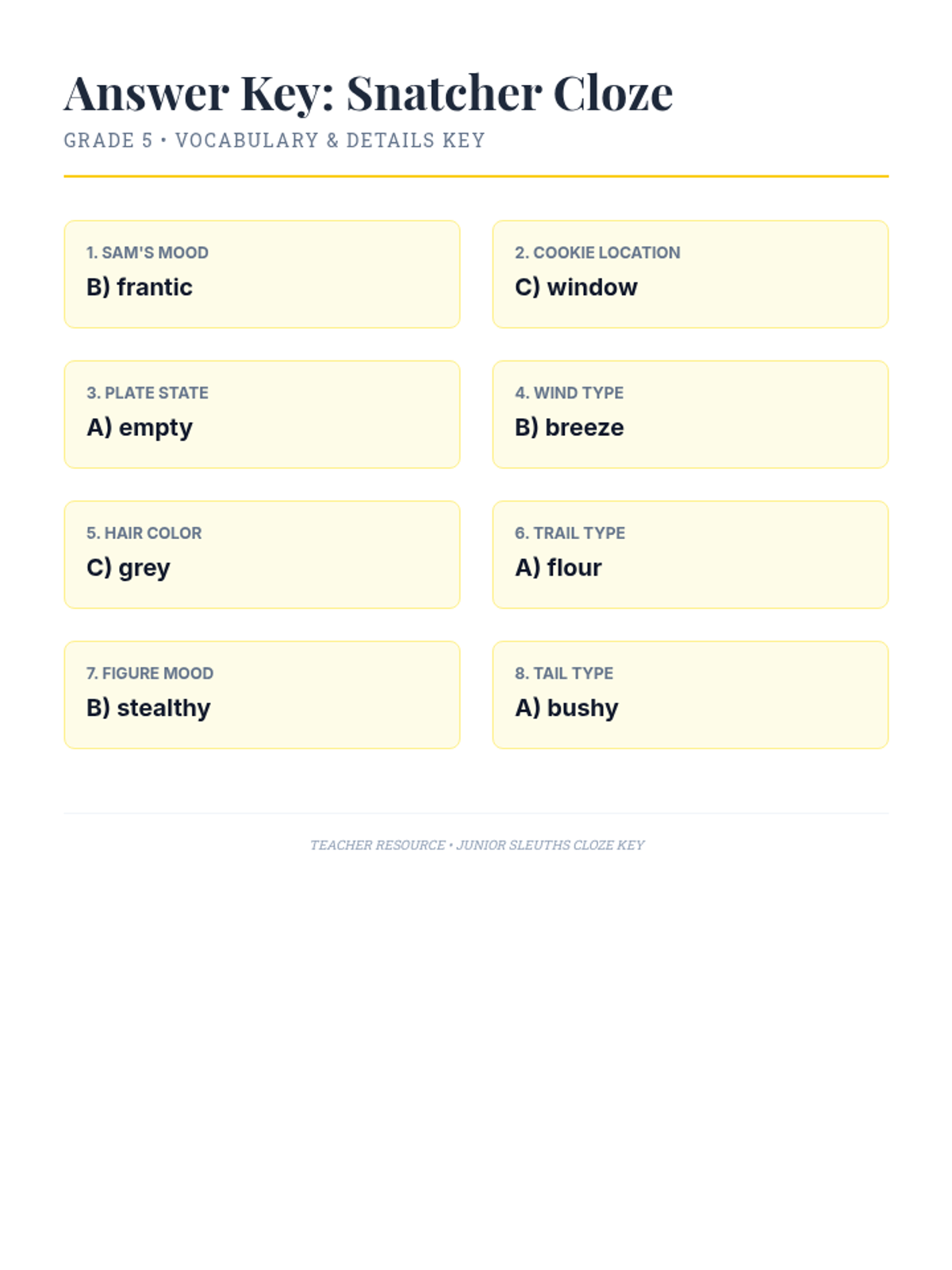
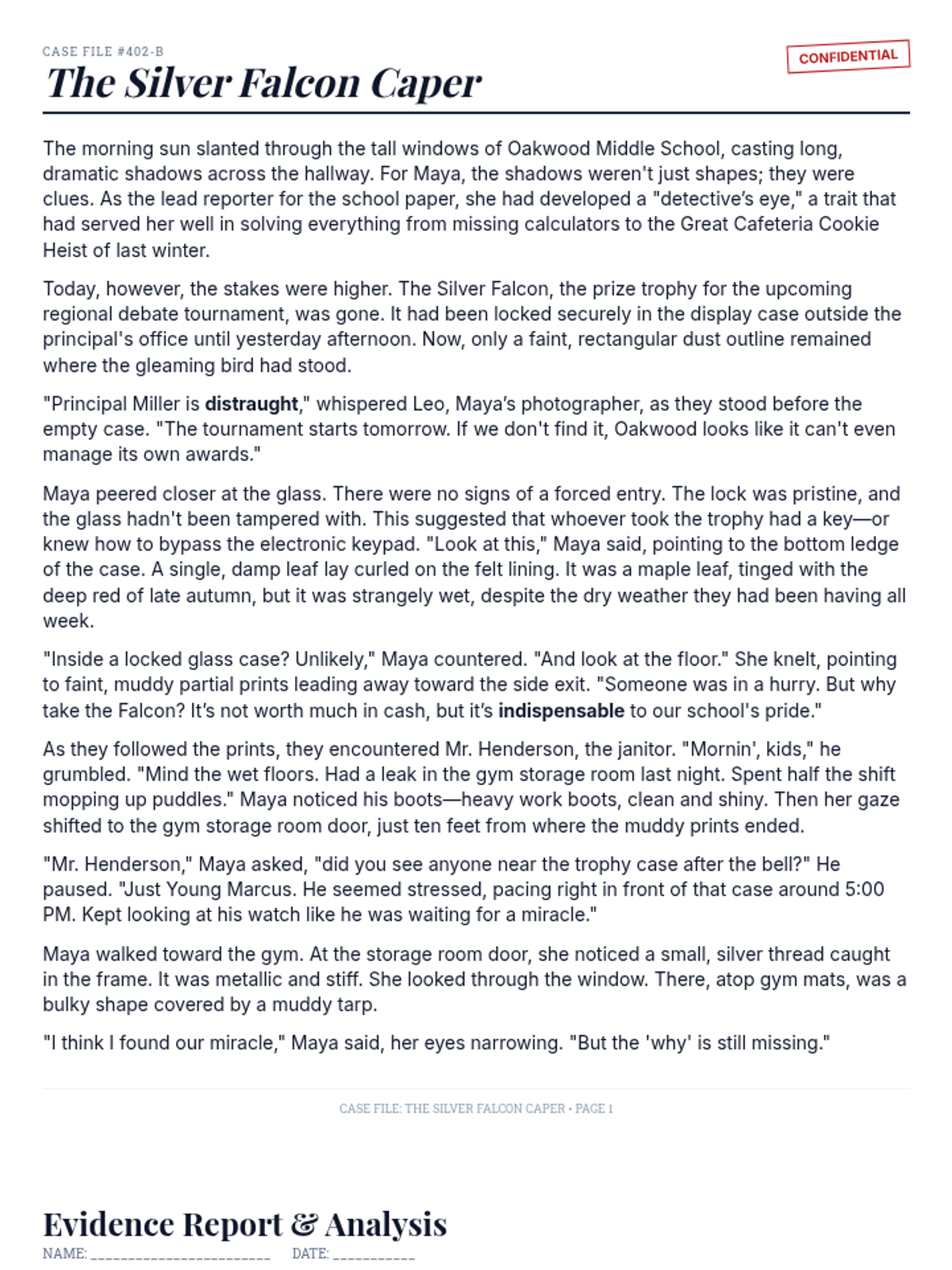
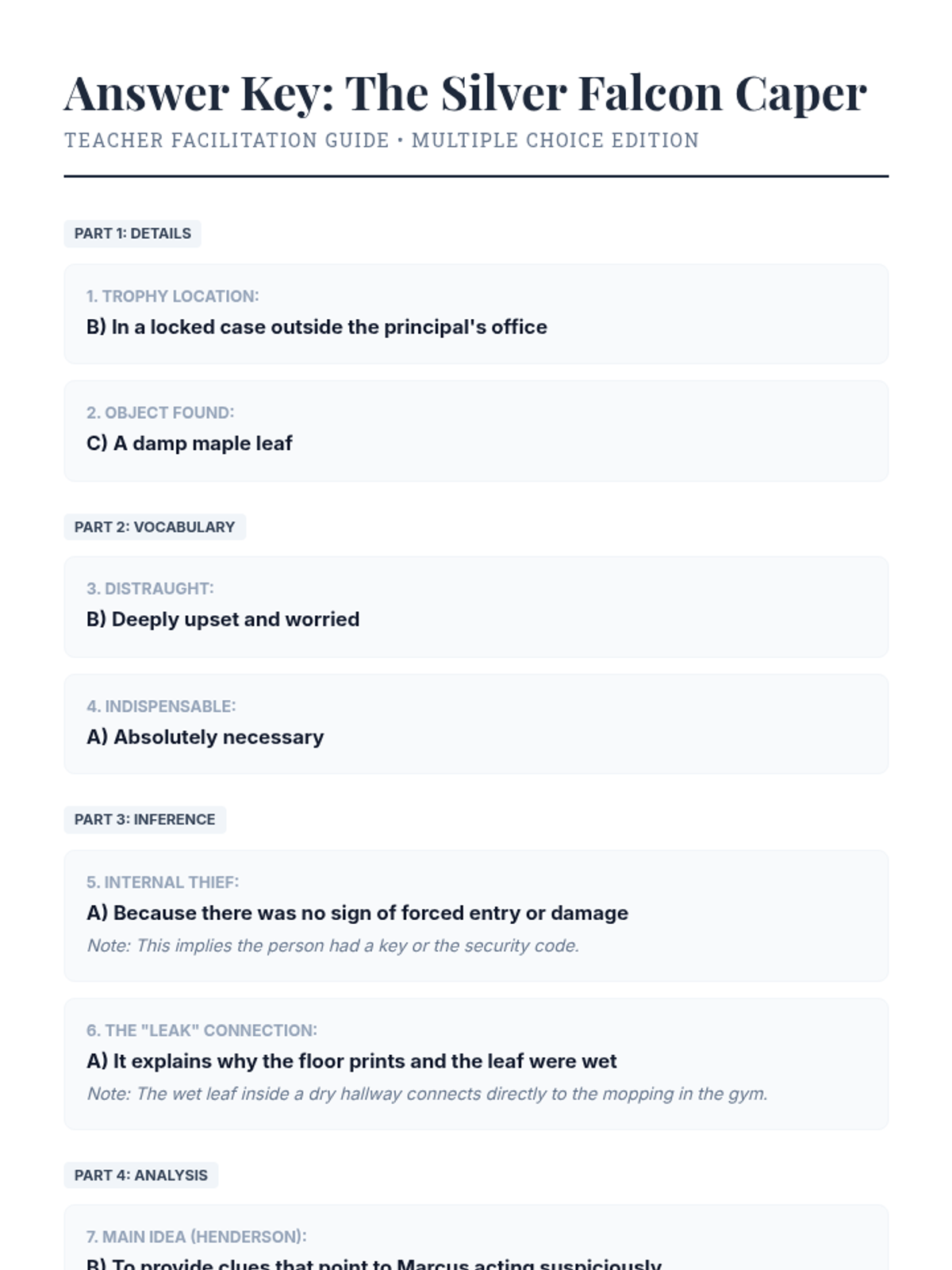
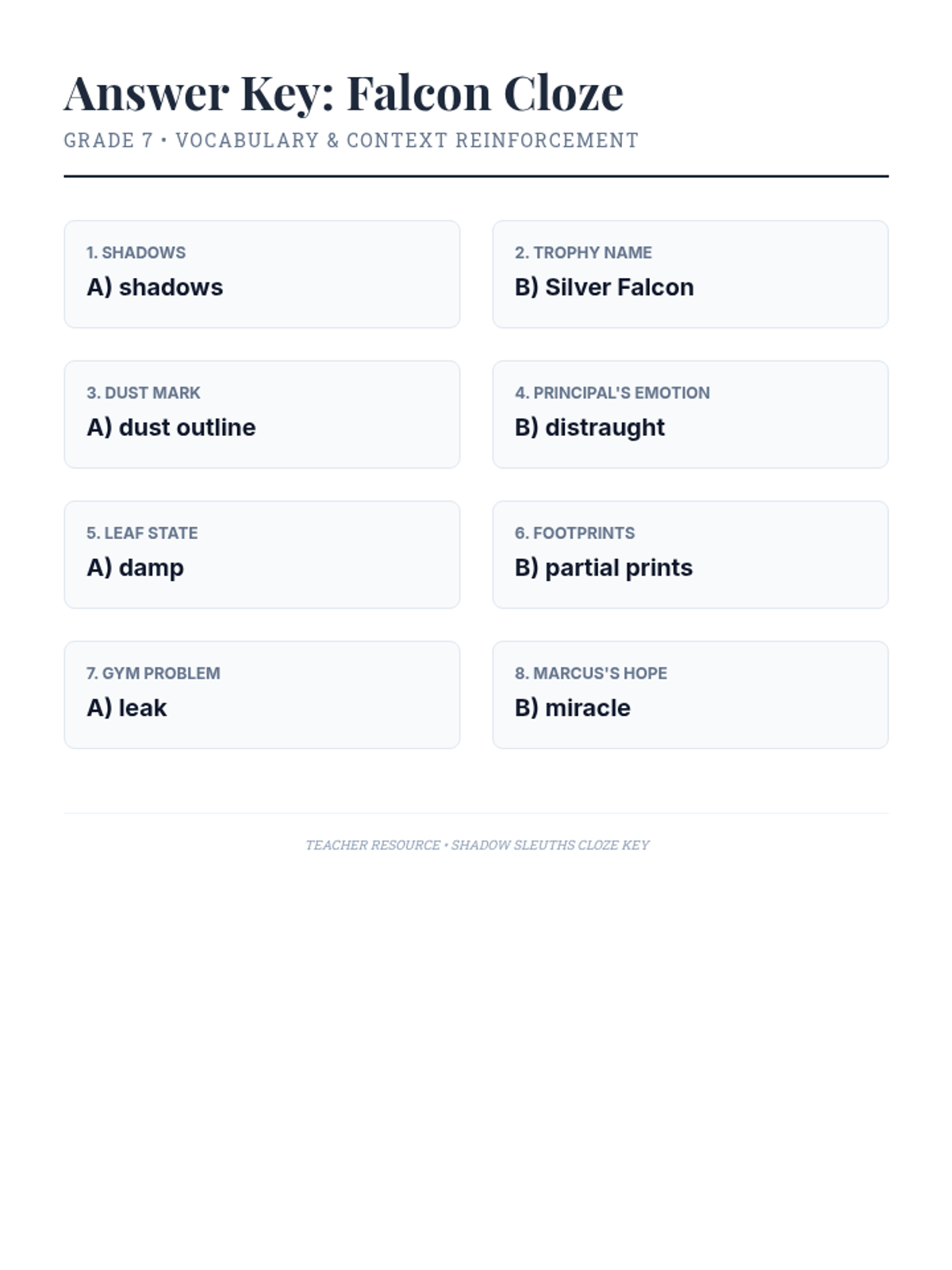
A grade 4 reading comprehension lesson focused on a mystery story, targeting skills in inferencing, explicit details, context clues, and identifying main ideas.
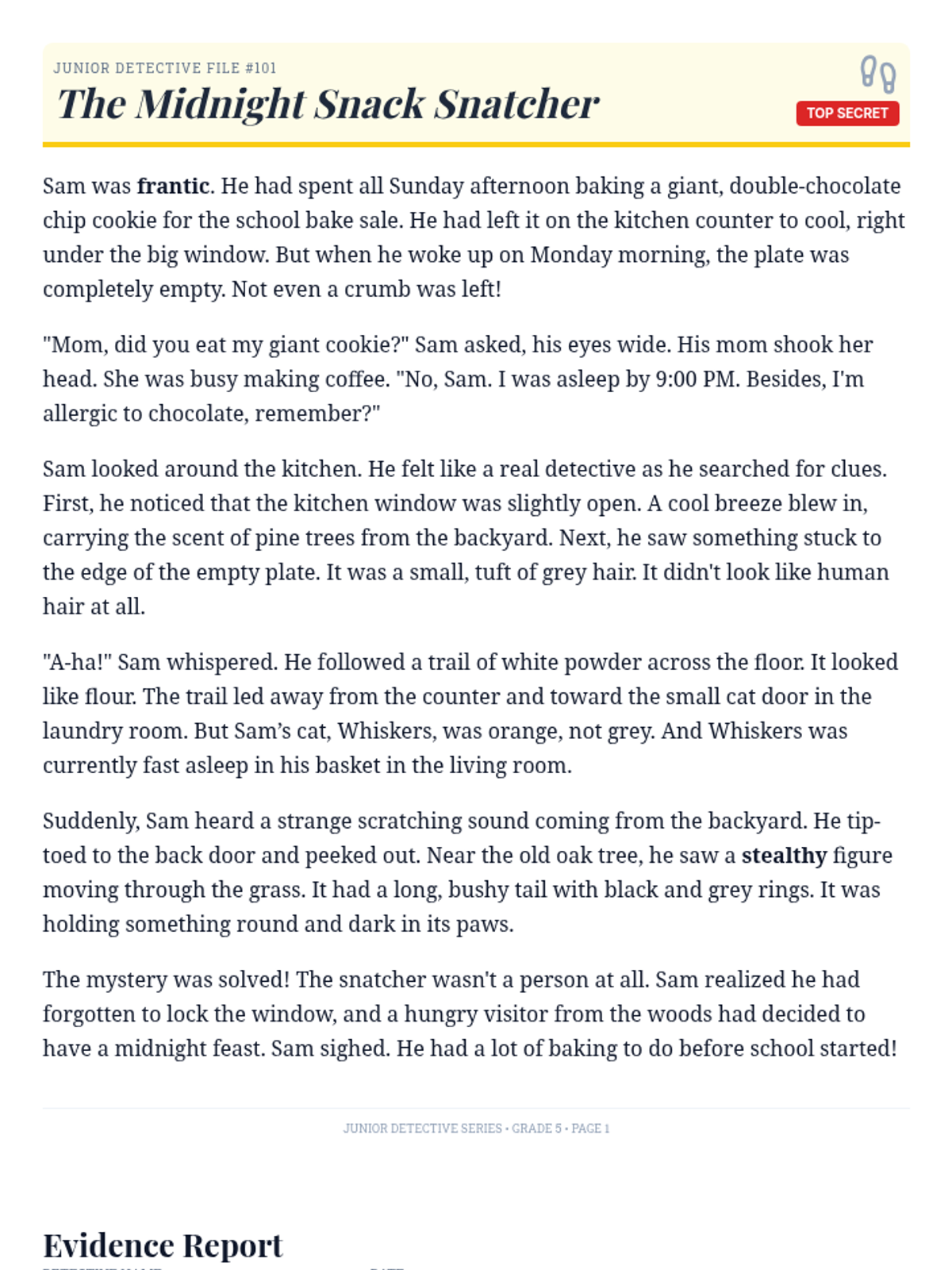
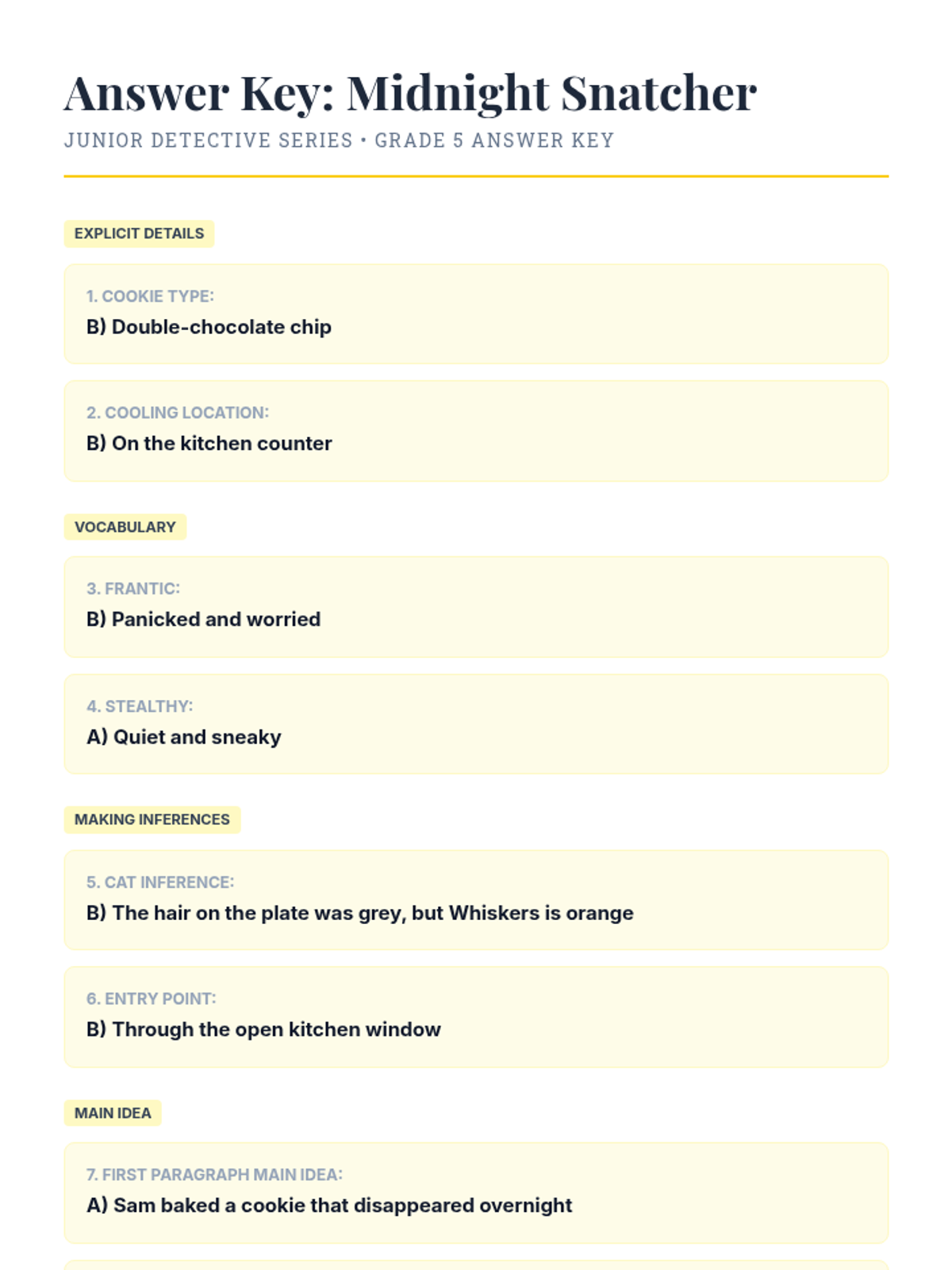
A grade 5 reading comprehension lesson focused on a mystery story, targeting skills in inferencing, explicit details, context clues, and identifying main ideas.
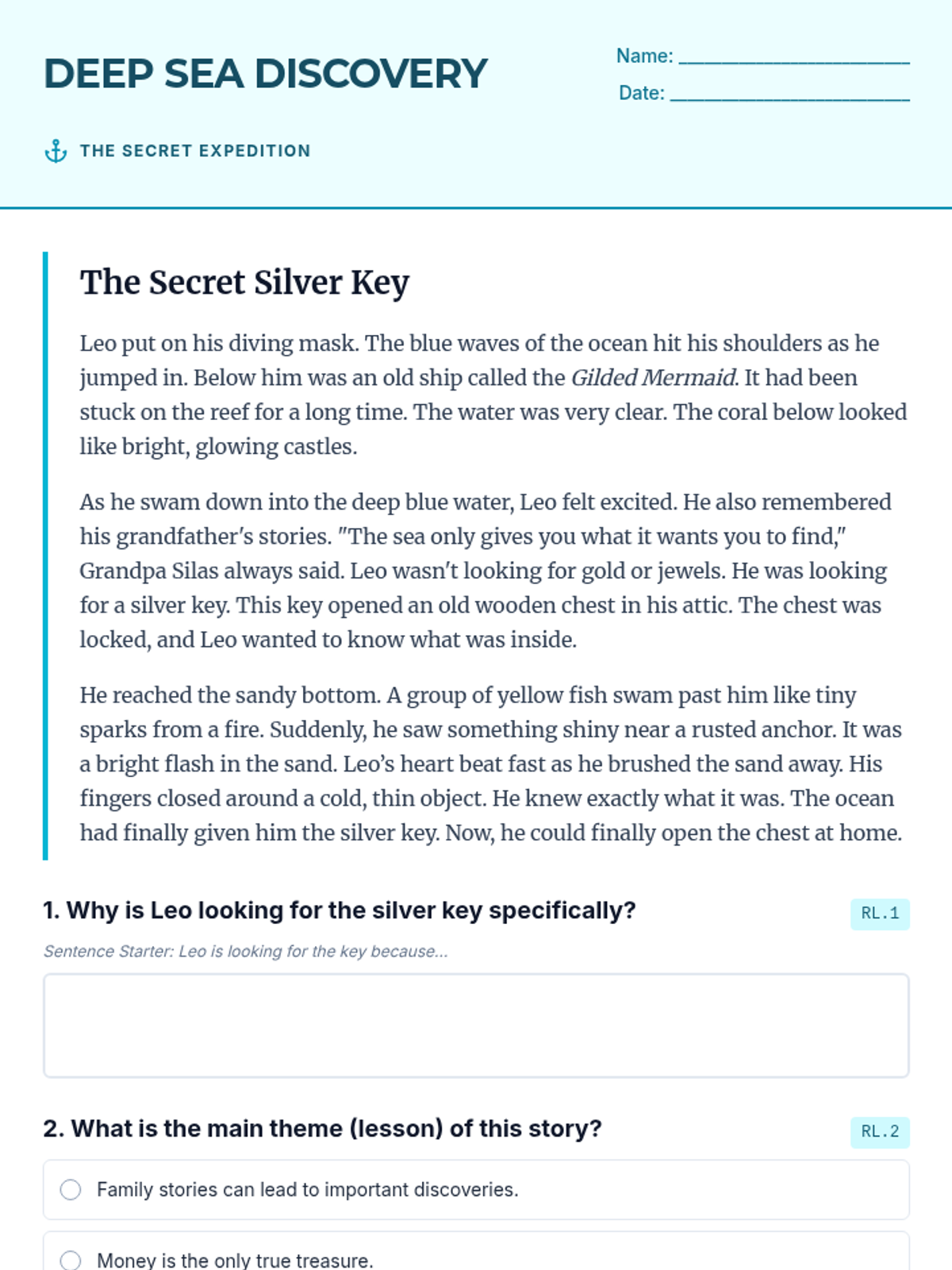
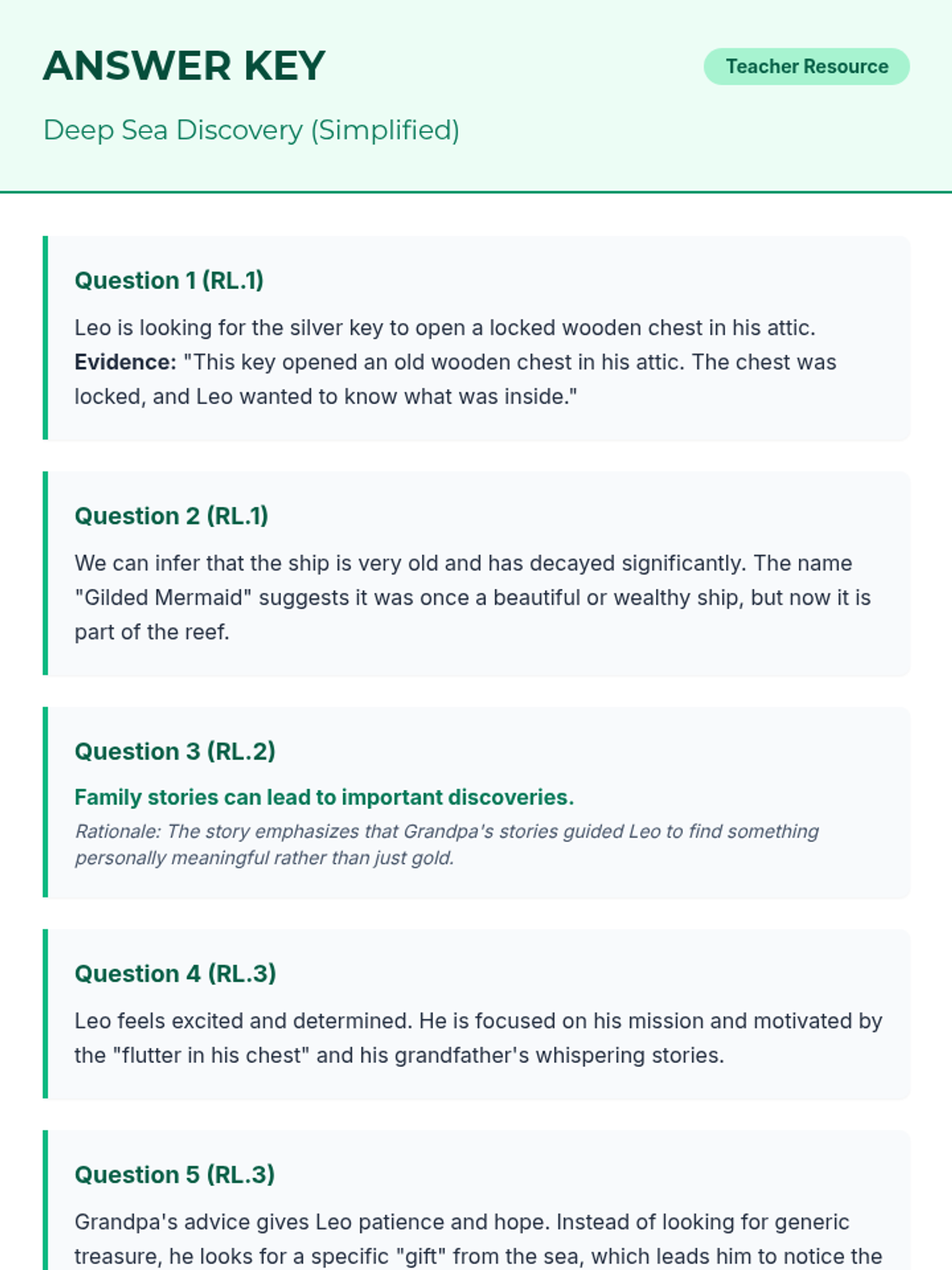
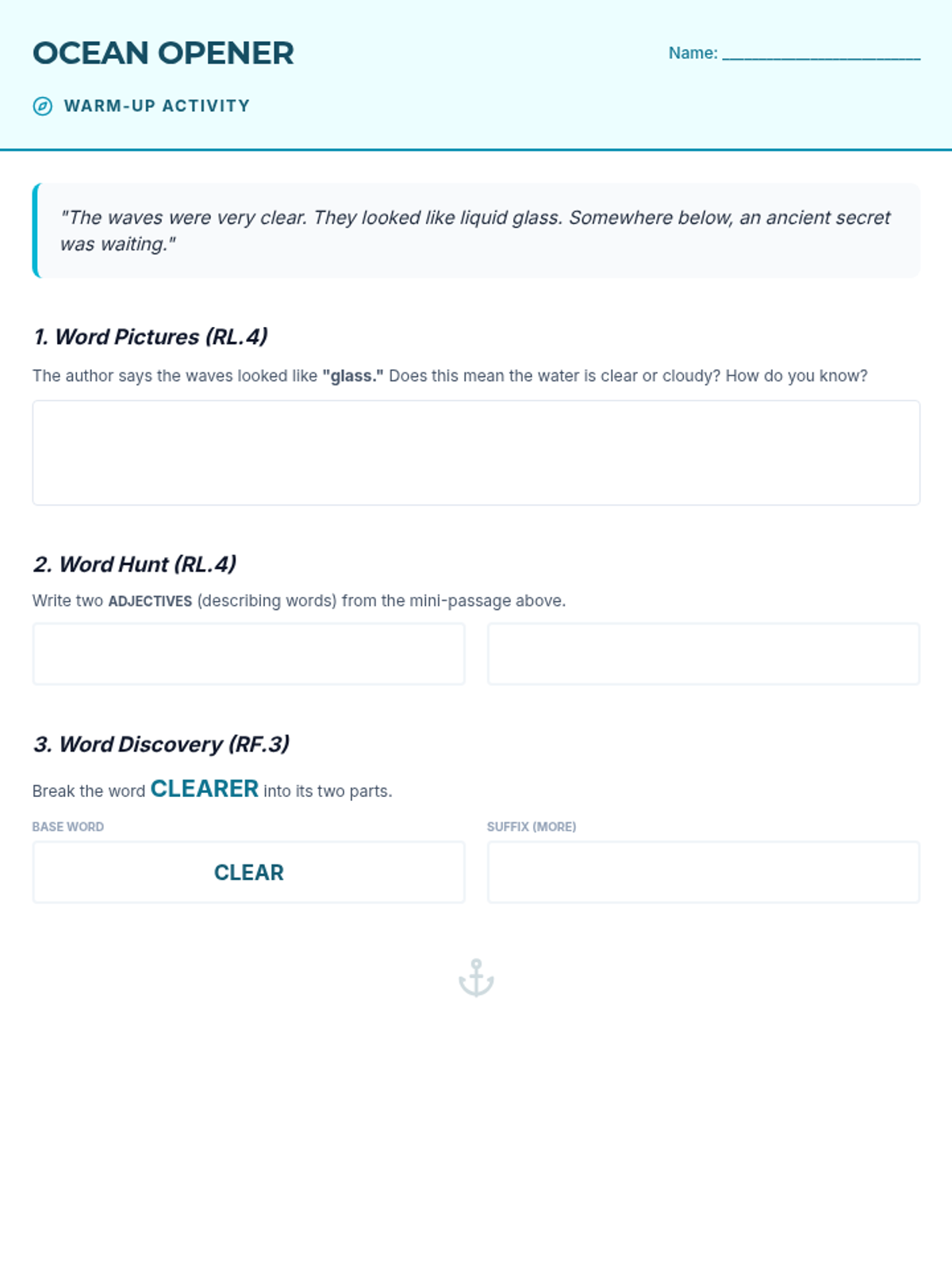
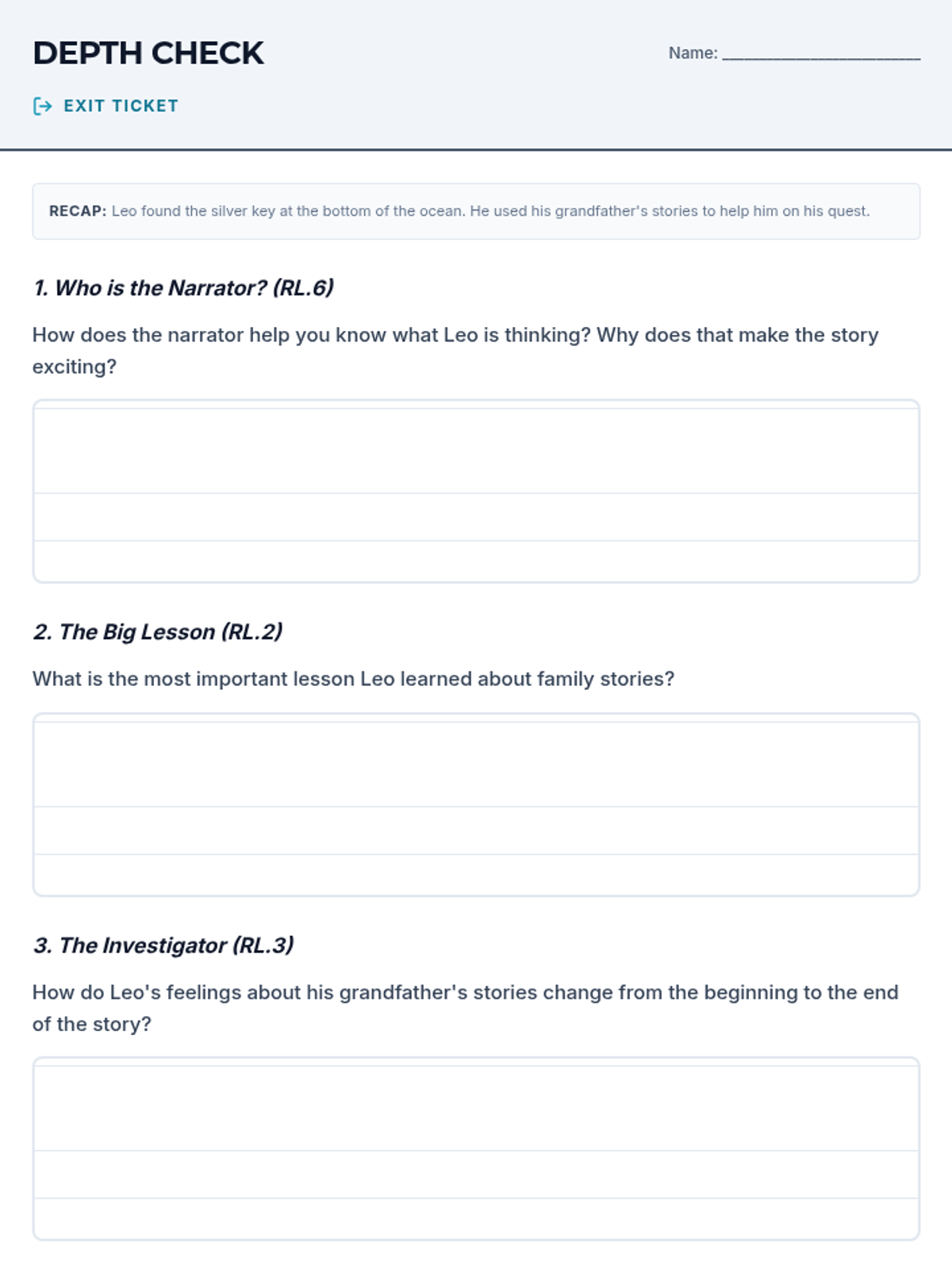
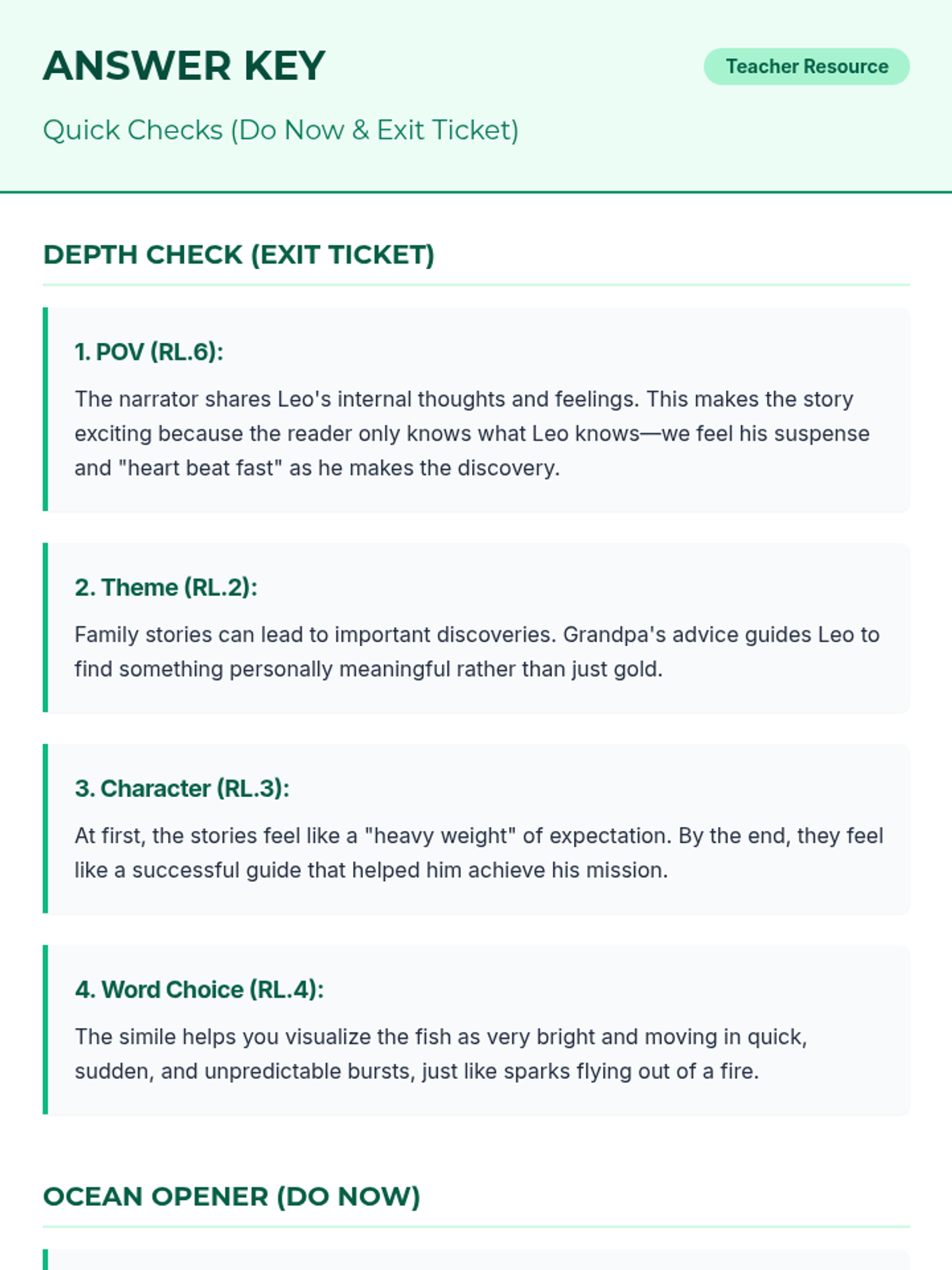
Students analyze a narrative passage to practice quoting evidence, determining themes, and understanding point of view. This lesson specifically targets Common Core standards RL.1, RL.2, RL.3, RL.4, and RL.6.
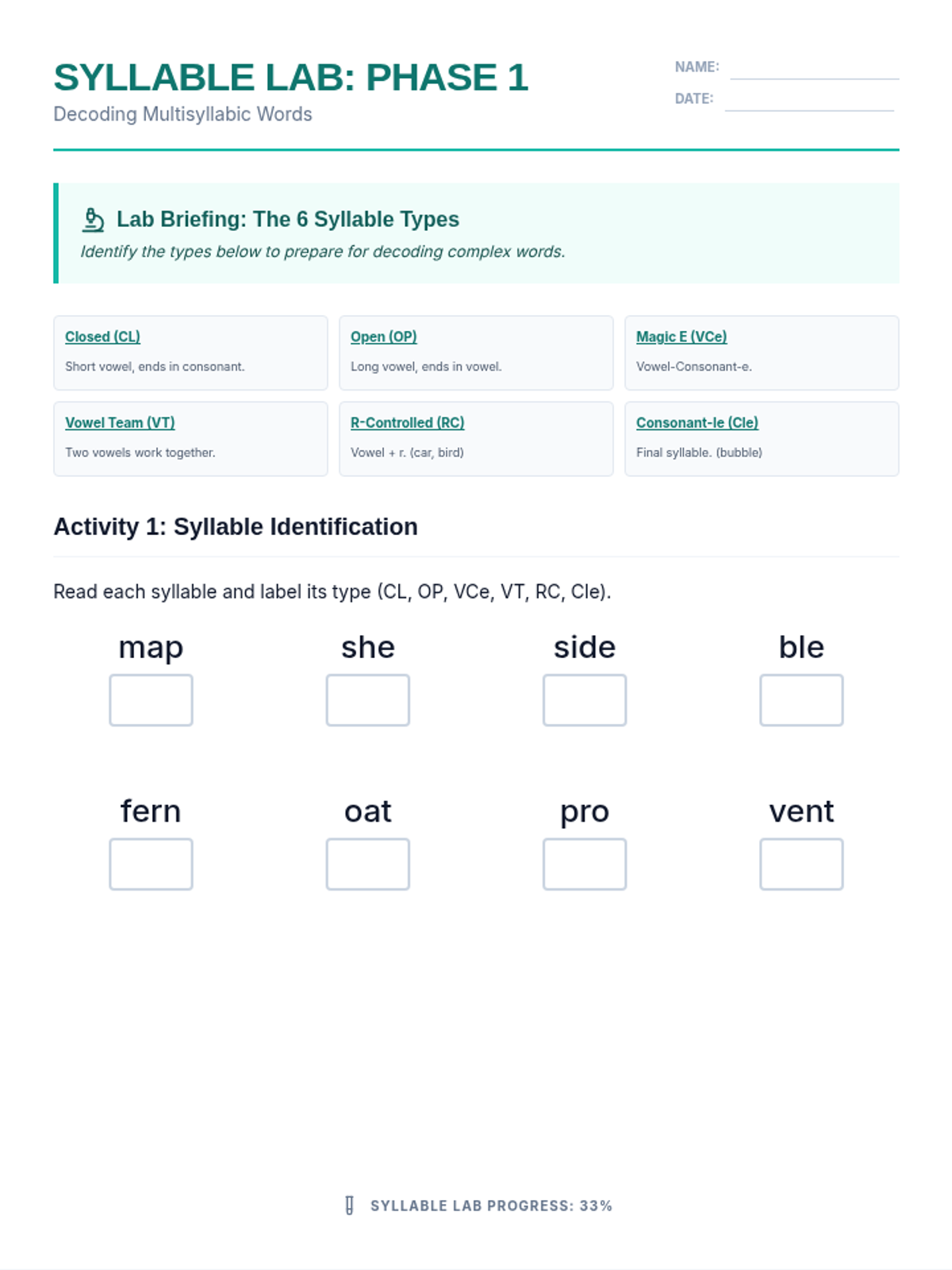
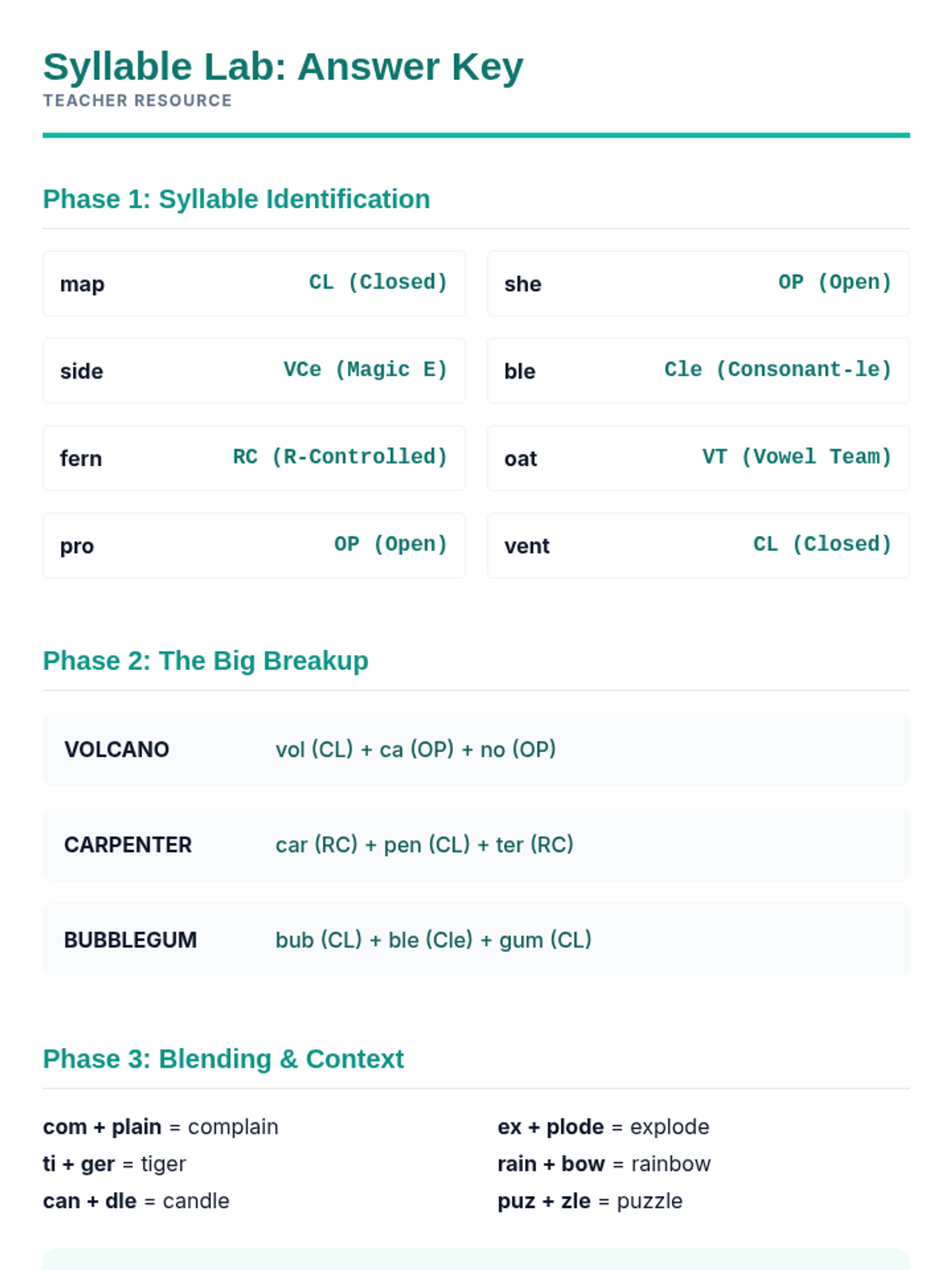
A comprehensive lesson on decoding multisyllabic words using all six syllable types through interactive slides and a multi-page practice packet.
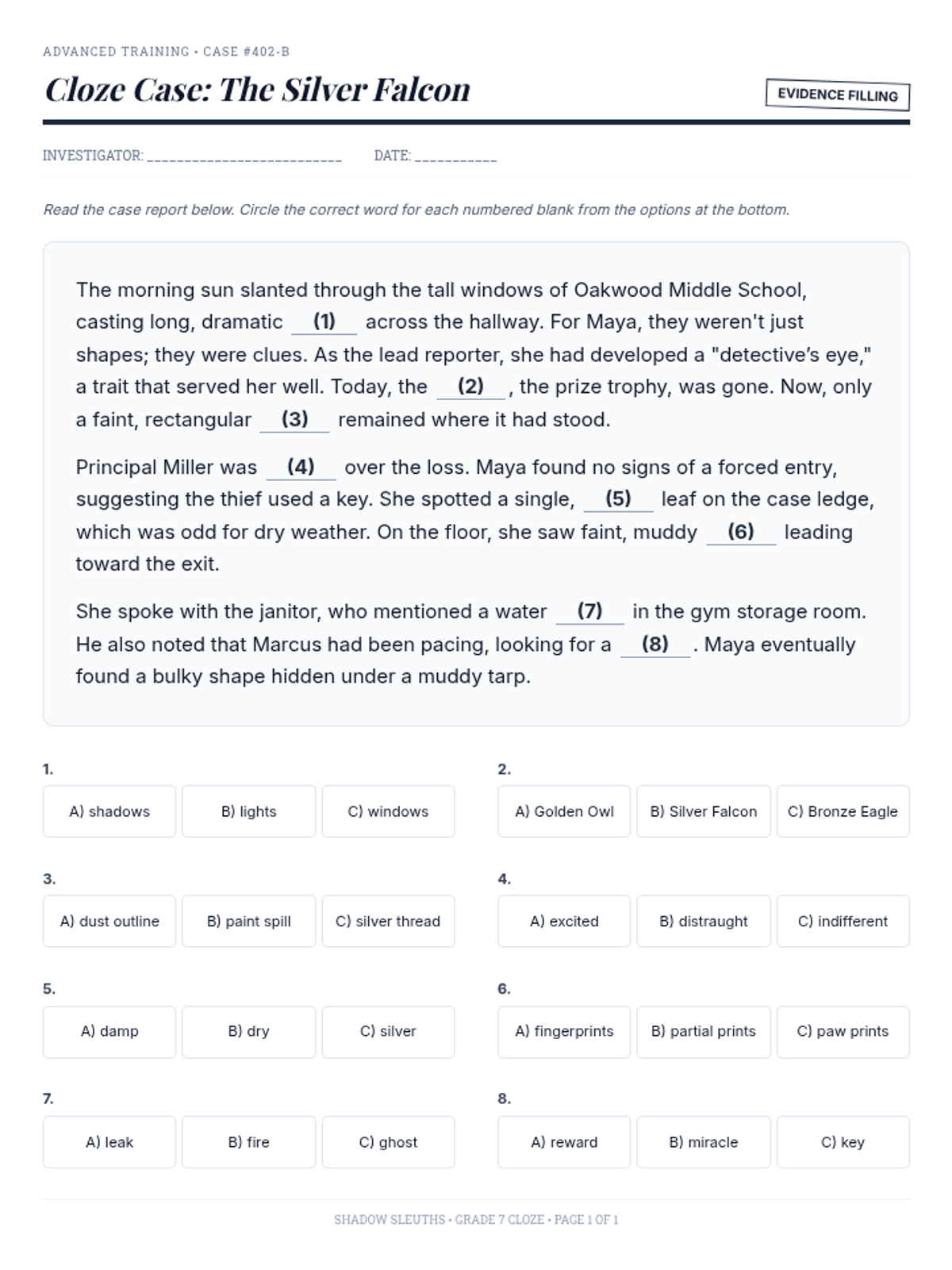
A grade 7 reading comprehension lesson focused on a mystery story, targeting skills in inferencing, explicit details, context clues, and identifying main ideas.
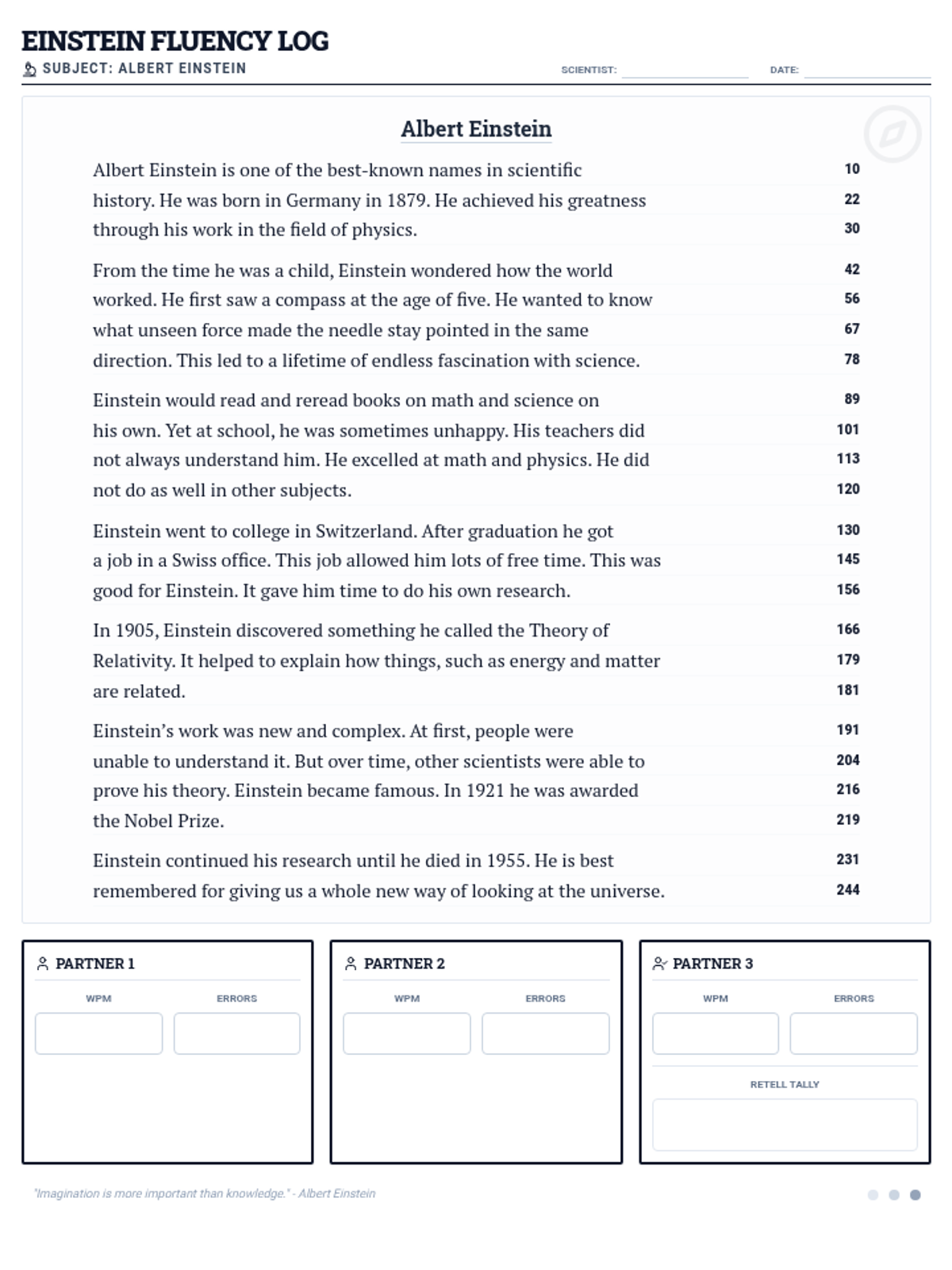
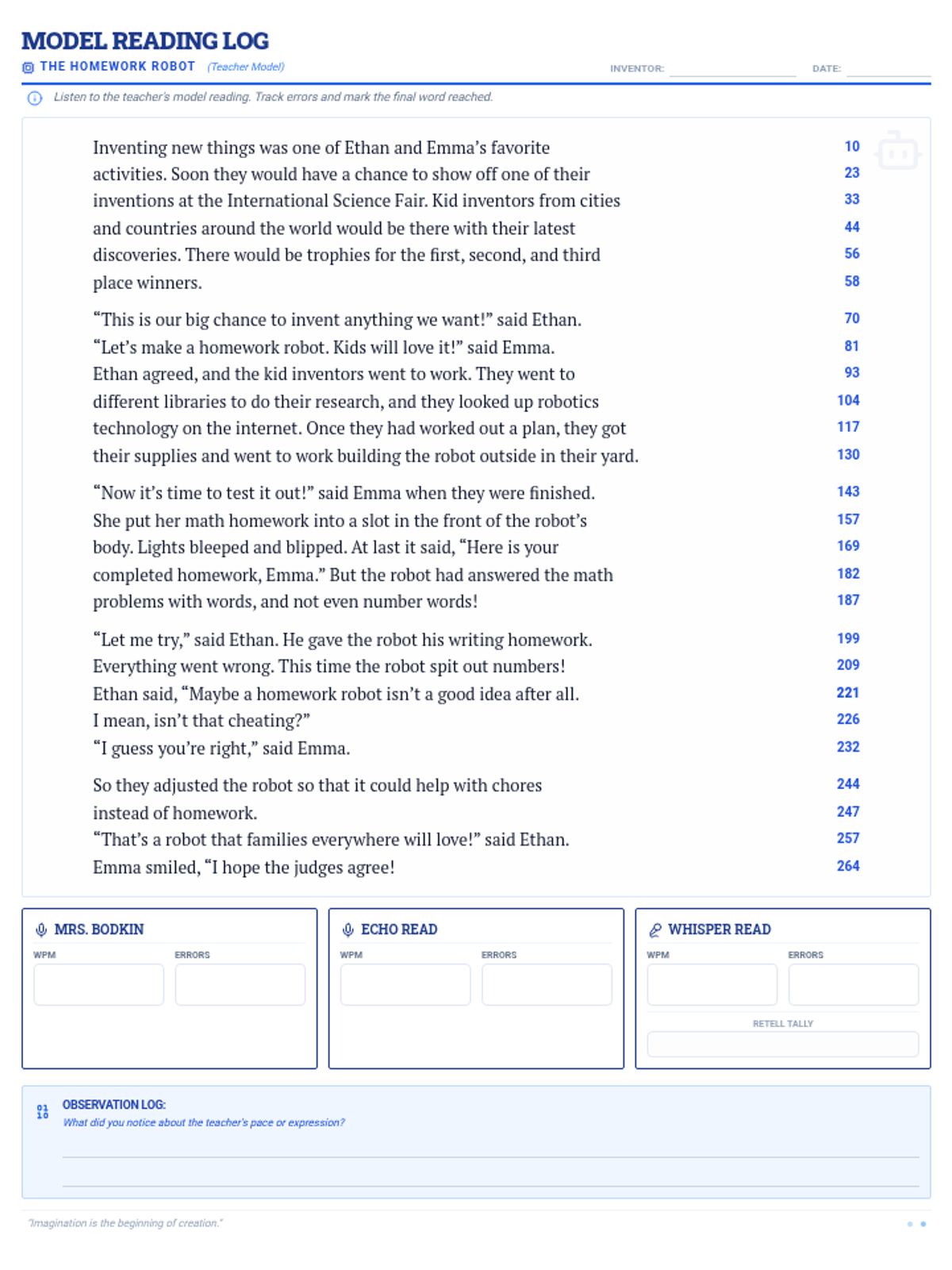
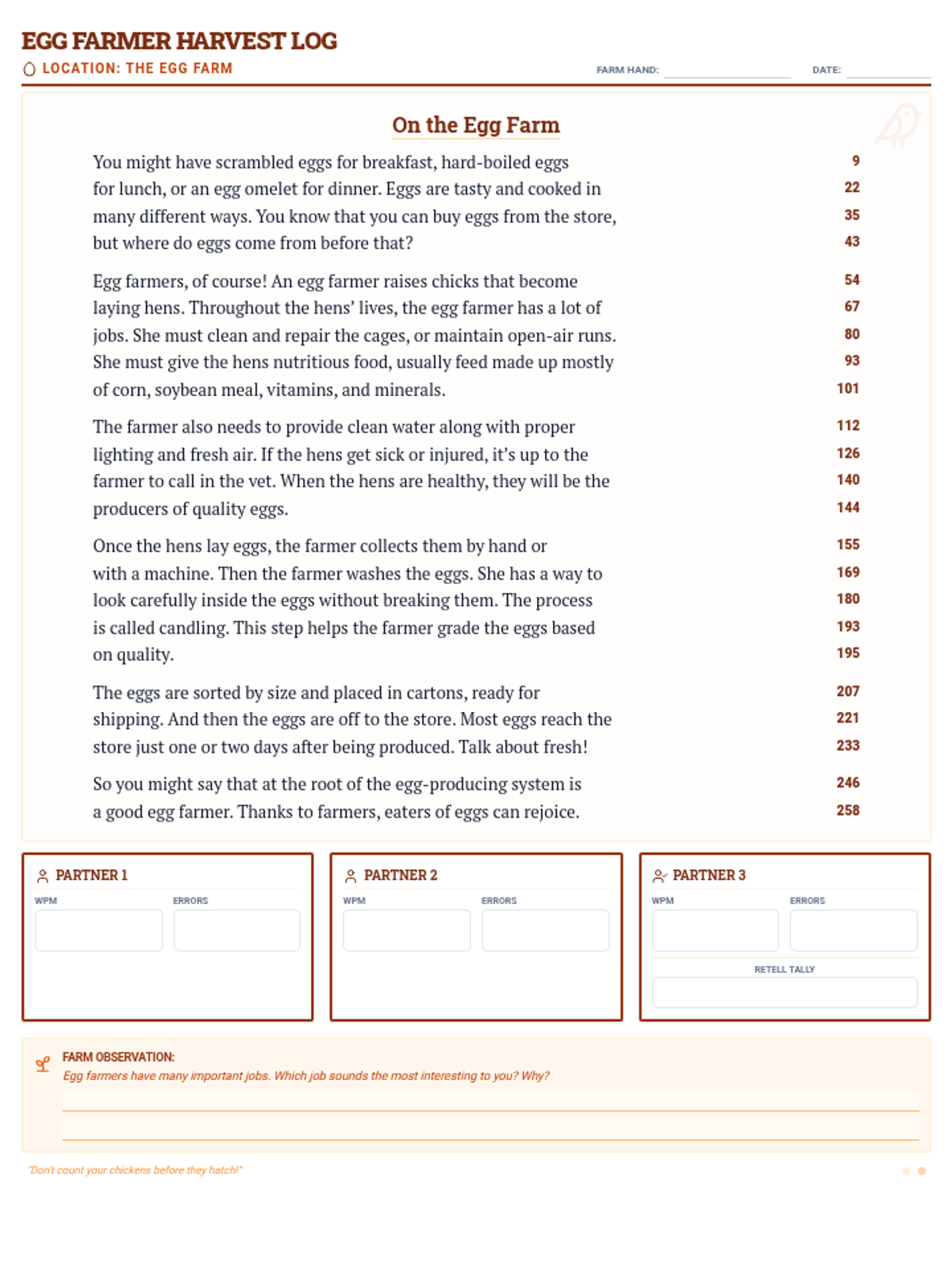
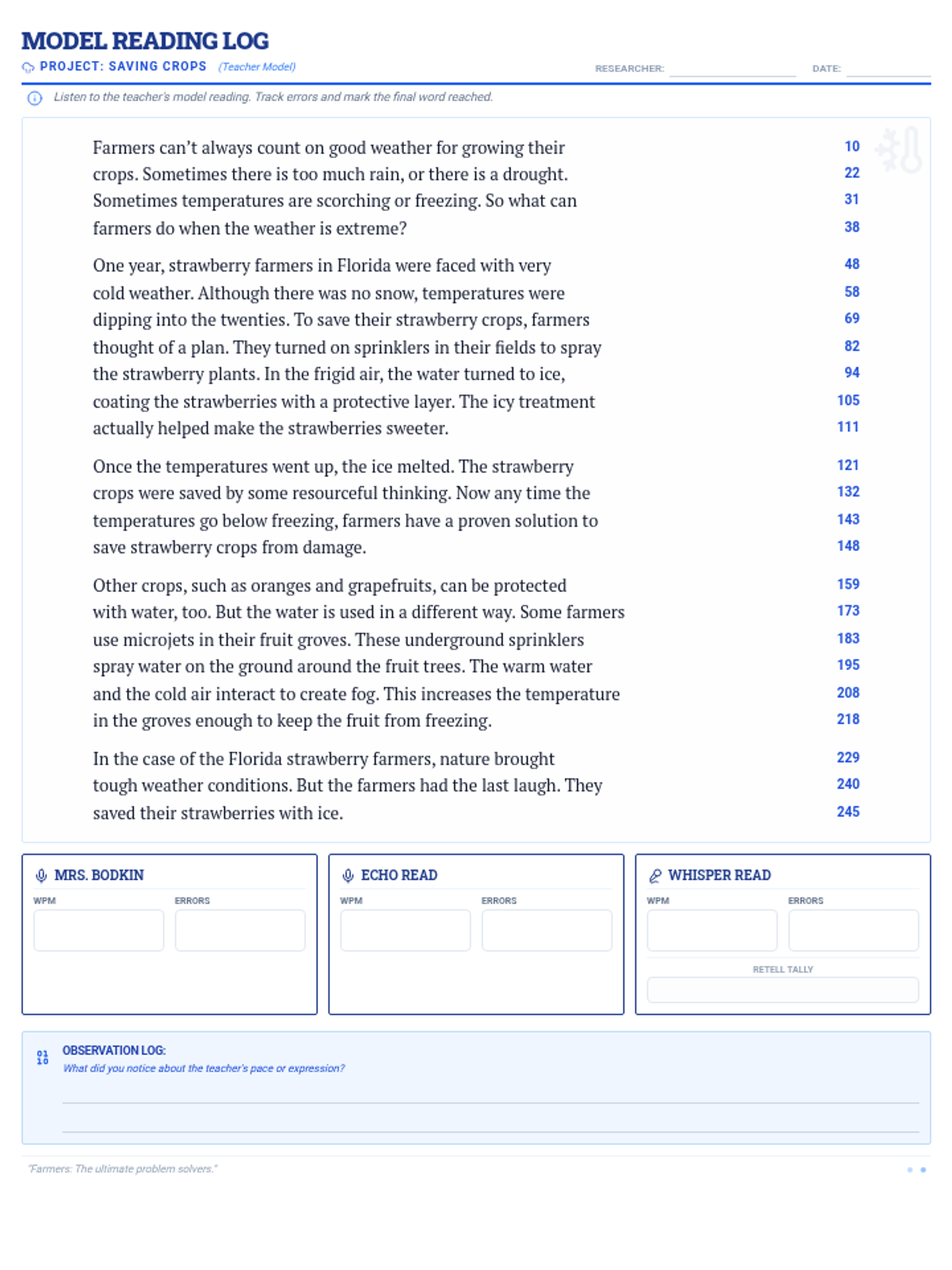
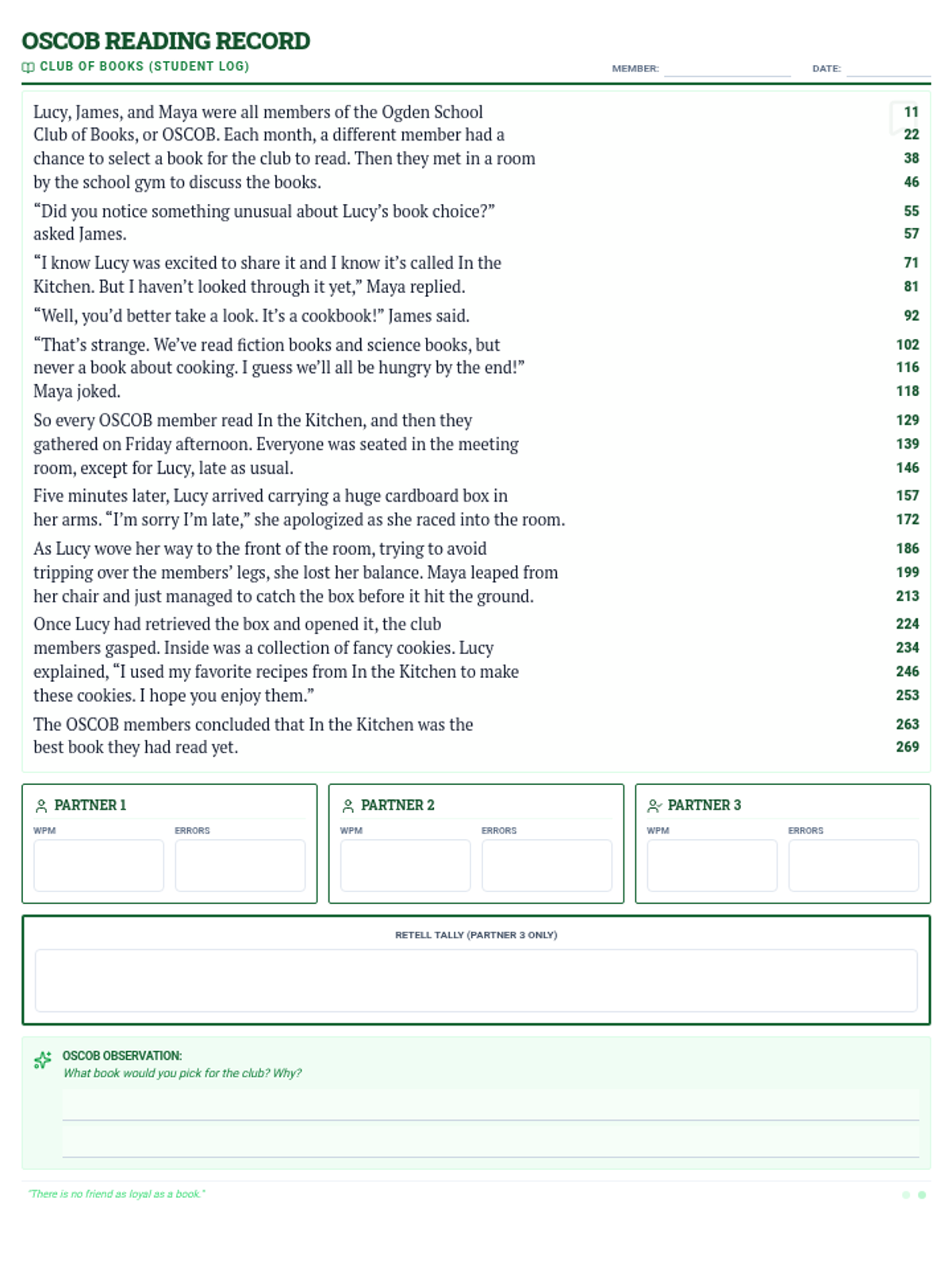
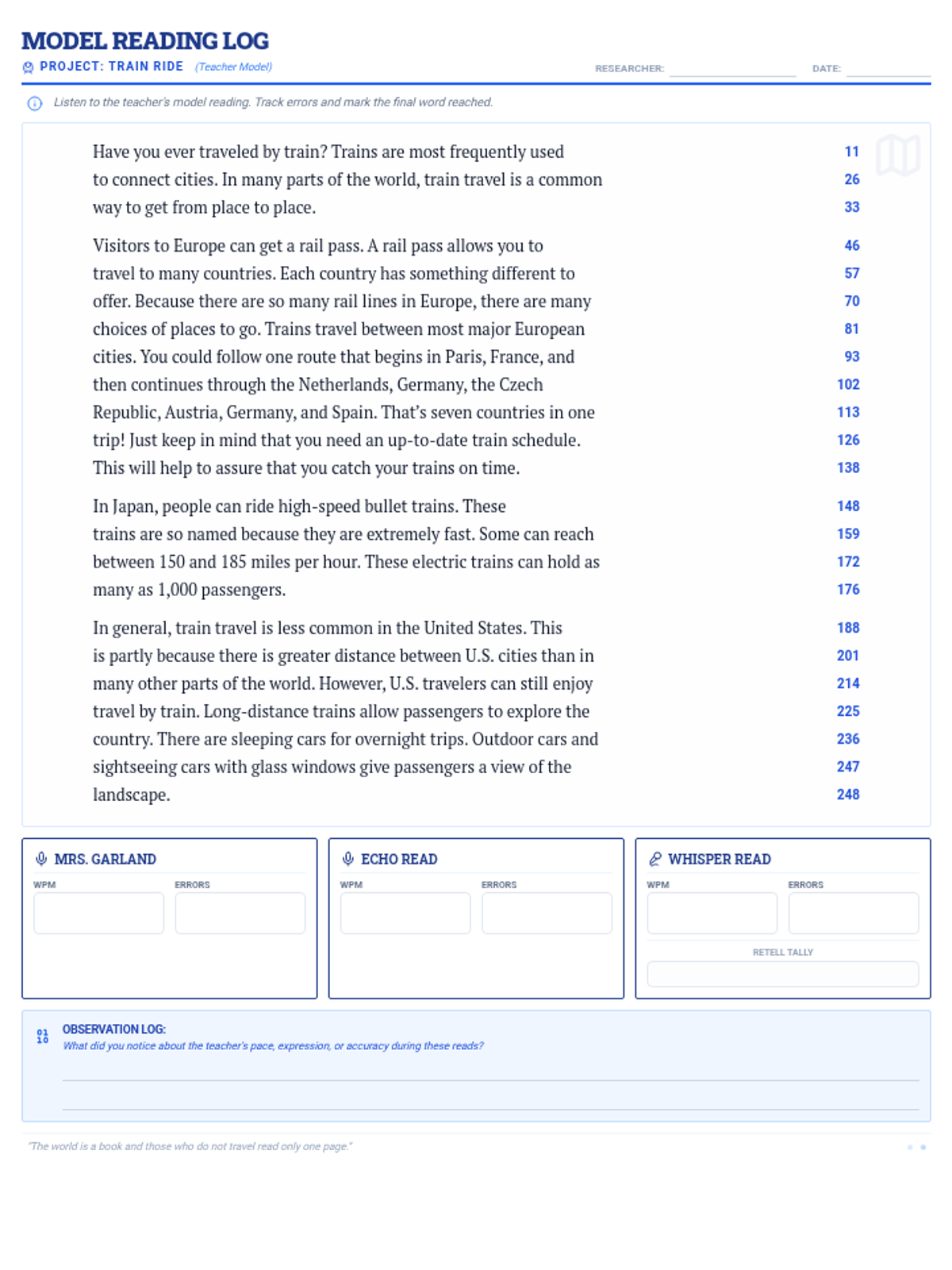
A fluency practice lesson focused on reading speed and comprehension through the story of Albert Einstein, utilizing a peer-partnered tracking system.
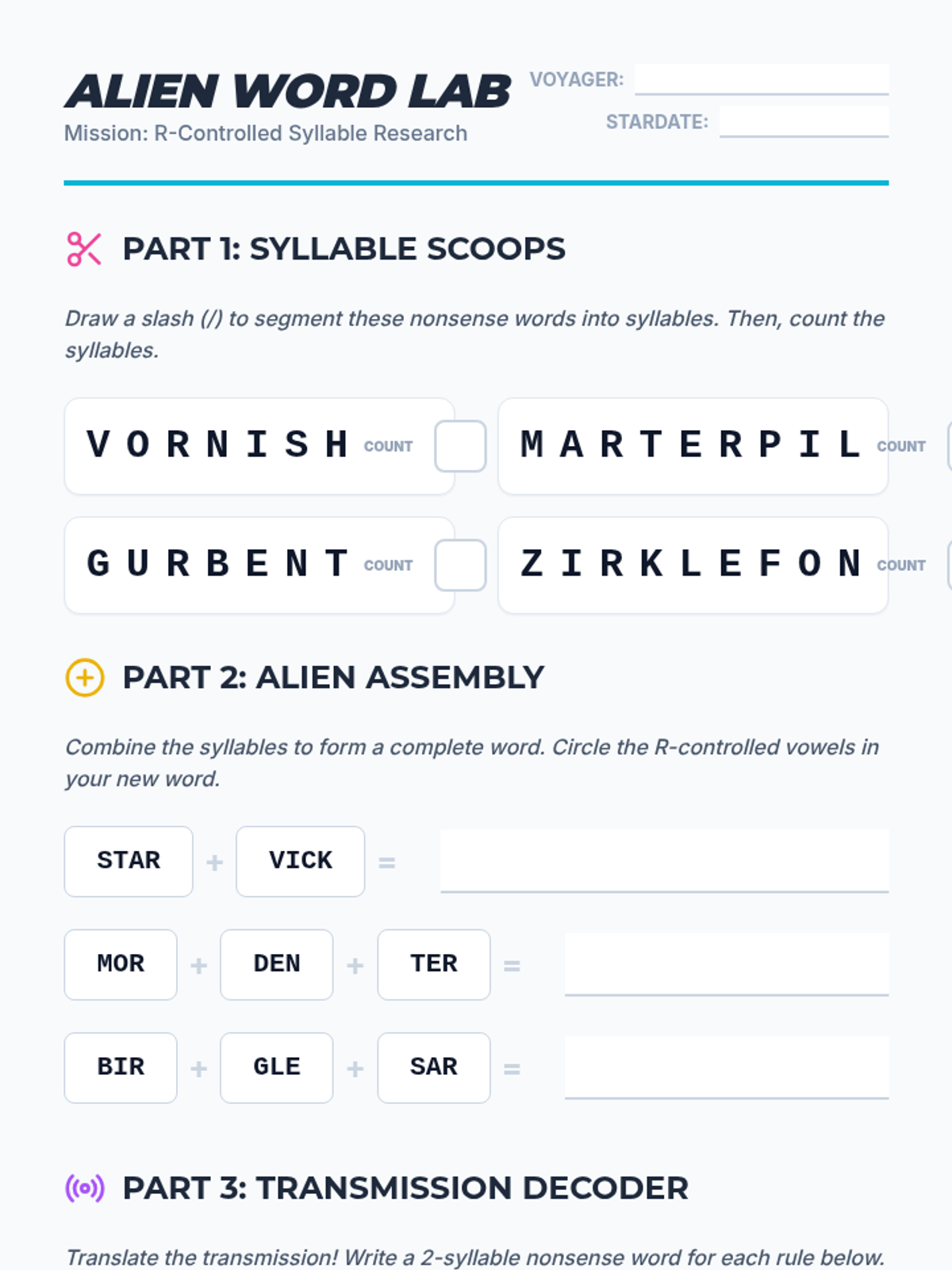
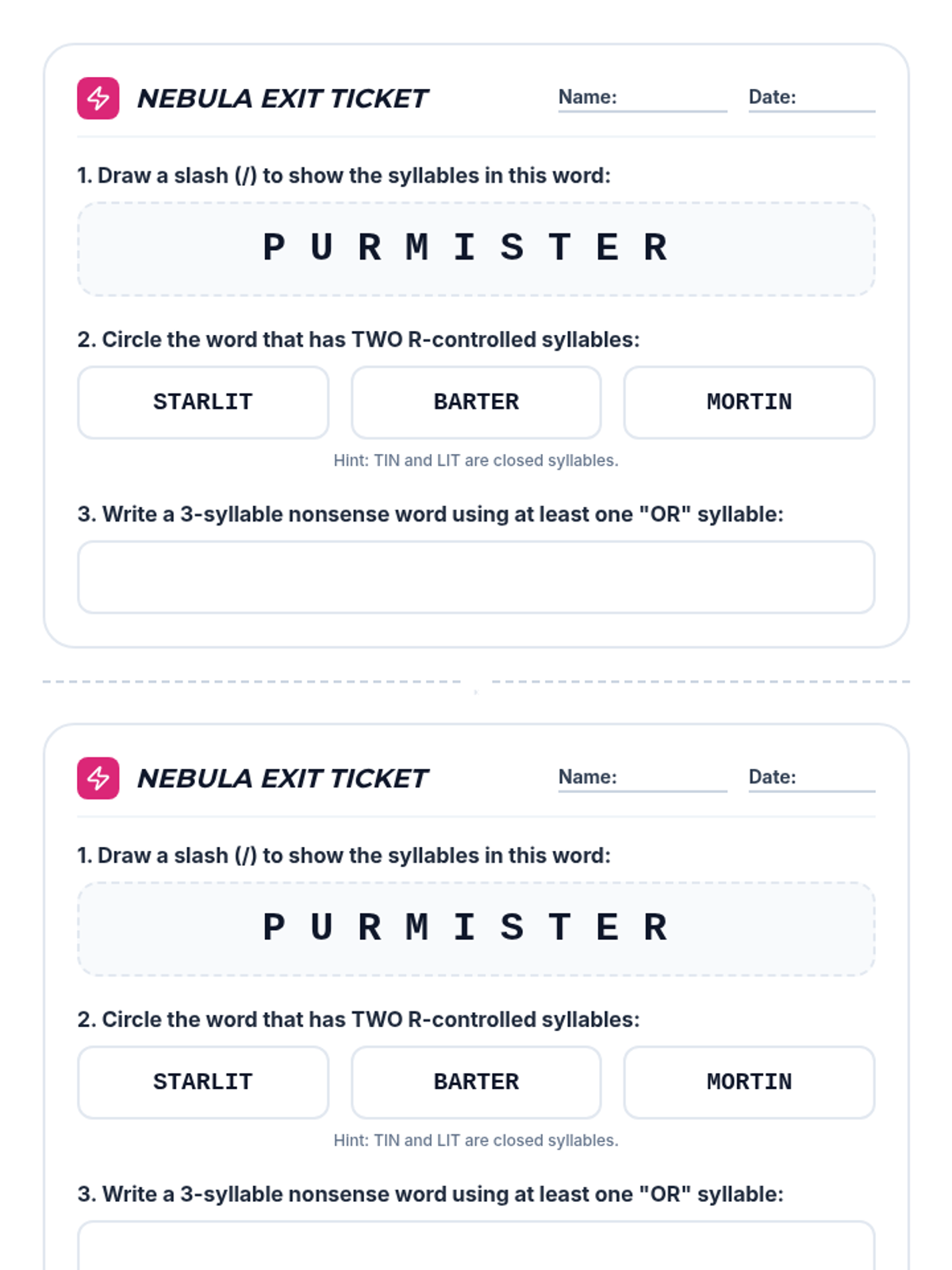
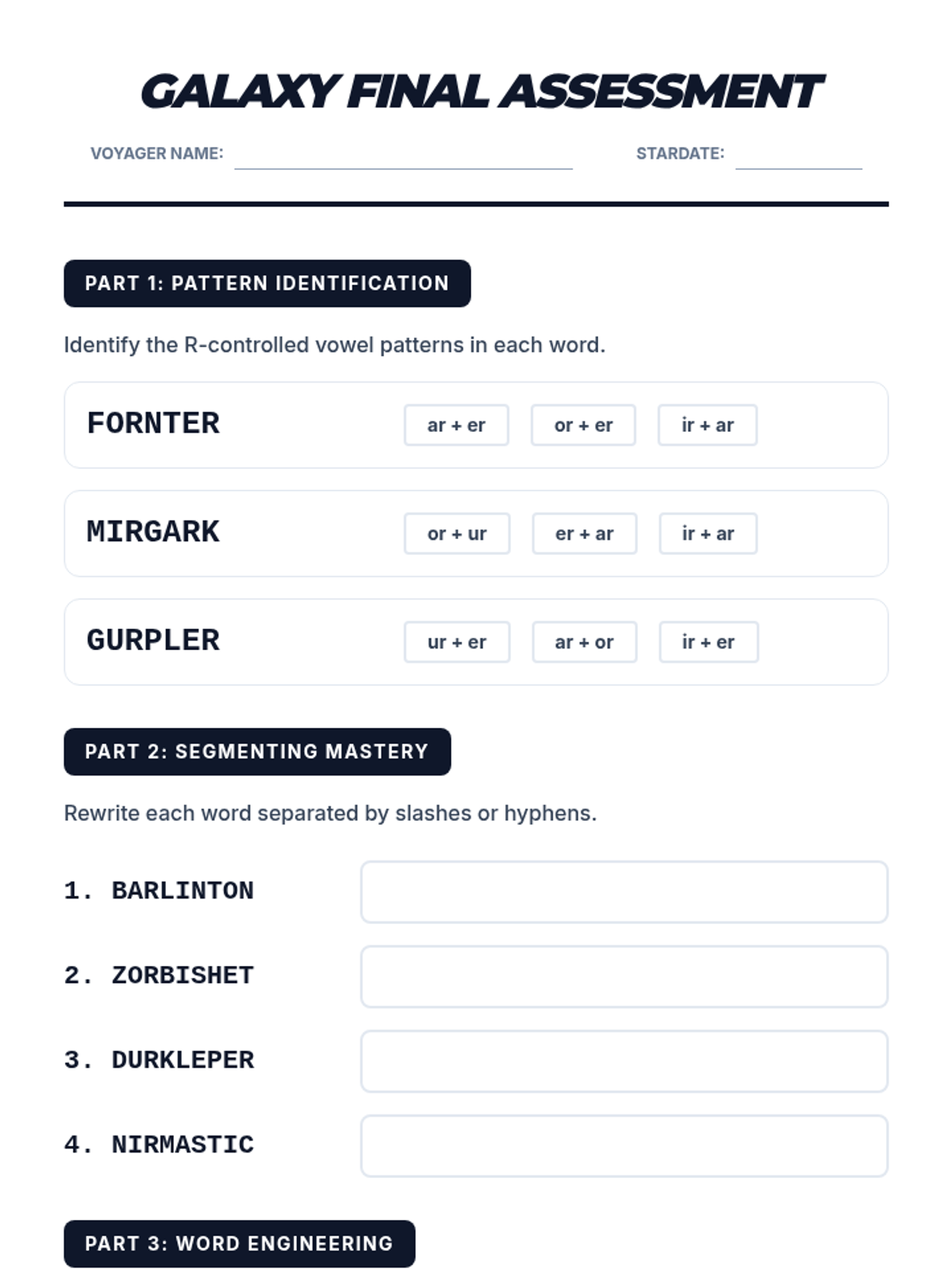
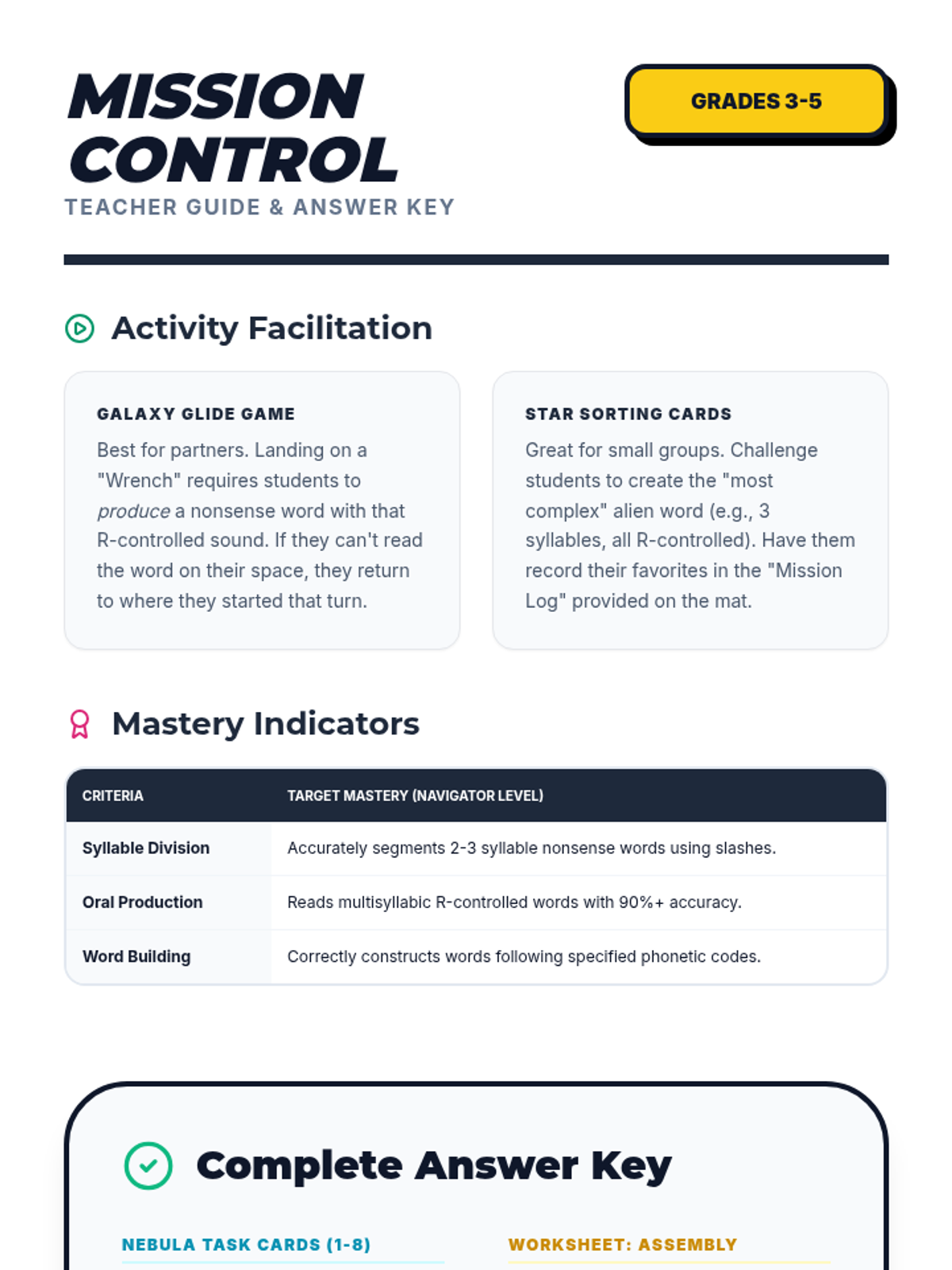
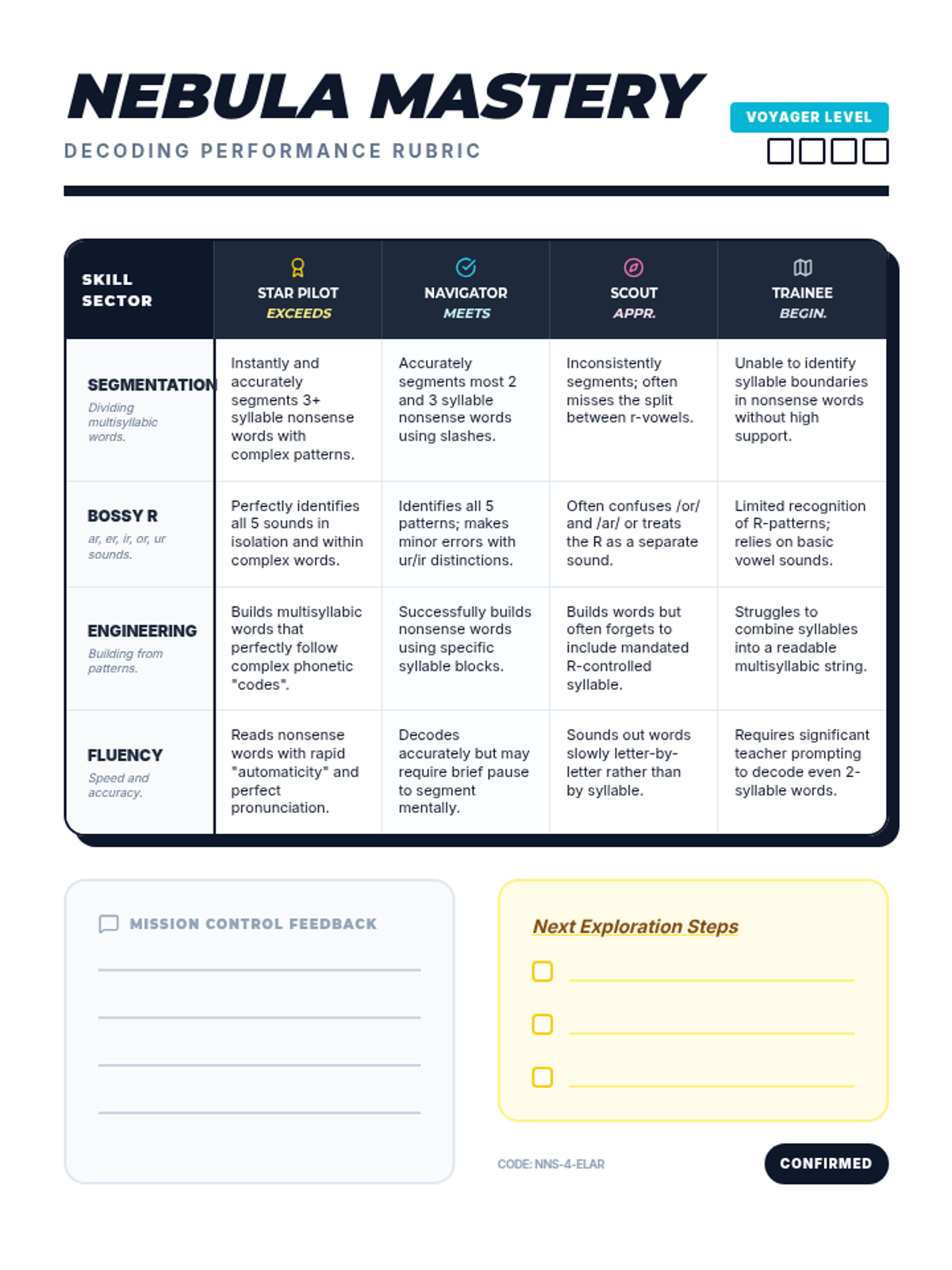
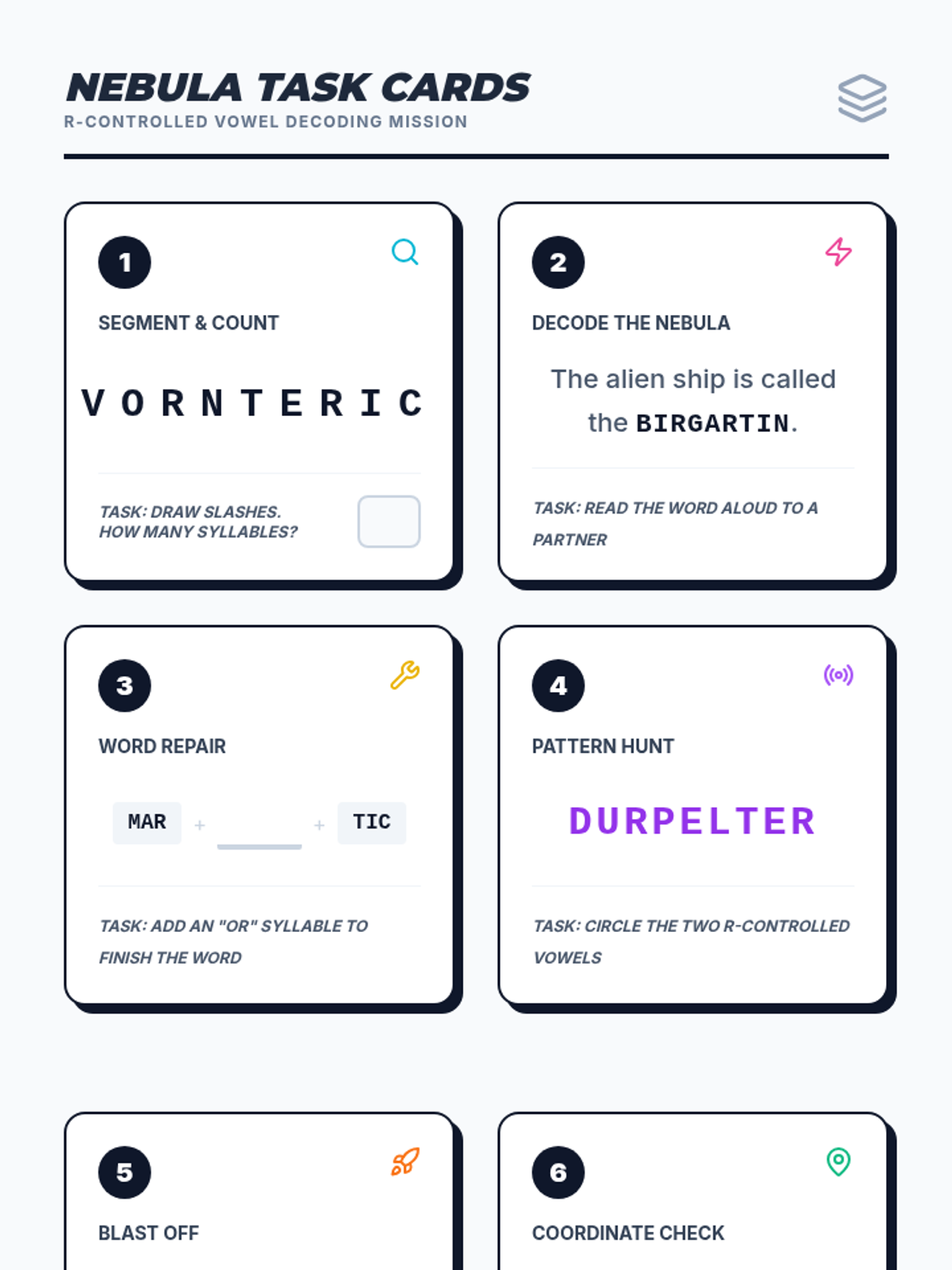
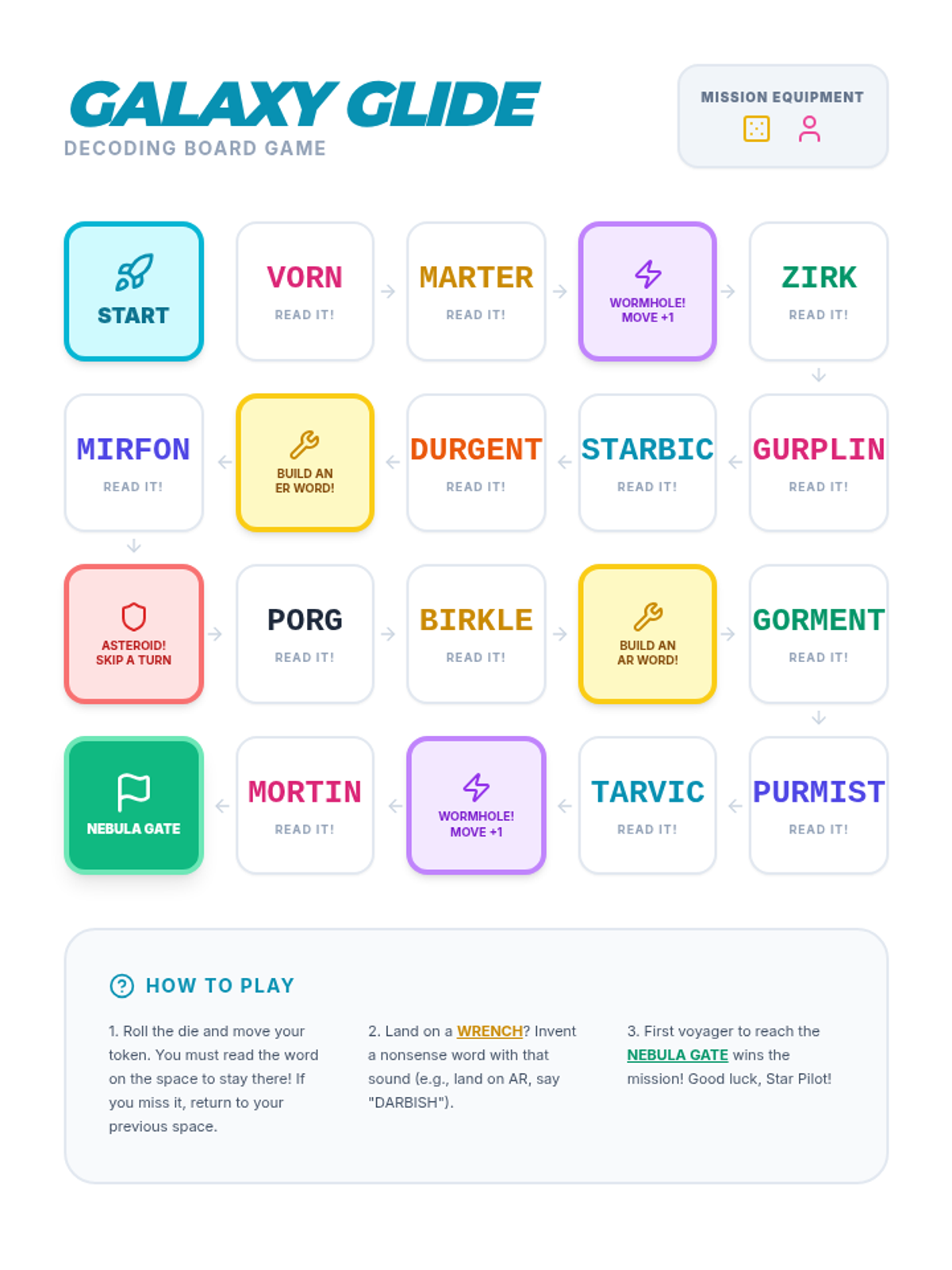
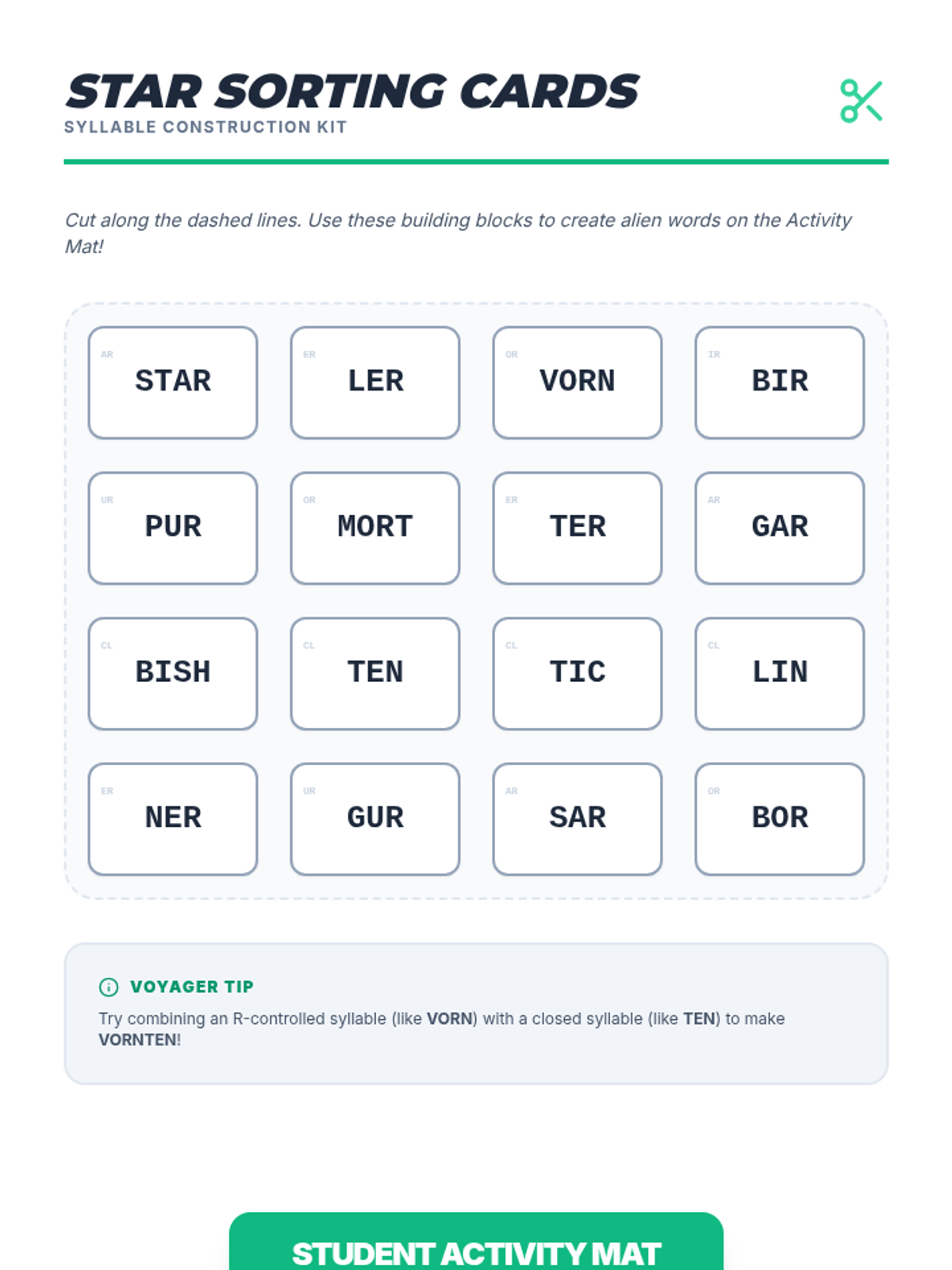
Students will identify, segment, and build multisyllabic nonsense words using R-controlled vowels (ar, er, ir, or, ur) to strengthen their decoding skills.
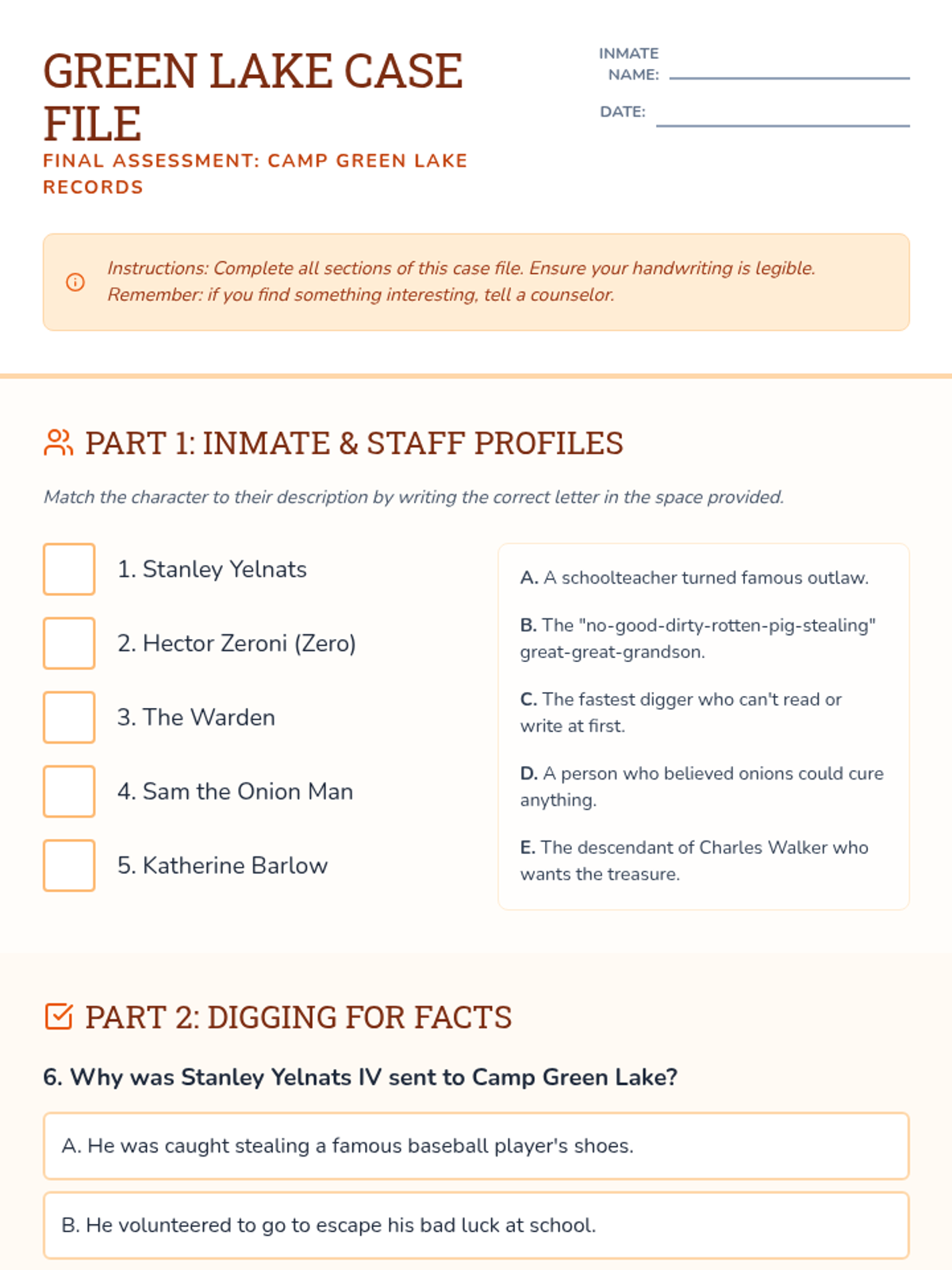
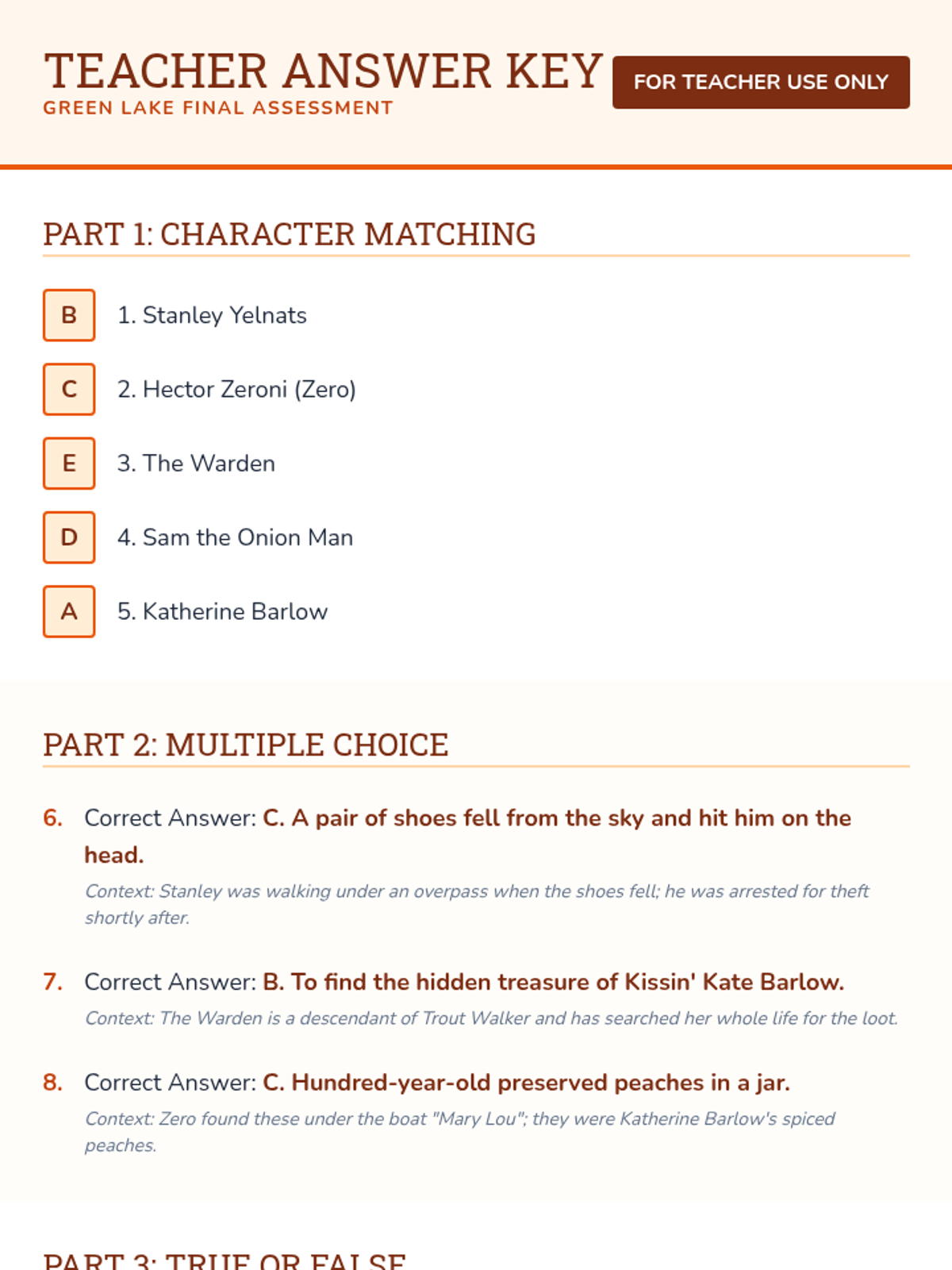
A final assessment and review lesson for the novel Holes by Louis Sachar, focusing on character identification, plot sequencing, and thematic connections. Students will complete a comprehensive test after a visual review of the major story arcs.
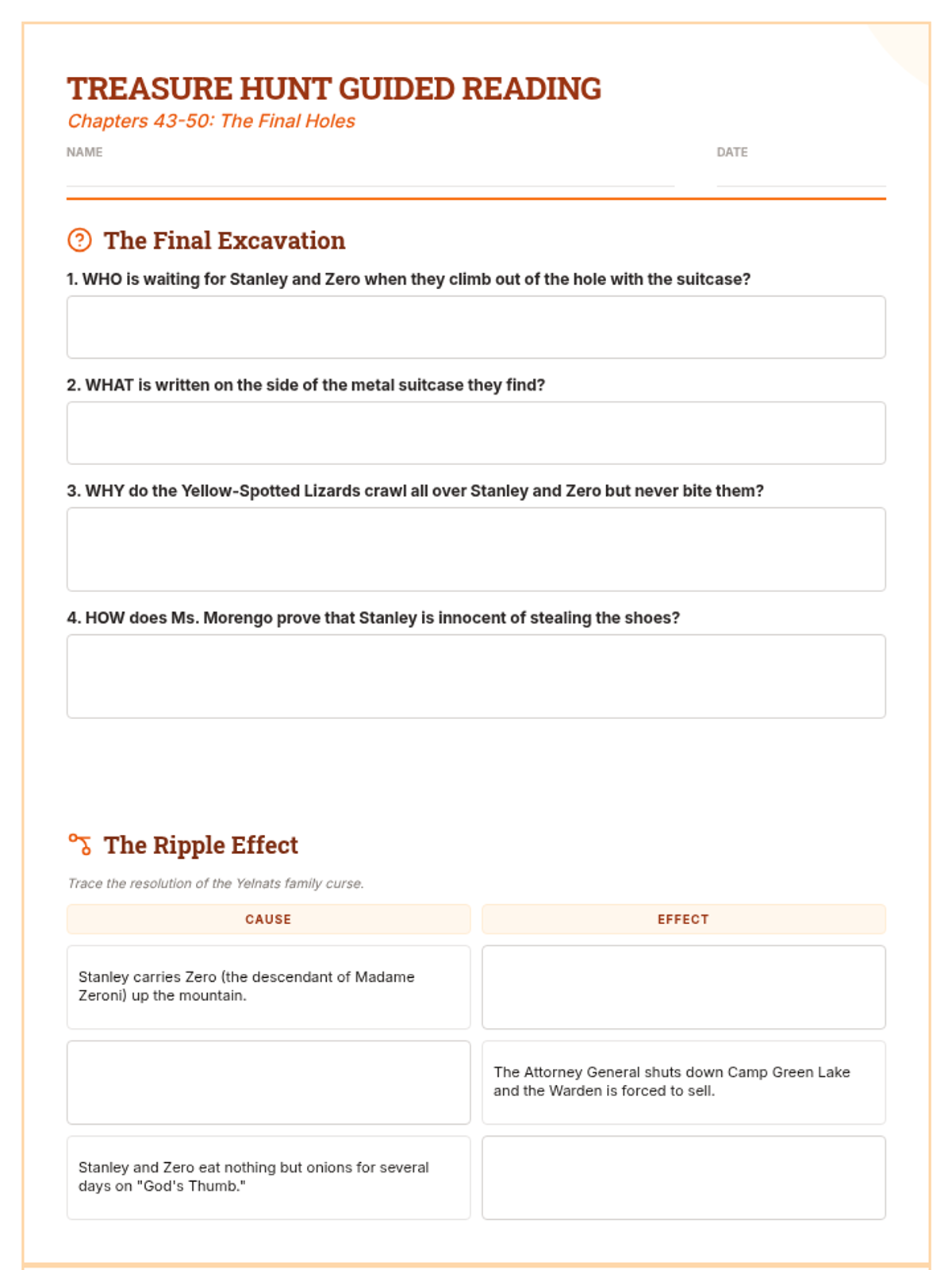
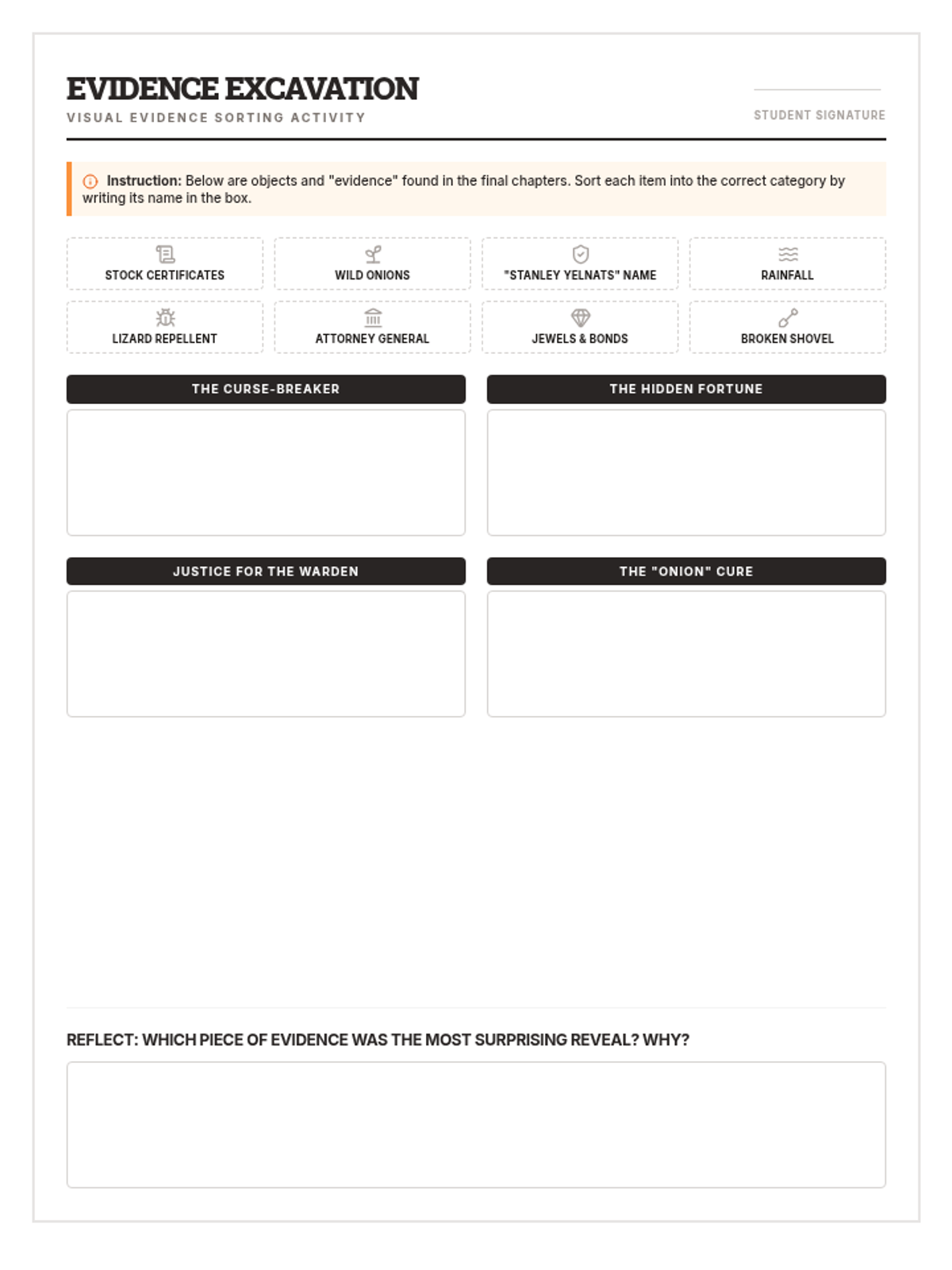
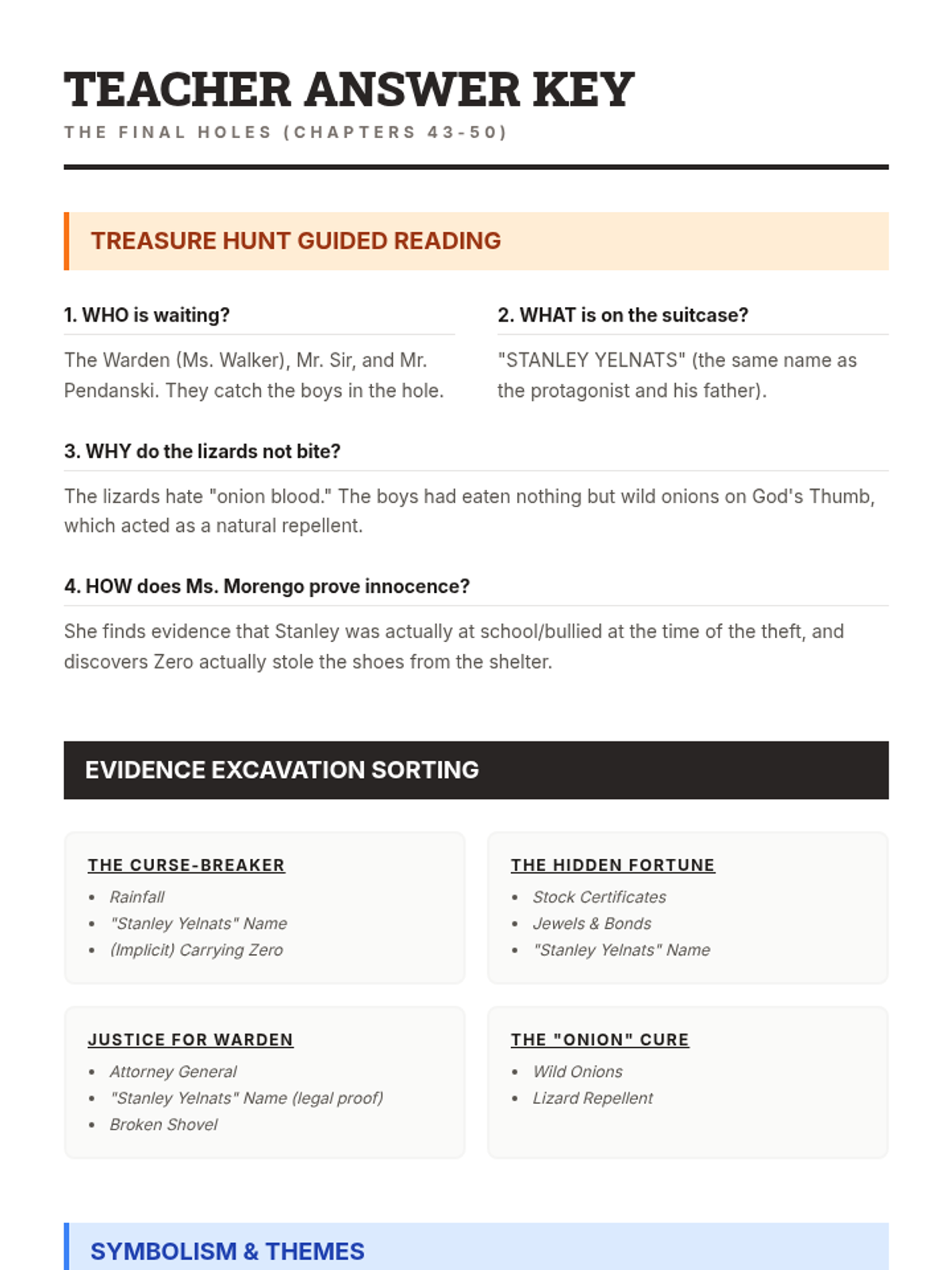
A comprehensive exploration of the final chapters of Holes (43-50), focusing on the resolution of the curse, the reveal of the treasure, and the symbolic cleansing of Camp Green Lake.
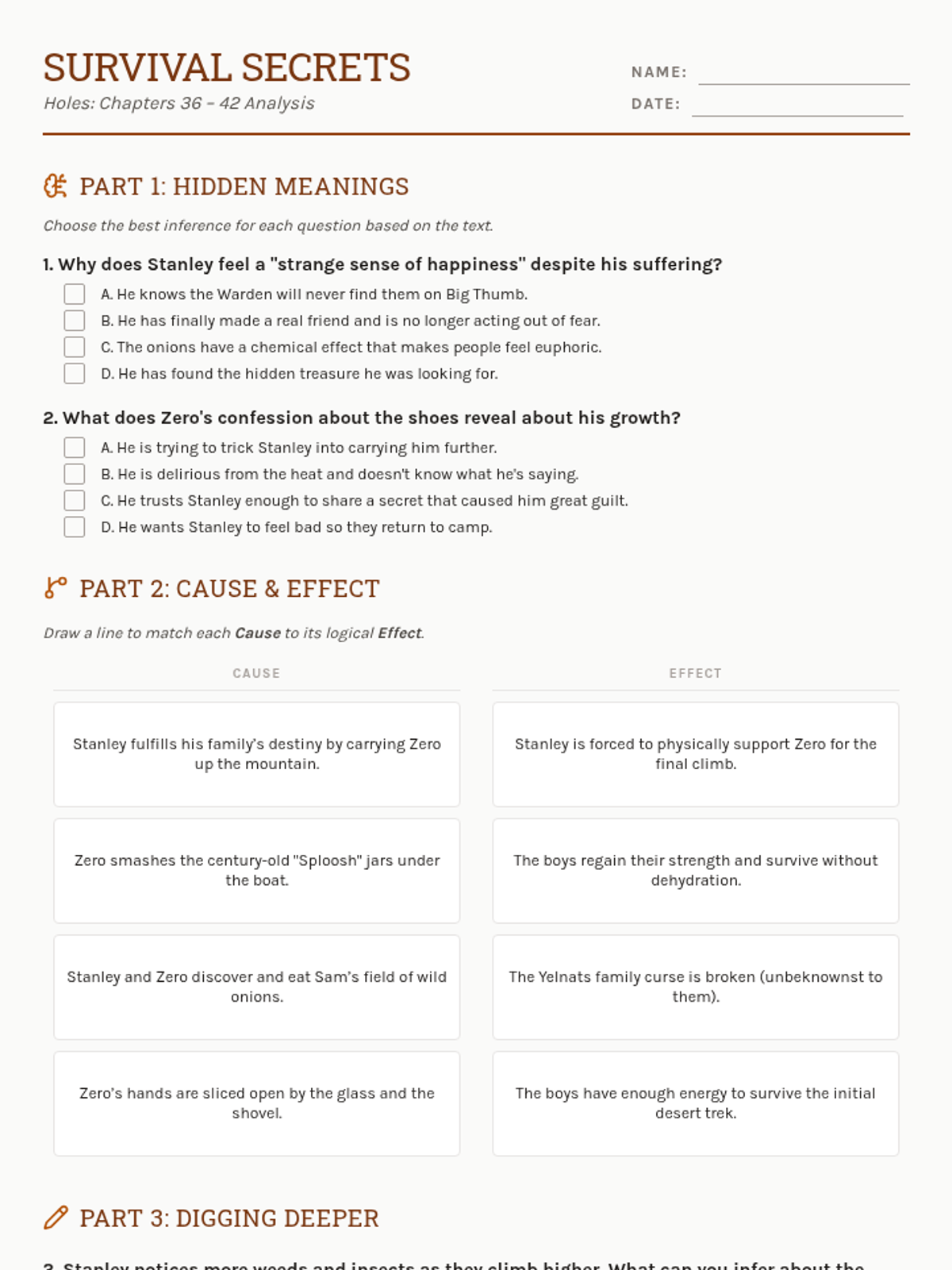
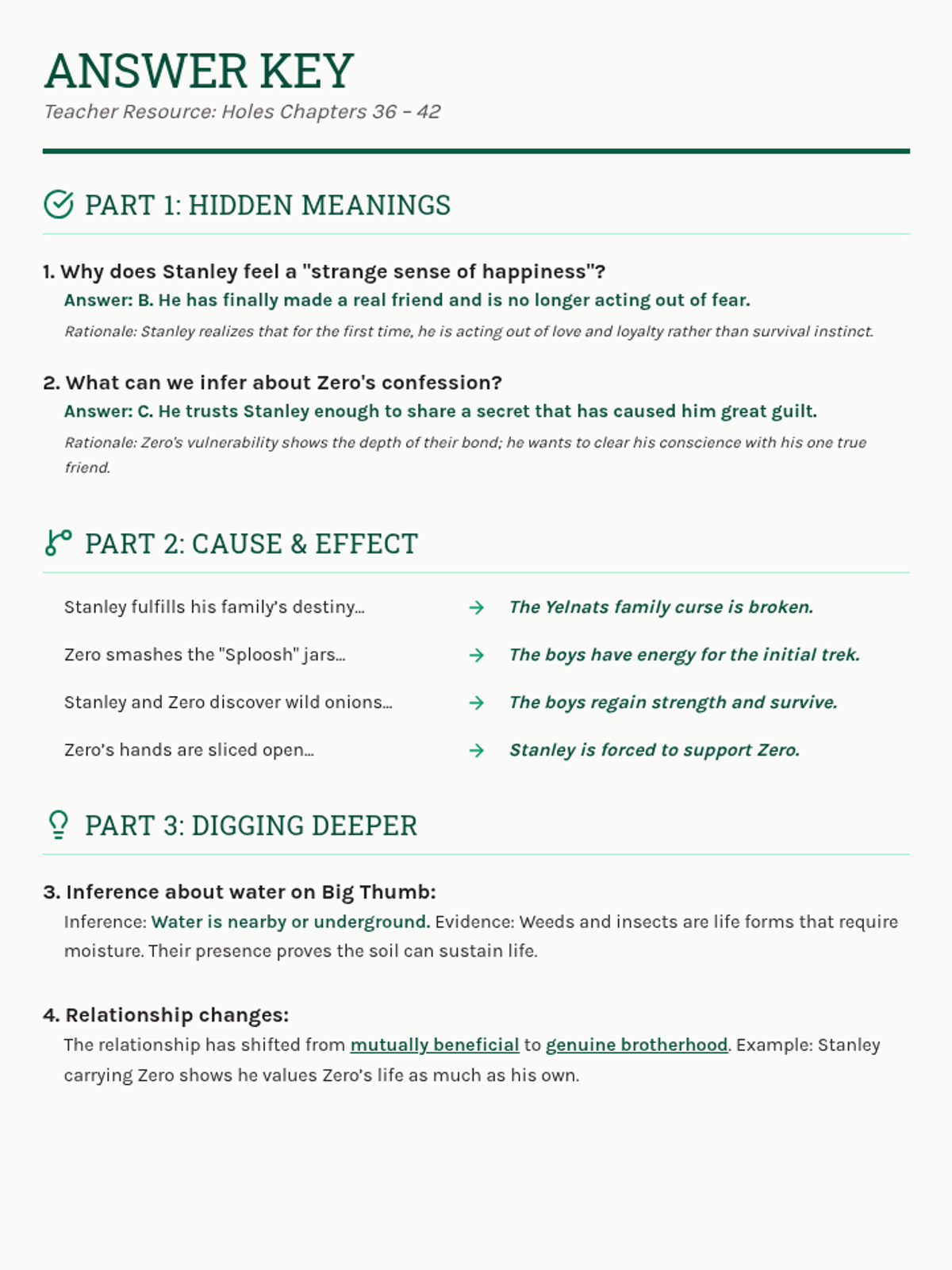
A lesson focused on analyzing character motivations and causal relationships in chapters 36-42 of Louis Sachar's Holes, specifically during the ascent of Big Thumb.
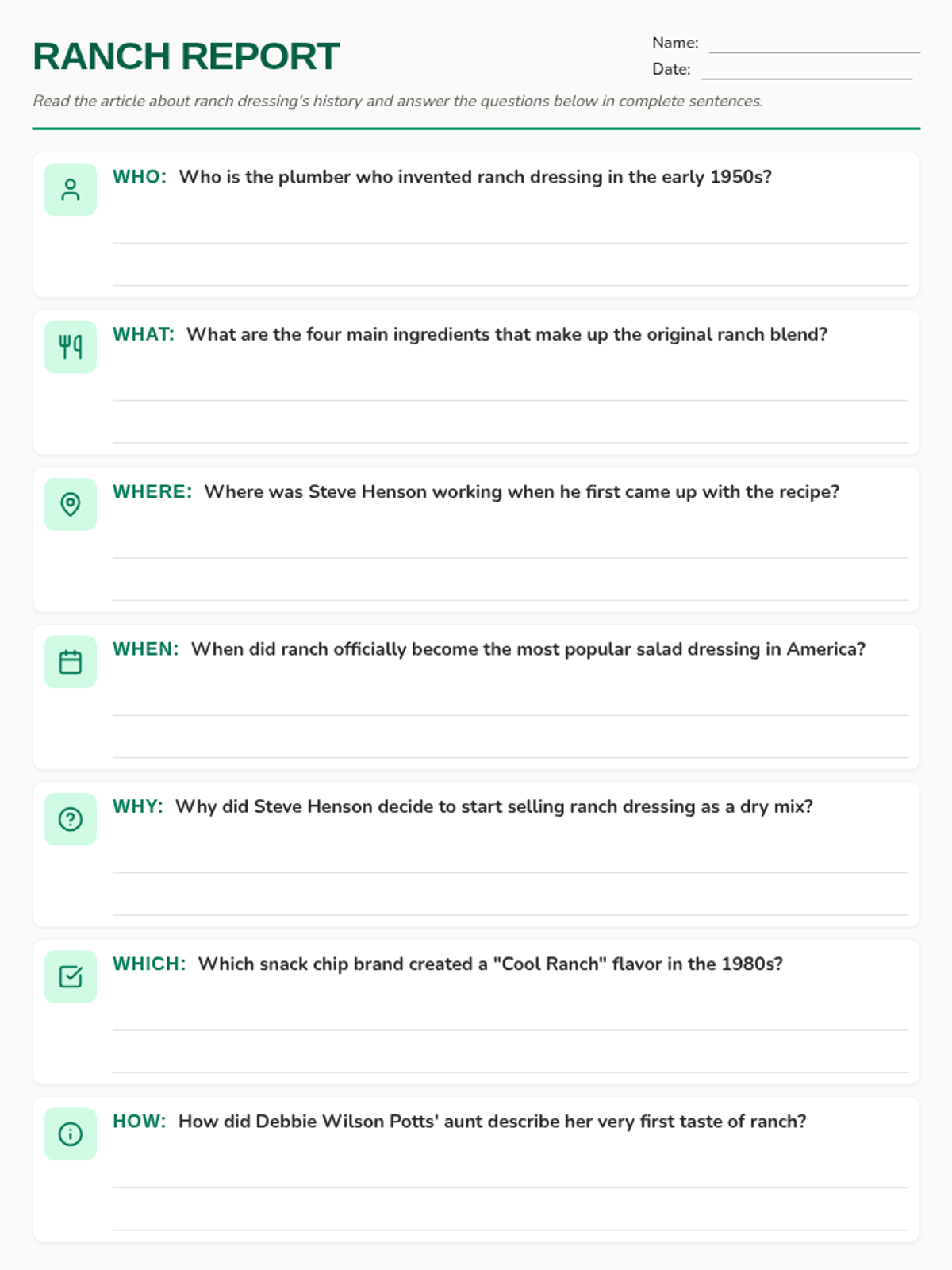
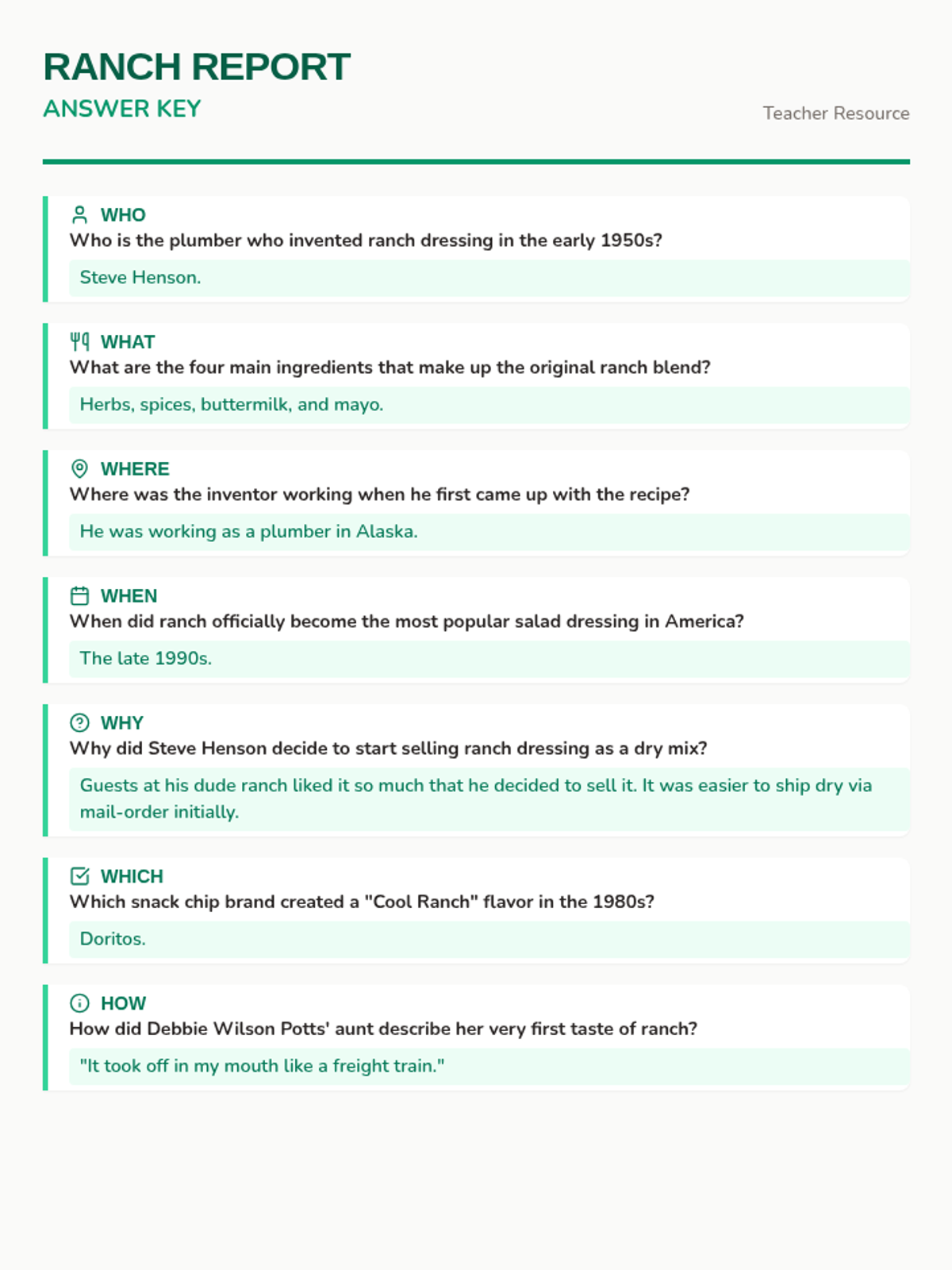
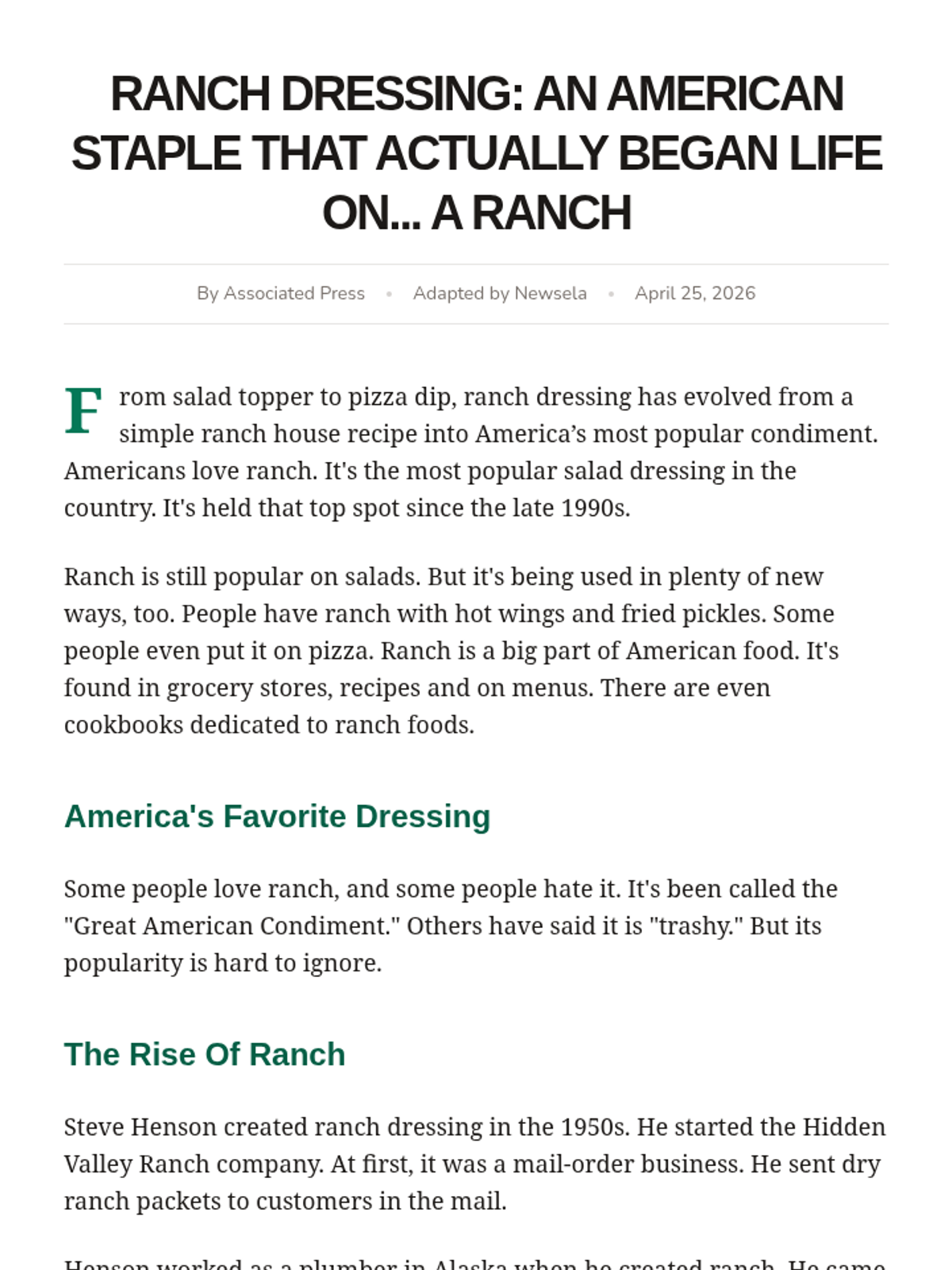
A lesson exploring the history and cultural impact of ranch dressing based on a Newsela article, featuring a reading comprehension worksheet and answer key.
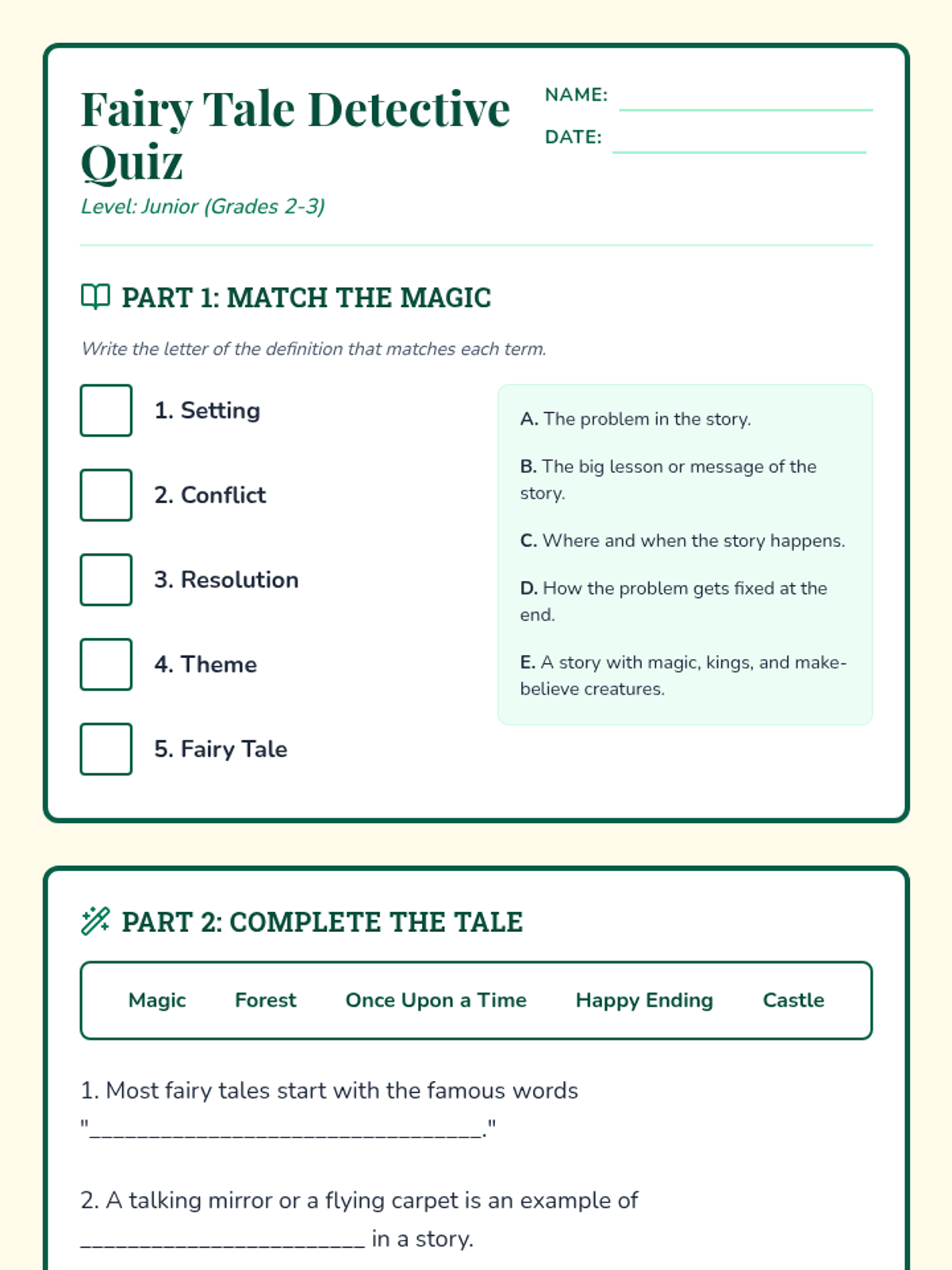
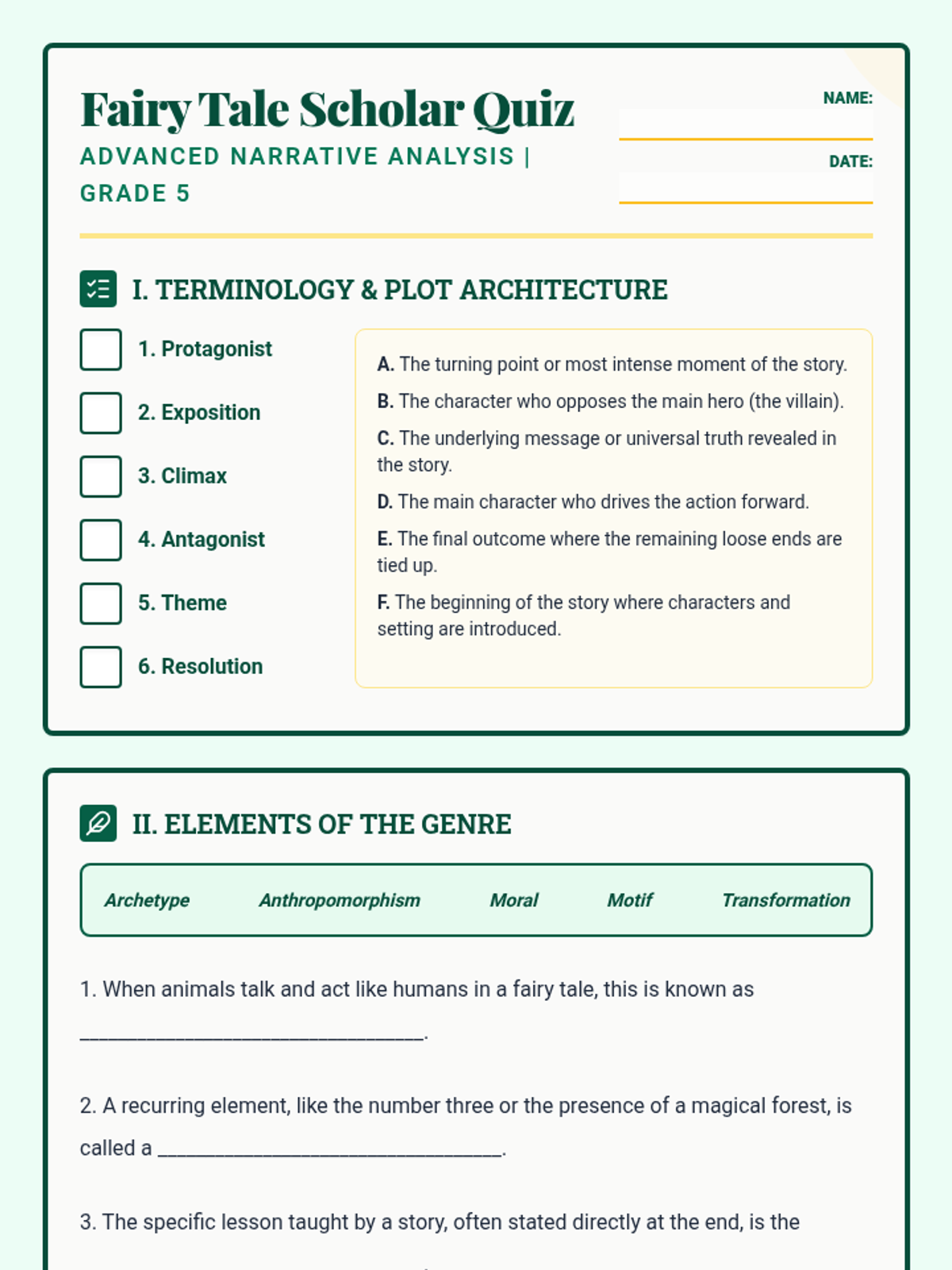
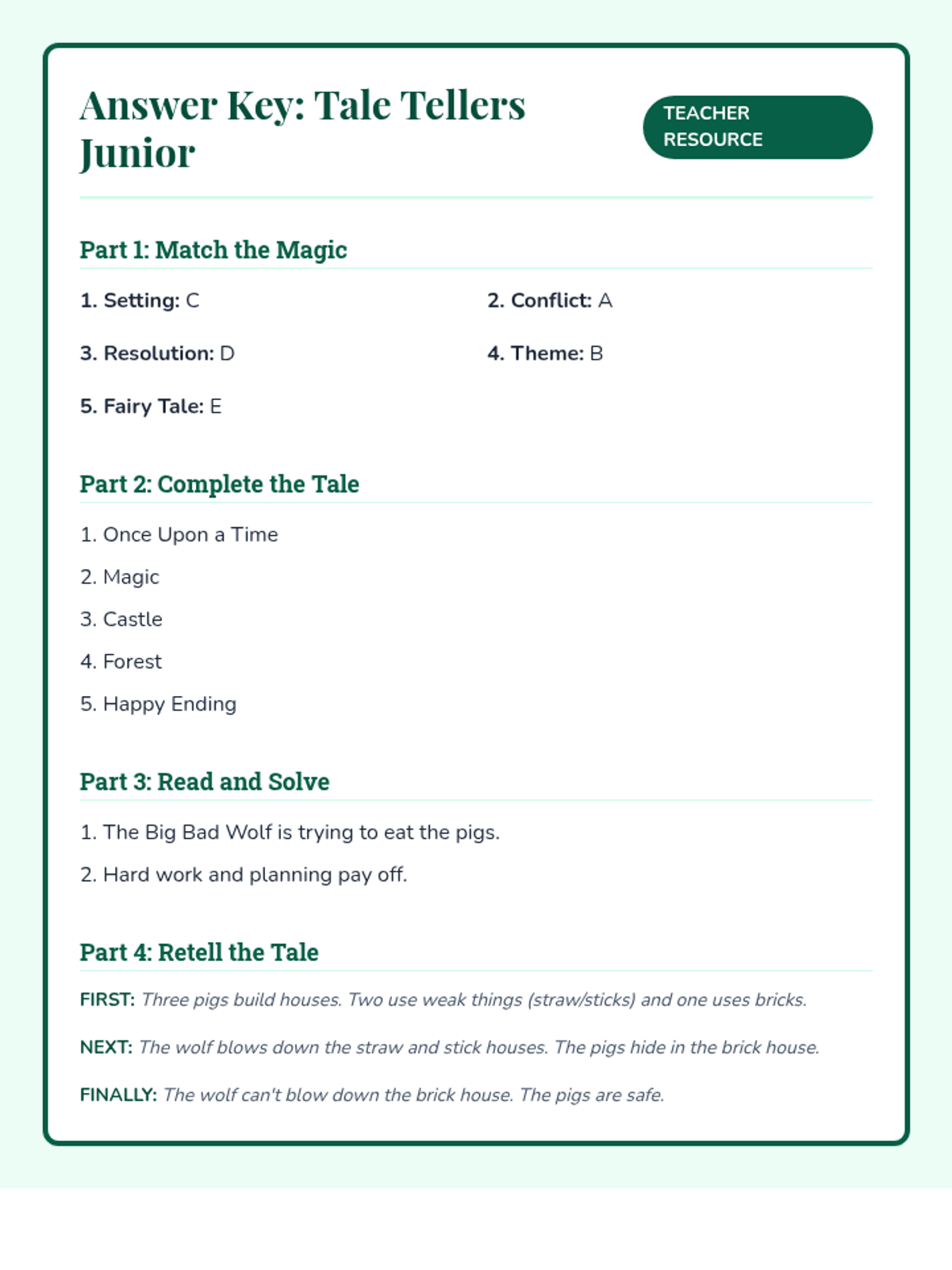
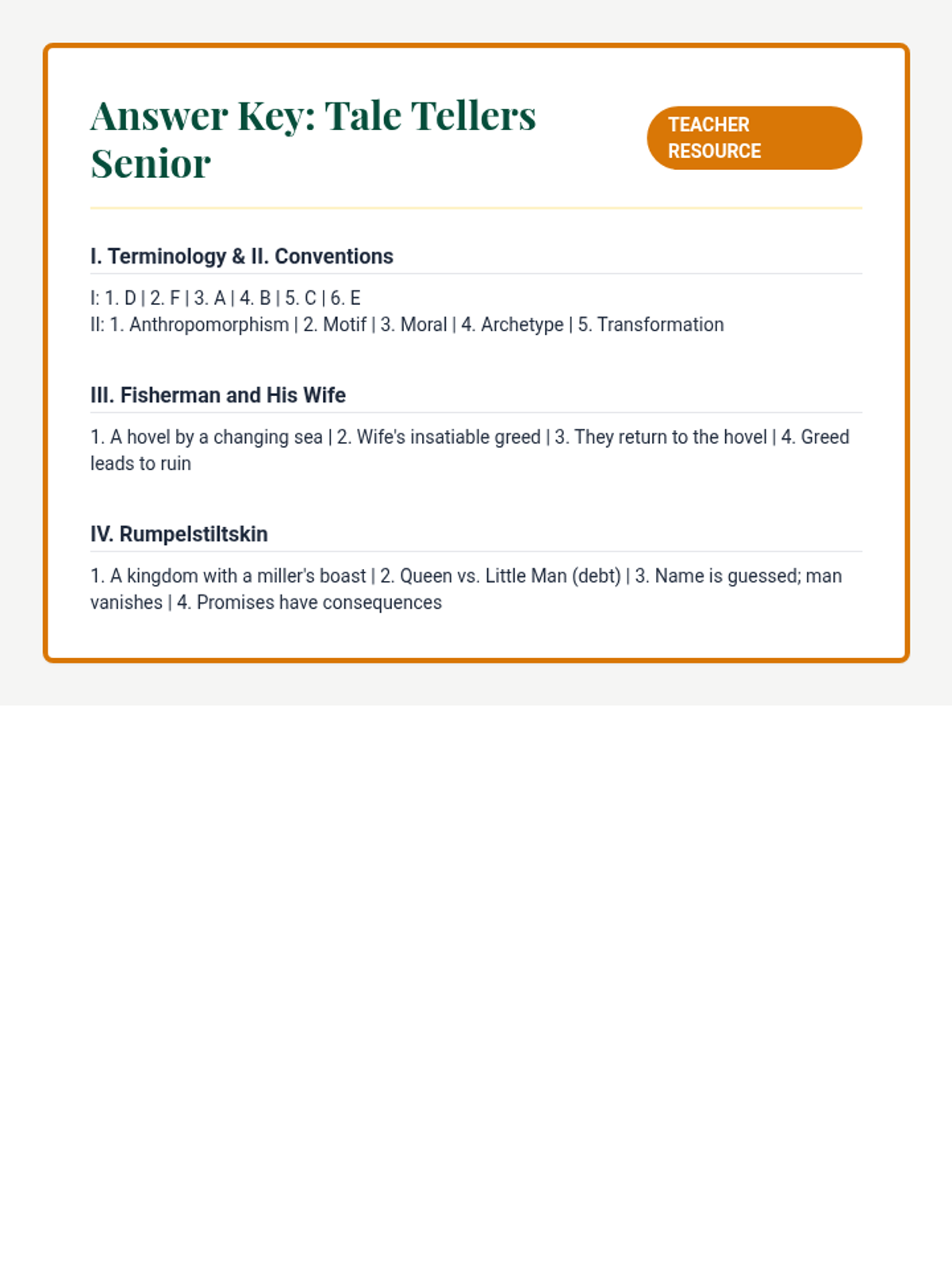
A comprehensive assessment on fairy tale elements and plot structures for elementary students, featuring two differentiated levels to meet specific grade-level standards.