A 1st-grade social studies lesson focused on identifying how rules and laws establish order, provide security, and manage conflict in our communities.
This lesson introduces first-grade students to the four cardinal directions (north, south, east, and west) using a compass rose and fun mnemonics to aid navigation and map reading.
This lesson explores the Maya civilization, focusing on their farming techniques (maize), the geography of the rainforest, and the structure of their ancient cities. Students will learn about the importance of 'The Three Sisters' and the role of the Maya kings.
The final day reviews all learned traditions and concludes with a joyful pop-up card craft to share the celebration with family or friends.
Focusing on flowers and growth, students go outside to create a community chalk garden and search for the colors of spring.
Students learn why the bunny is associated with Easter and head outdoors for a 'Spring Detective' scavenger hunt to find signs of new life in nature.
Students explore the egg as a symbol of new life and create a vibrant stained-glass style egg craft to represent the brightness of spring.
A vibrant exploration of traditional clothing from the diverse home countries of our class, examining how climate, history, and identity shape garments from Latin America, Africa, Asia, and beyond.
A hands-on exploration of why we have rules and laws at home, school, and in the community to keep us safe and fair.
A first-grade geography lesson where students explore maps and globes, master cardinal directions, and distinguish between physical and human characteristics of their community.
An introduction to geography and communities where students listen to a scripted read-aloud about a town's features and then practice identifying physical and human characteristics.
A foundational geography lesson for first graders focusing on identifying and using the four cardinal directions (North, South, East, West) to navigate and describe locations. Students will explore literature and hands-on mapping activities to build spatial awareness.
A festive wrap-up with group games and challenges to celebrate Irish heritage and holiday fun.
A virtual trip to the 'Emerald Isle' to learn about Irish geography, music, and food, paired with a reflective writing activity.
Exploration of holiday symbols like the shamrock and the rainbow, featuring a logic-based scavenger hunt activity.
Introduction to the history of Saint Patrick and the whimsical folklore of leprechauns, concluding with a creative design challenge.
An introductory lesson on the Townshend Acts for young learners, focusing on the concept of taxes and colonial reactions through a simple reading passage and comprehension check.
The final assessment where students construct a complete map of a familiar place using all learned elements.
Expanding map skills to a larger, outdoor space: the school playground.
First practice in mapping a familiar space: the student's own bedroom.
Explaining the purpose of a map key or legend and how it unlocks the meaning of symbols.
Teaching students how to use simple shapes and drawings as symbols for real-world objects.
Introduction to the compass rose and the four cardinal directions (North, South, East, West).
Focuses on the importance of map titles and how they tell the reader what they are looking at.
Introduction to the concept of bird's-eye view and what maps actually represent.
An interactive lesson that introduces the first ten amendments of the Constitution through simplified language and a partner-based 'Right or Not' game to help students understand how the government protects their freedoms and safety.
An introductory exploration of Australia's unique geography, wildlife, and surprising success in the Winter Olympics, designed for 1st-grade students.
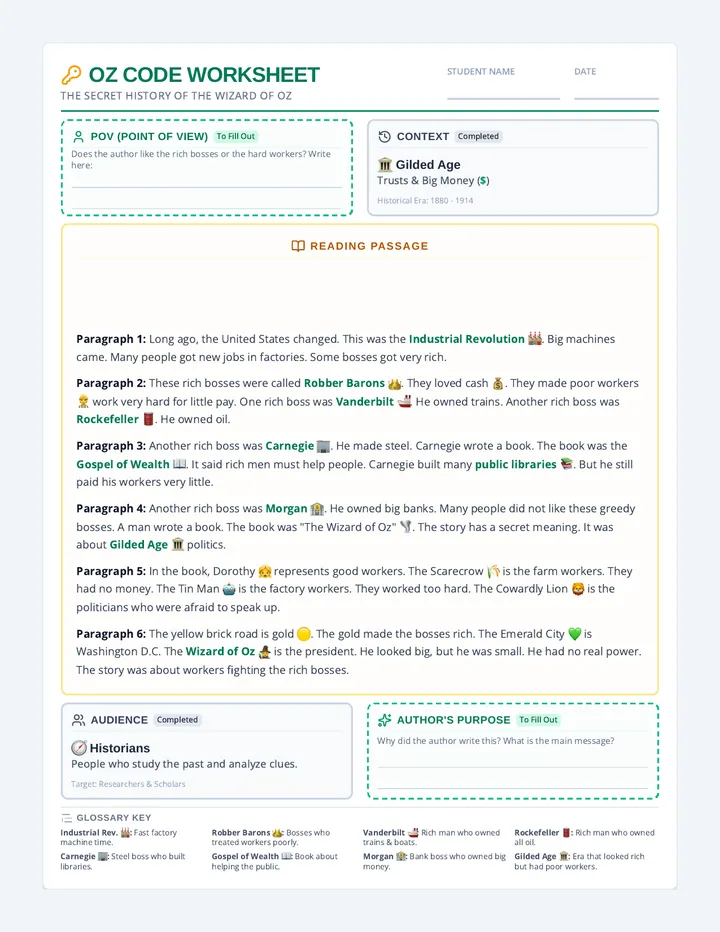
A social studies PBL project for middle schoolers. Students act as historical investigators, using primary and secondary sources to piece together a narrative around a 'mystery' event or figure from the past.
A science-focused PBL project for elementary students. Students research an animal and design a functional 3D habitat model that meets all the animal's survival needs, demonstrating their understanding of ecosystems.
An elementary project where students apply addition, subtraction, and simple multiplication to create and run a classroom marketplace, focusing on financial literacy and operational math.
An early childhood project where students grow their literacy skills by 'planting' a story garden, focusing on letter recognition, sequencing, and narrative creation.
Students celebrate Simone Biles' hard work and achievements in gymnastics, learning about the importance of practice and believing in oneself.
Students explore the story of Rosa Parks and her role in the Civil Rights Movement, focusing on the concepts of fairness and standing up for what is right.
Students learn about Amelia Earhart's courage as the first woman to fly solo across the Atlantic Ocean and create their own paper airplane craft.
A fun, journalism-themed lesson where students become news anchors to report on the history and significance of Presidents' Day, featuring key presidential achievements.
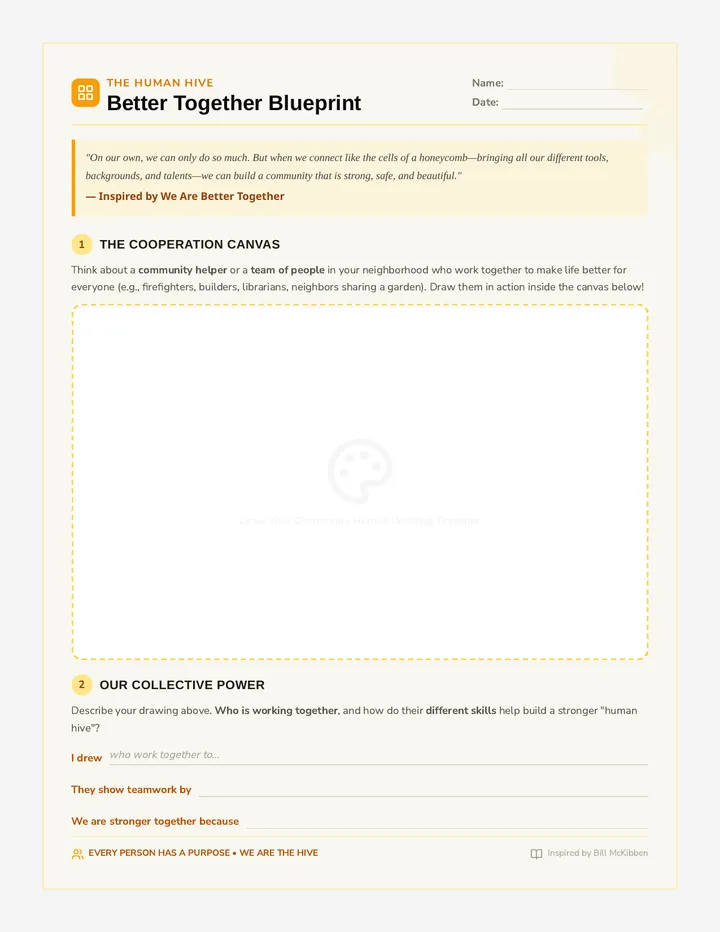
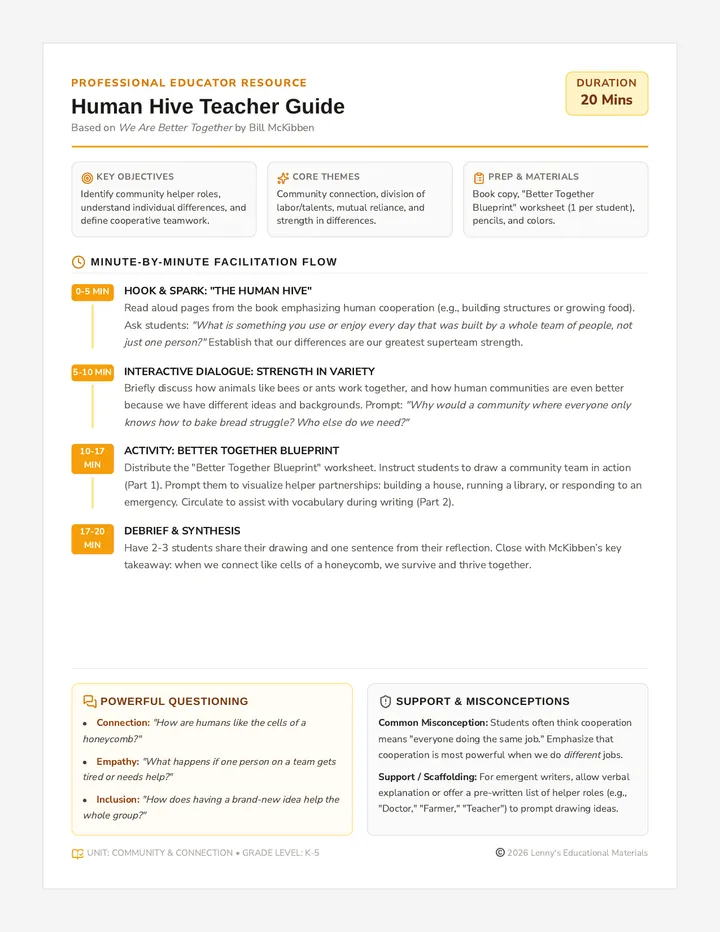
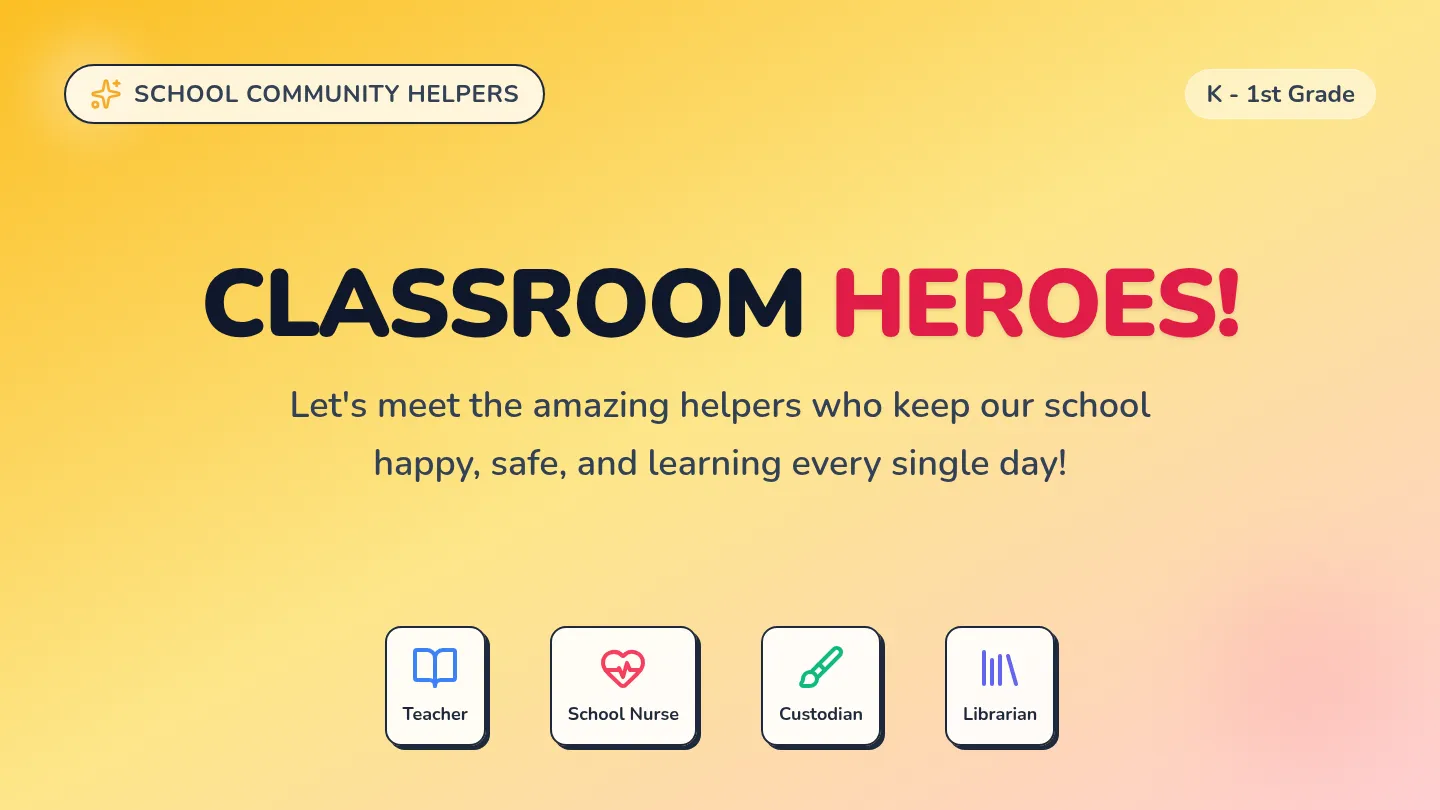
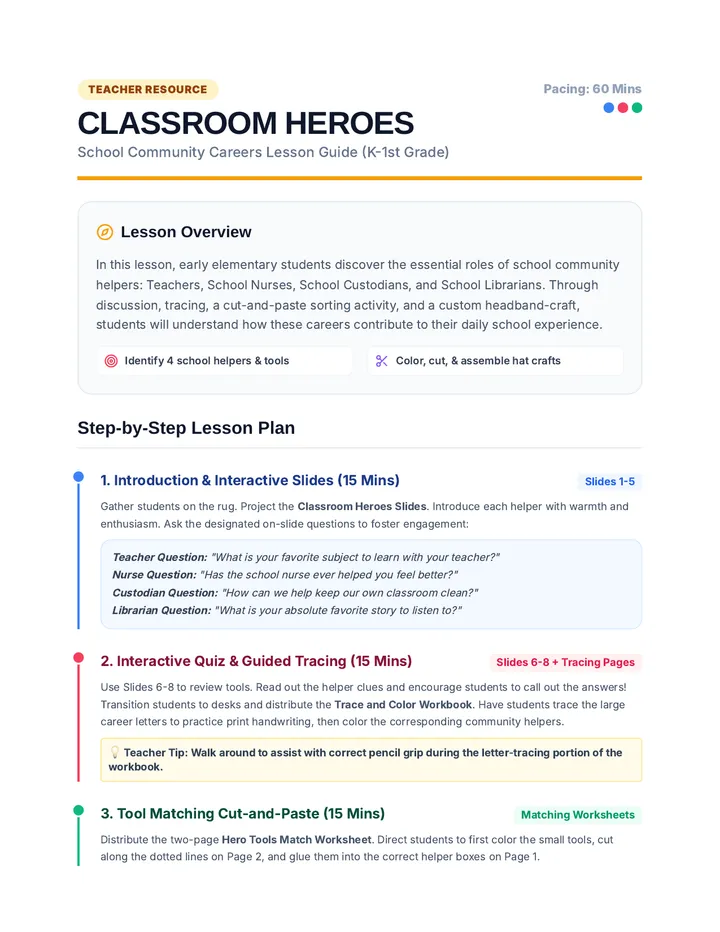
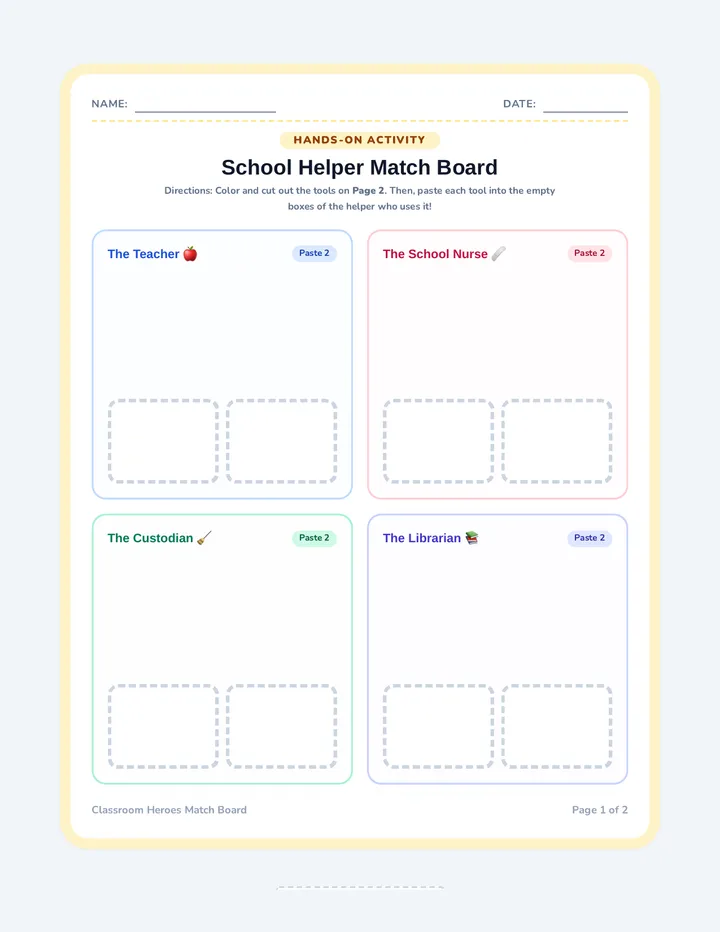
A comprehensive lesson introducing young learners to the various roles and tools of community helpers through visual aids, role-play, and creative projects.