A high-energy, carnival-themed math lesson focusing on equivalent fractions, comparing fractions, and expressing whole numbers as fractions according to 3.NF.A.3 standards.

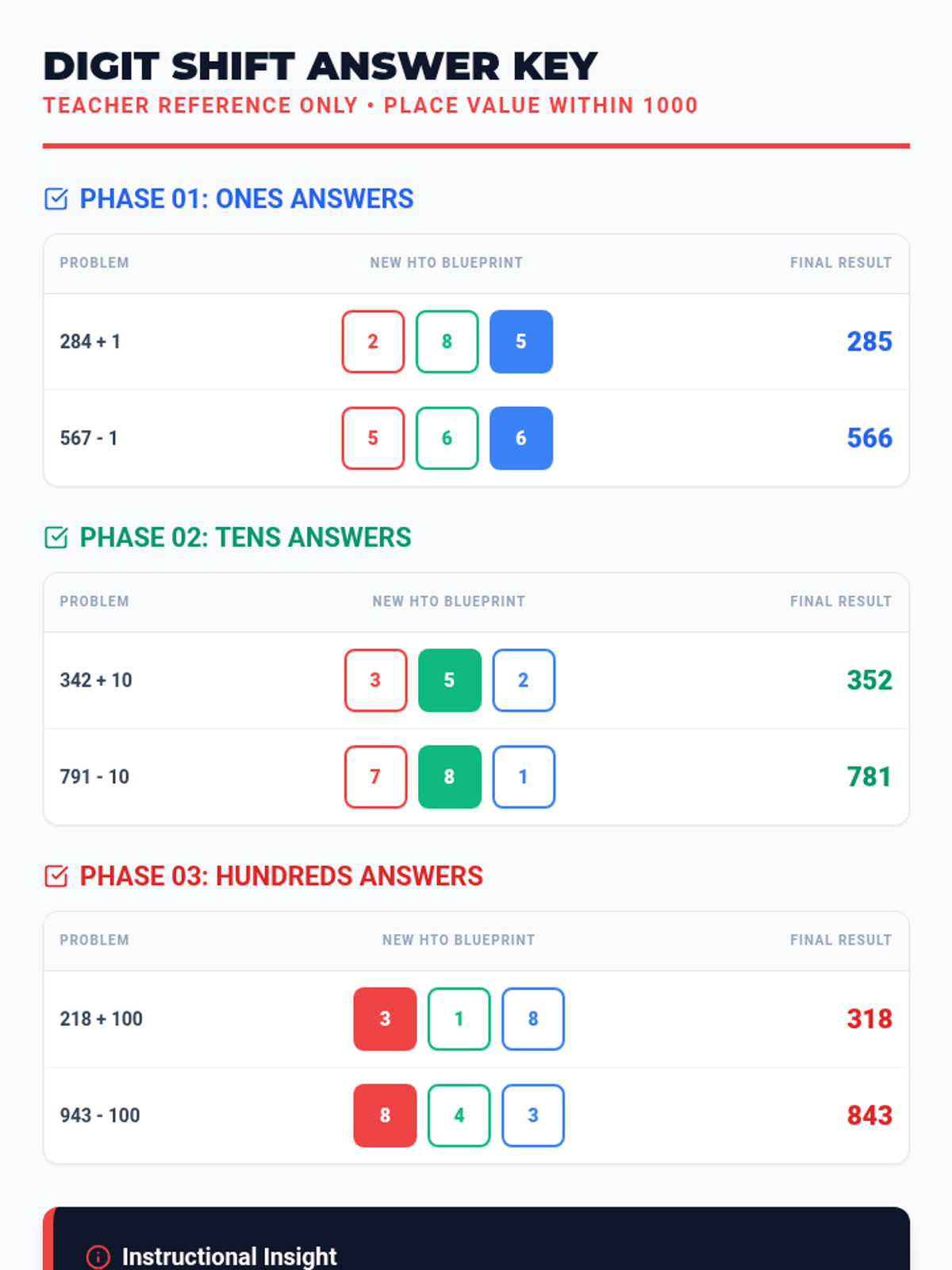
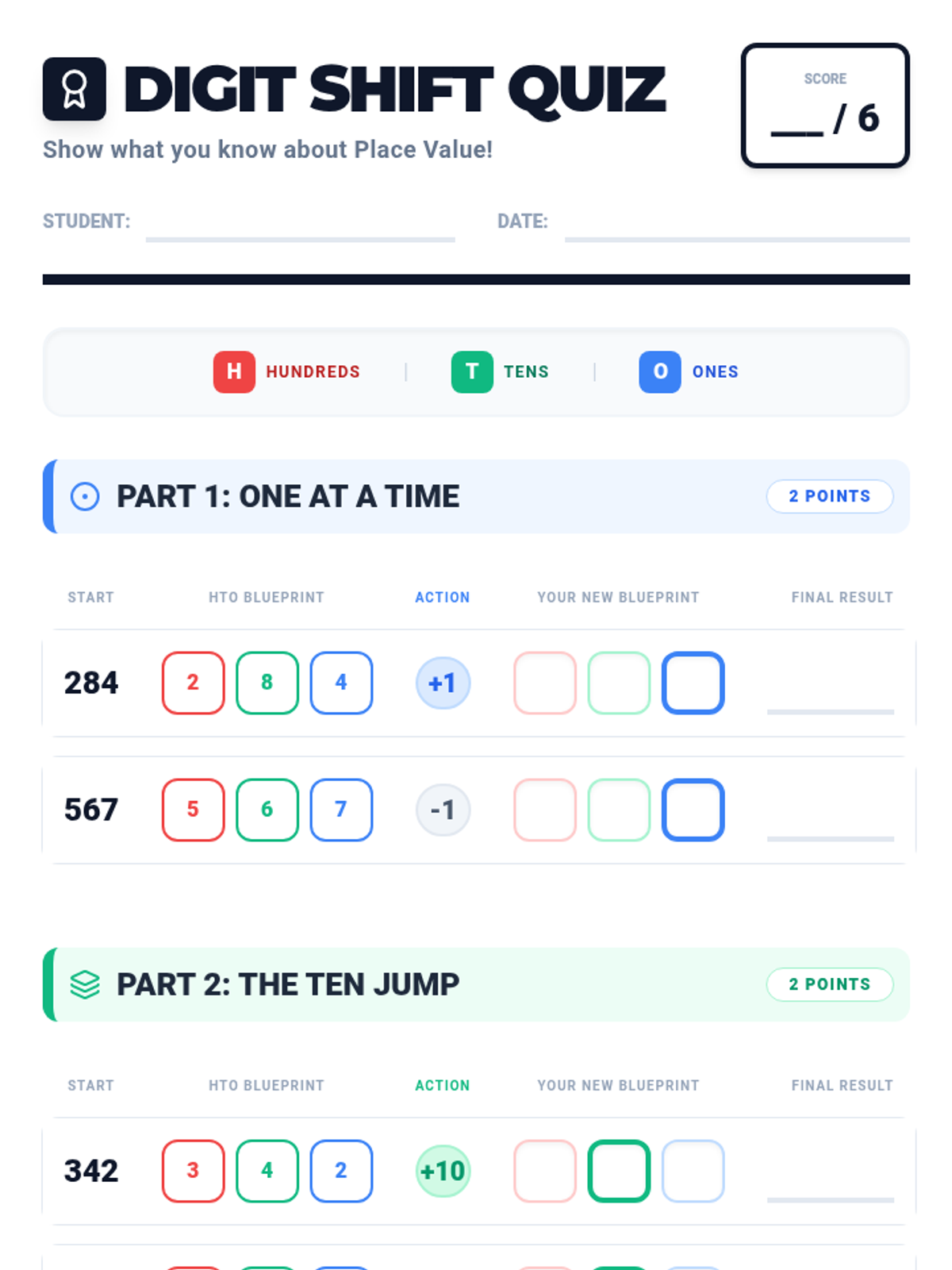
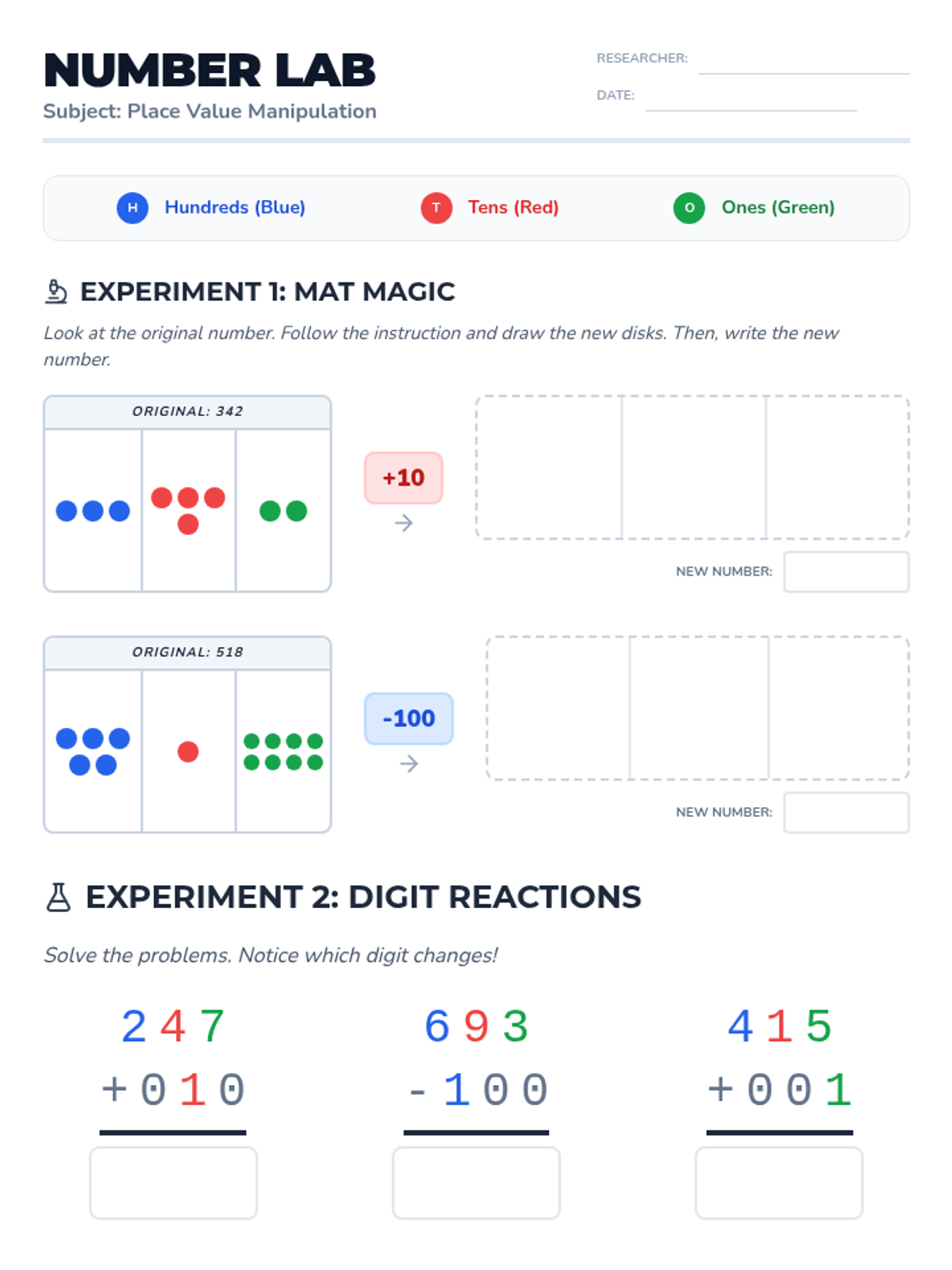
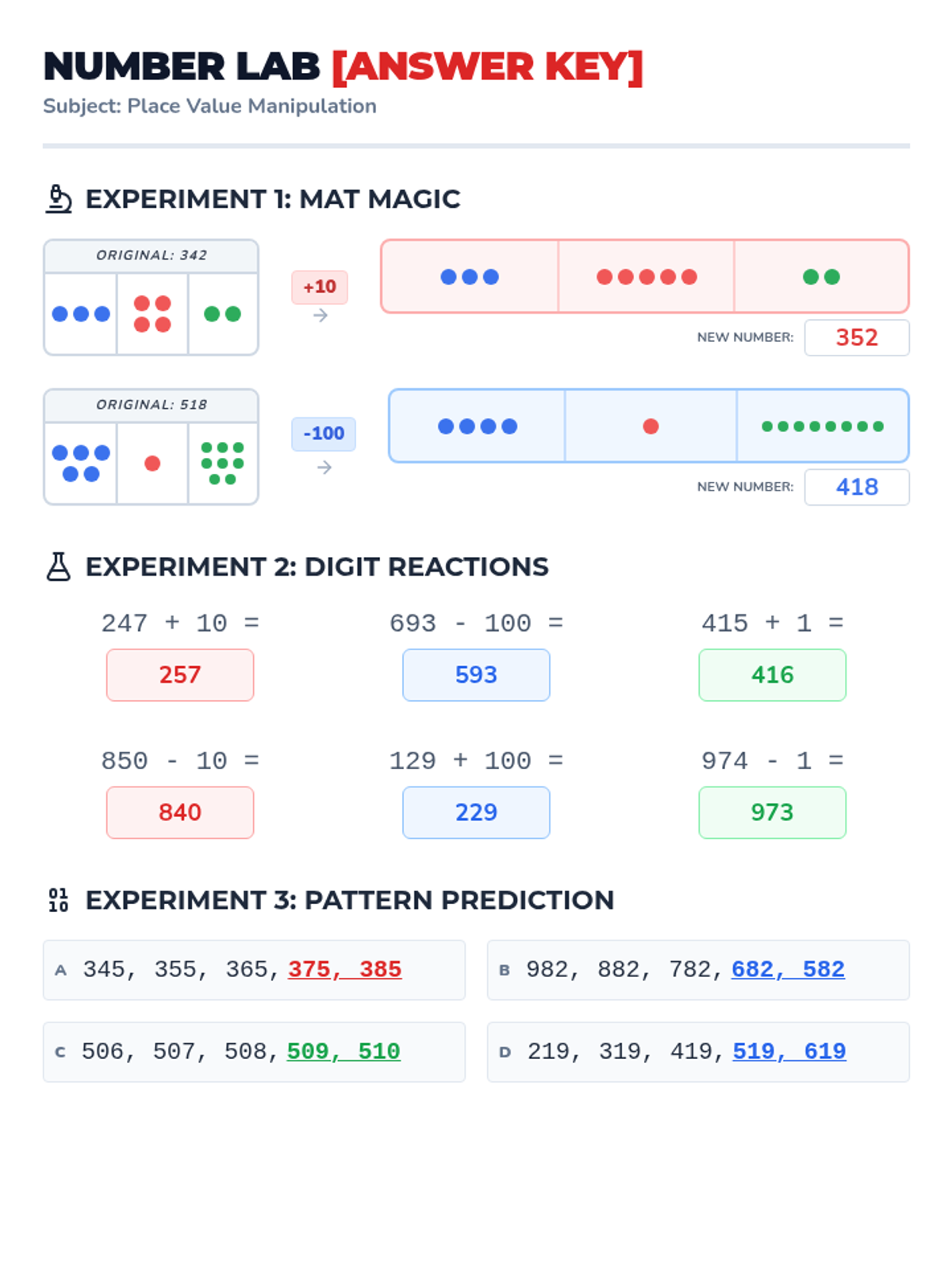
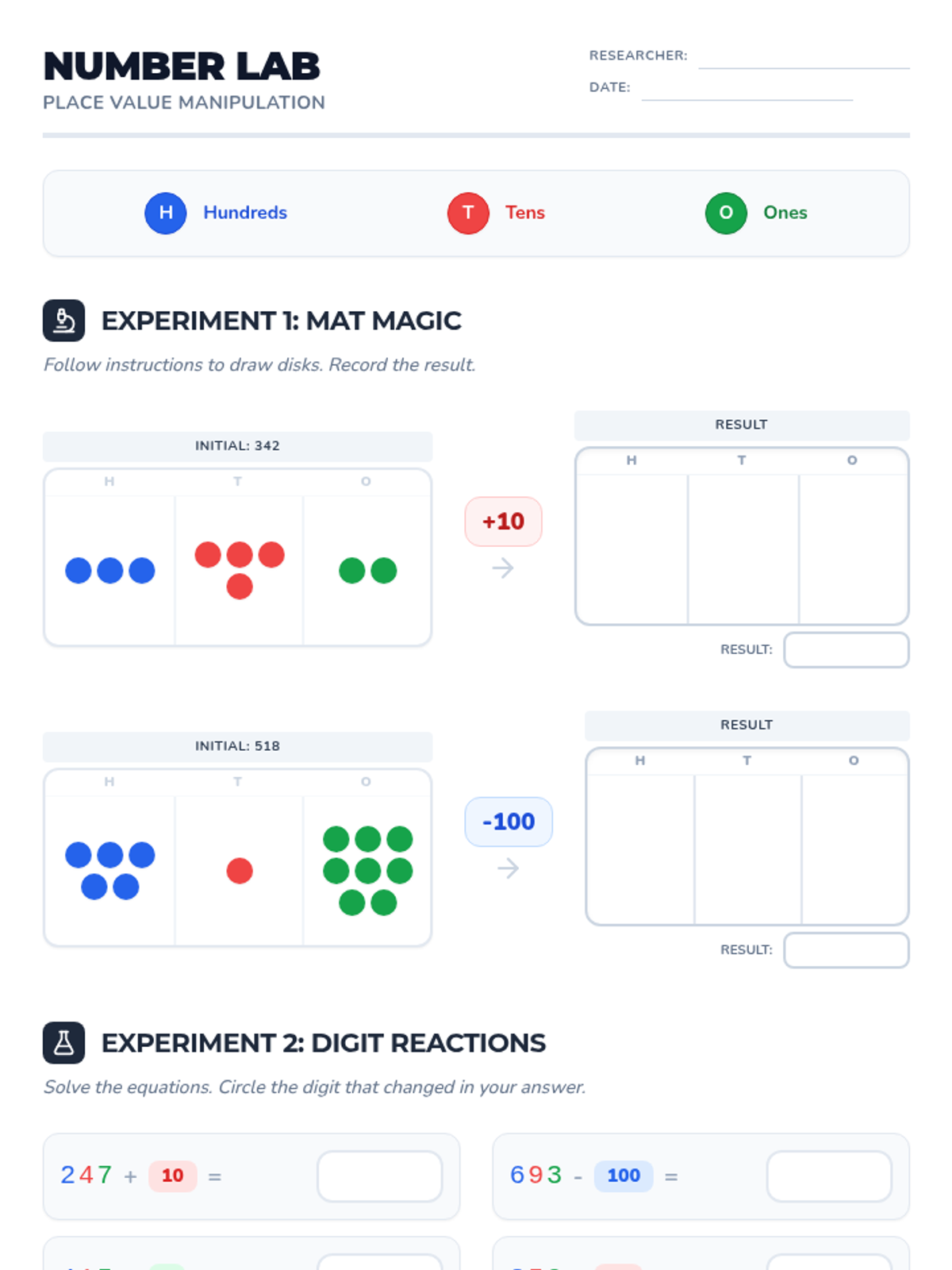
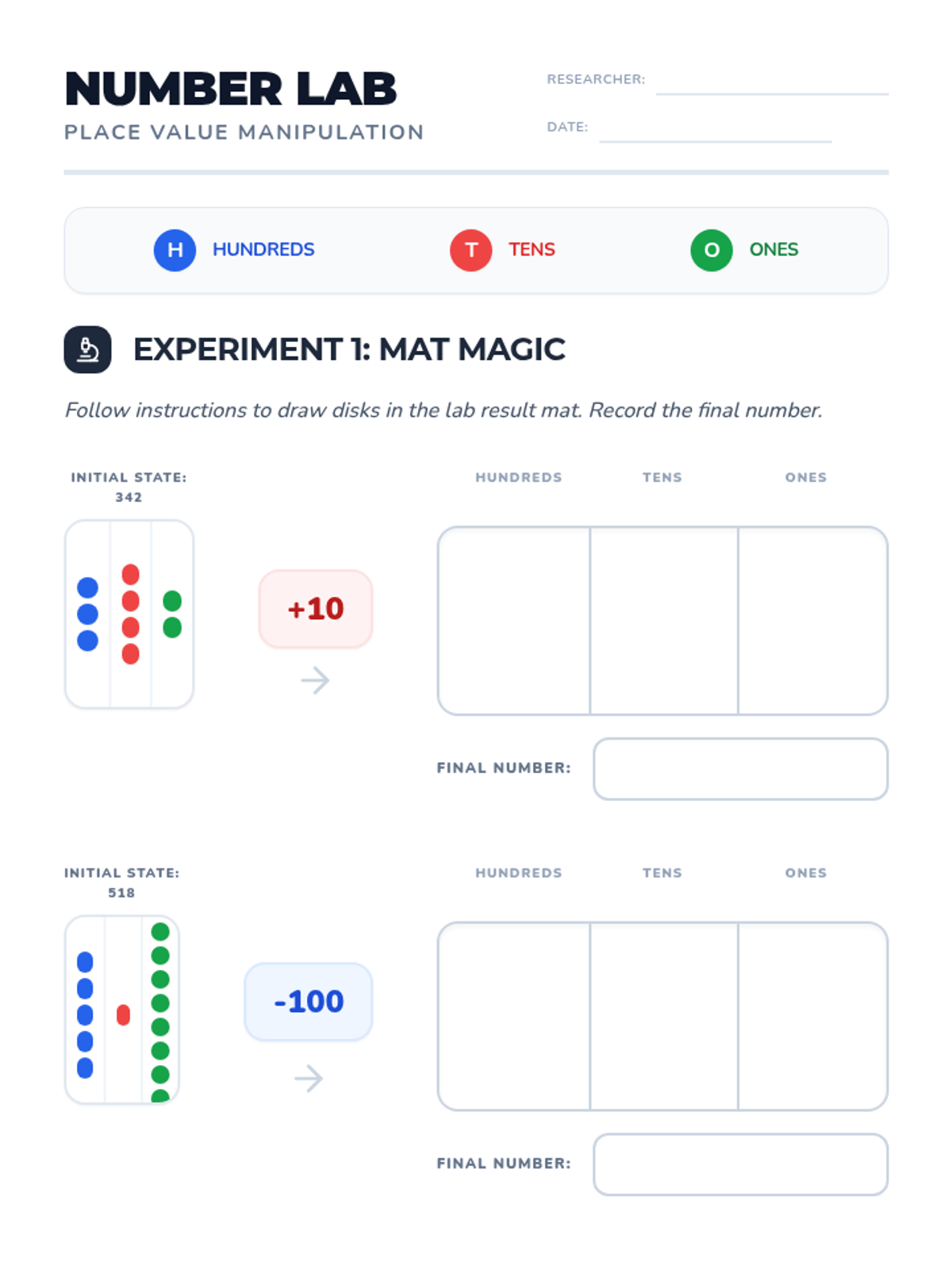
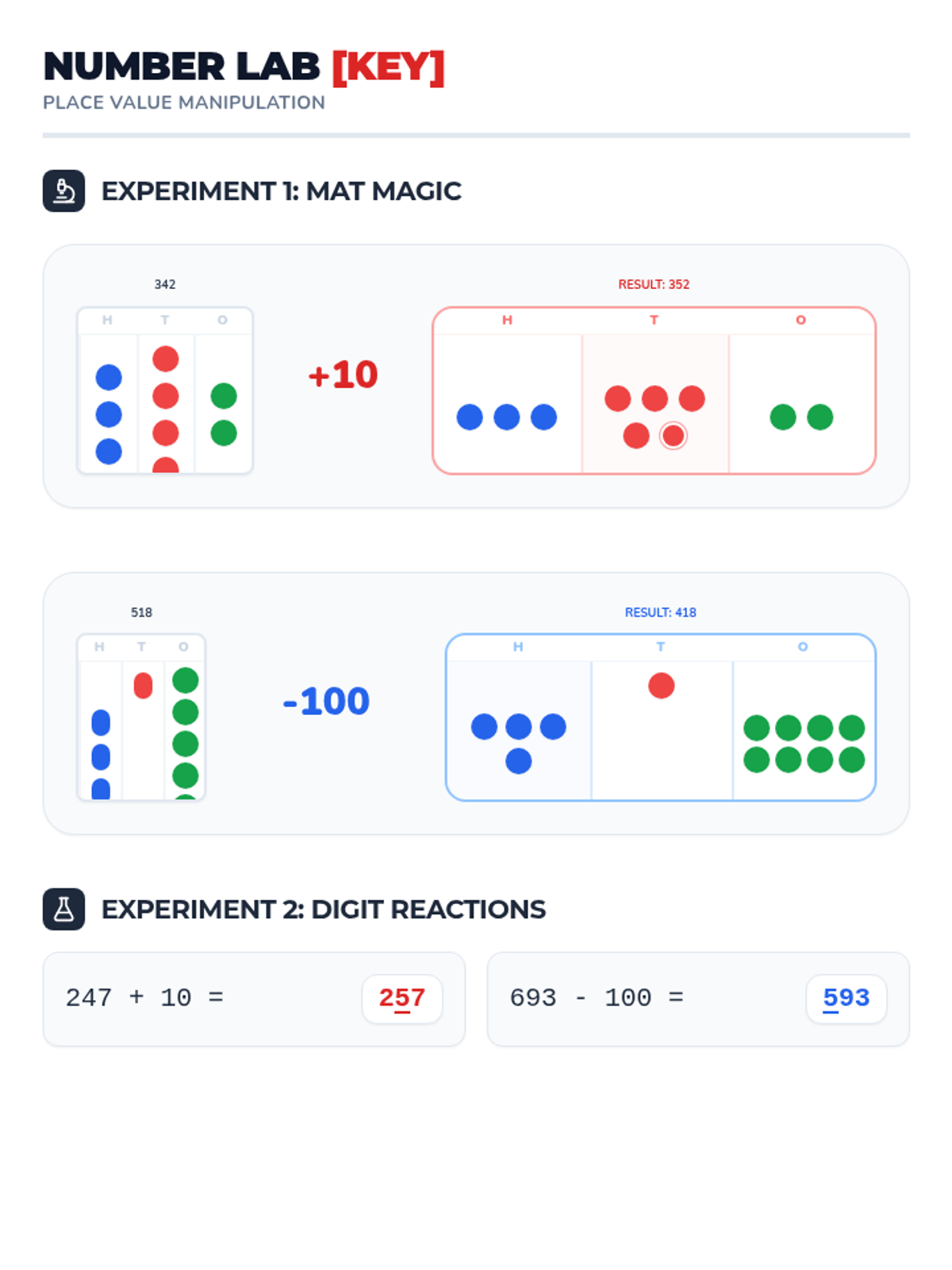
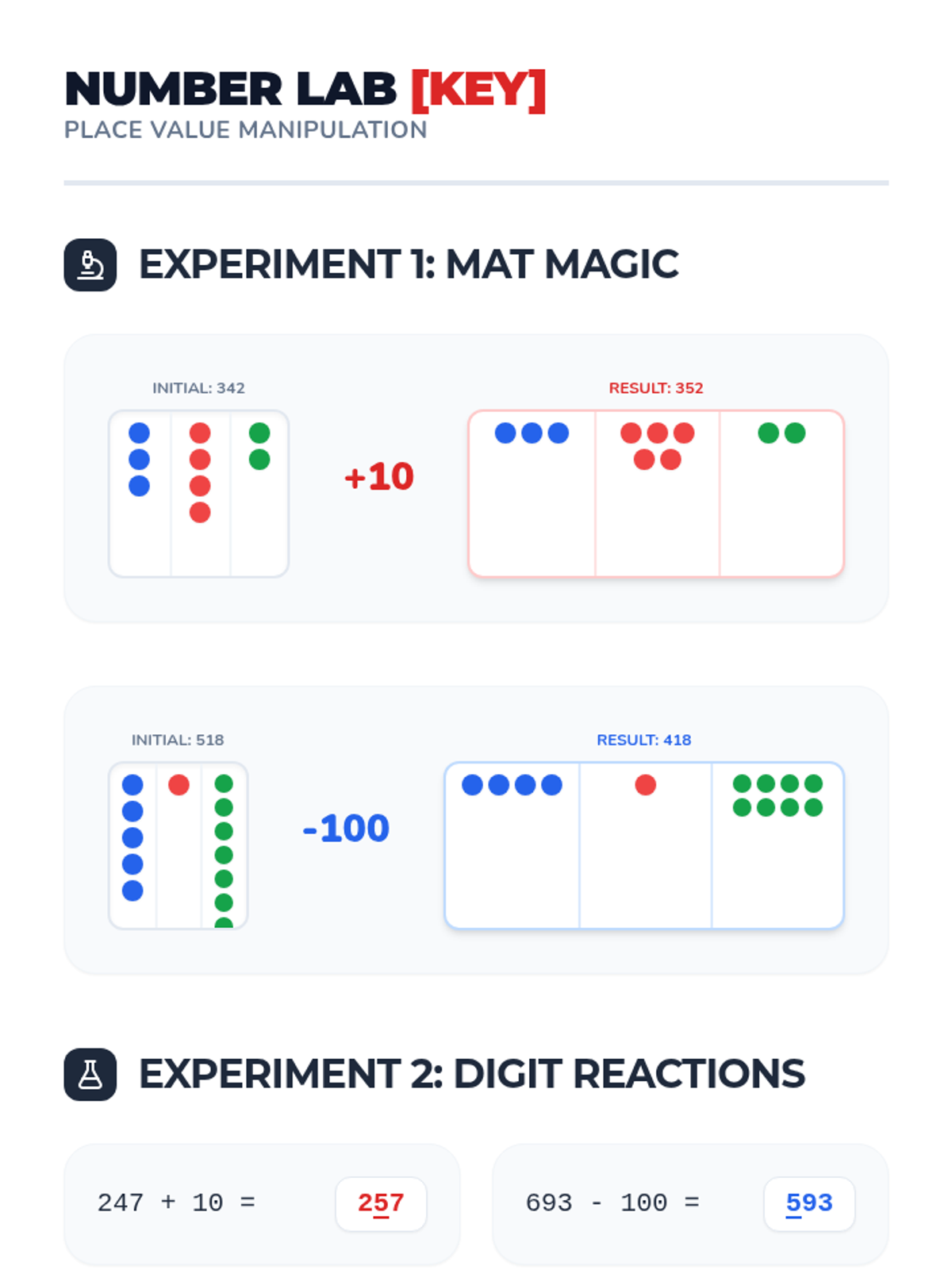
A comprehensive lesson on place value within 1000, focusing on how digits shift when adding or subtracting 1, 10, or 100. Includes a visually-supported quiz designed for special education students to demonstrate their understanding using color-coded HTO charts.
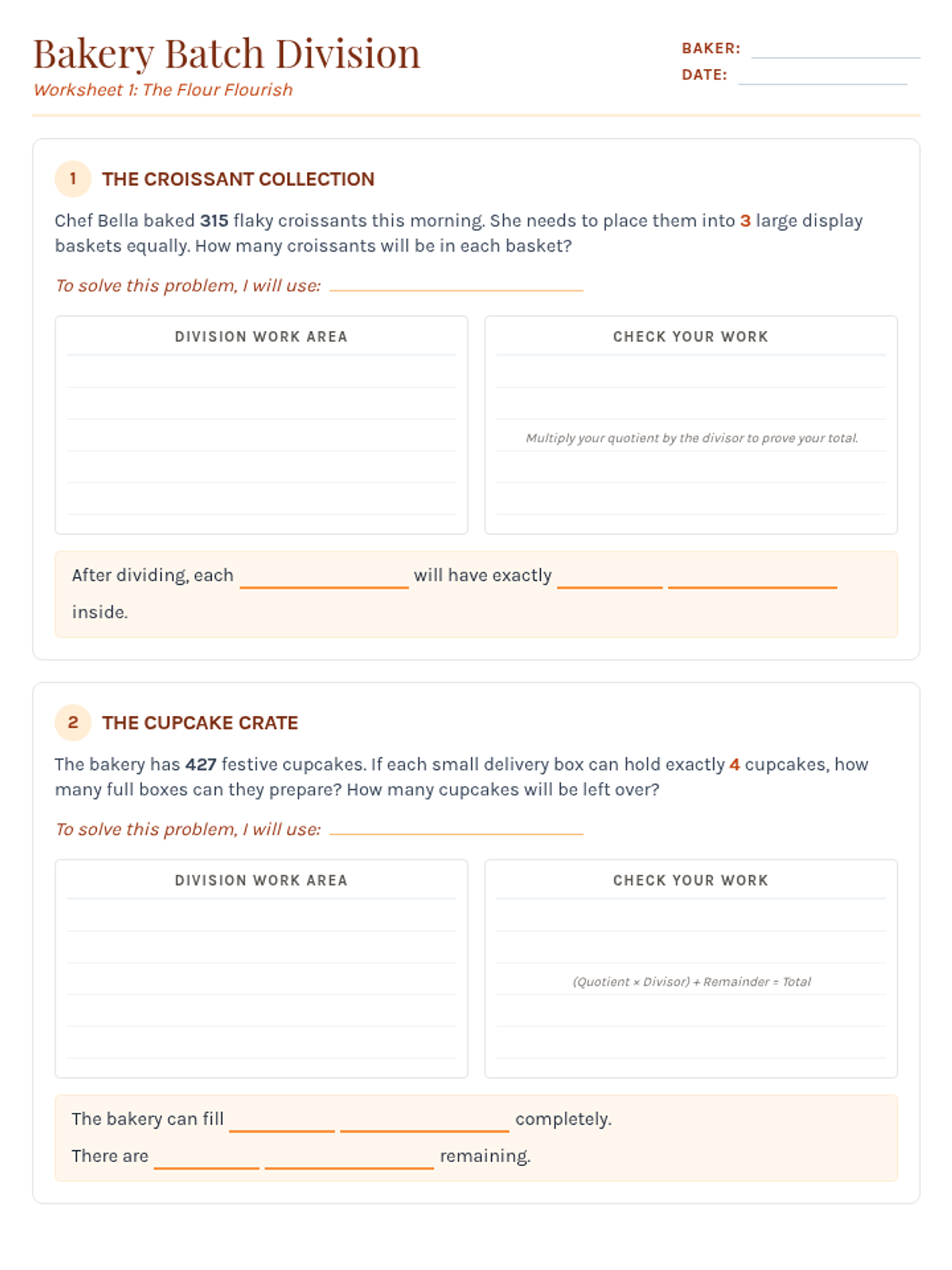
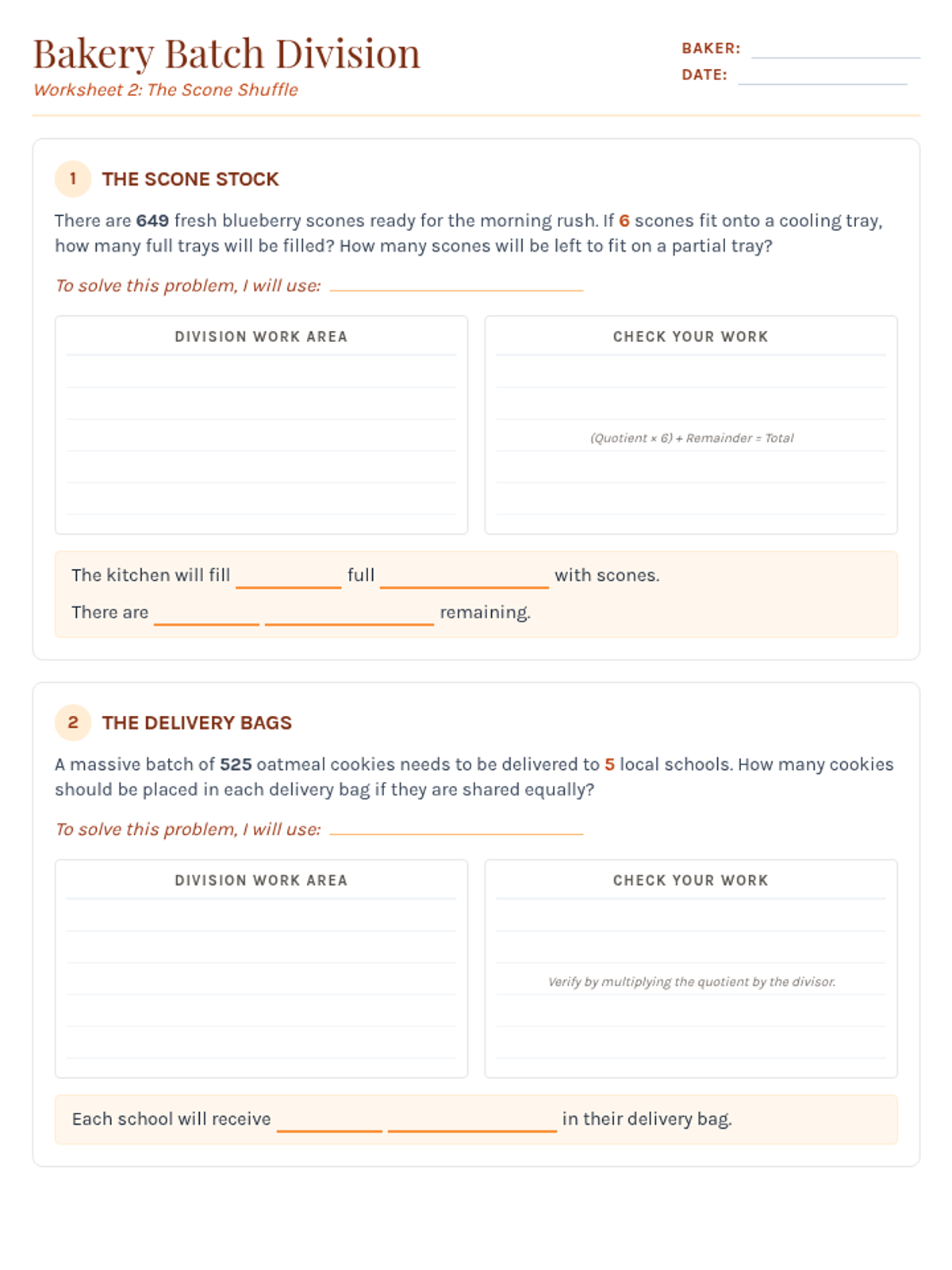
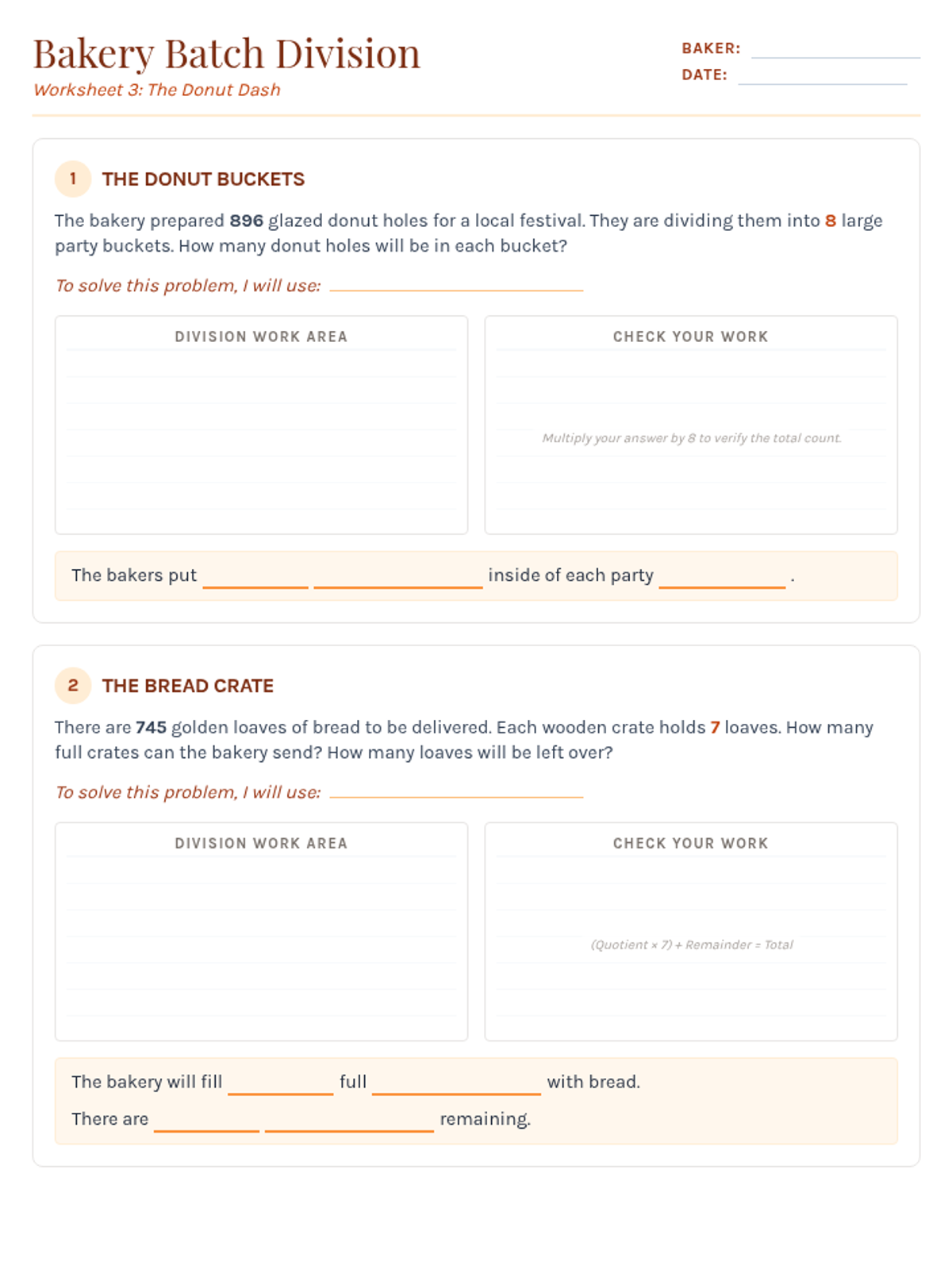
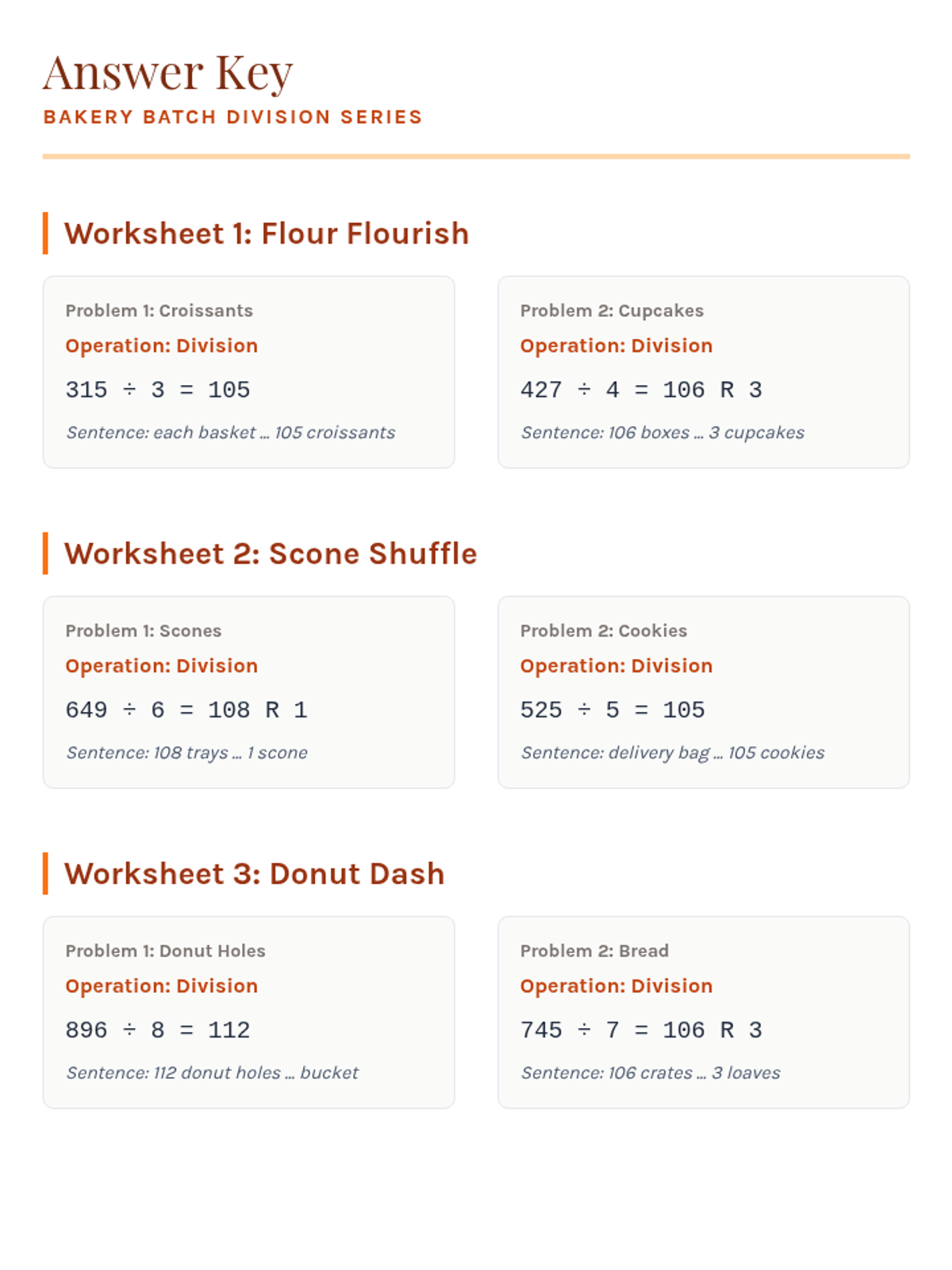
A series of three worksheets focusing on triple-digit division by single-digit divisors, presented through culinary-themed word problems with sentence completion and multiplication verification.
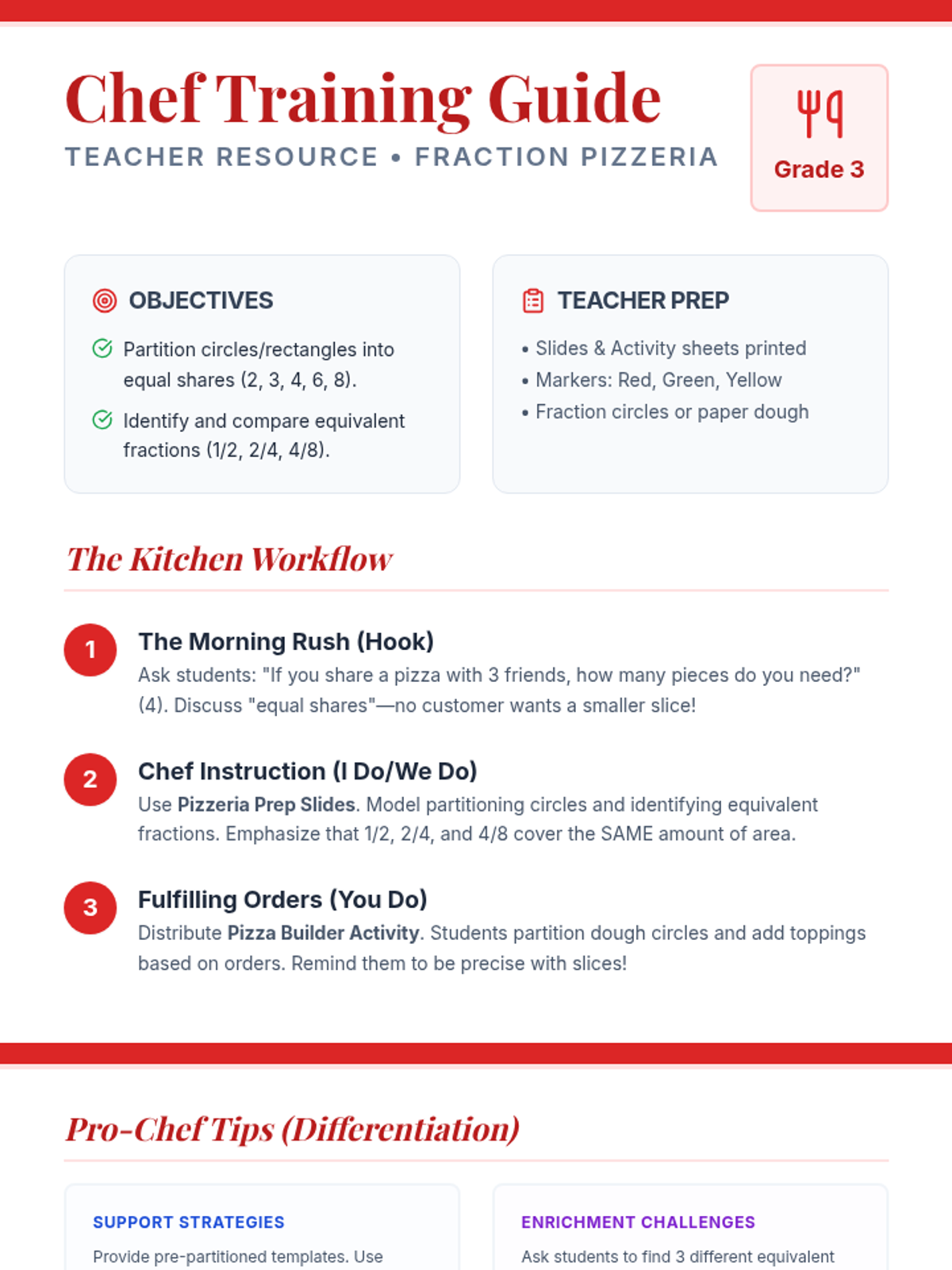
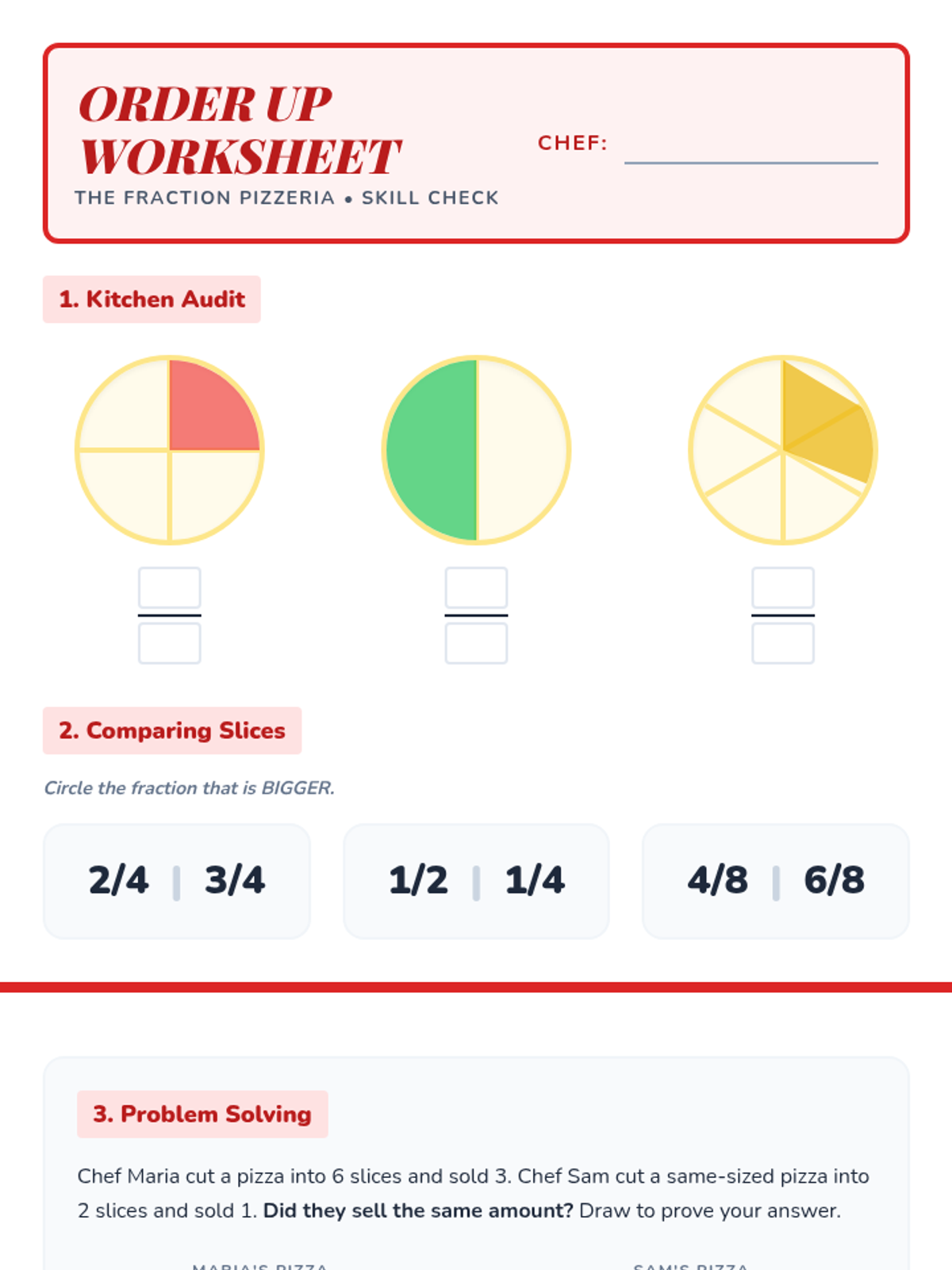
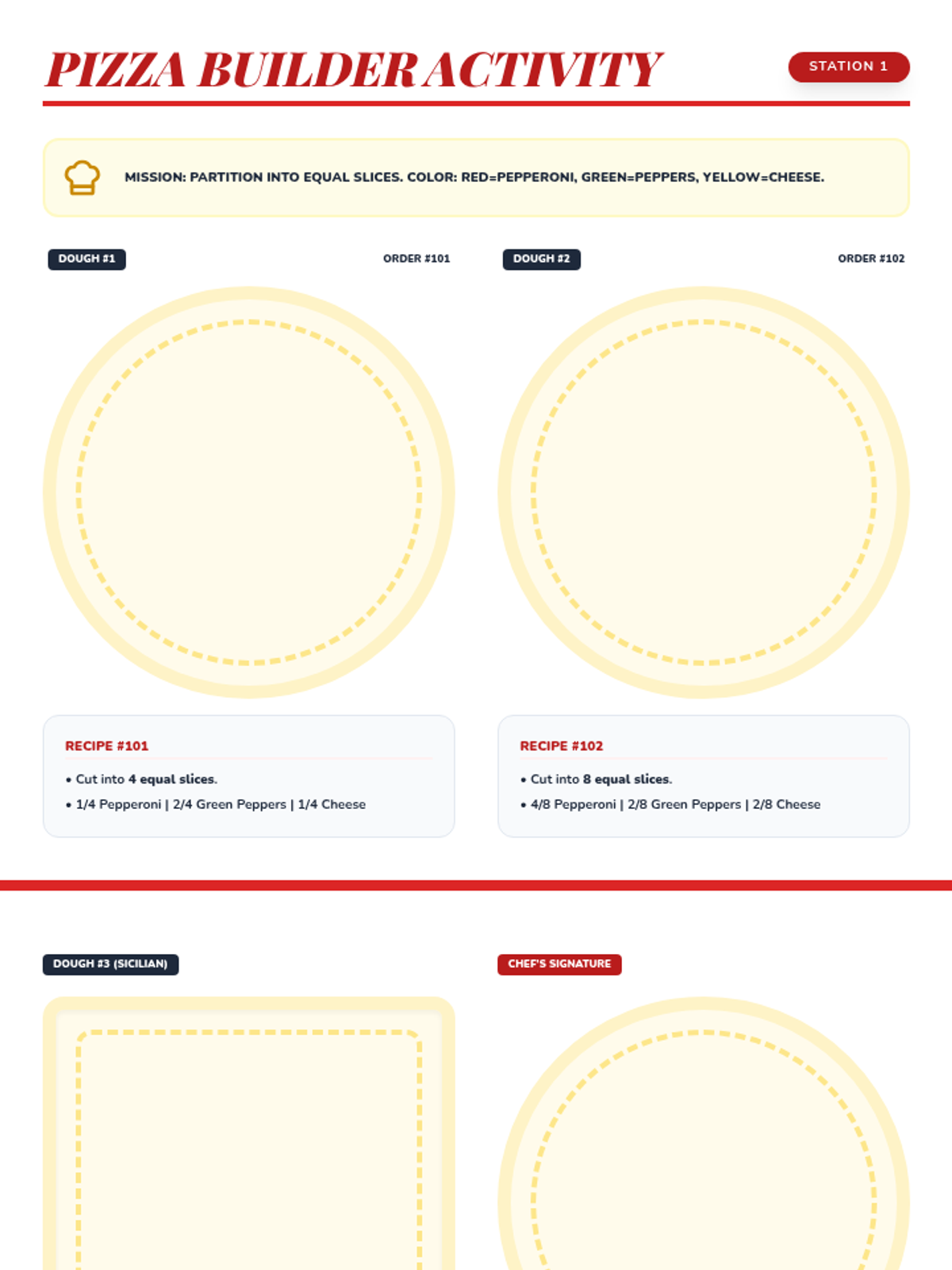
In this hands-on simulation, third graders become pizza chefs to master equivalent fractions and partitioning. Students will fulfill custom orders, compare topping amounts, and visualize fractions as parts of a delicious whole.
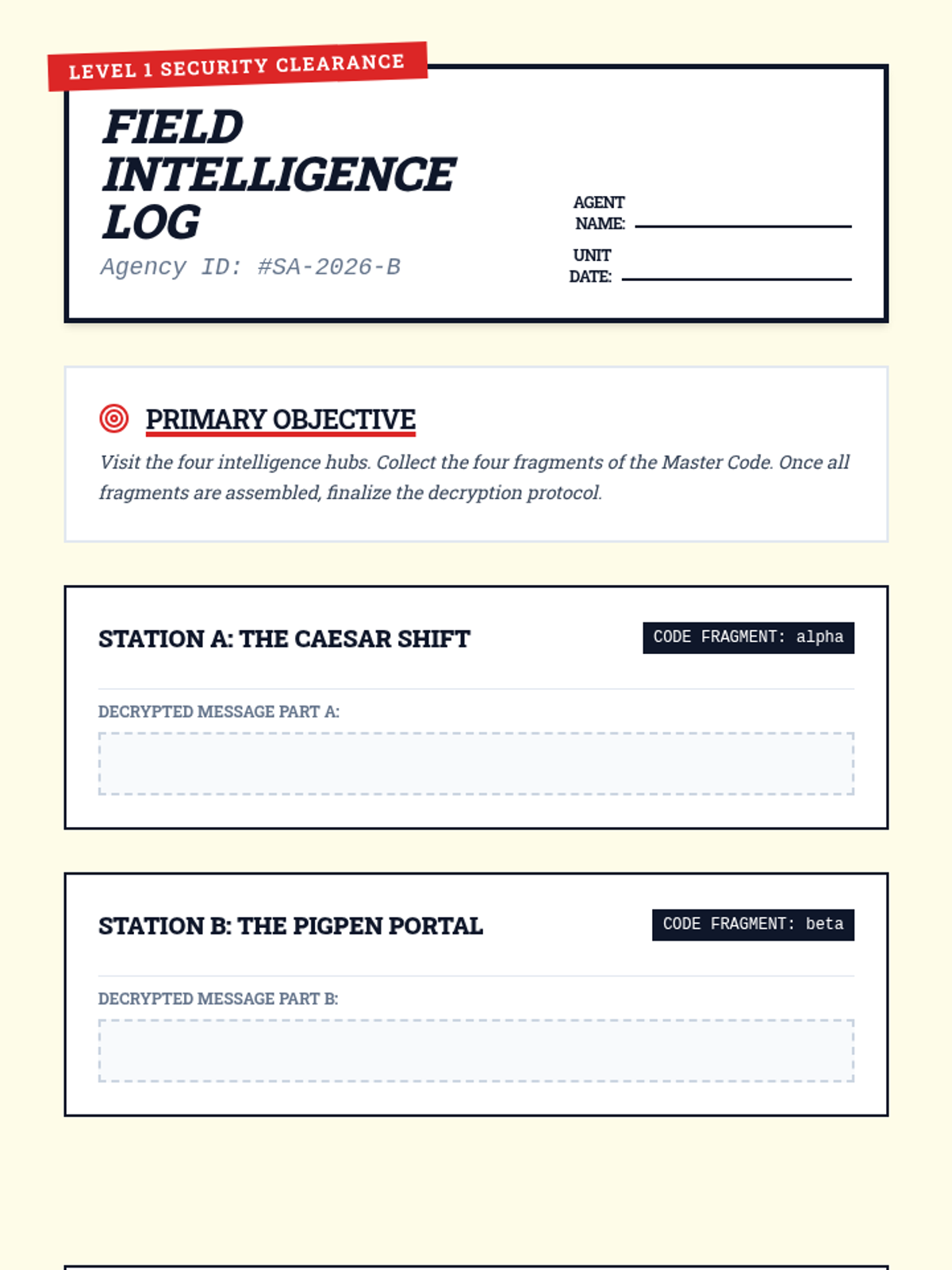
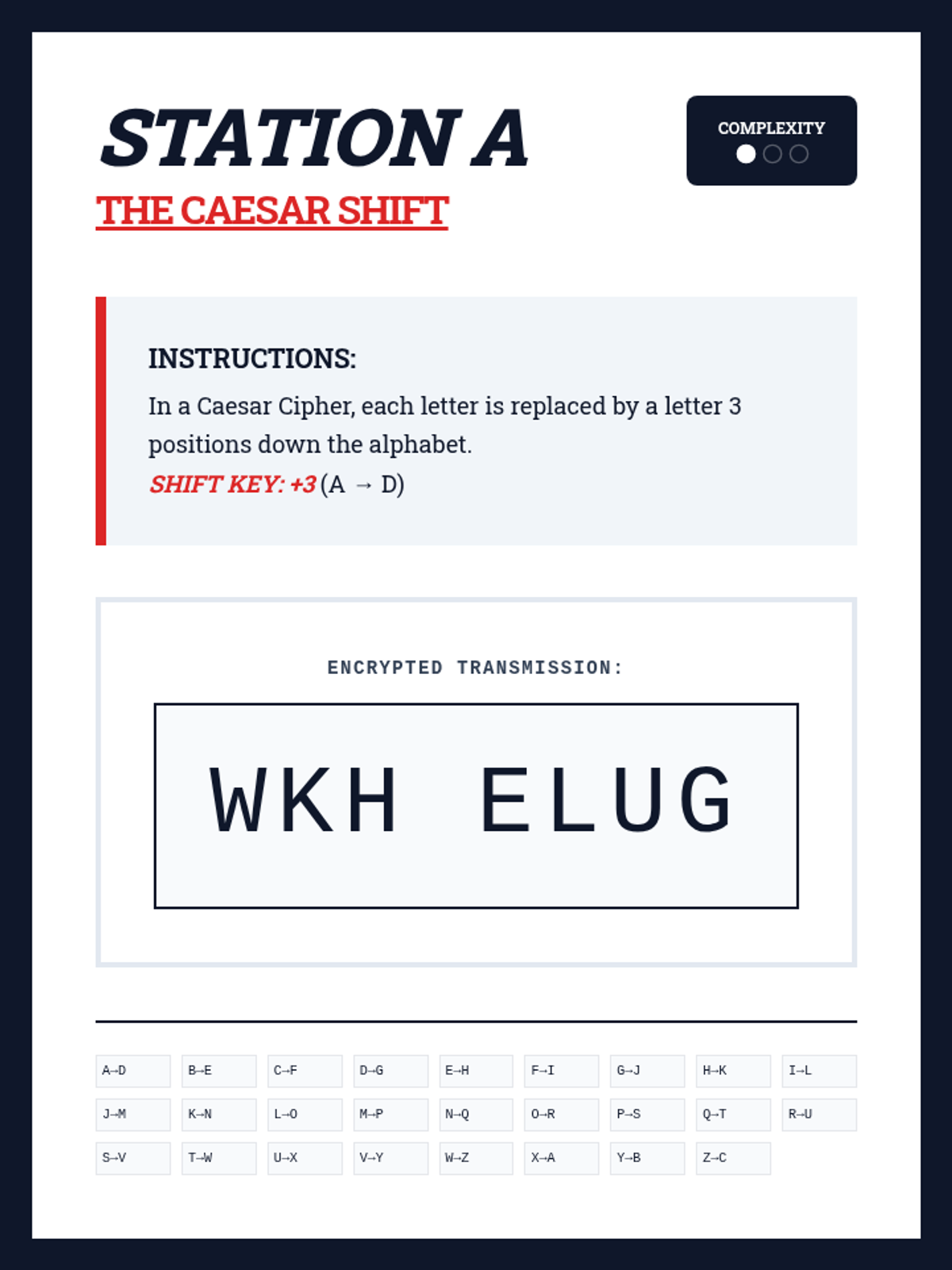
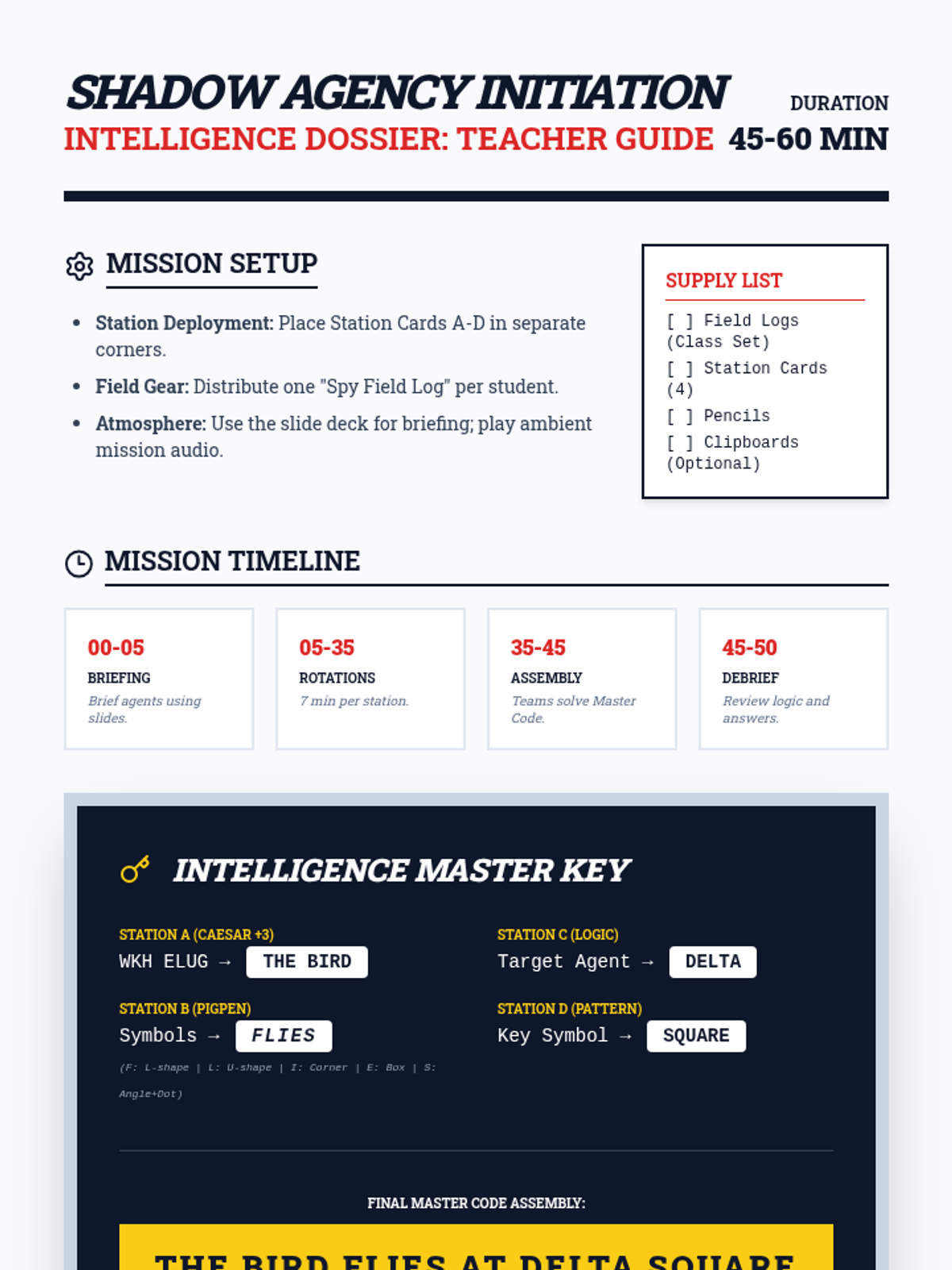
An immersive, station-based experience where students rotate through various cryptographic challenges, using letter ciphers, symbol keys, and logic puzzles to earn their 'Shadow Agent' status.
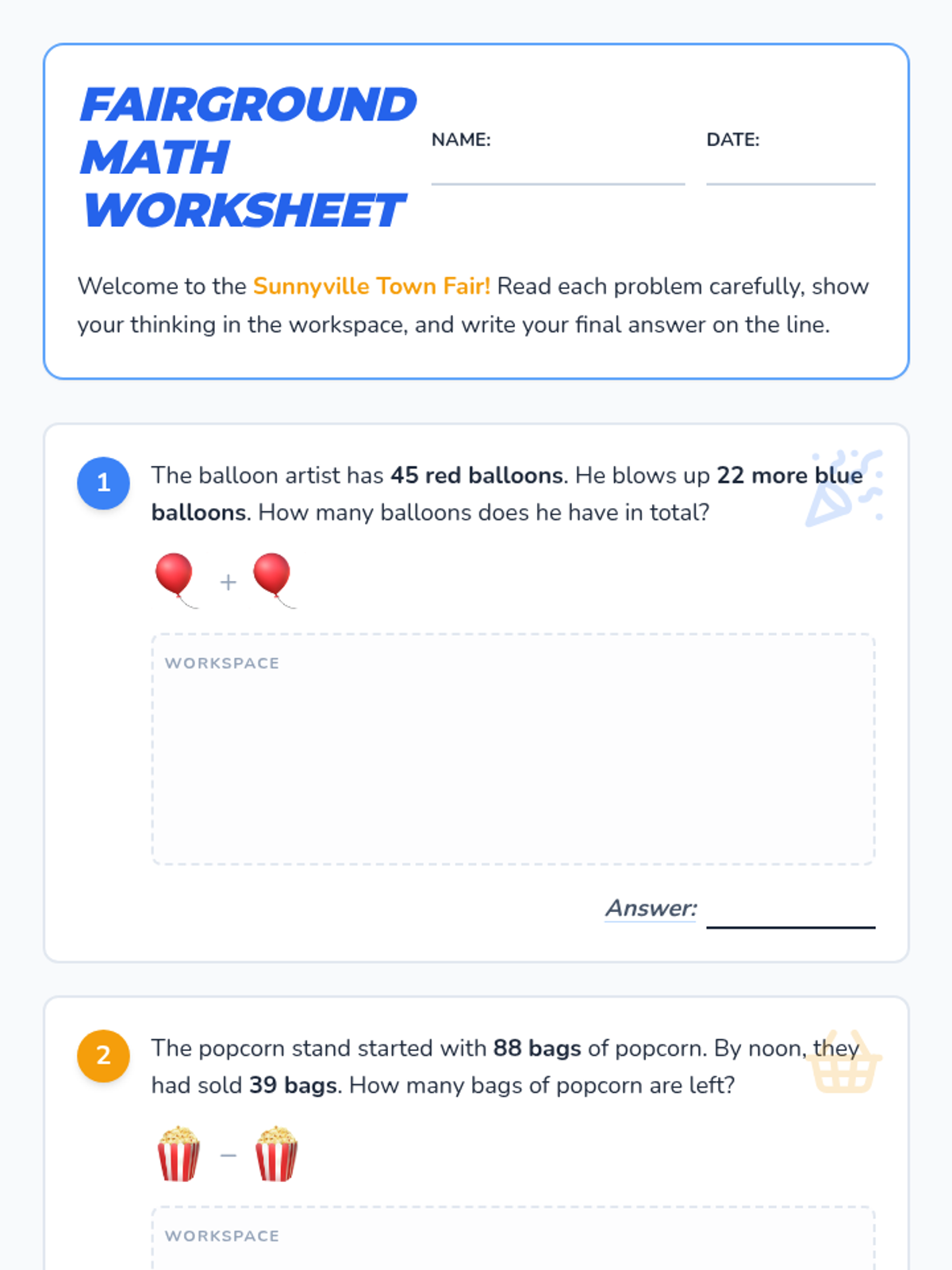
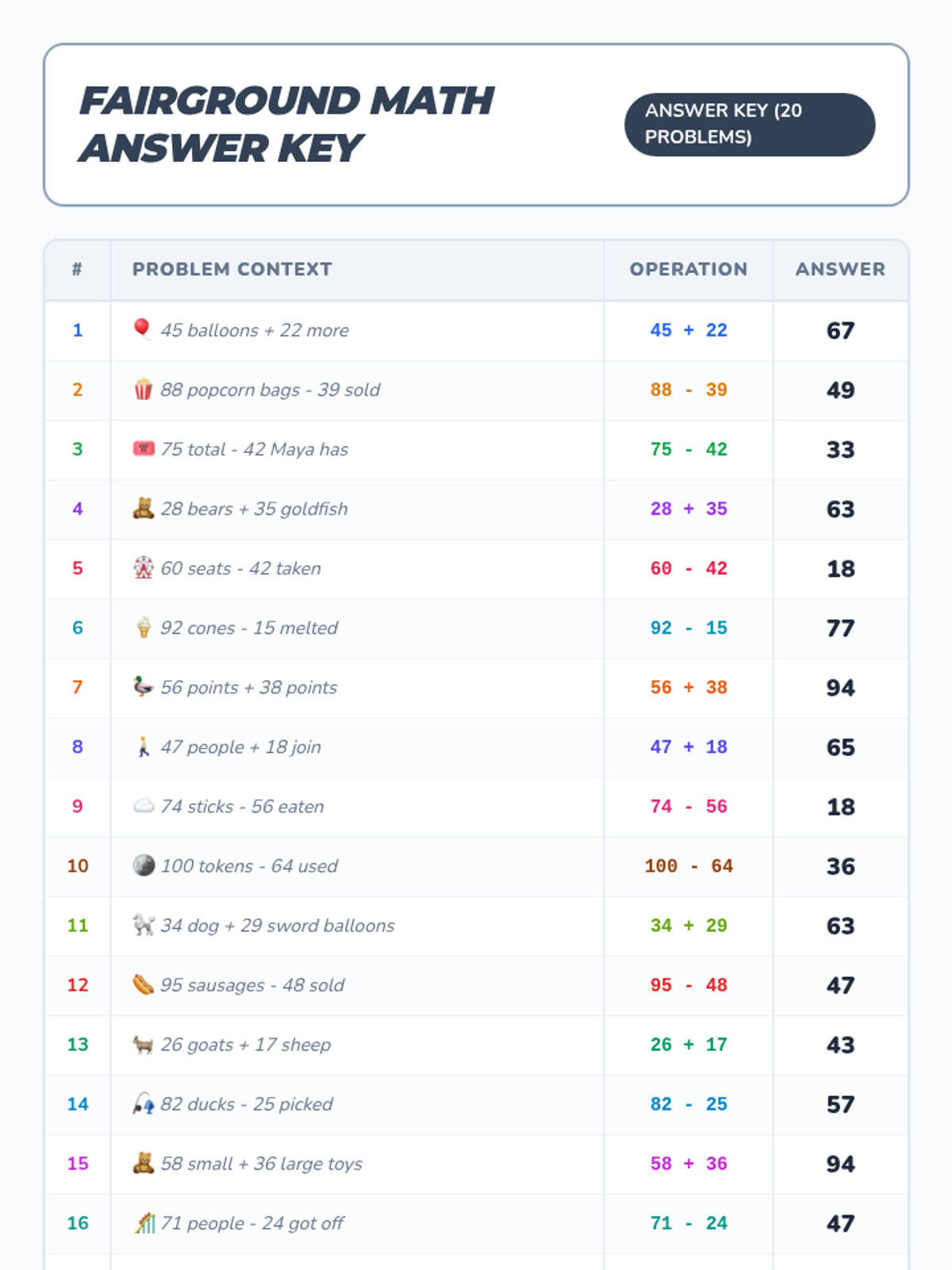
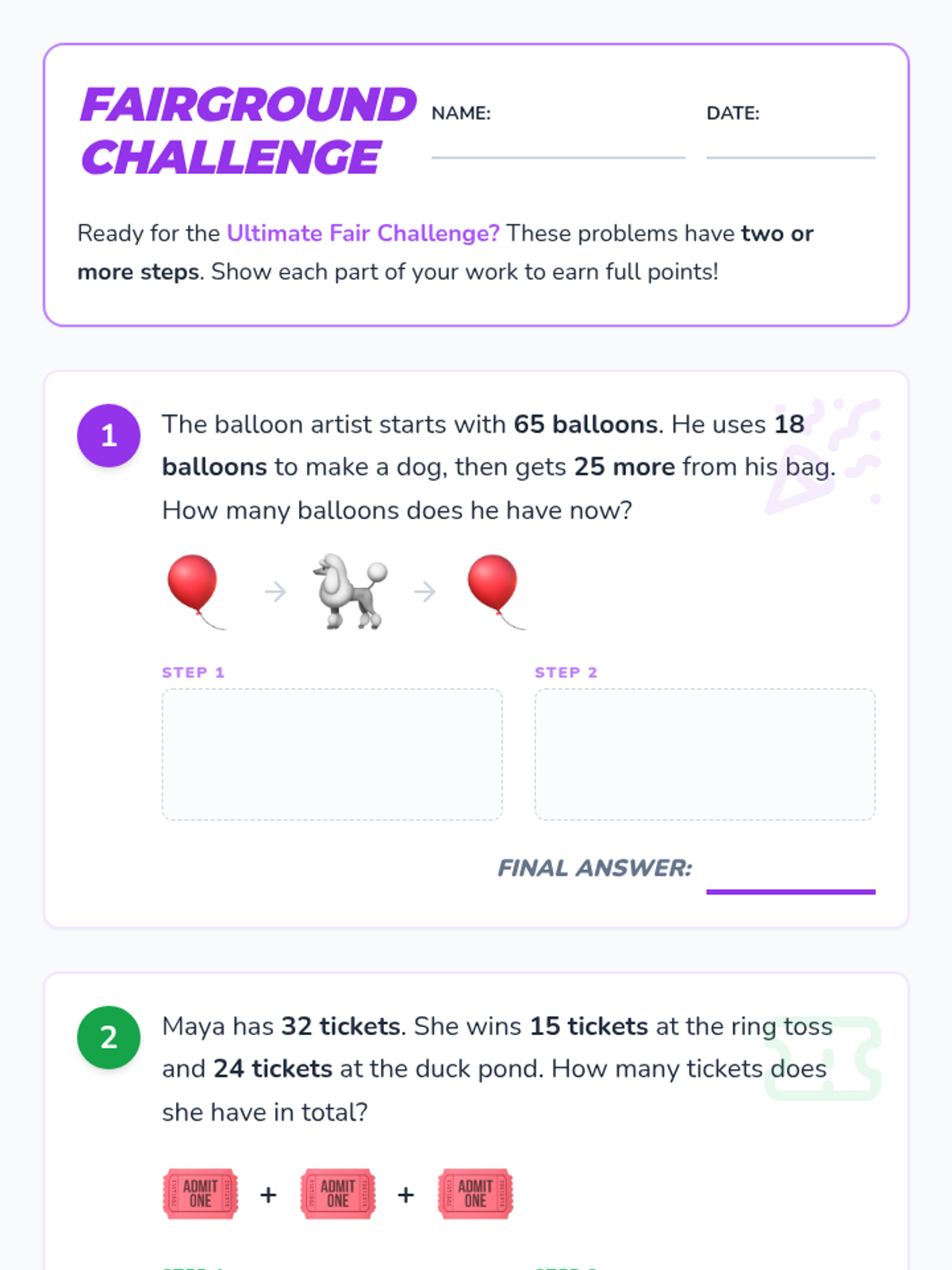
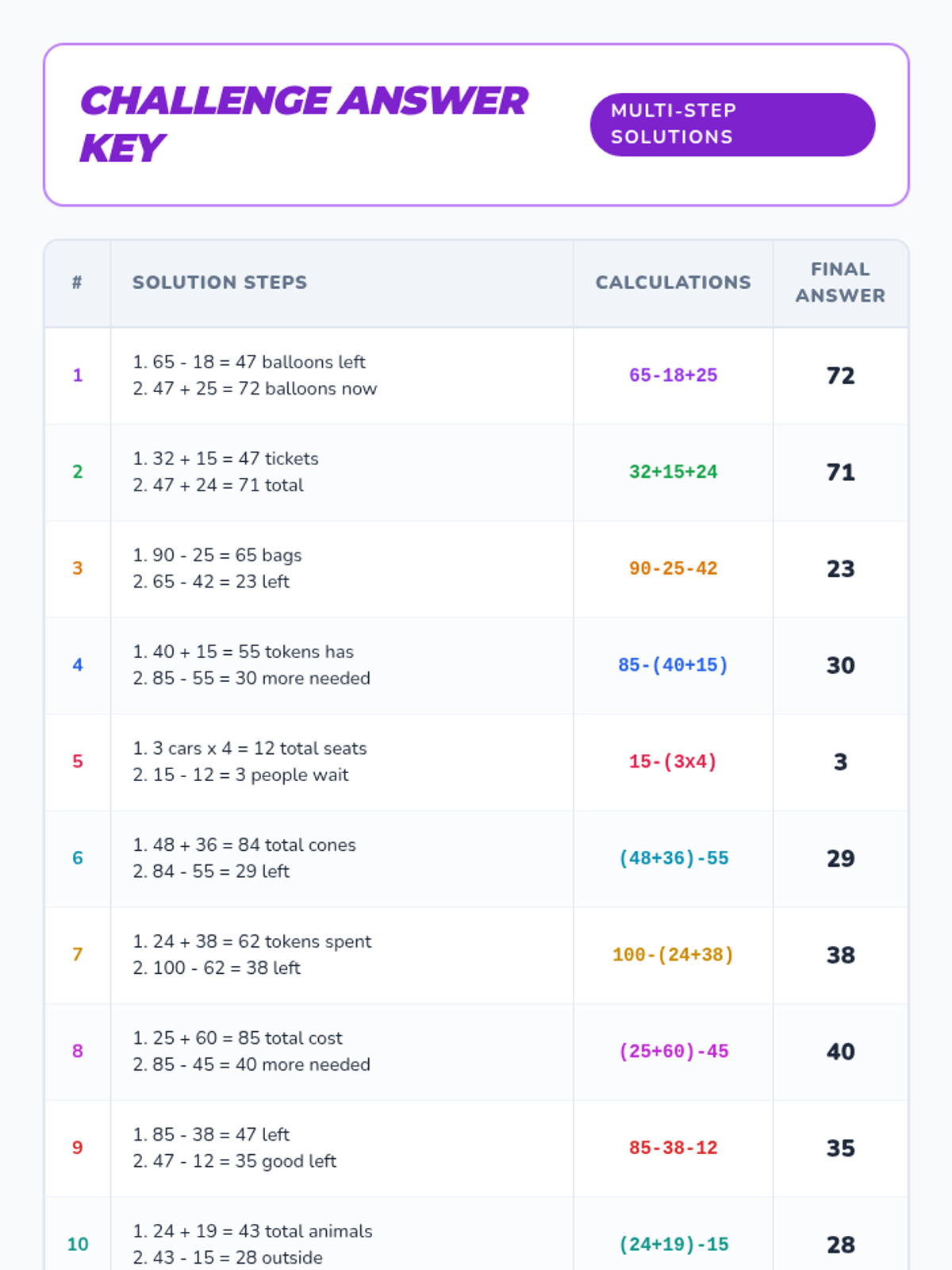
A collection of addition and subtraction word problems themed around a local town fair. Includes one-step practice and multi-step challenge problems designed for 3rd-grade students to build fluency with regrouping and logical reasoning up to 100.
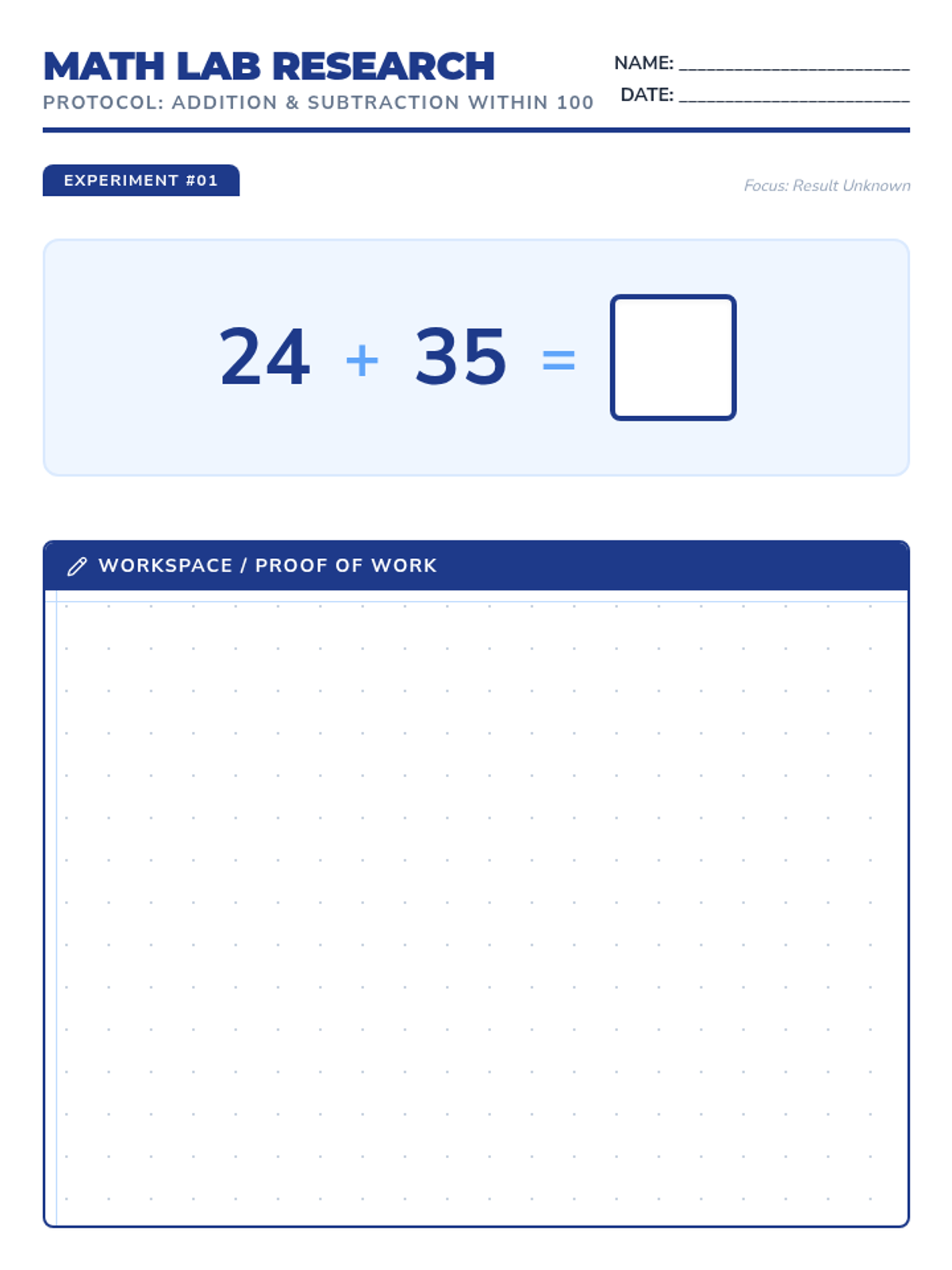
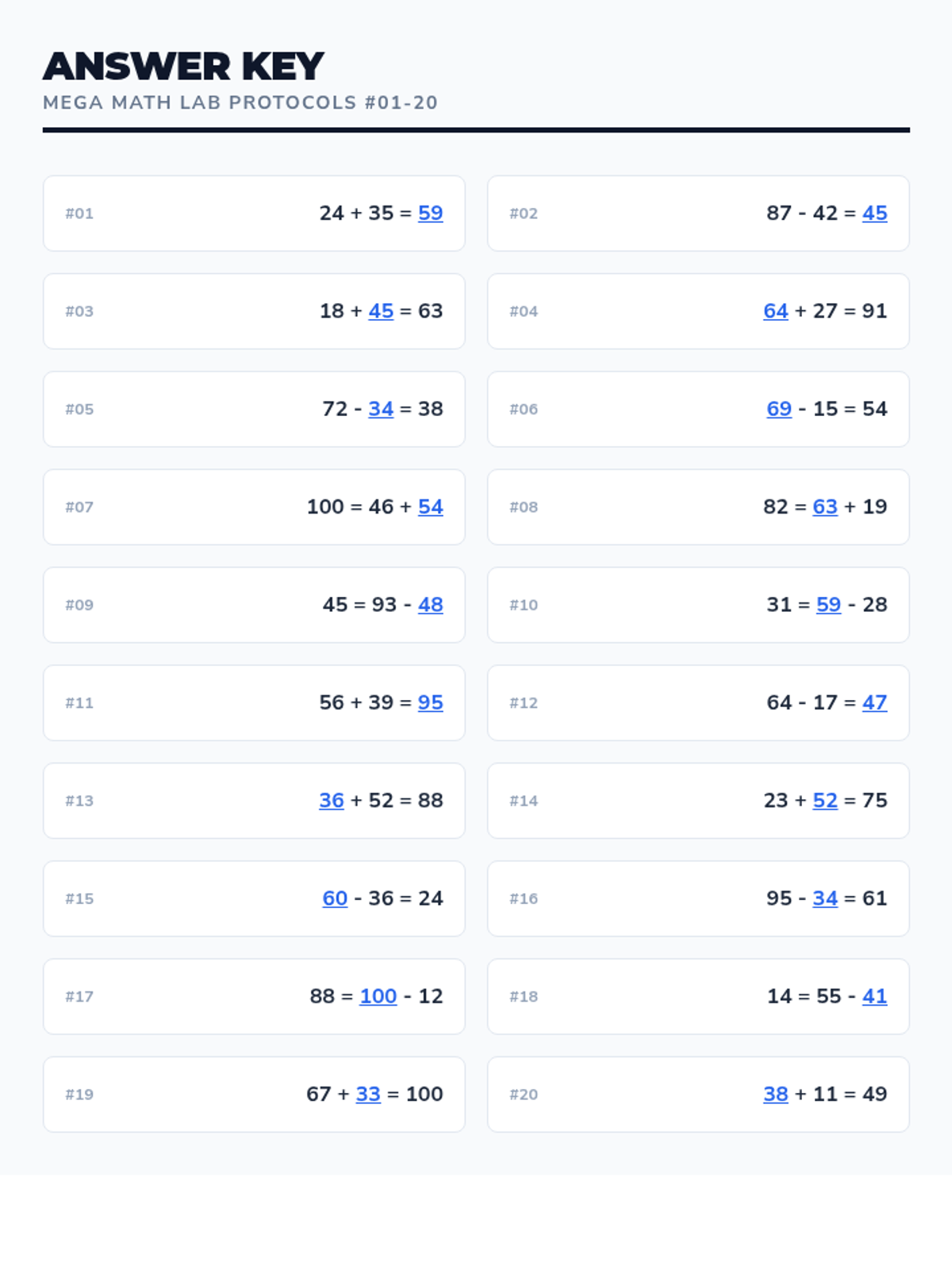
A set of 20 high-impact math problems focusing on addition and subtraction within 100, featuring a unique one-problem-per-page layout to maximize student workspace for drawing, calculating, and explaining.
A lesson focused on understanding place value within 1,000 by observing how digits change when adding or subtracting 1s, 10s, and 100s using visual models.
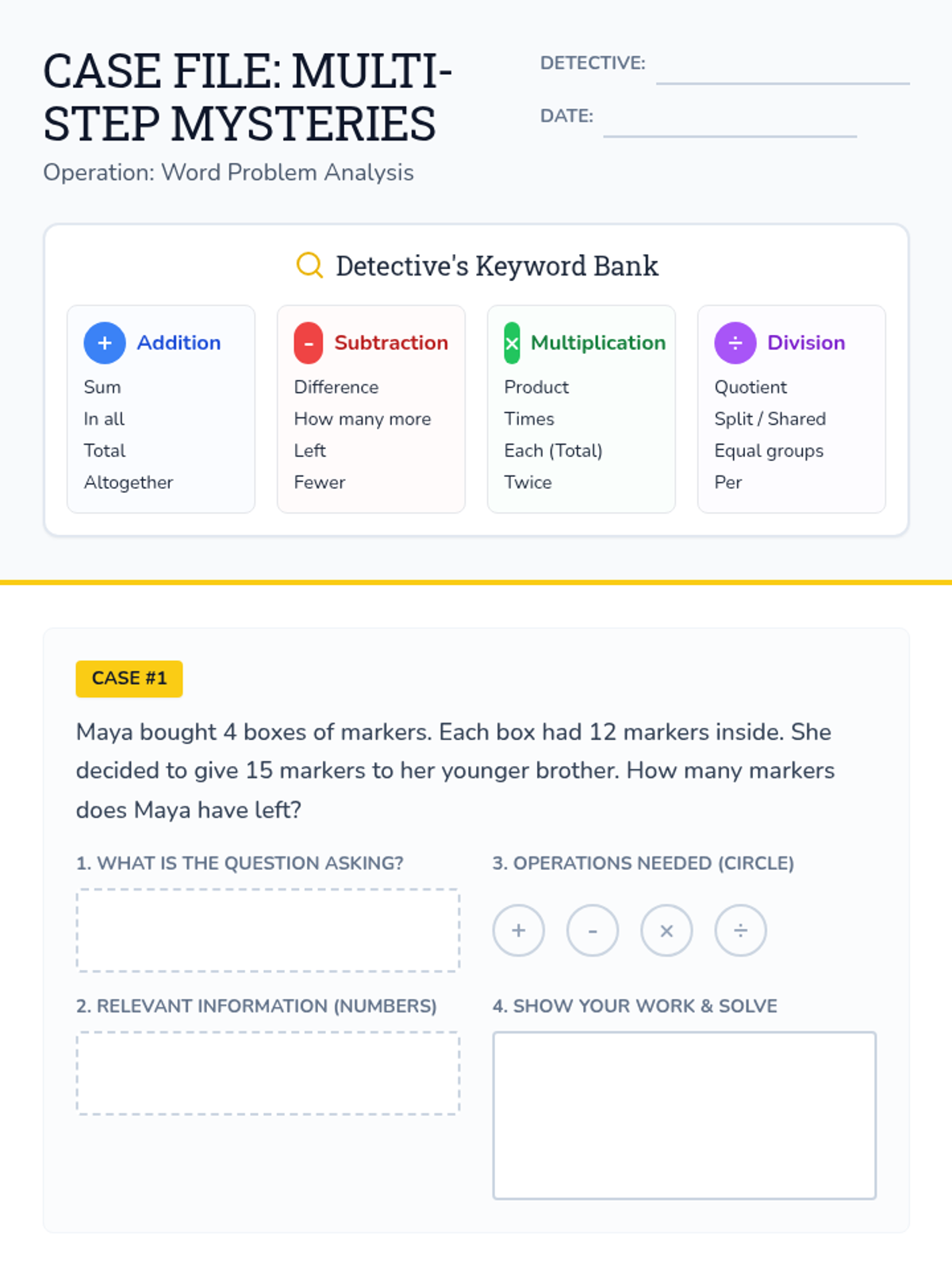
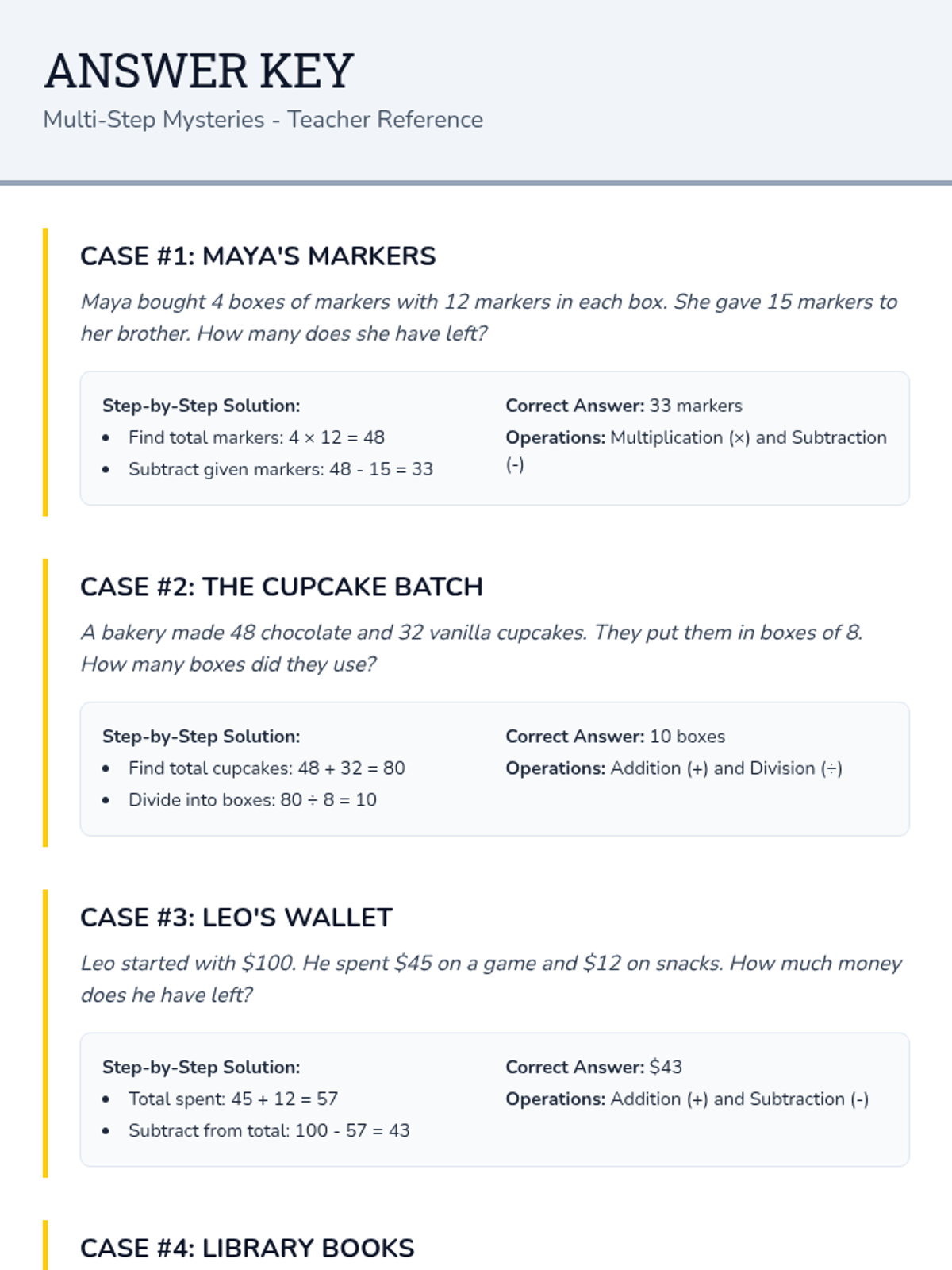
A math lesson focused on breaking down multi-step word problems using all four operations with visual supports and a keyword bank.
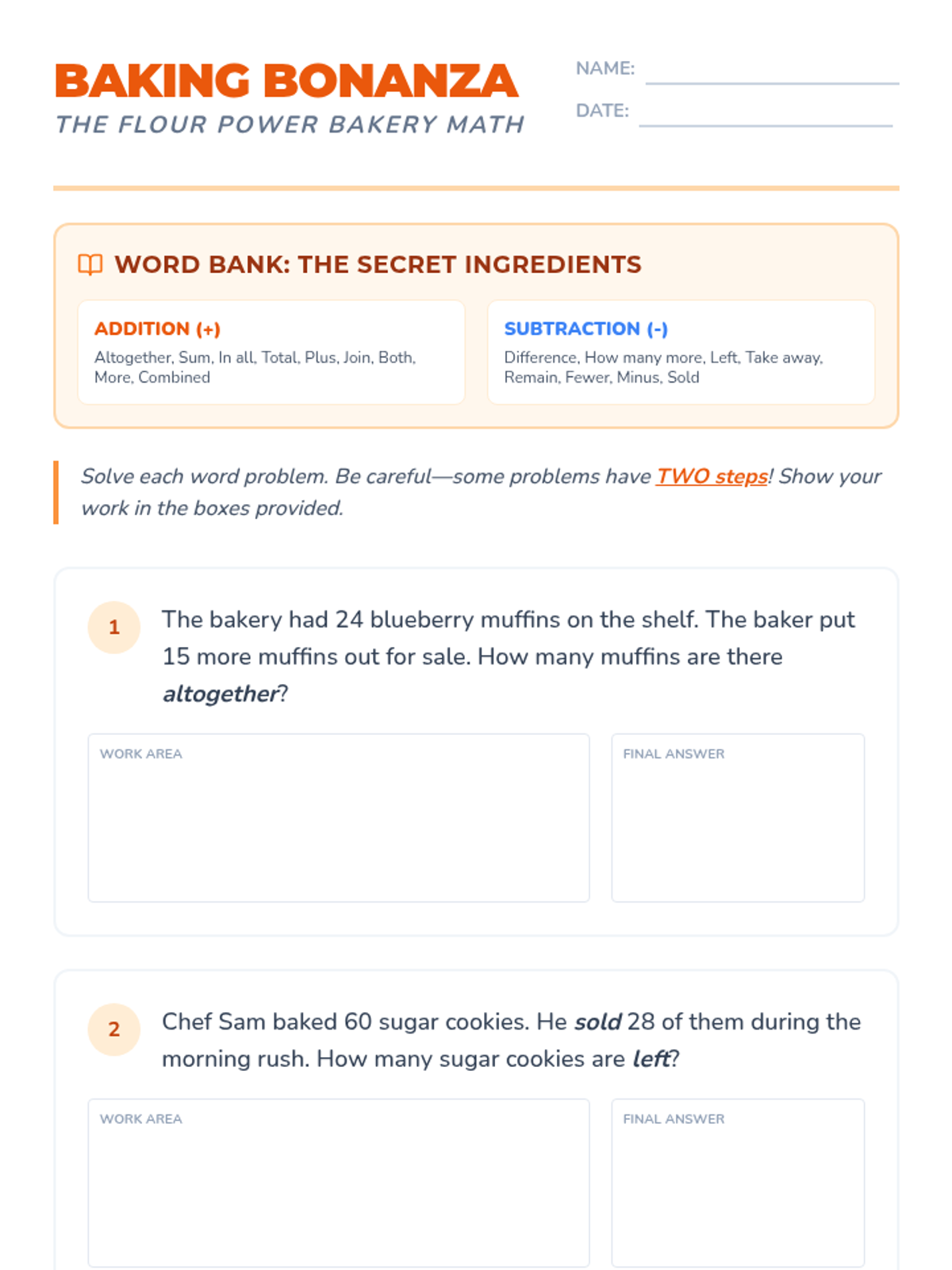
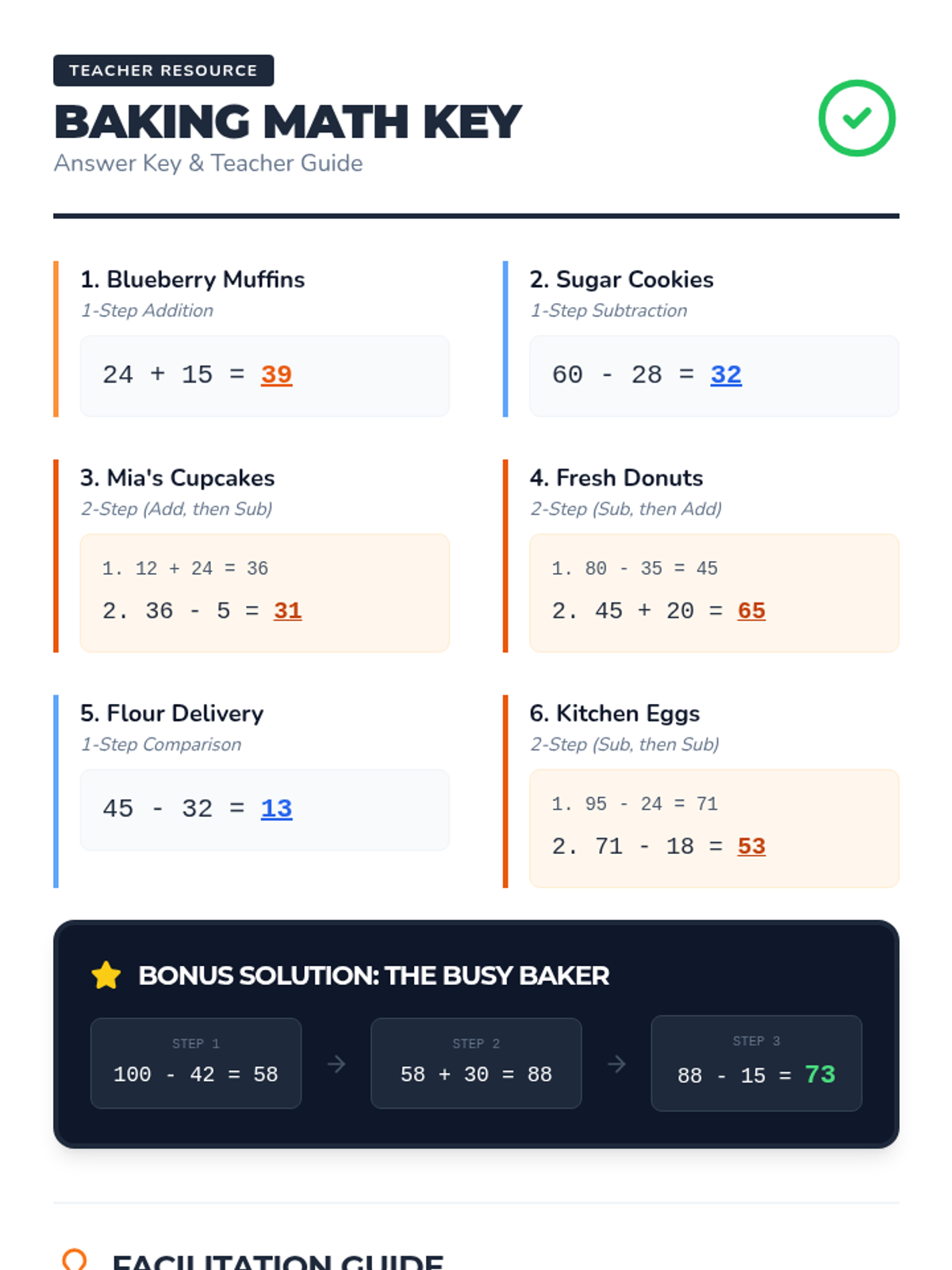
A lesson focused on solving 1- and 2-step word problems involving addition and subtraction within 100, set in a whimsical bakery environment. Students will identify keywords and use strategies to solve multi-step challenges.
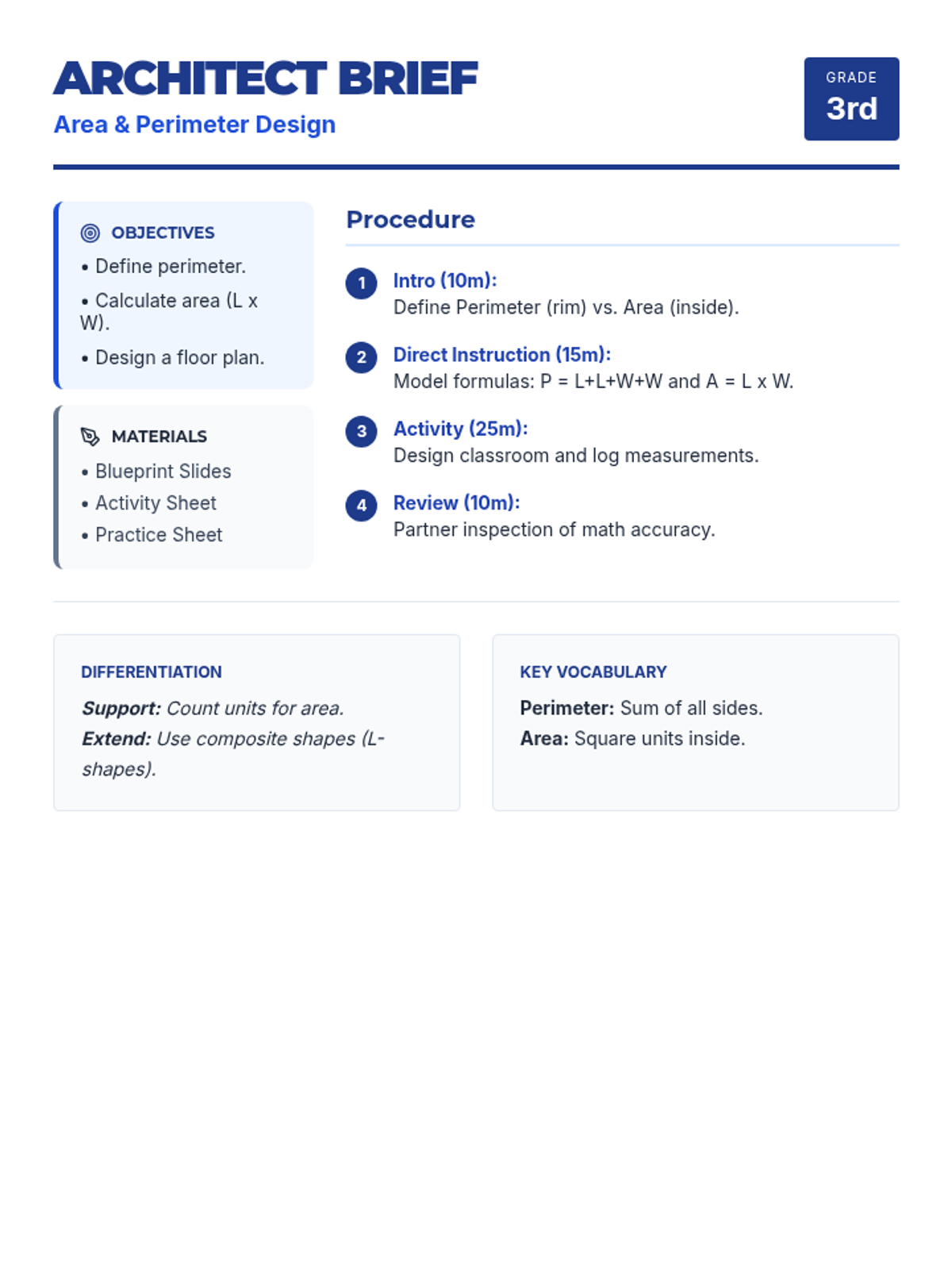
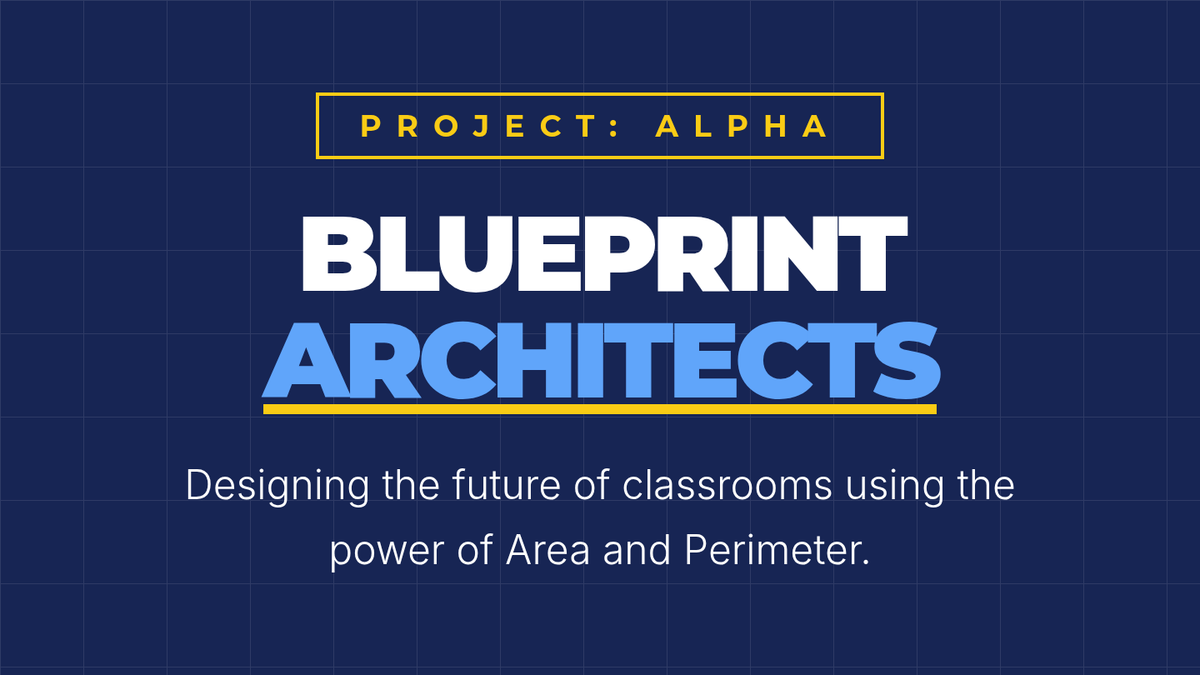
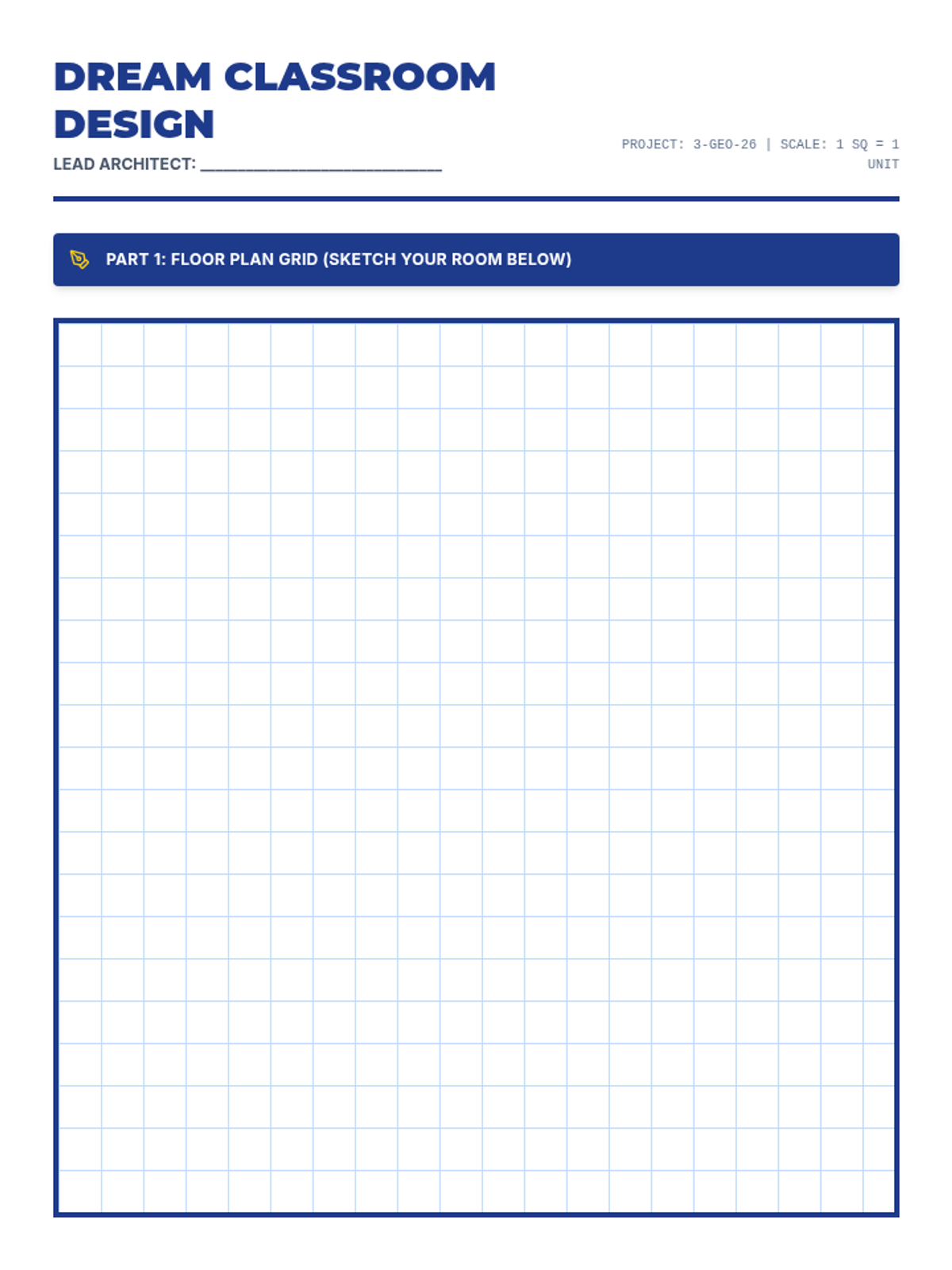
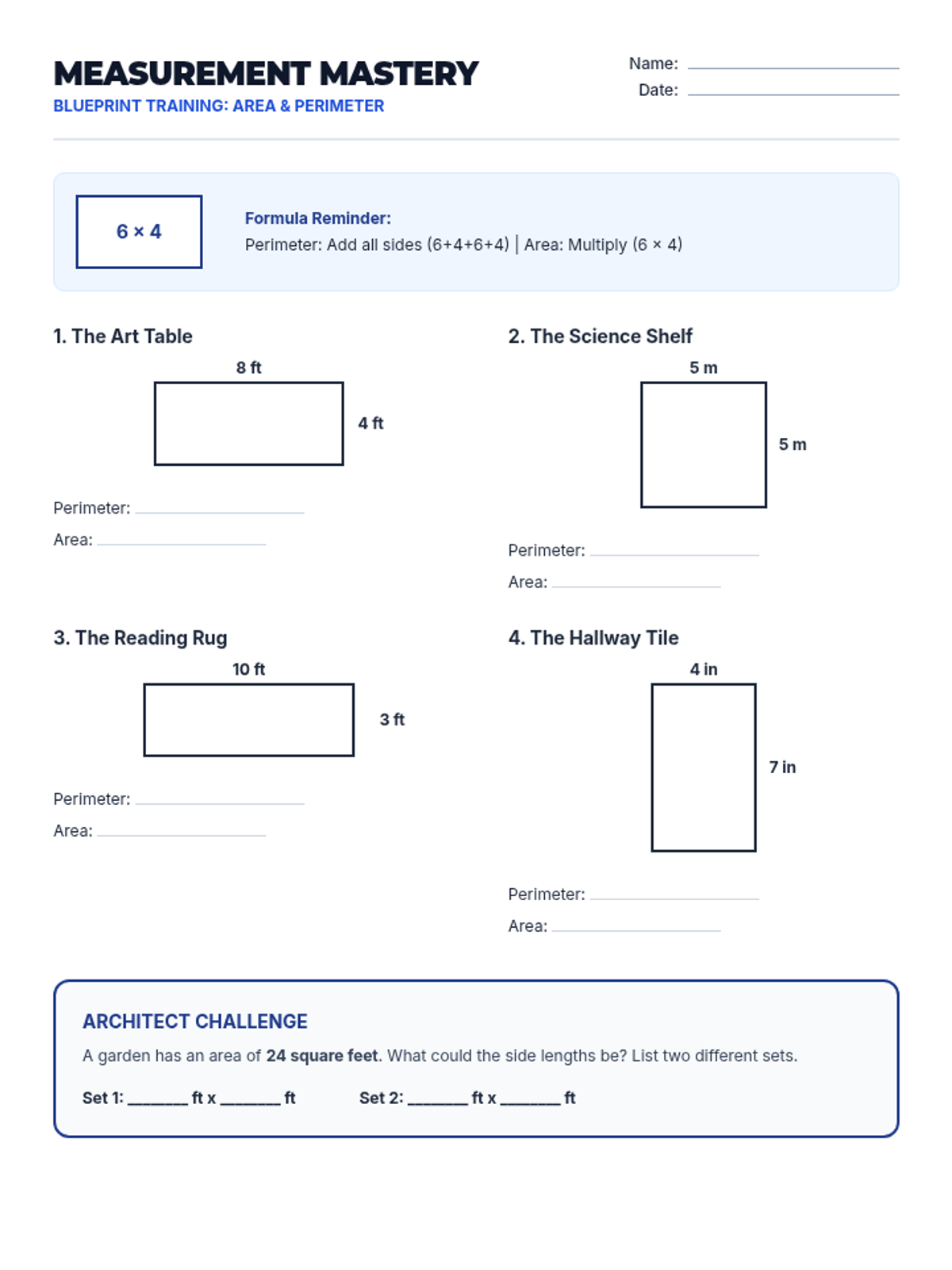
A hands-on geometry lesson where third graders become architects to design their dream classroom using area and perimeter. Students calculate measurements for furniture and layout while exploring spatial reasoning.