A comprehensive test prep session covering key third-grade math standards aligned with IAR expectations, including rounding, operations, fractions, and measurement.
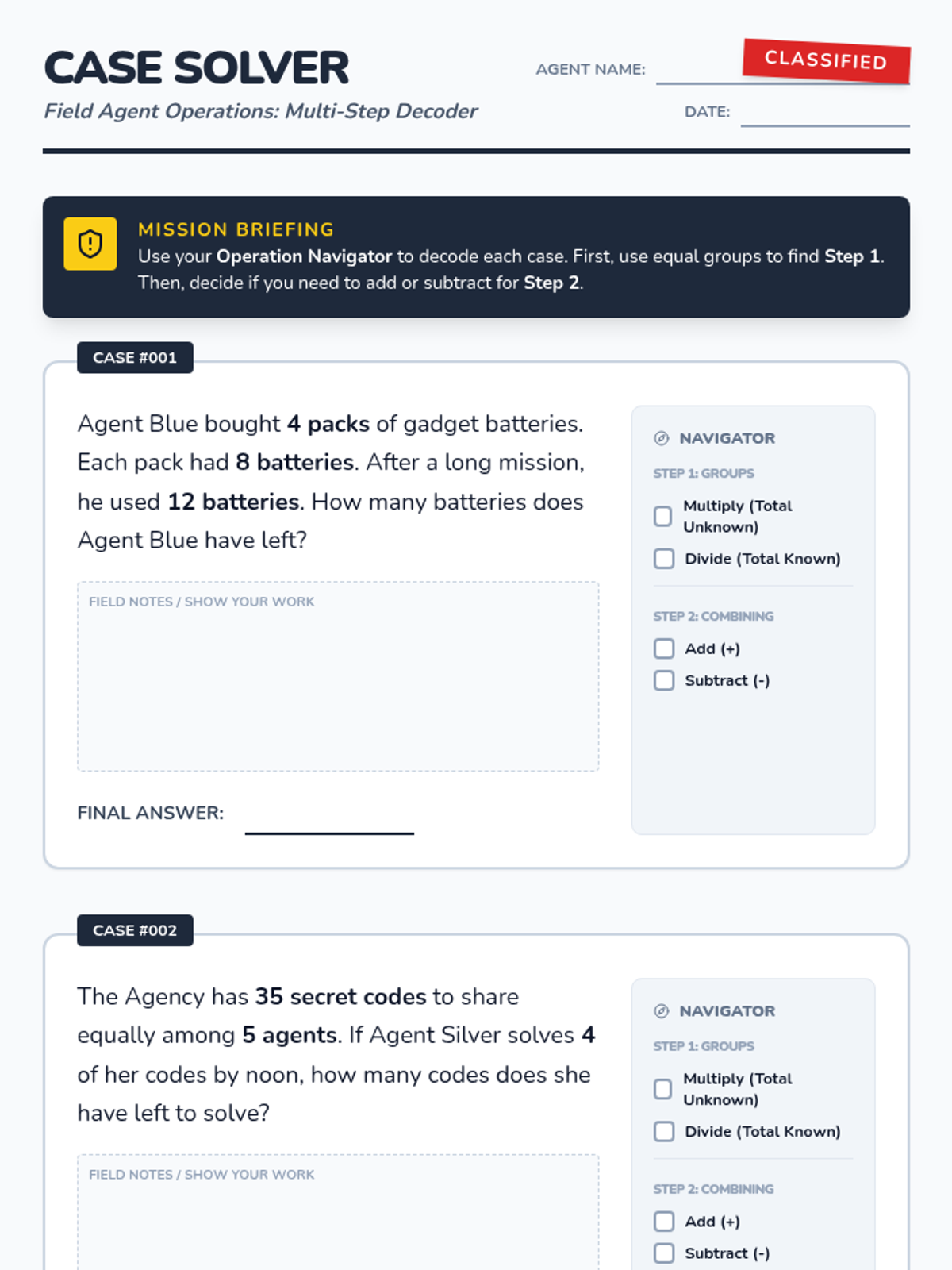
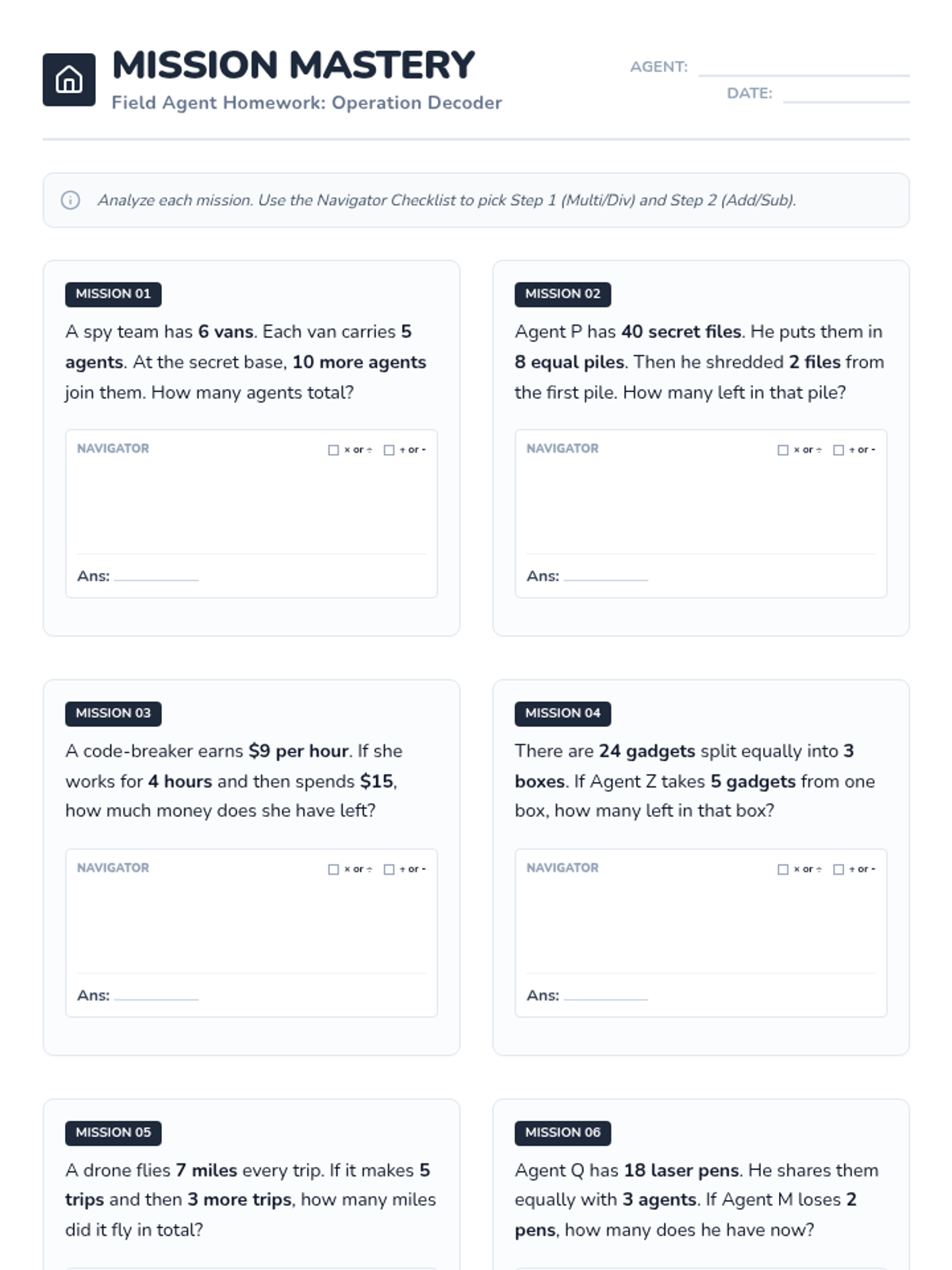
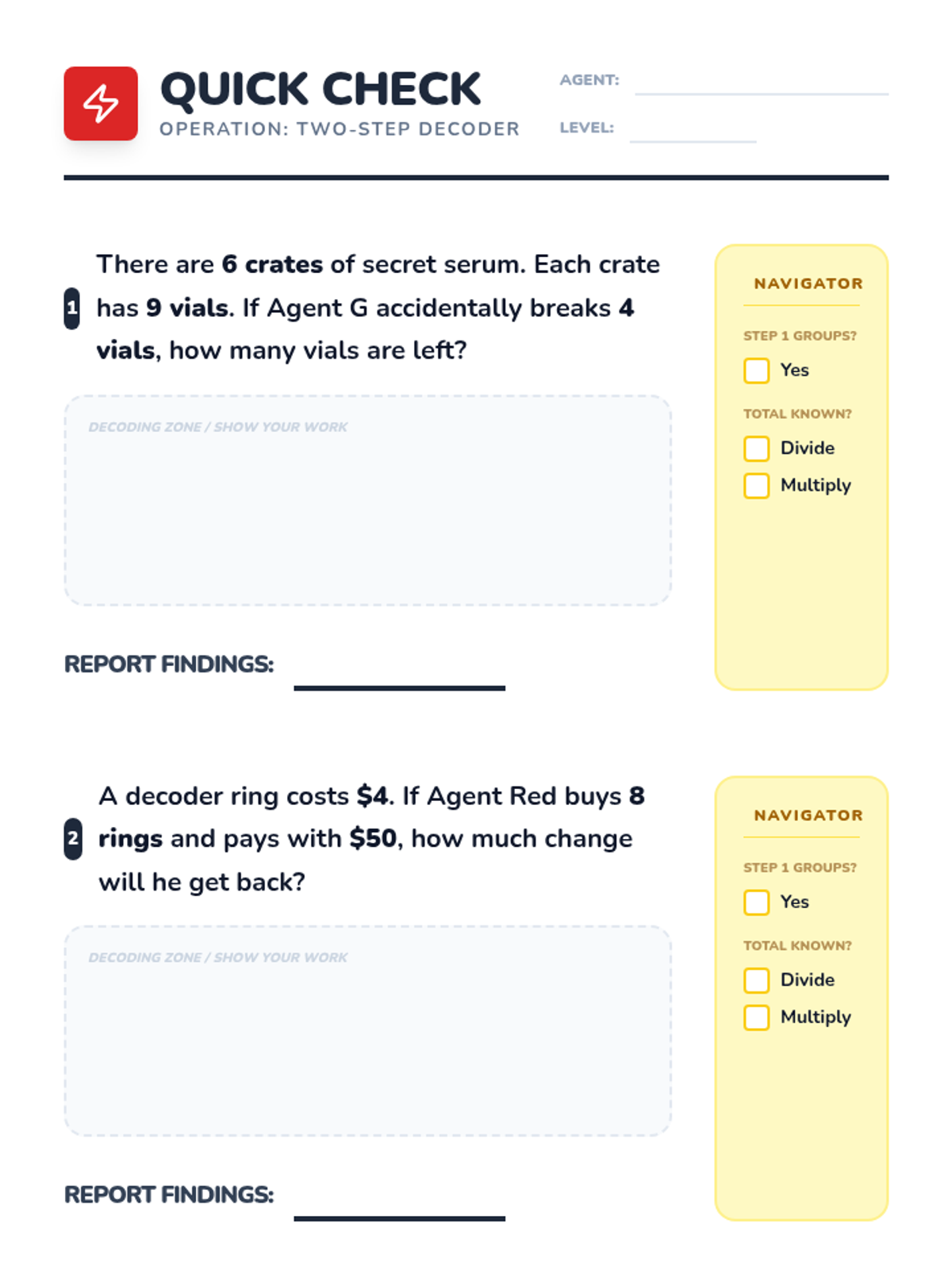
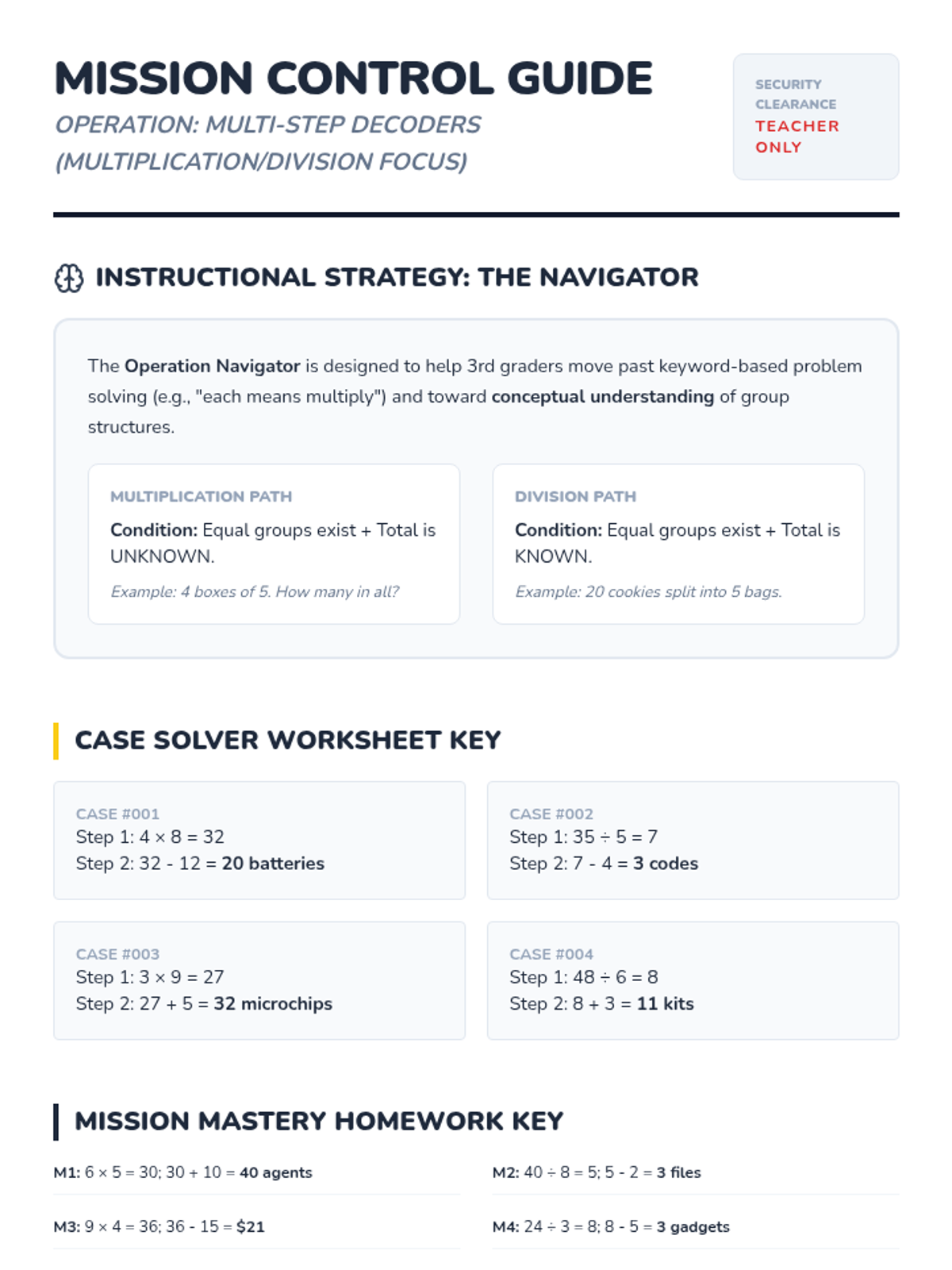
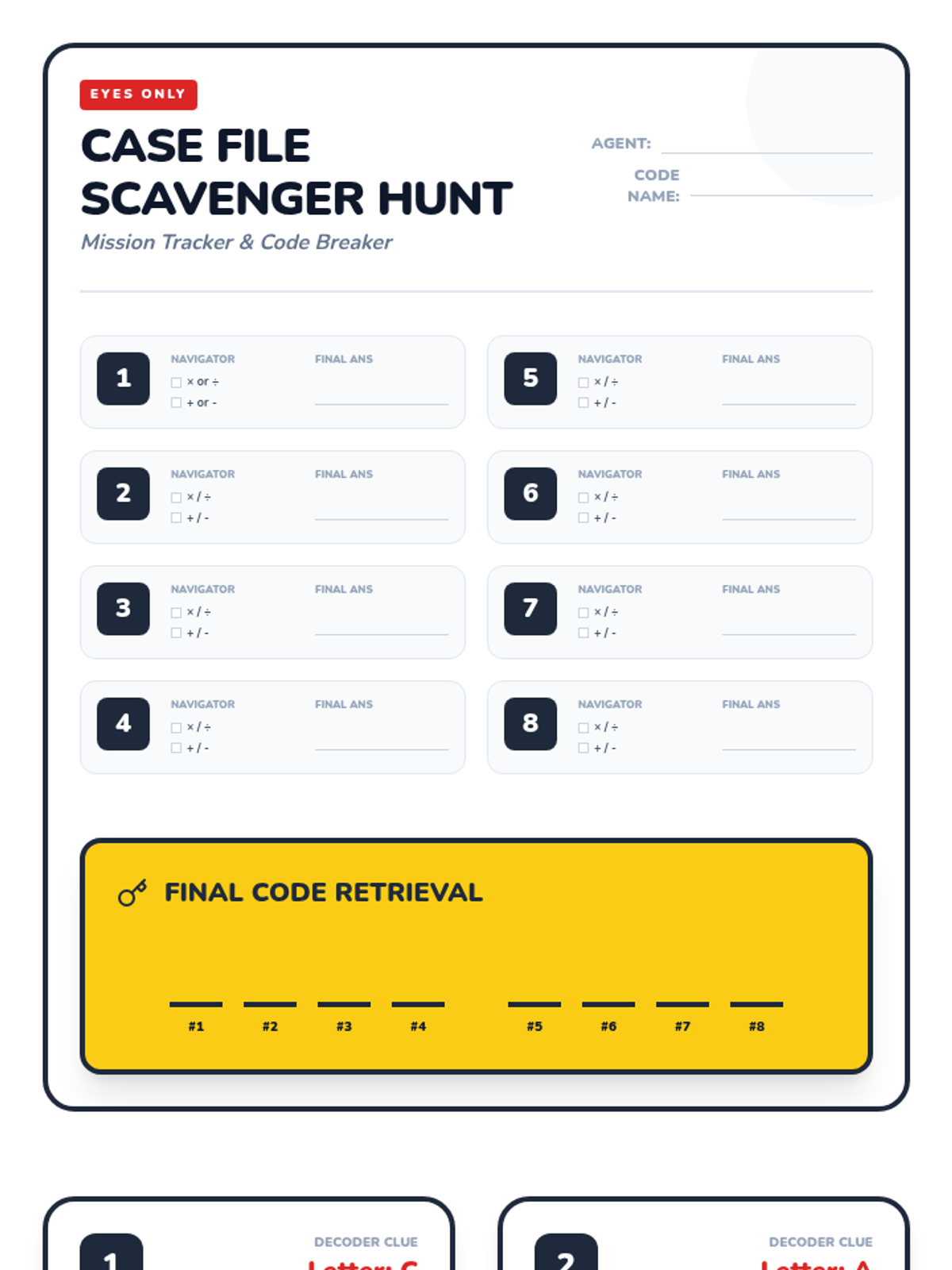
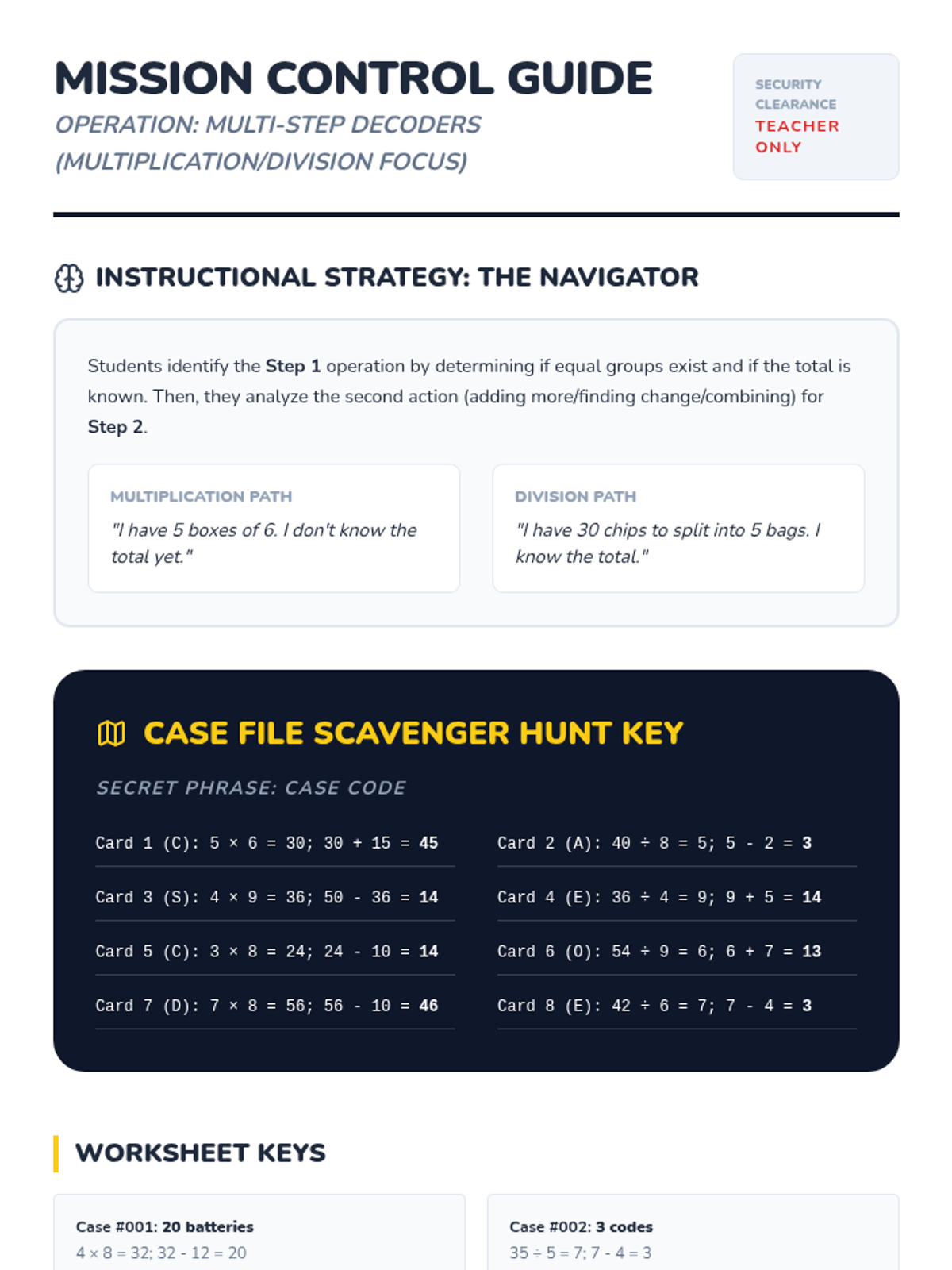
A lesson focused on solving two-step word problems involving multiplication and division, using a 'Secret Agent' decoder strategy to identify whether to multiply or divide based on group totals.
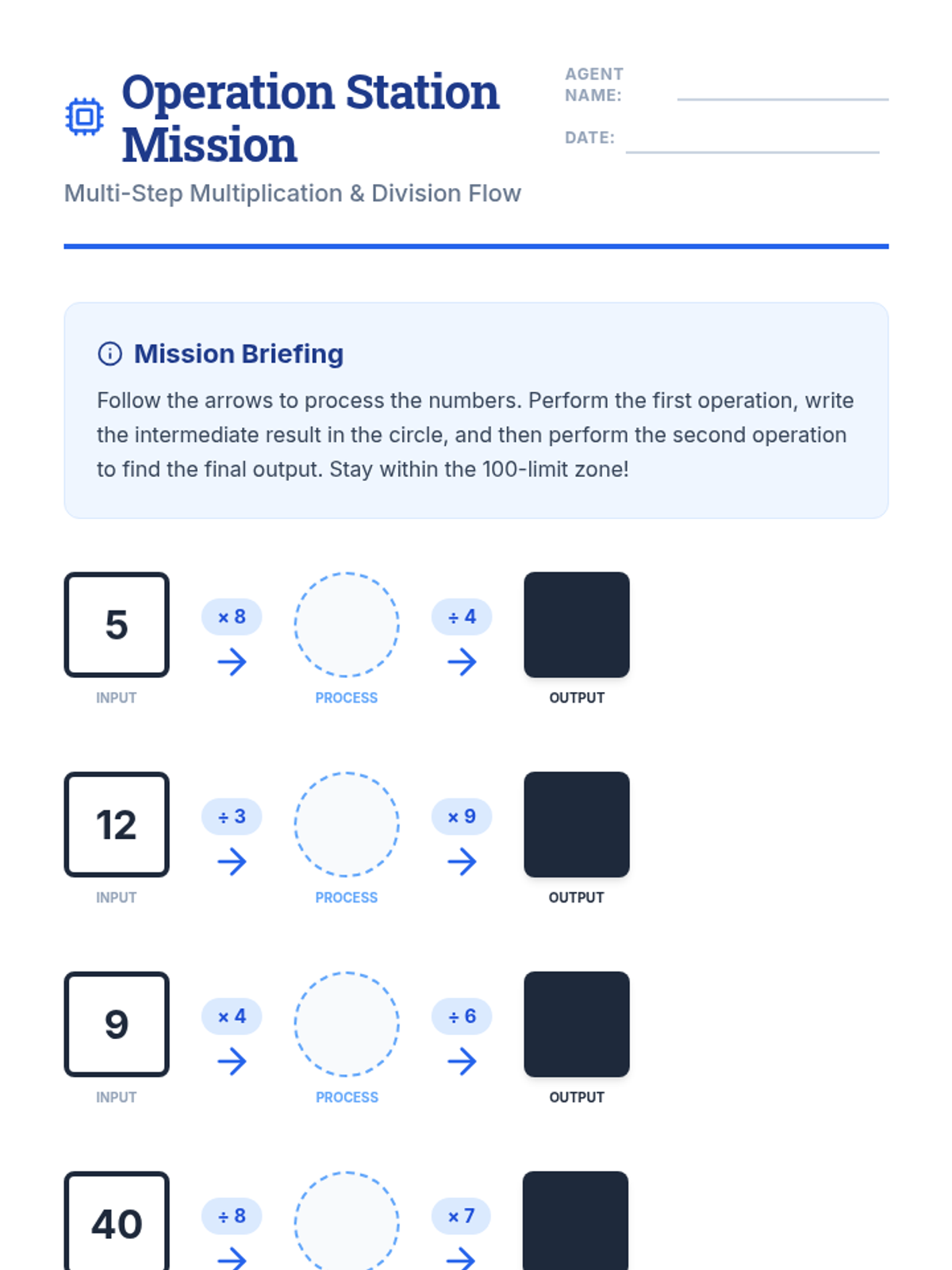
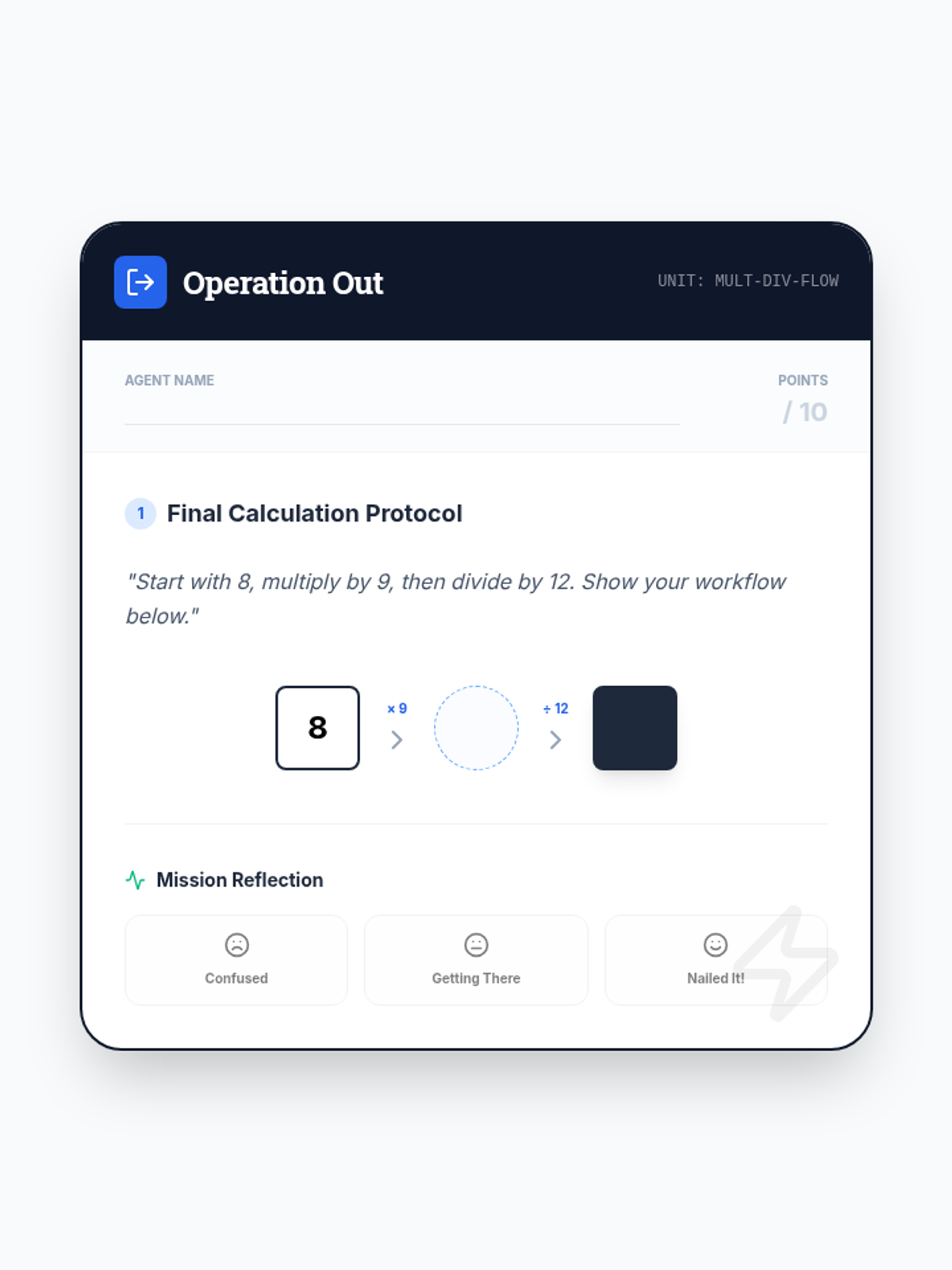
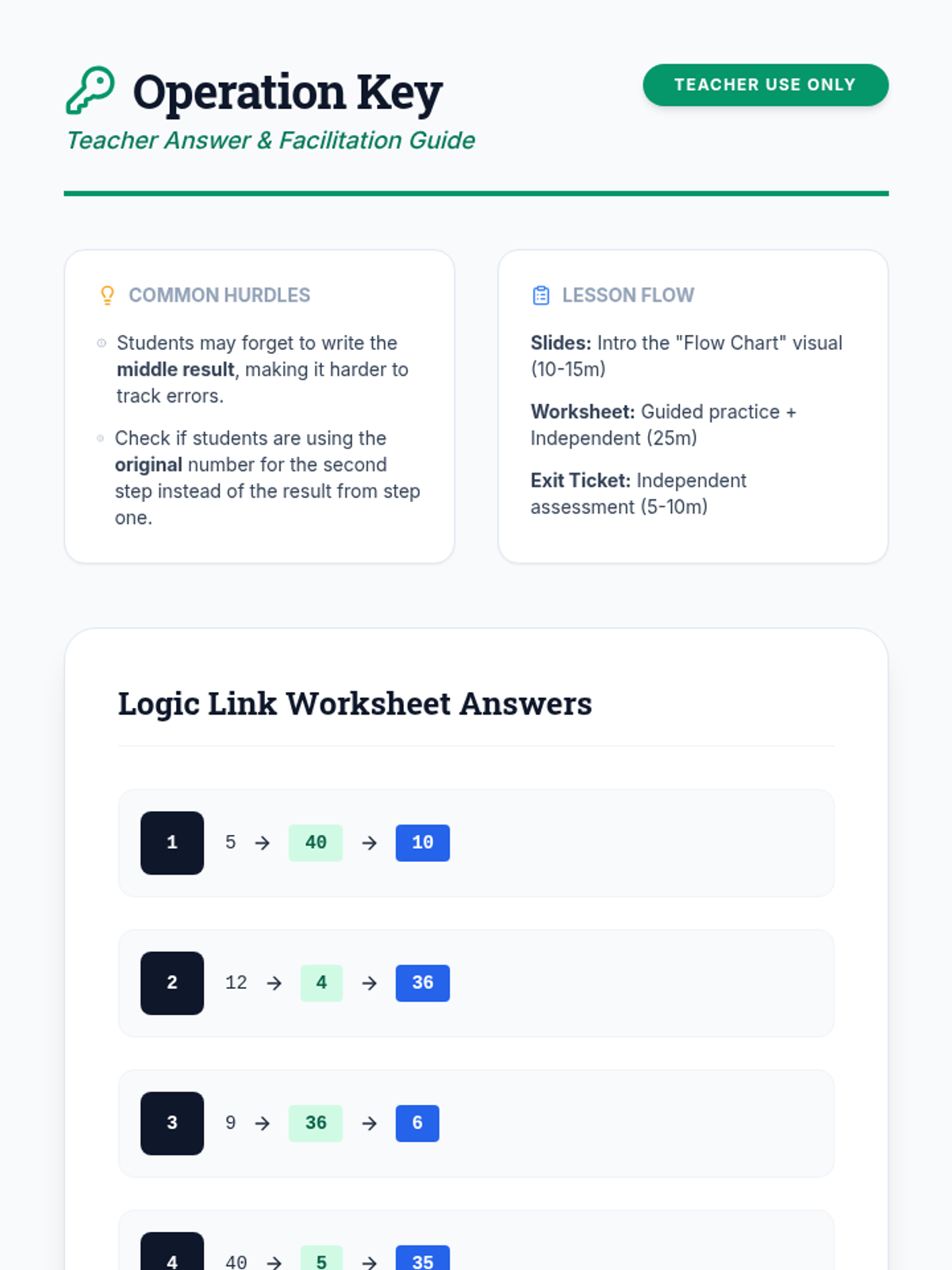
A lesson focused on solving multi-step problems using multiplication and division within 100, utilizing flow charts to visualize the sequence of operations.
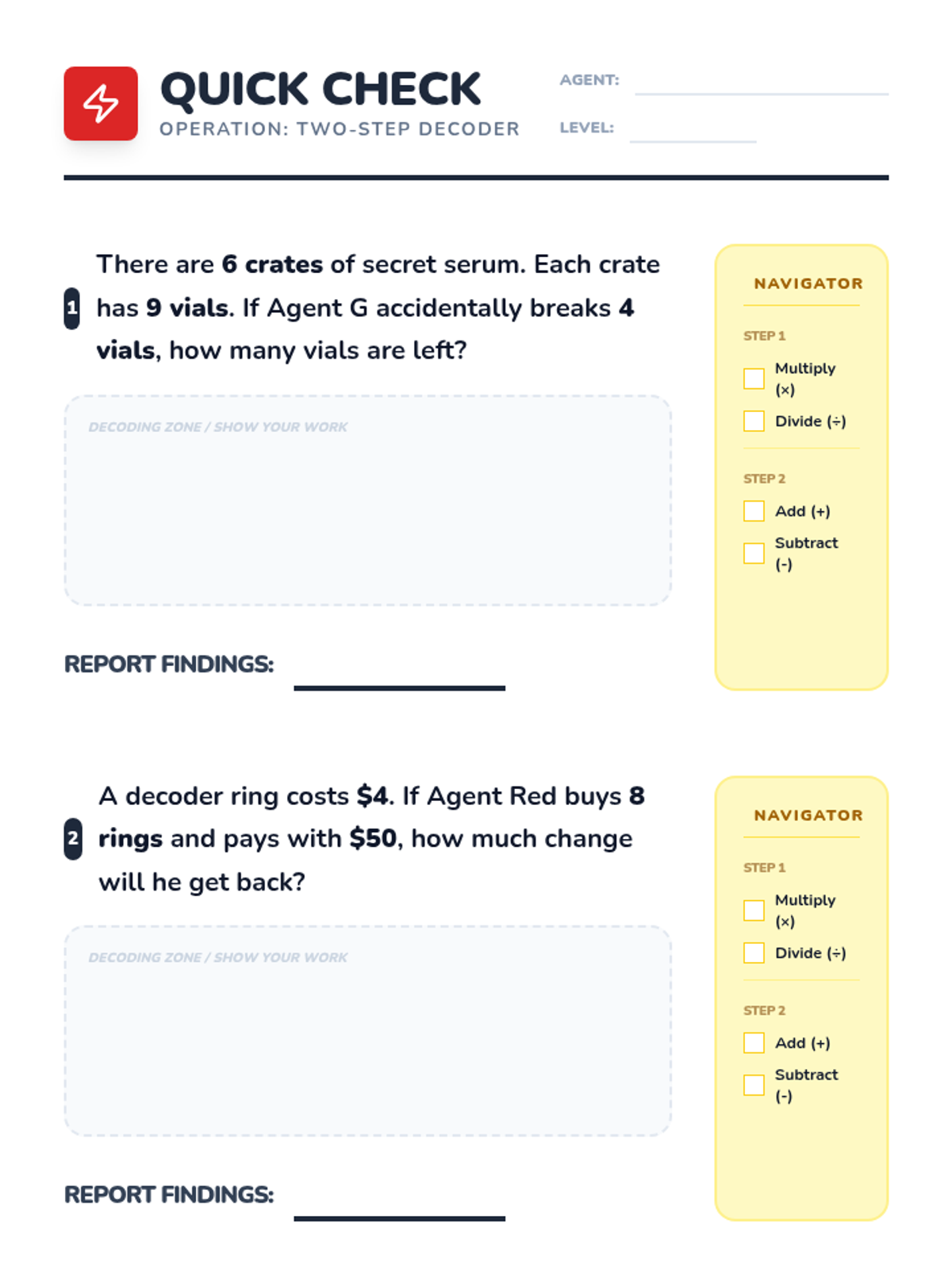
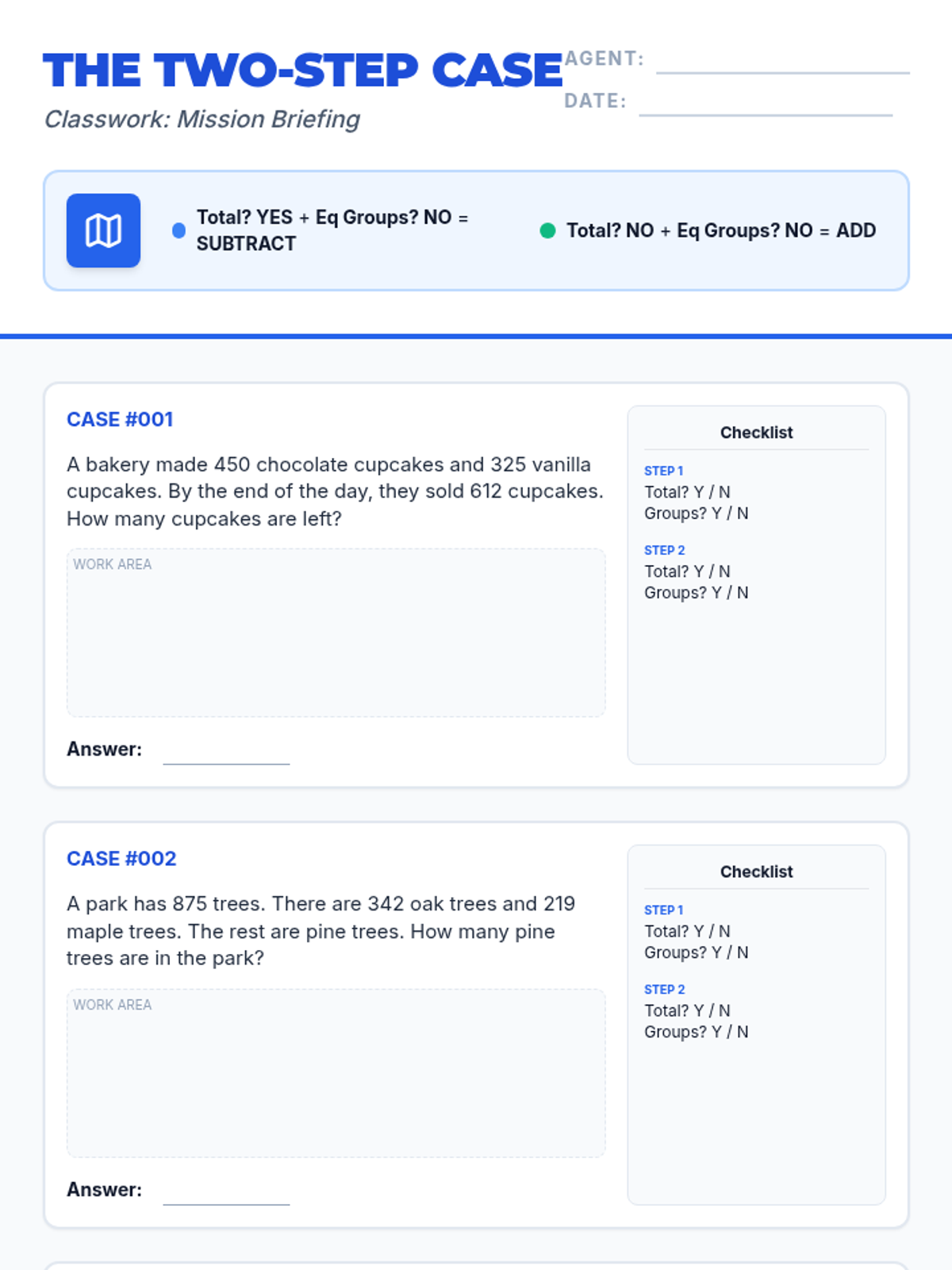
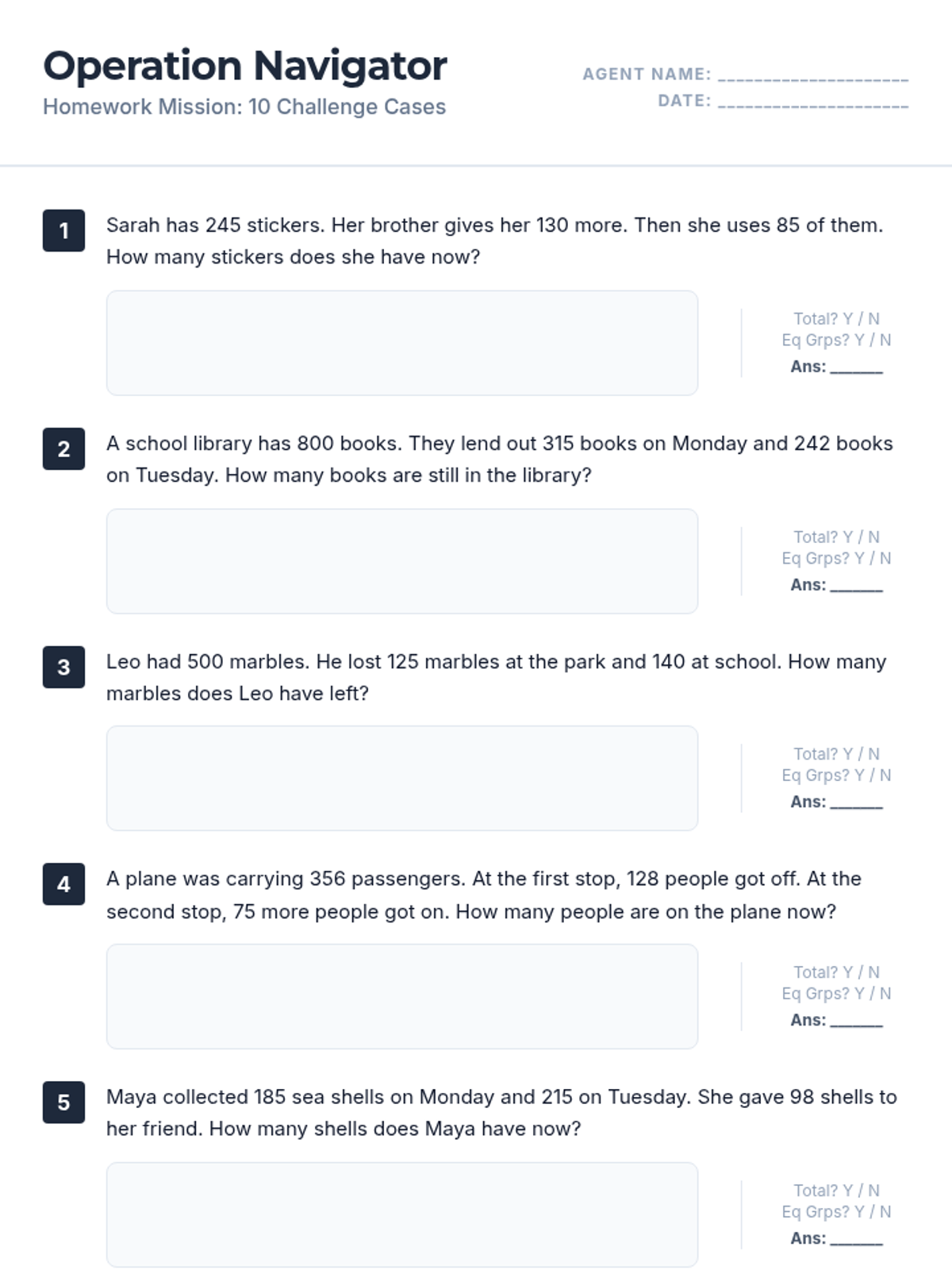
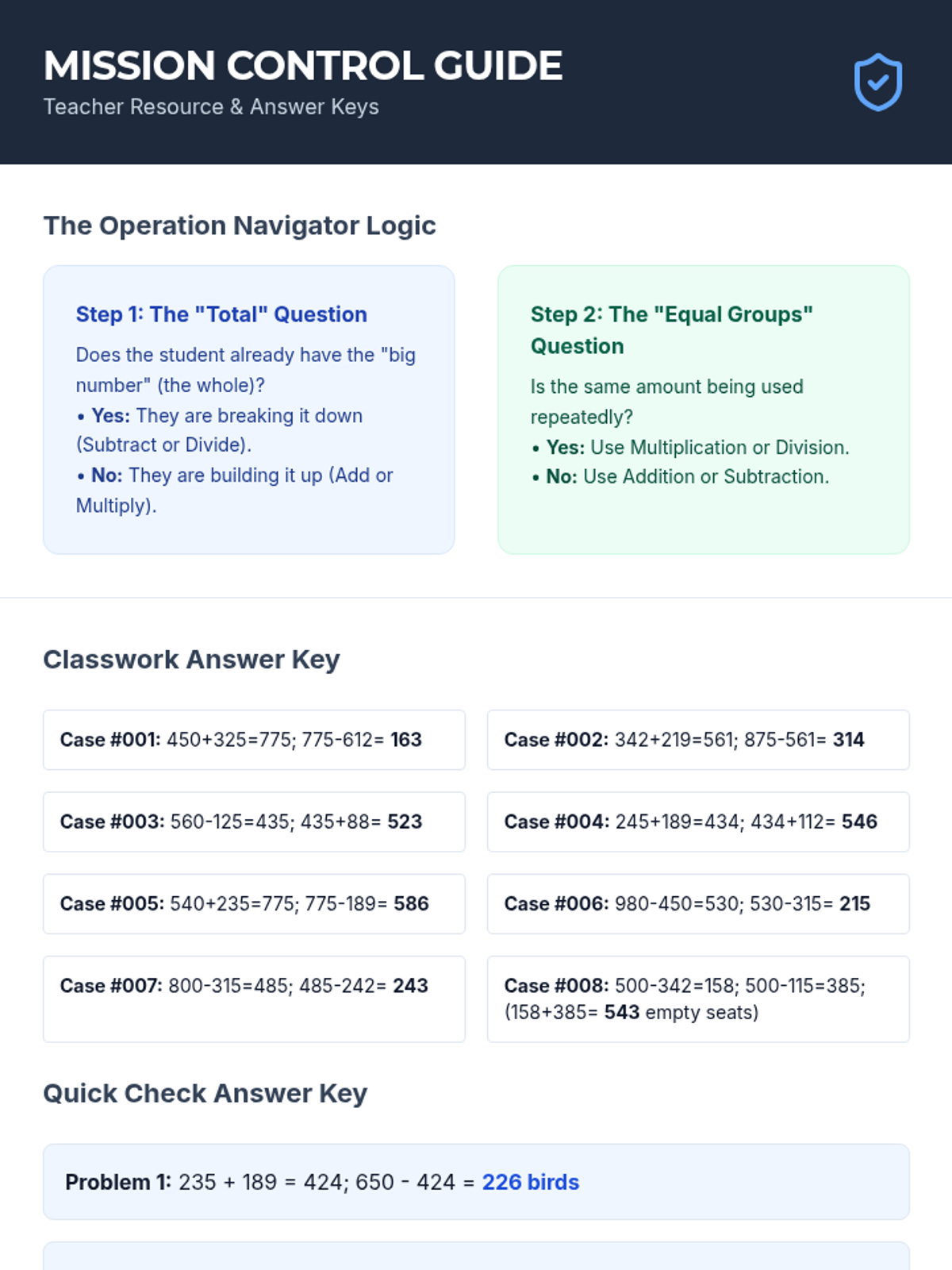
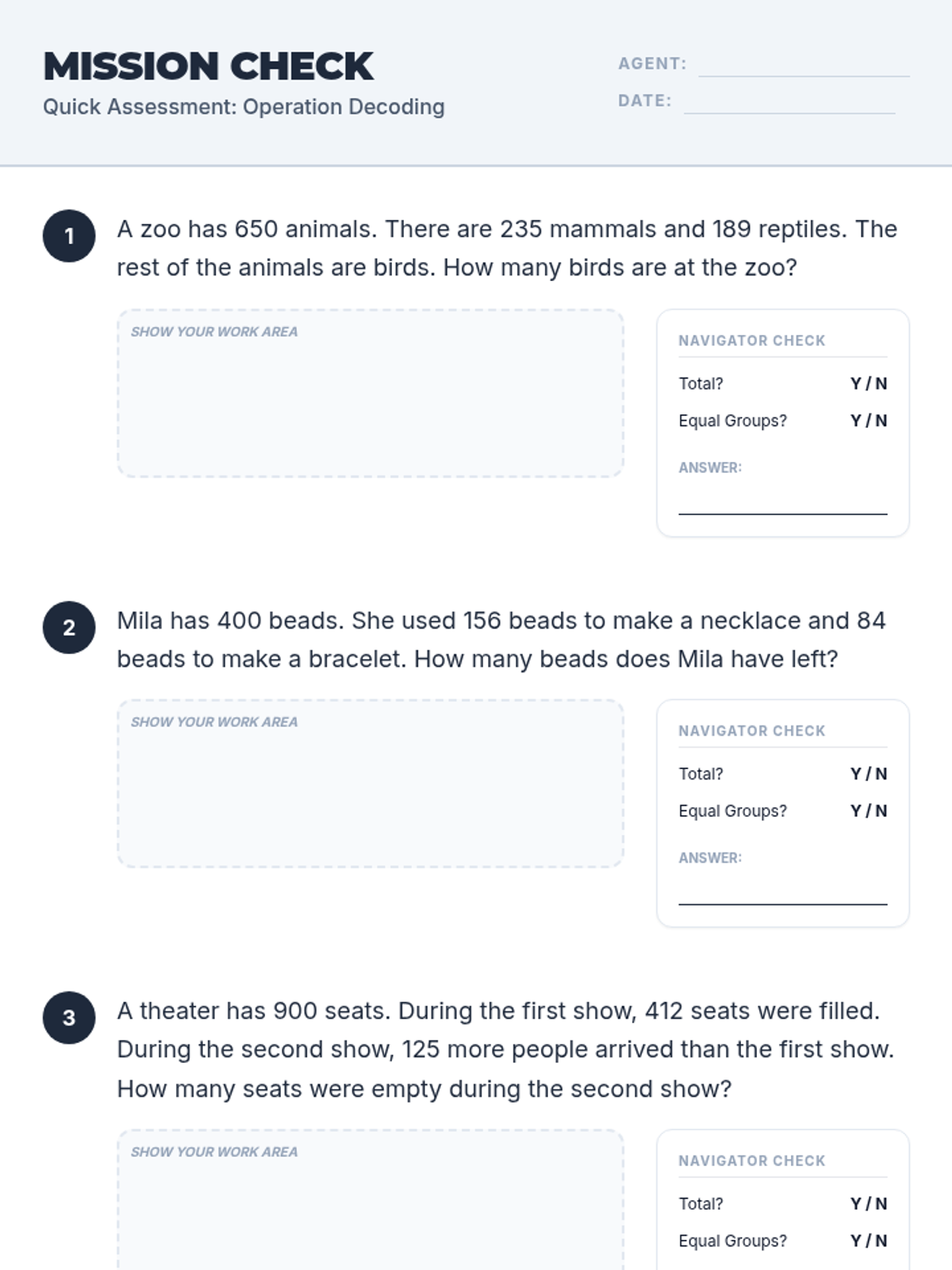
A lesson focused on solving two-step word problems involving addition and subtraction within 1,000, using a guided operation-selection checklist to build student independence.
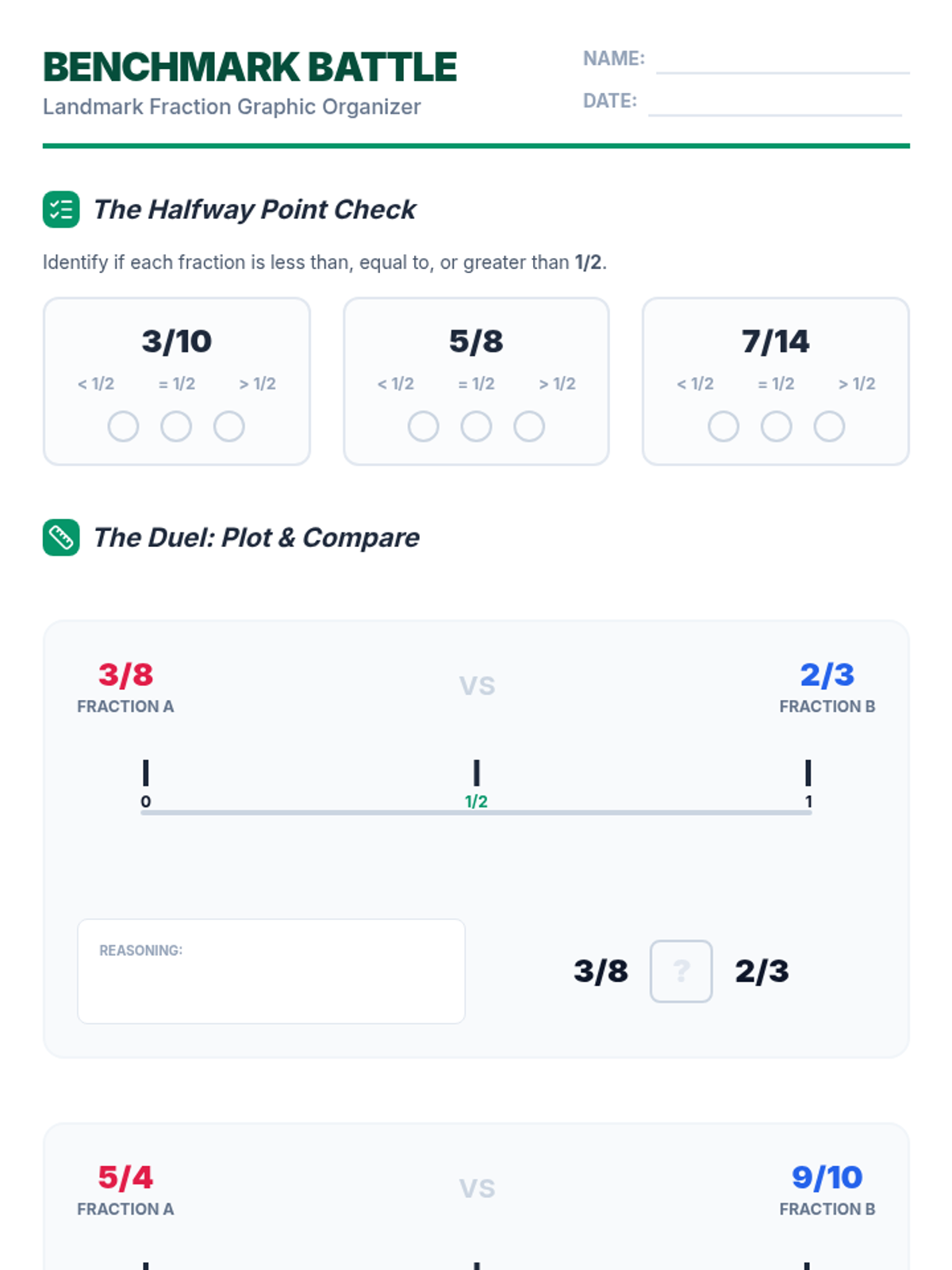
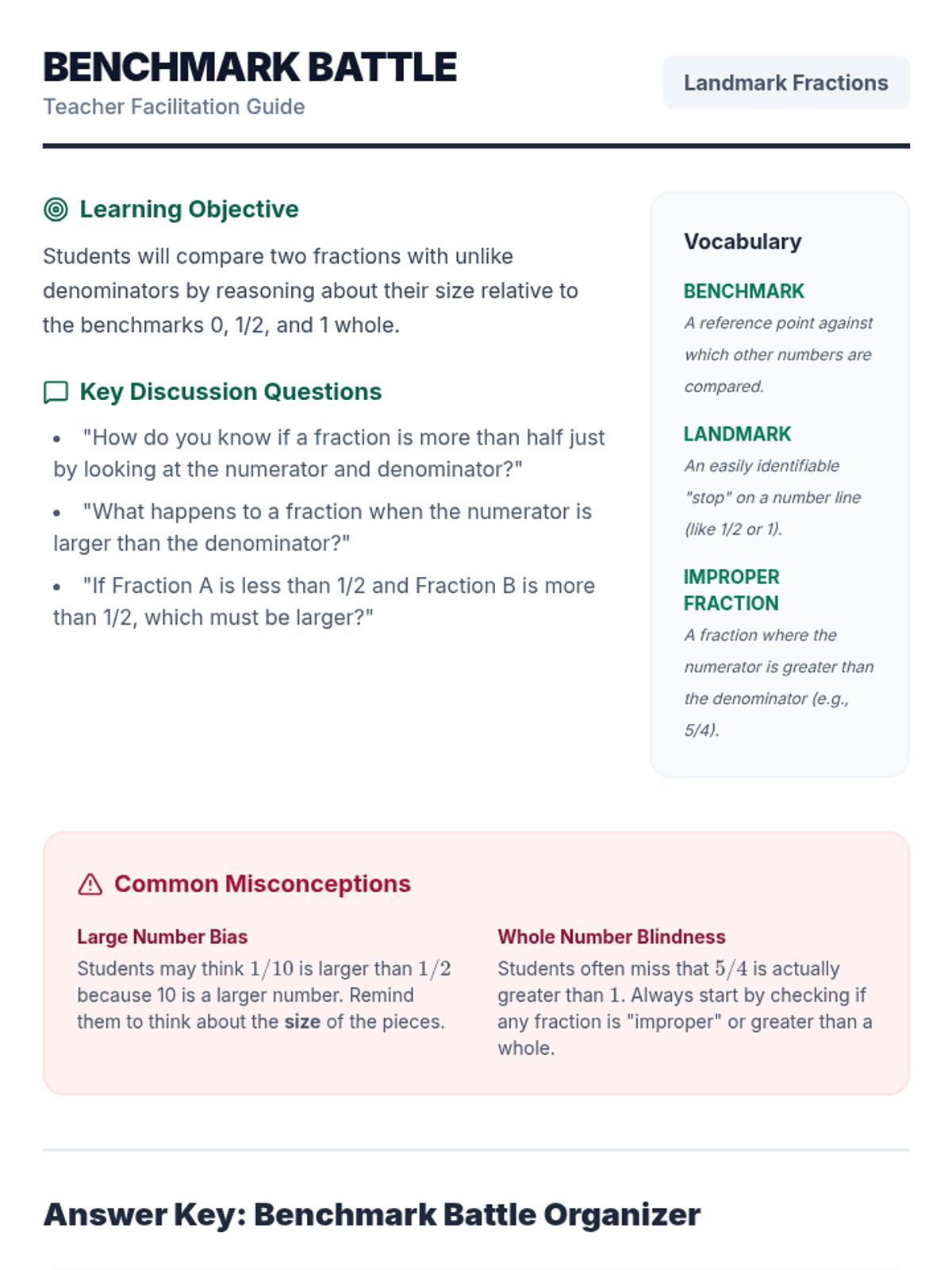
A mini-lesson on comparing fractions with unlike denominators using 0, 1/2, and 1 as landmark benchmarks, including comparisons greater than one whole.
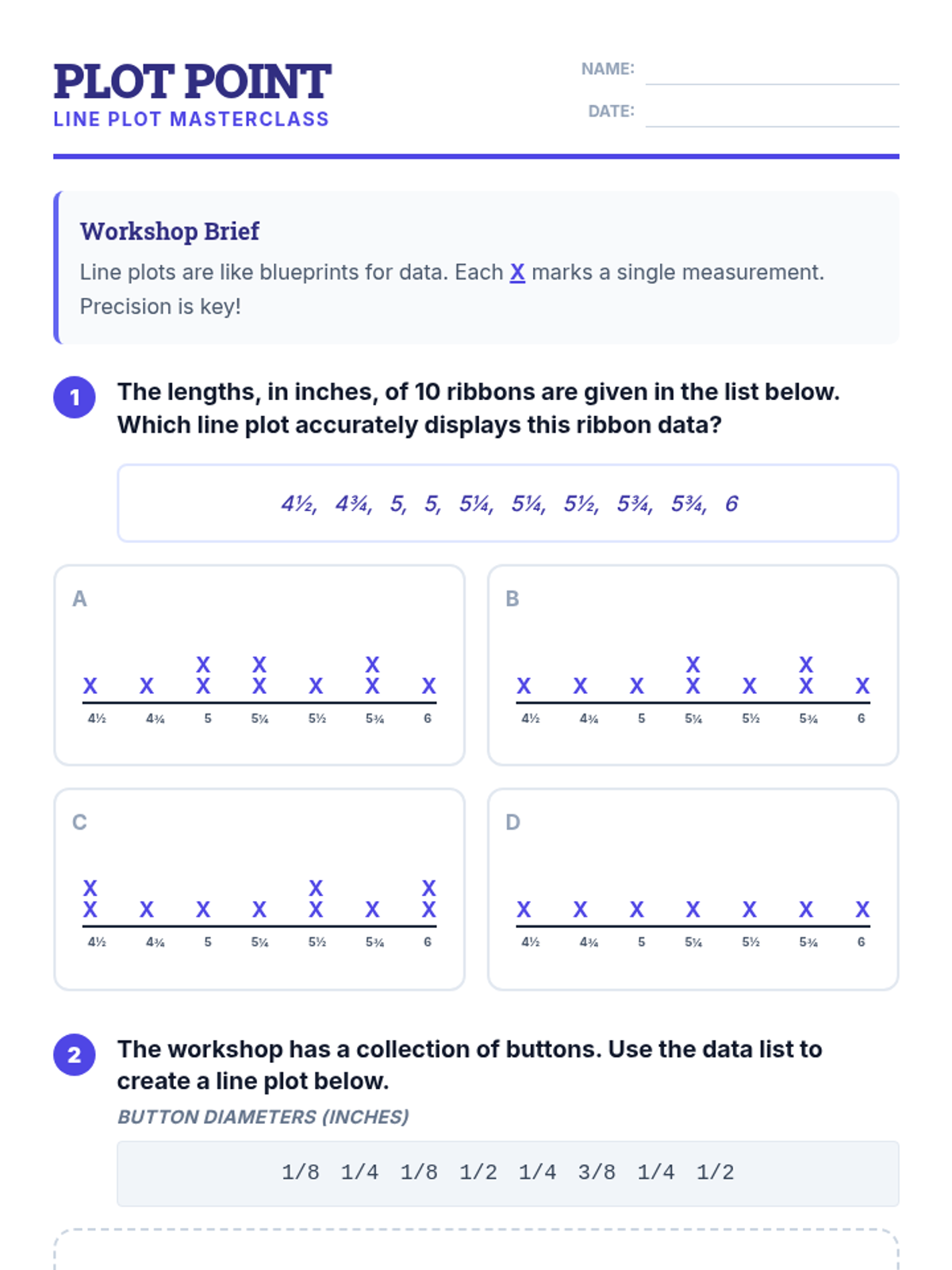
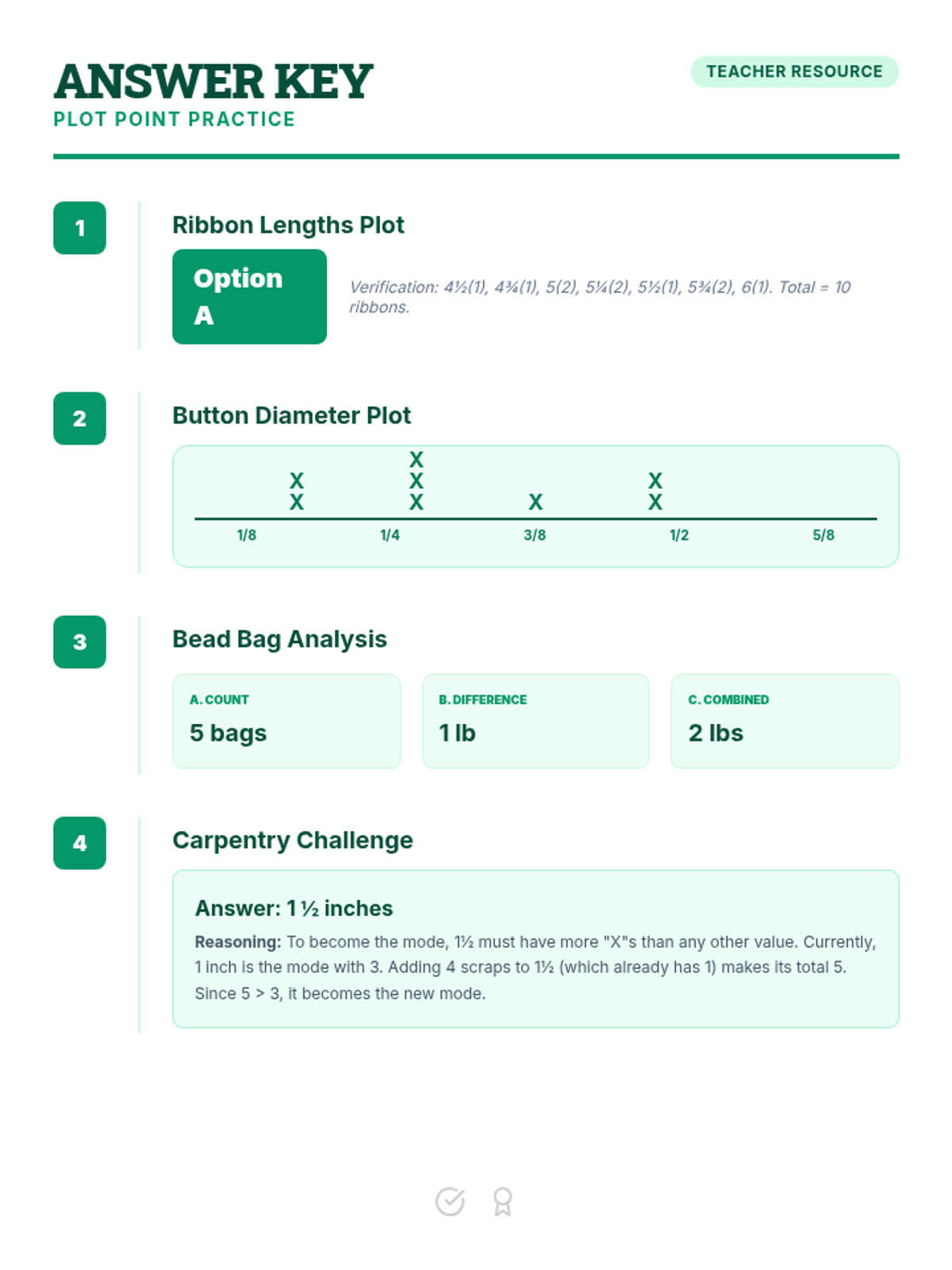
A focused practice session on creating, interpreting, and analyzing line plots with fractional measurements. Students will work through real-world crafting scenarios to master data visualization.
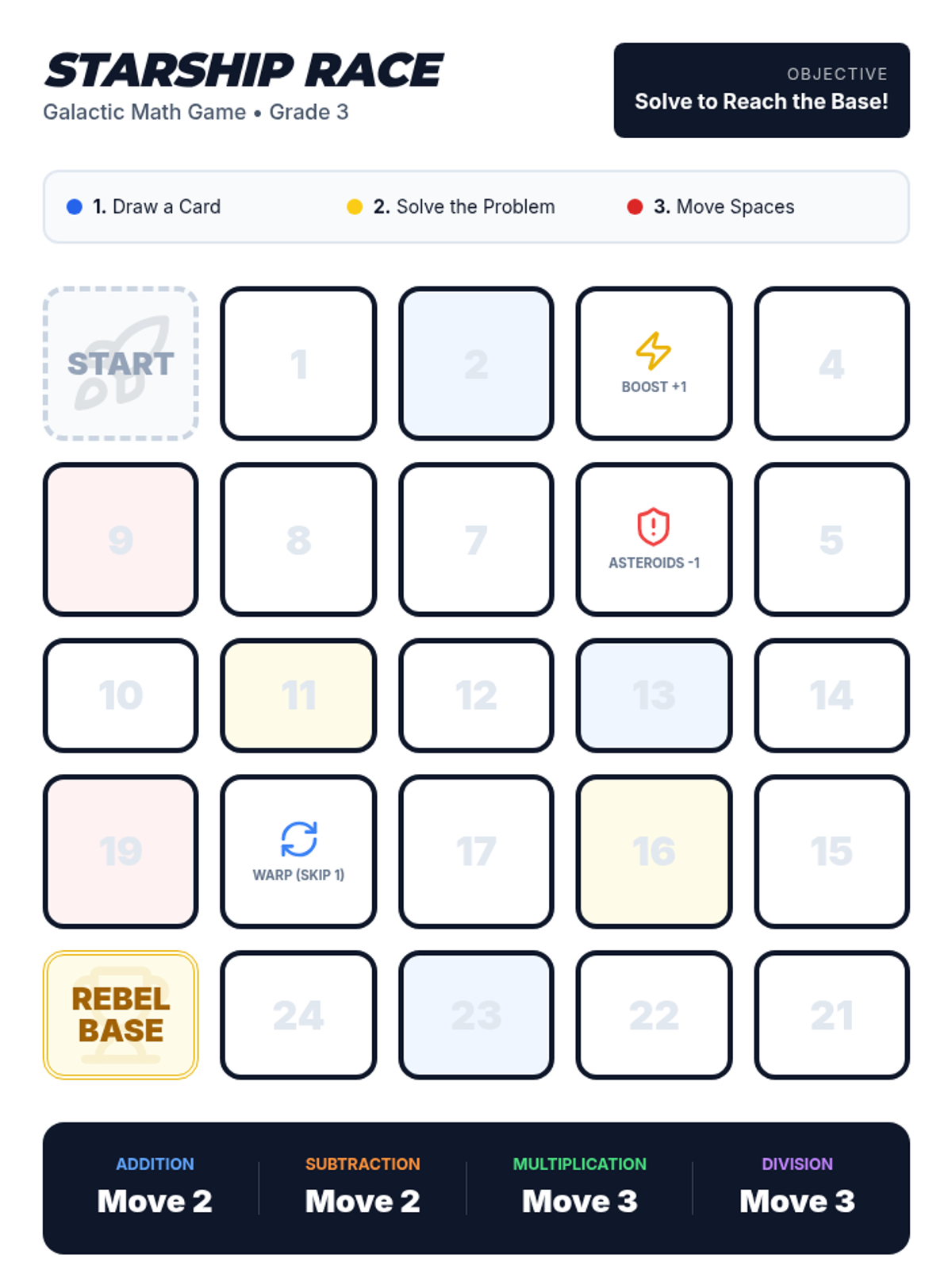
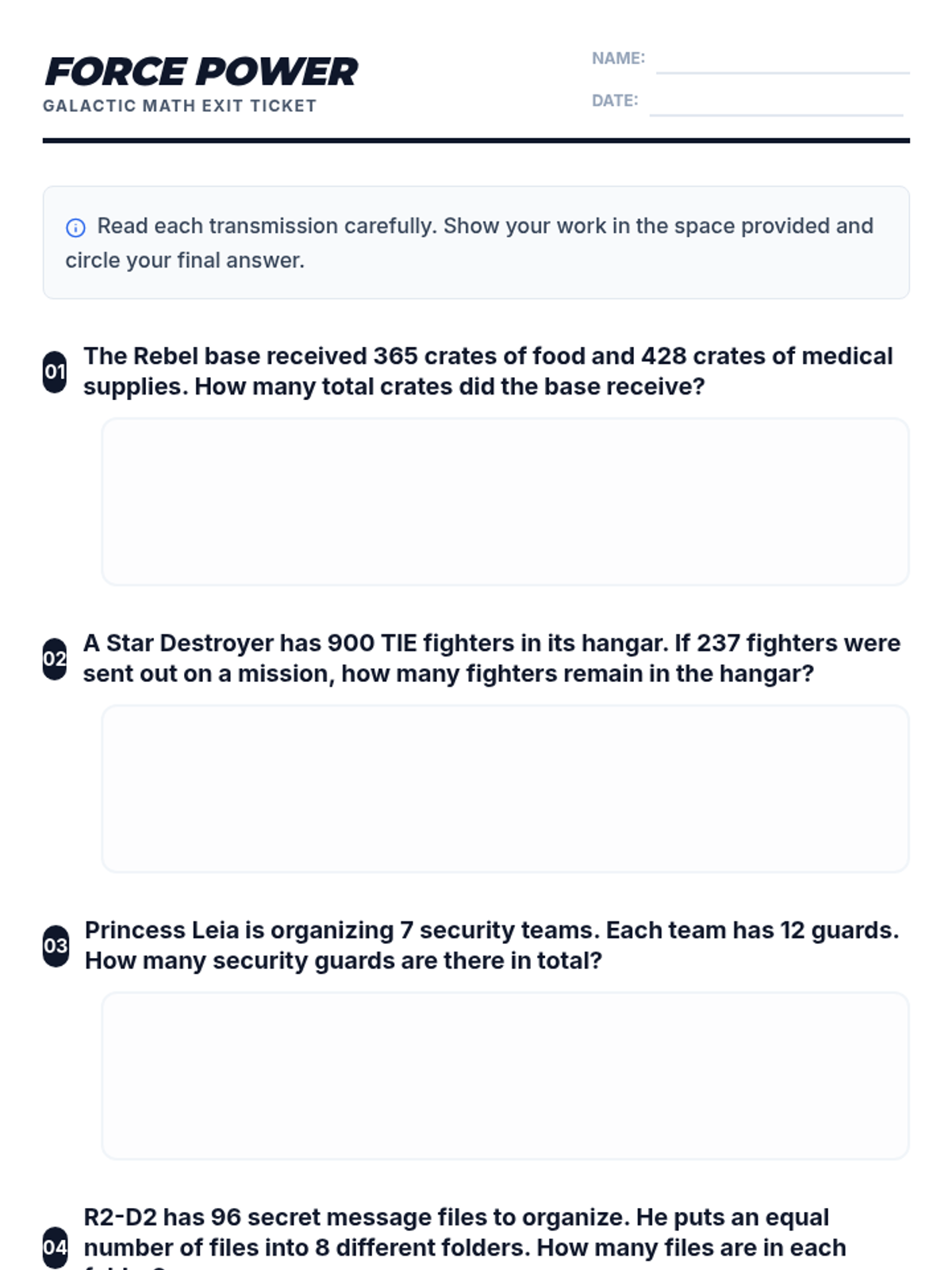
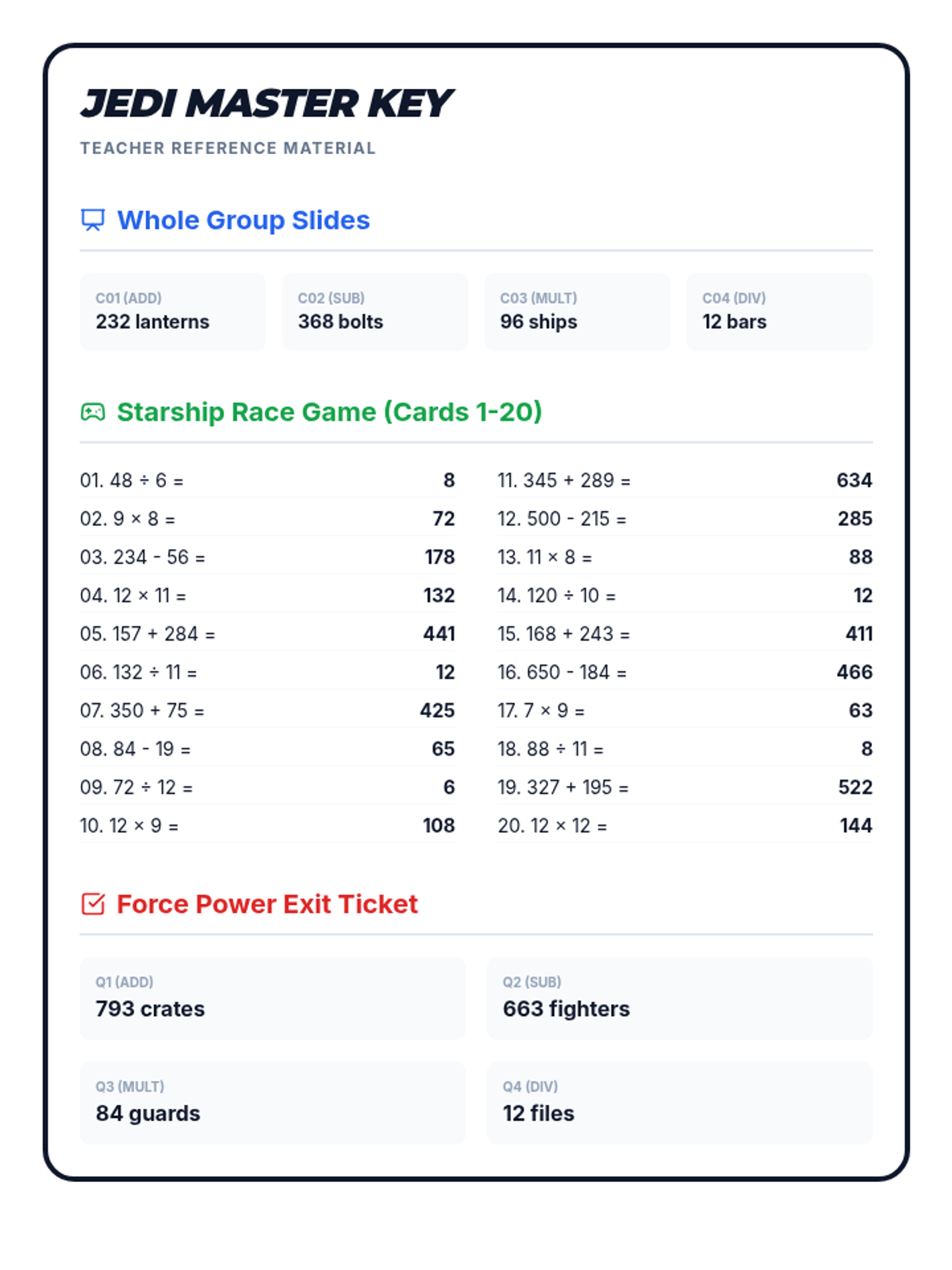
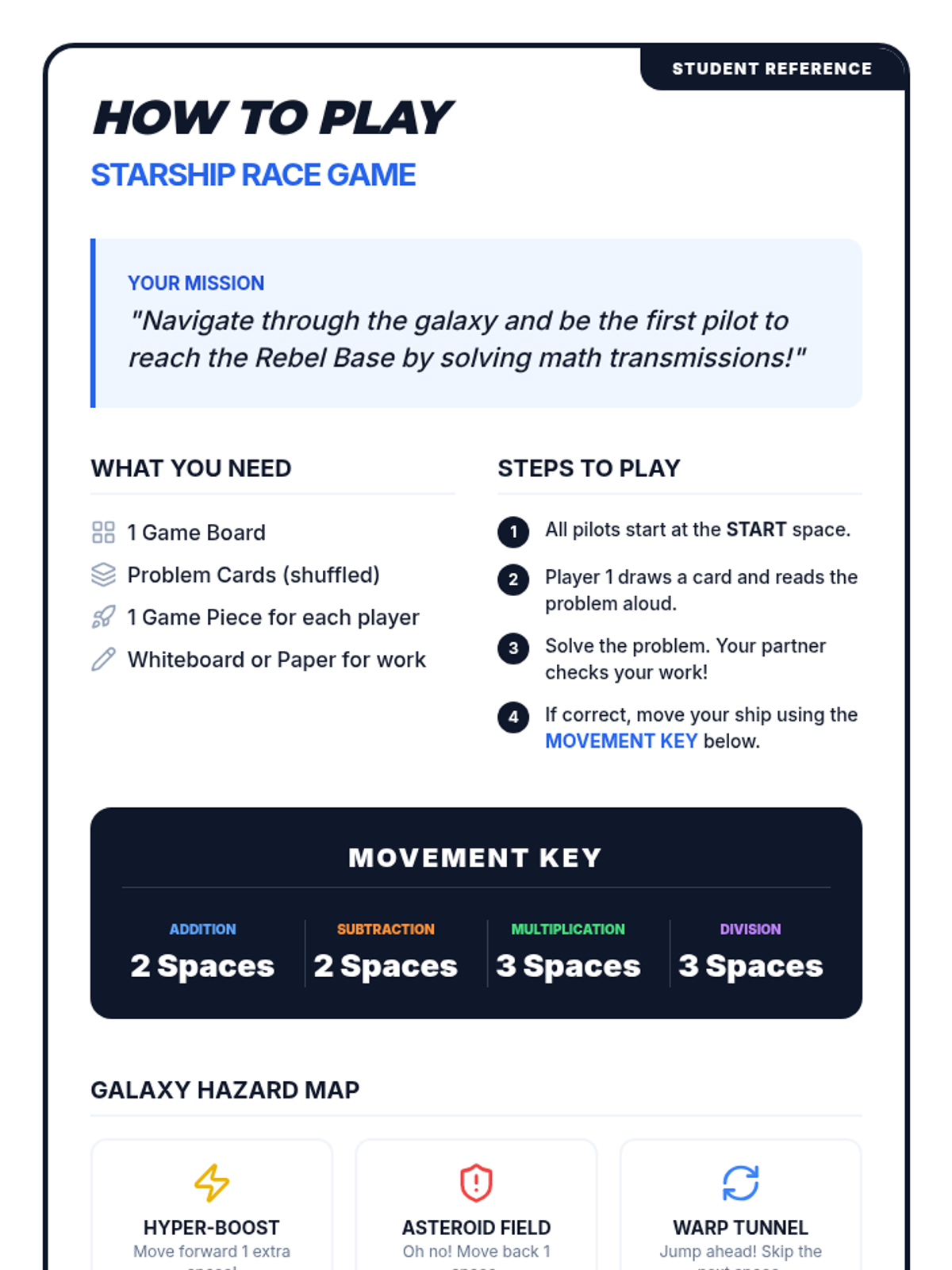
A Star Wars-themed math lesson for 3rd graders focusing on one-step word problems using addition, subtraction, multiplication, and division with facts up to 12. Students engage in a whole-group warm-up, a partner board game, and an individual exit ticket assessment.
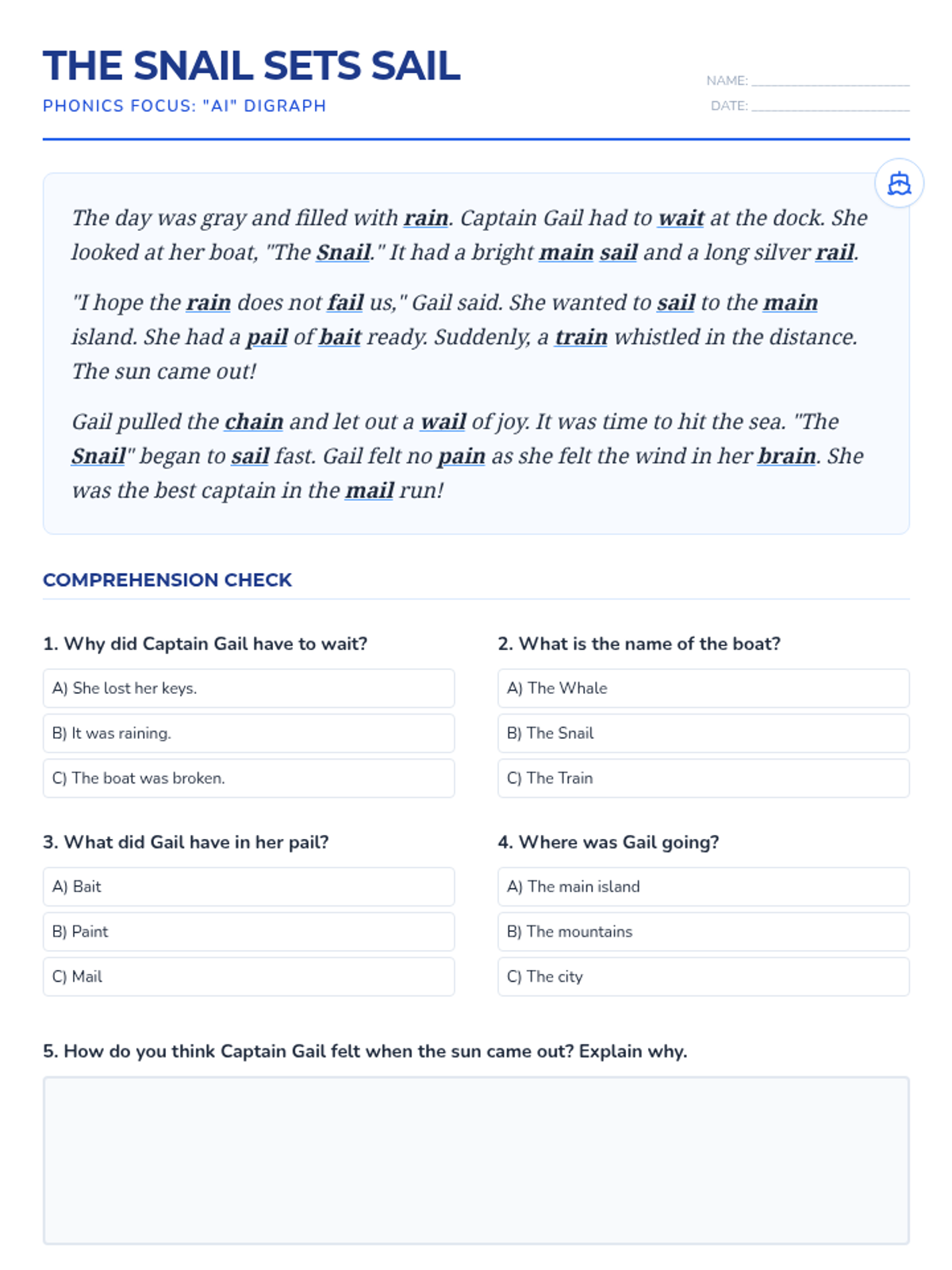
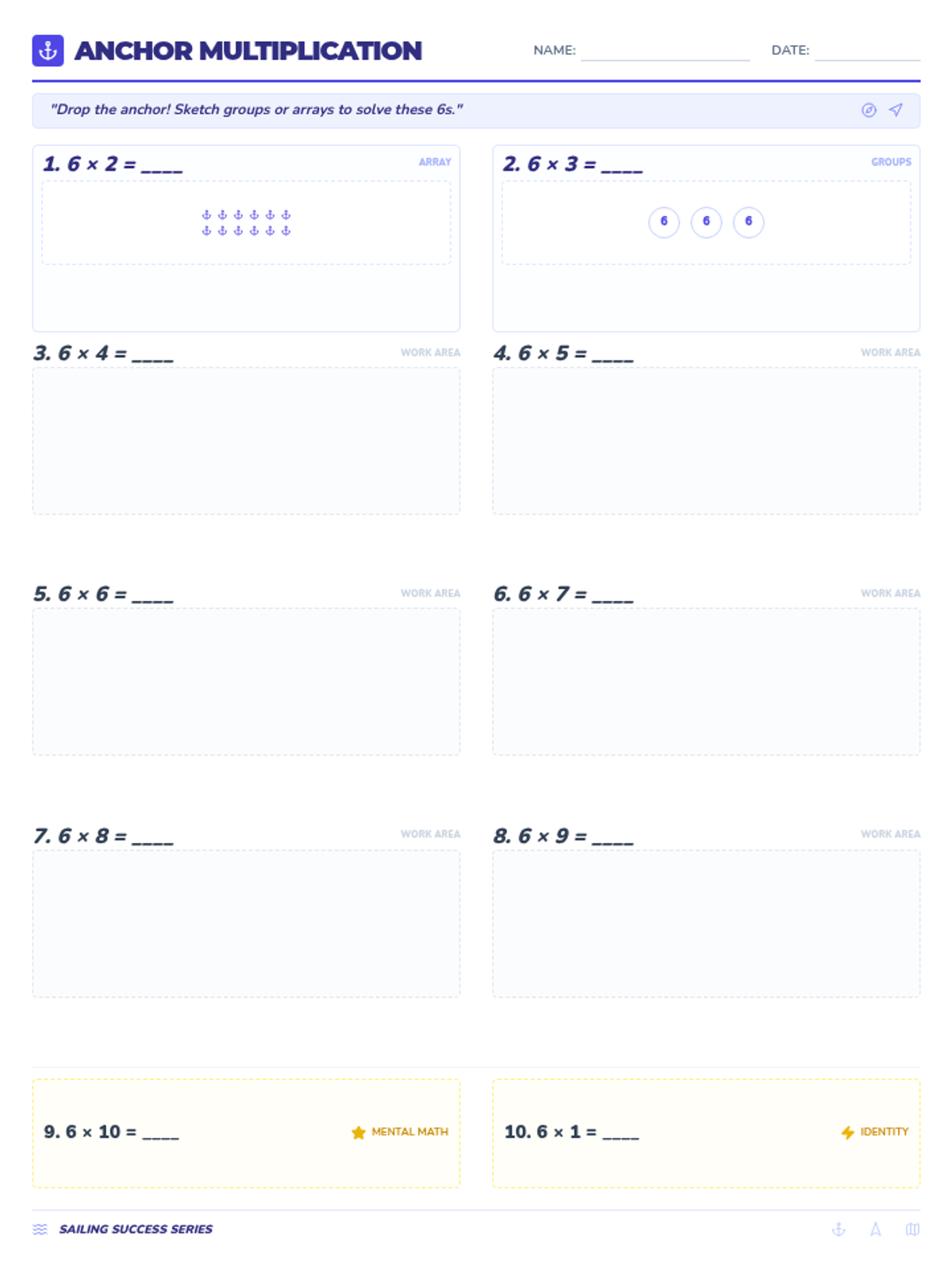
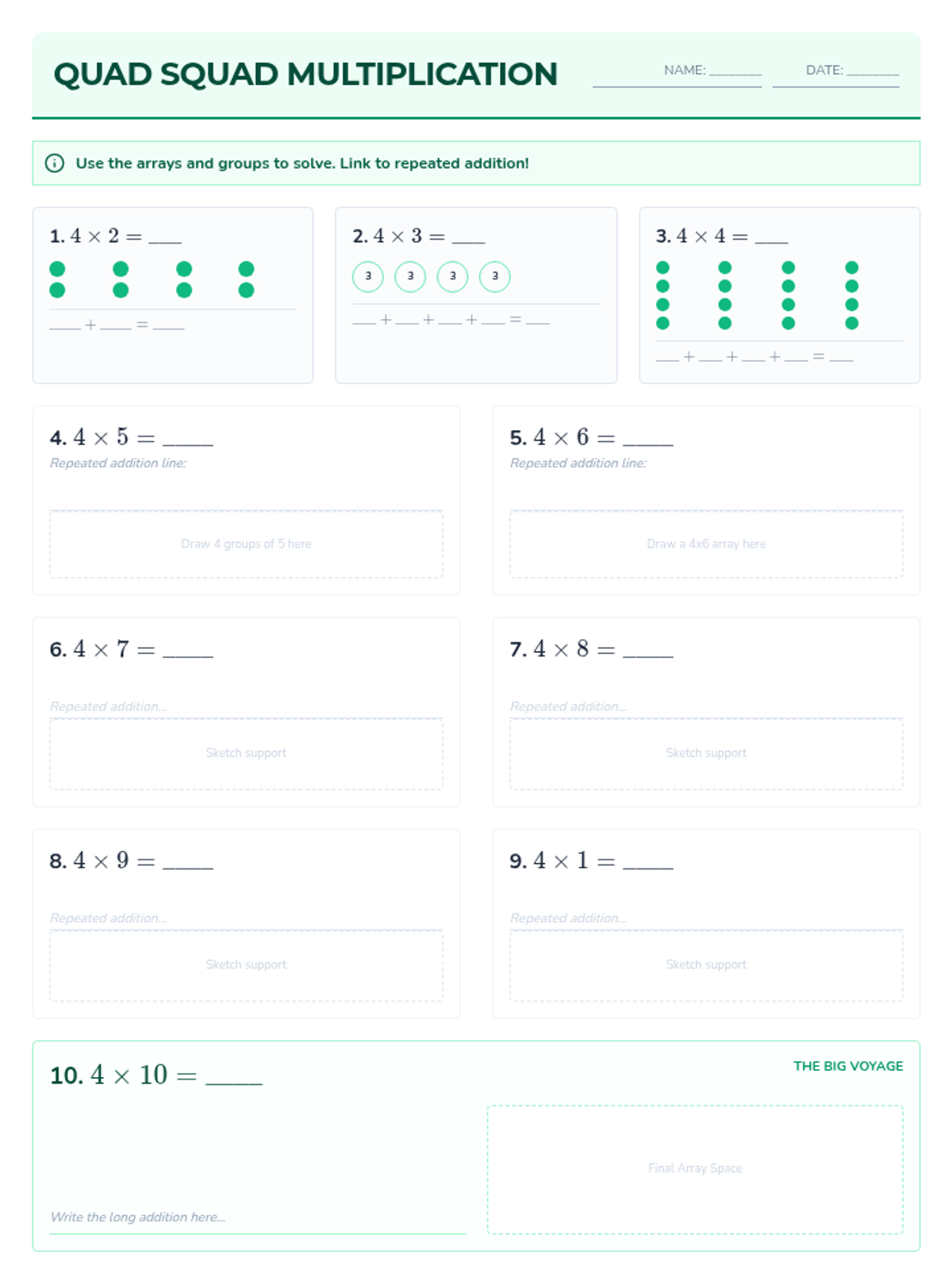
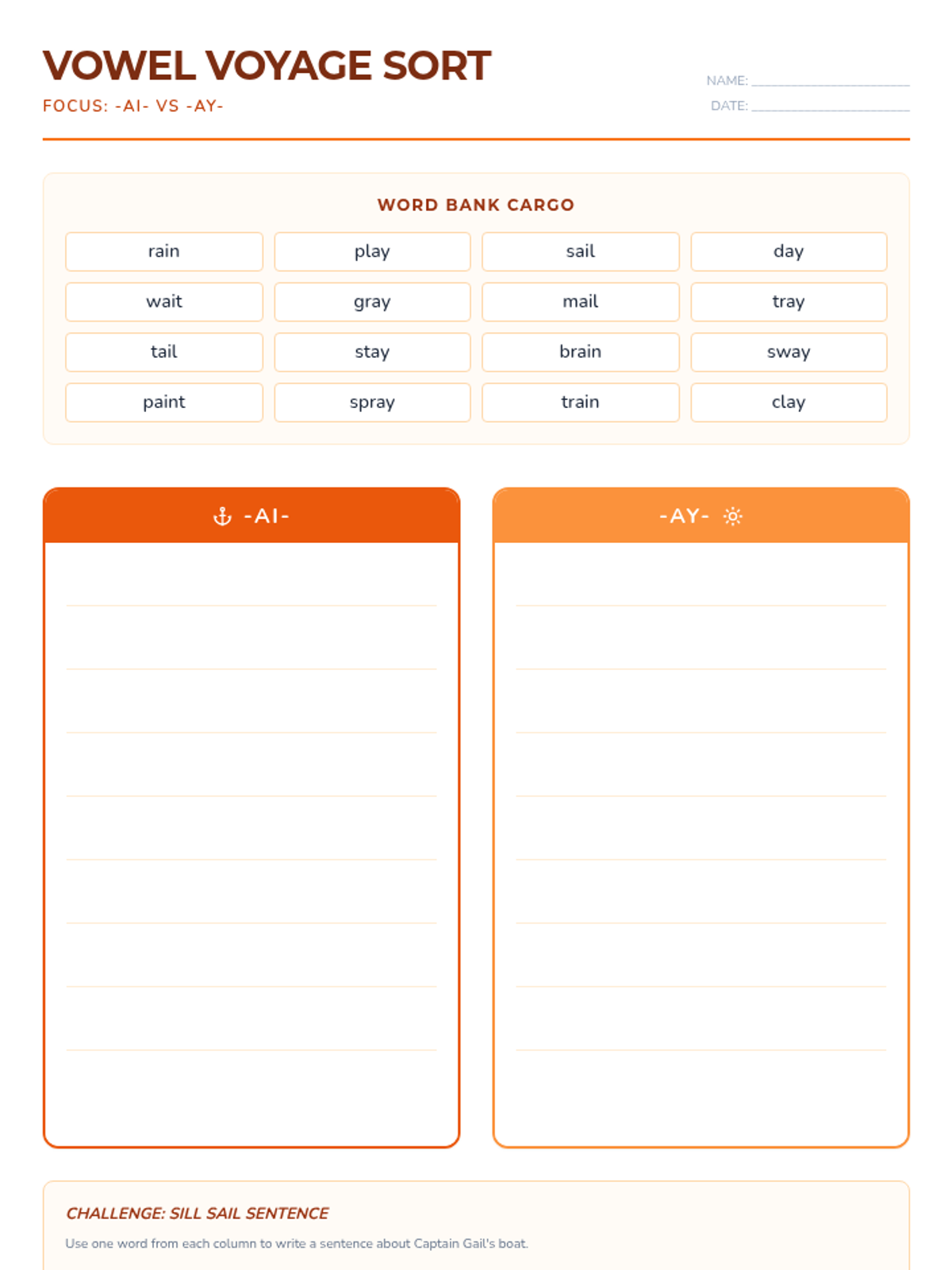
A nautical-themed collection of literacy and math activities focusing on 'ai' phonics, vowel digraph sorting, and multiplication strategies for factors of 4 and 6.
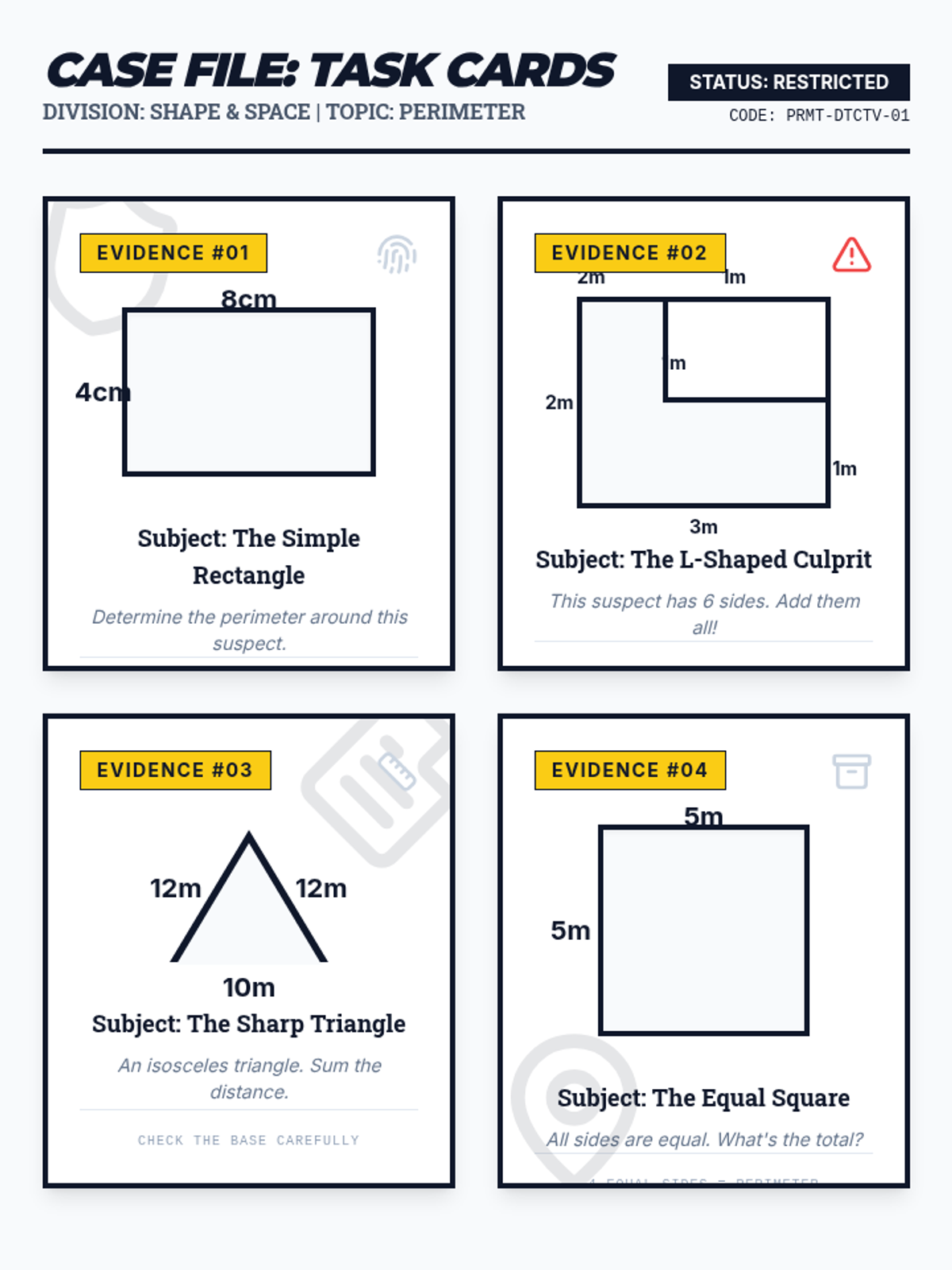
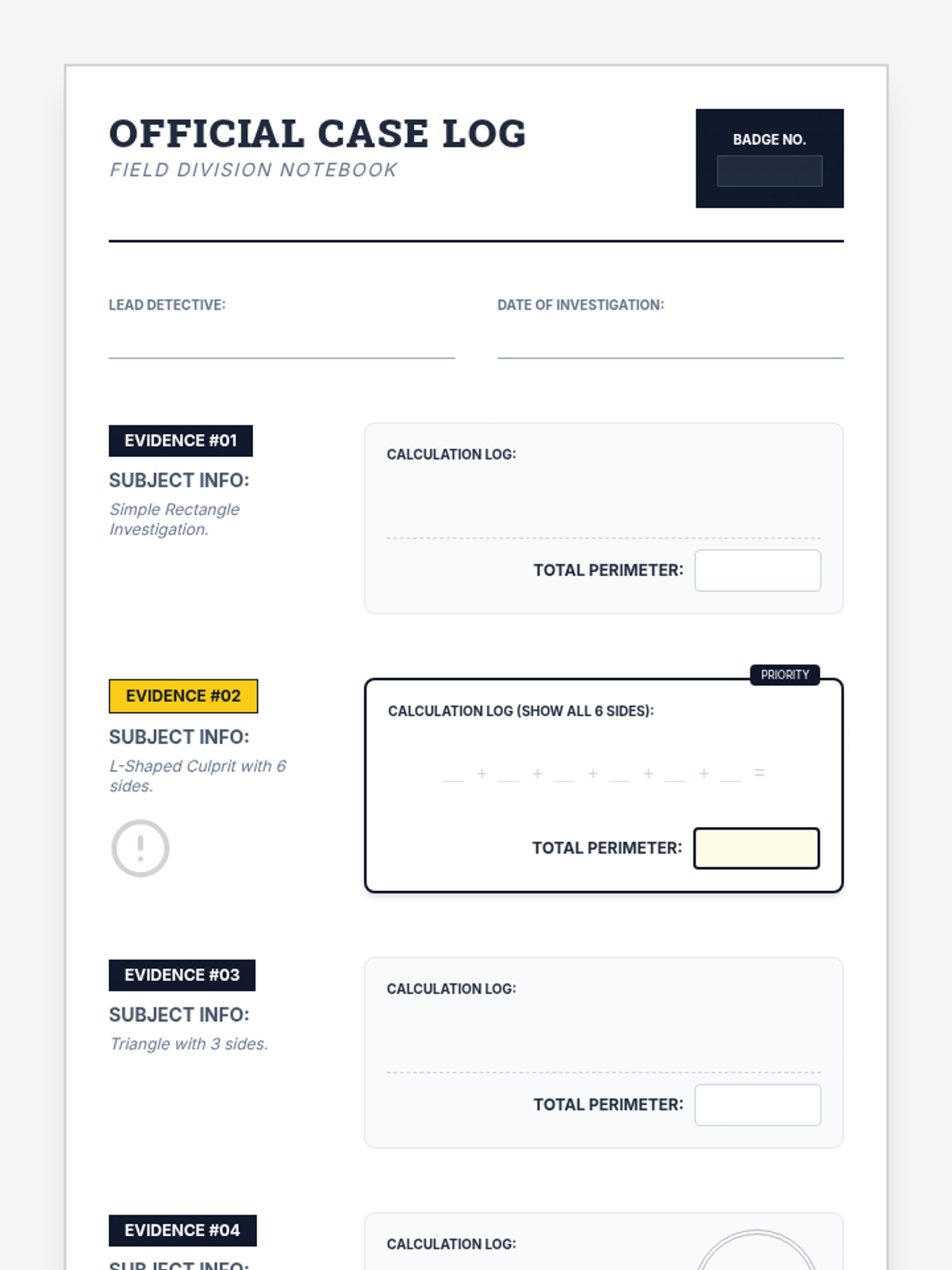
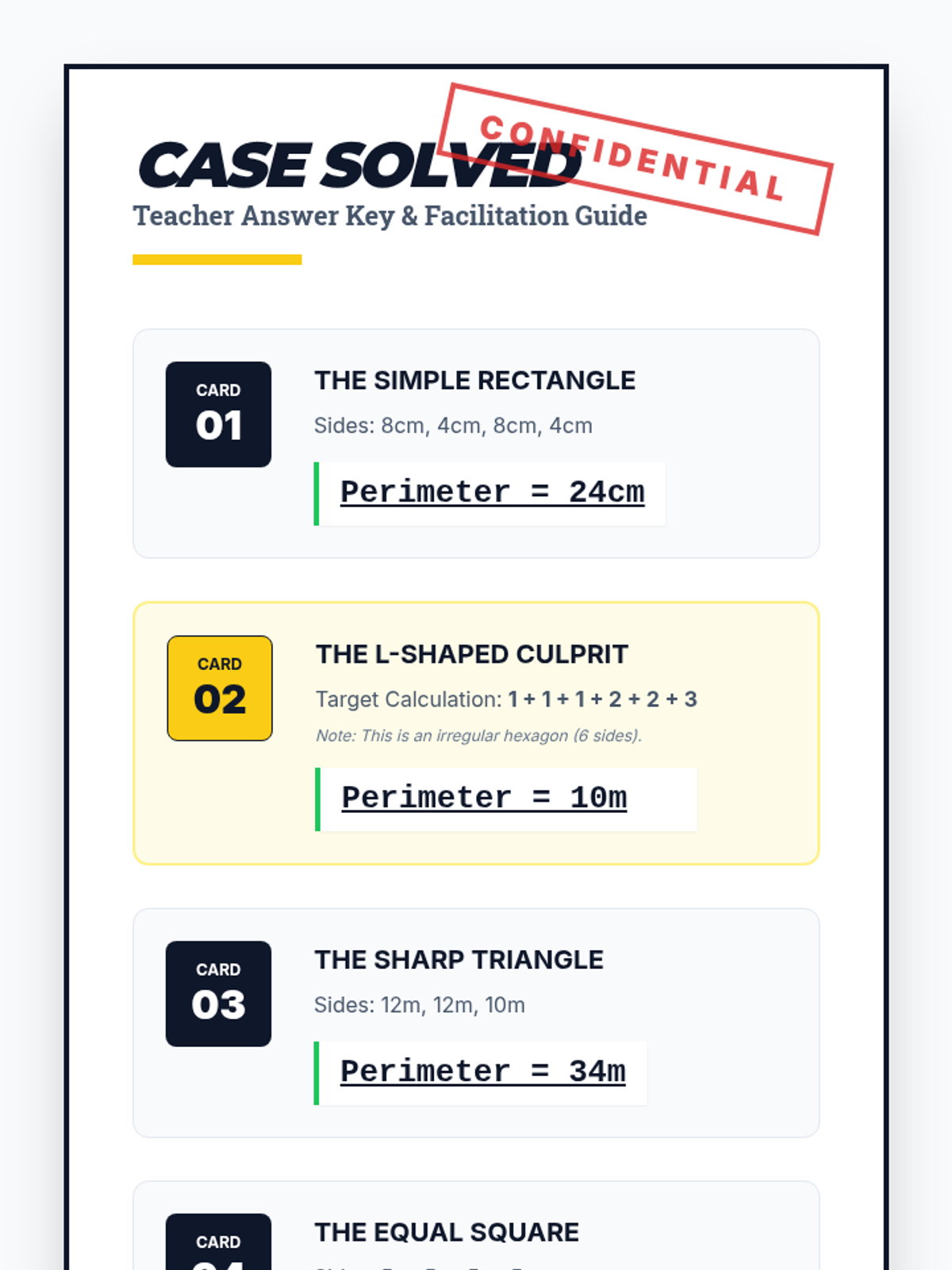
A perimeter-focused lesson where students take on the role of detectives to calculate the boundaries of various shapes. Features mystery-themed visuals and step-by-step problem-solving.
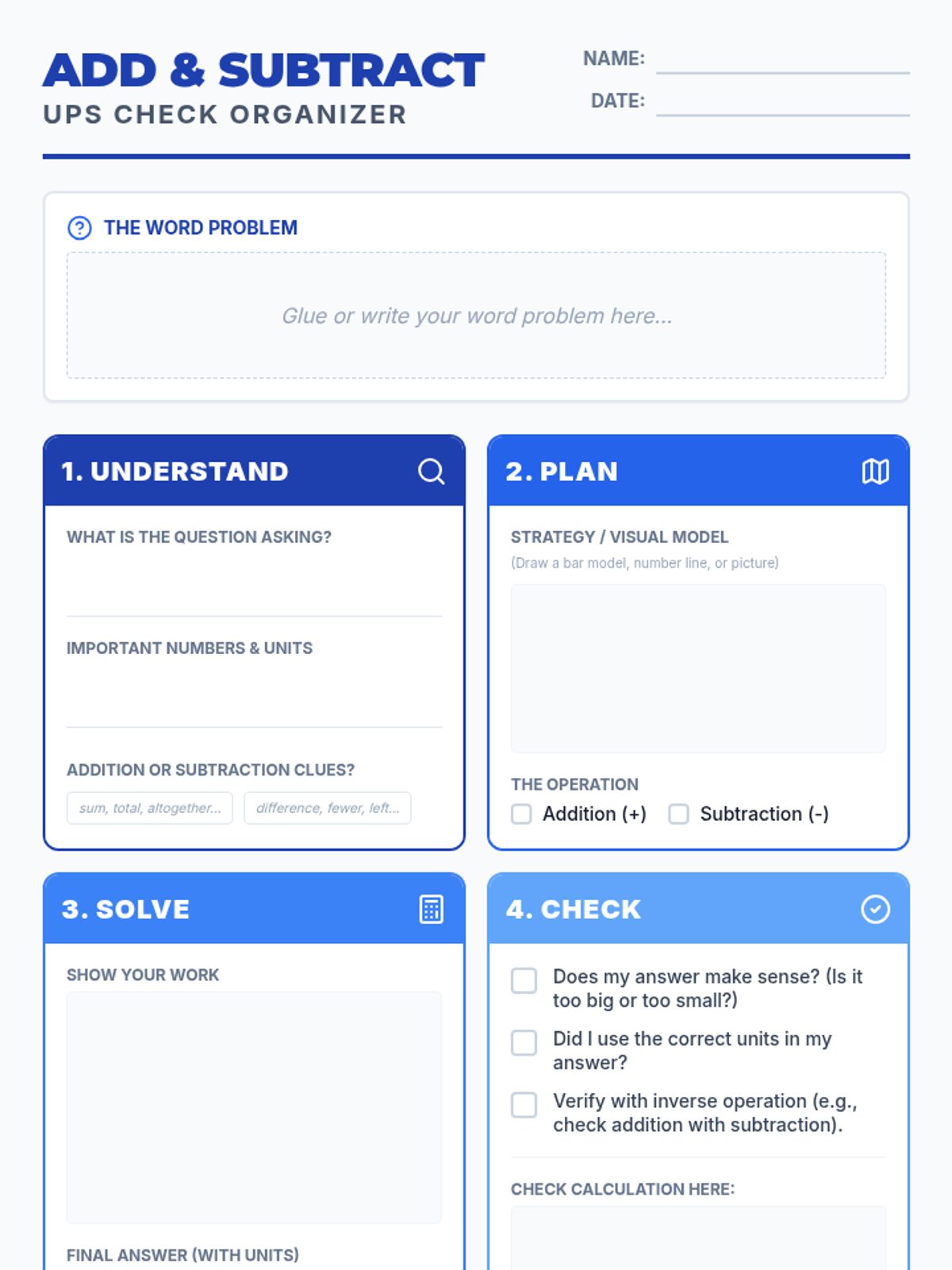
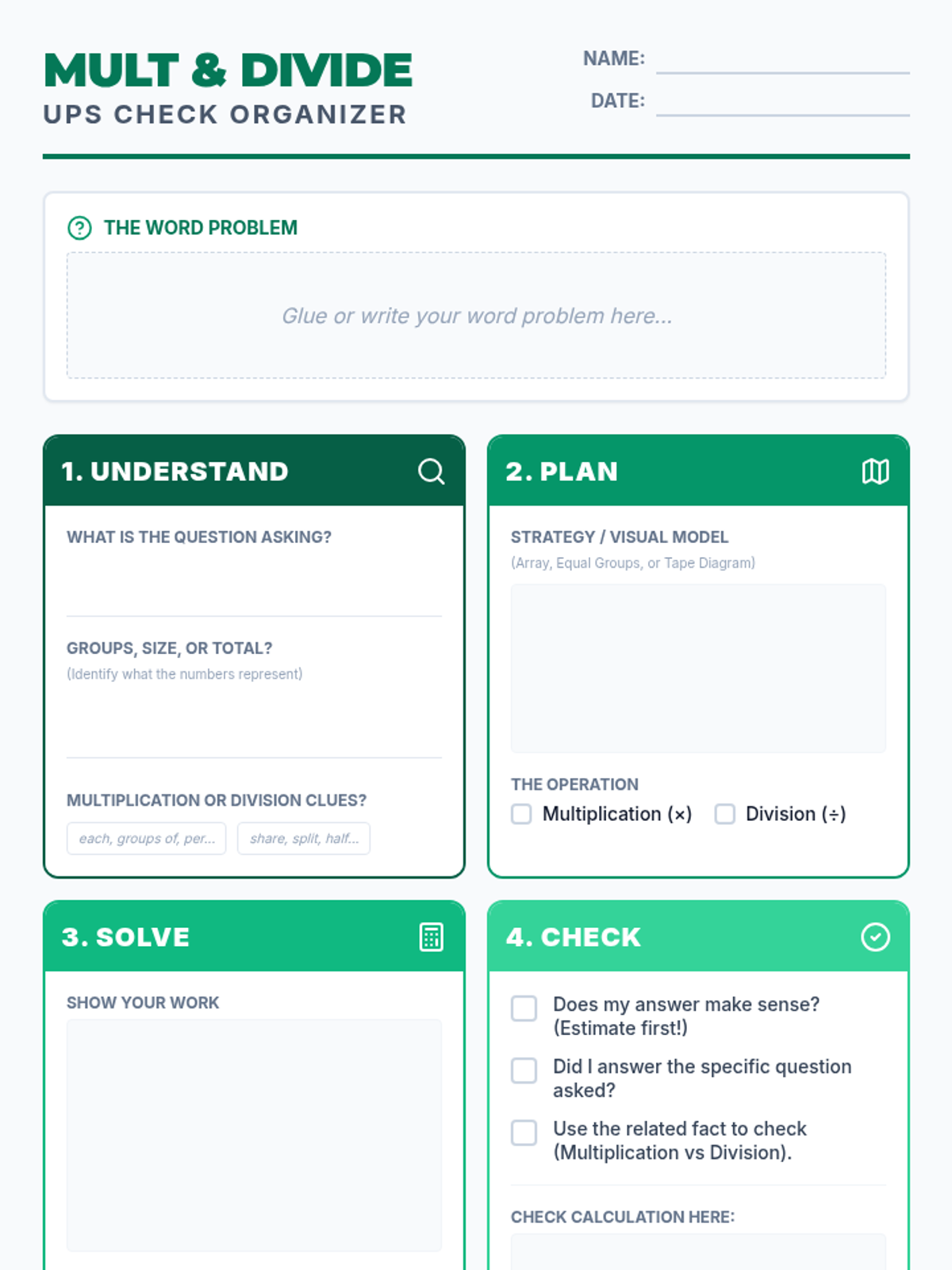
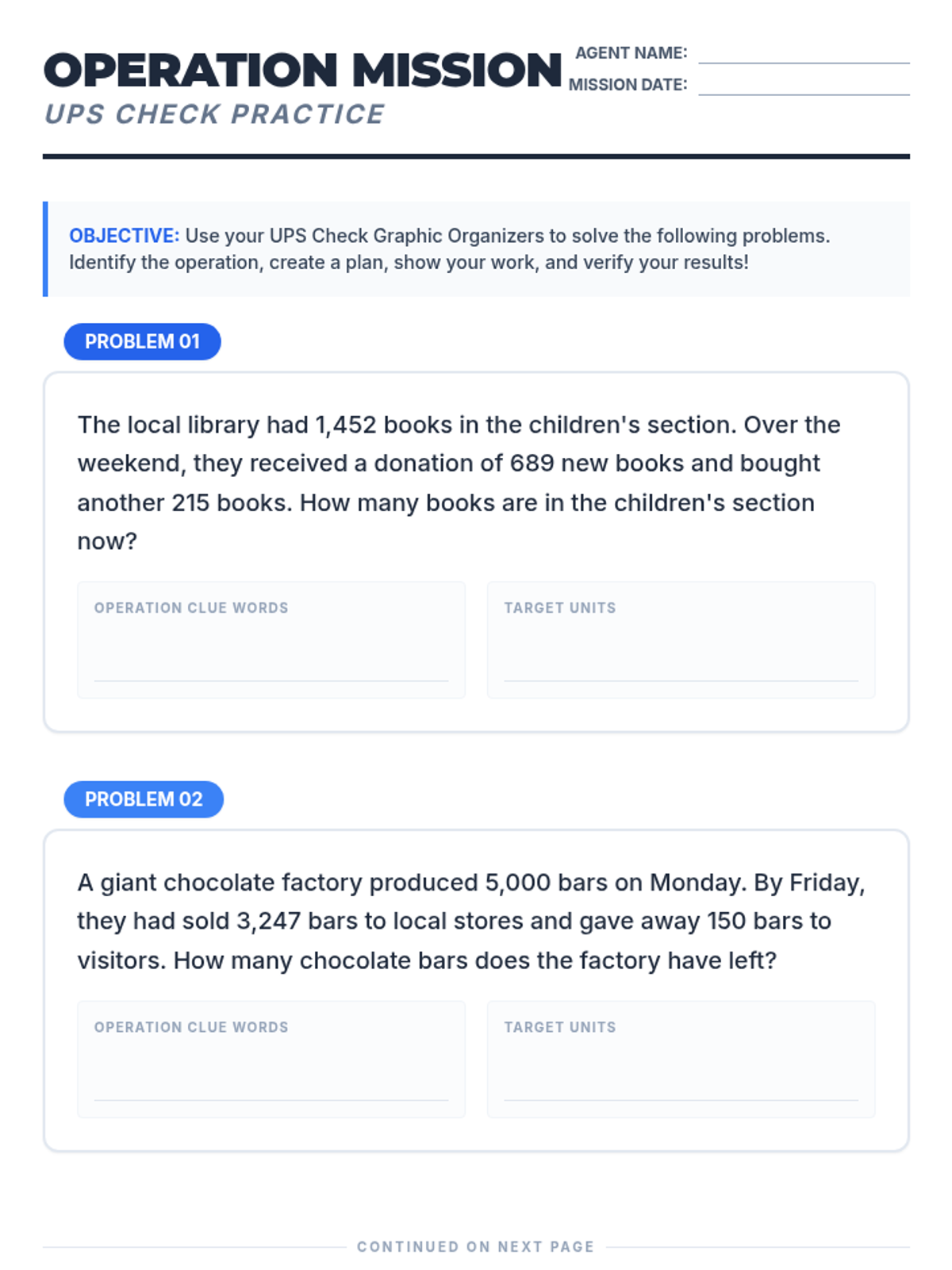
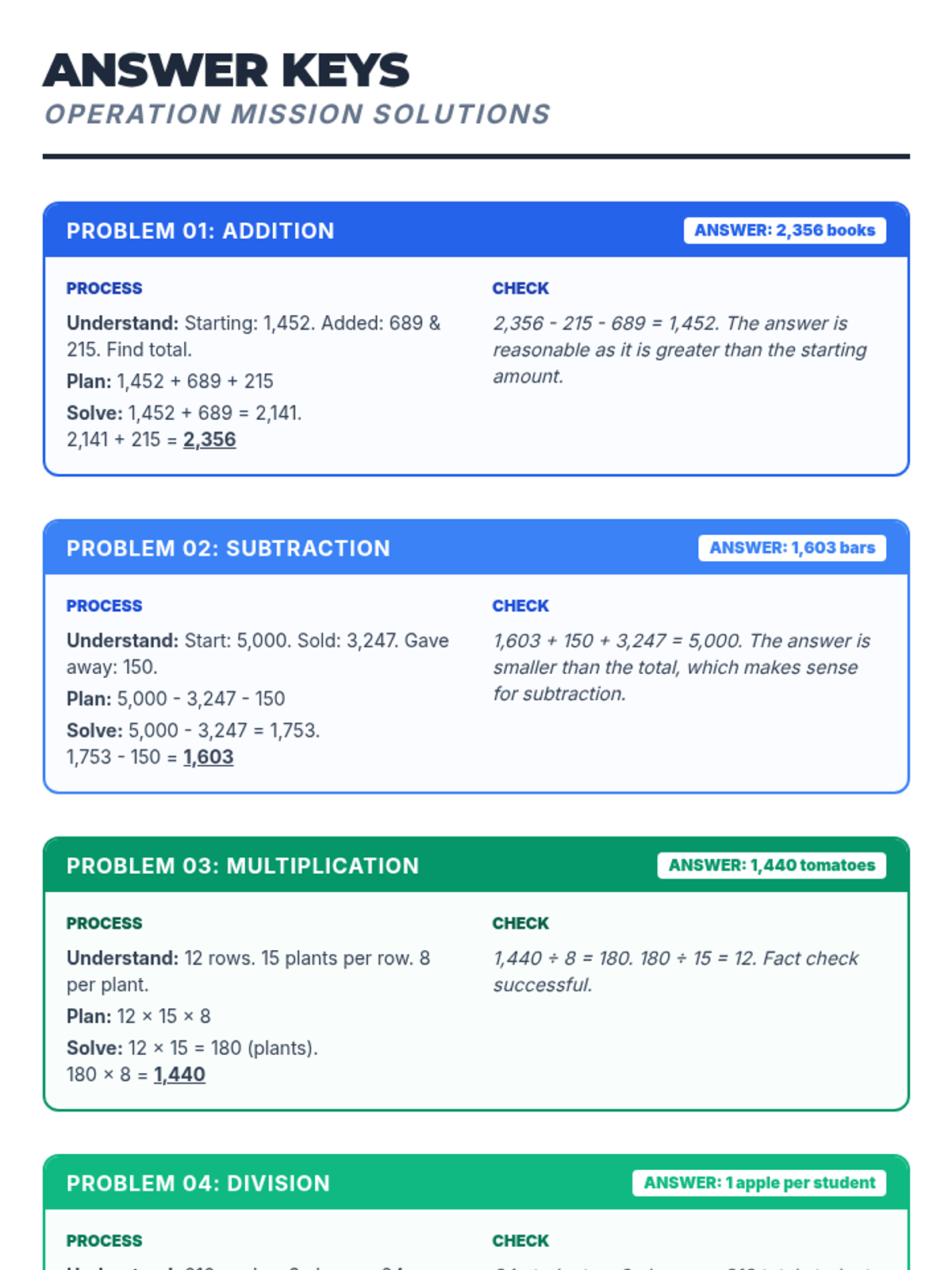
A collection of graphic organizers and practice materials focused on the UPS Check (Understand, Plan, Solve, Check) strategy for solving multi-operation word problems.
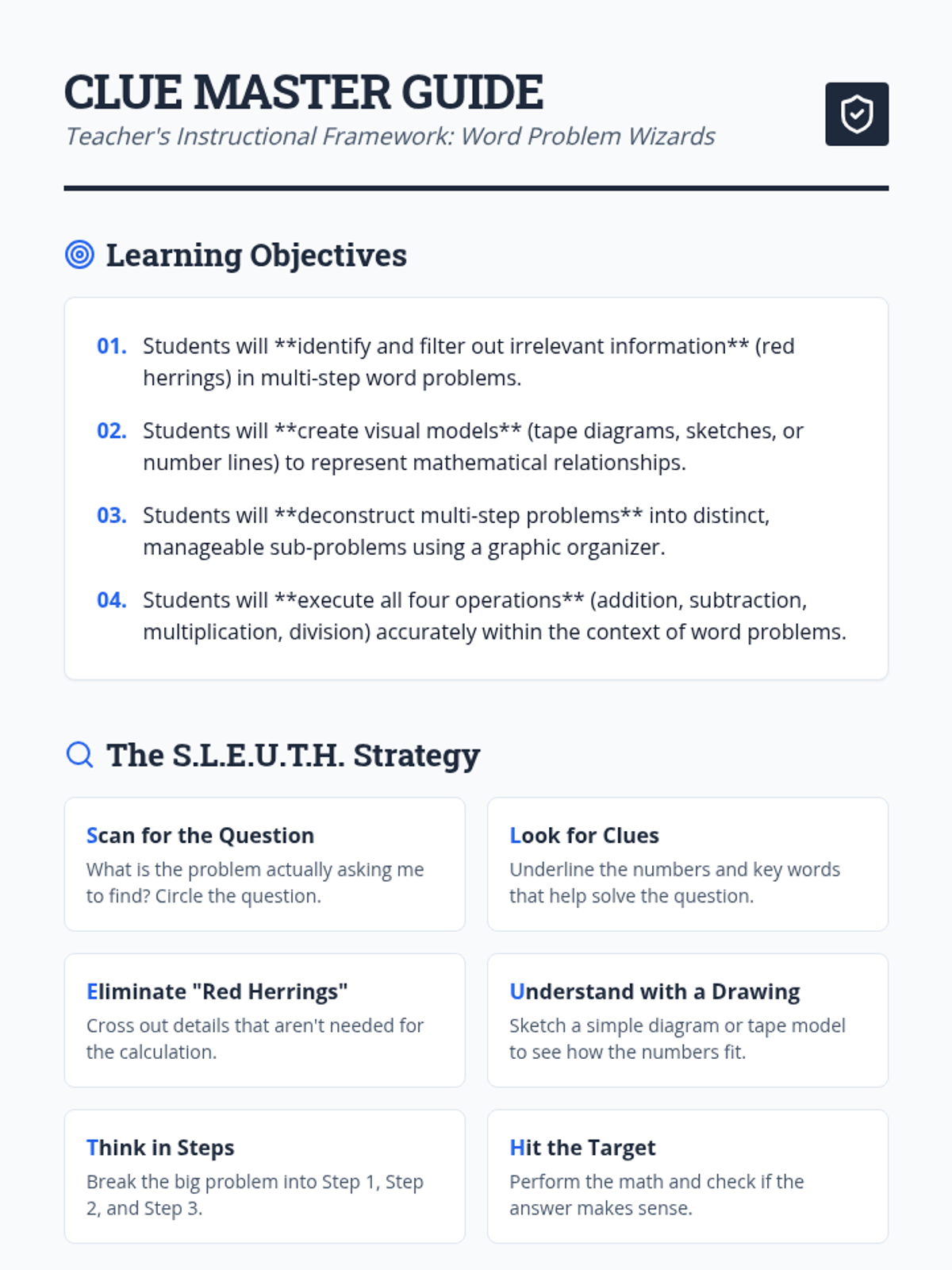
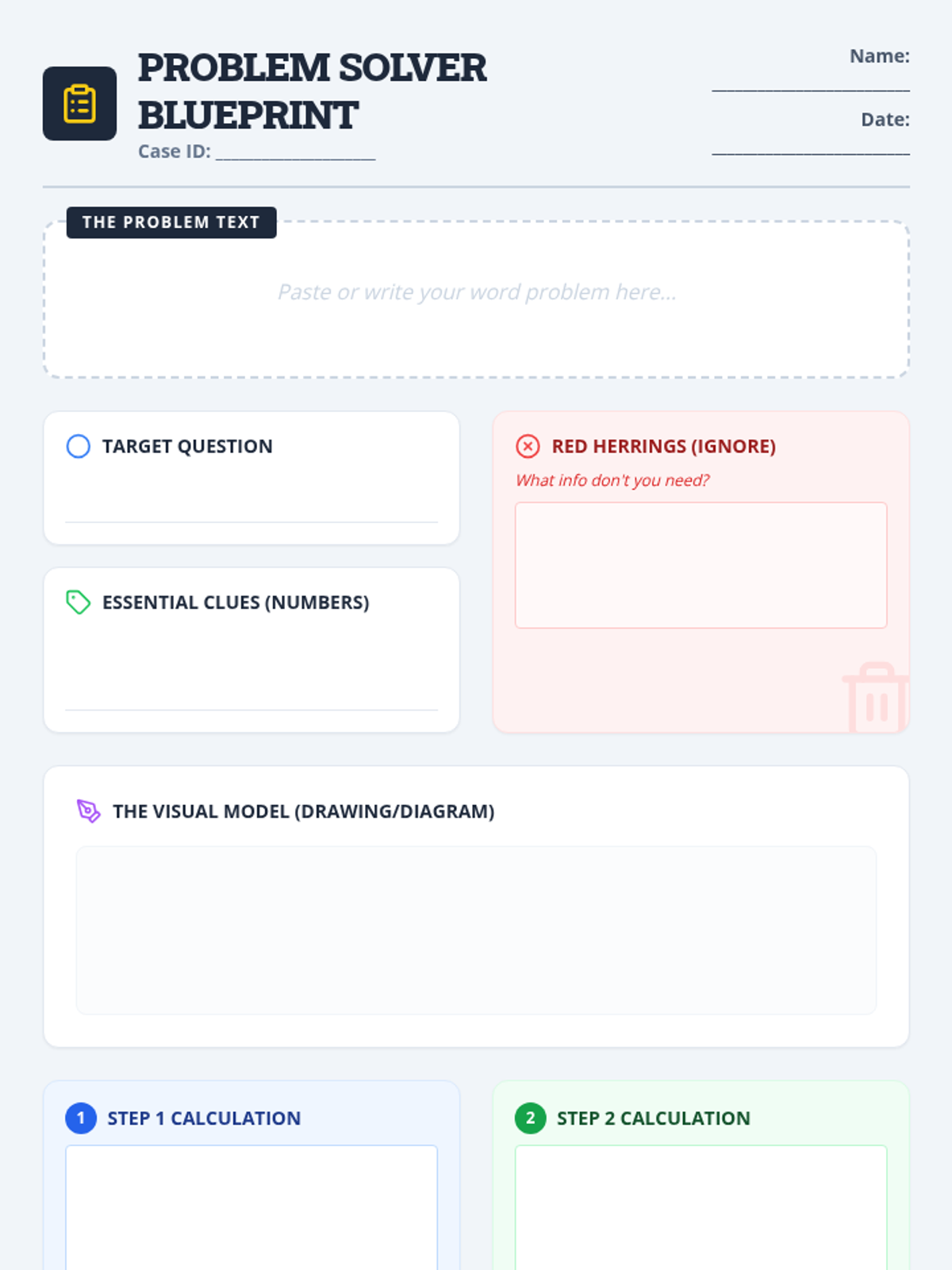
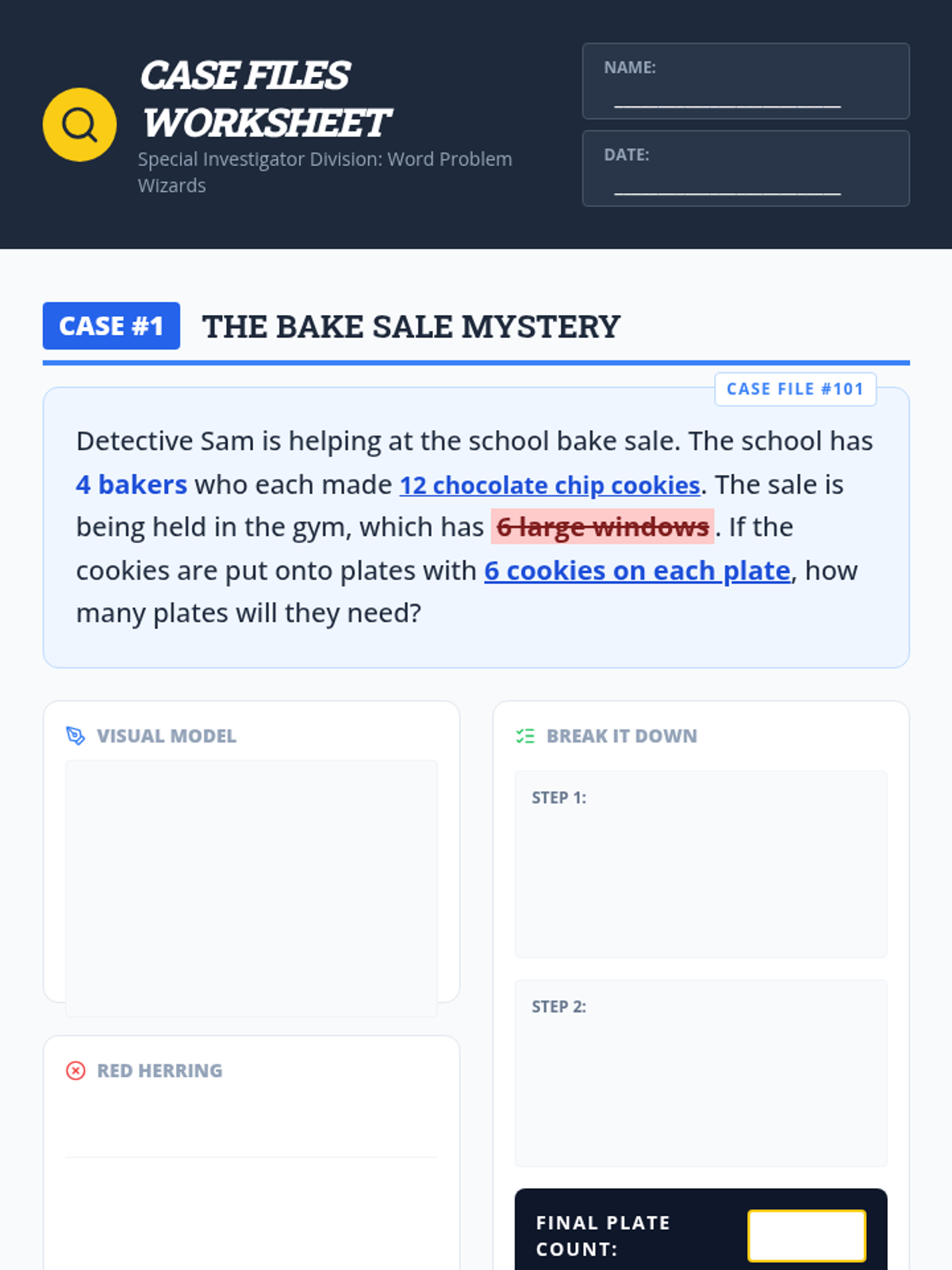
This lesson equips students with a 'detective's toolkit' of strategies to tackle complex, multi-step word problems involving all four operations. Students learn to filter out 'red herrings' (irrelevant info), visualize scenarios, and use a structured graphic organizer to break problems into solvable parts.