A high-energy Kindergarten lesson focused on rapid recognition of the letter D, distinguishing it from visually similar letters like B and P through games and a carnival-themed video.
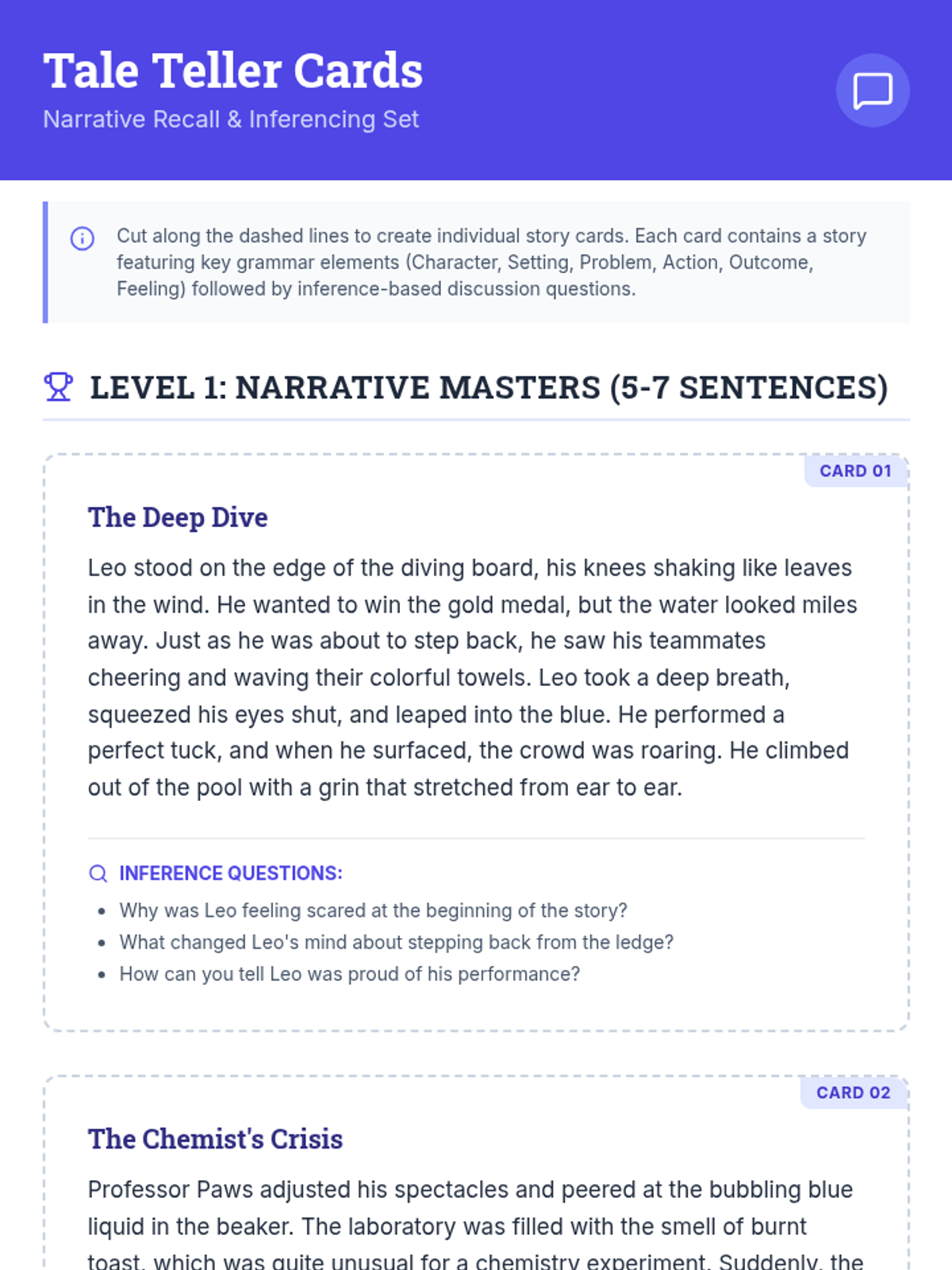
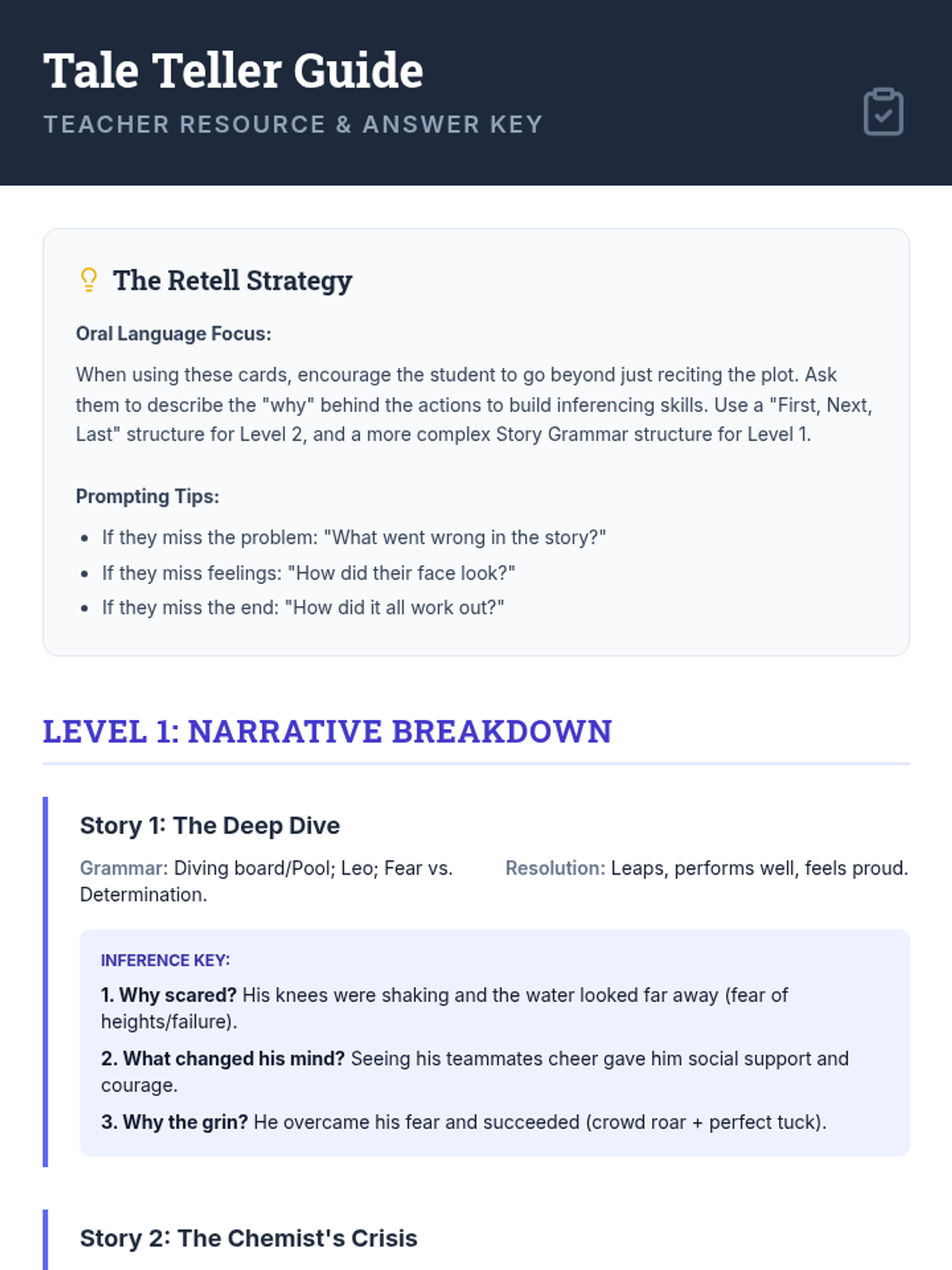
A collection of short stories designed for verbal story retell, featuring story grammar elements and inferencing questions. Includes stories with kids, animals, and fantasy creatures at two different complexity levels.
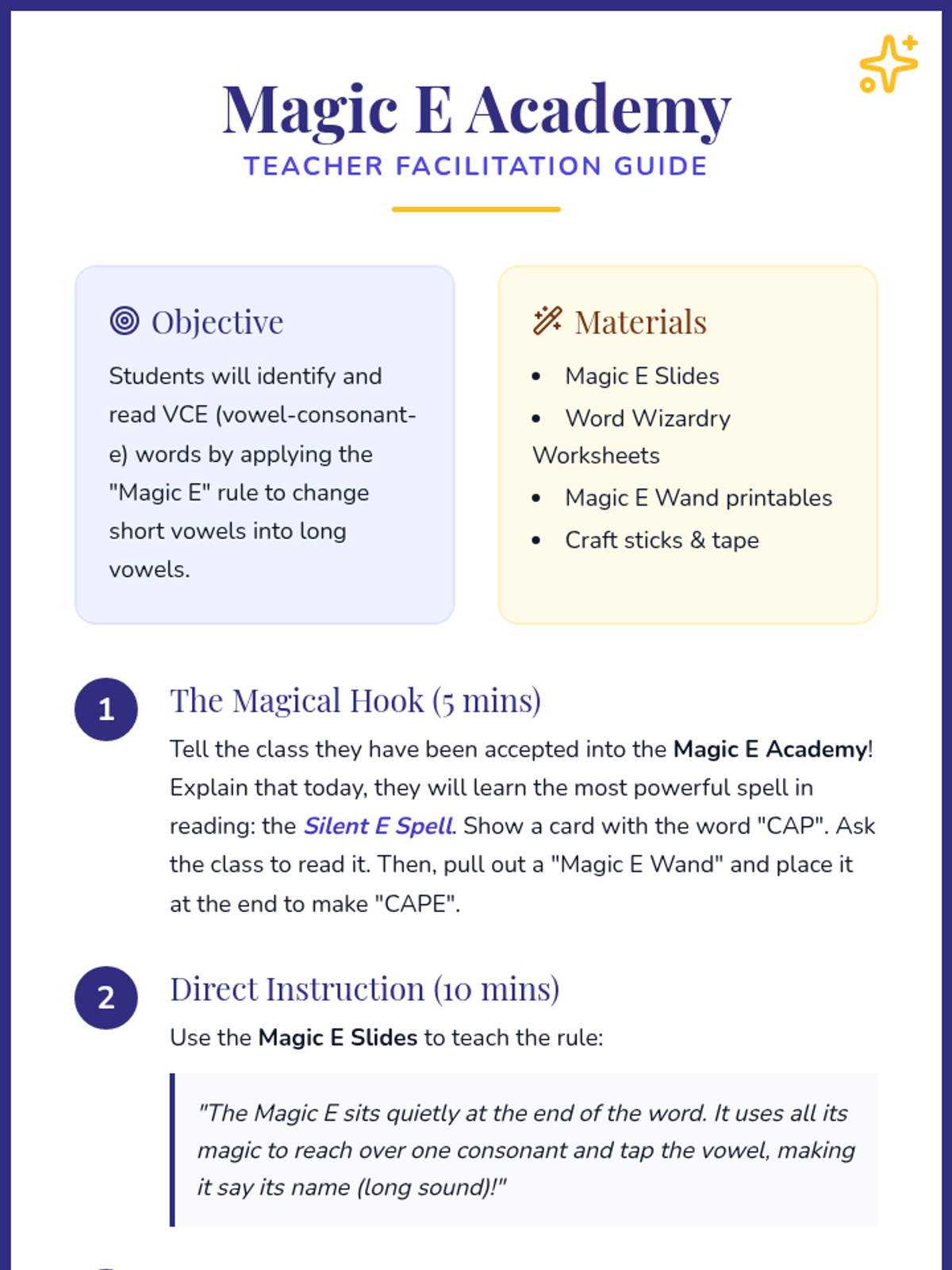
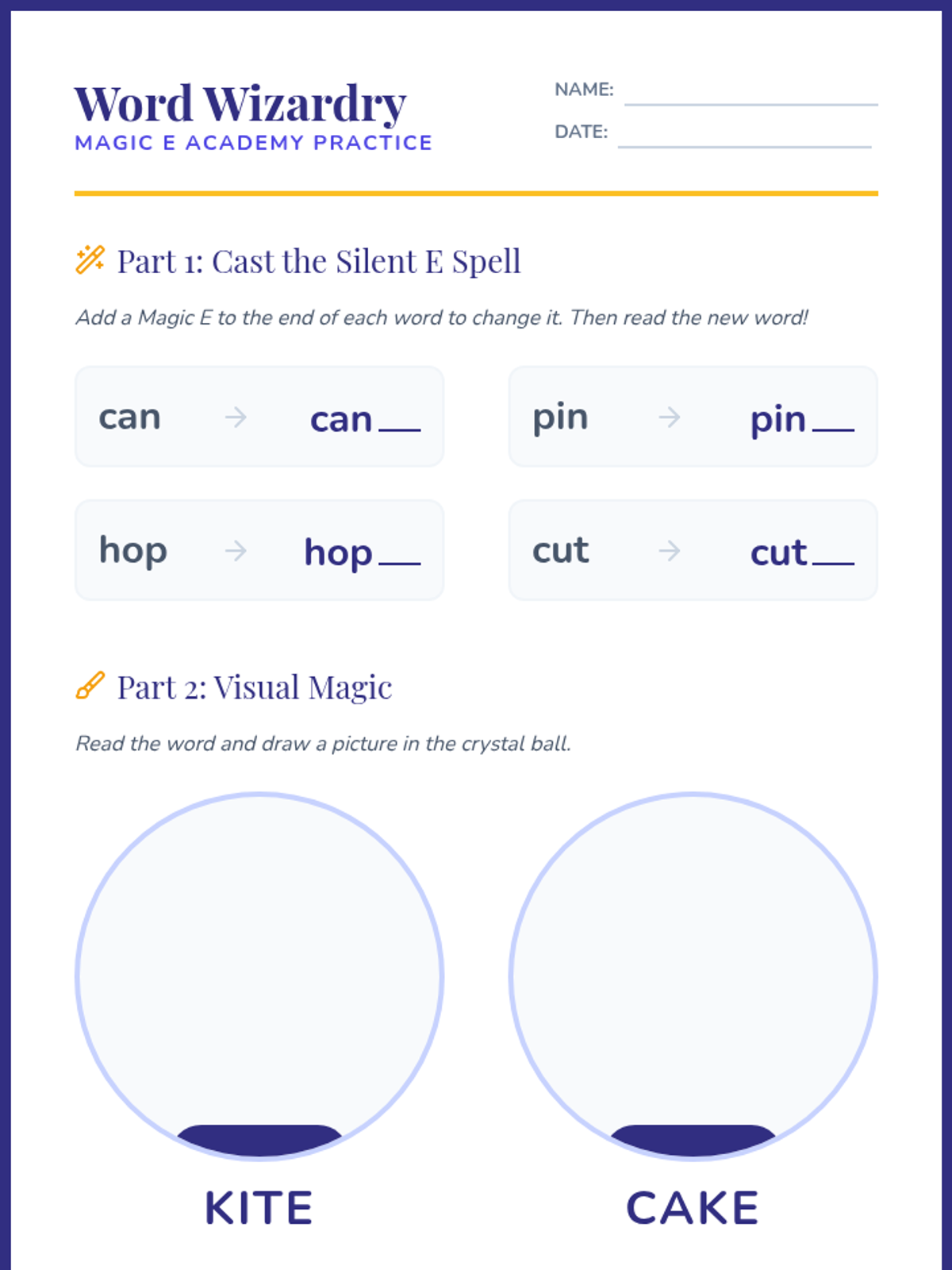
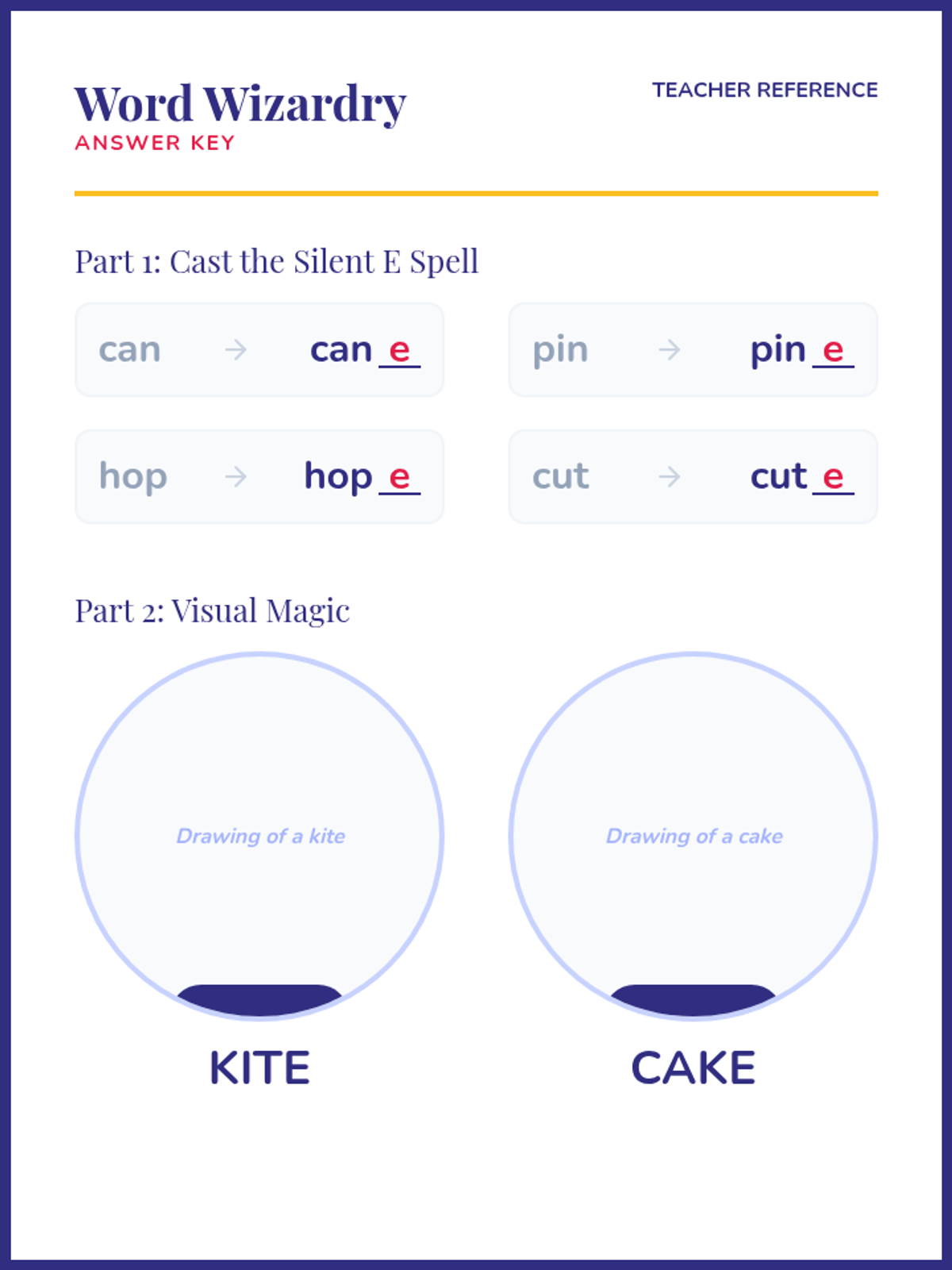
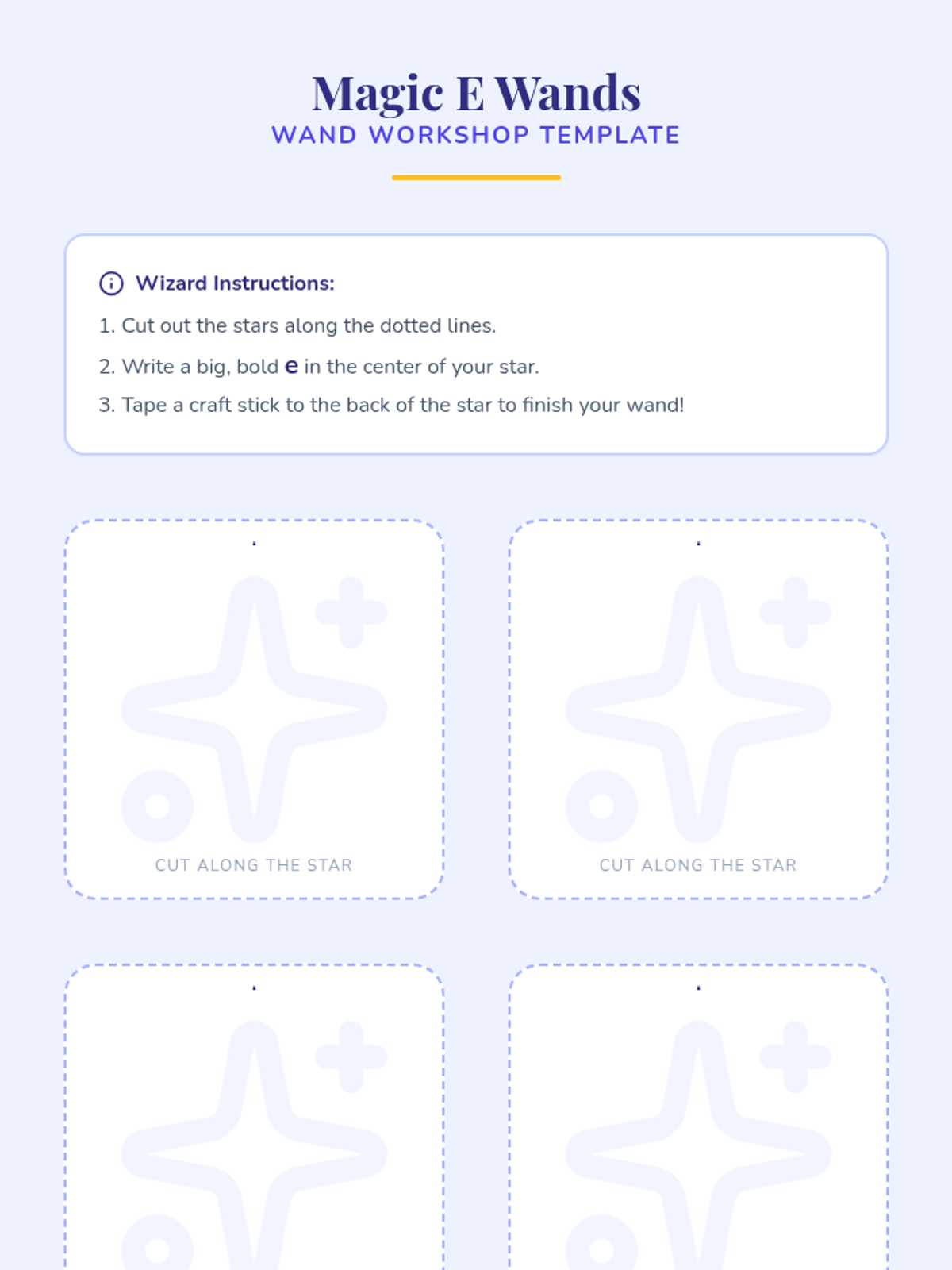
A comprehensive lesson focused on teaching the silent e (VCE) rule through the 'Magic E Academy' theme, including visual instruction and hands-on practice.
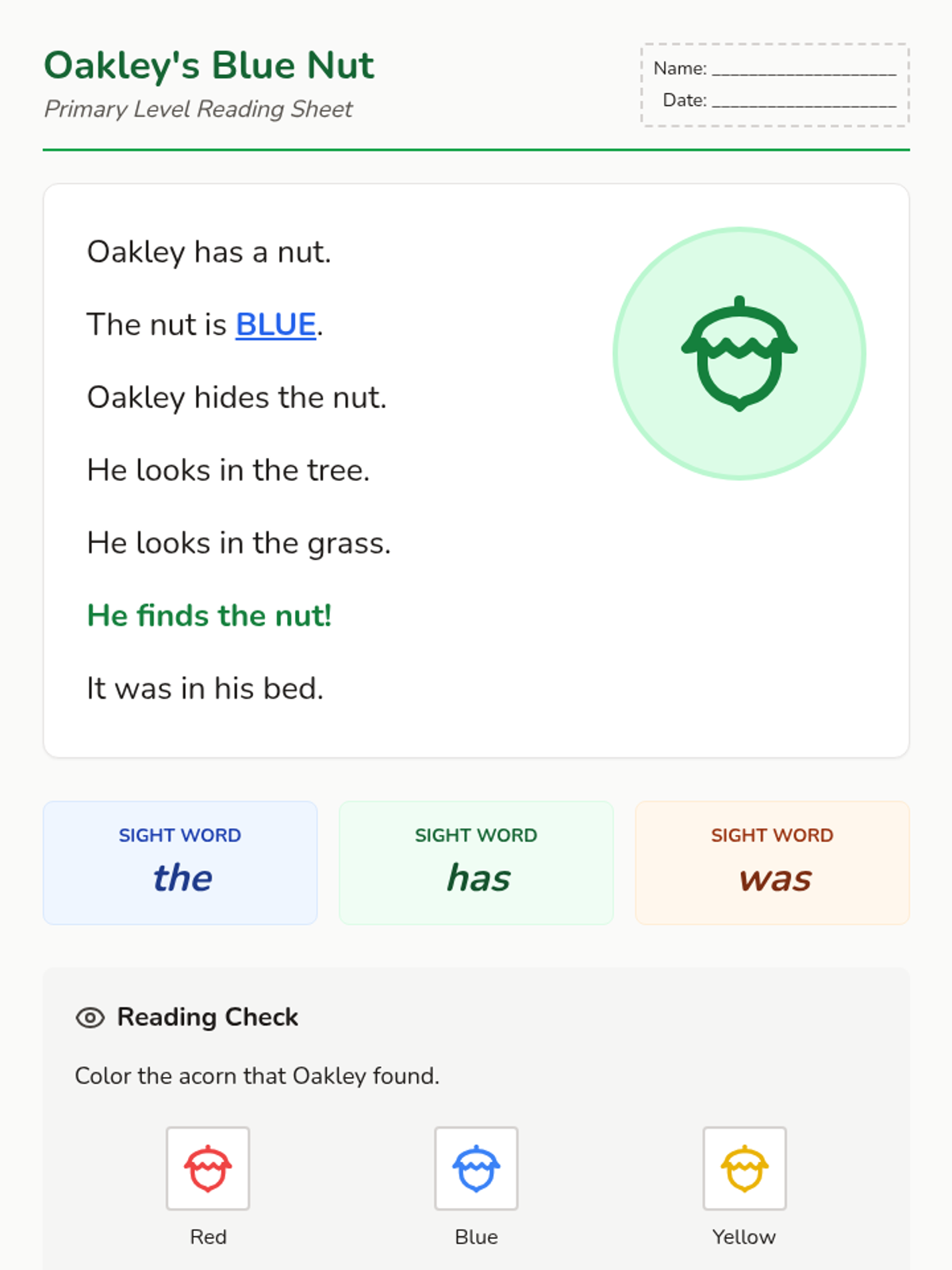
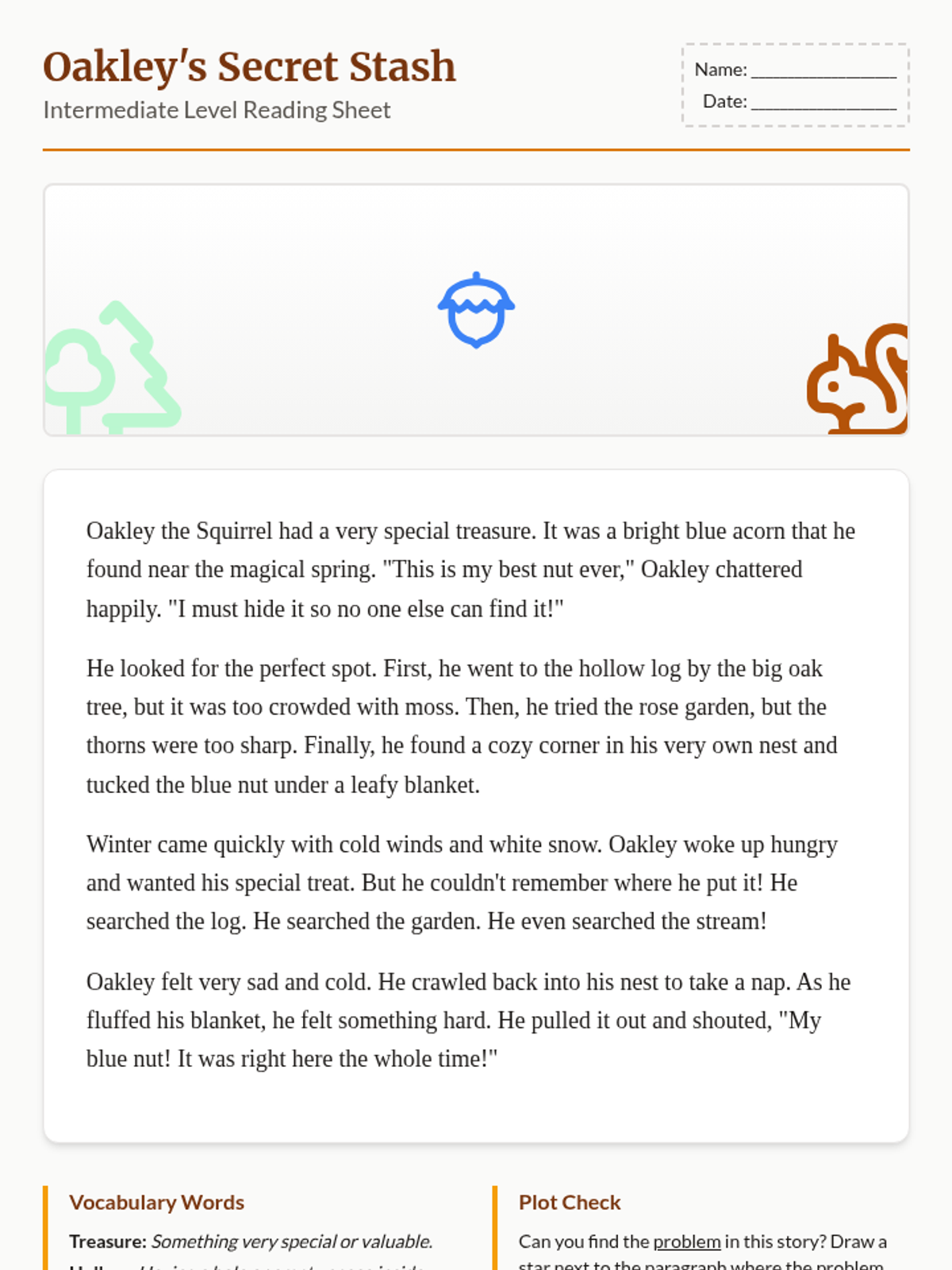
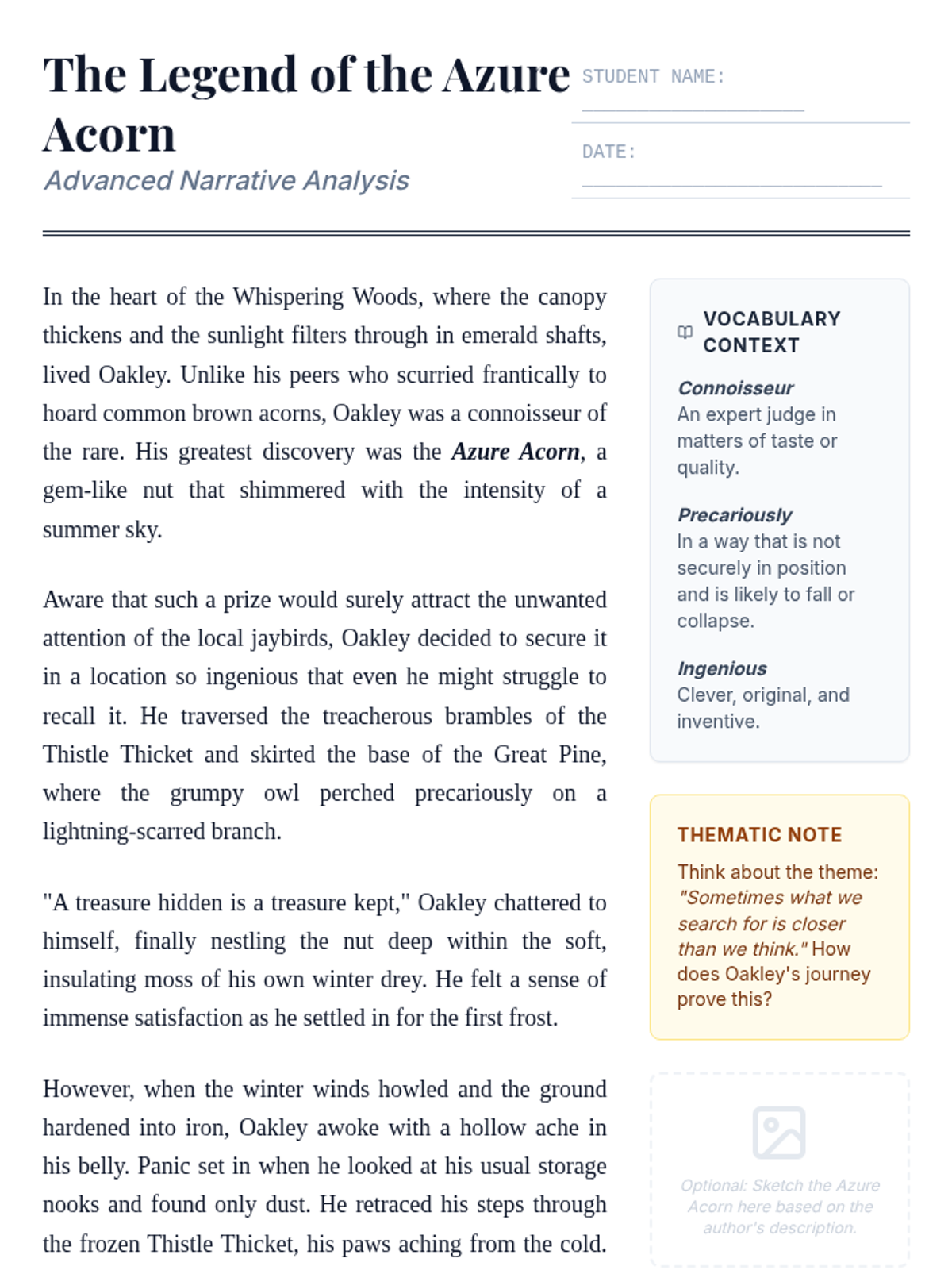
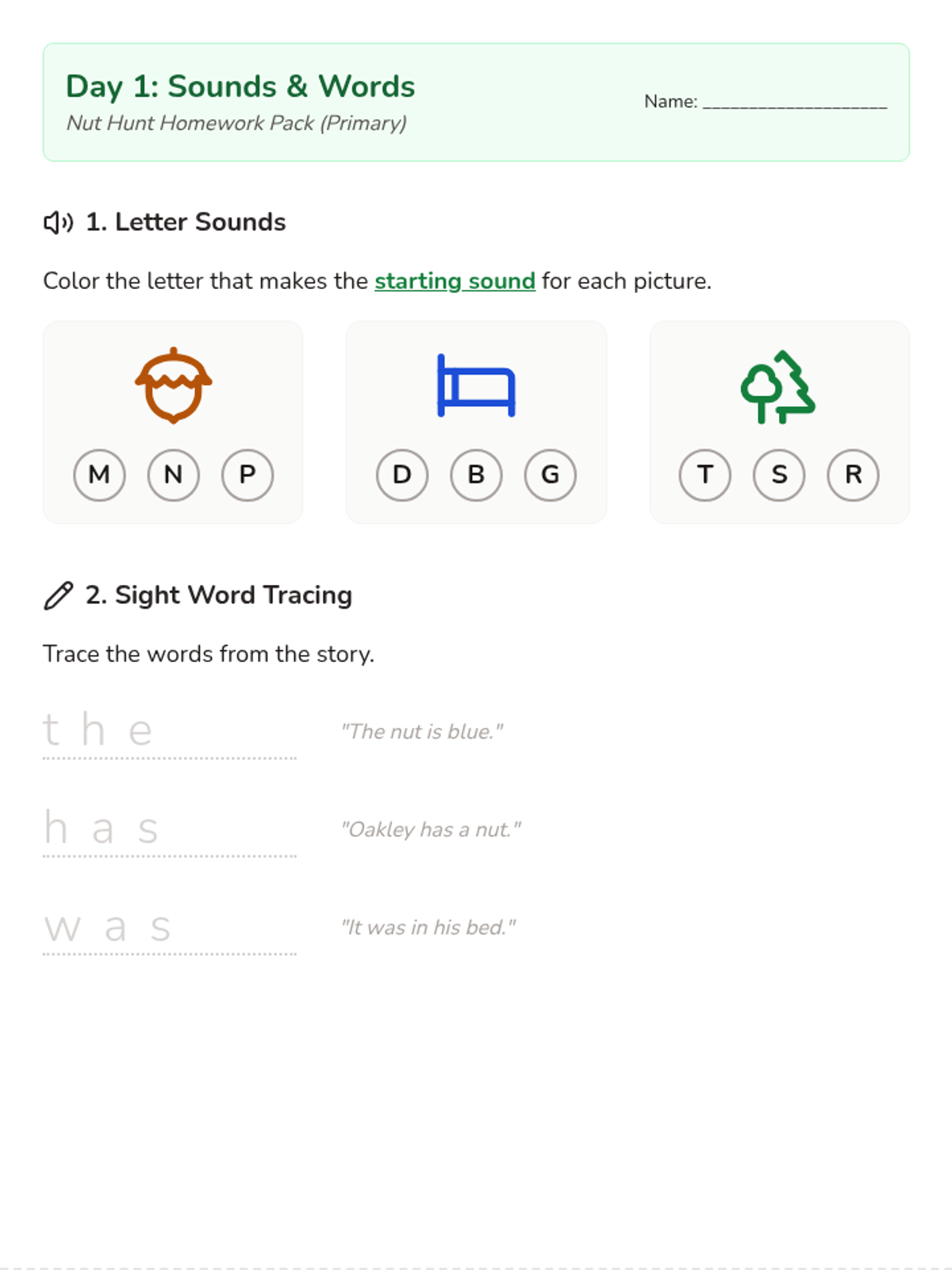
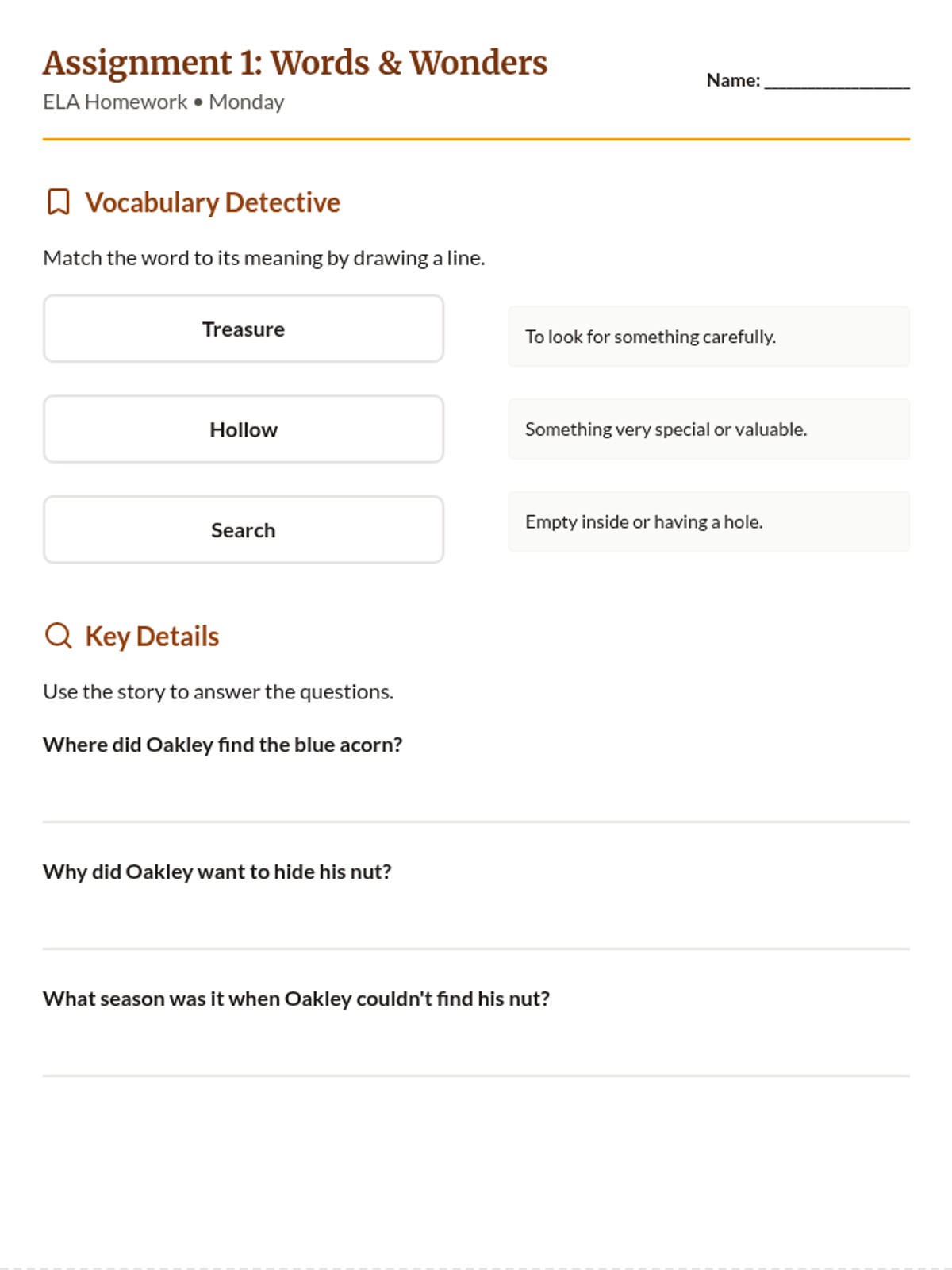
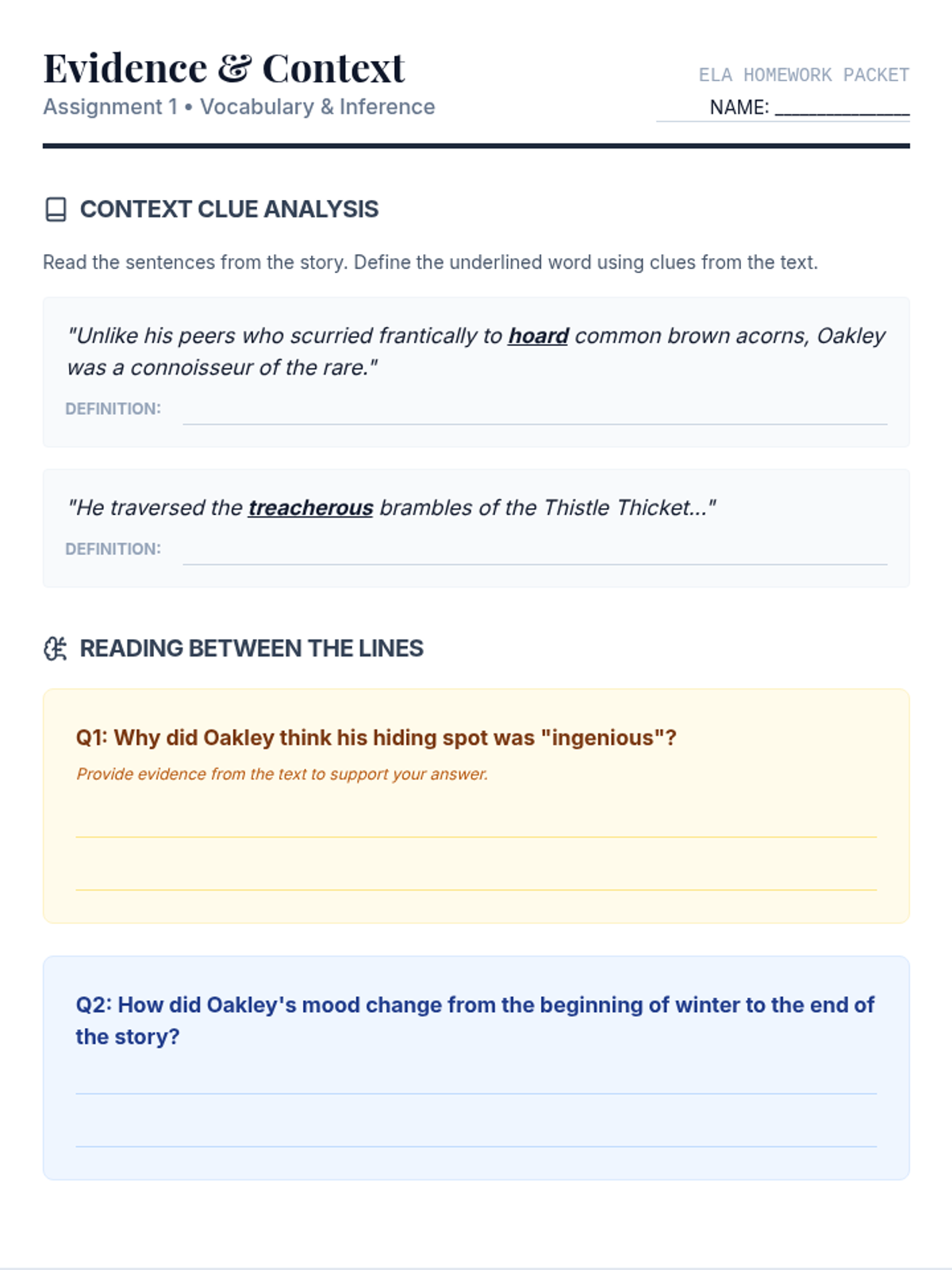
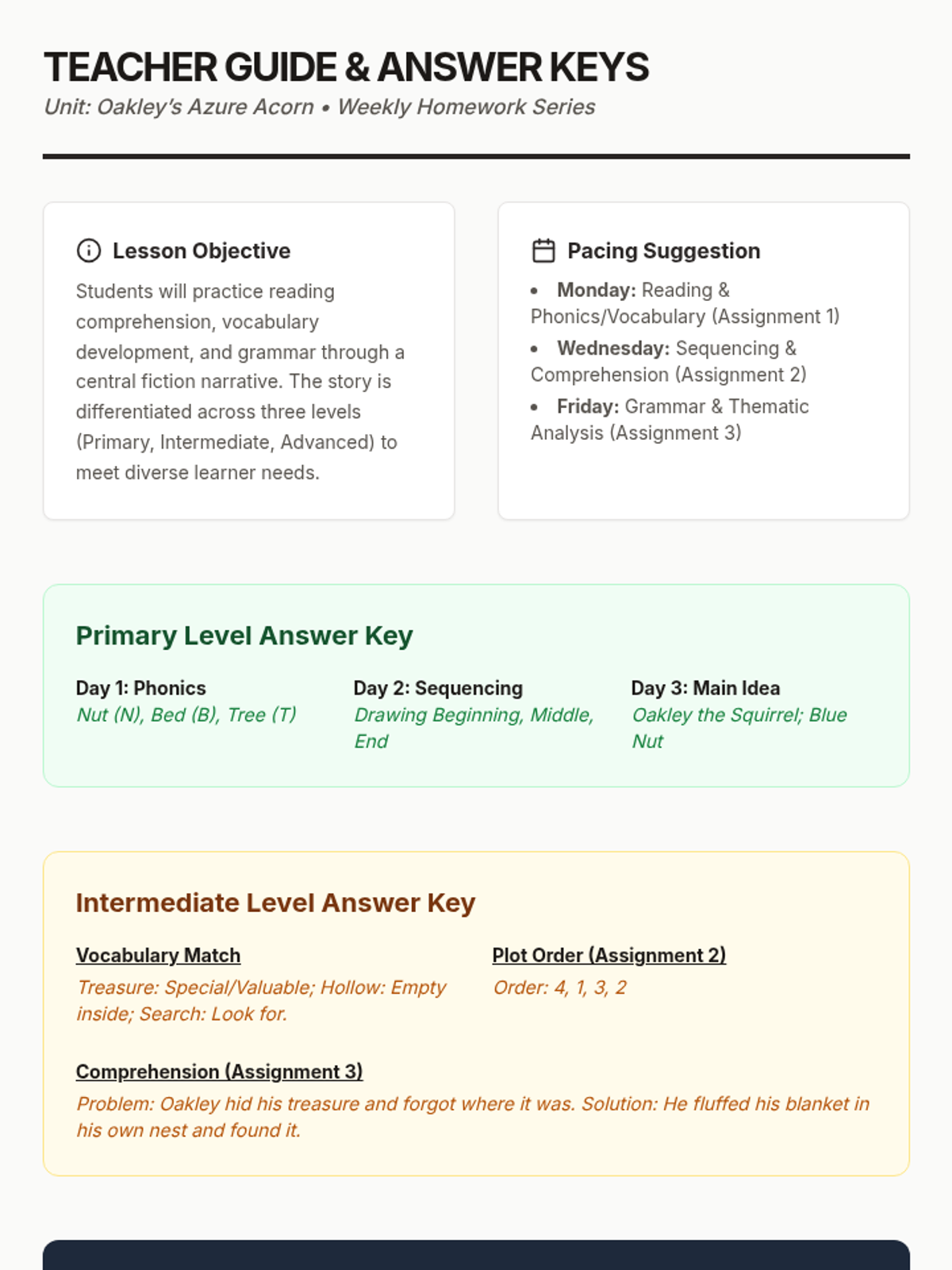
A series of three ELA homework assignments based on the story 'Oakley’s Azure Acorn,' focusing on phonics, vocabulary, comprehension, and grammar.
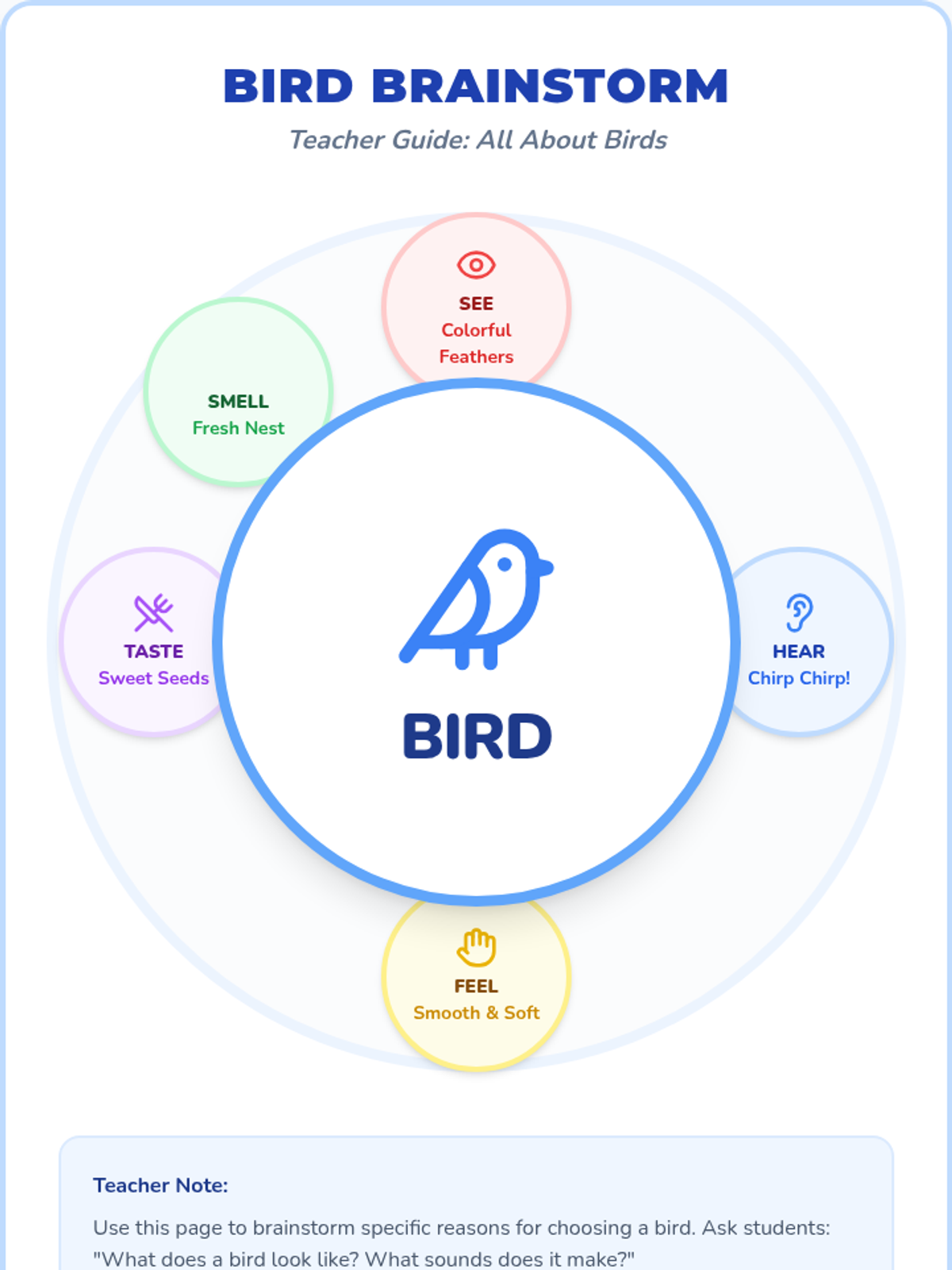
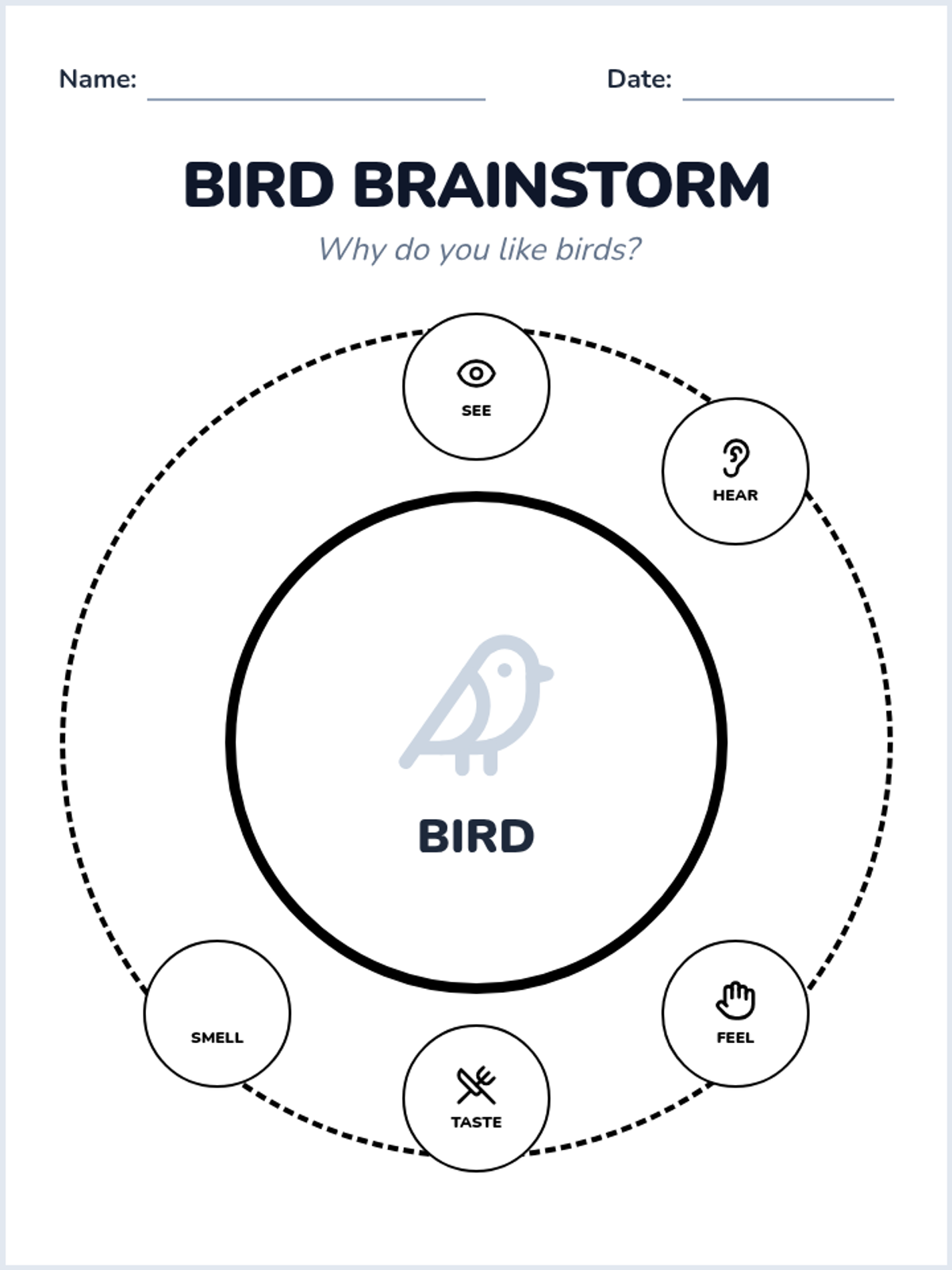
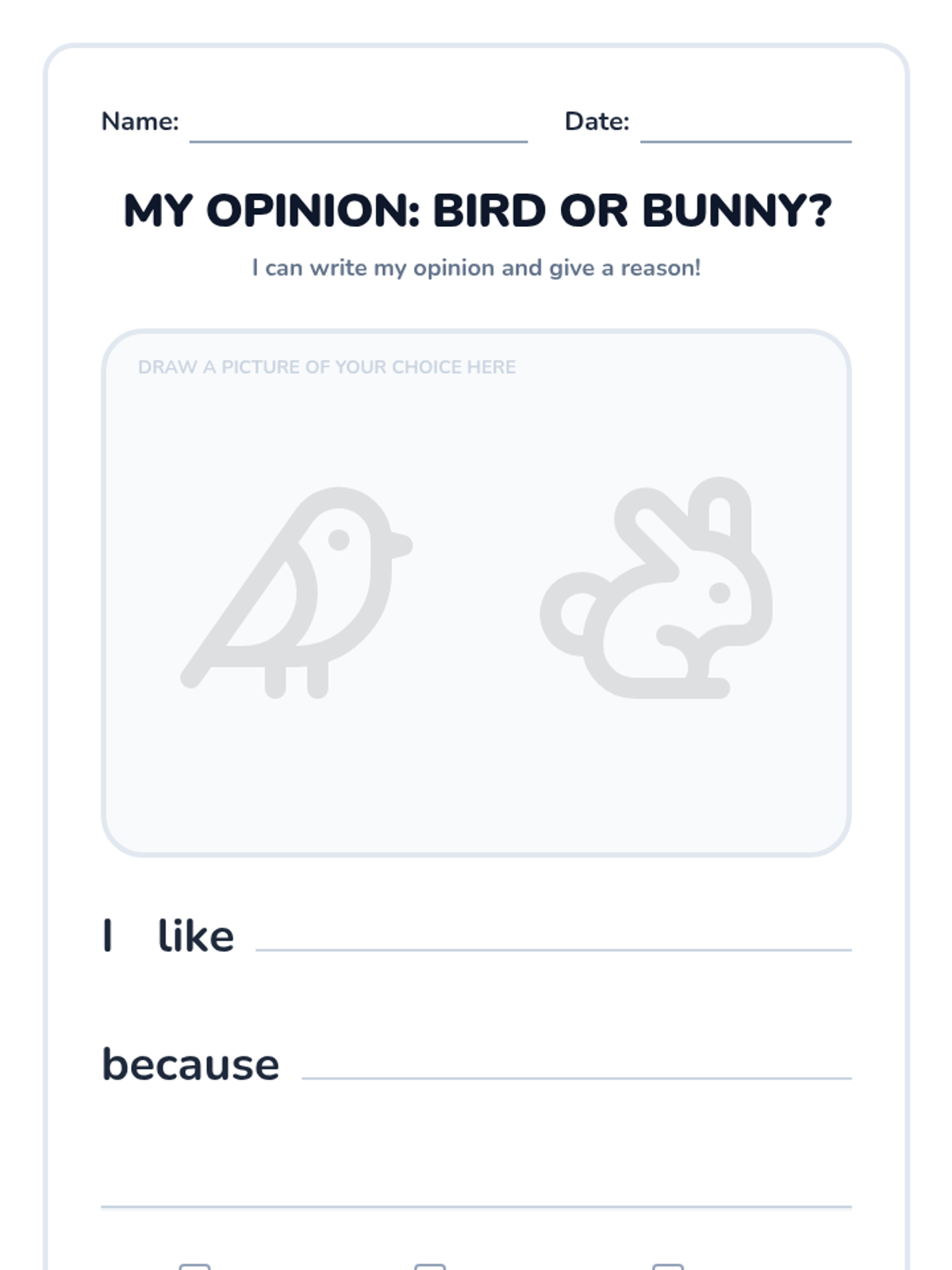
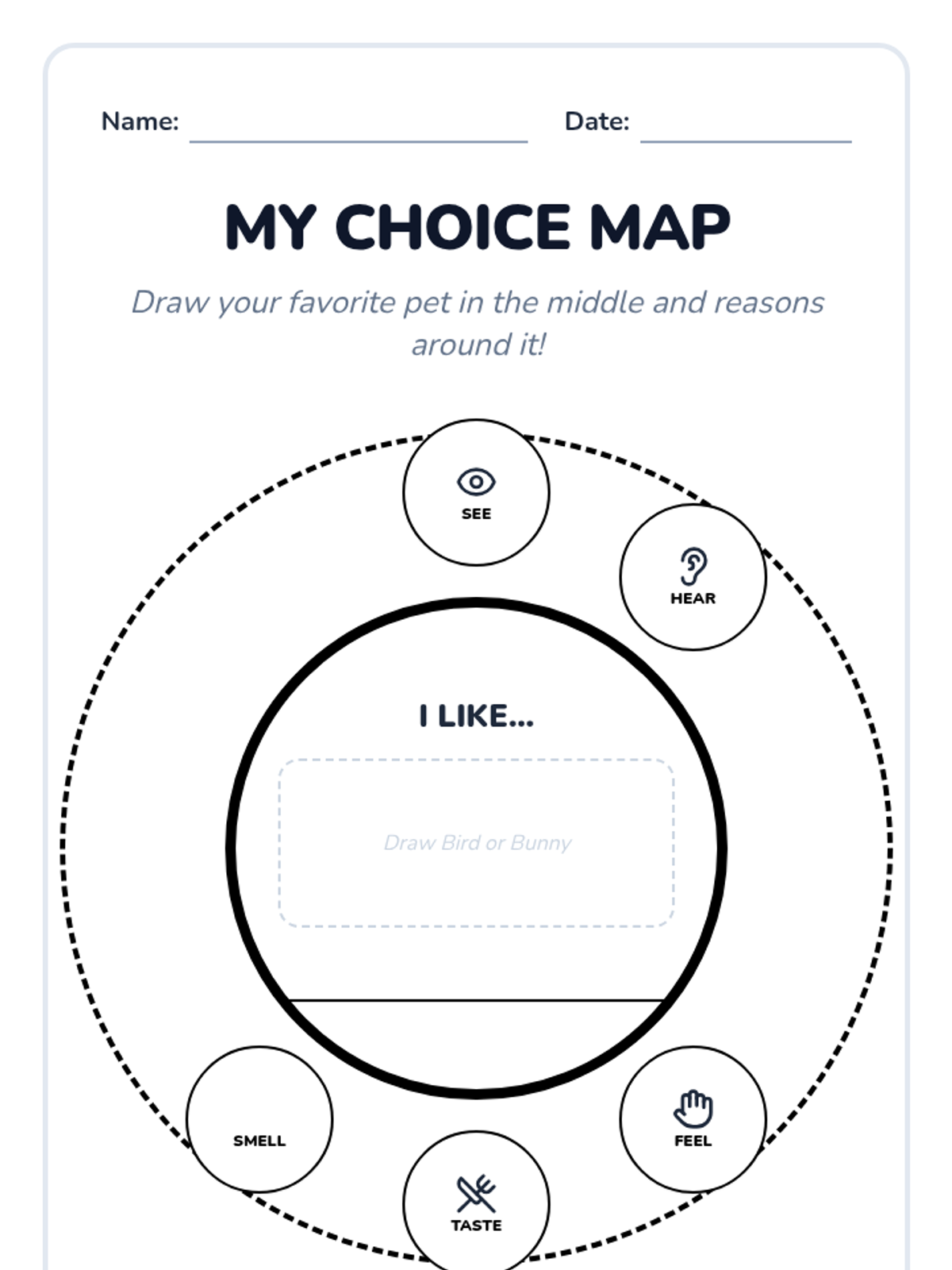
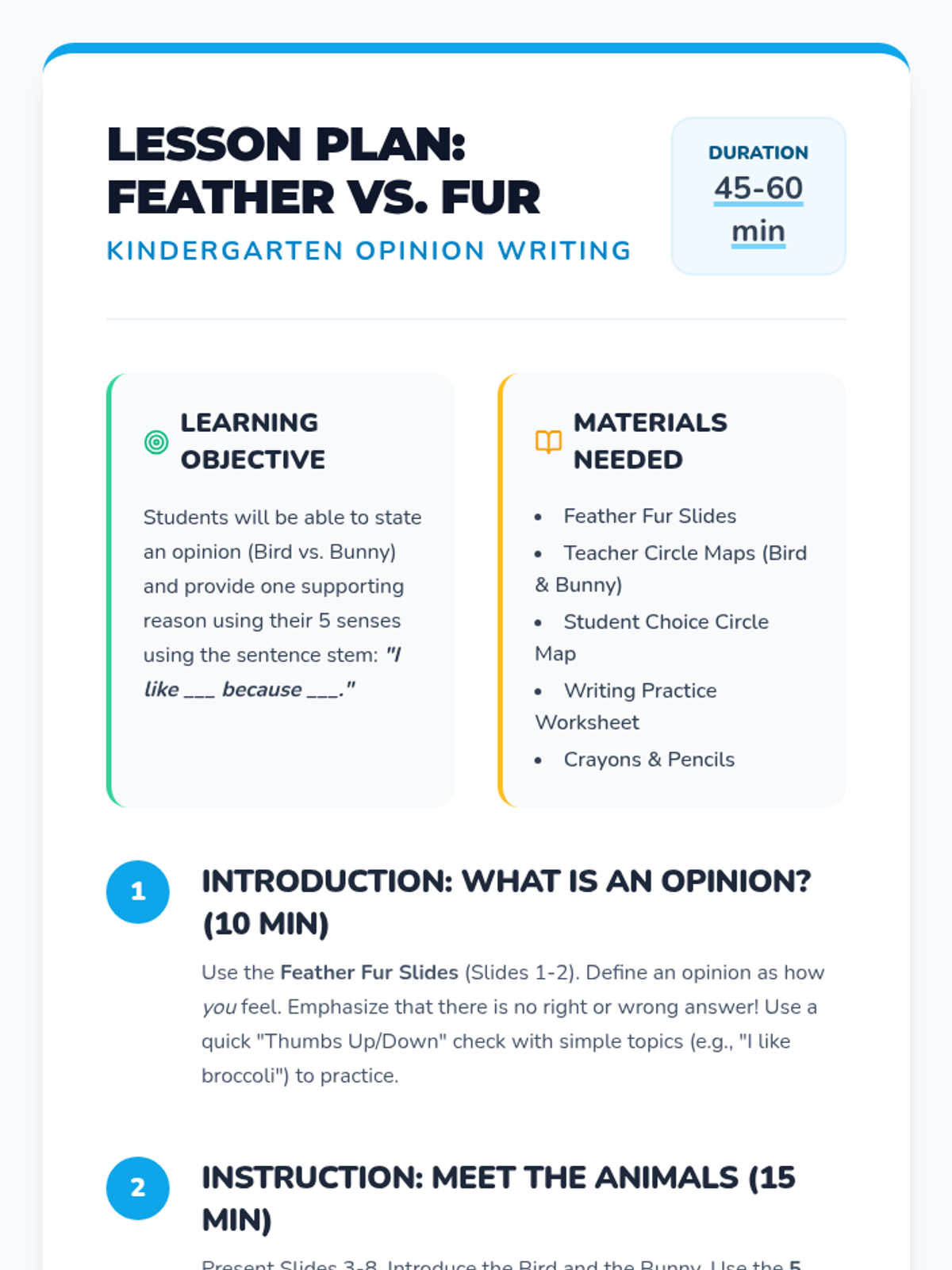
A kindergarten introduction to opinion writing where students choose between a bird and a bunny, using their five senses to generate descriptive reasons and support their preferences.
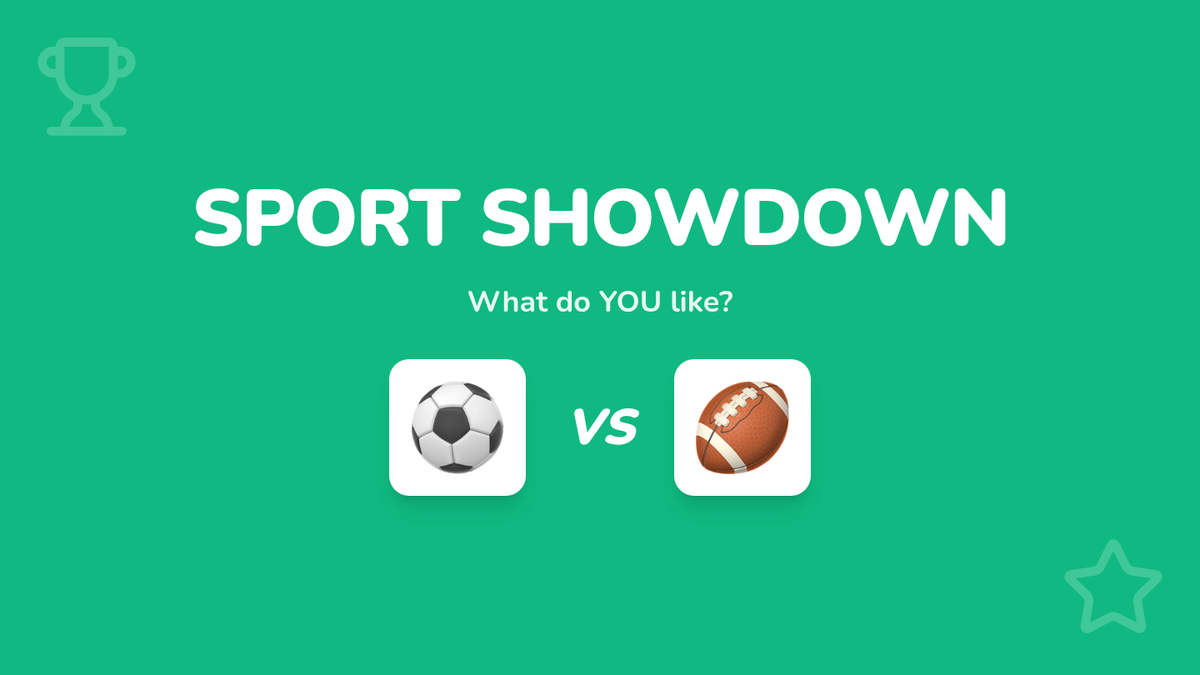
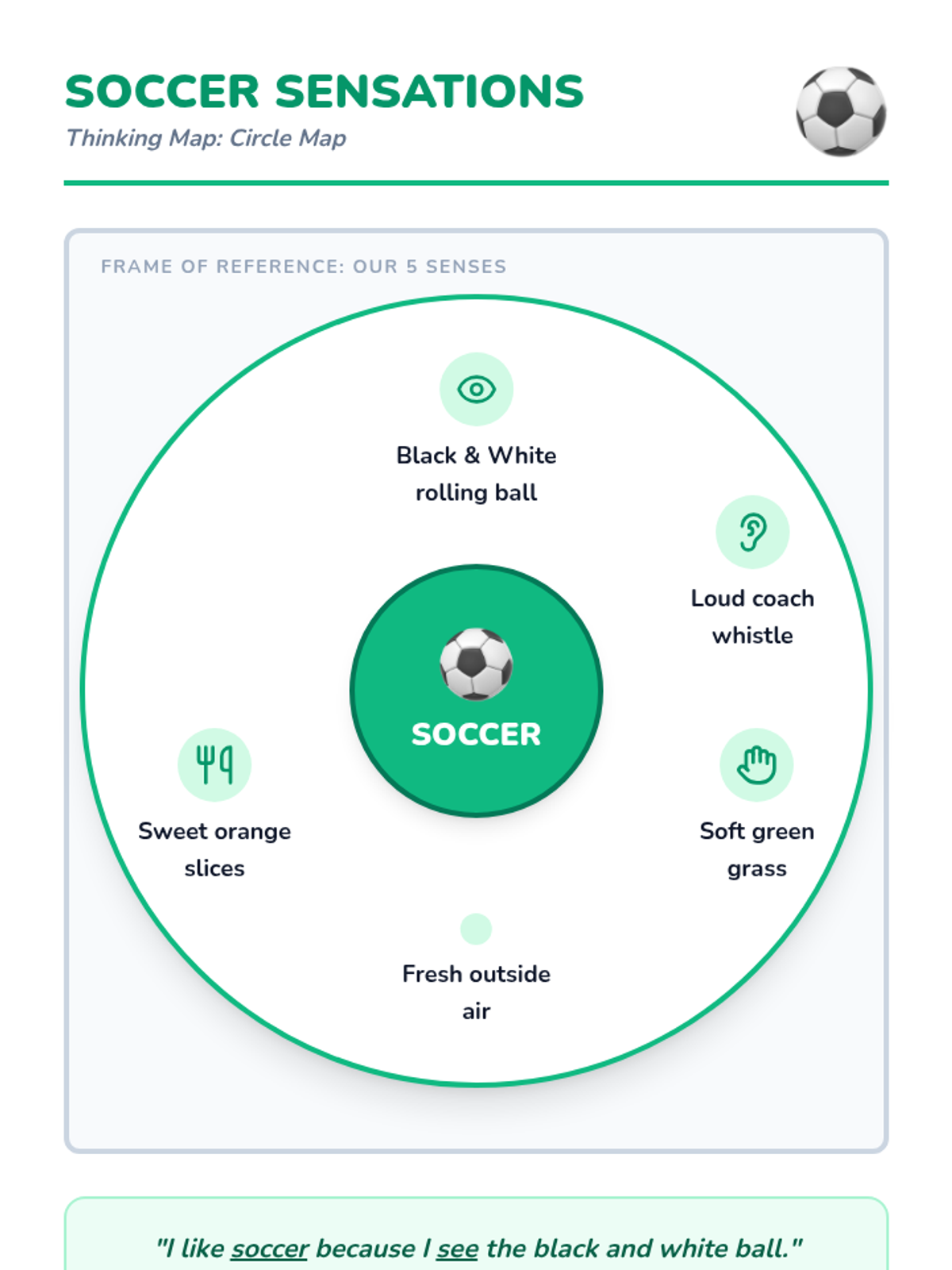
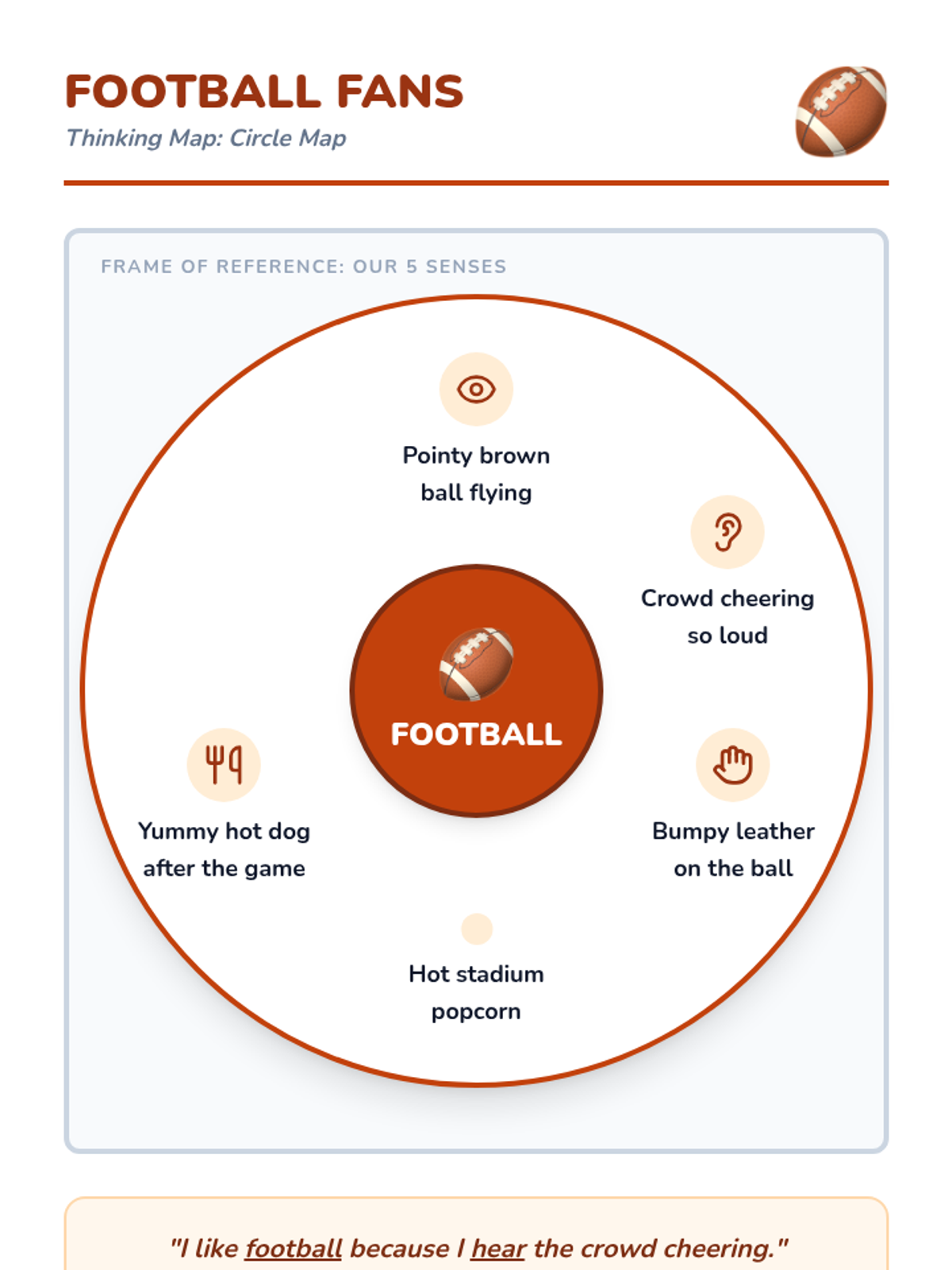
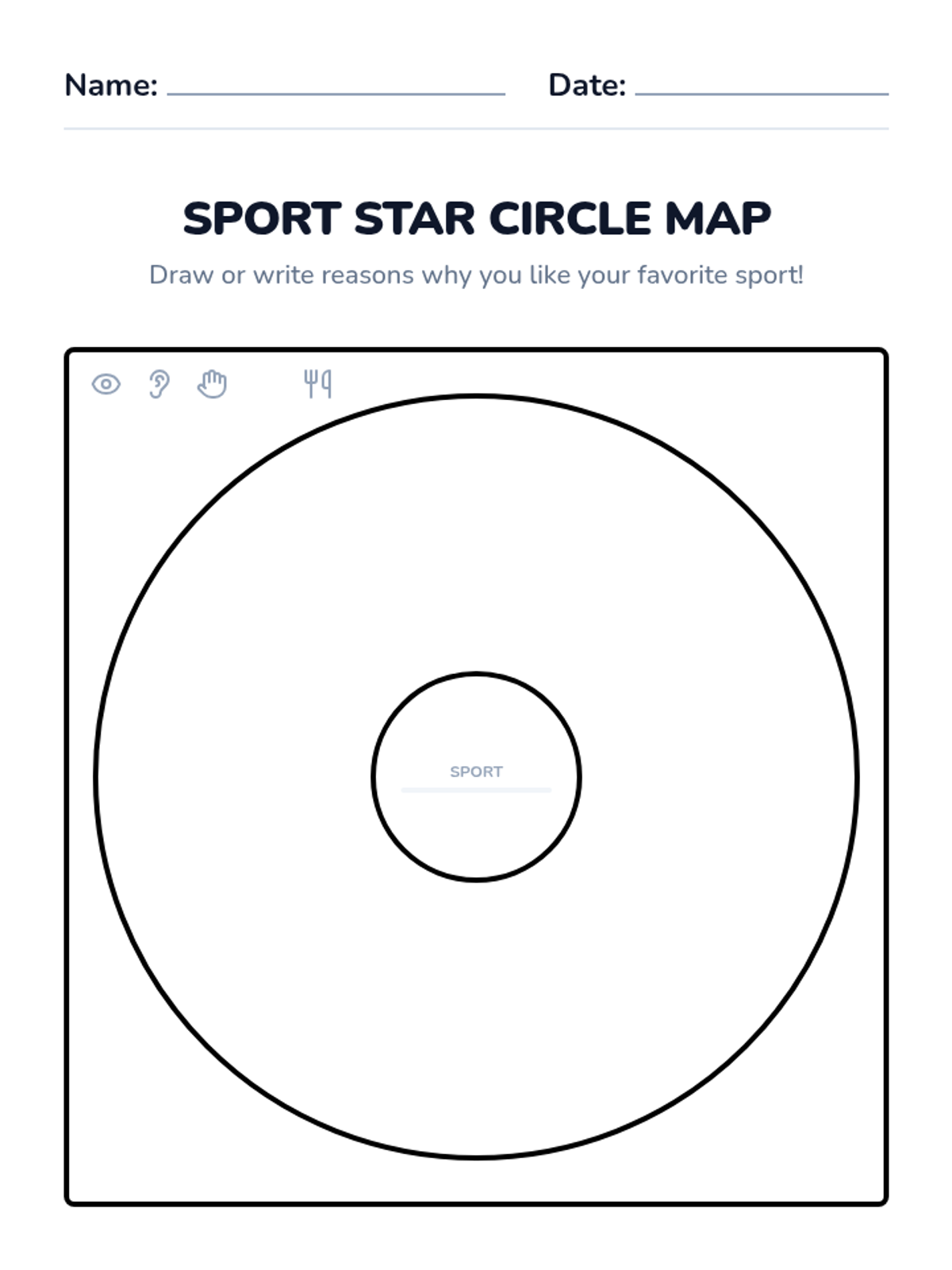
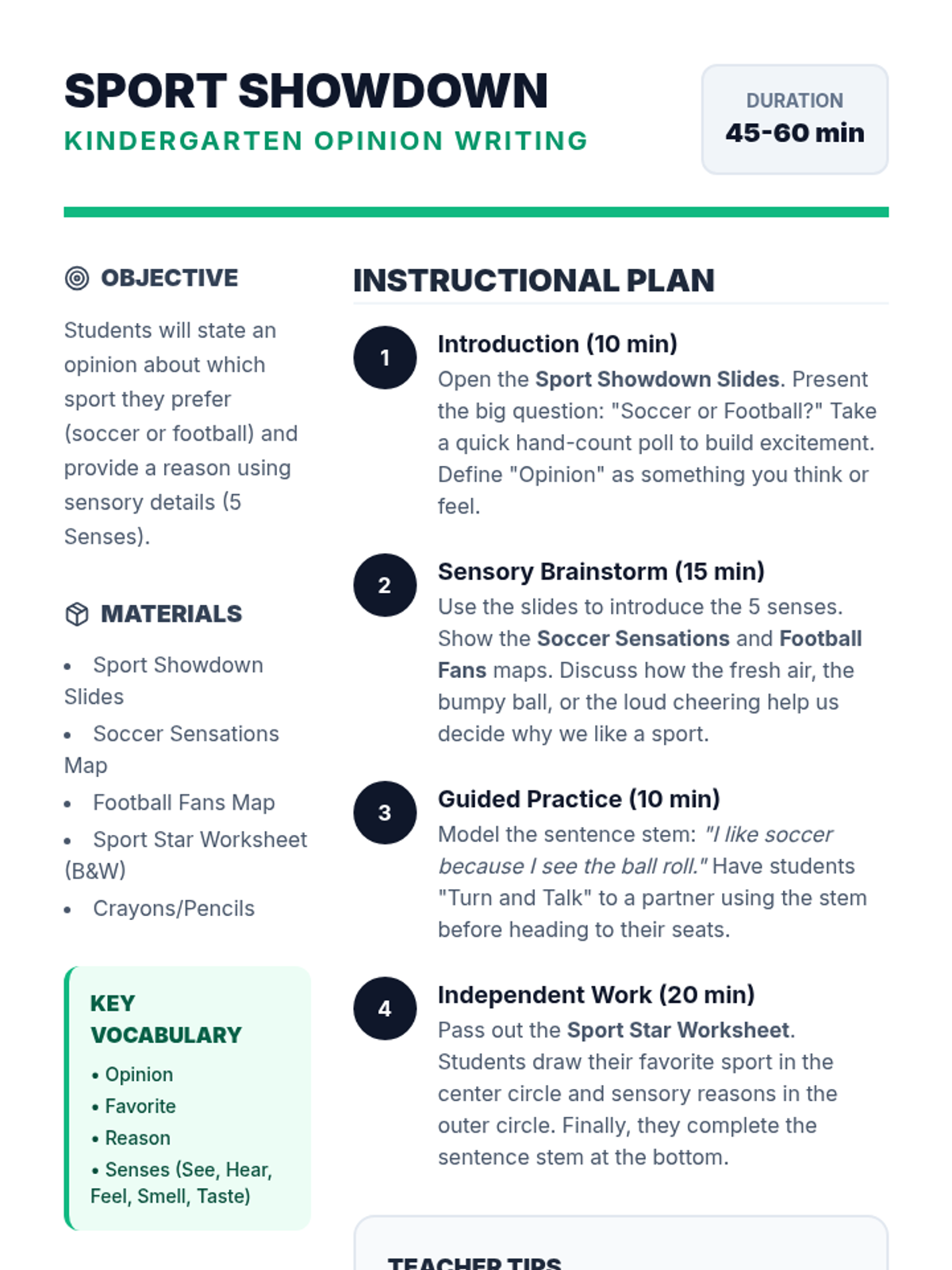
A kindergarten lesson on opinion writing focusing on the debate between soccer and football, using the 5 senses to generate reasons and a specific sentence stem for writing.
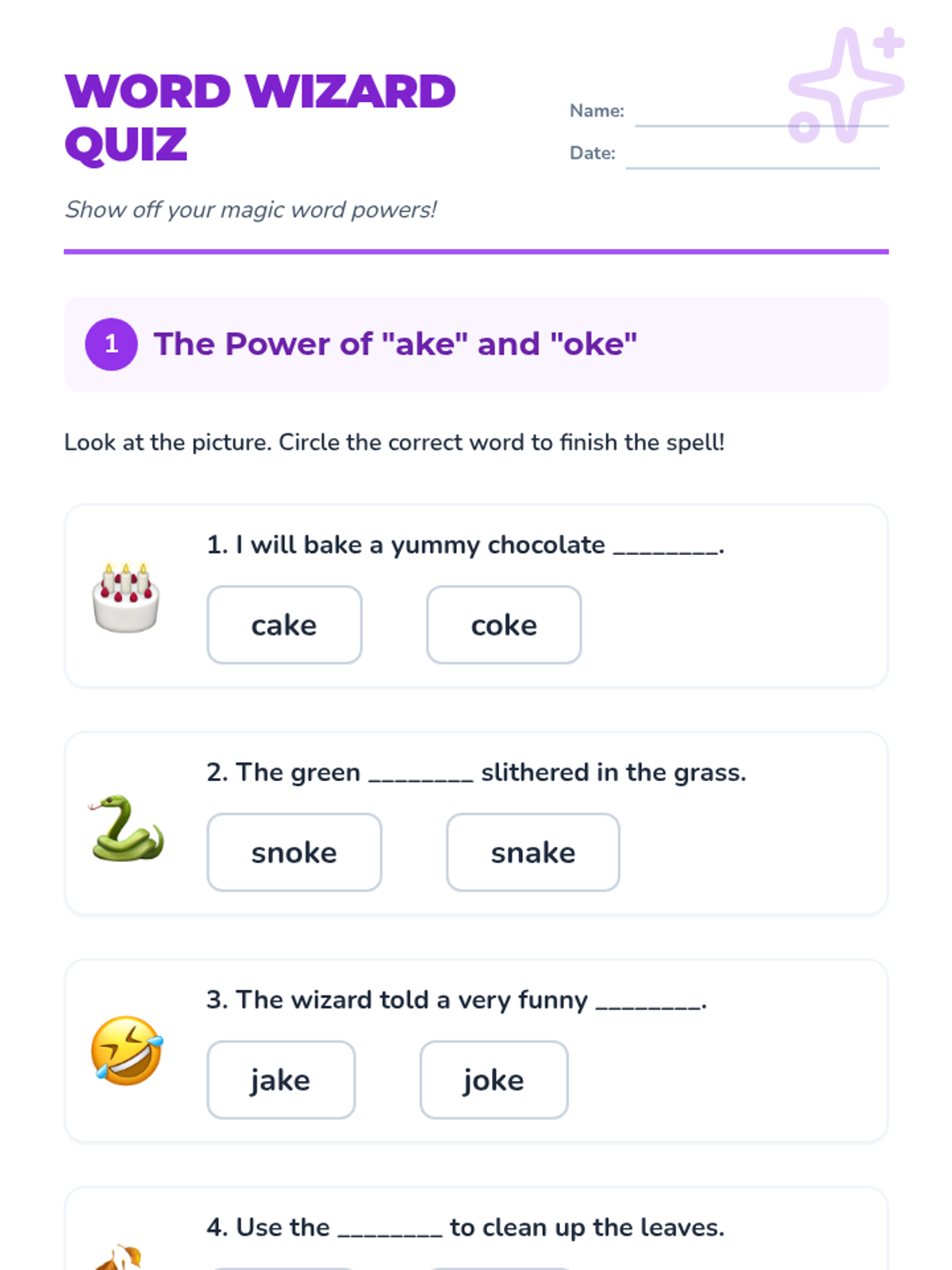
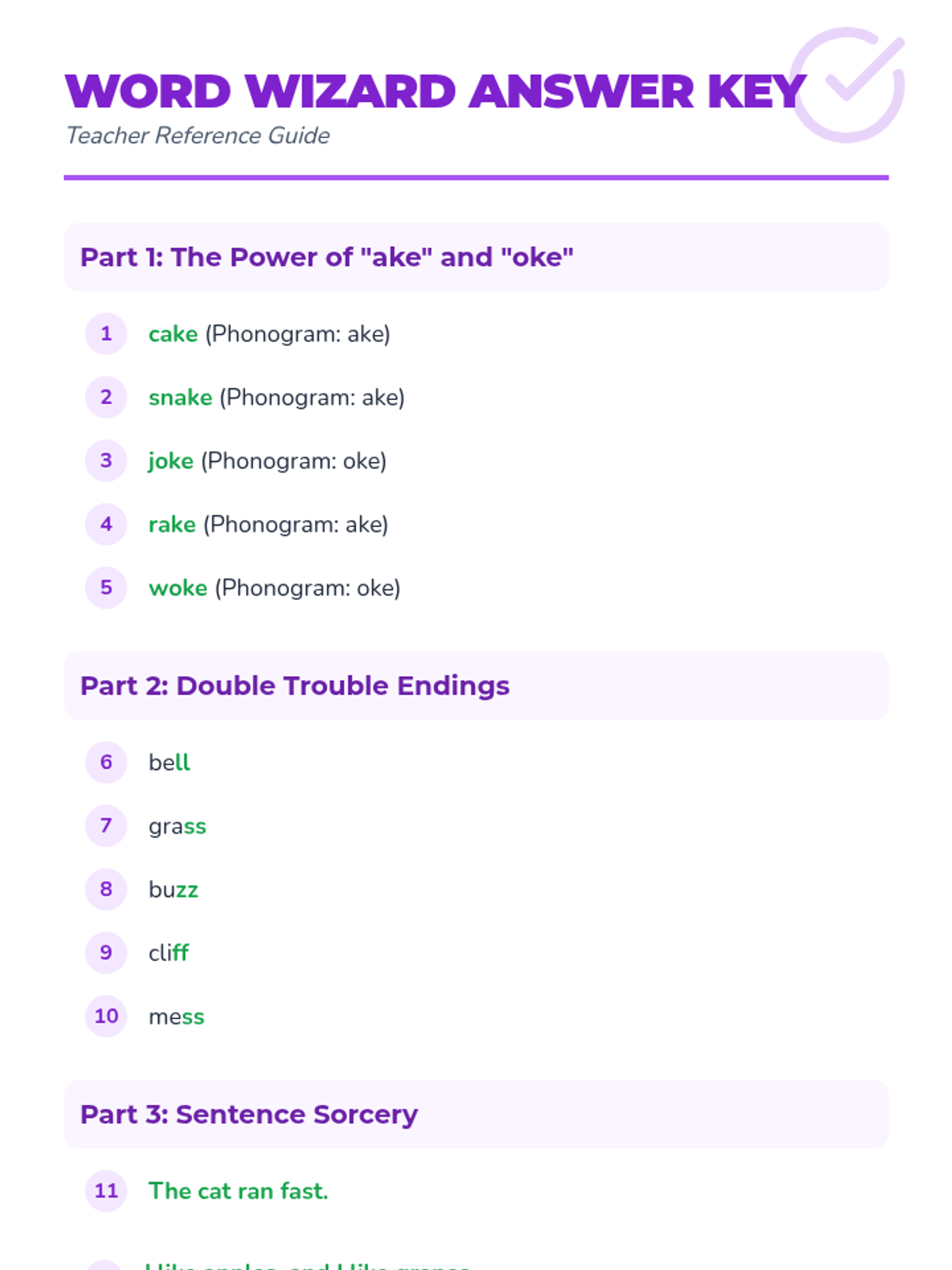
A quiz assessing phonogram patterns (oke/ake), double consonant endings, and simple/compound sentence construction for a diverse range of primary reading levels.
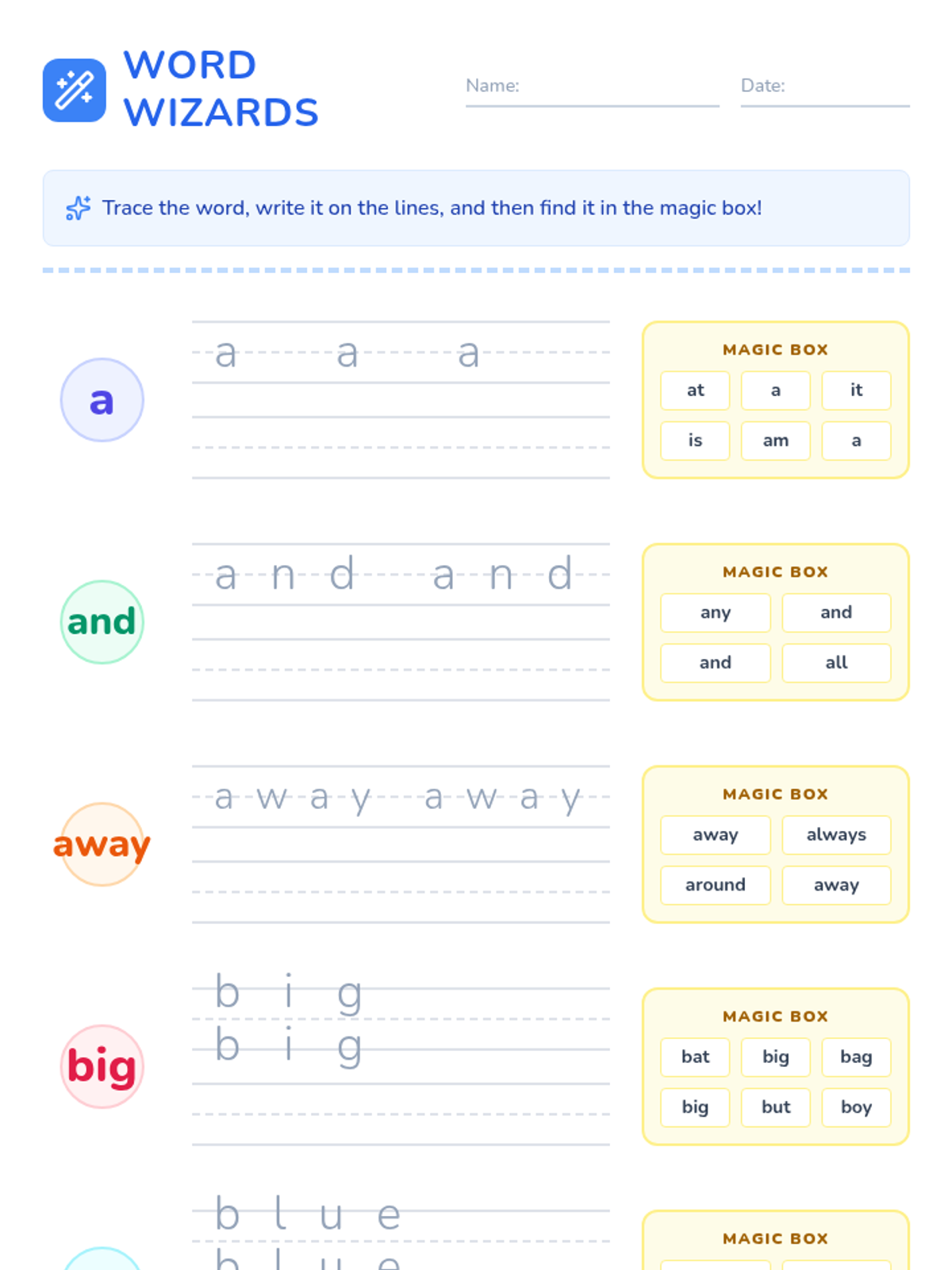
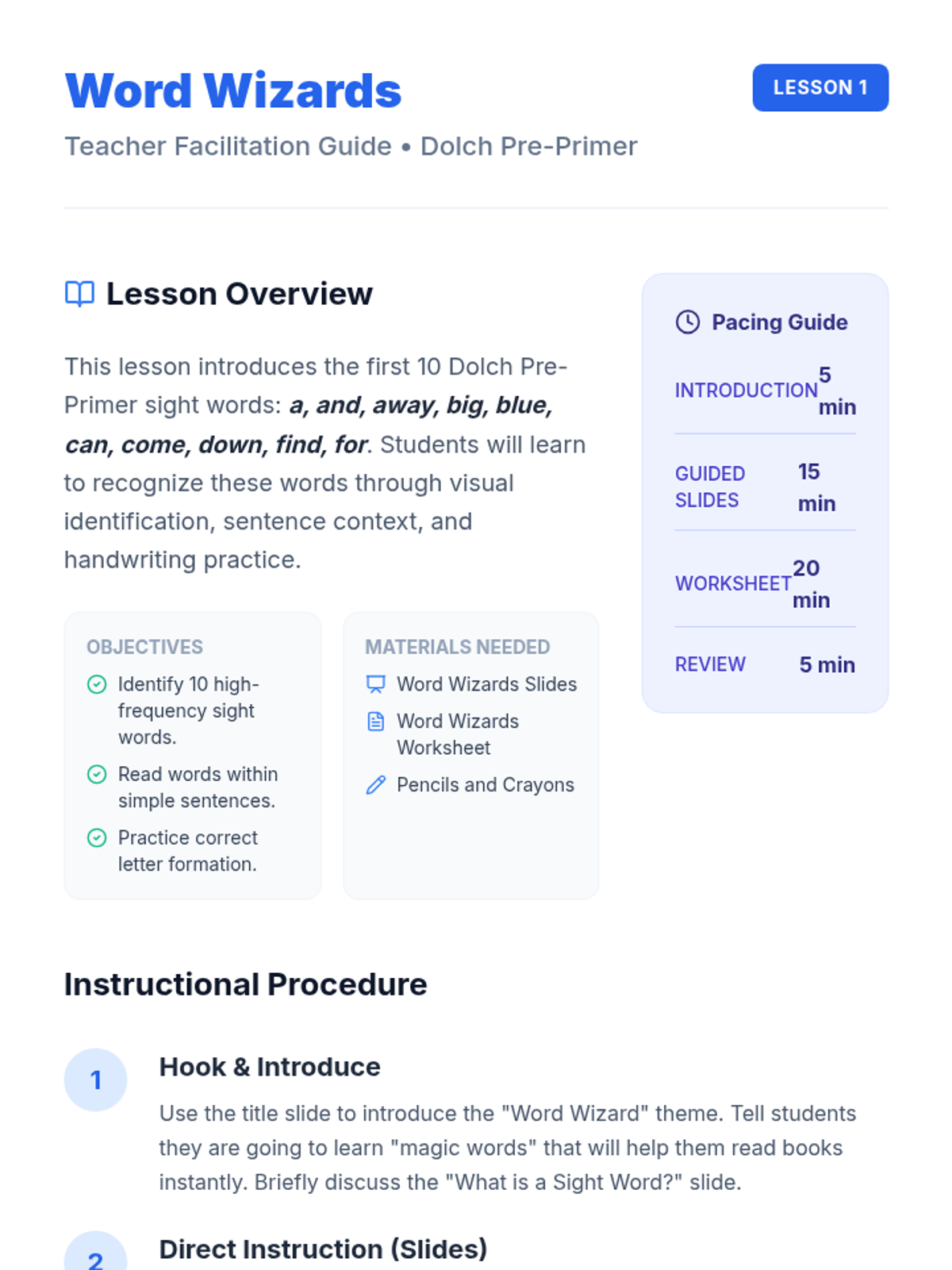
A fun and engaging introduction to Dolch Pre-Primer sight words through tracing, writing, and word-finding activities designed for Kindergarten students.
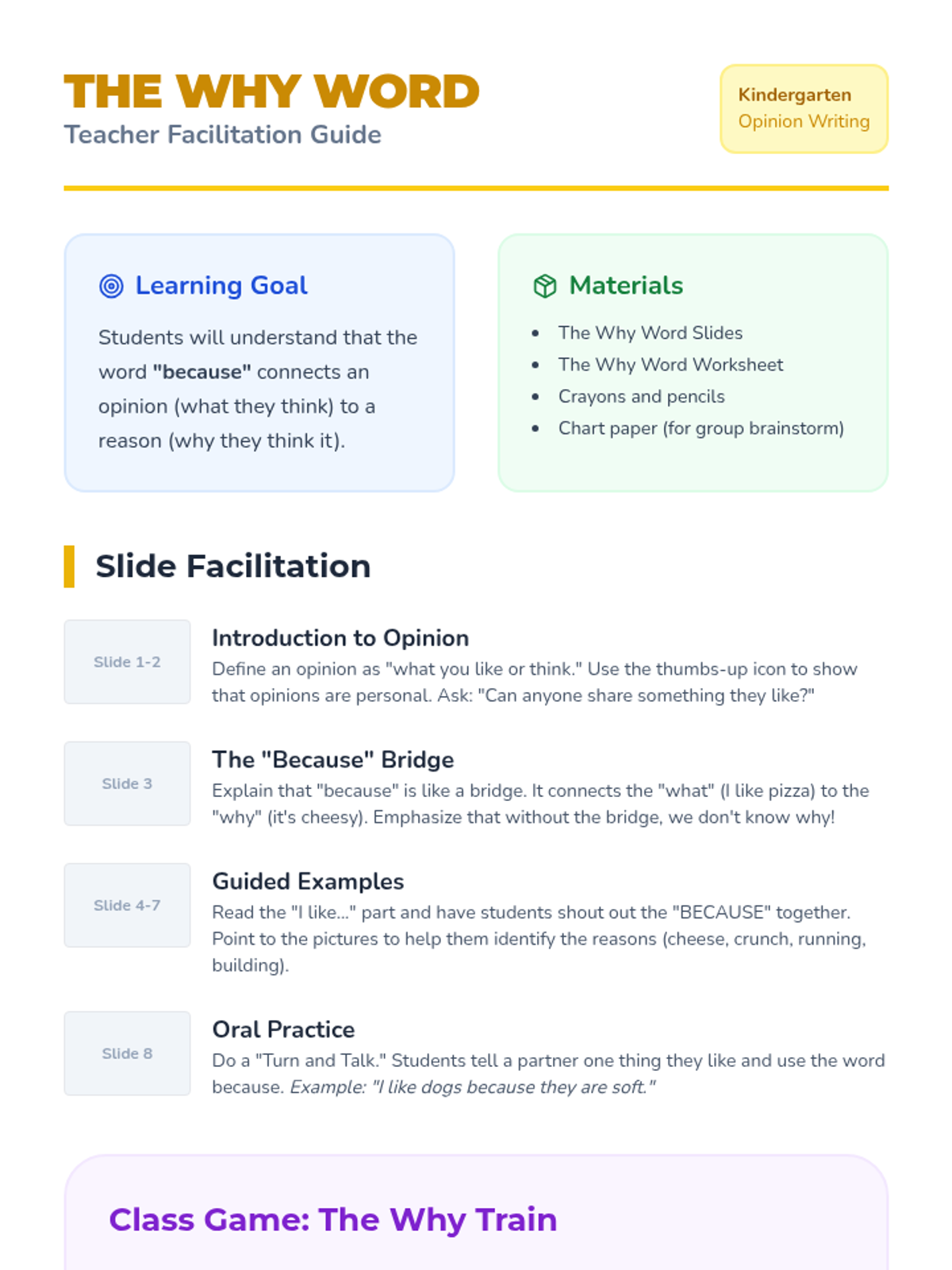
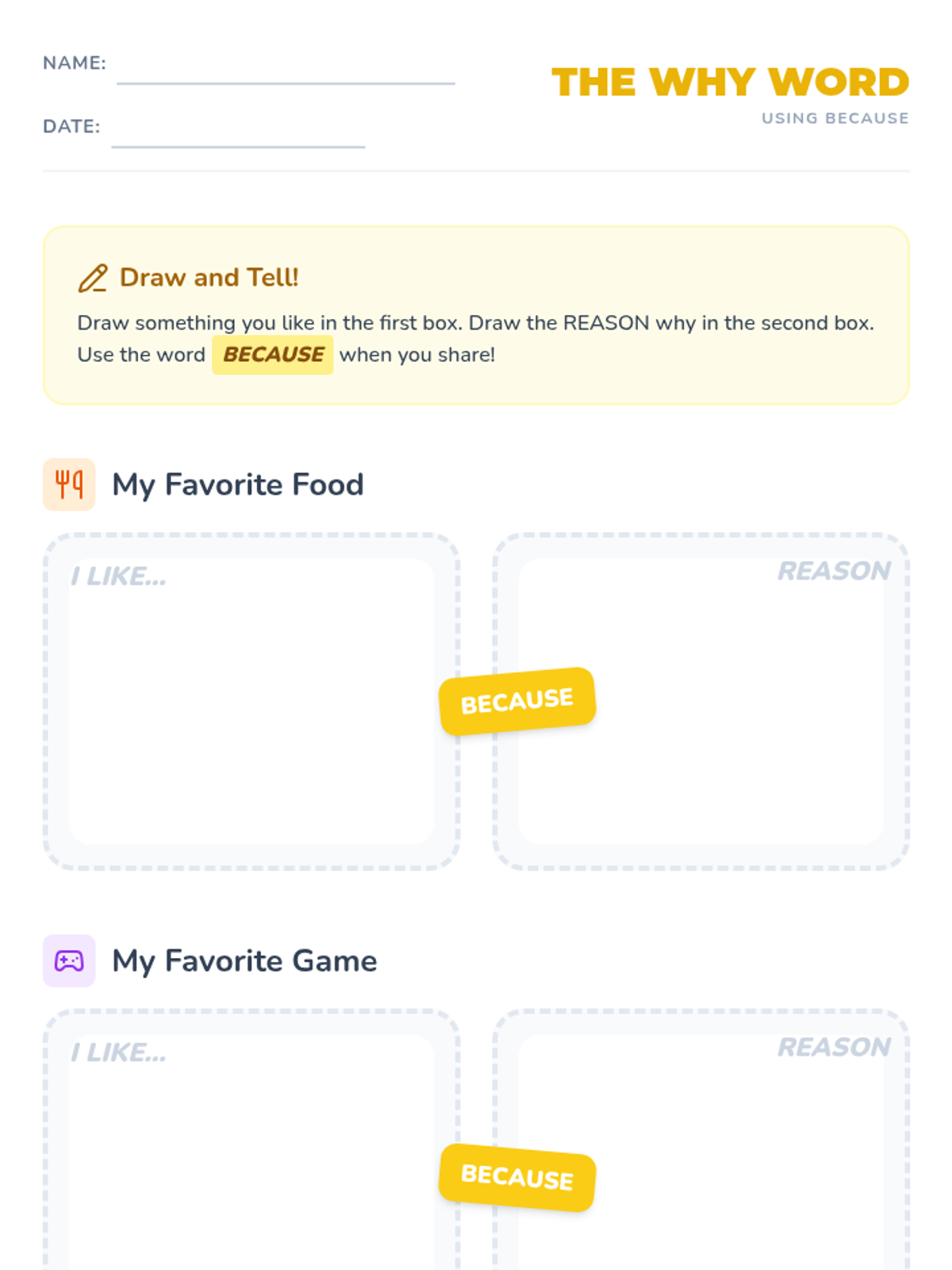
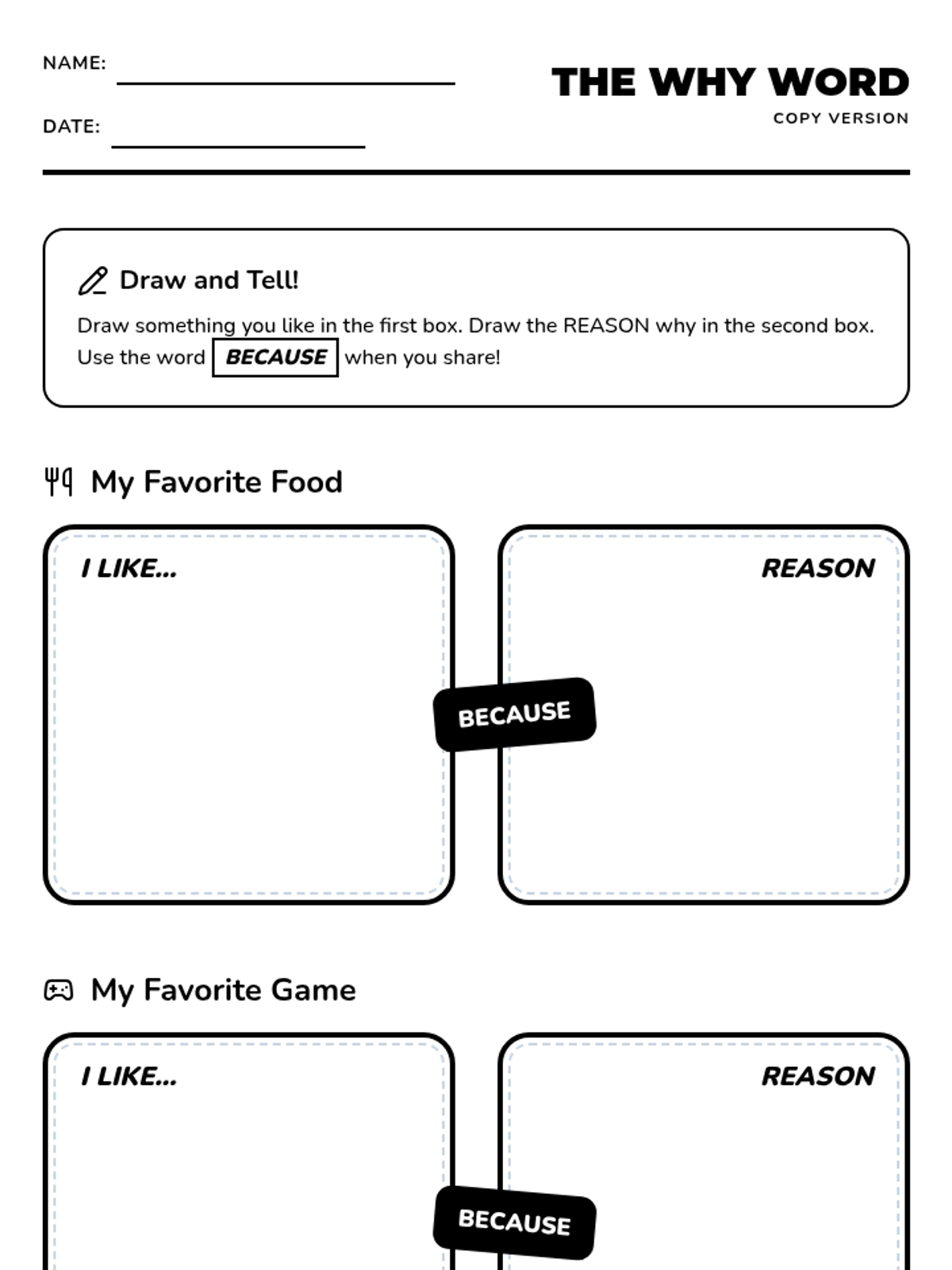
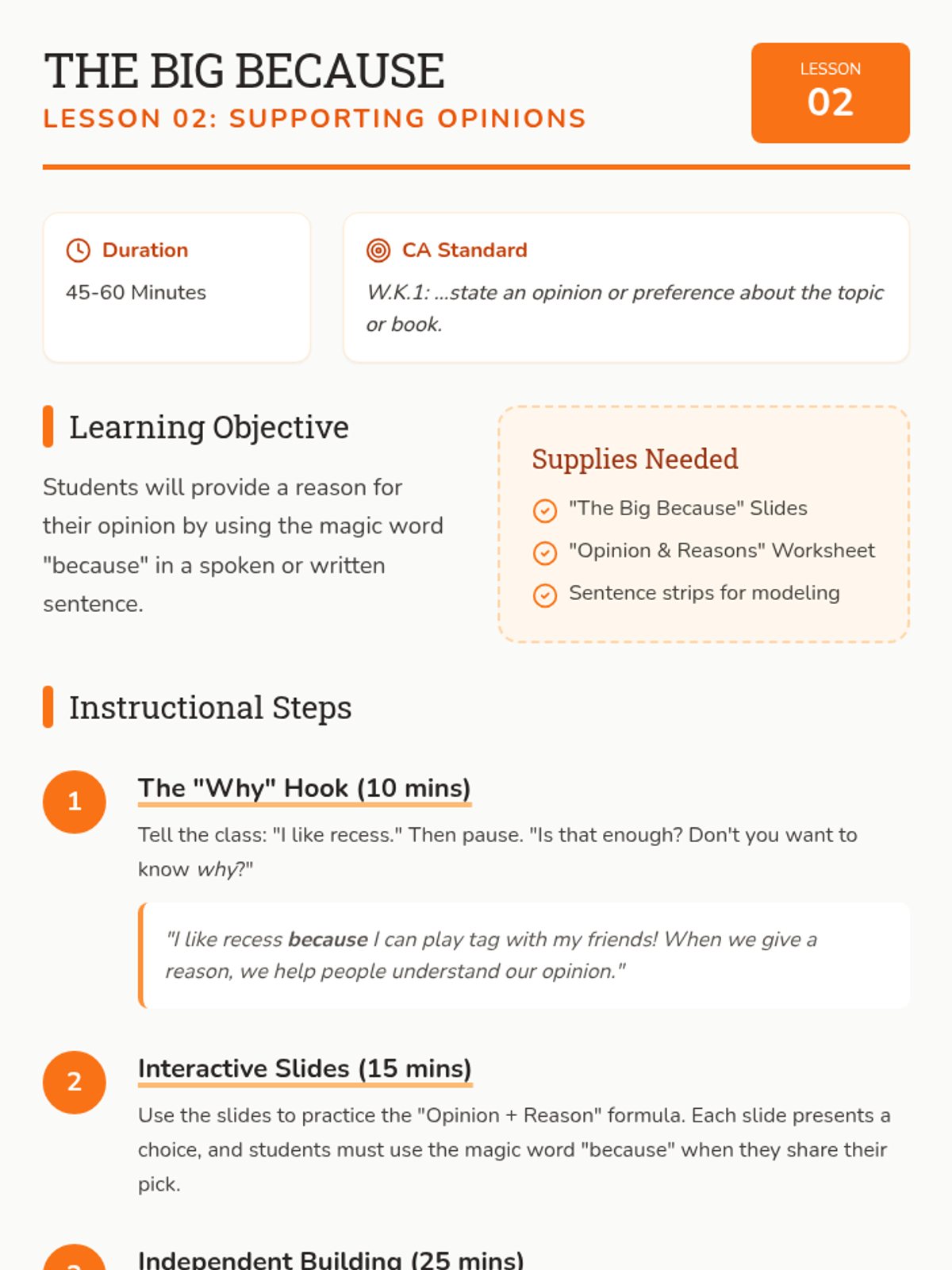
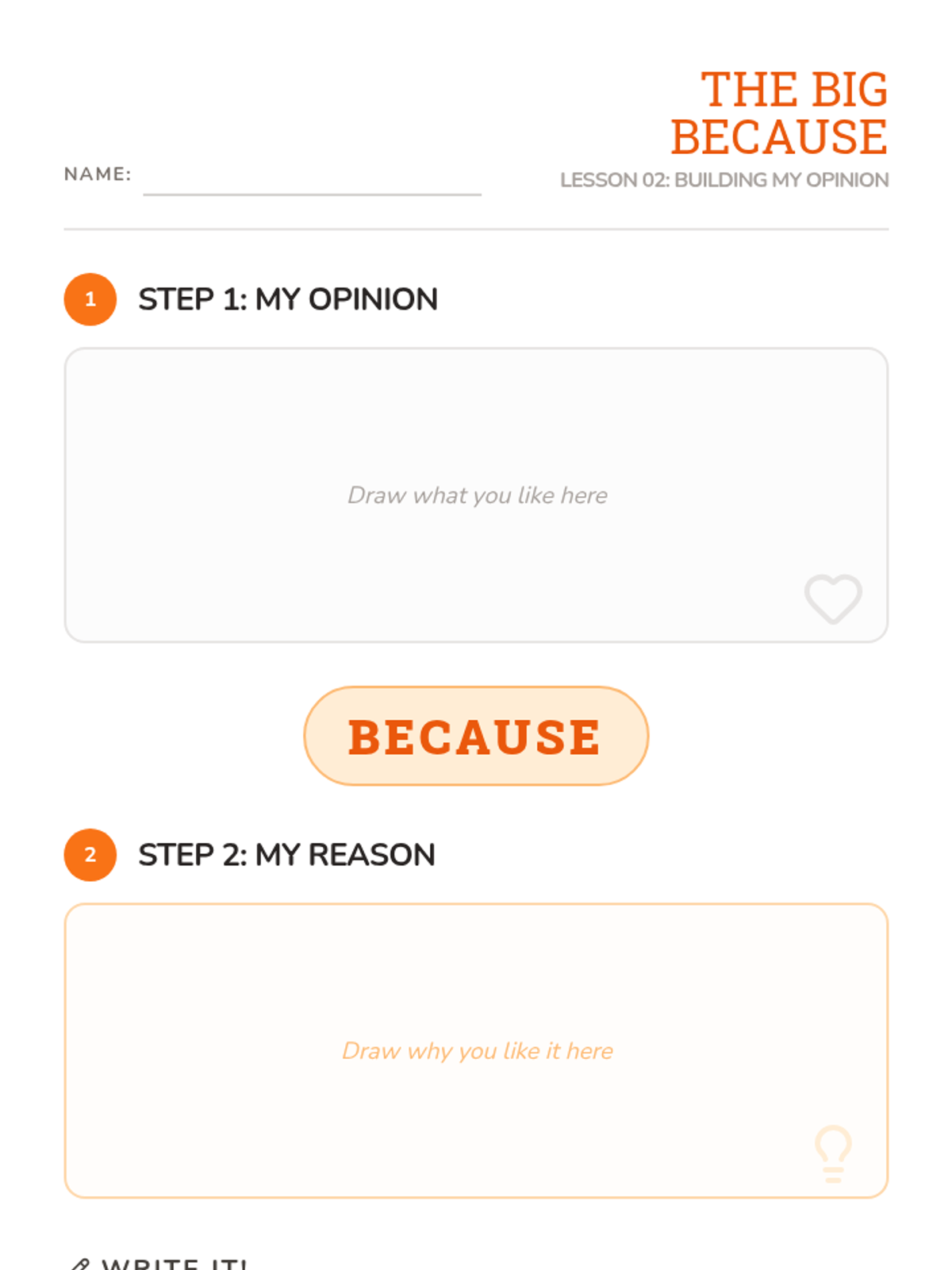
A foundational lesson for kindergarten students on using the word 'because' to link an opinion with a supporting reason, using relatable examples like food and play.
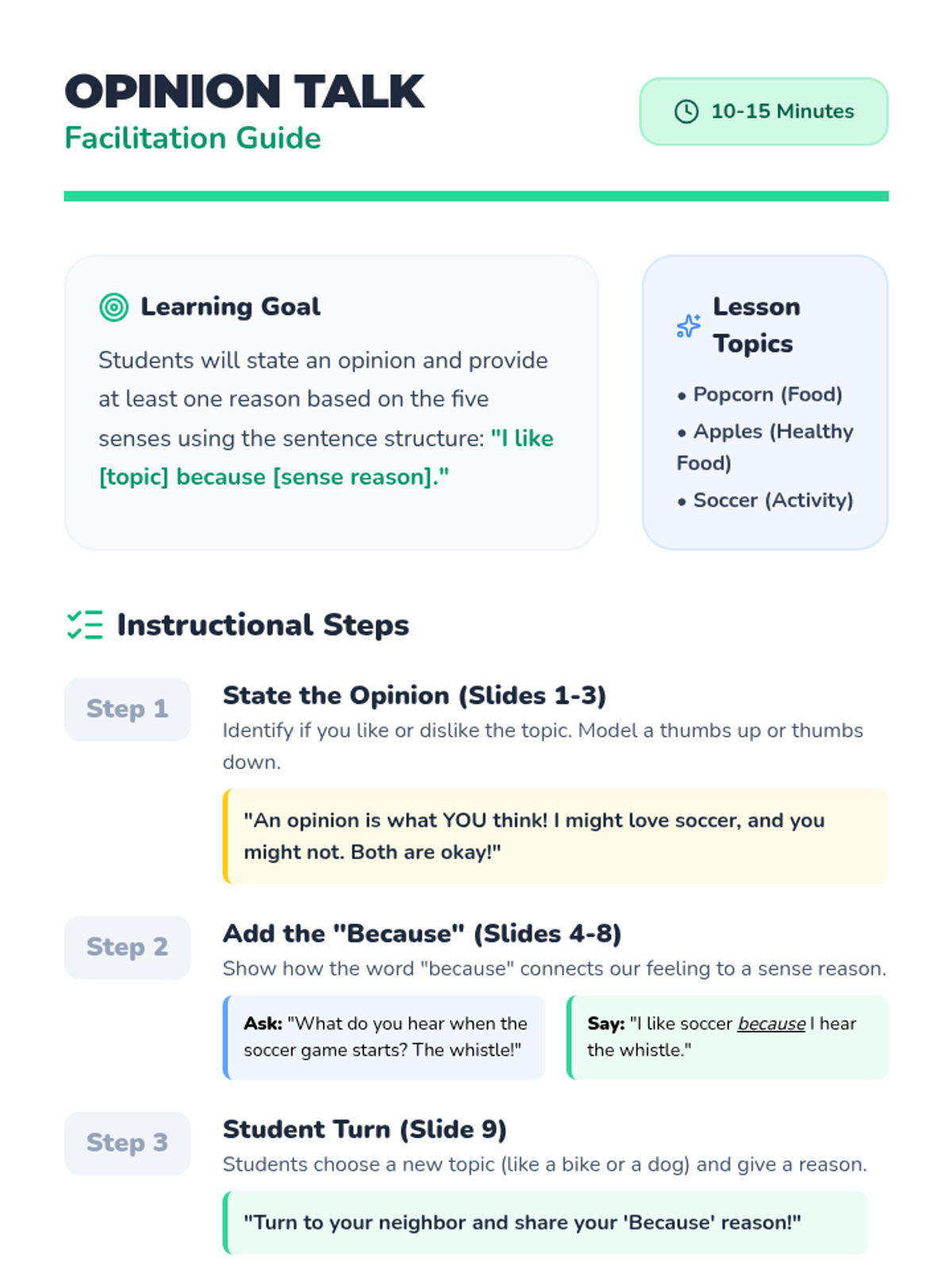
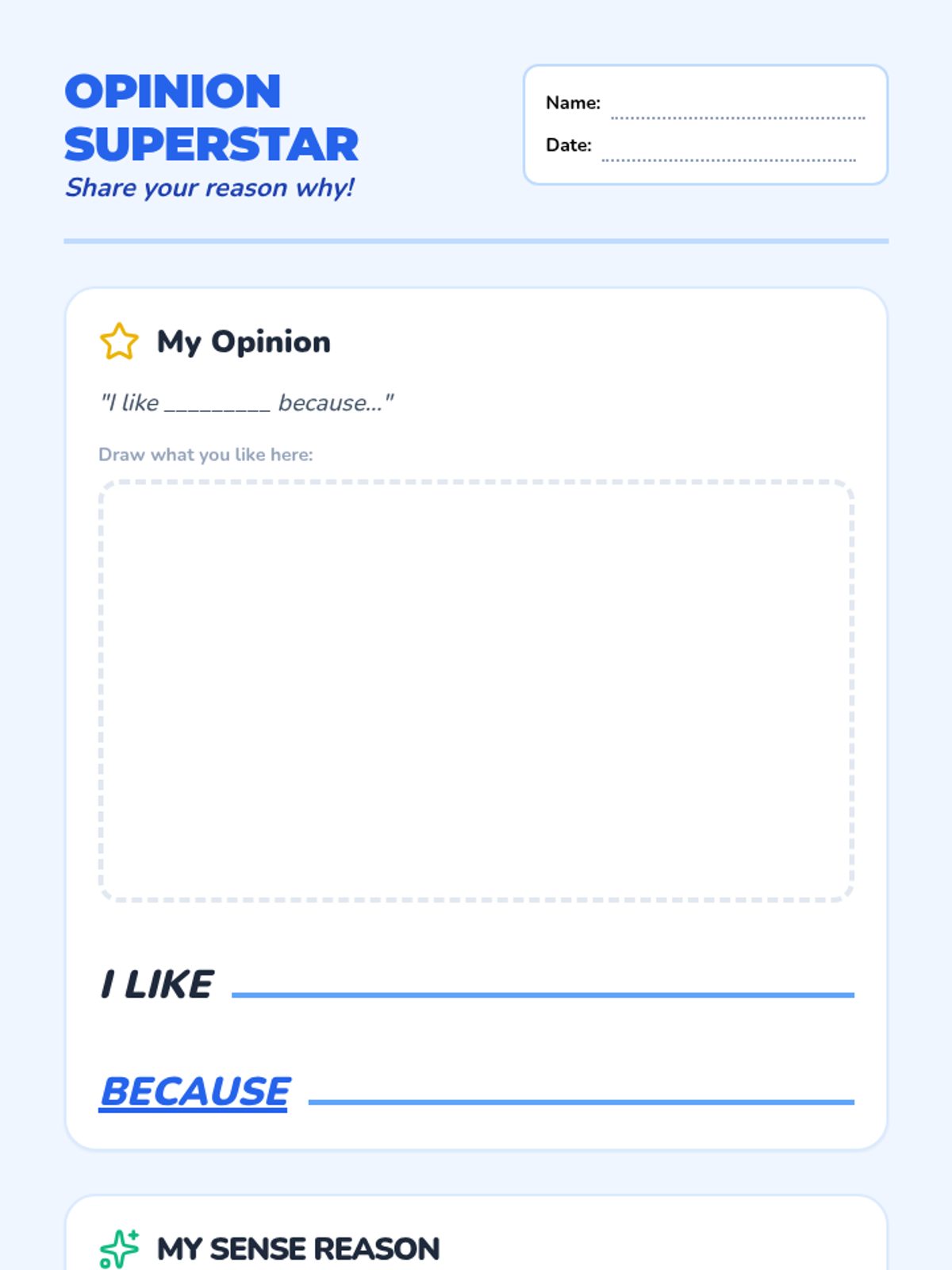
A kindergarten lesson focused on expressing opinions about various topics (food, activities, hobbies) using the five senses as supporting reasons. Students will learn how to transition from simple statements to descriptive 'because' statements.
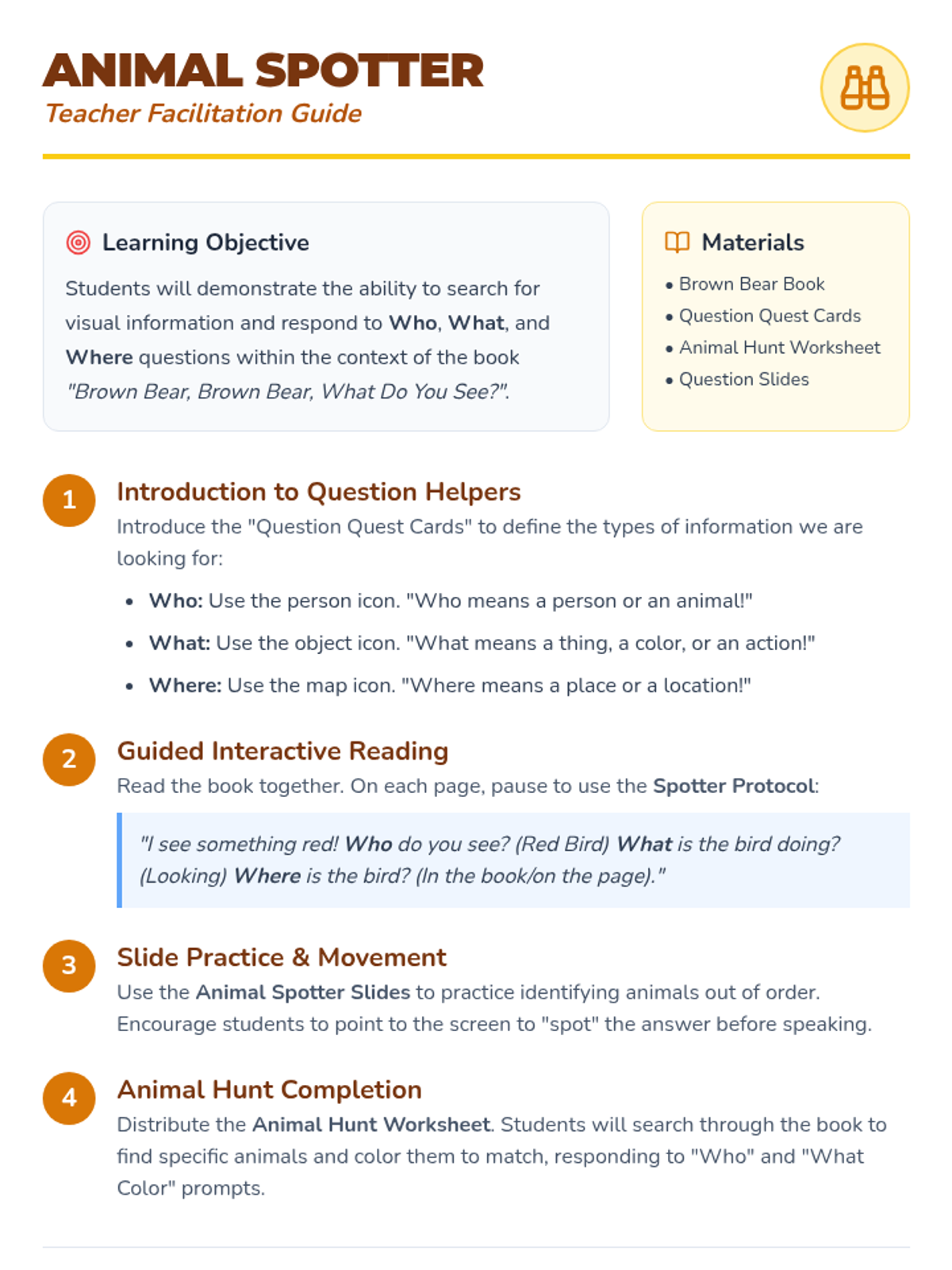
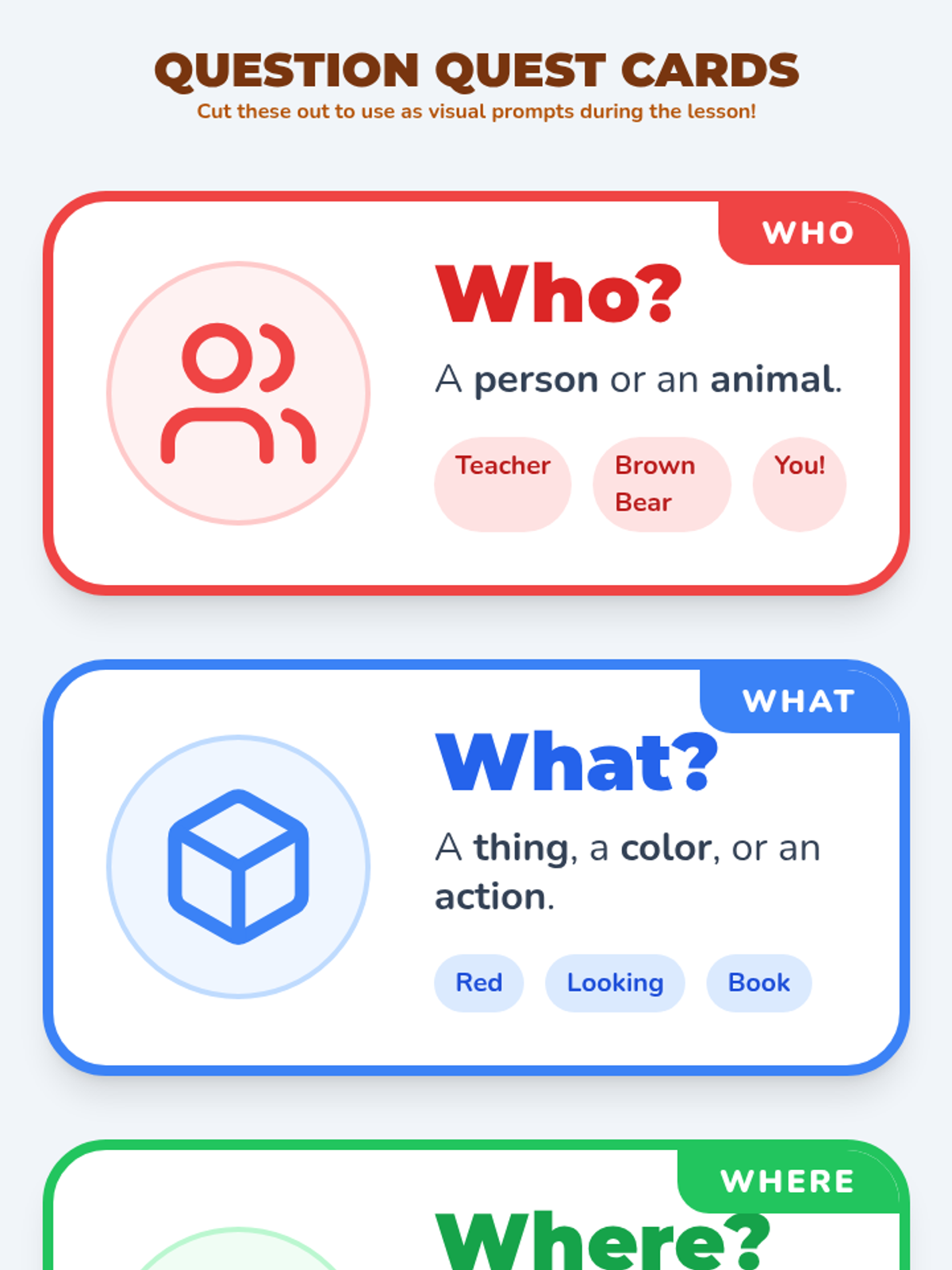
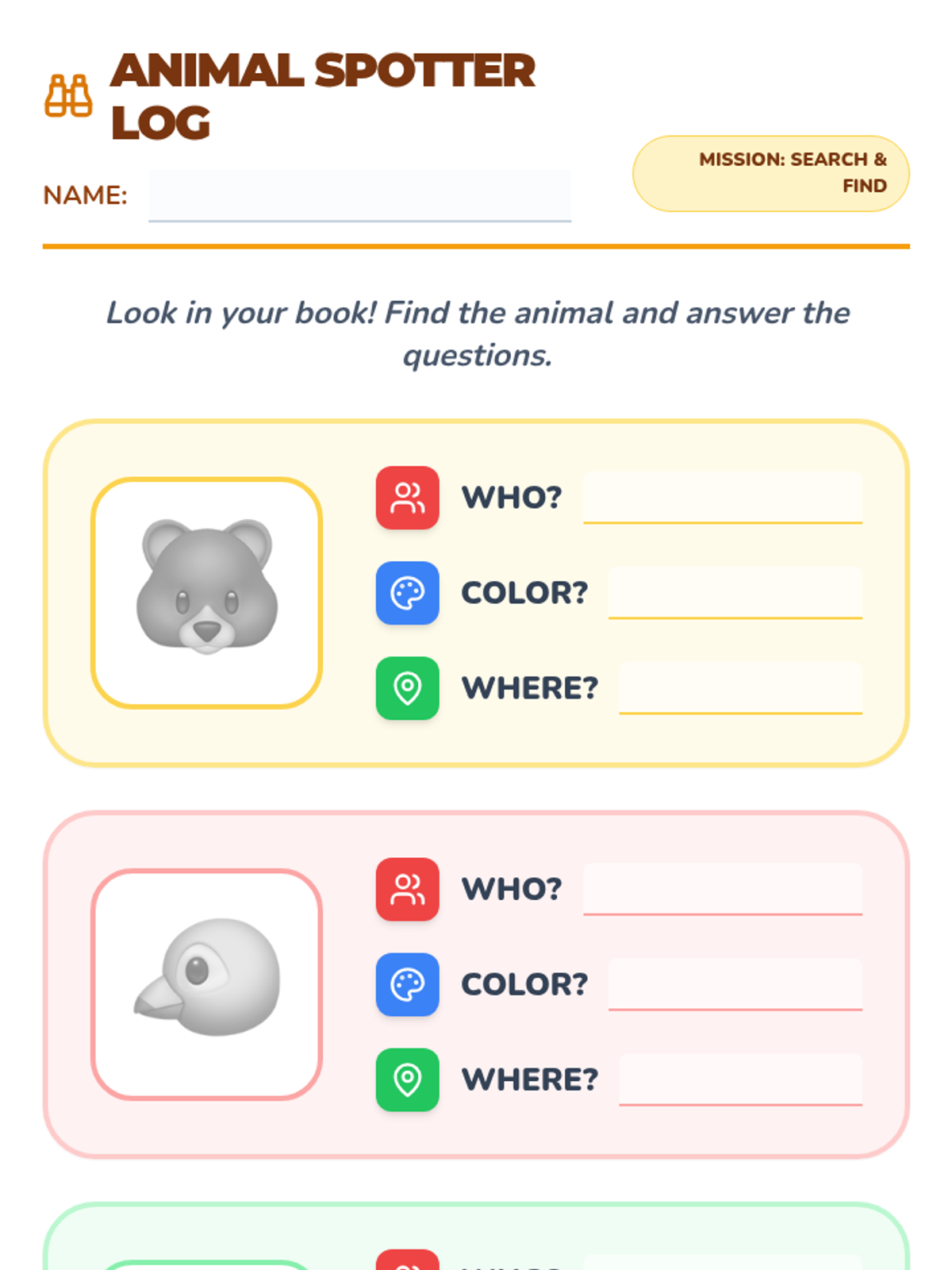
A Pre-K lesson focused on responding to who, what, and where questions using the book 'Brown Bear, Brown Bear, What Do You See?' as a context. Students will practice searching for visual information and identifying animals, colors, and locations.
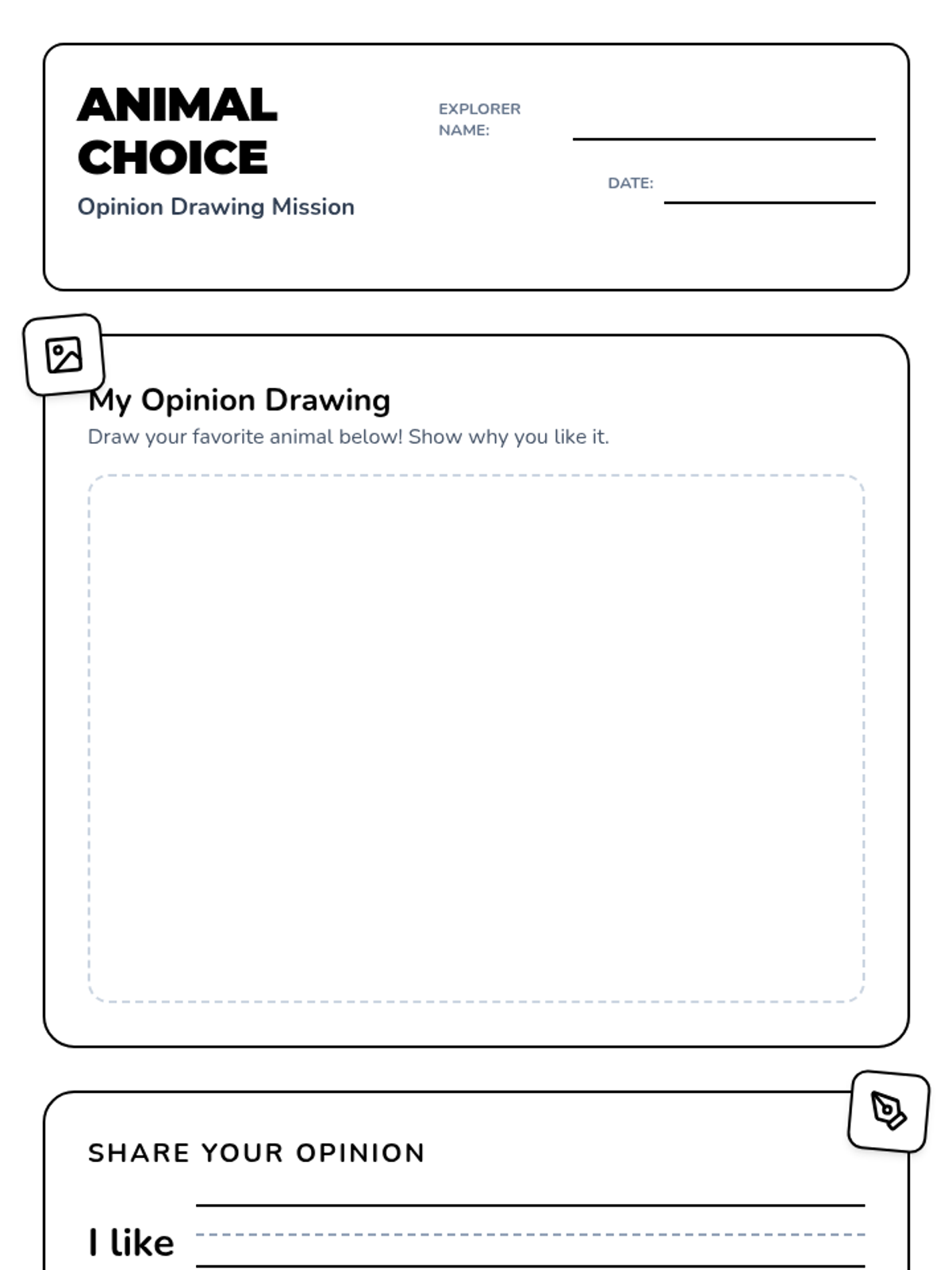
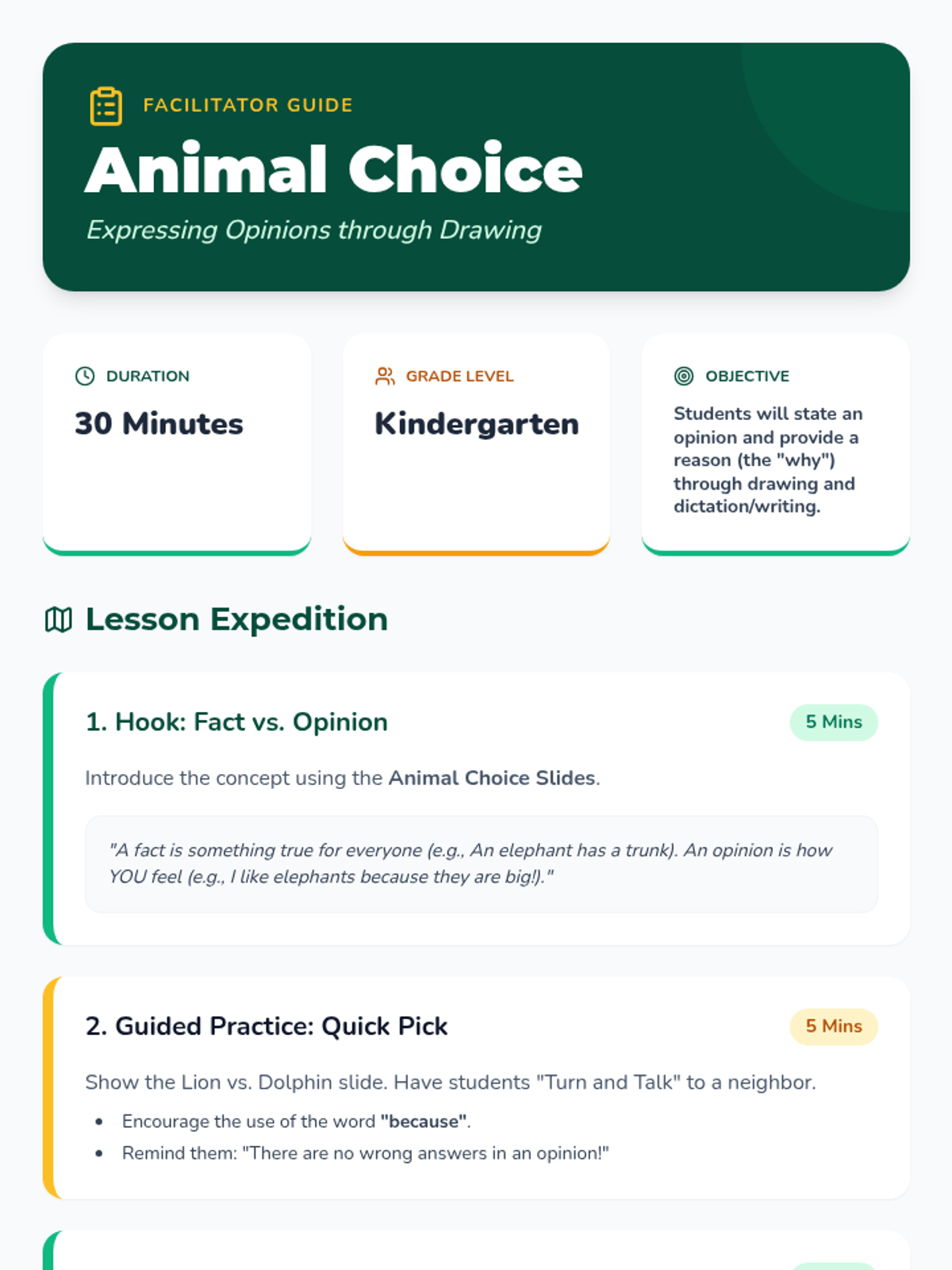
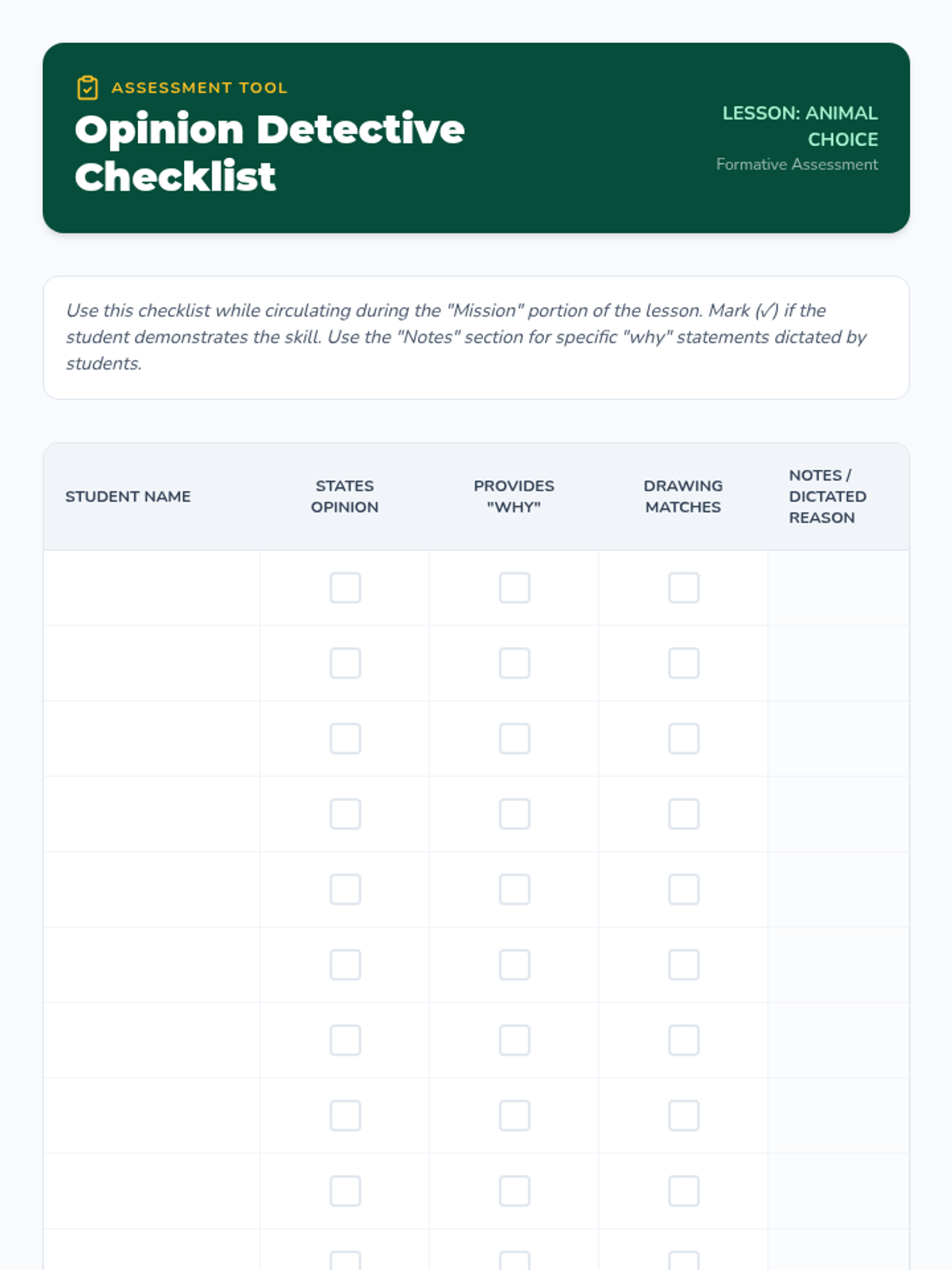
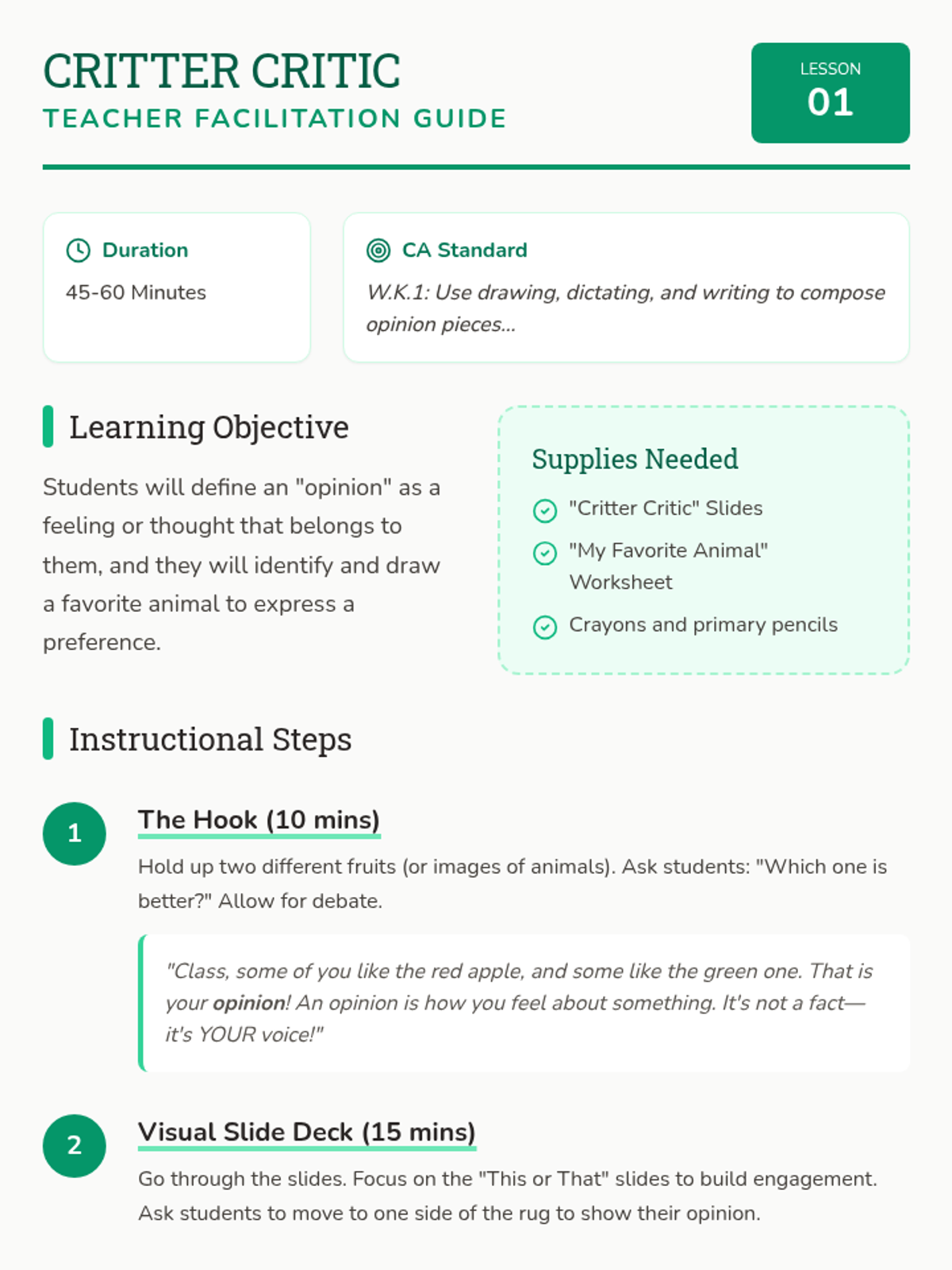
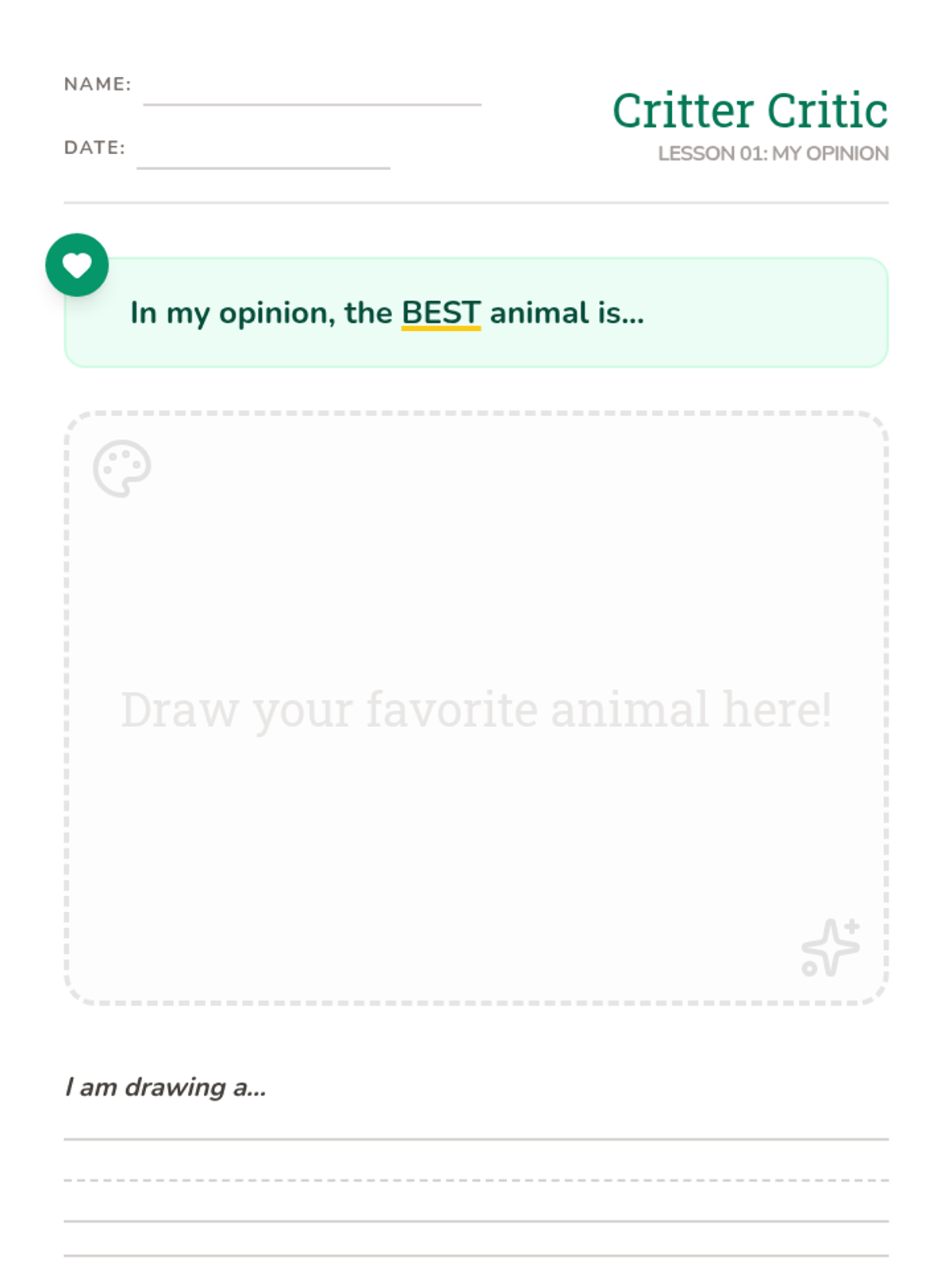
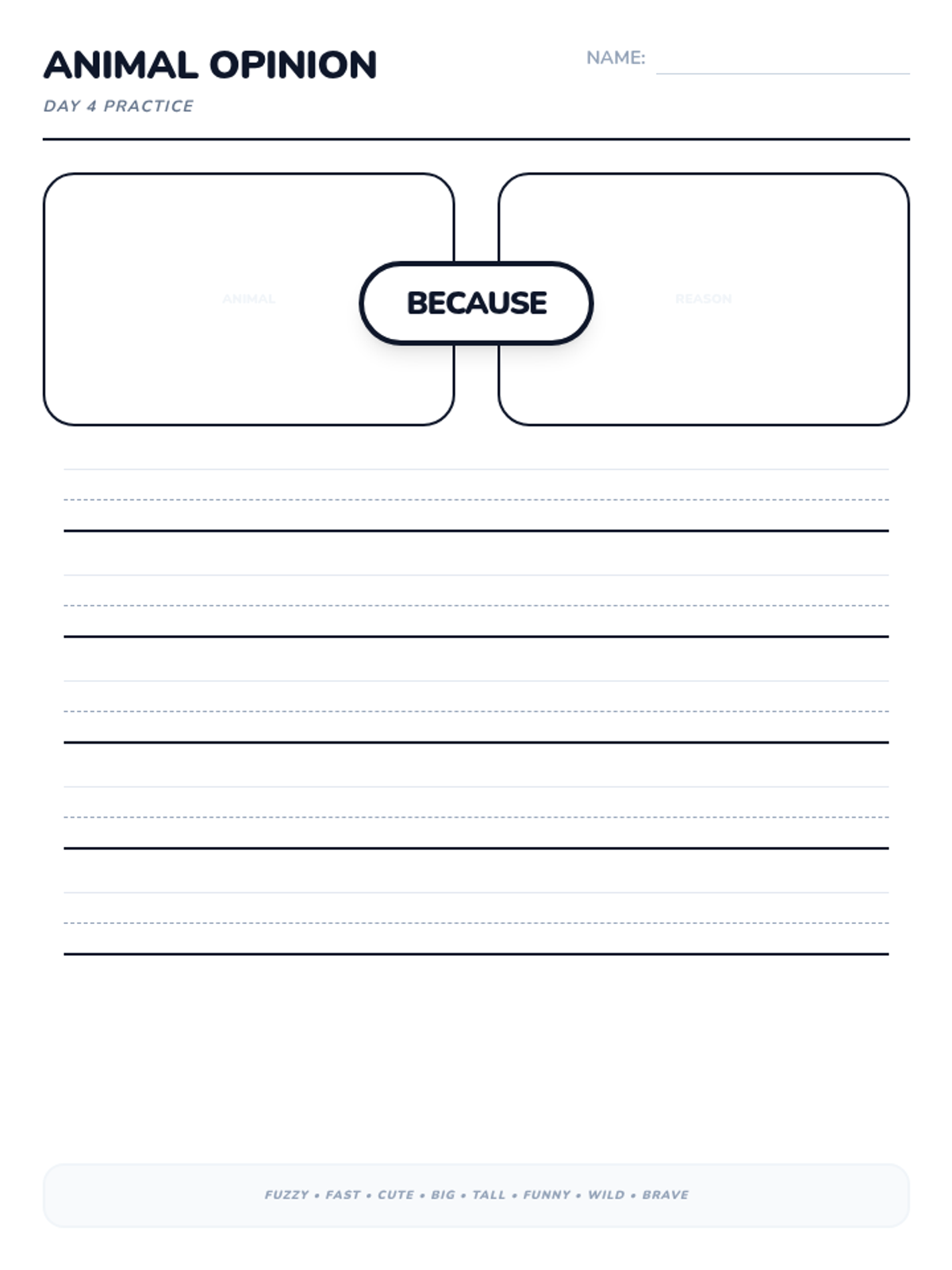
A 30-minute lesson for kindergarteners on forming and expressing an opinion through drawing, focused on their favorite animals. Students learn the difference between facts and opinions and practice stating their 'why'.
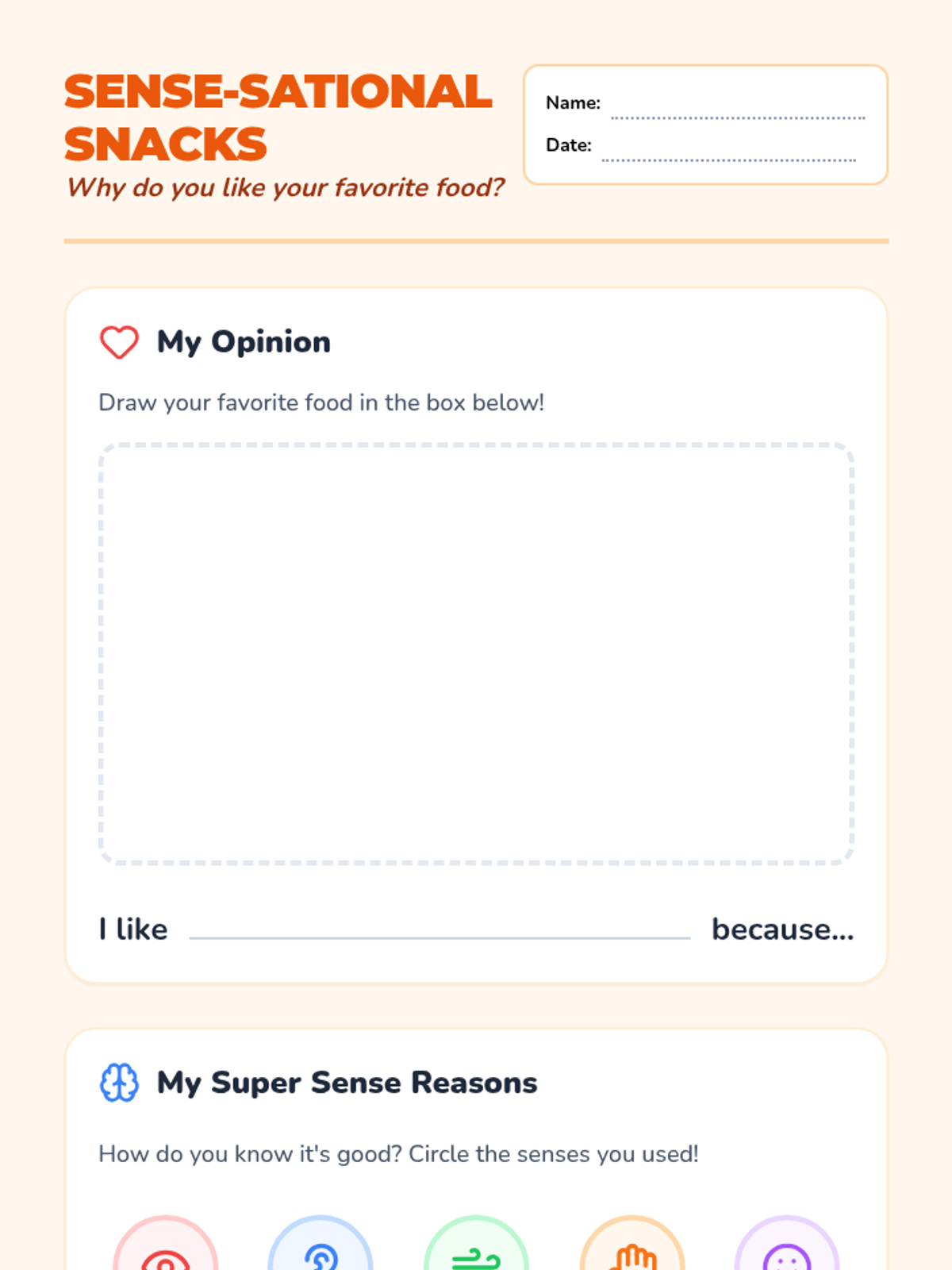
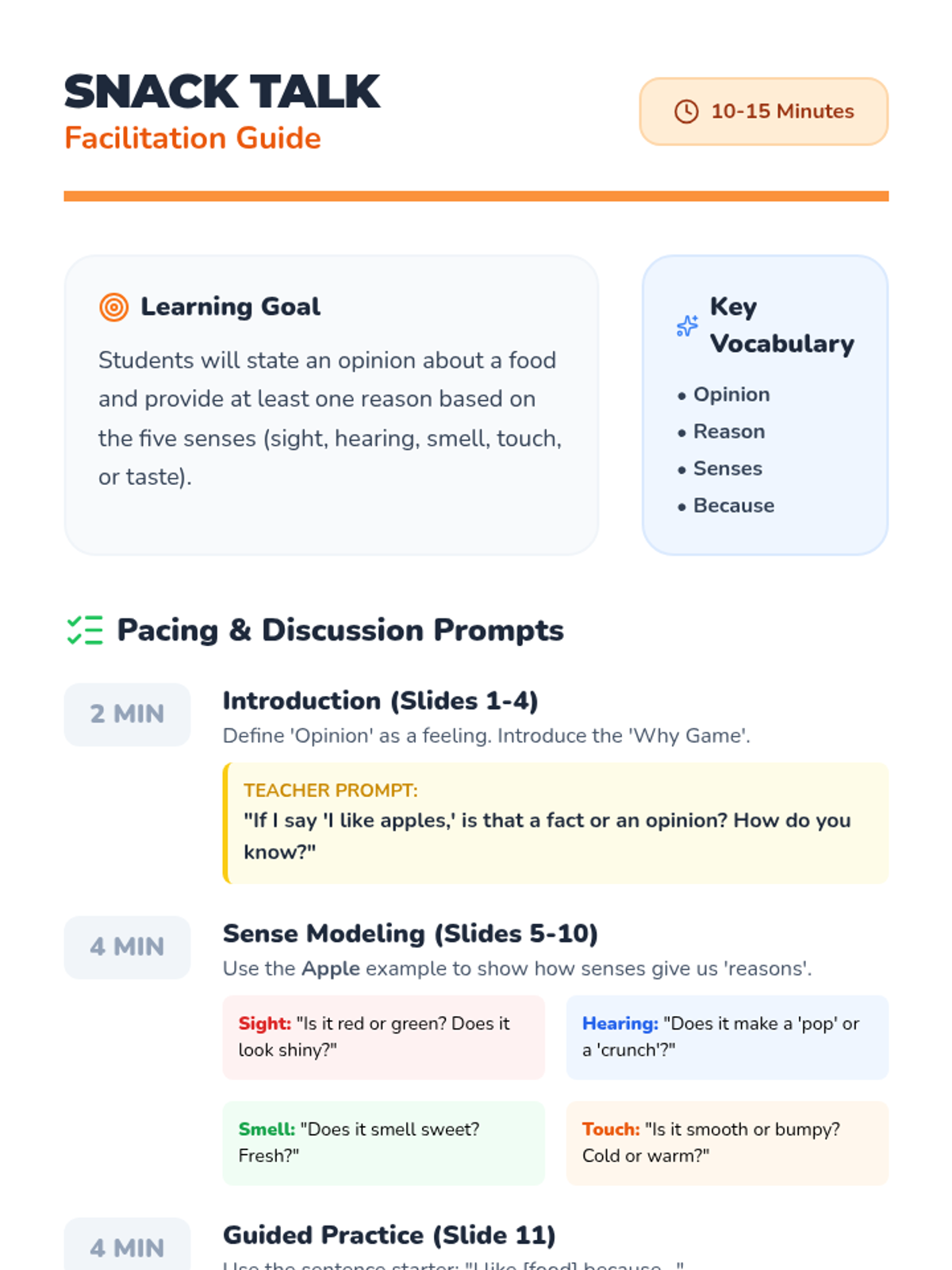
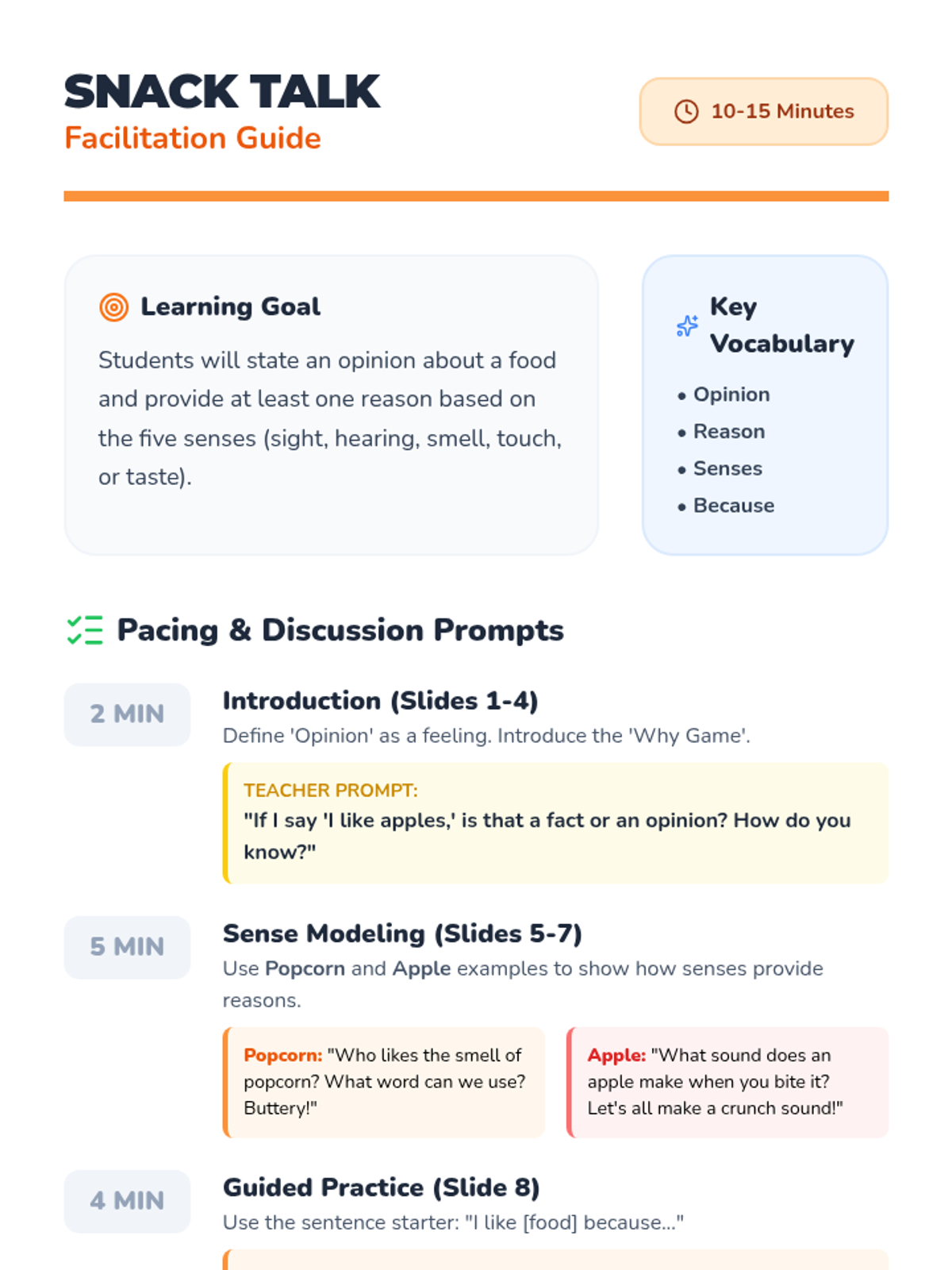
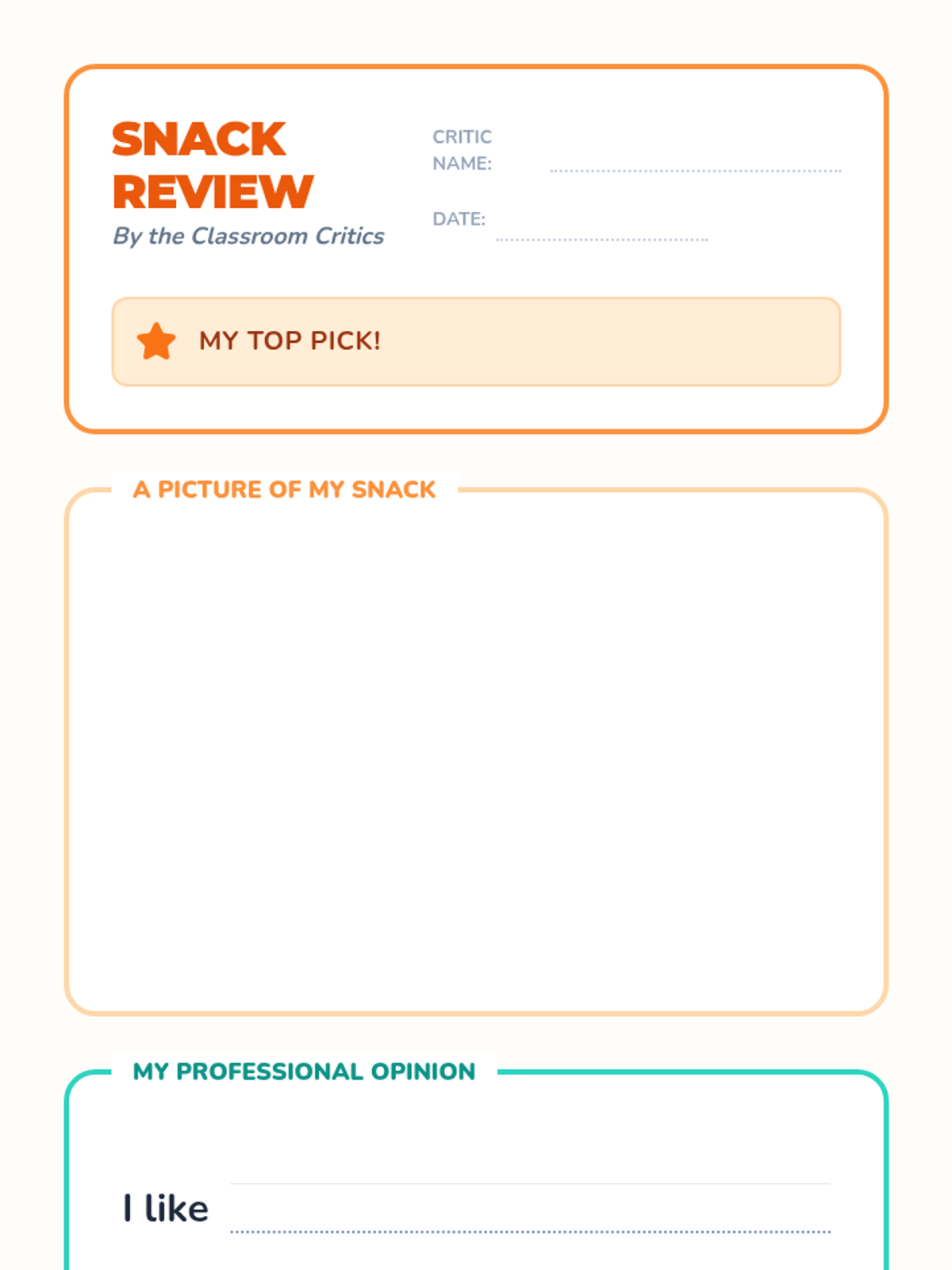
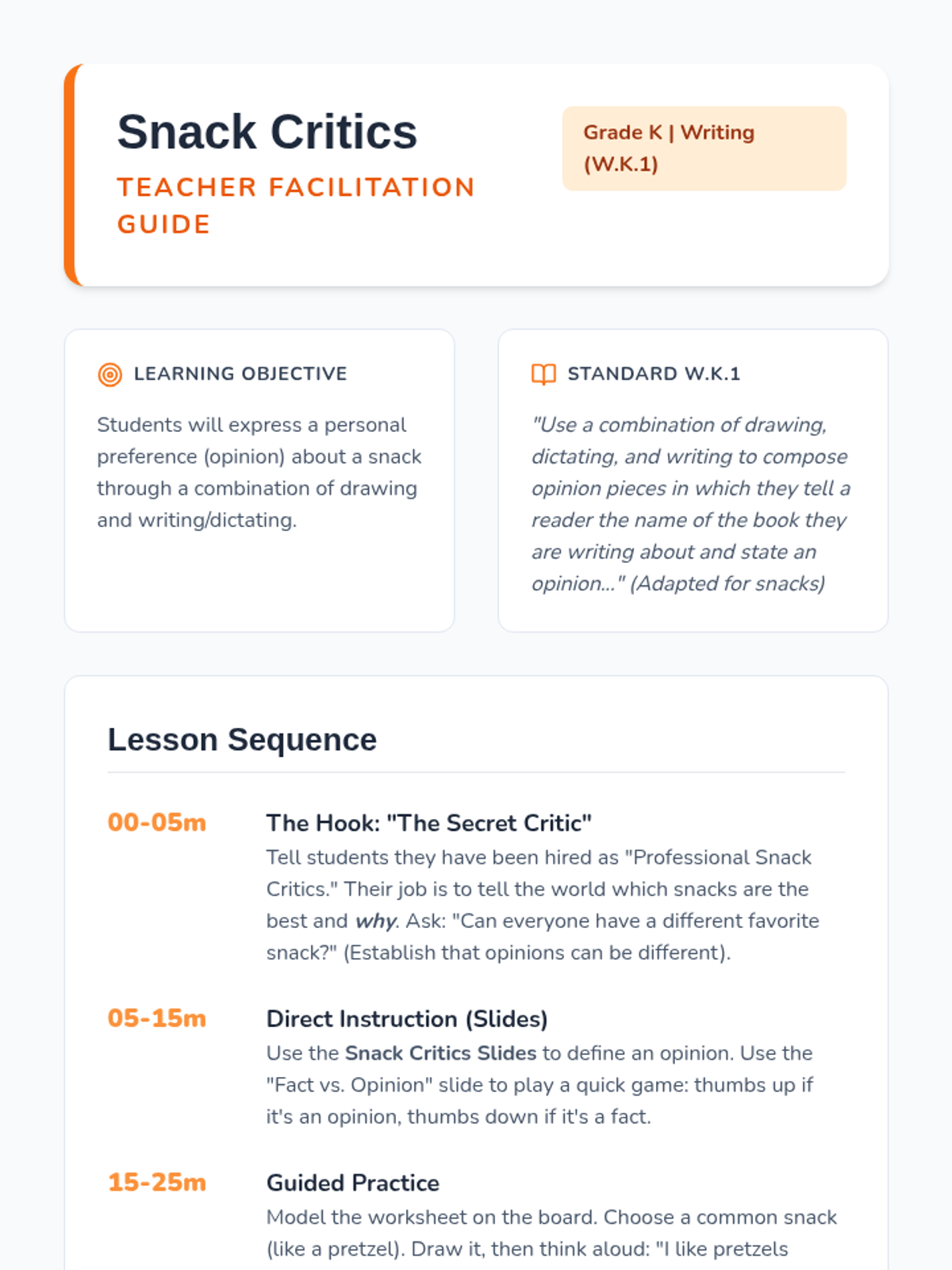
Students will learn how to express their opinions through a combination of drawing and writing as they take on the role of 'Snack Critics' to share their favorite treats.
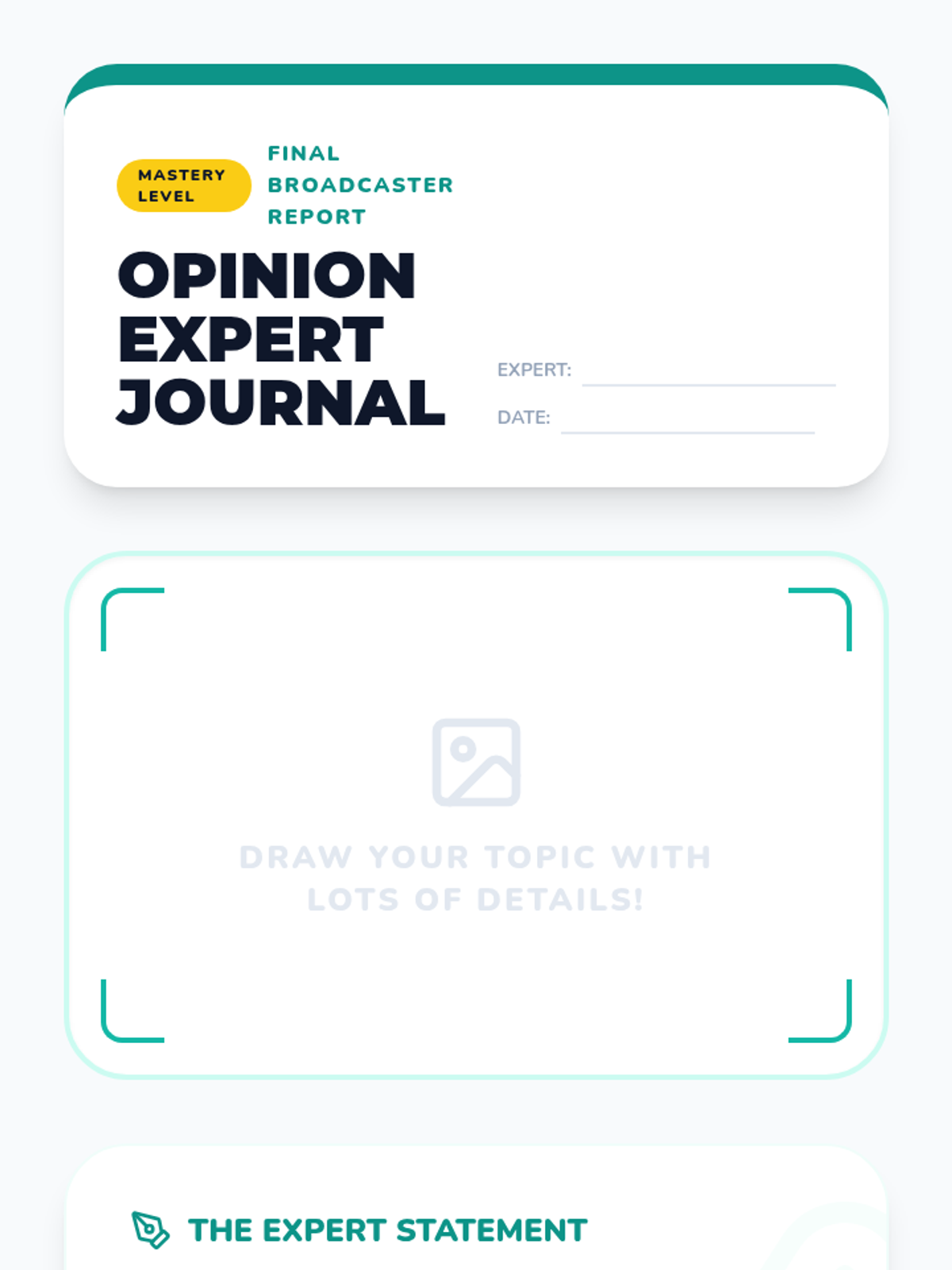
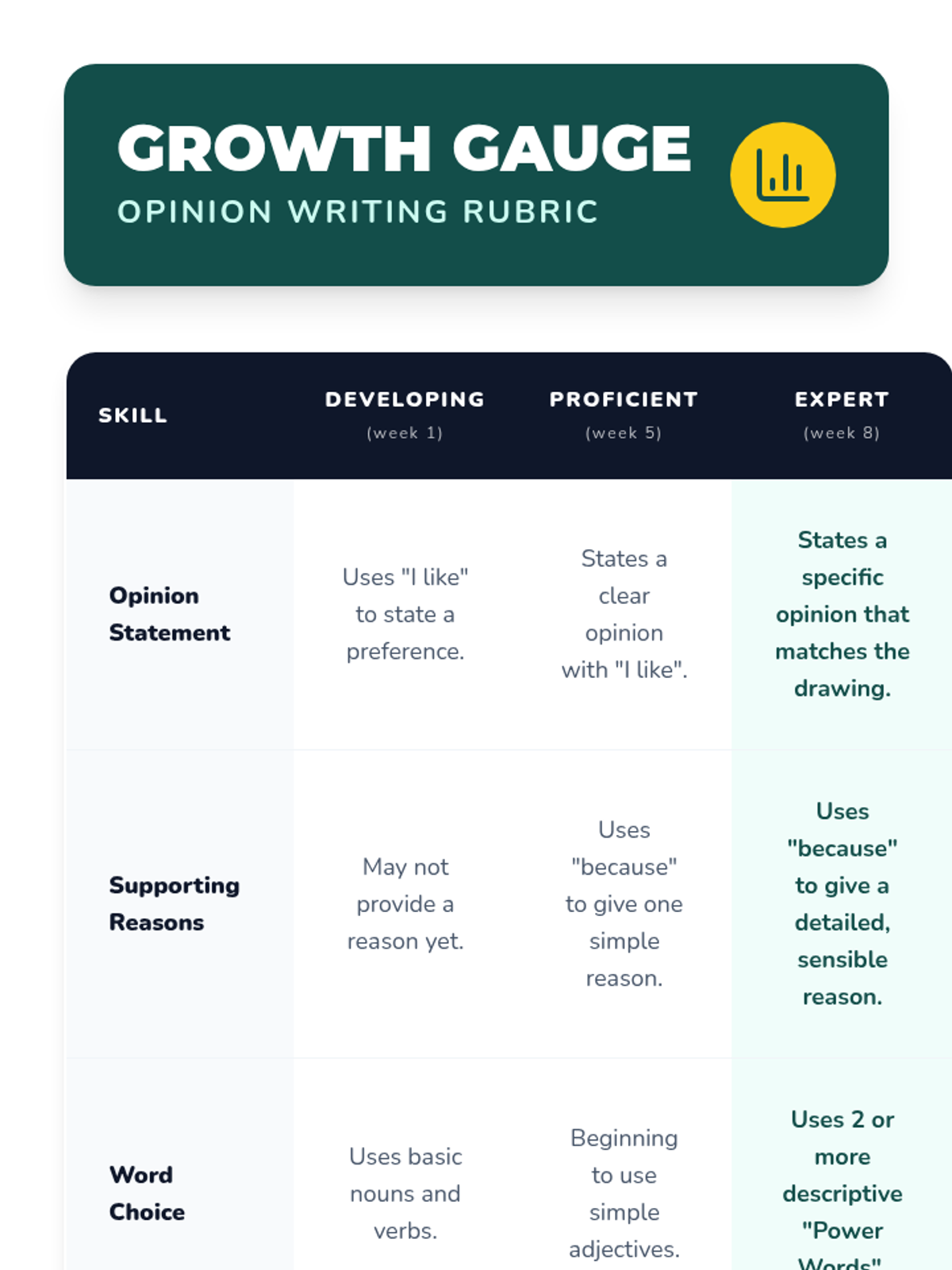
Students refine their opinion writing by adding descriptive details and multiple reasons to their 'because' statements to become 'Opinion Experts'.
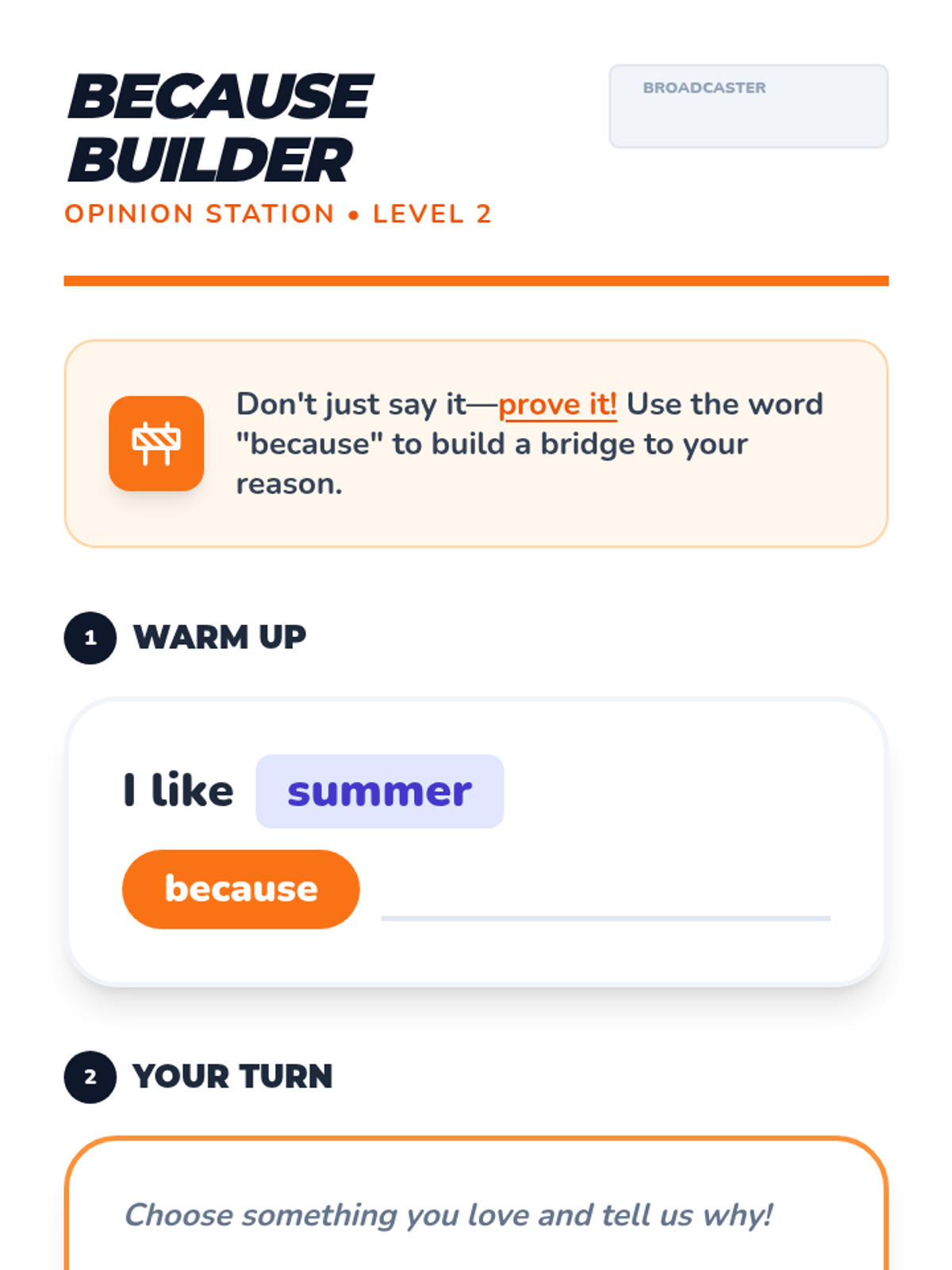
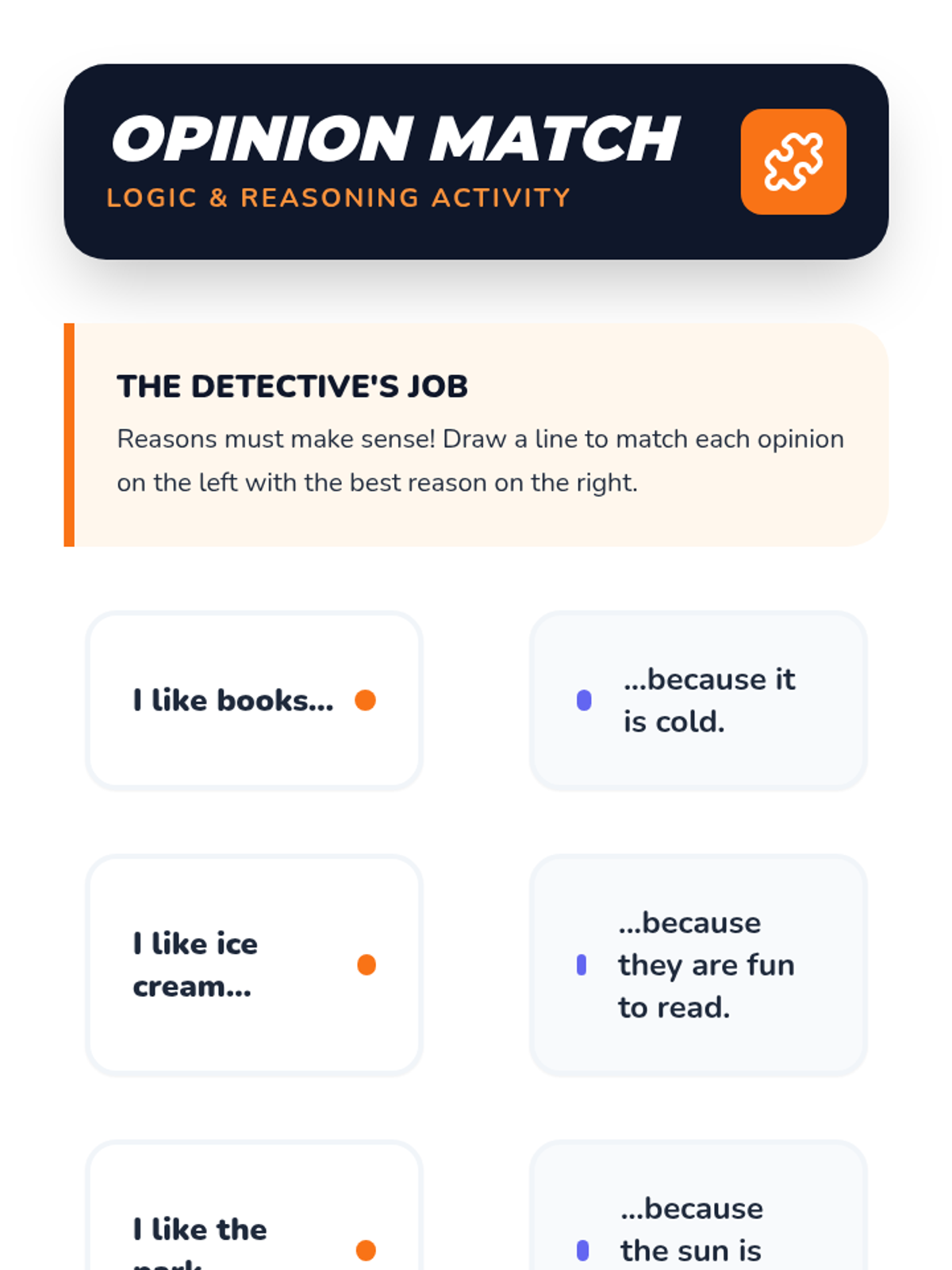
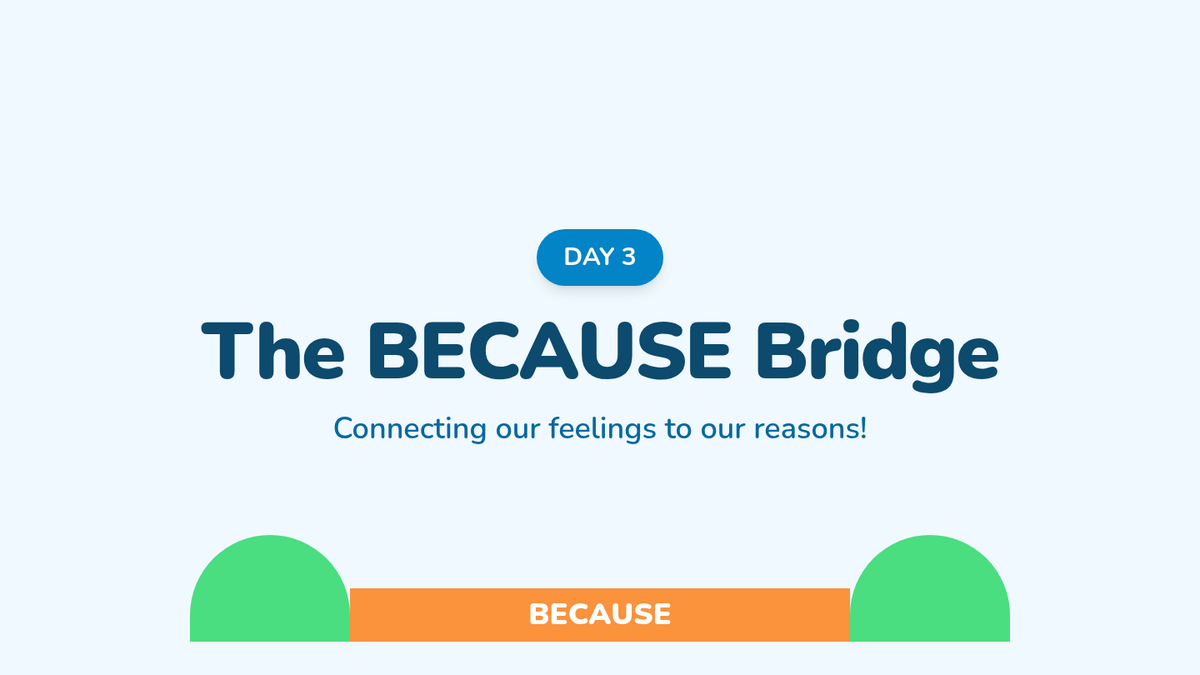
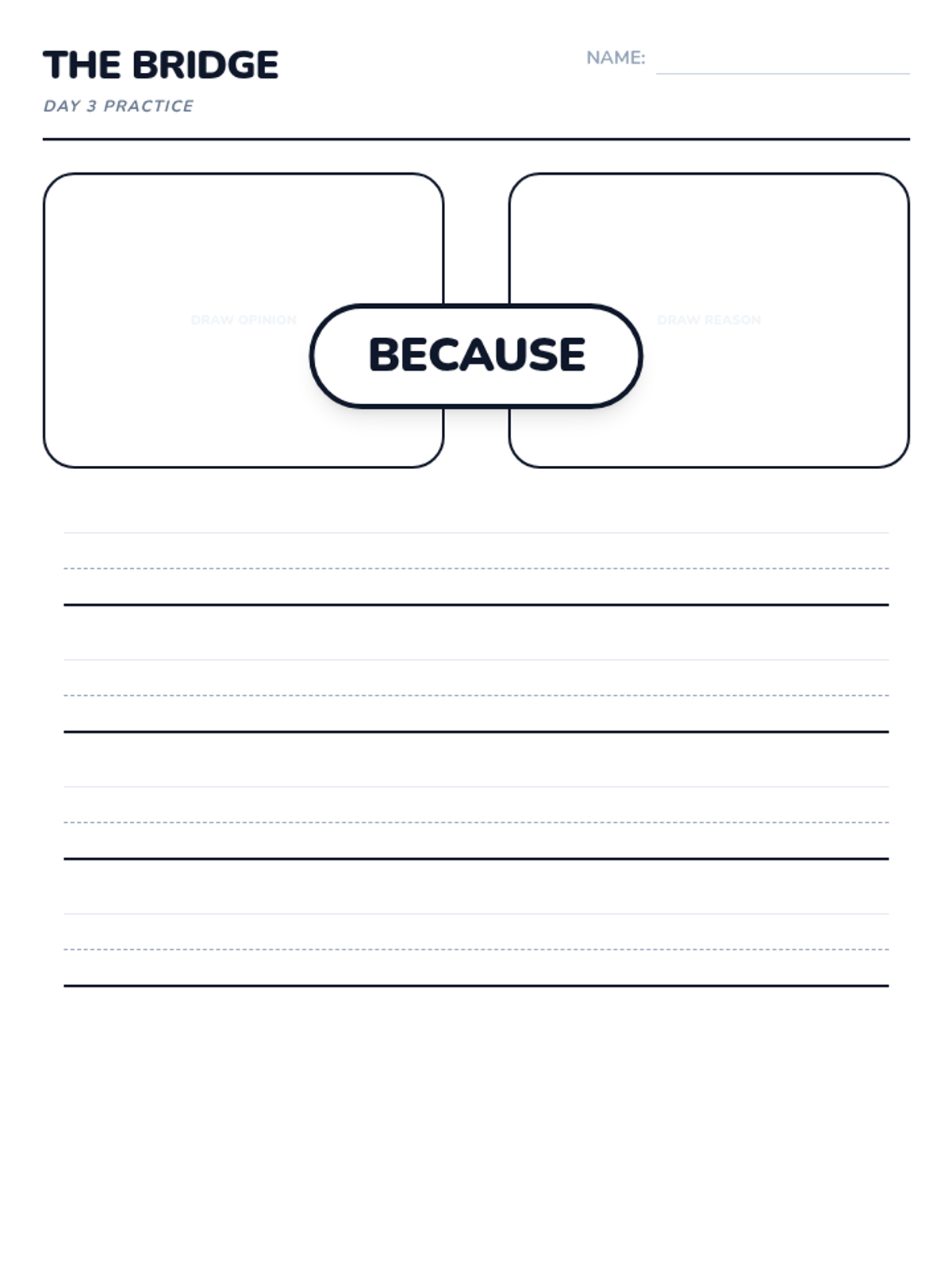
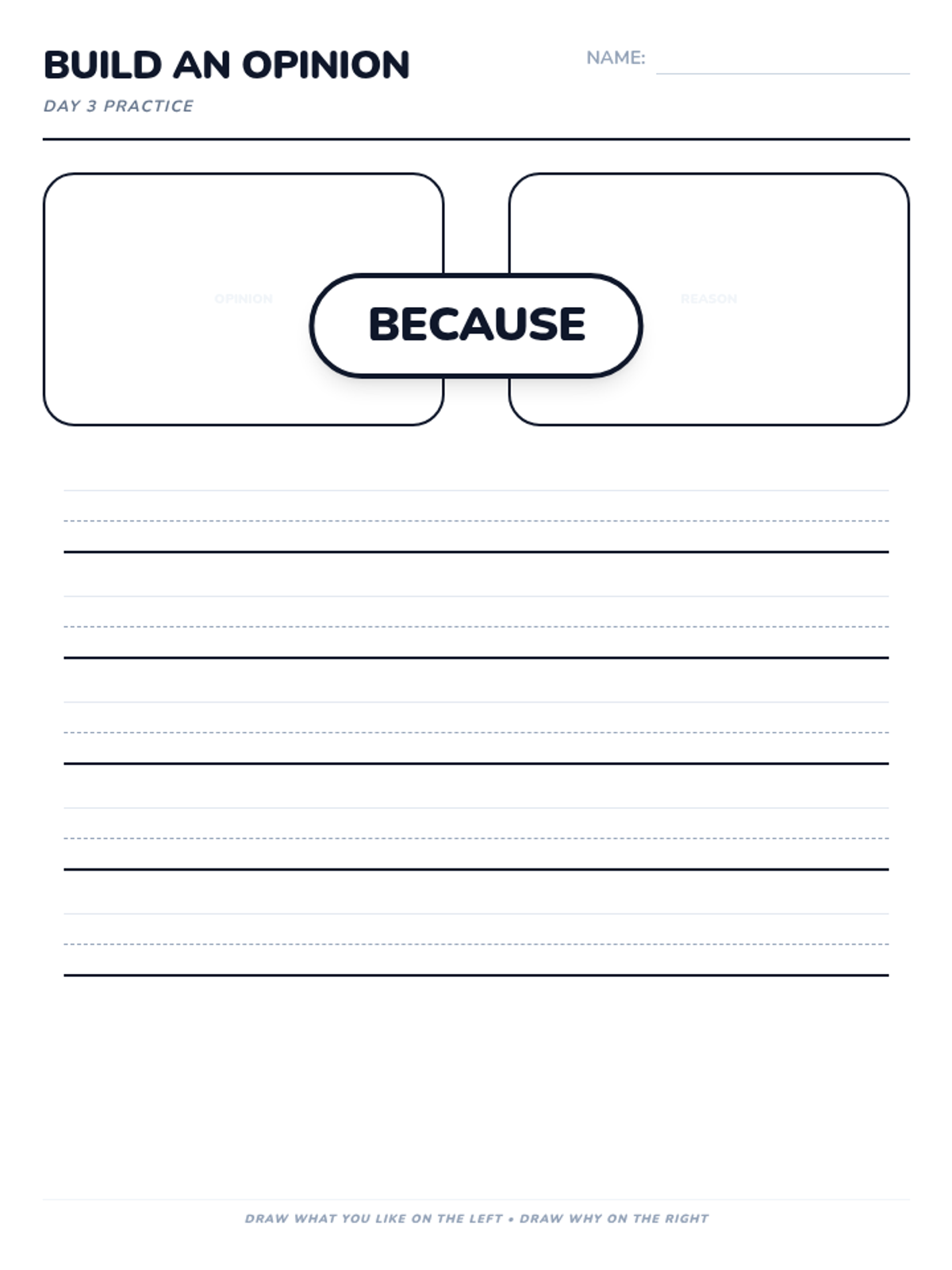
Students learn to bridge their opinions with reasons using the conjunction 'because', transitioning from simple statements to supported claims.
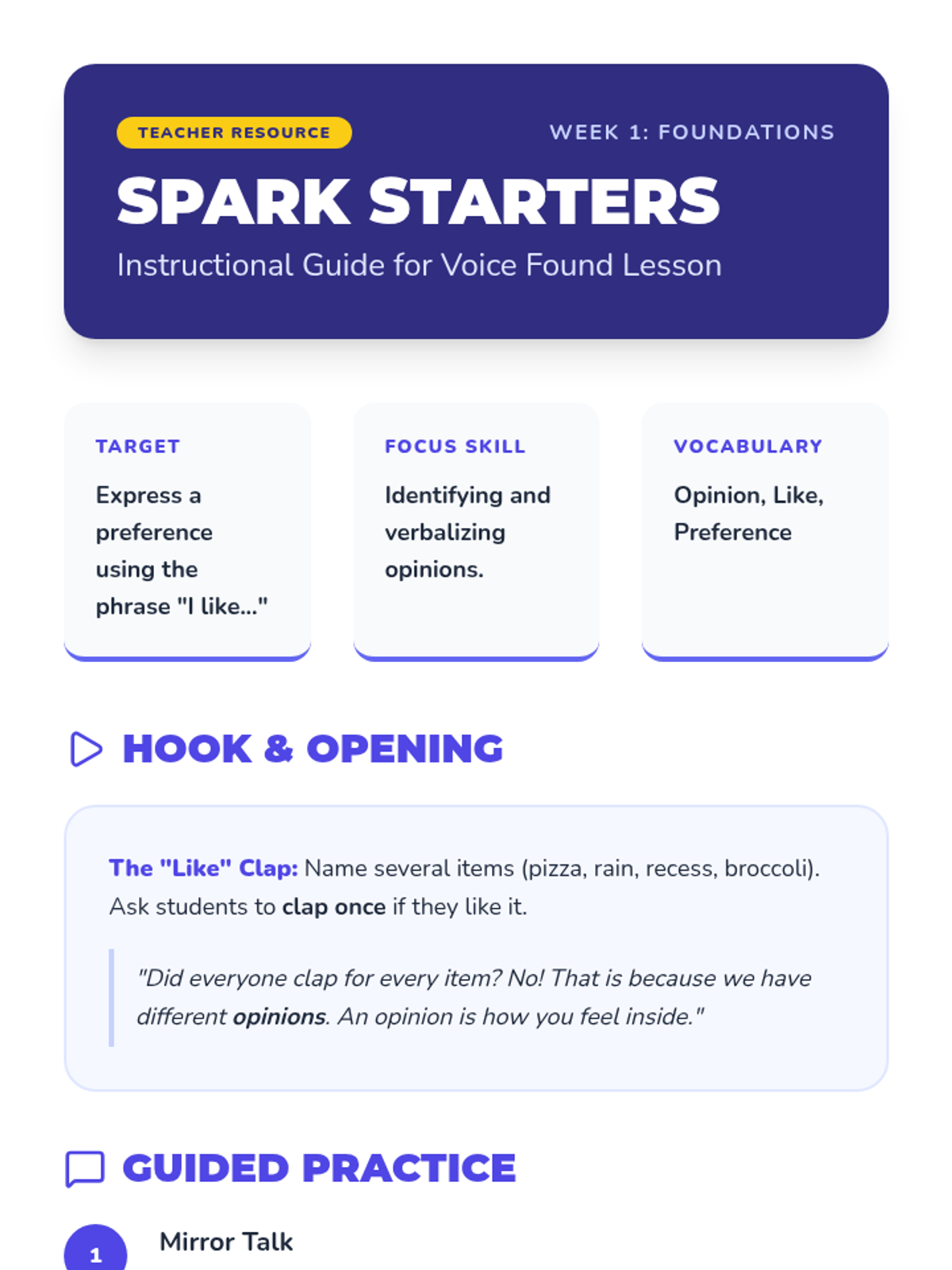
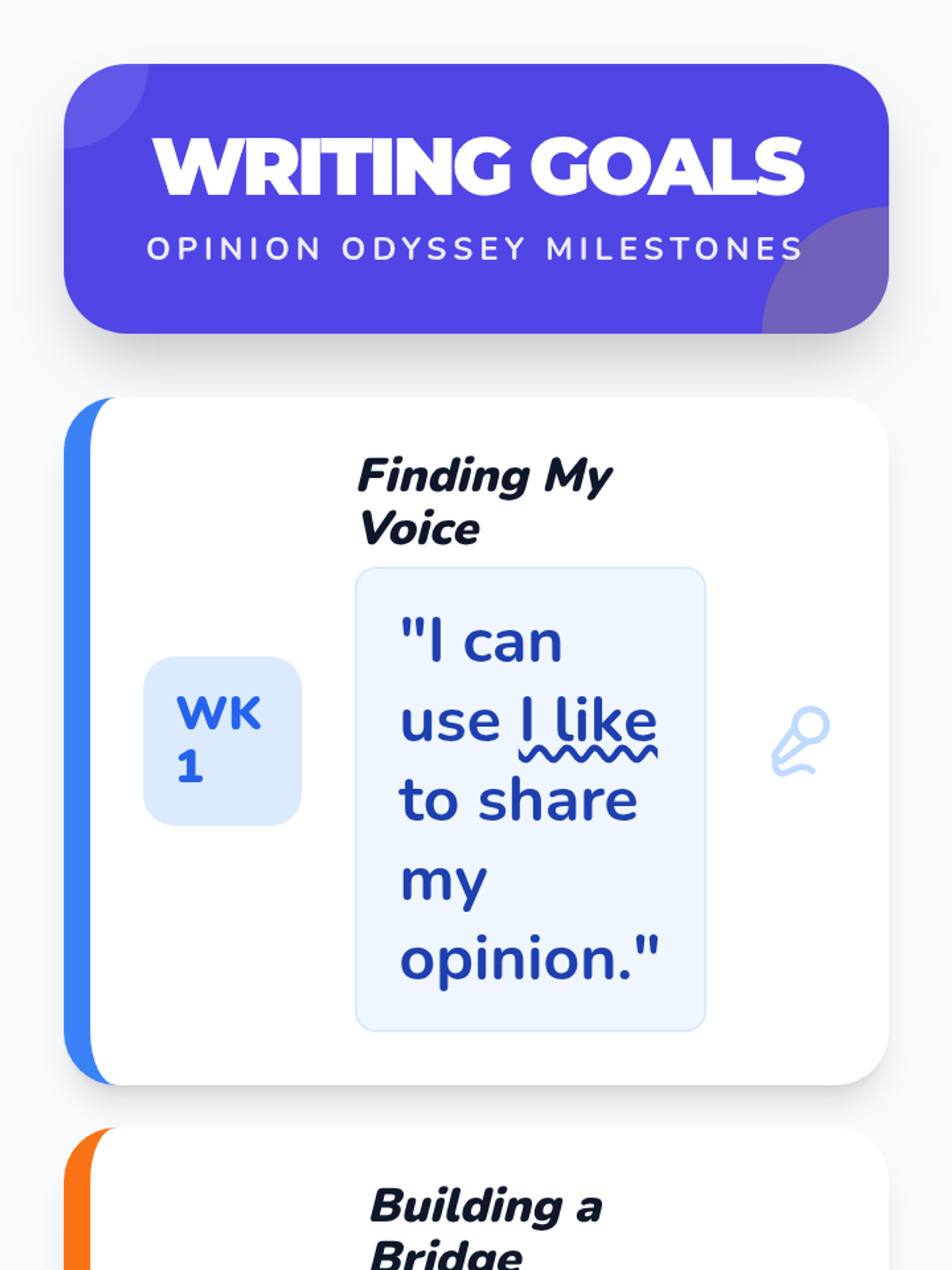
Students are introduced to the concept of an opinion and practice expressing their personal preferences using the sentence starter 'I like...'.
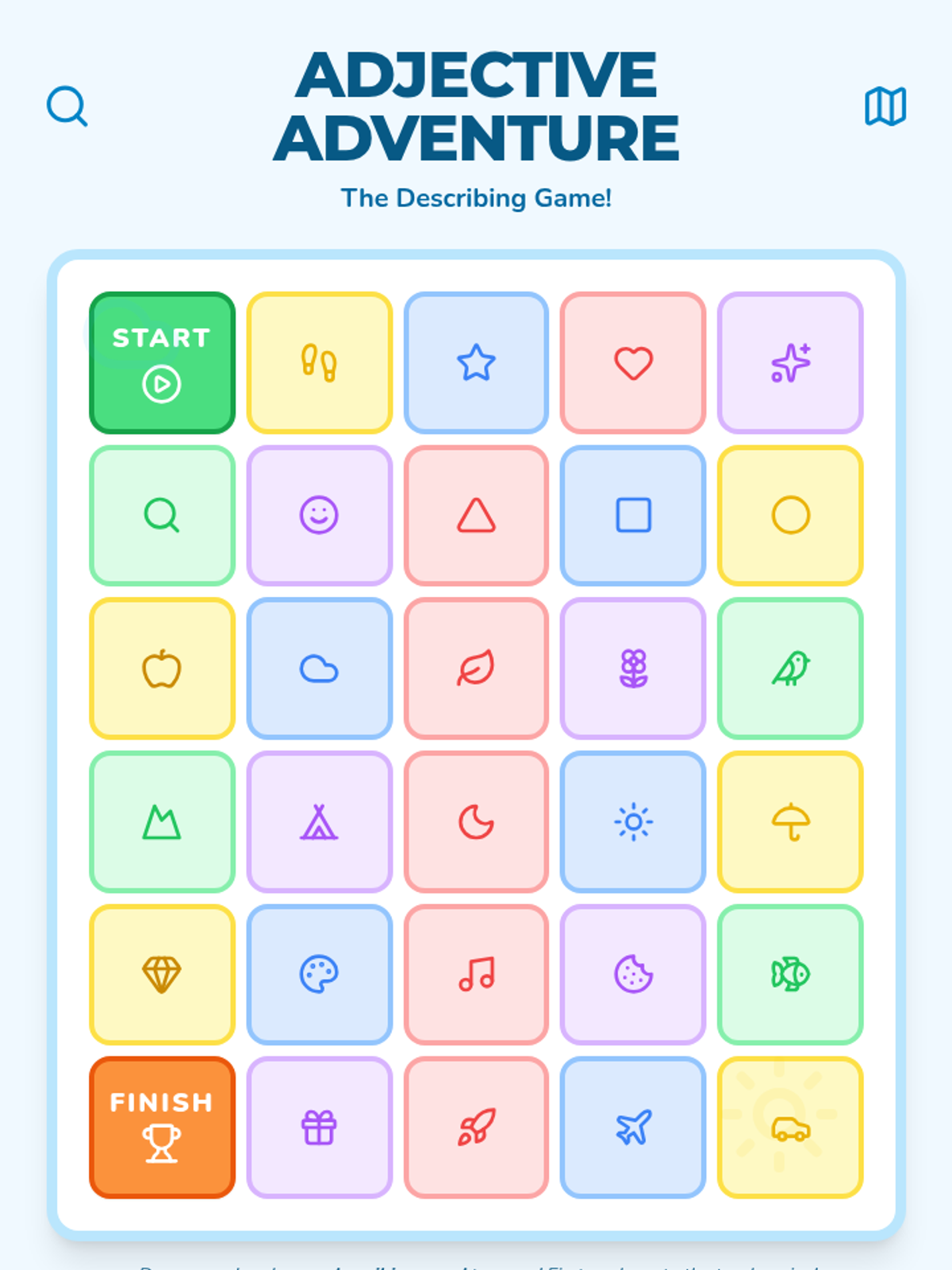
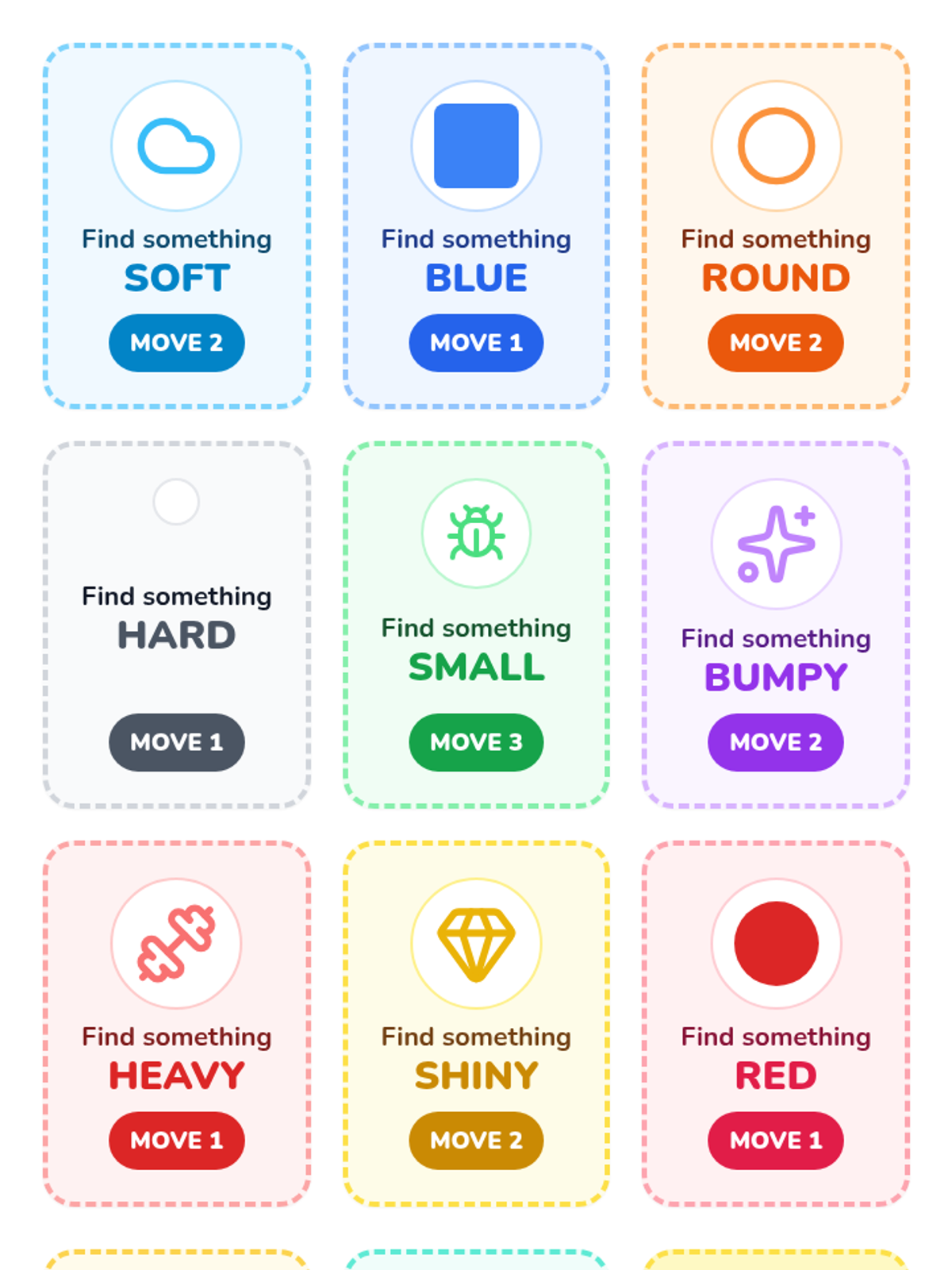
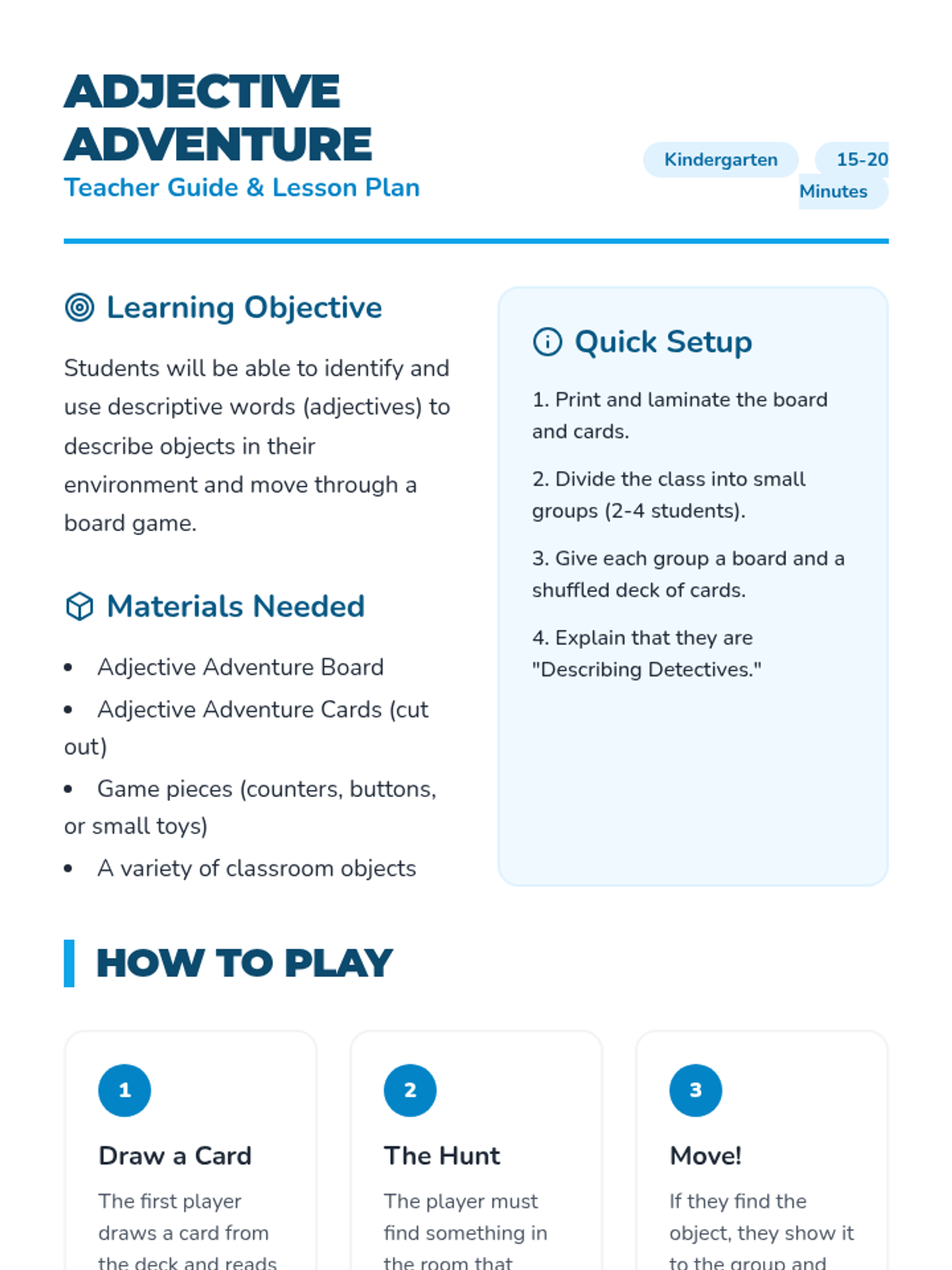
A fun, hands-on lesson where kindergarteners practice using adjectives through a movement-based board game. Students use descriptive words to identify objects and move across the board.
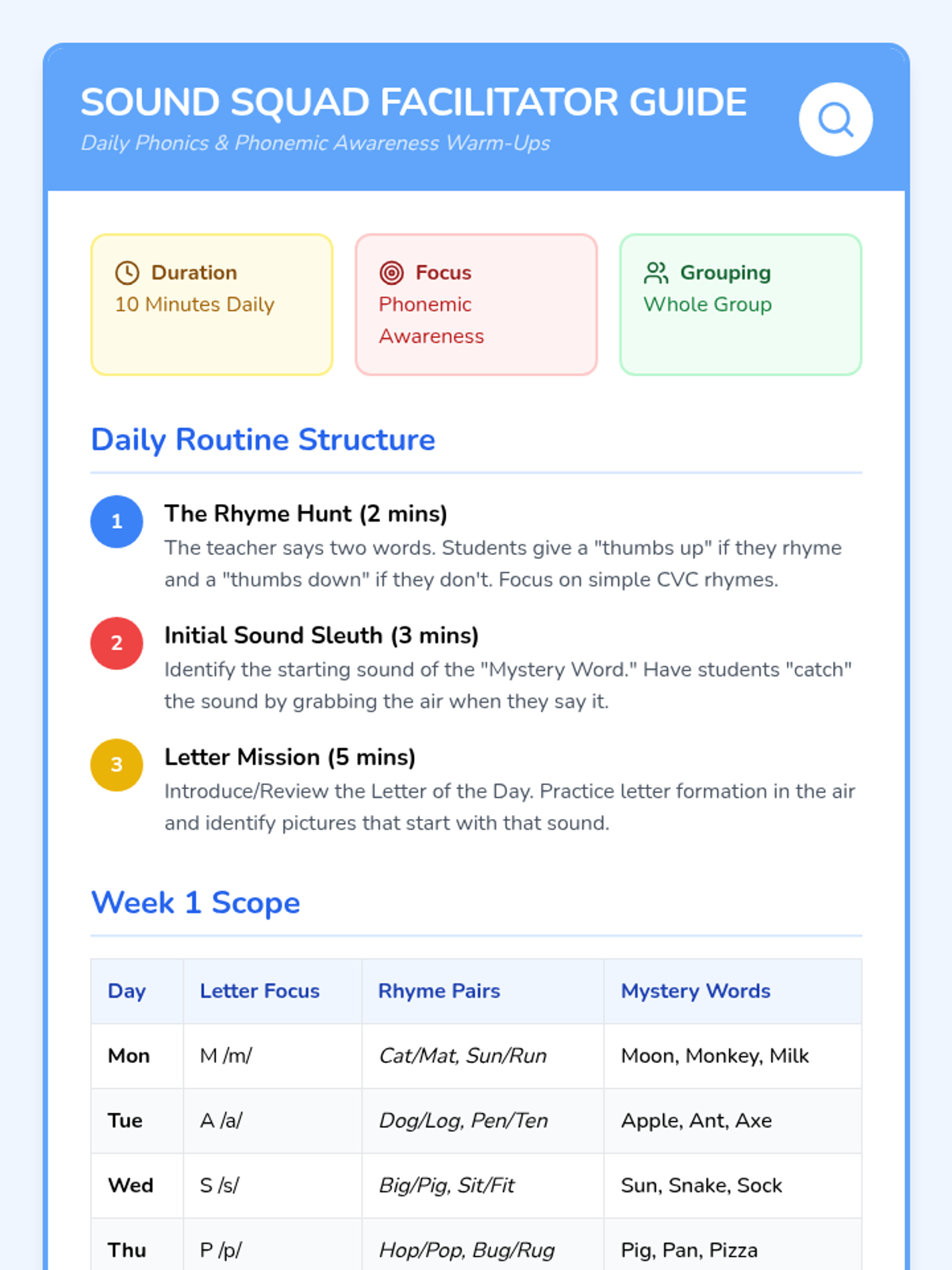
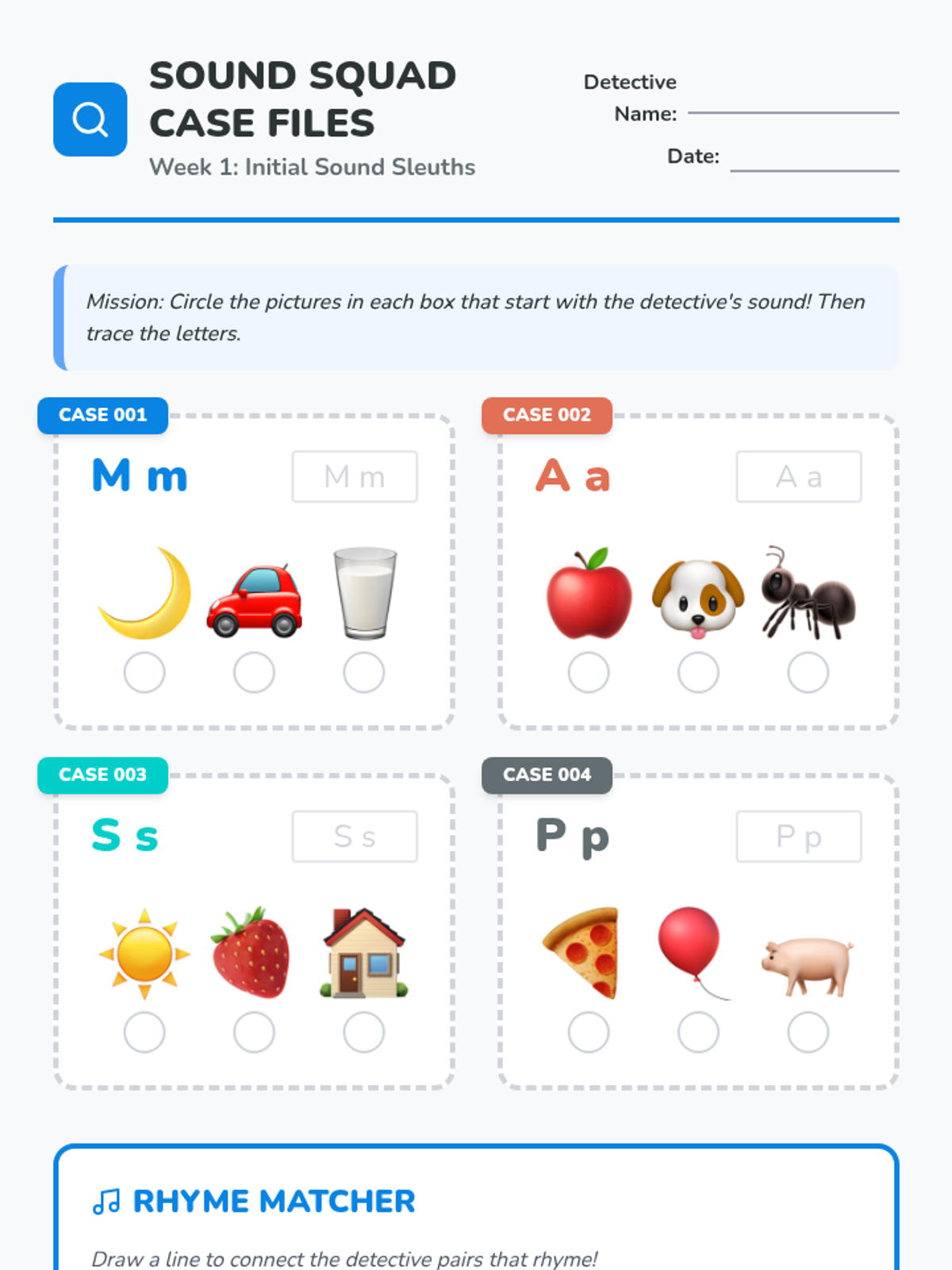
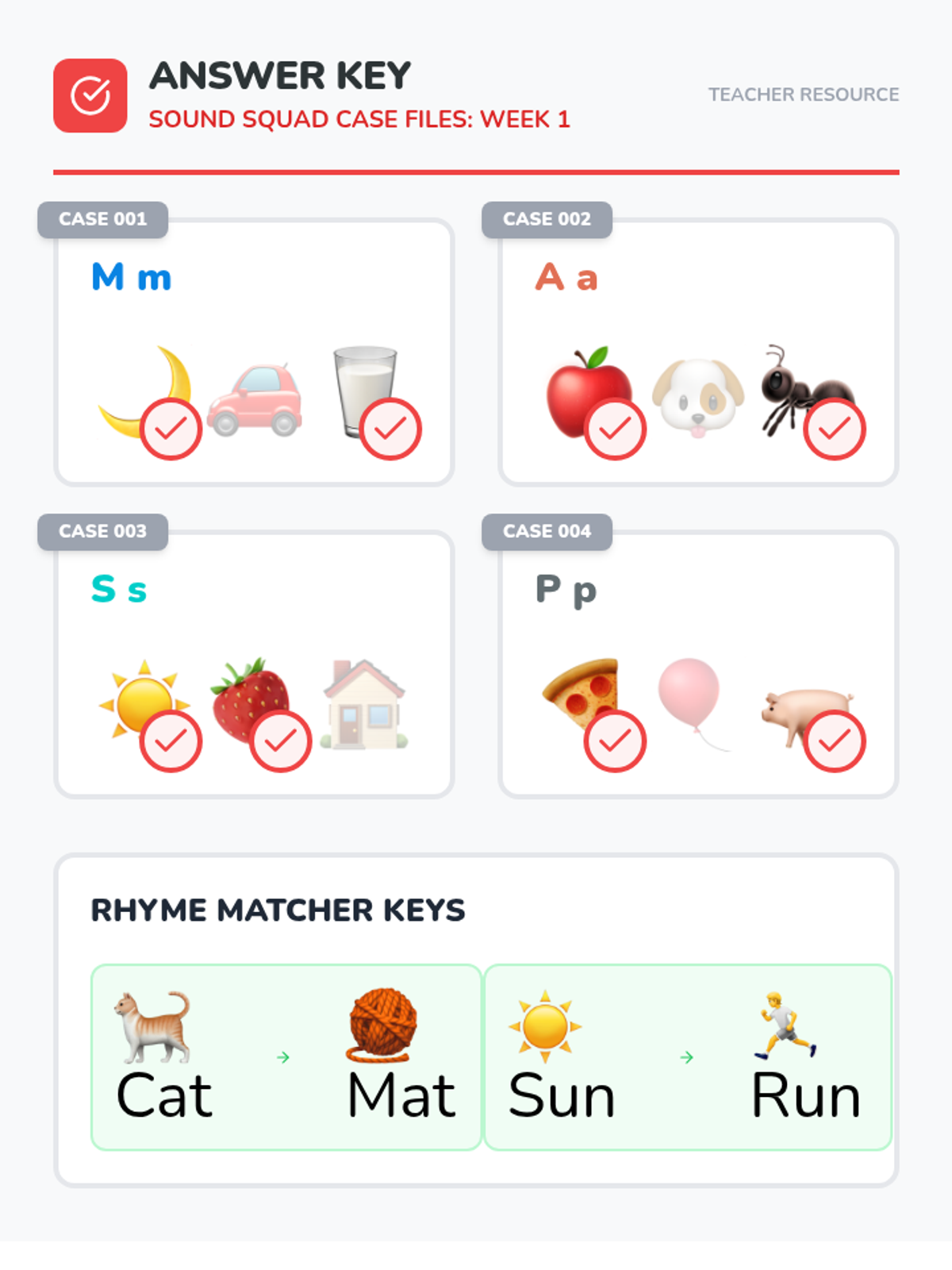
A week of 10-minute daily warm-up activities focusing on letter sounds, rhyming, and initial sound identification.
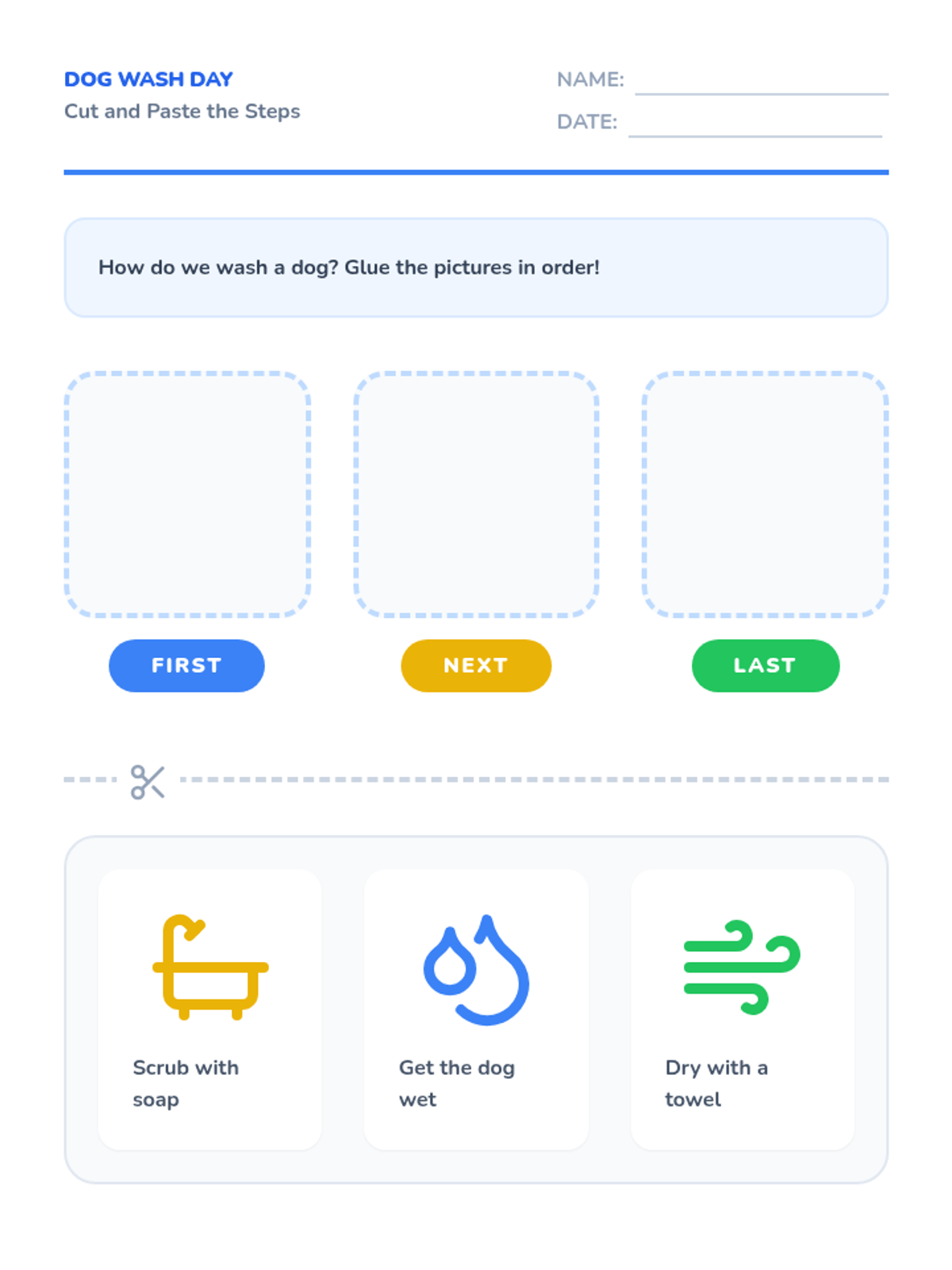
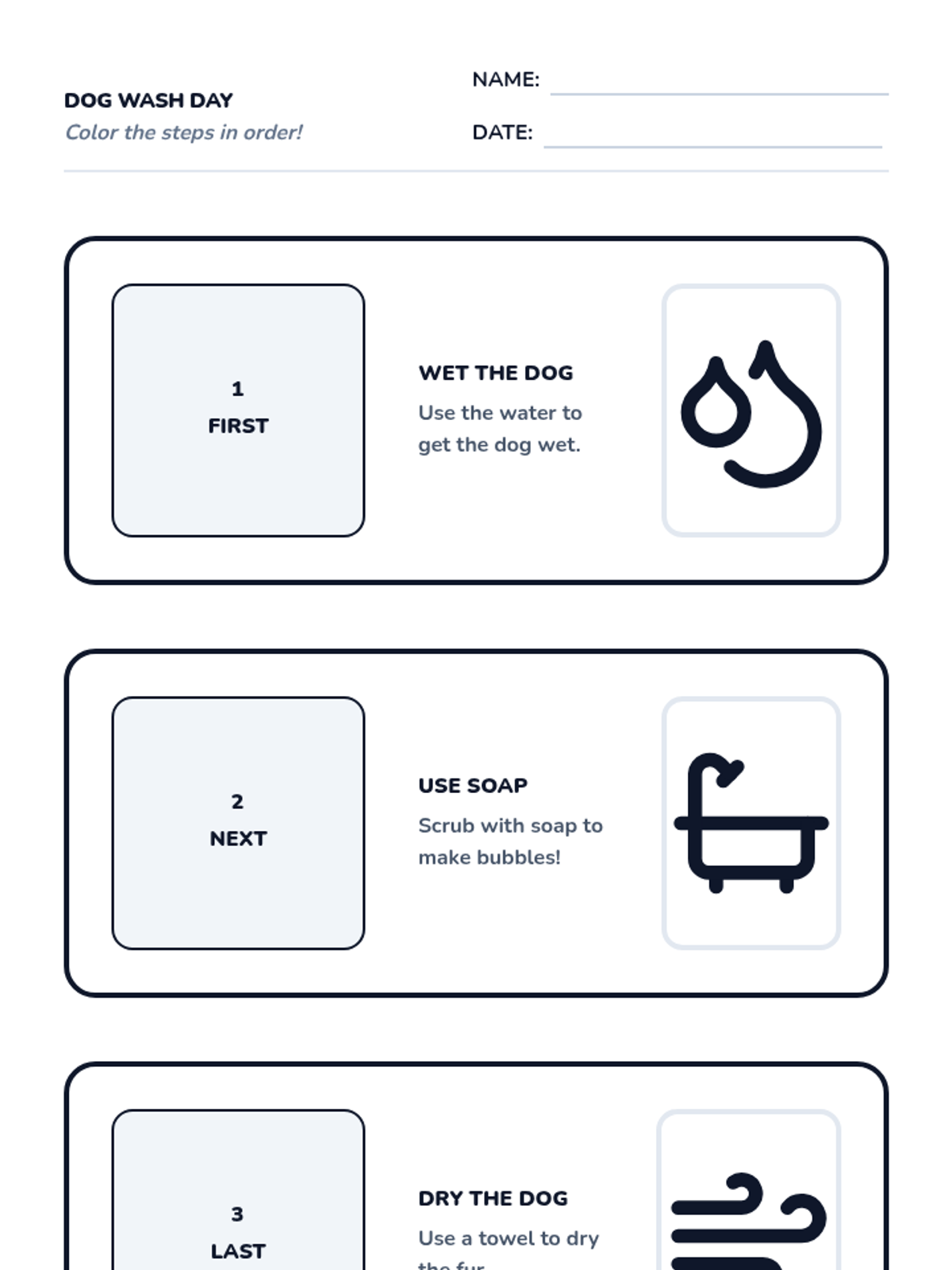
A simple, step-by-step guide for kindergarteners to learn the sequence of washing a dog using 'first', 'next', and 'last'.
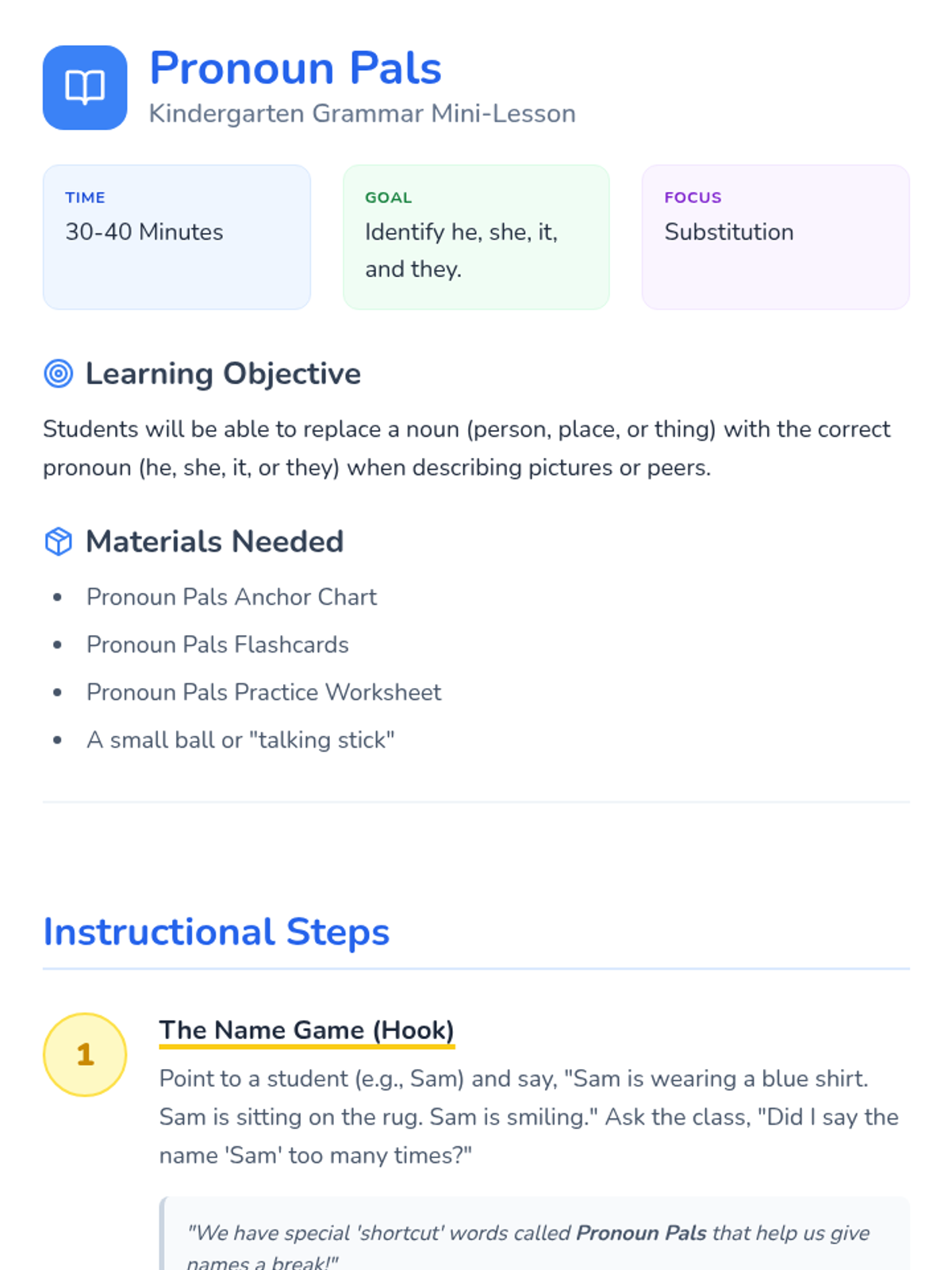
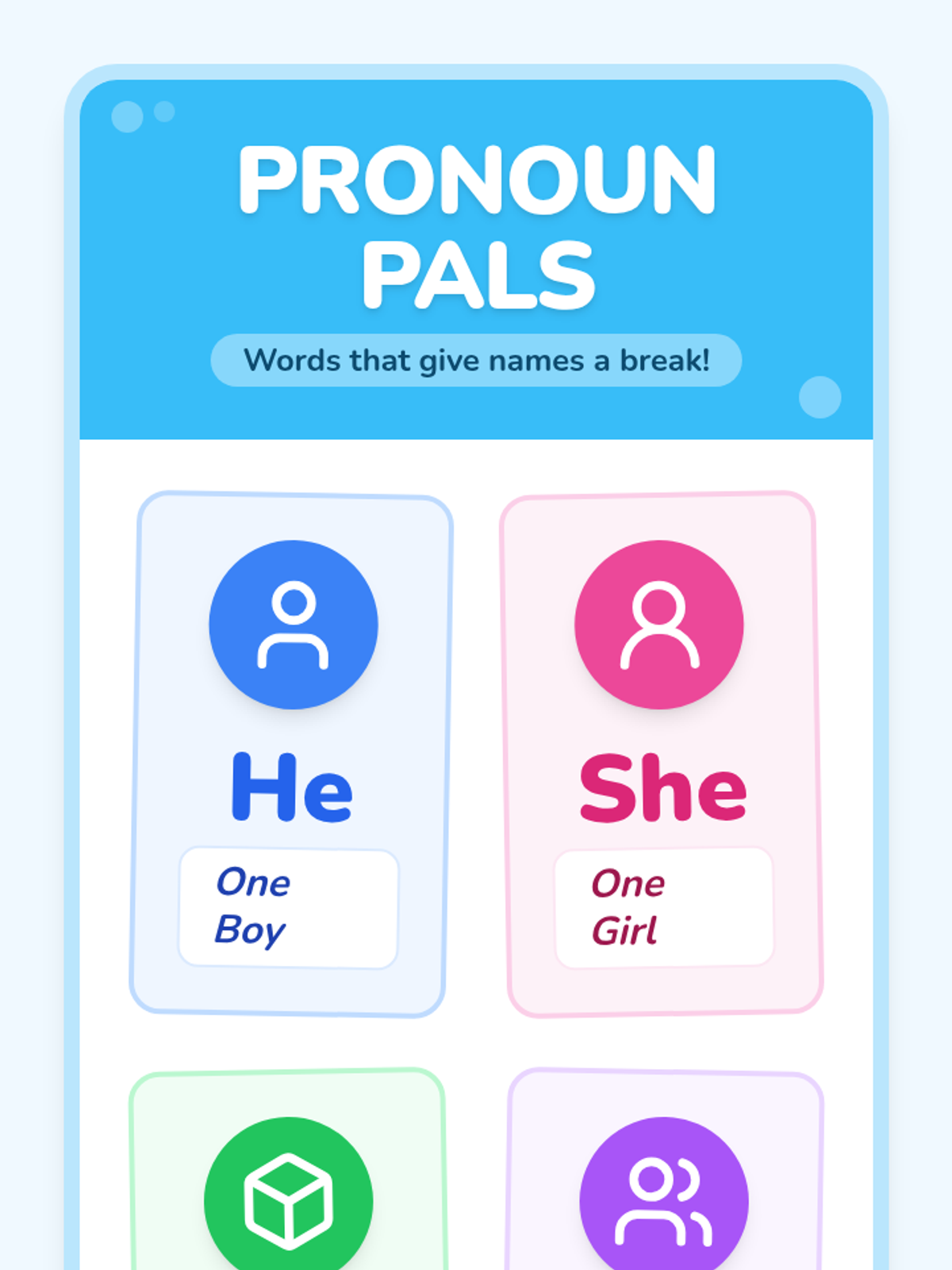
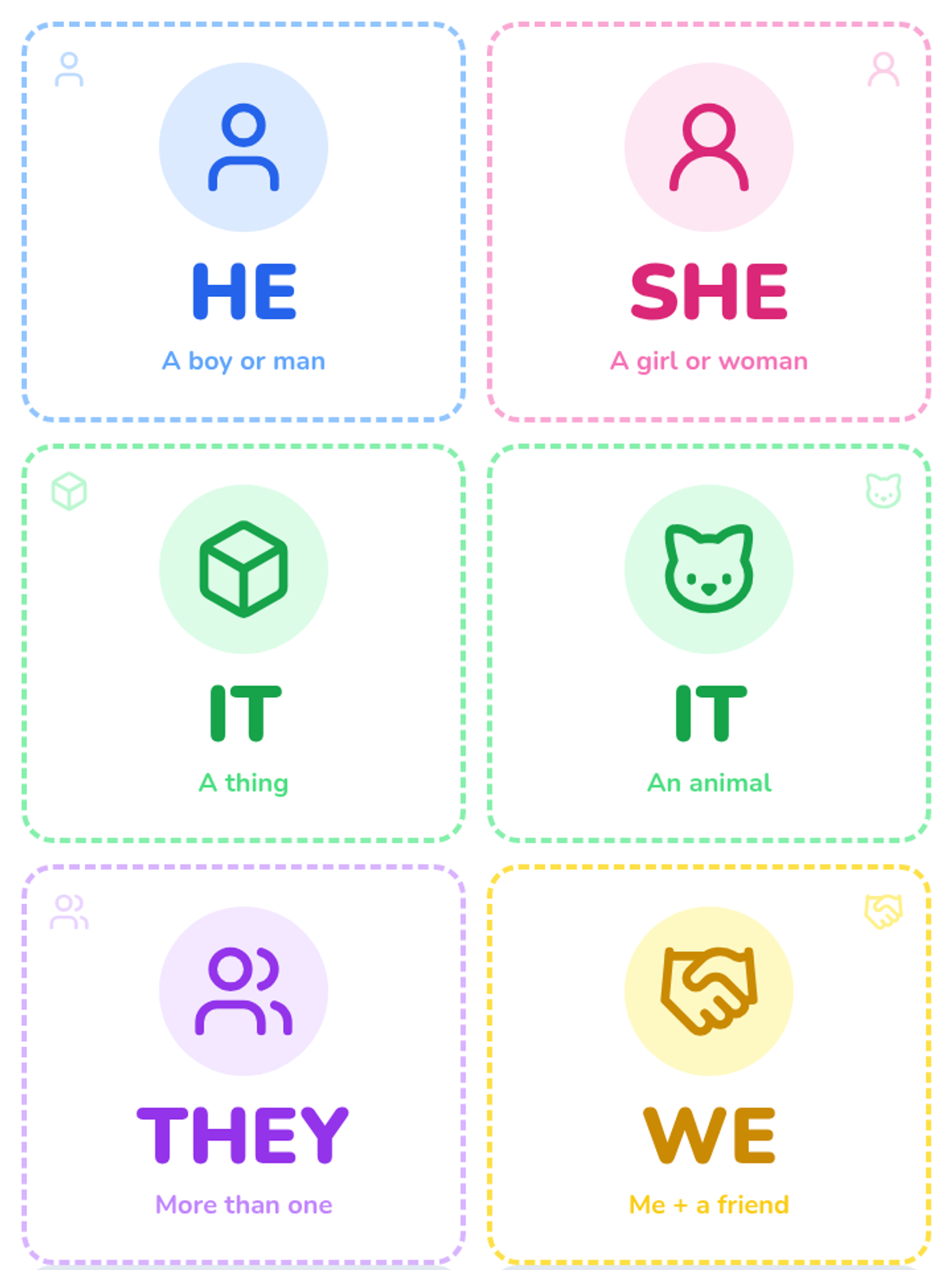
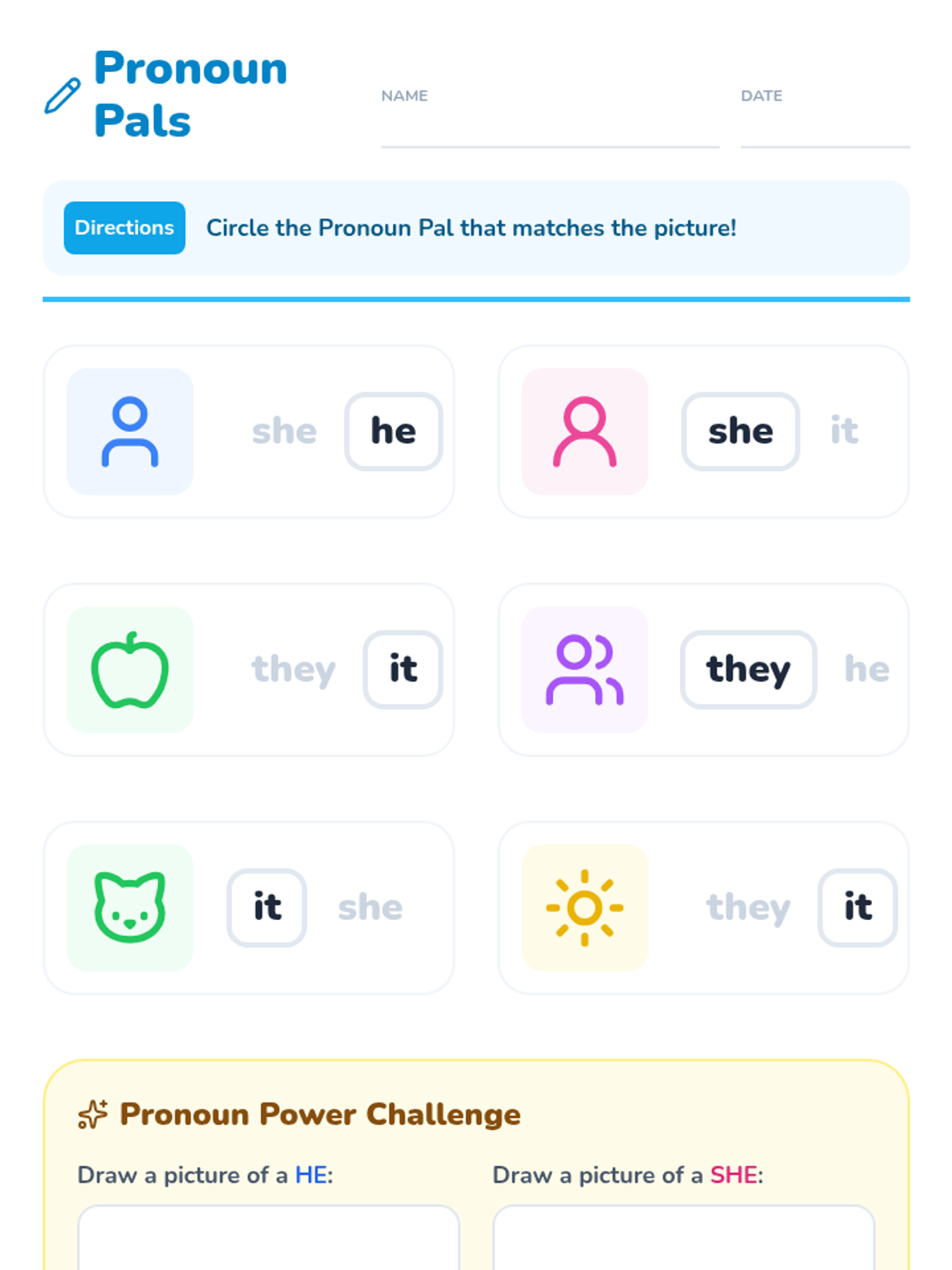
A foundational grammar lesson for kindergarteners to introduce common personal pronouns (he, she, it, they) through play, visual aids, and simple identification activities.
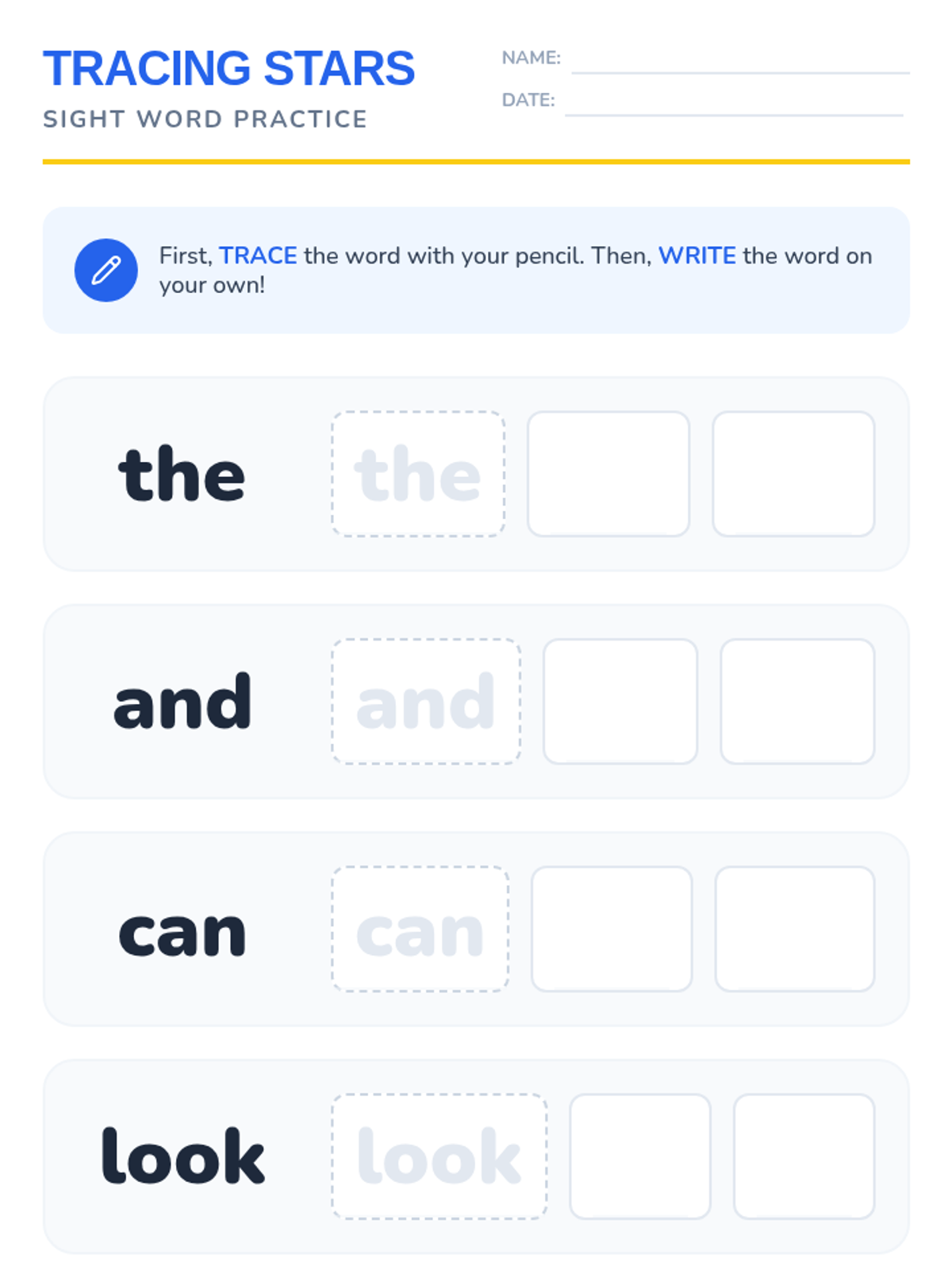
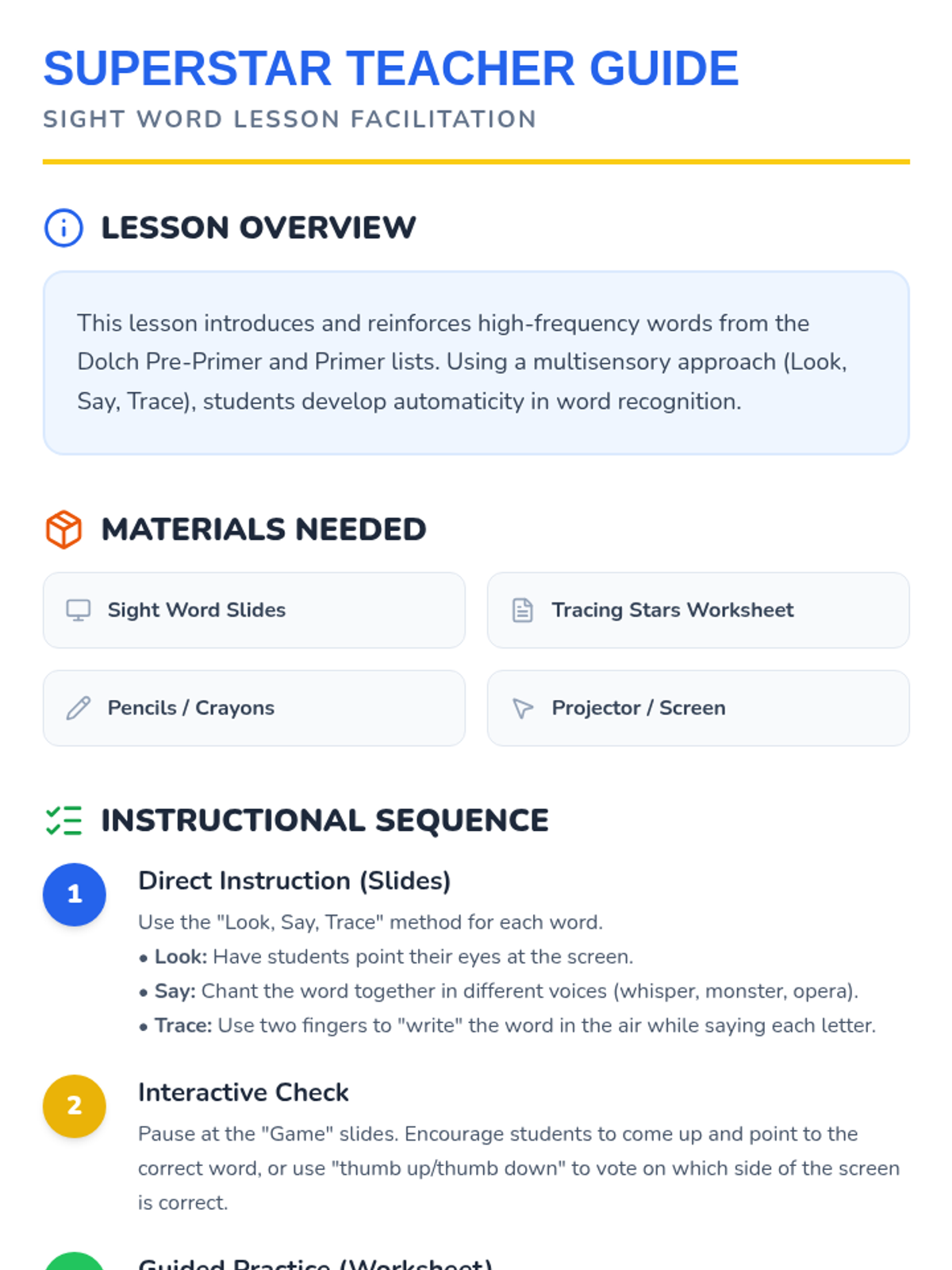
A comprehensive lesson for kindergarteners to master Dolch Pre-Primer and Primer sight words through interactive slides, tracing practice, and word recognition games.
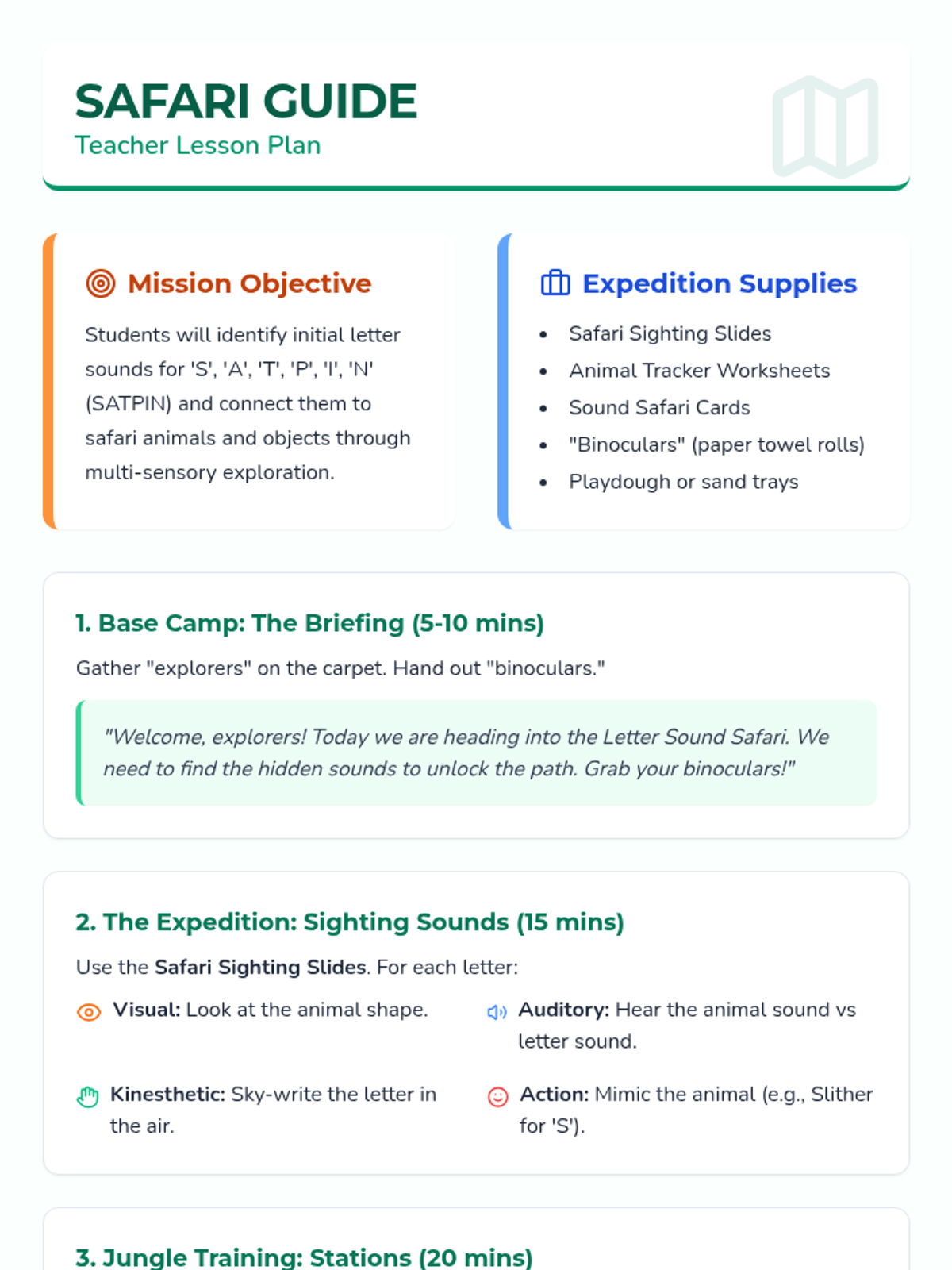
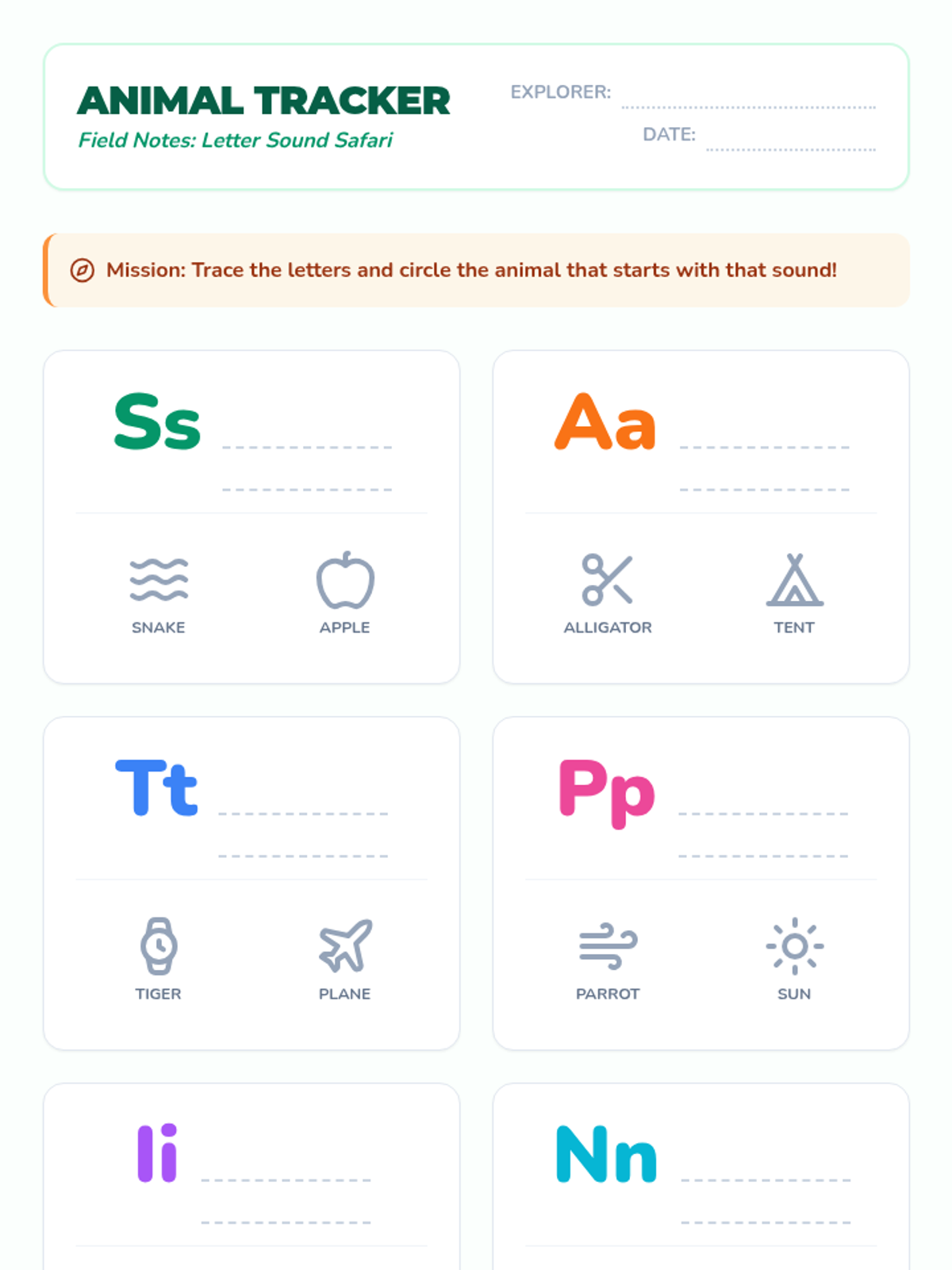
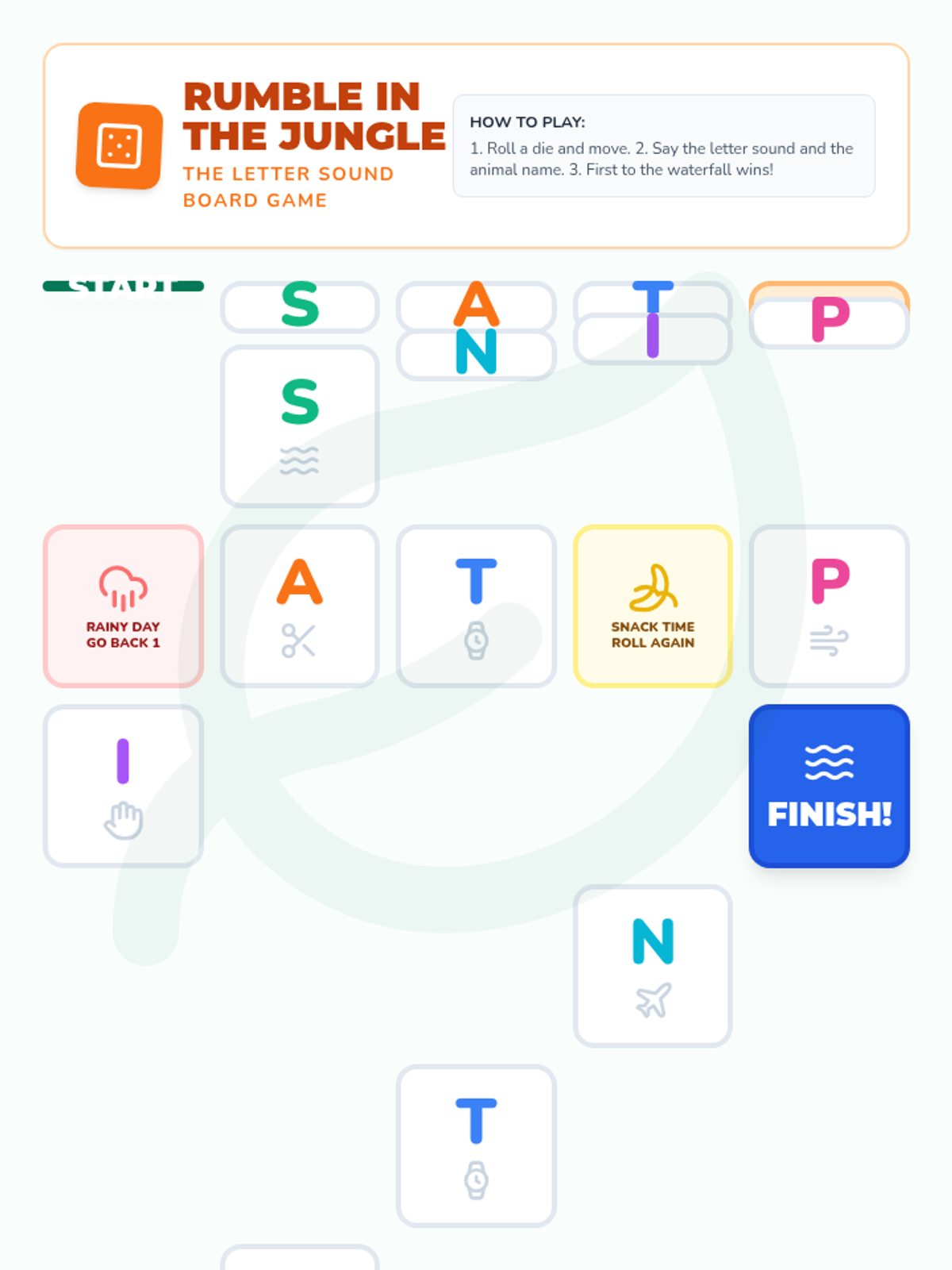
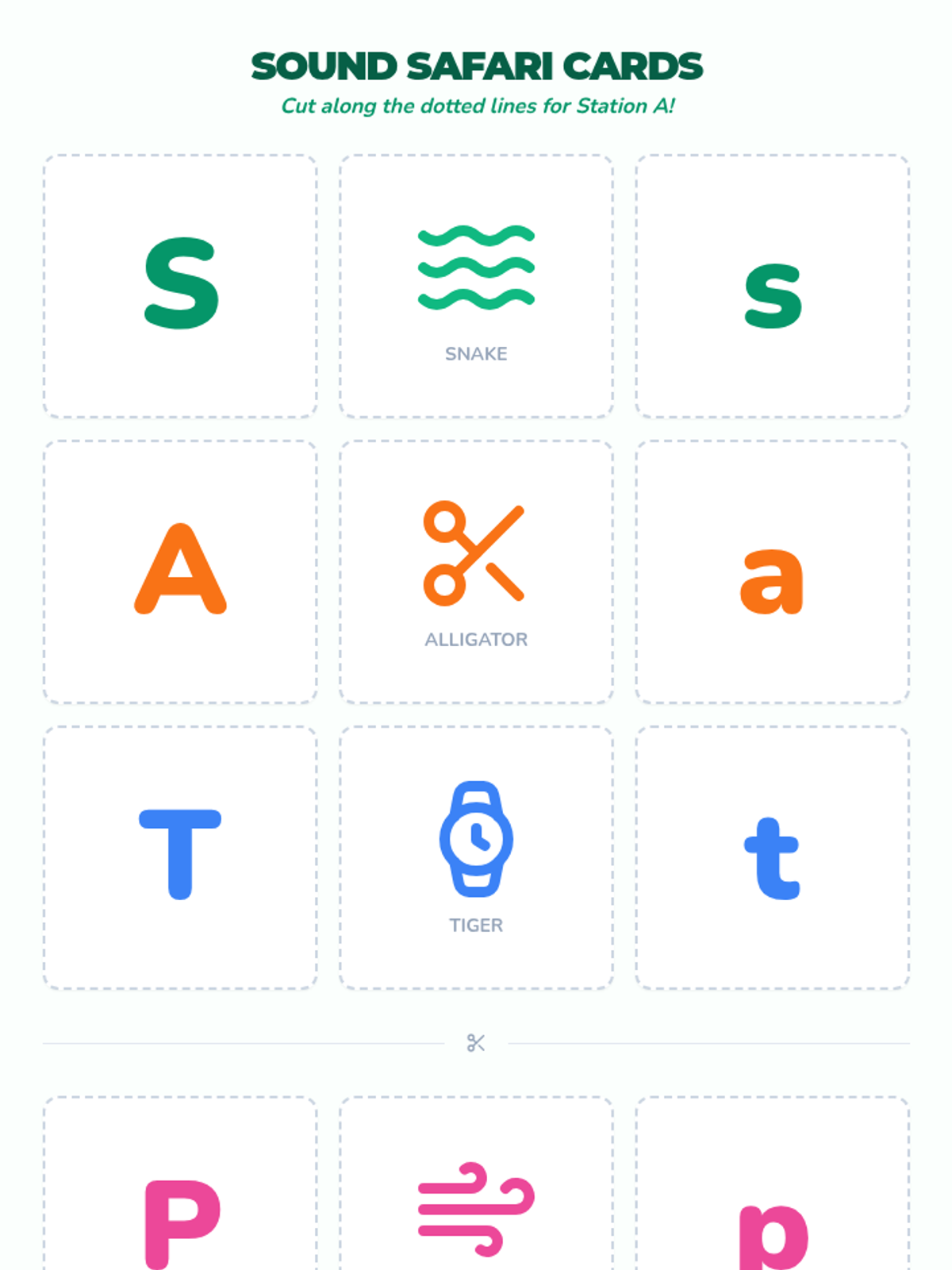
A multi-sensory Kindergarten phonics lesson that transforms letter-sound recognition into an exciting jungle adventure. Students use visual, auditory, and kinesthetic techniques to master foundational literacy skills.
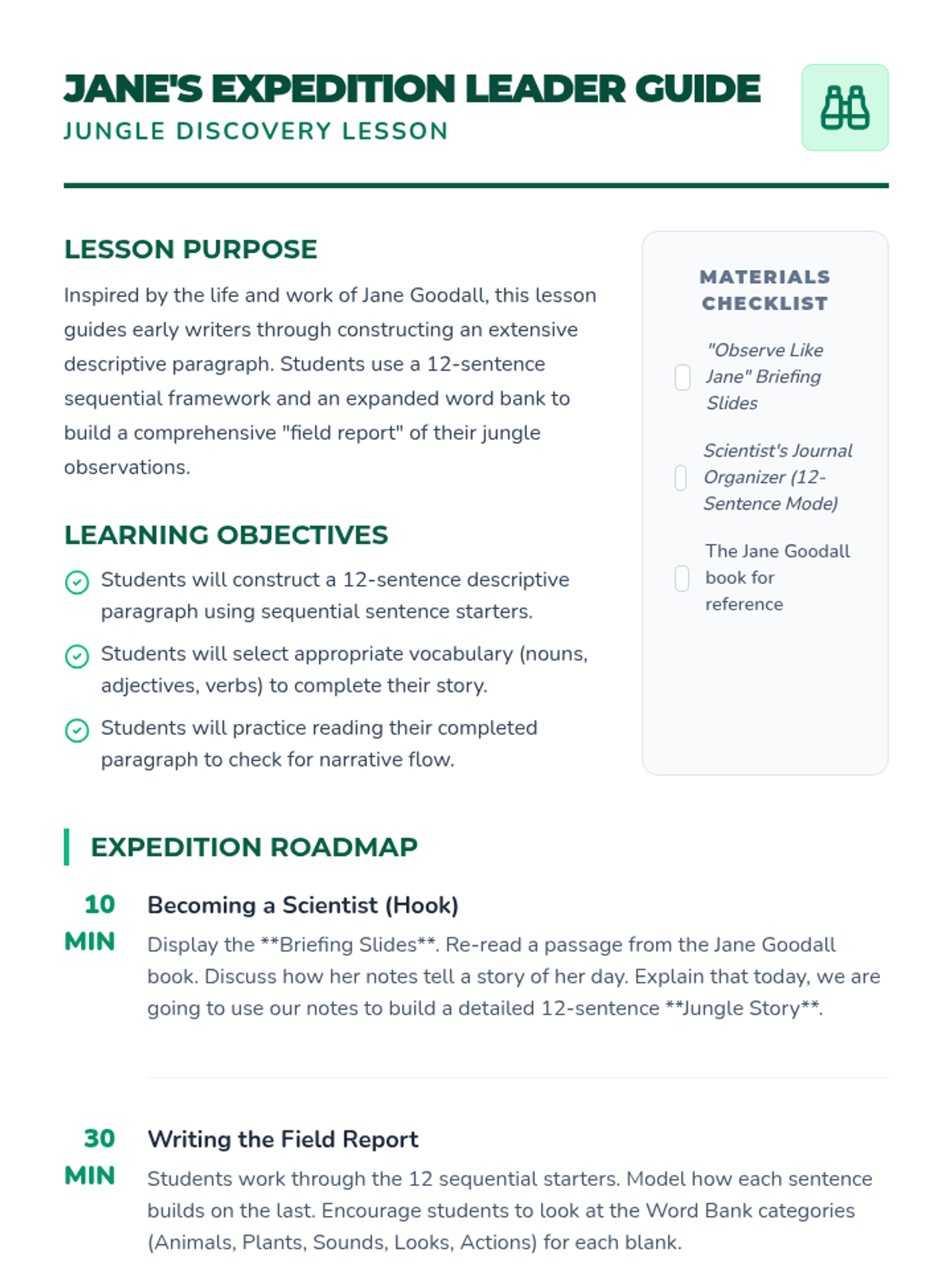
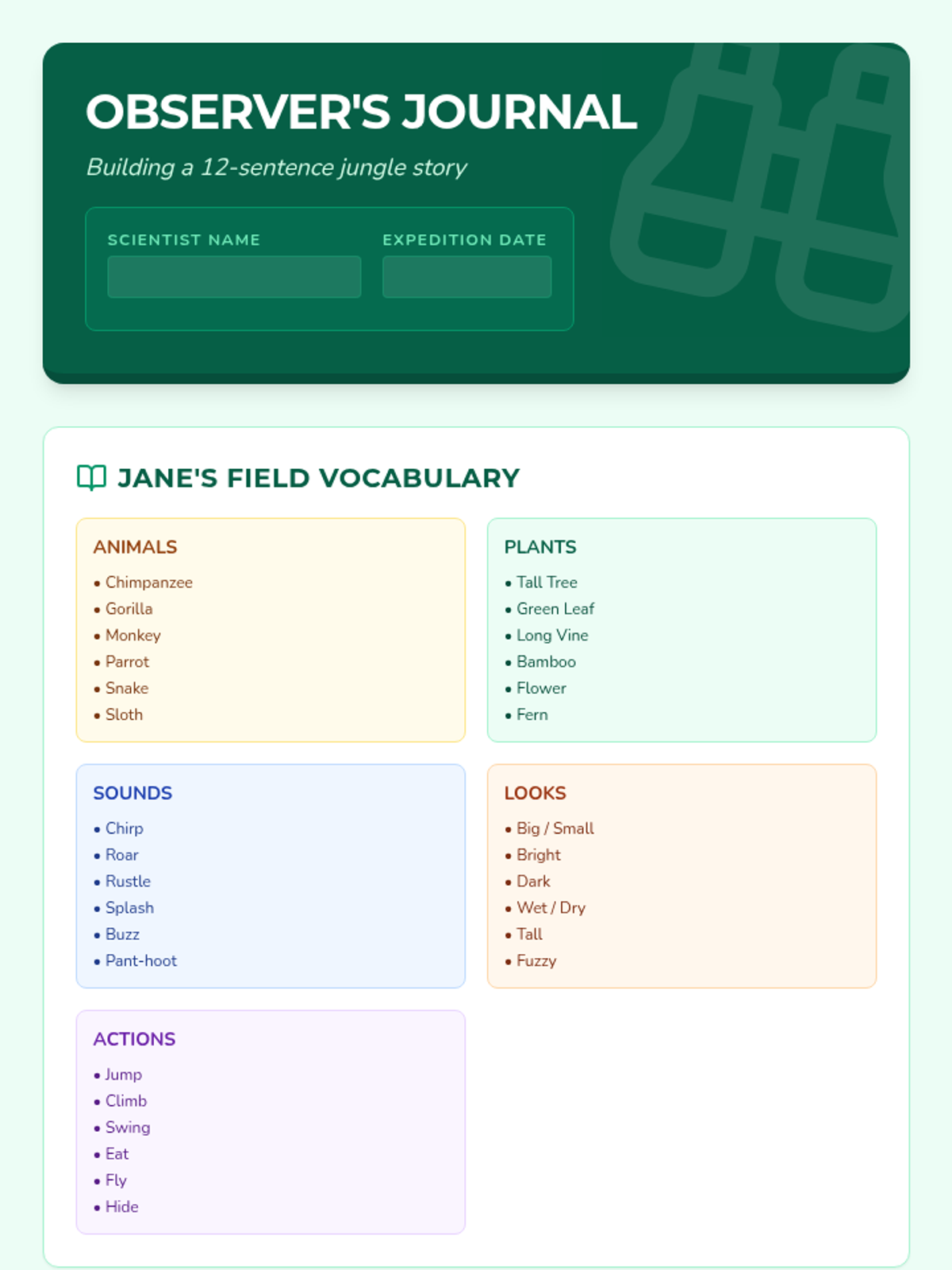
A lesson focused on descriptive language and sensory observations of the jungle, guiding students through a brainstorming process for creative writing or science observation.
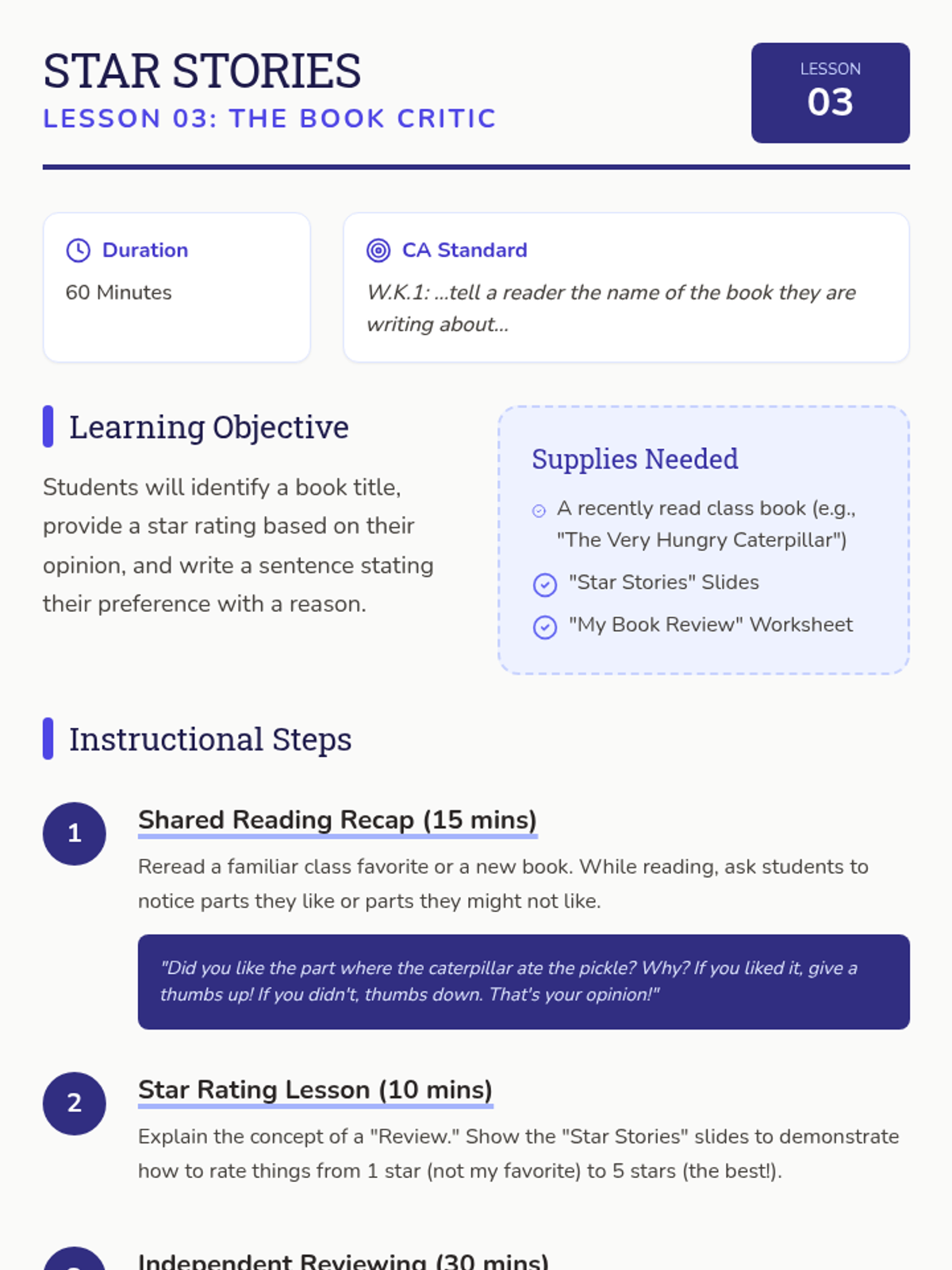
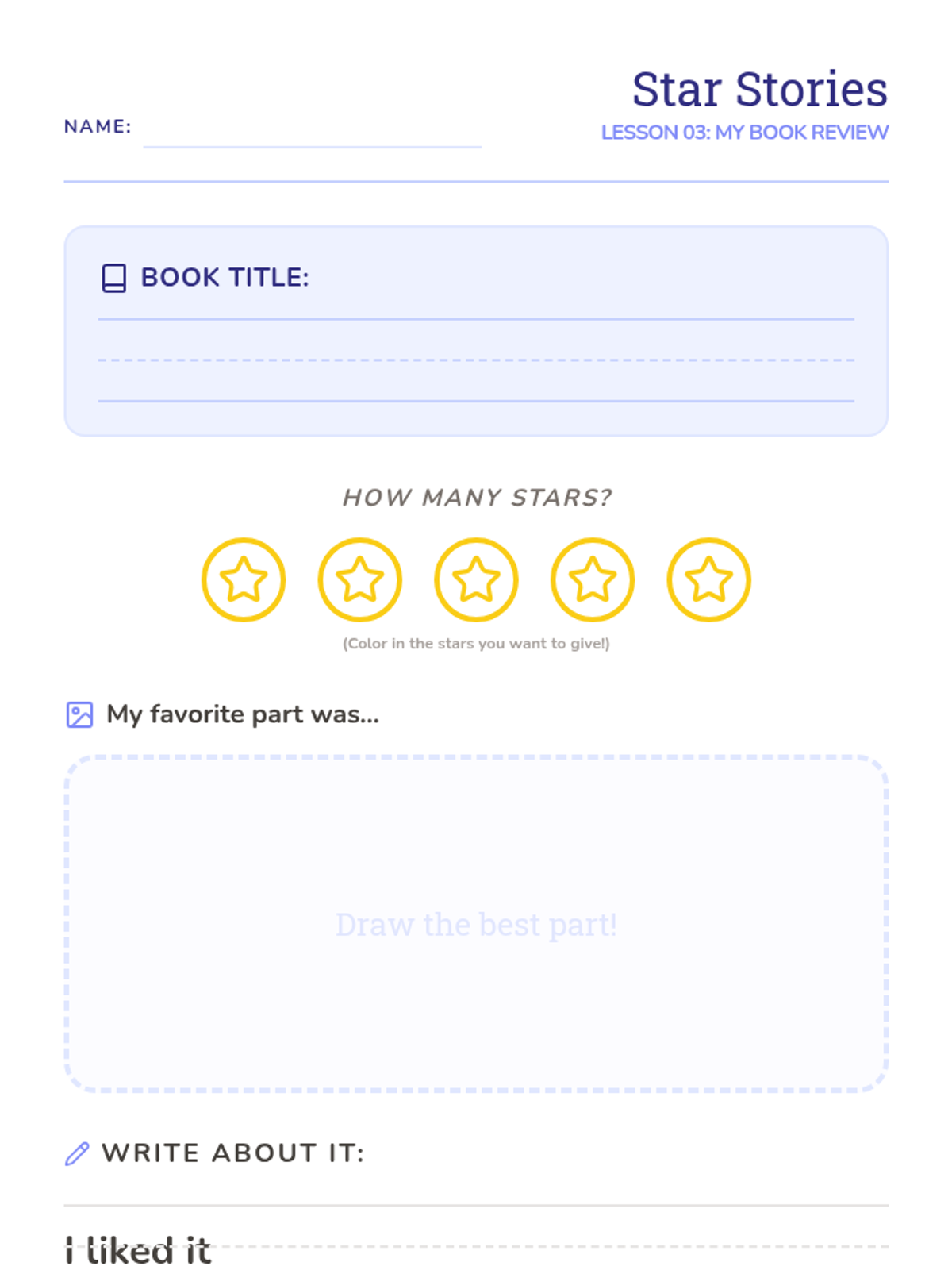
Students apply their opinion writing skills to review a class-read book, providing a rating and a written preference.
Students learn to support their opinions with a reason using the sentence starter 'I like... because...'.
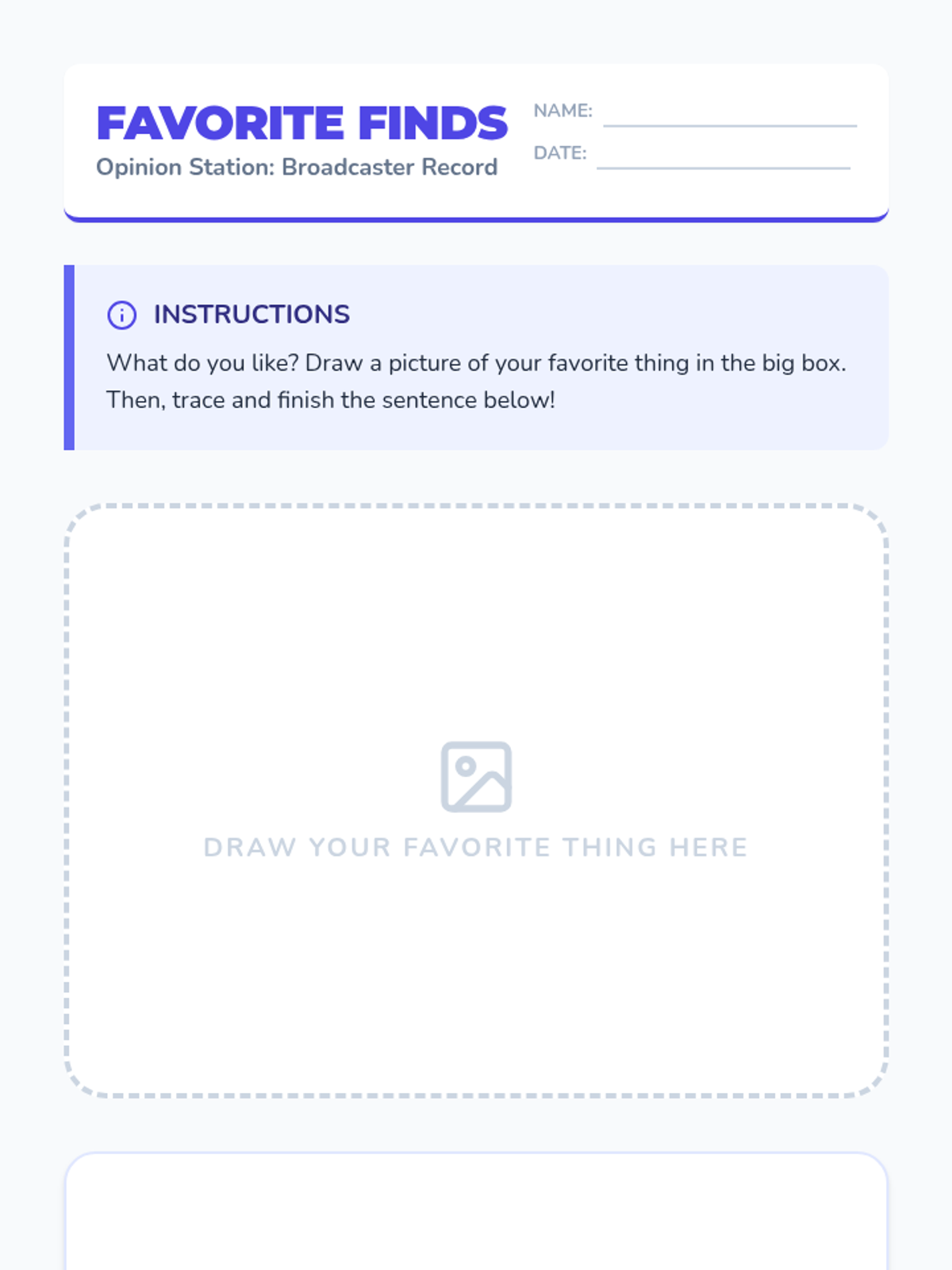
Students define what an opinion is and practice identifying their own favorites through drawing and labeling.
Students complete their final written/drawn opinion piece and celebrate their growth as 'Bridge Builders'.
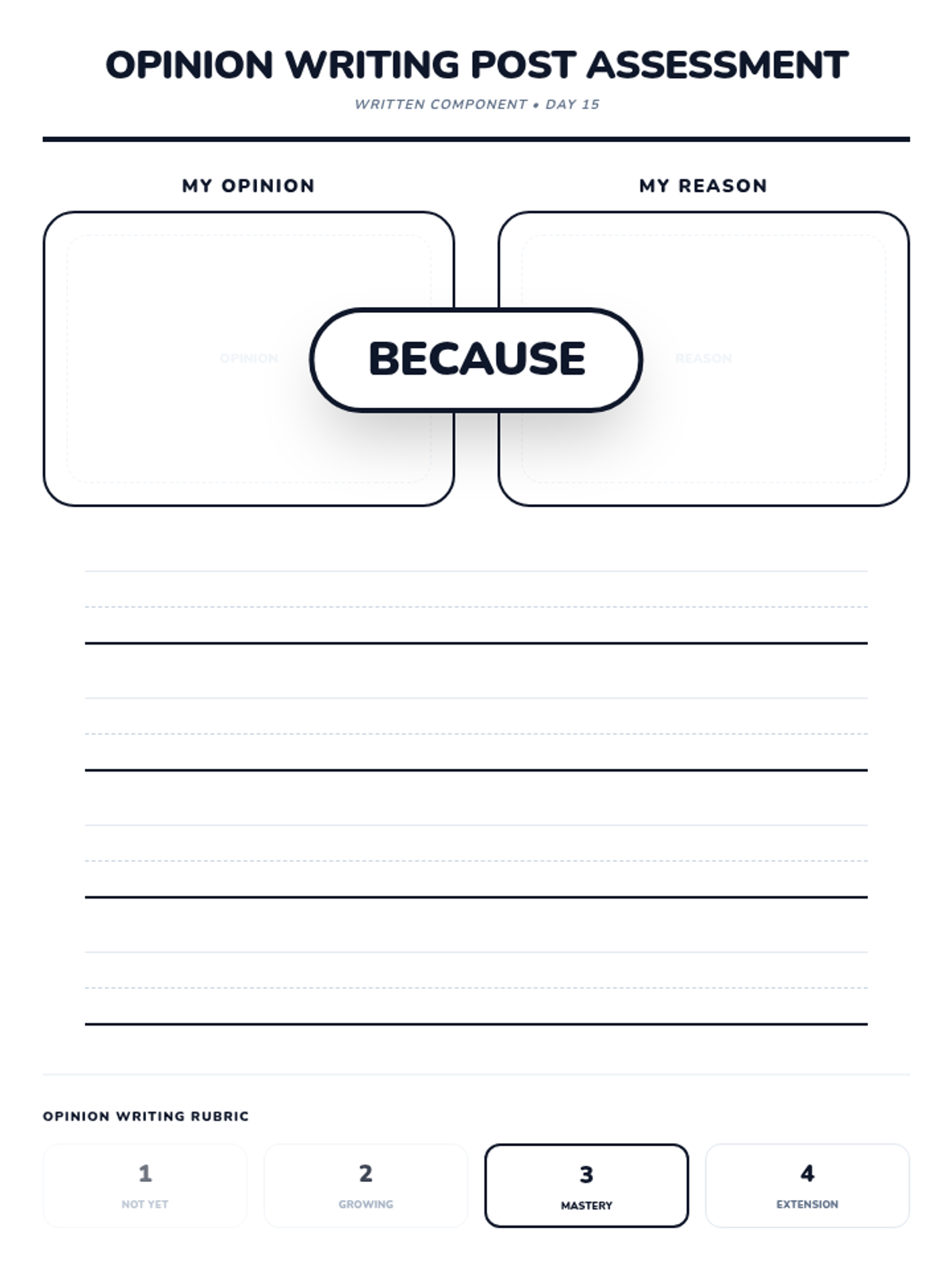
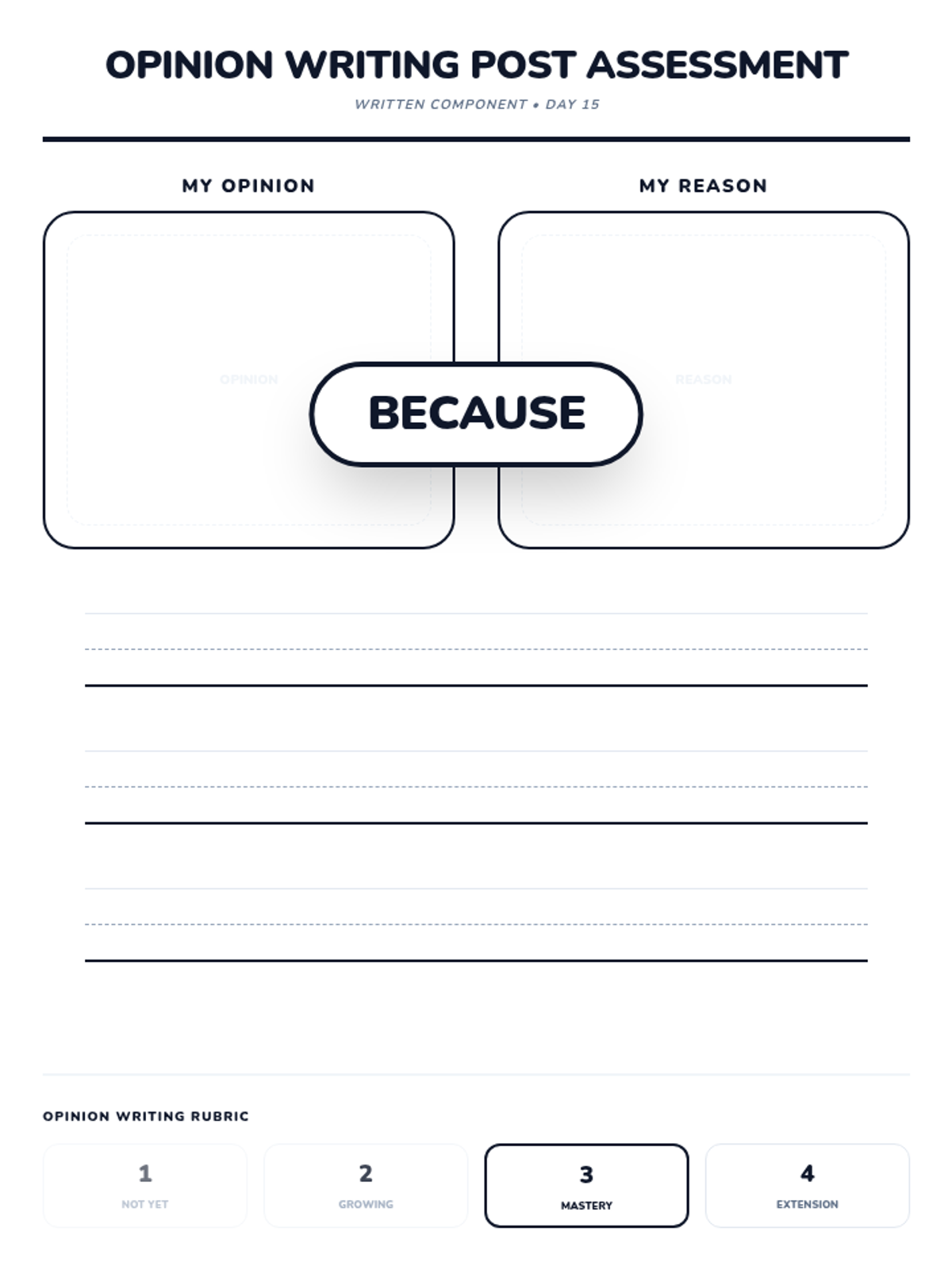
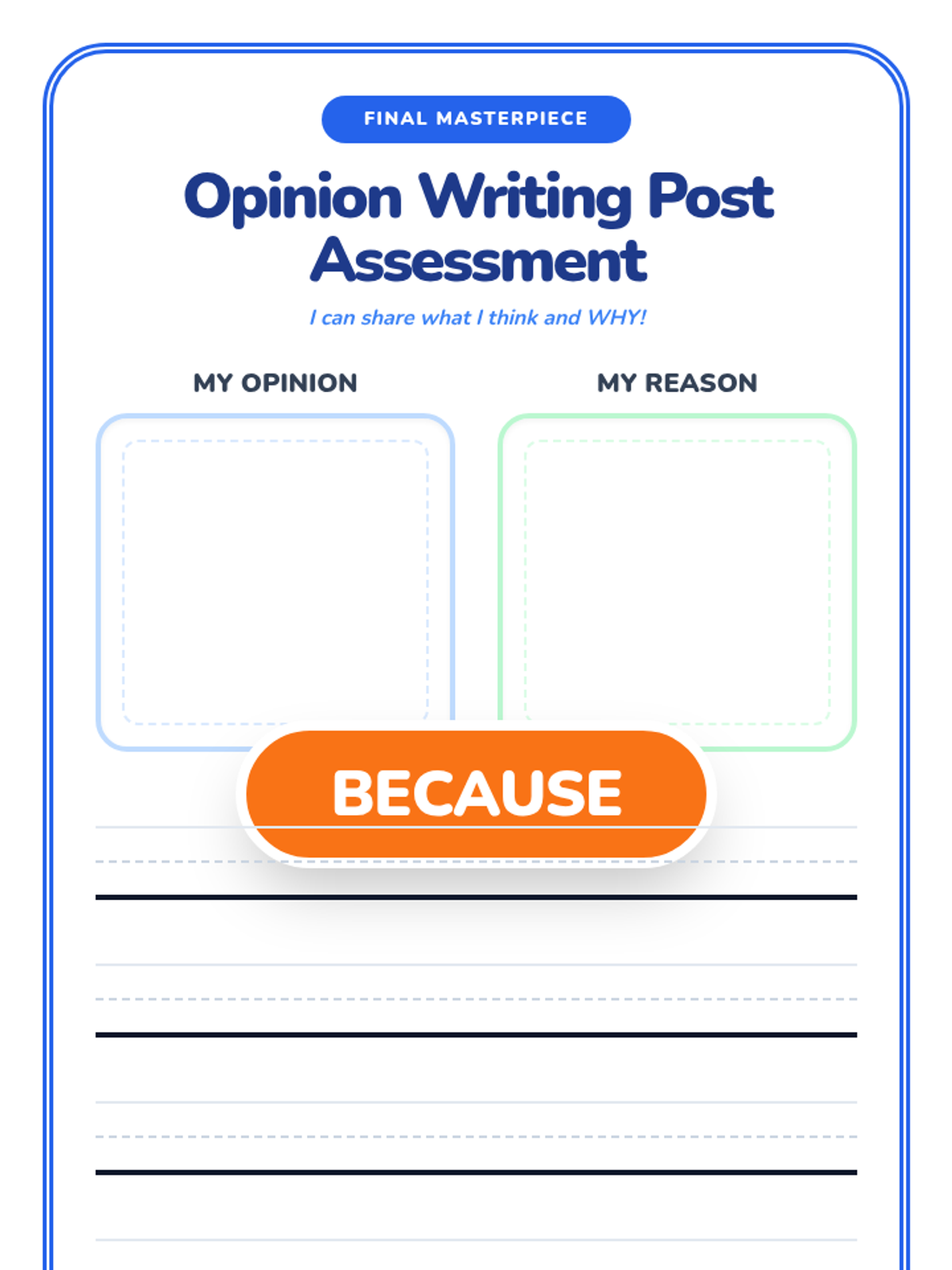
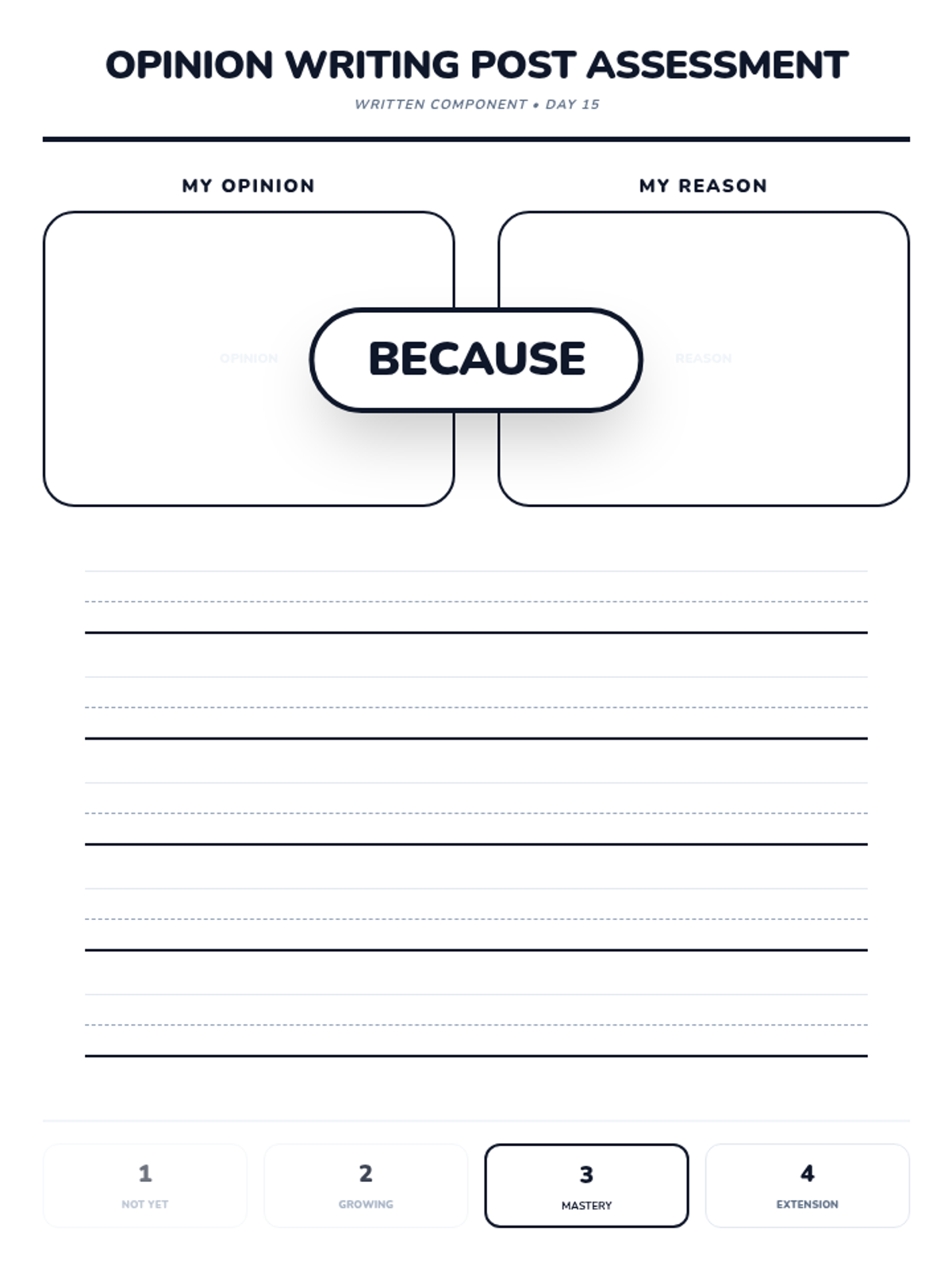
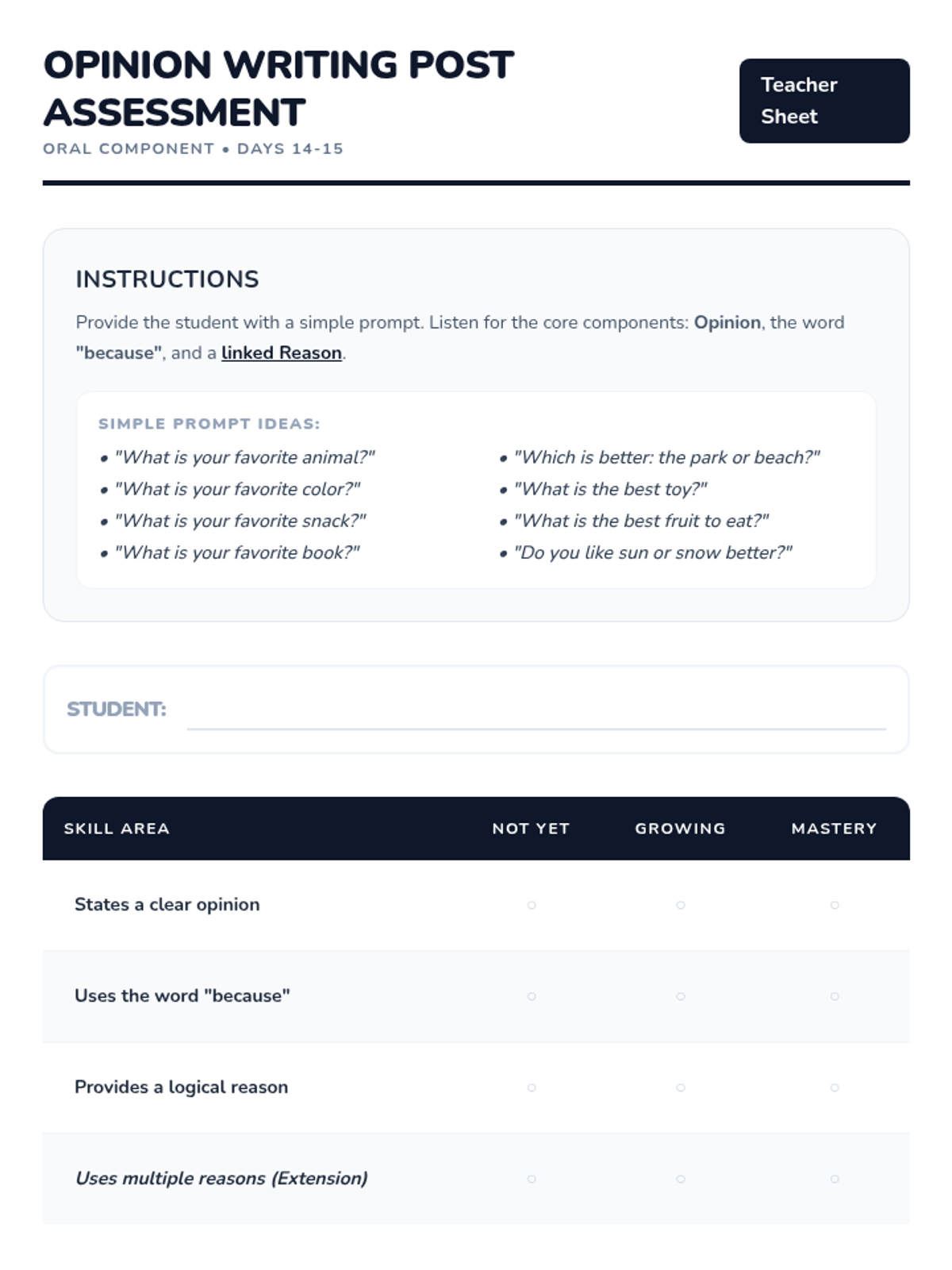
Final assessment of students' ability to state an opinion and provide a reason using 'because'.
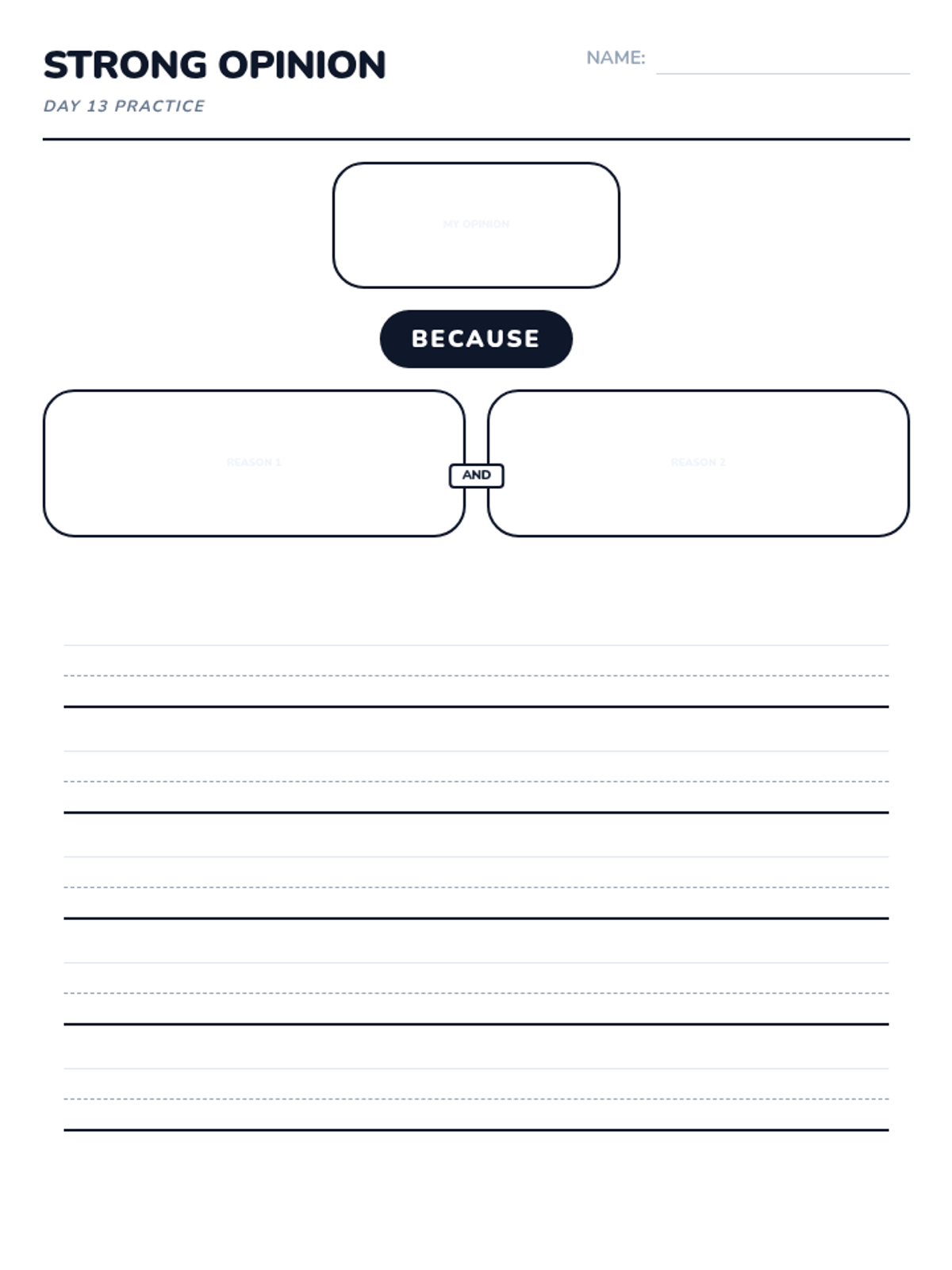
Continuing to practice building strong opinions using two logical reasons.
Introducing the idea that we can have more than one reason for an opinion.
Students share opinions about their favorite parts of the school day.
Expressing opinions about favorite books or stories read in class.
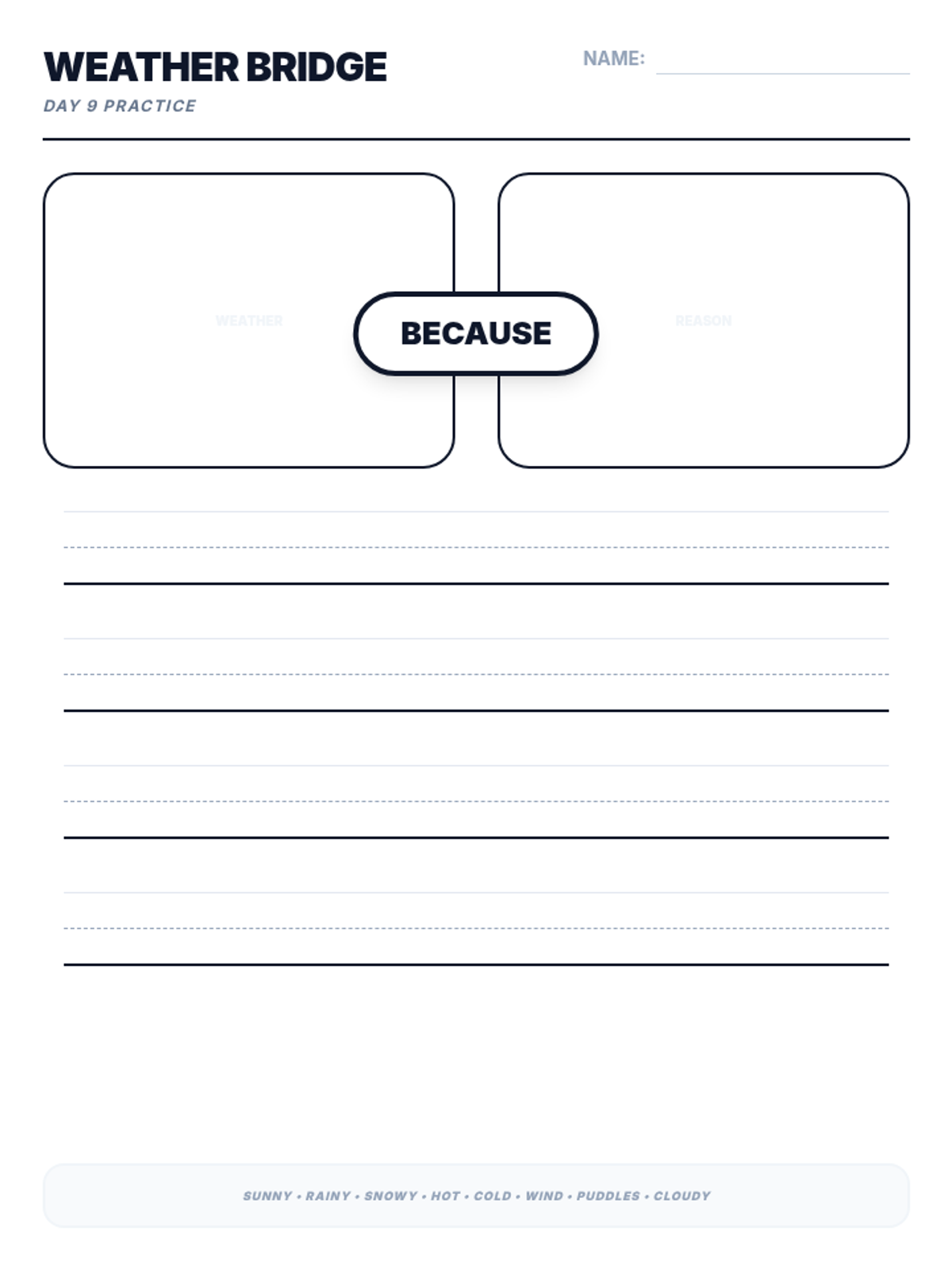
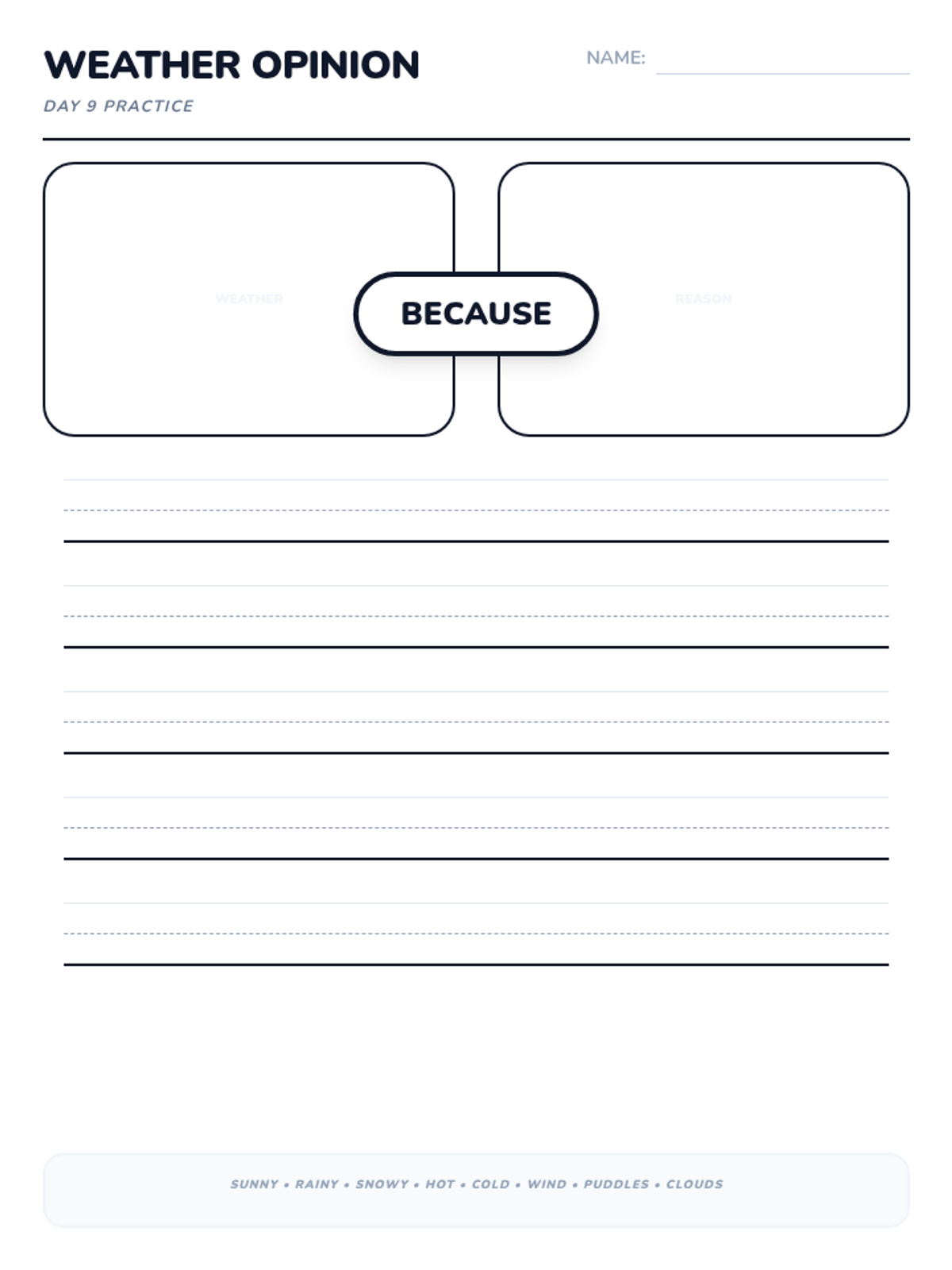
Forming opinions about weather and seasons with supporting reasons.
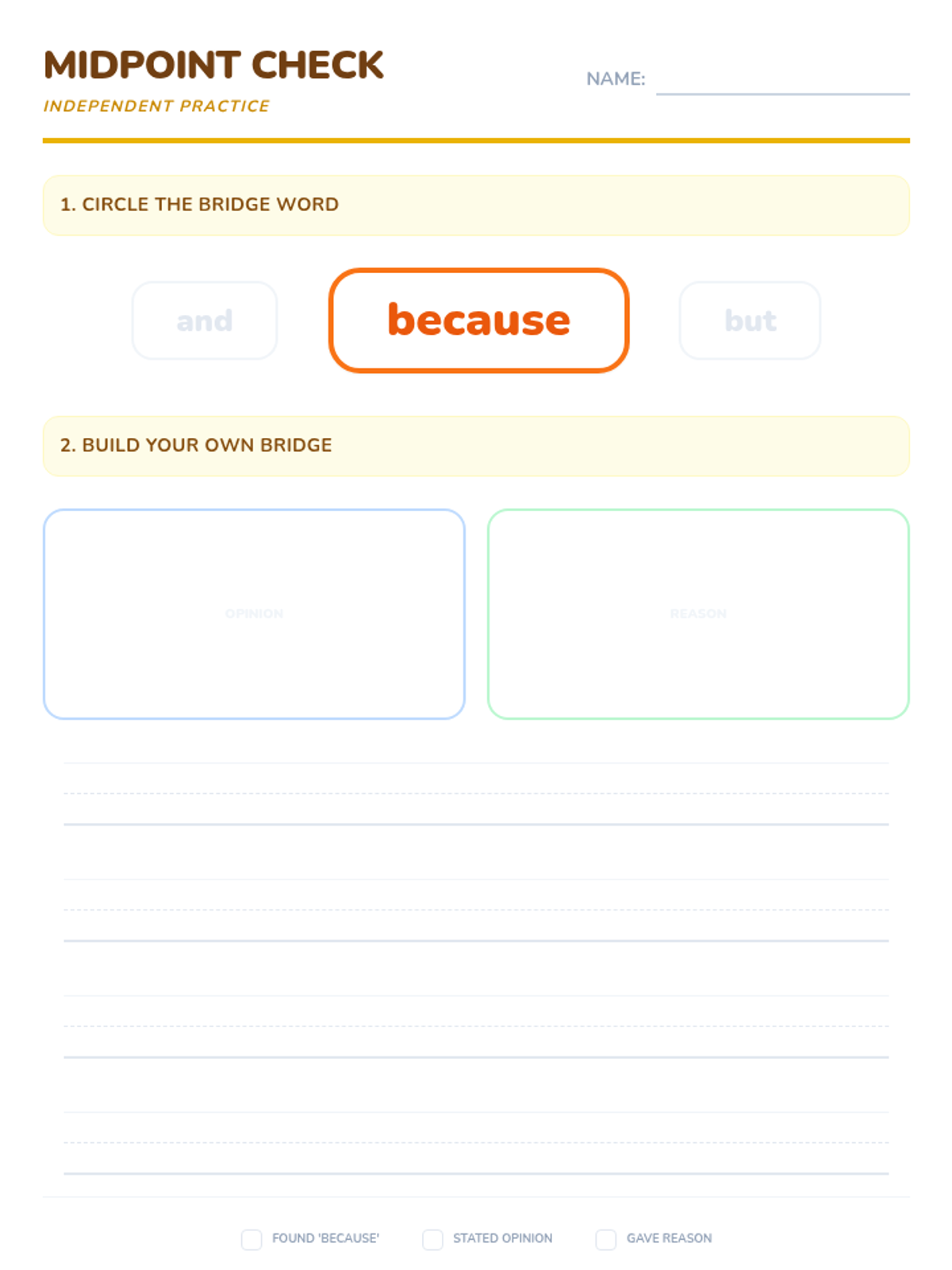
A formal check for understanding to see if students can use 'because' to link an opinion and a reason independently.
Developing reasons based on activities and play preferences.
Using sensory details (taste and smell) as reasons to support food opinions.
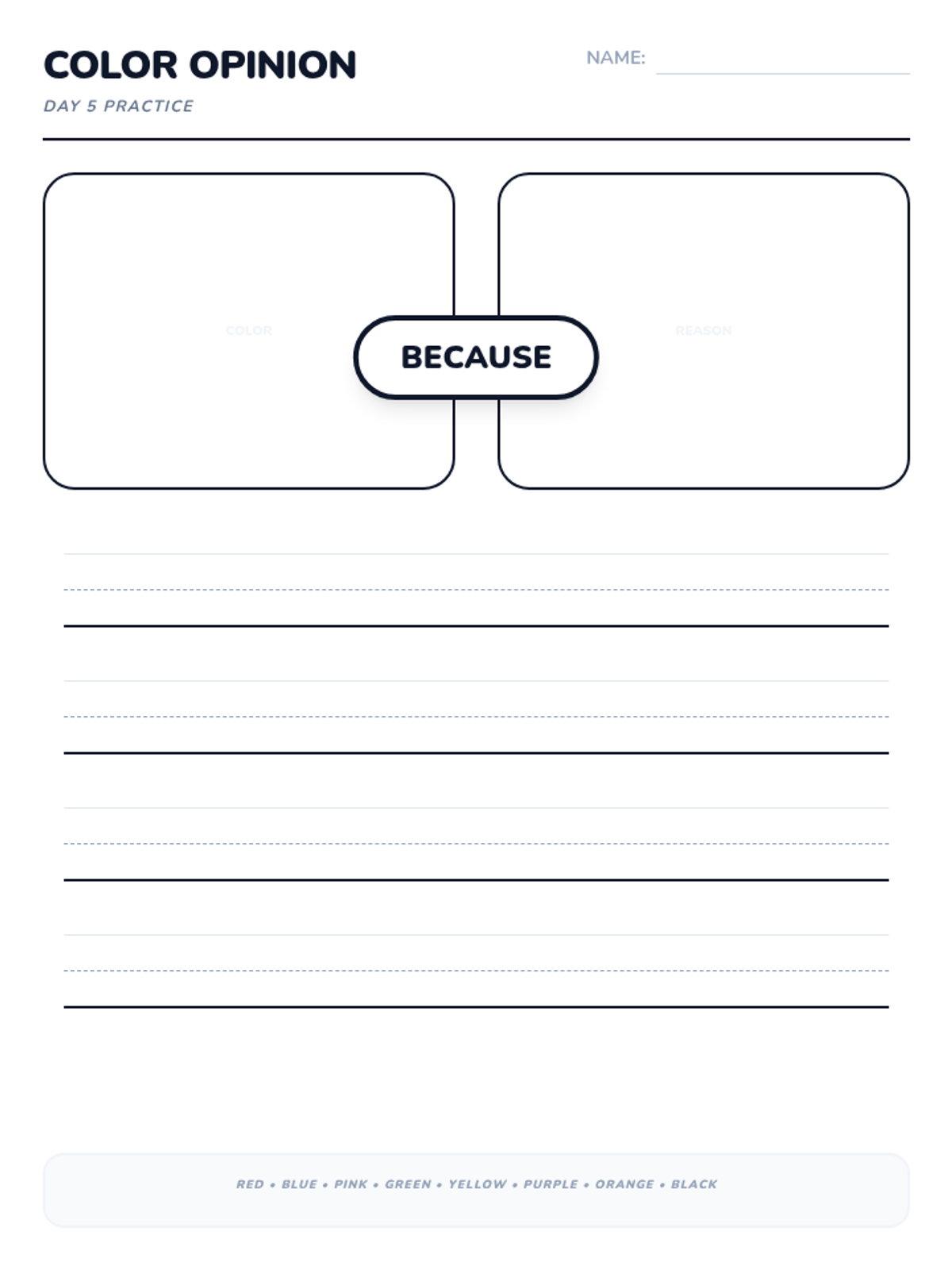
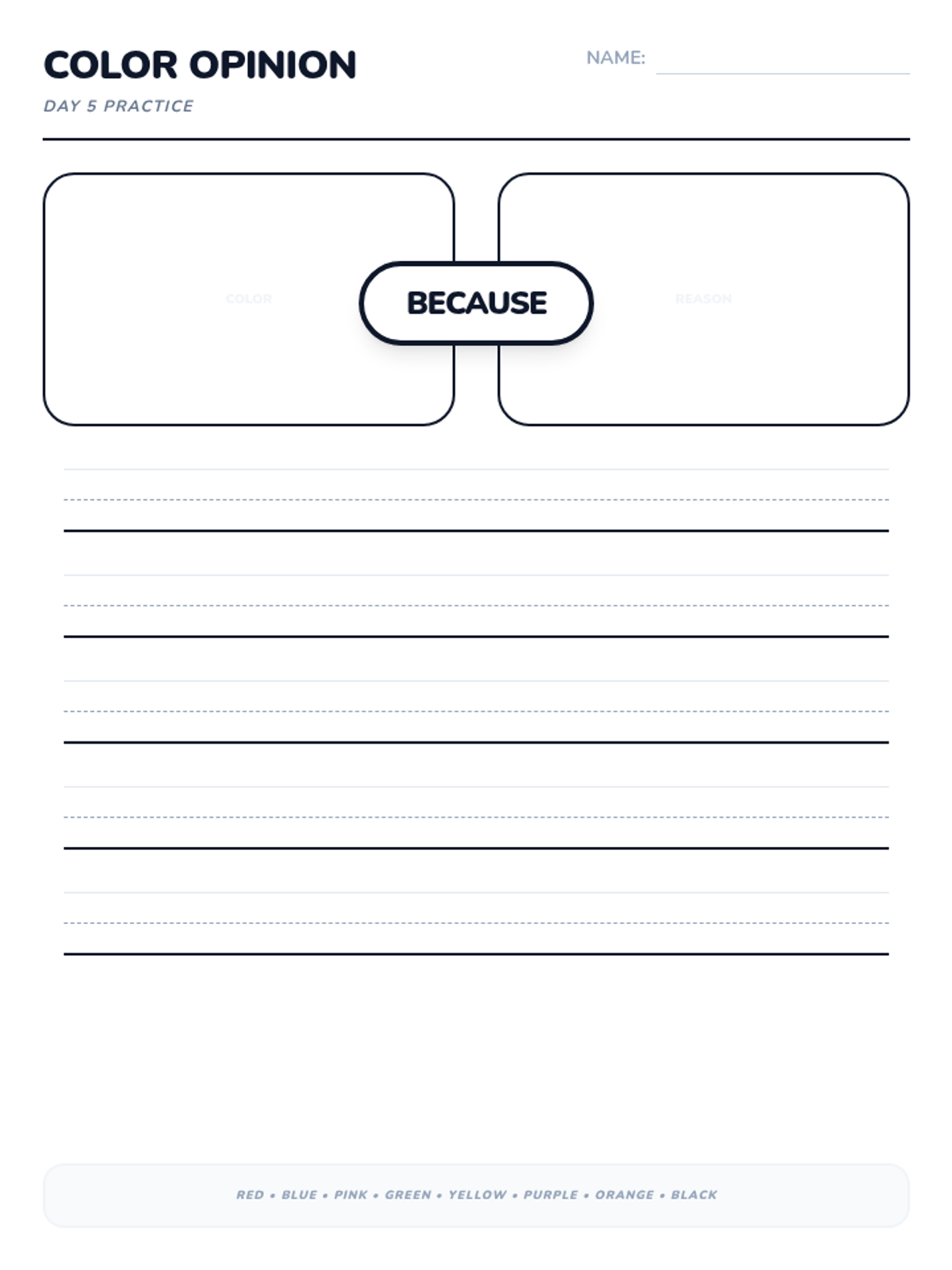
Practicing opinion statements about colors using the word 'because' to explain why.
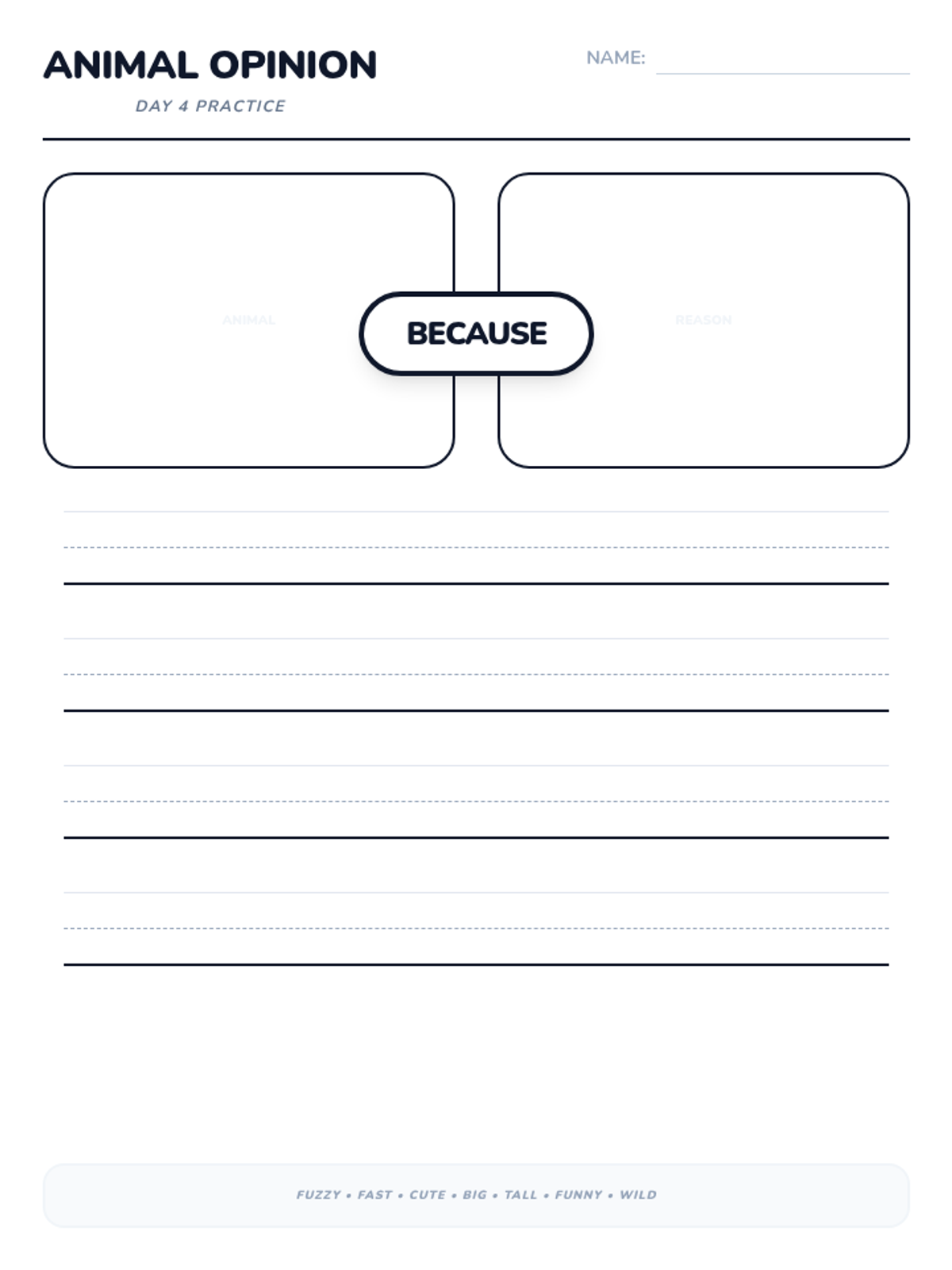
Applying the 'Because Bridge' to animal preferences with guided oral practice.
Introducing the 'Because Bridge' as a way to connect an opinion to a reason.
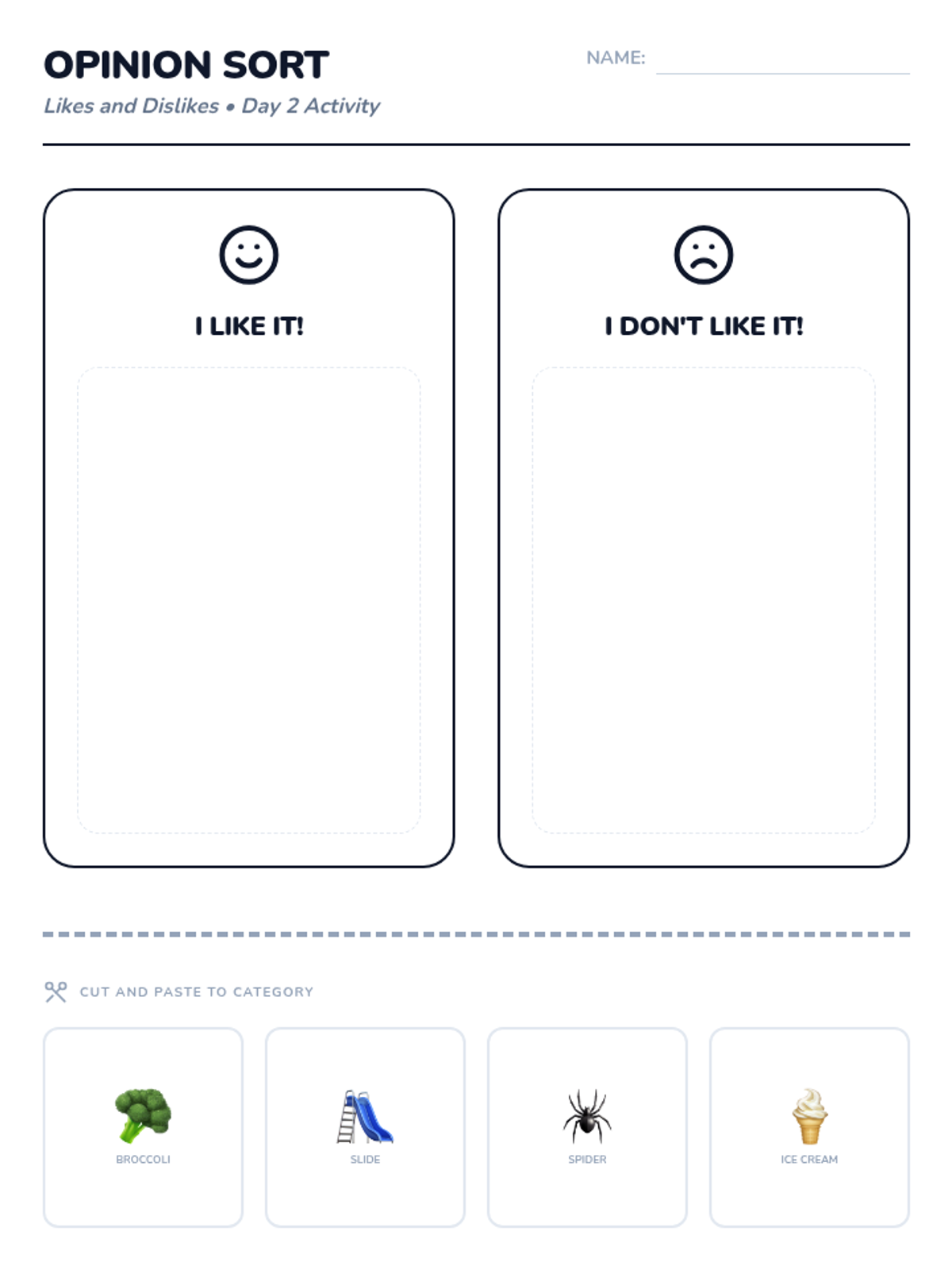
Students practice distinguishing between things they like and things they don't like as the foundation for forming opinions.