Students explore how geographic isolation in Australia led to its unique biodiversity, hypothesize about evolutionary paths, and design their own isolated species.
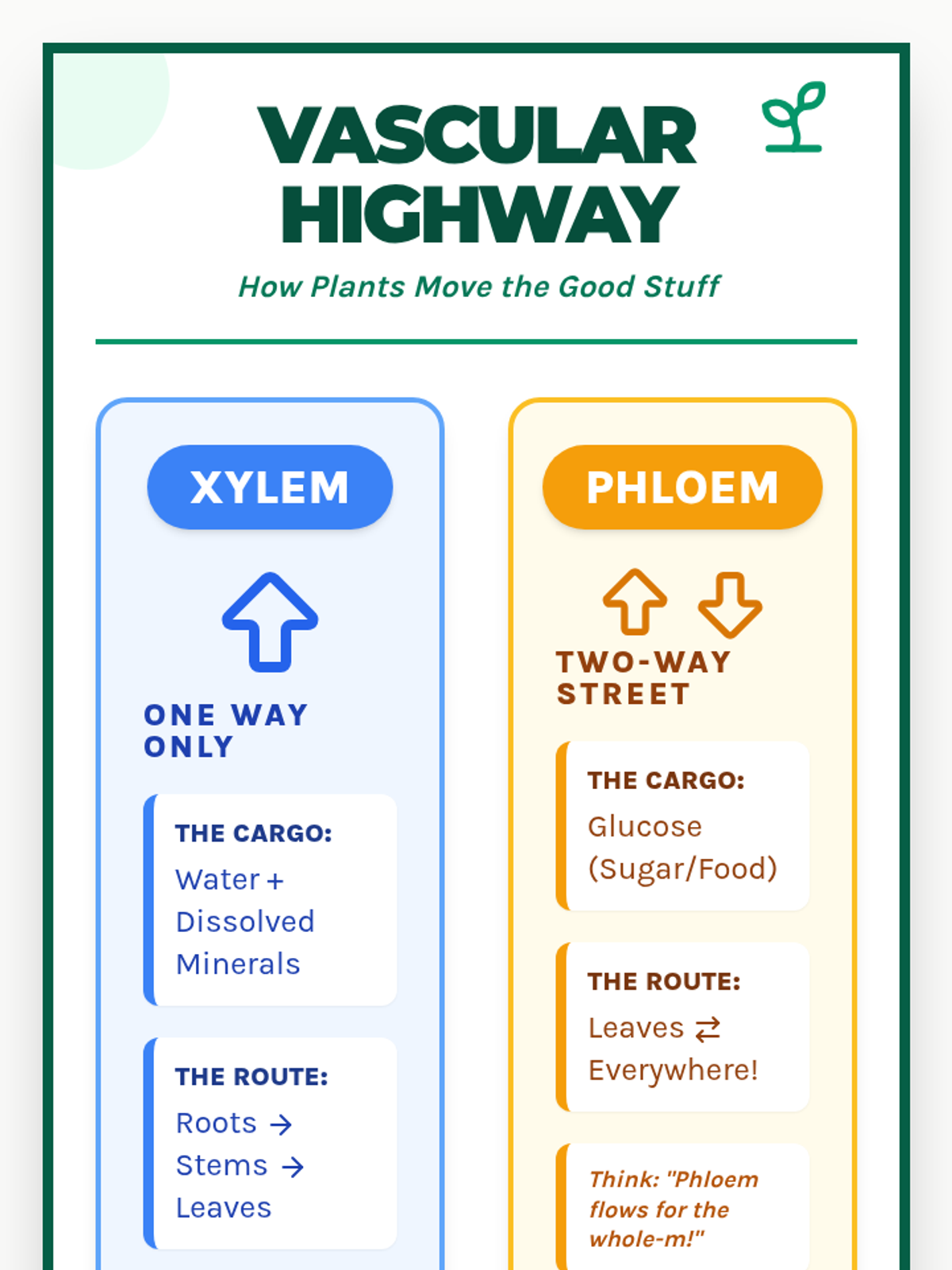
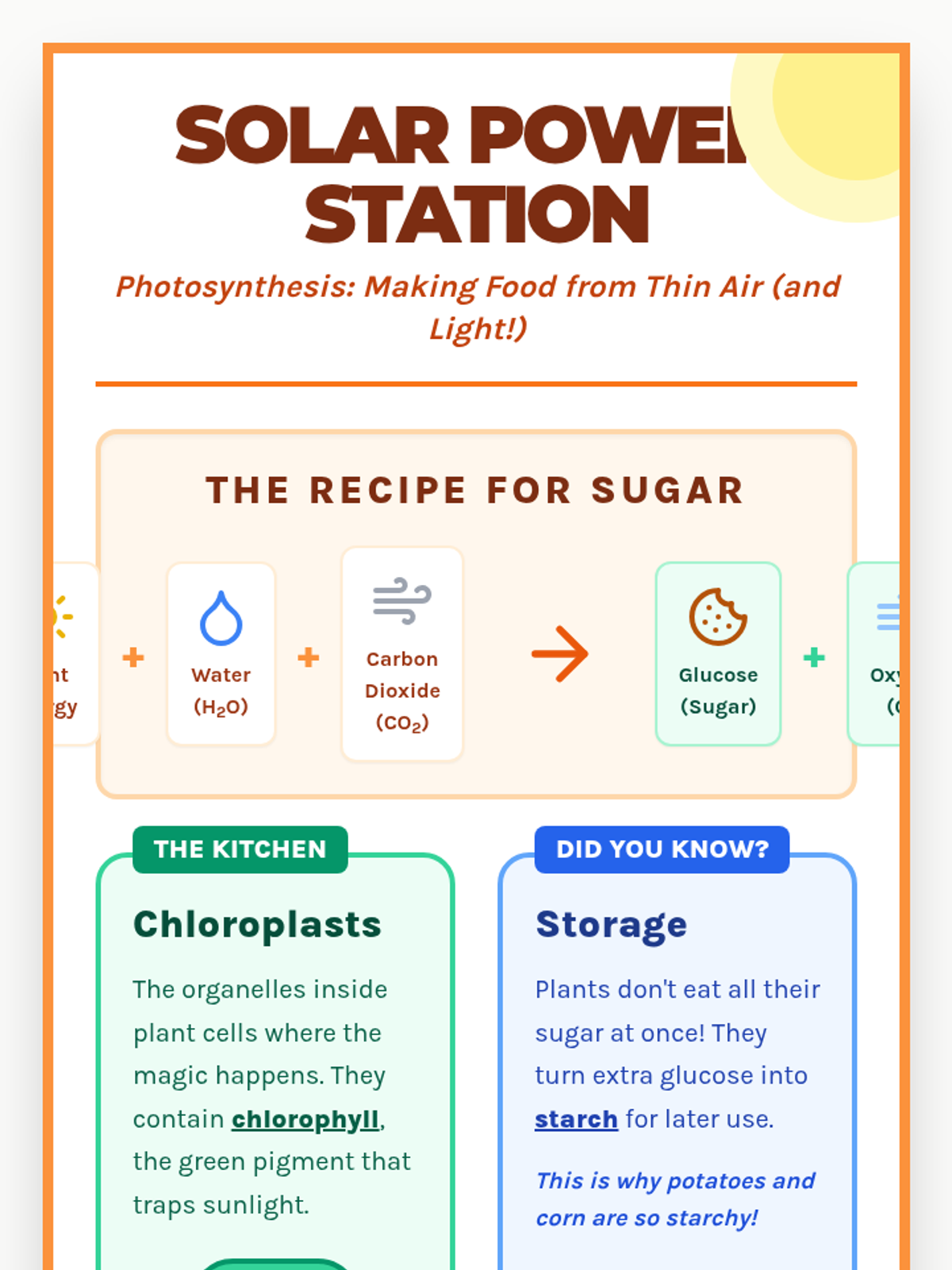
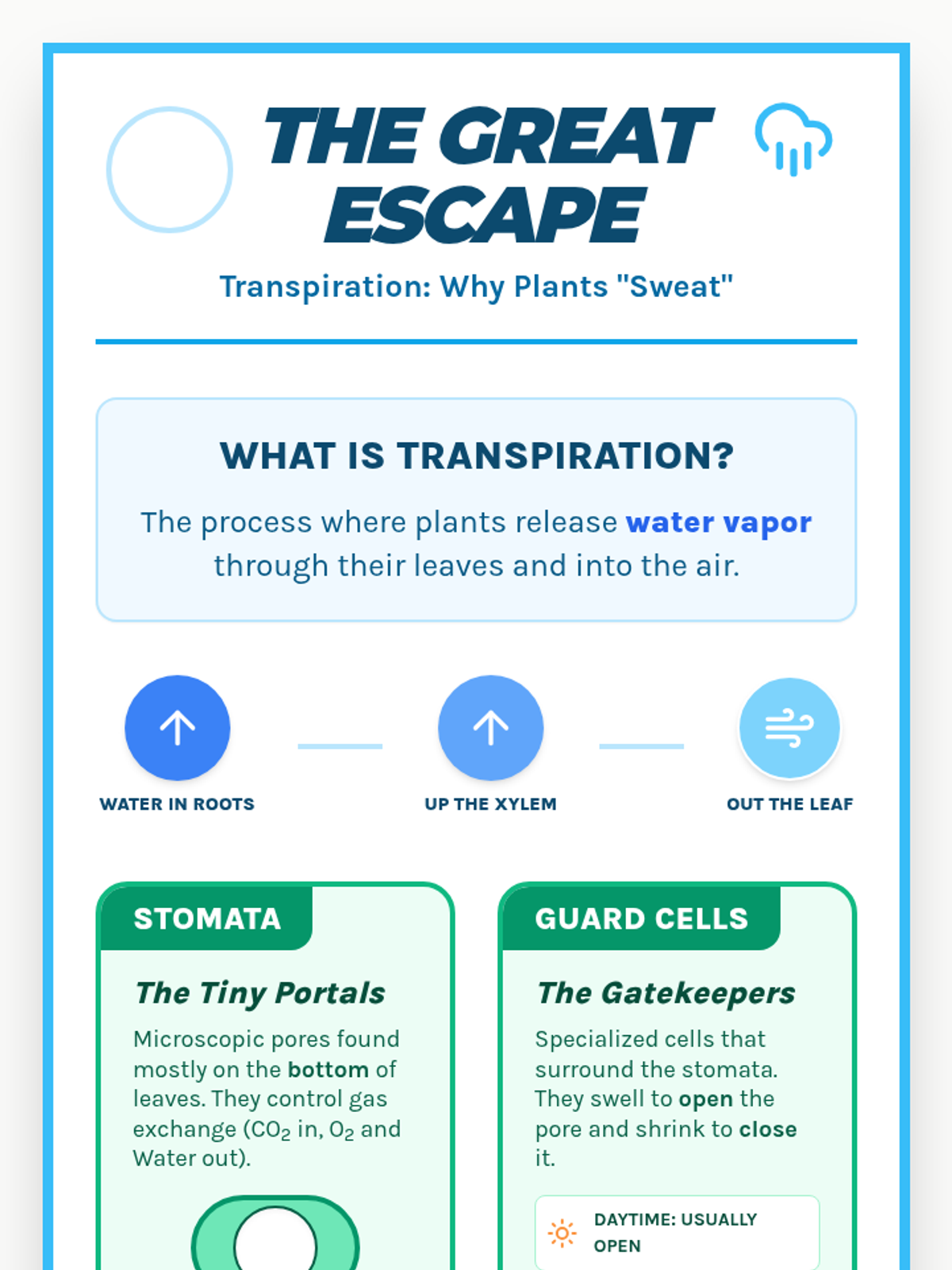
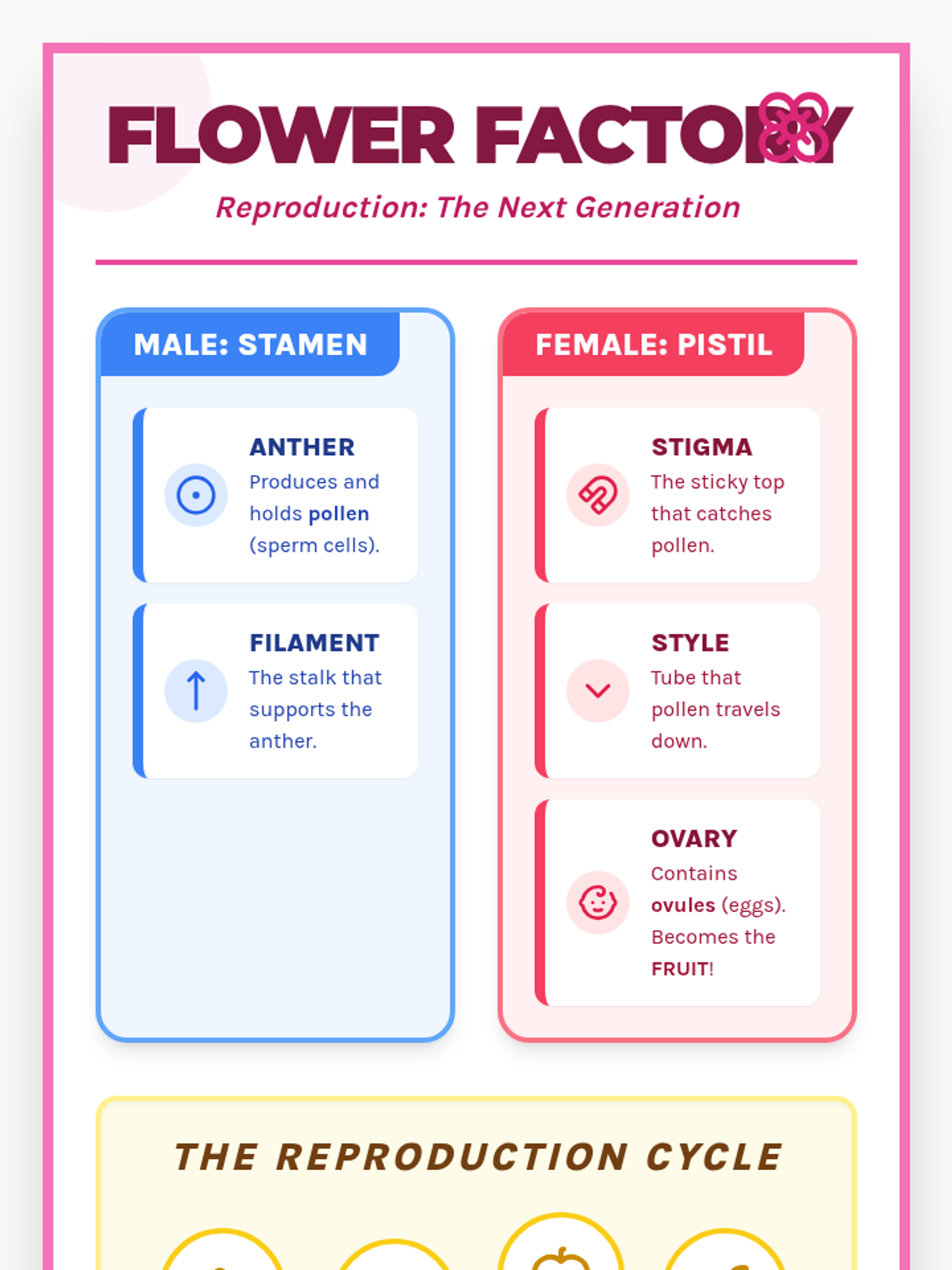
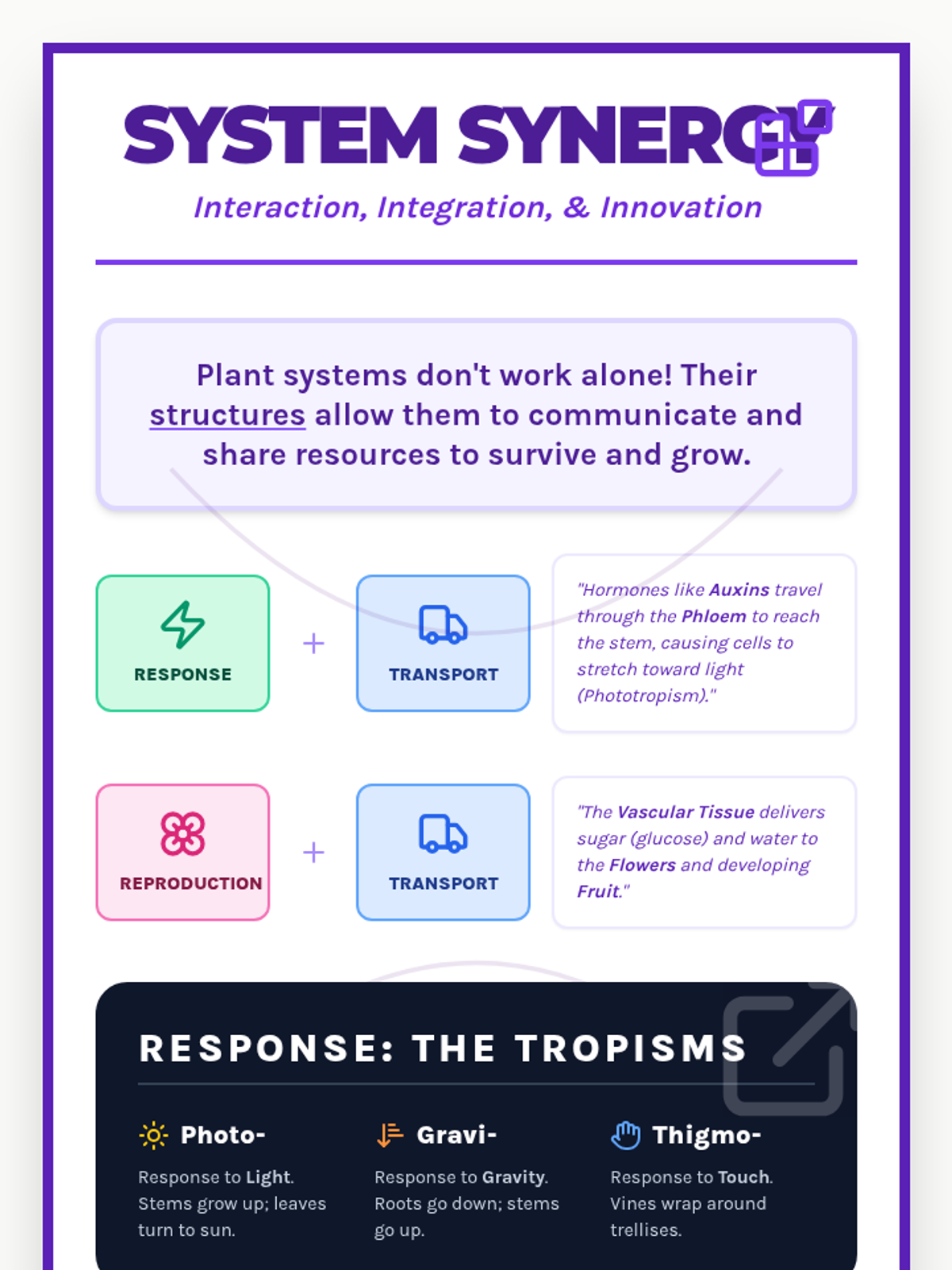
A series of visual anchor charts designed for reference during laboratory investigations into plant vascular systems, photosynthesis, and transpiration.
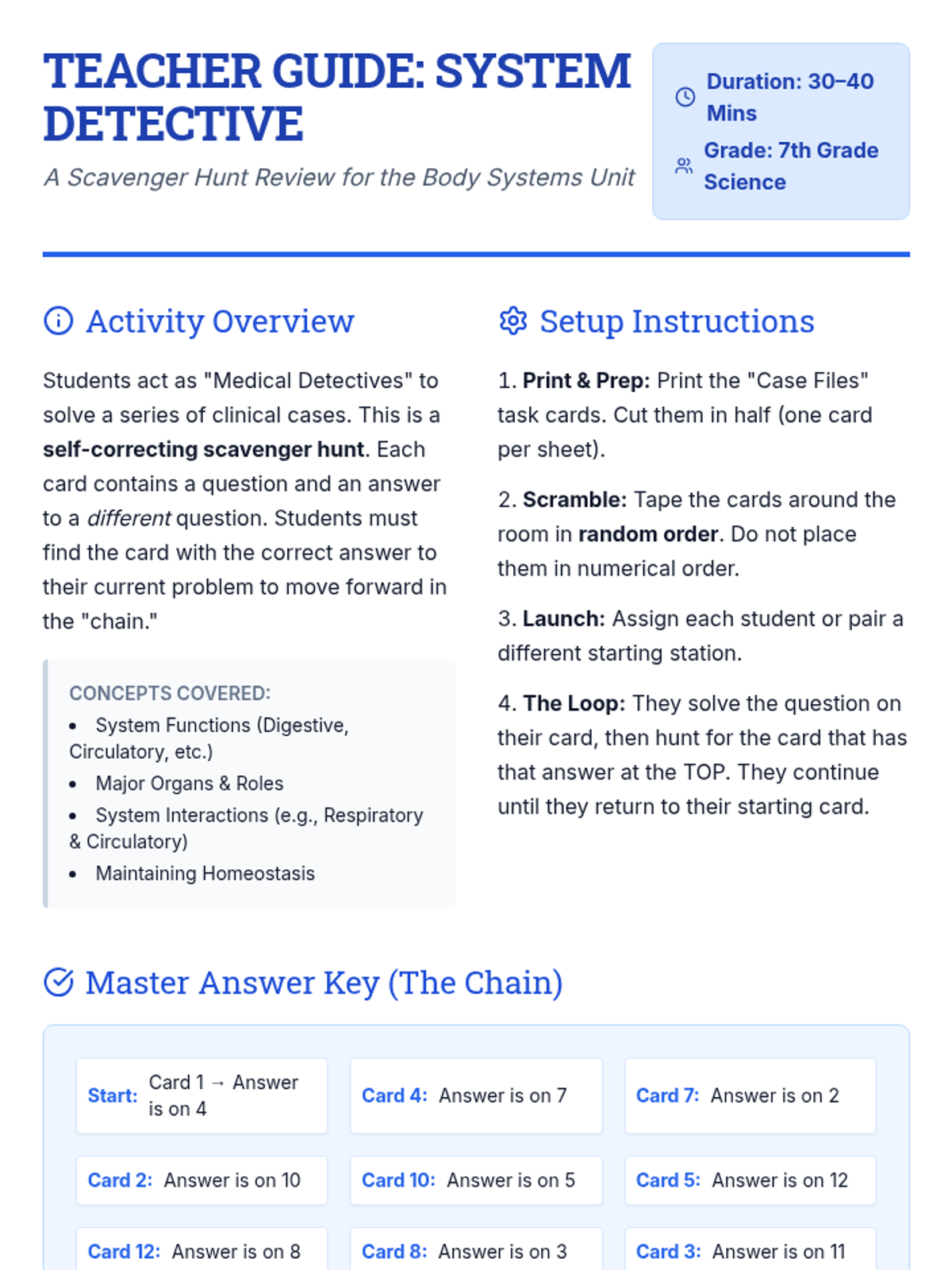
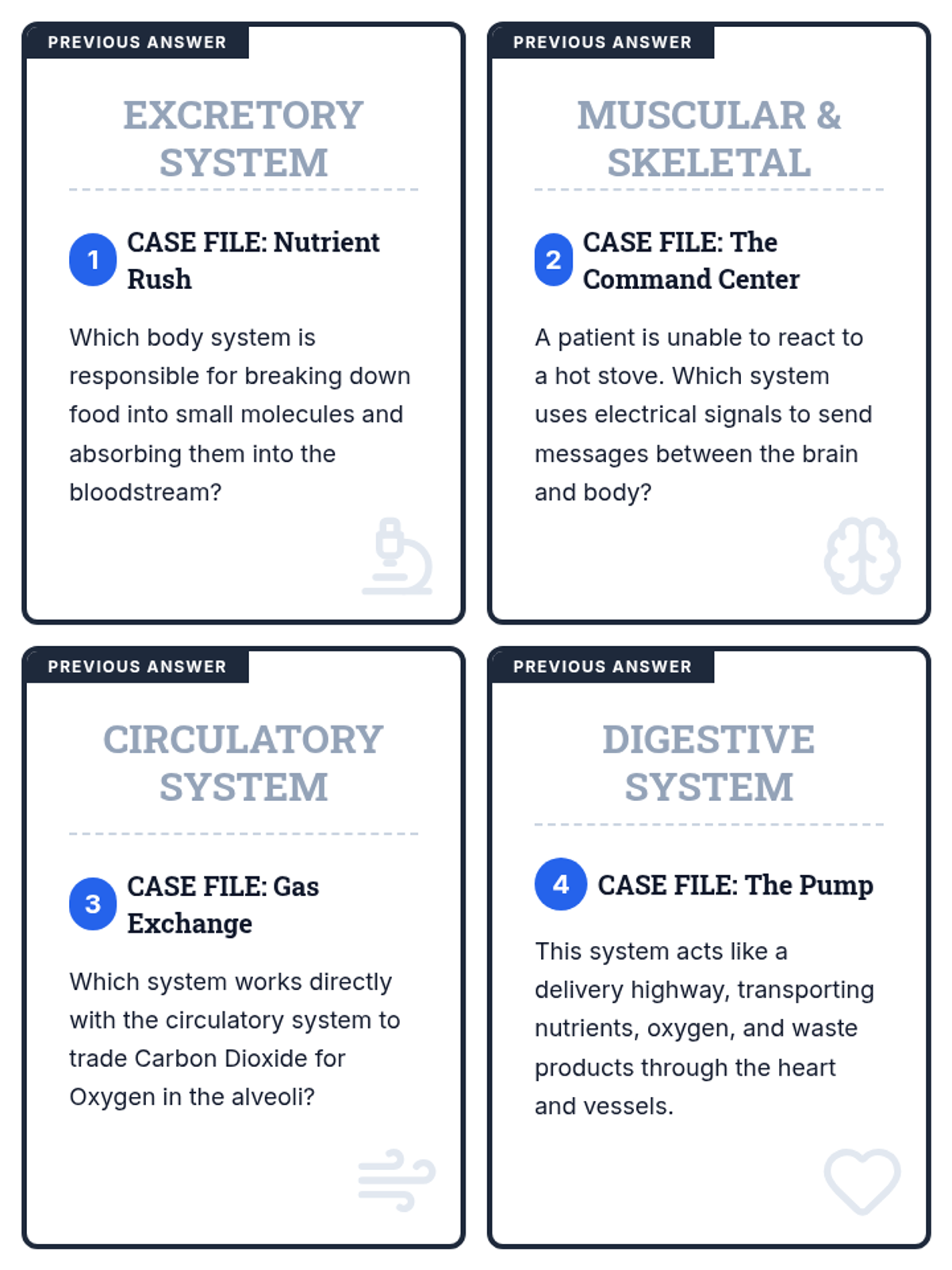
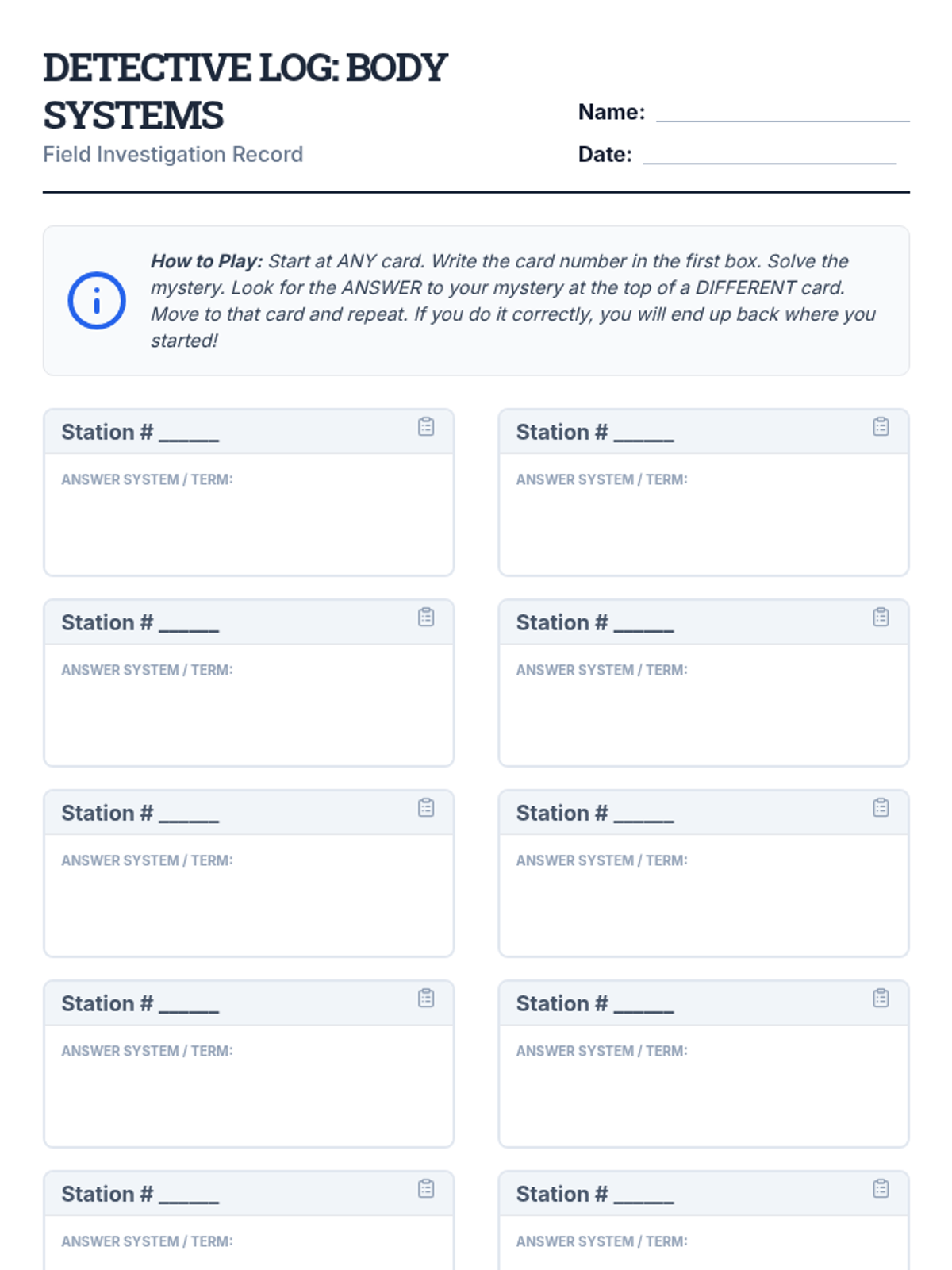
A high-energy, movement-based review activity where students solve 'medical cases' by identifying body systems and their functions. This lesson includes task cards for a classroom scavenger hunt and a structured recording sheet for students.
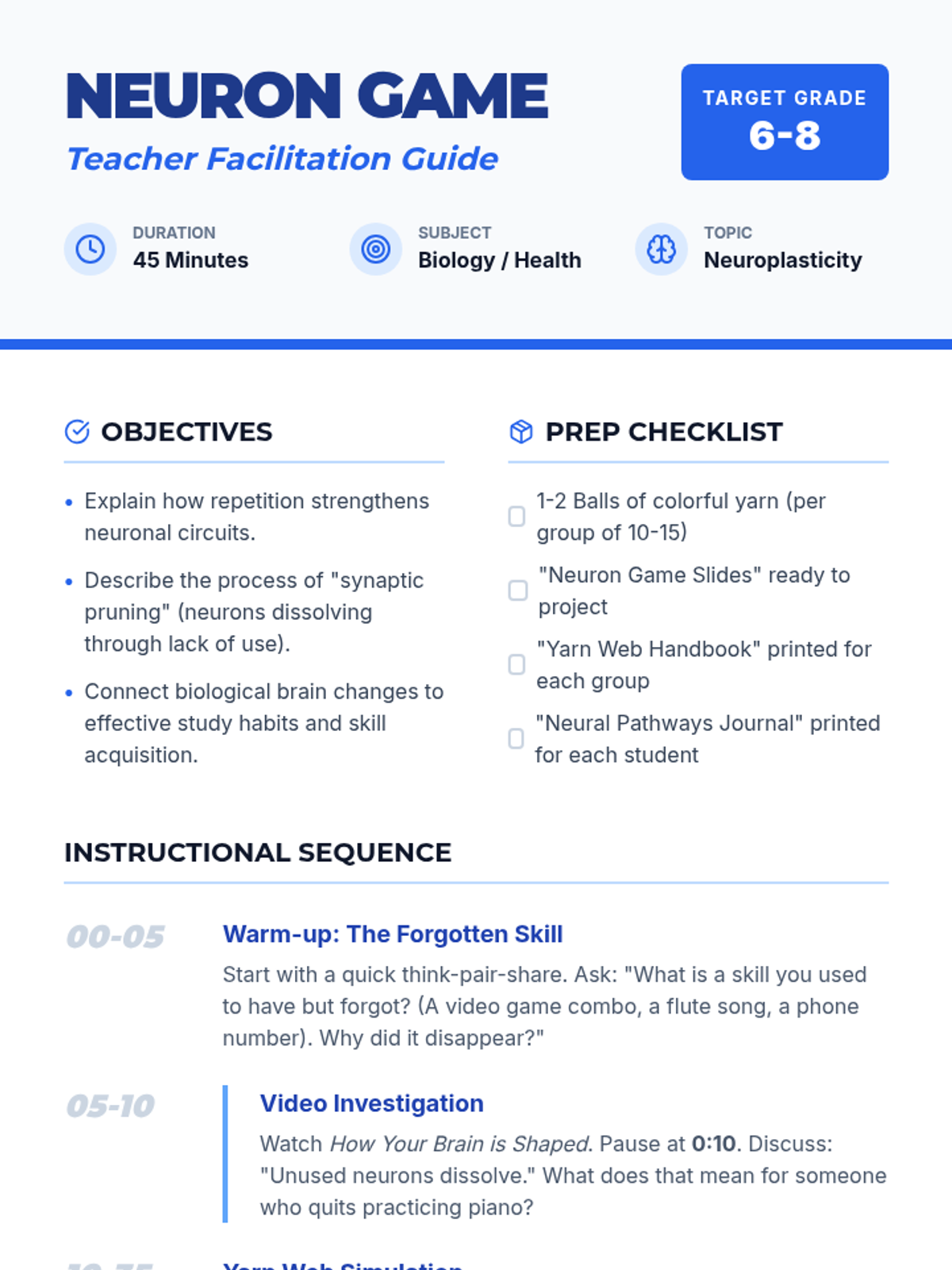
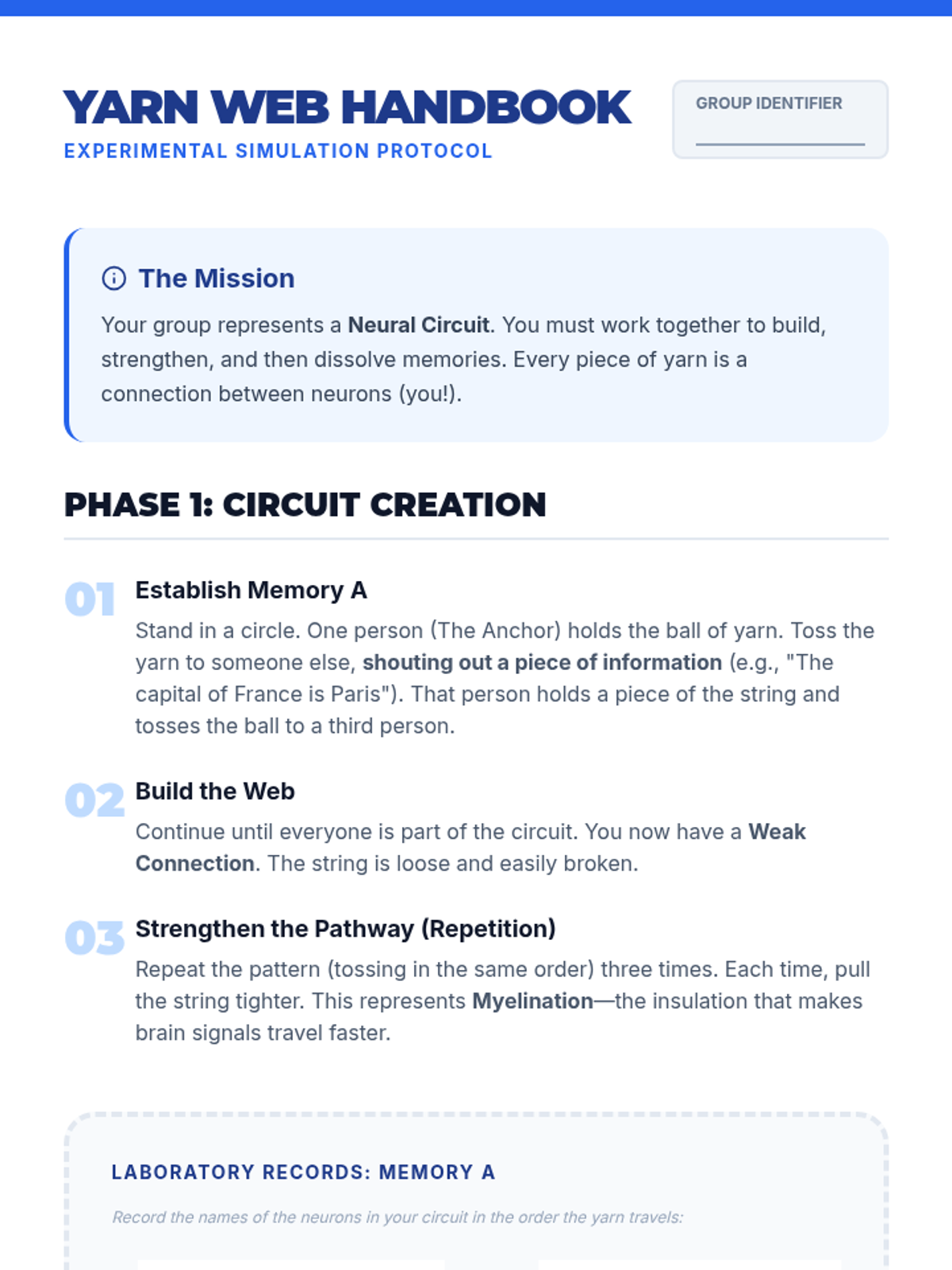
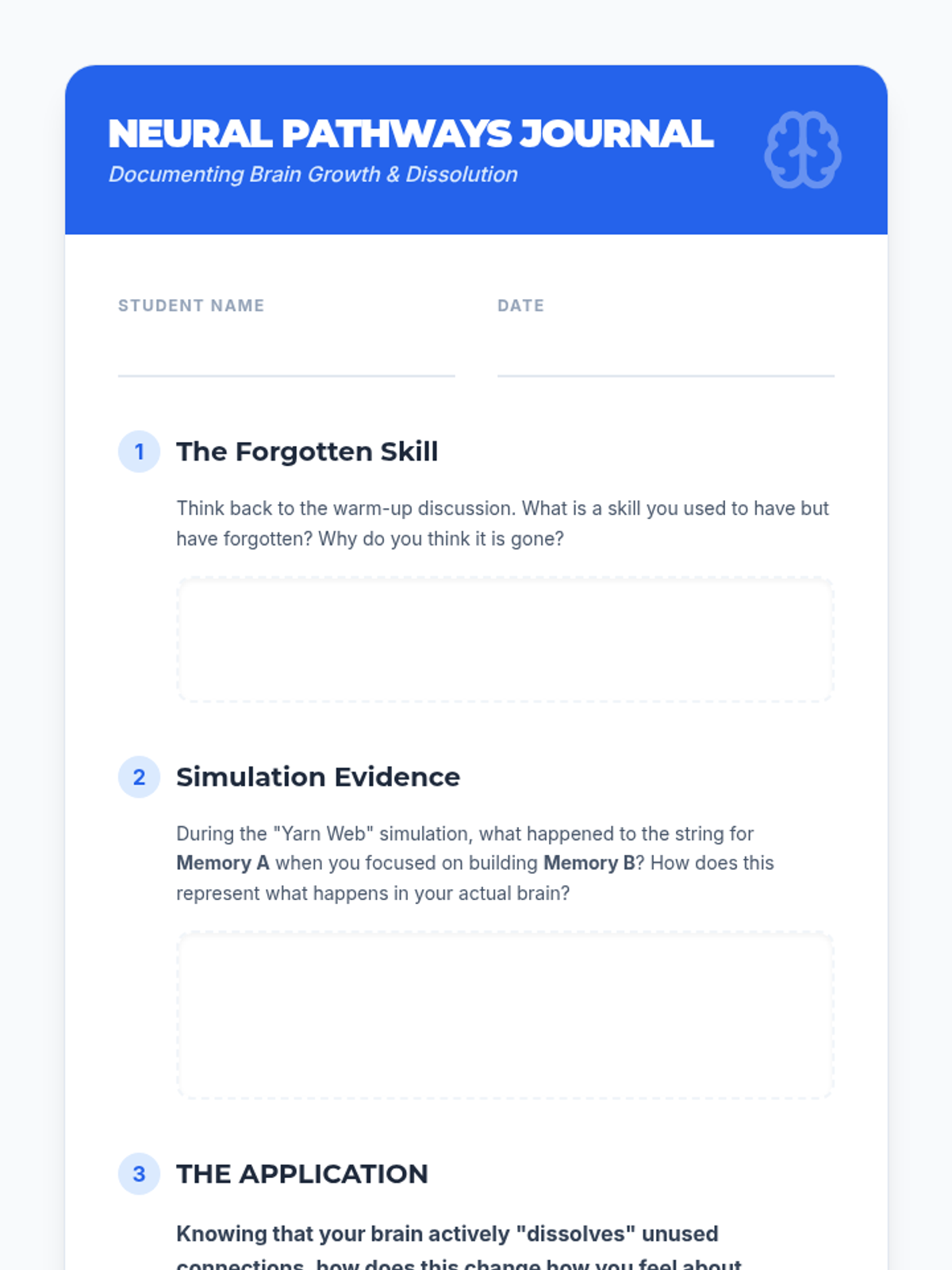
A 6th-8th grade science and health lesson exploring neuroplasticity through a hands-on yarn simulation and a video-based discussion. Students learn how neural pathways strengthen through use and dissolve through neglect.
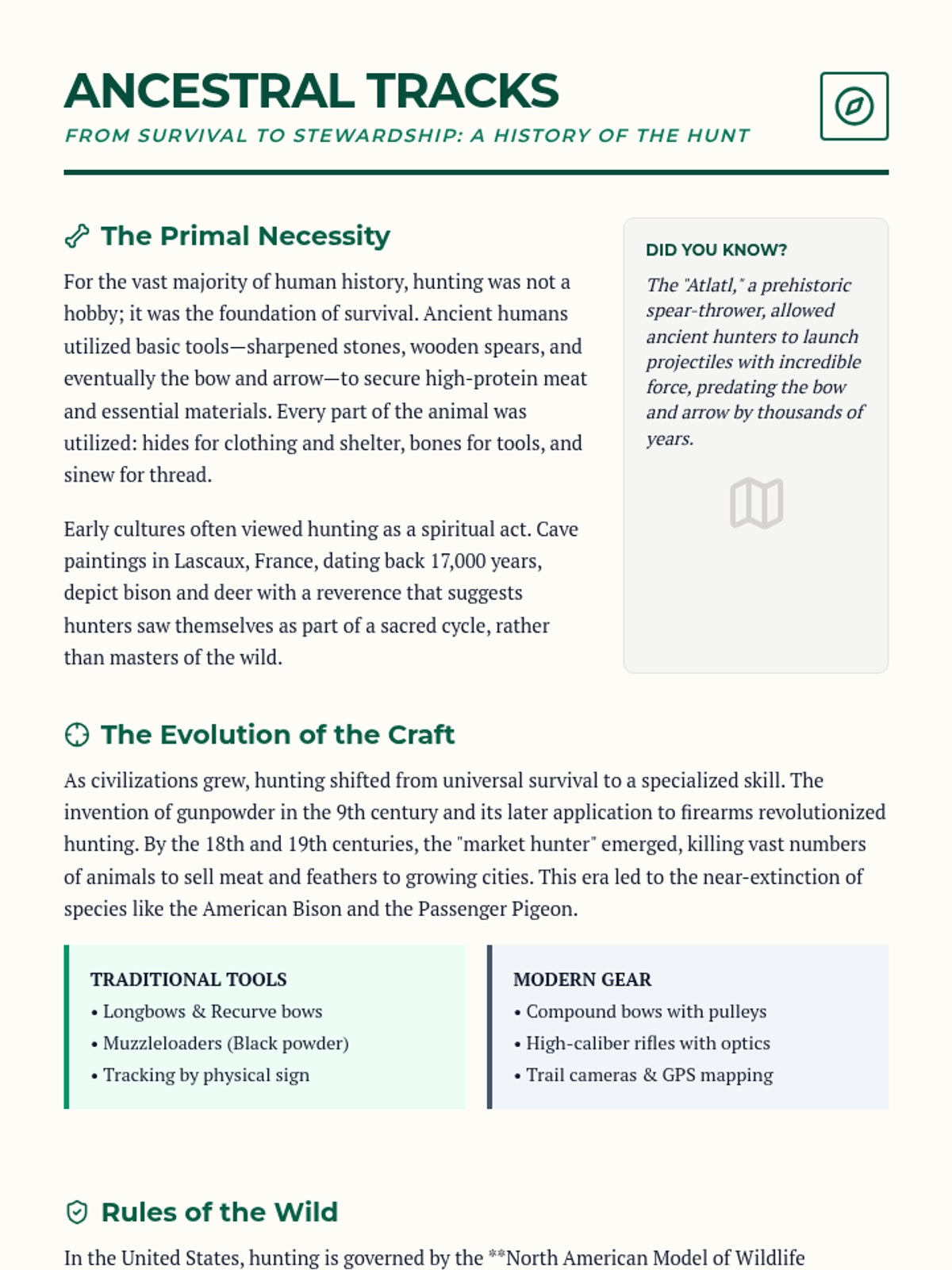
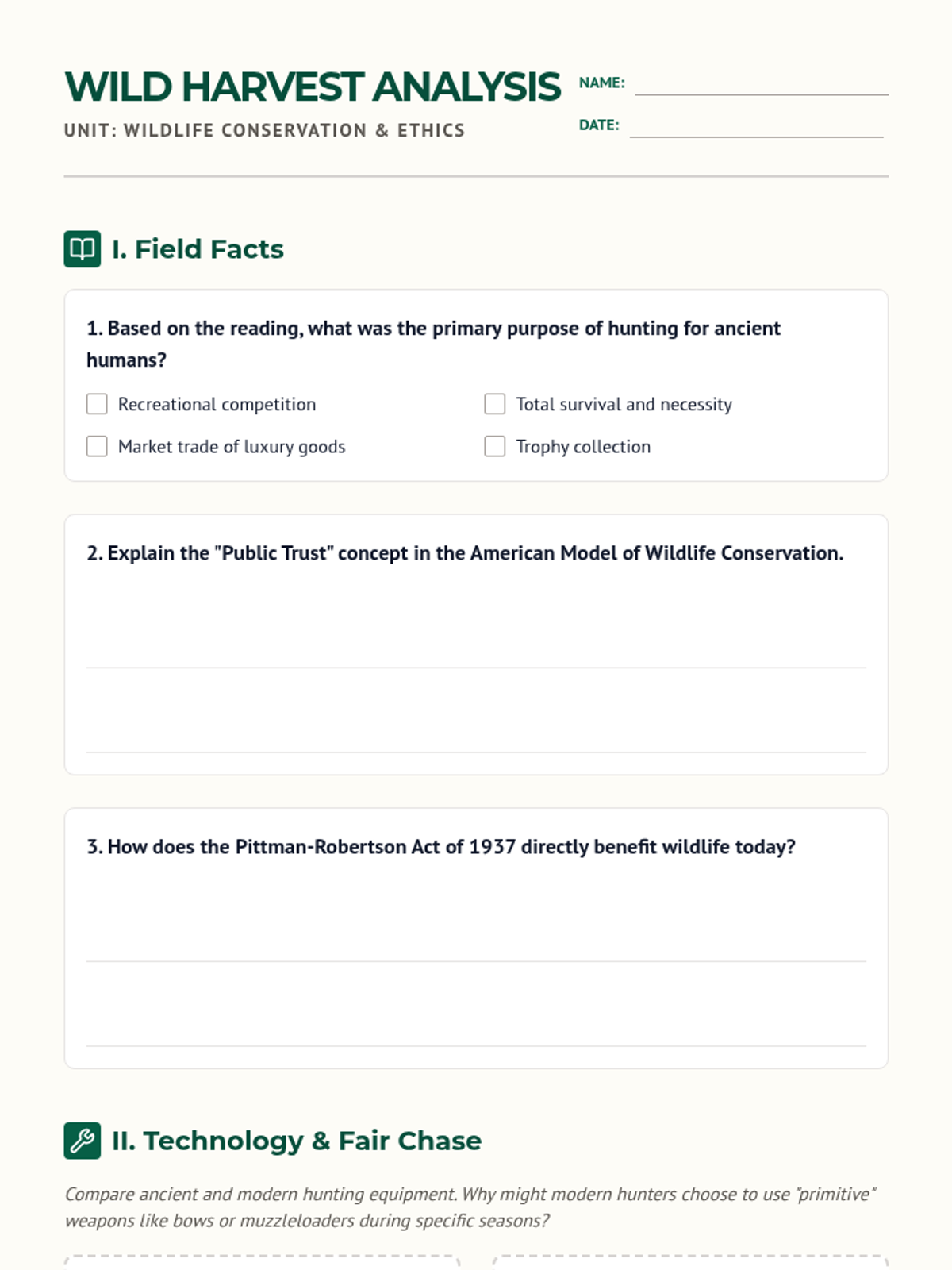
A comprehensive lesson exploring the evolution of hunting from ancient survival to modern conservation, including economic impacts and ethical debates surrounding biodiversity.
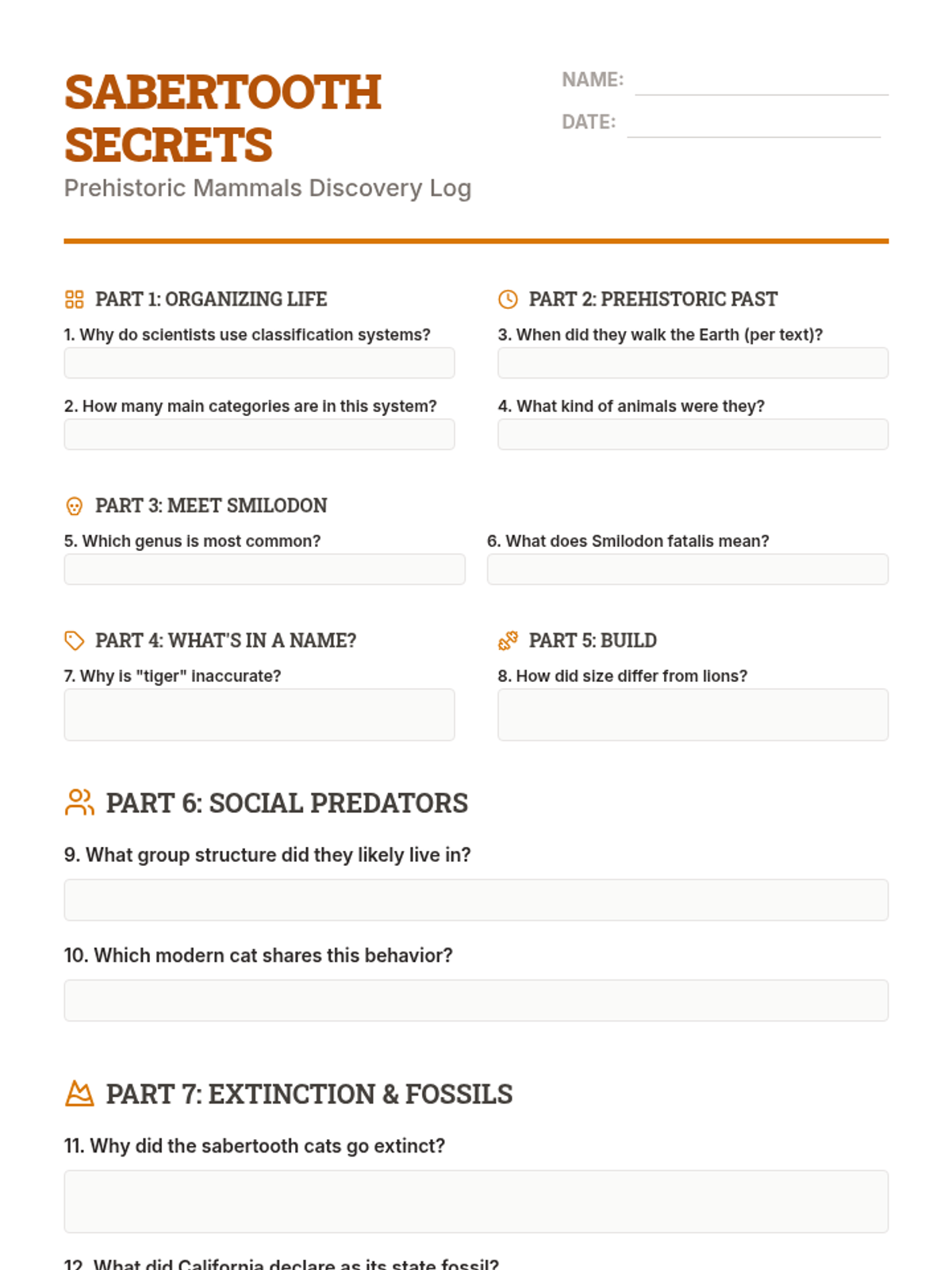
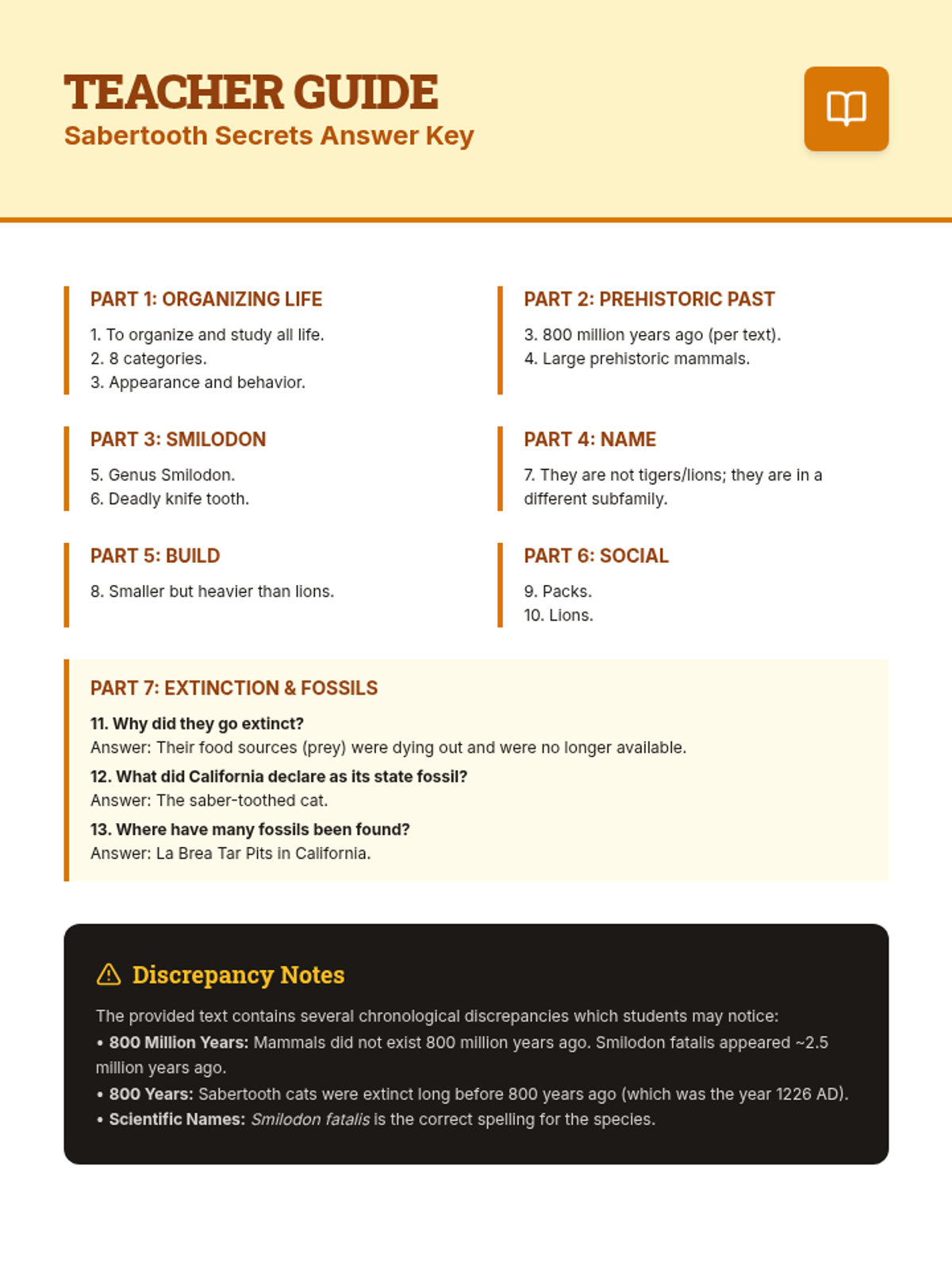
A lesson exploring the characteristics, classification, and social behavior of prehistoric Sabertooth cats.
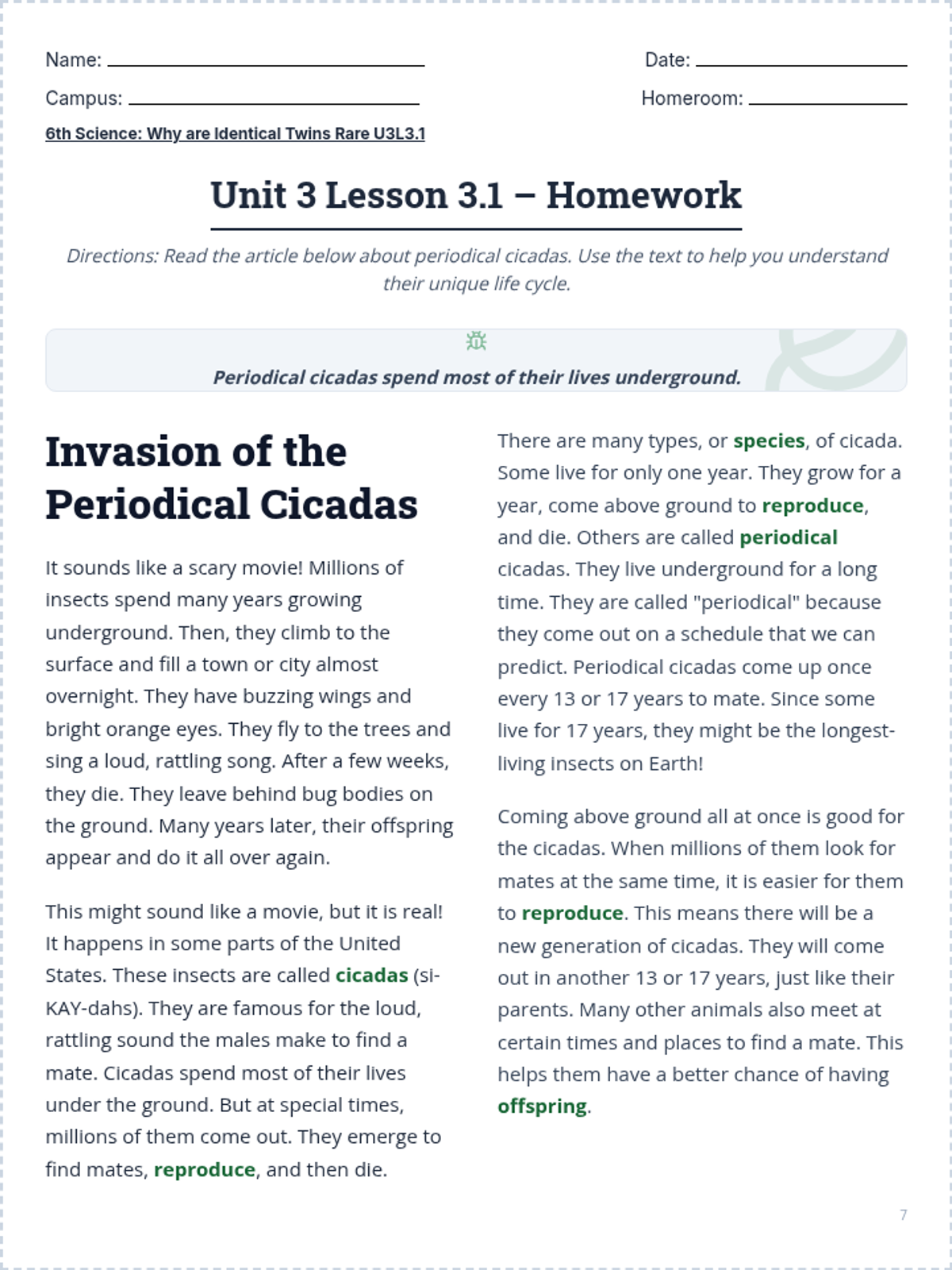
A lesson exploring the unique life cycle of periodical cicadas and how their emergence patterns help them survive and reproduce.
Students explore the fascinating life cycle of periodical cicadas, focusing on their unique 13 and 17-year schedules and how this behavior helps them survive against predators.
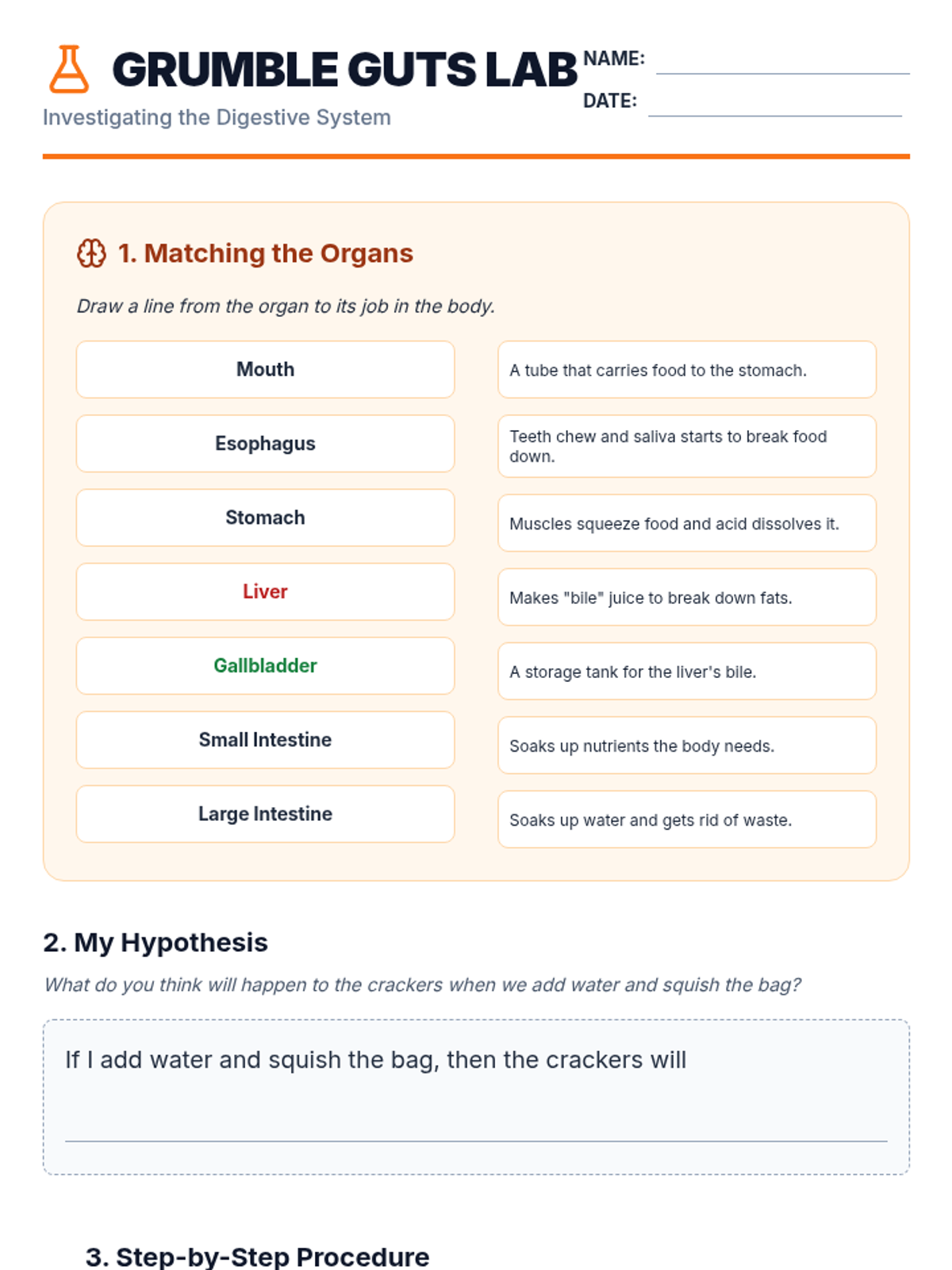
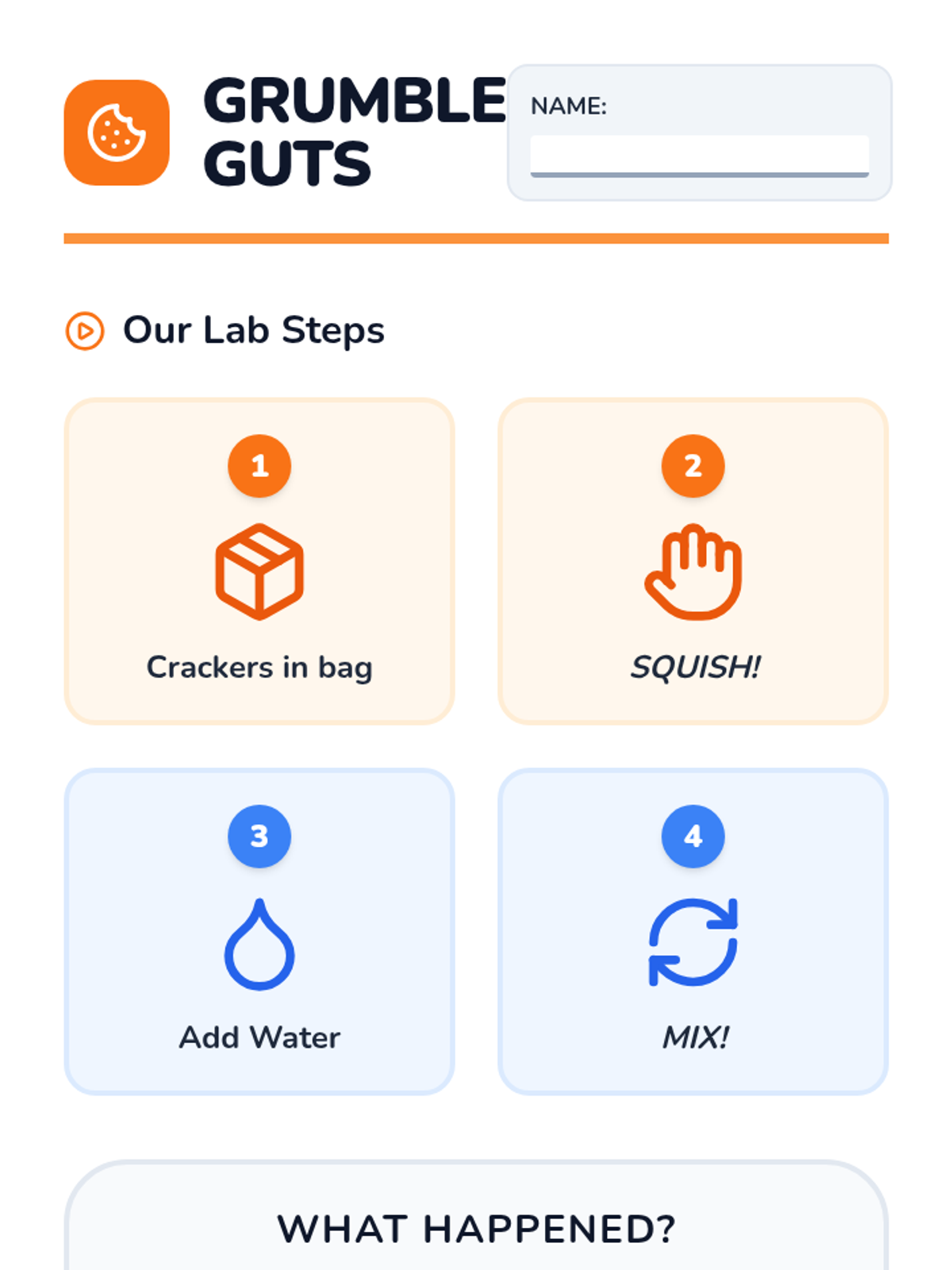
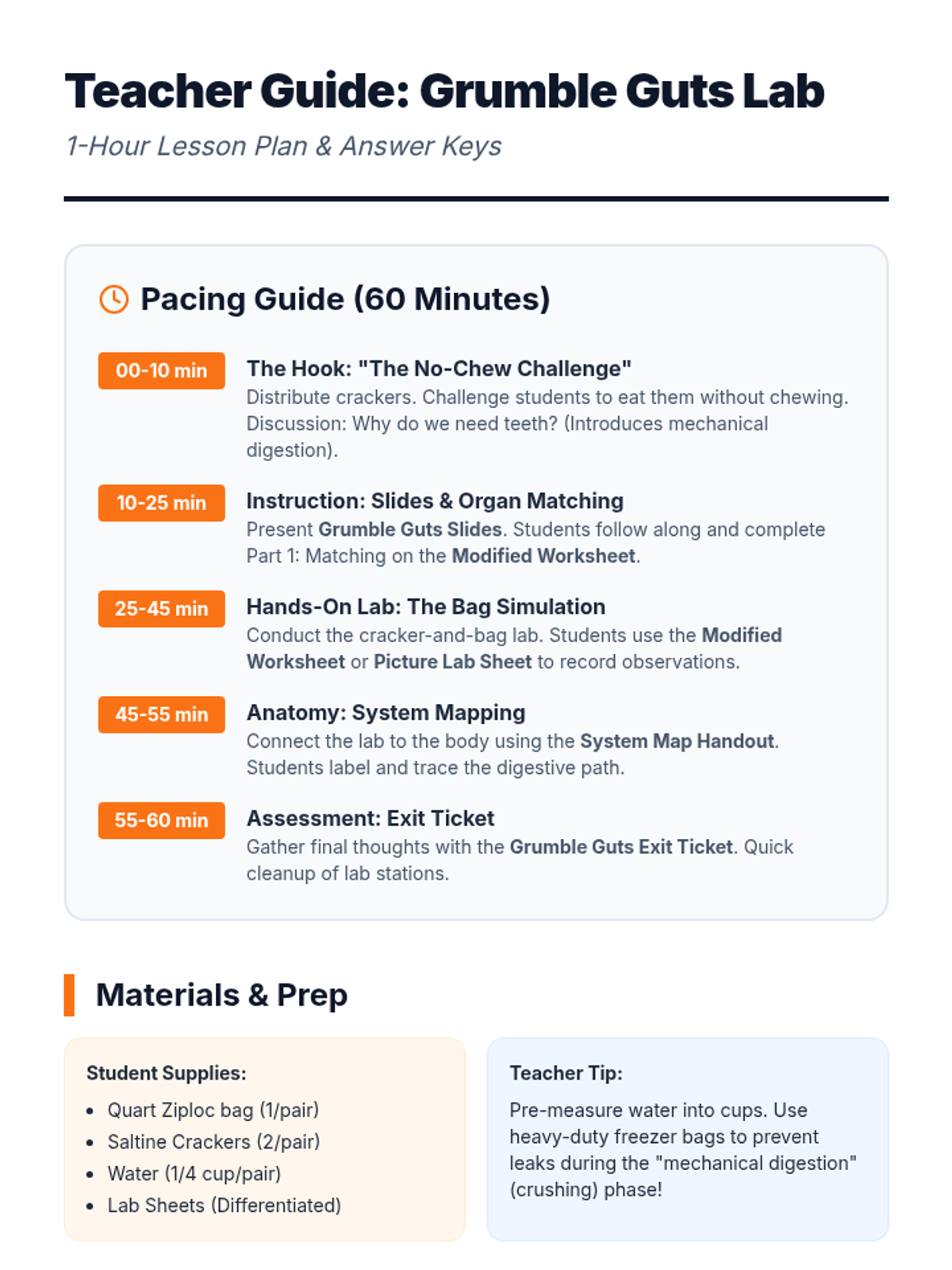
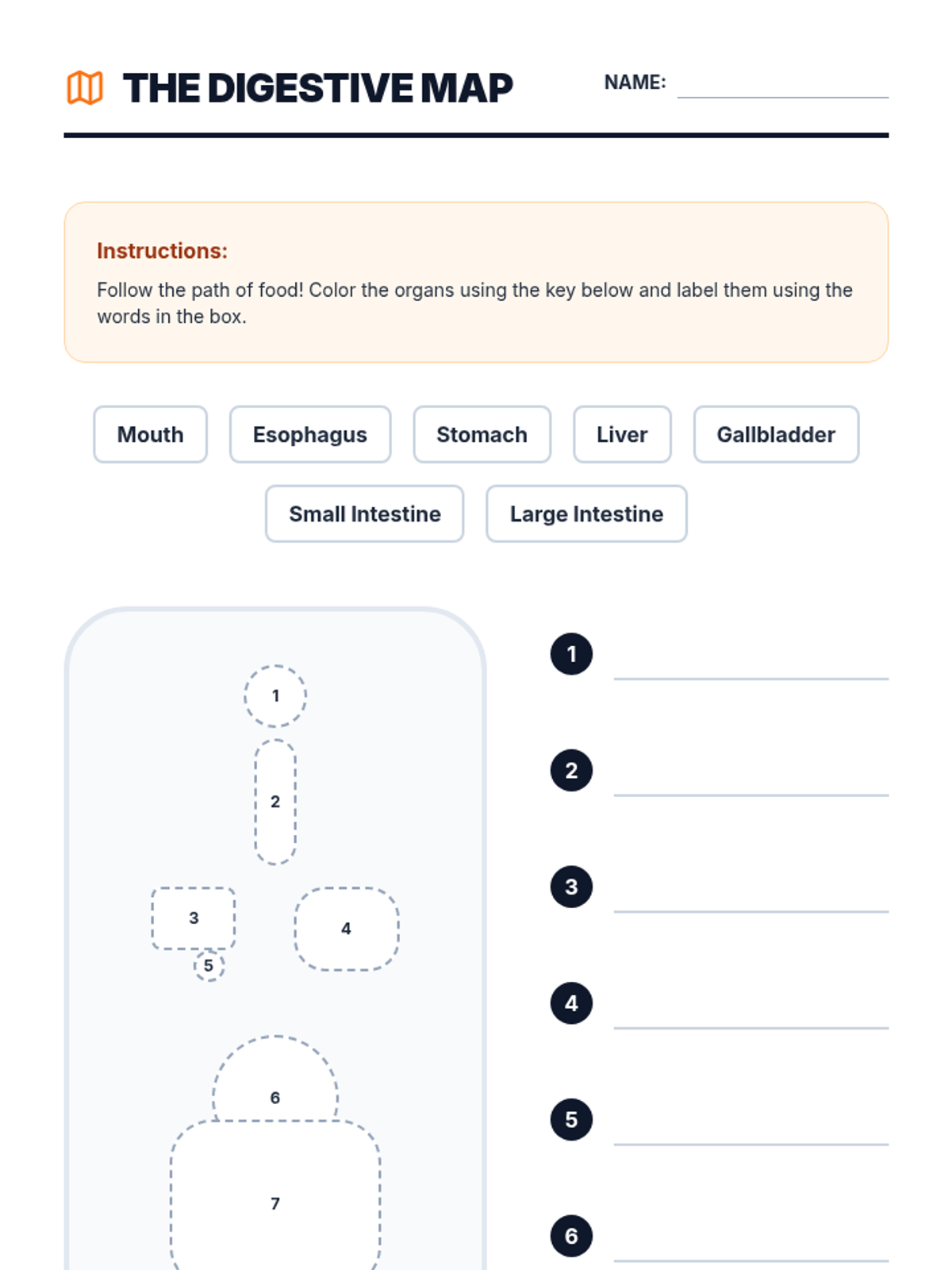
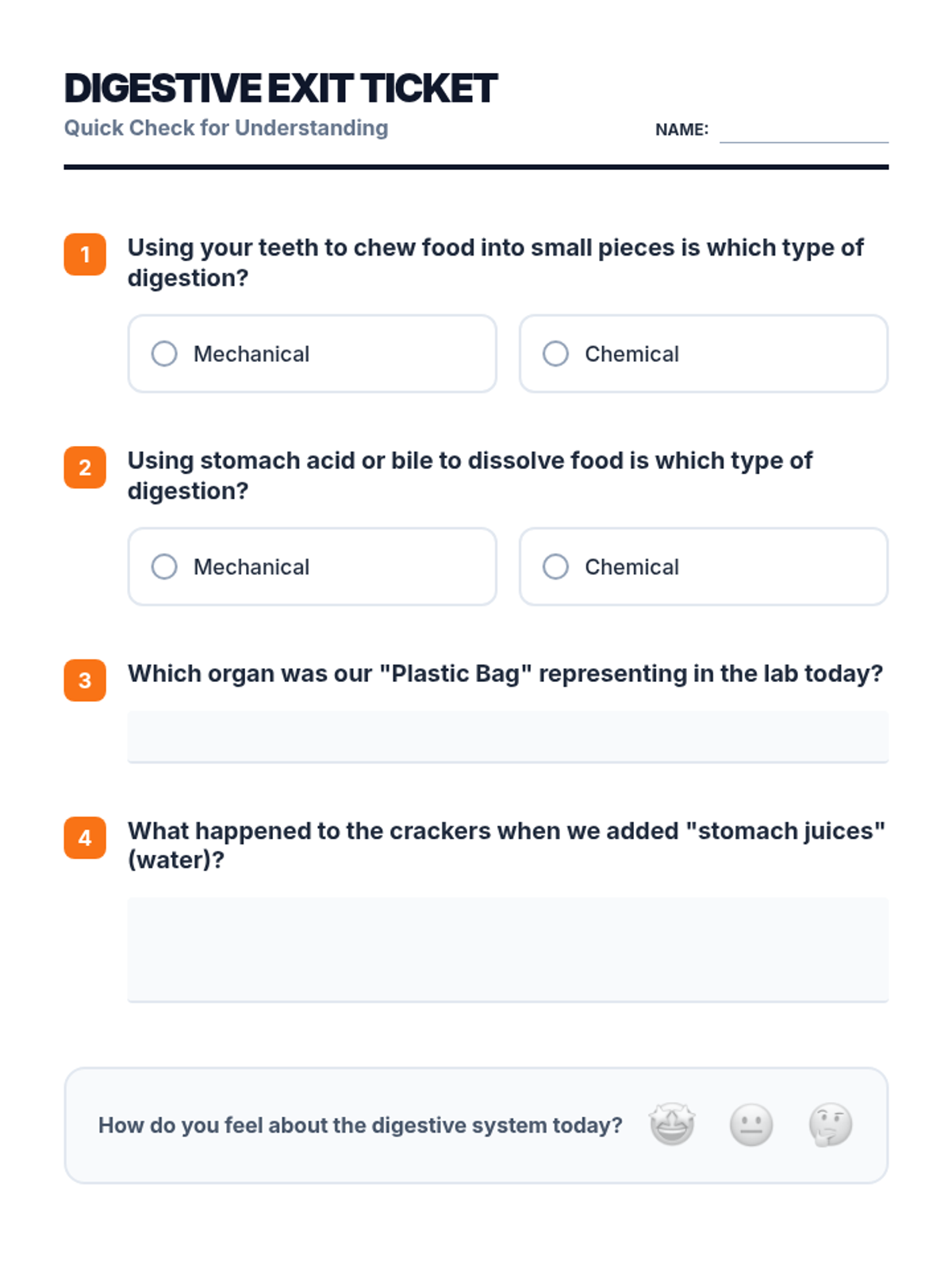
A hands-on science lab using crackers, water, and plastic bags to simulate the digestive process, with differentiated materials for various learner needs.
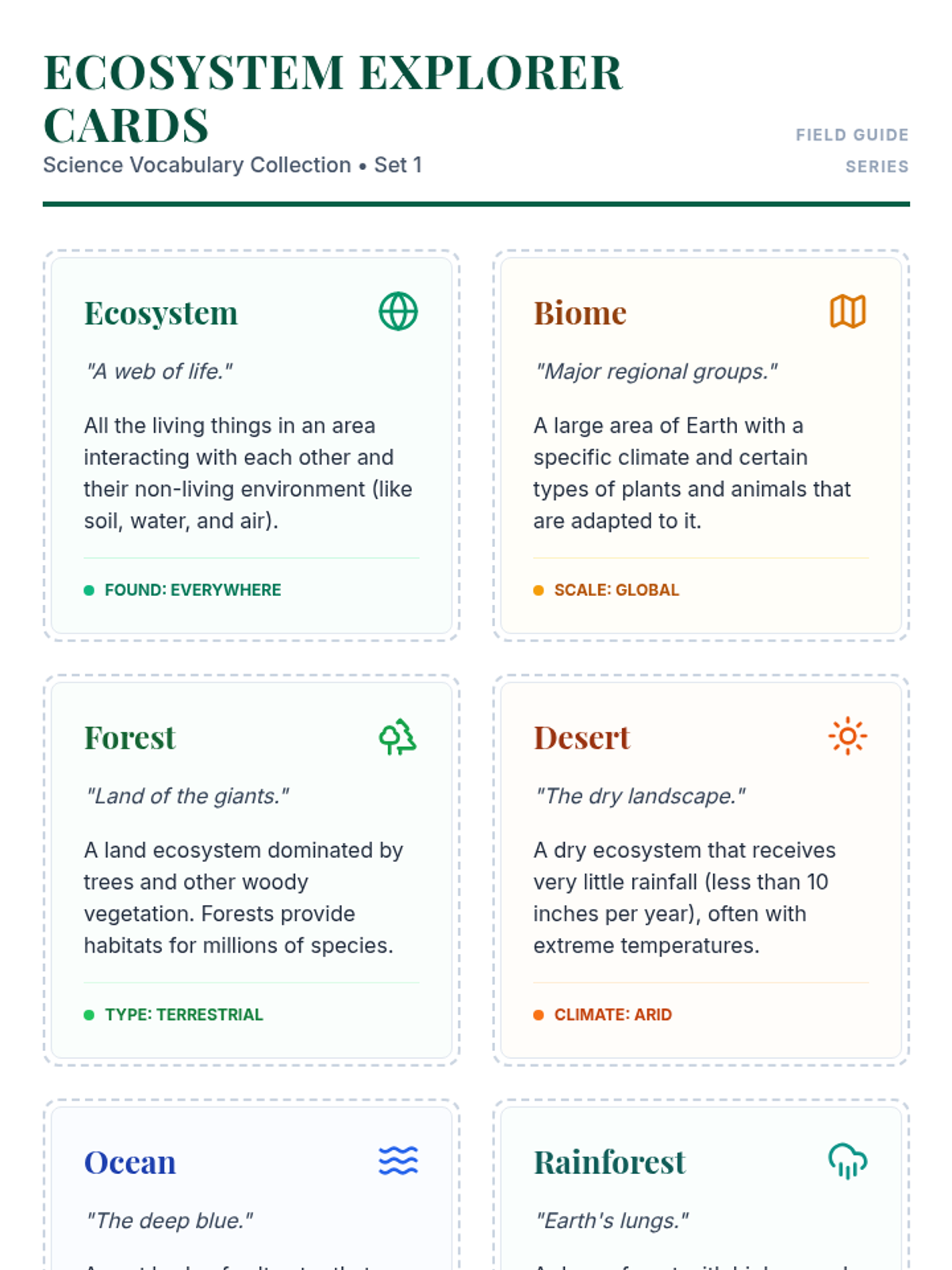
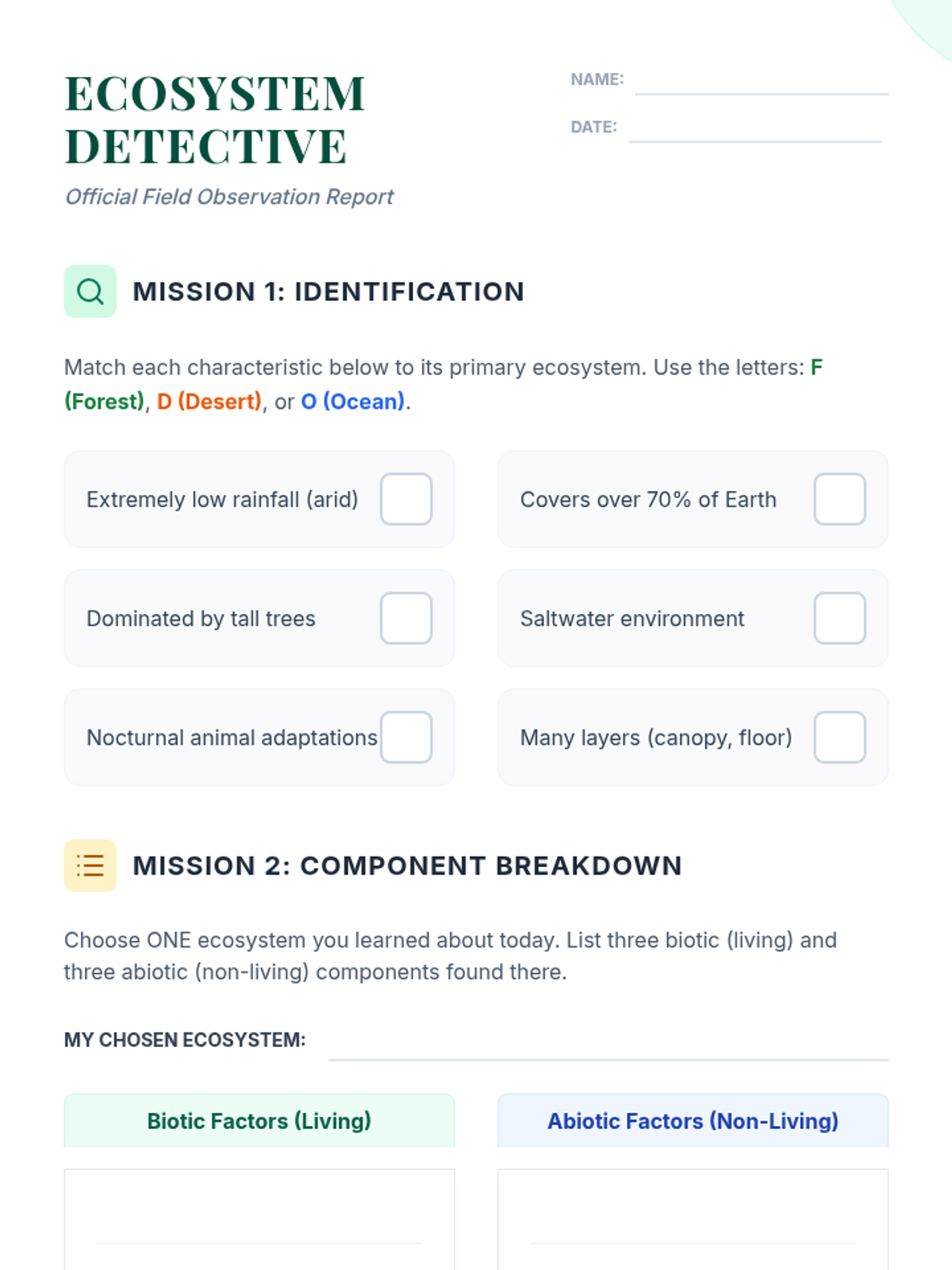
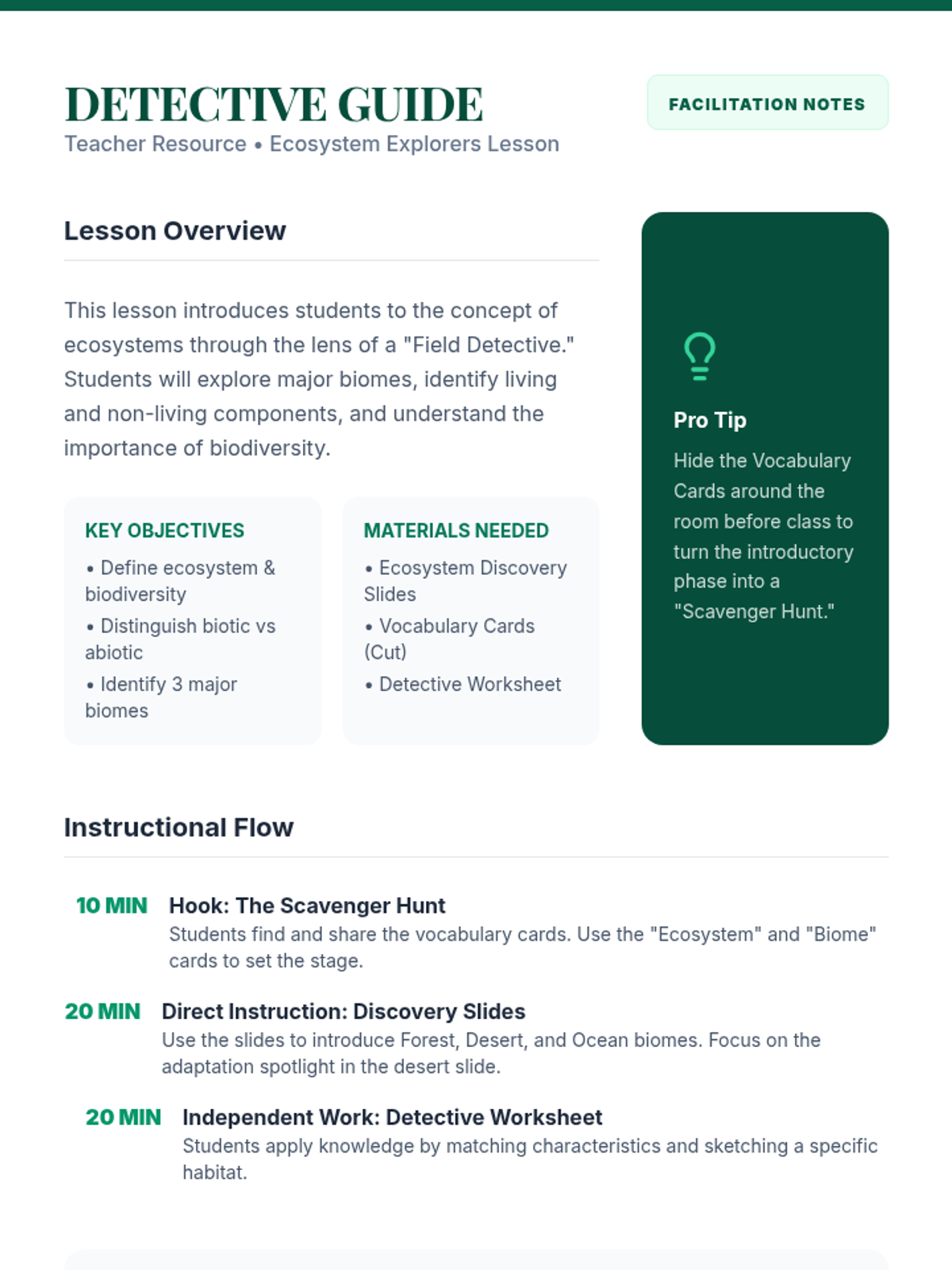
A lesson introducing students to various ecosystems through vocabulary and visual identification. Students will learn the key characteristics of different biomes including forests, deserts, and oceans.