This workshop-style lesson focuses on interpreting impulse as the area under a Force vs. Time curve using definite integration for non-constant force functions.
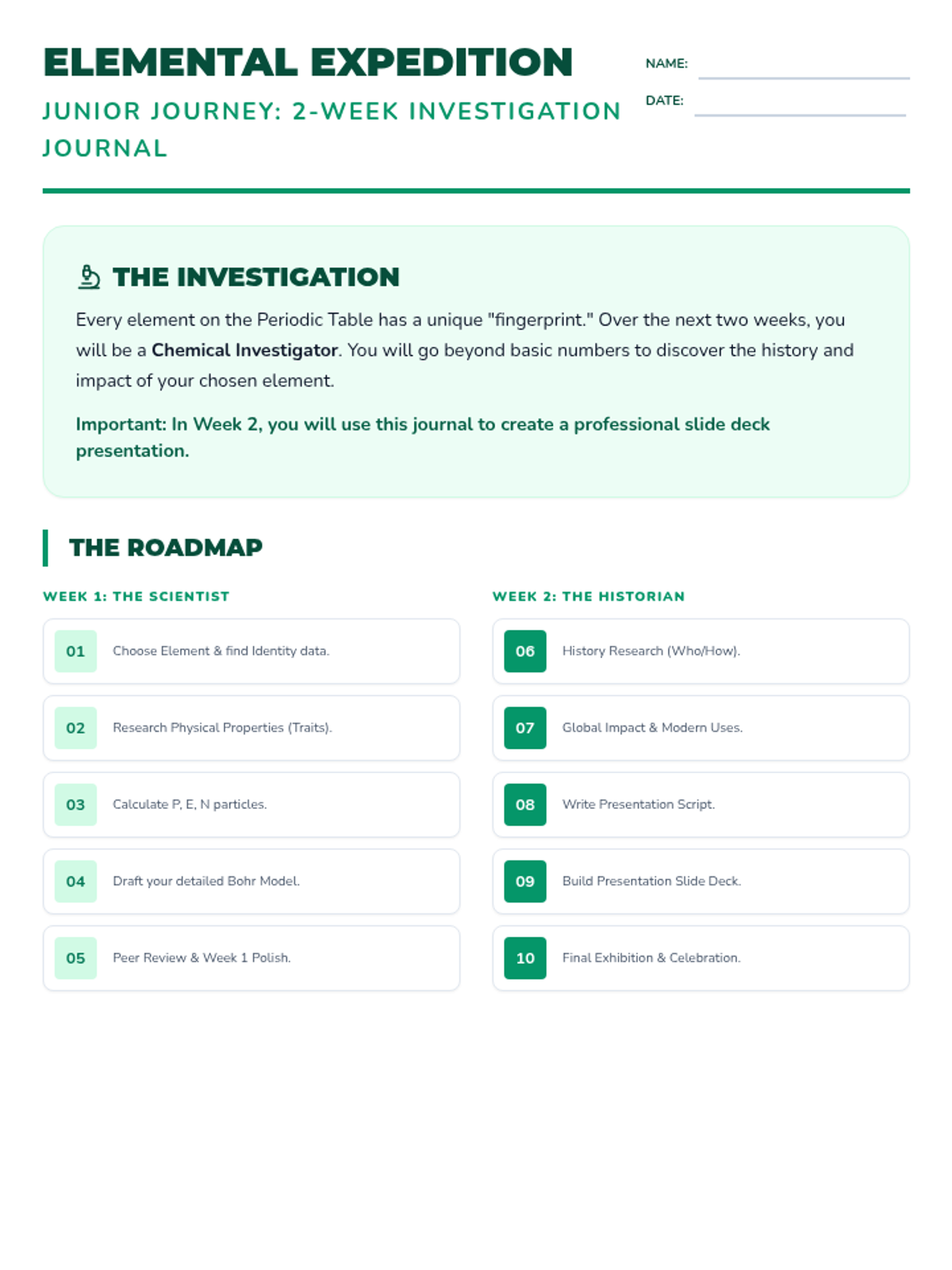
A comprehensive two-week version of the element research project for juniors, allowing for deeper dives into historical context and atomic modeling.
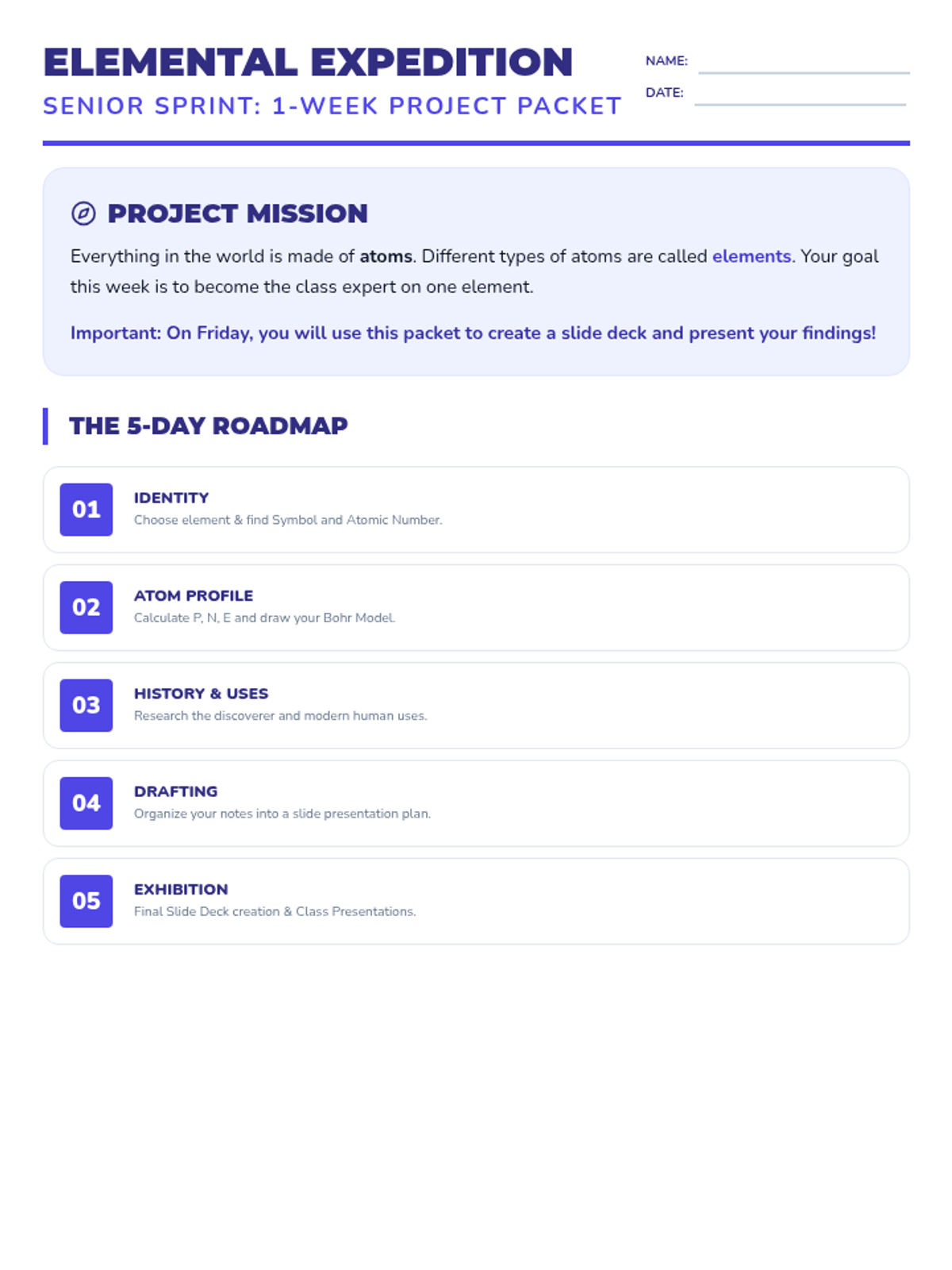
An accelerated one-week version of the element research project designed for seniors, focusing on core atomic data and primary uses.
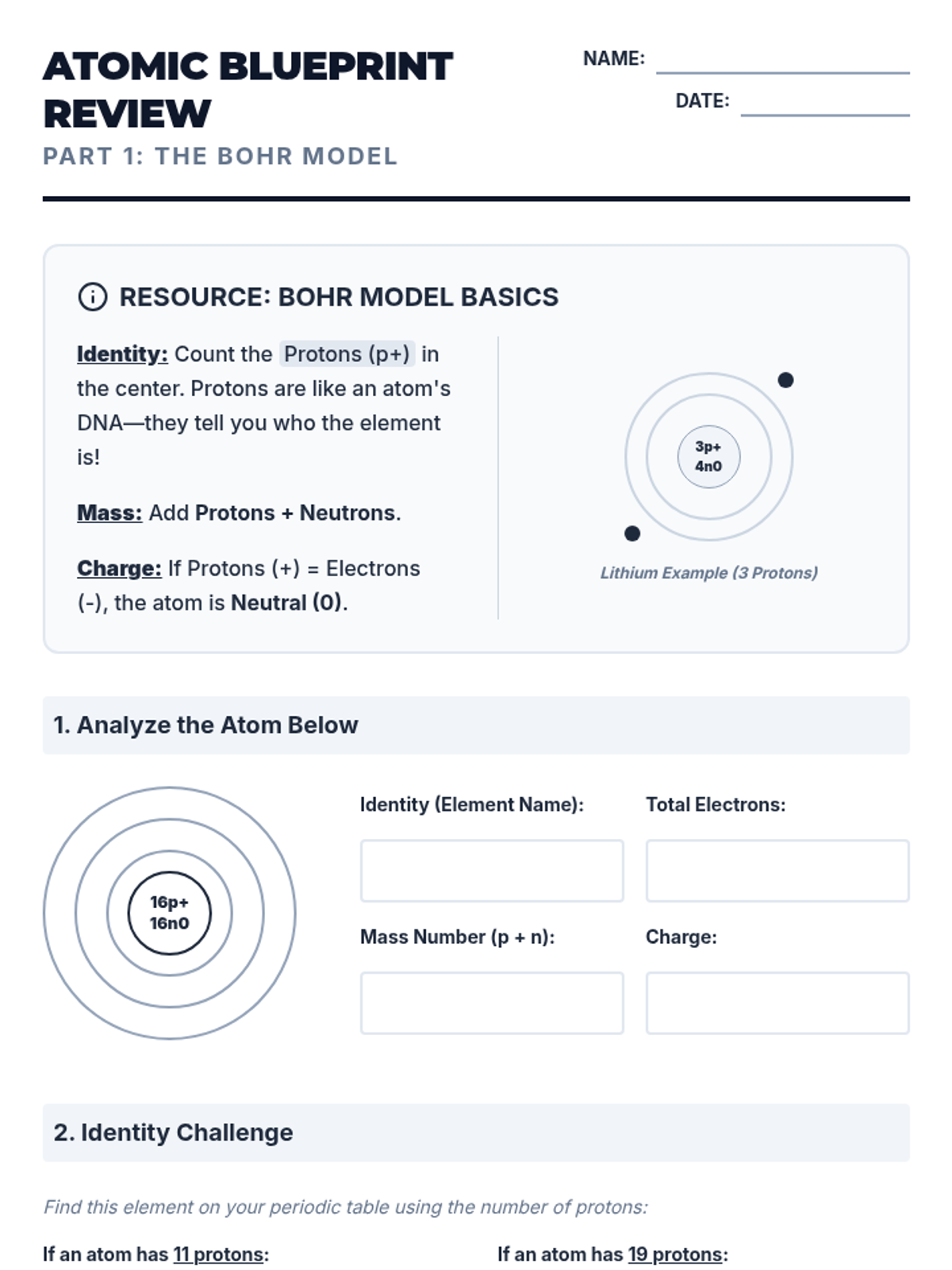
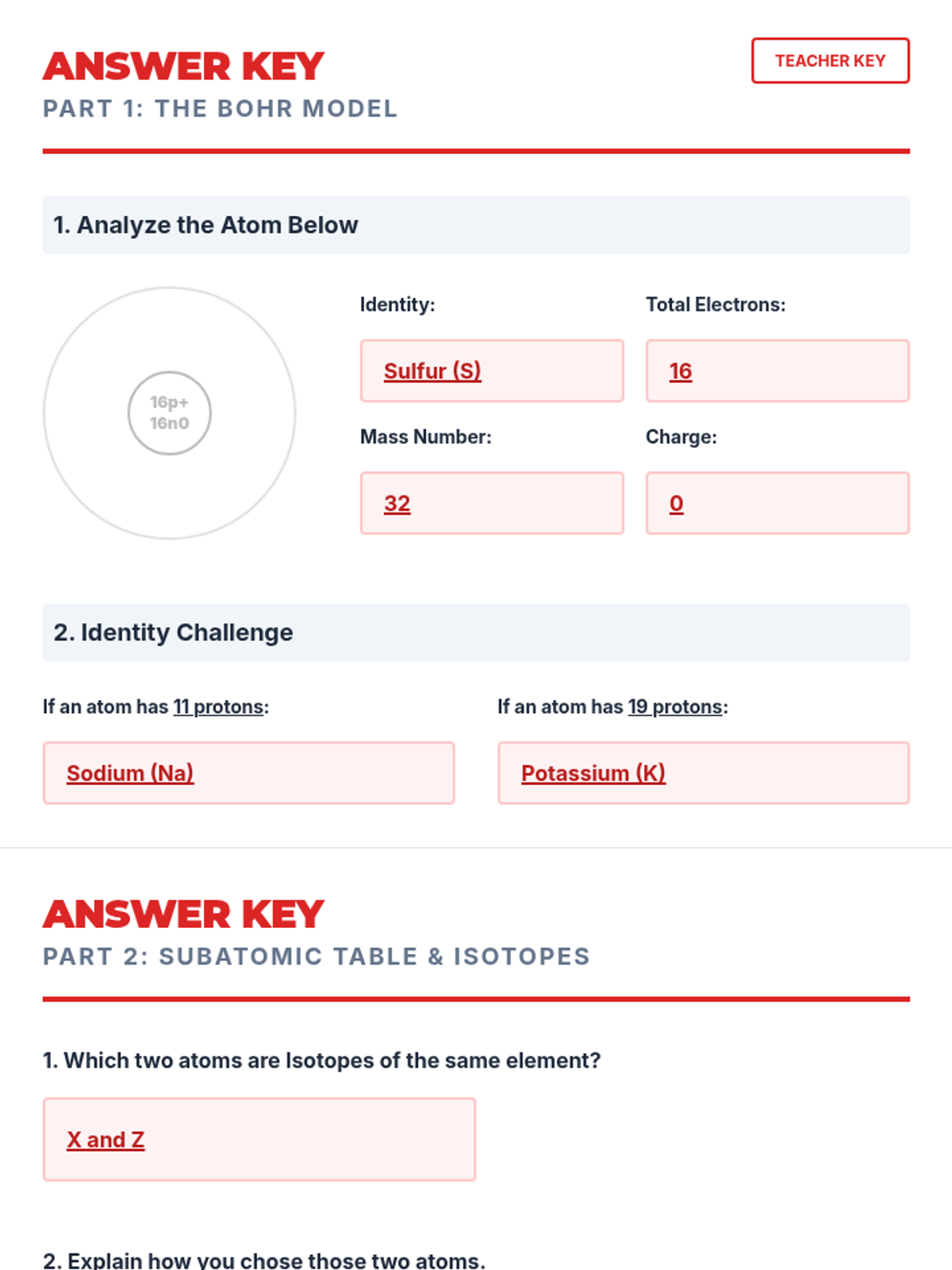
A comprehensive review sequence focusing on atomic structure, Bohr models, isotopes, and electron configurations designed for high school chemistry students.
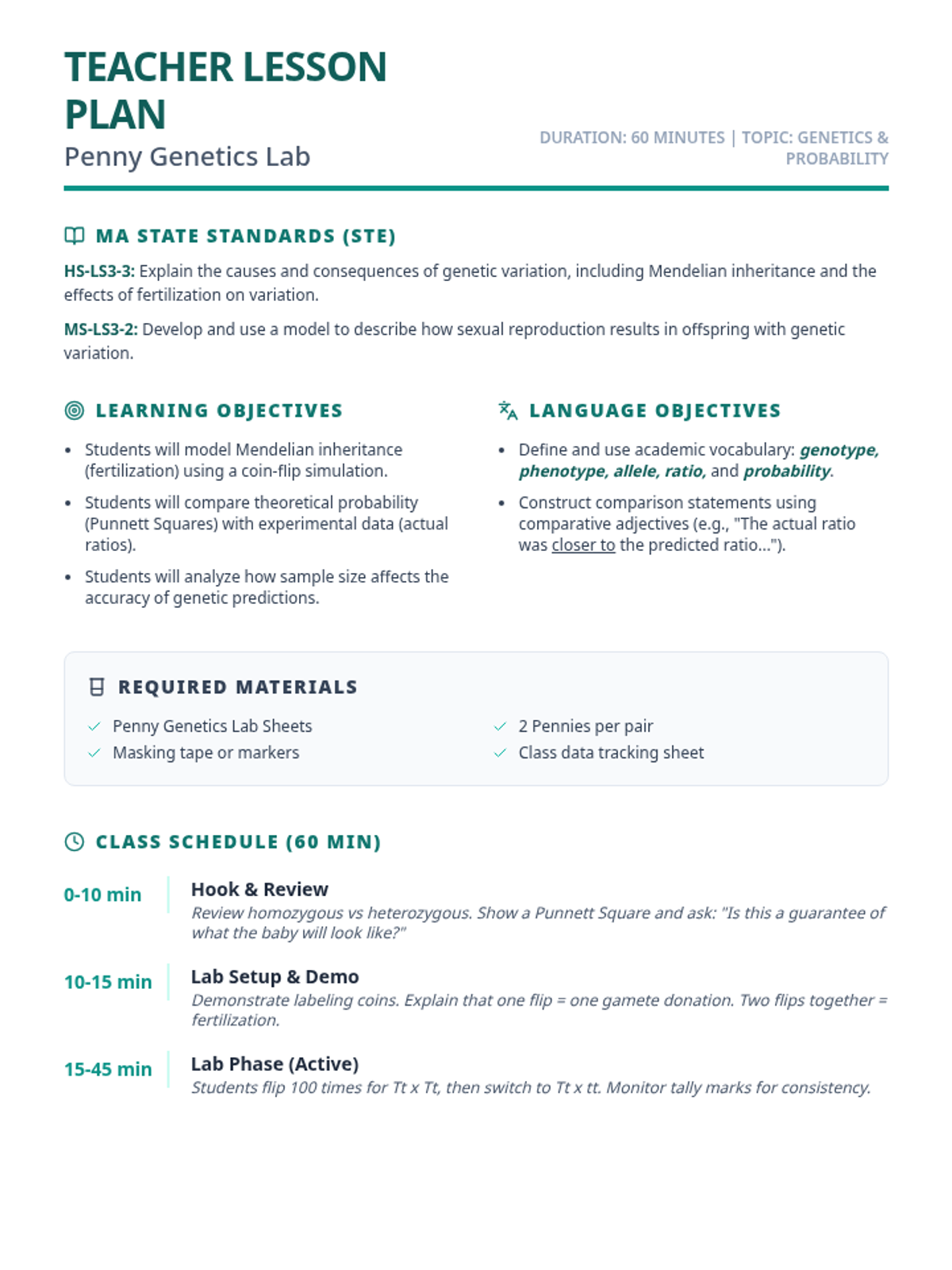
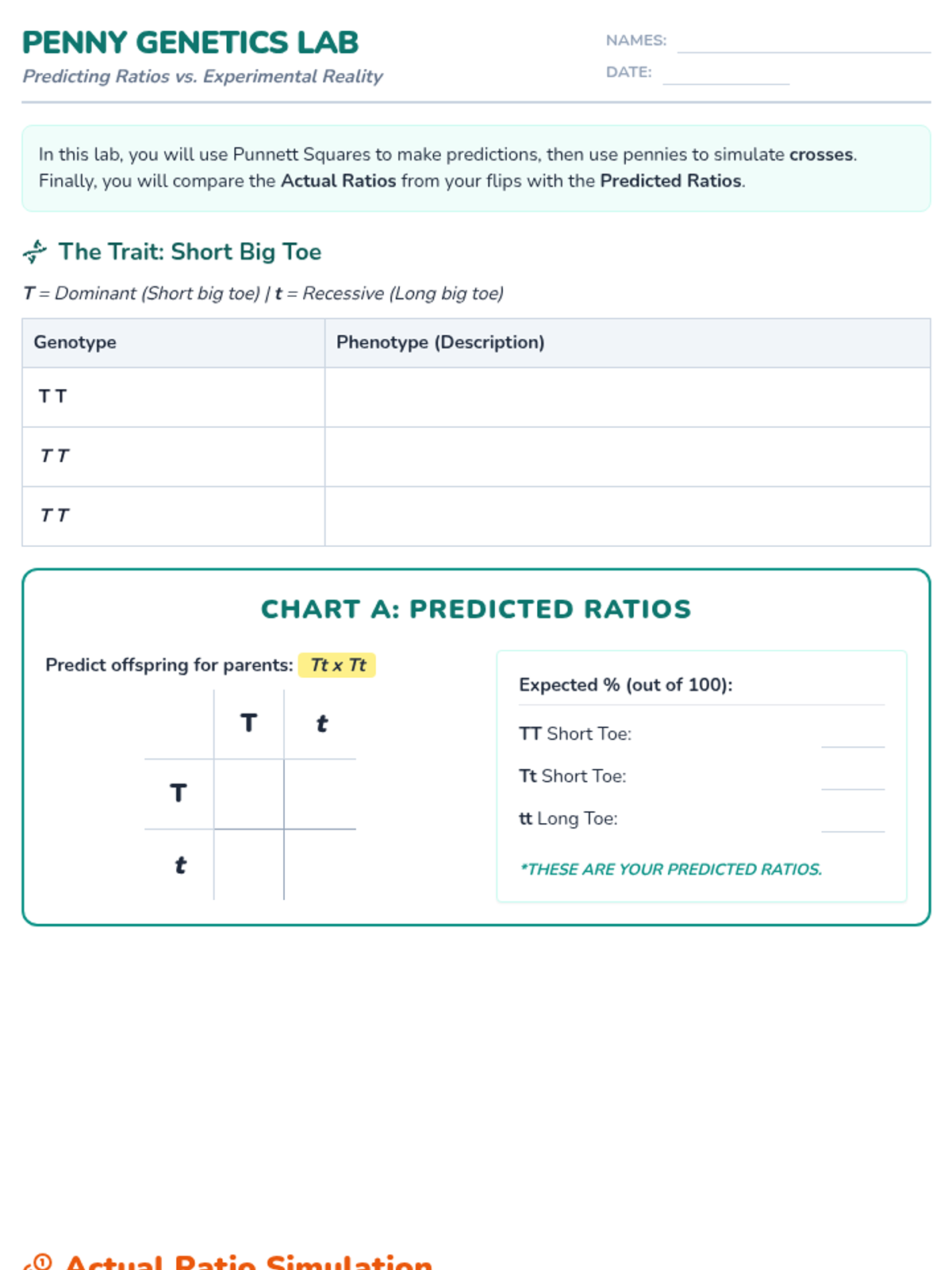
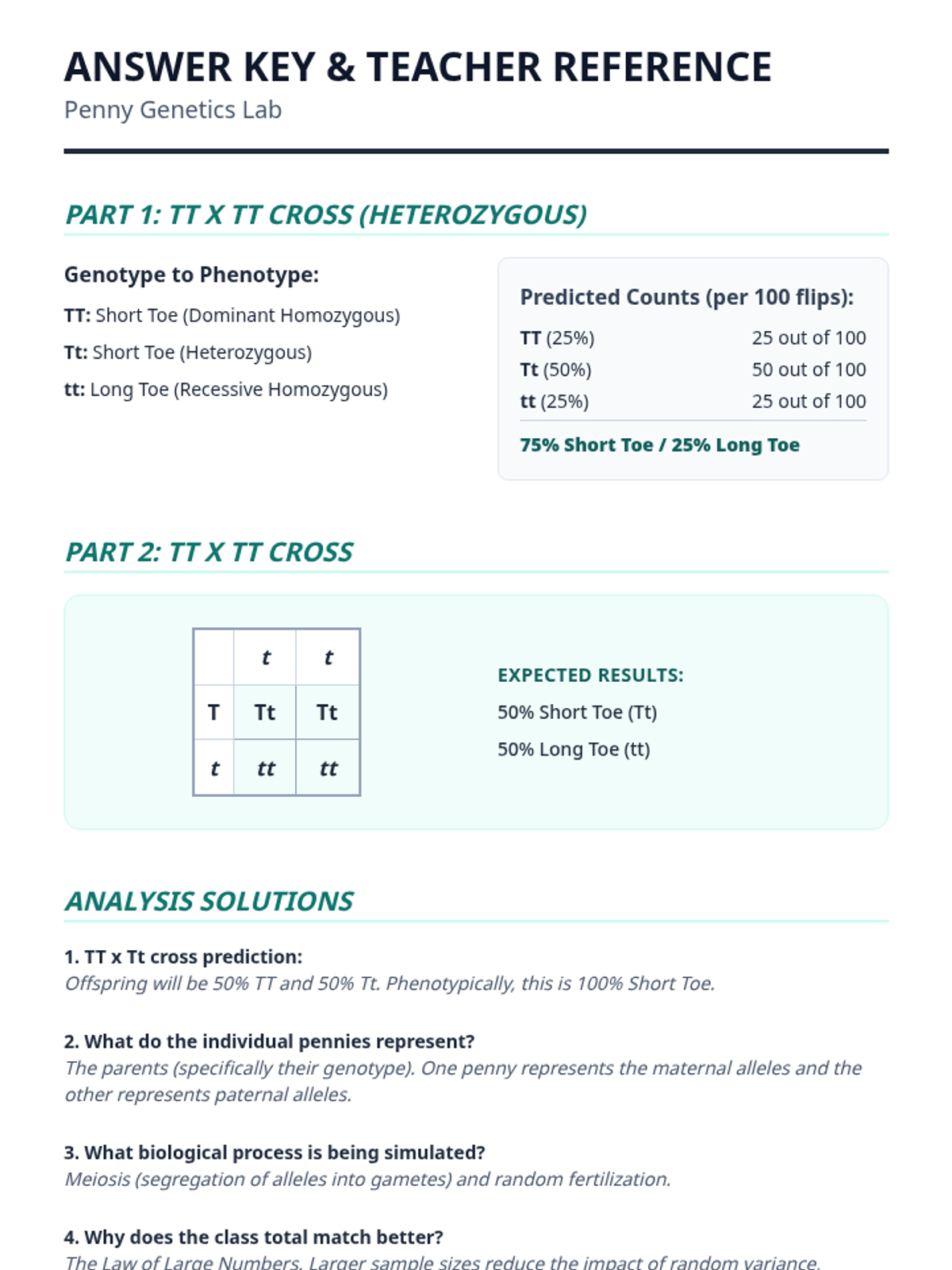
A 60-minute hands-on lab exploring the relationship between Punnett square predictions and actual genetic outcomes using coin-flip simulations. Students compare theoretical probability with experimental data to understand how fertilization works.
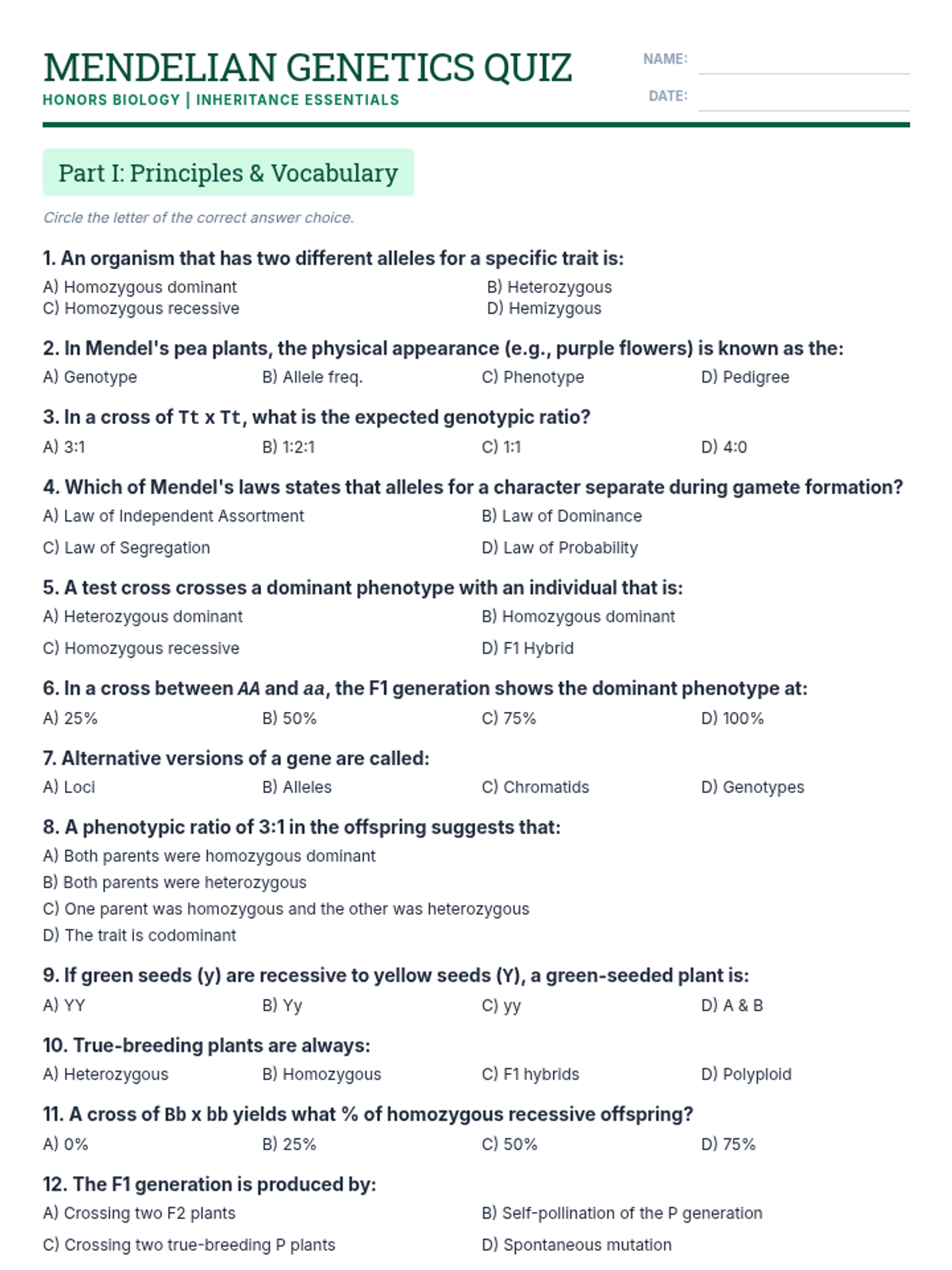
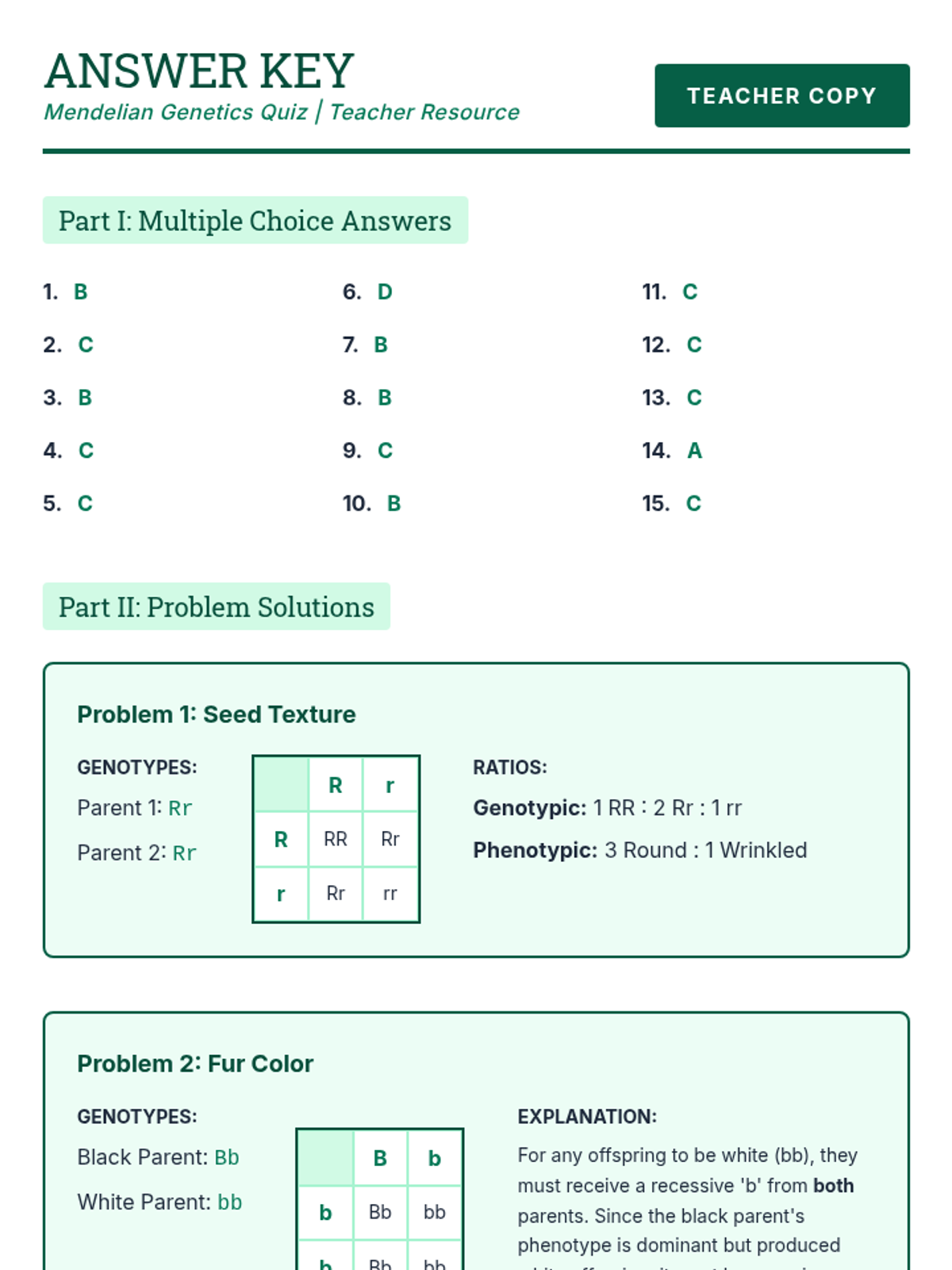
A rigorous assessment on the principles of Mendelian inheritance, covering monohybrid crosses, terminology, and probability ratios for honors biology students.
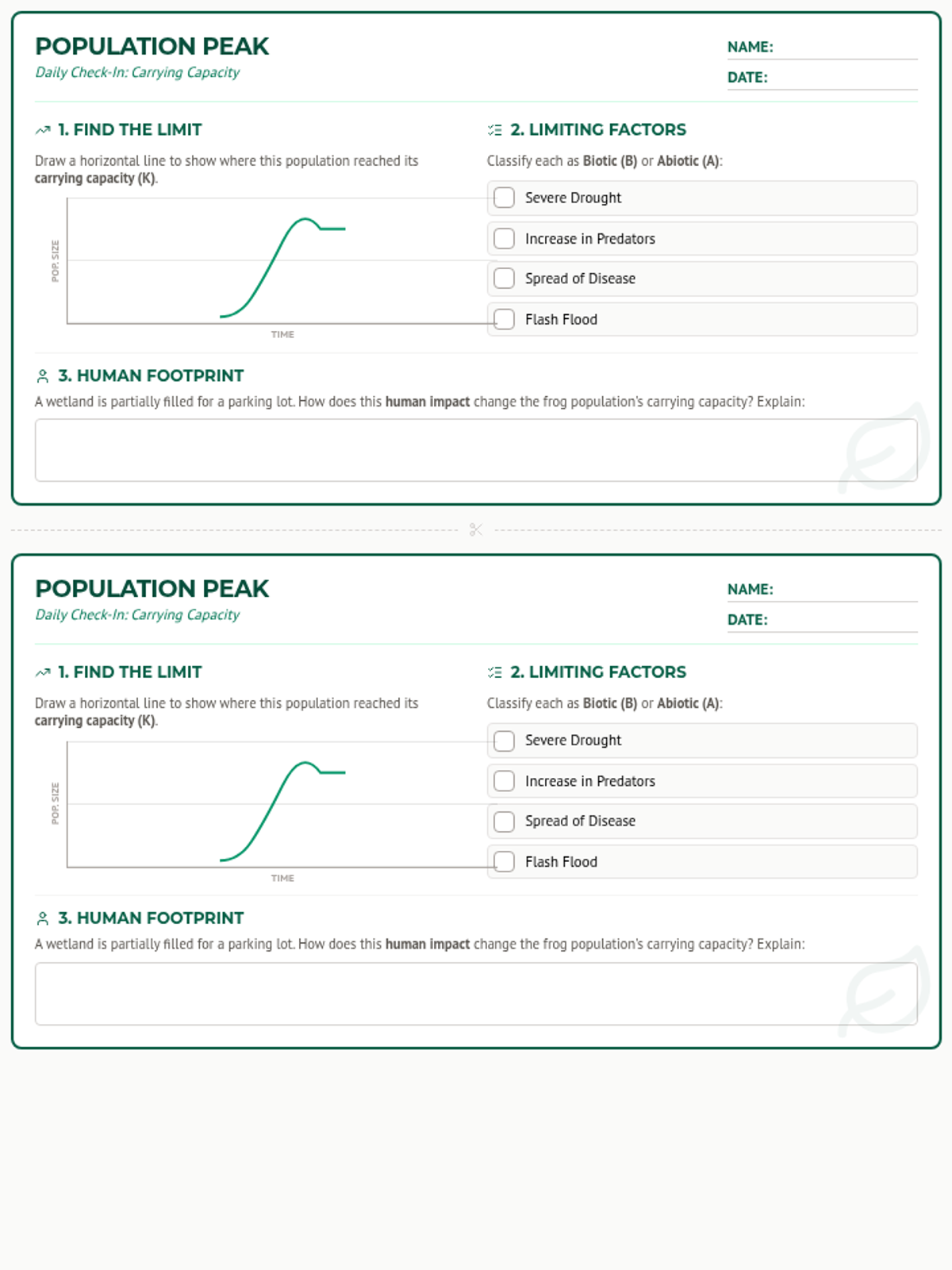
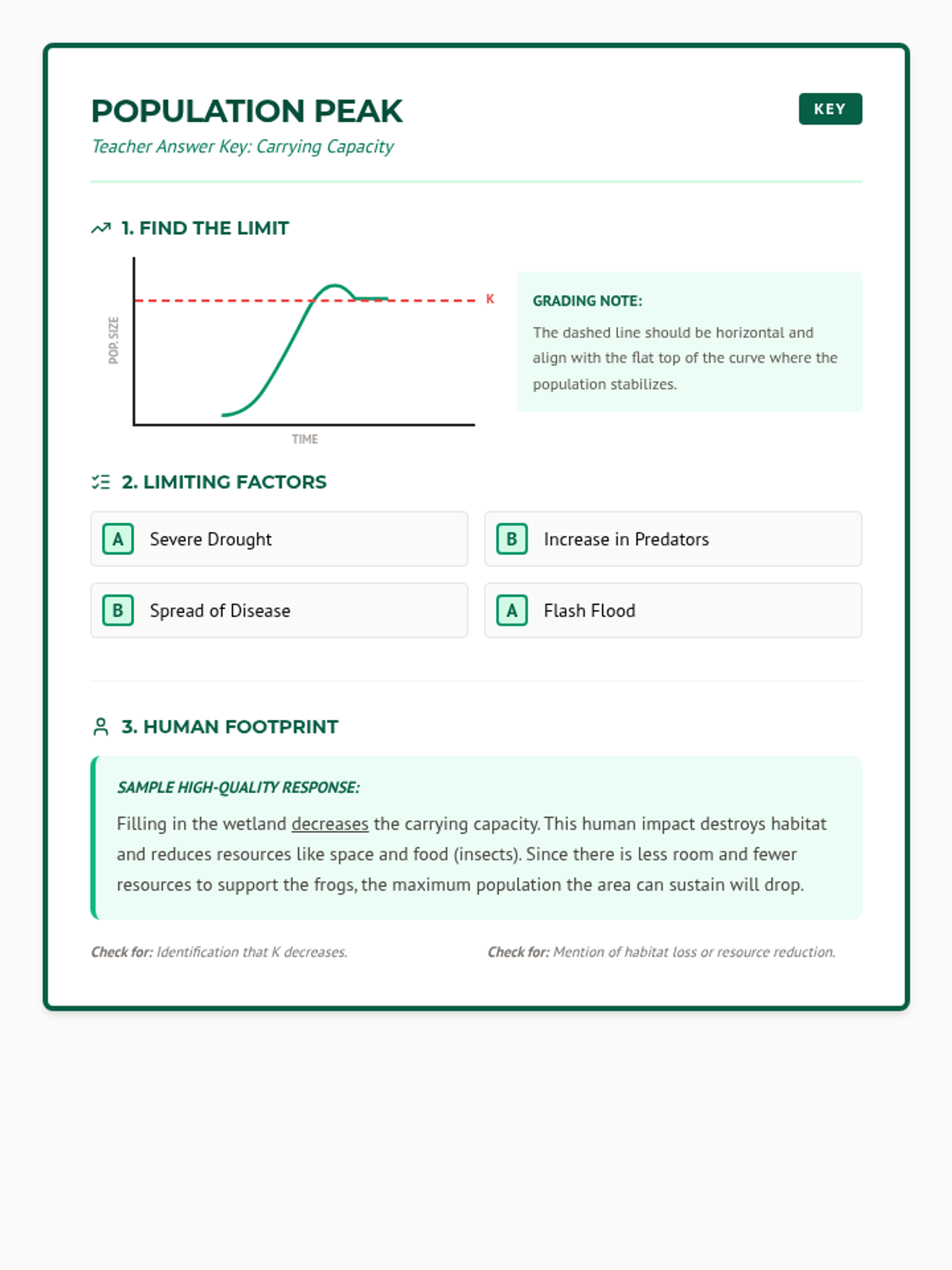
A quick review session focused on population carrying capacity, identifying biotic and abiotic limiting factors, and examining human environmental impacts. Includes a visual presentation for review and printable assessment tools.
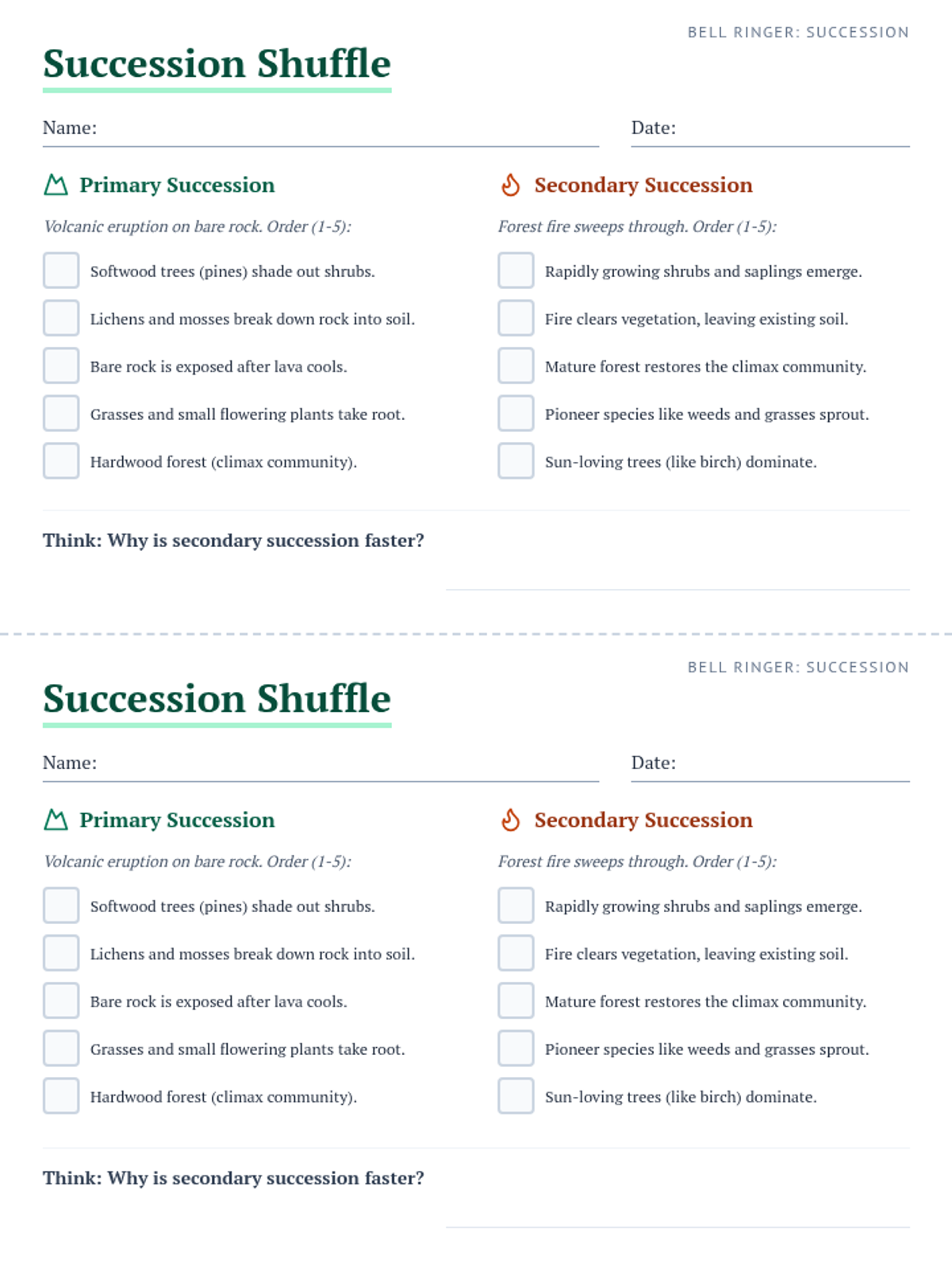
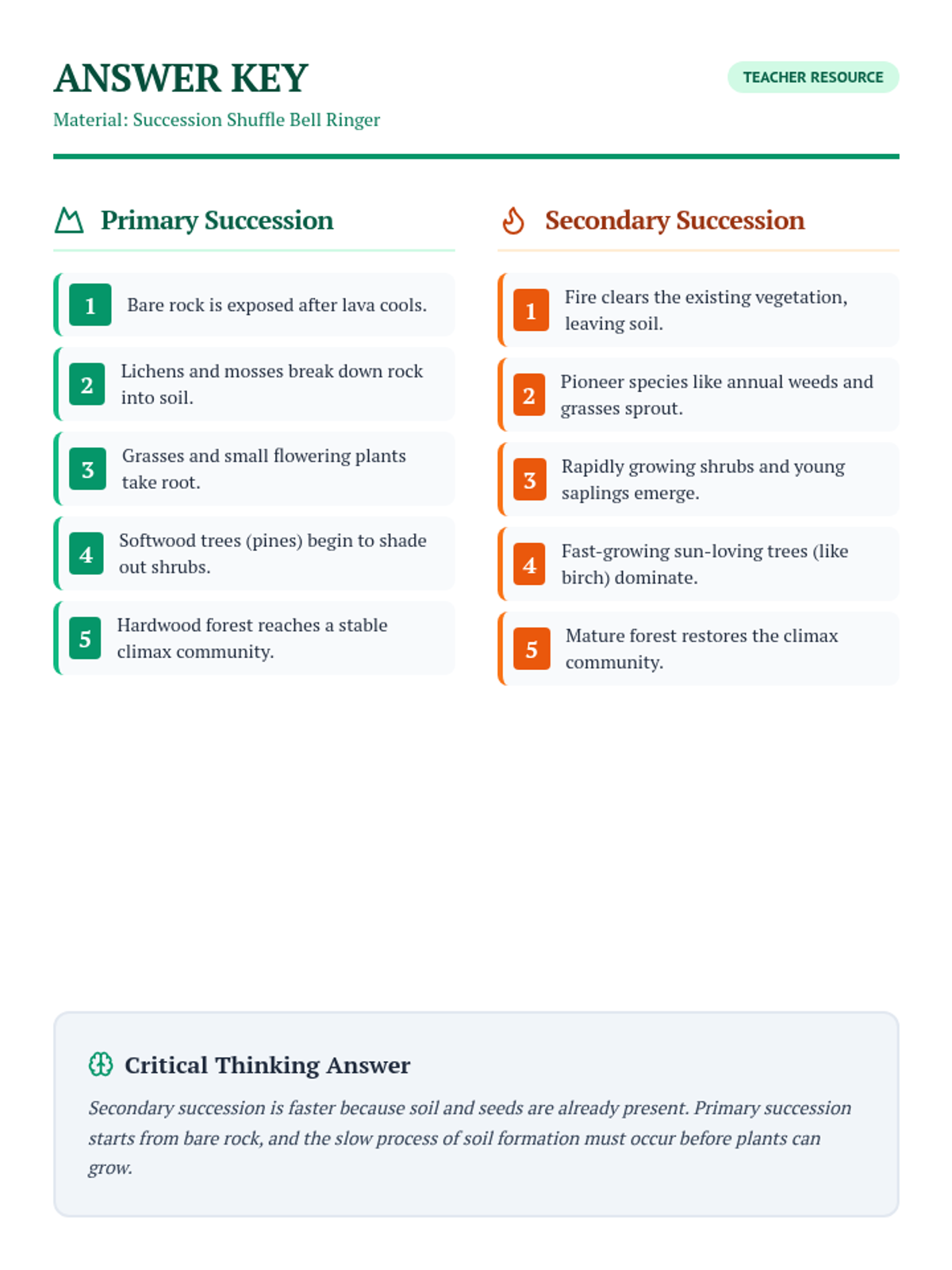
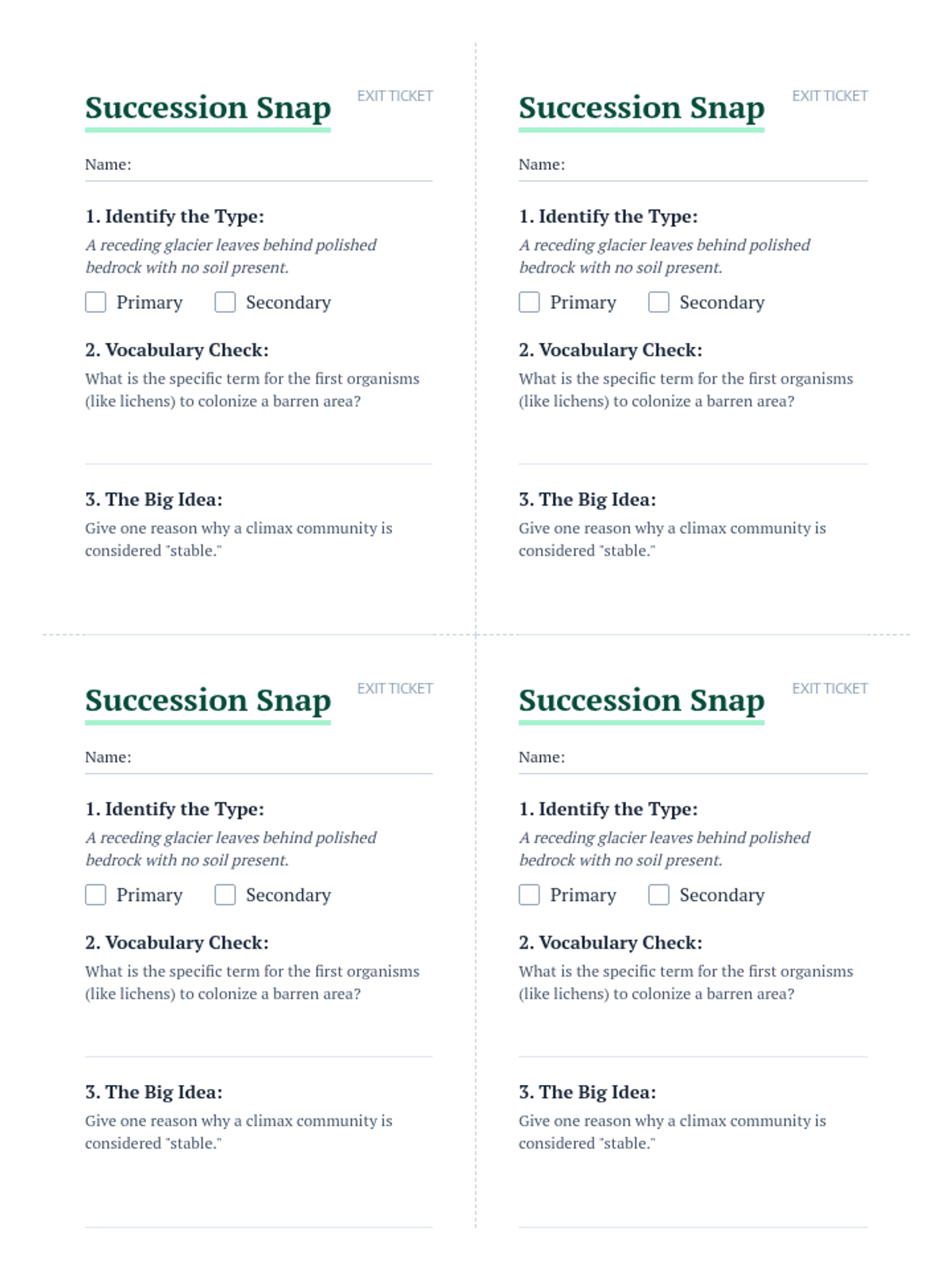
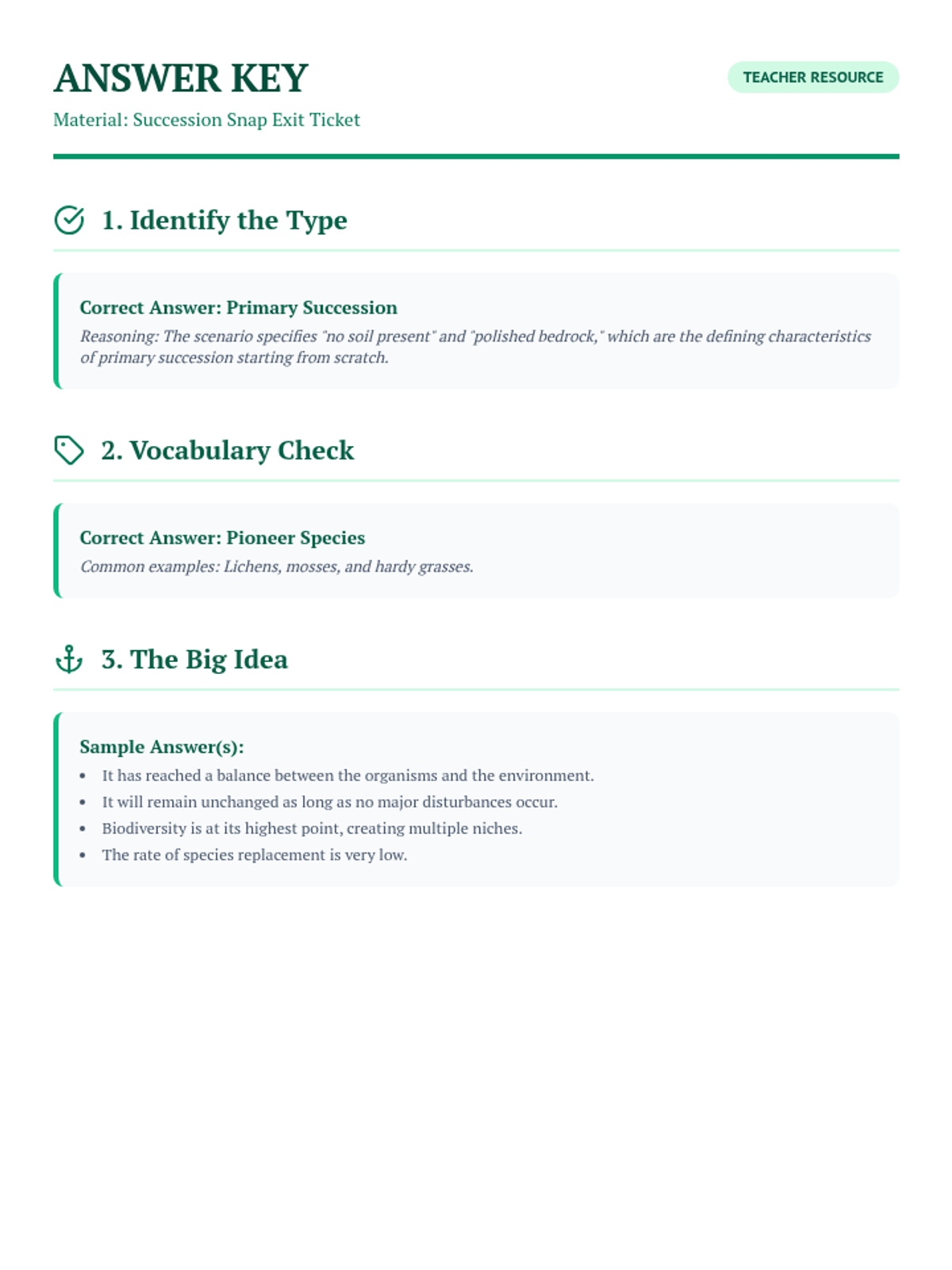
A quick, engaging bell ringer activity designed to review the stages of primary and secondary ecological succession through a sequence ordering task.
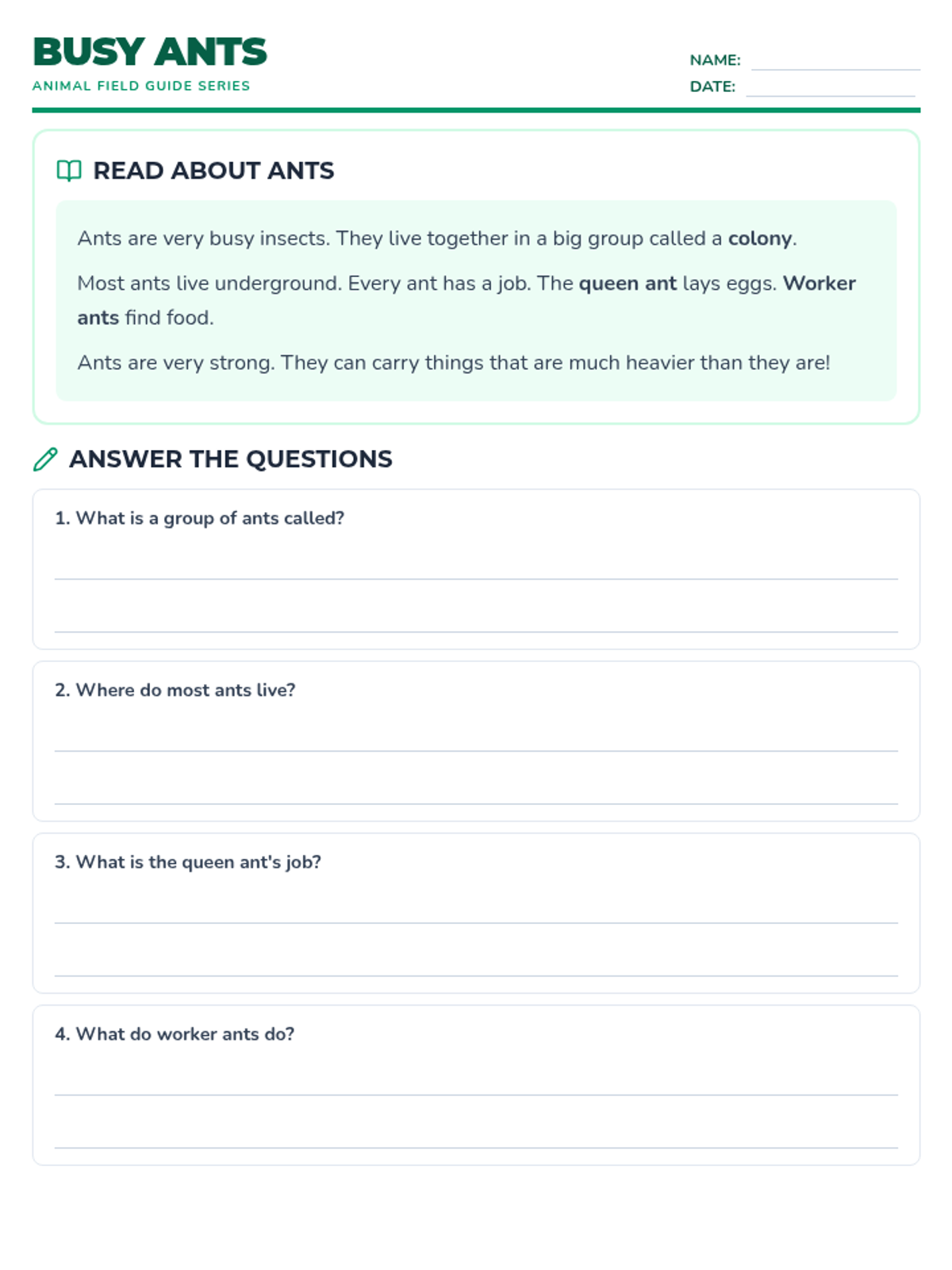
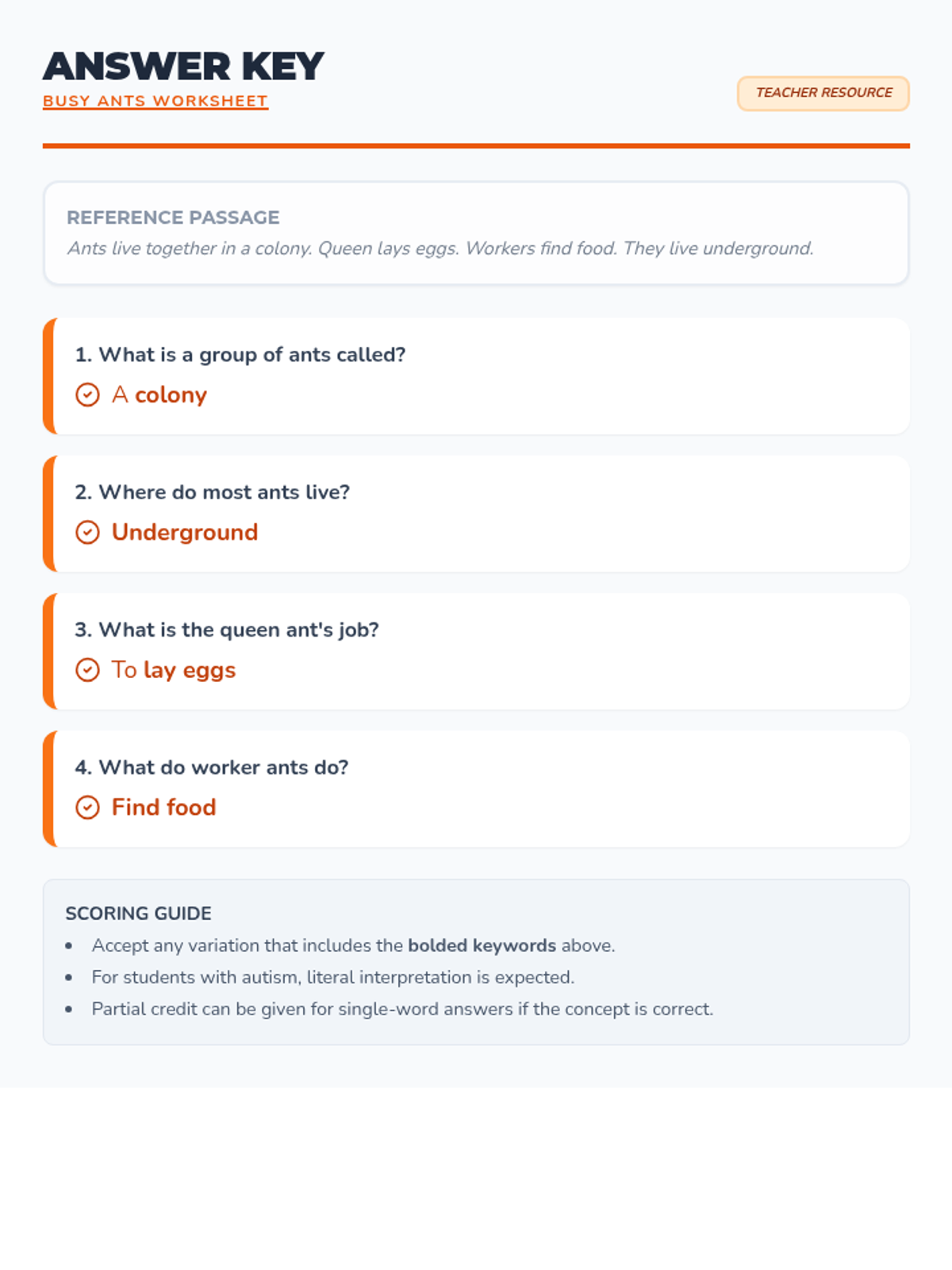
A focused reading comprehension lesson exploring the lives of ants, designed with clear structure and visual supports for 1st-2nd grade students.
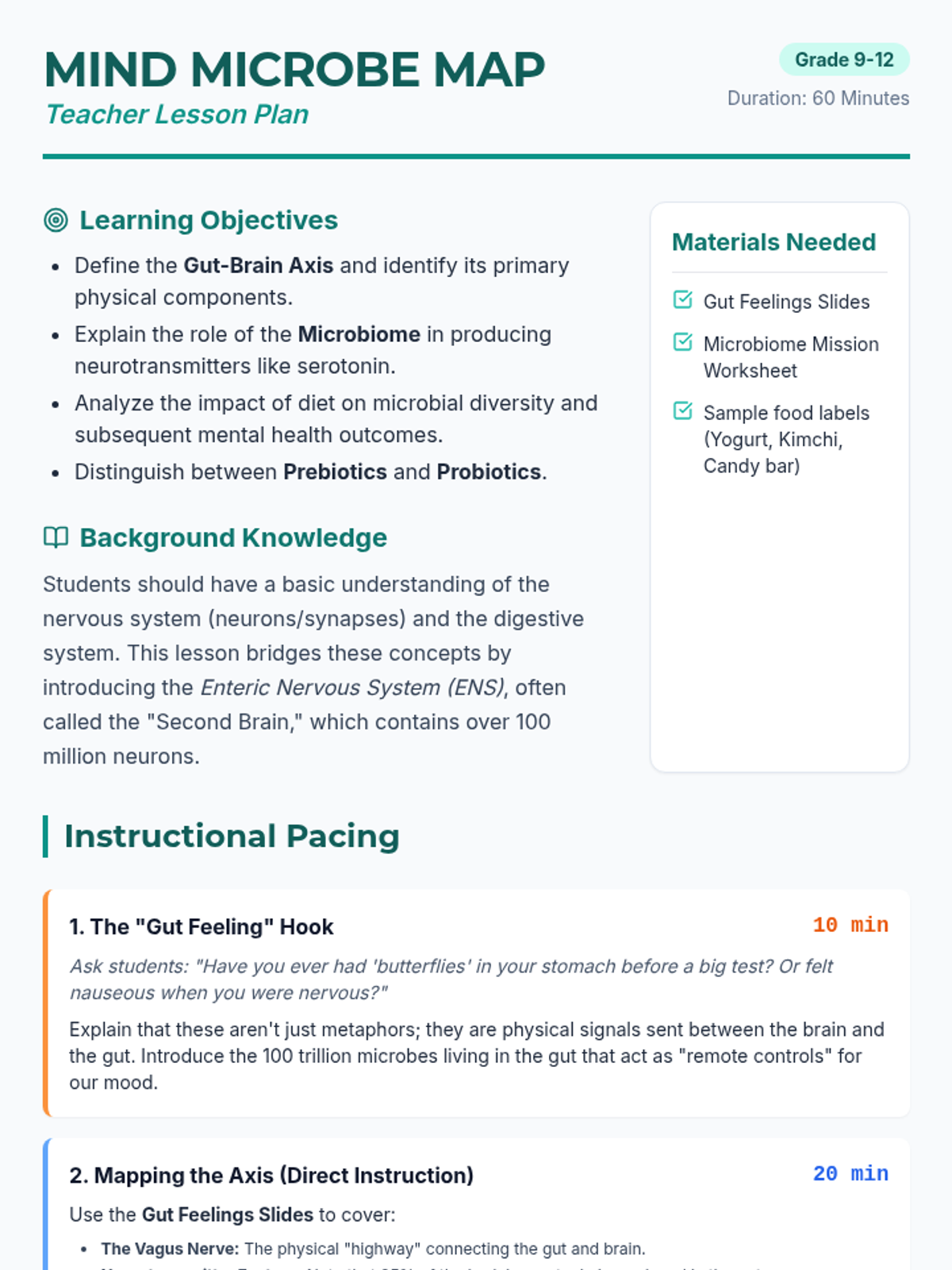
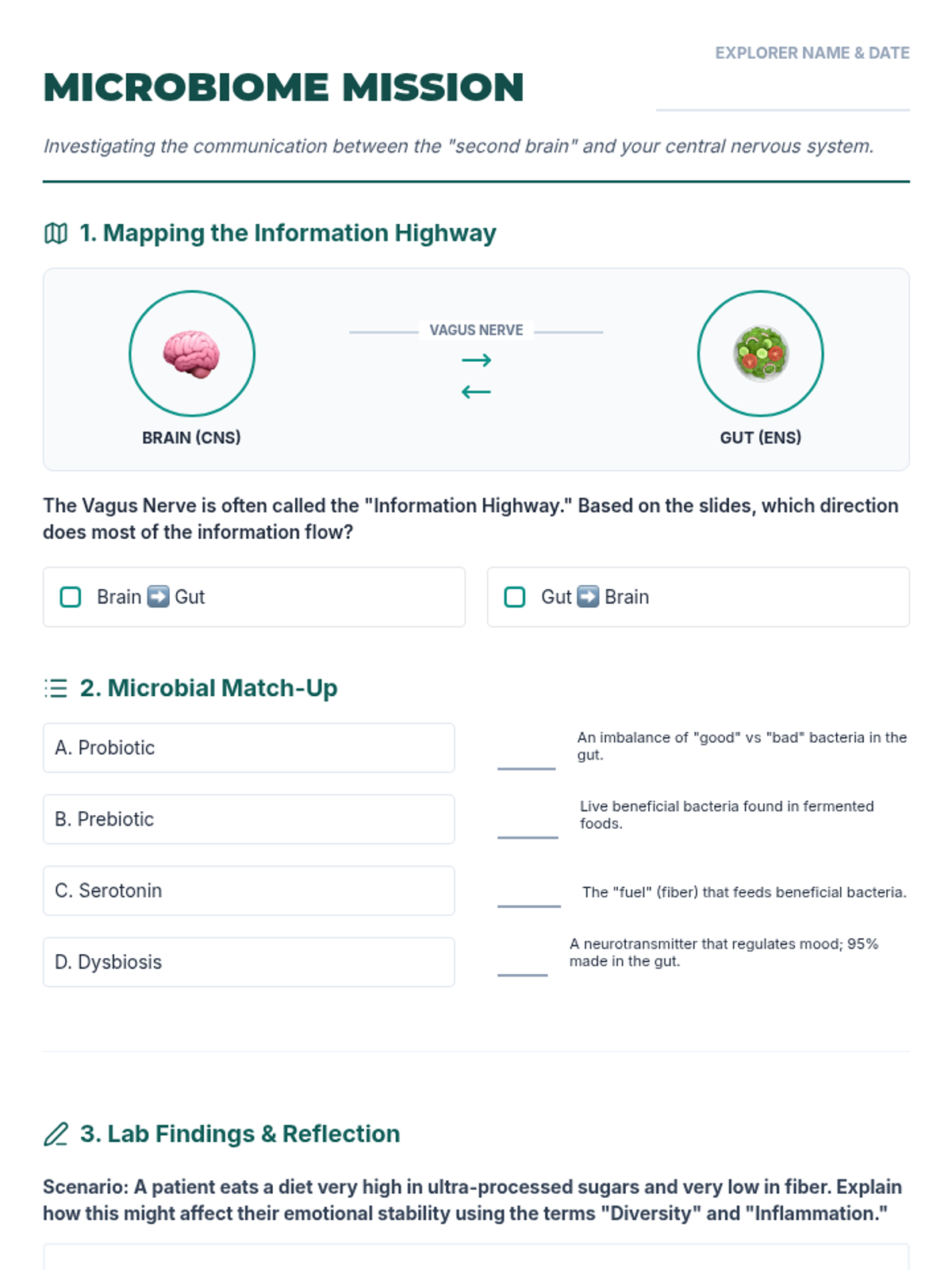
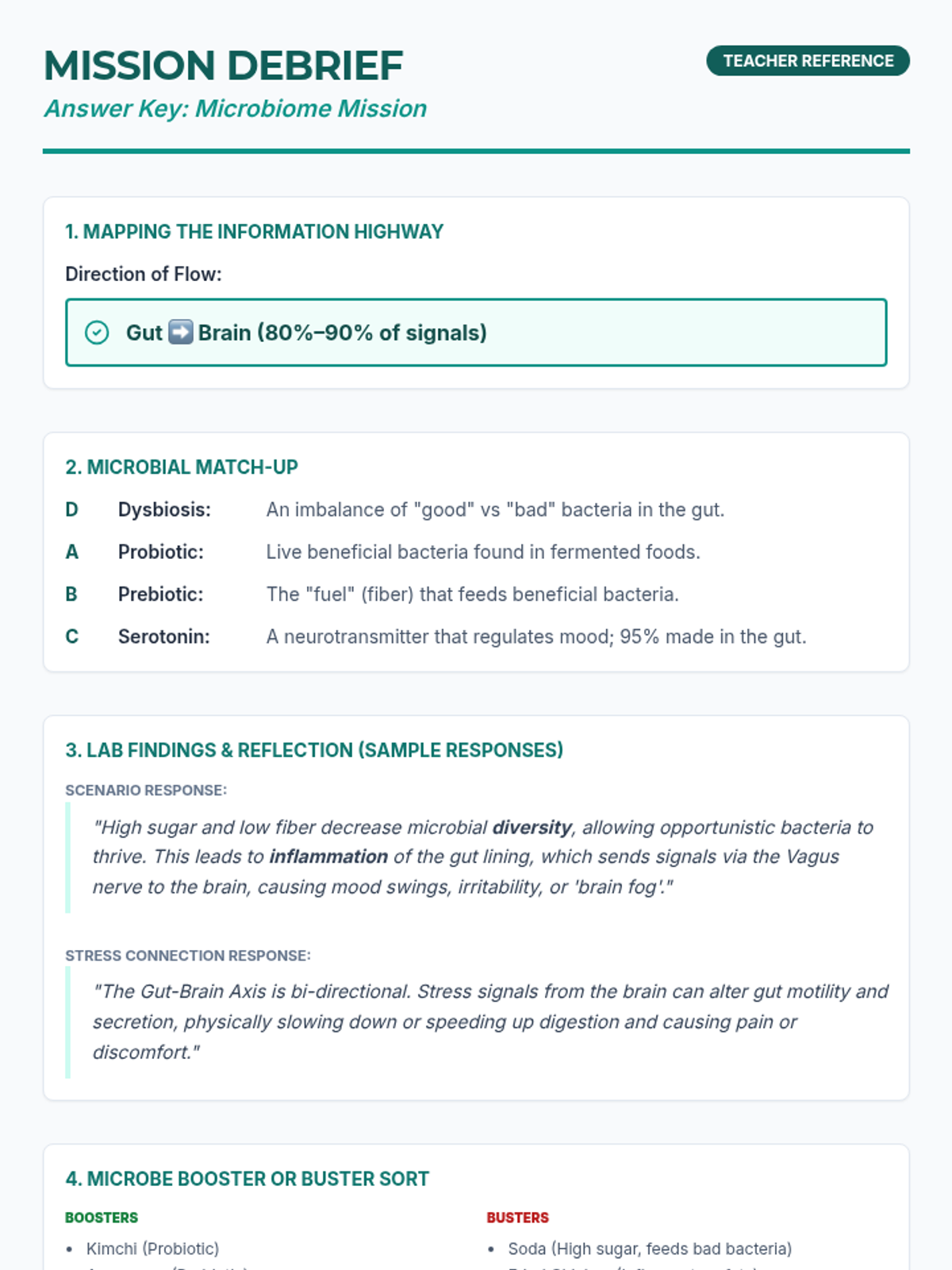
A comprehensive lesson exploring the gut-brain axis and how the microbiome influences mental health, neurotransmitter production, and emotional well-being.
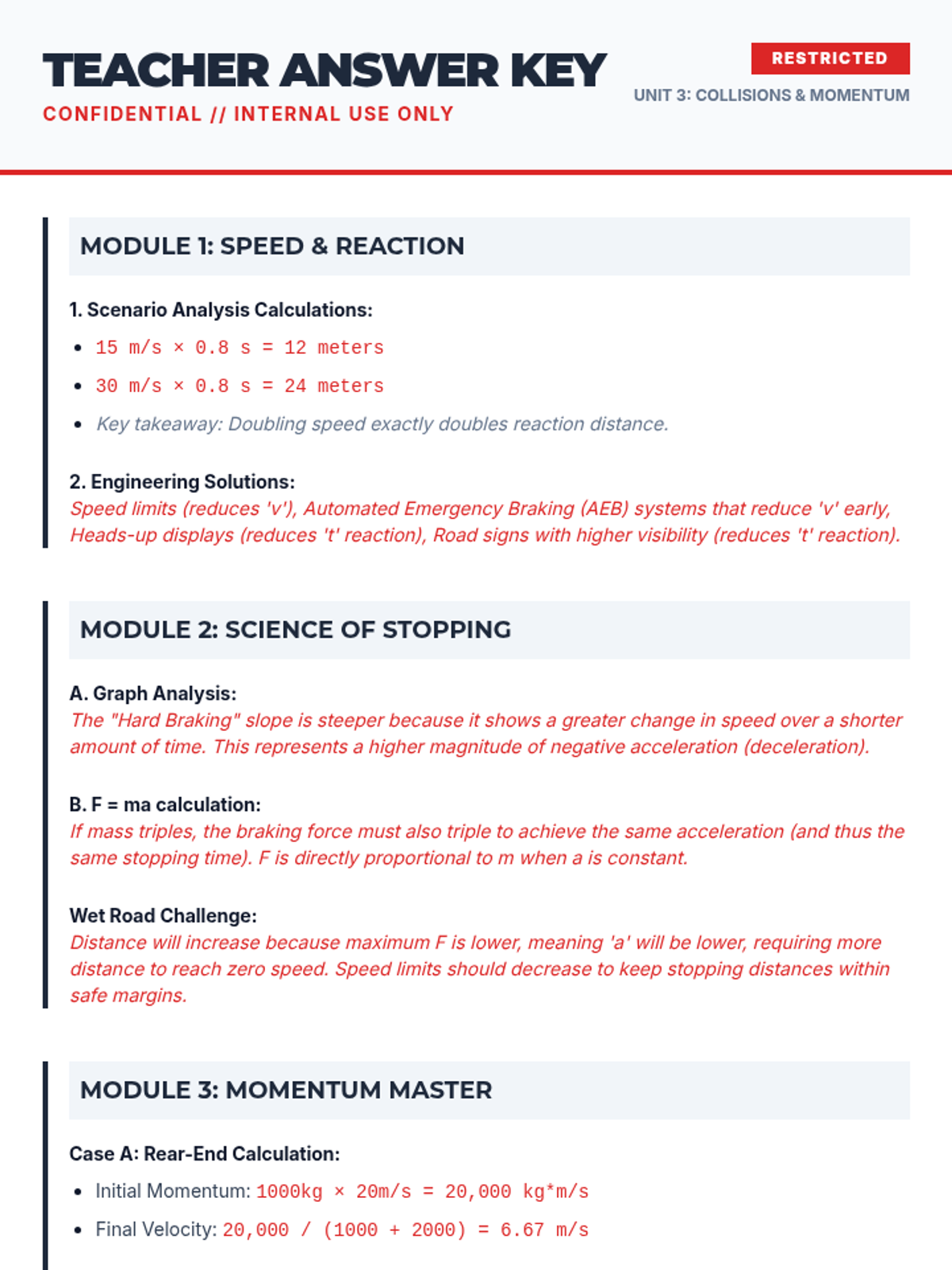
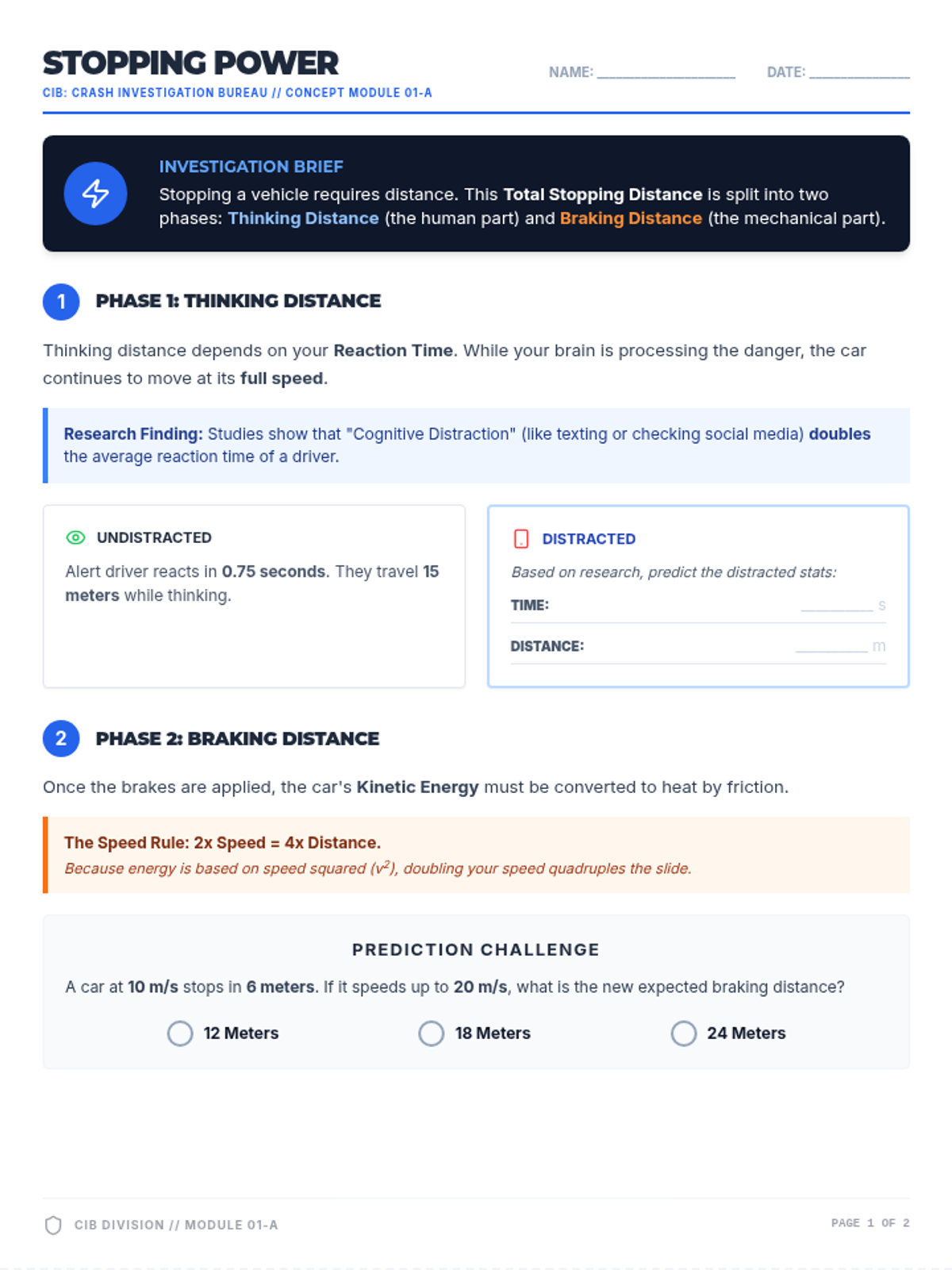
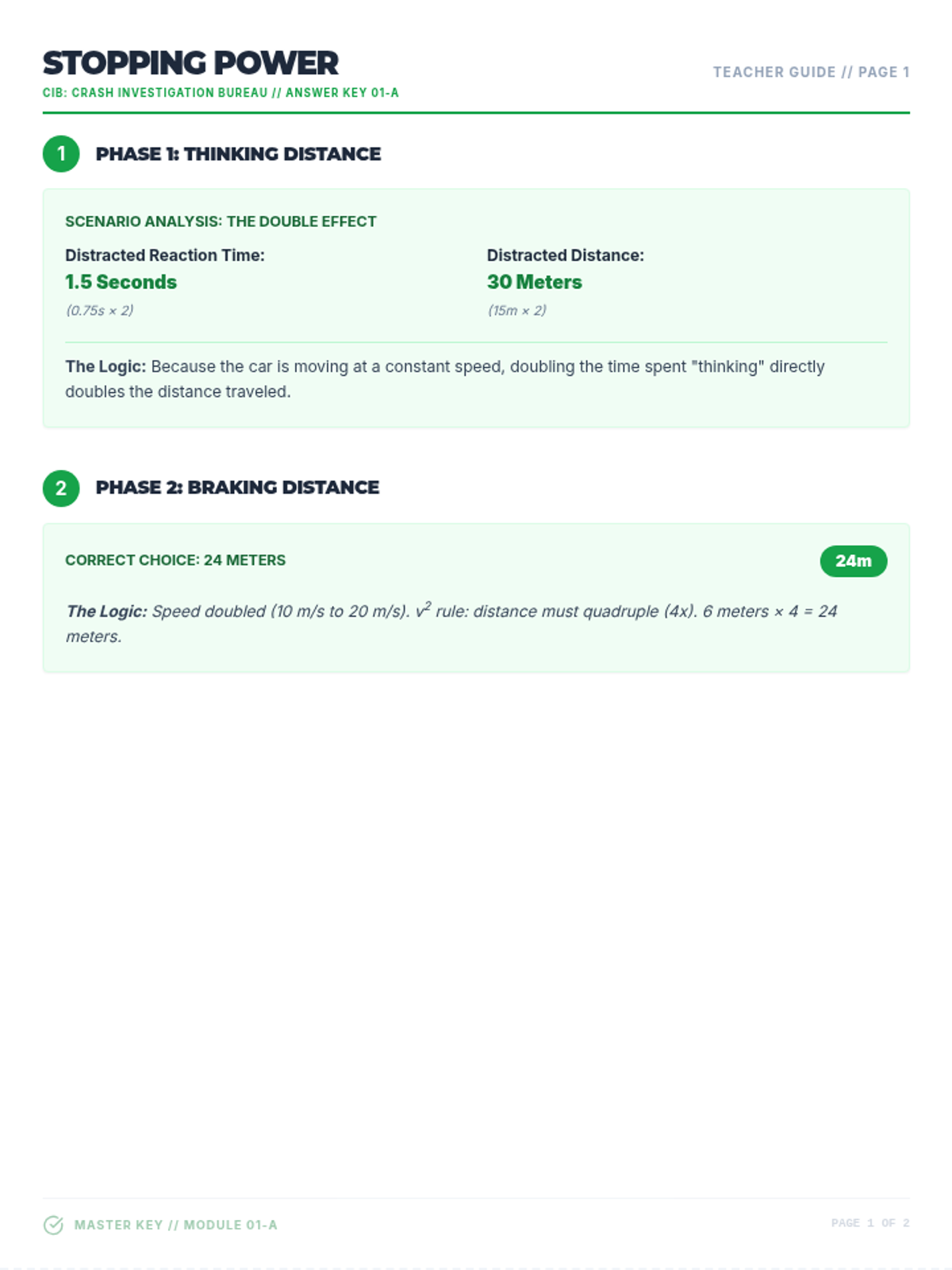
A series of independent modules covering mathematical models of reaction distance, braking forces, momentum conservation, and safety engineering.
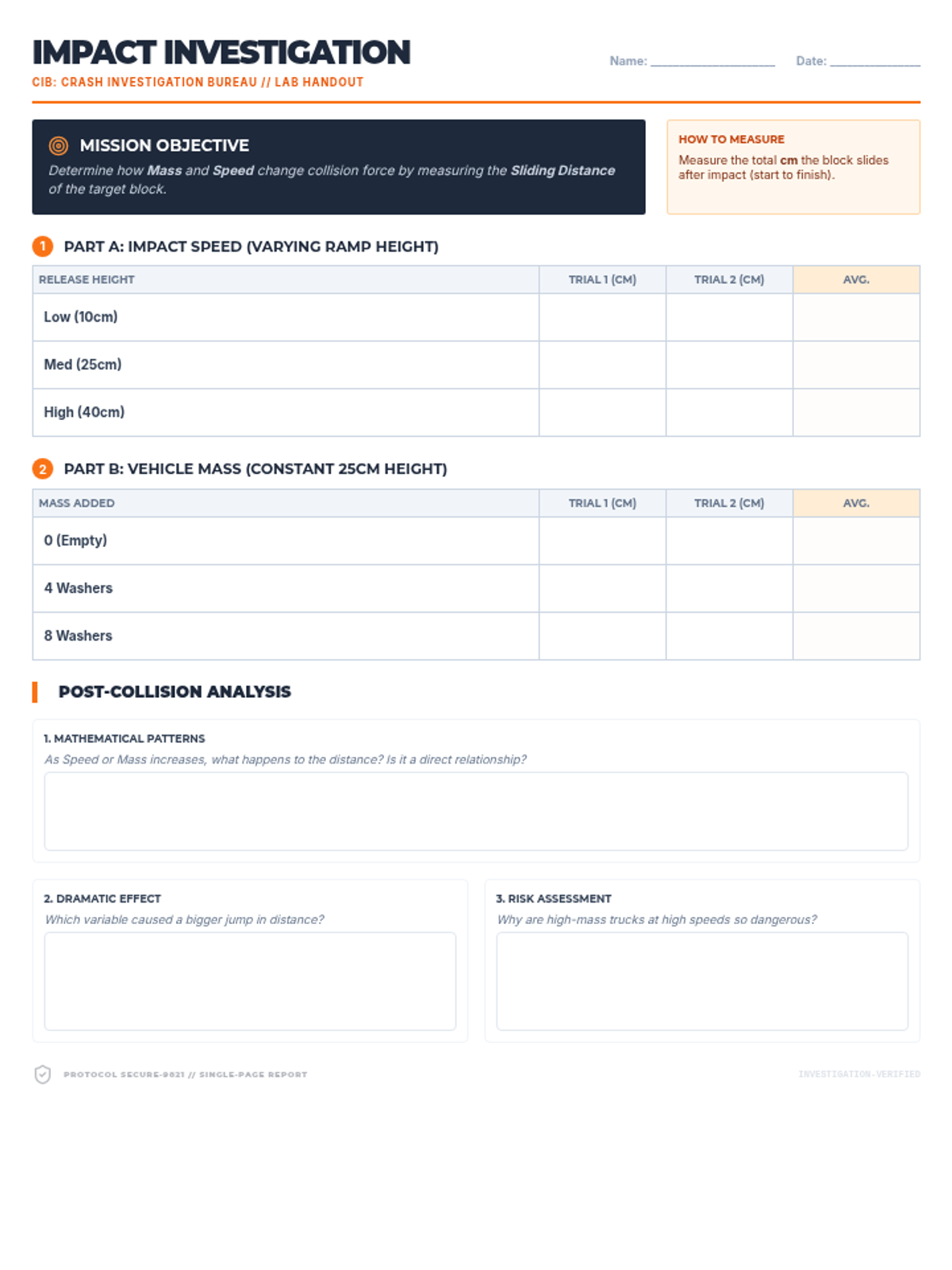
A hands-on interactive session where students investigate the relationship between mass, speed, and impact force using ramps and sliding targets.
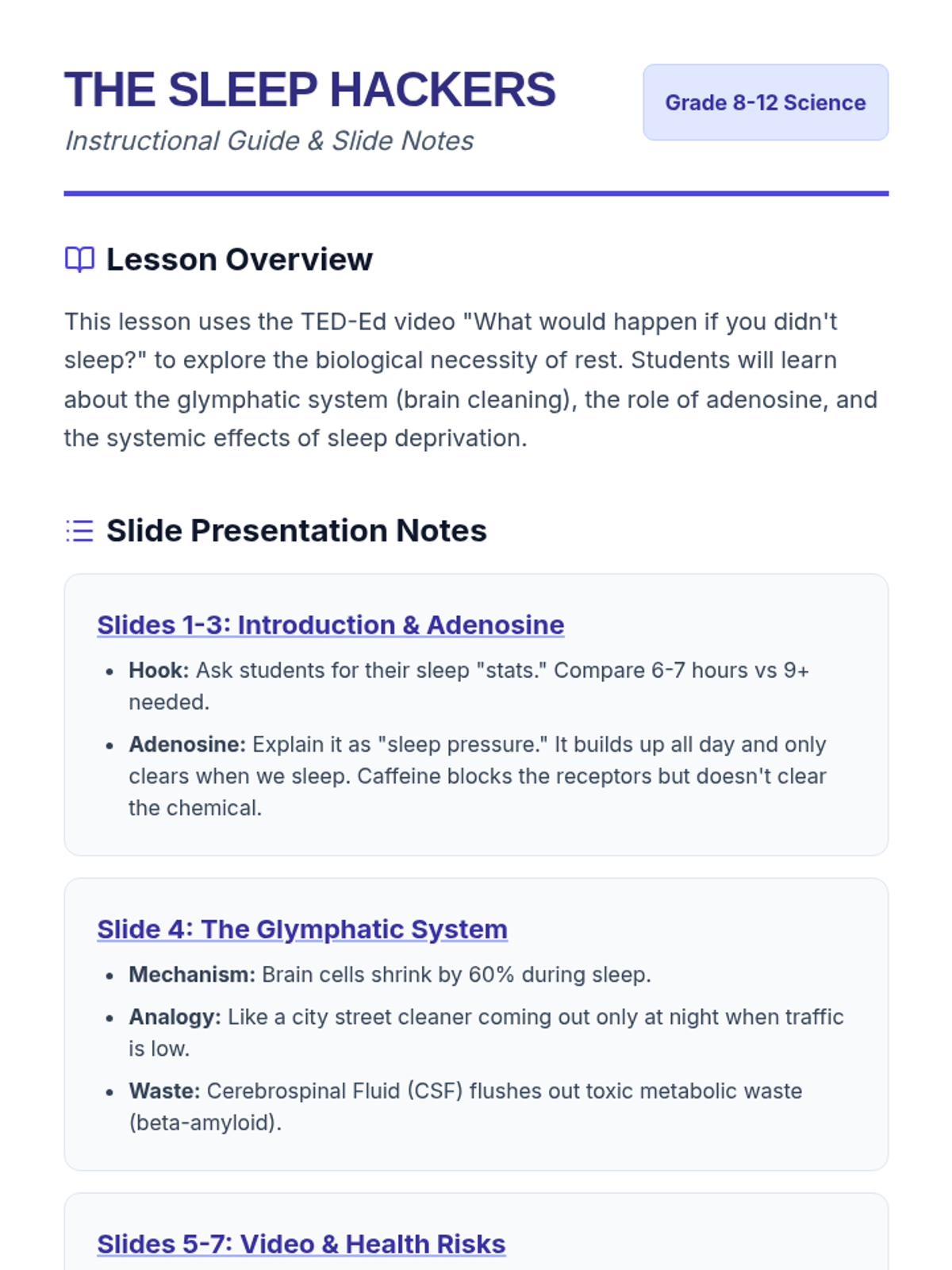
An exploration of the biological necessity of sleep, the mechanics of how the brain cleans itself during rest, and the physiological consequences of sleep deprivation.
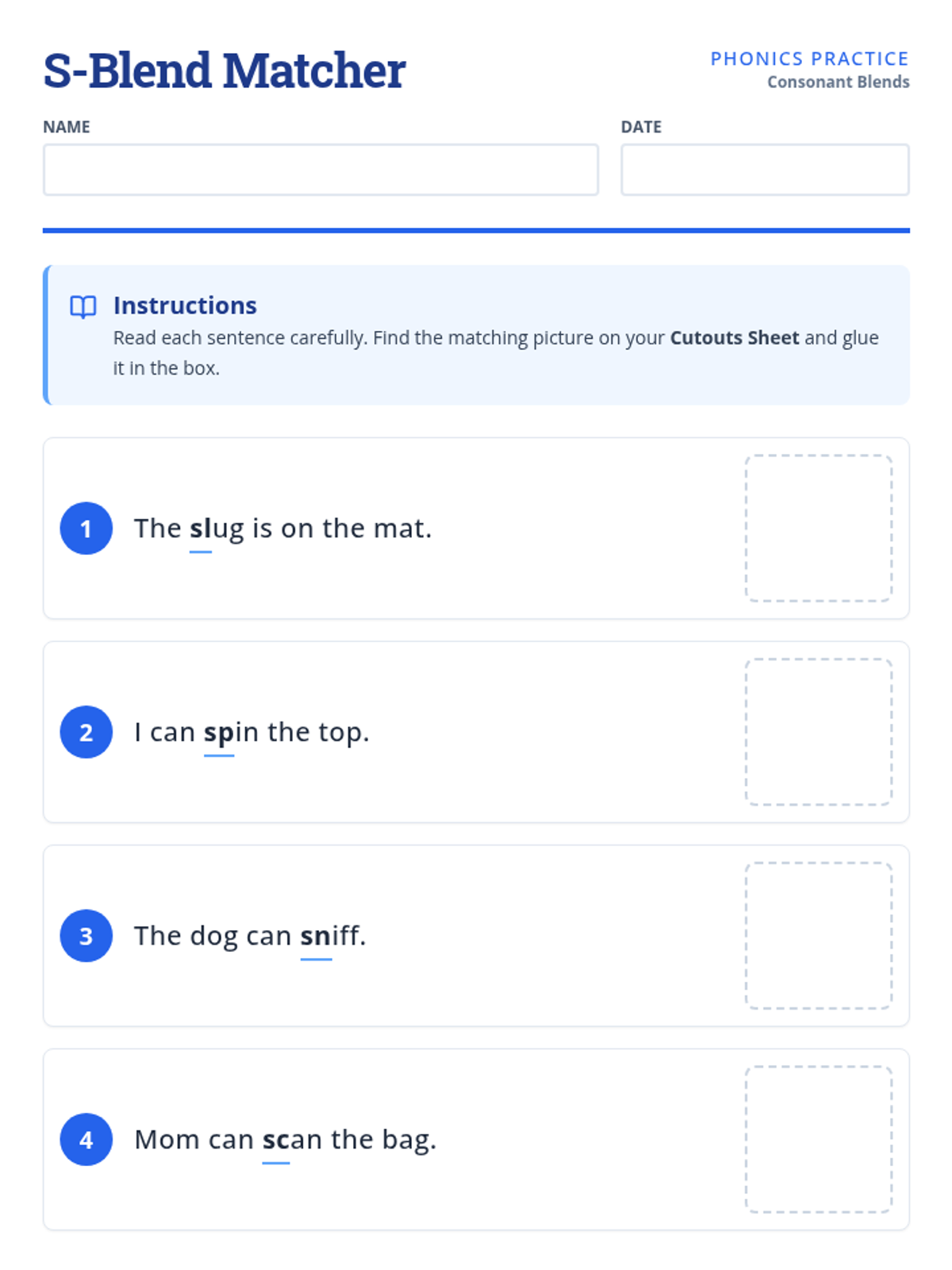
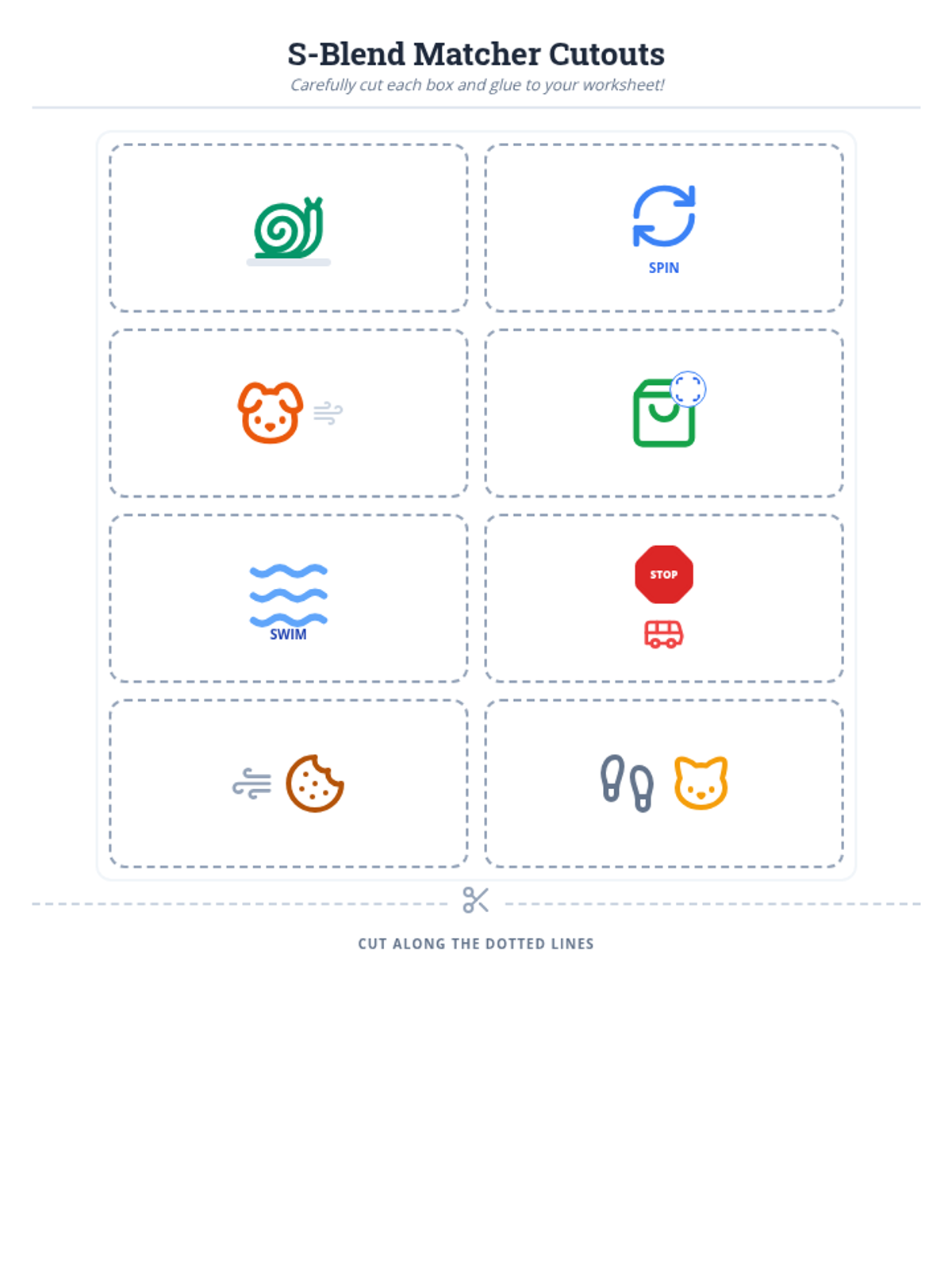
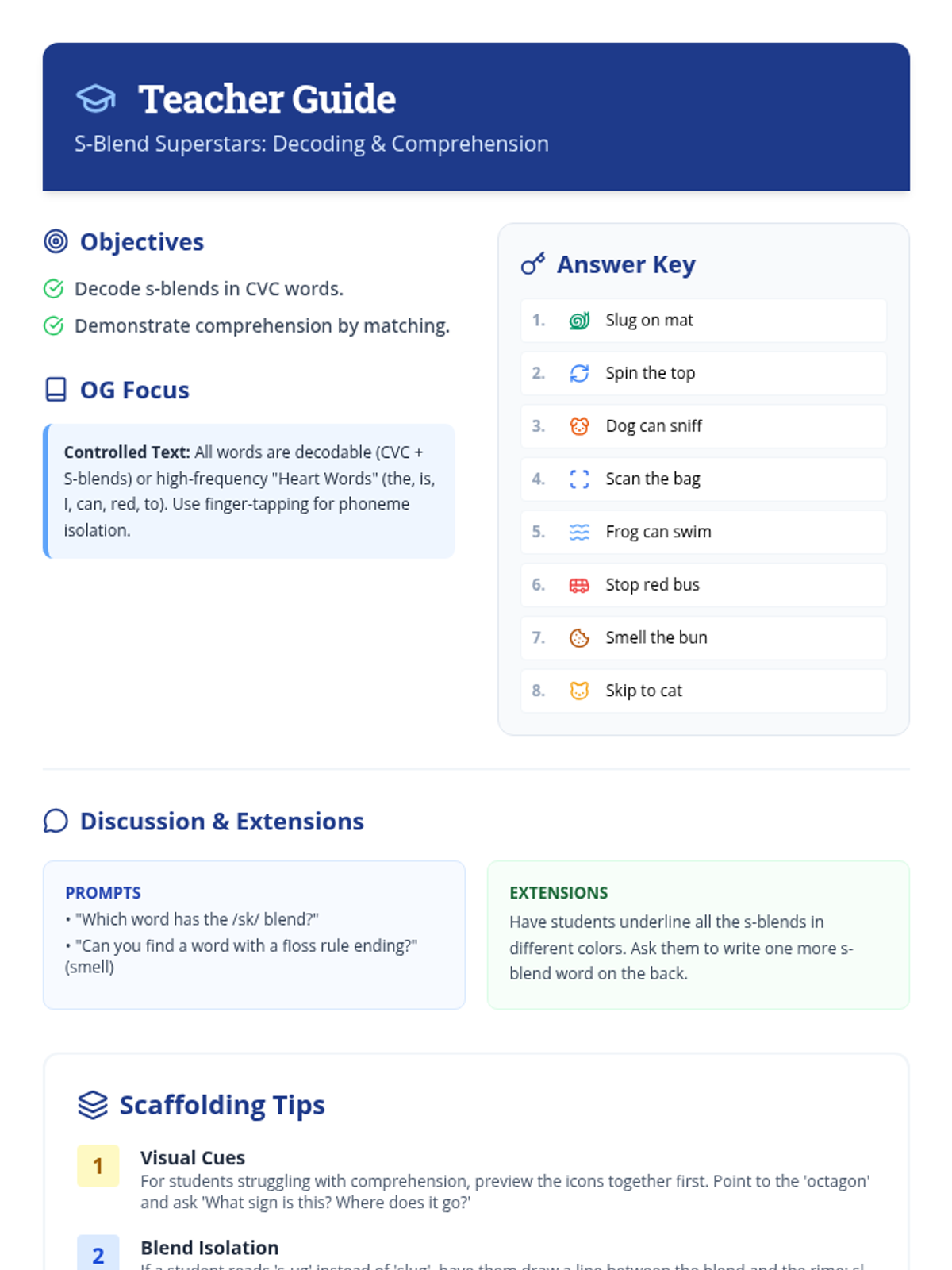
A phonics-focused lesson for kindergarteners to practice reading and comprehending initial s-blends through decodable sentences and visual matching.
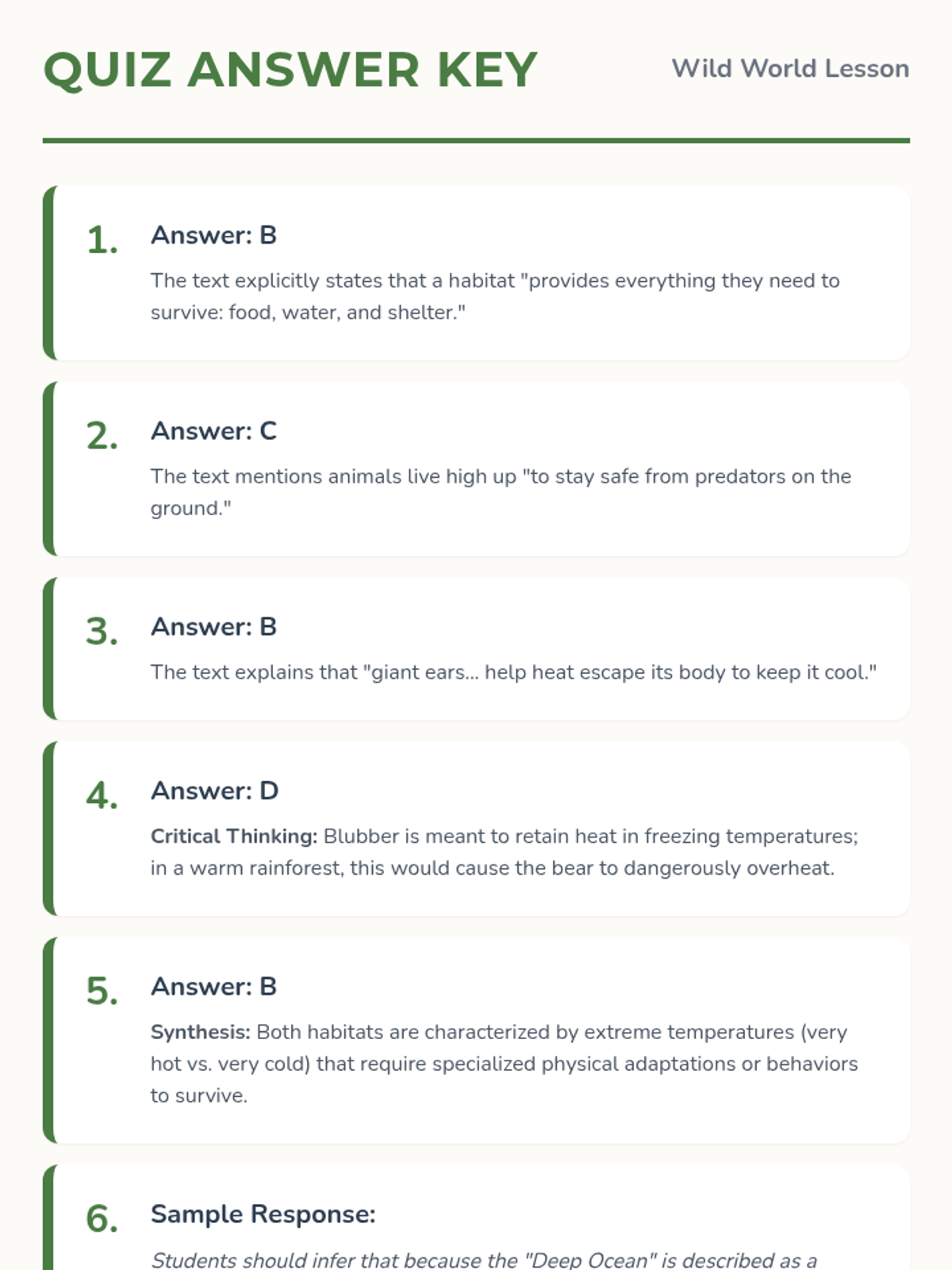
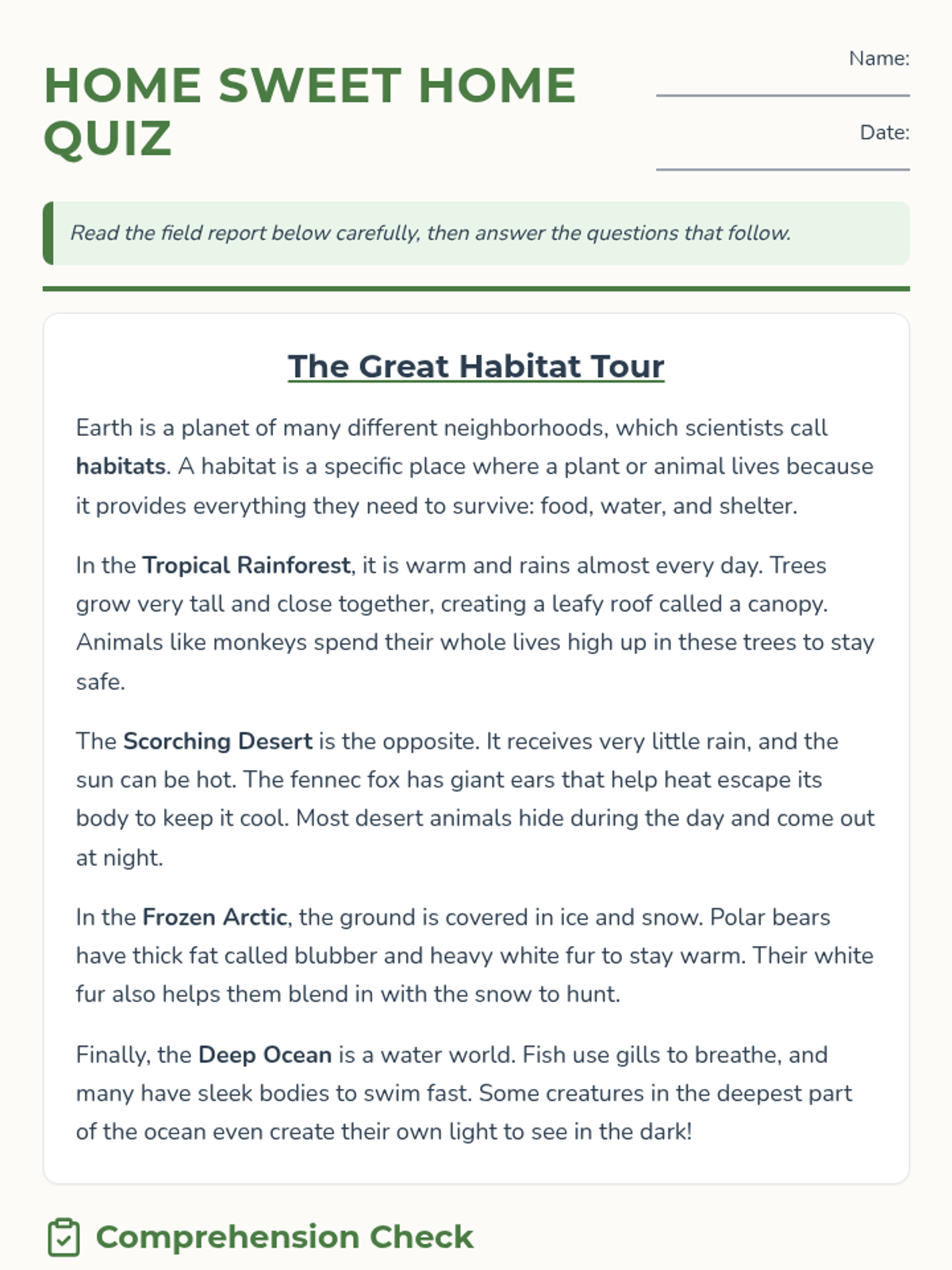
Students explore the diverse ecosystems of our planet through a non-fiction reading passage and an engaging class discussion focused on animal adaptations and survival.
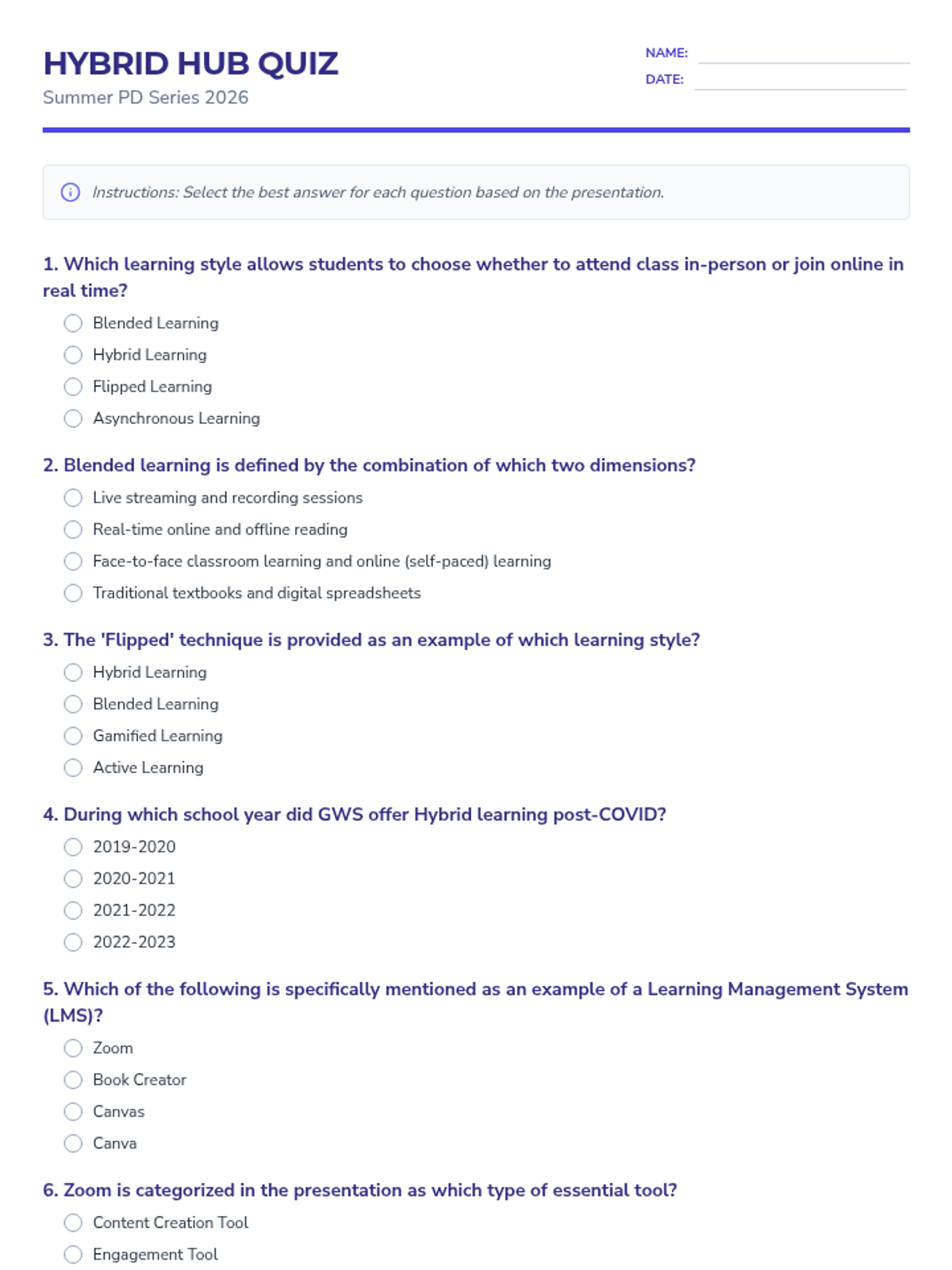
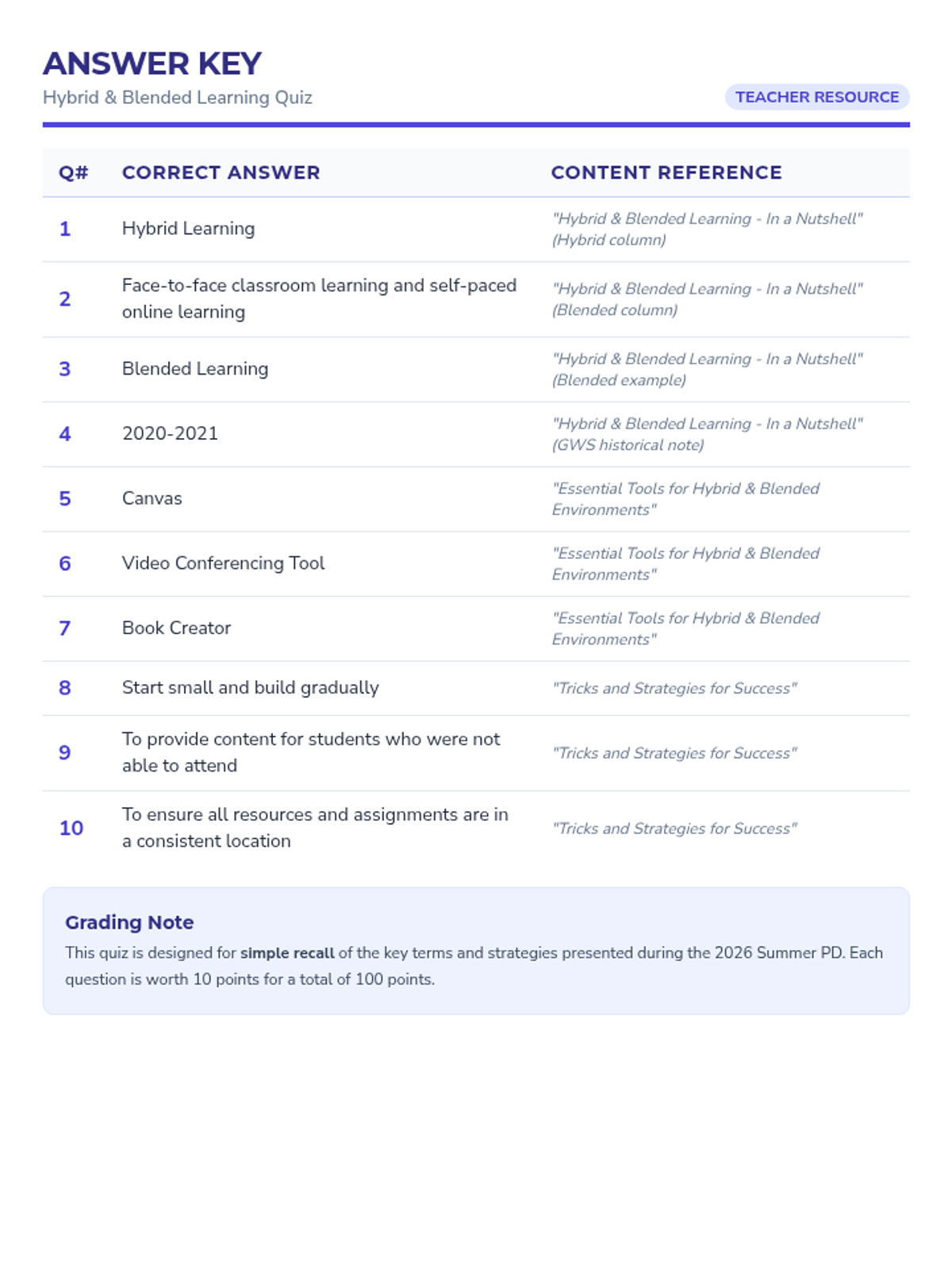
A professional development assessment designed to evaluate understanding of the differences between hybrid and blended learning models, essential tools, and instructional strategies.
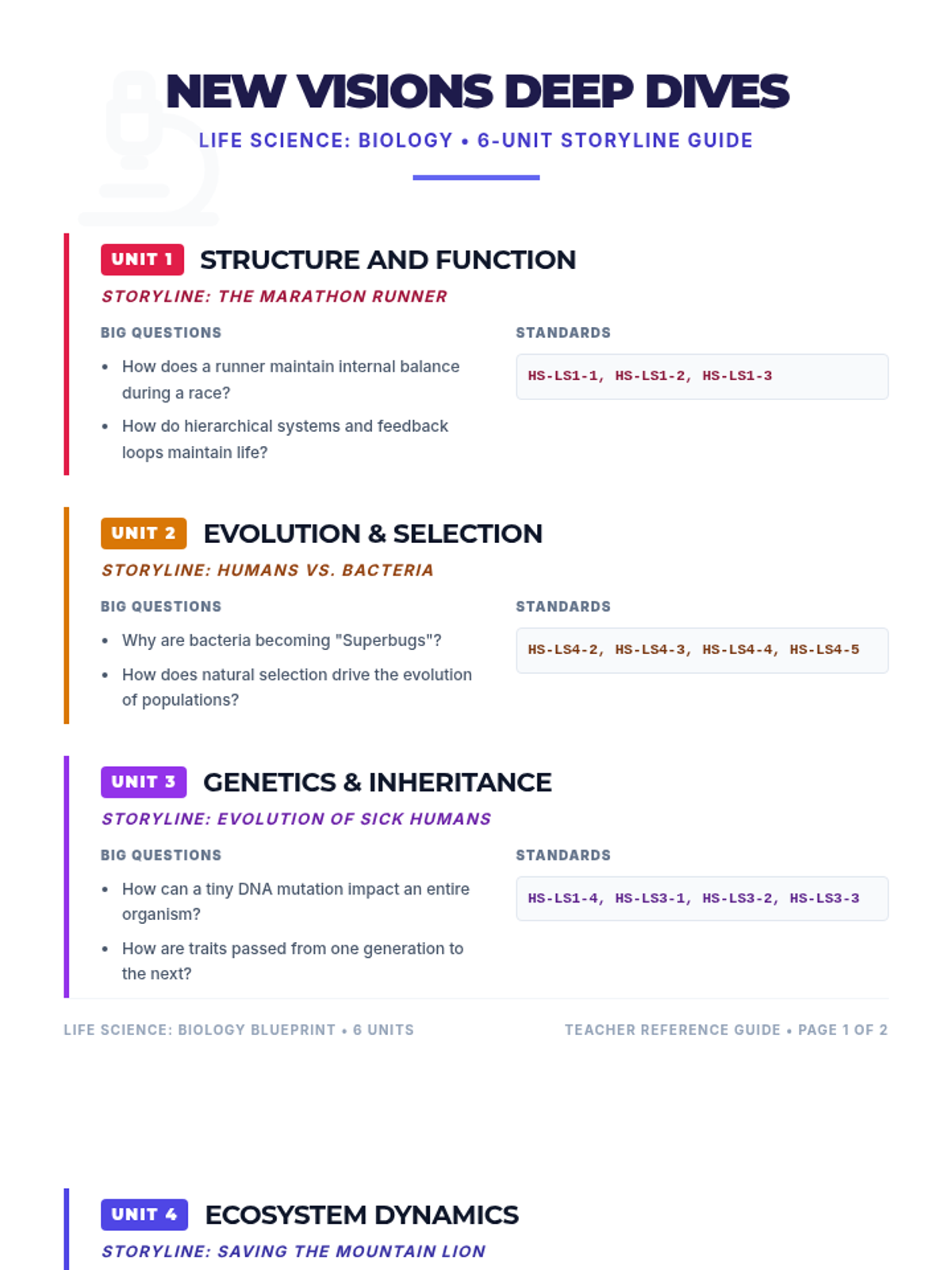
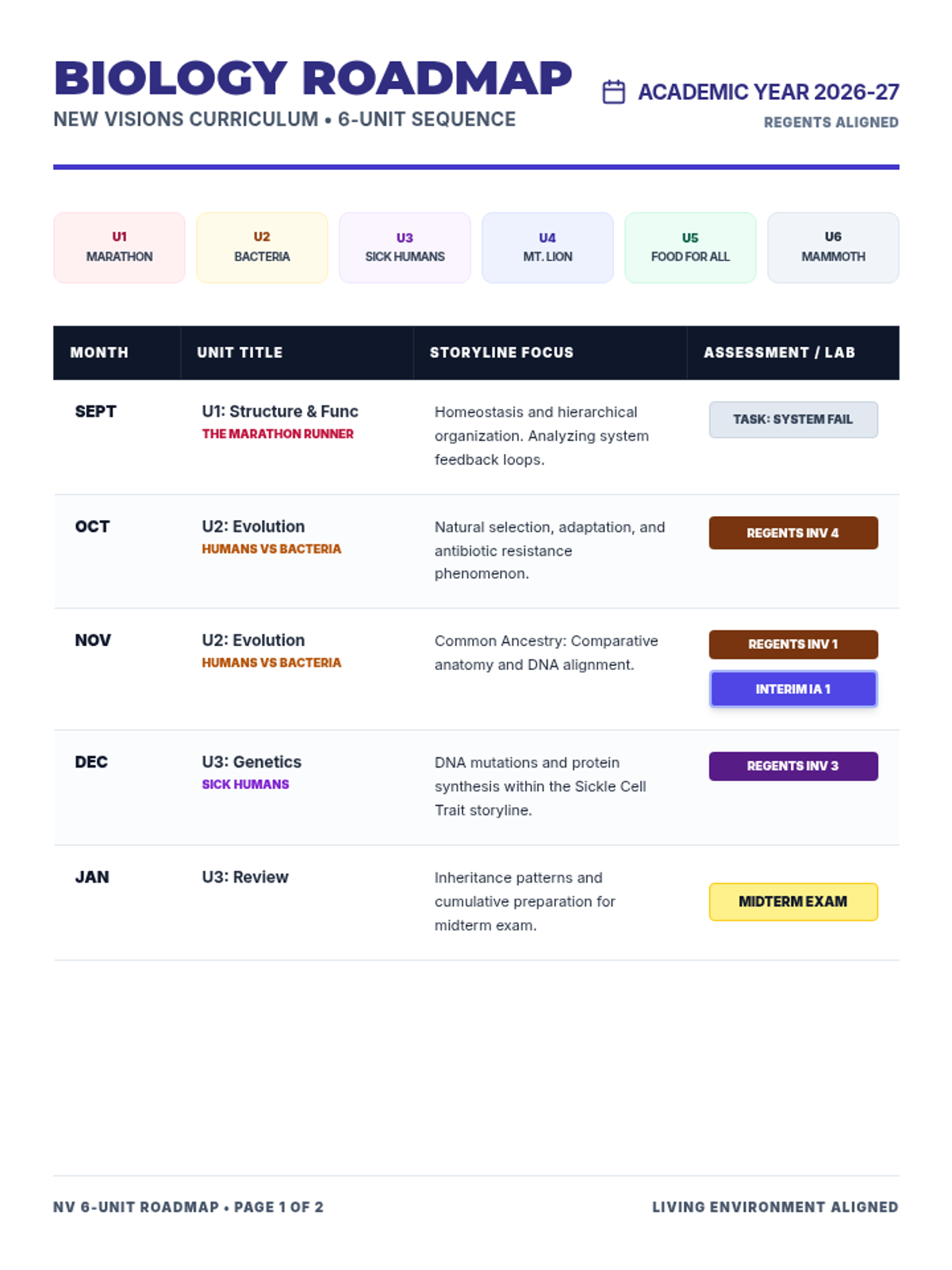
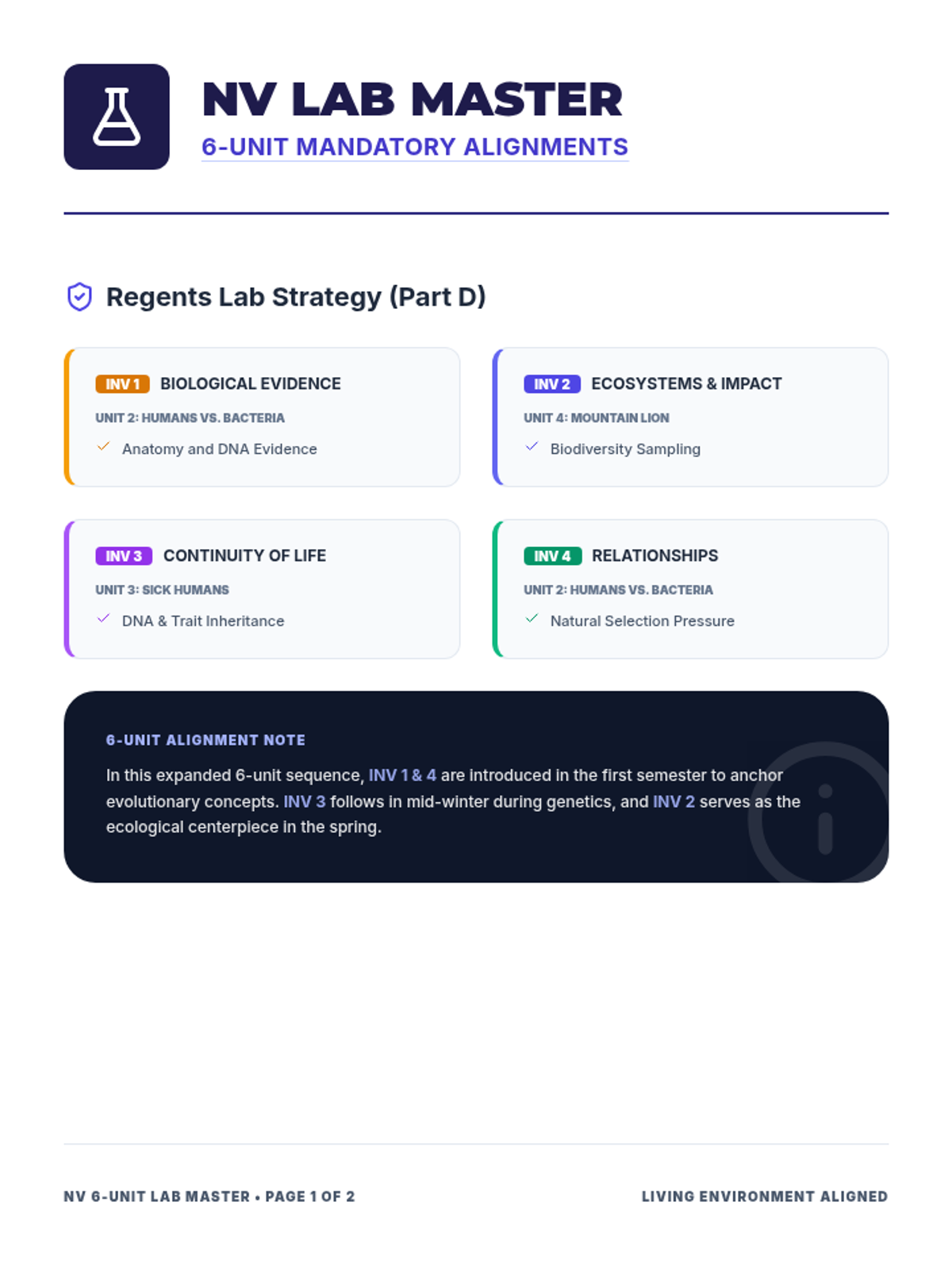
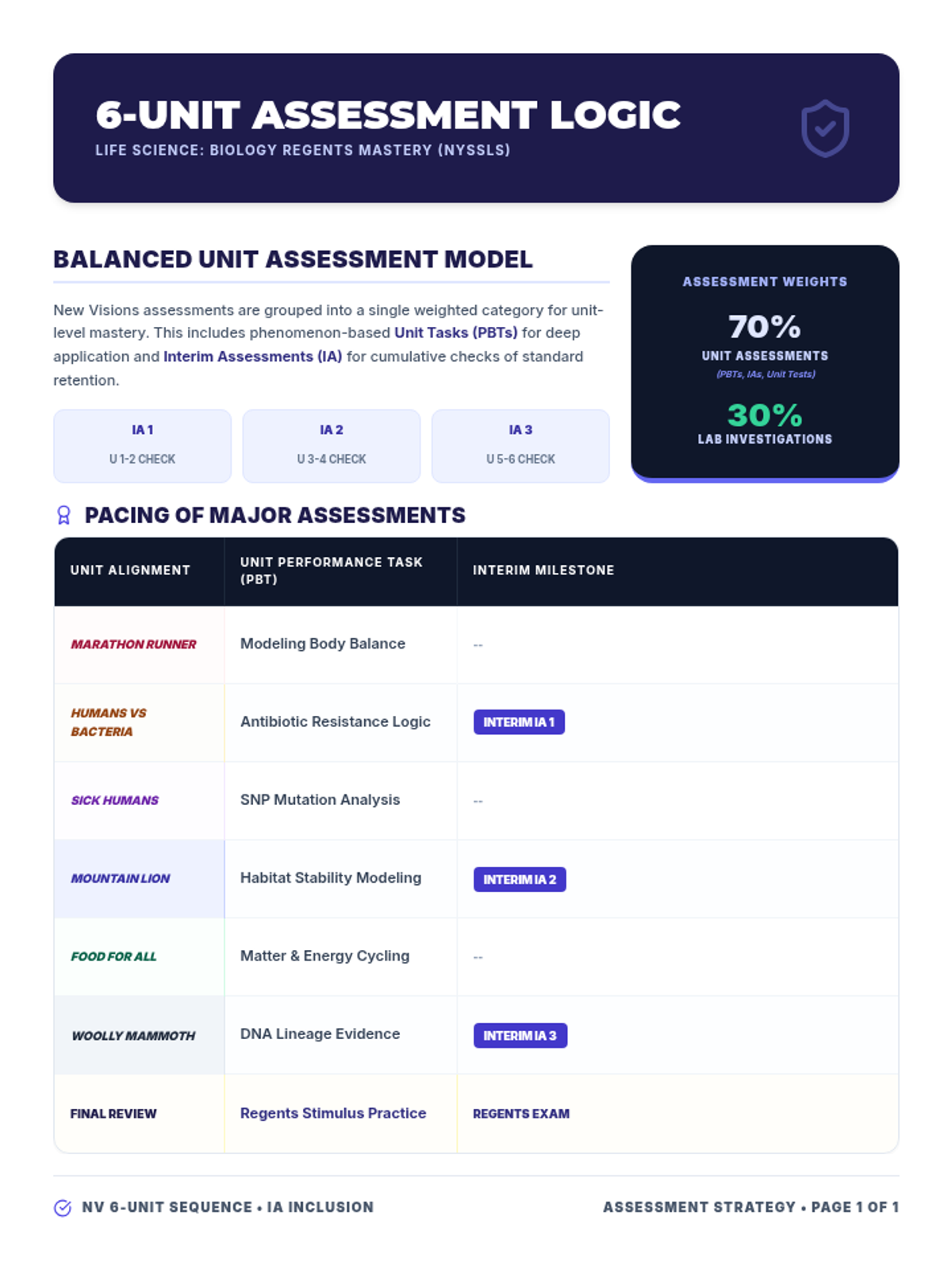
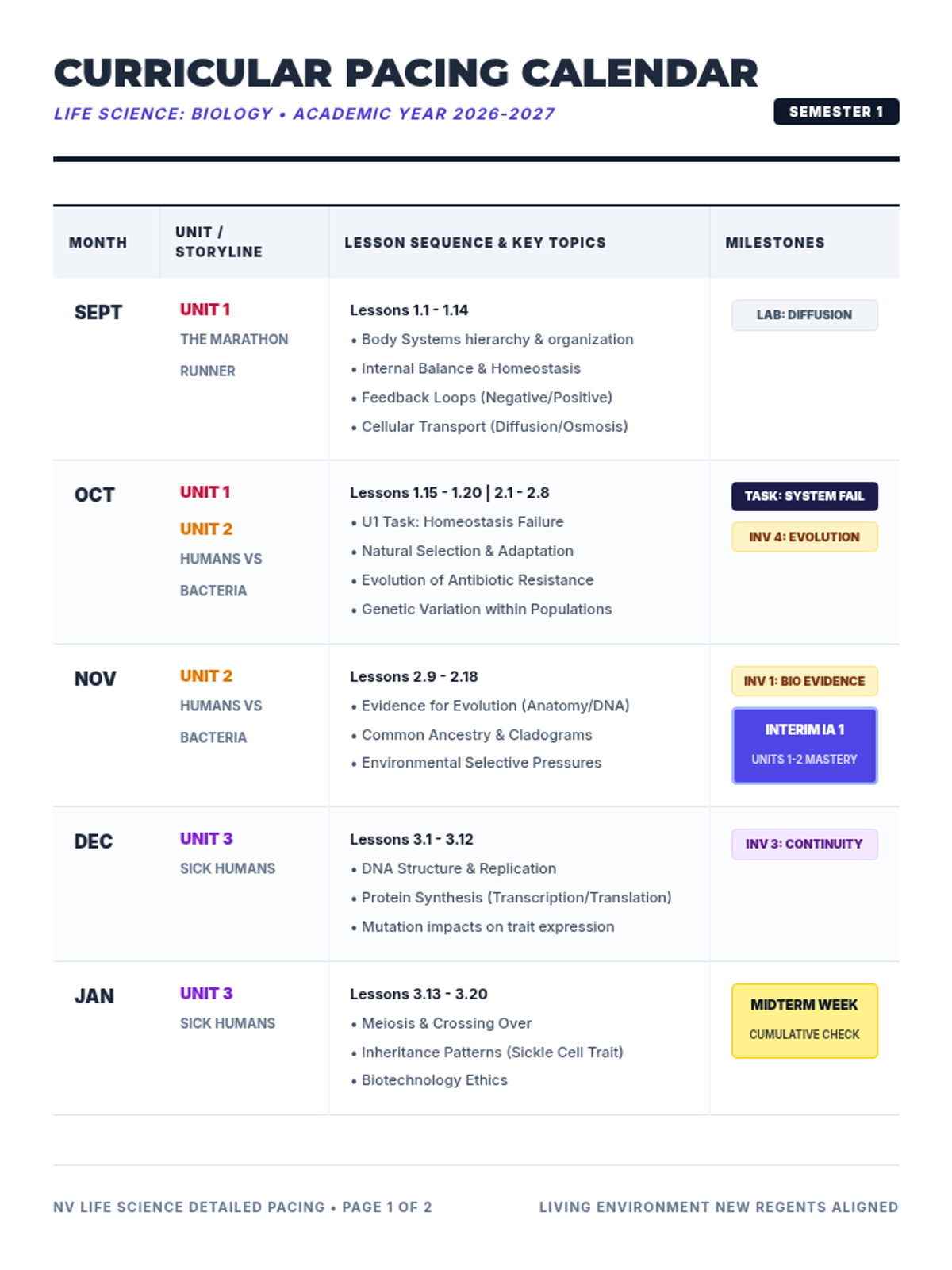
The foundational planning materials for the full-year Life Science: Biology curriculum, providing a high-level roadmap and detailed unit breakdowns.
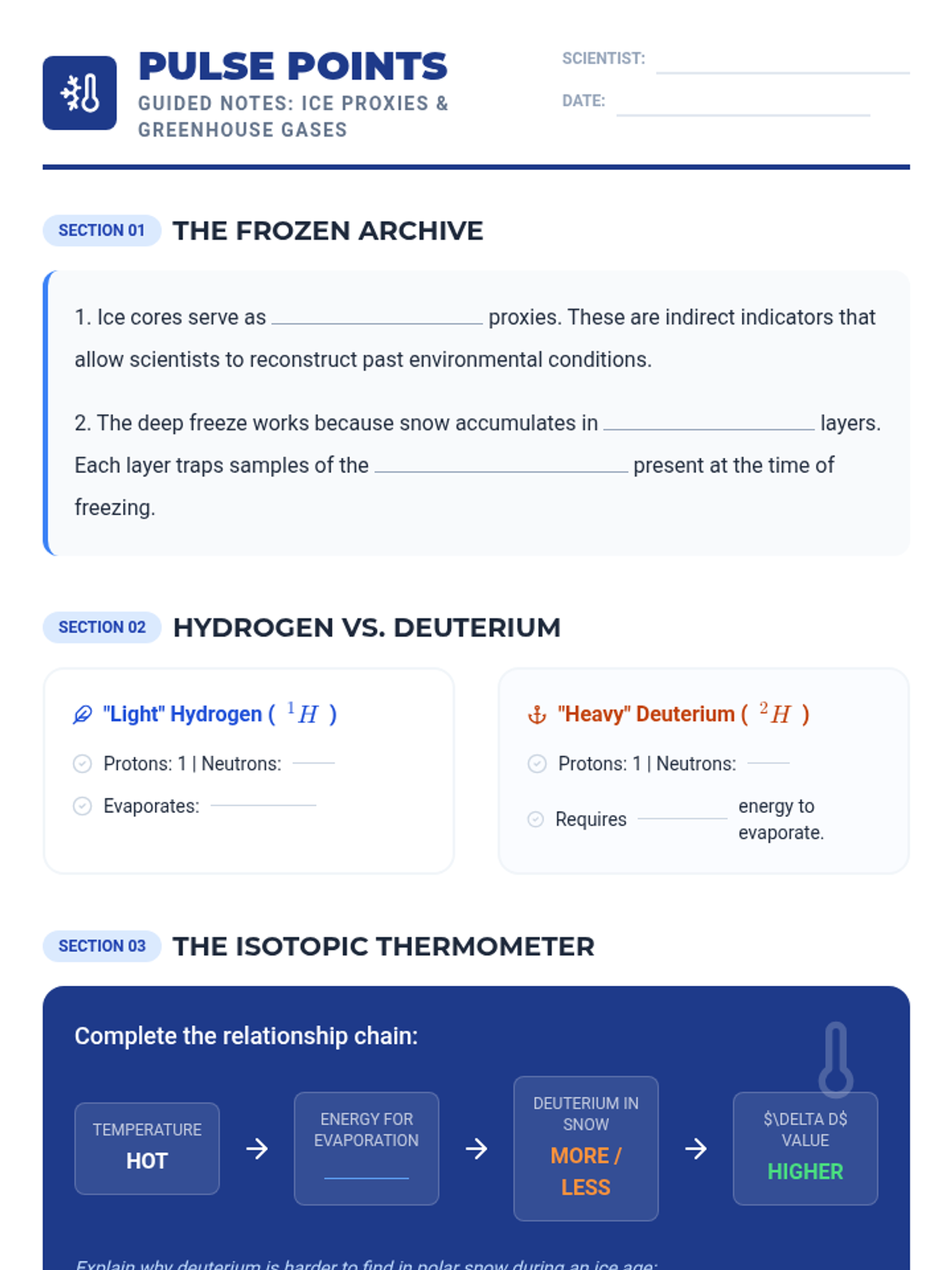
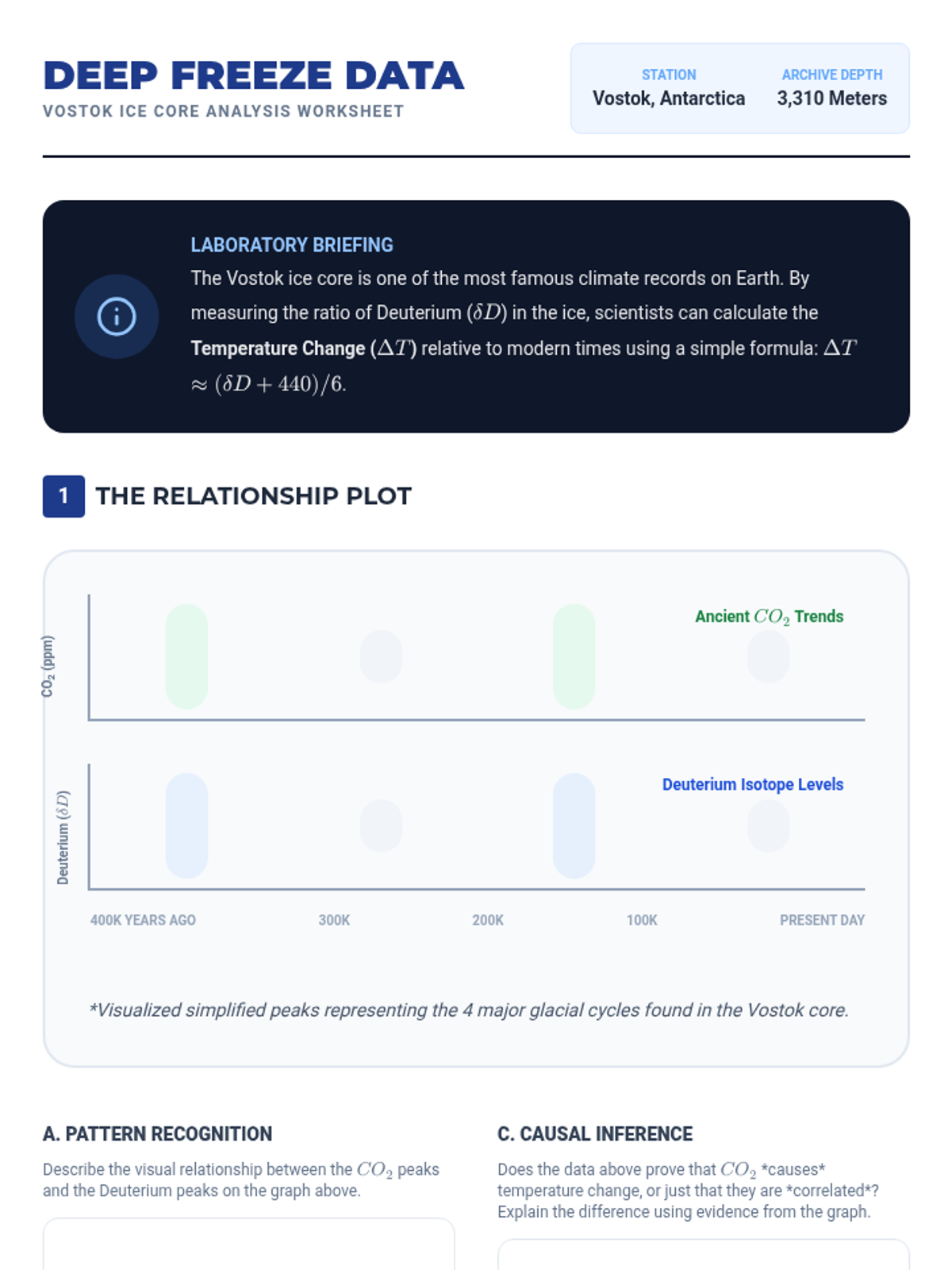
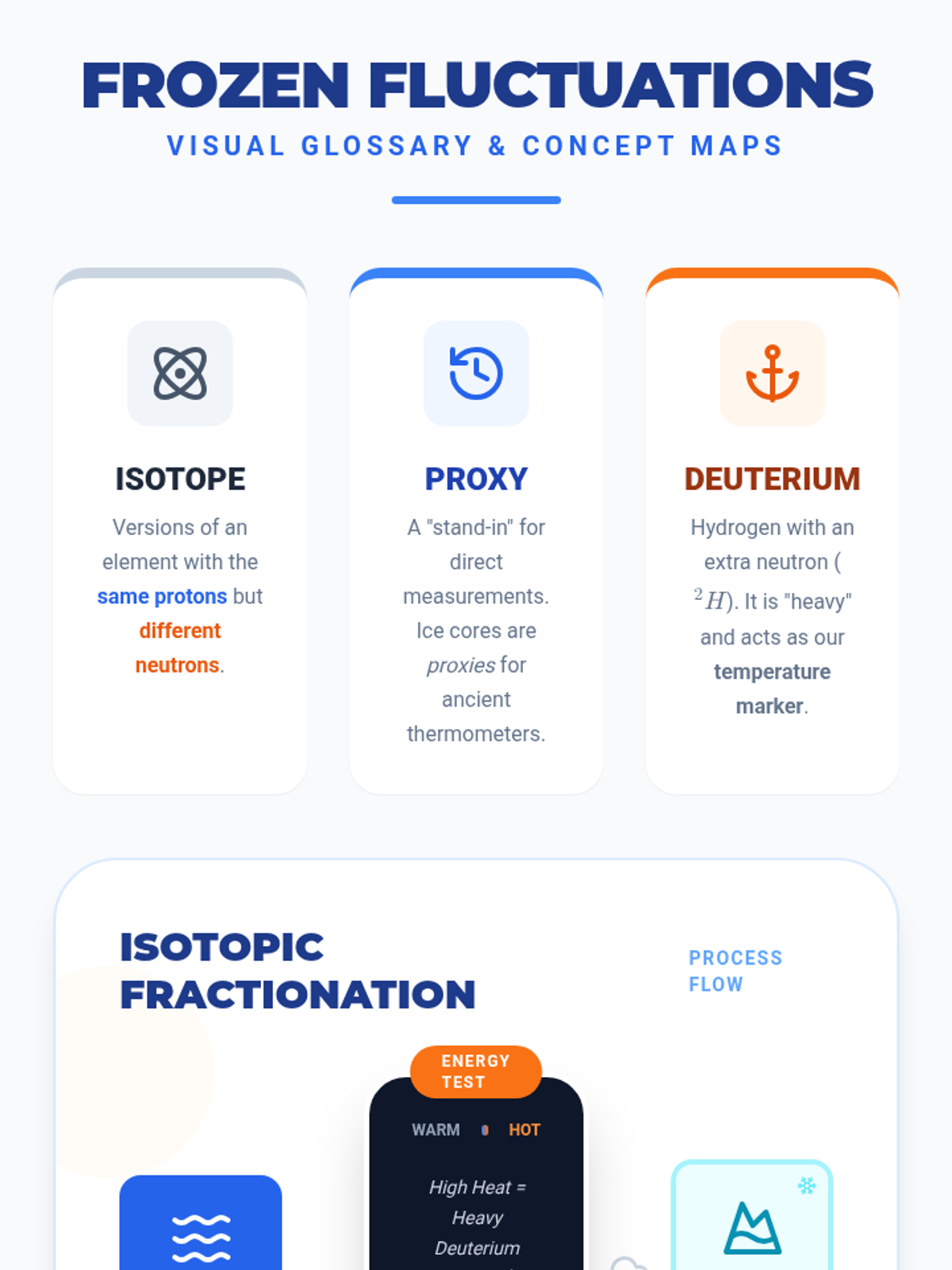
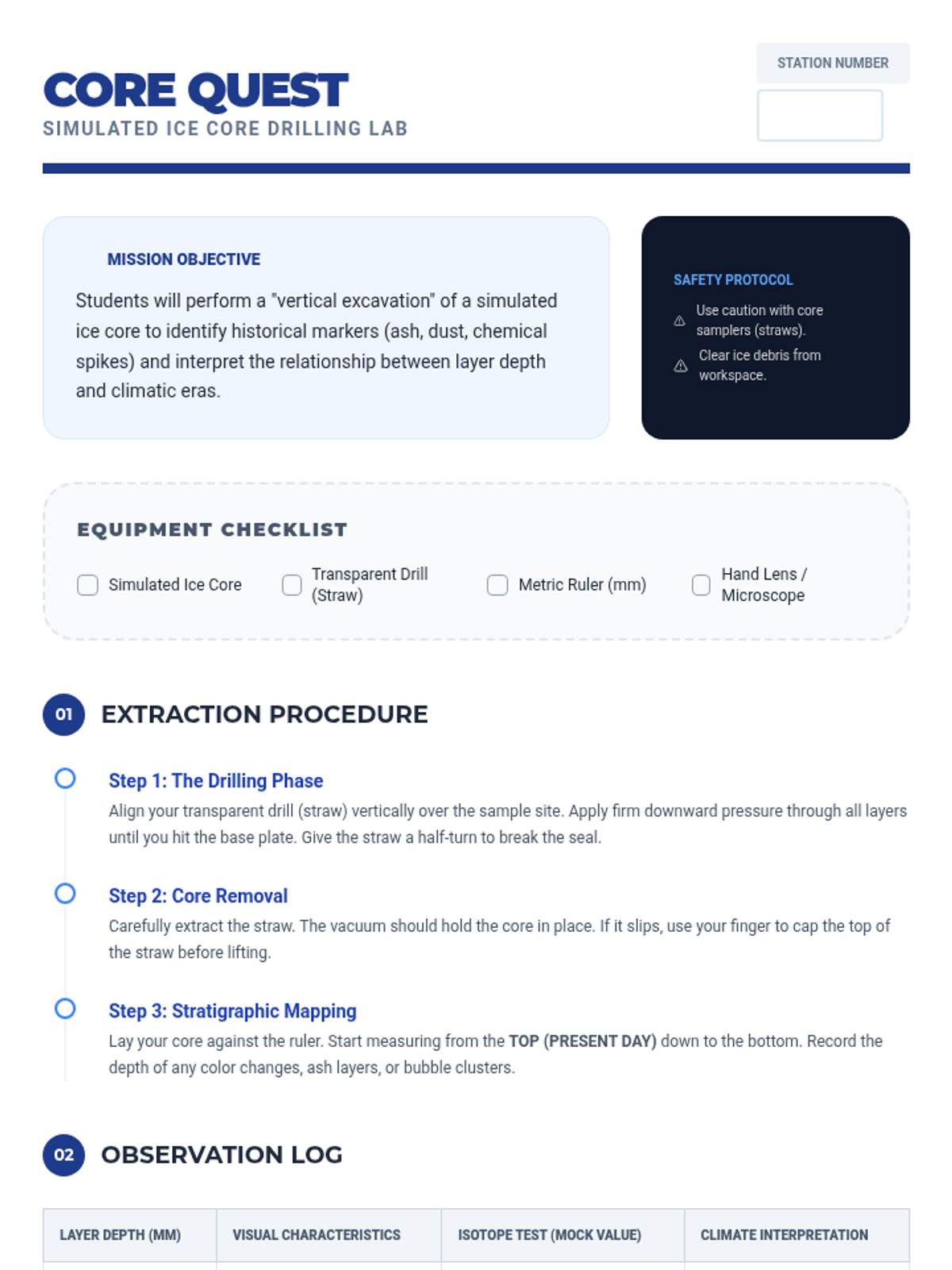
A high school lesson exploring the relationship between deuterium isotopes in ice cores and historical greenhouse gas levels to reconstruct past climates. Students analyze isotopic data to understand how scientists decode Earth's climate history from the deep freeze.
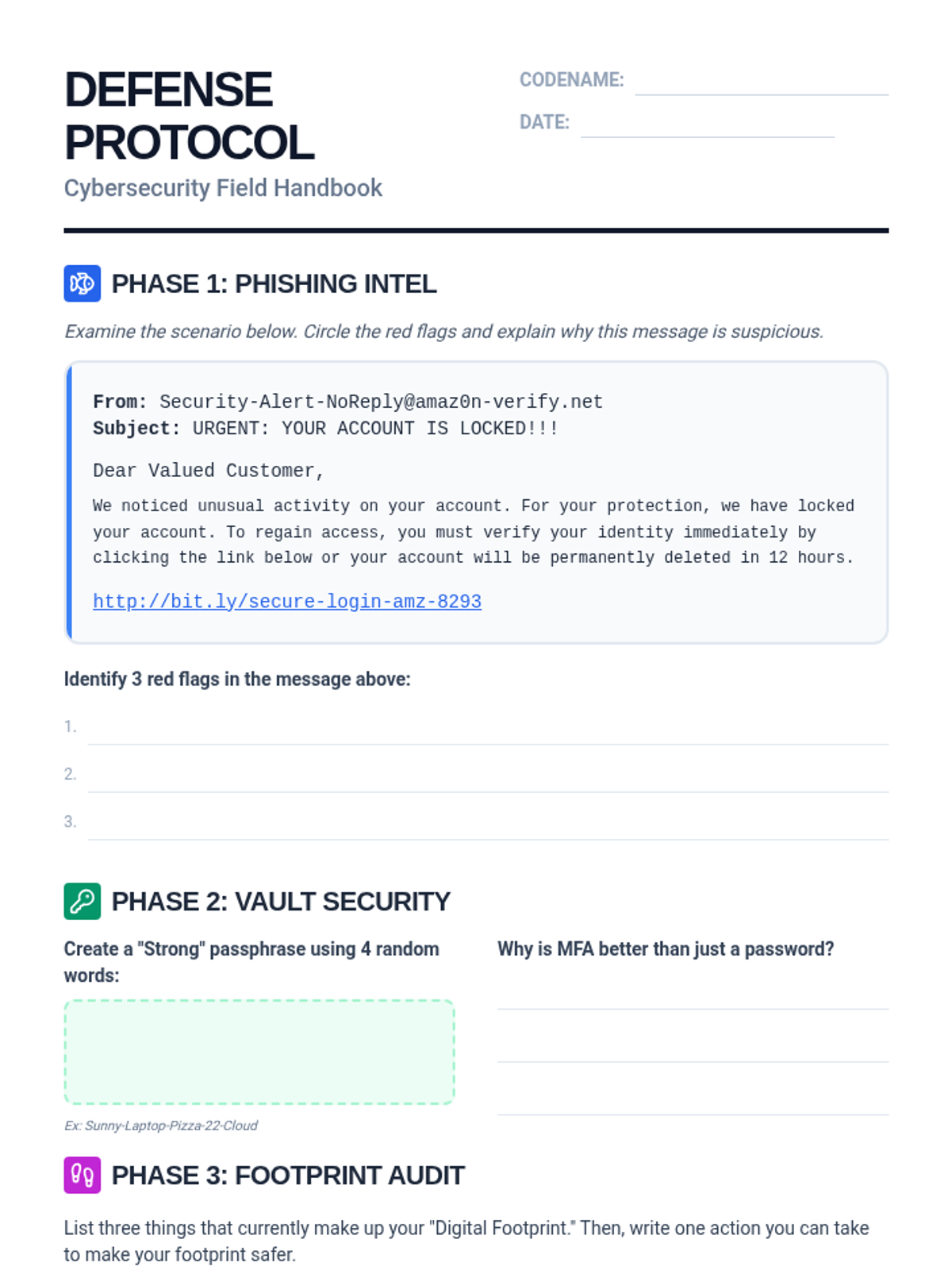
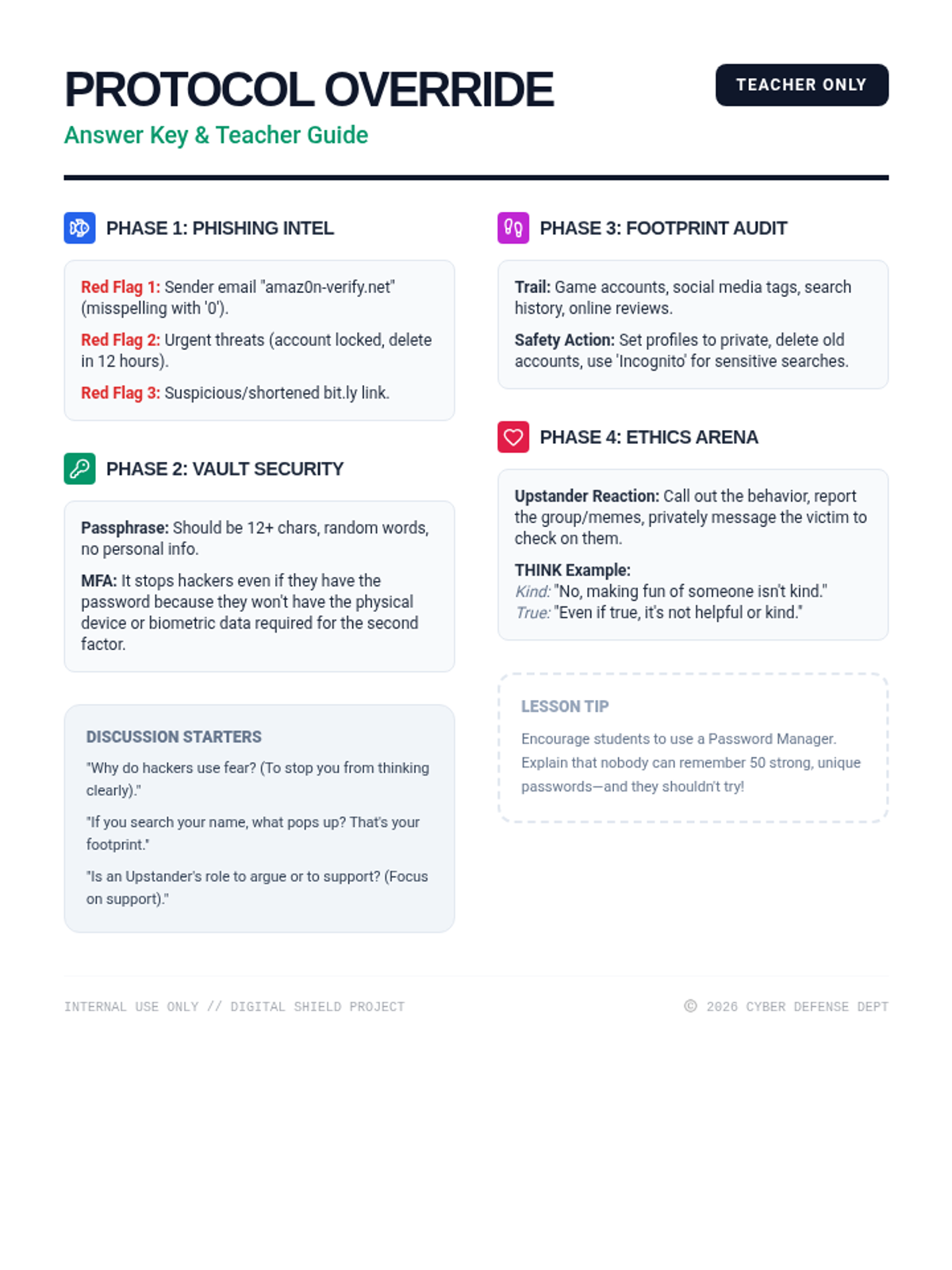
A comprehensive introduction to cybersecurity essentials, covering phishing, password security, digital footprints, and online ethics. Students learn to protect themselves and act responsibly in the digital world.
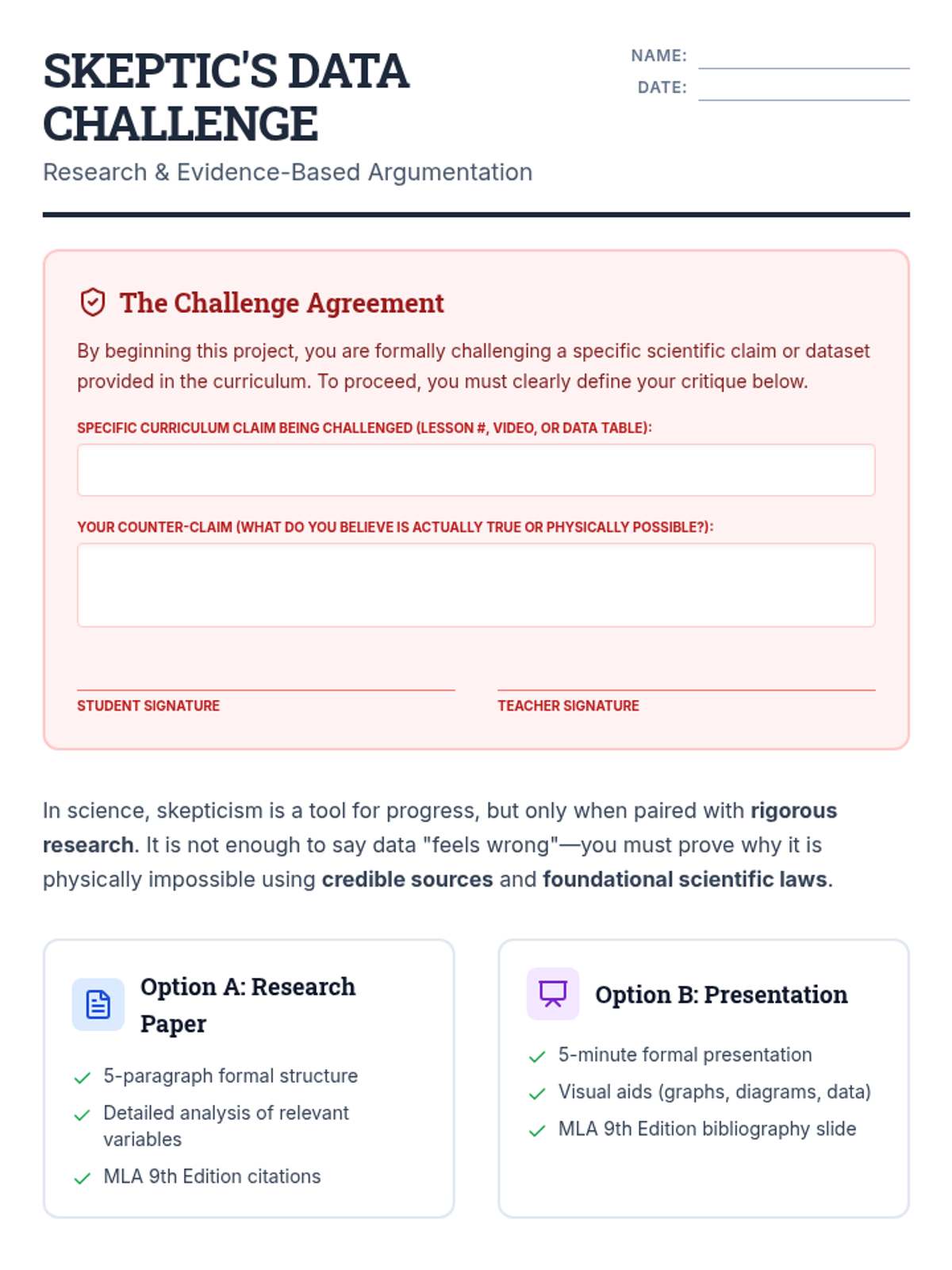
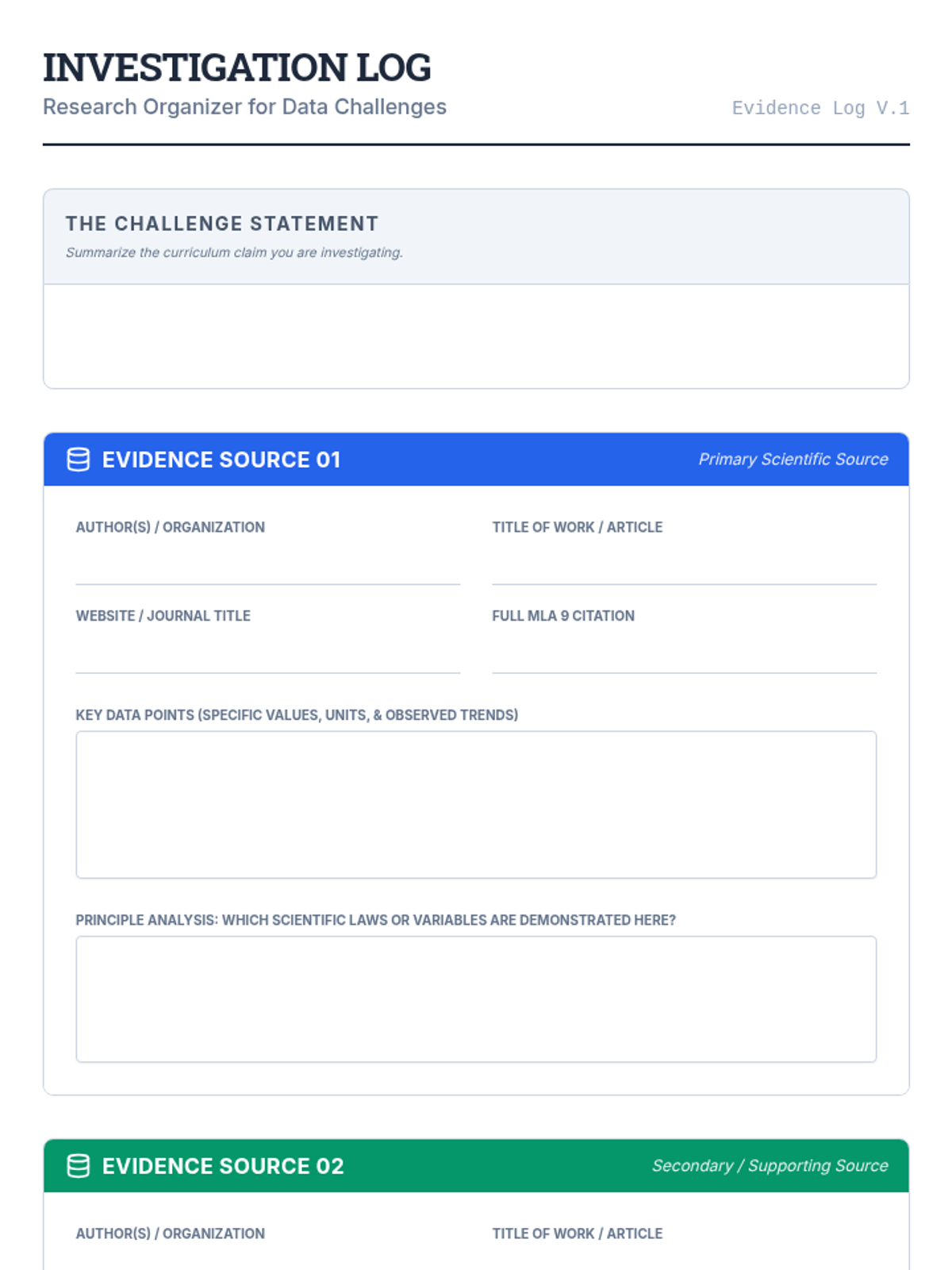
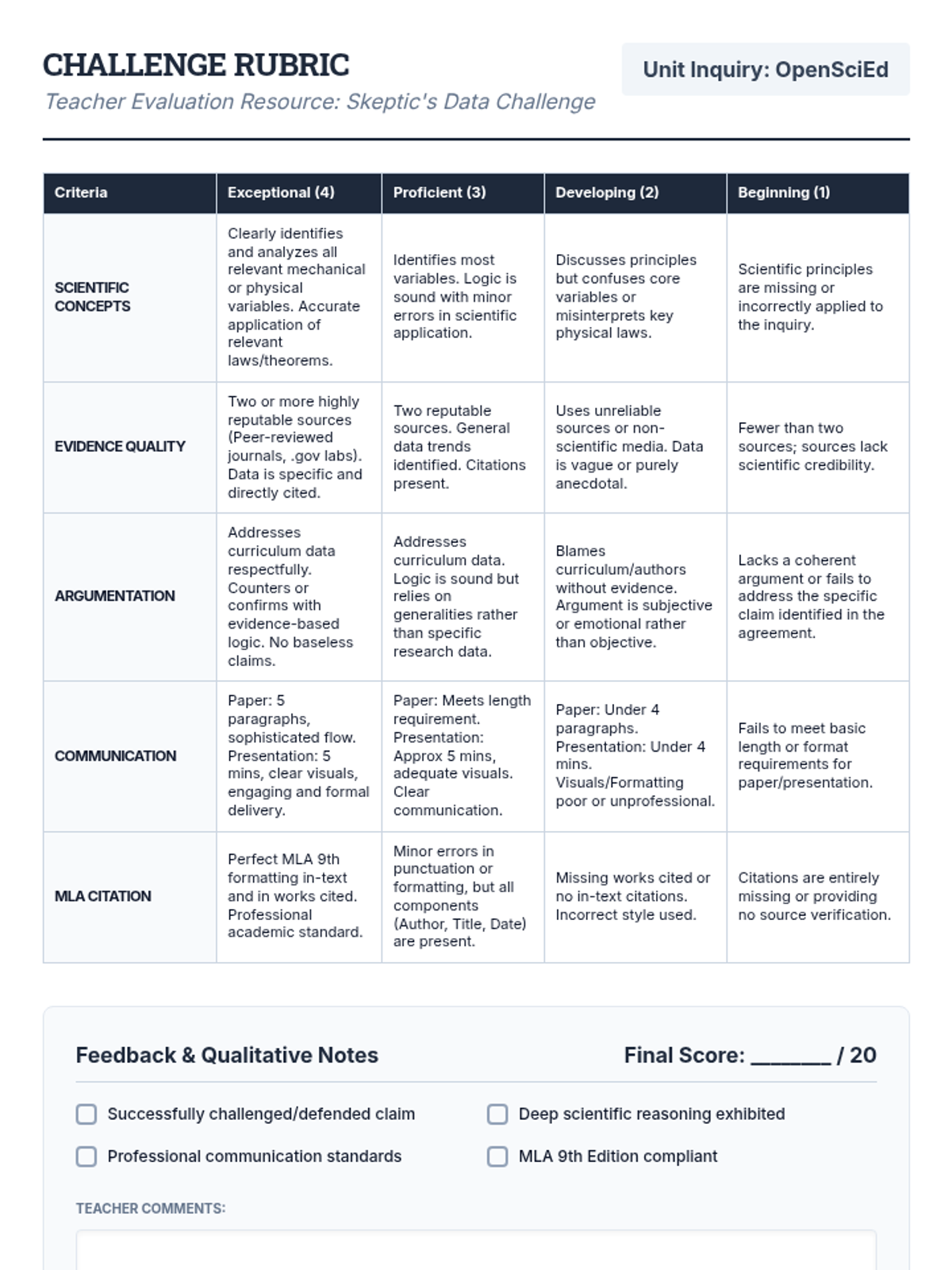
An optional enrichment lesson for students to investigate curriculum data through formal research and evidence-based argumentation, honoring scientific inquiry and rigorous data validation.
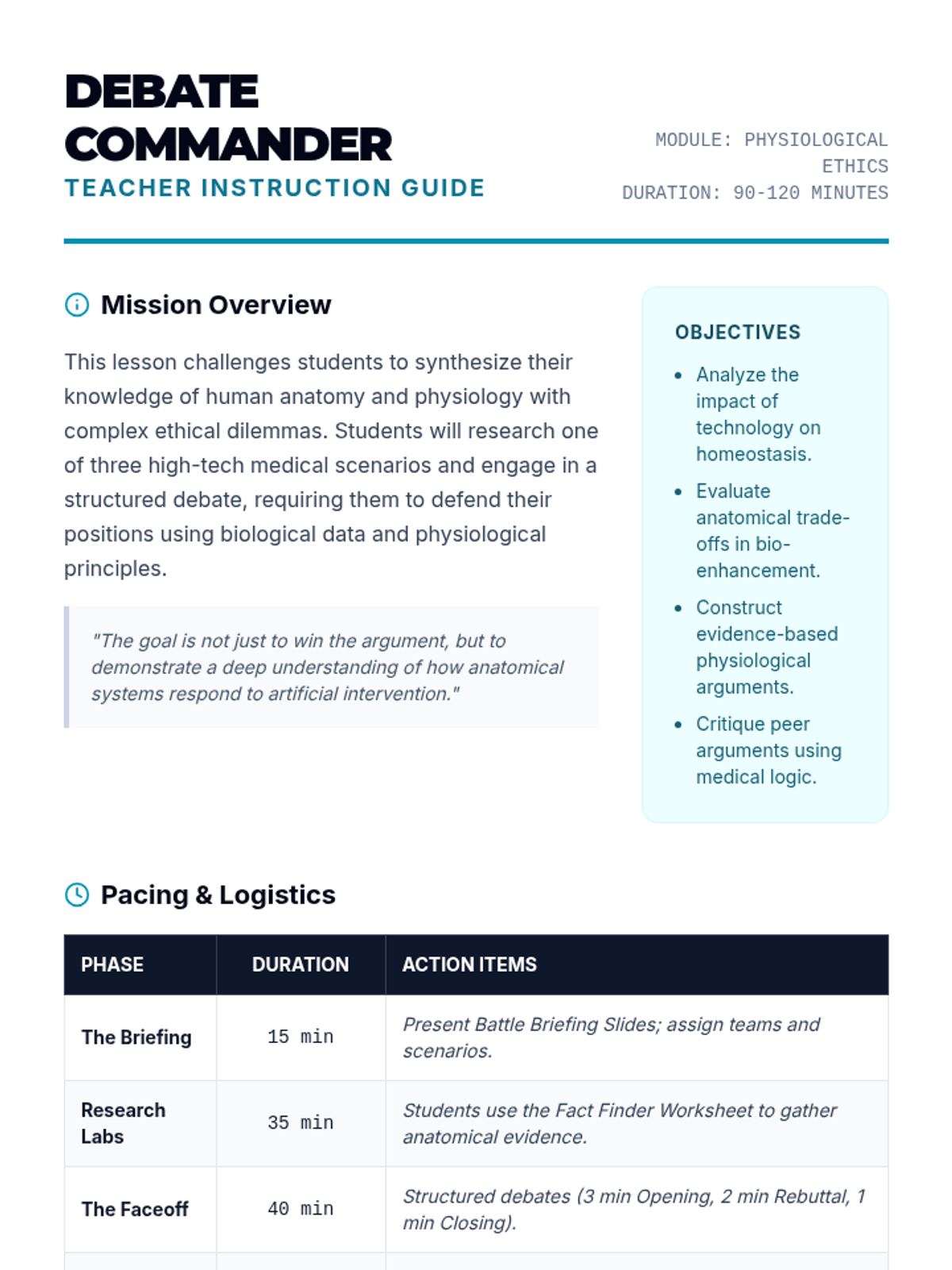
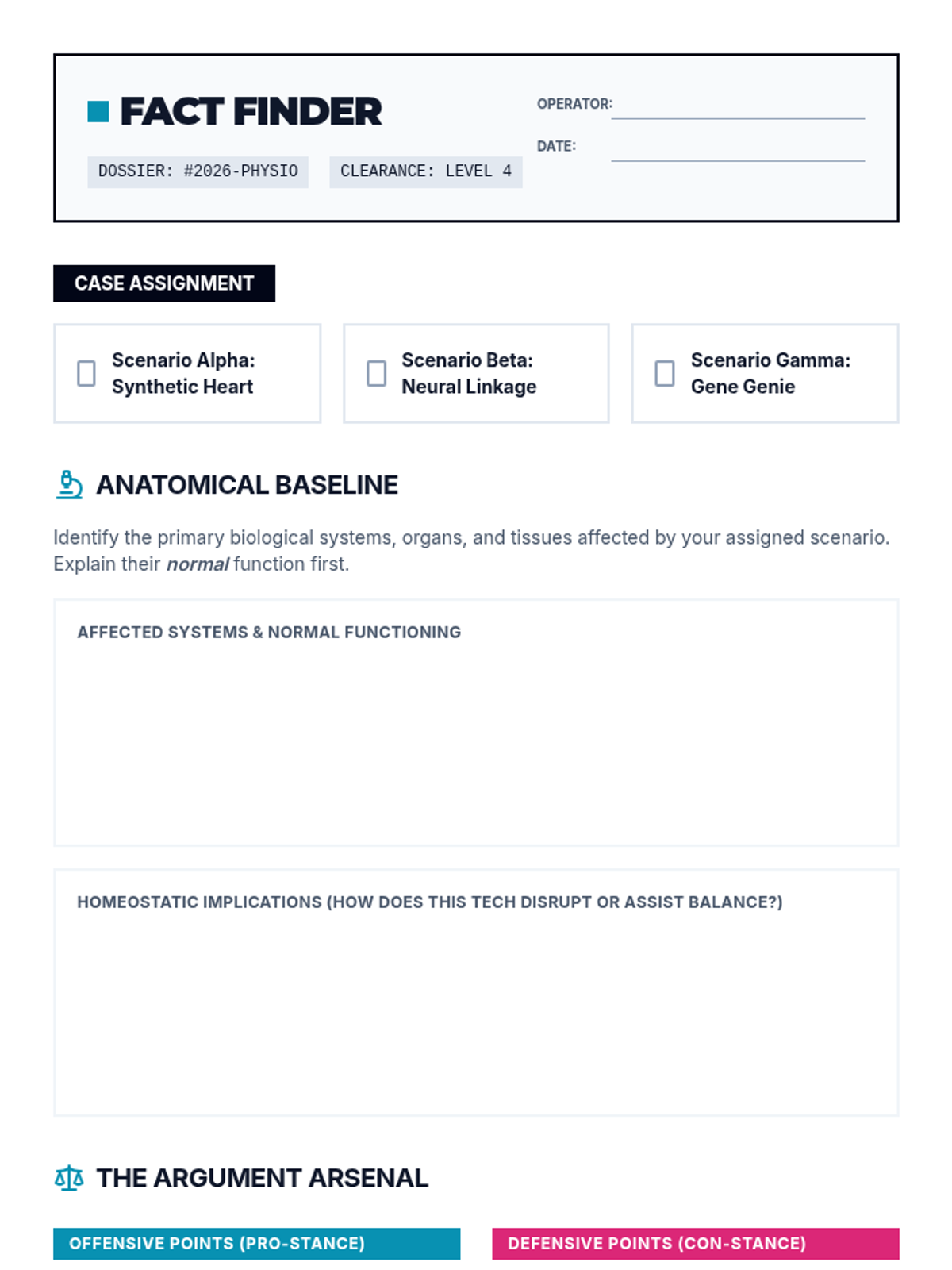
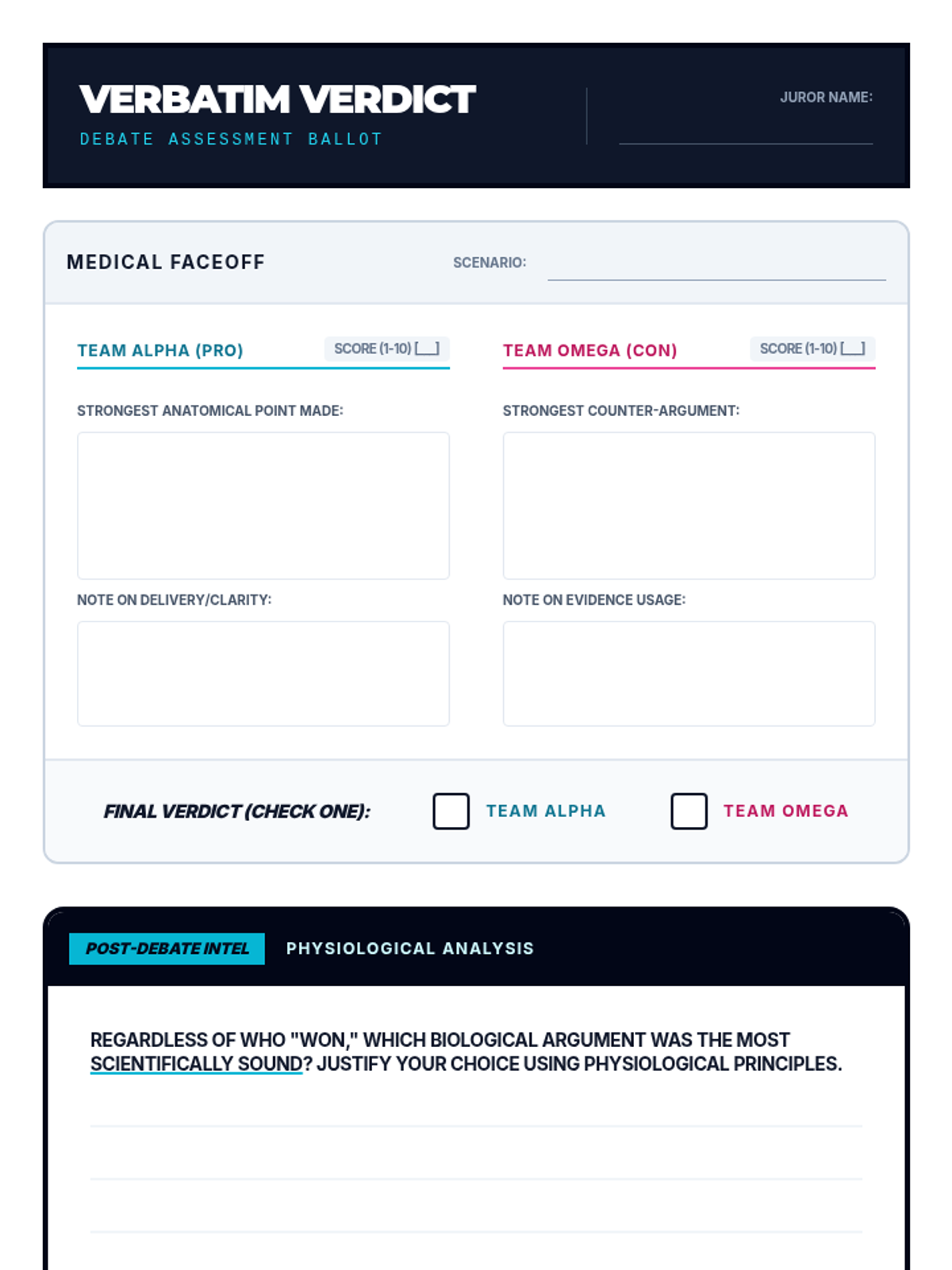
A high-stakes debate lesson where students explore the ethical and physiological implications of human bio-enhancement and medical technology.
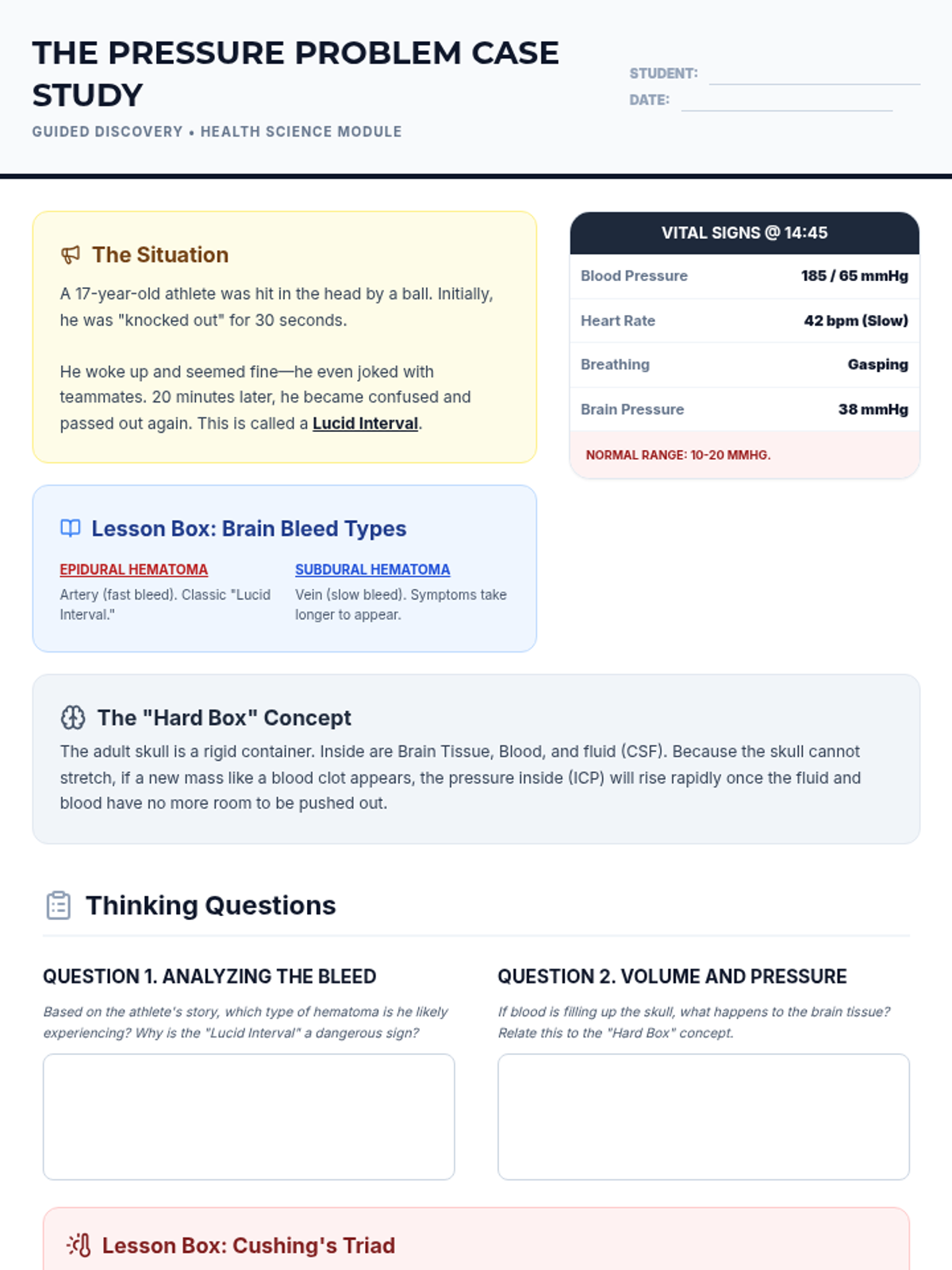
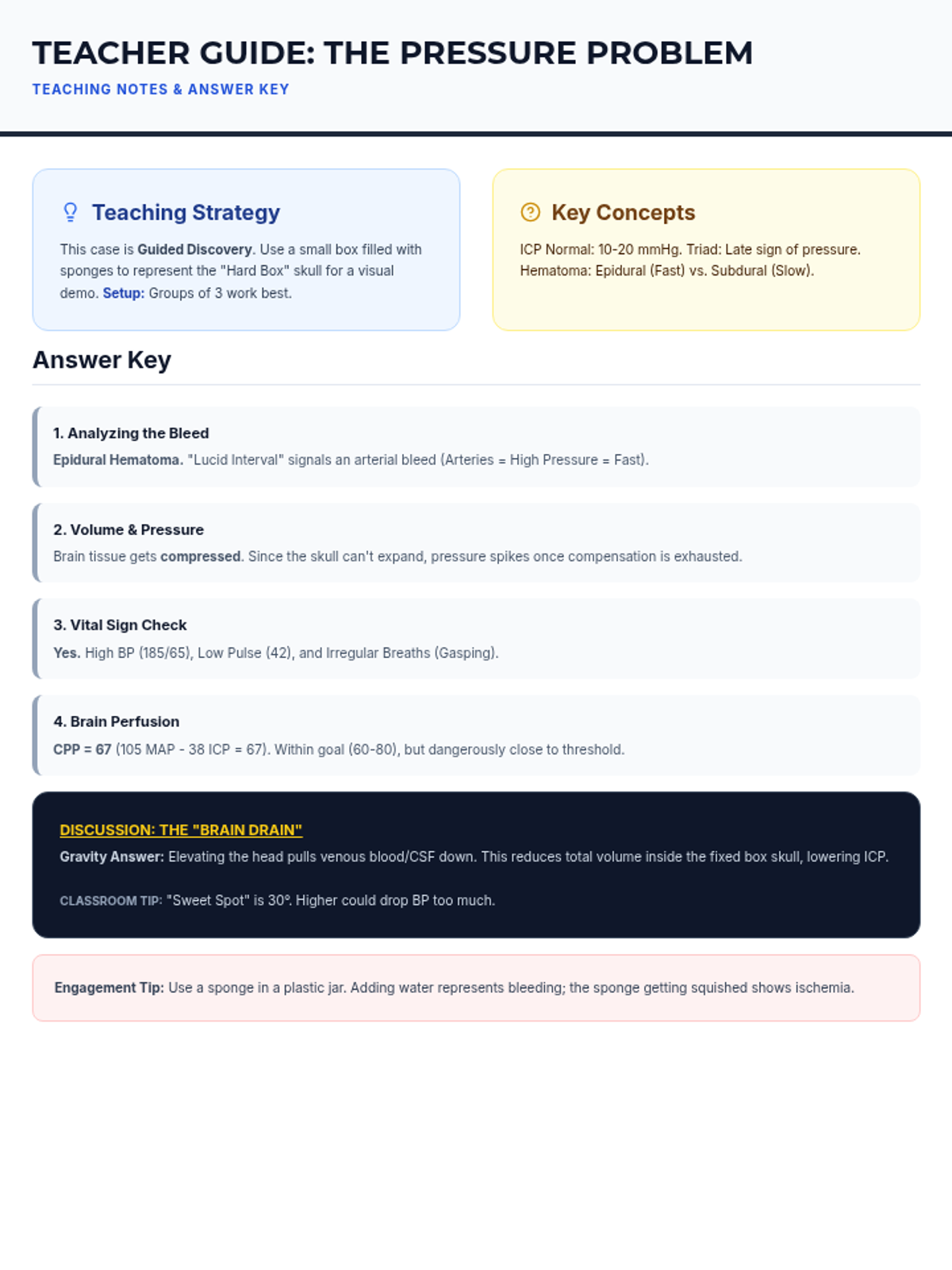
A health-science focused lesson on the anatomy, physiology, and clinical implications of increased intracranial pressure, featuring the Monro-Kellie doctrine and Cushing's Triad.