A hands-on exploration of adding and subtracting integers using vertical and horizontal number lines. Students visualize operations as movements along a scale, focusing on real-world contexts like elevation and temperature.
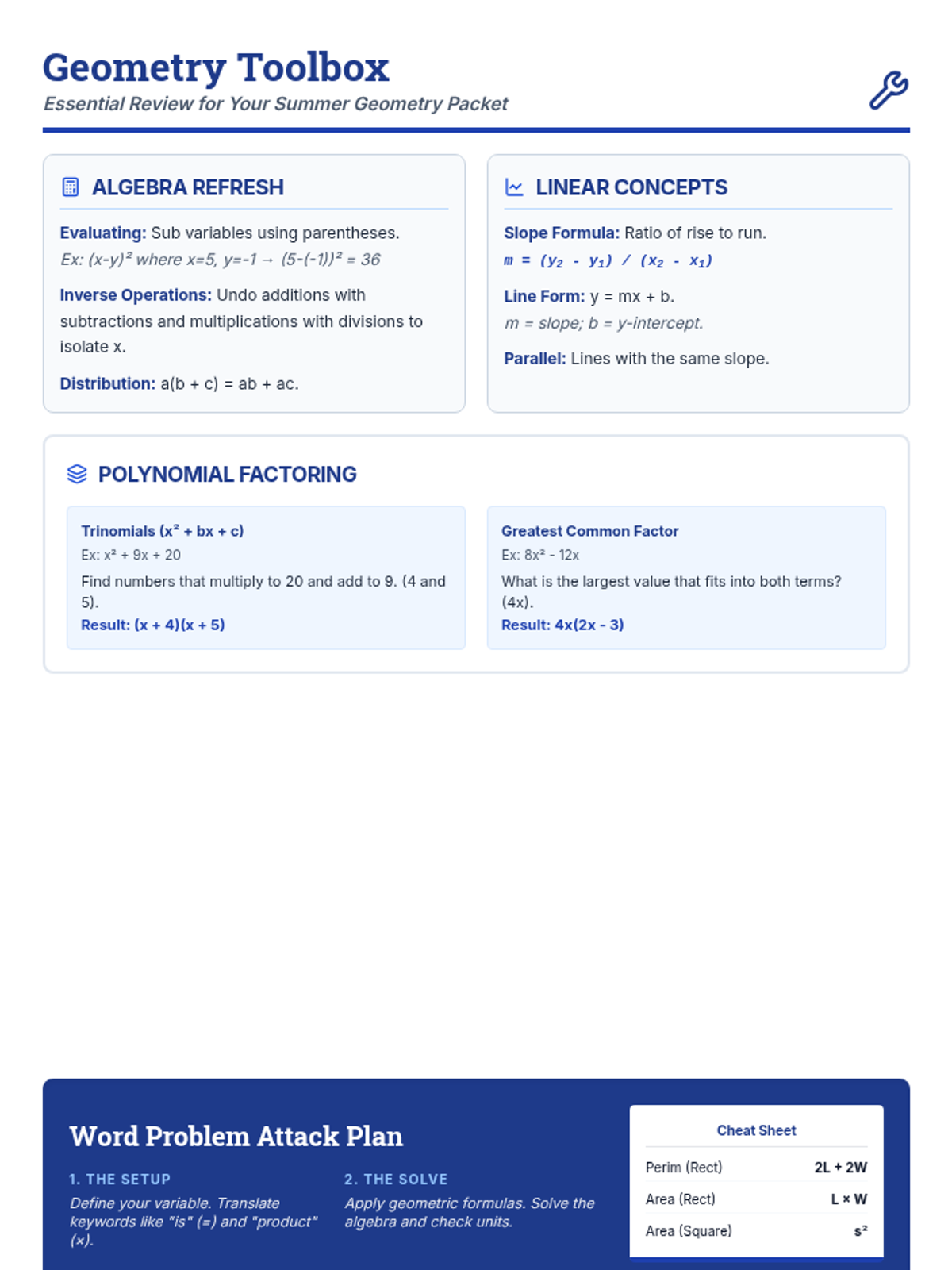
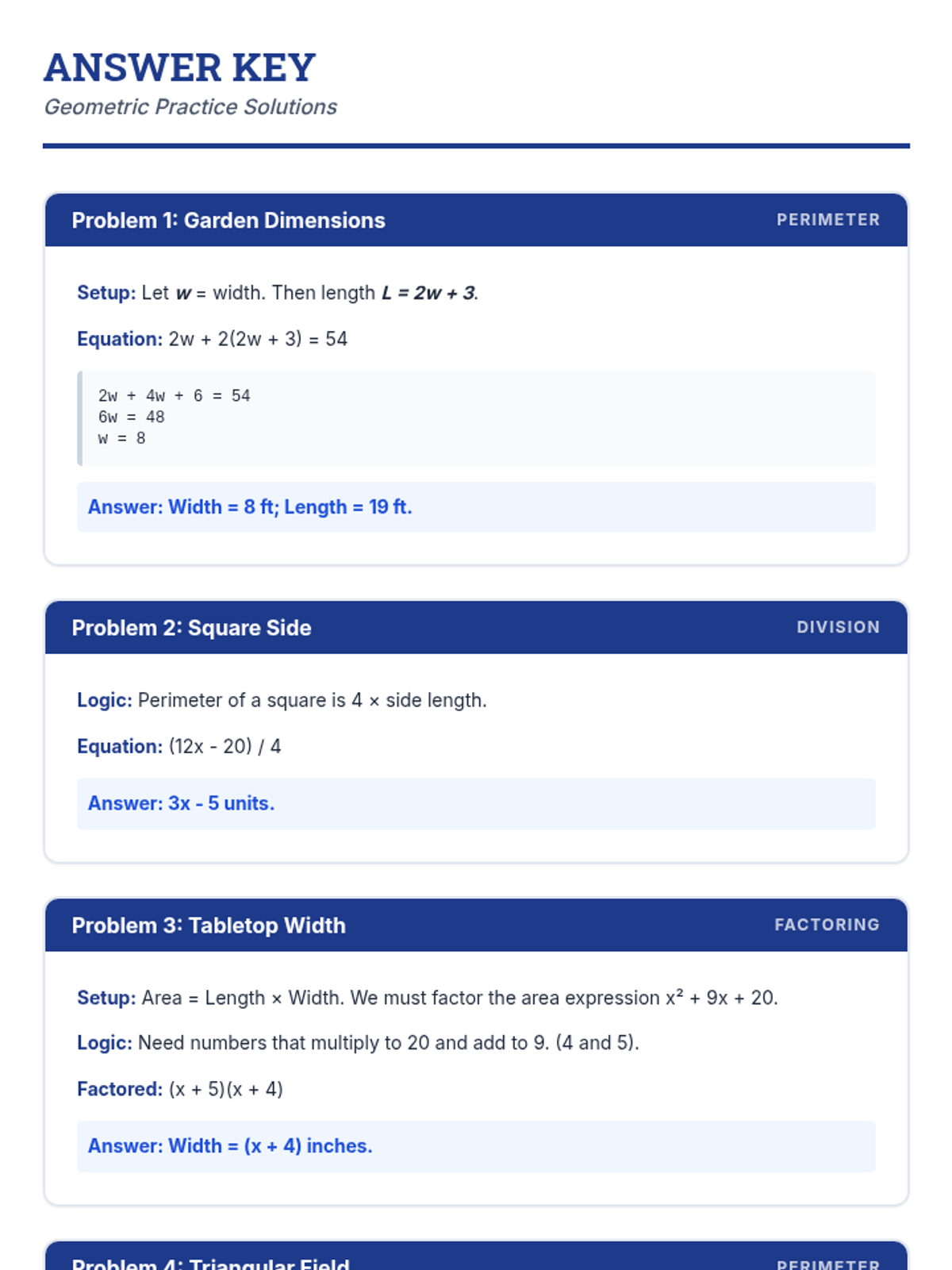
A collection of resources to support students completing their summer geometry packet, focusing on algebra foundations and geometric word problem applications.
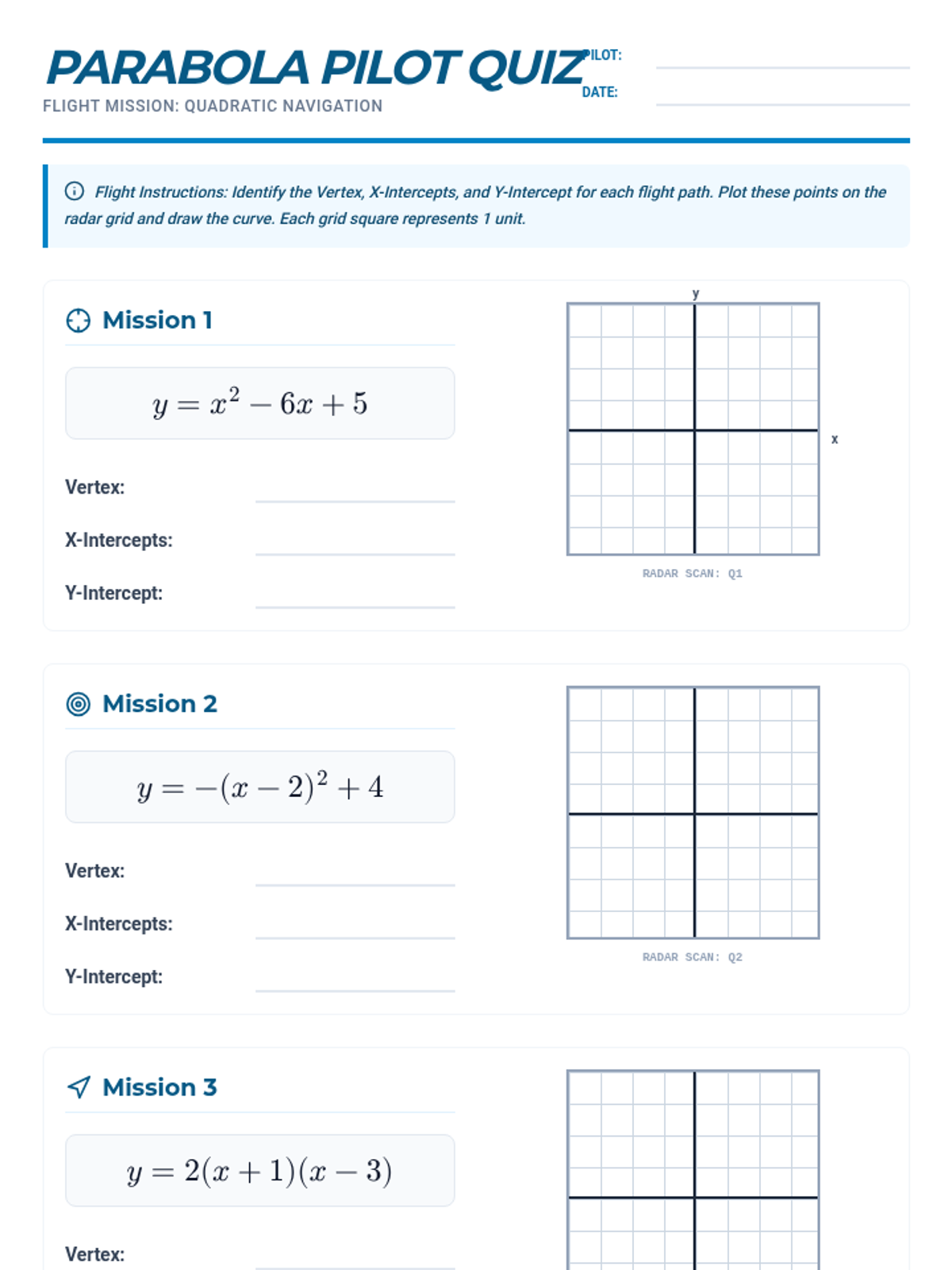
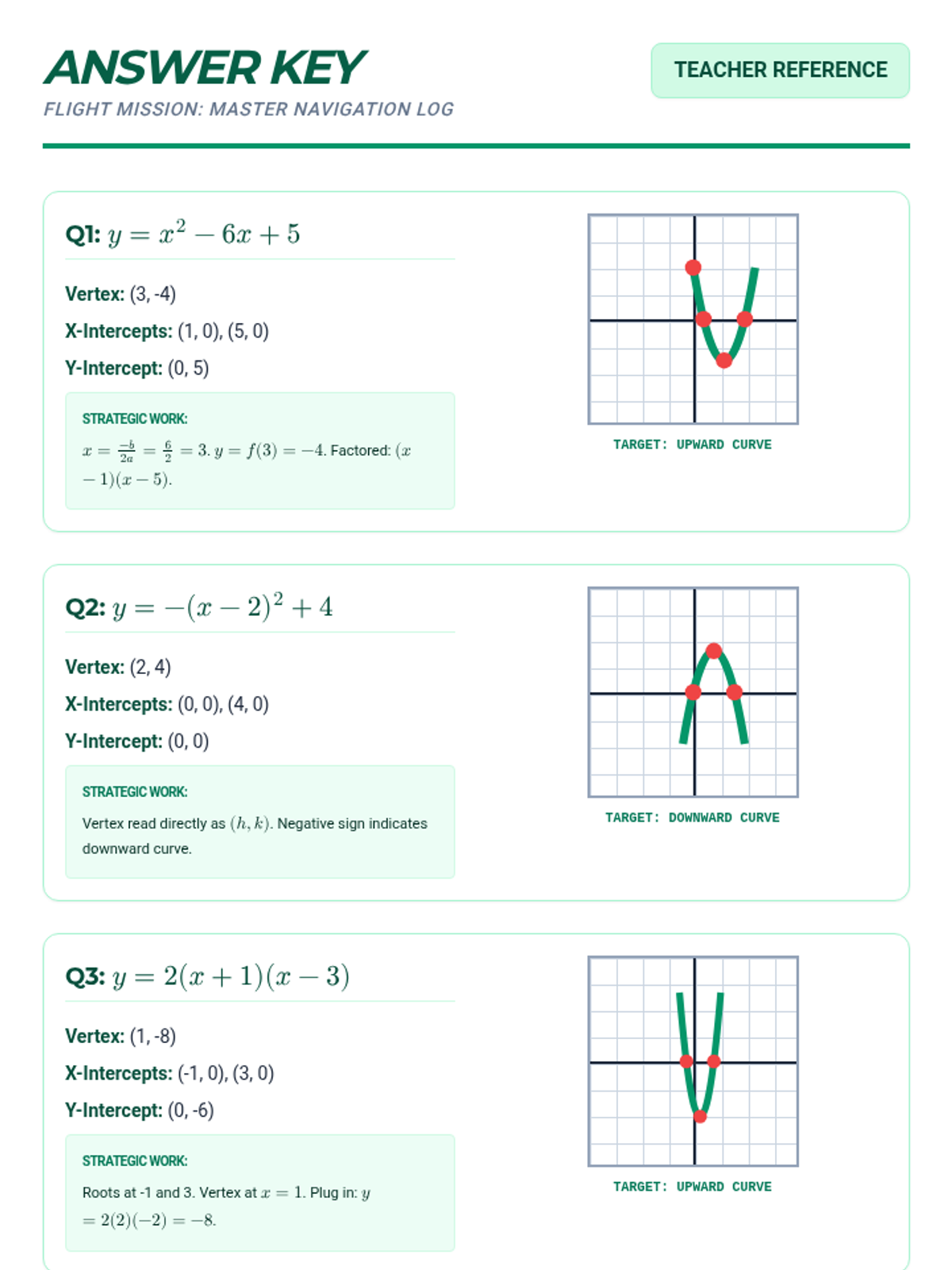
A lesson focused on identifying key features (vertex, intercepts) and graphing quadratic equations across standard, vertex, and factored forms.
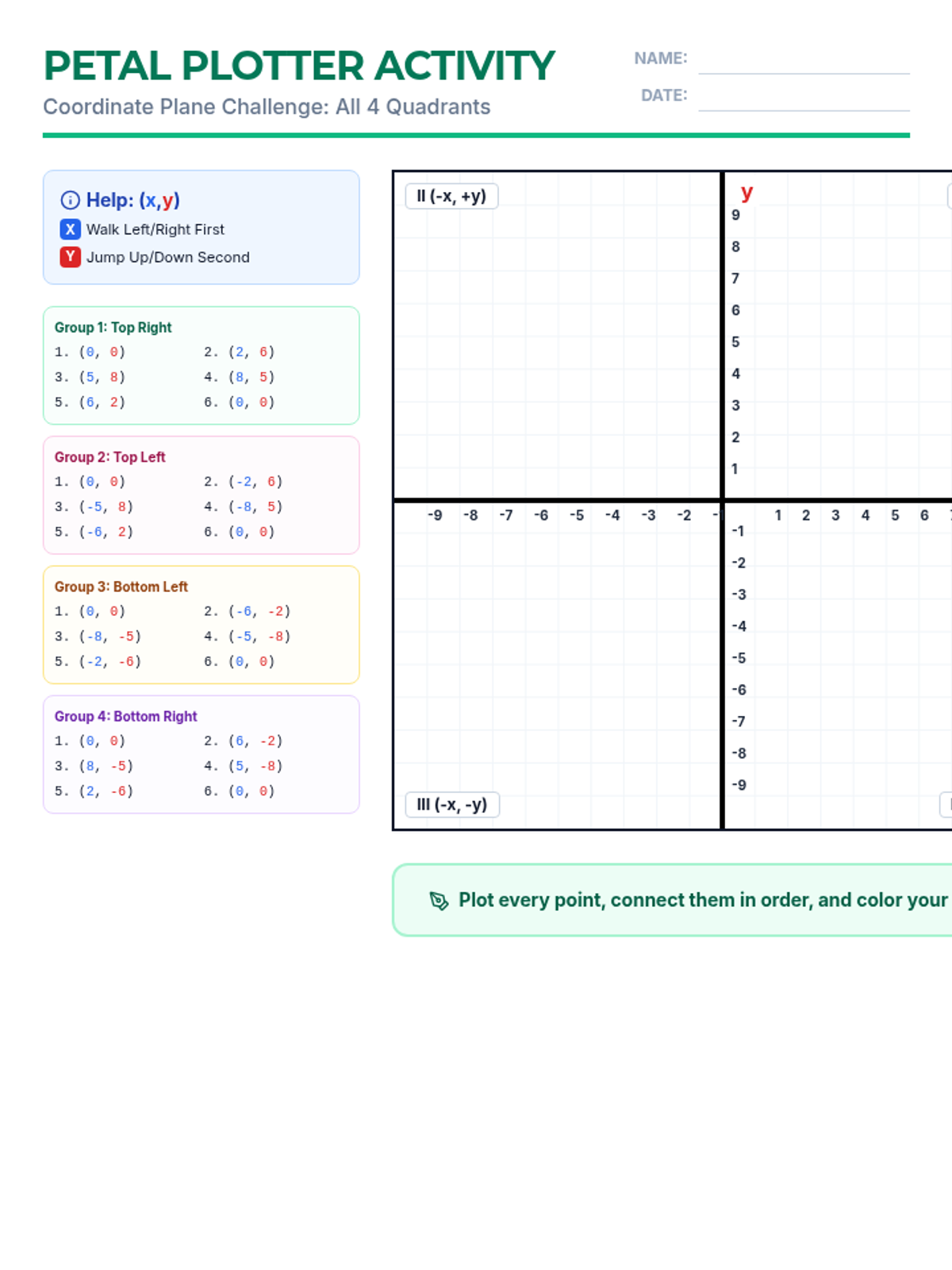
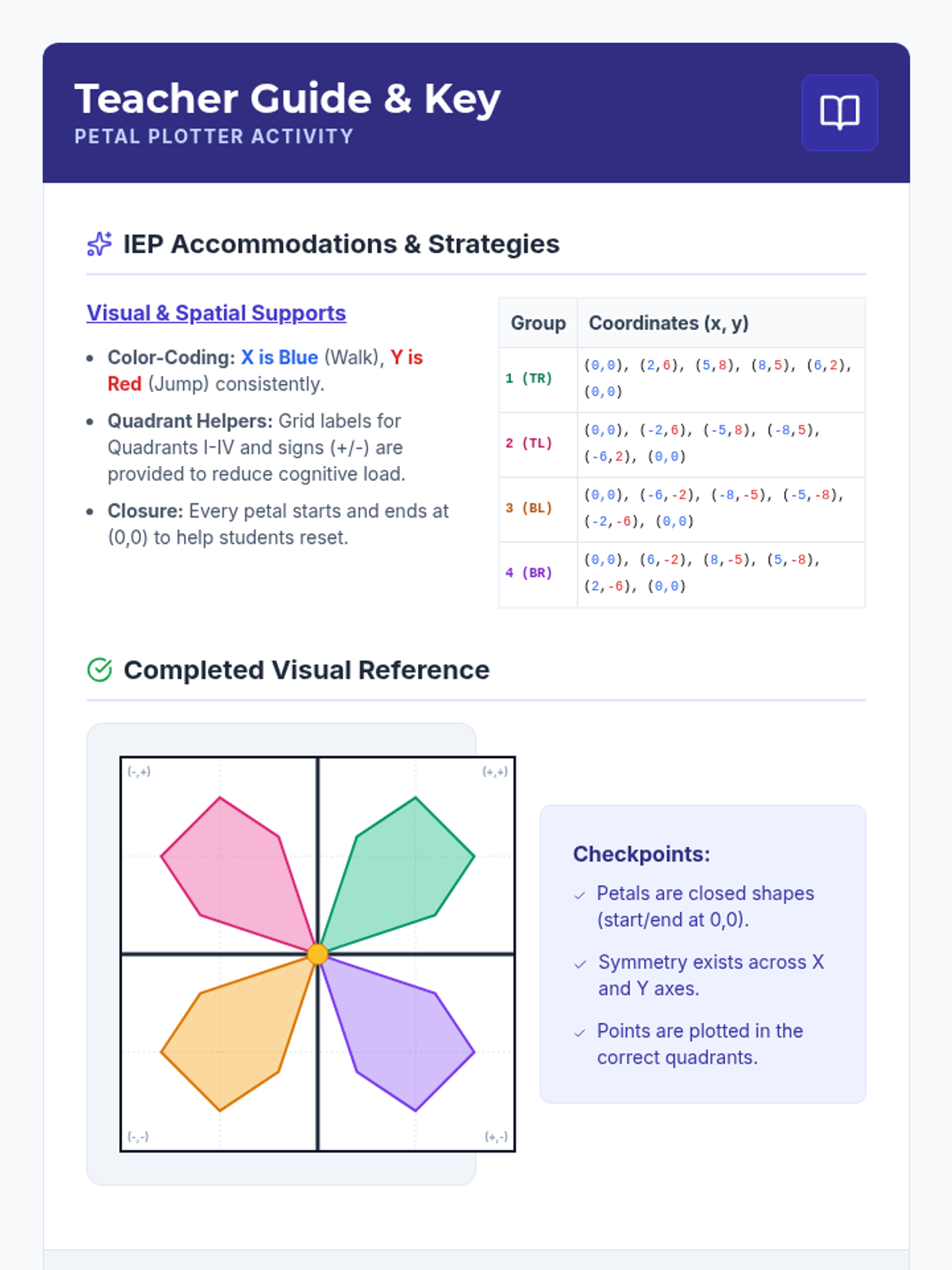
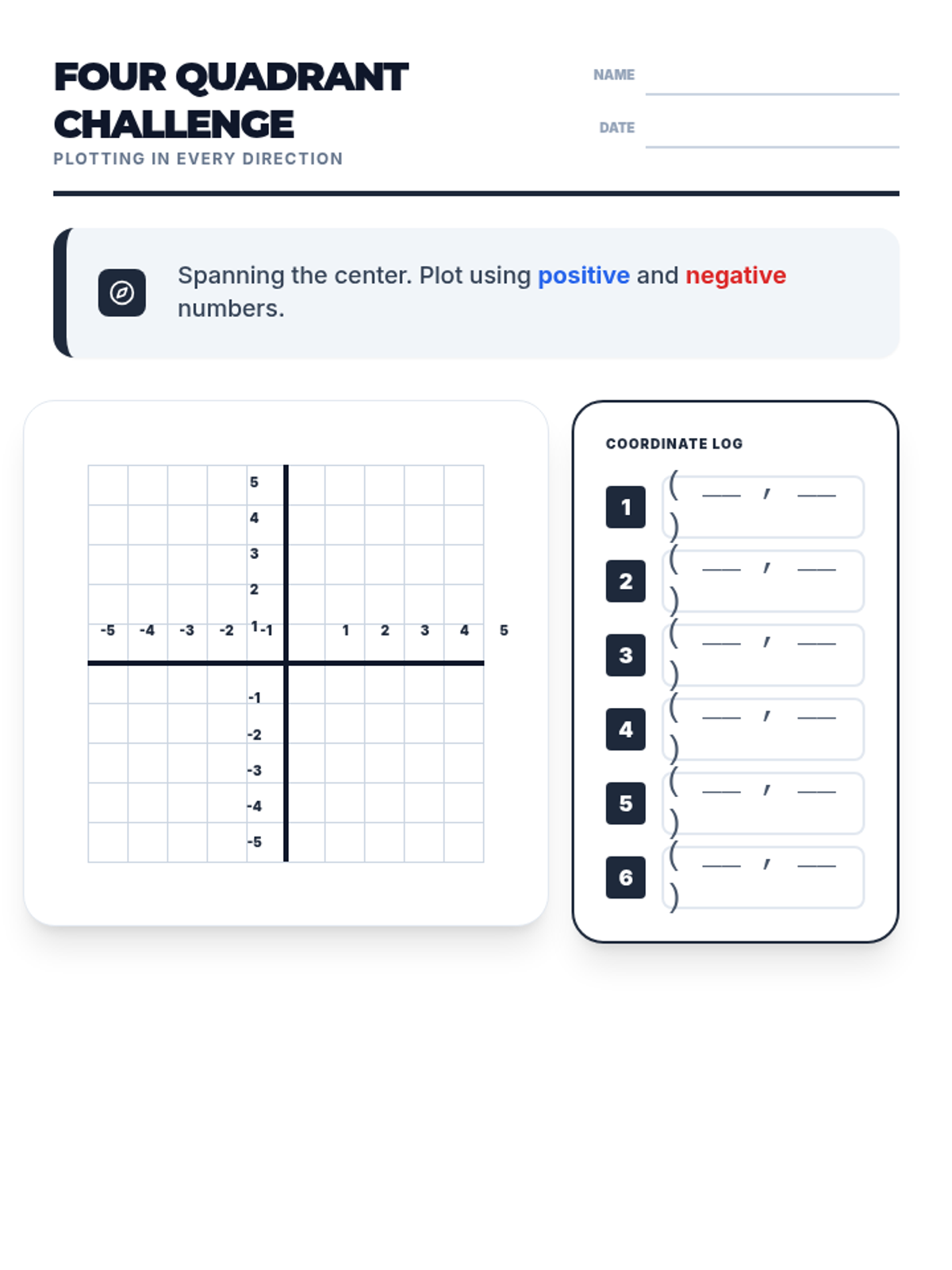
A modified coordinate plane lesson for IEP students focusing on plotting points in all four quadrants to create a seasonal flower image. Includes scaffolding such as color-coding and directional prompts.
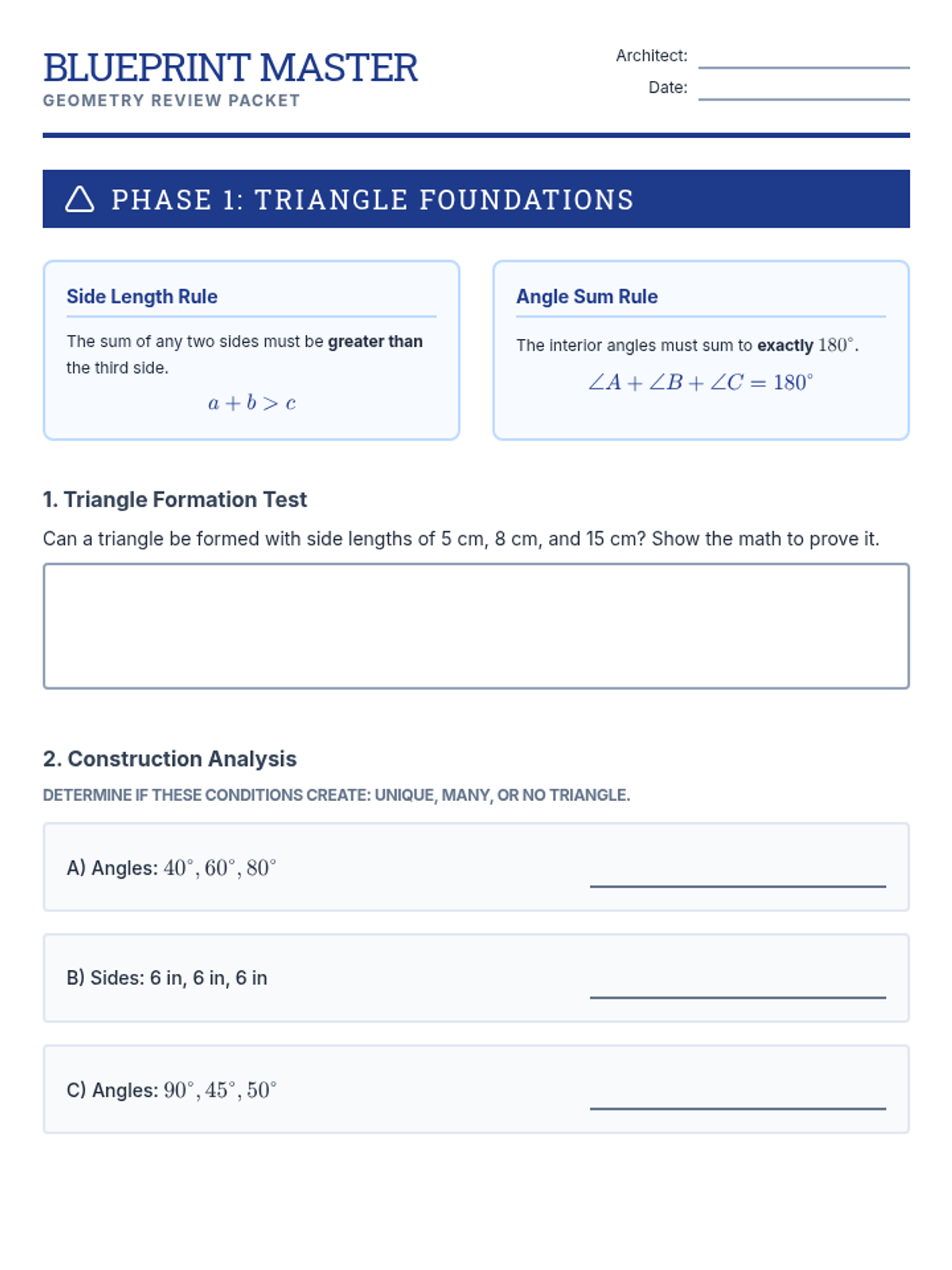
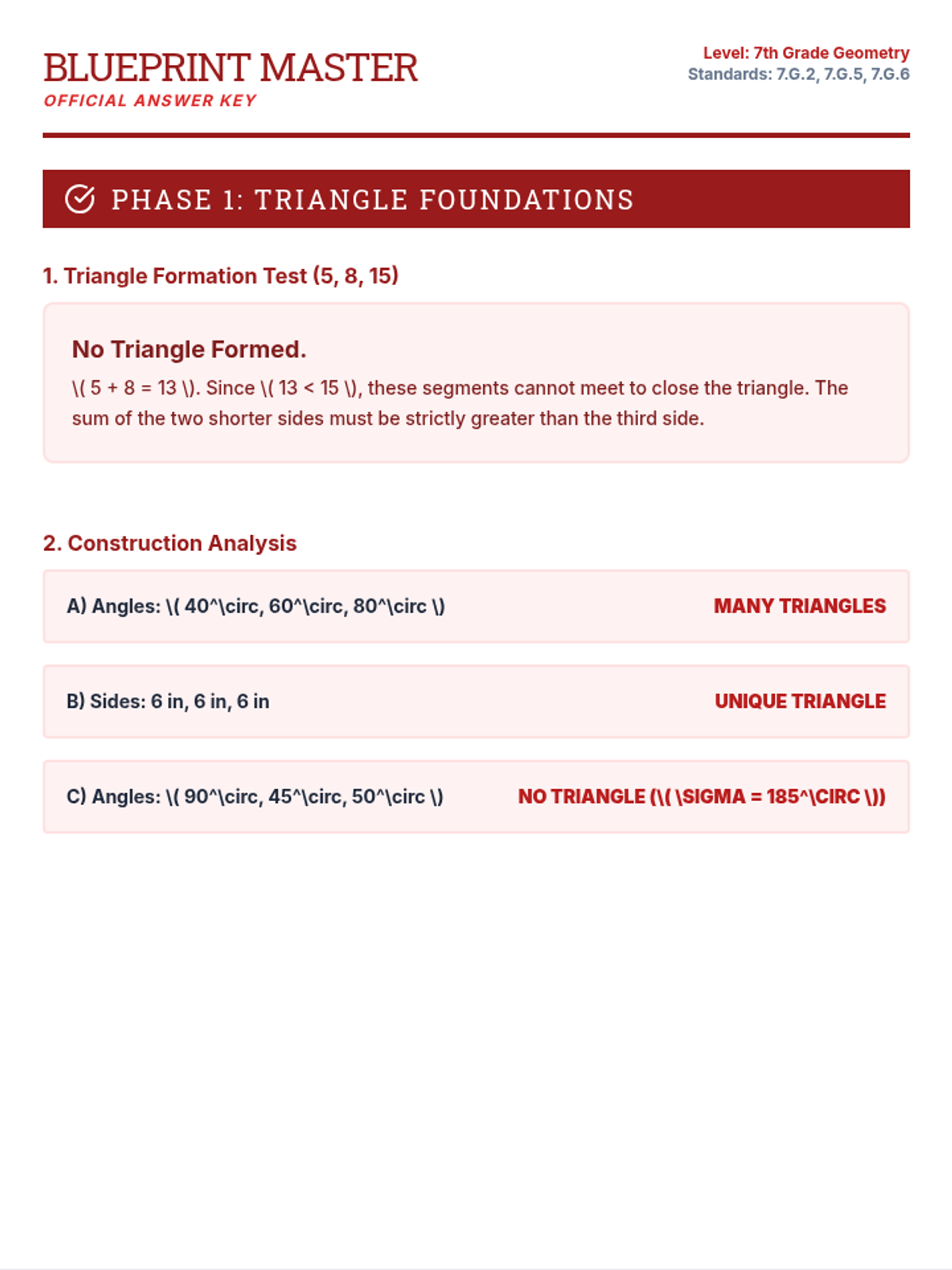
A comprehensive geometry review covering triangle construction, angle relationships, and 2D/3D measurements. Students take on the role of an architect to master essential geometric principles.
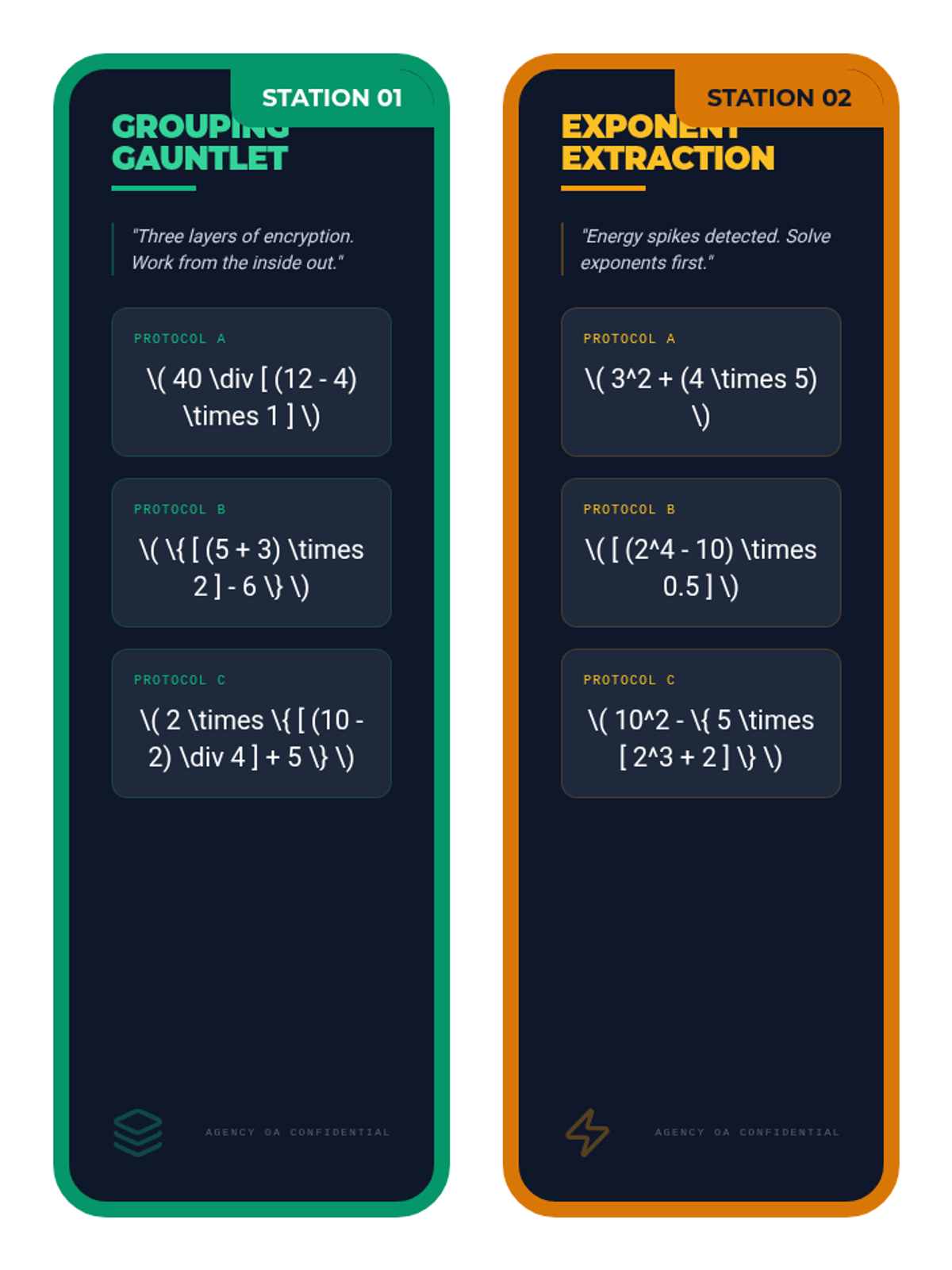
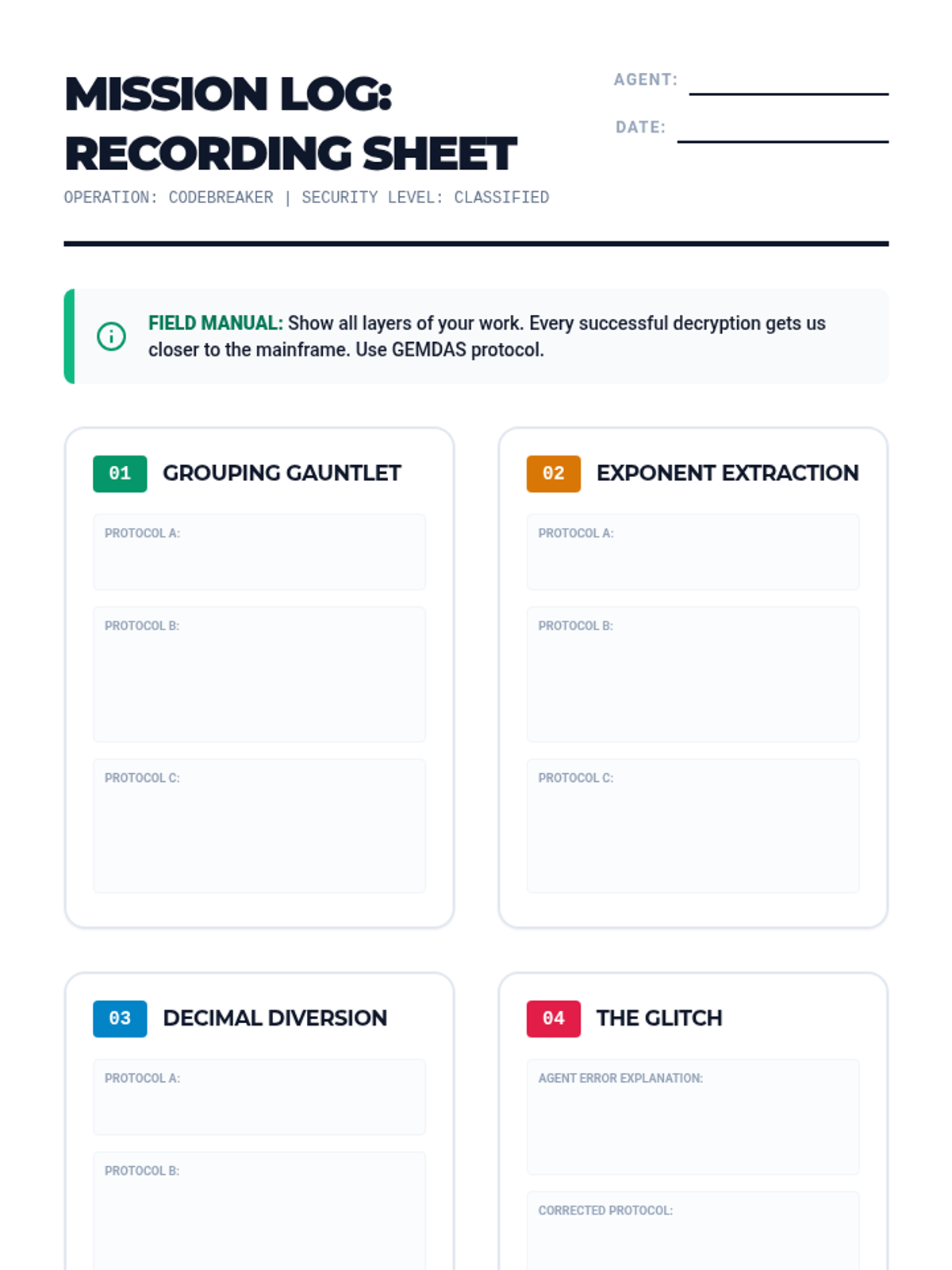
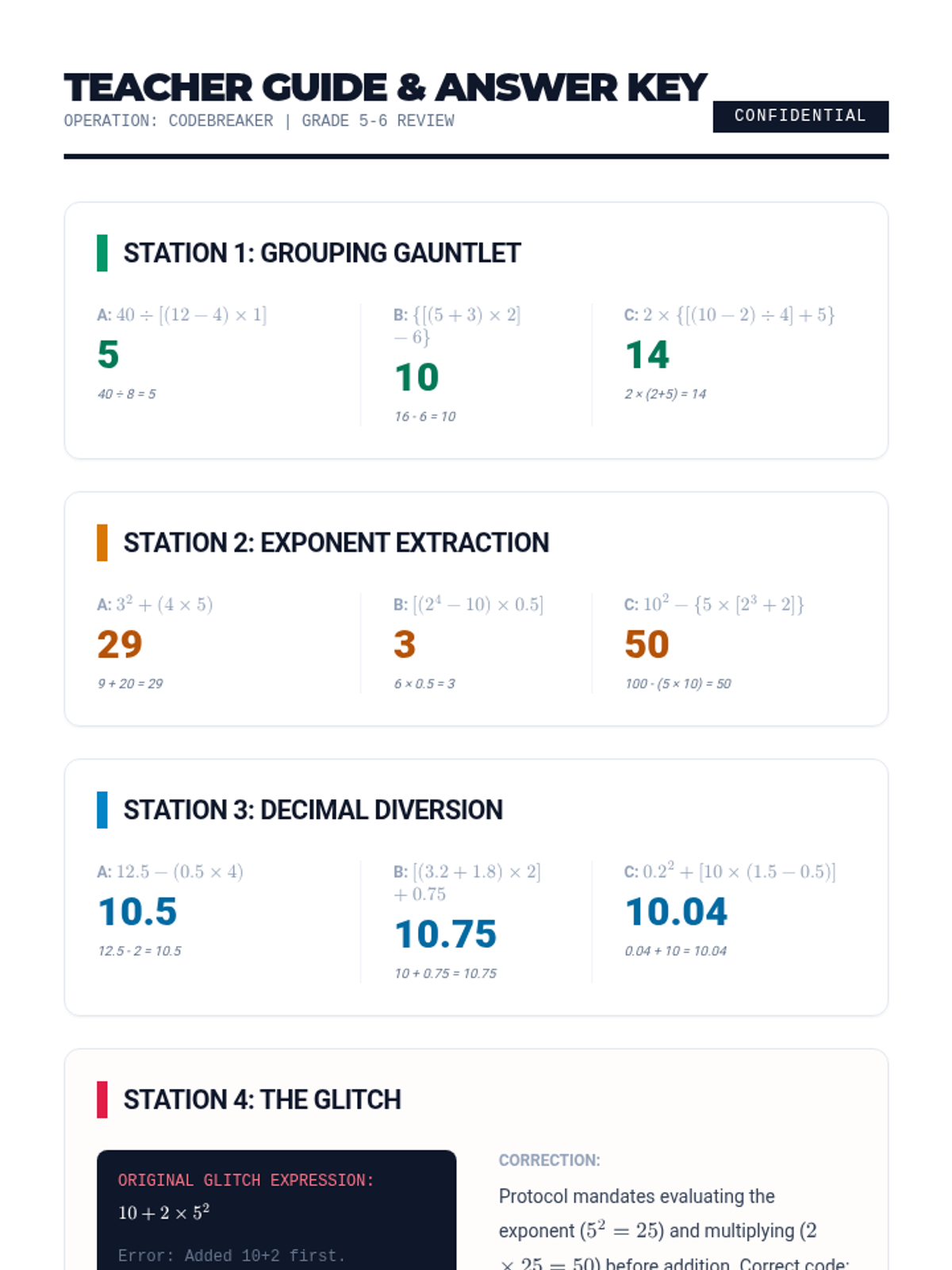
A high-energy, spy-themed review of the order of operations featuring nested groupings (parentheses, brackets, braces), exponents, and decimal operations. Students take on the role of codebreakers to solve complex numerical missions.
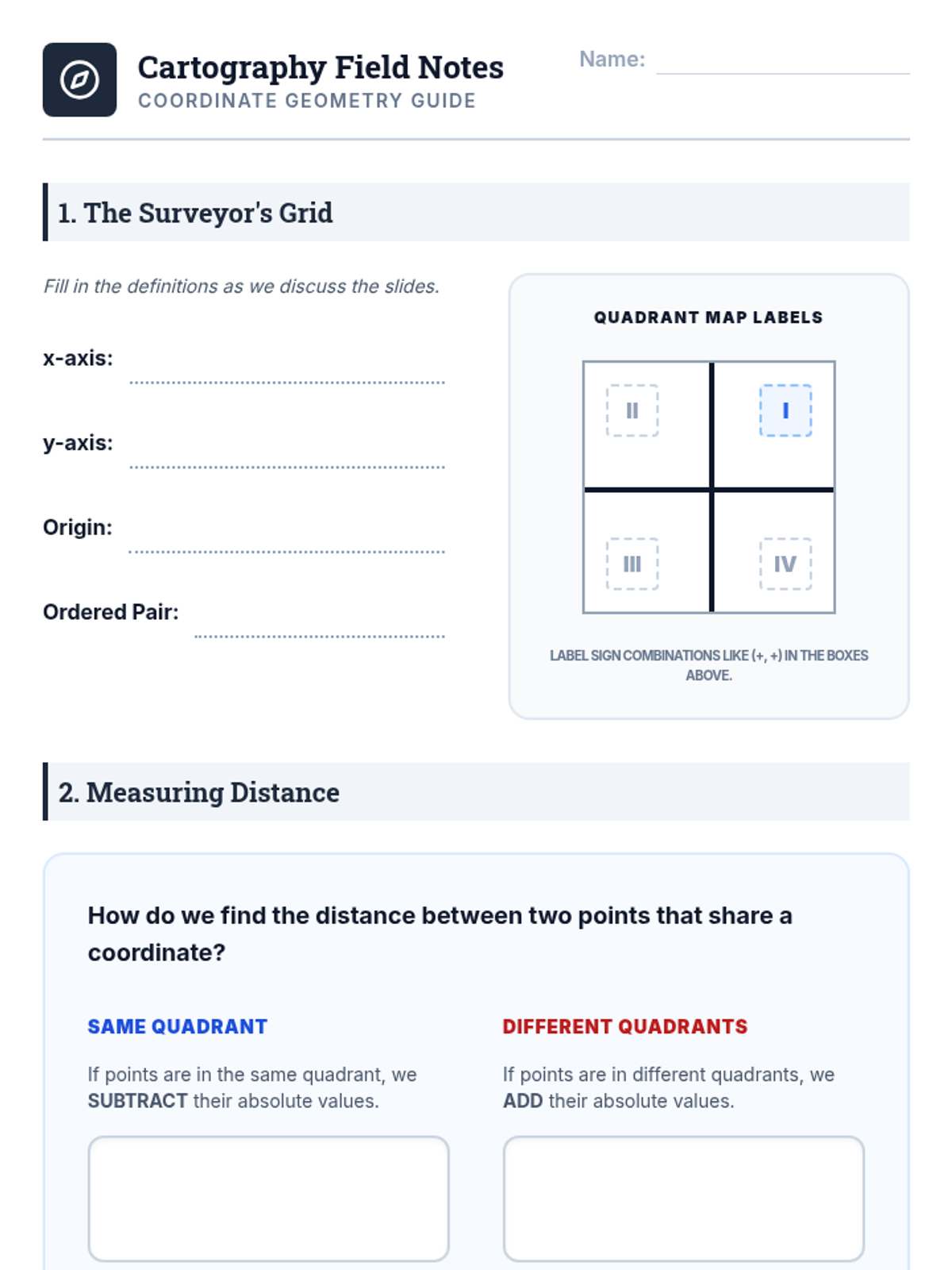
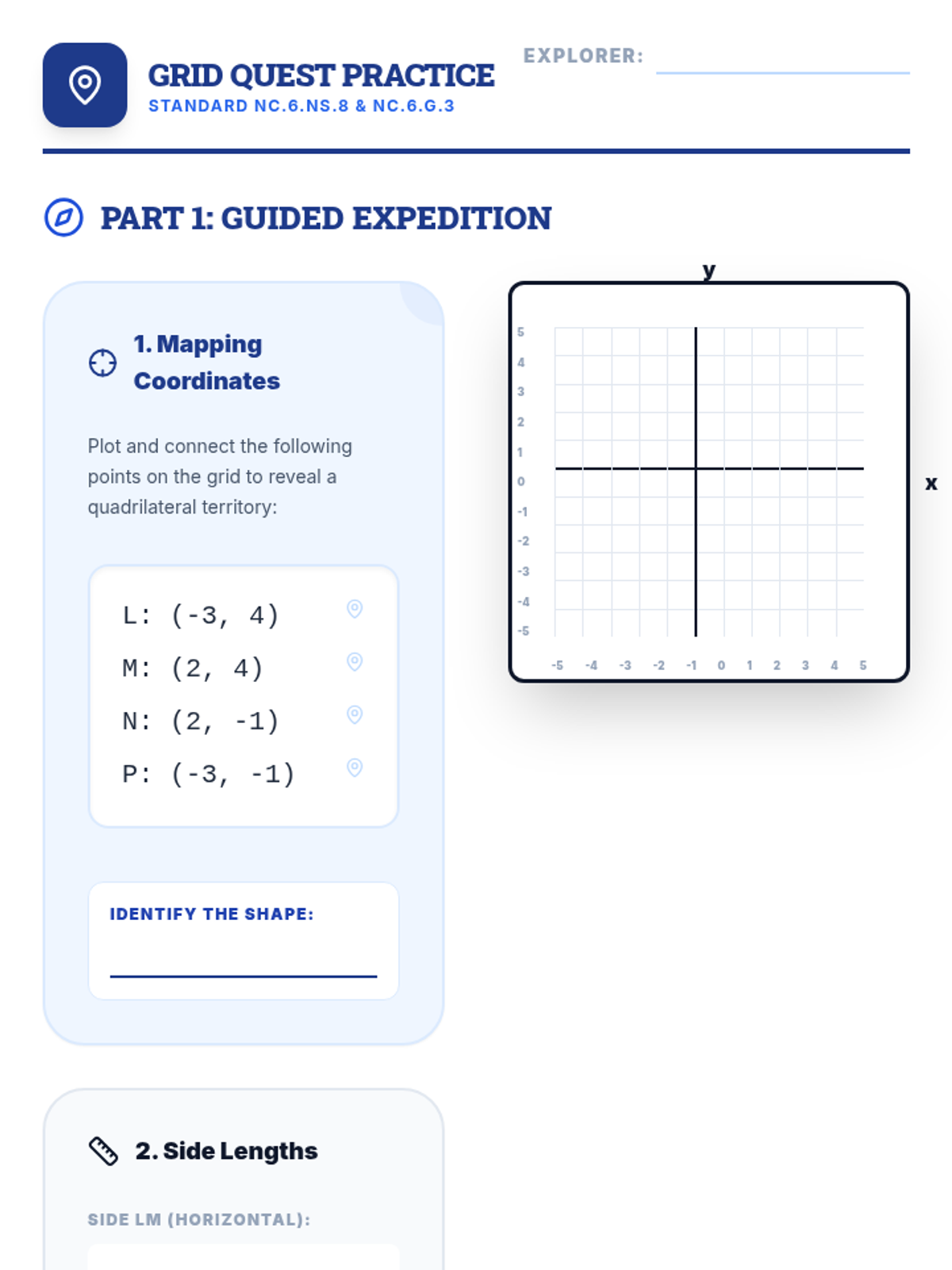
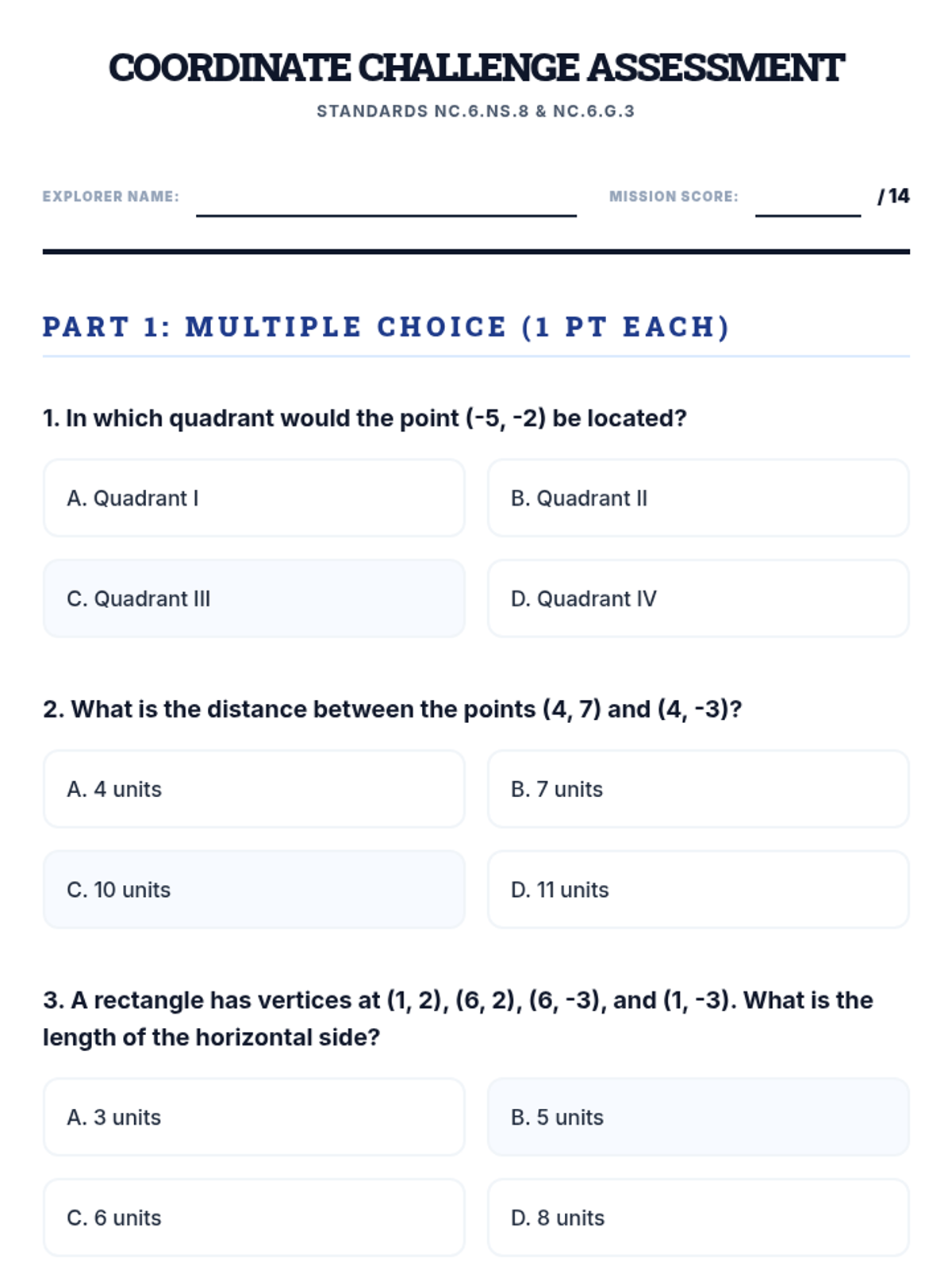
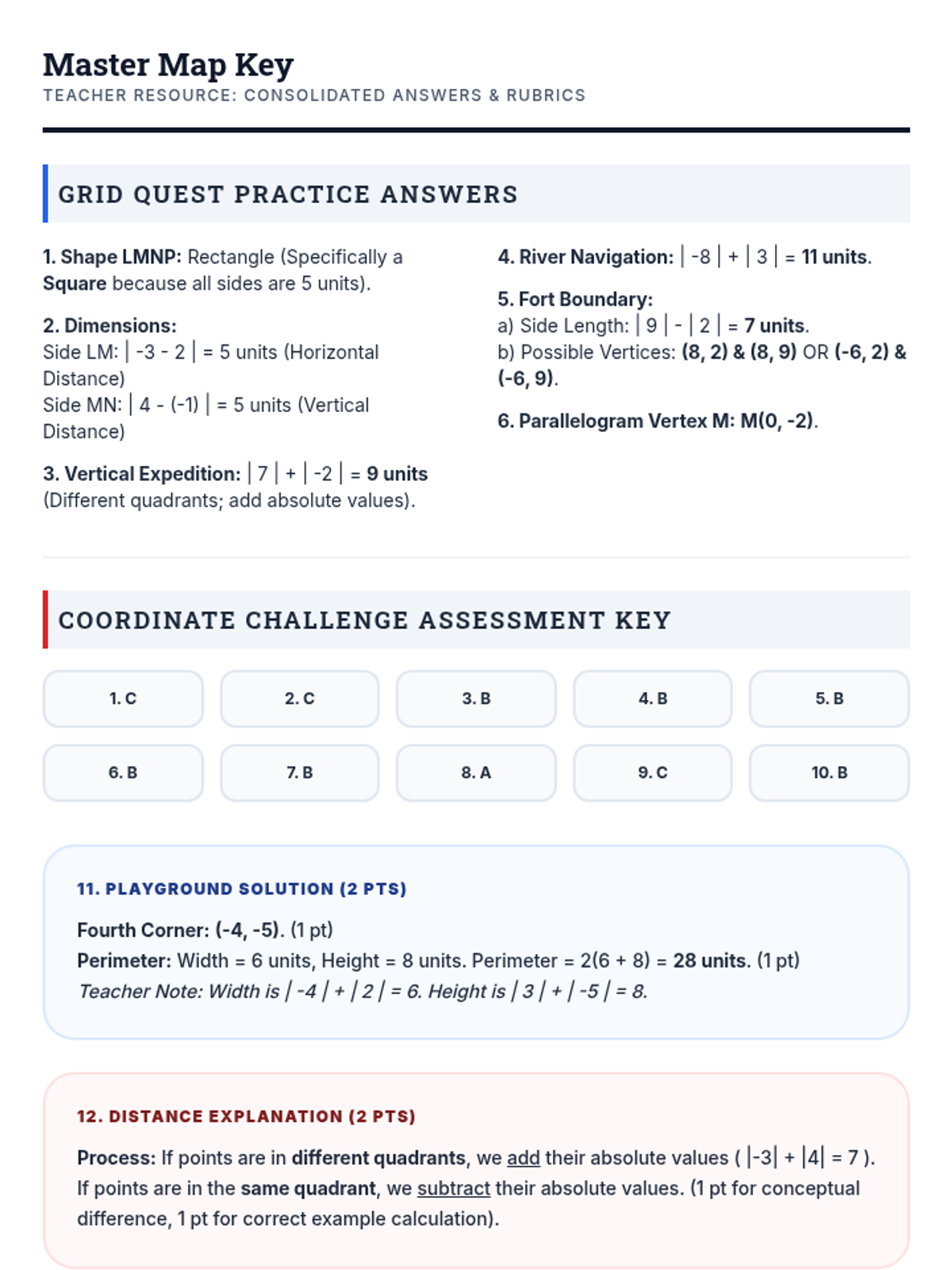
A comprehensive lesson on plotting points, identifying quadrilaterals, and calculating distances on the coordinate plane. Students use cartography-themed materials to master 6th-grade geometry and number system standards.
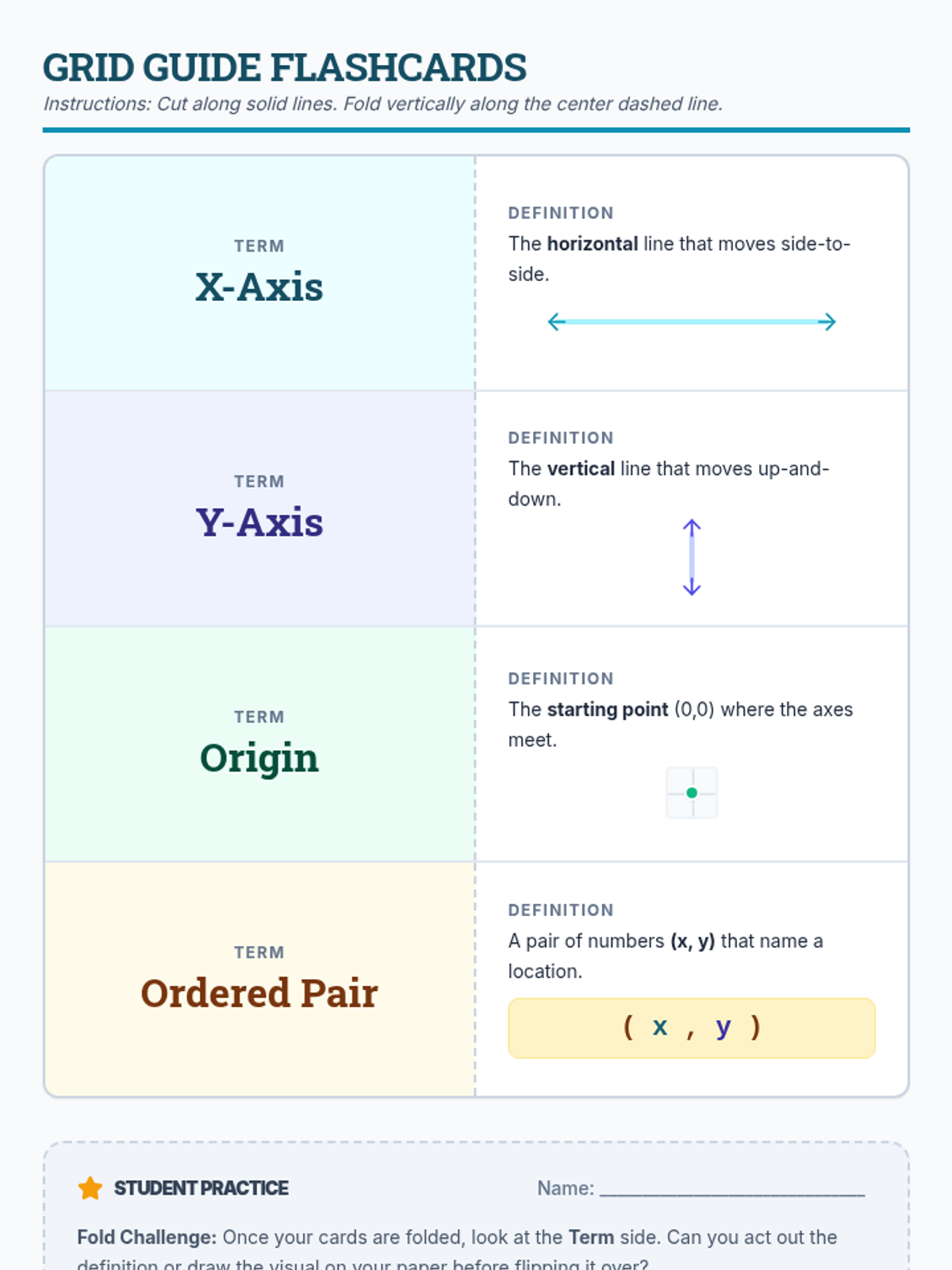
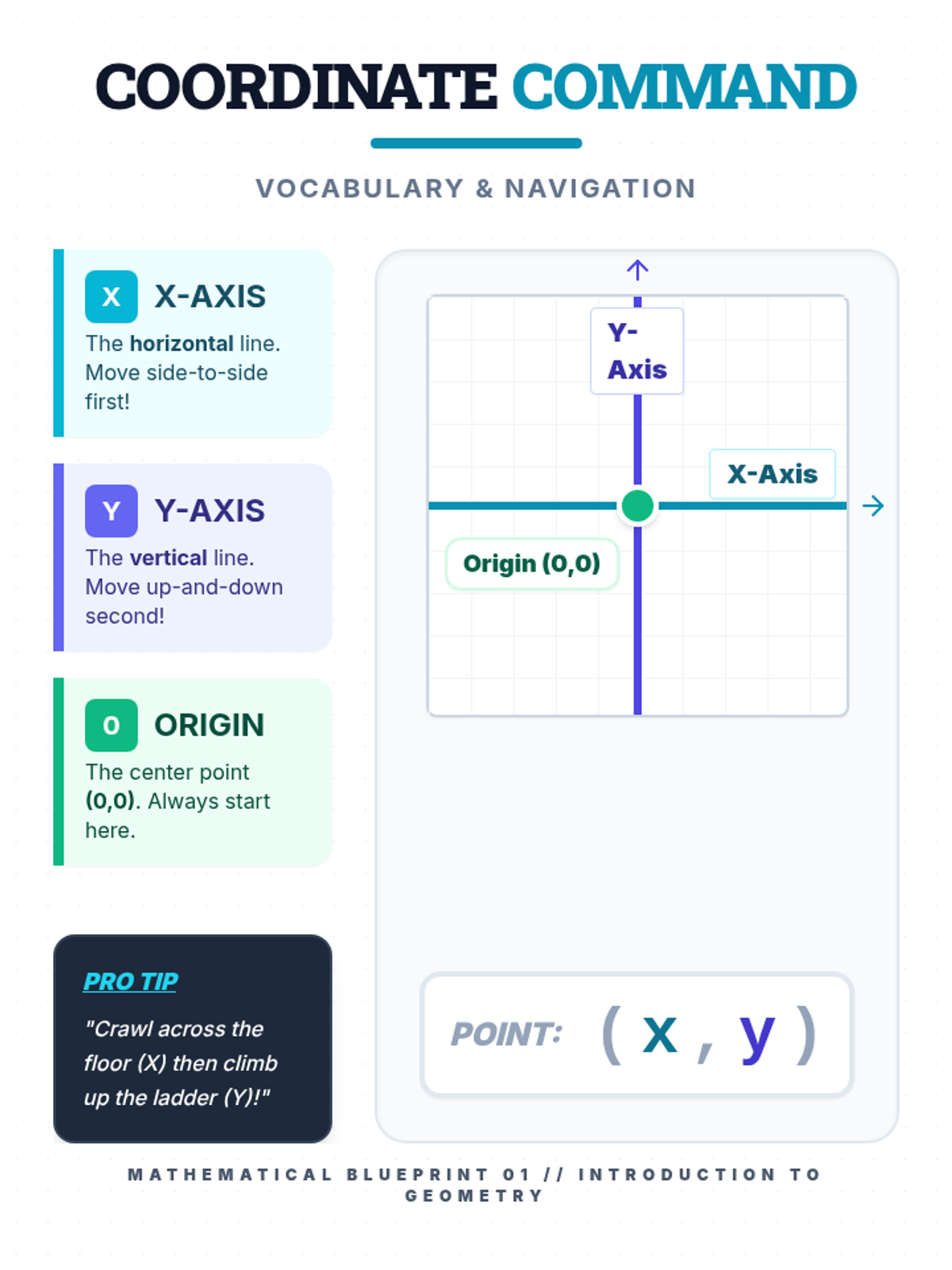
An introduction to the coordinate plane, focusing on identifying the x-axis, y-axis, and the origin to begin plotting ordered pairs.
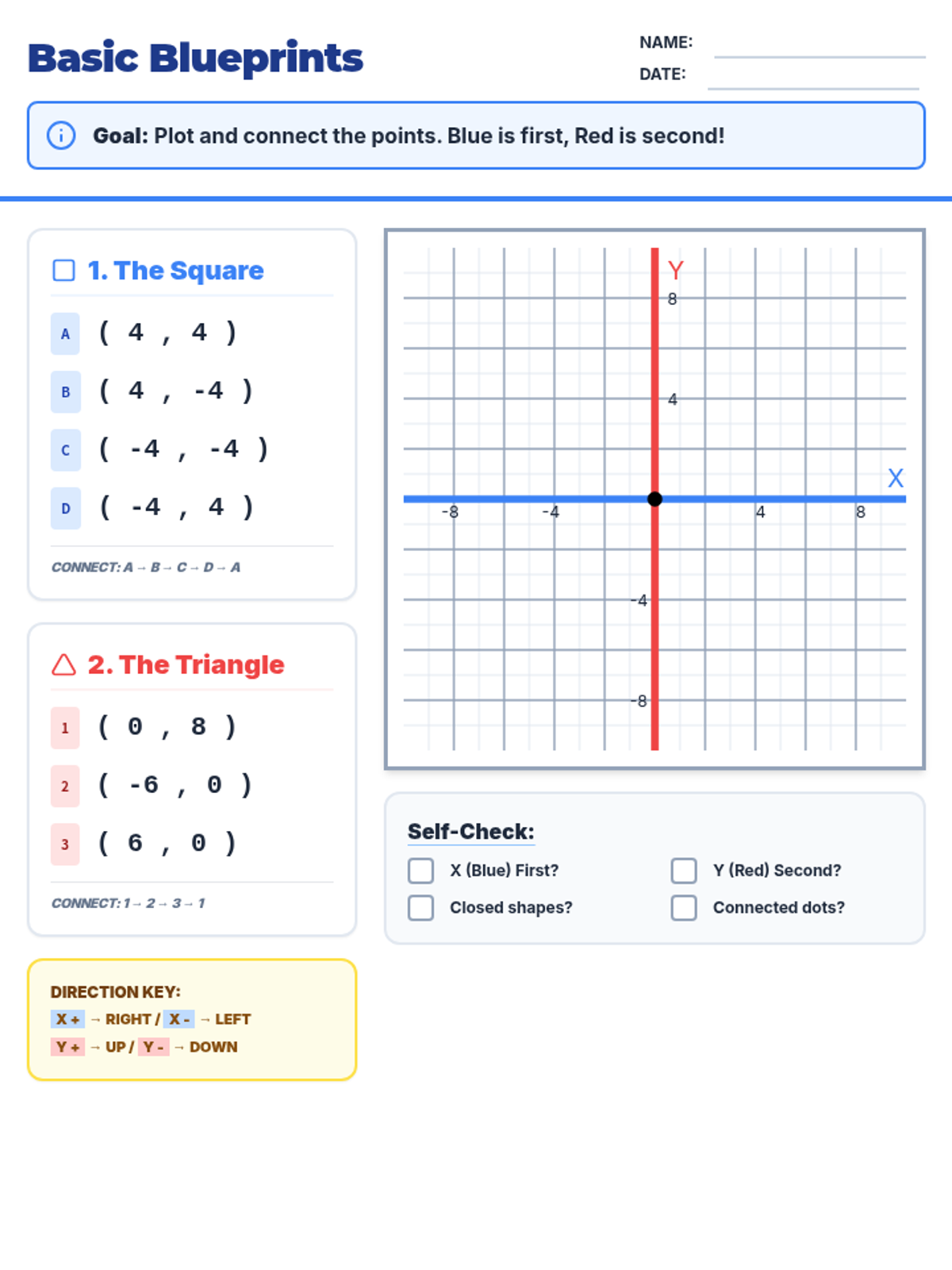
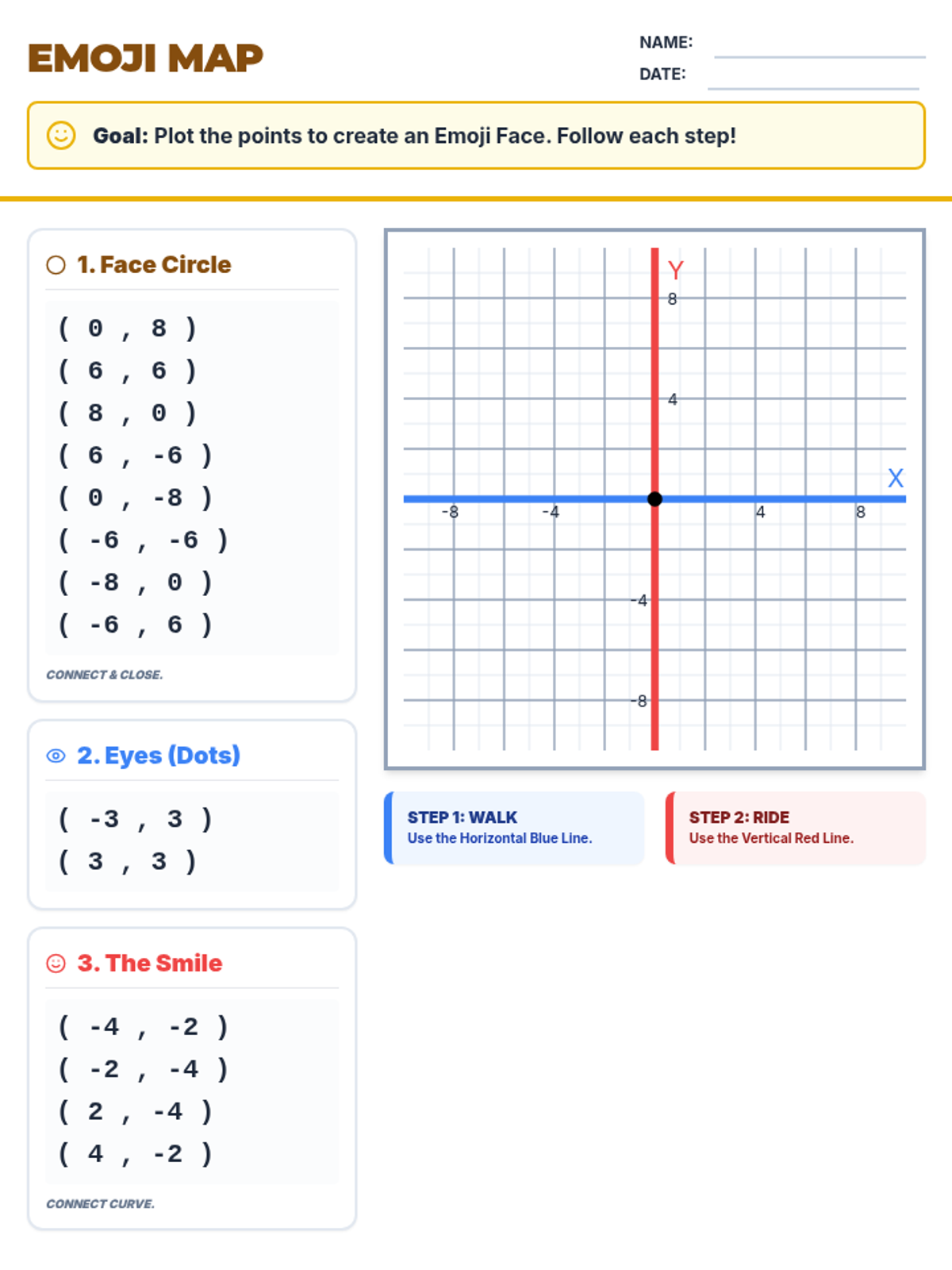
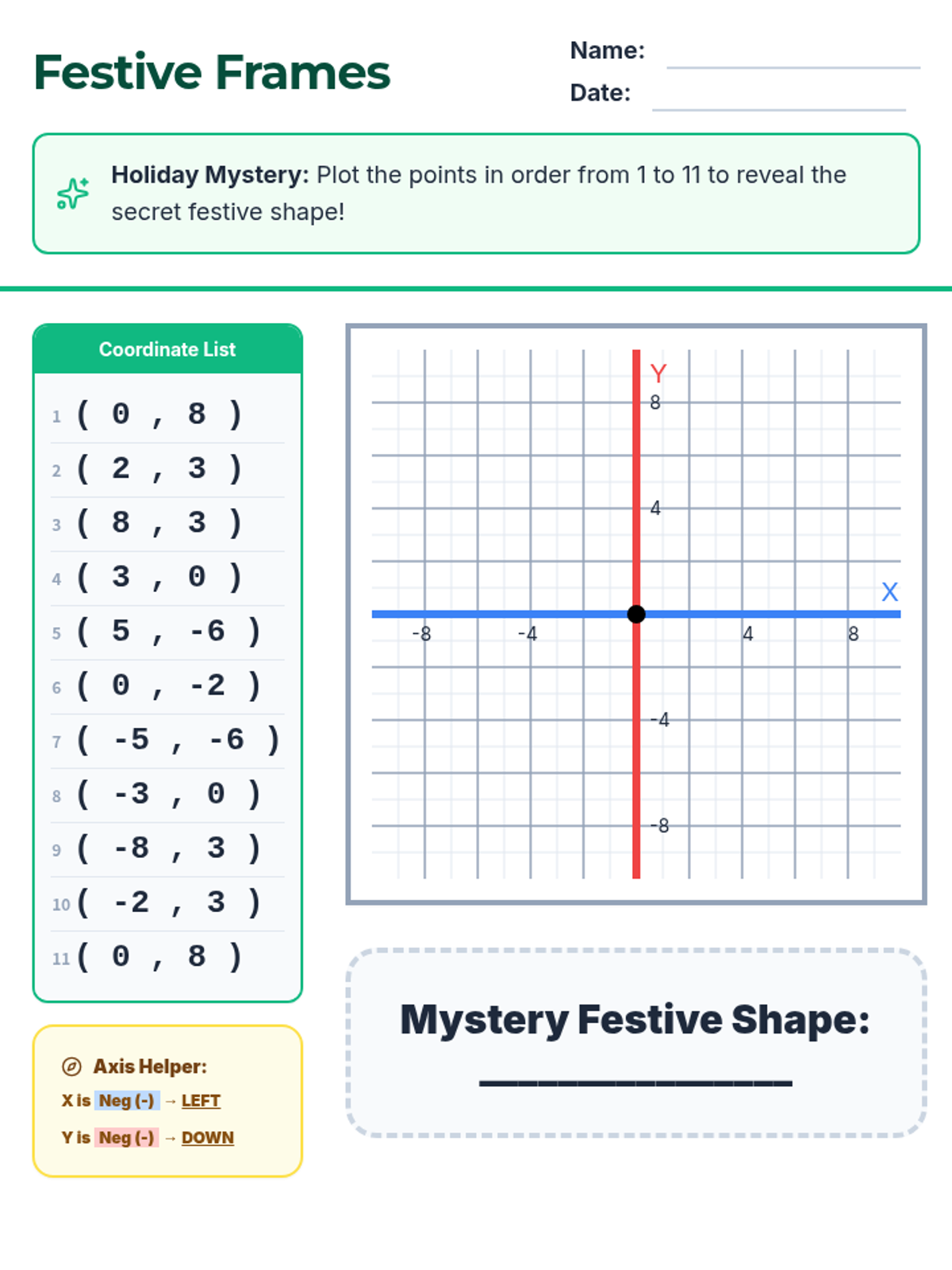
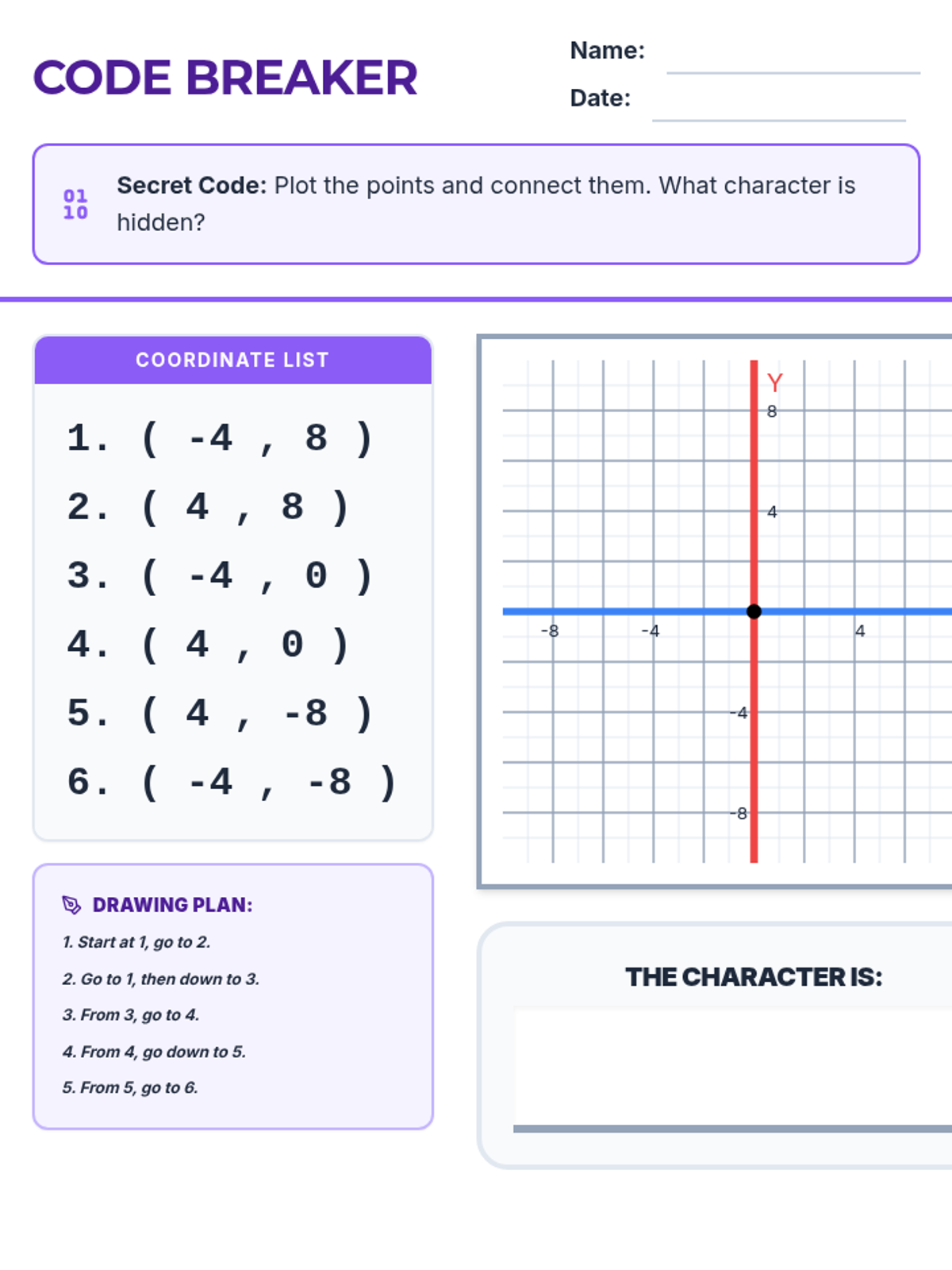
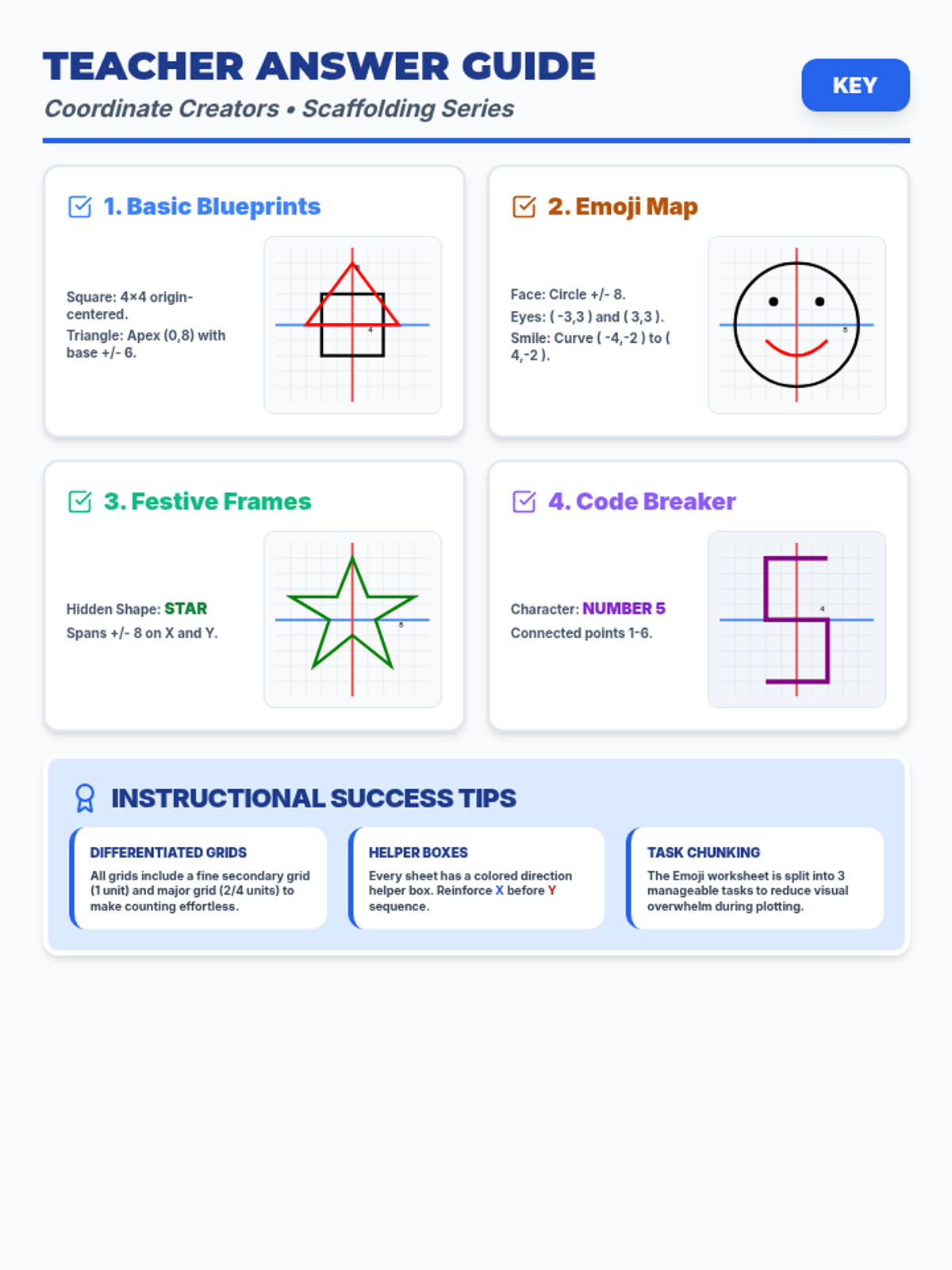
A beginner-friendly introduction to the four-quadrant coordinate plane, specifically designed with scaffolding and visual aids for students with diverse learning needs. Students will practice plotting points to reveal basic shapes, emojis, holiday symbols, and characters.
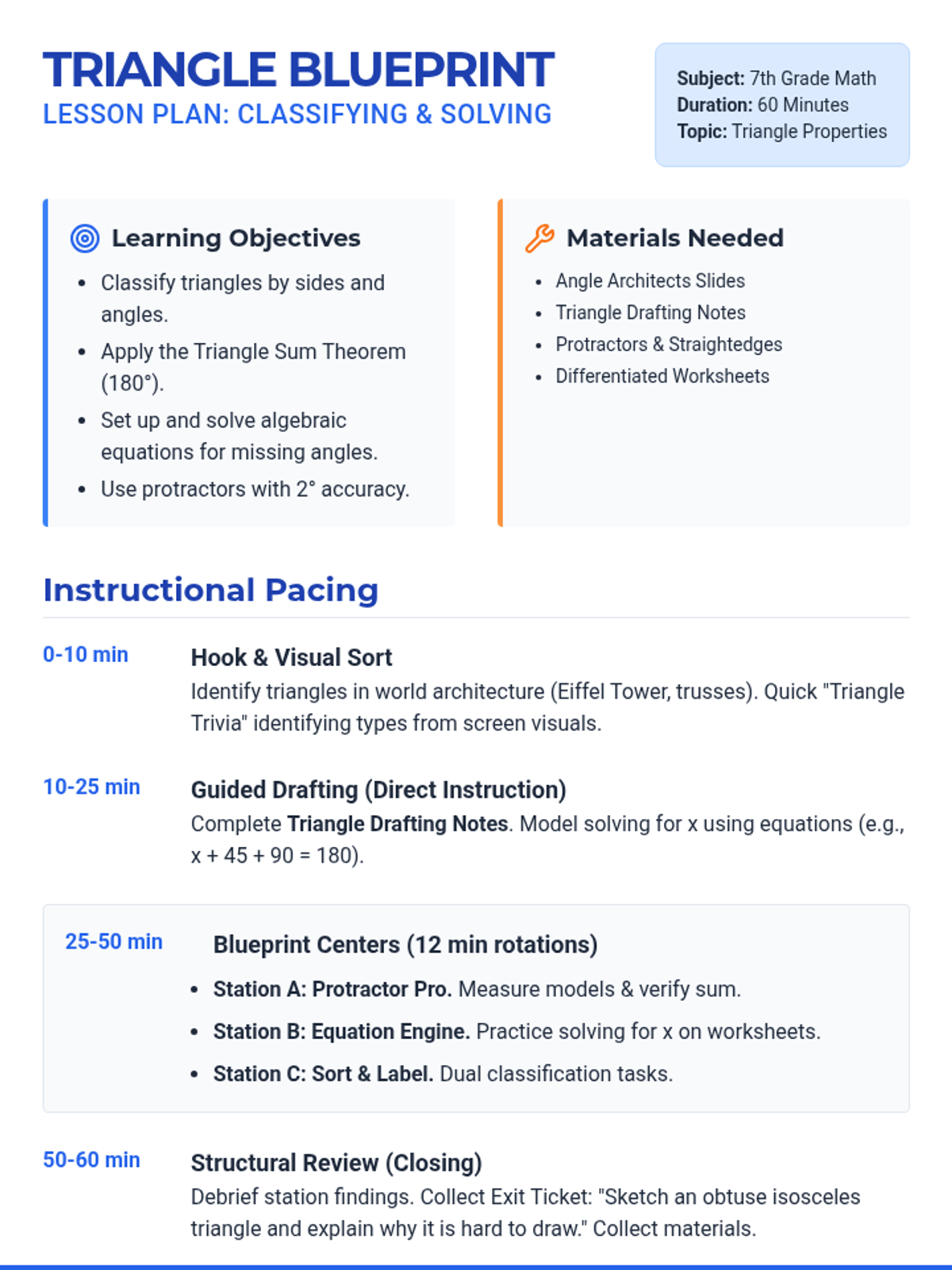
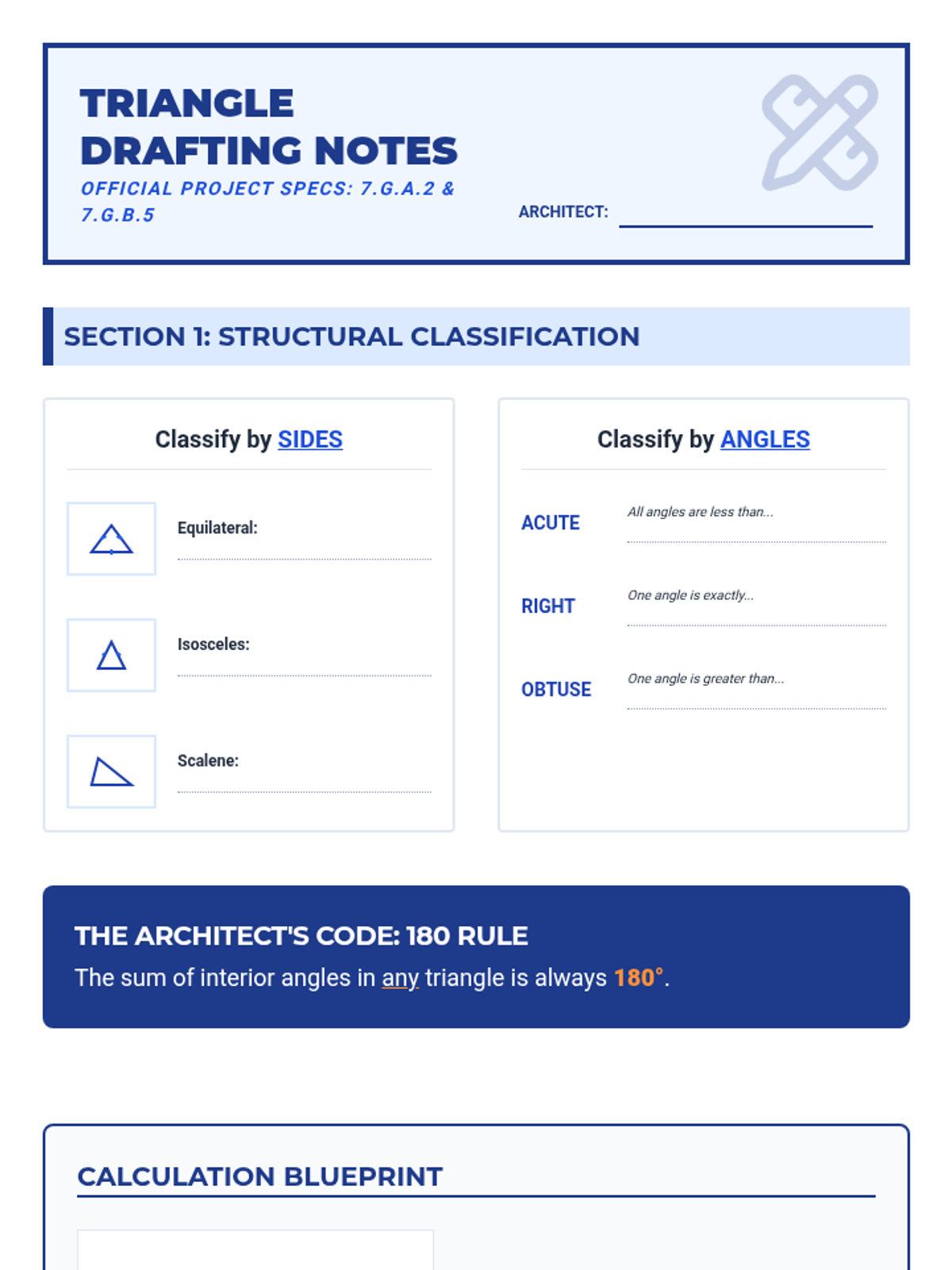
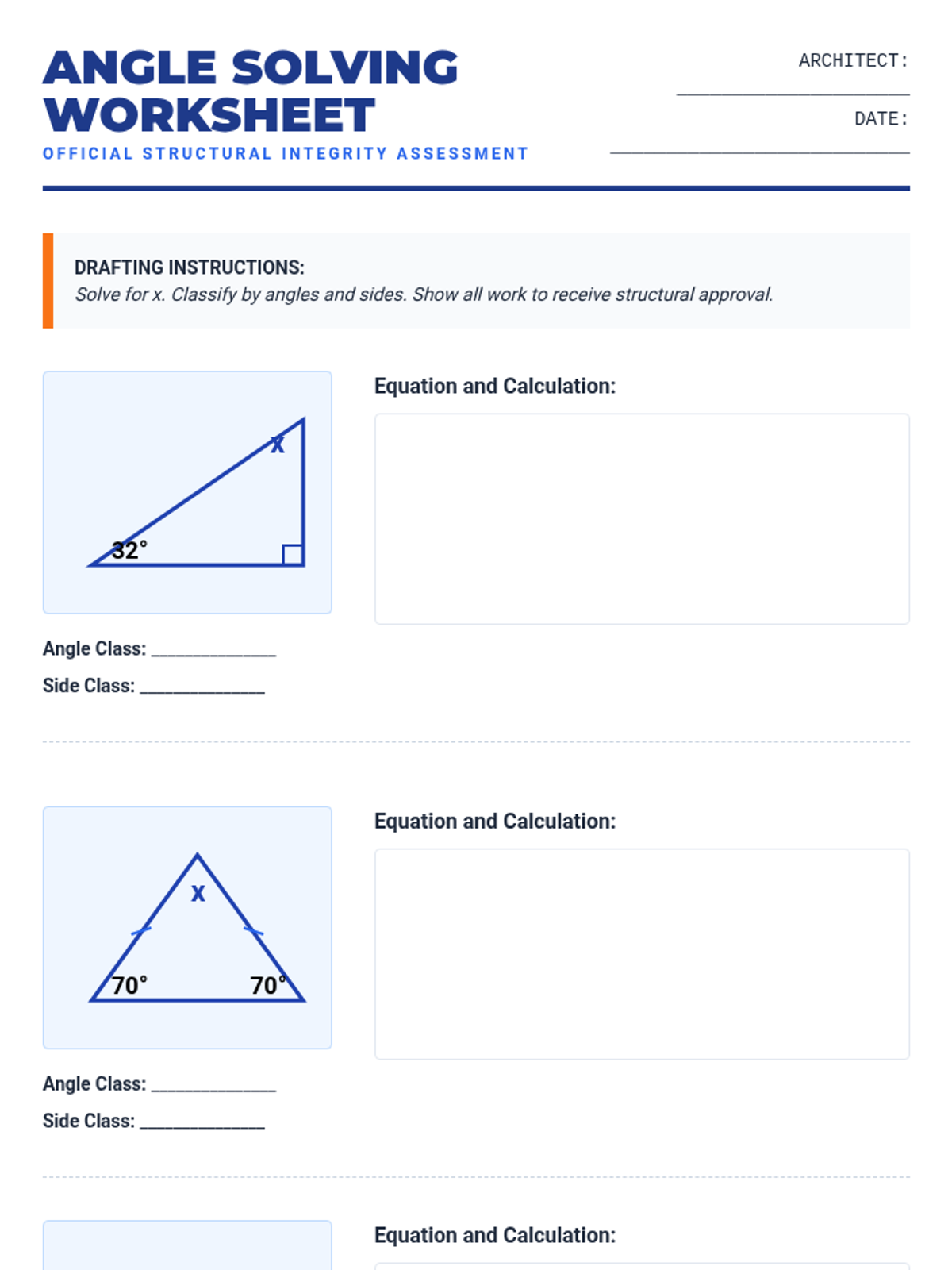
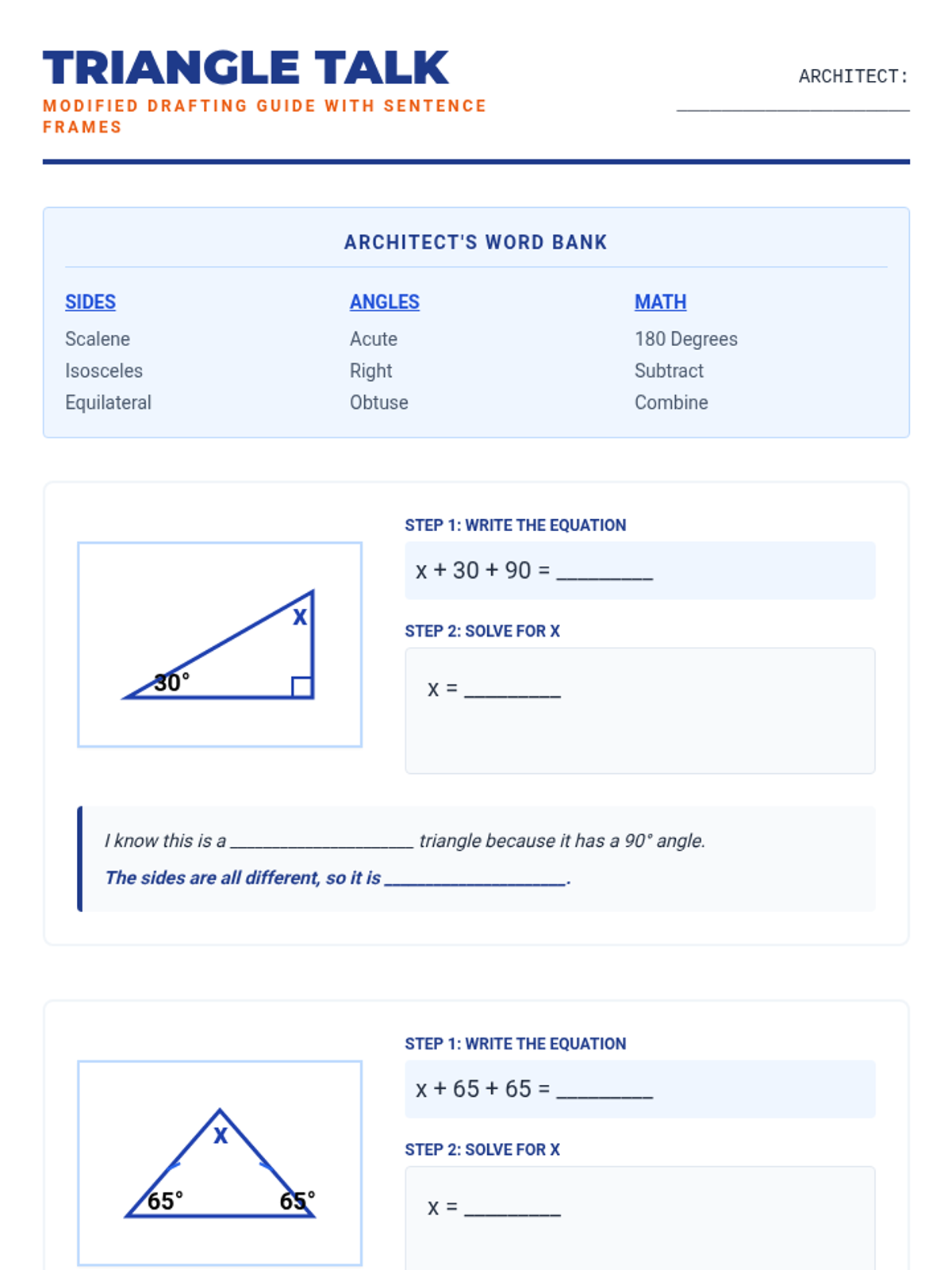
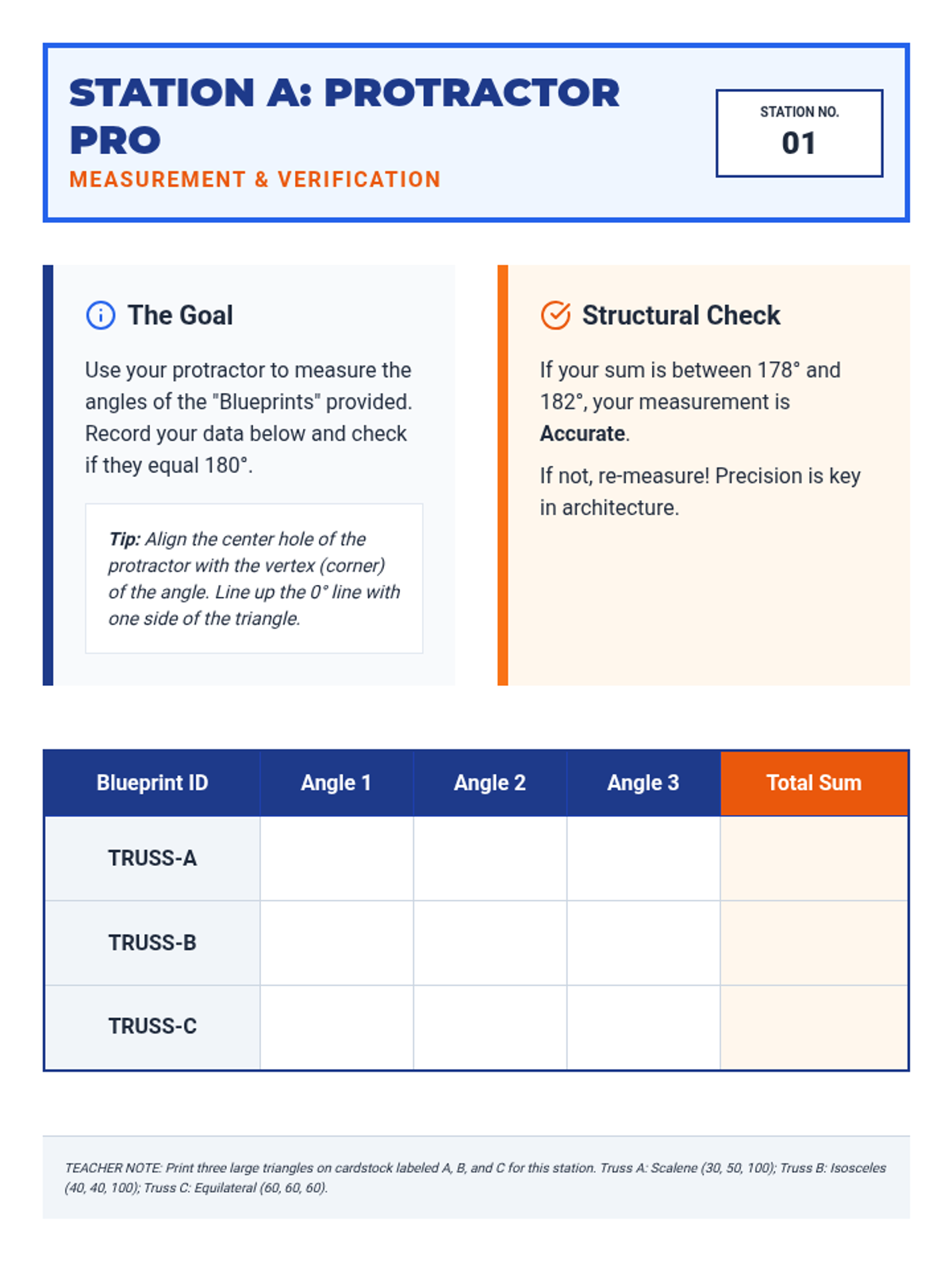
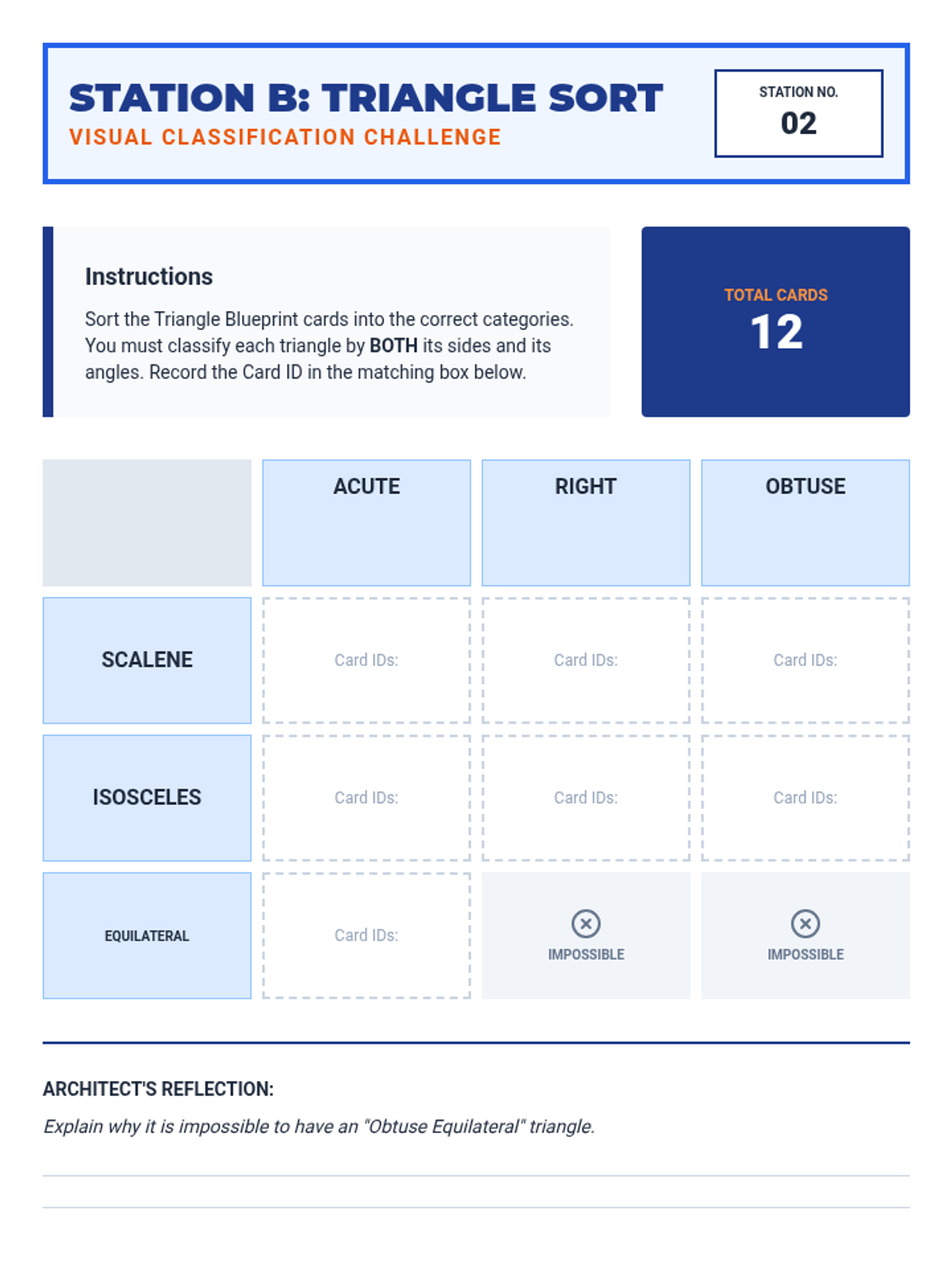
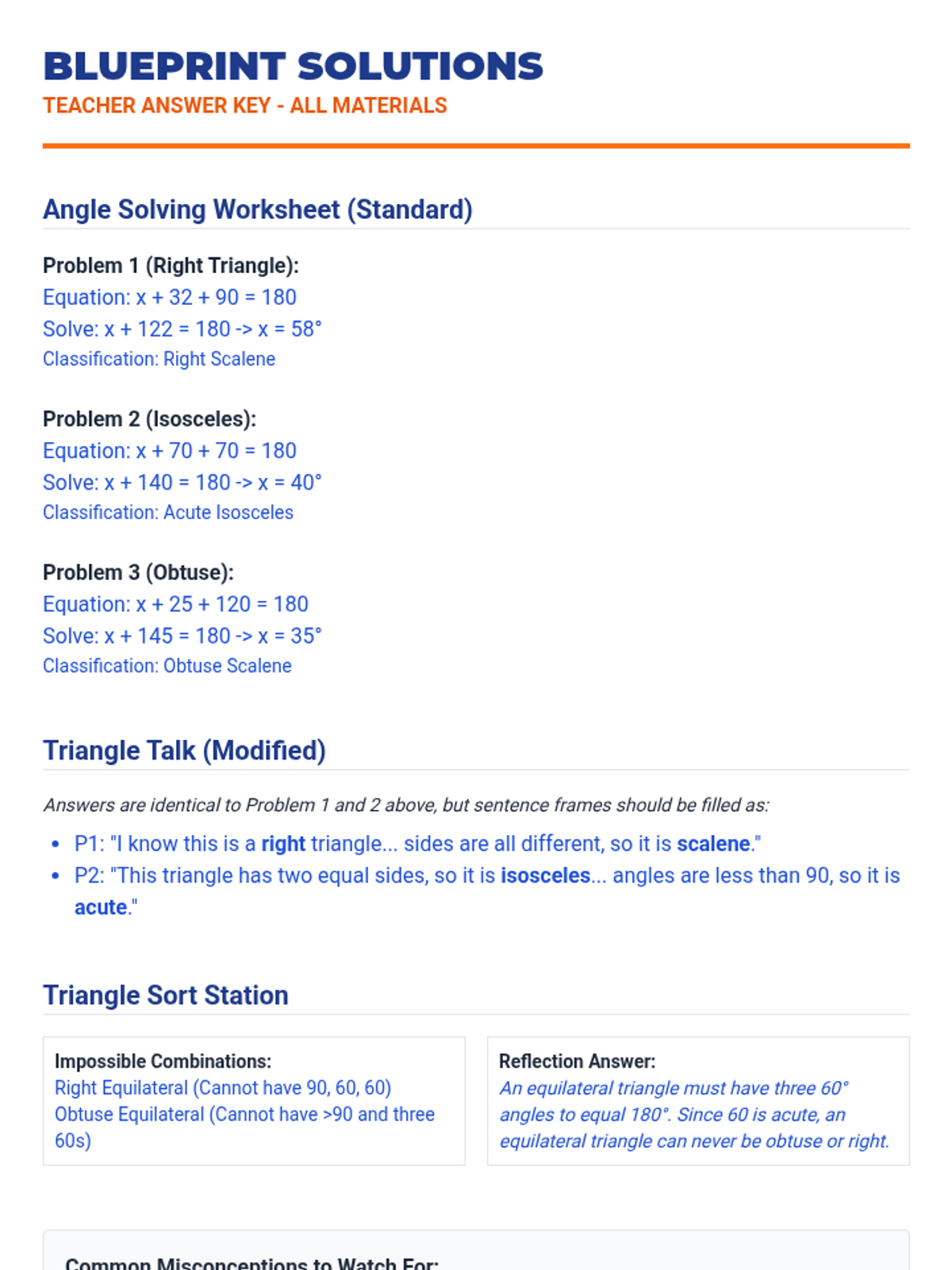
A comprehensive 7th-grade math lesson on triangle classification and angle relationships, featuring a blueprint-inspired aesthetic and tiered differentiation. Students will master visual identification, algebraic solving, and precise measurement using protractors.
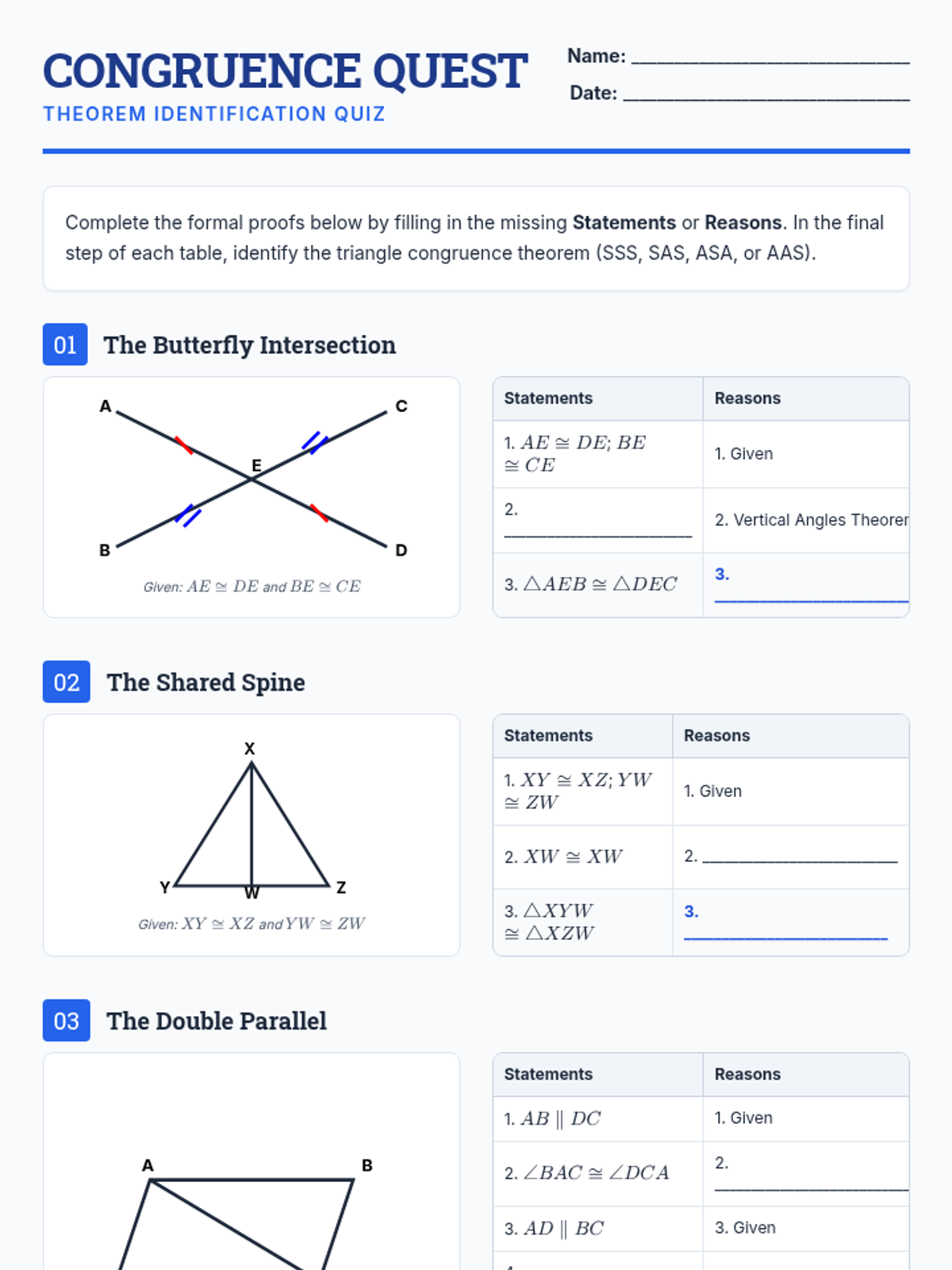
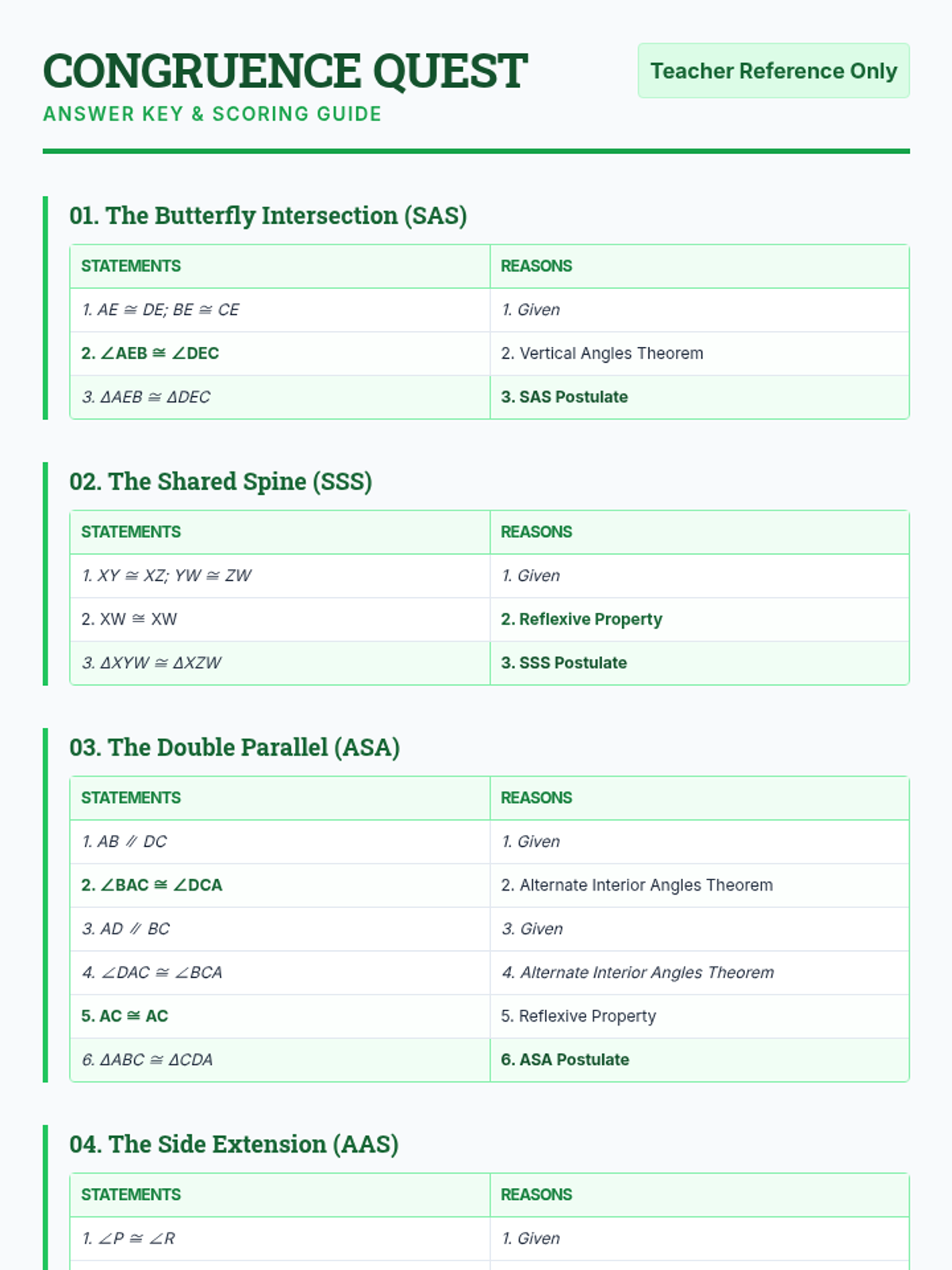
A focused challenge on identifying triangle congruence theorems through formal proofs, requiring students to complete statement-reason tables.
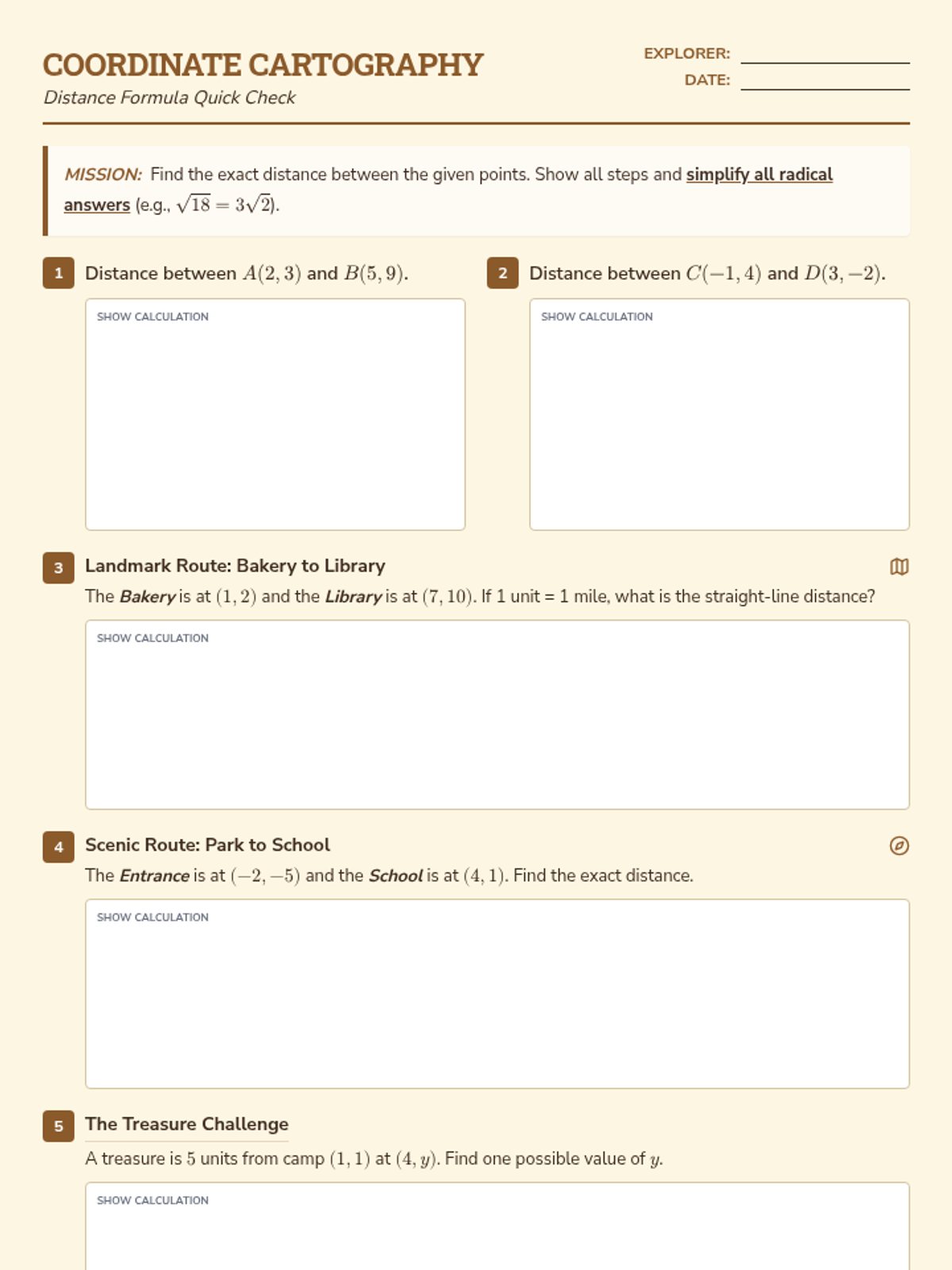
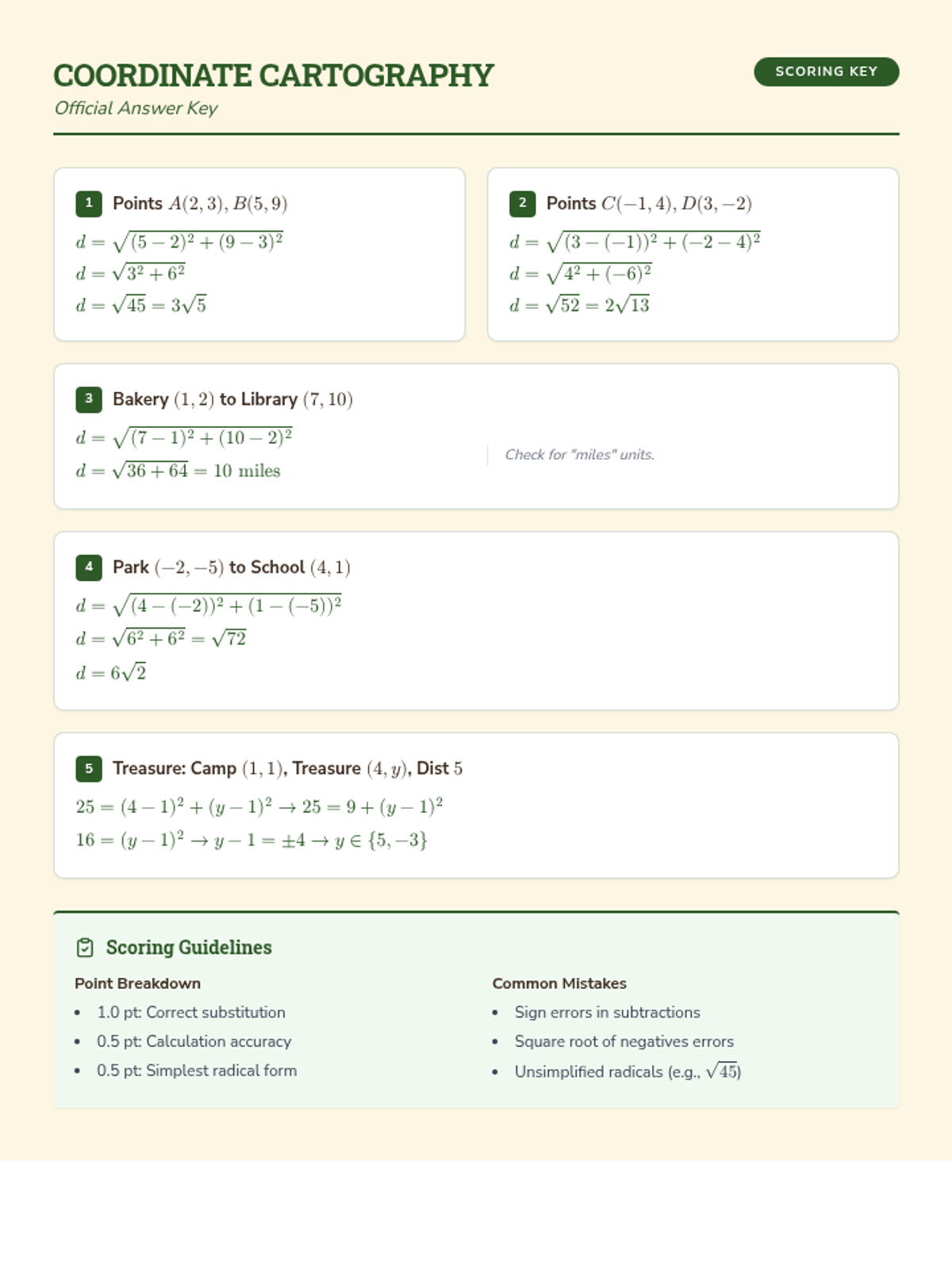
A focused lesson on applying the distance formula to coordinate geometry and real-world map scenarios, featuring radical simplification and spatial reasoning.
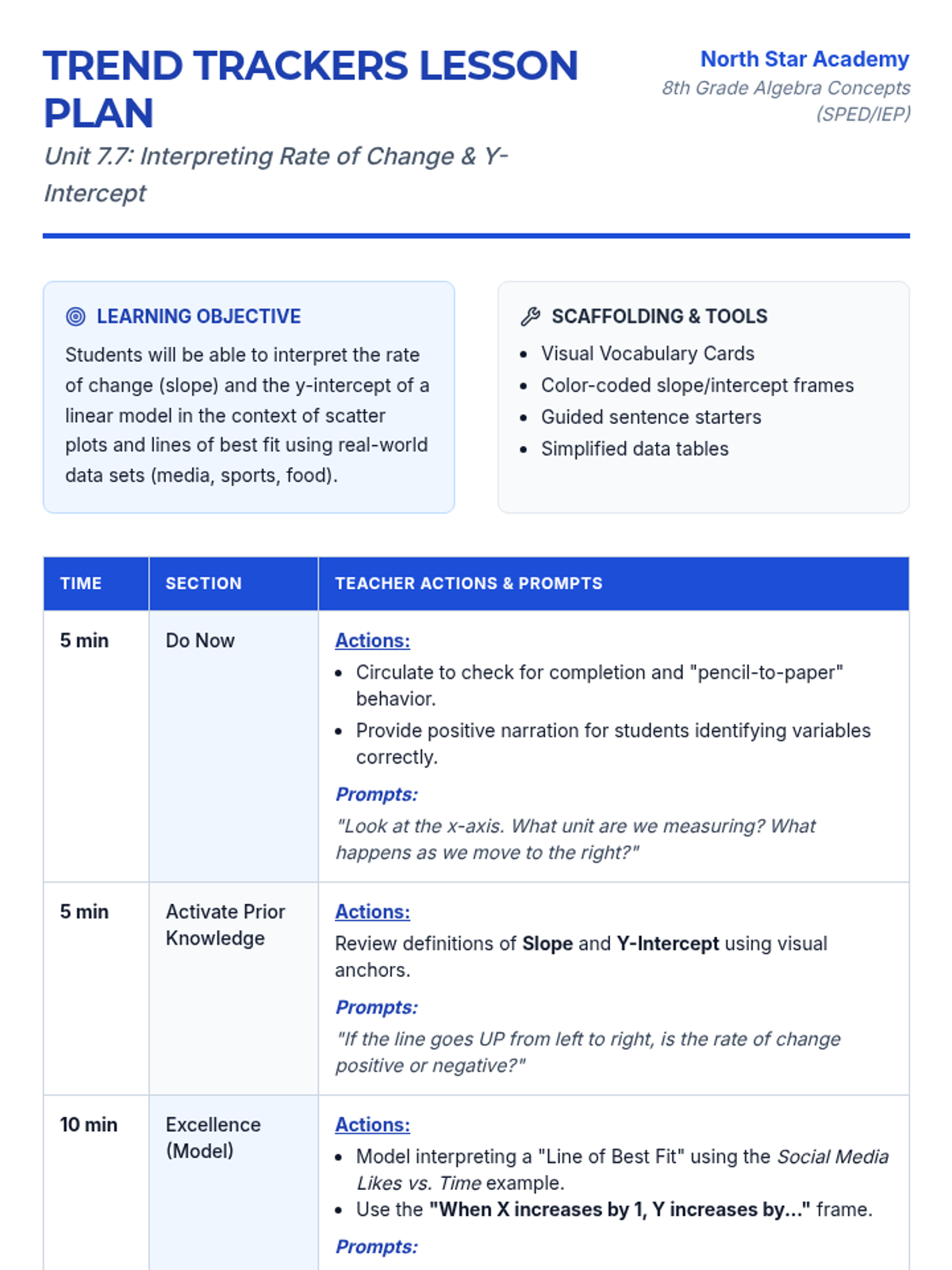
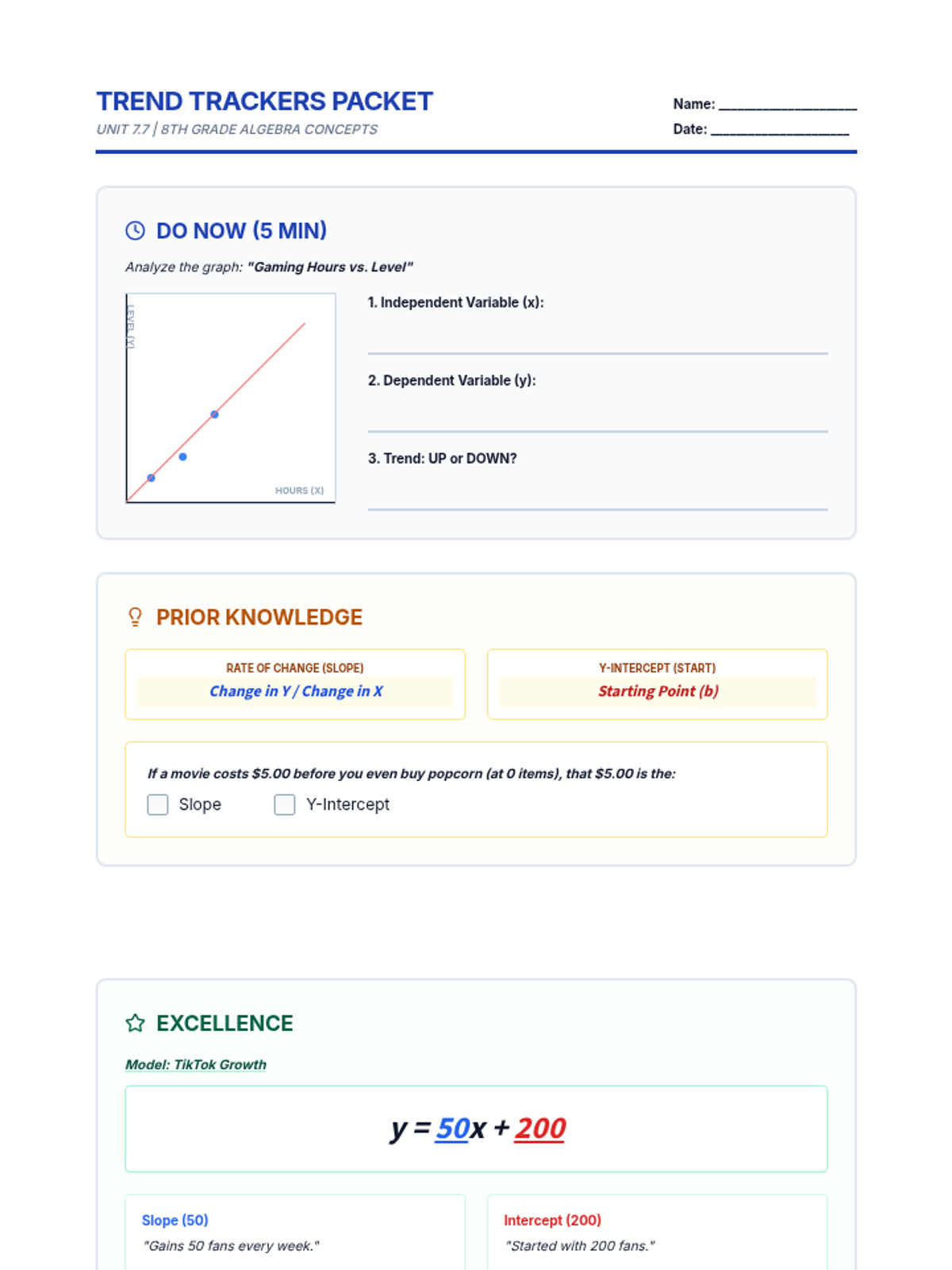
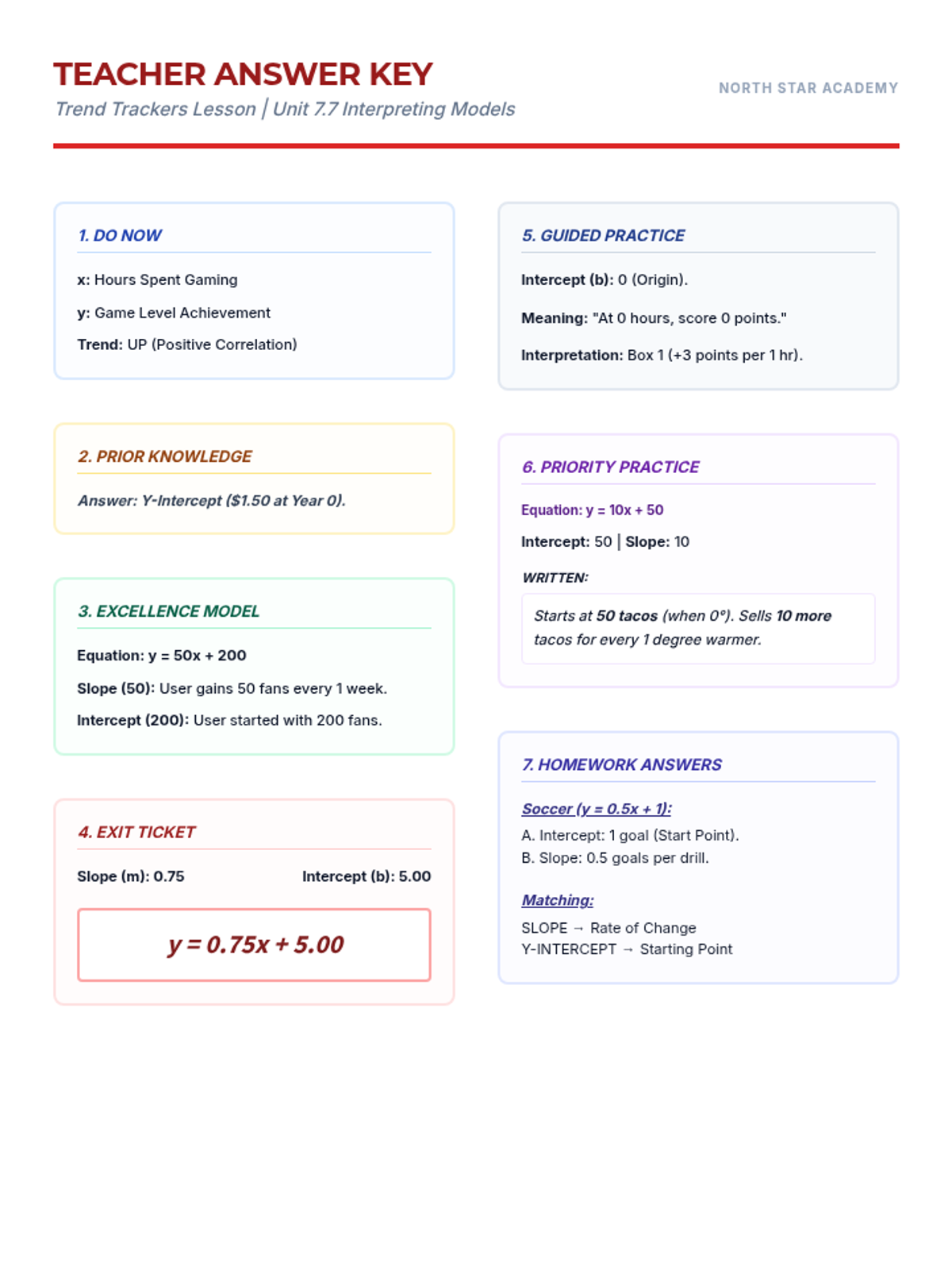
An 8th grade Algebra lesson focused on interpreting slope and y-intercept in the context of scatter plots and lines of best fit, specifically designed for Special Education students with IEP supports.
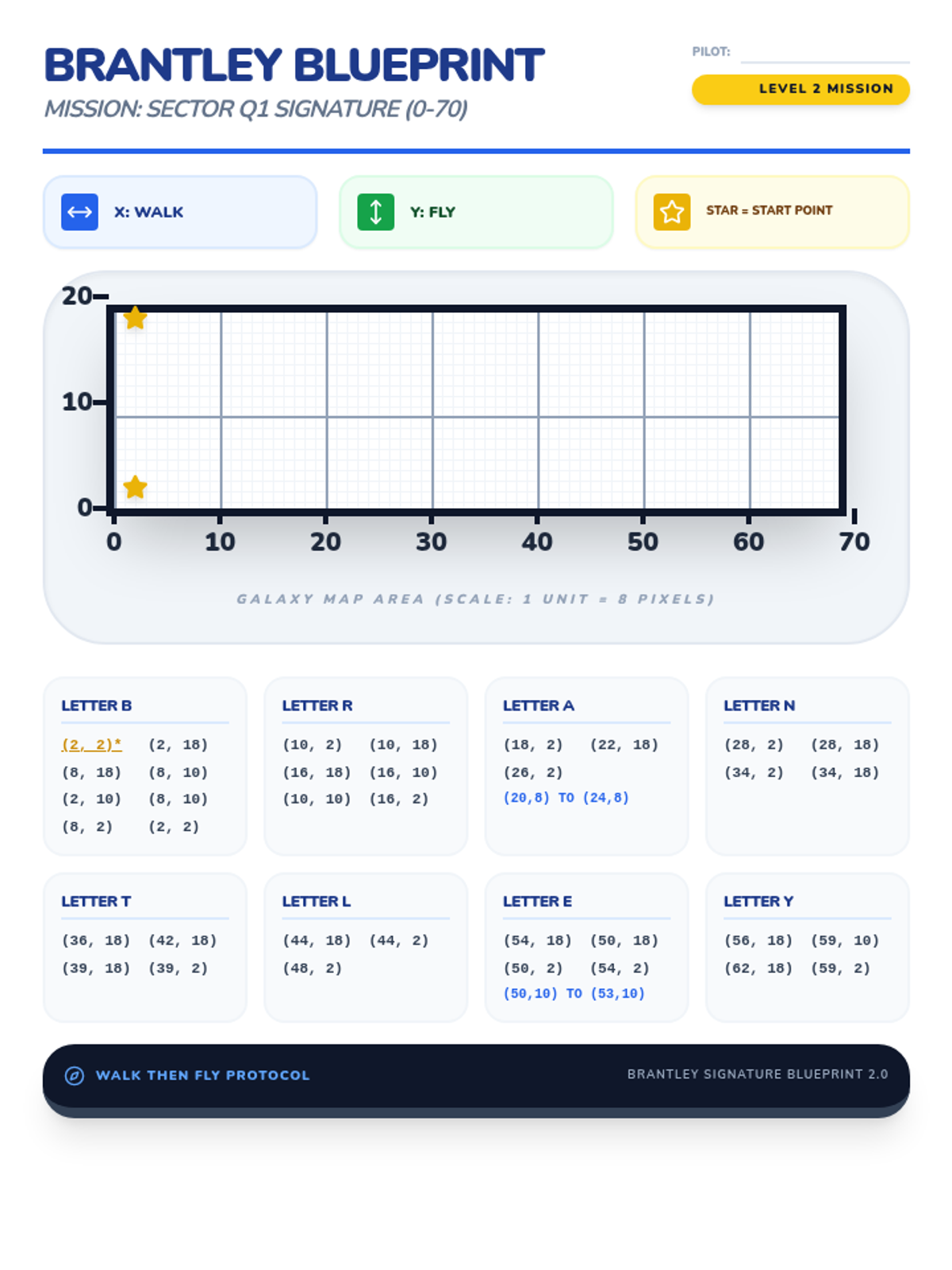
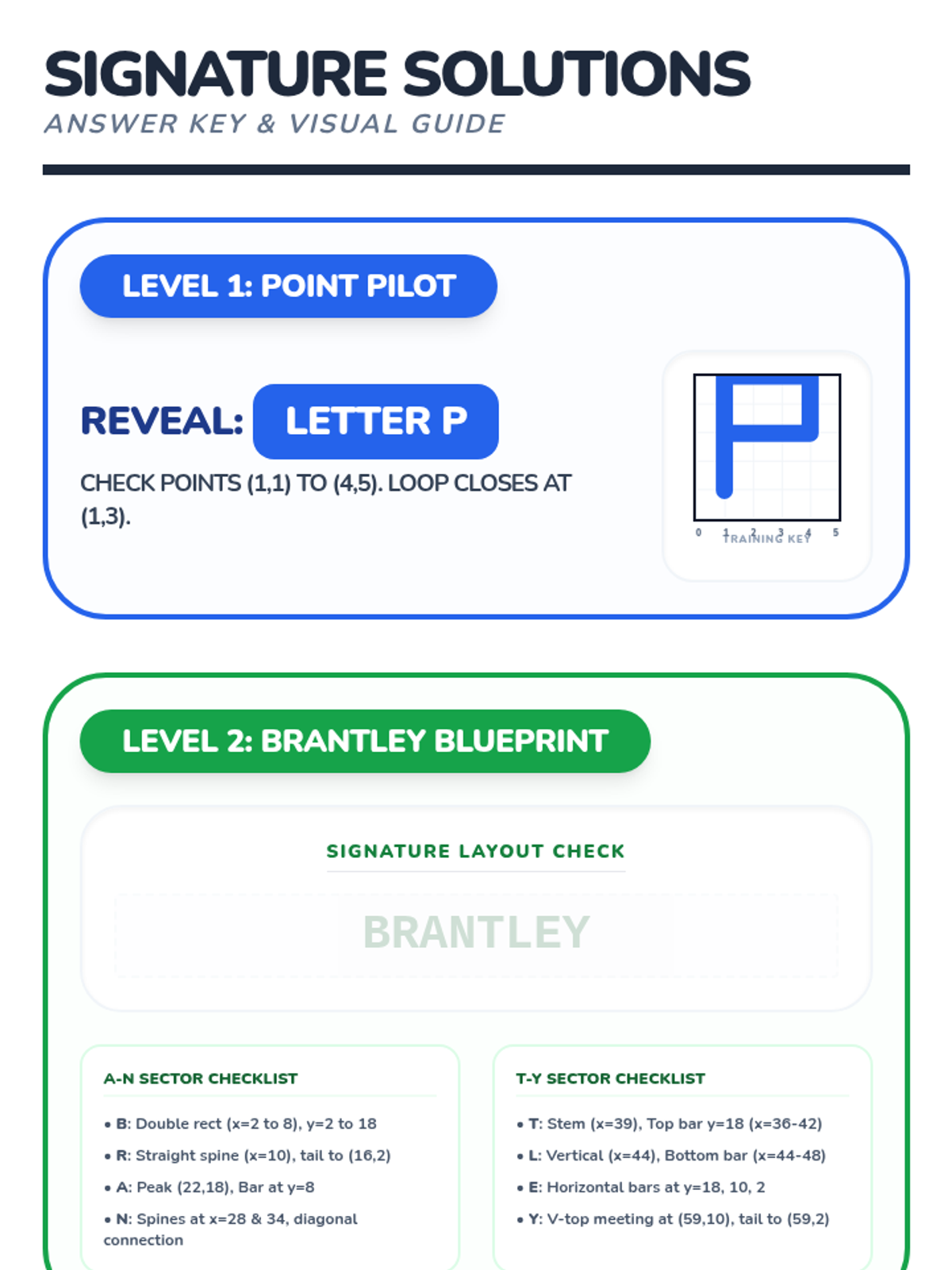
A simplified introduction to plotting points on a coordinate plane (Quadrant 1) to create the signature "Brantley". Designed specifically for IEP students with large grids and clear instructions.
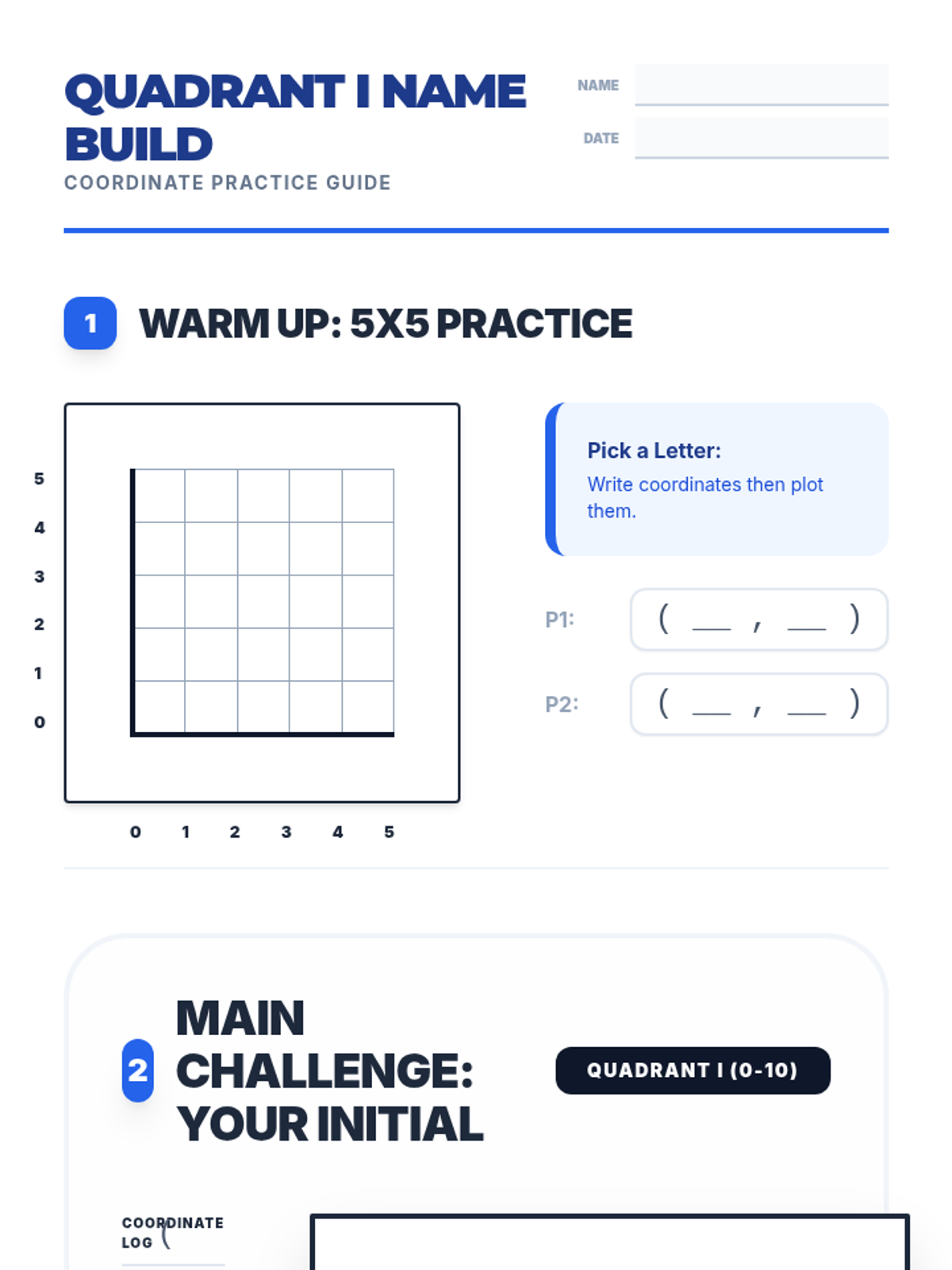
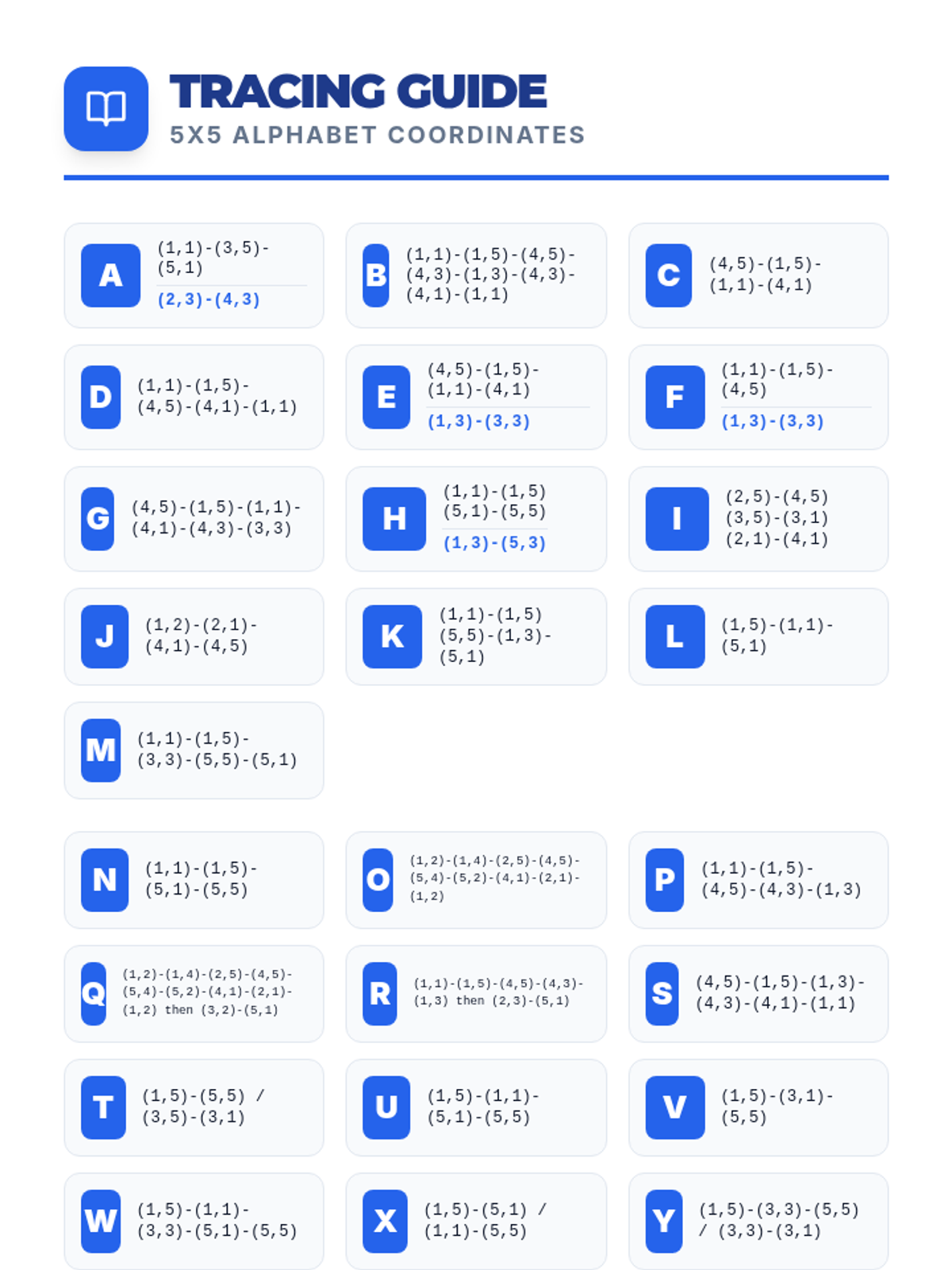
Students learn to plot coordinates to form letters and their own names. This lesson includes differentiated materials for Quadrant I, simplified 5x5 grids, and all four quadrants, with built-in tracing supports for IEP students.
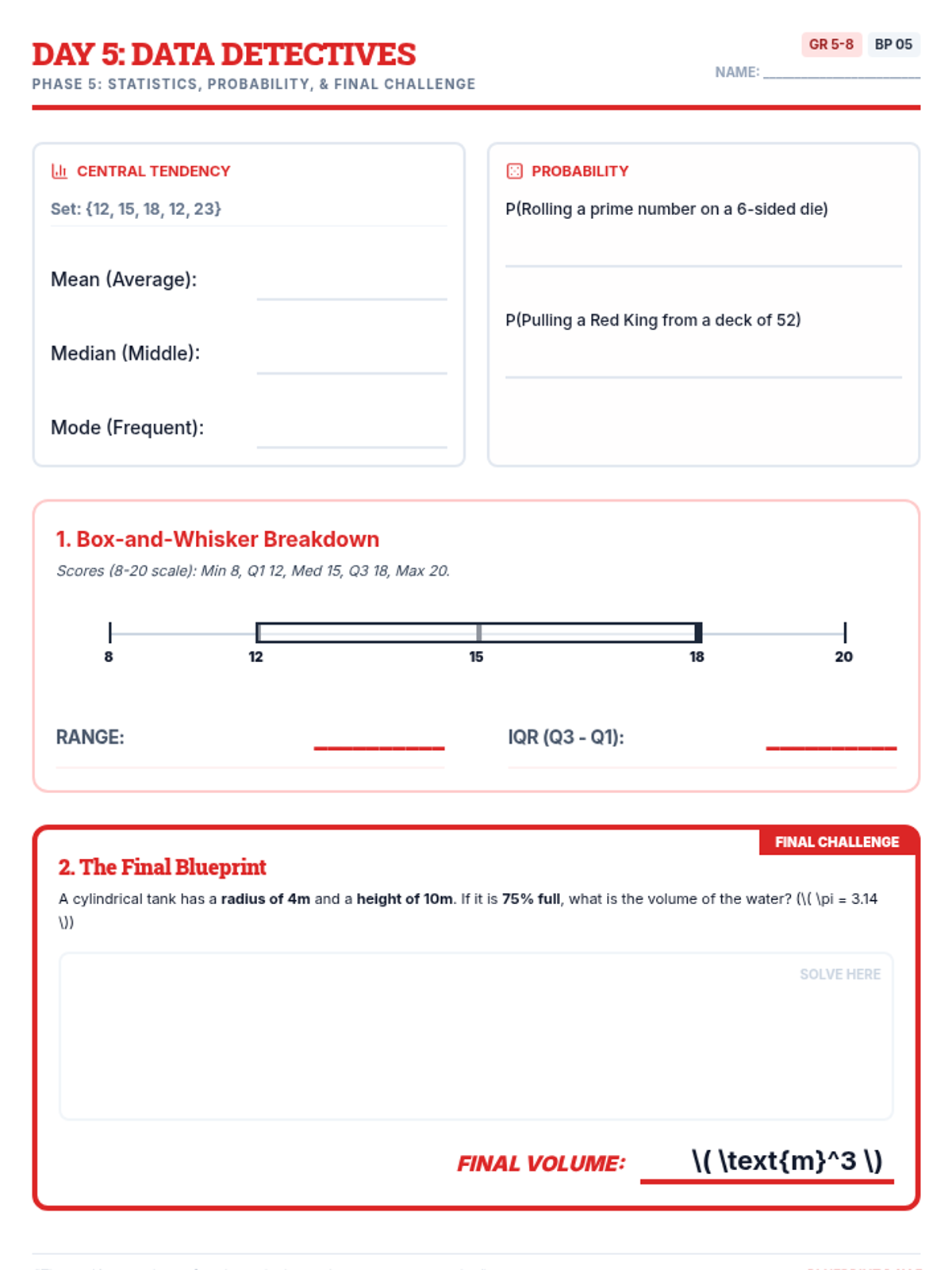
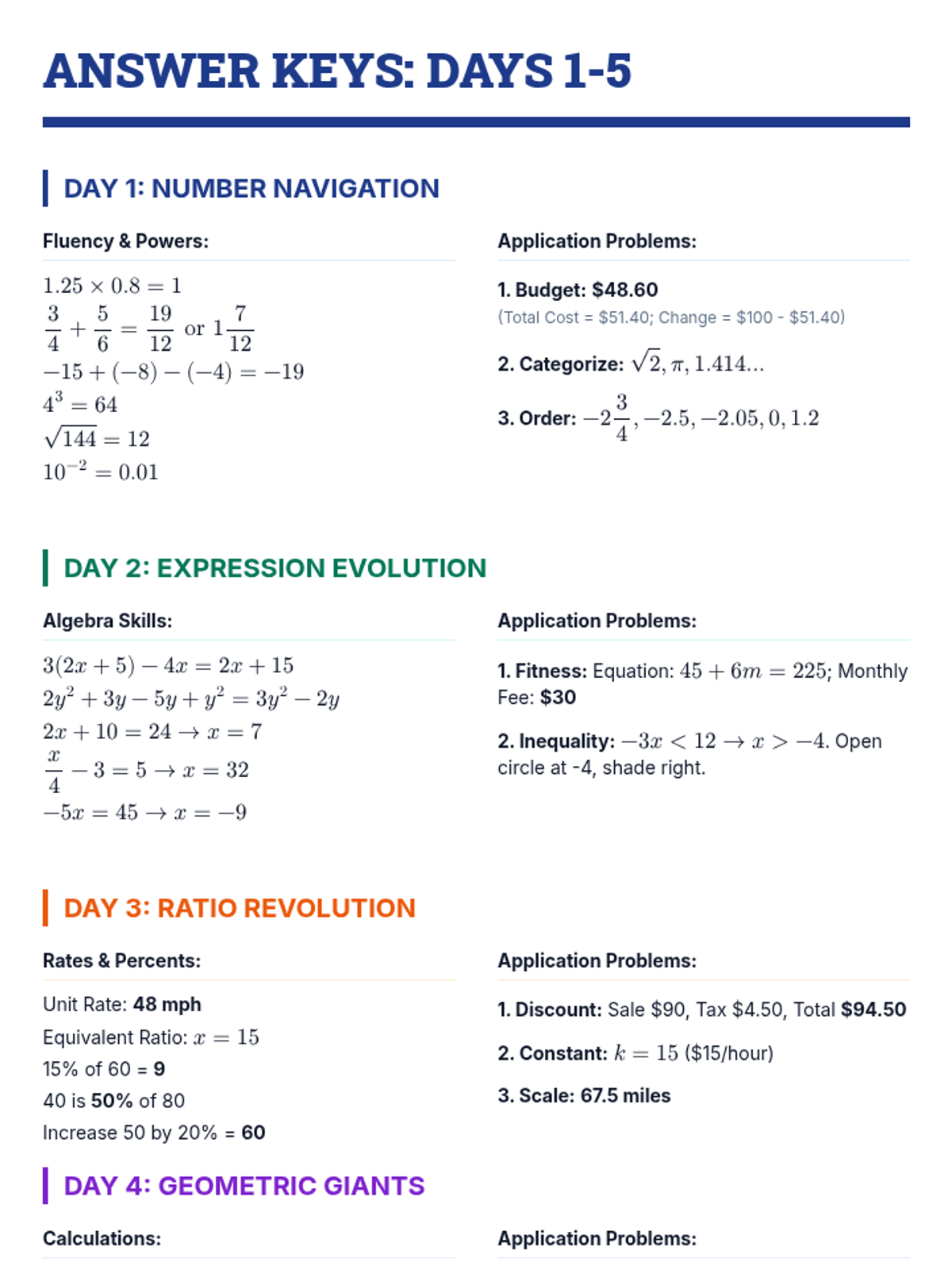
Day 5 concludes with statistics, probability, and a mixed challenge review of all concepts.
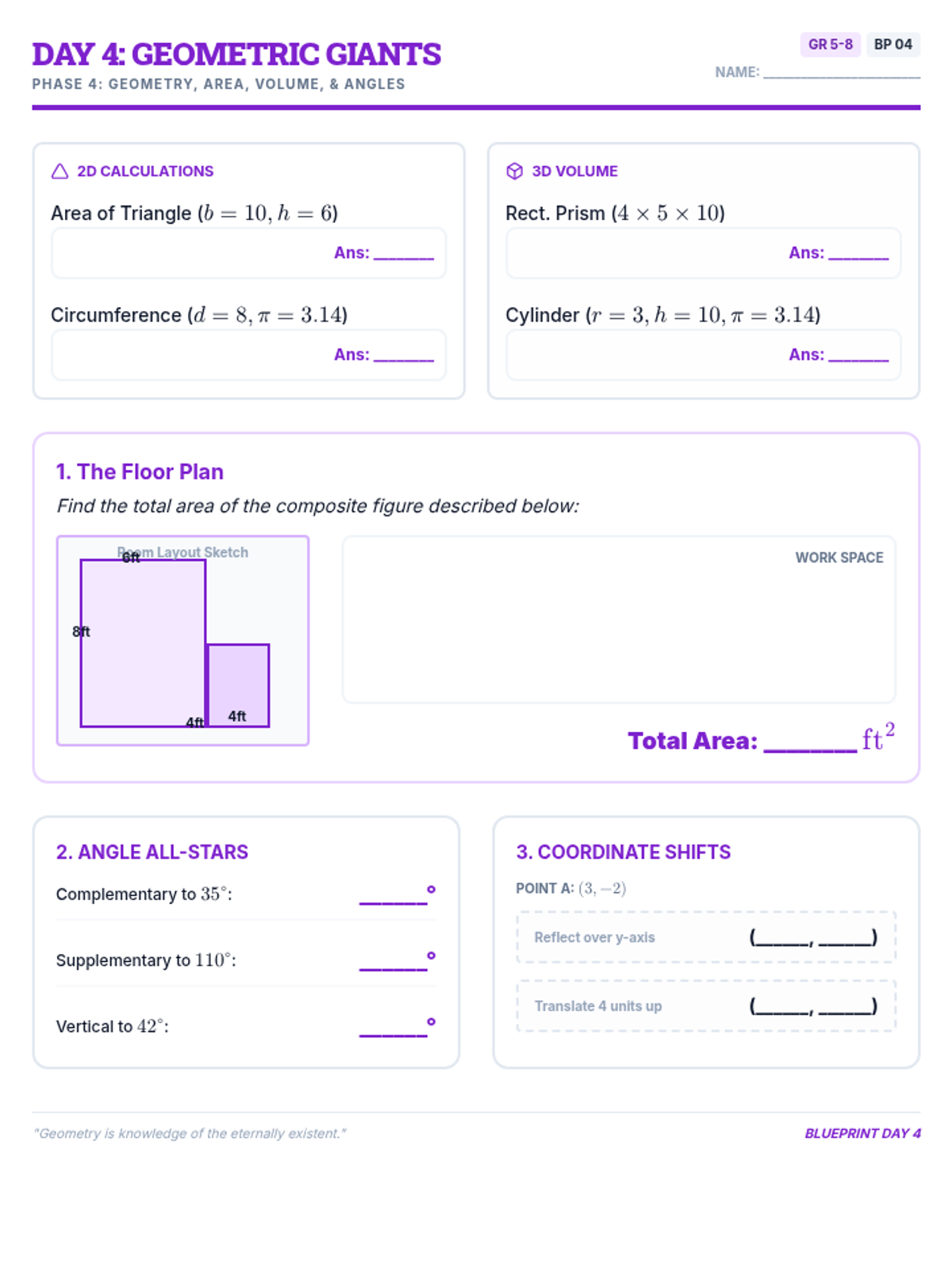
Day 4 explores geometry concepts including area, volume, and angle relationships.
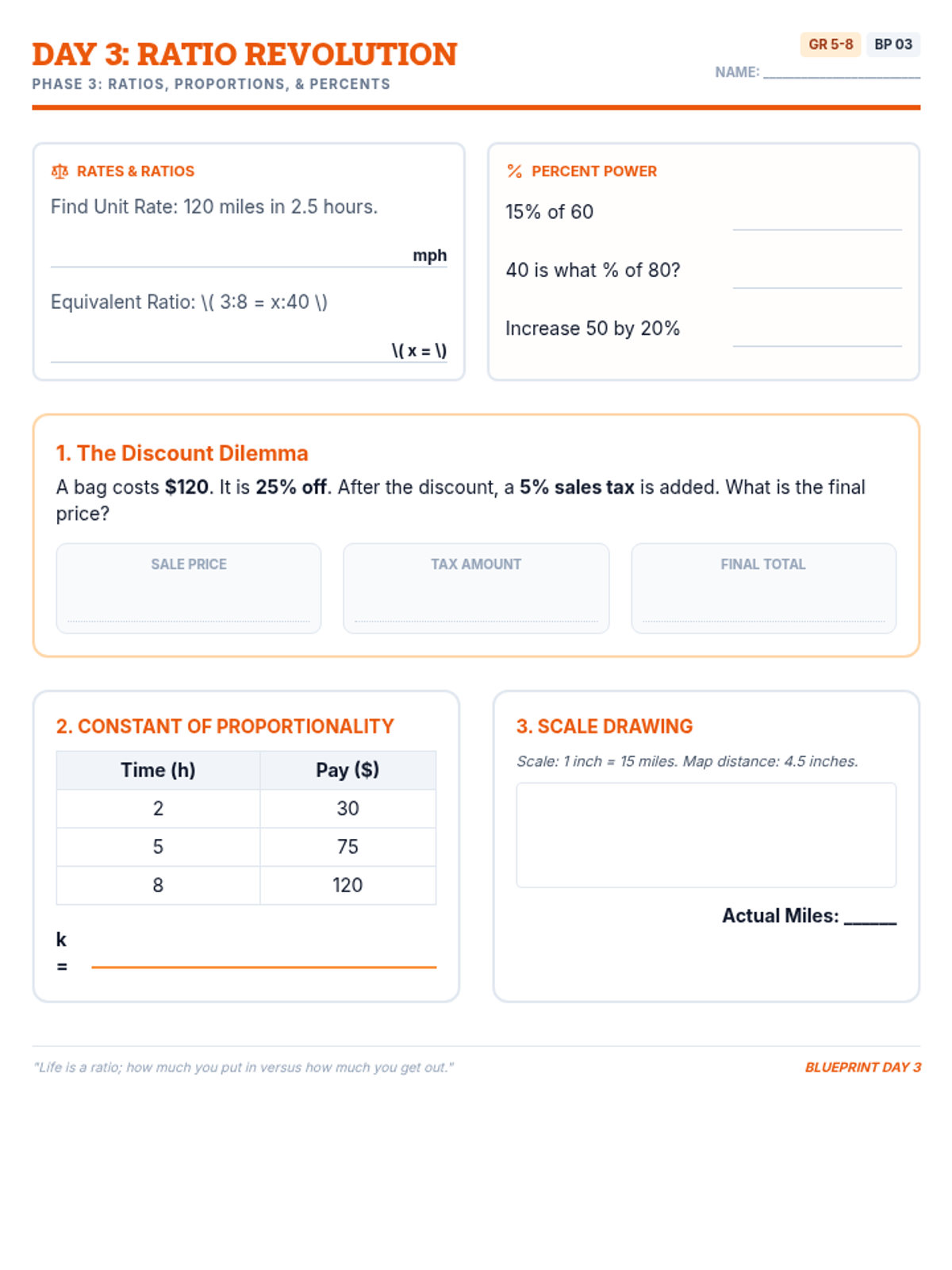
Day 3 focuses on ratios, proportions, and percentages in real-world contexts.
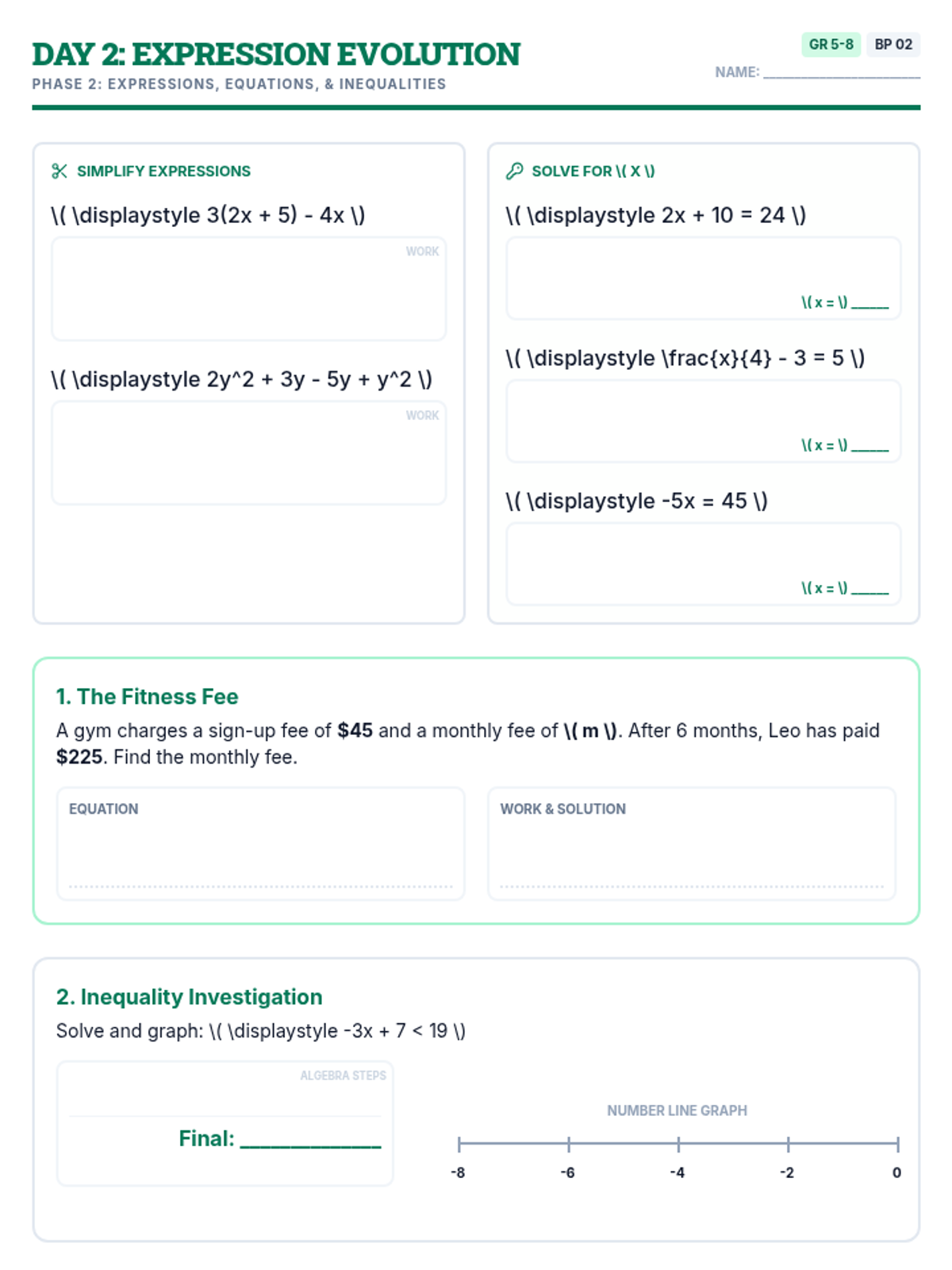
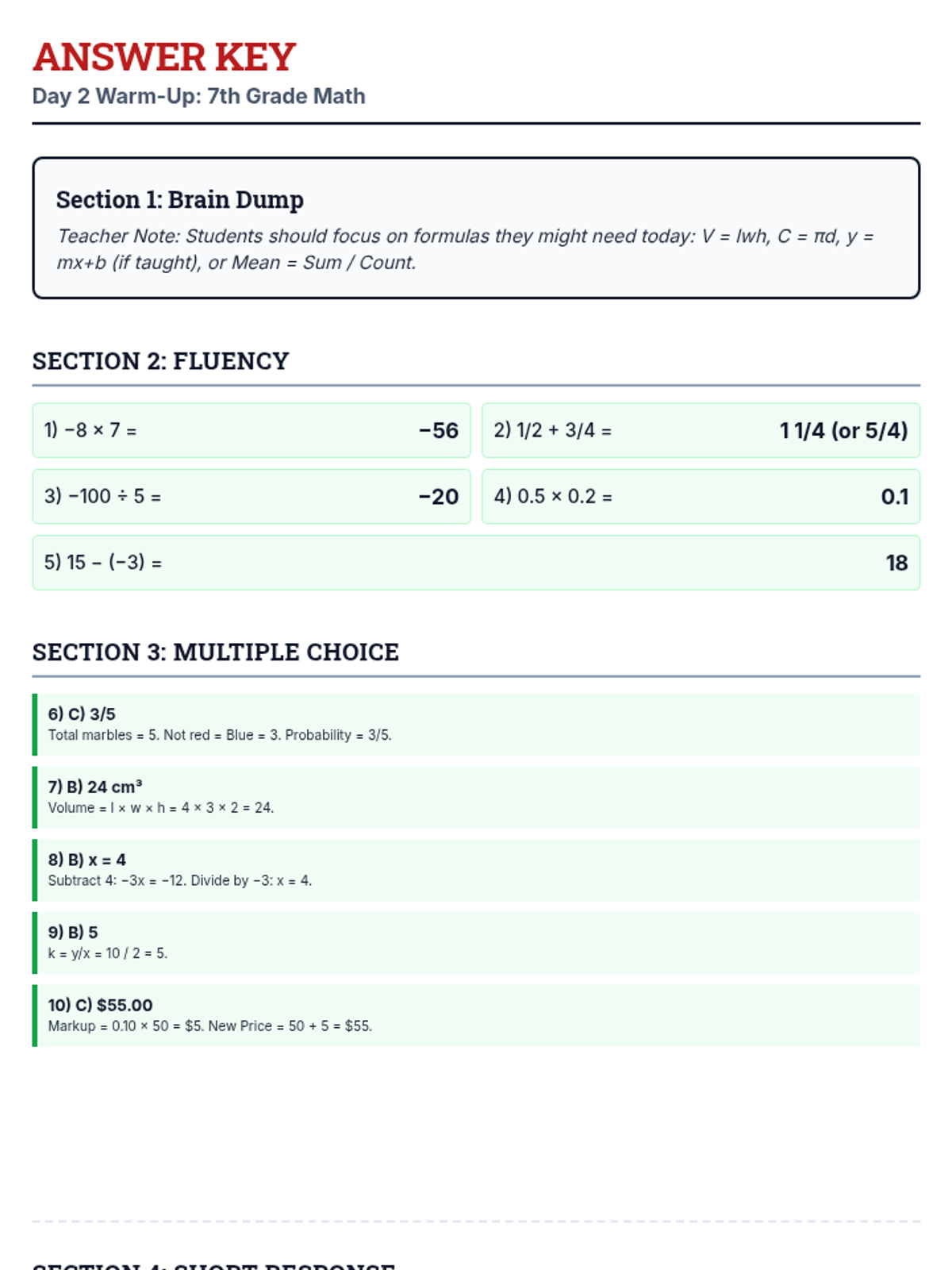
Day 2 covers expressions and equations, focusing on simplifying, solving, and translating word problems.
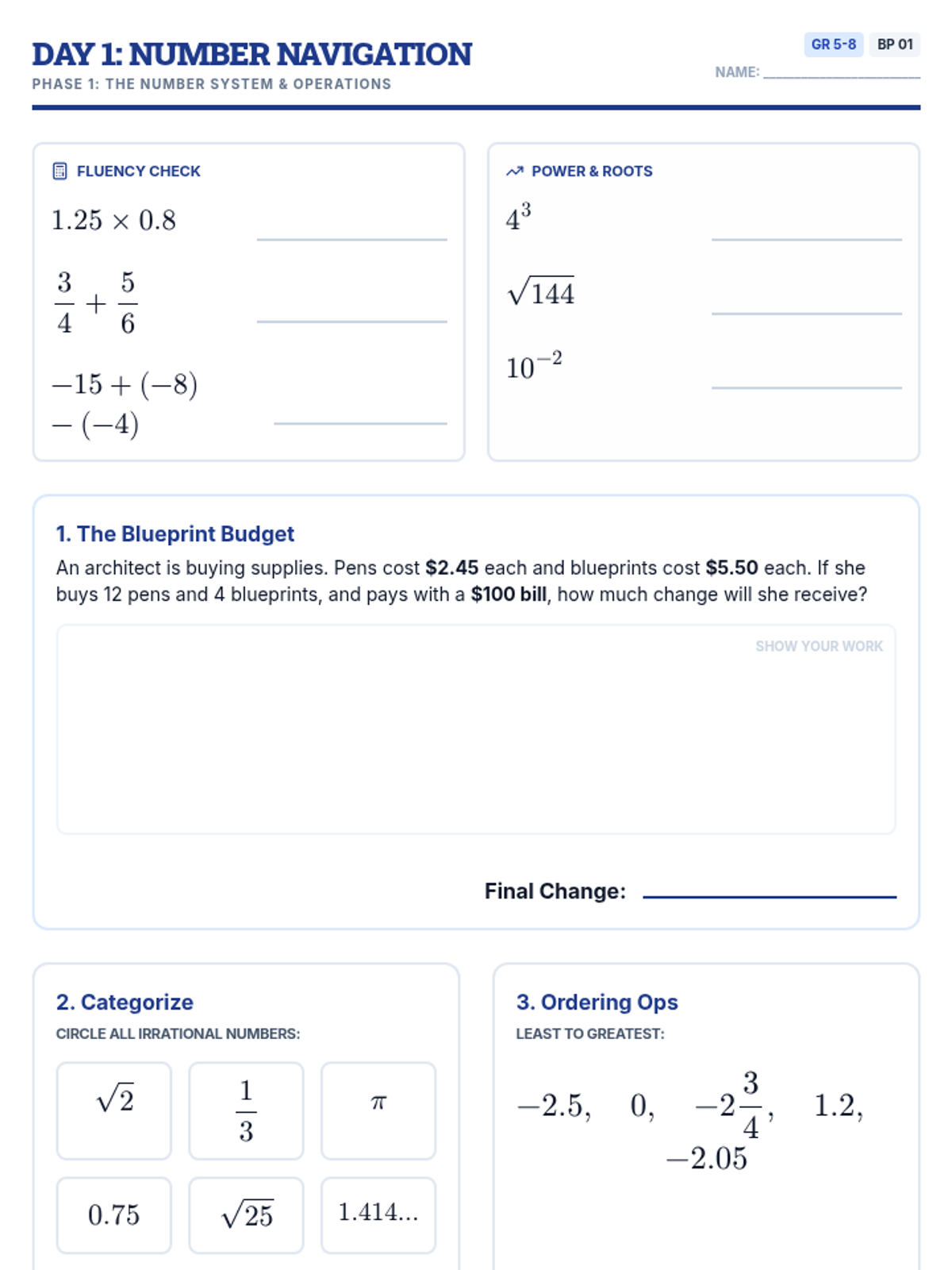
Day 1 focuses on number systems, including operations with fractions, decimals, and integers.
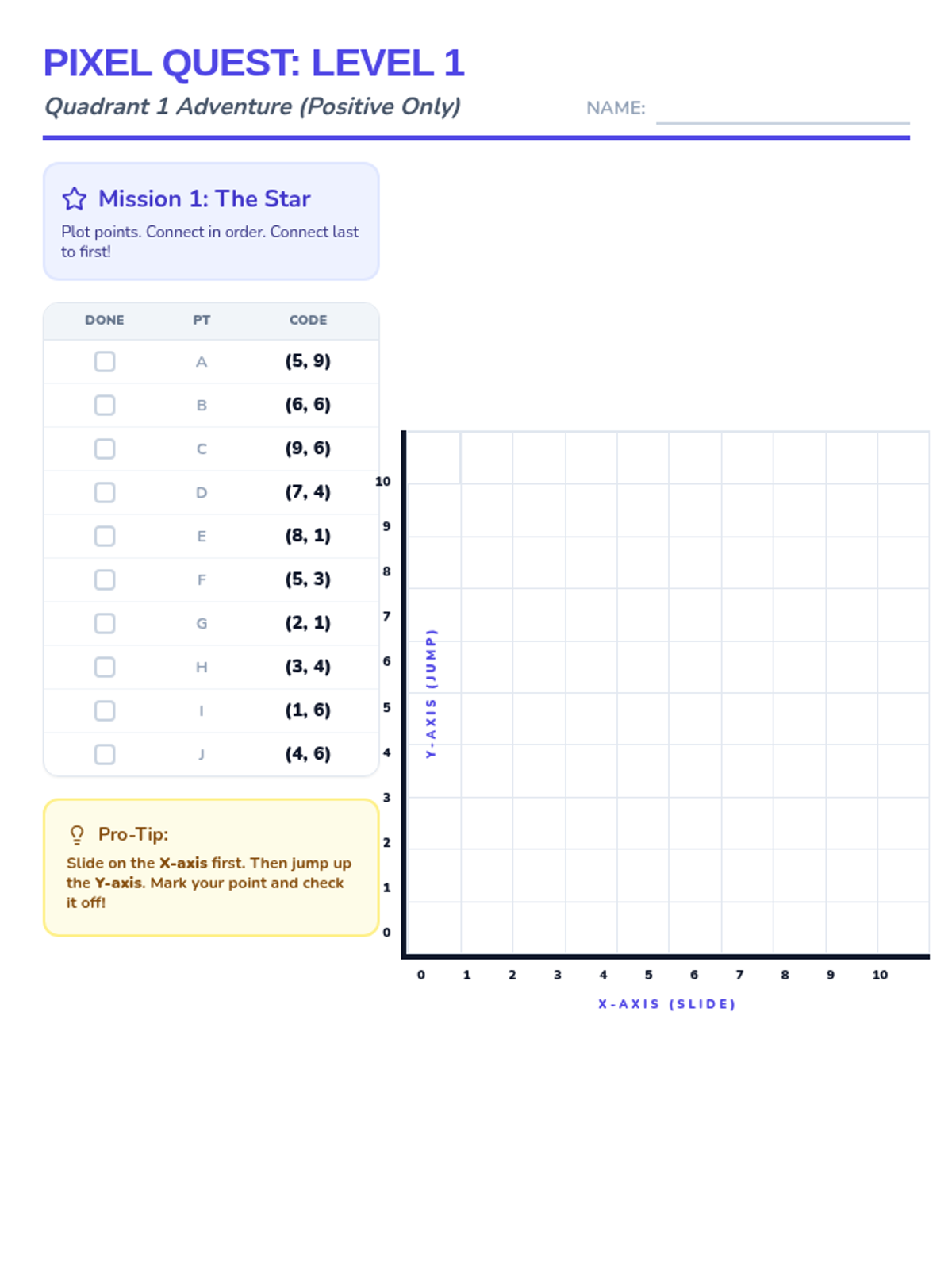
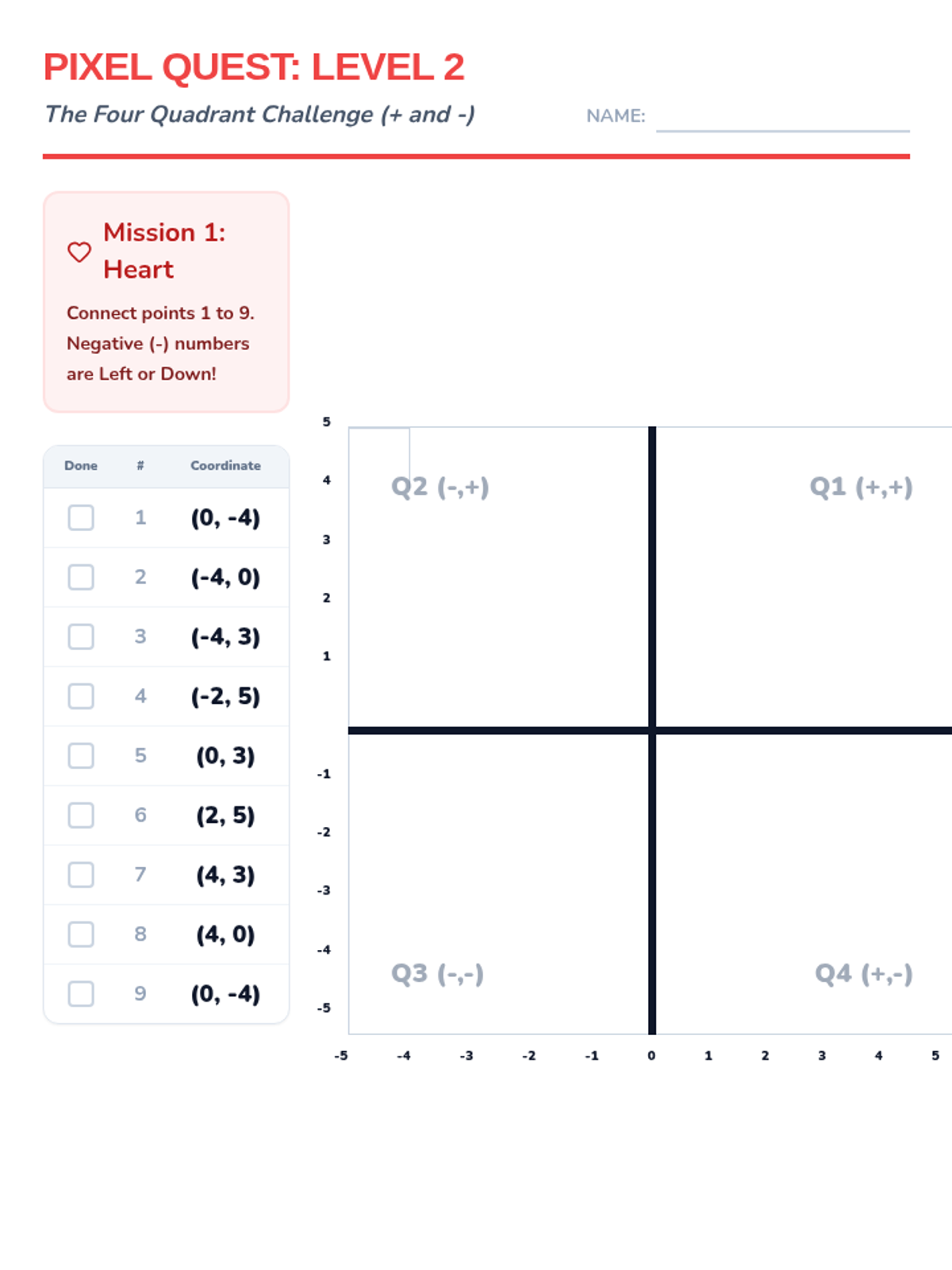
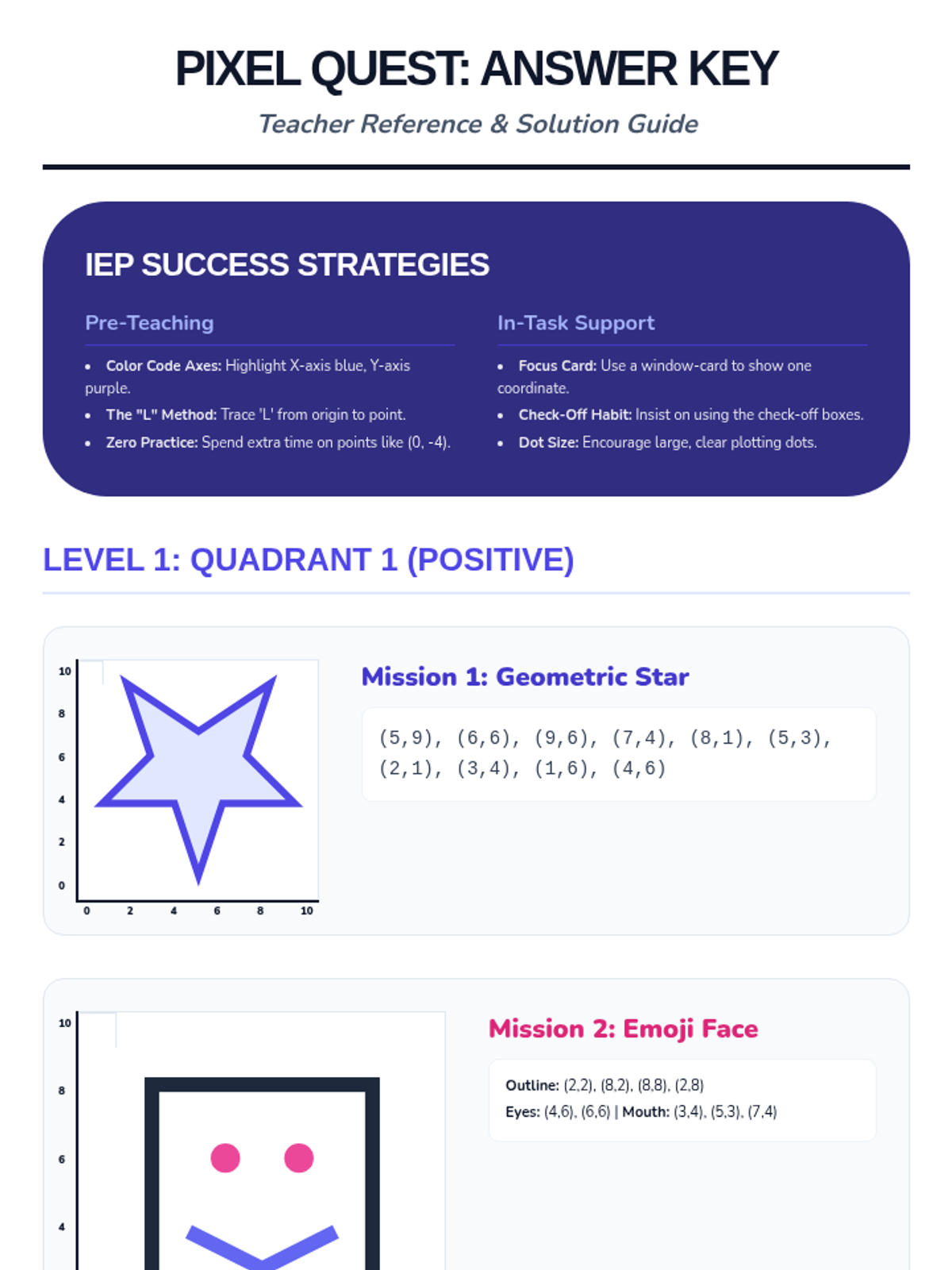
A step-by-step introduction to plotting points on a coordinate plane, specifically designed for IEP students with clear visuals and structured practice. Students move from the first quadrant to all four quadrants using engaging pixel-art style images.
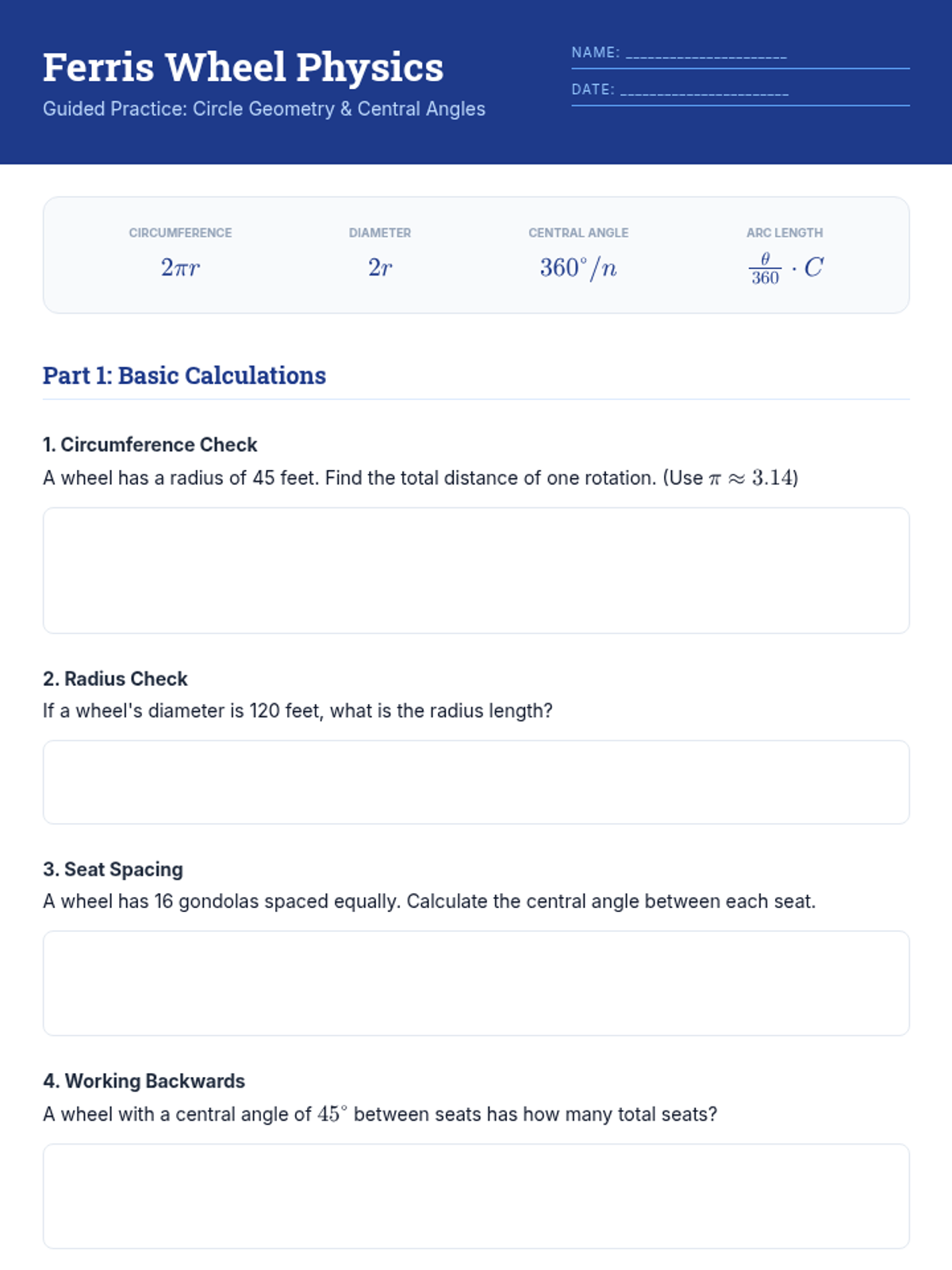
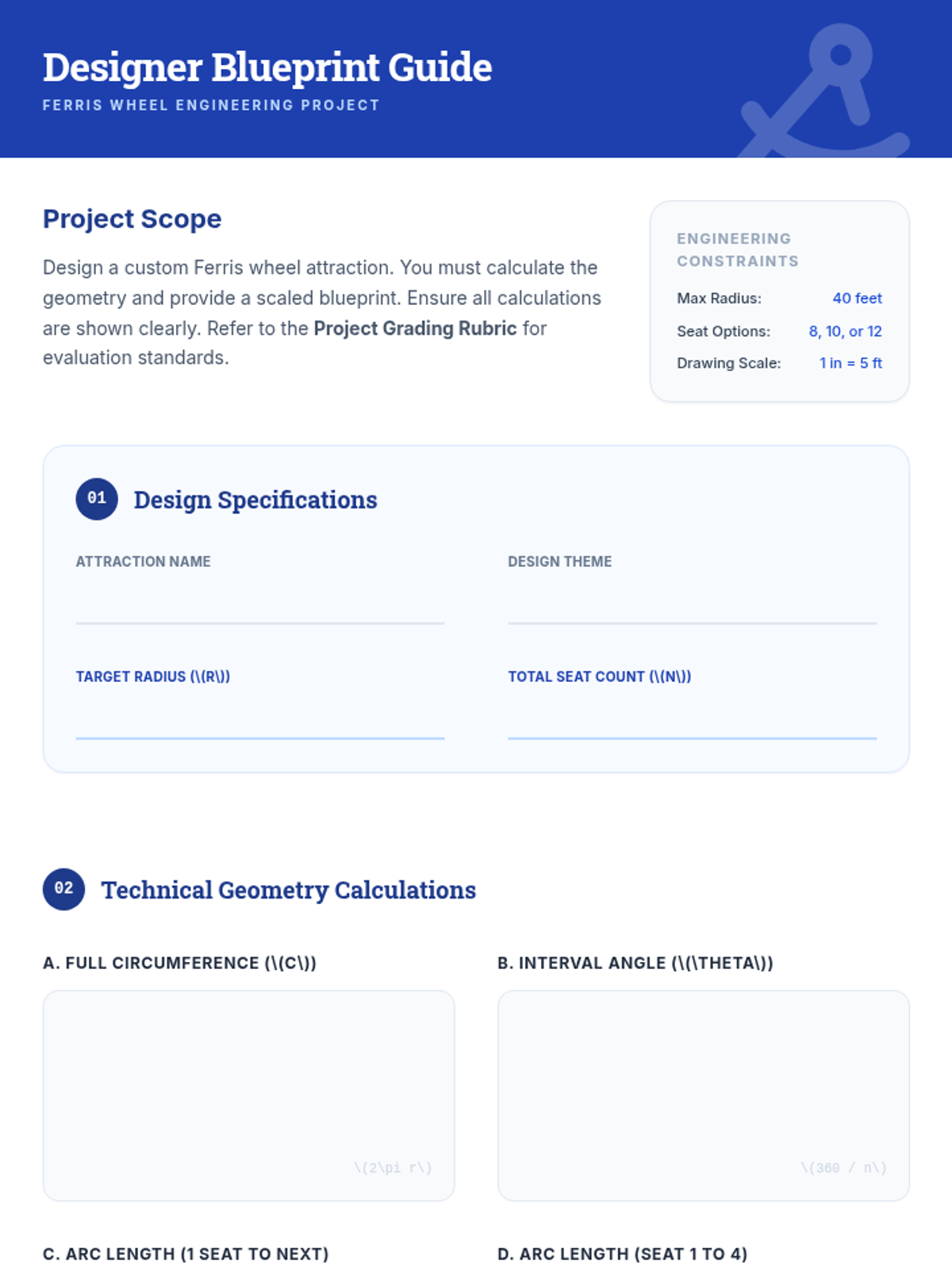
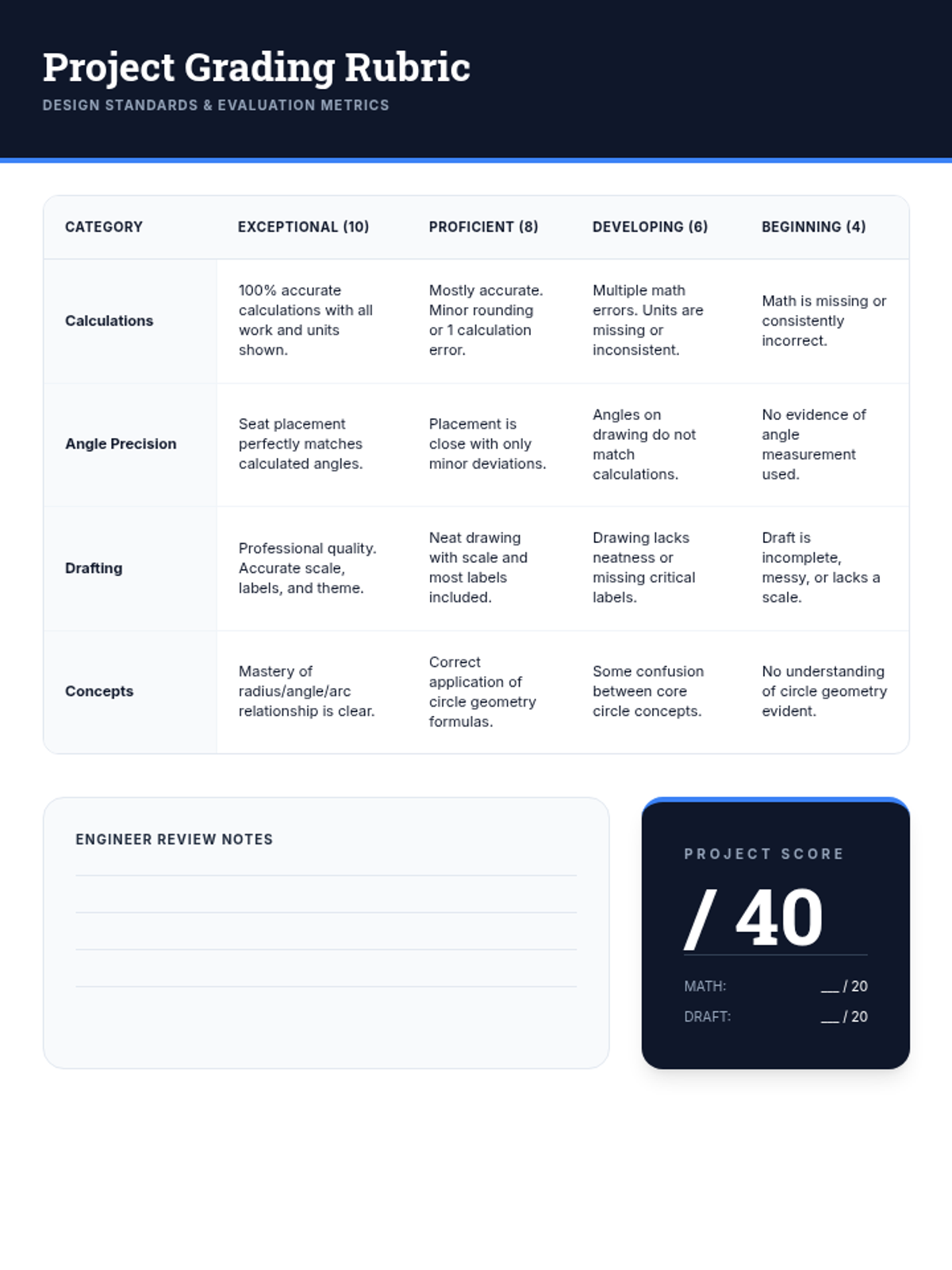
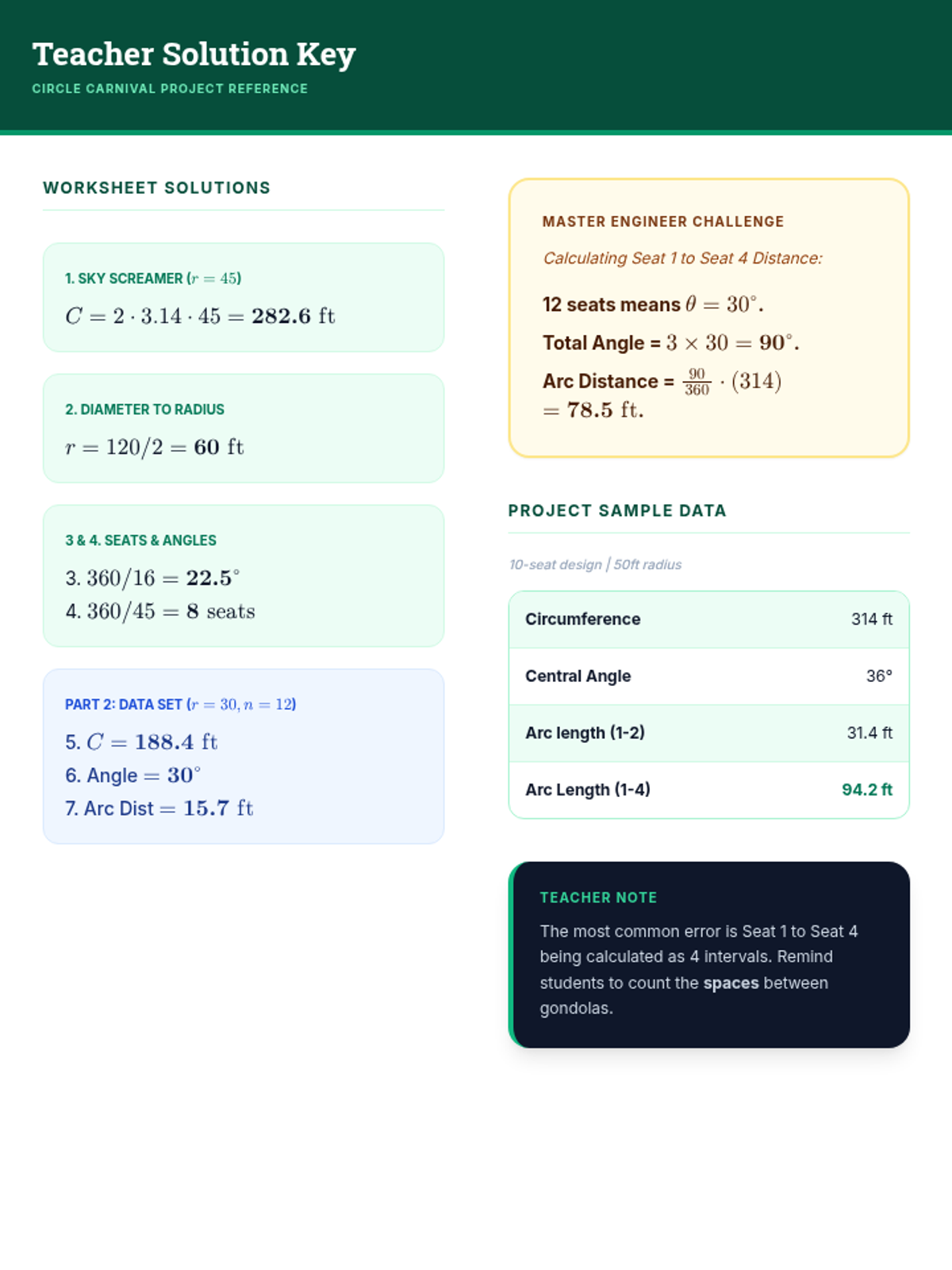
A middle school math project exploring circle geometry through the design and analysis of a Ferris wheel, focusing on central angles, radius, and arc length.
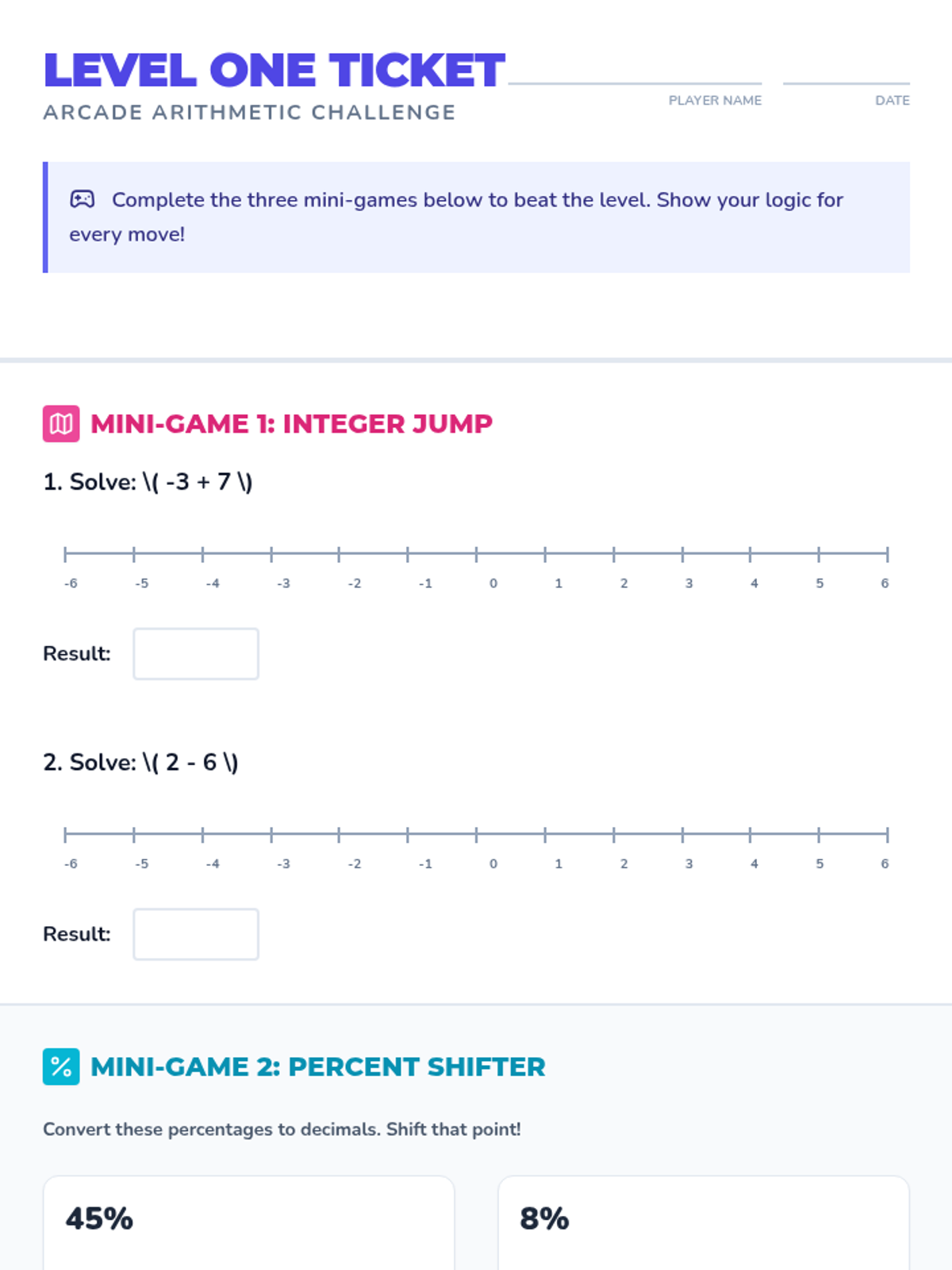
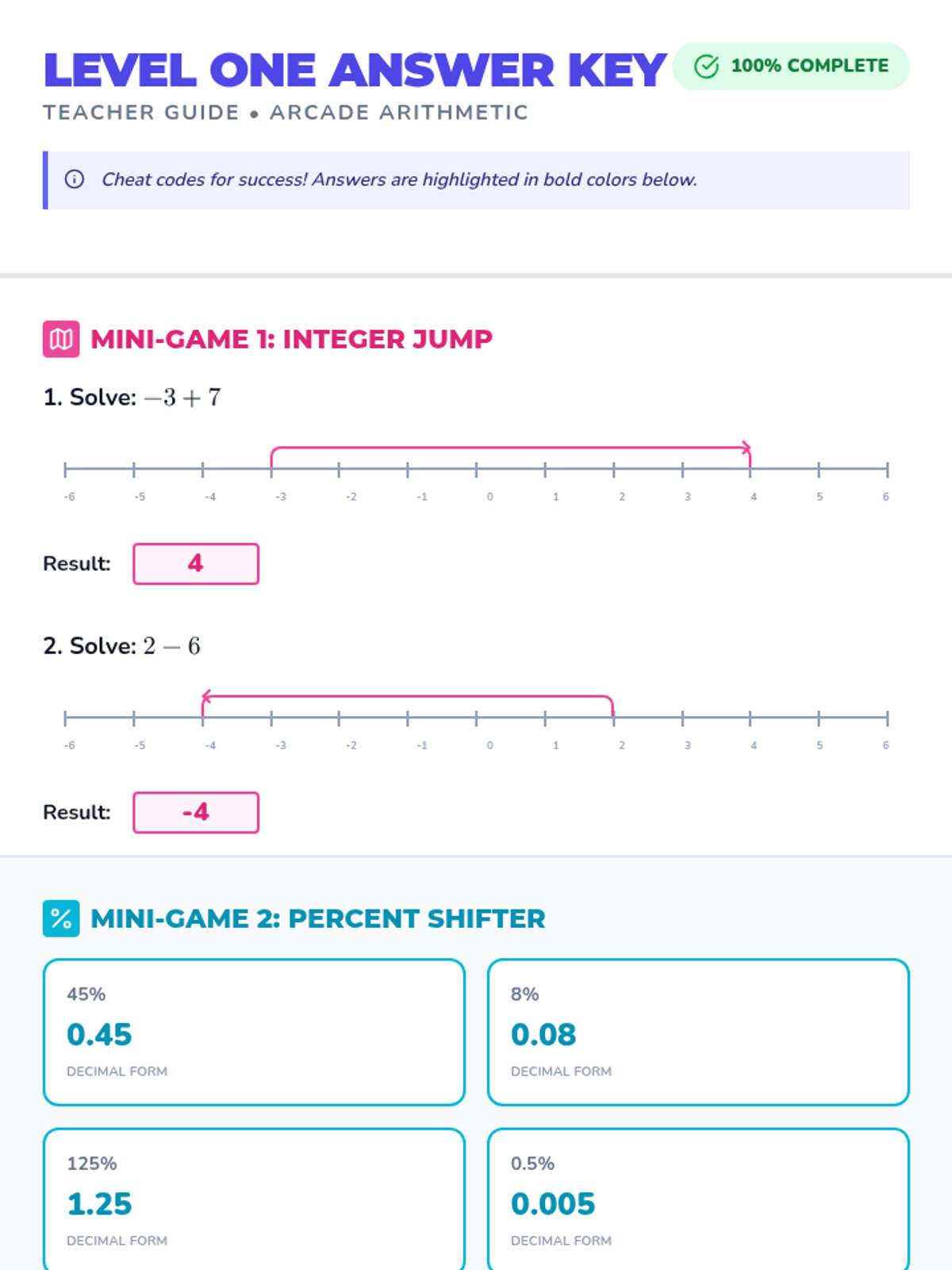
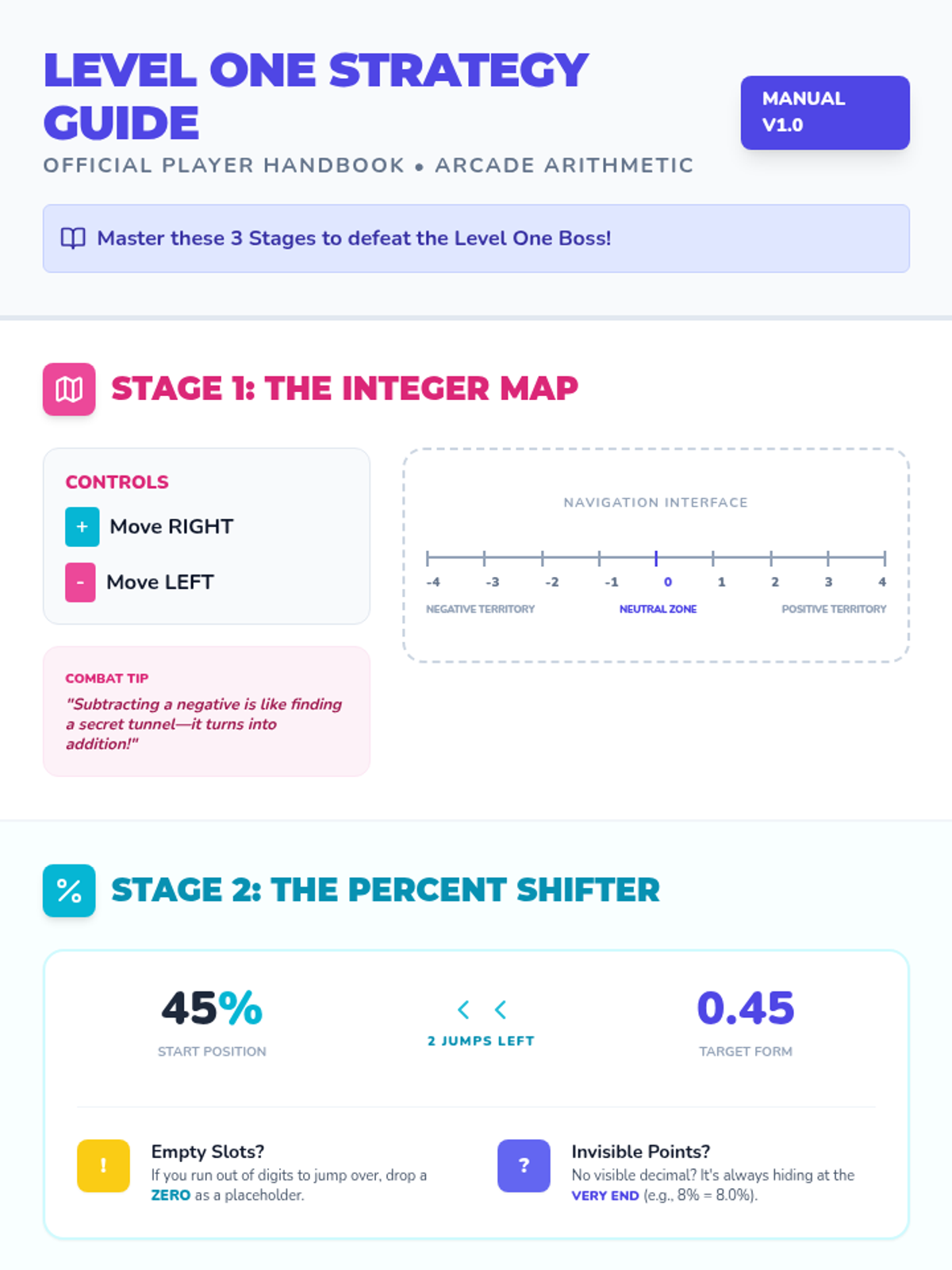
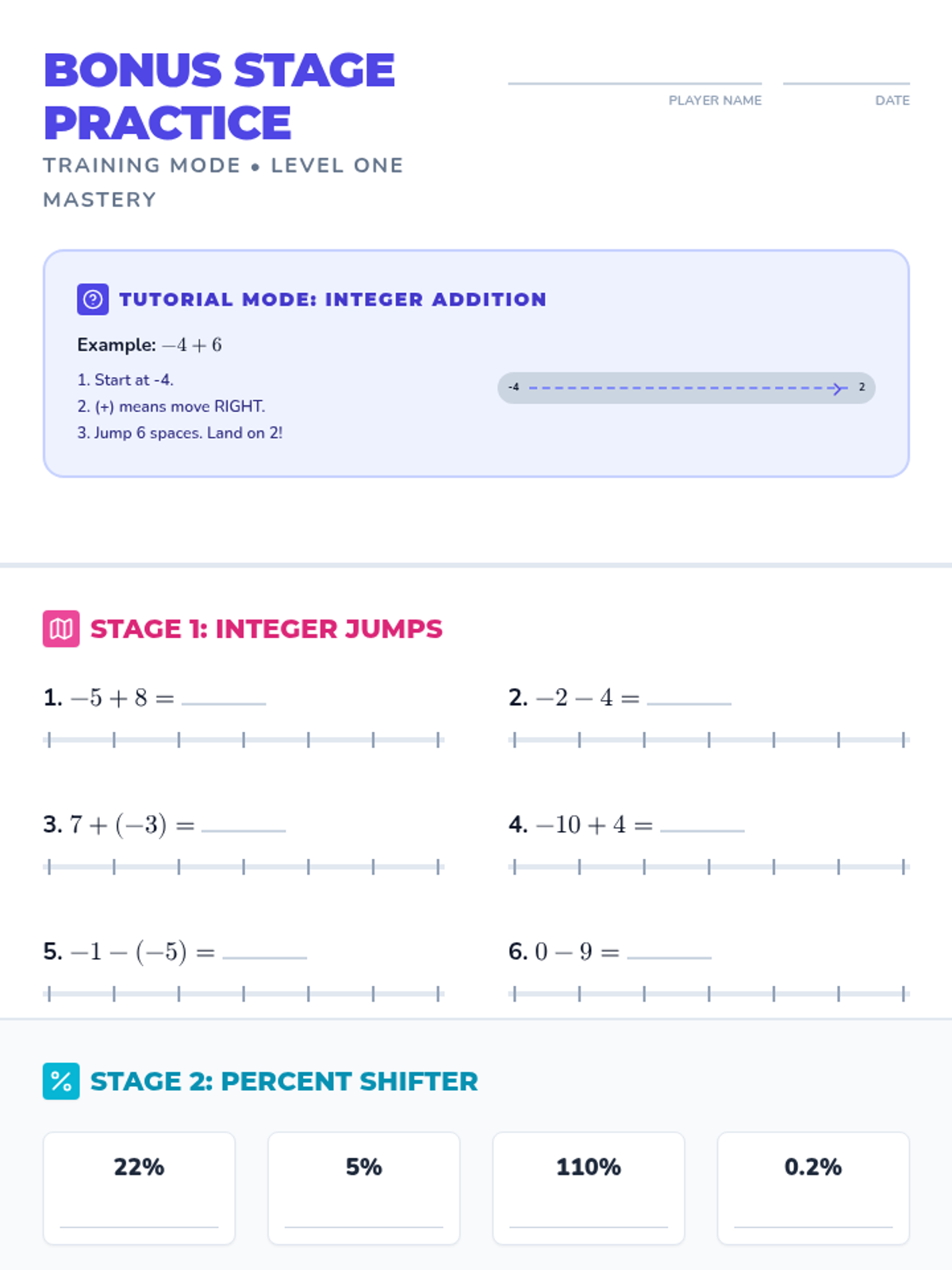
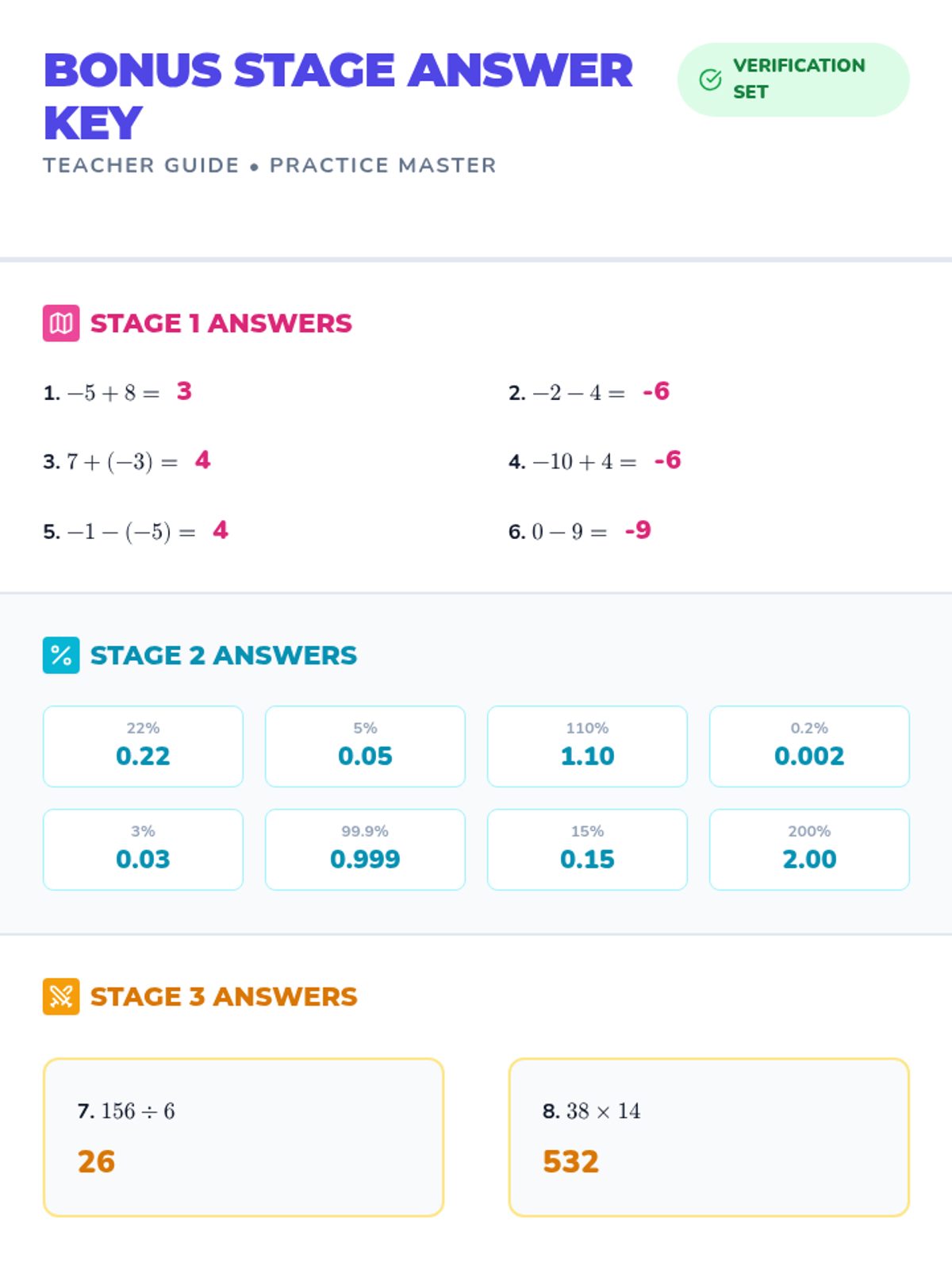
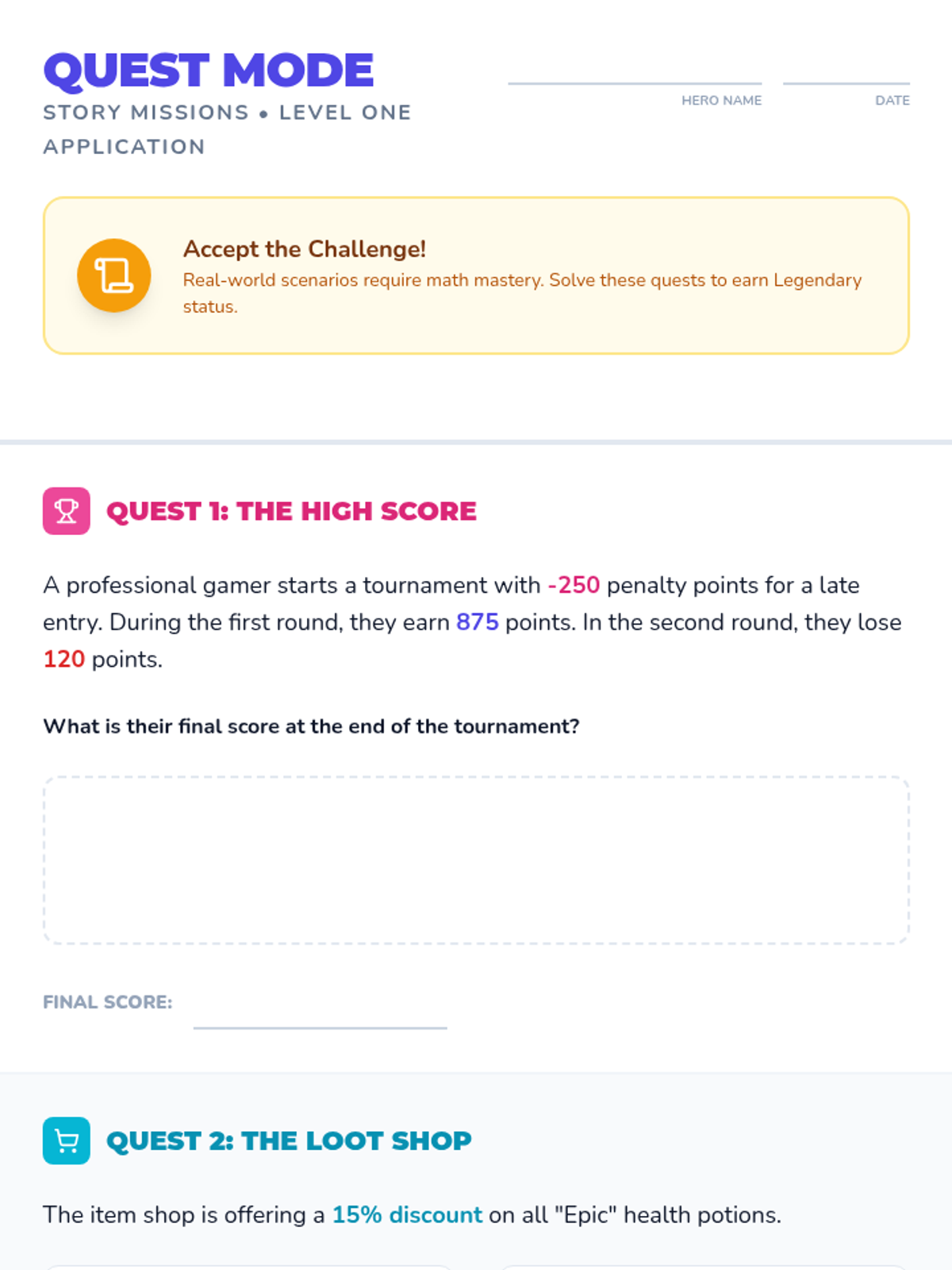
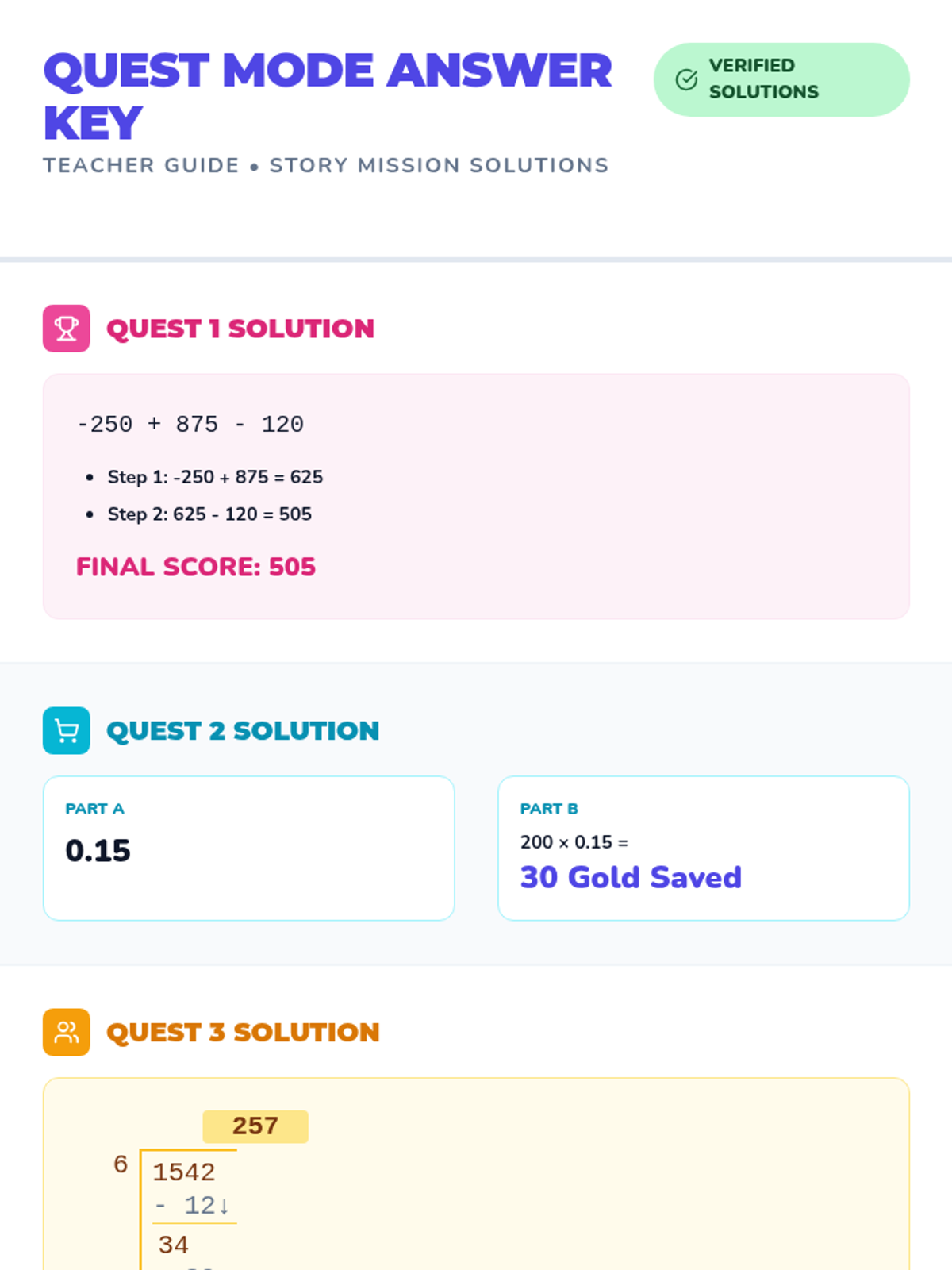
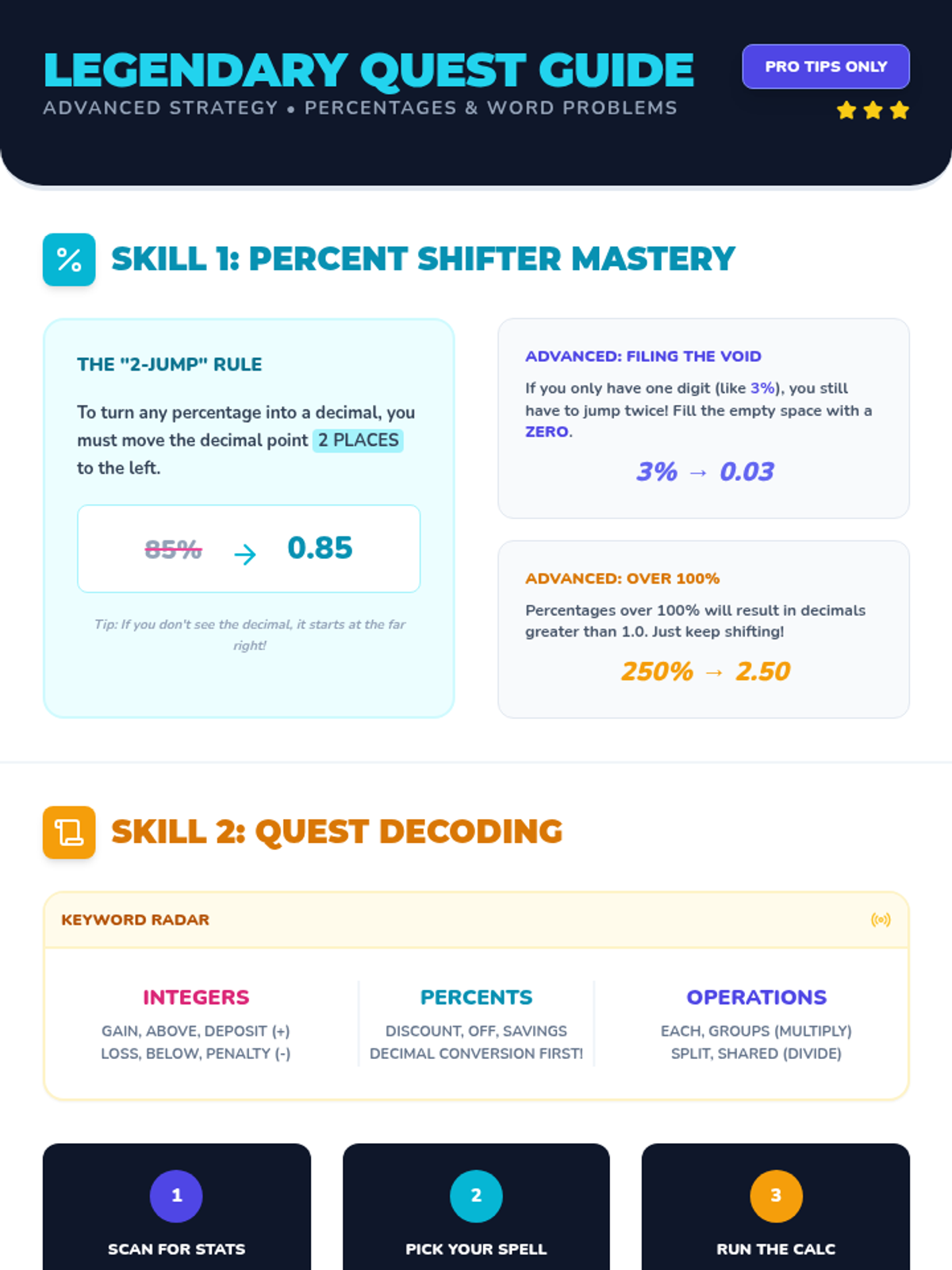
A fast-paced review of foundational math skills, including integer operations with number lines, percentage-to-decimal conversions, and multi-operation fluency. Students 'level up' their skills through arcade-themed challenges.
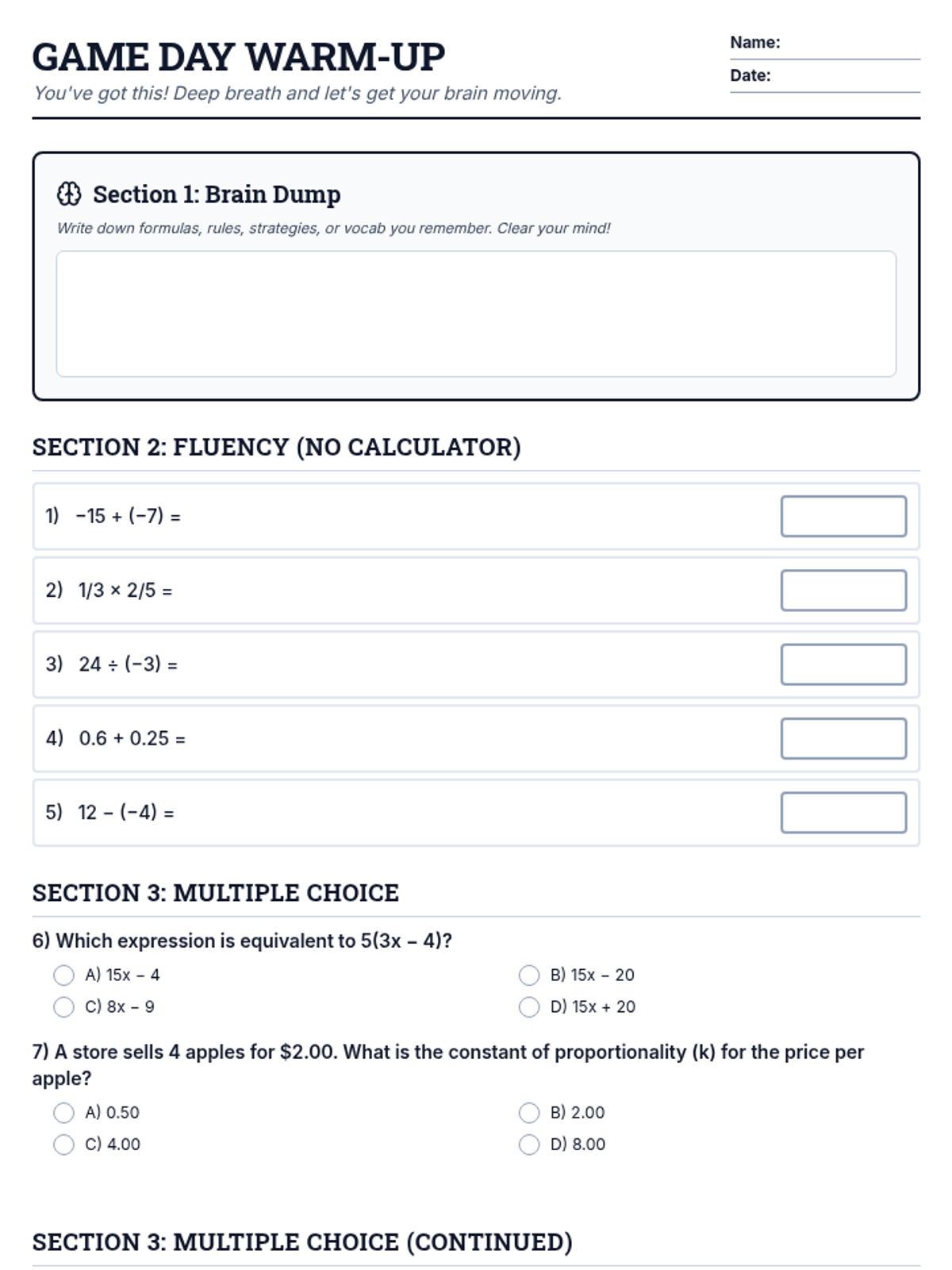
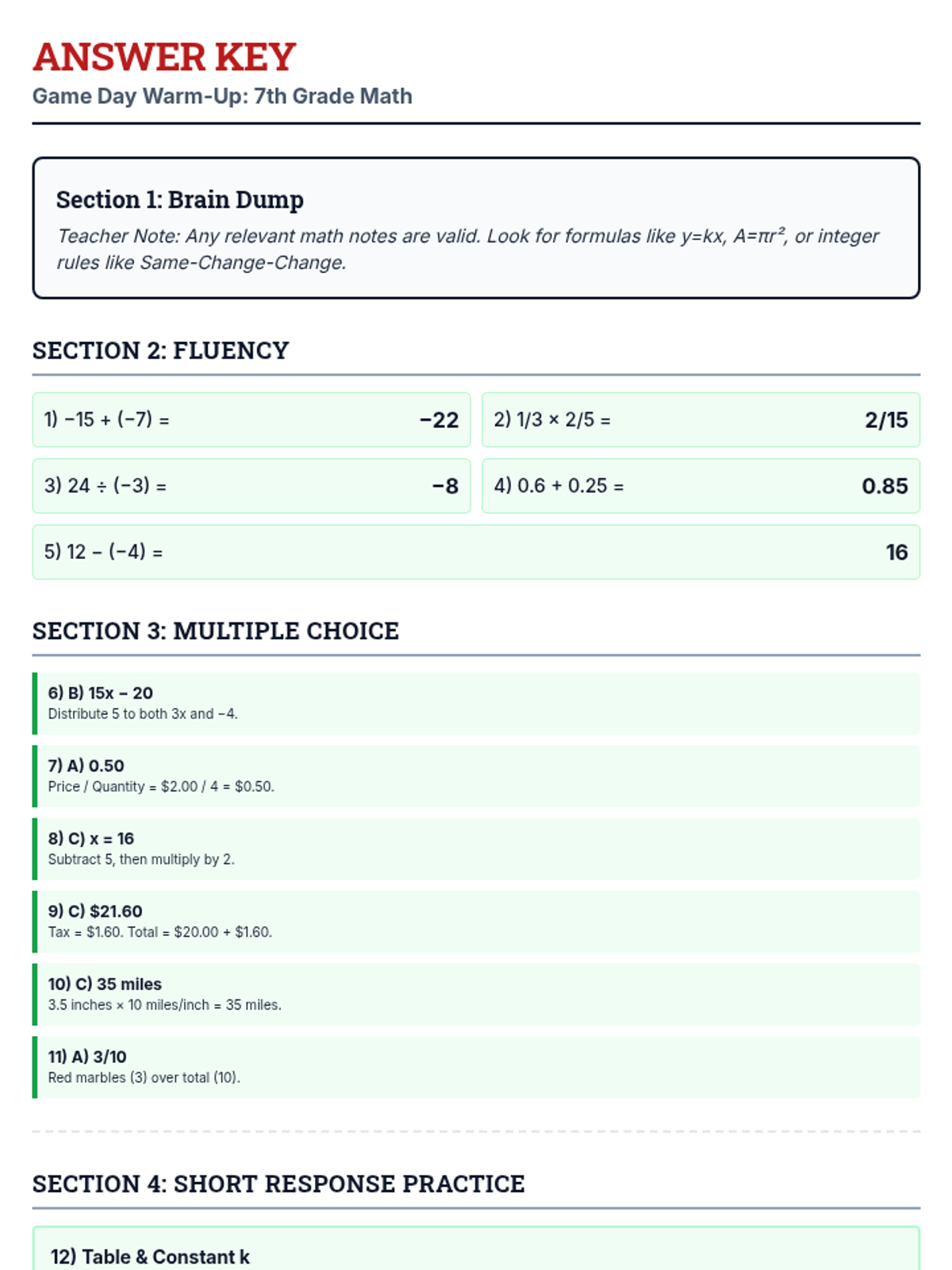
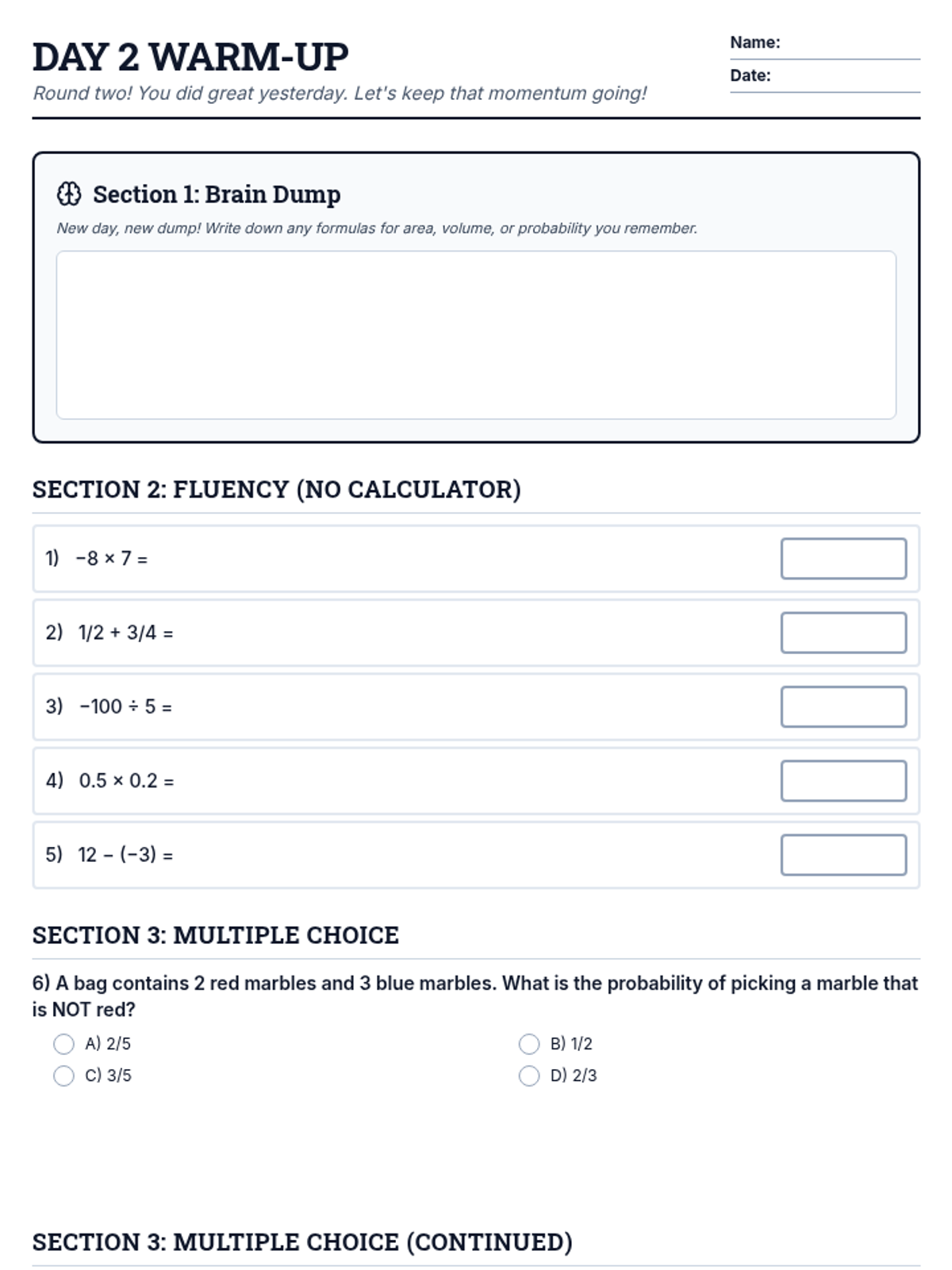
A low-pressure, confidence-building morning work packet designed for 7th-grade students on the day of their state math exam to help them warm up their thinking.