Students differentiate between relief and intaglio processes through historical examples and prepare their plates by filing edges to a bevel to prevent paper tearing.
An intermediate jazzy pom dance routine set to 'Under the Sea', focusing on sharp motions, jazz technique, and high-energy performance.
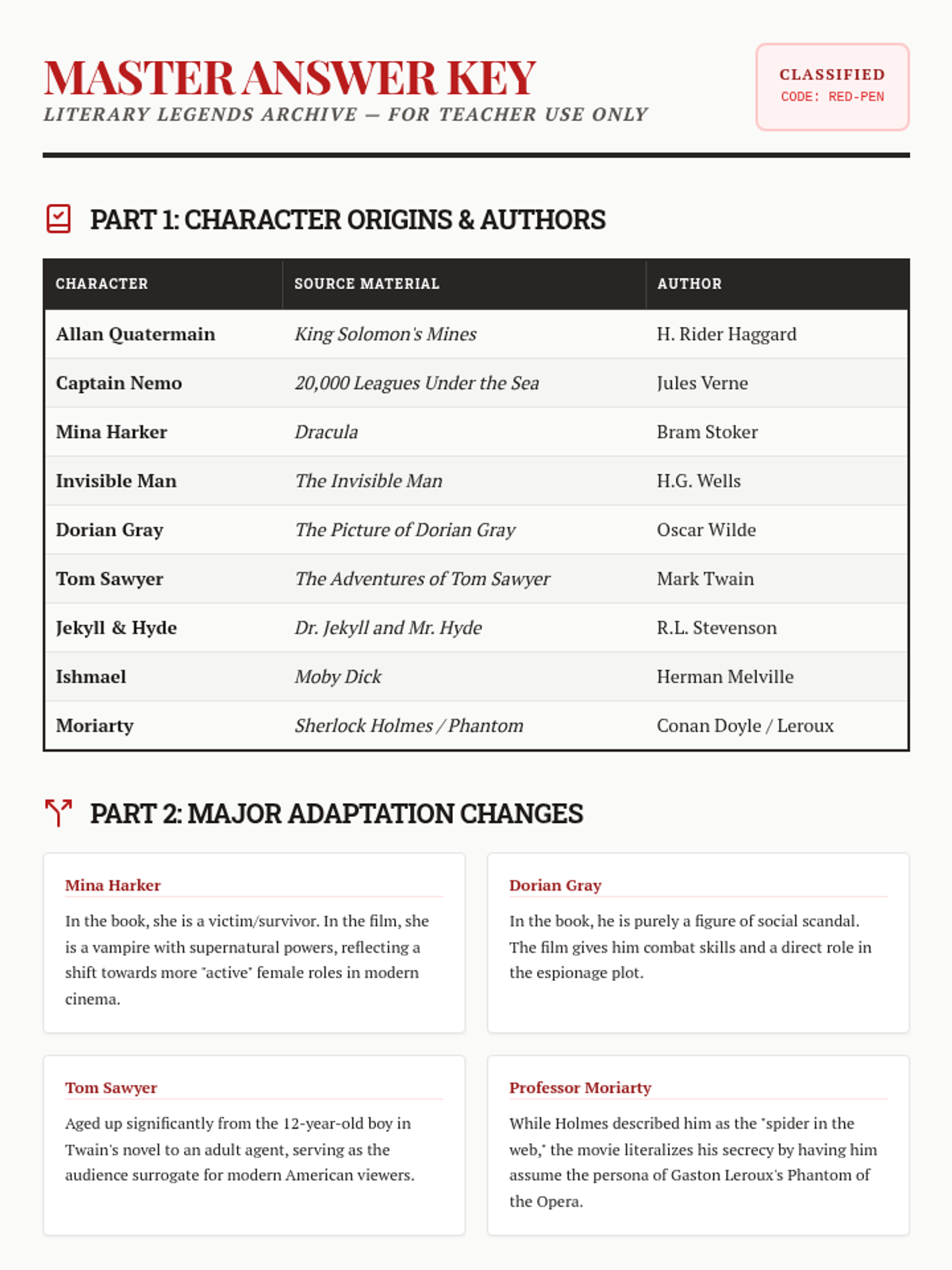
A high school Media Studies lesson exploring how cinema portrays mental illness, specifically dissociative disorders, and the real-world impact of these portrayals on social stigma. Students analyze horror tropes and rewrite scenes for clinical accuracy.
A 30-minute introduction to sight reading in 6/8 time and the key of E-flat major, focusing on the feeling of compound meter and navigating three flats.
This lesson shifts focus to the collective representation of apes as they form a community in the sanctuary and eventually rebel. Students analyze the portrayal of ape communication, social hierarchy, and the final shift toward agency.
Students explore Caesar's origin story, analyzing how the film represents growing ape intelligence and emotional complexity within a laboratory setting. The lesson focuses on the intersection of science and ethics through the lens of primate representation.
Students explore the historical significance and emotional weight of the Greensboro Sit-ins through drama-based activities and historical analysis, focusing on the theme of courage.
A 45-minute exploration of how Valentine's Day art has evolved from medieval manuscripts to modern pop art, followed by a creative design activity.
A comprehensive look at the 1937 Degenerate Art exhibition in Nazi Germany, exploring how art was used as a tool for propaganda and the suppression of modern expression.
A lesson designed to help students distinguish between effective and ineffective slide design for their invention presentations. It uses a side-by-side comparison of a 'good' and 'bad' presentation to teach visual design and organization principles.
A design-focused workshop that provides middle schoolers with rigorous step-by-step guidance on creating a purposeful, visually balanced, and deeply personal vision board.
This lesson explores how artists blend and draw inspiration from various cultures, focusing on cultural fusion, symbolism, and identity in global art. Students will analyze contemporary artists and create their own fusion-inspired designs.
A lesson designed to help students analyze and discuss visual art using specific vocabulary and sentence stems focused on color, perspective, design, lines, and detail.
A comprehensive lesson on the art of storyboarding for short videos, teaching students how to translate their creative visions into structured visual plans. Students will learn the key elements of a storyboard and practice planning their own video production.
A step-by-step guide for high school ESL students to record an animated Valentine's greeting using Adobe Character Animator. The lesson focuses on technical proficiency and creative expression through digital storytelling.
Students will investigate the contrasting aesthetics of Protestant and Catholic art during the Baroque period, focusing on how the Catholic Church used emotional and dramatic art as a tool of the Counter-Reformation to persuade and inspire the faithful.
Students explore the shift from Realism to Modernism in art, analyzing how cultural and scientific upheavals at the turn of the 20th century transformed the definition of 'reality.' through sketching and analysis.
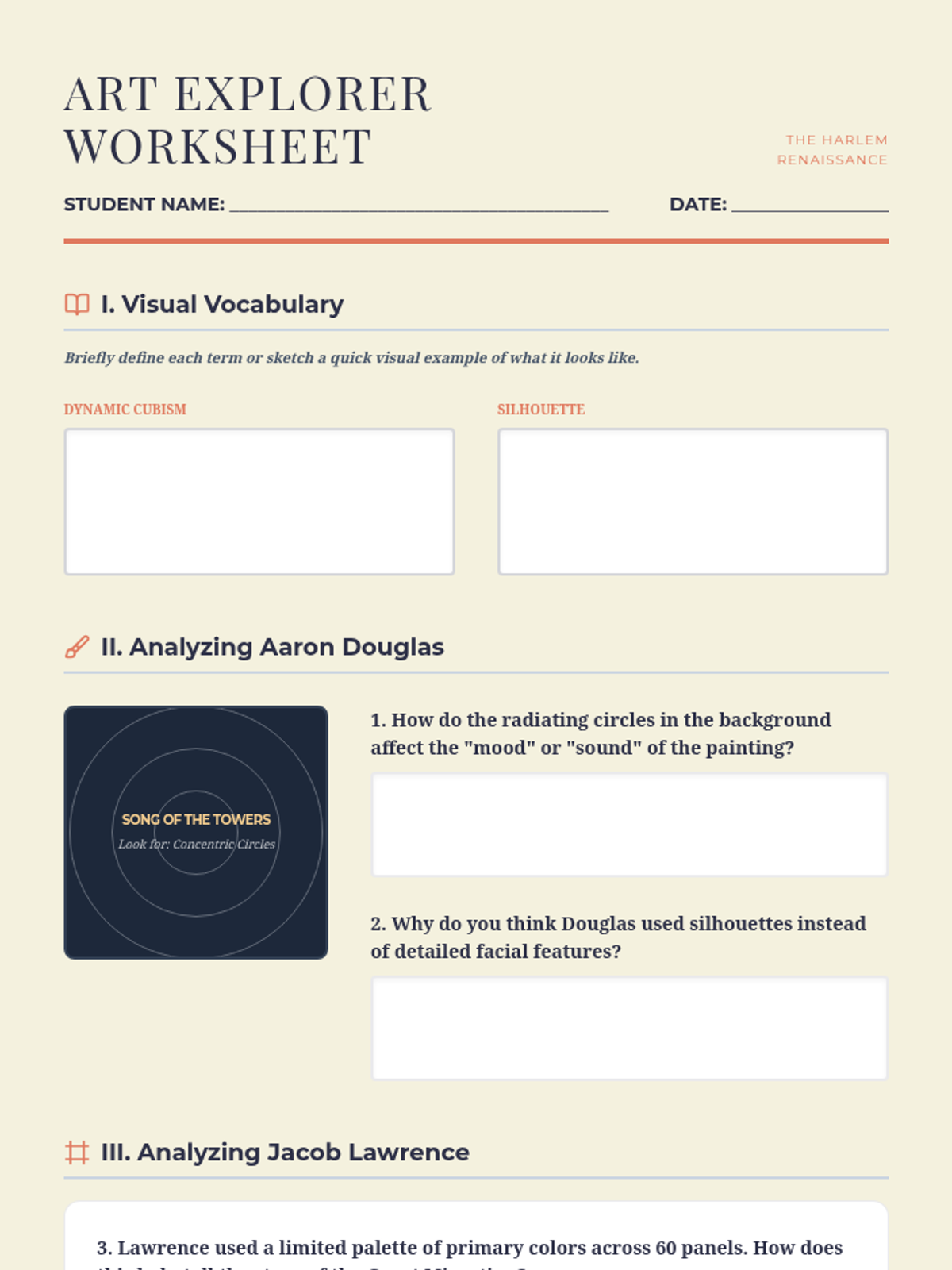
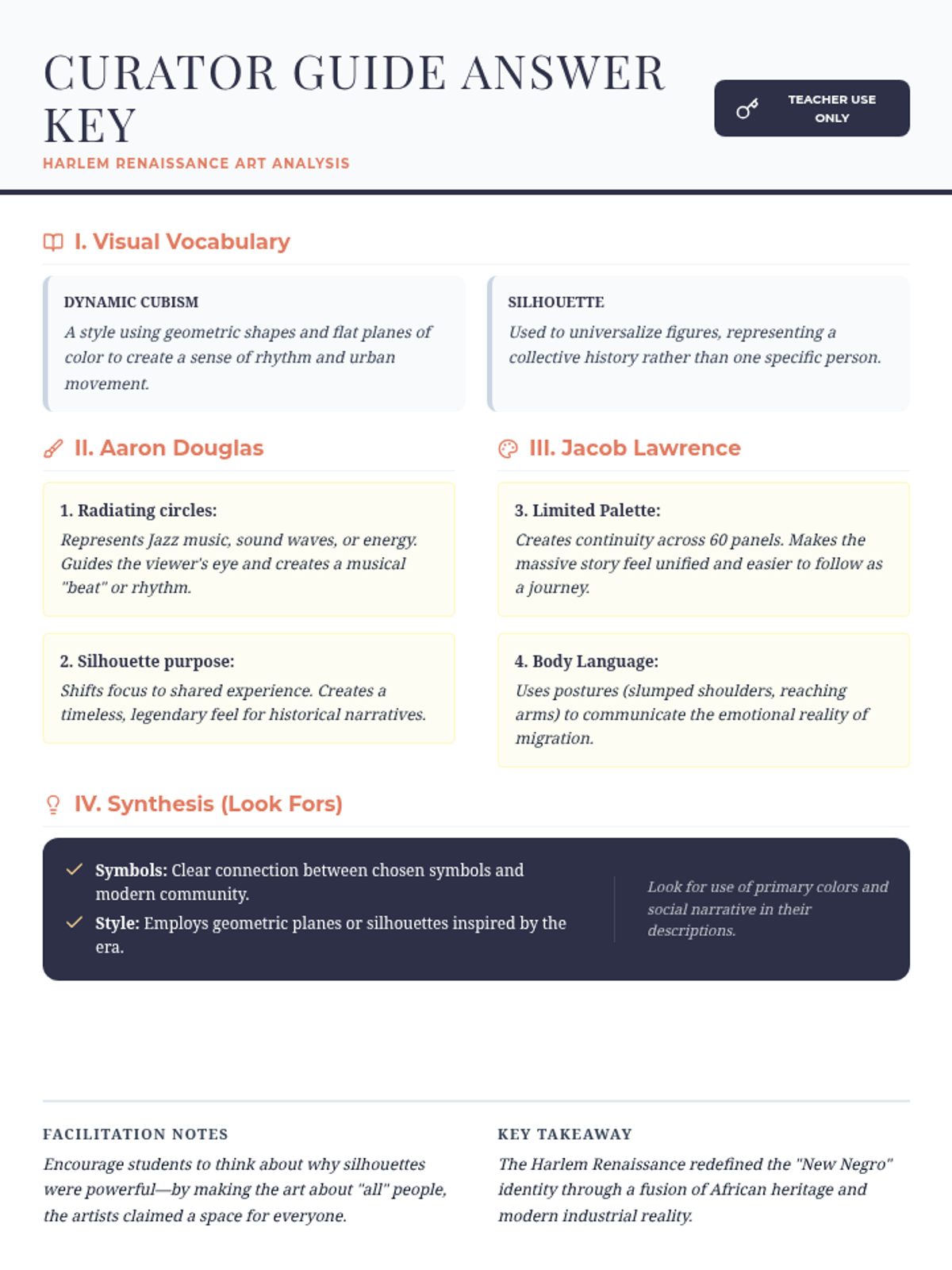
A high school art history lesson exploring the visual language of the Harlem Renaissance, focusing on how artists like Aaron Douglas and Richmond Barthé integrated African and Egyptian motifs to express Black identity and political reality.
Students explore the history and technique of Roman and Byzantine mosaics, culminating in the creation of a modern icon using paper tesserae. The lesson connects ancient preservation methods to modern visual communication.
Students will explore the shift from Medieval to Renaissance art by analyzing Botticelli and Michelangelo. The lesson focuses on identifying Humanism, Naturalism, and the 'White Statue' misconception using a Crash Course video and hands-on annotation.
A lesson tracing the cultural origins and evolution of American music genres from Indigenous traditions to modern Hip-Hop. Students will analyze the 'parents' of various musical styles and collaborate to build a visual genealogy of American sound.
A lesson exploring the power of satire and political comedy through the lens of Ancient Greek playwright Aristophanes, featuring modern connections and a creative script-writing activity.
Students evaluate how Computer Generated Imagery (CGI) shifted film from practical constraints to limitless storytelling, culminating in a storyboard project for a scene that defies physics or scale.
Students will analyze how Jacques-Louis David and Francisco Goya used art to shape the narrative of Napoleon's conquests, interpreting the difference between state-sponsored propaganda and visual protest. The lesson includes a writing activity where students adopt 19th-century personas to review these iconic works.
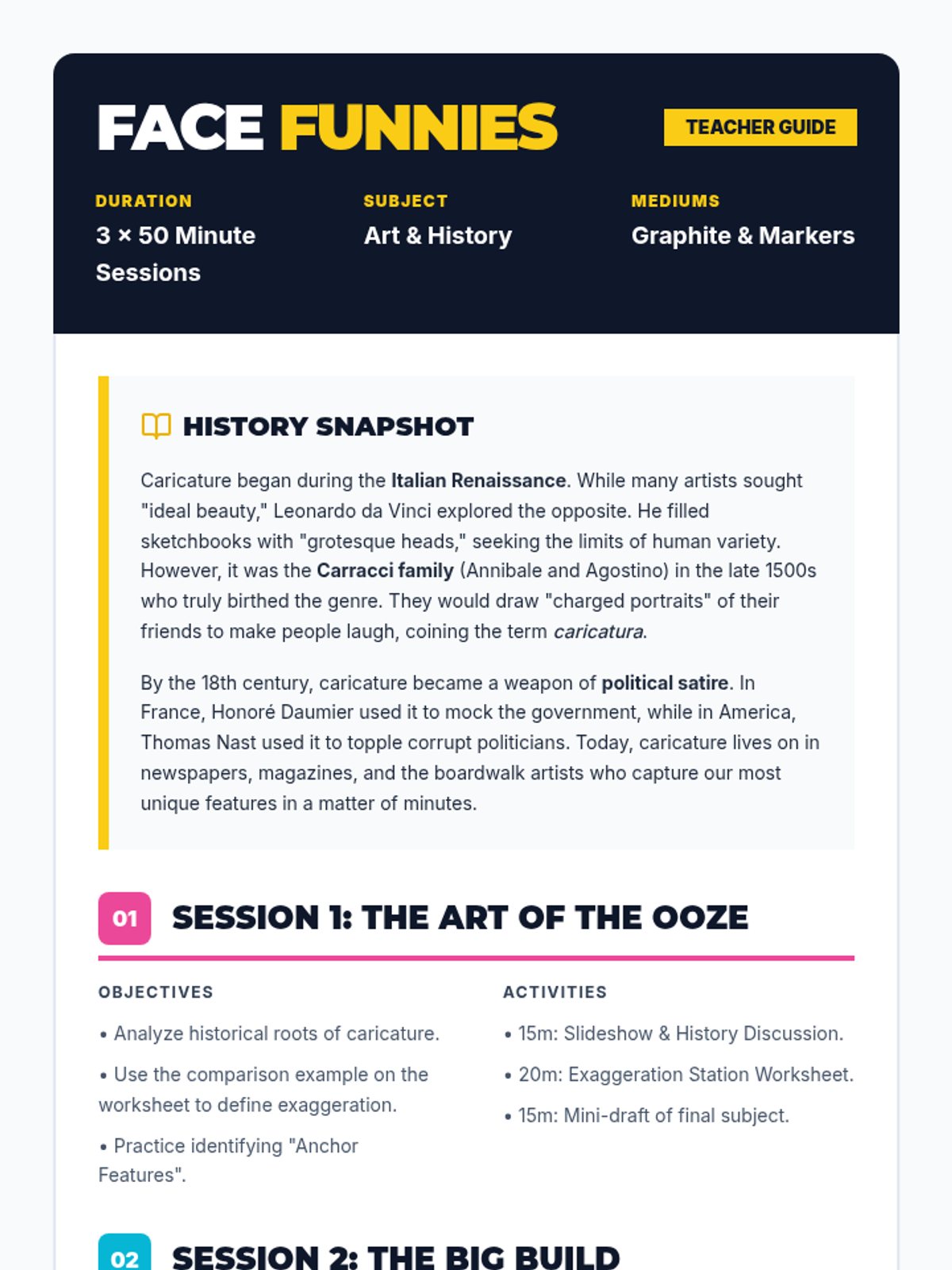
A visual arts and history lesson where students analyze 19th-century political cartoons and create their own to explore bias and perspective during the Mexican-American War and the era of American imperialism.
A high school art history and visual arts lesson exploring the French Revolution through the lens of propaganda versus historical reality. Students analyze neoclassical masterpieces, watch a Crash Course video to track visual storytelling, and create 'Reality Check' posters that deconstruct romanticized historical narratives.
This lesson explores the visual and cultural impact of the Black Power movement, focusing on the three pillars of liberation and the aesthetic of the Black Arts Movement. Students will analyze historical visuals and create their own revolutionary posters that promote community dignity and self-determination.
Students explore the intersection of art, history, and identity by analyzing Mexican muralism and designing their own community-focused mural sketches. The lesson uses video content to connect cultural movements like religion and art to public expression.
This lesson explores the differences between Italian and Northern Renaissance art through the lens of humanism, focusing on Botticelli's elegance versus Bruegel's gritty realism. Students will watch a video segment and perform a visual analysis of 'Dutch Proverbs' to understand how Northern artists democratized humanistic themes.
This lesson explores the intersection of art and political activism, specifically focusing on Picasso's *Guernica* as a response to the horrors of the 20th century. Students will analyze the stylistic choices of Cubism in depicting war and create their own conceptual sketches for a modern piece of resistance art.
A lesson connecting the conservative political restoration of the Congress of Vienna to the emotional and nature-focused themes of the Romantic art movement. Students analyze how the failure of Enlightenment 'reason' led to a cultural shift toward feeling, history, and the sublime.
A visual-focused exploration of Babylonian architecture, specifically the Ishtar Gate, where students design their own symbolic 'city gates' using blue and gold motifs.
A high school art history lesson exploring the emotional and symbolic depth of the Romantic movement, focusing on Delacroix's 'Liberty Leading the People' and the concept of the 'Sublime'.
A high school music appreciation lesson exploring the transition from Classical precision to Romantic passion through listening labs and historical context.
A high school art and history lesson exploring American identity through the lens of Romanticism, Realism, and Modernism. Students analyze the works of Robert S. Duncanson, Edward Hopper, and Georgia O'Keeffe to understand how historical context and personal perspective shape artistic style.
This lesson explores the transition from the ornate Baroque style to the rational Neoclassical style, linking artistic shifts to the Enlightenment's emphasis on reason, order, and Greco-Roman ideals. Students will analyze the architectural differences between Versailles and the White House and design their own 'artistic propaganda' to convey specific political messages.
A Media Arts lesson for high schoolers analyzing the technical and aesthetic evolution of digital media through the lens of Crash Course's production history. Students explore how funding, equipment, and collaboration transform low-budget web content into professional educational media.
A lesson exploring the collaborative nature of digital media production, focusing on how different talents (writing, art, performance) combine to create complex projects like Crash Course. Students simulate a production line to experience how a script evolves through various creative lenses.
This lesson explores the tension between "Committed Art" and "Autonomous Art" through the lens of political theory and art history. Students will analyze how artists like Bertolt Brecht and Theodor Adorno approached social change, culminating in the creation of their own artistic manifestos and sketches.
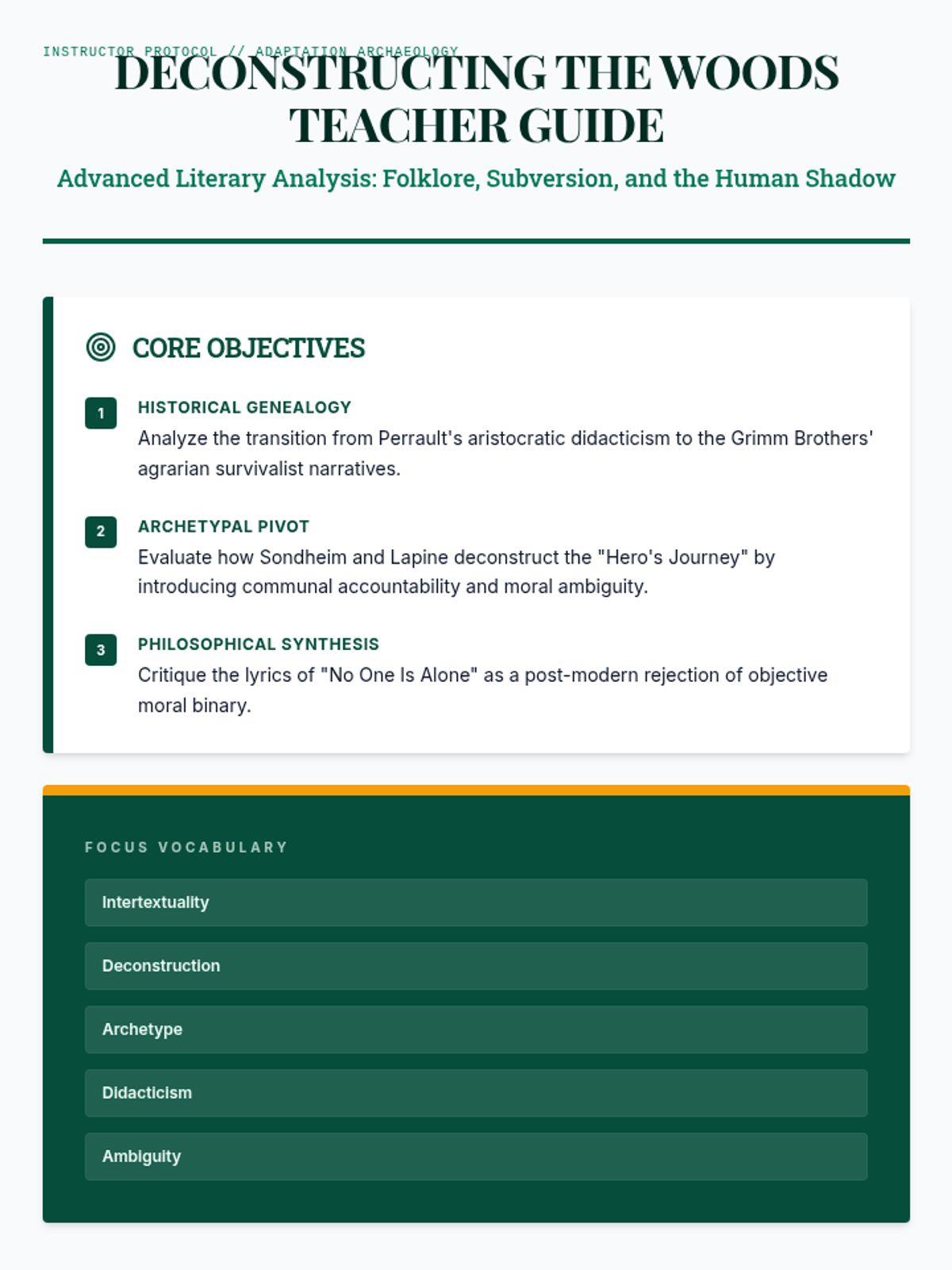
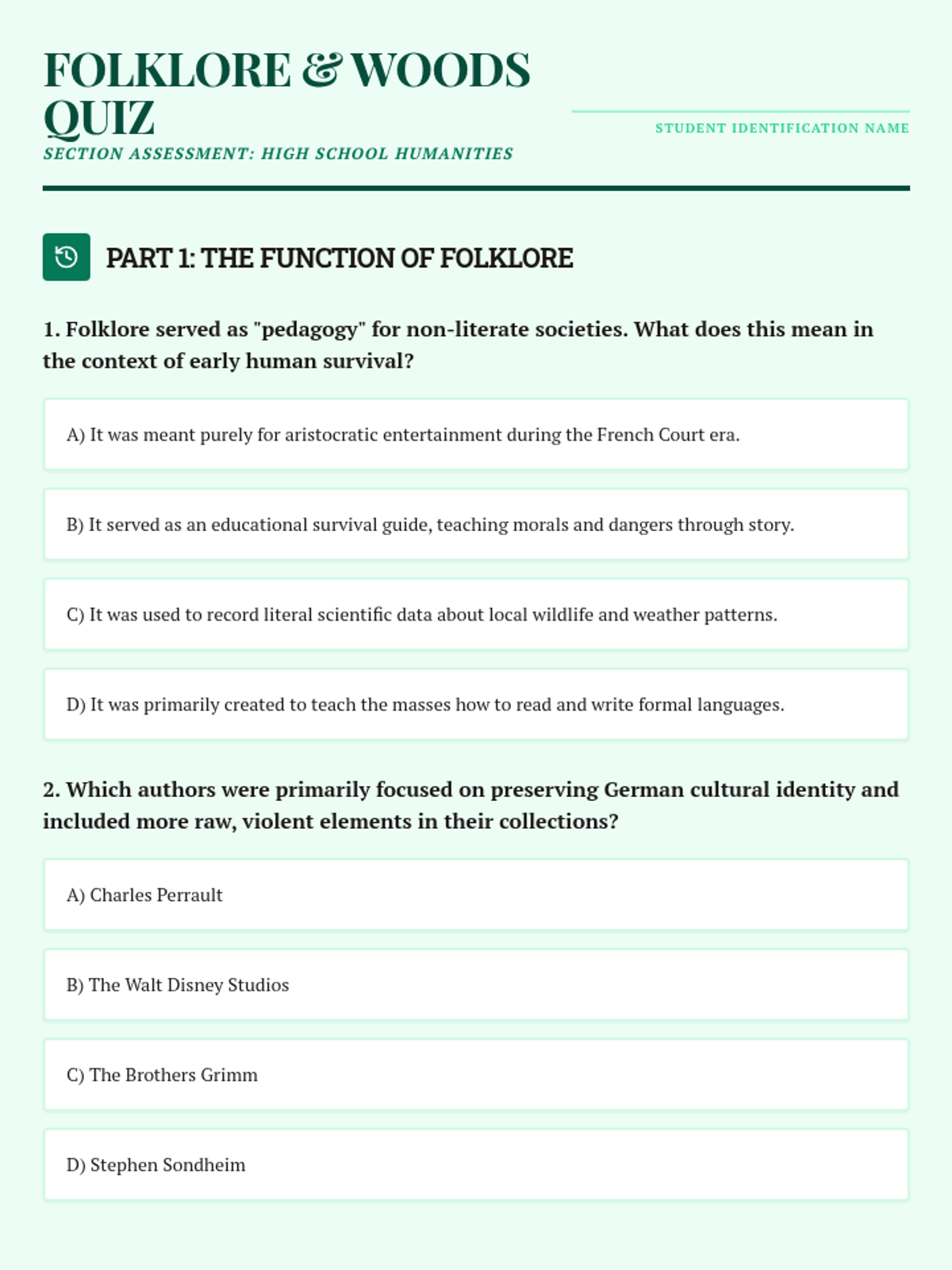
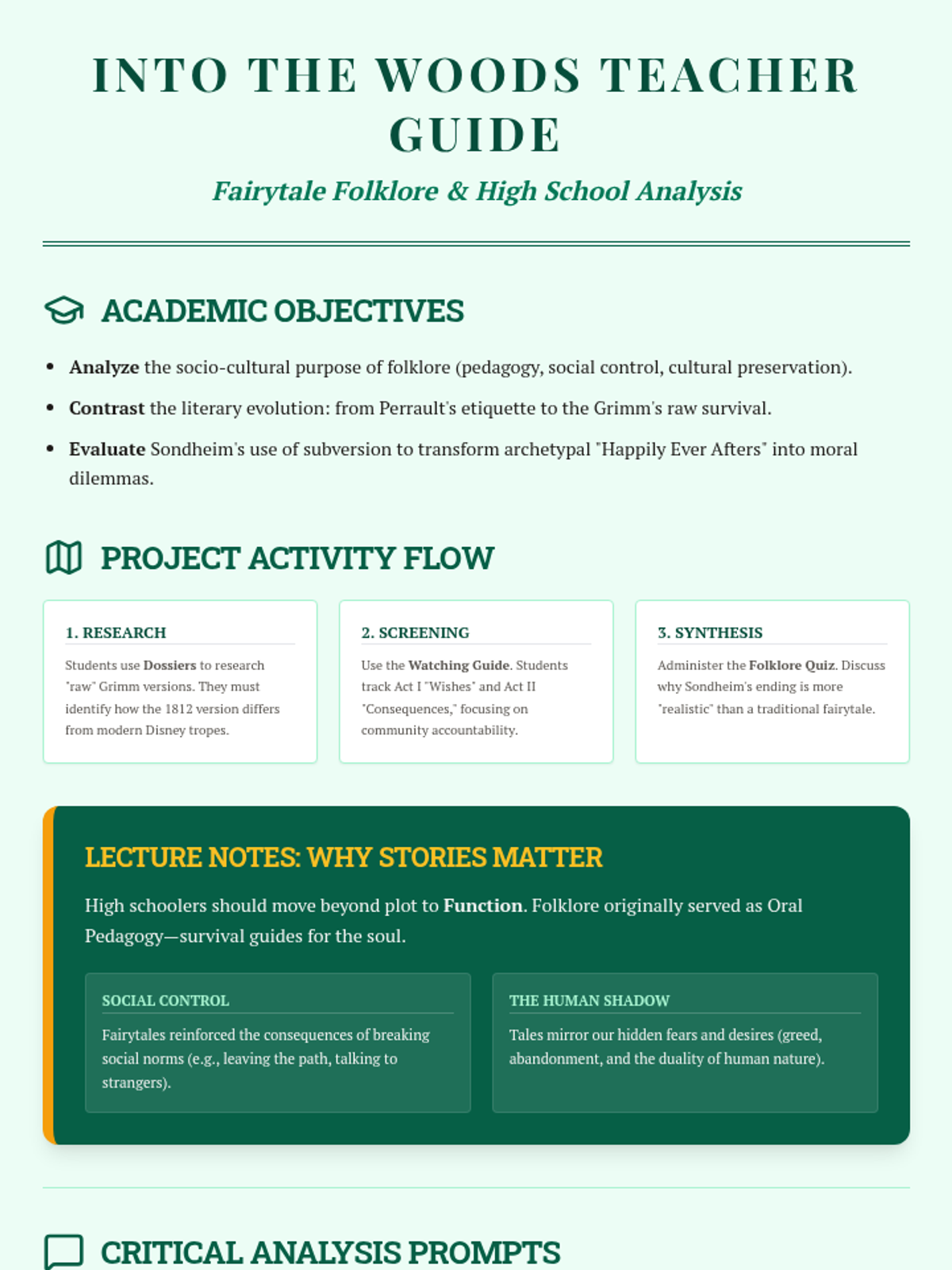
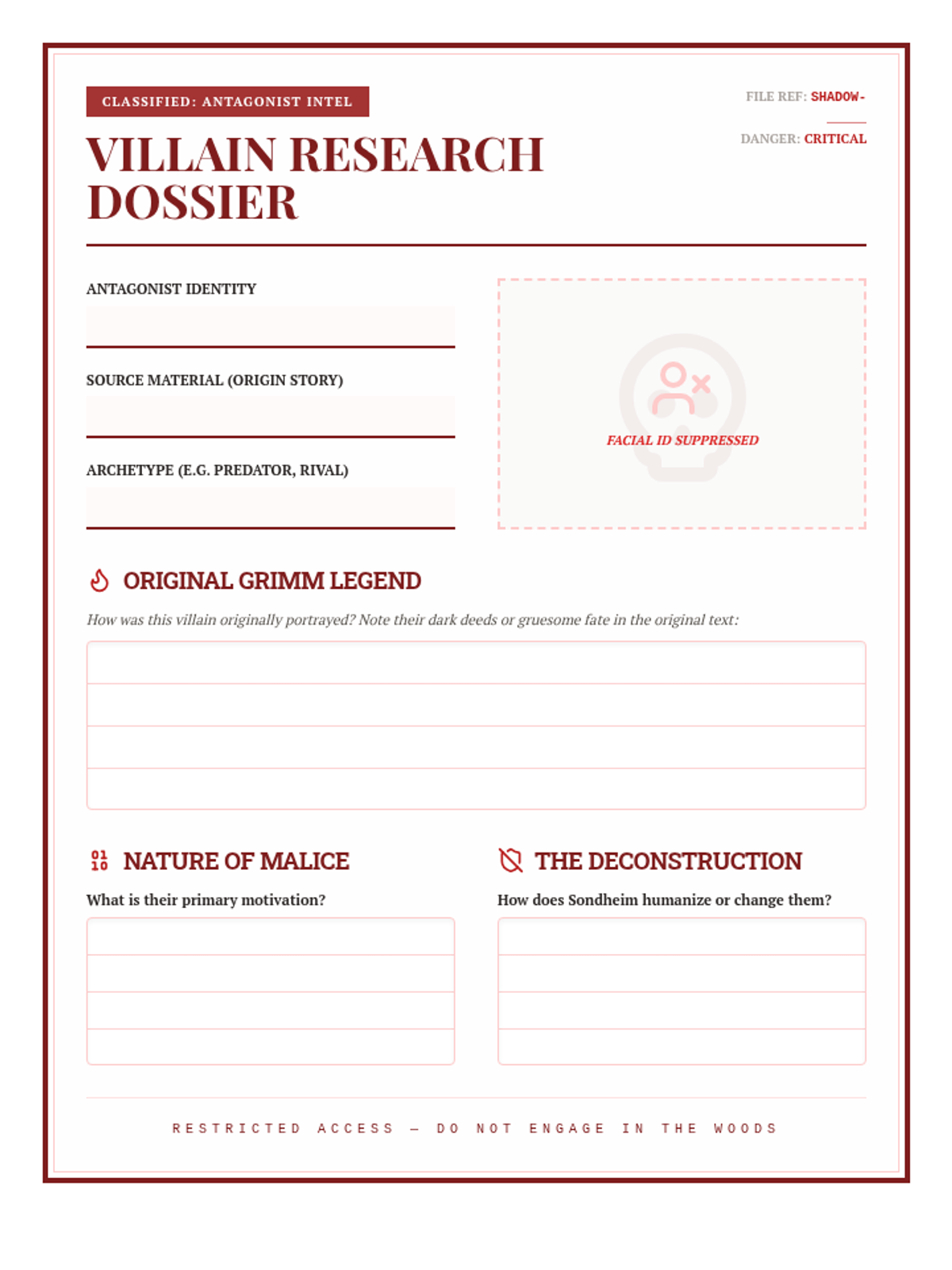
Students will explore Bertolt Brecht's 'Alienation Effect' (Verfremdungseffekt) through improv, video analysis, and a creative 'Brechtian Remake' of classic fairy tales to understand the political power of theatre.
Students will explore the tension between art used for state propaganda (Nazi Germany) and art used for social resistance (Kehinde Wiley). This lesson uses the Crash Course Political Theory video 'Should Art Be Political?' to ground a comparative analysis of visual techniques and the power of public monuments.
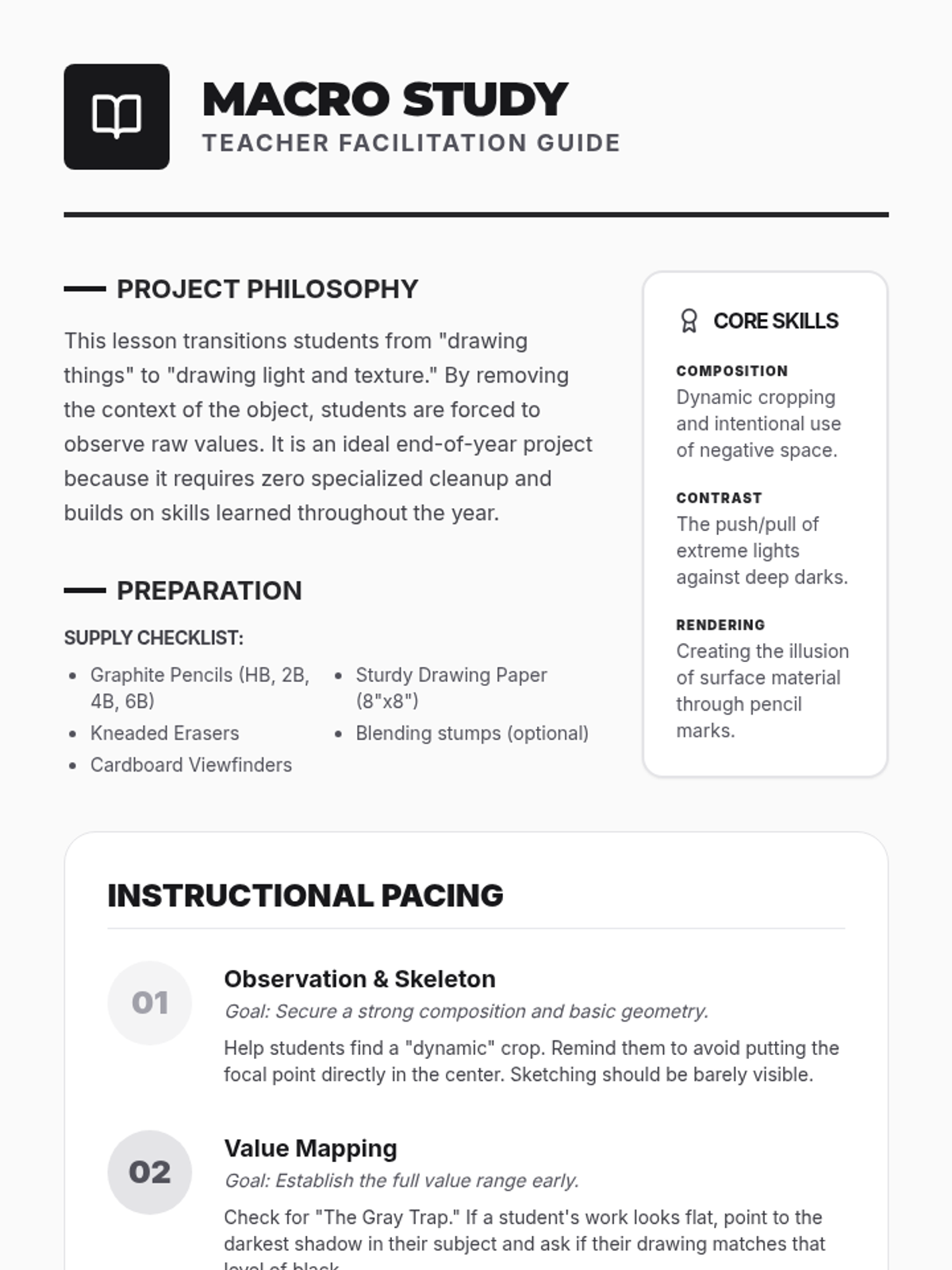
A creative art lesson focused on positive and negative space through the lens of Kirigami snowflake cutting. Students create a dual-image composition using both their snowflake and the leftover scraps to explore spatial relationships.
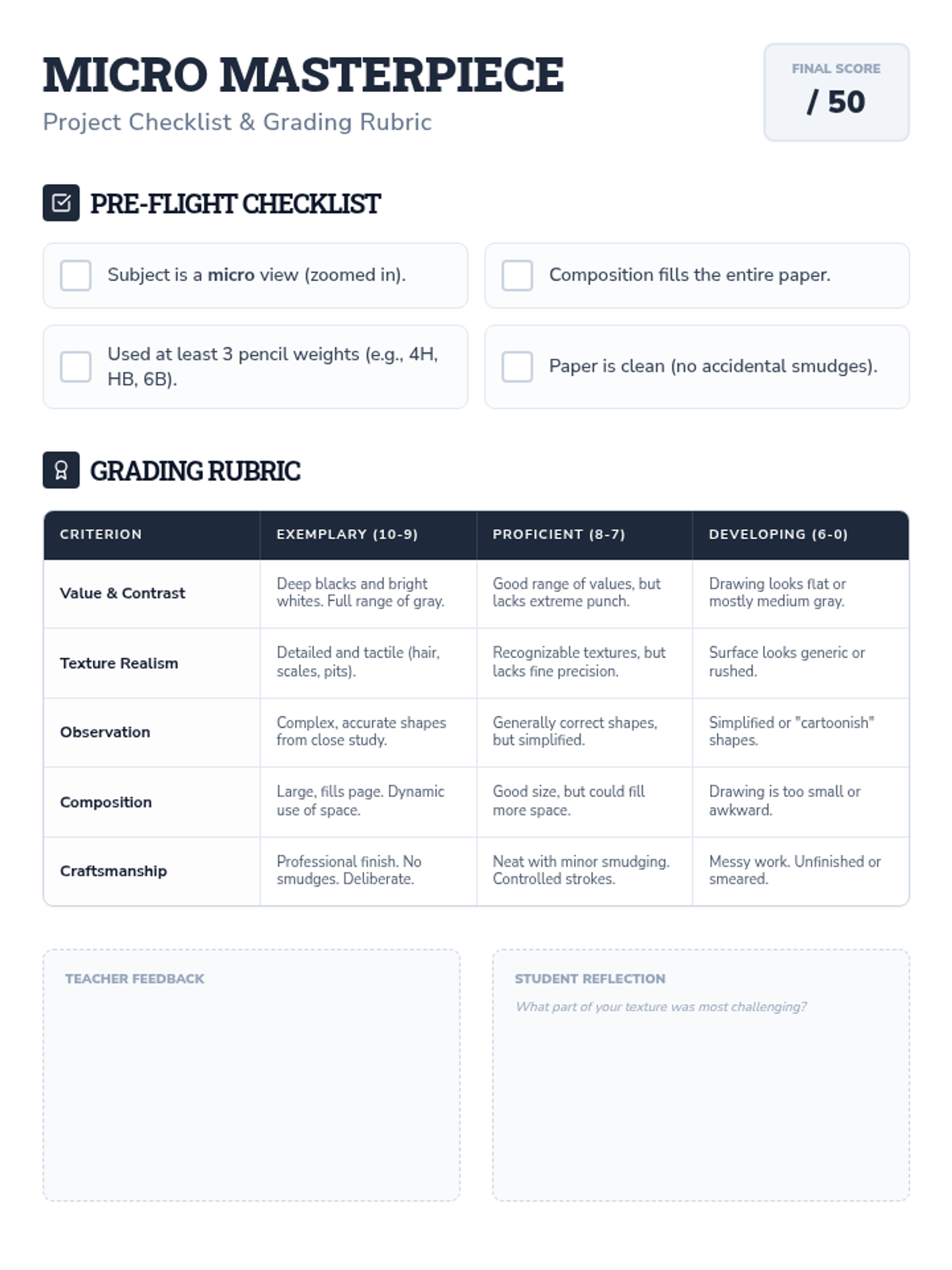
A cross-curricular Art and Geometry lesson where middle/high school students explore the Fibonacci sequence and Golden Ratio to construct a Golden Spiral and analyze classical masterpieces.
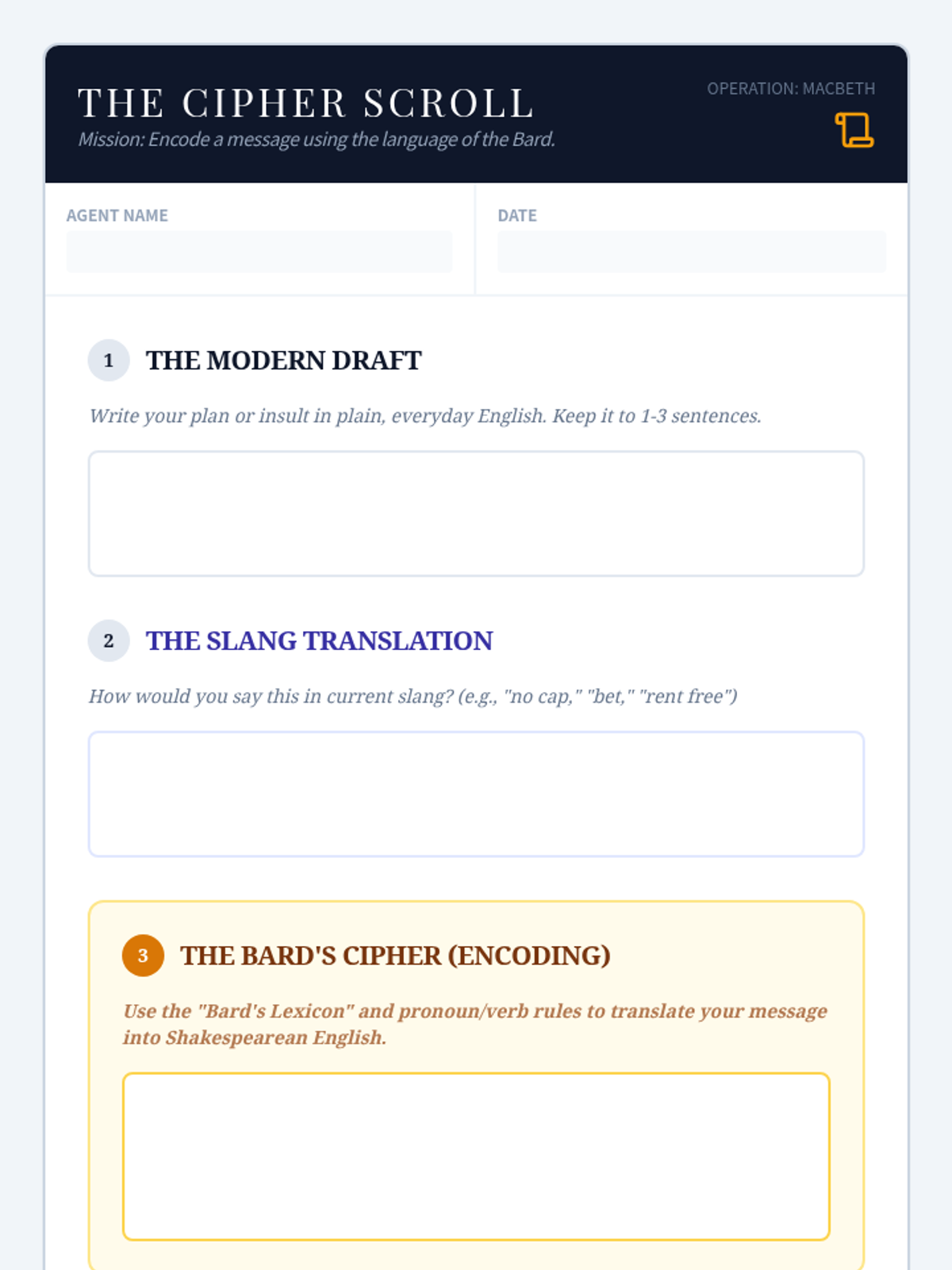
Students will learn to distinguish between narrative and non-narrative media before planning their own creative project (film or comic) and justifying their choices based on their personal strengths.
A lesson exploring how physical objects (props) can transform a speech from a simple reading into an authentic, engaging story. Students analyze a famous political speech and perform their own 60-second 'Prop Reveal' stories.
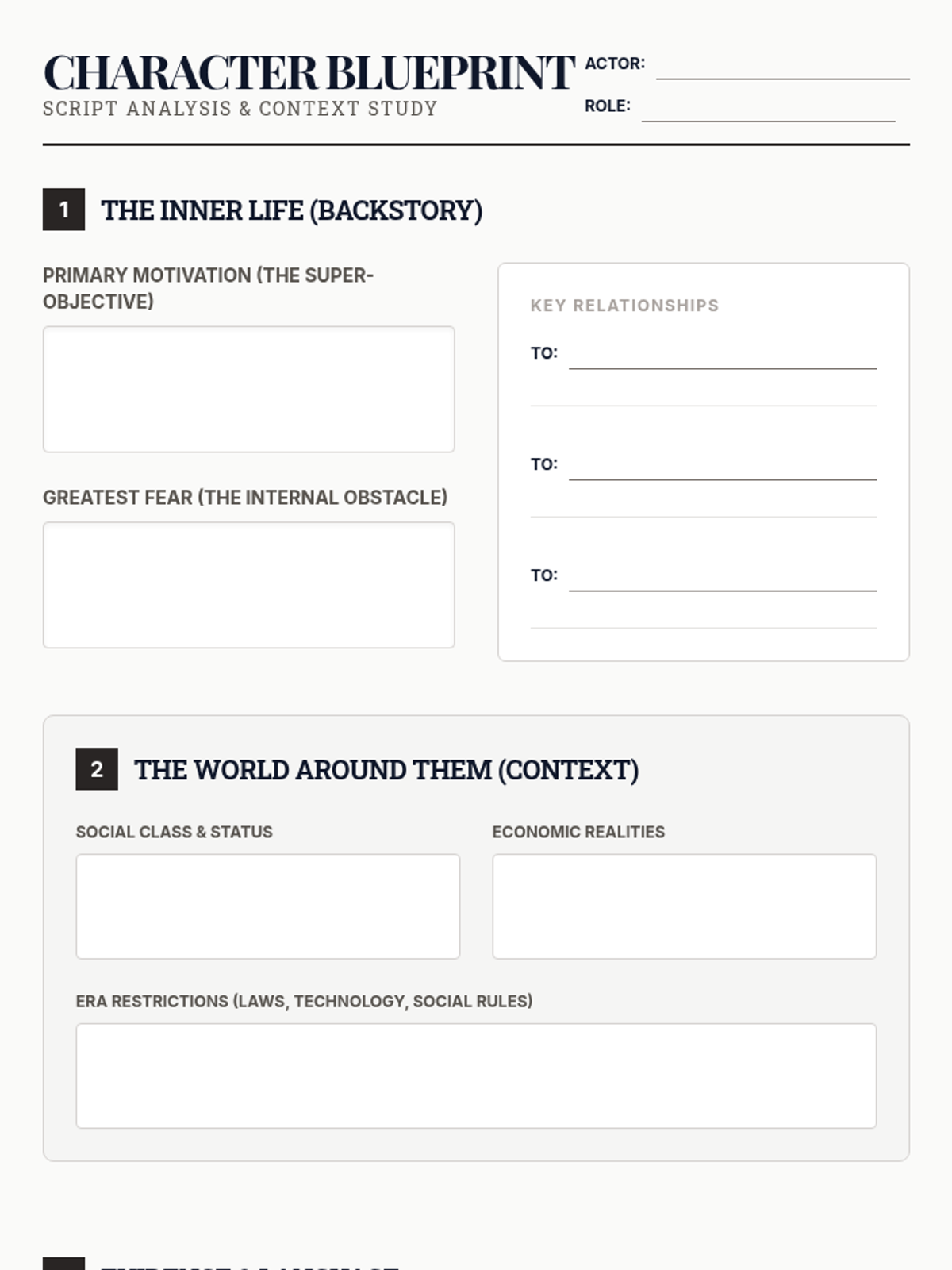
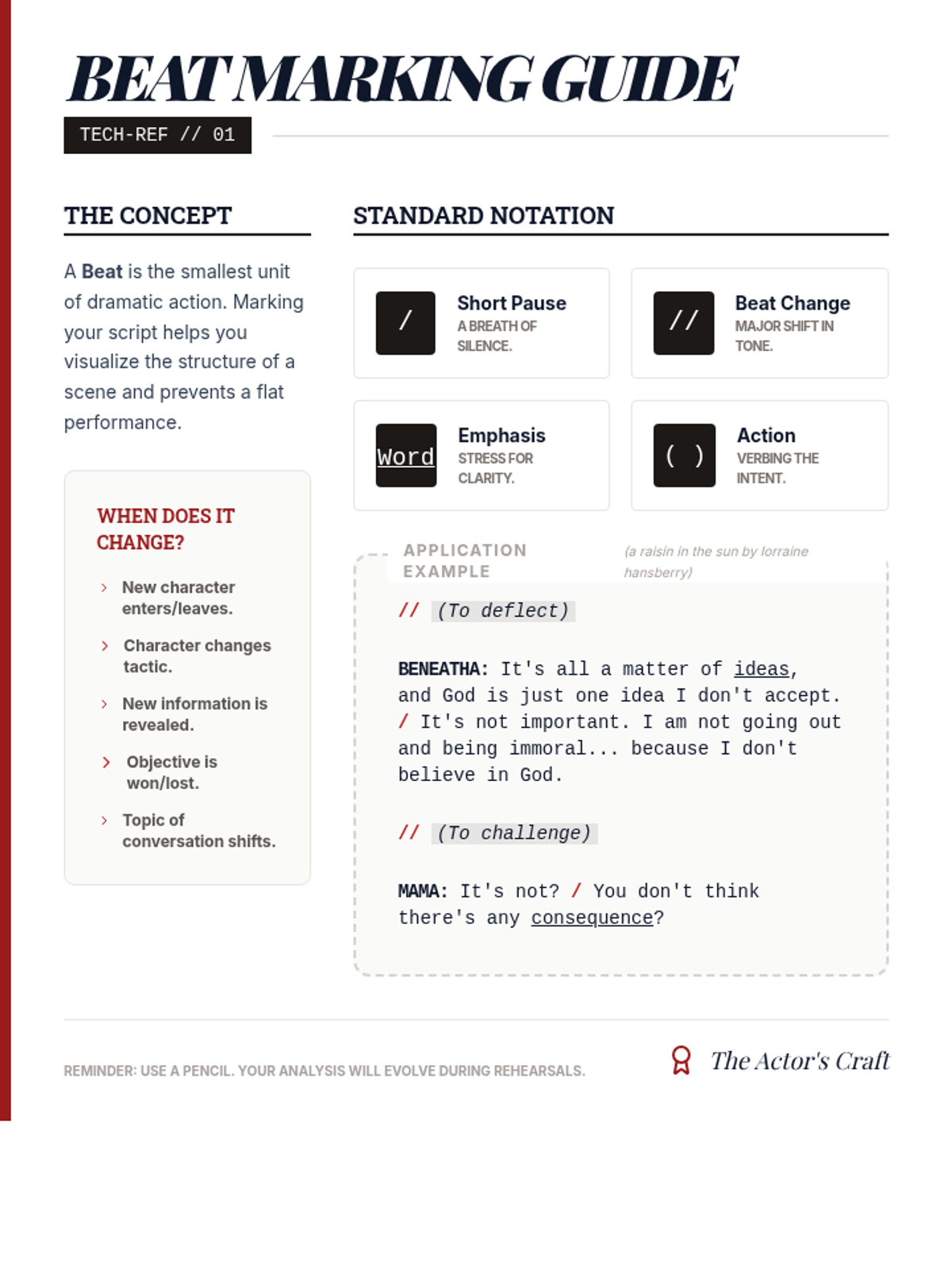
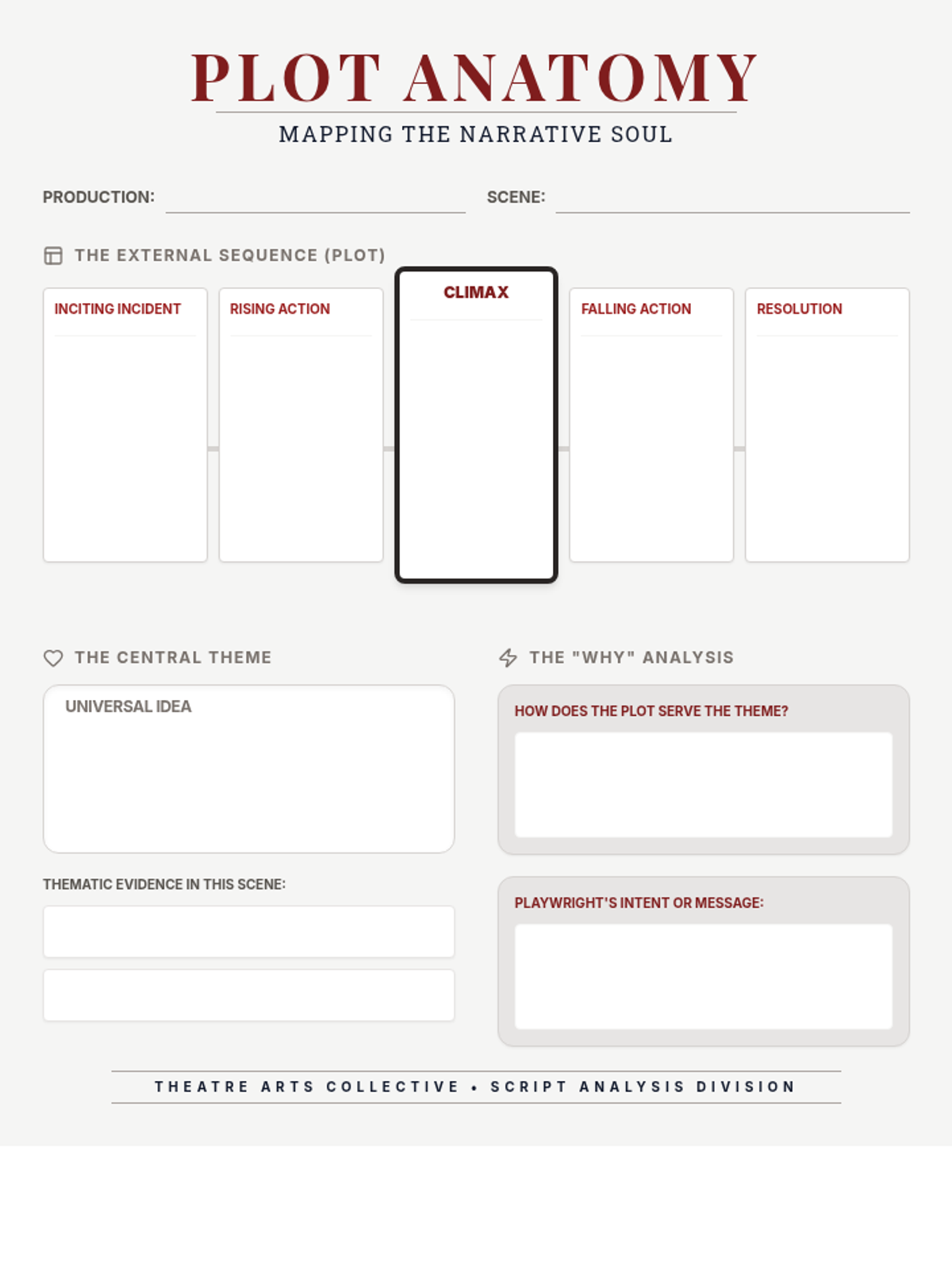
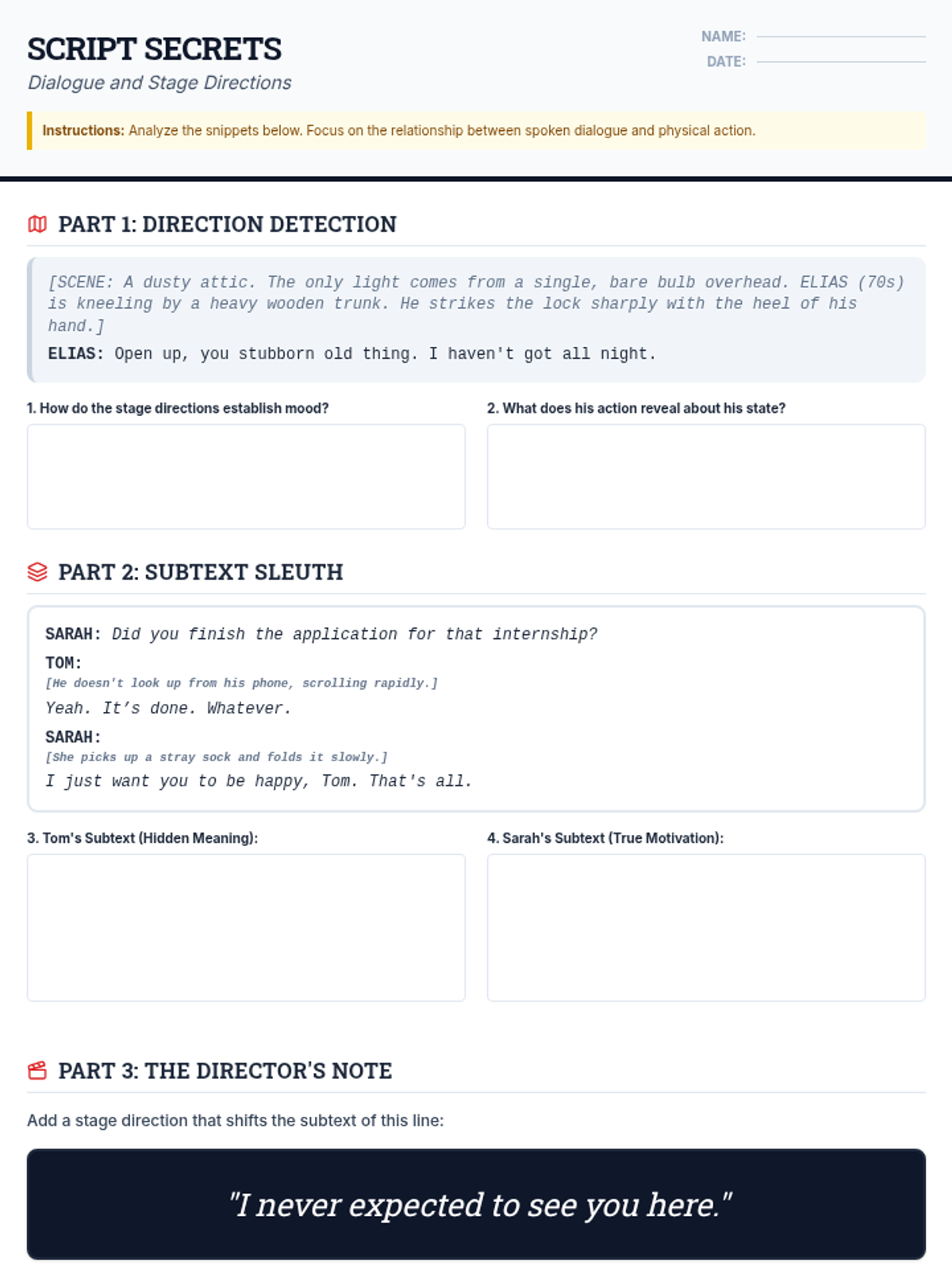
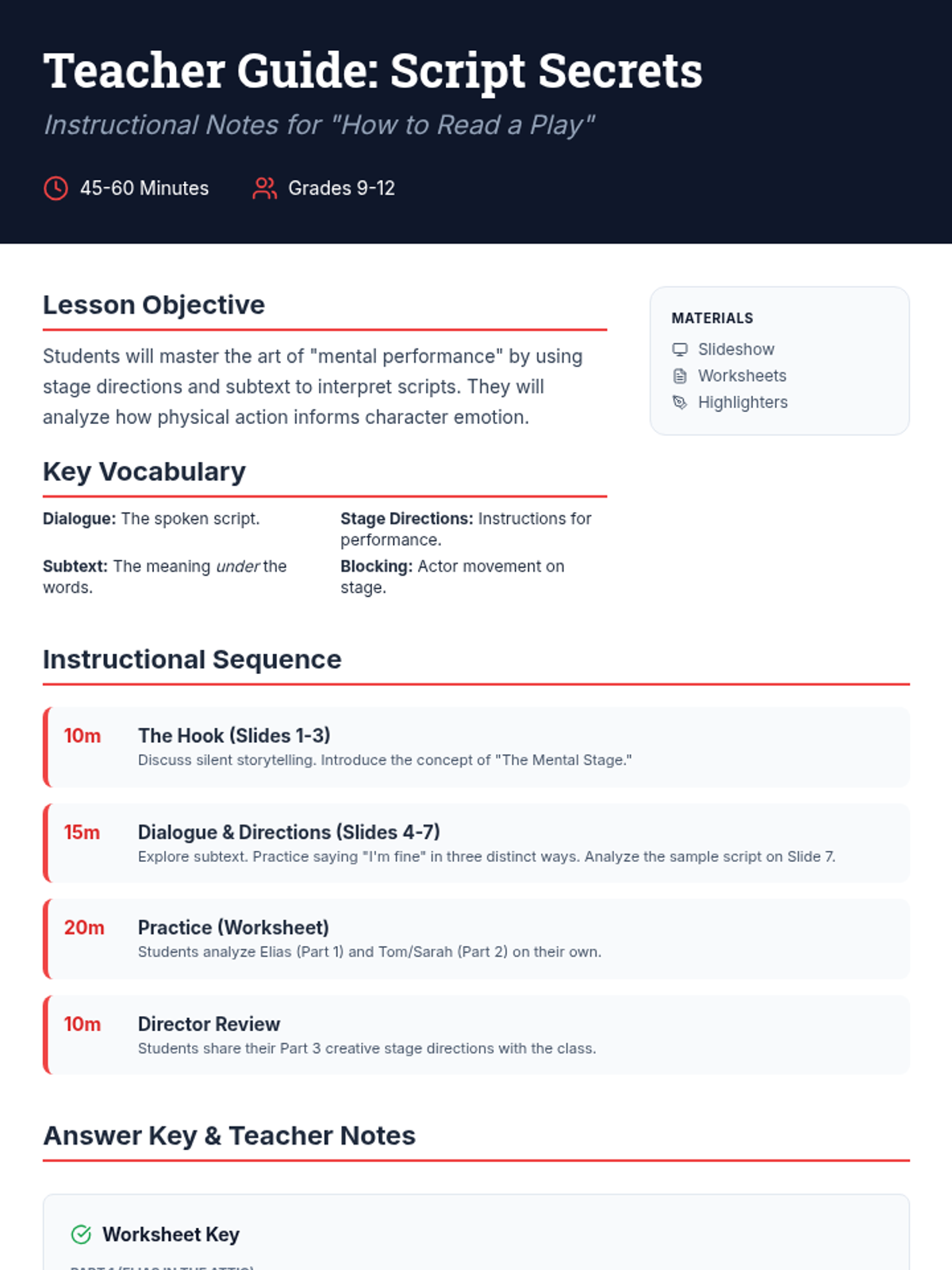
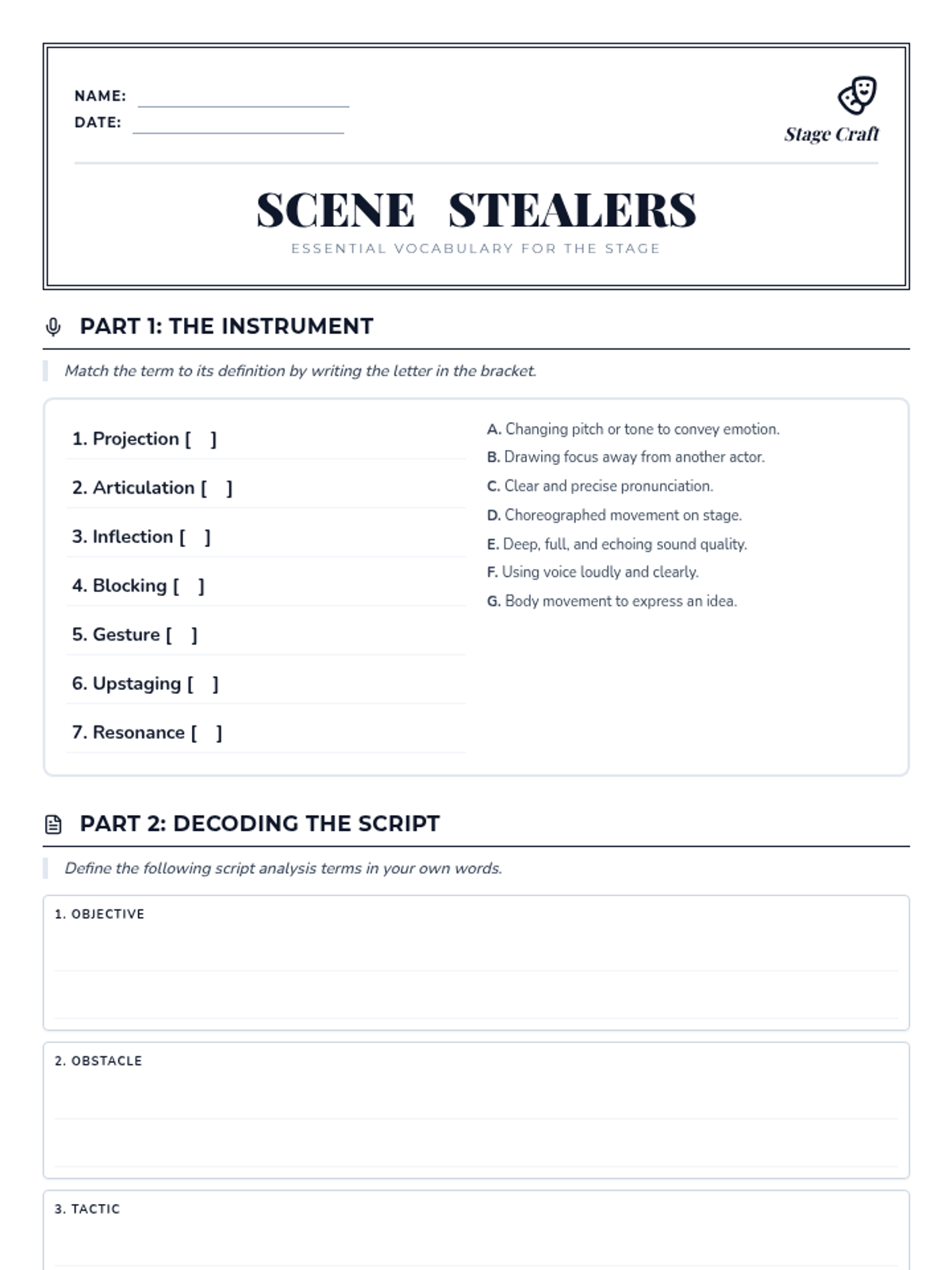
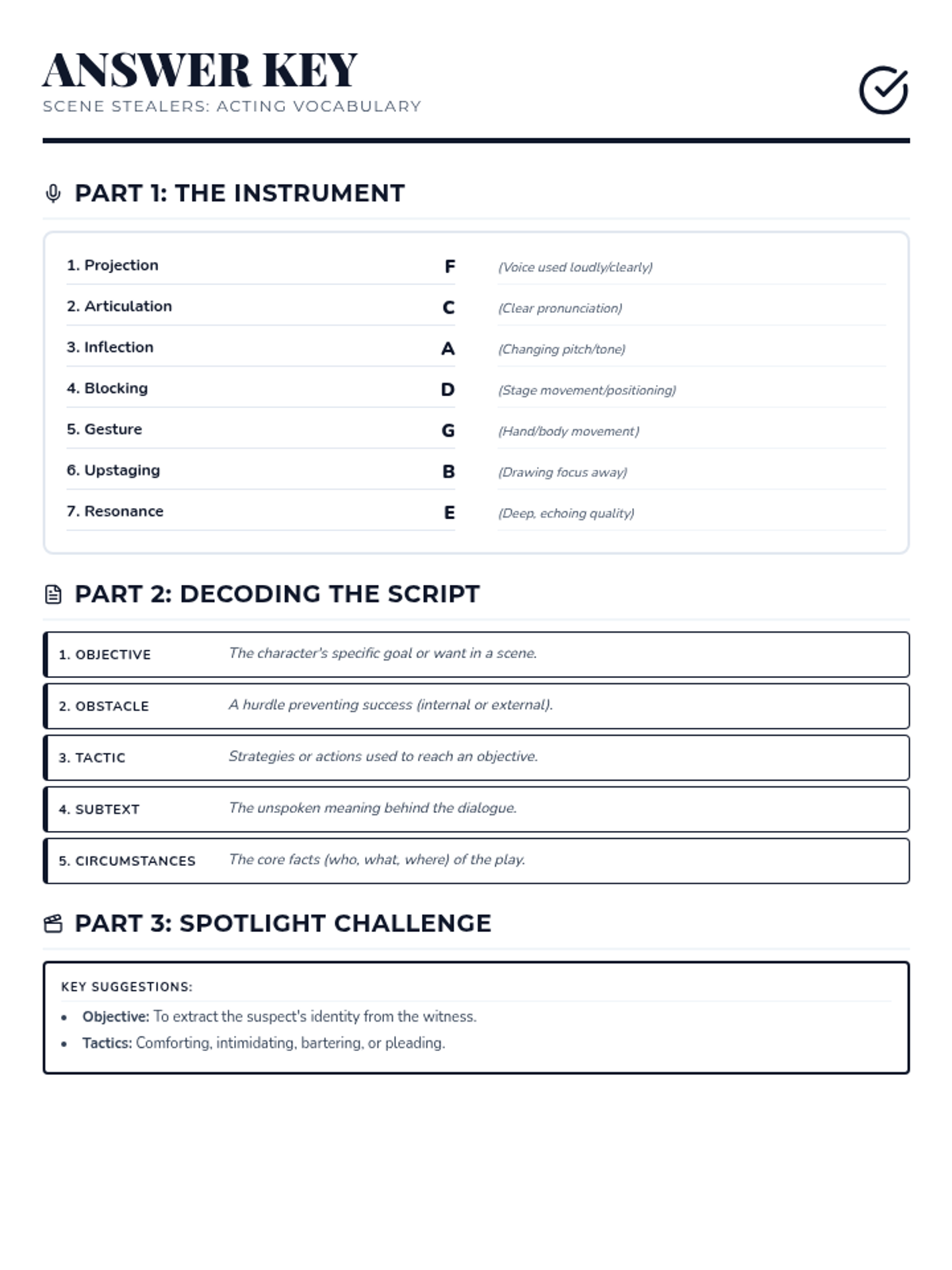
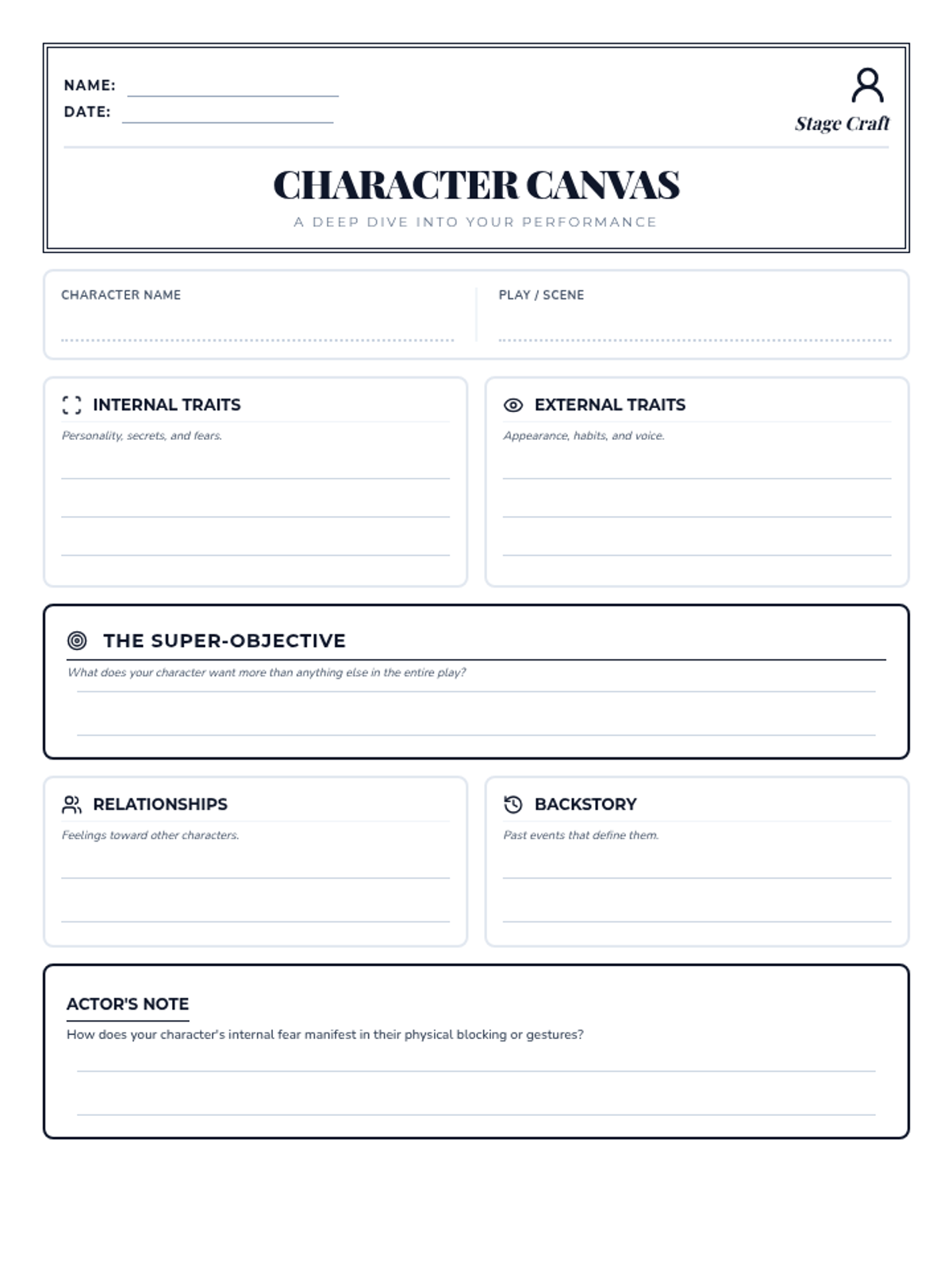
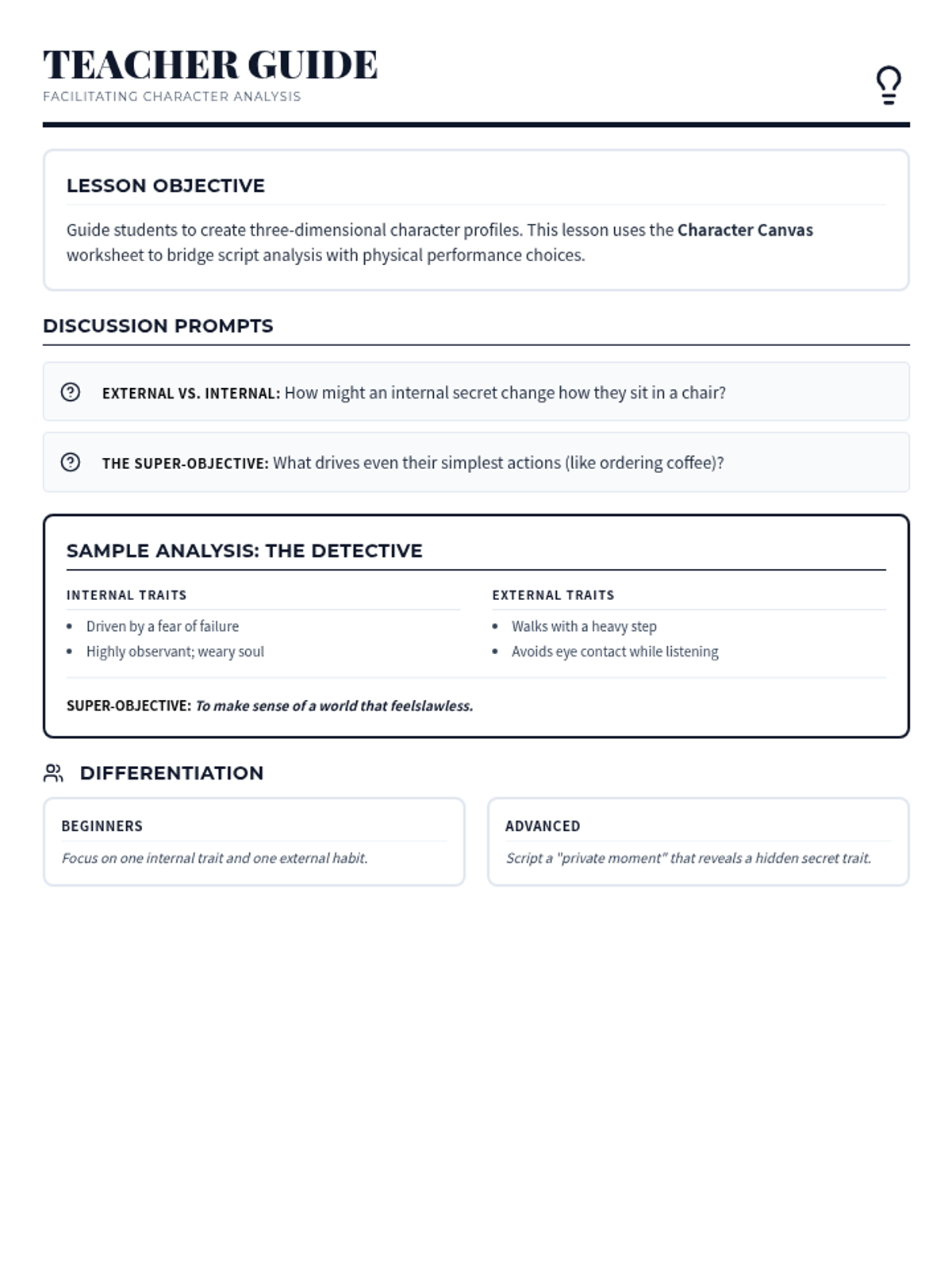
A hands-on introduction to script formatting and character development. Students brainstorm a chaotic lunchroom scene, learn theatrical terminology from a Khan Academy video, and draft their own 'Dramatis Personae' and initial script lines.
A high-energy drama lesson exploring dramatic irony and information asymmetry through improv, video analysis, and small-group performances. Students learn how to create suspense by giving the audience information that characters lack.
A high school creative writing lesson exploring the intentional breaking of poetic structures (meter and rhyme) to enhance emotional impact and meaning, featuring the 'Broken Sonnet' activity.
Students explore the concept of 'Register'—the level of formality in speech and body language—through a mix of analysis and improvisation. They will use the 'Tuxedo vs. Beach' analogy to understand context and practice shifting between informal and formal delivery.
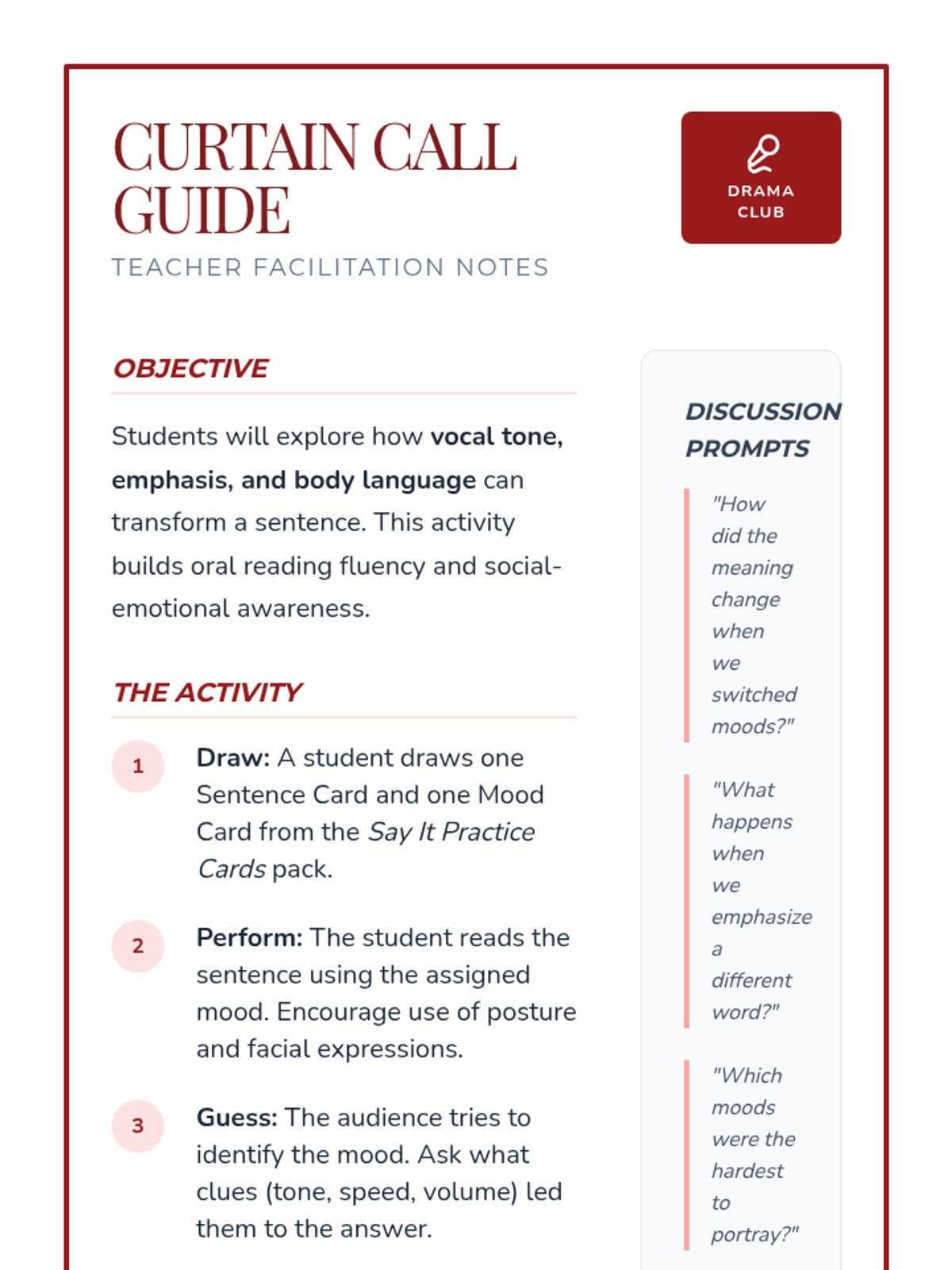
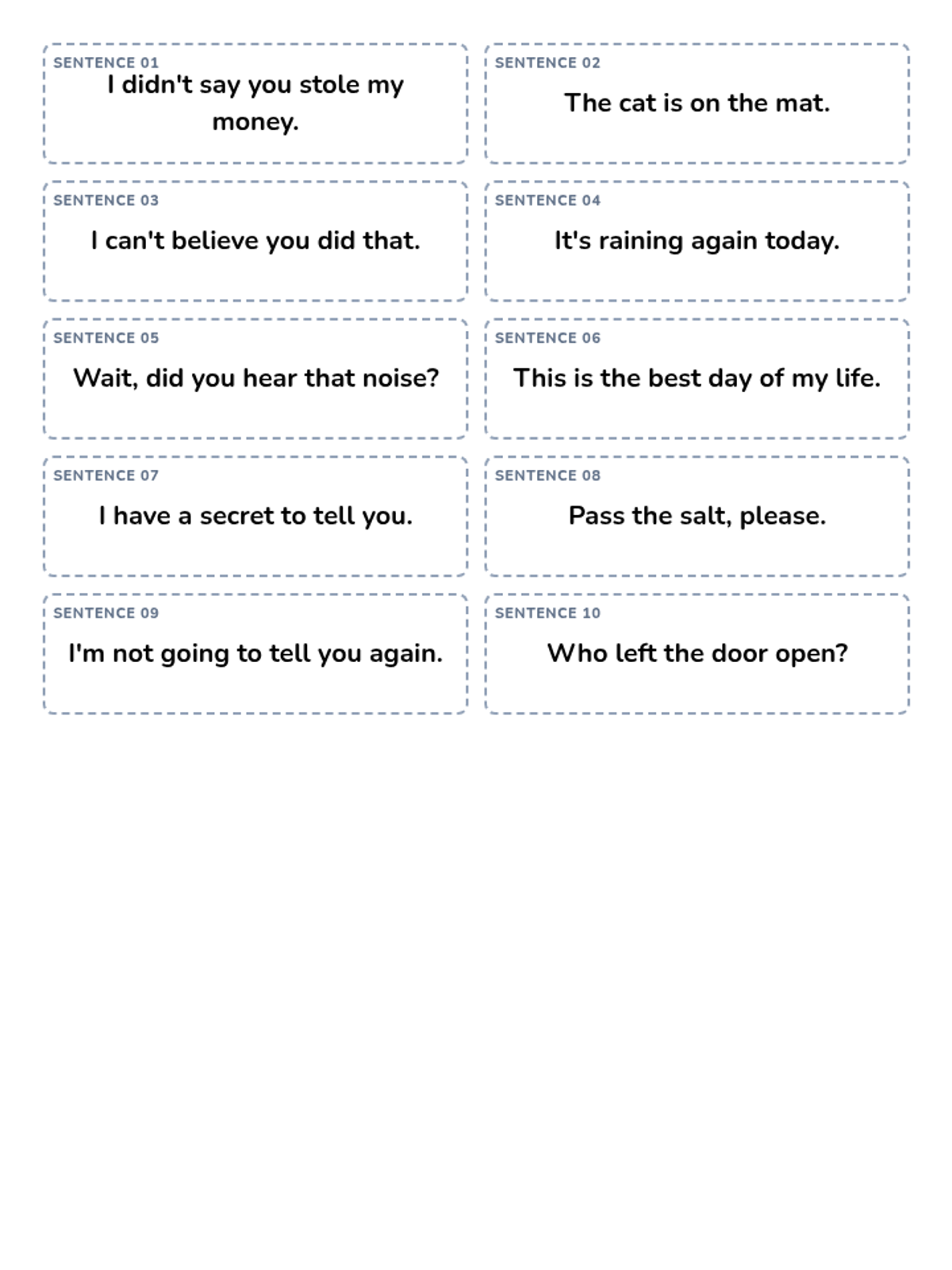
A high-energy lesson where students transform mundane texts into compelling performances using vocal pacing, volume, and emphasis. Includes a video analysis of spoken word techniques and a hands-on 'Mood Remix' activity.
Students will analyze a spoken word performance to evaluate how non-verbal cues and vocal delivery choices impact the meaning and emotional resonance of a text, culminating in a performance of their own.