A mathematical exploration of Earth's 360-degree rotation and how it defines the 24 global time zones. Students calculate longitudinal shifts and solve travel-based time problems.
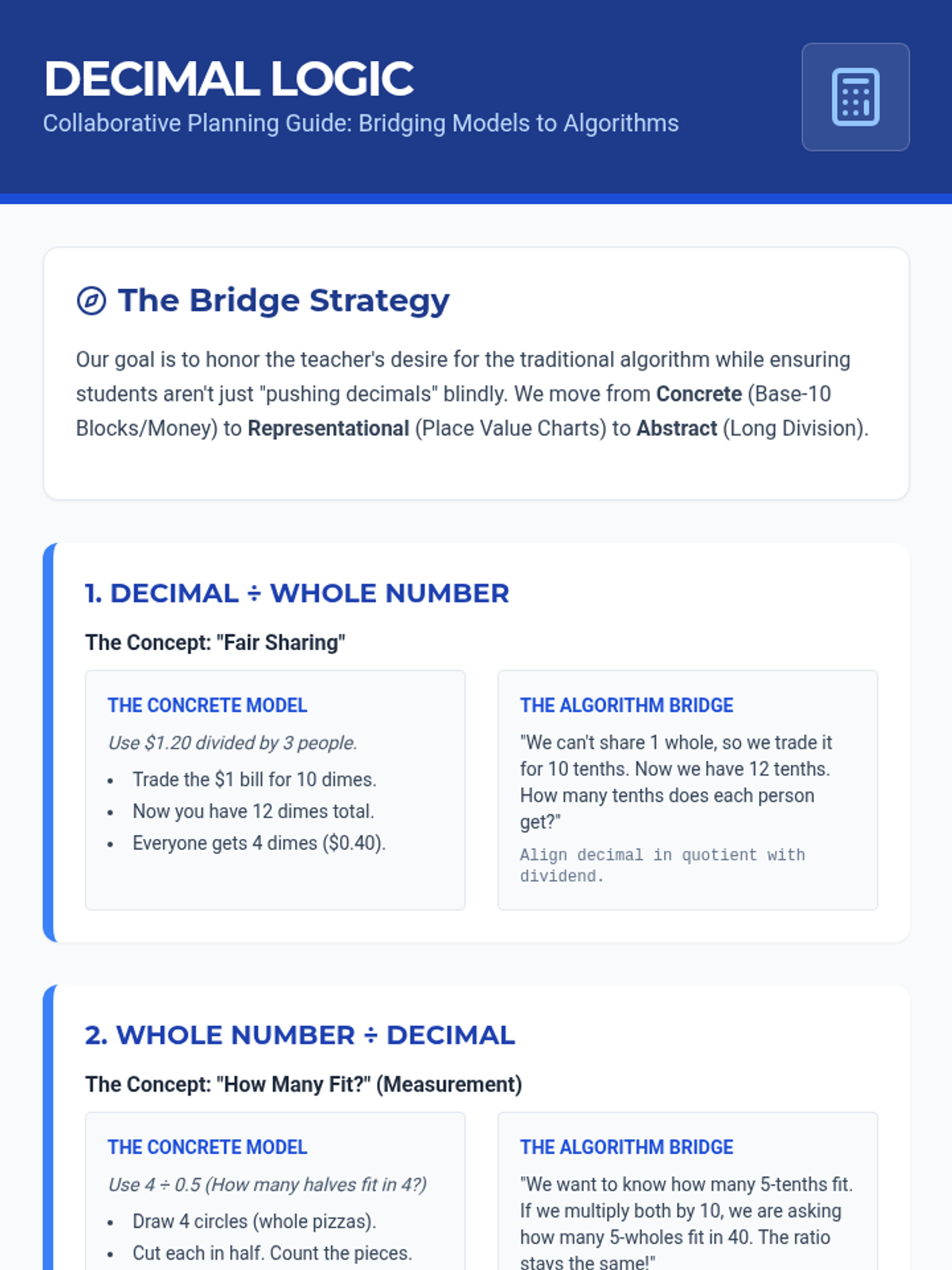
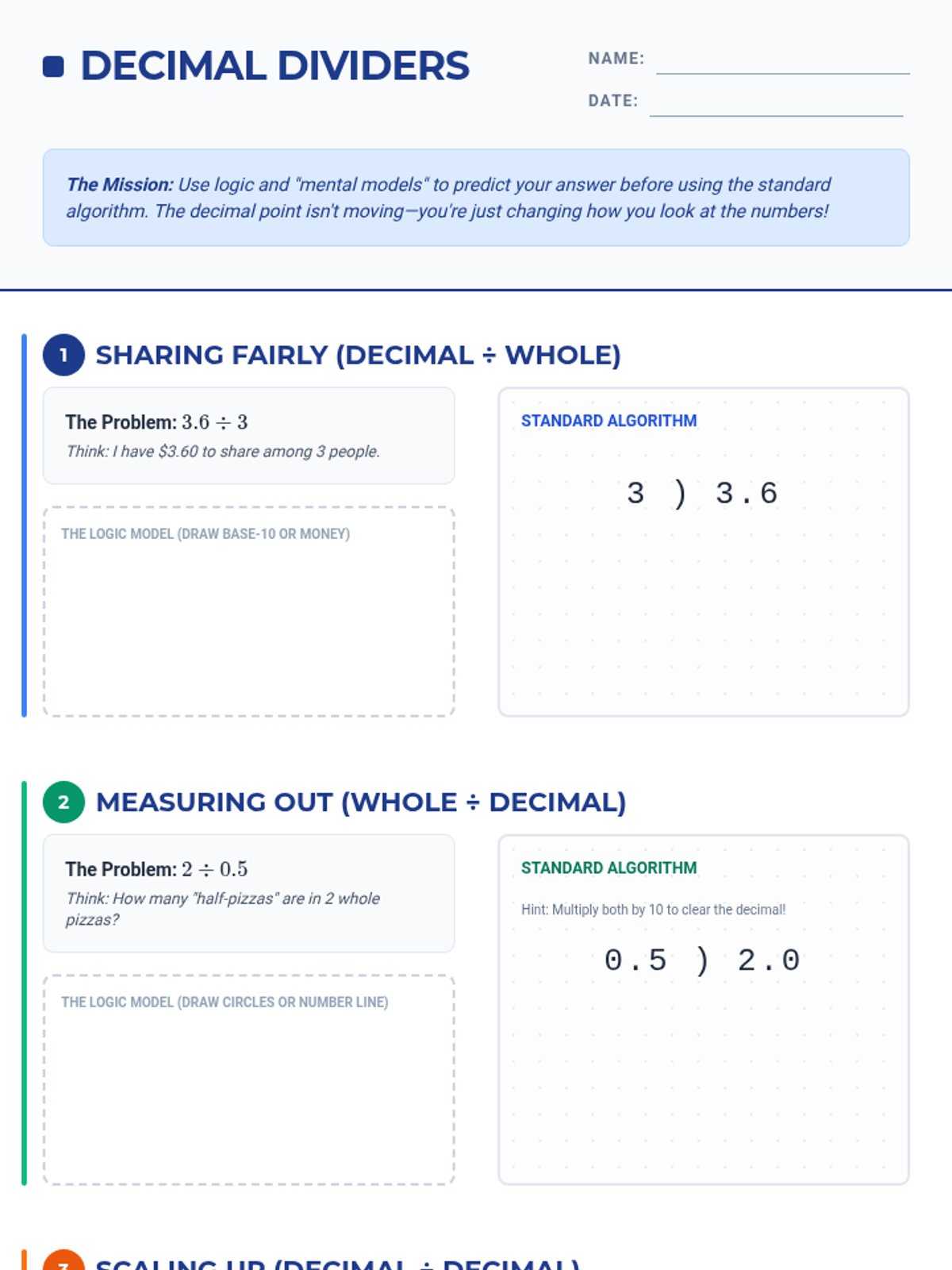
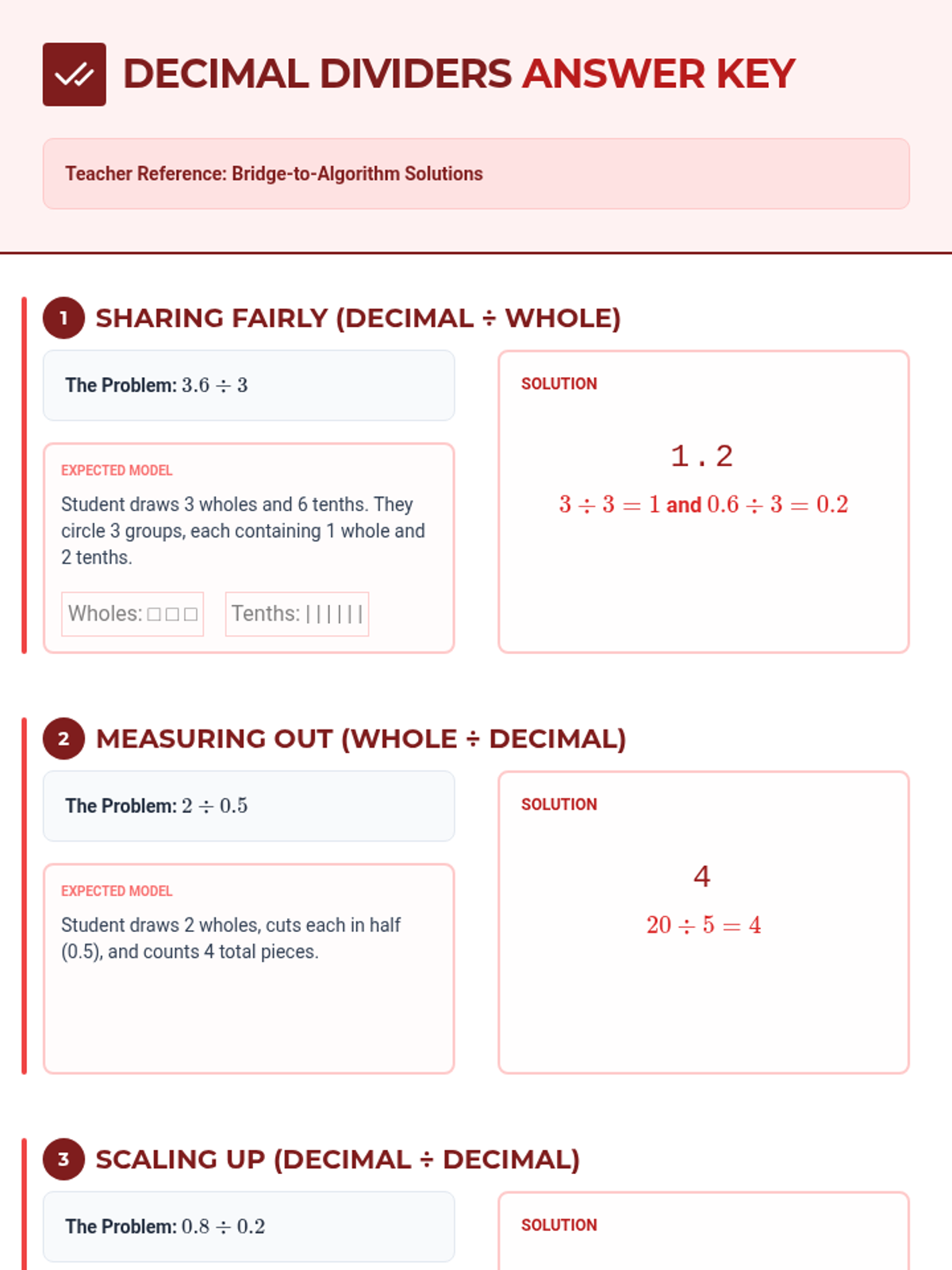
A lesson focused on bridging the conceptual understanding of decimal division with the standard algorithm, covering three key scenarios: decimal by whole number, whole number by decimal, and decimal by decimal.
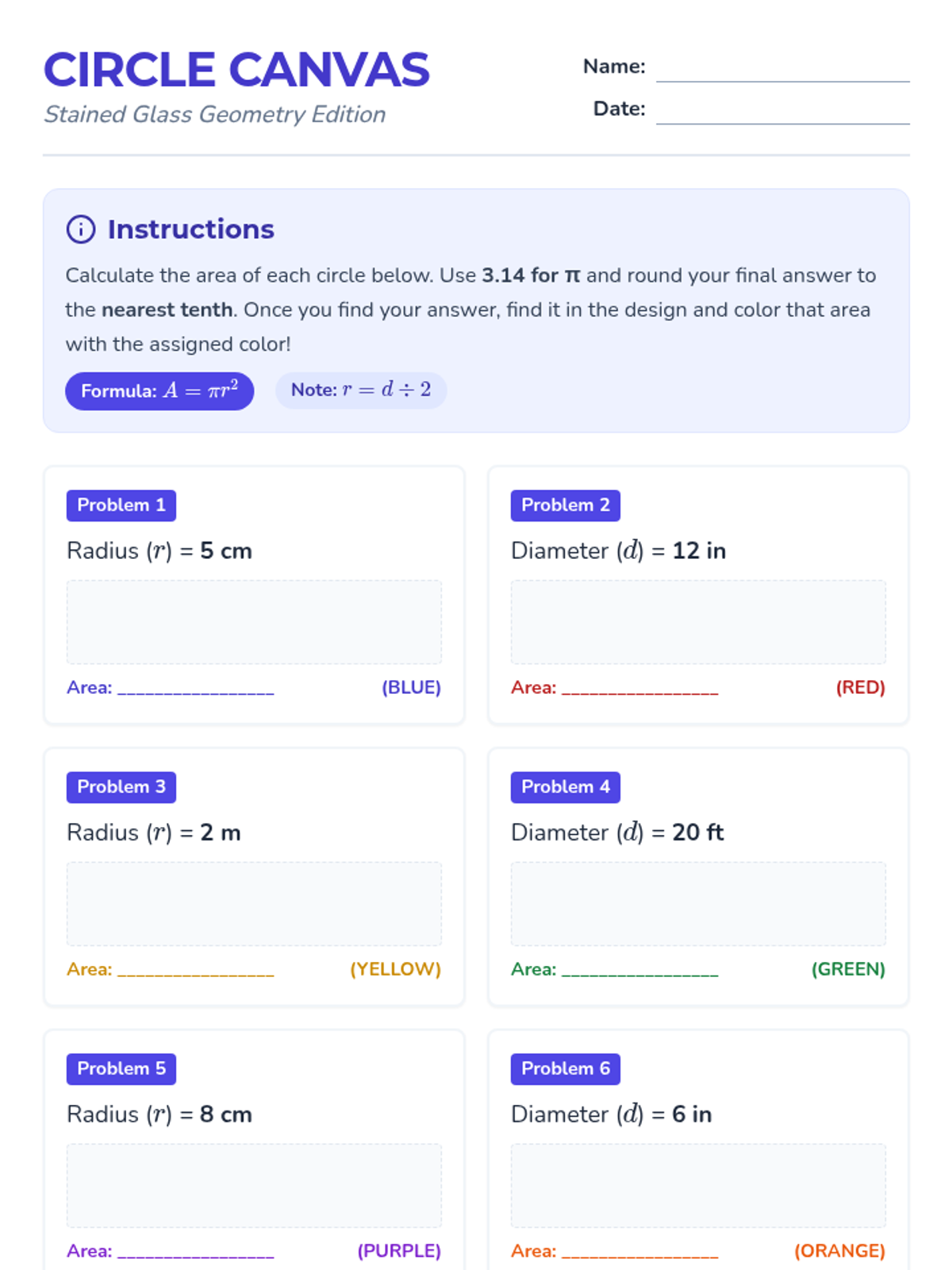
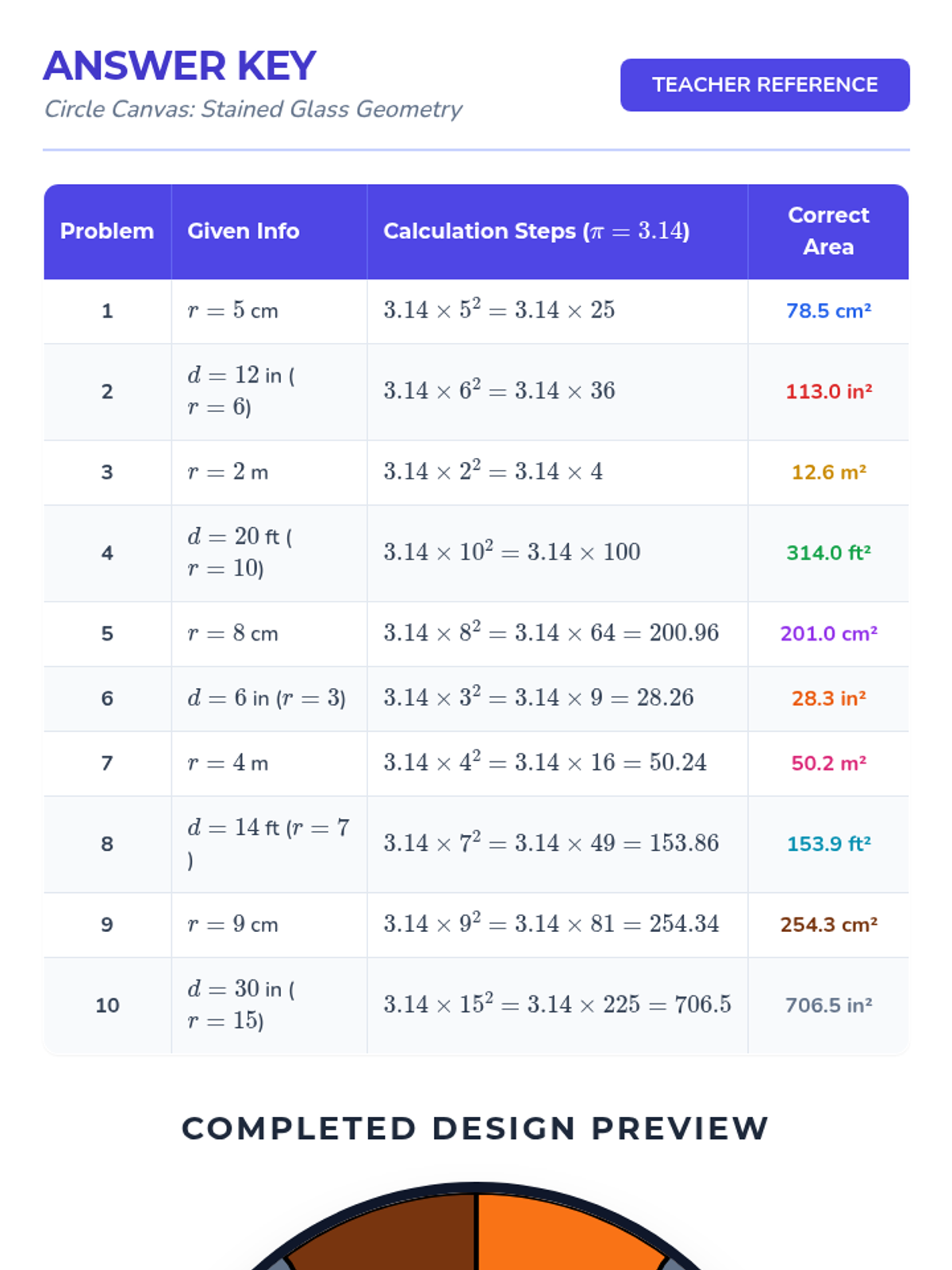
A creative math lesson focused on calculating the area of circles using radius and diameter, featuring a coloring art activity to reinforce learning.
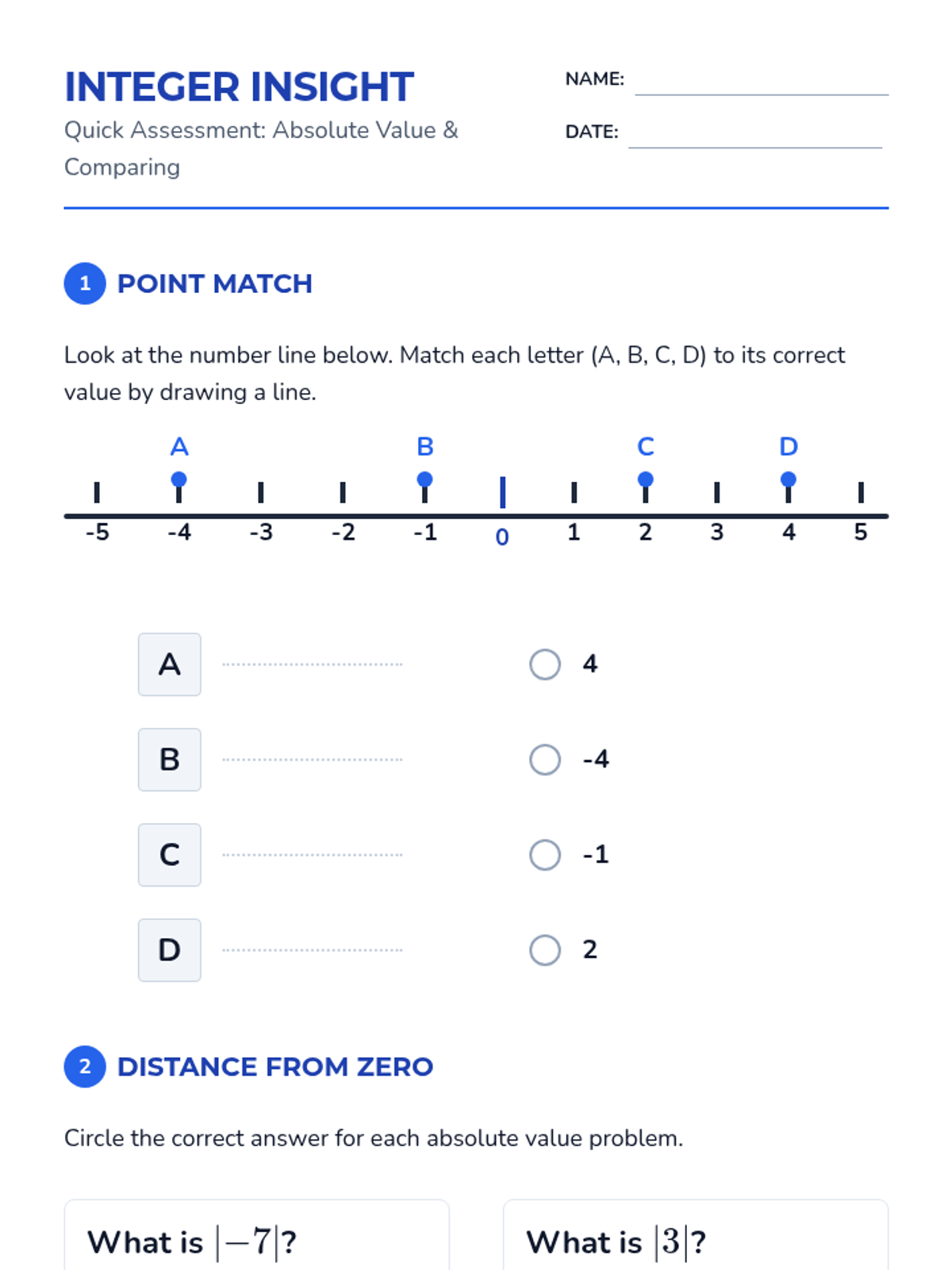
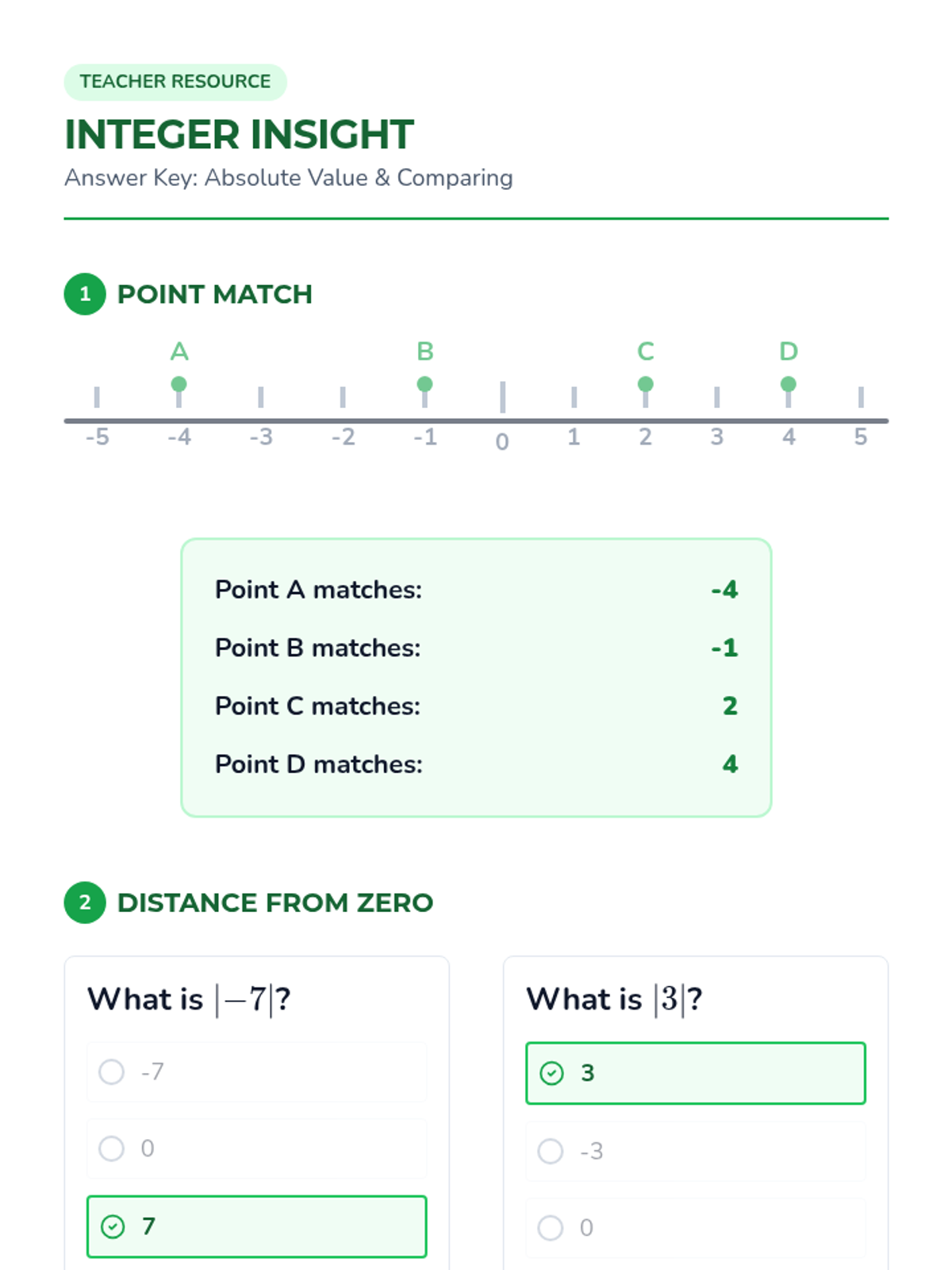
A quick assessment designed for IEP students to demonstrate their understanding of single-digit absolute value and integer comparison.
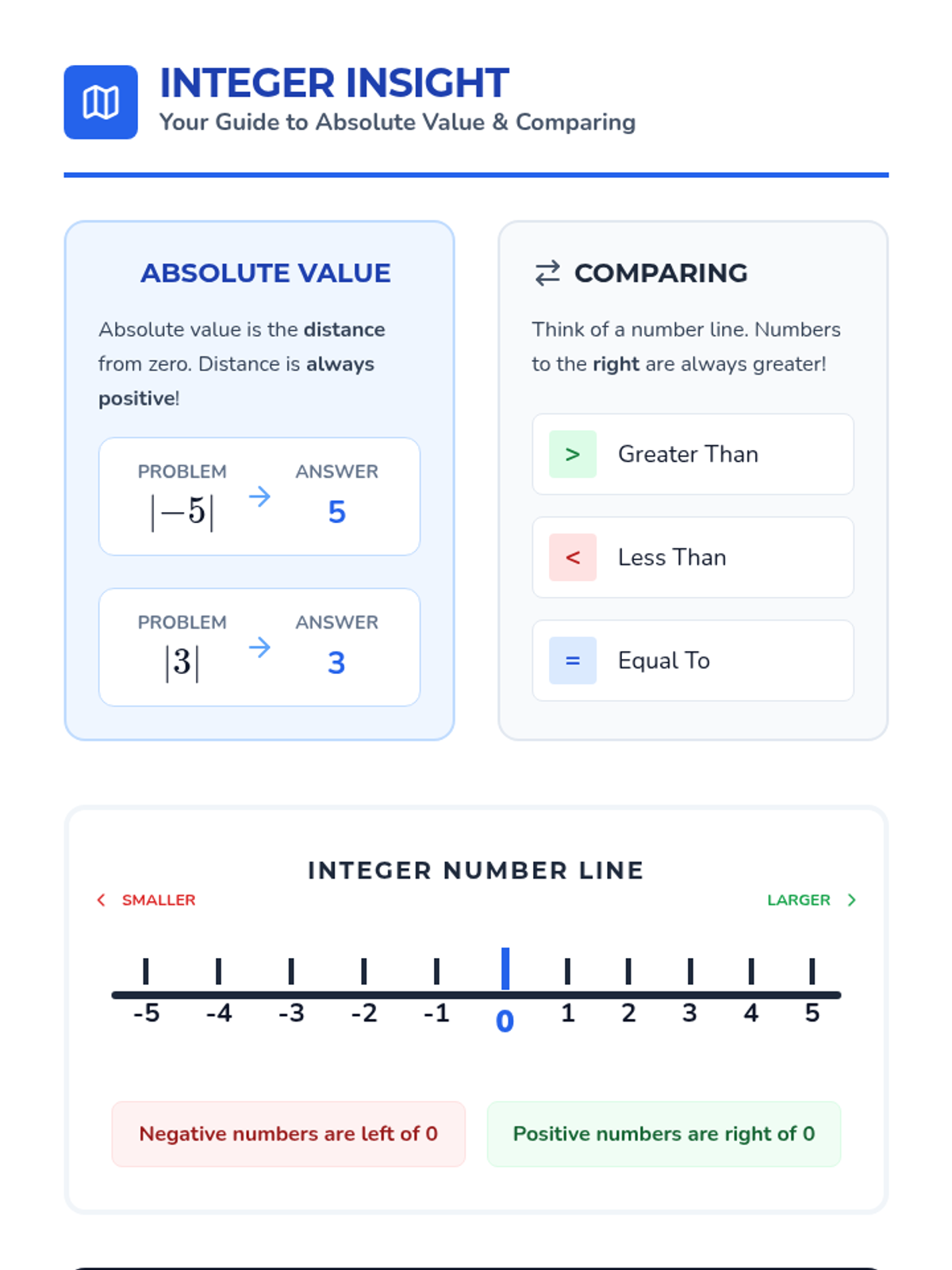
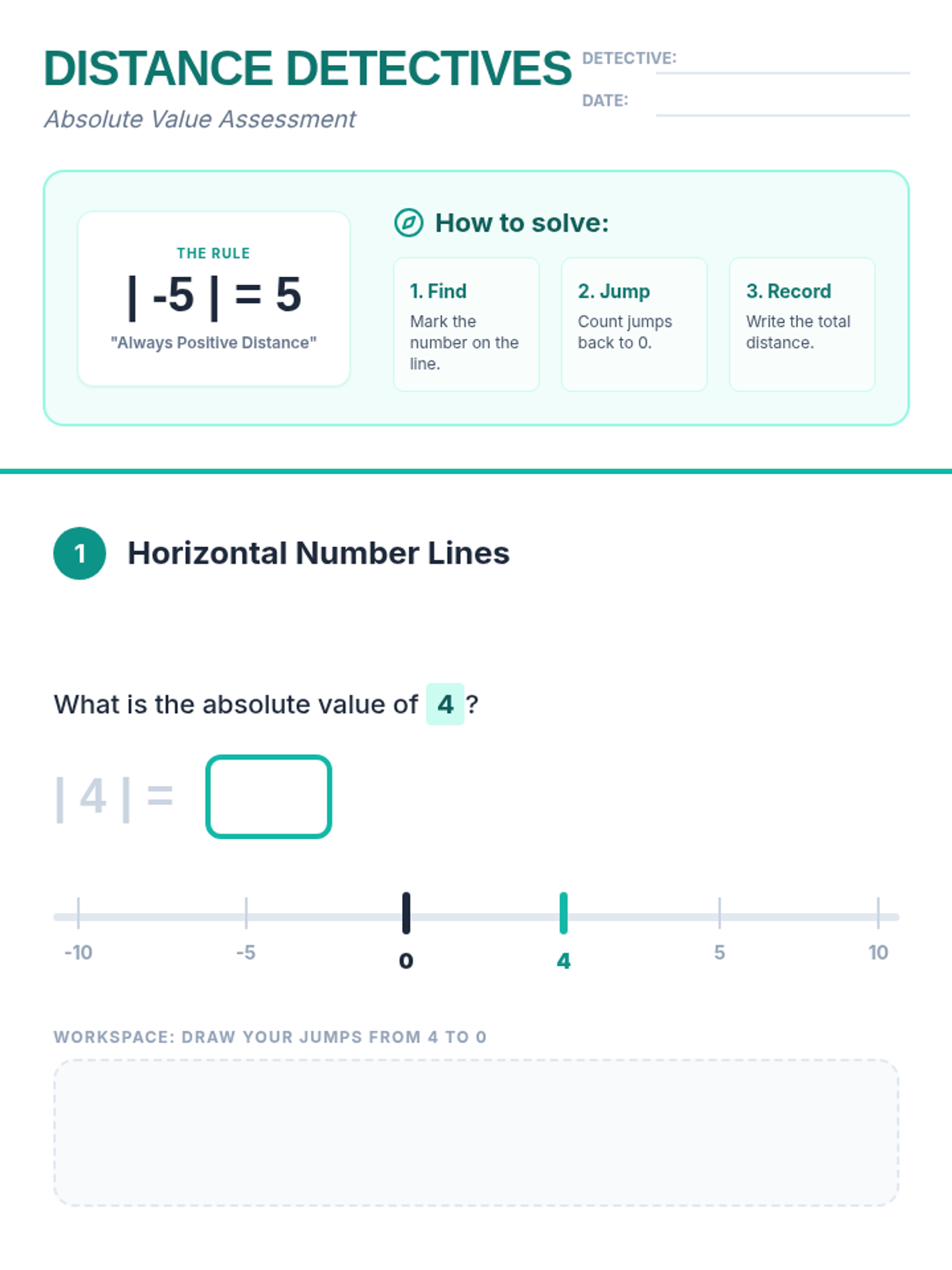
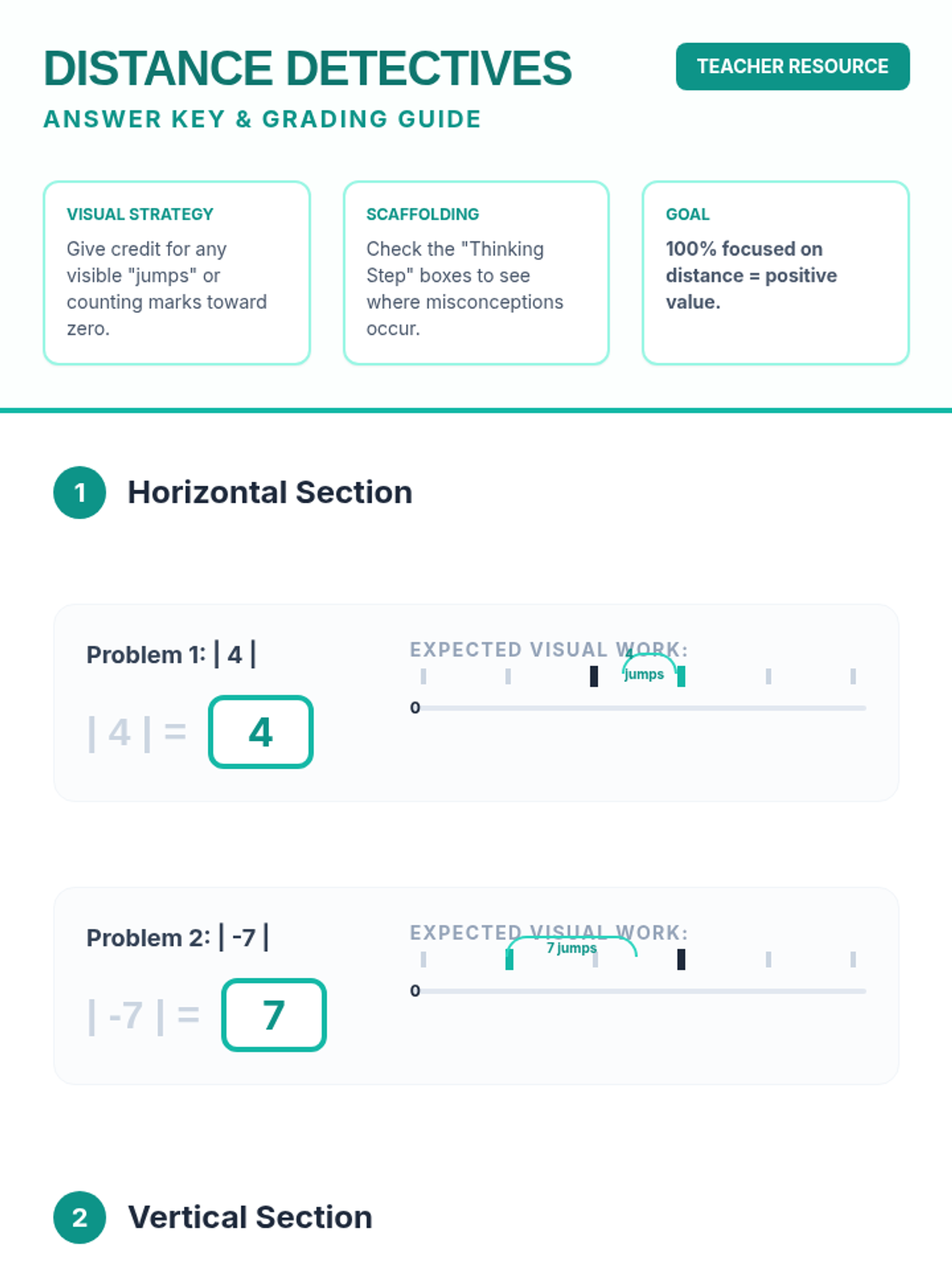
A foundational lesson on absolute value using the "distance from zero" concept, designed specifically for students requiring visual scaffolding and concrete representations.
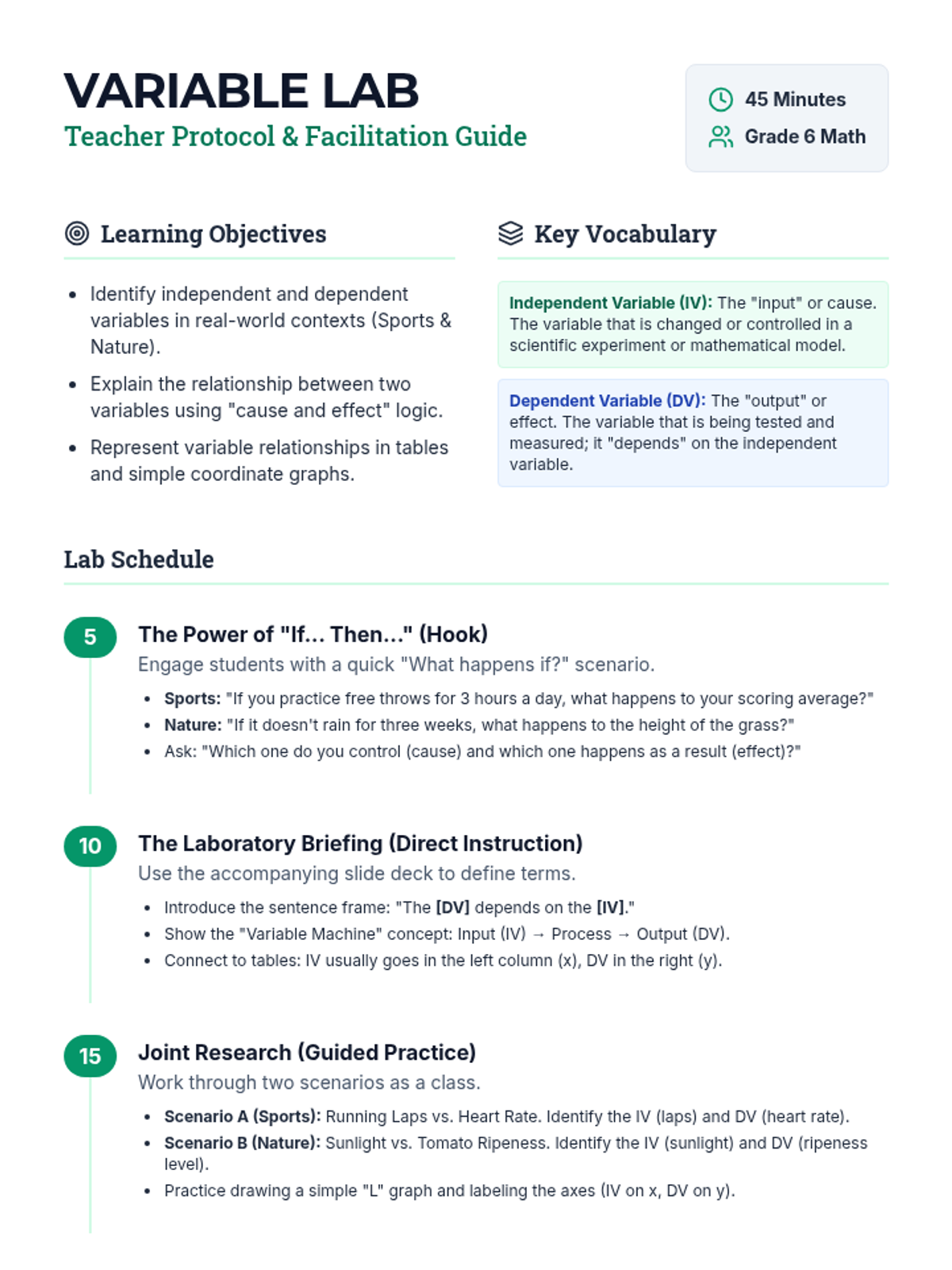
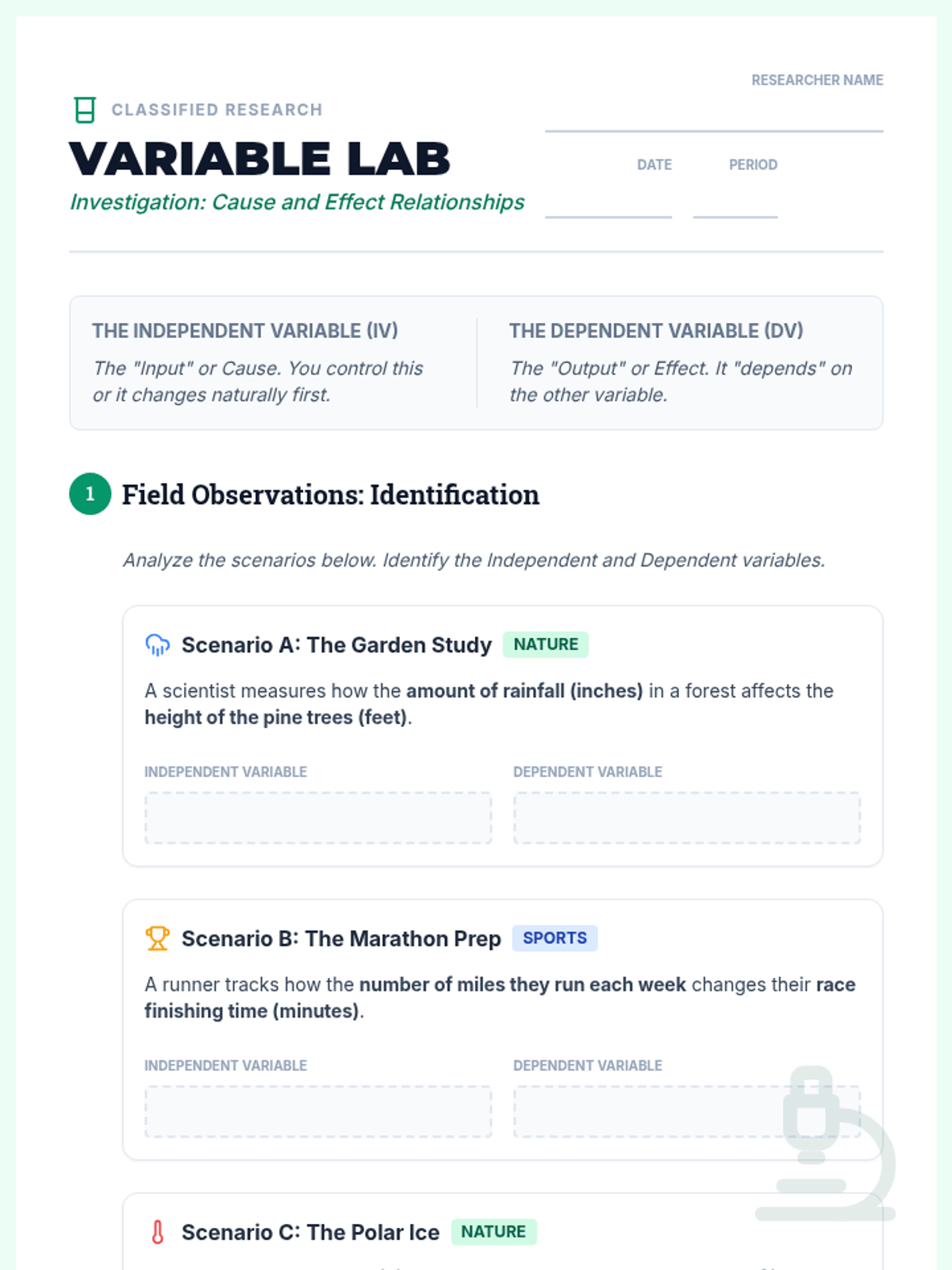
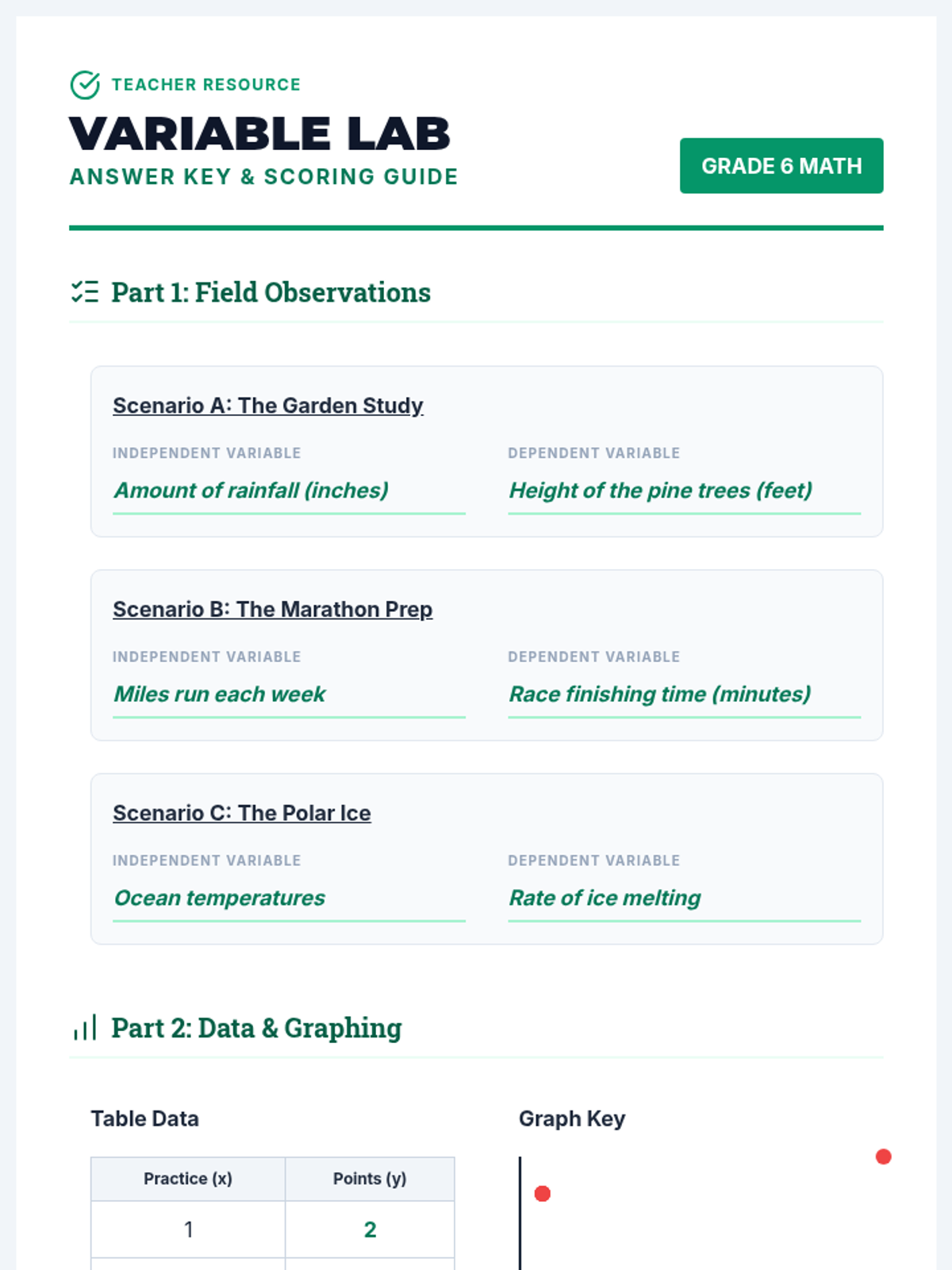
A 45-minute introductory lesson on independent and dependent variables using sports and nature contexts. Students will learn to identify variables, understand cause-and-effect relationships, and represent them in tables and graphs.
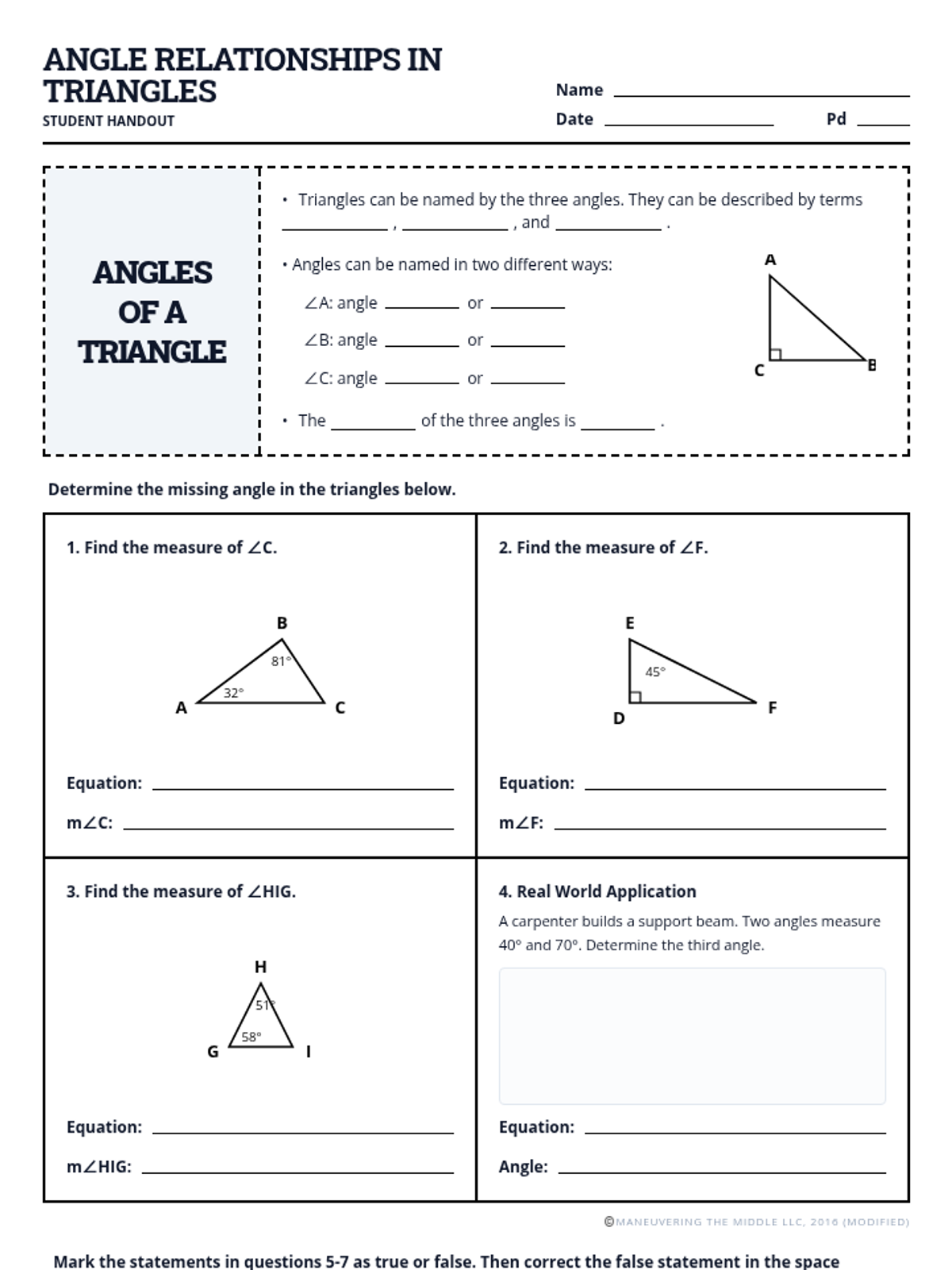
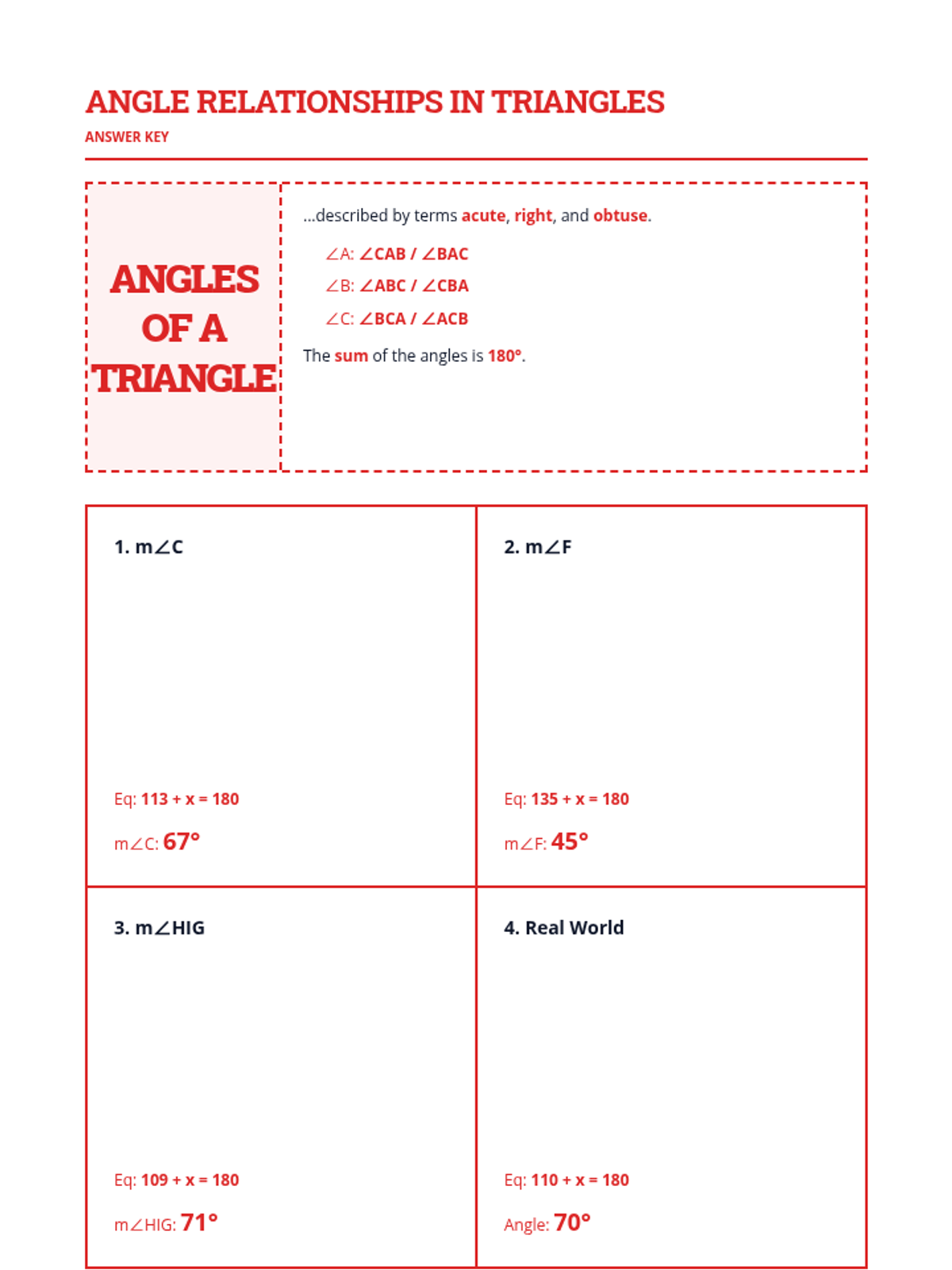
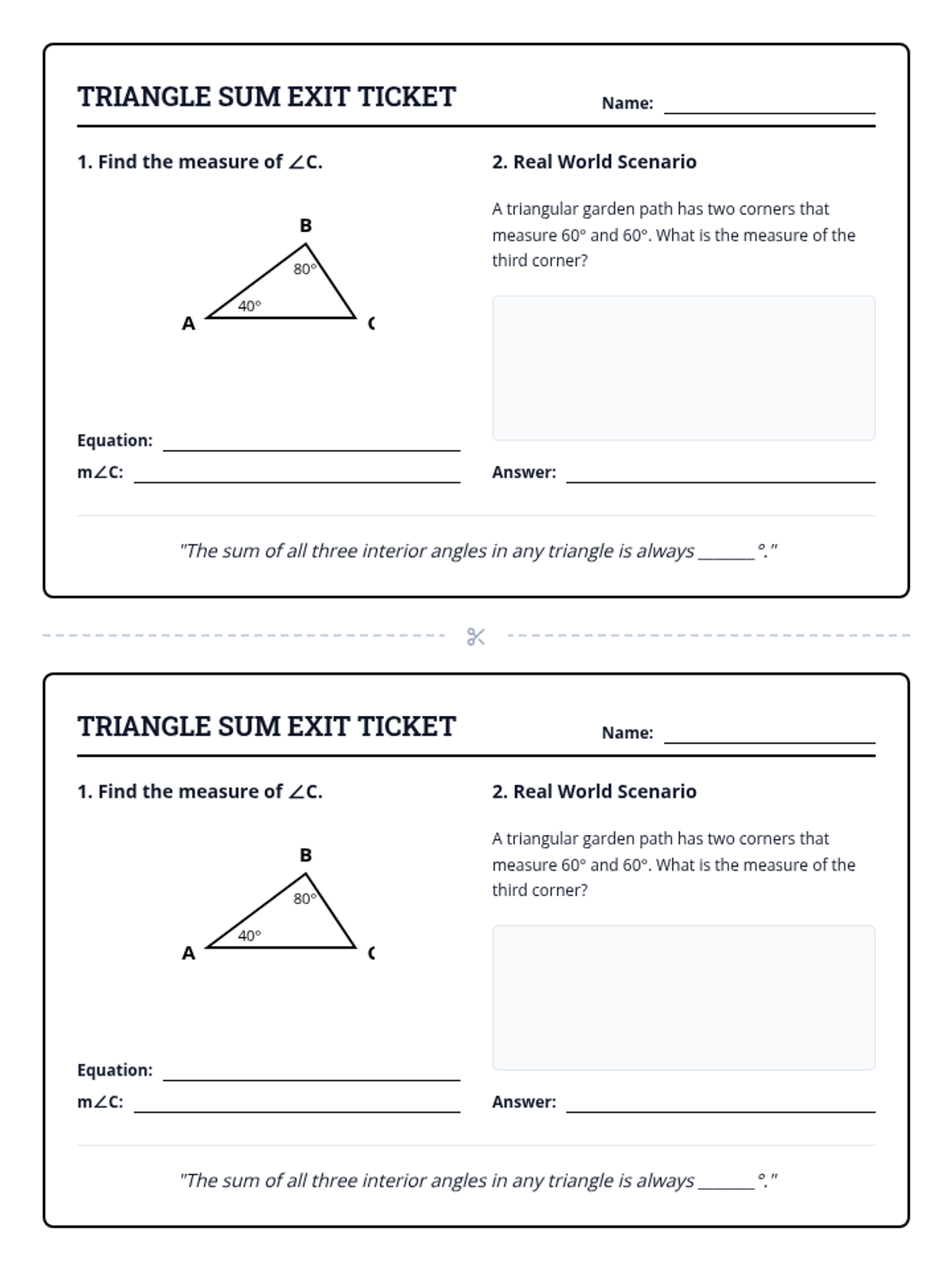
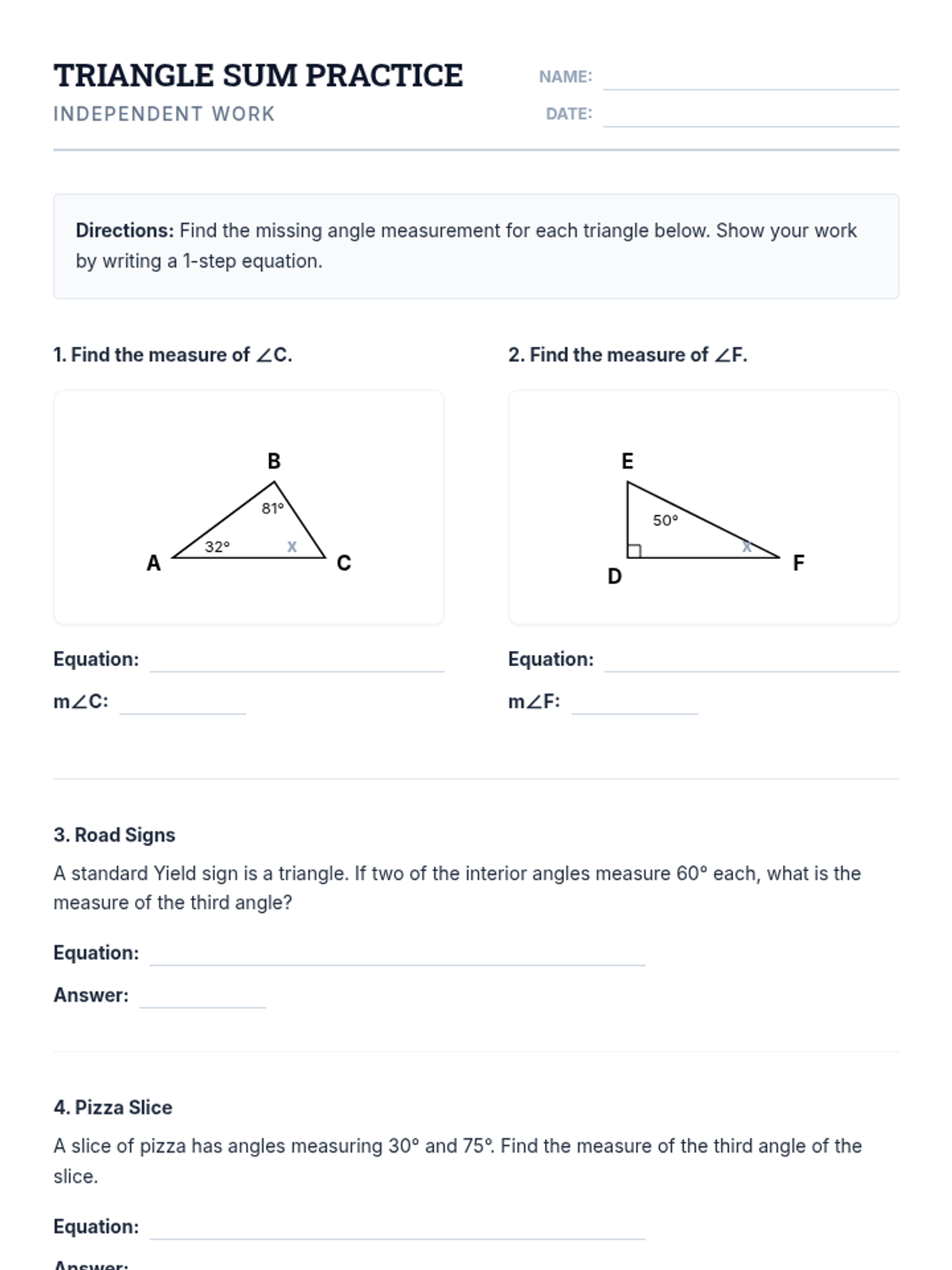
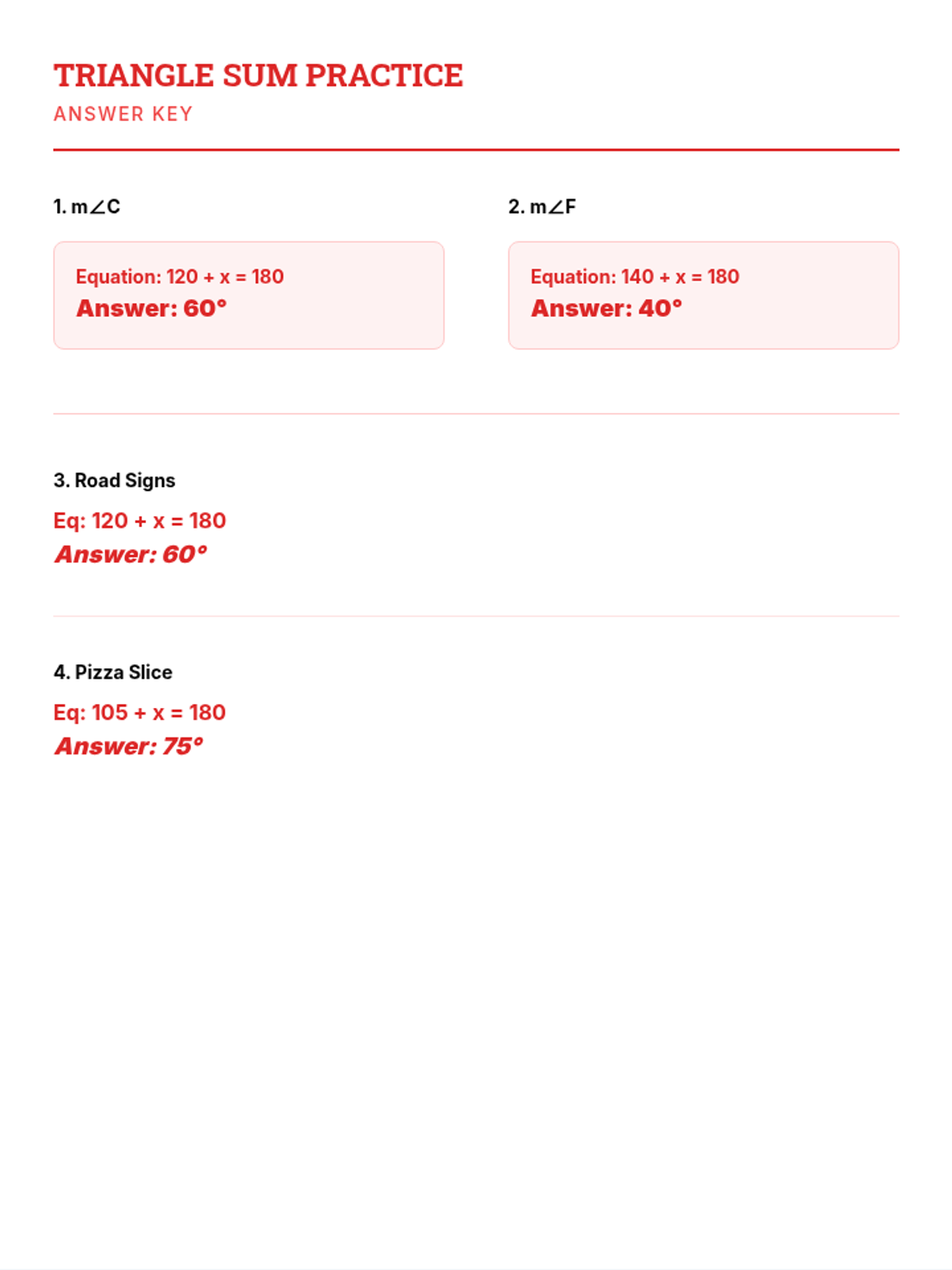
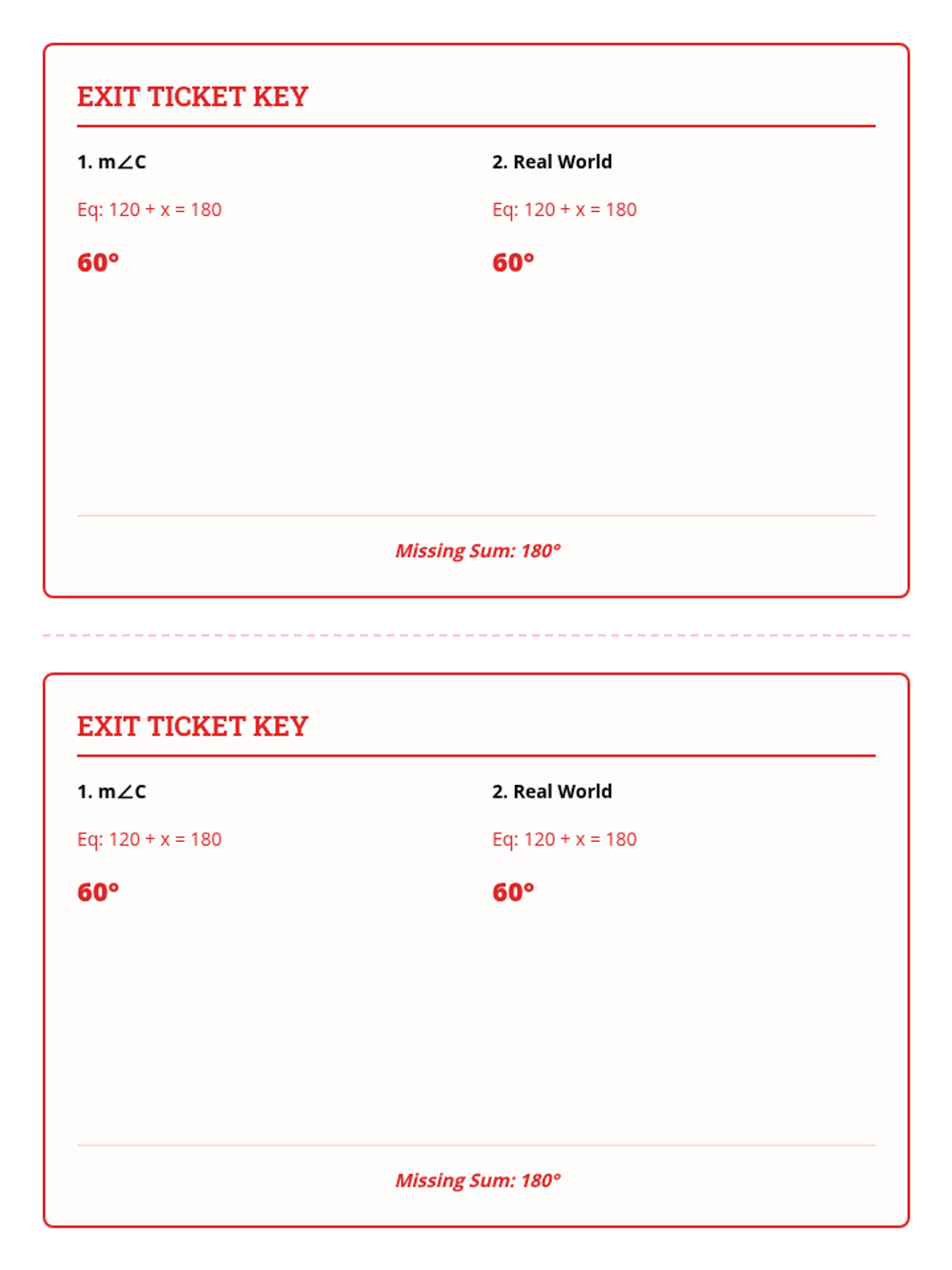
A simplified lesson on the Triangle Sum Rule, focusing on 3-letter angle naming and solving for missing angles using one-step equations with whole numbers.
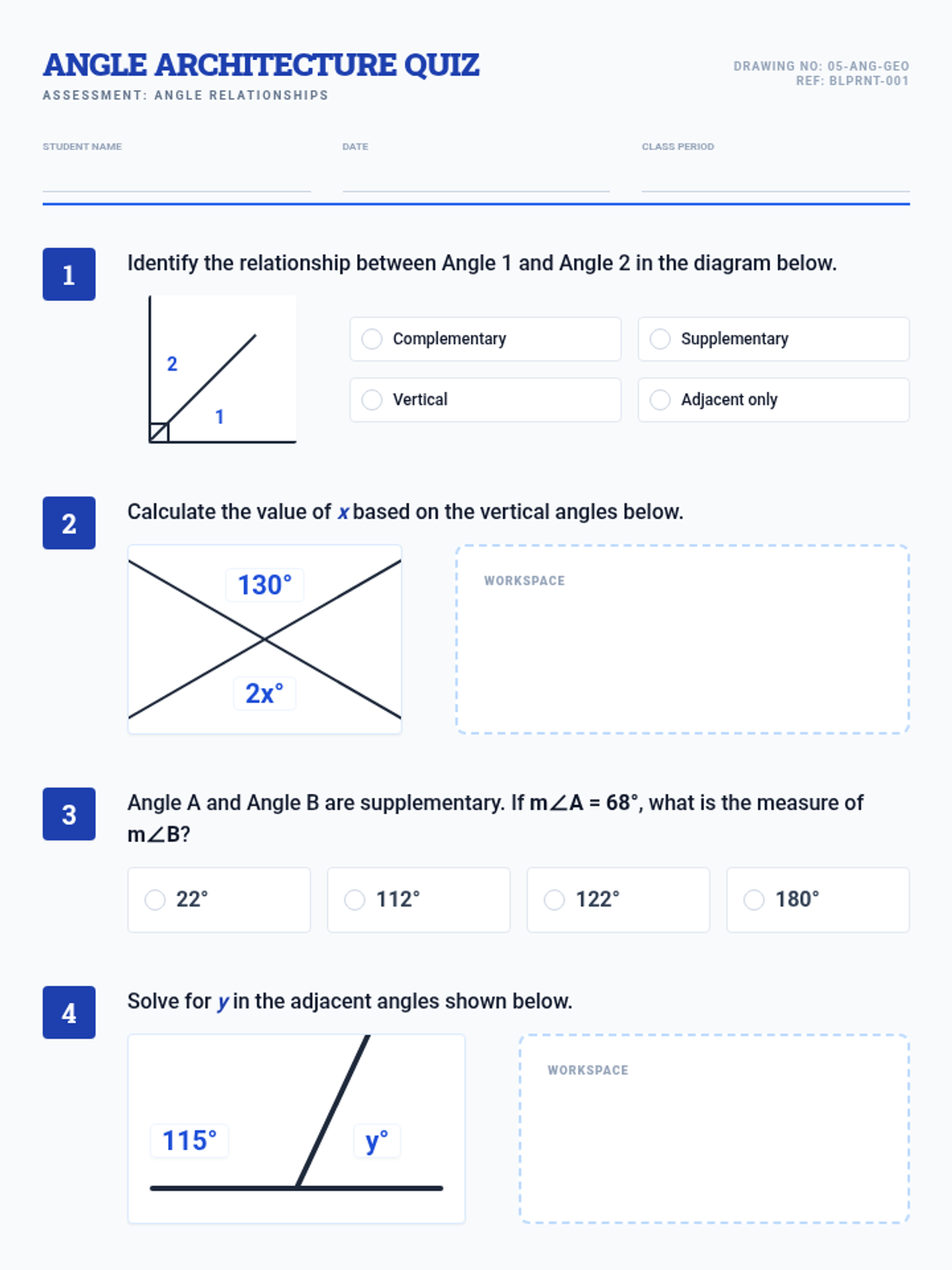
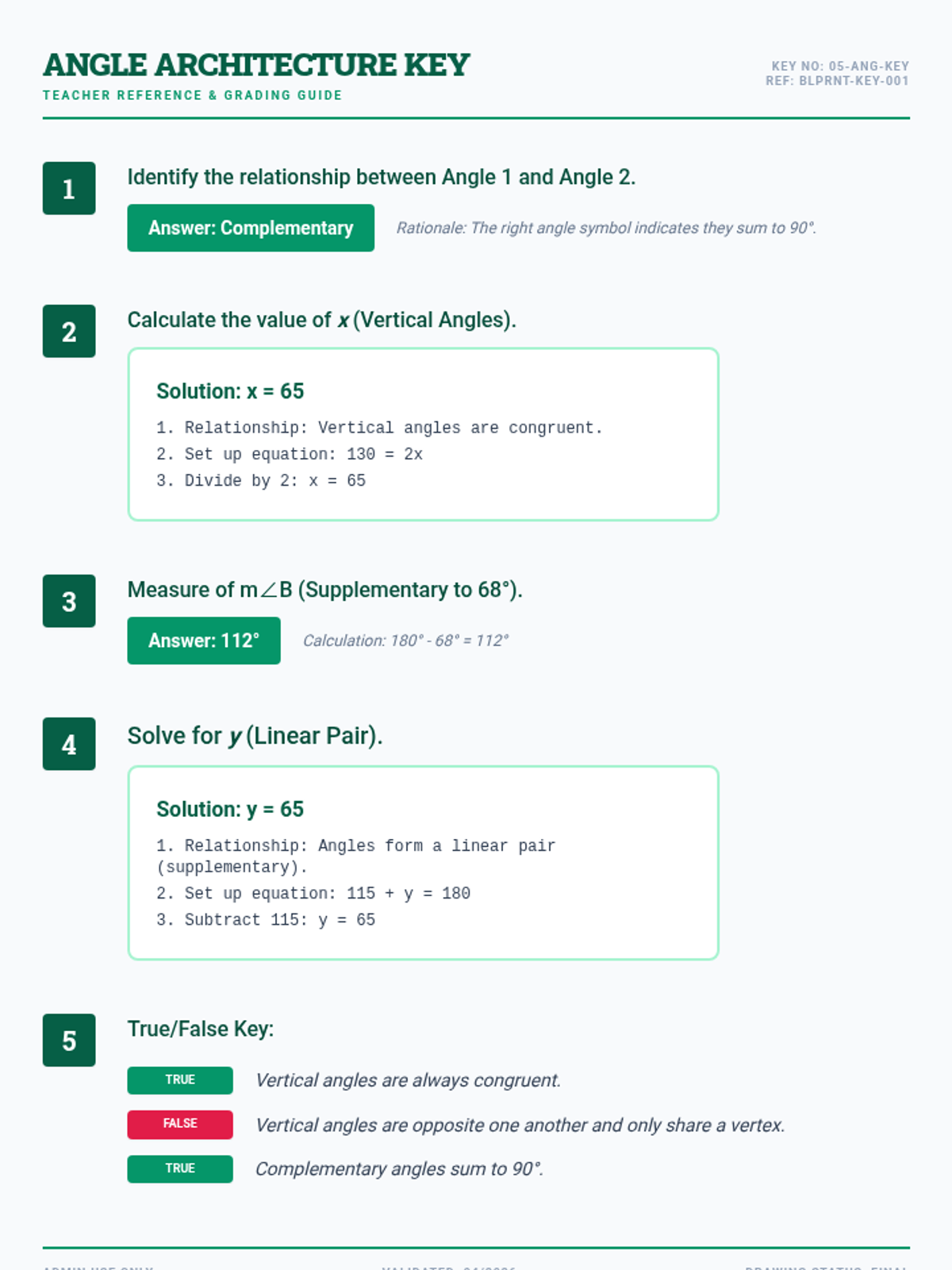
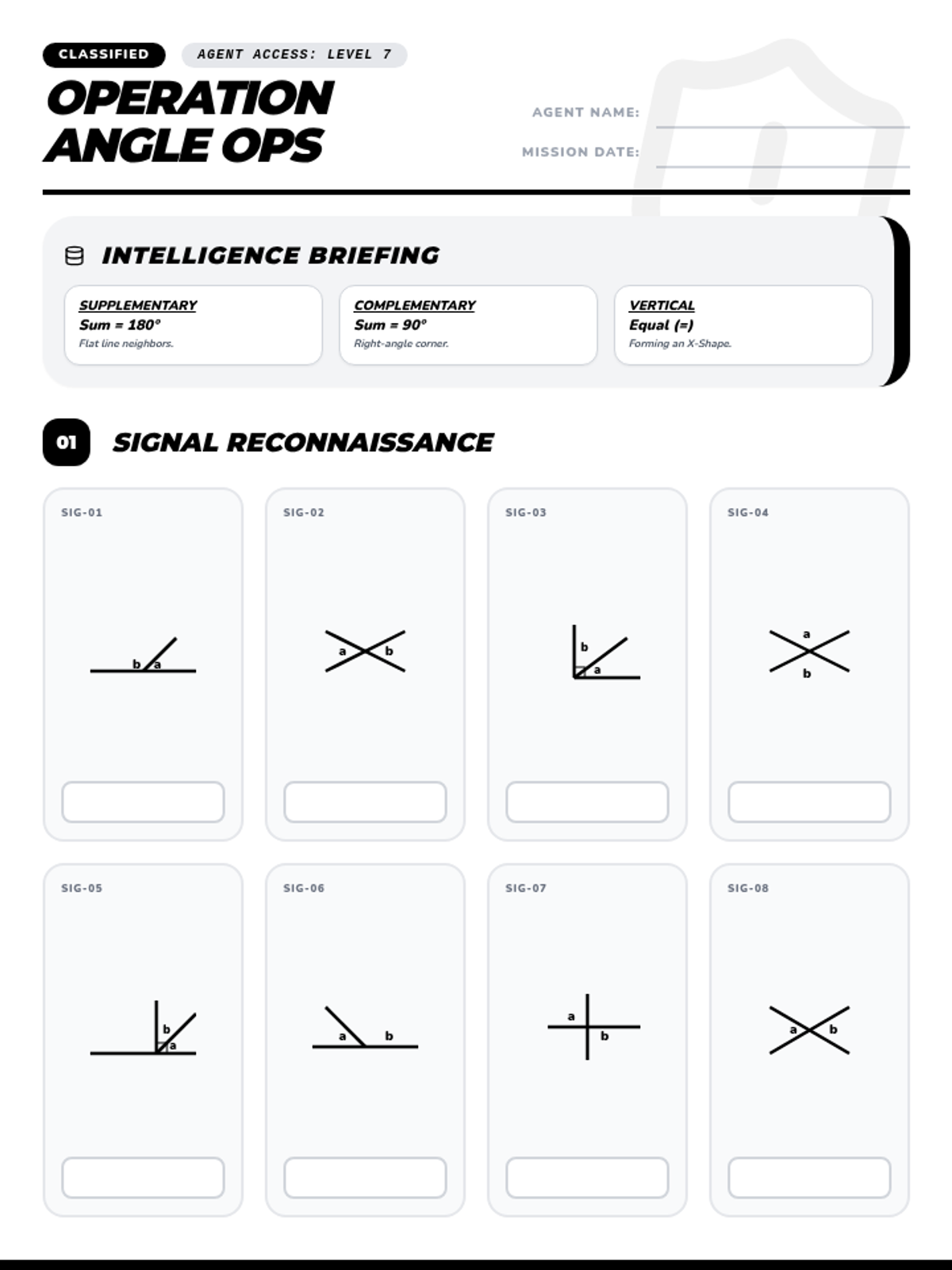
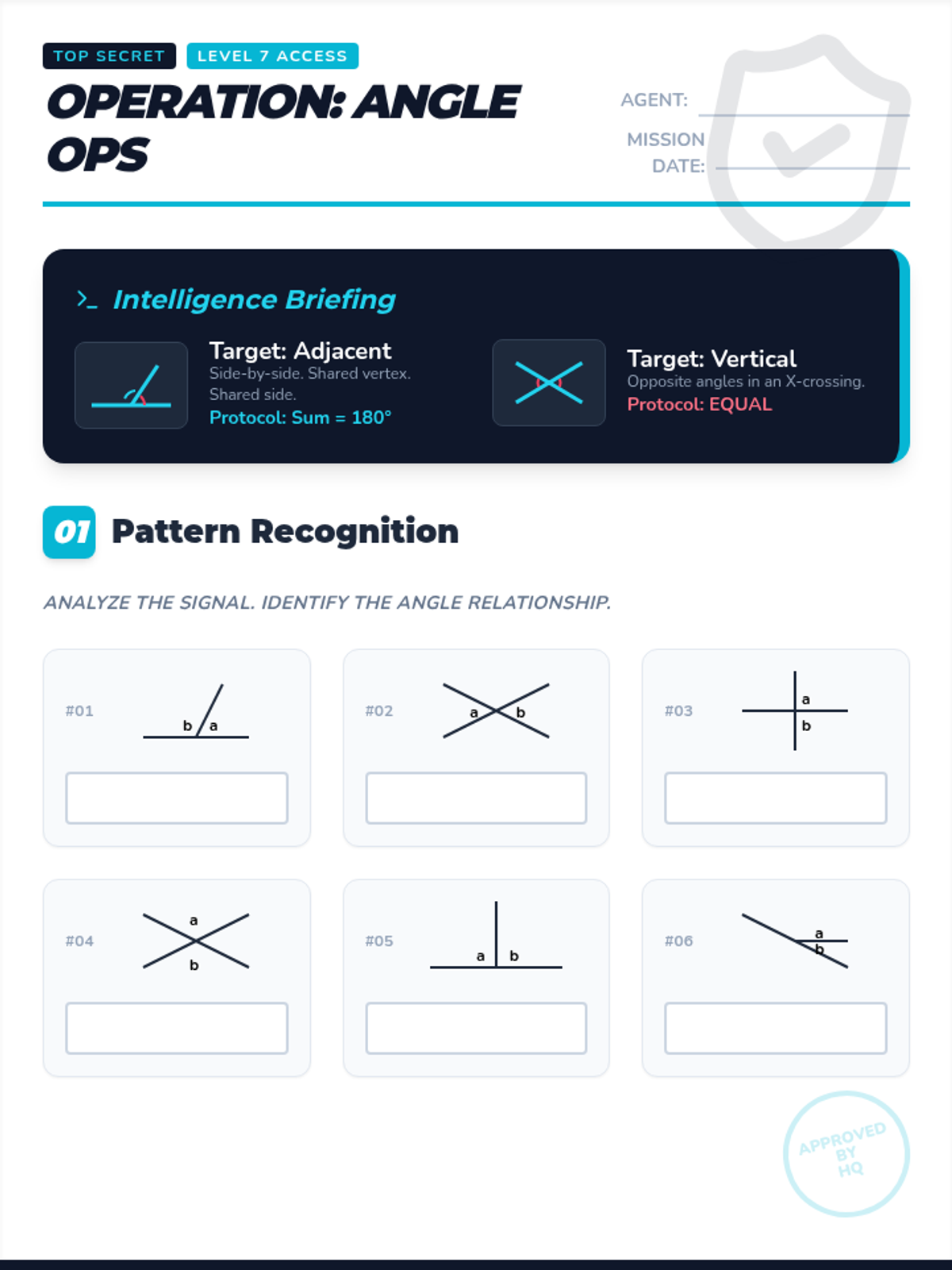
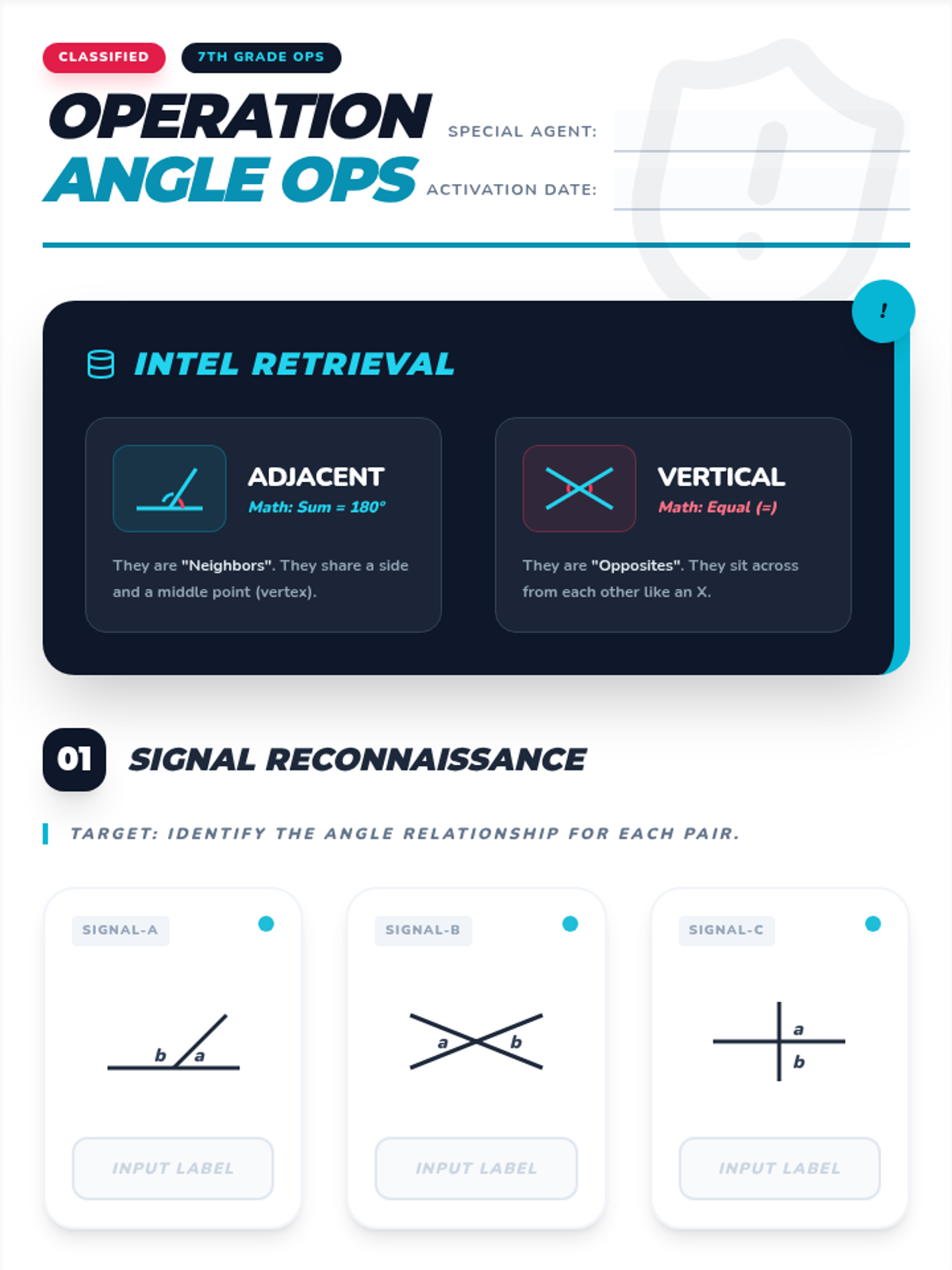
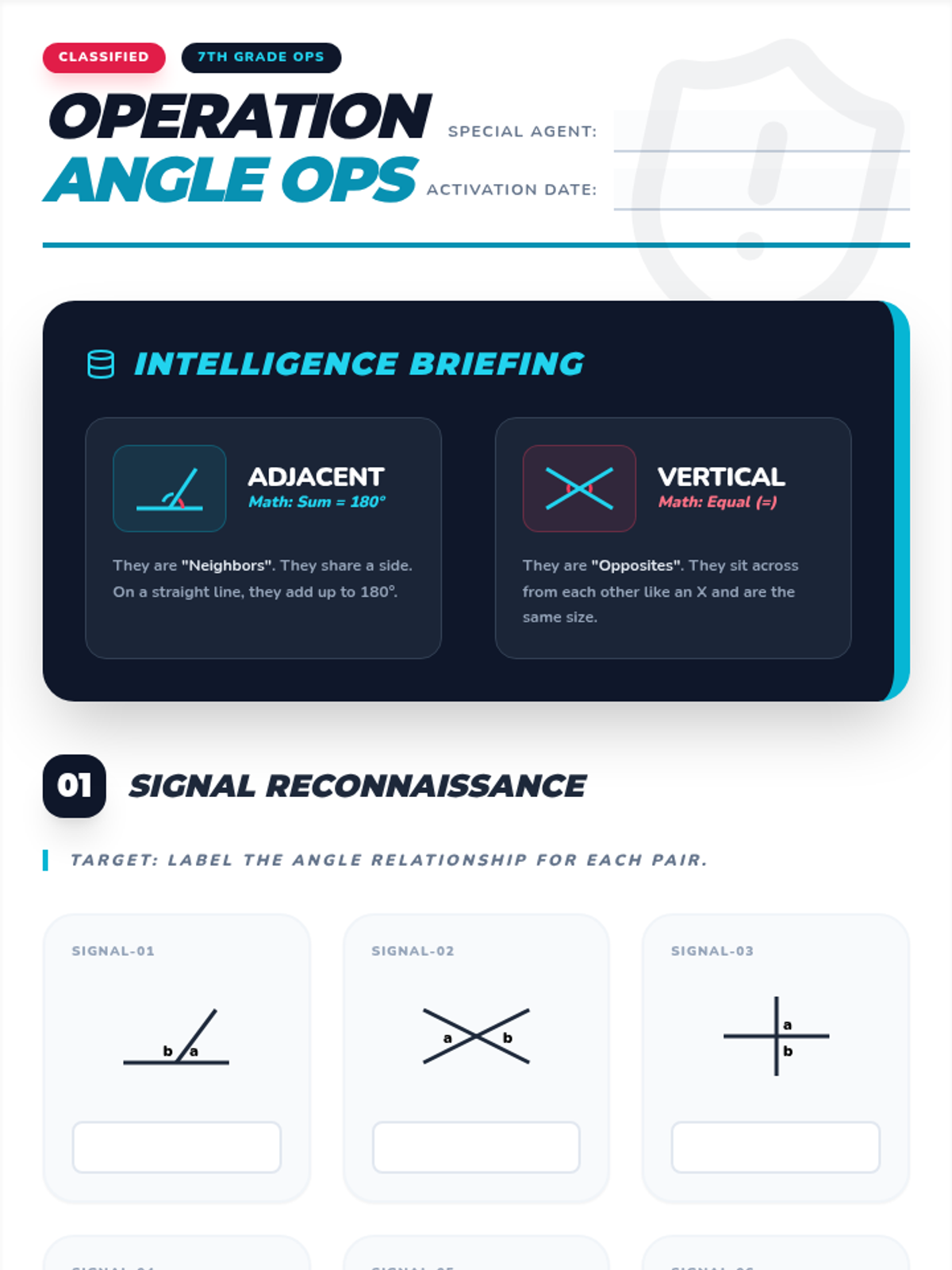
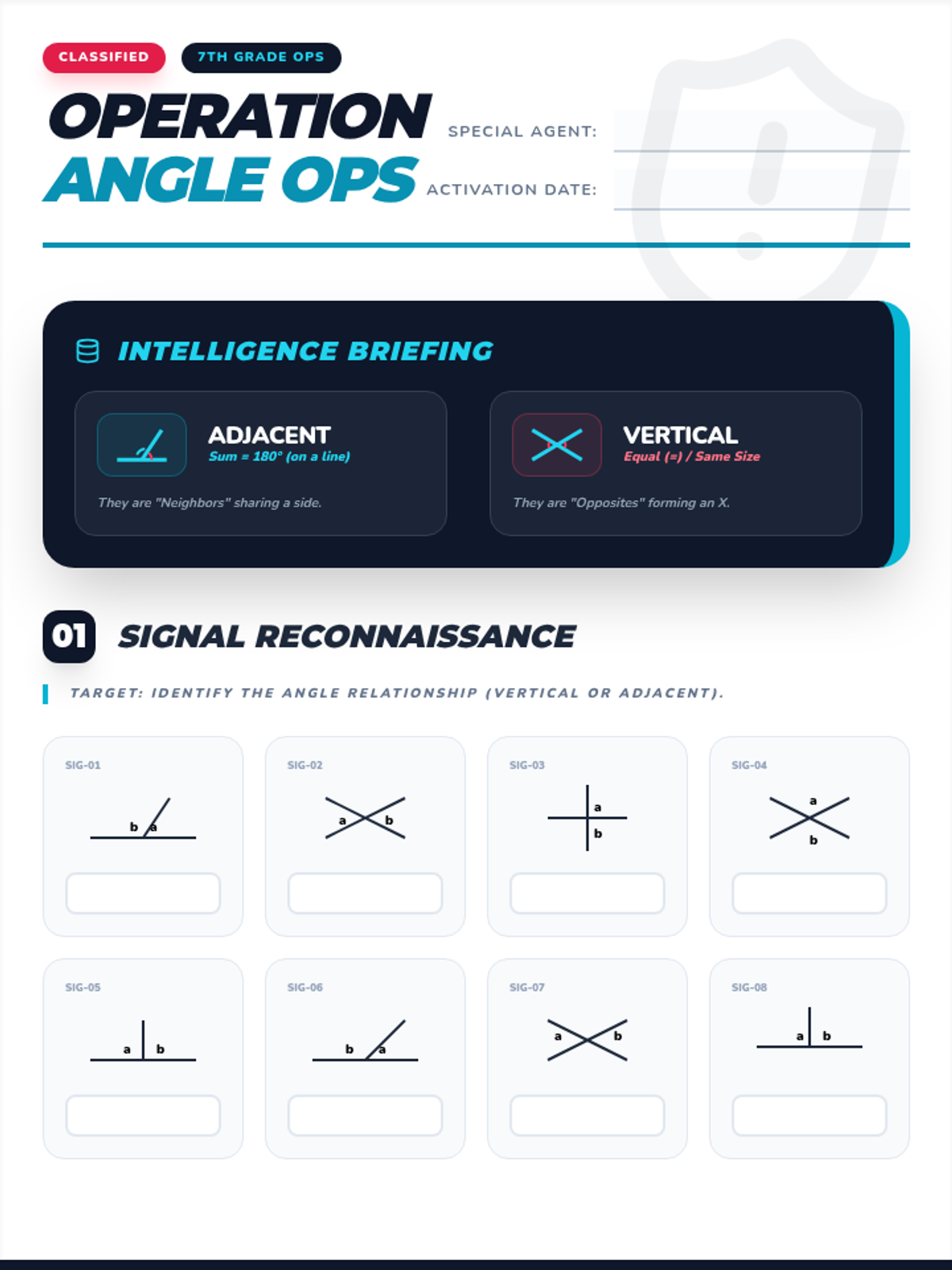
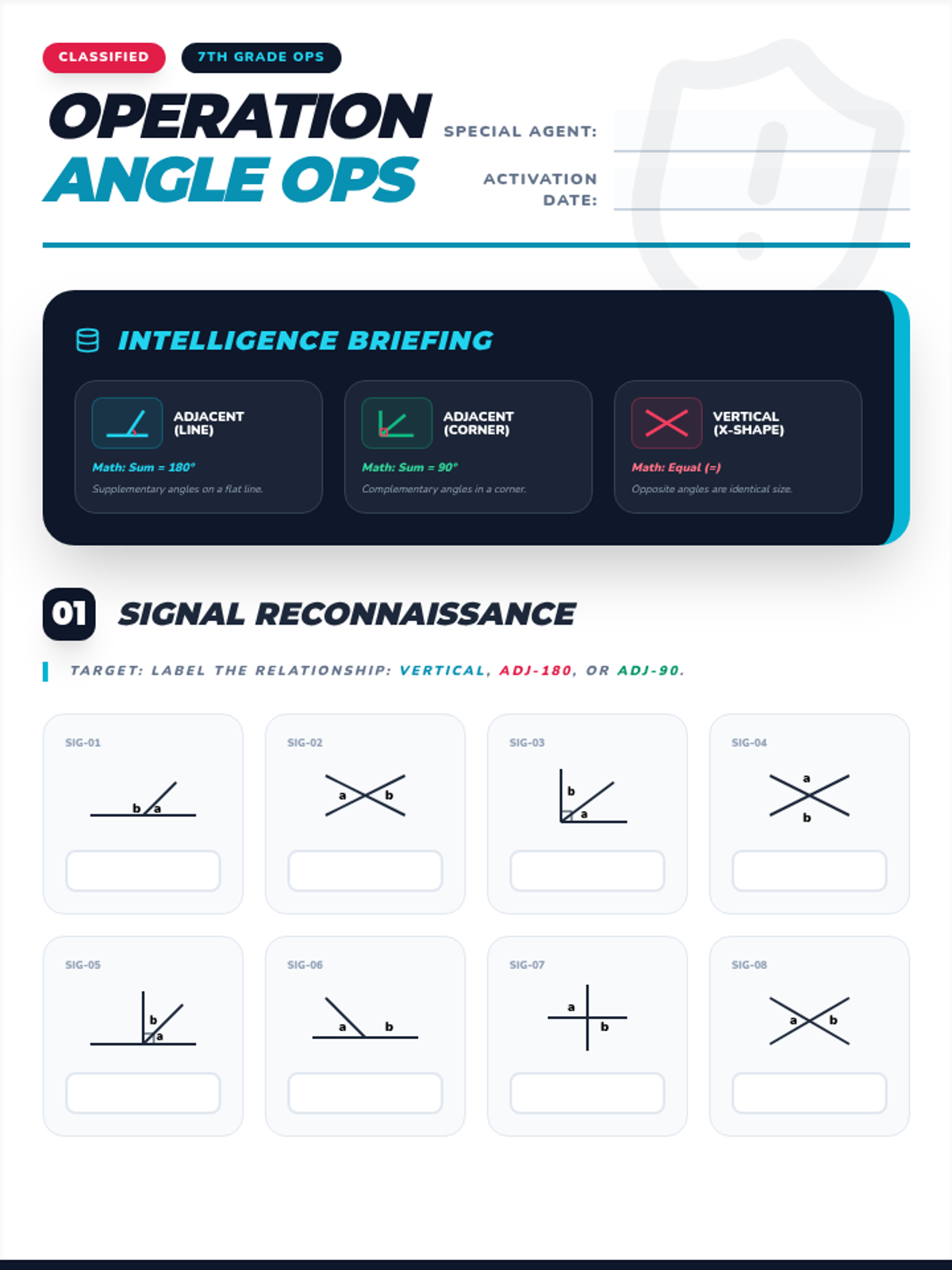
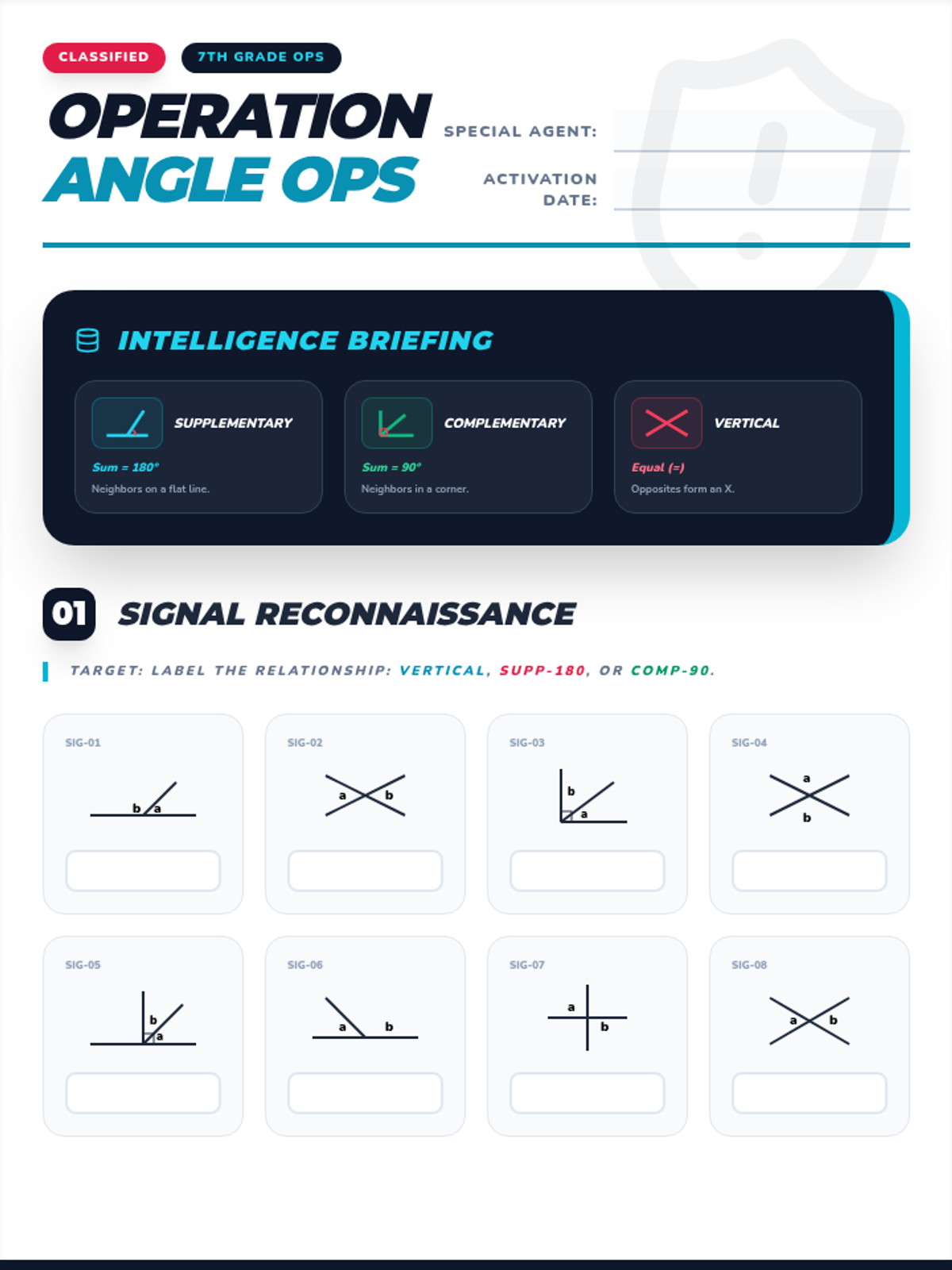
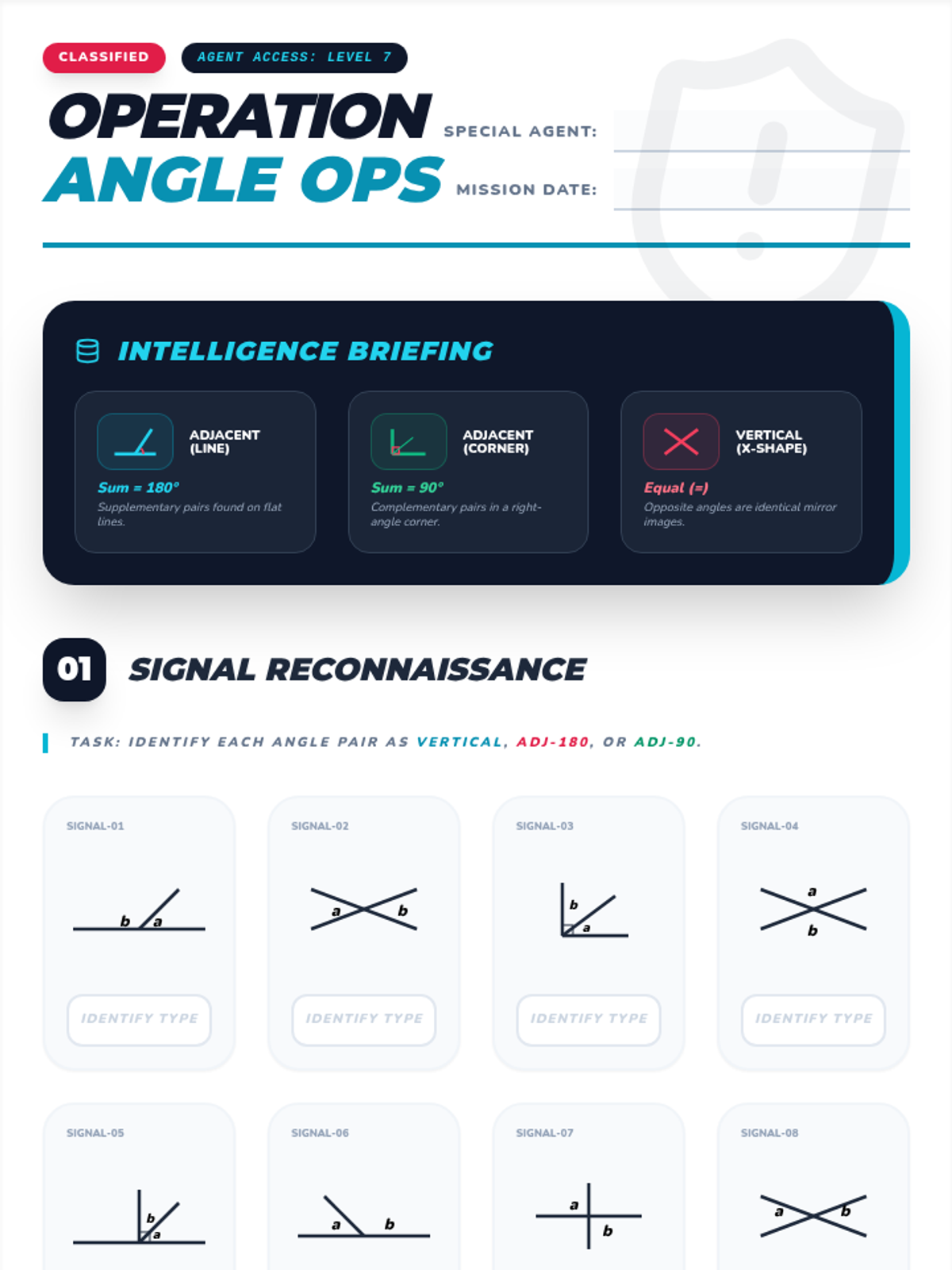
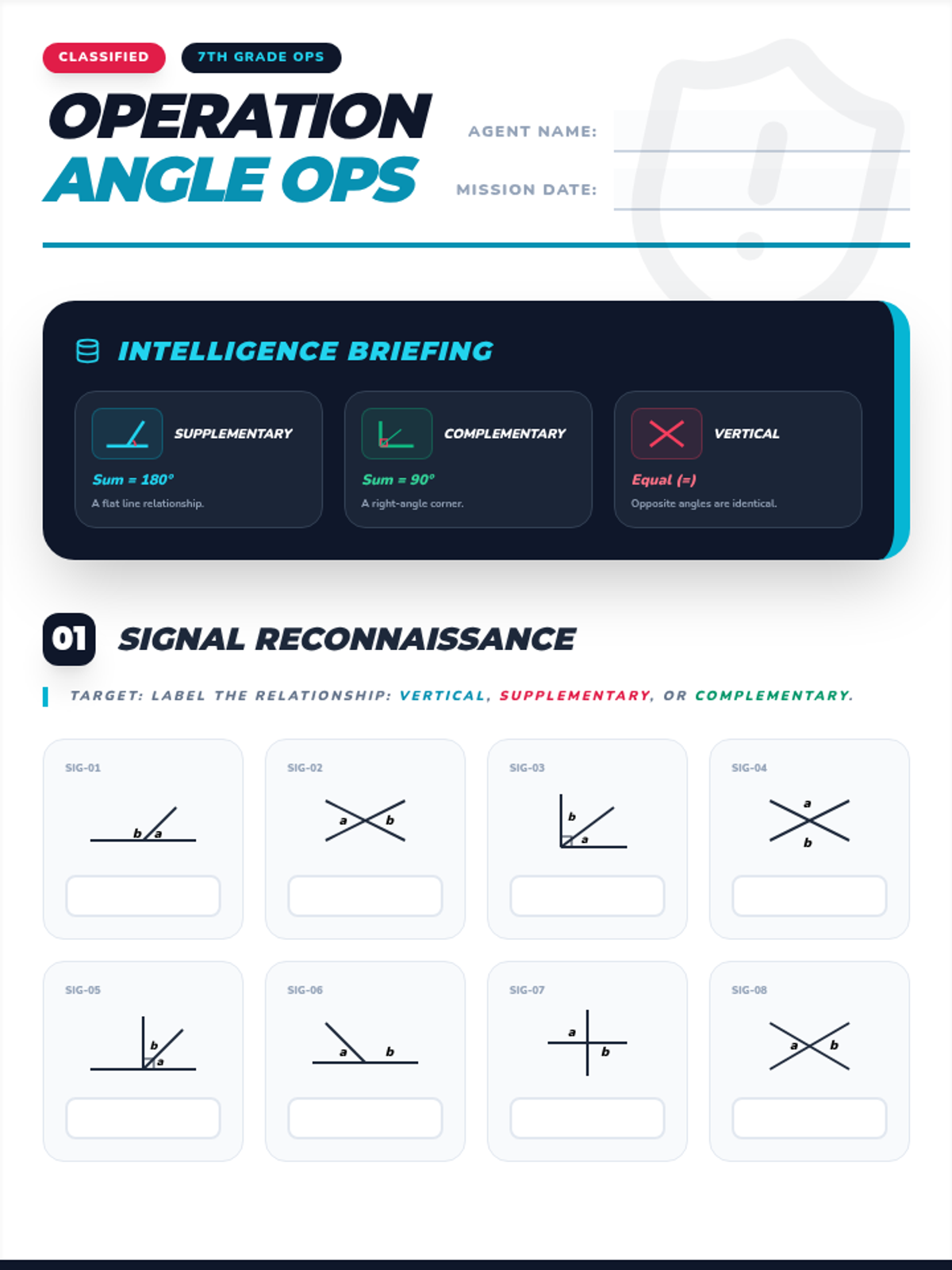
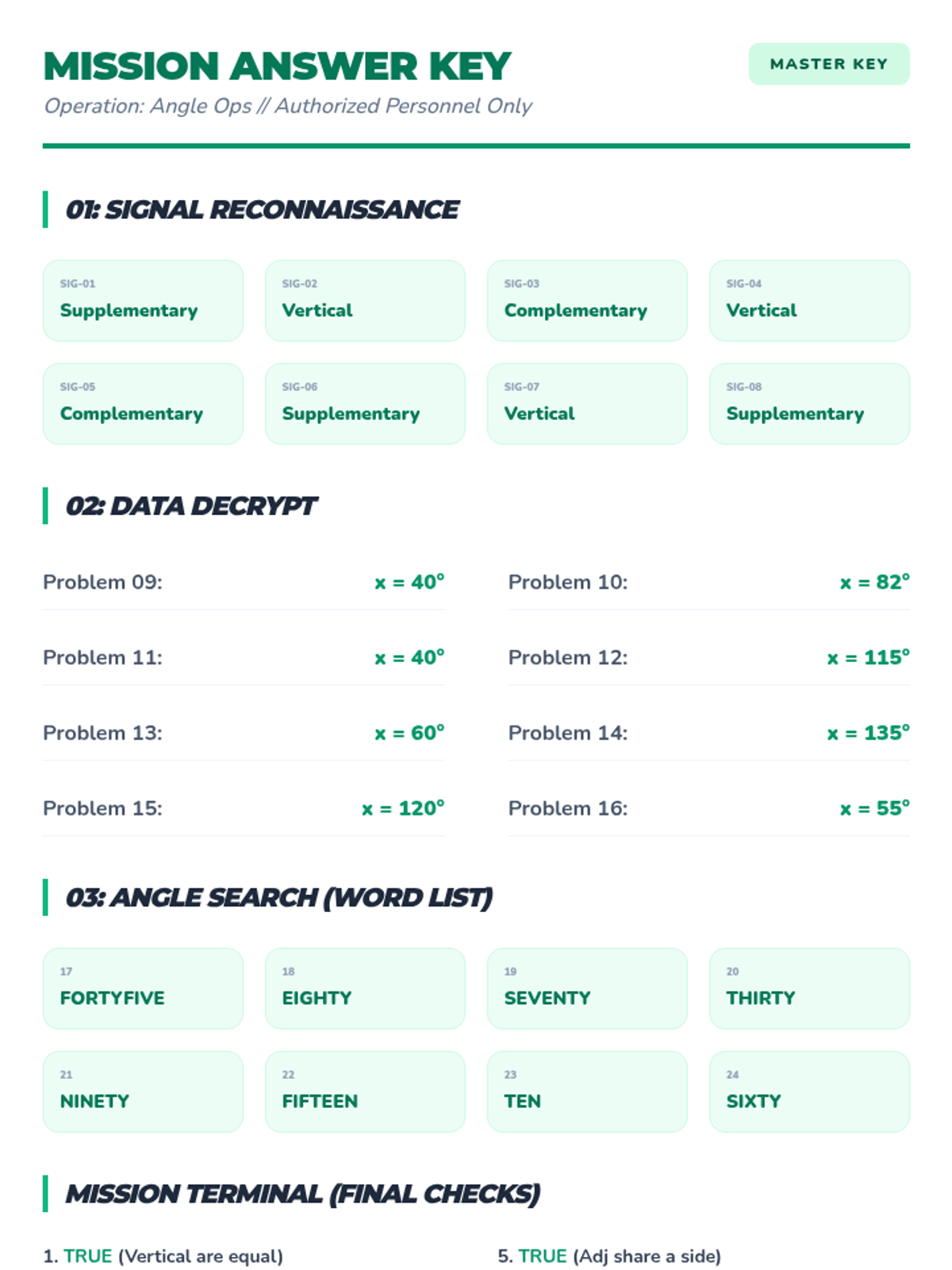
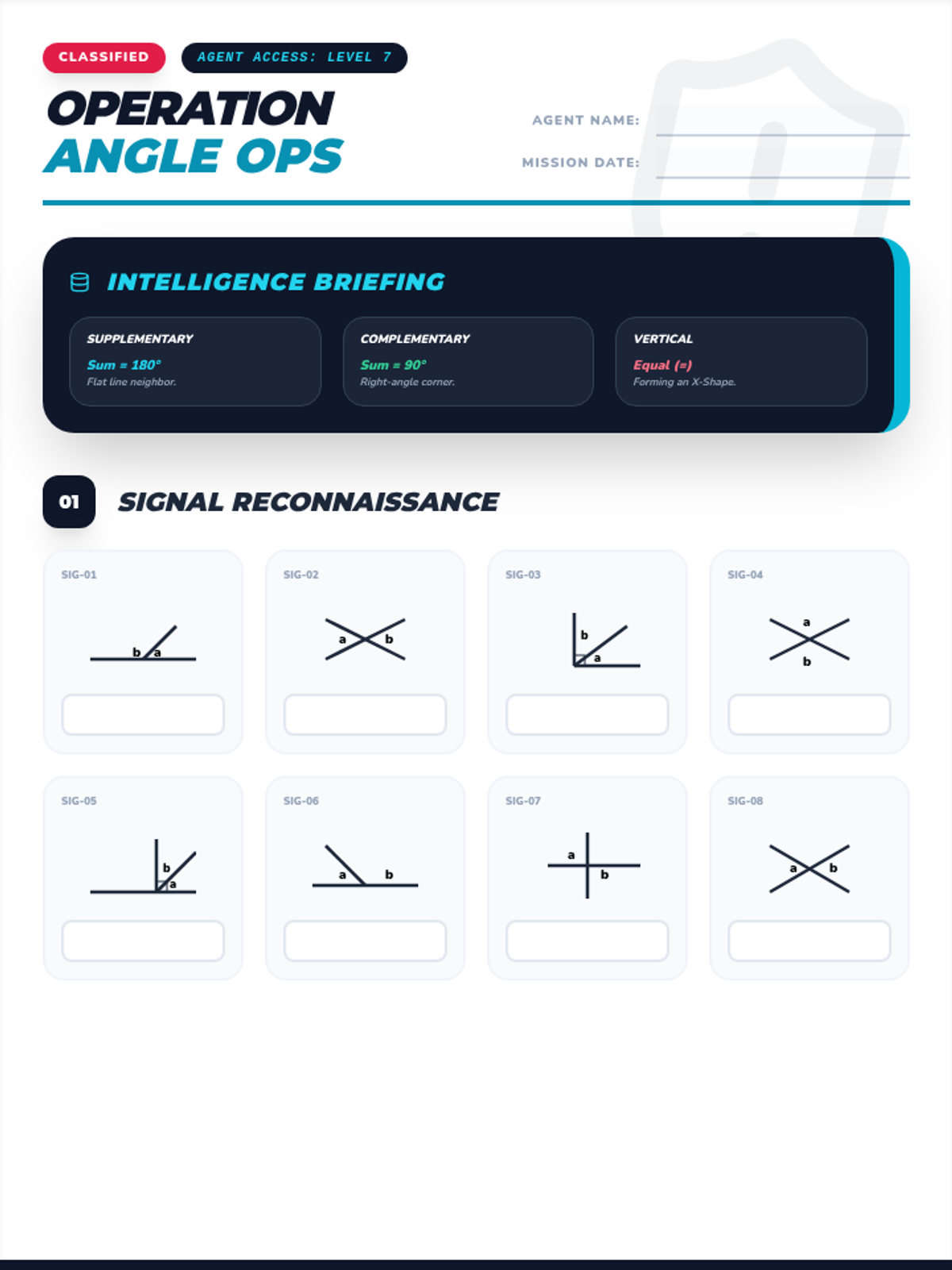
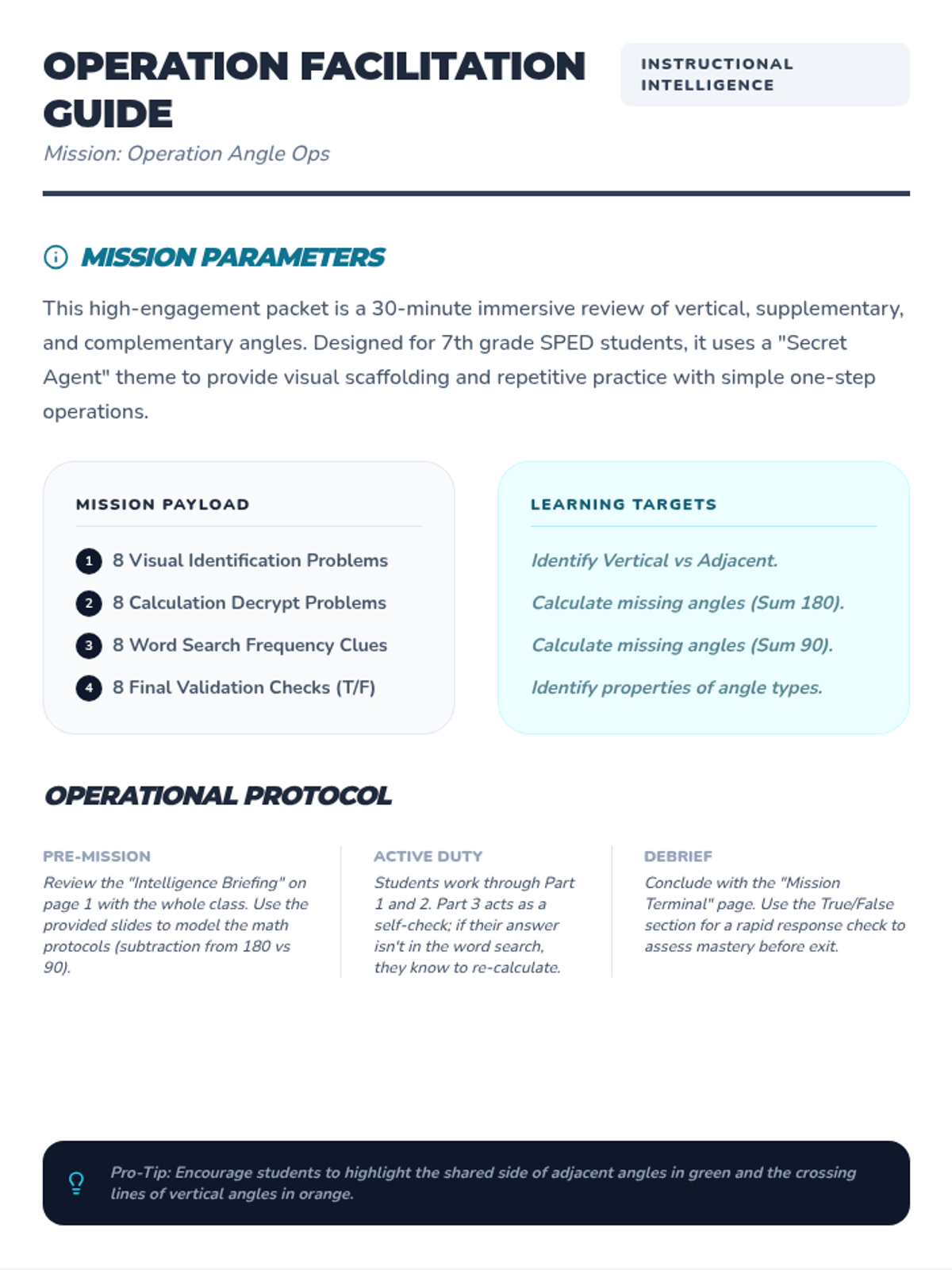
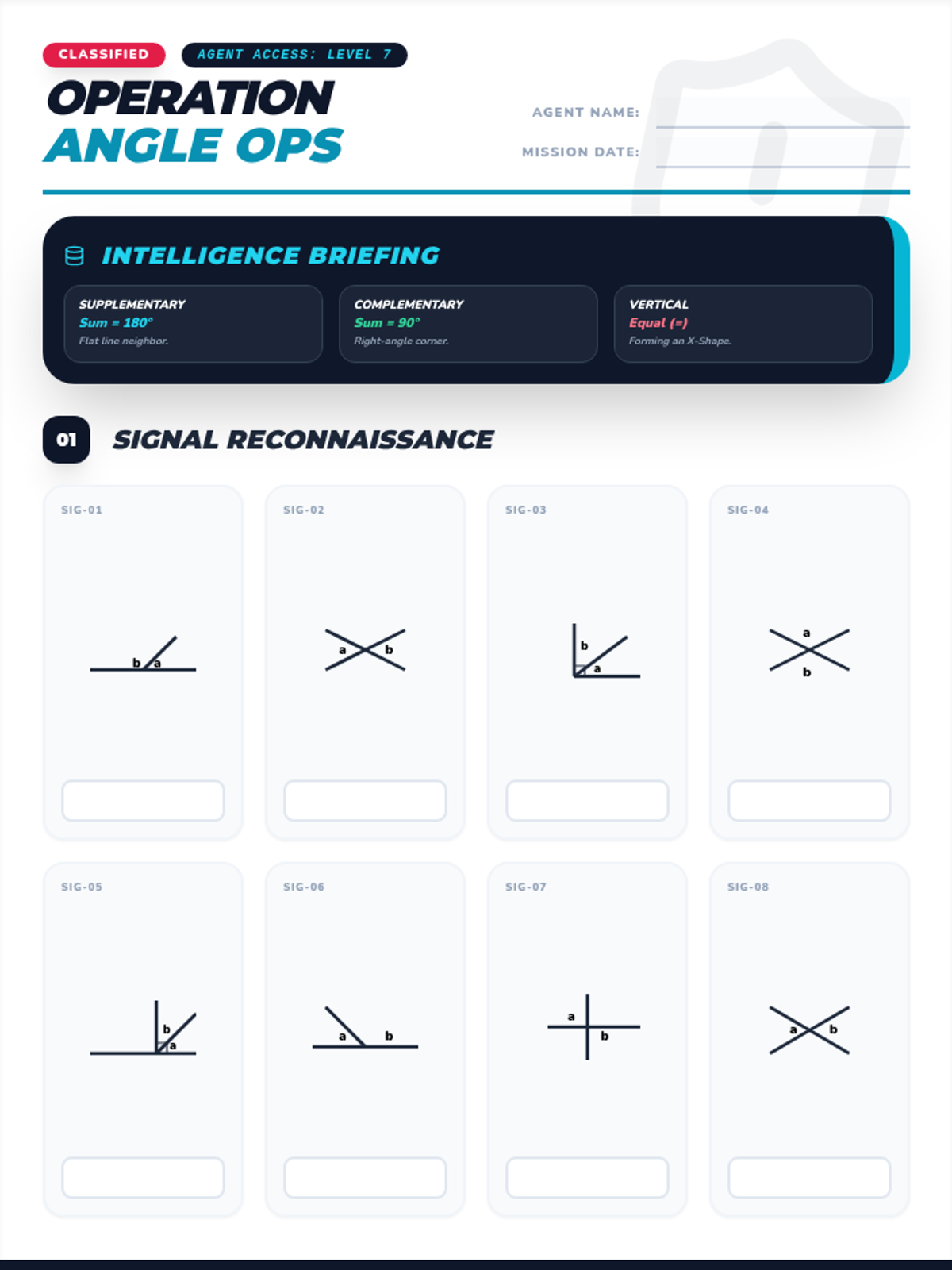
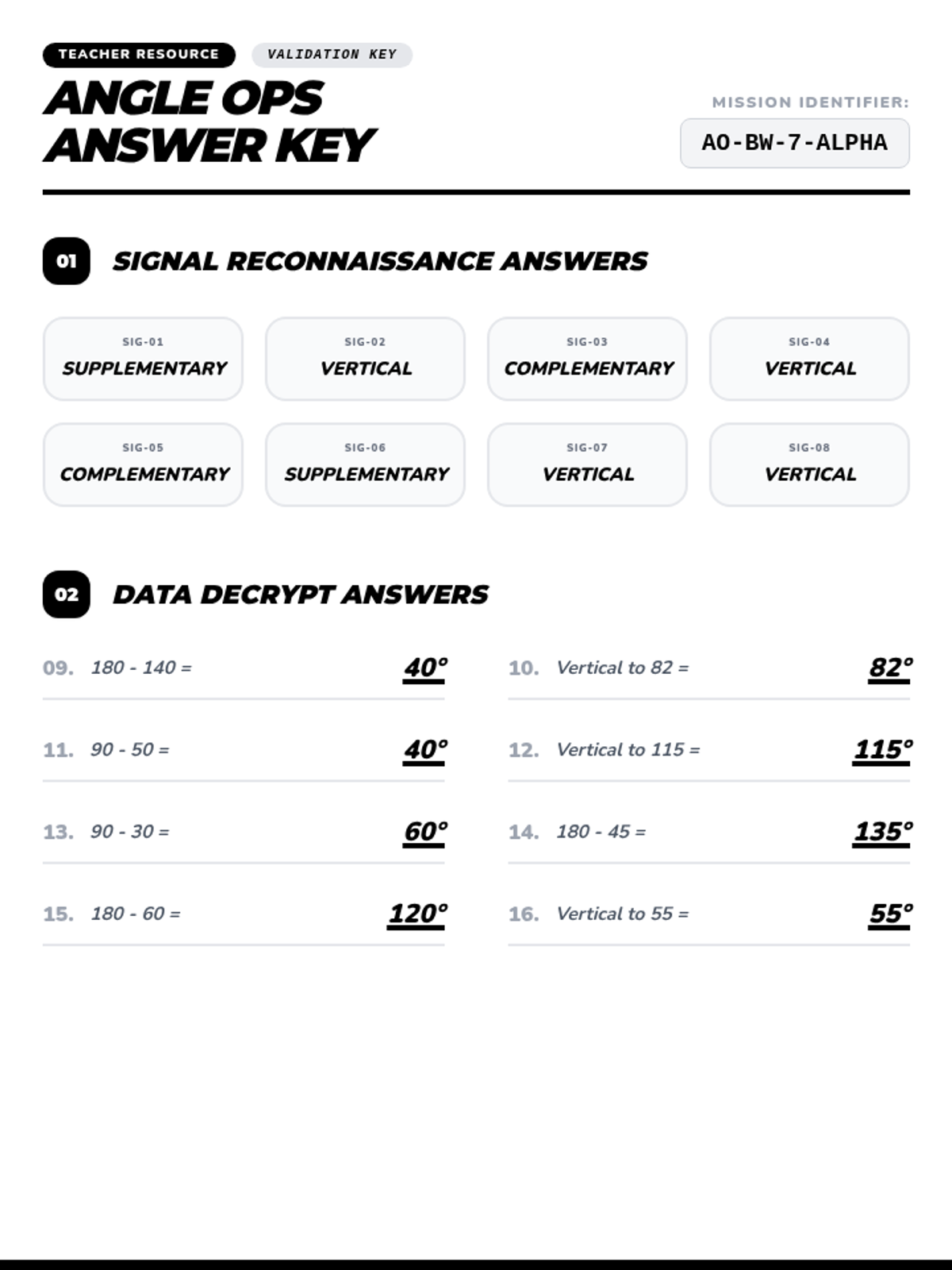
A focused assessment on identifying and calculating angle relationships including complementary, supplementary, adjacent, and vertical angles.
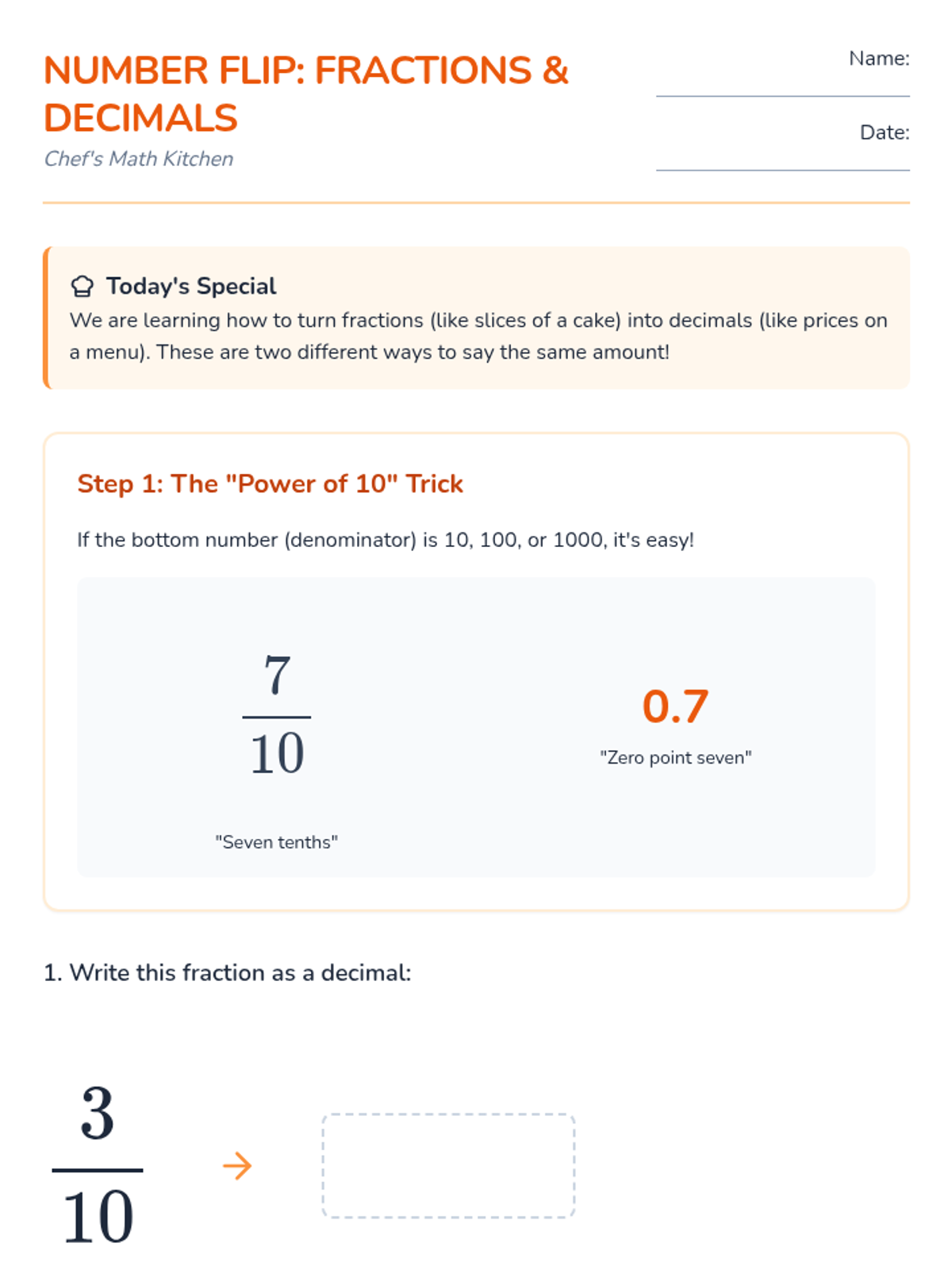
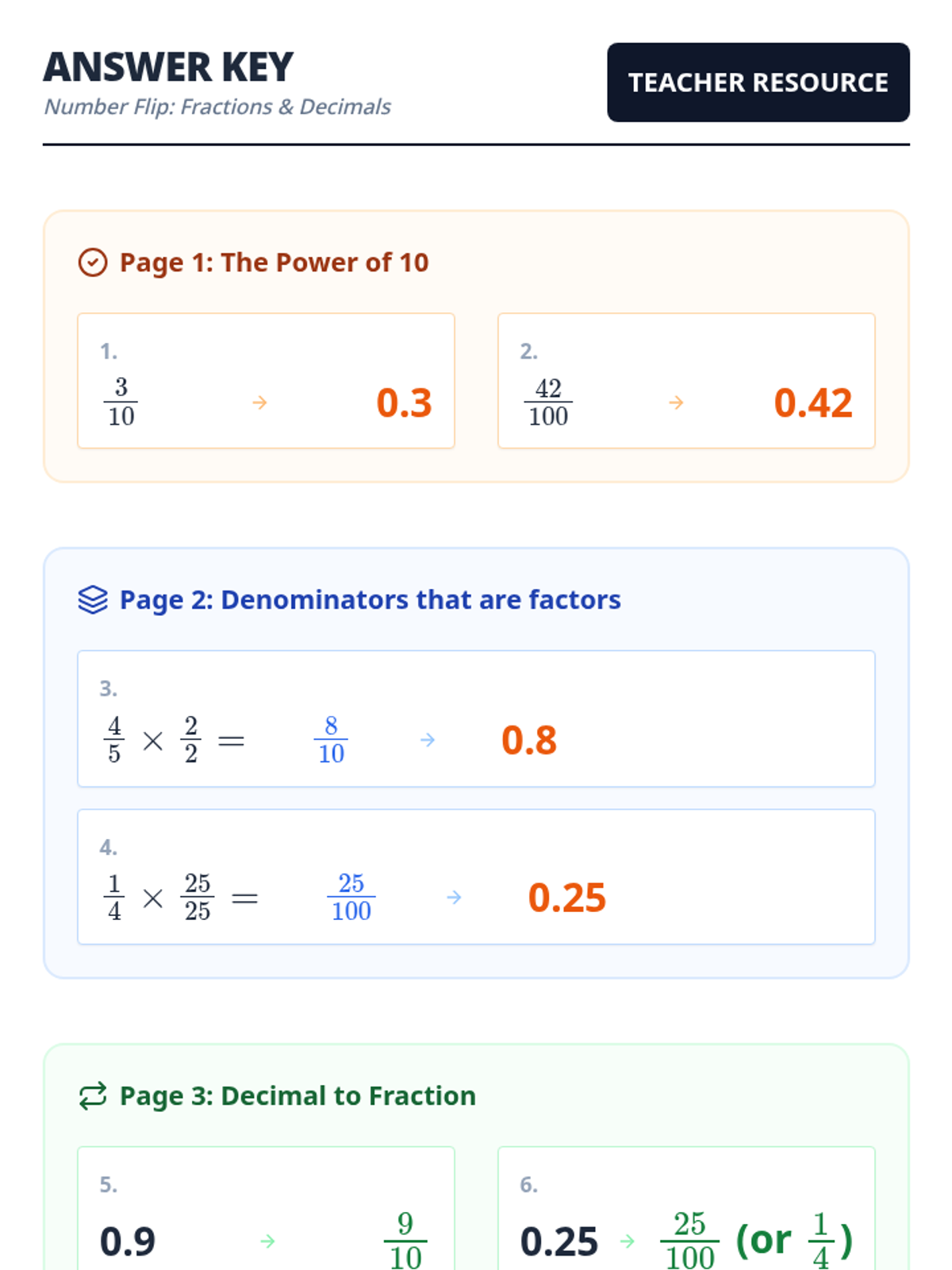
A lesson focused on understanding and converting between fractions and decimals using visual models and step-by-step procedures. Designed for students needing scaffolded support and reduced visual clutter.
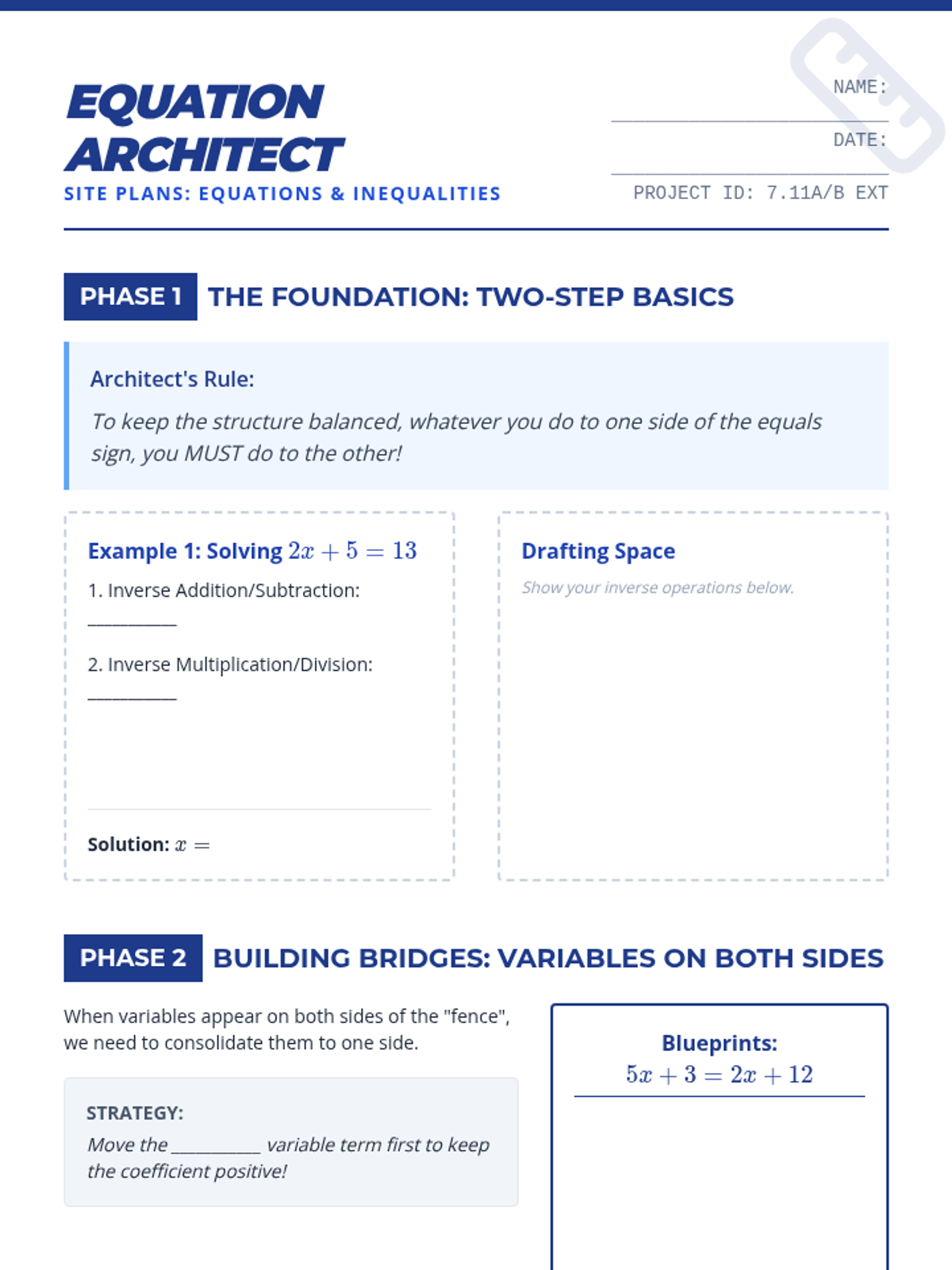
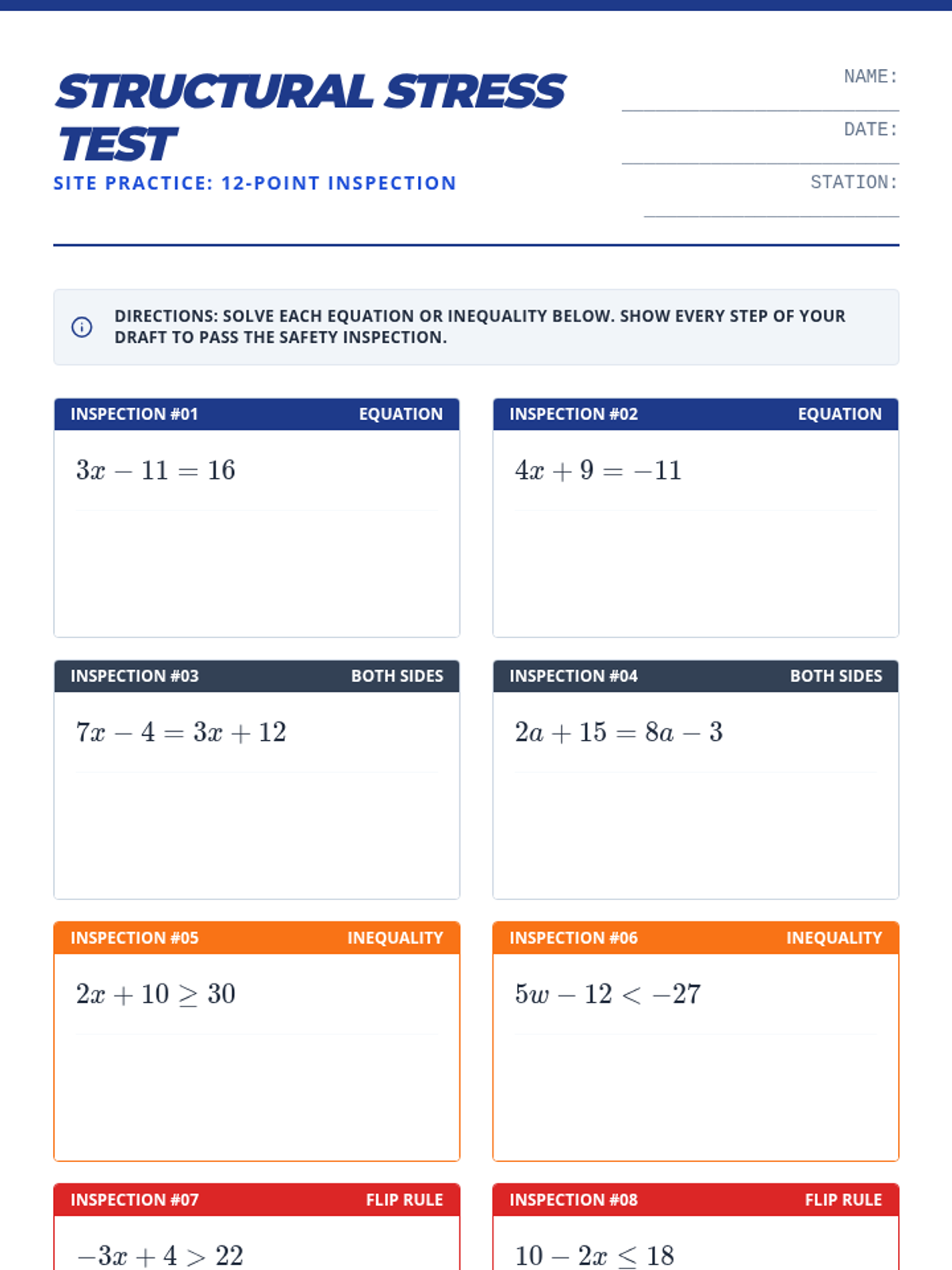
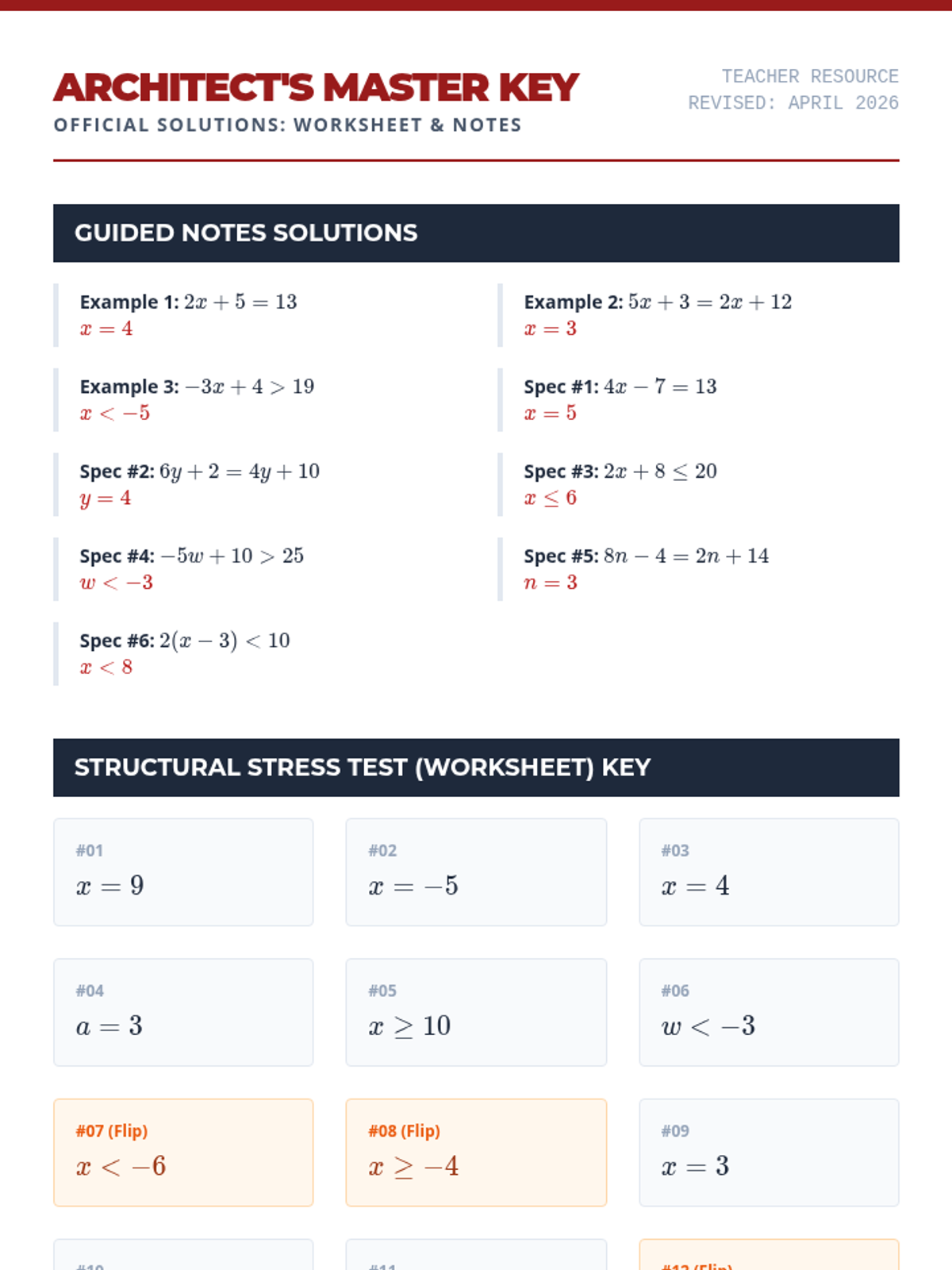
A comprehensive lesson on solving two-step equations and inequalities, including variables on both sides and the sign-reversal rule for inequalities. Students will 'draft' their solutions using architectural-themed guided notes and practice exercises.
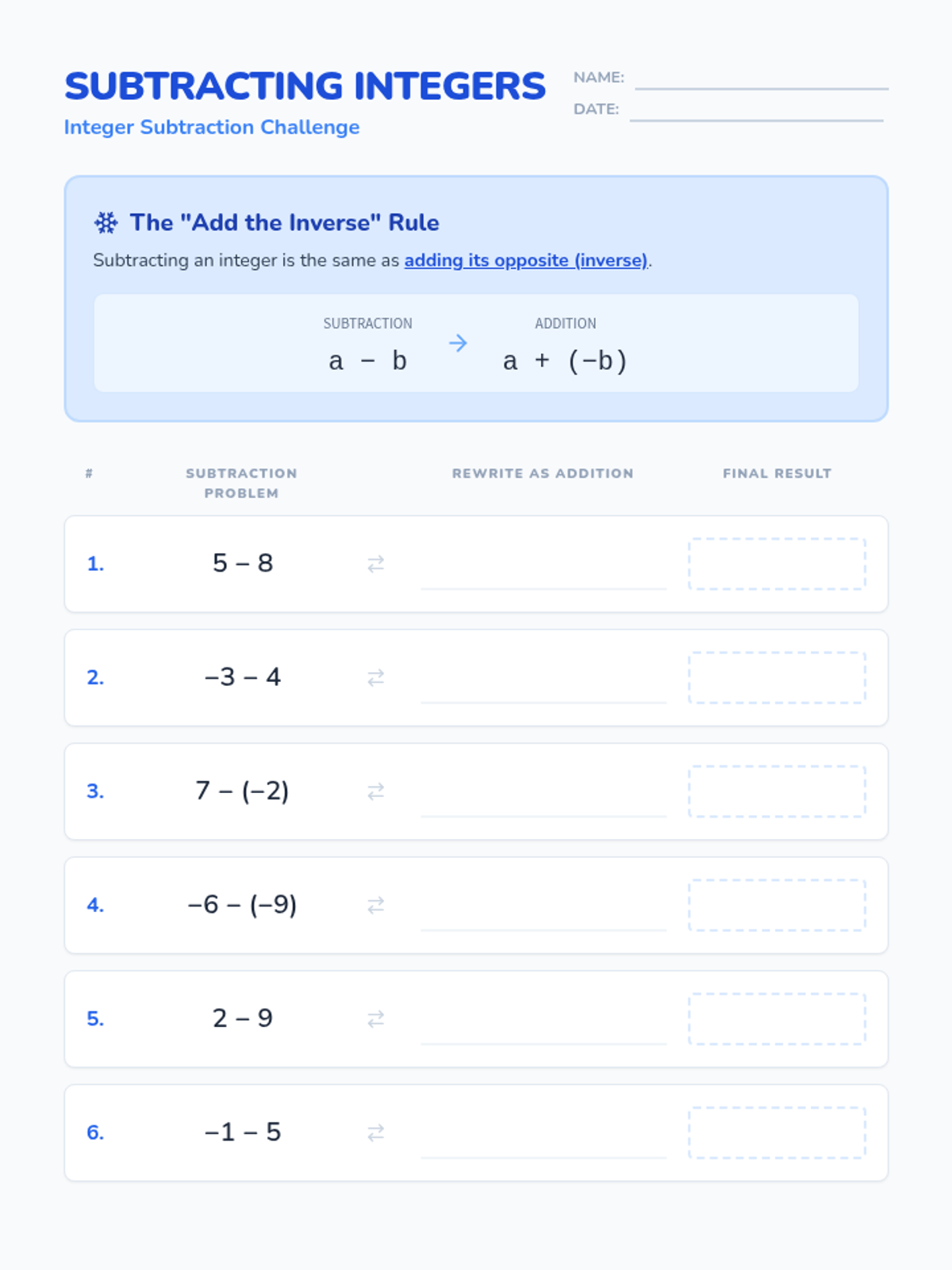
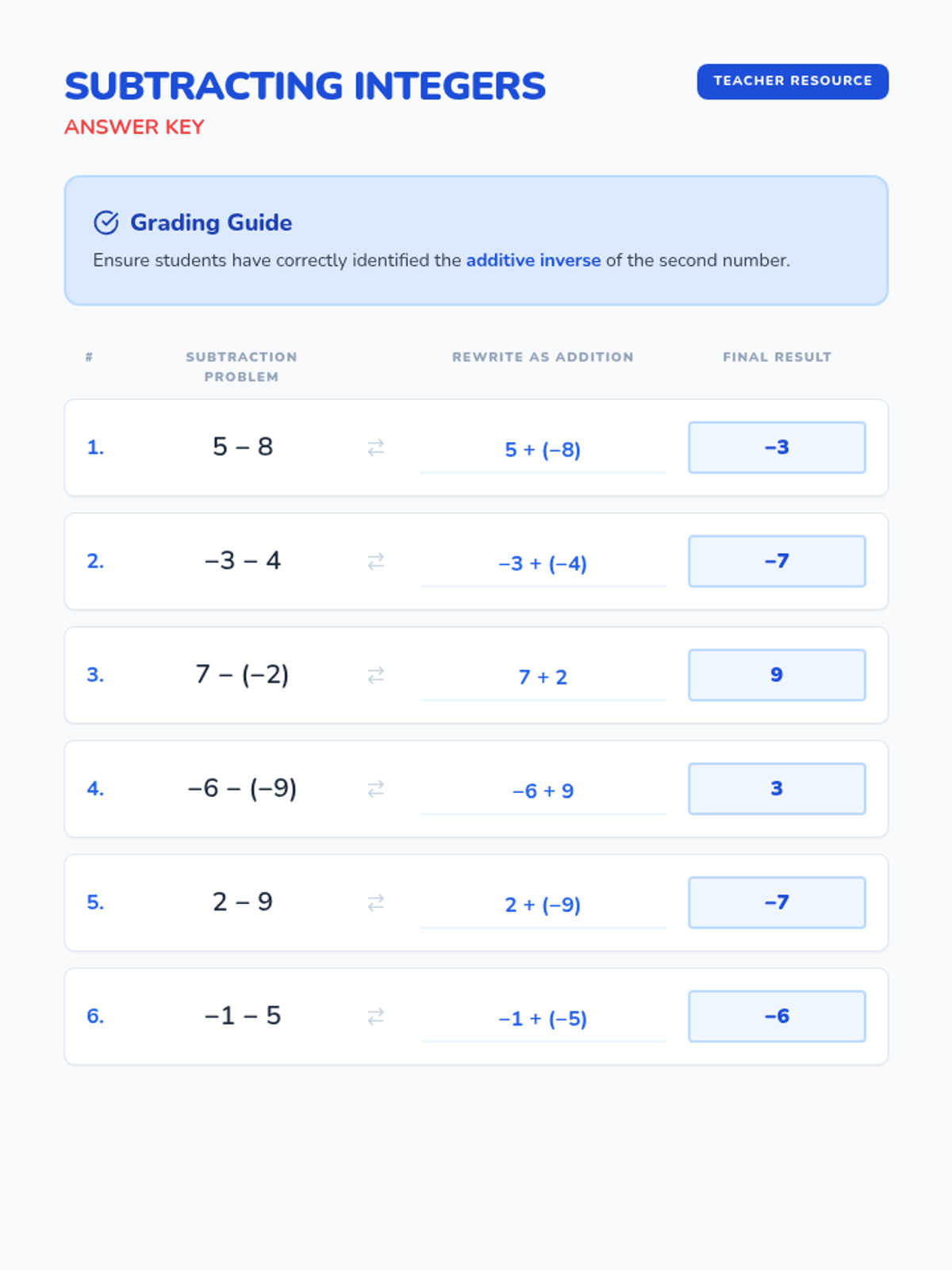
A lesson focused on subtracting integers by rewriting them as addition of the inverse. Students practice with single-digit integers to build foundational fluency.
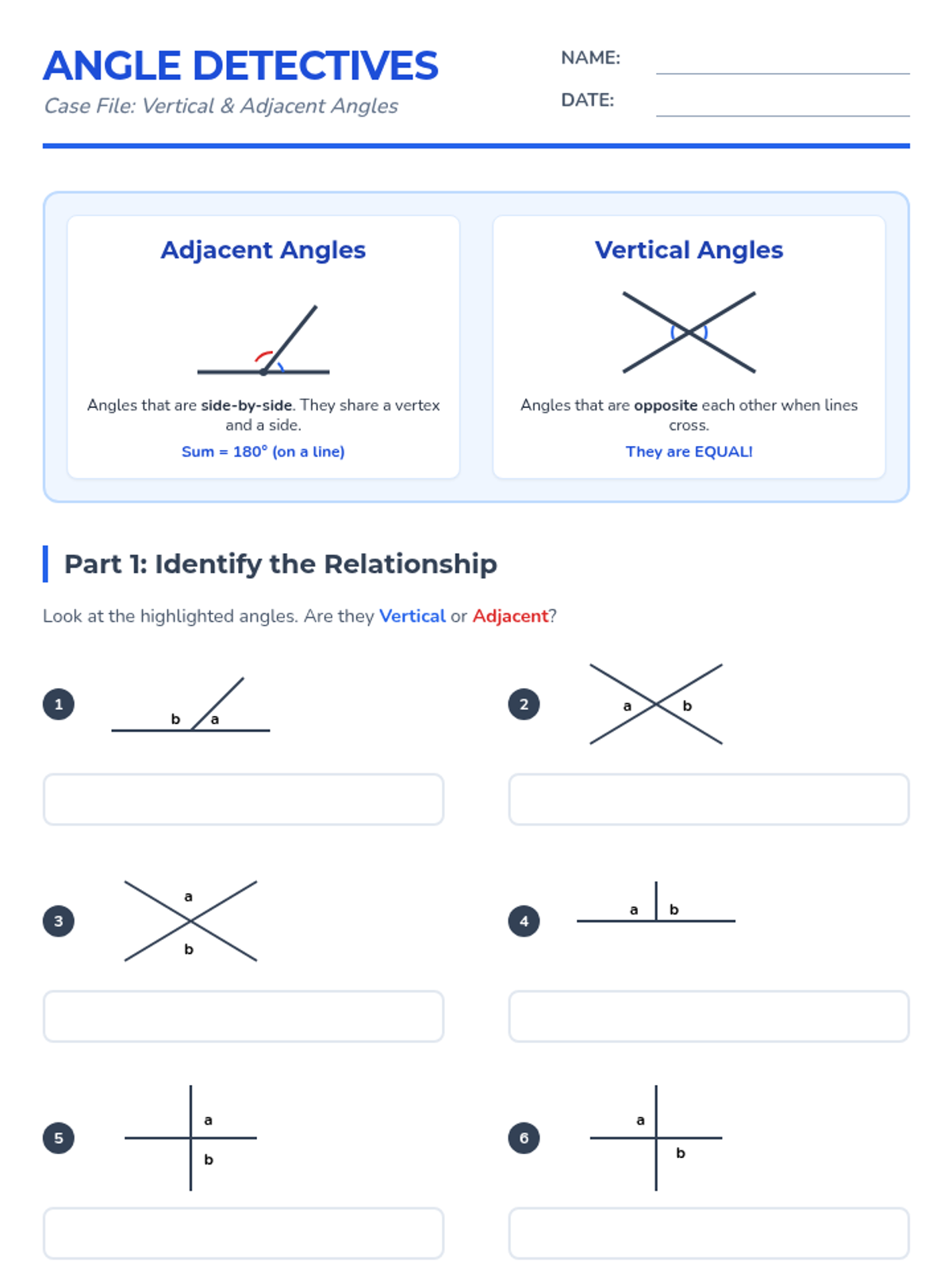
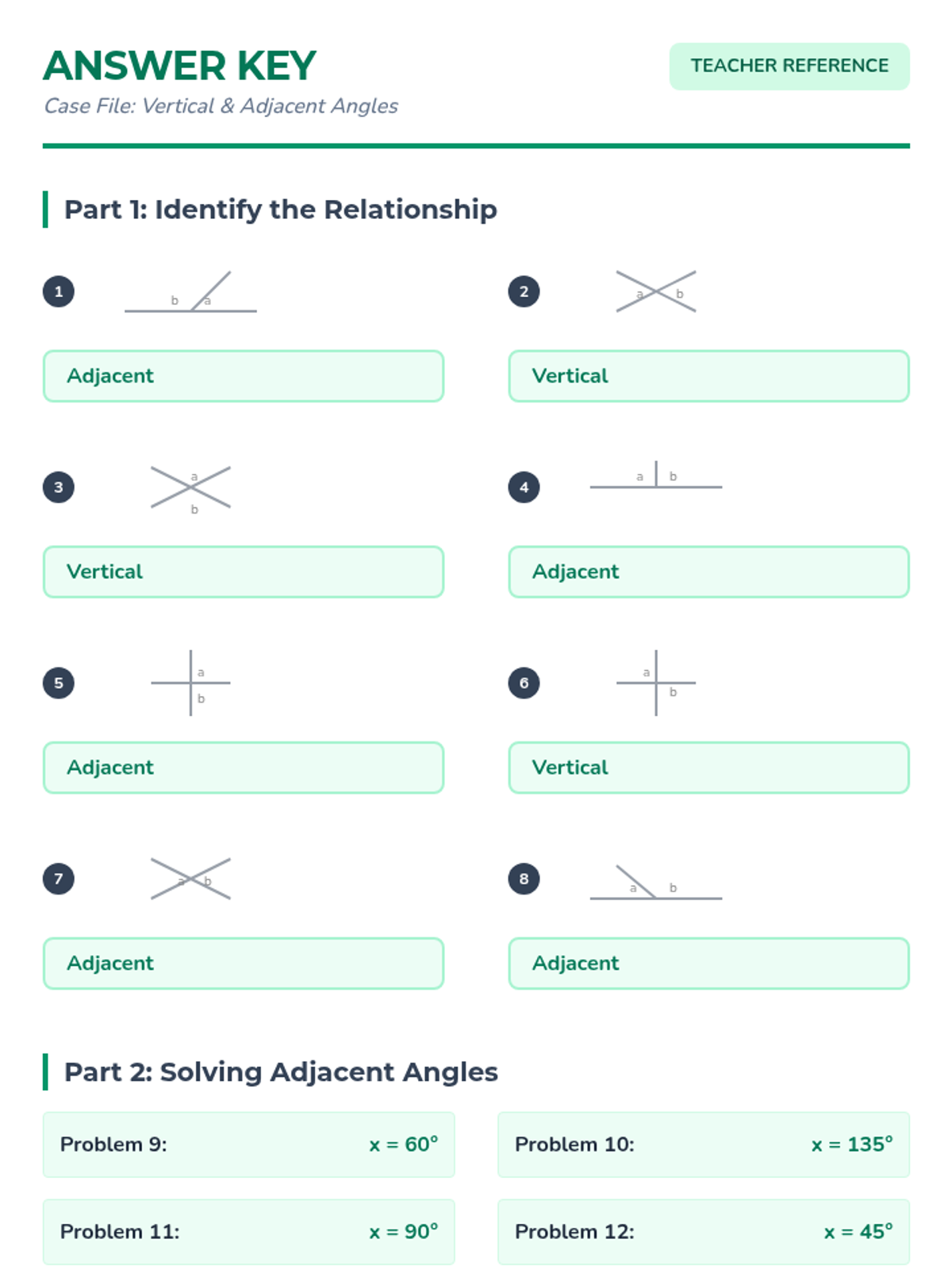
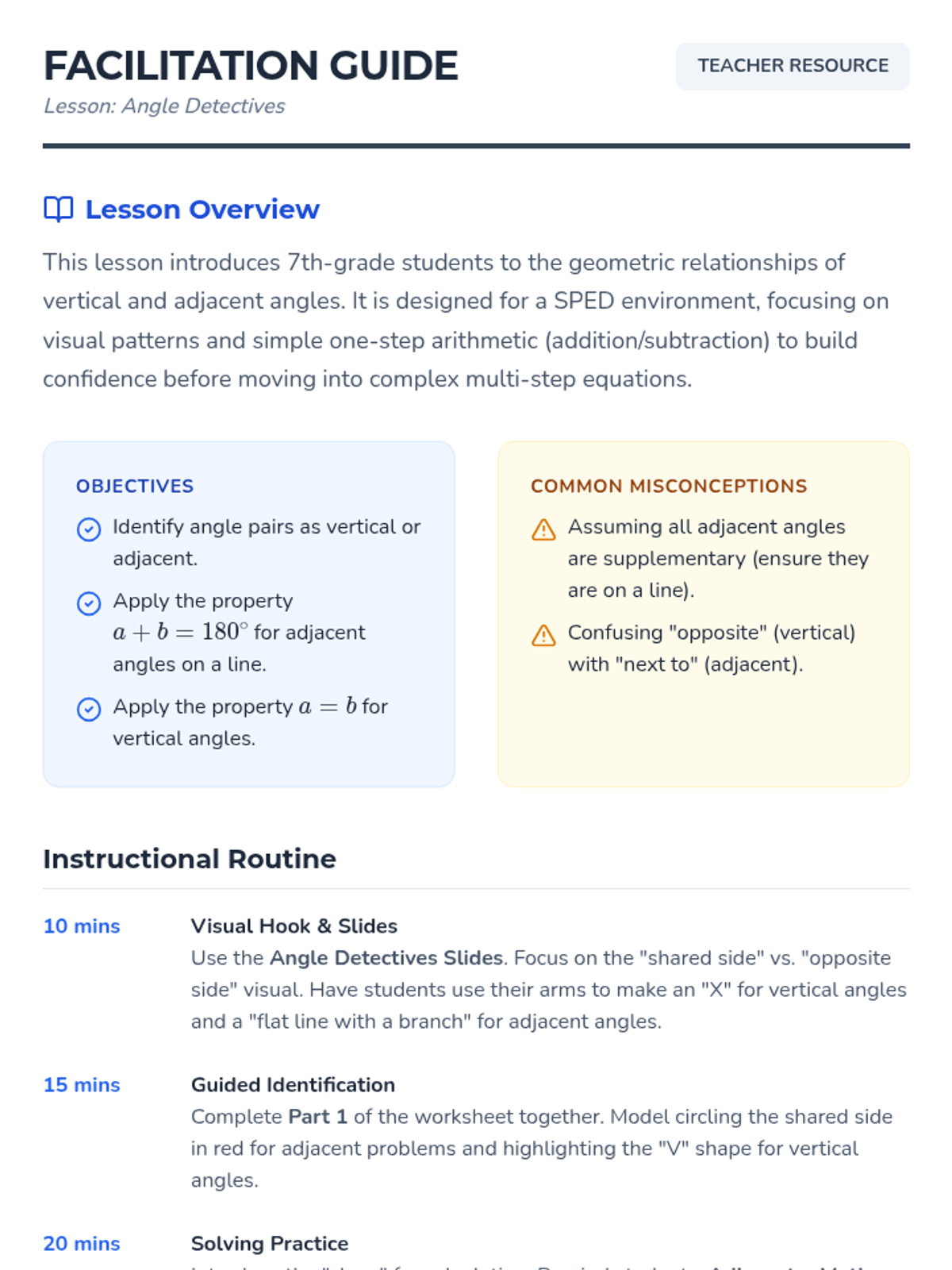
This lesson focuses on identifying and calculating measures for vertical and adjacent angles using simple one-step equations, designed specifically for learners who benefit from clear visual scaffolding.
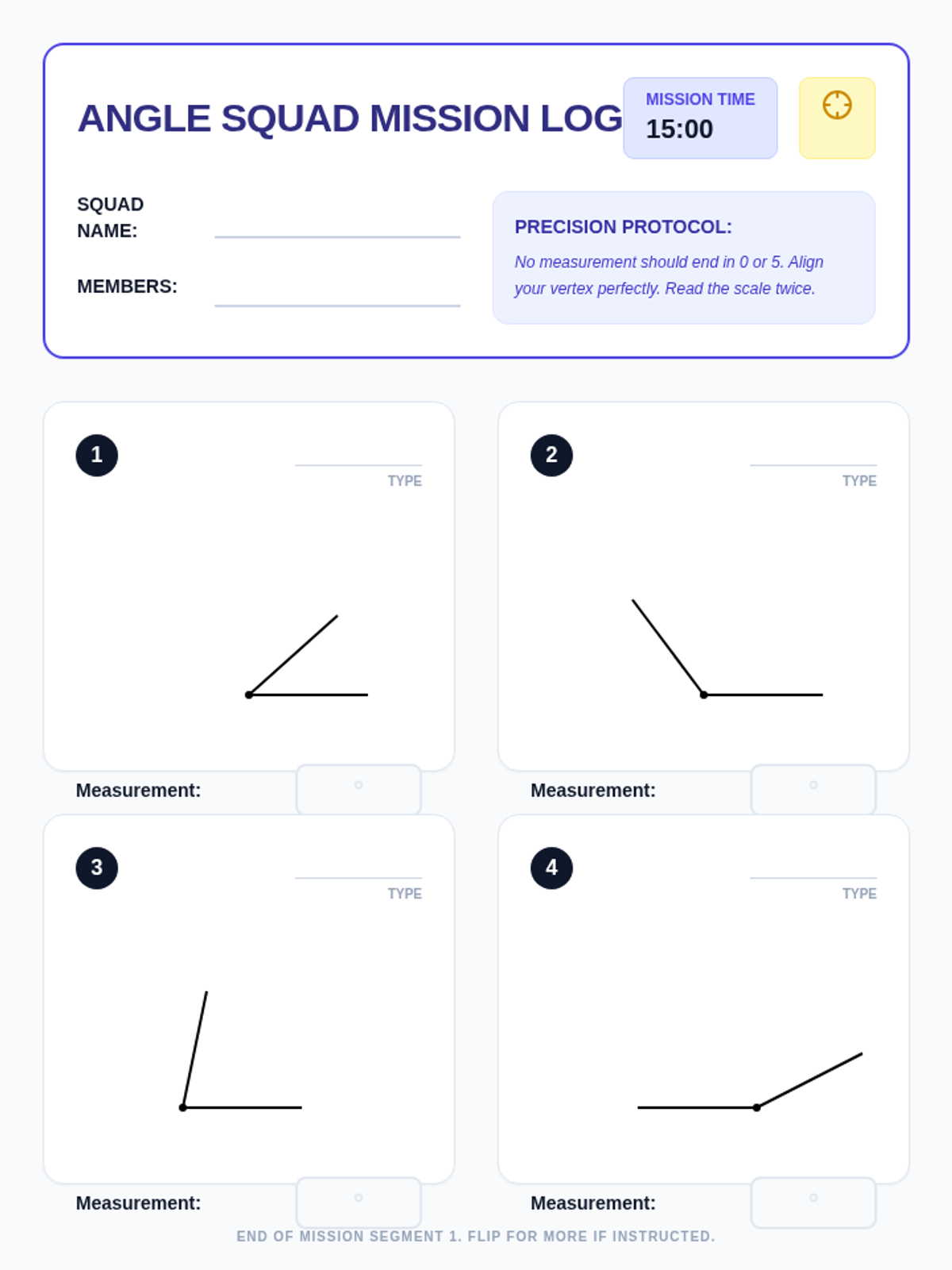
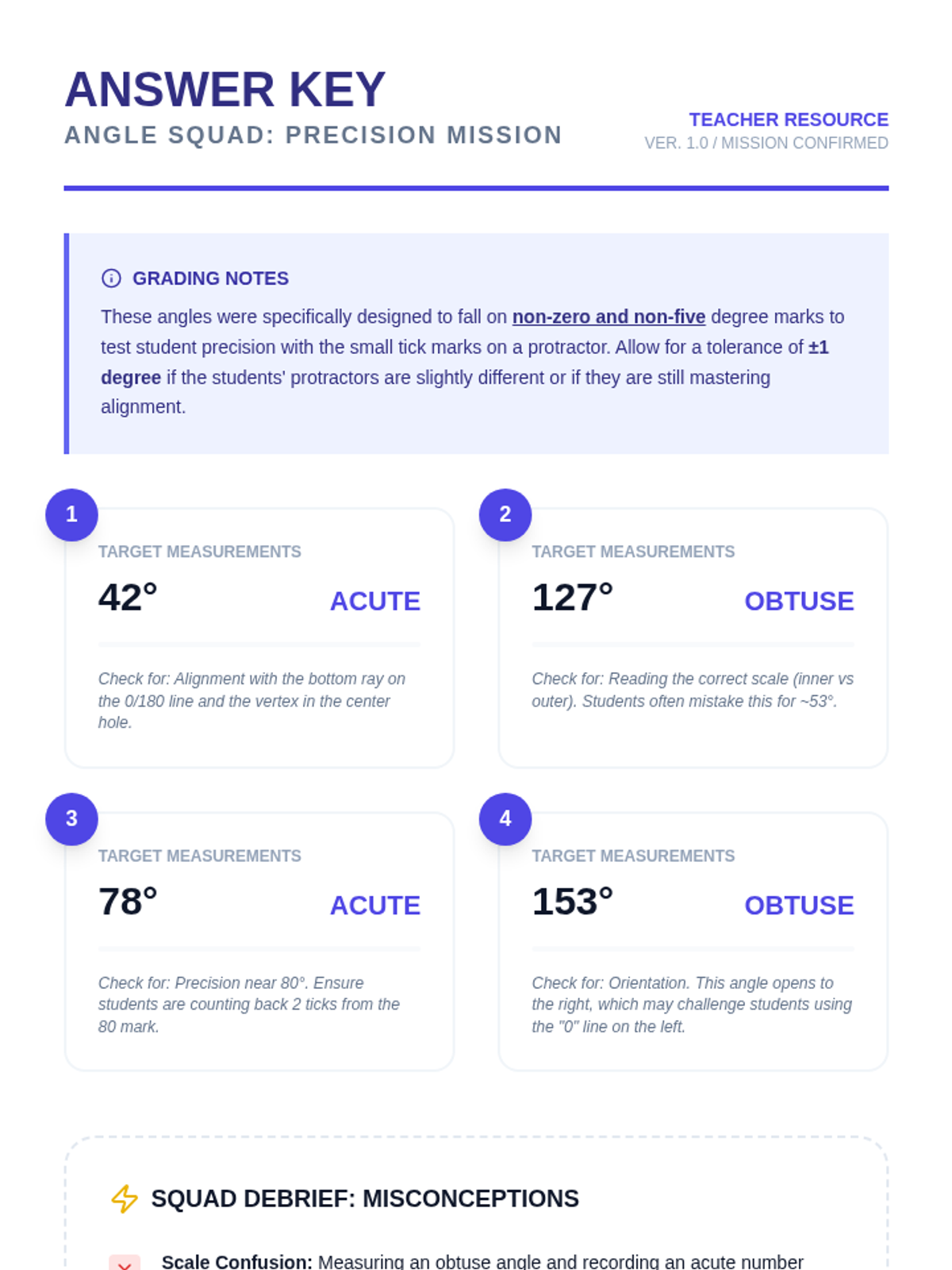
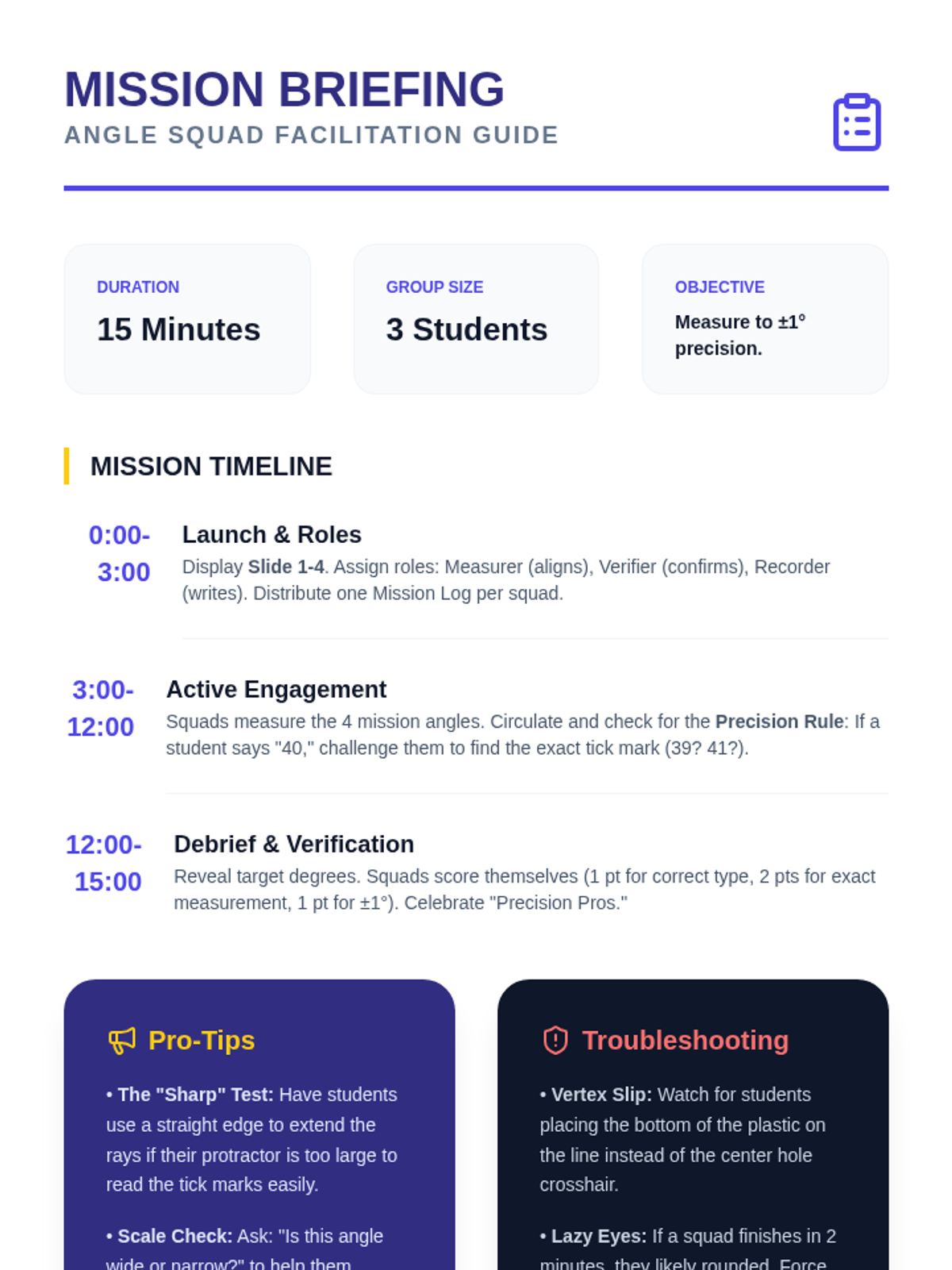
A 15-minute collaborative activity where students work in teams to measure acute, obtuse, and right angles with degree-level precision using a protractor.
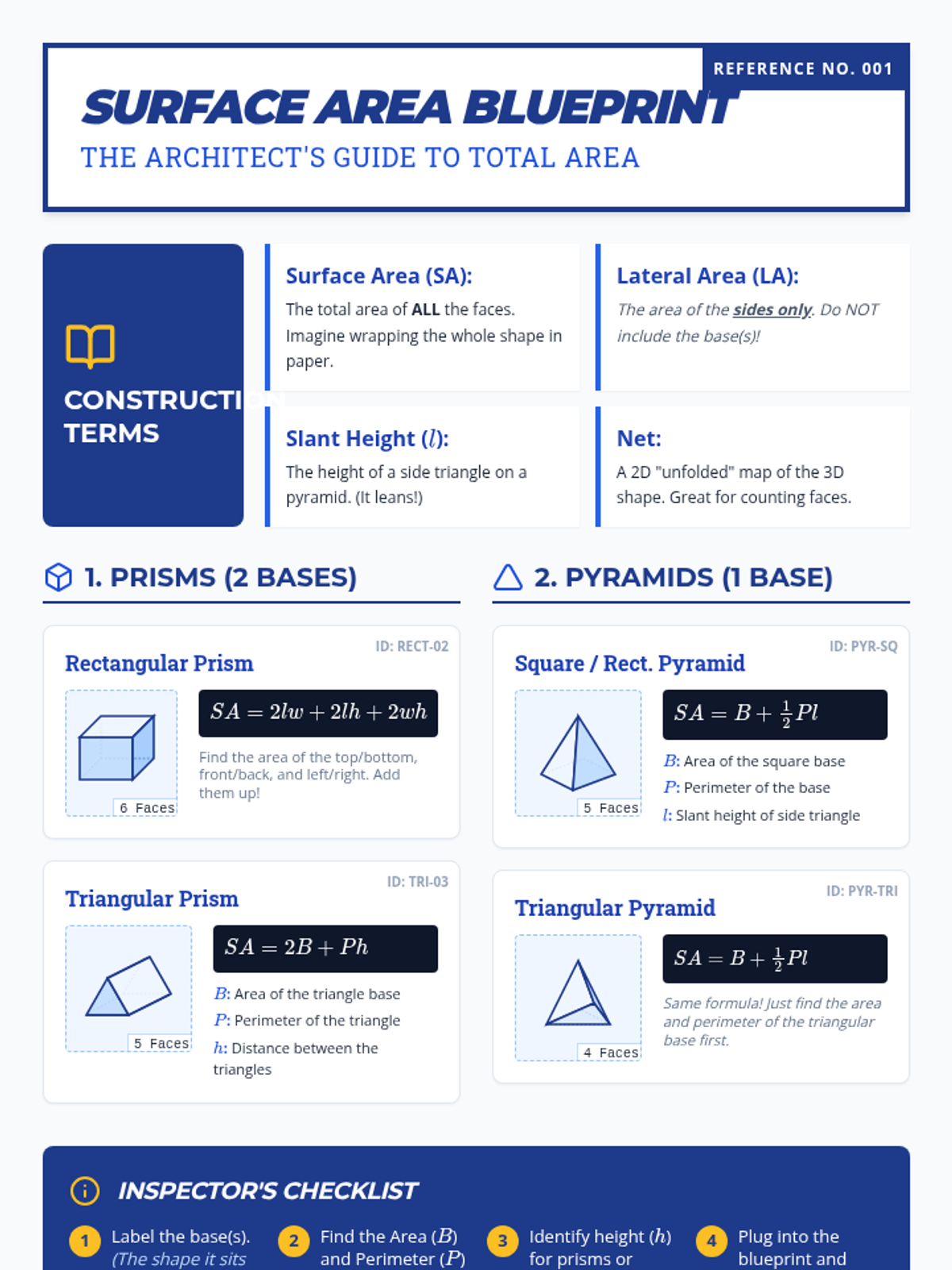
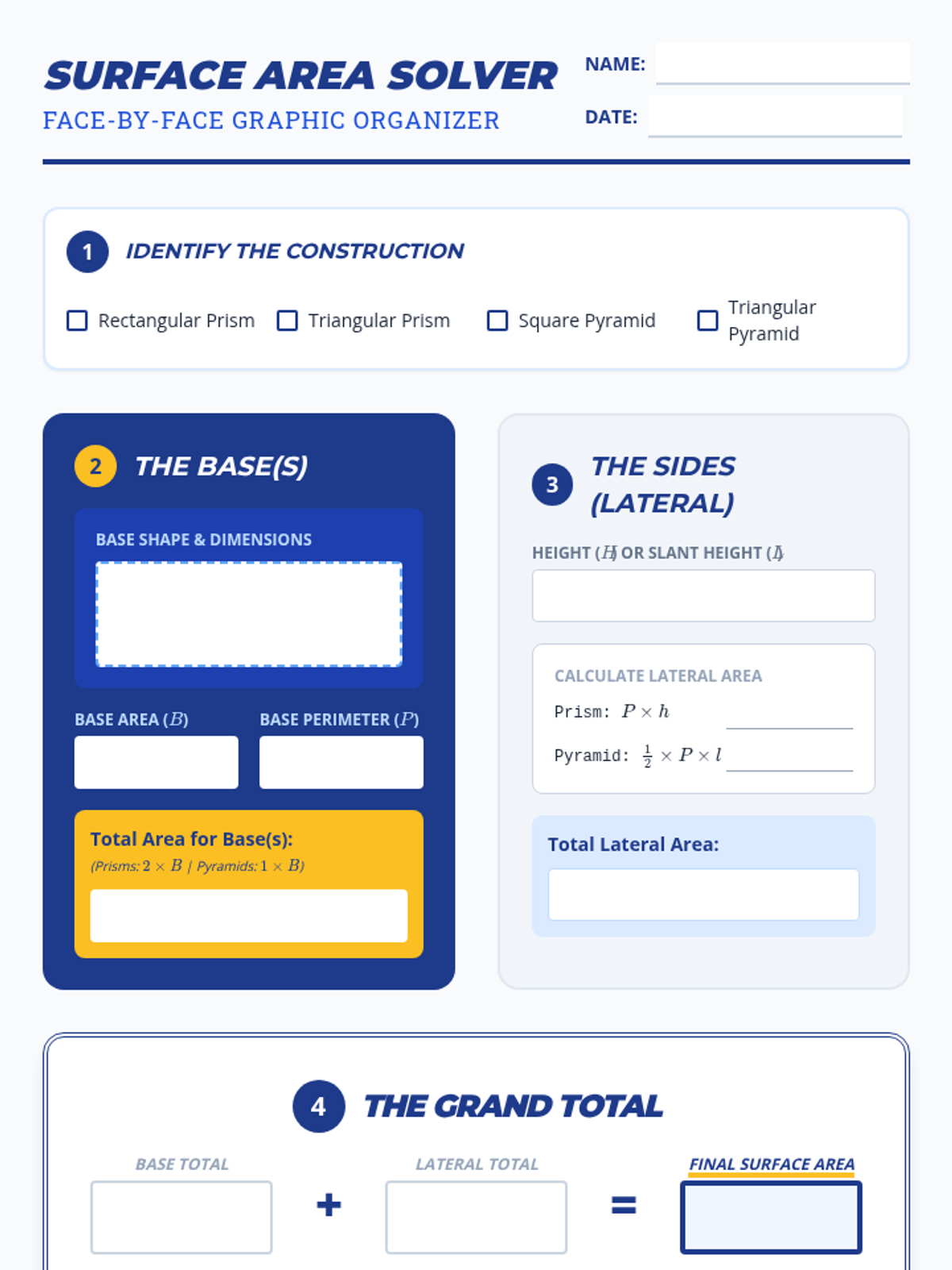
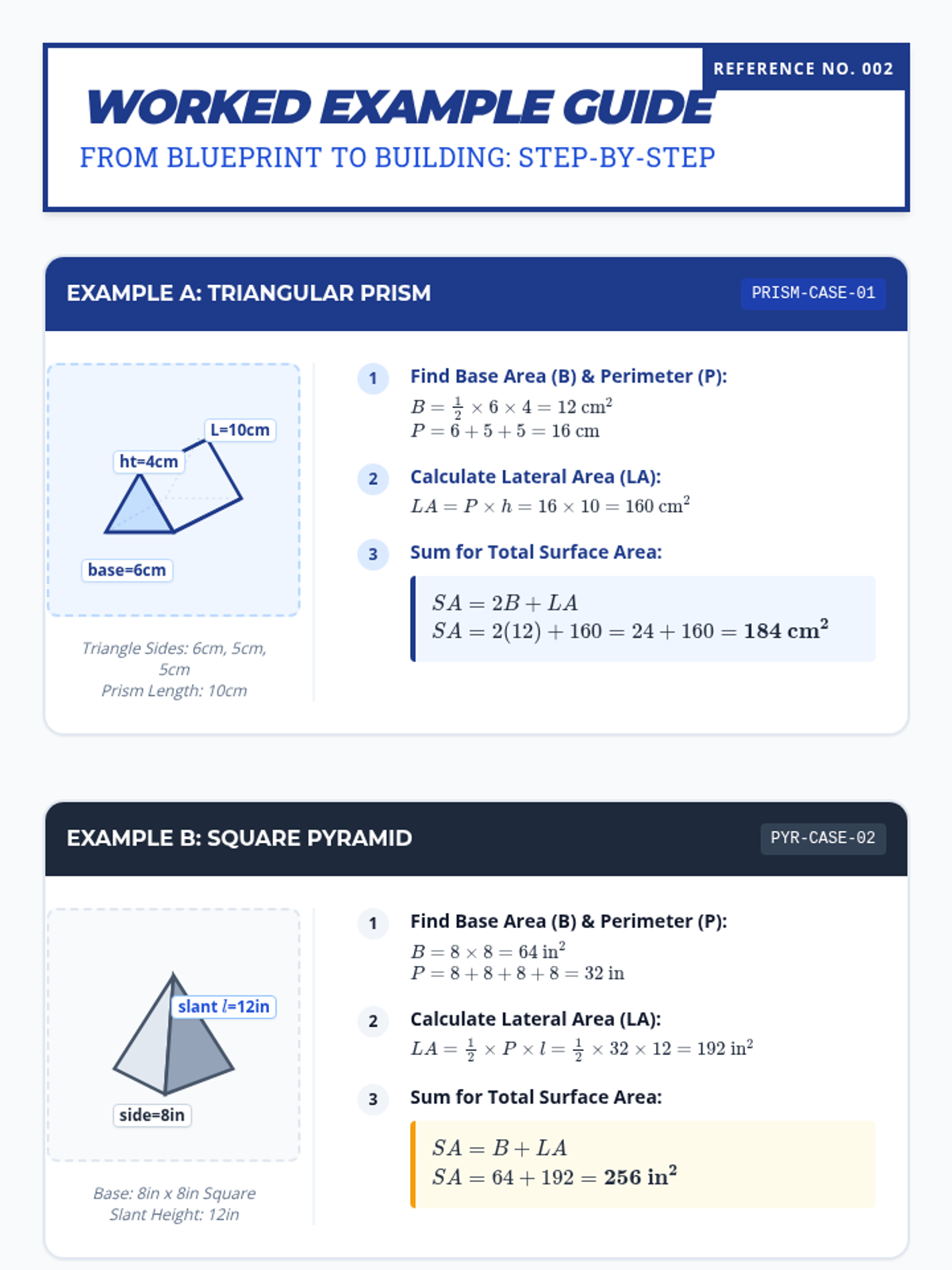
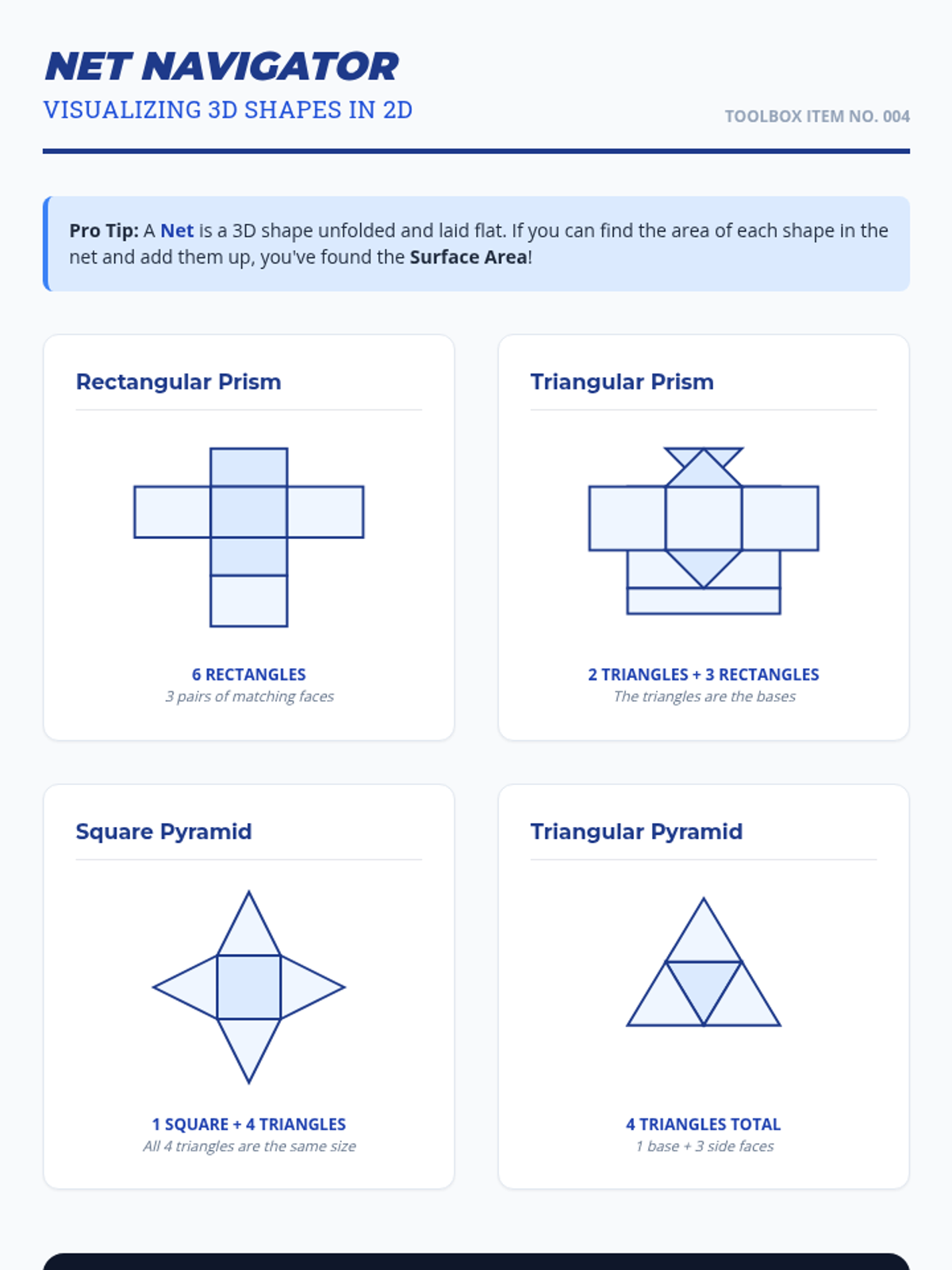
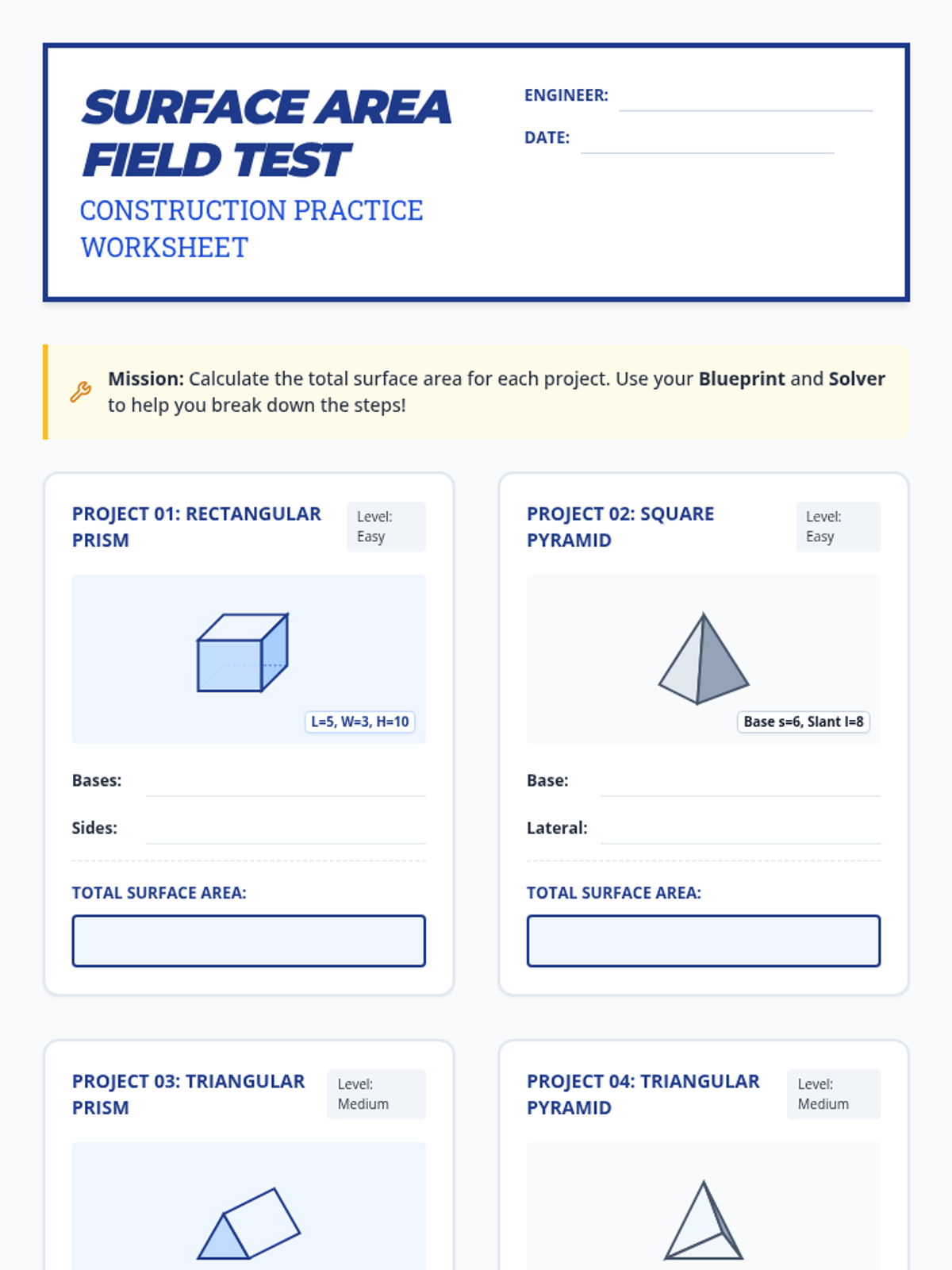
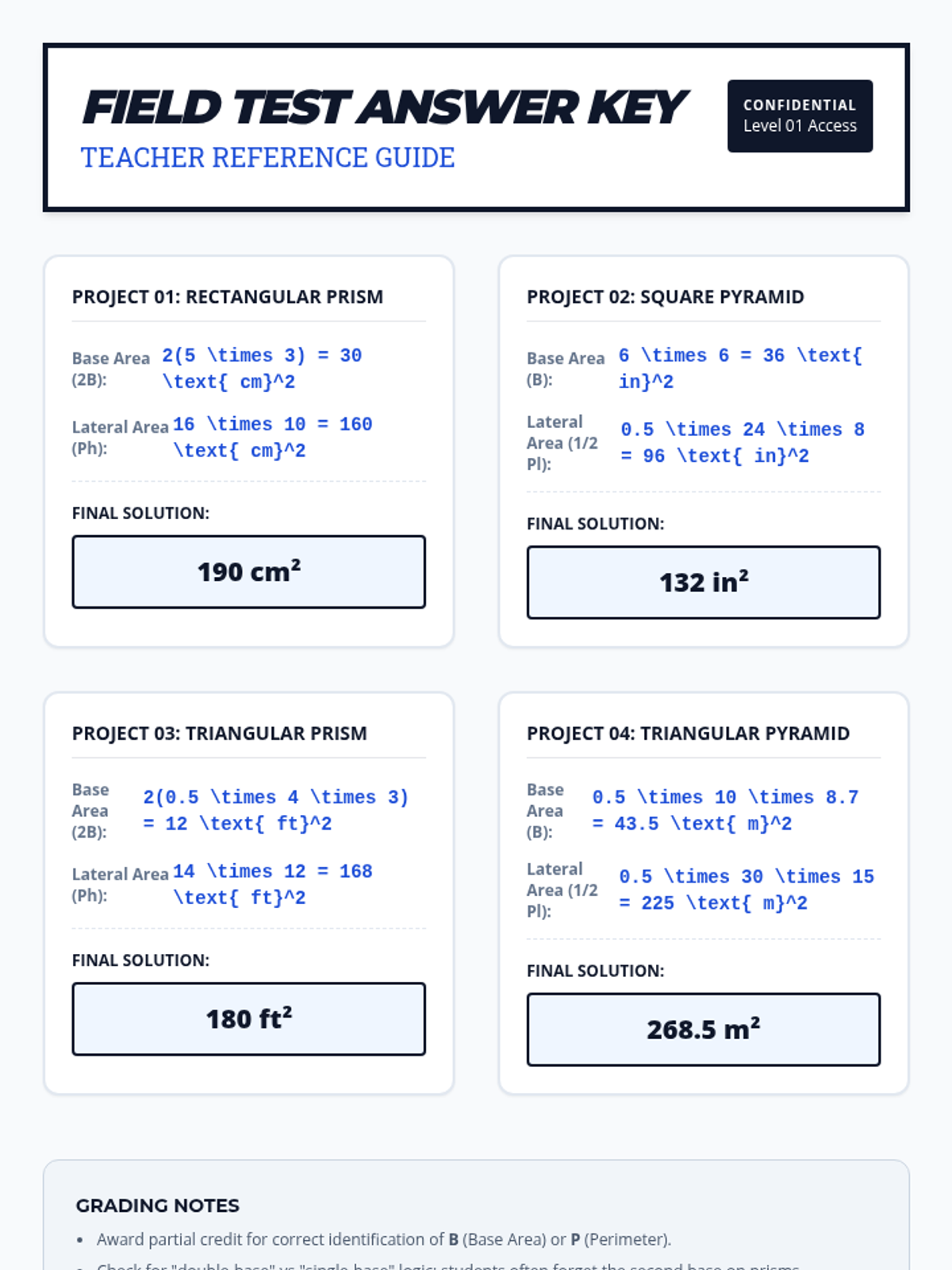
A foundational lesson on calculating the surface area of prisms and pyramids, specifically designed for students needing extra support through clear visuals, step-by-step formulas, and vocabulary scaffolding.
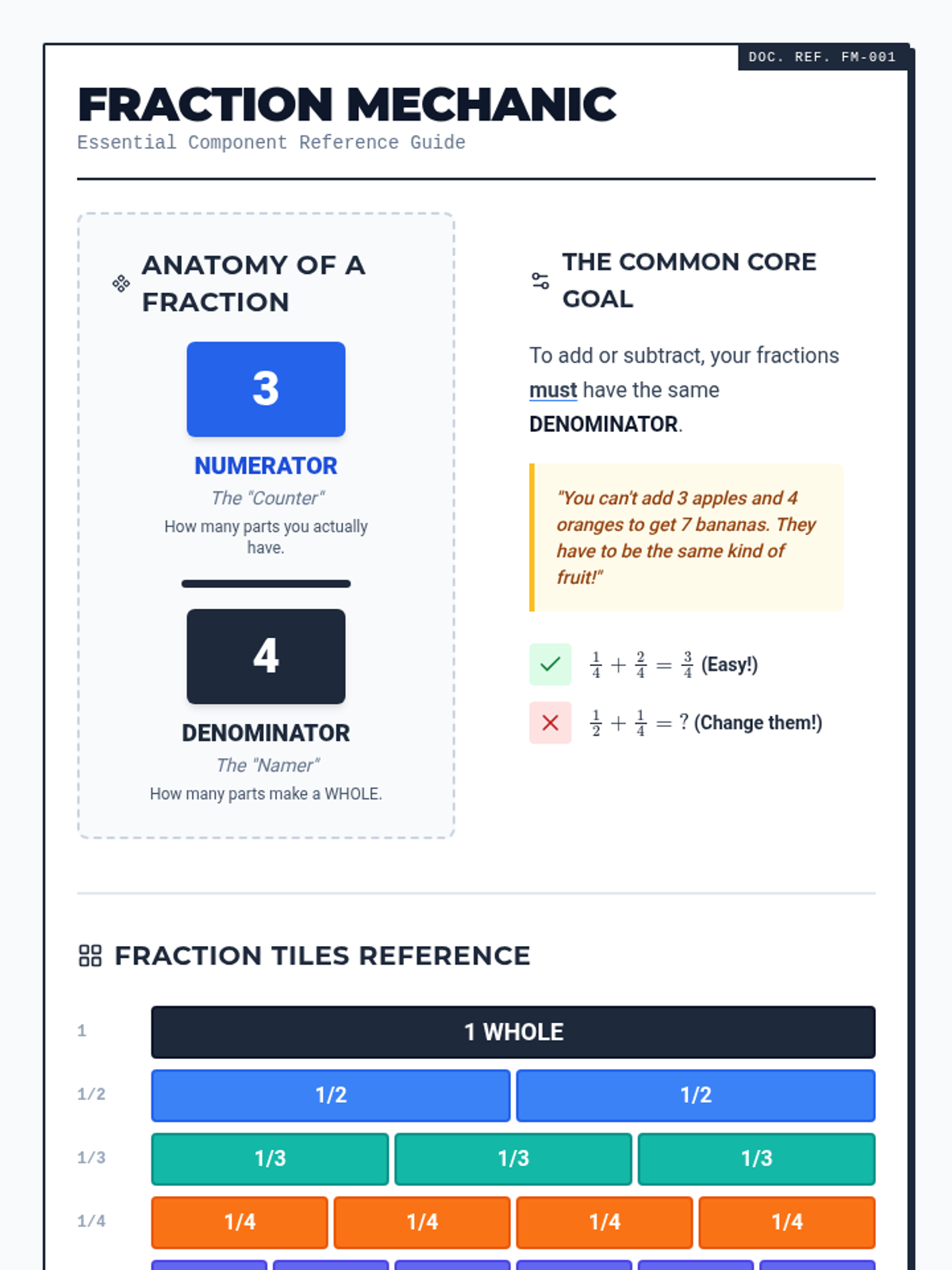
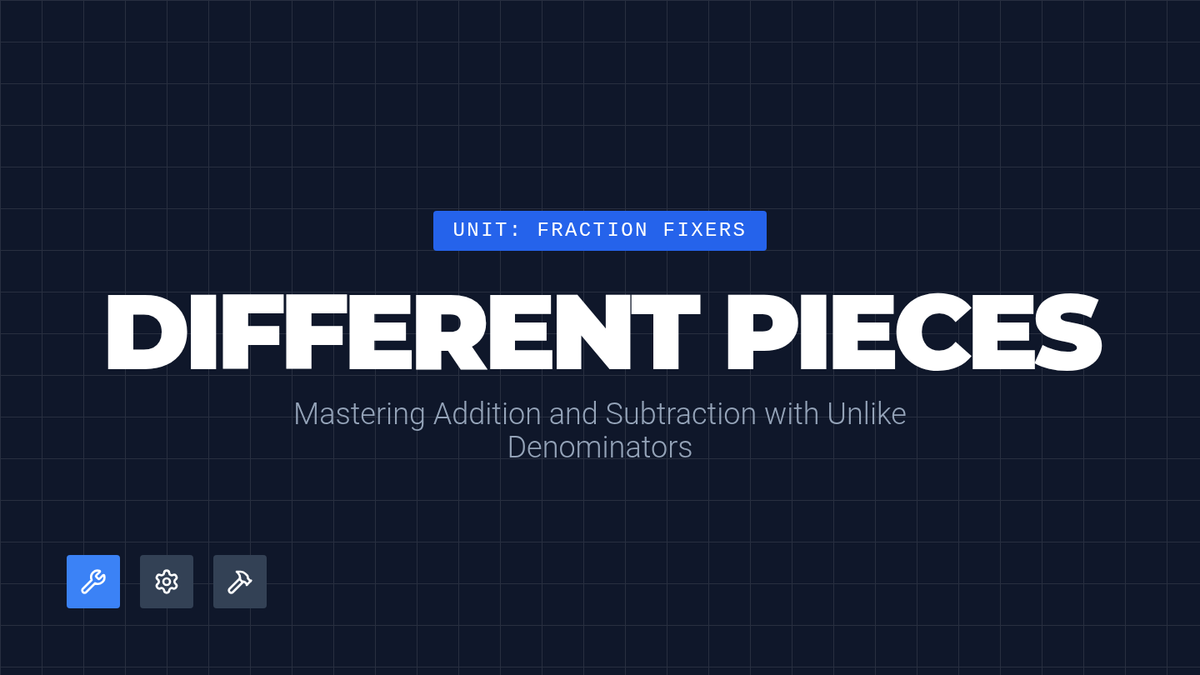
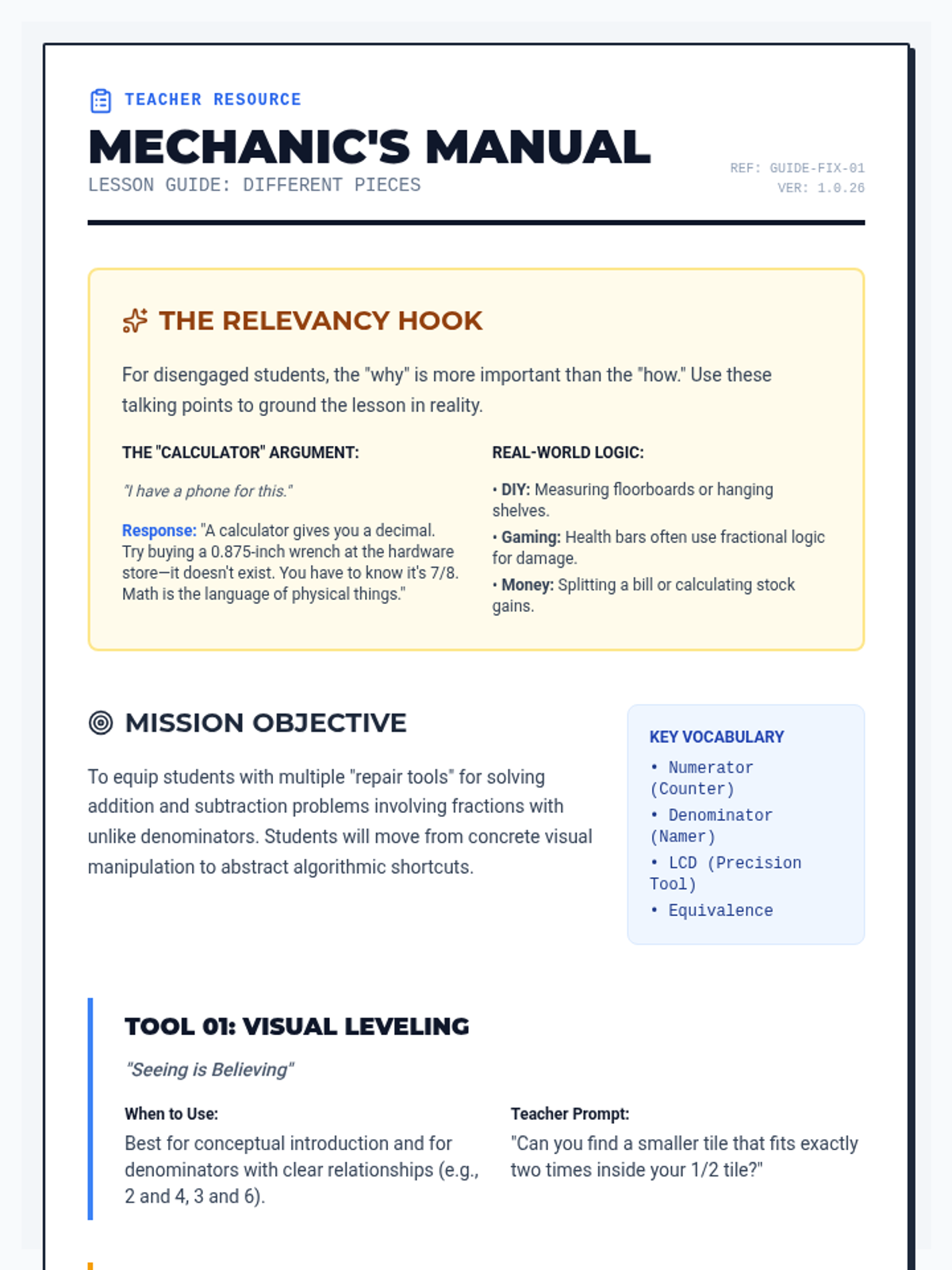
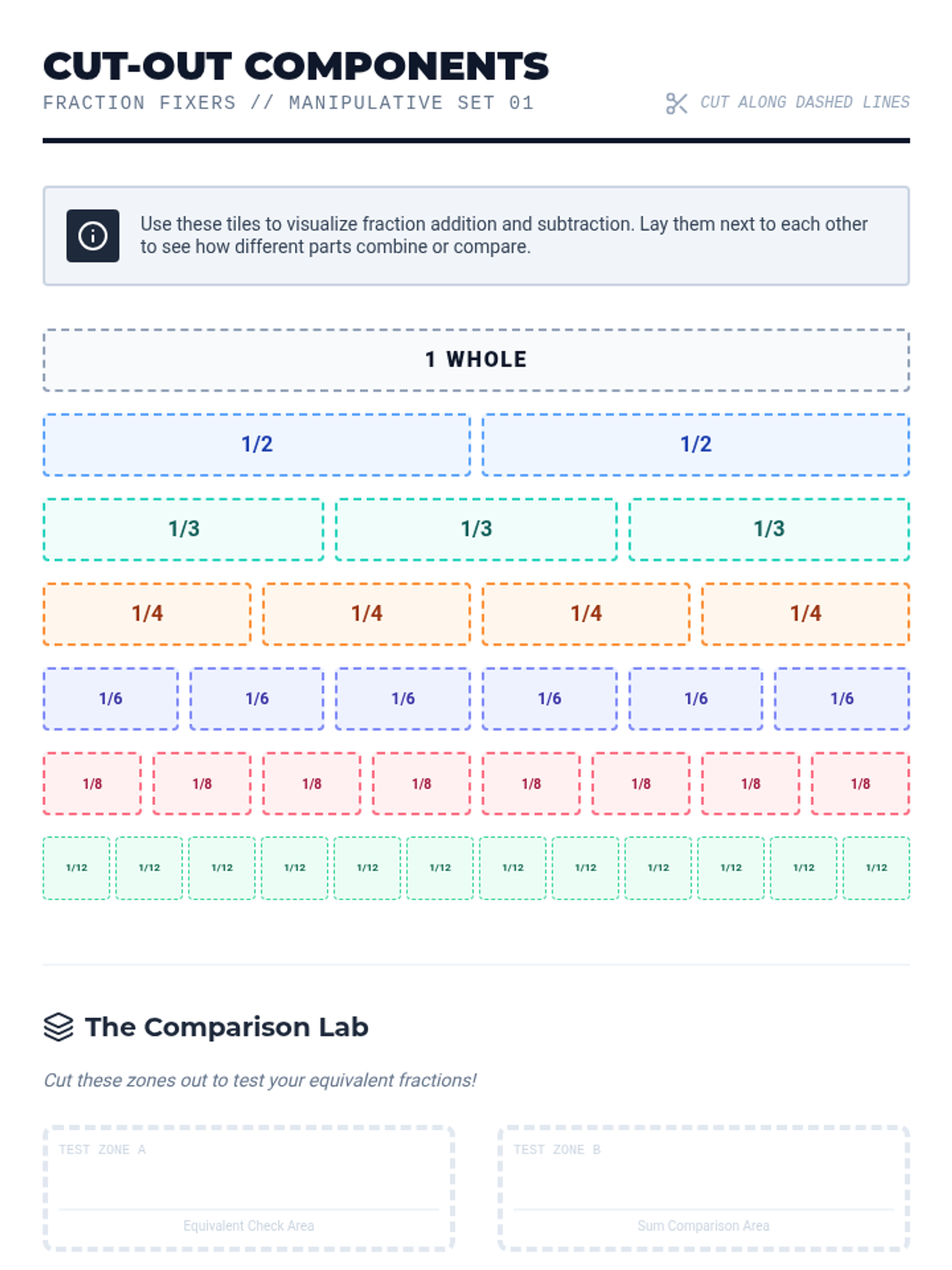
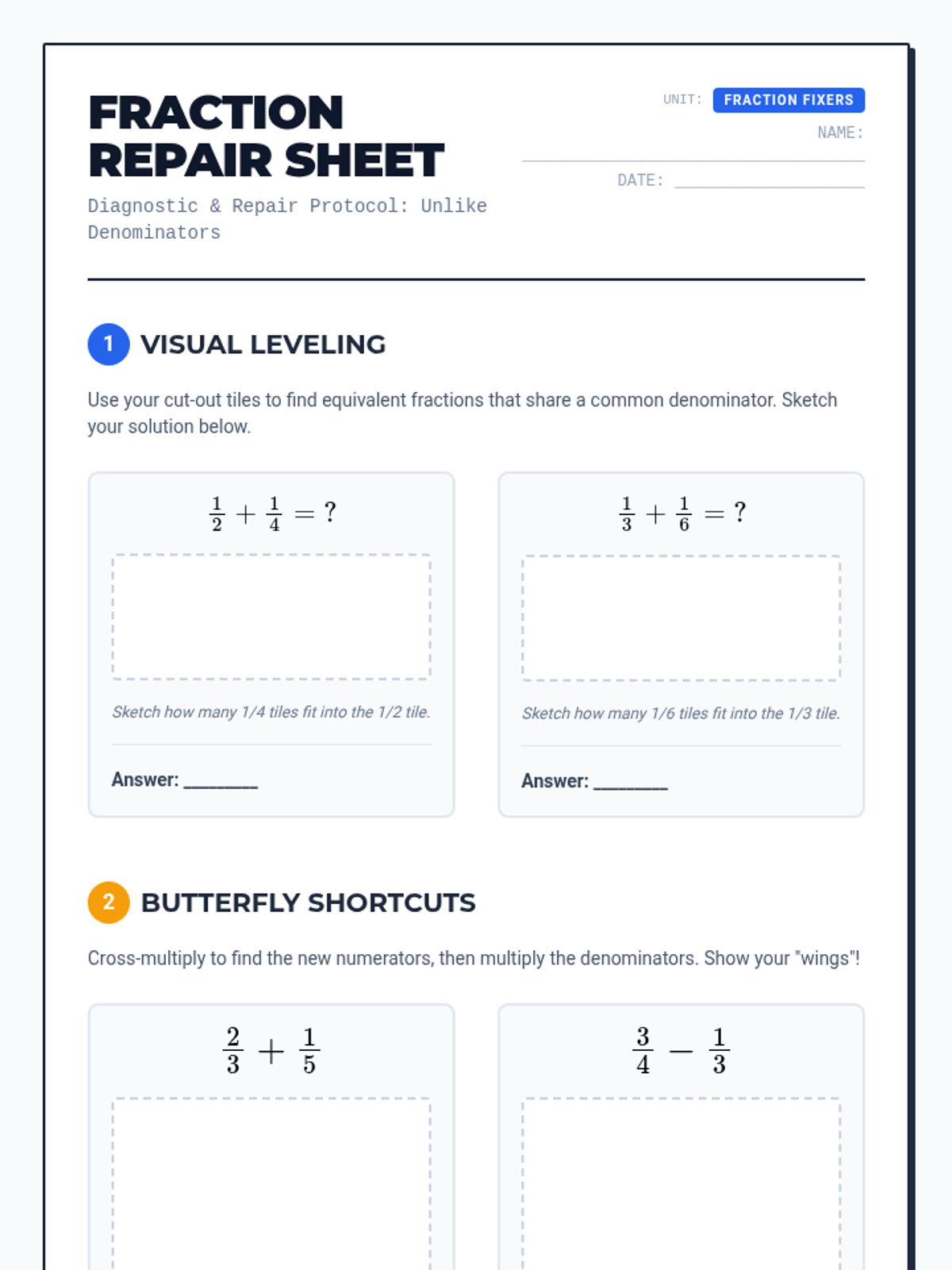
Focuses on identifying common denominators and using multiple strategies (visual, butterfly, and LCD) to add and subtract fractions with different parts.
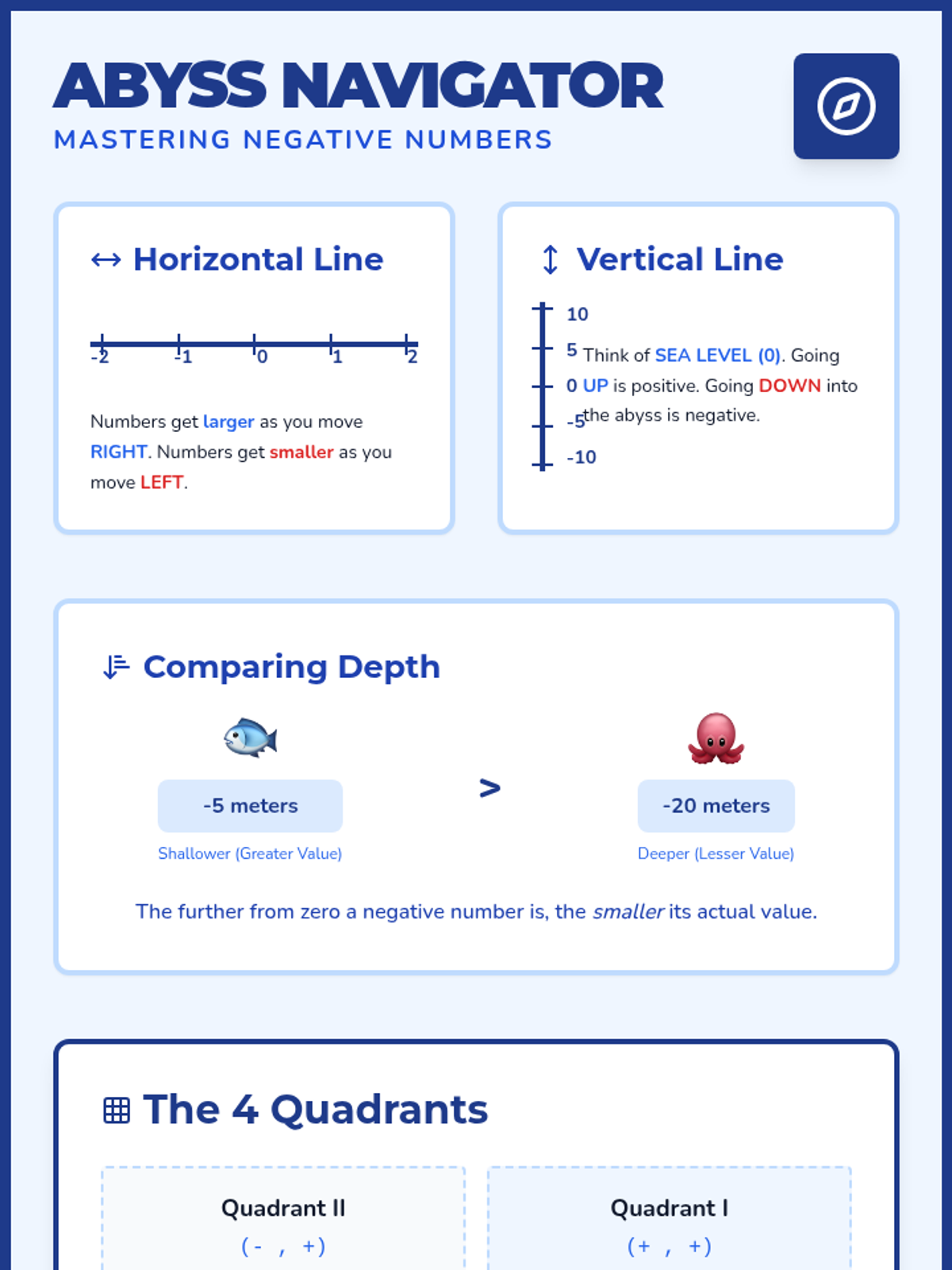
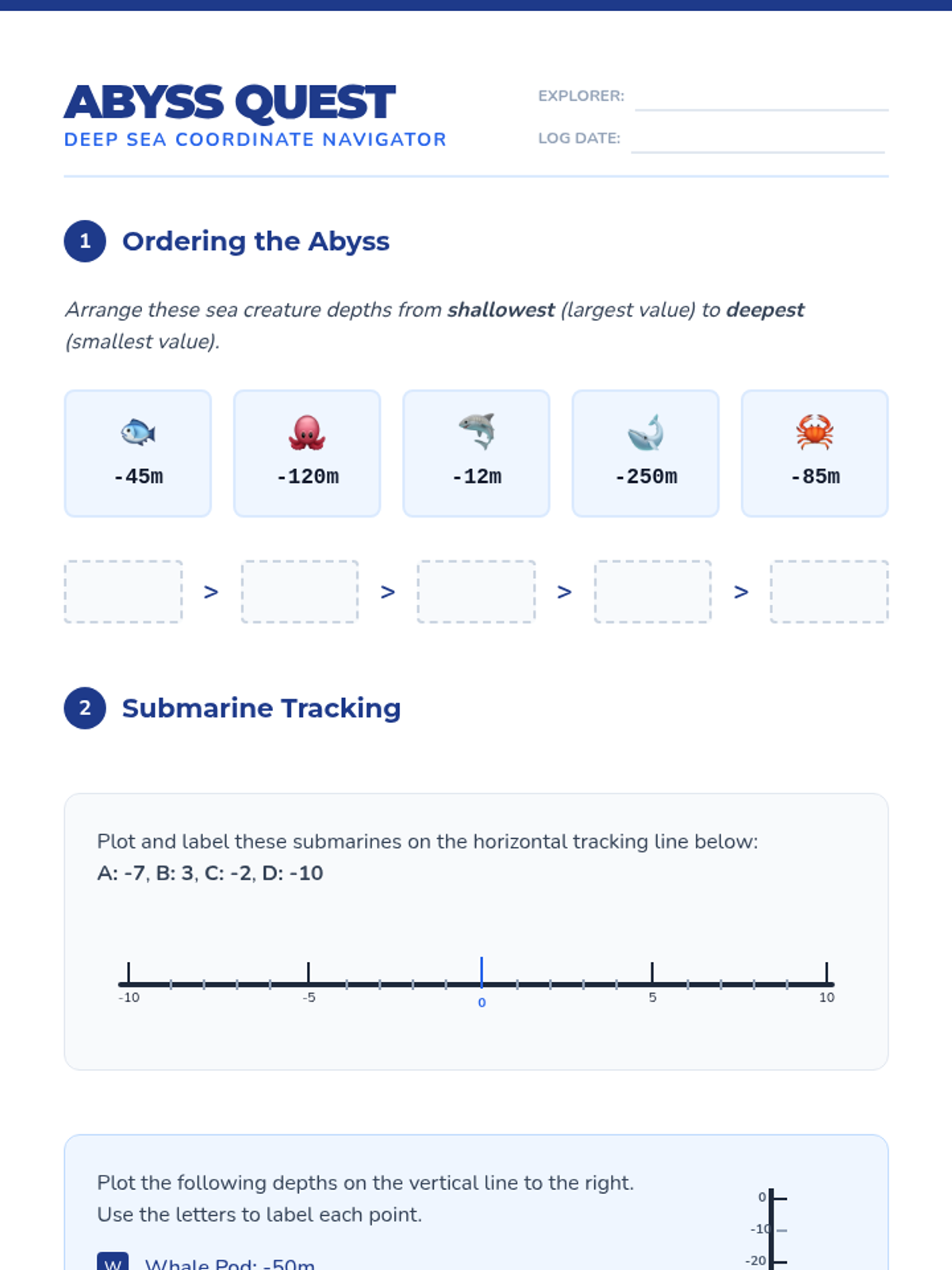
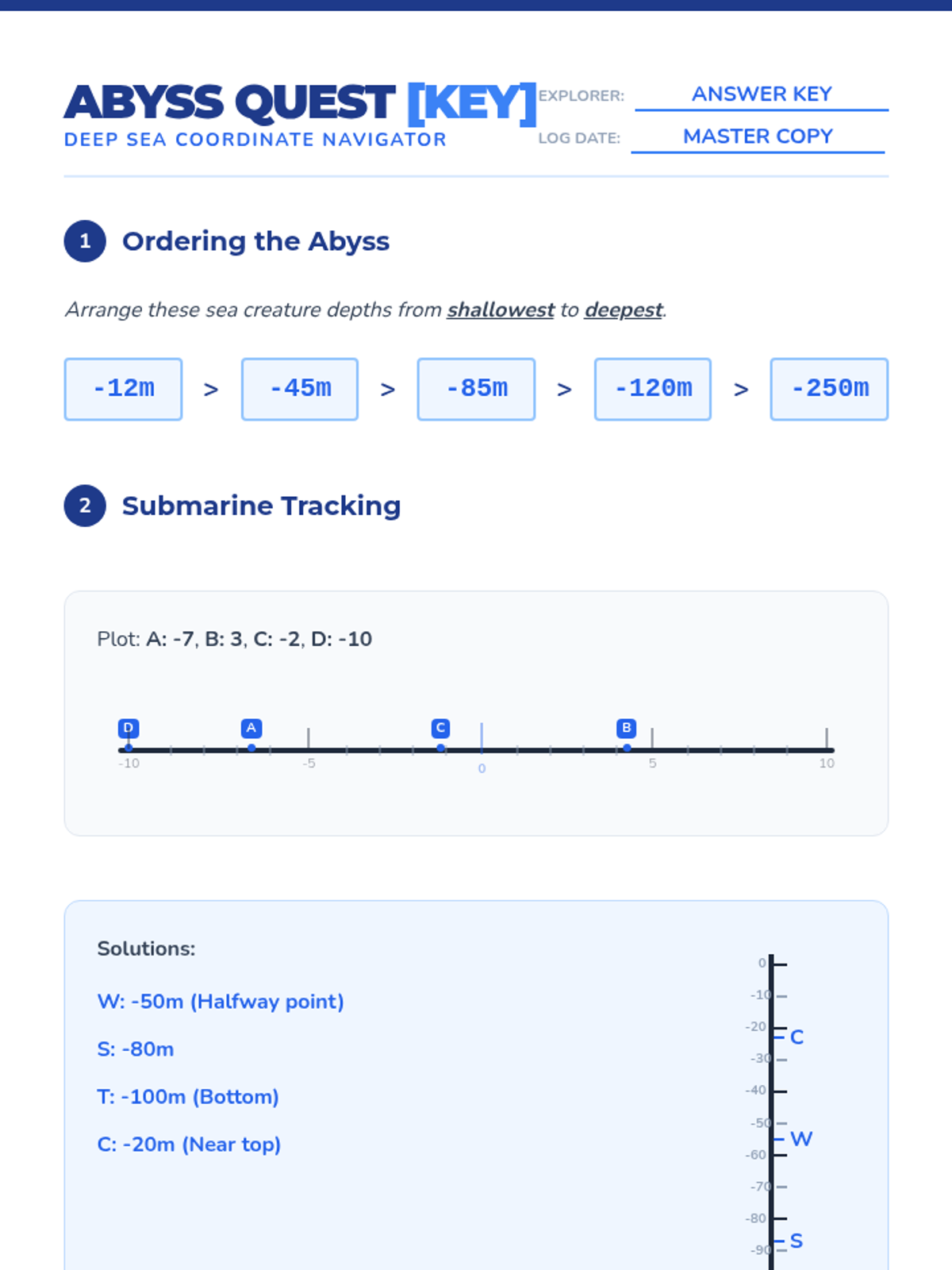
A lesson exploring negative numbers through horizontal and vertical number lines, ordering integers, and navigating the four-quadrant coordinate plane using a deep-sea exploration theme.
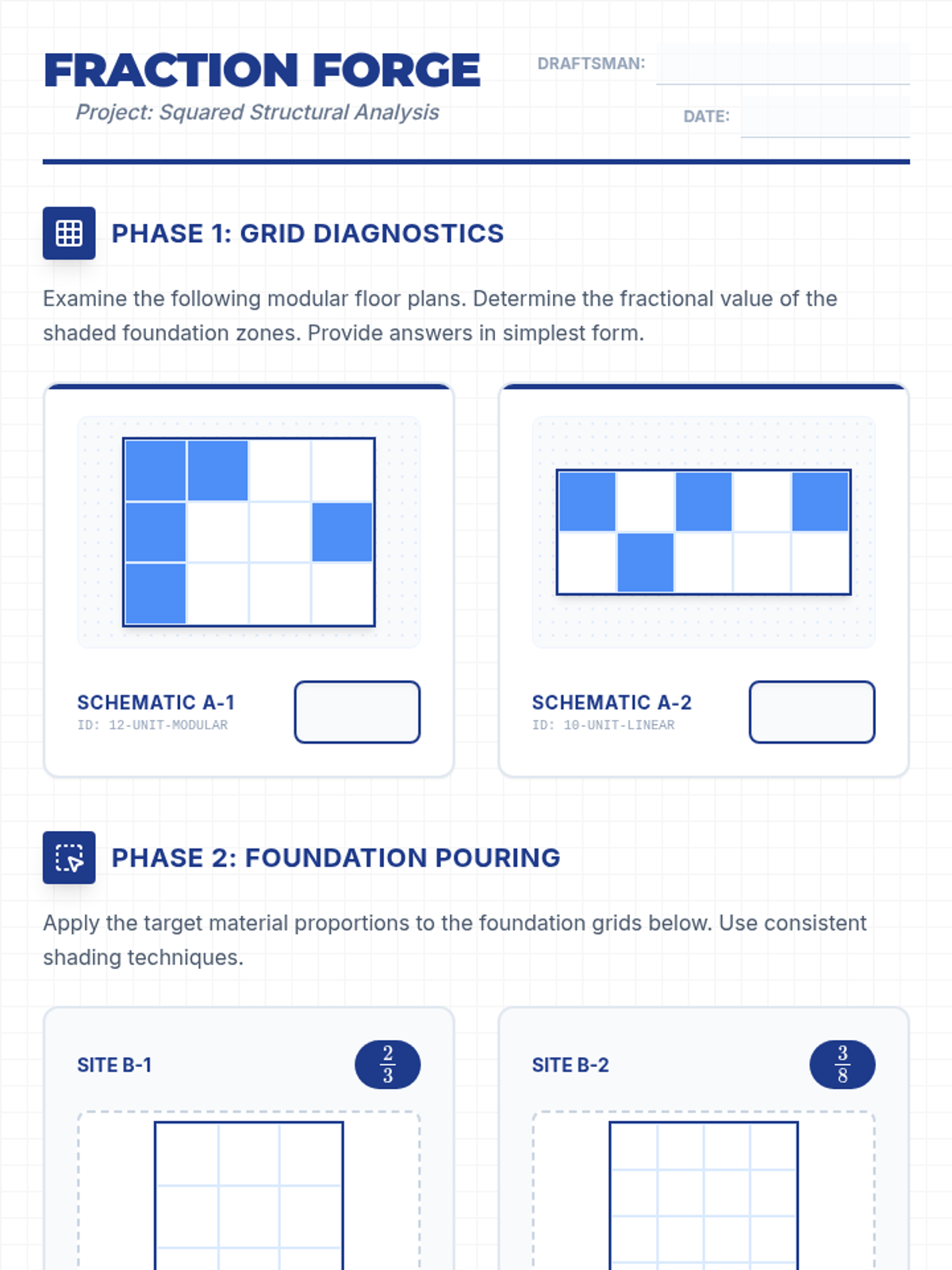
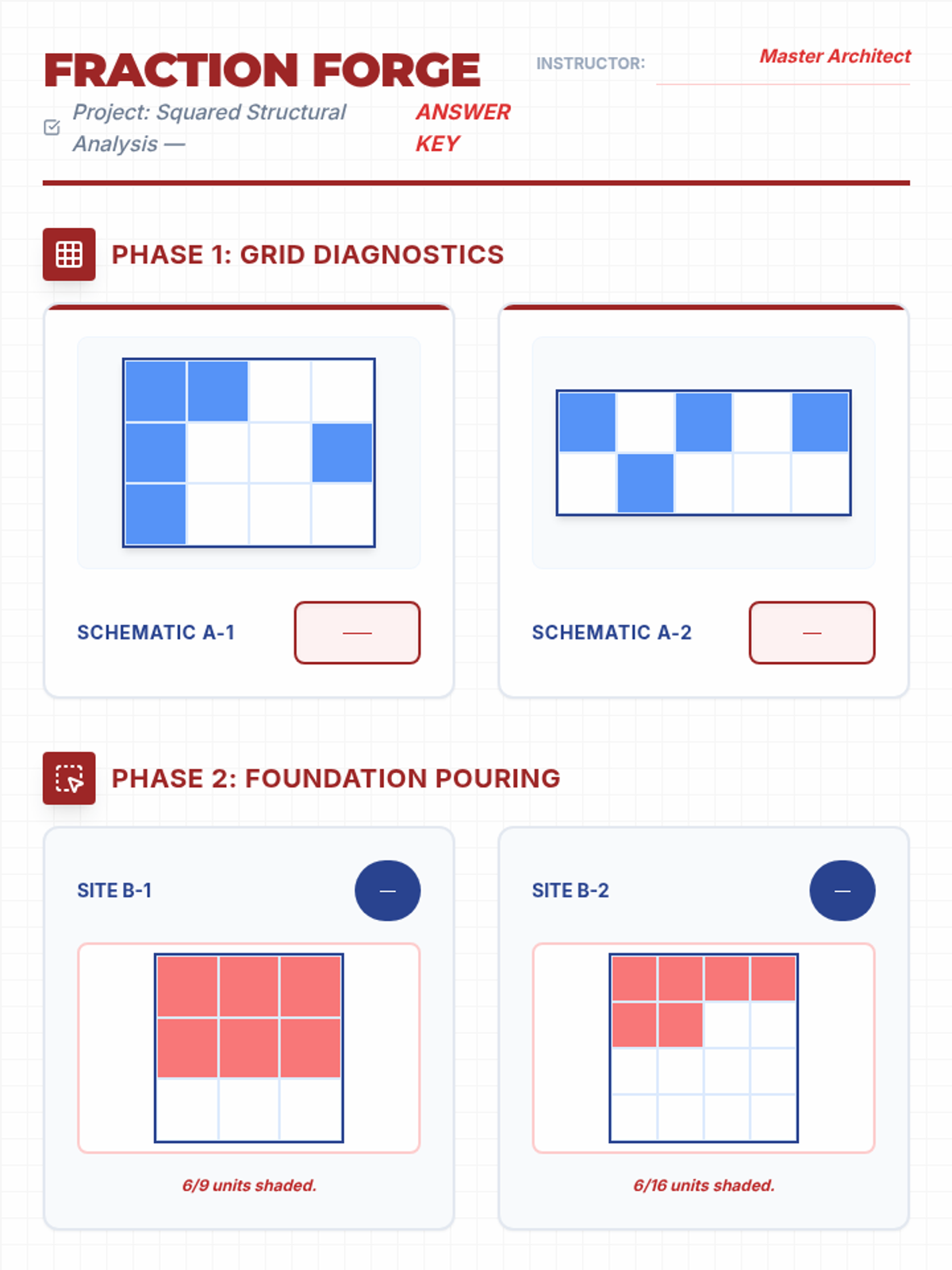
A visual exploration of fractions for 7th grade, focusing on identifying parts of a whole and equivalent fractions through architectural-style modeling.
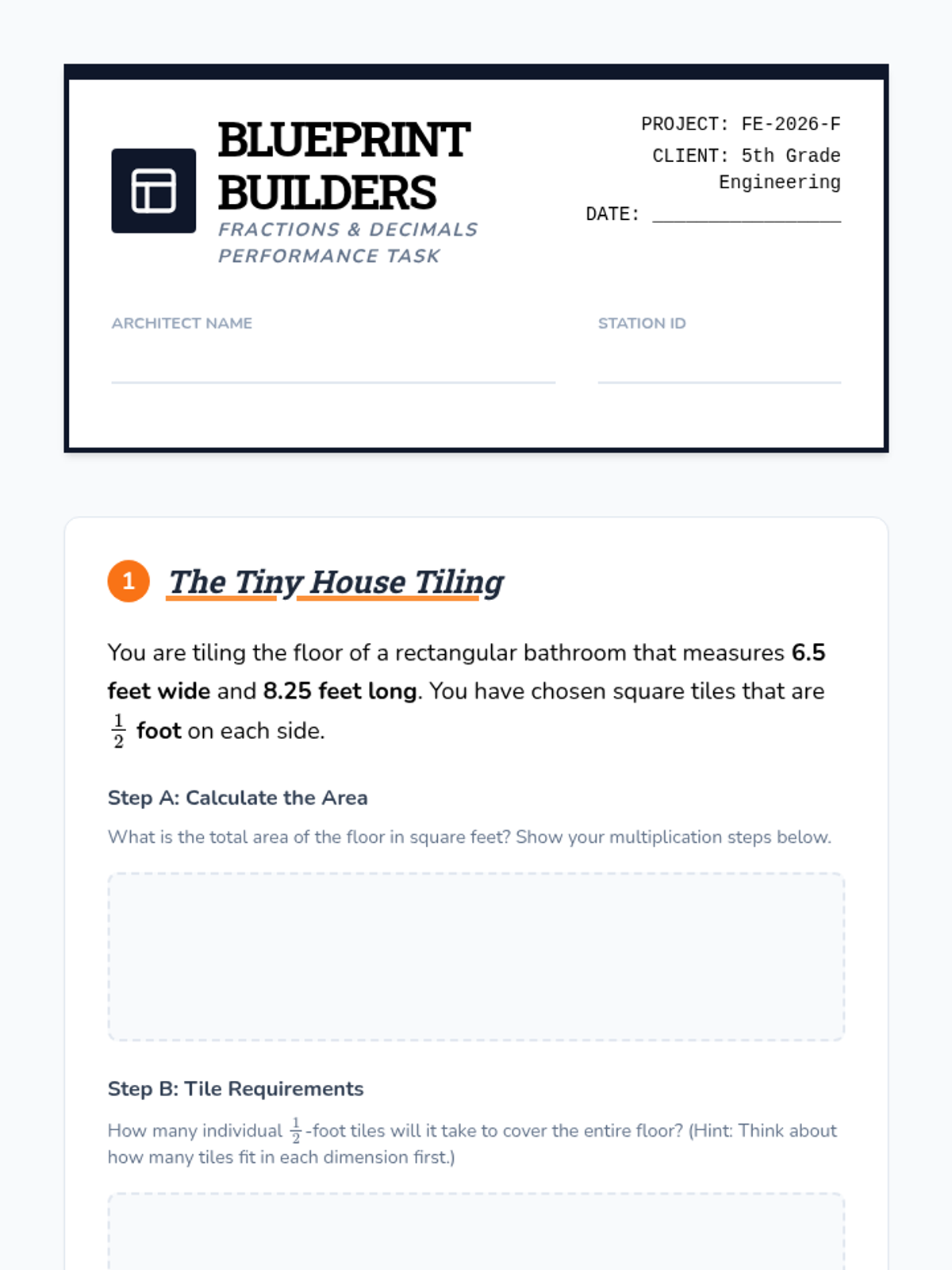
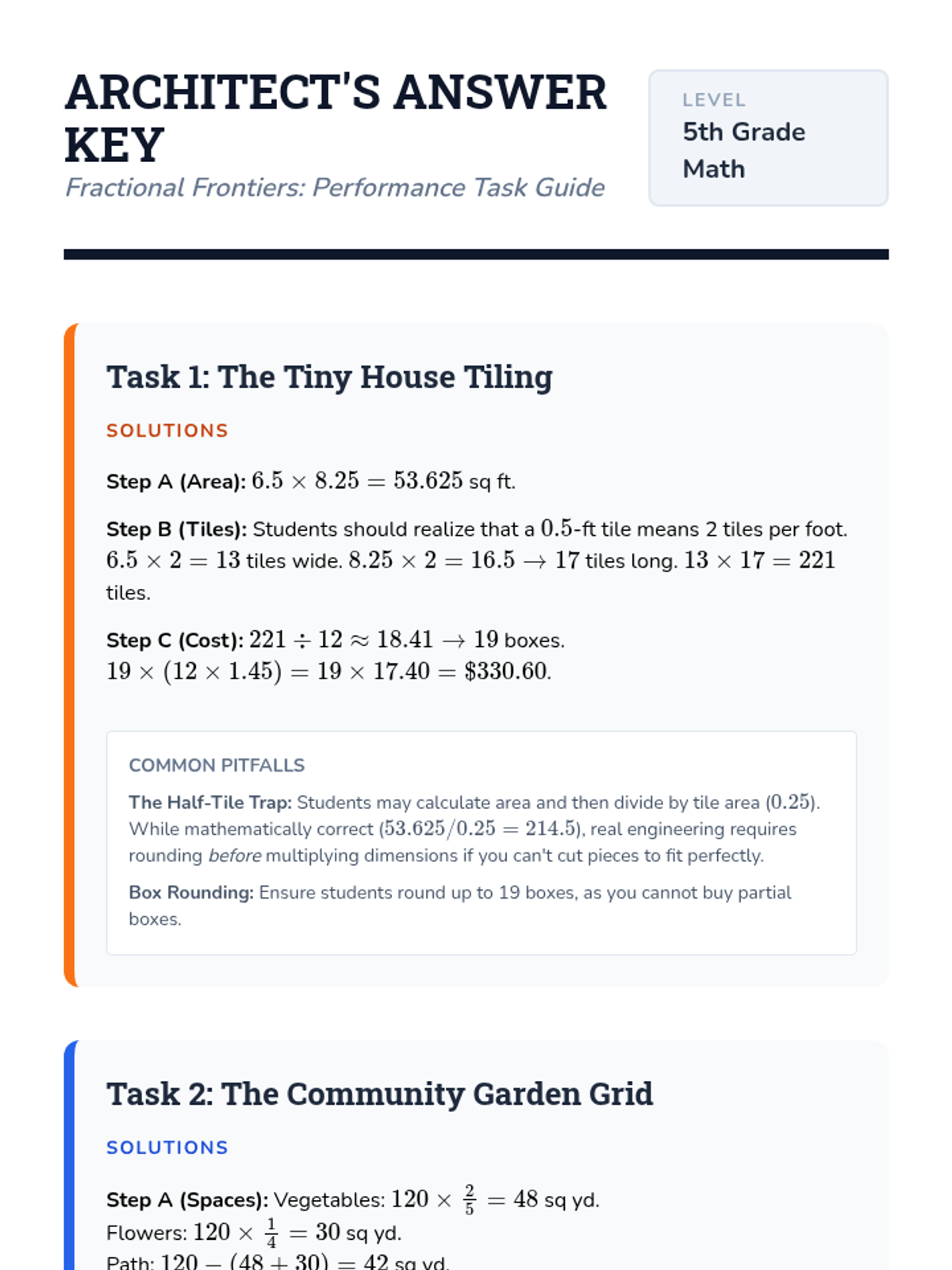
A series of high-level performance tasks where students apply fractional and decimal reasoning to real-world engineering and design challenges. Students will navigate budget constraints and spatial limitations to create blueprints and project plans.
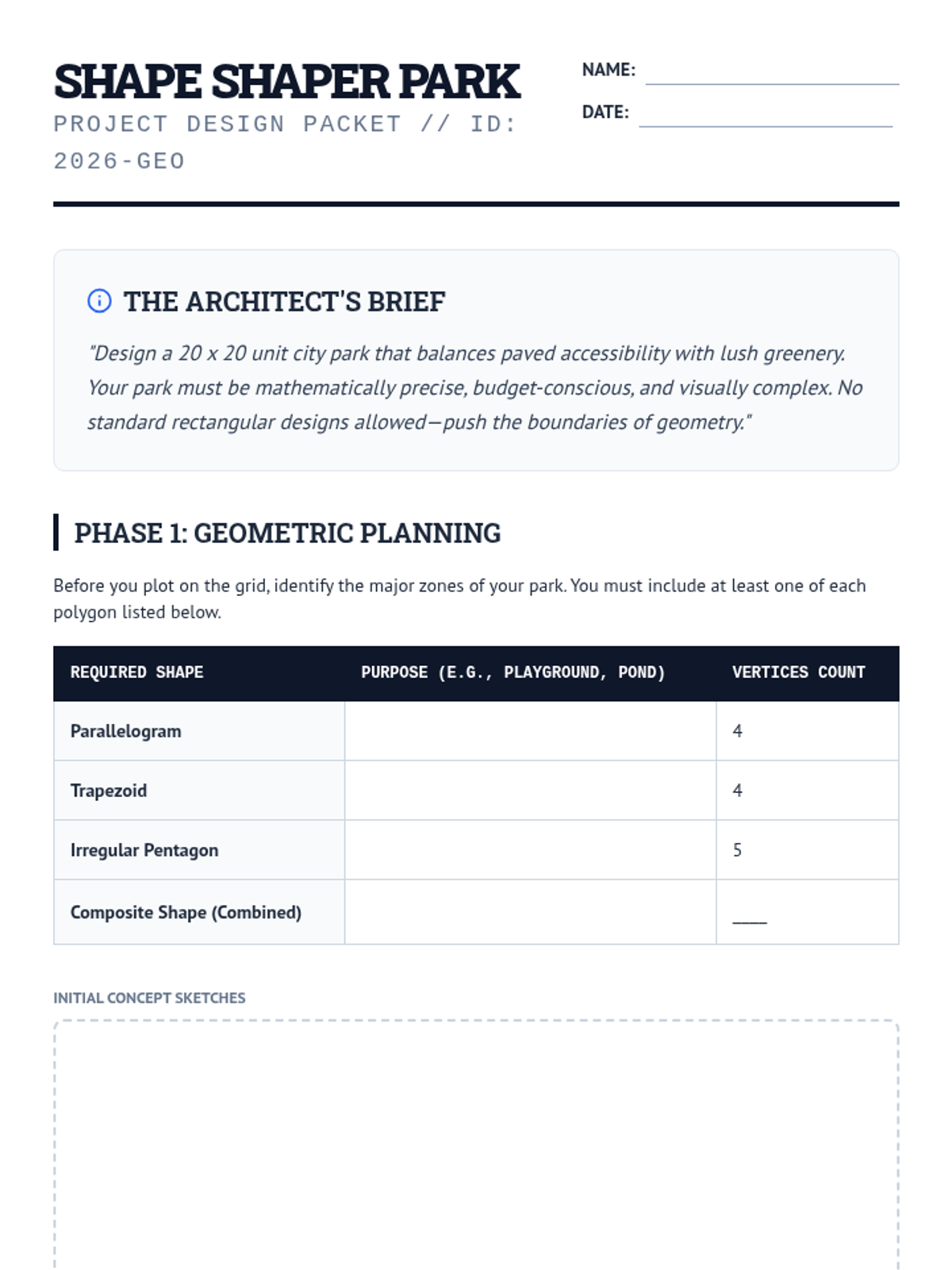
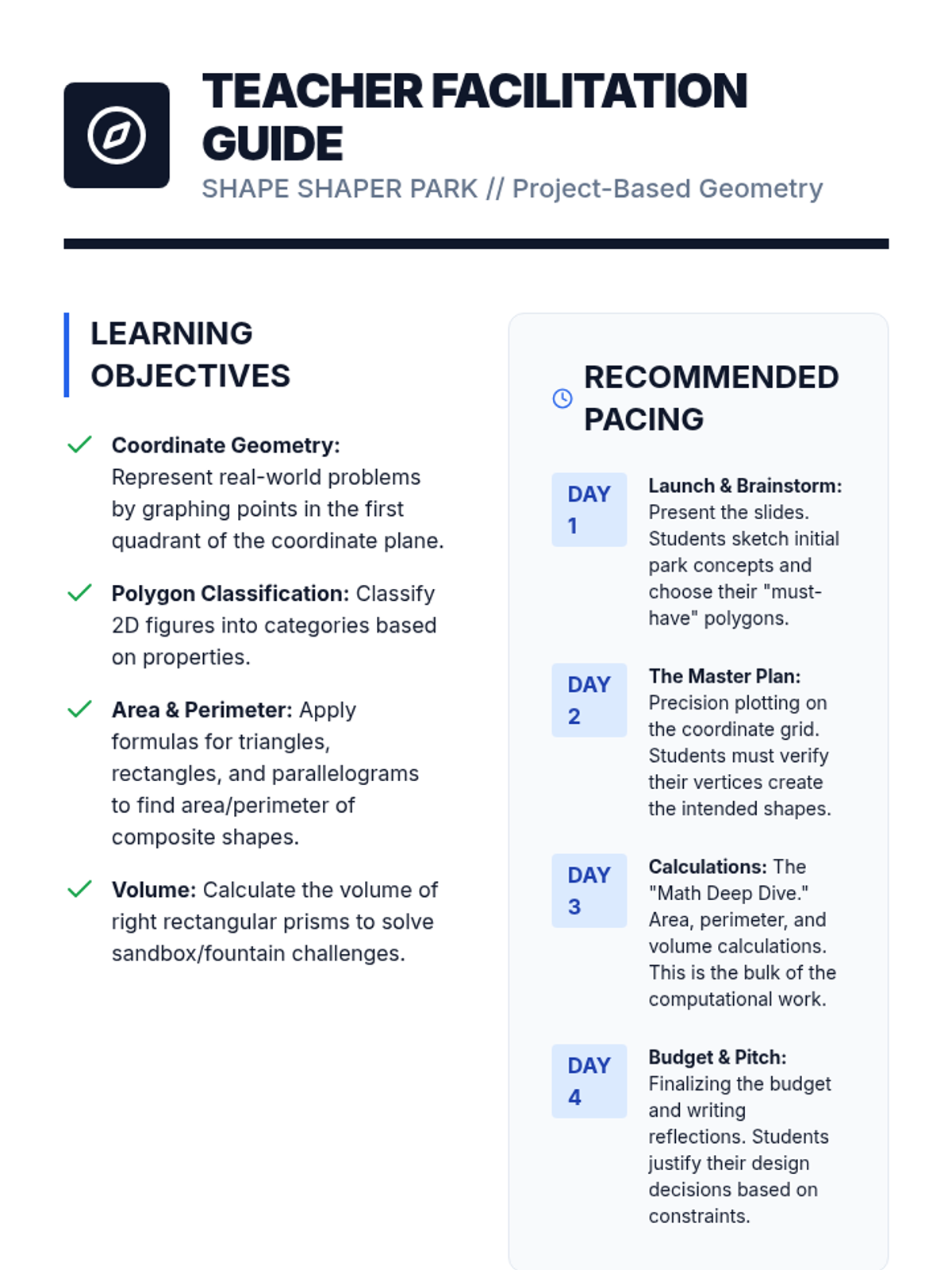
A geometry project where students design a futuristic city park using complex polygons, coordinate geometry, and volume calculations. This project-based learning investigation challenges students to balance aesthetic design with mathematical constraints and cost-efficiency.