Reviewing all four operations with fractions through complex word problems and determining which operation fits the context.
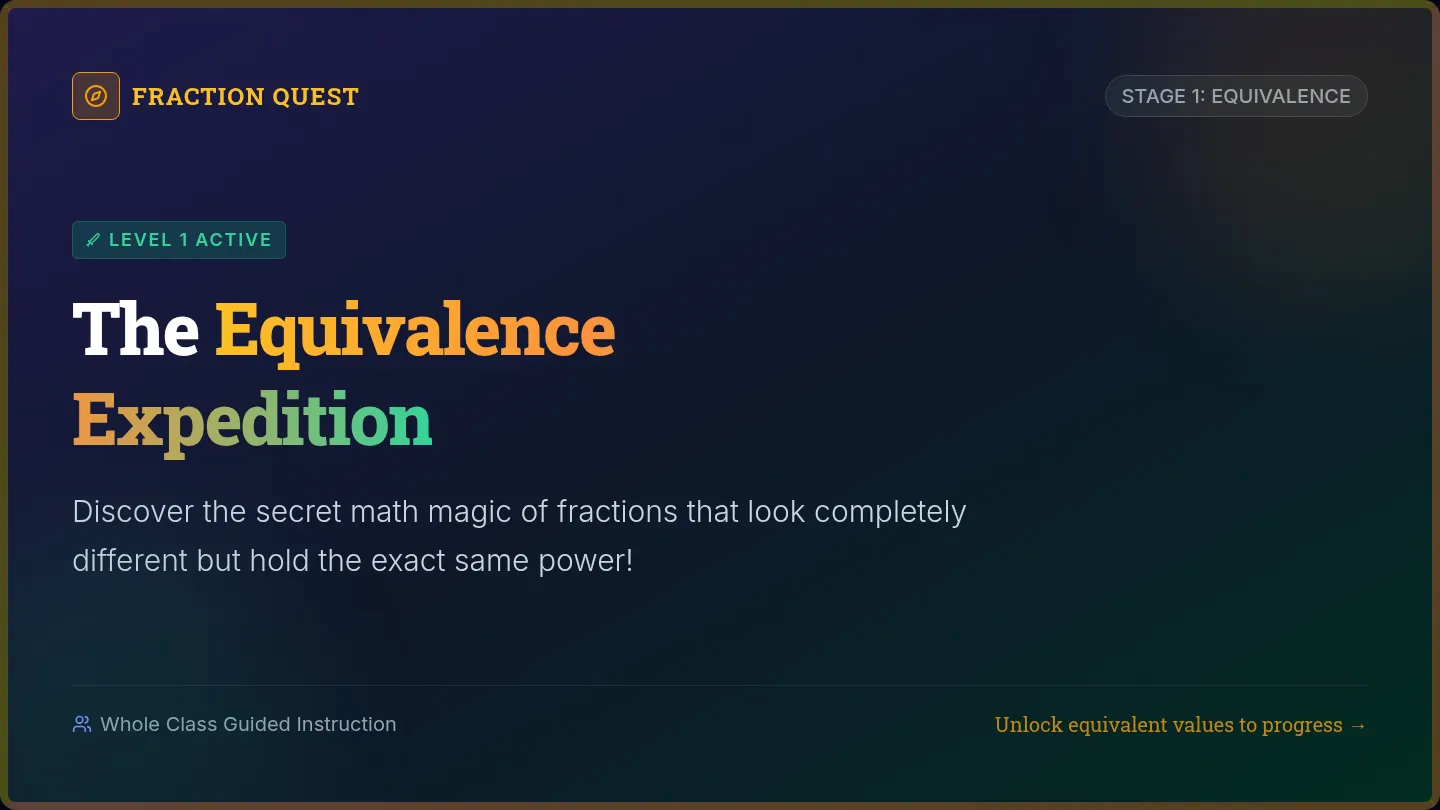
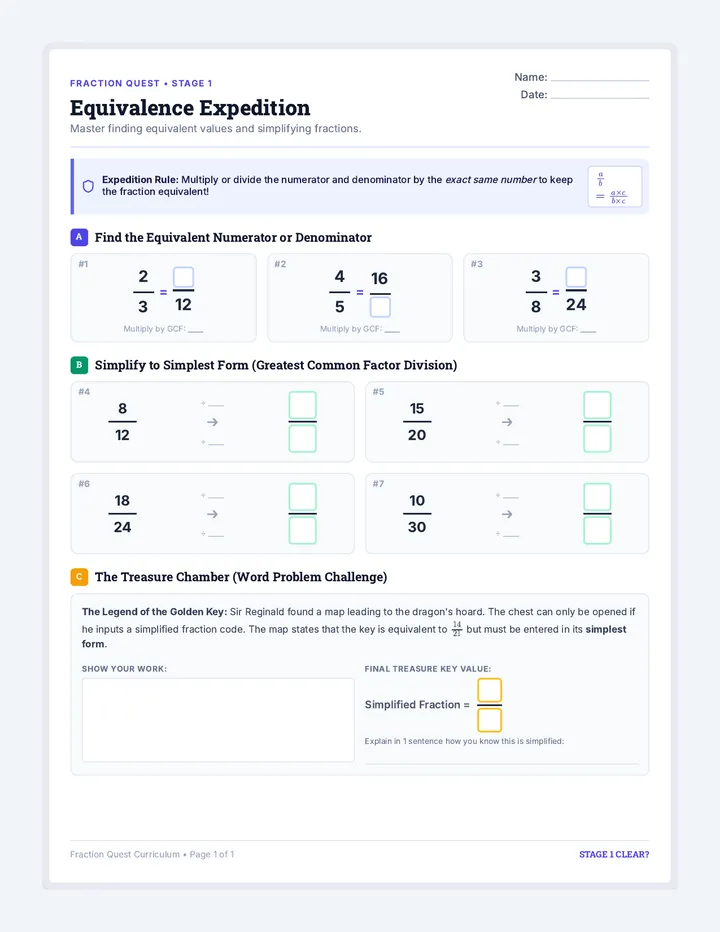
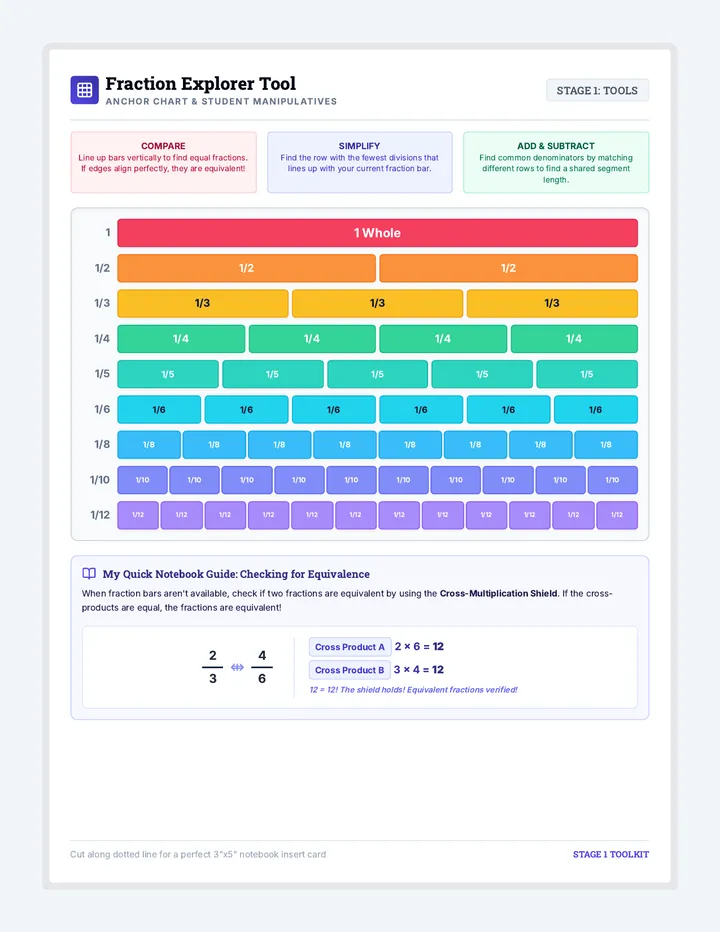
A comprehensive visual math curriculum sequence focusing on fraction equivalence, addition, subtraction, multiplication, division, and comprehensive multi-operation mastery. Includes visual lesson slides, independent practice worksheets, small-group centers, visual tools, and robust assessments.
A transitional math prep lesson for rising 6th graders entering the NYS math curriculum. It introduces key concepts across all major domains including Ratios & Proportions, the Number System, Expressions & Equations, Geometry, and Statistics through structured definition spaces and scaffolded example problems.
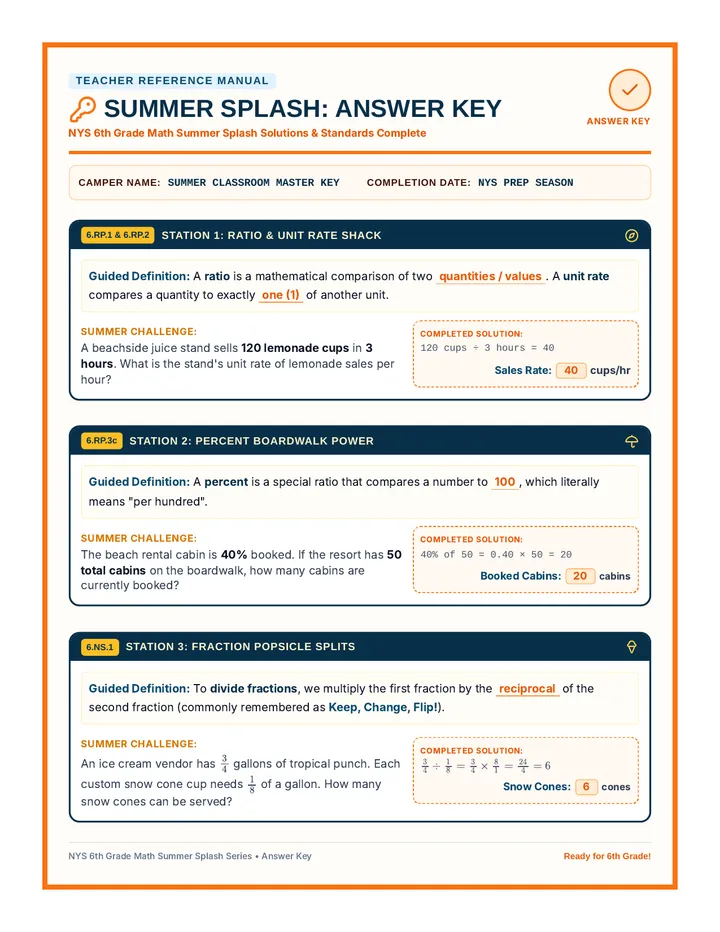
A 3-page, teacher-facing answer key designed to accompany the Launchpad 6 Student Packet. It features fully completed definitions, step-by-step mathematical work, and circled answers rendered in vibrant orange for effortless scoring and instruction.
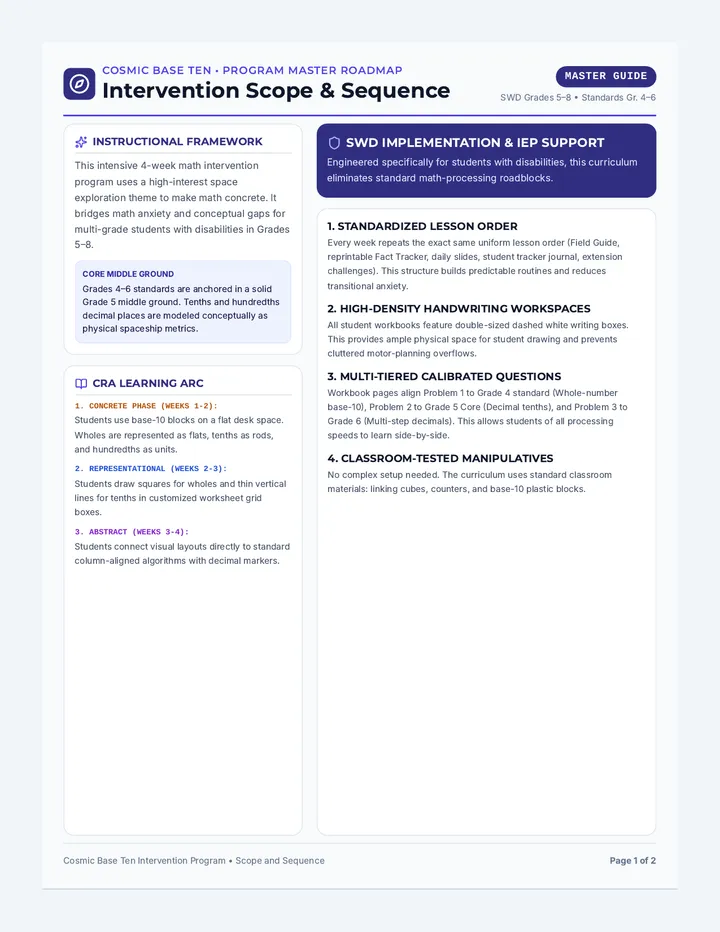
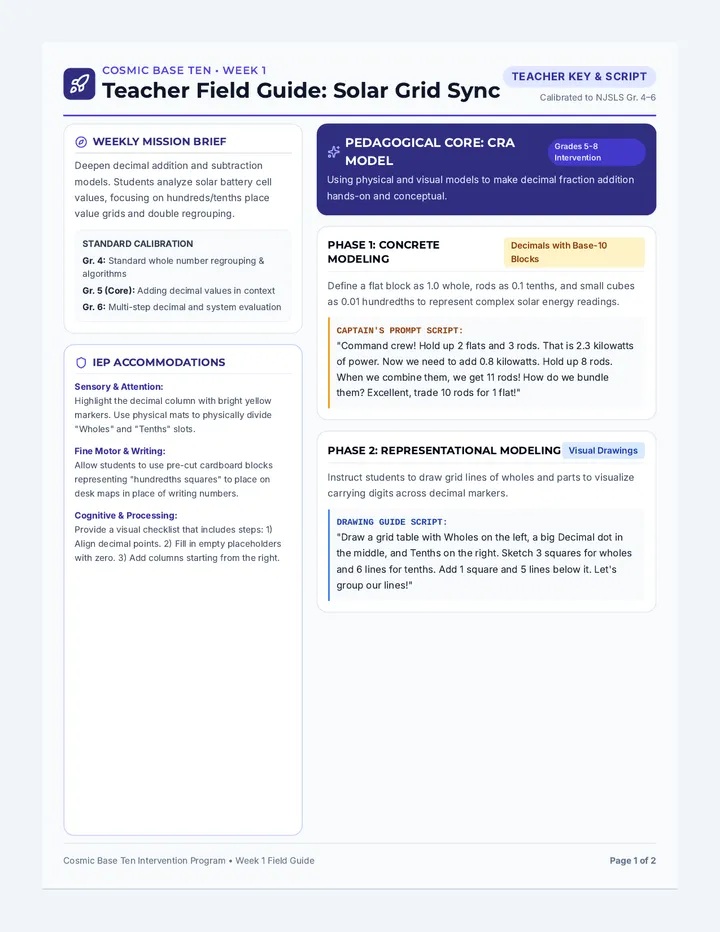
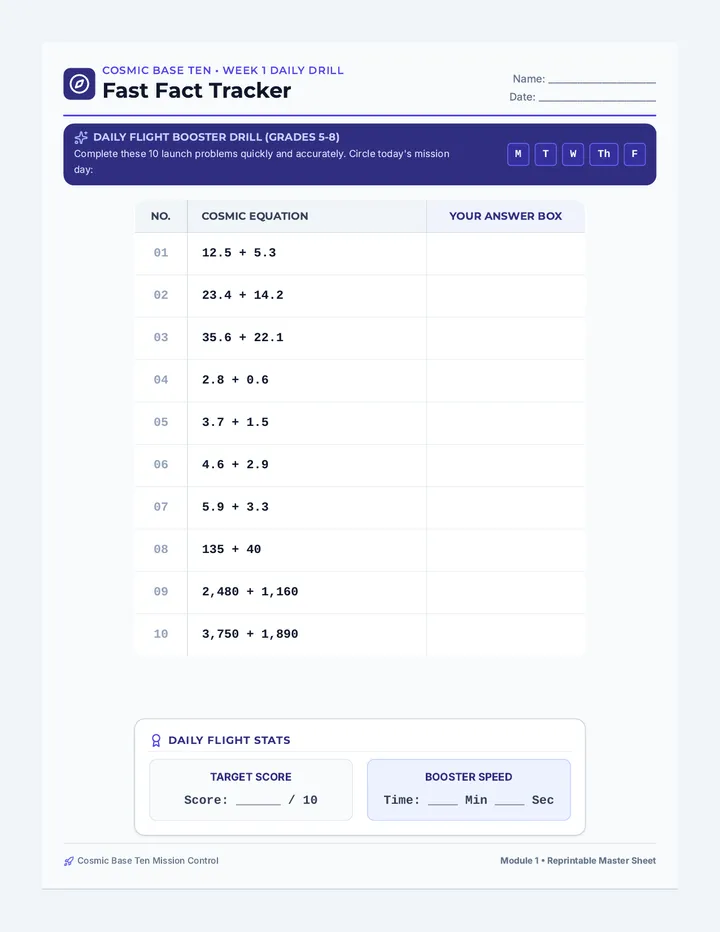
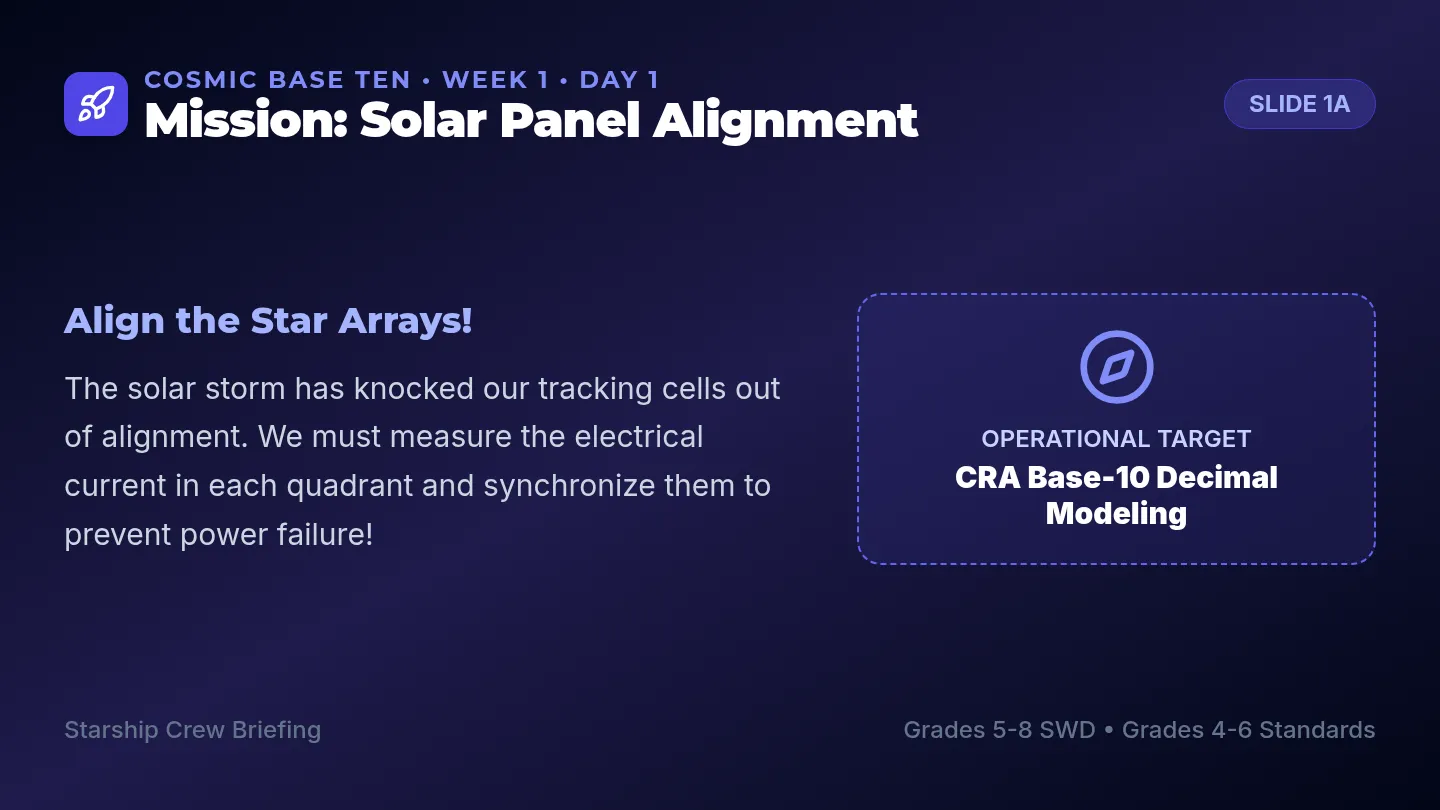
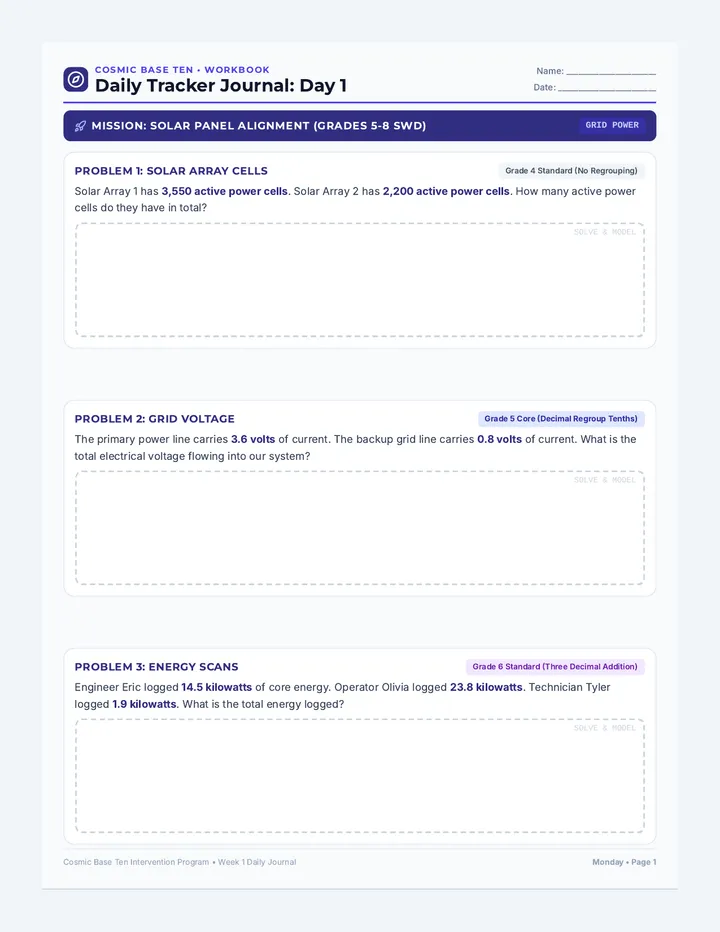
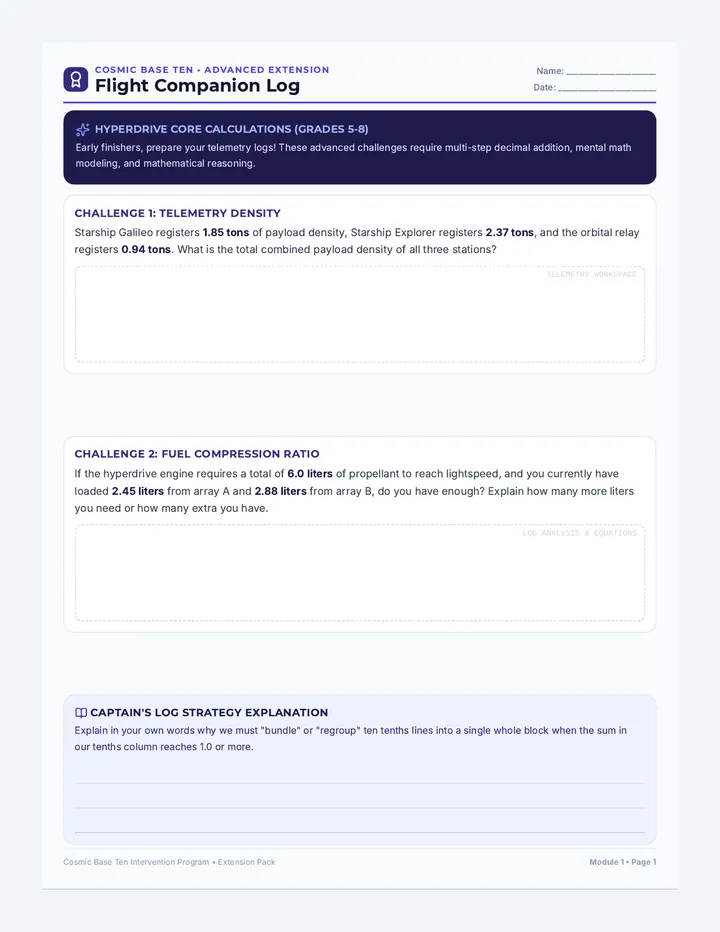
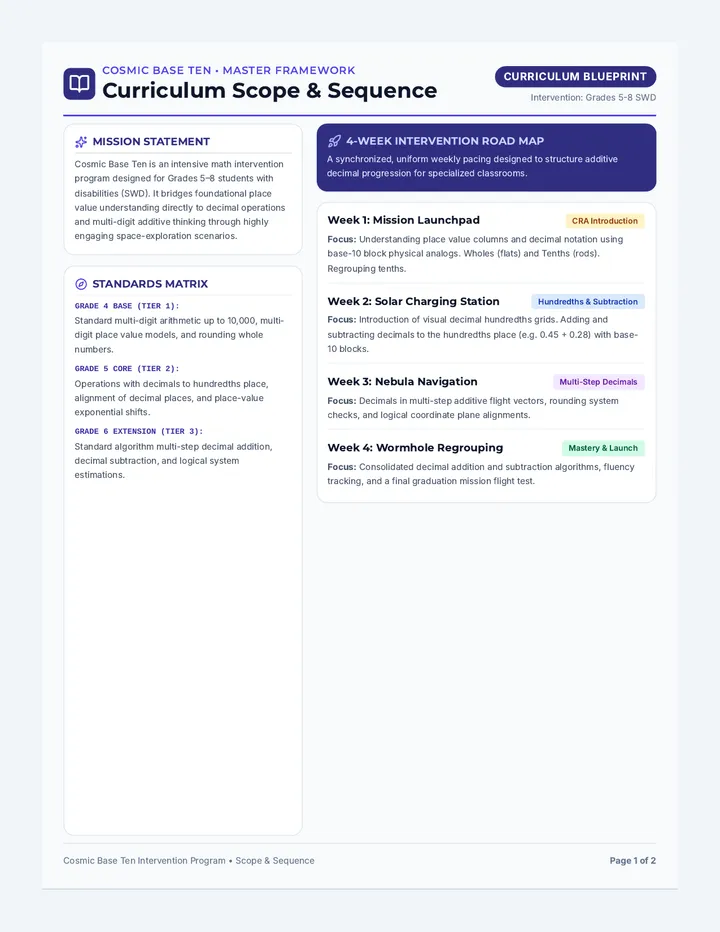
A 4-week intensive math intervention program set in a space exploration universe, designed for multi-grade students with disabilities in Grades 5–8. It covers additive thinking, place value, and decimal regrouping, anchored in Grades 4–6 standards with a Grade 5 core middle ground.
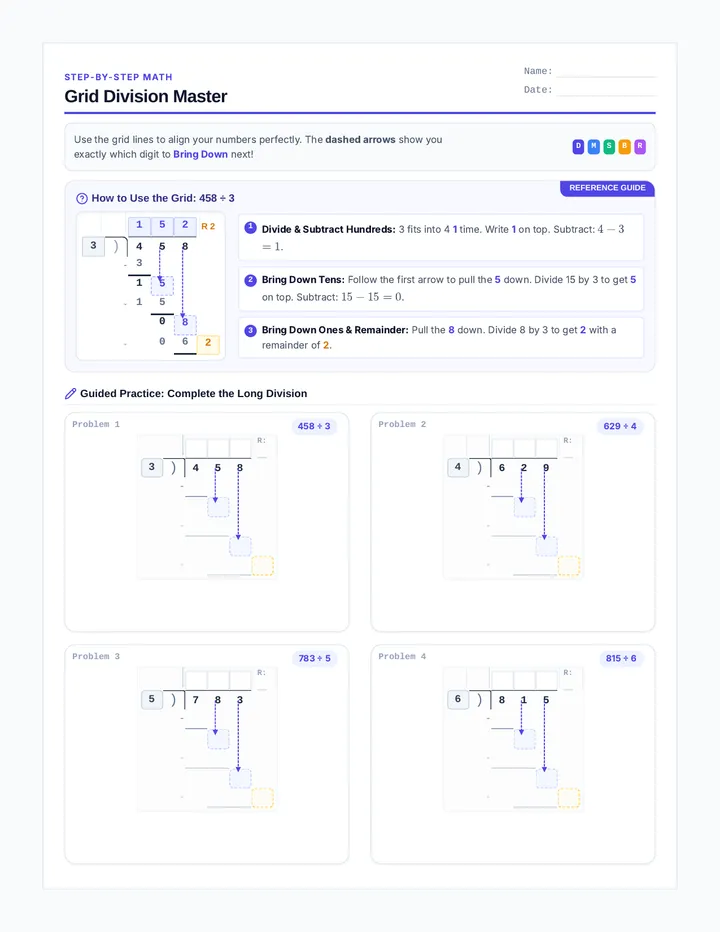
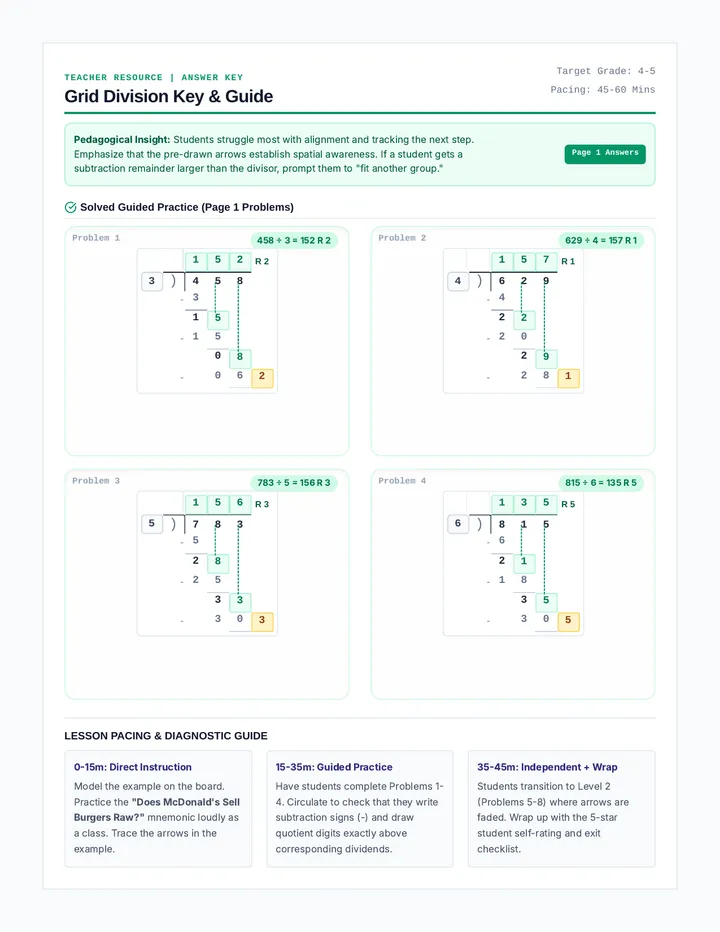
This lesson introduces 3-digit by 1-digit long division with remainders. It utilizes a highly structured graph-paper grid layout and visual bring-down arrows to assist students with column alignment and procedural steps.
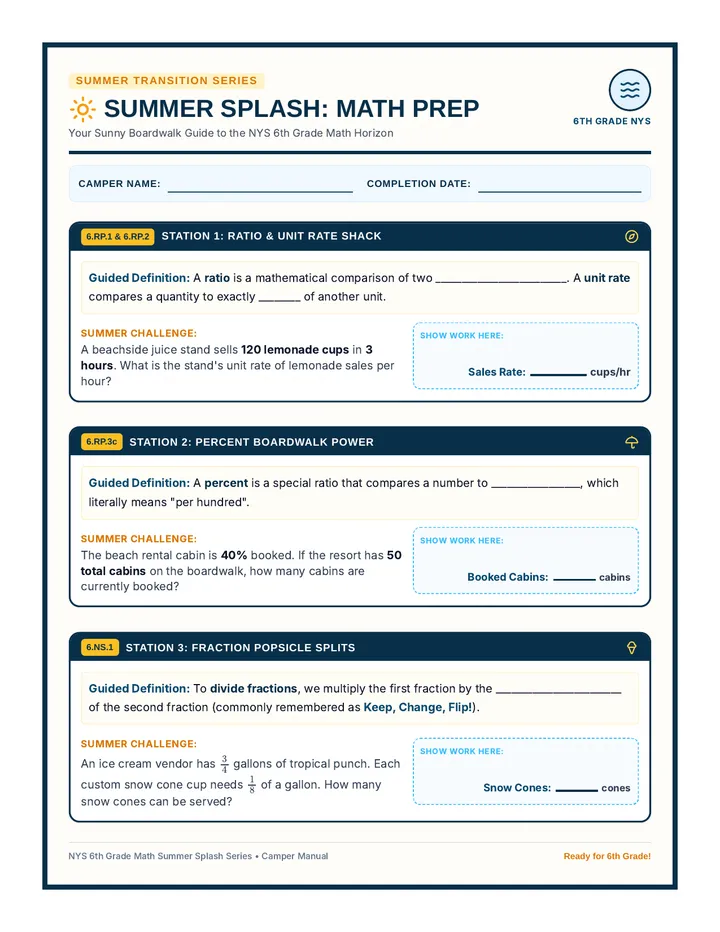
A 3-page, highly engaging transitional math packet designed for rising 6th graders. Styled as a summer beach boardwalk manual, it introduces key NYS 6th grade standards (Ratios, Percents, Fractions, Integers, Expressions, Equations, Geometry, and Statistics) with structured blank definition zones and clear, scaffolded practice problems.
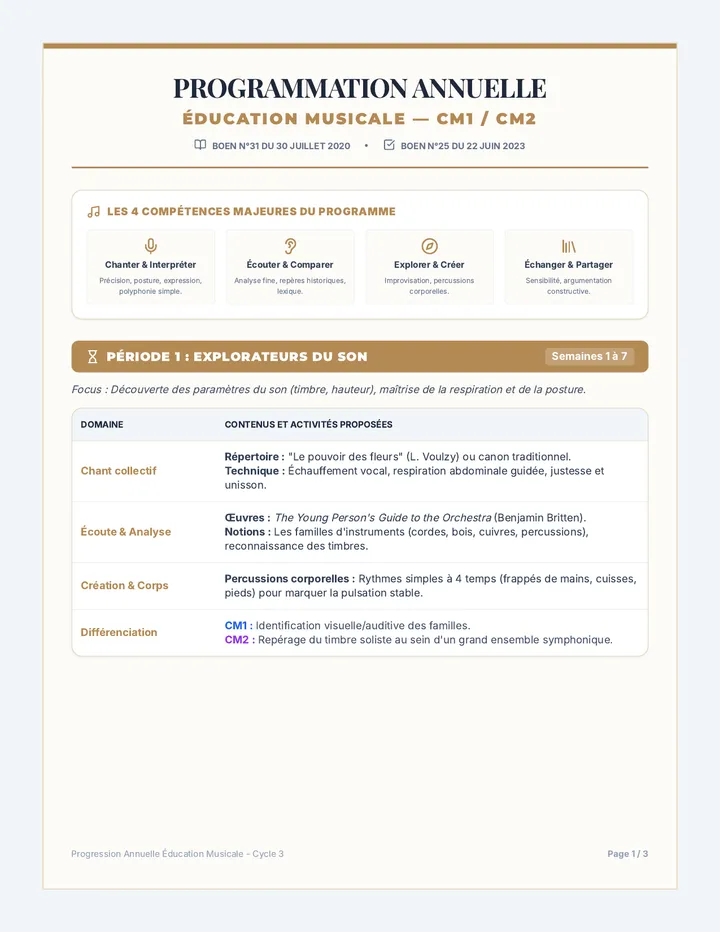
Progression annuelle d'éducation musicale pour le CM1/CM2 structurée en 5 périodes de 7 semaines, conformément aux repères ministériels.
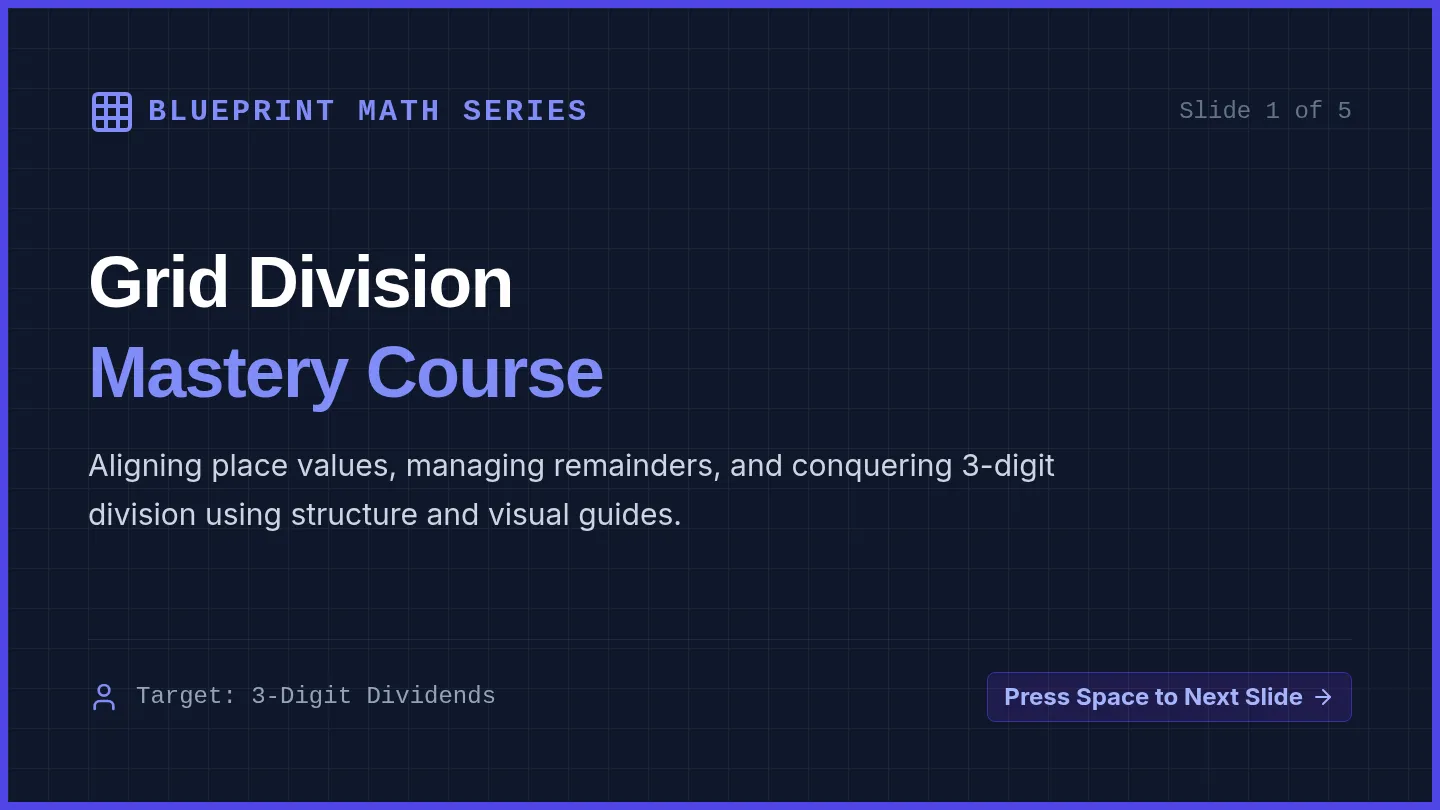
An instructional slide deck (16:9 widescreen format) introducing 3-digit by 1-digit long division. Walks students through the grid layout and the DMSBR mnemonic using large, highly visible fonts (all 24px+) and high-contrast visuals.