An introductory lesson on factors and divisibility for 4th and 5th-grade students, featuring hands-on array exploration, visual 'Factor Rainbows', and a real-world sharing scenario via video instruction.
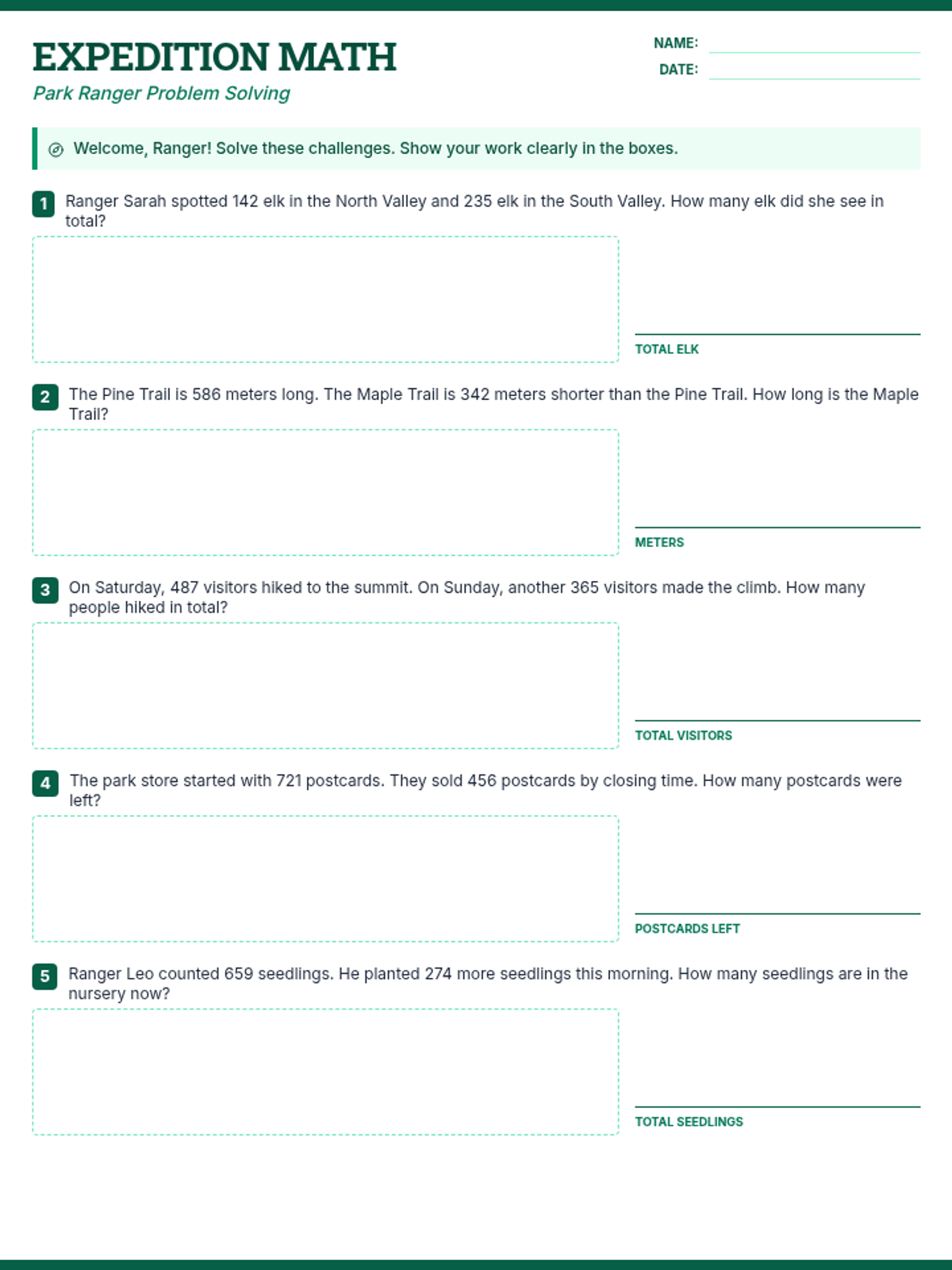
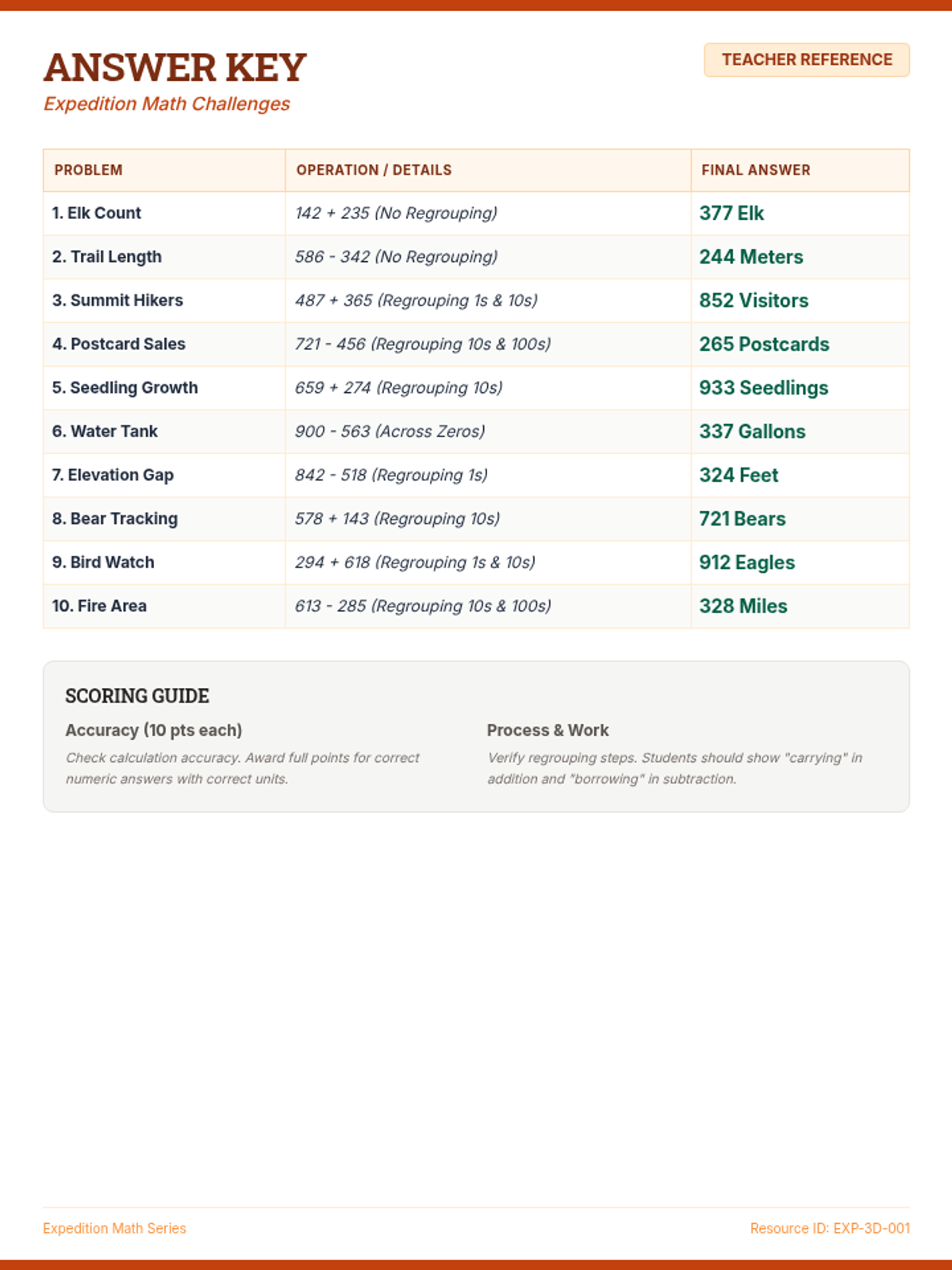
A lesson focused on solving one-step addition and subtraction word problems with 3-digit numbers, exploring both regrouping and non-regrouping scenarios through a national park theme.
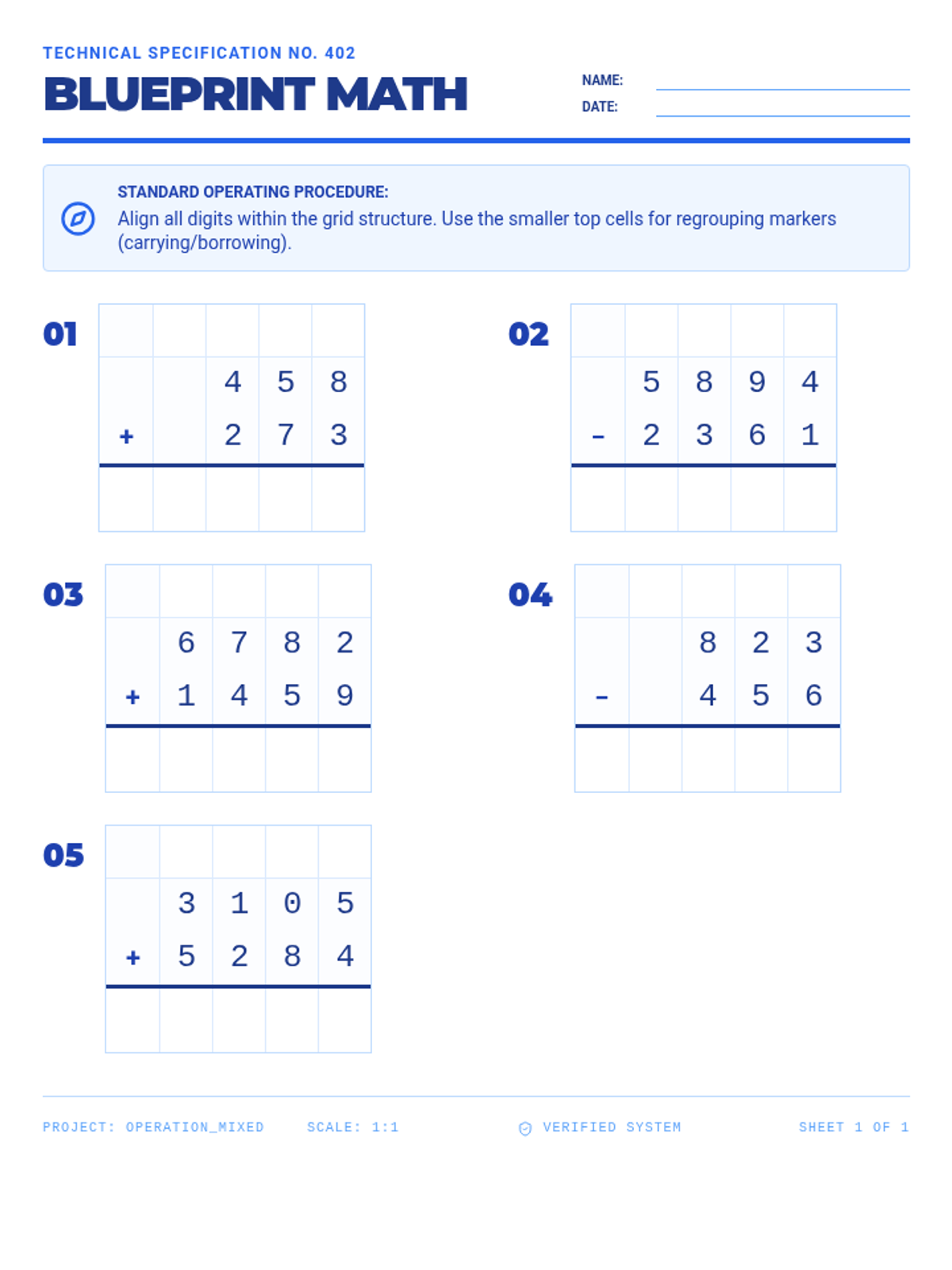
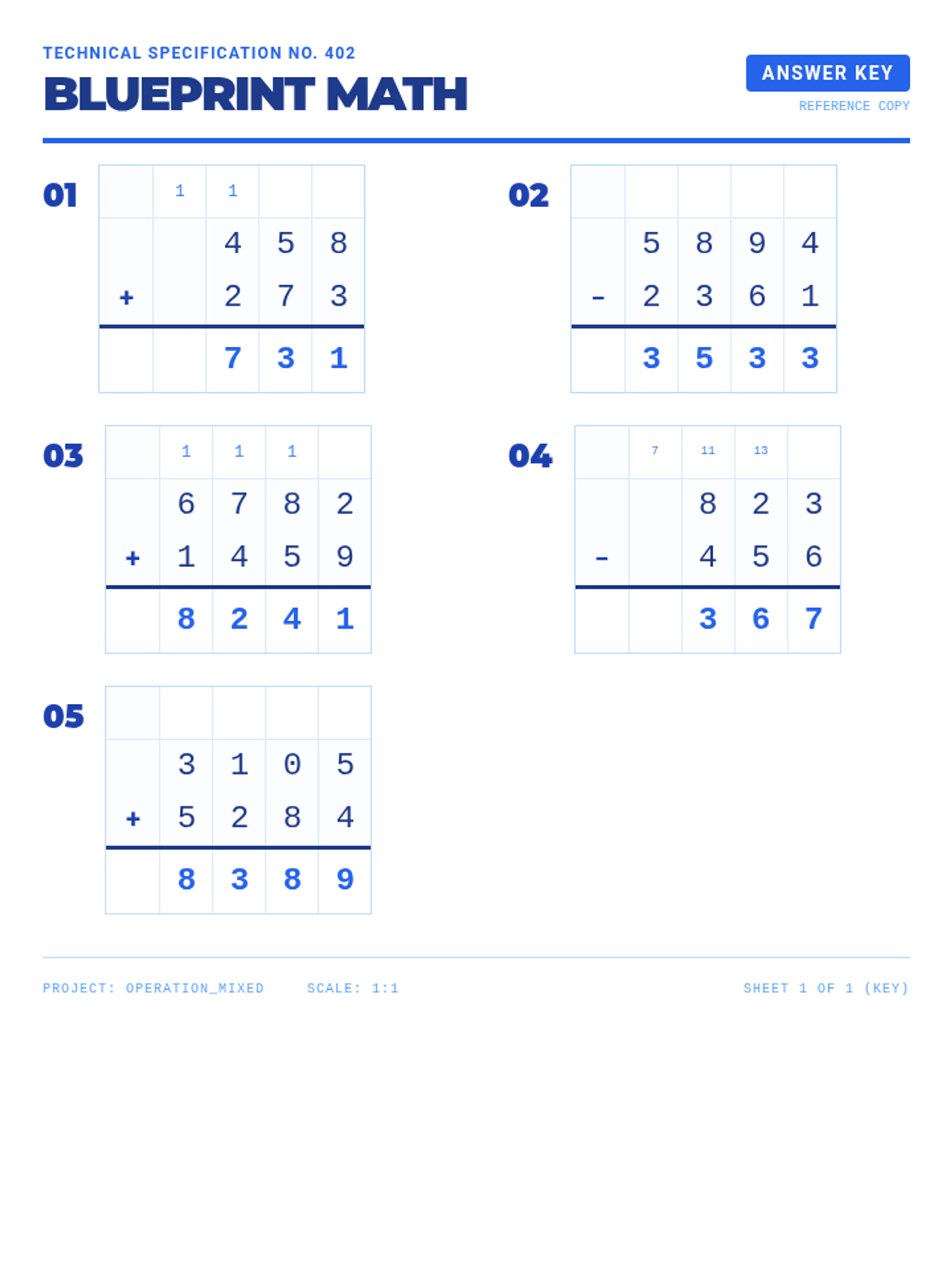
A math lesson focused on multi-digit addition and subtraction using a blueprint-style grid to support alignment and regrouping.
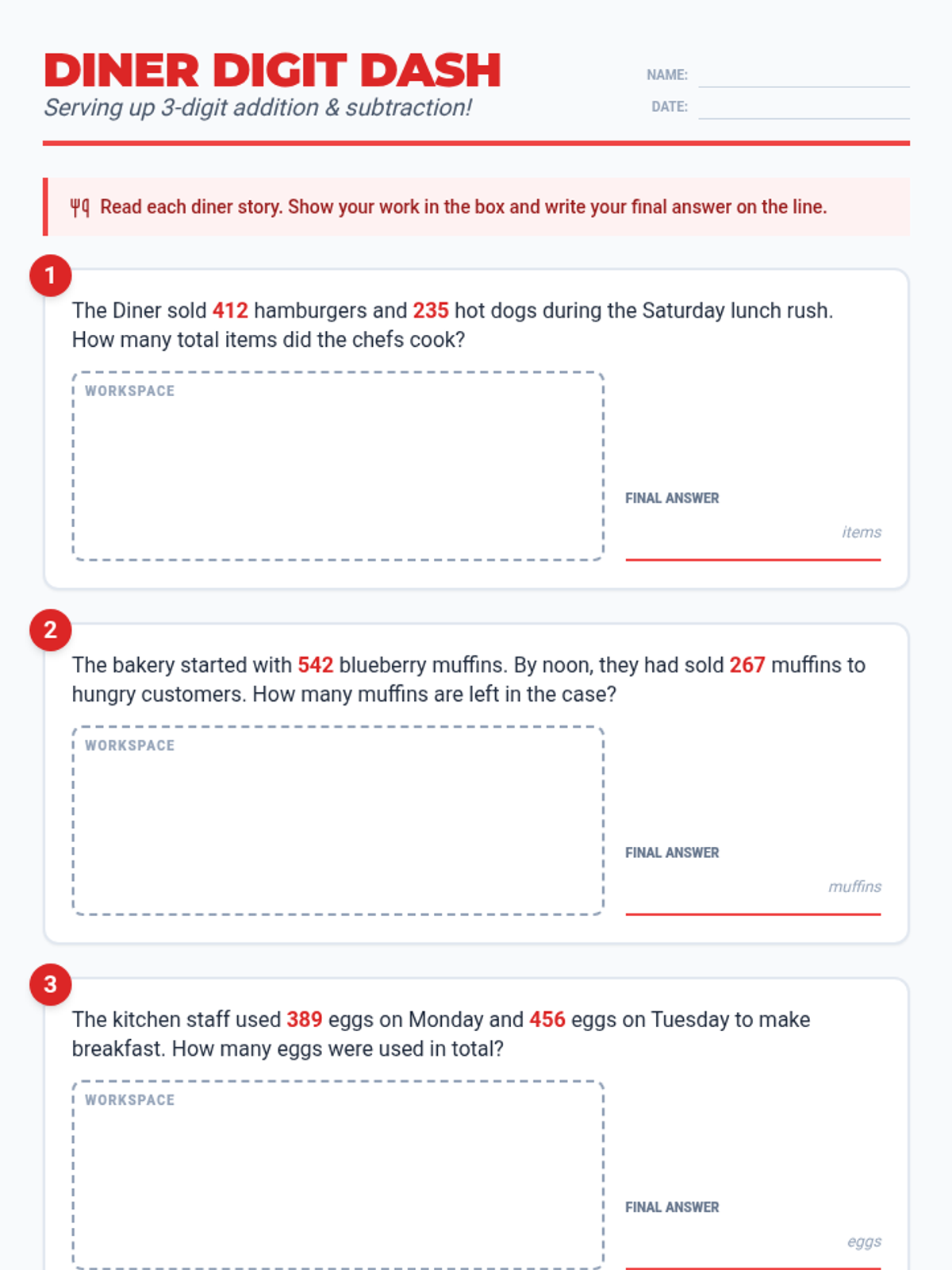
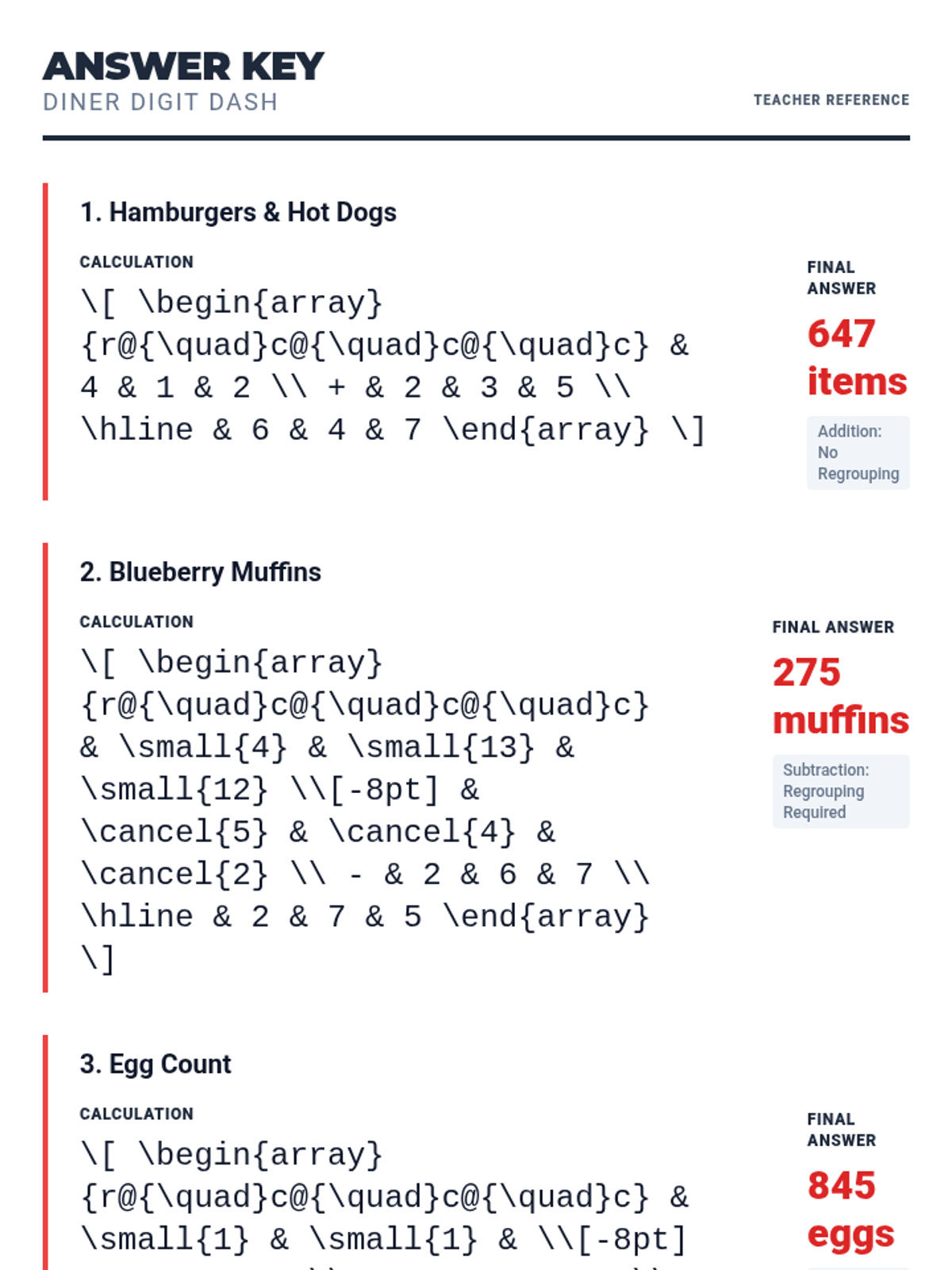
A set of one-step addition and subtraction word problems themed around a busy diner, focusing on 3-digit numbers with and without regrouping.
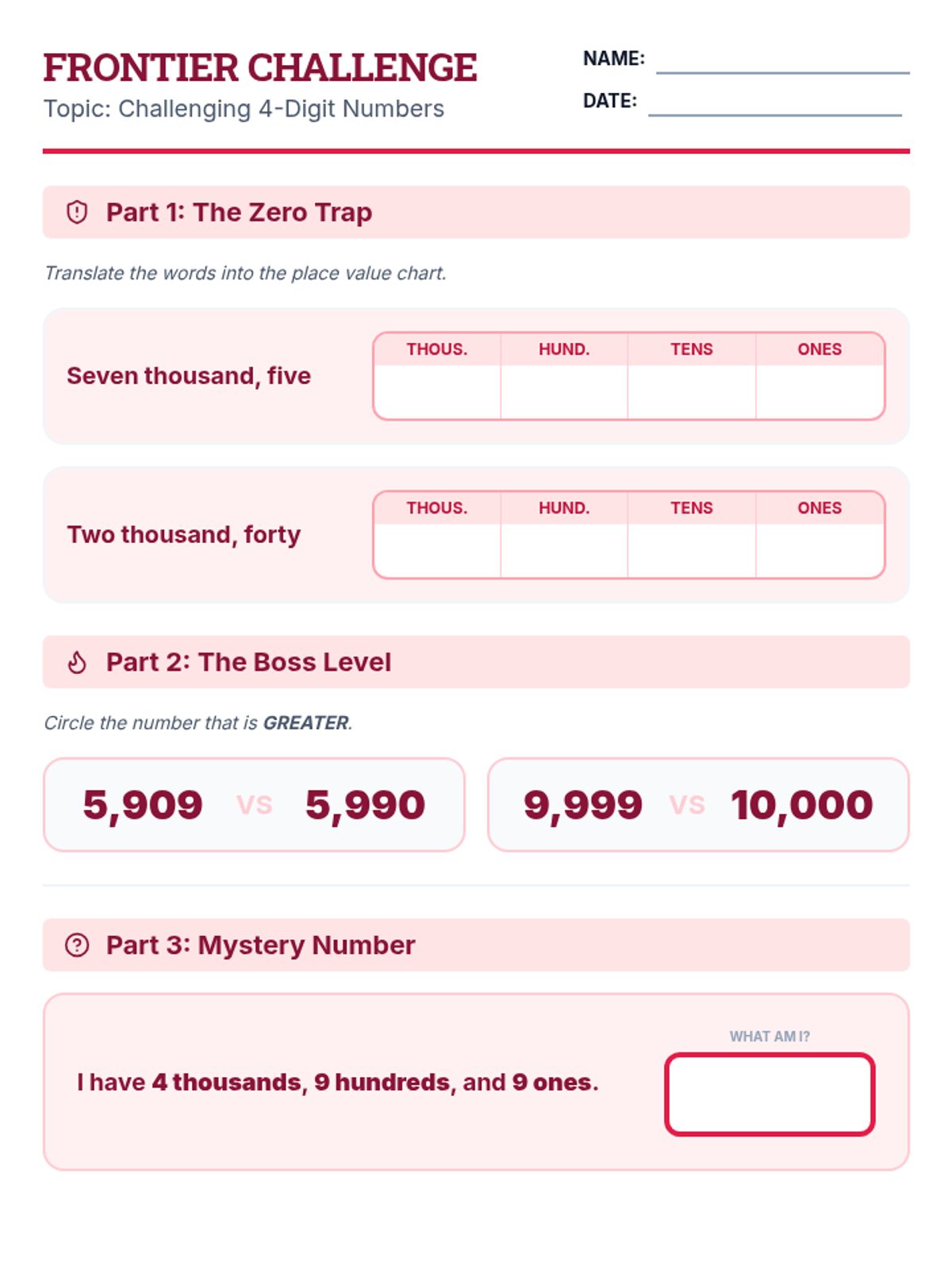
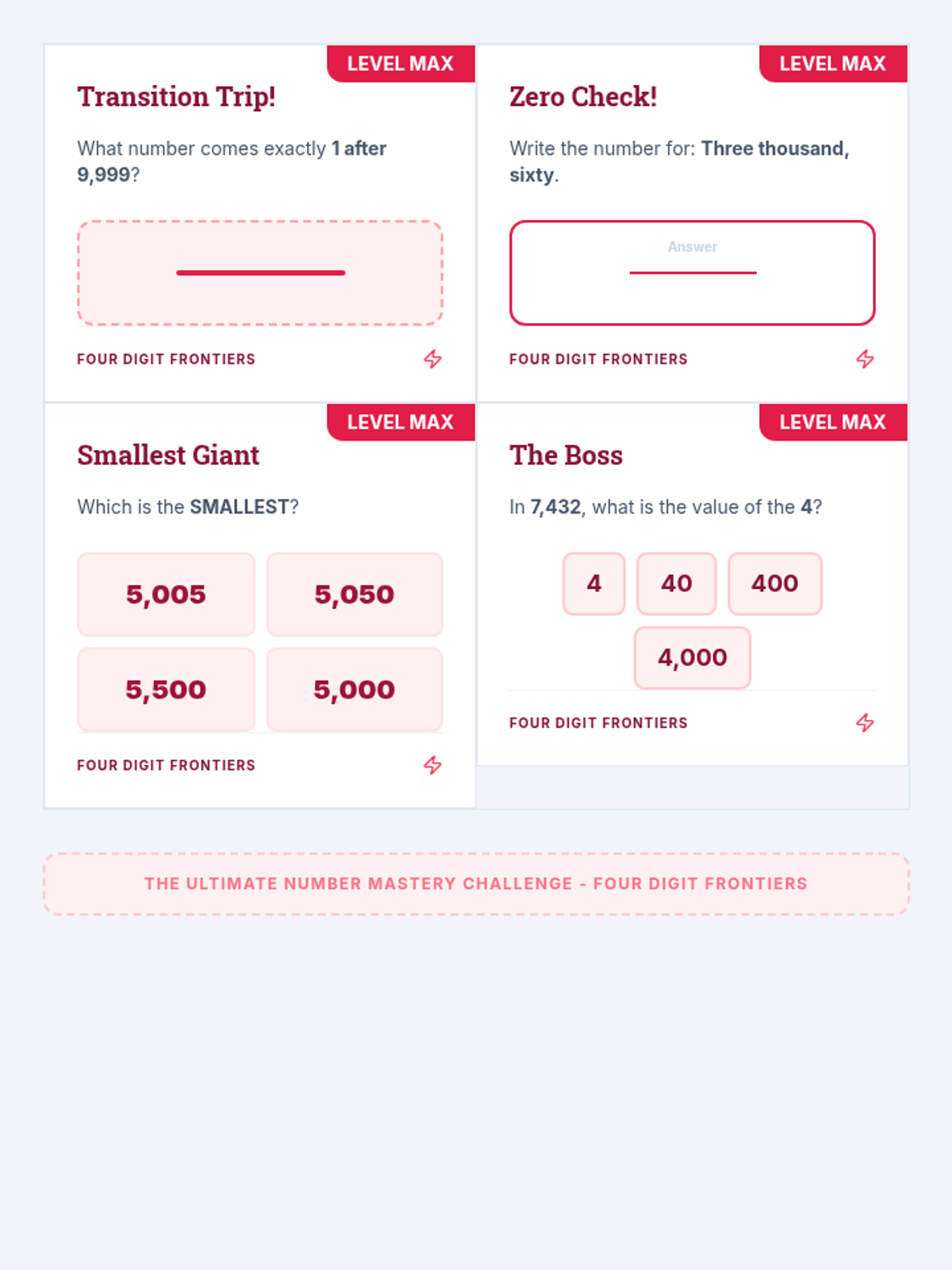
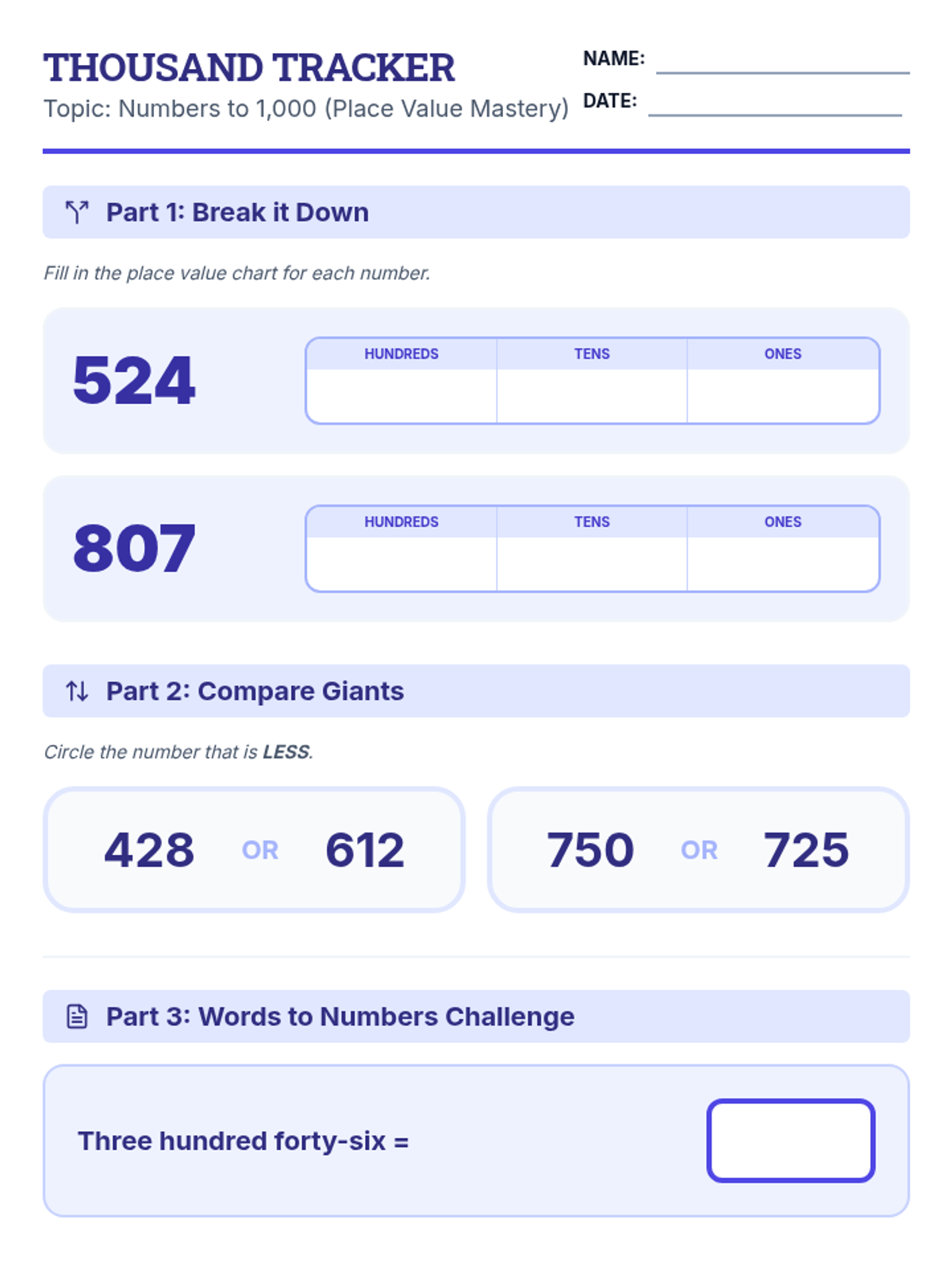
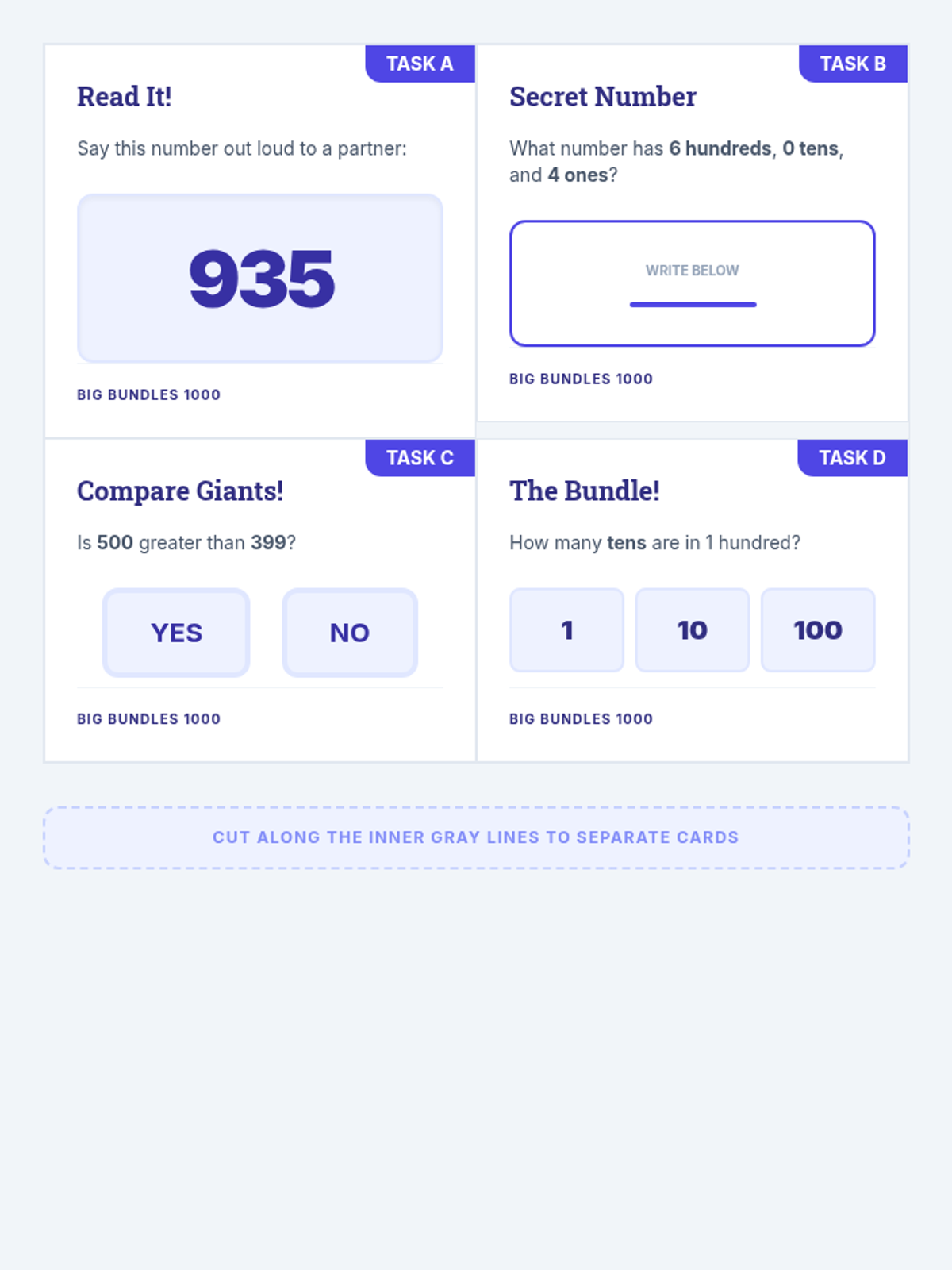
Explores numbers beyond 1,000, focusing on the thousands place value and comparing large numbers that look similar to test place value mastery.
Expands number sense to 1,000, focusing on hundreds, tens, and ones with visual place value models and comparison strategies.
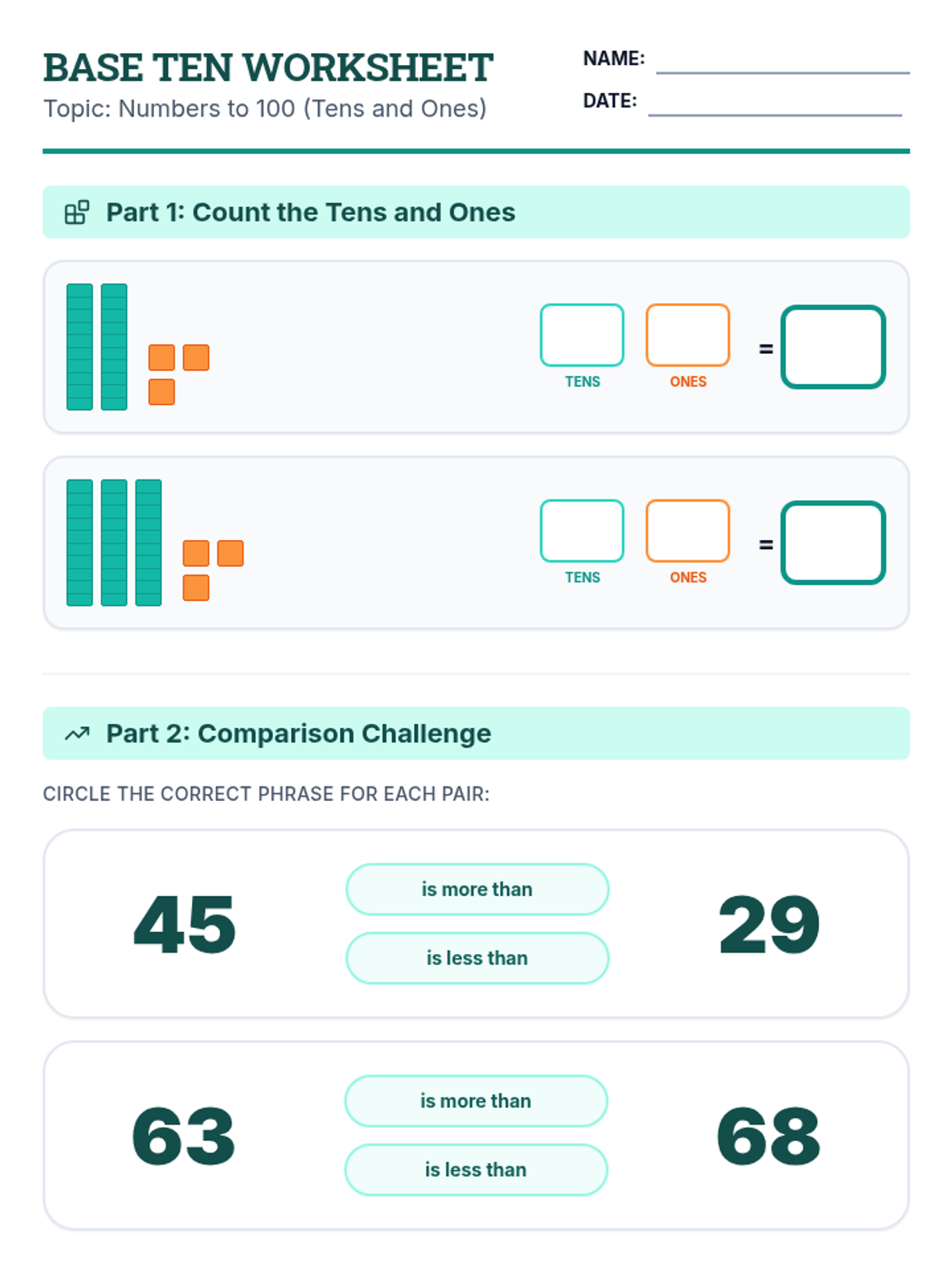
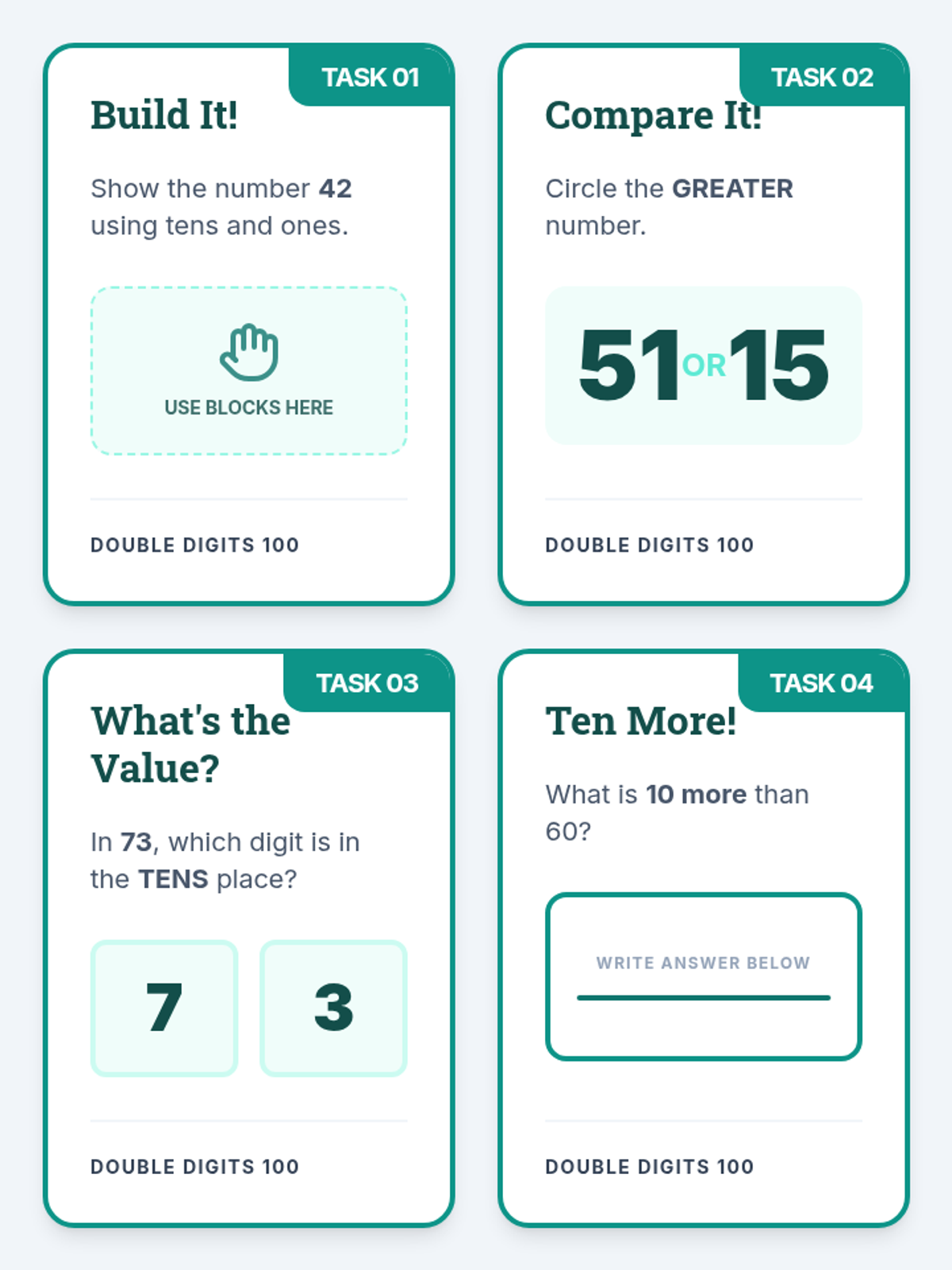
Introduces place value for numbers up to 100, using base-ten blocks (tens and ones) to help students visualize and compare larger values.
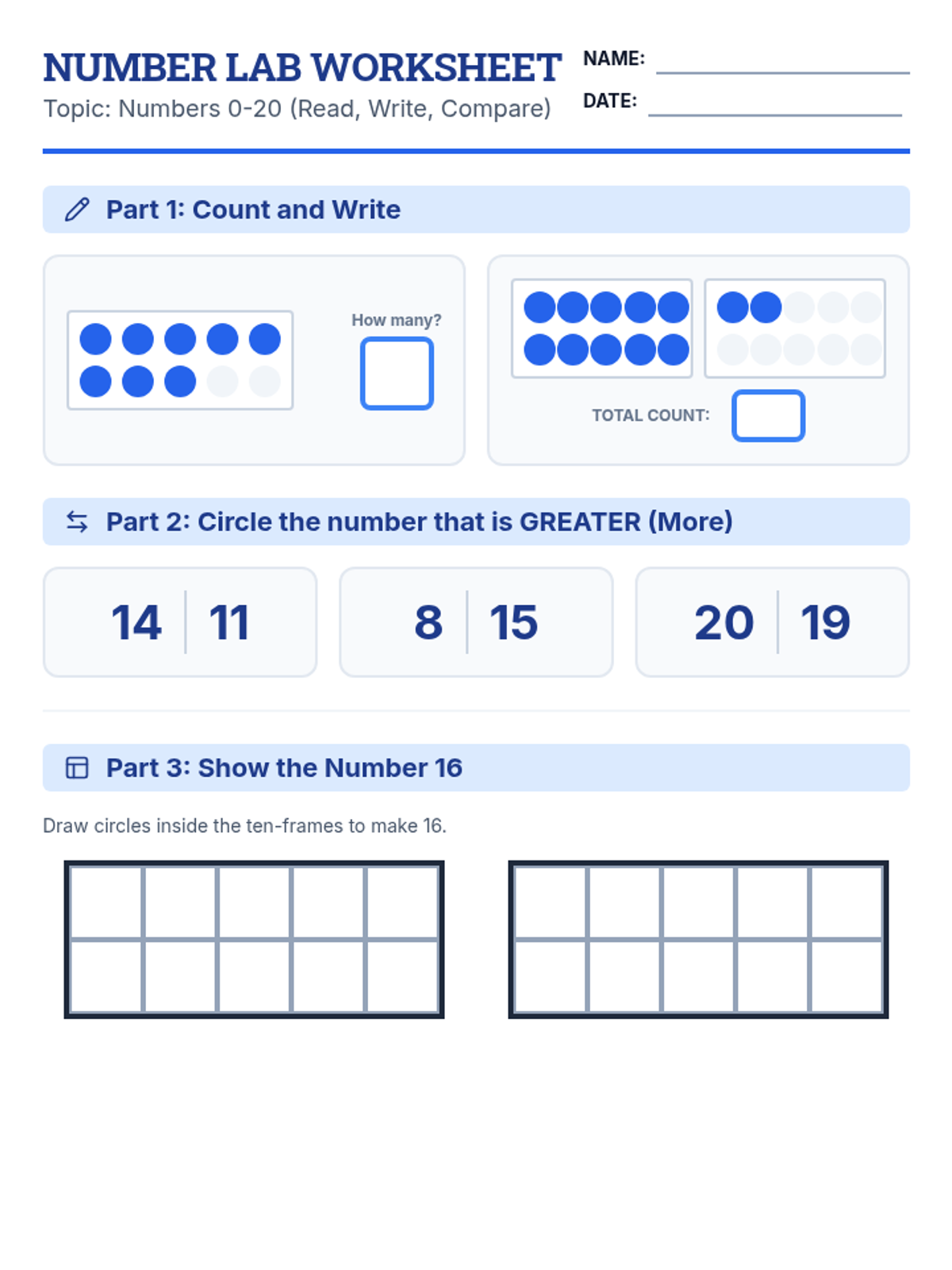
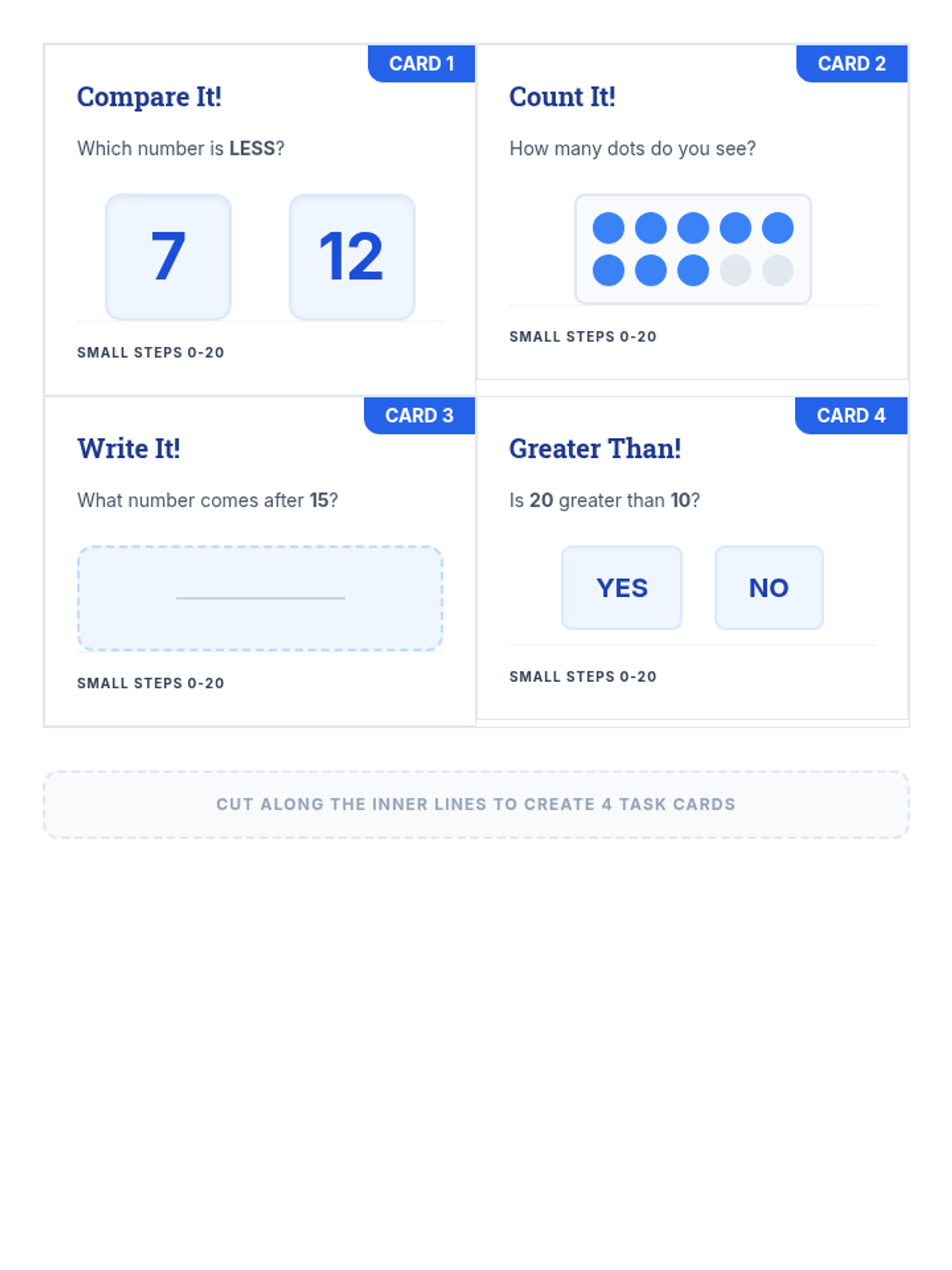
Focuses on reading, writing, and comparing numbers from 0 to 20 using ten-frames and counters to provide concrete visual support.
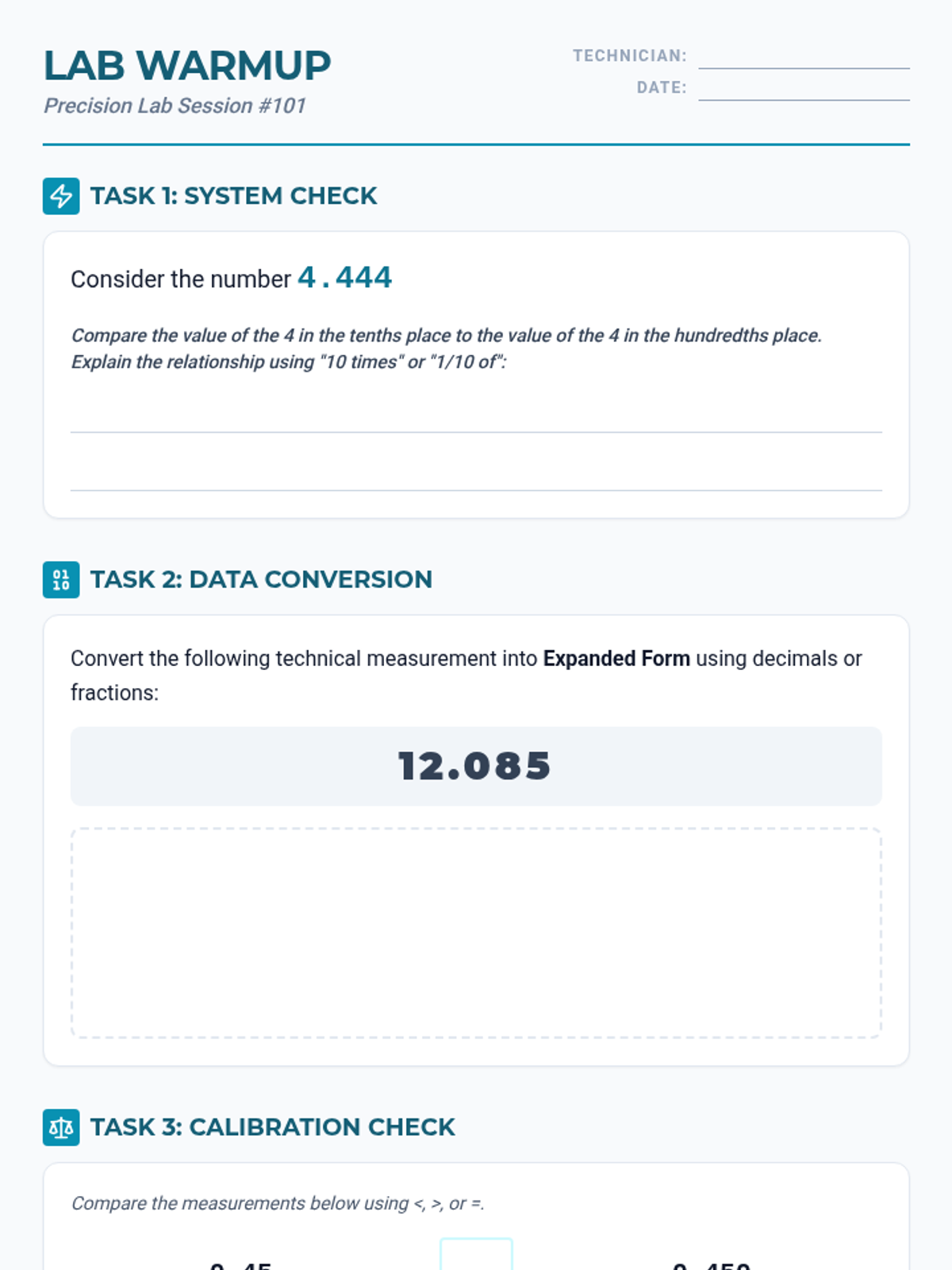
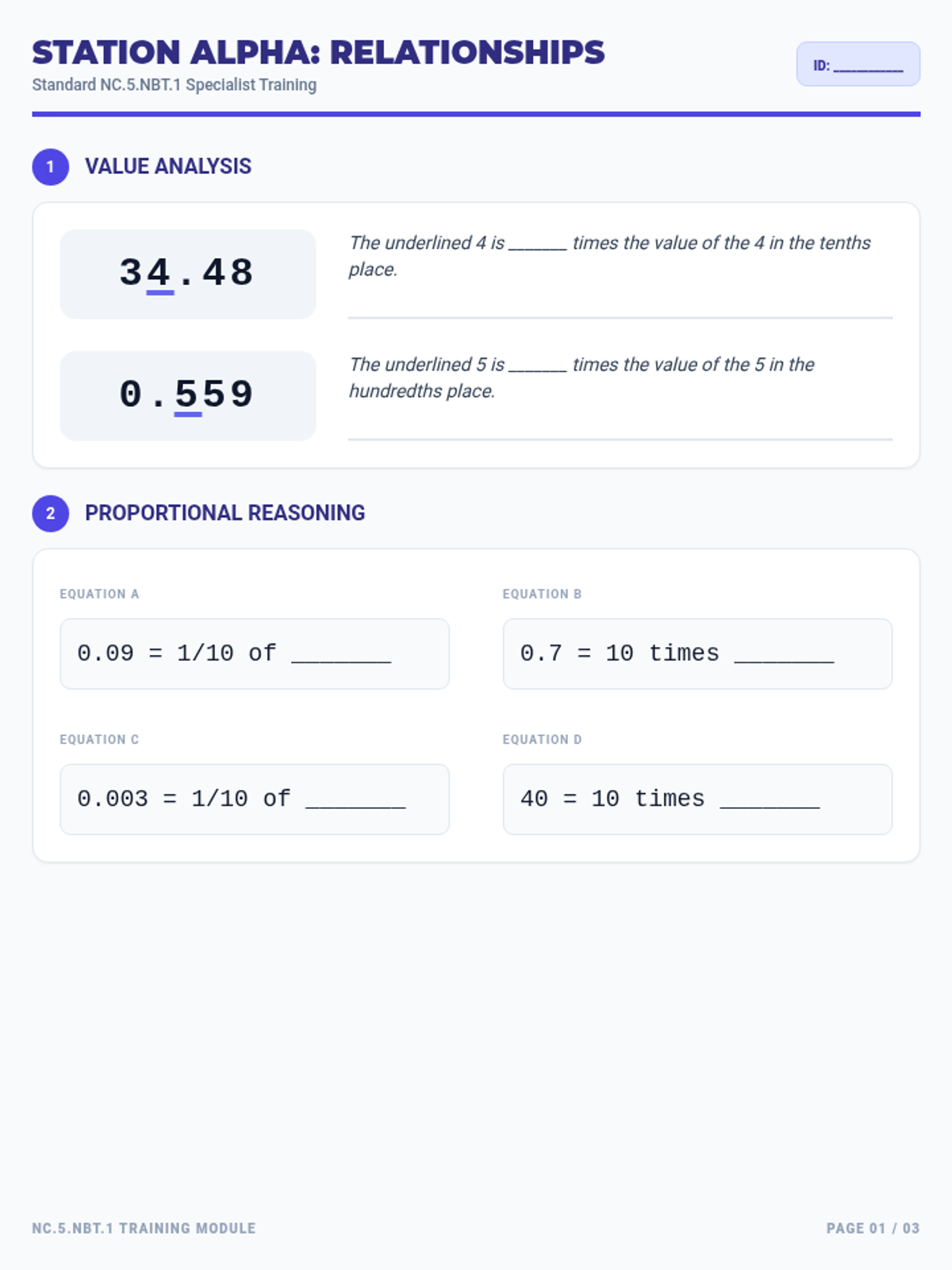
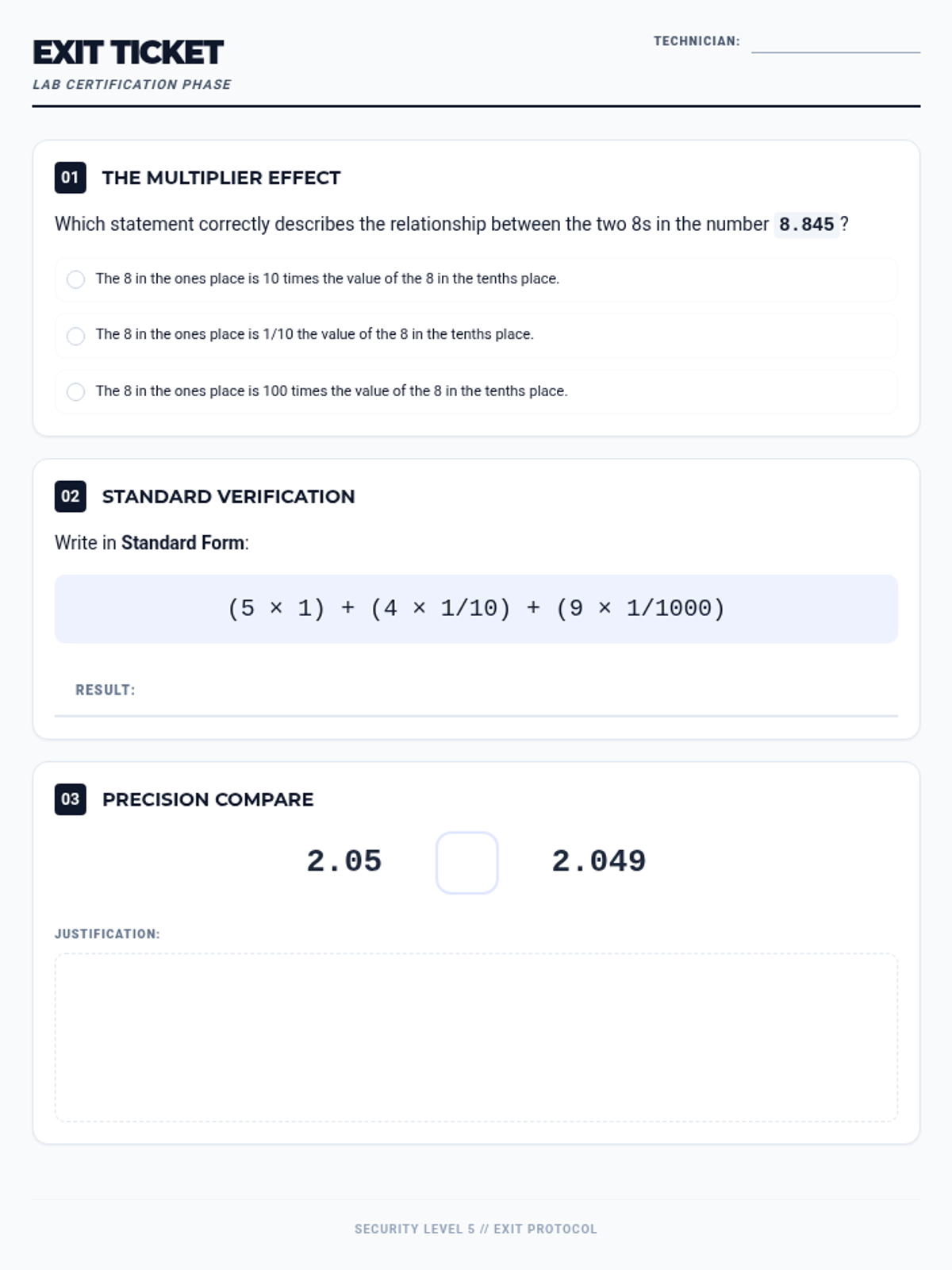
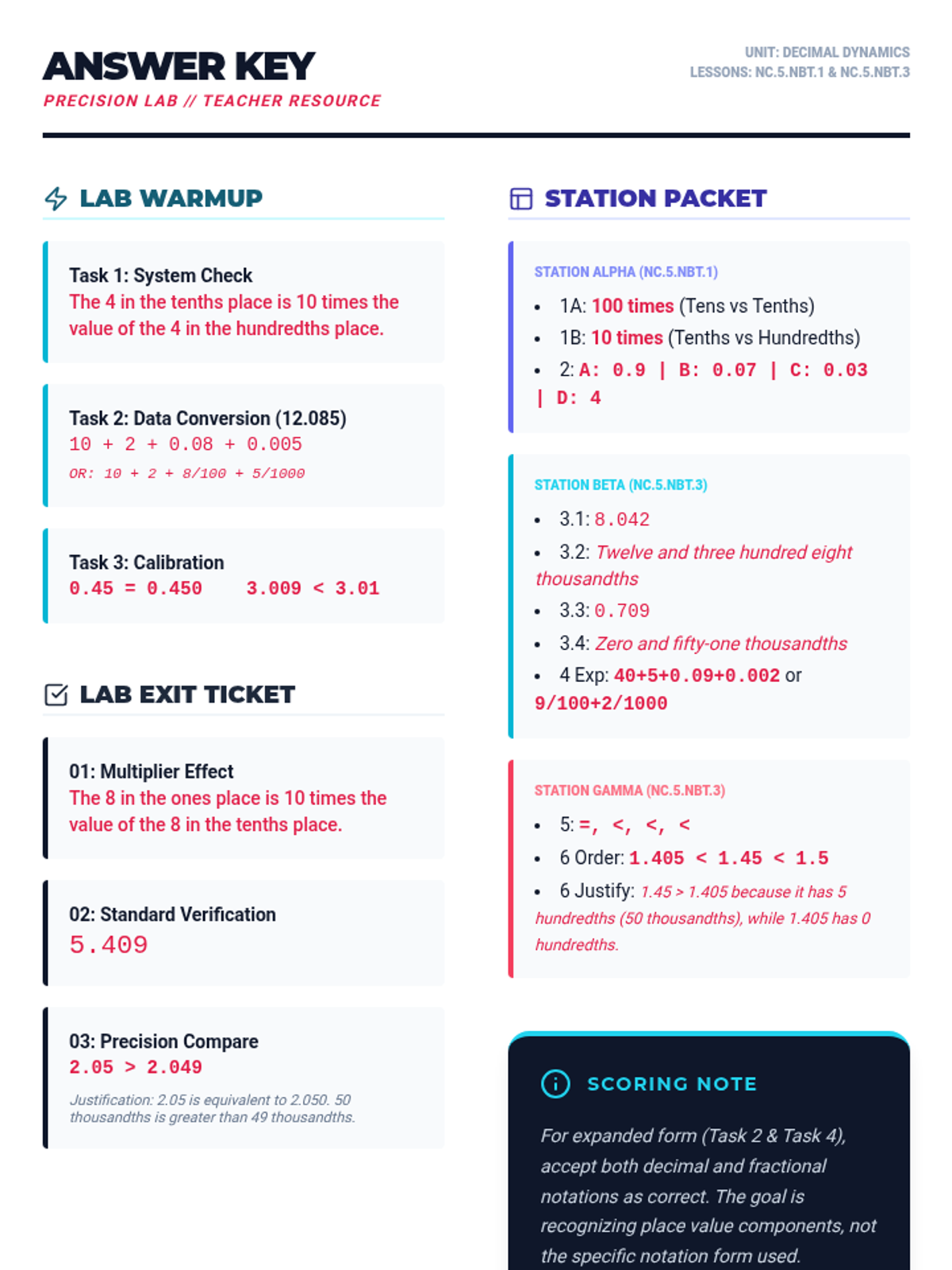
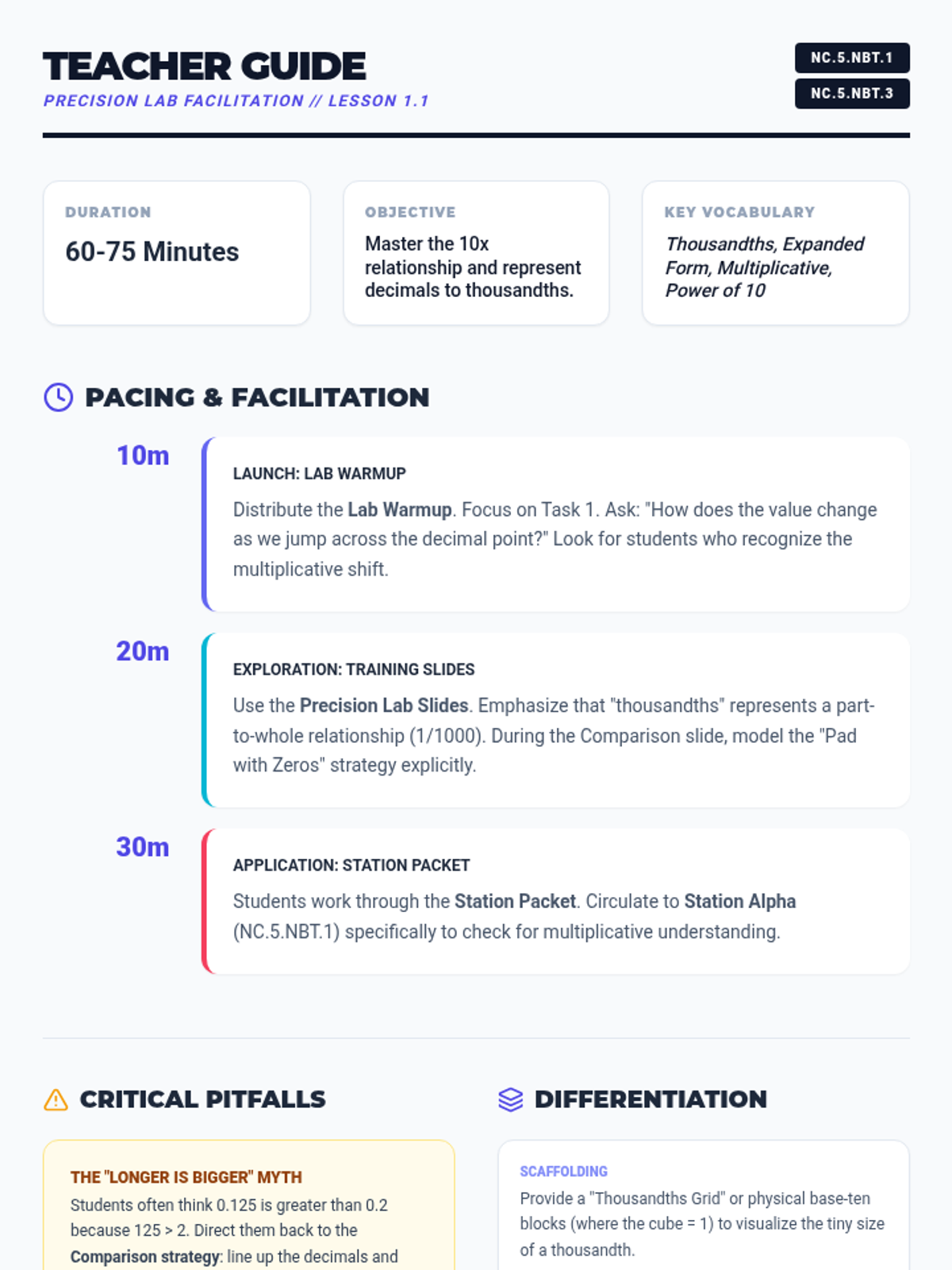
An introductory lesson focused on the multiplicative relationship between place values and the formal representation of decimals through various forms and comparisons.
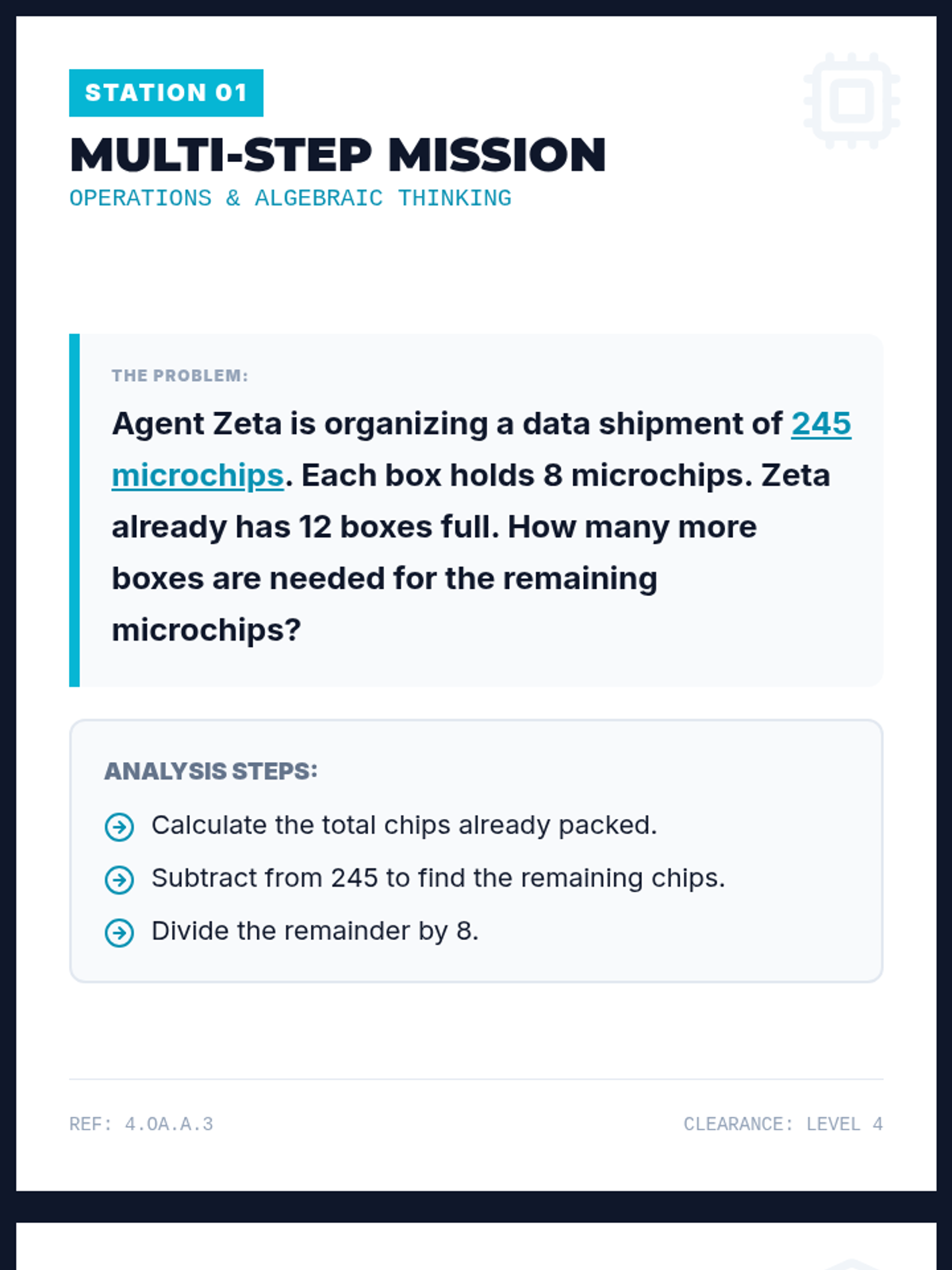
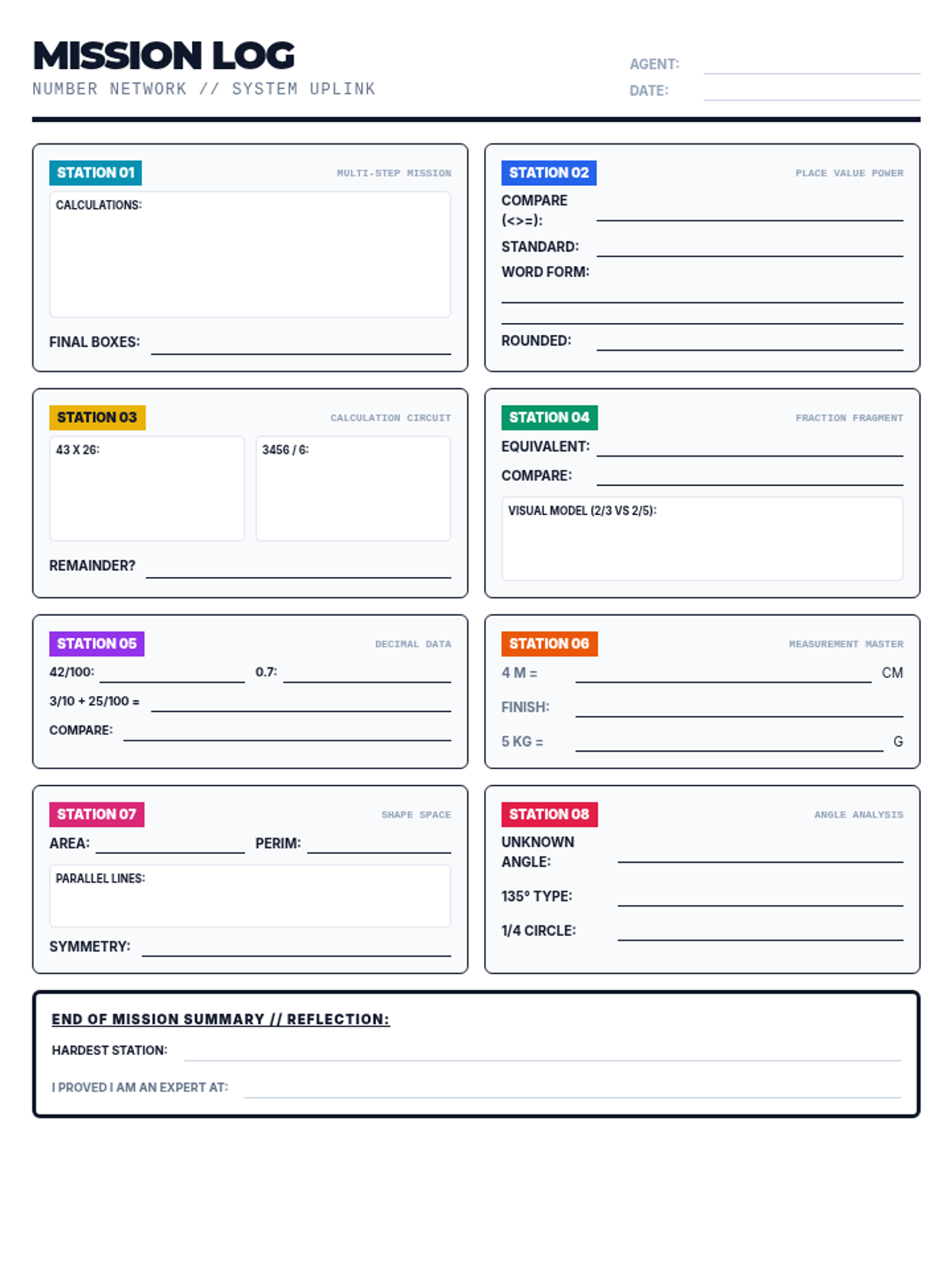
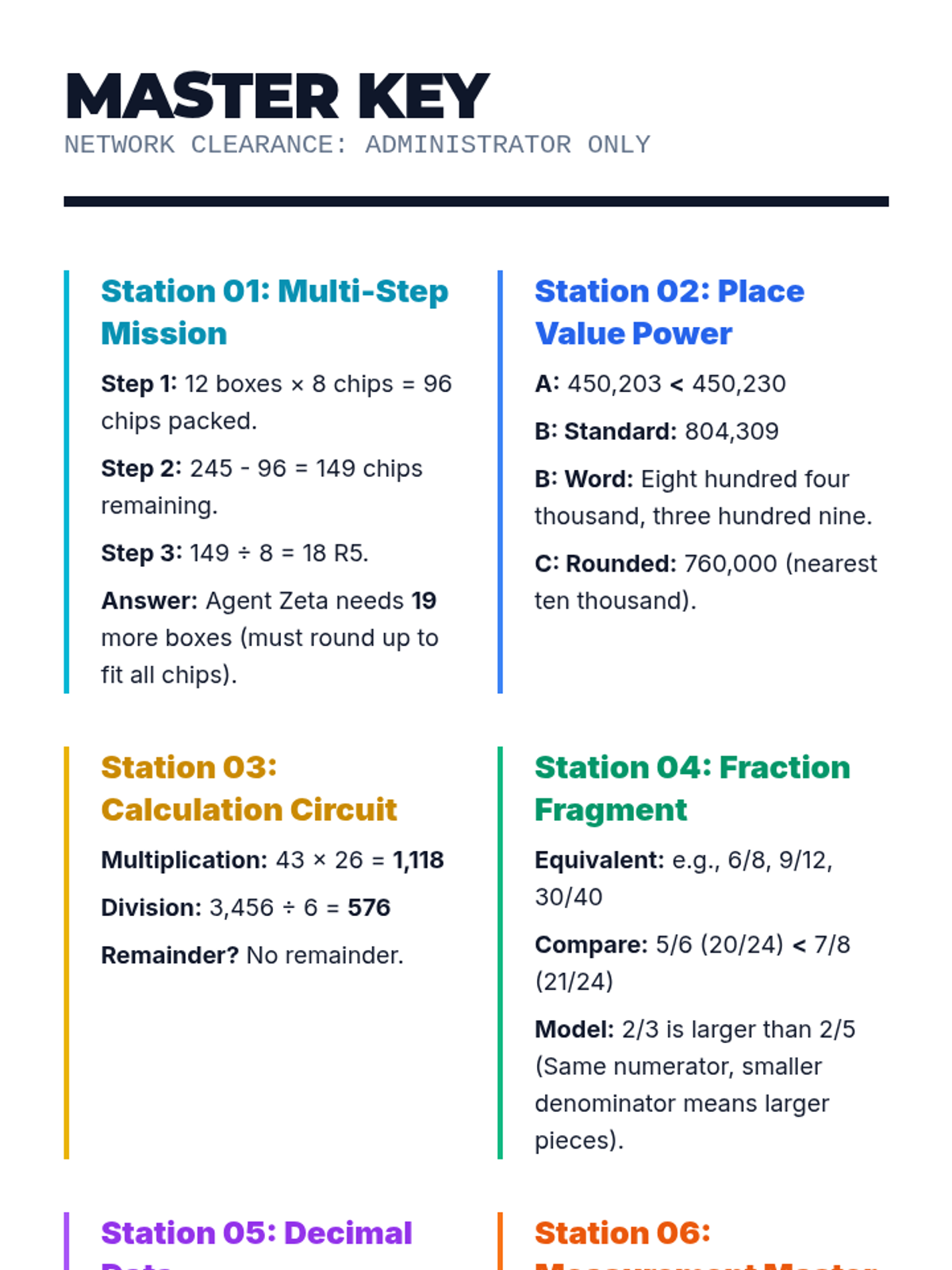
A comprehensive 4th-grade math spiral review designed as an interactive gallery walk. Students rotate through 8 high-energy stations covering all major domains to prepare for end-of-grade testing.
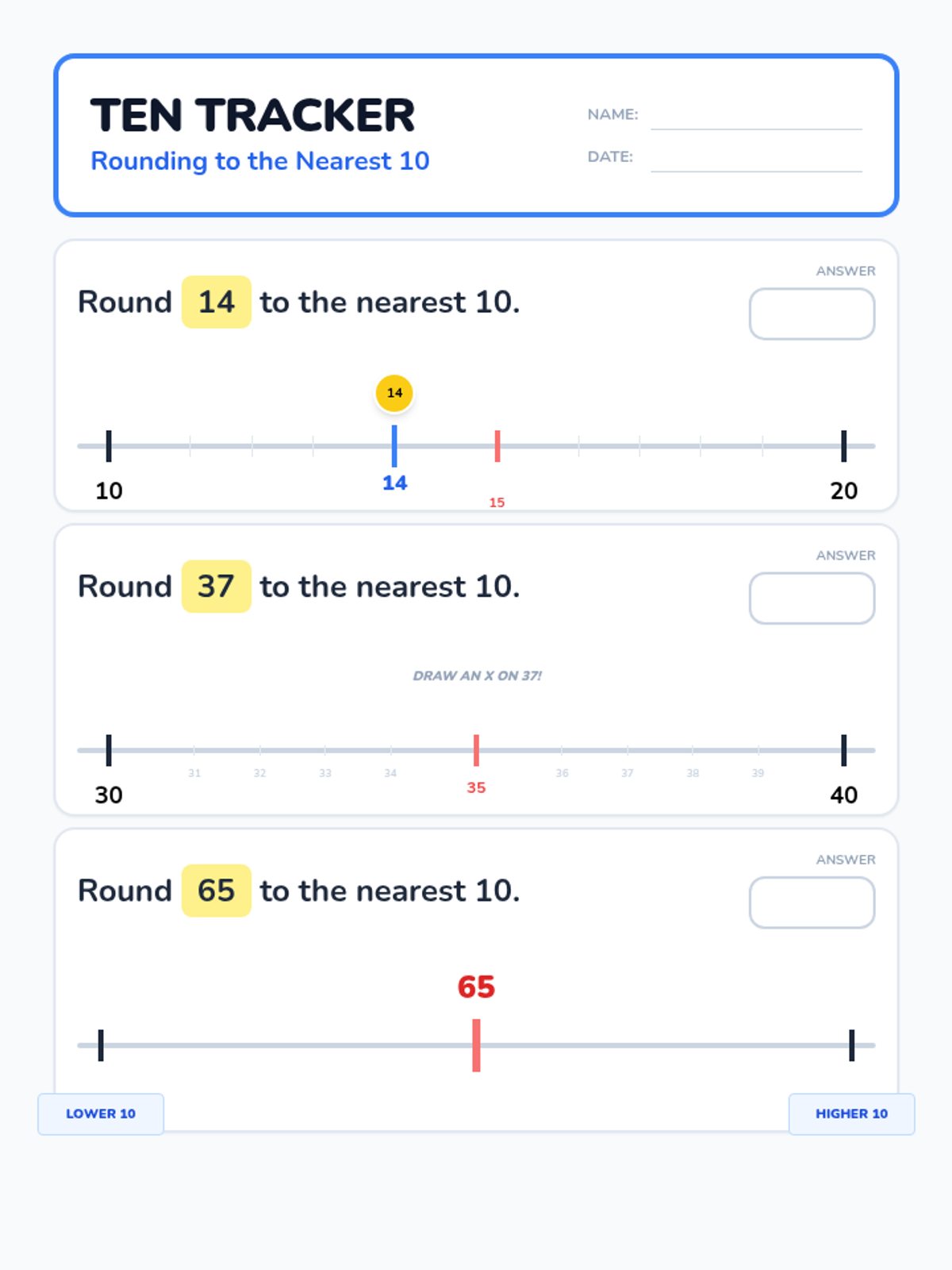
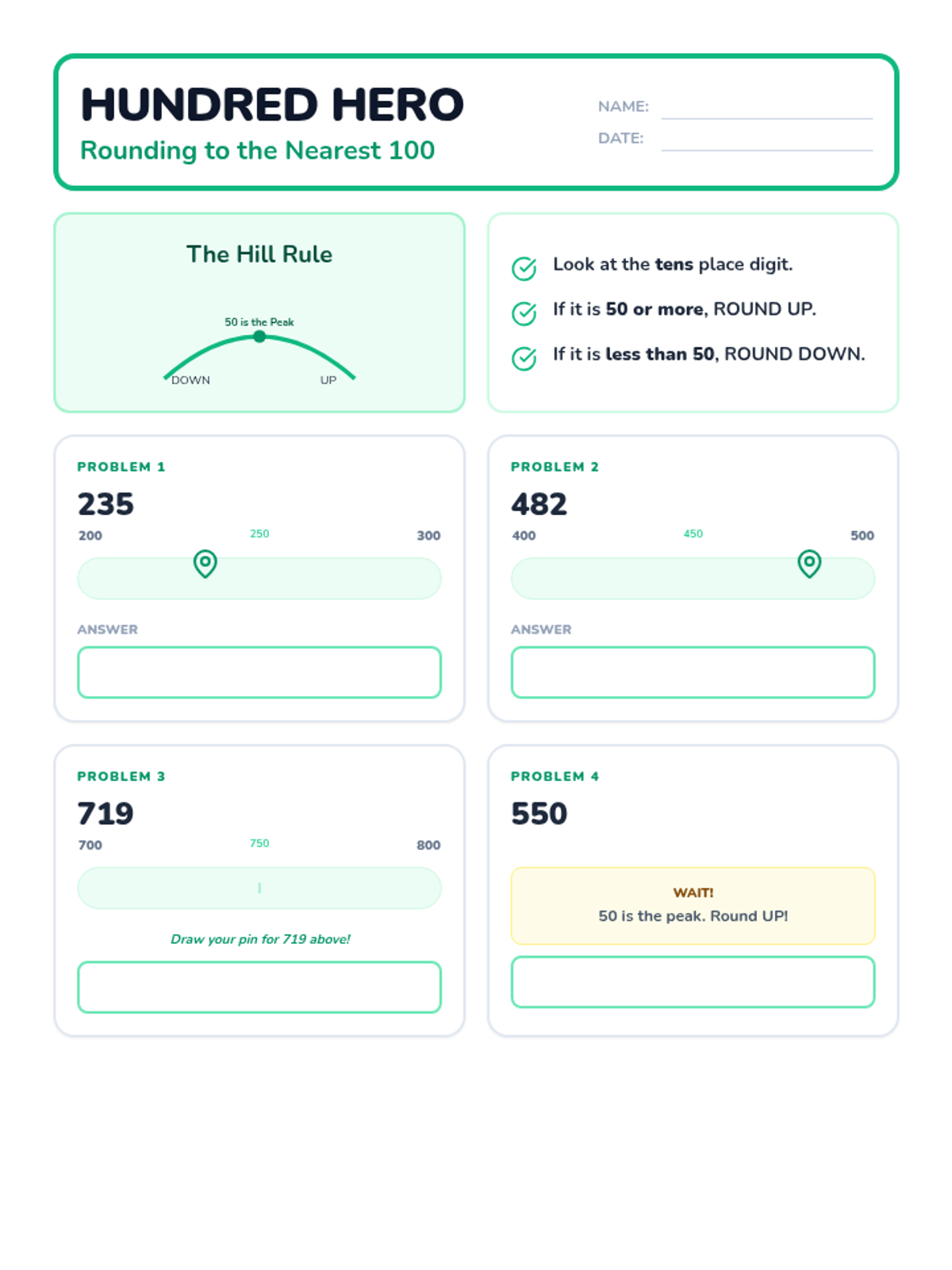
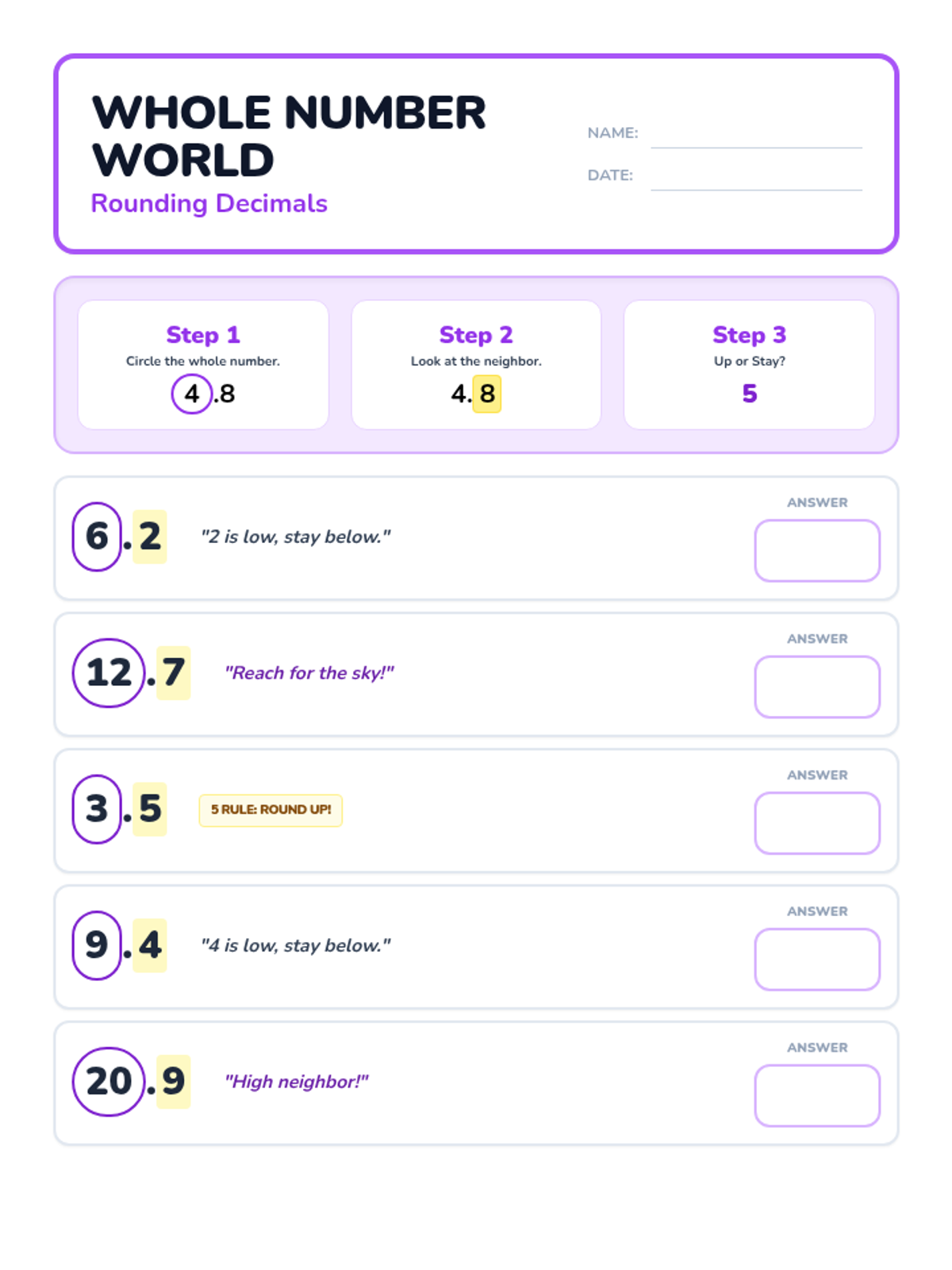
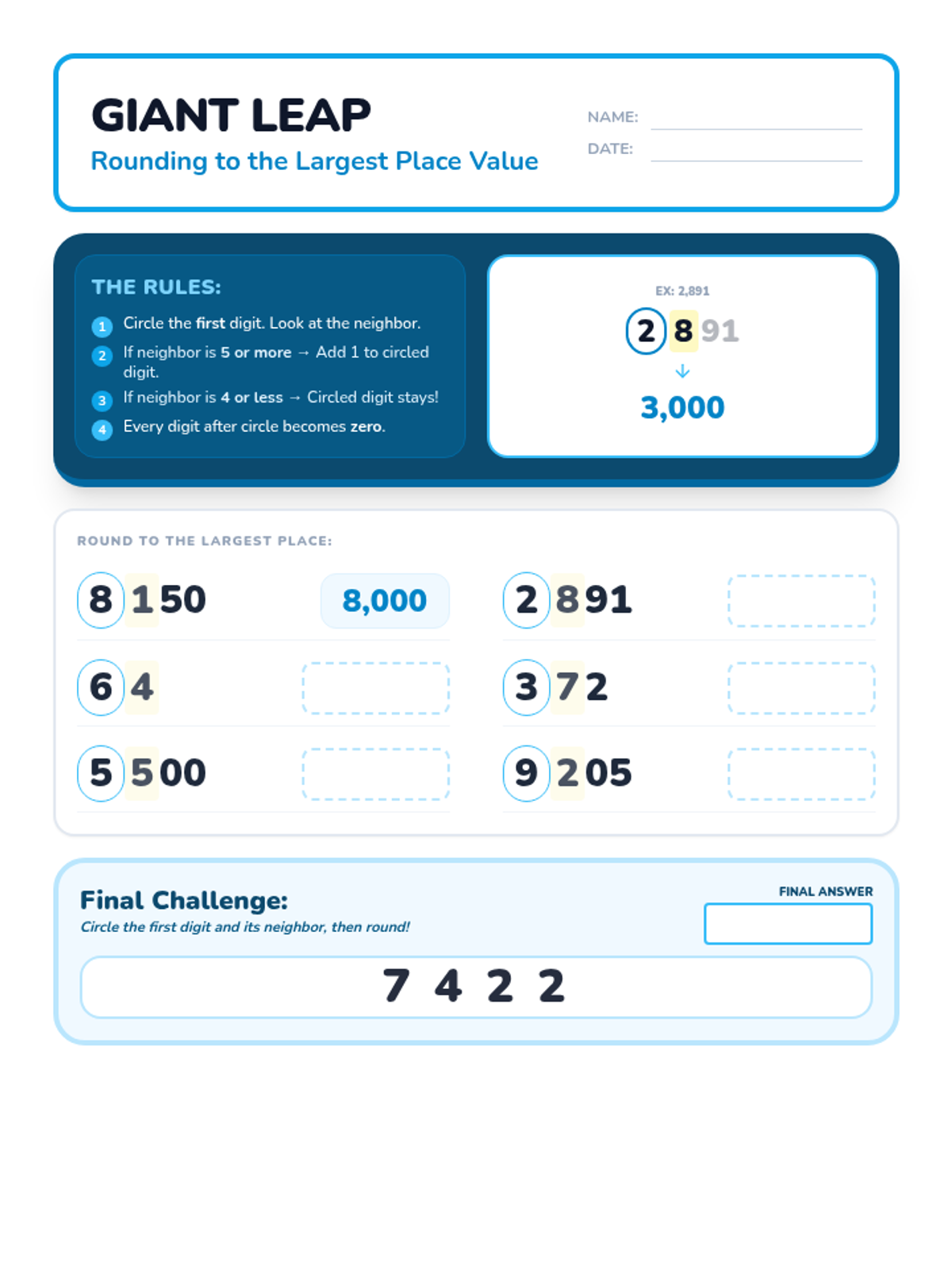
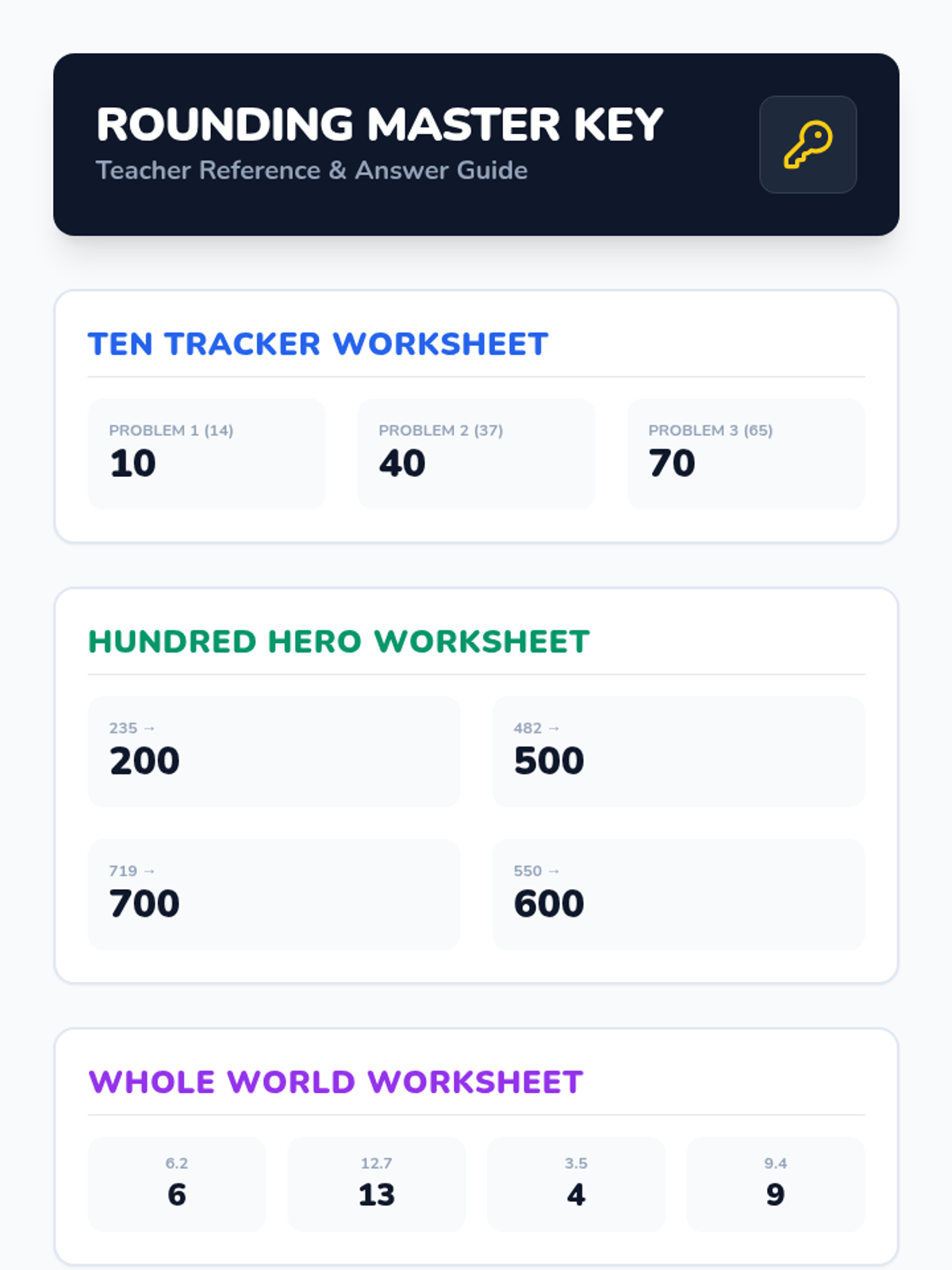
A comprehensive lesson on rounding numbers, specially designed for students with IEPs. Covers rounding to the nearest 10, 100, whole number, and largest place value using visual aids and scaffolded practice.
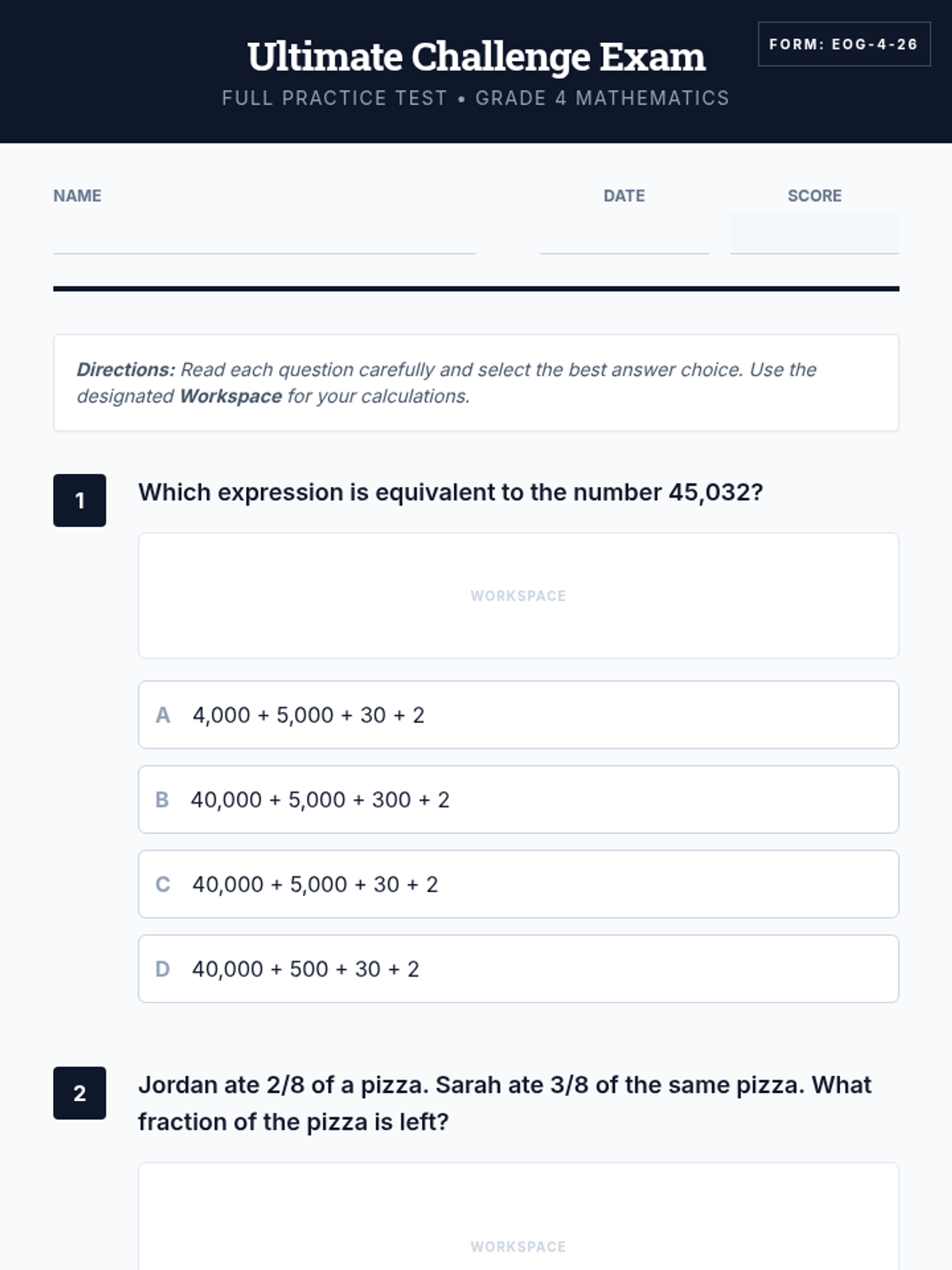
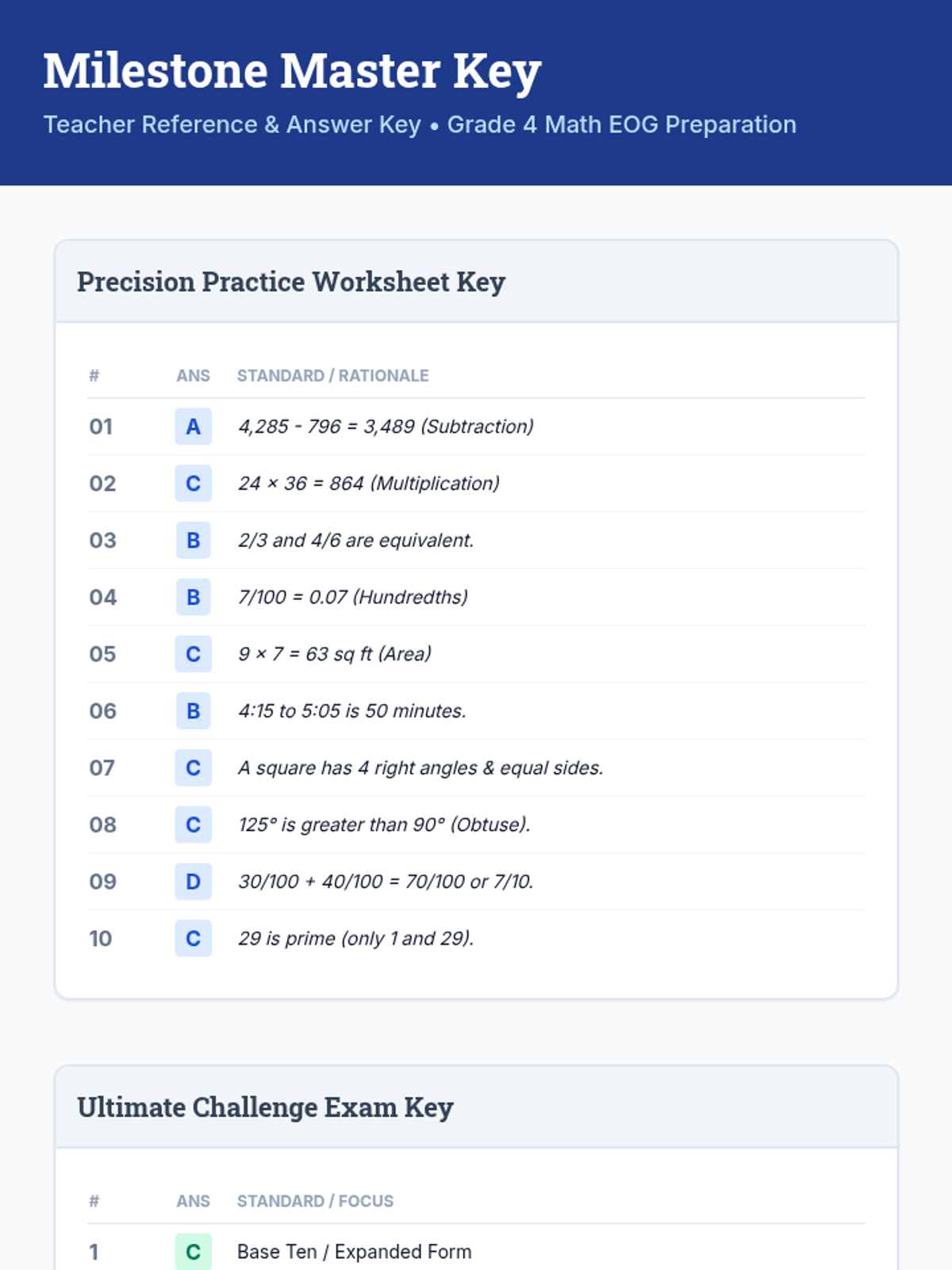
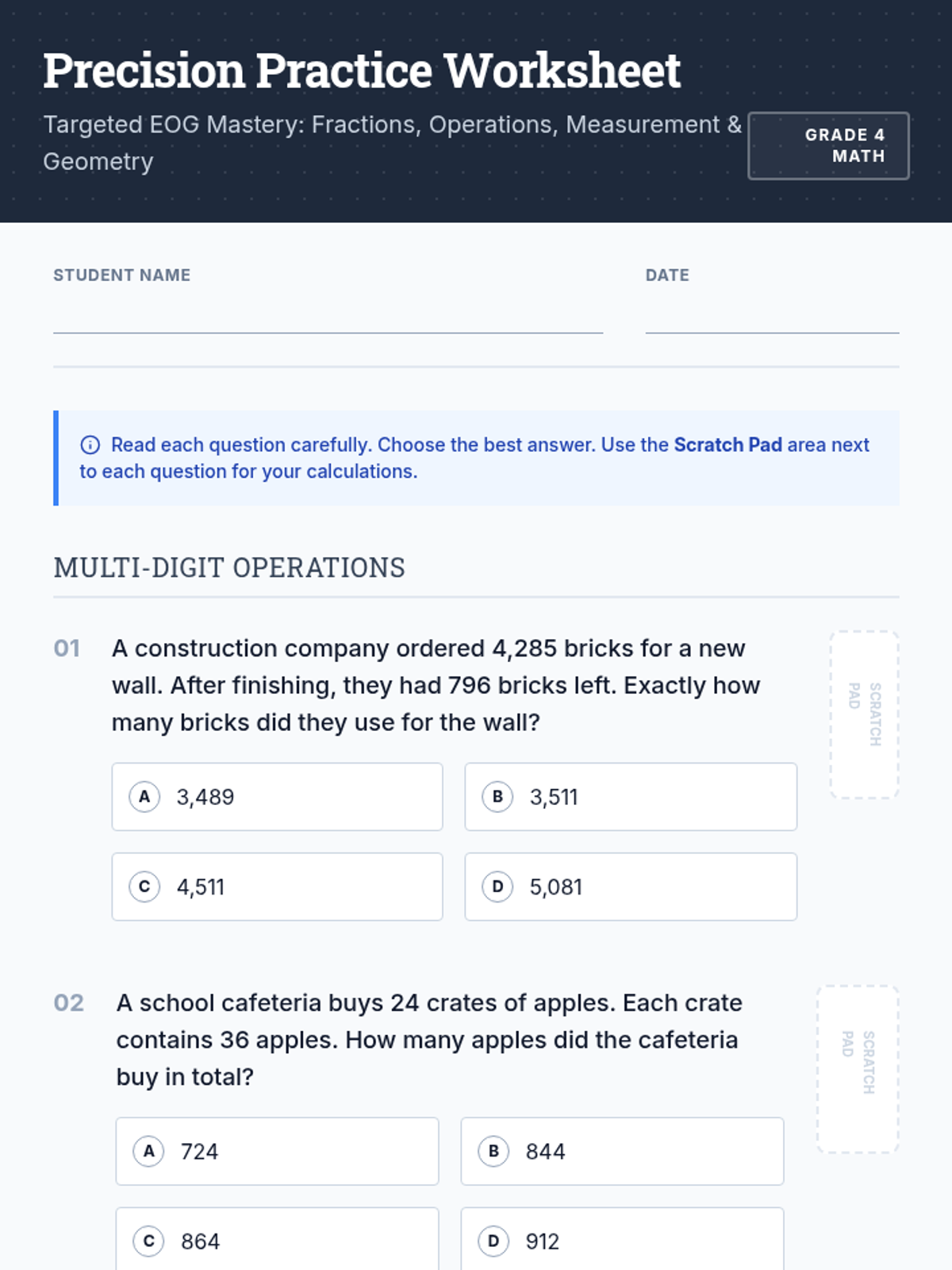
A comprehensive practice suite for 4th Grade Math EOG preparation, focusing on fractions, decimals, multi-digit operations, measurement, data, and geometry. This lesson includes targeted worksheets and a full-length practice exam designed to mimic the rigor of state assessments.
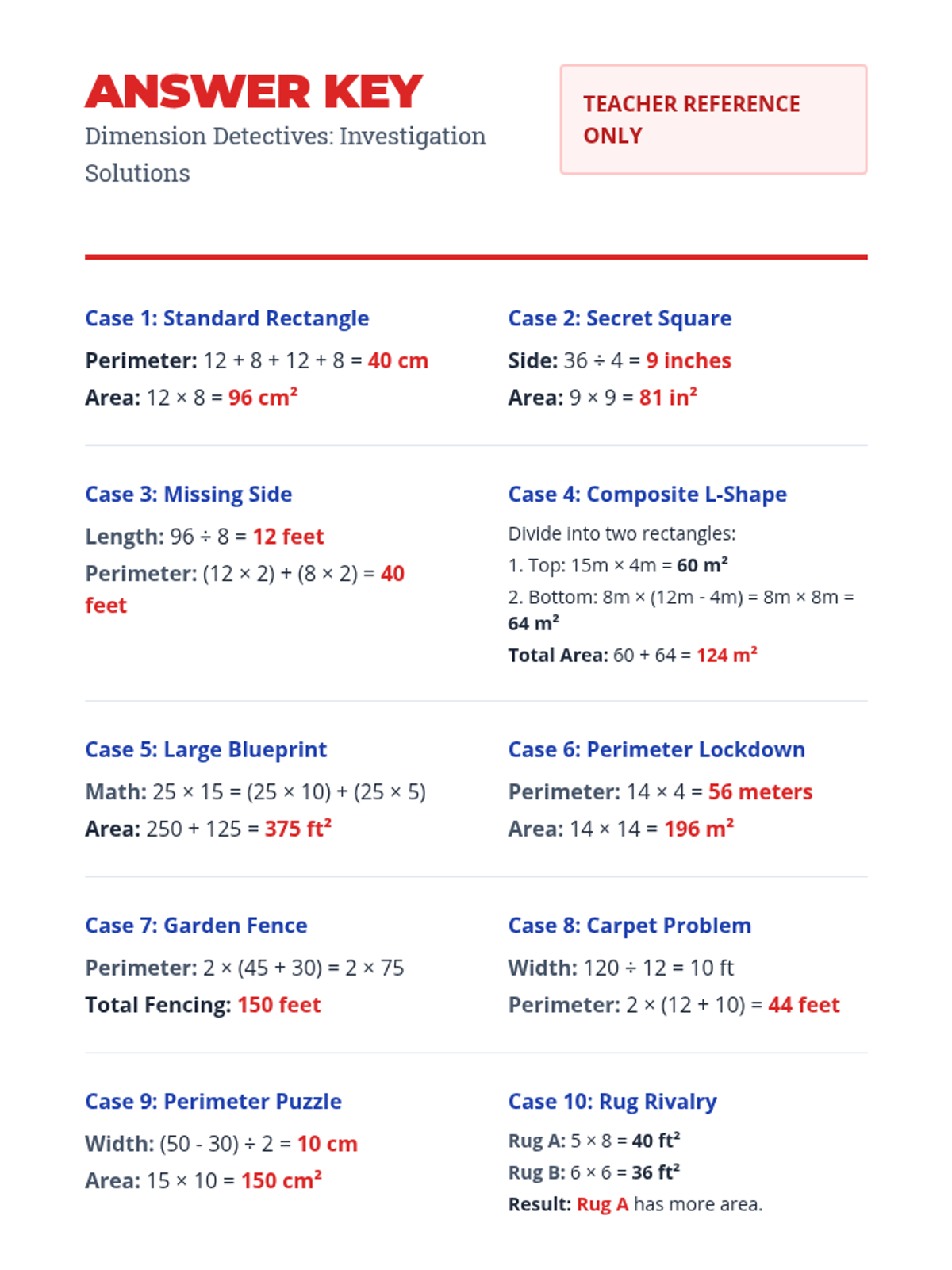
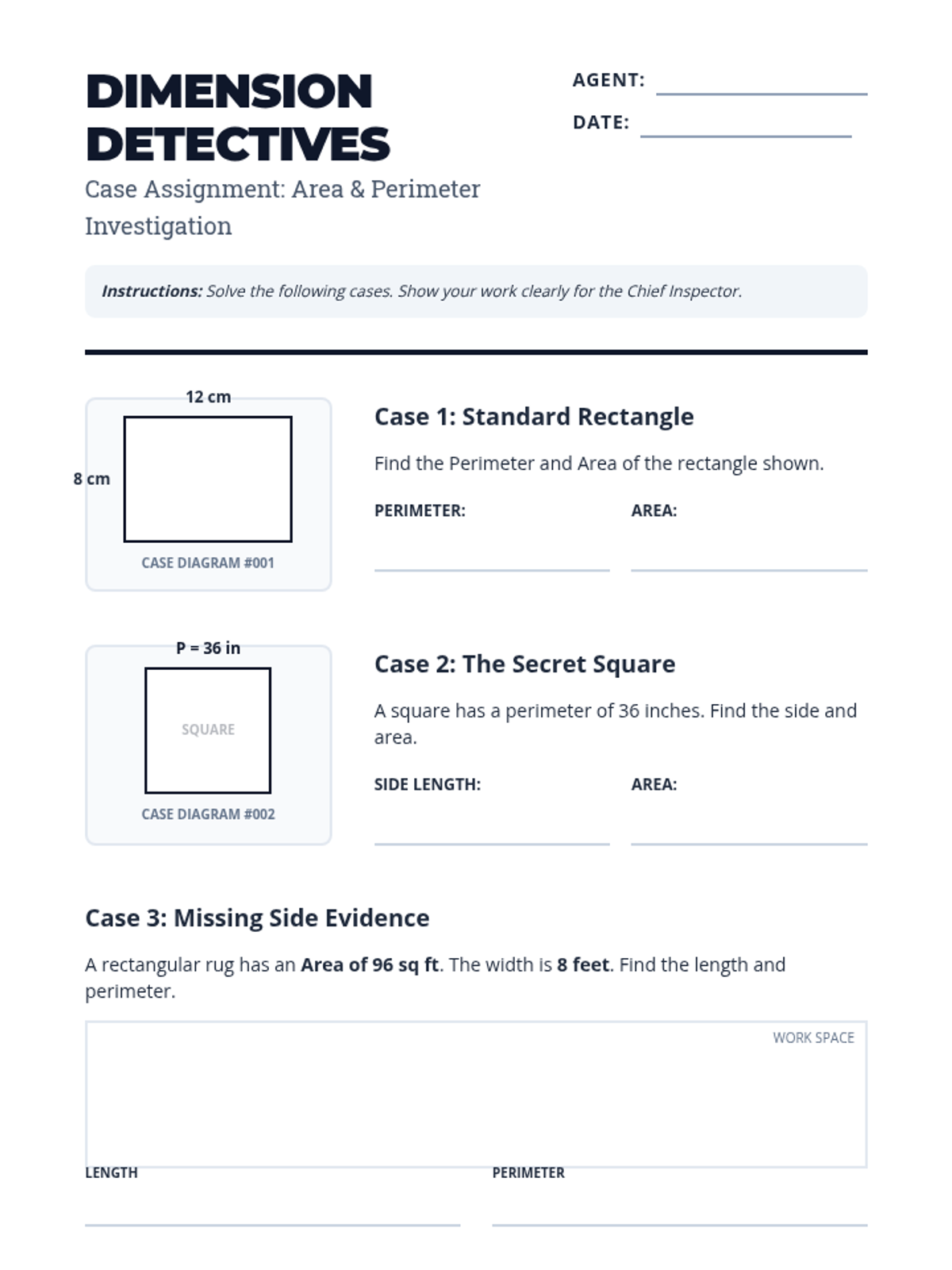
A fourth-grade lesson focusing on calculating area and perimeter of rectangles, squares, and composite L-shapes, including problems with missing dimensions and multi-digit multiplication.
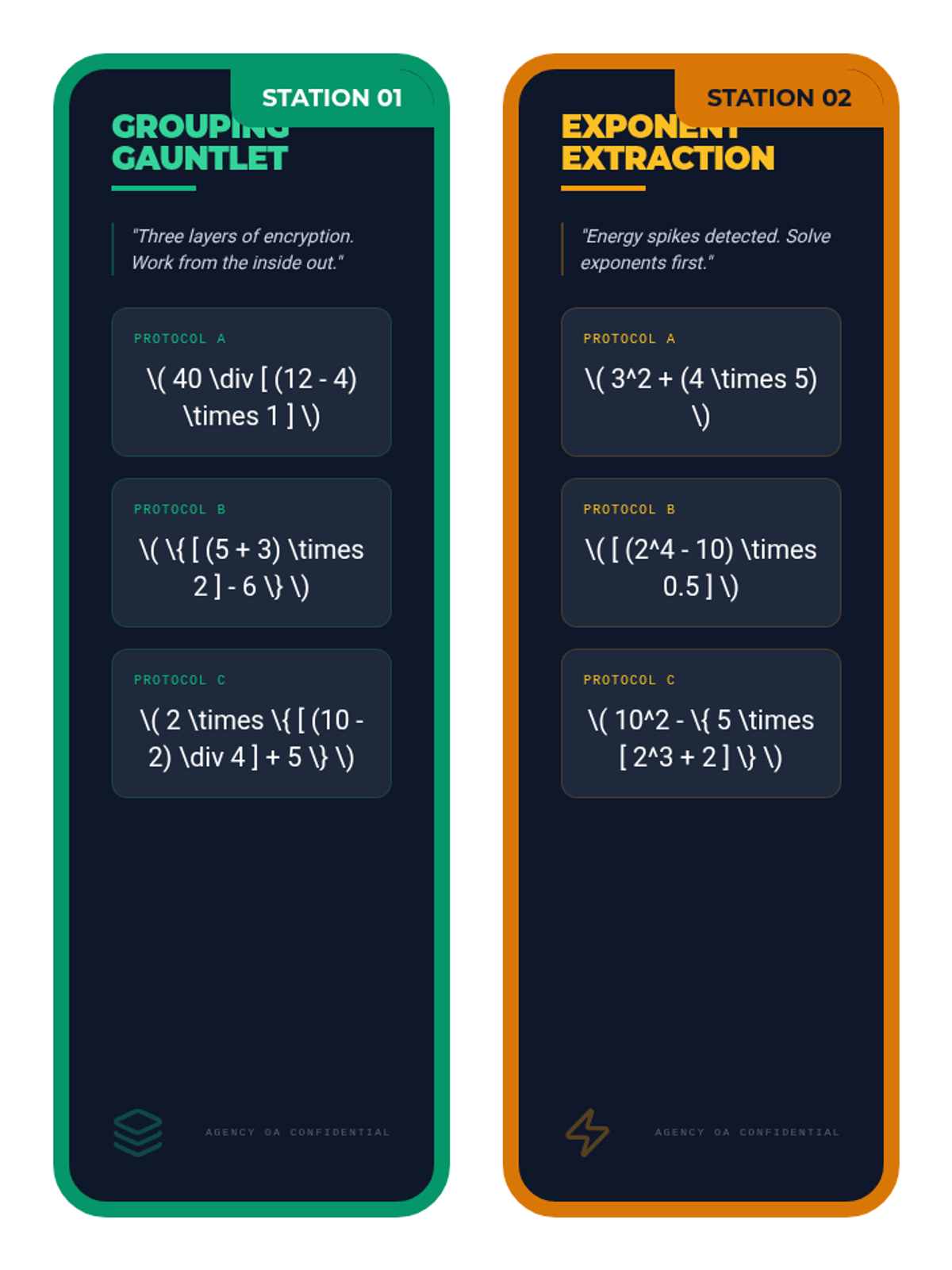
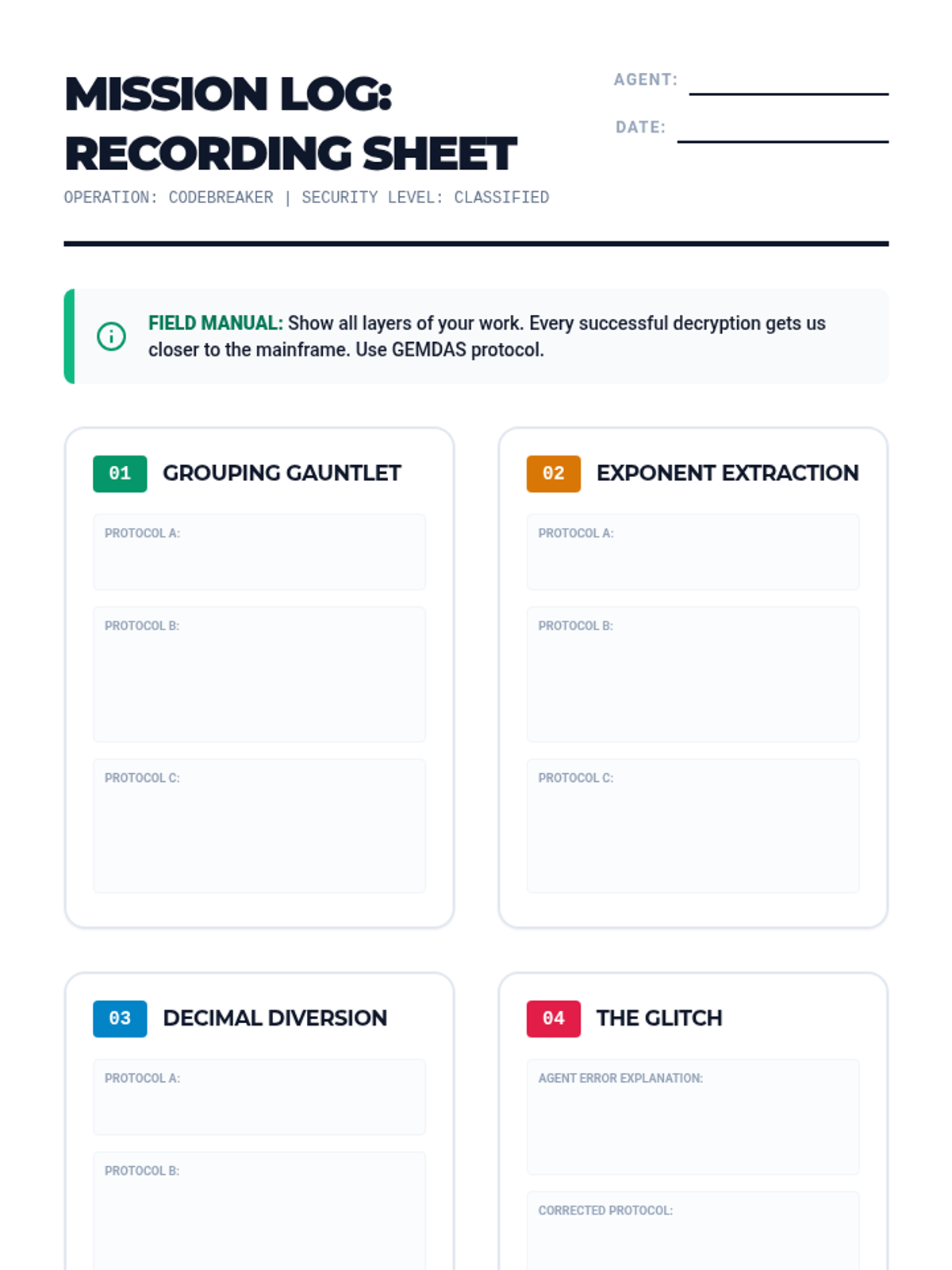
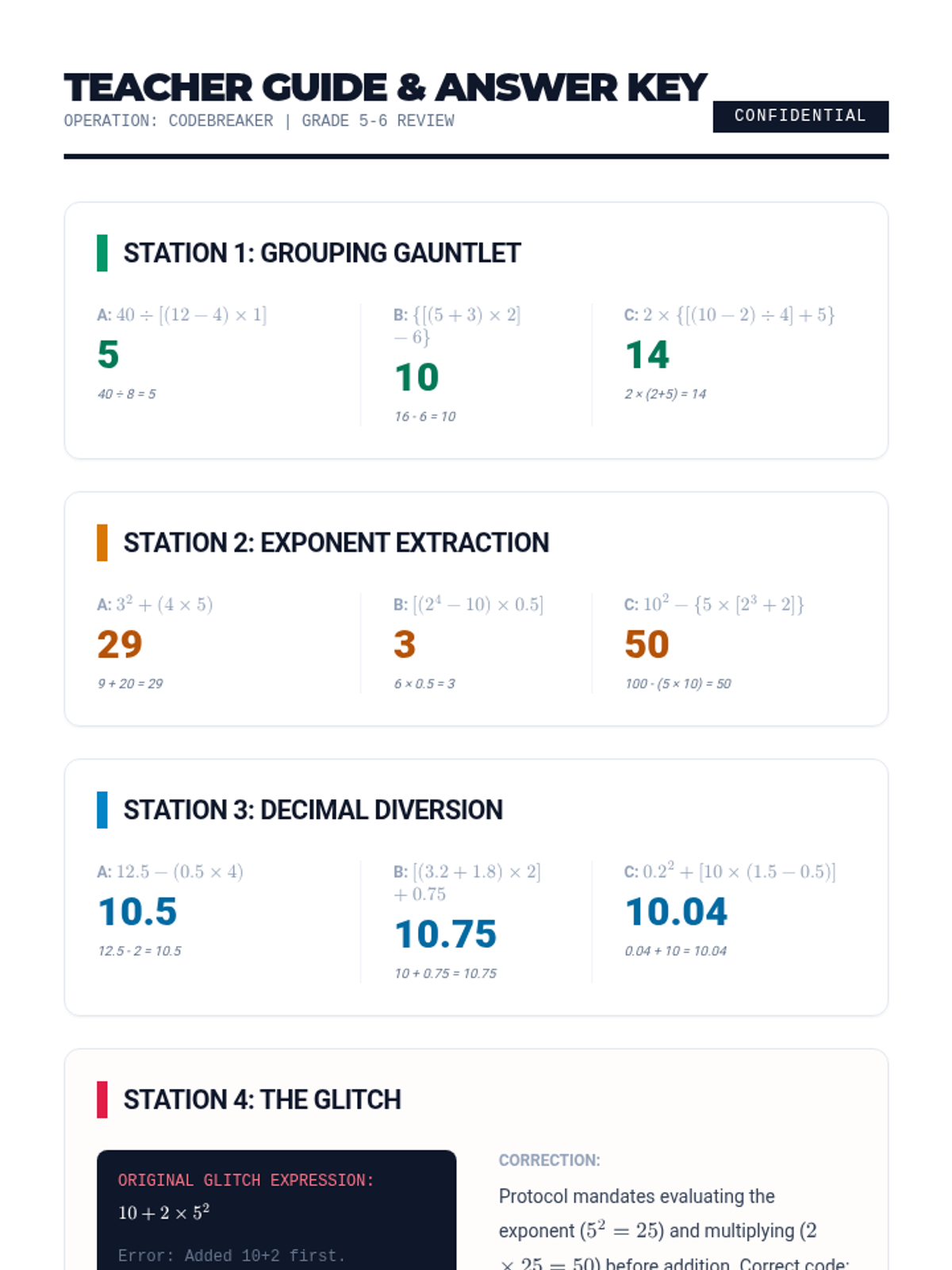
A high-energy, spy-themed review of the order of operations featuring nested groupings (parentheses, brackets, braces), exponents, and decimal operations. Students take on the role of codebreakers to solve complex numerical missions.
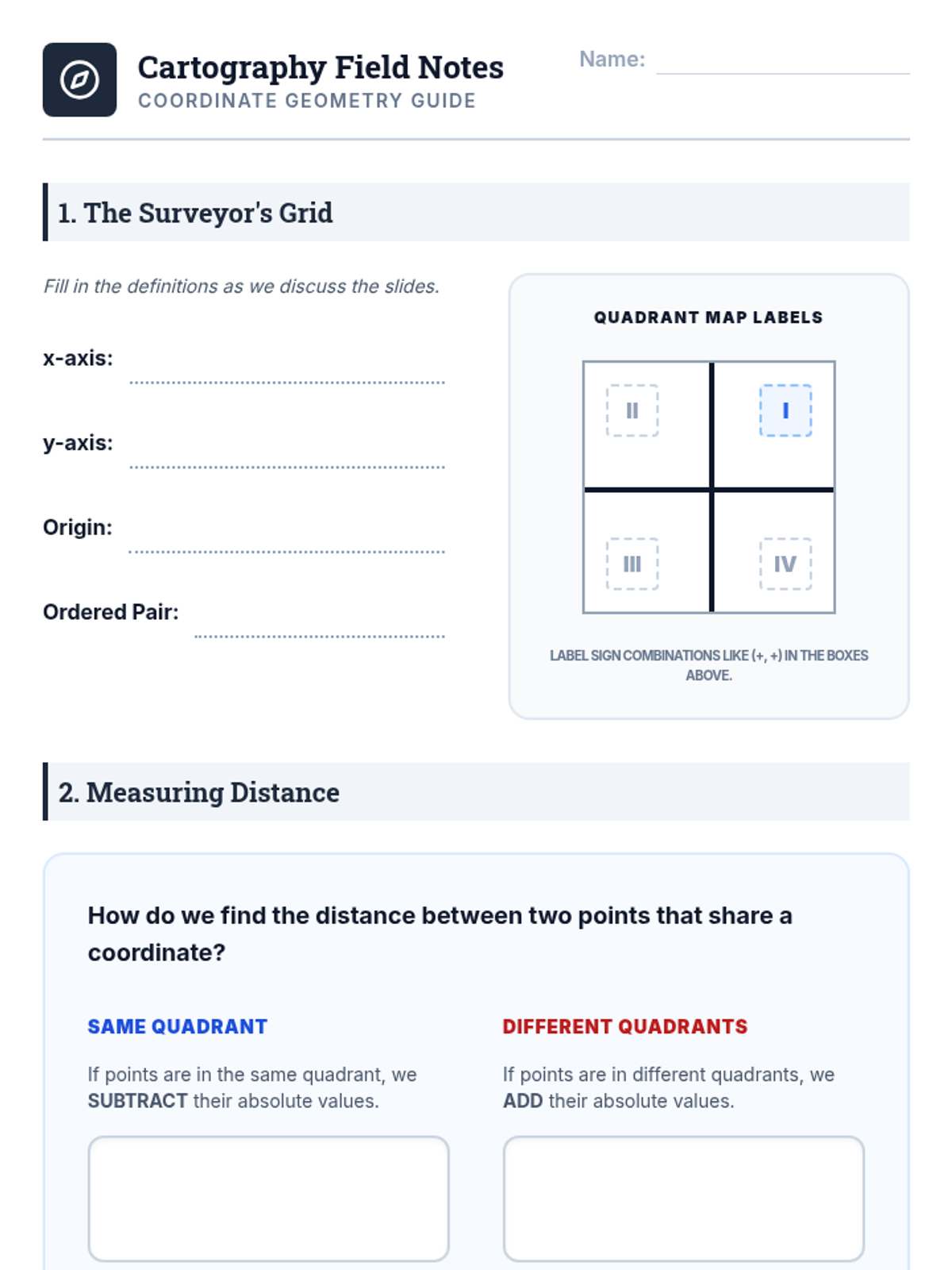
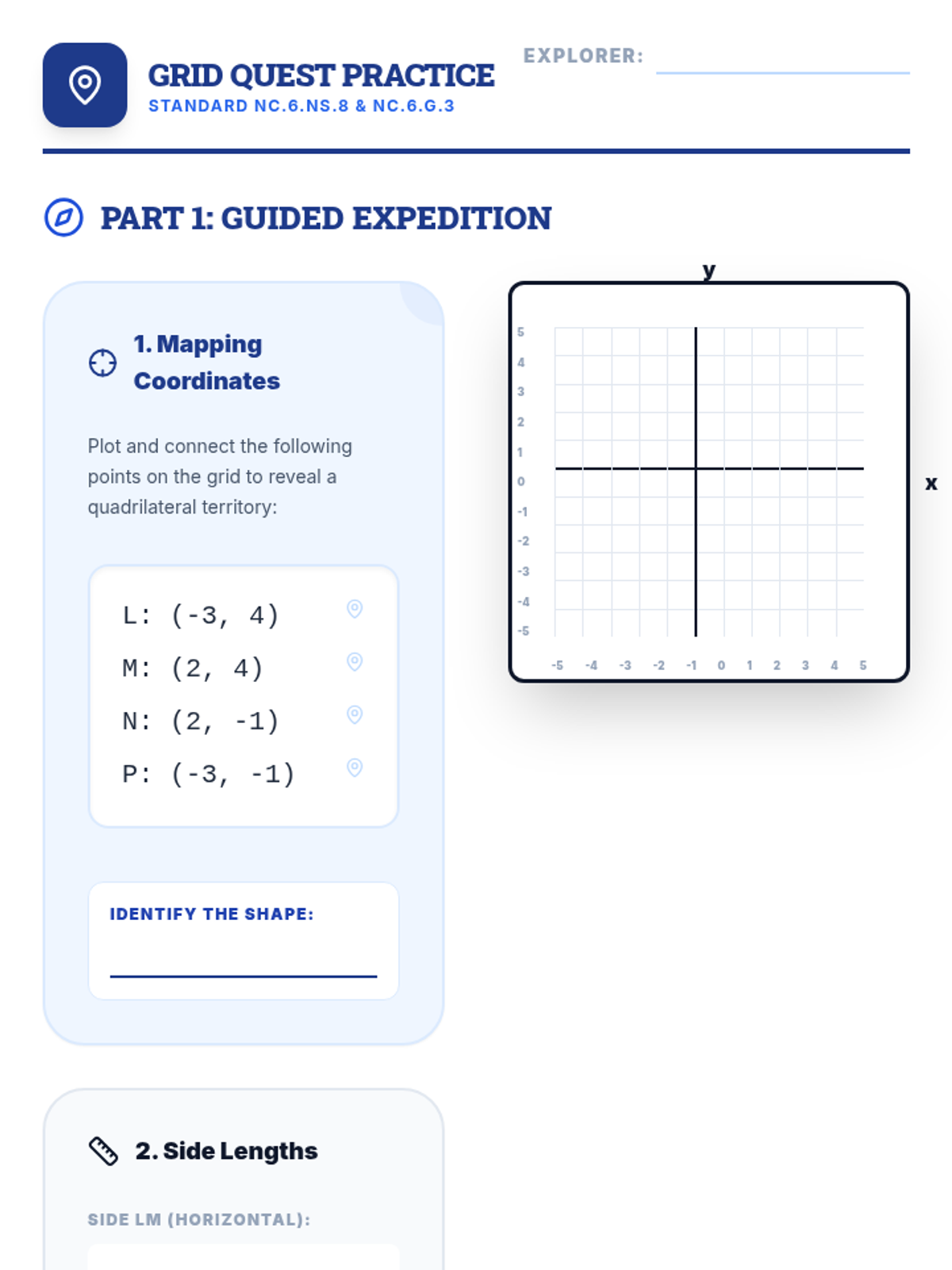
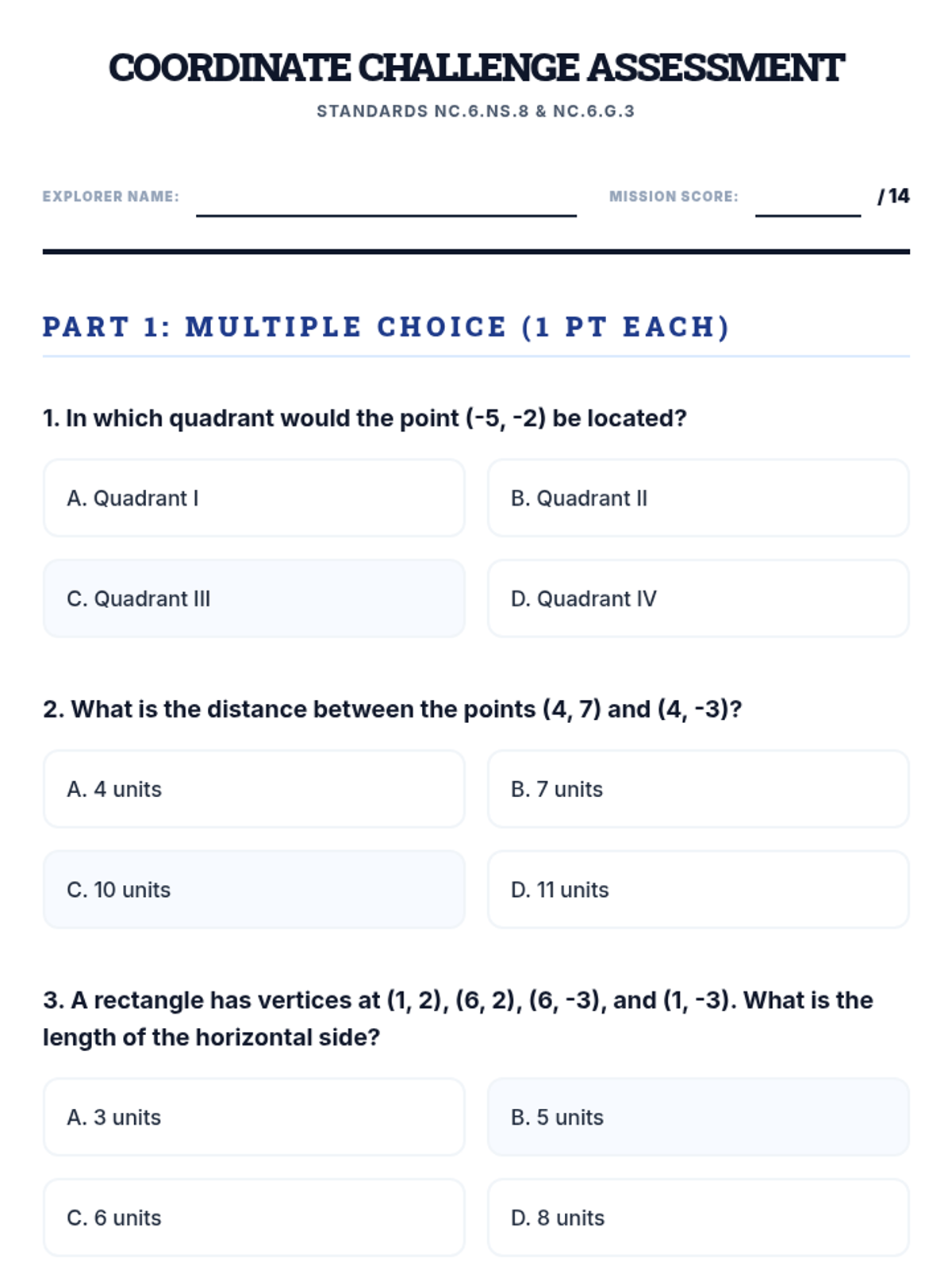
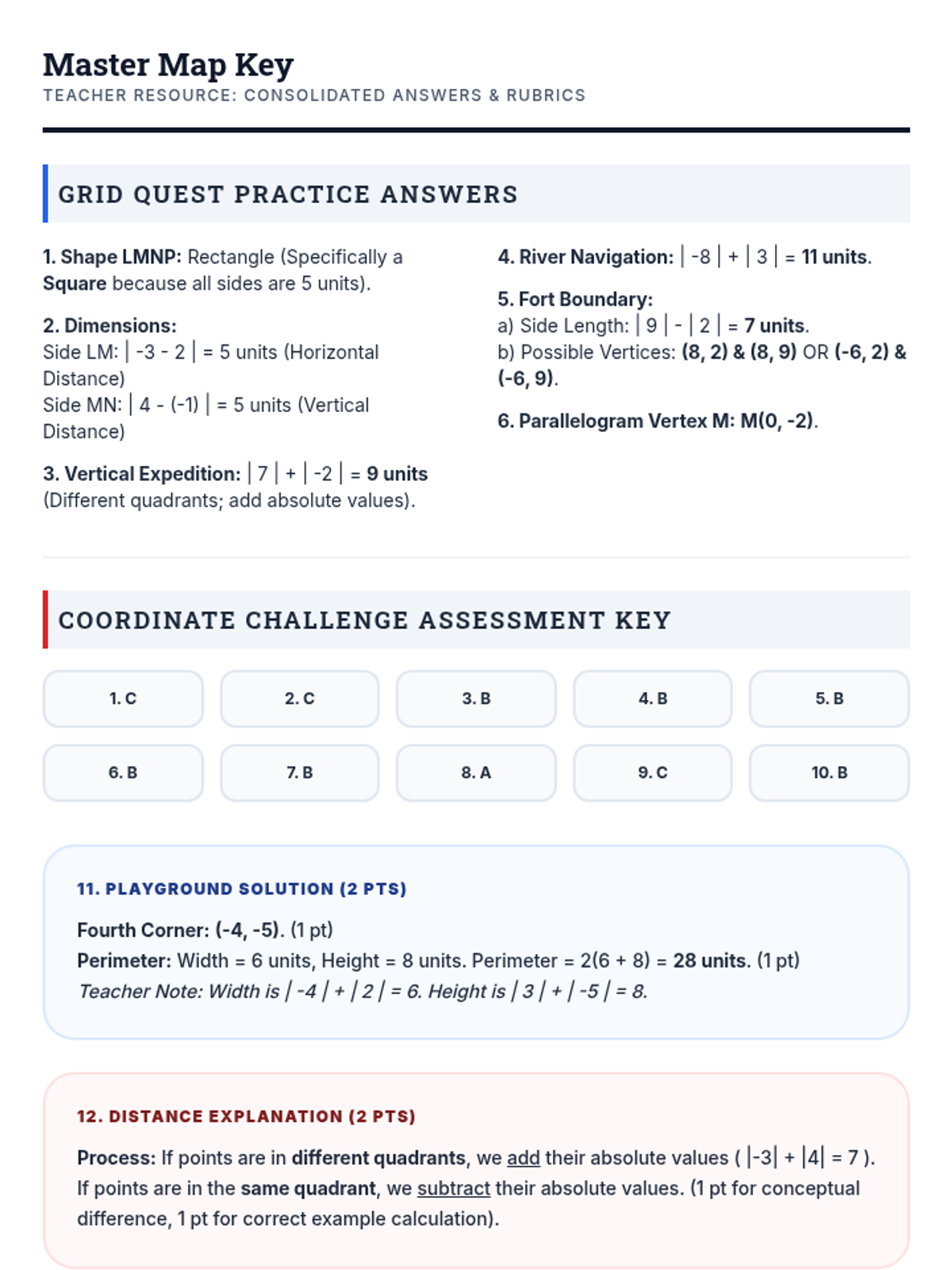
A comprehensive lesson on plotting points, identifying quadrilaterals, and calculating distances on the coordinate plane. Students use cartography-themed materials to master 6th-grade geometry and number system standards.
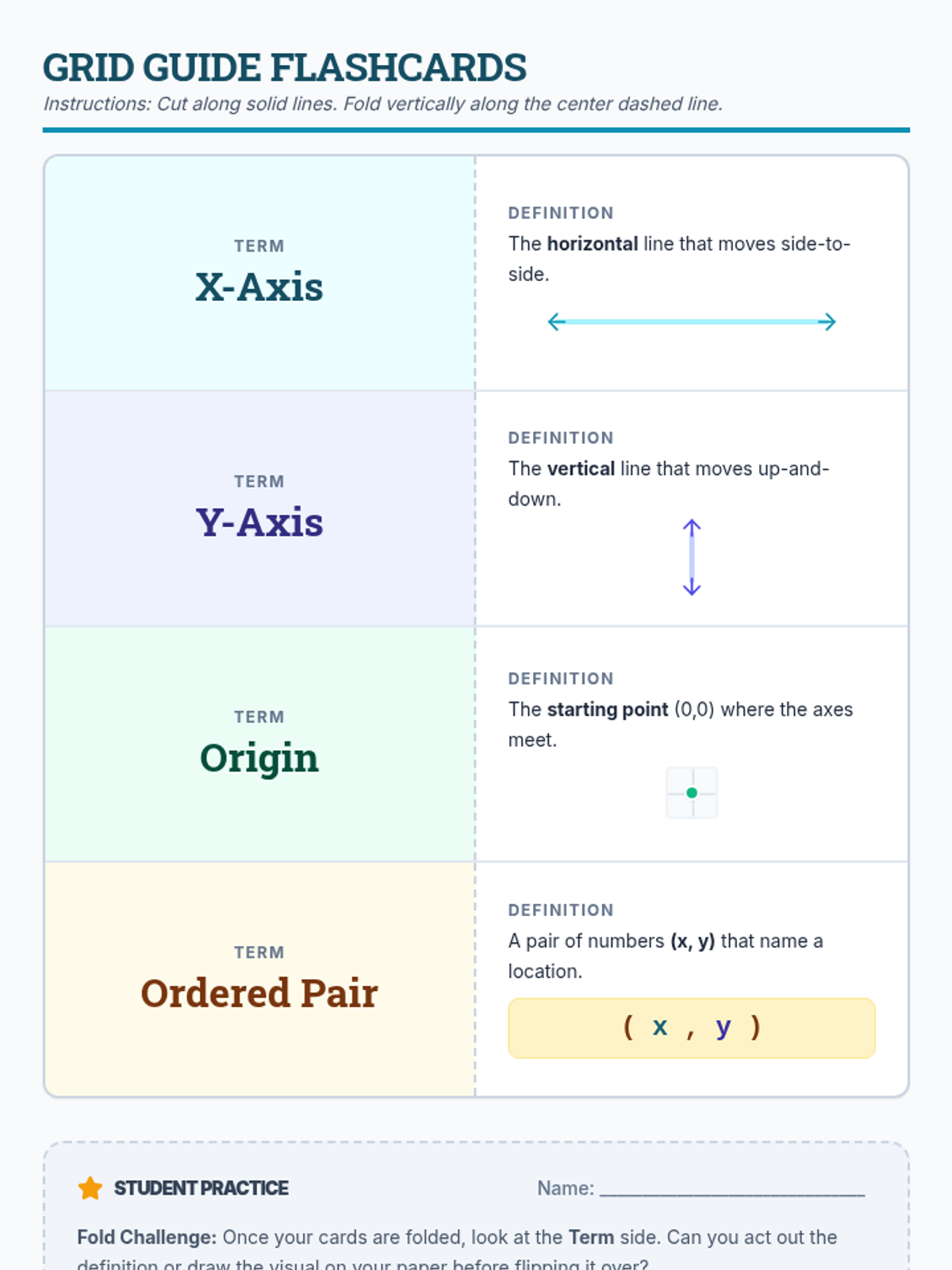
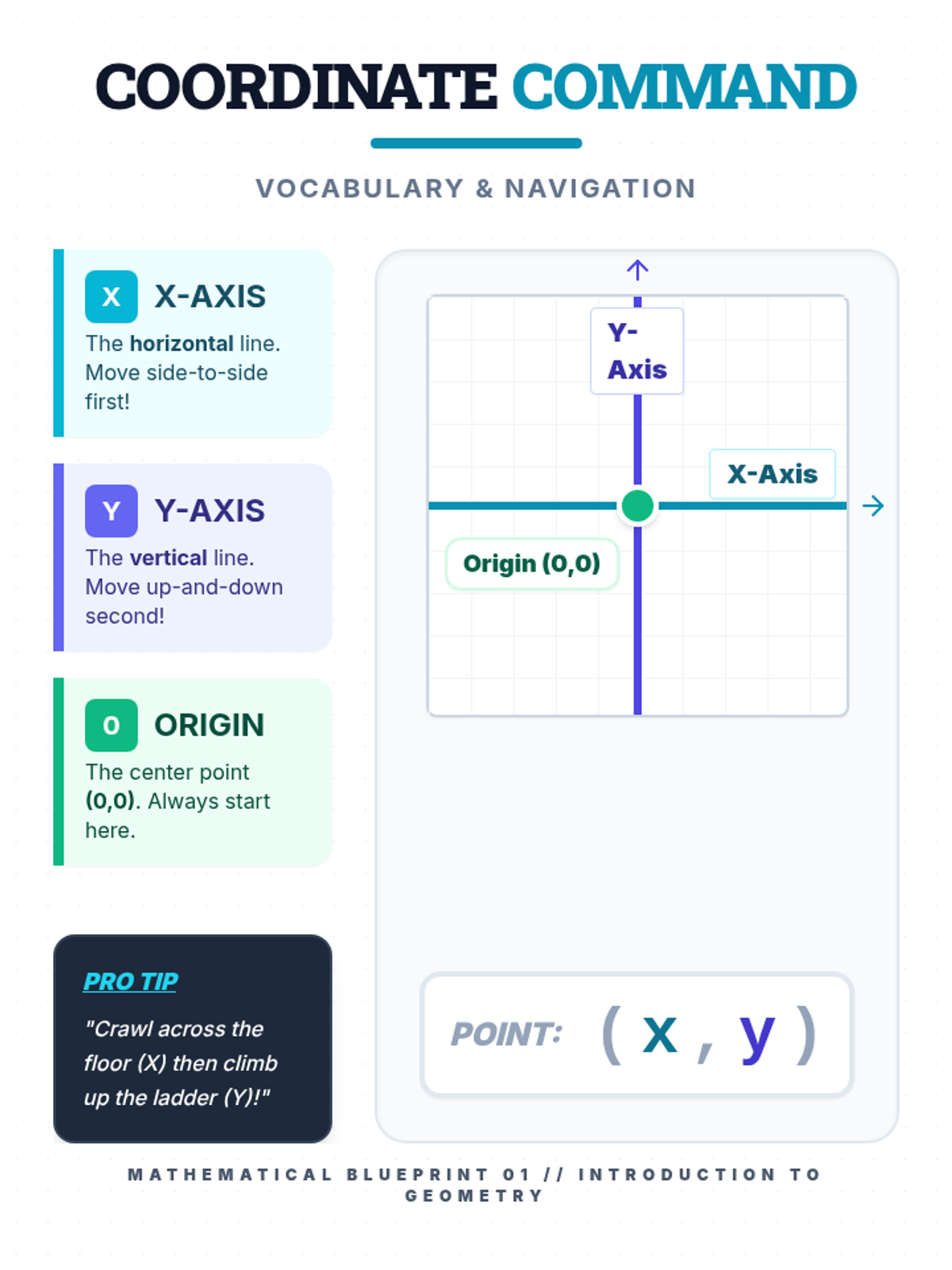
An introduction to the coordinate plane, focusing on identifying the x-axis, y-axis, and the origin to begin plotting ordered pairs.
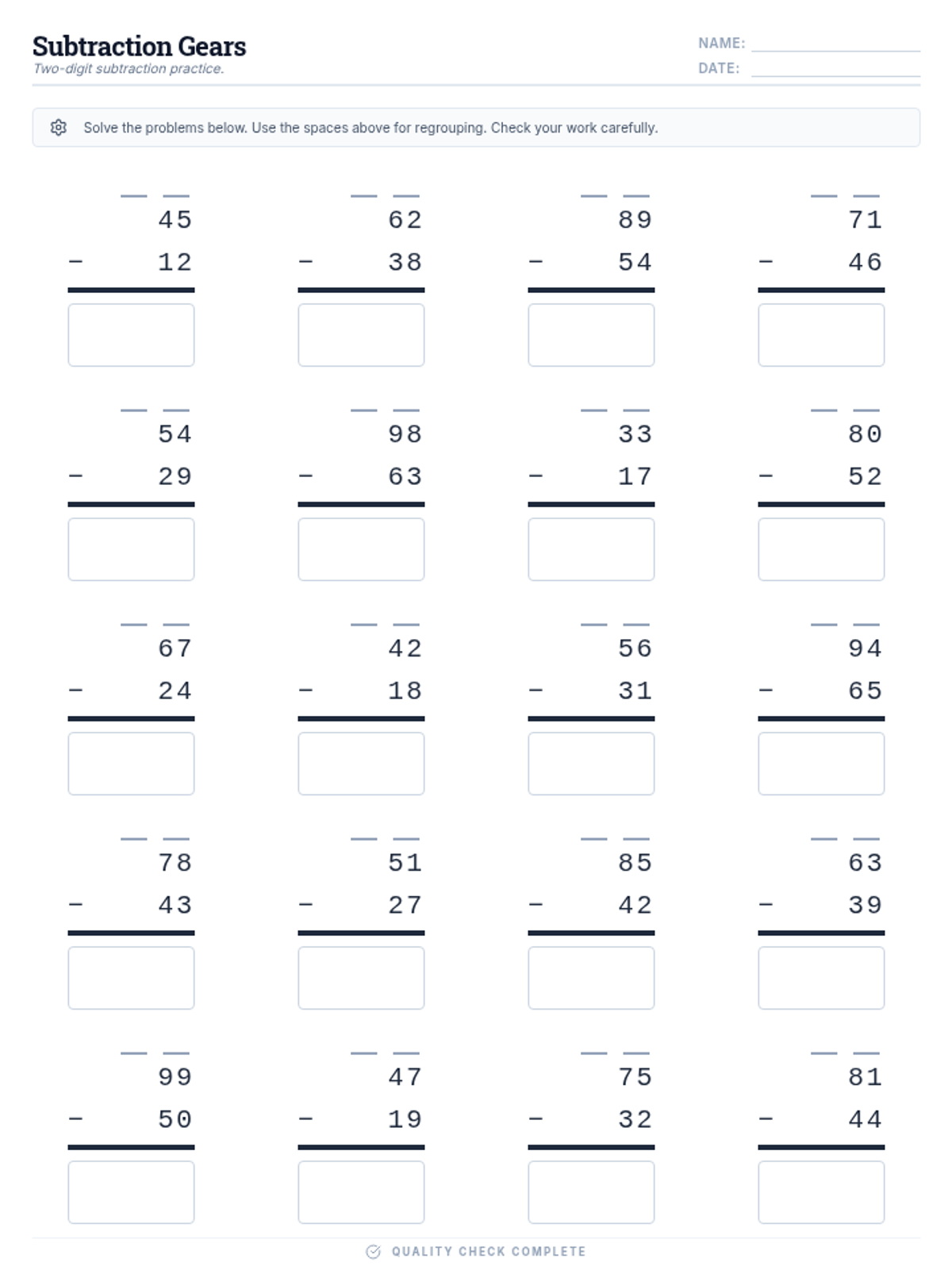
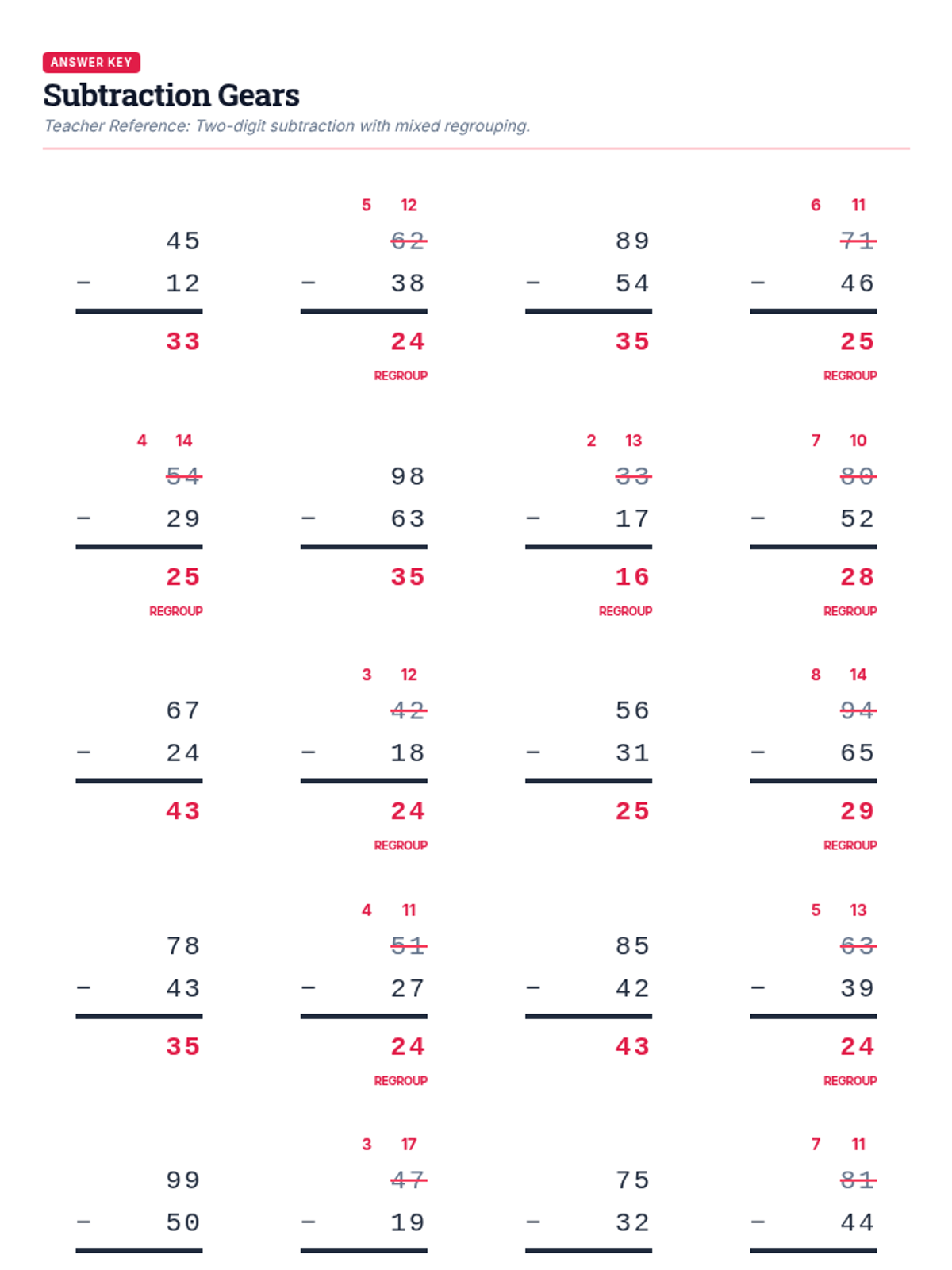
A practice lesson focused on mastering two-digit subtraction with a mix of regrouping and non-regrouping problems.
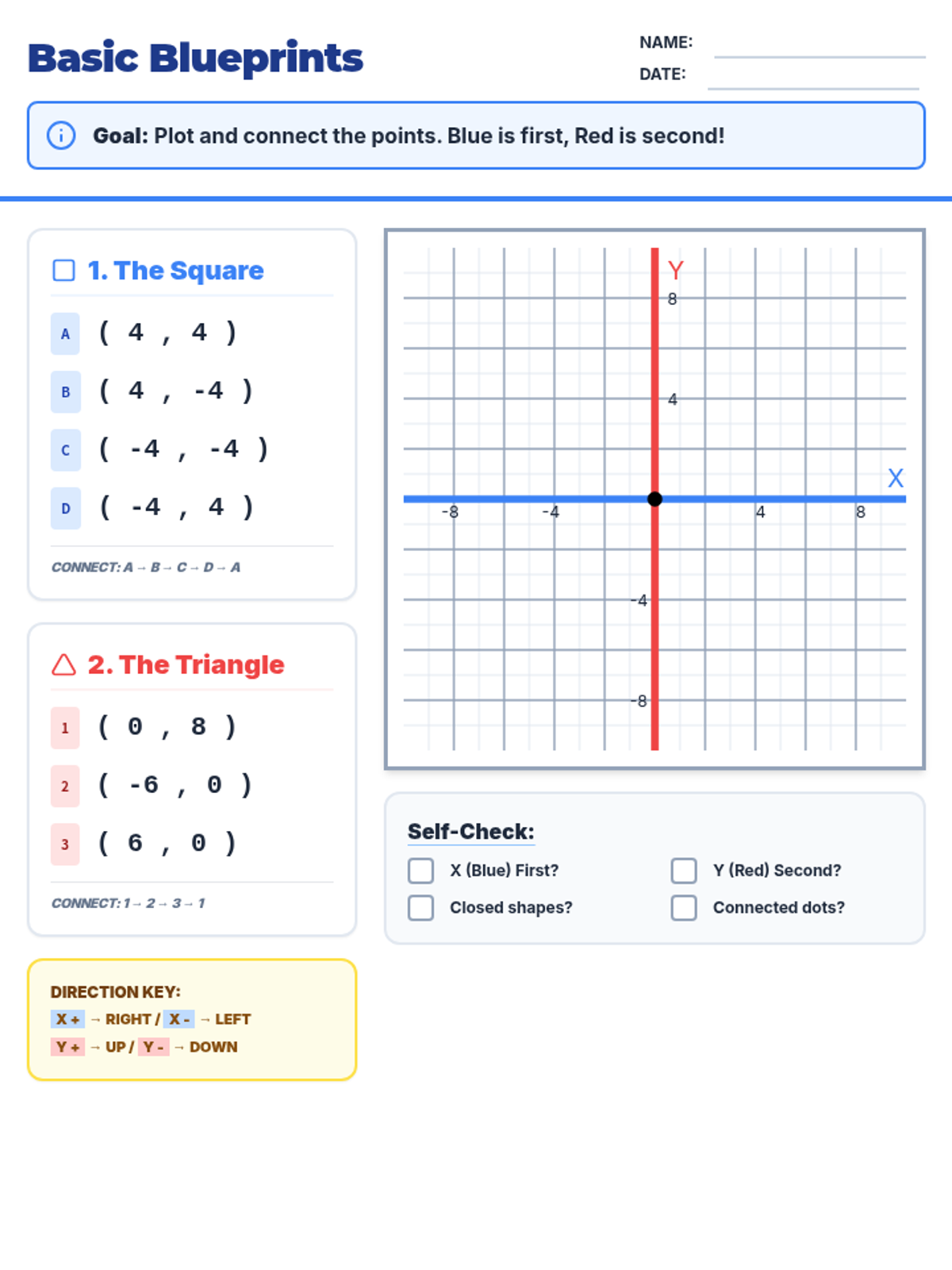
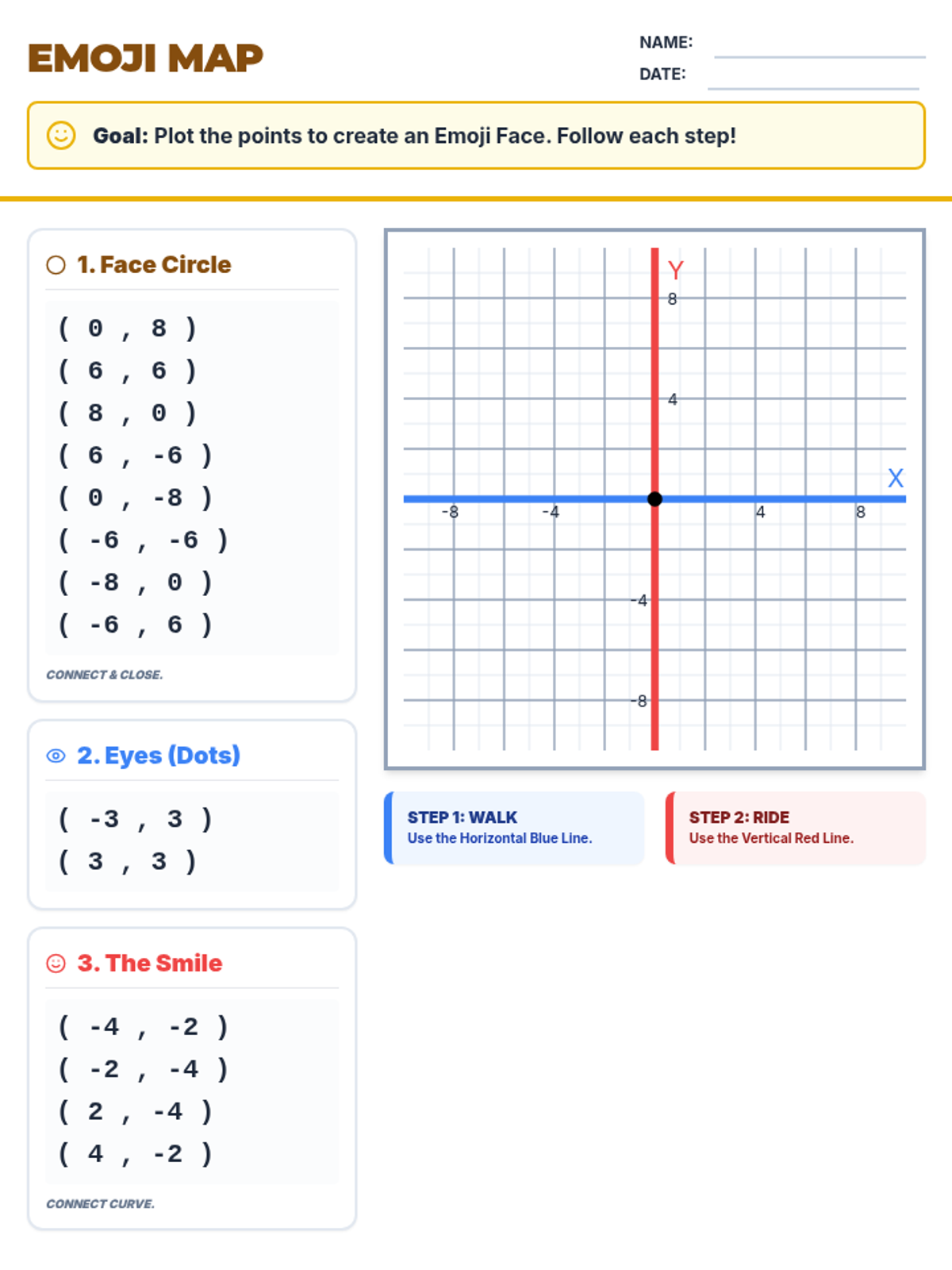
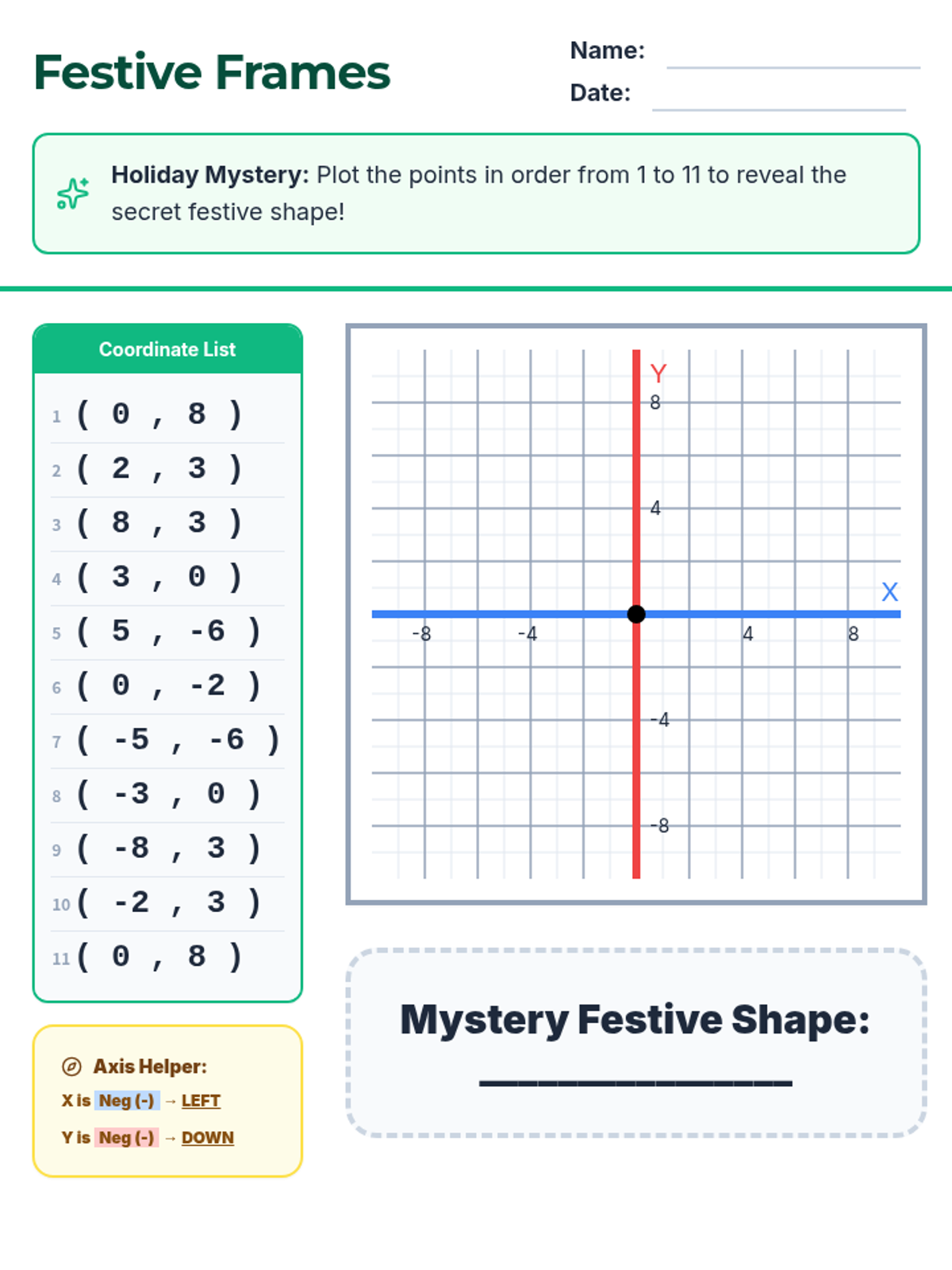
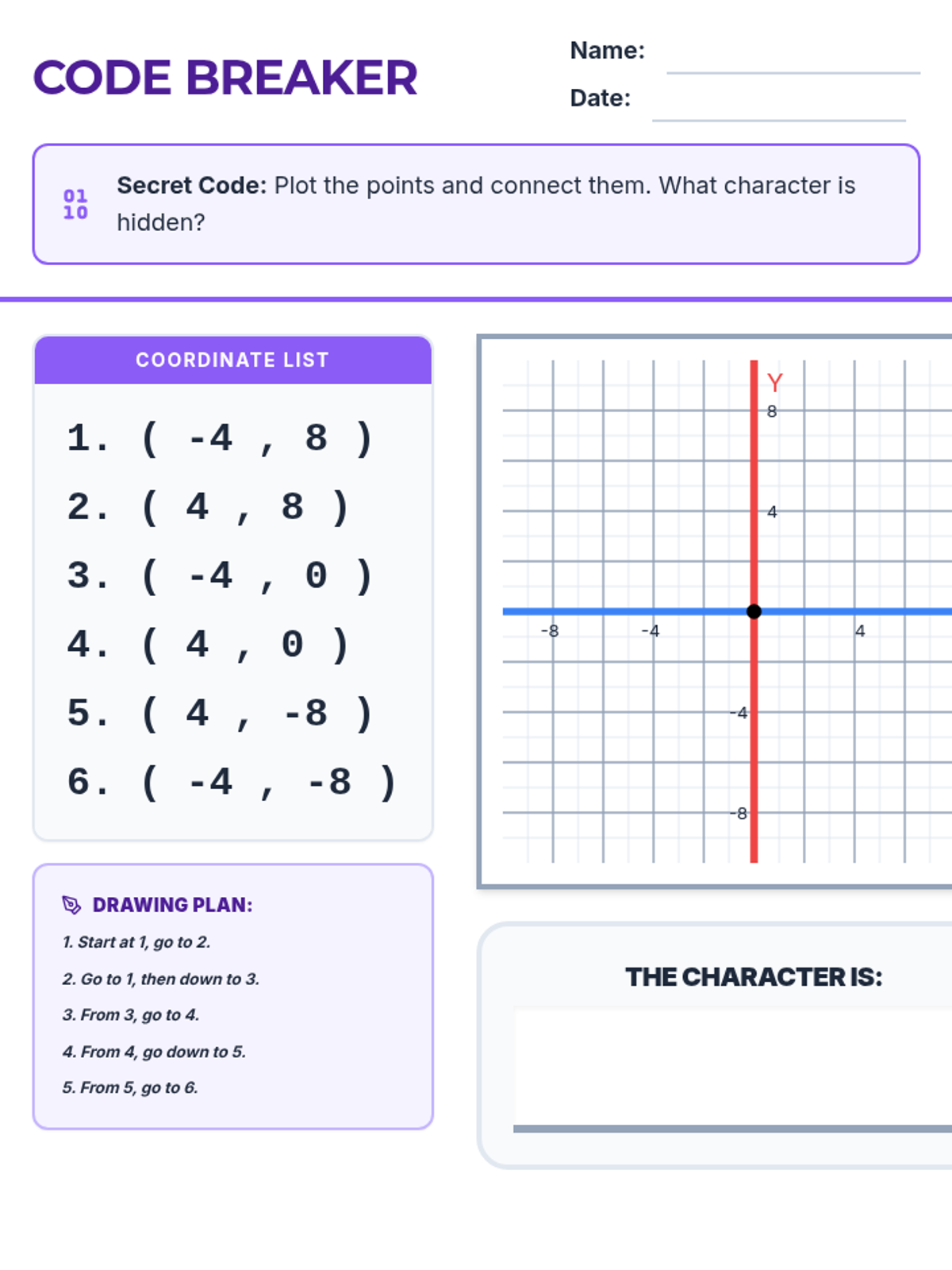
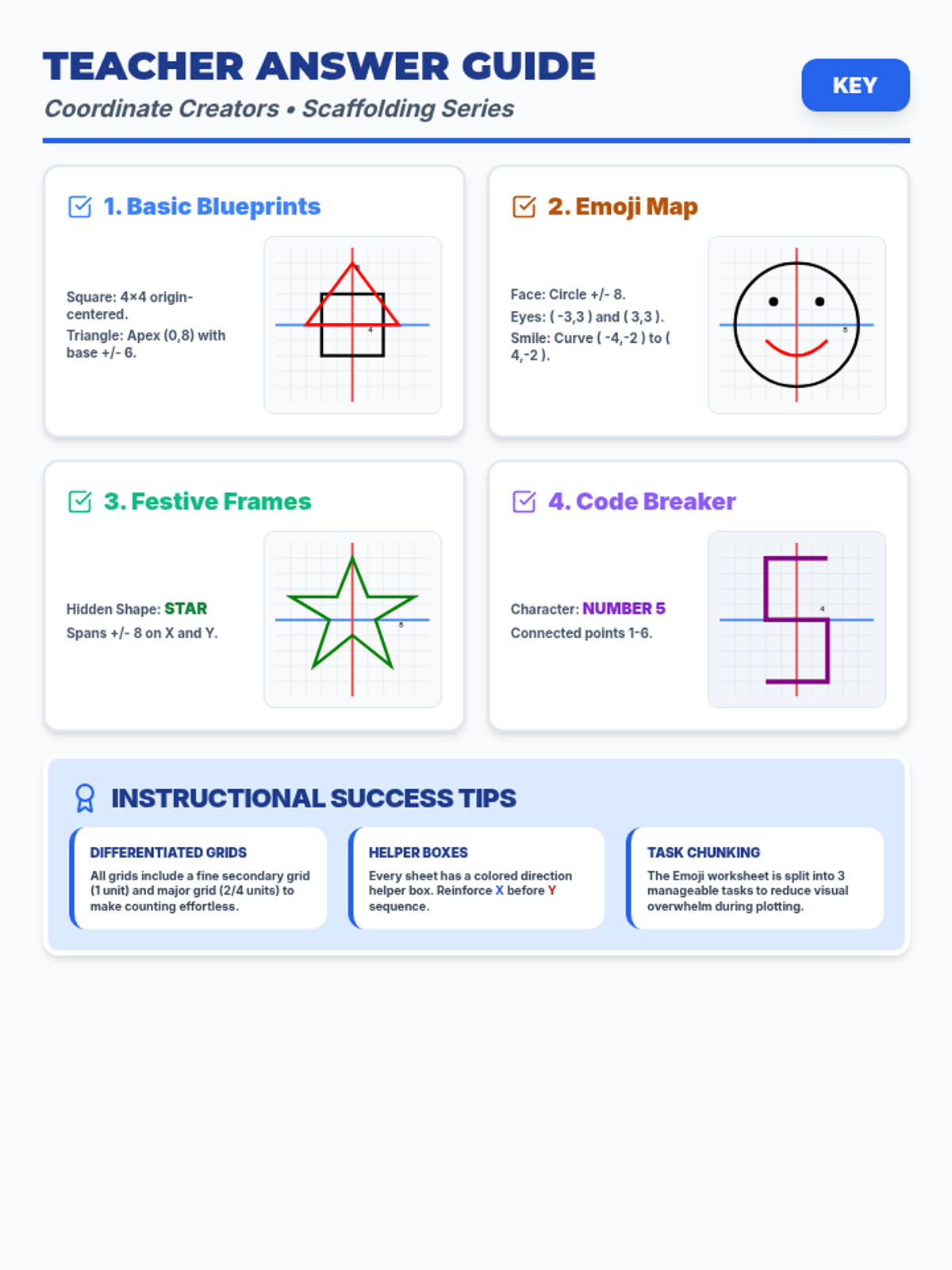
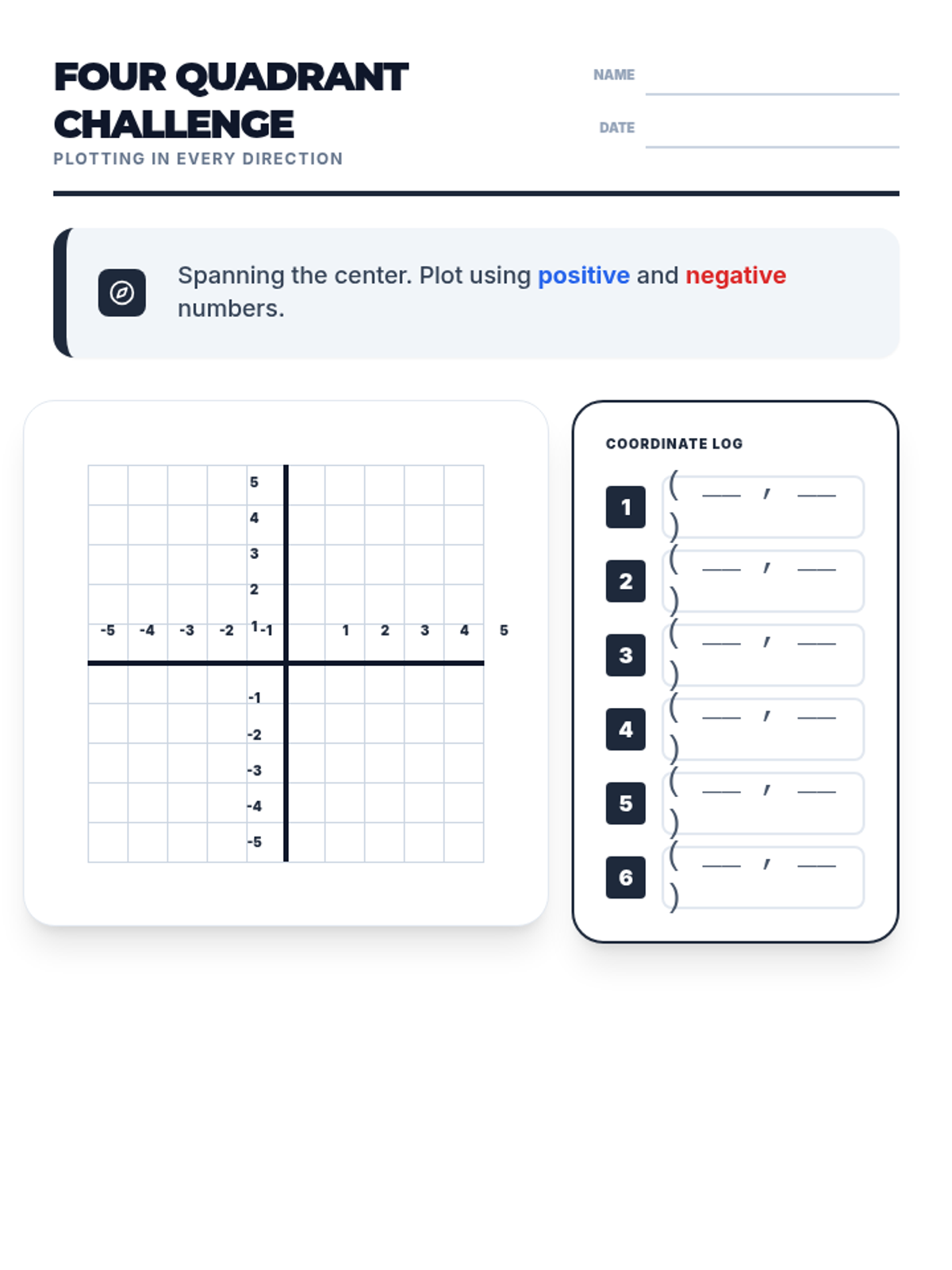
A beginner-friendly introduction to the four-quadrant coordinate plane, specifically designed with scaffolding and visual aids for students with diverse learning needs. Students will practice plotting points to reveal basic shapes, emojis, holiday symbols, and characters.
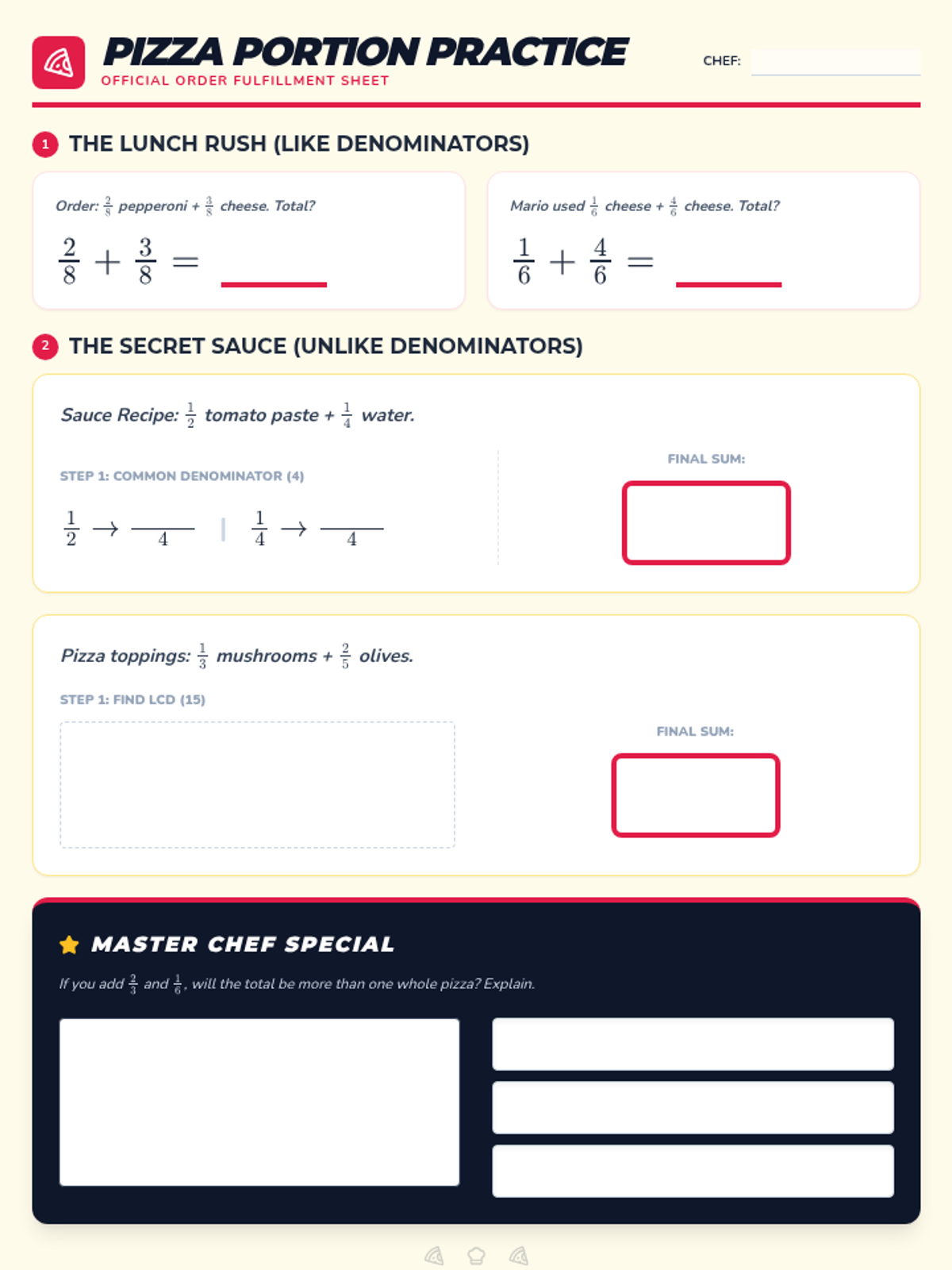
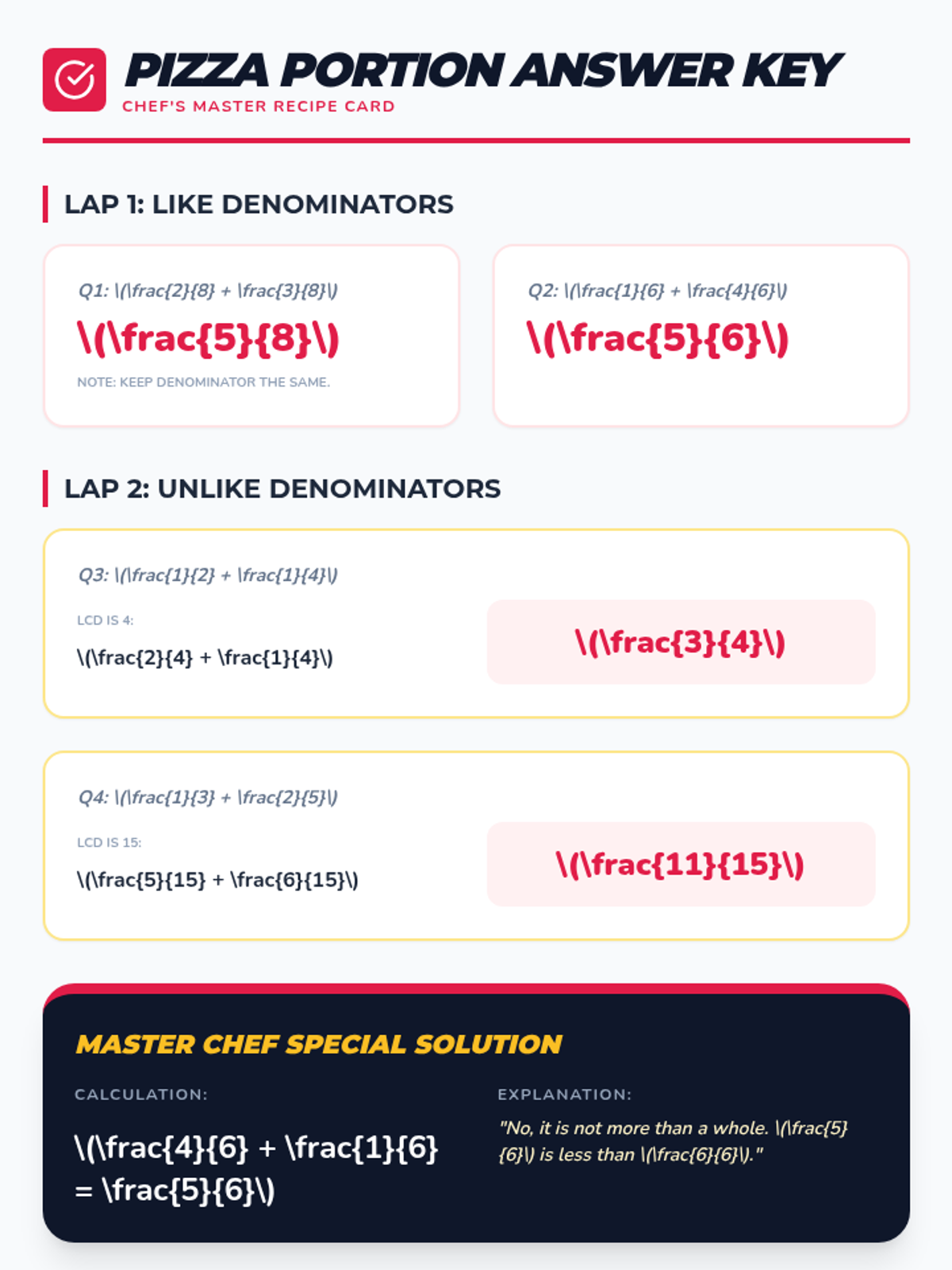
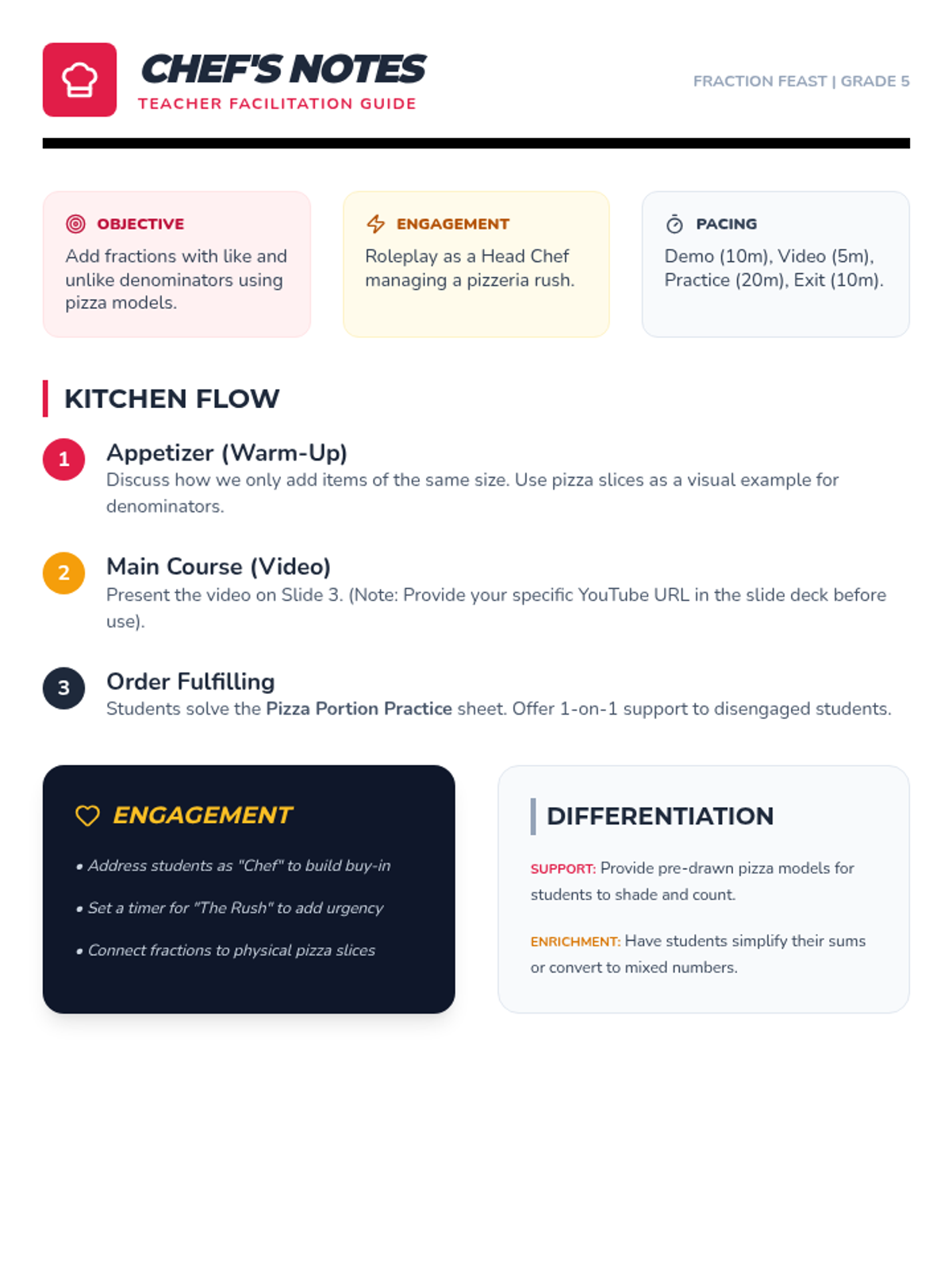
An engaging, hands-on lesson for 5th graders on adding fractions with like and unlike denominators. Uses a pizzeria theme to make abstract concepts concrete and relatable for students who struggle with engagement.
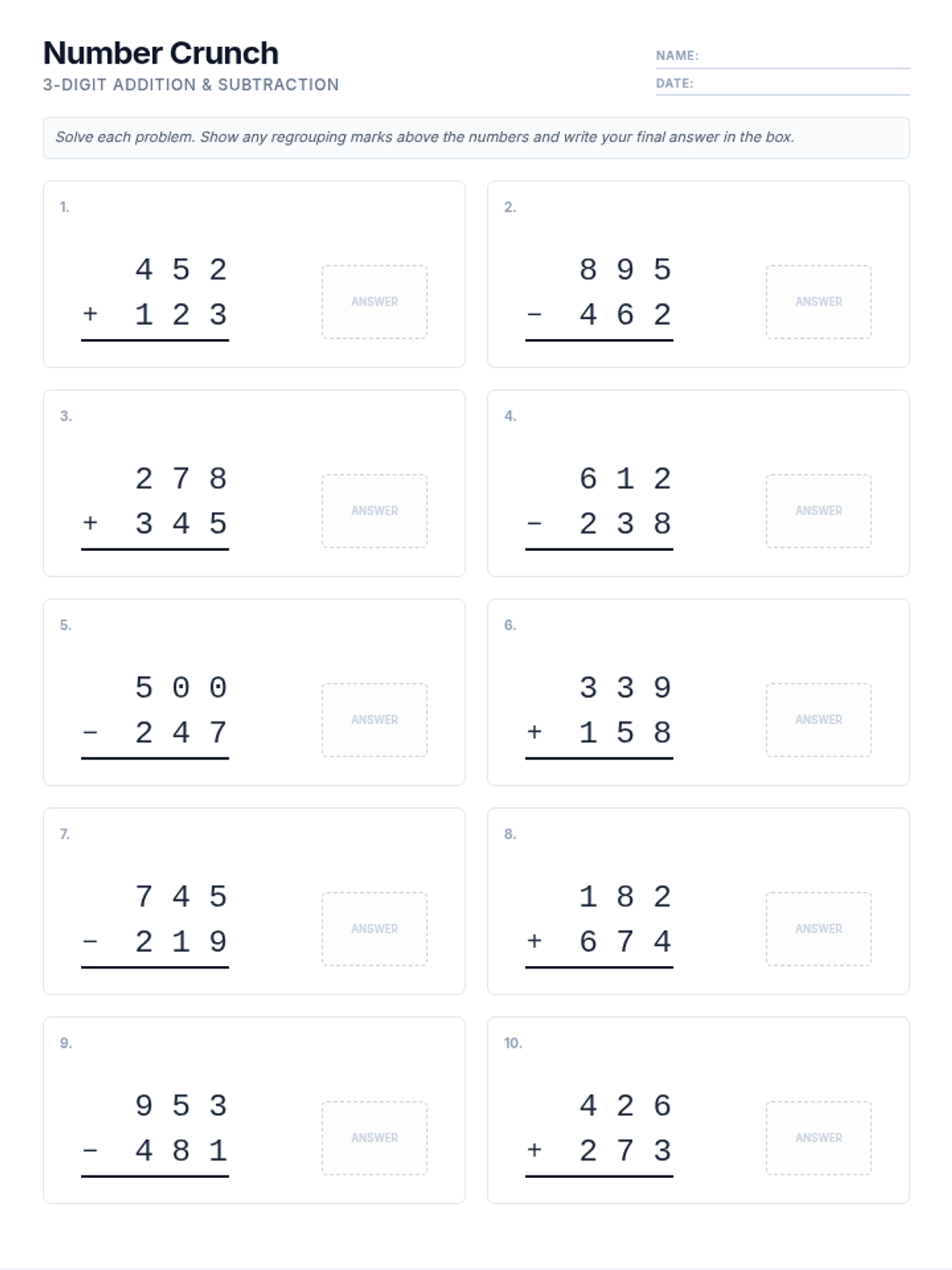
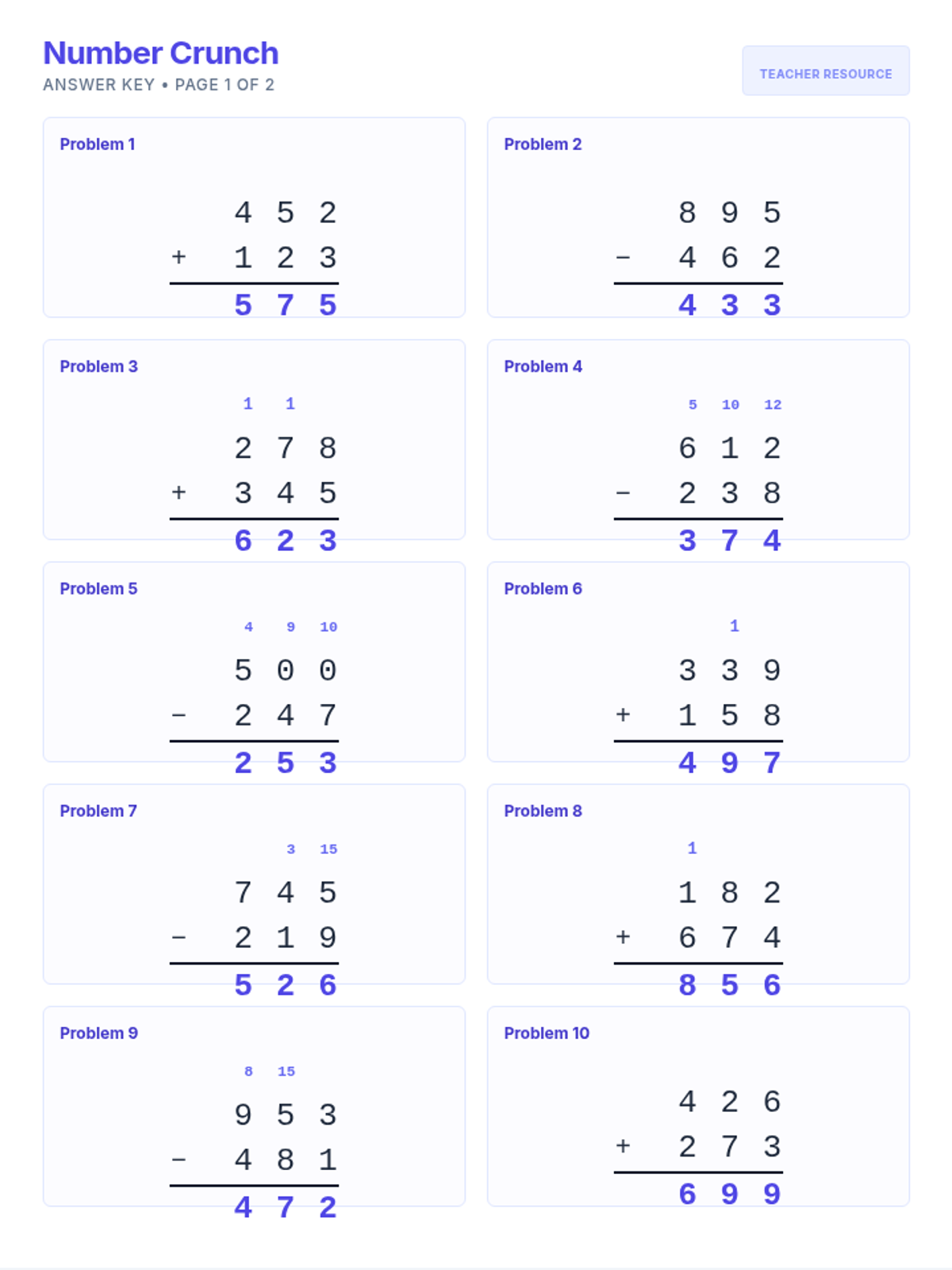
A comprehensive practice set for mastering three-digit addition and subtraction, featuring a mix of problems with and without regrouping.
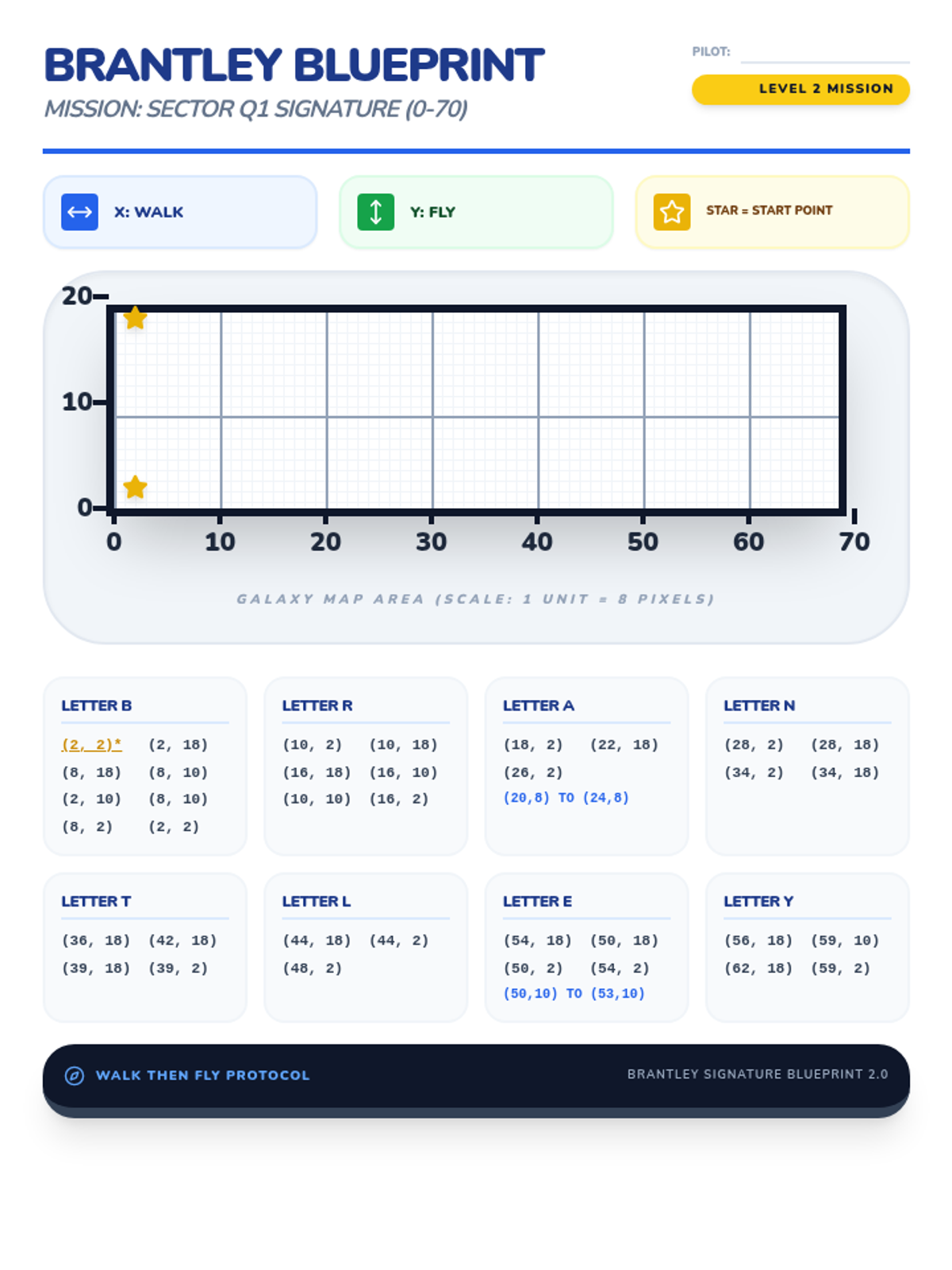
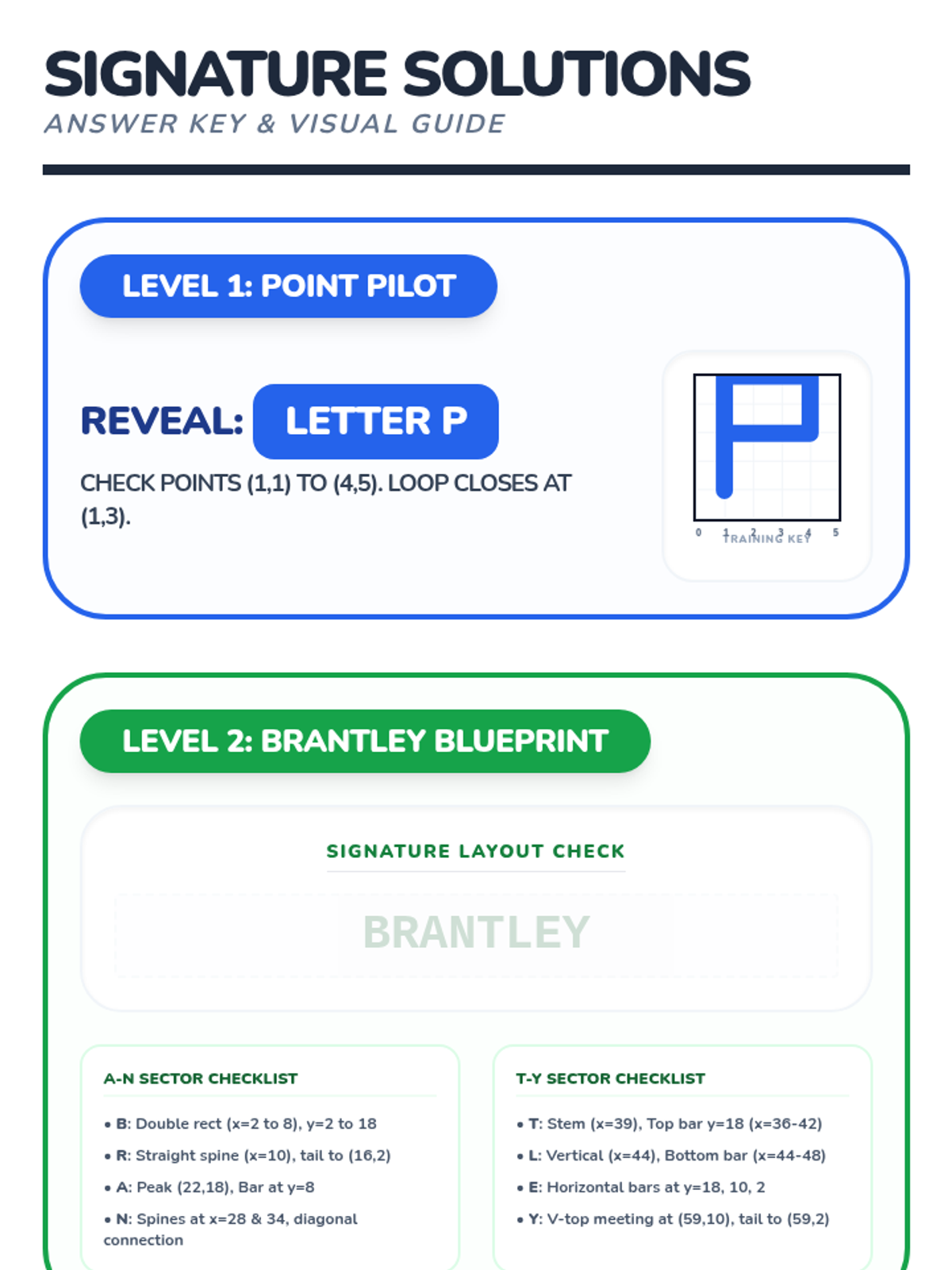
A simplified introduction to plotting points on a coordinate plane (Quadrant 1) to create the signature "Brantley". Designed specifically for IEP students with large grids and clear instructions.
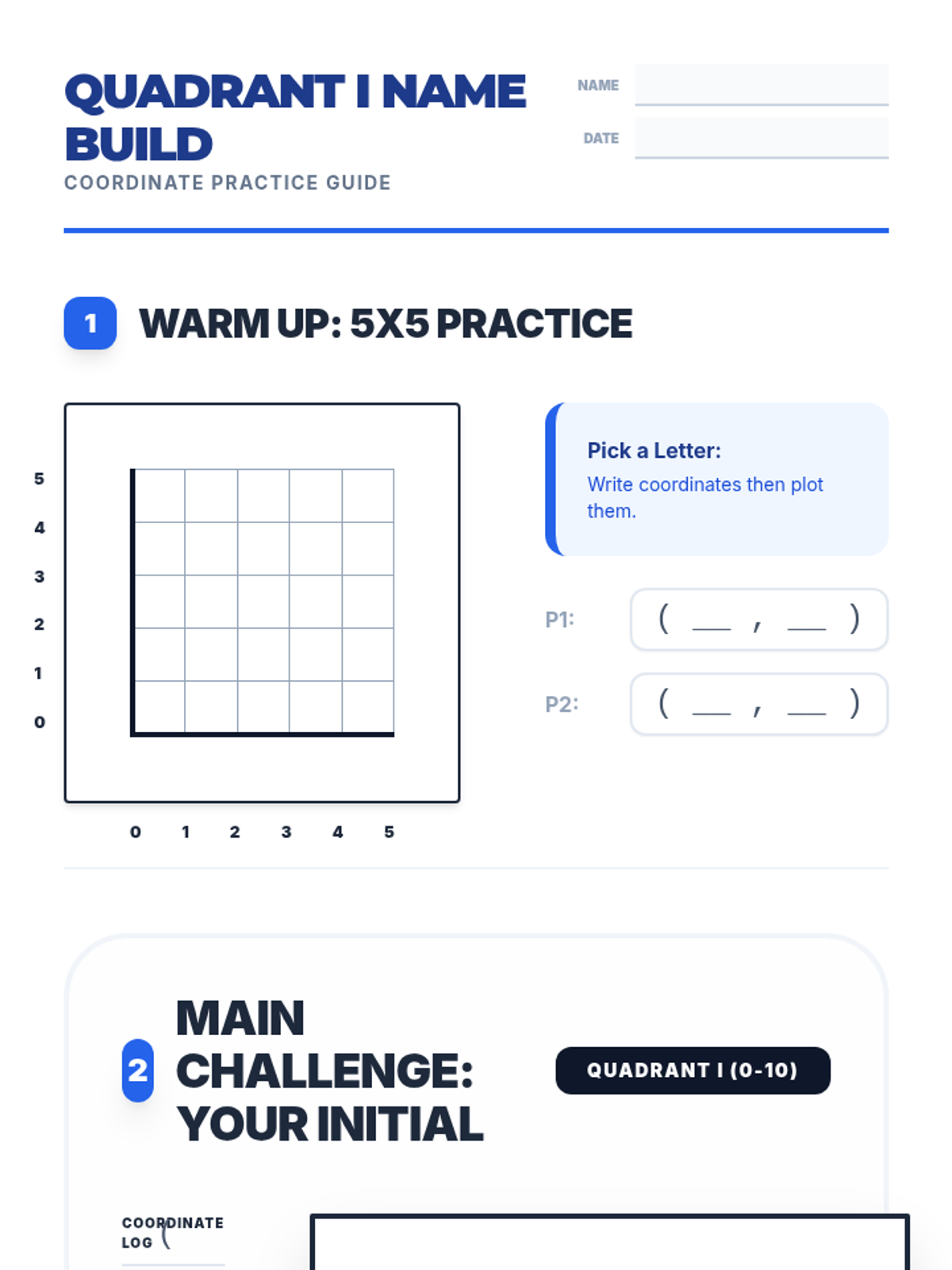
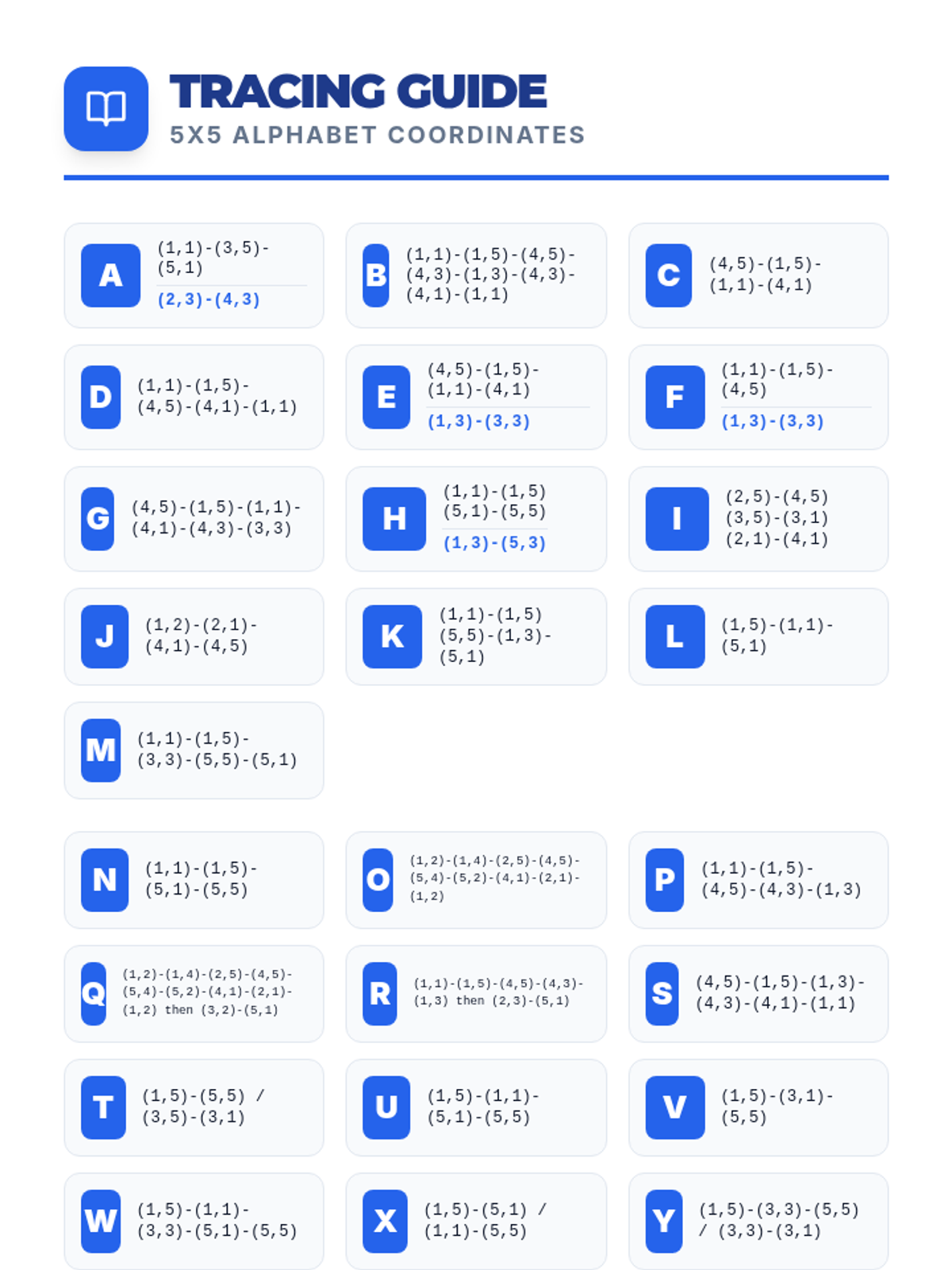
Students learn to plot coordinates to form letters and their own names. This lesson includes differentiated materials for Quadrant I, simplified 5x5 grids, and all four quadrants, with built-in tracing supports for IEP students.
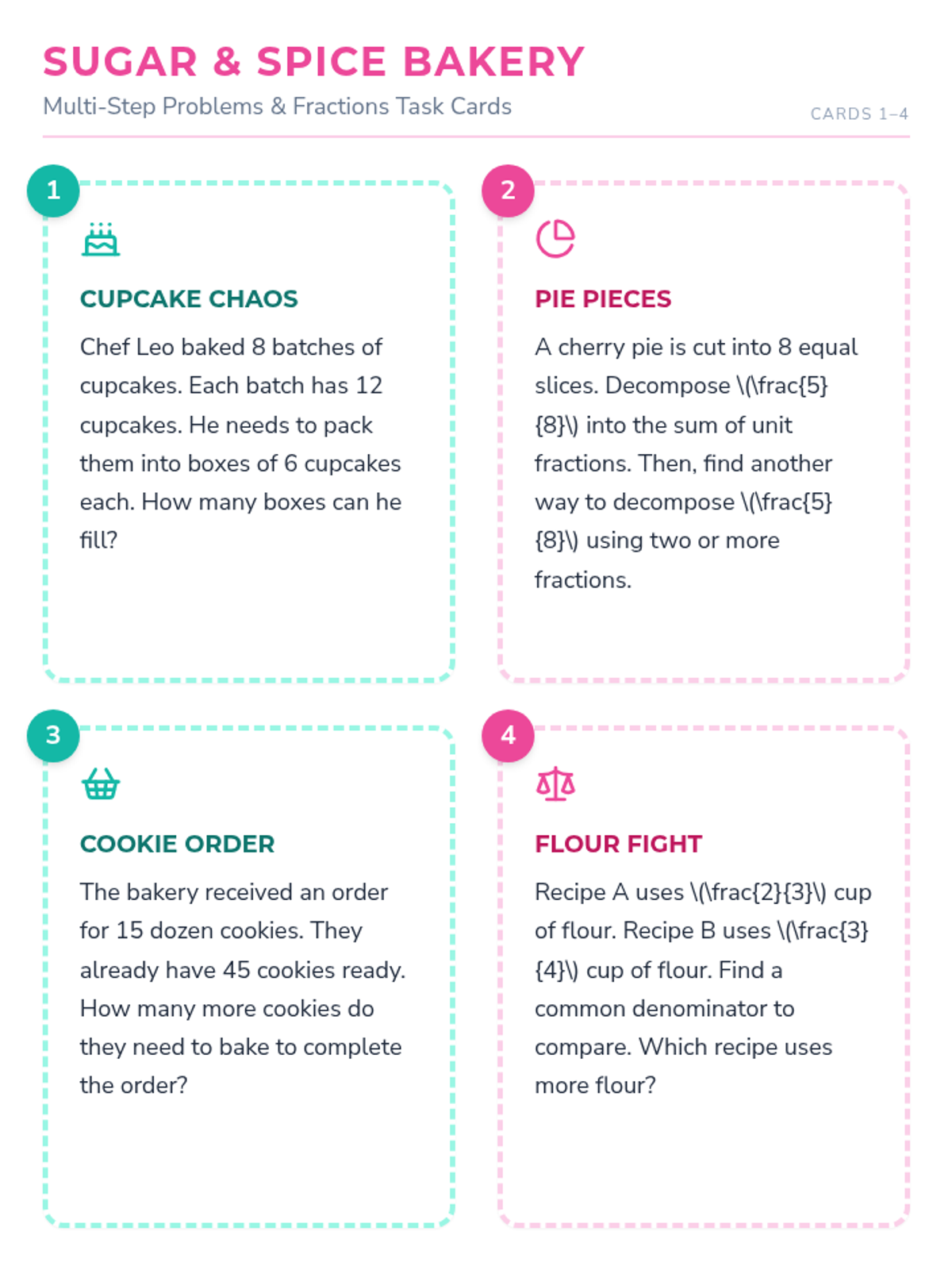
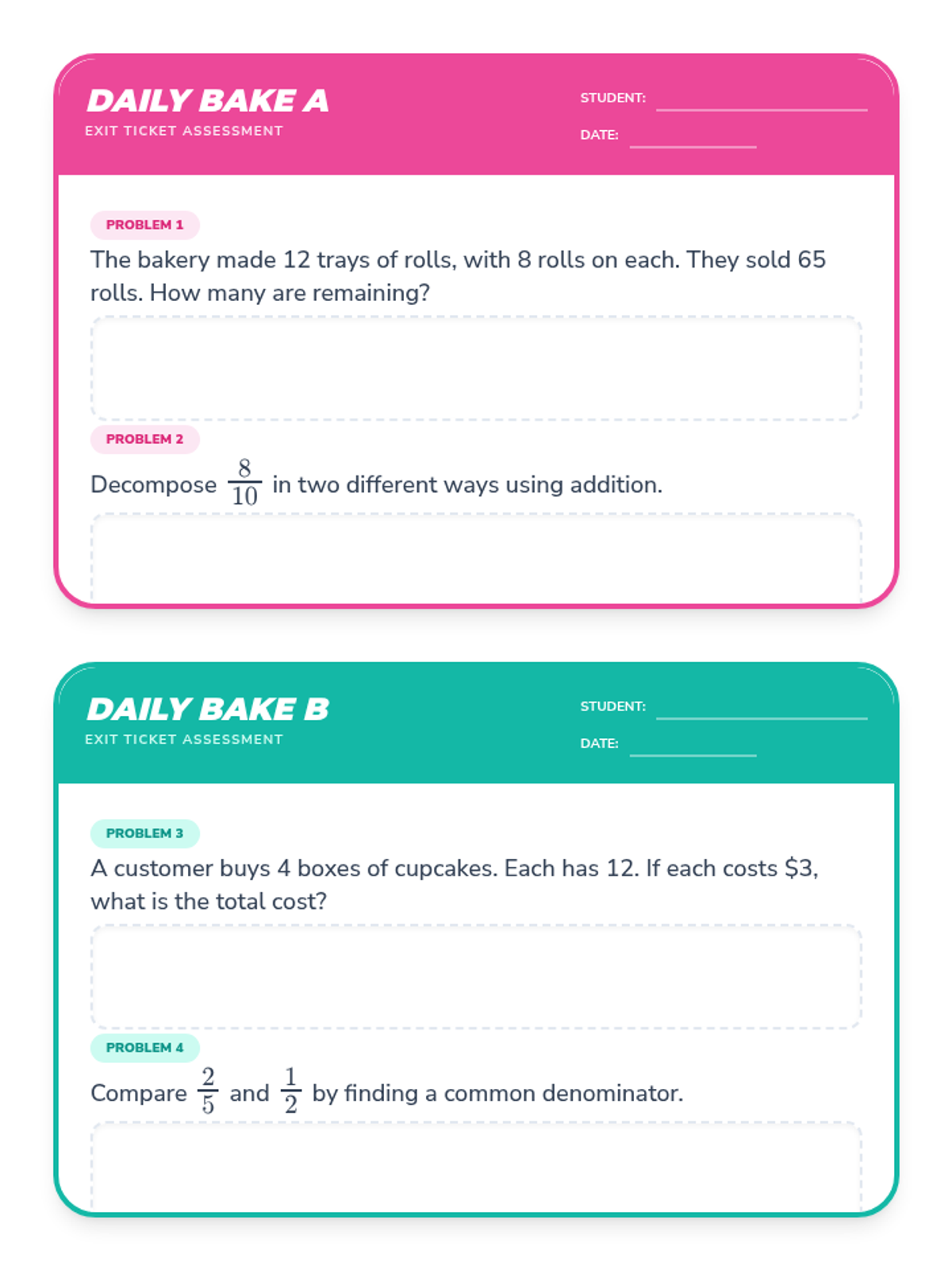
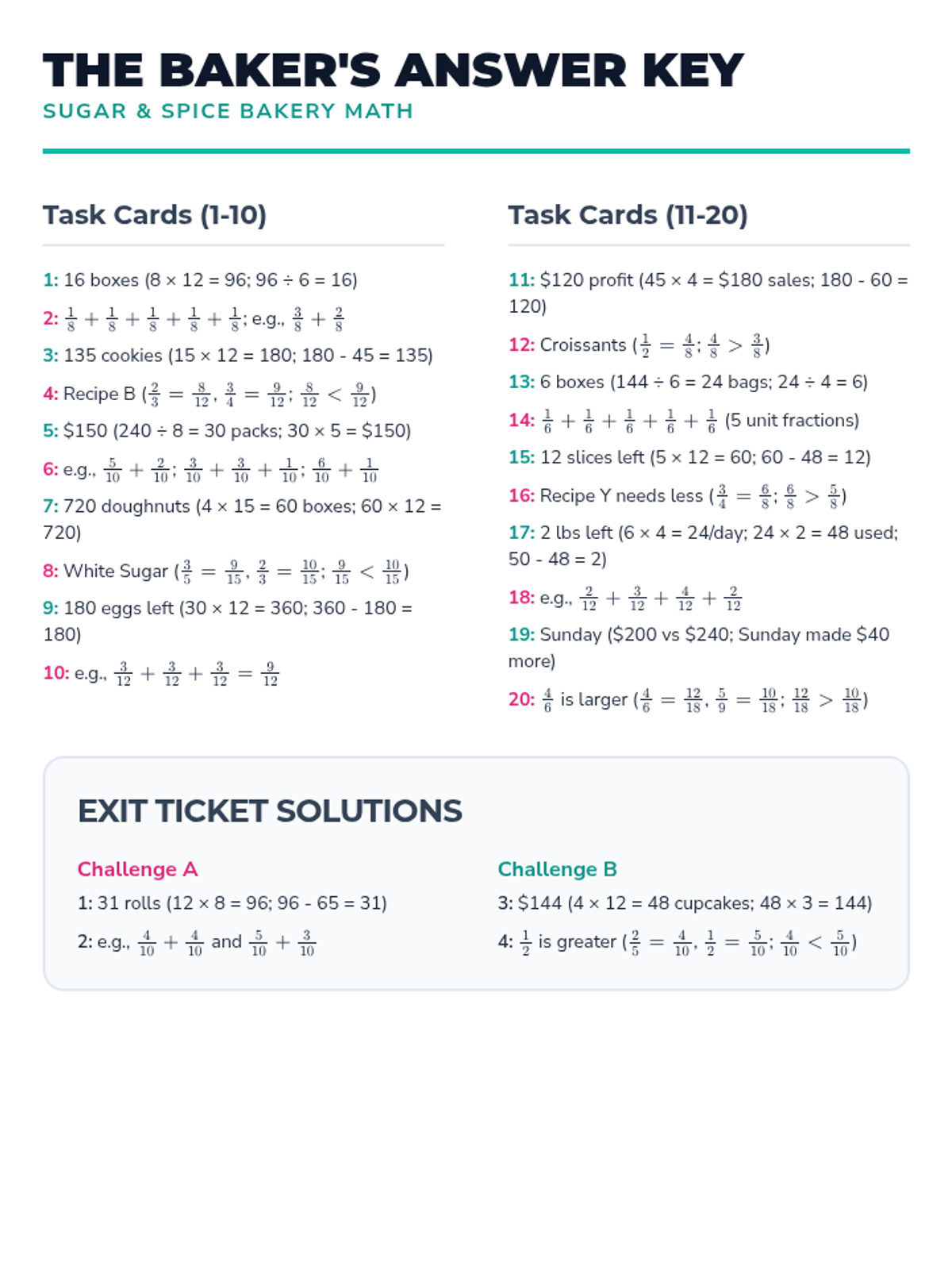
A math lesson focused on solving multi-step word problems involving multiplication and division, alongside fraction skills like decomposing and finding common denominators, all set in a busy bakery.
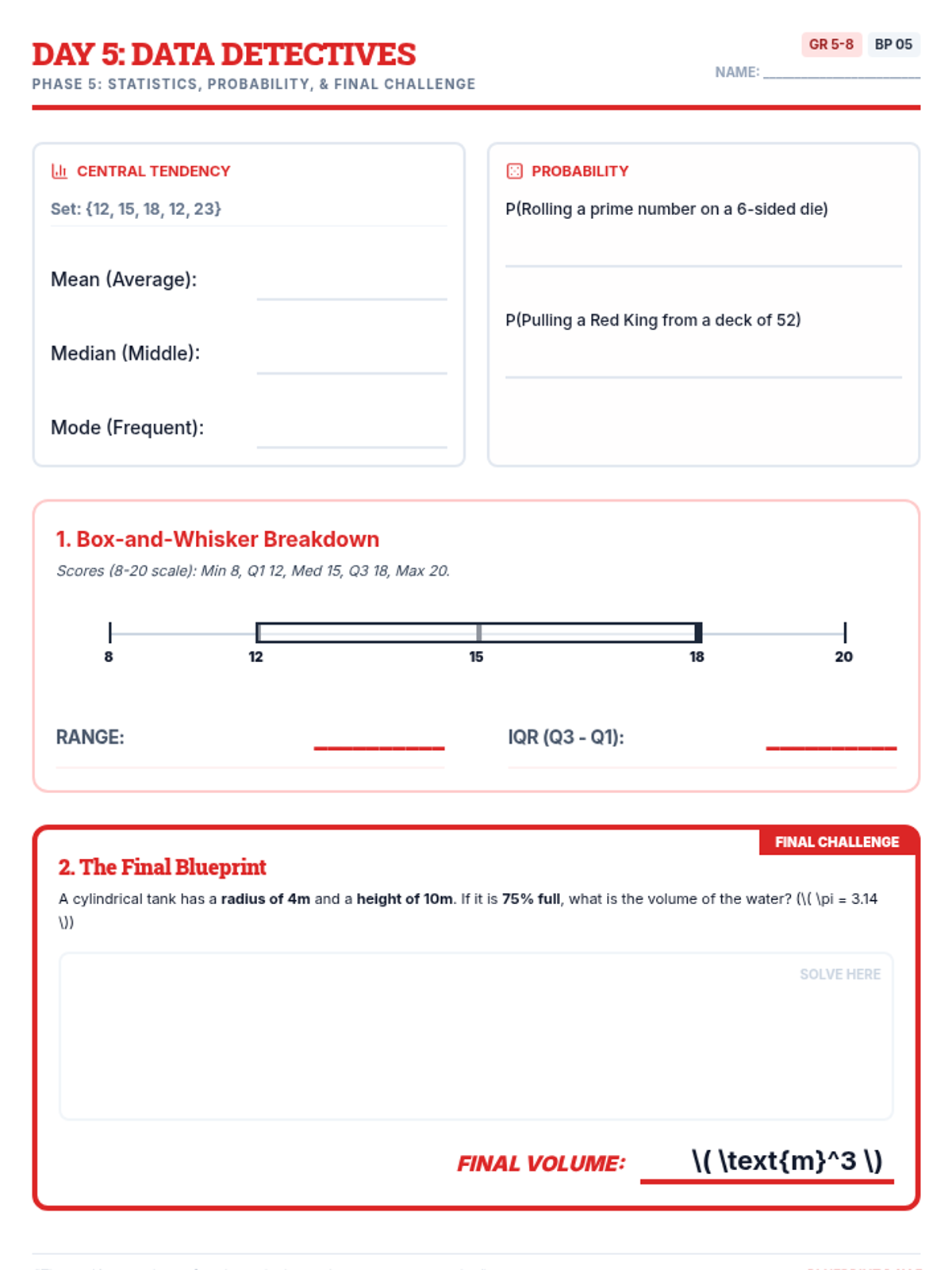
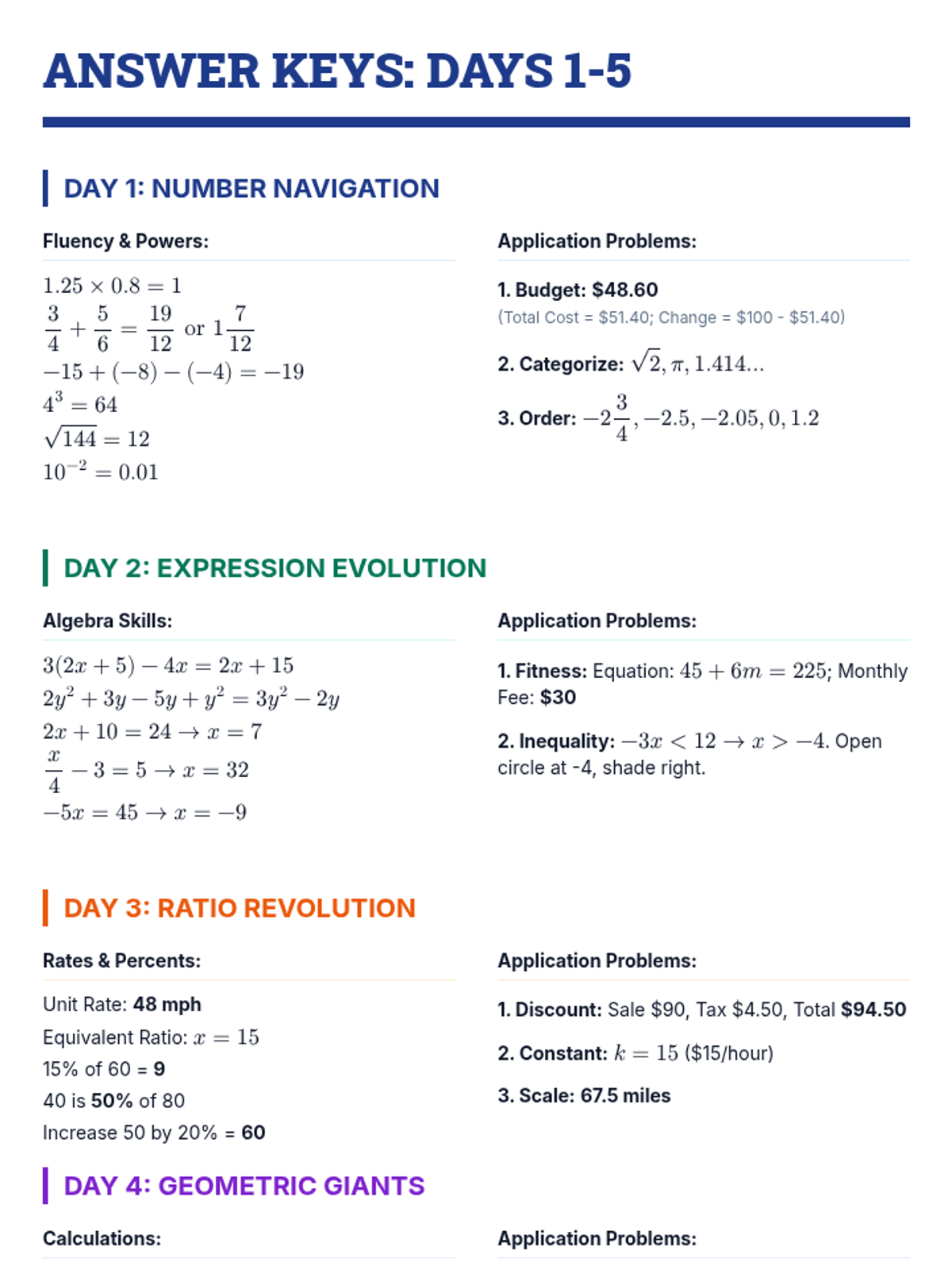
Day 5 concludes with statistics, probability, and a mixed challenge review of all concepts.
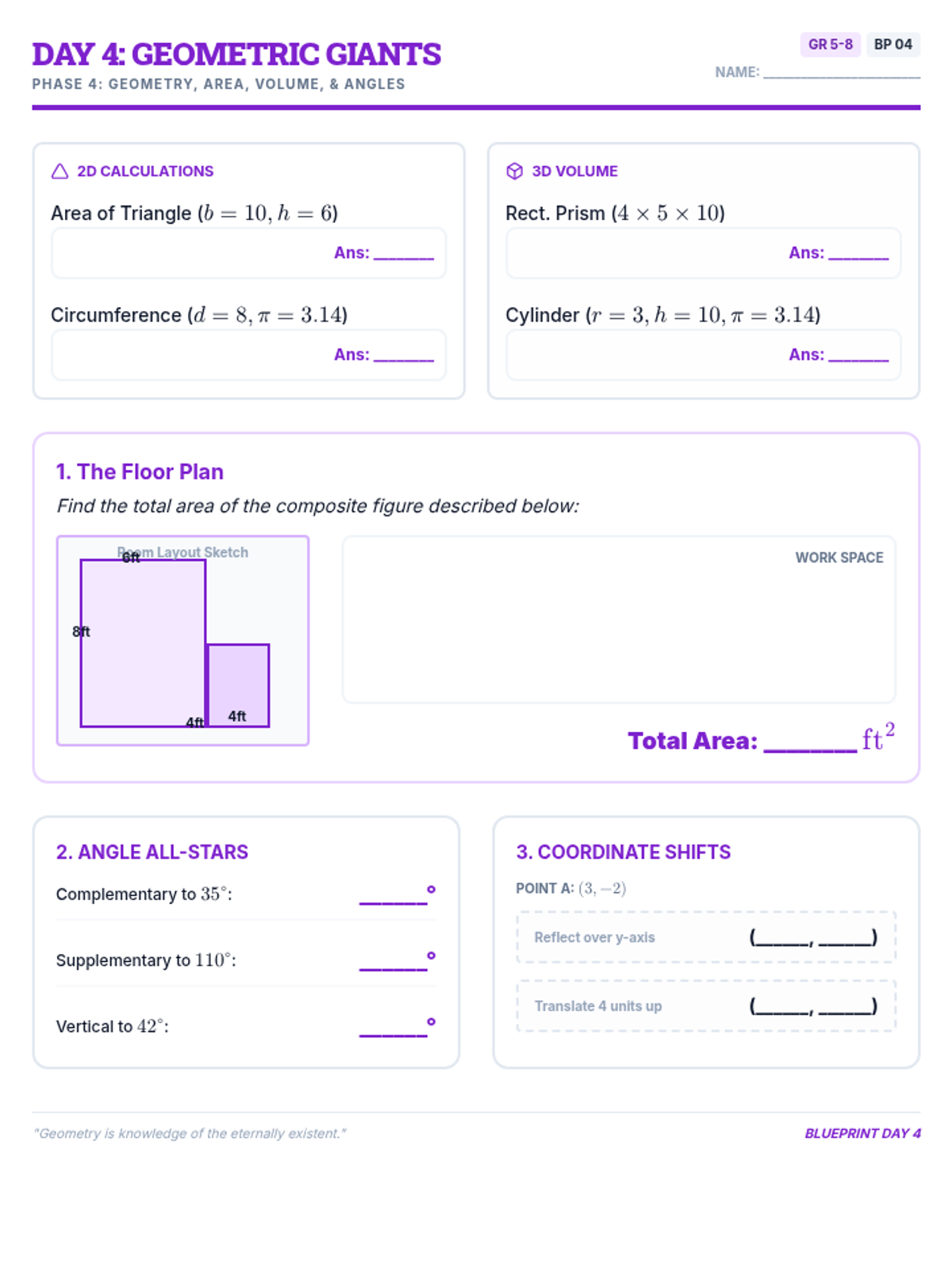
Day 4 explores geometry concepts including area, volume, and angle relationships.
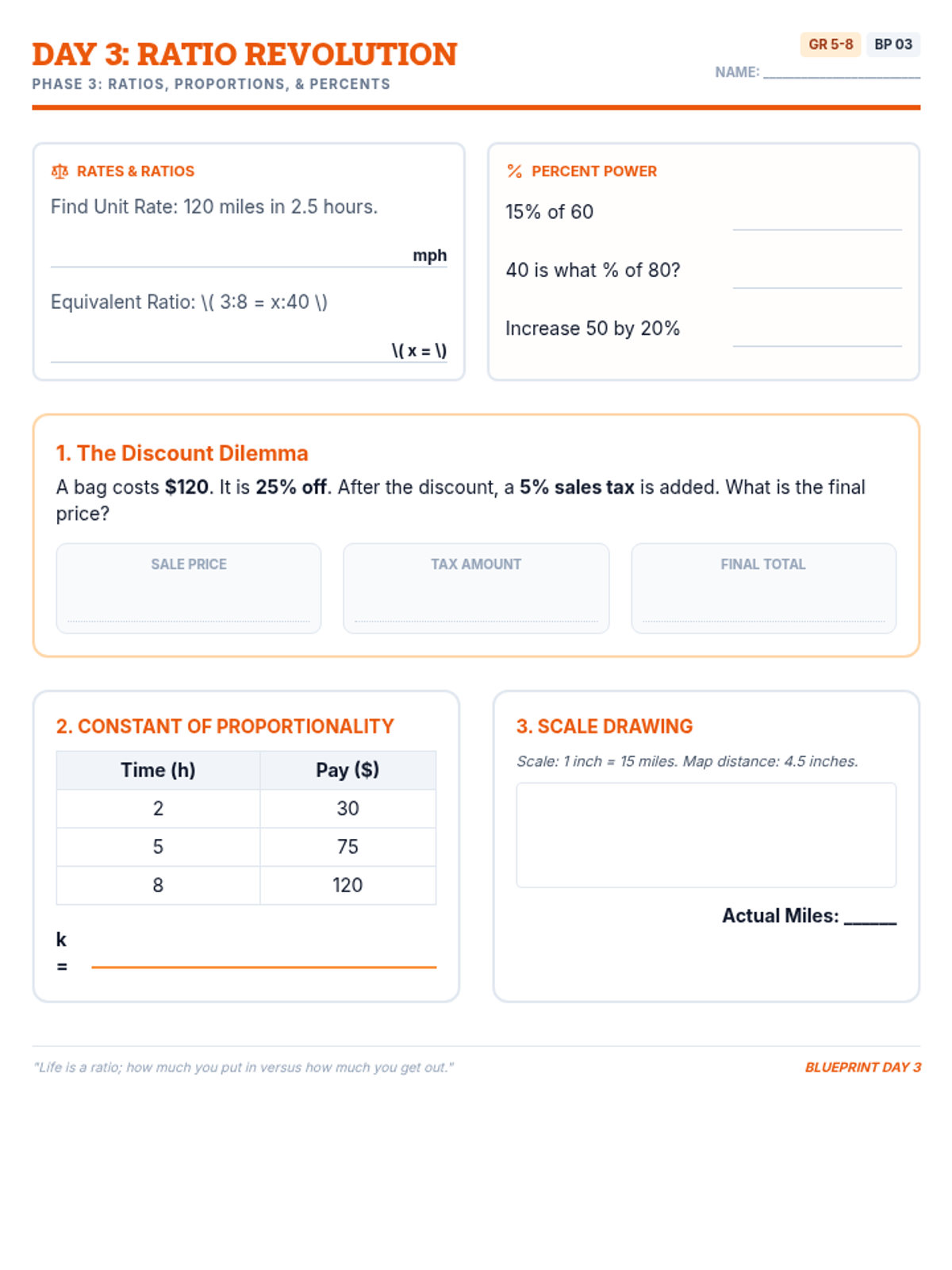
Day 3 focuses on ratios, proportions, and percentages in real-world contexts.
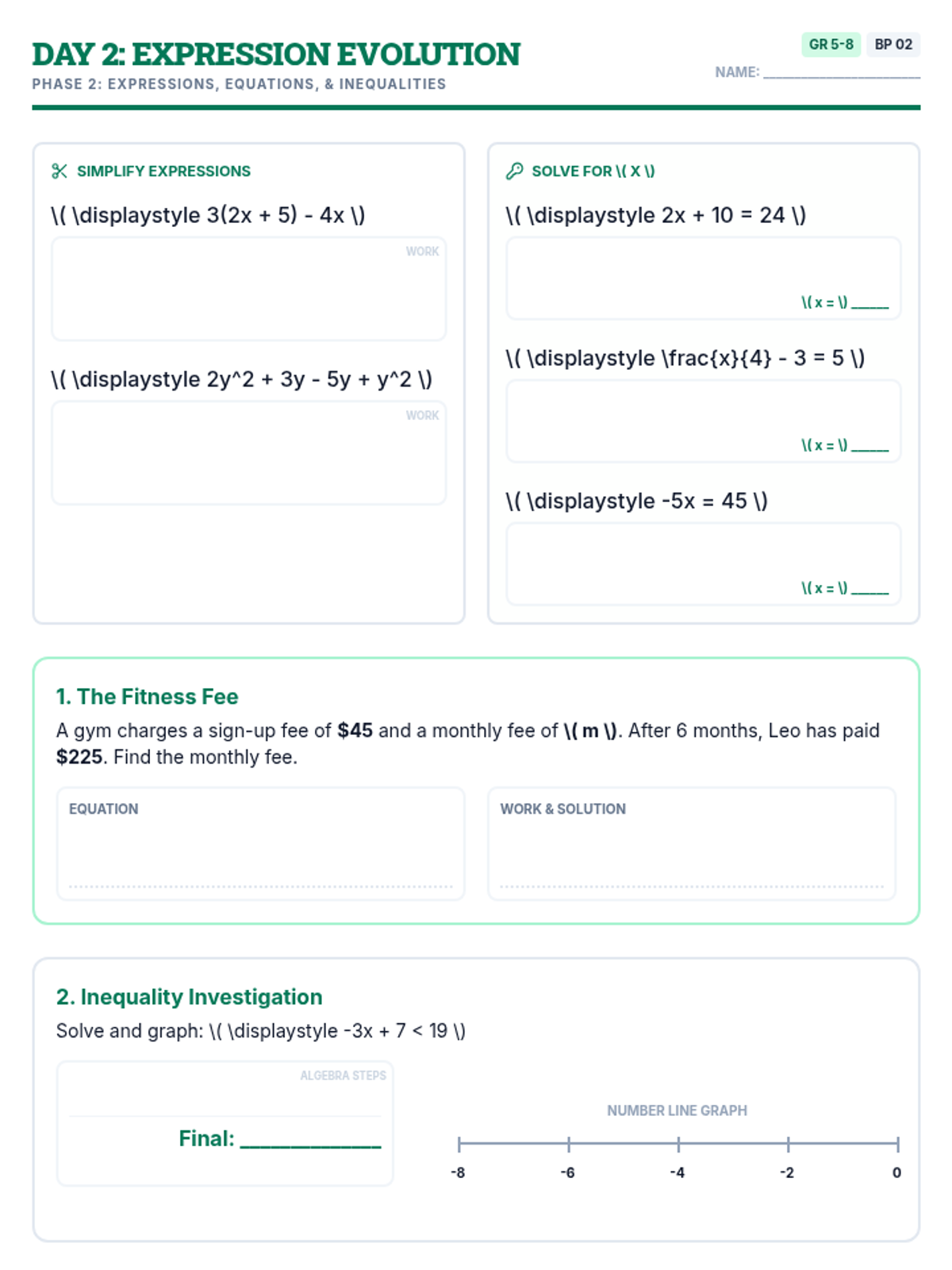
Day 2 covers expressions and equations, focusing on simplifying, solving, and translating word problems.
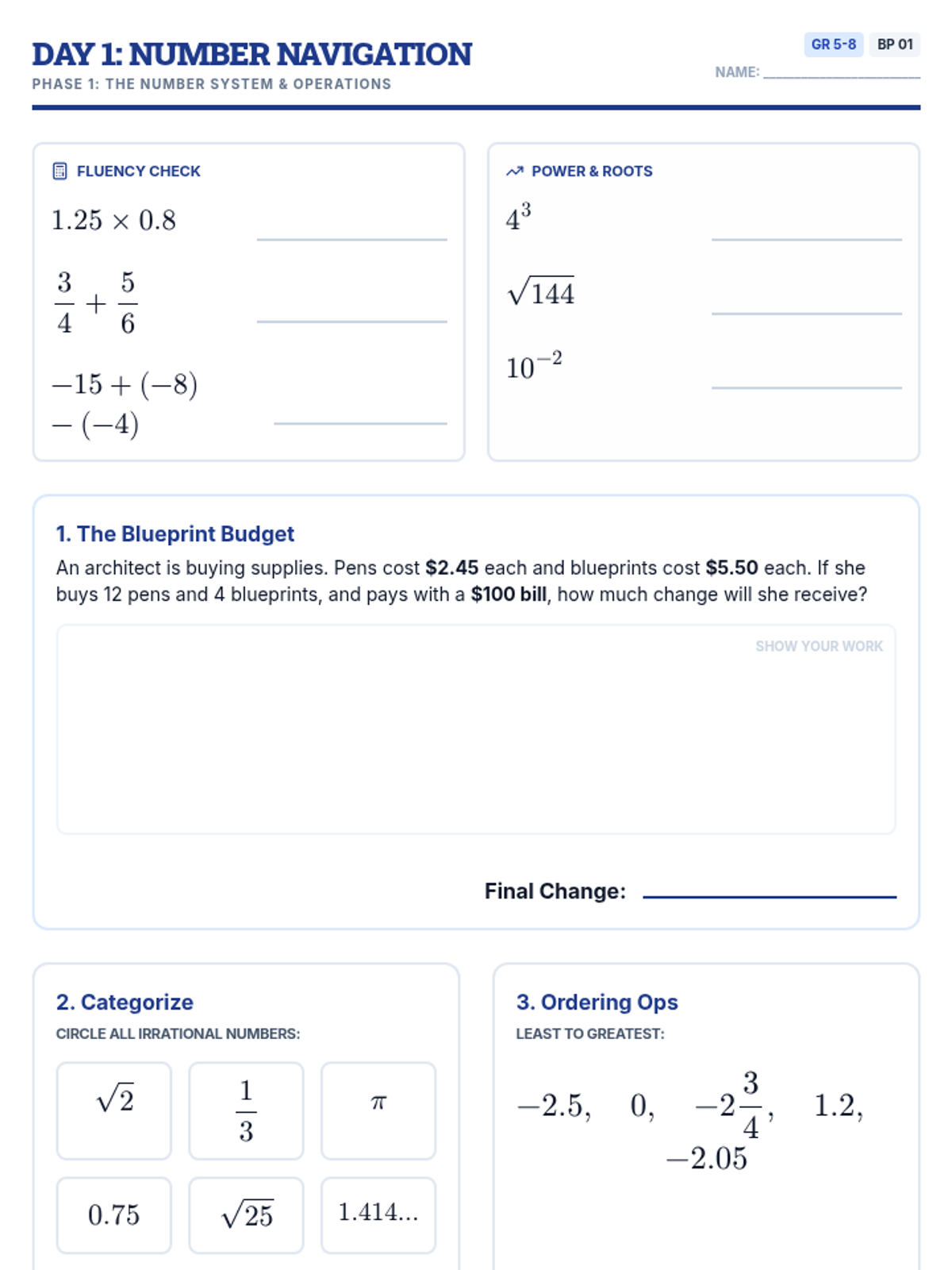
Day 1 focuses on number systems, including operations with fractions, decimals, and integers.