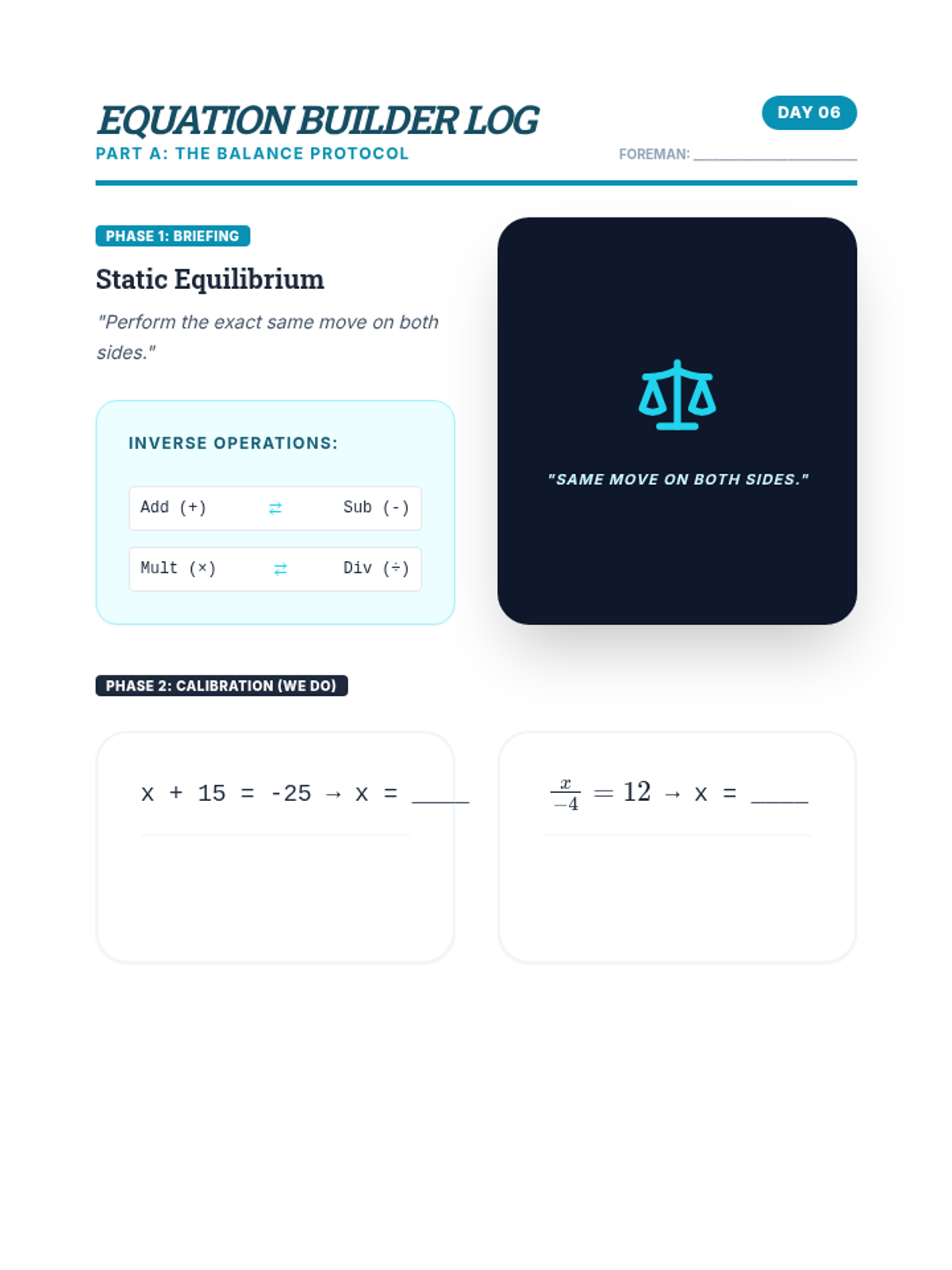
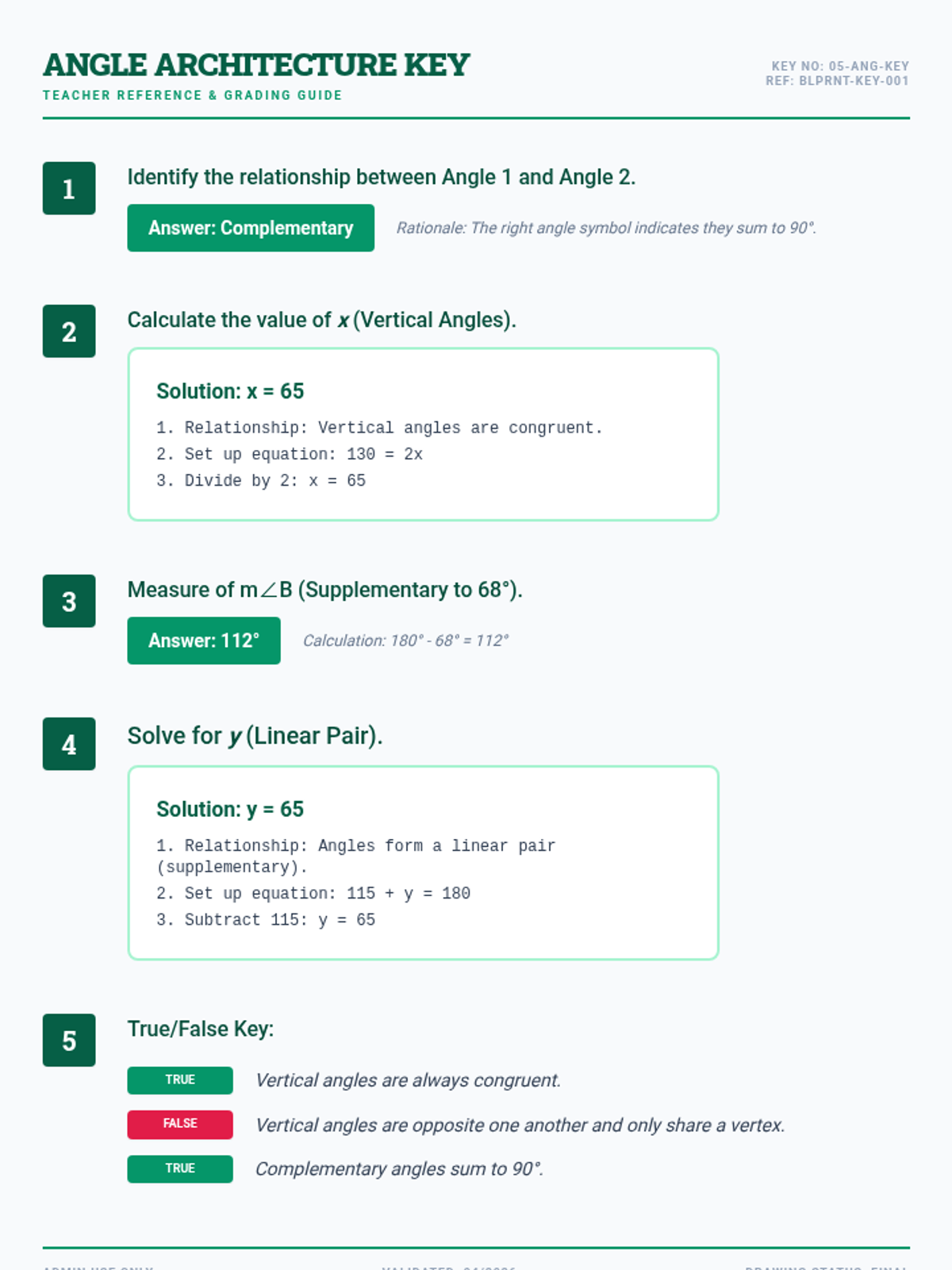
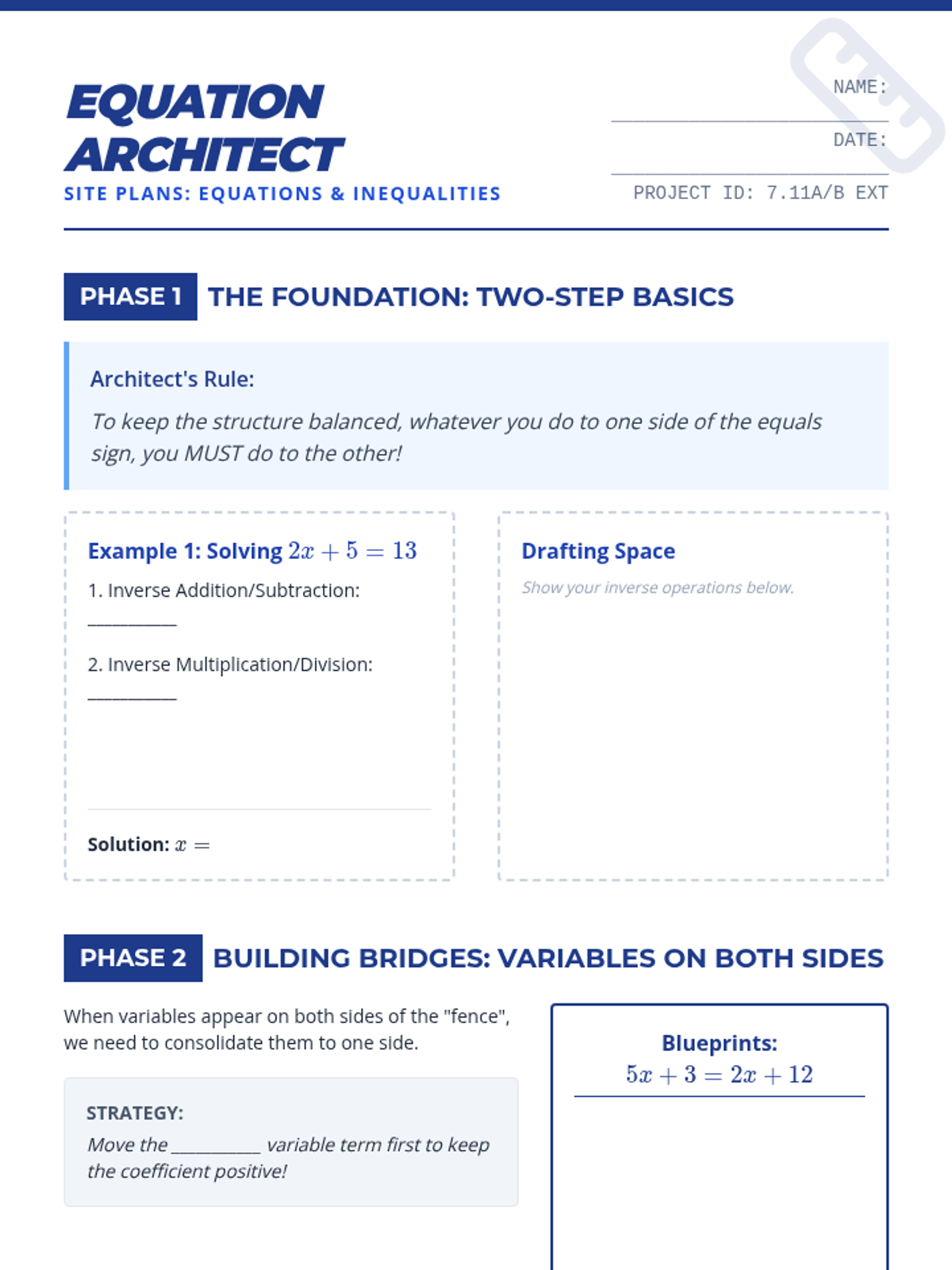
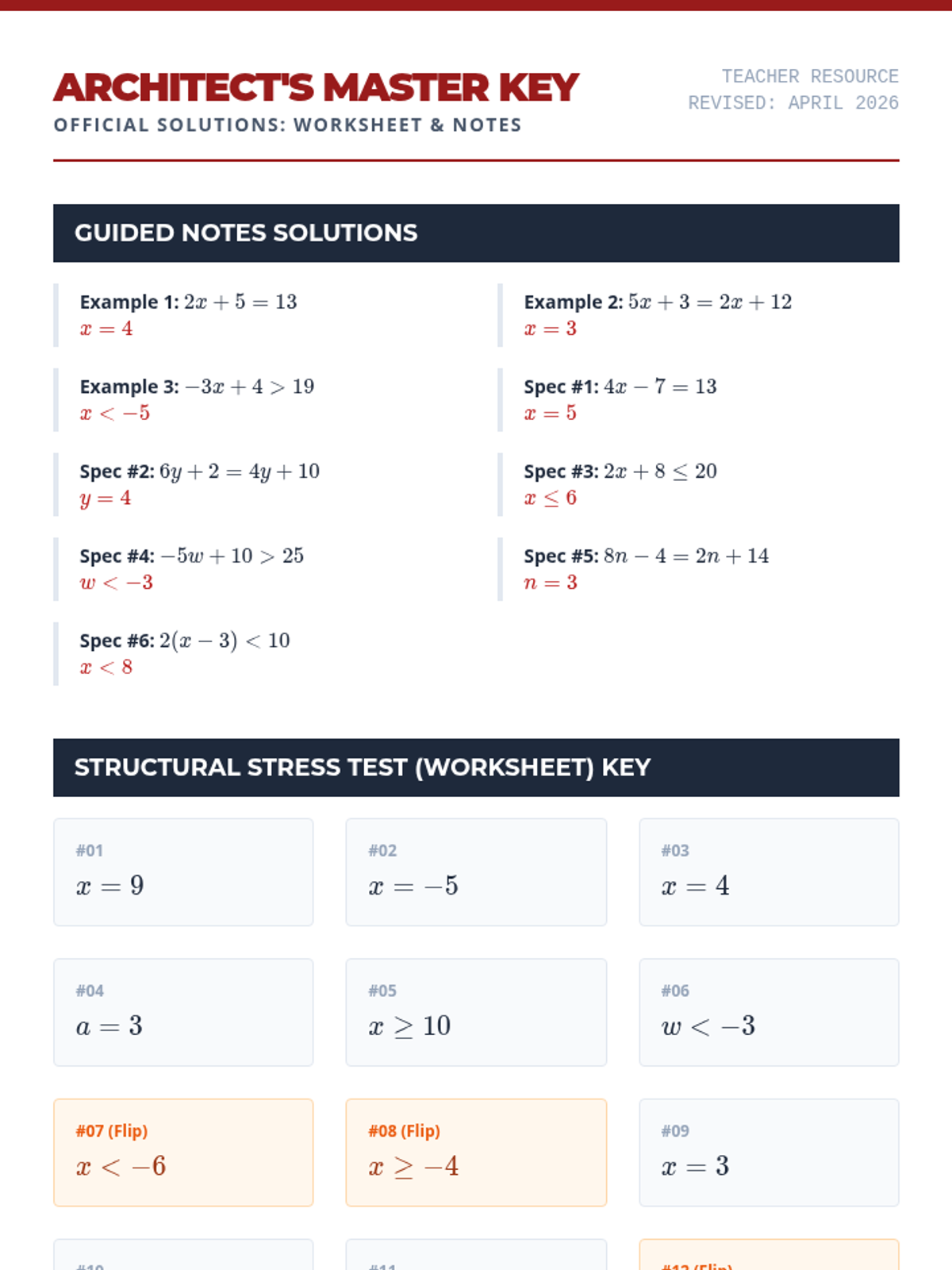
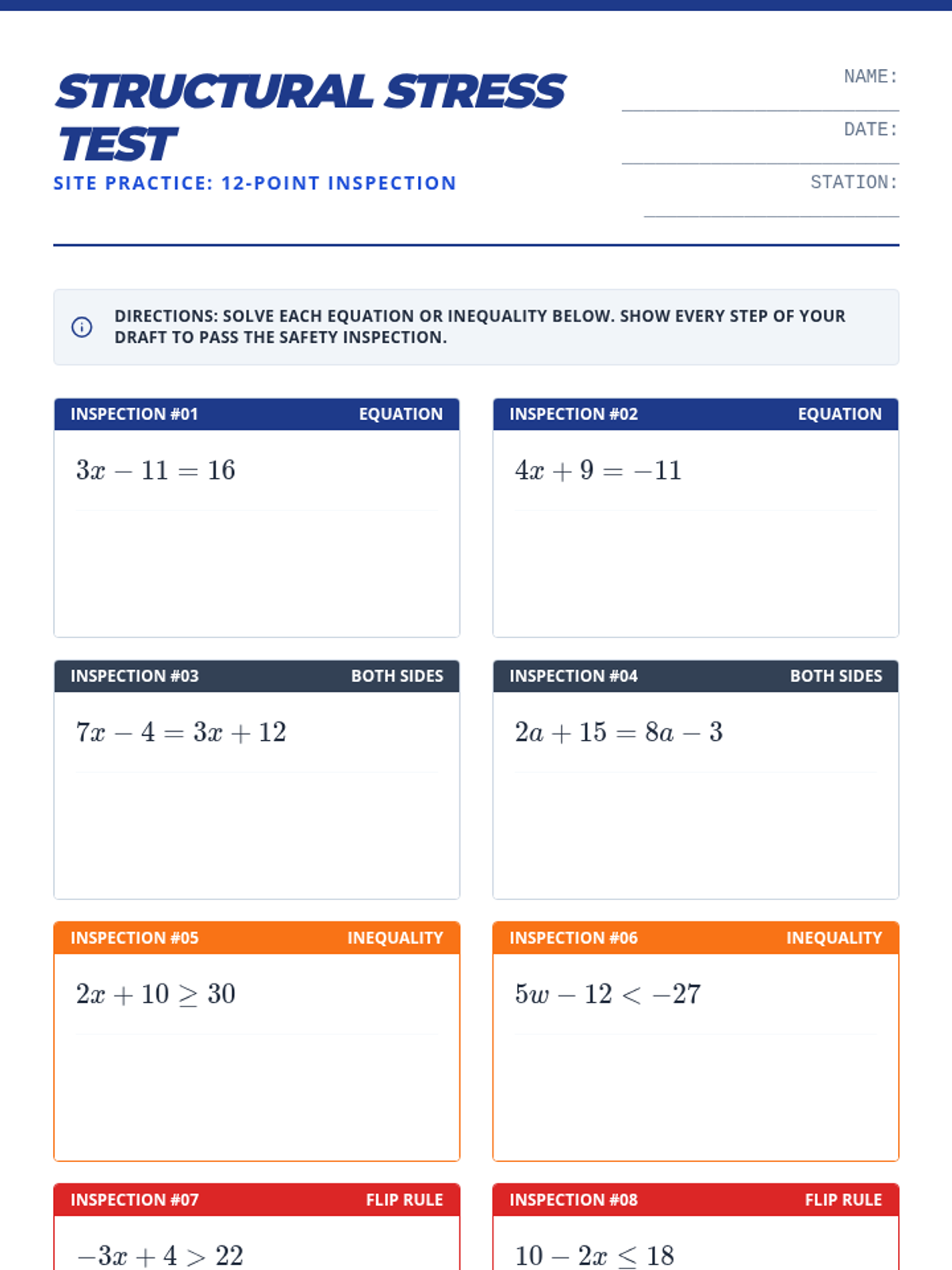
A foundational lesson on solving multi-step linear equations using a structured, step-by-step architectural approach. Students learn to dismantle complex equations and rebuild them into solutions.
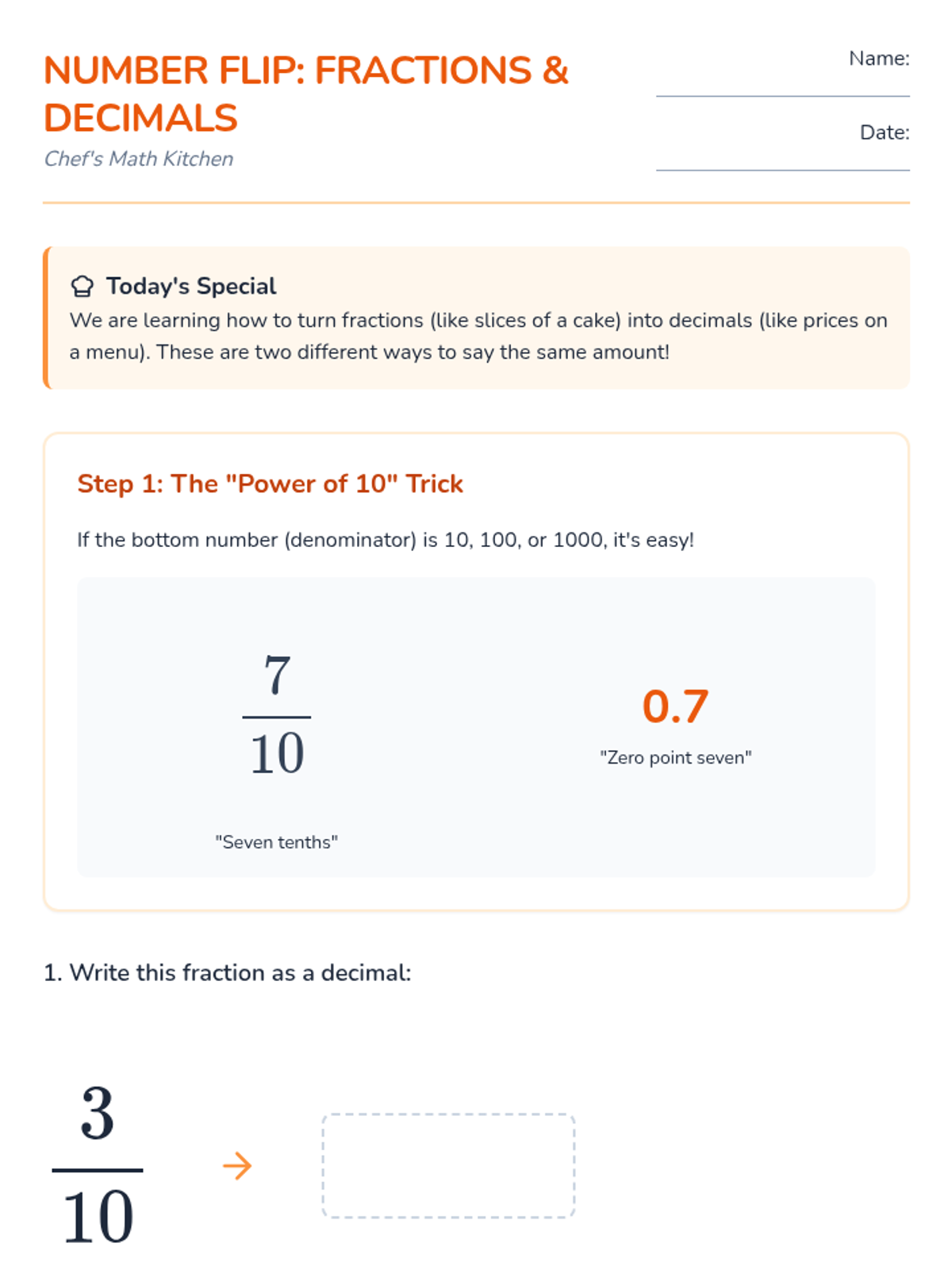
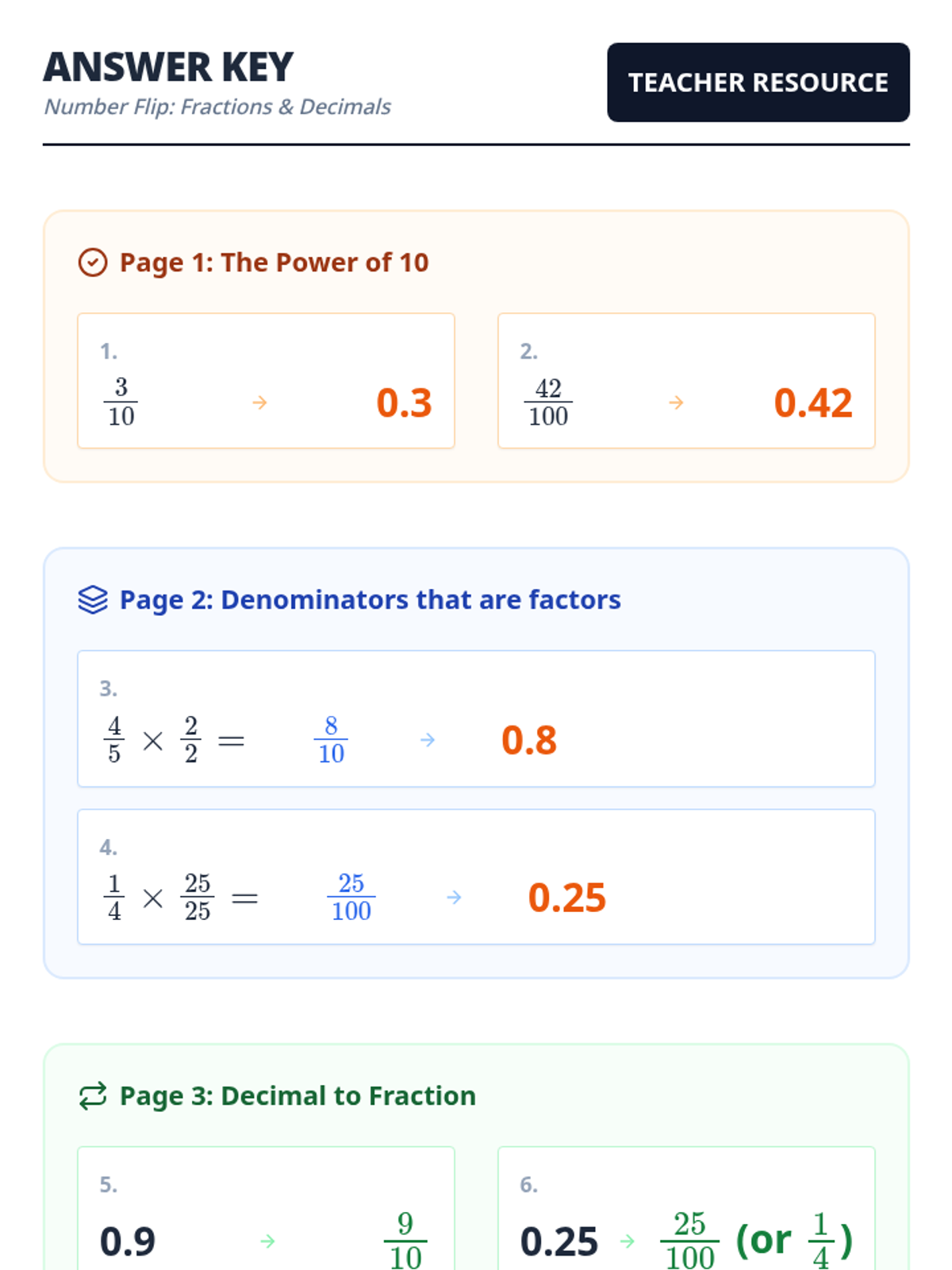
A comprehensive lesson on converting fractions to terminating decimals using long division and equivalent fractions with denominators of 10, 100, or 1,000. Students will act as 'Decimal Architects' to rebuild fractions into their decimal equivalents.
Cumulative review and a 'Division Derby' game to celebrate progress and demonstrate mastery.
Solving multi-step real-world problems that require multiple division or multiplication steps.
Dividing decimals by decimals by using powers of 10 to create equivalent expressions with whole-number divisors.
Extending division to decimals by dividing a decimal by a whole number using place value reasoning.
Analyzing word problems to determine how to interpret remainders: rounding up, dropping, or using as a fraction.
Applying the partial quotients method to division problems with two-digit divisors.
Using estimation and rounding to find reasonable starting points when dividing by two-digit numbers.
Refining the partial quotients method to handle larger three-digit dividends with one-digit divisors efficiently.
Using place value patterns to divide by multiples of 10, 100, and 1,000, focusing on the movement of digits.
Introduction to the partial quotients method (The Big 7) as a way to decompose dividends into friendly chunks.
Students connect division to multiplication by finding missing side lengths in area models, reinforcing division as the inverse of multiplication.
Students explore division through the lens of 'how many groups' and 'how many in each group' using area models and base-ten representations.
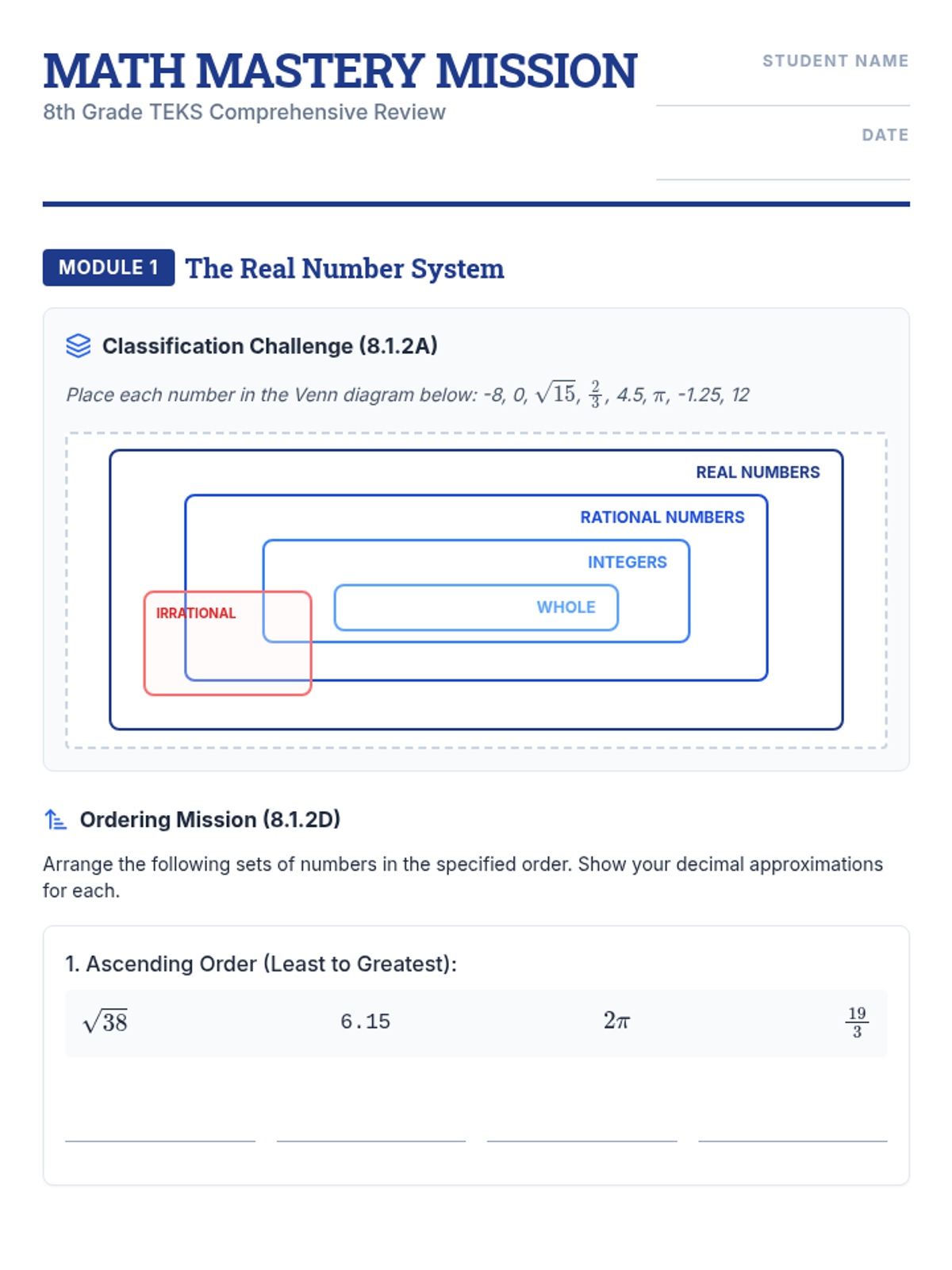
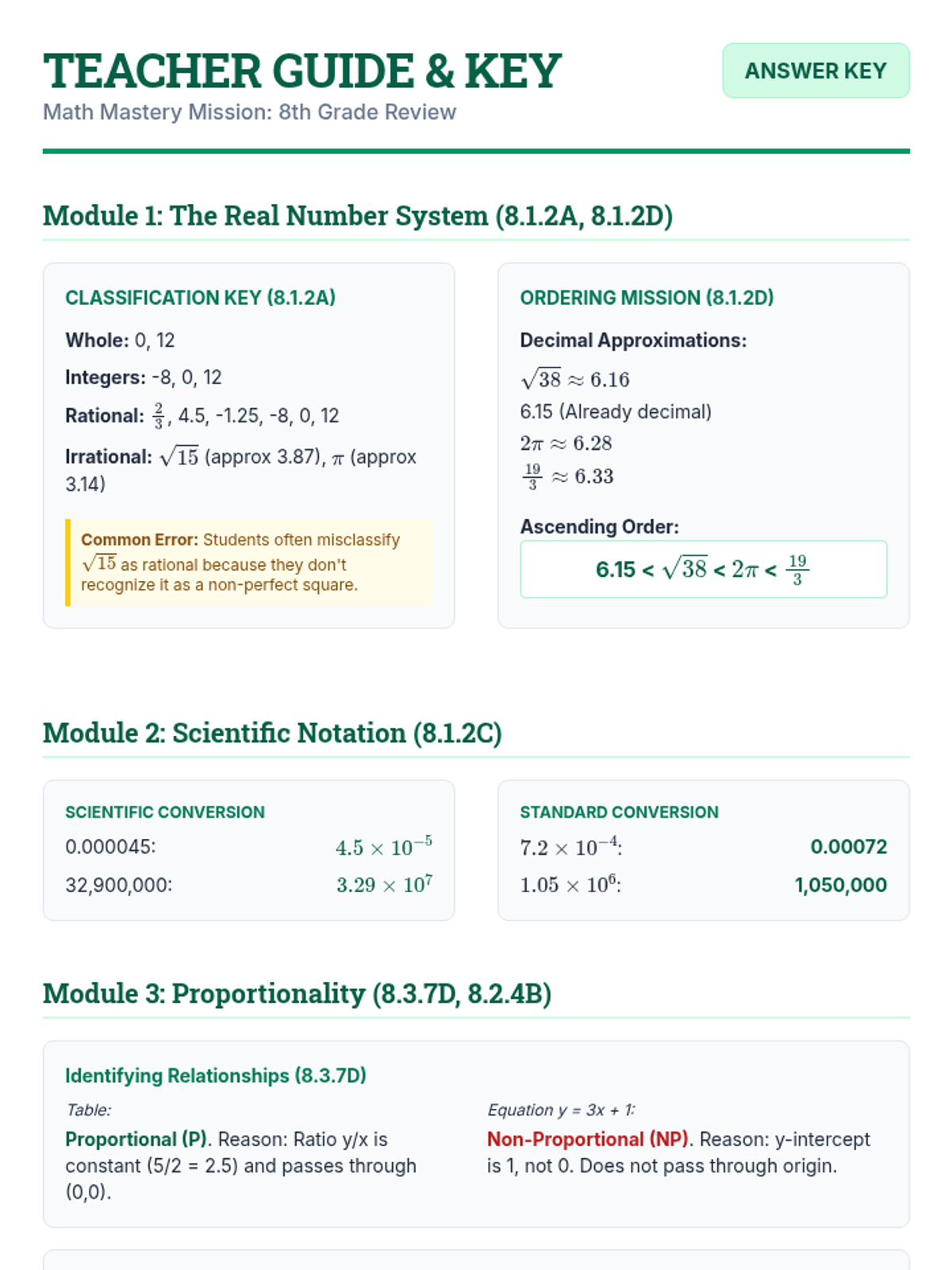
A comprehensive review of computational fluency with decimals and rational number concepts.
Applying coordinate plane skills to solve geometry problems and map-based tasks.
Understanding how signs change across axes and recognizing points as reflections of one another.
Identifying and plotting points in all four quadrants of the coordinate plane using ordered pairs.
Ordering rational numbers and writing inequality statements to represent real-world comparisons.
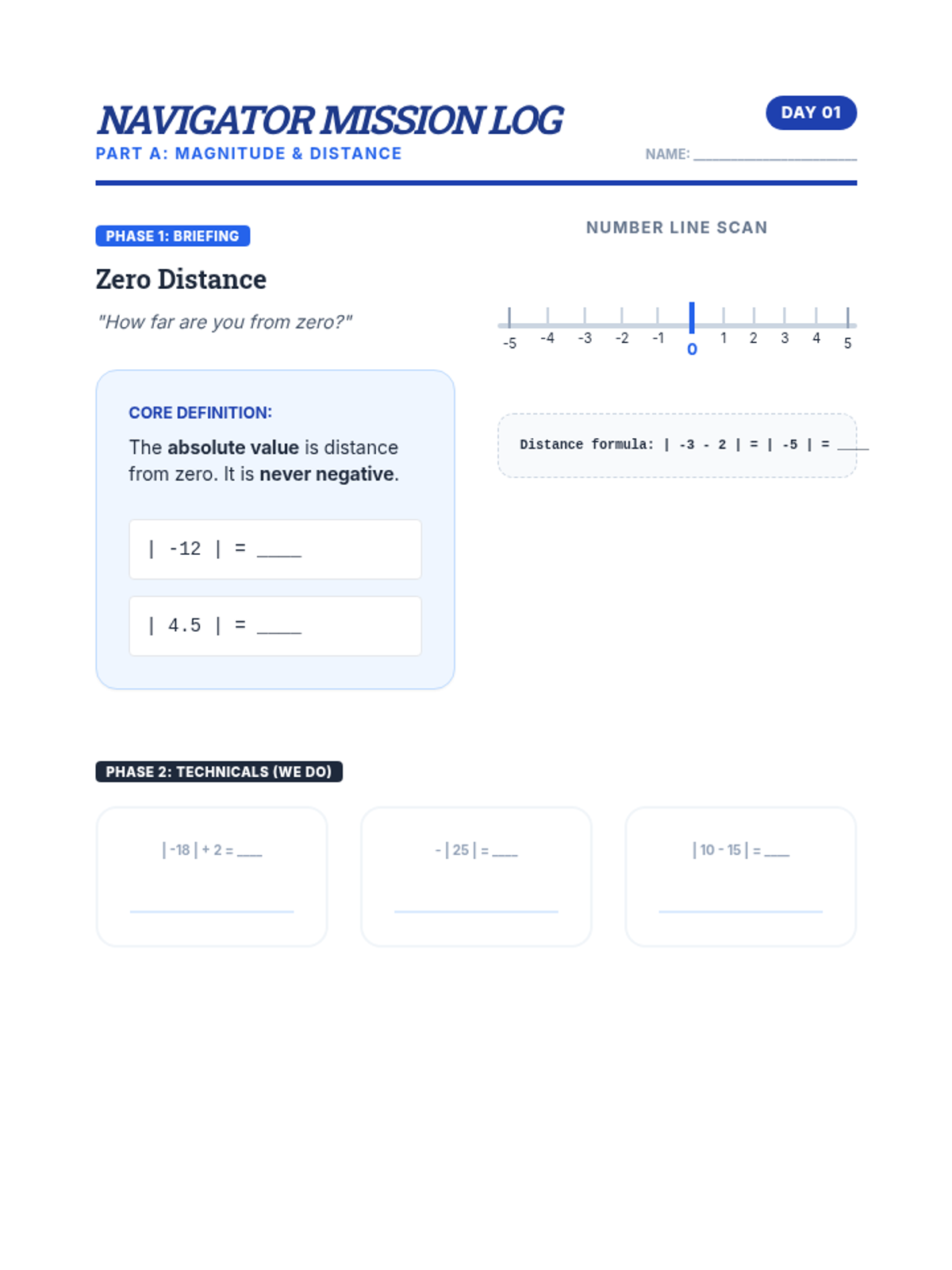
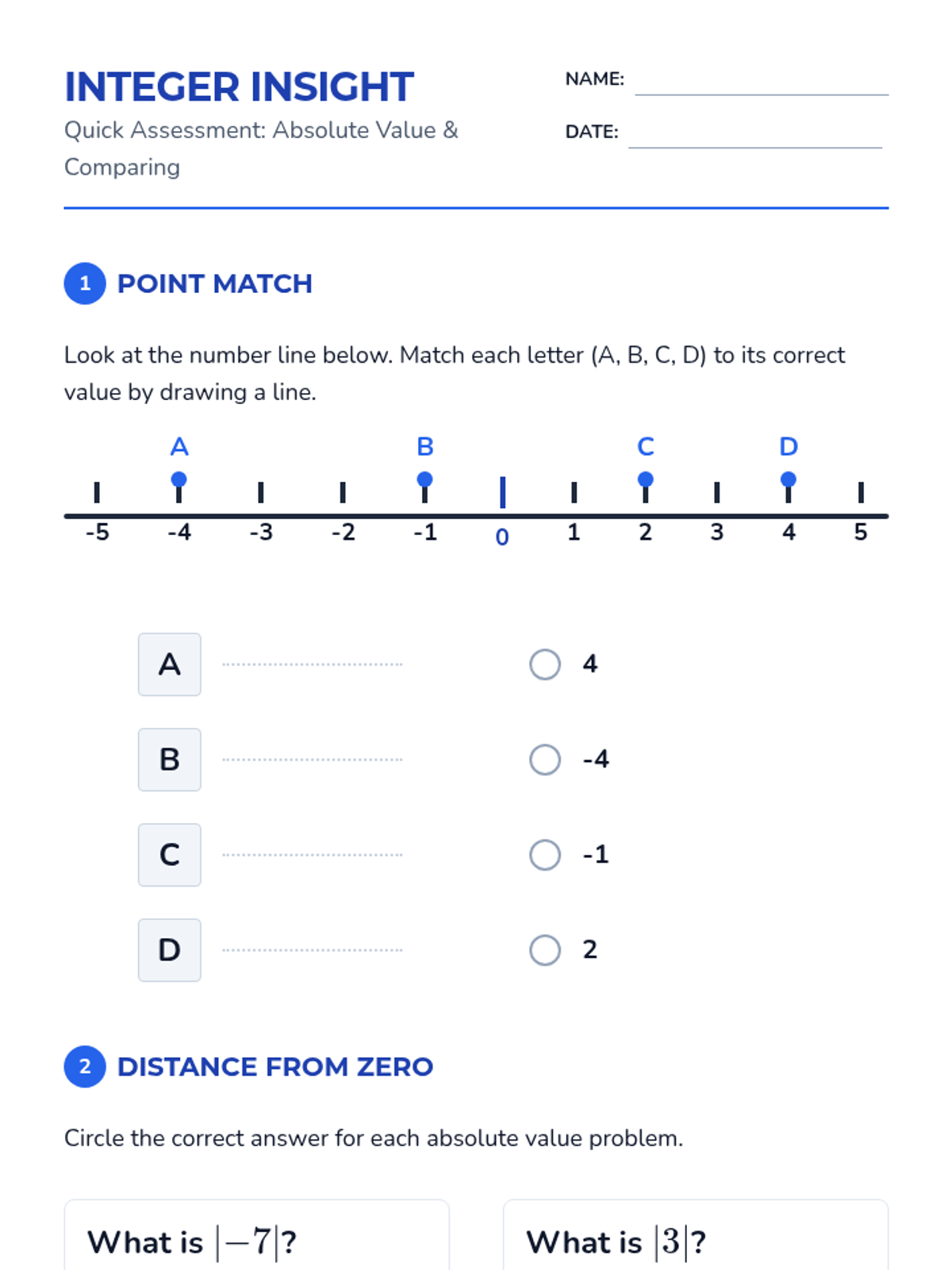
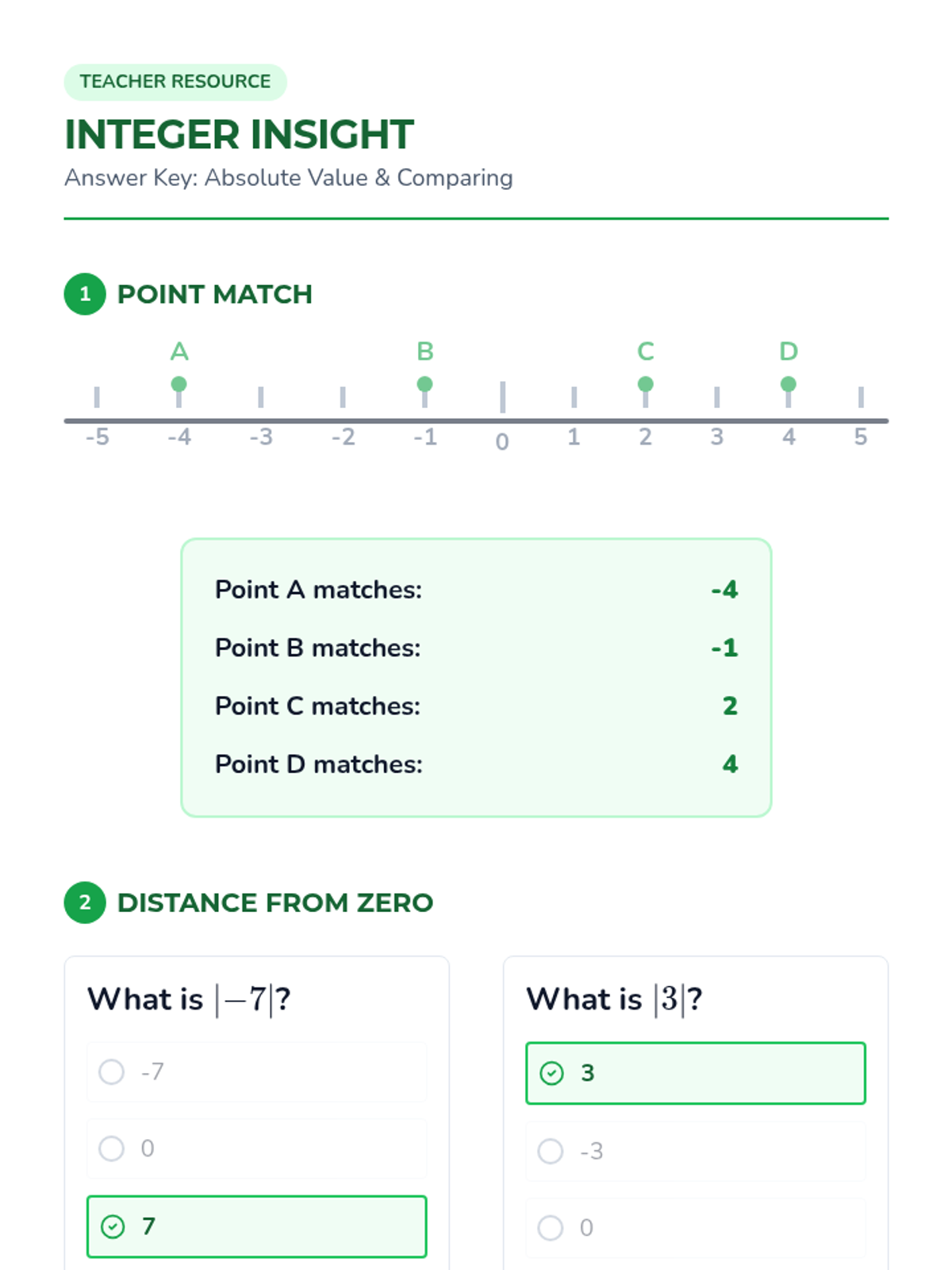
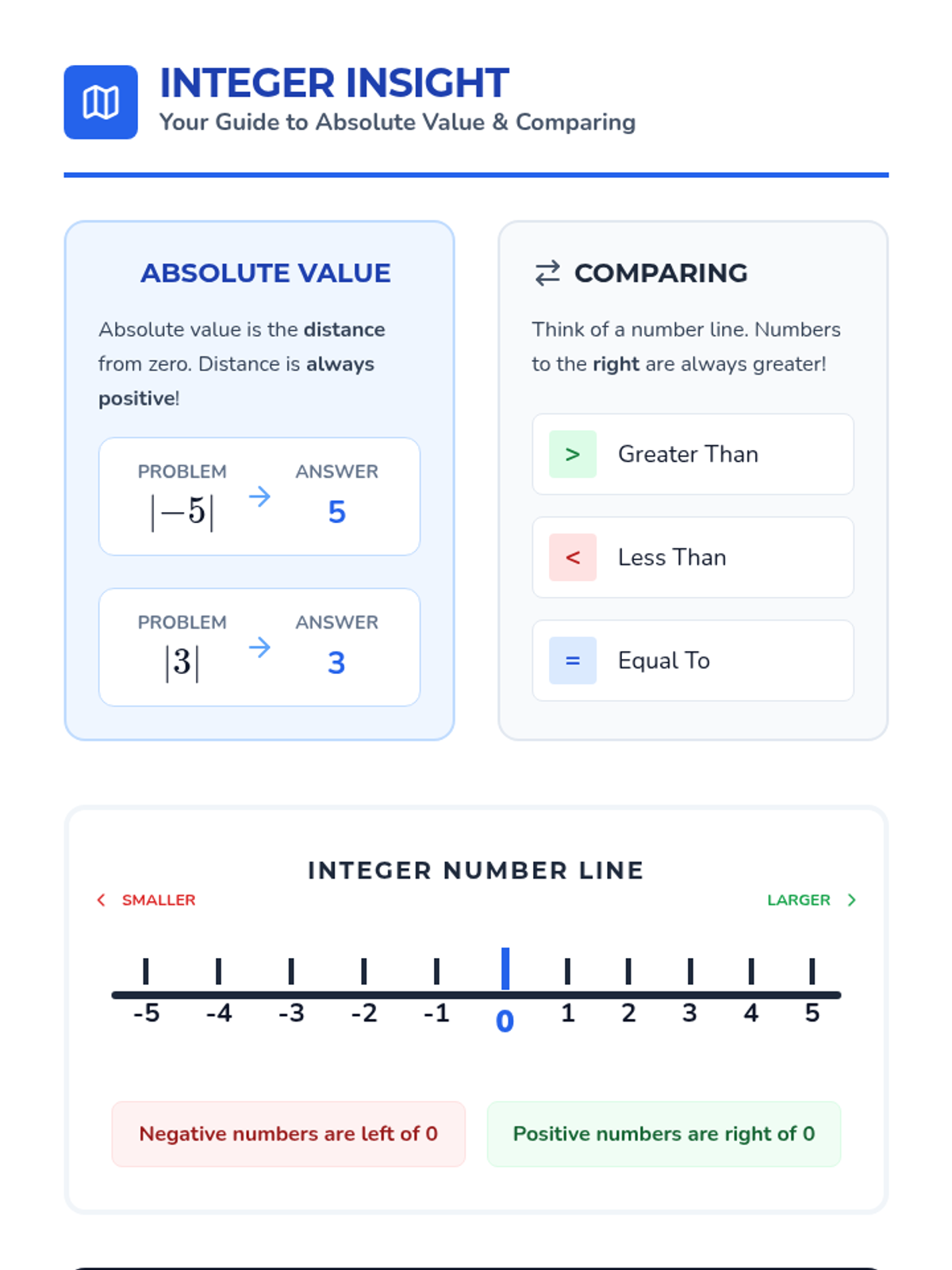
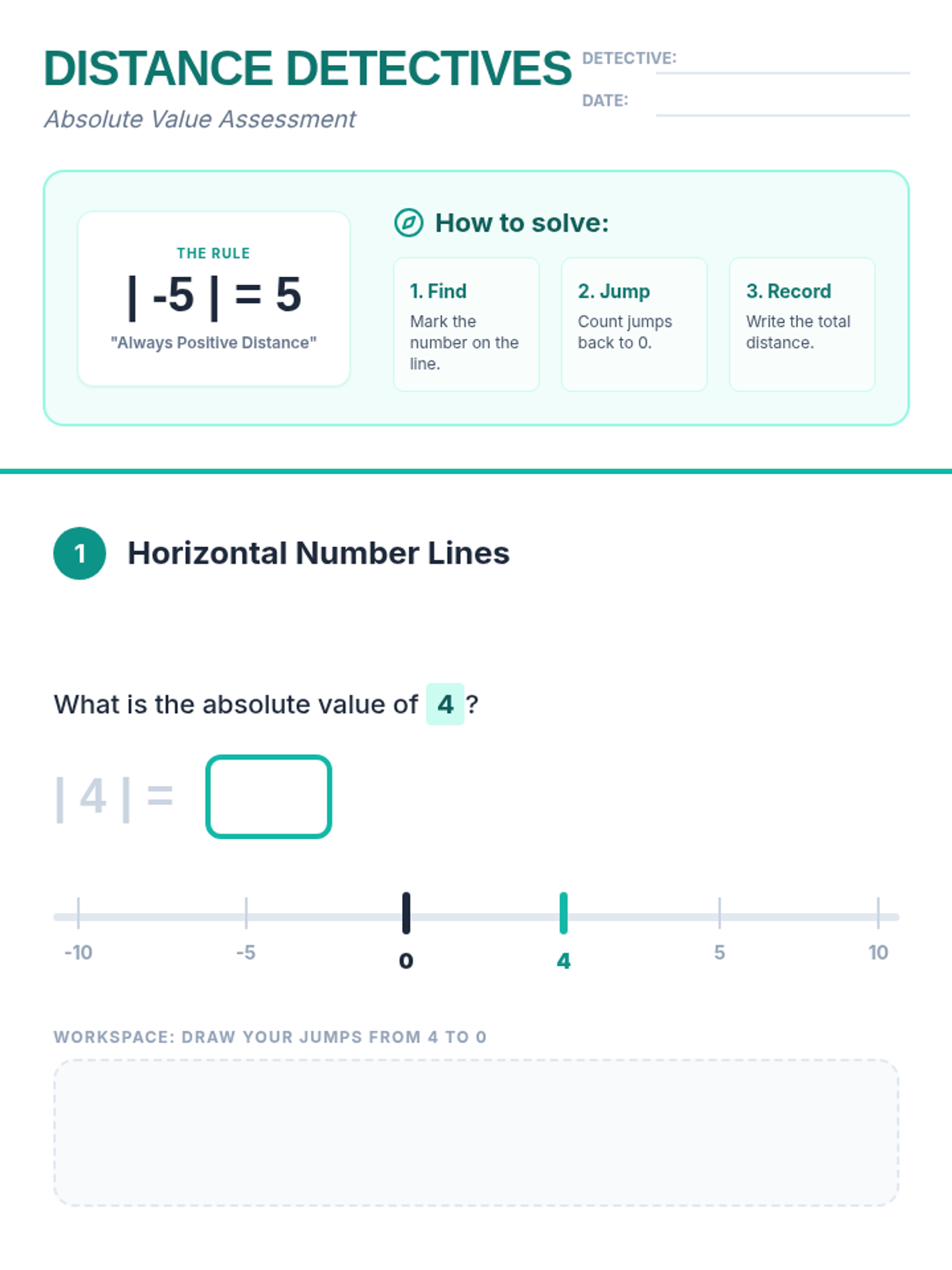
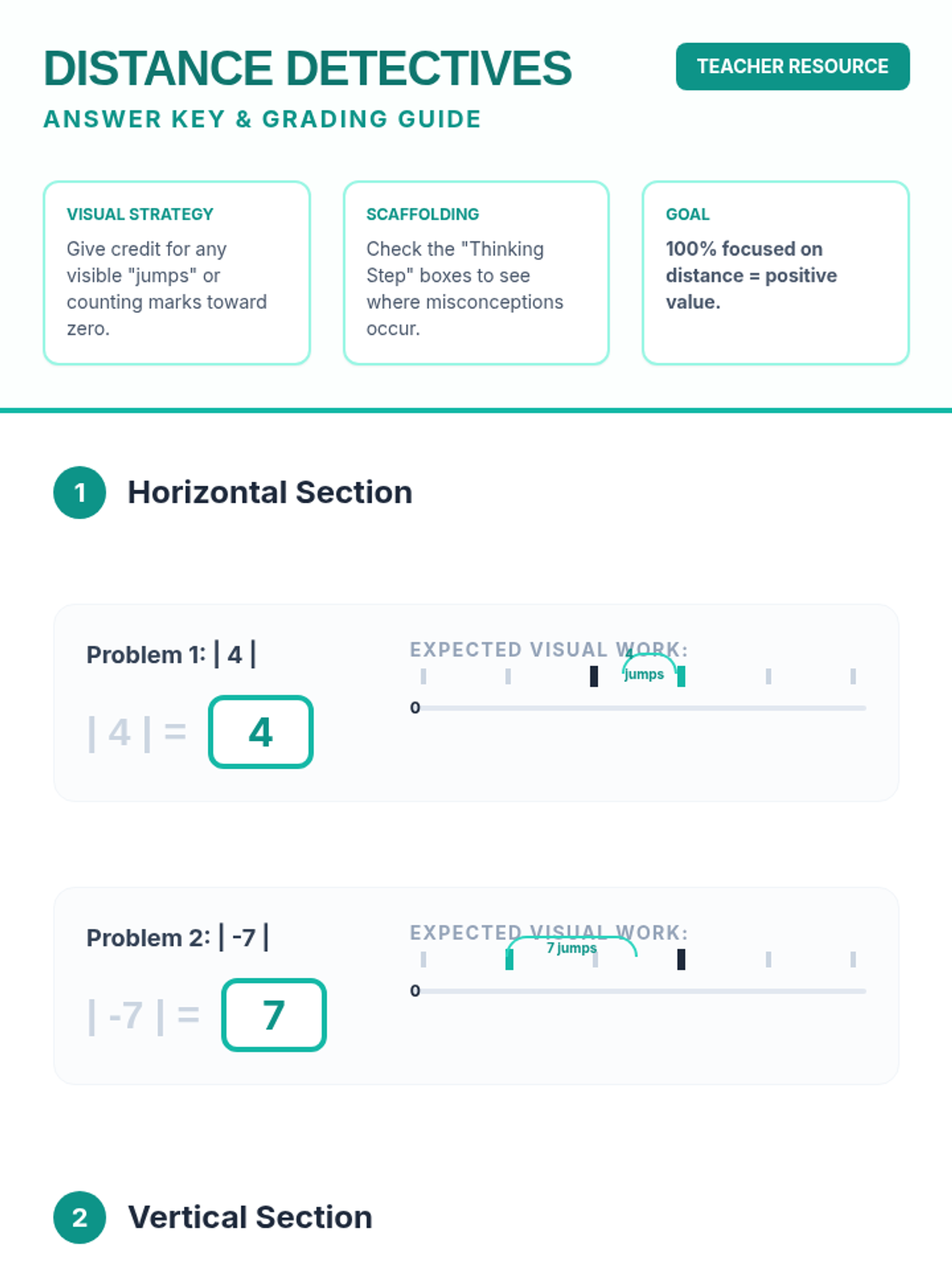
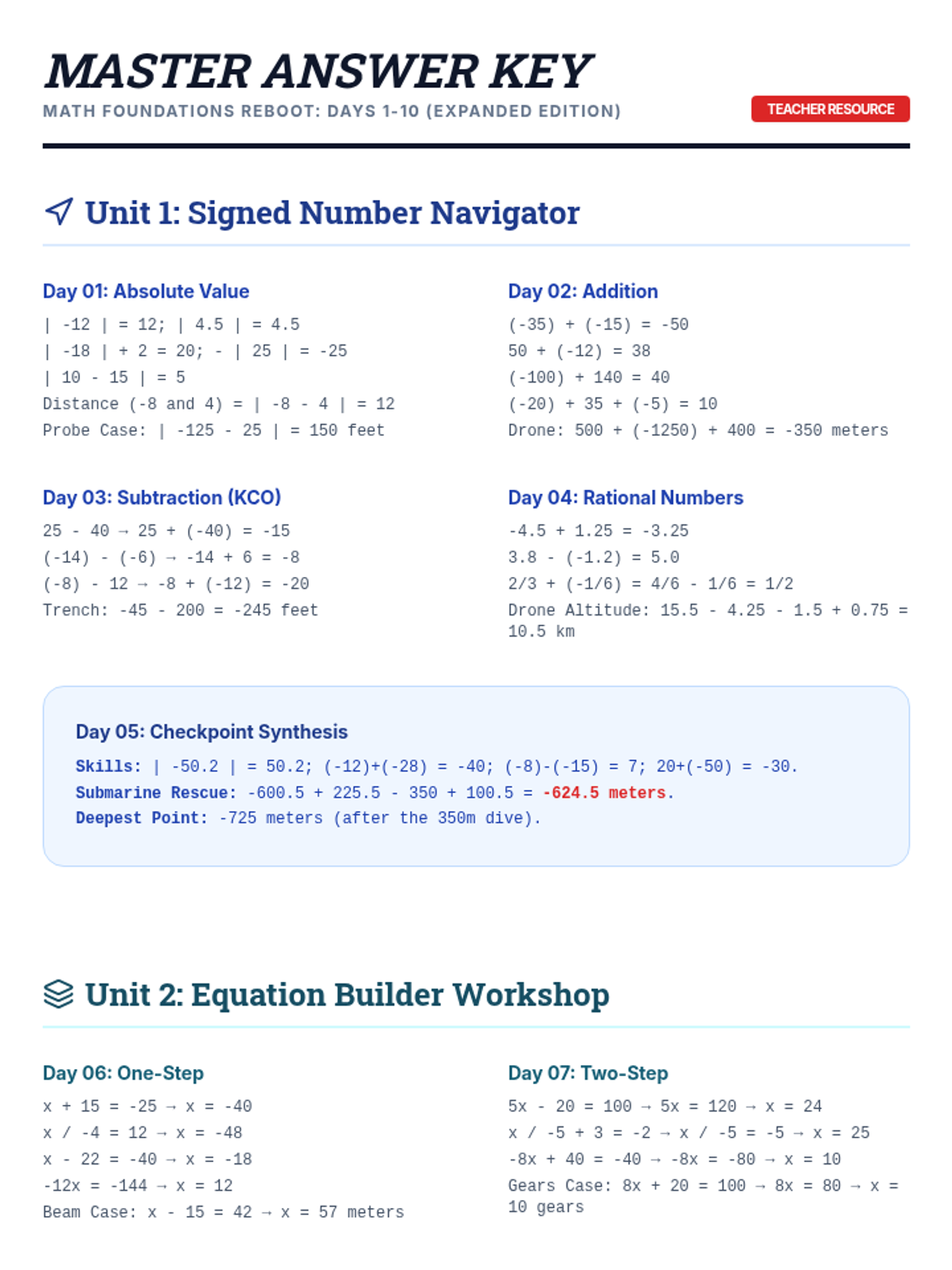
Defining absolute value as magnitude and distance from zero, regardless of direction.
Placing positive and negative rational numbers (fractions and decimals) on a horizontal and vertical number line.
Introducing negative numbers as opposites and using them to represent real-world scenarios like temperature and elevation.
Finding greatest common factors and least common multiples to solve real-world grouping problems.
Focuses on dividing multi-digit decimals using the standard algorithm, specifically handling decimal divisors.

Focuses on multiplying multi-digit decimals with a focus on place value and the standard algorithm.
Focuses on adding and subtracting multi-digit decimals using the standard algorithm, set within a budget-tracking context.