Students analyze DNA evidence from a crime scene using gel electrophoresis data to identify a suspect and justify their findings using the CER (Claim-Evidence-Reasoning) framework.
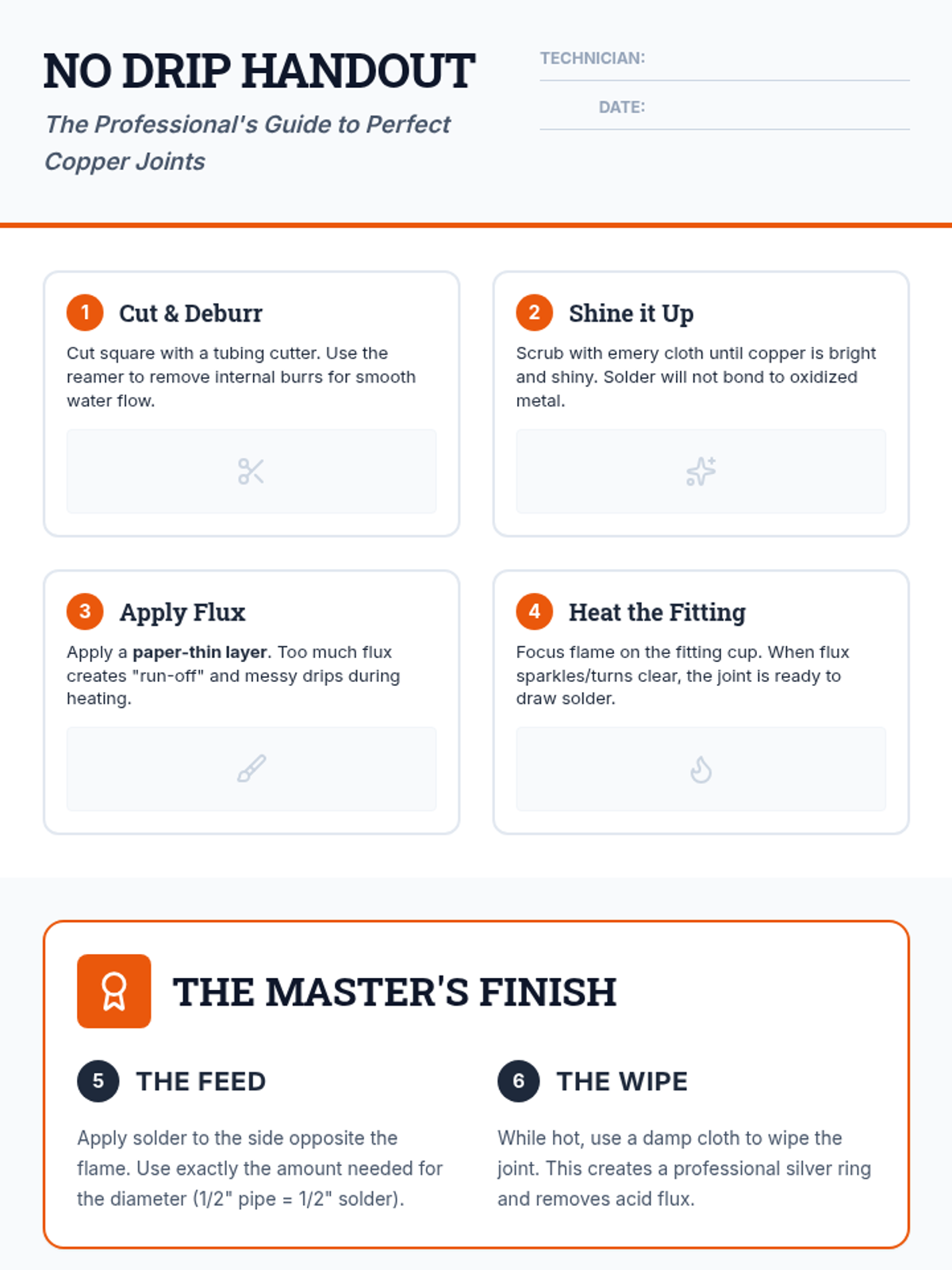
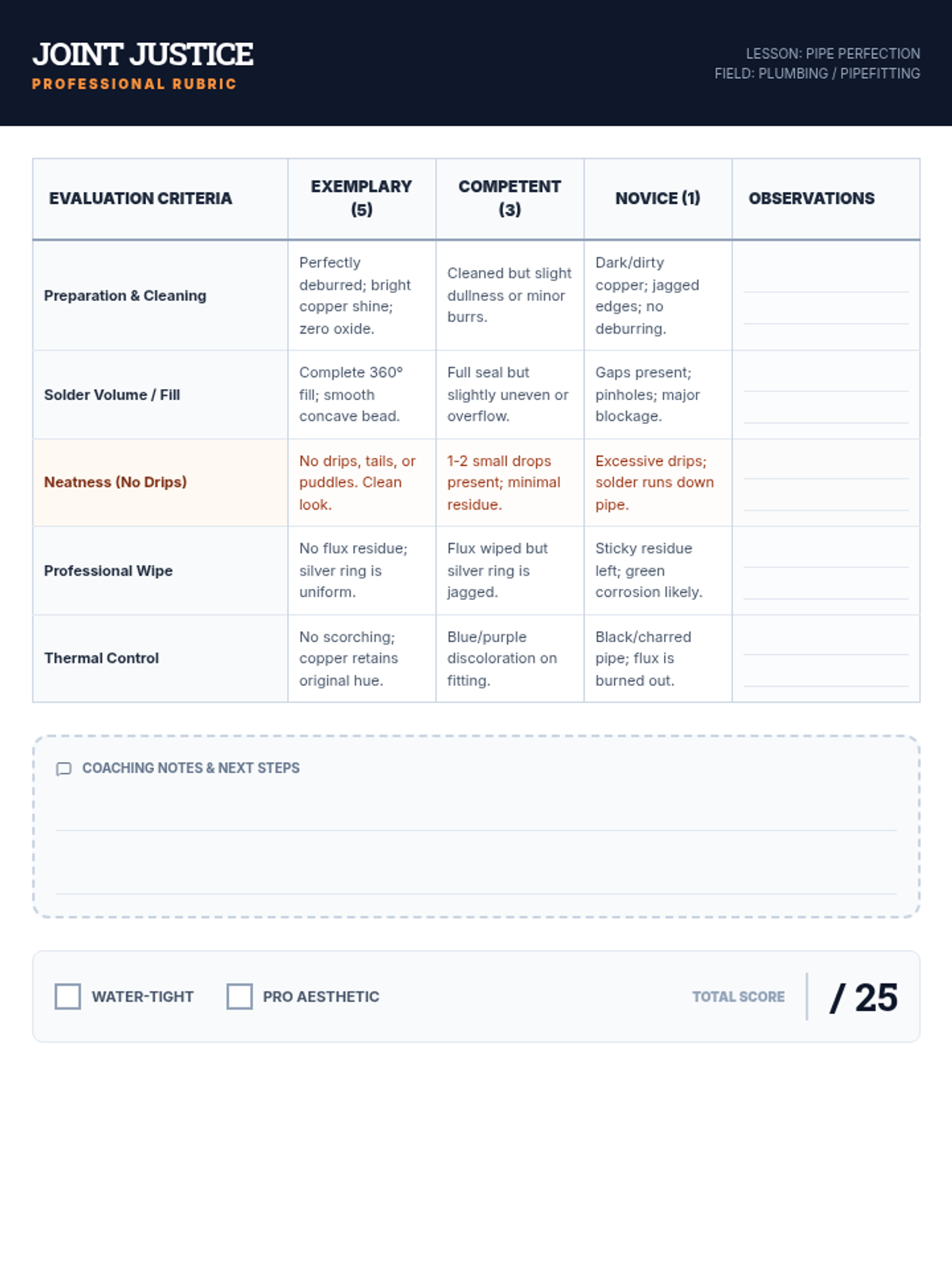
A comprehensive guide to soldering copper pipe with a focus on neatness, precision, and the professional 'wiped' finish. Students learn the step-by-step process from preparation to the final clean joint.
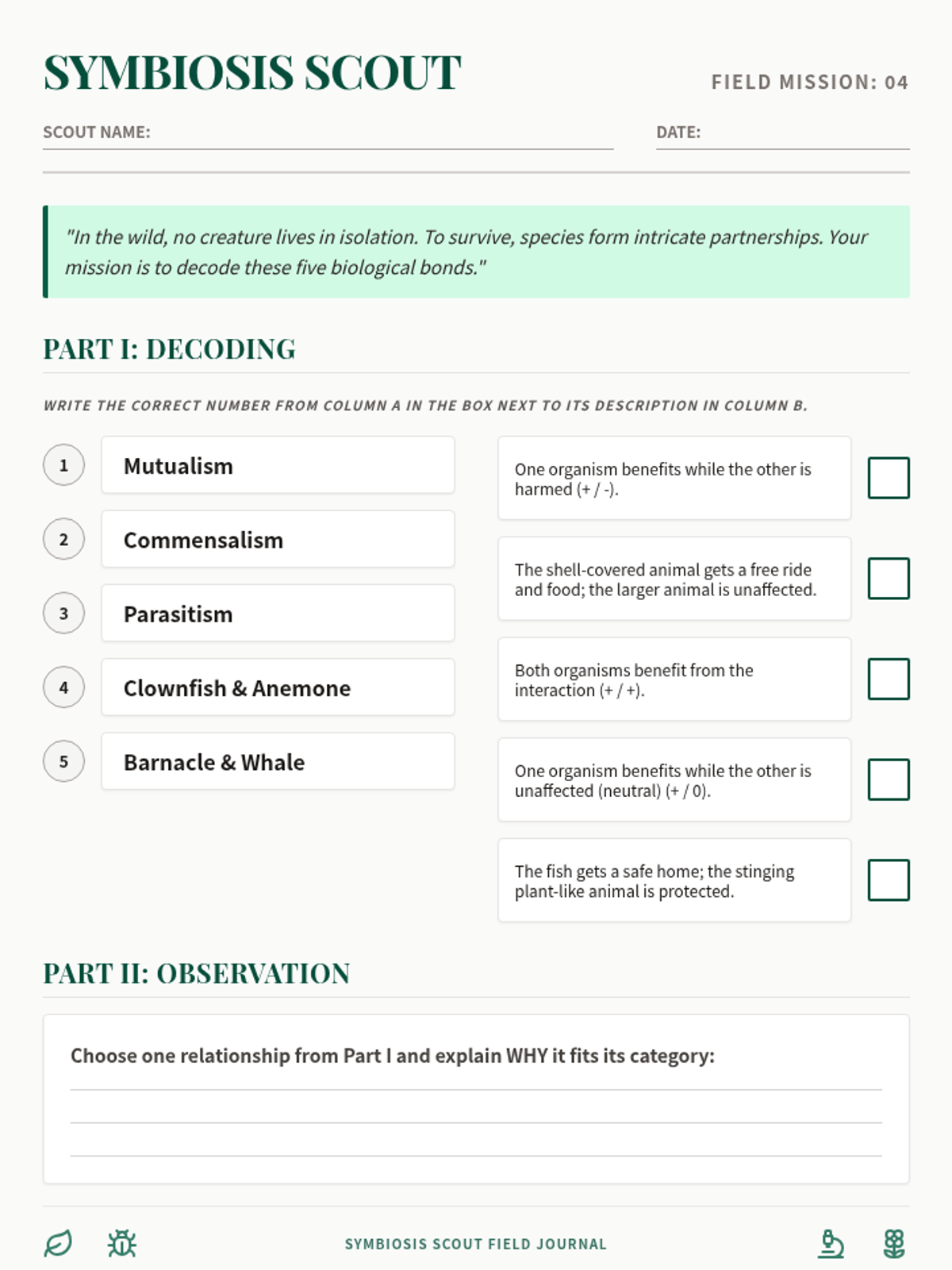
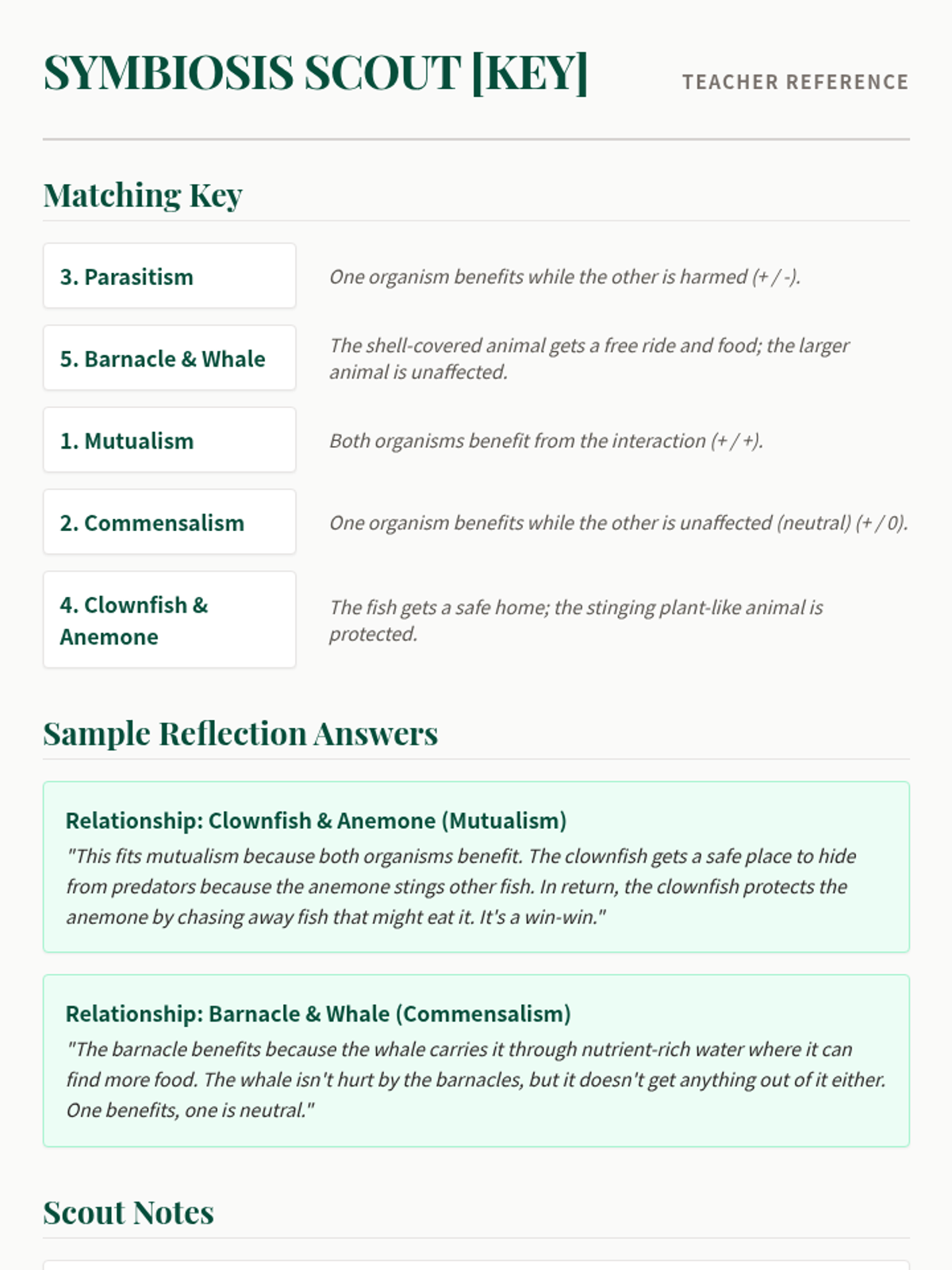
An introductory lesson exploring the three types of symbiotic relationships (mutualism, commensalism, and parasitism) through matching and reflection activities.
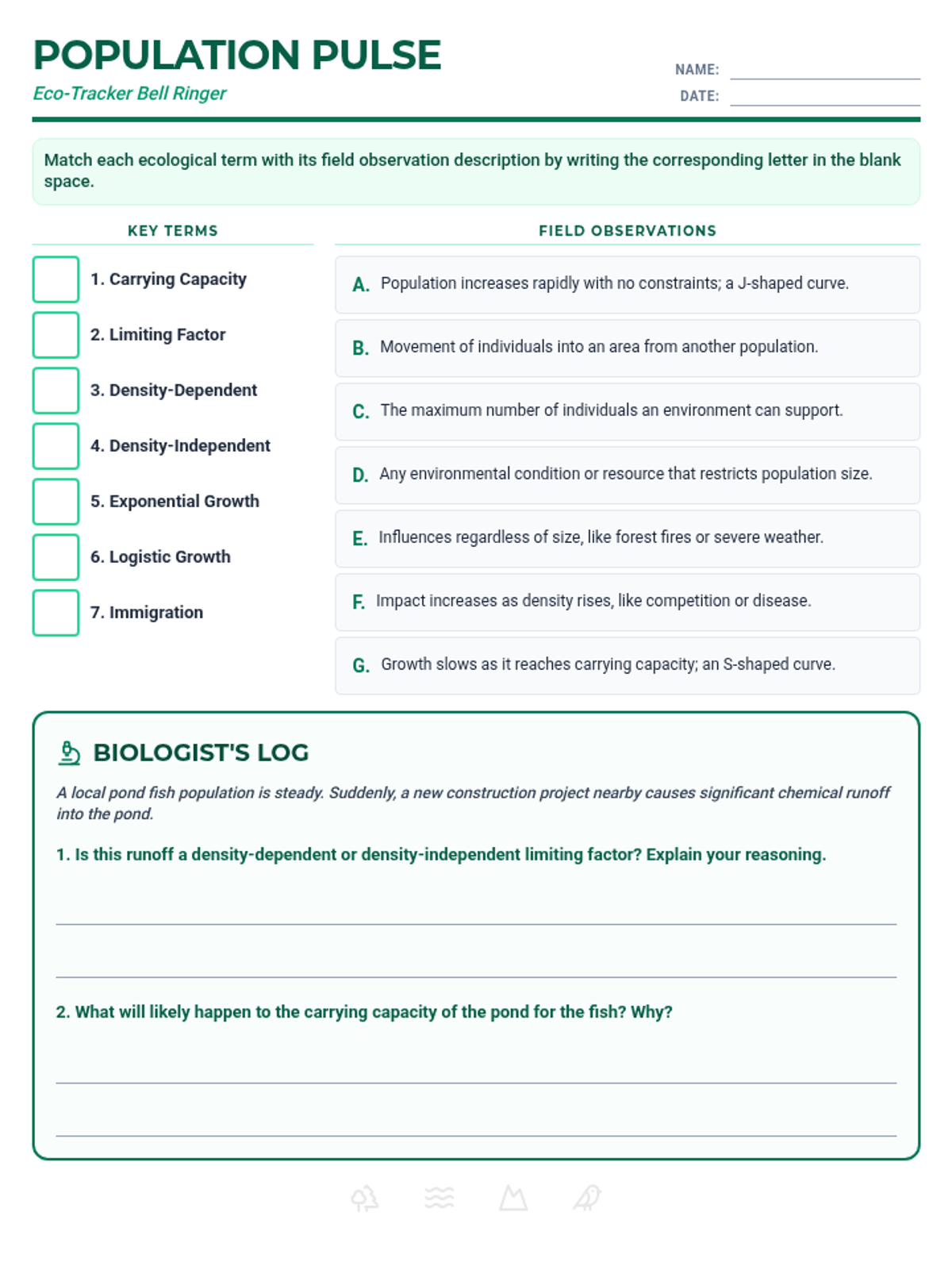
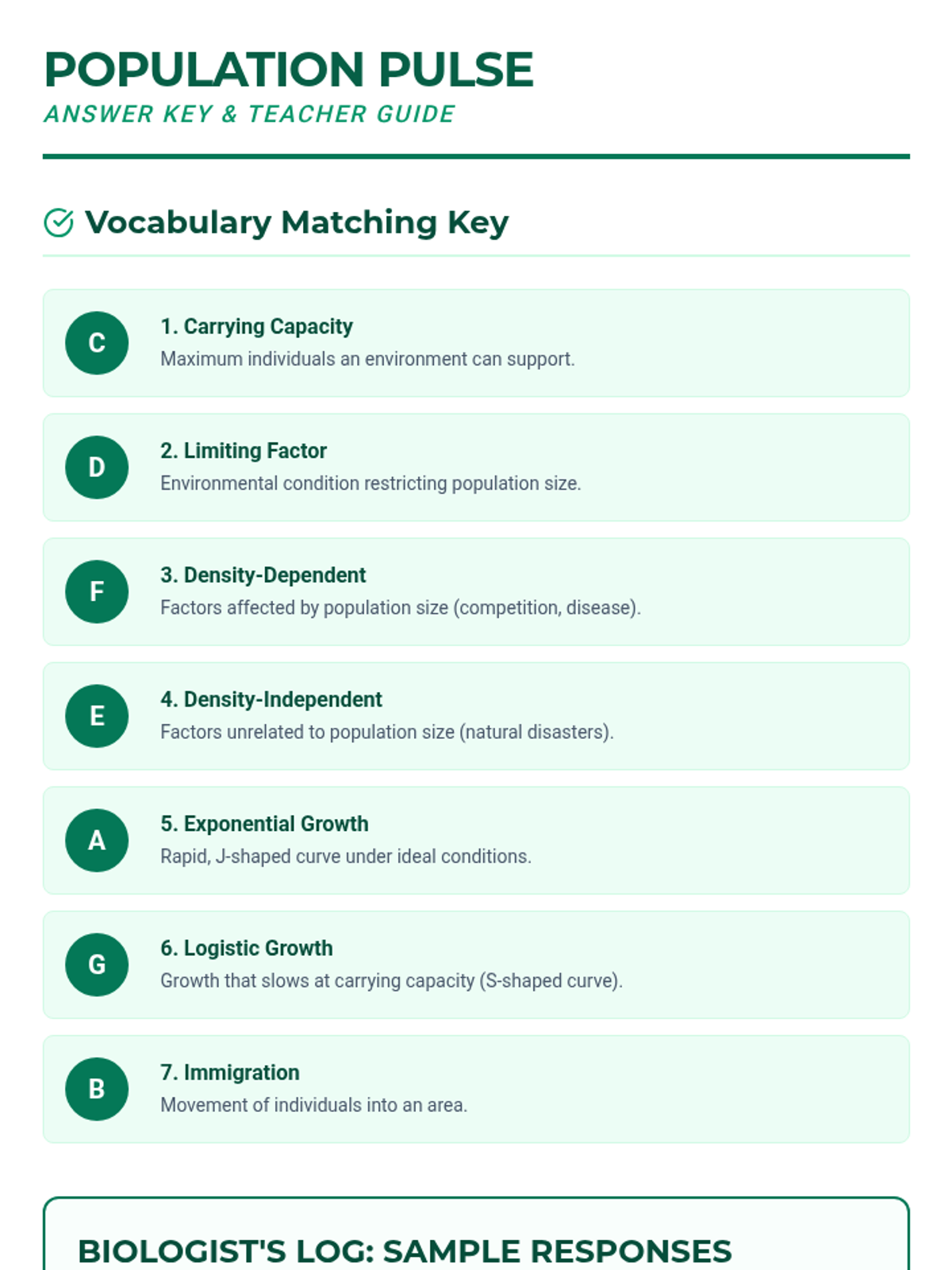
A quick 10-minute bell ringer activity focusing on the core concepts of population biology: carrying capacity, limiting factors, and growth curves.
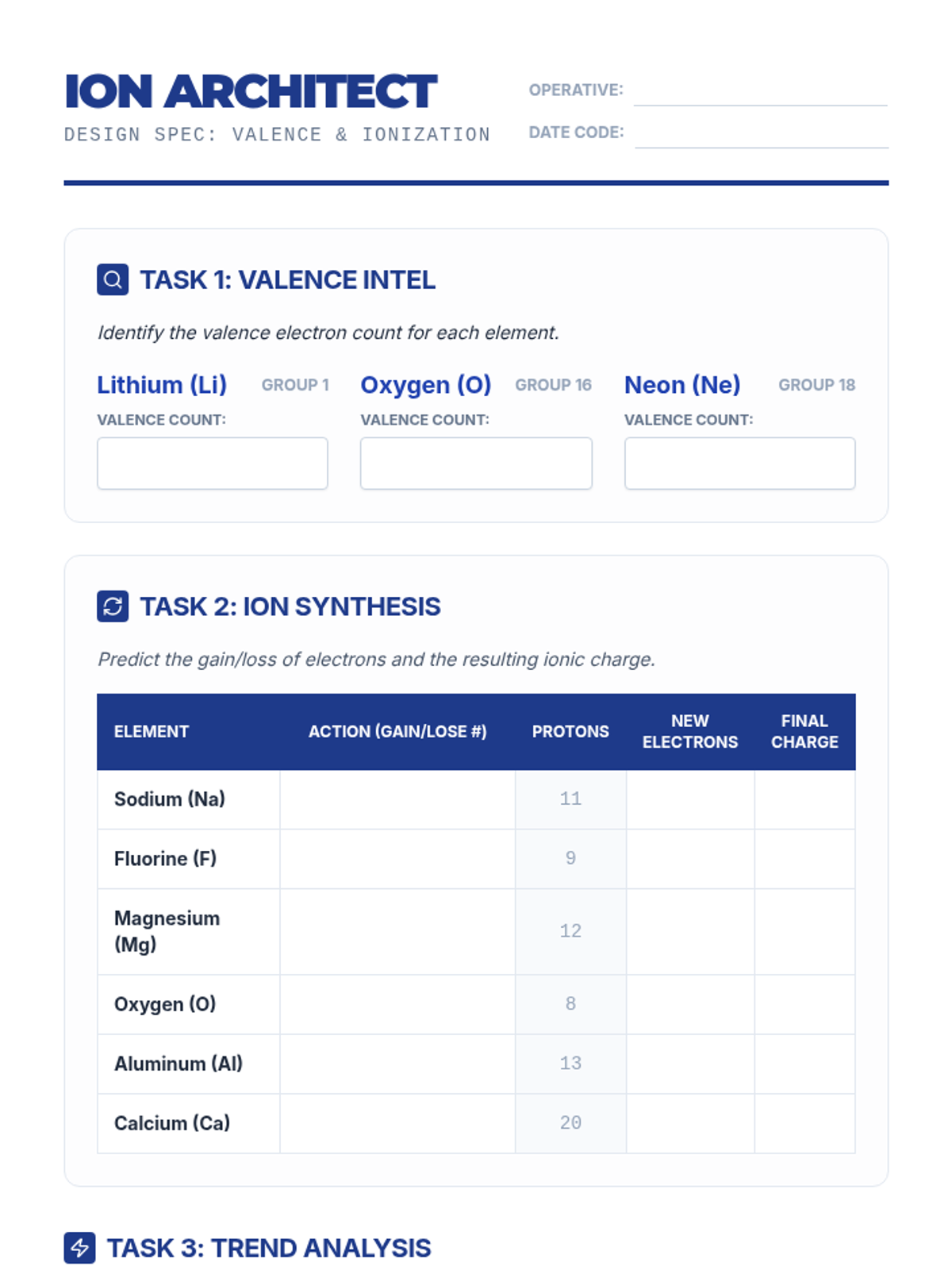
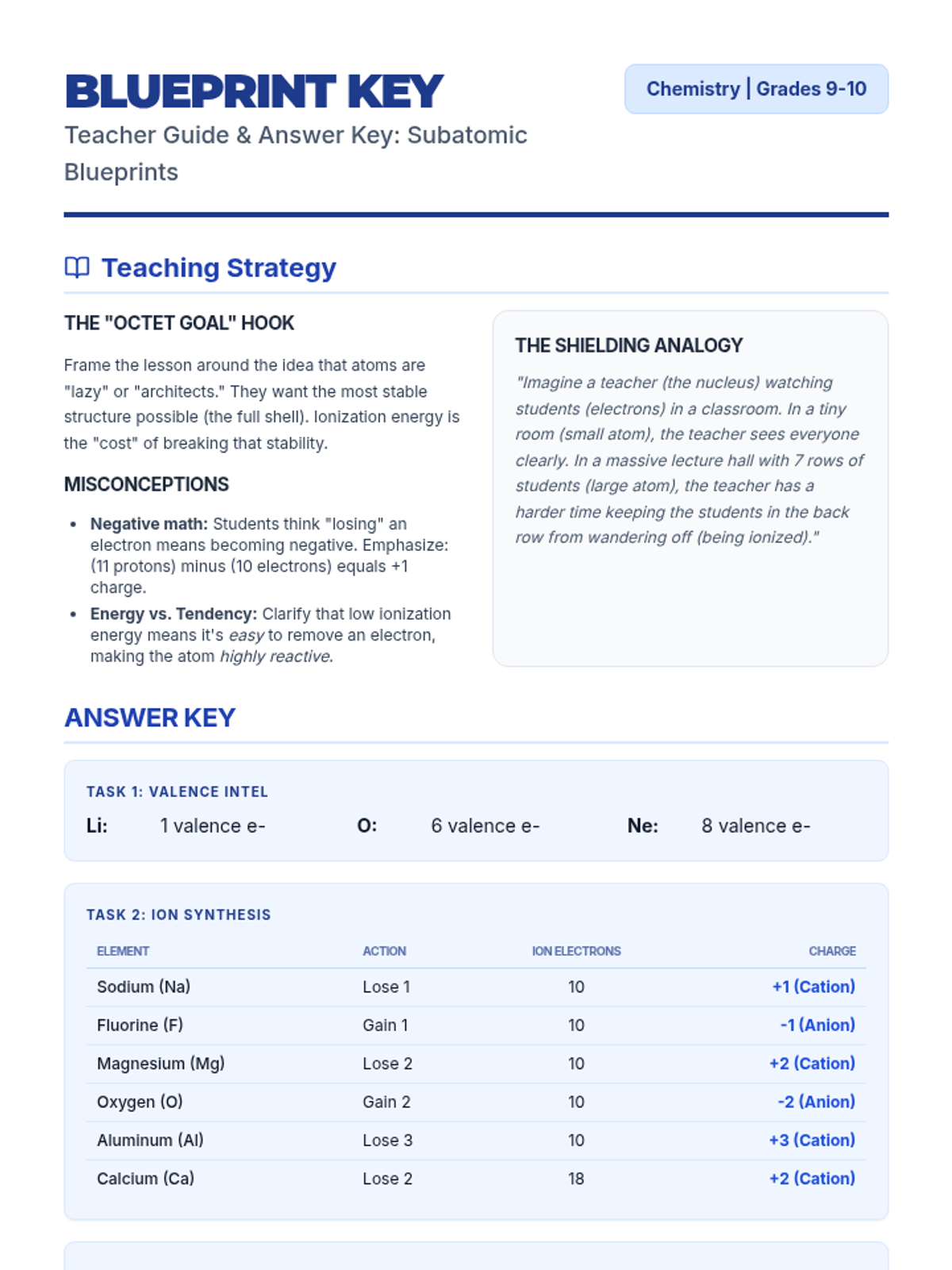
A focused lesson on valence electrons, ion formation, and ionization energy trends for high school chemistry students. Includes a visual presentation and a guided practice worksheet to master subatomic blueprints.
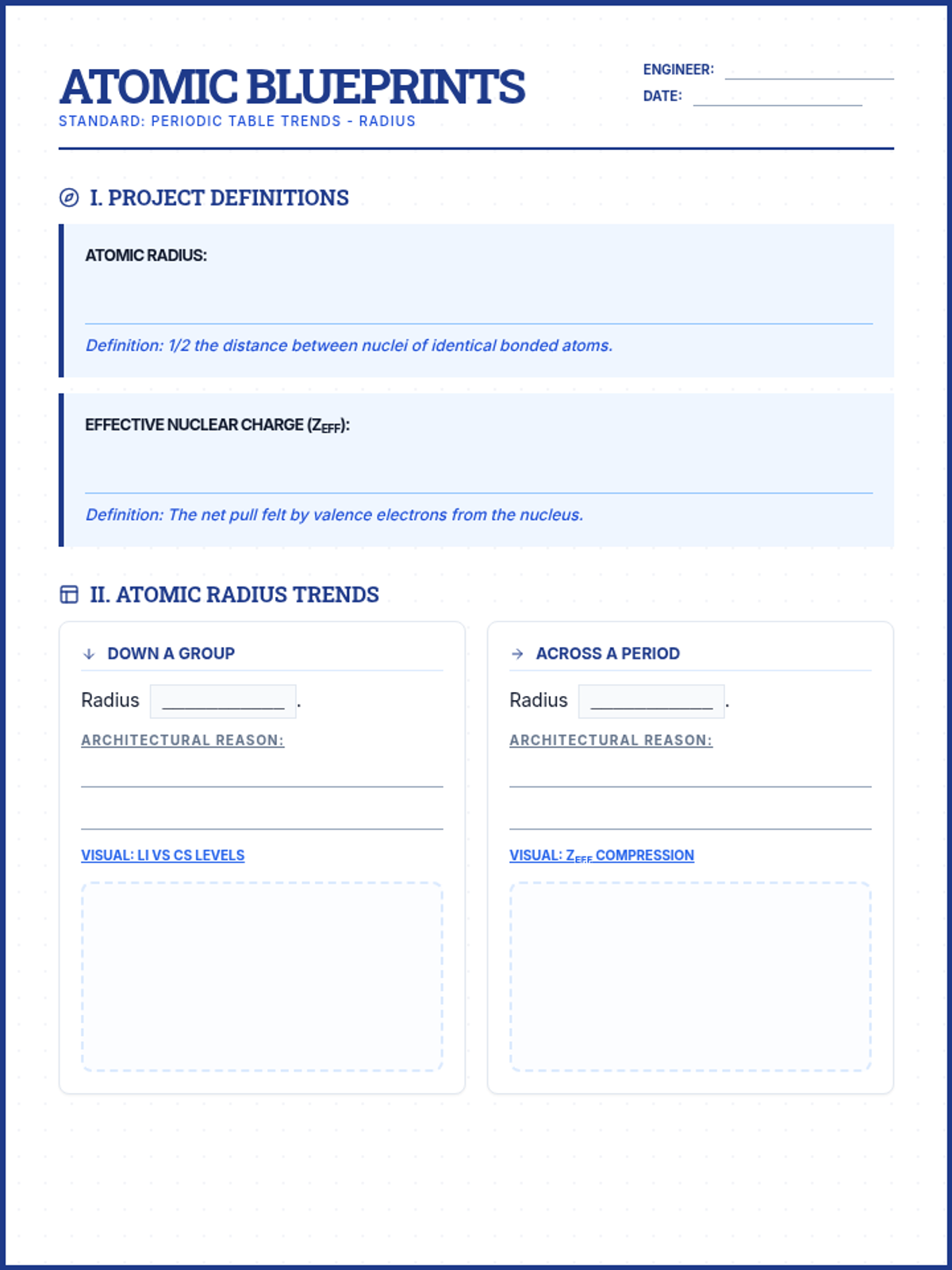
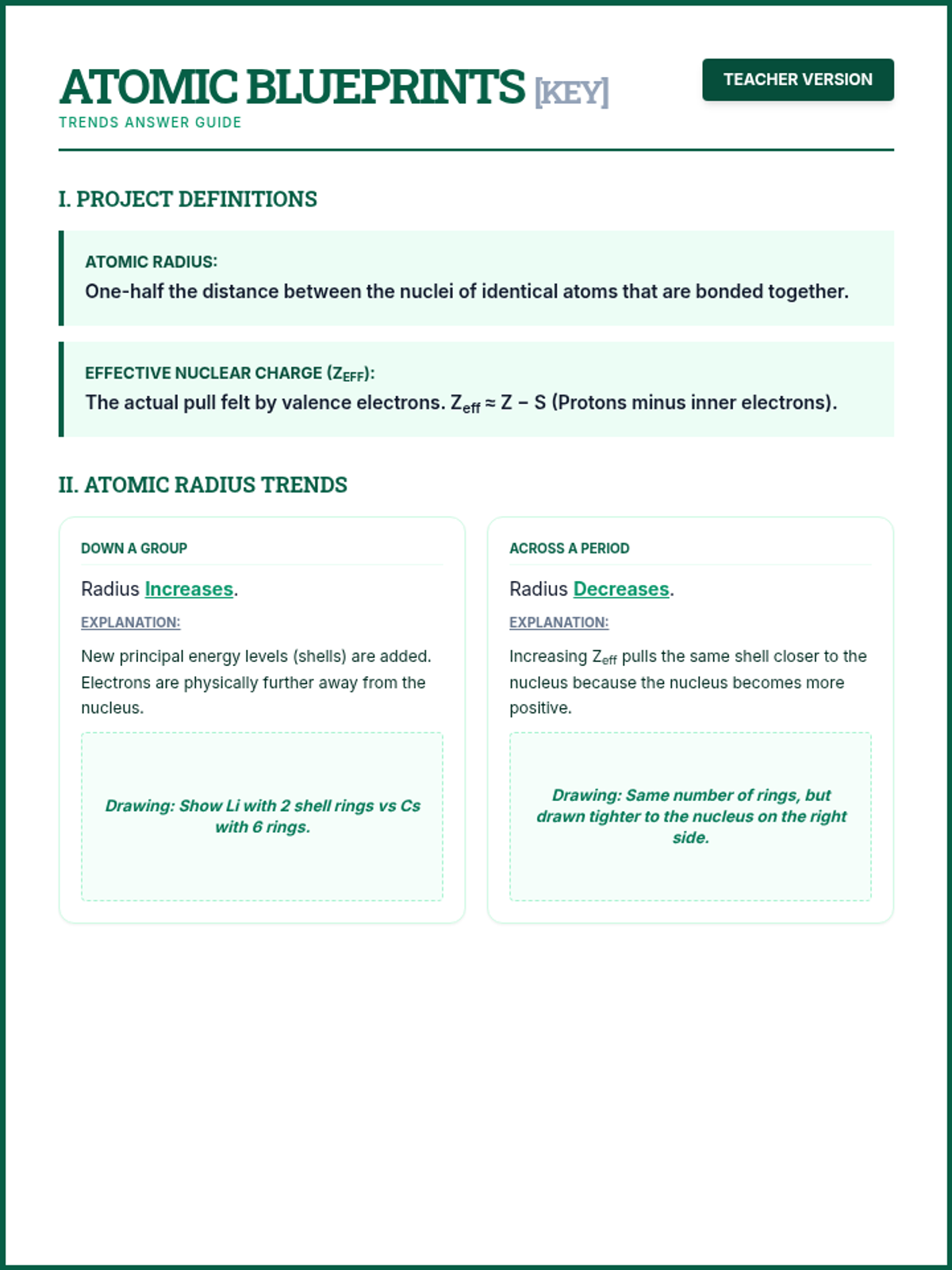
A lesson focused on the spatial trends of the periodic table, specifically atomic and ionic radius, using a technical blueprint theme to help students visualize atomic structure.
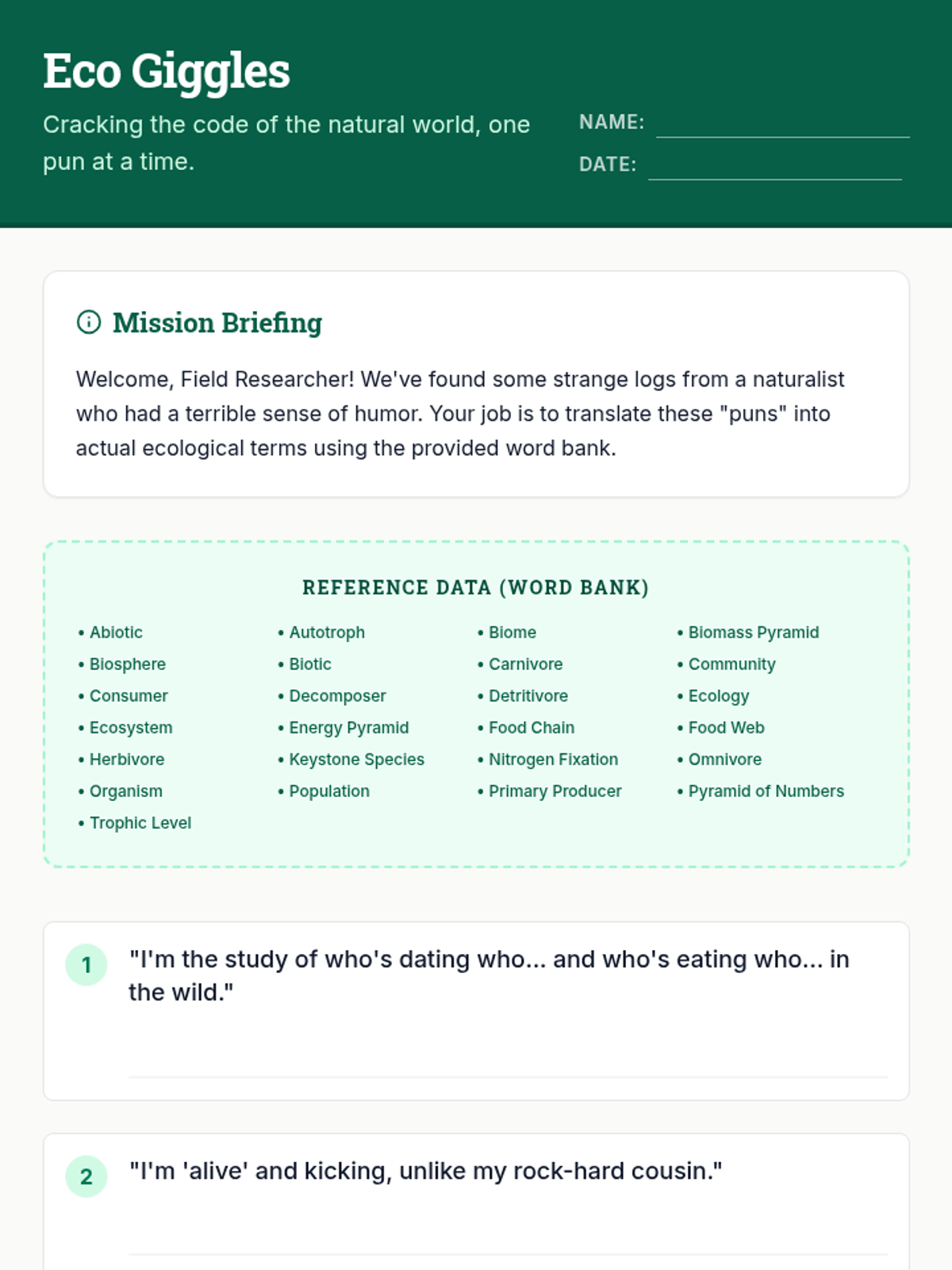
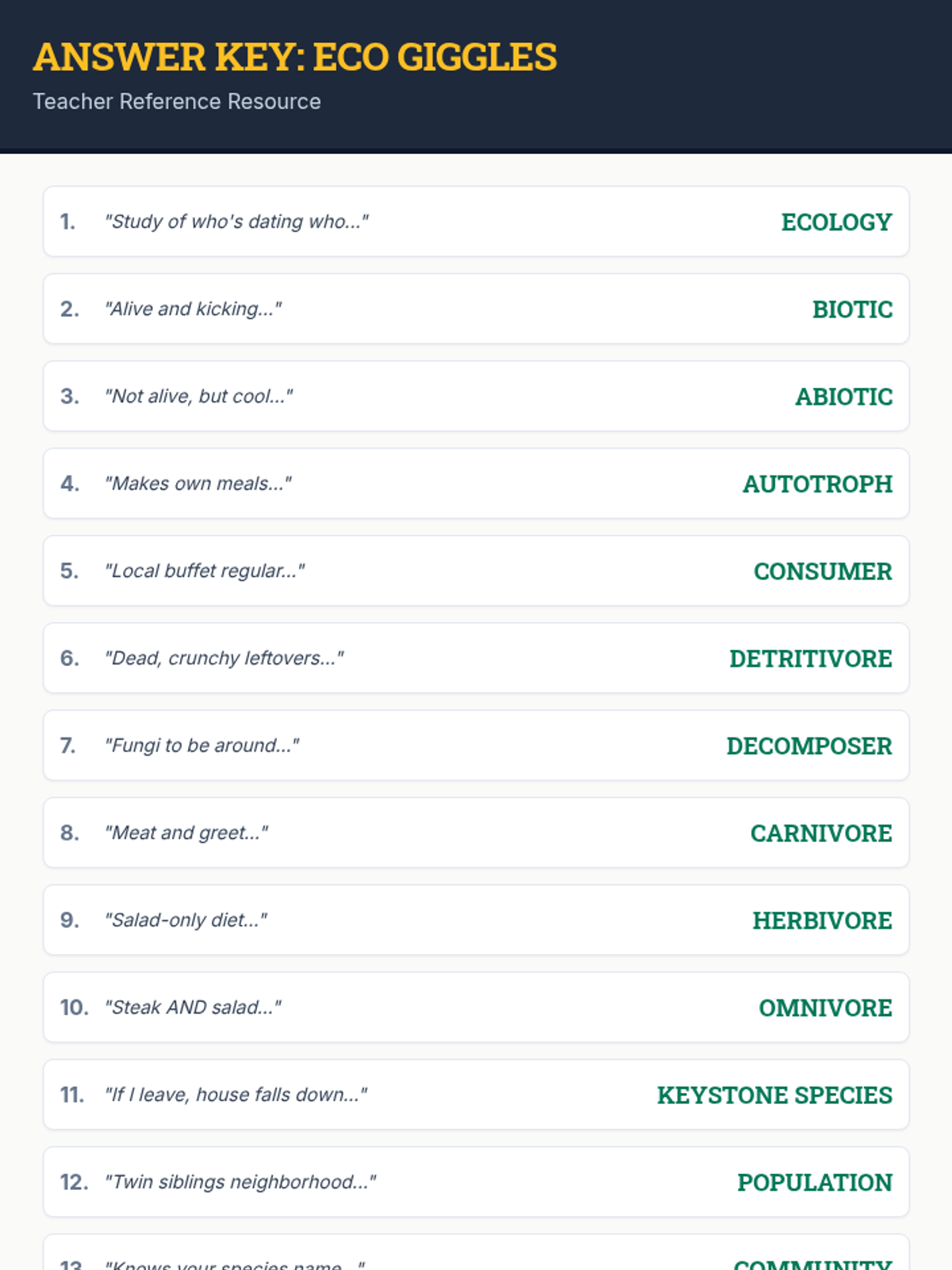
A fun and engaging lesson on ecology terms, focusing on the interactions between biotic and abiotic factors, energy flow through food webs and pyramids, and the organization of life.
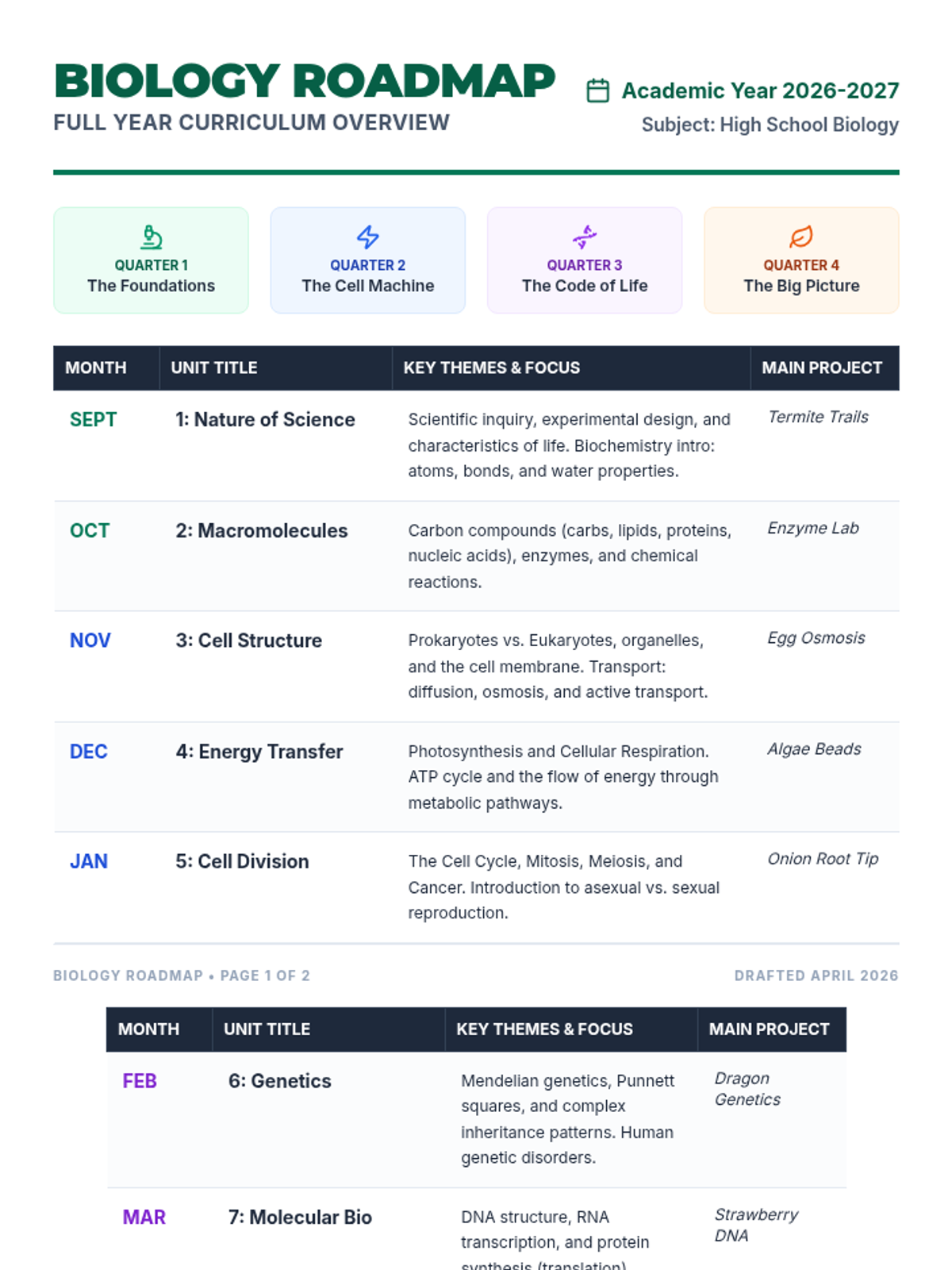
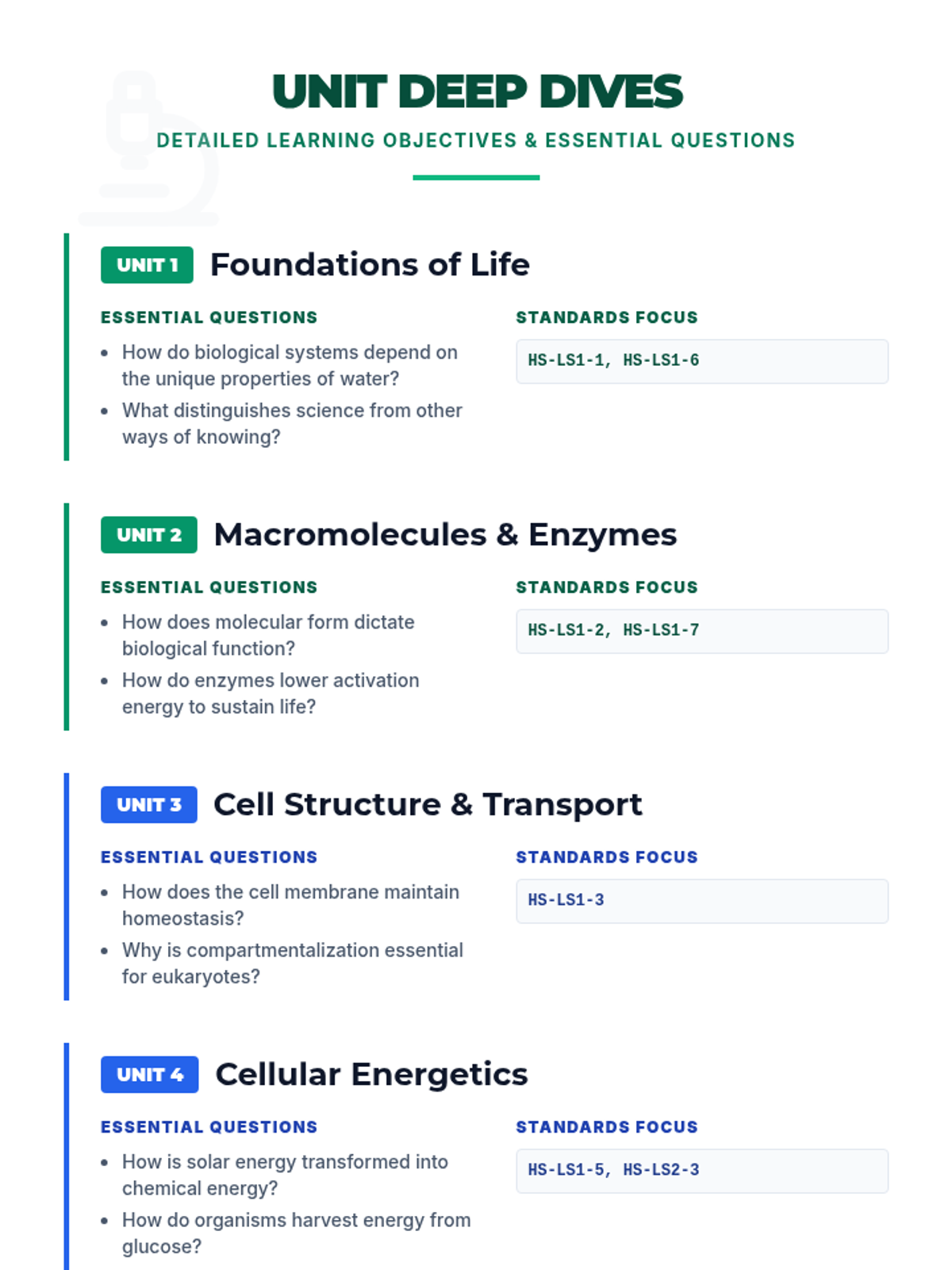
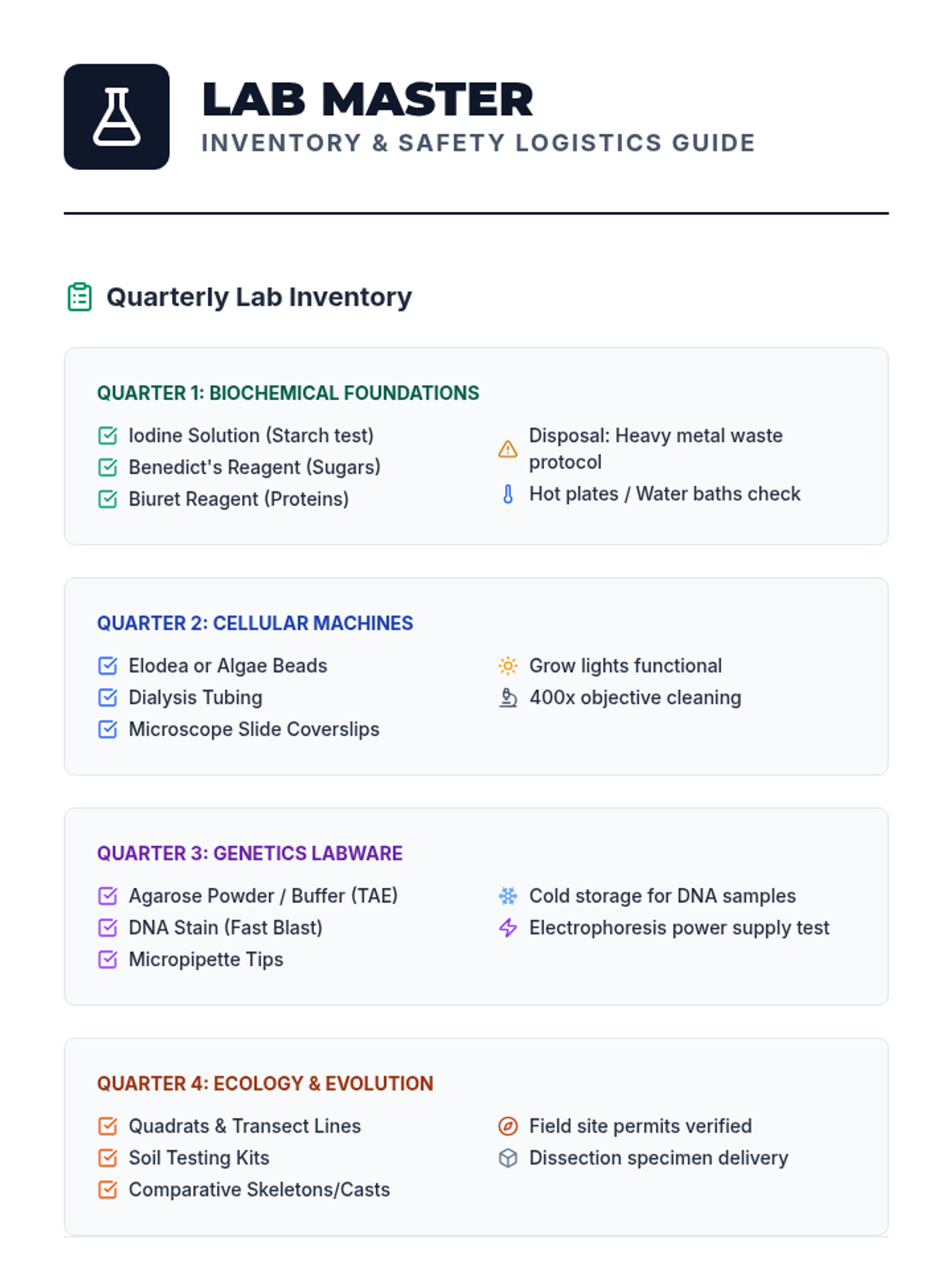
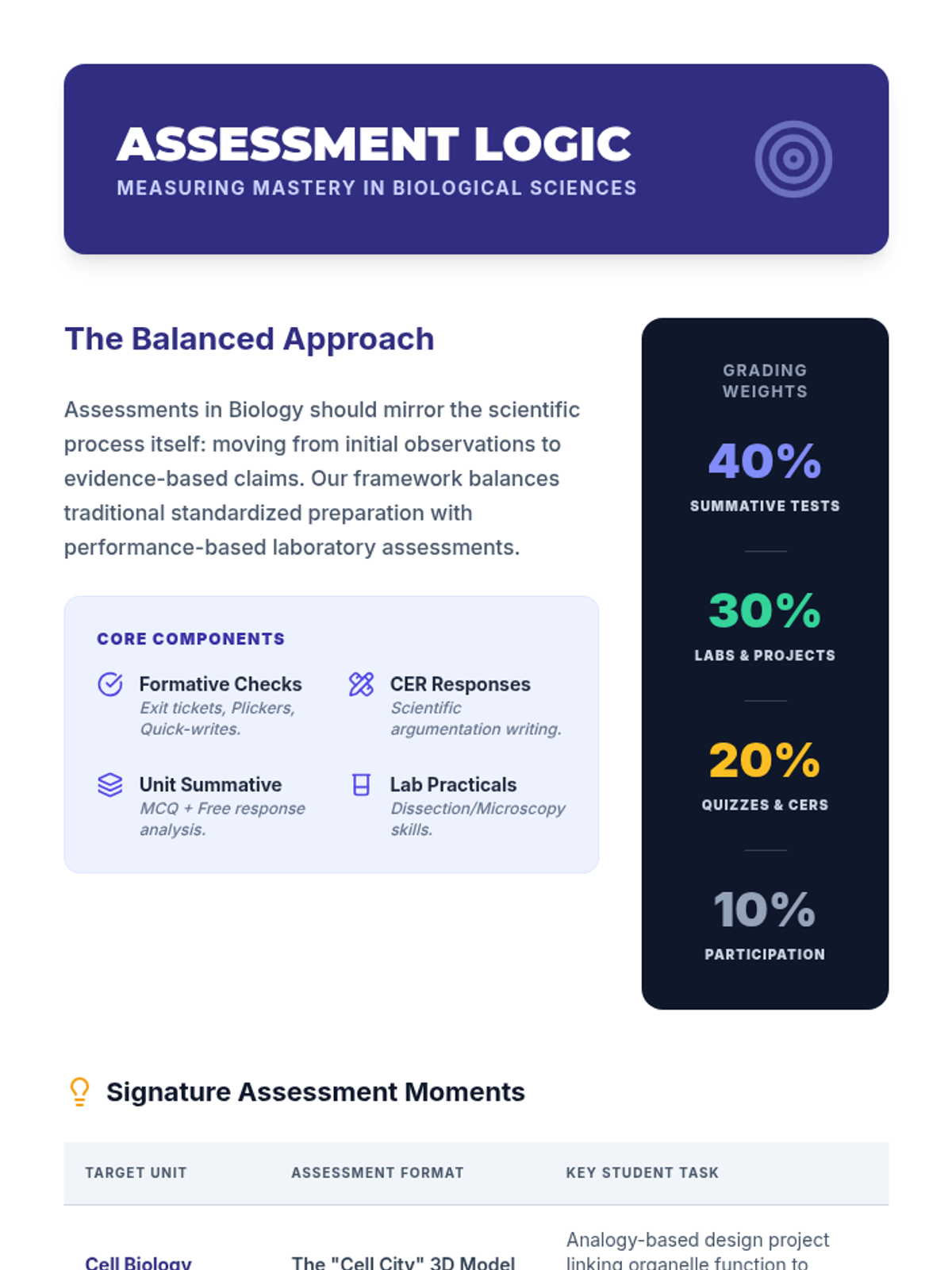
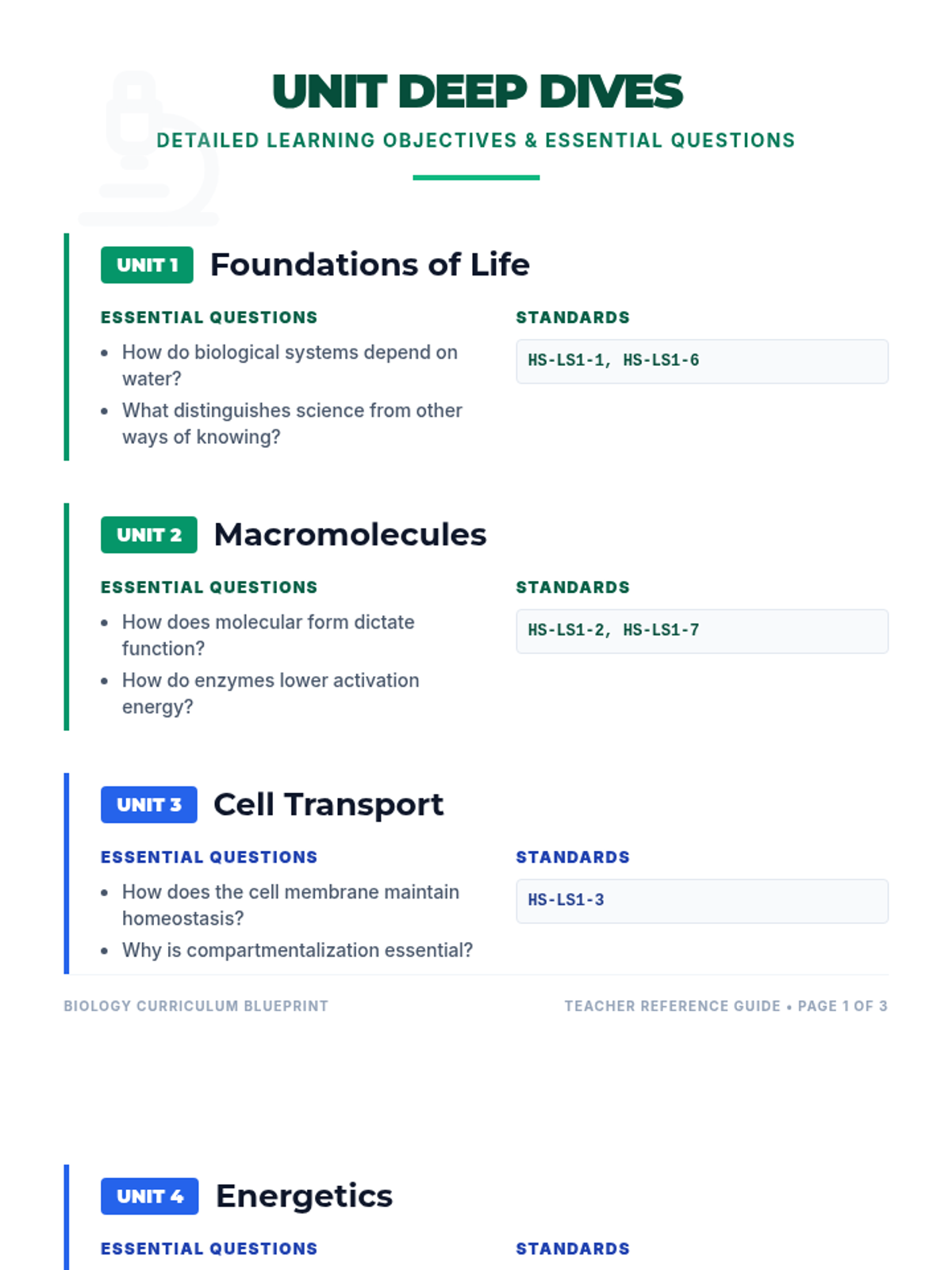
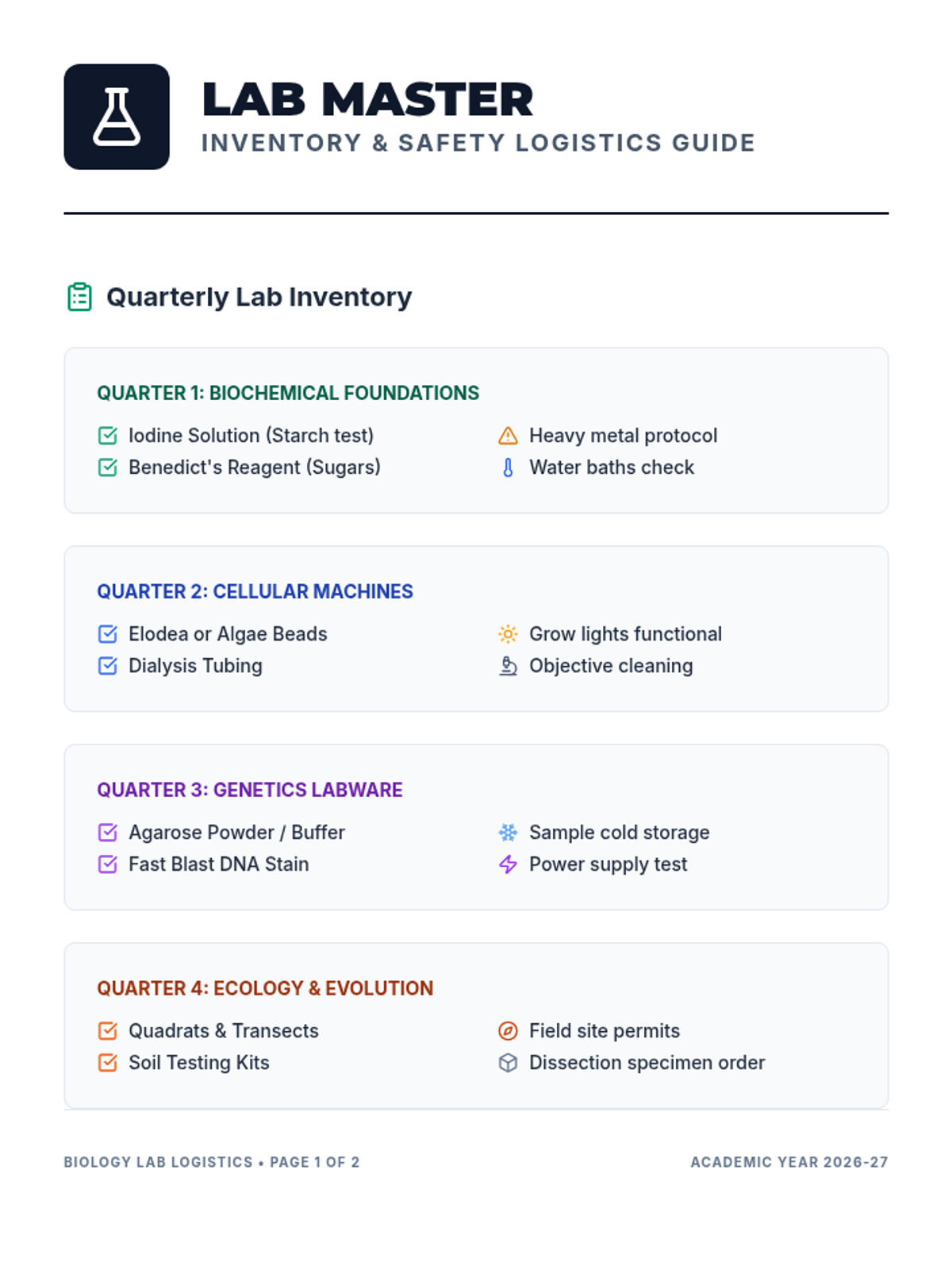
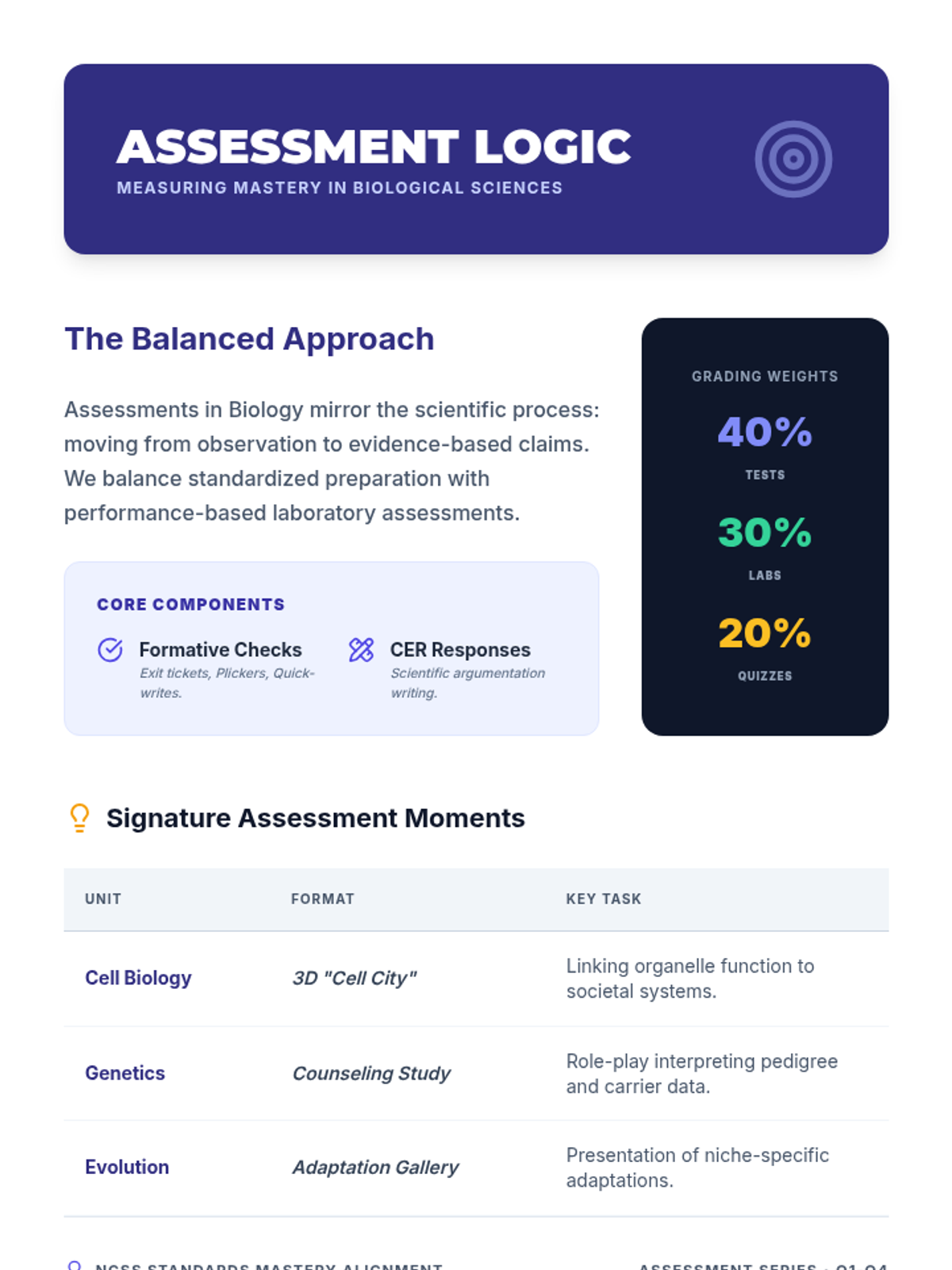
The foundational planning materials for the full-year Biology curriculum, providing a high-level roadmap and detailed unit breakdowns.
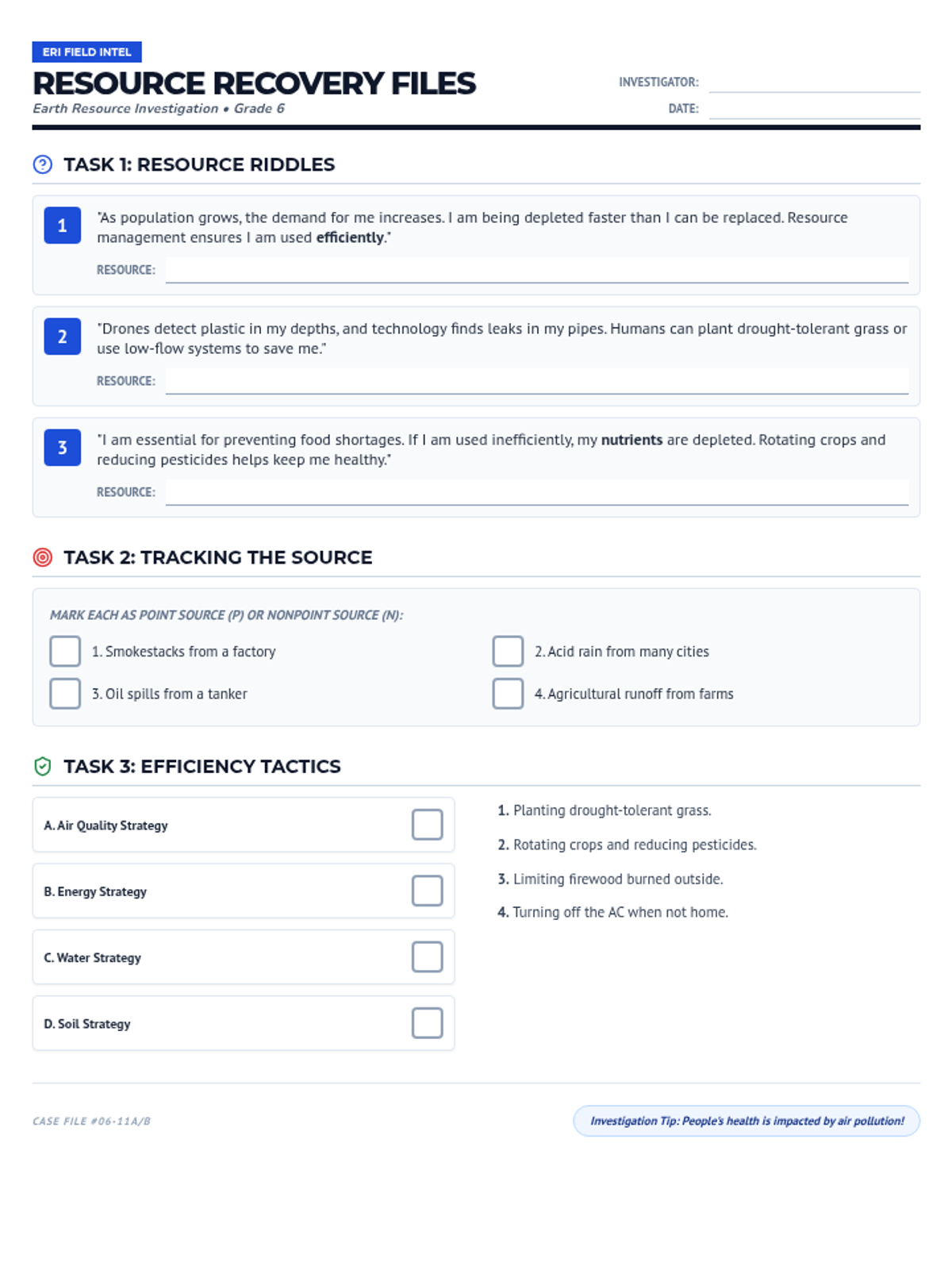
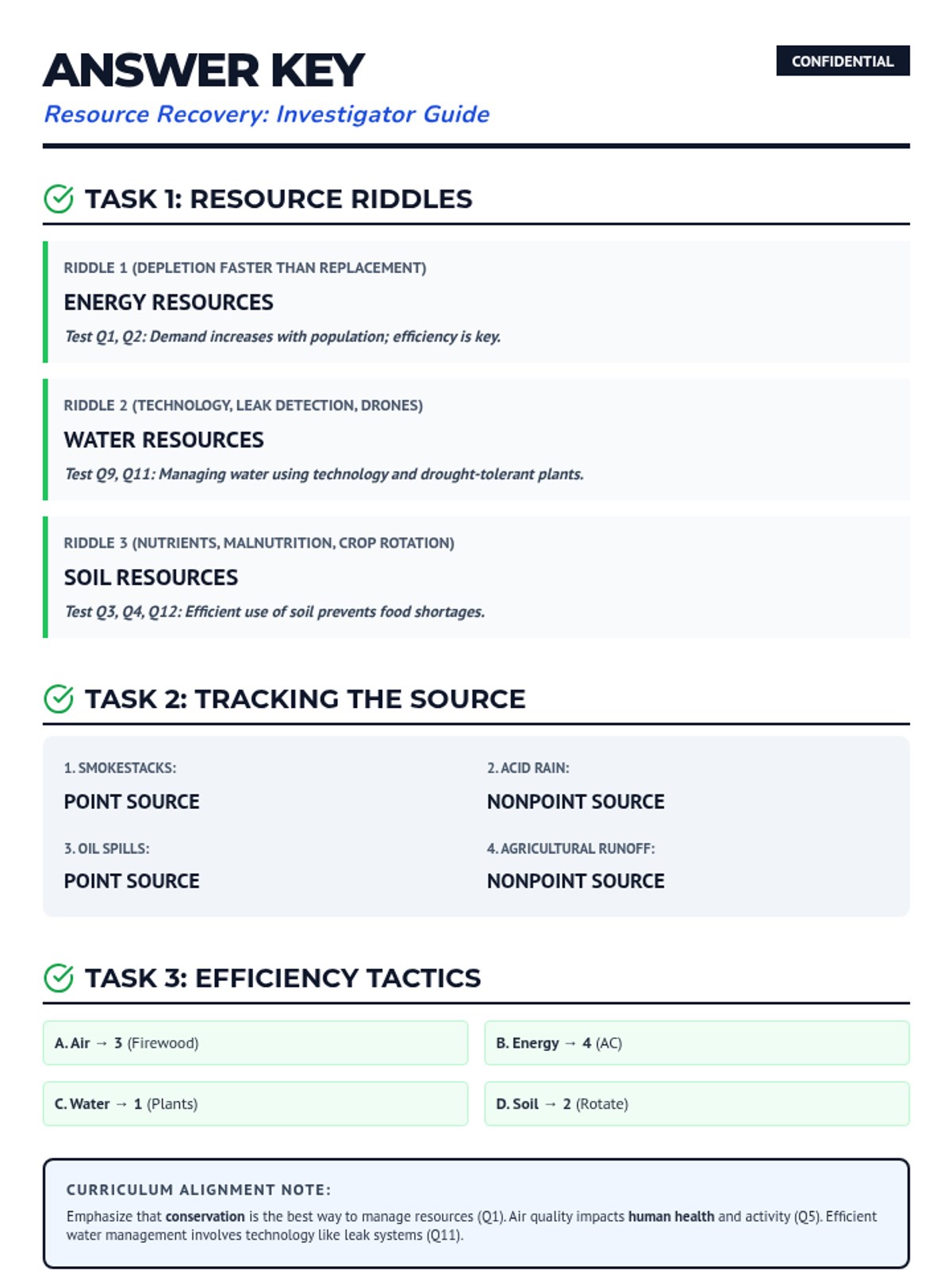
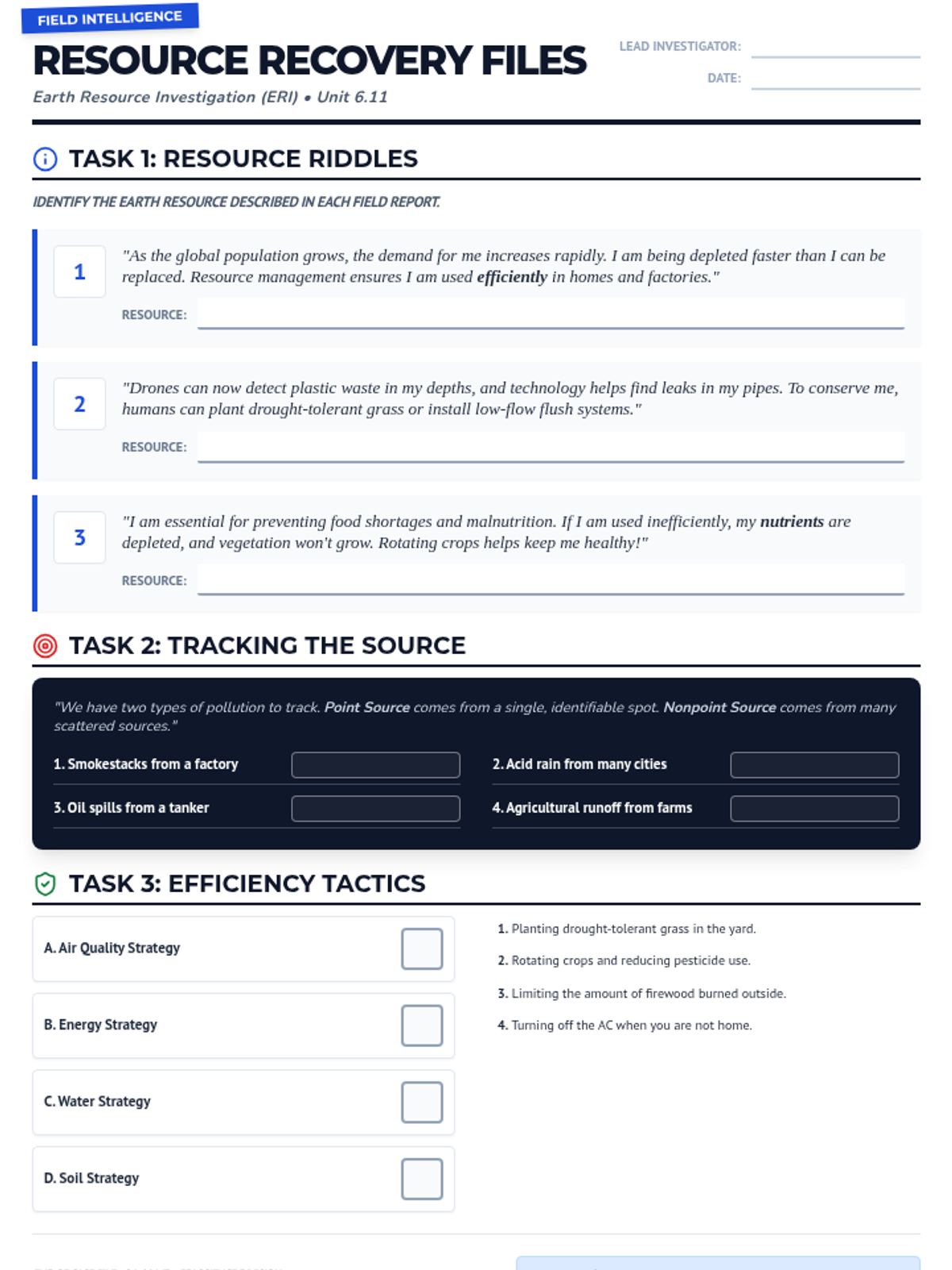
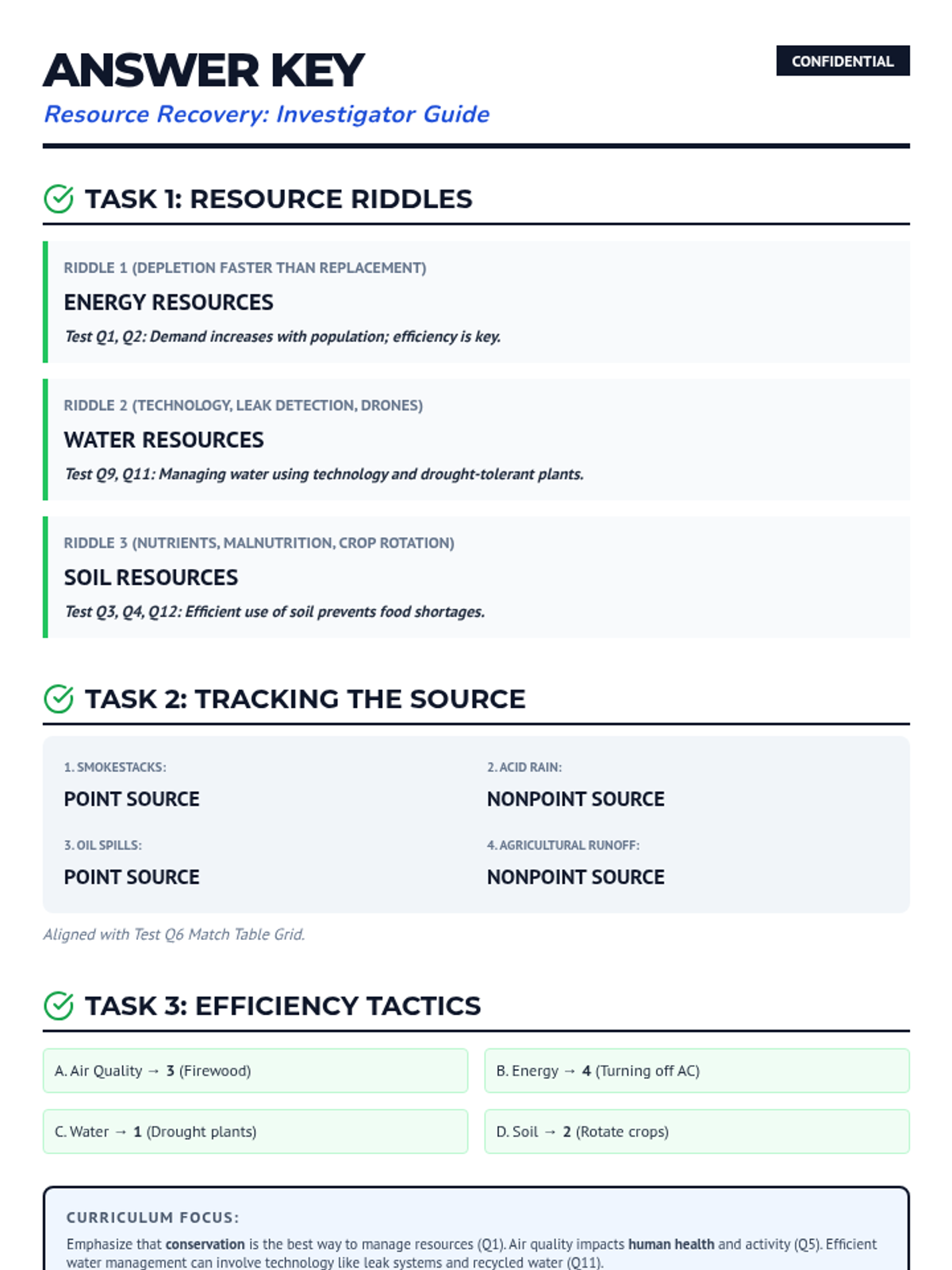
A detective-themed lesson on Earth's resources for 6th-grade students. The lesson focuses on resource management, conservation strategies, and identifying types of pollution, directly aligned with the curriculum test on Managing Earth's Resources.
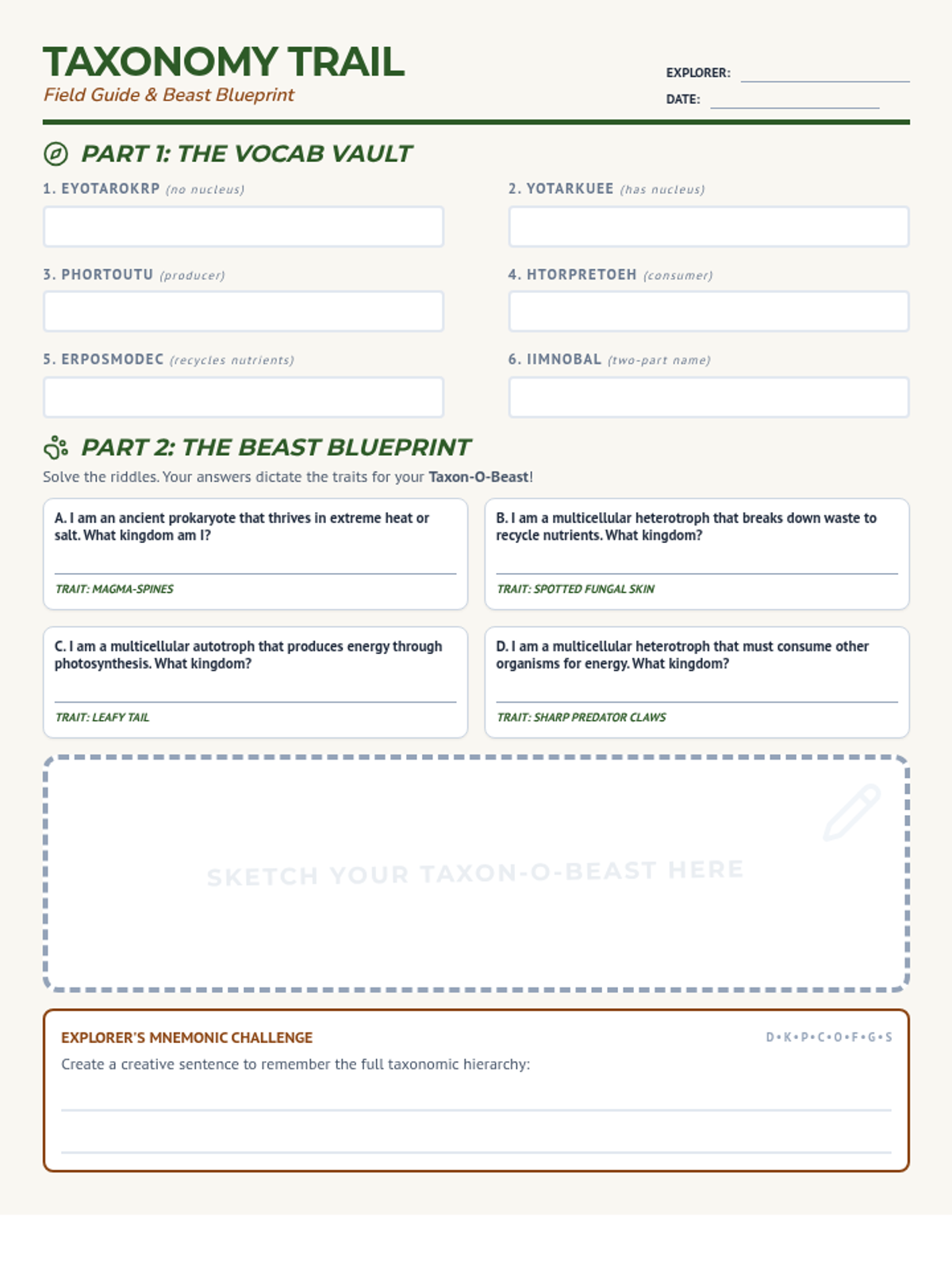
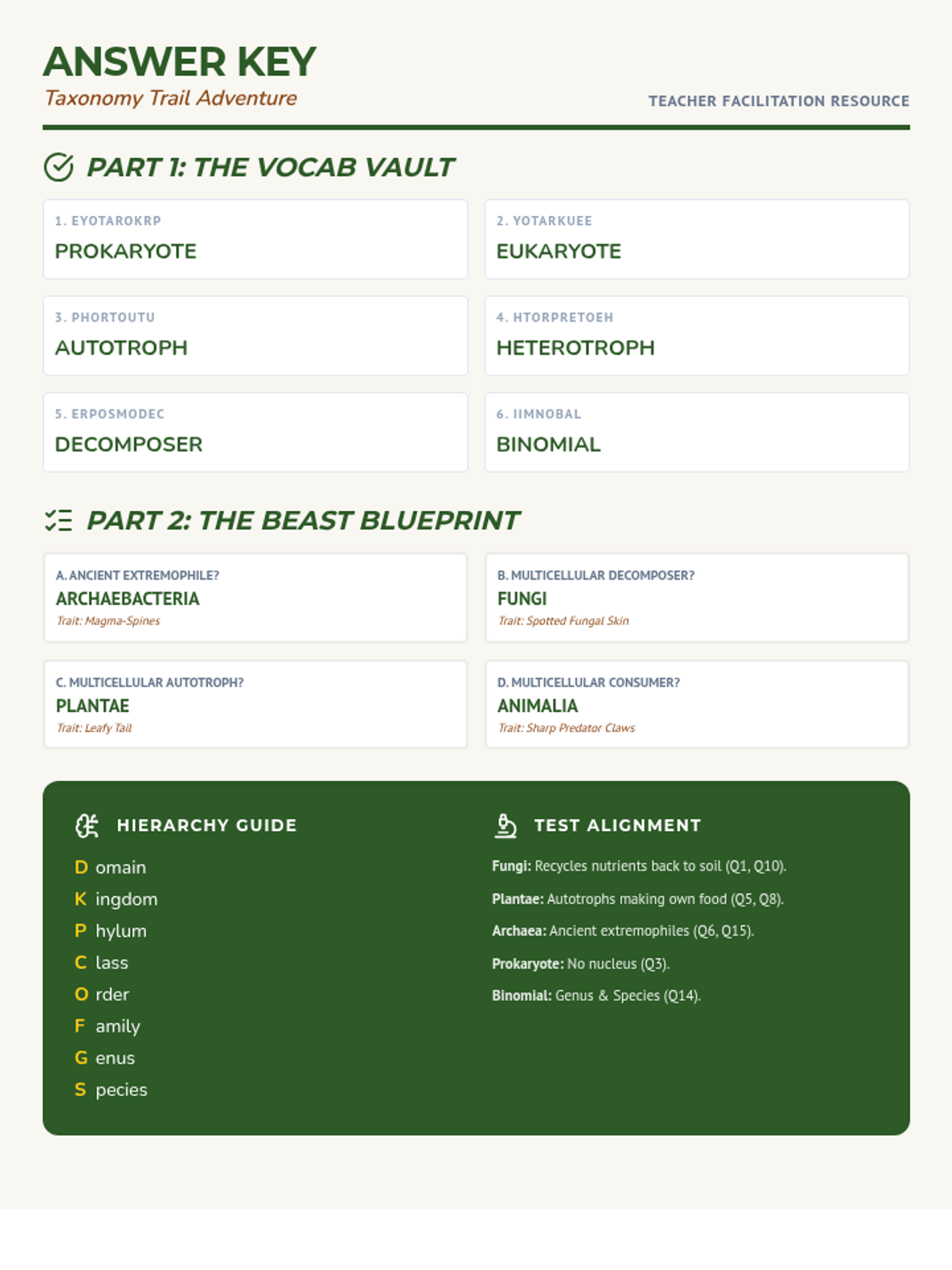
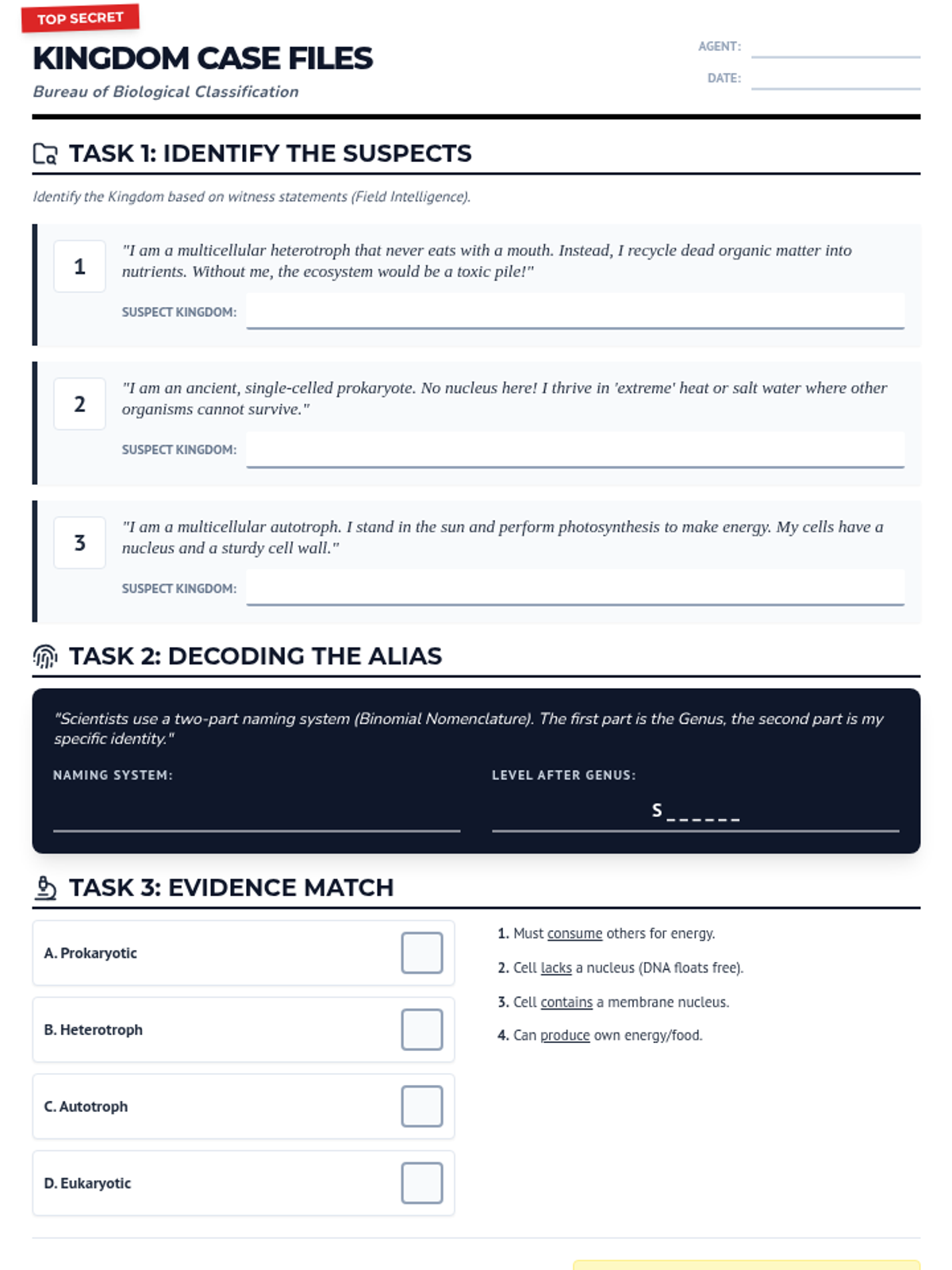
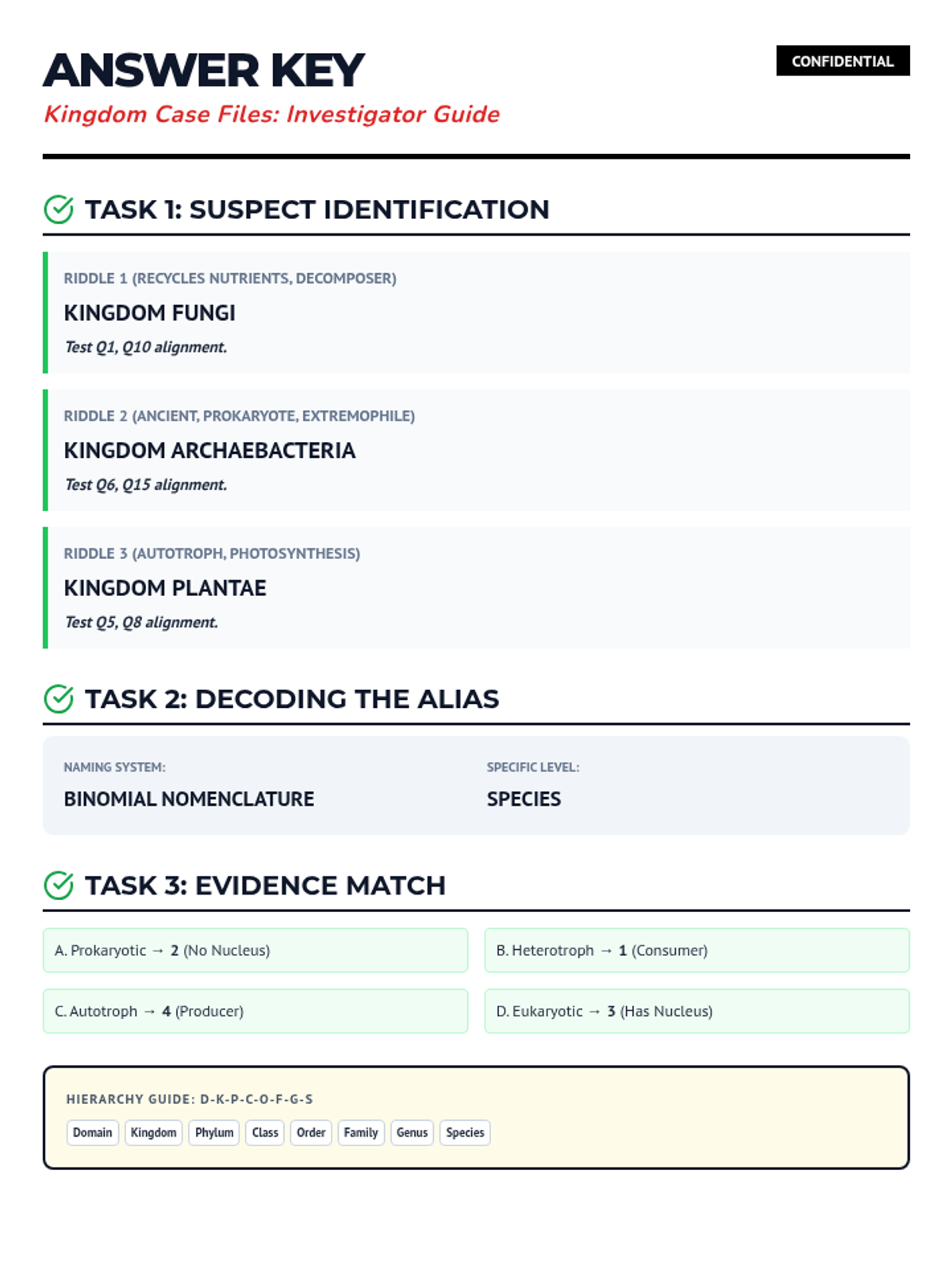
A fun, hands-on vocabulary activity for 7th-grade students to master taxonomy terms through puzzles and creative drawing. The lesson culminates in a 'Beast Blueprint' activity where students build a creature based on their vocabulary knowledge.
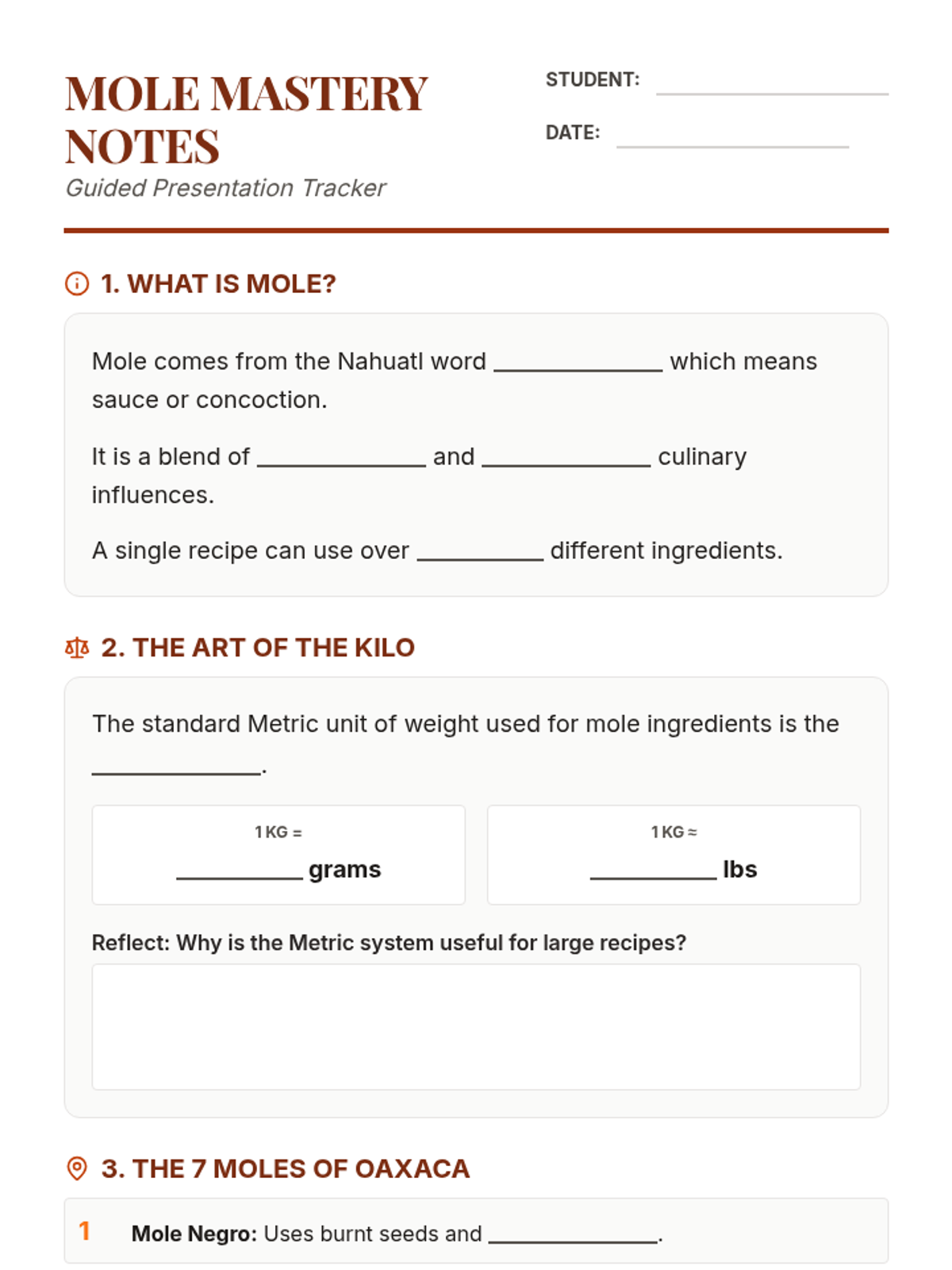
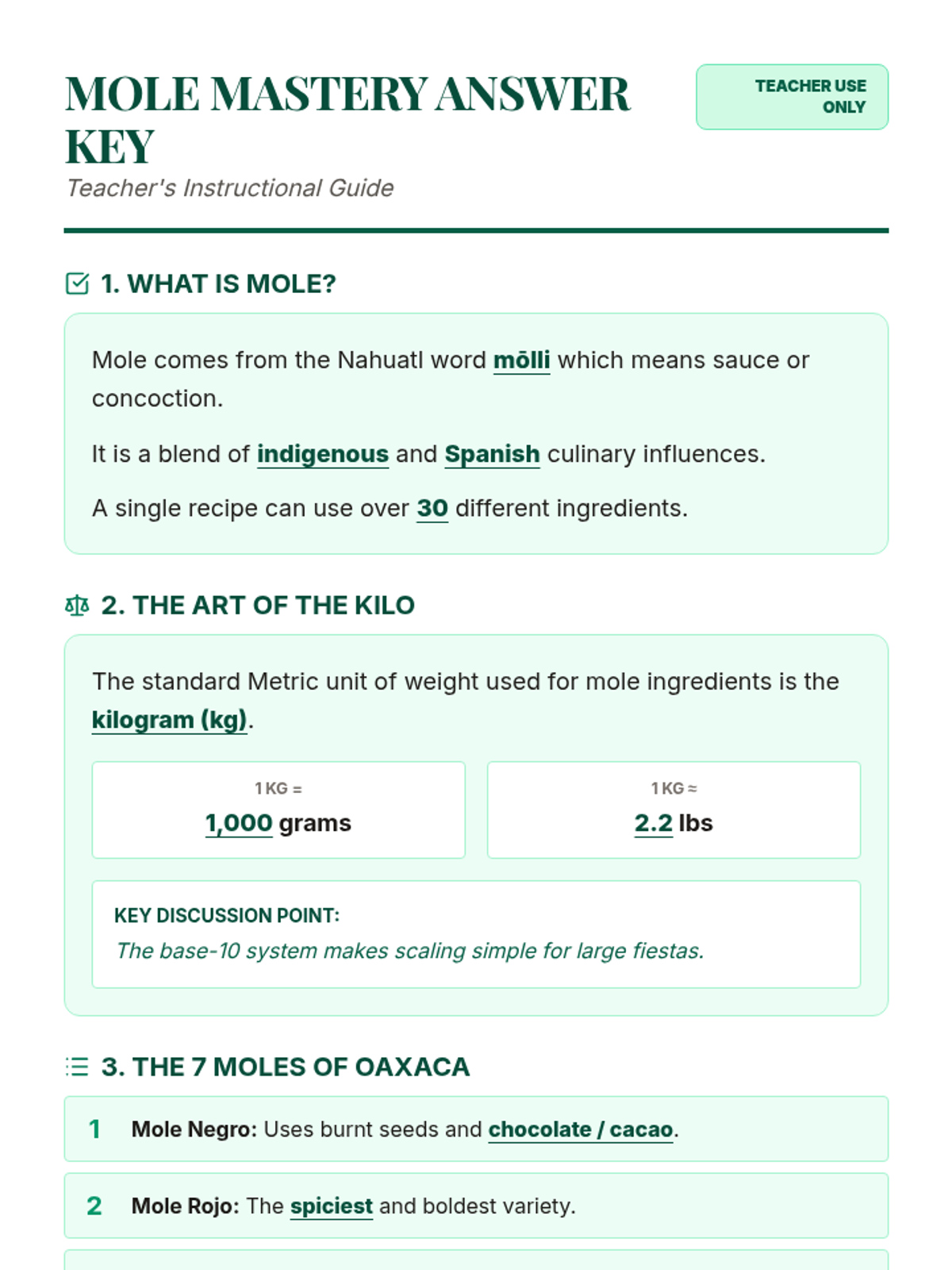
A culinary and mathematical exploration of Mexico's most famous sauce, focusing on the cultural significance of the kilogram in large-scale traditional cooking.
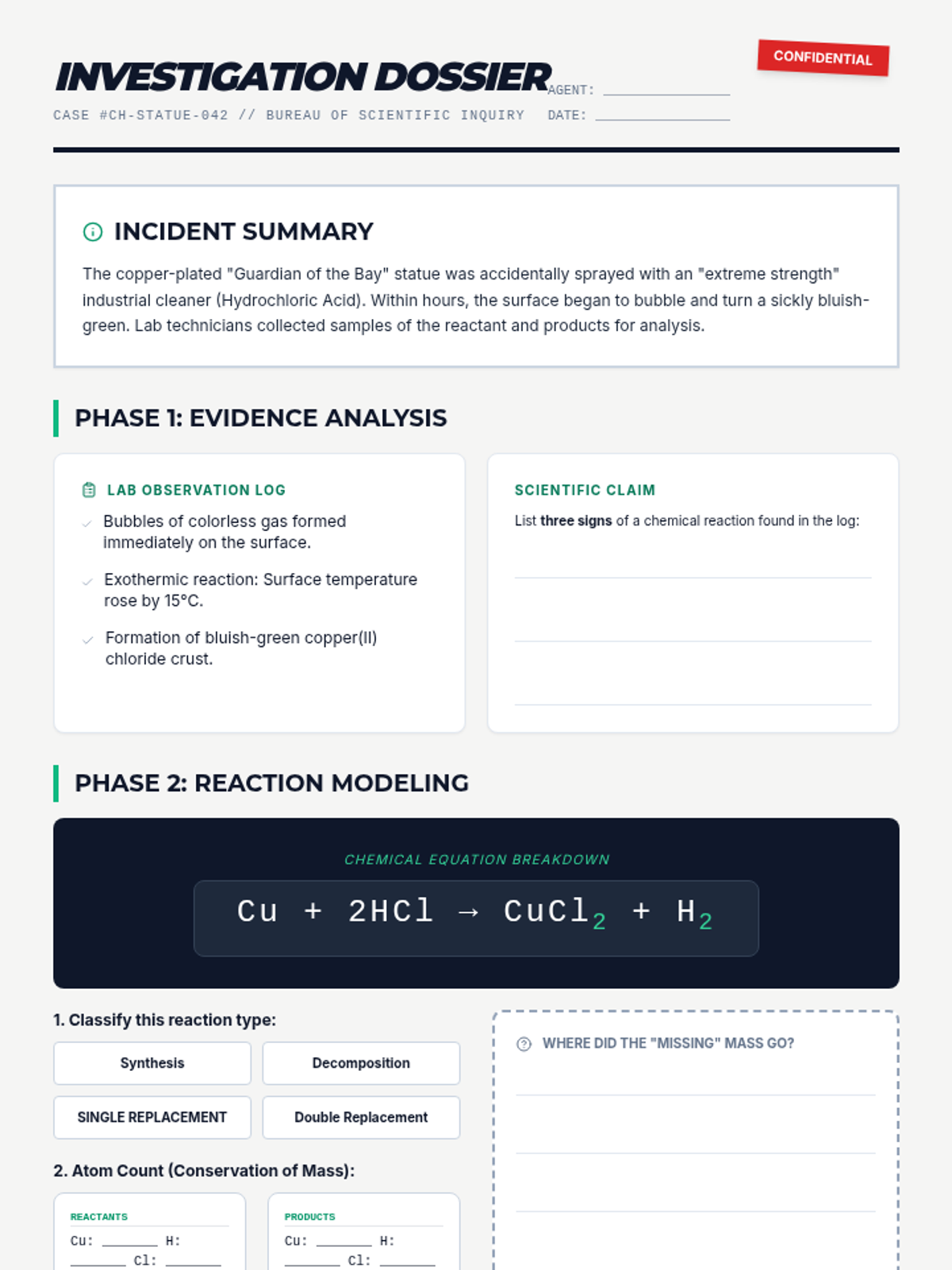
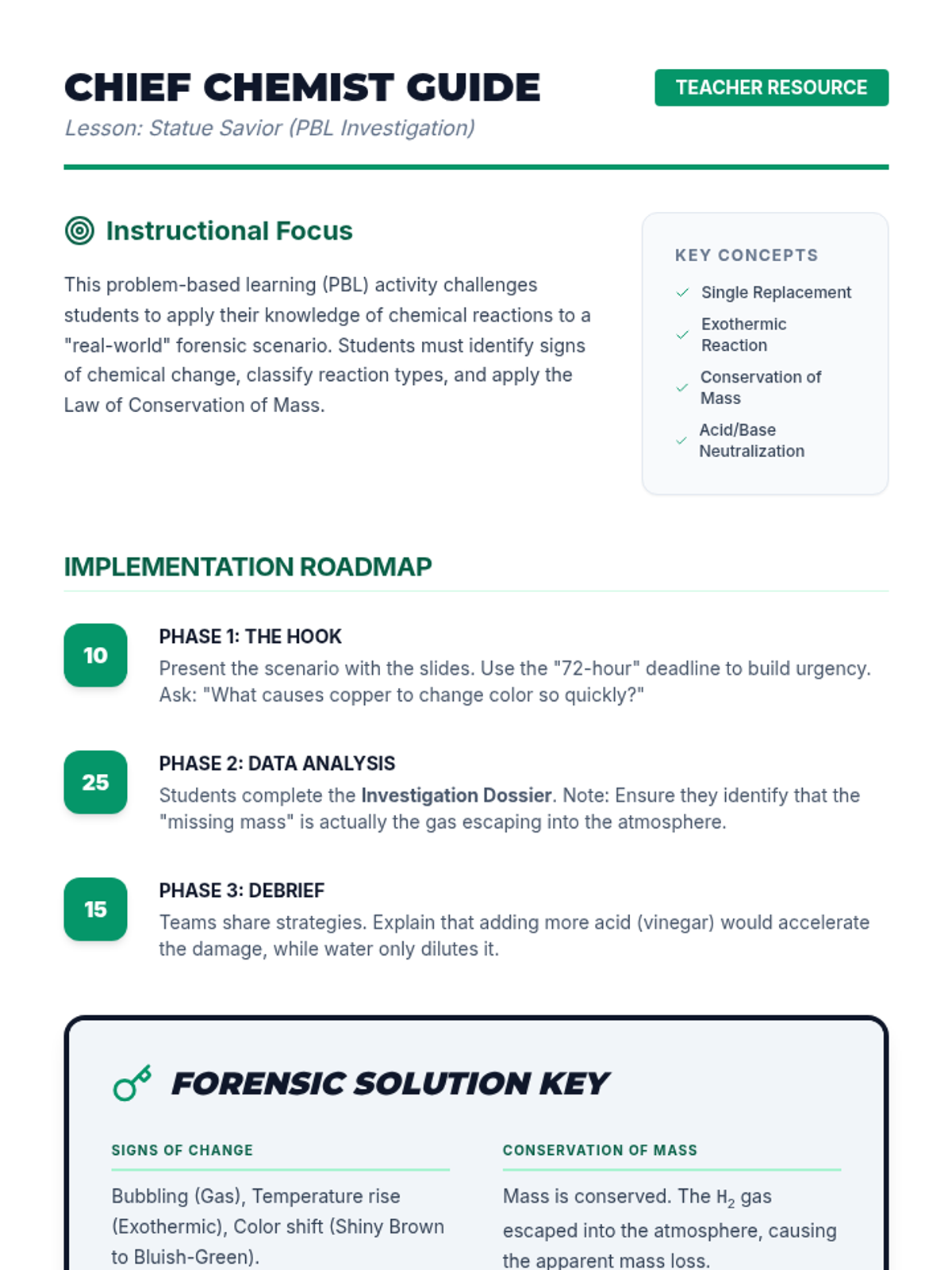
A problem-based learning (PBL) investigation where students act as forensic chemists to save a deteriorating bronze statue. They will analyze reaction types, signs of chemical change, and conservation of mass to solve the mystery.
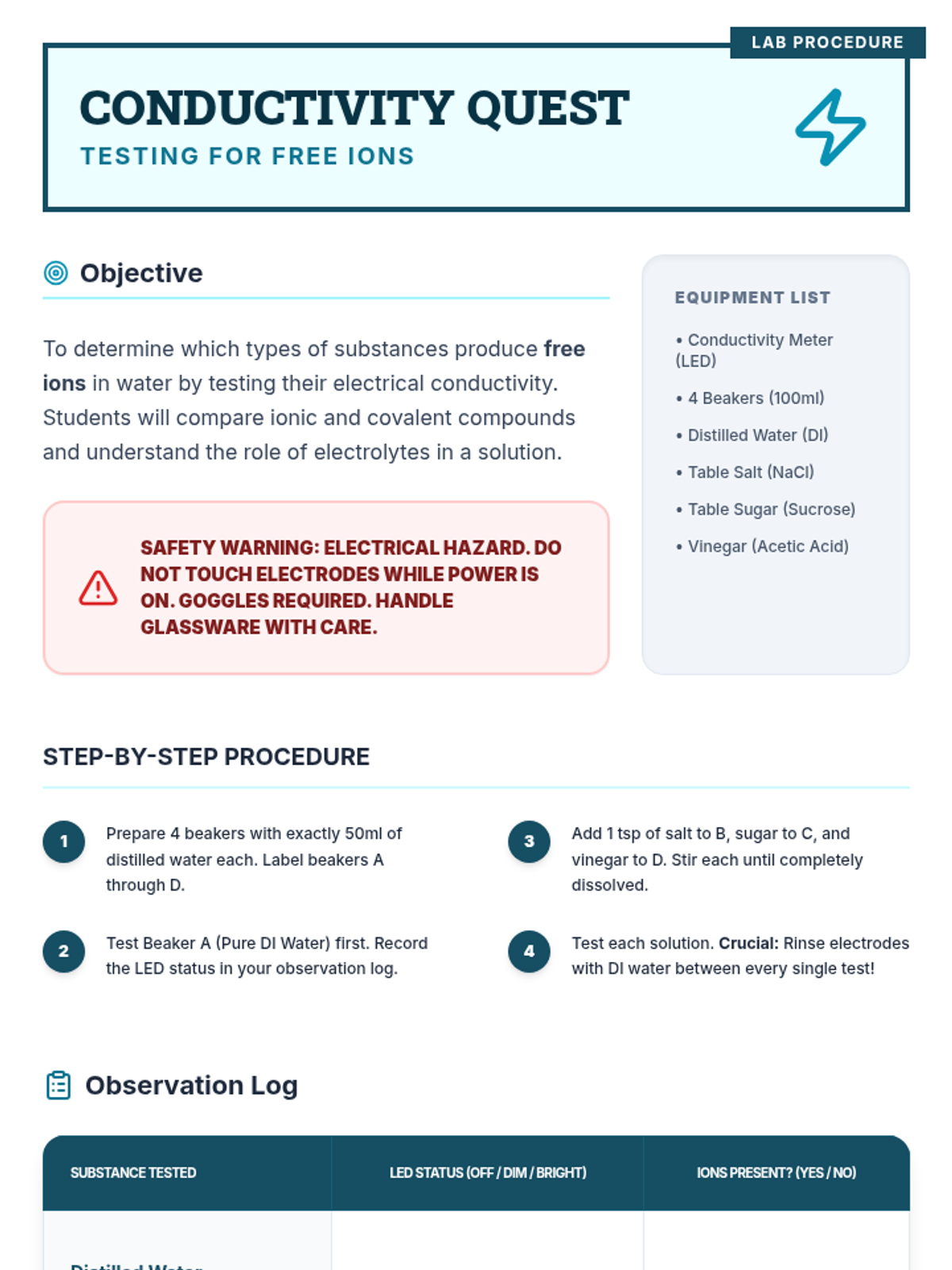
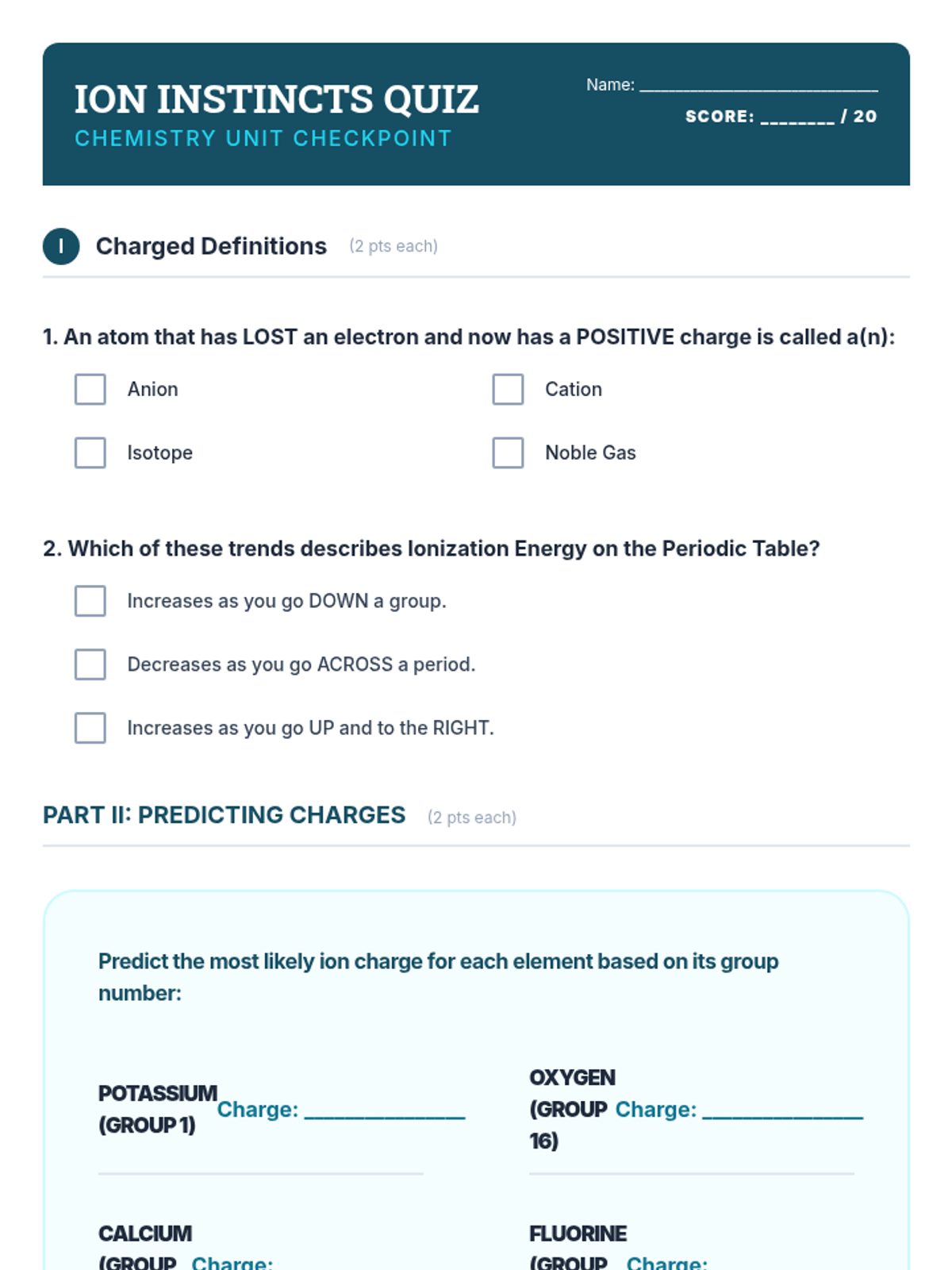
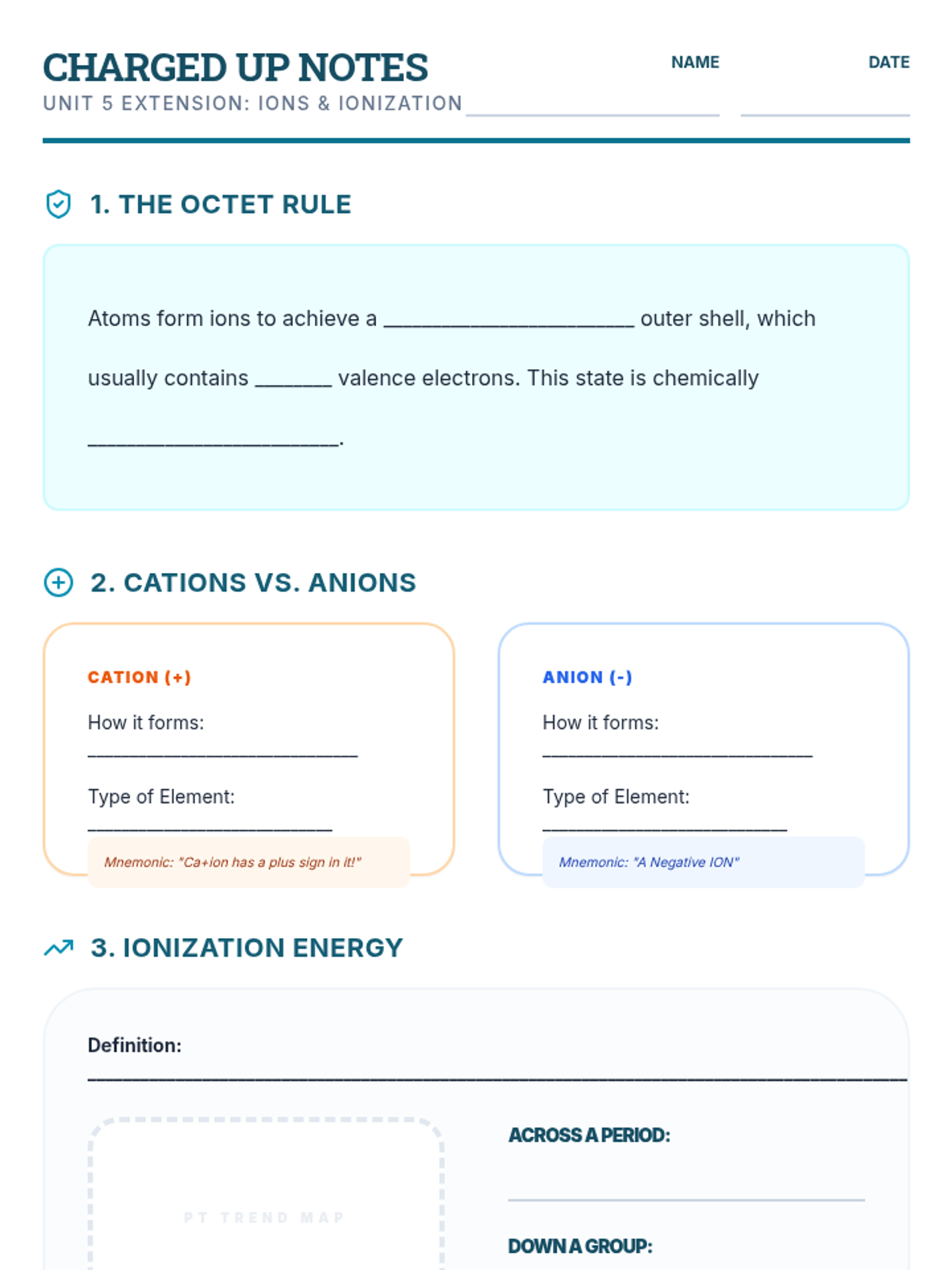
An exploration of how atoms become charged particles. Students learn about valence electrons, the octet rule, cation and anion formation, and the energy required to remove electrons.
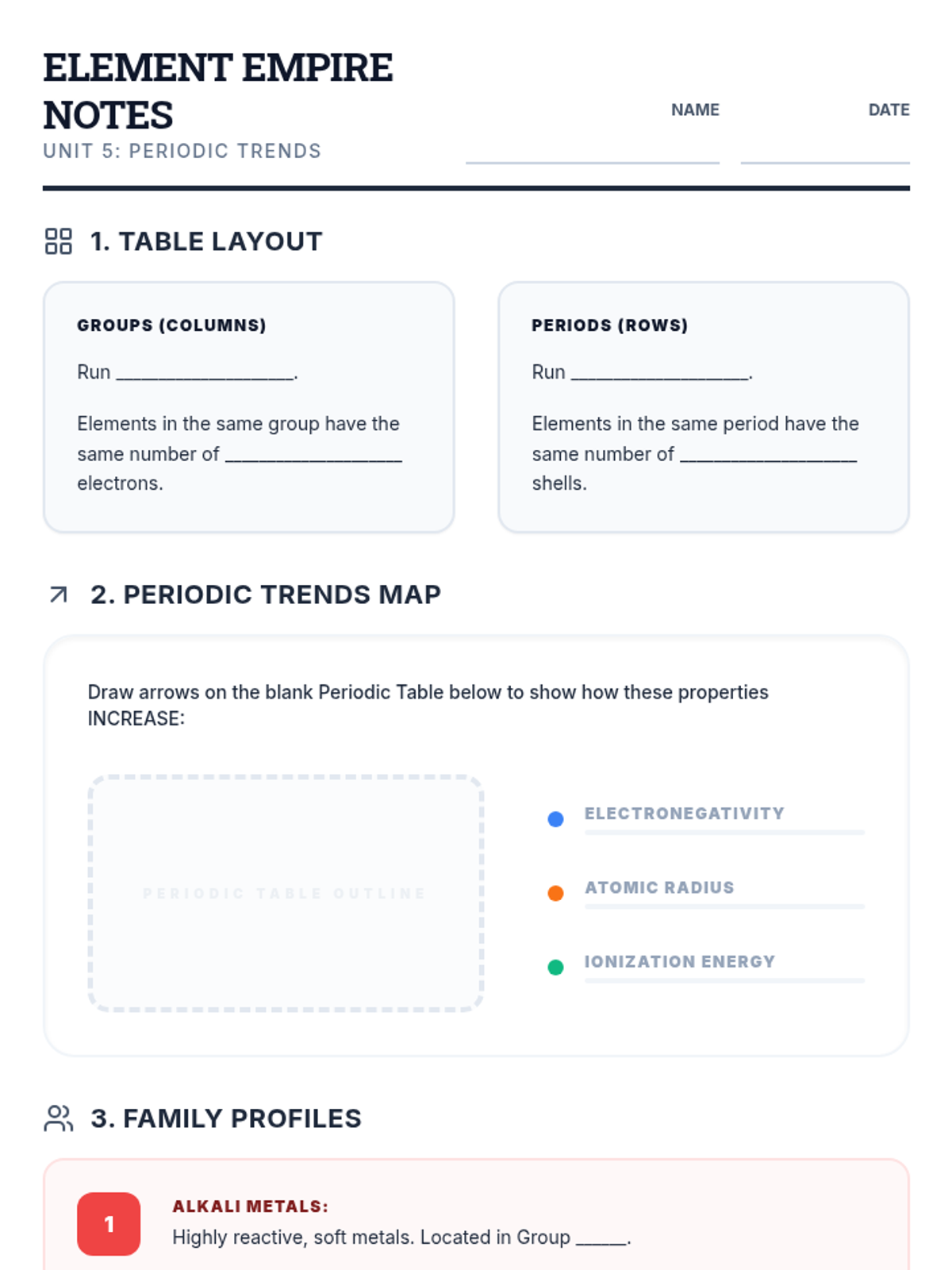
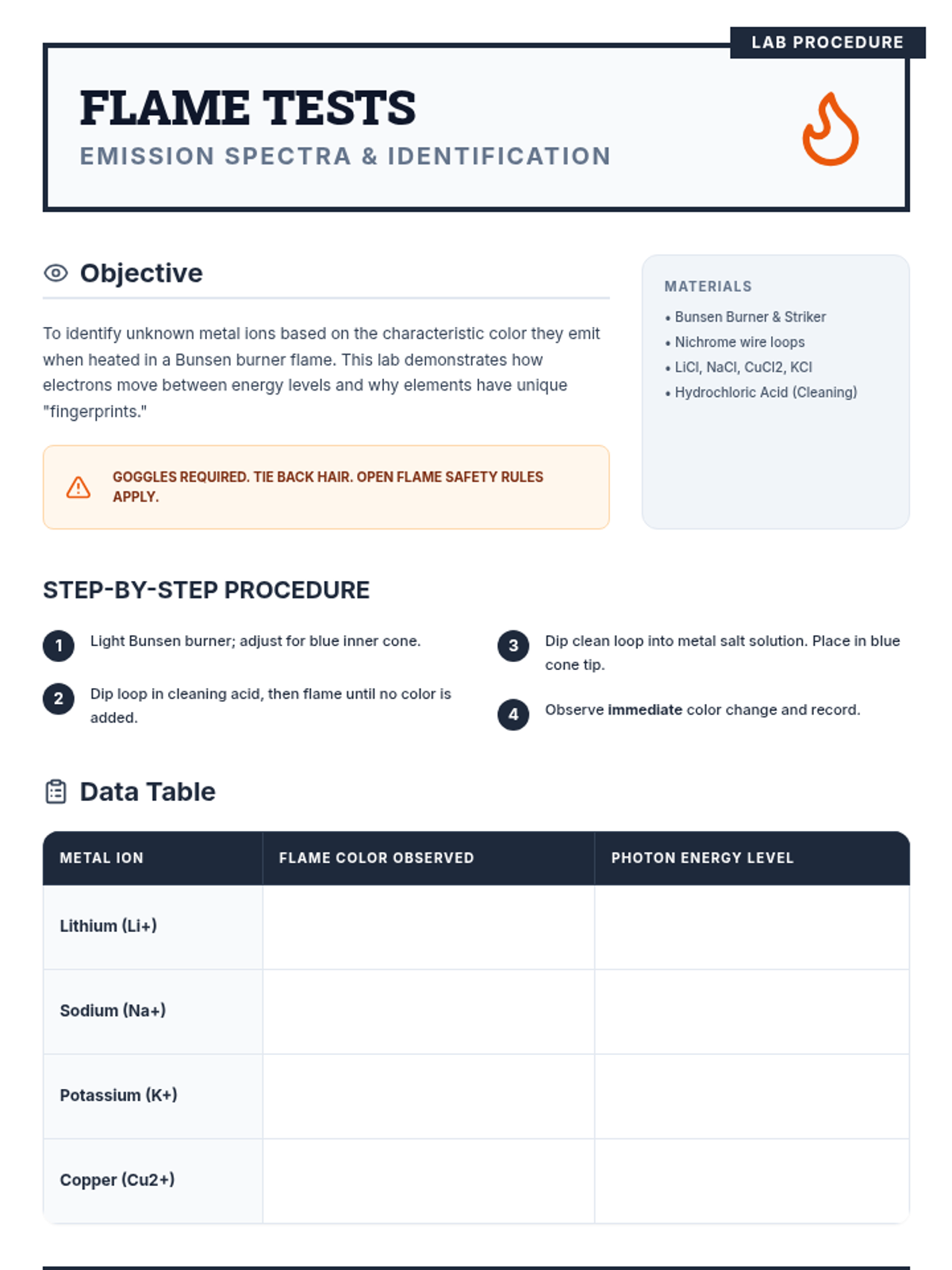
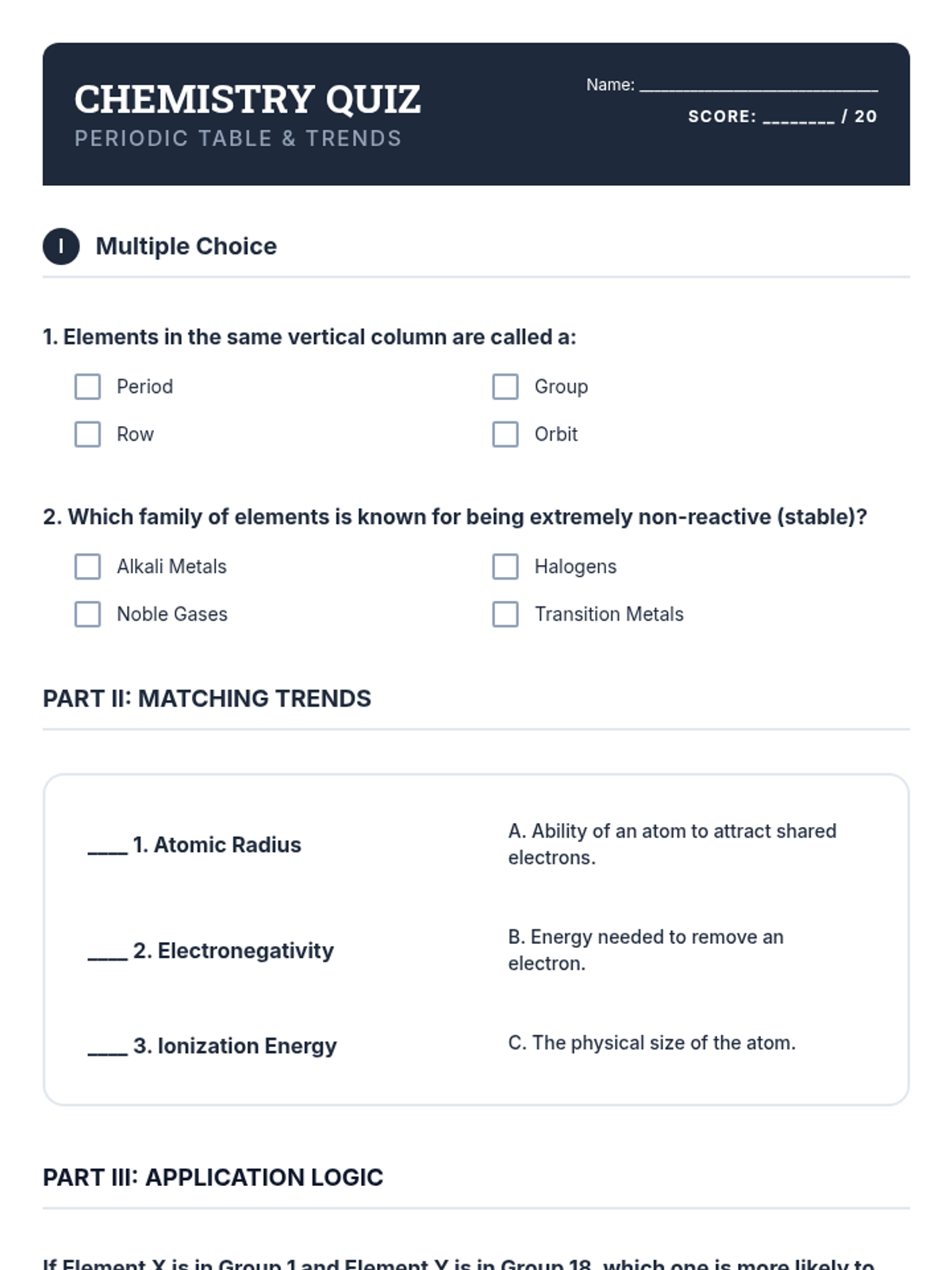
A journey through the organization of matter. Students explore atomic structure, periodic trends, and the unique properties of chemical families.
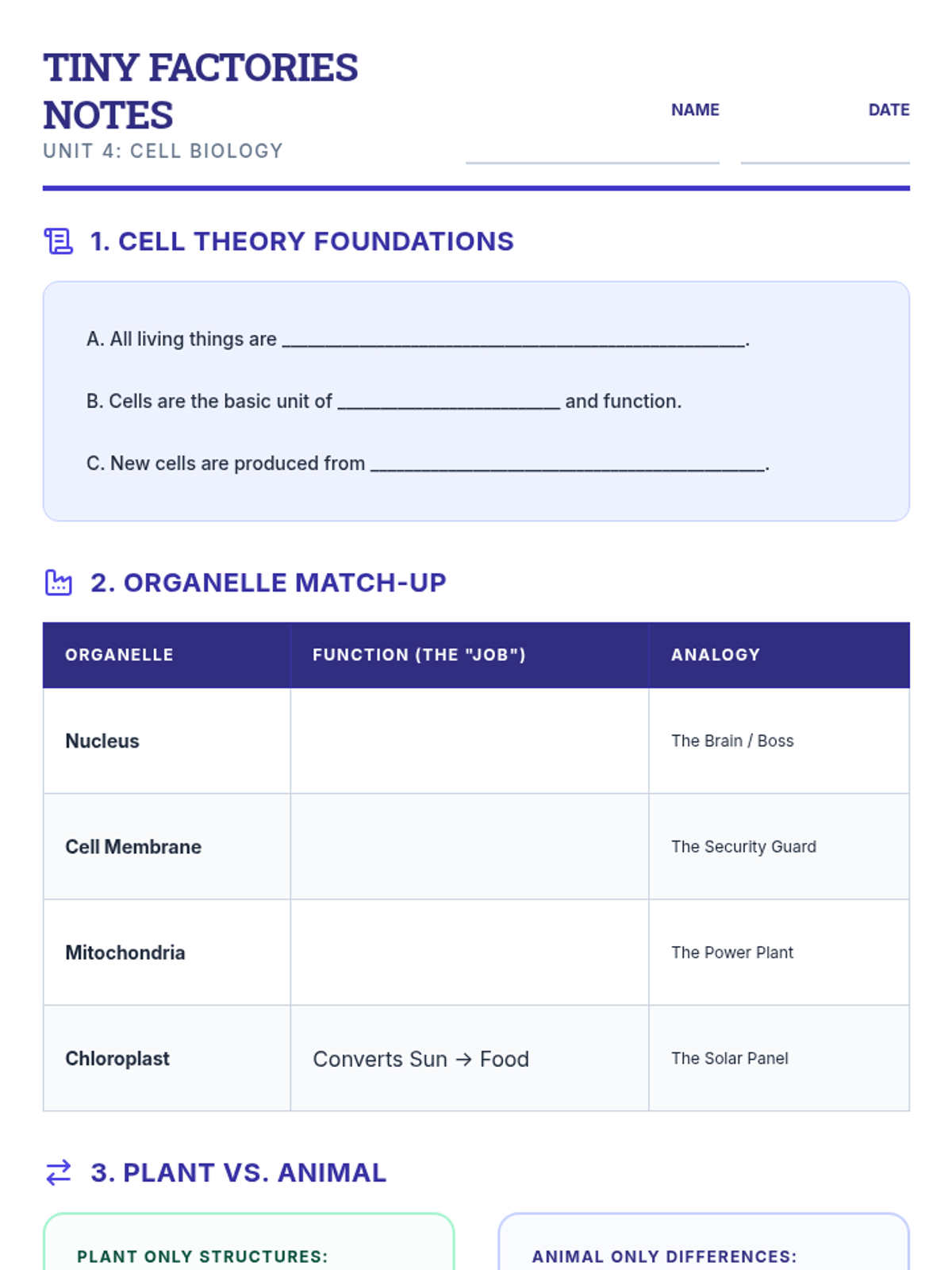
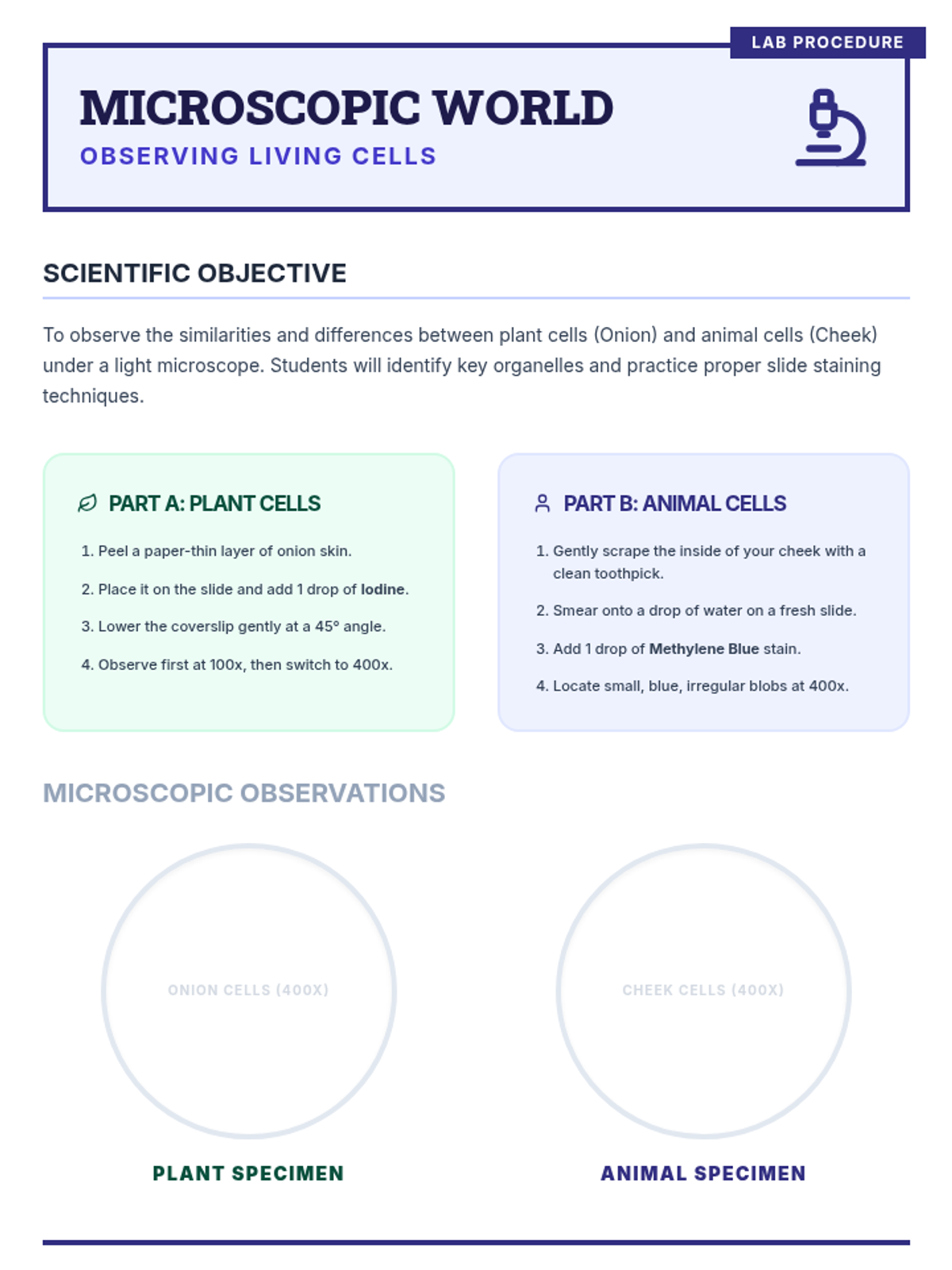
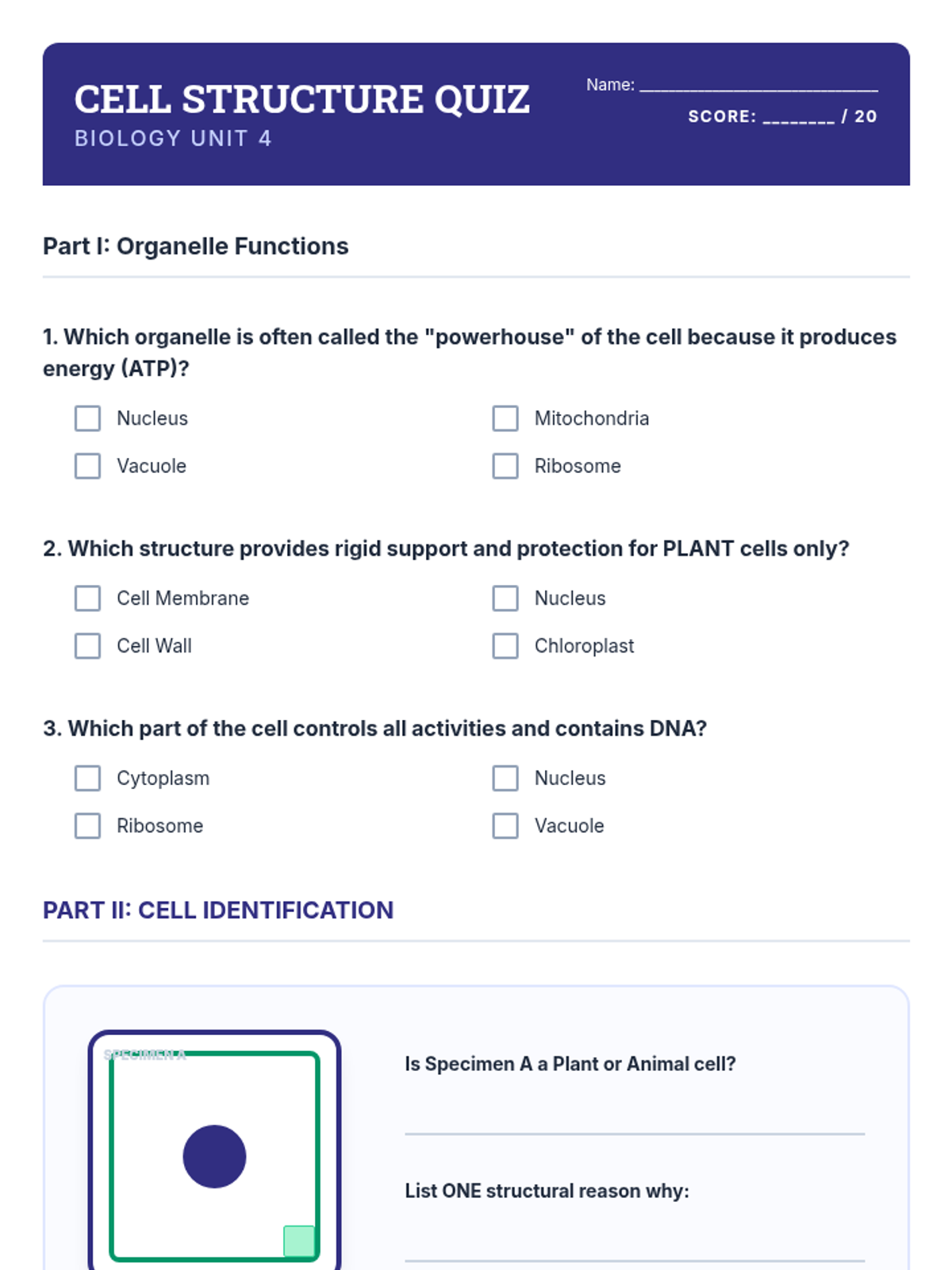
An investigation into the building blocks of life. Students compare plant and animal cells, identify organelle functions, and understand how cells maintain homeostasis.
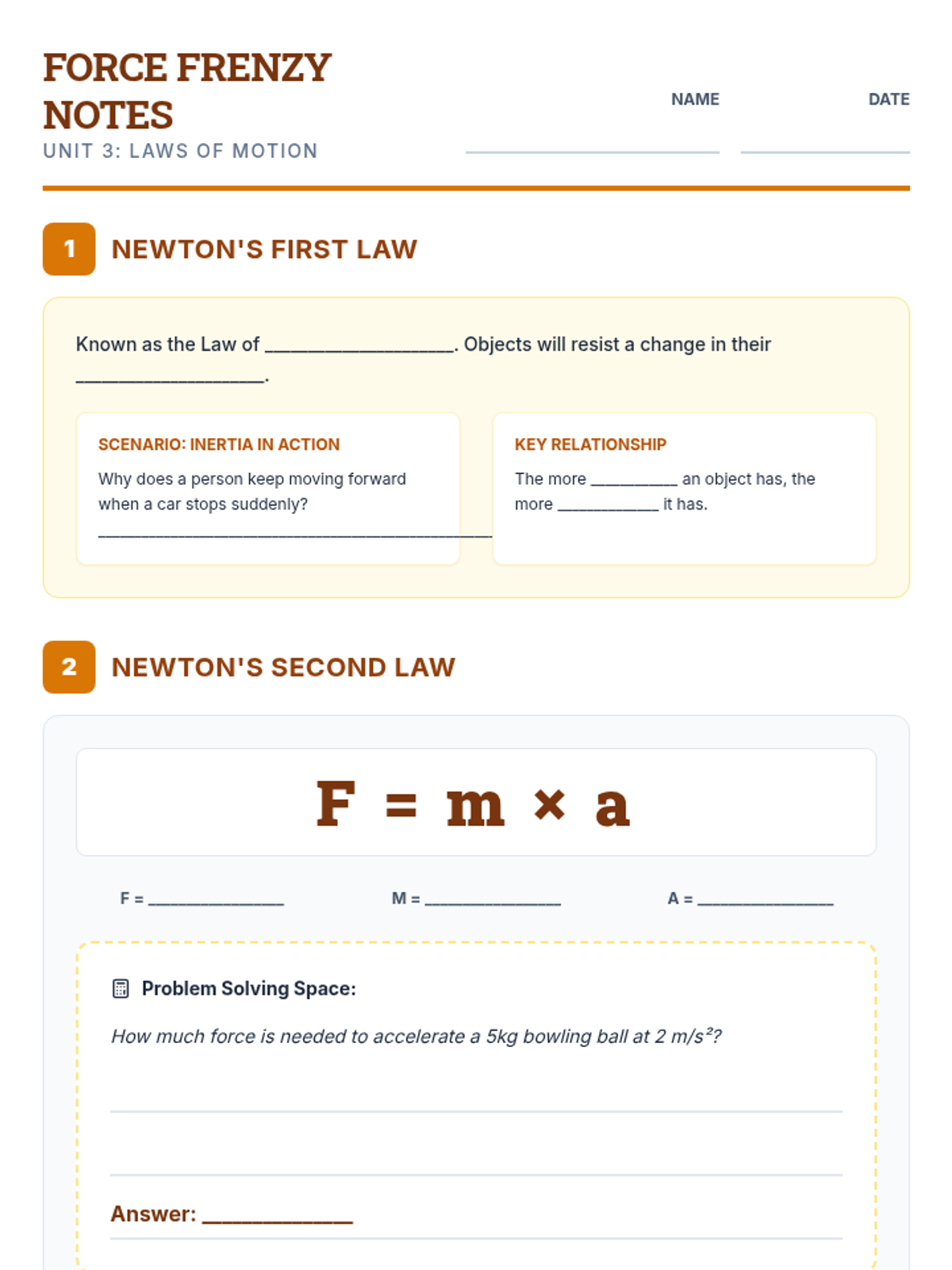
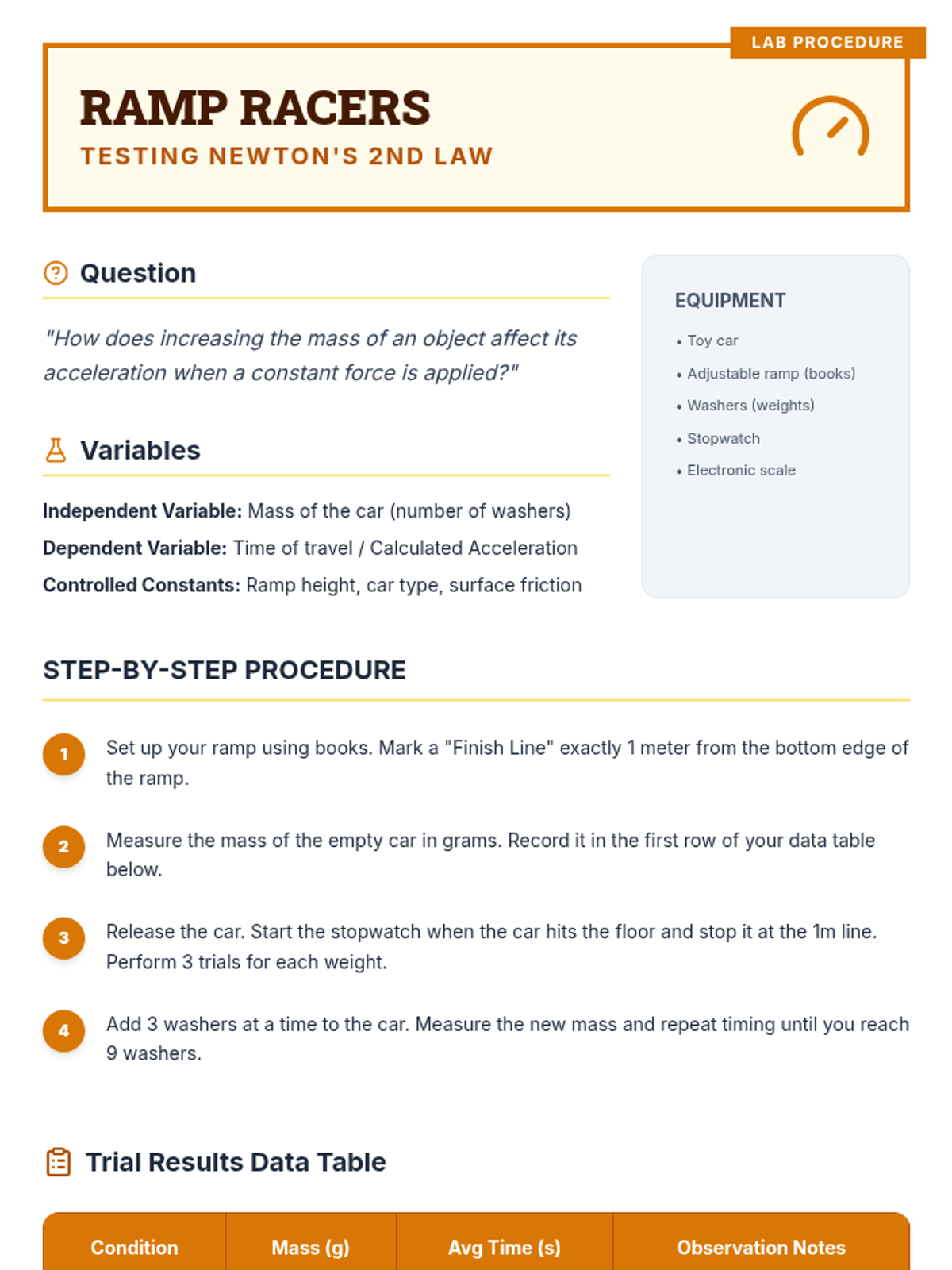
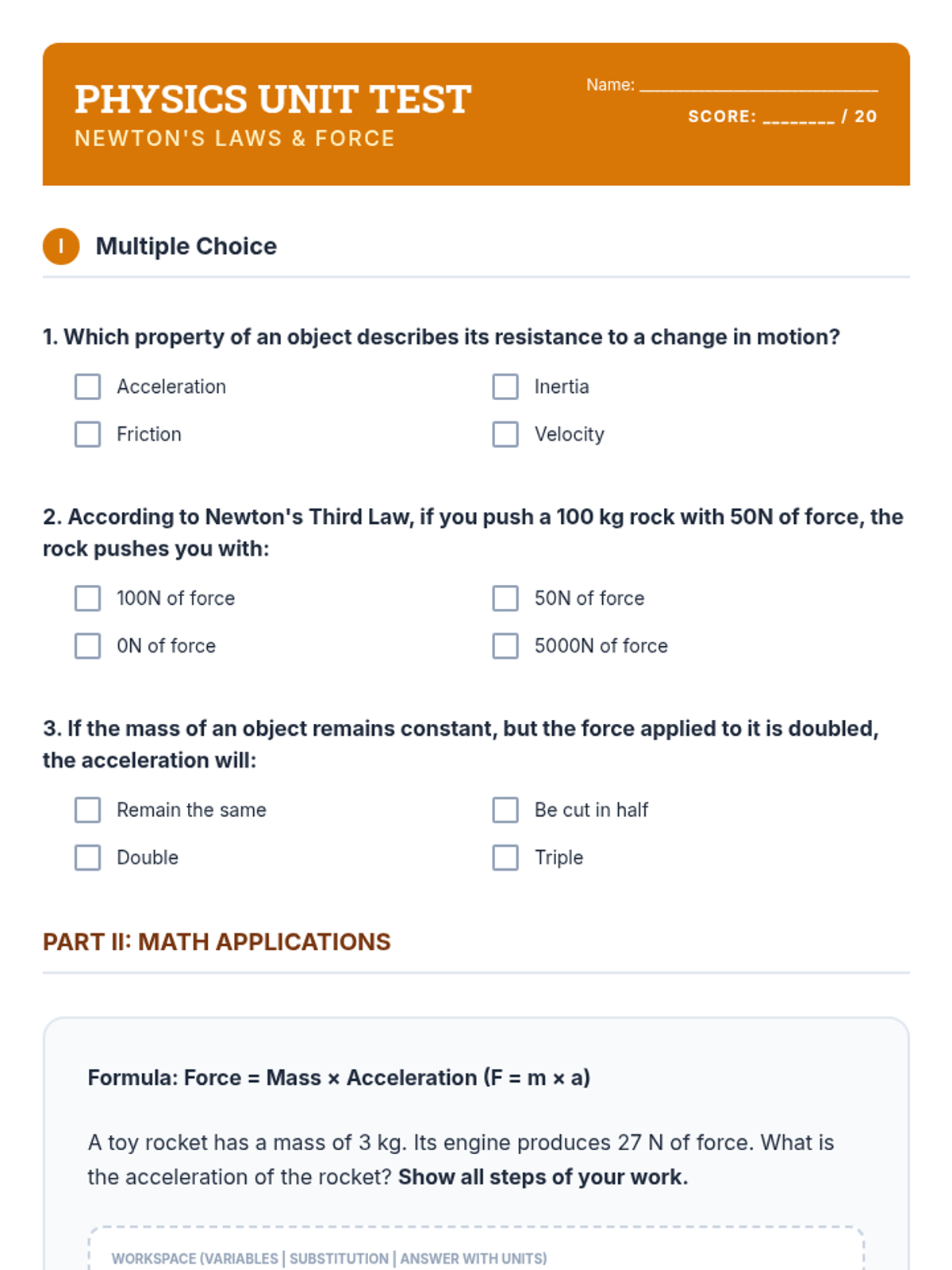
A deep dive into Newton's three laws of motion. Students calculate force, mass, and acceleration while observing physics in everyday life through hands-on experiments.