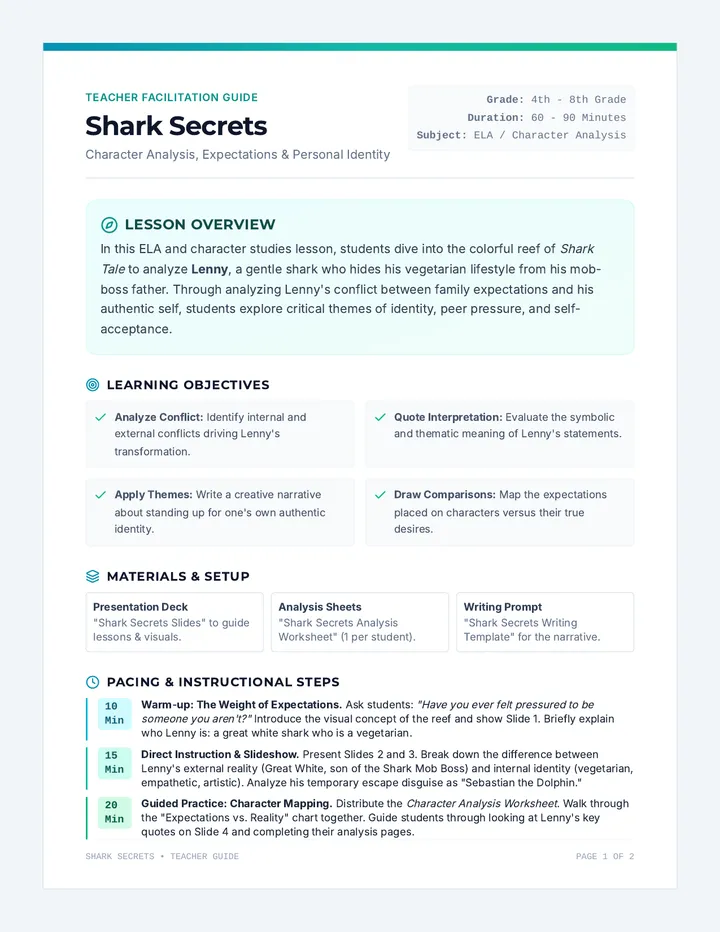
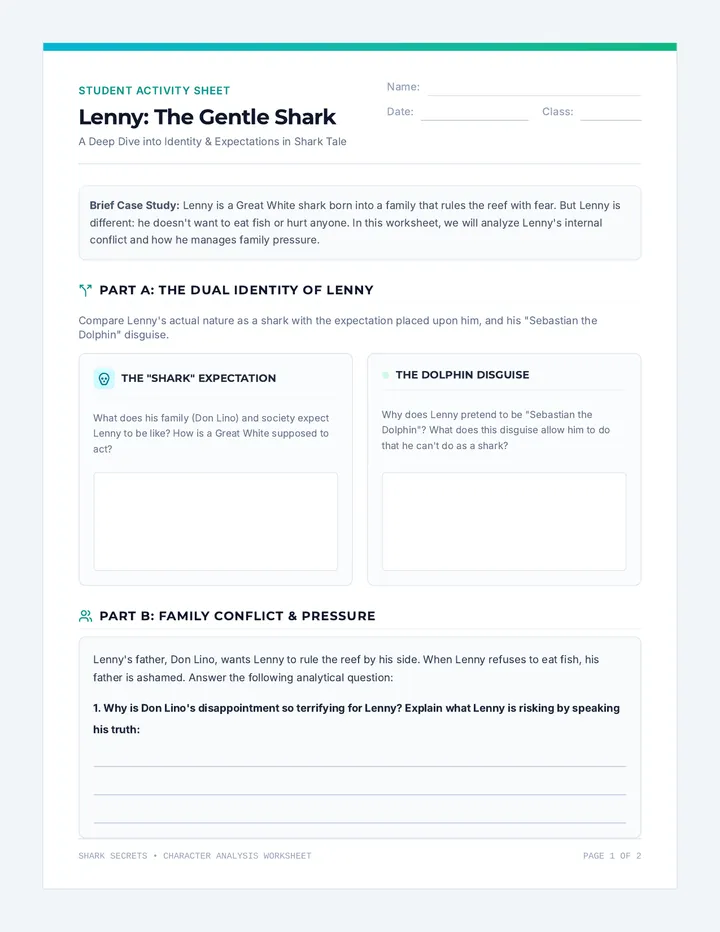
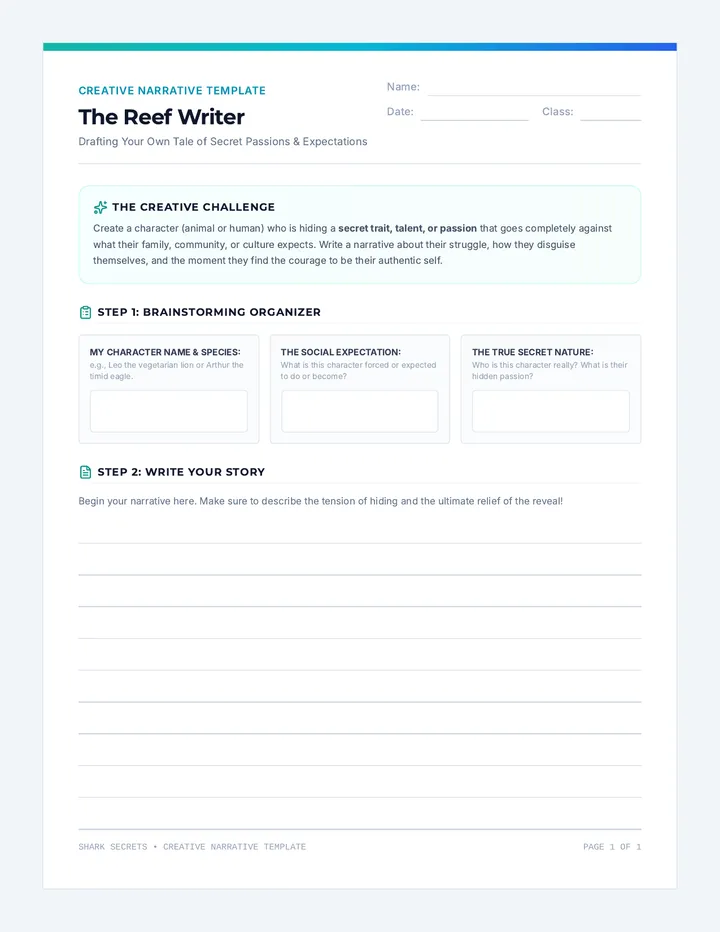
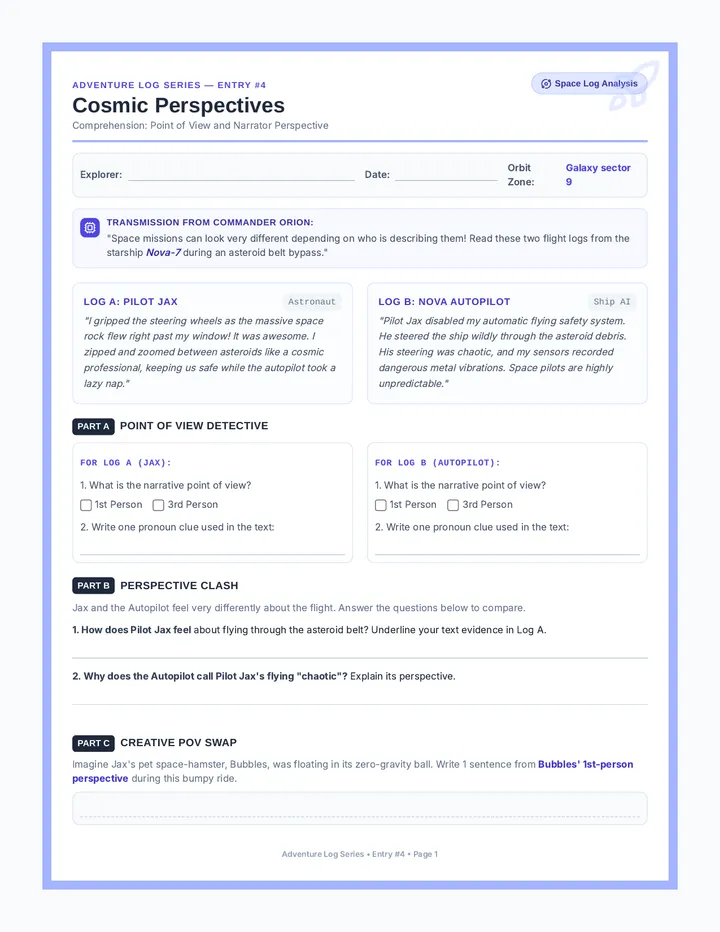
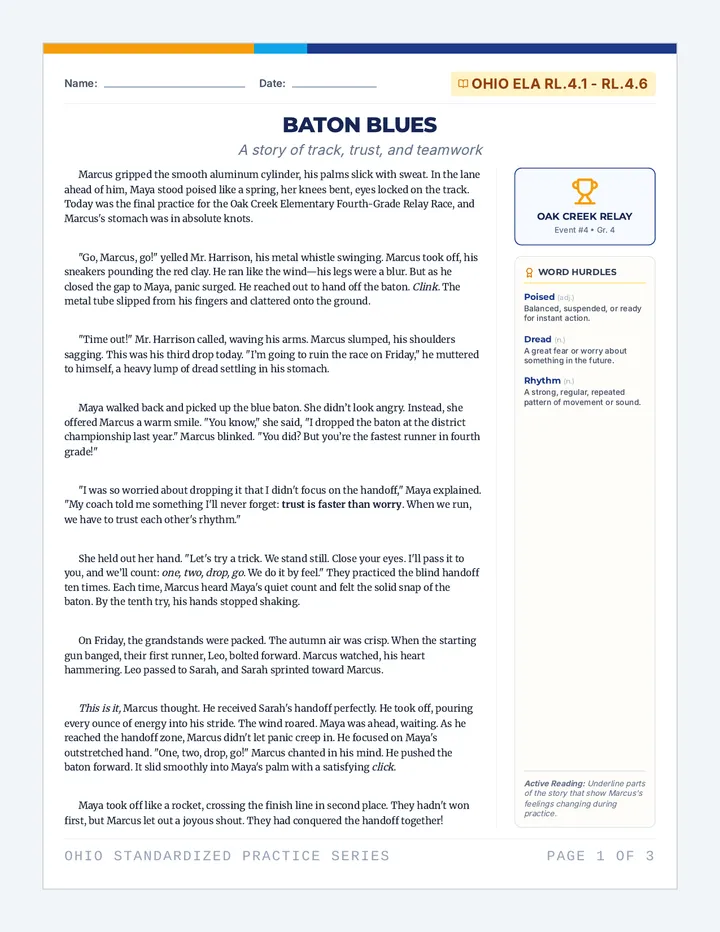
A lesson focused on RL.4.1, teaching students to use explicit details and draw inferences from both traditional literature and realistic fiction through an investigative lens.
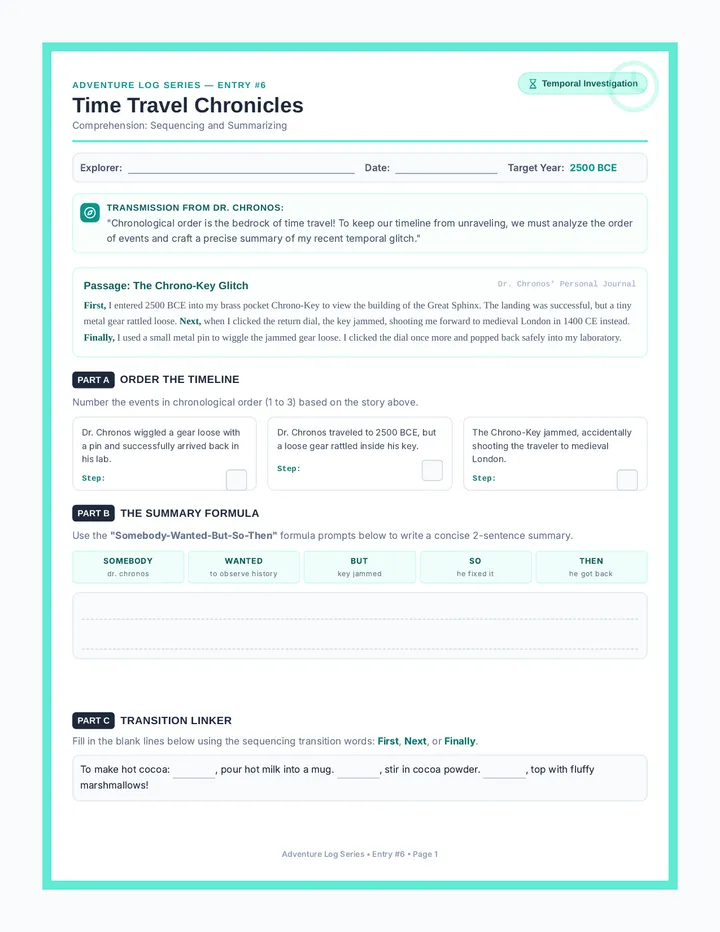
Students will explore the differences between chronological and sequential text structures by analyzing short passages about history and everyday processes.
A lesson focused on RI.3.2 (Main Idea and Key Details) using the inspiring biography of Bessie Coleman, featuring tiered reading passages for differentiated instruction.
A focused lesson on identifying the main idea within complex non-fiction texts about North Carolina history, specifically the mystery of the Lost Colony of Roanoke.
A targeted review lesson focused on identifying themes in literature and writing concise summaries that highlight the development of those themes, specifically designed for ILEARN test preparation.
A reading lesson comparing the famous midnight ride of Paul Revere with the lesser-known but equally heroic ride of Sybil Ludington during the American Revolution. Students will read paired passages and complete a compare-and-contrast analysis.
A science-focused lesson on sequencing informational text through the lens of fossil formation. Students will learn to identify temporal clues and map out complex natural processes.
A mini-lesson focused on the mechanics and craft of writing dialogue to enhance storytelling. Students learn punctuation rules and how to use dialogue to reveal character and advance the plot.
A lesson on sequencing chronological events in both fictional fairy tales and non-fictional biographies. Students analyze narrative arcs and life stages to determine the correct order of events through hands-on task cards.
A dynamic lesson centered around a comedic skit that explores the 'Summer Slide' mystery and the 'Superpower' of reading.
Students analyze short stories through the lens of a "Story Investigator," focusing on the themes of rejection, identity, and inspiration. The lesson uses a detective-themed approach to teach plot summarization, multiple-choice comprehension, and RACE-formatted theme analysis.
A series of four interconnected reading comprehension stories inspired by dragon tribes, focusing on a quest to find the pieces of a legendary artifact. Students practice inference, vocabulary, and plot analysis.
Mastering Latin roots related to breaking and bursting: fract, frag (break) and rupt (break, burst).
Mastering Latin roots related to kind and birth: gen (birth, kind) and nat (born).
Mastering Latin roots related to life and breath: spir (to breathe) and viv/vit (to live).
Mastering Latin roots related to place: pos (to put or place) and loc (place).
A beginner-friendly lesson on the 'Somebody Wanted But So Then' summary strategy, featuring a real-life example and interactive templates.
Mastering Latin roots related to carrying and pushing: fer (to carry), pel and puls (to push or drive).
Mastering Latin roots related to taking: cap, cept, and ceive (to take or seize).
Mastering Latin roots related to movement: mov, mot, and mob (to move).
Mastering Latin roots related to sending: miss and mit (to send).
A superhero-themed lesson introducing subject pronouns (he, she, they). Students learn how these pronouns 'power up' sentences by replacing repetitive nouns.
This lesson covers chapters 15 and 16, exploring the backstory of Littmus W. Block, the history of the Civil War in the narrative, and the introduction of Littmus Lozenges.