A targeted Tier 2 intervention lesson for 5th-grade students struggling with rounding decimals. This lesson uses place value reasoning, number lines, and digital manipulatives to build conceptual understanding before moving to procedural fluency.
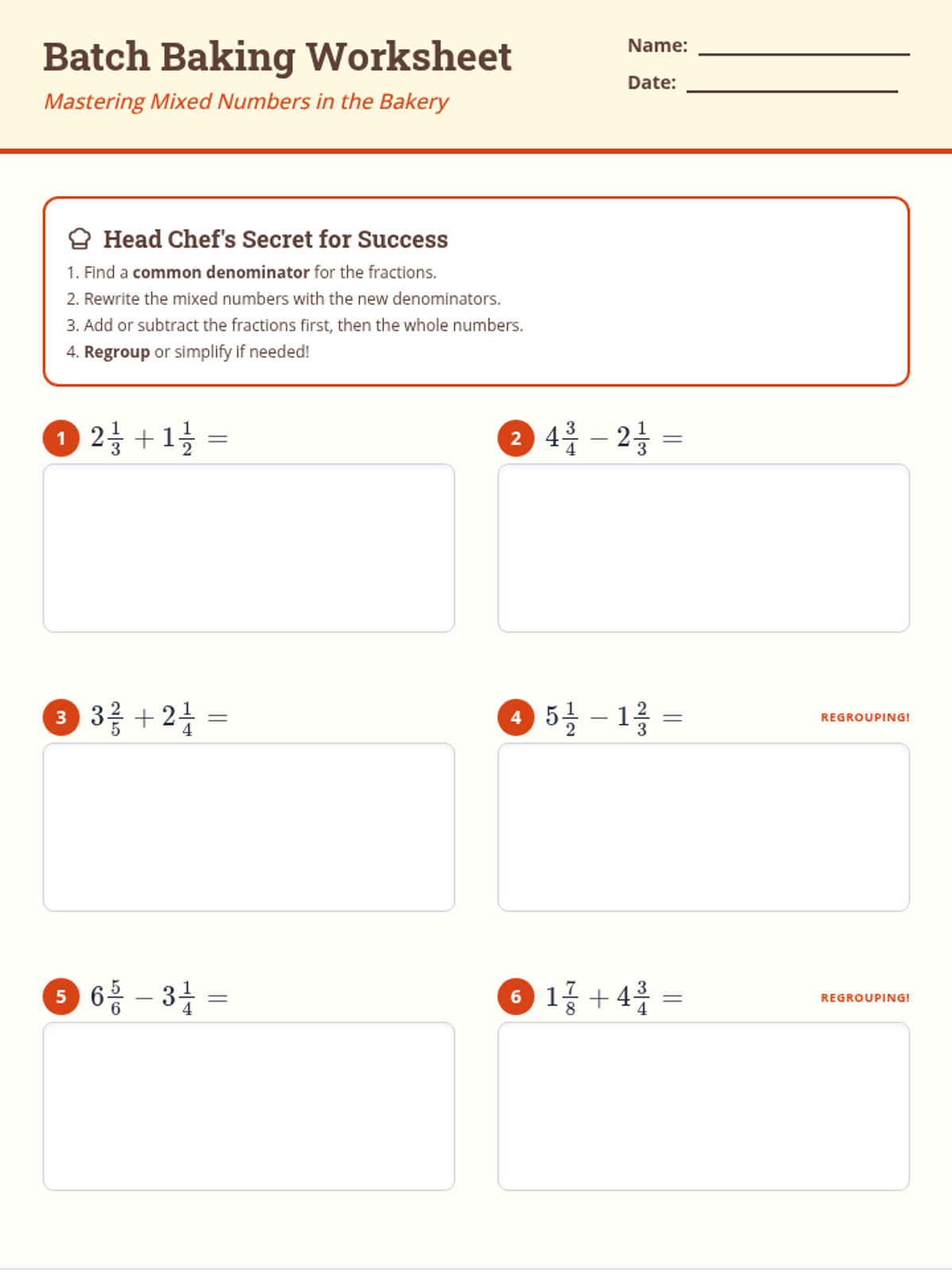
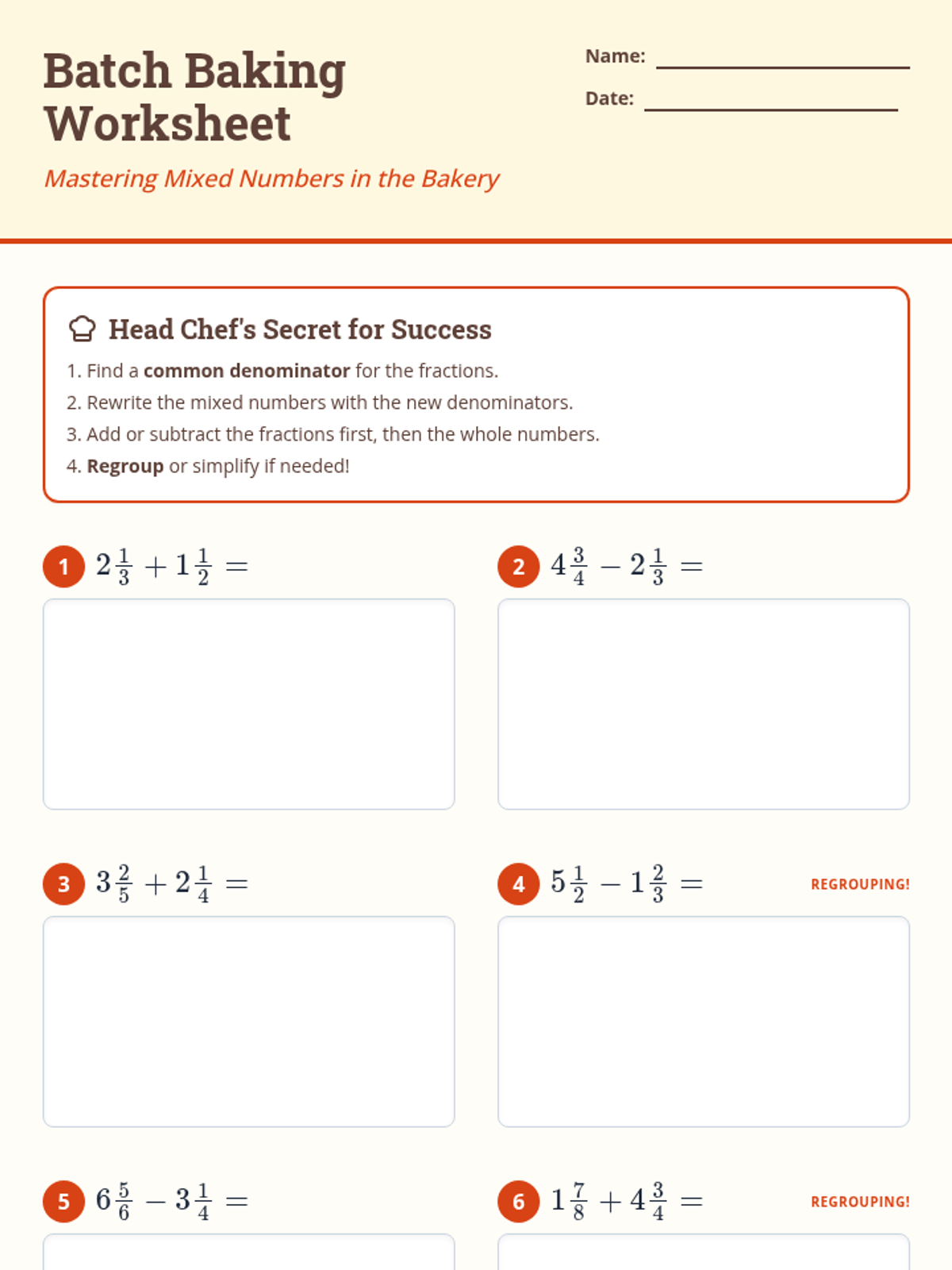
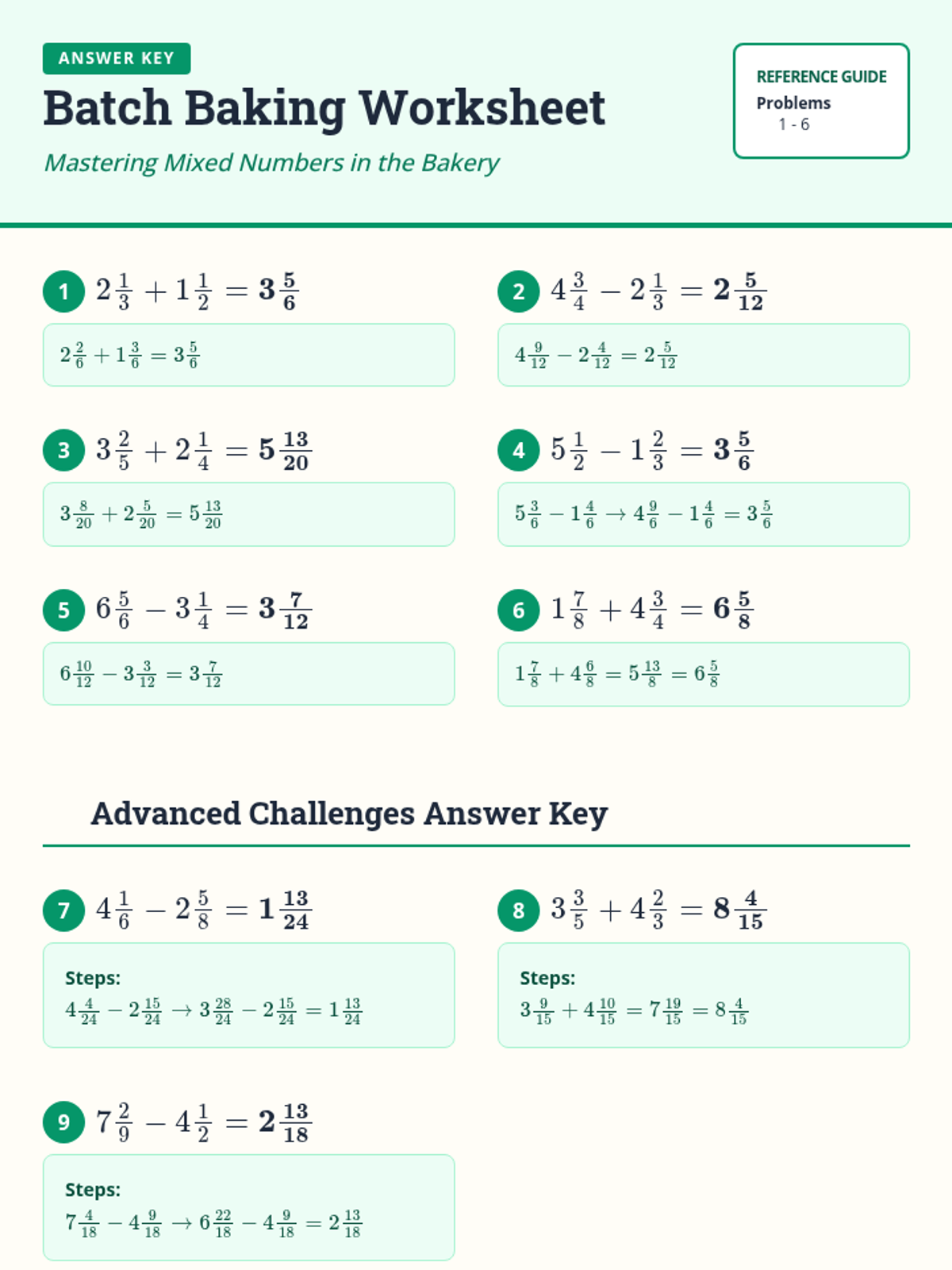
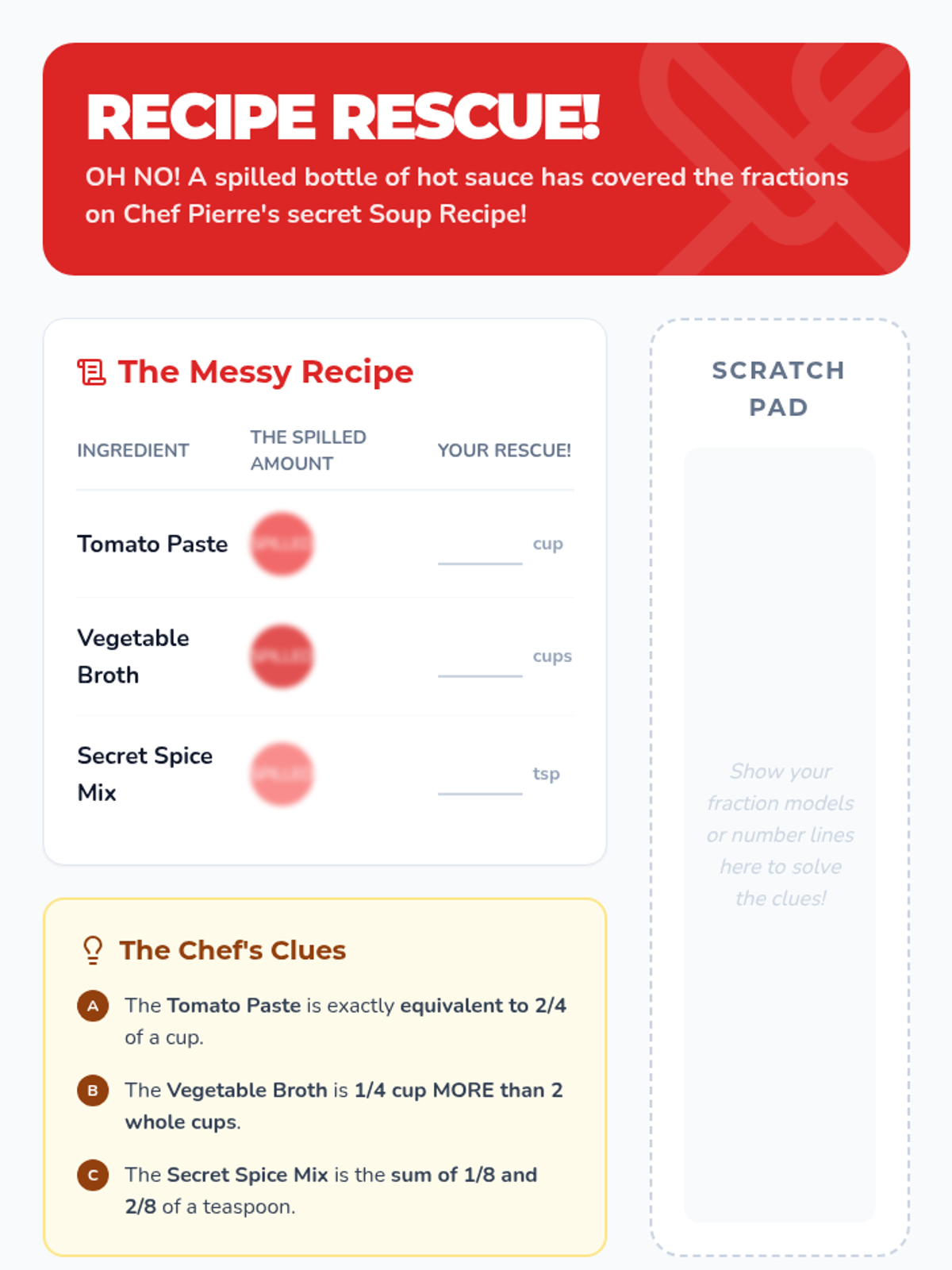
A focused practice session on adding and subtracting mixed numbers with unlike denominators, framed within a bakery context. Students will find common denominators and regroup as needed to solve problems.
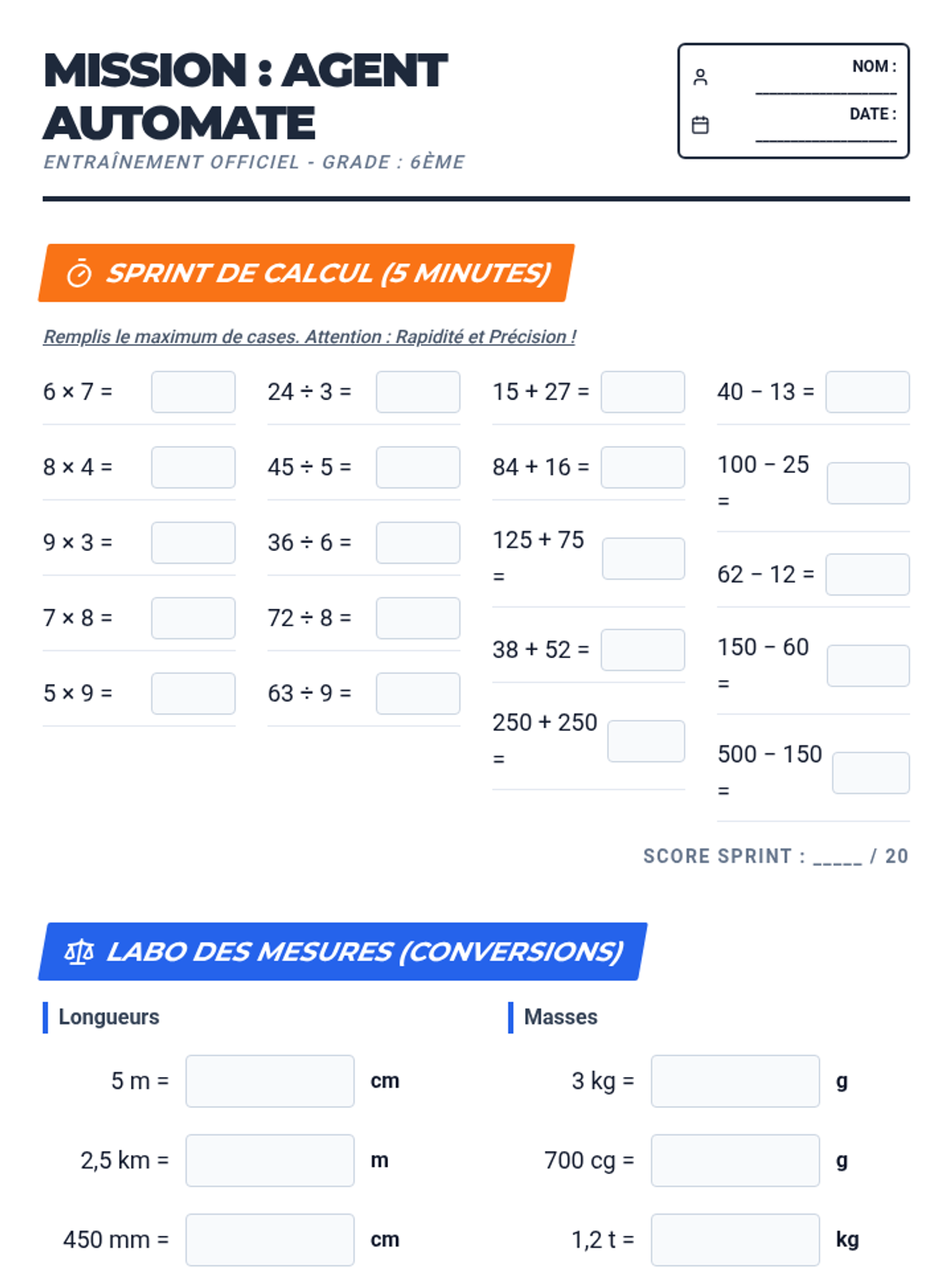
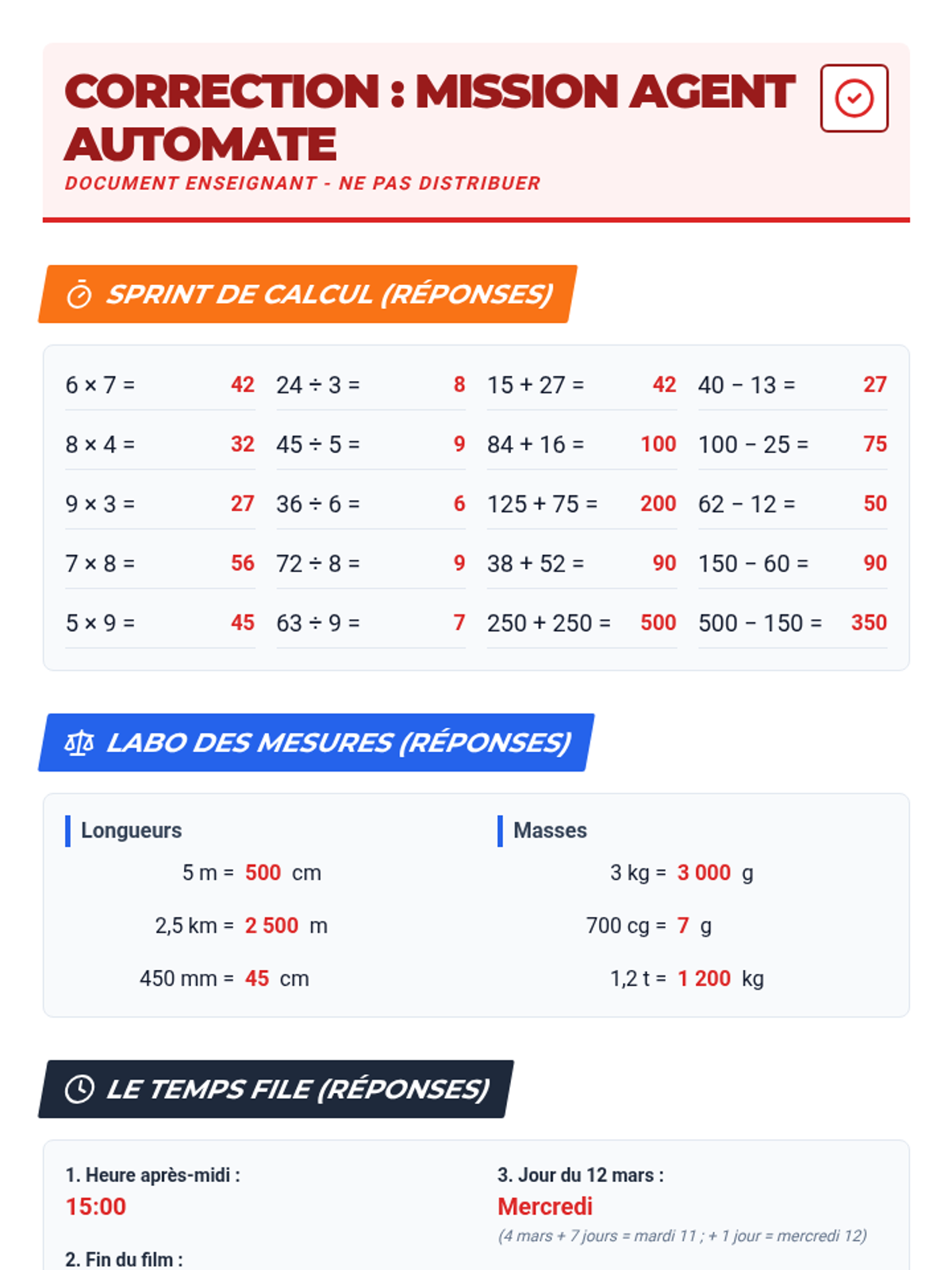
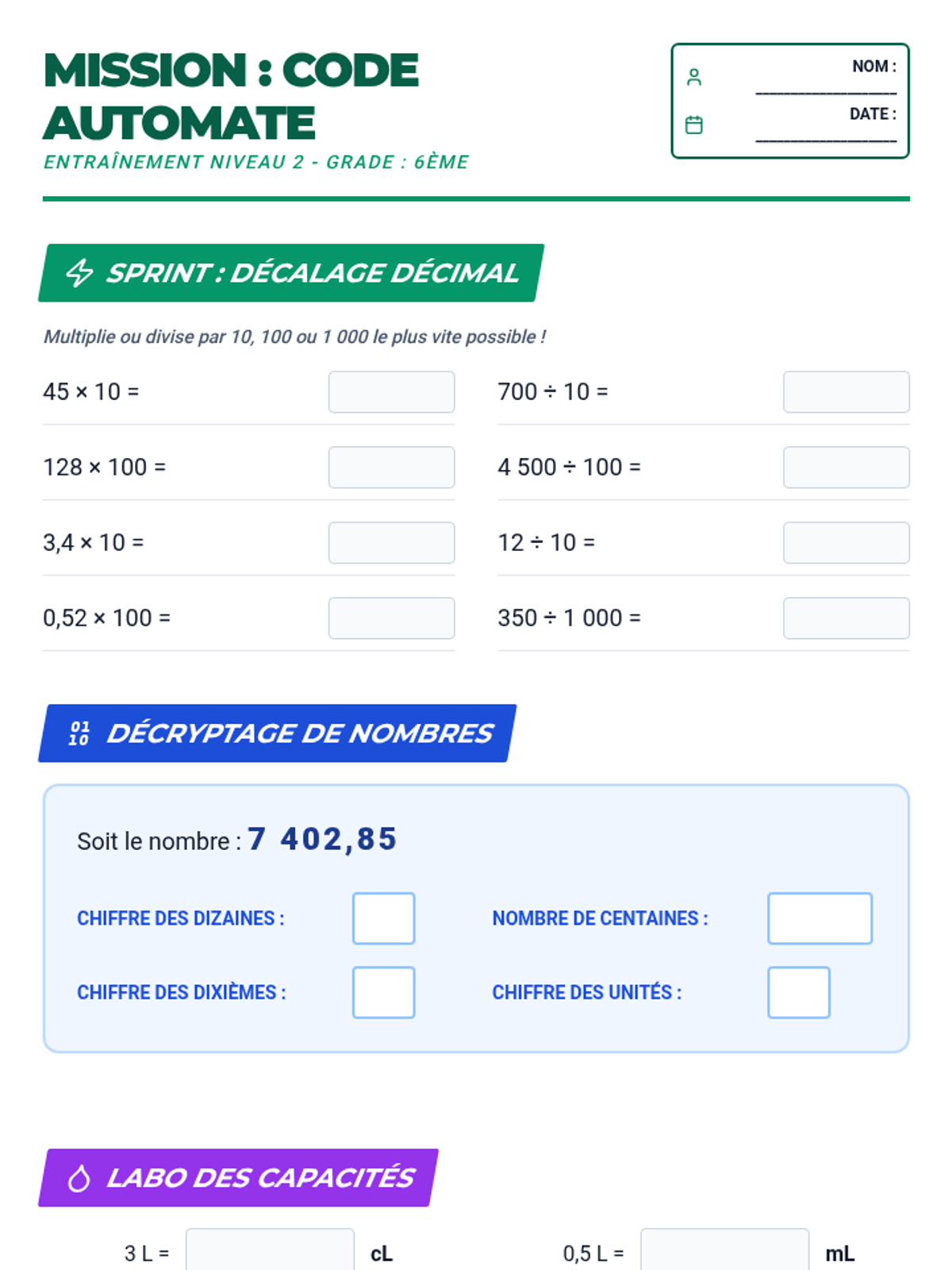
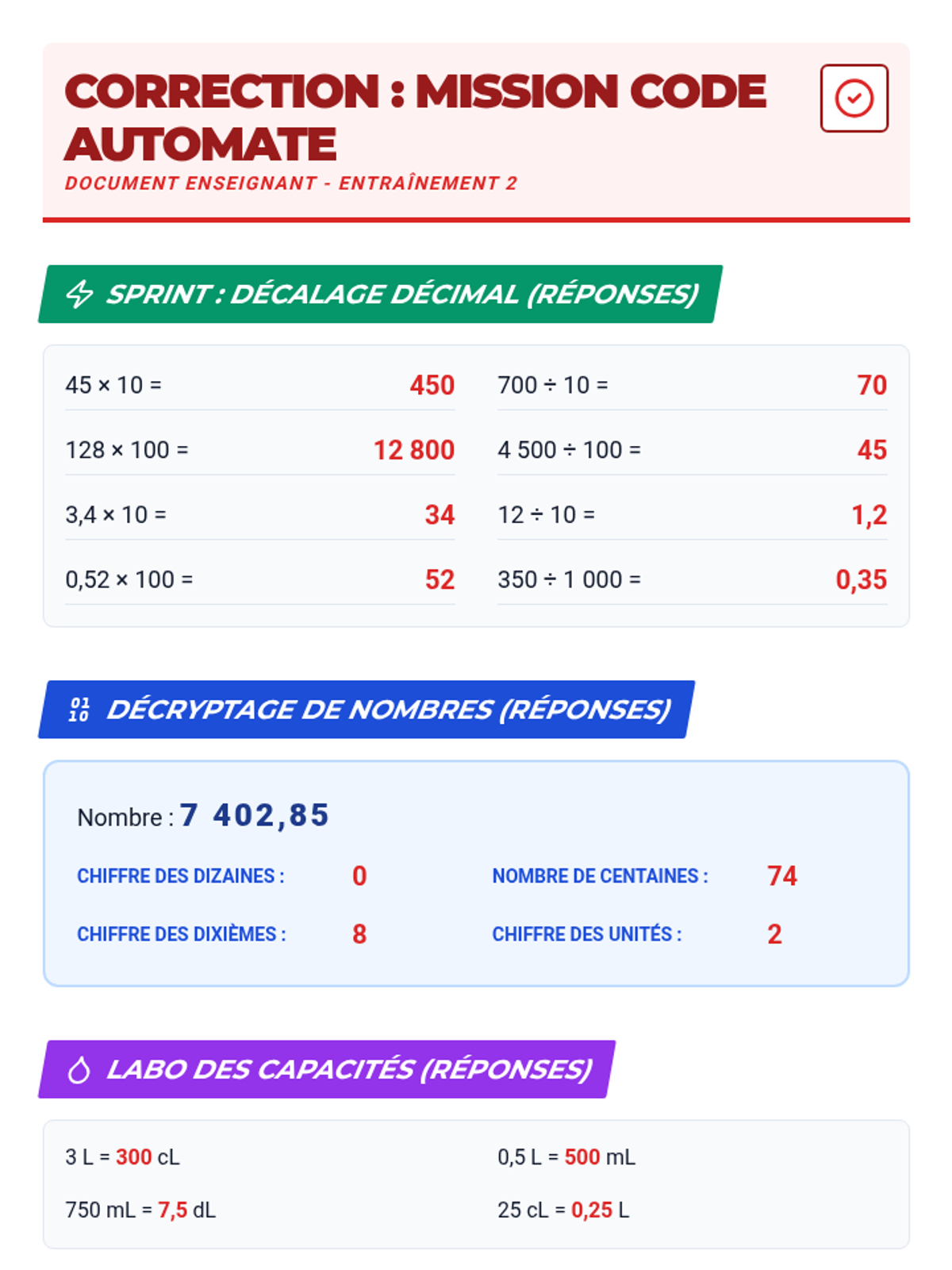
Une série d'activités pour renforcer les automatismes en calcul mental, conversions et gestion du temps pour les élèves de 6ème. Idéal pour préparer un contrôle avec des exercices chronométrés et des questions flash.
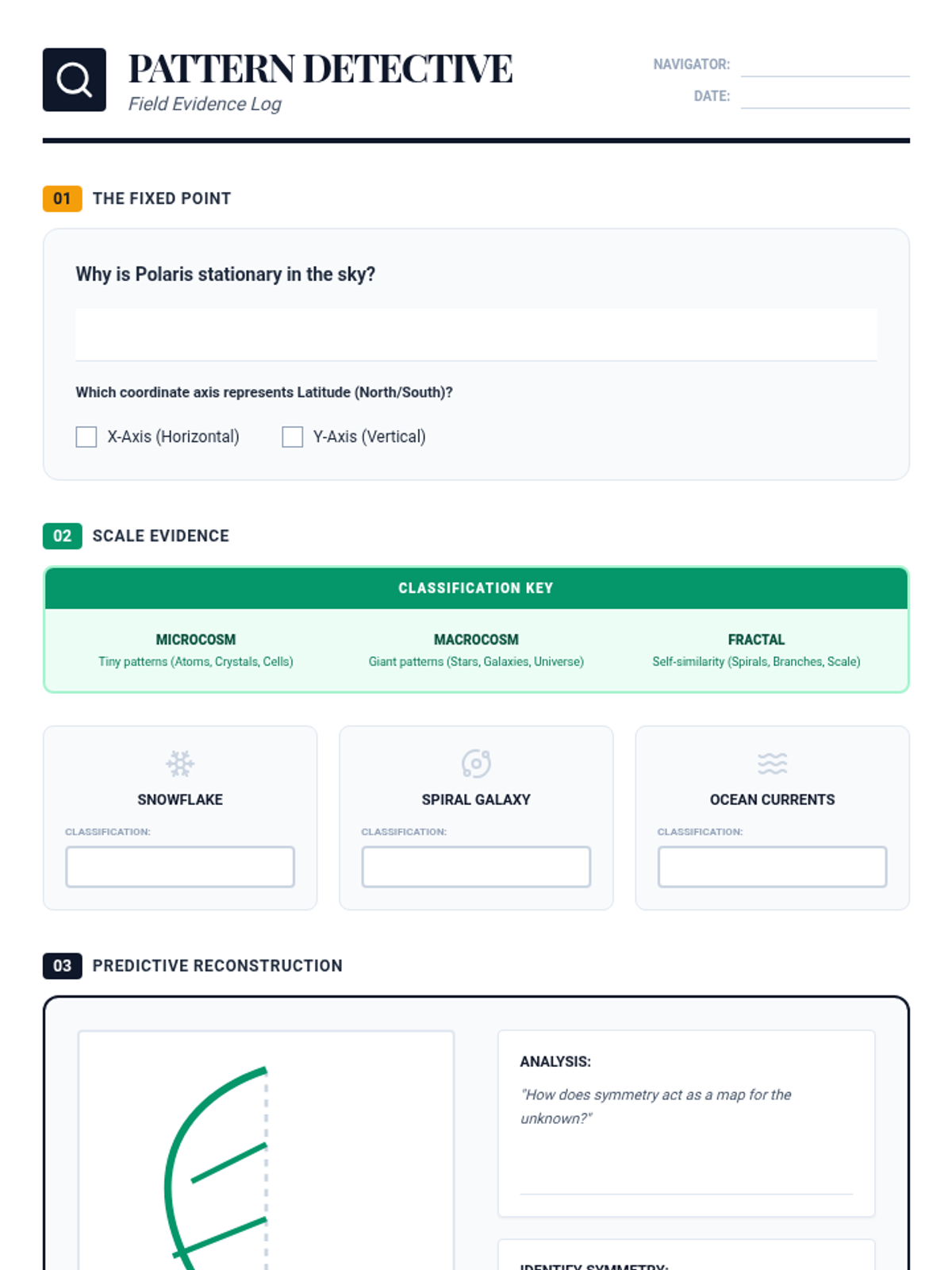
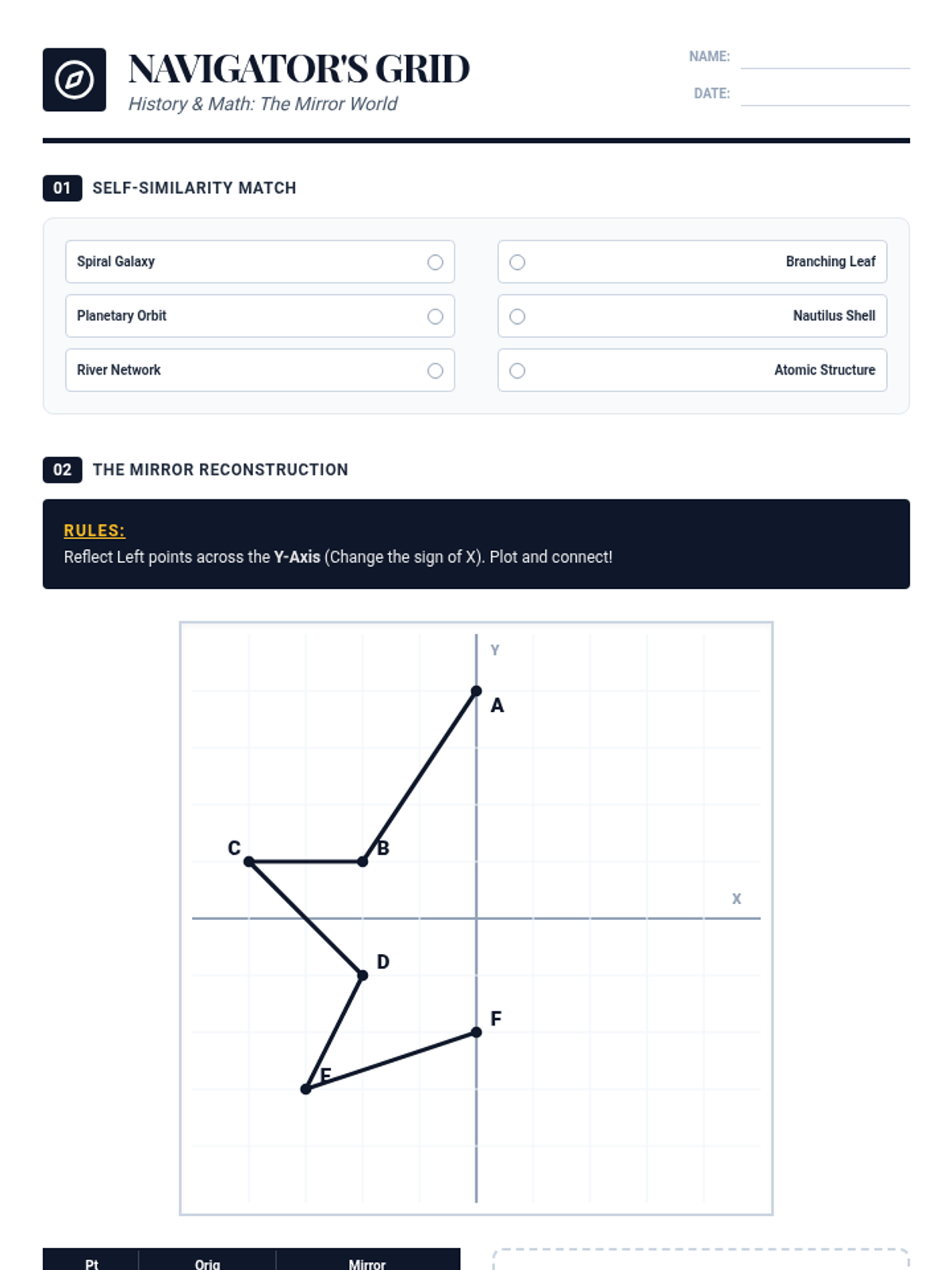
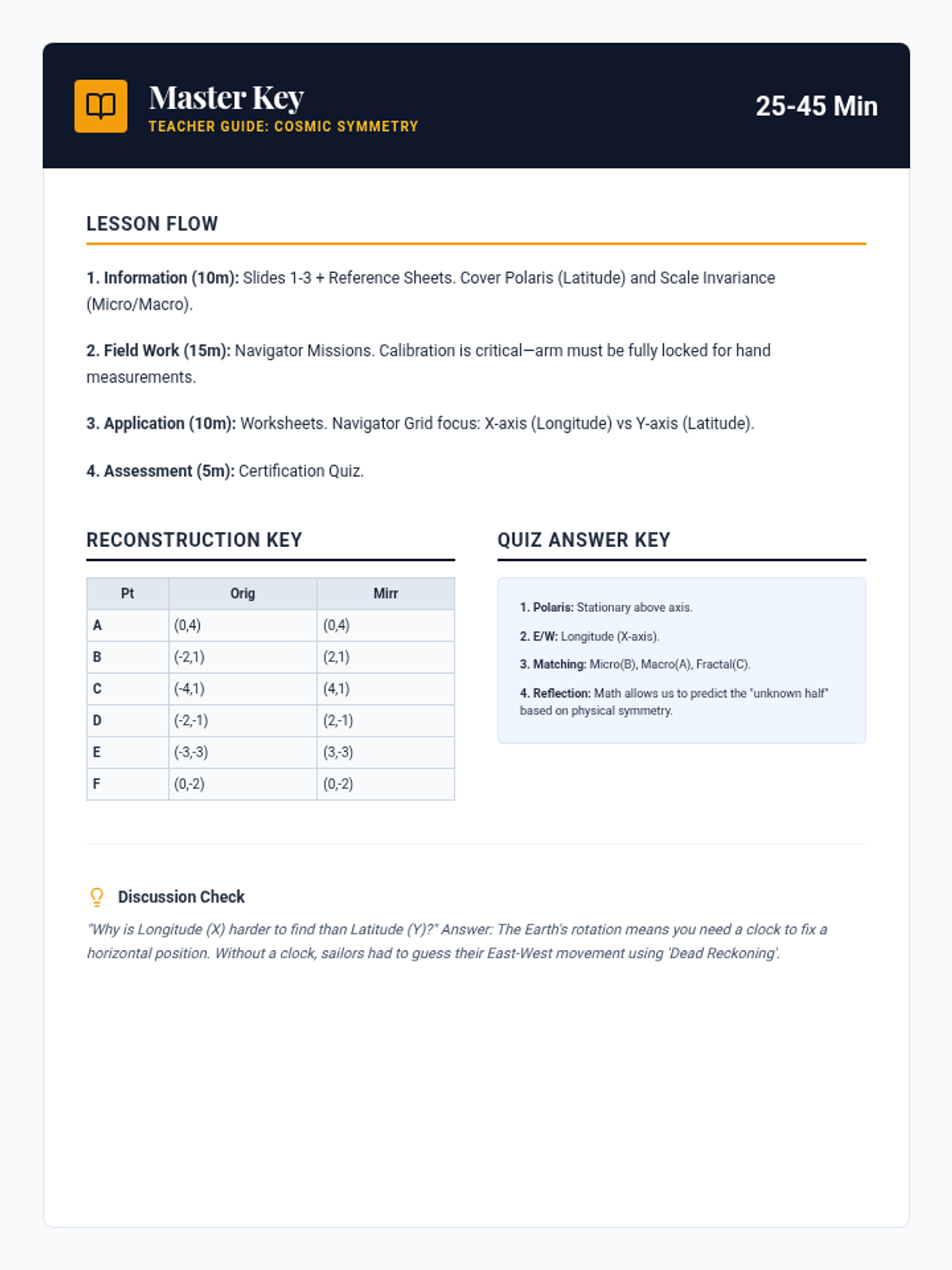
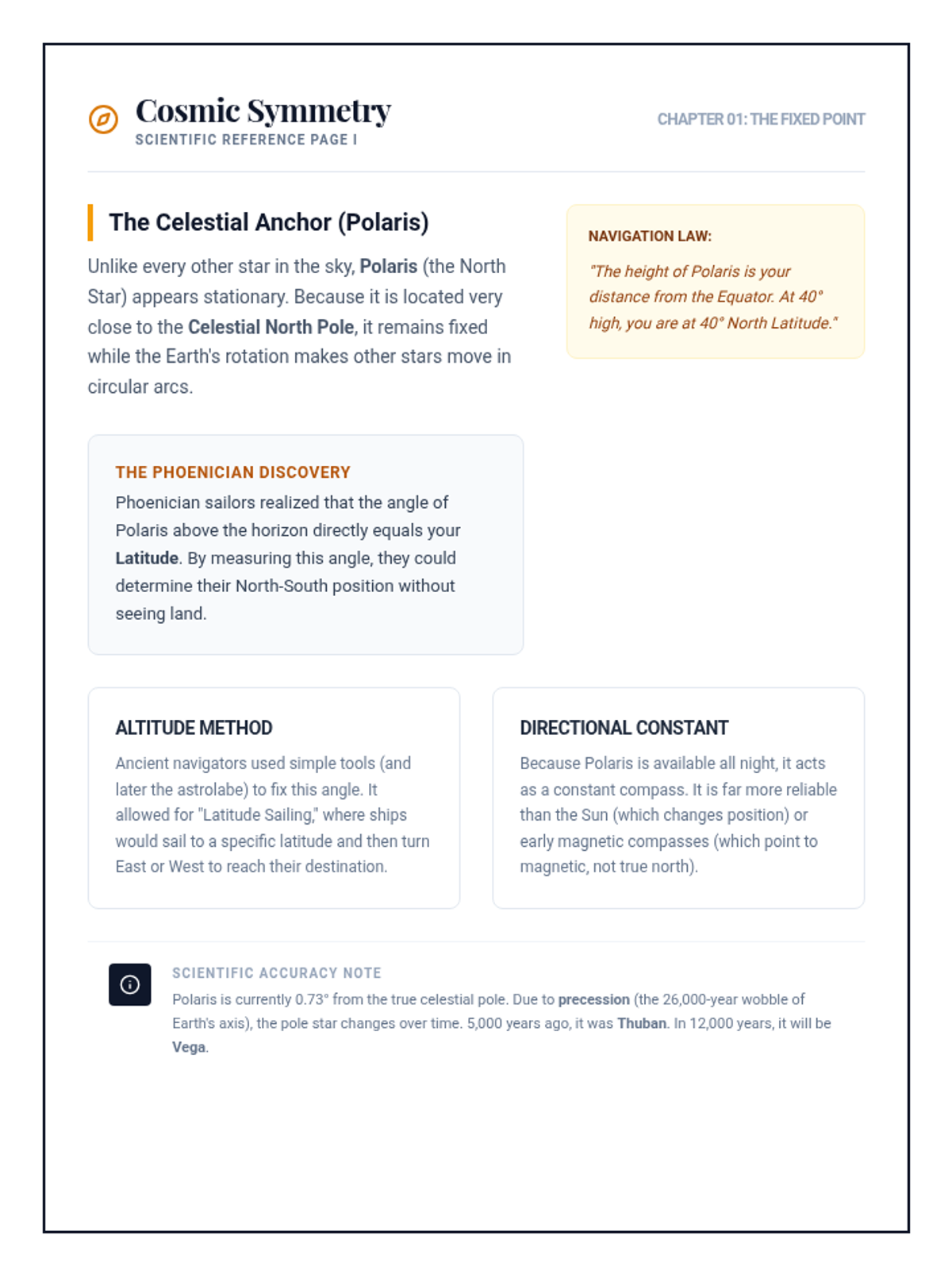
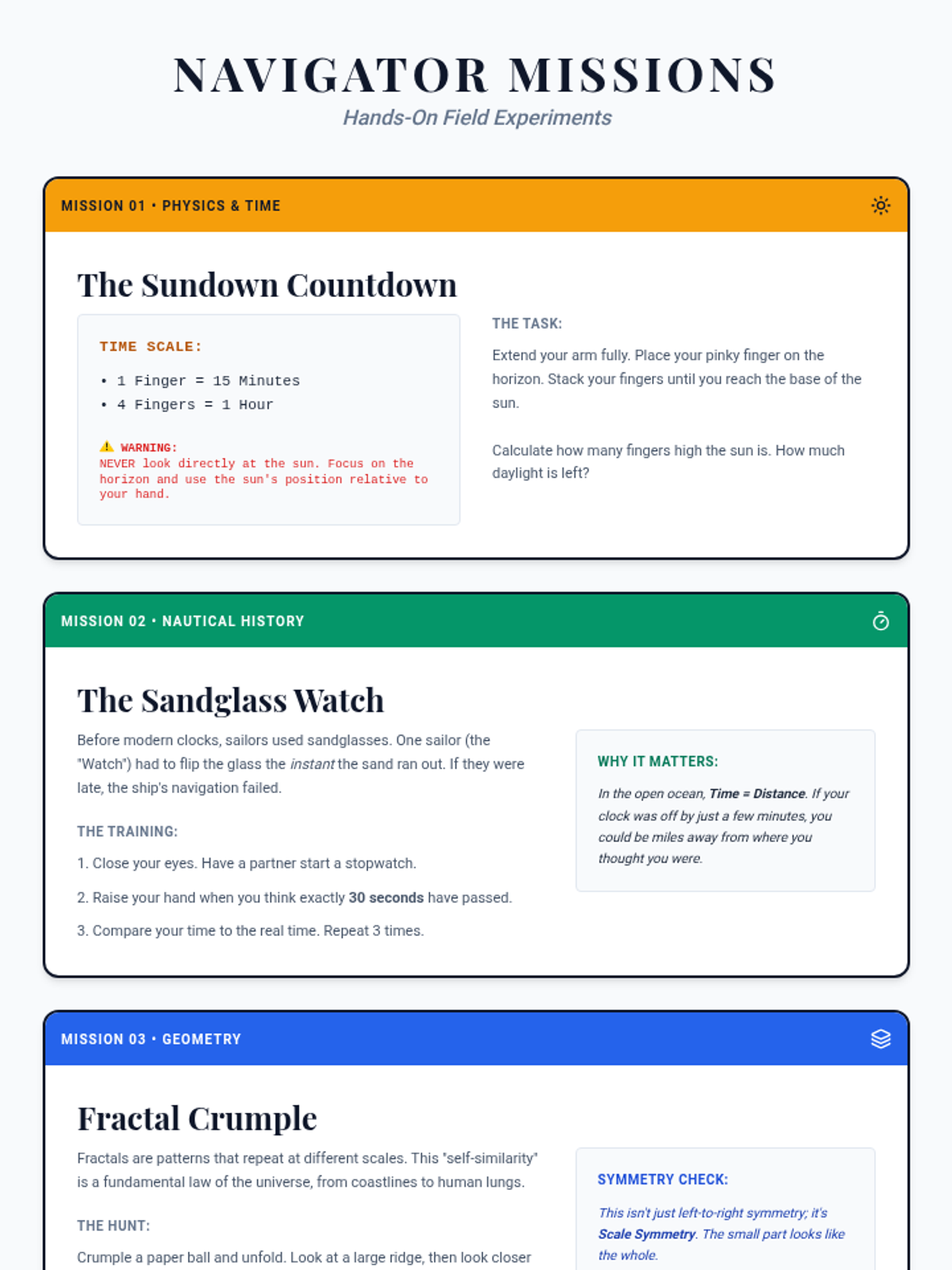
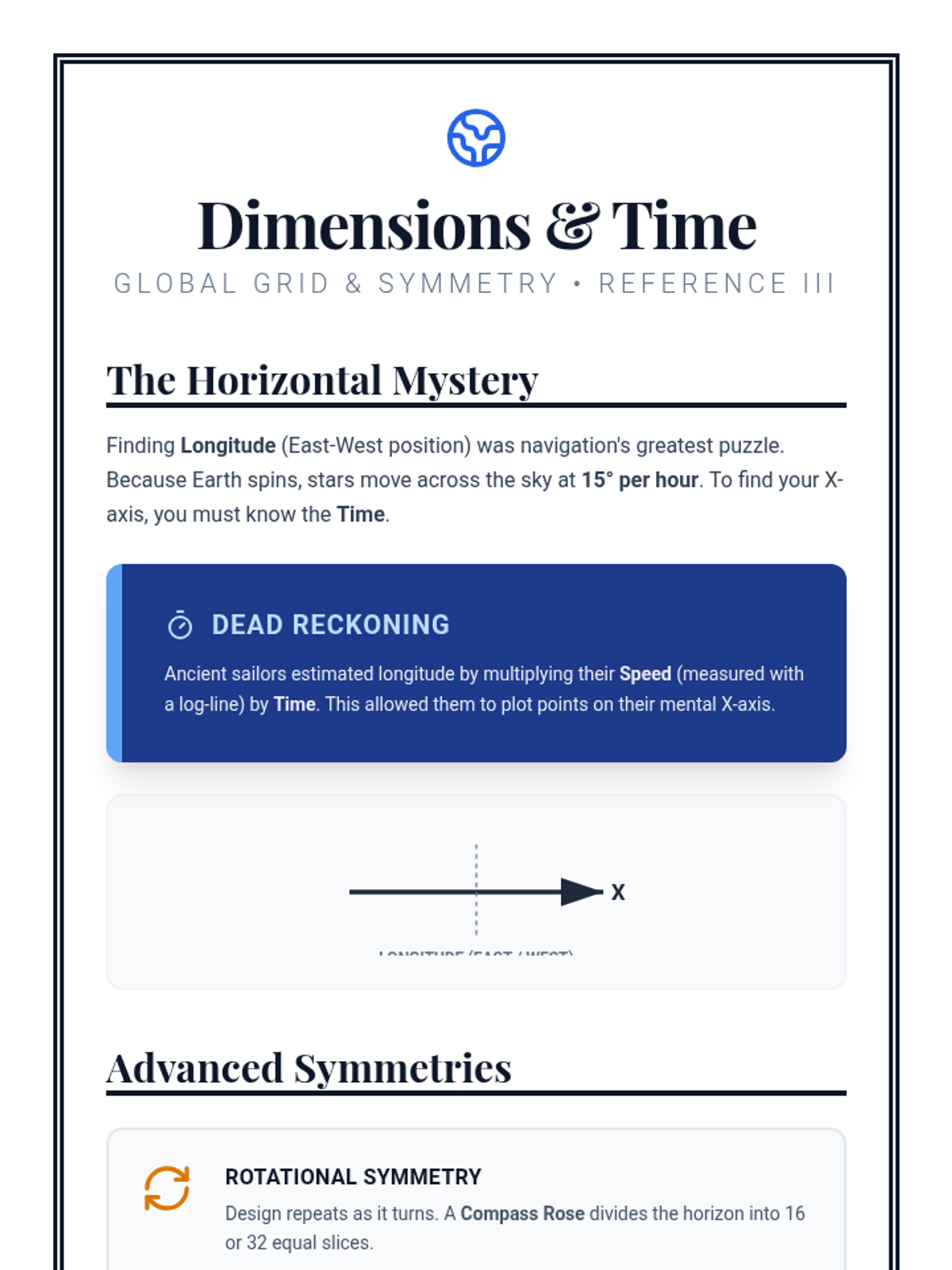
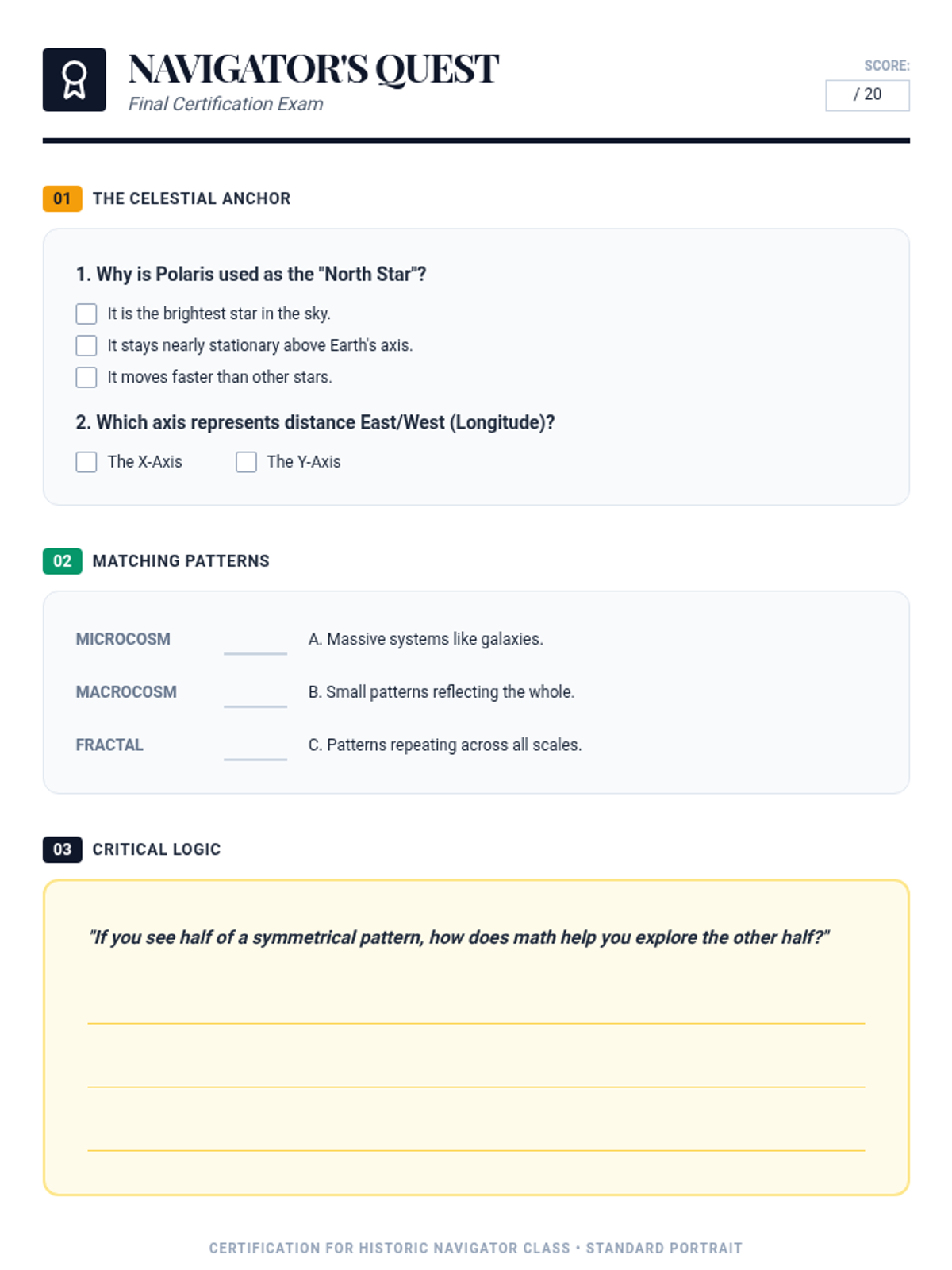
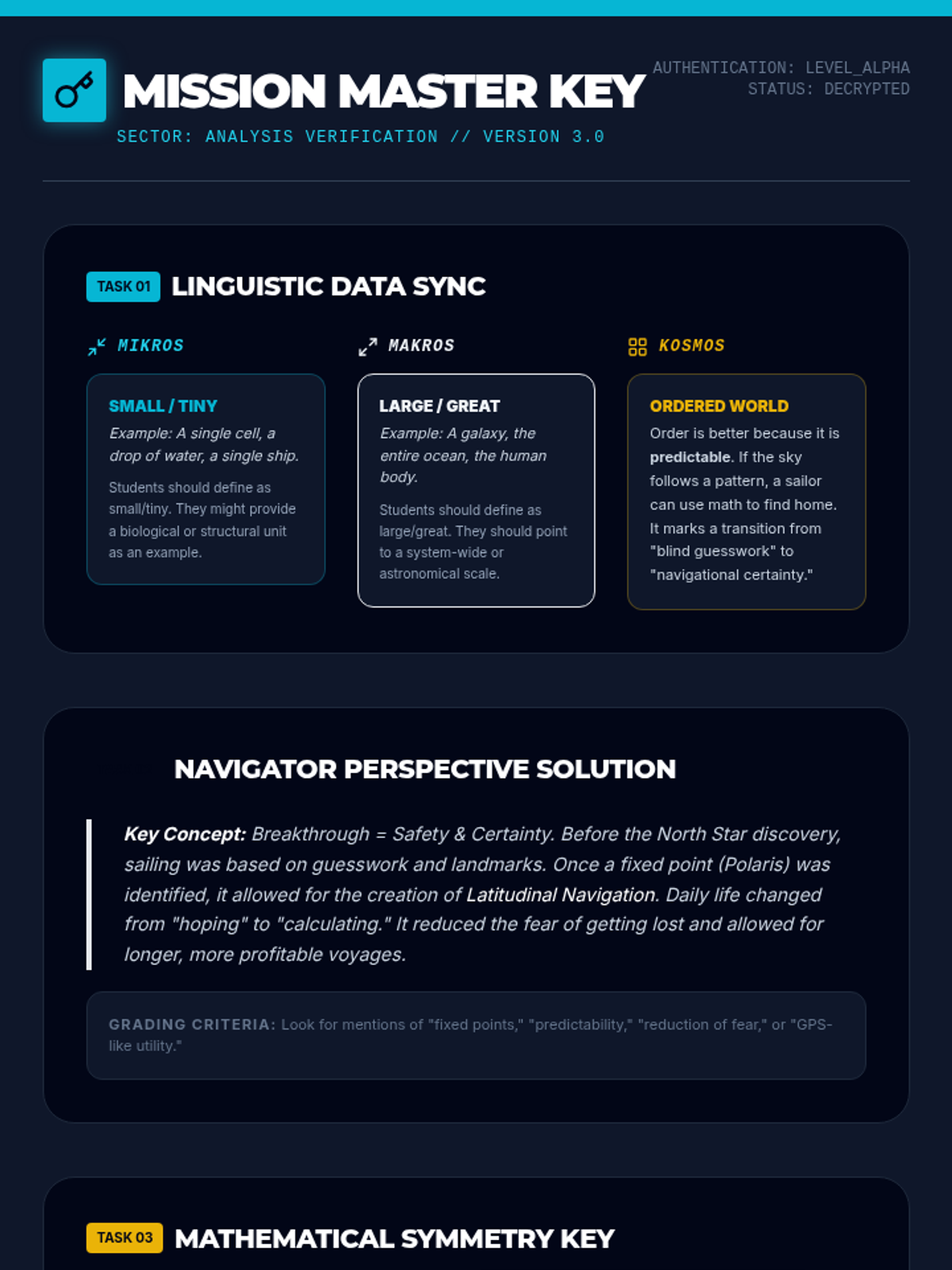
A 15-25 minute exploration into how ancient navigators used fixed points (the North Star) and the repeating patterns of the universe (microcosms, macrocosms, and symmetry) to navigate without modern technology.
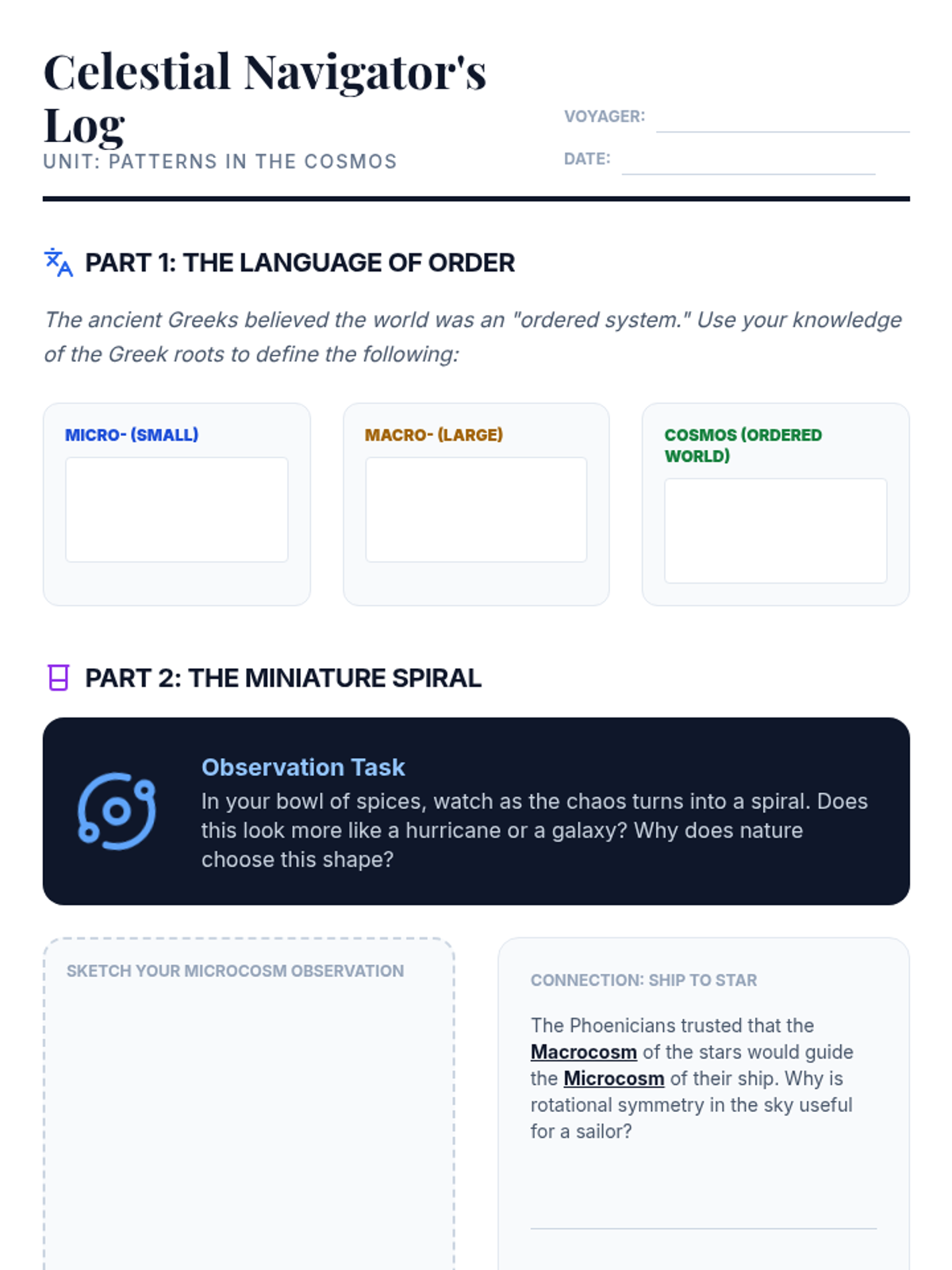
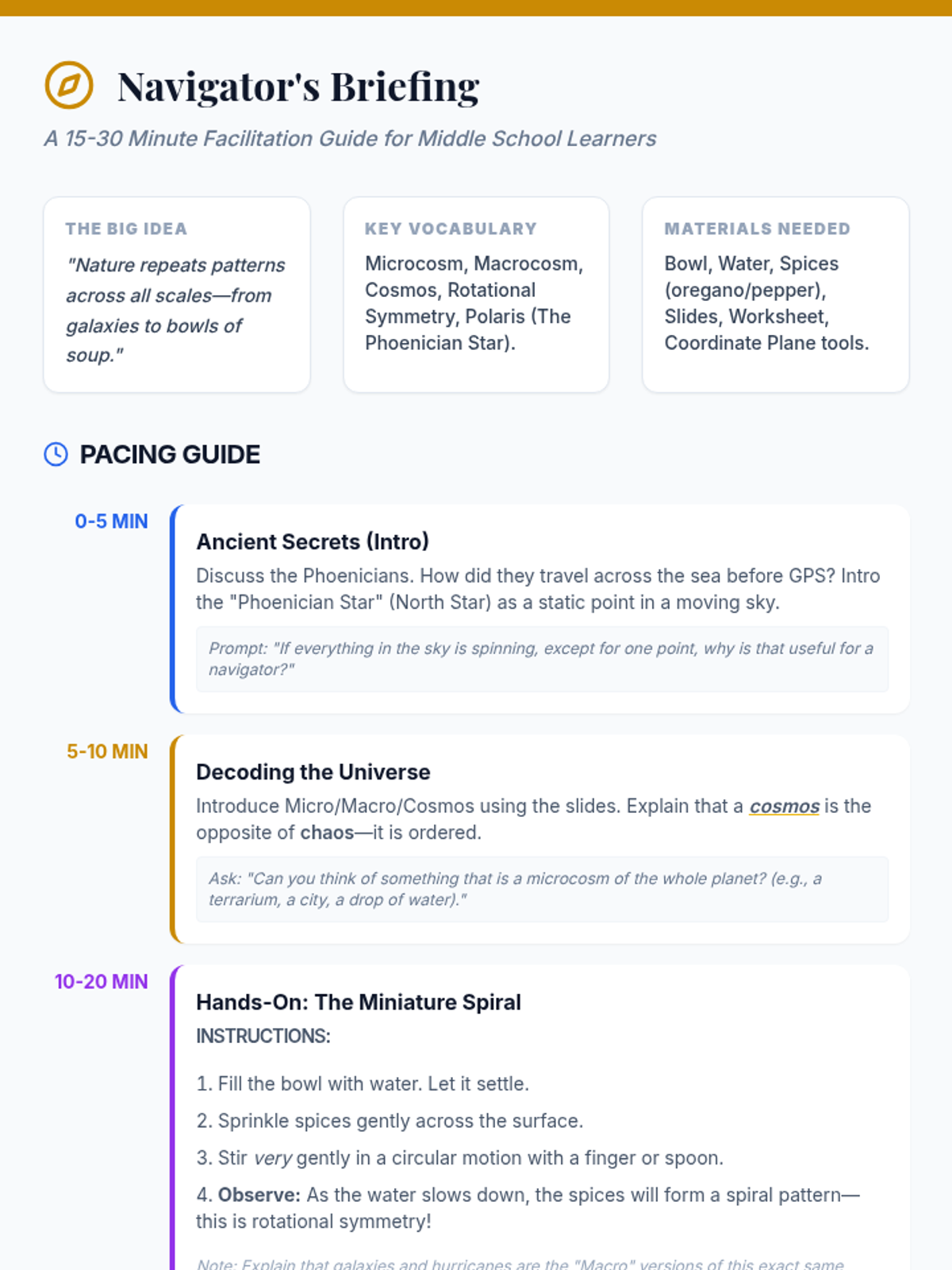
A 15-30 minute exploration of how ancient Phoenicians used the macrocosm of the stars to navigate the microcosm of their ships, featuring the root words micro/macro/cosmos and the mathematics of rotational symmetry.
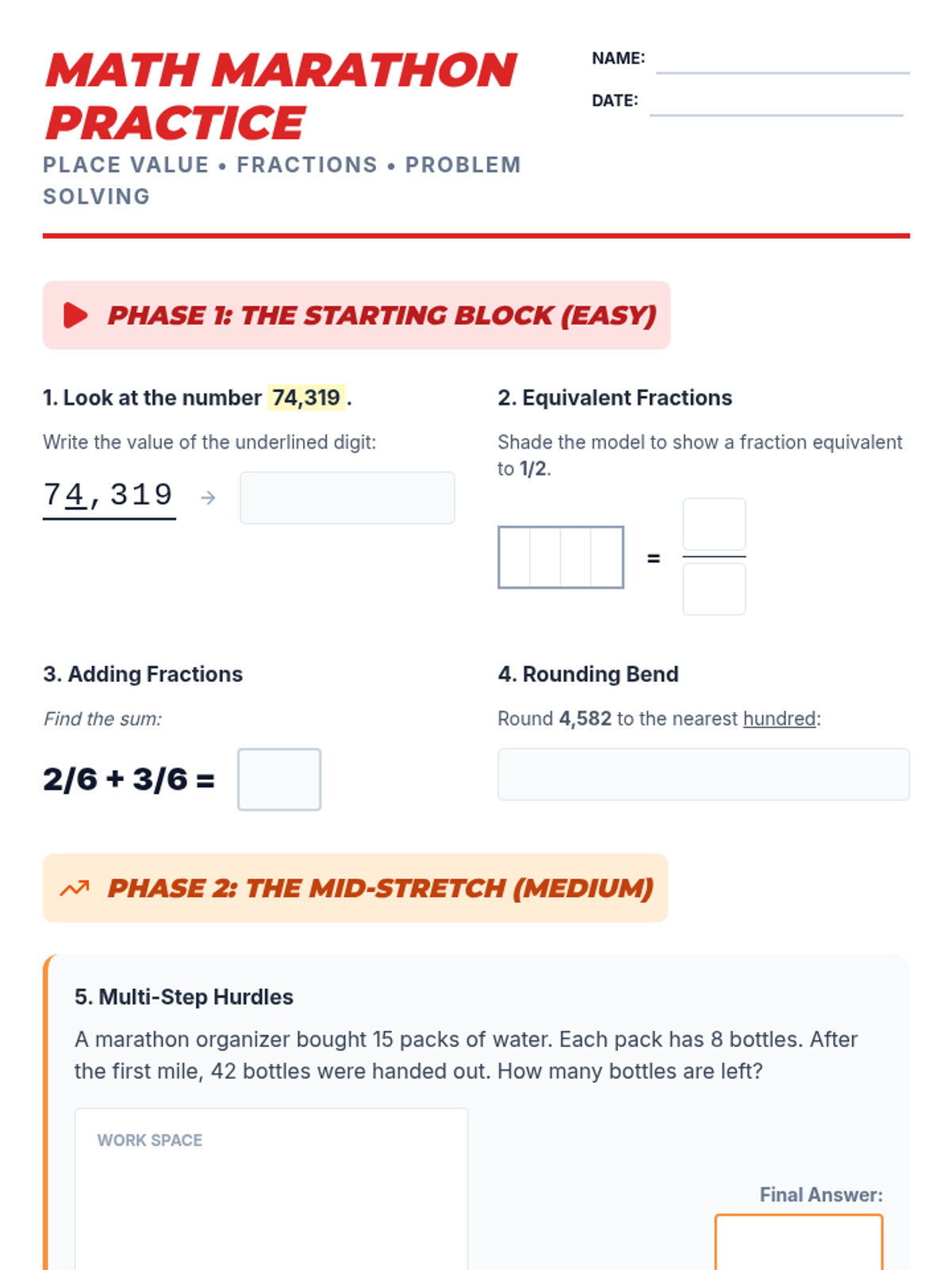
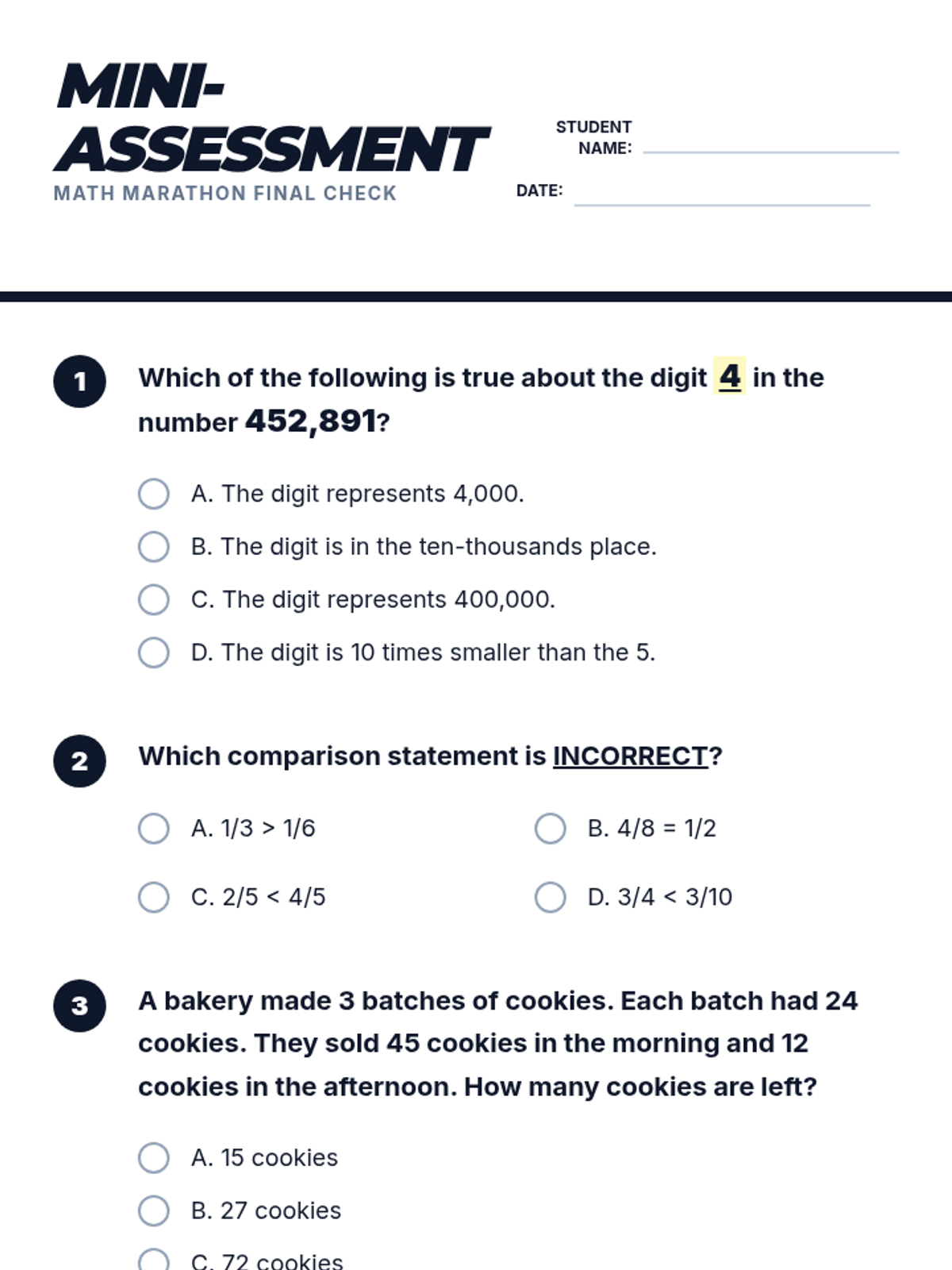
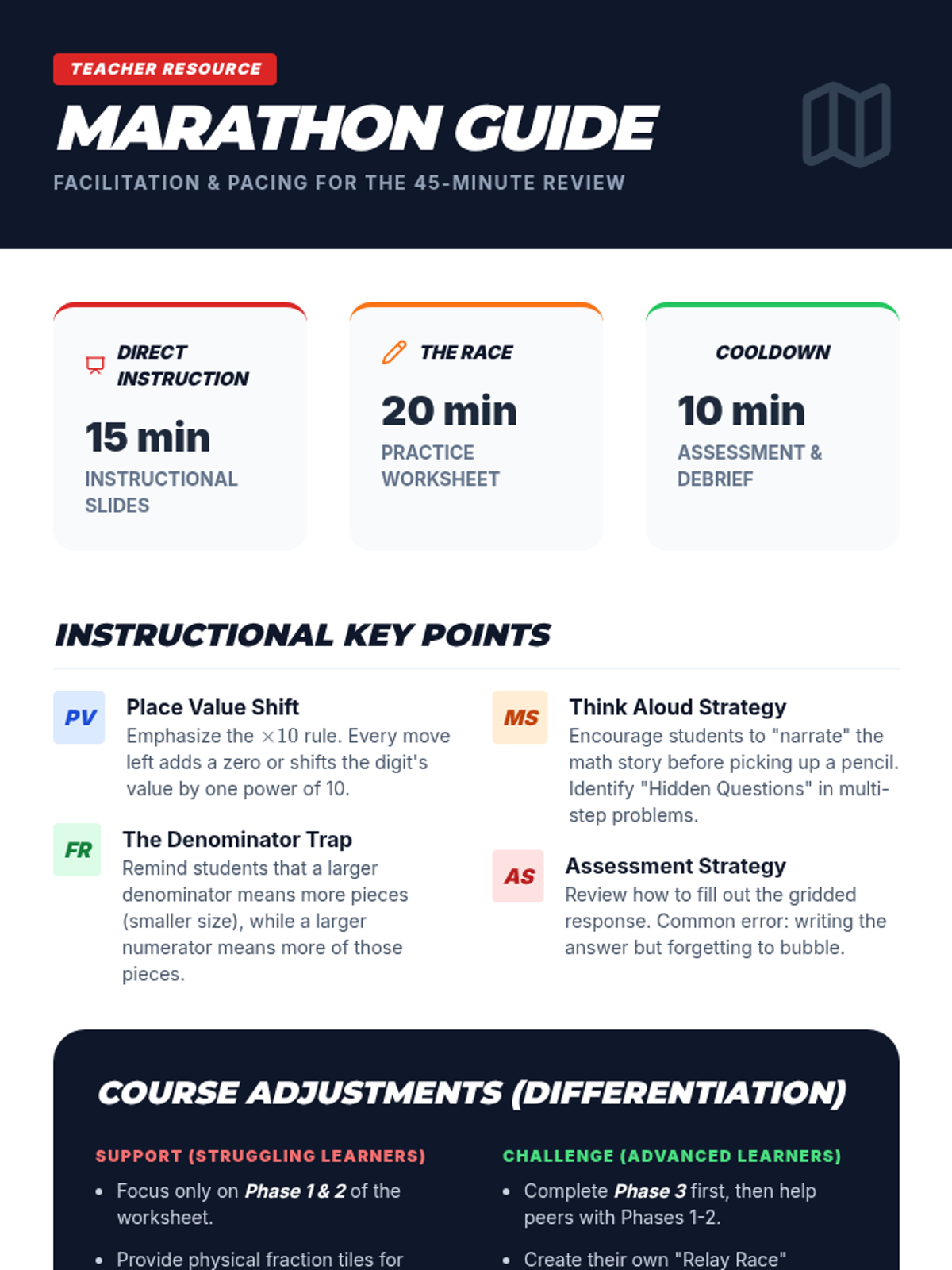
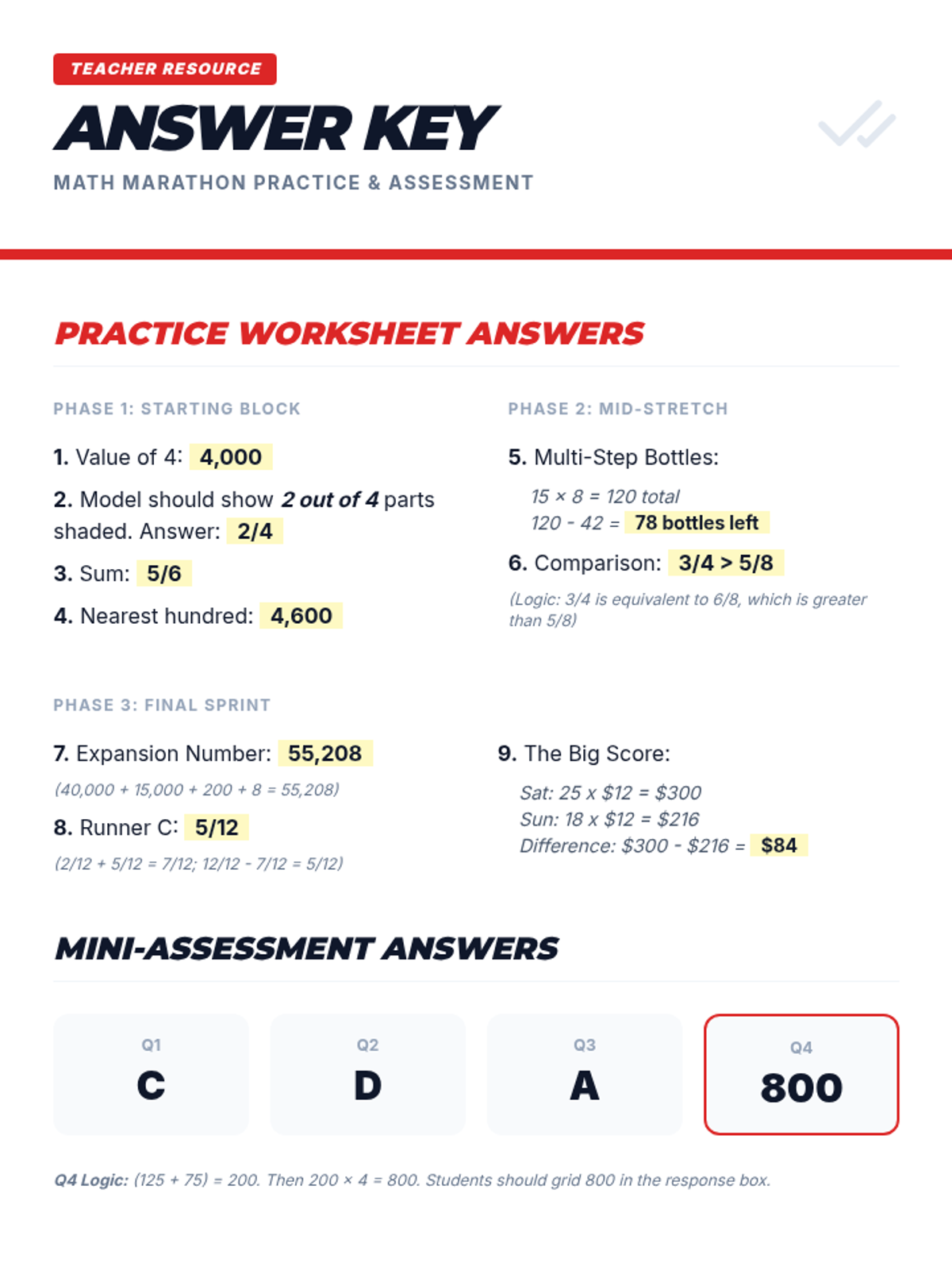
A high-energy, 45-minute comprehensive math review covering place value, fractions, and multi-step word problems for grades 3-5, designed as a 'Math Marathon'.
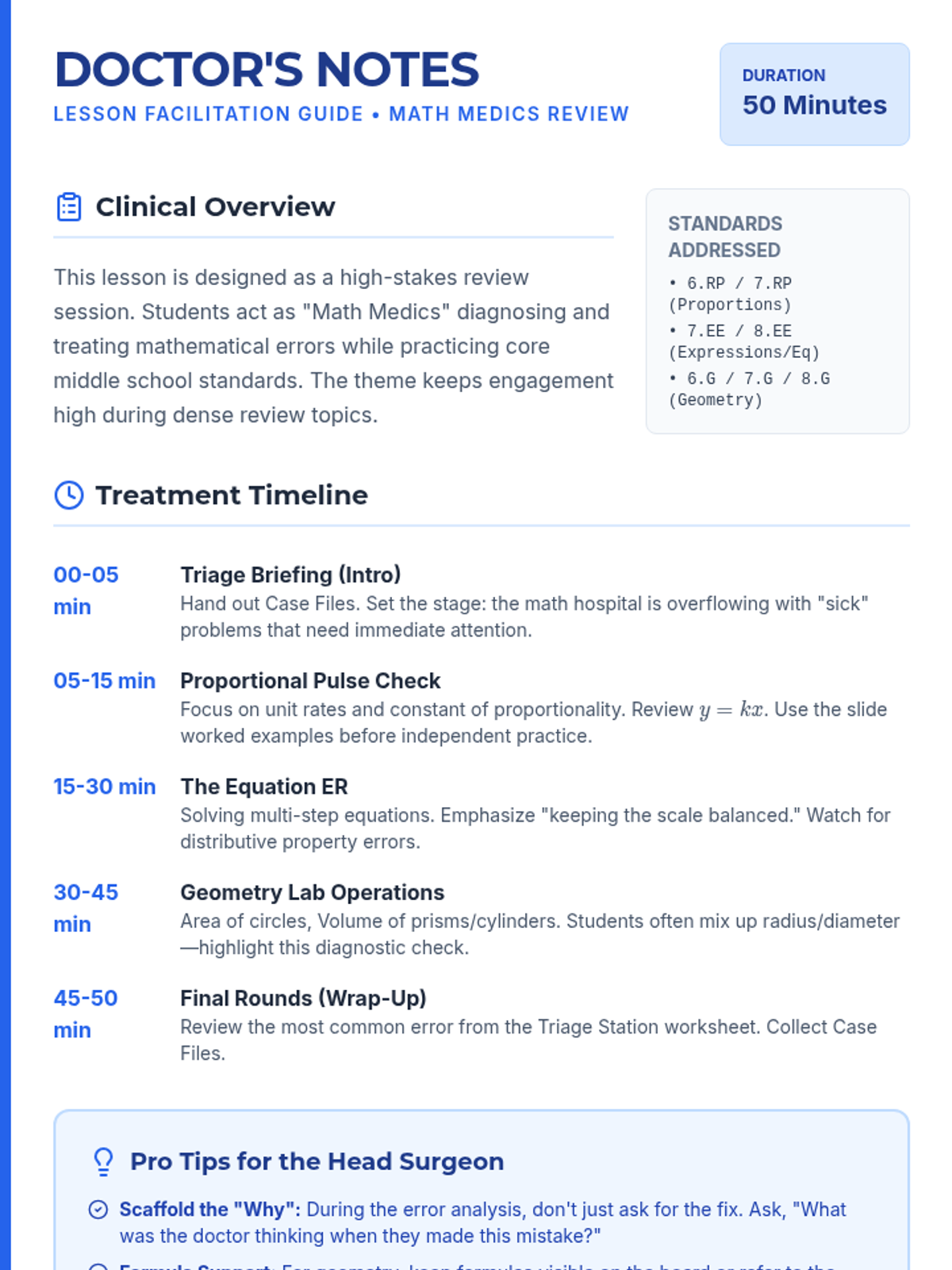
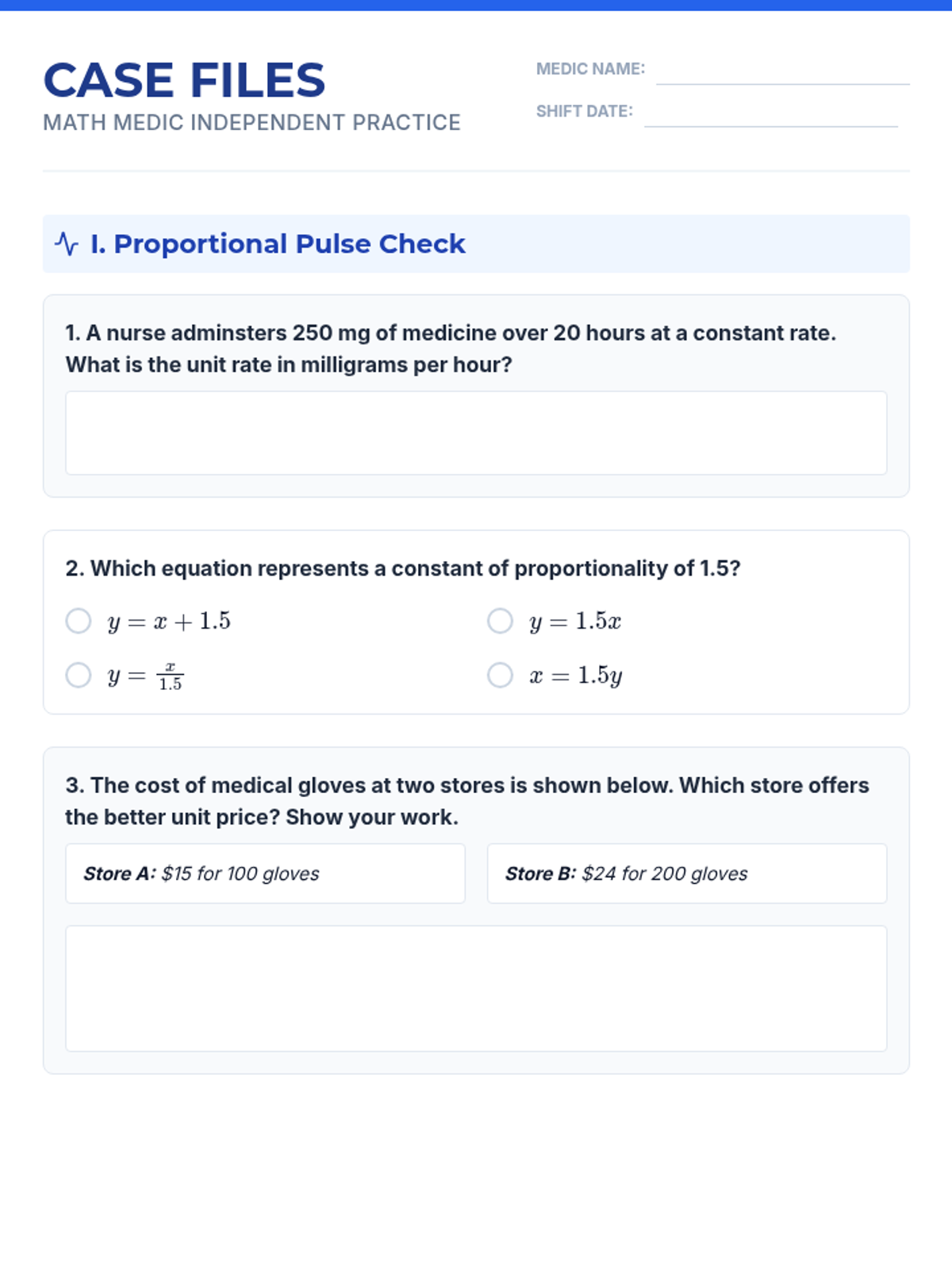
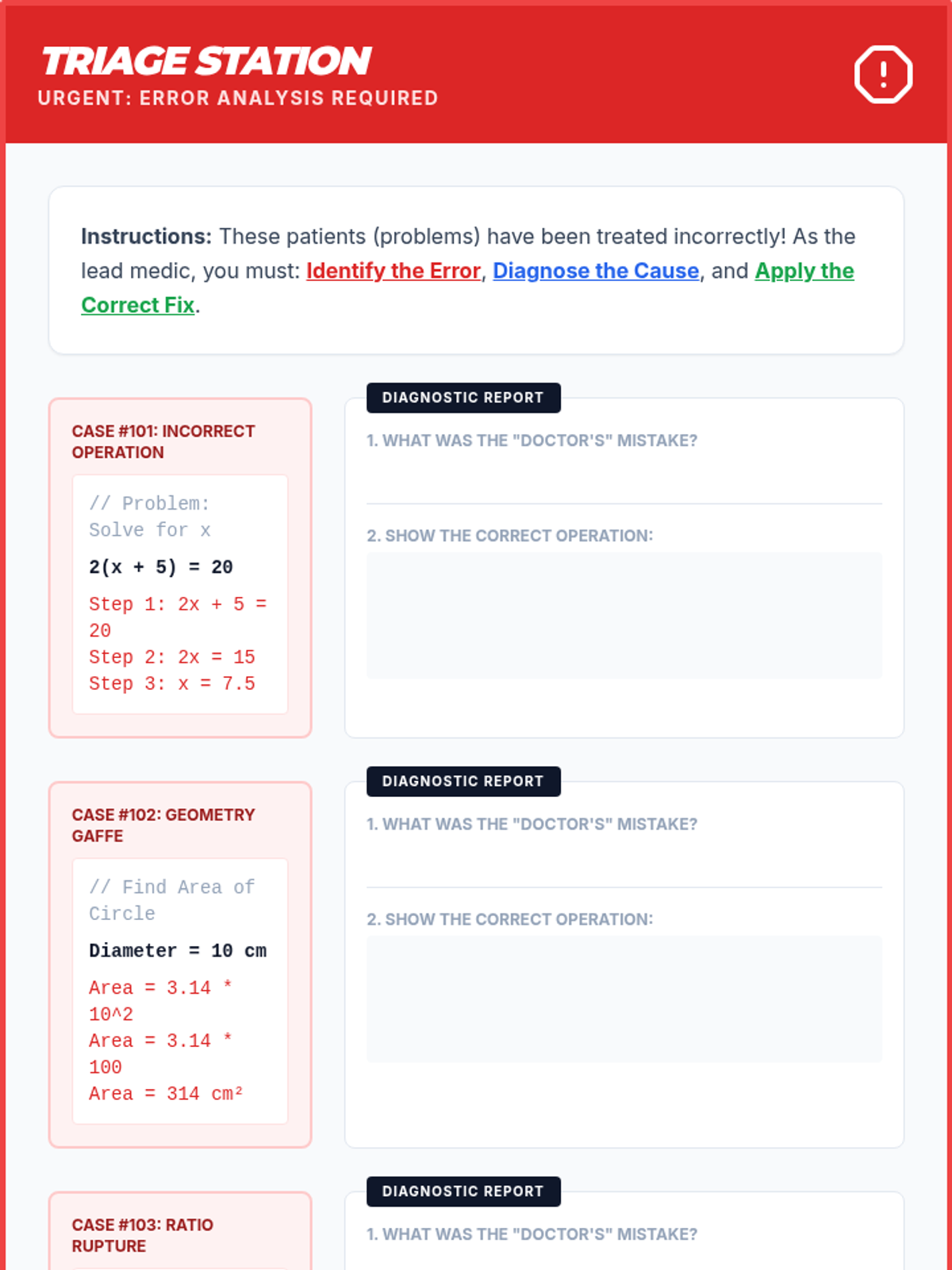
A high-energy, medical-themed 50-minute review of proportional relationships, equations, and geometry for middle school students, featuring error analysis and state-test style practice.
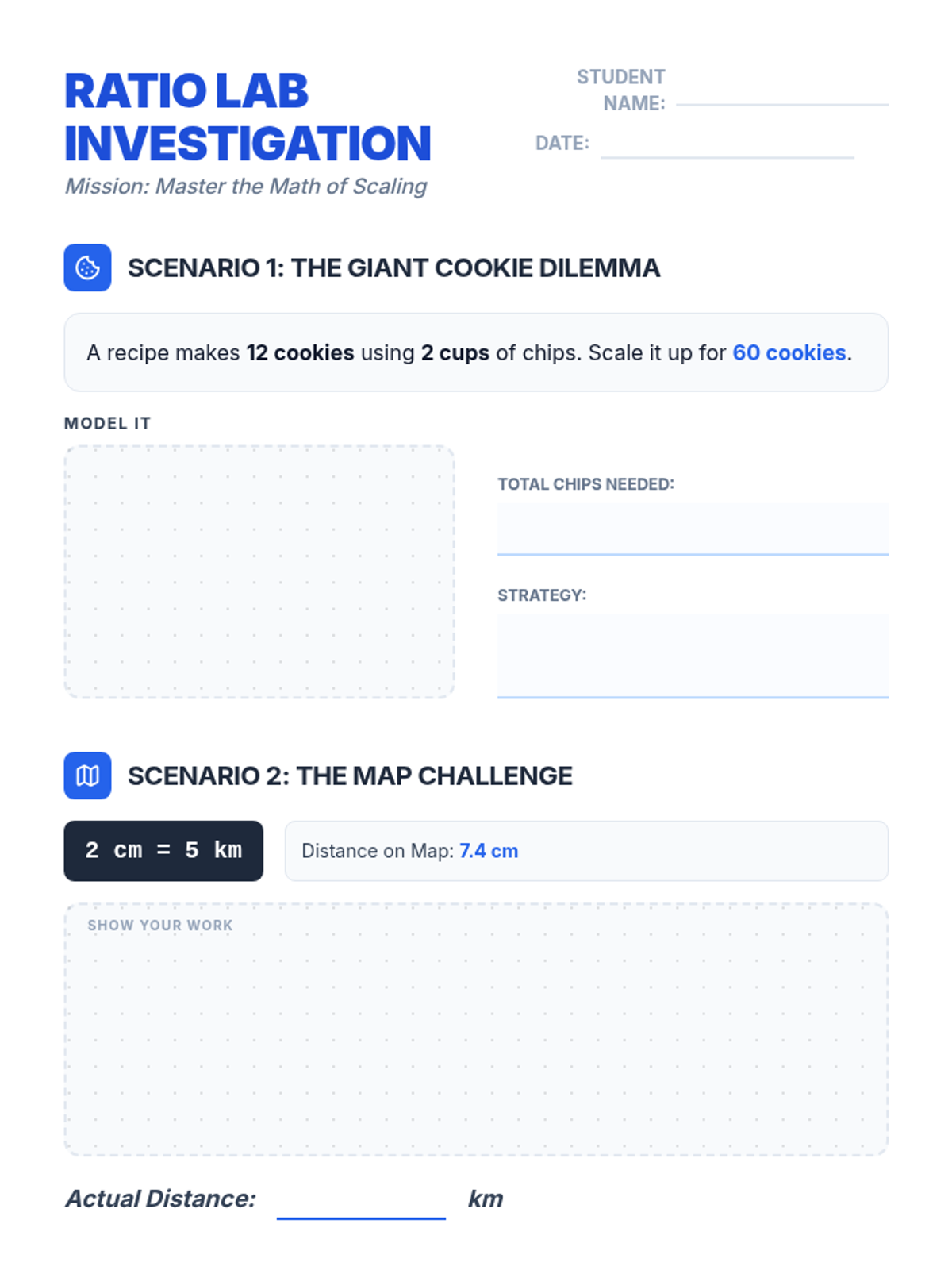
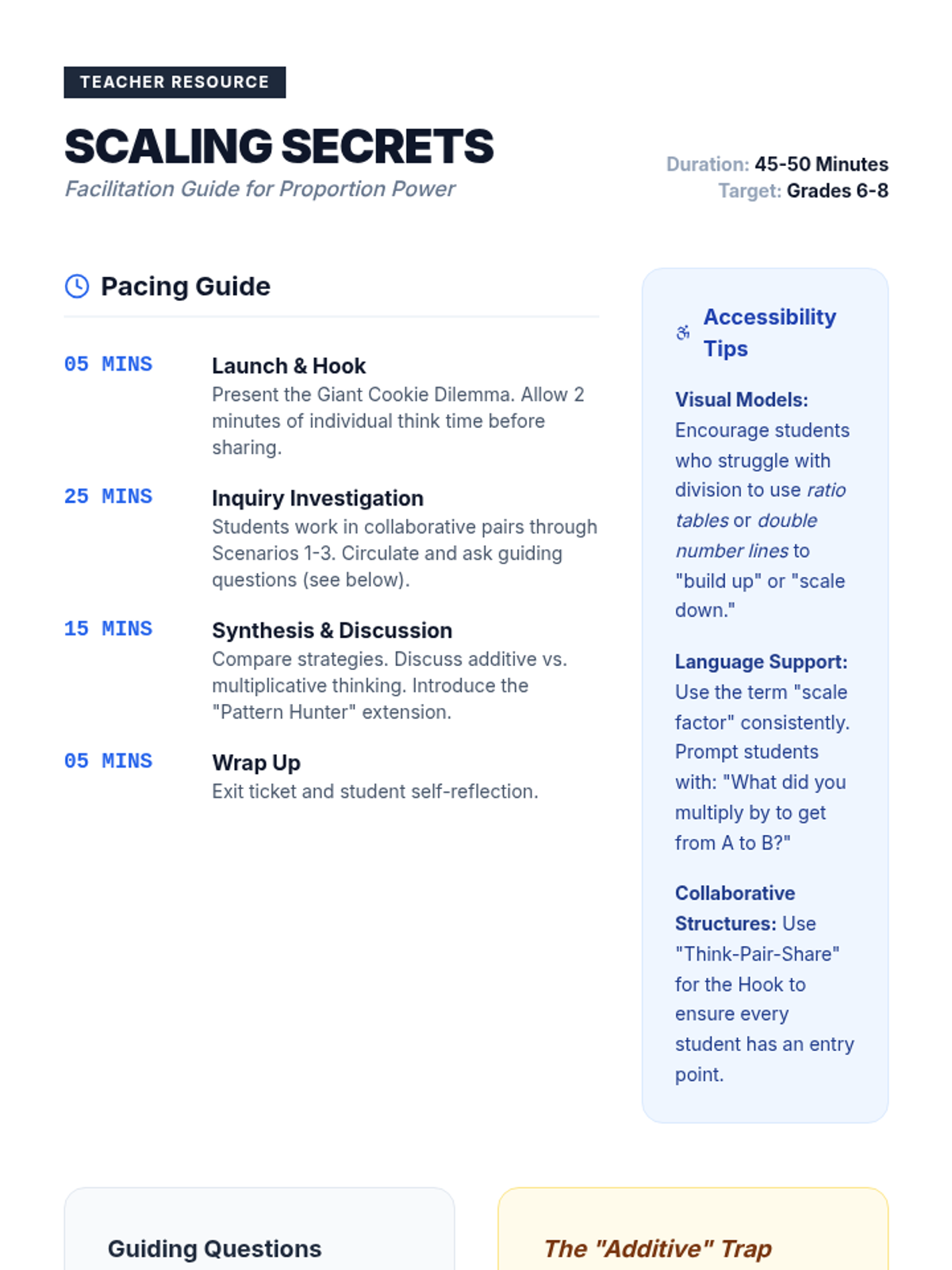
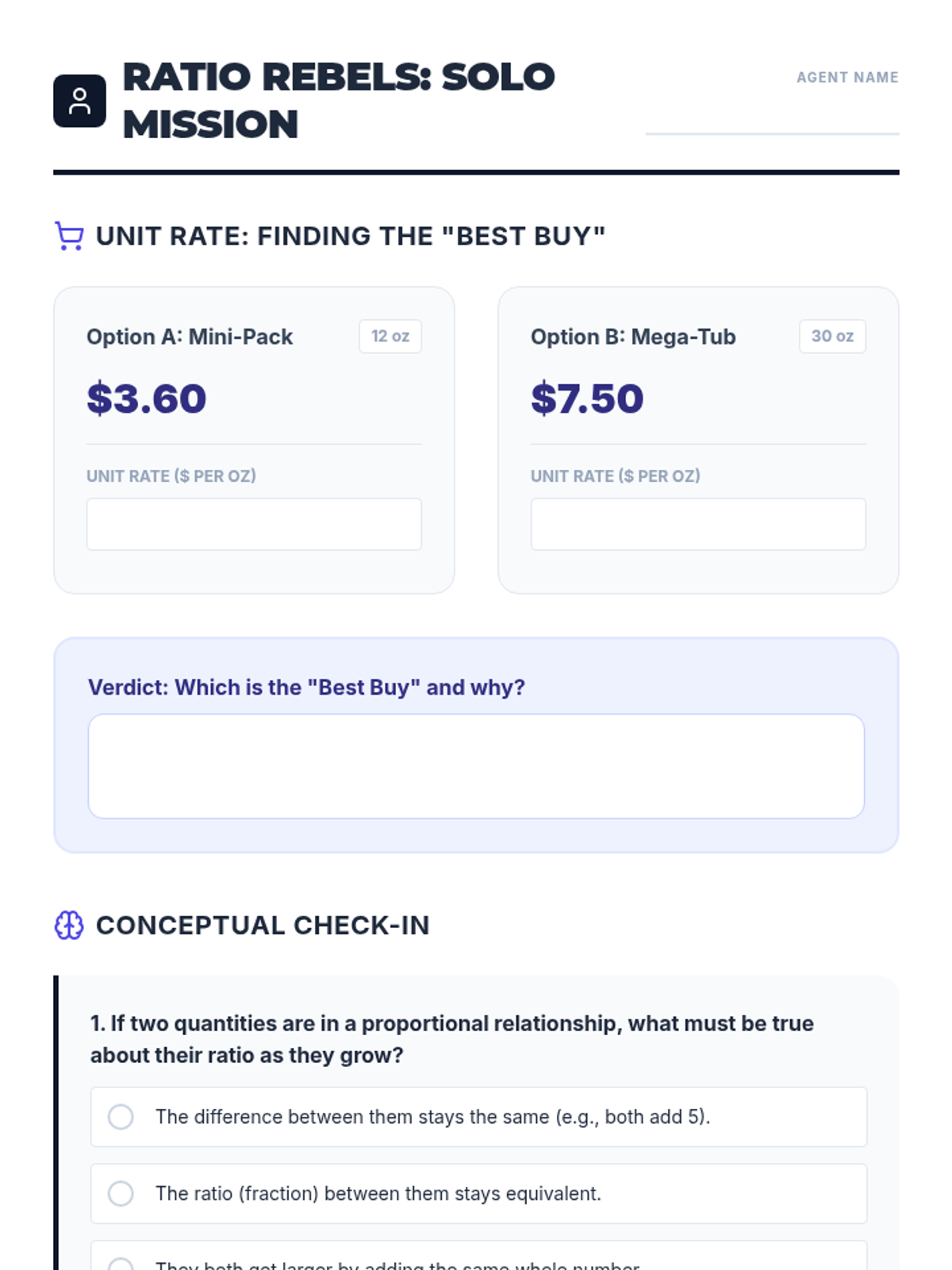
A middle school math lesson exploring proportional reasoning through real-world scaling, mapping, and budgeting scenarios. Students use visual models and multiple pathways to solve authentic problems.
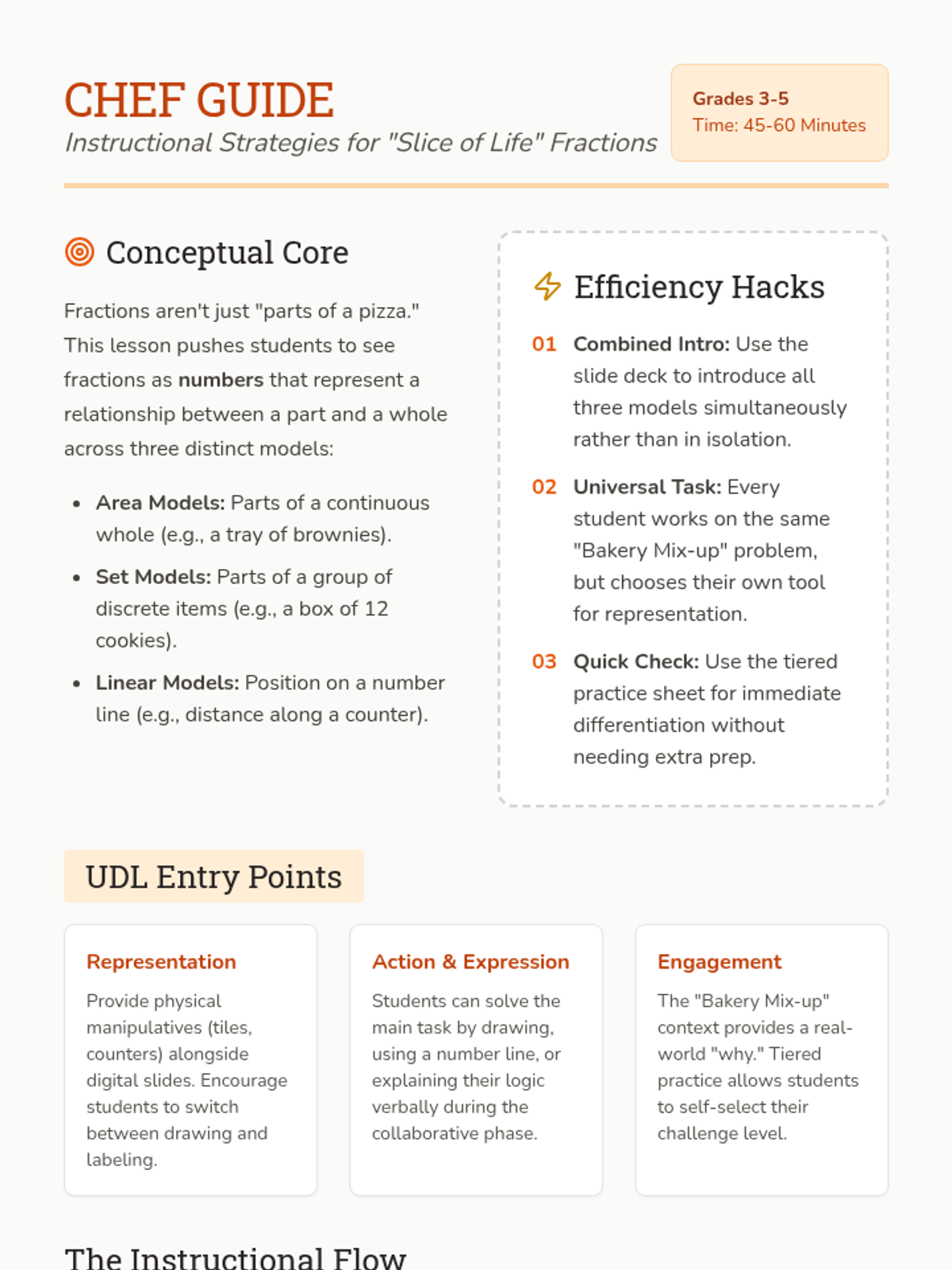
A conceptual introduction to fractions using a bakery theme. Students explore area, set, and linear models through a collaborative 'Great Bakery Mix-up' task designed with UDL principles to ensure all learners can access deep mathematical concepts.
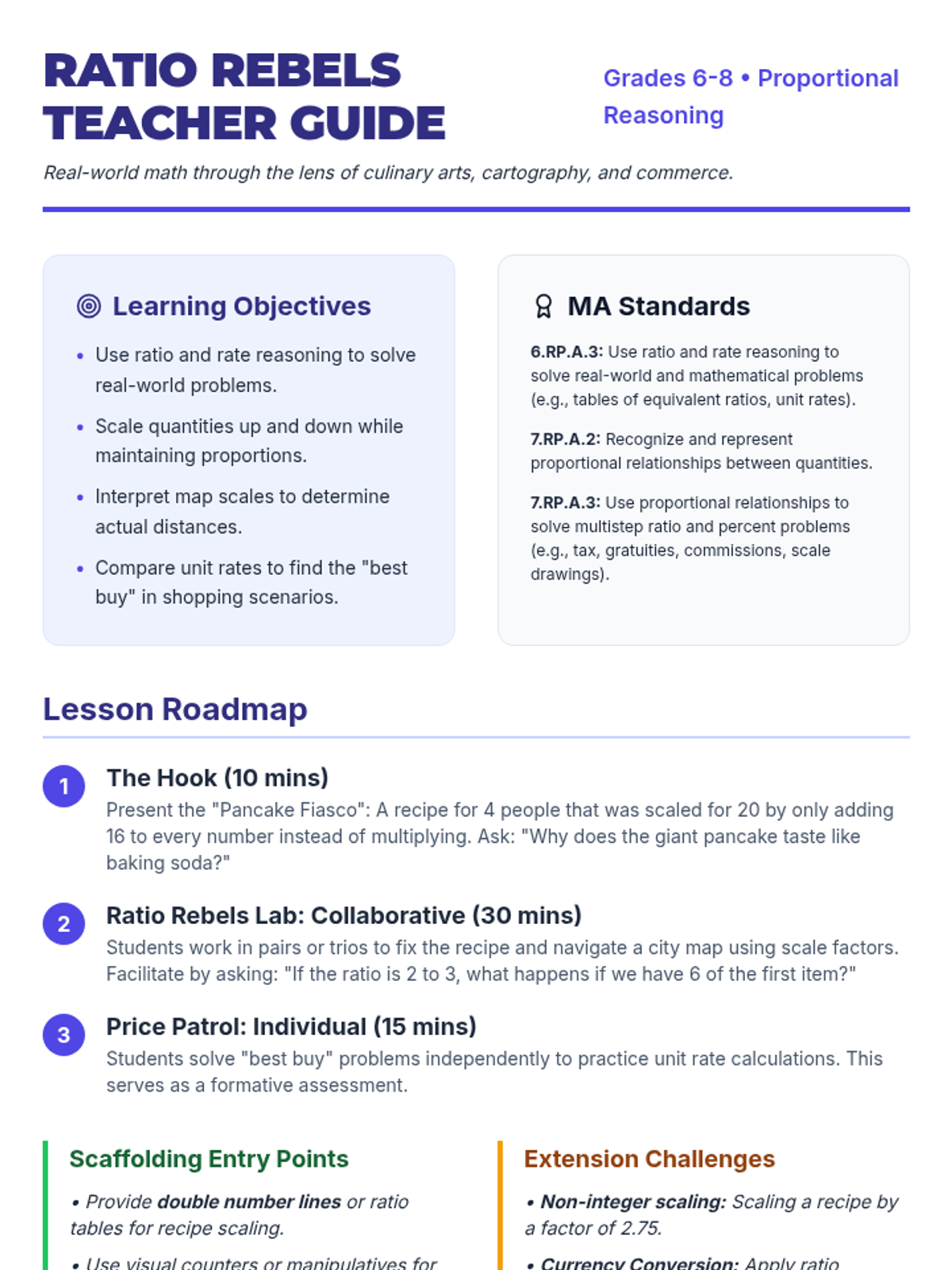
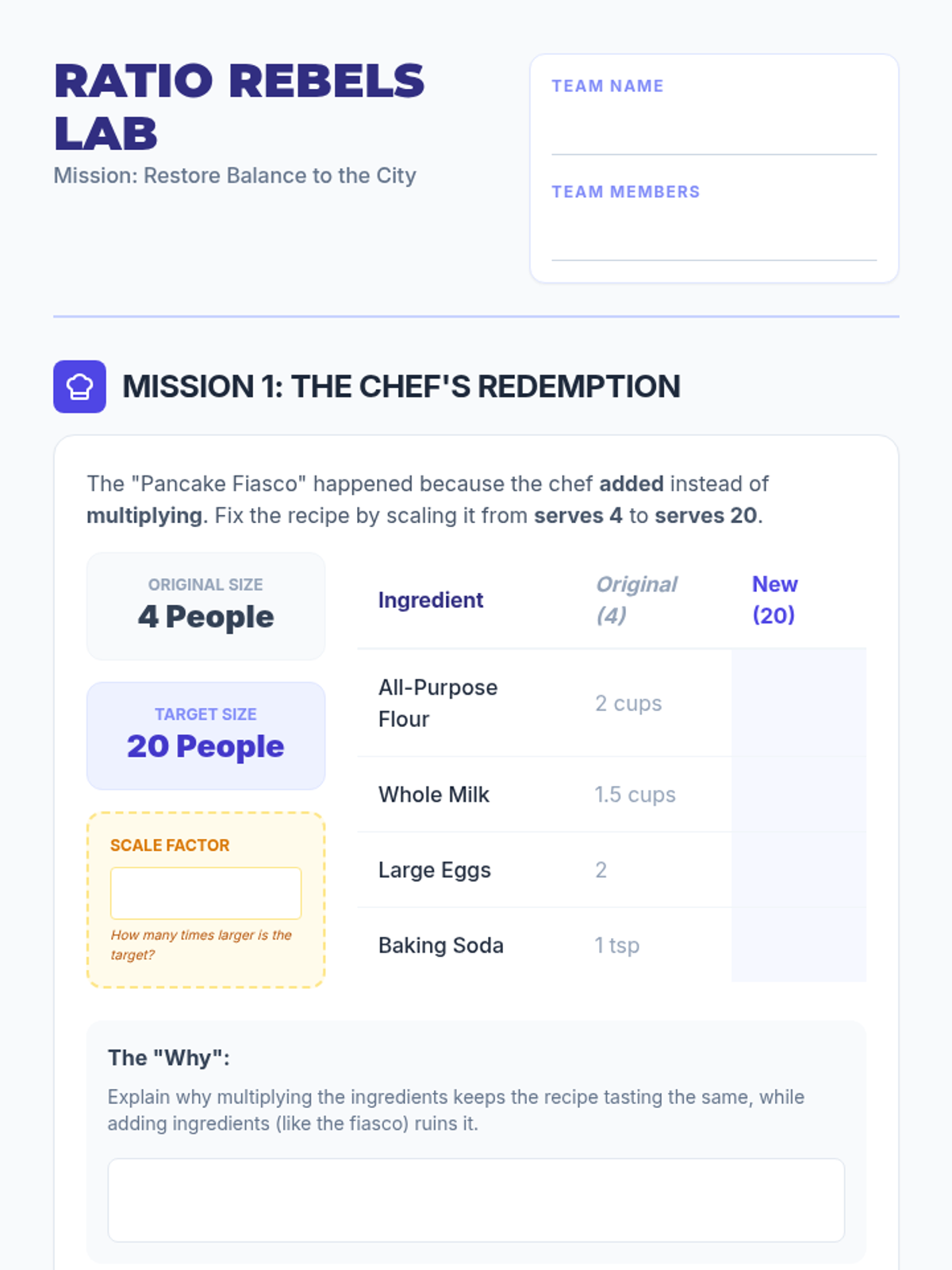
An inquiry-based exploration of proportional reasoning through recipe scaling, map navigation, and smart shopping for grades 6-8, aligned to Massachusetts curriculum frameworks.
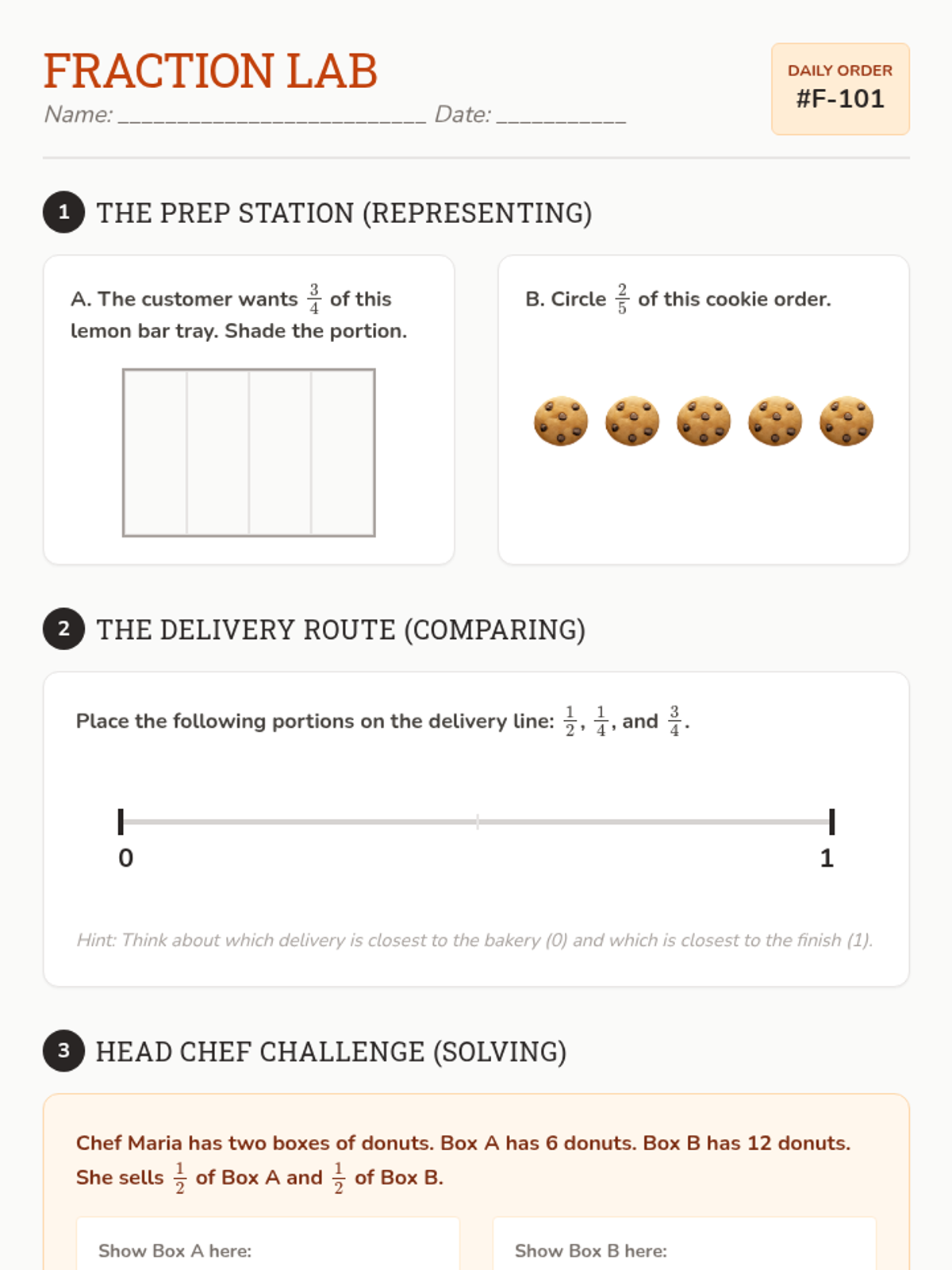
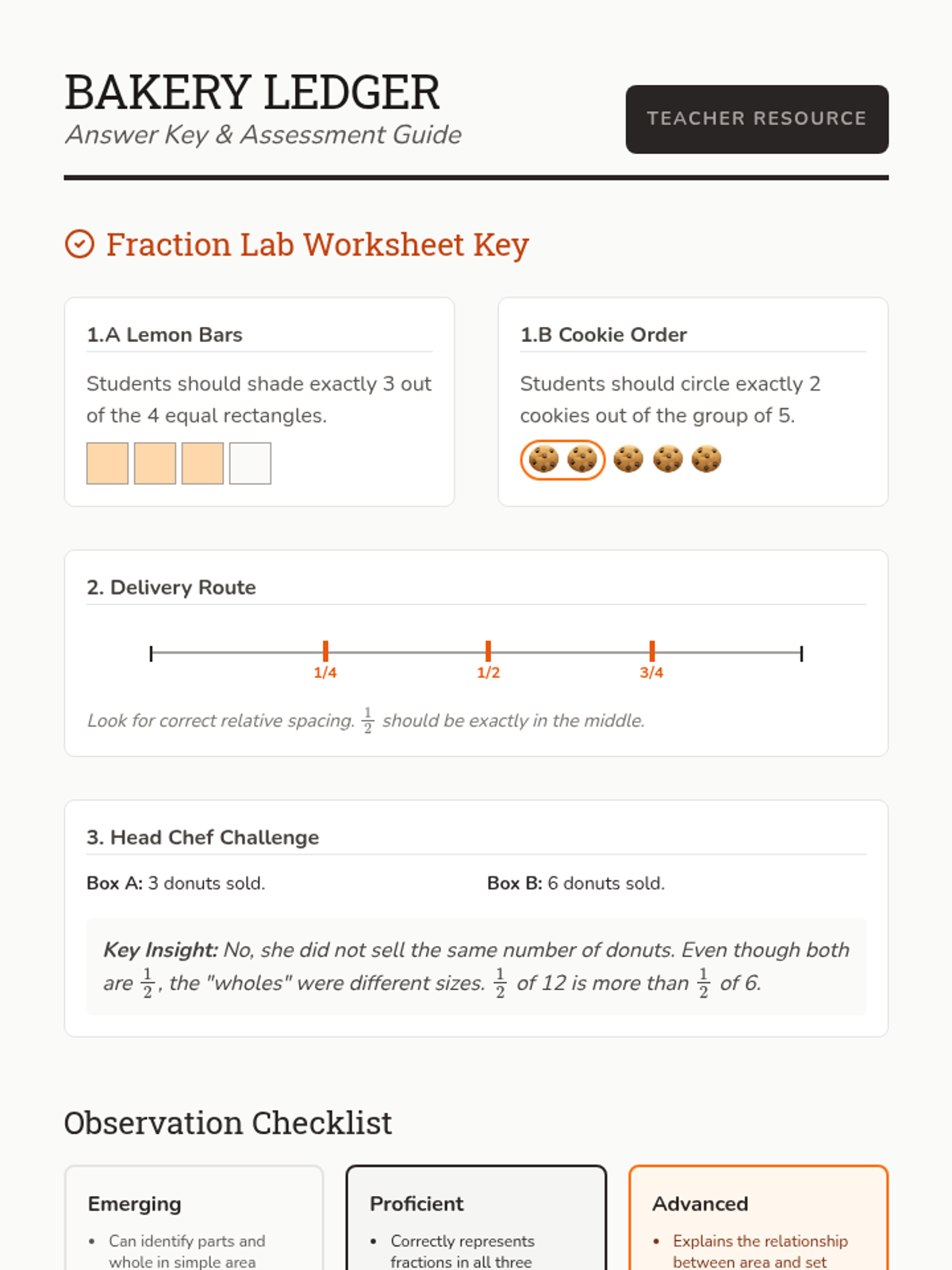
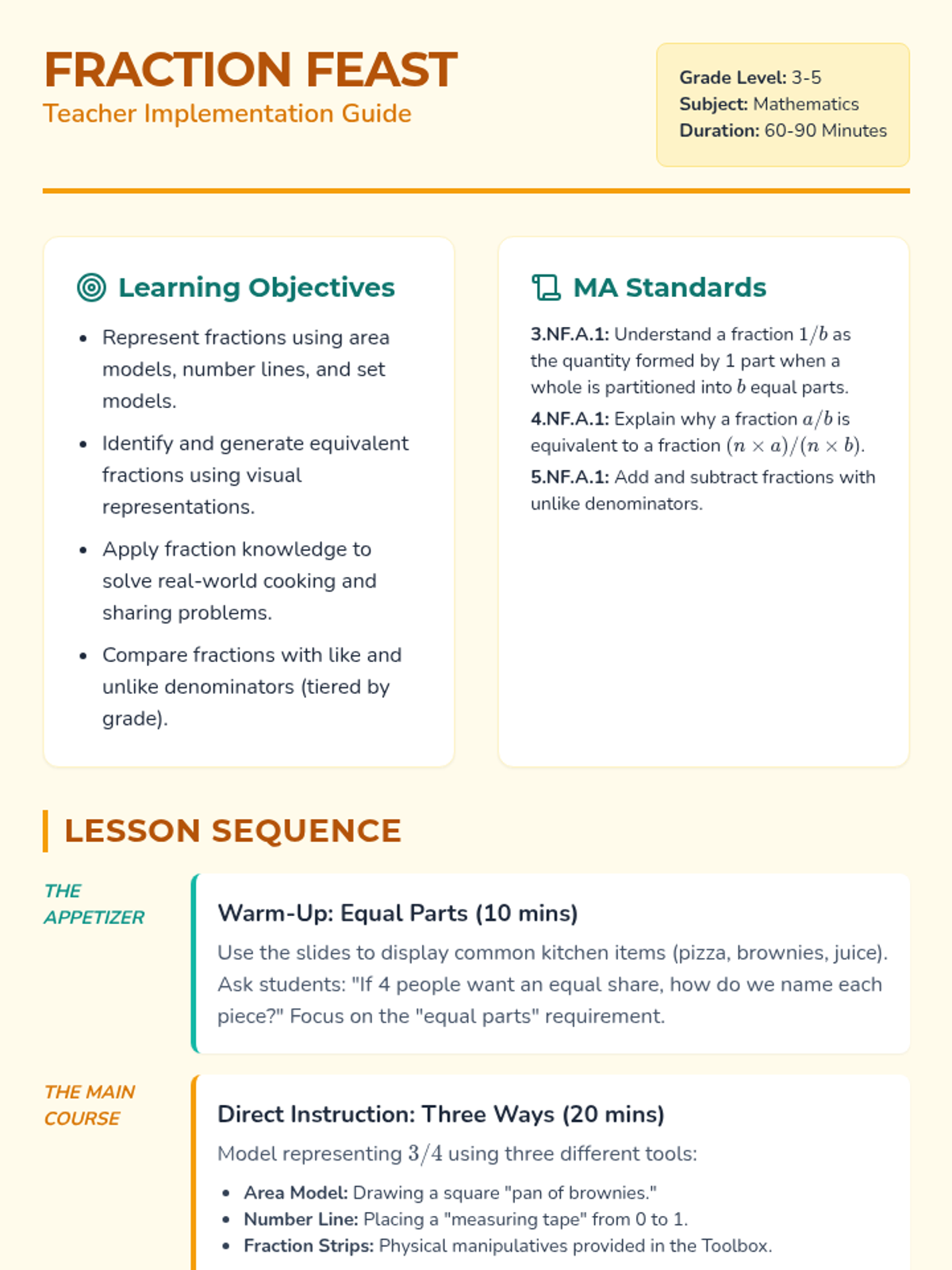
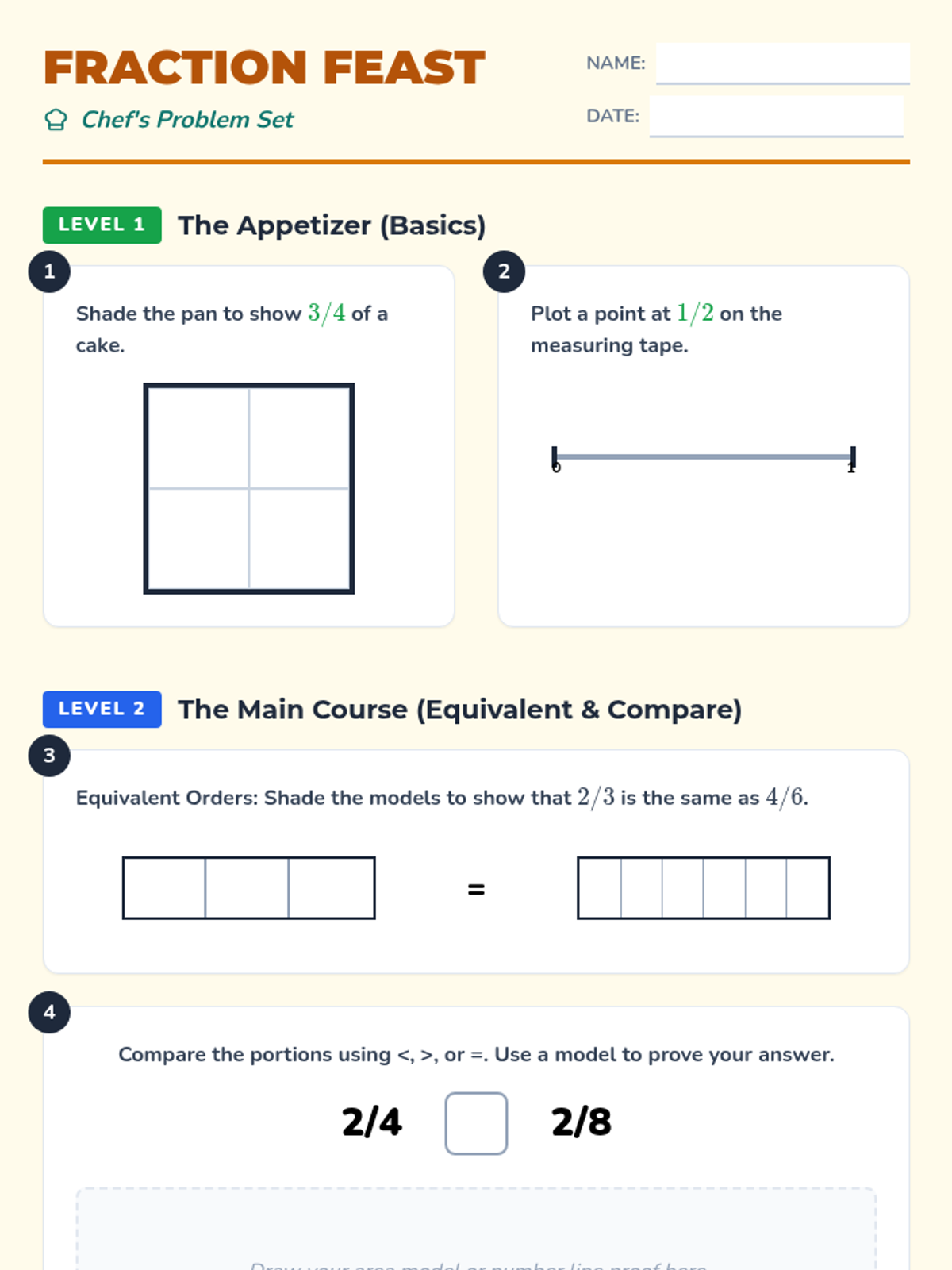
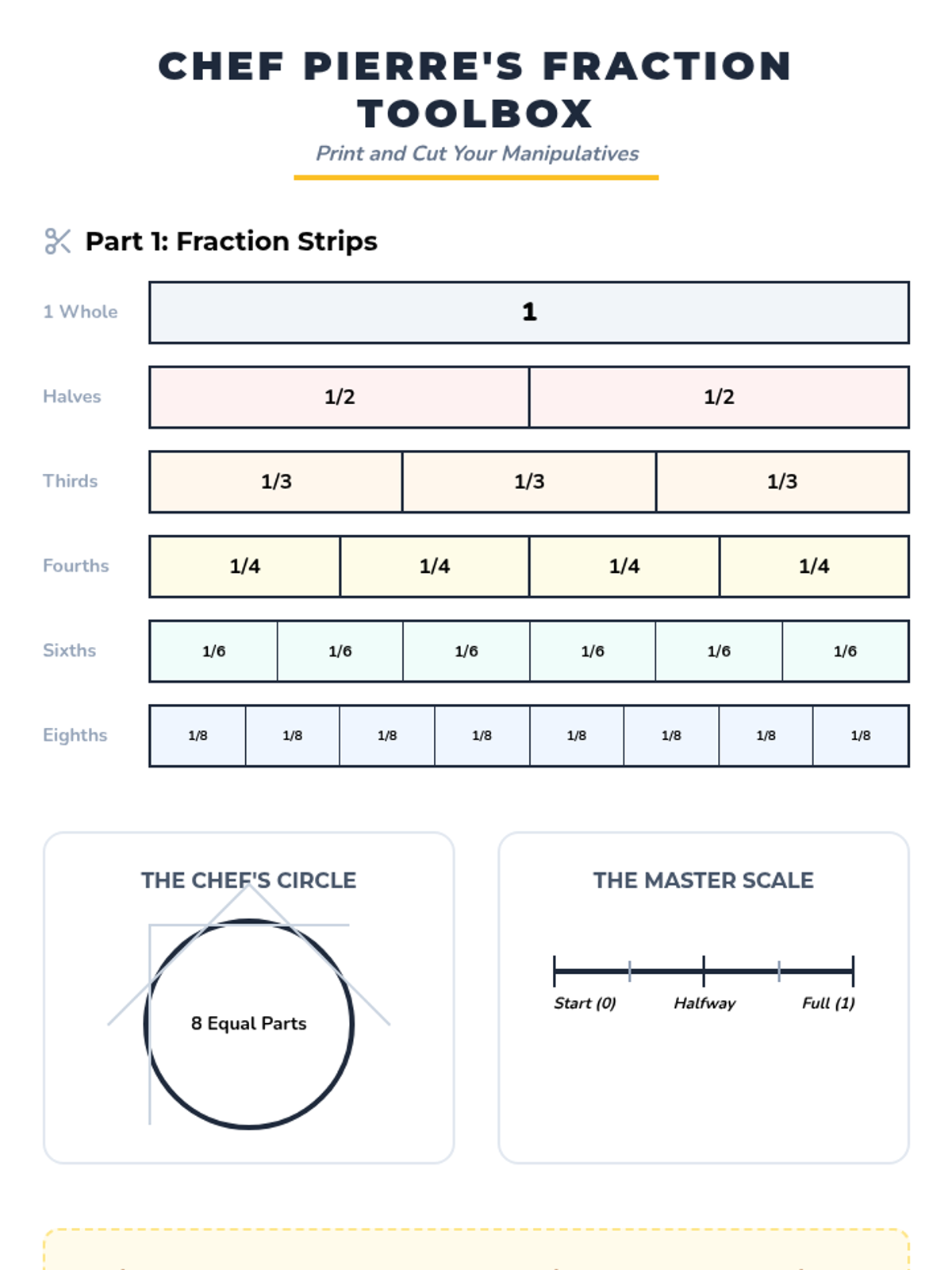
A hands-on, kitchen-themed lesson where students explore fractions through area models, number lines, and real-world cooking scenarios. Includes tiered tasks for grades 3-5 to master fractional representation and comparison.
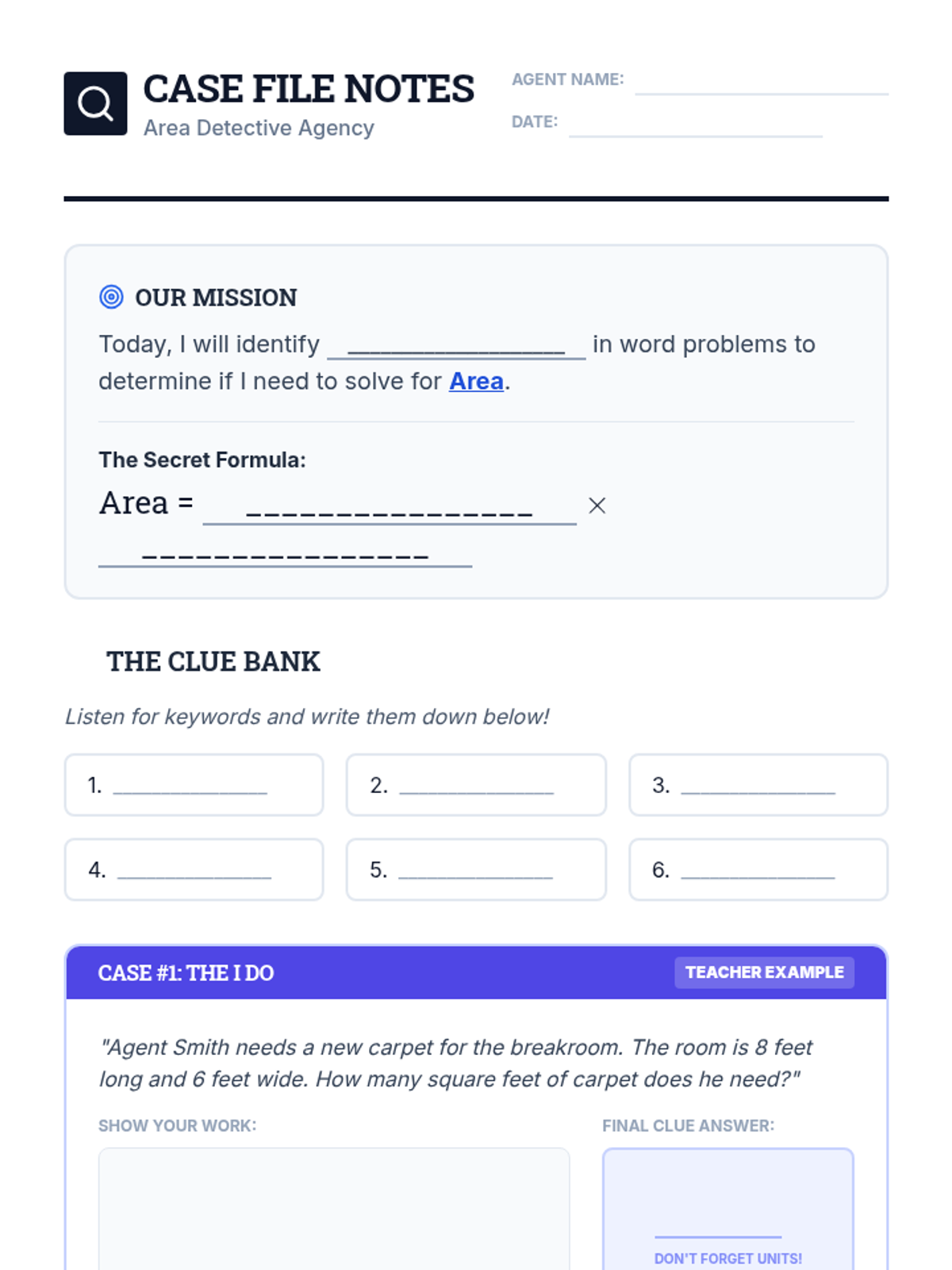
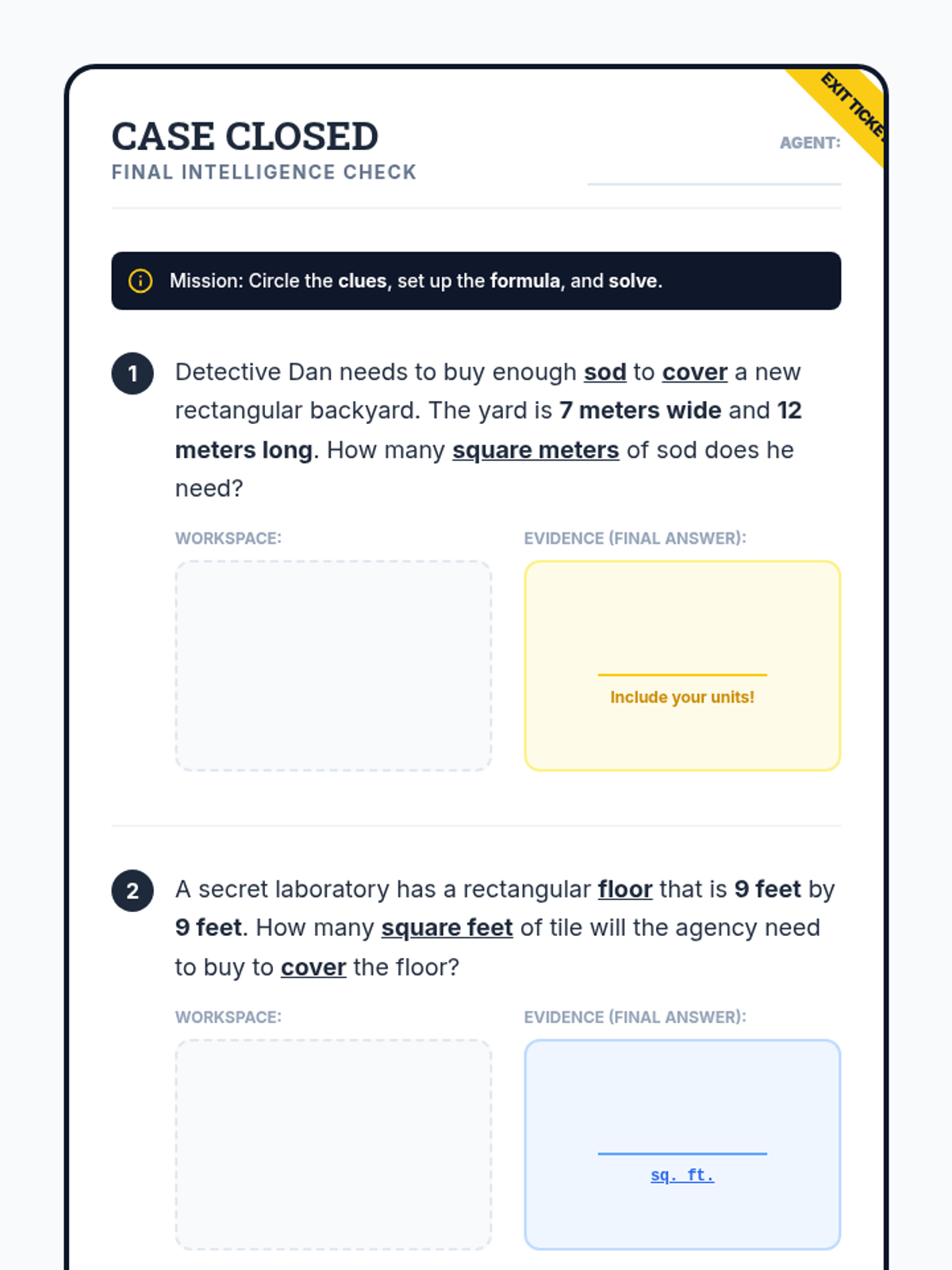
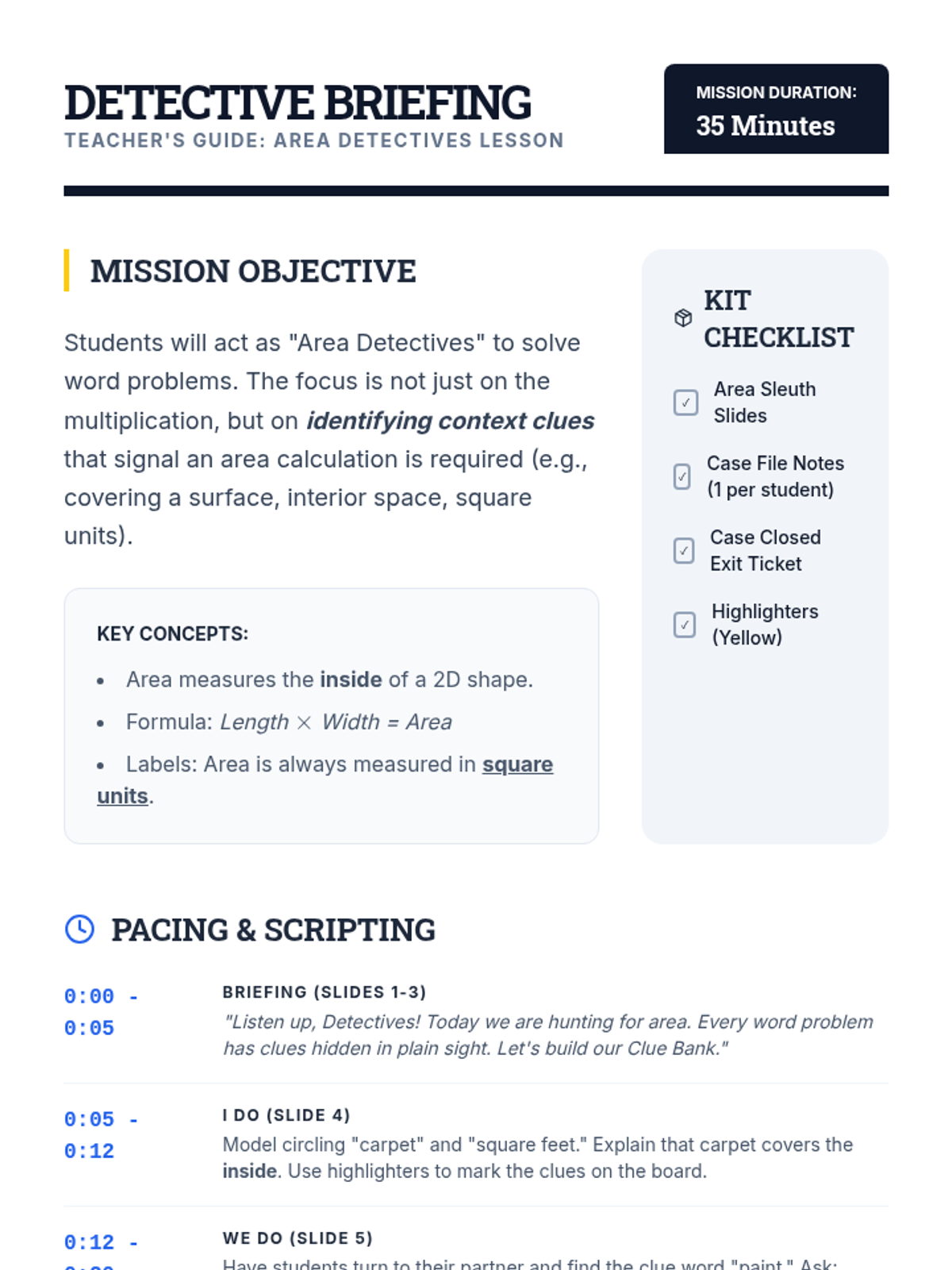
A 35-minute introductory lesson on solving area word problems using context clues and keywords. Students take on the role of 'Area Detectives' to identify when a problem is asking for area and how to calculate it using the length times width formula.
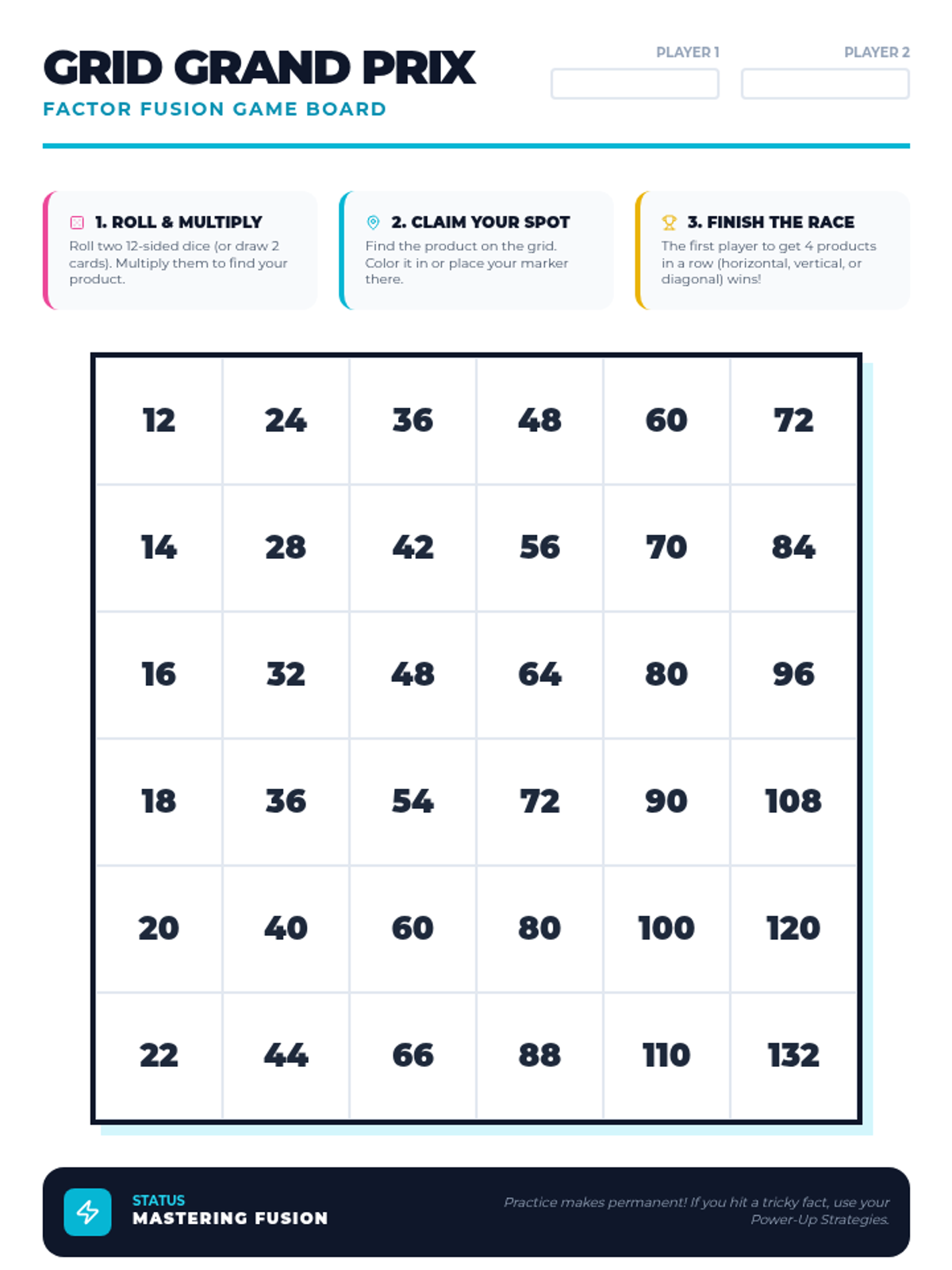
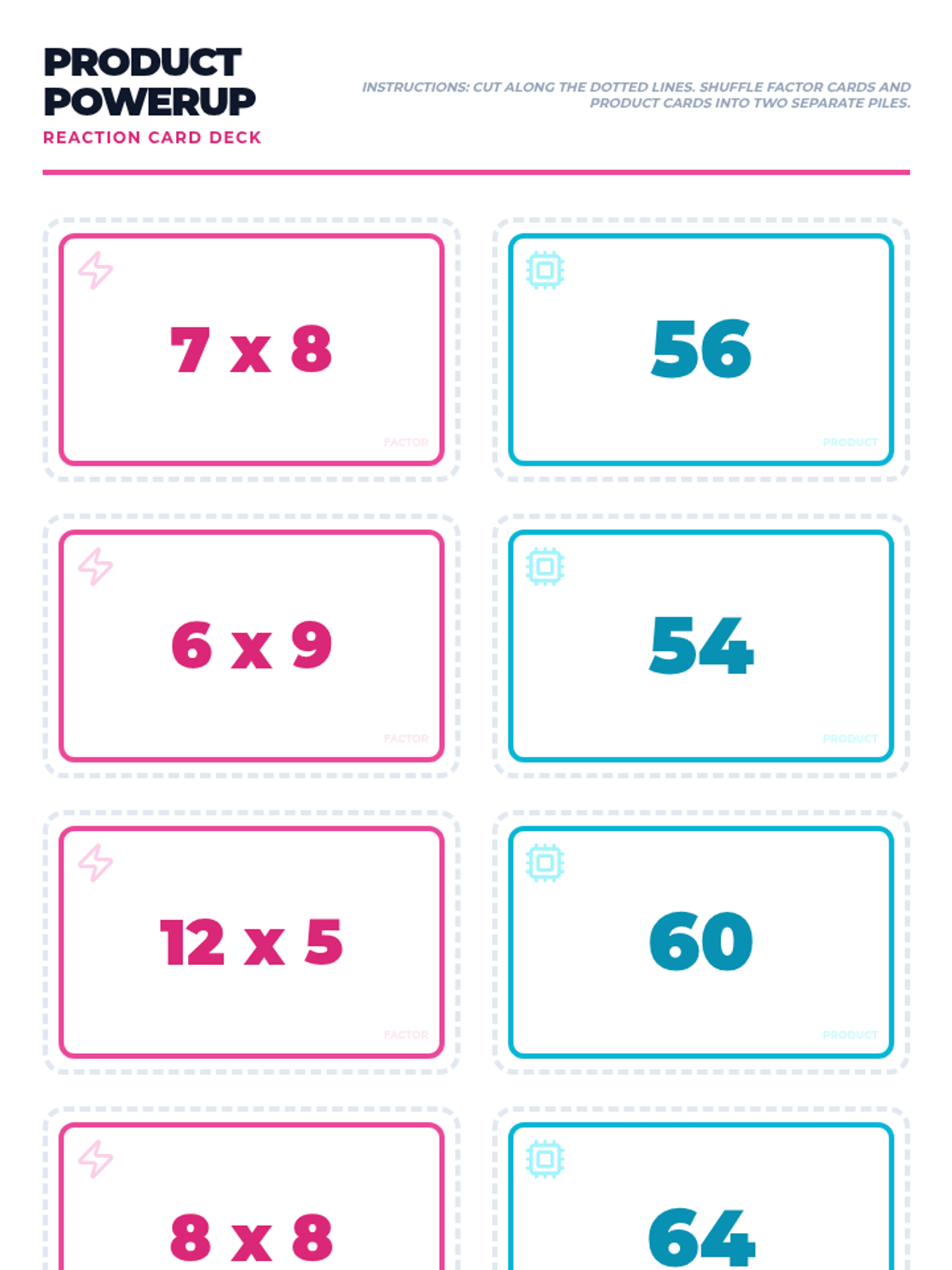
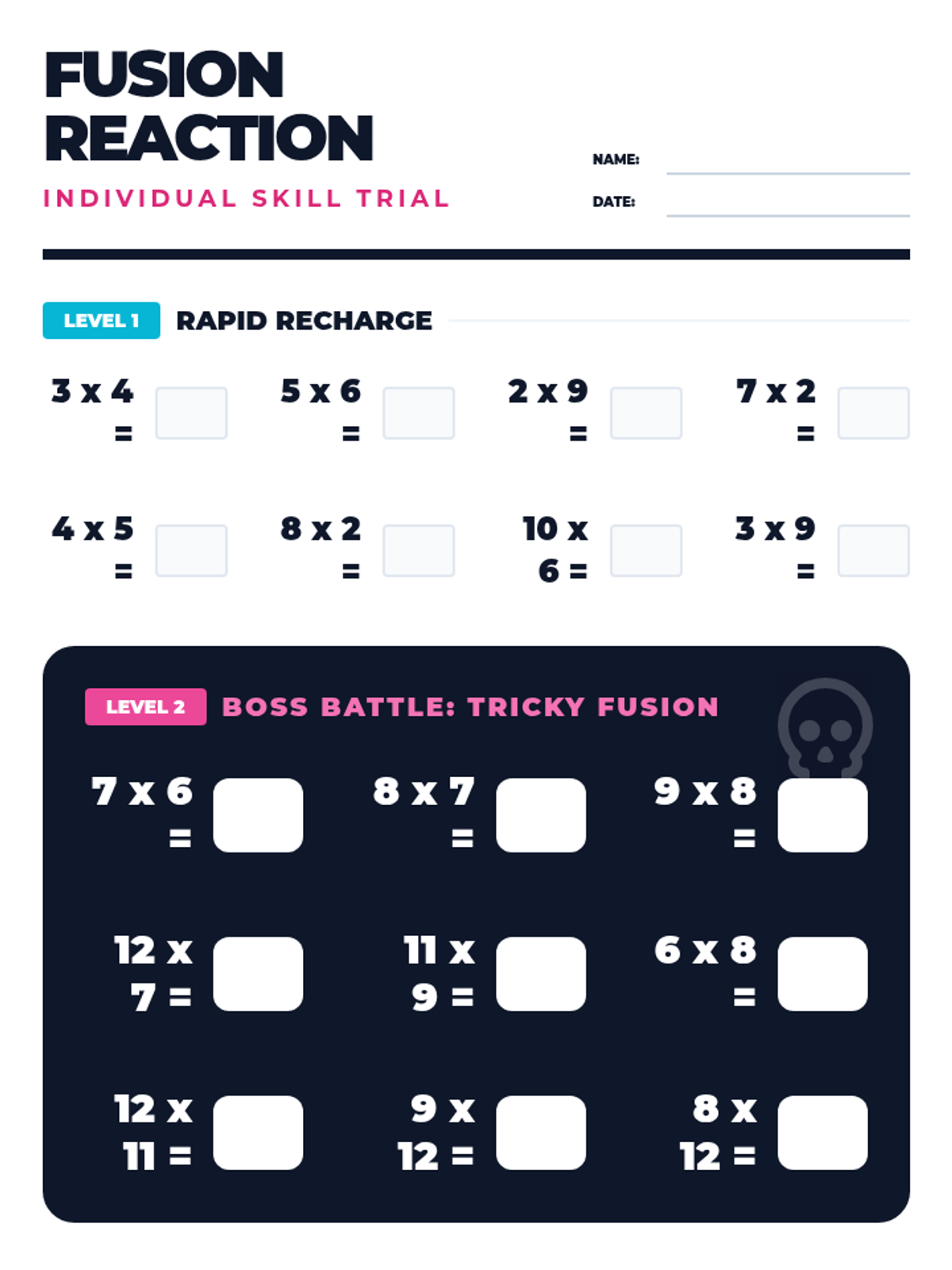
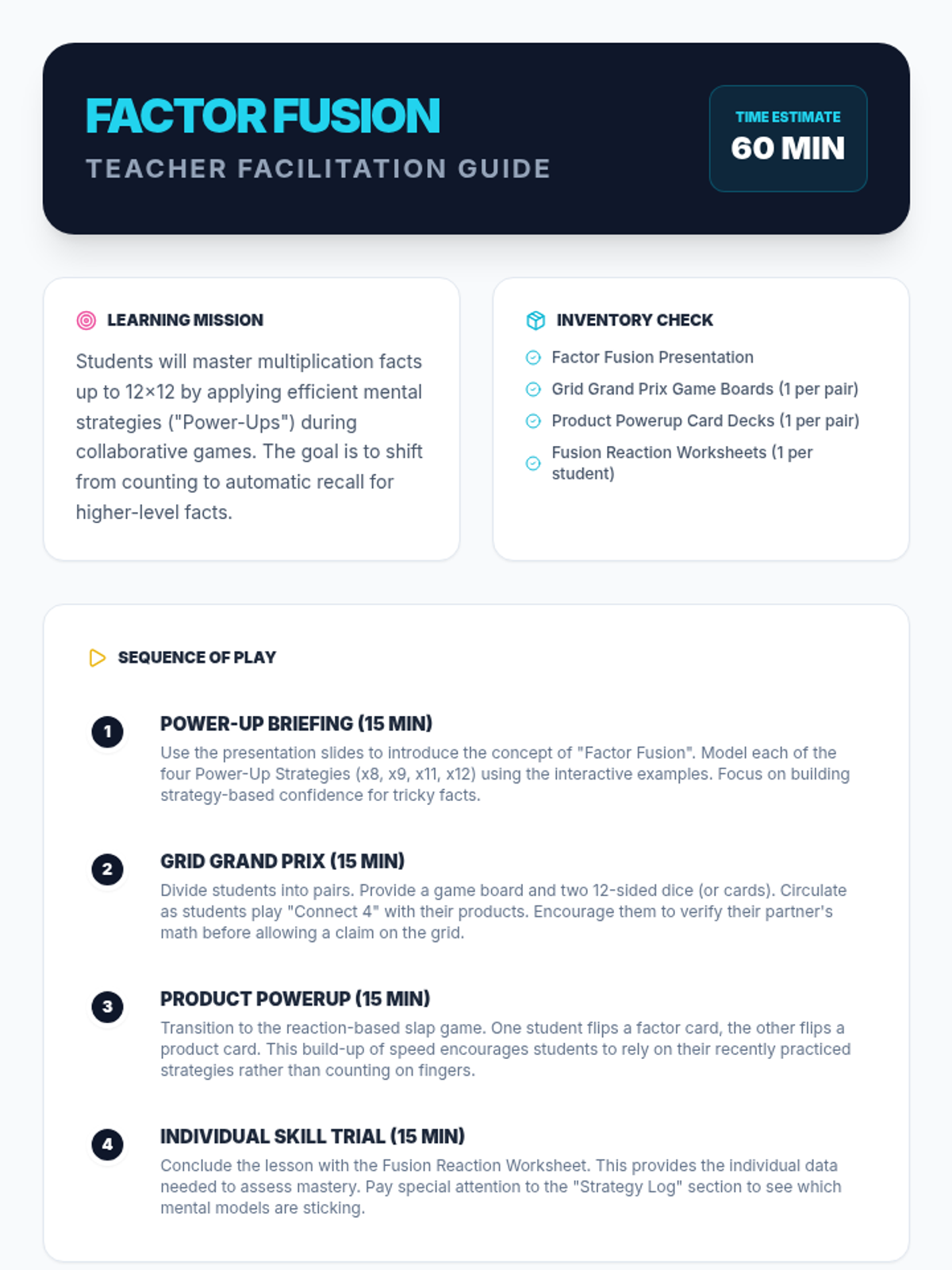
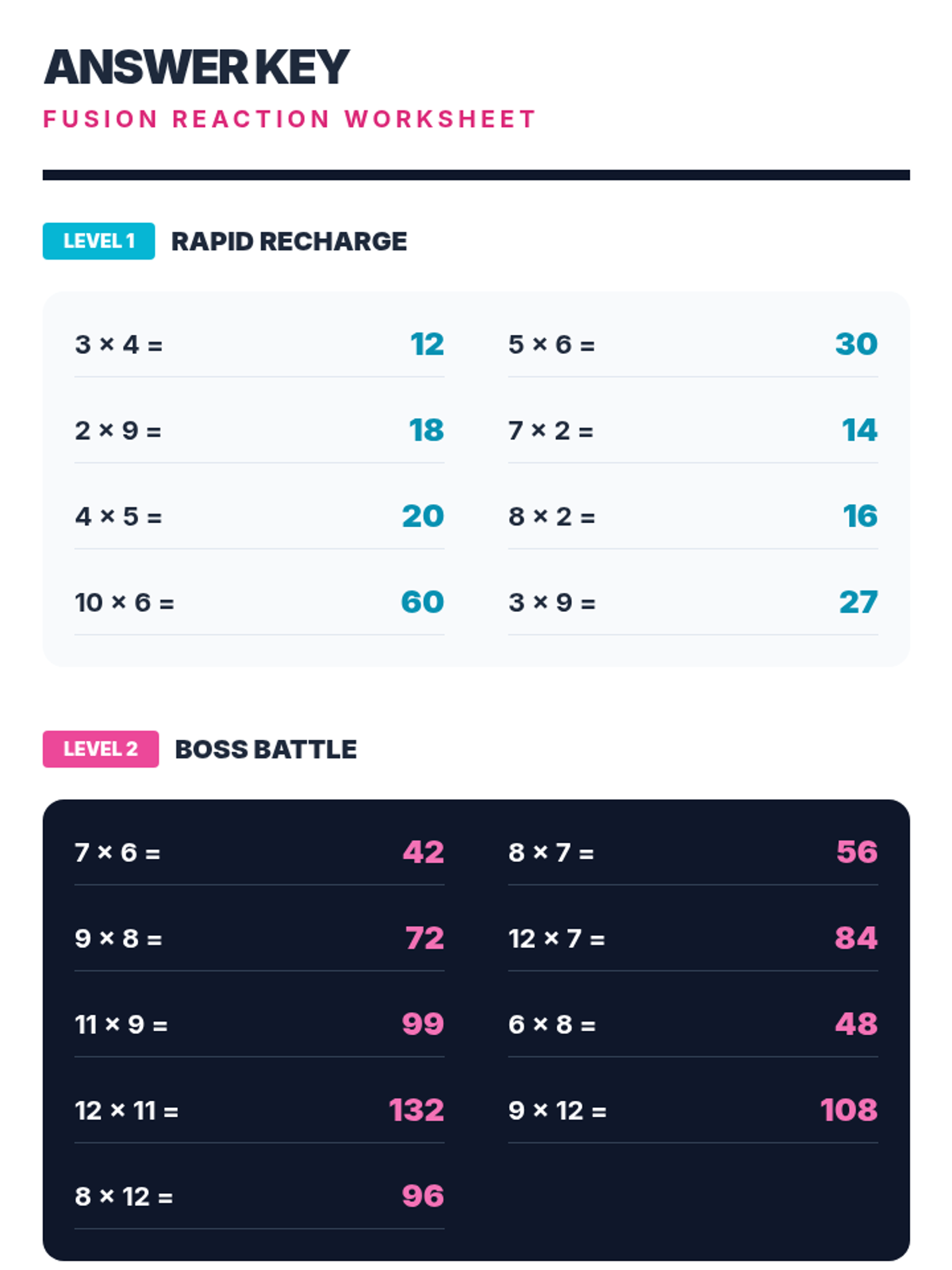
A high-energy lesson focused on mastering multiplication facts up to 12x12 through interactive arcade-themed games and collaborative challenges.
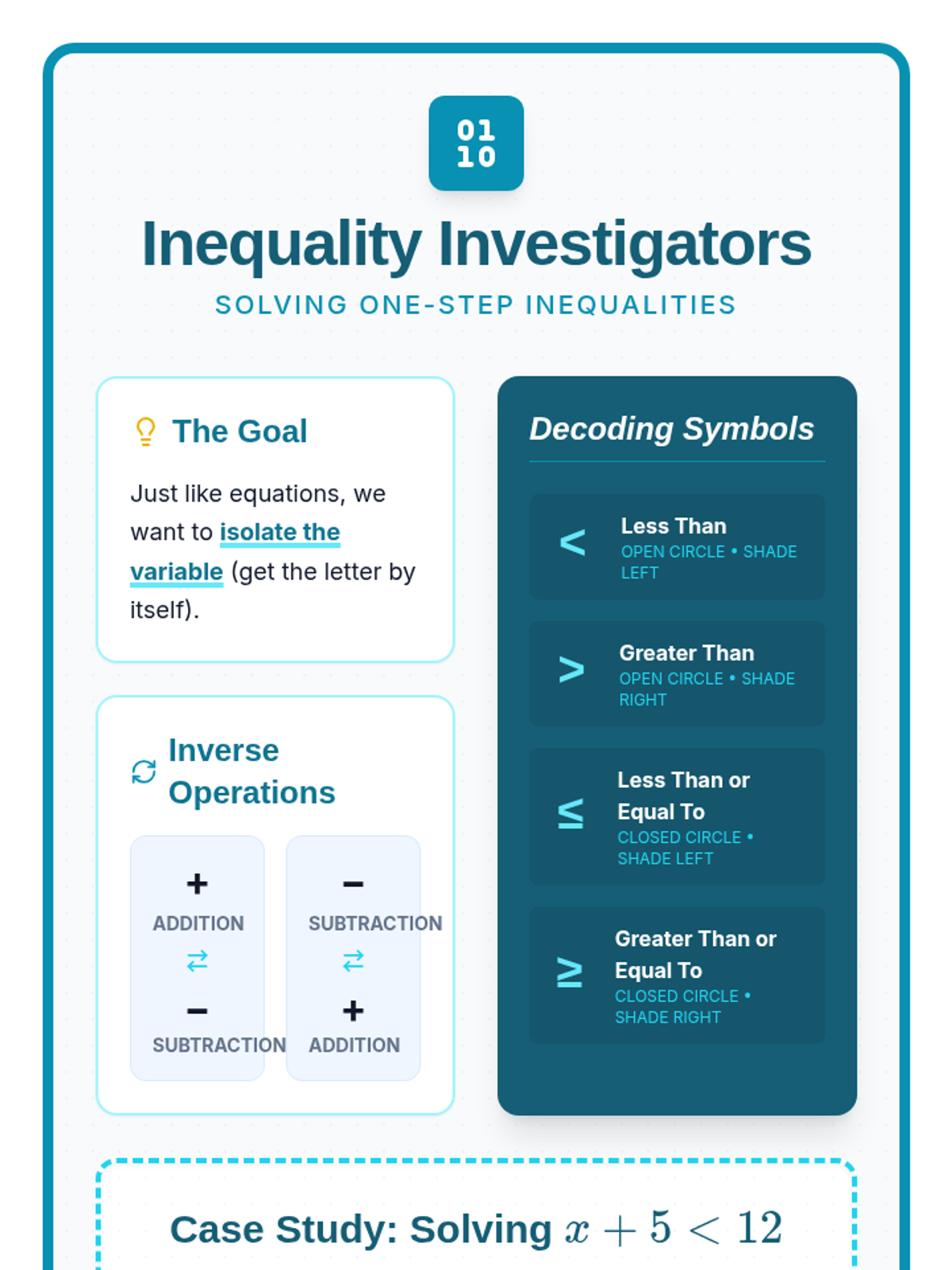
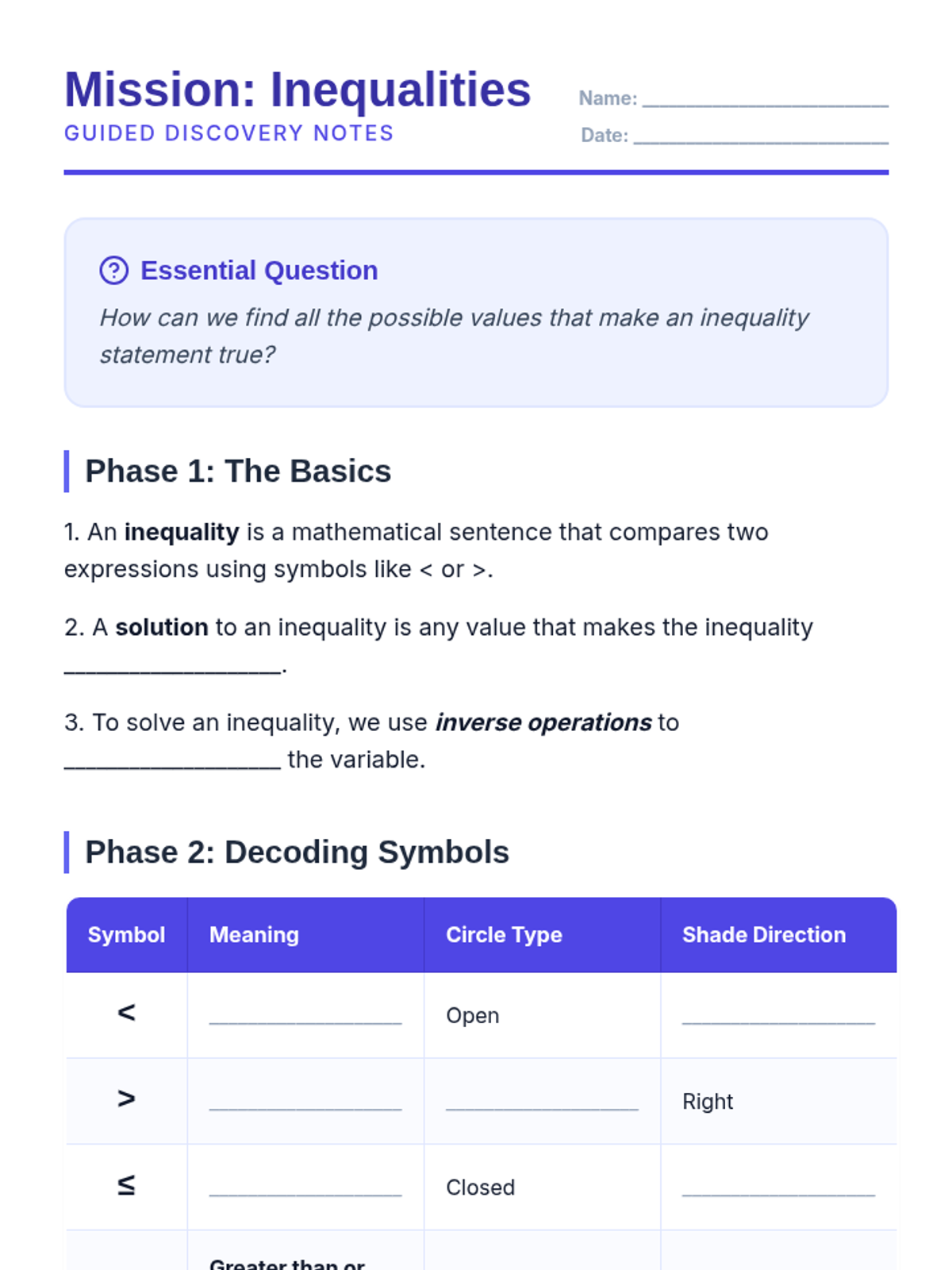
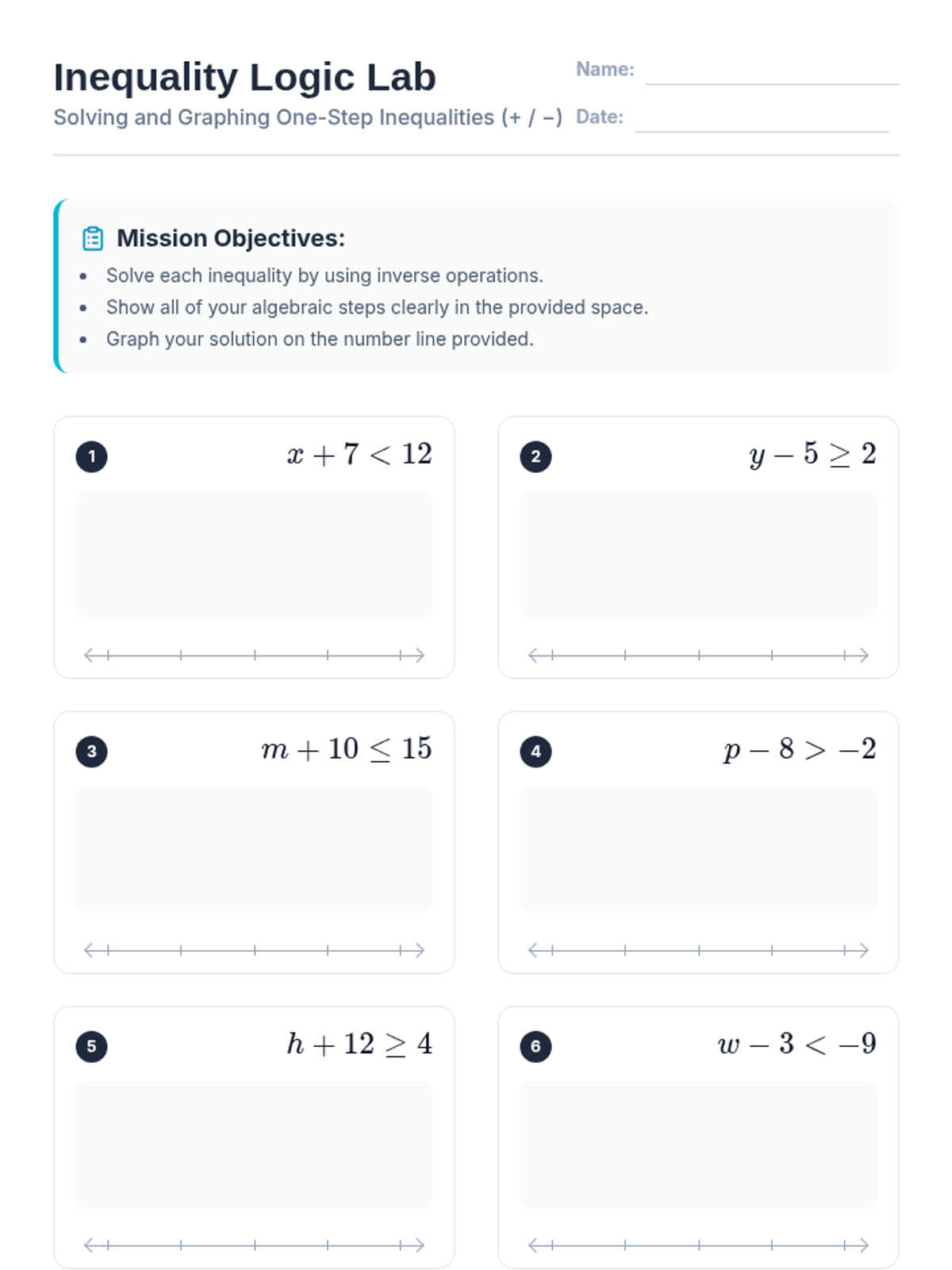
A comprehensive lesson on solving one-step inequalities using addition and subtraction, featuring a visual anchor chart, guided notes for instruction, and a practice worksheet with number line graphing.
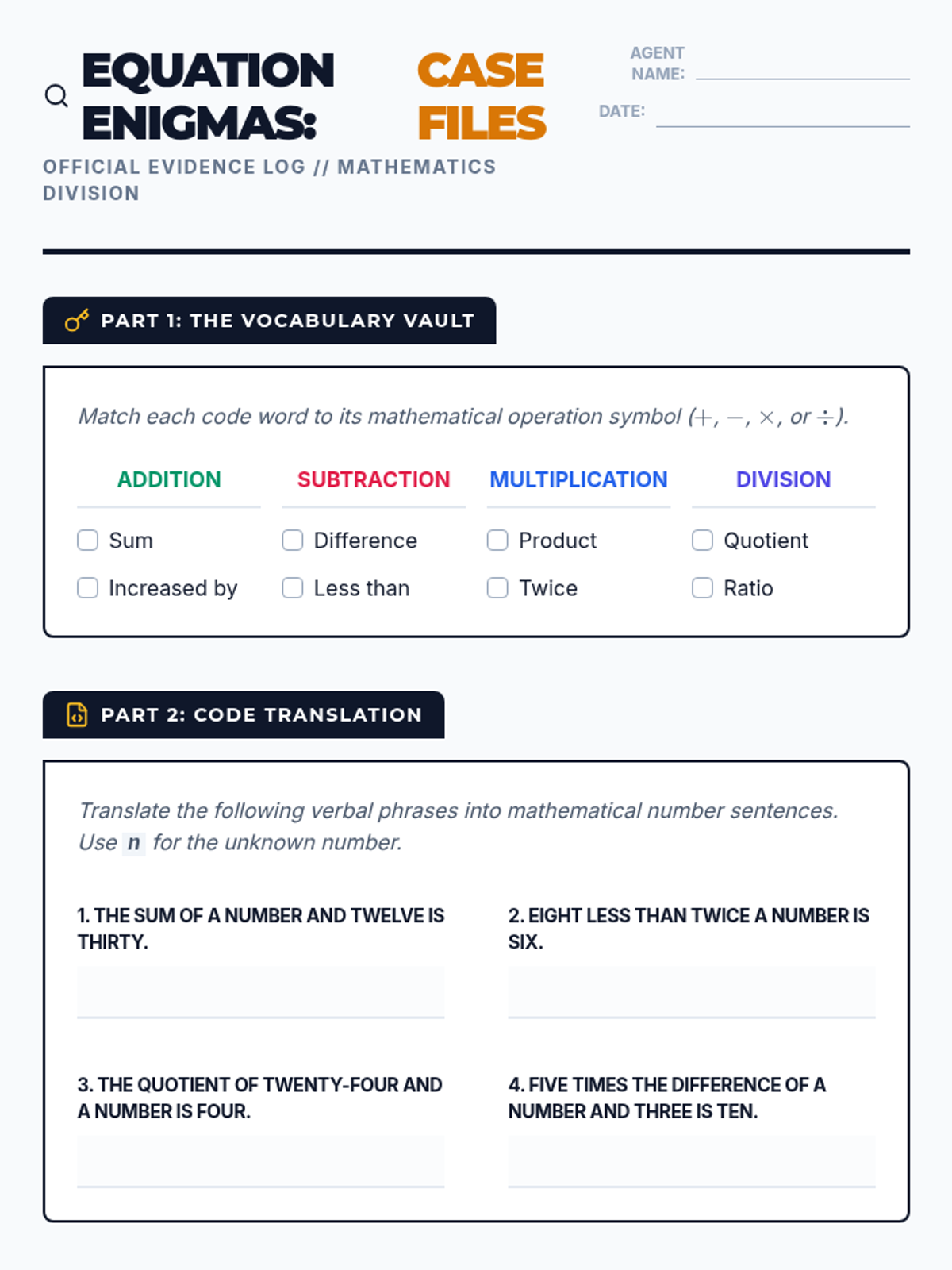
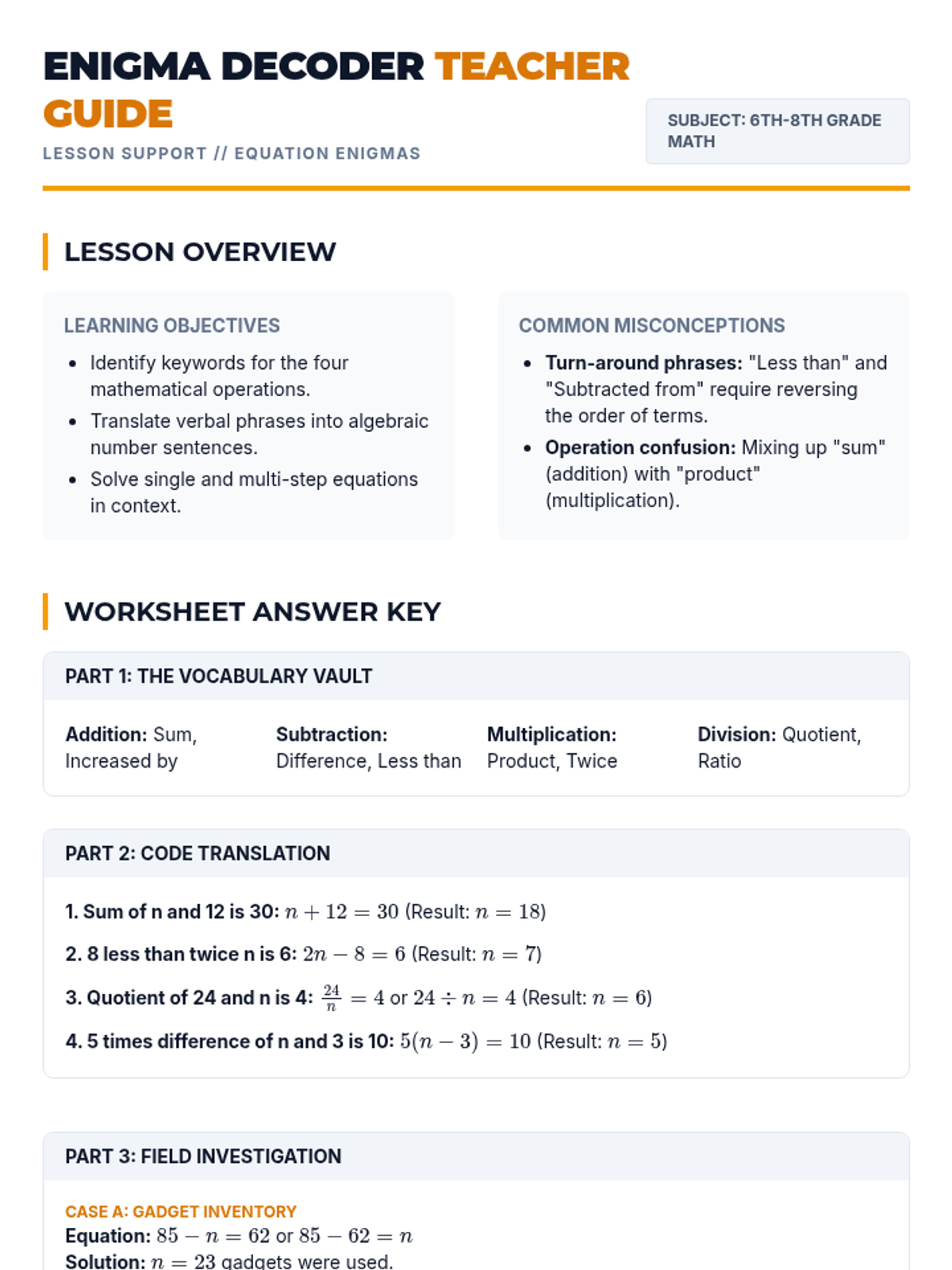
Students will learn to translate verbal phrases into mathematical number sentences using the four operations and solve for unknown values in real-world contexts.
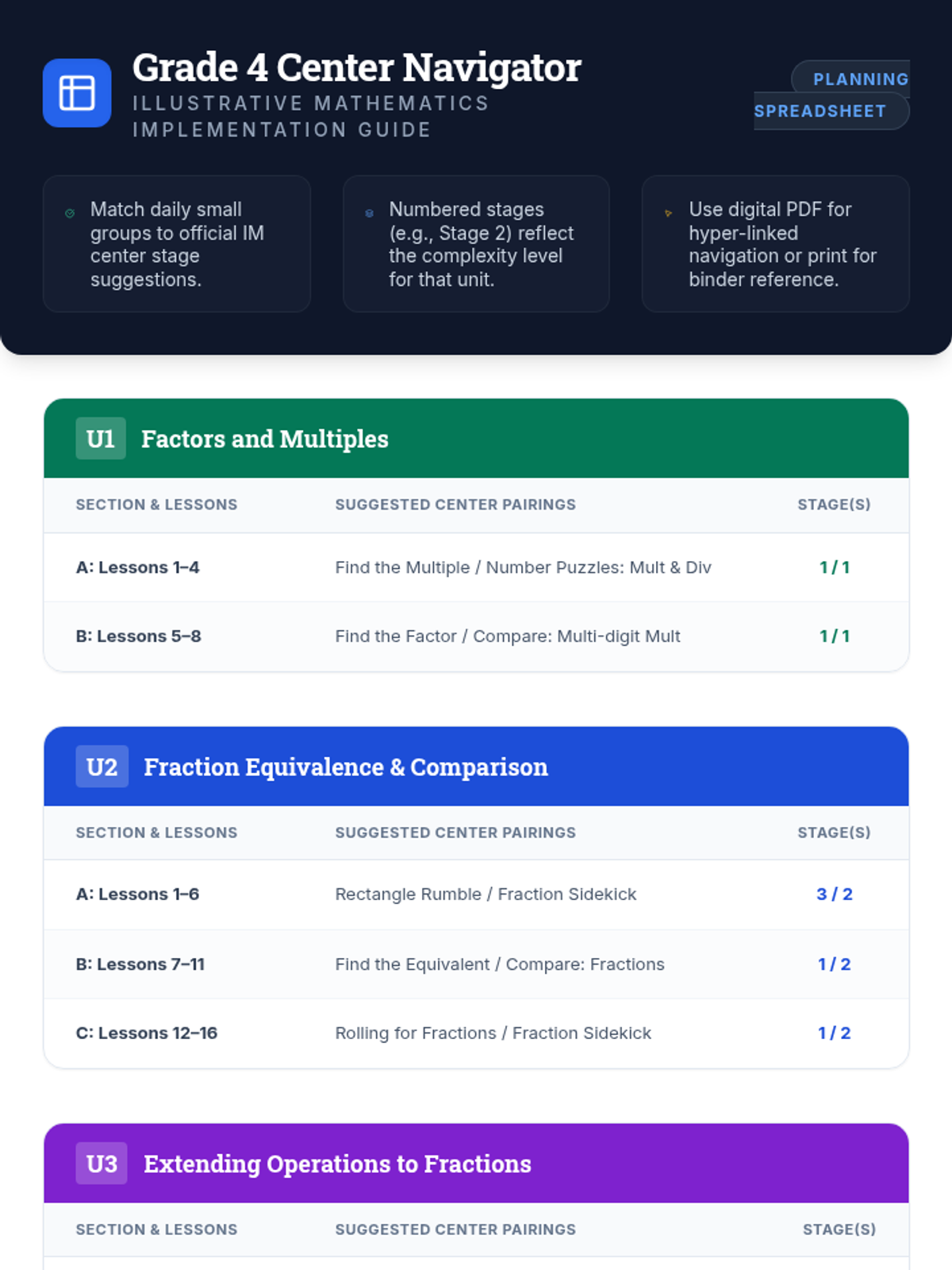
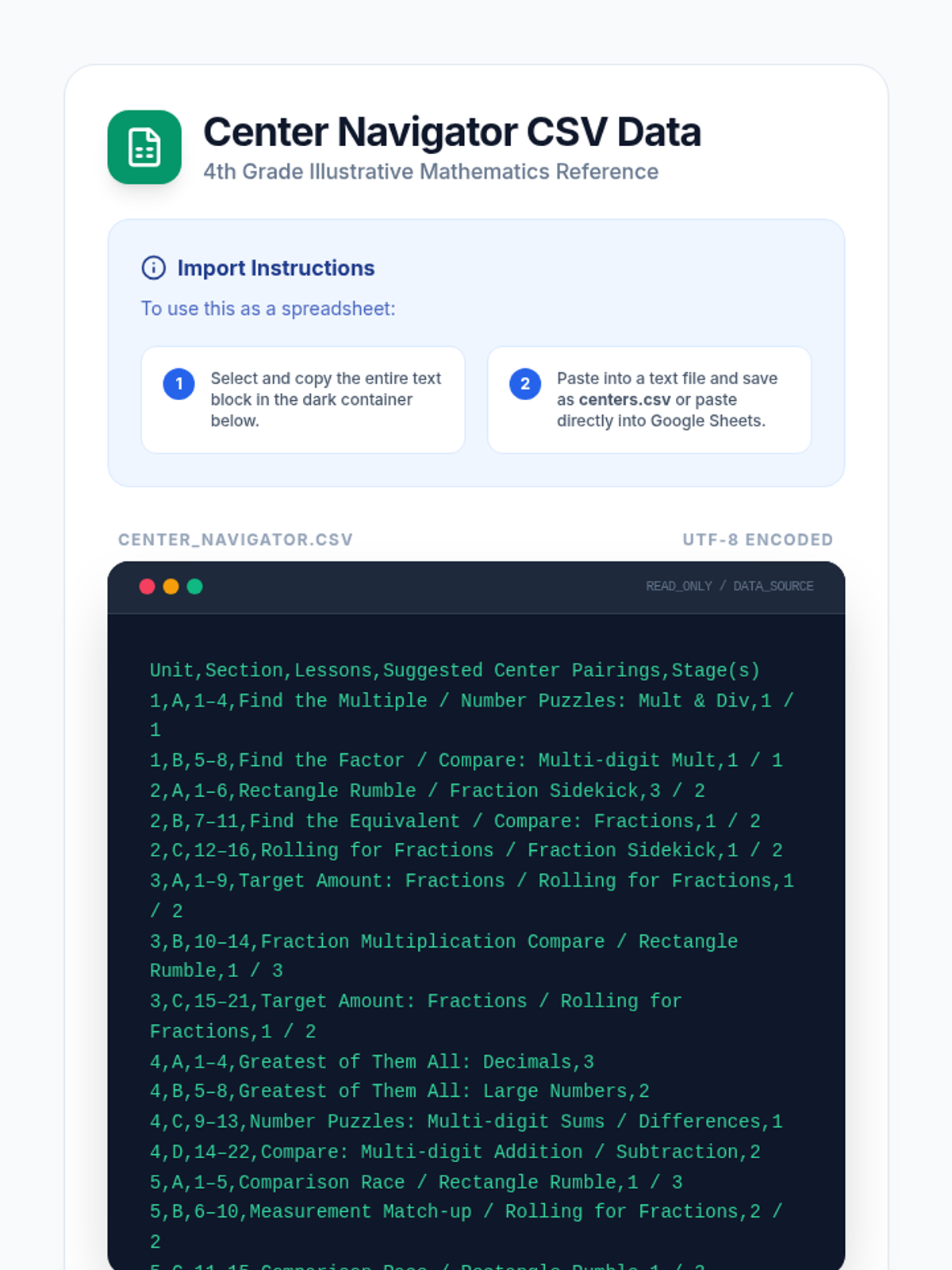
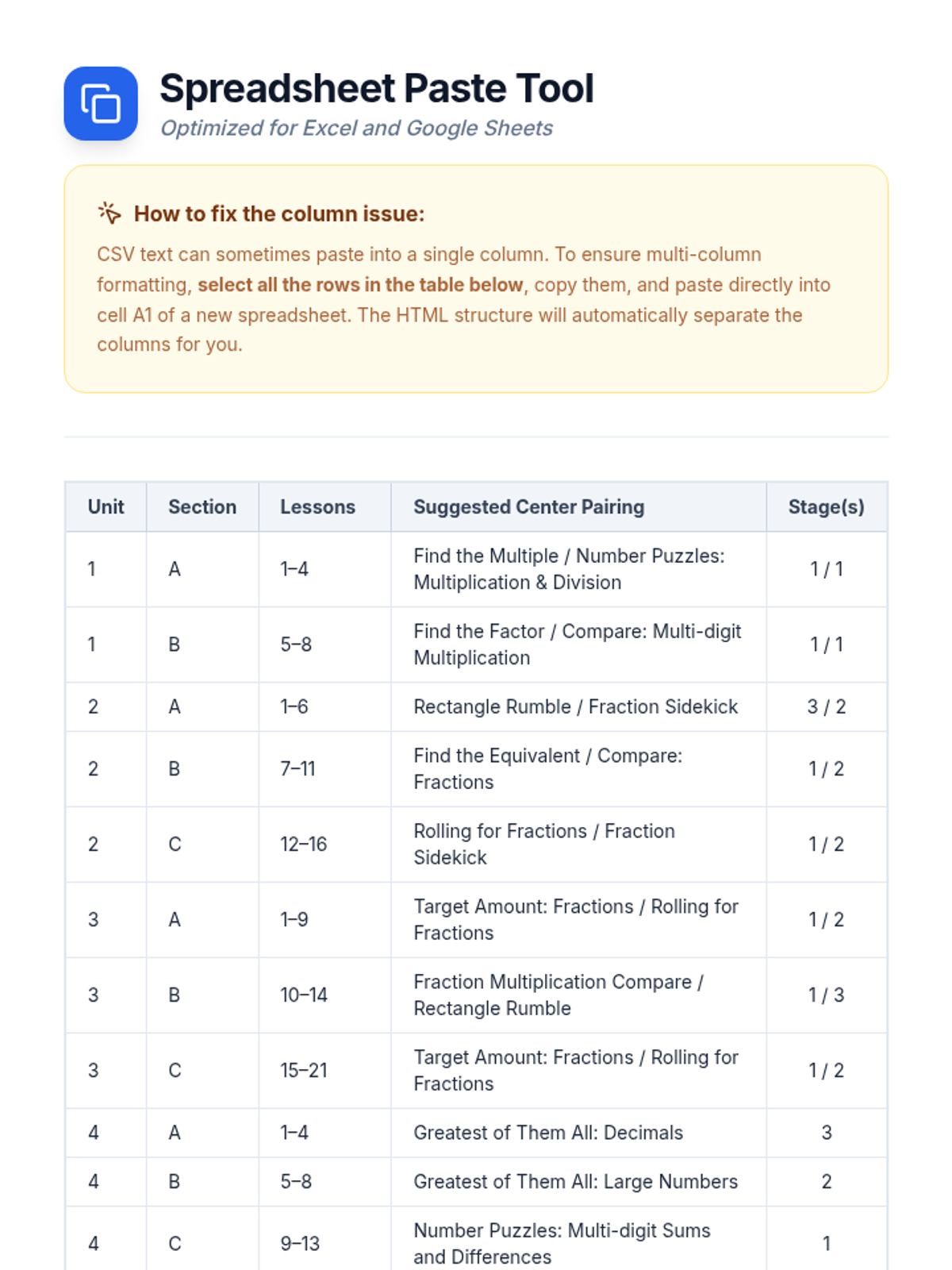
A collection of 4th-grade Illustrative Mathematics center planning resources, including a visual reference and a CSV data export.
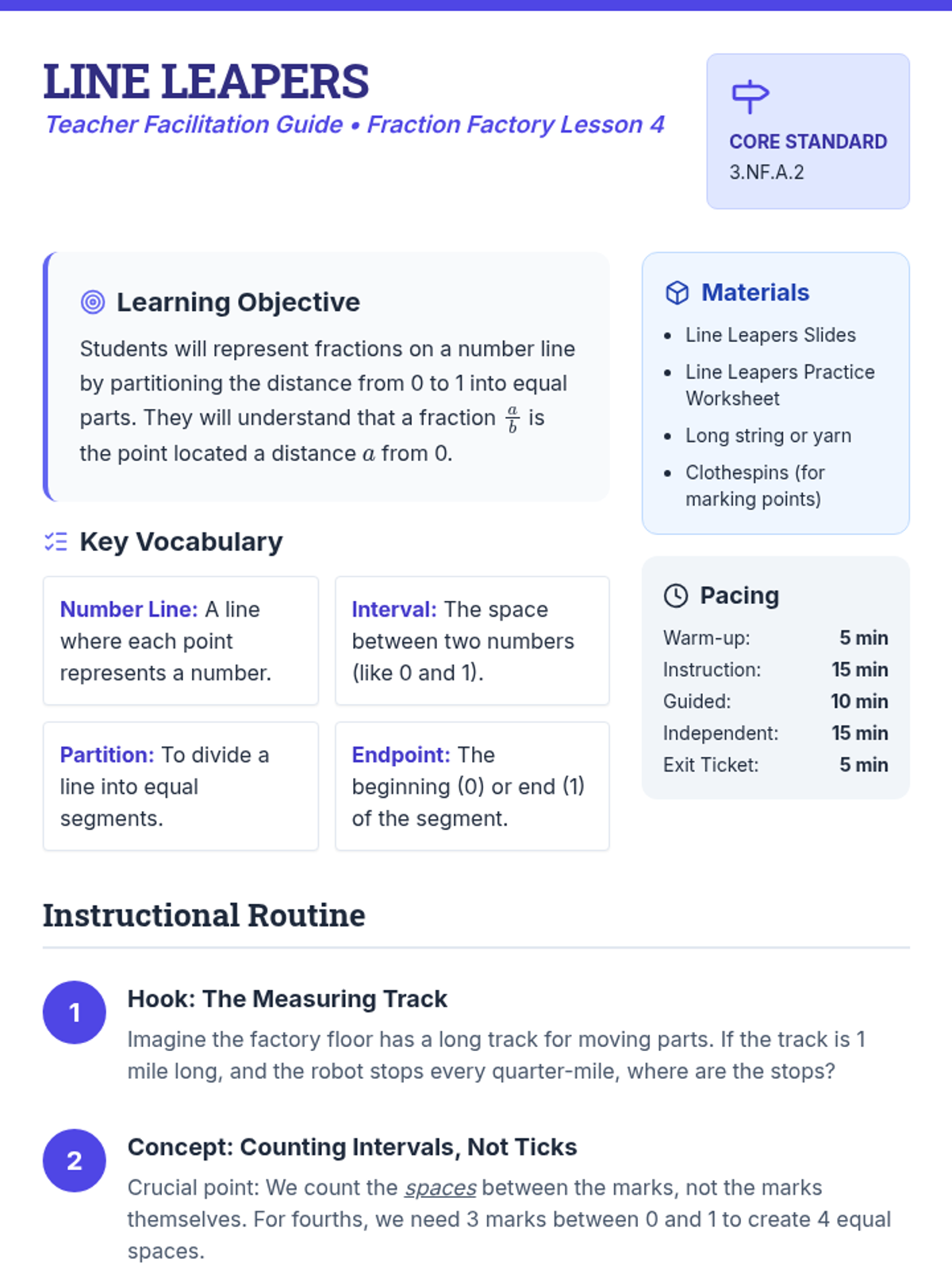
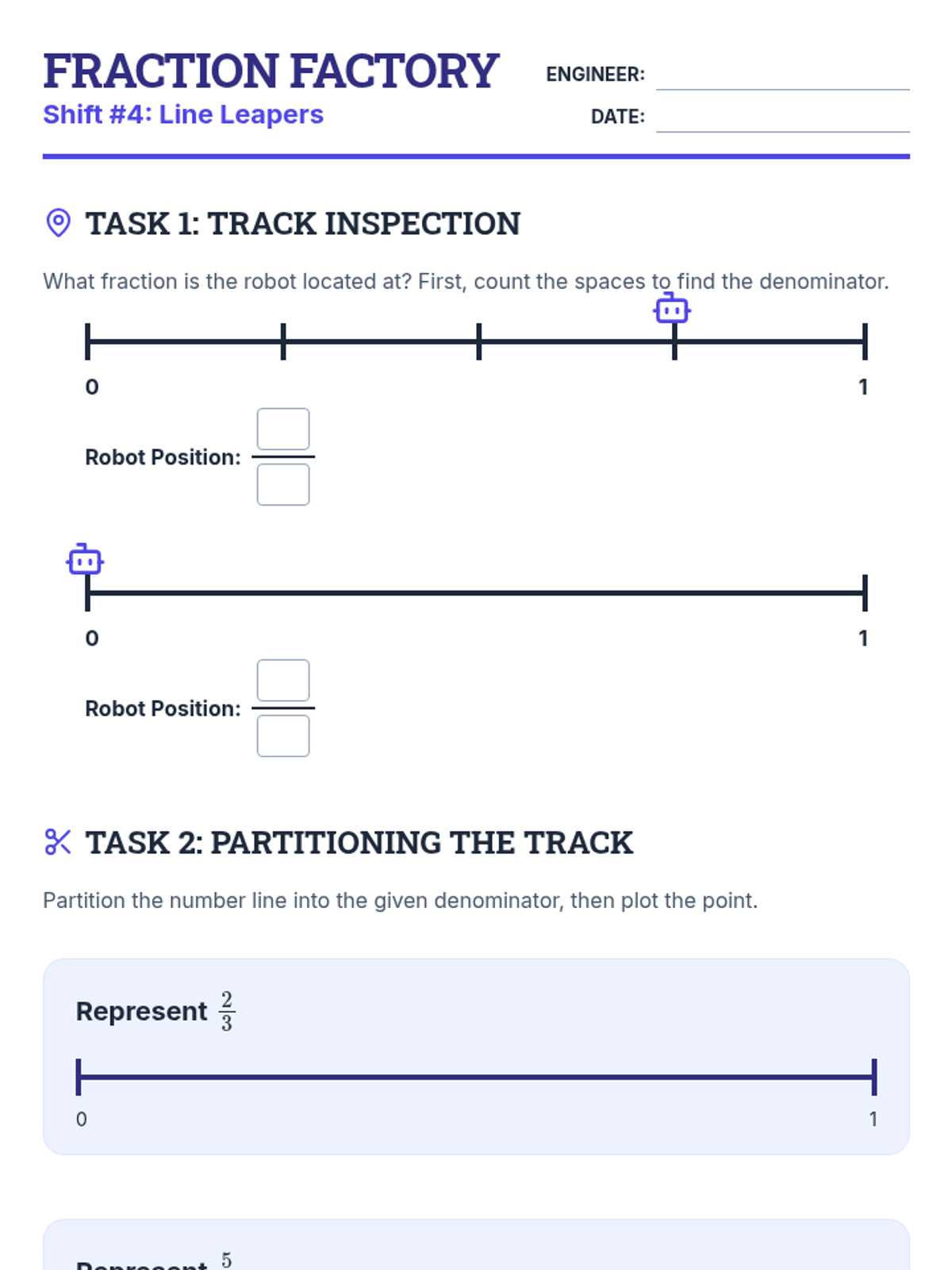
Students represent and compare fractions on a number line, understanding distance from zero.
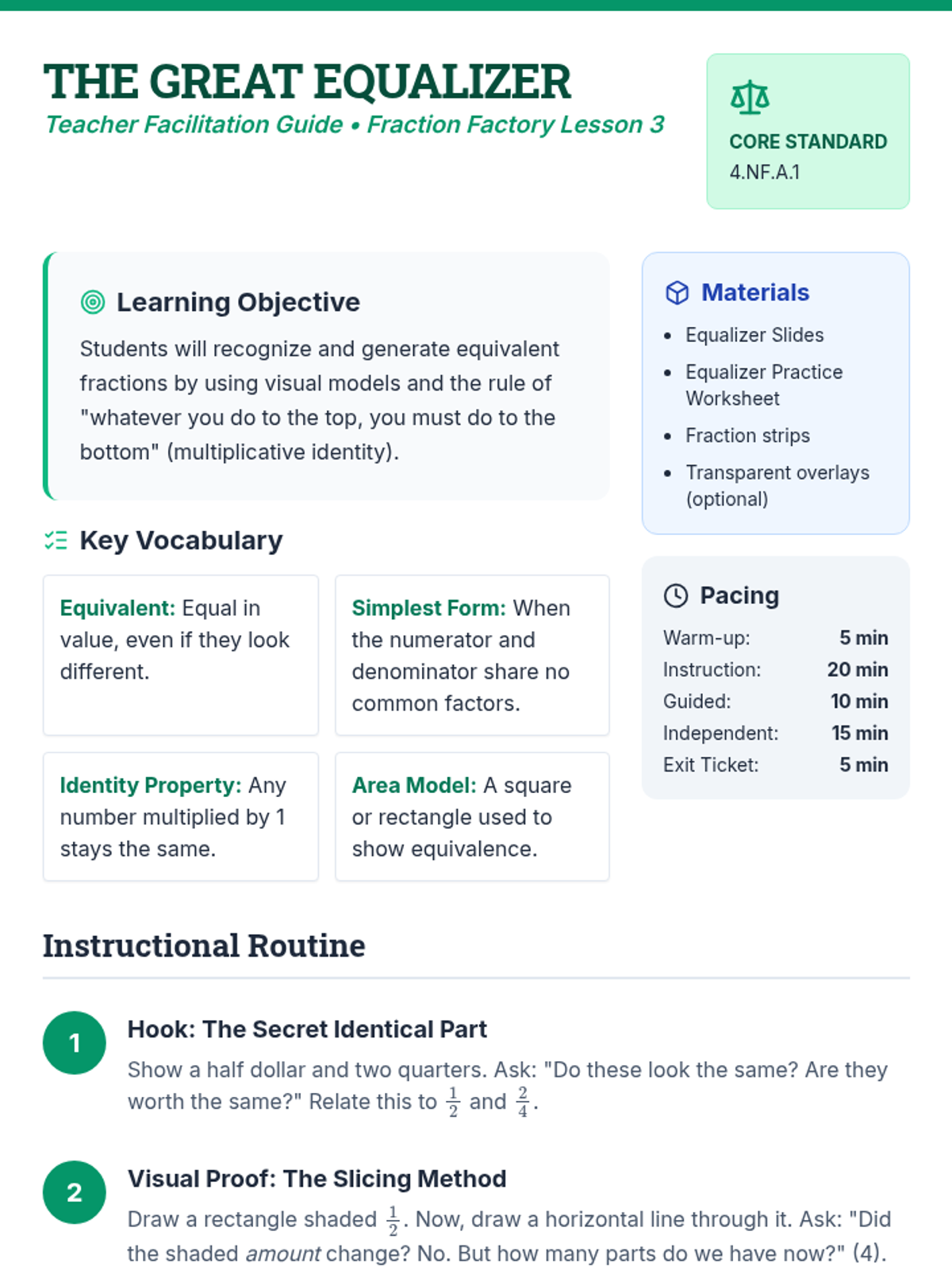
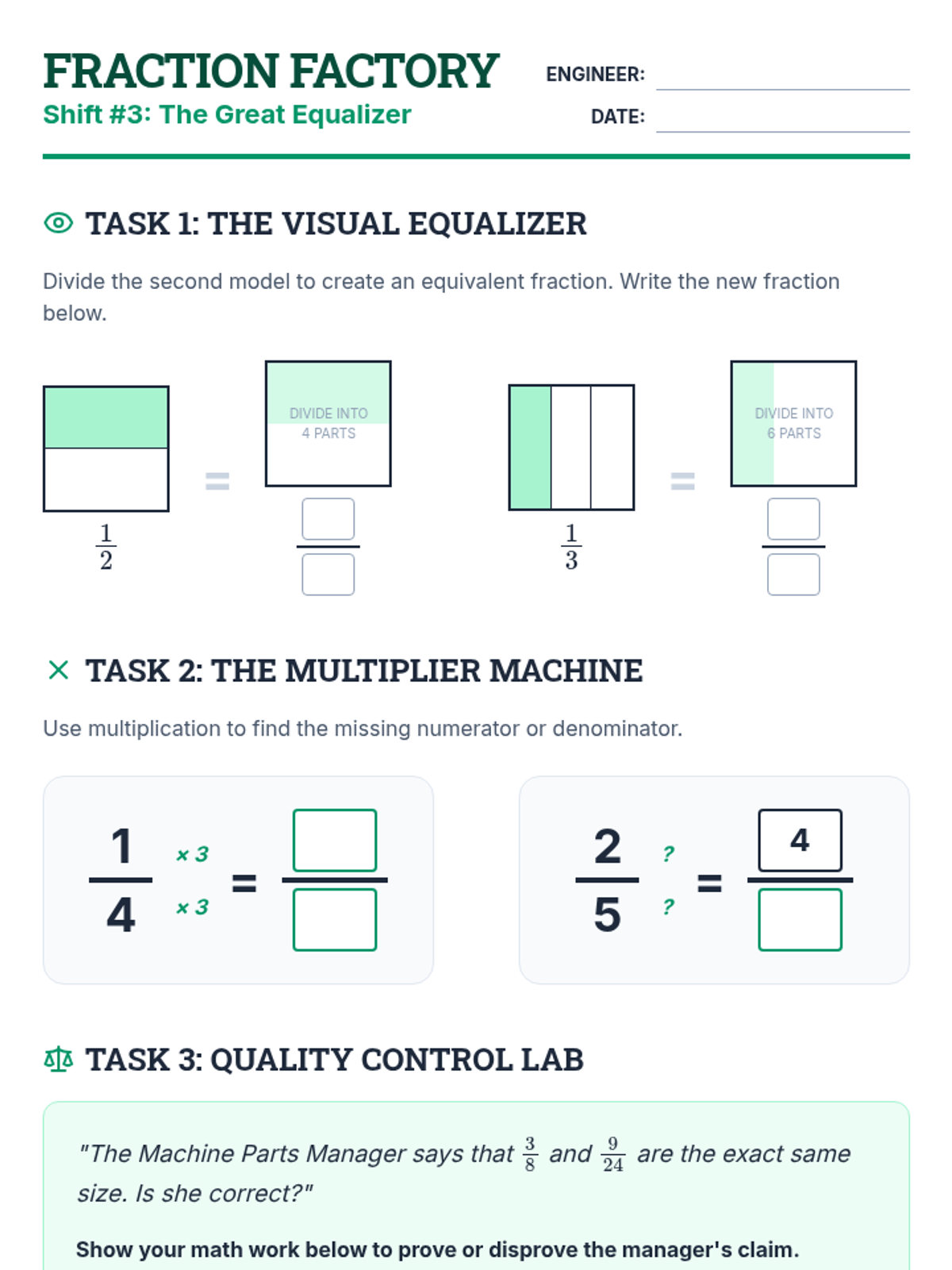
Students explore equivalent fractions using visual models and multiplication/division strategies.
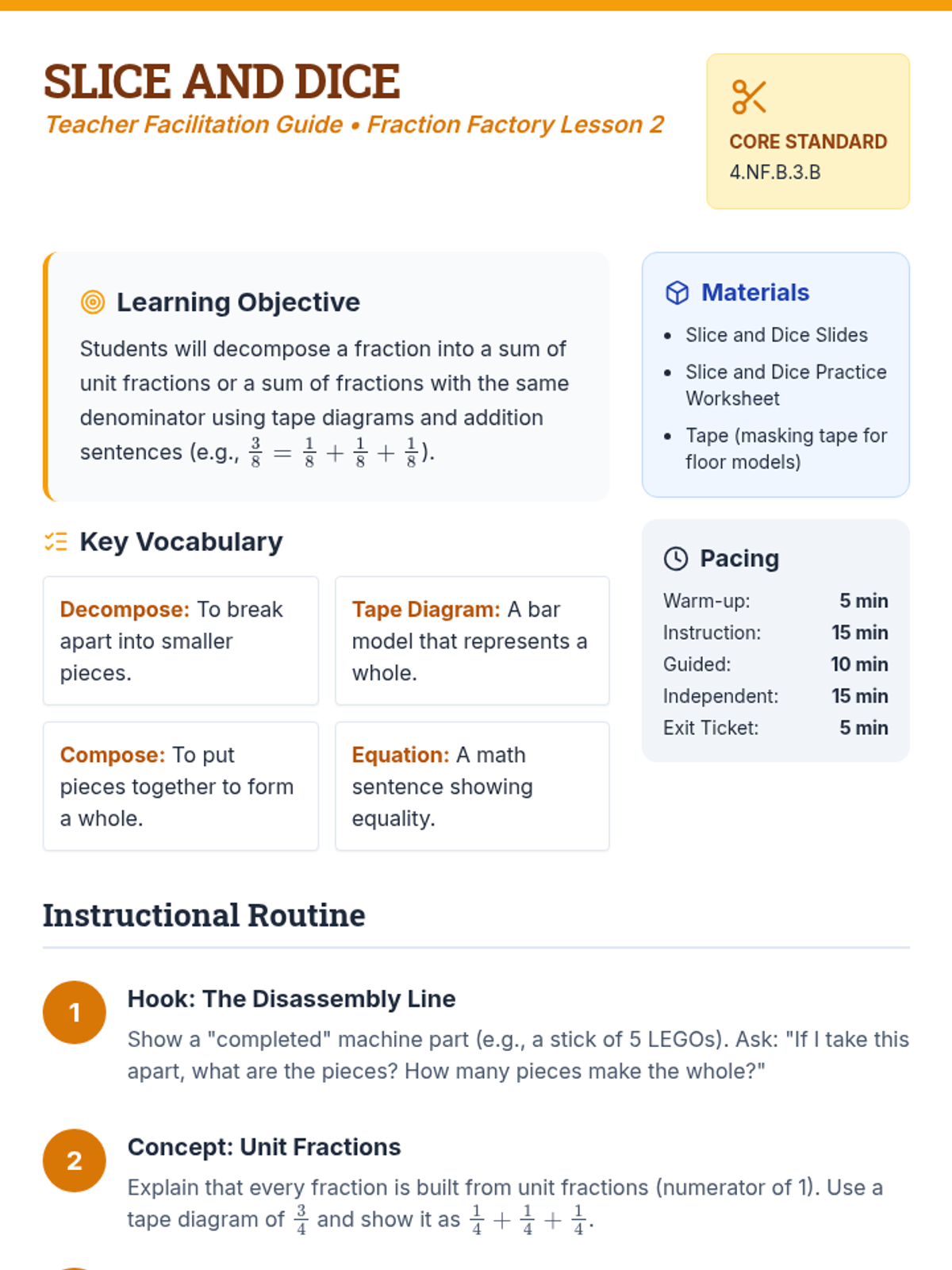
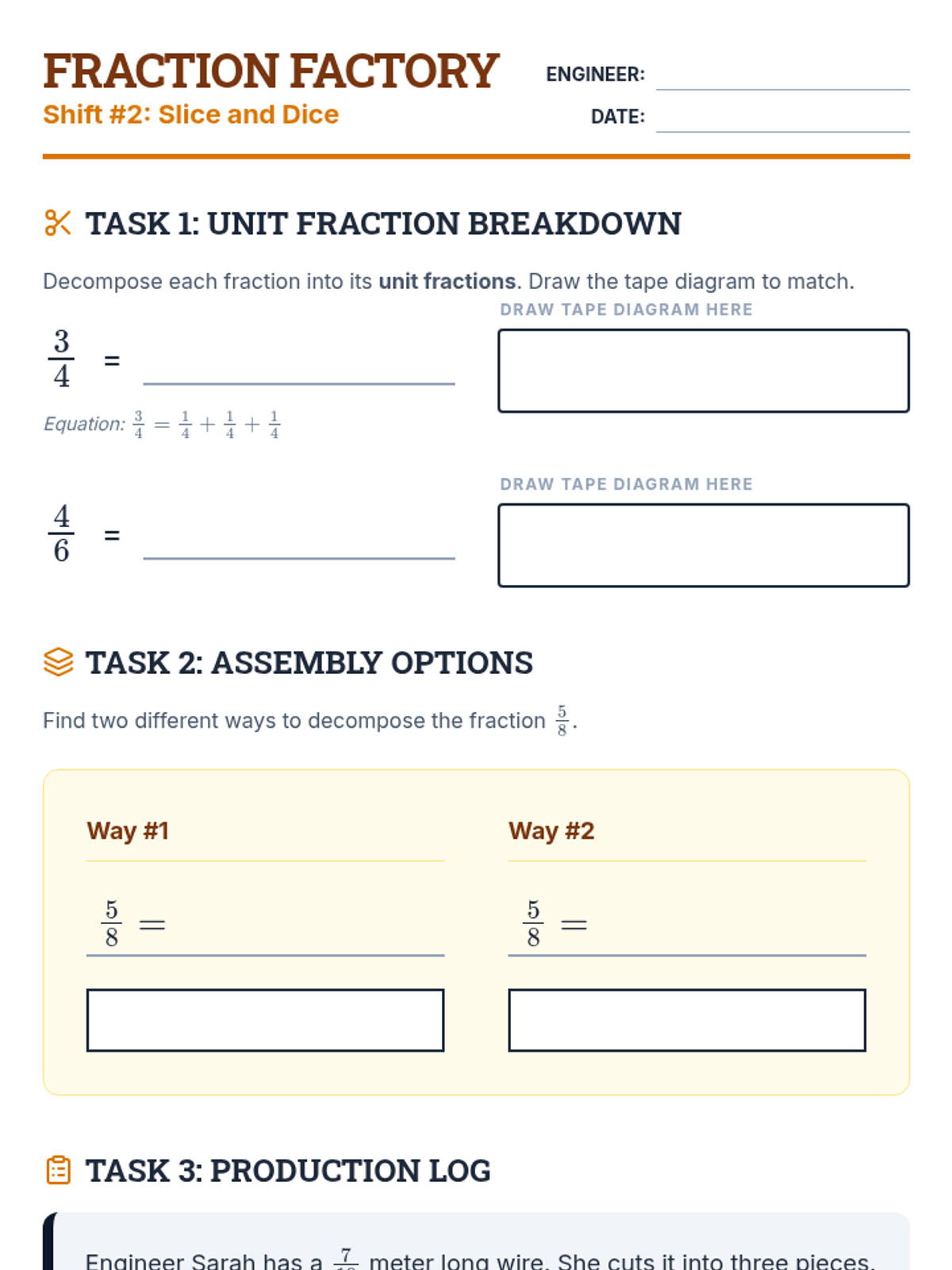
Students learn to decompose fractions into unit fractions and non-unit fractions using tape diagrams and addition sentences.