Cradle of Civilization Slides Ancient History Series
Cradle of Civilization
How Geography Shaped the First Cities
Geography
Mesopotamia
Warm-Up
Desert Island Challenge
5 Minutes
Imagine you are building a permanent town on a desert island.
List your Top 3 Needs:
1 _________________________
2 _________________________
3 _________________________
Think: Why did you pick these? What is the most critical for survival AND staying in one place?
Today's Mission
Analyze how geography influenced the development of the first civilizations.
Compare the benefits and challenges of living near the Tigris and Euphrates rivers.
Identify the engineering solutions used to tame the environment.
Vocabulary
Cultural Hearth: Place where civilization began.
Mesopotamia: "Land between the rivers."
Fertile Crescent: Rich farmland in the Middle East.
Documentary Focus
The Cradle of Civilization
Viewing Segment
0:00 — 3:30
Embedded media
PAUSE AT 2:49
"The rivers created a few problems too..."
On your worksheet, write down some challenges the rivers could bring to people living in Mesopotamia.
Geography: Friend or Foe?
Main Activity
Benefits (Friend)
Fertile Silt for farming
Trade via Persian Gulf
Freshwater source
Challenges (Foe)
Unpredictable flooding
No natural defenses (flat)
Resource scarcity (no wood)
PAIR WORK
Collaborative Thinking
Brainstorm Solutions:
The Mesopotamians didn't give up! With your partner, brainstorm one human-made solution for each challenge listed on your worksheet.
Example
Flooding → Levees/Dams
Closure
Exit Ticket
Why is Mesopotamia called the
"Cradle of Civilization"?
Must use one piece of evidence from the video to support your answer!
River Valley Record Worksheet River Valley Record
Mesopotamia: Geography & Innovation
Name:
Date:
Part 1: Desert Island Challenge
List the Top 3 things you would need to build a permanent town on a desert island.
Video Pause @ 2:49
Part 2: River Problems
Based on the video, what are some specific challenges the Tigris and Euphrates rivers could bring to the people?
Part 3: Geography — Friend or Foe?
Benefits (Friend)
Challenges (Foe)
Part 4: Ancient Engineering
With your partner, brainstorm one human-made solution for each geographical challenge mentioned in the video.
Geographical Challenge Engineering Solution Predicting/Stopping Floods Defending Flat, Open Land Getting water to dry fields
Cradle of Civilization Exit Ticket Exit Ticket
Mesopotamia: Geography & Innovation
Historian Name
Date
Why is Mesopotamia called the
"Cradle of Civilization"?
Must include one piece of evidence from the video.
Answered Prompt
Used Evidence
Cradle of Civilization Teacher Guide Cradle Facilitation Guide
Teacher Resource • Grade 6 Social Studies
Total Duration
45 Minutes
Lesson Objective
Students will analyze how the geography of the Tigris and Euphrates rivers influenced the transition from nomadic lifestyles to settled urban civilizations.
Materials Needed
Cradle of Civilization Slides
River Valley Record Worksheet
Exit Tickets (1 per student)
Internet & Audio for Video
Key Vocabulary
Cultural Hearth: A site of innovation from which basic ideas, materials, and technology diffuse to many cultures.
Mesopotamia: "Land between the rivers" in Greek.
Irrigation: Artificial application of water to land to assist in the production of crops.
0-5m
Warm-up: Desert Island
Students should focus on permanence. While "food" is common, emphasize that "fresh water" is the only thing that allows you to stop moving (nomadism) and start building (civilization).
5-15m
Video Viewing & Pause
Play video from 0:00 to 3:30.
Crucial Pause at 2:49: The narrator asks for challenges. Give students 2 minutes to jot down ideas before the narrator gives the answers (flooding/defense).

15-40m
Activity: Friend or Foe?
Step 1 (Individual): Complete the T-Chart based on video content.
Step 2 (Pairs): Brainstorm human solutions. Circulate and ask: "If the land is flat and anyone can walk in, what can you build to keep them out?"
40-45m
Closure: Exit Ticket
Check for understanding. Successful answers will link the "Cradle" (birthplace) to the abundance of food/water mentioned in the video.
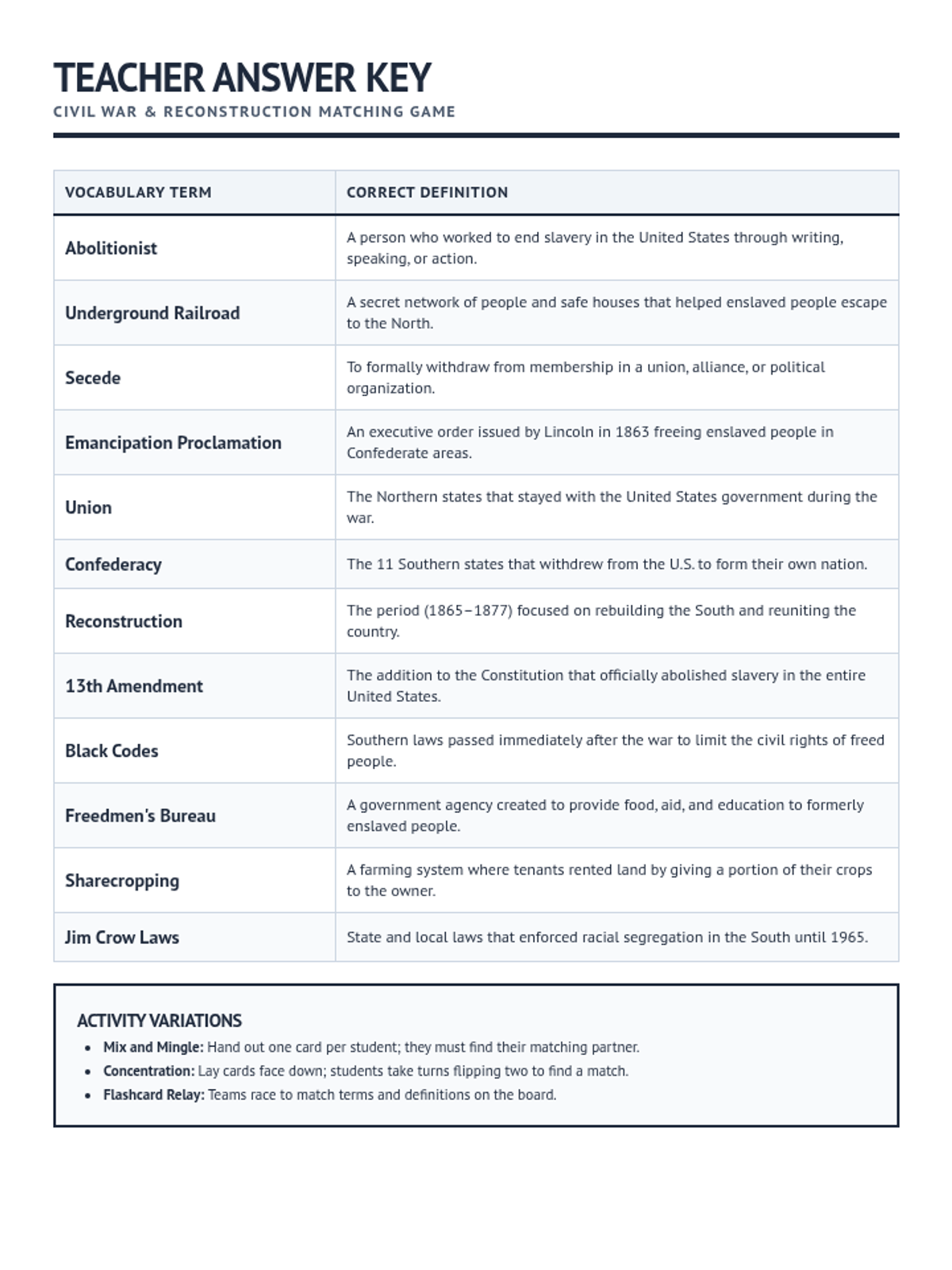
Answer Key
Part 3: Geography T-Chart
Benefits (Friend)
Fertile Soil (Silt): Left by floods, perfect for crops like wheat/barley.
Fresh Water: Essential for drinking and crops.
Trade Routes: Rivers lead to the Persian Gulf/Indian Ocean.
Clay/Mud: Used for building mud-bricks (since wood was scarce).
Challenges (Foe)
Unpredictable Flooding: Could destroy crops and homes.
Flat Land: No natural barriers (mountains) to stop invaders.