A lesson focused on identifying the main idea and supporting details using community helpers as the central theme, tailored for 2nd-grade ESL students at various WIDA proficiency levels.
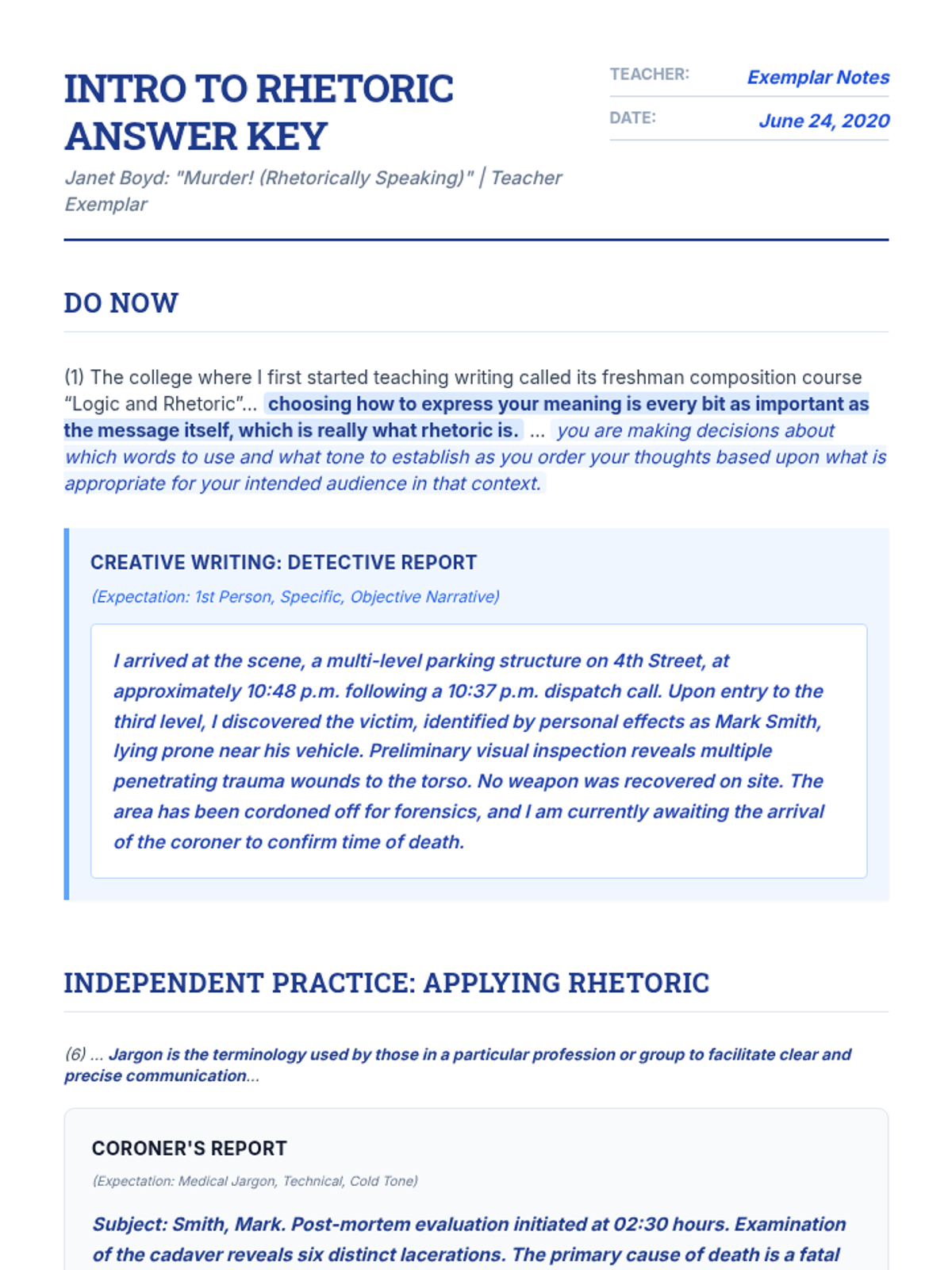
An introductory lesson on rhetoric through Janet Boyd's "Murder! (Rhetorically Speaking)", where students explore how audience, context, and genre shape rhetorical choices.
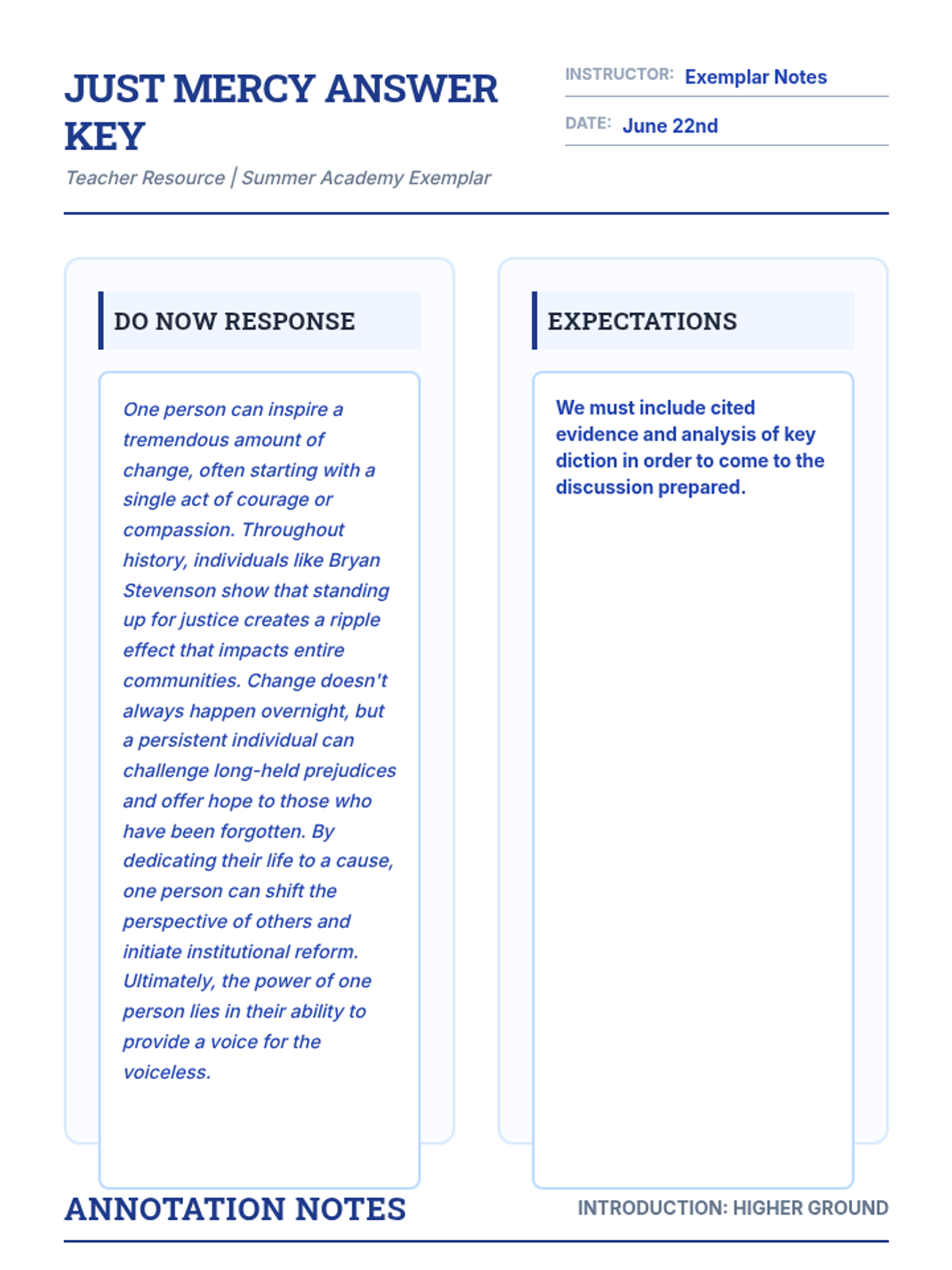
This lesson analyzes Chapter 2 of Just Mercy, focusing on how Stevenson develops his argument about individual agency and the inciting of change through knowledge and hope.
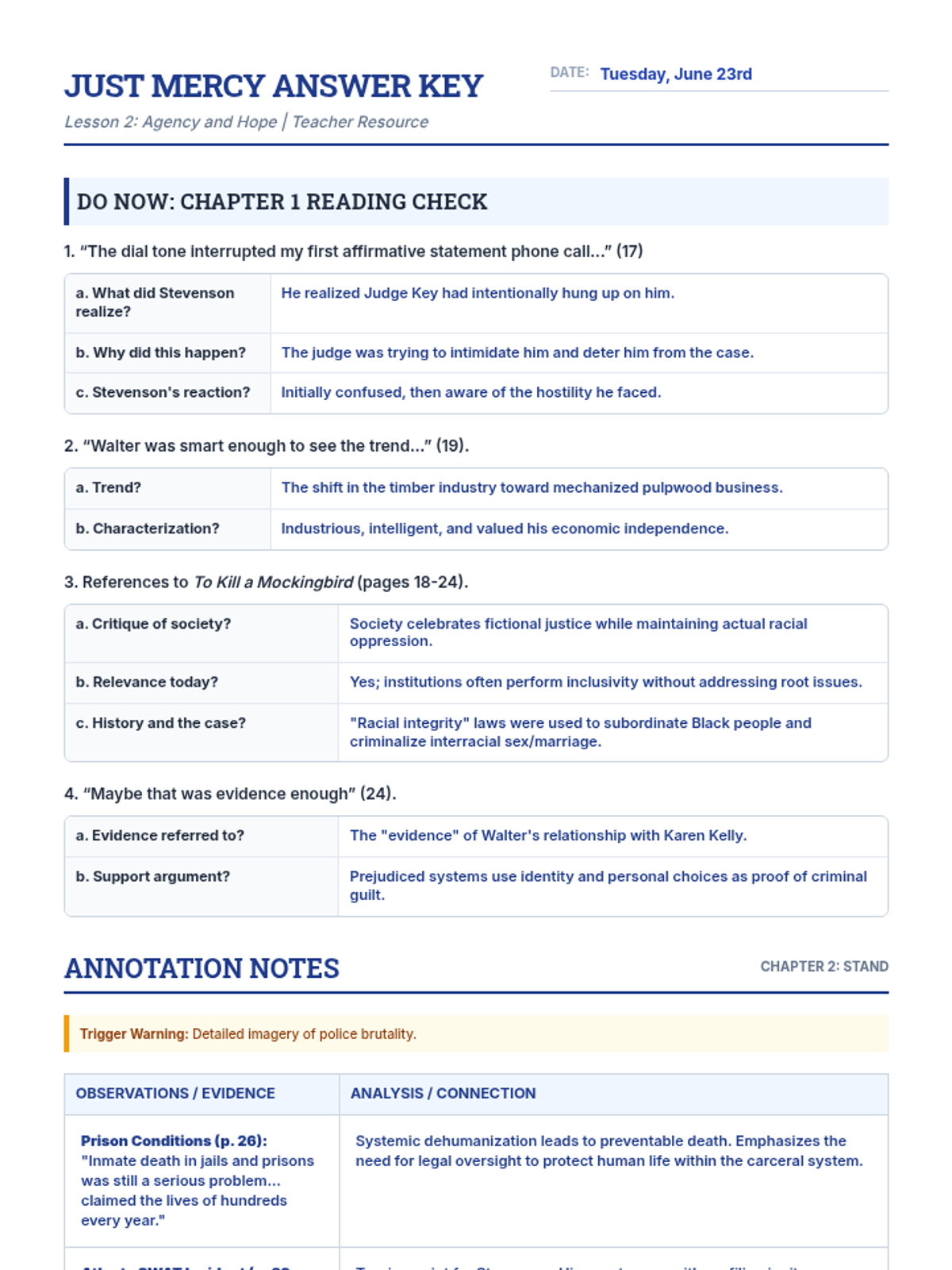
An introductory lesson on Just Mercy by Bryan Stevenson, focusing on characterization, systemic injustice, and the power of hope in the Introduction and Chapter 1.
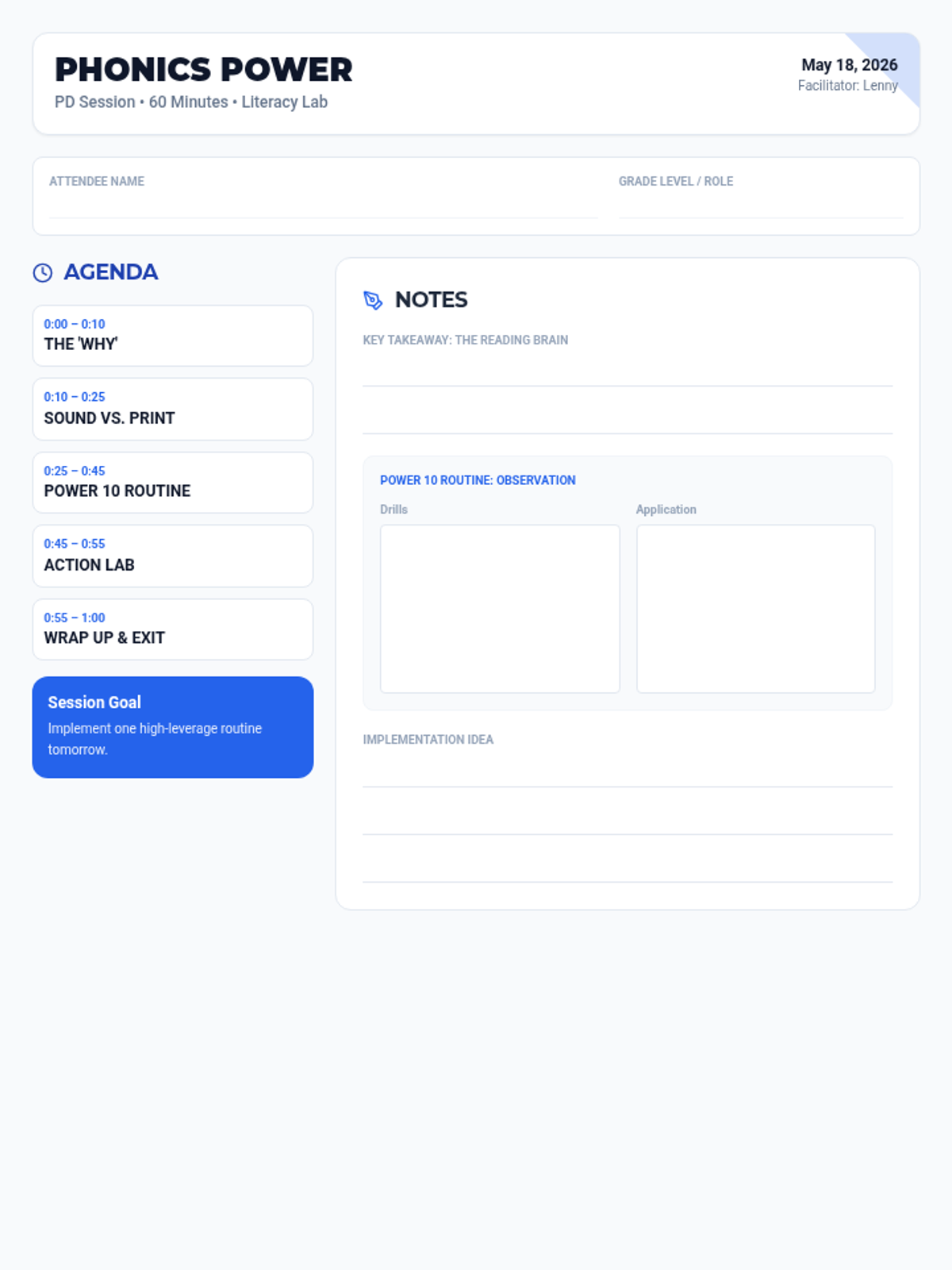
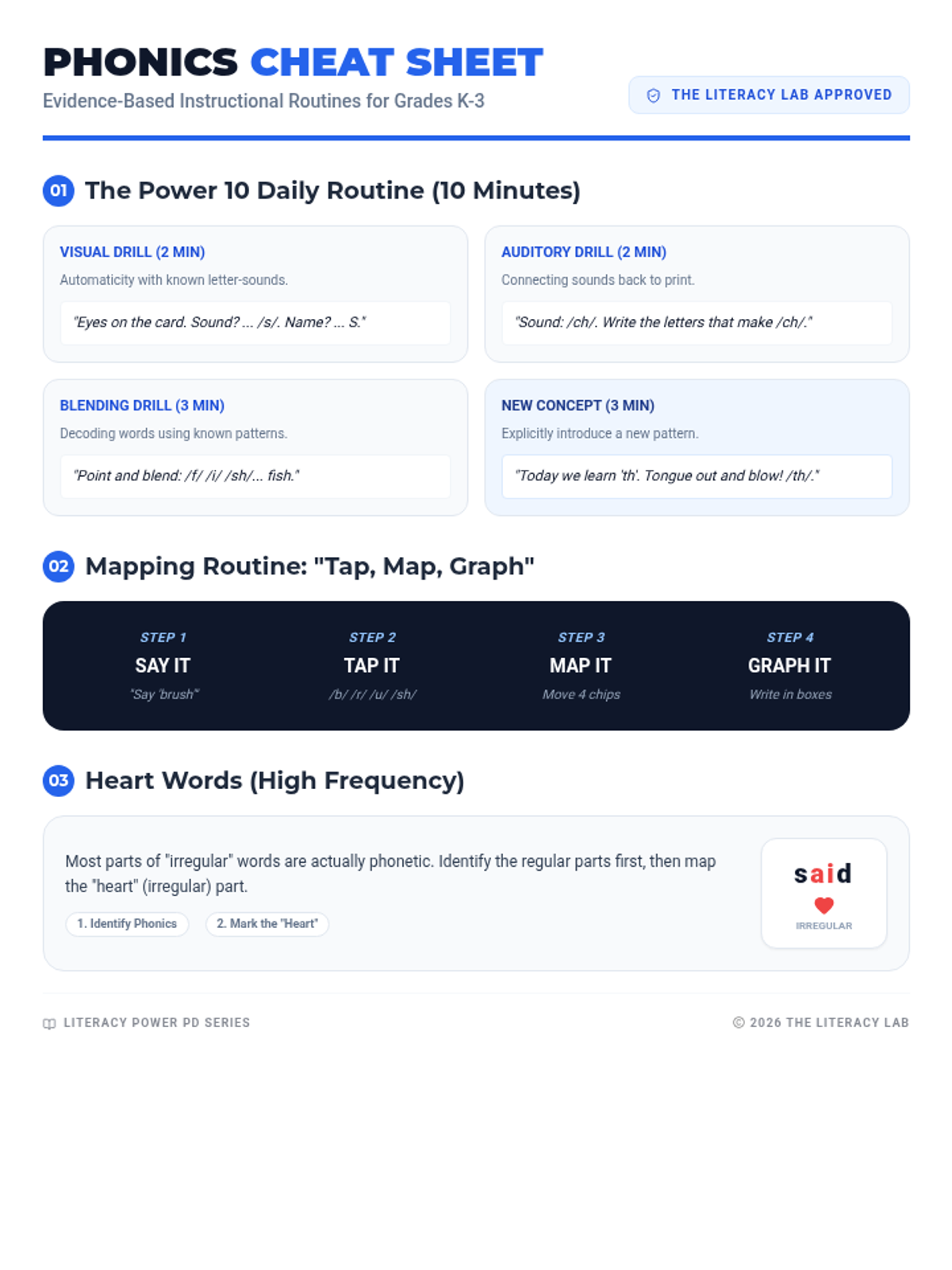
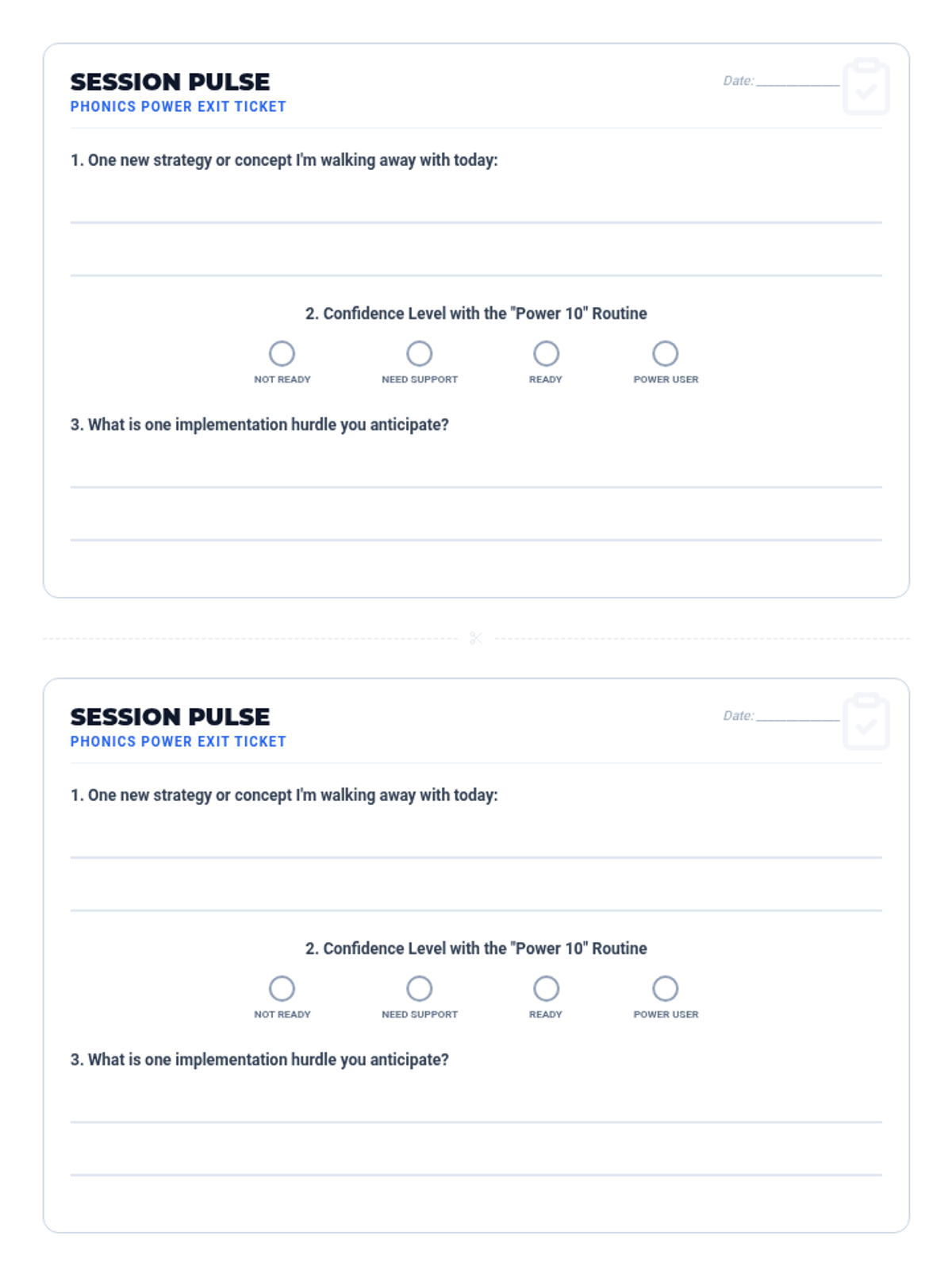
A high-impact, 60-minute professional development session focused on evidence-based phonics instruction. Educators will explore the science of reading, practice explicit instructional routines, and leave with actionable strategies for the classroom.
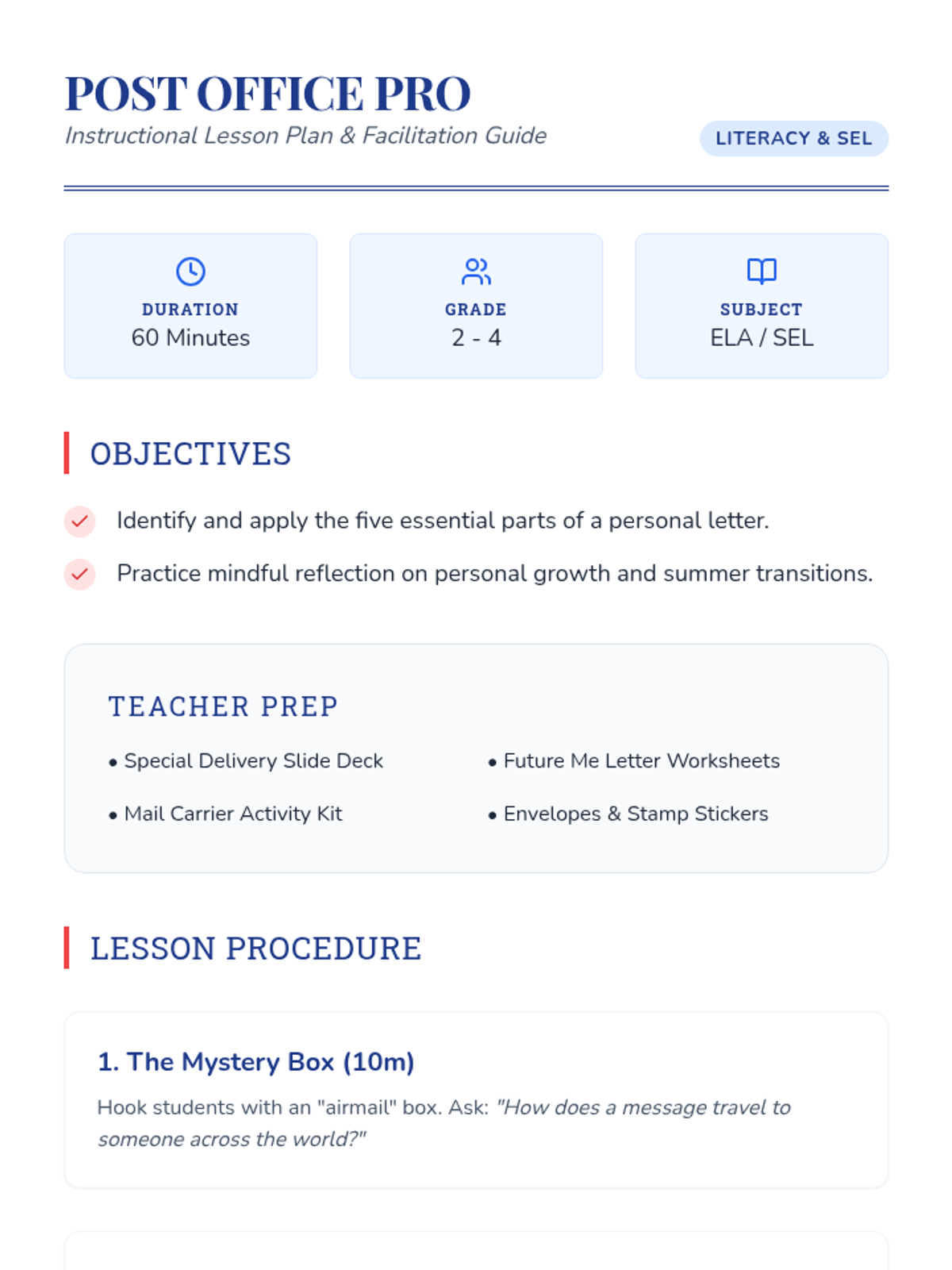
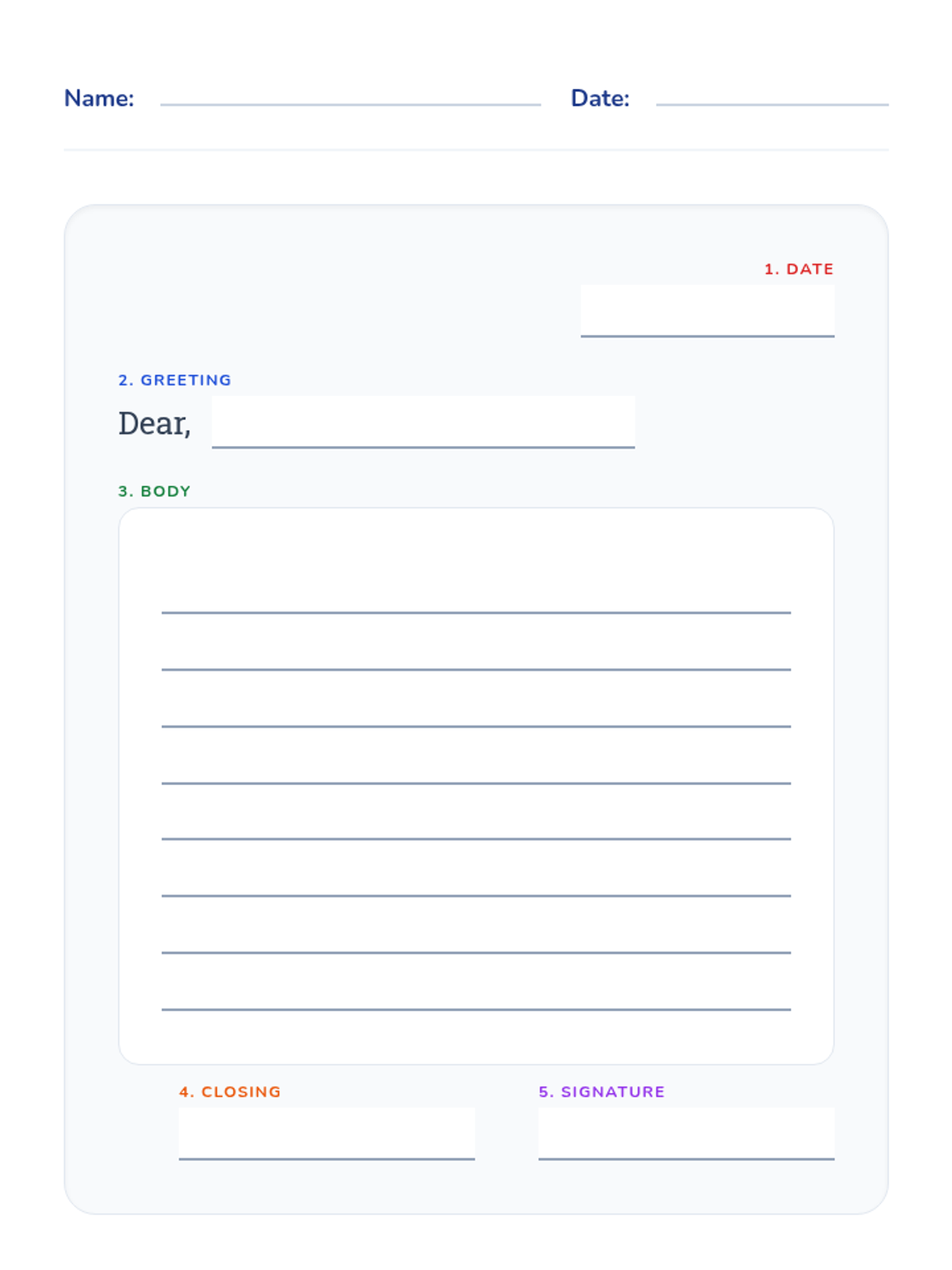
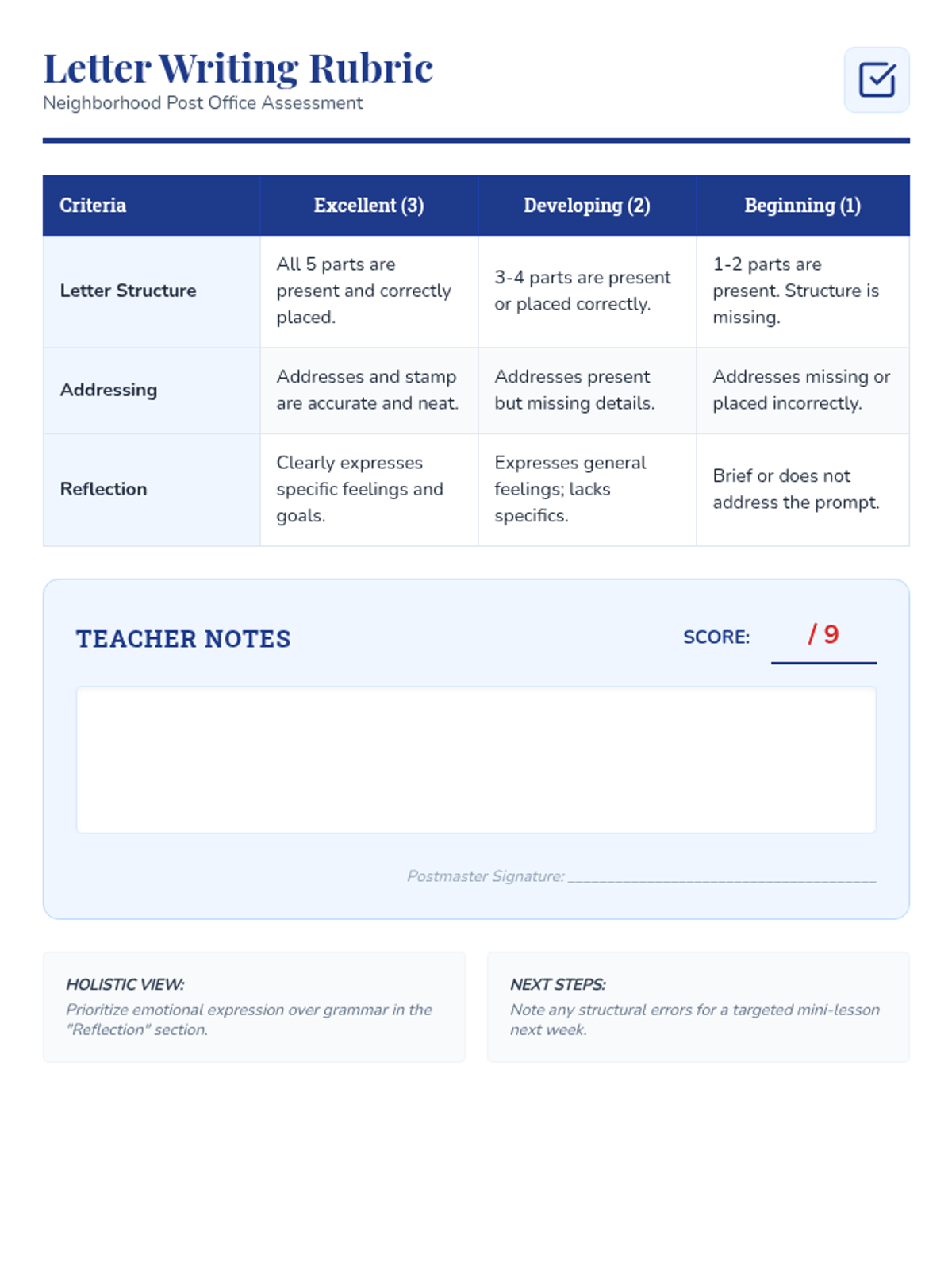
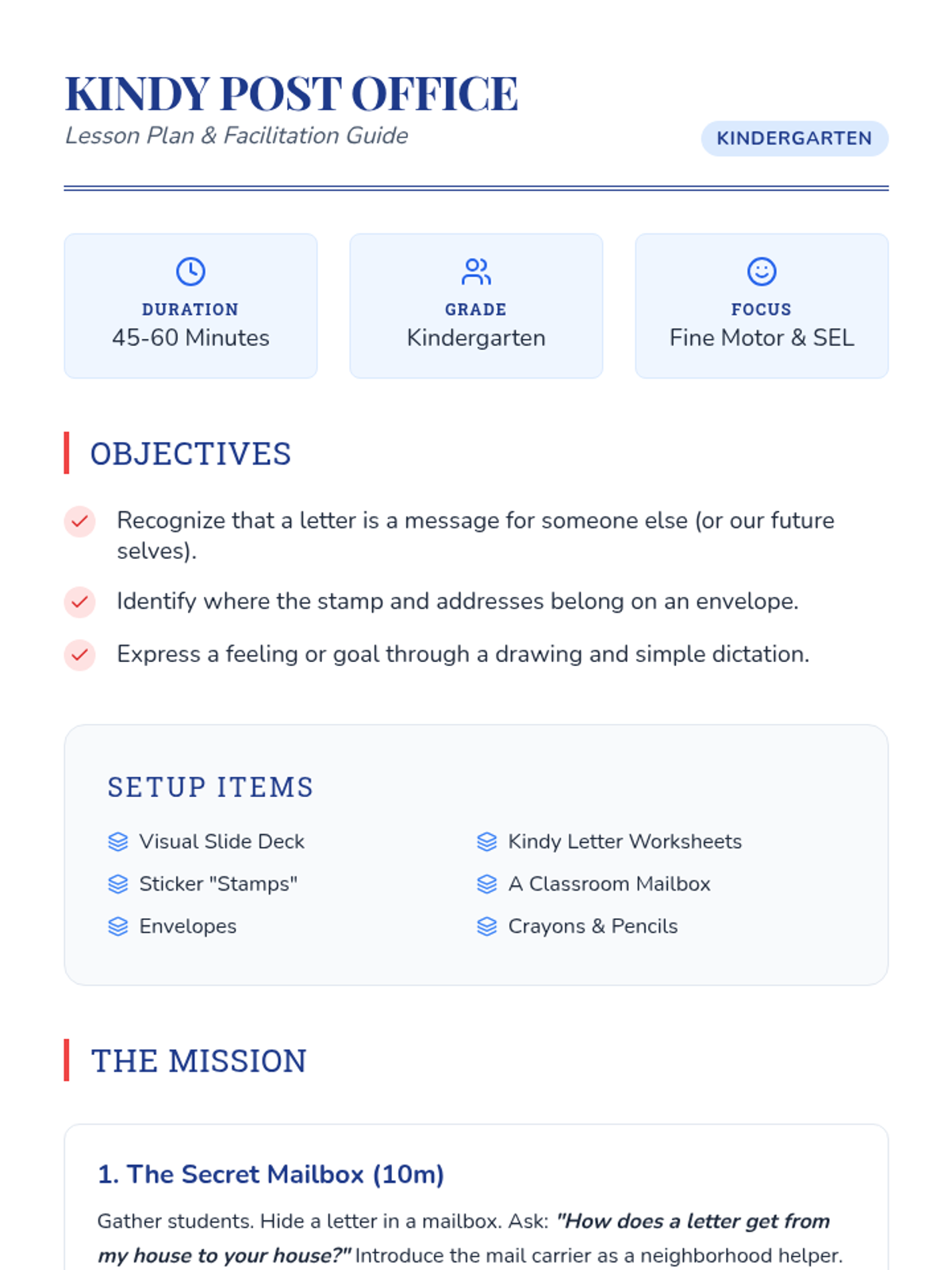
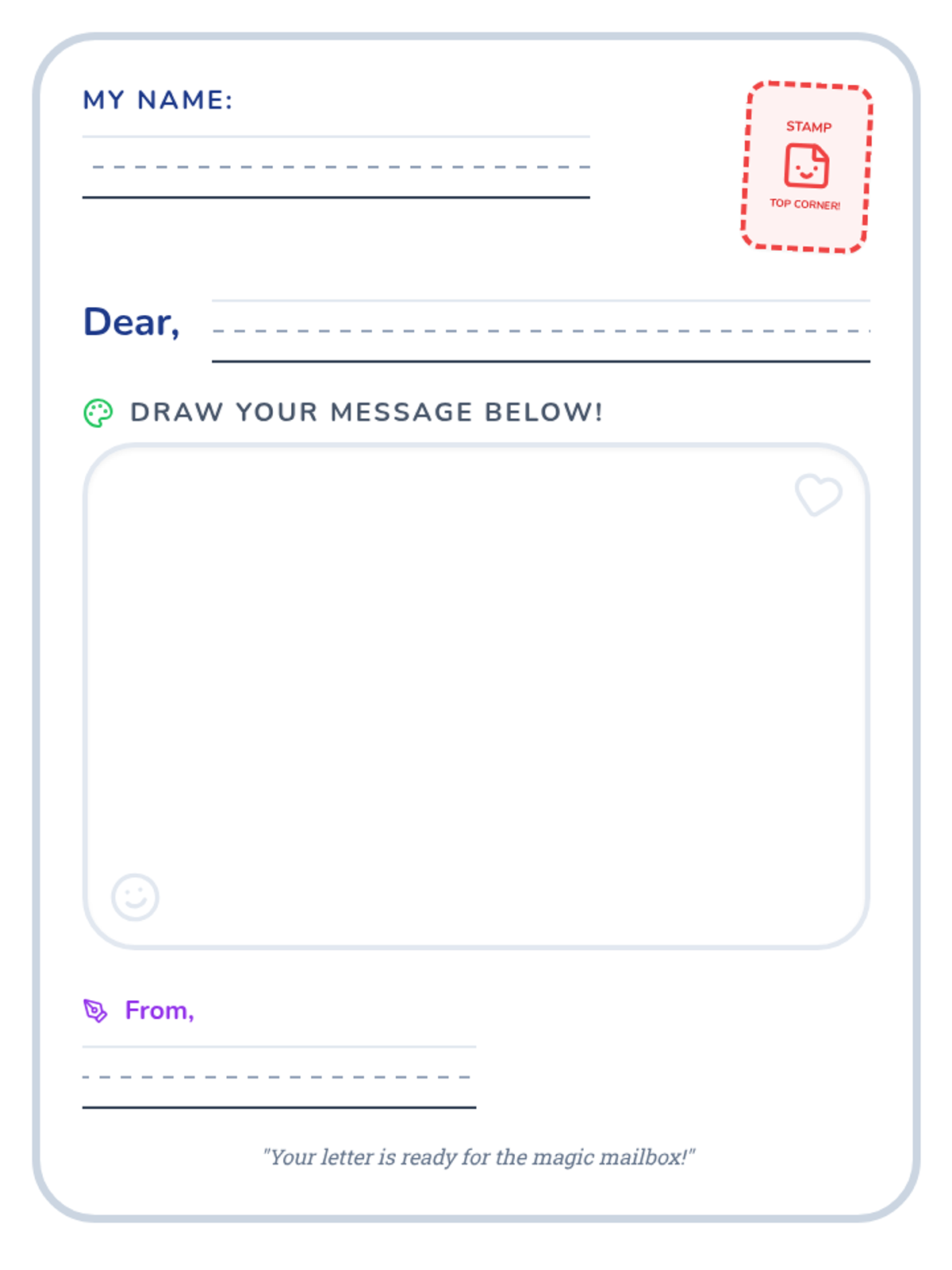
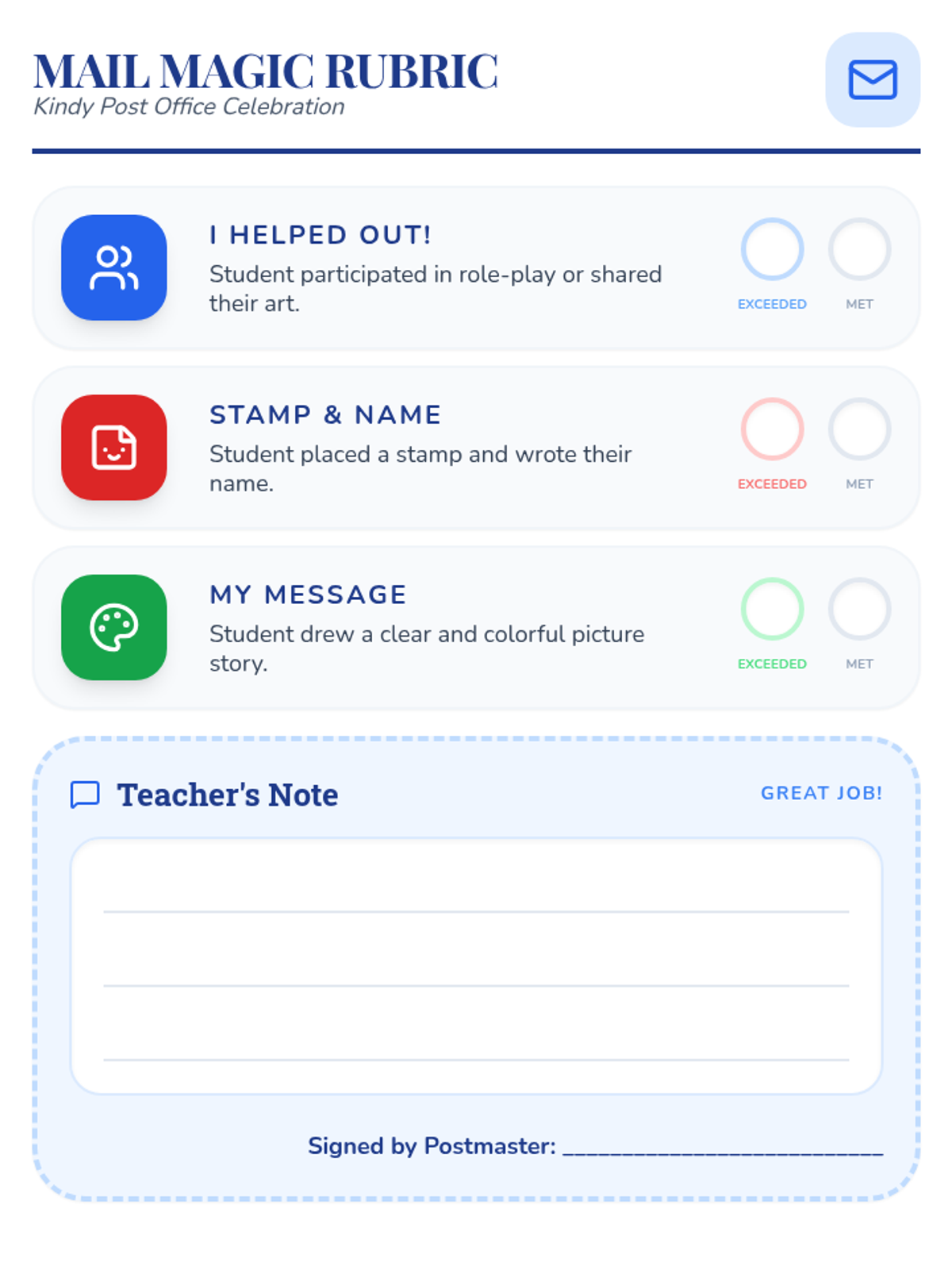
Students explore the world of correspondence in a classroom post office, practicing literacy and social-emotional skills by writing letters to their future selves as they prepare for summer transitions.
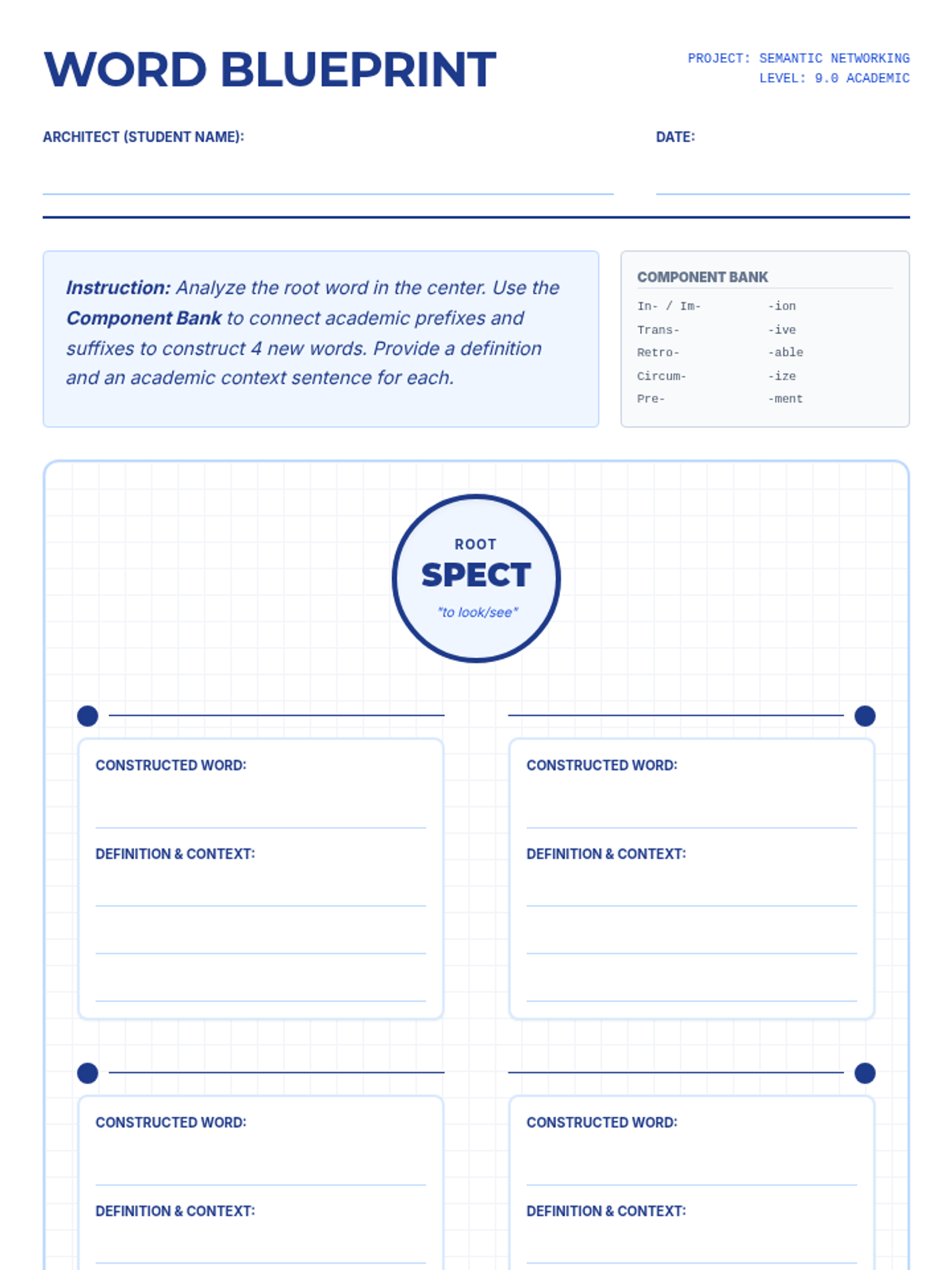
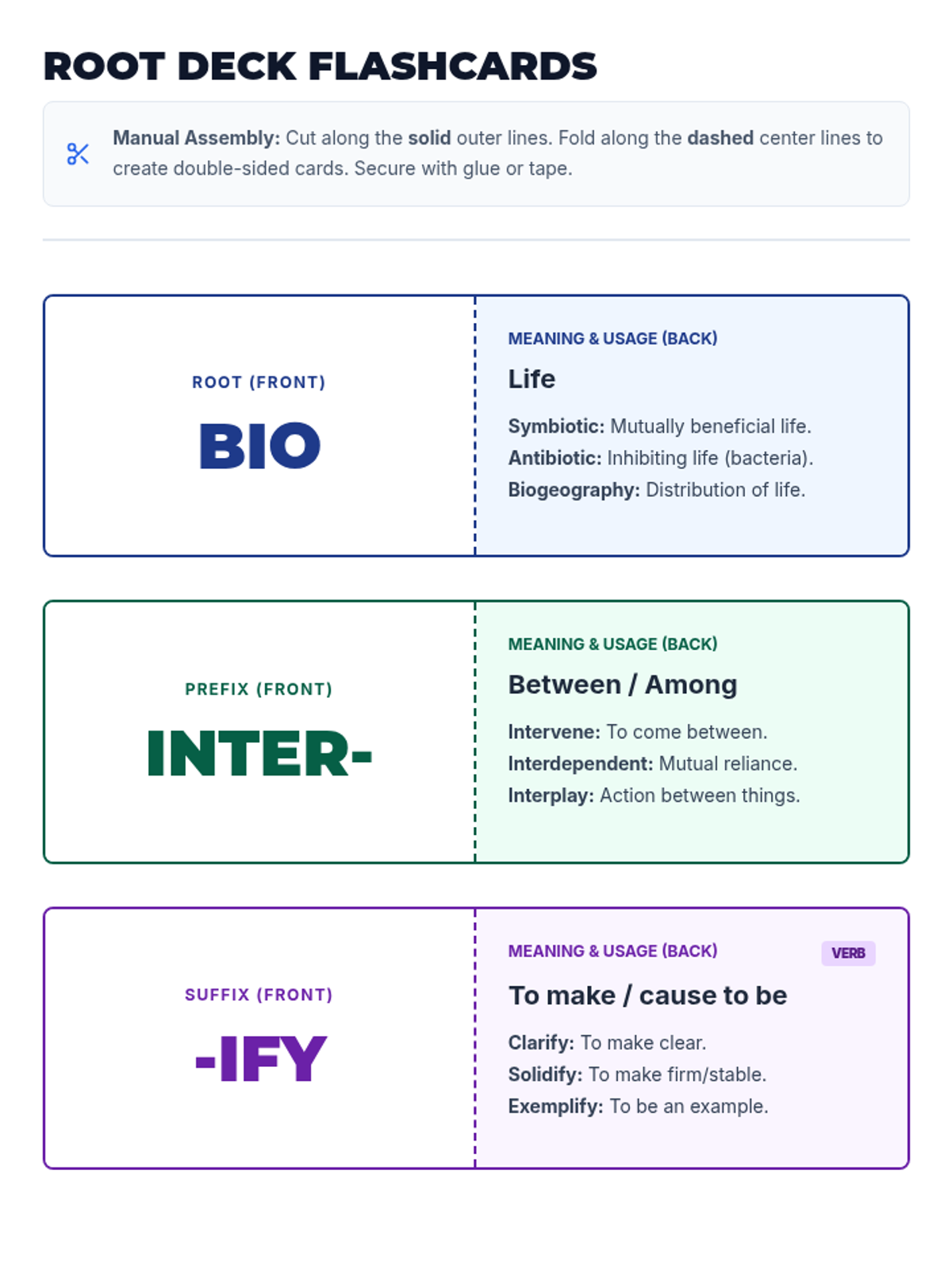
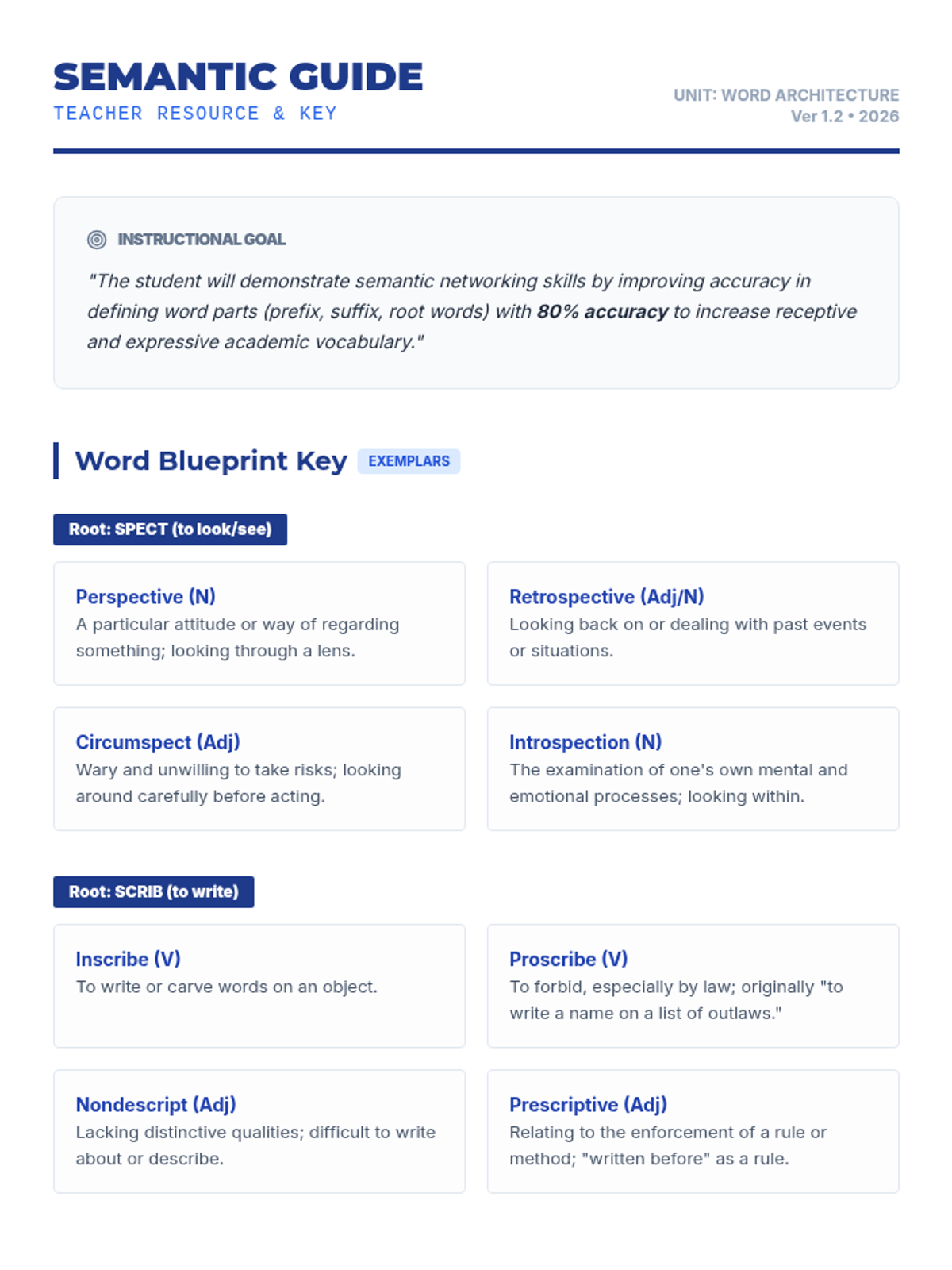
A lesson focused on building semantic networks by breaking down academic vocabulary into its architectural components: roots, prefixes, and suffixes. Students will use visual word maps to connect word parts to meaning and usage.
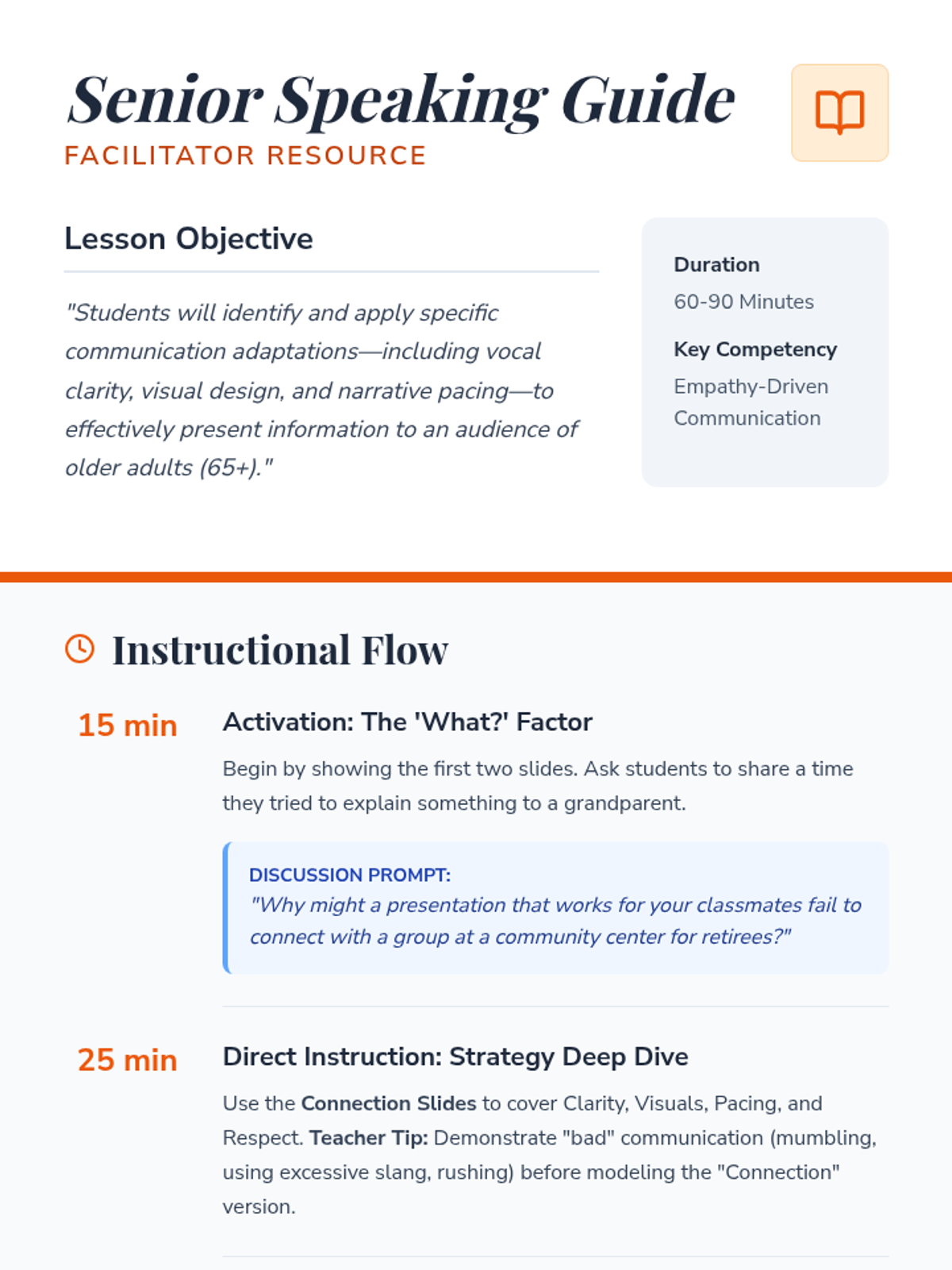
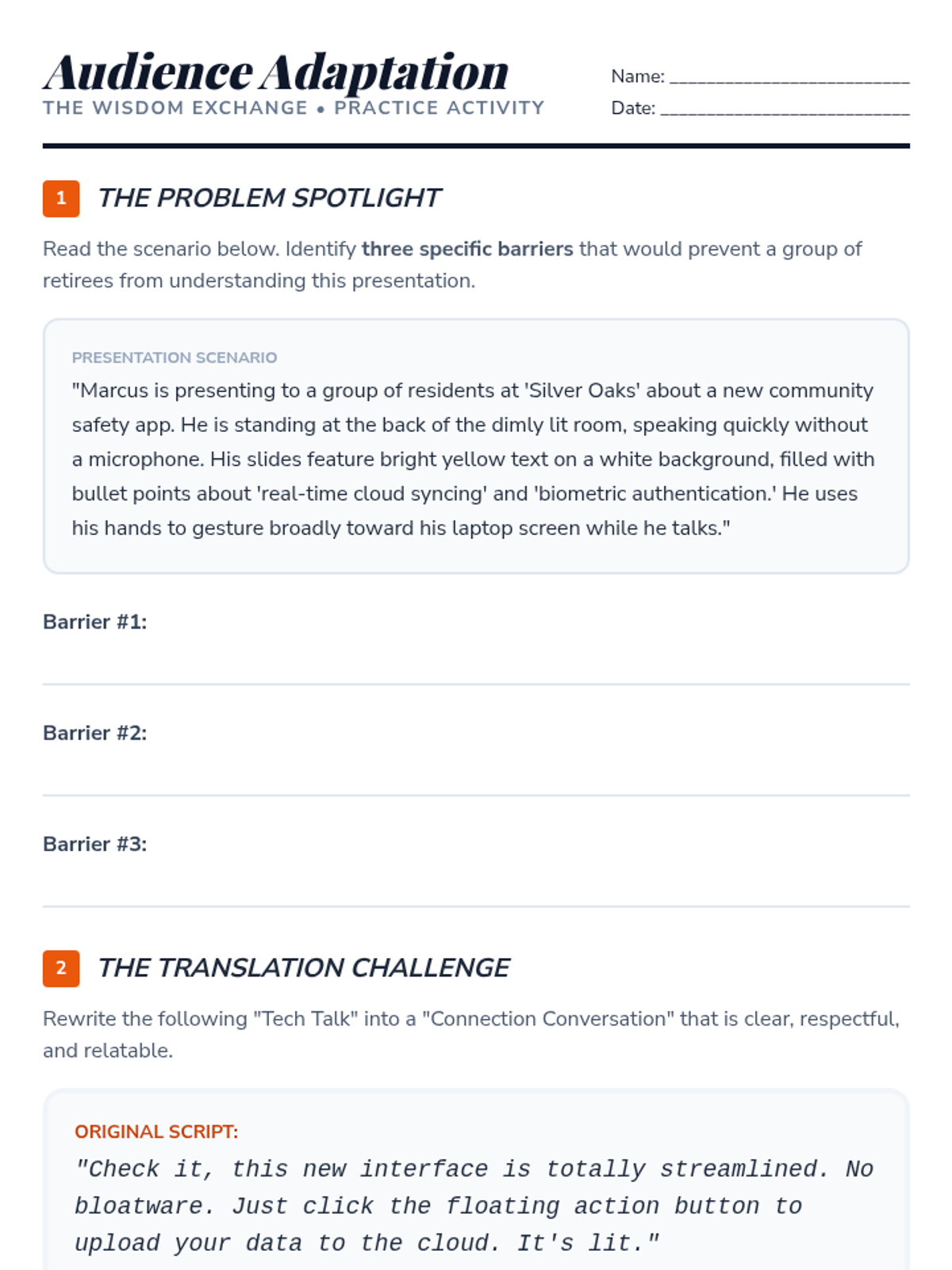
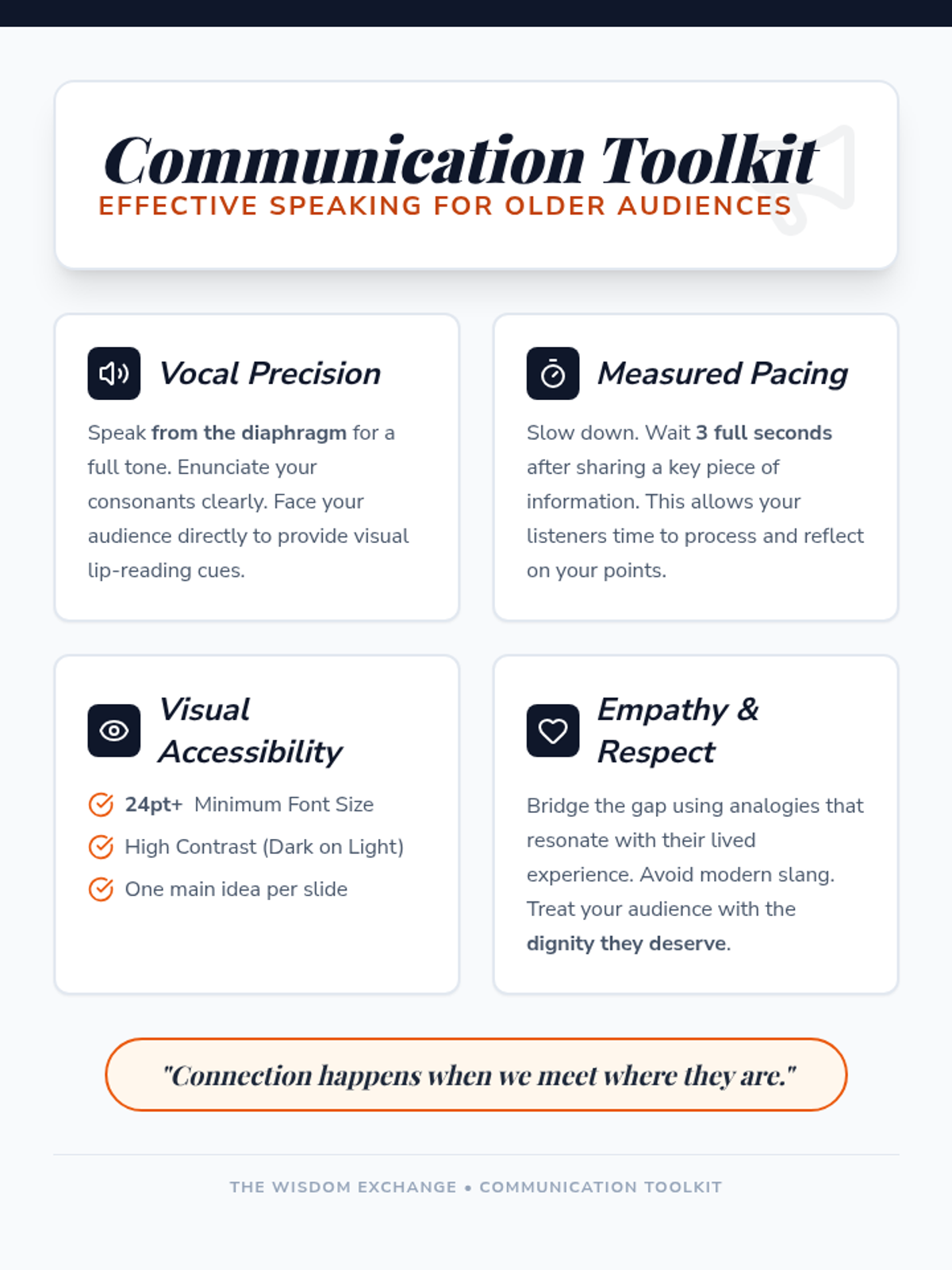
A comprehensive lesson on adapting communication styles for older audiences, focusing on clarity, pacing, and respectful engagement. Students will learn practical strategies to bridge the generational gap in public speaking and presentations.
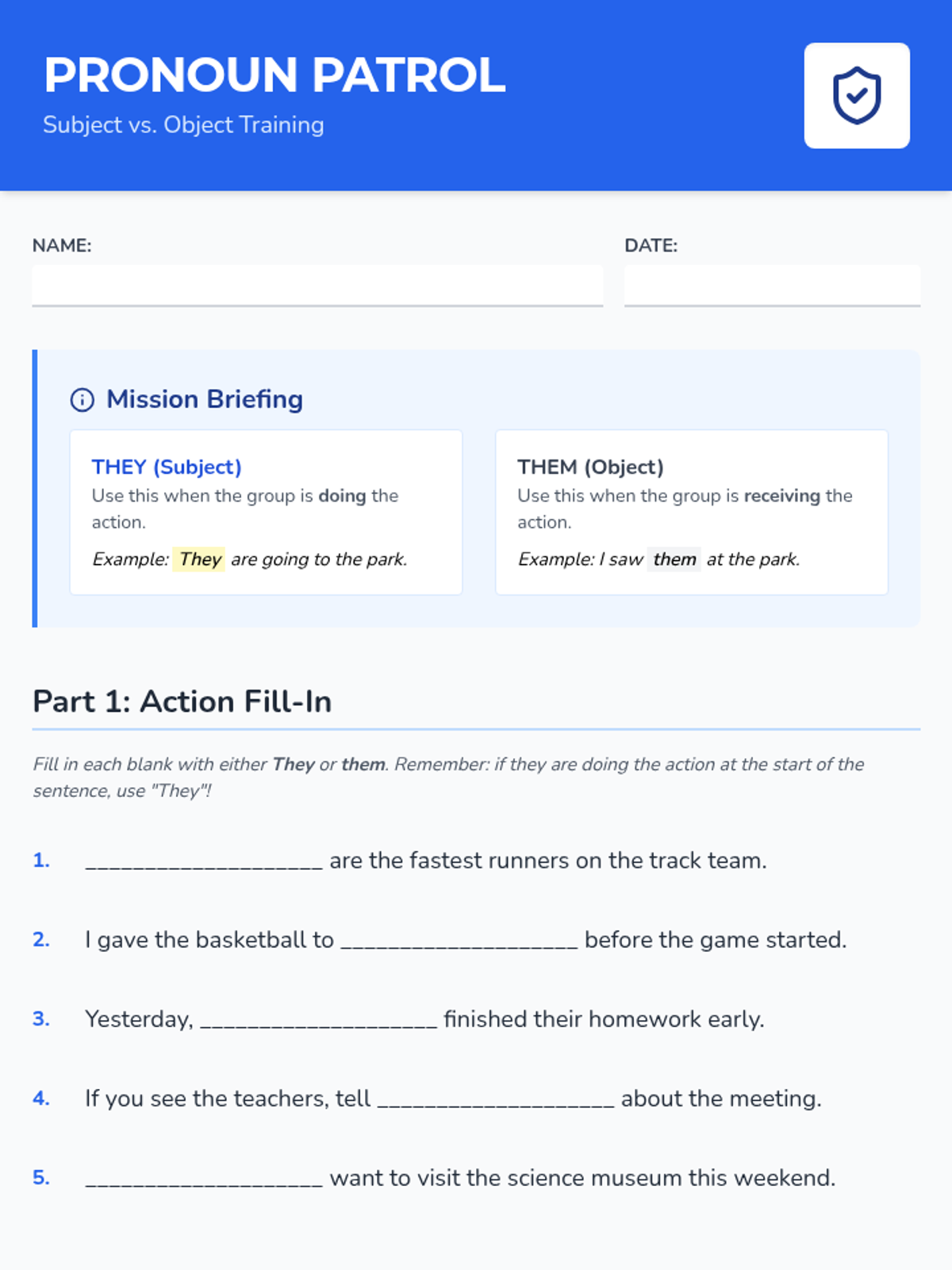
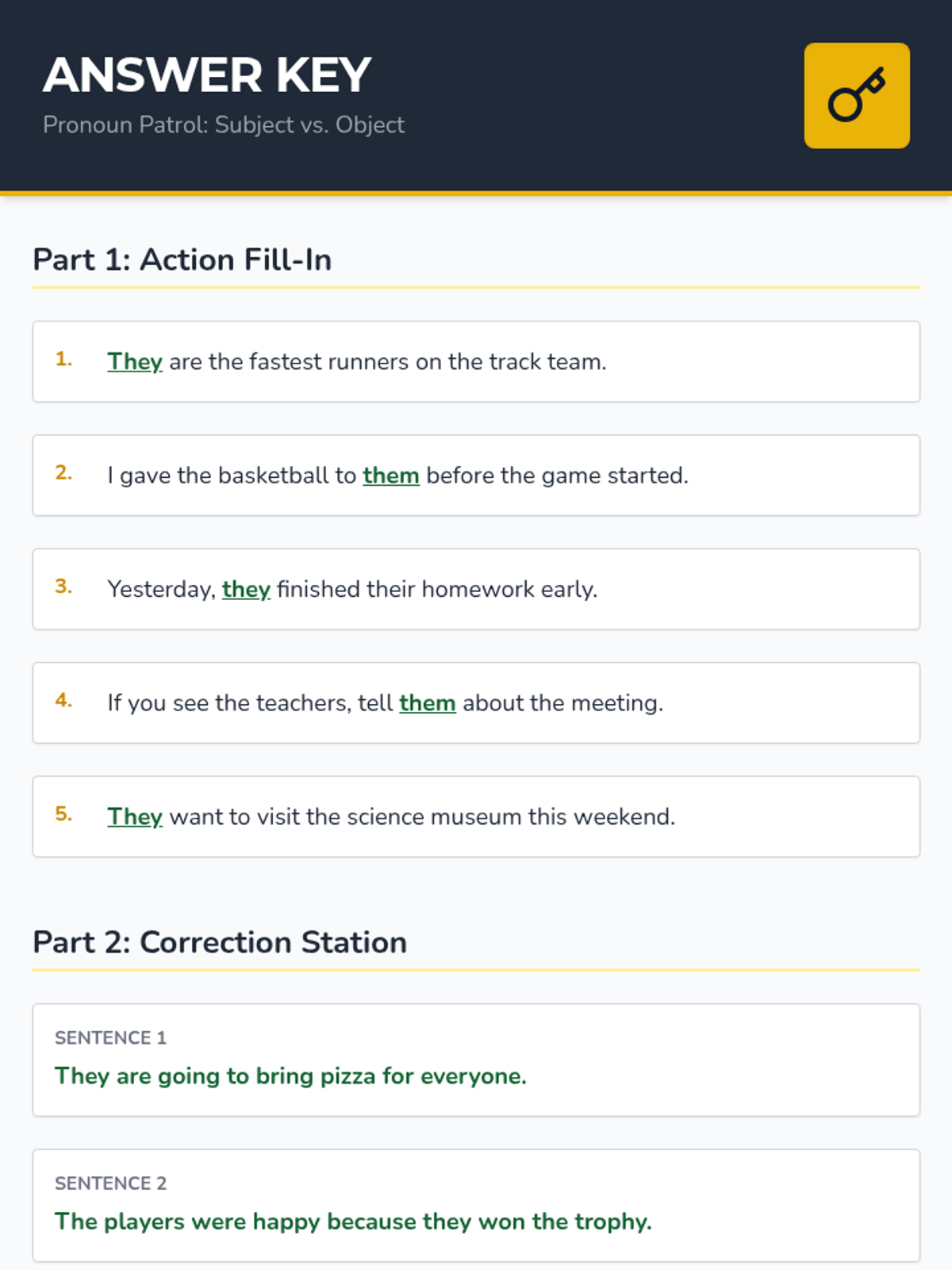
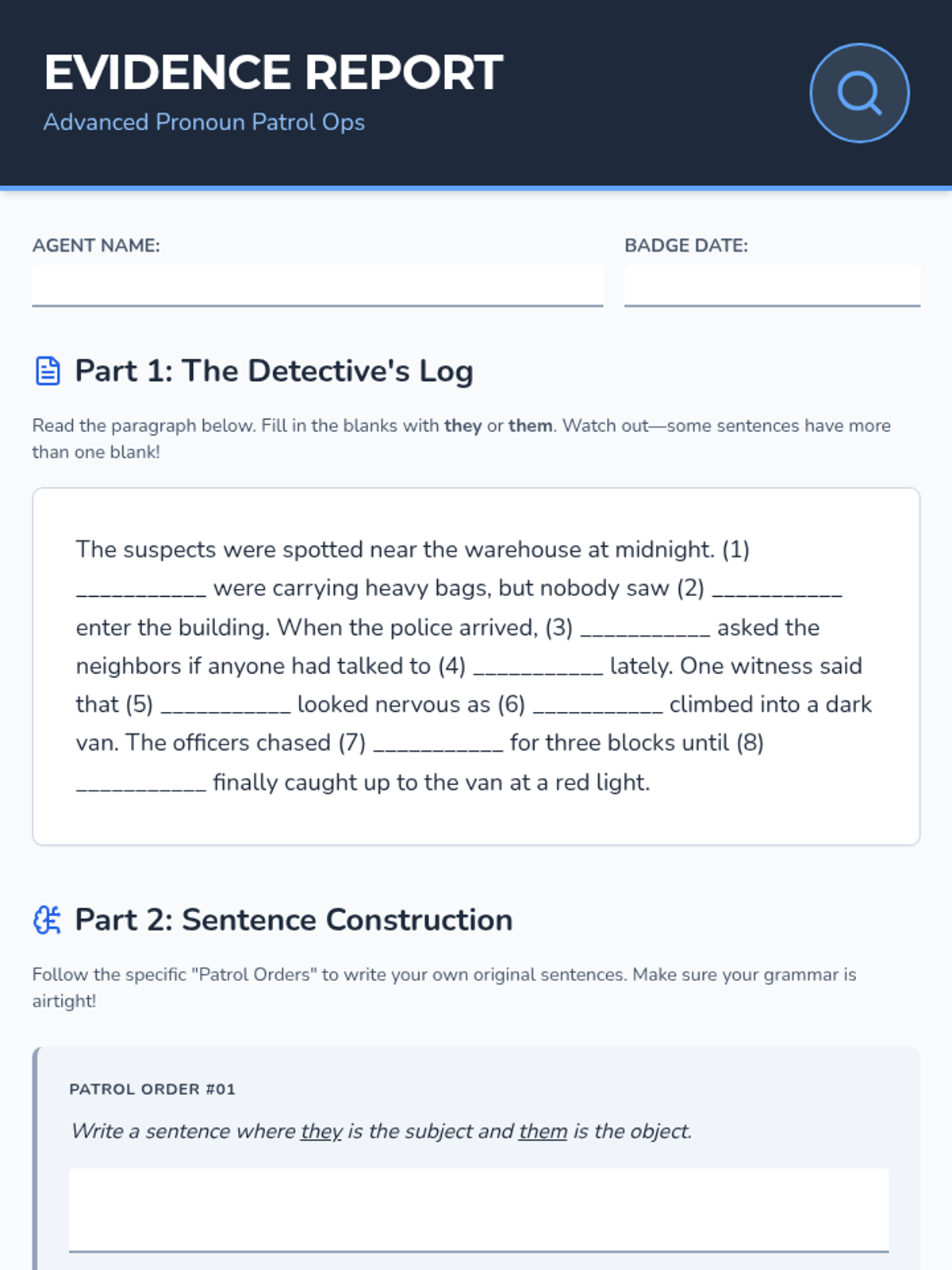
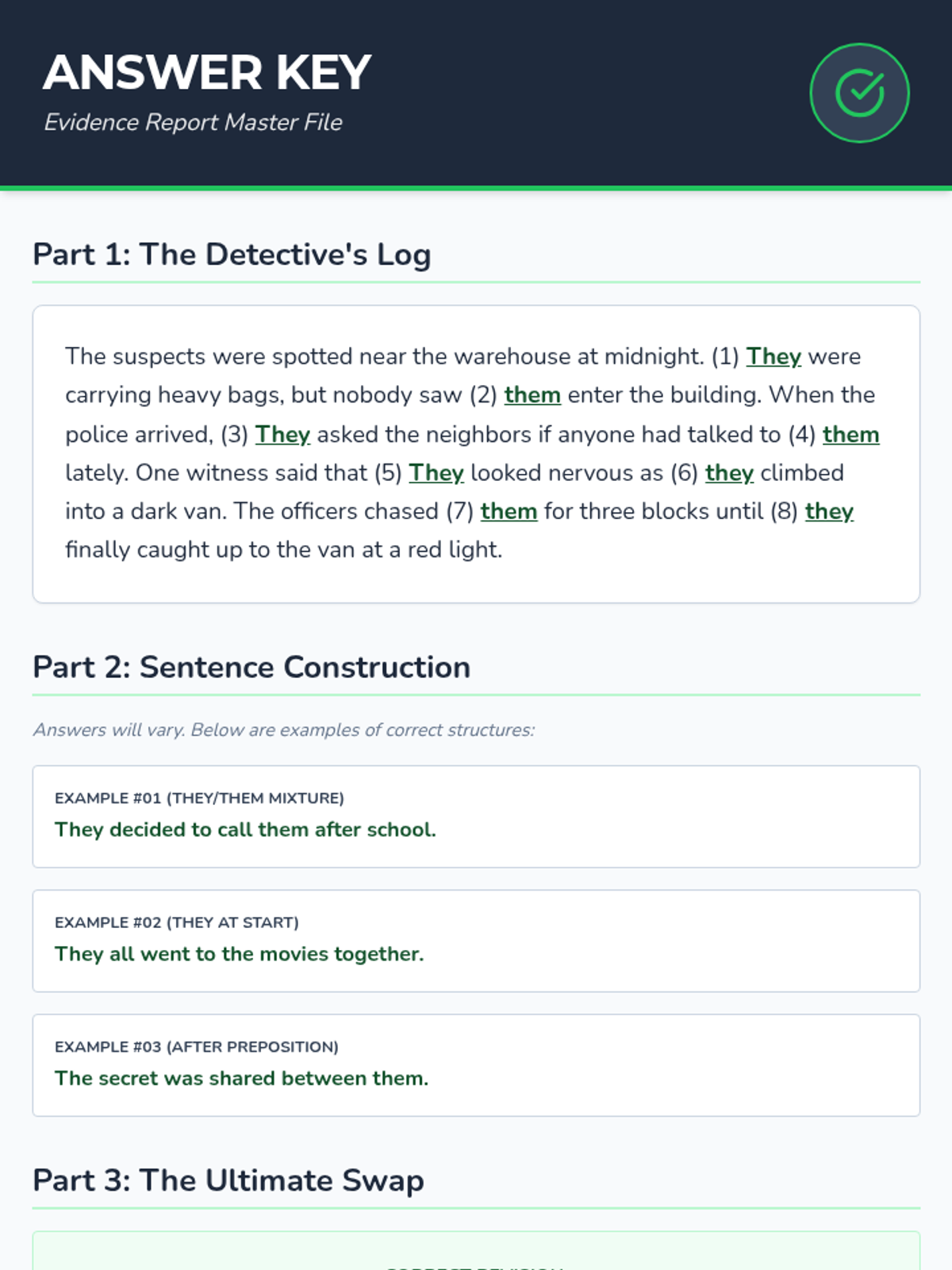
A focused grammar lesson on distinguishing between the subjective pronoun 'they' and the objective pronoun 'them' in sentence structures.
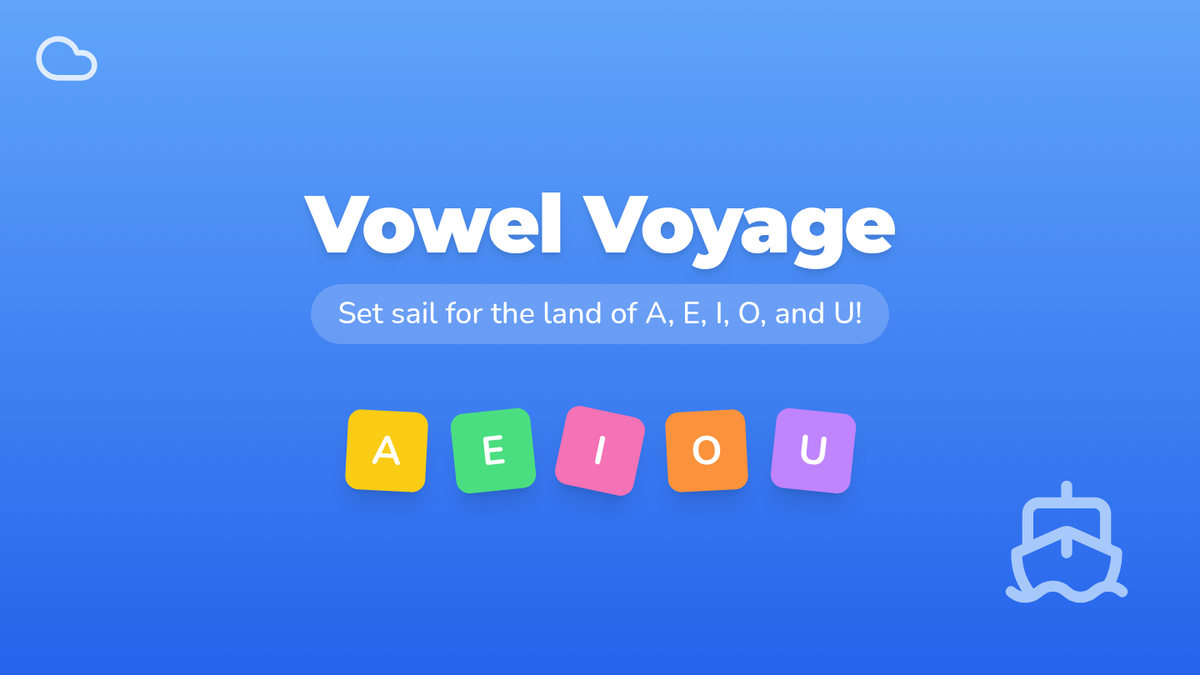
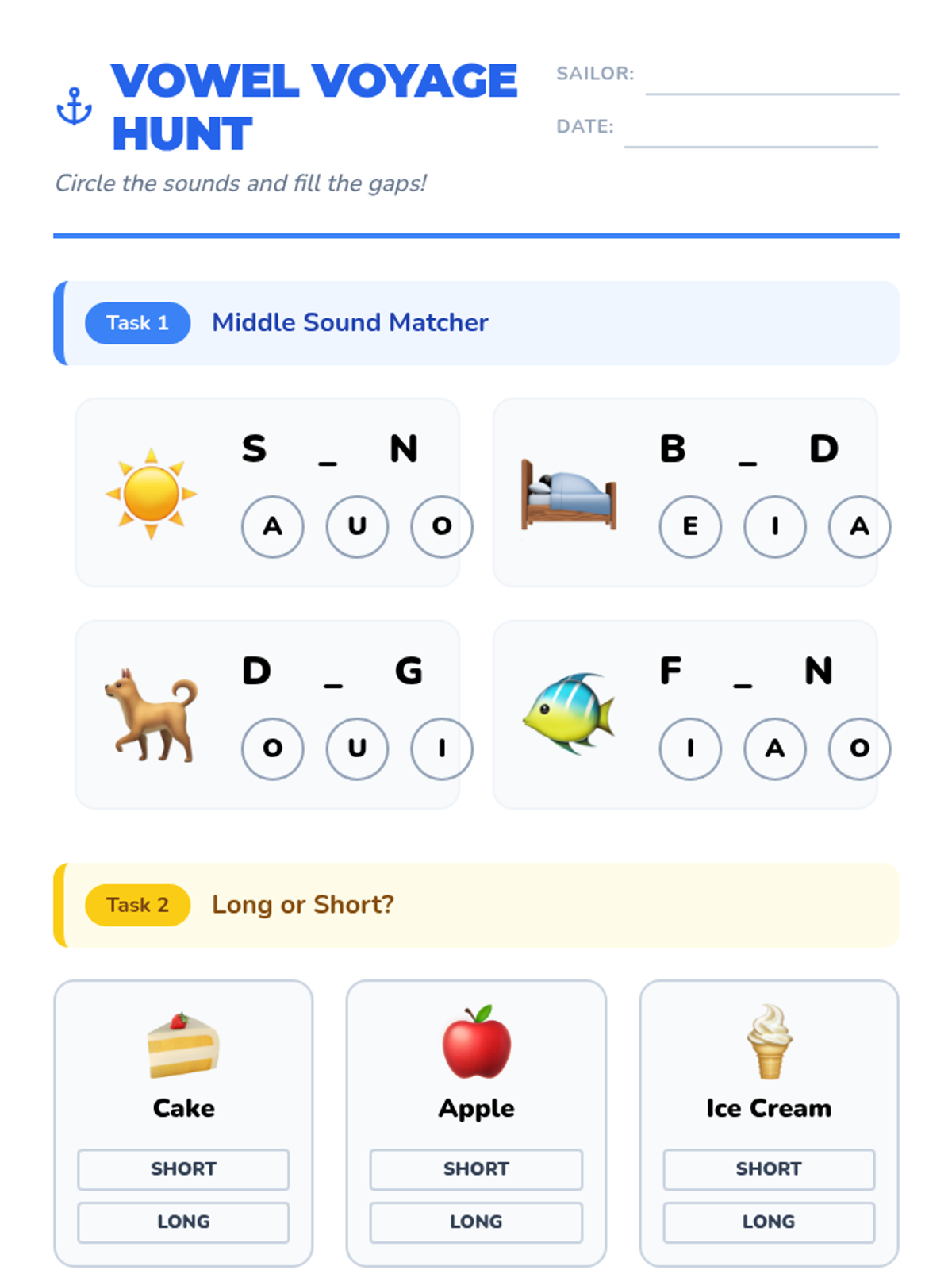
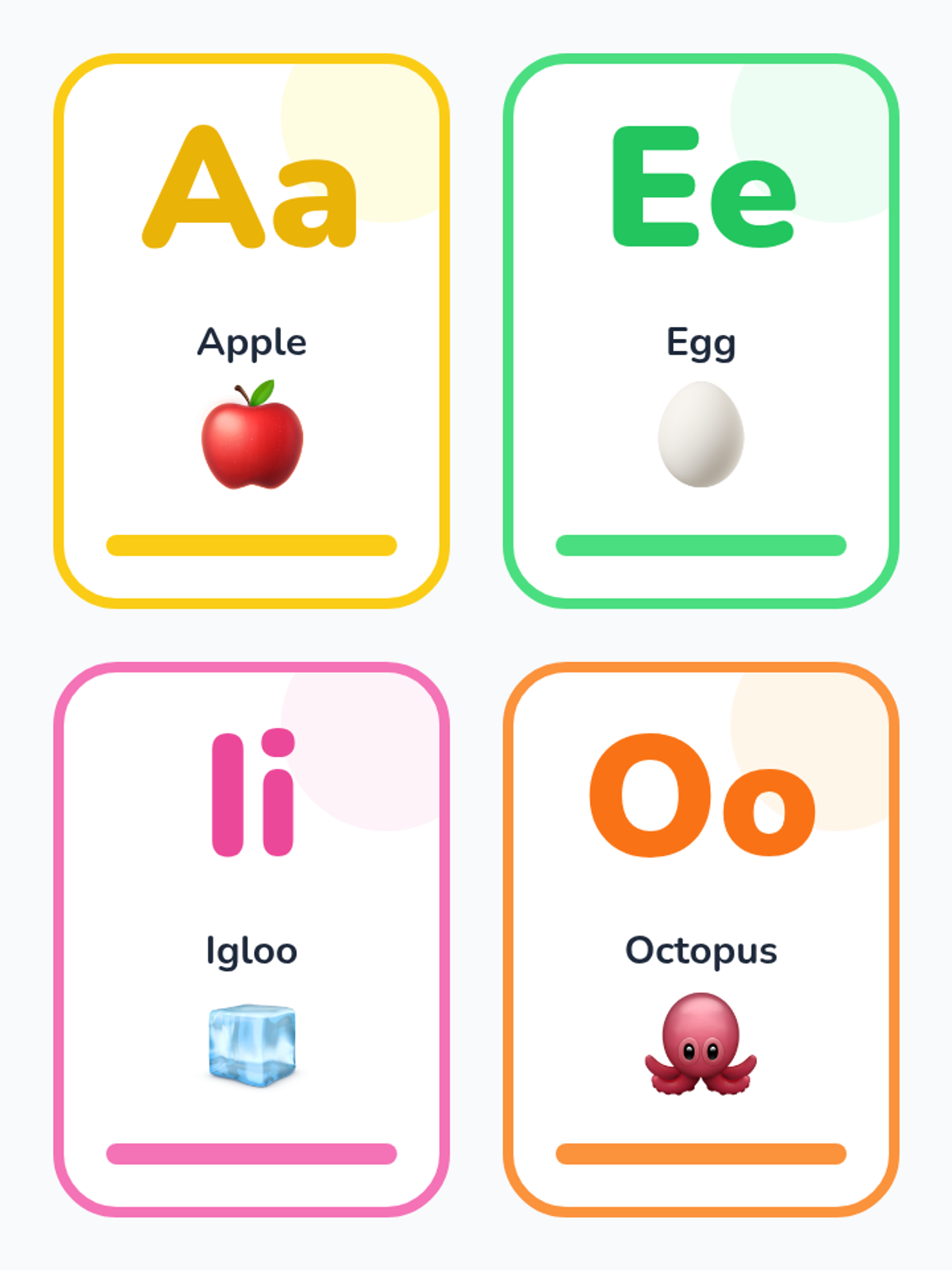
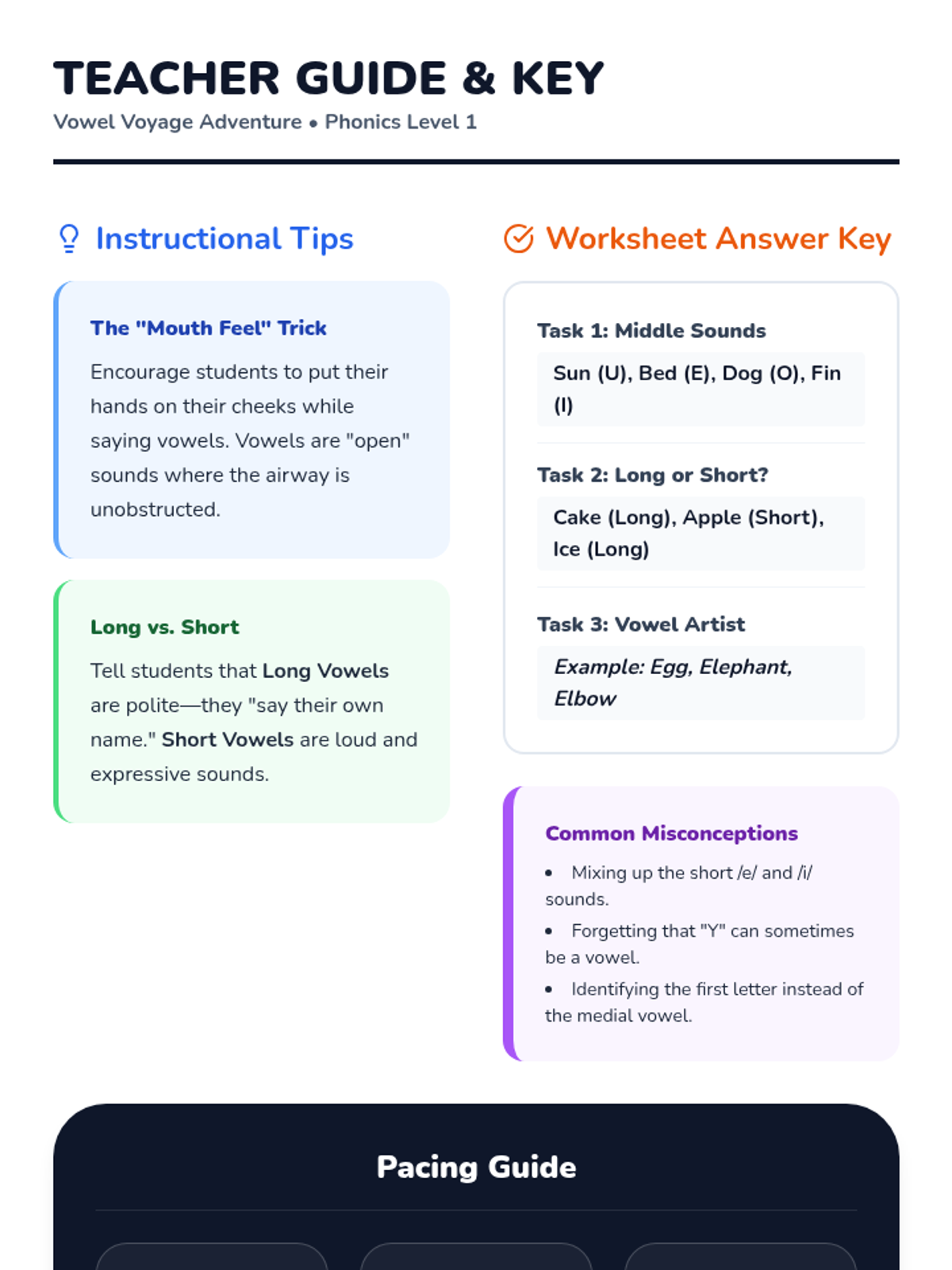
An engaging introduction to short and long vowel sounds through a nautical adventure theme. Students will identify, trace, and distinguish between A, E, I, O, and U sounds using visual cues and hands-on practice.
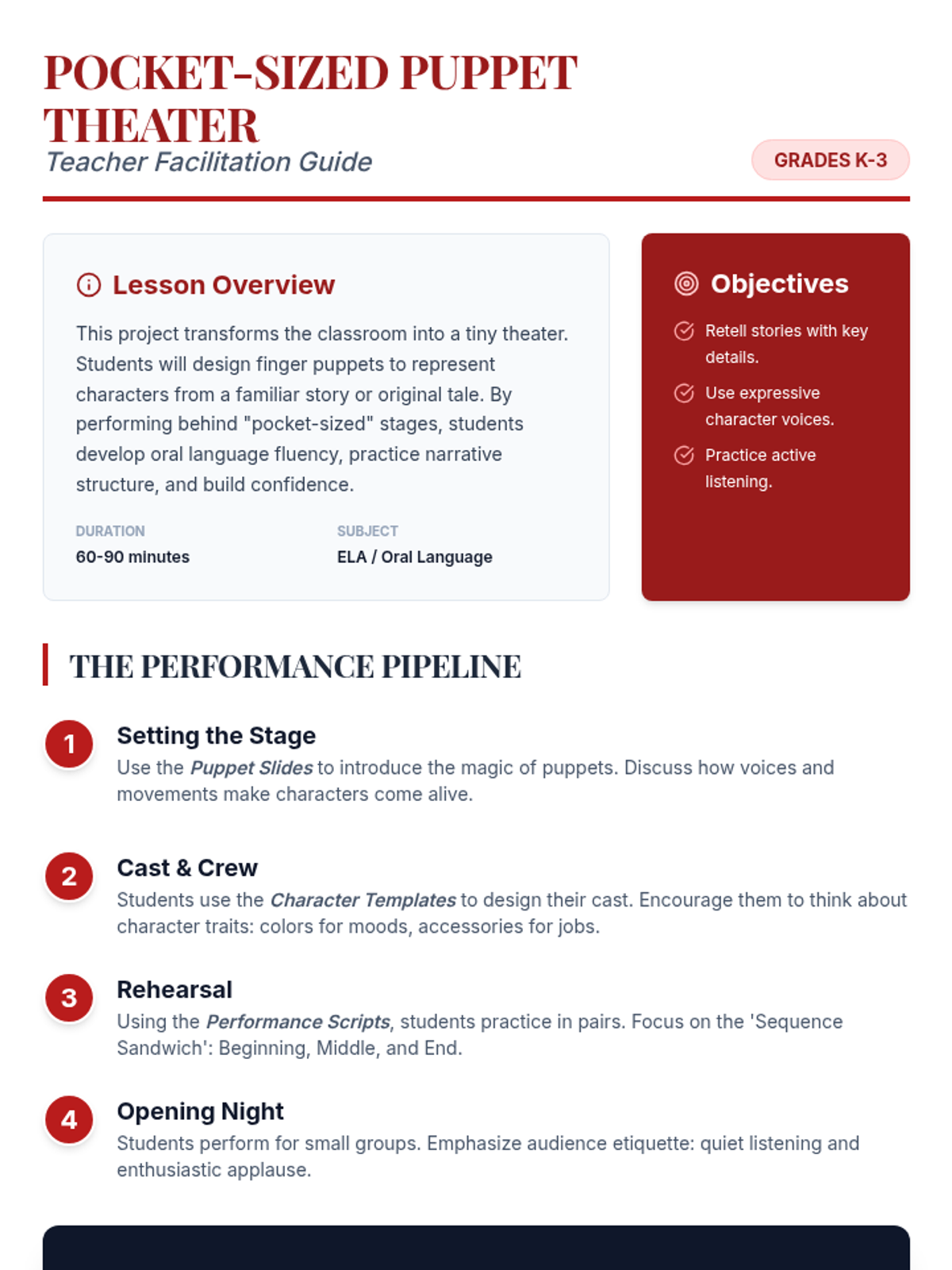
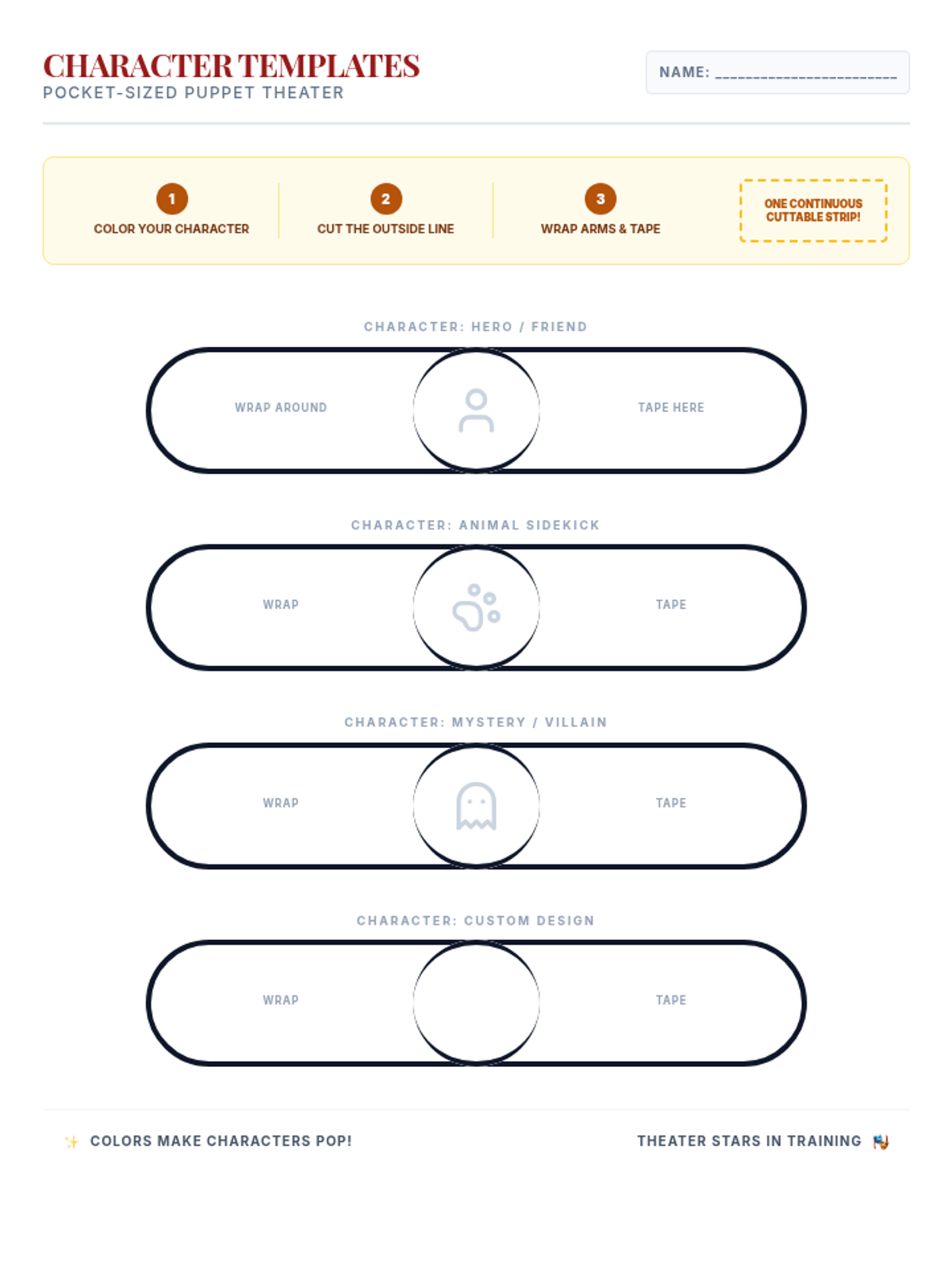
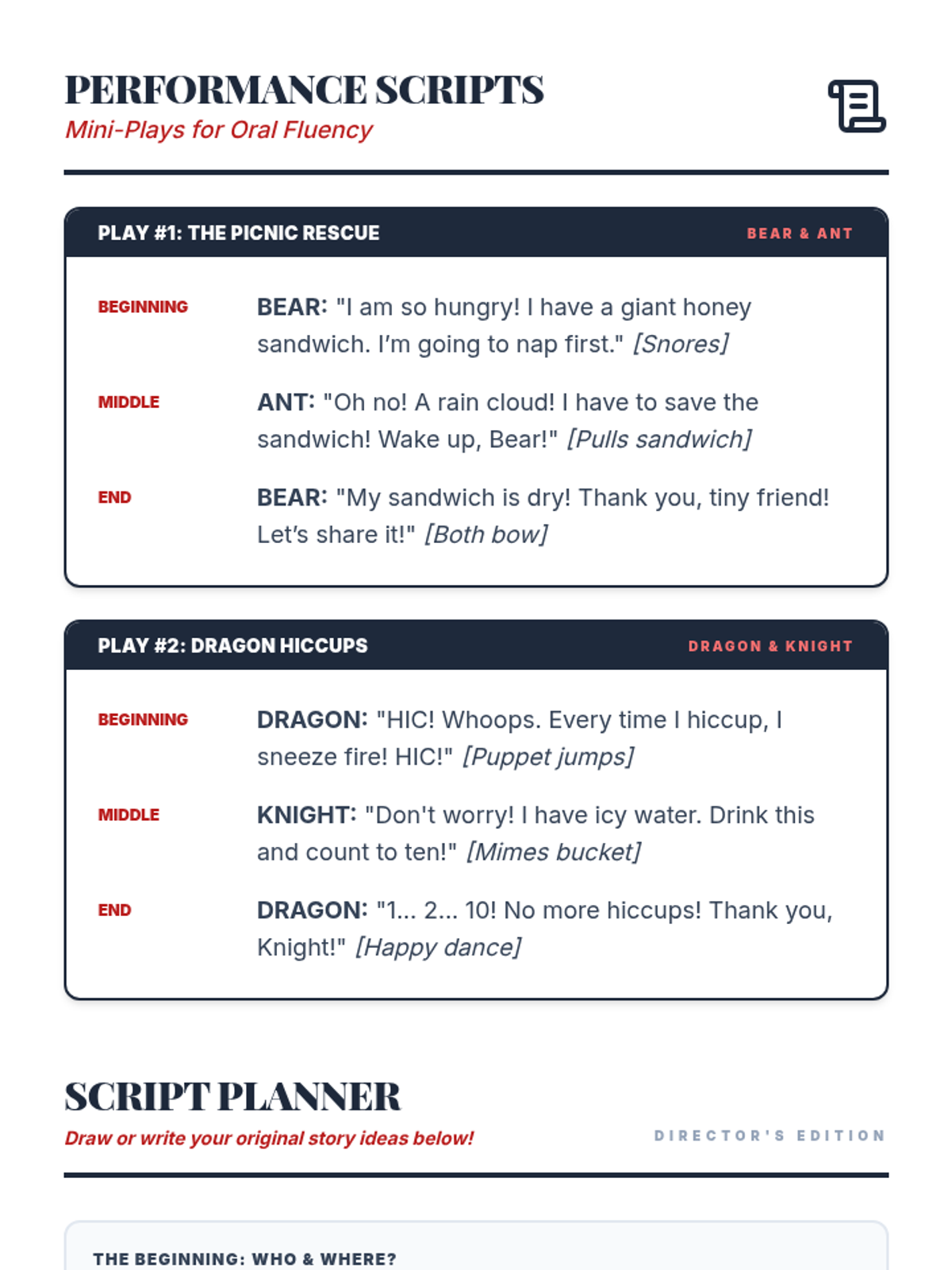
A creative oral language project where students build finger puppets and stage mini-performances to improve retelling skills, fluency, and speaking confidence.
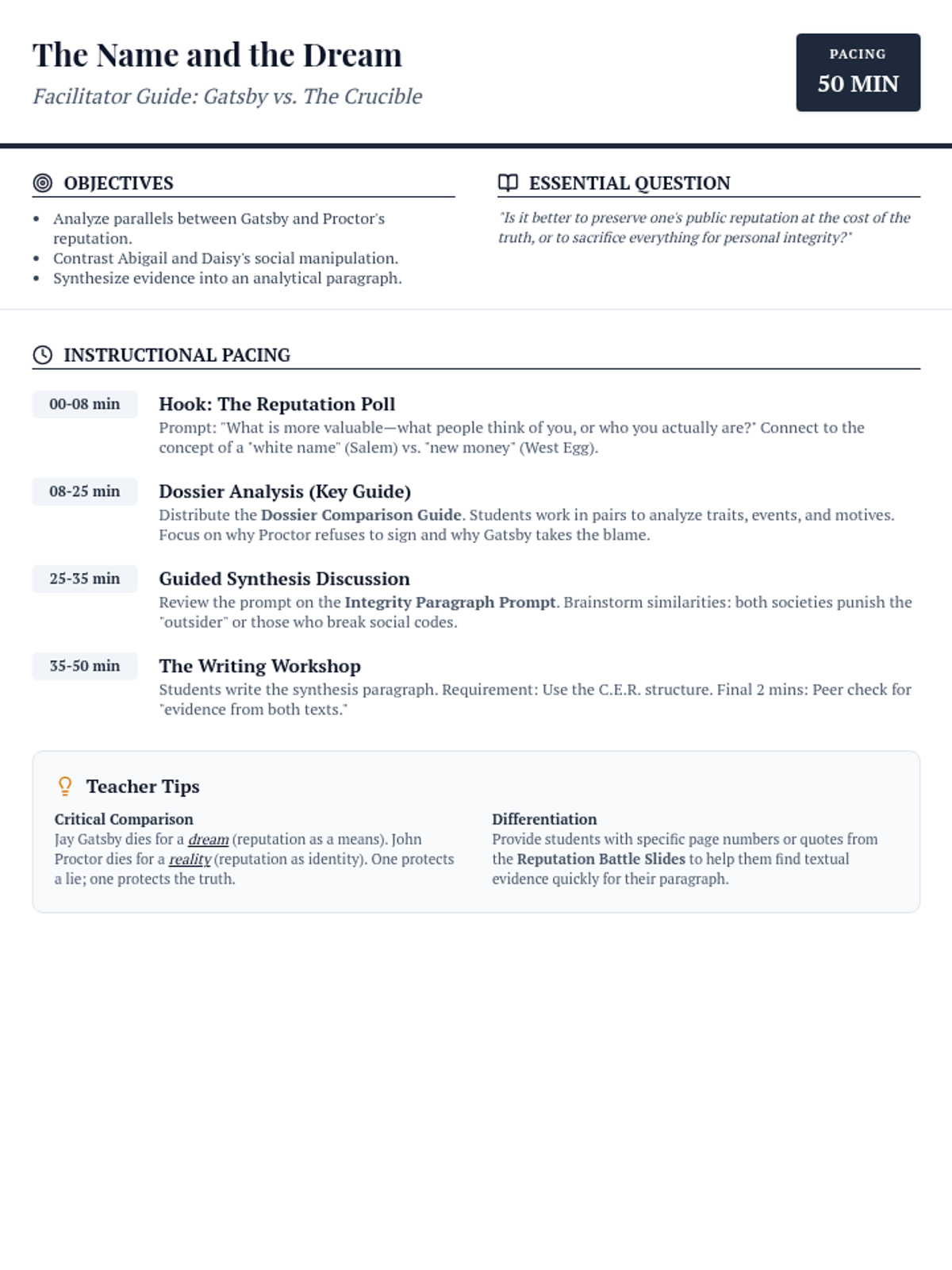
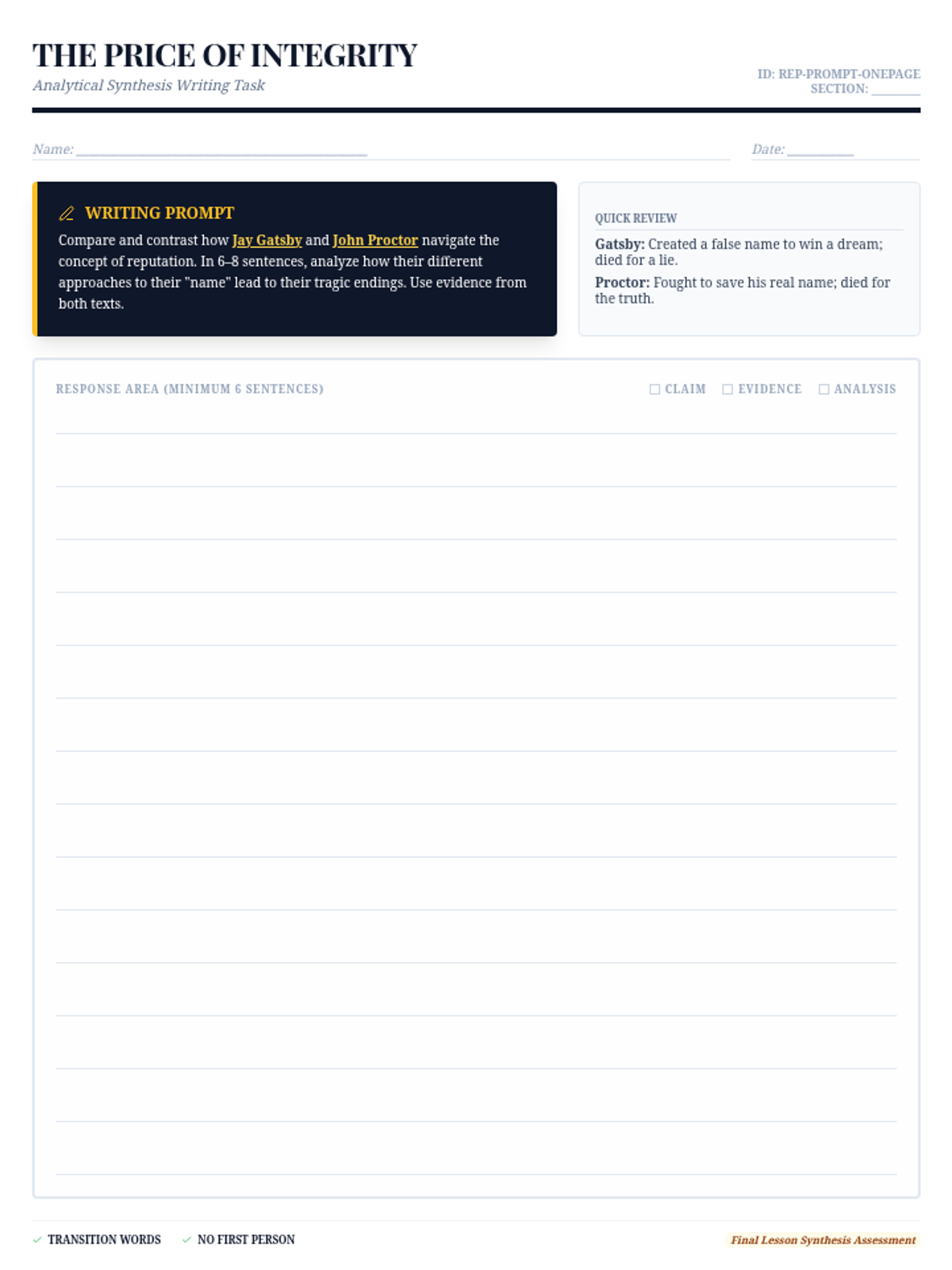
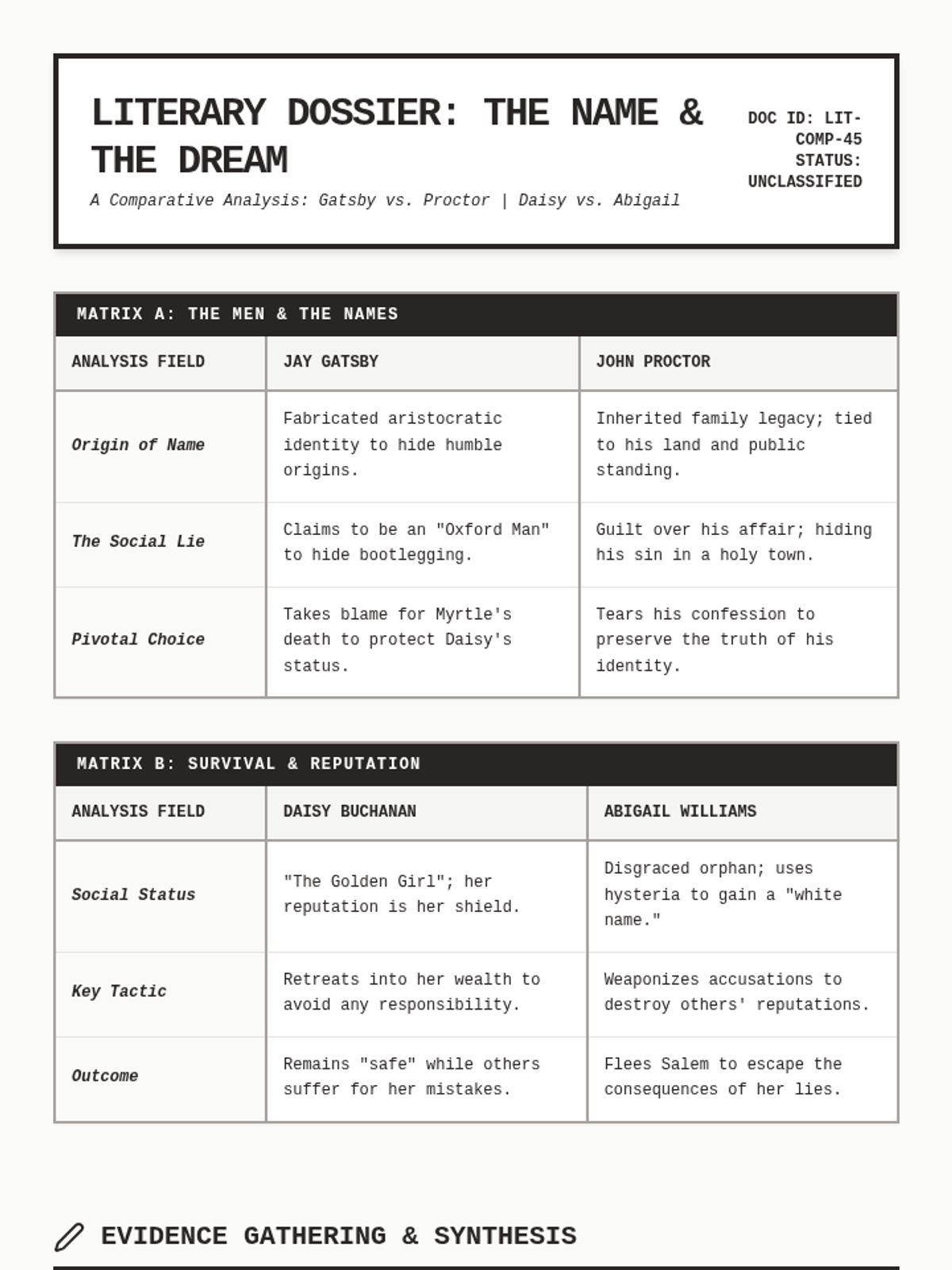
A 50-minute comparison of The Great Gatsby and The Crucible, focusing on the themes of reputation, integrity, and the individual's struggle against societal expectations. Students analyze character motivations and write a synthesis paragraph.
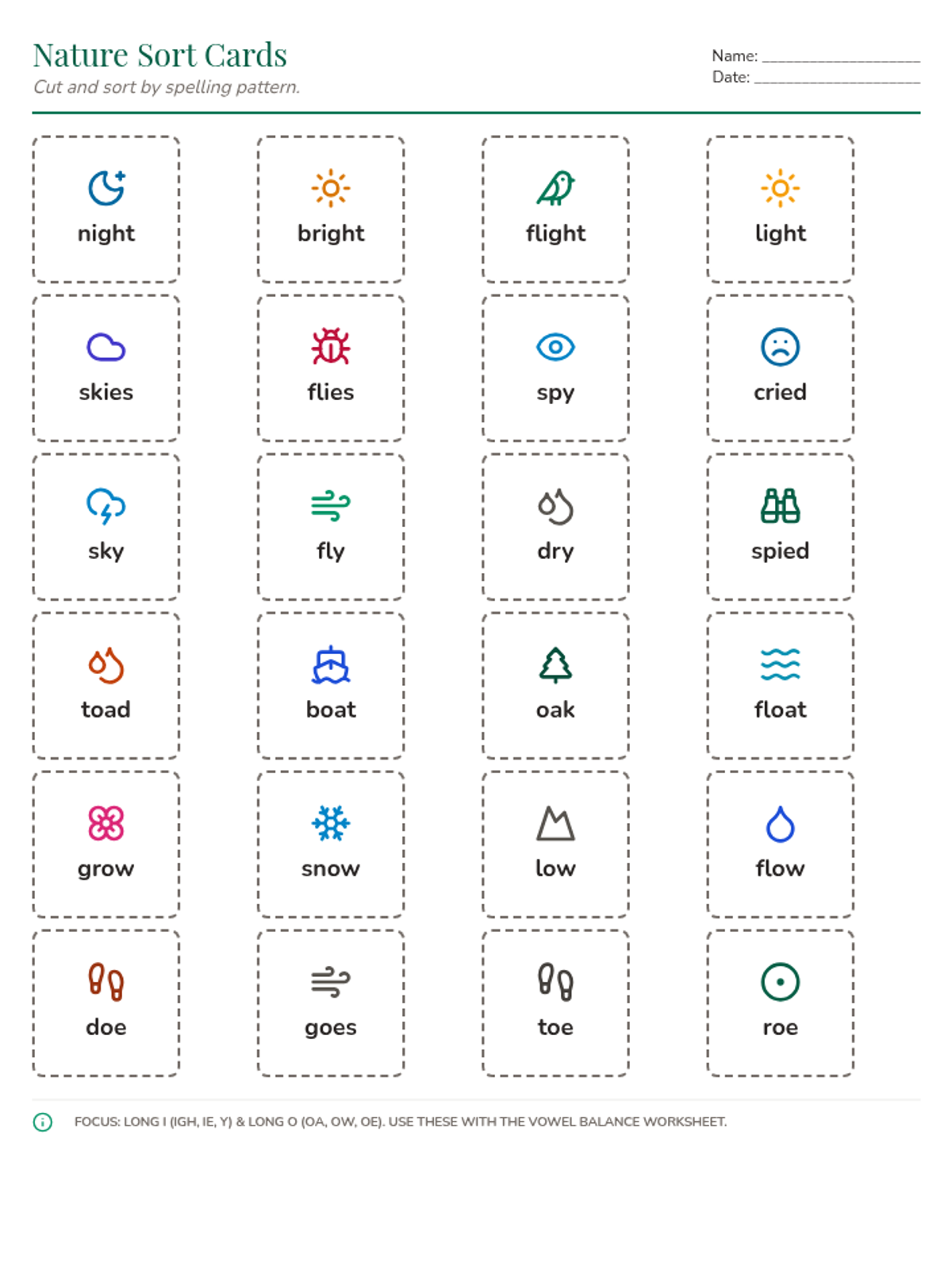
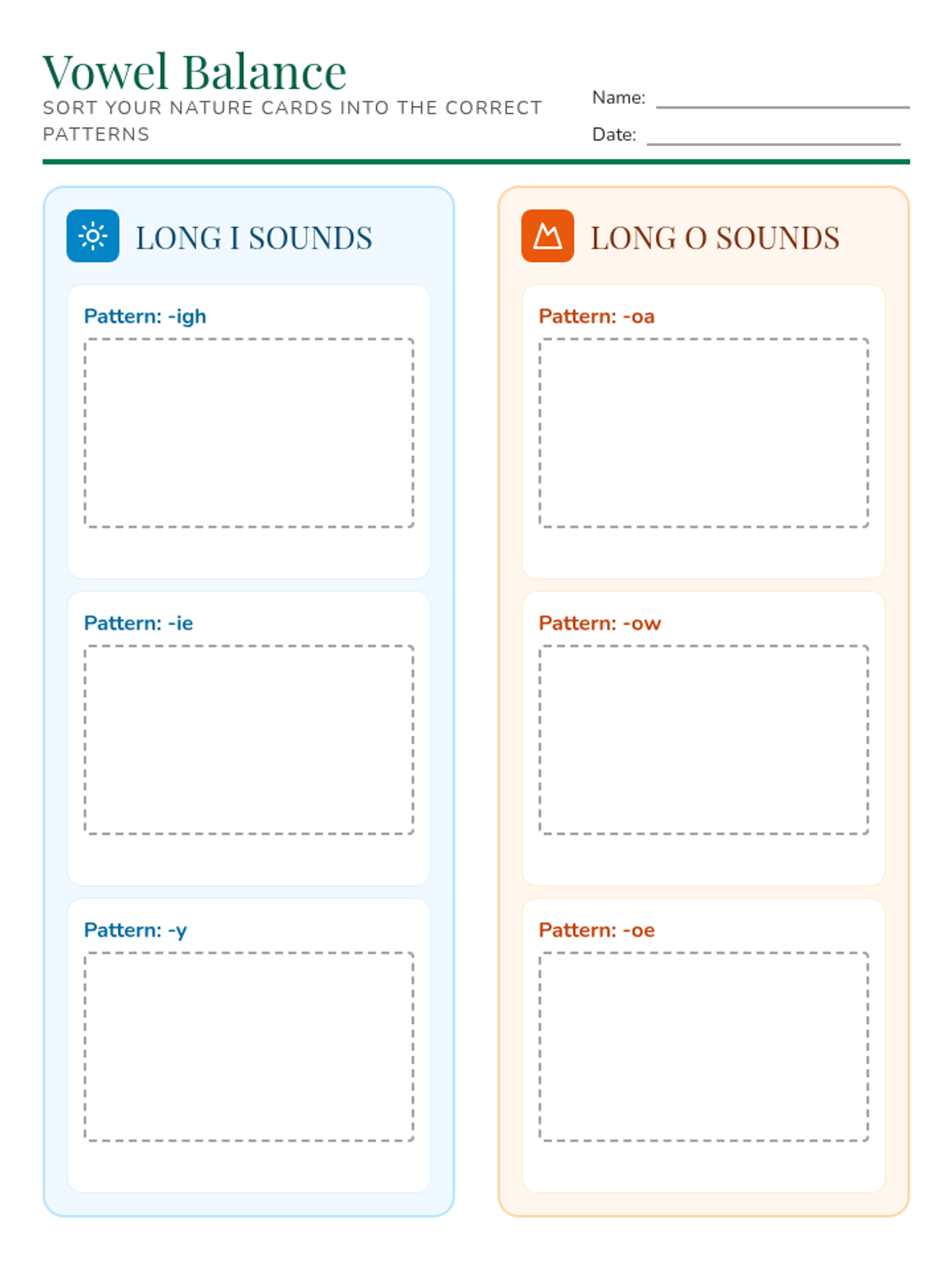
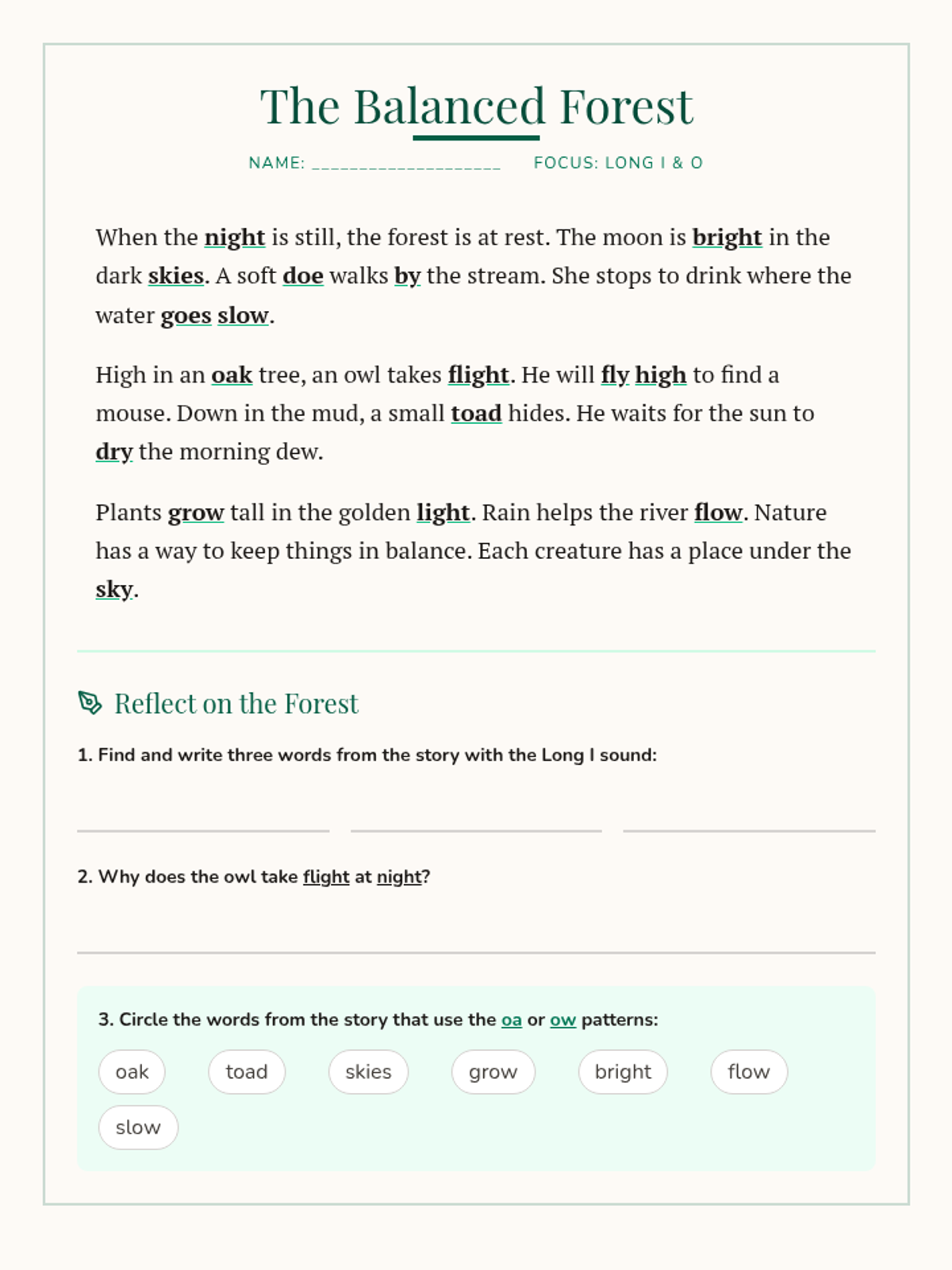
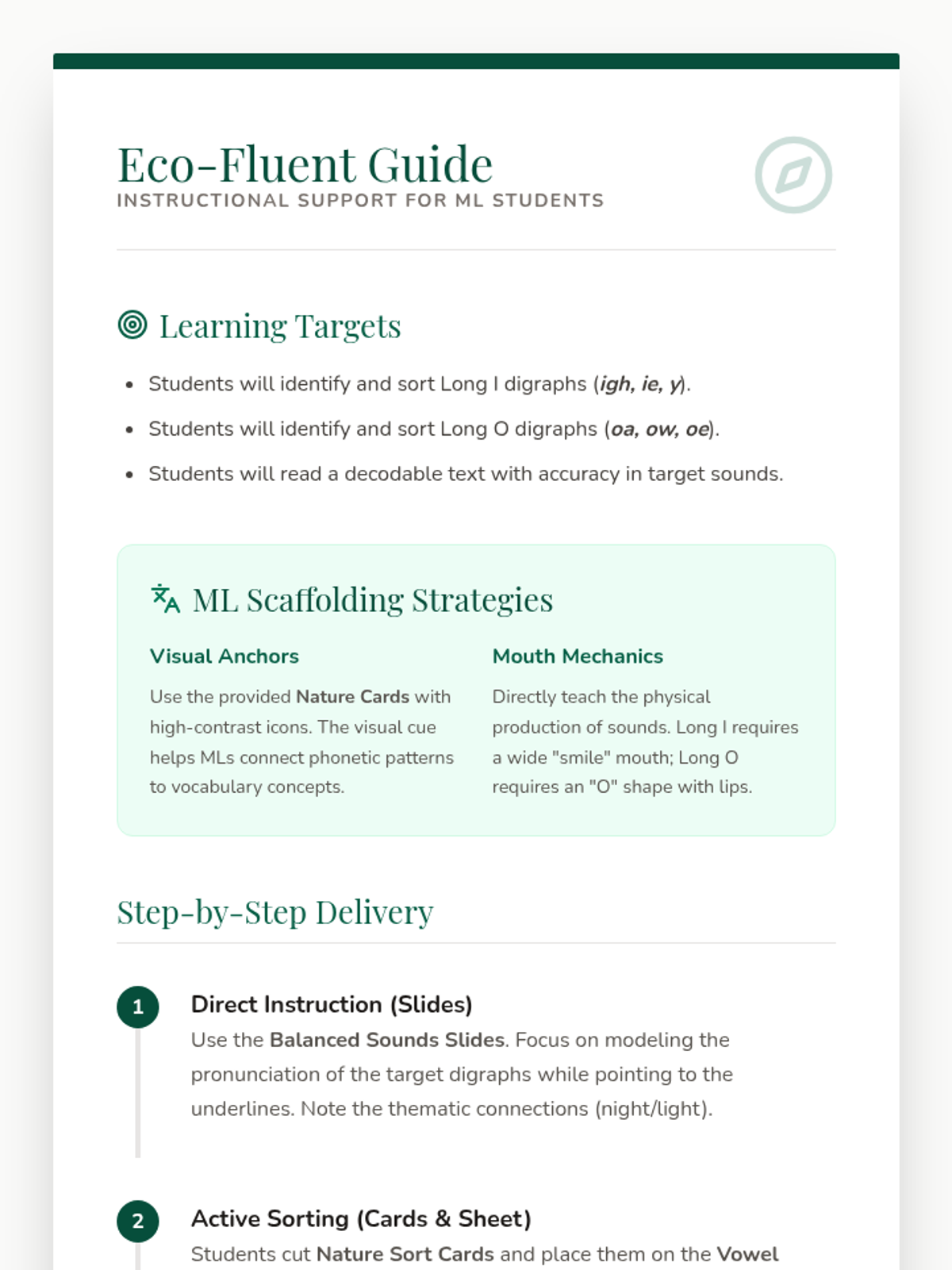
A targeted lesson on Long I (igh, ie, y) and Long O (oa, ow, oe) digraphs using nature-themed vocabulary and decodable text.
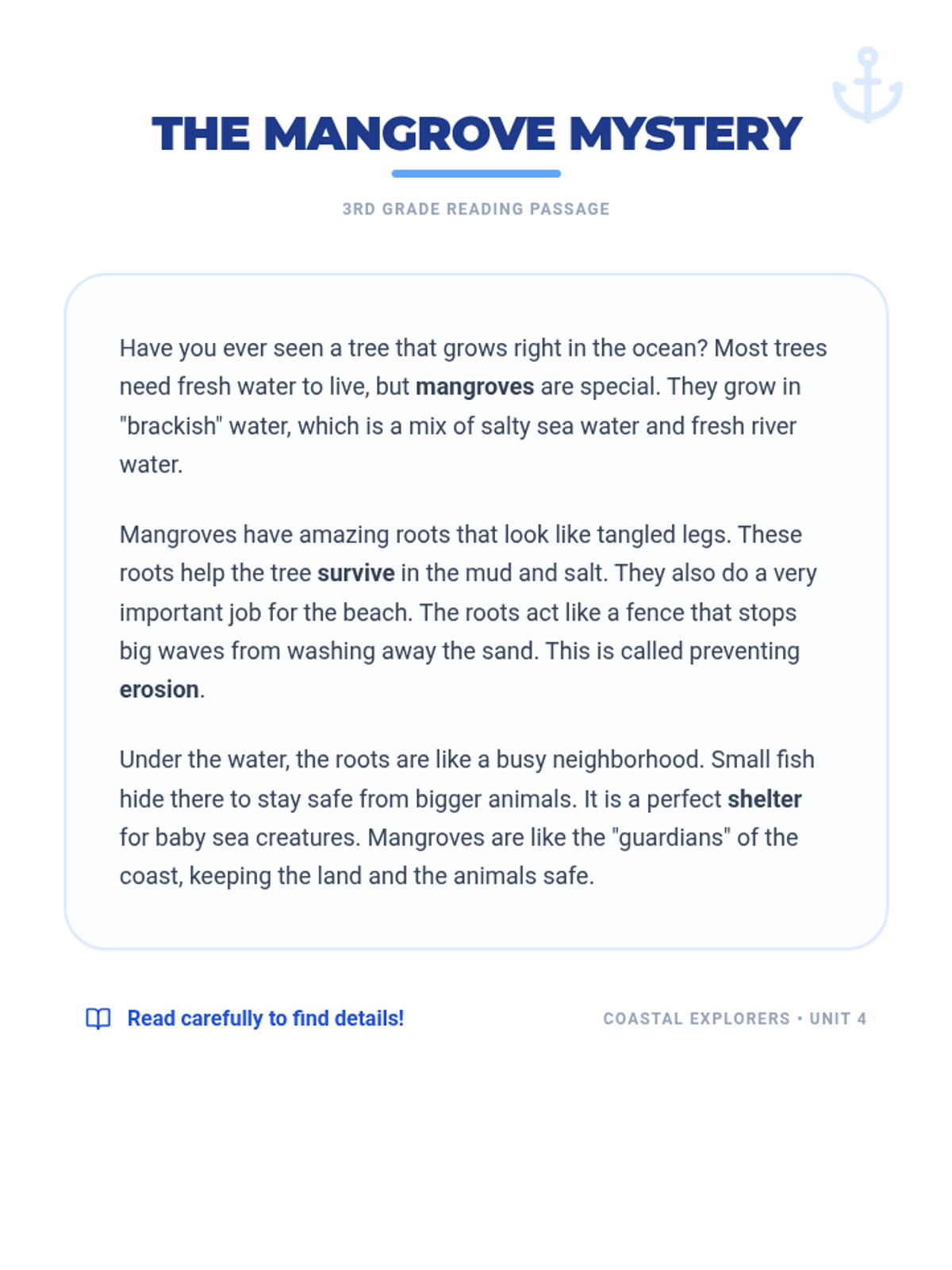
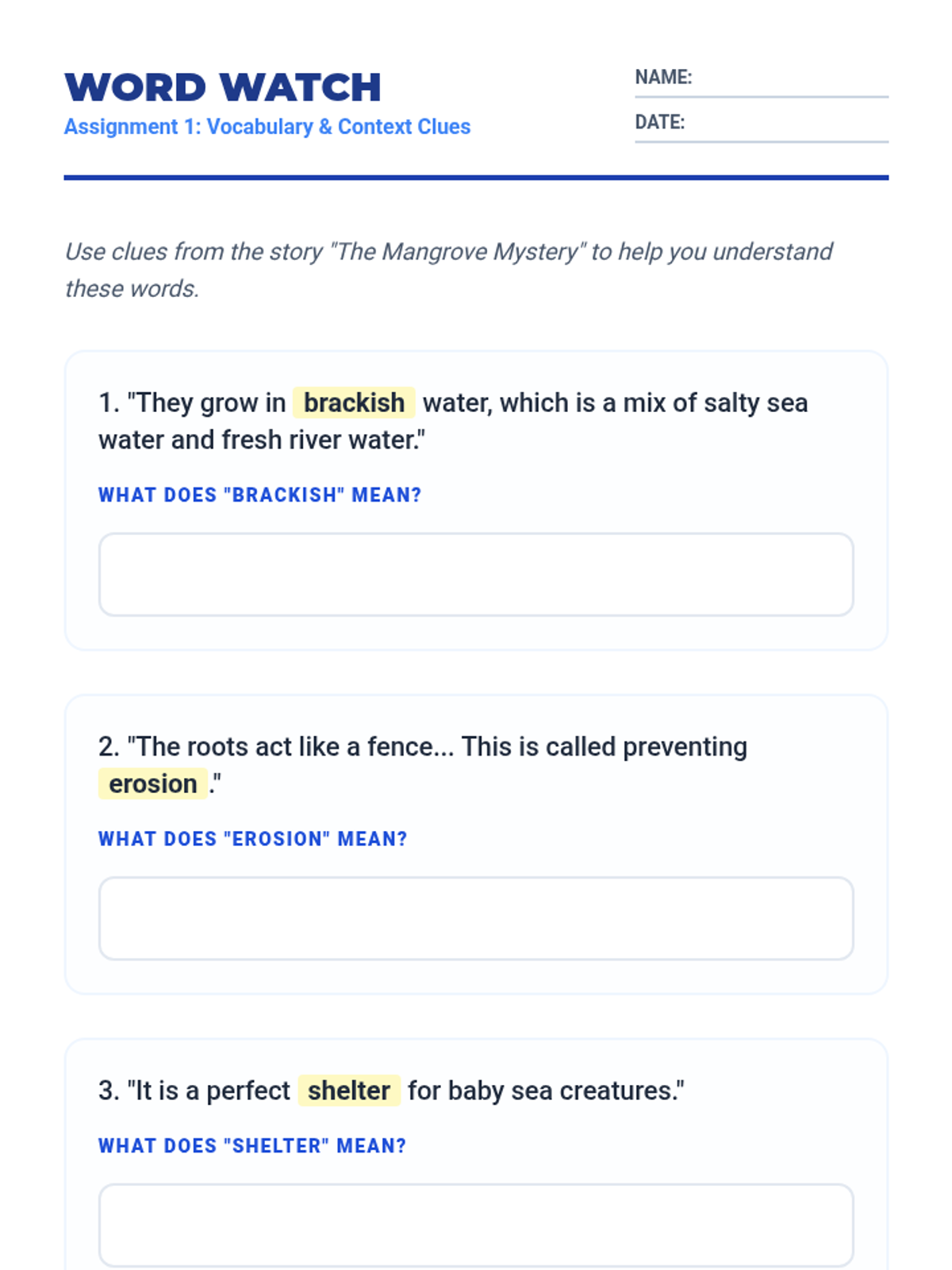
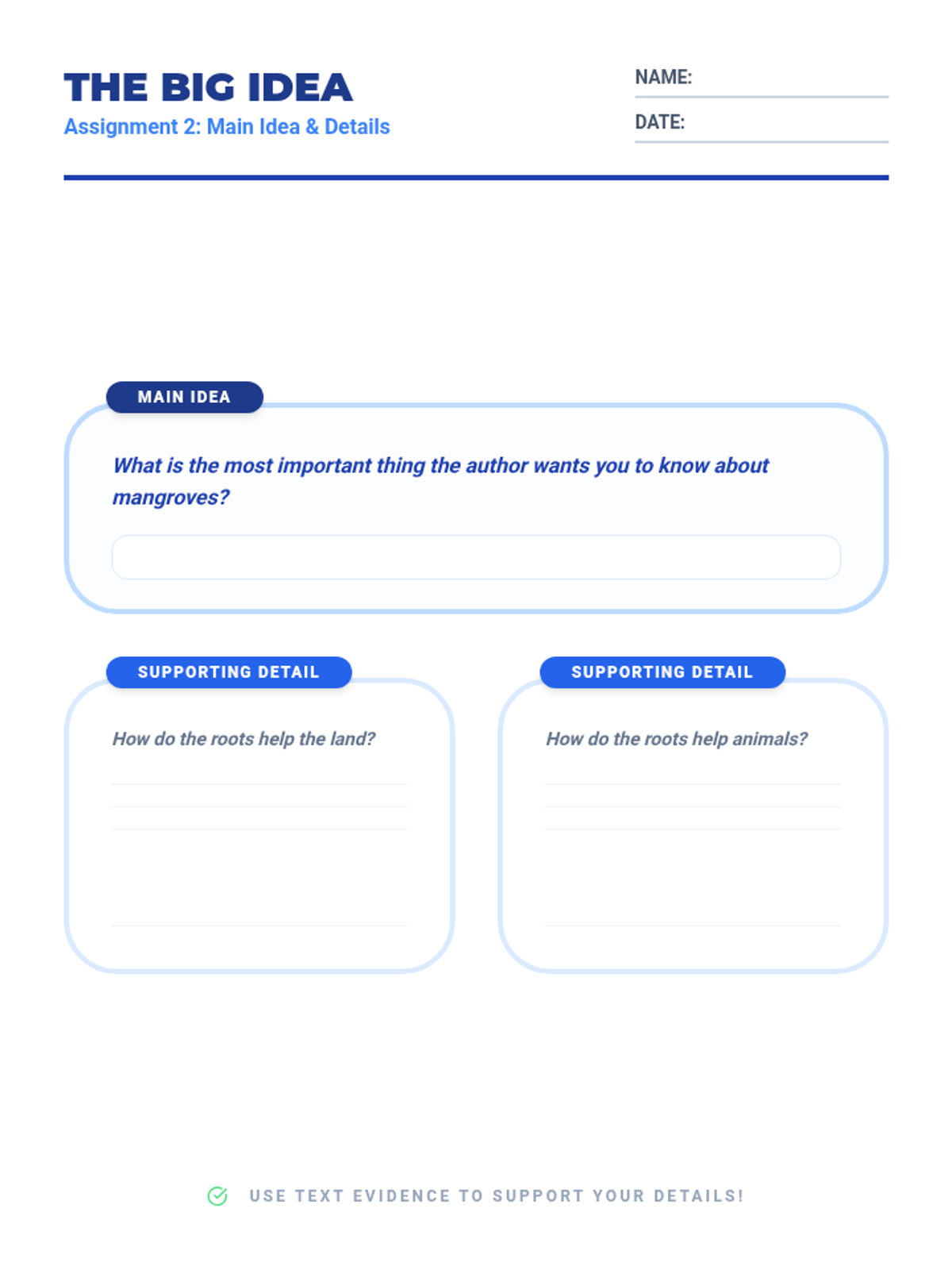
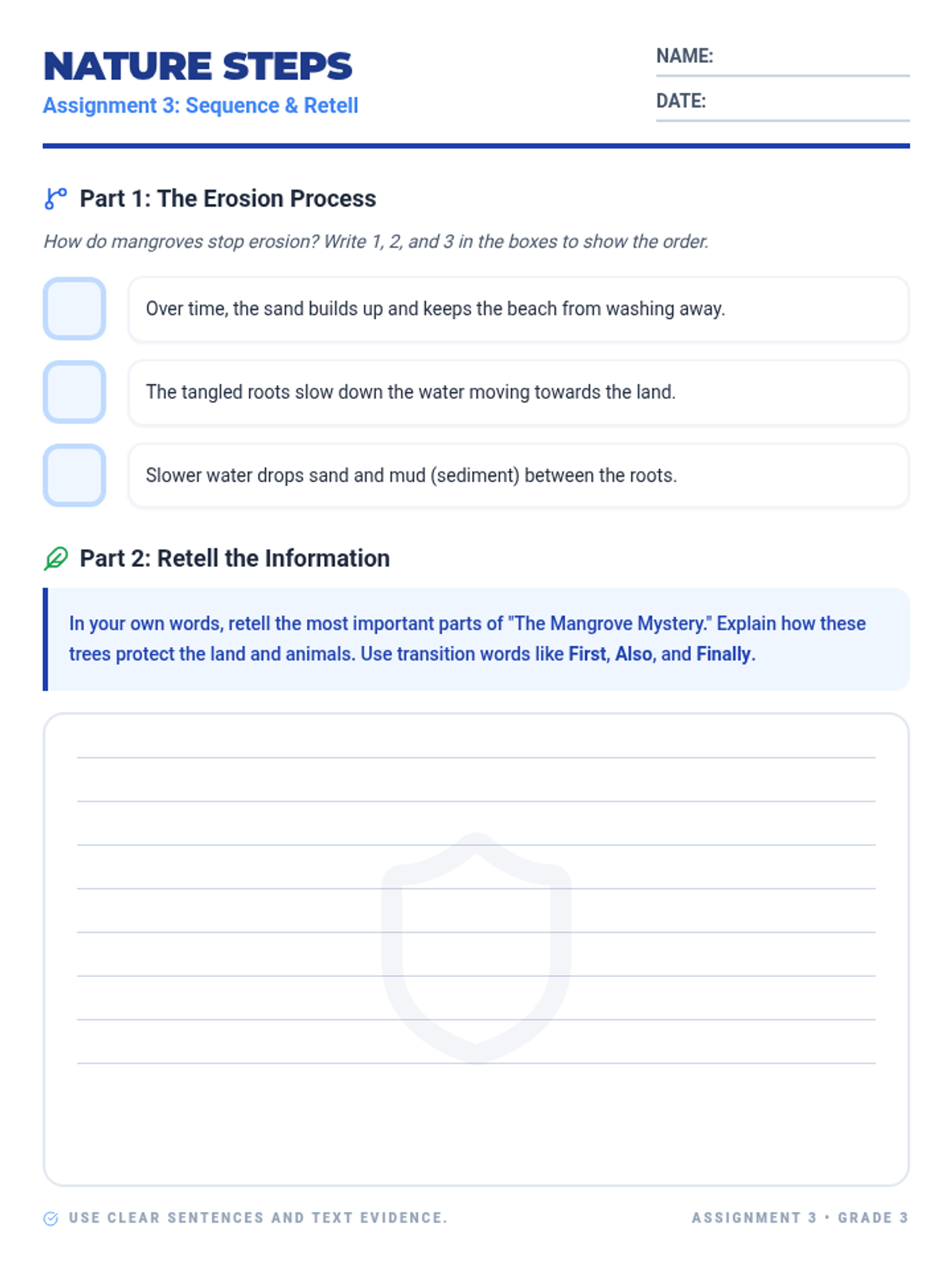
Third-grade level informational reading focusing on coastal ecosystems. Students explore vocabulary, identify main ideas with supporting evidence, and sequence natural processes through accessible text about mangrove forests.
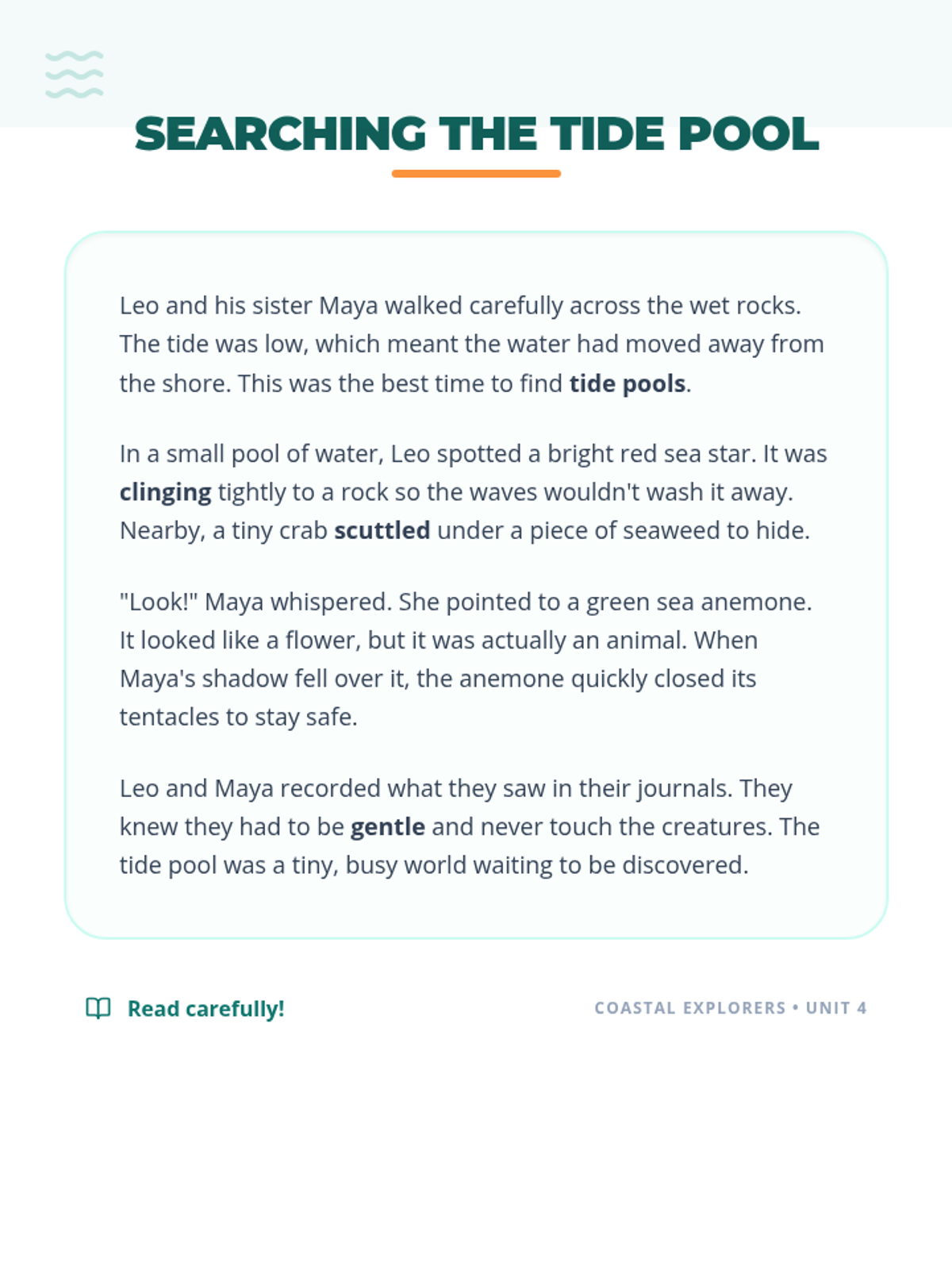
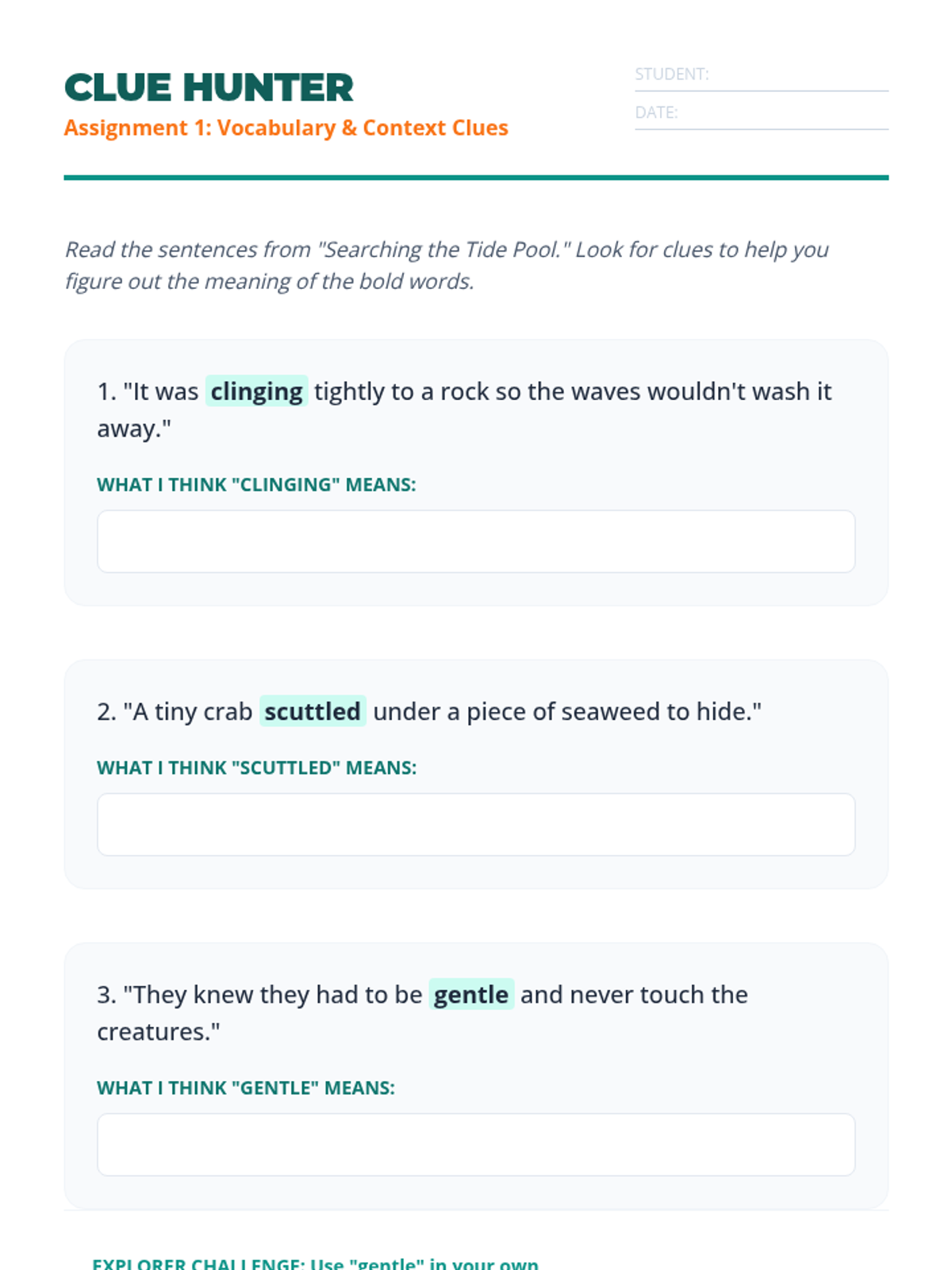
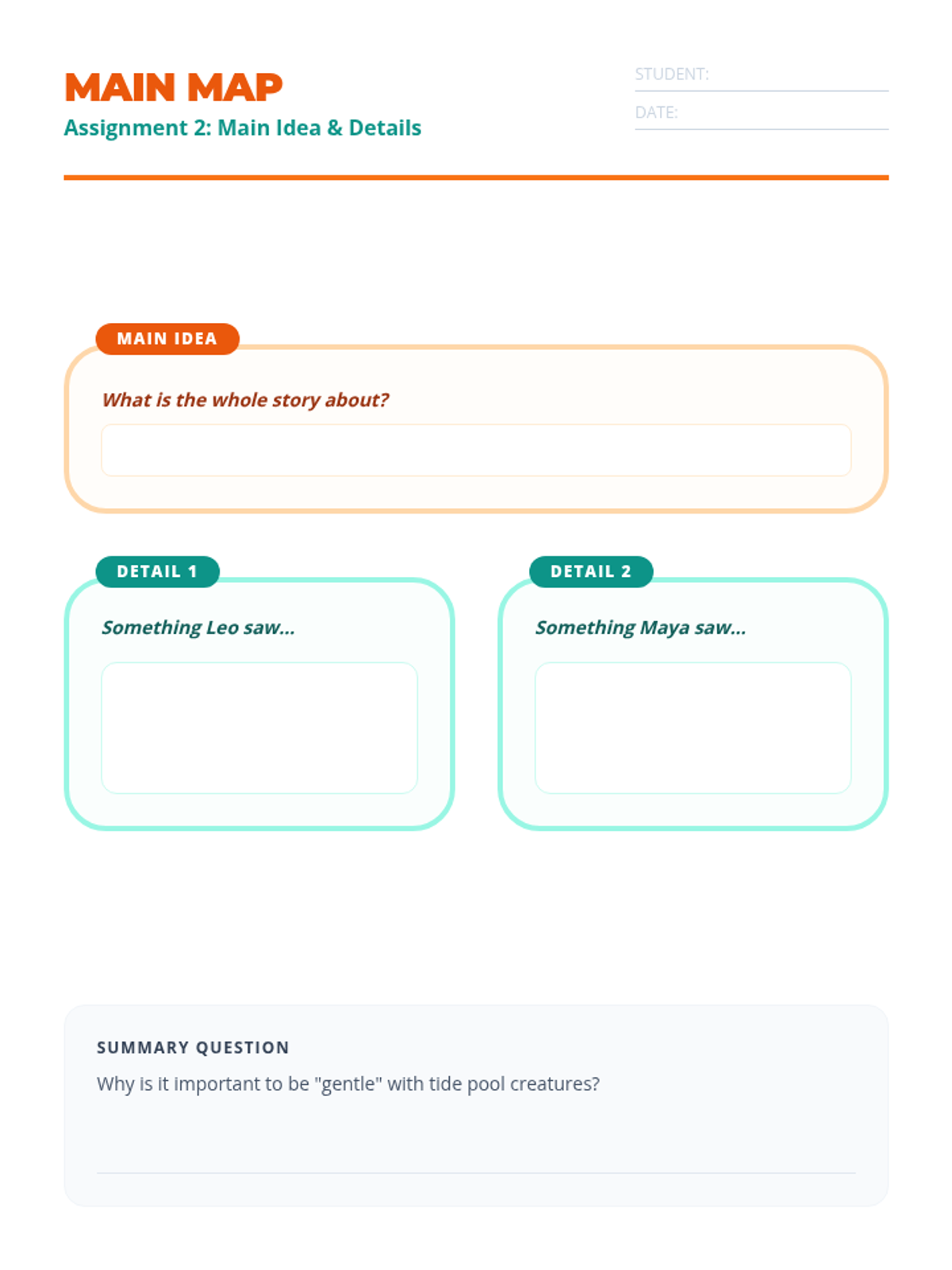
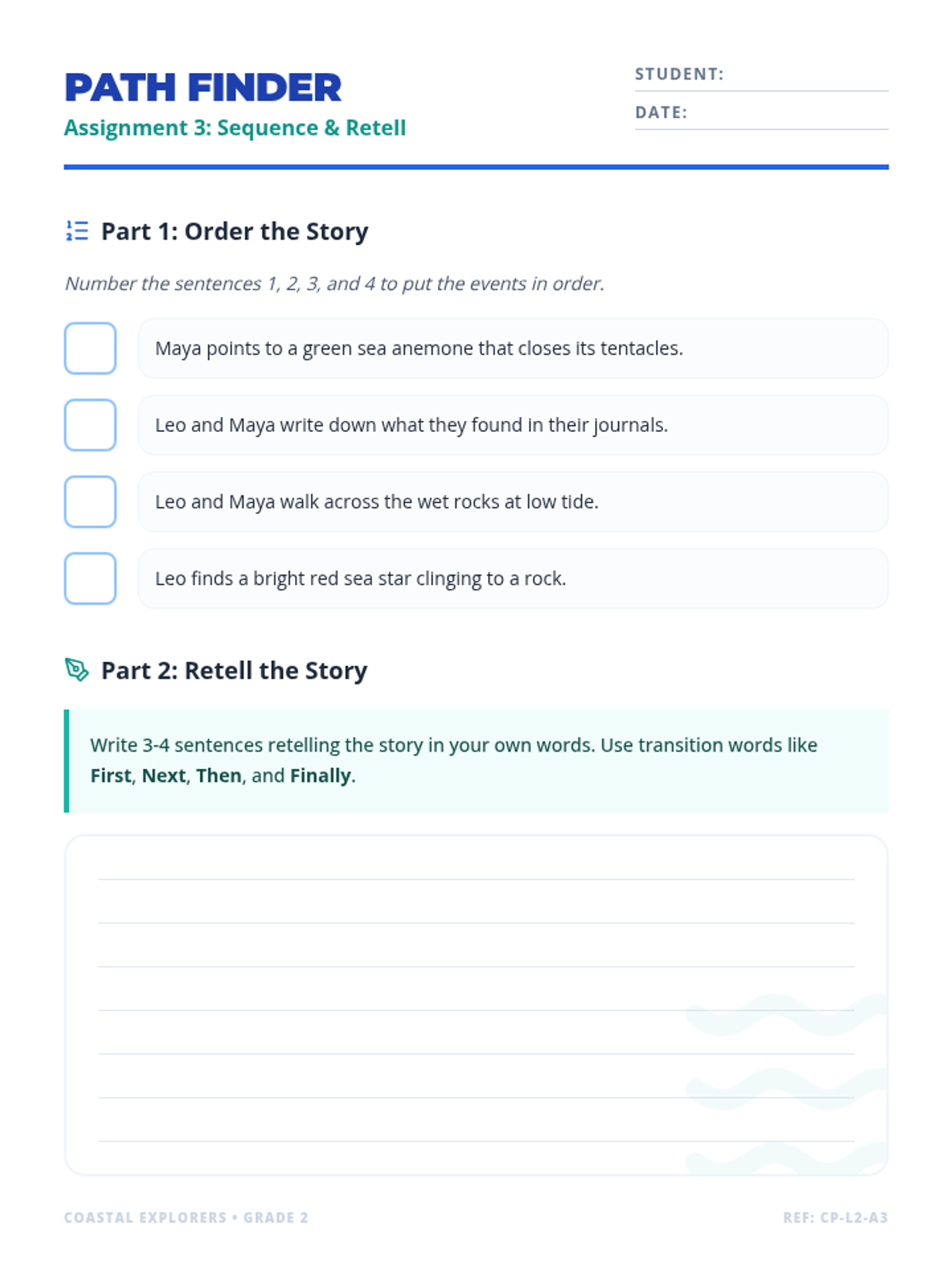
Second-grade level reading comprehension focusing on descriptive coastal vocabulary and identifying the main idea of narrative and informational texts. Students practice sequencing four-step events and supporting their answers with text evidence.