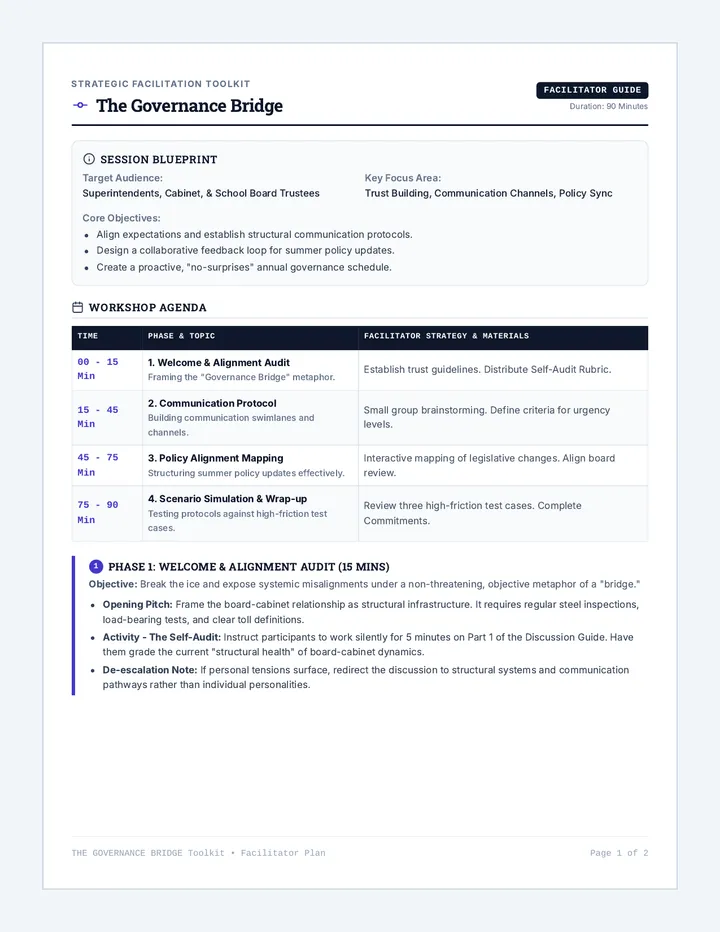
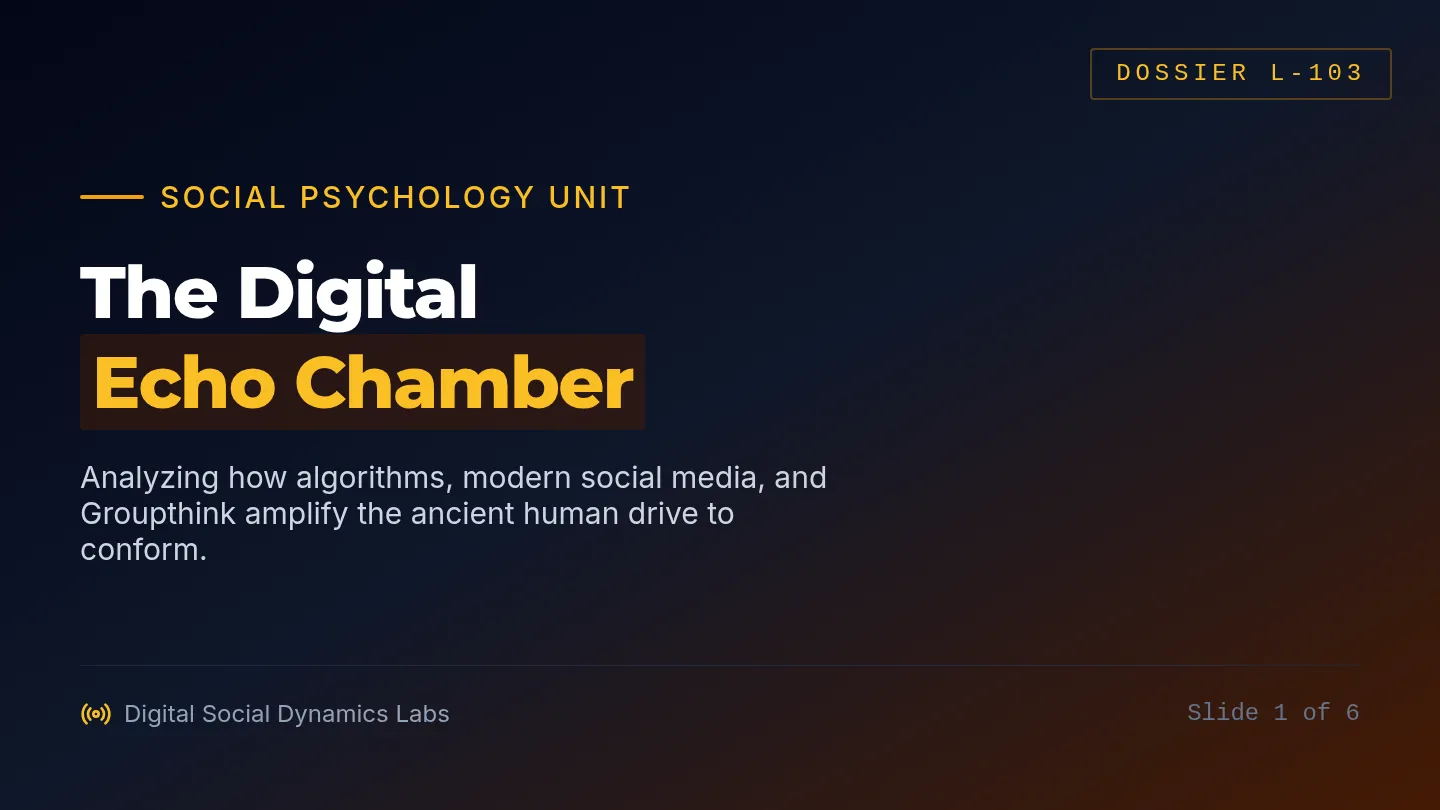
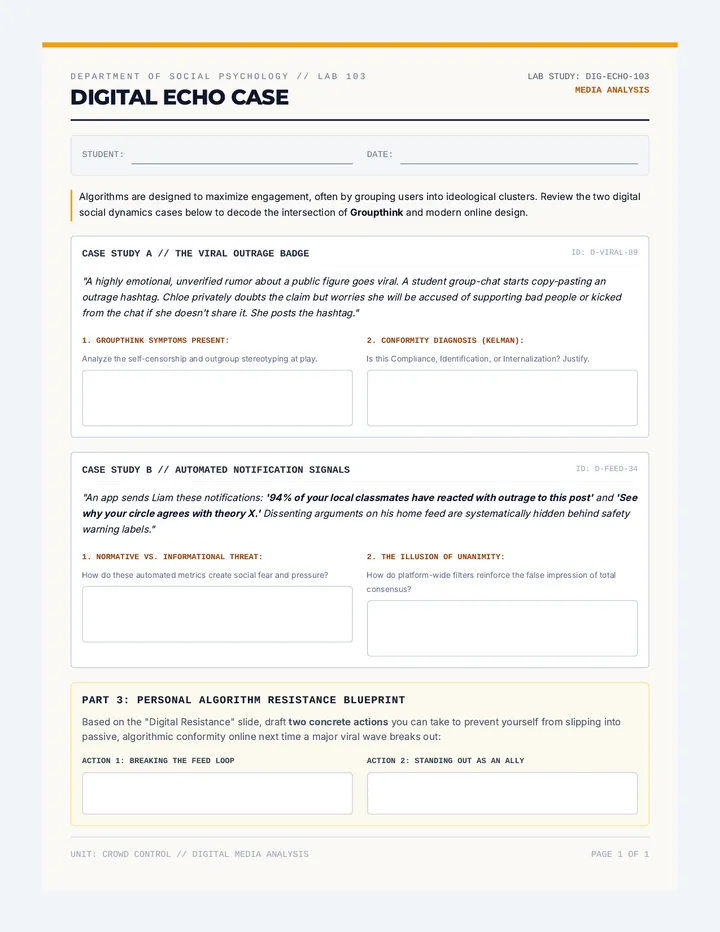
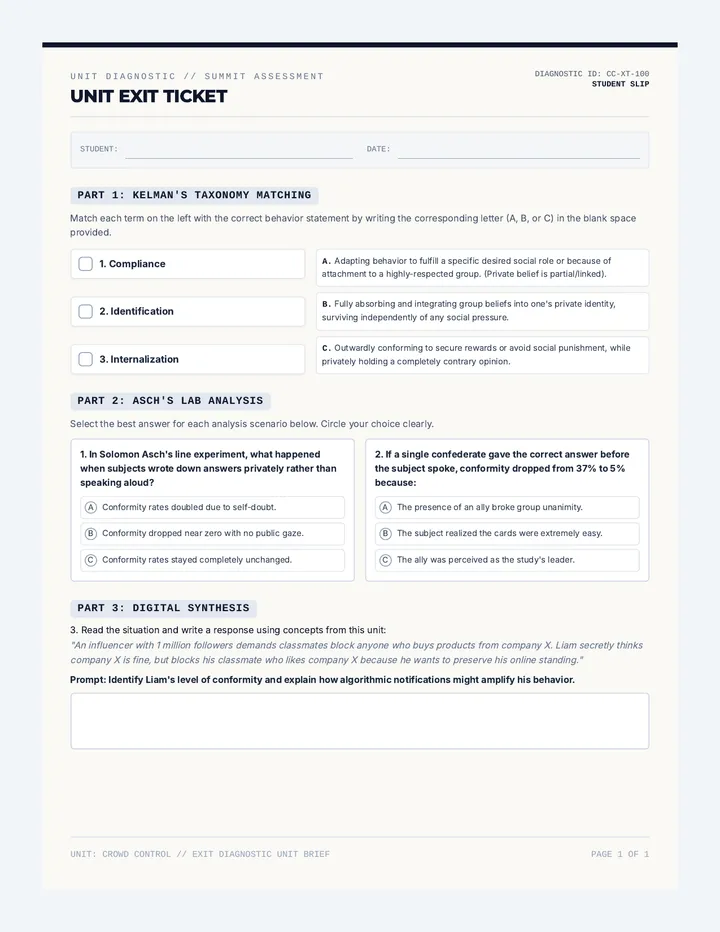
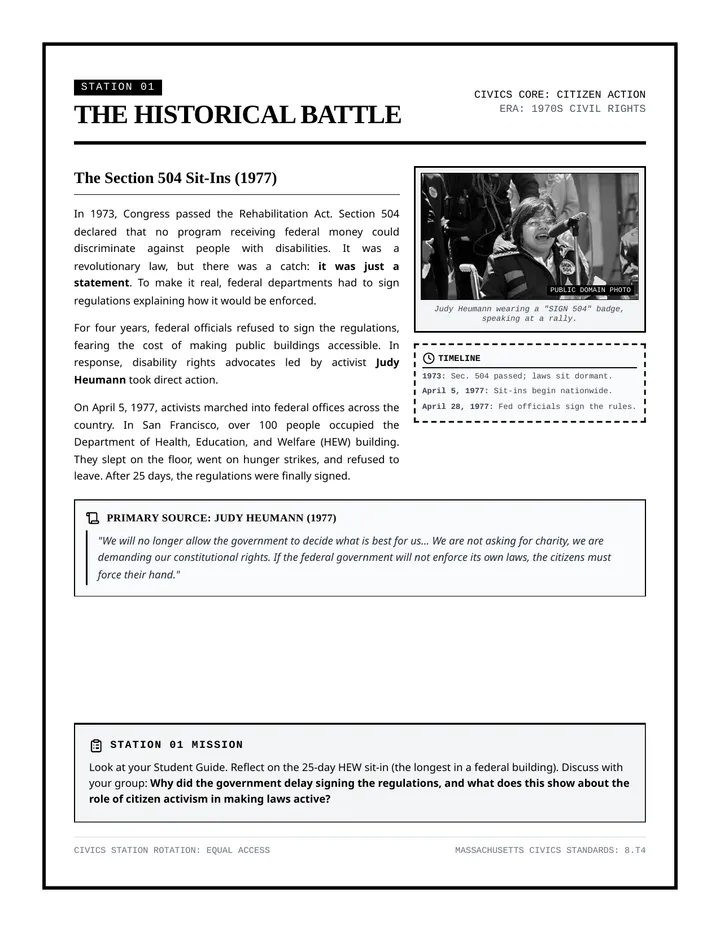
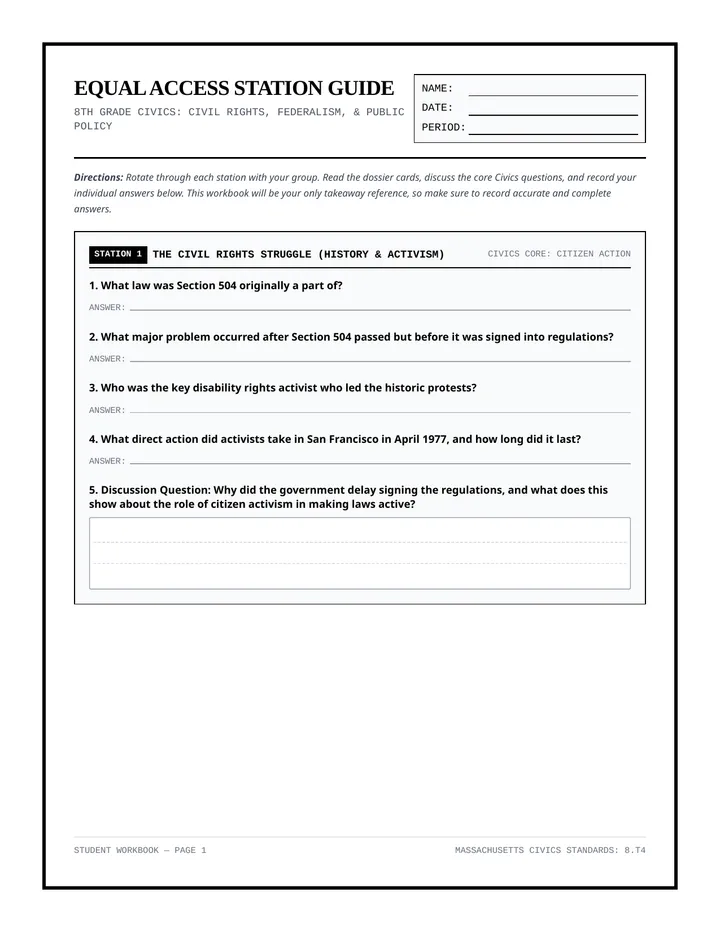
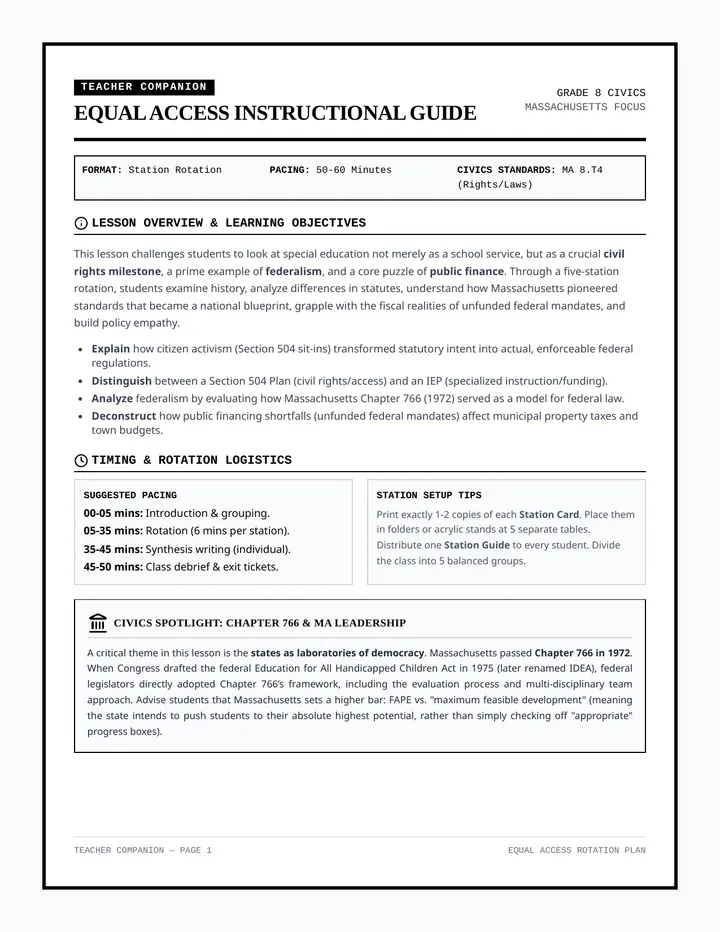
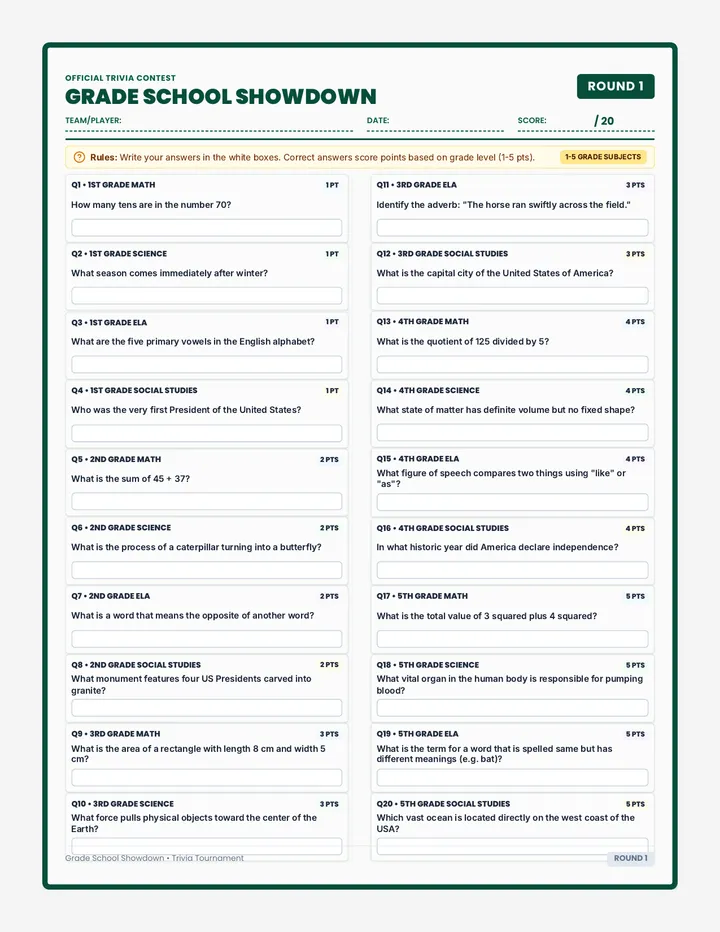
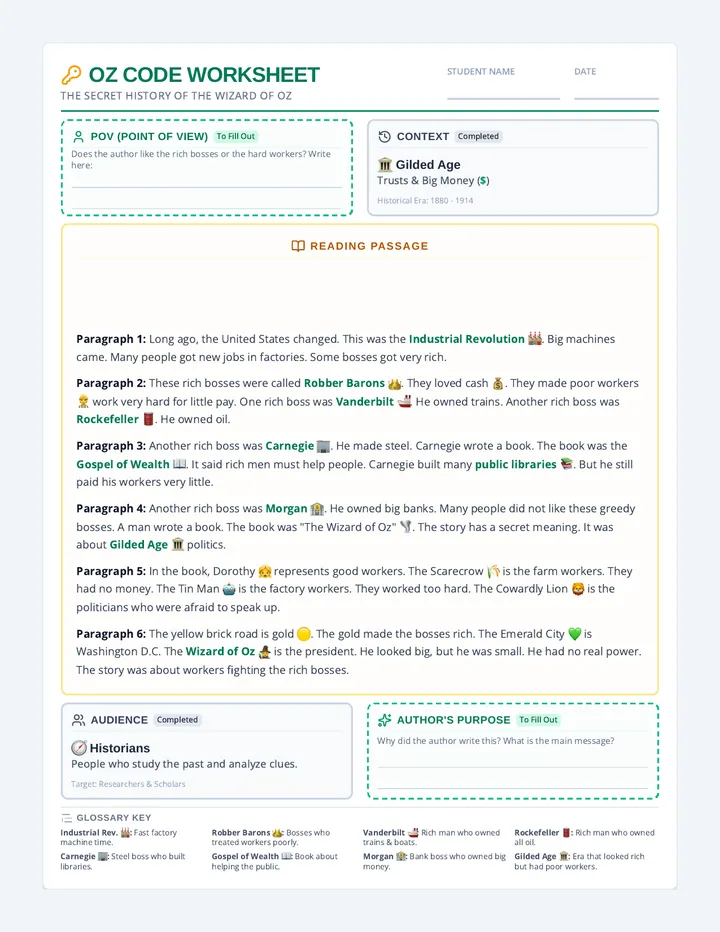
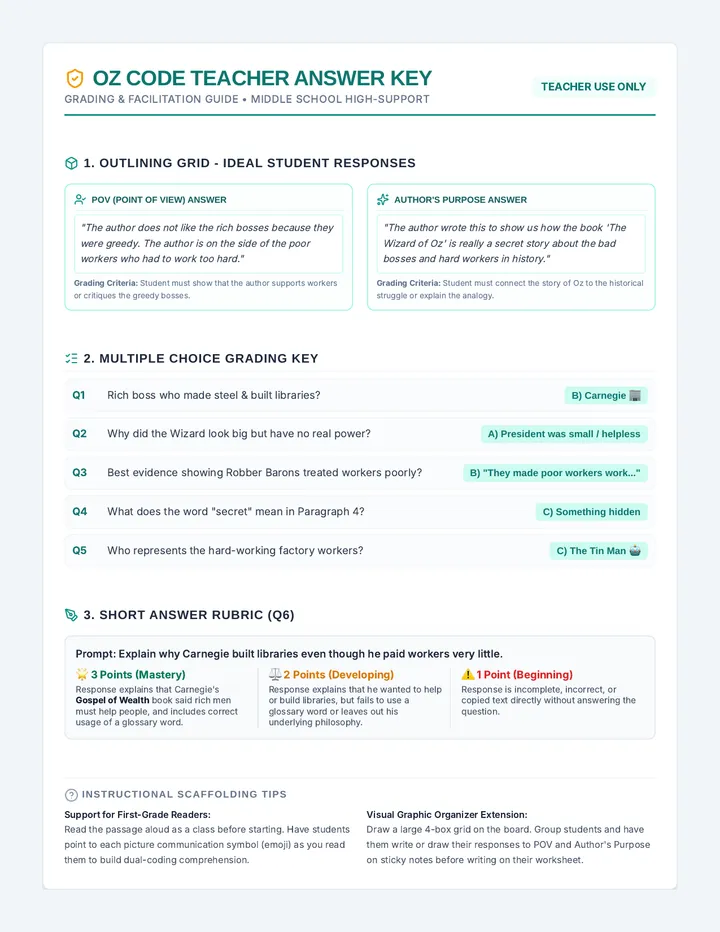
Students explore the 'c-factor' of collective intelligence and the social sensitivity required for high-performing teams. The lesson involves a design workshop to restructure team workflows for maximum problem-solving capacity.
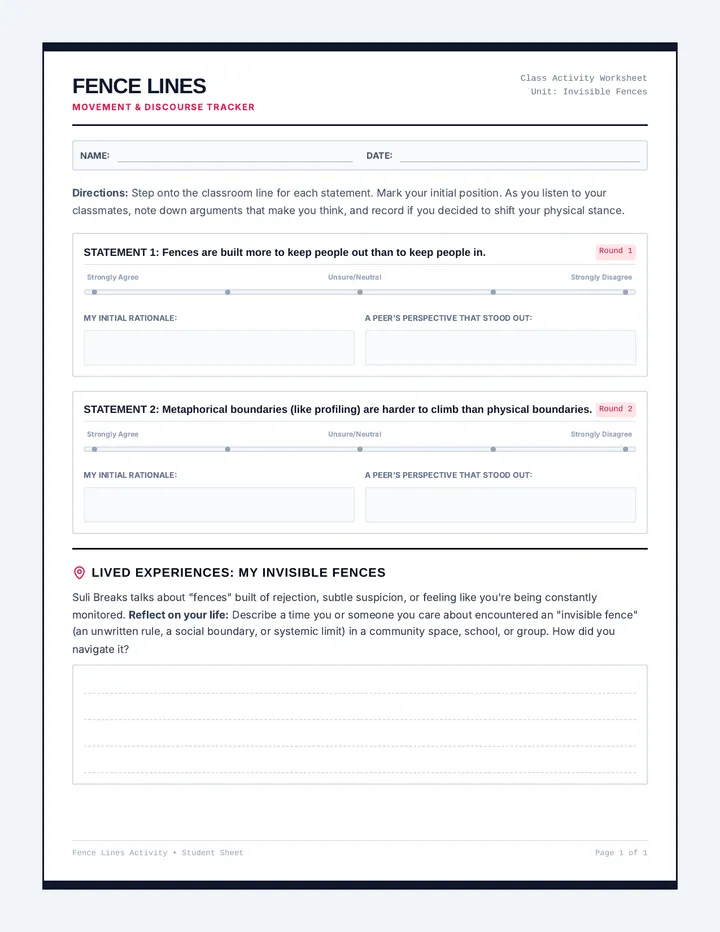
A master curriculum framework for World History that defines standards, objectives, skills, learning goals, and vocabulary for nine instructional units spanning 1200 C.E. to the present.
A master curriculum framework for Civic Literacy that defines standards, objectives, skills, learning goals, and vocabulary for thirteen instructional units.
A master curriculum framework for American History that defines standards, objectives, skills, learning goals, and vocabulary for thirteen instructional units.
A comprehensive project-based lesson for 11th-grade students to synthesize US history from 1877 to the present through a creative ABC book. This lesson includes the initial project launch, a two-week implementation schedule with checkpoints, and a detailed planning template.
A 50-minute deep dive into FDR's New Deal programs through primary source analysis, categorizing the 'alphabet soup' of agencies into Relief, Recovery, and Reform. Students will examine original posters, photographs, and legislation snippets to understand the massive scale of government intervention during the Great Depression.
A concise 20-minute lesson covering President Herbert Hoover's response to the Great Depression, focusing on his philosophy of Rugged Individualism, the Hoover Dam, the RFC, and the Bonus Army incident.
A collection of resources for an educational information booth about Peru at a cultural fair, including a fact sheet and interactive trivia cards.
Una lección que explora la inmigración moderna en los EE. UU. a través de la lente histórica de la Ley de Exclusión China, diseñada con lenguaje simplificado y organizadores gráficos para estudiantes de educación especial.
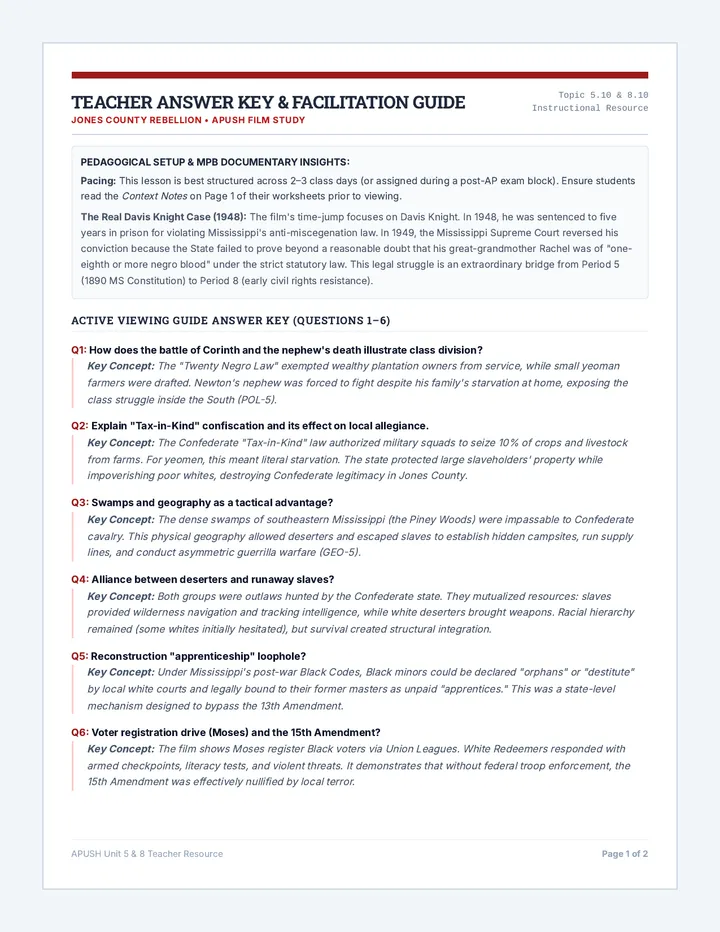
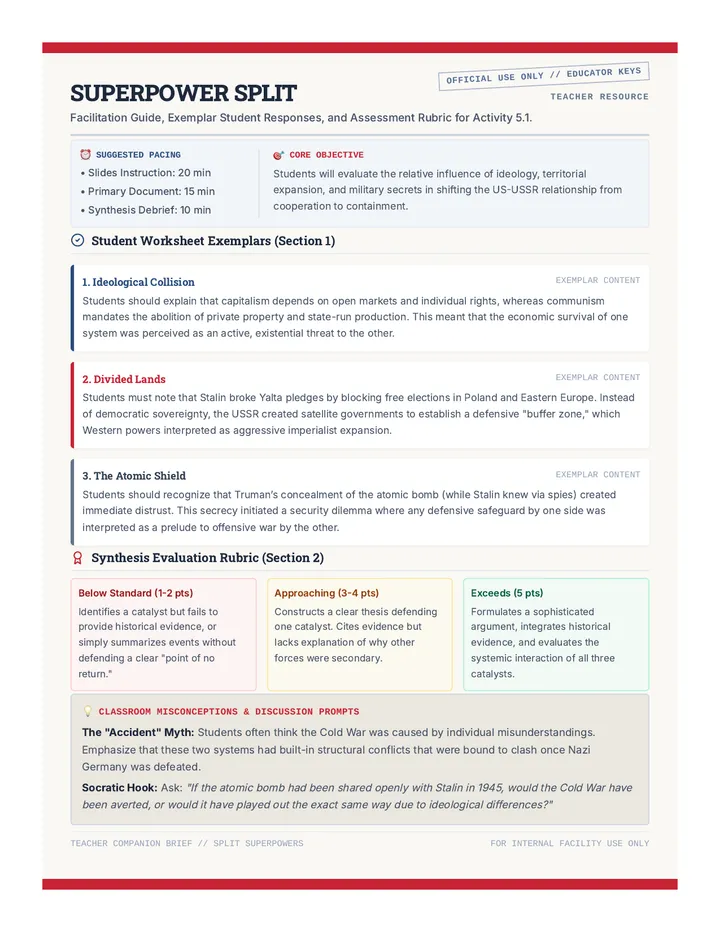
A deep-dive investigation into the Cuban Missile Crisis where students analyze declassified intelligence, private correspondence, and meeting transcripts to determine the causes and culpability of the nuclear standoff. Students act as intelligence analysts to produce a formal policy recommendation.
A comprehensive assessment covering developmental domains, brain growth, major ECE theorists, and strategies for supporting young children's self-concept and identity.
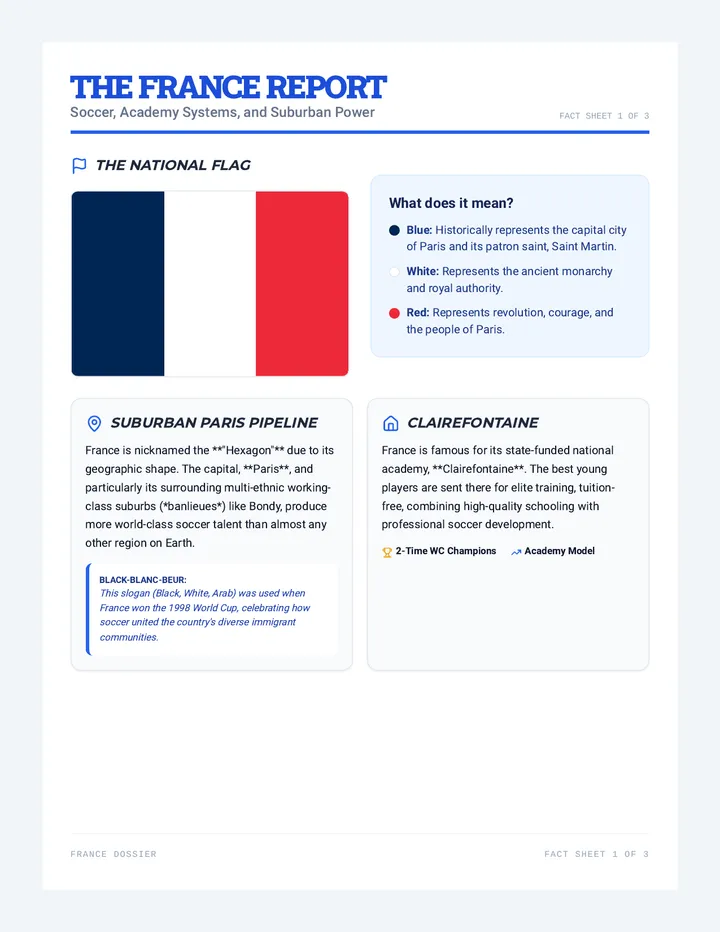
This lesson explores the devastating social and economic impacts of the Great Depression, focusing on unemployment, migration, and Hoovervilles, while challenging students to compare the contrasting philosophies of Presidents Hoover and FDR.
A lesson exploring the social and political changes following the Creole-led revolutions in Latin America, specifically designed for students requiring IEP accommodations.
A comprehensive study of key figures in the abolitionist movement, categorized by their methods of resistance: oratory, strategy, and militant action. Designed specifically for GED Social Studies preparation.
This lesson explores the social and political transformations following the Creole Revolutions in Latin America, specifically designed with scaffolds for IEP students to express their understanding of new freedoms and government structures.
Synthesize the unit by looking at modern climate-related disasters and creating disaster management strategies for the future.
Investigate Hurricane Katrina (2005) as a disaster where natural force met infrastructure failure and socioeconomic inequality.
Examine the 1986 Chernobyl disaster as the quintessential man-made catastrophe, exploring the intersection of technology, secrecy, and environmental impact.
Study the 1930s Dust Bowl as an example of how human agricultural practices can turn a natural drought into an environmental and human catastrophe.
Analyze the sinking of the Titanic as a turning point where technological hubris and class disparity met a tragic natural obstacle.
Discover the global impact of the 1815 eruption of Mount Tambora, which caused the 'Year Without a Summer' and influenced both science and literature.
Investigate the 1755 Lisbon Earthquake and its role in the Enlightenment, as thinkers like Voltaire and Rousseau debated the nature of evil and divine intervention.
Examine the 1666 Great Fire of London, looking at urban design, early firefighting, and how the disaster led to the first modern building codes.
Analyze the social, economic, and religious impacts of the Bubonic Plague in the 14th century and how it fundamentally altered European society.
Explore the eruption of Mt. Vesuvius in 79 AD through primary source accounts and archaeological evidence, focusing on the preservation of Roman life and the 'natural' perspective of ancient disasters.
A comprehensive AP Modern World History review covering Units 1-9 (1200-Present), featuring SPRITE thematic analysis and a detailed visual timeline for exam preparation.
Stimulus-based multiple choice practice for the 20th century to the present.
Stimulus-based multiple choice practice for the Early Modern and Modern eras (1450-1900).
Stimulus-based multiple choice practice for the Post-Classical era (1200-1450).
Students select a current news article and analyze its connection to US History using structured graphic organizers and sentence stems, designed for independent completion with sub-day support.
This lesson explores the Gurmat perspective on the five senses, moving from sensory bondage to spiritual mastery through the teachings found in the 'Slave to the Senses' discourse.
A comprehensive review of the course concepts applied to complex logic problems. Includes the course Posttest.
Analyzing statistics for reliability, sample size, and representative quality, while identifying the misuse of averages and partial claims.
Identifying fallacies that bypass logic to target emotions: scare tactics, flattery, peer pressure, and appeals to pity.
Developing the skills to assess the validity and reasonableness of evidence, and ensuring explanations are relevant and testable.